Complete Care at Glendale West
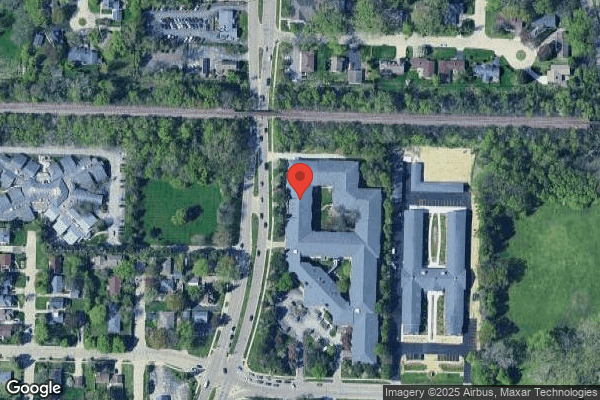
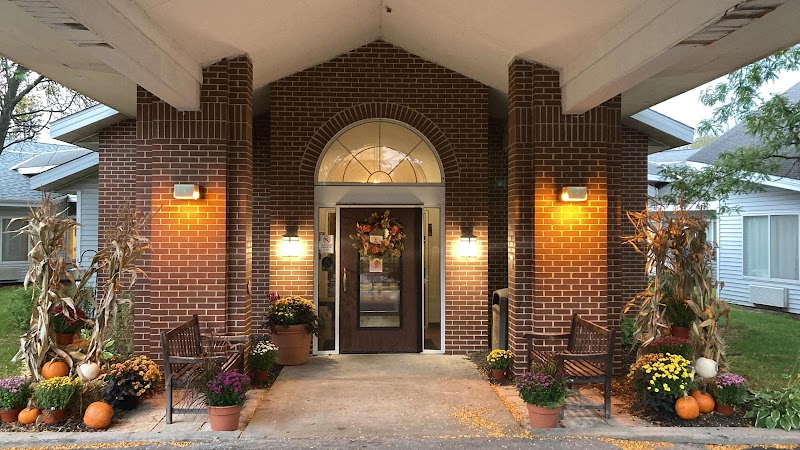
6263 N GREEN BAY AVE, GLENDALE, WI 53209 (414) 351-0543
For profit - Limited Liability company 94 Beds COMPLETE CARE Data: November 2025 1 Immediate Jeopardy citation
Trust Grade
31/100
#199 of 321 in WI
Last Inspection: May 2025

Inspected within the last 6 months. Data reflects current conditions.

Overview

Complete Care at Glendale West has received a Trust Grade of F, indicating significant concerns about the quality of care provided. Ranked #199 out of 321 facilities in Wisconsin, this places the nursing home in the bottom half of all facilities in the state, and #14 out of 32 in Milwaukee County, meaning only a few local options rank lower. The facility's situation is worsening, with issues increasing from 9 in 2024 to 13 in 2025. Staffing is rated as average with a turnover rate of 45%, which is slightly better than the state average, but there is concerningly less RN coverage than 81% of other state facilities. Additionally, the home has been fined a total of $11,180, which is typical for facilities in the area. Some serious incidents noted include a resident developing a severe pressure injury due to inadequate care and another resident who fell and sustained a head injury because they were not assisted properly during a transfer. While the facility has some strengths, such as decent staffing levels, the significant flaws highlighted in the inspections raise important concerns for families considering this option for their loved ones.
Trust Score
F
31/100
In Wisconsin
#199/321
Bottom 39%
Safety Record
High Risk
Review needed
Inspections
Getting Worse
9 → 13 violations
Staff Stability
○ Average
45% turnover. Near Wisconsin's 48% average. Typical for the industry.
Penalties
○ Average
$11,180 in fines. Higher than 62% of Wisconsin facilities. Some compliance issues.
Skilled Nurses
✓ Good
Each resident gets 43 minutes of Registered Nurse (RN) attention daily — more than average for Wisconsin. RNs are trained to catch health problems early.
Violations
⚠ Watch
34 deficiencies on record. Higher than average. Multiple issues found across inspections.
★★☆☆☆
2.0
Overall Rating
★★★☆☆
3.0
Staff Levels
★★★★☆
4.0
Care Quality
★★☆☆☆
2.0
Inspection Score
Stable
2024: 9 issues
2025: 13 issues

The Good

  • 4-Star Quality Measures · Strong clinical quality outcomes
  • Full Sprinkler Coverage · Fire safety systems throughout facility
  • No fines on record
  • Staff turnover below average (45%)

    3 points below Wisconsin average of 48%

Facility shows strength in quality measures, fire safety.

The Bad

2-Star Overall Rating

Below Wisconsin average (3.0)

Below average - review inspection findings carefully

Staff Turnover: 45%

Near Wisconsin avg (46%)

Typical for the industry

Federal Fines: $11,180

Below median ($33,413)

Minor penalties assessed

Chain: COMPLETE CARE

Part of a multi-facility chain

Ask about local staffing decisions and management

The Ugly 34 deficiencies on record

1 life-threatening 1 actual harm
May 2025 13 deficiencies
CONCERN (D)

Potential for Harm - no one hurt, but risky conditions existed

Deficiency F0605 (Tag F0605)

Could have caused harm · This affected 1 resident

**NOTE- TERMS IN BRACKETS HAVE BEEN EDITED TO PROTECT CONFIDENTIALITY** Based on record review and interview, the facility did not ensure a resident receiving an antidepressant medication was comprehe...

Read full inspector narrative →
**NOTE- TERMS IN BRACKETS HAVE BEEN EDITED TO PROTECT CONFIDENTIALITY** Based on record review and interview, the facility did not ensure a resident receiving an antidepressant medication was comprehensively assessed for use. This was observed with 1 (R40) of 5 resident medication reviews. * R40 was admitted to the facility on an antidepressant medication. There is not a comprehensive assessment for use of the medication, including indicators for use and non-pharmacological interventions. Findings include: The facility's policy and procedure titled Use of Psychotropic Medication dated 2/25. The definition for adequate indications for use states: refers to the identified, documented clinical rationale for administering medication that is based upon an assessment of the resident's condition and therapeutic goals and after any other treatments have been deemed clinically contraindicated. For psychotropic medications, without documentation in the record explaining that the practitioner has determined that other treatments have been deemed clinically contraindicated, the indication for use is inadequate. R40 was admitted to the facility on [DATE] with a diagnoses including Depression and Stroke. The Hospital Discharge summary, dated [DATE], includes orders for Prozac 20 milligram (mg), 3 capsules daily. The facility physician admission orders documents Prozac 20 mg, 3 capsules every day for Depression. The 3/4/25 admission Minimum Data Set (MDS) assessment documents daily use of an antidepressant medication. The Care Area Assessment (CAA) for Psychotropic Drug Use, completed by MDS Registered Nurse (RN) -C on 3/10/25, documents Prozac (antidepressant) for depression. This CAA does not include symptoms of depression R40 experiences, along with non-pharmacological interventions. A Significant Change in Status MDS assessment completed on 4/22/25 documents daily use of an antidepressant medication. The Care Area Assessment (CAA) for Psychotropic Drug Use, completed by MDS RN -C on 4/30/25, documents Prozac (antidepressant) for depression. This CAA does not include symptoms of depression R40 experiences, along with non-pharmacological interventions. R40's plans of care were reviewed. R40 has a care plan, initiated on 2/26/25, titled The resident uses antidepressant medication Prozac. There is NOT documentation of indicators for use of the antidepressant. The interventions listed indicates the side effects of the medication to be monitored. R40's medical record contained Behavior Management/ Medication Review forms dated 2/27/25, 3/28/25 and 4/25/25. These forms document R40 is on Prozac 60 milligrams (mg) every day for Depression. There are no indicators for use. There is no documentation to support the use of the antidepressant. There is no documentation of non-pharmacological interventions or depression symptoms specific to R40's use of the antidepressant. On 5/21/25, at 1:30 PM, Surveyor interviewed Unit Manager (UM) -D. UM-D stated They will look for indicators for use of the antidepressant medication. UM-D did not have any additional information. UM-D did not complete a comprehensive assessment on R40's antidepressant use. On 5/21/25, at 2:02 PM, Surveyor interviewed Social Worker (SW) -F. SW-F stated They just look at the medication itself and do not ask about symptoms for use. SW-F does not complete a comprehensive assessment for psychotropic medication for R40. On 5/21/25, at 3:03 PM, at the facility exit meeting with Nursing Home Administrator (NHA)-A and Director of Nurses (DON) -B, Surveyor shared the concerns with R40's antidepressant medication. There is no a comprehensive assessment for use, including care plan, non-pharmacological interventions and specific symptoms for treatment. Following exit from the survey, the facility provided additional documentation to review for R40 indicating R40 refused to meet with the facility behavioral/psychological services provider and two medication reviewed had been completed. Review of the medication reviews dated 2/27/25 and 3/27/25 do not include documentation of behaviors and their frequency to support monitoring of R40 for indicators for use of the medication. They also do not include any non pharmacological interventions for the resident when depressed other than to self direct activities at their own leisure. On 4/30/25 R40 declined formal psychological services, there is no indication the facility established a plan of care to address and monitor indications for use and interventions related to R40's receipt of antidepressants.
CONCERN (D)

Potential for Harm - no one hurt, but risky conditions existed

Comprehensive Assessments (Tag F0636)

Could have caused harm · This affected 1 resident

**NOTE- TERMS IN BRACKETS HAVE BEEN EDITED TO PROTECT CONFIDENTIALITY** Based on record review and interview, the facility did not conduct a comprehensive assessment of depression/mood with the admiss...

Read full inspector narrative →
**NOTE- TERMS IN BRACKETS HAVE BEEN EDITED TO PROTECT CONFIDENTIALITY** Based on record review and interview, the facility did not conduct a comprehensive assessment of depression/mood with the admission Minimum Data Set (MDS), and Significant Change in Status (SCS) MDS, for 1 (R40's) of 18 sampled residents. * R40 was admitted to the facility with orders to receive Prozac (an antidepressant) daily. R40's admission MDS dated [DATE] and SCS MDS dated [DATE] do not fully assess R40's depression/mood symptoms to lead to a Care Area Assessment (CAA) and development of a comprehensive plan of care for R40 that addresses indicators for use, individual symptoms for R40 and intervention to include nonpharmacological interventions (Cross-reference F605). Findings include: R40 was admitted to the facility on [DATE] with diagnoses including Depression and Stroke. The Hospital Discharge summary, dated [DATE], includes orders for Prozac 20 milligram (mg), 3 capsules daily. The facility physician admission orders document Prozac 20 mg, 3 capsules every day for Depression. R40's admission Minimum Data Set (MDS) assessment was completed on 3/4/25. This assessment documents daily use of an antidepressant medication. The assessment for mood indicates 0 for the presence of and frequency of experiencing little interest or pleasure ion things or feeling down, depressed and hopeless. Additional assessment of depression/mood including questions C-I are not assessed giving an inaccurate severity score/an incomplete assessment. The Care Area Assessment (CAA) for Psychotropic Drug Use, completed by MDS Registered Nurse (RN)- C on 3/10/25, documents Prozac (antidepressant) for depression. This CAA does not include symptoms of depression R40 experiences, along with non-pharmacological interventions. R40's Significant Change in Status MDS assessment was completed on 4/22/25. This assessment documents daily use of an antidepressant medication. The assessment for presence of and frequency of experiencing little pleasure are assessed as 0. The assessment for feeling down, depressed, or hopeless to include the presence of and frequency are assessed as 1's. This indicates presence of these symptoms 2-6 days of the assessment period. Additional questions C-I to assess the presence and frequency of additional symptoms of depression/mood are not assessed on the MDS. This gives an inaccurate severity score of 01. The Care Area Assessment (CAA) for Psychotropic Drug Use, completed by MDS RN-C on 4/30/25, documents Prozac (antidepressant) for depression. This CAA does not include symptoms of depression R40 experiences, along with non-pharmacological interventions. On 5/21/25, at 1:40 PM, Surveyor interviewed MDS RN-C. MDS RN-C stated they just code the medication and the medication goes to the behavior management team. They just monitor symptoms on the Medication Administration Record (MAR) and does not know where that information comes from. MDS RN-C did not conduct a comprehensive assessment related to R40 antidepressant use. On 5/21/25, at 2:02 PM, Surveyor interviewed Social Worker (SW)-F. SW-F stated they just look at the medication itself and does not ask about symptoms for use. SW-F does not complete a comprehensive assessment for psych medication for R40. On 5/21/25, at 3:03 PM, at the facility exit meeting with Nursing Home Administrator (NHA)-A and Director of Nurses (DON)-B, Surveyor shared the concerns with R40's antidepressant medication. There is not a comprehensive assessment for use, including a care plan, non-pharmacological interventions and specific symptoms for treatment. Following exit from the facility additional information was submitted from the facility to include medication reviews for R40, and a care conference progress note. Surveyor noted the medication reviews do not include clear Review of the medication reviews dated 2/27/25 and 3/27/25 do not include documentation of behaviors and their frequency to support monitoring of R40 for indicators for use of the medication. They also do not include any non pharmacological interventions for the resident when depressed other than to self direct activities at their own leisure. The care conference note dated 4/30/25 indicates R40 declined formal psychological services, there is no indication the facility established a plan of care to address and monitor indications for use and interventions related to R40's receipt of antidepressants. This progress note references presence of depression for R40. Also included is a late entry PHQ 9 (Personal Health Questionnaire) with an effective date of 4/8/25. There is no indication this assessment contributed to the completion of accurate MDS assessments or creating plans of care to address R40's use of an antidepressant.
CONCERN (D)

Potential for Harm - no one hurt, but risky conditions existed

Deficiency F0645 (Tag F0645)

Could have caused harm · This affected 1 resident

**NOTE- TERMS IN BRACKETS HAVE BEEN EDITED TO PROTECT CONFIDENTIALITY** Based on interview and record review, the facility did not ensure residents are accurately screened for a mental disorder prior ...

Read full inspector narrative →
**NOTE- TERMS IN BRACKETS HAVE BEEN EDITED TO PROTECT CONFIDENTIALITY** Based on interview and record review, the facility did not ensure residents are accurately screened for a mental disorder prior to admission or prior to the expiration of a 30-day exemption for 2 (R41 and R13) of 4 residents reviewed for the PASARR (Preadmission Screening and Resident Review). *R41 did not have a PASARR level 1 screen resubmitted prior to the expiration of the 30-day exemption documented on the original PASARR level 1. *R13 did not have a serious mental illness documented on the PASARR level 1 which would have triggered the PASARR level 2 to be initiated. Findings include: The facility policy and procedure titled Resident Assessment - Coordination with PASARR Program dated 8/2024 documents: Policy Explanation and Compliance Guidelines: 1. All applicants to this facility will be screened for serious mental disorders or intellectual disabilities and related conditions in accordance with the State's Medicaid rules for screening. a. PASARR Level I - initial pre-screening that is completed prior to admission i. Negative Level I Screen - permits admission to proceed and ends that PASARR process unless a possible serious mental disorder or intellectual disability arises later. ii. Positive Level I Screen - necessitates a PASARR Level II evaluation prior to admission. 3. Exceptions to the preadmission screening program, dependent upon the State requirements, include those individuals who: a. Are readmitted directly from a hospital. b. Are admitted directly from a hospital, requires nursing facility services for the condition for which the individual received care in the hospital, and has been certified by the attending physician before admission that the individual is likely to require less than 30 days of nursing facility services. 4. If a resident who was not screened due to an exception above and the resident remains in the facility longer than 30 days: a. The facility must screen the individual using the State's Level I screening process and refer any resident who has or may have MD, ID, or a related condition to the appropriate state-designated authority for Level II PASARR evaluation and determination. 1.) R41 was admitted to the facility on [DATE] with diagnoses of dementia and unspecified psychosis. R41 had physician orders on admission for Seroquel, an antipsychotic, 50 mg twice daily for psychosis and Ativan, an antianxiety medication, 0.5 mg every two hours as needed for anxiety for fourteen days. A PASARR level 1 was submitted on 2/26/2025 documenting R41 had a hospital discharge exemption of a 30 day maximum. A level 2 screen was not required at that time due to the exemption documented on the level 1 screen. On 5/19/2025 during the survey process, Surveyor was not able to locate a PASARR level 1 for R41 prior to 3/28/2025, 30 days after R41 was admitted since R41 was still a resident of the facility. Surveyor requested from Nursing Home Administrator (NHA)-A for a copy of R41's PASARR level 1 and level 2 screens. On 5/21/2025 at 9:17 AM, NHA-A provided a copy of R41's PASARR level 1 submitted 2/26/2025 with the 30 day exemption. Surveyor asked NHA-A what facility member completes the PASARRs prior to a resident being admitted to the facility. NHA-A stated NHA-A completes all the PASARRs for the facility. Surveyor asked NHA-A if R41 had a revised PASARR level 1 submitted prior to the expiration of the 30 day exemption. NHA-A stated NHA-A completed the PASARR level 1 screen prior to R41's admission on [DATE] and saw that the agency did not require a level 2. Surveyor shared with NHA-A that NHA-A had entered yes for the question of R41 having a 30 day hospital exemption and therefore a level 2 would not be required. Surveyor shared with NHA-A that a resident who stays at the facility beyond the 30 days, a follow up PASARR level 1 needs to be submitted. NHA-A stated since R41 was taking psychotropic medications with diagnoses and was on hospice, NHA-A thought the agency would not complete a level 2. Surveyor shared with NHA-A that R41 has been a resident of the facility for over two months without an accurate PASARR level 1 and one should have been submitted prior to the expiration of the 30 days. NHA-A agreed a follow up PASARR was not completed and would resubmit a new PASARR level 1. 2.) R13 was admitted to the facility on [DATE] with diagnoses including anxiety disorder (mental health disorder characterized by feelings of worry, fear that interfere with daily activities), and unspecified psychosis (disorder with symptoms including incoherent or nonsense speech or behavior inappropriate for the situation). R13 is currently her own person. R13's admission Minimum Data Set (MDS) completed 5/6/25 documents R13's Brief Interview for Mental Status(BIMS) score to be 8, indicating R13 demonstrates moderately impaired skills for daily decision making. R13's MDS documents that R13 is not currently considered by the state level 2 Preadmission Screen and Resident Review(PASARR) process to have serious mental illness and/or intellectual disability or a related condition. R13's MDS documents R13 has no mood or behavior symptoms. On 5/19/25, Surveyor reviewed R13's level 1 PASARR summary. Surveyor noted the facility answered NO to the question: .Does the person have a major mental disorder? . The National Institute of Mental Health-https://www.nimh.nih.gov documents: . psychosis, including unspecified psychosis, is considered a serious mental illness. It involves a disruption in thinking and perception, leading individuals to lose touch with reality. This can manifest as delusions, hallucinations, disorganized thinking, or disorganized behavior, causing significant distress and impairment in daily functioning. While unspecified psychosis is a diagnosis of exclusion, meaning it's used when a person experiences psychotic symptoms but doesn't fit into a specific psychotic disorder category, it is still a serious condition that requires prompt attention and appropriate treatment. What is psychosis? Psychosis refers to a collection of symptoms that affect the mind, where there has been some loss of contact with reality. During an episode of psychosis, a person's thoughts and perceptions are disrupted and they may have difficulty recognizing what is real and what is not. People with psychosis typically experience delusions (false beliefs, for example, that people on television are sending them special messages or that others are trying to hurt them) and hallucinations (seeing or hearing things that others do not, such as hearing voices telling them to do something or criticizing them). Other symptoms can include incoherent or nonsense speech and behavior that is inappropriate for the situation. Psychiatrists use The Diagnostic and Statistical Manual of Mental Disorders, 5th edition (DSM-5) to help them decide if a patient has psychosis. Psychosis is when a person has abnormalities in thoughts and perceptions. https://hcpc.[NAME].edu documents: .anxiety disorders are considered serious mental illnesses. They are characterized by excessive worry, fear, and nervousness that can significantly interfere with daily life, work, and relationships. Sometimes anxiety disorders can cause fear so intense it totally disables its victims. Anxiety disorders are the most common of all mental illnesses, and they are also the most treatable. Anxiety Disorder, Unspecified in the DSM-5 is a diagnosis used when an individual experiences significant anxiety and/or panic, but their symptoms don't fully meet the criteria for a specific anxiety disorder, such as Generalized Anxiety Disorder (GAD), Panic Disorder, or a specific phobia. It's essentially a catch-all category for individuals who experience anxiety-related distress or impairment that doesn't fit neatly into other, more defined anxiety disorder diagnosis. According to the Diagnostic and Statistical Manual of Mental Disorders, Fifth Edition (DSM-5), both Unspecified Psychosis and Unspecified Anxiety Disorder meet the definition of a major mental disorder. Surveyor noted R13 is currently not receiving psychotropic medications to treat symptoms of a major mental illness. R13's diagnosis of Unspecified Psychosis is most likely suggesting that R13 has symptoms that may indicate the presence of a major mental illness. On 5/20/25, at 3:17 PM, Nursing Home Administrator (NHA)-A confirmed that NHA-A completes the PASARR on each Resident admitted to the facility. NHA-A informed Surveyor that NHA-A documented NO to R13 having a major mental disorder because R13 does not have a diagnosis to substantiate a YES. On 5/21/25, at 3:03 PM, Surveyor shared the concern with NHA-A, Director of Nursing (DON)-B, and Director of Quality Compliance (DQC)-C that R13 has 2 major mental disorders under the DSM-5 and R13's PASARR was completed incorrectly stating R13 has no major mental disorder. No further information was provided by the facility at this time.
CONCERN (D) 📢 Someone Reported This

A family member, employee, or ombudsman was alarmed enough to file a formal complaint

Potential for Harm - no one hurt, but risky conditions existed

Comprehensive Care Plan (Tag F0656)

Could have caused harm · This affected 1 resident

**NOTE- TERMS IN BRACKETS HAVE BEEN EDITED TO PROTECT CONFIDENTIALITY** Based on record review and interview, the facility did not develop a comprehensive plan of care for residents on antidepressant ...

Read full inspector narrative →
**NOTE- TERMS IN BRACKETS HAVE BEEN EDITED TO PROTECT CONFIDENTIALITY** Based on record review and interview, the facility did not develop a comprehensive plan of care for residents on antidepressant medication. This was observed with 3 (R40, R6, & R71) of 18 residents reviewed for plans of care. * R40 and R6 were admitted to the facility on antidepressant medication and did not have a plan of care for their depression. * R71 did not have bowel or bladder care that included goals and interventions. Findings include: 1.) R40 was admitted to the facility on [DATE] with diagnoses including Depression and Stroke. The Hospital Discharge summary, dated [DATE], includes Prozac 20 milligram (mg), 3 capsules daily. The facility admission physician orders document Prozac 20 mg, 3 capsules every day for Depression. R40's admission Minimum Data Set (MDS) assessment was completed on 3/4/25. This assessment documents daily use of an antidepressant medication. The Care Area Assessment (CAA) for Psychotropic Drug Use, completed by MDS Registered Nurse (RN) -C on 3/10/25, documents Prozac (antidepressant) for depression. This CAA does not include the symptoms of depression R40 experiences, along with non-pharmacological interventions. R40's Significant Change in Status MDS assessment was completed on 4/22/25. This assessment documents daily use of an antidepressant medication. The Care Area Assessment (CAA) for Psychotropic Drug Use, completed by MDS RN -C on 4/30/25, documents Prozac (antidepressant) for depression. This CAA does not include symptoms of depression R40 experiences, along with non-pharmacological interventions. R40's plans of care were reviewed. R40 has a care plan, initiated on 2/26/25, titled The resident uses antidepressant medication Prozac. There is no documentation of indicators for use of the antidepressant. The interventions listed indicate the side effects of the medication to be monitored. R40 does not have a plan of care for depression symptoms and treatment to include specific symptoms along with non-pharmacological interventions. On 5/21/25, at 1:30 PM, Surveyor interviewed Unit Manager (UM) -D. UM-D stated They will look for indicators for use of the antidepressant medication. UM-D did not have any additional information. UM-D did not develop a comprehensive plan of care for R40's depression. On 5/21/25, at 2:02 PM, Surveyor interviewed Social Worker (SW)-F. SW-F stated They just look at the medication itself and do not ask about symptoms for use. SW-F did not develop a comprehensive plan of care for R40's depression. On 5/21/25, at 3:03 PM at the facility exit meeting, with Nursing Home Administrator (NHA)-A and Director of Nurses (DON) -B, Surveyor shared the concerns with R40's antidepressant medication. There is not a comprehensive assessment or use, including care plan, non-pharmacological interventions and specific symptoms for treatment2.) R6 was admitted to the facility on [DATE] with diagnoses of hemiplegia and hemiparesis following cerebral infarction affecting left non-dominant side, dementia, psychotic disturbance, mood disturbance, anxiety and depression. R6's Annual Minimum Data Set (MDS) assessment, dated 5/6/2025, documented a Brief Interview Mental Status (BIMS) score of 11, indicating that R6's cognation is intact. Section B, documents that R6 is understood and understands. Surveyor reviewed R6's care plan and could not locate a care plan for R6's depression. Surveyor reviewed the care plan for depression medication but that had only interventions related to the medication itself and nothing with interventions for the depression diagnosis. On 5/22/2025, at 8:16 AM, Surveyor interviewed Assistant Director of Nursing (ADON)-K who indicated to be one of the people responsible for going over care plans and making sure they are correct and current. ADON-K indicated that the depression care plan should show up in Point Click Care (PCC). PCC is a program used for R6's health information while at the facility. Surveyor informed ADON-K that it was not observed in PCC. ADON-K stated to Surveyor that a depression care plan will be put in for R6 right away. Surveyor also explained that there was a care plan for R6's depression medication, which had the following two interventions: Monitoring/document/report PRN (as indicated) adverse reactions to antidepressant therapy; Administer antidepressant medications as ordered. Surveyor reviewed the treatment record for R6. It is documented that on April 18th, 19th and 20th of 2025 that side effects were observed for depression medication. There was no documentation that the adverse effects of R6's medication were reported to a physician on April 18th, 19th or 20th. On 5/22/2025, at 11:19 AM, Surveyor informed Nursing Home Administrator (NHA)-A, of the above findings. Surveyor explained that there is no care plan for depression and the care plan found for depression medication intervention was not followed. No additional information received for R6 not having a depression care plan with interventions and goals. No information received as to why the interventions for depression medication were not followed on the above dates of April 2025. 3.) R71 was admitted to the facility on [DATE] with diagnoses that include heart failure, generalized anxiety disorder, depression, osteoarthritis. R71's admission Minimum Data Set (MDS), dated [DATE], documents a Brief Interview of Mental Status (BIMS) of 11, indicating R71 is cognitively intact. The MDS documents mobility as needs some help, as helper does some of the effort, and R71 does some of the activity. Under the bowel and bladder section, it is documented that R71 is occasionally incontinent of bladder and never incontinent of bowel. Surveyor reviewed the care plan for R71 and there was not a bladder care plan initiated for R71, despite the MDS documenting that R71 is occasionally incontinent of bladder. On 5/22/2025, at 8:06 AM, Surveyor interviewed Assistant Director of Nursing (ADON)-K who indicated that she was one of the individuals responsible for going over care plans and making sure they are correct and current. Surveyor informed ADON-K of the above findings and R71's lack of a bladder care plan. ADON-K indicated not remembering much relating to R71 and would review R71's care plan and let Surveyor know. On 5/22/2025, at 11:19 AM, Surveyor informed Nursing Home Administrator (NHA)-A, of concerns with R71's care plan, and no start for a bladder care plan for R71. No additional information was provided as to why R71 had no care plan for bladder incontinence despite it being documented in R71's admission MDS dated [DATE].
CONCERN (D)

Potential for Harm - no one hurt, but risky conditions existed

Deficiency F0685 (Tag F0685)

Could have caused harm · This affected 1 resident

**NOTE- TERMS IN BRACKETS HAVE BEEN EDITED TO PROTECT CONFIDENTIALITY** Based on observation, interviews, and record review, the facility did not ensure residents with vision impairment received prope...

Read full inspector narrative →
**NOTE- TERMS IN BRACKETS HAVE BEEN EDITED TO PROTECT CONFIDENTIALITY** Based on observation, interviews, and record review, the facility did not ensure residents with vision impairment received proper treatment and assistive devices including arrangements for an optometrist (eye doctor) visit for 1 (R21) of 1 resident's reviewed for vision. R21 has not been seen by an optometrist since 8/20/21 and R21's last missed vision appointment on 11/18/22 was never rescheduled to evaluate R21's advancing vision issues with an active request and signed consent to receive vision care. Findings include: R21 was admitted on [DATE] which includes a diagnosis of legal blindness and other optic atrophy. R21's comprehensive Minimum Data Set (MDS) dated [DATE] documents a Brief Interview for Mental Status (BIMS) score of 13, indicating R21 has intact cognition. R21 has highly impaired vision with no corrective lenses, glasses or contacts. R21's active Physician Order, dated 10/5/23, documents, May be seen by Optometrist No directions specified for order. R21's Care Plan, date Initiated, 10/06/2023, documents, Focus: The resident has impaired visual function r/t (related to) can see and ID (Identify) objects. Goal: The resident will maintain optimal quality of life within limitation imposed by visual function (SPECIFY how) through the review date. Date Initiated: 05/25/2022 Revision on: 04/17/2025. The resident will maintain optimal quality of life within limitation imposed by visual function (SPECIFY how) through the review date. Date Initiated: 05/25/2022 Revision on: 04/15/2025 Interventions: The resident will have no indications of acute eye problems through the review date. Date Initiated: 05/25/2022 Revision on: 04/17/2025. Arrange consultation with eye care practitioner as required. Date Initiated: 05/25/2022. Keep my personal items in the same place so I can find them. Date Initiated: 05/25/2022. Monitor/document/report PRN (as needed) any s/sx (signs and symptoms) of acute eye problems: Change in ability to perform ADLs, (Assistance with Daily Living) Decline in mobility, Sudden visual loss, Pupils dilated, gray or milky c/o halos around lights, double vision, tunnel vision, blurred or hazy vision. Date Initiated: 05/25/2022. Offer me a consult with optometrist/ophthalmologist, as needed. Date Initiated: 05/25/2022. Tell the resident where you are placing their items. Be consistent. Date Initiated: 05/25/2022 R21's HealthDrive Request for services form completed on 12/30/19, documents R21 requests to be seen for eye care and consents to services requested. R21's HealthDrive's Eye Care Group form on 8/20/21 documents, R21's visit assessment concludes optic atrophy; both eyes, macular degeneration, dry, both eyes; intermediate dry stage, cataract mixed; worse; both eyes; mild to moderate, exotropia, constant; no change; L (left) eye, legal blindness, as defined in USA. R21's plan documents, monitor; follow up comprehensive 8/20/22, patient education and advise staff of any changes, monitor, cataract surgery not recommended due to poor prognosis, monitor, staff education-patient will require assistance with ADL's (assistance with daily living). R21's action required by nursing home staff, glasses required, no. Eyelid care required, no. Recommend new orders, no. R21's HealthDrive's Eye Care Group form on 11/18/22, documents, Patient was scheduled to be treated today but was not treated. Reason: Patient was unavailable-in bed. On 05/19/25 at 10:01 AM, R21 stated her vision is very bad. She had glasses but they did not work well. She believes she has talked to someone about this. On 05/20/25 at 11:03 AM, Surveyor interviewed Social Worker (SW)-F who stated the process for residents to receive vision appointments starts with the resident's requesting services and signing a consent. Once this is established, residents are on the list for HealthDrive to come to the facility quarterly for vision appointments. Surveyor asked SW-F why R21 stopped receiving vision care with her last scheduled visit on 11/18/22 which was missed and SW-F stated, she does not know but will find out. On 05/21/25 at 08:33 AM, Surveyor interviewed SW-F, who received information from HealthDrive. SW-F stated R21's last visit was scheduled for 11/18/22 but R21 was in bed. HealthDrive does not know why R21 was no longer on their list following last attempted visit, but HealthDrive has re-added R21 to list and she will be seen 6/2/25. On 05/22/25 at 10:41 AM, Surveyor interviewed SW-F, who stated, HealthDrive sends a summary for each visit but if resident is no longer going to be seen, she does not know because it has not happened since she has been here in a year. Surveyor asked, SW-F if HealthDrive stops seeing a resident, whose responsibility is it to find out why and SW-F stated, That is a good question and did not provide answer. Surveyor asked SW-F if there is a tracking mechanism in place to know if a resident was missed for any reason and SW-F stated she doesn't keep one, but HealthDrive should have one. She will reach out to HealthDrive and see if they have any system. On 05/22/25 at 10:54 AM, Surveyor spoke with R21 who stated she has told someone a few weeks ago that she wanted a visit for vision because her right eye becomes blurry as the day goes on, but she has not heard anything. Surveyor told R21 that a visit has been set up for 6/2/25. R21 stated she had not been informed of upcoming visit and stated she did not know why she had not been seen since 8/20/21 or why her last scheduled visit on 11/18/22 was not rescheduled. Surveyor notes, the facility does not have a system in place for monitoring HealthDrive visits, to include if visits occurred, when visits are missed or canceled or if residents decide to longer have services provided. On 05/22/25 at 3:15 PM, Surveyor notified Nursing Home Administrator (NHA)-A and Director of Nursing (DON)-B of the concerns regarding R21 not being seen by optometry to continue to evaluate the care plan and decline of R21's vision. Following exit from the survey, the facility submitted additional information regarding R21 to include the statement Resident (R21) has macular degeneration, cataracts in both eyes and is legally blind. The residents (sic) care plan since 2022 (attached for Surveyor review) states to arrange consultation with eye care practitioner as needed. Resident s followed by (name of replacement plan group), during each visit with the NP (nurse practitioner) resident has not expressed any concerns. The order from (name of replacement plan group) for resident (attached for Surveyor to review) states opthalmology consult as needed and they have not recommended a consult. (Name of replacement plan group) also documented that resident refuses to get out of bed and an eye examination cannot be done with resident in bed. Surveyor noted the additional information does not address R21's discussion with staff expressing concern with changes in her right eye and a request for a vision appointment. The documents submitted from the replacement plan provider are noted to be date 9/11/24 and 12/12/24. The 12/12/24 form documents a generic statement of: Continue with Routine labs and in house services per facility policy: Podiatry; Opthalmology; Dental; Audiology; and Psychiatric Consults PRN (as needed). The 9/11/24 does not reference a review of vision or services related to vision as provided to surveyor for review.
CONCERN (D)

Potential for Harm - no one hurt, but risky conditions existed

Accident Prevention (Tag F0689)

Could have caused harm · This affected 1 resident

**NOTE- TERMS IN BRACKETS HAVE BEEN EDITED TO PROTECT CONFIDENTIALITY** Based on observation, interview, and record review, the facility did not ensure adequate supervision and safety to prevent an ac...

Read full inspector narrative →
**NOTE- TERMS IN BRACKETS HAVE BEEN EDITED TO PROTECT CONFIDENTIALITY** Based on observation, interview, and record review, the facility did not ensure adequate supervision and safety to prevent an accident from occurring for 1 of 1 Resident (R65) reviewed for accidents. *R65's physician orders instructed 1:1 (one on one) supervision with all meals. Surveyor had observations during the survey process of R65 not receiving supervision with meals. Findings Include: The facility's Accidents and Supervision policy implemented 11/24 documents: .Policy: The Resident environment will remain as free of accident hazards as is possible. Each Resident will receive adequate supervision and assistive devices to prevent accidents. This includes: 1. Identifying hazard(s) and risk(s) 2. Evaluating and analyzing(s) and risk(s) 3. Implementing interventions to reduce hazard(s) and risk(s) 4. Monitoring for effectiveness and modifying interventions when necessary Policy Explanation and Compliance Guidelines: 1. Identification of Hazards and Risks 2. Evaluation and Analysis 3. Implementation and Interventions 4. Monitoring and Modification 5 Supervision-is an intervention and a means of mitigating accident risk. The facility will provide adequate supervision to prevent accidents. Adequacy of supervision: a. Defined by type and frequency b. Based on the individual Resident's assessed needs and identified hazards in the Resident environment R65 was admitted to the facility on [DATE] with diagnoses of Hemiplegia and Hemiparesis Following Cerebral Infarction (complete paralysis on one side of body and partial/incomplete weakness on one side following stroke), Dysphagia (difficulty swallowing foods), Metabolic Encephalopathy(brain dysfunction resulting from underlying condition that disrupts the metabolic processes), Chronic Kidney Disease (progressive damage and loss of function in the kidneys), Anemia (low red blood cells and hemoglobin), and Essential Hypertension (chronic condition of persistently high blood pressure). R65 is currently is his own person. R65's admission Minimum Data Set (MDS) completed 4/16/25 documents R65's Brief Interview for Mental Status(BIMS) score to be 12, indicating R65 demonstrates moderately impaired skills for daily decision making. R65's MDS documents R65 has no mood or behavior symptoms. R65 has range of motion (ROM) impairment on 1 side of both upper and lower extremity, set-up for eating, requires substantial/maximum assistance for showers, upper and lower dressing and transfers. R65 requires partial to moderate assistance for mobility. R65's MDS also documents that R65 is holding food in mouth/cheeks or residual food in mouth after meals and has complaints of difficulty or pain when swallowing. R65's nutrition care area assessment completed 4/16/25 (CAA) documents: Mechanical soft NAS diet R65 will maintain adequate nutritional status as evidenced by maintaining weight within 5% of 160 lbs, no signs/symptoms of malnutrition, and consuming at least 50% of at least 3 meals daily through review date. R65's initial nutrition assessment completed 4/11/25 by Dietitian (RD)-Q documents R65 is setup help only and on a mechanical soft texture thin liquid diet at time of admission. R65's current physician orders documents: -No added salt (NAS) diet mechanical soft texture, regular (thin) consistency, 1:1 supervision for meals-start date 4/9/25 -1:1 supervision for all meals, hold meals if increased coughing, three times a day-start date of 4/18/25 Surveyor reviewed R65's Treatment Administration Record (TARS) for April and May and notes that nursing staff was monitoring for 1:1 supervision for all meals, three times a day. R65's initial nutrition assessment is inconsistent with R65's physician orders of 1:1 supervision with all 3 meals. R65's care card instructing certified nursing assistants (CNAs) as of 5/19/25 documents R65 is on a mechanical soft diet, thin liquids, and feeds self with set up. R65's comprehensive care plan documents: R65 has a swallowing problem due to (Surveyor notes this has not been completed) Initiated 4/22/25 Interventions: -All staff to be informed of R65's special dietary and safety needs -Diet to be followed as prescribed -Instruct R65 to eat in an upright position, to eat slowly, and to chew each bite thoroughly -Monitor for shortness of breath, choking, labored respirations, lung congestion · The resident will have clear lungs, no signs and symptoms of aspiration through the review date. · The resident will have no choking episodes when eating through the review date. · The resident will maintain weight and nutritional balance through the review date. · The resident will not have injury related to aspiration through the review date. All initiated 4/29/25 Surveyor notes R65's care card and comprehensive care plan were not updated with R65's physician order of 1:1 supervision with all 3 meals. On 4/10/25, Speech/Language Pathologist (SLP)-P's SLP screen documents R65 is on a mechanically altered diet, holds food in mouth/cheeks or residual food in mouth after meals, and complaints of difficulty or pain when swallowing. Recommendations are for SLP Evaluation for swallow. SLP-P in the summary, documents that a problem has been identified and SLP evaluation indicated. SLP-P's documentation completed 4/10/25 located in SLP-P's evaluation and plan of treatment includes the following applicable goals: -R65 will increase ability to safely swallow mechanical soft/ground consistencies to within functional limits in order to meet primary nutrition/hydration needs. -R65 will safely and efficiently swallow mechanical soft/ground textures 90% of the time without compensatory strategies and/or maneuvers as evidenced by minimal to absent signs/symptoms of oral/pharyngeal dysphagia. On 4/16/25, R65 is discharged to the hospital from the facility. R65's hospital discharge summary completed 4/22/25 includes SLP notes from the hospital. SLP's progress notes completed 4/18/25 documents: Swallow Recommendations: 3. Constant supervision/tray setup-ensure slow rate, small bites, liquid wash as appropriate 4. Discontinue feeding if increased coughing, throat clears, increased breathing 5. Monitor mentation, hold by mouth intake as appropriate, may need total assist as needed due to cognition/mentation Recommendations documented by the SLP from the hospital: -Liquid-thin and IDDSI (International Dysphagia Diet Standardization Initiative) 7 Easy-to-Chew -Feeding Guidelines: *Tray set-up, constant supervision by staff, slow rate of intake, small bites, alternate liquids and solids, stay upright after meals, small single sips, and check mouth for leftover food The overall short term goal is that R65 will tolerate a least restrictive diet without overt signs/symptoms of dysphagia/aspiration R65's nutrition assessment completed by RD-Q after R65's return from the hospital dated 4/25/25 documents R65 now requires one person physical assistance. SLP-R, a different speech/language therapist completed a SLP screen on 4/27/25 indicating R65 has a swallow disorder as evidenced by holding food in mouth or cheeks or residual food in mouth after meals and complaints of difficulty or pain when swallowing. On 4/27/25, SLP-R documented: .Due to the documented physical impairments and associated functional deficits, without skilled therapeutic intervention, R65 is at risk for: decreased ability to return to prior level of supervision/assistance. R65 presents with mild oral dysphagia which necessitates skilled SLP services for dysphagia to analyze oral function, assess/evaluate for safest level of oral intake and design and implement strategies in order to improve ability to safely consume highest level of oral intake. R65's completed MDS 5 day dated 4/28/25 documents R65 continues to hold food in mouth/cheeks or residual food in mouth after meals and complaints of difficulty or pain when swallowing. On 4/28/25, SLP-R documented providing .R65 with verbal education regarding safe swallow strategies with rationale and explanations for implementation On 5/1/25, SLP-P documented .Mildly discoordinated oral movements and mastication noted. On 5/19/25, SLP-P documents .R65 with mildly wet vocal quality post swallow of fruit, but cleared with secondary swallow On 5/19/25, at 12:38 PM, Surveyor observed Admissions (Admit)-G deliver R65's lunch tray and bring in a cup of juice, and set the tray on R65's overbed table. R65 is up in wheelchair. On 5/19/25, at 12:44 PM, Surveyor observed R65 drinking juice. On 5/19/25,at 12:59 PM, Surveyor observed Certified Nursing Assistant (CNA)-S lower R65's overbed table, take the cover off the fruit, and moved the plate closer to R65. On 5/19/25, at 1:04 PM, Surveyor observed R65 eating lunch with no supervision. On 5/19/25, at 1:12 PM, Surveyor observed R65 continuing to eat lunch with no supervision. On 5/20/25, at 8:05 AM, Surveyor observed CNA-I bring R65's breakfast tray, opened up everything, raised R65's head of bed, and left the room. On 5/20/25, at 8:11 AM, Surveyor observed R65 eating breakfast in bed, unsupervised, head of bed is slightly elevated. On 5/20/25, at 8:40 AM, Surveyor observed that R65 ate all of breakfast, and no staff was in the room to supervise. On 5/20/25, at 12:26 PM, Surveyor observed R65 sitting in wheelchair, eating lunch with staff supervising R65. On 5/20/25, at 12:52 PM, Surveyor observed that R65 ate all of R65's lunch, finishing up cup of juice. Surveyor observed R65 did not receive any supervision from staff. On 5/21/25, at 8:49 AM, Surveyor interviewed SLP-P in regards to R65. Surveyor asked SLP-P to define what 1:1 supervision is defined as. SLP-P stated it would be assistance of 1 and watching R65 throughout the meal. SLP-P is not aware of the physician's order for 1:1 supervision for R65. SLP-P stated R65 has few teeth, and has a history of swallowing difficulty. On 5/21/25, at 8:49 AM, Surveyor observed R65's breakfast tray in front of R65, cover still on, and R65 is laying in bed. R65's head of bed is slightly elevated but not enough to eat comfortably. R65 has not started to eat yet. On 5/21/25, at 8:57 AM, Surveyor observed CNA-H go into R65's room and set up R65 for breakfast, elevated bed completely in a better position. On 5/21/25, at 8:59 AM, Surveyor observed CNA-I go into R65's room and shut the door. On 5/21/25, at 9:19 AM, Surveyor asked CNA-H what CNA-I was doing in R65's room and CNA-H stated CNA-I was watching R65 eat. CNA-H stated CNA-H cut up the pancakes but R65 needs monitoring. On 5/21/25, at 12:41 PM, Surveyor observed R65 eating lunch, with no staff supervision. On 5/21/25, at 3:03 PM, Surveyor shared the concern with Nursing Home Administrator (NHA)-A, Director of Nursing (DON)-B, and Director of Quality Compliance (DQC)-C that R65's physician orders document R65 is to have 1:1 supervision with all meals, and Surveyor has observations of 3 meals that R65 did not receive supervision, R65's hospital record indicates the need for physical supervision, R65's most recent nutritional assessment completed 4/25/25 indicated that R65 now requires 1 person physical assistance, and that SLP-P was not aware that R65 had a physician order for 1:1 supervision. No further information was provided by the facility at this time. On 5/22/25, at 8:36 AM, Surveyor interviewed RD-Q. Surveyor asked RD-Q if RD-Q reviewed re-admission hospital paperwork in regards to R65. RD-Q can not remember if RD-Q did. Surveyor asked RD-Q if RD-Q reviewed R65's physician orders upon return from the hospital. RD-Q can not remember. Surveyor asked RD-Q if RD-Q was aware that R65's physician orders documented 1:1 supervision for all meals. RD-Q stated that RD-Q has R65 needing 1:1 supervision in the 'tray system'. Surveyor asked RD-Q what total assistance is defined as. RD-Q stated the expectation would be that a staff member should sit with R65 and feed R65. RD-Q does not know why R65 was downgraded from regular to mechanical soft. I'm assuming he has a tooth issue due to the diet change. RD-Q does not know anything about R65's teeth. On 5/22/25, at 11:20 AM, DON-B submitted additional information of SLP progress notes, and hospital paperwork. Surveyor explained to DON-B that Surveyor had all identified documentation but would review it again. DON-B stated DON-B was told to bring Surveyor the additional information. Surveyor shared the concern that between the facility, SLP, and Dietitian, that there is confusion to exactly what level of supervision R65 requires for meals. Surveyor explained what SLP-P and RD-Q had communicated to Surveyor in previous interviews. DON-B understands the confusion and the concern regarding R65. On 5/22/25, at 11:33 AM, Surveyor interviewed Unit Manager Registered Nurse (RN)-D who does not remember why a diet change was needed for R65. RN-D would make a recommendation if there was difficulty swallowing and sent to speech therapy for follow-up. On 5/28/25, at 1:35 PM, Surveyor reviewed the additional information the facility provided. The concern remains that R65 had current physician orders for 1:1 supervision for all 3 meals and during the survey process the facility was not following the physician orders. The TARS document nursing staff were acknowledging and signing off they were monitoring that R65 was receiving 1:1 supervision at all 3 meals. SLP-P who Surveyor interviewed was not aware that R65 had physician orders for 1:1 supervision so a complete assessment of R65 was not completed by SLP-P in that SLP-P did not complete a record review of R65's medical record. RD-Q confirmed R65 was in the tray system in the facility as needing 1:1 supervision. Additional review of records provided by the facility indicate the physician order for 1:1 supervision was discontinued on 5/20/25, during the survey.
CONCERN (D)

Potential for Harm - no one hurt, but risky conditions existed

Unnecessary Medications (Tag F0759)

Could have caused harm · This affected 1 resident

Based on observation, interview, and record review, the facility did not ensure the medication rate was below 5 percent in 1 (R422) of 3 residents observed receiving medications. The facility medicati...

Read full inspector narrative →
Based on observation, interview, and record review, the facility did not ensure the medication rate was below 5 percent in 1 (R422) of 3 residents observed receiving medications. The facility medication error rate was 16.67 percent. *R422 had medications that were not administered in the right dose or were omitted from the medications administered. R422 had insulin ordered and the wrong dose was drawn up in the syringe. Findings include: The facility policy and procedure titled Administering Medications dated 12/28/2024 documents: 4. Medications are administered in accordance with prescriber orders, including any required time frame. On 5/20/2025 at 7:56 AM, Surveyor observed Licensed Practical Nurse (LPN)-L obtain R422's blood sugar. The result was 216. At 8:15 AM, Surveyor observed LPN-L prepare R422's morning medications and documented the medications as they were placed into the medication cup: -Allopurinol 100 mg -Aspirin 81 mg -Vitamin D 25 mcg -Docusate 100 mg -Furosemide 40 mg -Midodrine 5 mg -Acetaminophen 1000 mg LPN-L drew up 3 units of 70/30 insulin from the vial and when showing Surveyor the dosage, noticed that the needle was bent. LPN-L discarded the syringe and took out a new syringe. LPN-L drew up the 70/30 insulin and showed Surveyor the dose drawn up. LPN-L had drawn up 5 units. Surveyor asked LPN-L how many units were ordered. LPN-L stated 3 units and then recognized that 5 units were drawn up in the syringe. LPN-L corrected the dose to 3 units before administering to R422. Surveyor reviewed R422's physician orders. R422 had an order for Vitamin D 25 mcg 2 capsules and Docusate 100 mg 2 capsules to be given. Surveyor noted R422 had orders for Pantoprazole Sodium 40 mg and Thiamine 100 mg to be given at 8:00 AM that were not administered during the morning medication pass. On 5/20/2025 at 9:05 AM, Surveyor asked LPN-L if R422 received one or two capsules of Vitamin D and Docusate. LPN-L stated LPN-L administered one of each of the medications and should have given two of each. Surveyor asked LPN-L if R422 received Pantoprazole or Thiamine. LPN-L stated LPN-L did not give either of those two medications and should have. LPN-L stated LPN-L was flustered because R422 was sitting at the medication cart waiting to go to dialysis and it threw LPN-L off. LPN-L stated LPN-L would have caught that R422 did not get the Pantoprazole when LPN-L looked at the medication card because the pills are punched out by date and would have seen that the #20 punch was not done for that medication. LPN-L stated LPN-L would bring the four medications to dialysis for R422. On 5/21/2025 at 3:03 PM, Surveyor shared with Nursing Home Administrator (NHA)-A and Director of Nursing (DON)-B the medication pass task had been completed and the medication error rate was 16.67 percent with five errors out of 30 opportunities. Surveyor shared the observation of LPN-L on 5/21/2025 giving one Vitamin D and Docusate instead of the ordered two capsules, not giving Pantoprazole or Thiamine, and LPN-L drawing up 5 units of 70/30 insulin when the order was 3 units and Surveyor intervening to ensure R422 received the correct dose of insulin.
CONCERN (D) 📢 Someone Reported This

A family member, employee, or ombudsman was alarmed enough to file a formal complaint

Potential for Harm - no one hurt, but risky conditions existed

Deficiency F0760 (Tag F0760)

Could have caused harm · This affected 1 resident

**NOTE- TERMS IN BRACKETS HAVE BEEN EDITED TO PROTECT CONFIDENTIALITY** Based on interview and record review, the facility did not ensure the residents were free of significant medication errors for 1...

Read full inspector narrative →
**NOTE- TERMS IN BRACKETS HAVE BEEN EDITED TO PROTECT CONFIDENTIALITY** Based on interview and record review, the facility did not ensure the residents were free of significant medication errors for 1 (R122) of 1 resident reviewed for medication transcriptions. R122 had a hospital discharge order for Apixaban, an anticoagulant, 5 mg once in the morning and once at bedtime. The order was transcribed by the facility as Apixaban 5 mg once daily. R122 was a resident of the facility for 34 days and received the wrong dose of Apixaban on those days. Findings include: R122 was admitted to the facility on [DATE] with diagnoses of chronic respiratory failure, chronic obstructive pulmonary disease, diabetes, dysphagia requiring a gastrostomy tube for nutrition and medication administration, and atrial fibrillation (a fluttering of the atria in the heart potentially causing blood clots to form and creating an increased risk for a stroke). R122 had an activated Power of Attorney (POA). R122 discharged from the facility on 1/6/2025 and was not a resident at the time of survey. Apixaban, or Eliquis, is an anticoagulant prescribed to reduce the risk of blood clots from forming. R122's hospital discharge orders dated 12/2/2024 included Apixaban 5 mg tablet commonly known as Eliquis: take 1 tablet (5 mg) by mouth or tube in the morning and 1 tablet (5 mg) before bedtime for atrial fibrillation. On 12/3/2024, Assistant Director of Nursing (ADON)-K transcribed the order from the hospital discharge medication list to R122's Medication Administration Record (MAR). The order was entered onto the MAR as: Apixaban Oral Tablet 5 mg - give 1 tablet via PEG-Tube (Percutaneous Endoscopic Gastrostomy tube) one time a day related to paroxysmal atrial fibrillation. Surveyor noted the hospital order for Apixaban was twice daily and the facility entered the order as Apixaban once daily, halving the dose R122 was to be taking. R122's facility physician signed the order as transcribed by ADON-K for 5 mg of Apixaban daily. No documentation was found indicating the physician was aware R122 had been on twice the dosage in the hospital and wanted the medication decreased. No documentation was found indicating R122's POA had been notified of the change in dose of Apixaban. In an interview on 5/21/2025 at 1:48 PM, Unit Manager Registered Nurse (UMRN)-D stated the unit nurse would complete the physical head to toe assessment on a newly admitted resident and either UMRN-D, ADON-K, or DON-B would put in the standing orders and hospital discharge orders into the computer. UMRN-D stated the orders would then be double checked by one of the other administrative nurses. Surveyor shared with UMRN-D Surveyor could see who entered the order into the medical record. Surveyor asked UMRN-D if there was documentation in the medical record to indicate who double checked the order. UMRN-D stated no, there was no place in the electronic medical record to show the order had been double checked. Surveyor asked UMRN-D if UMRN-D could recall any conversations with R122's POA regarding medications. UMRN-D stated R122's POA came in and was concerned R122 did not get any medications, but the medications were given via the PEG tube because the discharge summary stated to administer the medications that way. RNUM-D stated R122 could take the medications orally and Speech Therapy cleared R122 to take medications orally, so the orders were changed at that time. In an interview on 5/22/2025 at 10:48 AM, Surveyor asked ADON-K where do the nurses that enter orders for a newly admitted resident get the orders from. ADON-K stated the resident comes with an order summary from the hospital and that is reviewed and compared with other medication lists in the hospital documentation to make sure there were not any changes made to the medications. ADON-K stated sometimes they will get an oral report for orders. ADON-K stated the medications are reviewed the next day to make sure there is not an error. Surveyor showed ADON-K R122's discharge medication list from the hospital dated 12/3/2024 and asked ADON-K how that order would be entered into the residents MAR. ADON-K read the order and stated ADON-K would enter the order as Apixaban 5 mg twice a day. Surveyor showed ADON-K R122's facility admission orders. ADON-K stated the Apixaban was not entered into the MAR as it was ordered; it should have been twice a day instead of once a day. Surveyor noted ADON-K is the nurse that entered R122's Apixaban order on 12/3/2024. On 5/22/2025 at 11:20 AM, DON-B provided Surveyor with a physician progress note dated 12/3/2024, the date of admission. DON-B stated the progress note documented the order for Apixaban one time daily was collaborated by the physician with the pharmacy on the scheduled prescriptions. Surveyor reviewed the physician progress note. Surveyor noted the physician progress note was a late entry for 12/3/2024 and the medication list was pulled from the facility MAR with pharmacy notation from 12/4/2024. Surveyor shared with DON-B the concern the medication list that was reviewed by the physician per the progress note was comprised of the orders that had been entered into R122's MAR by ADON-K on 12/3/2024 which was not entered correctly for the Apixaban from the hospital discharge summary medication list. Surveyor shared the concern there was no documentation of a conversation indicating the physician was aware the hospital order was for Apixaban twice daily and wanted to decrease the dose to once daily. Surveyor shared the concern with DON-B that R122 received half the dose of Apixaban that should have been administered for the 34 days R122 was in the facility potentially increasing the risk of blood clot formation and stroke. In an interview on 5/22/2025 at 1:11 PM, ADON-K stated the physician was in the facility on 12/3/2024 when R122 was admitted . ADON-K stated the physician reviewed R122's medications and approved Apixaban once daily. Surveyor shared with ADON-K the concern no documentation was found of the Apixaban 5 mg twice daily entered into R122's MAR as ordered from the hospital and then the dose being decreased by the physician at the facility or any documentation to show the physician was aware of the Apixaban being decreased. On 5/28/2025 at 6:17 AM, Nursing Home Administrator (NHA)-A sent an email with additional information regarding R122's medication transcription error. Surveyor reviewed the information attached to the email. A physician visit on 12/9/2024 documents: All medications including all prescriptions, over-the-counter, herbals, and nutritional supplements with each medication's name, dosage, frequency, and administered route have been documented, updated, reviewed, and reconciled on the date of the visit within the Nursing Home's EMR (electronic medical record) system. Specialty-pertinent medications are documented and reconciled within the practice EMR system on the date of the visit. Surveyor noted the medication list reviewed by the physician was what was entered into the MAR by facility staff and does not indicate the medications were compared to the hospital discharge medications.
CONCERN (D) 📢 Someone Reported This

A family member, employee, or ombudsman was alarmed enough to file a formal complaint

Potential for Harm - no one hurt, but risky conditions existed

Medical Records (Tag F0842)

Could have caused harm · This affected 1 resident

**NOTE- TERMS IN BRACKETS HAVE BEEN EDITED TO PROTECT CONFIDENTIALITY** Based on observation, interview, and record review, the facility did not ensure the medical record for 1 (R33) of 18 residents r...

Read full inspector narrative →
**NOTE- TERMS IN BRACKETS HAVE BEEN EDITED TO PROTECT CONFIDENTIALITY** Based on observation, interview, and record review, the facility did not ensure the medical record for 1 (R33) of 18 residents reviewed was complete accurately documented and readily accessible. *During the survey investigation, it was determined R33 was admitted to the facility on [DATE] with multiple pressure injuries that were not comprehensively assessed until 11/25/2024, three days after admission, and treatments were not documented as being completed from 11/22/2024 to 11/25/2024. On 5/28/25, after completion of the survey, the facility submitted hand written documents that were not part of the medical record that indicated details of wound assessments alleged to be completed on 11/22/24. The hand written forms did not include who completed the documentation and were not included as part of the formal medical record until concerns were raised by the surveyor. Findings include: The facility policy and procedure titled Pressure Injury Prevention and Management dated 10/2024 documents: 3. c. Licensed nurses will conduct a full body skin assessment on all residents upon admission/re-admission, weekly, and after any newly identified pressure injury. Findings will be documented in the medical record. d. Assessment of pressure injuries will be performed by a licensed nurse. The staging of pressure injuries will be clearly identified to ensure correct coding on the MDS (Minimum Data Set). The facility policy and procedure titled Wound Treatment Management dated 12/2024 documents: 7. Treatments will be documented on the Treatment Administration Record or in the electronic health record. R33 was admitted to the facility on [DATE] with diagnoses of encephalopathy (a brain disorder), diabetes, dementia, and rheumatoid arthritis. R33's admission MDS dated [DATE] documented R33 was cognitively intact with a Brief Interview for Mental Status (BIMS) score of 13 and had one Stage 4 pressure injury on admission, three Unstageable pressure injuries on admission, and two Deep Tissue Injury pressure injuries on admission. On 11/21/2024 on hospital discharge paperwork, the hospital documented R33 had a Stage 4 pressure injury to the coccyx that measured 6.5 cm x 10.5 cm x 1.5 cm with undermining from 12 o'clock to 4 o'clock with the deepest area at 3 o'clock measuring 2.2 cm, a wound to the right lateral leg from friction/shearing that measured 4 cm x 1.5 cm x 0.3 cm, a wound to the right ischial tuberosity (lower buttock) that measured 6.7 cm x 1.4 cm x 0.1 cm, a wound to the right hip/trochanter that measured 5 cm x 3.5 cm x 0.1 cm, a wound to the right great toe and wounds to the left foot and multiple toes. On 11/22/2024 on the Admit/Readmit Assessment form, a Registered Nurse (RN) documented R33 had skin issues to the coccyx, the right buttock, the right heel, the left heel, the right toe(s), and the left toe(s). Surveyor noted the documentation of the wounds did not include measurements, staging if caused by pressure, an etiology, or a description of the tissue type in the wound beds; the right toes and left toes were not individualized as to what type of wounds, how many wounds, and where the wounds were located. R33 had the following wound treatment orders on admission [DATE]: -Dakins one quarter strength: apply to wounds topically one time a day for wound care, apply to clean dry gauze. -Wound care to right lower extremity: cleanse area with normal saline, pat dry, apply calcium alginate to wound bed, skin prep to peri wound, cover with ABD pad, wrap with Kerlix to secure, change every other day. Surveyor noted this order was not signed out on the Treatment Administration Record (TAR) as being completed on 11/23/2024. -Wound care to Stage 4 pressure injury to coccyx and Unstageable pressure injury to the right hip: cleanse area with saline, apply quarter strength Dakins to clean gauze, apply to wound bed, skin prep to peri wound, cover with foam border dressing daily. Surveyor noted this order was not signed out on the TAR 11/23/2024 and 11/24/2024. -Wound care to left foot and toes: apply skin prep to foot/heels and toes twice daily. Surveyor noted this order was not signed out as completed on the TAR 11/22/2024, 11/23/2024, and 11/24/2024. R33's Potential/Actual Impairment to Skin Integrity Care Plan was initiated on 11/22/2024 with interventions: -Encourage to elevate heels. -Encourage/assist with repositioning as needed. -Ensure pressure relieving cushion is used in dialysis chair when R33 is in the chair for dialysis sessions; document if R33 refuses to use the cushion. -Weekly skin assessment with scheduled bath day and document findings on a weekly skin assessment. -Report any skin redness/impaired skin integrity areas to the nurse. -Use barrier cream to prevent skin impairment issues as needed. On 11/25/2024 at 12:33 PM in the progress notes, an RN documented R33 had a Deep Tissue Injury (DTI) to the left tip of the great toe and left heel, a Stage 4 pressure injury to the coccyx, and Unstageable pressure injuries to the right hip, right ischium, and right lateral ankle. Dressings were applied to all wounds. R33 had a low air loss mattress with bilateral offloading boots, and R33 would be repositioned every 2-3 hours and per R33's request. On 11/25/2024 on the Wound Rounds form, an RN documented the Stage 4 pressure injury to the coccyx measured 9 cm x 7 cm x 2.4 cm with 100% beefy red tissue and the Unstageable pressure injury to the right lateral upper ankle measured 5 cm x 0.8 cm x 0.4 cm with 80% pink or red non-granulating tissue and 20% slough. Surveyor was not provided with the Wound Round forms for the other noted pressure areas and was unable to access the record to see initial measurements of the wounds. The Wound Round forms in R33's record documented the left heel DTI healed on 1/8/2025, the left great toe tip DTI healed on 2/19/2025, the right hip Unstageable pressure injury healed on 1/8/2025, and the right ischium Unstageable pressure injury healed on 1/1/2025. Surveyor noted R33's pressure injuries were not comprehensively assessed until 11/25/2024, three days after admission. R33's Potential/Actual Impairment to Skin Integrity Care Plan was revised on 11/25/2024 with interventions: -Low air loss mattress. -Off loading boots bilateral when in bed. -Reposition every 2-3 hours and as needed per R33's request. -Treatment per physician orders. R33's Stage 4 pressure injury to the coccyx was comprehensively assessed weekly. R33's Unstageable right lateral upper ankle pressure injury was determined to be an arterial wound on 2/26/2025 and was comprehensively assessed weekly and healed on 5/7/2025. On 5/19/2025 at 10:00 AM, Surveyor observed R33 sleeping in bed. R33 had an air mattress in place and heel boots on. On 5/22/2025 at 7:49 AM, Surveyor observed Director of Nursing (DON)-B complete R33's wound care. R33 was in bed on the air mattress and bilateral heel boots were in place. DON-B stated the wound Nurse Practitioner comes weekly and would be assessing R33's wounds later that day. In an interview on 5/22/2025 at 10:54 AM, Assistant DON (ADON)-K stated a newly admitted resident should be assessed for skin impairment as soon as possible with measurements and descriptions of the wound or wounds. ADON-K stated if a Licensed Practical Nurse (LPN) does the initial intake, they would document where the wounds were located but then an RN would look at the resident that day, or if they came in after 8:00 PM, an RN would assess the wound in the morning. On 5/22/2025 at 11:19 AM, Surveyor shared with DON-B the concerns R33 did not have a comprehensive assessment of the pressure injuries that were present on admission on [DATE] until 11/25/2024, three days later, and the wound treatment orders were not signed out as being completed on the TAR on those days. DON-B stated DON-B would look to see if there was any more information. On 5/22/2025 at 1:14 PM, ADON-K provided Surveyor with a wound log showing R33's wounds when R33 was admitted on [DATE]. The log was handwritten and documented the following: -Coccyx pressure injury Stage 4, granulation tissue, friable, serosanguineous drainage, measured 8 cm x 6 cm x 1.7 cm. -Left heel pressure injury DTI, intact blood filled blister, measured 3.2 cm x 2.4 cm. -Right hip pressure injury Unstageable, 25% epithelial, slough, measured 4.7 cm x 2.9 cm. -Right ischium pressure injury Unstageable, pink 80%, ne 20%(unknown documentation), measured 1 cm x 0.8 cm. -right ankle pressure injury Unstageable, friable, serosanguineous drainage, measured 5 cm x 0.8 cm. Surveyor noted the wound log did not have any signature of who documented the information, no date was written other than the wounds were discovered on 11/22/2024, and the descriptions and measurements were not complete. The wound log was not part of R33's medical record.
CONCERN (D)

Potential for Harm - no one hurt, but risky conditions existed

Infection Control (Tag F0880)

Could have caused harm · This affected 1 resident

**NOTE- TERMS IN BRACKETS HAVE BEEN EDITED TO PROTECT CONFIDENTIALITY** Based on observations, interviews, and record review, the facility did not establish and maintain an infection prevention and co...

Read full inspector narrative →
**NOTE- TERMS IN BRACKETS HAVE BEEN EDITED TO PROTECT CONFIDENTIALITY** Based on observations, interviews, and record review, the facility did not establish and maintain an infection prevention and control program designed to provide a safe, sanitary and comfortable environment and to help prevent the development and transmission of communicable diseases and infections for 1 (R45) of 11 residents observed. *R45 was placed in Enhanced Barrier Precautions (EBP) and facility staff did not don a gown on when assisting R45 with cares. Finding Include: The Facilities Policy titled, Enhanced Barrier Precautions revised 11/2024, documents: Policy: It is the policy of this facility to implement enhanced barrier precautions for the prevention of transmission of multidrug, resistant organisms. Policy explanation and compliance guidelines: . 4. High-contact resident care activities include: . G. Device care or use: central line, urinary catheters, feeding tubes, tracheostomy/ventilator tubes, hemodialysis catheters, pick lines, midline catheters. R45 was admitted to the facility on [DATE] with diagnosis that include Cerebral Aneurysm, hemiplegia and hemiparesis following cerebral infarction affecting left non-dominate side, dysarthria (slurred speech) and anarthria (loss of speech), dysphasia, neuromuscular dysfunctional bladder. R45's Quarterly Minimum Data Set (MDS) assessment, dated 5/1/2025, documented a Brief Interview Mental Status (BIMS) score of 3, indicating poor cognitive awareness. Section B, documents that R45 is usually understood and understands. R45's infection control care plan (requires enhanced barrier precautions), dated 7/28/2024, with a target date of 8/15/2025, documents: Gown and gloves to be worn by staff during high contact resident care activities that provide opportunities for transfer of Multidrug-Resistant Organism's (MDRO)'s to staff hands and clothing. Includes: dressing, bathing/showering, transferring, providing hygiene, changing linens, changing briefs or assisting with toileting, device care or use, and wound care. Surveyor observed a plaque on R45's door indicating a need for enhanced barrier precautions with cares. On 5/21/2025, at 9:34 AM, Surveyor observed Licensed Practical Nurse (LPN)-L changing R45's tube feeding from one container over to a new one and LPN-L did not have on a gown. On 5/21/2025, at 9:41 AM, Surveyor observed Certified Nursing Assistant (CNA)-M, who was moving R45's catheter bag off the floor and replaced the privacy cover that was on the catheter without a gown. On 5/22/2025, at 8:16 AM, Surveyor interviewed Assistant Director of Nursing (ADON)-K, regarding staff not using proper Personal Protective Equipment (PPE) during cares of R45's tube-feeding and catheter cares. ADON indicated being present during observation of no PPE on 5/21/2025. ADON-K stated that she already educated both LPN-L and CNA-M of the fact that gowns should have been in place during those activities. On 5/22/2025, at 11:22 AM, Surveyor informed Nursing Home Administrator (NHA)-A, of the concern that proper PPE was not observed during R45's contact cares on 5/21/2025. Surveyor also informed NHA-A that ADON-K was present during observations and educated staff on PPE use. No additional information was given as to why proper PPE was not utilized for R45 during contact cares.
CONCERN (E) 📢 Someone Reported This

A family member, employee, or ombudsman was alarmed enough to file a formal complaint

Potential for Harm - no one hurt, but risky conditions existed

Resident Rights (Tag F0550)

Could have caused harm · This affected multiple residents

**NOTE- TERMS IN BRACKETS HAVE BEEN EDITED TO PROTECT CONFIDENTIALITY** Based on observation and interviews, the facility did not ensure each Resident is treated with dignity and respect that promoted...

Read full inspector narrative →
**NOTE- TERMS IN BRACKETS HAVE BEEN EDITED TO PROTECT CONFIDENTIALITY** Based on observation and interviews, the facility did not ensure each Resident is treated with dignity and respect that promoted maintenance or enhancement of quality of life. This occurred for 4 (R65, R68, R173, and R174) of 10 Residents reviewed for dignity. *R65 was observed to be in a gown during 3 days of the survey process and prefers to be dressed. *R68 was observed to be in the hallway by the nurse's station in a gown during the survey process. *R173 was observed to be in the dining room eating lunch in a gown. *R174 was observed walking down the hallway with therapy in a gown. Findings Include: The facility's Accommodation of Needs policy implemented 2/25 documents: .The facility will treat each Resident with respect and dignity and will evaluate and make reasonable accommodations for the individual needs and preferences of a Resident, except when the health and safety of the individual or other Residents would be endangered. Policy Explanation and Compliance Guidelines: 3. Facility staff shall make efforts to reasonably accommodate the needs and preferences of the Resident as they make sue of their physical environment. 4. Based on individual needs and preferences, the facility will assist the Resident in maintaining and/or achieving independent functioning, dignity, and well being to the extent possible. 1.) R65 was admitted to the facility on [DATE] and is their own decision maker. R65's admission Minimum Data Set (MDS) completed 4/16/25 documents R65's Brief Interview for Mental Status(BIMS) score to be 12, indicating R65 demonstrates moderately impaired skills for daily decision making. R65's MDS documents R65 has no mood or behavior symptoms. R65 has range of motion(ROM) impairment on 1 side of both upper and lower extremity, R65 requires substantial/maximum assistance for showers, upper and lower dressing and transfers. R65's MDS documents that it is somewhat important for R65 to choose clothes to wear. On 5/19/25, at 9:59 AM, R65 is observed wearing a gown. R65 informed Surveyor that R65 does not think R65 has any clothes in the closet. On 5/19/25, at 1:21 PM, R65 is still in a gown. On 5/19/25, at 3:37 PM, R65 is sitting in R65's wheelchair in a gown. On 5/20/25, at 10:26 AM, R65 is in bed, with a gown on. On 5/21/25, at 11:42 AM, Surveyor observed R65 sitting in R65's wheelchair with a gown on. Surveyor interviewed R65 who stated that at home R65 always got dressed. R65 stated R65 wants to be in clothes, and prefers to be in clothes. R65 stated that R65 has been telling facility staff since R65 got here that R65 wants to be dressed. Surveyor notes R65 engages in conversation, but appears with a flat affect, disheveled hair, with full growth beard. On 5/22/25, at 10:06 AM, Surveyor observed R65 wearing a black sweatshirt and blue pants. R65 started singing to Surveyor and expressed how happy R65 was to be wearing clothes and was excited. Surveyor also observed R65 had a significant haircut and received a shave. R65 stated R65's son came in and brought clothes, gave a haircut and a shave. Surveyor observed R65 had a big smile when talking about being dressed and gave Surveyor a high five in thanks for obtaining clothes. 2.) R68 was admitted to the facility on [DATE] and is their own decision maker. R68's admission Minimum Data Set (MDS) completed 5/3/25 documents R68's Brief Interview for Mental Status(BIMS) score to be 12 indicating R68 demonstrates moderately impaired skills for daily decision making. There are no documented mood or behavior symptoms for R68. R68 requires partial/moderate assistance for showers, supervision for upper dressing, substantial/maximum assistance for lower dressing and mobility and is dependent for transfers. R68 stated it is very important to choose what clothes to wear. On 5/21/25, at 11:50 AM, Surveyor observed R68 sitting at the nurse's station in just a gown. On 5/21/25, at 1:07 PM, Surveyor interviewed R68 who stated R68 would prefer to be dressed and is usually cold in the gown. On 5/22/25, at 10:14 AM, Surveyor observed R68 in bed with clothes on. 3.) R173 was admitted to the facility on [DATE]. R173's admission Minimum Data Set (MDS) completed 5/6/25 documents R173's Brief Interview for Mental Status(BIMS) score to be 3 indicating R173 demonstrates severely impaired skills for daily decision making. There are no documented mood or behavior symptoms for R173. R173 has range of motion (ROM) impairment on both upper and lower extremities on both sides. R173 requires partial/moderate assistance for upper and lower dressing, and substantial/maximum assistance for mobility and transfers. R173 stated it is somewhat important to choose what clothes to wear. On 5/21/25, at 11:50 AM, Surveyor observed R173 in a gown with red gripper socks in a wheelchair located in the hallway by the nurse's station. Surveyor observed Certified Nursing Assistant (CNA)-I take R173 to the main dining room. On 5/21/25, at 12:34 PM, Surveyor observed R173 in the dining room with a gown on. On 5/21/25, at 12:43 PM, CNA-I confirmed to Surveyor that R173 was in the main dining room eating lunch and CNA-I brought R173 back by the nurse's station and placed in the hallway with just a gown on. On 5/22/25, at 10:21 AM, Surveyor observed R173 in bed sleeping and has clothes on. 4.) R174 was admitted to the facility on [DATE]. R174's admission Minimum Data Set (MDS) completed 5/16/25 documents R174's Brief Interview for Mental Status (BIMS) score to be 11 indicating R174 demonstrates moderately impaired skills for daily decision making. There are no documented mood or behavior symptoms for R174. R174 requires substantial/maximum assistance for upper and lower dressing, showers, and partial/moderate assistance for mobility and transfers. R174 stated it is very important to choose what clothes to wear. On 5/21/25, at 11:50 AM, Surveyor observed R174 walking down the hallway with the assistance of therapy wearing a gown and black shoes. R174 had a gait belt around R174's waist. On 5/21/25, at 12:35 PM, Surveyor interviewed R174, who is wearing a gown, and R174 stated R174 prefers to be dressed. That's why I am always cold and why I like my room really warm. On 5/22/25, at 10:17 AM, Surveyor observed R174 in bed with a gown. R174 informed Surveyor that R174 prefers to wear a gown only at night. On 5/21/25, at 12:32 PM, Surveyor interviewed Certified Nursing Assistant (CNA)-H who stated that several Residents come in with no clothes, if they have clothes, we will put them on, otherwise we put gowns on. On 5/21/25, at 12:41 PM, Surveyor interviewed Social Worker (SW)-F regarding clothes for Residents. SW-F confirmed there are donated clothes down in laundry. SW-F informed Surveyor that sometimes staff will go down to laundry themselves and obtain clothes for Residents. If staff were to inform SW-F a Resident needs clothes, SW-F would call the family and have them bring in clothing items. On 5/21/25, at 3:03 PM, Surveyor shared the dignity concern that R65, R68, R173, and R175 have been in gowns during the survey process and at times Surveyor has observed R68, R173, and R174 in common areas of the facility with gowns on with Nursing Home Administrator (NHA)-A, Director of Nursing (DON-B), and Director of Quality Compliance (DQC)-C. The facility provided no further information at this time. On 5/22/25, at 9:58 AM, Surveyor interviewed Physical Therapist (PT)-J. PT-J stated that occupational therapy is limited in working on dressing with a Resident if a Resident has no clothes as well as therapy would be limited in working with a Resident on walking if a Resident has no shoes. PT-J stated they would need to double gown a Resident if the Resident has no clothes. On 5/22/25, at 10:18 AM, Surveyor interviewed Maintenance Director (MD)-N who confirmed MD-N is the supervisor of laundry. MD-N explained MD-N prefers staff approach a laundry staff member for donated clothing items which MD-N stated the facility has. MD-N stated there are different sized clothing items and a variety for both men and woman. MD-N stated if laundry staff notice a closet is empty, they will bring up donated clothing items. MD-N stated usually the social worker or admissions will let the laundry department know if a Resident needs donated clothing items. Surveyor notes that R65, R68, and R173 were dressed on 5/22/25, the last day of the survey process.
CONCERN (E) 📢 Someone Reported This

A family member, employee, or ombudsman was alarmed enough to file a formal complaint

Potential for Harm - no one hurt, but risky conditions existed

Deficiency F0572 (Tag F0572)

Could have caused harm · This affected multiple residents

**NOTE- TERMS IN BRACKETS HAVE BEEN EDITED TO PROTECT CONFIDENTIALITY** Based on interview and record review, the facility did not ensure 4 Residents (R172, R23, R13 and R65) of 18 sampled residents w...

Read full inspector narrative →
**NOTE- TERMS IN BRACKETS HAVE BEEN EDITED TO PROTECT CONFIDENTIALITY** Based on interview and record review, the facility did not ensure 4 Residents (R172, R23, R13 and R65) of 18 sampled residents were fully informed of, but not limited to; resident rights, required financial information and options, and consent to treat prior to or upon admission. *R172 was admitted to the facility on [DATE] and did not sign the admission agreement within a reasonable timeframe which includes facility information regarding: consent for treatment, financial agreement, and resident rights and responsibilities. R172 was discharged from the facility on 3/28/25, and did not acknowledge receipt of the admission agreement before discharge from the facility. On 3/22/25 R172 alleged $1800 was missing from the resident. Review of whether R172 was aware of the facility options/restrictions available to safeguard R172's belongings was reviewed. R172 was never provided or disclosed this information, to be included in the facility admission policy, as the admission agreement was not presented or signed By R172 during their admission time in the facility. *R13 was admitted to the facility on [DATE] and and did not sign the admission agreement within a reasonable timeframe which includes facility information regarding: consent for treatment, financial agreement, and resident rights and responsibilities. R13 was discharged from the facility on 4/1/25, and did not acknowledge receipt of the admission agreement before discharge from the facility. R13 was admitted to the facility a second time on 4/30/25. R13 did not acknowledge receipt of the admission agreement until 5/16/25. *R23 was admitted to the facility on [DATE] and did not sign the admission agreement within a reasonable timeframe which includes facility information regarding: consent for treatment, financial agreement, and resident rights and responsibilities. R23 did not acknowledge receipt of the admission agreement until 3/26/25. *R65 was admitted to the facility on [DATE] and did not sign the admission agreement within a reasonable timeframe which includes facility information regarding: consent for treatment, financial agreement, and resident rights and responsibilities. R65 was discharged from the facility on 3/14/25, and did not acknowledge receipt of the admission agreement before discharge from the facility. R65 was admitted to the facility a second time on 4/9/25. R65 did not acknowledge receipt of the admission agreement until 4/29/25. Findings Include: The facility's admission policy implemented 1/25 documents: .The facility will maintain an admissions policy governing admissions to the facility to ensure fair and impartial admission practices. 5.A nursing facility must disclose and provide a Resident or potential Resident, prior to time of admission, notice of special characteristics or service limitations of the facility that guides its practices and routines which must be communicated to any potential Resident. The facility's admission of a Resident implemented 1/25 documents: .The admission process is intended to obtain all possible information regarding the Resident for the development of the comprehensive plan of care, and to assist the Resident in becoming comfortable in the facility. Policy Explanation and Compliance Guidelines: The admission process has several phases: a. The facility designated staff member(S) may meet with prospective Residents/families while they are first touring the facility. Information about facility services should be provided. B. Once the Resident/family has selected the facility, pre-admission information should be gathered. ac. A Resident Handbook and/or Facility orientation material should be provided to the Resident/family prior to or upon admission, so they understand what to bring to the facility. On 5/21/25, at 12:26 PM, Surveyor interviewed Admissions staff (Admit)-G regarding the process of reviewing the admission agreement with Residents. Admit-G stated that Admit-G attempts to review the admissions agreement with Residents as soon as Admit-G can. Admit-G stated reviewing the admission agreement is usually completed the next day, the 2nd day after a Resident admits to the facility. Admit-G is not aware of a specific time-line to review the admissions agreement. Admit-G stated the admission process with a Resident includes, but not limited to: financial information, resident rights and rules, services provided, permission for photograph. Admit-G is aware that Admit-G has not always reviewed the information included in the admission process in a timely manner with Residents. 1.) R172 was admitted to the facility on [DATE]. R172 was her own person while at the facility. R172 discharged from the facility on 3/28/25. R172's admission Minimum Data Set (MD'S) completed 3/19/25 documents 172's Brief Interview for Mental Status (BIMS) score to be 15 indicating R 172 was cognitively intact for daily decision making. R172 admitted to the facility on [DATE]. R172 discharged to the hospital on 3/28/25 and did not return to the facility. On 3/31/25, the facility documents that the facility's admission agreement was not completed due to R172 being discharged to the hospital. The facility initiated an investigation on 3/22/25, due to R172's allegation that R172 was missing $1,800.00. Surveyor notes there is no documentation that the facility reviewed how the facility could facilitate safeguarding R172's personal possessions including the possible loss or theft of the $1,800.00 as the admission agreement was not signed. 2.) R13 was admitted to the facility on [DATE]. R13 is currently her own person. R13's admission Minimum Data Set (MDS) completed 5/6/25 documents R13's Brief Interview for Mental Status(BIMS) score to be 8, indicating R13 demonstrates moderately impaired skills for daily decision making. R13's first admission to the facility was on 3/10/25. R13 discharged from the facility on 4/1/25. The facility did not review the admission agreement including but not limited to: consent for treatment, financial agreement, and resident rights and responsibilities. R13's second admission to the facility was on 4/30/25. Documentation provided by the facility states that R13 did not acknowledge review and receipt of the admission agreement until 5/16/25. 3.) R23 was admitted to the facility on [DATE]. R23 is her own person. R23's admission Minimum Data Set (MDS) completed 3/17/25 documents R23's Brief Interview for Mental Status(BIMS) score to be 15, indicating R23 is cognitively intact for daily decision making. R23 was admitted to the facility on [DATE] and did not acknowledge review and receipt of the admission agreement until 3/26/25. 4.) R65 was admitted to the facility on [DATE]. R65 is currently is his own person. R65's admission Minimum Data Set (MDS) completed 4/16/25 documents R65's Brief Interview for Mental Status(BIMS) score to be 12, indicating R65 demonstrates moderately impaired skills for daily decision making. R65 was admitted to the facility on [DATE] and the facility documents R65 did not review the admission agreement due to being discharged on 3/14/25. R65 was admitted to the facility a second time on 4/9/25. R65 did not acknowledge the review and receipt of the admission agreement until 4/29/25. On 5/21/25, at 3:03 PM, Surveyor shared the admission concern with Nursing Home Administrator (NHA)-A, Director of Nursing (DON)-B, and Director of Quality Compliance (DQC)-C that R172, R13, R23, and R65 did not review or receive the admission agreement explaining areas to include: resident rights and responsibilities, financial agreement, services provided, while a Resident in the facility or up to 7-20 days after admission to the facility. Surveyor shared that neither R172, R13, R23, and R65 received the required financial information and options, the abuse policy and procedure and resident rights. The Residents either never gave consent to treat until after a considerable amount of time after admission to the facility. The Residents would not have been provided the disclosure of facility characteristics within a timely manner. On 5/28/25, at 1:09 PM, Surveyor reviewed additional information provided by the facility. The concern remains that the either the Residents never gave consent for treatment, resident rights including being free from abuse or neglect, how to contact the ombudsman and/or state agency, financial information and options or was not obtained until at a minimum of 7 days later.
CONCERN (E) 📢 Someone Reported This

A family member, employee, or ombudsman was alarmed enough to file a formal complaint

Potential for Harm - no one hurt, but risky conditions existed

Deficiency F0655 (Tag F0655)

Could have caused harm · This affected multiple residents

**NOTE- TERMS IN BRACKETS HAVE BEEN EDITED TO PROTECT CONFIDENTIALITY** 2.) R13 was originally admitted to the facility on [DATE] and was readmitted again on 4/30/25. R13's original admission to the ...

Read full inspector narrative →
**NOTE- TERMS IN BRACKETS HAVE BEEN EDITED TO PROTECT CONFIDENTIALITY** 2.) R13 was originally admitted to the facility on [DATE] and was readmitted again on 4/30/25. R13's original admission to the facility was on 3/10/25. Review of R13's baseline care plan indicates Registered Nurse (RN)-D signed R13's first baseline care plan on 3/26/25. Surveyor noted R13's baseline care plan has no documentation that R13 reviewed R13's plan of care. There is no documentation that R13 was provided a copy of the baseline care plan. R13 had a care plan meeting on 3/18/25 and there is no documentation that R13's plan of care was reviewed with R13. R13's 2nd admission was on 4/30/25. Licensed Practical Nurse (LPN)-O signed R13's baseline care plan on 5/7/25. There is no documentation that R13 was provided a copy of this baseline care plan. R13 had a care plan meeting on 5/8/25 and there is no documentation that R13's plan of care was reviewed with R13. 2.) R23 was admitted to the facility on [DATE]. R23 is her own person. On 5/19/25, at 9:07 AM, R23 informed Surveyor that R23 has not received anything like a plan of care, they never have, and they have been admitted to the facility several times. Review of R23's admissions indicates Registered Nurse (RN)-D signed R23's baseline care plan on 3/12/25. Surveyor notes that R23's baseline care plan has no documentation that R23 reviewed R23's plan of care. There is no documentation that R23 was provided a copy of the baseline care plan. R23 had a care plan meeting on 3/17/25 and there is no documentation that R23's plan of care was reviewed with R23. 3.) R65 was admitted to the facility on [DATE]. R65 is currently is his own person. On 5/19/25, at 10:04 AM, R65 informed Surveyor that R65 does not recall receiving a plan of care, I don't have any papers in my room. R65 was admitted to the facility on [DATE] and a baseline care plan was not completed. R65 went out to the hospital on 4/16/25 and was re-admitted to the facility on [DATE]. Registered Nurse (RN)-D signed R65's baseline care plan on 2/19/25, which was R65's first admission. Surveyor notes that R65's baseline care plan has no documentation that R65 reviewed R65's plan of care. There is no documentation that R65 was provided a copy of the baseline care plan. R65 has had no care plan meeting to review the plan of care. 4.) R172 was admitted to the facility on [DATE]. R172 discharged from the facility on 3/28/25. Review of R172's baseline care plans indicates Registered Nurse (RN)-D signed R172's baseline care plan on 3/26/25. Surveyor notes that R172's baseline care plan has no documentation that R172 reviewed R172's plan of care. There is no documentation that R172 was provided a copy of the baseline care plan. R172 had a care plan meeting on 3/27/25, however, there is no documentation that R172's plan of care was reviewed. On 5/21/25, at 3:03 PM, Surveyor shared the concern with Nursing Home Administrator (NHA)-A, Director of Nursing (DON)-B, and Director of Quality Compliance (DQC)-C that R13, R23, R65, and R172 did not have baseline care plans completed and there is no documentation the plan of care was reviewed with R13, R23, R65, and R172 with 48 hours No further information has been provided by the facility at this time. Based on interview and record review, the facility did not ensure a baseline care plan was developed and implemented within 48 hours of a resident's admission for 5 (R13, R23, R65, R173, R322) of 18 Residents. *R13, R23, R65, and R173's baseline care plans were not completed within the required 48-hour timeframe. The facility did not provide evidence that the baseline care plan was reviewed with the resident or the resident's representative. *R322 was admitted to the facility on [DATE]. R322's baseline care plan was signed by facility staff as being complete on 12/24/24, which is not within the required 48-hour timeframe. R322's baseline care plan was not signed by R322. Findings include: The facility policy dated 8/24, titled Baseline Care Plan, documents, in part: The facility will develop and implement a baseline care plan for each resident that includes the instructions needed to provide effective and person-centered care of the resident that meet professional standards of quality care . The baseline care plan will: Be developed within 48 hours of a resident's admission. Include the minimum healthcare information necessary to properly care for a resident . A written summary of the baseline care plan shall be provided to the resident and representative in a language that the resident/representative can understand. The summary shall include, at a minimum, the following: a. The initial goals of the resident. B. A summary of the resident's medications and dietary instructions. C. Any services and treatments to be administered by the facility and personnel acting on behalf of the facility. A supervising nurse or [Minimum Data Set (MDS)] nurse/designee is responsible for providing the written summary of the baseline care plan to the resident and representative. This will be provided by completion of the comprehensive care plan . 1.) R322 was admitted to the facility on [DATE] with diagnosis that include Congestive heart failure, Type 2 Diabetes, and End stage renal disease. R322's admission Minimum Data Set (MDS) assessment dated [DATE] documents R322's cognition is moderately impaired. R322 is responsible for self. R322's Baseline care plan dated 12/19/24 was completed by Unit Manager Registered Nurse (RN)-D. Surveyor noted that the base line care plan was signed as complete on 12/24/24 by RN-D, which is not within the 48-hour timeframe. Surveyor noted that the baseline care plan was not signed by R322. On 5/20/25 at 9:10 AM, Surveyor interviewed R322's Spouse-E. Spouse-E informed Surveyor that R322 is unavailable for interview. Spouse-E stated that R322 was not provided with a copy of R322's baseline care plan. Surveyor noted in R322's Electronic Medical Record (EMR) at the facility, Spouse-E is listed as R322's spouse and is listed as Emergency contact #1. Surveyor reviewed R322's electronic medical record and did not find evidence that the baseline care plan summary was signed by R322 or provided to R322. On 5/21/25 at 10:19, Surveyor interviewed Unit Manager, RN-D. Surveyor asked who is tasked with completing the baseline care plan. RN-D stated that RN-D or another nurse manager is responsible for completing the baseline care plan. RN-D stated that RN-D will open the baseline care plan assessment within 24 hours of admission and get it started. RN-D stated that RN-D leaves it open for therapy to do their evaluation. Surveyor asked if the baseline care plan is signed and reviewed by the resident. RN-D stated that the base line care plan is reviewed and signed with the resident or resident representative at the first care conference which is usually in the first week. RN-D stated that R322's baseline care plan was started on the day R322 was admitted to the facility. On 5/21/25 at 10:39 AM, Surveyor interviewed Director of Nursing (DON)-B about baseline care plans. Surveyor asked who is responsible for completing the baseline care plan. DON-B stated that a nursing manager will complete the baseline care plan. RN-D does the bulk of the baselines care plans, but it is a team effort. Surveyor asked what the expectation is for completing the baseline care plan. DON-B stated that it should be started on admission. DON-B stated that DON-B is not sure of the policy but knows it is started on admission. DON-B stated that DON-B would get back to surveyor. DON-B did not provide further information about baseline care plans. On 5/21/25 at 1:00 PM, Surveyor interviewed Social Worker (SW)-F about baseline care plans. SW-F stated that nursing is responsible for starting the baseline care plan. SW-F is given the baseline care plan by nursing staff. SW-F stated that the baseline care plan is then reviewed with the resident at the first care conference, which is typically within the first week. Surveyor asked if the baseline care plan is reviewed with the resident prior to that. SW-F stated that it is not reviewed prior to that. On 5/22/25 at 12:09 PM Surveyor asked SW-F what is given to the resident at the first care conference. SW-F stated that baseline care plan and medication list is given to the resident or resident representative at that time. Surveyor asked where that is documented. SW-F stated that it should be in the care conference note, but SW-F sometimes forgets. Surveyor asked if the resident or resident representative signs anything at the care conference. SW-F stated that in the past, they don't typically sign anything but that will be changing. SW-F stated that SW-F just found out that the resident or representative needs to sign the baseline care plan. After signing the baseline care plan, it will be scanned into the EMR. SW-F stated that the new process will begin now. On 5/21/25 at 3:16 PM, Surveyor informed Nursing Home Administrator (NHA)-A, and DON-B of the concern that R322 was admitted on [DATE]. R322's baseline care plan was not signed by facility staff as completed until 12/24/24. There is no evidence that R322 was provided a written summary of R322's baseline care plan and no evidence that R322 signed R322's baseline care plan.
Nov 2024 2 deficiencies
CONCERN (D) 📢 Someone Reported This

A family member, employee, or ombudsman was alarmed enough to file a formal complaint

Potential for Harm - no one hurt, but risky conditions existed

Grievances (Tag F0585)

Could have caused harm · This affected 1 resident

**NOTE- TERMS IN BRACKETS HAVE BEEN EDITED TO PROTECT CONFIDENTIALITY** Based on interview, record review, and policy review, the facility failed to identify resident concerns as grievances and failed...

Read full inspector narrative →
**NOTE- TERMS IN BRACKETS HAVE BEEN EDITED TO PROTECT CONFIDENTIALITY** Based on interview, record review, and policy review, the facility failed to identify resident concerns as grievances and failed to provide a written response/resolution after receiving a grievance for 2 of 10 sampled residents (R2 and R3). Findings include: Review of the facility's policy titled, Resident and Family Grievances, dated 01/2024 and provided by the facility revealed, It is the policy of this facility to support each resident's and family member's right to voice grievances without discrimination, reprisal, or fear of discrimination or reprisal . Social Services has been designated as the Grievance Official . Grievance may be voiced in the following forums . a verbal complaint to a staff member or Grievance Official . The staff member receiving the grievance will record the nature and specifics of the grievance . forward the grievance form to the Grievance Official as soon as practicable . In accordance with the resident's right to obtain a written decision regarding his or her grievance, the Grievance Official will issue a written decision on the grievance to the resident or representative at the conclusion of the investigation . 1. R2 was admitted to the facility on [DATE]. The MDS (Minimum Data Set) dated 09/03/24 indicated R2 was cognitively intact. During an interview on 11/26/24 at 8:53 AM, R2 stated on 11/16/24 (weekend) she and other residents in the dining room were served undercooked, bloody, and inedible chicken pieces. R2 stated she was not able to get anything else to eat and was hungry following the meal. R2 stated she reported the incident about undercooked chicken and the lack of alternates being available to DM C (Dietary Manager). R2 stated it was a formal complaint and there had been no follow up since it was reported. During an interview on 11/26/24 at 8:10 AM, DM C stated R2 had complained to him recently about undercooked chicken. DM C stated he was not working the day it was served but the next day he worked, he talked to [NAME] D and looked at the leftover pieces in the walk-in refrigerator. DM C stated the bigger pieces were a little pink but did not look bloody. During an interview on 11/26/24 at 2:57 PM, the DM stated the report of undercooked chicken occurred on 11/16/24 when [NAME] D was on duty. DM C stated [NAME] D reported to him one person complained about undercooked chicken and a CNA (Certified Nursing Assistant) brought the resident's tray back. DM C stated he checked the temperature log for the chicken and it was satisfactory. DM C stated he did not interview any additional residents or staff and verified he did not initiate a grievance form for R2. During an interview on 11/26/24 at 4:23 PM, SS F (Social Services) verified she was the Grievance Official. SS F stated grievances could come to her in numerous ways such as from a nurse, CNA, or resident coming to her with a concern. SS F stated it was important that grievances were logged to ensure they were handled in accordance with the facility's process and to ensure satisfactory resolution. SS F stated she was not aware of the report of undercooked chicken as a grievance had not been initiated. SS F stated the DM C should have initiated the grievance form or should have let social services know and she or her counterpart would have initiated one. During an interview on 11/26/24 at 5:56 PM, NHA A (Nursing Home Administrator) stated she had received a message from DON B (Director of Nursing) that the chicken served on 11/16/24 was red in the center. NHA A stated she went to the facility the next day on Sunday and met with [NAME] D. NHA A stated [NAME] D informed her there was no issue. NHA A stated she talked to a few residents who denied there was a concern. NHA A verified she had not interviewed any of the staff who served the chicken meal to the residents on 11/16/24. NHA A stated the incident was handled informally and did not go through the grievance process. NHA A stated that she concluded only R2 was affected. 2. R3 was admitted to the facility on [DATE] with a diagnosis of dementia. During an interview on 11/25/24 at 9:52 AM, R3's Family Member stated she had concerns with how the facility handled R3's laundry, with missing clothing, and with a meal tray being left in R3's room with gnats swarming around it. Family Member stated she was not satisfied with the outcome of some of the grievances and stated she had not received a written response from the facility for any of the grievances she had filed: ~06/12/24 R3's Family Member had concerns with missing clothing, ripped clothing, R3 being put to bed with pillows that did not have pillowcases, mixing up outfits, and that R3's laundry was going to the facility's laundry when she preferred to do the laundry. The form indicated the issues were addressed, the grievance was resolved on 06/13/24, and the concerned party was satisfied. ~07/18/24 R3's Family Member had concerns with another resident's food tray being left in R3's room and had gnats flying around it. The form indicated the issue was addressed and the grievance was resolved on 07/18/24. The form did not indicate that the concerned party had been notified of the result or whether she was satisfied. ~09/27/24 R3's Family Member had concerns with a missing outfit and two denim skirts. The investigation revealed the missing clothing was not listed on the inventory sheets. Family Member was educated on the importance of inventorying and labeling clothing. The request for reimbursement was denied because the items were not listed on the inventory sheets and the facility did not launder R3's laundry. Family Member was contacted on 10/01/24 and was not satisfied with the resolution. ~10/01/24 R3's Family Member had a concern regarding R3's dirty laundry. Family Member was offered for R3's clothing to be laundered by the facility which Family Member refused. Family Member was contacted on 10/01/24 with the resolution which she was not satisfied. ~10/02/24 R3's Family Member had a concern regarding a missing shirt and bottoms for R3. The investigation revealed the shirt had been replaced at a previous clothing drive and there were no inventory sheets with the shirt or bottoms noted. The family did R3's laundry. Family Member was notified on 10/03/24 and was not satisfied with the resolution. During an interview on 11/26/24 at 4:23 PM, SS F (Social Service) stated she was not R3's social worker and R3's social worker was out. SS F stated R3's Family Member had filed several grievances. SS F stated the facility reimbursed families/residents for missing clothing if the clothing was documented on an inventory sheet and the item could not be found. SS F stated families/residents were notified of the results of the grievance verbally; however, nothing was provided in writing. During an interview on 11/26/24 at 5:34 PM, NHA A (Nursing Home Administrator) stated she was aware of all of R3's Family Member's grievances and signed off on the grievance forms. NHA A stated Family member made complaints about missing clothing that the facility did not have logged on inventory sheets and the facility would not reimburse the Family Member for those items. NHA A stated the results of grievances were provided verbally, typically by a phone call; however, not in writing.
CONCERN (E) 📢 Someone Reported This

A family member, employee, or ombudsman was alarmed enough to file a formal complaint

Potential for Harm - no one hurt, but risky conditions existed

Food Safety (Tag F0812)

Could have caused harm · This affected multiple residents

**NOTE- TERMS IN BRACKETS HAVE BEEN EDITED TO PROTECT CONFIDENTIALITY** Based on observation, interview, and record review, the facility did not ensure that foods were prepared in a way that prevented...

Read full inspector narrative →
**NOTE- TERMS IN BRACKETS HAVE BEEN EDITED TO PROTECT CONFIDENTIALITY** Based on observation, interview, and record review, the facility did not ensure that foods were prepared in a way that prevented the risk of foodborne illness for 5 of 10 sampled residents (R2, R5, R7, R8, R10). Interview with residents foud that juices from the chicken served on 11/16/24 was red and touched all other foods on their plates. There was no investgation to determine what may have happened/how the food could have been under cooked, the number of residents who may have been affected, or to determine what steps need to be taken in order to avoid potential food borne illness. Findings include: ~During an interview on 11/26/24 at 8:53 AM, R2 stated on 11/16/24 (weekend) she and other residents in the dining room were served undercooked chicken pieces. R2 stated the blood from the chicken contaminated the noodles, vegetables, and everything else on the plate. R2 was admitted on [DATE]. The Minimum Data Set (MDS) dated [DATE] indicated R2 was cognitively intact with a Brief Interview for Mental Status (BIMS) score of 15 out of 15. ~During an interview on 11/26/24 at 12:40 PM, R7 and R10 stated they were served uncooked chicken recently for lunch. R7 stated there was, .blood coming onto the noodles .bright red blood . R10 stated, There was no way I could eat it. R7 and R10 stated there was nothing else available to eat. R10 stated her family was very upset about it. R7 and R10 verified the DM was not in the facility when it occurred. R7 was admitted to the facility on [DATE]. The MDS dated [DATE] indicated R7 had a BIMS score of 15 out of 15 indicating she was intact in cognition. R10 was admitted to the facility on [DATE]. The MDS dated 11/2024 indicted R10 had a BIMS of 15. ~During the resident group interview on 11/26/25 at 1:45 PM with R2, R5, R7, and R8, the residents complained about undercooked, inedible, chicken, the lack of an alternate, and that they went hungry due to not being able to eat their meals and no other food being available, which occurred on 11/16/24. R5 was admitted to the facility on [DATE]. The MDS dated [DATE] indicated R5 was cognitively intact with a BIMS of 14. R8 was admitted to the facility on [DATE]. The MDS dated [DATE] indicated R5 was cognitively intact with a BIMS of 15. Review of the Week at a Glance for General Week 4 menu revealed on 11/16/24 the supper (evening) meal consisted of baked chicken, herbed noodles, seasoned corn, and frosted cake. The alternate meal was meatballs with gravy. During an interview on 11/26/24 at 8:10 AM, DM C (Dietary Manager) stated R2 had complained to him recently about undercooked chicken. The DM stated he was not working the day it was served, but the next day he worked he talked to [NAME] D and looked at the leftover pieces in the walk-in refrigerator. The DM stated the bigger pieces were a little pink but did not look bloody. DM C stated the cook denied the chicken was undercooked. During an interview on 11/26/24 at 2:57 PM, DM C stated the report of undercooked chicken occurred on 11/16/24 when [NAME] D was on duty. DM C stated [NAME] D reported to him one person complained about undercooked chicken and a CNA (Certified Nursing Assistant) brought the resident's tray back. The chicken pieces served were legs and thighs, The DM stated he checked the temperature log for the chicken and the temperature for the chicken was satisfactory. The DM stated he did not interview any additional residents or staff related to the concern of undercooked chicken. During an interview on 11/26/25 at 3:44 PM, RD E (Registered Dietitian) stated she had not heard about undercooked chicken. RD E stated undercooked chicken could result in an outbreak of food borne illness and it would be important to investigate what the menu item was, how it was cooked, and what changes might need to be made in the future. During an interview on 11/26/24 at 5:03 PM, DON B (Director of Nursing) stated a CNA had informed her that the chicken served on 11/16/24 was not cooked and the food was returned to the kitchen. DON B stated she contacted NHA A (Nursing Home Administrator) and informed her of what the CNA reported to her. During an interview on 11/26/24 at 5:56 PM, NHA A stated she had received a message from DON B that the chicken served on 11/16/24 was red in the center. NHA A stated she went to the facility the next day (Sunday 11/17/24) and met with [NAME] D. NHA A stated [NAME] D informed her there was no issue. NHA A stated she talked to a few residents who denied there was a concern. NHA A stated the incident was handled informally and did not go through the grievance process. NHA A verified she had not interviewed any of the CNAs who served the chicken meal to the residents on 11/16/24. NHA A stated she concluded that only R2 had a concern with the chicken.
Sept 2024 1 deficiency
CONCERN (D) 📢 Someone Reported This

A family member, employee, or ombudsman was alarmed enough to file a formal complaint

Potential for Harm - no one hurt, but risky conditions existed

Deficiency F0804 (Tag F0804)

Could have caused harm · This affected 1 resident

Based on observation, interview, and policy review, the facility failed to serve food that was palatable, at the appropriate temperature, for two of seven residents (Residents (R) 12 and R13) who were...

Read full inspector narrative →
Based on observation, interview, and policy review, the facility failed to serve food that was palatable, at the appropriate temperature, for two of seven residents (Residents (R) 12 and R13) who were asked about food palatability out of 11 sample residents. This failure had the potential to affect resident meal intakes. Findings include: Review of the facility's policy titled, Record of Food Temperatures, dated 10/23 revealed, .It is the policy of this facility to record food temperatures daily to ensure food is at the proper serving temperature(s) before trays are assembled .Food temperatures will be verified using a thermometer which is both clean, sanitized and calibrated to ensure accuracy . Review of the Food and Drug Administration (FDA) Food Code, Chapter 3.5 Assessing Holding Time and Temperatures and Date Marking, dated 2022 revealed, .Use of an infrared thermometer for verifying holding temperatures is not consistent with Food Code requirements since verifying only the surface temperature of the food may not alert to problems that exist under the food's surface . Review of R12's quarterly Minimum Data Set (MDS) located in the MDS tab of the Electronic Medical Record (EMR) with an Assessment Reference Date (ARD) of 08/08/24 revealed R12 had a Brief Interview for Mental Status (BIMS) score of 15 out of 15 which indicated she was cognitively intact. Review of R13's quarterly MDS located in the MDS tab of the EMR with an ARD of 08/20/24 revealed a BIMS score of 15 out of 15 which indicated R13 was cognitively intact. During an observation and interview on 09/25/24 at 12:29 PM, R12 and R13 were observed seated at a dining table right by the entrance to the kitchen area. R12 was asked if the BBQ rib patty was hot and if it was palatable. R12 stated, The meat could have been warmer, it wasn't very hot. R12 was asked if the BBQ rib patty was palatable. She stated, I ate it, but it just wasn't hot. R13 was asked if she thought the BBQ rib patty was hot and palatable. R13 stated, The meat wasn't very hot, but it tasted ok, not like the Chili last night which was very hot and delicious. Review of the Week at a Glance, Week 3, menu provided by the Dietary Manager (DM) revealed the lunch meal for 09/25/24 was the following: .BBQ Rib Patty, Macaroni and Cheese, [NAME] Beans, Mix Fruit and Pita Bread . During an observation and interview on 09/25/24 at 12:22 PM, a test tray was provided by the DM. The DM stated that the food for the test tray was obtained off the steam table just prior to taste test. The BBQ rib patty was lukewarm when tasted. The macaroni and cheese and green beans were very hot and palatable. The DM tasted the BBQ rib patty and confirmed that it tasted lukewarm. The DM further confirmed the plate on which the food was served was cold. The DM stated that the hall trays had a pellet warmer under the plate however, since the dining room residents were served directly from the kitchen, there were no warming pellets under the dish. The DM was asked to temp the BBQ rib patty. He obtained an infrared laser thermometer, instead of a probe thermometer, which read 125 degrees. He stated that the serving temperature should have been 135 degrees. The DM was asked to provide the holding temps while the BBQ rib patty was on the steam table. The temp read 186. During an interview on 09/26/24 at 8:40 AM, Maintenance Director (MD) stated, I tempted the steam table wells, last night with a laser and all the wells were greater than 140 degrees however, there was one well that came in at 120 degrees. I called the technician who came out and stated that there was a switch on the circuit board that was bad. The MD confirmed that the facility was unaware of the broken switch until this issue came up.
Jun 2024 2 deficiencies
CONCERN (D) 📢 Someone Reported This

A family member, employee, or ombudsman was alarmed enough to file a formal complaint

Potential for Harm - no one hurt, but risky conditions existed

Pharmacy Services (Tag F0755)

Could have caused harm · This affected 1 resident

**NOTE- TERMS IN BRACKETS HAVE BEEN EDITED TO PROTECT CONFIDENTIALITY** Based on staff interviews and record review, the facility failed to monitor the delivery of narcotic medication for one of three...

Read full inspector narrative →
**NOTE- TERMS IN BRACKETS HAVE BEEN EDITED TO PROTECT CONFIDENTIALITY** Based on staff interviews and record review, the facility failed to monitor the delivery of narcotic medication for one of three residents (Resident (R)1) reviewed for medications in a total sample of nine residents. On 03/04/24, R1 no longer had any Oxycodone at the facility, needed a new prescription from the Physician, and the medication was not available until 03/08/24. This practice has the potential to affect residents' pain management. Findings include: Review of the undated Face Sheet located in R1's electronic medical record (EMR), under the Profile tab, revealed R1 was admitted to the facility on [DATE] with diagnoses including history of a stroke, breast cancer, osteoarthritis, anxiety, and asthma. Review of the annual Minimum Data Set (MDS) with an Assessment Reference Date (ARD) of 03/04/24, located in R1's EMR under the MDS tab, revealed the resident had a Brief Interview for Mental Status (BIMS) score of 15 out of 15, which indicated the resident was cognitively intact. Per the MDS, R1 had pain and received as needed (prn) pain medication. Review of the care plan, located in R1's EMR under the Care Plan tab, dated 02/27/24, documented R1 had chronic low back pain related to bone disease and interventions included: pain assessments per facility policy, monitor for pain every shift, monitor/record/report to nurse any signs/symptoms of non-verbal pain, and medications and non-pharmacological interventions. Review of the Physician Orders, located in R1's EMR under the Orders tab and dated 02/27/24, documented: the narcotic pain medication Oxycodone hydrochloride (HCL) give 10 milligrams (mg) every eight hours prn for moderate to severe pain, Acetaminophen (APAP) tablet 500 mg give two tablets (1000 mg) every six hours prn for pain, and document non-pharmacological pain interventions every shift that included position change, massage, meditation, music, distraction, conversation, food/fluids, back rub etc. prn. Review of the March 2024 Medication Administration Record (MAR), located in R1's EMR under the Orders tab, documented the following pain medication administrations from 03/01/24 through 03/07/24. On 03/01/24 and 03/02/24, R1 received one dose of Oxycodone 10 mg for pain and no APAP. On 03/03/24, R1 received two doses of Oxycodone 10 mg for pain and received no APAP. On 03/04/24, R1 received 1000 mg APAP once for a pain rating of three on the day shift and once on the evening shift for a pain rating of seven with effect and R1 was repositioned. On 03/05/24, R1 had a pain rating of seven on the evening shift and received APAP 1000 mg with effect. On 03/06/24, R1 received APAP 1000 mg, repositioning, and conversation with effect for a pain rating of five. The MAR revealed no untreated pain. Review of the night shift Progress note, located in R1's EMR under the Progress note tab, dated 03/07/24 at 12:02 AM revealed Resident was in respiratory distress, oxygen saturation 88-87-86-90 percent via nasal cannula on two and one half liters, resident stated that she was not feeling well during nebulizer treatment and wanted to go to the hospital, BP [blood pressure] 172/89, respirations 20, and temperature 99.2. Resident sent to hospital via Ambulance. Review of the night shift Progress note, located in R1's EMR under the Progress note tab, dated 03/07/24 at 6:44 AM revealed the hospital called and gave report that resident will be returning to facility, all tests were negative, given Dilaudid [narcotic medication used to treat pain], respiratory issues were caused because resident needs dialysis and will return to facility by 8 o'clock . Review of the day shift Progress note dated 03/07/24 revealed R1 returned to the facility at 8:50 AM with no new orders. During an interview on 06/05/24 at 9:00 AM, R1 stated she was admitted to the facility with orders for Oxycodone and APAP as needed for pain. R1 said she usually took Oxycodone once a day and did not need the APAP. R1 said one day the nurse told her they did not have any Oxycodone; the nurse gave her APAP for pain and the pain relief was not as effective. She said the nurse told her the Pharmacy was waiting for the Physician to send over a prescription for Oxycodone. R1 said she went without any Oxycodone for seven days. During an interview on 06/06/24 at 10:15 AM, Licensed Practical Nurse (LPN) 1 said R1 was alert and oriented and had orders for Oxycodone and APAP prn for pain. LPN1 said the nurses completed a pain assessment every shift and when a resident had pain and required a prn pain medication. LPN1 said on 03/04/24, R1 did not have any Oxycodone available. She said one of the nurses had called the pharmacy a few days prior and they said they would notify the Physician to renew the prescription. LPN1 said on 03/04/24, she called Pharmacy and told the pharmacy staff R1 used prn Oxycodone, did not have any more Oxycodone, and needed it sent to the facility as soon as possible. She said she told the pharmacy staff that at least one nurse had already contacted the pharmacy a few days prior. The person at the pharmacy told her she would notify the Physician to send a new prescription for Oxycodone and the medication would be sent to the facility. LPN1 said the pharmacy staff never asked her to call the Physician for the Oxycodone order. LPN1 said she explained this to R1, who was satisfied with the plan. LPN1 said during the day shift on 03/04/24, R1 had a pain rating of four, was repositioned and given APAP with effect. LPN1 said if R1 did not have effective pain relief form the APAP, she would have notified the Physician. LPN1 said she received no call back from the pharmacy and assumed there were no issues with the Oxycodone order. During an interview on 06/07/22 at 2:20 PM, the Director of Nurses (DON) stated when R1 was admitted to the facility, she did not have a lot of Oxycodone. On 03/05/24, the nurse told her they had contacted the pharmacy a few times prior to 03/05/24 requesting a refill of Oxycodone for R1. The DON stated the nurses told her the pharmacy staff said they would contact the Physician and they had not received Oxycodone for R1. The DON said she sent a text message to R1's Physician on 03/05/24 telling him R1 needed a new prescription for Oxycodone. The DON said the Physician texted her back that he would send the prescription to the pharmacy. The DON said the pharmacy usually notified the Physician when a new prescription was needed for a narcotic medication. The DON said the nurses did not report any further concerns with the Oxycodone, and she assumed the Oxycodone had been delivered. The DON said shortly after midnight on 03/07/24, R1 had shortness of breath, received the narcotic pain medication Dilaudid in the emergency department for her respiratory issues, had a negative cardiac work up, needed to receive dialysis and returned to the facility on [DATE]. The DON said when she saw R1 on 03/07/24, R1 was sleepy and voiced no concerns. The DON said she was not aware Oxycodone had not been sent from the pharmacy until 03/08/24. The DON stated she again texted the Physician, who said he had sent the new prescription for Oxycodone to the pharmacy on 03/05/24 and would immediately send another prescription. The DON said shortly afterward, the pharmacy called, gave the code, and the Oxycodone could be used if needed from the facility emergency box. The DON said when R1 complained of pain on 03/08/24, she received Oxycodone with effect and there have been no further concerns with her Oxycodone. The DON said she reviewed the incident with the Physician, who said he sent the Oxycodone prescription to the pharmacy on 03/05/24 and 03/08/24. The DON said she asked the Physician for a receipt of the 03/05/24 Oxycodone order sent to the Pharmacy and had not received any information. The DON said although the nurses said they spoke to the pharmacy staff on a few occasions, there was no documentation in the EMR to support the calls. During an interview on 06/07/24 at 12:35 PM, the Registered Pharmacist (RP) said R1 was admitted from the hospital with an order for Oxycodone. She said the Physician at the facility had to write a new prescription for Oxycodone for R1. The RP said as a courtesy, they sometimes sent a message to a physician reminding them when a resident needed a new prescription for narcotic pain medication. The RP said there was no documentation that the Pharmacy called or sent a message to the Physician regarding R1's Oxycodone. The RP said she spoke to the technician, who told her they received no prescription from the Physician prior to 03/08/24. The RP said the Pharmacy received two prescriptions for R1's Oxycodone from the Physician on 03/08/24 and immediately activated the order. The RP said the Pharmacy did not keep records of telephone calls from the nurses at the facility and she was not aware they called several times regarding R1's Oxycodone. The RP said she spoke to the technician, who had worked on R1's medications and the technician could not recall any telephone conversations with the nurses at the facility. During an interview on 06/05/24 at 4:18 PM, the Physician said R1 was admitted from the hospital with an order for Oxycodone. He said the pharmacy notified him when a resident needed a renewal or new prescription for a narcotic medication. He said he then sends them the form for renewal or a new prescription if indicated. The Physician said he received no notice from the pharmacy related to R1's need for a new prescription for Oxycodone or that she had no more Oxycodone at the facility. He said on 03/05/24, the DON texted him that the pharmacy needed a new prescription for R1's Oxycodone. He said he sent the prescription to the pharmacy, heard nothing back, and assumed the prescription was filled. The Physician said on 03/08/24, the DON texted him again that the pharmacy did not have the prescription for Oxycodone. He immediately sent the prescription to the pharmacy and the issue was resolved. The Physician said there was no consistency or protocol that the pharmacy followed. Review of the facility policy titled Ordering and Receiving Controlled Medications dated 2002 documented: . The Drug Enforcement Agency (DEA) requires that a pharmacy must have a valid prescriber signed prescription in order to dispense controlled substances . In an emergency situation, verbal authorization may be given by the prescriber to the pharmacist for a new orders as described by state law . If only one refill remains (CIII-Vs) or a partial fill quantity remains (CII), the pharmacy will simultaneously dispense the remaining fill, and if necessary proactively seek out a new, complete prescription from the prescriber for future us. The facility may be asked to contact the prescriber for a new prescription upon request for a medication with no remaining fills available.
CONCERN (D) 📢 Someone Reported This

A family member, employee, or ombudsman was alarmed enough to file a formal complaint

Potential for Harm - no one hurt, but risky conditions existed

Deficiency F0804 (Tag F0804)

Could have caused harm · This affected 1 resident

**NOTE- TERMS IN BRACKETS HAVE BEEN EDITED TO PROTECT CONFIDENTIALITY** Based on observation, staff interview, and facility documentation review the facility failed to ensure food was served at palata...

Read full inspector narrative →
**NOTE- TERMS IN BRACKETS HAVE BEEN EDITED TO PROTECT CONFIDENTIALITY** Based on observation, staff interview, and facility documentation review the facility failed to ensure food was served at palatable temperatures for two of nine sampled residents (Resident (R) 1 and R4) on one ([NAME] unit) of four units. This failure has the potential for decreased meal intake. Findings include: During an interview on 06/05/24 at 9:00 AM, Resident (R)1, who was alert and oriented, stated food was often cold when she received her tray, and the beverages were sometimes not cold enough. R1 stated she complained about the food several months ago and was told to ask the staff to reheat her food. R1 stated the staff would reheat her food when asked but some of the food did not taste good when reheated. R1 stated sometimes the food was still served cold. During an interview on 06/05/24 at 9:15 AM, R4, who was alert and oriented, stated sometimes the food was cold and the staff reheated the food in the microwave when asked. R4 said she did not like the taste of some foods when reheated. Review of the Facility Grievance Log, provided by the Director of Nurses (DON) and dated 03/06/24, documented R1 had concerns with cold food and was told to ask the staff to reheat her food when needed. The Log dated 03/26/24 documented R1 had concerns with cold food, egg options, and not receiving utensils. The Log revealed the Dietary Manager met with the resident on food preferences. During an interview on 06/07/24 at 10:47 AM, the Dietary Manager (DM) said since the purchase of two food carts with heating elements in January 2024, there were only a few complaints by residents of cold food. The DM stated he met with R1, discussed her concerns, reviewed food preferences with her, and told her he would educate the staff regarding utensils on her tray and monitor the food temperatures. He said follow-up test trays completed at the end of March 2024 revealed no food temperature issues. The DM said R1 had no further concerns with cold food since his March 2024 meeting. The DM said he was not aware R4 had concerns with cold food. Review of the ''Cook Food Temperature Logs'' provided by the DM, dated March 2024 and June 2024 lacked documentation that the staff tested the temperatures of milk and coffee before the beverages left the kitchen. During an interview on 06/07/24 at 10:47 AM, the DM stated food was prepared in the kitchen located in the basement of the facility, placed in metal hotel style pans, and when finished being cooked was covered with tinfoil. The DM stated the steam table in the dining room on the first floor was turned on at approximately 4:20 PM. The DM stated the time the steam table was turned on was not recorded. He said food temperatures were taken of the hot food items and the dessert and recorded on the ''Food Temperature Log'' prior to transporting the food to the steam table in the dining room. The DM said at approximately 4:55 PM, the staff placed the food pans on carts and brought the food to the dining room above the kitchen. The DM said once the food was placed in the steam table, staff took the temperatures of the hot foods just before they began preparing the food trays and record the temperatures on the ''Food Temperature Log.'' The DM said the facility has two food carts, where the prepared trays were placed that had heating units. He said they fill one food cart, the staff bring the food cart to the unit, and they immediately prepare the trays for the next food cart. The DM said when the first food cart was returned to the dining room, they began preparing trays for the next unit. The DM said prior to serving each unit, pitchers of juice and a gallon of milk in ice baths and the coffee container were brought to the nursing units. The DM said staff checked the temperature of the refrigerator where the milk and juice were stored prior to removing the gallon of milk from the refrigerator and they check the temperature of the coffee machine prior to filling the insulated coffee container. The DM stated there have never been issues with the temperatures on the coffee machine or refrigerators. The DM said the staff did not check the temperature of the milk. The DM said the temperature of hot food and hot beverages when served was to be 135 degrees Fahrenheit or hotter and cold food and milk were to be at 41 degrees Fahrenheit or lower. Review of the facility's paper documents, labeled ''Cook Food Temperature Log'' provided by the DM dated 06/06/24, revealed the following documentation for the dinner meal, which included hamburger, French fries, and pineapples in the kitchen prior to bringing the food to the dining room: Meat: 177 degrees Fahrenheit Starch: 173 degrees Fahrenheit Dessert: 41 degrees Fahrenheit Review of the ''Food Temperature Log'' dated 06/06/24 revealed the following documentation for the dinner meal just before the Dietary Aide began preparing the food trays for residents. Meat: 165 degrees Fahrenheit Starch: 171 degrees Fahrenheit Dessert: no temperature recorded During observation on 06/06/24 at 5:25 PM, the second food cart left the dining room. The first food cart had not been returned to the dining room. The hamburgers, French fries, ground and puree beef, and mashed potatoes were observed in pans in the steam table that were only partially covered with tinfoil. The pans that contained the hamburgers and French fries had one half of the tin foil peeled away, some of the food was not covered with tin foil and was exposed to the air. The sliced cheese was lying on an uncovered plate next to the steam table. At 5:34 PM, the first food cart returned, and staff began preparing trays for the [NAME] unit at 5:34 PM. A test tray, which was the last tray prepared, was placed on the food cart at 5:41 PM. The food cart was observed to arrive to the [NAME] unit at 5:42 PM and the last tray was delivered at 5:56 PM. The following were the temperatures that were taken with the Dietary Manager on the test tray on 06/06/24 at 5:57 PM. Cheeseburger: 106 degrees Fahrenheit: French Fries: 107 degrees Fahrenheit. Pineapples: 66 degrees Fahrenheit Milk: 57 degrees Fahrenheit Juice 45 degrees Fahrenheit Coffee: 135 degrees Fahrenheit The Surveyor and the Dietary Manager tasted the tray, and agreed the cheeseburger, French fries, pineapples, and milk were lukewarm and not palatable. The Surveyor tasted the coffee without milk, which was at an acceptable temperature. The DM stated if adding milk, the coffee could be a little hotter. The Dietary Manager stated the cheeseburger, French fries, pineapples, juice, and milk were not at acceptable temperatures per the facility policy. The DM said maybe the food cart was not plugged in a half hour before the food was placed in the steam table. The DM confirmed he did not retake food temperatures during the delay between when the second food cart left the dining room and the first food cart was returned to the dining room, which would have contributed to cooler food temperatures. During an interview on 06/06/24 at 6:04 PM, R1 stated the cheeseburger and French fries were cold, she did not want the food reheated, and was getting an alternate. R1 said she did not taste the milk. R1 said her coffee was delicious and hot. During an interview on 06/06/24 at 6:07 PM, R4 said the cheeseburger and French fries were cold, she did not want the food reheated as the cheeseburger would be too tough to eat. She said she declined the alternate and had her own food she was going to eat. She said she did not drink the milk. During an interview on 06/06/24 at 6:12 PM, the food and beverage temperatures were reviewed with the Director of Nurses (DON), and she confirmed the temperatures were not at acceptable temperatures. Review of the policy titled ''Record of Food Temperatures'' provided by the DON documented: ''Food temperatures will be checked on all items prepared in the dietary department. Hot foods will be held at 135 degrees Fahrenheit or greater . Potentially hazardous cold food temperatures will be kept at or below 41 degrees Fahrenheit . Measure and record the temperatures for each food product and milk at all meals. Record temperature on temperature log . Place cold menu items such as ham salad or egg salad over an ice bath in a pan and not beside a heated steam table.'' Review of the policy titled ''Serving from The Steam Table'' dated 2016 provided by the DON documented: ''The temperature of the hot food will be taken and recorded on the hot food temperature log. The temperature of the hot food will be maintained at 135 degrees Fahrenheit as long as the food is on the steam table.''
Feb 2024 4 deficiencies
CONCERN (D) 📢 Someone Reported This

A family member, employee, or ombudsman was alarmed enough to file a formal complaint

Potential for Harm - no one hurt, but risky conditions existed

Quality of Care (Tag F0684)

Could have caused harm · This affected 1 resident

**NOTE- TERMS IN BRACKETS HAVE BEEN EDITED TO PROTECT CONFIDENTIALITY** Based on interview and record review, the facility did not provide care and treatment in accordance with professional standards ...

Read full inspector narrative →
**NOTE- TERMS IN BRACKETS HAVE BEEN EDITED TO PROTECT CONFIDENTIALITY** Based on interview and record review, the facility did not provide care and treatment in accordance with professional standards of practice related to assessment and monitoring a resident with a possible change of condition for 1 Resident (R422) of 12 Residents reviewed for change of condition. *R422 had abnormal vital signs recorded and a blood pressure medication held related to the vital signs. The nurse on duty did not update the physician regarding R422's abnormal vital signs and there was no documented follow up regarding the change in condition. Findings include: R422 was admitted to the facility on [DATE] and had diagnoses including quadriplegia and type 2 diabetes. R422's Minimum Data Set assessment, dated [DATE], documented R422 had a BIMs (Brief Interview for Mental Status) of 14, indicating R422 was cognitively intact and R422 had hypertension. Surveyor reviewed R422's Electronic Medical Record (EMR) and noted the following physician order: Metoprolol 50mg (milligrams), give one tablet by mouth two times a day for HTN (Hypertension); Hold for SBP (Systolic Blood Pressure) less than 100 or HR (Heart Rate) less than 60 and notify MD (Medical Doctor). Surveyor reviewed R422's Electronic Medication Administration (EMAR) from [DATE] and noted R422's Metoprolol was documented as being held due to R422's blood pressure falling below the minimum parameter of a SBP of 100. Surveyor noted R422's Metoprolol order also included instructions to notify the MD if the medication was held. Surveyor could not find documentation R422's physician was updated regarding R422's abnormal vital signs. Surveyor noted there were no additional vital signs recorded on R422, and Surveyor could not locate a comprehensive assessment or follow up on R422. Surveyor reviewed R422's vital signs from [DATE] and noted at 9:15 AM, R422's blood pressure was recorded as 92/57 and R422's heart rate was recorded as 120 beats per minute. Surveyor noted these values were outside of the defined limits for blood pressure and heart rate. Surveyor reviewed R422's previous vital signs and noted R422's systolic blood pressure was normally greater than 120 and R422's heart rate was normally lower than 100 beats per minute. Surveyor noted the following progress notes documented in R422's EMR: On [DATE] at 10:09 AM, a nurse documented, Pt (patient) seen by [name of wound MD] wound MD treatment to sacral wound changed. On [DATE] at 10:04 PM, This writer responded to stat call to residents' room at 18:35 (6:35 PM) upon arrival no VS (vital signs) present, no signs of life noted. CPR (Cardiopulmonary Resuscitation) started by staff, 911 called they arrived and took over CPR for staff. Residents' [sic] son [name] was notified and arrived shortly after. Resident pronounced by first responders time of death 19:29 (7:29 PM). Family members are at resident's bedside currently discussing arrangements for funeral home. MD aware. Surveyor noted there were no other nursing progress notes between 10:00 AM and 10:00 PM that day. On [DATE] at 10:25 AM, Surveyor interviewed Certified Nursing Assistant (CNA)-K. CNA-K had worked on [DATE] day shift. CNA-K informed surveyor she could not remember anything abnormal with R422 that day. Per CNA-K, R422 seemed okay that day and CNA-K stated she was shocked when she heard R422 had passed that night. On [DATE] at 12:32 PM, Surveyor interviewed CNA-L. CNA-L worked on [DATE] dayshift. Per CNA-L she thought she remember R422 not wanting to eat that day, but CNA-L could not be positive. Per CNA-L she did not remember anything unusually happening that day. CNA-L stated she was surprised when she heard R422 had passed. On [DATE] at 11:40 AM, Surveyor interviewed Licensed Practical Nurse (LPN)-I. LPN-I was R422's nurse on [DATE] day shift. Per LPN-I she would normally update the physician immediately if a resident had abnormal vital signs unless she forgets. LPN-I remembered working with R422 on [DATE] and stated she mistakenly forgot to update the physician regarding R422's abnormal vital signs. Per LPN-I, sometimes she would update the nurse manager, but did not update the nurse manager regarding R422. LPN-I stated she could not remember anything abnormal with R422 that day. LPN-I stated the CNAs did not say anything abnormal was going on and R422 appeared to be at baseline. LPN-I informed Surveyor she just got busy and forgot to follow up regarding R422's abnormal vital signs. On [DATE] at 3:14 PM, Surveyor interviewed CNA-M. CNA-M was working on PM shift on [DATE]. Per CNA-M, she remembered R422 and she remembered the day she passed, [DATE]. CNA-M explained she had done rounds when she first came to work and R422 was alert and talking. CNA-M stated R422 was sitting up (in bed) for dinner when Medication Technician (MT)-J found R422 without vital signs. Per CNA-M, she did not get any abnormal report from the dayshift CNAs regarding R422. CNA-M stated R422's passing was sudden and unexpected. I On [DATE] at 3:17 PM, Surveyor interviewed MT-J. MT-J was the one who found R422 without vital signs. MT-J informed Surveyor she remembered one of the CNAs had asked R422 if R422 had wanted dinner, but R422 had told the CNA to leave the tray on the bedside table and R422 would eat it later. Per MT-J, she went into R422's room shortly after and R422 was gone. MT-J stated R422 was not breathing, the CNA got a nurse, and they lowered R422 onto the floor and began CPR. Per MT-J she did not remember anything abnormal with R422 that day and nothing was passed on from day shift during the shift change report. On [DATE] at 1:08 PM, Surveyor interviewed Unit Manager (UM)-H. UM-H informed Surveyor she was at the facility on [DATE] as a supervisor. UM-H could not remember anything being reported to her that day regarding R422. Per UM-H R422 was at baseline and talking with staff per usual and then suddenly was non-responsive. UM-H informed Surveyor, the nurses would update her if there was anything abnormal going on with a resident, and either she would update the physician or have the nurse do it. Per UM-H, if she was in the building she would assess the resident if the nurse alerted her to something abnormal. Surveyor relayed R422's recorded vital signs on [DATE]; BP 92/57 and HR 120, and asked UM-H if she was alerted to those numbers. UM-H stated she was not updated on those vital signs. Per UM-H, the nurse should have retaken the vital signs and updated her (UM-H). UM-H had no additional information for Surveyor. On [DATE] at 3:00 PM during the end of the day meeting with Nursing Home Administrator-A and Director of Nursing (DON)-B, Surveyor relayed the concern of R422 having abnormal vital signs and a lack of a comprehensive assessment and follow up. Surveyor asked for additional information. On [DATE], upon entrance to the facility, Surveyor was provided with additional information which included confirmation of the wound physician consulting on R422 the day R422 had passed, staff statements documenting R422 was normal self that day and information on the code blue that was called. Surveyor did not note documentation relating to updating the physician on R422's abnormal vital signs or documentation of an assessment/follow up related to those abnormal vital signs. At 8:56 AM, Surveyor interviewed DON-B. DON-B stated R422 appeared to be at baseline the day R422 had passed. Surveyor relayed the concern of a lack of physician notification, comprehensive assessment and follow up on R422. DON-B verbalized understanding. No additional information was provided.
CONCERN (D) 📢 Someone Reported This

A family member, employee, or ombudsman was alarmed enough to file a formal complaint

Potential for Harm - no one hurt, but risky conditions existed

Accident Prevention (Tag F0689)

Could have caused harm · This affected 1 resident

**NOTE- TERMS IN BRACKETS HAVE BEEN EDITED TO PROTECT CONFIDENTIALITY** Based on observation, interview, and record review the facility did not ensure 1 (R13) of 6 residents received adequate supervis...

Read full inspector narrative →
**NOTE- TERMS IN BRACKETS HAVE BEEN EDITED TO PROTECT CONFIDENTIALITY** Based on observation, interview, and record review the facility did not ensure 1 (R13) of 6 residents received adequate supervision to prevent accidents for residents at risk with swallowing guidelines. * R13 was assessed to have a pureed nectar thick diet due to swallowing concerns and was observed taking another resident's dessert. This dessert was not part of R13's approved consistency for diet and swallowing guidelines. Findings include: Surveyor reviewed the facility's Policy and Procedure, Meal Supervision and Assistance dated 10/2022 and last reviewed on 2/2023, noting the following as applicable: 1. The resident will be prepared for a well-balanced meal in a calm environment, location of his/her preference and with adequate supervision and assistance to prevent accidents, provide adequate nutrition, and assure an enjoyable event. This includes: a. Identifying hazard(s) and risk(s) b. Evaluating and analyzing hazard(s) and risk(s) c. Implementing interventions to reduce hazard(s) and risk(s) 4. Monitoring for effectiveness and modifying interventions when necessary Supervision/Adequate Supervision refers to an intervention and means of mitigating the risk of an accident. Facilities are obligated to provide adequate supervision to prevent accidents. Adequate supervision is determined by assessing the appropriate level and number of staff required, the competency and training of the staff, and the frequency of supervision needed. This determination is based on the individual resident's assessed needs and identified hazards in the resident environment. Adequate supervision may vary from resident to resident and from time to time for the same resident. Compliance Guidelines: 1. The facility will develop and implement an individualized care plan based on the Resident Assessment Instrument to address the resident's need and goals, and to monitor the results of the planned interventions such as adequate supervision during meal time. 2. Assemble equipment and supplies needed. Do not serve the meal until the attendant is ready to assist the resident. 3. Check the tray before serving it to the resident to be sure that it is the correct diet ordered and that the food consistency is appropriate to the resident's ability to chew and swallow. 4. Report any swallowing difficulties and refer to the speech therapy department. Surveyor reviewed R13's medical record which indicated in part; R13 was admitted to the facility on [DATE] with diagnoses of Alzheimer's disease, disorders of esophagus, dysphagia, cognitive communication deficit, and dementia. R13's quarterly MDS (minimum data set) dated 11/27/23 indicates a BIMS (brief interview for mental status) score of 2, which indicates severe cognitive impairment. R13 requires a mechanically altered diet. R13's MDS also indicates R13 requires set up assistance with eating and is dependent with toileting and showering. Diagnoses on R13's MDS includes, Alzheimer's disease, dysphagia, disorders of the esophagus, and cognitive communication deficit. R13's comprehensive care plan contains the following significant focused problems with interventions: 1. R13 has impaired cognitive function/dementia or impaired thought processes related to dementia - initiated 7/3/2014, revised 9/25/23. R13 needs supervision/assistance with all decision making - initiated 7/3/14, revised 7/3/14 2. R13 is at nutritional risk related to dementia, varied oral intake with need for supplements, low body mass index (BMI), dysphagia with need for mechanically altered pureed texture with nectar thick liquids, esophagitis, and history of tube feeding - initiated 10/21/22, revised 1/31/24 R13 will have clear lungs, with no signs and symptoms of aspiration - initiated 10/21/22, revised 11/28/23. Provide and serve supplements as ordered: 2 cal/ml supplement 120cc three times a day - initiated 10/21/22, revised 3/1/23 Provide and serve diet as ordered: general diet (double portions), no straws, puree texture, nectar thick consistency/liquids, monitor intake and record every meal - initiated 10/21/22, revised 12/27/23 Registered dietician (RD) to evaluate and make diet change recommendations as needed - initiated 10/21/22. Surveyor notes a previous comprehensive care plan initiated on 3/26/21 with interventions to encourage R13 to eat small bites, no greater than 1 teaspoon and to alternate food and drinks every few bites - canceled 6/4/2022. Surveyor reviewed R13's meal ticket for 1/31/24, which indicated a general pureed nectar thick liquid diet. R13's meal ticket also states aspiration precaution. Surveyor reviewed R13's medical nutrition therapy assessment dated [DATE] indicating R13 requires puree diet and nectar thick liquids. Nutrition risks include dementia, dysphagia, and malnutrition. R13 is provided a 2 calorie supplement 120cc three times a day for added nutrition. Surveyor reviewed R13's orders dated 4/12/2018 for nectar thick liquids diet with pureed texture and consistency. The 4/12/2018 order includes double portions with no straws. On 1/30/24 at 12:28 pm, surveyor observed R13 sitting in his wheelchair at a dining table with 3 other residents. R13 reached over to his right and grabbed another resident's dessert and eating several bites of the other resident's dessert. The dessert R13 grabbed and started eating consisted of 2 oatmeal cookies with cream in the middle, and was not of pureed consistency. Facility staff stood up from across the room and came over and took the dessert out of R13's hand and pulled his wheelchair away from the table. Facility staff placed a separate table in front of R13 to separate R13 from the other residents. Surveyor noted there was no staff sitting at the table with him and the other residents throughout the meal. On 1/31/24 at 8:39 am, surveyor observed R13 sitting in his wheelchair with his back against the wall and a separate table in front of him. R13 was observed eating large heaping spoonful's of eggs and cream of wheat. Surveyor observed R13 eating all his eggs and cream of wheat in 3 large bites. This was unwitnessed by staff. Surveyor reviewed R13's medical record, including documentation for interventions and tasks. Surveyor notes there were no behaviors noted by staff on 1/30/24 and 1/31/24. Surveyor interviewed Licensed Practical Nurse (LPN)-G on 1/31/24 at 10:34 am. LPN-G states she is slightly familiar with R13 and is not aware of any behaviors with R13. LPN-G indicates staff are directed to review care cards kept on every unit to determine resident needs with feeding and supervision. Surveyor reviewed R13's care card dated 1/31/24 which includes pureed texture, nectar thick consistency diet, requires set up, history of spitting, no straws, position at 90 degrees for meals, and slow rate by encouraging resident to double swallow. Surveyor interviewed Certified Med Tech (CMT)-F on 1/31/24 at 10:55 am. CMT-F indicated R13 is known to be independent with eating and has behaviors with taking other resident's food. CMT-F reports staff will redirect resident with playing music, talking to him, or putting sports on the TV if he is exhibiting any behaviors with taking other resident's foods. CMT-F states staff are to be recording R13's eating behaviors on the medication administration record (MAR) or treatment administration record (TAR) but was unable to locate on the MAR and TAR where staff are to document these behaviors. Surveyor interviewed Speech therapy (Speech)-D on 1/31/24 at 11:32 am. Speech-D indicated she is not familiar with R13 due to no referral placed for Speech-D to evaluate and treat R13. Speech D indicated there was no referral placed by the facility staff after R13's hospice ended. Surveyor reviewed R13's chart which indicates hospice ended 8/21/23. Surveyor notes a previous gastrointestinal consultation placed on 1/25/21 with history of esophageal stricture and history of esophageal dilation. Surveyor interviewed Dietician-E on 1/31/24 at 1:06 pm. Dietician-E indicated she typically evaluates residents twice a week. Dietician-E reports she will update staff, resident care plans and meal tickets with any changes. Dietitian-E reports she is familiar with R13 and indicates R13 requires a pureed texture with nectar thick liquids diet. Dietician-E indicated staff are to notify the dietician of any difficulty with meals or behavior changes. Dietician-E indicates she is unaware of R13 having any eating behaviors and states R13 will become agitated at times but notes no recent behaviors. Dietician-E states R13 is not seeing speech therapy and no referral has been placed. Dietician-E indicates whoever sees a concern, is to place the referral to speech therapy if warranted. Dietician-E reports she is unaware of any recent behaviors and last evaluation was 11/24/23. Surveyor reviewed R13's medical record which indicates R13's last monthly behavior management meeting occurring on 12/29/22. Surveyor also notes there are no progress notes reporting recent eating behaviors with R13 taking other resident's foods. On 2/5/24 at 9:15 am, Surveyor notified Director of Nursing (DON)-B of concerns with R13 not receiving adequate supervision while eating. DON-B was notified of surveyor observing R13 taking bites from another resident's dessert that was not the approved consistency for R13's diet and swallowing guidelines and this was unwitnessed by staff. DON-B was notified of R13 eating large spoonful's of food that was unwitnessed by staff. Surveyor reviewed R13's history of esophageal dilatation and esophageal stricture with no recent speech therapy evaluation. Surveyor also noted to DON-B of last monthly behavior management meeting occurring on 12/29/22. Surveyor requested additional information if available. No additional information has been provided.
CONCERN (E) 📢 Someone Reported This

A family member, employee, or ombudsman was alarmed enough to file a formal complaint

Potential for Harm - no one hurt, but risky conditions existed

Deficiency F0761 (Tag F0761)

Could have caused harm · This affected multiple residents

**NOTE- TERMS IN BRACKETS HAVE BEEN EDITED TO PROTECT CONFIDENTIALITY** Based on observation, interviews and record review the facility did not ensure that drugs and biological's used in the facility ...

Read full inspector narrative →
**NOTE- TERMS IN BRACKETS HAVE BEEN EDITED TO PROTECT CONFIDENTIALITY** Based on observation, interviews and record review the facility did not ensure that drugs and biological's used in the facility were labeled in accordance with currently accepted professional principles and included the expiration date when applicable, and medications were stored in safe and secure storage (including proper temperature controls) for 1 medication room and 2 medication carts (Dover and [NAME] Medication carts) reviewed. Insulin's were were not labeled with residents' name and were not dated when opened. Expired stock medications were found in the medication room and medication cart and the refrigerator temperature, which stored medications, was below 36 degrees. Findings include: The Facility Policy and Procedure titled Labeling of Medications and Biological's revised 10/23 documents (in part) . . Policy: All medications and biological's used in the facility will be labeled in accordance with current state and federal regulations to facilitate consideration of precautions and safe administration of medications. 4. Labels for individual drug containers must include: a. The resident's name; b. The prescribing physician's name; c. The medication name (generic and/or brand name); d. The prescribed dose, strength, and quantity of the medication; e. The prescription number (if applicable); f. The date the drug was dispensed; g. Appropriate instructions and precautions (such as shake well, take with meals, do not crush, special storage instructions); h. The expiration date when applicable; i. The route of administration. 6. Labels for each floor/unit's stock medications must include: c. The expiration date when applicable. 8. Labels for multi-use vials must include: a. The date the vial was initially opened or accessed (needle punctured); b. All opened or accessed vials should be discarded within 28 days unless the manufacturer specifies a different (shorter or longer) date for that opened vial. The Facility Policy and Procedure titles Medication Storage revised 11/23 documents (in part) . .Policy: It is the policy of this facility to ensure all medications housed on our premises will be stored in the pharmacy and/or medication rooms according to the manufacturer's recommendations and sufficient to ensure proper sanitation, temperature, light, ventilation, moisture control, segregation and security. 1. General Guidelines: a. All drugs and biological's will be stored in locked compartments (medication carts, cabinets, drawers, refrigerators, medication rooms) under proper temperature controls. 6. Refrigerated Products: a. All medications requiring refrigeration are stored in refrigerators located in the pharmacy and at each medication room. b. Temperatures are maintained within 36-46 degrees F (Fahrenheit). Charts are kept on each refrigerator and temperature levels are recorded daily by the charge nurse or other designee. c. In the event that a refrigerator is malfunctioning, the person discovering the malfunction must promptly report such finding to Maintenance Department for emergency repair. The facility provided a form titled Abridged List of Medications with Shortened Expiration Dates (not dated) which documented (in part) . . Lispro - beyond use date 28 days. Basaglar - beyond use date 28 days On [DATE] at 9:34 AM Surveyor observed the facility medication room. Inside the cabinet containing stock medications, Surveyor located 2 bottles of Vitamin B12 100 mcg (micrograms) dated expired 7/23. Surveyor opened the medication refrigerator. The metal thermometer inside read 26 degrees. Surveyor reviewed contents of the refrigerator which consisted of three (3) 100 milliliter bags of 0.9% Sodium Chloride intravenous solution, 22 unopened insulin pens, a locked clear plastic box with insulin vial boxes, 5 tuberculosis boxes with vials and 18 boxes of influenza vaccine. Surveyor noted none of the fluids appeared frozen. On [DATE] at 9:37 AM Surveyor closed the refrigerator door. Unit Manager (UM)-H entered immediately after. UM-H put medication cards in a bin on the counter, then reached down to replace the temperature log on front of the refrigerator. Surveyor asked who was responsible for checking the temperature of the refrigerator. UM-H reported it was night shift responsibility. Surveyor asked what is the expectation of the refrigerator temperature that contains medications. UM-H stated: It should be between 36 and 46 degrees. Surveyor advised UM-H of observation of the temperature of 26 degrees. As Surveyor opened the refrigerator, Surveyor advised the door was open for a period of time while Surveyor reviewed the contents. UM-H viewed the thermometer and stated: It's now at 34, that's too low. UM-H adjusted the temperature dial. Surveyor advised UM-H of the expired bottles of Vitamin B12 and handed them to UM-H. Surveyor noted the refrigerator temperature log for [DATE] was complete. The temperature recorded on [DATE] was 36 degrees. At the bottom of the page documented: Refrigerator temperature should be kept between 36-46 degrees Fahrenheit. On [DATE] at 11:14 AM Recheck of refrigerator temp with UM-H revealed the temperature to read 38 degrees. On [DATE] at 12:00 PM Surveyor advised Director of Nursing (DON)-B of above observations. DON-B stated: I checked the temperature yesterday because I figured you'd be looking at it and it was OK. I checked it again this morning before you got here, it was 20 degrees, so I turned it up and was going to recheck it - if it was still low I was going to move all the medications to the other locked refrigerator. Surveyor advised DON-B the temperature is now 38 degrees. DON-B stated: I'm still going to have maintenance look at it. On [DATE] at 8:34 AM DON-B advised Surveyor maintenance looked at refrigerator. I told him about it not keeping temperature while Surveyors were in the building. We ended up moving all the medications to the narcotic refrigerator, which didn't have any narcotics. On [DATE] at 10:00 AM Surveyor observed the Dover medication cart. Inside the top drawer of the medication cart, Surveyor located the following: 1 Basaglar kwik pen with no resident name, which was opened and used, but not dated when opened. 1 Lispro kwik pen with no resident name, which was opened and used, but not dated when opened. 1 Lispro kwik pen labeled with R56's name which was open and used, but not dated when opened. Surveyor showed Registered Nurse (RN)-Q the above insulin pens and asked how long insulin was good for once opened. RN-Q stated: They should have a date. RN-Q looked at the insulin pens with no name and stated: I don't know, these aren't dated, they must have been someone that's not here anymore. (R56) just left today, I'll get rid of all of them. On 2/1//24 at 10:08 AM Surveyor observed the [NAME] medication cart. In the top drawer of the medication cart Surveyor located a Lispro kwik pen labeled with R18's name which was opened and used, but not dated when opened. In the middle drawer Surveyor located a bottle of Docusate Sodium 100 mg (milligrams) dated expired 11/23. Surveyor asked RN-R how long insulin was good for once opened. RN-R reported he was not sure, he is a new graduate nurse, but he thought maybe 60-90 days. Surveyor advised RN-R the insulin was not dated when opened and the Docusate Sodium was expired. On [DATE] at 3:00 PM during the daily exit meeting, the facility was advised of the above observations. No additional information was provided.
CONCERN (E) 📢 Someone Reported This

A family member, employee, or ombudsman was alarmed enough to file a formal complaint

Potential for Harm - no one hurt, but risky conditions existed

Food Safety (Tag F0812)

Could have caused harm · This affected multiple residents

**NOTE- TERMS IN BRACKETS HAVE BEEN EDITED TO PROTECT CONFIDENTIALITY** Based on observation, record review and interview, the facility did not ensure food was stored and prepared safely, for 71 of 75...

Read full inspector narrative →
**NOTE- TERMS IN BRACKETS HAVE BEEN EDITED TO PROTECT CONFIDENTIALITY** Based on observation, record review and interview, the facility did not ensure food was stored and prepared safely, for 71 of 75 Residents who eat food prepared by the kitchen. *The low temp dish machine did not properly sanitize dishes. *Food held in the food warmer on [NAME] Hall did not have a holding temperate taken prior to service of the meal. Staff plating the food did not wear a hair restraint. *Unit refrigerators located in the activity room and [NAME] Hall did not have a temperature log and were not having temperatures taken on a regular basis. Open food was not dated in the refrigerator on [NAME] Hall. Findings: The facility policy, entitled Dishwasher Temperature, dated 10/2023, states: It is the policy of this facility to ensure dishes and utensils are cleaned under sanitary conditions through adequate dishwasher temperatures. #1. All items cleaned in the dishwasher will be washed in water that is sufficient to sanitize any and all items. #4. For low temperature dishwashers (chemical sanitization): a. The wash temperature shall be 120 degrees b. The sanitizing solution shall be 50ppm (parts per million) hypochlorite (chlorine) on dish surface in the final rinse. #5. Chemical solutions shall be maintained at the correct concentration, based on periodic testing, at least once per shift, and for the effective contact time according to manufacturer's guidelines. Results of concentration checks shall be recorded. The facility policy, entitled Food Temperatures Correct use of the Thermometer, from the Dietary policy and procedure manual, 2016, states: To ensure food safety, food temperatures are taken and recorded. For decentralized food service, food temperatures are taken and recorded on logs in the dining rooms. The facility policy, entitled Refrigerators, and Date marking for Food Safety dated 10/2022 states: #2. For unit and activity refrigerators staff shall record refrigerator temperatures weekly on a temperature log attached to the refrigerator. #2. The food shall be clearly marked to indicate the date or day by which the food shall be consumed or discarded. #8. Housekeeping shall be responsible for checking the unit/activity refrigerators daily for food items that are expiring, and shall discard accordingly. Dish Machine On 01/31/24, at 09:21 AM, Surveyor observed dishwashing. The dish machine is a low temperature dishwasher. Surveyor requested that the dish machine chemical sanitization be tested. Dietary Supervisor-C placed a test strip after the final wash and the strip remained white. Dietary Supervisor-C ran another wash cycle and tested the final rinse sanitization again, and the strip remained white. Dietary Supervisor then proceeded to check the tube that connects the sanitization chemical to the dish machine. Dietary Supervisor-C then went to the wall and primed the sanitizer solution. Dietary Supervisor-C ran another load of dishes through the dish machine and used the test strip and it remained white. He then primed the sanitizer solution again. Dietary Supervisor-C informed the Surveyor that the dish machine was not working properly. He ran another load through the dish machine and tested the final rinse solution. The strip remained white. Dietary Supervisor-C stated that the machine had been working and that he may need to have the machine serviced. He primed the sanitizer solution again. He did this process two more times. After he primed the sanitizer solution again, there was a very strong chlorine bleach odor. Dietary Supervisor-C ran another load through the dish machine and used a testing strip after the final rinse. The test strip tuned black in color. Dietary-Supervisor-C stated that it was over 200ppm which was too much sanitizer and that it needed to be between 50-100ppm. He ran another load of dishes through the dish machine and tested the sanitization. This time it read 50ppm. Dietary Supervisor-C stated that he would keep his eye on it and may need to get someone to look at it. Food Temperatures On 01/31/24, at 07:58 AM, Surveyor observed breakfast service on [NAME] Hall. Food service was observed bringing pans and containers of food to the unit dining room. These pans were placed inside a food warmer. At 08:28 AM, Certified Nursing Assistant (CNA)-K was observed to wash hands, dry them and put on gloves. CNA-K then opened the warmer box, picked up a resident food ticket and began to reach inside the food warmer with utensils to plate the food. Surveyor notes that this CNA was not wearing a hair restraint and that no temperatures were taken of the food to ensure proper holding temperature of hot food prior to service. CNA-K prepared the food on trays for all the residents on [NAME] Hall. On 01/31/24, at 12:11 PM, Surveyor observed lunch service on [NAME] Hall. Surveyor was unable to locate a temperature log in the dining room. Surveyor observed CNA-K start to plate food for the unit. CNA-K was not wearing a hair restraint and did not take the temperature of hot food prior to preparing food on trays for all residents on [NAME] Hall. Surveyor spoke with CNA-K who informed Surveyor that the food warmer is new and that she received minimal training. CNA-K stated that she does not take temperatures prior to preparing resident food trays and thinks that temperatures are taken by the kitchen staff downstairs. She also stated that no one told her about needing to wear a hair restraint. She only wears gloves. On 01/31/24, at 12:33 PM, Surveyor spoke with Dietary Supervisor-C who stated that kitchen staff does bring the food in pans to [NAME] Hall and that the CNAs are the one plating the food in the dining room on the unit. Surveyor asked if the CNAs were responsible for taking holding temperatures of the hot food prior to service and maintenance of the temperature log. Dietary Supervisor-C stated he didn't think they were taking temperatures. He verified that only the cook is temping the food when it comes out of the oven. Surveyor asked if the expectation for staff who are plating food wear a hair restraint and he stated, I would think they should be. 01/31/24, at 12:36 PM, Nursing Home Administrator (NHA)-A joined the conversation with Dietary Supervisor-C and Surveyor. NHA-A was informed of the concerns with lack of temperature taking of hot holding food and lack of hair restraints for staff plating food on resident trays on [NAME] Hall. NHA-A informed Surveyor that she did not believe hair restraints were necessary when preparing and serving food when resident eat family style. NHA-A was also unaware that temperatures were not being taken at the point of service and that there was no temperature log in [NAME]. Unit Refrigerators On 02/01/24, at 11:28 AM, Surveyor observed a resident refrigerator located in the activity room. The refrigerator did have a thermometer in the freezer and refrigerator; however, Surveyor could not locate a temperature log on or near the refrigerator. Surveyor observed a unit refrigerator located on [NAME] Hall. The refrigerator did have a thermometer in the freezer and refrigerator; however, Surveyor was unable to locate a temperature log on or near the refrigerator. Surveyor did observe an open carton of [NAME] Ready Care Thickened Lemon Flavor Water with a date of 12/6 and no other dates. The carton was half full. On 02/01/24, at 11:31 AM, Surveyor spoke with CNA-N who informed Surveyor that housekeeping was responsible for taking temperatures of the refrigerator and for throwing out expired food/drinks. Surveyor asked CNA-N if she knew when the thickened water was opened, and she stated she didn't know. On 02/01/24, at 11:34 AM, Surveyor interviewed Housekeeping-O who stated they do check and clean the refrigerators. She stated that they usually throw away food and drinks after 3 days. She stated they do not take temperatures of the refrigerators and did not know who does. On 02/01/24, at 11:50 AM. Surveyor interviewed Activity Director-P who stated she did not know who is responsible for taking the temperatures of the refrigerators. She though it may be dietary. She stated that she was trying to get her activity staff to clean out the refrigerator on Fridays and to make sure that items are dated and labeled. On 02/01/24, at 03:08 PM, during the end of the day meeting with Nursing Home Administrator (NHA)-A and Director of Nursing-B, Surveyor explained concerns regarding the dish washing machine, lack of food temperatures being taken from the food warmer on [NAME] Hall, staff not wearing hair restraints while preparing resident food trays on [NAME] Hall, lack of temperatures for the unit refrigerators and no date on opened thickened water in [NAME] Hall unit refrigerator. Surveyor requested facility policies for these concerns. On 02/05/24, at 08:00 AM, NHA-A provided policy and procedures for the kitchen concerns. NHA-A also provided documentation that Dietary Supervisor-C did contact a service provider to come and look at the dish machine. The work order documents that the check valve was replaced on the sanitizer injection point, the sanitizer injection point was cleaned as it was clogged, and the sanitizer squeeze tube was replaced. No additional information was provided.
Nov 2023 2 deficiencies 1 Harm
SERIOUS (G) 📢 Someone Reported This

A family member, employee, or ombudsman was alarmed enough to file a formal complaint

Actual Harm - a resident was hurt due to facility failures

Accident Prevention (Tag F0689)

A resident was harmed · This affected 1 resident

**NOTE- TERMS IN BRACKETS HAVE BEEN EDITED TO PROTECT CONFIDENTIALITY** Based on record review and interview, the facility did not ensure 1 of 4 sampled residents (R13) reviewed for falls failed to pr...

Read full inspector narrative →
**NOTE- TERMS IN BRACKETS HAVE BEEN EDITED TO PROTECT CONFIDENTIALITY** Based on record review and interview, the facility did not ensure 1 of 4 sampled residents (R13) reviewed for falls failed to provide adequate assistance during a transfer. R13 was to be transferred with the assist of 2 staff and per a therapy recommendation, those staff were to use a gait belt and pivot transfer. On 8/12/23, staff transferred R13 with a sit to stand lift without assistance. R13 fainted and fell out of the sit to stand lift resulting in a laceration to the head requiring sutures. Findings include: R13 was admitted to the facility on [DATE] with diagnoses that included syncope (fainting) and collapse. R13's significant change Minimum Data Set (MDS), dated [DATE] indicated R13 had a Brief Interview for Mental Status (BIMS) score of 13 out of 15, which indicated R13 was cognitively intact. the MDS also indicated R13 required extensive assistance of two staff for bed mobility, transfers, locomotion, dressing, toilet use and personal hygiene. R13's care plan includes a problem area of .ADL self-care deficit related to impaired mobility, dated 3/3/23. An intervention for this problem area includes, The resident is totally dependent on two staff for transferring, which was implemented on 3/3/23. On 8/4/23, a Physical Therapy (PT) note stated, Pt (patient) was upgraded on unit to 2 person assist transfers bed<>chair and to toilet with pivot transfer and a gait belt. On 8/10/23, PT noted R13 was dizzy during therapy that day. On 8/11/23, Occupational Therapy (OT) documented that R13 reported a dizzy episode during therapy. On 8/12/23, a progress note indicated R13 was given Meclizine HCL (used for dizziness) at 1:50 a.m. for complaints of dizziness. A nursing note on 8/12/23 at 7:50 p.m., states R13 fell on floor in bathroom and had bleeding from the back of his head, complaints of headache, and numbness to both legs. It was recorded R13 was transferred to the hospital. R13 returned from the hospital with 3 sutures to the back of the head. The incident report, completed by LPN C (Licensed Practical Nurse) revealed LPN C heard a loud noise and ran in the direction the noise and entered R13's room. LPN C documented the resident was laying in the supine position on the bathroom floor, with his caregiver present. LPN C recorded that blood was noted coming from the back of R13's head and that R13 had complaints of headache and discomfort and stated he had fainted. The incident/accident report contained a written statement from CNA D (Certified Nursing Assistant). CNA D wrote R13 needed to have a bowel movement and wanted to go to the toilet. CNA D wrote R13 asked him if he would use the sit-to-stand lift instead of the gait belt transfer. CNA D wrote he hooked R13 up to the sit-to-stand and began moving him to the bathroom, when R13 just went down, hitting his head. CNA D wrote he called the resident's name, and the resident did not say anything for a minute or two. CNA D wrote R13 told him he fainted. On 11/28/23 at 8:08 AM, R13 was interviewed. R13 stated a CNA was taking him to the bathroom using the sit-to-stand lift and he fainted, fell back, and hit his head on the floor. He stated he could not remember the details of the fall. On 11/28/23 at 4:34 PM, LPN C was interviewed via telephone. She stated at the time R13 fell, CNA D was transferring R13 to the bathroom using the sit-to-stand lift. LPN C stated CNA D did not have a second staff present during the transfer and the resident slipped out of the sling and fell back and hit his head on the floor and had a laceration. LPN C stated at the time of the fall, R13 was a 2 person transfer and a second staff should have been present and assisting. On 11/29/23 at 12:05 PM, surveyor interviewed PT E (Physical Therapist) who was seeing R13 at the time of the fall. PT E stated his recommendation was for R13 to be a 2 person transfer using a gait belt and a stand and pivot from the bed to the chair and from the wheelchair to the toilet. He stated he did not recommend the use of the sit-to-stand lift for R13. Review of the Direct Supply Atlas Sit-to-Stand Lift Owner's Manual revealed on Page 14 of the manual under the operation section, .Caution: More than one assistant is recommended for all resident transfer activities; however, one assistant may be used based on proper evaluation by a medical professional . R13's medical record was reviewed in its' entirety, and there was no documentation of an evaluation from a medical professional indicating that R13 was safe to have only 1 staff assist with the use of the sit-to-stand. There was also no order for R13 to use a sit to stand lift. On 11/29/23 at 1:00 PM, DON B (Director of Nursing) verified there was no evaluation available for the sit-to-stand lift to be used for transferring R13. On 12/8/23 the facility submitted additional information including a summary time-line to review regarding the identified concerns regarding R13. Surveyor noted in reviewing the additional information the therapy details from OT vs PT differed, however PT had specified R13 was an assist of 2 for transfers, which should have been in place at the time of the fall. Review of the information indicates R13 was not assessed to safely use a sit to stand lift prior to the fall occurring. The facility indicated their policy regarding safe resident handling/transfers implemented and revised 11/23 allows under the facility explanation allows staff to determine the use of a mechanical lift as a safer alternative. Surveyor noted this is not a determination a CNA should be making and that for R13, if staff were to use a mechanical lift, R13 had been assessed to use a Hoyer lift as an alternative. Review of staff competencies indicate they were not completed prior to the fall.
CONCERN (E) 📢 Someone Reported This

A family member, employee, or ombudsman was alarmed enough to file a formal complaint

Potential for Harm - no one hurt, but risky conditions existed

Deficiency F0804 (Tag F0804)

Could have caused harm · This affected multiple residents

Based on observation and interviews, the facility failed to ensure food was served at a palatable temperatures for 3 of 8 residents. Residents on the Oakland Unit complained that breakfast foods were...

Read full inspector narrative →
Based on observation and interviews, the facility failed to ensure food was served at a palatable temperatures for 3 of 8 residents. Residents on the Oakland Unit complained that breakfast foods were often cold which was confirmed during a test tray evaluation. Findings include: On 11/27/23 and 11/28/23, during confidential interviews with residents who resided on the Oakland unit, the residents were asked if the food was appetizing and served at a palatable temperature. Three residents, who wished to remain anonymous, stated breakfast foods were often cold when they received their breakfast trays in their rooms. On 11/28/23 the breakfast meal service was observed from the kitchenette off the main dining room from 8:14 AM to 9:26 AM. DA F (Dietary Aide) was observed placing the food items on plates, covering the plate with a plastic cover, and placing the plate in a food cart that was open in the front. There was no door on the food cart. On 11/28/23 at 9:01 AM, DA F started plating food for the meal trays on the Oakland unit. At 9:11 AM, after the last resident tray was plated, a test tray was placed on the food cart. At 9:12 AM, the food cart containing eight resident food trays arrived on the Oakland unit, and the staff began passing the trays. At 9:26 AM, after the last tray was served, the temperatures of the food items on the test tray were obtained using a facility thermometer. The temperature of the scrambled eggs with cheese was 102 degrees Fahrenheit (F). The eggs were tasted and were noted to be lukewarm. DSD G (Dining Services Director) was present, touched the eggs, and stated the eggs felt lukewarm. DSD G confirmed he would have expected the eggs to be at 130 degrees F.
Oct 2022 10 deficiencies 1 IJ
CRITICAL (J)

Immediate Jeopardy (IJ) - the most serious Medicare violation

Pressure Ulcer Prevention (Tag F0686)

Someone could have died · This affected 1 resident

**NOTE- TERMS IN BRACKETS HAVE BEEN EDITED TO PROTECT CONFIDENTIALITY** Based on observation, record review, and interview, the facility did not ensure residents received care consistent with professi...

Read full inspector narrative →
**NOTE- TERMS IN BRACKETS HAVE BEEN EDITED TO PROTECT CONFIDENTIALITY** Based on observation, record review, and interview, the facility did not ensure residents received care consistent with professional standards of practice to prevent pressure injuries, promote healing of pressure injuries, and prevent infection of pressure injuries for 4 (R274, R57, R63, and R55) of 6 residents reviewed for pressure injuries. *R274 developed a Moisture Associated Skin Damage (MASD) area to the sacrum on 9/8/2022 and the Care Plan was not revised with interventions to prevent further damage. The MASD progressed into an Unstageable pressure injury on 10/3/2022. The Unstageable pressure injury required hospitalization on 10/6/2022 due to infection and osteomyelitis requiring intravenous antibiotics where it was determined to be a Stage 4 pressure injury. The Facility failure to identify the causative factors for the MASD and revise the care plan based on the skin assessment to prevent a Stage 4 pressure injury created a finding of immediate jeopardy that began on 9/8/2022. Surveyor notified Nursing Home Administrator (NHA)-A and Director of Nursing (DON)-B of the immediate jeopardy on 10/20/2022 at 11:49 AM. The immediate jeopardy was removed on 10/21/2022 however; the deficient practice continues at a scope/severity of G as evidenced by the following examples. *Upon admission to the facility R57 was assessed to be at moderate risk for the development of pressure injuries. R57's admission Minimum Data Set (MDS) assessment documents R57 did not have any pressure injures upon admission to the facility. R57 developed an unstageable pressure injury to the left trochanter that became infected. R57's care plan did not address the preventative interventions of turning and repositioning. R57 then developed unstageable left heel and left outer ankle pressure injuries. R57's care plan did not address preventative interventions of off loading the heels or wearing off loading heel boots until after the pressure injuries developed. *R63 was admitted with a Stage 4 pressure injury. On 10/19/22, Surveyor observed a cushion in R63's Broda chair wrapped with a blanket and sheet. The cushion was identified as a Medline's gel foam cushion. Manufacturer instructions indicated the cushion was for comfort and pressure redistribution. The manufacturer instructions did not include information as to whether this cushion was appropriate for a Stage 4 pressure injury. * R55 was identified to be at moderate risk for skin impairment with a history of a stage 3 pressure injury to the coccyx which according to the last assessment healed on 10/3/22. On 10/18/22 Surveyor noted the facility power outage on 10/18/22 at 7:22 am. On 10/18/22 at 7:45 A.M., R55 was observed to be in bed with an alternating pressure mattress that was off during a power outage. Surveyor observed R55's air mattress remained off until 8:01 A.M. when the air mattress was plugged into a red outlet. Findings include: The facility policy and procedure entitled Clinical Protocol: Pressure Injuries/Skin Breakdown dated 7/22/2022 states: Assessment and Recognition: 1. The nursing staff and practitioner will assess and document an individual's significant risk factors for developing pressure ulcers; for example, immobility, recent weight loss, and a history of pressure ulcer(s). 2. In addition, the nurse shall describe and document/report the following: a. Full assessment of pressure sore including location, stage, length, width and depth, presence of exudates or necrotic tissue; b. Pain assessment; c. Resident's mobility status; d. Current treatments, including support surfaces; and e. All active diagnoses. 3. The staff and practitioner will examine the skin of newly admitted residents for evidence of existing pressure ulcers or other skin conditions. 4. The physician will assist the staff to identify the type (for example, arterial or stasis ulcer) and characteristics (presence of necrotic tissue, status of wound bed, etc.) of an ulcer. 5. The physician will help identify and define any complications related to pressure ulcers. Cause Identification: 1. The physician will help identify factors contributing or predisposing residents to skin breakdown 2. The physician will clarify the status of relevant medical issues; for example, whether there is a soft tissue infection or just wound colonization, whether the wound has necrotic tissue, and the impact of comorbid conditions on healing an existing wound. Treatment/Management: 1. The physician will order pertinent wound treatments, including pressure reduction surfaces, wound cleansing and debridement approaches, dressings (occlusive, absorptive, etc.), and application of topical agents. 2. The physician will help identify medical interventions related to wound management; for example, treating a soft tissue infection surrounding an ulcer, removing necrotic tissue, addressing comorbid medical conditions, managing pain related to the wound or to wound treatment, etc. a. Although poor nutritional status is associated with increased risk of pressure ulcer development, no specific nutritional interventions clearly prevent or heal pressure ulcer. b. Beyond trying to maintain a stable weight and providing approximately 1.2-1.5 gm/kg protein daily there are no routine pressure ulcer-specific nutritional measures for those with or at risk for developing a pressure ulcer. c. Any nutritional supplementation should be based on realistic appraisal of an individual's current nutritional status and minimizing any medications and conditions that may be affecting appetite and weight. 3. The physician will help staff characterize the likelihood of wound healing, based on a review of pertinent factors 4. As needed, the physician will help identify medical and ethical issues influencing wound healing; for example, the impact of end-stage heart disease or because the resident or family declines artificial nutrition and hydration. a. Advance directives may limit the scope, intensity, duration, and selection of various wound-related or adjunctive treatments such as a choice to forego artificial nutrition and hydration. Monitoring: 1. During resident visits, the physician will evaluate and document the progress of wound healing - especially for those with complicated, extensive, or poorly-healing wounds. 2. The physician will guide the care plan as appropriate, especially when wounds are not healing as anticipated or new wounds develop despite existing interventions. a. Healing may be delayed or may not occur, or additional ulcers may occur because of other factors which cannot be modified. b. Current approaches should be reviewed for whether they remain pertinent to the resident/patient's medical conditions, are affected by factors influencing wound development or healing, and the impact of specific treatment choices made by the resident/patient or a substitute decision-maker. 1. R274 was admitted to the facility on [DATE] with diagnoses of encephalopathy, end-stage renal disease requiring dialysis, ulcerative pancolitis with rectal bleeding, gastrointestinal hemorrhage, anemia, gastroesophageal reflux disease, and depression. R274's admission Minimum Data Set (MDS) assessment dated [DATE] indicated R274 had severe cognitive impairment with a Brief Interview for Mental Status score of 7 and needed extensive assistance with bed mobility, transfers, toilet use, and hygiene. R274 was coded as being frequently incontinent of bladder and always incontinent of bowel. R274 was admitted with a deep tissue injury to the right heel. The Care Area Assessment (CAA) for Pressure Ulcer stated R274 was at risk for pressure ulcers due to currently impaired skin, incontinence, and decreased mobility; a Care Plan was implemented to have pressure reducing devices in place. On admission, R274 weighed 119 pounds. R274 did not have an activated Power of Attorney and was a full code. R274 went to dialysis every Monday, Wednesday, and Friday at the dialysis center located in the facility. R274's Potential Impairment to Skin Integrity Care Plan was initiated on 3/3/2022 with the following interventions: -Encourage good nutrition and hydration. -Assess skin on a weekly basis on scheduled bath day and document findings on a weekly skin assessment. -Report any skin redness/impaired integrity areas to the nurse. -Use barrier cream to prevent skin impairment issues as needed. On 3/17/2022, R274's Functional Bladder Incontinence Care Plan was initiated with the following interventions: -Check frequently and as required for incontinence; wash, rinse, and dry perineum; change clothing as needed after incontinence episodes. -Monitor/document for signs/symptoms of urinary tract infection. On 3/17/2022, R274's Potential Impairment to Skin Integrity Care Plan included the Deep Tissue Injury to the right heal and was revised with the following interventions: -R274 needs a pressure reducing cushion to protect the skin while up in chair. -R274 needs a pressure reducing mattress to protect the skin while in bed. On 4/1/2022, R274 developed Moisture Associated Skin Damage (MASD) to the buttocks that measured 7.0 cm x 8.0 cm x 0.1 cm with 50% intact skin and 50% pink or red non-granulating tissue. Wound Registered Nurse (RN)-J documented scattered areas denuded across bilateral buttocks; R274 has had obvious weight loss due to loose, extra skin folds throughout body and has poor intake. Supplements and off-loading mattress and cushion in place. R274 had a medical history of end stage renal disease on dialysis. On 4/1/2022, a treatment to the buttocks was obtained: wash with normal saline, apply silver alginate followed by a bordered gauze dressing every Monday, Wednesday, and Friday. Surveyor noted silver alginate is contraindicated for individuals with severe renal disease. R274's MASD to the buttocks was comprehensively assessed weekly from 4/1/2022 until 5/16/2022 when the wound healed. On 4/18/2022, 17 days after the discovery of the MASD to the buttocks, R274's Altered Skin Integrity Care Plan for non-pressure rash was initiated with the following interventions: -Conduct weekly skin inspection. -Monitor for signs/symptoms of infection such as swelling, redness, warmth, discharge, odor; notify physician of significant findings. -Provide pressure-reducing wheelchair cushion. -Provide thorough skin care after incontinent episodes and apply barrier cream. -Treatments as ordered. -Weekly Wound assessment. On 5/4/2022, R274's Potential Impairment to Skin Integrity Care Plan was resolved. On 5/4/2022, R274's Bowel Incontinence Care Plan was initiated with the following interventions: -Apply barrier cream every shift as needed or after every incontinent episode. -Check R274 every two hours and assist with toileting as needed. -Provide loose fitting, easy to remove clothing. -Provide pericare after each incontinent episode. On 5/16/2022, the treatment to the MASD to the buttocks was discontinued. On 5/16/2022, R274's Altered Skin Integrity Care Plan for non-pressure rash was resolved. On 5/17/2022, Ensure Plus 240 cc daily with breakfast was ordered for additional calories and protein. On 6/1/2022, R274's Potential Impairment to Skin Integrity Care Plan was reinstated with the following interventions: -Assist and encourage to keep nails short/trimmed. -Avoid scratching and keep hands and body parts from excessive moisture. -Monitor/document location, size, and treatment of skin injury; report abnormalities, failure to heal, signs/symptoms of infection, maceration etc. to physician. -Use draw sheet or lifting device to move R274. -Use caution during transfers and bed mobility to prevent striking arms, legs, and hands against any sharp or hard surface. On 6/3/2022, R274 was positive for COVID-19 and recovered. On 8/24/2022, Magic Cup 120 cc daily was ordered. On 9/5/2022, R274's Braden scale score was 16 indicating at risk for pressure injuries. On R274's quarterly MDS assessment dated [DATE], R274 was coded as having moderate cognitive impairment with a BIMS score of 12 and needed extensive assistance with bed mobility, transfers, toilet use, and hygiene. R274 was frequently incontinent of bladder and always incontinent of bowel. No skin impairments were identified. R274 weighed 118 pounds on 8/25/2022 which was the weight used on the MDS assessment. On 9/8/2022 at 3:24 PM in the progress notes, Licensed Practical Nurse (LPN)-I charted an open area to the coccyx and an open area to the left buttock were discovered during cares for R274. A dressing was applied, Wound RN-J was notified, DON-B was notified, and Medical Director (MD)-K was updated. On 9/8/2022 on the Head to Toe Skin Check form, LPN-I documented a new skin integrity issue with open areas to the coccyx and left buttock. LPN-I documented the coccyx was a pressure injury and the left buttock was a skin tear. LPN-I charted in the area for further description of skin issues: R274 has very dry and flaky skin. No measurements or characteristics of the wounds were documented. On 9/8/2022, R274's Braden Scale score was 14 indicating moderate risk for pressure injuries, a change from 9/5/2022 where R274 was at risk for pressure injuries. No revisions were made to the Care Plan to address the increase in risk for pressure injury based on the Braden Scale score. On 9/9/2022 on the Wound Assessment Details form, Wound RN-J documented R274 had MASD caused by incontinence that was facility acquired on 9/9/2022 to the coccyx that measured 1.5 cm x 1.5 cm x 0.1 cm with 100% pink or red non-granulating tissue. Wound RN-J documented: Area with skin has been removed to the maceration area has virtually no drainage but resident does report some paying (sic) their resident has no Adipost tissue in the region? Surveyor noted the MASD started on 9/8/2022, not on 9/9/2022 as documented by Wound RN-J. The Wound Assessment Details form included a colored picture of the area and Surveyor noted the right half of the wound to have shiny pink tissue and the left half of the wound to have what appeared to be yellow slough-like tissue; the wound did not appear to be MASD but pressure due to the presentation of the tissue types. Surveyor noted RN-J's wound assessment does not accurately describe the picture of the coccyx wound, as there is no referencing that the wound having slough-like tissue. On 9/9/2022 on the Weekly Skin Review form, Wound RN-J documented R274 had a new area of MASD to the coccyx and buttocks. Surveyor noted the documentation on 9/8/2022 and the Weekly Skin Review form on 9/9/2022 indicated two skin impairment areas: the coccyx and the (left) buttock. Only the coccyx was documented on, and no clarification was documented regarding the total number of areas present. On 9/9/2022, an order to cleanse the coccyx wound with normal saline, apply skin prep to the surrounding area, apply xeroform to the wound bed and cover with a bordered gauze dressing every evening shift was entered onto the Treatment Administration Record (TAR). Surveyor noted the packaging for Xeroform dressing indicated it is an occlusive dressing that keeps air out, which can help to protect the area while also promoting a moist environment for healing. Surveyor noted a Xeroform dressing to an area of skin breakdown caused by moisture would keep the skin moist and potentially increase the damage to the skin. On 9/9/2022, an order to monitor the skin alteration to the coccyx for any signs or symptoms of infection (warmth to wound site or surrounding area, increased pain, odor, bleeding, edema, or change in the amount or the color of the wound drainage) and notify the physician if any signs or symptoms of infection were noted every shift was entered onto the TAR. No interventions to the Care Plan were added to address increased incontinence care, turning, or prevention of further damage to the skin. On 9/10/2022 at 3:10 PM in the progress notes, LPN-I charted the dressing change was done that morning and remained clean and intact to the coccyx/buttocks. On 9/11/2022 at 6:38 AM in the progress notes, nursing charted R274 slept through the night with no complaints of any pain. Nursing will continue to monitor the open area to the coccyx. On 9/11/2022 at 9:56 PM in the progress notes, nursing charted the dressing was intact to the coccyx; R274 was encouraged to reposition self from side to side while in bed. On 9/12/2022 at 3:56 AM in the progress notes, nursing charted R274 had no complaints of pain from the open area to the coccyx. On 9/12/2022 on the Wound Assessment Details form, Wound RN-J documented R274 had MASD caused by incontinence that was facility acquired on 9/9/2022 to the coccyx that measured 2.0 cm x 1.0 cm x 0.1 cm with 100% pink or red non-granulating tissue. Wound RN-J documented: area with skin has been removed to the maceration area has virtually no drainage but resident does report some paying (sic) their resident has no Adipose tissue in the region overall skin condition very dry and flaking. Surveyor noted the MASD started on 9/8/2022, not on 9/9/2022 as documented by Wound RN-J. The Wound Assessment Details form included a colored picture of the area and Surveyor noted two areas present. Surveyor noted RN-J's wound assessment does not describe the picture of the coccyx wound which shows 2 areas. On 9/12/2022 at 10:14 PM in the progress notes, Medical Director (MD)-K documented a physician visit was done due to staff and family concerns. The progress note states no complaints from R274, and nursing concerns are R274 was sleepier than before, difficult to be aroused on occasion, and more confused than at baseline. The Assessment and Plan section of the note stated R274 was a demented patient with increasing sleepiness and some failure to thrive; fluctuating consciousness may suggest delirium and acute process. Labs for CBC (Complete Blood Count), CMP (Comprehensive Metabolic Panel), and ammonia level will be checked; R274 was non-focal on exam and in interview. Surveyor noted MD-K did not address or document any skin concerns that had been brought to MD-K's attention on 9/8/2022. On 9/13/2022, R274 weighed 107.8 pounds, a weight loss of 10.6 pounds in 19 days or 9%. On 9/14/2022 at 10:43 AM in the progress notes, DON-B charted R274 had a weight loss. DON-B charted R274 was alert and responsive and denied any stomach discomfort stating R274 did not have an appetite. MD-K was updated, and labs were ordered. On 9/14/2022 at 2:24 PM in the progress notes, nursing charted R274 complained of headache and left eye pain. R274 was alert and oriented, no swelling was noted to the left eye, R274 had decreased food and fluid intake and complained of diminished vision to the left eye. MD-K was updated, and an order was received to send R274 to the hospital for evaluation and treatment. On 9/14/2022 at 5:32 PM in the progress notes, nursing charted a call was received from the hospital and all labs, vital signs, and the CT of the head were negative and R274 would be coming back to the facility. On 9/14/2022 at 10:15 PM in the progress notes, MD-K documented a physician visit due to patient request for services. MD-K documented R274 complained of a headache which R274 could provide no details of except that it was the worst headache of R274's life; R274 was unable to recall a trigger, duration, recurrent, aggravating or mitigating factors surrounding the headache but says there is something wrong with the eye and then was unable to finish the thought. MD-K documented nursing had concerns R274 was sleepier than before, difficult to arouse on occasion, and more confused than at baseline. MD-K documented nursing stated R274 had complained to two different nurses about the left hand and then the right eye. The Assessment and Plan section of the progress note indicated R274 would be sent for imaging to rule out any active bleeding and if negative, add Topamax to the medication regimen to address the headache. Surveyor noted MD-K did not address or document any skin concerns that had been brought to MD-K's attention on 9/8/2022. On 9/16/2022 on the Weekly Skin Review form, LPN-I documented R274 had an open area to the coccyx and the right buttock. No further description of the areas was documented. On 9/16/2022 at 3:58 PM in the progress notes, the Registered Dietician (RD) documented R274's significant weight loss of 12.2 pounds (11%) in the last month, a loss of 9 pound (8.3%) in the last three months, and an under significant loss of 6.2 pounds (5.8%) in the last six months. Oral intake over the last four weeks averaged 36-52% of the meals. Some weight fluctuations were anticipated due to dialysis, but R274 appeared to have wrinkled skin from notable weight decrease. Labs were reviewed and with decreased intake and weight loss, Ensure was increased to three times daily. On 9/16/2022, Ensure Plus 240 cc three times daily was ordered, increasing the Ensure Plus from once daily to three times daily and Magic Cup was discontinued. On 9/18/2022 at 10:15 AM in the progress notes, MD-K documented a physician visit due to staff concerns. MD-K documented nursing had concerns with R274 losing weight and having a poor appetite occasionally refusing meals stating R274 did not like the food. The Assessment and Plan section of the progress note indicated R274 had progressive weight loss without significant fluid overload to begin with and could not account for the weight loss. R274 had severe protein malnutrition and was running out of option and not responding to current therapies. MD-K offered R274 a PEG (percutaneous endoscopic gastrostomy) feeding tube which R274 could not understand and would have to discuss with R274's family which had been declining the PEG tube lately. On 9/19/2022 on the Wound Assessment Details form, Wound RN-J documented R274 had MASD caused by incontinence that was facility acquired on 9/9/2022 to the coccyx that measured 5.0 cm x 6.0 cm x 0.1 cm with 50% intact skin and 50% pink or red non-granulating tissue. Wound RN-J documented: area with skin has been removed Now in a minute with other small areas that the maceration has removed the top layer of dermis doesn't (sic) resident does report area being tender resident appetite is poor returned from dialysis and just wanted to sleep? Surveyor noted the MASD started on 9/8/2022, not on 9/9/2022 as documented by Wound RN-J. The Wound Assessment Details form included a colored picture of the area and Surveyor noted multiple areas present. Surveyor noted RN-J's wound assessment details does not include a description of the multiple areas as shown on the coccyx wound picture. Surveyor noted the area increased in size with more open areas; no change in treatment or revision of R274's Potential Impairment to Skin Integrity Care Plan was implemented to prevent further damage. No documentation was found that the physician was notified of the change in the wound. On 9/20/2022 at 10:16 AM in the progress notes, MD-K documented a physician visit due to patient request for services. MD-K documented R274 complained of low back pain but was unable to state how long the pain had been present, if there were any triggers, associated symptoms, or modifying factors to the pain; R274 only stated that it hurts. MD-K documented nursing had no concerns. The Assessment and Plan section of the progress note indicated R274 was a demented cachectic dialysis patient with low back pain in advanced age with possible osteoporotic fracture and an x-ray would be ordered to rule out a fracture; R274 did not have any neurological deficits to suggest spinal cord compromise or fever to suggest an epidural abscess. No documentation was found that MD-K was informed of R274's increase in MASD to the coccyx or participation in developing interventions to address the MASD. On 9/21/2022 at 4:06 PM in the progress notes, DON-B charted DON-B spoke to R274 regarding the weight loss and R274 stated R274 does not have an appetite. DON-B charted MD-K was updated and recommended a gastrostomy tube (G tube). DON-B charted DON-B discussed the G tube with R274 and R274 stated, I don't want a tube, I will try to eat what I can. DON-B also discussed the recommendation of a colonoscopy by the gastrointestinal clinic and after much encouragement and reassurance, R274 agreed to have a colonoscopy scheduled. On 9/22/2022 at 10:18 AM in the progress notes, MD-K documented a physician visit due to a preoperative cardiopulmonary risk assessment requested in preparation for a colonoscopy for a patient on anticoagulant and multiple cardiovascular risk factors. MD-K documented R274 had no complaints. MD-K documented nursing had no concerns. The Assessment and Plan section of the progress note indicated R274 denied chest pain and there were no signs or symptoms of heart failure; routine labs and EKG before the procedure were acceptable. The anticoagulant medication would be discontinued. On 9/23/2022 at 6:57 PM in the progress notes, the RD documented R274 continued to trend down in weight with current weight of 102.6 pounds on 9/23/2022. The RD documented R274 eats 25-50% of meals which was similar to the last RD review; tube feeding had been discussed with R274 and R274 had declined tube feeding. Oral intake was encouraged and R274 accepts approximately 1.5 cans of Ensure per day of the three cans that are offered. On 9/23/2022 on the Weekly Skin Review form, nursing documented R274 had open areas on both buttocks with a treatment in place. No further description of the areas was documented. On 9/26/2022 on the Wound Assessment Details form, Wound RN-J documented R274 had MASD caused by incontinence that was facility acquired on 9/9/2022 to the coccyx that measured 6.0 cm x 2.0 cm x 0.1 cm with 50% intact skin and 50% pink or red non-granulating tissue. Wound RN-J documented: area has contracted and filled with scar tissue now displays as 4 areas separated by scar tissue resident does report area being tender resident appetite is poor returned from dialysis and just wanted to sleep. Surveyor noted the MASD started on 9/8/2022, not on 9/9/2022 as documented by Wound RN-J. Surveyor noted scar tissue is not a typical tissue type for MASD; no change in treatment or revision of R274's Potential Impairment to Skin Integrity Care Plan was implemented to prevent further damage. No documentation was found that the physician was notified of the change in the wound. On 9/26/2022 at 8:46 AM in the progress notes, MD-K documented a physician visit due to weight loss. MD-K documented R274 had no complaints. MD-K documented nursing had a concern with continued weight loss, decreased oral intake, and several weeks of R274 losing as much as 2 pounds per week. The Assessment and Plan section of the progress note indicated R274 was failure to thrive with multiple medical issues and unresolved gastrointestinal problems requiring an EGD (esophagogastroduodenoscopy), colonoscopy, and likely a PEG tube as interventions against weight loss. MD-K documented R274 had failed appetite stimulants and had lost 20 pounds over the last fifteen months to get to the current weight of 102 pounds. MD-K documented R274 was unable to carry out conversation regarding management of the weight loss due to dementia and cannot discuss directives, issues, and cannot give informed consent; R274's family was not returning phone calls. No documentation was found that MD-K was informed of R274's change in MASD to the coccyx or participation in developing interventions to address the MASD. On 9/27/2022 at 8:29 AM in the progress notes, DON-B charted R274 continued to have poor food and fluid intake and DON-B spoke to R274 regarding the consequences of malnutrition like continued skin breakdown, fatigue, and decline in overall health and discussed R274's declination of artificial feeding. DON-B charted R274 stated R274 never said R274 did not want artificial feeding and R274 did not seem to recall conversations about artificial feeding. MD-K was updated. On 9/28/2022 at 12:16 PM in the progress notes, MD-K documented a physician visit due to staff concerns. MD-K documented R274 had no complaints. MD-K documented nursing had a concern R274 was unable to participate in making decisions regarding decisions with healthcare. The Assessment and Plan section of the progress note indicated R274 was assessed for mental capacity and met the statutory definition of incapacity, and the Power of Attorney (POA) for Health Care would be activated. On 9/30/2022 on the Weekly Skin Review, LPN-I documented R274 had open areas to the coccyx and right buttock. No further description of the areas was documented. On 9/30/2022 at 10:30 AM in the progress notes, the RD documented the RD visited R274 due to continued weight loss. The RD documented R274 was hallucinating and pointed to snacks that did not exist when asked what food sounded good to R274. The RD documented R274 visualized a lady in the room and perseverated on that vision and could not focus on the RD when encouraging R274 to drink Ensure. The RD documented R274's behavior was discussed with the nursing staff and nursing staff reported R274 did better with drinking the Ensure at breakfast; nursing staff was monitoring intake and encouraging R274 to eat and drink. The RD documented nursing and the interdisciplinary team was working on a GI consult, interventions for weight loss, and POA activation. The RD recommended staff offer R274 food and fluids between meals. On 9/30/2022, give snacks at 10:00 AM, 2:00 PM, and 10:00 PM was ordered to help gain weight, and to notify physician if R274 was not eating. On 9/30/2022 at 12:02 PM in the progress notes, MD-K documented a physician visit due to confusion and polypharmacy. MD-K documented R274 had no complaints. MD-K documented nursing had a concern R274 was progressively more confused than before. The Assessment and Plan section of the progress note indicated R274's medications were reviewed with some being discontinued, and labs would be drawn to rule out reversible causes of confusion. From 9/30/2022 through 10/2/2022, nursing monitored and charted on R274's appetite and intake. On 10/2/2022 at 10:37 AM in the progress notes, MD-K documented a physician visit due to self-care deficits. MD-K documented R274 had no complaints. MD-K documented nursing had no concerns. The Assessment and Plan section of the progress note did not have any information documented. On 10/3/2022 on the Wound Assessment Details form, Wound RN-J documented R274 had MASD caused by incontinence that was facility acquired on 9/9/2022 to the coccyx that measured 6.0 cm x 2.0 cm x unknown depth with 100% necrotic tissue. Wound RN-J documented the wound had degraded and was now an Unstageable pressure injury; tissue was necrotic with no drainage. Wound RN-J documented supplements were added, and an off-loading mattress was ordered. Surveyor noted the MASD started on 9/8/2022, not on 9/9/2022 as documented by Wound RN-J. The Wound Assessment Details form included a colored picture of the area and Surveyor noted the wound appeared drastically different from any of the previous pictures and assessments. Surveyor reviewed the TAR from 9/9/2022-10/3/2022; the order to notify the physician if there were any signs or symptoms of infection to the coccyx wound was marked n or 0 indicating no signs or symptoms of infection were noted by the nursing staff for each shift. No documentation was found that MD-K, administrative staff, or Wound RN-J had been notified by nursing staff of the deterioration of the wound from 9/26/2022 through 10/3/2022. On 10/3/2022 on the Head to Toe Skin Check form, Wound RN-J documented R274 had a new Unstageable pressure injury to the sacrum measuring 3.5 cm x 9.0 cm x unable to determine depth. Further description of the skin section of the form stated the area had declined rapidly. Surveyor noted the measurements of the Unstageable pressure injury on the Wound Assessment [TRUNCATED]
CONCERN (D)

Potential for Harm - no one hurt, but risky conditions existed

Deficiency F0558 (Tag F0558)

Could have caused harm · This affected 1 resident

**NOTE- TERMS IN BRACKETS HAVE BEEN EDITED TO PROTECT CONFIDENTIALITY** Based on observation and interview the facility did not ensure residents received services with reasonable accomodation of resid...

Read full inspector narrative →
**NOTE- TERMS IN BRACKETS HAVE BEEN EDITED TO PROTECT CONFIDENTIALITY** Based on observation and interview the facility did not ensure residents received services with reasonable accomodation of resident needs and preferences for 1 of 18 (R62) residents observed on survey. R62 waited an extended period of time for her call light to be answered. When staff answered R62's call light R62 requested to lay down in bed and staff declined to do so. Findings include: R62 admitted to the facility on [DATE] and has diagnoses that include Cerebral Infarction, Hemiplegia and Hemiparesis, Diabetes Mellitus type 2, Lymphoid Leukemia, Major Depressive Disorder, Anxiety Disorder, Adult Failure to Thrive and Osteoarthritis. Facility Policy and Procedure titled Answering the Call Light updated 3/8/22 documents (in part) . .The purpose of this procedure is to ensure timely responses to the resident's requests and needs. Steps in the Procedure 1. When answering from the call light station, turn off the signal light. 2. Identify yourself and politely respond to the resident by his/her name. a. If the resident needs assistance, indicate the approximate time it will take for you to respond. b. If the resident's request requires another staff member, notify the individual. c. If the resident's request is something you can fulfill, complete the task within five minutes if possible. d. If you are uncertain as to whether or not a request can be fulfilled or if you cannot fulfill the resident's request, ask the nurse supervisor for assistance. 3. If assistance is needed when you enter the room, summon help by using the call signal. R62's Annual Minimum Data Set (MDS), dated [DATE], documented a Brief Interview for Mental Status (BIMS) score of 15, indicating R62 is cognitively intact; requires extensive 1 person assist for transfer and bed mobility. R62's Braden Scale score is 13, indicating a moderate risk for skin impairment. R62's Care Plan documents: Keep my linen dry, clean, and free of wrinkles - initiated 1/4/22. The resident has potential impairment to skin integrity of the related to Incontinence of Bowel, Incontinence of Urine, history of MASD (Moisture Associated Skin Damage) and pressure injuries MASD to coccyx - initiated 4/2/22, resolved 10/15/22. On 10/17/22, at 10:09 AM, Surveyor observed R62's call light on outside of her room. Surveyor proceeded to interview R62, who was sitting in her wheelchair. R62 reported she was very uncomfortable in the chair and needed to be fixed/repositioned, and her underwear was bunched up. R62 reported she usually has to wait a half hour to 1 hour for the call light to be answered. At the conclusion of the interview, Surveyor remained on R62's unit to observe the call light wait time. On 10/17/22, at 10:40 AM, Surveyor observed a nurse in the cove area of R62's room. R62's call light remained on, however the nurse did not answer the call light. On 10/17/22, at 10:49 AM, Surveyor observed facility staff enter R62's room. The call light was turned off and the staff member left the room less than 1 minute later. Surveyor noted R62 waited 40 minutes for her call light to be answered. On 10/17/22 at 10:50 AM, Surveyor entered R62's room and asked if staff repositioned her as requested. R62 stated: Yes, just now, but it didn't help, my butt burns, I need to lay down. Surveyor asked R62 if she asked the staff member to lay her down. R62 reported she did not, but is going to call again to be put to bed. Surveyor left the unit. On 10/17/22, at 11:24 AM, Surveyor observed R62's call light on. Surveyor noted R62 remained seated in her wheelchair. Surveyor asked R62 if she was still waiting to lay down. R62 stated: Yes, they haven't come to answer my light yet. Surveyor remained on the unit to observed the call light wait time. On 10/17/22, at 11:38 AM, Surveyor observed R62's call light remained on. Surveyor observed R62 remained sitting in her wheelchair and asked if anyone had come in to answer the call light yet. R62 stated: No. Surveyor asked So you haven't been able to tell anyone you're in pain and want to lay down? R62 stated No, and my butt is burning so bad. Surveyor advised R62 it was almost time for lunch and asked if she was going to the dining room or if she was going to eat in bed. R62 reported she was going to eat lunch in bed, adding: If they ever lay me down. I don't want to sit up anymore. Surveyor asked R62 to rate her pain on scale 1-10 with 10 being worst. R62 reported her pain at 9 or 10 - it burns. Surveyor asked R62 if she wanted Surveyor to tell someone she wanted to lay down, to which R62 responded yes please. Surveyor left the room, looked down the hall for staff, did not see anyone, and stood outside of room and waited. On 10/17/22, at 11:40 AM, which Surveyor noted was another 16 minute wait, Surveyor observed a CNA (Certified Nursing Assistant) (unknown name) enter room R62's room. Surveyor noted the call light was turned off and Surveyor heard R62 ask the CNA if she could lay down. Surveyor noted R62 did not indicate the reason was due to pain. Surveyor observed the CNA leaving R62's room as she was saying aloud: I'm gonna take you to the dining room for lunch soon, I'll lay you down right after lunch. Surveyor stopped the CNA and advised her that R62 informed me she would like to lay down. The CNA stated Yeah, she just told me, but it's almost time for lunch, I'll lay her down right after. Surveyor noted R62 was not laid down as requested. Surveyor left unit. On 10/17/22, at 12:15 PM, Surveyor returned to R62's room where she was sitting in her wheelchair and observed her call light to be on. Surveyor asked if she was going for lunch. R62 reported they took her to the dining room, but I didn't want to stay there so they brought me back to my room. Surveyor asked R62 if she told anyone she was having pain. R62 stated Yes, when I got back to my room, I said my butt hurt and I wanted to lay down. I need to lay down now (emphatically). My butt is burning so bad, I'll eat lunch in my bed. Surveyor left the unit to observe meal service. On 10/17/22, at 2:24 PM, Surveyor observed R62 lying in bed. Surveyor asked what time she was laid down, to which R62 stated: Right before lunch. R62 reported she was able to eat lunch in bed and feels so much better. On 10/19/22, at 8:15 AM, Facility staff assisted with repositioning of R62 for Surveyor to view her skin. Surveyor observed R62 had no pressure injuries and what appeared to be scarring to her coccyx. R62 reported no complaint of pain. On 10/19/22, at 3:10 PM, during the daily exit meeting with Nursing Home Administrator (NHA)-A and Director of Nursing (DON)-B, Surveyor shared the above concern related to R62's call light wait time and request to lay down. No additional information was provided.
CONCERN (D)

Potential for Harm - no one hurt, but risky conditions existed

Quality of Care (Tag F0684)

Could have caused harm · This affected 1 resident

**NOTE- TERMS IN BRACKETS HAVE BEEN EDITED TO PROTECT CONFIDENTIALITY** Based on interview and record review the facility did not ensure 1 (R5) of 1 residents received the appropriate intervention for...

Read full inspector narrative →
**NOTE- TERMS IN BRACKETS HAVE BEEN EDITED TO PROTECT CONFIDENTIALITY** Based on interview and record review the facility did not ensure 1 (R5) of 1 residents received the appropriate intervention for low blood glucose. On 7/4/22, R5's medical record documents R5 was experiencing a hypoglycemic episode. The nurses note indicate R5's glucose level was 50 and R5 was very diaphoretic, unable to focus or answer and was moaning. The nurses note indicate 911 was called but other interventions to address R5's hypoglycemia were not attempted. Findings include: The facility policy on Management of hypoglycemia dated 12/10/21 indicate: . 1. Classification of hypoglycemia: a. Level 1 hypoglycemia: blood glucose < (less than) 70 mg/dL (milligrams per decilitre) but > (greater than) 54 mg/dL; b. Level 2 hypoglycemia: blood glucose is <54 mg/dL; and c. Level 3 hypoglycemia: altered mental and/or physical status requiring assistance for treatment of hypoglycemia. 3. For Level 2 hypoglycemia (<54mg/dL); a. Administer glucagon (intranasal, intramuscular, or as provided) b. Notify provider; c. Remain with the resident d. Place resident in a comfortable and safe place (bed or chair); e. Monitor vital signs; and f. Recheck blood glucose in 15 minutes (as above) 4. If a resident had Level 3 hypoglycemia and is unresponsive: a. Call 911 (in accordance with resident's advance directives); b. Administer glucagon (intranasal, intramuscular, or as provided) c. Notify the provider; d. Remain with the resident; e. Place resident in a comfortable and safe place (bed or chair); and f. Monitor vital signs . R5 was admitted to the facility on [DATE] with diagnoses of type 2 diabetes, ESRD (end stage renal disease) and dialysis dependent. The quarterly MDS (minimum data set) assessment, dated 7/21/22, indicates R5 is alert and able to make his needs known. It also indicates R5 is independent with transfers and hygiene. The nurses note dated 7/4/22, at 8:15 a.m., indicates went in res (resident) room to give him his meds. He was in wc (wheelchair) in BR (bathroom) with his head on the sink and was moaning. He was diaphoretic and not responsive. Writer did BS (blood sugar) and it was 51. Writer got [RN D] to assess. VS (Vital Signs) 97.4 69-18 b/p (blood pressure) 123/50. The nurses note dated 7/4/22, at 8:30 a.m., indicates Was called to unit by [LPN C]. Resident was in the bathroom in his room with head laying on the sink. Was moaning, very diaphoretic. BS (Blood Sugar) was 50. 911 was called. Resident unable to focus or answer, continued to moan. Was given IV (intravenous) glucose by ambulance staff. BS was taken and had went down to 20. Now 130, resident was able to eat peanut butter sandwich. [DON B] was called and is aware. She will call [NHA A]. Alert and answering at this time. Surveyor reviewed R5 MAR (medication administration record). The MAR indicates R5 receives Lantus (insulin) 4mg (milligrams) every evening. R5 also receives Lispro sliding scale insulin three times a day. R5's MAR indicates Diabetes Management: Blood glucose <70 give 15 grams carbs (glucose gel) recheck q (every) 15 minutes until 70 and notify MD (Medical Doctor) every 15 minutes as needed for lab parameters. It also indicates Glucagon emergency kit 1mg; Inject 1 mg intramuscular every 15 minutes as needed per lab parameters. R5's MAR for 7/4/22 indicates glucose gel or glucagon was not administered when R5's blood sugar is documented to be 51. On 10/19/22, at 10:31 AM, Surveyor interviewed Licensed Practical Nurse (LPN)-C. LPN-C stated she remembers on 7/4/22, R5 was in the bathroom and moaning not responding appropriately and R5's blood glucose level was 50. LPN-C stated she went to get Registered Nurse (RN)- D to assess R5. LPN-C stated she doesn't recall if RN-D gave R5 any glucagon. LPN-C stated she did not give R5 glucagon or any type of diabetic management medication to treat R5's hypoglycemia. LPN-C stated she called 911. On 10/19/21, at 3:15 p.m., during the daily exit meeting with DON (Director of Nursing)-B and NHA (Nursing Home Administrator)-A, Surveyor explained the concern R5 experienced a hypoglycemic episode and there is no evidence nursing staff followed the physician orders, MAR and the facility policy regarding managing a hypoglycemic episode. DON-B stated she understood the concern. On 10/20/22, at 9:55 AM, Surveyor interviewed RN-D. RN-D stated she was working on a different unit and LPN-C came to get her because R5's blood glucose level was low. RN-D stated when she got to R5's room, R5 was slumped over the bathroom sink and not coherent. RN-D stated they transferred R5 to his bed to assess him. RN-D stated by the time R5 was placed in bed the paramedics had arrived and took over. RN-D stated she did not administer any medication to treat R5's hypoglycemia. RN-D stated the paramedics gave R5 IV glucose and treated the hypoglycemia. R5 was not taken to the hospital. On 10/20/22, at 10:01 AM, DON-B told Surveyor that from the time the call was placed to 911 and the time they arrived at the facility was four minutes.
CONCERN (D)

Potential for Harm - no one hurt, but risky conditions existed

Accident Prevention (Tag F0689)

Could have caused harm · This affected 1 resident

Based on observation, interview, and record review the Facility did not ensure 1 (R28) of 6 Residents reviewed for accidents had their care plan interventions implemented. R28's call light was observe...

Read full inspector narrative →
Based on observation, interview, and record review the Facility did not ensure 1 (R28) of 6 Residents reviewed for accidents had their care plan interventions implemented. R28's call light was observed on the floor, behind the bed's head board and not in R28's reach according to R28's fall care plan. Findings include: R28's diagnoses includes spinal stenosis, quadriplegia, schizoaffective disorder, hypertension and diabetes mellitus. The at risk for falls care plan initiated 2/21/22 & revised on 6/14/22 includes the following interventions: * Recommendation is to offer/provide resident alternative entertainment when offloading position does not allow her to see television. Initiated 6/13/22. * Anticipate my needs, and potential fall times. Initiated 2/21/22. * Assess for pain. Initiated 2/21/22. * Call light or personal items available and in easy reach or provide reacher. Initiated 3/10/22. * Keep environment well lit and free of clutter. Initiated 3/10/22. * Low bed, fall matt. Initiated 6/13/22. * Make sure my call light/personal belongings are in reach. Initiated 2/21/22. * Observe for side effects of medication. Initiated 2/21/22. The quarterly MDS (Minimum Data Set) with an assessment reference date of 9/4/22 has a BIMS (brief interview mental status) score of 15 which indicates cognitively intact. R28 requires extensive assistance with two plus person physical assist for bed mobility & transfer and does not ambulate. R28 is coded as not having any falls since prior assessment. On 10/17/22 at 10:49 a.m. Surveyor observed R28 in bed on her left side with a mat on the left side of R28's bed. Surveyor observed the call light is on the floor behind R28's head board and not within R28's reach as per R28's care planned intervention. On 10/17/22 at 12:19 p.m. Surveyor observed R28 in bed on her back with a mat on the left side of R28's bed. R28's call light continues to be on the floor behind R28's head board and not within R28's reach. On 10/17/22 from 1:28 p.m. to 1:36 p.m. Surveyor observed CNA (Certified Nursing Assistant)-L reposition R28. During this observation, Surveyor observed R28's call light continues to be on the floor behind R28's head board. Surveyor noted CNA-L did not place R28's call light within her reach. On 10/17/22 at 3:26 p.m. Surveyor observed R28 in bed on her right side with a mat on the left side of R28's bed. Surveyor observed the call light continues to be on the floor behind the head board. Surveyor asked R28 if she uses her call light. R28 informed Surveyor she doesn't know how to use it as every time she uses it the call light doesn't work. On 10/18/22 at 7:30 a.m. Surveyor observed R28 in bed on her right side with a mat on the left side of R28's bed. Surveyor observed the call light is still on the floor behind the head board. On 10/18/22 at 7:32 a.m. Surveyor observed SW (Social Worker)-F enter R28's room, stating good morning to R28. Surveyor observed SW-F pick up the call light from the floor behind R28's head board and place the call light within R28's reach. On 10/18/22 at 2:02 p.m. Surveyor asked CNA-R if R28 can use her call light. CNA-R replied I think she can. When I have her I try to exercise her. On 10/19/22 at 1:47 p.m. Surveyor asked DON (Director of Nursing)-B if R28 can use her call light as Surveyor had noted on the CNA care card dated 10/5/22 indicates R28 can't use hands. DON-B informed Surveyor R28 would probably be able to hit the call light and but can't use hands as she wanted to make clear to the staff they have to feed & dress her. On 10/19/22 at 2:04 p.m. Surveyor informed DON-B of the observations of R28's call light being on the floor and not within R28's reach.
CONCERN (D)

Potential for Harm - no one hurt, but risky conditions existed

Tube Feeding (Tag F0693)

Could have caused harm · This affected 1 resident

**NOTE- TERMS IN BRACKETS HAVE BEEN EDITED TO PROTECT CONFIDENTIALITY** Based on observation, record review, and interview, the facility did not ensure residents that were fed by enteral means or rece...

Read full inspector narrative →
**NOTE- TERMS IN BRACKETS HAVE BEEN EDITED TO PROTECT CONFIDENTIALITY** Based on observation, record review, and interview, the facility did not ensure residents that were fed by enteral means or received medication through an enteral tube received appropriate treatment for 3 (R19, R63, and R66) of 4 residents reviewed with feeding tubes. *R19 received medication through the gastrostomy tube and tube placement verification was not done prior to administering the medication. *R63 and R66 had tube feeding supplies not always dated, were dated with a previous date; supplies were not changed daily as ordered. Findings include: The facility policy and procedure entitled Procedure: Administering Medications through an Enteral Tube dated 1/11/2022 states: 6. Verify placement of feeding tube: a. If you suspect improper tube positioning, do not administer feeding or medication. Notify the Charge Nurse of Physician. The facility policy and procedure entitled Confirming Placement of Feeding Tubes dated 12/14/2021 states: To Confirm Placement of an Existing Feeding Tube at Bedside: 1. The exit site of the feeding tube should be marked (by incremental marking on the tube or by documented tube length) at time of initial placement. 2. If a change in the incremental markings or tube length is observed, use additional method(s) to test whether the tube is properly positioned: a. Observe for symptoms of elevated gastric residual volume (GVR): (1) A sharp increase in residual volume may indicate that a small bowel tube has moved into the stomach; (2) Little to no residual volume may suggest that the tube has migrated from the stomach to the esophagus. The facility order for a resident with a gastrostomy tube states: Check for placement prior to medication, flush, or feeding administration: Aspirate Residual feeding if more than 60 ml, hold feeding for 1 hour and recheck if still greater than 60 ml Notify physician If no aspirate is obtained, check for placement using auscultation. If unable to aspirate or verify auscultate, hold administration of medication, flush or feeding and notify MD. 1. On 10/18/2022 at 8:24 AM, Surveyor observed R19 during medication pass with Registered Nurse (RN) Unit Manager (UM)-E. RN UM-E brought R19's medications into the room and R19 stated R19 would take all the medications orally. R19 swallowed all ordered medications except for the Aluminum-Magnesium-Simethicone suspension. R19 was able to drink a portion of the 120 ml of the suspension but refused to drink all of it. RN UM-E asked R19 if the rest of the suspension could be administered through the gastrostomy tube (G tube). R19 agreed to that request. RN UM-E flushed the G tube with 60 ml of warm water, administered the remainder of the suspension, and then flushed the G tube with 60 ml of warm water. RN UM-E did not verify the placement of the G tube prior to administering water or the medication suspension. Surveyor asked RN UM-E if placement of the G tube should have been verified prior to administering the water and medication. RN UM-E stated R19 did not have an order to check placement because R19 did not receive any tube feedings through the tube. RN UM-E stated normally there is an order to check placement but confirmed in the Medication Administration Record (MAR) that R19 did not have an order to verify placement of the G tube prior to using the G tube. Surveyor asked RN UM-E how RN UM-E knew the medication went into the stomach if the placement is not verified. RN UM-E stated that was a good question. RN UM-E stated the medications were working because R19 was stable and R19 was getting better so the medications must be entering the stomach. Surveyor noted R19 took all medications except for the Aluminum-Magnesium-Simethicone suspension orally and would therefore have entered the stomach through the mouth. RN UM-E stated R19 should have an order to check for placement of the G tube when administering medications. In an interview on 10/18/2022 at 3:04 PM, Surveyor shared with Nursing Home Administrator-A and Director of Nursing (DON)-B the observation of RN UM-E administering medication to R19 through the G tube with no verification of placement of the G tube prior to the medication administration or water flush. DON-B stated R19 should have an order in the MAR about checking the G tube for placement prior to use. No further information was provided at that time. 2. R63 was admitted to the facility on [DATE] with diagnoses that include: Paranoid Schizophrenia, pressure ulcer of the sacral region, stage IV; hallucinations, bipolar disorder, generalized anxiety disorder, unspecified dementia with behavioral disturbances, and Parkinson's disease. R63's quarterly MDS (Minimum Data Set Assessment) with an ARD (Assessment Reference Date) of 09/15/2022 documents R63 requires assist of one staff for bed mobility, locomotion on unit and personal hygiene; total staff assistance for transfers, bathing and eating due to receiving nutrition via a gastrostomy tube, and one unhealed pressure ulcer at a stage 4. R63's care plan, initiated 03/11/2021 and revised on 08/15/2022 documents: R63 requires tube feeding for NPO (Nothing by Mouth) status being safest for resident r/t (related to) dysphagia and results of VSS (Video Swallow Study). Interventions include resident will receive tube feeding and water flushes per physician orders. R63 has a physician's order for enteral feedings with an active date of 06/06/2022 which documents, Every night shift change irrigation set / syringe daily with date. This order is scheduled to occur night shift. Surveyor reviewed R63's October 2022 EMAR(electronic medical record) and noted the order Every night shift change irrigation set / syringe daily with date. Every night shift in October this order was documented as completed with a Y(yes). On 10/17/22 at 11:07 AM, Surveyor observed R63's room and noted the tube feeding irrigation set with syringe set on the bedside table. The irrigation set was not dated. On 10/18/2022 at 7:34 AM, Surveyor observed R63's room and noted the tube feeding irrigation set with syringe on the bedside table. The irrigation set was not dated. On 10/18/22 at 1:16 PM, Surveyor observed R63's room and noted the tube feeding irrigation set with syringe on the bedside table. The irrigation set was not dated. On 10/19/22 at 7:39 AM, Surveyor observed R63's room and noted the tube feeding irrigation set with syringe on the bedside table. The irrigation set was not dated. On 10/19/22 at 9:05 AM, Surveyor observed R63's room and noted the tube feeding irrigation set with syringe on the bedside table. The irrigation set was not dated. On 10/19/22 at 10:37 AM, Surveyor observed R63's room and noted the tube feeding irrigation set with syringe on the bedside table. The irrigation set was about ¾ filled with clear liquid and was not dated. On 10/19/22 at 2:00 PM, Surveyor observed R63's room and noted the tube feeding irrigation set on a shelf of a bookcase. The irrigation set was about ¾ full with a clear liquid. The irrigation set was now dated 10/19. On 10/20/22 at 7:45 AM, Surveyor observed R63's room and noted the tube feeding irrigation set was on a shelf on the bookcase, half full of clear liquid, dated 10/19. Surveyor reviewed R63's EMAR for the previous night. The order stating, every night shift change irrigation set / syringe daily with date, was marked with a Y. On 10/20/22 at 9:15 AM, Surveyor observed R63's room and noted the tube feeding irrigation set on the bookcase shelf, half full of a clear liquid, dated 10/19. On 10/20/22 at 11:42 AM, Surveyor observed R63's room and noted the tube feeding irrigation set on the bedside table, half full of a clear liquid, dated 10/19. On 10/20/22 at 12:59 PM, Surveyor interviewed DON (Director of Nursing)-B. DON-B told surveyor the tube feeding sets should be changed daily and should be dated. DON-B also confirmed that if a physician's order was marked with a Y in the EMAR, it means yes, the order was completed. Surveyor relayed concerns regarding multiple observations of the tube feeding irrigation set not being dated, and then having the same date for two days even though the physician's order was documented as being completed. Surveyor asked for any additional information, and DON-B told surveyor she would look into it. No further information was provided. 3. R66 was admitted to the facility on [DATE] with a diagnoses that includes, intertrochanteric proximal left femur fracture, left radial neck fracture, dementia, and dysphagia. R66 has a physician's order for NPO (nothing by mouth) and receives nutrition via gastrostomy tube only. Per R66's MDS (Minimum Data Set Assessment) with an ARD (Assessment Reference Date) of 09/30/2022 documents that R66 has a BIMS (Brief Interview for Mental Status) of 03, meaning R66 has severe cognitive impairment. R66's care plan titled, Dependent on Tube Feeding/Inadequate food and beverage intake due to gastrostomy, diverticulitis complication and chronic NPO (Nothing per Oral) dated 09/28/2022, has interventions including, Enteral formula and feedings as ordered and Water flushes as ordered. R66 has a physician's order documenting, Enteral Feed every night shift change & (and) date irrigation set / syringe daily, with active date of 9/28/2022. On 10/19/22 at 7:46 AM, Surveyor observed R66's room and noted the tube feeding irrigation set in a clean bag hanging from the tube feeding pole. There was no date on the irrigation set or on the bag. On 10/19/22 at 2:06 PM, Surveyor observed R66's room and noted the tube feeding irrigation set was on top of the bedside dresser. The irrigation set was now dated 10/19, with a time of 2400(12:00 AM). On 10/20/22 at 7:45 AM, Surveyor observed R66's room and noted the tube feeding irrigation set on the bedside dresser. It was dated 10/19, 2400(12:00 AM). On 10/20/22 at 9:12 AM, Surveyor observed R66's room and observed the tube feeding irrigation set on top of the bedside dresser. It was dated 10/19, 2400 (12:00 AM). On 10/20/22 at 1010 AM, Surveyor observed R66's room and noted the tube feeding irrigation set on top of the bedside dresser. It was dated 10/19, 2400 (12:00 AM). Surveyor reviewed R66's October 2022 EMAR(electronic medical record) which documented the order, every night shift change & date irrigation set / syringe daily, completed with a Y (meaning yes) every day in October up until the current date. On 10/20/22 at 12:59 PM, Surveyor interviewed DON (Director of Nursing)-B. DON-B told surveyor the tube feeding sets should be changed daily and should be dated. DON-B also confirmed that if a physician's order was marked with a Y in the EMAR, it means yes, the order was completed. Surveyor relayed concerns regarding observations of R66's tube feeding irrigation set having the same date for two days even though the physician's order was documented as being completed. Surveyor asked for any additional information, and DON-B told surveyor she would look into it. No further information was provided.
CONCERN (D)

Potential for Harm - no one hurt, but risky conditions existed

Deficiency F0757 (Tag F0757)

Could have caused harm · This affected 1 resident

Based on interview and record review, the Facility did not ensure each Resident's drug regimen was free from unnecessary drugs for 1 (R23) of 5 Residents reviewed. * R23's pulse was not taken two time...

Read full inspector narrative →
Based on interview and record review, the Facility did not ensure each Resident's drug regimen was free from unnecessary drugs for 1 (R23) of 5 Residents reviewed. * R23's pulse was not taken two times a day prior to administering Metoprolol Tartrate Tablet 100 MG (milligrams) per physician orders. Findings include: The Administering Medications policy updated 12/28/2021 under policy interpretation and implementation includes documentation of: 22. As required or indicated for a medication, the individual administering the medication records in the resident's medical record: a. the date and time the medication was administered; b. the dosage; c. the route of administration; d. the injection site (if applicable); e. any complaints or symptoms for which the drug was administered; f. any results achieved and when those results were observed; and g. the signature and title of the person administering the drug. h. Any additional monitoring needed (blood pressure, pulse). R23's diagnosis includes hypertension. The physician orders dated 5/15/20 documents Metoprolol Tartrate Tablet 100 mg (milligrams) with directions to give 100 mg by mouth two times a day for HTN (hypertension) Hold if SBP (systolic blood pressure) is less than 100 or pulse is 60 and update [name of company] NP (nurse practitioner). Surveyor reviewed R23's September 2022 and October 2022 MAR (medication administration record) and noted Metoprolol Tartrate 100 mg is scheduled to be administered at 0800 (8:00 a.m.) and 1600 (4:00 p.m.) Surveyor noted the MAR's include R23's blood pressure with administration times but does not include a pulse. Surveyor reviewed under the weight/vital sign tab staff is obtaining R23's pulse once a day with the exception of 9/1/22 but not consistently at the time R23's Metoprolol Tartrate is being administered. Documented September 2022 pulse are as follows: 9/1/22 at 4:28 a.m. 70 bpm (beats per minute) & 1:19 p.m. 76 bpm, 9/2/22 at 3:04 p.m. 70 bpm, 9/3/22 at 2:28 p.m. 76 bpm, 9/4/22 at 2:21 p.m. 76 bpm, 9/5/22 at 11:10 a.m. 75 bpm, 9/6/22 at 10:44 a.m. 68 bpm, 9/7/22 at 2:01 p.m. 68 bpm, 9/8/22 at 12:15 p.m. 98 bpm, 9/9/22 at 4:37 p.m. 72 bpm, 9/10/22 at 11:13 a.m. 69 bpm, 9/11/22 at 11:12 a.m. 62 bpm, 9/12/22 at 10:45 p.m. 68 bpm, 9/13/22 pulse not documented, 9/14/22 at 1:34 p.m. 90 bpm, 9/15/22 at 11:50 a.m. 84 bpm, 9/16/22 at 3:57 p.m. 86 bpm, 9/17/22 at 11:32 a.m. 67 bpm, 9/18/22 at 2:57 p.m. 76 bpm, 9/19/22 at 12:35 p.m. 69 bpm, 9/20/22 at 1:18 p.m. 72 bpm, 9/21/22 at 1:56 p.m. 87 bpm, 9/22/22 at 1:10 p.m. 72 bpm, 9/23/22 at 3:09 p.m. 76 bpm, 9/24/22 at 11:54 a.m. 75 bpm, 9/25/22 at 11:47 a.m. 94 bpm, 9/26/22 1:44 p.m. 88 bpm, 9/27/22 at 2:54 p.m. 79 bpm, 9/28/22 no documented pulse, 9/29/22 at 10:53 a.m. 78 bpm, and 9/30/22 at 7:05 a.m. 78 bpm. Documented October 2022 pulse are as follows: 10/1/22 at 11:25 a.m. 76 bpm, 10/2/22 at 10:50 a.m. 76 bpm, 10/3/22 at 12:49 p.m. 76 bpm, 10/4/22 at 6:59 a.m. 74 bpm, 10/5/22 at 2:06 p.m. 69 bpm, 10/6/22 at 1:47 p.m. 74 bpm, 10/7/22 at 12:25 p.m. 72 bpm, 10/8/22 at 11:52 a.m. 85 bpm, 10/9/22 at 2:46 p.m. 84 bpm, 10/10/22 at 2:56 p.m. 82 bpm, 10/11/22 at 2:28 p.m. 84 bpm, 10/12/22 at 8:19 a.m. 83 bpm and 10/13/22 at 8:23 a.m. 80 bpm. On 10/19/22 at 1:44 p.m. Surveyor asked DON (Director of Nursing)-B if a physician ordered a medication to be held due to a blood pressure or pulse, should the nurse be taking these vital signs before administering the medication. DON-B replied yes. Surveyor informed DON-B R23's physician ordered Metoprolol Tartrate Tablet 100 mg twice daily with instruction to hold medication if systolic blood pressure was less than 100 or pulse 60. Surveyor noted R23's blood pressure was obtained twice daily which is documented on the MAR but there is no documentation of R23's pulse being taken prior to administering this medication. Surveyor informed DON-B Surveyor did note under the weight/vital signs tab in R23's electronic medical record there is documentation of pulse being taken once a day.
CONCERN (D)

Potential for Harm - no one hurt, but risky conditions existed

Medication Errors (Tag F0758)

Could have caused harm · This affected 1 resident

**NOTE- TERMS IN BRACKETS HAVE BEEN EDITED TO PROTECT CONFIDENTIALITY** 2. R63 was admitted to the facility on [DATE] with diagnoses that include: Paranoid Schizophrenia, pressure ulcer of the sacral ...

Read full inspector narrative →
**NOTE- TERMS IN BRACKETS HAVE BEEN EDITED TO PROTECT CONFIDENTIALITY** 2. R63 was admitted to the facility on [DATE] with diagnoses that include: Paranoid Schizophrenia, pressure ulcer of the sacral region, stage IV; hallucinations, bipolar disorder, generalized anxiety disorder, unspecified dementia with behavioral disturbances, and Parkinson's disease. Per significant change MDS (Minimum Data Set) with an ARD (Assessment Reference Date) date of 06/15/2022, R63 signed on to hospice care. During record review Surveyor noted the following physician's order: Lorazepam Tablet 1mg (milligram), give 1 tablet by mouth every 1 hour as needed for anxiety, restless, and agitation. This order had an active date of 10/04/2022 and was marked as indefinite for the stop date. Surveyor could not locate documentation from a physician extending this PRN (as needed) order beyond the initial fourteen days. On 10/19/22 at 10:41AM, Surveyor interviewed SW (Social Worker)-F. SW-F told Surveyor she was not involved with psychiatric medications/appointments and directed Surveyor to either unit manager or DON (Director of Nursing). On 10/19/22 at 11:54AM, Surveyor interviewed DON (Director of Nursing)-B. DON-B informed Surveyor for PRN psychotropic medications, the facility staff try to have a stop date after the fourteen days. Surveyor informed DON-B R63's PRN Lorazepam did not have a stop date and Surveyor asked for any physician documentation related to the need to extend R63's Lorazepam beyond the fourteen days. DON-B stated she thought she was on vacation during the time the Lorazepam order was received, and she needed to look into it. On 10/19/22 at 01:41PM, DON-B informed Surveyor that she spoke with R63's hospice nurse and since R63 had not used the PRN Lorazepam, the order would be discontinued. DON-B told Surveyor she provided education to the staff who had transcribed the order. Surveyor informed DON-B of the concern R63's PRN Lorazepam was ordered for more than fourteen days and the order did not include a stop date or a rationale for extending the PRN order beyond the initial fourteen days. Based on observation, interview and record review the facility did not ensure 2 (R18 and R63) of 5 residents receiving psychotropic drugs received the appropriate for duration of an antianxiety and an antipsychotic medication had indications for use. * R18 was prescribed Seroquel (antipsychotic) without indications of use and without monitoring the specific behaviors for the medications. * R63 was prescribed Lorazepam PRN (as needed) without a duration of use for the medication. Findings include: 1. R18 was admitted to the facility on [DATE] with diagnoses of Alzheimer's disease, seizure disorder, down syndrome and chronic respiratory failure. The admission MDS (Minimum Data Set) dated 8/21/22 indicate R18 has cognitive impairment and has exhibited no behavioral symptoms including no behaviors regarding being physically or verbally aggressive towards others or self. The medical record indicates R18 was prescribed Seroquel 0.5mg every afternoon and Seroquel 1.0 mg every evening, upon admission. The pharmacy medication review dated 9/16/22 indicate R18 is receiving Seroquel and appropriate diagnoses was needed for the use of the medication. The prescribing physician marked Schizophrenia. There is no record of R18 being diagnosed with schizophrenia. The behavior management/medication review dated 9/29/22 indicate R18 was receiving Seroquel for Down Syndrome. It indicates R18 is non verbal and the diagnoses for use was changed to Atypical psychosis mood disorder. The care plan indicates R18 uses psychotropic medication: Seroquel, depakote - anxiety, mood disorder. The care plan also indicates has a behavior problem(SPECIFY) r/t (specify behavior) intellectual disability and mood disorder, development delay. The interventions indicate Monitor/record occurrence of for target behavior symptoms (SPECIFY: pacing,wandering, disrobing, inappropriate response to verbal communication, violence/aggression towards staff/others. etc.) and document per facility protocol. The targeted behaviors and specific behaviors exhibited are not specified on the care plan. On 10/18/22 at 3:15 p.m. during the daily exit meeting with Director of Nursing (DON)-B and Nursing Home Administrator (NHA)- A, Surveyor explained the concern R18 is prescribed an antipsychotic without any indications for it's use and specific behaviors are specified on the care plan. Surveyor also explained specific behaviors are not being monitored. On 10/19/22 Surveyor was given a care plan that specified R18 exhibits spitting and hitting at the air. During the survey, Surveyor did not observe R18 exhibiting this behavior. There is no documentation R18 exhibits this behavior.
CONCERN (D)

Potential for Harm - no one hurt, but risky conditions existed

Infection Control (Tag F0880)

Could have caused harm · This affected 1 resident

Based on observation, interview and record review, the Facility did not establish and maintain an infection control program designed to help prevent the development and transmission of disease and inf...

Read full inspector narrative →
Based on observation, interview and record review, the Facility did not establish and maintain an infection control program designed to help prevent the development and transmission of disease and infection for 2 (R28 & R57) of 7 Residents. * CNA (Certified Nursing Assistant)-R was not wearing appropriate PPE (personal protective equipment) when changing R28's colostomy bag. R28 is on enhanced barrier precautions. R28 was observed not to have appropriate hand hygiene during cares. * CNA-R was not wearing appropriate PPE during continence cares for R57 who is on enhanced barrier precautions. R57 was observed not to have appropriate hand hygiene during cares. Findings include: The Enhanced Barrier Precautions Policy and Procedure last revised 7/22/2022 under purpose documents Multidrug-resistant organism (MDRO) transmission is common in skilled nursing facilities, contributing to substantial resident morbidity and mortality and increased healthcare costs. The implementation of Enhanced Barrier Precautions (EBP) will reduce transmission of resistant organisms by employing targeted gown and glove use during high contact resident care activities. Under policy documents EBP will be implemented (when Contact Precautions do not otherwise apply) for residents with any of the following: Wounds or indwelling medical devices, regardless of MDRO colonization status and Infection or colonization with an MDRO. Under 4. IMPLEMENTATION ( where applicable): documents * Clear signage must be posted on the door or wall outside of the resident room indicating the type of precautions and required PPE (personal protective equipment) (e.g., gown and gloves). For Enhanced Barrier Precautions, signage should also clearly indicate the high-contact resident care activities that require the use of gown and gloves. * PPE, including gowns and gloves must be available immediately outside of the resident room. * Access to alcohol-based hand rub is required in every resident room (ideally both inside and outside of the room). * High-contact resident care activities include: * Dressing * Bathing/showering * Transferring * Providing hygiene * Changing linens * Changing briefs or assisting with toileting * Device care or use: central line, urinary catheter, feeding tube, tracheostomy/ventilator * Wound care: any skin opening requiring a dressing. Enhanced Barrier Precautions in this setting include gloves and gown prior to the high-contact care activity. Face protection may also be needed if performing activity with risk of splash or spray. PPE must be changed before caring for another resident. There is no room restriction to the resident under enhanced barrier precautions. EBP will be in place for the duration of a resident's stay in the facility or until resolution of the wound or discontinuation of the indwelling medical device that placed them at higher risk. The Handwashing/Hand Hygiene Policy updated 12/15/21 under policy statement documents This facility considers hand hygiene the primary means to prevent the spread of infections. Under Policy Interpretation and Implementation includes documentation of 7. Use of alcohol-based hand rub containing at least 62% alcohol; or alternatively, soap (antimicrobial or non-antimicrobial) and water for the following situations b. Before and after direct contact with residents; e. Before and after handling an invasive device (e.g., urinary catheters, IV access sites); h. Before moving from a contaminated body site to a clean body site during resident care; j. After contact with blood or bodily fluids; m. After removing gloves; & n. Before and after entering isolation precaution settings. 9. The use of gloves does not replace hand washing/hand hygiene. Integration of glove use along with routine hand hygiene is recognized as the best practice for preventing healthcare-associated infections. 1. R28's diagnoses includes spinal stenosis, quadriplegia, schizoaffective disorder, hypertension and diabetes mellitus. The quarterly MDS (minimum data set) with an assessment reference date of 9/4/22 documents a BIMS (brief interview mental status) score of 15 which indicates cognitively intact. R28 is coded as having an indwelling catheter, ostomy, and Stage 4 pressure injury. The physician order dated 10/10/22 documents Enhanced Barrier Precaution r/t (related to) chronic sacral wound, Foley catheter and colostomy every shift for monitoring. The resident requires enhanced barrier precautions care plan initiated & revised 10/10/22 documents the following interventions all dated 10/10/22 of: * Clear signage must be posted on the door or wall outside of the resident room indicating the type of Precautions and required PPE (e.g. gown and gloves). For Enhanced Barrier Precautions, signage should also clearly indicate the high-contact resident care activities that require the use of gown and gloves. PPE, including gowns and gloves must be available immediately outside of the resident room. * Continue standard precautions for all residents. * EBP will be in place for the duration of a resident's stay in the facility or until resolution of the wound or discontinuation of the indwelling medical device that placed them at higher risk. * Gown and gloves to be worn by staff during high-contact resident care activities that provide opportunities for transfer of MDROs to staff hands and clothing. Includes: dressing, bathing/showering, transferring, providing hygiene, changing linens, changing briefs or assisting with toileting, device care or use and wound care. * Non-dedicated equipment must be cleaned and disinfected prior to exit of the room or before providing care for another resident in the same room: Bladder scanner, weigh scales, glucometer and resident lifts. On 10/18/22 at 1:43 p.m. Surveyor observed CNA-R in R28's room wearing a gown that is tied at the neck but not at the waist. Surveyor observed prior to entering R28's room there is an enhanced barrier precaution sign posted on R28's room door. CNA-R placed gloves on, informed R28 she was going to get her turned over, and removed the pillow between R28's legs & the wedge from under R28's right side. CNA-R uncrossed R28's legs, adjusted the pillow under R28's head, removed the urinary collection bag from the basin and placed the urinary collection bag on the mattress. CNA-R did not remove her gloves and perform hand hygiene after touching the urinary collection bag. CNA-R informed R28 her colostomy bag needs to be emptied, there's a lot of air in there and she may have to get her a new one as the bag is kind of full. CNA-R informed R28 she is going to turn her and then get the nurse. CNA-R positioned R28 towards the left side and then rolled R28 to the right telling R28 to relax her legs and arms. CNA-R placed the wedge under R28's left side, straightened her legs out, & placed the urinary collection bag in the basin. CNA-R did not remove her gloves and perform hand hygiene after touching the urinary collection bag. CNA-R placed a pillow under R28's calves and a second pillow between R28's legs. CNA-R removed her gown & gloves, went into the bathroom washed her hands, shut off the water with her bare hands and then dried her hands with a paper towel. CNA-R asked R28 if she wanted water, gave R28 a sip of water and then stated she needs to get R28 more water and will tell the nurse about getting her a new bag. CNA-R then left R28's room. On 10/18/22 at 1:54 p.m. CNA-R returned to R28's room with a colostomy bag. CNA-R placed gloves on, put a bag in the garbage can and brought the garbage can close to R28's bed. Surveyor observed CNA-R did not place a gown on. CNA-R raised the height of the bed, removed the sheet from R28 and removed R28's colostomy bag placing the bag in the garbage. CNA-R washed around R28's colostomy site, dried the area and applied skin prep around the colostomy site. CNA-R place the colostomy bag over the site, rubbing the bag stating she wants to make sure it's sticking before taking the other part off, and placed the clip at the end of the collection bag. CNA-R gathered the towels from the garbage can, placed the towels in a bag, and tied the garbage bag containing the colostomy bag. CNA-R removed her gloves and washed her hands. CNA-R covered R28 with a sheet, lowered the bed down and placed the call light in reach. Surveyor noted during this observation CNA-R was not wearing a gown. 2. R57's diagnoses includes diabetes mellitus, hypertension, bipolar disorder, and depressive disorder. The physician order dated 10/10/22 documents Enhanced Barrier Precaution r/t (related to) chronic wound and feeding tube every shift for monitoring. The resident requires enhanced barrier precautions care plan initiated & revised 10/10/22 documents the following interventions all dated 10/10/22 of: * Clear signage must be posted on the door or wall outside of the resident room indicating the type of Precautions and required PPE (personal protective equipment) (e.g. gown and gloves). For Enhanced Barrier Precautions, signage should also clearly indicate the high-contact resident care activities that require the use of gown and gloves. PPE, including gowns and gloves must be available immediately outside of the resident room. * Continue standard precautions for all residents. * Gown and gloves to be worn by staff during high-contact resident care activities that provide opportunities for transfer of MDROs to staff hands and clothing. Includes: dressing, bathing/showering, transferring, providing hygiene, changing linens, changing briefs or assisting with toileting, device care or use and wound care. * Non-dedicated equipment must be cleaned and disinfected prior to exit of the room or before providing care for another resident in the same room: Bladder scanner, weigh scales, glucometer and resident lifts. * PPE must be changed before caring for another resident. In multi-bed rooms, consider each bed space as a separate room and change gowns and gloves and perform hand hygiene when moving from contact with one resident to contact with another resident. On 10/18/22 at 7:56 a.m. Surveyor observed RN (Registered Nurse)-T ask CNA (Certified Nursing Assistant)-R to help get R57 out of bed as the red outlet isn't working. On 10/18/22 at 7:58 a.m. Surveyor observed CNA-R and CNA-S in R57's room. Surveyor observed posted on R57's room door is an enhanced barrier precaution sign. CNA-R informed R57 they have to get him out of bed because the bed is deflating and then stated R57 has to be changed first. CNA-R left to get towels and returned a moment later with towels. CNA-S & CNA-R placed gloves on. Surveyor observed neither CNA-S or CNA-R are wearing a gown. CNA-R filled a wash basin with water, removed an incontinence product from the closet and asked R57 if he wants to wear clothes as he will be up for a while. At 8:01 a.m. CNA-R washed R57's face. CNA-S told CNA-R to call her when she is ready for the transfer, removed her gloves and left R57's room. CNA-S did not perform any hand hygiene prior to leaving R57's room. CNA-R washed around R57's G (gastrostomy) tube, unfastened the incontinence product, told R57 he needs to stretch his leg a little bit, and informed R57 she has to wash to his privates. Surveyor observed R57 is wearing a purple pressure relieving boot on his left foot. CNA-R then washed R57's frontal perineal area by reaching between R57's legs. At 8:03 a.m. CNA-R informed R57 she needs more towels, covered R57, removed her gloves, washed her hands, shut off the water with her bare hands, and then dried her hands with paper towels. CNA-R then left R57's room and returned with towels. At 8:05 a.m. CNA-R placed gloves on, pulled R57 to the right and positioned R57 on his left side. Surveyor observed CNA-R did not place a gown on. CNA-R wiped stool off with the incontinence product, removed the incontinence product and threw the product away. CNA-R washed R57's buttocks, placed an incontinence product under R57 and removed her gloves. CNA-R did not perform any hand hygiene. CNA-R opened R57's dresser drawer and then left R57's room. CNA-R returned with A & D ointment, washed her hands and placed gloves on. Surveyor observed CNA-R did not place a gown on. CNA-R stated okay [first name of resident] almost done. R57 stated no more, can't go anymore. CNA-R stated has a little poop on the dressing, covered R57, removed her gloves and left R57's room. CNA-R did not perform any hand hygiene. At 8:12 a.m. CNA-R returned to R57's room and placed gloves on. CNA-R did not place a gown on. At 8:14 a.m. RN-T entered R57's with the appropriate PPE on telling R57 she has to place a dressing on his hip. CNA-R rolled R57 onto is right side, RN-T removed the bordered gauze dressing, CNA-R washed the stool off from around R57's pressure injury, removed her gloves and cleansed her hands. RN-T placed a bordered gauze dressing over pressure injury, removed her gloves and placed new gloves on. RN-T did not perform any hand hygiene. CNA-R placed gloves on , fastened the incontinence product and RN-T informed R57 he has to get out of bed as the bed is sinking. CNA-R then went moved the air mattress plug and stated the mattress is working you can stay in bed but you have to be moved up in bed. CNA-R and RN-T repositioned R57 in the bed and RN-T placed a pillow under R57's legs. RN-T removed her gloves, gown, washed her hands and left R57's room. CNA-R emptied the wash basin, wiped down the pillow with a bleach wipe, placed a pillowcase on the pillow and placed the pillow between R57's knees. CNA-R placed the mat on the floor, removed her gloves, gathered the soiled items, and cleansed her hands. Surveyor noted during this observation CNA-R did not wear a gown. On 10/19/22 at 1:49 p.m. Surveyor spoke to DON (Director of Nursing)-B regarding Resident's enhanced barrier precautions. DON-B informed Surveyor there is a sign on the door which tells staff what to wear when doing resident care. Surveyor inquired if staff are changing a colostomy bag should they be wearing a gown & gloves. DON-B replied yes. Surveyor asked during incontinence cares should staff wear a gown & gloves. DON-B replied yes. Surveyor informed DON-B of the observations with CNA-R not wearing appropriate PPE with R28 & R57. DON-B informed Surveyor she educated CNA-R on enhanced barrier precautions. Surveyor asked DON-B when she educated CNA-R. DON-B informed Surveyor after CNA-R came out of R57's room. Surveyor informed DON-B the observation with R28 was after R57. Surveyor asked DON-B after staff removes their gloves should they perform hand hygiene. DON-B replied yes. Surveyor asked after cleaning a resident with stool should they remove their gloves and perform hand hygiene. DON-B replied yes. Surveyor asked when washing their hands should staff use a paper towel to shut off the water. DON-B replied yes. Surveyor informed DON-B of the hand hygiene concerns.
MINOR (C)

Minor Issue - procedural, no safety impact

Transfer Notice (Tag F0623)

Minor procedural issue · This affected most or all residents

**NOTE- TERMS IN BRACKETS HAVE BEEN EDITED TO PROTECT CONFIDENTIALITY** 3.) R55 admitted to the facility on [DATE] and has diagnoses that include Acute Respiratory Failure with Hypoxia, Protein Calori...

Read full inspector narrative →
**NOTE- TERMS IN BRACKETS HAVE BEEN EDITED TO PROTECT CONFIDENTIALITY** 3.) R55 admitted to the facility on [DATE] and has diagnoses that include Acute Respiratory Failure with Hypoxia, Protein Calorie Malnutrition, Adult Failure to Thrive, Diabetes Mellitus Type 2, Cerebral Infarction, Chronic Obstructive Pulmonary Disease, Anxiety Disorder, Hypertensive Heart and Chronic Kidney Disease, Atrial Fibrillation, Dementia, Metabolic Encephalopathy, and Chronic Diastolic Congestive Heart Failure. R55's progress notes document on 9/8/22: Patient sent to [name of hospital] for low oxygenation, 73% with 5L (liters) of O2 (oxygen), BP (blood pressure) 140/80, HR (heart rate) 41-56, T (temperature) 96.7, BS (blood sugar) 127. Patient had clammy skin to touch. Also c/o (complained of) hard to breath. No chest pain. [Name of Physician] was notified and ordered to send to the hospital for evaluation and treatment. POA (Power of Attorney) was notified. Ambulance called for transport and ED (Emergency Department) nurse to nurse report was completed. Surveyor noted there was no documentation or evidence R55 or R55's representative were provided a written transfer notice including the reason for the transfer. On 9/16/22, R55's progress notes documented: Resident was sent to the hospital because he became very anxious, restlessness, unable to communicate with staff. V/S (vital signs) 80/40, p (pulse) 56, resp (respirations) 34, Pox (pulse oximetry) 94 with 02 @ 2L, 911 was called, POA was called no answer, DON (Director of Nursing). MD (Medical Doctor) was aware. Resident was admitted to hospital. Surveyor noted there was no documentation or evidence R55 or R55's representative were provided a written transfer notice and the reason for the transfer in writing. Nursing Home Administrator (NHA) A reported the Social Worker notifies the Ombudsman of resident transfers, and Admissions does the bed hold notices. On 10/19/22 at 9:52 AM, Surveyor spoke with Social Worker (SW) F who reported she was new to the facility and started 3 months ago. SW F reported she notifies the Ombudsman at the end of every month regarding how many discharges the facility has had for the month. Surveyor asked about R55's hospital discharges in September. SW F reviewed the list for the Ombudsman notification and stated: He's not on the list, only people that went home or to another facility. SW F reported she is still learning and was not aware she had to notify the Ombudsman of residents' hospital discharges. On 10/19/22 at 10:04 AM, Surveyor spoke with Admissions SW G regarding transfer notices and bed hold notices. SW G reported she tries to review bed hold notices with the resident or representative prior to the resident leaving the facility, but that's not always possible - otherwise, she sends a copy of policy with them. SW G stated R55 is family care and here long term. His granddaughter is very hard to get hold of and evades our calls, I seriously doubt I talked to her about bed hold or transfer notices. Surveyor asked SW G what she would do in that situation. SW G stated: I would have probably reached out to family care to see if they could reach her. Surveyor confirmed SW G did not notify R55's representative in writing. SW G stated: In his case I'm sure I didn't do anything regarding bed hold because he's here for long term care. There was no question of accepting him back and he returned to the same room. The facility provided a copy of R55's transfer and discharge notices dated 9/8/22 and 9/16/22 which documented: Reason for discharge or transfer: (check mark) Your needs can't be met by this facility or you require care other than that which this facility is licensed and required to provide, or for medical reasons as ordered by your physician. Resident and/or responsible party signature documents: message left for (AHCPOA). Surveyor informed NHA A of the concern R55 and R55's representative were not provided a written notice of transfer including the reason for the transfer. No further information was provided. Based on interview and record review, the facility did not ensure 3 of 4 Residents (R54, R32, & R55) reviewed for hospitalizations received the required transfer and discharge notice in writing which identified the date of transfer, reason for transfer, location of transfer, appeal rights, and contact information of the State Long Term Care Ombudsman. R54, R32, R55 and/or their representative did not receive a written notice of transfer and discharge identifying the date of transfer, reason for transfer, location of transfer, appeal rights, and contact information for the State Long Term Care Ombudsman when transferred from the facility. Findings include: 1.) R54's diagnoses include dementia, diabetes mellitus, hypertension, seizure disorder, and depression. The interact SBAR (situation, background, assessment, recommendation) summary dated 4/20/22 includes documentation of Nursing observations, evaluation, and recommendations are: resident is sent to ER (emergency room) at [name of hospital]. The nurses note dated 4/20/22, documents Resident was observed lying on left side of bed on back, denies pain , range of motion within normal limits, pupils reactive and equal to light, [name of physician] updated, DON (Director of Nursing) aware, [name of] (POA) (power of attorney) was called and wants to be updated . The nurses note dated 4/20/22 documents: Still in ED (emergency department). The nurses note dated 4/23/22 documents: Pt (patient) arrived via stretcher from [hospital name], ambulance drivers were from [ambulance company]. Vitals t (temperature) 95.9 forehead, r (respirations) 20 non labored, no cough, no sob (shortness of breath) noted, spo2 (oxygen saturation) 96 room air. p (pulse) 89 regular, b/p (blood pressure) 110/52 right laying. Pt put into her bed, matt by the bed. Pts speech is clear, laughed several times. Cooperative with assessment. Pt alert to name. ABD (abdominal) binder on over G (gastrostomy) Tube. LCTA (lungs clear to auscultation), bowel sounds x 4 (times four), abd (abdomen) soft. Skin warm and dry. No edema. stage 2 wound noted left heel. Hospital states she has a stage 2 wound on coccyx. Surveyor was unable to locate in R54's medical record that R54 and/or R54's representative were provided, in writing, a written transfer notice. The nurses note dated 9/30/22 documents: Resident pulled out her feeding tube, no bleeding, no c/o (complaint of) pain or discomfort. The stoma was cleaned with normal saline and covered with gauze. She was sent to [hospital name] via ambulance. Her son, [name] notified, DON aware. The nurses note dated 10/1/22 documents: Resident remains in the hospital at this time as she pulled out her G-tube last night. R54 was readmitted to the facility on [DATE]. Surveyor was unable to locate in R54's medical record that R54 and/or R54's representative were provided in writing, a written transfer notice. On 10/20/22, at 9:34 a.m., Surveyor asked DON (Director of Nursing) B where Surveyor would be able to locate a written transfer notice. Administrator A, who was also in the office, informed Surveyor she has discharge/transfer sheets in a binder. Surveyor asked for R54's discharge/transfer sheet for 4/20/22 & 9/30/22. On 10/20/22 at 10:54 a.m., Administrator A informed Surveyor she does not have a transfer/discharge notice for R54's hospitalization on 4/20/22. Administrator A provided a transfer and discharge notice dated 9/30/22. Surveyor noted at the bottom of this notice for received by/given to documents message left and for Resident and/or Responsibility Party Signature documents [power of attorney first name] notified message left. There is no evidence R54 and/or R54's representative received the transfer and discharge notice in writing. 2.) R32 was admitted to the facility on [DATE] with diagnoses of renal disease, dialysis dependent, and type 2 diabetes. The nurses note dated 8/8/22 indicates R32 was at the dialysis center located in the facility when R32 was complaining of chest pain. 911 was called and R32 was transported to the hospital. On 10/19/22, Surveyor asked Director of Nursing (DON) B for the written transfer notice R32 or R32's responsible party were given on 8/8/22. On 10/19/22, Surveyor was given the transfer and discharge notice form that indicates R32's responsible party was called and a message was left regarding the transfer to the hospital. There is no documentation R32 and/or R32's responsible party were given a written transfer notice.
MINOR (C)

Minor Issue - procedural, no safety impact

Deficiency F0625 (Tag F0625)

Minor procedural issue · This affected most or all residents

**NOTE- TERMS IN BRACKETS HAVE BEEN EDITED TO PROTECT CONFIDENTIALITY** 3.) R55 admitted to the facility on [DATE] and has diagnoses that include Acute Respiratory Failure with Hypoxia, Protein Calori...

Read full inspector narrative →
**NOTE- TERMS IN BRACKETS HAVE BEEN EDITED TO PROTECT CONFIDENTIALITY** 3.) R55 admitted to the facility on [DATE] and has diagnoses that include Acute Respiratory Failure with Hypoxia, Protein Calorie Malnutrition, Adult Failure to Thrive, Diabetes Mellitus Type 2, Cerebral Infarction, Chronic Obstructive Pulmonary Disease, Anxiety Disorder, Hypertensive Heart and Chronic Kidney Disease, Atrial Fibrillation, Dementia, Metabolic Encephalopathy and Chronic Diastolic Congestive Heart Failure. On 9/8/22, R55's medical record documents, Patient sent to [name of hospital] for low oxygenation, 73% with 5L (liters) of O2 (oxygen), BP (blood pressure) 140/80, HR (heart rate) 41-56, T (temperature) 96.7, BS (blood sugar) 127. Patient had clammy skin to touch. Also c/o (complained of) hard to breath. No chest pain. (Physician) was notified and ordered to send to the hospital for evaluation and treatment. POA (Power of Attorney) was notified. Ambulance called for transport and ED (emergency department) nurse to nurse report was completed. Surveyor noted there was no documentation or evidence R55's representative was provided bedhold information. On 9/16/22, R55's medical record documents, Resident was sent to the hospital because he became very anxious, restlessness, unable to communicate with staff. V/S (vital signs) 80/40, p (pulse) 56, resp (respirations) 34, Pox (pulse oximetry) 94 with 02 @ 2L, 911 was call, POA was called no answer, DON (Director of Nursing). MD (Medical Doctor) was aware. Resident was admitted to hospital. Surveyor noted there was no documentation or evidence R55's representative was provided bedhold information. Nursing Home Administrator (NHA)-A reported the Social Worker notifies the Ombudsman of discharges, and Admissions does the bed hold. On 10/19/22, at 10:04 AM, Surveyor spoke with SW/Admissions-G regarding transfer notice and bedhold notice. SW/Admissions-G reported she tries to review bed hold notices with the resident or representative prior to the resident leaving the facility, but that's not always possible - otherwise, she sends a copy of the policy with them. SW/Admission-G stated, He's (R55) family care and here long term. His granddaughter is very hard to get hold of and evades our calls. I seriously doubt I talked to her about bed hold or transfer notice. Surveyor asked SW what she would do in that situation. SW/Admissions-G stated: I would have probably reached out to family care to see if they could reach her. Surveyor confirmed SW/Admissions-G did not notify R55's representative in writing of the bed hold notice. SW/Admissions-G stated: In his case I'm sure I didn't do anything regarding bed hold because he's here for long term care. There was no question of accepting him back and he returned to the same room. Facility provided copy of transfer and discharge notices dated 9/8/22 and 9/16/22 which documented: Reason for discharge or transfer: (check mark) Your needs can't be met by this facility or you require care other than that which this facility is licensed and required to provide, or for medical reasons as ordered by your physician. Resident and/or responsible party signature - message left for (AHCPOA). Surveyor informed NHA-A of the concern R55 and R55's representative were not informed in writing of the bed hold notice. 2.) R54's diagnoses includes dementia, diabetes mellitus, hypertension, seizure disorder, and depression. The interact SBAR (situation, background, assessment, recommendation) summary, dated 4/20/22, includes documentation of Nursing observations, evaluation, and recommendations are: resident is sent to ER (emergency room) at [name of hospital]. The nurses note dated 4/20/22 documents Resident was observed lying on left side of bed on back, denies pain , range of motion within normal limits, pupils reactive and equal to light, [name of physician] updated, DON (Director of Nursing) aware, [name of] (POA) (power of attorney) was called and wants to be updated . The nurses note dated 4/20/22, documents Still in ED (emergency department). The nurses note dated 4/23/22, documents Pt (patient) arrived via stretcher from [hospital name], ambulance drivers were from [ambulance company]. Vitals t (temperature) 95.9 forehead, r (respirations) 20 non labored, no cough, no sob (shortness of breath) noted, spo2 (oxygen saturation) 96 room air. p (pulse) 89 regular., b/p (blood pressure) 110/52 right laying. Pt put into her bed, matt by the bed. Pts speech is clear, laughed several times. Cooperative with assessment. Pt alert to name. ABD (abdominal) binder on over G (gastrostomy) Tube. LCTA (lungs clear to auscultation), bowel sounds x 4 (times four), abd (abdomen) soft. Skin warm and dry. No edema. stage 2 wound noted left heel. Hospital states she has a stage 2 wound on coccyx. Surveyor was unable to locate documentation R54 or R54's representative received written notification of the bed hold policy in R54's medical record. The nurses note dated 9/30/22 documents Resident pulled out her feeding tube, no bleeding, no c/o (complaint of) pain or discomfort. The stoma was cleaned with normal saline and covered with gauze. She was sent to [hospital name] via ambulance. Her son, [name] notified DON aware. The nurses note dated 10/1/22 documents Resident remains in the hospital at this time as she pulled out her G-tube last night. R54 was readmitted to the facility on [DATE]. Surveyor was unable to locate R54 or R54's representative received written notification of the bed hold policy in R54's medical record. On 10/20/22, at 9:34 a.m., Surveyor asked DON (Director of Nursing)-B where Surveyor would be able to locate a written bed hold policy provided to Residents and their representative. Administrator-A who was also in the office informed Surveyor she has discharge/transfer sheets in a binder which contains the bed hold policy. Surveyor asked for R54's discharge on [DATE] & 9/30/22. On 10/20/22, at 10:54 a.m., Administrator-A informed Surveyor she does not have a transfer/discharge notice, which contains the bed hold information for R54's hospitalization on 4/20/22. Administrator-A provided a transfer and discharge notice dated 9/30/22 for R54. Surveyor noted this transfer and discharge notice includes information for Title 19 bed hold policy & private pay bed hold policy There is also a line for the responsible party to sign for either bed hold request and bed hold not authorized. Surveyor noted neither bed hold requested or bed hold not authorized has R54's representative's signature. Surveyor noted at the bottom of this notice for received by/given to documents message left and for Resident and/or Responsibility Party Signature documents [power of attorney first name] notified message left. There is no evidence R54 and R54's representative received the bed hold policy in writing. Based on interview and record review the facility did not ensure 3 (R32, R54 and F55) of 4 residents received the appropriate bed hold notice after being transferred to the hospital. * R32 was transferred to the hospital on 8/8/22 for a change in condition. The bed hold notice form dated 8/8/22 indicate a message was left for R32's responsible party about the bed hold notice. There is no evidence a written notice was given to R32 and/or their responsible party. * R54 was discharged to the hospital on 4/20/22 and returned to the facility on 4/23/22. R54 was again discharged to the hospital on 9/30/22 and returned to the facility on [DATE]. Administrator-A stated there was not a bed hold notice for R54's discharge on [DATE] and the transfer/discharge notice which includes the bed hold policy for the 9/30/22 discharge documents only a message left. * R55 was transferred to the hospital on 9/8/22 and again on 9/16/22. There is no evidence a written notice bed hold notice was given to R55's responsible party. Findings include: 1.) R32 was admitted to the facility on [DATE] with diagnoses of renal disease, dialysis dependent and type 2 diabetes. The nurses note dated 8/8/22, indicates R32 was at the dialysis center, located in the facility when R32 was complaining of chest pain. 911 was called and R32 was transported to the hospital. On 10/19/22, Surveyor asked DON-B for a copy of the written bed hold notice provided to R32 or their responsible party related to R32's transfer from the facility on 8/8/22. On 10/19/22, Surveyor was given the bed hold notice form that indicates R32's responsible party was called and a message was left regarding bed hold. There is no documentation R32 and/or their responsible party was provided written notice of the bed hold policy.
Understanding Severity Codes (click to expand)
Life-Threatening (Immediate Jeopardy)
J - Isolated K - Pattern L - Widespread
Actual Harm
G - Isolated H - Pattern I - Widespread
Potential for Harm
D - Isolated E - Pattern F - Widespread
No Harm (Minor)
A - Isolated B - Pattern C - Widespread

Questions to Ask on Your Visit

  • "What changes have you made since the serious inspection findings?"
  • "Can I speak with families of current residents?"
  • "What's your RN coverage like on weekends and overnight?"

Our Honest Assessment

Strengths
  • • 45% turnover. Below Wisconsin's 48% average. Good staff retention means consistent care.
Concerns
  • • Multiple safety concerns identified: 1 life-threatening violation(s), 1 harm violation(s). Review inspection reports carefully.
  • • 34 deficiencies on record, including 1 critical (life-threatening) violation. These warrant careful review before choosing this facility.
  • • $11,180 in fines. Above average for Wisconsin. Some compliance problems on record.
  • • Grade F (31/100). Below average facility with significant concerns.
Bottom line: Trust Score of 31/100 indicates significant concerns. Thoroughly evaluate alternatives.

About This Facility

What is Complete Care At Glendale West's CMS Rating?

CMS assigns Complete Care at Glendale West an overall rating of 2 out of 5 stars, which is considered below average nationally. Within Wisconsin, this rating places the facility higher than 0% of the state's 100 nursing homes. A rating at this level reflects concerns identified through health inspections, staffing assessments, or quality measures that families should carefully consider.
How is Complete Care At Glendale West Staffed?

CMS rates Complete Care at Glendale West's staffing level at 3 out of 5 stars, which is average compared to other nursing homes. Staff turnover is 45%, compared to the Wisconsin average of 46%. This relatively stable workforce can support continuity of care.

What Have Inspectors Found at Complete Care At Glendale West?

State health inspectors documented 34 deficiencies at Complete Care at Glendale West during 2022 to 2025. These included: 1 Immediate Jeopardy (the most serious level, indicating potential for serious harm or death), 1 that caused actual resident harm, 30 with potential for harm, and 2 minor or isolated issues. Immediate Jeopardy findings are rare and represent the most serious regulatory concerns. They require immediate corrective action.
Who Owns and Operates Complete Care At Glendale West?

Complete Care at Glendale West is owned by a for-profit company. For-profit facilities operate as businesses with obligations to shareholders or private owners. The facility is operated by COMPLETE CARE, a chain that manages multiple nursing homes. With 94 certified beds and approximately 74 residents (about 79% occupancy), it is a smaller facility located in GLENDALE, Wisconsin.

How Does Complete Care At Glendale West Compare to Other Wisconsin Nursing Homes?

Compared to the 100 nursing homes in Wisconsin, Complete Care at Glendale West's overall rating (2 stars) is below the state average of 3.0, staff turnover (45%) is near the state average of 46%, and health inspection rating (2 stars) is below the national benchmark.

What Should Families Ask When Visiting Complete Care At Glendale West?

Based on this facility's data, families visiting should ask: "What changes have been made since the serious inspection findings, and how are you preventing similar issues?" "Can I visit during a mealtime to observe dining assistance and food quality?" "How do you handle medical emergencies, and what is your hospital transfer rate?" "Can I speak with family members of current residents about their experience?" These questions are particularly relevant given the facility's Immediate Jeopardy citations.

Is Complete Care At Glendale West Safe?

Based on CMS inspection data, Complete Care at Glendale West has documented safety concerns. Inspectors have issued 1 Immediate Jeopardy citation (the most serious violation level indicating risk of serious injury or death). The facility has a 2-star overall rating and ranks #100 of 100 nursing homes in Wisconsin. Families considering this facility should ask detailed questions about what corrective actions have been taken since these incidents.

Do Nurses at Complete Care At Glendale West Stick Around?

Complete Care at Glendale West has a staff turnover rate of 45%, which is about average for Wisconsin nursing homes (state average: 46%). Moderate turnover is common in nursing homes, but families should still ask about staff tenure and how the facility maintains care continuity when employees leave.

Was Complete Care At Glendale West Ever Fined?

Complete Care at Glendale West has been fined $11,180 across 1 penalty action. This is below the Wisconsin average of $33,191. While any fine indicates a compliance issue, fines under $50,000 are relatively common and typically reflect isolated problems that were subsequently corrected. Families should ask what specific issues led to these fines and confirm they've been resolved.

Is Complete Care At Glendale West on Any Federal Watch List?

Complete Care at Glendale West is not on any federal watch list. The most significant is the Special Focus Facility (SFF) program, which identifies the bottom 1% of nursing homes nationally based on persistent, serious quality problems. Not being on this list means the facility has avoided the pattern of deficiencies that triggers enhanced federal oversight. This is a positive indicator, though families should still review the facility's inspection history directly.