Complete Care at Hales Corners
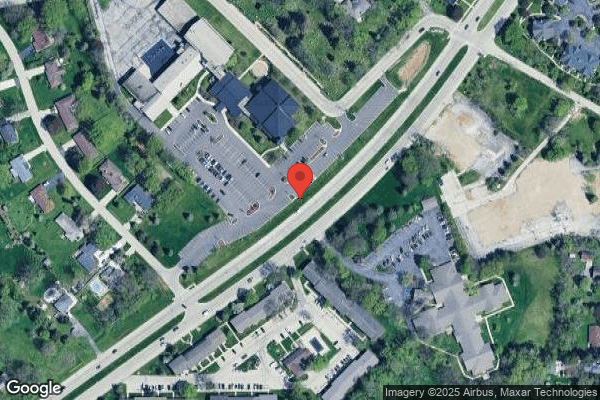
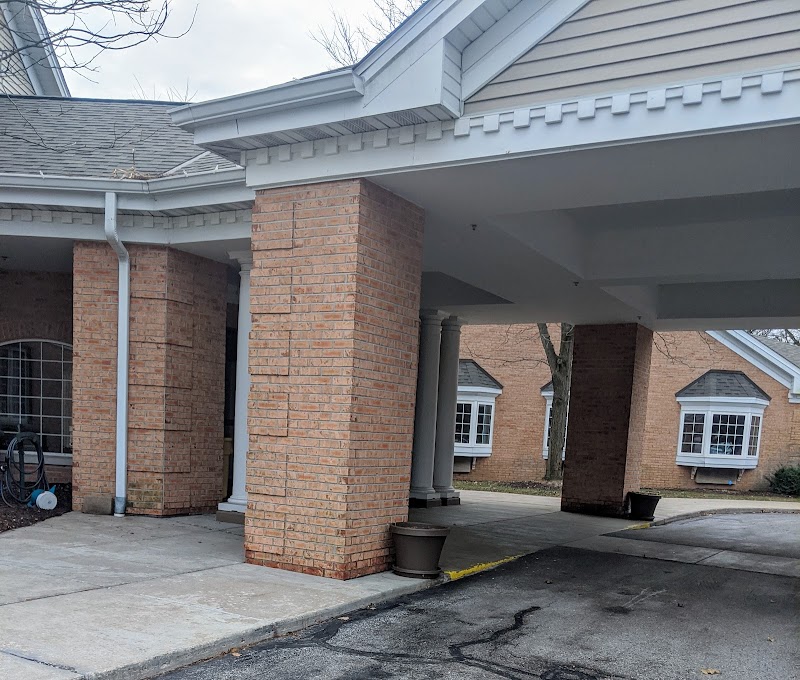
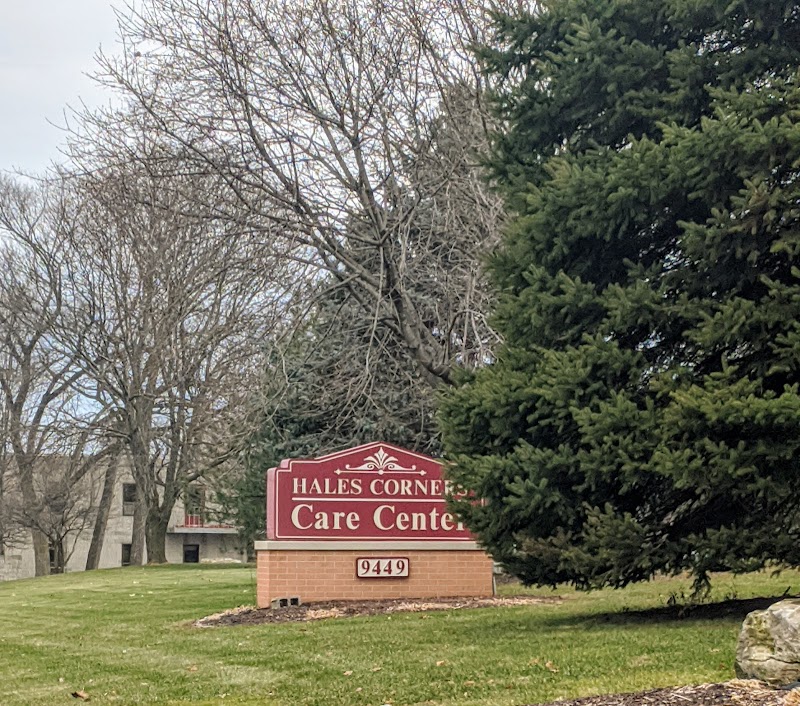
9449 W. Forest Home Ave., Hales Corners, WI 53130 (414) 529-6888
For profit - Corporation 62 Beds Independent Data: November 2025
Trust Grade
83/100
#24 of 321 in WI
Last Inspection: June 2025

Inspected within the last 6 months. Data reflects current conditions.

Overview

Complete Care at Hales Corners has a Trust Grade of B+, indicating it is above average and recommended for families seeking care. It ranks #24 out of 321 facilities in Wisconsin, placing it in the top half, and #2 out of 32 in Milwaukee County, meaning there is only one local option rated higher. However, the facility's trend is concerning as it has worsened, increasing from 2 issues in 2024 to 6 in 2025. Staffing is a strong point, with a 5/5 star rating and a turnover rate of 39%, which is better than the state average, suggesting that staff are experienced and familiar with residents. Despite these strengths, the facility has faced some serious issues, including a failure to properly manage residents' pressure injuries and concerns about meal menus not meeting nutritional needs, which could affect all residents. Additionally, there were shortcomings in COVID-19 testing protocols during an outbreak, raising potential health risks.
Trust Score
B+
83/100
In Wisconsin
#24/321
Top 7%
Safety Record
Moderate
Needs review
Inspections
Getting Worse
2 → 6 violations
Staff Stability
○ Average
39% turnover. Near Wisconsin's 48% average. Typical for the industry.
Penalties
○ Average
$17,934 in fines. Higher than 72% of Wisconsin facilities. Some compliance issues.
Skilled Nurses
✓ Good
Each resident gets 69 minutes of Registered Nurse (RN) attention daily — more than 97% of Wisconsin nursing homes. RNs are the most trained staff who catch health problems before they become serious.
Violations
⚠ Watch
12 deficiencies on record. Higher than average. Multiple issues found across inspections.
★★★★★
5.0
Overall Rating
★★★★★
5.0
Staff Levels
★★★☆☆
3.0
Care Quality
★★★★☆
4.0
Inspection Score
Stable
2024: 2 issues
2025: 6 issues

The Good

  • 5-Star Staffing Rating · Excellent nurse staffing levels
  • Full Sprinkler Coverage · Fire safety systems throughout facility
  • No fines on record
  • Staff turnover below average (39%)

    9 points below Wisconsin average of 48%

Facility shows strength in staffing levels, fire safety.

The Bad

Staff Turnover: 39%

Near Wisconsin avg (46%)

Typical for the industry

Federal Fines: $17,934

Below median ($33,413)

Minor penalties assessed

The Ugly 12 deficiencies on record

1 actual harm
Jun 2025 6 deficiencies
CONCERN (D) 📢 Someone Reported This

A family member, employee, or ombudsman was alarmed enough to file a formal complaint

Potential for Harm - no one hurt, but risky conditions existed

Report Alleged Abuse (Tag F0609)

Could have caused harm · This affected 1 resident

**NOTE- TERMS IN BRACKETS HAVE BEEN EDITED TO PROTECT CONFIDENTIALITY** Based on interview and record review, the facility did not ensure 1 (R20) of 2 residents reviewed for investigations regarding a...

Read full inspector narrative →
**NOTE- TERMS IN BRACKETS HAVE BEEN EDITED TO PROTECT CONFIDENTIALITY** Based on interview and record review, the facility did not ensure 1 (R20) of 2 residents reviewed for investigations regarding allegations of abuse, that lawn enforcement was notified of potential allegations of abuse. On 4/20/25, R20 told RN (registered nurse) Supervisor-D that CNA (certified nursing assistant)-C pushed R20. The facility immediately placed CNA-C on suspension pending the investigation. The investigation was conducted immediately. The facility failed to notify the police of this allegation of abuse. Findings include: The facility's Abuse, Neglect and Exploitation policy dated 5/28/25 documents: . VII.Reporting/Response A. The facility will have written procedures that include: 1. Reporting of all alleged violations to the Administrator, state agency, adult protective services and to all other required agencies (e.g., law enforcement when applicable) within specified timeframes: a. Immediately, but not later than 2 hours after the allegation is made, if the events that cause the allegation involve abuse or result in serious bodily injury or b. Not later than 24 hours if the events that cause the allegation do not involve abuse and do not result in serious bodily injury. 1.) R20 was admitted to the facility on [DATE] with diagnoses of dementia, chronic kidney disease stage 3 and spinal stenosis. R20's Quarterly MDS (minimum data set) dated 4/2/25 indicates R20 has severe cognitive impairment. The MDS also documents that R20 needs maximum assistance with personal hygiene. On 6/16/25 at 9:31 a.m., Surveyor interviewed R20. R20 stated she is happy at the facility and has no concerns with any staff. Surveyor reviewed the facility self report investigation dated 4/20/25. The self report investigation indicates that on 4/20/25, R20 reported to RN Supervisor-D that CNA-C pushed her. The investigation indicates CNA-C was sent home pending the results of the investigation. NHA (nursing home administrator)-A was notified immediately and the investigation into the potential abuse was initiated immediately. A body check was conducted on R20 and no injuries or discoloration noted. The investigation interviewed staff working with R20 on 4/20/25. Interviewable residents were interviewed regarding CNA-C. R20 was reinterviewed on 4/21/25 and R20 did not remember any incident involving CNA-C. The facility's investigation does not indicate that law enforcement were notified of R20's allegation of abuse. The conclusion of the investigation documents that during cares, CNA-C repositioned R20 onto her side and the action of positioning R20 on her side could have felt like R20 was being pushed. On 6/18/25 at 9:42 a.m. Surveyor interviewed NHA-A. Surveyor asked NHA-A if the facility called the law enforcmenet regarding R20's allegation of abuse. NHA-A stated NHA-A would have to look to see if law enforcement was called. On 6/18/25 at 10:20 a.m. NHA-A informed Surveyor that the facility did not call law enformcent regarding R20 allegation of abuse. NHA-A stated they did not observe any injuries on R20 so the police were not notified. No additional information was provided as to why the facility did not ensure that R20's allegations of abuse involving a staff member pushing R20 were reported to law enforcement.
CONCERN (D)

Potential for Harm - no one hurt, but risky conditions existed

Deficiency F0628 (Tag F0628)

Could have caused harm · This affected 1 resident

**NOTE- TERMS IN BRACKETS HAVE BEEN EDITED TO PROTECT CONFIDENTIALITY** 2.) R19 was hospitalized on [DATE] with a change in condition and returned to the facility on 3/11/25. After R19 was readmitted ...

Read full inspector narrative →
**NOTE- TERMS IN BRACKETS HAVE BEEN EDITED TO PROTECT CONFIDENTIALITY** 2.) R19 was hospitalized on [DATE] with a change in condition and returned to the facility on 3/11/25. After R19 was readmitted to the facility, on 3/11/25, R19 was sent back to the hospital for increased pain in her knee. R19 was readmitted to the facility on [DATE]. On 6/17/25 Surveyor requested the transfer and bed hold notice for R19 hospitalization from 3/5/25 to 3/11/25 and from 3/11/25 to 3/12/25. On 6/17/25 at 1:52 p.m. NHA (Nursing Home Administrator)-A explained to Surveyor that the facility has not been doing the transfer and bed hold notices since they switch over to a new EMR (electronic medical record) in January 2025. NHA-A stated the nurses had been doing the notices when the facility had the old EMR system. No additional information was provided. Based on interview and record review, the facility did not ensure 3 (R49, R19, and R43) of 3 resident's reviewed for hospitalization received the proper notice of transfer, reason for transfer, location of transfer, appeal rights, and name and address (including mail and email) with the telephone number of the Office of the State Long-Term Care Ombudsman. * R49 was transferred to the hospital on 5/20/25 and a transfer notice was not given to R49 and/or R49's representative. * R19 was transferred to the hospital on 3/5/25 and 3/11/25 and a transfer notice was not given to R19 and/or R19's representative. * R43 was transferred to the hospital on 5/12/25 and 6/2/25 and a transfer notice was not given to R43 and/or R43's representative. Findings include: On 6/17/25 at 1:52 PM, Nursing Home Administrator (NHA)- A was interviewed and indicated the facility has not been completing transfer notices for any residents since 1/1/25, when the facility changed medical records systems. NHA-A indicated no transfer notices were issued for transfers to the hospital for the following residents: R19, R43, and R49. The facility's policy titled Transfer and Discharge dated 5/28/25 documents: The facility's transfer/discharge notice will be provided to the resident and resident's representative in a language and manor in which they can understand. 1.) On 6/17/25, the Surveyor reviewed R49's medical record and it indicated R49 was transferred to the hospital on 5/20/25. R49's medical record did not include documentation that a transfer notice had been given to the resident and/or their representative for the hospitalization. On 6/17/25 at 3:00 PM, the above findings were shared with NHA-A and Director of Nursing (DON)-B. Additional information was requested if available. None was provided as to why a transfer and bed hold notice were not given to R49 and/or their representative for R49's transfer to the hospital on 5/20/25. 3.) R43 was admitted to the facility on [DATE] with diagnosis that include Right leg fracture and Chronic Kidney disease. R43's late entry progress note dated 5/12/25 documents, in part: [R43] was admitted to . hospital . on 5/12/25. Writer contacted resident's daughter to explain bed hold options. Family does not wish to pay for bed hold but does want resident to return to the facility . R43 was hospitalized on [DATE] and returned to the facility on 5/16/25. Surveyor reviewed R43's electronic medical record for documentation that a transfer notice was given to R43. No transfer notice was found. R43's late entry progress note dated 6/2/25 documents, in part: . [R43] was admitted to . hospital . Writer spoke to resident's daughter . regarding bed hold status. Family wants [R250] to return to the facility if needed following this hospitalization but does not wish to pay for the bed hold . R43 was hospitalized on [DATE] and returned to the facility on 6/10/25. Surveyor reviewed R43's electronic medical record for documentation that a transfer notice was given to R43. No transfer notice was found. On 6/17/25 at 12:48 PM, Surveyor interviewed Director of Social Services (SSD)-M. Surveyor asked who is responsible for providing the transfer notice to the resident or resident's family. SSD-M stated that SSD-M takes care of the bed hold notice. SSD-M stated that the Assistant Director of Nursing (ADON)- and nursing staff are typically in charge of presenting the transfer notice to residents and/or families. SSD-M stated that the facility recently changed Electronic Medical Record Systems and before the change, the transfer notice would automatically print with a transfer to the hospital. The new system no longer does that. On 6/17/25 at 12:55 PM, Surveyor interviewed Director of Nursing (DON)-B and ADON-N. Surveyor asked who is responsible for assuring that transfer notices are given to residents or resident representatives when a resident is transferred to the hospital. ADON-N stated that the facility started to do transfer forms again last week. ADON-N stated prior to the new medical record system, which started at the beginning of the year, the old system would automatically print out a packet that would go along with the resident and it included the transfer notice. On 6/17/25 at 3:05 PM, Surveyor informed Nursing Home Administrator (NHA)-A and DON-B of the concern that R43 and/or their representative was not provided a transfer notice when R43 was transferred to the hospital on 5/12/25 and 6/2/25. No additional information was provided.
CONCERN (D)

Potential for Harm - no one hurt, but risky conditions existed

Quality of Care (Tag F0684)

Could have caused harm · This affected 1 resident

**NOTE- TERMS IN BRACKETS HAVE BEEN EDITED TO PROTECT CONFIDENTIALITY** Based on observation, interview and record review, the facility did not ensure residents received treatment and care in accordan...

Read full inspector narrative →
**NOTE- TERMS IN BRACKETS HAVE BEEN EDITED TO PROTECT CONFIDENTIALITY** Based on observation, interview and record review, the facility did not ensure residents received treatment and care in accordance with professional standards of practice for 1 (R1) of 12 sampled residents reviewed for a change of condition. *R1 was diagnosed with a wound on 03/09/2025. The facility did not ensure that at the time of R1's initial assessment and diagnosis of a skin wound, a clinician assessed the wound to determine the wound type. The facility did not document the evaluation, assessment, treatment and treatment outcomes for R1's wound. The facility did not have a skin care plan or risk for pressure injuries care plan for R1 until the discovery of R1's wound. R1's Orthopedic specialist was not consulted in the change of condition regarding the orthopedic hardware protruding from R1's skin. The facility did not specify the location of R1's wound on the facility's wound evaluation assessments until 03/26/2025. Findings include: 1.) R1 was admitted to the facility on [DATE] following a hospital stay from an ankle fracture resulting in an Open Reduction and Internal Fixation (ORIF) (a surgical procedure used to treat ankle fractures) of the right ankle, with diagnoses which include Dementia (the loss of cognitive function, including memory, thinking, and reasoning, that interferes with daily life). R1's Annual Minimum Data Set (MDS), dated [DATE], documents R1 has a Brief Interview for Mental Status (BIMS) score of 14, indicating R1 is cognitively intact and is at risk for pressure ulcers. R1's Quarterly MDS, dated [DATE], documents R1 has a BIMS score of 3, indicating R1 is severely cognitively impaired, is at risk for pressure ulcers, and has 1 stage 4, unhealed pressure ulcer. Surveyor reviewed R1's care plan, with revision history, and noted the Facility did not have a care plan for R1's risk for pressure injuries prior to R1 developing R1's wound. Surveyor reviewed the Facility provided document titled, WEEKLY PRESSURE ULCER QA&A LOG, dated 06/15/2025 and noted R1 on the list. Surveyor noted R1 is documented on the Facility's list as having a stable, right lateral shin wound. Surveyor reviewed the Facility's documents titled, CAOB- WOUND TEAM: PRESSURE INJURY EVALUATION. Surveyor noted that on 03/09/2025 R1 had a new pressure wound of an unspecified site that was listed as an unstageable pressure injury. The summary on 03/09/2025 documents R1 had a previous scab that has now opened but does not provide the exact location of the open area. The treatment is documented as, cleanse with normal saline followed by skin prep, apply Santyl (Wound debridement: It is used to remove dead tissue (necrotic tissue) from wounds, which helps them heal.) to wound bed and pack with packing gauze followed by foam dressing daily. On 03/12/2025, documents R1's wound has 100 percent slough (a layer of dead tissue, usually yellow or white, that accumulates in the wound bed) on wound bed and edges, with possible bone exposure at base of slough. On 03/26/2025, documents R1 that R1 has an unstageable, pressure wound of the right outer calf. On 04/02/2025, documents R1 has a stage 4 pressure wound from medical device and documents Area now stage 4 pressure injury r/t (related to) medical device. Now able to see screw from ankle ORIF in 11/2020. Silver screw seen and in center bone noted. On 04/07/2025, documents R1's wound is a stage 4 pressure wound to right, lateral (the side of something, particularly in relation to the body) shin related to a medical device, and documents screw intact. Surveyor noted R1's wound is documented as a stage 4 pressure wound to R1's right, lateral shin through current assessments. Surveyor reviewed R1's Medication Administration Record (MAR) and Treatment Administration Record (TAR) dated March 2025. Surveyor noted that on the day R1's wound was identified, R1 experienced a pain 6 of 10. Surveyor reviewed the Medical Director (MD)-J 's assessments of R1 from 01/31/2025 through current. Surveyor noted that all assessments document R1's skin is intact and warm to touch. Surveyor noted that the assessments did not include a comprehensive evaluation of R1's wound to determine if the wound was caused by pressure or surgical equipment. The assessments also did not document the treatment for R1's wound or the progress of R1's wound treatment. On, 06/17/2025, at 03:14 PM, Surveyor requested documentation from the facility regarding a doctor's evaluation and/or assessment of R1's wound and notification to the doctor when the foreign body was observed coming from R1's wound on 04/02/2025. On, 06/18/2025, at 08:00 AM, Nursing Home Administrator (NHA)-A provided Surveyor with a progress note on 04/02/2025, documenting R1's Power of Attorney (POA) was updated on R1's right lower extremity (RLE), educated that a screw was showing. Discussion with POA regarding consulting an Orthopedic Surgeon to remove the screw or keeping wound clean and treating pain in the Facility. After risk and benefits explained to POA of both options, POA's main goal was to keep R1 comfortable and pain free and to continue wound care and pain management within the facility. Plan of care discussed with R1's Power of Attorney (POA) and MD-J in agreement. Surveyor was also provided a SBAR (Situation, Background, Appearance Review and notify) communication form, dated 03/09/2025 regarding the physician notification of R1's new wound. Surveyor reviewed the document titled PODIATRY GROUP, dated 04/28/2025, which documents that R1 has a painful wound with a dressing in place to R1's lateral right instep/ankle. On, 06/18/2025, at 08:06 AM, Surveyor requested any physician's documentation regarding the evaluation and determination of R1's wound and the evaluation and assessment of the foreign body for R1's wound. On, 06/18/2025, at 08:30 AM, NHA-A provided Surveyor with documents from R1's hospital stay in 11/2020 showing the operation and hardware installed into R1's ankle during that time. Surveyor noted R1 had an Open Reduction and Internal Fixation (ORIF) (a surgical procedure used to treat ankle fractures) of the right ankle on 11/03/2020 by Aurora Orthopedics. On, 06/18/2025, at 08:38 AM, Surveyor requested MD-J evaluation of R1's wound and asked NHA-A to reach out to MD-J to see if MD-J could speak with Surveyor regarding R1's wound. Surveyor informed NHA-A of concerns regarding no Doctor evaluation or assessment for R1's wound. NHA-A indicated that NHA-A has provided all documentation that NHA-A that Surveyor has requested. Surveyor asked NHA-A if Surveyor could speak with MD-J. On, 06/18/2025, at 09:00 AM, Surveyor received a call from MD-J. MD-J indicated that MD-J is aware of the screw coming from R1's ankle and no further interventions were taken cased on R1 and family wishes. MD-J indicated that MD-J is not the wound doctor, but over sees the wound nurse. MD-J indicated that MD-J has assessed R1's wound and there should be notes in the old system. Surveyor noted the Facility's old system changed to the new system prior to the development of R1's wound. MD-J indicated that MD-J would have to go into the system to look at the last time MD-J assessed R1's wound. MD-J indicated that MD-J will only assess wounds if the Wound Nurse needs a second opinion or if there is a concern. Surveyor asked if MD-J assessed R1's wound once the screw became visible. MD-J indicated that MD-J would have to look into that information. Surveyor asked MD-J if MD-J reviews the Wound Nurse's documentation of wounds, MD-J indicated yes, the wound notes are reviewed every 1 to 2 weeks. MD-J indicated MD-J agrees with the Wound Nurse's assessment of R1's wound. Surveyor encouraged MD-J to provide any assessment MD-J documented regarding R1's, MD-J indicated that if MD-J finds MD-J 's assessment documentation of R1's wound, MD-J would send the information to NHA-A to provide to Surveyor. Surveyor noted the Wound Nurse was currently out of the country and could not be interviewed. On, 06/18/2025, at 09:32 AM, Surveyor interviewed Registered Nurse (RN)-K in the presence of Director of Nursing (DON)-B. RN-K indicated that RN-K is currently covering for the Wound Nurse and was training with the Wound Nurse for about 2 weeks. RN-K indicated that RN-K is not currently wound certified and just needs to take the test. RN-K informed Surveyor that all wound rounds are done weekly on Mondays. RN-K indicated that she would go around with the Wound RN, the supervisor and DON-B. Surveyor asked RN-K how often MD-J comes to wound rounds, RN-K paused to think, and before RN-K could answer, DON-B interjected saying that MD-J will comes a couple times a week to do rounds. On 06/18/2025, at 09:38 AM, Surveyor observed R1's wound with DON-B and RN-L. Surveyor noted R1 to have a small, silver, circular foreign body resembling the head of a small screw, protruding from R1's right, posterior ankle region located laterally from R1's Achilles tendon. Surveyor was only able to observe R1's wound by staff assisting R1 in raising R1's right leg and using a mirror to observe the underside of R1's ankle region. Surveyor observed R1's lower leg circumferentially and no open wounds noted to R1's calf or shin. On, 06/18/2025, at 10:20 AM, Surveyor interviewed NHA-A. Surveyor asked NHA-A who over sees the Wound Care Program to ensure wounds are being assessed, treated and documented properly. NHA-A indicated that the Certified Wound Nurse is the one to see the residents with wounds and update the physician and families. NHA-A indicated that the Facility has recently hired a Nurse Practitioner (NP) that was supposed to start this week or next from Oak Medical. Surveyor asked if NHA-A would expect the physician to be updated regarding R1's screw coming through R1's skin, NHA-A indicated she would have to clarify with the wound team on what they would do. NHA-A indicated that DON-B is in charge of overseeing the wound care program as a whole. Surveyor asked if there was any further information NHA-A has for Surveyor, NHA-A indicated that NHA-A has provided Surveyor with everything. NHA-A informed Surveyor that usually residents will go out to the wound clinic, which is why the Facility is having the NP coming in and the NP would be the dedicated wound care provider. On 06/20/2025, at 03:07 PM, NHA-A sent an email to Surveyor with the recently hired Wound NP's assessment of R1's wound, dated 06/20/2025. Surveyor noted the NP's diagnosis of R1's wound is documented as, unspecified open wound, right lower leg, initial encounter and other specified complication of internal orthopedic prosthetic devices, implants and grafts, initial encounter. Surveyor noted the NP's wound care assessment included evaluation of R1's wound and the treatment plan. Based on the additional information that was provided, Surveyor conclude that R1's wound was due to R1's internal prosthetic devices protruding from R1's skin and not pressure related as previously documented in R1's medical record. No additional information was provided as to why the facility did not ensure that R1 received treatment and care in accordance with professional standards of practice for R1's wound.
CONCERN (D)

Potential for Harm - no one hurt, but risky conditions existed

Deficiency F0692 (Tag F0692)

Could have caused harm · This affected 1 resident

**NOTE- TERMS IN BRACKETS HAVE BEEN EDITED TO PROTECT CONFIDENTIALITY** Based on observation, interview, and record review the facility did not ensure 2 (R19 and R35) of 2 residents received the neces...

Read full inspector narrative →
**NOTE- TERMS IN BRACKETS HAVE BEEN EDITED TO PROTECT CONFIDENTIALITY** Based on observation, interview, and record review the facility did not ensure 2 (R19 and R35) of 2 residents received the necessary services for acceptable nutrition. * R19 had a 7.65% weight loss in one month. The weight loss was not communicated to the physician and dietician. A comprehensive assessment was not completed regarding the weight loss. The care plan was not reviewed and updated regarding the weight loss. Interventions were not implemented for R19's weight loss. * R35 required supervision during meals and was observed on two occasions not to receive assistance with meals as per care plan. Findings include: The facility's Weight Monitoring policy dated 5/28/25 documents: 4. Weight Analysis: The newly recorded resident weight should be compared to the previous recorded weight. A significant change in weight is defined as: a. 5% change in weight in 1 month (30 days) b. 7.5% change in weight in 3 months (90 days) c. 10% change in weight in 6 months (180 days) The following formula may be used to calculate the percentage of weight change: % of body weight loss= (previous weight-current weight/previous weight) x 100 Though a significant weight change may not occur, the resident may be identified as below ideal body weight by the Registered Dietician or designee. 5. Documentation: a. The physician should be informed of a significant change in weight and may order nutritional interventions. b. The physician should be encouraged to document the diagnosis or clinical conditions that may contributing to the weight loss. c. Meal consumption information should be recorded and may be referenced by the interdisciplinary care team as needed. d. If the interdisciplinary care team desires to explore specific meal consumption information for a resident, the Registered Dietician, Dietary Manager, or the nursing department may initiate this process. e. The Registered Dietician or Dietary Manager should be consulted to assist with interventions; actions are recorded in nutrition progress notes. f. Observations pertinent to the resident's weight status should be recorded in the medical record as appropriate. g. The interdisciplinary plan of care communicates care instructions to staff. 1) R19 was admitted to the facility on [DATE] with diagnoses of multiple sclerosis, atrial fibrillation and dementia. The significant MDS (minimum data set) dated 3/18/25 indicates R19 has severe cognitive impairments and needs moderate assistance with eating. R19's Nutrition CAA (Care Area Assessment) dated 3/18/25 documents: R19 is underweight. R19's weight at the time of the assessment was 88 lbs and R19 averages 26%-50% meal intake. (R19) also triggered for a mechanical soft diet. (R19) dementia is causing the low intakes and ability to eat without help. R19's most recent comprehensive nutritional assessment dated [DATE] documents: R19 weight at this assessment was 87 lbs. The assessment documents underweight related to dementia as evidence by BMI (body mass index) <18.5. Weight loss gradual; resident has not experienced significant weight change in the past 6 months. The nutritional intervention includes continue current diet/supplements; monitor weight, po (oral) intake, nutrition related lab values, and skin integrity. R19's physician orders dated 2/15/25 indicate R19 is given Boost nutritional supplement twice a day. R19's nutritional problem care plan dated 2/16/25 documents: Monitor/record/report to MD PRN (as needed) s/sx (signs/symptoms) of malnutrition: Emaciation (cachexia), muscle wasting, significant weight loss: 3 lbs in 1 week, >5% in 1 month, >7.5% in 3 months, >10% in 6 months. RD to evaluate and make changes PRN. Surveyor reviewed the last 30 days of meal intakes. From 5/29/25 though 6/11/25, R19 ate between 25% to 50% for each meal. From 6/13/25 through 6/17/25 R19 was eating between 25% to 100% of her meals. Surveyor reviewed R19 weights and it documents: 6/12/2025 80.9 Lbs 6/5/2025 83.0 Lbs 5/29/2025 86.0 Lbs 5/22/2025 86.1 Lbs 5/15/2025 87.9 Lbs 5/8/2025 87.6 Lbs 5/1/2025 90.4 Lbs From 5/29/25 to 6/5/25, R19 lost 3 lbs and from 6/5/25 to 6/12/25, R19 lost 3 lbs. From 5/8/25 to 6/12/25, R19 has weight loss of 7.65%. There is no documentation R19's physician was made aware of the recent weight loss. On 6/17/25 at 12:33 p.m., Surveyor observed R19 being assisted with her lunch meal. LPN (licensed practical nurse)-Q assisted R19 with eating. R19 had mechanical soft ham sandwich, a tomato salad, coffee and a package of [NAME] cookies (hard shortbread cookies). R19 ate all of her sandwich and refused the salad because she didn't like it. On 6/17/25 at 12:40 p.m., Surveyor observed R19 meal tray ticket and the dessert listed was pudding not [NAME] cookies. LPN-Q stated to Surveyor she noticed that R19 was served [NAME] cookies and knew the cookies were not for a mechanical soft diet. LPN-Q stated R19 wanted jello and not pudding. LPN-Q stated she was going to get jello for R19. On 6/17/25 at 3:00 p.m., during the daily exit meeting with NHA (Nursing Home Administrator)-A and DON (Director of Nursing)-B, Surveyor asked to speak with the dietician. NHA-A stated their dietician just started last week and the previous dietician no longer works for the facility. NHA-A stated the dietary manager is responsible for monitoring of weights and dietary manager would report any concerns to the dietician. Surveyor asked to speak with the dietary manager. On 6/18/25 at 9:26 a.m. Surveyor interviewed Dietary Manager (DM)-I, with NHA-A present. Surveyor asked DM-I, what is DM-I's role regarding residents weights. DM-I stated she manages a monthly meeting on weights. DM-I states she gets a print out of all residents weights once a month and the program will trigger residents who have had weight loss. DM-I stated the staff involved in the monthly weight meetings are dietician, nursing, therapy and social service. DM-I states the team comes up with strategies to prevent further weight loss. Surveyor asked DM-I when does she notify the RD (registered dietician). DM-I stated the RD is notified if something pops up out of the blue and is notified of the weight loss data prior to the monthly meeting. Surveyor asked DM-I, if she was aware R19 in last month had more than 7% weight loss. DM-I stated R19 has been sick with Covid recently and wasn't eating as well. DM-I stated they were scheduled to have the monthly meeting on 6/20/25 and it would have been addressed at that time. Surveyor explained R19 has slowly been losing weight and there is no documentation this was addressed with the physician and interventions put into place based on a comprehensive nutritional assessment. NHA-A stated R19 weight loss should have been addressed and not waited until the 6/20/25 meeting. Surveyor also asked DM-I regarding the observation of [NAME] cookies on R19 meal tray and if it was appropriate for a mechanical soft diet. DM-I stated she spoke with her cook. DM-I stated the cook indicated the facility was out of vanilla wafers, which are appropriate for mechanical soft diets, and thought [NAME] cookies were appropriate. Surveyor explained R19 meal ticket did not indicate any cookies but pudding and that was not on her tray. DM-I stated she understood the concern and will address it with her staff. No additional information was provided as to why the facility did not ensure that R19 received the necessary services for acceptable nutrition. 2.) R35 was admitted to the facility on [DATE], with diagnoses including dementia (the loss of cognitive function, including memory, thinking, and reasoning, that interferes with daily life). R35's Significant Minimum Data Set (MDS), dated [DATE], documents Brief Interview for Mental Status (BIMS) score of 2, indicating R35 has severe cognitive impairment and requires supervision or touching assistance with eating. Surveyor reviewed the facility provided list of residents who need assistance at meals, and noted R35 was on the list indicating that R35 required supervision while eating. R35's Activities of Daily Living (ADL) Functional Potential/Rehabilitation and/or Limited mobility care plans documents under the intervention section: EATING: The resident needs supervision / touching assistance by staff to eat. Date Initiated: 01/20/2025. On 06/17/2025, at 09:45 AM, Surveyor observed R35 sitting in a chair in R35's room alone. Surveyor observed R35's meal tray brought to R35's room, and Surveyor noted the Dietary aide delivered R35's tray and placed it on R35's bedside table in front of R35, with the Dietary aide then leaving R35's room. On 06/17/2025, at 09:48 AM, Surveyor observed R35 eating in R35's room unsupervised. At 09:51 AM, Surveyor noted Certified Nursing Assistant (CNA)-P came into R35's room and helped R35 remove lids from R35's cups. At 10:03 AM, CNA-P left R35's room, leaving R35 to eat unsupervised. On 06/17/2025, at 03:14 PM, Surveyor informed the facility of the concern regarding R35 being observed eating with out supervision. Nursing Home Administrator ( NHA)-A indicated that under normal circumstances, all residents requiring supervision at meals would sit at the same table in the dining room and someone is supervising the whole time during the meal and if eating in the room they will have an assigned CNA or feeding assistant in the room. On 06/18/2025, at 10:37 AM, Surveyor observed R35 in R35's room having breakfast. Surveyor noted, no staff in R35's room providing supervision while R35 is eating. R35 began crying and expressed being upset that there was no one there to assist R35 to go to the bathroom. At 10:42 AM, CNA-O came into R35's room to assist R35 to the bathroom. No additional information was provided as to why R35 did not receive supervision to ensure that R35 received the necessary services for acceptable nutrition.
CONCERN (D)

Potential for Harm - no one hurt, but risky conditions existed

Deficiency F0804 (Tag F0804)

Could have caused harm · This affected 1 resident

Based on observation, interview, and record review the facility did not ensure that food was prepared to conserve nutritive value and flavor. This has the potential to effect 3 (R5, R9 and R250) of 3 ...

Read full inspector narrative →
Based on observation, interview, and record review the facility did not ensure that food was prepared to conserve nutritive value and flavor. This has the potential to effect 3 (R5, R9 and R250) of 3 residents residing at the facility whom receive a puree diet. *Cook-C was observed not following a recipe for preparing texture and modified consistency food for puree diets. Findings include: The facility's policy titled, Pureed Food Preparation dated 5/28/25 documents: Each resident must receive and the facility must provide food that is prepared by methods that conserve nutritive value, flavor and appearance. The policy does not document that the facility must follow a recipe to prepare pureed food. On 06/16/25 at 9:43 AM, Cook-C was observed preparing grilled cheese for residents receiving pureed food. Cook-C was observed putting 8 pieces of untoasted white bread, and 3.5 cups of liquid cheese prepared from a powder mix into the blender. The blended mix was put in a metal cooking container and placed in the oven to keep warm. [NAME] -C was asked for the recipe used for the pureed grilled cheese and Cook-C informed Surveyor that Cook-C does not use a recipe for preparing puree foods. On 6/16/25 at 9:50 AM, Surveyor interviewed Food Service Manager (FSM)-D regarding puree recipes. FSM-D informed Surveyor that recipes for pureed food are available on the computer, but they are not used and the cook just eyeballs puree preparation to make sure it's the right consistency. FSM-D indicated that the cook just purees the food that residents with a regular diet receive. The Surveyor asked if the residents on a regular diet get untoasted white bread with liquid cheese in it. FSM-D said no. On 6/16/25, the facility provided the recipe for pureed grilled cheese that was supposed to be used to prepare puree grilled cheese sandwiches. The recipe documented: Remove portions of grilled cheese sandwich from the regular recipe. Process until fine in consistency. Gradually add hot milk to sandwich mixture while processing. Surveyor noted that the recipe did not indicate how many grilled cheese are used in the recipe but indicated to add 3 and ½ cups of milk. On 6/17/25, at 3:00 PM, at the daily exit meeting, Surveyor informed Nursing Home Administrator (NHA)-A and Director of Nursing (DON)-B of the above findings. Additional information was requested if available. None was provided as to why Cook-C did not follow recipes to prepare pureed food for residents.
CONCERN (D)

Potential for Harm - no one hurt, but risky conditions existed

Deficiency F0810 (Tag F0810)

Could have caused harm · This affected 1 resident

**NOTE- TERMS IN BRACKETS HAVE BEEN EDITED TO PROTECT CONFIDENTIALITY** Based on observation, interview, and record review the facility did not provide special assistive eating equipment for 1 (R250) ...

Read full inspector narrative →
**NOTE- TERMS IN BRACKETS HAVE BEEN EDITED TO PROTECT CONFIDENTIALITY** Based on observation, interview, and record review the facility did not provide special assistive eating equipment for 1 (R250) of 1 sampled resident reviewed for assistive eating devices. R250's emergency contact and family member (FM)-E, informed Surveyor that R250 does not always get the adaptive equipment placed on R250's meal tray so that R250 can eat independently. Surveyor observed R250's meal tray ticket and noted that the adaptive equipment listed on the meal tray ticket did not match what was provided on R250's meal tray. Findings include: The facility policy dated 5/28/25 titled, Meal Supervision and Assistance, documents, in part: Check the tray before serving it to the resident to be sure that it is the correct diet ordered and that the food consistency is appropriate to the resident's ability to chew and swallow. Ensure that the necessary non-food items (i.e., silverware, napkin, special devices, straw, etc.) are on the tray; especially assistive and adaptive devices. Report or replace missing items. 1.) R250 was admitted to the facility on [DATE] with diagnosis that include Parkinson's disease, Osteoarthritis, Osteoporosis and Unspecified lack of coordination. R250's admission MDS (Minimum Data Set) dated 6/12/25 documents a BIMS (Brief Interview for Mental Status) score that indicates that R250 has a moderate cognitive impairment. R250's Activities of Daily Living Care plan dated 6/7/25 documents, in part: [R250] needs set up or clean up assistance to eat. On 6/16/25 at 9:50 AM, Surveyor interviewed FM-E. FM-E informed Surveyor that R250 needs built up silverware, a split plate and a nosey cup to eat and drink independently. FM-E indicated that the facility does not always supply these utensils on R250's tray. R250 Occupational Therapy Treatment Encounter note dated 6/10/25 documents, in part: [R250] assessed . during meal. Trailed built up handled fork and divided plate for increase ease of loading fork. [R250] reports increase ease and shows success with each forkful. [R250] had increase difficulty drinking out of regular cup/lifting up cup. [R250] provided with small nosey cup. [R250] reports it is better as it is lighter. [R250] is able to drink 4 sips then needs assist due to fatigue. On 6/16/25 at 9:50 AM, Surveyor observed R250's breakfast meal tray on R250's bedside table. R250 was finishing eating breakfast. Surveyor observed a meal tray ticket on R250's tray that documented, in part: Adaptive Equip-Built up utensils, small nosey cup, divided plate. Surveyor observed a nosey cup filled with juice and built-up silverware. Surveyor observed a regular glass plate and noted R250 was not supplied with a divided plate. On 6/16/25 at 1:23 PM, Surveyor observed R250's lunch meal tray on R250's bedside table. R250 was eating lunch. Surveyor observed a meal tray ticket on R250's tray that documented, in part: Adaptive Equip-Built up utensils, small nosey cup, divided plate. Surveyor observed built up silverware. Surveyor observed a regular cup of water and a regular cup of coffee and noted R250 was not supplied with a nosey cup for R250's liquids. Surveyor observed a regular glass plate and noted R250 was not supplied with a divided plate. On 6/17/25 at 10:39 AM, Surveyor observed R250's breakfast meal tray on R250's bedside table. R250 was eating breakfast while being evaluated by Speech therapist (ST)-F. Surveyor observed a meal tray ticket on R250's tray that documented, in part: Adaptive Equip-Built up utensils, small nosey cup, divided plate. Surveyor observed juice in a regular cup and noted R250 was not supplied with a nosey cup for R250's liquid. Surveyor observed a regular glass plate and noted R250 was not supplied with a divided plate. Surveyor observed regular silverware and noted R250 was not supplied with built-up silverware. On 6/17/25 at 10:42 AM, Surveyor interviewed ST-F. Surveyor asked who evaluates a resident for adaptive equipment and makes sure the meal tray ticket is correct. ST-F stated that Occupational therapy communicates the need for adaptive equipment, but it is collaborative. ST-F stated that ST-F spoke to the Occupational therapist about the nosey cup. ST-F stated that R250 does not need a nosey cup because [R250] was refusing. ST-F then asked R250 if R250 wanted the nosey cup and R250 indicated that [R250] was fine with a regular cup. ST-F did not address the need for built up silverware or a divided plate with R250 while Surveyor was observing. On 6/17/25 at 1:19 PM, Surveyor observed R250's lunch meal tray on R250's bedside table. Surveyor observed a meal tray ticket on R250's tray that documented, in part: Adaptive Equip-Built up utensils, small nosey cup, divided plate . Surveyor observed built up silverware. Surveyor observed water, juice and coffee in a regular cup. Surveyor noted R250 was not supplied with a nosey cup for R250's liquids. Surveyor observed a regular glass plate and noted R250 was not supplied with a divided plate. Surveyor noted that over 4 observations, R250's meal tray ticket did not match what R250 received on R250's tray. On 6/17/25 at 10:58 AM, Surveyor interviewed Dietary Aid (DA)-G. Surveyor asked who is responsible for making sure adaptive equipment is listed on the resident's meal tray tickets. DA-G stated that the therapy department communicates the need for any adaptive equipment and that is how it makes it to the meal tray ticket. The cook puts the tray together and makes sure the equipment is correct. DA-G indicated the cook would make sure the plate and silverware are correct and other staff would take care of the liquids on the tray. On 6/17/25 at 1:55 PM, Surveyor interviewed Certified Nursing Assistant (CNA)-H. Surveyor asked if CNA-H delivers meal trays to resident's room. CNA-H indicated that CNA-H does help to deliver trays. Surveyor asked who is responsible for making sure that the meal tray ticket matches what the resident receives. CNA-H stated that when CNA-H delivers a tray, CNA-H will always check to make sure that the ticket and the tray match. Surveyor asked if that includes any adaptive equipment needed. CNA-H stated that CNA-H will make sure that the resident has the adaptive equipment they need. On 6/18/25 at 9:34 AM, Surveyor interviewed Food Service Director (FSD)-I and Nursing Home Administrator (NHA)-A. Surveyor asked who is responsible for determining what adaptive equipment is needed for each resident. FSD-I indicated that the Occupational Therapist would let FSD-I know what the resident needs and FSD-I will make sure it is placed on the meal tray ticket. Surveyor asked who is responsible for assuring the meal ticket and the resident's tray match and are correct. FSD-I stated that the Dietary aid or whoever delivers the tray should review the tray for accuracy, and that would include any adaptive equipment needed. FSD-I stated that adaptive silverware is typically on the table when a resident eats in the dining room. FSD-I stated that the Dietary aid is responsible for making sure the liquid is served in the correct cup. FSD-I stated that the cook would be responsible for making sure a resident's plate is correct. Surveyor informed FSD-I and NHA-A that Surveyor observed 4 of R250's meal trays and noted that R250 did not always receive the adaptive equipment that is listed on R250's meal tray ticket. FSD-I stated that the facility only has one 4-ounce nosey cup, which is the cup that [R250] needs. FSD-I indicated that the 8-ounce nosey cup is too heavy for [R250]. FSD-I indicated that FSD-I has ordered more 4-ounce nosey cups to accommodate [R250]. On 6/18/25 at 9:41 AM, Surveyor informed NHA-A of the concern that R250's meal tray ticket that listed R250 needed adaptive equipment was not always observed being followed. No additional information was provided.
Mar 2024 2 deficiencies 1 Harm
SERIOUS (G) 📢 Someone Reported This

A family member, employee, or ombudsman was alarmed enough to file a formal complaint

Actual Harm - a resident was hurt due to facility failures

Pressure Ulcer Prevention (Tag F0686)

A resident was harmed · This affected 1 resident

**NOTE- TERMS IN BRACKETS HAVE BEEN EDITED TO PROTECT CONFIDENTIALITY** Based on observation, record review, and interview, the facility did not ensure residents at risk for pressure injuries or those...

Read full inspector narrative →
**NOTE- TERMS IN BRACKETS HAVE BEEN EDITED TO PROTECT CONFIDENTIALITY** Based on observation, record review, and interview, the facility did not ensure residents at risk for pressure injuries or those admitted with pressure injuries received care consistent with professional standards of practice to prevent pressure ulcers from developing for 2 (R43 and R19) of 3 residents reviewed for pressure injuries. *R43 was admitted to the facility with an Unstageable pressure injury to the right elbow that required antibiotics for a wound infection and developed pressure injuries to the left heel and right Achilles. Wound documentation was not an accurate description of staging, measurements, and characteristics of the wound. *R19 was admitted to the facility with a Stage 3 pressure injury to the right outer ankle. Wound documentation was not an accurate description of staging, measurements, and characteristics of the wound. Findings include: The facility policy and procedure entitled Pressure Ulcer Management dated 11/29/6 states: Procedure: . 2. The licensed nurse further assesses all wounds, including location, type of wound, stage, measurement, exudate, pain, wound bed, periwound, and any other comments. This assessment is recorded on the 'Guide for Wound Assessment and Documentation' form by the nurse performing the assessment, on the date that the wound was identified. Physician's orders for treatment are obtained as appropriate.8. During a skin assessment, if a new wound is identified, the licensed nurse further assesses the wound, including location, type of wound, stage, measurement, exudate, pain, wound bed, periwound, and any other comments. This assessment is recorded on the 'Guide for Wound Assessment and Documentation' form by the nurse performing the assessment, on the date that the wound was identified. Physician's orders for treatment are obtained as appropriate. 11. Current ulcers are assessed by a licensed nurse weekly. Assessment includes type of wound, stage, measurement, exudate, pain, wound bed, periwound, and any other comments. This assessment is scheduled on the TAR and documented on the 'Wound Evaluation Flow Sheet'. 1.) R43 was admitted to the facility on [DATE] with diagnoses of right femoral neck fracture, dementia, history of bladder cancer, coronary artery disease, atrial fibrillation, congestive heart failure, and macular degeneration with legal blindness. R43's admission Minimum Data Set (MDS) assessment dated [DATE] indicated R43 had severe cognitive impairment with a Brief Interview for Mental Status (BIMS) score of 5 and needed substantial assistance with bed mobility. On 1/23/2024, on admission, R43 had a Stage 2 pressure injury to the sacrum, a wound to the upper right elbow, a Stage 3 pressure injury to the right scapula, and an Unstageable pressure injury to the left elbow that healed by 2/18/2024. In addition, R43 was admitted with an Unstageable pressure injury to the right elbow. The hospital discharge paperwork dated 1/23/2024 documented R43 had a history of osteomyelitis due to Staphylococcus aureus to the right arm in 2003. On 1/23/2024 on the Treatment Administration Record (TAR), nursing was instructed to suspend heels with pillows while in bed and was to have a turn schedule while in bed and sign off on the intervention every shift. RIGHT ELBOW On 1/24/2024 on the Wound Evaluation Flow Sheet, Registered Nurse Supervisor (RN Sup)-D charted the right elbow Unstageable pressure injury measured 1.8 cm x 1.4 cm with no depth measurement with 90% scab and 10% slough. The surrounding tissue was red and swollen. A treatment was initiated on 1/24/2024 to cleanse with soap and water, pat dry, apply Santyl to the wound bed followed by foam dressing daily. R43 had an order for Keflex 500 mg three times daily for seven days for cellulitis of right elbow. R43's Alteration in Skin Integrity Care Plan for the right elbow wound was initiated on 1/24/2024 with the following interventions: -Refer to interdisciplinary wound care team, if appropriate. -Monitor color, drainage, odor, pain daily or with dressing change and document. -If dressing not due to be changed, monitor surrounding skin, condition of dressing, presence of odor, drainage, and pain. Document findings. -Measure size weekly and record. -Move in bed using breezy pad. -Turn and reposition every two hours using assist of two. -Dietary referral for nutrition assessment. -Therapy referral for positioning, appropriate cushion. -Labs per physician order. -Treatment per physician order. -Culture open area per physician order if indicated. -Wheelchair cushion. -Analgesic for discomfort prior to treatment and as needed. -Assess for pain at least daily and as needed; document and treat as appropriate. On 1/28/2024 on the Wound Evaluation Flow Sheet, RN Sup-D charted the right elbow Unstageable pressure injury measured 1.2 cm x 1 cm with no depth measurement with 90% yellow slough and 10% black. RN Sup-D charted the dark scab was almost gone and the wound continued with yellow slough. R43 continued with antibiotics for cellulitis with the area less red/swollen. On the Wound Charting progress notes, RN Sup-D charted the wound was 100% slough with two small black areas at 9 o'clock and 3 o'clock. Surveyor did not find any documentation the physician was notified of the change in presentation of the pressure injury. On 2/5/24 the impaired skin integrity care plan was updated to include: treat as ordered, cleanse right elbow with soap and water, pat dry, skin prep to periwound, apply Santyl, f/b (followed by) adhesive dressing qd (each day) and prn (as needed). Revise care plan approaches if wound worsens. Minimize pressure on bony prominences. Instruct on the importance of good skin care and frequent repositioning .there is no indication the facility specifically addressed offloading or decreasing pressure to R43's elbow as the wound continued to worsen. On 2/6/2024 on the Wound Evaluation Flow Sheet, RN Sup-D charted the right elbow Unstageable pressure injury measured 0.5 cm x 0.6 cm with no depth measurement with 100% dark slough. RN Sup-D charted the surrounding tissue was erythematous and swollen. On 2/12/2024 the right elbow Unstageable pressure injury was measured by a Licensed Practical Nurse (LPN) and reviewed by RN Sup-D. The pressure injury measured 0.5 cm x 0.7 cm x 0 cm with yellow thick exudate with 10% slough and 90% eschar. On 2/18/2024 the right elbow pressure injury was measured by an LPN and reviewed by RN Sup-D. The LPN charted in the Wound Charting progress notes the wound was a worsening Stage 3 pressure injury that measured 0.7 cm x 0.6 cm x 0 cm with 100% slough and purulent yellow thick exudate. Surveyor noted the pressure injury was staged as a Stage 3 even though the wound base was covered with slough and not visible. On 2/25/2024 on the Wound Evaluation Flow Sheet, RN Sup-D charted the right elbow Unstageable pressure injury measured 0.7 cm x 0.5 cm x 0.4 cm with 100% thick yellow slough. A wound culture was done and came back positive for Staphylococcus and Doxycycline 100 mg twice daily for seven days was started. A consult for the wound clinic to assess R43's elbow was completed. On 2/28/2024, R43 went to the wound clinic for a consultation for the non-healing right elbow wound. The consult note contained the following information: Findings: Right elbow shallow ulcer with deep circumferential undermining with serous drainage. R43 was on doxycycline for staph infection. Recommendations: ortho consult to debride and close elbow joint ulcer, daily packing with vashe moistened gauze. Treatment: wash with soap and water, pat dry. Vashe moistened quarter inch Nugauze packing daily. Offload and avoid direct pressure on elbow. Complete prescribed antibiotic. Return to clinic in one month or as needed. Review of R43's care plan indicates the recommendation to avoid direct pressure to R43's elbow was not added to R43's plan of care. On return from the wound clinic appointment on 2/28/2024, an order was obtained for a consult to the ortho clinic for debridement and closure of the right elbow joint ulcer. An appointment was made for 3/6/2024. On 3/3/2024 on the Wound Charting progress notes, RN Sup-D charted the Unstageable pressure injury measured 0.7 cm x 0.6 cm x 0.4 cm with 100% granulation tissue with less than 2 cm undermining in any area. The wound had non-pitting edema that extended less than 4 cm around the wound and had thick yellow purulent drainage. R43 completed the antibiotic for the wound infection and the area was less red and swollen. R43 was taking multivitamins, high calorie boost, magic cup and milk with protein powder. RN Sup-D charted the area had a punched out look with undermining around entire circular area of wound and continued with yellow purulent drainage. The wound bed was 100% pink, the margins slightly macerated and was being followed by the wound clinic. Surveyor noted the pressure injury was not staged when the base of the wound was visible and not covered with slough. On 3/4/2024, R43 had an order for doxycycline 100 mg twice daily for seven days for the wound infection. On 3/5/2024, R43 had an order to start Megestrol Acetate 40 mg/ml (10 ml or 400 mg) daily for cachexia, or muscle and adipose tissue wasting. On 3/6/2024, R43 went to the ortho clinic for the right elbow wound. Recommendations were to continue packing the wound and must correct protein deficiency for wound healing. On 3/10/2024 on the Wound Evaluation Flow Sheet and the Wound Charting progress notes, RN Sup-D charted the right elbow Unstageable pressure injury measured 0.5 cm x 0.5 cm x 0.4 cm with 100% granulation and undermining 2 cm circumference with purulent drainage and was receiving doxycycline for the wound infection. Surveyor noted the pressure injury was not staged with 100% granulation tissue. The treatment was changed to include irrigating the wound with vashe. On 3/18/2024 on the Wound Charting progress notes, RN Sup-D charted the right elbow Unstageable pressure injury measured 0.5 cm x 0.5 cm x 0 cm and noted the wound was covered by a scab with the surrounding area red and soft. RN Sup-D called and spoke with the wound clinic and an appointment was made for 3/20/2024. A treatment of betadine swab to the wound bed and cover with dry dressing was ordered daily. On 3/20/2024, R43 went to the wound clinic and the wound clinic evaluated the wound stating the right elbow wound had undermining approximately 1.7 cm circumferentially. The wound clinic ordered the same treatment with the packing of the wound daily with quarter inch vashe soaked Nugauze. On 3/20/2024 on the Wound Charting progress notes, RN Sup-D charted the right elbow Unstageable pressure injury measured 0.5 cm x 0.5 cm x 0.4 cm with 90% granulation and 10% slough with undermining at 9 o'clock 2 cm, 12 o'clock 1 cm, 3 o'clock 1 cm, and 6 o'clock 1 cm. The surrounding tissue was non-pitting edema that extended less than 4 cm around the wound with purulent yellow thick exudate. RN Sup-D noted the depth of the wound was unchanged, but the undermining was deeper since R43 was at the wound clinic on 3/20/2024. Surveyor noted the pressure injury was not staged. LEFT HEEL On 1/23/2024 on the Treatment Administration Record (TAR), nursing was instructed to suspend heels with pillows while in bed and was to have a turn schedule while in bed and sign off on the intervention every shift. On 2/8/2024 on the Wound Evaluation Flow Sheet, R43 developed a Stage 2 pressure injury that measured 1.5 cm x 0.8 cm. On 2/10/2024 on the TAR, wound care was ordered to apply skin prep to bilateral heels twice daily. On 2/14/2024 on the Wound Evaluation Flow Sheet, RN Sup-D charted the Stage 2 pressure injury measured 2.0 cm x 2.5 cm that was 50% red non-blanchable and 50% dark red in the center. RN Sup-D charted the area was previously a blister. On 2/18/2024 the left heel pressure injury was measured by an LPN and reviewed by RN Sup-D. The LPN charted in the Wound Charting progress notes the Deep Tissue Injury (DTI) measured 0.3 cm x 1.0 cm x 0 cm with 100% yellow scab. Surveyor noted a DTI does not have the characteristic of a scab and would be considered an Unstageable pressure injury and the wound had previously been staged as a Stage 2 pressure injury. The left heel was assessed weekly with the following measurements and characteristics: 2/25/2024 - DTI that measured 0.3 cm x 1.0 cm with 100% yellow scab. 3/3/2024 - Unstageable pressure injury that measured 0.4 cm x 1.0 cm with 80% yellow and 20% dark purple tissue. 3/10/2024 - Unstageable pressure injury that measured 1.0 cm x 0.5 cm with yellow and purple scab. 3/18/2024 - DTI that measured 1.0 cm x 0 cm with a yellow scab on the Wound Charting progress notes and measured 0.8 cm x 0.6 cm on the Wound Evaluation Form. No tissue type was written on the Wound Evaluation Form. Surveyor noted the inconsistencies of the documentation of the measurements and the tissue type. 3/25/2024 - DTI that measured 1 cm x 0.5 cm with deep purple tissue on the Wound Charting progress notes and measured 0.5 cm x 0.5 cm with a yellow scab on the Wound Evaluation Flow Sheet. Surveyor noted the inconsistencies of the documentation of the measurements and the tissue type. On 3/19/2024 on the TAR, R43 had an order of no shoes, only grippy socks for the bilateral DTIs to the heels. RIGHT ACHILLES On 1/23/2024 on the Treatment Administration Record (TAR), nursing was instructed to suspend heels with pillows while in bed and was to have a turn schedule while in bed and sign off on the intervention every shift. On 2/10/2024 on the TAR, wound care was ordered to apply skin prep to bilateral heels twice daily. On 2/14/2024 on the Wound Evaluation Flow Sheet, RN Sup-D charted R43 developed a DTI to the right Achilles that measured 0.2 cm x 0.3 cm that was deep maroon in color. The right Achilles was assessed weekly with the following measurements and characteristics: 2/18/2024 - DTI that measured 2.5 cm x 2.0 cm that was deep maroon and not blanchable. 2/25/2024 - DTI that measured 2.5 cm x 2.0 cm that was deep maroon and not blanchable. 3/3/2024 - DTI that measured 1.0 cm x 0.8 cm that was deep maroon and not blanchable. 3/10/2024 - DTI that measured 0.5 cm x 0.5 cm that was 100% purple. 3/18/2024 - DTI that measured 0.8 cm x 0.6 cm with no characteristics of the wound. 3/25/2024 - DTI that measured 0.5 cm x 0.5 cm with a yellow scab. Surveyor noted the yellow scab was not consistent with a DTI. On 3/25/2024 at 11:06 AM, Surveyor observed R43 in the doorway of R43's room. R43 stated R43 had a sore on the elbow and indicated by pointing it was on the right elbow. R43 denied any other wounds. R43 was difficult to direct in conversation and verbalized confusion as to where R43 should be at that time. R43 was observed to be wearing gripper socks and no shoes. RN Sup-D came to assist R43 to the bathroom. RN Sup-D stated R43 had fallen at home and was on the ground for about seven hours before help came and R43 sustained the pressure injury to the right elbow at that time. RN Sup-D stated they are packing the wound as a treatment. In the evening of 3/25/2024, R43 was transferred to the hospital for cardiac concerns and did not return to the facility during the remainder of the survey. In an interview on 3/27/2024 at 10:00 AM, Surveyor asked Director of Nursing (DON)-B to discuss R43's pressure injuries. DON-B stated R43 had been living at home alone and had not been taking showers and the home was not clean. DON-B stated R43 had a lot of wounds when first admitted , which most have healed since admission. DON-B stated they were concerned about R43's right elbow wound because it looked infected, and they had the physician look at the wound and got a consult for the wound clinic. Surveyor asked why the right elbow wound did not have depth measurements from admission until 2/12/2024. DON-B stated they thought R43 had cellulitis and was not making progress and now has undermining because the wound clinic removed a lot of junk from the wound so now, they are irrigating and packing the wound. DON-B did not answer why there were no depth measurements for the right elbow wound. DON-B stated the wound did not look good, so they called the wound clinic. DON-B stated they call the wound clinic if a wound is not improving. DON-B stated they measure all the wounds every Sunday or Monday, depending on staffing, and then they have a wound meeting every Monday with the dietician, therapists, and Nursing Home Administrator (NHA)-A. Surveyor asked DON-B again why the right elbow wound did not have any depth measurements from admission until 2/12/2024. DON-B stated there was not depth in the beginning because of the cellulitis. DON-B stated RN Sup-D is aggressive with wounds and a lot of progress has made with wounds; the residents with wounds were admitted with them from the community. Surveyor asked DON-B who does the weekly measurements and assessments. DON-B stated DON-B and RN Sup-D will do the measurements; the LPNs will measure the wounds and then RN Sup-D will follow up. Surveyor shared with DON-B the concern depths were not documented and then the wound measured 0.4 cm depth on 2/25/2024 and needed antibiotics for a staphylococcus infection. Surveyor asked DON-B what prompted them to do a wound culture. DON-B stated there must have been something that would have made them do a culture or no progress was being made. DON-B stated they would have to look at R43's notes. Surveyor shared there was not documentation prior to the wound culture and the start of the antibiotic that showed an infective process. RN Sup-D joined the interview. RN Sup-D stated measurements are done every week. RN Sup-D stated the wound was opened to begin with. Surveyor asked RN Sup-D why there were no depth measurements of the right elbow wound for the first few weeks. RN Sup-D did not have an answer. Surveyor asked RN Sup-D what caused them to culture the right elbow wound. RN Sup-D stated there was greenish drainage and an odor, so they cultured it, and it was positive for staphylococcus and then the ortho clinic extended the antibiotic for an additional week. Surveyor asked RN Sup-D why the right elbow wound was not staged when it had 100% granulation tissue. RN Sup-D stated the staging cannot be changed. Surveyor shared with RN Sup-D that an Unstageable wound can be staged once the necrotic tissue is no longer covering the wound bed and the underlying tissue can be observed. RN Sup-D stated RN Sup-D did not know that. Surveyor asked RN Sup-D how R43 developed the DTIs to the left heel and right Achilles. RN Sup-D stated R43 kicks off the boots and constantly moves the legs. Surveyor asked RN Sup-D why the left heel was determined to be a DTI when it started as a Stage 2 blister. RN Sup-D stated it should have been documented as a healing DTI. On 3/27/2024 at 10:33 AM, Surveyor shared with NHA-A the concern R43's pressure injuries did not have accurate documentation of staging or measurements. No further information was provided at that time. 2.) R19 was admitted to the facility on [DATE] with diagnoses of prostate cancer with metastases to the bone, Stage 3 pressure injury to the right lateral ankle, and cardiomyopathy. R19's significant change Minimum Data Set (MDS) assessment dated [DATE] indicated R19 had moderate cognitive impairment with a Brief Interview for Mental Status (BIMS) score of 11 and required substantial assistance with bed mobility. R19 was admitted to hospice services on 12/1/2023, shortly after admission to the facility. R19's hospital Discharge summary dated [DATE] indicated R19 had a chronic right ankle ulcer that was stable. On 11/20/2023 on the Wound Evaluation Flow Sheet, nursing charted R19 had a Stage 3 pressure injury that measured 1.0 cm x 0.7 cm x 0.3 cm with 50% granulation and 50% slough and a dark dot in the center with thick tan exudate. The narrative on the Wound Charting progress notes stated R19 goes to the wound clinic every three weeks. Surveyor noted R19 did not go to the wound clinic at any time since admission. On 11/20/2023 on the Treatment Administration Record (TAR), R19 had a treatment order for the right outer ankle: cleanse with soap and water, iodosorb paste to the wound bed and cover three times a week. R19's right outer ankle Stage 3 pressure injury was comprehensively assessed weekly: 11/28/2023 - Stage 3 that measured 1.0 cm x 1.2 cm x 0.4 cm with 50% granulation and 50% slough. 12/4/2023 - Stage 3 that measured 1.0 cm x 0.7 cm x 0.2 cm with 100% granulation. 12/12/2023 - Stage 3 that measured 1.1 cm x 0.6 cm x 0.2 cm with 100% granulation. 12/17/2023 - Stage 3 that measured 1.3 cm x 1.3 cm x 0.2 cm with 100% granulation. A notation was made that the wound was larger, the margins indurated, and a small circular area at 9 o'clock measured 0.1 cm x 0.1 cm x 0.2 cm. Surveyor noted the smaller area did not have any characteristics other than a measurement. 12/25/2023 - Stage 3 that measured 1.6 cm x 1.5 cm x 0.3 cm with bone visible in the center and white tissue possibly cartilage. Surveyor noted a Stage 3 pressure injury does not have bone visible; a Stage 4 pressure injury involves bone. No documentation was found the physician was notified with the deterioration of the wound. 1/2/2024 - Stage 3 that measured 1.7 cm x 1.6 cm x 0.2 cm with 50% granulation and 50% slough. 1/7/2024 - Stage 3 that measured 1.5 cm x 2.0 cm x 0.2 cm with 10% granulation and 90% slough. 1/14/2024 - Stage 3 that measured 1.9 cm x 2.0 cm x 0.2 cm with 10% granulation and 90% slough. 1/22/2024 - Stage 3 that measured 1.6 cm x 1.6 cm x 0.2 cm with 100% necrotic white tissue and macerated wound edges rolled in and purulent cream opaque exudate. 1/28/2024 - Stage 3 that measured 1.2 cm x 1.4 cm x 0.2 cm with 100% cream colored slough and cream colored purulent drainage. 2/6/2024 - Stage 3 that measured 1.5 cm x 1.1 cm x 0.1 cm with 40% granulation and 60% slough with cream colored purulent drainage. 2/11/2024 - Stage 3 that measured 1.5 cm x 1.1 cm x 0.1 cm with 40% granulation and 60% slough. 2/18/2024 - Stage 3 that measured 2.0 cm x 1.2 cm x 0.1 cm with 100% granulation. 2/25/2024 - Stage 3 that measured 2.0 cm x 1.3 cm x 0.1 cm with 10% granulation and 90% slough with purulent thick yellow exudate. 3/3/2024 - Stage 3 that measured 2.0 cm x 1.5 cm x 0.2 cm with 60% granulation and 40% slough with purulent thick yellow exudate. 3/10/2024 - Stage 3 that measured 1.5 cm x 1.0 cm x 0.4 cm with 90% granulation and 10% slough. 3/18/2024 - Stage 3 that measured 1.5 cm x 1.0 cm x 0.4 cm with 100% granulation. 3/25/2024 - Stage 3 that measured 1.5 cm x 1.0 cm x 0.4 cm with 80% granulation and 20% slough. Surveyor reviewed the treatment orders for R19's right outer ankle Stage 3 pressure injury. -On 11/20/2023, cleanse with soap and water, iodosorb paste to the wound bed and cover three times a week. -On 12/3/2023, metronidazole 250 mg tablet crushed and place in wound bed, cover with calcium alginate and a dry dressing. This treatment was applied one time and then the original order was reinstated. -1/5/2024, apply lidocaine ointment 5% for 10 minutes prior to completing right lateral ankle treatment of cleanse with soap and water, iodosorb paste to the wound bed and cover three times a week. The lidocaine ointment prior to the treatment was initiated by the hospice Nurse Practitioner on 12/21/2023 and after clarification with physicians, hospice, and pharmacy, the final 5% ointment was implemented. Surveyor noted the treatment to the wound had not changed since admission on [DATE] even with a change in the appearance of the wound. On 3/27/2024 at 8:24 AM, Surveyor observed Registered Nurse Supervisor (RN Sup)-D complete the treatment to R19's Stage 3 right outer ankle pressure injury. R19 was in bed with heel boots on, grippy socks on, and a pillow under the calves. RN Sup-D stated R19 had gotten the scheduled morphine about 15 minutes prior so that would help with pain control during the treatment. R19 had pain to touch during the treatment. The wound measured approximately 1.0 cm x 1.0 cm x 0.3 cm with 100% granulation. On 3/27/2024 at 10:00 AM, Surveyor interviewed Director of Nursing (DON)-B and RN Sup-D about R19's Stage 3 pressure injury to the right outer ankle. DON-B stated R19 has prostate cancer with bone metastases so is compromised. RN Sup-D stated R19 has not had any change in measurements to the wound and sometimes the slough comes and goes. RN Sup-D stated R19 is always premedicated and then lidocaine is applied to control pain. Surveyor asked RN Sup-D if R19 goes to the wound clinic because it was stated in the first assessment of the wound that R19 goes to the wound clinic every three weeks. RN Sup-D stated that may have been the case when R19 was at home, but now R19 is on hospice and with the overall decline and prognoses, we are just keeping R19 comfortable. RN Sup-D stated the iodosorb is keeping the wound clean and dry. Surveyor shared with RN Sup-D the documentation that R19 had purulent drainage and asked if the wound had ever been infected. RN Sup-D stated the wound has never been infected and purulent was the wrong adjective; the slough was thick and stringy but has never had an infection. Surveyor asked RN Sup-D why the treatment has never changed since the wound has not progressed at all. RN Sup-D stated the wound has never been infected so they do not feel like a different treatment wound help it or close it. DON-B stated R19's spouse does not want any aggressive treatments. RN Sup-D stated R19 had morphine as needed and now it is scheduled as well as needed. Surveyor asked RN Sup-D why the wound was not staged at a Stage 4 when bone was exposed. RN Sup-D stated it was not bone, it could have been white slough. DON-B showed RN Sup-D the charting where RN Sup-D documented bone or cartilage. RN Sup-D stated that RN Sup-D did not know why RN Sup-D charted that, but did not think at this time it was bone. Surveyor shared with DON-B and RN Sup-D the concern there was no documentation showing the physician was notified when there was a change in the presentation of the pressure injury. RN Sup-D stated RN Sup-D calls the physician's office every day about something and is updated when they are on the phone and the physician comes in every week and sees R19 and R19's wound. Surveyor reviewed R19's physician visit notes. R19 was seen by the physician on 11/23/2023, 12/18/2023, 1/21/2024, 3/3/2024, and 3/24/2024. Each visit note had the same documentation of PHYSICAL EXAM: . EXTREMITIES: no deformity, no ulceration. There was no documentation that was found indicating the physician was monitoring R19's Stage 3 pressure injury. In an interview on 3/27/2024 at 11:08 AM, Surveyor asked RN Sup-D if hospice was involved in the management of R19's pressure injury. RN Sup-D stated no, hospice was not involved. RN Sup-D stated the RN from hospice gets wound measurements from RN Sup-D. In a phone interview on 3/27/2024 at 11:46 AM, Surveyor asked hospice RN-E what involvement hospice had in the care of R19's pressure injury. RN-E stated the wound is monitored and RN-E will peel back the dressing to visualize the area but does not take measurements since the facility is already doing that. RN-E stated RN-E is the one that suggested the use of lidocaine with the wound treatments because R19 was in a lot of pain during the procedure. RN-E stated pharmacy did not have the dosage prescribed so between hospice, the facility, and the pharmacy, an appropriate lidocaine was obtained. Surveyor asked RN-E what the expectation was regarding the wound. RN-E stated they are palliative and do not expect the wound to heal because R19 has had it for a long time. On 3/27/2024 at 10:33 AM, Surveyor shared with NHA-A the concern R19's pressure injury documentation was difficult to follow and, after the interview with RN Sup-D, inaccurate. Surveyor shared RN Sup-D stated when bone and purulent drainage was documented, those were not accurate in describing the wound. No further information was provided at that time.
CONCERN (D) 📢 Someone Reported This

A family member, employee, or ombudsman was alarmed enough to file a formal complaint

Potential for Harm - no one hurt, but risky conditions existed

Investigate Abuse (Tag F0610)

Could have caused harm · This affected 1 resident

**NOTE- TERMS IN BRACKETS HAVE BEEN EDITED TO PROTECT CONFIDENTIALITY** Based on record review and interview, the facility did not thoroughly investigate an allegation of misappropriation affecting 1 ...

Read full inspector narrative →
**NOTE- TERMS IN BRACKETS HAVE BEEN EDITED TO PROTECT CONFIDENTIALITY** Based on record review and interview, the facility did not thoroughly investigate an allegation of misappropriation affecting 1 (R147) of 1 residents in a Facility Reported Incident that was reviewed. R147 reported a missing wallet. The facility administration did not interview residents in the facility at the time of the report to determine if any other residents were affected by potential theft. Findings include: On 11/15/2023, R147 reported to Social Worker (SW)-C their wallet was missing. The wallet contained money, credit cards, insurance cards and driver's license. SW-C initiated an investigation by interviewing R147's family members who were aware of the missing wallet to determine when the wallet was last seen and to verify no family member had taken the wallet out of the facility. It was determined through those interviews that the wallet was last seen on Friday evening, 11/10/2023. SW-C interviewed all staff members that had worked at the facility 11/10/2023-11/15/2023 with no staff aware of R147's wallet. Surveyor noted no residents were interviewed to determine if there were any other items missing at that time. In an interview on 3/26/2024 at 3:28 PM, Surveyor asked SW-C what position SW-C held at the facility. SW-C stated SW-C was a Social Worker, the Grievance Officer, and the Admissions Officer. Surveyor asked SW-C if SW-C could recall the events surrounding R147 reporting a missing wallet on 11/15/2023. SW-C stated R147's family came in to visit R147 on 11/15/2023 and SW-C was in R147's room when the family realized R147's wallet was missing. SW-C stated SW-C knew R147 had their wallet on the day of admission on [DATE] because R147 provided insurance cards at that time. SW-C was not aware of what happened to R147's wallet after getting the insurance cards; SW-C did not know if a family member took the wallet home or if R147 kept the wallet with them in the facility. SW-C stated SW-C interviewed all of R147's family members to determine if any of them had the wallet or knew where the wallet may be and none of the family members had any information. SW-C stated SW-C interviewed all the staff members that worked over the weekend from Friday when the wallet had last been seen until 11/15/2023 when the wallet was reported missing. SW-C stated no staff members had any knowledge of R147's missing wallet. Surveyor asked SW-C if any residents had been interviewed to see if they had any knowledge of the missing wallet regarding seeing anyone with the wallet or if they had any personal items missing at the same time to broaden the scope of the investigation. SW-C stated no, none of the residents were interviewed. SW-C stated no other missing items had been reported so that did not prompt SW-C to ask anyone if they had anything missing. SW-C stated SW-C had overheard R147 telling other residents about the missing wallet, so SW-C knew some residents were aware and no one brought anything forward to SW-C of missing money or items. On 3/27/2024 at 10:33 AM, Surveyor shared with Nursing Home Administrator (NHA)-A the concern when R147's wallet went missing on 11/15/2023, no other residents were interviewed to determine if that was an isolated incident or if any residents had seen activity that would help discover what happened to the wallet. NHA-A did not provide any further information at that time.
Jan 2023 4 deficiencies
CONCERN (D) 📢 Someone Reported This

A family member, employee, or ombudsman was alarmed enough to file a formal complaint

Potential for Harm - no one hurt, but risky conditions existed

Accident Prevention (Tag F0689)

Could have caused harm · This affected 1 resident

Based on interview, record review, and facility policy review, the facility failed to ensure that one resident (Resident (R) 28) of three residents reviewed for accidents received adequate interventio...

Read full inspector narrative →
Based on interview, record review, and facility policy review, the facility failed to ensure that one resident (Resident (R) 28) of three residents reviewed for accidents received adequate interventions to prevent the resident from sustaining continued falls. Findings include: Review of the facility's undated policy titled, Falls Prevention, provided by facility revealed, Each resident shall be assessed for risk of falls upon admission, quarterly, annually and as a change of condition warrants .Upon determination, per assessment and observation, that a risk for falls is present, facility staff will initiate any and/or all, but not limited to, the following interventions as appropriate: A. An individualized care plan will be developed to meet any resident's safety needs. B. A speech, Physical and Occupational Therapy Screen will be performed to determine limitations and needs. C. Adaptive equipment will be provided as appropriate to meet safety needs. D. Interventions specific to the resident's need will be initiated including but not inclusive to low beds, bed sensors, floor mats, cradle mattresses, anti-Dycem, bathroom door alarm and seat sensors. Review of R28's quarterly Minimum Data Set (MDS) with an assessment reference date (ARD) of 12/06/22 revealed the facility assessed R28 to have a Brief Interview for Mental Status (BIMS) score of 13 out of 15 which indicated the resident was cognitively intact. R28 required excessive assistance for bed mobility, transfers, walking in a room, toilet use, and personal hygiene. R28 used a wheelchair and walker for mobility. Review of R28's Fall Risk Assessment dated 11/29/22, revealed the resident was at high risk for falls with a total score of 11 out of 11. The resident had five falls in the previous six months. Review of R28's Quality of Life Charting in the EMR revealed falls on the following dates: 11/14/21, 11/18/21, 11/23/21, 12/05/21, 03/16/22, 05/05/22, 05/29/22, 06/14/22, 07/03/22, 10/01/22, 10/09/22, 10/30/22, and 12/04/22. Review of R28's Falls Management Team Review revealed the resident was observed on the floor on 11/14/21 and sustained a reddened area on her chin. The Falls management team determined that current safety interventions: resident reminded to ask for help were appropriate. Review of R28's Falls Management Team Review revealed on 11/18/21 and 11/23/21 the resident was observed on the floor. Falls management team determined that current interventions of self-locking w/c (wheel chair) brakes, Dycem in wheelchair/Broda seat and referring to PT for evaluation were appropriate. Review of R28's Falls Management Team Review revealed the resident was observed on the floor on 12/05/21. Resident sustained laceration to right forehead and two hematomas. Falls management team determined current interventions of self-locking w/c brakes, Dycem in wheelchair/Broda seat, immediate measure hip protectors and wheelchair adjusted by in-house PT were appropriate. It revealed no additional interventions were recommended. Review of R28's Falls Management Team Review revealed the resident was observed sitting upright between her wheelchair and bed on 03/16/22. The Falls management team determined current safety interventions of wearing daily hip protectors, self-locking w/c brakes and Dycem in wheelchair/Broda seat to be appropriate. No additional interventions were recommended. Review of R28's Falls Management Team Review revealed on 05/29/22 the resident was observed on the floor. The Falls management team determined current safety interventions of wearing daily hip protectors, self-locking w/c brakes and Dycem in wheelchair/Broda seat to be appropriate. No additional interventions were recommended. Review of R28's Falls Management Team Review revealed on 06/15/22 the resident was observed on the floor. The Falls management team determined current safety interventions of wearing daily hip protectors, self locking w/c brakes and Dycem in wheelchair/Broda seat to be appropriate. No additional interventions were recommended. Review of R28's Falls Management Team Review revealed on 07/03/22 the resident was observed sitting upright on the floor, leaning her back against the bed. It was noted that she had a skin tear to right forearm and 2 scratches to the mid back. The Falls management team determined current safety interventions of wearing daily hip protectors, self-locking w/c brakes and Dycem in wheelchair/Broda seat to be appropriate. No additional interventions were recommended. Review of R28's Falls Management Team Review revealed on 10/01/22 the resident was observed on the floor next to bed. The Falls management team determined current safety interventions of wearing daily hip protectors, self-locking w/c brakes and Dycem in wheelchair/Broda seat to be appropriate. No additional interventions were recommended. Review of R28's Falls Management Team Review revealed on 10/09/22 the resident was observed on the floor. It was noted that she had sustained laceration on forehead with hematoma and on left cheek. The Falls management team determined current safety interventions of wearing daily hip protectors, self-locking w/c brakes and Dycem in wheelchair/Broda seat to be appropriate. No additional interventions were recommended. Review of R28's Falls Management Team Review revealed on 12/04/22 the resident was observed on the floor. The Falls management team determined current safety interventions of wearing daily hip protectors, self-locking w/c brakes and Dycem in wheelchair/Broda seat to be appropriate. No additional interventions were recommended. During an interview on 01/12/23 at 1:01 PM, Director of Nursing (DON) B stated, The resident likes to be in her room, so we have her room closest to the nursing station. If she needs help she'll call. She also stated, We will work with [R28's Name]. She has a tendency to transfer herself. The family knows. We work with the family; they know about it. Sometimes the daughter will tell us, 'You have to respect what my mom wants.' Our staff is always involved with [R28's Name] and her daughter. During an interview on 01/12/23 at 1:01 PM, Administrator A stated, We have weekly meetings with the falls committee about what happened and fall interventions. The Patient, Social Worker, Administrator, and POA (Power of Attorney) also attend. When Administrator A was asked if they have tried any new interventions since 2022. Administrator A stated, We can't do that (referencing maybe moving R28's bed in the room against the wall) because we have to be able to get around the bed and we have been coded for that, so it is no longer an intervention. When asked why she did not do anything new, the Administrator stated, We still thought that (repeated interventions) was the most appropriate for her. She has all the interventions. The administrator stated, We will not eliminate falls, she is her own person. This is where interventions come in like self-locking breaks. We have talked to her, and her daughter and they also input things for our team. I'm not sure of any other interventions available that we haven't tried. She has a restorative program . We have a strong restorative program here and she has been on it since she came. She is walked by staff a couple times a week. ROM (range of motion) on lower extremities and AROM (active range of motion) on arms.
CONCERN (F) 📢 Someone Reported This

A family member, employee, or ombudsman was alarmed enough to file a formal complaint

Potential for Harm - no one hurt, but risky conditions existed

Menu Adequacy (Tag F0803)

Could have caused harm · This affected most or all residents

Based on observations and record review, the facility failed to ensure the facility developed and followed the menus and that the menus met the nutritional needs of the residents. This failure placed ...

Read full inspector narrative →
Based on observations and record review, the facility failed to ensure the facility developed and followed the menus and that the menus met the nutritional needs of the residents. This failure placed all 38 facility residents at risk of nutritional problems and dissatisfaction with their meals. Findings include: Review of the facility's 01/09/23 to 01/13/23 weekly menu, provided on paper by Dietary Manager (DM) E, revealed it did not include extensions for therapeutic diets or portion sizes. The weekly menu documented the 01/11/23 lunch menu for the following for Wednesday: -Chicken noodle soup or yogurt and fruit plate -Corndog -Potato chips -Peppermint cake There were no alternatives listed for therapeutic diets, such as Mechanical Soft, and there were no portion sizes listed. Observation in the kitchen during lunch tray line on 01/11/23 at 12:01 PM revealed, [NAME] L served: -Four ounces chicken noodle soup or a pre-prepared fruit salad -One corn dog -One small bag of potato chips -One approximately 4 inches (in) by 4 in piece of cake. Additionally, [NAME] L served the following for the residents receiving a Mechanical Soft diet portion: -A #10 scoop (2.75 ounces) of ground corn dog -One small bag of crunchy Cheetos -Four ounces chicken noodle soup or pre-prepared fruit salad (which consisted of large, 1-inch. cubes of honeydew and cantaloupe melon, and blueberries, and strawberries) -One approximately 4 in by 4 in piece of cake. Cook L served the following for a resident with an order for a low fat, low cholesterol diet: -Pre-prepared fruit salad -One corn dog -One small bag of potato chips -One approximately 4 inches (in) by 4 in piece of cake. On 01/11/23 at 12:45, [NAME] L stated that the Meal Ticket should indicate if it is for small portions and if not then she will assume that it is large portions. She stated since there was only one scoop size available to use that she used what she had. She stated that the portion for grilled cheese is half sandwiches and that they will give half a piece of cake instead of full slice if a resident is diabetic. [NAME] L stated that when it comes to knowing what to serve for specific therapeutic diets that nothing is different except for cake. She stated that they would still give diabetics half piece of cake unless they asked for fruits or something special. She stated that the CNAs communicated with them if the resident had an issue with the food after the cook serves them. If the resident is not okay with it, then they adjust it. [NAME] L stated that if the resident is on a mechanical soft diet that they cannot give them chips or grapes. She states that, We were told we can have fruits just no grapes. She also stated that they do not have a form or somewhere to reference sizes and scoops, they just used what they had. During an interview on 01/12/23 at 10:39 AM, Registered Dietician (RD) D stated that they use the recipe to determine the serving/portion sizes. She also stated that there were certain serving size expectations for certain foods like veggies which are about ½ cup of cooked veggies. RD D stated that usually the residents would ask for ½ portion if they wanted them and that a lot of it was up to the resident. RD D stated that the tray cards indicated what food to serve for each diet and has the specifications. RD D stated that the staff used the tray card to indicate serving size preference and likes. RD D stated that the tray card would also indicate if the resident needed to receive mechanical soft/therapeutic diet. RD D stated that they know the right texture specification for diets like mechanical soft by talking to the resident before each meal. RD D also stated that she was new, so she did not receive formal training on some of this. RD D also stated that there was no existing database for the missing diet extensions for the menus and that they were in the process of doing that. When asked if it was okay to serve raw cantaloupe and honeydew in 1-inch cubes to someone who is on mechanical soft diet, RD D stated, depends on the ripeness and if too firm then no. When asked how the staff would know/assess for the right ripeness, RD D stated, Maybe we need a specific plan or better system to teach staff to chop food more finely. During an interview on 01/11/23 at 11:58 AM, Dietary Manager (DM) E stated that she did not have the extension menu of therapeutic diets for the current weekly menu. DM E stated that she did not know that she was supposed to do it. DM E stated that she was new and that she wasn't trained on that, and she only had one general extension menu she provided.
CONCERN (F) 📢 Someone Reported This

A family member, employee, or ombudsman was alarmed enough to file a formal complaint

Potential for Harm - no one hurt, but risky conditions existed

Deficiency F0886 (Tag F0886)

Could have caused harm · This affected most or all residents

Based on interview, record review, facility policy review, and review of the Centers for Disease Control and Prevention (CDC) website, the facility failed to implement staff COVID-19 testing in the pr...

Read full inspector narrative →
Based on interview, record review, facility policy review, and review of the Centers for Disease Control and Prevention (CDC) website, the facility failed to implement staff COVID-19 testing in the presence of a COVID-19 outbreak in the facility. This failure affected all 134 who worked in the facility and all 38 residents. This failure had the potential to contribute to spread of COVID-19 within the facility. Findings include: Review of the facility's policy titled, Testing for COVID-19 in Residents and Employees dated 09/28/22, documented All employees will be tested for CO\/ID-19 if there is an outbreak, defined as one case. Review of the CDC's COVID-19 Data Tracker website, accessed on 01/10/23 at https://covid.cdc.gov/covid-data-tracker/#datatracker-home, the facility's community transmission level was high. Review of the CDC's Interim Infection Prevention and Control Recommendations for Healthcare Personnel During the Coronavirus Disease 2019 (COVID-19) Pandemic, accessed at https://www.cdc.gov/coronavirus/2019-ncov/hcp/infection-control-recommendations.html on 01/11/23, revealed, A single new case of SARS-CoV-2 [COVID-19] infection in any HCP [health care professional] or resident should be evaluated to determine if others in the facility could have been exposed. The approach to an outbreak investigation could involve either contact tracing or a broad-based approach; however, a broad-based (e.g., unit, floor, or other specific area(s) of the facility) approach is preferred if all potential contacts cannot be identified or managed with contact tracing or if contact tracing fails to halt transmission. Perform testing for all residents and HCP identified as close contacts or on the affected unit(s) if using a broad-based approach, regardless of vaccination status. Testing is recommended immediately (but not earlier than 24 hours after the exposure) and, if negative, again 48 hours after the first negative test and, if negative, again 48 hours after the second negative test. This will typically be at day 1 (where day of exposure is day 0), day 3, and day 5 . Close contact [is defined as] being within 6 feet for a cumulative total of 15 minutes or more over a 24-hour period with someone with SARS-CoV-2 infection. During an interview on 01/10/23 at 1:47 PM, Infection Preventionist Nurse (IP) C stated the COVID-19 outbreak started 01/01/23. IP C stated, We only test staff with COVID-19 symptoms during an outbreak, if an employee wants to test themselves, they can. IP C provided a line listing of four employees tested for COVID-19 due to being symptomatic which revealed the test results for all four employees were positive for COVID-19. IP C confirmed that no other employees have been tested for COVID-19. During an interview on 01/10/23 at 02:18 PM IP C stated, We think if our caregivers were wearing masks they were not exposed and we do ask if they had their masks off. Employee contact tracing was requested but not provided. During an interview on 01/12/23 at 10:39 AM Director of Nursing (DON) B stated, We screen all employees when they come and if they show symptoms we test. Employee contact tracing and testing was requested but not provided. During an interview on 01/12/23 at 1:00 PM, Administrator A stated that employees do not need to be tested unless they were unmasked during an outbreak. Administrator A did not provide contact tracing to show they were asking employees if they had their masks off.
MINOR (C) 📢 Someone Reported This

A family member, employee, or ombudsman was alarmed enough to file a formal complaint

Minor Issue - procedural, no safety impact

Deficiency F0888 (Tag F0888)

Minor procedural issue · This affected most or all residents

Based on interviews, record review, and review of the facility's policy, the facility failed to develop and implement their policy for additional infection control precautions for unvaccinated staff. ...

Read full inspector narrative →
Based on interviews, record review, and review of the facility's policy, the facility failed to develop and implement their policy for additional infection control precautions for unvaccinated staff. These failures had the potential to reduce efforts to mitigate COVID-19 transmission, consequently placing all staff and all current clients receiving care at this facility at risk of exposure to COVID-19. Findings include: Review of the CDC's COVID-19 Data Tracker website, accessed on 01/10/23 at https://covid.cdc.gov/covid-data-tracker/#datatracker-home, the facility's community transmission level was high. Review of the facility's policy titled COVID-19 Mandatory Vaccination Program, updated 06/2021 documented Employees that have been granted an exemption will adhere to additional precautions, such as source control, testing, NIOSH-approved N-95 masks, which are intended to mitigate the spread of COVID-19. These precautions may be modified in response to state and local COVID-19 positivity and transmission rates. During an interview and observation on 01/11/23 at 2:26 PM, Licensed Practical Nurse (LPN) F was observed wearing a surgical mask, not an N-95. LPN F stated, I have not been vaccinated. When the risk level is high, I'm supposed to wear an N-95. I don't know what the current risk level is. During an interview on 01/11/23 at 2:41 PM Medical Records (MR) G said she was not vaccinated and wore the N-95 because she was pregnant. MR G stated, I wear the N-95, I don't know what everyone else does. During an interview and observation on 01/11/23 at 3:26 PM, Registered Nurse (RN) I was observed wearing a surgical mask, not an N-95 mask. RN I said I am not vaccinated. For a while we were wearing N-95 but have been told its ok to wear the surgical masks. I think it's based on the number of cases. During an interview and observation on 01/12/23 at 9:30 AM, the Social Worker (SW) J was observed wearing surgical mask and not an N-95. SW J stated, I am not vaccinated. I wear a N-95 when I go to see some residents but for the majority of the day I wear this regular mask [surgical mask]. During an interview and observation on 01/12/23 9:30 AM, the Physical Therapy Aide (PTA) H was observed wearing a surgical mask, not an N-95. PTA H stated he was not vaccinated and stopped wearing N-95s a few months ago at the direction of the facility. During an interview on 01/12/23 at 10:39 AM Director of Nursing (DON) B stated, Unvaccinated employees were being tested and we were really strict, we were testing all the time and now because of changes we don't test. In the past unvaccinated employees were fit tested and all unvaccinated used to wear the N-95. The exempted people are now wearing a regular mask.
Understanding Severity Codes (click to expand)
Life-Threatening (Immediate Jeopardy)
J - Isolated K - Pattern L - Widespread
Actual Harm
G - Isolated H - Pattern I - Widespread
Potential for Harm
D - Isolated E - Pattern F - Widespread
No Harm (Minor)
A - Isolated B - Pattern C - Widespread

Questions to Ask on Your Visit

  • "Can I speak with families of current residents?"
  • "What's your RN coverage like on weekends and overnight?"

Our Honest Assessment

Strengths
  • • Grade B+ (83/100). Above average facility, better than most options in Wisconsin.
  • • 39% turnover. Below Wisconsin's 48% average. Good staff retention means consistent care.
Concerns
  • • 12 deficiencies on record, including 1 serious (caused harm) violation. Ask about corrective actions taken.
  • • $17,934 in fines. Above average for Wisconsin. Some compliance problems on record.
Bottom line: Generally positive indicators. Standard due diligence and a personal visit recommended.

About This Facility

What is Complete Care At Hales Corners's CMS Rating?

CMS assigns Complete Care at Hales Corners an overall rating of 5 out of 5 stars, which is considered much above average nationally. Within Wisconsin, this rating places the facility higher than 99% of the state's 100 nursing homes. This rating reflects solid performance across the metrics CMS uses to evaluate nursing home quality.
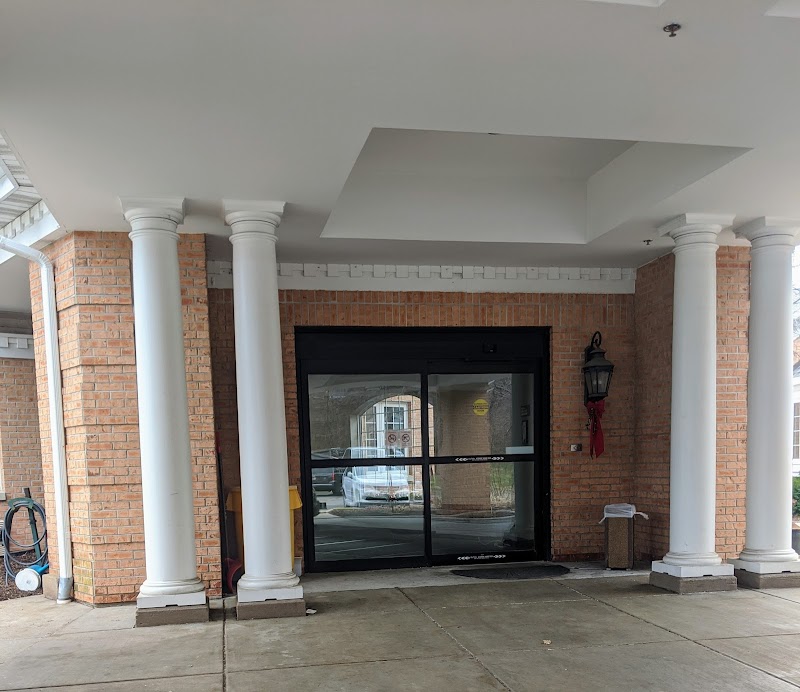
How is Complete Care At Hales Corners Staffed?

CMS rates Complete Care at Hales Corners's staffing level at 5 out of 5 stars, which is much above average compared to other nursing homes. Staff turnover is 39%, compared to the Wisconsin average of 46%. This relatively stable workforce can support continuity of care.

What Have Inspectors Found at Complete Care At Hales Corners?

State health inspectors documented 12 deficiencies at Complete Care at Hales Corners during 2023 to 2025. These included: 1 that caused actual resident harm, 10 with potential for harm, and 1 minor or isolated issues. Deficiencies causing actual harm indicate documented cases where residents experienced negative health consequences.
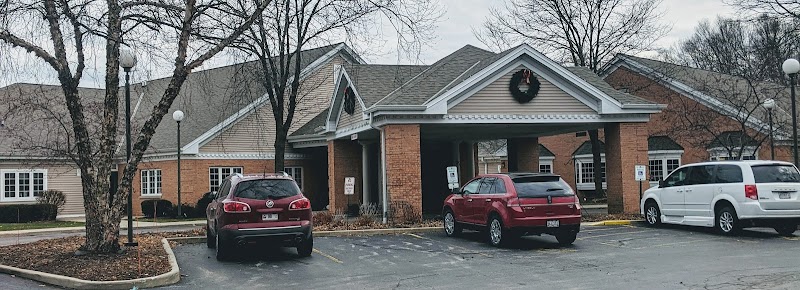
Who Owns and Operates Complete Care At Hales Corners?

Complete Care at Hales Corners is owned by a for-profit company. For-profit facilities operate as businesses with obligations to shareholders or private owners. The facility operates independently rather than as part of a larger chain. With 62 certified beds and approximately 49 residents (about 79% occupancy), it is a smaller facility located in Hales Corners, Wisconsin.

How Does Complete Care At Hales Corners Compare to Other Wisconsin Nursing Homes?

Compared to the 100 nursing homes in Wisconsin, Complete Care at Hales Corners's overall rating (5 stars) is above the state average of 3.0, staff turnover (39%) is near the state average of 46%, and health inspection rating (4 stars) is above the national benchmark.

What Should Families Ask When Visiting Complete Care At Hales Corners?

Based on this facility's data, families visiting should ask: "Can I visit during a mealtime to observe dining assistance and food quality?" "How do you handle medical emergencies, and what is your hospital transfer rate?" "Can I speak with family members of current residents about their experience?"

Is Complete Care At Hales Corners Safe?

Based on CMS inspection data, Complete Care at Hales Corners has a clean safety record: no substantiated abuse findings (meaning no confirmed cases of resident harm), no Immediate Jeopardy citations (the most serious violation level indicating risk of serious injury or death), and is not on the Special Focus Facility watch list (a federal program monitoring the lowest-performing 1% of nursing homes). The facility has a 5-star overall rating and ranks #1 of 100 nursing homes in Wisconsin. While no facility is perfect, families should still ask about staff-to-resident ratios and recent inspection results during their visit.

Do Nurses at Complete Care At Hales Corners Stick Around?

Complete Care at Hales Corners has a staff turnover rate of 39%, which is about average for Wisconsin nursing homes (state average: 46%). Moderate turnover is common in nursing homes, but families should still ask about staff tenure and how the facility maintains care continuity when employees leave.

Was Complete Care At Hales Corners Ever Fined?

Complete Care at Hales Corners has been fined $17,934 across 1 penalty action. This is below the Wisconsin average of $33,258. While any fine indicates a compliance issue, fines under $50,000 are relatively common and typically reflect isolated problems that were subsequently corrected. Families should ask what specific issues led to these fines and confirm they've been resolved.

Is Complete Care At Hales Corners on Any Federal Watch List?

Complete Care at Hales Corners is not on any federal watch list. The most significant is the Special Focus Facility (SFF) program, which identifies the bottom 1% of nursing homes nationally based on persistent, serious quality problems. Not being on this list means the facility has avoided the pattern of deficiencies that triggers enhanced federal oversight. This is a positive indicator, though families should still review the facility's inspection history directly.