SILVER SPRINGS HEALTH CARE CENTER
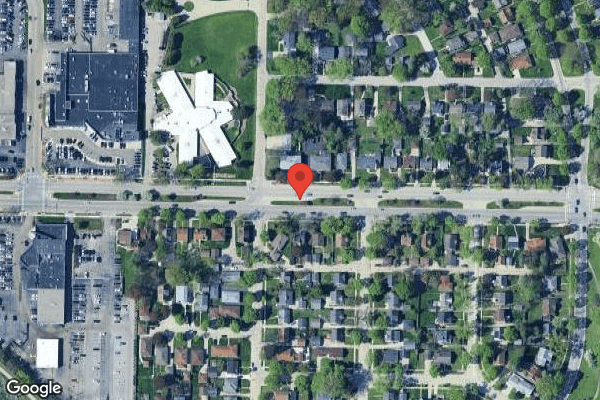
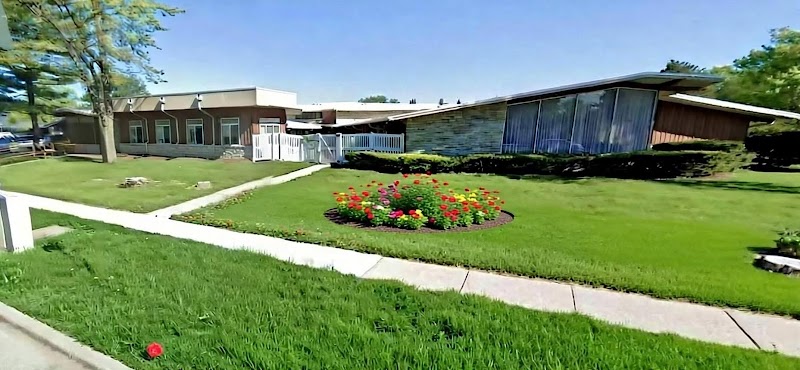
1300 WEST SILVER SPRING DR, GLENDALE, WI 53209 (414) 228-8120
For profit - Limited Liability company 112 Beds BEDROCK HEALTHCARE Data: November 2025 5 Immediate Jeopardy citations
Trust Grade
0/100
#309 of 321 in WI
Last Inspection: June 2024

Within standard 12-15 month inspection cycle. Federal law requires annual inspections.

Overview

Silver Springs Health Care Center has received a Trust Grade of F, indicating significant concerns about the quality of care provided. Ranking #309 out of 321 facilities in Wisconsin places it in the bottom half, and #28 out of 32 in Milwaukee County suggests that there are only a few local options that are better. Unfortunately, the facility's situation is worsening, as it reported an increase in issues from 20 in 2024 to 34 in 2025. Staffing is a weakness here, with a rating of 1 out of 5 stars and a turnover rate of 51%, which is around the state average but indicates difficulty in retaining staff. Moreover, the facility has incurred $178,395 in fines, which is concerning and higher than 85% of Wisconsin facilities, suggesting ongoing compliance problems. Specific incidents have raised alarm, including a failure to effectively manage a COVID-19 outbreak that affected 24 residents and a lack of supervision that led to a resident eloping from the facility late at night, which was not properly investigated. Overall, while there are some aspects like RN coverage that are below average, the facility faces serious deficiencies that families should carefully consider.

Trust Score
F
0/100
In Wisconsin
#309/321
Bottom 4%
Safety Record
High Risk
Review needed
Inspections
Getting Worse
20 → 34 violations
Staff Stability
⚠ Watch
51% turnover. Above average. Higher turnover means staff may not know residents' routines.
Penalties
✓ Good
$178,395 in fines. Lower than most Wisconsin facilities. Relatively clean record.
Skilled Nurses
⚠ Watch
Each resident gets only 25 minutes of Registered Nurse (RN) attention daily — below average for Wisconsin. Fewer RN minutes means fewer trained eyes watching for problems.
Violations
⚠ Watch
119 deficiencies on record. Higher than average. Multiple issues found across inspections.
★☆☆☆☆
1.0
Overall Rating
★☆☆☆☆
1.0
Staff Levels
★★☆☆☆
2.0
Care Quality
★☆☆☆☆
1.0
Inspection Score
Stable
2024: 20 issues
2025: 34 issues

The Good

  • Full Sprinkler Coverage · Fire safety systems throughout facility
  • No fines on record

Facility shows strength in fire safety.

The Bad

1-Star Overall Rating

Below Wisconsin average (3.0)

Significant quality concerns identified by CMS

Staff Turnover: 51%

Near Wisconsin avg (46%)

Higher turnover may affect care consistency

Federal Fines: $178,395

Well above median ($33,413)

Significant penalties indicating serious issues

Chain: BEDROCK HEALTHCARE

Part of a multi-facility chain

Ask about local staffing decisions and management

The Ugly 119 deficiencies on record

5 life-threatening 6 actual harm
Jul 2025 4 deficiencies 1 IJ
CRITICAL (J) 📢 Someone Reported This

A family member, employee, or ombudsman was alarmed enough to file a formal complaint

Immediate Jeopardy (IJ) - the most serious Medicare violation

Accident Prevention (Tag F0689)

Someone could have died · This affected 1 resident

**NOTE- TERMS IN BRACKETS HAVE BEEN EDITED TO PROTECT CONFIDENTIALITY** Based on observation, interview, and record review, the facility did not ensure residents received adequate supervision and assi...

Read full inspector narrative →
**NOTE- TERMS IN BRACKETS HAVE BEEN EDITED TO PROTECT CONFIDENTIALITY** Based on observation, interview, and record review, the facility did not ensure residents received adequate supervision and assistance devices to prevent elopements or accidents for 2 of 4 residents (R1 and R4) reviewed for elopement and falls. *R1 was discovered on the ground outside the facility’s front door on 5/6/2025 at 3:45 AM. R1’s fall was not thoroughly investigated to determine the root cause of the fall and the elopement out of the building was not investigated. On 7/10/2025 at 3:00 AM, R1 was discovered to be missing from the facility. The police found R1 at 4:55 AM on a bench at a street intersection 1.2 miles away from the facility. R1’s elopement was not investigated.The facility’s failure to supervise a resident to prevent elopements in the middle of the night, its failure to ensure the front door alarm was always working, and its failure to do an investigation to determine a root cause of the elopements created a finding of immediate jeopardy that began on 5/6/2025. Surveyor notified Nursing Home Administrator (NHA)-A and Director of Nursing (DON)-B of the immediate jeopardy on 7/15/2025 at 2:48 PM. The immediate jeopardy was removed on 7/21/25, however the deficient practice continues at a scope/severity of D (potential for more than minimal harm/isolated) as evidenced by the following example: * R4 fell from bed on 6/28/2025 due to the wheels of the bed not being locked. The care plan intervention of the wheels being locked on the bed was observed not to have been in place during a transfer. Findings include: The facility’s policy and procedure titled “Elopement” with no date documents: “The facility ensures that residents who exhibit wandering behavior and/or are at risk for elopement receive adequate supervision to prevent accidents and receive care in accordance with their person-centered plan of care addressing the unique factors contributing to wandering or elopement risk. Policy Explanation and Compliance Guidelines: …2. ‘Elopement’ occurs when a resident leaves the premises or a safe area without authorization (i.e., an order for discharge or leave of absence) and/or any necessary supervision to do so. 3. The facility is equipped with door lacks/alarms to help avoid elopements. 4. Alarms are not a replacement for necessary supervision. Staff are to be vigilant in responding to alarms in a timely manner. 5. The facility shall establish and utilize a systematic approach to monitoring and managing residents at risk for elopement or unsafe wandering, including identification and assessment of risk, evaluation and analysis of hazards and risks, implementing interventions to reduce hazards and risks, and monitoring for effectiveness and modifying interventions when necessary. 6. Monitoring and Managing Residents at Risk for Elopement or Unsafe Wandering a. Residents will be assessed for risk of elopement and unsafe wandering upon admission and throughout their stay by the interdisciplinary care plan team. b. The interdisciplinary team will evaluate the unique factors contributing to risk in order to develop a person-centered care plan. c. Interventions to increase staff awareness of the resident’s risk, modify the resident’s behavior, or to minimize risks associated with hazards will be added to the resident’s care plan and communicated to appropriate staff. d. Adequate supervision will be provided to help prevent accidents or elopements. e. Charge nurses and unit managers will monitor the implementation of interventions, response to interventions, and document accordingly. f. The effectiveness of interventions will be evaluated, and changes will be made as needed. Any changes or new interventions will be communicated to relevant staff. 7. Procedure for Locating Missing Resident a. Any staff member becoming aware of a missing resident will alert personnel using facility approved protocol (e.g., internal alert code). b. The designated facility staff will look for the resident. c. If the resident is not located in the building or on the grounds, Administrator or designee will notify the police department and serve as the designated liaison between the facility and the police department. The administrator or designee should also notify the company’s corporate office. d. DON or designee shall notify the physician and family member or legal representative. e. Police will be given a description and information about the resident, include any photos. f. All parties will be notified of the outcome once the resident is located. g. Appropriate reporting requirements to the State Survey agency shall be conducted. 8. Procedure Post-Elopement a. A nurse will perform a physical assessment, document, and report findings to physician. b. Any new physician orders will be implemented and communicated to the family/authorized representative. c. A social service designee will re-assess the resident and make any referrals for counseling or psychological/psychiatric consults. d. The resident and family/authorized representative will be included in the plan of care. e. Staff may be educated on the reasons for elopement ad possible strategies for avoiding such behavior. f. When repeated elopement attempts occur, after the facility has exhausted possible care approaches, the resident may be referred for alternate placement in an appropriate facility. g. Documentation in the medical record will include: finding from nursing and social service assessments, physician/family notification, care plan discussions, and consultant notes as applicable.” 1.) R1 was admitted to the facility on [DATE] with diagnoses of cerebrovascular disease, moyamoya disease (a rare progressive cerebrovascular disorder characterized by the narrowing or blockage of the internal carotid arteries and the formation of abnormal blood vessels at the base of the brain leading to reduced blood flow to the brain causing strokes, transient ischemic attacks, and other neurological symptoms), and vascular dementia. R1’s admission Minimum Data Set (MDS) assessment dated [DATE] documented R1 was cognitively intact with a Brief Interview for Mental Status (BIMS) score of 15. R1’s Elopement Risk assessment dated [DATE] documented R1 was a risk of elopement with a score of 1 (1 or higher was at risk for elopement) due to R1 being admitted to the facility within the last 30 days and not accepting of the situation. R1 did not have a history of wandering or elopement from home per the risk assessment. Surveyor noted no Elopement Care Plan was initiated for R1 with this assessment. R1’s Physical Functioning Deficit Care Plan was initiated on 4/22/2025 and documented R1 needed transfer and walking assistance with distance supervision on 4/28/2025. R1’s At Risk for Falls Care Plan was initiated on 4/28/2025 with the interventions:-Call light and personal items available and in easy reach.-Clear and monitor environmental obstacles (tubing, cords, etc.).-Footwear to prevent slipping.-Keep bed locked. R1’s progress noted dated 5/6/2025 at 6:36 AM written by an RN (Registered Nurse) documented: At approximately 3:45 AM, the RN was informed by the pharmacy delivery driver that R1 was sitting down outside. The RN observed R1 sitting upright at the front outside the building. R1 stated R1 had been feeling a little tipsy because R1 had drank some alcohol and fell on their “butt”. R1 stated R1 was okay. The RN assessed R1; R1 was alert and oriented with some confusion. R1 sustained an abrasion to the right thumb. Staff members assisted R1 up from the floor and ambulated to R1’s room with assistance of staff. The RN searched R1’s room and did not find any alcohol. The Nurse Practitioner (NP) was notified and instructed staff to continue with neurological checks. R1’s POA was called and updated. The RN completed a Post Fall Evaluation documenting the cause of the fall to be wandering. R1’s progress note dated 5/6/2025 at 1:19 PM and written by Director of Social Services (DSS)-C documents: DSS-C was alerted of R1’s fall early that morning as a result of alcohol intoxication. The psych NP was notified, and a psych referral was made. DSS-C documented DSS-C spoke with R1 regarding behavioral expectations while in the facility and R1 expressed understanding regarding the risk associated with alcohol use.Surveyor was provided the Risk Management tool used by the facility for incidents/events. The documentation on the tool was the same as documented by the RN in the progress notes on 5/6/2025. According to timeanddate.com, the temperature in Glendale, Wisconsin at 3:55 AM was 45 degrees with no wind, humidity 93%. In an interview on 7/15/2025 at 8:51 AM, Licensed Practical Nurse Unit Manager (LPNUM)-H stated LPNUM-H was not employed at the facility at the time of the fall or elopement on 5/6/2025 but would review R1’s medical record to see if any more information was documented at that time. LPNUM-H provided a statement by the RN as part of the Risk Management tool dated 5/6/2025. The statement documented: “Resident came out of room, staff redirected (R1) back to (R1’s) room Resident stated ‘I slept all day, I want to move around’ Resident tried to go outside, staff brought (R1) back in, informed Resident it was too early to go outside. Door Bell was not working”. LPNUM-H stated from reading that statement, it could not be determined when R1 was trying to leave the building, if it was before R1 was found outside or after the incident of the fall outside. LPNUM-H stated the statement was unclear if the alarms when leaving the building were not working or if the doorbell to come back in was not working and would have meant R1 was locked out of the building. LPNUM-H stated the investigation into the fall and the elopement did not create a clear picture of what happened at that time with R1. LPNUM-H provided Surveyor with the Risk Management interdisciplinary team (IDT) meeting documentation. On 5/13/2025, the IDT determined the cause of the fall to be walking outside on uneven surfaces without the walker after drinking alcohol. R1 was found sitting on R1’s bottom outside. R1 reported that R1 was drinking and feeling tipsy. R1’s vital signs were stable, denied any pain, denied hitting the head, and neurological checks were initiated. Surveyor noted the IDT did not meet until 5/13/2025, seven days after the fall and elopement. R1’s At Risk for Falls Care Plan was revised on 5/12/2025 with the interventions:-Offer ADOA (Alcohol and Other Drug Abuse).-Refer to Psych. Surveyor noted the investigation of the fall and elopement did not include where R1 obtained the alcohol or if other physical disease processes were a factor. Surveyor noted the investigation did not include if the alarm system was working, when R1 was last seen to know how long R1 had been outside of the building, or any other behaviors R1 was exhibiting prior to leaving the facility. No elopement or wandering care plan was initiated at that time. On 5/8/2025, R1 was seen by the Psych (psychiatric) NP. The Psych NP documented staff reported that R1 fell that week due to being intoxicated. No additional alcohol use was reported after that incident. R1 did not have a history of alcohol use. R1’s Medication Administration Record (MAR) had an order to monitor R1’s behaviors and document those behaviors on every shift. Nurses documented R1 had wandering behaviors on 5/24/2025 AM shift, 6/6/2025 PM shift, and 6/7/2025 AM shift. No elopement or wandering care plan was initiated at that time. On 6/12/2025, R1 was seen by the Psych NP. The Psych NP documented staff reported that R1 was having increased confusion, restlessness, and agitation this week, which started when R1 got a new roommate. Staff report that R1 was difficult to redirect currently. The Psych NP documented the Psych NP called and spoke with R1’s POA to discuss medication options for R1’s agitation. The Psych NP recommended an increase in R1’s antipsychotic medication dose, but R1’s POA refused the dose increase stating R1 “is only agitated because something is wrong, and this place needs to fix why (R1) is agitated.”Nurses documented on R1’s MAR R1 had wandering behaviors on 6/13/2025 AM and PM shift. On 6/18/2025 at 7:59 PM in the progress notes, DSS-C documented DSS-C met with R1’s POA and discussed R1 likes to take short walks in the community. R1’s POA indicated R1’s POA was okay with R1 signing themselves out and going on a walk unsupervised. DSS-C advised against this and discussed the risk vs benefit. R1’s POA expressed understanding. DSS-C offered an intervention that R1 could request staff to accompany on short walks, time permitting, otherwise POA advised the POA can be called to come in and accompany R1 when R1 would like to go out for a walk. R1’s At Risk for Elopement Care Plan was initiated on 6/18/2025 related to attempts to leave living center to go on short walks. The following interventions were initiated at that time:-Assess for risk of elopement per living center policy.-Assess for secure unit.-Evaluate effect of cognitive impairment upon resident’s ability to understand changes in surroundings.-Redirect patients from doors.-Take picture of patient upon admission for identification for updating elopement book. R1’s Behavior Care Plan was initiated on 6/18/2025 with behaviors that include going for short walks near the facility “WITHOUT” notifying staff and R1’s POA has given permission for R1 to take short walks unsupervised however staff encourages R1 to request an escort for safety. The following interventions were initiated at that time:-Attempt interventions before my behaviors begin.-Help R1 maintain their favorite place to sit.-If R1 seems restless, please offer to escort R1 on a short walk in the community/or call POA to escort R1 on a walk.-Make sure R1 is not in pain or uncomfortable.-Offer R1 something likes as a diversion. On 6/18/2025 at 5:30 PM until 6/21/2025 at 11:45 AM, facility staff were documenting 15-minute checks on R1. On 6/18/2025, R1’s Elopement Risk Profile page was placed in the Wandering/Elopement binder indicating R1 was at risk for elopement. The profile page documented R1’s identifying information as well as the presence of dementia and impulsivity. The profile page documented R1’s favorite spot outside was under a bridge across from a grocery store approximately 0.3 miles from the facility. No documentation was found preceding the elopement and wandering behavior care plans being initiated, the reason R1 was placed on 15-minute checks, or the reason R1 had a profile page in the Wandering/Elopement binder. No documentation was found indicating R1 had been leaving the building or wanting to take walks. On 6/19/2025, R1 was seen by the Psych NP. The Psych NP documented staff reported that R1 was having continued restlessness and agitation. R1 was moved to a different room this week, but the agitation continued. R1 was very difficult to redirect. R1 was pacing the unit and was up by the nurses’ station frequently. R1’s POA was at the facility and the Psych NP along with the unit nurse tried to talk to R1’s POA about R1’s agitation. The Psych NP recommended a few medication options, as R1 was reporting feelings of nervousness and restlessness. R1’s POA refused to increase R1’s current antipsychotic dose or to start any new medications stating R1 “is not that bad”, and R1 “doesn’t need more medications”. Nursing staff documented on R1’s MAR R1 had wandering behaviors on 6/19/2025 PM shift, 6/23/2025 AM shift, 6/24/2025 AM shift, and 7/9/2025 night shift. On 7/10/2025 at 8:30 AM in the progress notes, RN-I documented RN-I noticed R1 was not in R1’s room at 3:00 AM. Everywhere was checked and R1 was not found in the building or its environment. 911 was called and police officers showed up and helped with the search. A police officer brought R1 back to the facility at 4:55 AM stating R1 was found at an intersection sitting on a bench. (The exact location was documented in the progress note.) Director of Nursing (DON)-B was notified of the incident as well as the Unit Managers. Surveyor noted the intersection R1 was found sitting on a bench was 1.2 miles from the facility. The facility is located on a heavily trafficked 4-lane divided road with a grassy median with center turn lanes and sidewalks. The speed limit of the street is 30 miles per hour. R1 would have crossed multiple intersections including an on/off ramp intersection and under/overpasses. According to timeanddate.com, the temperature in Glendale, Wisconsin at 4:15 AM was 59 degrees, humidity 100%. There was no wind. Surveyor noted R1’s medical record did not have any documentation after the progress note on 7/10/2025 at 8:30 AM. R1 did not have any vital signs taken upon return to the facility. No head-to toe-assessment was completed to check for injuries. No follow up documentation was found regarding behaviors or aftereffects of being out of the facility for greater than two hours in the middle of the night. R1’s Care Plan was not revised. In an interview on 7/14/2025 at 10:34 AM, Surveyor asked Receptionist-G if the facility had a book or binder of residents at risk for elopement. Receptionist-G stated yes, it is right here at the front desk and provided the binder to Surveyor. Surveyor noted the Elopement Policy was at the front of the binder and three residents had an Elopement Risk Profile page. R1 was not included in the Wander/Elopement binder at the front desk. Surveyor asked Receptionist-G if the residents in the binder were the residents that had a Wanderguard in place. Receptionist-G stated no, the binder has all residents that may get out. Receptionist-G stated DSS-C is the one that updates the binder; all the residents with a Wanderguard on are on the C Unit. Surveyor asked Receptionist-G what doors are equipped with alarms. Receptionist-G stated all the doors have alarms and the front door gets locked at 8:00 PM. Surveyor asked Receptionist-G if there was a sign-out book for residents leaving the building. Receptionist-G stated yes and showed the book to Surveyor. Receptionist-G stated residents do not have to sign out in the book if they are just going for a walk. Receptionist-G provided the names of four residents that do sign out in the book when they are going to leave the building to go to the grocery store. R1 was not a resident that Receptionist-G named. Surveyor asked Receptionist-G if R1 was a resident that was at risk for eloping or leaving the building without anyone knowing. Receptionist-G stated there are no problems with R1; R1 will sit outside the front door and if R1 starts to get up to go somewhere, Receptionist-G will point at R1 through the window to tell R1 “no” and then R1 comes in or sits back down. Receptionist-G stated sometimes she has to go to the front door so R1 can hear Receptionist-G, but R1 has never caused a problem. Surveyor noted the reception desk is adjacent to a glass wall so the bench outside the front door is easily visible. Surveyor asked Receptionist-G if R1 had ever gotten out of the building and far away. Receptionist-G stated she was not aware of any elopements. In an interview on 7/14/2025 at 1:07 PM, Surveyor asked DON-B for the investigations the facility did on R1’s elopements. DON-B stated there are no investigations. Surveyor asked DON-B how many times had R1 eloped. DON-B thought R1 had eloped twice stating after the first elopement there was a discussion with R1’s POA and the POA said it was okay for R1 to go for a walk by themselves. Surveyor noted the discussion with R1’s POA was on 6/18/2025 where there was no documentation of an elopement or R1 taking walks out in the community. On 7/14/2025 at 1:23 PM, Surveyor observed the front desk with no staff and no staff was in view of the front door. Surveyor noted one resident outside the building in an electric wheelchair by the bench located by the front door. On 7/14/2025 at 2:03 PM, Surveyor observed R1 awake, lying in bed. Surveyor asked R1 if R1 likes to go for walks. R1 stated yes, he goes after breakfast and before dinner, and sometimes after dinner. Surveyor asked R1 if R1 ever goes for a walk at night. R1 denied ever going for a walk at night. R1 stated there is a log to sign out but you do not have to sign out, you can just go. Surveyor again asked R1 about leaving the building in the middle of the night. R1 stated R1 had never left in the middle of the night. In an interview on 7/14/2025 at 3:25 PM, Surveyor asked Nursing Home Administrator (NHA)-A and DON-B how the alarming system works for the front door. NHA-A stated the door is locked at 8:00 PM and you must punch a code to get out, otherwise the alarm goes off, and to get in, you have to ring the doorbell. In an interview on 7/14/2025 at 3:38 PM, Surveyor asked LPN-F about R1’s behaviors. LPN-F stated R1 wanders but is easily redirected. LPN-F stated R1 wanders aimlessly; R1 will be sitting in the back hallway and then goes to R1’s room, then goes to the front, back and forth. LPN-F stated R1 does not hurt anyone with the wandering. Surveyor asked LPN-F if R1 had ever gotten out of the building. LPN-F stated R1 had gotten out to the street one time. LPN-F was not sure how far R1 got. LPN-F stated R1 had never gotten out of the building when LPN-F was working. LPN-F stated LPN-F tries to put eyes on R1 every 30 minutes. On 7/15/2025 at 8:32 AM, Surveyor asked Receptionist-G for the Wander/Elopement binder. Receptionist-G stated the binder is kept at the nurses’ station. The binder that was at the reception desk the day before was no longer at the reception desk. Surveyor found 4 separate Wander/Elopement binders, three located at the main nurses’ station and one located on the C Unit. A total of 8 residents were in the binders including R1. In an interview on 7/15/2025 at 8:40 AM, LPN-F stated the elopement binder for the hall LPN-F was working was at the nurses’ station. LPN-F was not sure where the other three hallway binders were kept. In an interview on 7/15/2025 at 8:51 AM, Surveyor asked LPNUM-H about the circumstances of R1’s elopement on 7/10/2025. LPNUM-H reviewed the charting in R1’s medical record from the progress note on 7/10/2025. LPNUM-H stated on nightly rounds on 7/10/2025, R1 was not in their room. The whole building was searched and 911 was called. R1 was brought back to the building at 4:55 AM by the police. R1 was sitting on a bench. LPNUM-H stated R1 does not have a Wanderguard and when they see R1 leave, they ask R1 to sign out. LPNUM-H stated R1’s care plan says R1 likes to leave the building and R1’s POA has given permission for R1 to go on walks unsupervised. Surveyor asked LPNUM-H if R1 was safe to go for an unsupervised walk at 3:00 AM. LPNUM-H stated there are not enough staff on the night shift to take R1 for a walk at 3:00 AM. LPNUM-H stated R1 was not safe to go for a walk in the middle of the night. Surveyor asked LPNUM-H if there was an investigation into the elopement. LPNUM-H stated the nurse on staff would notify the DON of an event like that. LPNUM-H could not find anything in R1’s medical record to indicate that R1’s elopement was investigated. Surveyor shared the concern with LPNUM-H that Surveyor was unable to find any documentation after R1 returned to the facility that a skin check was done or vital signs taken to assess for injury. LPNUM-H agreed there were no assessments in R1’s medical record after R1 returned on 7/10/2025. LPNUM-H stated it would make sense to do a complete assessment to make sure R1 was not injured; it may not be a change in condition but vital signs and a skin check for injuries should have been completed. In a phone interview on 7/15/2025 at 9:35 AM, Surveyor asked RN-I to review the events of R1’s elopement on 7/10/2025. RN-I stated RN-I checks every resident when RN-I comes on duty at 10:30 PM. RN-I stated RN-I saw R1 at 11:00 PM and checks on R1 every time RN-I walks down the hall. RN-I stated another resident requested a pain medication and when RN-I went past R1’s room, R1 was not there. RN-I stated RN-I checked the bathroom and when R1 was not there, RN-I called the Certified Nursing Assistant (CNA) to help look for R1. RN-I stated residents are checked every two hours on night shift and the CNA saw R1 at Midnight and 1:00 AM. RN-I stated at 3:00 AM, R1 was not seen. RN-I stated they looked outside because on a previous day, R1 had wanted to go outside to go to their car. RN-I stated that was at 2:00 AM on a previous day, but since R1 had said that, RN-I thought to look outside. RN-I stated they looked out the front door, the side door, the parking lot in back and the bus stop. RN-I stated then they called 911. Surveyor asked RN-I if RN-I did an assessment of R1 when R1 was returned to the facility. RN-I asked R1 if R1 was okay and R1 said yes. RN-I said R1 did not have any issues so RN-I thought R1 was okay. Surveyor asked RN-I if R1 had gotten outside in the past. RN-I stated R1 could be easily redirected and was not aware of R1 getting out of the facility before. Surveyor asked RN-I if RN-I had to make up a report or anything for an investigation. RN-I stated RN-I talked to the DON and the Unit Manager that day. Surveyor asked RN-I if the door had alarmed. RN-I stated no alarm had gone off to alert them that R1 was outside. In a phone interview on 7/15/2025 at 9:51 AM, Surveyor asked R1’s POA if R1’s POA had a conversation with DSS-C about R1 going for walks unsupervised. R1’s POA stated yes, R1’s POA had a conversation and did say it was okay for R1 to go on walks by themselves. Surveyor asked R1’s POA if R1’s POA was aware of R1 leaving the facility in the middle of the night. R1’s POA stated yes, they informed R1’s POA of R1 leaving and R1’s POA was not okay with R1 going for a walk alone in the middle of the night. R1’s POA stated R1 should not go for a walk at 2 in the morning and R1’s POA was going to talk to the facility staff about that. In an interview on 7/15/2025 at 10:06 AM, Surveyor shared the concerns with DSS-C that R1’s fall on 5/6/2025 was not investigated as to how or why R1 was outside at 3:45 AM, there was no documentation preceding 6/18/2025 when R1’s care plan was updated with wandering/eloping behaviors and 15-minute checks were initiated, and when R1 eloped on 7/10/2025, there is no investigation into the elopement such as working alarms on the door and the care plan was not revised to increase supervision. DSS-C stated the changes in R1’s care plan and the 15-minute checks had something to do with a care conference but could not recall the exact events. DSS-C stated DSS-C would look into DSS-C’s soft files and get back to Surveyor. On 7/15/2025 at 10:22 AM, Surveyor shared the concerns with NHA-A and DON-B R1’s elopements on 5/6/2025 and 7/10/2025 were not investigated, R1’s care plans were not revised after the elopements, and R1’s medical record lacked documentation of behaviors of wandering other than a checkmark on the MAR indicating wandering was occurring. R1’s wandering and elopement care plans were initiated on 6/18/2025 with no documentation as to the preceding events that indicated R1 needed these to be in place and R1 was put on 15-minute checks at that time as well with no indication of why. When R1 returned to the facility on 7/10/2025 after being gone for at least two hours in the middle of the night, and found 1.2 miles away, no assessments were done to determine if R1 had any injuries or psychological effects of the event. Surveyor shared the concern that even though R1’s POA stated it was okay for R1 to go on walks in the community unattended, that would not include walks in the middle of the night; the fact that the police were called to assist in finding R1 shows that walking in the middle of the night is not a safe activity. Surveyor shared the concern that there was no investigation into the elopements and there was no assessment of the alarm system to see if it was functioning to prevent other residents from eloping as well. In an interview on 7/15/2025 at 10:46 AM, Surveyor asked Director of Maintenance (DM)-K how long DM-K had been employed at the facility. DM-K stated DM-K had worked at the facility for about one month. Surveyor asked DM-K if there have been any problems with the alarm system on the front door or any alarmed door. DM-K stated when DM-K first started working the door alarms were working. DM-K stated the side door is always alarmed but the front door is open at 7:00 AM and automatically locked at 8:00 PM and when it is locked, the alarm is activated. DM-K stated every morning, DM-K does rounds and checks on all the doors and alarms. DM-K stated on 7/10/2025 in the morning, the power box was unplugged. DM-K was not sure if it got bumped or something, but DM-K plugged it back in and knows it was working after it was plugged back in. DM-K showed Surveyor the plug at the front door. The doorway has double glass doors with a small space leading to a second set of outer double glass doors. The alarm is only for the inner double glass doors and the power plug referenced before is to the upper right corner of the inner glass doors within reach of adult-sized people. DM-K showed Surveyor where a screw normally holds the plug in place, but the screw was missing. DM-K was not sure how long the screw had been missing allowing the plug to become unplugged. DM-K stated sometimes storms will knock out the power because it is an old building. Surveyor asked DM-K in the last month how many times the alarms system had been affected by a power outage. DM-K stated twice. Surveyor asked DM-K how the door is secured when the alarm system is not functioning. DM-K stated the doors have to be manually locked, but then they cannot be opened in case of a fire. DM-K stated the alarm system was not working on Monday, 7/14/2025 when DM-K came to work and checked it in the morning. DM-K was not sure what the problem was so had someone who specializes in alarm systems come in to do repairs. Surveyor had noted someone working on the front doors the prior day. DM-K stated the alarm was working on Thursday 7/10/2025 after DM-K had plugged it back in. DM-K stated DM-K did not work on Friday, Saturday, or Sunday so did not know when the alarm system had stopped working. DM-K stated currently the door alarm is not working because parts had to be ordered. &nb
CONCERN (D) 📢 Someone Reported This

A family member, employee, or ombudsman was alarmed enough to file a formal complaint

Potential for Harm - no one hurt, but risky conditions existed

Free from Abuse/Neglect (Tag F0600)

Could have caused harm · This affected 1 resident

**NOTE- TERMS IN BRACKETS HAVE BEEN EDITED TO PROTECT CONFIDENTIALITY** Based on interview and record review, the facility did not ensure residents right to be free from abuse for 1 of 1 (R5) resident...

Read full inspector narrative →
**NOTE- TERMS IN BRACKETS HAVE BEEN EDITED TO PROTECT CONFIDENTIALITY** Based on interview and record review, the facility did not ensure residents right to be free from abuse for 1 of 1 (R5) residents reviewed for abuse.Facility staff witnessed a CNA (Certified Nursing Assistant) verbally abuse R5. The verbal abuse was not immediately reported to the Nursing Home Administrator, and the CNA continued to work the remainder of their shift, putting R5 and other residents at risk for additional abuse.Findings include:The facility's policy titled Abuse/Neglect/Exploitation which was not dated, documents:It is the policy of this facility to provide protections for the health, welfare and rights of each resident by developing and implementing written policies and procedures that prohibit abuse, neglect, exploitation and misappropriation of resident property.V. Investigation of alleged abuse, neglect and exploitation.A. An immediate investigation is warranted when suspicion of abuse, neglect or exploitation or reports of abuse, neglect or exploitation occur.VI. Protection of a ResidentD. Room or staffing changes, if necessary, to protect the resident(s) from the alleged perpetrator.VII. Reporting/Response1. Reporting of all alleged violations to the Administrator, state agency, adult protective services and to all other required agencies (e.g., law enforcement when applicable) within specific timeframes:a. Immediately, but not later than 2 hours after the allegation is made, if the events that cause the allegation involve abuse or result in serious bodily injury.b. Not later than 24 hours if the events that cause the allegation do not involve abuse and do not result in serious bodily injury. R5 admitted to the facility on [DATE] and has diagnoses that include morbid obesity, osteoarthritis, osteomyelitis lower extremity, Diabetes Mellitus type 2, Chronic Obstructive Pulmonary Disease, Major Depressive Disorder and Congestive Heart Failure.R5's BIMS (Brief Interview for Mental Status) dated 5/28/25 documents a score of 10, indicating moderate cognitive impairment. Surveyor reviewed the facility's Misconduct Incident Report which documents that on 6/30/25 the facility social worker received a report from the facility receptionist regarding an incident involving a named CNA (Certified Nursing Assistant). The receptionist stated that on the morning of 6/29/25 at 9:36 AM, she witnessed the CNA walk past R5, who greeted him by saying good morning, how are you. The receptionist alleged that the CNA responded with Shut your ass up, I don't want nothing to do with your ugly ass and then stormed off.The CNA was suspended pending investigation, police were notified, and psych services were offered to R5. The investigation included interview with the receptionist, who confirmed the incident as described above. The facility investigation included a sample of residents assigned to the CNA whom were interviewed to rule out other potential abuse.Surveyor noted the facility's Misconduct Report documents the Social Worker received report of the verbal abuse on 6/30/25, however the witnessed verbal abuse occurred the morning of 6/29/25.On 7/14/25 at 9:45 AM, Surveyor spoke with R5 in his room. R5 reported that R5 remembers the incident. R5 stated (CNA) yelled and swearing at me. Where is he anyway, I haven't seen him. R5 reported he did not know why the CNA yelled and swore at him, stating maybe he was mad at me. R5 reported no adverse outcome following the incident. He stated, I forgot about it. Sometimes people say things when they're made, but don't mean it. I've said things to people I didn't mean when I was mad.On 7/14/25 at 10:30 AM, Surveyor spoke with Director of Social Services-C and asked why the Self Report investigation was started on 6/30/25 when the allegation of verbal abuse occurred the morning of 6/29/25. She reported 6/30/25 was the first she knew about the incident from a note that was placed under her door. She reported the receptionist was brand new and she just wrote the note and slid it under the door. Director of Social Services reported she completed a teachable moment form with the receptionist on 6/30/35 to include abuse training and immediate reporting of abuse. The facility's Misconduct Report documented sampled residents assigned to the CNA were interviewed. Surveyor reviewed the resident interviews. All residents interviewed resided on unit D. The CNA involved in the witnessed verbal abuse allegation on 6/29/25 was assigned to unit B and assisted with unit A. No other residents assigned to the CNA on 6/29/25 were interviewed.The receptionist that witnessed the verbal abuse by the CNA on 6/29/25 did not immediately report the abuse to the Administrator or Social Worker, as the receptionist placed a note under the social worker's door which was found on 6/30/25. The CNA involved in the witnessed verbal abuse continued to work on R5's unit for the remainder of his shift and was not suspended until the following day.On 7/15/25 at 9:20 AM, Nursing Home Administrator (NHA)-A was advised of the above concerns. NHA-A reported that he understood the abuse was not reported immediately and that NHA-A taken over the Relias training with the expectation all staff training to be completed by 7/23/25. No additional information was provided.
CONCERN (D) 📢 Someone Reported This

A family member, employee, or ombudsman was alarmed enough to file a formal complaint

Potential for Harm - no one hurt, but risky conditions existed

Report Alleged Abuse (Tag F0609)

Could have caused harm · This affected 1 resident

**NOTE- TERMS IN BRACKETS HAVE BEEN EDITED TO PROTECT CONFIDENTIALITY** Based on interview and record review, the facility did not ensure that allegations of verbal abuse and/or misappropriation were ...

Read full inspector narrative →
**NOTE- TERMS IN BRACKETS HAVE BEEN EDITED TO PROTECT CONFIDENTIALITY** Based on interview and record review, the facility did not ensure that allegations of verbal abuse and/or misappropriation were immediately reported to the Nursing Home Administrator for 2 of 3 (R2 and R5) residents reviewed for abuse.R2's allegation of misappropriation of money and property was not reported to the Nursing Home Administrator (NHA)-A-or Social worker, resulting in delay of reporting to the State Agency.R5's (witnessed) verbal abuse was not immediately reported to the NHA-A or Social worker.Findings include:The facility's policy titled Abuse/Neglect/Exploitation which was not dated, documents:It is the policy of this facility to provide protections for the health, welfare and rights of each resident by developing and implementing written policies and procedures that prohibit abuse, neglect, exploitation and misappropriation of resident property.V. Investigation of alleged abuse, neglect and exploitation.A. An immediate investigation is warranted when suspicion of abuse, neglect or exploitation or reports of abuse, neglect or exploitation occur.VI. Protection of a ResidentD. Room or staffing changes, if necessary, to protect the resident(s) from the alleged perpetrator.VII. Reporting/Response1. Reporting of all alleged violations to the Administrator, state agency, adult protective services and to all other required agencies (e.g., law enforcement when applicable) within specific timeframes:a. Immediately, but not later than 2 hours after the allegation is made, if the events that cause the allegation involve abuse or result in serious bodily injury.b. Not later than 24 hours if the events that cause the allegation do not involve abuse and do not result in serious bodily injury. R5 admitted to the facility on [DATE] and has diagnoses that include morbid obesity, osteoarthritis, osteomyelitis lower extremity, Diabetes Mellitus type 2, Chronic Obstructive Pulmonary Disease, Major Depressive Disorder and Congestive Heart Failure.R5's BIMS (Brief Interview for Mental Status) dated 5/28/25 documents a score of 10, indicating moderate cognitive impairment. Surveyor review of the facility's Misconduct Report documents on 6/30/25 the facility social worker received a report from the facility receptionist regarding an incident involving a named CNA (Certified Nursing Assistant). The receptionist stated that on the morning of 6/29/25 at 9:36 AM, she witnessed the CNA walk past R5, who greeted him by saying good morning, how are you. The receptionist alleged that the CNA responded with Shut your ass up, I don't want nothing to do with your ugly ass and then stormed off.Surveyor noted the facility's Misconduct Report documents the Social Worker received report of the verbal abuse on 6/30/25, however the witnessed verbal abuse occurred the morning of 6/29/25.On 7/14/25 at 10:30 AM, Surveyor spoke with Director of Social Services-C and asked why the Self Report investigation was started on 6/30/25 when the allegation of verbal abuse occurred the morning of 6/29/25. She reported 6/30/25 was the first she knew about the incident - from a note that was placed under her door. She reported the receptionist was brand new and she just wrote the note and slid it under the door. Director of Social Services reported she completed a teachable moment form with the receptionist on 6/30/35 to include abuse training and the immediate reporting of abuse.The receptionist that witnessed the verbal abuse by the CNA on 6/29/25 did not immediately report the abuse to the NHA-A or Social Worker, she placed a note under the social worker's door which was found on 6/30/25. The CNA involved in the witnessed verbal abuse continued to work on R5's unit for the remainder of his shift and was not suspended until the following day.On 7/15/25 at 9:20 AM, NHA-A was advised of the above concerns. NHA-A reported he understood and has taken over the Relias training with the expectation all staff training to be completed by 7/23/25. No additional information was provided.
MINOR (C) 📢 Someone Reported This

A family member, employee, or ombudsman was alarmed enough to file a formal complaint

Minor Issue - procedural, no safety impact

Staffing Information (Tag F0732)

Minor procedural issue · This affected most or all residents

Based on interview and record review, the facility did not ensure nurse staff postings were accurate. This deficient practice has the potential to affect all 93 residents residing in the facility.Revi...

Read full inspector narrative →
Based on interview and record review, the facility did not ensure nurse staff postings were accurate. This deficient practice has the potential to affect all 93 residents residing in the facility.Review of the daily nursing schedule and required nurse staff postings revealed inaccuracies with the total number of licensed and non licensed staff working and the number of nursing staff posted on the nurse staffing posting for 20 of 30 days reviewed.Findings include:On 7/28/25, at 8:47 a.m., Surveyor received and reviewed the nursing daily schedules and nurse staff postings from 6/29/25 to 7/28/25. During the review, Surveyor noted the following:The nurse staff postings has a category for Actual Hours. This section was not completed on any of the nurse staff posting forms reviewed for Certified Nursing Assistants (CNA), Medication Technicians, Licensed Practical Nurses (LPN) and Registered Nurses (RN).Sunday, 6/29/25, the nurse staff posting for the day shift documents 4 Licensed Practical Nurses (LPNs) and the daily nursing schedule has 3 LPNs working. The night shift documents 2 LPN and Registered Nurse (RN) is blank. The daily nursing schedule has 1 LPN and 1 RN working.Monday, 6/30/25, the nurse staff posting for the day shift documents 9 CNAs, Med Tech is blank and 4 LPNs. The daily nursing schedule has 8 CNAs, 1 Med Tech, and 3 LPNs working. The nurse staff posting for the evening shift has 8 CNAs, Med Tech is blank, and 2 LPNs. The daily nursing schedule has 7 CNAs, 1 Med Tech, and 1 LPN working. The nurse staff posting for the night shift has 2 LPNs and RN is blank. The daily nursing schedule has 1 LPN and 1 RN working.Wednesday, 7/2/25, the nurse staff posting for the evening shift documents 8 CNAs, Med Tech is blank and 2 LPNs. The daily nursing schedule for the evening shift has 9 CNAs, 1 Med Tech, and 1 LPN working. The nurse staff posting for the night shift has 4 CNAs and the daily nursing schedule has 5 CNAs working.Thursday, 7/3/25, the nurse staff posting for the day shift documents 9 CNAs, 1 Med Tech, and 2 LPNs. The daily nursing schedule for the day shift has 8 CNAs, 0 Med Techs, and 3 LPNs working. The nurse staff posting for the evening shift has 8 CNAs, Med Tech is blank, and 2 LPNs. The daily nursing schedule for the evening shift has 7 CNAs, 1 Med Tech and 1 LPN working. The nurse staff posting for the night shift has 4 CNAs and the daily nursing schedule has 3 CNAs working.Friday, 7/4/25, the nurse staff posting for the evening shift documents 7 CNAs and 1 Med Tech. The daily nursing schedule for the evening shift has 6 CNAs and 0 Med Techs working.Saturday, 7/5/25, the nurse staff posting for the evening shift documents 7 CNAs and the daily nursing schedule has 6 CNAs working. The nurse staff posting for the night shift documents 4 CNAs and the daily nursing schedule has 5 CNAs working.Sunday, 7/6/25, the nurse staff posting for the night shift documents 1 LPN and 1 RN. The daily nursing schedule for the night shift has 2 LPNs and 0 RN working.Tuesday, 7/8/25, the nurse staff posting for the day shift documents 8 CNAs and the daily nursing schedule has 9 CNAs working. The nurse staff posting for the evening shift documents 7 CNAs and the daily nursing schedule has 8 CNAs working.Thursday, 7/10/25, the nurse staff posting for the day shift documents 9 CNAs, 4 LPNs and is blank for RN. The daily nursing schedule for the day shift has 8 CNAs, 3 LPNs, and 1 RN working. The nurse staff posting for the evening shift documents 8 CNAs and the daily nursing schedule has 7 CNAs working.Friday, 7/11/25, the nurse staff posting for the day shift documents 9 CNAs and the daily nursing schedule has 8 CNAs working. The nurse staff posting for the evening shift documents 8 CNAs and the daily nursing schedule has 7 CNAs working.Saturday, 7/12/25, the nurse staff posting for the night shift documents 3 CNAs and the daily nursing schedule has 4 CNAs working.Monday, 7/14/25, the nurse staff posting for the evening shift documents 1 Med Tech, 2 LPN and 1 RN. The daily nursing schedule has 2 Med Techs, 0 LPN, and 2 RNs working.Tuesday, 7/15/25, the nurse staff posting for the day shift is blank for Med Tech and 4 LPNs. The daily nursing schedule for the day shift has 1 Med Tech and 3 LPNs working. The nurse staff posting for the evening shift documents 7 CNAs and the daily nursing schedule has 6 CNAs working.Friday, 7/18/25, the nurse staff posting for the evening shift documents 7 CNAs, 2 Med Techs and 1 LPN. The daily nursing schedule for the evening shift has 8 CNAs, 0 Med Techs, and 3 LPNs working. The nurse staff posting for the night shift has 2 Med Techs and the daily nursing schedule does not have any Med Techs working.Sunday, 7/20/25, the nurse staff posting for the day shift documents 1 Med Tech and 3 LPNs. The daily nursing schedule for the day shift has 0 Med Tech and 4 LPNs working. The nurse staff posting for the evening shift documents 1 Med Tech and is blank for LPN. The daily nursing schedule for the evening shift has 2 Med Techs and 1 LPN working.Monday, 7/21/25, the nurse staff posting for the evening shift documents 1 Med Tech and is blank for LPN. The daily nursing schedule for the evening shift has 2 Med Techs and 1 LPN working.Tuesday, 7/22/25, the nurse staff posting for the day shift documents 1 Med Tech and 3 LPNs. The daily nursing schedule for the day shift has 2 Med Tech and 2 LPNs working. The nurse staff posting for the evening shift is blank for Med Tech and the daily nursing schedule has 1 Med Tech working. The nurse staff posting for the night shift documents 2 LPNs and is blank for RN. The daily nursing schedule for the night shift has 1 LPN and 1 RN working.Wednesday, 7/23/25, the nurse staff posting for the night shift documents 2 LPNs and is blank for RN. The daily nursing schedule for the night shift has 1 LPN and 1 RN working.Saturday, 7/26/25, the nurse staff posting for the evening shift is blank for Med Tech and 2 RNs. The daily nursing schedule for the evening shift has 1 Med Tech and 1 RN working.Monday, 7/28/25, the nurse staff posting for the evening shift documents 2 RN and the daily nursing schedule has 1 RN working.On 7/28/25, at 2:18 p.m., Surveyor asked Scheduler-L who does the nurse staff posting. Scheduler-L replied that Scheduler-I is responsible for filling out and posting the nurse staffing posting. Surveyor asked Scheduler-L when is the nurse staff posting filled out. Scheduler-L informed Surveyor she fills out the staff posting information it the night before it has to be posted. Surveyor asked if anyone updates the nurse staff posting if there are call ins or staff doesn't come to work. Scheduler-L informed Surveyor it hasn't been updated but it should. Surveyor asked Scheduler-L who would be responsible for updating the nurse staff posting. Scheduler-L replied I should be grabbing it out from up front and change the number and make the necessary changes.No additional information was provided as to why the facility did not ensure that nurse staff postings were accurate.
Jul 2025 15 deficiencies 1 IJ
CRITICAL (J) 📢 Someone Reported This

A family member, employee, or ombudsman was alarmed enough to file a formal complaint

Immediate Jeopardy (IJ) - the most serious Medicare violation

Deficiency F0692 (Tag F0692)

Someone could have died · This affected 1 resident

**NOTE- TERMS IN BRACKETS HAVE BEEN EDITED TO PROTECT CONFIDENTIALITY** Based on observation, interview, and record review, the facility did not ensure residents maintained acceptable parameters of nu...

Read full inspector narrative →
**NOTE- TERMS IN BRACKETS HAVE BEEN EDITED TO PROTECT CONFIDENTIALITY** Based on observation, interview, and record review, the facility did not ensure residents maintained acceptable parameters of nutritional status for 1 (R9) of 1 resident reviewed for weight loss and fluid management.R9 experienced severe weight loss over a period of 3 months, while receiving enteral feeding. The weight loss was not prescribed; no new interventions were implemented, and no assessments were completed to prevent R9's weight loss. R9 experienced fluid deficit resulting in hospitalization after labs were taken that indicated R9 was dehydrated. Starting on 6/18/25, vitals were not taken on R9 even after labs were ordered due to signs of dehydration and lethargy until R9 was sent to the hospital on 6/23/25. The facility's failure to assess R9's weight loss and implement new interventions created a finding of immediate jeopardy that began on 6/23/25. Surveyor notified the Director of Nursing (DON)-B and Nursing Home Administrator (NHA)-A of the immediate jeopardy on 6/26/2025 at 4:14 pm. The immediate jeopardy was removed on 7/3/25 when the facility implemented a removal plan, however, the deficient practice continues at a scope of severity of E, (potential for more than minimal harm/pattern,) as the facility continues to implement their removal plan. Findings include:The facility policy and procedure titled, Weight Monitoring, with no creation or revision date, documents, in part: Process: Based on the resident's comprehensive assessment, the facility will ensure that all residents maintain acceptable parameters of nutritional status, such as usual body weight or desirable body weight range and electrolyte balance, unless the resident's clinical condition demonstrates that it is not possible or resident preferences indicate otherwise.Compliance Guidelines:Weight can be a useful indicator of nutritional status. Significant unintended changes in weight (loss or gain) or insidious weight loss (gradual unintended loss over a period of time) may indicate a nutritional problem .5. A weight monitoring schedule will be developed upon admission for all residents .:b. Residents with weight loss - monitor weight weekly .d. All others - monitor weight monthly6. Weight analysis: The newly recorded resident weight should be compared to the previous recorded weight. A significant change in weight is defined as:a. 5% change in weight in one month (30 days)b. 7.5% change in weight in three months (90 days) .7. Documentation:a. The physician should be informed of a significant change in weight and may order nutritional interventions.b. The physician should be encouraged to document the diagnosis or clinical conditions that may be contributing to the weight loss .The facility policy and procedure titled, HYDRATION POLICY AND PROCEDURE, with a review date of 01/2025, documents in part: . 4. Any resident that is identified by nursing as being at risk for dehydration is referred to the dietician to and is followed up on by the dietitian immediately. 5. Any resident that is identified as at risk for dehydration by nursing is brought to the attention of the facility at team meetings to be discussed with the interdisciplinary team. 6. Any resident identified as at risk for dehydration will be followed by the dietitian and interdisciplinary team as needed. The facility policy and procedure titled, NOTIFICATION OF CHANGES POLICY, with an implementation date of 03/01/2025, documents in part: Notification is provided to the physician to facilitate continuity of care and obtain input from the physician about changes, additions to or discontinuation of treatments.R9 was admitted to the facility on [DATE] with pertinent diagnoses that include hemiplegia (paralysis of one side of the body) and hemiparesis (muscle weakness affecting one side of the body, often due to brain damage or stroke) following nontraumatic intracerebral hemorrhage (a type of stroke where bleeding occurs within the brain tissue itself, not due to injury) affecting right dominant side, dysphagia (difficulty swallowing), aphasia (complete inability or refusal to swallow), type 2 diabetes mellitus (happens when the body cannot use insulin correctly and sugar builds up in the blood) and gastrostomy (a surgically created opening in the abdomen that connects to the stomach, often for the purpose of feeding or administering medication). R9's Quarterly Minimum Data Set (MDS) with an assessment reference date of 4/25/25, does not document a Brief Interview for Mental Status (BIMS) score. R9 is documented to have adequate hearing and no speech (absence of spoken words). The MDS documents that R9 was assessed to have no behaviors exhibited during the look back period. R9 has an indwelling catheter and is always incontinent of bowel. R9 is coded for using a feeding tube for nutrition and the portion of total calories the resident received through parental, or tube feeding was 51% or more. The average fluid intake per day by IV (intravenous) or tube feeding was coded as 501 cc/day or more. R9 has an activated legal representative.R9's care plan documents: Resident is at risk for malnutrition related to multiple medical diagnoses including DM (diabetes mellitus), coronary artery disease, hyperlipidemia, Heart Failure, Dysphagia-Oropharyngeal Phase, Aphasia, Vitamin D Deficiency, Cerebral Infarction, Substance abuse, HTN (hypertension), hx (history) of pressure ulcers, need for enteral nutrition to provide total nutritional needs, need for skilled nursing care. Date Initiated: 01/22/2025Interventions include: Educate patient on risks of not following diet restrictions.Date Initiated: 01/22/2025o Monitor I&O (intake and output)Date Initiated: 01/22/2025o Monitor labs. Monitor skin integrity. Monitor for malnutrition/sig (significant) weight changes. Monitor for s/s (signs/symptoms) of dehydration.Date Initiated: 01/22/2025Revision on: 06/25/2025o Monitor meal consumption dailyDate Initiated: 01/22/2025o Obtain and update food/beverage preferencesDate Initiated: 01/22/2025o Provide tube feeding and free water flush per MD order.Date Initiated: 01/22/2025Revision on: 06/25/2025Surveyor noted R9 had interventions that were not consistent with enteral feeding of monitor meal consumption daily and obtain and update food/beverage preferences. Surveyor noted the revisions to the care plan were implemented after the survey began.R9's physician order dated 3/14/25 documents: Enteral Feed Order two times a day Nepro with Carb Steady at 60 cc/hour for a total of 720 . calories on at 1800 and off at 0600. R9's physician order dated 4/23/25 documents Water flush 250ml . every 4 hours for GT (gastrostomy tube) related to UNSPECIFIED PROTEIN-CALORIE MALNUTRITION.Surveyor reviewed R9's electronic medical record (EMR) and found R9's weights progressively declined from 3/16/2025 to the last weight taken on 6/7/25. A weight of 230.5 pounds was recorded on 4/14/25 which was marked technical error on 6/25/25 and again on 4/28/25 which was also marked technical error on 4/28/25. On 3/16/25 R9's documented weight was 193.4 pounds. On 5/1/25 R9's documented weight was 186.0 pounds. On 6/7/25 R9's documented weight was 175.0 pounds. Surveyor noted that R9 experienced a severe weight loss of 10.51% from 3/16/25 to 6/7/25 (3 months) and 6.2% from 5/1/25 to 6/7/25 (1 month).R9's annual Nutrition Data assessment dated [DATE], is based on the weight of 230.5 pounds which shows weight gain, not the progressive loss realized with the correct weight on 5/1/25. The assessment is completed based on weight gain of 5% or more in the last month. Surveyor noted R9 was weighed on 5/1/25 and 6/7/25 and a weight loss was evident. Surveyor was unable to locate an assessment completed after 4/28/25 until a progress note was written on 6/23/25. R9's laboratory results dated [DATE] documents: Blood Urea Nitrogen 78 (H) (high) (reference interval 6-23 mg/dL) (micrograms per deciliter); Creatinine 2.27 (H) (reference interval 0.70-1.30 mg/dL). Surveyor noted that R9's high blood urea nitrogen (BUN) levels could indicate dehydration as BUN measures the amount of urea nitrogen in your blood, which is a waste product filtered by the kidneys. When dehydrated, the kidneys conserve water, leading to a higher concentration of urea nitrogen in the blood, hence elevated BUN levels. Surveyor also noted that R9's high creatinine levels could indicate dehydration as the kidneys normally filter creatinine from the blood and excrete it in urine. When an individual is dehydrated, their kidneys have less fluid to work with, which can result in higher creatinine levels in the blood. Surveyor noted that despite R9's abnormal laboratory results on 6/19/25, R9 did not receive increased water flushes or increased tube feeding supplements to address possible dehydration and or a fluid deficit. R9's dietary progress note written by the dietician on 6/23/25, documents: Resident seen secondary to nursing request for weight loss, increase in sleeping and weakness . GI (gastrointestinal) Symptoms: No N/V/D (nausea/vomiting/diarrhea). Regular bowel movements (BM) noted, last BM on 6/23 . Tube feeding: two times a day Nepro with Carb Steady at 60 ml/hour for a total of 720 ml 1800 and at 0600 which provides 2548 calories, 116 grams protein and 1500 ml free water (including 250 ml free water flush every 4 hours). Resident will have no significant weight changes per MDS criteria. Weight goal: maintenance. Resident will consume and tolerate tube feeding at goal rate with no s/s of dehydration or malnutrition . RD (registered dietician) to clarify tube feeding: Nepro tube feeding via pump at 150 ml/hr x (times) 12 hours which provides 1770 calories, 81 grams protein and 727 ml free water (2227 ml free water including the 250 ml q (per) 4 hour free water flush). This meets 100% of estimated nutritional and hydration needs . Resident does trigger for significant weight loss over the last month. Weight loss not planned/desired due to high BMI (body mass index). Etiology: resident did have increased energy expenditure for wounds healing- suspect weight will plateau or gradual weight gain will happen as wound are now resolved. Mild weight fluctuations expected with use of Lactulose as well. Discussed resident with nurse manager. MD/IDT/POA (medical doctor/interdisciplinary team/power of attorney) aware of recent weight trend. Care plan reviewed and updated.Surveyor noted no documentation of the facility discussing weight loss with R9's POA or medical doctor was located.R9's nursing note dated 6/23/25 documents: NP (nurse practitioner) notified of (R9's) wife requesting Baclofen to be changed from BID (twice a day) to daily (possibly causing tiredness), NP in agreement. Water Flushes via G-tube 75 ml(milliliters)/hr (hour) continuous to prevent dehydration.Resident sent to the ER (emergency room) and admitted to the hospital with dehydration and hypernatremia. R9's hospital admission Medicine admission History and Physical notes dated 6/23/25 documents: Resident's wife reports lethargy started 4-5 day ago, with dry mouth, decreased urine output and less responsive. [Resident] residents in a nursing facility, [resident] uses sign and tries to talk to communicate, but for the past few days, [resident] has been sleeping round the clock and not communicating. Under the Assessment & Plan section of R9's hospital admission History and Physical it documents: Hypernatremia likely secondary to dehydration. Na (Sodium) 150 on admission, repeat NA 152 s/p (status post) 2L (liters) NS (normal saline) in ED (emergency department); AKI (acute kidney injury) on CKD (chronic kidney injury) Prerenal likely due to dehydration and/or decrease po (per os) intake. Baseline Cr (creatinine) appears to be around 1.4. Cr 2.26 on admission, improving. Surveyor noted that R9 was admitted to the hospital and diagnosed with hypernatremia, abnormal labs and dehydration. Surveyor reviewed a Nurse progress note, dated 06/23/2025, in R9's Electronic Health Record (EHR), which documented R9 was started on a continuous water flush via g-tube at 75 ml (milliliters) per hour to prevent dehydration. On 06/26/2025, at 09:23 AM, Surveyor interviewed Nurse Practitioner (NP)-I via phone. NP-I indicated that on 06/18/2025, R9's family member expressed concern that R9 was lethargic, which NP-I then ordered labs on R9. NP-I indicated that NP-I received a call from a nurse on 06/19/2025 regarding R9's abnormal labs and informed NP-I that the nurse believed R9 was not receiving the full amount of ordered water flushes, due to pump issues. NP-I informed Surveyor that R9's labs indicated that R9 was dehydrated and NP-I encouraged the facility to ensure that R9 was receiving the total amount of water flushes ordered, to improve R9's hydration status. NP-I indicated that NP-I did not rule out any infectious processes and that R9 only had a mildly elevated [NAME] Blood Cell Count (WBC). NP-I then ordered to have R9's labs redrawn in 2 weeks. On 06/20/2025, NP-I received a call from DON-B to inform NP-I that staff would be educated on the pumps and ensure R9 would receive the ordered water flushes. On 06/23/2025, NP-I received a call from RN-K to inform NP-I that RN-K started a continuous water flush for R9 due to lethargy (a state of persistent tiredness, sluggishness, and lack of energy). NP-I indicated that NP-I was in agreement with R9 receiving the continuous water flush, but that R9 was sent out to the hospital a few hours later. NP-I indicated that NP-I was not notified of R9's weight loss and double-checked emails and messages, the only concerns were of the lethargy made by R9's family member.On 6/26/25, at 10:59 am, Surveyor interviewed NP-I about R9's labs showing R9 was dehydrated on 6/19/25. NP-I wanted to ensure R9 was getting the water flushes already ordered. NP-I went over the orders for 250ml/hr and the nurse said not sure if R9's getting the full amount due to pump issues. NP-I said let's ensure R9 is getting the 250ml/hr every 4 hours and recheck the labs in two weeks. Per NP-I on 6/20/25, the unit manager and Director of Nursing (DON)-B called and said they will do education with the nurses. NP-I did not want to increase fluid intake in case R9 was not getting what was ordered, so wanted to wait two weeks to recheck so not to overload fluids. On 6/26/25, at 11:12 am, Surveyor interviewed DON-B regarding the pump issues discussed with NP-I on the 20th and education given to staff. Per DON-B, they talked to NP-I regarding the lab values and the concern of nurses not giving flushes. DON-B talked to the nurses and checked the MAR (medication administration record) and determined the flushes were being given and no education was needed. Per DON-B, after the lab values were received on the 19th, no new orders were given per NP-I and NP-I wanted the labs repeated later.Surveyor reviewed R9's MAR and Treatment Administration Record (TAR) for June 2025. Surveyor noted R9's order for 250 ml/hour water flushes every 4 hours, was documented as not completed on 06/14/2025 at 2 PM and 10 PM, 06/15/2025 at 10 PM, 06/19/2025 at 10 AM and 2 PM, and 06/21/2025 at 2 PM. On 06/26/2025, at 11:24 AM, Surveyor interviewed NP-I regarding the missing water flushes. NP-I indicated that NP-I would expect to be notified of the missing water flushes and considers the water flushes as a medication order. NP-I indicated that the facility should have been closely monitoring R9's fluid and hydration status and updating NP-I with any changes or concerns. On 6/26/25, at 12:04 pm, a voicemail message was left for the dietician and no return call was received at time of write up.On 6/26/25, at 12:58pm, Surveyor interviewed DON-B and asked if DON-B was aware of the weight loss R9 experienced. Per DON-B, they review the 24-hour report so was aware. Surveyor asked if any dietician assessments were completed between April 28th and June 23rd as R9 had weight loss occurring and Surveyor found no evidence of interventions or assessments being completed. DON-B informed Surveyor she would look into and get back to Surveyor. Surveyor reviewed the facility provided document titled, Change in Condition Evaluation, dated 06/23/2025. Surveyor noted R9 did not have a full set of vitals obtained at the time of R9's change in condition assessment. Surveyor noted R9's most recent pulse was documented on 05/23/2025, most recent respirations documented on 04/24/2025, and most recent oxygen saturation documented on 04/24/2025.On 06/26/2025, at 01:10 PM, Surveyor interviewed DON-B regarding R9's change of condition. DON-B indicated that DON-B would expect an assessment, including a full set of vitals, and for the resident to be on the 24-hour board. Surveyor asked DON-B about R9's vital signs at the time of R9's change in condition. DON-B indicated that a full set of vital signs should be obtained at the time of a change in condition assessment. DON-B informed Surveyor that DON-B would look to see if vital signs were documented in progress notes.On 06/26/2025, at 04:18 PM, Surveyor asked the facility for the 24-hour board from 06/18/2025 to current. Surveyor noted that R9 was on the 24-hour board from 06/19/2025, due to a medication for a lip sore, until R9 was sent out to the hospital on [DATE].On 6/26/25, at 4:05 pm, Surveyor interviewed DON-B and asked who updated the dietician and DON-B stated, the unit manager or nurses would if there was weight loss. The current dietician just started a few weeks ago.On 07/03/2025, at 10:13 AM, Surveyor interviewed Registered Dietitian (RD)-Q. RD-Q started at the facility around 06/01/2025. RD-Q indicated that RD-Q Q reviews weights and completes nutrition assessment needs of residents on a quarterly basis and as needed. Surveyor asked RD-Q about a weight that was crossed out and documented as an error in R9's EHR on 06/25/2025. RD-Q informed Surveyor that RD-Q did cross off R9's weight on 06/25/2025 due to suspecting an inaccurate weight. RD-Q indicated that R9's weights are normally between 186 pounds to 197 pounds. RD-Q noted a significant weight loss within one month. Surveyor asked RD-Q if RD-Q reviewed R9's MAR/TAR to ensure R9 was receiving R9's water flushes. RD-Q indicated that while reviewing R9's orders and EHR, RD-Q questioned R9's tube feeding order and noted tube feedings were only marked with a check mark as completed in R9's MAR/TAR indicating R9 was not being monitored for total amount of tube feeding intake. RD-Q spoke with UM-R to clarify R9's tube feeding order and to inquire how much intake R9 was receiving. RD-Q explained to Surveyor that UM-R and RD-Q were interpreting R9's order differently which indicated R9 was only receiving about half of what R9 should have been receiving for tube feeding intake. R9's physician order dated 3/14//25 with a discontinued date of 6/25/25 documents, Enteral Feed Order two times a day Nepro with Cab Steady at 60 cc (cubic centimeters)/hour for a total of 720 ccs and __calories on at 1800 and off at 0600.Surveyor noted that the above physician order was ambiguous and open to different interpretation as some staff could interpret it to mean R9 was to be fed twice a day between hours of 6PM and 6AM for a total of 1440 ccs or twice a day at 60 ccs per hour for a total 720 ccs. The facility did not provide any documentation or evidence that R9 received the adequate amount of nutritional intake per R9's tube feeding intake. Surveyor noted that the facility did not have any documentation of the total of number of Nepro with Cab Steady ccs that R9 received on a daily basis as a result of the ambiguous feeding order in place for R9 prior to 6/25/25. On 06/25/2025, RD-Q then changed R9's tube feeding order to reflect and clarify R9's nutritional needs. Surveyor asked RD-Q if RD-Q would expect the Doctor to be notified of any missed tube feedings or water flushes. RD-Q indicated that RD-Q would expect the nurses to be able to inform RD-Q of reason for missed tube feedings/water flushes and the Doctor to be notified immediately. RD-Q indicated that R9 is completely dependent on tube feedings for 100% of R9's nutrition and hydration status, and the order that needed clarification had the potential to cause error in how much R9 was receiving for tube feedings. RD-Q informed Surveyor that R9 would become malnourished and/or dehydrated if R9 had been receiving less then what was ordered for tube feedings. On 07/03/2025, at 10:49 AM, Surveyor interviewed UM-R. UM-R informed Surveyor that RD-Q was reviewing R9's nutrition and wanted clarification on R9's tube feeding order. UM-R indicated that UM-R was interpreting the order incorrectly, and R9 potentially had only been receiving half of the ordered amount of tube feedings. UM-R indicated that the order was not clarified with the Doctor or Nurse Practitioner. On 07/03/2025, at 12:29 PM, Surveyor interviewed DON-B. Surveyor asked DON-B if DON-B was aware of an order for R9 that needed clarification regarding R9's tube feedings. DON-B indicated that RD-Q informed DON-B of R9's order needing to be clarified. DON-B indicated RD-Q changed R9's tube feeding order to clarify how much tube feeding R9 should be receiving. DON-B indicated that the NP has not yet been notified due to R9 being currently hospitalized but indicated the NP will be notified and R9's orders will be reviewed upon R9's return to the facility.Surveyor noted that the facility clarified R9's enteral feeding order on 6/25/25 to read: 1 time a day for nutrition Nepro tube feeding via pump at 150ml/hr for 12 hours (on at 1800 and off at 0600) with 50 ml free water flush before and after feeding.R9 experienced severe weight loss over a period of 3 months, while receiving enteral feeding. The weight loss was not prescribed, and no new interventions were implemented, or assessments completed to prevent R9's weight loss. R9 experienced fluid deficit resulting in hospitalization even after labs were taken that indicated R9 was dehydrated. Vitals were not taken on R9 starting 6/18/25 when labs were ordered due to signs of dehydration and lethargy until sent out to hospital on 6/23/25. The facility's failure to assess R9's weight loss and implement new interventions created a reasonable likelihood for serious harm, thus leading to a finding of immediate jeopardy that began on 6/23/25. Surveyor notified the Director of Nursing (DON)-B and Nursing Home Administrator (NHA)-A of the immediate jeopardy on 6/26/2025 at 4:14 pm. The immediate jeopardy was removed on 7/3/25 however, the deficient practice continues at a scope/severity of E (potential for more than minimal harm/pattern) as the facility continues to implement the following removal plan: Education was provided to all nursing staff on the following policies:- Weight management policy, hydration policy, process to follow related signs and symptoms of dehydration. - Educated on changes of condition and using the e-interact form- Education provided to medical director and nurse practitioner related to addressing labs with abnormal values.- Education was provided to all licensed nursing related to using e-interact COC which includes taking vitals and ensuring providers are notified at the time of the change of condition. - Education provided to nursing staff that dietician needs to be notified within 24.- Education provided to staff prior to working their next shift.- The policies for weight management, hydration were reviewed by the medical director and IDT, no changes were made.- Random audits will be conducted weekly x3 months then reviewed at QAPI for recommendations.
CONCERN (D) 📢 Someone Reported This

A family member, employee, or ombudsman was alarmed enough to file a formal complaint

Potential for Harm - no one hurt, but risky conditions existed

Report Alleged Abuse (Tag F0609)

Could have caused harm · This affected 1 resident

**NOTE- TERMS IN BRACKETS HAVE BEEN EDITED TO PROTECT CONFIDENTIALITY** Based on interview and record review, the facility did not report 1 of 2 allegations of abuse or neglect to the Nursing Home Adm...

Read full inspector narrative →
**NOTE- TERMS IN BRACKETS HAVE BEEN EDITED TO PROTECT CONFIDENTIALITY** Based on interview and record review, the facility did not report 1 of 2 allegations of abuse or neglect to the Nursing Home Administrator (NHA) or State Survey Agency during the required timeframe. * R8 pushed the Urgent Response button on R8's cellphone, which activates 911, when R8 was left on the bedpan for an extended period of time. This allegation of potential neglect was not reported in a timely manner as required to the Nursing Home Administrator (NHA) and the state agency.Findings include:The facility's undated policy titled Abuse/Neglect/Exploitation documents (in part):Policy: It is the policy of this facility to provide protections for the health, welfare and rights of each resident by developing and implementing written policies and procedures that prohibit and prevent abuse, neglect, exploitation and misappropriation of resident property .Policy Explanation and Compliance Guidelines .:2. The facility will designate an Abuse Coordinator in the facility who is responsible for reporting allegations or suspected abuse, neglect, or exploitation to the state survey agency and other officials in accordance with state law .V. Investigation of Alleged Abuse, Neglect and ExploitationA. An immediate investigation is warranted when suspicion of abuse, neglect or exploitation, or reports of abuse, neglect or exploitation occur.B. Written procedures for investigations include:1. Identifying staff responsible for the investigation .4. Identifying and interviewing all involved persons, including the alleged victim, alleged perpetrator, witnesses, and others who might have knowledge of the allegations;5. Focusing the investigation on determining if abuse, neglect, exploitation, and/or mistreatment has occurred, the extent, and cause; and6. Providing complete and thorough documentation of the investigation .VII Reporting/ResponseA. The facility will have written procedure that include:1. Reporting of all alleged violations to the Administrator, state agency, adult protective services and to all other required agencies . within specified timeframes:a. Immediately, but not later than 2 hours after the allegation is made, if the events that cause the allegation involve abuse or result in serious bodily injury, orb. Not later than 24 hours if the events that cause the allegation do not involve abuse and do not result in serious bodily injury .4. Taking all necessary actions as a result if the investigation .R8 was admitted to the facility on [DATE] with pertinent diagnoses that include cellulitis left lower limb (a bacterial infection of the skin and underlying tissues, commonly caused by bacteria like streptococcus or staphylococcus), diabetes mellitus (happens when the body cannot use insulin correctly and sugar builds up in the blood), morbid obesity (a condition in which you have a body mass index (BMI) higher than 35. BMI is used to estimate body fat and can help determine if you are at a healthy body weight for your size), and muscle wasting and atrophy (the wasting or thinning of muscle mass).R8's 5 day Medicare Minimum Data Set (MDS) with an assessment reference date of 6/16/2025 documents a Brief Interview for Mental Status (BIMS) score of 15, indicating that R8 is cognitively intact. R8 is assessed as makes self understood and understands others. The MDS documents that R8 exhibited no behaviors during the look back period and that R8 is occasionally incontinent of bladder and frequently incontinent of bowel.R8's progress note written on 6/19/2025, at 10:12pm, documents Resident called 911 because she stated she was on the bedpan over and hour. Writer informed responders that resident was not on bedpan for an hour. Resident had just received pain pill from writer and was put on bedpan. Writer then responded to a fall on covering unit. Writer updated DON (Director of Nursing).R8's progress note written on 6/20/2025, at 10:28am, documents SW (social worker) met with resident. Resident states she was left on bed pan and it felt like a long time. SW inquired whether she put her call light on to alert staff she needed assistance getting off the bed pan. Resident advised that she did not. SW spoke with resident and encouraged to use call light and reserve 911 for emergencies. Resident expressed understanding.On 6/25/25, at 11:20am, Surveyor interviewed R8 and asked if R8 had problems with staff and having them help R8 get off the bed pan. R8 stated the facility needed more staff and informed Surveyor that R8 takes a water pill and a laxative and when you got to go, you got to go. Unfortunately, R8 informed Surveyor that R8 has to wait a lot which causes R8 discomfort and often embarrassment.On 6/25/25, at 11:41am, Surveyor interviewed Director of Social Services (SS)-H regarding R8 calling 911 when on the bed pan. Per SS-H, the staff was spoken with, and a plan was made for when R8 is on the bed pan and how often to check on R8. Surveyor asked if any investigation happened, or if a grievance was filed. SS-H stated the schedule for the day in question was pulled and staff were talked to.On 6/25/25, at 12:42pm, Surveyor interviewed R8 and asked if SS-H had spoken to R8 about the bed pan incident. R8 stated that SS-H had spoken to R8. Surveyor asked if R8 had pushed the call light before calling urgent response on R8's cell phone. R8 stated that as soon as they are set up on the bed pan, they push the call light because R8 knows how long the wait is and it starts to hurt R8's bottom. That night staff did not come so R8 pushed the urgent response button on R8's cell phone.On 6/25/25, at 12:54pm, SS-H followed up with Surveyor that SS-H talked to R8 on the 20th, then on the 24th talked to the other social worker and they did a grievance. Surveyor asked for a copy.On 6/25/25, at 12:55pm, Surveyor interviewed Assistant Nursing Home Administrator (ANHA)-S regarding the incident of potential neglect when R8 was left on the bed pan and called 911 for assistance with getting off the bed pan. ANHA-S did not recall the event but stated would look into it. On 6/25/25, at 1:04pm, Surveyor called the staff person who wrote the progress note on 6/19/25, regarding calling 911 when R8 was left on the bed pan, but the call went straight to voicemail and the mailbox was full.On 6/25/25, at 1:35pm, SS-H informed Surveyor that there were conflicting timeframes regarding the 911 call and that SS-H spoke with the other Social Worker about the incident. SS-H informed Surveyor that the facility was submitting a report to the state agency today regarding R8's potential allegation of neglect. SS-H stated they followed up with the CNA assigned to R8 that night and the CNA stated R8 only waited 20-25 minutes.Surveyor noted incident number 62387 was recorded by the state agency related to this occurrence.On 6/25/25, at 1:49pm, Surveyor informed ANHA-S, SS-H and the Director of Nursing that there was a concern that R8 called 911 when felt they were on the bed pan to long. This neglect allegation was not reported to the state agency, Nursing Home Administrator, or investigated thoroughly.No additional information was provided regarding R8 pushing the Urgent Response button on cellphone, which activates 911, when R8 was left on the bedpan for an extended period of time. This was delayed in being reported to the Nursing Home Administrator (NHA) and the state agency.
CONCERN (D) 📢 Someone Reported This

A family member, employee, or ombudsman was alarmed enough to file a formal complaint

Potential for Harm - no one hurt, but risky conditions existed

Investigate Abuse (Tag F0610)

Could have caused harm · This affected 1 resident

**NOTE- TERMS IN BRACKETS HAVE BEEN EDITED TO PROTECT CONFIDENTIALITY** Based on interview and record review, the facility did not ensure that all alleged violations involving abuse, neglect, exploita...

Read full inspector narrative →
**NOTE- TERMS IN BRACKETS HAVE BEEN EDITED TO PROTECT CONFIDENTIALITY** Based on interview and record review, the facility did not ensure that all alleged violations involving abuse, neglect, exploitation, or mistreatment were thoroughly investigated for 1 (R8) of 2 allegations of abuse or neglect that were 1reviewed.R8 pushed the Urgent Response button on cellphone, which activates 911, when R8 was left on the bedpan for an extended period of time. Documentation of an investigation of the alleged incident were not located or provided.Findings include:The facility's undated Policy titled Abuse/Neglect/Exploitation documents (in part):Policy: It is the policy of this facility to provide protections for the health, welfare and rights of each resident by developing and implementing written policies and procedures that prohibit and prevent abuse, neglect, exploitation and misappropriation of resident property .Policy Explanation and Compliance Guidelines:2. The facility will designate an Abuse Coordinator in the facility who is responsible for reporting allegations or suspected abuse, neglect, or exploitation to the state survey agency and other officials in accordance with state law .V. Investigation of Alleged Abuse, Neglect and ExploitationA. An immediate investigation is warranted when suspicion of abuse, neglect or exploitation, or reports of abuse, neglect or exploitation occur.B. Written procedures for investigations include:1. Identifying staff responsible for the investigation .4. Identifying and interviewing all involved persons, including the alleged victim, alleged perpetrator, witnesses, and others who might have knowledge of the allegations;5. Focusing the investigation on determining if abuse, neglect, exploitation, and/or mistreatment has occurred, the extent, and cause; and6. Providing complete and thorough documentation of the investigation .VII Reporting/ResponseA. The facility will have written procedure that include:1. Reporting of all alleged violations to the Administrator, state agency, adult protective services and to all other required agencies . within specified timeframes:a. Immediately, but not later than 2 hours after the allegation is made, if the events that cause the allegation involve abuse or result in serious bodily injury, orb. Not later than 24 hours if the events that cause the allegation do not involve abuse and do not result in serious bodily injury .4. Taking all necessary actions as a result if the investigation .R8 was admitted to the facility on [DATE] with pertinent diagnoses that included cellulitis left lower limb (a bacterial infection of the skin and underlying tissues, commonly caused by bacteria like streptococcus or staphylococcus), diabetes mellitus (happens when the body cannot use insulin correctly and sugar builds up in the blood), morbid obesity (a condition in which you have a body mass index (BMI) higher than 35. BMI is used to estimate body fat and can help determine if you are at a healthy body weight for your size), and muscle wasting and atrophy (the wasting or thinning of muscle mass).R8's 5 day Medicare Minimum Data Set (MDS) with an assessment reference date of 6/16/2025 documented a Brief Interview for Mental Status score of 15, indicating that R8 is cognitively intact R8 was assessed as makes self understood and understands others and the MDS documented that R8 exhibited no behaviors during the look back period. The MDS also documented that R8 is occasionally incontinent of bladder and frequently incontinent of bowel.R8's progress note written on 6/19/2025, at 10:12pm, documents Resident called 911 because she stated she was on the bedpan over and hour. Writer informed responders that resident was not on bedpan for an hour. Resident had just received pain pill from writer and was put on bedpan. Writer then responded to a fall on covering unit. Writer updated DON.R8's progress note written on 6/20/2025, at 10:28am, documents SW (social worker) met with resident. Resident states she was left on bed pan and it felt like a long time. SW inquired whether she put her call light on to alert staff she needed assistance getting off the bed pan. Resident advised that she did not. SW spoke with resident and encouraged to use call light and reserve 911 for emergencies. Resident expressed understanding.On 6/25/25, at 11:41am, Surveyor interviewed Director of Social Services (SS)-H regarding R8 calling 911 when on the bed pan. SS-H stated that the facility staff was spoken with, and a plan was made for when R8 is on the bed pan, how often to check on R8. Surveyor asked if any investigation happened, or if a grievance was filed. SS-H stated the schedule for the day in question was pulled and staff were talked to.On 6/25/25, at 12:42pm, Surveyor interviewed R8 and asked if the social worker had spoken to R8 about the bed pan incident. R8 stated that SS-H had spoken to R8. Surveyor asked if R8 had pushed the call light before calling on her cell phone. R8 stated that as soon as they are set up on the bed pan, they push the call light because R8 knows how long the wait is and it starts to hurt R8's bottom. That night staff did not come so R8 pushed the urgent response button on R8's cell phone.On 6/25/25, at 12:54pm, SS-H followed up with Surveyor that SS-H talked to R8 on the 20th, then on the 24th talked to the other social worker and they did a grievance. Surveyor asked for a copy.On 6/25/25, at 12:55pm, Surveyor interviewed Assistant Nursing Home Administrator (ANHA)-S regarding the incident of neglect when R8 was left on the bed pan and called 911 for assistance with getting off the bed pan. ANHA-S did not recall the event but stated would look into.On 6/25/25, at 1:35pm, SS-H followed up with Surveyor that there were conflicting timeframes regarding the 911 call, SS-H spoke with the other Social Worker and they are submitting a report to the state agency today. SS-H stated they followed up with the aid assigned to R8 that night and the aid said R8 only waited 20-25 minutes.Surveyor noted incident number 62387 was recorded by the state agency related to this occurrence.On 6/25/25, at 1:49pm, Surveyor informed ANHA-S, SS-H and the Director of Nursing that there was a concern that R8 called 911 when felt they were on the bed pan for a long time. The neglect allegation was not reported to the state agency, Nursing Home Administrator, or investigated thoroughly.No additional information was provided regarding R8 pushing the Urgent Response button on cellphone, which activates 911, when R8 was left on the bedpan for an extended period of time. Documentation of investigation of the incident was not provided. No additional information was provided.
CONCERN (D) 📢 Someone Reported This

A family member, employee, or ombudsman was alarmed enough to file a formal complaint

Potential for Harm - no one hurt, but risky conditions existed

Quality of Care (Tag F0684)

Could have caused harm · This affected 1 resident

**NOTE- TERMS IN BRACKETS HAVE BEEN EDITED TO PROTECT CONFIDENTIALITY** Based on observation, interview and record review, the facility did not ensure 2 (R1 and R4) of 9 residents received necessary c...

Read full inspector narrative →
**NOTE- TERMS IN BRACKETS HAVE BEEN EDITED TO PROTECT CONFIDENTIALITY** Based on observation, interview and record review, the facility did not ensure 2 (R1 and R4) of 9 residents received necessary care and treatment. * R4 was admitted to the facility on [DATE] with a surgical wound to the toes on the left foot. A comprehensive wound assessment was not completed until 1/30/25. R4 was readmitted on [DATE] and a comprehensive wound assessment was not completed until 2/21/25. * R1 had a physician order for an air mattress to be used. Surveyor observed R1 to not have an air mattress. R1 is at high risk for skin impairment. Findings include:1.) R4 was admitted to the facility on [DATE] with diagnoses of chronic osteomyelitis of left ankle/foot, type 2 diabetes, asthma, dementia and schizophrenia. R4 discharged to the hospital on 5/29/25 due to a change in condition and has not returned to the facility. R4's admission nurses note dated 1/27/25 documents: LLE (lower limb extremity) necrotic toe s/p (status post) 2nd-4th toe amp (amputation) with metatarsal head resection on 1/21/25. There is no documentation that a comprehensive assessment was completed of R4's surgical wound on 1/27/25. There is no documentation of R4 refusing a wound assessment.An assessment was completed on R4's surgical wound on 1/30/25, 3 days after R4 was admitted . On 2/10/25, R4 was sent to the hospital due to rectal bleeding. R4 was readmitted to the facility on [DATE].There is not documentation that a comprehensive surgical wound assessment was completed on R4's wound on 2/18/25, when R4 was readmitted to the facility. There is no documentation of R4 refusing a wound assessment.R4's nurses note dated 2/19/25 at 11:00 a.m. documents R4 refused a skin check. R4's nurses note dated 2/19/25 at 9:57 p.m. documents the surgical wound treatment was completed but a comprehensive assessment was not completed. A comprehensive surgical wound assessment was completed on R4's surgical wound on 2/21/25, 3 days after R4 was readmitted to the facility. There is documentation of R4 refusing care and treatment to the surgical wound throughout her stay at the facility. The care plan for altered skin integrity non pressure related to: Surgical wound documents R4 refuses dressing changes at times. R4's TAR (treatment administration record) documents treatment completed on the surgical wound when R4 allows staff to complete it. On 6/25/25 at 12:55 p.m., Surveyor interviewed DON (director of nursing)-B. Surveyor explained the concern R4 was admitted to the facility on [DATE] and a comprehensive wound assessment was not completed. Surveyor also explained R4 was readmitted on [DATE] and a comprehensive wound assessment was not completed. DON-B stated R4 would often refuse assessments and treatments. Surveyor explained R4 refusals were not documented for those dates. DON-B stated he understood and would look into it.On 6/25/25 at 2:30 p.m., DON-B informed Surveyor that the facility had no additional information to provide. 2.) Surveyor requested a physician orders facility policy and procedure and but the facility informed Surveyor there was no policy in place. R1 was admitted to the facility on [DATE] with diagnoses of Systematic Lupus(illness when immune system attacks healthy tissues and organs), Essential Hypertension(chronic condition of persistently high blood pressure), Morbid Obesity(too much body fat), Anxiety Disorder(mental health disorder characterized by feelings of worry, fear that interfere with daily activities), and Major Depressive Disorder(persistent feelings of sadness, hopelessness, and a loss of interest or pleasure in activities). R1's Annual Minimum Data Set(MDS) completed 4/15/25 documents a Brief Interview For Mental Status(BIMS) score to be 15, indicating R1 is cognitively intact for daily decision making. R1's MDS documents no mood or behavior symptoms, it documents that R1 has range of motion impairment to both sides of lower extremities and that R1 requires set-up for eating and upper dressing. The MDS documents that R1 requires substantial/maximum assistance for showers and lower dressing. R1 is independent with mobility and is dependent for transfers. R1's MDS documents R1 is on a pain medication regime.R1's current physician orders document R1 is to have a pressure redistribution mattress ordered 10/17/22.R1's care card as of 6/25/25 instructs certified nursing assistants to turn and reposition q 2-3 hours and as needed to maintain skin integrity. R1's care plan documents R1 has potential for alteration in skin integrity due to impaired mobility, obesity and spends most days in bed effective 7/7/23. On 10/17/22, R1's care plan documents R1 refuses skin checks and baths. On 6/24/25, at 9:05 AM, Surveyor observed and interviewed R1. Surveyor observed R1 in a bariatric bed on a regular mattress. R1 informed Surveyor that the physician had ordered an air mattress a long time ago and has never received the air mattress. On 6/25/25, at 7:20 AM, Surveyor interviewed Director of Social Services (DSS)-H in regards to R1. DSS-H stated that R1 has only gotten up a couple of times every and prefers to stay in bed.On 6/25/25, at 7:40 AM, Surveyor interviewed Physical Therapist (PT)-G. PT-G informed Surveyor that PT-G has only seen R1 up 2 times.On 6/25/25, at 11:25 AM, Surveyor interviewed Licensed Practical Nurse Nurse Supervisor (LPN)-C regarding R1. LPN-C confirmed LPN-C is very familiar with R1. Surveyor reviewed R1's physician order that documents R1 is to have a pressure redistribution mattress. LPN-C confirmed that is an air mattress. LPN-C confirmed that R1 is currently not on an air mattress and per physician order should be on an air mattress. On 6/25/25, at 11:50 AM, Surveyor interviewed Director of Nursing (DON)-B. Surveyor shared the concern with DON-B that R1 currently does not have an air mattress per physician order. DON-B does not know who or when ordered the air mattress for R1 and will need to look into it. DON-B indicated R1 has no current open areas. Surveyor agreed, however, Surveyor reminded DON-B that R1's physician orders document that R1 is to have an air mattress and the physician order has not been followed. No additional information has been provided by the facility as to why R1's physician order of having an air mattress has not been followed.
CONCERN (D) 📢 Someone Reported This

A family member, employee, or ombudsman was alarmed enough to file a formal complaint

Potential for Harm - no one hurt, but risky conditions existed

Deficiency F0697 (Tag F0697)

Could have caused harm · This affected 1 resident

**NOTE- TERMS IN BRACKETS HAVE BEEN EDITED TO PROTECT CONFIDENTIALITY** Based on interview and record review, the facility did not ensure that 1 (R5) of 2 residents reviewed for pain management receiv...

Read full inspector narrative →
**NOTE- TERMS IN BRACKETS HAVE BEEN EDITED TO PROTECT CONFIDENTIALITY** Based on interview and record review, the facility did not ensure that 1 (R5) of 2 residents reviewed for pain management received pain management consistent with professional standards of practice and a resident's goals and preferences related to pain management.* The facility did not provide prescribed needed pain medication or offer non-pharmacological interventions for pain management for R1 on 4/16/25. The facility did not implement recommended pain medication and pain management prescribed by R1's pain clinic on 4/16/25. The facility did not update R5's care plan with person centered interventions for pain management.Findings Include:The facility's policy dated 1/1/25 titled Pain Management documents: The facility must ensure that pain management is provided to Resident who require such services, consistent with professional standards of practice, the comprehensive person-centered care plan, and the Resident's goals and preferences. 1. In order to help a Resident attain or maintain his/her highest practicable level of physical, mental and psychosocial well-being and to prevent or manage pain, the facility will:a. Recognize when the Resident is experiencing pain and identify circumstances when pain can be anticipated.b. Evaluate the Resident for pain and the cause(s) upon admission, during ongoing scheduled assessments, and when a significant change in condition or status occurs.c. Manage or prevent pain, consistent with the comprehensive assessment and plan of care, current professional standards of practice, and the Resident's goals and preferences.2. Facility staff will observe for nonverbal indicators which may indicate the presence of pain.3. Facility staff will be aware of verbal descriptors a Resident may use to report or describe their pain.Pain Assessment:1. The facility will use a pain assessment tool, which is appropriate for the Resident's cognitive status, to assist staff in consistent assessment of a Resident's pain.2. Based on professional standards of practice, an assessment or evaluation of pain by the appropriate members of the interdisciplinary team(IDT)Pain Management and Treatment:1. Based upon the evaluation, the facility in collaboration with the attending physician/prescriber, other health care professionals and the Resident and/or the Resident's representative will develop, implement, monitor and revise as necessary interventions to prevent or manage each individual Resident's pain beginning at admission.2. The interventions for pain management will be incorporated into the components of the comprehensive care plan, addressing conditions or situations that may be associated with pain or may be included as a specific pain management need or goal.3. The IDT and the Resident and/or the Resident's representative will collaborate to arrive at pertinent, realistic and measurable goals for treatment.5. For Residents with an addiction history or opioid use disorder, the facility should use strategies to relieve pain while also considering addiction history.6. Non-pharmacological interventions7. Pharmacological interventions will follow a systematic approach for selecting medications and doses to treat pain. The IDT is responsible for developing a pain management regiment that is specific to each Resident who has pain or who has the potential for pain. The following are general principles the facility will utilize for prescribing analgesics:a. Evaluate the Resident's medical condition, current medication regimen, cause and severity of the pain and course of illness to determine the most appropriate analgesic therapy for pain.b. Consider evidence-based practice tools to assist in the assessment of the Resident's pain.c. Consider administering medication around the clock instead of as needed(PRN) or combining longer acting medications with PRN medications for breakthrough pain.d. Utilize the most effective and the least invasive route for analgesic administration.e. Use lower doses of medication initially and titrate slowly upward until comfort is achieved.f. Reassess and adjust the medication dose to optimize the Resident's pain relief while monitoring the effectiveness of the medication and work to minimize or manage side effects.g. Review clinical conditions which may require several analgesics and/or adjuvant medications; documentation will clarify the rationale for a treatment regimen and acknowledge associated risks.h. Opiods will be prescribed and dosed in accordance with current professional standards of practice and manufactures' guidelines to optimize their effectiveness and minimize their adverse consequences.i. Facility staff will notify the practitioner, if the Resident's pain is not controlled by the current treatment regimen.j. Referral to a pain management clinic for other interventions that need to be administered under the close supervision of pain management specialists will be considered for Residents with more advanced, complex or poorly controlled pain.8. Monitoring, Reassessment and Care Plan Revisiona. Facility staff will reassess Resident's pain management at established intervals for effectiveness and/or adverse consequences such as:i. Toleranceii. Physical dependenceiii. Increased sensitivity to painiv. Constipationv. Nausea, vomiting, and dry mouthvi. Sleepiness, dizziness, and/or confusionvii. Depressionviii. Itching and sweatingb. If re-assessment findings indicate pain is not adequately controlled, the pain management regimen and plan of care will be revised as indicated.c. If pain has resolved or there is no longer an indication for pain medication, the IDT will work to discontinue or taper analgesics.d. If a Resident reports or there are signs of increased pain, the facility should evaluate whether there is time of day pattern to ensure that the problem is not due to drug diversion.R5 was admitted to the facility on [DATE] with diagnoses that includes Phantom Leg Syndrome(the sensation of pain or discomfort in a limb that has been amputated), Left Leg Absence Above Knee, Emphysema(lung disease damaging the lungs), Type 2 Diabetes Mellitus(adult onset of trouble controlling blood sugar), and Major Depressive Disorder(persistent feelings of sadness, hopelessness, and a loss of interest or pleasure in activities). R5's Quarterly Minimum Data Set(MDS) completed 4/1/25 documents a Brief Interview for Mental Status(BIMS) score of 15, indicating R5 is cognitively intact for daily decision making. R5's MDS documents no mood or behavior symptoms during the assessment period, it documents that R5 has range of motion impairment on both sides and that R5 is independent with eating. R5's MDS also demonstrates supervision for showers, lower dressing, and transfers. R5 is set-up for upper dressing, and independent for mobility. R5 is on a scheduled pain regimen.R5's comprehensive care plan documents:Needs pain management and monitoring related to: Phantom Pain, DM (diabetes mellitus). Initiated 11/7/24 Interventions Initiated 11/7/24:-Administer Pain medication as ordered-Evaluate and Establish level of pain on numeric scale/evaluation tool-Evaluate characteristics and frequency/pattern of pain-Evaluate need for routinely scheduled medications rather than PRN pain med administration-Implement the patient's preferred non-pharmacological pain relief strategies such rest, music, relaxation-Refer to pain clinic as needed-Utilize pain monitoring tool to evaluate effectiveness of interventionsSurveyor reviewed R5's current physician orders which documents:1. Send R5 to emergency room due to excruciating pain to rule out history of hernia 11/2/242. Ibuprofen 600 mg every 8 hours as needed for pain 10/4/24On 6/24/25, at 10:05 AM, Surveyor interviewed R5. R5 informed Surveyor that R5 has constant pain and numbness especially with his right leg and left hand which is contracted. R5 expressed anger that R5 has not been getting R5's medications that the doctor ordered for R5. R5 thinks the facility stole R5's medications. R5 stated R5 went out to the doctor and was ordered new medications to help with the pain, but has not received anything help and stated R5's depression is getting worse because of it. R5 showed Survey or documentation of an office visit that R5 had been on 4/16/25. Documentation states that R5 had been seen for a current orthopedic problem is to treat R5's pain on 4/16/25.Instructions state to start taking Gabapentin to work to reduce the activity of hyperactive nerves, since pain nerves become hyperactive in chronic pain(through neuroplasticity), they become sensitive to the action of this type of medication. Take 1 capsule daily for 7days, then 1 capsule 2 times daily for 7 days, then 1 capsule 3 times daily and continue to this dose.The instructions also document that R5 is to start MOBIC(Meloxicam), an nonsteroidal anti-inflammatory medication, 1 capsule daily.Surveyor notes that Hydrocodone 325 mg for Polyneuropathy associated with underlying disease-1 tablet every 8 hours as needed for pain is documented on the medication list. R5's current physician orders do not list Hydrocodone as a current medication. Surveyor reviewed R5's psychiatric and nurse practitioner progress notes which do not address R5's chronic pain.On 6/24/25, at 10:45 AM, Surveyor interviewed R5 again. R5 stated R5 told staff about the new medications that were recommended when R5 returned from the appointment. R5 stated R5 told them again today about the medications that R5 has not been taking. R5 stated I'm in pain, I'm stiff, I can't straighten out my right leg.On 6/24/25, at 2:32 PM, Surveyor interviewed Licensed Practical Nurse Supervisor (LPN)-D. LPN-D confirmed LPN-D has been the unit manager for R5. LPN-D stated that when a Resident goes out to an appointment, Receptionist (REC)-J will obtain the paperwork when a Resident returns and give it to the floor nurse. The expectation is that the floor nurse would then follow-up on any medication recommendations or changes. LPN-D stated that REC-J is very good at stopping Residents and getting the paperwork. LPN-D explained that REC-J also schedules the appointments. On 6/25/25, at 7:05 AM, Surveyor spoke to R5 again who stated R5's pain is constant. R5 stated R5 was up all night with pain in R5's right leg.On 6/25/25, at 8:45 AM, Surveyor interviewed REC-J regarding R5. REC-J confirmed that R5 went to an appointment for pain management on 4/16/25. REC-J informed Surveyor that about a year ago, REC-J stopped obtaining the paperwork from the Resident and instead instructs the Resident to give it to the nurse upon return from the appointment. REC-J prints up the notification that a Resident has an appointment and puts it at the nurse's station along with an envelope of information the Resident will need to take to the appointment. REC-J states the nursing staff are aware when Residents have appointments. On 6/25/25, at 1:15 PM, Surveyor shared the concern with Director of Nursing (DON)-B that R5 has not been receiving the recommended pain medications since 4/16/25 when R5 was evaluated by a physician for pain management DON-B stated R5 won't give the paperwork to REC-J. DON-B stated that R5's care plan will be updated today that R5 is non-compliant with giving paperwork. Surveyor shared with DON-B that REC-J had informed Surveyor that REC-j no longer collects the paperwork when a Resident returns from an appointment. Surveyor shared that no matter the process, somebody should have followed up with R5 when R5 returned from the pain management appointment and addressed the recommended pain medications. Surveyor shared that R5 has expressed to Surveyor that R5 has been in constant pain and is not sleeping at night and feels more depressed as result.No additional information has been provided by the facility at this time as to why R5 has not been receiving the recommended pain medications.
CONCERN (D) 📢 Someone Reported This

A family member, employee, or ombudsman was alarmed enough to file a formal complaint

Potential for Harm - no one hurt, but risky conditions existed

Pharmacy Services (Tag F0755)

Could have caused harm · This affected 1 resident

**NOTE- TERMS IN BRACKETS HAVE BEEN EDITED TO PROTECT CONFIDENTIALITY** Based on interview and record review, the facility did not provide pharmaceutical services to ensure medications were available ...

Read full inspector narrative →
**NOTE- TERMS IN BRACKETS HAVE BEEN EDITED TO PROTECT CONFIDENTIALITY** Based on interview and record review, the facility did not provide pharmaceutical services to ensure medications were available to be administered as ordered by their physician to meet their medical needs for 1 (R1) of 4 residents.* R1 has an order to receive Oxycodone 5mg (milligrams) 3 times a day for pain related to other chronic pain effective 5/3/25. Prior to 5/3/25, R1 was receiving 7.5 mg of Oxycodone. R1 did not receive this pain medication on 4/26/25, 6/7/25 and 6/8/25 despite voicing pain. Findings include:The facility was not able to provide a policy and procedure for medications to be available by pharmacy to be administered per physician orders.R1 was admitted to the facility on [DATE] with diagnoses that include Systematic Lupus(illness when immune system attacks healthy tissues and organs), Essential Hypertension(chronic condition of persistently high blood pressure), Morbid Obesity(too much body fat), Anxiety Disorder(mental health disorder characterized by feelings of worry, fear that interfere with daily activities), and Major Depressive Disorder(persistent feelings of sadness, hopelessness, and a loss of interest or pleasure in activities). R1's Annual Minimum Data Set(MDS) dated [DATE] documents a Brief Interview For Mental Status(BIMS) score to be 15, indicating R1 is cognitively intact for daily decision making. R1's MDS documents no mood or behavior symptoms. The MDS documents that R1 has range of motion impairment to both sides of R1's lower extremities, it documents that R1 requires set-up for eating and upper dressing and it documents that R1 requires substantial/maximum assistance for showers and lower dressing. The MDS also documents that R1 is independent with mobility and is dependent for transfers. R1's MDS documents R1 is on a pain medication regime. R1's comprehensive care plan documents: R1 needs pain management and monitoring related to Osteoarthritis, Peripheral Neuropathy, Migraine, etc.Initiated 11/14/22Interventions established on 11/14/22-Administer Pain medication as ordered-Evaluate and Establish level of pain on numeric scale/evaluation tool-Implement R1's preferred non-pharmacological pain relief strategies including rest, relaxation, watching TV, visit/calls with family and friends, activities of choice-Monitor for changes in characteristics and frequency/pattern of pain-Observe for potential medications side effects-Offer PRN analgesics as ordered or indicated for complaints of or signs/symptoms unresolved or break through pain-Provide medications prior to treatment or therapy as ordered or indicated-Refer to pain clinic as needed-Utilize pain monitoring tool to evaluate effectiveness of interventionsSurveyor reviewed R1's Nurse Practitioner (NP)-I documented progress notes that document:5/12/25-The patient reports ongoing pain issues, rating pain 9/10. R1 is currently taking Oxycodone 5mg 3 times daily for pain management. R1 has referrals to pain management and the outcomes of these appointments are pending. R1 reports ongoing chronic pain.4/9/25-R1 has a history of chronic pain. R1 was referred to pain management but only offered injections, which R1 is not interested in. Surveyor reviewed R1's Medication Administration Records(MARS). On 4/26/25, R1 was not administered prescribed Oxycodone at 4:00 AM and 8:00 PM.On 4/26/2025, Licensed Practical Nurse Supervisor (LPN)-E documented in R1's progress notes: Writer called pharmacy regarding resident Oxycodone bed time dose, pharmacy stated it getting sent out at mid night run, they are unable to give authorization due to to med is package and ready to be sent out. Writer offered Tylenol, she accepted and the rest of her evening medication.On 6/7/25 and 6/8/25, R1 was not administered prescribed Oxycodone 3 times on day.On 6/7/2025, LPN-E documented in R1's progress notes: Resident Oxycodone is not available for HS dose. Offered Tylenol and she accepted. States she is experiencing numbness to plantar of her foot. Pain assessment completed. Resident is sitting in her room upright talking on the phone with family and friends and on her social media platform. Writer told by day shift nurse pharmacy is stating out Oxycodone. Writer also reassure her that her medication is on its way. On 6/7/2025, LPN-E documented: Pain: Pain assessment interview should be conducted. Resident has had pain or hurting at some time during the last 5 days. How much of the time have you experienced pain or hurting over the last 5 days: Over the past 5 days, how much of the time has pain made it hard for you to sleep at night: Almost constantly. Over the past 5 days, how often have you limited your participation in rehabilitation therapy sessions due to pain: Does not apply - I have not received rehabilitation therapy in the past 5 days. Over the past 5 days, how often have you limited your day-to-day activities (excluding rehabilitation therapy sessions) because of pain: Unable to answer. Pain intensity: 7 Please rate the intensity of your worst pain over the last 5 days: Severe. Indicators of pain: Vocal complaints of pain.Pain Issue: #001: New. Location: Left plantar foot.On 6/24/25, at 9:05 AM, Surveyor interviewed R1 in regards to not receiving medications. R1 confirmed that R1 is in constant pain. R1 informed Surveyor that there has been times that R1 has not received the prescribed Oxycodone at times. R1 stated that there is a lot of pain in R1's back and is mostly at night. R1 is aware that R1's Oxycodone was not available because nobody called the Oxycodone in. R1 stated that R1 took the Tylenol but the pain was horrible.On 6/25/25, at 8:50 AM, Surveyor interviewed NP-I who stated that NP-I has made several referrals for pain management.On 6/25/25, at 11:25 AM, Surveyor interviewed LPN-C. LPN-C stated that R1 always has concerns with pain. LPN-C has been aware that R1's Oxycodone has not been available at times. The expectation is that the Oxycodone should be ordered 3 days before running out and the stated the facility did not order the Oxycodone on time. On 6/25/25, at 11:50 AM, Surveyor shared the concern with Director of Nursing (DON)-B that R1's Oxycodone was not ordered in time and R1's Oxycodone ran out which left R1 without R1's prescribed Oxycodone pain medication. DON-B stated that the facility tried to order and offered for R1 to go to the hospital. Surveyor informed DON-B that Surveyor did not locate any documentation that R1 was offered to go to the hospital for pain management. No additional information was provided as to why R1's Oxycodone medication for pain management was not ordered 3 days before and R1 was not administered R1's Oxycodone as prescribed by the physician.
CONCERN (F) 📢 Someone Reported This

A family member, employee, or ombudsman was alarmed enough to file a formal complaint

Potential for Harm - no one hurt, but risky conditions existed

Deficiency F0801 (Tag F0801)

Could have caused harm · This affected most or all residents

Based on interview and record review, the facility did not employ sufficient staff with the appropriate competencies and skill sets to carry out the functions of the food and nutrition services. The f...

Read full inspector narrative →
Based on interview and record review, the facility did not employ sufficient staff with the appropriate competencies and skill sets to carry out the functions of the food and nutrition services. The facility Dietary Director (DD)-T does not have a qualified certificate to manage the kitchen and is working under the supervision of Registered Dietitian (RD)-Q. RD-Q is working remotely from home and at other facilities and is not on-site full time for supervision. This had the ability to affect 91 of 91 residents.Findings include:On 7/3/25, at 8:05 AM, Surveyor interviewed Nursing Home Administrator (NHA)-A who states DD-T is not certified as a food service manager or dietary manager. NHA-A states he sent in a request for a waiver to the State Agency due to DD-T not being certified. NHA-A states DD-T is trying to enroll in school again to become a certified dietary manager . NHA-A states DD-T's school is online through another state and has been attempting to contact the school by email to re-enroll in classes. Surveyor requested a copy of the contract between the facility and the Registered Dietitian (RD).On 7/3/25, at 8:28 AM, Surveyor interviewed NHA-A who states the facility does not have a copy of the contract between RD-Q and the facility. NHA-A states the original copy of the contract was provided to the previous survey team on 7/2/25, and the facility did not make a copy of the original contract. Surveyor obtained the original contract between the facility and RD-Q. Surveyor noted the facility signed and dated the contract with the date 5/1/25. Surveyor also noted RD-Q signed the contract but never dated the contract.On 7/3/25, at 8:59 AM, Surveyor interviewed DD-T who stated he reports to RD-Q and NHA-A. DD-T indicated he works full time within the facility and RD-Q works on site three days a week within the facility and two days remotely outside of the facility. DD-T states he is not currently certified and is in the course for getting certification. DD-T then indicated he was completing his certification online and was supposed to be done in September of 2024, however he was unable to finish the certification training due to personal reasons. DD-T provided a copy of emails between DD-T and the school he was previously attending online. DD-T indicated that he is not able to access the online program he had been previously attending and is not currently enrolled in classes and has been unable to get a response to his emails from the school. DD-T stated he has a baccalaureate of science in marketing. Surveyor noted DD-T does not meet the requirements as a certified dietary manager, certified food service manager, obtains a national certification for food service management and safety from a national certifying body, or obtains an associates or higher degree in food service management or in hospitality. No additional information was provided.On 7/3/25, at 9:53 AM, Surveyor interviewed RD-Q who states she is a contracted employee for the facility and works on site one to two days a week with the remaining days being remote at an alternate facility or remote at home. RD-Q states she is unsure when the previous RD contract ended, and it was To Be Determined (TBD) with her start date at the facility due to the previous RD contract/agreement. RD-Q stated she did not have an official start date and reports being in her role on site at the facility on 6/1/25. RD-Q indicates she worked remotely doing paperwork for one to two weeks prior to her start date on 6/1/25. RD-Q indicates the facility was having trouble with contacting and getting responses from the previous RD who worked remotely through an alternate agency and did not work on site. RD-Q states she is in continuous contact with DD-T through e-mail, phone, and in person. RD-Q indicates she is in contact with DD-T at least daily, if not multiple times a day. Surveyor notes RD-Q does not work at the facility full time, and DD-T does not meet the qualifications as the alternate designative person to serve as the director of food and nutrition services with RD-Q not working within the facility full time. On 7/3/25, at 11:30 AM, Surveyor notified Director of Nursing (DON)-B of concerns with the facility not meeting requirements for a qualified dietitian or other clinically qualified nutrition professional full time within the facility. Surveyor noted to DON-B, RD-Q splits her time between the facility and an alternate facility, and DD-T does not meet the qualifications as an alternate designative person to serve as the director of food and nutrition services. Surveyor acknowledged to DON-B, the waiver that was sent by NHA-A to the state agency for DD-T however, DD-T is not currently enrolled in courses for certification. DON-B acknowledged these concerns. Surveyor requested additional information if available.
CONCERN (F) 📢 Someone Reported This

A family member, employee, or ombudsman was alarmed enough to file a formal complaint

Potential for Harm - no one hurt, but risky conditions existed

Deficiency F0940 (Tag F0940)

Could have caused harm · This affected most or all residents

Based on interview and record review, the facility did not implement and maintain an effective training program for facility staff consistent with their expected roles and based on the facility assess...

Read full inspector narrative →
Based on interview and record review, the facility did not implement and maintain an effective training program for facility staff consistent with their expected roles and based on the facility assessment for 5 of 5 facility staff (CNA- L , CNA-M CNA-N, CNA-O, CNA-P). This has the potential to affect the total census of 91 residents. Findings include: The facility's assessment titled, Facility Assessment Tool last updated in April, 2025 and reviewed by the Quality Assurance Committee on May, 2025 documents under the Titled section: Staffing 3.4 staff training/ education and competencies documents that [facility name] provides staff training/ education and competencies that is necessary to provide care and support needed for our resident population. The training/ education and competencies/skill checks are generally provided upon hire, during monthly in-servicing/ training, annual in-servicing/training, whenever an area of concern is identified, or new areas are identified based on resident diagnoses and/or clinical condition. [Facility name] provides the training on topics and competencies that include, but are not limited to:Resident's rights and facility responsibilitiesAbuse, neglect, and exploitation including reporting proceduresCare/ management for persons with dementiaBehavioral health trainingCustomer serviceHIPAA and ConfidentialityRequired in-service training for nurse aides. In-service training must be sufficient to ensure the continuing competence of nurse aides but must be no less than 12 hours per year. Include dementia management training and resident abuse prevention training. Address areas of weakness as determined in nurse aides' performance reviews and facility assessment and may address the special needs of residents as determined by facility staff. On 7/2/25, Surveyor requested to review the following staff members annual competency reviews and annual required in-service training hours. CNA- L hire date 8/8/23CNA-M hire date 7/25/23CNA-N hire date 6/13/23CNA-O hire date 8/8/23CNA-P hire date 12/15/21On 7/2/25 at 1:03 PM, DON (Director of Nursing)- B was not able to provide Surveyor with any evidence that an annual competency review had been completed for CNA-L, CNA-M, CNA-N, CNA-O, and CNA-P. Additionally, DON- B was not able to provide evidence that all 5 CNA's had completed no less that 12 hours of training, annually from their date of hire. On 7/2/25 at 1:35 PM, Surveyor interviewed Nursing Home Administrator (NHA)- A who also confirmed that the facility does not have evidence that the 5 Certified Nursing Assistants mentioned above completed the required 12 hours of training annually and also received an annual competency review. No additional information was provided.
CONCERN (F) 📢 Someone Reported This

A family member, employee, or ombudsman was alarmed enough to file a formal complaint

Potential for Harm - no one hurt, but risky conditions existed

Deficiency F0941 (Tag F0941)

Could have caused harm · This affected most or all residents

Based on interview and record review, the facility did not ensure that 5 of 5 direct care staff (CNA- L , CNA-M CNA-N, CNA-O, CNA-P) received mandatory training in effective communication. This has th...

Read full inspector narrative →
Based on interview and record review, the facility did not ensure that 5 of 5 direct care staff (CNA- L , CNA-M CNA-N, CNA-O, CNA-P) received mandatory training in effective communication. This has the potential to affect the total census of 91 residents. Findings include: On 7/2/25, Surveyor requested from DON ( Director of Nursing)- B, evidence that the following direct care staff received training in effective communication.CNA- L hire date 8/8/23CNA-M hire date 7/25/23CNA-N hire date 6/13/23CNA-O hire date 8/8/23CNA-P hire date 12/15/21On 7/2/25 at 1:03 PM, DON- B was not able to provide Surveyor with any evidence that CNA-L, CNA-M, CNA-N, CNA-O, and CNA-P had received the mandatory training in effective communication. On 7/2/25 at 1:35 PM, Surveyor interviewed Nursing Home Administrator- A who also confirmed that the facility does not have evidence that the 5 Certified Nursing Assistants mentioned above completed the required training for effective communication. No additional information was provided.
CONCERN (F) 📢 Someone Reported This

A family member, employee, or ombudsman was alarmed enough to file a formal complaint

Potential for Harm - no one hurt, but risky conditions existed

Deficiency F0942 (Tag F0942)

Could have caused harm · This affected most or all residents

Based on interview and record review, the facility did not ensure that 5 of 5 direct care staff (CNA- L , CNA-M CNA-N, CNA-O, CNA-P) received training on resident rights and facility responsibilities ...

Read full inspector narrative →
Based on interview and record review, the facility did not ensure that 5 of 5 direct care staff (CNA- L , CNA-M CNA-N, CNA-O, CNA-P) received training on resident rights and facility responsibilities to properly care for its residents. This has the potential to affect the total census of 91 residents. Findings include: On 7/2/25, Surveyor requested from DON ( Director of Nursing)- B, evidence that the following staff members received training in resident rights.CNA- L hire date 8/8/23CNA-M hire date 7/25/23CNA-N hire date 6/13/23CNA-O hire date 8/8/23CNA-P hire date 12/15/21On 7/2/25 at 1:03 PM, DON- B was not able to provide Surveyor with any evidence that CNA-L, CNA-M, CNA-N, CNA-O, and CNA-P had received training regarding resident rights and facility responsibilities. On 7/2/25 at 1:35 PM, Surveyor interviewed Nursing Home Administrator (NHA)- A who also confirmed that the facility does not have evidence that the 5 Certified Nursing Assistants mentioned above completed the required training for resident rights and facility responsibilities.
CONCERN (F) 📢 Someone Reported This

A family member, employee, or ombudsman was alarmed enough to file a formal complaint

Potential for Harm - no one hurt, but risky conditions existed

Deficiency F0943 (Tag F0943)

Could have caused harm · This affected most or all residents

Based on interview and record review, the facility did not ensure that 5 of 5 staff (CNA- L , CNA-M CNA-N, CNA-O, CNA-P) received training regarding abuse, neglect and exploitation and what activities...

Read full inspector narrative →
Based on interview and record review, the facility did not ensure that 5 of 5 staff (CNA- L , CNA-M CNA-N, CNA-O, CNA-P) received training regarding abuse, neglect and exploitation and what activities constitute abuse, procedures for reporting and dementia management and resident abuse prevention. This has the potential to affect the total census of 91 residents. Findings include: On 7/2/25, Surveyor requested from DON ( Director of Nursing)- B, evidence that the following staff members received training regarding abuse prevention:CNA- L hire date 8/8/23CNA-M hire date 7/25/23CNA-N hire date 6/13/23CNA-O hire date 8/8/23CNA-P hire date 12/15/21On 7/2/25 at 1:03 PM, DON- B was not able to provide Surveyor with any evidence that CNA-L, CNA-M, CNA-N, CNA-O, and CNA-P had received training regarding abuse prevention, reporting and dementia management. On 7/2/25 at 1:35 PM, Surveyor interviewed Nursing Home Administrator (NHA)- A who also confirmed that the facility does not have evidence that the 5 Certified Nursing Assistants mentioned above completed the required training abuse prevention, reporting and dementia management. No additional information was provided.
CONCERN (F) 📢 Someone Reported This

A family member, employee, or ombudsman was alarmed enough to file a formal complaint

Potential for Harm - no one hurt, but risky conditions existed

Deficiency F0944 (Tag F0944)

Could have caused harm · This affected most or all residents

Based on interview and record review, the facility did not ensure that 5 of 5 direct care staff (CNA- L , CNA-M CNA-N, CNA-O, CNA-P). received training regarding elements and goals of the facility's Q...

Read full inspector narrative →
Based on interview and record review, the facility did not ensure that 5 of 5 direct care staff (CNA- L , CNA-M CNA-N, CNA-O, CNA-P). received training regarding elements and goals of the facility's QAPI (quality assurance and performance improvement program). This has the potential to affect the total census of 91 residents. Findings include: On 7/2/25, Surveyor requested from DON ( Director of Nursing)- B, evidence that the following staff members received training regarding the QAPI program:.CNA- L hire date 8/8/23CNA-M hire date 7/25/23CNA-N hire date 6/13/23CNA-O hire date 8/8/23CNA-P hire date 12/15/21On 7/2/25 at 1:03 PM, DON- B was not able to provide Surveyor with any evidence that CNA-L, CNA-M, CNA-N, CNA-O, and CNA-P had received training regarding the facility's QAPI program.On 7/2/25 at 1:35 PM, Surveyor interviewed Nursing Home Administrator (NHA)- A who also confirmed that the facility does not have evidence that the 5 Certified Nursing Assistants mentioned above completed training regarding the facility's QAPI program. No additional information was provided.
CONCERN (F) 📢 Someone Reported This

A family member, employee, or ombudsman was alarmed enough to file a formal complaint

Potential for Harm - no one hurt, but risky conditions existed

Deficiency F0945 (Tag F0945)

Could have caused harm · This affected most or all residents

Based on interview and record review, the facility did not ensure that 5 of 5 direct care staff (CNA- L , CNA-M CNA-N, CNA-O, CNA-P) received mandatory training on infection control standards, policie...

Read full inspector narrative →
Based on interview and record review, the facility did not ensure that 5 of 5 direct care staff (CNA- L , CNA-M CNA-N, CNA-O, CNA-P) received mandatory training on infection control standards, policies and program. This has the potential to affect the total census of 91 residents . Findings include: On 7/2/25, Surveyor requested from DON ( Director of Nursing)- B, evidence that the following staff members received infection control training :CNA- L hire date 8/8/23CNA-M hire date 7/25/23CNA-N hire date 6/13/23CNA-O hire date 8/8/23CNA-P hire date 12/15/21On 7/2/25 at 1:03 PM, DON- B was not able to provide Surveyor with any evidence that CNA-L, CNA-M, CNA-N, CNA-O, and CNA-P had received infection prevention and control program mandatory training that includes the written standards, policies, and procedures for the program.On 7/2/25 at 1:35 PM, Surveyor interviewed Nursing Home Administrator (NHA)- A who also confirmed that the facility does not have evidence that the 5 Certified Nursing Assistants mentioned above completed the required training regarding infection control and prevention. No additional information was provided.
CONCERN (F) 📢 Someone Reported This

A family member, employee, or ombudsman was alarmed enough to file a formal complaint

Potential for Harm - no one hurt, but risky conditions existed

Deficiency F0946 (Tag F0946)

Could have caused harm · This affected most or all residents

Based on interview and record review, the facility did not ensure that 5 of 5 direct care staff (CNA- L , CNA-M CNA-N, CNA-O, CNA-P) received training on compliance and ethics. This has the potential ...

Read full inspector narrative →
Based on interview and record review, the facility did not ensure that 5 of 5 direct care staff (CNA- L , CNA-M CNA-N, CNA-O, CNA-P) received training on compliance and ethics. This has the potential to affect the total census of 91 residents . Findings include: On 7/2/25, Surveyor requested from DON ( Director of Nursing)- B, evidence that the following staff members received training regarding compliance and ethics:CNA- L hire date 8/8/23CNA-M hire date 7/25/23CNA-N hire date 6/13/23CNA-O hire date 8/8/23CNA-P hire date 12/15/21On 7/2/25 at 1:03 PM, DON- B was not able to provide Surveyor with any evidence that CNA-L, CNA-M, CNA-N, CNA-O, and CNA-P had received training regarding compliance and ethics on an annual basis. On 7/2/25 at 1:35 PM, Surveyor interviewed Nursing Home Administrator (NHA)- A who also confirmed that the facility does not have evidence that the 5 Certified Nursing Assistants mentioned above completed the required training regarding compliance and ethics.No additional information was provided.
CONCERN (F) 📢 Someone Reported This

A family member, employee, or ombudsman was alarmed enough to file a formal complaint

Potential for Harm - no one hurt, but risky conditions existed

Deficiency F0947 (Tag F0947)

Could have caused harm · This affected most or all residents

Based on interview and record review, the facility did not ensure that 5 of 5 Certified Nursing Assistants (CNA- L , CNA-M CNA-N, CNA-O, CNA-P). received the required 12 hours of training per year. Th...

Read full inspector narrative →
Based on interview and record review, the facility did not ensure that 5 of 5 Certified Nursing Assistants (CNA- L , CNA-M CNA-N, CNA-O, CNA-P). received the required 12 hours of training per year. This has the potential to affect the total census of 91 residents . Findings include: On 7/2/25, Surveyor requested from DON ( Director of Nursing)- B, evidence that the following staff members had completed the required 12 hours of annual training:CNA- L hire date 8/8/23CNA-M hire date 7/25/23CNA-N hire date 6/13/23CNA-O hire date 8/8/23CNA-P hire date 12/15/21On 7/2/25 at 1:03 PM, DON- B was not able to provide Surveyor with any evidence that CNA-L, CNA-M, CNA-N, CNA-O, and CNA-P had received the required 12 hours of annual training as required. On 7/2/25 at 1:35 PM, Surveyor interviewed Nursing Home Administrator (NHA)- A who also confirmed that the facility does not have evidence that the 5 Certified Nursing Assistants mentioned above completed the 12 hours of annual training.No additional information was provided.
May 2025 9 deficiencies
CONCERN (D) 📢 Someone Reported This

A family member, employee, or ombudsman was alarmed enough to file a formal complaint

Potential for Harm - no one hurt, but risky conditions existed

Deficiency F0561 (Tag F0561)

Could have caused harm · This affected 1 resident

**NOTE- TERMS IN BRACKETS HAVE BEEN EDITED TO PROTECT CONFIDENTIALITY** Based on interview, record review, and policy review, the facility failed to inform a resident of a lab draw so the resident cou...

Read full inspector narrative →
**NOTE- TERMS IN BRACKETS HAVE BEEN EDITED TO PROTECT CONFIDENTIALITY** Based on interview, record review, and policy review, the facility failed to inform a resident of a lab draw so the resident could make a decision regarding the procedure for one (Resident (R) 3) of three residents reviewed for self-determination out of a total sample of 15 residents. This had the potential for the resident not be able to make a decision about daily care and services. Findings include: Review of the facility's undated policy titled, Your Rights and Protections as a Nursing Home Resident, indicated, As a nursing home resident, you have certain rights and protections under Federal and state law that help ensure you get the care and services you need. You have the . right to be informed, make your own decisions, and have your personal information kept private . . Get Proper Medical Care: You have the following rights regarding your medical care: . To participate in decisions that affects your care . Review of R3's admission Record found on the Profile page of the electronic medical record (EMR) revealed R3 was admitted to the facility on [DATE] with a diagnosis of type 2 diabetes mellitus. Review of R3's quarterly Minimum Data Set (MDS) with an Assessment Reference Date (ARD) of 03/14/25, located in the MDS tab of the EMR, revealed a Brief Interview Mental Status (BIMS) score of 15 out of 15, which indicated R3 was cognitively intact. Review of a 04/29/25 physician's Order for R3, provided by the Director of Nursing (DON), indicated, Order Summary: A1C [a laboratory test which measures a person's average blood sugar level over the prior two to three months] every 90 days one time a day every 90 day(s) for DM [diabetes mellitus] for 1 day. Review of R3's EMR revealed no documentation regarding staff notifying R3 of the 04/29/25 physician's order for the A1C laboratory test or the resident's response to any discussion about the lab test which required her blood to be drawn. During an interview on 05/27/25 at 12:55 PM, R3 stated that on 05/01/25 at 4:20 AM, a man entered her room while she was sleeping, woke her up, and informed her that he was there to draw her blood. R3 stated this scared her because she did not know this person and had no prior knowledge that a blood draw needed to be performed. R3 stated she refused to allow the man to draw her blood. R3 explained on 05/02/25 at 9:20 AM a young woman entered her room and on 05/03/25 at 5:39 AM another woman entered her room, and they both informed her they were there to draw her blood. R3 stated she also refused both of these subsequent requests to have her blood drawn as well. The resident stated that no one at the facility informed her of an order for drawing her blood and that people would be coming into her room to obtain her blood. R3 stated she would have liked to have been informed by facility staff about the blood draw because she would told them that she did not want her blood to be drawn. During an interview on 05/27/25 at 1:10 PM, R14 (R3's roommate) confirmed that on 05/01/25 at around 4:20 AM, a man entered her and R3's room, woke up R3, and informed her that he was there to draw her blood. R14 stated this upset R3 because she did not know the man who woke her up, and she refused to allow him to take her blood. During an interview on 05/29/25 at 1:45 PM, the DON stated the nurse who received the 04/29/25 physician's order for R3 to have an A1C laboratory test perform was not available for interview. The DON stated that he expected nursing staff to inform R3 of the order for the A1C prior to the lab test being performed and provide her with the opportunity to refuse the blood draw. The DON explained that if a resident refused to have a laboratory test performed the nursing staff should notify the physician of the refusal and document this refusal in the resident's EMR. The DON confirmed the nursing staff failed to document any information in the resident's EMR regarding R3's 04/29/25 order for an A1C lab draw and any discussions that staff had with the resident regarding drawing her blood. During an interview on 05/29/25 at 3:50 PM, a Laboratory Supervisor (LS) with the laboratory company that came to draw R3's blood, in response to the 04/29/25 physician's order for an A1C test, indicated, the laboratory's records reflected that their staff came to the facility and attempted to obtain R3's blood on 04/30/25 at between 4:30 AM and 5:00 AM, on 05/01/25 at between 4:45 AM and 5:15 AM, and on 05/02/25 at between 4:45 AM and 5:20 AM. The LS stated each of these three attempts were noted to be refused by R3.
CONCERN (D) 📢 Someone Reported This

A family member, employee, or ombudsman was alarmed enough to file a formal complaint

Potential for Harm - no one hurt, but risky conditions existed

Safe Environment (Tag F0584)

Could have caused harm · This affected 1 resident

**NOTE- TERMS IN BRACKETS HAVE BEEN EDITED TO PROTECT CONFIDENTIALITY** 2. Review of R1's admission Record located in the EMR under the tab titled Profile revealed the resident was admitted to the fac...

Read full inspector narrative →
**NOTE- TERMS IN BRACKETS HAVE BEEN EDITED TO PROTECT CONFIDENTIALITY** 2. Review of R1's admission Record located in the EMR under the tab titled Profile revealed the resident was admitted to the facility on [DATE] with a diagnosis of gastrostomy (g-tube). Review of R1's Physician Orders dated 03/14/25 located in the resident's EMR under the tab titled Orders revealed the resident was to receive Nepro with Carb Steady at 60 centimeters (cc) from 6:00 PM to 6:00AM for a total of 720 cc. During an observation on 05/27/25 at 9:00AM revealed the resident was in bed positioned on his right side facing the door. The intravenous pole and feeding pump had dried, beige color, formula splatter. During an observation on 05/28/25 at 8:45 AM revealed the resident had tube feeding infusing at 60 ccs an hour with a water bolus bag hanging. The IV pole and feeding pump had dried beige color formula splatter. 3. Review of R9's admission Record located in the resident's EMR under the tab titled Profile revealed the resident was initially admitted to the facility on [DATE] and readmitted [DATE] with diagnoses that included acute and chronic respiratory failure with hypoxia, asthma, and chronic obstructive pulmonary disease. Review of R9's Physicians Orders dated 03/25/25 located in the resident's EMR tab titled Orders revealed the resident was to receive Nepro (or Glucerna) 1.2 tube feeding 237 cc bolus every four hours. During an observation on 05/28/25 at 9:15 AM revealed dried, beige color formula splatter on the IV pole, on the floor and the resident's oxygen concentrator. During an observation on 05/29/25 at 10:10 AM revealed there was dried beige color, formula splatter on the resident's IV pole, the floor, and the oxygen concentrator. During an observation on 05/29/25 at 3:10 PM with Licensed Practical Nurse (LPN)4 revealed R1's and R9's enteral feeding equipment remained in the same condition with dried, beige color, formula splatter. Review of the facility's staff meeting agenda dated 04/10/25 and provided by the facility documented the following .Tube feeding spills were not being cleaned up .nursing staff responsible for cleaning up body fluids and housekeeping responsible for mopping afterwards . Based on observation, interview, record review, and policy review, the facility to maintain a clean and safe environment for three residents (Resident (R)1, R4, and R9) out of a total of 15 sampled residents whose environment was reviewed. This had the potential for a break in infection control and potential injury. Findings include: Review of the facility's policy titled, Routine Cleaning and Disinfection, dated 01/03/25, indicated, It is the policy of this facility to ensure the provision of routine cleaning and disinfection in order to provide a safe, sanitary environment and to prevent the development and transmission of infection to the extent possible . 3. Consistent surface cleaning and disinfection will be conducted with a detailed focus on high touch areas include, but not limited to: . j. IV poles . l. Sinks and faucets . 1. Review of R4's Medical Diagnosis, sheet located in the Med [Medical] Diag [Diagnosis] tab of the Electronic Medical Record (EMR), indicated, the resident was admitted to the facility on [DATE]. Review of R4's quarterly Minimum Data Set (MDS) assessment, with an Assessment Reference Date (ARD) of 02/27/25 located in the EMR under the MDS tab, indicated a Brief Interview for Mental Status (BIMS) score of 15 out of 15, which indicated the resident was cognitively intact. Review of R4's Census Record located in the EMR under the Census tab revealed R4 had resided in her current room since 02/01/25. During an observation on 05/27/25 at 9:50 AM of R4's room, revealed the room's sink had a large crack that extended from the near the front of the sink to the sink's faucet. The crack was elevated and had very sharp edges. Observation underneath the sink revealed one of the sink's two corner support braces was broken. When pressure was applied to the top or the sink it was unstable. During an interview on 05/27/25 at 9:50 AM, R4 stated she had resided in her current room since the first of February 2025. R4 explained the room's sink had been cracked and unstable since she moved into the room. R4 stated she had spoken to the facility's prior maintenance director about the broken sink, but it had never been repaired or replaced. The resident revealed she used the sink on a daily basis. During an interview on 05/28/25 at 1:53 PM, the Maintenance/Housekeeping Director (MHD) observed the sink in R4's room. The MHD confirmed the sink was cracked with sharp edges along the crack, was unstable and needed to be repaired or replaced. The MHD stated he was unaware the sink was broken, and he would have expected staff to inform him the sink needed to be fixed. The MHD stated that he performed routine rounds in the facility each morning and he had not noticed that the sink in R4's room was broken. During an interview on 05/28/25 at 2:15 PM, the Administrator observed the sink in R4's room and confirmed it was cracked and unstable. The Administrator felt the edges along the crack and confirmed the edges were sharp and were a hazard. The Administrator stated he was unaware the sink was broken and would see if staff could repair the sink or if it needed to be replaced. During an interview on 05/29/25 at 10:55 AM, Housekeeper (HSK)1 stated he regularly cleaned R4's room and he had not noticed that the sink in the resident's room was broken. During an interview on 05/29/25 at 12:45 PM, Certified Nursing Assistant (CNA)3 stated she regularly cared for R4 and she had not noticed that the sink in the resident's room was broken.
CONCERN (D) 📢 Someone Reported This

A family member, employee, or ombudsman was alarmed enough to file a formal complaint

Potential for Harm - no one hurt, but risky conditions existed

Assessment Accuracy (Tag F0641)

Could have caused harm · This affected 1 resident

**NOTE- TERMS IN BRACKETS HAVE BEEN EDITED TO PROTECT CONFIDENTIALITY** Based on interview, record review, and policy review, the facility failed to ensure the accuracy of the Minimum Data Set (MDS) a...

Read full inspector narrative →
**NOTE- TERMS IN BRACKETS HAVE BEEN EDITED TO PROTECT CONFIDENTIALITY** Based on interview, record review, and policy review, the facility failed to ensure the accuracy of the Minimum Data Set (MDS) assessment for one (Resident (R) 3) of 15 residents whose assessments were reviewed in a total sample of 15 residents. The facility failed to accurately assess the rejection of care for R3. This failure placed the resident at risk of having unmet care needs and services. Findings include: Review of the facility's undated policy, titled MDS, indicated, Residents are assessed, using a comprehensive assessment process, in order to identify care needs and to develop an interdisciplinary care plan . 4. Care Plan Team Responsibility for Assessment Completion: . a. ii. Persons completing part of the assessment must attest to the accuracy of the section they completed by signature and indication of the relevant sections . Review of the admission Record found on the Profile page of the electronic medical record (EMR) revealed R3 was admitted to the facility on [DATE]. Review of R3's Care Notes found under the Progress Notes tab of the EMR revealed the following entries: 04/12/25 at 12:26 PM: Resident refuse medication NP [Nurse Practitioner] updated . 04/14/25 at 2:14 PM: Blood pressure monitoring one time a day for Ongoing hypertension Resident refuse. 04/15/25 at 2:07 PM: Blood pressure monitoring one time a day for Ongoing hypertension Resident refuse NP updated. 04/16/25 at 2:52 PM: Blood pressure monitoring one time a day for Ongoing hypertension Resident refuse NP updated. 04/17/25 at 12:41 PM: Blood pressure monitoring one time a day for Ongoing hypertension resident refused blood pressure check. 04/18/25 at 9:59 AM: Blood pressure monitoring one time a day for Ongoing hypertension Refused. Review of R3's Therapy Screening Form dated 04/15/25, provided by the facility's Physical Therapist (PT), indicated, Resident was screened by writer, however resident refused to be talked to or to be screened. Review of R3's quarterly MDS with an Assessment Reference Date (ARD) of 04/18/25, located in the MDS tab of the EMR, indicated, R3 did not reject evaluation or care. This MDS entry was noted as being locked by the Social Worker (SW) on 04/21/25. During an interview on 05/28/25 at 10:35 AM, Licensed Practical Nurse (LPN)1 stated she provided care for R3 and the resident at times did refuse care and blood pressure checks. During an interview on 05/29/25 at 12:30 PM, the SW reviewed R3's April 2025 progress notes and the resident's 04/18/25 quarterly MDS. The SW confirmed the progress notes specified R3 did reject care and evaluation on multiple occasions during the seven day look back period for her 04/18/25 quarterly MDS and the resident's quarterly MDS inaccurately specified the resident did not reject care. a
CONCERN (D) 📢 Someone Reported This

A family member, employee, or ombudsman was alarmed enough to file a formal complaint

Potential for Harm - no one hurt, but risky conditions existed

Deficiency F0655 (Tag F0655)

Could have caused harm · This affected 1 resident

**NOTE- TERMS IN BRACKETS HAVE BEEN EDITED TO PROTECT CONFIDENTIALITY** Based on record review, interview, and review of facility policy, the facility failed to develop a baseline care plan for one Re...

Read full inspector narrative →
**NOTE- TERMS IN BRACKETS HAVE BEEN EDITED TO PROTECT CONFIDENTIALITY** Based on record review, interview, and review of facility policy, the facility failed to develop a baseline care plan for one Resident (R)1 from a total of 15 residents reviewed for care plans. This failure had the potential to cause staff to not provide the necessary instructions needed to provide effective care and meet the needs of resident. Findings include: Review of the facility document titled Baseline Care Plan with an implementation date of 03/01/19 revealed . the base line care plan will be developed within 48 hours of a resident's admission .include the minimum healthcare information necessary to properly care for a resident .a written summary of the baseline care plan shall be provided to the resident and representation in a language that the resident/representative can understand . Review of R1's admission Record located in the resident's electronic medical record (EMR) under the tab titled Profile revealed the resident was admitted to the facility on [DATE] with diagnoses that included nontraumatic cerebral hemorrhage with right sided hemiplegia and hemiparesis, dysphagia, urinary tract infection, and gastrostomy. A review of R1's Care Plans located in the resident's EMR tab titled Care Plans failed to reveal a Baseline Care Plan for the resident. During an interview on 05/28/25 at 9:10 AM with Family (F)1 revealed they did not receive a copy of the baseline care plan which discussed the facility's concerns of care areas that should be addressed. During an interview on 05/29/25 at 2:10 PM with Licensed Practical Nurse Unit Manager (LPN)4 revealed that she initiated a care plan for R1 that was reviewed at his admission care conference held on 02/19/25. LPN4 stated that she has never given a resident or family a copy of the base line care plan within 48 hours of admission. During an interview on 05/29/25 at 4:10 PM with the Director of Nursing (DON) revealed they were unable to locate a copy of the resident's baseline care plan.
CONCERN (D) 📢 Someone Reported This

A family member, employee, or ombudsman was alarmed enough to file a formal complaint

Potential for Harm - no one hurt, but risky conditions existed

Deficiency F0657 (Tag F0657)

Could have caused harm · This affected 1 resident

**NOTE- TERMS IN BRACKETS HAVE BEEN EDITED TO PROTECT CONFIDENTIALITY** Based on record review, observation, interview, and review of facility policies, the facility failed to revise the care plan of ...

Read full inspector narrative →
**NOTE- TERMS IN BRACKETS HAVE BEEN EDITED TO PROTECT CONFIDENTIALITY** Based on record review, observation, interview, and review of facility policies, the facility failed to revise the care plan of one resident (R2) out of 15 residents reviewed for care plans out of a total sample of 15 residents related to a new medication and a self-administration assessment. This had the potential for staff to not be aware of the resident's ability to administer medication per herself and cause confusion. Findings include: Review of the facility policy titled Comprehensive Care Plans with a review date of 10/01/22 revealed .the comprehensive care plan will be reviewed and revised by the interdisciplinary team after each comprehensive and quarterly Minimum Data Set (MDS) assessment . Review of the facility policy titled Self-Administration of Medications with an effective date of 10/25/14 revealed .The results of the interdisciplinary team assessment of resident skills and of the determination regarding bedside storage are recorded in the resident's medical record, on the care plan. For each medication authorized for self-administration, the label contains a notation that it may be self-administered . Review of R2's admission Record located in the resident's electronic medical record (EMR) under the tab titled Profile revealed the resident was admitted to the facility on [DATE] with diagnoses that included morbid obesity, systemic lupus erythematosus (autoimmune disease), major depressive disorder. Review of R2's Physician Orders dated 03/26/25 located in the EMR under the tab titled Orders revealed the resident was to receive Mounjaro Subcutaneous Solution Auto-Injector five milligrams one time a day every Saturday for weight support. A review of R2's Self -Administration of Medication Assessment dated 03/26/25 located in the EMR under the tab titled Assessments revealed the resident was assessed to self-administer the Mounjaro medication without any difficulty. The resident was approved to self-administer the medication and keep it at the bedside. Review of R2's Care Plan with a recent revision date 04/07/25 located in the EMR under the tab titled Care Plans failed to reveal the resident's care plan was revised to reflect the self-administration of the Mounjaro medication. During an observation on 05/29/25 at 12:30 PM revealed R2 maintained her Mounjaro syringes at her bedside in a locked box. During an interview on 05/29/25 at 2:10 PM with Licensed Practical Nurse (LPN) 4 revealed R2 had received the new medication of Mounjaro along with training about three months ago. LPN4 stated the resident's care plan should have been revised to reflect the new medication as well as the resident being assessed to administer the medication herself. After reviewing the resident's care plan during this interview, LPN4 acknowledged the care plan was not revised to reflect the Mounjaro medication.
CONCERN (D) 📢 Someone Reported This

A family member, employee, or ombudsman was alarmed enough to file a formal complaint

Potential for Harm - no one hurt, but risky conditions existed

Quality of Care (Tag F0684)

Could have caused harm · This affected 1 resident

**NOTE- TERMS IN BRACKETS HAVE BEEN EDITED TO PROTECT CONFIDENTIALITY** Based on interview and record review, the facility failed to ensure one (Resident (R) 4) of three residents reviewed for transpo...

Read full inspector narrative →
**NOTE- TERMS IN BRACKETS HAVE BEEN EDITED TO PROTECT CONFIDENTIALITY** Based on interview and record review, the facility failed to ensure one (Resident (R) 4) of three residents reviewed for transportation services to outside medical appointments were transported to the correct medical provider out of a total of 15 sampled residents. This failure created the potential for medical needs to remain unaddressed for the resident. Findings include: Review of R4's Medical Diagnosis, sheet located in the Med [Medical] Diag [Diagnosis] tab of the Electronic Medical Record (EMR), indicated, the resident was admitted to the facility on [DATE] with diagnoses including fractures of the right arm, left arm, tibia, ribs, and humerus following a motor vehicle accident. Review of R4's quarterly Minimum Data Set (MDS) assessment, with an Assessment Reference Date (ARD) of 02/27/25 located in the EMR under the MDS tab, indicated a Brief Interview for Mental Status (BIMS) score of 15 out of 15, which indicated the resident was cognitively intact. During an interview on 05/27/25 at 3:15 PM, R4 stated on 04/18/25 she had a scheduled orthopedic appointment to have her right arm evaluated. R4 stated that the facility provided the transportation driver, who drove her to her appointment with the wrong address of the orthopedic provider which resulted in her missing her appointment. R4 stated she was upset because she missed her scheduled appointment, and she felt like it wasted her day. R4 stated she rescheduled the appointment herself and had a friend drive her to the appointment to ensure that she did not miss the appointment again. During an interview on 05/29/25 at 11:29 AM, the facility's Receptionist (R) stated she assisted in arranging transportation for residents to outside medical appointments. The R stated when she was contacted by the orthopedic office about R4's 04/18/25 appointment she wrote down the information provided, but the office did not provide her with the city where their office was located. The R stated she did not ask the provider's office what city they were located, and she assumed their office was in Glendale, Wisconsin. The R stated she was incorrect because the provider's office was in Mequon, Wisconsin, so the driver who transported R4 to her appointment was provided with the wrong address which resulted in R4 missing her scheduled appointment on 04/18/25. During an interview on 05/29/25 at 3:30 PM, the Administrator stated the facility did not have a policy for transporting residents to outside medical providers or a policy for scheduling resident medical appointments. The Administrator confirmed that R4 missed her scheduled 04/18/25 orthopedic appointment because the facility did not provide the transport driver with the correct address. The Administrator stated he expected the facility to obtain the provider's correct information and address for resident scheduled medical appointments and for residents to be transported to the correct medical provider and to not miss any of their scheduled appointments.
CONCERN (D) 📢 Someone Reported This

A family member, employee, or ombudsman was alarmed enough to file a formal complaint

Potential for Harm - no one hurt, but risky conditions existed

Incontinence Care (Tag F0690)

Could have caused harm · This affected 1 resident

**NOTE- TERMS IN BRACKETS HAVE BEEN EDITED TO PROTECT CONFIDENTIALITY** Based on observation, record review, interview, and review of facility policy, the facility failed to properly position urinary ...

Read full inspector narrative →
**NOTE- TERMS IN BRACKETS HAVE BEEN EDITED TO PROTECT CONFIDENTIALITY** Based on observation, record review, interview, and review of facility policy, the facility failed to properly position urinary drainage bag for one resident (R)1 from a sample of three residents with urinary drainage bags out of a total sample of 15 residents reviewed. This failure has the potential to promote reoccurring urinary tract infections (UTIs). Findings include: Review of the facility's undated policy titled Catheter Care revealed It is the policy of this facility to provide catheter care to call residents that have an indwelling catheter in an effort to reduce bladder and kidney infections . Review of R1's admission Record located in the resident electronic medical record (EMR) under the tab titled Profile revealed the resident was admitted to the facility on [DATE] with a diagnosis that included UTIs. Review of R1's admission Minimum Date Set (MDS) with an Assessment Reference Date (ARD) of 01/23/25 located in the resident's EMR under the tab titled MDS revealed the resident had an indwelling catheter/suprapubic catheter for urinary retention. Review of R1's Care Plan with revision date of 02/25/25 located in the EMR under the tab titled Care Plans directed staff to assist with incontinent care as needed; observe and report signs and symptoms of urinary tract infection; provide indwelling catheter care every shift and PRN (as needed) and secure the catheter and tubing appropriately. During an observation on 05/28/25 at 9:30 AM revealed R1 was receiving incontinence care from the three Certified Nursing Assistants (CNAs)1, CNA3, and CNA4. R1 was positioned on his side with the urinary drainage bag in the bed with the resident. The resident had amber colored urine backing up into the bladder area. The catheter's tubing was secured to the resident's right thigh with a securement device. As the resident was turned from his side, the urinary drainage bag remained in bed with the resident. At one point CNA3 was holding the resident's drainage bag above the resident's waist with urine in the tubing going back into the resident's bladder area. During an interview with the three CNAs (1, 3, 4) on 05/28/25 at 10:10 AM the question was asked how they were trained to position residents with urinary drainage bags while providing care. CNA1 stated that she was not sure since she had only been employed at the facility for two months. CNA1 stated that she probably needed more training regarding urinary catheters and positioning. CNA3 stated that she did not realize that she was holding the drainage bag above R1's bladder and that the urine was backing into the resident's bladder. CNA4 stated this was her second day of training and acknowledged that the urine flowing into the resident's bladder could cause a UTI.
CONCERN (D) 📢 Someone Reported This

A family member, employee, or ombudsman was alarmed enough to file a formal complaint

Potential for Harm - no one hurt, but risky conditions existed

Respiratory Care (Tag F0695)

Could have caused harm · This affected 1 resident

**NOTE- TERMS IN BRACKETS HAVE BEEN EDITED TO PROTECT CONFIDENTIALITY** Based on observation, record review, interview, and review of facility policy, the facility failed to provide care of oxygen equ...

Read full inspector narrative →
**NOTE- TERMS IN BRACKETS HAVE BEEN EDITED TO PROTECT CONFIDENTIALITY** Based on observation, record review, interview, and review of facility policy, the facility failed to provide care of oxygen equipment for two residents (R9 and R15) from a sampled fifteen residents. The oxygen tubing for R9 was unlabeled with a date and sticky to the touch. This failure has the potential to provide unsanitary equipment for oxygen therapy. Findings include: Review of a facility undated policy titled Oxygen Administrationrevealed .Change oxygen tubing and mask/cannula weekly and as needed if becomes soiled or contaminated. Change the humidifier bottle when empty, every 72 hours or as recommended by the manufacturer. If applicable change the nebulizer tubing and delivery devices every 72 hours and as needed if they become soiled or contaminated. 1. Review of R9's admission Record located in the electronic medical record (EMR) under the tab titled Profile revealed the resident was initially admitted to the facility on [DATE] and readmitted [DATE] with diagnoses that included acute and chronic respiratory failure with hypoxia, asthma, and chronic obstructive pulmonary disease (COPD). Review of R9's Physicians Orders dated 02/28/25 in the electronic medical record (EMR) under the tab titled Orders revealed the resident was to receive two to three liters per minute to maintain oxygenation saturation of 90% or higher. During an observation on 05/28/25 at 9:15 AM revealed the resident was in bed and was receiving oxygen therapy at 2 liters per minute via nasal cannula. The oxygen tubing was unlabeled with a date and was sticky. During an observation on 05/29/25 at 10:10 AM revealed R9 was receiving oxygen therapy via nasal cannula at two liters per minute. The oxygen tubing remained unlabeled with a date and was sticky to touch. 2. Review of R15's admission Record located in the EMR under the tab titled Profile revealed the resident was admitted to the facility on [DATE] with diagnosis that included acute and chronic respiratory failure with hypoxia. Review of R15's Physicians Orders dated 05/29/25 located in the EMR under the tab titled Orders directed the staff to change all oxygen tubing, masks, and humidification every Sunday. During an observation on 05/27/25 at 11:30 AM revealed R15 was receiving oxygen therapy at two liters per minute via nasal cannula. The tubing was undated. During an observation on 05/28/25 at 1:30 PM revealed R15's nasal cannula tubing remained undated. During an observation on 05/29/25 at 3:10 PM with Licensed Practical Nurse (LPN)4 revealed R9's and R15's oxygen tubing remained in the same condition as the observations above. LPN4 revealed the night shift nurses were responsible for changing and labeling the oxygen tubing with the correct date. LPN4 also stated that the oxygen tubing on R9 felt like it had not been changed in quite a while since it was so sticky.
CONCERN (E) 📢 Someone Reported This

A family member, employee, or ombudsman was alarmed enough to file a formal complaint

Potential for Harm - no one hurt, but risky conditions existed

Infection Control (Tag F0880)

Could have caused harm · This affected multiple residents

**NOTE- TERMS IN BRACKETS HAVE BEEN EDITED TO PROTECT CONFIDENTIALITY** Based on observation, record review, interview, and review of facility policy, the facility failed to ensure staff used appropri...

Read full inspector narrative →
**NOTE- TERMS IN BRACKETS HAVE BEEN EDITED TO PROTECT CONFIDENTIALITY** Based on observation, record review, interview, and review of facility policy, the facility failed to ensure staff used appropriate personal protective equipment (PPE) for two (Residents (R)1 and R13) of two observed for enhanced barrier precautions (EBP) out of 15 residents reviewed in the sample. This failure had the potential to expose residents to infection. Findings include: Review of facility policy titled Enhanced Barrier Precautions with an implementation date 02/25/24 revealed, Enhanced barrier precautions (EBP) refers to an infection control intervention designed to reduce transmission of multidrug-resistant organisms that employs targeted gown, and gloves use during high contact resident care activities. An order for enhanced barrier precautions will be initiated for residents with any of the following: wounds (chronic wounds such as pressure ulcer, diabetic foot ulcers, unhealed surgical wounds, and chronic venous stasis ulcers) indwelling medical devices, tracheostomies, feeding tubes. Personal protective equipment (gowns and gloves) must be worn when dressing, bathing, transferring, providing hygiene, changing linen, changing briefs, or assisting with toileting, device care or use (such as central lines, catheters, feeding tubes, tracheostomy/ventilators tube); wound care any chronic skin opening requiring a dressing . 1. Review of R1's admission Record located in the electronic medical record (EMR) under the tab titled Profile revealed the resident was admitted to the facility on [DATE] with diagnoses that included urinary tract infection, stage IV sacral ulcer, and gastrostomy (g-tube). Review R1's Physician Orders dated 01/20/25 located in the EMR under the tab titled Orders revealed an order for a suprapubic catheter size 16 French with a 10-milliliter balloon, daily wound care and enteral feedings every 12 hours. During an observation on 05/28/25 at 9:30 AM revealed R1's room had signage on the wall indicating that R1 was on EBP and there was a cabinet outside the resident's room that contained gowns, gloves, and face masks. In the room, R1 was receiving incontinence care from the three Certified Nursing Assistants (CNAs)1, CNA3, and CNA4. CNA4 was wearing a gown, mask, and gloves. CNA3 was wearing only a face mask (no gown or gloves); and CNA 1 was wearing a face mask and gloves but no gown. While providing care to the resident CNA3 was observed holding R1's urinary drainage bag without any gloves. CNA1 was holding R1 on his side while CNA4 (wearing gown and gloves) applied barrier cream to the resident's buttocks. During an interview on 05/28/25 on 10:10 AM with CNA1, CNA3, and CNA4 they were asked what it meant if a resident was on EBP. The CNAs were unable to answer the question. After reading the signage in the room all three CNAs were able to identify why R1 was on EBP. Both CNA1 and CNA3 acknowledged that they had failed to don the appropriate PPE while providing care for R1. 2. Review of R13's admission Record located in the EMR under the tab titled Profile revealed the resident was admitted to the facility on [DATE] with diagnoses that included chronic ulcer of the buttocks. Review of R13's Physician Orders dated 04/19/25 located in the EMR under the tab titled Orders documented the resident was to receive Santyl ointment to sacral wound after being cleansed with wound cleanser. During an observation on 05/28/25 at 10:30 AM revealed R13's room had EBP signage posted and an isolation cart set up with gowns and gloves. In the room, R13 was receiving a bed bath provided by CNA5. CNA5 was not wearing a gown. During an interview on 05/28/25 at 10:40 AM with CNA5 revealed R13 was on EBP due to her wounds. CNA5 stated that she should be wearing a gown but forgot to don the appropriate PPE while providing the resident's bath.
Jan 2025 6 deficiencies
CONCERN (D) 📢 Someone Reported This

A family member, employee, or ombudsman was alarmed enough to file a formal complaint

Potential for Harm - no one hurt, but risky conditions existed

Deficiency F0554 (Tag F0554)

Could have caused harm · This affected 1 resident

**NOTE- TERMS IN BRACKETS HAVE BEEN EDITED TO PROTECT CONFIDENTIALITY** Based on observation, interview and record review, the facility did not ensure 2 (R32 & R1) of 3 residents were assessed by the ...

Read full inspector narrative →
**NOTE- TERMS IN BRACKETS HAVE BEEN EDITED TO PROTECT CONFIDENTIALITY** Based on observation, interview and record review, the facility did not ensure 2 (R32 & R1) of 3 residents were assessed by the interdisciplinary team to determine it was clinically appropriate to self administer medication. * R32's albuterol inhaler was observed on the over bed table next to R32's bed. * On 1/23/25 two aspirin tablets were observed in a medication cup in R1's room. There was also a bottle of Vitamin C 1000 mg (milligrams), a bottle of Vitamin B12 500 mg, three bottles of Potassium Gluconate, and two bottles of Super B Complex observed in R1's room. Findings include: The facility's policy titled, Self-Administration of Medications with an effective date 10/25/14 under policy documents In order to maintain the residents' high level of independence, residents who desire to self-administer medications are permitted to do so if the facility's interdisciplinary team has determined that the practice would be safe for the resident and other residents of the facility and there is a prescriber's order to self-administer. Under procedures A. If the resident desires to self-administer medications, an assessment is conducted by the interdisciplinary team of the resident's cognitive (including orientation to time), physical, and visual ability to carry out this responsibility during the care planning process. C. For those residents who self-administer, the interdisciplinary team verifies the resident's ability to self-administer medications by means of a skill assessment conducted on a quarterly basis or when there is a significant change in condition. D. The results of the interdisciplinary team assessment of resident skills and of the determination regarding bedside storage are recorded in the resident's medical record, on the care plan. For each medication authorized for self-administration, the label contains a notation that it may be self administered. 1.) R32's diagnoses includes morbid obesity and asthma. R32's quarterly MDS (minimum data set) with an assessment reference date of 1/17/25 has a BIMS (brief interview mental status) score of 15 which indicates cognitively intact. R32's physician orders include an order dated 8/5/23 Budesonide-Formoterol Fumarate Aerosol 80-4.5 mcg/act (micrograms/actuation) 2 puff inhale orally two times a day for asthma. Rinse mouth with water. Do not swallow. and an order dated 5/8/24 Ipratropium-Albuterol Inhalation Solution 0.5-2.5 (3) mg/3 ml (milliliter) (Ipratropium-Albuterol) 3 ml inhale orally every 6 hours as needled for wheezing/sob (shortness of breath) related to unspecified asthma, uncomplicated. On 1/22/25, at 1:42 p.m., Surveyor asked RN (Registered Nurse)-K if she administered R32 Budesonide-Formoterol Fumarate Aerosol 80-4.5 mcg/act (micrograms/actuation) inhaler as Surveyor did not observe this during the medication pass observation. RN-K replied no. Surveyor asked RN-K if R32 administers her own inhaler. RN-K replied yes. Surveyor asked RN-K if the inhaler is kept in R32's room. RN-K replied yes. Surveyor asked RN-K if she initialed the inhaler as being done. RN-K replied correct. On 1/22/25, at 2:48 p.m., Surveyor observed R32 sitting in bed covered with a comforter. Surveyor asked R32 if she has any inhalers at the bed side. R32 replied nurse took the red one to do notes and put in a lock box. R32 explained she just has the albuterol inhaler as needed its the emergency one. Surveyor observed the albuterol inhaler on the over bed table to the right of R32's bed along with multiple other items. Surveyor asked R32 if she remembers what time the nurse removed her inhaler. R32 informed Surveyor the nurse took the inhaler about 1:45 p.m. On 1/23/25, at 8:24 a.m., Surveyor observed R32 sitting in bed covered with a comforter around her shoulders and a blanket on her lap. Surveyor observed the albuterol inhaler on the over bed table and asked R32 if that's her albuterol inhaler. R32 replied yes, they still have the other one. Guess they are going to keep it. R32 explained she uses that one (Budesonide-Formoterol Fumarate Aerosol 80-4.5 mcg/act inhaler) more than the albuterol. Surveyor reviewed R32's medical record and noted under the assessment tab the last self administration of medications assessment is dated 10/14/22. Under self administration of medications for administration of medication by route for inhalants/inhalers documents b) assistance required. Surveyor noted there is not a current self administration of medications assessment for R32. On 1/23/25, at 11:10 a.m., Surveyor met with DON (Director of Nursing)-BB and VP (Vice President) Clinical-R. Surveyor asked if self administration of medications are completed quarterly. DON-BB & VP Clinical-R replied yes. Surveyor informed DON-BB & VP Clinical-R the last self administration of medication assessment was completed 10/14/22. Surveyor informed DON-BB & VP Clinical-R of the observations of the albuterol inhaler being on R32's over bed table on 1/22/25 & 1/23/25 and RN-K informed Surveyor R32's inhalers are kept in her room. No additional information was provided as to why R32 did not have a current self administration assessment of medications completed. 2.) R1 was admitted to the facility on [DATE] with diagnoses of Type 2 Diabetes Mellitus, Venous Insufficiency, Hoarding Disorder, Bipolar, and Depression. R1 is currently R1's own person. R1's Quarterly Minimum Data Set (MDS) completed 10/24/24 documents R1's Brief Interview for Mental Status (BIMS) score to be 10, indicating R1 demonstrated moderately impaired cognitive skills. On 1/14/25, R1's BIMS score was 14, indicating R1 is cognitively intact. On 1/23/25, at 10:32 AM, Surveyor observed multiple medication bottles on R1's overbed table and bedside table. Surveyor also observed a plastic medicine cup with 2 orange pills in it. Surveyor asked R1 what the pills were and R1 stated they were aspirin. R1 indicated the nurse left the pills at about 9:00 AM and left. Surveyor asked R1 when R1 intended on taking the pills and R1 stated whenever R1 started to hurt. Surveyor observed the following medication bottles: Vitamin C 1,000 mg. R1 stated R1 takes 1 everyday. B12 500 mg 2 bottles. R1 stated R1 takes 1-2 per week. Potassium Gluconate 2 full bottles-R1 takes when R1 is urinating too much. Super B Complex plus Vitamin C and Folic Acid 2 full bottles. R1's last self administration of medications assessment was completed on 9/19/23. The assessment documented at that time that R1 was not approved for self administration of medications and could not keep medications at bedside. Surveyor reviewed R1's physician orders which document that R1's aspirin 325 mg is to be given one time a day for pain. Supervised self-administration. Surveyor notes that none of the vitamins located on R1's tables are documented on R1's physician orders. On 1/23/25, at 11:06 AM, Surveyor interviewed Director of Nursing (DON)-BB in regards to medications left at bedside. Surveyor shared that R1 had 2 aspirin left at bedside. DON-BB stated that no medication should be left at bedside and R1 should not have any vitamins at bedside. DON-BB stated that self administration assessments should be completed on a quarterly basis. DON-BB agreed that a self administration assessment should have been completed after 9/19/23 for R1. Surveyor shared the concern that R1's self administration of medications on 9/19/23 documented at that time that R1 was not approved for self administration of medications and could not keep medications at bedside. Surveyor also shared that the assessment had not been completed on a quarterly basis and there was no physician order for self administration of medications or a care plan in place for R1. DON-BB understands the concern. No further information was provided by the facility at this time. On 1/23/25, at 12:36 PM, Licensed Practical Nurse (LPN)-Q confirmed R1 had medications at the bedside. LPN-Q informed Surveyor that LPN-Q has a call out to R1's physician and is ordering a lock box for R1.
CONCERN (D) 📢 Someone Reported This

A family member, employee, or ombudsman was alarmed enough to file a formal complaint

Potential for Harm - no one hurt, but risky conditions existed

Notification of Changes (Tag F0580)

Could have caused harm · This affected 1 resident

**NOTE- TERMS IN BRACKETS HAVE BEEN EDITED TO PROTECT CONFIDENTIALITY** Based on interview and record review the facility did not ensure a residents physician was consulted with for 2 (R32 & R33) of 3...

Read full inspector narrative →
**NOTE- TERMS IN BRACKETS HAVE BEEN EDITED TO PROTECT CONFIDENTIALITY** Based on interview and record review the facility did not ensure a residents physician was consulted with for 2 (R32 & R33) of 3 residents reviewed. * R32's physician was not consulted with when R32 received medication late for medication that were to be received BID/TID/QID (two times daily/three times daily/four times daily) on 12/30/24 to 1/22/25. * R33's physician was not consulted with when R33 received medication late for medication to be received BID/TID on 1/2/25 to 1/22/25. Findings include: 1.) R32's diagnoses includes systemic lupus erthematosus, asthma, morbid obesity, chronic pain, depression, hypertension and anxiety disorder. * On 12/30/24 Cyclobenzaprine HCI 10 mg three times a day & Buspirone HCI 15 mg three times a day were scheduled at 8:00 a.m. R32 received these medications at 11:37 a.m. This is three hours after the scheduled medication time. On 12/30/24 Propranolol HCI 10 mg (milligrams) two times a day scheduled at 8:00 a.m. was administered at 13:28 (1:28 p.m.). On 12/30/24 Gabapentin 900 mg four times daily is scheduled at 9:00 a.m. R32 received this medication at 11:37 a.m. * On 1/1/25 Oxycodone HCI 10 mg three times a day, Cyclobenzaprine HCI 10 mg three times a day, & Buspirone HCI 15 mg three times a day were scheduled at 12:00 p.m. R32 received these medications at 1354 (1:54 p.m.). * On 1/2/25 Propranolol HCI 10 mg two times a day, Cyclobenzaprine HCI 10 mg three times a day and Buspirone HCI 15 mg three times a day were scheduled at 8:00 a.m. R32 received these medications at 10:40 a.m. This was over two hours past the scheduled time. On 1/2/25 Gabapentin 900 mg four times daily is scheduled at 9:00 a.m. R32 received this medication at 10:40 a.m. * On 1/3/25 Gabapentin 900 mg four times daily is scheduled at 9:00 a.m. R32 received this medication at 1305 (1:04 p.m.). On 1/3/25 Propranolol HCI 10 mg two times a day is scheduled at 1600 (4:00 p.m.). R32 received this medication at 1813 (6:13 p.m.) * On 1/4/25 Cyclobenzaprine HCI 10 mg three times a day, Buspirone HCI 15 mg three times a day, & Propranolol HCI 10 mg two times a day were scheduled at 8:00 a.m. R32 received these medications at 9:50 a.m. * On 1/6/25 Oxycodone HCI 10 mg three times a day is scheduled at 0300 (3:00 a.m.) R32 received this medication at 0612 (6:12 a.m.). On 1/6/25 Cyclobenzaprine HCI 10 mg three times a day, Buspirone HCI 15 mg three times a day, and Propranolol HCI 10 mg two times a day were scheduled at 1600 (4:00 p.m.) R32 received these medications at 23:11 (9:11 p.m.) * On 1/7/25 Gabapentin 900 mg four times a day is scheduled at 1700 (5:00 p.m.) R32 received this medication at 19:55 (7:55 p.m.). On 1/7/25 Oxycodone HCI 10 mg three times a day is scheduled at 2000 (8:00 p.m.) R32 received this medication at 2238 (10:38 p.m.). * On 1/8/25 Propranolol HCI 10 mg two times a day, Cyclobenzaprine HCI 10 mg three times a day, and Buspirone HCI 15 mg three times a day were scheduled at 8:00 a.m. R32 received these medications at 10:02 a.m. On 1/8/25 Cyclobenzaprine HCI 10 mg three times a day, Buspirone HCI 15 mg three times a day, and Propranolol HCI 10 mg two times a day were scheduled at 1600 (4:00 p.m.) R32 received these medications at 1958 (7:58 p.m.). On 1/8/25 Gabapentin 900 mg four times a day is scheduled at 1700 (5:00 p.m.) R32 received this medication at 1958 (7:58 p.m.). * On 1/9/25 Propranolol HCI 10 mg two times a day, Cyclobenzaprine HCI 10 mg three times a day, and Buspirone HCI 15 mg three times a day were scheduled at 8:00 a.m. R32 received Cyclobenzaprine HCI 10 mg at 9:32 a.m., Buspirone HCI 15 mg at 9:36 a.m., and Propranolol HCI 10 mg at 9:37 a.m. * On 1/10/25 Propranolol HCI 10 mg two times a day, Cyclobenzaprine HCI 10 mg three times a day, and Buspirone HCI 15 mg three times a day were scheduled at 8:00 a.m. R32 received these medications at 10:47 a.m. On 1/10/25 Gabapentin 900 mg four times daily is scheduled at 9:00 a.m. R32 received this medication at 10:48 a.m. On 1/10/25 Cyclobenzaprine HCI 10 mg three times a day, Oxycodone HCI 10 mg three times a day, & Buspirone HCI 15 mg three times a day were scheduled at 12:00 p.m. R32 received these medications at 1336 (1:36 p.m.). On 1/10/25 Cyclobenzaprine HCI 10 mg three times a day, Buspirone HCI 15 mg three times a day, and Propranolol HCI 10 mg two times a day were scheduled at 1600 (4:00 p.m.) R32 received these medications at 2018 (8:18 p.m.). On 1/10/25 Gabapentin 900 mg four times a day is scheduled at 1700 (5:00 p.m.) R32 received this medication at 2018 (8:18 p.m.). * On 1/11/25 Propranolol HCI 10 mg two times a day, Cyclobenzaprine HCI 10 mg three times a day, and Buspirone HCI 15 mg three times a day were scheduled at 8:00 a.m. R32 received these medications at 10:29 a.m. * On 1/12/25 Oxycodone HCI 10 mg three times a day is scheduled at 0300 (3:00 a.m.) R32 received this medication at 0508 (5:08 a.m.). On 1/12/25 Propranolol HCI 10 mg two times a day, Cyclobenzaprine HCI 10 mg three times a day and Buspirone HCI 15 mg three times a day were scheduled at 8:00 a.m. R32 received these medications at 10:31 a.m. On 1/12/25 Gabapentin 900 mg four times daily is scheduled at 9:00 a.m. R32 received this medication at 10:31 a.m. * On 1/13/25 Oxycodone HCI 10 mg three times a day is scheduled at 0300 (3:00 a.m.) R32 received this medication at 0500 (5:00 a.m.). * On 1/14/25 Propranolol HCI 10 mg two times a day, Cyclobenzaprine HCI 10 mg three times a day, and Buspirone HCI 15 mg three times a day were scheduled at 8:00 a.m. R32 received these medications at 10:45 a.m. On 1/14/25 Gabapentin 900 mg four times daily is scheduled at 9:00 a.m. R32 received this medication at 10:45 a.m. On 1/14/25 Cyclobenzaprine HCI 10 mg three times a day, Oxycodone HCI 10 mg three times a day, & Buspirone HCI 15 mg three times a day were scheduled at 12:00 p.m. R32 received Cyclobenzaprine HCI 10 mg, & Buspirone HCI 15 mg at 1354 (1:54 p.m.) and Oxycodone HCI 10 mg at 1355 (1:55 p.m.). * On 1/15/25 Propranolol HCI 10 mg two times a day, Cyclobenzaprine HCI 10 mg three times a day, and Buspirone HCI 15 mg three times a day were scheduled at 8:00 a.m. R32 received these medications at 11:33 a.m. On 1/15/25 Gabapentin 900 mg four times daily is scheduled at 9:00 a.m. R32 received this medication at 11:23 a.m. On 1/15/25 Gabapentin 900 mg four times a day is scheduled at 1700 (5:00 p.m.) R32 received this medication at 2000 (8:00 p.m.). * On 1/16/25 Propranolol HCI 10 mg two times a day, Cyclobenzaprine HCI 10 mg three times a day and Buspirone HCI 15 mg three times a day were scheduled at 8:00 a.m. R32 received these medications at 10:41 a.m. On 1/16/25 Gabapentin 900 mg four times daily is scheduled at 9:00 a.m. R32 received this medication at 10:41 a.m. On 1/16/25 Cyclobenzaprine HCI 10 mg three times a day, Oxycodone HCI 10 mg three times a day, & Buspirone HCI 15 mg three times a day were scheduled at 12:00 p.m. R32 received these medications at 1408 (2:08 p.m.). On 1/16/25 Cyclobenzaprine HCI 10 mg three times a day & Buspirone HCI 15 mg three times a day were scheduled at 1600 (4:00 p.m.) R32 received these medications at 19:29 (7:29 p.m.) On 1/16/25 Gabapentin 900 mg four times daily is scheduled at 1700 (5:00 p.m.). R32 received this medication at 1927 (7:27 p.m.). * On 1/17/25 Cyclobenzaprine HCI 10 mg three times a day & Buspirone HCI 15 mg three times a day were scheduled at 1600 (4:00 p.m.) R32 received these medications at 1754 (5:54 p.m.). * On 1/19/25 Propranolol HCI 10 mg two times a day, Cyclobenzaprine HCI 10 mg three times a day, and Buspirone HCI 15 mg three times a day were scheduled at 8:00 a.m. R32 received Buspirone HCI 15 mg at 12:59 p.m., Cyclobenzaprine HCI 10 mg at 1300 (1:00 p.m.), and Propranolol HCI 20 mg at 1303 (1:03 p.m.). * On 1/20/25 Propranolol HCI 10 mg two times a day, Cyclobenzaprine HCI 10 mg three times a day and Buspirone HCI 15 mg three times a day were scheduled at 8:00 a.m. R32 received Propranolol HCI 20 mg & Cyclobenzaprine HCI 10 mg at 9:50 a.m. and Buspirone HCI 15 mg at 9:51 a.m. On 1/20/25 Propranolol HCI 20 mg twice a day & Oxycodone HCI 10 mg three times a day were scheduled at 2000 (8:00 p.m.). R32 received Propranolol HCI 20 mg at 2133 (9:33 p.m.) and Oxycodone HCI 10 mg at 2218 (10:18 p.m.). * On 1/21/25 Gabapentin 900 mg four times daily is scheduled at 1700 (5:00 p.m.). R32 received this medication at 2019 (8:19 p.m.). * On 1/22/25 Propranolol HCI 10 mg two times a day, Cyclobenzaprine HCI 10 mg three times a day and Buspirone HCI 15 mg three times a day were scheduled at 8:00 a.m. R32 received these medications at 10:46 a.m. On 1/22/25 Cyclobenzaprine HCI 10 mg three times a day & Buspirone HCI 15 mg three times a day were scheduled at 1600 (4:00 p.m.) R32 received these medications at 1832 (6:32 p.m.). On 1/22/25 Propranolol HCI 20 mg twice a day & Oxycodone HCI 10 mg three times a day were scheduled at 2000 (8:00 p.m.). R32 received Oxycodone HCI 10 mg at 2201 (10:01 p.m.) and Propranolol HCI 20 mg at 2207 (10:07 p.m.). Surveyor did not note any documentation in R32's medical record from 12/30/24 to 1/22/25 regarding R32's physician being consulted with when R32's medication was administered late. On 1/23/25, at 12:40 p.m., Surveyor asked RN (Registered Nurse)-U if a medication is scheduled for more than once a day if the medication is administered late do you have to notify the doctor. RN-U replied yes. Surveyor asked if the doctor is called regarding late medications is this documented. RN-U informed Surveyor it should be documented. On 1/23/25, at 12:48 p.m., Surveyor asked RN-P if a medication is ordered more than once a day and is administered late do you have to notify the doctor. RN-P replied no they didn't tell us to notify the doctor if it is late. On 1/23/25, at 12:51 p.m., Surveyor asked LPN-O if medication is ordered multiple times and is administered late do you have to notify the doctor. LPN-O replied yes and then stated I don't give my pills late but I would if I did. On 1/23/25, at 1:59 p.m. Surveyor met with DON (Director of Nursing)-B and VP (Vice President) Clinical-R. Surveyor asked if the nurse administers medication late to the resident and this medication is administered BID/TID (two times a day/three times a day) should the resident's physician be notified. DON-B replied yes. Surveyor inquired if this should be documented in the resident's medical record. Surveyor was informed the nurse should document. Surveyor informed DON-B & VP Clinical-R of R32's medication being administered late on multiple occasions and there is no evidence R32's physician was consulted. No additional information was provided to Surveyor. 2.) R33 was admitted to the facility on [DATE] R33's diagnoses includes hyperlipidemia, chronic obstructive pulmonary disease, paranoid schizophrenia, Parkinson's, dementia, and anxiety. * On 1/3/25 Gabapentin 100 mg (milligrams) three times a day & Amantadine 100 mg three times a day were scheduled at 8:00 a.m. R33 received these medications at 11:19 a.m. On 1/3/25 Gabapentin 100 mg three times a day and Amantadine HCI 100 mg three times a day were scheduled at 1600 (4:00 p.m.). R33 received these medications at 18:21 (6:21 p.m.). * On 1/4/25 Gabapentin 100 mg three times a day and Amantadine HCI 100 mg three times a day were scheduled at 1600 (4:00 p.m.). R33 received these medications at 18:21 (6:21 p.m.). * On 1/5/25 Gabapentin 100 mg three times a day and Amantadine HCI 100 mg three times a day were scheduled at 1600 (4:00 p.m.). R33 received these medications at 2150 (9:50 p.m.). * On 1/5/25 Gabapentin 100 mg three times a day and Amantadine HCI 100 mg three times a day were scheduled at 2000 (8:00 p.m.). R33 received these medications at 2150 (9:50 p.m.). * On 1/6/25 Gabapentin 100 mg three times a day & Amantadine 100 mg three times a day were scheduled at 8:00 a.m. R33 received these medications at 9:27 a.m. On 1/6/25 Gabapentin 100 mg three times a day and Amantadine HCI 100 mg three times a day were scheduled at 1600 (4:00 p.m.). R33 received these medications at 1812 (6:12 p.m.). * On 1/8/25 Gabapentin 100 mg three times a day and Amantadine HCI 100 mg three times a day were scheduled at 1600 (4:00 p.m.). R33 received these medications at 1911 (7:11 p.m.). * On 1/9/25 Gabapentin 100 mg three times a day and Amantadine HCI 100 mg three times a day were scheduled at 1600 (4:00 p.m.). R33 received these medications at 1804 (6:04 p.m.). * On 1/10/25 Gabapentin 100 mg three times a day & Amantadine 100 mg three times a day were scheduled at 8:00 a.m. R33 received these medications at 10:11 a.m. * On 1/11/25 Gabapentin 100 mg three times a day & Amantadine 100 mg three times a day were scheduled at 8:00 a.m. R33 received Amantadine 100 mg at 11:15 a.m. Gabapentin 100 mg is not listed as being administered. * On 1/12/25 Gabapentin 100 mg three times a day & Amantadine 100 mg three times a day were scheduled at 8:00 a.m. R33 received these medications at 10:24 a.m. * On 1/13/25 Gabapentin 100 mg three times a day &Amantadine 100 mg three times a day were scheduled at 8:00 a.m. R33 received these medications at 10:15 a.m. This is over two hours past the scheduled time. On 1/13/25 Gabapentin 100 mg three times a day and Amantadine HCI 100 mg three times a day were scheduled at 1600 (4:00 p.m.). R33 received these medications at 17:32 (5:32 p.m.). On 1/13/25 Gabapentin 100 mg three times a day and Amantadine HCI 100 mg three times a day were scheduled at 2000 (8:00 p.m.). R33 received these medications at 2233 (10:33 p.m.). * On 1/14/25 Gabapentin 100 mg three times a day & Amantadine 100 mg three times a day were scheduled at 8:00 a.m. R33 received these medications at 10:09 a.m. * On 1/15/25 Gabapentin 100 mg three times a day & Amantadine 100 mg three times a day were scheduled at 8:00 a.m. R33 received these medications at 11:29 a.m. On 1/15/25 Gabapentin 100 mg three times a day and Amantadine HCI 100 mg three times a day were scheduled at 1600 (4:00 p.m.). R33 received these medications at 1818 (6:18 p.m.). * On 1/16/25 Gabapentin 100 mg three times a day and Amantadine 100 mg three times a day were scheduled at 8:00 a.m. R33 received these medications at 11:29 a.m. * On 1/17/25 Gabapentin 100 mg three times a day and Amantadine 100 mg three times a day were scheduled at 8:00 a.m. R33 received these medications at 11:10 a.m. On 1/17/25 Gabapentin 100 mg three times a day and Amantadine HCI 100 mg three times a day were scheduled at 1600 (4:00 p.m.). R33 received these medications at 1727 (5:27 p.m.). * On 1/18/25 Gabapentin 100 mg three times a day and Amantadine HCI 100 mg three times a day were scheduled at 1600 (4:00 p.m.). R33 received these medications at 1748 (5:48 p.m.). * On 1/19/25 Gabapentin 100 mg three times a day & Amantadine 100 mg three times a day were scheduled at 8:00 a.m. R33 received these medications at 10:13 a.m. On 1/19/25 Gabapentin 100 mg three times a day and Amantadine HCI 100 mg three times a day were scheduled at 1600 (4:00 p.m.). R33 received these medications at 1907 (7:07 p.m.). * On 1/20/25 Gabapentin 100 mg three times a day & Amantadine 100 mg three times a day were scheduled at 8:00 a.m. R33 received Amantadine 100 mg at 10:35 a.m. and Gabapentin 100 mg at 10:36 a.m. * On 1/21/25 Gabapentin 100 mg three times a day & Amantadine 100 mg three times a day were scheduled at 8:00 a.m. R33 received these medications at 9:35 a.m. * On 1/22/25 Gabapentin 100 mg three times a day and Amantadine HCI 100 mg three times a day were scheduled at 1600 (4:00 p.m.). R33 received these medications at 1909 (7:09 p.m.). Surveyor did not note any documentation in R33's medical record from 12/30/24 to 1/22/5 regarding R32's physician being notified R33's medication was administered late. On 1/23/25, at 12:40 p.m., Surveyor asked RN (Registered Nurse)-U if a medication is scheduled for more than once a day if the medication is administered late do you have to consult with the doctor. RN-U replied yes. Surveyor asked if the doctor is called regarding late medications is this documented. RN-U informed Surveyor it should be documented. On 1/23/25, at 12:48 p.m., Surveyor asked RN-P if a medication is ordered more than once a day and is administered late do you have to notify the doctor. RN-P replied no they didn't tell us to notify the doctor if it is late. On 1/23/25, at 12:51 p.m., Surveyor asked LPN-O if medication is ordered multiple times and is administered late do you have to notify the doctor. LPN-O replied yes and then stated I don't give my pills late but I would if I did. On 1/23/25, at 1:59 p.m., Surveyor met with DON (Director of Nursing)-B and VP (Vice President) Clinical-R. Surveyor asked if the nurse administers medication late to the resident and this medication is administered BID/TID (two times a day/three times a day) should the resident's physician be consulted. DON-B replied yes. Surveyor inquired if this should be documented in the resident's medical record. Surveyor was informed the nurse should document. Surveyor informed DON-B & VP Clinical-R of R33's medication being administered late on multiple occasions and there is no evidence R33's physician was consulted. No additional information was provided to Surveyor.
CONCERN (D) 📢 Someone Reported This

A family member, employee, or ombudsman was alarmed enough to file a formal complaint

Potential for Harm - no one hurt, but risky conditions existed

Grievances (Tag F0585)

Could have caused harm · This affected 1 resident

Based on interview and record review the facility did not ensure 1 (R32) of 4 residents reviewed for grievances had their grievances resolved. * R32's grievance regarding missing clothing in September...

Read full inspector narrative →
Based on interview and record review the facility did not ensure 1 (R32) of 4 residents reviewed for grievances had their grievances resolved. * R32's grievance regarding missing clothing in September 2024 was not resolved. Findings include: The facility's policy titled, Grievance and not dated under policy documents It is the policy of this facility that each resident has the right to voice grievances to the facility or other agency or entity that hears grievances without discrimination or reprisal and without fear of discrimination or reprisal. Such grievances include those with respect to care and treatment which has been furnished as well as that which has not been furnished, the behavior of staff and of other residents, and other concerns regarding their LTC (long term care) facility stay. The facility will ensure prompt resolution of all grievances, keeping the resident and resident representative informed throughout the investigation and resolution process. The facility grievance process will be overseen by a designated Grievance who will be responsible for receiving and tracking grievances through their conclusion, lead necessary investigations, maintaining the confidentiality of all information associated with grievances communicate with residents throughout the process to resolution and coordinate with other staff (including the Administrator, if he or she is not the designated Grievance Official) and with state of sic (or) agencies as may indicated by specific allegations. Under Procedures H. Resolution documents a. The facility will strive for a prompt resolution outcome for all grievances or complaints rendered. A reasonable time frame will be agreed upon with all parties involved. b. The grievance Official will complete a written response to the resident or resident representative which includes: i. Date of grievance/concern. ii. Summary of grievance. iii. Investigation steps. iv. Findings. v. Resolution outcome and actions taken and date decision was issued. R32's quarterly MDS (minimum data set) with an assessment reference date of 1/17/25 has a BIMS (brief interview mental status) score of 15 which indicates cognitively intact. On 1/23/25, at 7:53 a.m., Surveyor reviewed the facility's grievance logs from October 2024 to present. Surveyor did not note R32 listed on any of the grievance logs. On 1/23/25, at 9:43 a.m., Surveyor asked DSS (Director of Social Service)-N if she has any contact with R32. DSS-N replied no. Surveyor asked DSS-N if there has been any concerns brought to her attention regarding R32 missing clothing. DSS-N replied no and explained to Surveyor there is another social worker, SW-T. DSS-N informed Surveyor SW-T is out for the next two weeks. On 1/23/25, at 12:57 p.m., Surveyor asked R32 if she had voiced any concerns to staff regarding missing clothing. R32 informed Surveyor she told SW-T, Former DON (Director of Nursing)-B, and Former NHA (Nursing Home Administrator)-A. R32 informed Surveyor she thought [first name] CNA (Certified Nursing Assistant) threw out her clothes. Surveyor asked if anything was done regarding her clothing. R32 informed Surveyor SW-T was going to look into it and this was back in September. Surveyor asked what R32 was clothing she was missing. R32 informed Surveyor T shirts, the beater ones men wear, underwear and PJs. R32 informed Surveyor they got her one packet of underwear and one set of PJs but she was missing two sets. Surveyor asked R32 as of today what is she still missing. R32 informed Surveyor she is missing one set of PJs and the men's beater T shirts a set of 4 or 6 which were dark blue and gray in color. Surveyor asked R32 if she did a grievance regarding her missing clothing. R32 replied yes. On 1/23/25, at 1:13 p.m., DSS-N informed Surveyor she knew from SW-T, [first name] Former NHA-A was the grievance officer. Surveyor asked DSS-N if she could provide Surveyor a copy of September 2024 grievance log. On 1/23/25, at 1:32 p.m., DSS-N informed Surveyor she spoke with SW-T on the phone and she said yes she does recall R32 speaking to her about missing clothing. DSS-N informed Surveyor SW-T said she filled out a grievance form and gave it to the grievance officer who was Former NHA-A. Former NHA-A told R32 to text photos of what was missing so it could be replaced. DSS-N informed Surveyor she doesn't know why R32's grievance isn't on the September 2024 grievance log. Surveyor asked DSS-N if SW-T ordered any of the missing clothing for R32. DSS-N informed Surveyor Former NHA-A would have ordered the clothing. Surveyor reviewed the September 2024 grievance log and also noted R32 is not listed on the grievance log. On 1/23/25, at 1:55 p.m., DSS-N informed Surveyor NHA-AA was able to get a hold of Former NHA-A. Former NHA-A said there should be a grievance. Former NHA-A indicated R32 had initially reported a top of a two piece pajama set was missing. Former NHA-A indicated she replaced a pajama set & frozen chicken nuggets and doesn't know why there isn't a grievance. DSS-N informed Surveyor SW-T informed her Former NHA-A had her send her pictures of what was missing. Surveyor was not provided with any additional information as to why R32's grievance regarding missing clothing in September 2024 was not resolved or why this grievance was not listed on the facility's September 2024 grievance log.
CONCERN (D) 📢 Someone Reported This

A family member, employee, or ombudsman was alarmed enough to file a formal complaint

Potential for Harm - no one hurt, but risky conditions existed

Pharmacy Services (Tag F0755)

Could have caused harm · This affected 1 resident

**NOTE- TERMS IN BRACKETS HAVE BEEN EDITED TO PROTECT CONFIDENTIALITY** Based on interview and record review the facility did not provide pharmaceutical services to meet the needs of each resident for...

Read full inspector narrative →
**NOTE- TERMS IN BRACKETS HAVE BEEN EDITED TO PROTECT CONFIDENTIALITY** Based on interview and record review the facility did not provide pharmaceutical services to meet the needs of each resident for 2 (R32 & R33) of 3 Residents. * R32 did not receive scheduled medications one hour before or one hour after the scheduled time 48 times between 12/29/24 & 1/22/25. R32's medication during the day shift on 12/15/24 was not checked and initialed as being administered. * R33 did not receive scheduled medication one hour before or on hour after the scheduled time 27 times between 1/2/25 & 1/22/25. Findings include: The facility's policy titled, Medication Administration with an effective date 10/24/14 under procedures documents 12) Medications are administered within 60 minutes of scheduled time, except before, with or after meal orders, which are administered based on mealtimes. Unless otherwise specified by the prescriber, routine medications are administered according to the established medication administration schedule for the facility. The 11/20/24 Resident Council Minutes under Nursing/Cares: documents Residents expressed concern about medication passing, stating that they often must wait longer than usual. The writer assured residents that this is a topic that the DON (Director of Nursing) is aware of and addressing. Resident reported satisfaction with that and will follow up at the next RC (Resident Council) meeting as it relates. The facility did not have a Resident Council meeting in December 2024 due to an infection outbreak. Surveyor was informed R46 is the Resident Council President. R46's annual MDS (minimum data set) with an assessment reference date of 11/6/24 documents a BIMS (brief interview mental status) score of 15 which indicates cognitively intact. On 1/23/25, at 12:16 p.m., a Surveyor interviewed R46 who confirmed that R46 is the Resident Council president and recalled what was discussed at the January Resident Council meeting. R46 stated that Residents had concerns with medications not given timely and some Residents stated that their medications were given very late. 1.) R32's diagnoses includes systemic lupus erthematosus, asthma, morbid obesity, chronic pain, depression, hypertension and anxiety disorder. On 1/23/25 Surveyor reviewed R32's medication administration audit report for the time period 12/29/24 to 1/23/25. This audit report show the scheduled time and administration time for R32's medication. This report revealed the following: * On 12/30/24 Cyclobenzaprine HCI 10 mg three times a day, Potassium Chloride ER 20 meq (milliequivalent) one time a day, Sertraline HCI 200 mg one time a day, Montelukast Sodium 10 mg one time a day, Multi Vitamin one time a day, Ascorbic Acid 500 mg one time a day, Loratadine 10 mg one time a day, Buspirone HCI 15 mg three times a day and Cyanocobalamin 1000 mcg (micrograms) one time a day were scheduled at 8:00 a.m. R32 received these medications at 11:37 a.m. This is three hours after the scheduled medication time. On 12/30/24 Propranolol HCI 10 mg (milligrams) two times a day scheduled at 8:00 a.m. was administered at 13:28 (1:28 p.m.). On 12/30/24 Gabapentin 900 mg four times daily is scheduled at 9:00 a.m. R32 received this medication at 11:37 a.m. * On 12/31/24 Propranolol HCI 10 mg two times a day, Cyclobenzaprine HCI 10 mg three times a day, Potassium Chloride ER 20 meq (milliequivalent) one time a day, Sertraline HCI 200 mg one time a day, Montelukast Sodium 10 mg one time a day, Multi Vitamin one time a day, Ascorbic Acid 500 mg one time a day, Loratadine 10 mg one time a day, Buspirone HCI 15 mg three times a day and Cyanocobalamin 1000 mcg one time a day were scheduled at 8:00 a.m. R32 received these medications at 10:28 a.m. * On 1/1/25 Oxycodone HCI 10 mg three times a day, Cyclobenzaprine HCI 10 mg three times a day, & Buspirone HCI 15 mg three times a day were scheduled at 12:00 p.m. R32 received these medications at 1354 (1:54 p.m.). * On 1/2/25 Propranolol HCI 10 mg two times a day, Cyclobenzaprine HCI 10 mg three times a day, Potassium Chloride ER 20 meq one time a day, Sertraline HCI 200 mg one time a day, Montelukast Sodium 10 mg one time a day, Multi Vitamin one time a day, Ascorbic Acid 500 mg one time a day, Loratadine 10 mg one time a day, Buspirone HCI 15 mg three times a day and Cyanocobalamin 1000 mcg one time a day were scheduled at 8:00 a.m. R32 received these medications at 10:40 a.m. This was over two hours past the scheduled time. On 1/2/25 Gabapentin 900 mg four times daily is scheduled at 9:00 a.m. R32 received this medication at 10:40 a.m. * On 1/3/25 Gabapentin 900 mg four times daily is scheduled at 9:00 a.m. R32 received this medication at 1305 (1:04 p.m.). On 1/3/25 Propranolol HCI 10 mg two times a day is scheduled at 1600 (4:00 p.m.). R32 received this medication at 1813 (6:13 p.m.) This is over two hours after the scheduled time. * On 1/4/25 Cyclobenzaprine HCI 10 mg three times a day, Potassium Chloride ER 20 meq one time a day, Sertraline HCI 200 mg one time a day, Montelukast Sodium 10 mg one time a day, Multi Vitamin one time a day, Ascorbic Acid 500 mg one time a day, Loratadine 10 mg one time a day, Buspirone HCI 15 mg three times a day, Propranolol HCI 10 mg two times a day, and Cyanocobalamin 1000 mcg one time a day were scheduled at 8:00 a.m. R32 received these medications at 9:50 a.m. * On 1/6/25 Oxycodone HCI 10 mg three times a day is scheduled at 0300 (3:00 a.m.) R32 received this medication at 0612 (6:12 a.m.). Three hours after the scheduled time. On 1/6/25 Cyclobenzaprine HCI 10 mg three times a day, Buspirone HCI 15 mg three times a day, and Propranolol HCI 10 mg two times a day were scheduled at 1600 (4:00 p.m.) R32 received these medications at 23:11 (9:11 p.m.) This is five hours after the scheduled medication time. On 1/6/25 Seroquel 12.5 mg once daily at bedtime is scheduled at 2100 (9:00 p.m.) R32 received this medication at 2311 (11:11 p.m.). * On 1/7/25 Gabapentin 900 mg four times a day is scheduled at 1700 (5:00 p.m.) R32 received this medication at 19:55 (7:55 p.m.). On 1/7/25 Oxycodone HCI 10 mg three times a day is scheduled at 2000 (8:00 p.m.) R32 received this medication at 2238 (10:38 p.m.). * On 1/8/25 Propranolol HCI 10 mg two times a day, Cyclobenzaprine HCI 10 mg three times a day, Potassium Chloride ER 20 meq one time a day, Sertraline HCI 200 mg one time a day, Montelukast Sodium 10 mg one time a day, Multi Vitamin one time a day, Ascorbic Acid 500 mg one time a day, Loratadine 10 mg one time a day, Buspirone HCI 15 mg three times a day and Cyanocobalamin 1000 mcg one time a day were scheduled at 8:00 a.m. R32 received these medications at 10:02 a.m. On 1/8/25 Cyclobenzaprine HCI 10 mg three times a day, Buspirone HCI 15 mg three times a day, and Propranolol HCI 10 mg two times a day were scheduled at 1600 (4:00 p.m.) R32 received these medications at 1958 (7:58 p.m.). On 1/8/25 Gabapentin 900 mg four times a day is scheduled at 1700 (5:00 p.m.) R32 received this medication at 1958 (7:58 p.m.). * On 1/9/25 Propranolol HCI 10 mg two times a day, Cyclobenzaprine HCI 10 mg three times a day, Potassium Chloride ER 20 meq one time a day, Sertraline HCI 200 mg one time a day, Montelukast Sodium 10 mg one time a day, multi vitamin one time a day, Ascorbic Acid 500 mg one time a day, Loratadine 10 mg one time a day, Buspirone HCI 15 mg three times a day and Cyanocobalamin 1000 mcg one time a day were scheduled at 8:00 a.m. R32 received Cyclobenzaprine HCI 10 mg, Ascorbic Acid 500 mg, Cyanocobalamin 1000 mcg, & Multi Vitamin at 9:32 a.m., Sertraline HCI 200 mg & Loratadine 10 mg at 9:33 a.m., Buspirone HCI 15 mg, Potassium Chloride ER 20 meq & Montelukast Sodium 10 mg at 9:36 a.m. and Propranolol HCI 10 mg at 9:37 a.m. * On 1/10/25 Propranolol HCI 10 mg two times a day, Cyclobenzaprine HCI 10 mg three times a day, Potassium Chloride ER 20 meq one time a day, Sertraline HCI 200 mg one time a day, Montelukast Sodium 10 mg one time a day, Multi Vitamin one time a day, Ascorbic Acid 500 mg one time a day, Loratadine 10 mg one time a day, Buspirone HCI 15 mg three times a day, and Cyanocobalamin 1000 mcg one time a day were scheduled at 8:00 a.m. R32 received these medications at 10:47 a.m. This was over two hours past the scheduled time. On 1/10/25 Gabapentin 900 mg four times daily is scheduled at 9:00 a.m. R32 received this medication at 10:48 a.m. On 1/10/25 Cyclobenzaprine HCI 10 mg three times a day, Oxycodone HCI 10 mg three times a day, & Buspirone HCI 15 mg three times a day were scheduled at 12:00 p.m. R32 received these medications at 1336 (1:36 p.m.). On 1/10/25 Cyclobenzaprine HCI 10 mg three times a day, Buspirone HCI 15 mg three times a day, and Propranolol HCI 10 mg two times a day were scheduled at 1600 (4:00 p.m.) R32 received these medications at 2018 (8:18 p.m.). On 1/10/25 Gabapentin 900 mg four times a day is scheduled at 1700 (5:00 p.m.) R32 received this medication at 2018 (8:18 p.m.). * On 1/11/25 Propranolol HCI 10 mg two times a day, Cyclobenzaprine HCI 10 mg three times a day, Potassium Chloride ER 20 meq one time a day, Sertraline HCI 200 mg one time a day, Montelukast Sodium 10 mg one time a day, Multi Vitamin one time a day, Ascorbic Acid 500 mg one time a day, Loratadine 10 mg one time a day, Buspirone HCI 15 mg three times a day, and Cyanocobalamin 1000 mcg one time a day were scheduled at 8:00 a.m. R32 received these medications at 10:29 a.m. This is over two hours after the scheduled medication time. * On 1/12/25 Oxycodone HCI 10 mg three times a day is scheduled at 0300 (3:00 a.m.) R32 received this medication at 0508 (5:08 a.m.). On 1/12/25 Propranolol HCI 10 mg two times a day, Cyclobenzaprine HCI 10 mg three times a day, Potassium Chloride ER 20 meq one time a day, Sertraline HCI 200 mg one time a day, Montelukast Sodium 10 mg one time a day, Multi Vitamin one time a day, Ascorbic Acid 500 mg one time a day, Loratadine 10 mg one time a day, Buspirone HCI 15 mg three times a day, and Cyanocobalamin 1000 mcg one time a day were scheduled at 8:00 a.m. R32 received these medications at 10:31 a.m. This is over two hours after the scheduled medication time. On 1/12/25 Gabapentin 900 mg four times daily is scheduled at 9:00 a.m. R32 received this medication at 10:31 a.m. * On 1/13/25 Oxycodone HCI 10 mg three times a day is scheduled at 0300 (3:00 a.m.) R32 received this medication at 0500 (5:00 a.m.). * On 1/14/25 Propranolol HCI 10 mg two times a day, Cyclobenzaprine HCI 10 mg three times a day, Potassium Chloride ER 20 meq one time a day, Sertraline HCI 200 mg one time a day, Montelukast Sodium 10 mg one time a day, Multi Vitamin one time a day, Ascorbic Acid 500 mg one time a day, Loratadine 10 mg one time a day, Buspirone HCI 15 mg three times a day, and Cyanocobalamin 1000 mcg one time a day were scheduled at 8:00 a.m. R32 received these medications at 10:45 a.m. This is over two hours after the scheduled medication time. On 1/14/25 Gabapentin 900 mg four times daily is scheduled at 9:00 a.m. R32 received this medication at 10:45 a.m. On 1/14/25 Cyclobenzaprine HCI 10 mg three times a day, Oxycodone HCI 10 mg three times a day, & Buspirone HCI 15 mg three times a day were scheduled at 12:00 p.m. R32 received Cyclobenzaprine HCI 10 mg & Buspirone HCI 15 mg at 1354 (1:54 p.m.) and Oxycodone HCI 10 mg at 1355 (1:55 p.m.). * On 1/15/25 Propranolol HCI 10 mg two times a day, Cyclobenzaprine HCI 10 mg three times a day, Potassium Chloride ER 20 meq one time a day, Sertraline HCI 200 mg one time a day, Montelukast Sodium 10 mg one time a day, Multi Vitamin one time a day, Ascorbic Acid 500 mg one time a day, Loratadine 10 mg one time a day, Buspirone HCI 15 mg three times a day, and Cyanocobalamin 1000 mcg one time a day were scheduled at 8:00 a.m. R32 received these medications at 11:33 a.m. This is over three hours after the scheduled medication time. On 1/15/25 Gabapentin 900 mg four times daily is scheduled at 9:00 a.m. R32 received this medication at 11:23 a.m. On 1/15/25 Gabapentin 900 mg four times a day is scheduled at 1700 (5:00 p.m.) R32 received this medication at 2000 (8:00 p.m.). This is three hours after the scheduled medication time. * On 1/16/25 Propranolol HCI 10 mg two times a day, Cyclobenzaprine HCI 10 mg three times a day, Potassium Chloride ER 20 meq one time a day, Sertraline HCI 200 mg one time a day, Montelukast Sodium 10 mg one time a day, Multi Vitamin one time a day, Ascorbic Acid 500 mg one time a day, Loratadine 10 mg one time a day, Buspirone HCI 15 mg three times a day, and Cyanocobalamin 1000 mcg one time a day were scheduled at 8:00 a.m. R32 received these medications at 10:41 a.m. This is over two hours after the scheduled medication time. On 1/16/25 Gabapentin 900 mg four times daily is scheduled at 9:00 a.m. R32 received this medication at 10:41 a.m. On 1/16/25 Cyclobenzaprine HCI 10 mg three times a day, Oxycodone HCI 10 mg three times a day, & Buspirone HCI 15 mg three times a day were scheduled at 12:00 p.m. R32 received these medications at 1408 (2:08 p.m.) This is two hours after the scheduled medication time. On 1/16/25 Cyclobenzaprine HCI 10 mg three times a day & Buspirone HCI 15 mg three times a day were scheduled at 1600 (4:00 p.m.) R32 received these medications at 19:29 (7:29 p.m.) On 1/16/25 Gabapentin 900 mg four times daily is scheduled at 1700 (5:00 p.m.). R32 received this medication at 1927 (7:27 p.m.). * On 1/17/25 Cyclobenzaprine HCI 10 mg three times a day & Buspirone HCI 15 mg three times a day were scheduled at 1600 (4:00 p.m.) R32 received these medications at 1754 (5:54 p.m.). * On 1/19/25 Propranolol HCI 10 mg two times a day, Cyclobenzaprine HCI 10 mg three times a day, Potassium Chloride ER 20 meq one time a day, Sertraline HCI 200 mg one time a day, Montelukast Sodium 10 mg one time a day, Multi Vitamin one time a day, Ascorbic Acid 500 mg one time a day, Loratadine 10 mg one time a day, Buspirone HCI 15 mg three times a day, and Cyanocobalamin 1000 mcg one time a day were scheduled at 8:00 a.m. R32 received Cyanocobalamin 1000 mcg, Loratadine 10 mg, & Ascorbic Acid 500 mg at 12:57 p.m., Multi Vitamin at 12:58 p.m. Buspirone HCI 15 mg at 12:59 p.m., Cyclobenzaprine HCI 10 mg & Montelukast Sodium 10 mg at 1300 (1:00 p.m.), Propranolol HCI 20 mg, Potassium Chloride ER 20 meq at 1303 (1:03 p.m.) and Sertraline HCI 200 mg at 1305 (1:05 p.m.). * On 1/20/25 Propranolol HCI 10 mg two times a day, Cyclobenzaprine HCI 10 mg three times a day, Potassium Chloride ER 20 meq one time a day, Sertraline HCI 200 mg one time a day, Montelukast Sodium 10 mg one time a day, Multi Vitamin one time a day, Ascorbic Acid 500 mg one time a day, Loratadine 10 mg one time a day, Buspirone HCI 15 mg three times a day, and Cyanocobalamin 1000 mcg one time a day were scheduled at 8:00 a.m. R32 received Ascorbic Acid 500 mg & Loratadine 10 mg at 9:48 a.m., Sertraline 200 mg at 9:49 a.m., Potassium Chloride ER 20 meq, Propranolol HCI 20 mg, Montelukast Sodium 10 mg, Multi Vitamin, Cyanocobalamin 1000 mcg, Cyclobenzaprine HCI 10 mg at 9:50 a.m. and Buspirone HCI 15 mg at 9:51 a.m. On 1/20/25 Propranolol HCI 20 mg twice a day, Trazodone HCI 150 mg once a day, & Oxycodone HCI 10 mg three times a day were scheduled at 2000 (8:00 p.m.). R32 received Propranolol HCI 20 & Trazodone HCI 150 mg at 2133 (9:33 p.m.) and Oxycodone HCI 10 mg at 2218 (10:18 p.m.). * On 1/21/25 Gabapentin 900 mg four times daily is scheduled at 1700 (5:00 p.m.). R32 received this medication at 2019 (8:19 p.m.). This is three hours after the scheduled medication time. * On 1/22/25 Propranolol HCI 10 mg two times a day, Cyclobenzaprine HCI 10 mg three times a day, Potassium Chloride ER 20 meq one time a day, Sertraline HCI 200 mg one time a day, Montelukast Sodium 10 mg one time a day, Multi Vitamin one time a day, Ascorbic Acid 500 mg one time a day, Loratadine 10 mg one time a day, Buspirone HCI 15 mg three times a day, and Cyanocobalamin 1000 mcg one time a day were scheduled at 8:00 a.m. R32 received these medications at 10:46 a.m. This is over two hours after the scheduled medication time. On 1/22/25 Cyclobenzaprine HCI 10 mg three times a day & Buspirone HCI 15 mg three times a day were scheduled at 1600 (4:00 p.m.) R32 received these medications at 1832 (6:32 p.m.). On 1/22/25 Propranolol HCI 20 mg twice a day, Trazodone HCI 150 mg once a day, & Oxycodone HCI 10 mg three times a day were scheduled at 2000 (8:00 p.m.). R32 received Oxycodone HCI 10 mg & Trazodone HCI 150 mg at 2201 (10:01 p.m.) and Propranolol HCI 20 mg at 2207 (10:07 p.m.). Surveyor did not note any documentation in R32's medical record regarding R32's medication being administered late. On 1/22/25, at 10:07 a.m., Surveyor spoke with R32 about her medication and if she had any concerns. R32 informed Surveyor she receives her medication late and there has been a couple incidents when she has not received her medication. On 1/23/25, at 12:40 p.m., Surveyor asked RN (Registered Nurse)-U when medication is scheduled at a certain time when can this medication be administered. RN-U informed Surveyor have one hour before and one hour after. Surveyor asked RN-U if the medication is administered once a day can this medication be administered anytime during the shift. RN-U replied no when it's scheduled. On 1/23/25, at 12:45 p.m., Surveyor asked LPN (Licensed Practical Nurse)-V when medication is scheduled at a certain time when can this medication be administered. LPN-V informed Surveyor they have an hour window. On 1/23/25, at 12:48 p.m., Surveyor asked RN-P when medication is scheduled at a certain time when can this medication be administered. RN-P informed Surveyor they have an hour before and an hour after. RN-P explained the medication on their screen shows up red indicating its being given late. On 1/23/25, at 12:51 p.m., Surveyor asked LPN-O when medication is scheduled at a certain time when can this medication be administered. LPN-O informed Surveyor an hour before and an hour after. Surveyor asked if the medication is only ordered one time a day can you administer this medication at any time during your shift. LPN-O replied no a hour before and hour after. On 1/23/25, at 1:59 p.m., Surveyor met with DON (Director of Nursing)-BB and VP (Vice President) Clinical-R to discuss R32's medication. Surveyor asked when medication is scheduled at a certain time when can this medication be administered. DON-BB informed Surveyor two hours before and after. Surveyor inquired about the two hours. VP Clinical-R informed Surveyor they would get Surveyor their policy. VP Clinical-R provided Surveyor with the policy and informed Surveyor it's an hour before and an hour later. On 1/23/25, at 2:15 p.m., Surveyor informed of R32's medication being administered late multiple times during 12/29/24 to 1/22/25. * Surveyor reviewed R32's December 2024 MAR (medication administration record). Surveyor noted on Sunday, 12/15/24 R32's day shift medications are not checked & initialed as being administered. The boxes are blank. Medications scheduled at 8:00 a.m. that are not checked and initialed as being administered are Ascorbic Acid 500 mg (milligrams), Cyanocobalamin 1000 mcg (micrograms), Loratadine 10 mg, Montelukast Sodium 10 mg, Multi Vitamin, Potassium Chloride ER (extended release) 20 meq (milliequivalent), Sertraline HCI 200 mg, Propranolol HCI 10 mg & the vital signs for this medication, Voltaren Gel 1%, Buspirone HCI 15 mg, Cyclobenzaprine HCI 10 mg. Medications scheduled at 9:00 a.m. that are not checked and initialed as being administered are Diclofenac Sodium External Gel 1% and Gabapentin 900 mg. Medications scheduled at 12:00 p.m. that are not checked and initialed as being administered are Buspirone HCI 15 mg and Cyclobenzaprine HCI 10 mg. Medications scheduled at 1300 (1:00 p.m.) are Diclofenac Sodium External Gel 1% and Gabapentin 900 mg. On 1/23/25, at 12:52 p.m., Surveyor asked LPN (Licensed Practical Nurse)-O if a medication is not checked & initialed and is blank on the MAR what does this mean. LPN-O replied I don't know I always initial them. On 1/23/25, at 12:54 p.m., Surveyor asked RN (Registered Nurse)-P if a medication is not checked & initialed and is blank on the MAR what does this mean. RN-P replied wasn't given and there should be a progress note. On 1/23/25, at 1:59 p.m., Surveyor met with DON (Director of Nursing)-BB and VP (Vice President) Clinical-R to discuss R32's medication. Surveyor asked if medications are not checked & initialed as being administered and are blank what does this mean. Surveyor was informed they didn't sign it out. Surveyor asked if the medication was given. VP Clinical- R replied that's a catch 22. VP Clinical-R explained every medication has to be signed out in PCC (point click care), you have to hit yes or no and sometimes the nurses move to fast and a miss a yes. Surveyor informed DON-BB & VP Clinical-R all the medications on 12/15/24 for the day shift were blank. VP Clinical-R stated we were not here at this time. No additional information was provided to Surveyor as to why R33's medication was administered late and medications on 12/15/24 were not checked & initialed as being administered. 2.) R33 was admitted to the facility on [DATE] R33's diagnoses includes hyperlipidemia, chronic obstructive pulmonary disease, paranoid schizophrenia, Parkinson's, dementia, and anxiety. On 1/23/25 Surveyor reviewed R33's medication administration audit report for the time period 1/2/25 to 1/22/25. This audit report show the scheduled time and administration time for R33's medication. This report revealed the following: * On 1/3/25 Gabapentin 100 mg (milligrams) three times a day, Amantadine 100 mg three times a day, Pyridoxine HCI 100 mg once daily, Pantoprazole Sodium 40 mg once daily, and Atorvastatin Calcium 10 mg once daily were scheduled at 8:00 a.m. R33 received these medications at 11:19 a.m. This is over two hours past the scheduled time. On 1/3/25 Gabapentin 100 mg three times a day and Amantadine HCI 100 mg three times a day were scheduled at 1600 (4:00 p.m.). R33 received these medications at 18:21 (6:21 p.m.). This is over two hours past the scheduled time. * On 1/4/25 Gabapentin 100 mg three times a day and Amantadine HCI 100 mg three times a day were scheduled at 1600 (4:00 p.m.). R33 received these medications at 18:21 (6:21 p.m.). This is over two hours past the scheduled time. * On 1/5/25 Gabapentin 100 mg three times a day and Amantadine HCI 100 mg three times a day were scheduled at 1600 (4:00 p.m.). R33 received these medications at 2150 (9:50 p.m.). This is over five hours past the scheduled time. * On 1/5/25 Gabapentin 100 mg three times a day and Amantadine HCI 100 mg three times a day were scheduled at 2000 (8:00 p.m.). R33 received these medications at 2150 (9:50 p.m.) According to this report R33 received his 4:00 p.m. & 8:00 p.m. dose at the same time. * On 1/6/25 Gabapentin 100 mg three times a day, Amantadine 100 mg three times a day, Pyridoxine HCI 100 mg once daily, Pantoprazole Sodium 40 mg once daily, and Atorvastatin Calcium 10 mg once daily were scheduled at 8:00 a.m. R33 received these medications at 9:27 a.m. On 1/6/25 Gabapentin 100 mg three times a day and Amantadine HCI 100 mg three times a day were scheduled at 1600 (4:00 p.m.). R33 received these medications at 1812 (6:12 p.m.). This is over two hours past the scheduled time. * On 1/8/25 Gabapentin 100 mg three times a day and Amantadine HCI 100 mg three times a day were scheduled at 1600 (4:00 p.m.). R33 received these medications at 1911 (7:11 p.m.). This is over three hours past the scheduled time. * On 1/9/25 Gabapentin 100 mg three times a day and Amantadine HCI 100 mg three times a day were scheduled at 1600 (4:00 p.m.). R33 received these medications at 1804 (6:04 p.m.). This is over two hours past the scheduled time. * On 1/10/25 Gabapentin 100 mg three times a day, Amantadine 100 mg three times a day, Pyridoxine HCI 100 mg once daily, Pantoprazole Sodium 40 mg once daily, and Atorvastatin Calcium 10 mg once daily were scheduled at 8:00 a.m. R33 received these medications at 10:11 a.m. This is over two hours past the scheduled time. * On 1/11/25 Gabapentin 100 mg three times a day, Amantadine 100 mg three times a day, Pyridoxine HCI 100 mg once daily, Pantoprazole Sodium 40 mg once daily, and Atorvastatin Calcium 10 mg once daily were scheduled at 8:00 a.m. R33 received Amantadine 100 mg, Atorvastatin Calcium 10 mg, & Pantoprazole Sodium 40 mg at 11:15 a.m. and Pyridoxine HCI 100 mg at 11:16 a.m. Gabapentin 100 mg is not listed as being administered. * On 1/12/25 Gabapentin 100 mg three times a day, Amantadine 100 mg three times a day, Pyridoxine HCI 100 mg once daily, Pantoprazole Sodium 40 mg once daily, and Atorvastatin Calcium 10 mg once daily were scheduled at 8:00 a.m. R33 received these medications at 10:24 a.m. This is over two hours past the scheduled time. * On 1/13/25 Gabapentin 100 mg three times a day, Amantadine 100 mg three times a day, Pyridoxine HCI 100 mg once daily, Pantoprazole Sodium 40 mg once daily, and Atorvastatin Calcium 10 mg once daily were scheduled at 8:00 a.m. R33 received these medications at 10:15 a.m. This is over two hours past the scheduled time. On 1/13/25 Gabapentin 100 mg three times a day and Amantadine HCI 100 mg three times a day were scheduled at 1600 (4:00 p.m.). R33 received these medications at 17:32 (5:32 p.m.). On 1/13/25 Gabapentin 100 mg three times a day and Amantadine HCI 100 mg three times a day were scheduled at 2000 (8:00 p.m.). R33 received these medications at 2233 (10:33 p.m.). This is over two hours past the scheduled time. * On 1/14/25 Gabapentin 100 mg three times a day, Amantadine 100 mg three times a day, Pyridoxine HCI 100 mg once daily, Pantoprazole Sodium 40 mg once daily, and Atorvastatin Calcium 10 mg once daily were scheduled at 8:00 a.m. R33 received these medications at 10:09 a.m. This is over two hours past the scheduled time. * On 1/15/25 Gabapentin 100 mg three times a day, Amantadine 100 mg three times a day, Pyridoxine HCI 100 mg once daily, Pantoprazole Sodium 40 mg once daily, and Atorvastatin Calcium 10 mg once daily were scheduled at 8:00 a.m. R33 received these medications at 11:29 a.m. This is over three hours past the scheduled time. On 1/15/25 Gabapentin 100 mg three times a day and Amantadine HCI 100 mg three times a day were scheduled at 1600 (4:00 p.m.). R33 received these medications at 1818 (6:18 p.m.). This is over two hours past the scheduled time. * On 1/16/25 Gabapentin 100 mg three times a day, Amantadine 100 mg three times a day, Pyridoxine HCI 100 mg once daily, Pantoprazole Sodium 40 mg once daily, and Atorvastatin Calcium 10 mg once daily were scheduled at 8:00 a.m. R33 received these medications at 11:29 a.m. This is over three hours past the scheduled time. * On 1/17/25 Gabapentin 100 mg three times a day, Amantadine 100 mg three times a day, Pyridoxine HCI 100 mg once daily, Pantoprazole Sodium 40 mg once daily, and Atorvastatin Calcium 10 mg once daily were scheduled at 8:00 a.m. R33 received Pyridoxine HCI 100 mg & Pantoprazole Sodium 40 mg at 11:09 a.m. & Gabapentin 100 mg, Amantadine 100 mg & Atorvastatin Calcium 10 mg at 11:10 a.m. This is over three hours past the scheduled time. On 1/17/25 Gabapentin 100 mg three times a day and Amantadine HCI 100 mg three times a day were scheduled at 1600 (4:00 p.m.). R33 received these medications at 1727 (5:27 p.m.). * On 1/18/25 Gabapentin 100 mg three times a day and Amantadine HCI 100 mg three times a day were scheduled at 1600 (4:00 p.m.). R33 received these medications at 1748 (5:48 p.m.). * On 1/19/25 Gabapentin 100 mg three times a day, Amantadine 100 mg three times a day, Pyridoxine HCI 100 mg once daily, Pantoprazole Sodium 40 mg once daily, and Atorvastatin Calcium 10 mg once daily were scheduled at 8:00 a.m. R33 received these medications at 10:13 a.m. This is over two hours past the scheduled time. On 1/19/25 Gabapentin 100 mg three times a day and Amantadine HCI 100 mg three times a day were scheduled at 1600 (4:00 p.m.). R33 received these medications at 1907 (7:07 p.m.). This is three hours past the scheduled time. * On 1/20/25 Gabapentin 100 mg three times a day, Amantadine 100 mg three times a day, Pyridoxine HCI 100 mg once daily, Pantoprazole Sodium 40 mg once daily, and Atorvastatin Calcium 10 mg once daily were scheduled at 8:00 a.m. R33 received Amantadine 100 mg & Atorvastatin Calcium 10 mg at 10:35 a.m. and Gabapentin 100 mg, Pantoprazole Sodium 40 mg, and Pyridoxine HCI 100 mg at 10:36 a.m. This is over two hours past the scheduled time. * On 1/21/25 Gabapentin 100 mg three times a day, Amantadine 100 mg three times a day, Pyridoxine HCI 100 mg once daily, Pantoprazole Sodium 40 mg once daily, and Atorvastatin Calcium 10 mg once daily were scheduled at 8:00 a.m. R33 received these medications at 9:35 a.m. * On 1/22/25 Gabapentin 100 mg three times a day and Amantadine HCI 100 mg three times a day were scheduled at 1600 (4:00 p.m.). R33 received these medications at 1909 (7:09 p.m.). This is three hours past the scheduled time. Surveyor did not note any documentation in R33's medical record regarding R32's medication being administered late. On 1/23/25, at 12:40 p.m., Surveyor asked RN (Registered Nurse)-U when medication is scheduled at a certain time when can this medication be administered. RN-U informed Surveyor have one hour before and one hour after. Surveyor asked RN-U if the medication is administered once a day can this medication be administered anytime during the shift. RN-U replied no when it's scheduled. On 1/23/25, at 12:45 p.m., Surveyor asked LPN (Licensed Practical Nurse)-V when medication is scheduled at a certain time when can this medication be administered. LPN-V informed Surveyor they have an hour window. On 1/23/25, at 12:48 p.m., Surveyor asked RN-P when medication is scheduled at a certain time when can this medication be administered. RN-P informed Surveyor they have an hour before and an hour after. RN-P explained the medication on their screen shows up red indicating its being given late. On 1/23/25, at 12:51 p.m., Surveyor asked LPN-O when medication is scheduled at a certain time when can this medication be administered. LPN-O informed Surveyor an hour before and an hour after. Surveyor asked if the medication is only ordered one time a day can you administer this medication at any time during your shift. LPN-O replied no a hour before and hour after. On 1/23/25, at 1:59 p.m., Surveyor met with DON (Director of Nursing)-BB and VP (Vice President) Clinical-R to discuss R32's medication. Surveyor asked when medication is scheduled at a certain time when can this medication be administered. DON-BB informed Surveyor two hours before and after. Surveyor inquired about the two hours. VP Clinical-R informed Surveyor they would get Surveyor their policy. VP Clinical-R provided Surveyor with the policy and informed Surveyor it's an hour before and an hour later. On 1/23/25, at 2:15 p.m Surveyor informed of R33's medication being administered late multiple times during 1/2/25 to 1/22/25. No additional information was provided to Surveyor as to why R33's medication was administered late.
CONCERN (D) 📢 Someone Reported This

A family member, employee, or ombudsman was alarmed enough to file a formal complaint

Potential for Harm - no one hurt, but risky conditions existed

Unnecessary Medications (Tag F0759)

Could have caused harm · This affected 1 resident

Based on observation, interview, and record review the Facility did not ensure there was a medication error rate below 5 percent. There were 3 medication errors in 30 opportunities which resulted in a...

Read full inspector narrative →
Based on observation, interview, and record review the Facility did not ensure there was a medication error rate below 5 percent. There were 3 medication errors in 30 opportunities which resulted in a medication error rate of 10%. Medication errors were identified for R44, R45, & R32. * R44 did not receive the correct dose of Folic Acid. * R45 did not receive multivitamin with minerals. * R32 did not receive the correct dose of Vitamin B12. Findings include: 1.) On 1/22/25, at 8:21 a.m., Surveyor observed LPN (Licensed Practical Nurse)-M prepare R44's medication which consisted of Aspirin 81 mg (milligrams) one tablet, Gabapentin 100 mg one capsule, Vitamin B1 (Thiamine) 100 mg one tablet, Iron 325 mg one tablet, Levetiracetam 500 mg one tablet, Eliquis 5 mg one tablet, Folic Acid 400 mcg (micrograms) one tablet, and Clear Lax 17 grams. At 8:28 a.m. Surveyor verified with LPN-M the number of pills in the medication cup. LPN-M then opened the Gabapentin capsule, crushed R44's medication and mixed the medication with applesauce. LPN-M added water to the Clear Lax. At 8:30 a.m. Surveyor observed LPN-M administer these medications to R44. On 1/22/25, at 11:38 a.m., Surveyor reviewed R44's physician orders. Surveyor noted R44 physician orders include an order dated 12/14/24 Folic Acid Oral Tablet (Folic Acid) Give 1 mg by mouth one time a day related to Alcohol Dependence Uncomplicated. On 1/22/25, at 1:36 p.m., Surveyor asked LPN-M to show Surveyor the stock bottle of Folic Acid she used to administer R44's folic acid this morning. LPN-M showed Surveyor the Folic Acid 400 mcg bottle. Surveyor informed LPN-M R44's Folic Acid is 1 mg. LPN-M informed Surveyor she would need to give two and a half tablets. This observation resulted in one medication error for R44. 2.) On 1/22/25 at 8:44 a.m. Surveyor observed RN (Registered Nurse)-K prepare R45's medication which consisted of Pregabalin 75 mg (milligrams) one capsule, Aspirin EC (enteric coated) 81 mg one tablet, Atenolol 25 mg one tablet, Hydrochlorothiazide 50 mg one tablet, Lisinopril 5 mg one tablet, Lubiprostone 24 mcg (micrograms) one capsule, Clear Lax 17 grams mixed with water, Pantoprazole 40 mg one tablet, and Simvastatin 10 mg one tablet. At 8:52 a.m. Surveyor verified the number of pills in the medication cup with RN-K and at 8:53 a.m. RN-K administered R45's medication whole with the Clear Lax. On 1/22/25, at 11:51 p.m., Surveyor reviewed R45's physician orders. Surveyor noted R45 physician orders include an order dated 5/22/24 Multivitamin-Minerals Tablet (Multiple Vitamins-Minerals). Give 1 tablet by mouth every day shift for Wound healing/FTT (failure to thrive) related to unspecified severe protein calorie malnutrition. On 1/22/25, at 1:40 p.m., Surveyor asked RN-K if she had to go back to R45 to administer any medication to him after Surveyor observed her this morning. RN-K replied no. Surveyor informed RN-K Surveyor did not observe her administer R45 multivitamins with minerals. RN-K replied is that what I forgot? You're right. This observation resulted in one medication error for R45. 3.) On 1/22/25, at 9:36 a.m., Surveyor observed RN-K prepare R32's medication which consisted of Loratadine 10 mg (milligrams) one tablet, Vitamin C 500 mg one tablet, Buspirone HCI 15 mg one tablet, Vitamin B12 100 mcg (micrograms) one tablet, Cyclobenzaprine HCI 10 mg one tablet, Montelukast Sodium 10 mg one tablet, Multivitamin one tablet, Potassium Chloride ER (extended release) 20 meq one tablet, Propranolol HCI 20 mg one tablet, Sertraline HCI 100 mg two tablets, and Gabapentin 300 mg three capsules. At 9:46 a.m. Surveyor verified the number of pills in the medication cup with RN-K and at 9:47 a.m. RN-K administered R32 her medication. On 1/22/25 Surveyor reviewed R32's physician orders. Surveyor noted R32's physician orders include an order dated 10/14/22 Cyanocobalamin (Vitamin B12) Tablet 1000 mcg. Give 1 tablet by mouth one time a day for supplement. Surveyor noted R32 received 100 mcg not 1000 mcg as ordered. On 1/23/25, at 8:02 a.m. Surveyor asked RN (Registered Nurse)-P if she could show Surveyor the bottle of Vitamin B in the medication cart for R32. RN-P showed Surveyor a bottle of Vitamin B12 500 mcg. Written on the cap of the bottle was B12 1000. A second bottle of Vitamin B12 500 mcg. Written on the cap of this bottle is 500 mcg and a bottle of Vitamin B12 100 mcg with written on cap 100 mcg. Surveyor informed RN-P Surveyor had observed the nurse yesterday administer Vitamin B12 100 mcg when the physician orders are for 1000 mcg. RN-P then went into the medication room and returned a few minutes later stating to Surveyor 500 is the highest we get. RN-P informed Surveyor she would have to give 10 tablets. This observation resulted in one medication error for R32. On 1/23/25, at 9:03 a.m., Surveyor asked DON (Director of Nursing)-B if nurses should be following physician orders. DON-B replied yes they should be. Surveyor informed DON-B the medication errors for R44, R45, & R32.
CONCERN (F) 📢 Someone Reported This

A family member, employee, or ombudsman was alarmed enough to file a formal complaint

Potential for Harm - no one hurt, but risky conditions existed

Safe Environment (Tag F0584)

Could have caused harm · This affected most or all residents

**NOTE- TERMS IN BRACKETS HAVE BEEN EDITED TO PROTECT CONFIDENTIALITY** Uncorrected on revisit Based on observation, interview and record review, the facility did not ensure the Residents environment ...

Read full inspector narrative →
**NOTE- TERMS IN BRACKETS HAVE BEEN EDITED TO PROTECT CONFIDENTIALITY** Uncorrected on revisit Based on observation, interview and record review, the facility did not ensure the Residents environment was comfortable and homelike. During the survey, the heat was not operational in areas of the facility and did not maintain a comfortable, homelike environment/living temperature for Residents within the facility. This had the potential to effect all 92 Residents residing in the facility at the time of the survey. * During the survey, the internal temperatures of the facility common areas and resident rooms were noted to be cold. Residents expressed they were not warm and comfortable in the facility. Residents were observed wearing winter coats, hats, multiple layers of clothing and using blankets to try to stay warm. Residents shared they were trying to seal out drafts in their rooms themselves instead of facility staff addressing the issues. The facility heating system was not maintaining comfortable temperatures for residents as well as multiple windows throughout the facility were noted to not seal creating cold drafts in resident rooms Findings include: The facility's policy Quality of Life-Homelike Environment Policy issued on 2/1/19 documents: .Residents are provided with a safe, clean, comfortable and homelike environment and encouraged to use their personal belongings to the extent possible. Policy Interpretation and Implementation 2. The facility staff and management shall maximize, to the extent possible, the characteristics of the facility that reflect a personalized, homelike setting. These characteristics include: g. Comfortable temperatures . The facility was not able to provide a facility policy specific to defining what comfortable temperatures are upon request of the Surveyors. 1.) During the survey process 1/22/25-1/23/25 Surveyor observed the following: On 1/22/25, at 8:37 AM, Surveyor conducted an initial tour of the facility and noted: The A wing-hallway is very cold The B wing-hallway is very cold with a draft. Observations of the thermometer on the wall reads 70 degrees. Surveyor stated to Registered Nurse (RN)-K that it felt like a window was open. RN-K responded stating, It does feel like a window is open. Its very cold. The C wing-hallway is very cold. Surveyor noted the end of hallway, small dining area, is the warmest room of the facility. Surveyor could feel cold air blowing in all hallways and observed multiple staff with sweatshirts on, and 2 employees with fleece on. Surveyor went to all wings of the facility and noted the air temperature to be cold. On 1/22/25, at 10:45 AM, Director of Nursing (DON)-BB informed Surveyor that the facility implemented a new guardian angel round form that is done daily since 1/1/25 which has a question that reads: .Is the room a suitable temperature . Whomever is completing the form circles yes or no. R1 was admitted to the facility on [DATE] with diagnoses of Type 2 Diabetes Mellitus, Venous Insufficiency, Hoarding Disorder, Bipolar, and Depression. R1's Quarterly Minimum Data Set (MDS) completed 10/24/24 documents R1's Brief Interview for Mental Status (BIMS) score to be 10, indicating R1 demonstrated moderately impaired skills. On 1/14/25, R1's BIMS score was 14, indicating R1 is cognitively intact. On 1/22/25, at 10:15 AM, Surveyor observed R1 in bed with 3 blankets on. R1 had a green wool sweater on and a white scarf around R1's head and tied around R1's neck. R1 had a thick red blanket between the bed and window. R1's bed is pushed up against the wall. R1 has 2 blankets behind R1's head on the bed. Surveyor felt the red blanket located between the bed and the window and the blanket was very cold and damp. Surveyor could feel a cold draft on the left and right side of R1's window. Surveyor felt very little air coming from vent underneath window and the air was warm to the touch. R1 stated that the window has had ice crystals on the window and that is why R1 keeps a blanket between the bed and the window. R1 stated that R1 asked on 1/21/25 to have R1's bed moved away from the window because it was so cold, but no one has come to talk to me about it. R1 stated that this is week 2 of being really cold in the room and had a friend bring in extra blankets. At the end of the conversation with R1 at 10:35 AM, Surveyor felt the room to be extremely cold with Surveyor's nose and feet uncomfortably cold. Surveyor was dressed in sweater, pants, socks and shoes. On 1/22/25, at 12:48 PM, Surveyor observed R1's curtain closed on window and Surveyor felt cold air to the right of the window. Registered Nurse (RN)-K took R1's body temperature at this time which was 98.3 degrees F (Fahrenheit). Both Residents (R1 and R42) in the room had multiple blankets on while in bed. On 1/23/25, at 9:43 AM, Surveyor spoke with Social Worker (SW)-N. SW-N informed Surveyor that R1 did complain last week of being chilly and had contact with the State Ombudsman. SW-N alerted maintenance of the concern, temperature of the room was completed and R1 declined extra blankets at that time. Surveyor reviewed the 1/14/25 grievance which documents that R1's room temperature was 73.8 degrees F. A room change was offered to R1, however, R1 declined. R47 was another Resident listed on the grievance form who had concerns with the cold temperature of the room, temperature was 71.2 degrees F, offered a room change and also declined. On 1/23/25, at 10:32 AM, R1 informed Surveyor that R1 was offered last night to go to another facility but has to think about it. On 1/23/25, at 10:53 AM, Surveyor and Regional Director of Facilities (RDF)-I checked R1's window and RDF-I found the window to be slightly open and was able to close it. On 1/23/25, at 11:45, Surveyor noted the facility temperature gauge placed on R1's bedside table was 70 degrees F. On 1/22/25, at 11:13 AM, Surveyors interviewed Regional Facilities Director (RDF)-I. RDF-I stated RDF-I is not at the facility all the time and only comes to the facility when there is something going on. On 1/20/25, RDF-I was at the facility and checked the hot water, exits, heaters, and the boiler and stated RDF-I checked temperatures in the facility but did not document any of the temperatures taken. RDF-I stated on 1/16/25 or 1/17/25, the former Maintenance Director (MD)-C called and stated the end of D Wing was chilly. RDF-I found the dampers were closed. RDF-I stated that Nursing Home Administrator (NHA)-AA called RDF-I on 1/20/25 and informed RDF-I that the facility was chilly. RDF-I explained each Resident room has their own thermostat to adjust and the radiator heaters should be at 90 degrees F. RDF-I stated that they are all working. RDF-I explained that RDF-I uses a Milwaukee Inferno [NAME] pointer and points at the heaters and objects in the Resident rooms. RDF-I stated that RDF-I was informed about windows having a cold draft and was given a list of those Resident rooms. Surveyors requested a list of those Resident rooms with a cold draft. On 1/22/25, at 12:11 PM, Surveyors toured the facility with NHA-AA with the intent to obtain temperatures of areas of the facility. NHA-AA used the Milwaukee [NAME] pointer that RDF-I has been using to obtain temperatures. NHA-AA aimed the [NAME] pointer at walls of hallways and Resident rooms. Surveyors obtained permission from Residents in the randomly selected rooms. A Wing Beginning of hallway-69.3 degrees F R40's room-61.3 degrees F R40 responded, Oh, that's better than it was. room [ROOM NUMBER]-71.6 degrees F Midway of hallway-71.0 degrees F room [ROOM NUMBER]-A bed-71.8 degrees F, B bed-70.7 degrees F Small room at end of hallway 66.9 degrees F Hallway by conference room [ROOM NUMBER].3 degrees F B Wing Beginning of hallway-75.4 degrees F room [ROOM NUMBER] Bed 1-68.4 degrees F, Bed 2-67.3 degrees F room [ROOM NUMBER] Bed 1-66.4 degrees F, Bed 2-66.2 degrees F room [ROOM NUMBER] Bed 1 73.0 degrees F, Bed 2 74.1 degrees F End of hallway 67.6 degrees F Dining area outside wall 67.5 degrees F Small common area used for Resident Council-Outside wall 61.6 degrees F and inside wall 66.6 degrees F End of hallway lounge,-64.6 degrees F and 60.1 degrees F by the sink C Wing Across from nurse's station-67.8 degrees F R22's Room Bed 1-66.7 degrees F, Bed 2-62.6 degrees F - R22 stated, Its cold today, everyday. I'm wrapped up. room [ROOM NUMBER] Bed 1-65.1 degrees F, Bed 2 57.4 degrees F room [ROOM NUMBER] Bed 1-70.2 degrees F, Bed 2 60.4 degrees F End of hallway by dining area-72.7 degrees F Wall by clock in dining area-68.2 degrees F Room with general store cart-71.8 degrees F D Wing Beginning of hallway-71.1 degrees F room [ROOM NUMBER] Bed 1-68.2 degrees F, Bed 2-67.3 degrees F-Oxygen running in room room [ROOM NUMBER] Bed 1-67.1 degrees F, Bed 2-64.6 degrees F Mid hallway 66.7 degrees F room [ROOM NUMBER] Bed 1-65.1 degrees F, Bed 2-62.6 degrees F End of hallway common area-67.3 degrees F Main Dining Room-71.1 degrees F Wall by kitchen-55.0 degrees F Floor under register-59.0 degrees F Metal on window-44.0 degrees F On 1/22/25, according to the Weather Channel at 10 AM the outside temperature was minus 4 degrees F, feels like minus 19 degrees F. Current temperature is 22 degrees F, feels like 11 degrees F at 1:00 PM. On 1/22/25, at 1:32 PM, Surveyor interviewed Residents regarding the temperature of the facility. * R36 was admitted to the facility on [DATE] with diagnoses of Paraplegia, Chronic Pain Syndrome, Type 2 Diabetes Mellitus, Unspecified Protein-Calorie Malnutrition, and Essential Hypertension. R36's Quarterly Minimum Data Set (MDS) completed 11/21/24 documents R36's Brief Interview for Mental Status (BIMS) score to be 15, is cognitively intact. R36 is wearing a thick brown/black pullover, hat, and has boots on. R36 stated that some parts of the building are very cold. A lot of rooms are cold. R36 keeps a coat on. * R37 was admitted to the facility on [DATE] with diagnoses of Postpolio syndrome, Centrilobular Emphysema, Depression and Alcohol Abuse. R37's Quarterly MDS completed 12/13/24 documents R37's BIMS score to be 11, is moderately impaired for cognitive skills. R37 is wearing a coat and stocking hat and leather varsity jacket. R37 stated it is very cold in here, especially in the dining room. They turn the heat on when they want to. * R38 was admitted to the facility on [DATE] with diagnoses of Hemiplegia and Hemiparesis following Cerebral Infarction Affecting Right Dominant Side, Unspecified Asthma, Peripheral Vascular Disease, Chronic Pain Syndrome, Epilepsy, Vitamin B and D Deficiency, Depression, and Anxiety. R38's Quarterly MDS completed 12/19/24 documents R38's cognitive status was not assessed. R38 is wearing a thick blue winter coat with a flannel shirt underneath, R38 has a green stocking hat on. R38 stated it is cold all the time, especially in R38's room. R38 informed Surveyor that R38 does not like to be cold. * R39 was admitted to the facility on [DATE] with diagnoses of Hemiplegia and Hemiparesis following Cerebral Infarction Affecting Right Dominant Side, Pulmonary Hypertension, Peripheral Vascular Disease, and Unspecified Protein Calorie Malnutrition. R39's Quarterly MDS completed 10/29/24 documents R39's BIMS score to be 15, indicating R39 is cognitively intact. R39 is wearing a purple thick winter coat. R39 stated it is very cold in R39's room and has several blankets. R39 stated, My muscles and bones hurt from being cold. * On 1/22/25, at 1:42 PM, Surveyor interviewed R43 who was sitting at the end of the hallway A Wing. R43 was admitted to the facility on [DATE] with diagnoses of Encephalopathy, Alcoholic Cirrhosis of Liver, Unspecified Protein-Calorie Malnutrition, Epilepsy and Alcohol Dependence. R43's Quarterly MDS completed 1/3/25 documents R43's BIMS score to be 14, indicating R43 is cognitively intact. R43 was wearing a knit hat, brown sweatpants, and a thermal blue shirt. Surveyor observed R43 shivering. R43 informed Surveyor that it is cold in R43's room and wished R43 had more to wear to stay warm. * On 1/22/25, at 1:45 PM, Surveyor interviewed R40. R40 was admitted to the facility on [DATE] with diagnoses of Multiple Fractures, Unspecified Protein-Calorie Malnutrition, Hypothyroidism, Hyperlipidemia, Chronic Pain, Bipolar, and Major Depressive Disorder. R40's Quarterly MDS completed 12/4/24 documents R40's BIMS score to be 15, indicating R40 is cognitively intact. R40 was observed in bed with multiple blankets. R40 stated R40 is warm if R40 has enough blankets. R40 stated it has been cold frequently lately. Only have 2 seasons here. Summer being very hot and winter being very cold in the facility. R40 was told today that the window would be fixed. * On 1/22/25, at 1:50 PM, Surveyor observed R41 walking around with a thick black winter coat. R41 was admitted to the facility on [DATE] with diagnoses of Encephalopathy, Vascular Dementia, Chronic Obstructive Pulmonary Disease, Epilepsy, Iron Deficiency Anemia, Hemiplegia and Hemiparesis following Cerebral Infarction Affecting Right Dominant Side, Vitamin D Deficiency, Major Depressive Disorder, and Anxiety Disorder. R41's Quarterly MDS completed 1/15/25 documents R41's BIMS score to be 15, indicating R41 is cognitively intact. Surveyor asked R41 if R41 was cold. R41 stated, I'm always cold, why do you care? * On 1/22/25, at 1:55 PM, Surveyor interviewed R42, roommate of R1. R42 always feels cold air blowing and it makes R42 uncomfortable. R42 prefers to stay in bed under all 3 blankets. R42 was wearing sweatpants and a sweatshirt. R42 was admitted to the facility on [DATE] with diagnoses of Hemiplegia and Hemiparesis following Cerebral Infarction Affecting Right Dominant Side, Type 2 Diabetes Mellitus, Unspecified Protein-Calorie Malnutrition, Vitamin D Deficiency, Essential Hypertension, and Depression. R42's Quarterly MDS completed 12/18/24 documents R42's cognitive status was not assessed. * R32's quarterly MDS (minimum data set) with an assessment reference date of 1/17/25 has a BIMS (brief interview mental status) score of 15 which indicates cognitively intact. On 1/22/25, at 10:07 a.m., Surveyor observed R32 sitting on the bed with a thick comforter around her shoulders & upper body and a blanket covering R32's legs. Surveyor noted the room felt cold and asked R32 about the temperature of her room. R32 replied as you can see it's freezing in here. Surveyor asked R32 if the heater works. R32 informed Surveyor it doesn't work very well. Surveyor then asked R32 if Surveyor could touch the heater which is located on the left side of R32's bed. After getting permission, Surveyor touched the heater and noted the heater was slightly warm when touched. Surveyor asked R32 if she has spoken to any staff regarding the temperature of her room. R32 informed Surveyor the DON (Director of Nursing) came in the other day and asked R32 if she wanted to move to another room. R32 informed Surveyor she didn't want to move as she has lupus and is scared to move in with someone. R32 informed Surveyor she's between a rock and a hard place. R32 informed Surveyor there is a breeze coming in where the window meets the screen. Surveyor felt the window on the right side and felt cold air coming in along the length of this window. R32 stated she has been begging to get maintenance here. On 1/22/25, at 12:24 p.m., Surveyors accompanied NHA (Nursing Home Administrator)-AA into R32's room. NHA-AA obtained a temperature of 66 degrees Fahrenheit on the left wall & 66.2 degrees Fahrenheit on the right wall. On 1/22/25, at 2:48 p.m., Surveyor observed R32 sitting on the bed with a comforter around her. Surveyor asked R32 if anyone came in to check the windows. R32 replied just you today. Surveyor asked R32 what she sleeps with at night. R32 informed Surveyor she sleeps with a comforter, blanket, and sometimes another comforter. R32 shared when sleeping at night, her neck gets cramps because of the drafty windows so she covers her head with a blanket. On 1/23/25, at 8:11 a.m., Surveyor observed R32 sitting on the bed with a thick comforter around her shoulders & a blanket over her lower half. R32 informed Surveyor it's warmer in here today. R32 explained maintenance said the window was open a little and will be in this morning to fix the drafts. Surveyor asked R32 if she was warm last night. R32 replied I was okay for the first time, if they keep it this way and keep the heat on it will be just fine. * R22's quarterly MDS (minimum data set) with an assessment reference date of 1/10/25 has a BIMS (brief interview mental status) score of 3 which indicates severe cognitive impairment. On 1/22/25, at 1:42 p.m., Surveyor observed R22 sitting in a wheelchair in her room wearing a pink velour outfit. R22 has a flowered blanket over R22's lap & legs. Surveyor asked R22 how she was. R22 replied I just got here today and I'm fine. Surveyor asked R22 if she was cold as Surveyor noted R22's room to be cool. R22 replied I am, not freezing. * R24's quarterly MDS (minimum data set) with an assessment reference date of 12/7/24 has a BIMS (brief interview mental status) score of 15 which indicates cognitively intact. On 1/22/25, at 1:52 p.m. Surveyor observed R24 sitting in the Unit C lounge wearing a sweat shirt with a shirt under pants. and a knit hat. Surveyor asked R24 about the temperature in the facility. R24 replied my room is quite cold. R24 explained she tried to put a paper towel on the window. Surveyor mentioned to R24 Surveyor observed she is wearing a knit hat. R24 replied sometimes I wear my winter coat explaining when her room door is closed the room gets really really cold. R24 then showed Surveyor a pair of winter gloves she wears. * On 1/22/25, at 10:52 a.m., Surveyor asked RN (Registered Nurse)-P if the facility is usually this cold. RN-P replied yes and explained she thinks its because of the windows. * R34's quarterly MDS (minimum data set) with an assessment reference date of 12/23/24 has a BIMS (brief interview mental status) score of 15 which indicates cognitively intact. On 1/22/25, at 2:00 p.m., Surveyor observed R34 sitting in a wheelchair in his room wearing a gray/blue coat zipped up, pants, socks, & sneakers. Surveyor asked R34 if he is warm enough. R34 replied no. Surveyor asked R34 about the temperature of his room. R34 informed Surveyor it's cold. * R35's admission MDS (minimum data set) with an assessment reference date of 11/25/24 has a BIMS (brief interview mental status) score of 15 which indicates cognitively intact. On 1/22/25, at 2:02 p.m., Surveyor observed R35 in bed covered with a blanket wearing a winter knit hat. Surveyor asked R35 if he is warm enough. R35 replied no, cold. On 1/22/25, at 2:37 PM, Surveyors interviewed RDF-I. RDF-I agreed with Surveyors that Resident room windows are drafty with cold air. RDF-I purchased today Poly Foam [NAME], Rubber Seal, and supplies to seal up concrete and planned on fixing Resident windows that were drafty with cold air. RDF-I plans on checking all Resident rooms after working on a list of windows provided to RDF-I. RDF-I took Surveyors down to observe the facility boiler. RDF-I explained the boiler is working because it is very hot to the touch. The boiler is set to 200 degrees F for Resident rooms, and 170 degrees For the rest of the facility. RDF-I believes the cold temperatures in the facility is the cause of drafty windows. On 1/22/25, at 3:09 PM, Surveyors exited with NHA-AA and DON-BB. NHA-AA stated Resident rooms last week were reaching a good temperature. NHA-AA had RDF-I crank up the heat on 1/17/25. NHA-AA stated that everyone over the weekend said it was hot. NHA-AA said, its an old building with drafty windows. NHA-AA informed Surveyors that 60 degrees F is the threshold the facility sets for temperatures and if below 60 degrees F, they would move Residents out of their rooms. NHA-AA has only spot checked Resident rooms for temperature and did not do every room starting on 1/6/25. NHA-AA stated NHA-AA didn't feel it was necessary to do every room. The temperatures in the hallway were okay so there was no need to do any Resident rooms. The concern was shared that audits of Resident rooms were not completed to monitor temperatures. DON-BB stated that DON-BB is pushing for rounds to be completed daily in Resident rooms with the goal of any concerns getting into the maintenance system to be fixed. On 1/22/25, at 3:28 PM, NHA-AA informed Surveyors that NHA-AA didn't think to add Resident rooms to the temperature audit. NHA-AA thought the Angel Rounds would be sufficient to catch any issues. On 1/22/25, at 3:42 PM, it was discussed with NHA-AA that multiple temperatures taken with NHA-AA today were well below 71 degrees F, which would be a baseline comfortable temperature for residents. NHA-AA expressed understanding of the temperature concerns and provided no further information at this time. On 1/23/25, at 7:25 AM, NHA-AA informed Surveyor that when the temperature is taken in Resident rooms, it needs to be aimed at wheelchair level. RDF-I had been aiming the [NAME] at the ceiling and heat rises thus it will be warmer. NHA-AA stated that every Resident was offered to transfer to another facility last night, but no Resident requested a transfer. NHA-AA purchased 12 temperature gauges to place in rooms to obtain a more accurate temperature instead of the [NAME] pointer. Surveyor reviewed Resident Council Minutes. Surveyor was informed by NHA-AA that there were no minutes from January because the Activities Director was no longer employed at the facility and the minutes could not be located. On 1/23/25, at 12:16 PM, Surveyor interviewed R46 who confirmed that R46 is the Resident Council president and recalled what was discussed at the January Resident Council meeting. R46 stated a majority of the Residents in attendance complained about the very cold temperatures in the facility. Everyone was complaining about the temperatures of their rooms. R46 was admitted to the facility on [DATE] with diagnoses of Alcoholic Polyneuropathy, Wernicke's Encephalopathy, Alcohol Abuse, Iron Deficiency Anemia, Alcohol Dependence, Depression, and Essential Hypertension. R46's Annual MDS completed 11/6/24 documents R46's BIMS score to be 15, indicating R46 is cognitively intact. On 1/23/25, at 1:49 PM, RDF-I informed Surveyors that RDF-I only takes temperatures of Resident rooms when there is an issue and does not have a policy/procedure for taking temperatures. RDF-I stated that 73 degrees F would be a comfortable temperature for a nursing facility. On 1/23/25, at 2:15 PM, Surveyor interviewed Licensed Practical Nurse (LPN)-O who always works on the C Wing regarding the temperatures of the facility. LPN-O stated that the facility gets a little chilly when the temperature is below 0 degrees F outside. On 1/23/25, at 2:19 PM, Registered Nurse (RN)-P, who works the B and D wing, stated it is a lot colder on the B Wing than the D Wing. Back of D Wing is like an icicle but B Wing is definitely colder on a regular basis. RN-P stated that Residents are bundled up and will say it is cold.
Oct 2024 4 deficiencies
CONCERN (D) 📢 Someone Reported This

A family member, employee, or ombudsman was alarmed enough to file a formal complaint

Potential for Harm - no one hurt, but risky conditions existed

Free from Abuse/Neglect (Tag F0600)

Could have caused harm · This affected 1 resident

Based on interview, record review, and policy review, the facility failed to protect the resident's right to be free from verbal abuse by a staff member for one of four residents (Resident (R) 4) revi...

Read full inspector narrative →
Based on interview, record review, and policy review, the facility failed to protect the resident's right to be free from verbal abuse by a staff member for one of four residents (Resident (R) 4) reviewed for abuse out of a total sample of 14. Certified Nursing Assistant (CNA) spoke to R4 using verbally abusive language and had potentially aggressive behavior. Failure to protect residents from abuse has the potential to result in injury to residents. Findings include: Review of the facility's policy titled, Abuse/Neglect/Exploitation, with no initiation date, revealed, It is the policy of this facility to provide protections for the health, welfare and rights of each resident by developing and implementing written policies and procedures that prohibit and prevent abuse . Review of R4's admission Record, located in the electronic medical record (EMR) under the Profile tab, revealed an admission date of 11/07/23 with medical diagnoses including major depressive disorder and end stage renal disease. Review of R4's quarterly Minimum Data Set (MDS), located in the EMR under the MDS tab and with an Assessment Reference Date (ARD) of 07/18/23, revealed R4 had a Brief Interview for Mental Status (BIMS) score of 15 out of 15, which indicated the resident was cognitively intact. Review of R4's Care Plan, located in the EMR under the Care Plan tab and updated 05/20/24, revealed a focus area of, . [R4] sometimes have behaviors which include refusing care . I can become easily agitated and yell at staff and peers .Interventions included, . speak to me unhurriedly and in a calm voice . Review of an Investigation File, dated 07/08/24 and provided by the facility, revealed a verbal exchange occurred between R4 and CNA7 where R4 was yelling you need to talk to your supervisor about not liking your job and CNA7 responded by yelling back, you ain't going to talk to me like that . Review of the statements provided by the facility documented Registered Nurse (RN)1 witnessed (heard) the verbal interaction between R4 and CNA7. RN1 observed the two social workers (located on the same hall) come out of their office and physically separate R4 and CNA7. One attempted to calm the resident, and the other requested CNA7 walk away. CNA7 started to approach R4 again, and R4 stood up from the wheelchair. CNA7 felt threatened by this action and picked up an isolation bin making the motion of attempting to throw the bin at R4. This resulted in profanities from both R4 and CNA7. The two were separated, and CNA7 was removed from the hallway by RN1. CNA7 stated, I am tired of some resident's insults and obnoxious attitude; I have to defend myself. CNA7 was escorted to the Director of Nursing (DON)'s office and then removed from the facility until an investigation could be completed. CNA7's statement, provided by the facility and dated 07/08/24, documented, The incident that happened today July 8, all started when I was going to make up a resident bed, lay him down and I closed the door, the other resident [R4] thought that I was disrespecting him. So he started calling me bad names and then he stood up out of his chair and started coming towards me. I got frightened and that's when I picked up one of the [isolation bins] and threw it on the floor. Review of R4's Progress Notes, located under the Prog Notes tab of the EMR, dated 07/08/24 at 7:39 PM, revealed R4 was interviewed by the Administrator and DON. R4 confirmed there were no lasting effects of the interaction with CNA7. During an interview on 10/28/24 at 4:28 PM, the DON and Administrator confirmed the incident on 07/07/24 between R4 and CNA7 was investigated as an abuse allegation, was reported to the state.
CONCERN (F) 📢 Someone Reported This

A family member, employee, or ombudsman was alarmed enough to file a formal complaint

Potential for Harm - no one hurt, but risky conditions existed

Safe Environment (Tag F0584)

Could have caused harm · This affected most or all residents

**NOTE- TERMS IN BRACKETS HAVE BEEN EDITED TO PROTECT CONFIDENTIALITY** Based on observations, interviews, and review of facility policy, the facility failed to provide a sanitary environment for resi...

Read full inspector narrative →
**NOTE- TERMS IN BRACKETS HAVE BEEN EDITED TO PROTECT CONFIDENTIALITY** Based on observations, interviews, and review of facility policy, the facility failed to provide a sanitary environment for residents in three of four building wings (A, B, and C wings). This failure had the potential to promote the spread of disease and provide a breeding ground for pests. Findings include: A review of the facility's policy titled, Environmental Services Inspection, implemented on 10/01/23, read in part, It is the policy of this facility to regularly monitor environmental services to ensure the facility is maintained in a safe and sanitary manner and assessed on a regular basis. The Director of Environmental Services will perform random and/or routine inspections using the Environmental Room Attendants Checklist. An initial environmental tour was conducted on 10/18/24 at 1:10 PM, and the following areas of concern were identified: 1. B Wing a. The privacy curtain around Resident (R)13's bed was partially loose from the track. The privacy curtain had a large greyish colored stain. b. The pole holding R14's enteral feeding had a dried beige colored substance at the base of the pole. There was dried beige colored splatter on the floor and the resident's bedside. Gnats were flying around the floor. The resident's overbed table had dark brown residue at the base of the table. c. The room at the end of the B Wing served as an area for the residents to make telephone calls and had an ice machine. There was a light-colored residue on the sides and lid of the machine. The floor underneath the sink in this room had brown stains and paper trash debris. Also, underneath the sink was a dirty folded-up towel. There were four tables in this area, and all four tables had dried sticky residue on the surfaces. 2. C Wing (Secured Unit) a. R5's commode seat had dried, brown-colored feces. The bathroom floor was sticky as if it had not been mopped. Gnats were flying around in his bathroom. b. The privacy curtain in R6's room was coming off track. On the wall next to the window, there were brown smeared stains. On the floor was a built-up dirt debris and an empty supplement carton. 3. An environmental tour was conducted on 10/30/24 at 1:00 PM with the Environmental Services Manager (EVM). The following concerns were identified: In room [ROOM NUMBER] on the A Wing, the privacy curtain was almost completely off track and tied into a knot. The curtain was unable to provide complete privacy to the residents in this room. The EVM and surveyor toured the B and C Wings, and the EVM confirmed the environmental concerns identified during the initial tour of the facility. Additionally, the refrigerator in the C Wing dining room had a dried brown color residue on the side, and inside the refrigerator was dried red color spillage. There was a dark brown stain/spillage on the floor next to the refrigerator. During an interview on 10/29/24 at 2:15 PM, the Director of Nursing (DON) revealed environmental services had been an ongoing problem. She stated the EVM was still learning his role. The DON stated the housekeeping staff was responsible for daily room cleaning, including the overbed tables, IV poles, and the ice machines. The DON stated that she was unsure who was responsible for cleaning the refrigerators on the unit. During an interview on 10/30/24 at 1:45 PM, the EVM stated his responsibility was to ensure the facility was maintained in a clean and sanitary manner. The EVM stated that he was still new to the position, and there had been some recent changes in staffing. The EVM stated that he was unaware that it was housekeeping's responsibility to clean the IV poles, the base of the overbed tables, and the ice machine at the end of the B Wing. The EVM stated that the maintenance department would have to repair those rooms where curtains were off track. The EVM stated that he did not think the stain on the privacy curtains could be removed. The EVM stated the refrigerator on the C Wing was supposed to be cleaned every other Friday and acknowledged the refrigerator was not clean. The EVM acknowledged there was a problem with gnats and flies in the facility; however, he was unaware that dried formula spillage would attract these pests.
CONCERN (F) 📢 Someone Reported This

A family member, employee, or ombudsman was alarmed enough to file a formal complaint

Potential for Harm - no one hurt, but risky conditions existed

Garbage Disposal (Tag F0814)

Could have caused harm · This affected most or all residents

Based on observations, interviews, and review of facility policy, the facility failed to ensure the facility's garbage was properly stored in two of two dumpsters and one enclosed area and disposed of...

Read full inspector narrative →
Based on observations, interviews, and review of facility policy, the facility failed to ensure the facility's garbage was properly stored in two of two dumpsters and one enclosed area and disposed of timely. The failure had the potential to promote a breeding ground for pests and rodents. Findings include: A review of the facility's document titled, Garbage Disposal, with a revision date of 03/26/24, read in part, Refuse containers and dumpsters kept outside the facility shall be designed and constructed to have tightly fitting lids, doors, or covers. Containers and dumpsters shall be kept covered when not being loaded. The surrounding area shall be kept clean so that accumulation of debris and insect rodent attractions are minimized. Dumpsters shall be emptied according to the facility contract. Garbage should not accumulate or be left outside the dumpster. The schedule for garbage pick-up should be revised, as needed, based on the volume of refuse. Storage areas, enclosures, and receptacles for refuse shall be maintained in good repair and cleaned at a frequency necessary to prevent them from developing a buildup of soil or becoming attractants for insects and rodents. Observation on 10/28/24 at 10:30 AM revealed two dumpsters with trash overflowing and on the ground around the dumpsters. Also, the facility had an enclosed area that was halfway full of bagged trash. Observation on 10/28/24 at 4:15 PM revealed the two dumpsters with overflowing trash and debris on the ground around the dumpster. The trash continued to build up in the enclosed trash area. Observation on 10/29/24 at 11:30 AM revealed the two dumpsters with overflowing trash bags, and the lids were unable to be closed. There was trash and food debris on the ground all around the first dumpster. The second dumpster was overflowing with trash, and the lid was unable to close. There were broken boxes, mattresses, and paper trash on the ground around and behind the dumpster. The enclosed area was halfway filled with trash bags. A few of the trash bags were partially open, exposing used adult briefs and used dressings. All three areas had flies and gnats swarming around. On 10/29/24 at 11:00 AM, an interview was conducted with the Administrator and the Director of Nursing (DON). The Administrator stated that garbage disposal was supposed to occur on Mondays, Wednesdays, and Fridays; however, there was no garbage pickup last Friday and Monday. The Administrator stated that she notified the corporate office of the problem. The Administrator stated that the company that managed the garbage disposal did not receive payment according to the contract and withheld services. The Administrator stated that according to the corporate offices, the bill had been paid. Both the Administrator and DON stated that this was not the first time the facility had problems with garbage collection. Both the Administrator and DON confirmed the accumulation of garbage could have contributed to the problem of the flies and gnats in the building since some of the residents liked to have their windows open. (Refer to F925)
CONCERN (F) 📢 Someone Reported This

A family member, employee, or ombudsman was alarmed enough to file a formal complaint

Potential for Harm - no one hurt, but risky conditions existed

Deficiency F0925 (Tag F0925)

Could have caused harm · This affected most or all residents

Based on observations, interviews, review of facility policy, and a review of the facility's contract, the facility failed to maintain an effective pest control program throughout the facility. This h...

Read full inspector narrative →
Based on observations, interviews, review of facility policy, and a review of the facility's contract, the facility failed to maintain an effective pest control program throughout the facility. This had the potential to affect 102 of 102 residents who resided at the facility. During the survey, gnats and flies were observed in resident rooms, common areas, and in the administrative offices. This had the potential to promote the spread of disease and promote unsanitary conditions. Findings include: A review of the facility's policy titled, Pest Control Policy, with a revision date of 04/14/24, read in part, It is the policy of this facility to maintain an effective pest control program that eradicates and contains common household pests and rodents. The facility will utilize a variety of methods in controlling certain seasonal pests, i.e., flies. These will involve indoors and outdoor methods that are deemed appropriate by the outside pest service and state and federal regulations. A review of the facility's Pest Contract, dated 01/11/23 and provided by the facility, revealed that under the scope and nature of work, the company would provide services for the following pests: roaches, rats, and flies. It was recorded the contractor would provide services once a month for all areas as deemed necessary by the Company. A review of the facility's Pest Control Services records for the past six months revealed the only areas that received pest control services were the kitchen and the exterior perimeter of the facility. There was one documented incident of treatment for bed bugs in a resident room. 1. Observation on 10/28/24 at 11:10 AM in the conference room revealed gnats flying around. 2. During an observation on 10/28/24 at 1:02 PM, in the office of the Director of Nursing (DON) and the Administrator, flies throughout the room. During the interview on 10/28/24 at 1:02 PM, the DON and the Administrator confirmed there were flies in the room, and they should not be there. 3. Observation on 10/28/24 at 1:10 PM revealed gnats and flies flying around the sink area in R13's room on B Unit. Gnats were also observed flying around the R14's (R13's roommate) feeding pump. Flies and gnats were observed flying around the sink located in the residents' telephone room. 4. During an observation on 10/28/24 at 1:36 PM, on the B hallway in R1's room, R1 was sitting on the edge of the bed, and a large fly was buzzing around the resident's side of the room. R1 had a fly swatter in hand and was attempting to swat the fly. During an interview on 10/28/24 at 1:36 PM, R1 complained about the flies in her room and in the facility and stated something should be done about this. R1's Minimum Data Set assessment indicates R1 had moderately impaired cognition. 5. Observation on 10/28/24 at 2:25 PM revealed flies and gnats coming out of R6's room on the secured unit. During an interview on 10/29/24 at 9:15 AM, the Activities Assistant (AA)2 revealed there was a problem with gnats and flies on the unit. She stated that sometimes during an activity, she must shoo the gnats away from the residents' faces. During an interview on 10/29/24 at 9:55 AM, Certified Nursing Assistant (CNA) 5 revealed there was a problem with flies and gnats on the secured unit. CNA5 stated she felt the pests were attracted to the urine odor. CNA5 stated she has never seen anyone on the unit address the issue. 6. Meal observation on 10/29/24 at 12:10 PM in the secured unit dining room revealed gnats flying around R5's meal tray. R5 waved his hand to shoo the gnats away. Gnats were flying around juice pitchers on top of the meal cart. During an interview on 10/29/24 at 2:00 PM, the Administrator revealed the garbage had not been picked up in several days, and this could be a contributing factor to the problem with flies and gnats. (Refer to F814.) She stated she was in the process of having the problems addressed. During an interview on 10/29/24 at 3:00 PM, the Regional Director of Facilities on 10/29/24 at 3:00 PM revealed the current pest control company only addressed pest control issues in the kitchen and exterior perimeter of the facility. He stated to his knowledge, the contract did not cover the resident facility units. Telephone calls were placed to the facility's pest control company on 10/30/24 at 12:56 and 6:15 PM. There was no response.
Jul 2024 1 deficiency
CONCERN (F) 📢 Someone Reported This

A family member, employee, or ombudsman was alarmed enough to file a formal complaint

Potential for Harm - no one hurt, but risky conditions existed

Deficiency F0837 (Tag F0837)

Could have caused harm · This affected most or all residents

Based upon interview and record review, the facility's governing body failed to fulfill the responsibilities of the governing body to include establishing an implementing policies and procedures regar...

Read full inspector narrative →
Based upon interview and record review, the facility's governing body failed to fulfill the responsibilities of the governing body to include establishing an implementing policies and procedures regarding the operations of the facility. This has the potential to affect all 101 residents present in the facility at the time of the survey. The facility's governing body did not ensure contracted vendors were reimbursed and paid in accordance with established contracts or invoiced amounts causing the facility's fiscal accounts to be in arrears. This has created the likelihood where good and services necessary to maintain operations of the facility along with care and treatment of the residents may be impacted by the failures of the governing body. Findings include: The facility Governing Body policy Implemented 3/1/23 documents: The facility will have a governing body, or designated persons functioning as a governing body, that is legally responsible for establishing and implementing policies regarding the management and operation of the facility. Policy Explanation and Compliance Guidelines: 1. The governing body will appoint an administrator who is: a. Licensed by the state where required. b. Responsible for management of the facility. c. Reports to and is accountable to the governing body. 2. The governing body is responsible and accountable for the QAPI program. 3. The governing body refers to individuals such as facility owner(s), Chief Executive Officer(s), or other individuals who are legally responsible to establish and implement policies regarding the management and operations of the facility. 4. The governing body will have a process in place by which the administrator: a. Reports to the governing body. b. Method of communication between administrator and governing body. c. How the governing body responds back to the administrator. d. What specific types of problems and information (i.e., survey results, allegations of abuse or neglect, complaints, etc.) are reported or not reported. e. How the administrator is held accountable and reports information about the facility's management and operation (i.e., audits, budgets, staffing supplies, etc.) f. How the administrator and the governing body are involved with the facility wide assessment. Surveyors entered the facility on 7/17/24 to investigate alleged concerns the governing body has not been paying accounts and amounts were owed to multiple vendors associated with the facility operations. Upon entry to the facility the census was 101. The facility is licensed for 112 residents/beds. On 7/17/24 at approximately 9:15 am Surveyor began touring the facility making observations of the general conditions of the facility, staffing, kitchen/food supplies and medical/care supplies including medications. On 7/17/24 at 10:03 am Surveyor spoke with Business Office Manager (BOM)-C. BOM-C shared there have been no concerns with payroll being timely/met in the facility. BOM-C shared the only payroll issue is paper checks are not accepted at a local check cashing business. When asked about vendor accounts/billing in the facility, BOM-C shared they do not directly receive any invoices from vendors. BOM-C shared all vendor bills are scanned to the corporate office. BOM-C shared the facility has resident bank accounts that are insured and to her knowledge there are no issues with the accounts. On 7/17/24 at 11:25 am Surveyor spoke with the Nursing Home Administrator (NHA)-A. NHA-A stated they will provide Vendor lists and Vendor Aging Report via email. NHA-A shared they are not aware of any concerns with receiving items. NHA-A shared they also have a credit card they can use to pick up items locally. On 7/17/24 Surveyors received a copy of a facility vendor aging report from Governing Body/Owner-F. Upon review of the report, it is documented the amounts listed are as of 7/17/24. The report provided by Governing Body/Owner-F identifies approximately sixty-four different vendors and the review of overall balances owed total over 1.7 million dollars as accounts in arrears from 30 days to greater than 151 plus days past due. A sample of the identified vendors include: * Northwest Environmental (waste management services) - as of 7/17/24 the vendor aging report for the facility identifies a total outstanding balance of $2,949.84 with the last bill date being 6/26/24. The report documents the total amount being outstanding 61-90 days. On 7/23/24 at approximately 11:01 am Surveyor spoke to Director of Accounts Receivable (DAR)-D. DAR-D shared the facility currently owes $13,539.44 for services provided. On 7/6/24 services were shut off/held. DAR-D shared Bedrock was in breach of contract for all seven of their facilities in Wisconsin and Northwest Environmental has placed this account in collections for legal action to be pursued. * AlixaRx (pharmacy services) - as of 7/17/24 the vendor aging report for the facility identifies a total outstanding balance of $529,937.13 with outstanding balances going back to November of 2020, being greater than 151 plus days outstanding. The report includes a note stating, In legal. On 7/17/24 at 11:09 AM Surveyor toured the Medication and Treatment supply areas with Director of Nursing (DON)-B. DON-B shared the facility has a new pharmacy system that was a recent change by corporate. * HR Revolution (human resources consulting) - as of 7/17/24 the vendor aging report for the facility identifies a total outstanding balance of $2,313.00 with outstanding balances being up to 151 days plus outstanding. The vendor aging report has a note stating currently on a payment plan. On 7/23/24 at approximately 9:34 am Surveyor spoke with employee-E from HR Revolution who stated the amount currently owed is $980.00 going back to April. Employee-E stated the facility just sent us a whole bunch of money. * Point Click Care Technologies Inc (facility electronic medical health record [EMR]) - as of 7/17/24 the vendor aging report for the facility identifies a total outstanding balance of $21,024.26 with outstanding balances being up to 151 days plus outstanding. The vendor report documents last payment made on 7/16/24 but does not indicate the amount of the payment made. On 7/15/24 at 8:15 AM, a Surveyor received a call from Accounts Receivable (AR)- G. AR G stated the company owes $276,700.70 in outstanding service. The company last paid a bill in March for services rendered in November and December of 2023. On 7/15/24 at 9:51 AM a Surveyor received an email from PCC stating a payment was received on 7/16/24 for $1,937.10. A demand letter has expired, and the next step is to issue a termination letter. Non-payment is putting the account at risk for service disruption. * Sysco Baraboo (food distributor) - as of 7/17/24 the vendor aging report for the facility identifies a total outstanding balance of $83,223.70. The list indicates some amounts due are greater than 151 plus days outstanding. The list has a note indicating this is on autopay. On 7/19/24 at 4:30 PM Surveyor interviewed DOC-H (Director of Credit) regarding the facility's line of credit. DOC-H stated the corporation owes $600,000 for past due invoices from December 2023 and January 2024 for the Wisconsin buildings, the corporation is paying $66,000 a month to get back in good standing. DOC-H stated the corporation is delinquent in two out of state buildings and was in talks with the corporation on a resolution for these facilities. DOC-H stated the representative from the corporation is no longer responding to calls from Sysco, DOC-H stated Sysco will make one final attempt on 7/22/24, to reach the corporation if they do not talk with someone from the corporation or agree upon a resolution for the delinquent accounts Sysco will be forced to stop shipments to all of Bedrock corporation including the Wisconsin facilities. * RL Specialty (online medical supplier) - as of 7/17/24 the vendor aging report identifies a total outstanding balance of $3,352.35. The report indicates the last payment made was on 2/16/24 however, the report does not document the amount of the payment made. On 7/23/24 at approximately 11:02 am, staff-I from RL Specialty returned a phone call and shared the facility is now current with their accounts. * Innovative Supply Group (Medicare part B billing) - as of 7/17/24 the vendor aging report for the facility identifies an outstanding balance of $5,331.46. The list identifies outstanding amounts exist greater than 151 days plus. The report has a note last payment made on 3/12/2024 however, the report does not include the amount of the last payment made. On 7/23/24 at approximately 8:51 am employee-J clarified for Surveyor the facility currently owes around $5,600.00 with invoices going back to February of 2024. On 7/23/24 at approximately 2:05 pm Surveyor spoke to employee-K from Innovative Supply Group who shared despite the length of time money has been owed they do not currently have a hold on the facility's account. Employee-K shared they understand the severity of the services they provide, and many healthcare facilities are not current with their payments, implying Bedrock is one of many. * Relias LLC (competency and in-service education software for care staff) - as of 7/17/24 the vendor aging report for the facility identifies an outstanding balance of $1,970.89. The report indicates the last invoiced date was 4/1/24 in the amount of $1,970.89 and this amount is 91-120 days outstanding. The invoice/account number identified on the vendor aging report is SI-373692. On 7/23/24 at approximately 1:46 pm Employee-L from Relias LLC was provided the listed invoice number to reference regarding the facility's account. Employee-L shared with Surveyor the listed invoice number does not bring up account/billing information for Silver Spring but rather brings up invoices for (the name of a sister facility). Employee-L stated the amount due is $19,768.95. Employee-L stated a 7-day service suspension letter is being sent out at this time for non-payment. This would affect all Bedrock facilities utilizing Relias in Wisconsin. * Twin Med (healthcare supplies, stock medications durable medical equipment) - as of 7/17/24 the vendor aging report for the facility shows a total outstanding balance to Twin Med of $42,140.38. The report has a notation of last payment being made on 6/27/24. Review of the outstanding balances show amounts outstanding 121-150 days. * Integrity Senior Health (attending physician services) - as if 7/17/24 the vendor aging report for the facility shows a total outstanding balance of $6,000.00 with the last invoice dated 6/30/24. The report shows amounts owed as being outstanding for 91-120 days. On 7/24/24 Surveyor spoke to Physician-O who stated he does work with Bedrock healthcare facilities. Surveyor asked Physician-O if he is aware of outstanding balances owed or concerns with loss of services for residents. Physician-O said it has been challenging to get payments from these facilities but is not sure of the amount owed. Physician-O shared he did receive a payment from them just last week. Stating the facilities still owe for March, April, May, June, and July 2024. * Sterling Therapy Solutions (oversight group for therapy department) - as of 7/17/24 the vendor aging report for the facility reports a total outstanding balance of $28,426.00. The report indicates the last documented invoice is dated 6/30/24 and the outstanding balances are 151 days plus outstanding. On 7/17/24 at approximately 4:23 pm Surveyor spoke to Governing Body/Owner-F after the vendor aging reports were received by Surveyor. Governing Body/Owner-F explained Sterling Therapy Solutions oversees therapy services and are paid for management, but the therapy staff and departments are part of the facility operations and staffing/payroll. * Synapse Health (durable medical equipment including oxygen concentrators, respiratory supplies, mattresses & Broda chairs) - as of 7/17/24 the vendor aging report for the facility reports an outstanding balance of $20,293.65. The report includes a note documenting the last payment made on 3/1/24. Finalizing payment plan with vendor. The report documents outstanding amounts being due for greater than 151 plus days. On 7/10/24 at 12:45 PM, Surveyor interviewed Accounts Payable Representative (APR)-M from Synapse Health. Surveyor asked APR-M what type of DME is provided to the facility. APR-M stated oxygen concentrators, CPAP (Continuous Positive Airway Pressure) supplies, respiratory supplies, mattresses, and Broda chairs. APR-M stated we are giving the facility more time to make a payment - if no payment is received, we will stop providing services. * Wisconsin Department of Health Services (bed tax fees) - as of 7/17/24 the vendor aging report for the facility reports an outstanding balance of $736,932.00. The report documents a note stating have payment plan, waiting to execute. The report indicates the amounts due go back to 2/1/2022 and are 151 plus days outstanding. On 7/11/24 the State of Wisconsin Department of Health Services provided information documenting the facility owes a monthly assessment of $19,040.00 for their bed taxes. The total amount owed as of 7/11/24 is $824,344.00. * Centers for Medicare & Medicaid Services (CMS) - as of 7/17/24 the vendor aging report for the facility reports an outstanding balance of $13,000.00. The date of this amount on the report is 4/14/21 and the report indicates this amount owed is 151 plus days outstanding. The report includes a note stating following up to see what this is. Review of the facility survey history would indicate there have been enforcement actions to include civil money penalties (CMP's) issued by CMS. Review of prior enforcement actions finds that there have been a number of civil money penalties that have been assessed against the facility. The enforcement cases remain open for CMP collection. * Orkin (pest control) - as of 7/17/24 the vendor aging report for the facility reports an outstanding balance of $9,080.96 with amounts owed being greater than 151 plus days outstanding. The report includes a not stating last payment made on 7/14/2024. On 7/23/24 at approximately 9:28 am Surveyor spoke to employee-N who informed Surveyor the facility is currently on hold for services pending a payment. Employee N shared the current amount owed is $1,935.96. * Oak Medical (attending physician/medical director services) - as of 7/17/24 the vendor aging report for the facility reports an outstanding balanced owed of $42,500.00 with amounts being 151 plus days outstanding. The last dated invoice on the report is 2/20/24. The report includes a note stating Building hasn't been using vendor since January, working out a payment plan. * Clear and Fresh Water (water dispensers/emergency water supplier) - as of 7/17/24 the vendor aging report records and outstanding balance due of $576.80 with outstanding amounts going back to 5/12/22 making them 151 plus days outstanding. The report documents the last invoiced date as being 3/1/24. On 7/23/24 at approximately 2:27 pm account representative (AR)-P stated they are no longer providing services to the company due to a lack of payments. When asked to confirm mounts outstanding AR-P stated they would need to call back. On 7/23/24 at approximately 3:15 AR-P called Surveyor back and stated they could not share the total amount due as the invoices are no longer in her computer system. AR-P stated they are not working with them (Silver Spring/Bedrock) ever again. * We-Energies (utility) - as of 7/17/24 the vendor aging report identifies two accounts for the facility with We-Energies. The first account identifies an outstanding balance owed of $545.39. This is a current amount owed as of 7/1/24. The second We-Energies account details an outstanding balance of $32,374.55 with amounts 121-150 days outstanding. The vendor aging report includes a note stating on a payment plan. The report does not detail which account is for gas or electric or if it is a combined statement. * Affordable Healthcare Staffing (agency/pool staffing services, consultation) - as of 7/17/24 the vendor aging report for the facility details an outstanding balance owed of $20,146.12 detailing the amounts owed for current invoices dated 6/19/24, with two invoices and 6/26/24. Surveyor noted the facility vendor aging report includes outstanding amounts owed for vendors ranging from government services to attorneys, utilities, staffing services, and medical supply vendors. On 7/17/24 at approximately 4:23 pm Surveyor spoke with Governing Body/Owner-F regarding the vendor aging report for the facility. Governing Body/Owner-F told Surveyor he is willing to go through any line on the report and answer questions. Governing Body/Owner-F shared he is making payments, arrangements, and payment plans with everyone. Governing Body/Owner-F stated he just wants to provide good care to his residents, emphasizing he really does want to do that. The Governing Body's failure to ensure they are being legally responsible and have established and implemented policies regarding the management and operation of the facility which includes fiscal management to ensure services and care is provided to meet the needs and safety of the residents. The Governing Body's failure to ensure fiscal stability and oversight has the potential to affect all 101 residents residing in the facility at the time of the survey.
Jun 2024 12 deficiencies
CONCERN (D) 📢 Someone Reported This

A family member, employee, or ombudsman was alarmed enough to file a formal complaint

Potential for Harm - no one hurt, but risky conditions existed

Deficiency F0558 (Tag F0558)

Could have caused harm · This affected 1 resident

**NOTE- TERMS IN BRACKETS HAVE BEEN EDITED TO PROTECT CONFIDENTIALITY** Based on observation, interview and record review, the facility did not provide reasonably accommodated access to 1 (R16) of 20 ...

Read full inspector narrative →
**NOTE- TERMS IN BRACKETS HAVE BEEN EDITED TO PROTECT CONFIDENTIALITY** Based on observation, interview and record review, the facility did not provide reasonably accommodated access to 1 (R16) of 20 sampled residents who did not have equipment repaired timely according to resident's preference. * R16's wall fan was broken and not repaired or replaced timely. Findings include: R16 was admitted to the facility on [DATE] with diagnoses that included Hemiplegia and Chronic Respiratory Failure. R16's Quarterly Minimum Data Set (MDS) dated [DATE] was reviewed and documented R16 had a Brief Interview for Mental Status score of 14 which would indicate he is cognitively intact and able to make his needs known. On 06/17/24 at 9:36 AM, Surveyor observed R16 lying in bed in his room. R16 indicated that the fan on his wall was removed about 2 months ago and not repaired or replaced. R16 indicated he was very hot and uncomfortable in his room. R16 indicated he [NAME] stays in his bed in his room. On 6/18/24 at 8:54 AM, Surveyor observed R16 lying in bed in his room. R16 indicated he was miserable and very hot, making it hard to breathe. The thermostat in the hall outside his room was 86 degrees. On 6/18/24 at 10:05 AM, Director of Nurses (DON-B) was interviewed and indicated she was unaware that R16's fan was taken off his wall and would look into the situation. On 6/19/24 at 10:30 AM, Surveyor observed R16 lying in bed in his room. A fan was placed on the floor and directed toward R16. R16 indicated the fan was just blowing hot air around and not helpful. The thermostat in the hall outside his room was 86 degrees. On 6/19/24 at 10:38 AM, Maintenance Director (MD)-D was interviewed and indicated he did not remember R16's fan being taken off the wall or any requests for a replacement. MD-D indicated the facility's air conditioning on that wing had been out for the last 3 days and should be fixed today as they are working on it now. On 6/19/24 the facility's maintenance recording system was reviewed and there was no documentation that R16's fan needed repair or replacement. The above findings were shared with Administrator-A and Director of Nurses- B on 6/19/24 at the daily exit meeting. Additional information was requested if available. None was provided as to why R16's fan was not repaired or replaced on the wall in his room according to his preference.
CONCERN (D) 📢 Someone Reported This

A family member, employee, or ombudsman was alarmed enough to file a formal complaint

Potential for Harm - no one hurt, but risky conditions existed

Deficiency F0578 (Tag F0578)

Could have caused harm · This affected 1 resident

**NOTE- TERMS IN BRACKETS HAVE BEEN EDITED TO PROTECT CONFIDENTIALITY** Based on Interview and record review the facility did not ensure advanced directives were in the resident's medical record for 1...

Read full inspector narrative →
**NOTE- TERMS IN BRACKETS HAVE BEEN EDITED TO PROTECT CONFIDENTIALITY** Based on Interview and record review the facility did not ensure advanced directives were in the resident's medical record for 1 (R2) of 20 residents reviewed. R2 did not have a State Do Not Resuscitate (DNR) form to indicate if R2 was a full code or DNR. R2 had a facility DNR/ cardiopulmonary resuscitation (CPR) instruction consent form filled out that indicated R2 was a DNR however, a green sheet was located in R2's hard chart that had FULL CODE printed on it. Findings include: R2 was readmitted to the facility on [DATE] and has diagnoses that include metabolic encephalopathy, end stage renal disease- dependent on renal dialysis Type 2 diabetes mellitus, protein-calorie malnutrition, cerebral infarction with dysphagia and dysarthria, major depressive disorder, schizophrenia, heart failure, anxiety disorder, prostate cancer, and history of alcohol and cocaine abuse. R2's admission minimum data set (MDS) dated [DATE] indicated R2 had moderately impaired cognition with a Brief Interview for Mental Status (BIMS) score of 11 and the facility assessed R2 requiring maximal assist with 1 staff member for activities of daily living (ADL's). R2 has an activated Healthcare Power of Attorney (HCPOA) that assists with making medical decisions with R2. On [DATE], R2's medical record was reviewed. A form titled DNR/ CPR INSTRUCTION/ CONSENT was signed by facility nursing staff on [DATE]. Full Code option was crossed out and an X with a circle around it was filled in for the DNR option. At the bottom of the page staff documented Verbal received at [DATE]. The form does not state the person the verbal consent was received by. Surveyor reviewed R2's hard chart located at the nurse's station. In R2's hard chart Surveyor noted a green piece of paper that had FULL CODE' printed on it. R2's advance directives care plan, with no initiation date, documented resident has been educated on advanced directives and opted not to execute [R2's] rights in this regard. [R2] remains to be [R2's] own person and code status remains to be FULL CODE. R2 had the following physician order initiated on [DATE]: Do Not Resuscitate- No directions specified for order. Surveyor noted that an order for code status was not in place until [DATE] and R2's care plan documents R2 is R2's own person and a Full Code. On [DATE], at 12:18 PM, Surveyor notified Director of Nursing (DON)-B of Surveyors concern that R2 had a form documenting R2's code status, Surveyor showed DON-B the green form in R2's medical chart. Surveyor requested to see the State DNR form for R2. Surveyor asked DON-B how staff are made aware of what a resident's code status is. DON-B stated that staff do not look in the resident's hard charts, staff would look on the residents' face sheet and at the physician order for the code status. DON-B stated that there have been multiple attempts made to have R2's POA come in and sign the DNR form. DON-B gave Surveyor the facility DNR/CPR Instruction Consent form for R2 that had [initials of HCPOA] documented and staff signature with a verbal order obtained dated [DATE]. DON-B stated DON-B would look into R2's code status and forms. Surveyor asked DON-B if R2 would need CPR, what the proper paperwork for the emergency medical technicians (EMT's)/ paramedics is to indicate if R2 were to need CPR or not. DON-B stated they would need to see the State DNR form. On [DATE] at 12:57 PM, in the progress notes, nursing documented . (R2's) [HCPOA] stated (R2) to be a full code until [HCPOA] discussed with family member and (R2's) wishes. On [DATE] at 10:50 AM, in the progress notes, social services documented . (R2) code status reviewed and was a full code, after long discussion, (R2) is currently going to be changing to DNR after activated HCPOA agreed to this. Surveyor notes that a signature from R2's HCPOA and State DNR form were not obtained at this time. On [DATE], at 8:08 AM, Nursing Home Administrator (NHA)-A provided a copy of the facility DNR/ CPR Instruction/ Consent form. NHA-A stated that when a resident is admitted , the admitting nurse has the resident or resident representative fill out the form on admission and then the State DNR form should get signed and faxed over to the resident provider to be signed and an order obtained for the resident's code status. NHA-A stated the facility was waiting for R2's POA to sign the form but never followed up on. Surveyor asked NHA-A if R2 should have a State form for DNR. NHA-A stated that R2 should have the State DNR form filled out and document R2 as being DNR.
CONCERN (D) 📢 Someone Reported This

A family member, employee, or ombudsman was alarmed enough to file a formal complaint

Potential for Harm - no one hurt, but risky conditions existed

Abuse Prevention Policies (Tag F0607)

Could have caused harm · This affected 1 resident

Based on interview and record review the facility did not ensure the 3 of 8 staff reviewed received the necessary background checks every four years. This had the ability to affect all 99 residents. ...

Read full inspector narrative →
Based on interview and record review the facility did not ensure the 3 of 8 staff reviewed received the necessary background checks every four years. This had the ability to affect all 99 residents. CNA F's last background check was completed on 3/18/20 and the required 4 year check was due 3/18/24 and this was not completed. CNA G's last background check was completed on 3/12/20 and the required 4 year check was due 3/12/24 and this was not completed. CNA H's last background check was completed on 3/111/20 and the required 4 year check was due 3/11/24 and this was not completed. Findings include: The facility's Abuse/Neglect/Exploitation policy (undated) documents: I. Screening A. Potential employees will be screened for a history of abuse, neglect, exploitation, or misappropriation of resident property. 1. Background, reference, and credentials' checks shall be conducted on potential employees, contracted temporary staff, students affiliated with academic institutions, volunteers, and consultants. 2. Screenings may be conducted by the facility itself, third-party agency or academic institution. 3. The facility will maintain documentation of proof that the screening occurred. Surveyor reviewed a sample of 8 staff to ensure the necessary background checks were completed. CNA F's last background check was completed on 3/18/20 and the required 4 year check was due 3/18/24 and this was not completed. CNA G's last background check was completed on 3/12/20 and the required 4 year check was due 3/12/24 and this was not completed. CNA H's last background check was completed on 3/111/20 and the required 4 year check was due 3/11/24 and this was not completed. On 6/17/24 at 3:00 p.m. during the exit meeting with Director of Nursing (DON)-B and Nursing Home Administrator (NHA)-A, Surveyor explained the concern the mentioned CNAs did not have a completed 4 year background check completed. On 6/20/24 at 10:56 a.m. Surveyor interviewed BOM (business office manager)-I regarding the background checks. BOM-I stated she took over the employee files at the end of February and has been trying to complete audits on background checks. BOM-I stated she missed the three CNAs background checks.
CONCERN (D) 📢 Someone Reported This

A family member, employee, or ombudsman was alarmed enough to file a formal complaint

Potential for Harm - no one hurt, but risky conditions existed

Comprehensive Care Plan (Tag F0656)

Could have caused harm · This affected 1 resident

**NOTE- TERMS IN BRACKETS HAVE BEEN EDITED TO PROTECT CONFIDENTIALITY** Based on observations, interview, and record review, the facility did not ensure individualized comprehensive care plans were in...

Read full inspector narrative →
**NOTE- TERMS IN BRACKETS HAVE BEEN EDITED TO PROTECT CONFIDENTIALITY** Based on observations, interview, and record review, the facility did not ensure individualized comprehensive care plans were initiated for 1 (R94) of 5 residents reviewed for unnecessary medications and 1 (R94) of 1 resident's reviewed for the use of an indwelling catheter. R94 was prescribed an antidepressant medication and was admitted with an indwelling catheter. R94 did not have a comprehensive plan of care with individualized interventions to address the use of an antidepressant medication or for R94's indwelling catheter. Findings include: The facility policy entitled COMPREHENSIVE CARE PLAN' dated 10/1/2022 documents: It is the policy for this facility to develop and implement a comprehensive person-centered care plan for each resident, consistent with resident rights, that included measurable objectives and timeframe's to need a resident's medical, nursing, and mental and psychosocial needs that ate identified in the resident's comprehensive assessment. Policy Explanation and Compliance Guidelines: . 2. The comprehensive care plan will be developed within 7 days after the completion of the comprehensive minimum data set (MDS) assessment but no more than 21 days from admission. All Care Assessment Areas (CAAs) triggered by the MDS will be considered in developing the plan of care. 3. The comprehensive care plan will describe, at a minimum, the following: a. The services that are to be furnished to attain or maintain the residents highest practical physical, mental, and psychosocial well-being. b. Any services that would otherwise be furnished but are not provided due to the resident's exercise of his or her right to refuse treatment. d. The residents' goals for admission, desired outcomes, and preferences for future discharge. f. Resident specific interventions that reflect the residents needs and preferences and align with the resident's cultural identity, as indicated. 5. The comprehensive care plan will be reviewed and revised by the interdisciplinary team after each comprehensive and quarterly MDS assessment. 6. The comprehensive care plan will include measurable objectives and timeframe's to meet the residents need as identified in the resident's comprehensive assessment. The objectives will be utilized to monitor the resident's progress. Alternative interventions will be documented, as needed. 8. Qualified staff responsible for carrying out interventions specified in the care plan will be notified of their roles and responsibilities for carrying out the interventions, initially and when changes are made. R94 was admitted to the facility on [DATE] and has diagnoses that include osteomyelitis of sacral and sacrococcygeal region, protein-calorie malnutrition, pressure ulcer of sacral region stage 4, schizophrenia, and urine retention. R94's quarterly MDS dated [DATE] indicated R94 has severely impaired cognition with a Brief Interview for Mental Status (BIMS) score of 0 and the facility assessed R94 needing maximal assistance with 1 staff member for toileting hygiene, bathing, and transfers and moderate assistance with 1 staff member for personal hygiene, and transfers. R94 was admitted with an indwelling foley catheter for wound healing. R94 has an activated healthcare power of attorney (HCPOA) that assists in making decisions for R94. FOLEY CATHETER On 6/17/2024, at 9:30 AM, Surveyor observed R94 sitting in a wheelchair and a foley catheter was hooked to the back of the wheelchair in a privacy bag. Surveyor reviewed R94's electronic medical record. In review of R94's comprehensive care plan, Surveyor was not able to locate a care plan with interventions to address R94's foley catheter. On 1/30/2024, R94 had a significant change MDS completed, Surveyor reviewed the CAAs and noted Urinary Incontinence/ Indwelling catheter was triggered with the following documentation: -Resident has an indwelling foley catheter d/t (due to) urinary retention r/t (relate to) neurogenic bladder. Resident is incontinent of bowel. Resident receives catheter cares per policy q (every) shift and prn (as needed). Catheter and drainage bag are changed per policy. Catheter bag emptied q shift and prn. Resident is at risk for complications including UTIs (urinary tract infections), etc. Will proceed to care plan to monitor and prevent or minimize complications. Surveyor reviewed R94's quarterly MDS dated [DATE], the facility documented in section H: Bladder and Bowel the facility documented R94 having an indwelling catheter and marked that R94 is occasionally incontinent for bladder. On 6/19/2024, at 10:57 AM, Surveyor shared concern with Director of Nursing (DON)-B that R94 did not have a care plan for R94's indwelling catheter. DON-B stated that a care plan for a catheter should be initiated especially since R94 was admitted with it. DON-B stated not sure why R94 did not have a care plan and that DON-B follows up with all of that and must have overlooked it. Surveyor shared that in R94's quarterly MDS section H: concern that it states R94 has an indwelling catheter and also marked for occasionally incontinent for bladder. DON-B stated DON-B will follow up with that especially since care plans are reviewed in the weekly interdisciplinary meetings and definitely should not have been missed. ANTI-DEPRESSANT Surveyor reviewed R94's quarterly MDS dated [DATE], the facility assessed R94 being mildly depressed with a Patient Health Questionnaire (PHQ-9) score of 6 documenting R94's symptoms of having little energy, tired, trouble falling asleep, feeling down, and having little interest in things. Surveyor reviewed R94's medication orders in the electronic medical record and noted R94 was prescribed: -Mirtazapine oral tablet 7.5 mg- Give 15 mg by mouth in the evening for depression. (Start: 5/29/2024) In review of R94's comprehensive care plan, Surveyor was not able to locate a care plan with interventions to monitor for side effect of R94's Mirtazapine medication. On 6/19/2024, at 10:57 AM, Surveyor shared concern with Director of Nursing (DON)-B that R94 did not have a care plan for R94's Mirtazapine anti-depressant medication. DON-B stated that there should be a care plan for R94's anti-depressant. DON-B stated not sure why R94 did not have a care plan and that DON-B follows up on that and must have overlooked it. DON-B stated she will follow up with that.
CONCERN (D) 📢 Someone Reported This

A family member, employee, or ombudsman was alarmed enough to file a formal complaint

Potential for Harm - no one hurt, but risky conditions existed

Accident Prevention (Tag F0689)

Could have caused harm · This affected 1 resident

**NOTE- TERMS IN BRACKETS HAVE BEEN EDITED TO PROTECT CONFIDENTIALITY** Based on observation, interview, and record review, the facility did not ensure residents received adequate supervision to preve...

Read full inspector narrative →
**NOTE- TERMS IN BRACKETS HAVE BEEN EDITED TO PROTECT CONFIDENTIALITY** Based on observation, interview, and record review, the facility did not ensure residents received adequate supervision to prevent accidents for 1 (R64) of 5 residents reviewed for falls. R64 had unwitnessed falls on 3/29/2024, 5/6/2024 (4 falls same day), and 5/16/2024. R64 had a habit of moving self to the floor. Fall investigations were not thoroughly investigated to document when R64 was last checked on, toileted, what interventions were in place, or why R64 was lowering self to the floor. Findings include: The facility policy entitled Falls Management Process dated 2011 documents: . 5. If able, ask the resident to explain what happened and what they were attempting to do at the time of the fall (helpful for root cause analysis later). 11. The nurse will complete an event documentation report, fall risk assessment, pain assessment, and obtain witness statements. 12. The nurse will determine the most appropriate intervention, implement, and update care plan. R64 was admitted to the facility on [DATE] and has diagnoses that include encephalopathy, type 2 diabetes, dementia with behavioral disturbance, anxiety disorder, paranoid schizophrenia, urine retention, and repeated falls. R64's significant change minimum data set (MDS) dated [DATE] indicated R64 had moderately impaired cognition with a Brief Interview for Mental Status (BIMS) score of 10 and the facility assessed R64 needing maximal assistance with 1 staff member for toileting hygiene, bathing, and transferring to a wheelchair or bed and moderate assistance with 1 staff member for repositioning personal hygiene, and upper body dressing. R64 has an indwelling catheter, always incontinent of stool and wears an adult brief for protection. R64 has an activated healthcare power of attorney (HCPOA) and is enrolled on Hospice. Falls was triggered in the care area assessment (CAA) and documents the following: Resident is at risk for falls d/t (due to) impaired mobility, cognitive deficits, medication usage, and history of falls. Resident is assisted with transfers and mobility. Resident is screened by therapies per policy. Will proceed to care plan to monitor and maintain resident safety. The facility assessed R64 on 4/2/2024 to be a moderate fall risk with a fall risk score of 19. R64's at risk for falls care plan initiated on 11/29/2022 due to (R64) having a history of falls, use of medication, impaired mobility. (R64) has a bx (behavior) of putting self on floor, resident will crawl out of bed onto floor, and resident choosing to place self on floor to sleep at night. (R64) had the following interventions implemented: - Assess that wheelchair is of appropriate size, assess need for footrests, assess for need to have wheelchair locked/unlocked for safety, anti-tippers. (Initiated 11/29/2022). - Call light and personal items available and in easy reach. - Clear and monitor environmental obstacles (tubing, cords, etc.). - Keep environment well-lit and free of clutter. - Encourage participation in activities to improve strength or balance such as therapies, in room exercise programs. - Encourage rest periods if feeling fatigued. - Therapy referral as ordered and PRN (as needed). - Observe for side effects of medications and update medical doctor/ nurse practitioner (MD/NP) if present. - Health teaching regarding to change positions slowly (Initiated 1/5/2023) - Offer to lay down in bed after lunch (Initiated 7/27/2023) - Offer a Reacher (Initiated 10/31/2023). - Staff will ask (R64) between 1530 (3:30 PM) and 1600 (4:00 PM) if (R64) would like to get up and assist (R64) into wheelchair. - 2/1/2024 psych medication review (initiated 2/2/2024). - 5/1/2024 offer resident to get up in wheelchair in the AM. - 5/6/2024 Evaluate resident for periods of increased anxiety during the night. - Fall mat next to bed while in bed, resident uses self-determined right to lay on the floor at times during night. (Initiated 5/7/2024) On 3/29/2024, at 16:36 (4:36 PM), in the progress notes nursing documented . (R64) put self on floor this afternoon, no injuries, . call light in reach and bed in the lowest position. On 4/1/2024, at 9:51 AM, in the progress notes social services documented IDT (Interdisciplinary Team) reviewed resident's fall care plan and interventions currently monitored for behavior of history of putting self on the floor. Resident has a low bed and mat in place. Therapy is treating resident. Surveyor reviewed the fall investigation for R64's unwitnessed fall on 3/29/2024. Staff documented that R64 was incontinent at the time of the fall, but the fall investigation does not include staff interviews that indicates when R64 was last rounded on or toileted. The fall investigation did not indicate what interventions were in place at the time of R64's fall. On 5/6/2024, at 6:37 AM, in the progress notes nursing documented a post fall evaluation for R64. Fall details included that R64 had a witnessed fall by R64's roommate at 12:30 AM. R64's roommate stated R64 was attempting to self-transfer. Facility staff answered R64's call light and found R64 sitting on R64's bed mat against R64's bed. On 5/6/2024, at 7:15 AM, in the progress notes nursing documented . at 12:30 AM resident was found sitting on the floor mat beside (R64's) bed. Resident stated put self-down trying to get up from bed. (R64's) roommate told (R64) not to get up because it was midnight. at 1:30 AM residents roommate put call light on, (R64) was found sitting on the floor mat and R64 stated put self on the floor. PRN (as needed) Lorazepam given to (R64) . (R64) was put back to bed. At 4:15 AM (R64) was yelling for the nurse, (R64) was sitting on the floor mat stating that (R64) put self on the floor mat. On 5/6/2024, at 9:24 AM, in the progress notes nursing charted resident was found on the floor and stated (R64) wanted to go out for a smoke. (R64) is impulsive. Surveyor reviewed the fall investigations for R64's fall on 5/6/2024 at 12:30 AM, 1:30 AM, 4:14 AM, and 8:00 AM and noted that there were no staff interviews to indicate when R64 was last rounded on or toileted. The fall investigation did not indicate what intervention was put in place for R64 after R64 attempted to get out of bed, or what was put in place to prevent R64 from wanting to get out of bed and lay on R64's floor mat There was no root cause analysis to determine why it is that R64 wants to lay on the floor or what could be done for R64 to keep R64 safe. On 5/16/26, at 5:55 AM, in the progress notes nursing charted (R64's) roommate notified staff that R64 was on the floor. Resident was on the floor beside (R64's) bed. R64 brought into hallway in view of the nursing staff. Surveyor reviewed the fall investigation for R64's fall on 5/16/2024 and noted there were no staff interviews to indicate when R64 was last rounded on, last toileted, or what interventions were in place at time of R64's fall. On 6/19/2024, at 9:30 AM Surveyor interviewed registered nurse (RN)-L who stated if a resident falls, they are to be assessed, vitals obtained, and gotten to safety if able or sent to the hospital. RN-L stated a post fall evaluation in PCC (Point Click Care- healthcare software) is filled out, a progress note written up, and fall investigation form filled out. RN-L stated that RN-L fills in the prompts when asked in the drop down box. RN-L stated that sometimes interventions can be put in place if it is evident on what needs to be done, otherwise the resident is just lifted off the floor and put in a safe place. Surveyor asked RN-L if interviews are obtained from staff that was working with the resident. RN-L stated that if anyone saw what happened that gets put in the note, otherwise staff just write what happened when the resident was observed. Surveyor asked RN-L what kind of interventions are in place for R64 to keep R64 safe from falling. RN-L stated that R64's bed is to remain low to the ground with fall mat on the floor and frequent checks. RN-L stated that R64 at times puts self on the floor but not sure why R64 does that. On 6/19/2024, at 10:37 AM, Surveyor interviewed director of nursing (DON)-B. Surveyor asked DON-B if it was ever investigated why R64 likes to put self onto the floor. DON-B stated that after R64 had all the falls on 5/6/2024 DON-B called R64 HCPOA to get more of a background on R64 and was told that R64 used to work 3rd shift and is a Tinkerer and is historically restless and fidgety according to R64' s HCPOA. DON-B stated R64 likes to lay on the floor and not really sure why, R64 just stated sometimes R64 prefers it. DON-B stated that Hospice assisted with getting a bed that goes lower to the floor than the bed R64 did have and to increase supervision at night time to make sure R64 is safe. Surveyor notified DON-B of Surveyor's concern that not all of R64's falls were thoroughly investigated to include staff interviews on when R64 was last rounded on, toileted, what interventions were in place at time of fall, and what interventions were put in place after R64's falls. On 6/19/2024, at 11:30 AM, Surveyor interviewed certified nursing assistant (CNA)-E who stated staff do frequent checks on R64. CNA-E stated that R64 can get agitated if you stand around or watch R64 for long period of times so staff have to try to observe R64 without R64 feeling like staff is watching R64. CNA-E stated staff try to encourage R64 to stay in bed and not crawl onto the floor or try to distract R64 by doing something or taking to an activity of able to go.
CONCERN (D) 📢 Someone Reported This

A family member, employee, or ombudsman was alarmed enough to file a formal complaint

Potential for Harm - no one hurt, but risky conditions existed

Deficiency F0692 (Tag F0692)

Could have caused harm · This affected 1 resident

**NOTE- TERMS IN BRACKETS HAVE BEEN EDITED TO PROTECT CONFIDENTIALITY** Based on interviews and record review, the facility did not ensure residents maintained acceptable parameters of nutritional sta...

Read full inspector narrative →
**NOTE- TERMS IN BRACKETS HAVE BEEN EDITED TO PROTECT CONFIDENTIALITY** Based on interviews and record review, the facility did not ensure residents maintained acceptable parameters of nutritional status, such as usual body weight or desirable body weight range, unless the resident's clinical condition demonstrates that this is not possible or resident preferences indicate otherwise; for 1 (R34) of 7 residents reviewed for nutrition. R34 sustained a significant weight loss of 9.60% from 2/7/24 to 5/10/24. R34's weights were not obtained in accordance with R34's physician orders. Findings include: The facility policy titled Weight Monitoring which was not dated, documents (in part) .Based on the resident's comprehensive assessment, the facility will ensure that all residents maintain acceptable parameters of nutritional status, such as usual body weight or desirable body weight range and electrolyte balance, unless the resident's clinical condition demonstrates that this is not possible or resident preferences indicate otherwise. Weight can be a useful indicator of nutritional status. Significant unintended changes in weight (loss or gain) or insidious weight loss (gradual unintended loss over a period of time) may indicate a nutritional problem. 1. The facility will utilize a systemic approach to optimize a resident's nutritional status. This process includes: a. Identifying and assessing each resident's nutritional status and risk factors. b. Evaluating/analyzing the assessment information. c. Developing and consistently implementing pertinent approaches. d. Monitoring the effectiveness of interventions and revising them as necessary. 2. A comprehensive nutritional assessment will be completed upon admission on residents to identify those at risk for unplanned weight loss/gain or compromised nutritional status. Assessments should include the following: a. General appearance (e.g., robust, thin, obese or cachectic). b. Height c. Weight d. Food and fluid intake. e. Fluid loss or retention. f. Laboratory/Diagnostic Evaluation. 3. Information gathered from the nutritional assessment and current dietary standards of practice are used to develop an individualized care plan to address the resident's specific nutritional concerns and preferences. The care plan should address the following to the extent possible: a. Identified causes of impaired nutritional status. b. Reflect the resident's goals and preferences. c. Identify resident-specific interventions. d. Time frame and parameters for monitoring. e. Updated as needed such as when the resident's condition changes, goals are not met, interventions are determined to be ineffective or a new cause of nutrition-related problems are identified. f. If nutritional goals are not achieved, care planned interventions will be re-evaluated for effectiveness and modified as appropriate. Documentation: a. The physician should be informed of a significant change in weight and may order nutritional interventions. b. The physician should be encouraged to document the diagnosis or clinical conditions that may be contributing to the weight loss. c. Meal consumption information should be recorded and may be referenced by the interdisciplinary care team as needed. e. The Registered Dietician or Dietary Manager should be consulted to assist with interventions; actions are recorded in the nutrition progress notes. f. Observations pertinent to the resident's weight status should be recorded in the medical record as appropriate. g. The interdisciplinary plan of are communicates care instructions to staff. R32 admitted to the facility on [DATE] with diagnoses that include Diabetes Mellitus, Protein-Calorie Malnutrition and hypothyroidism. R34's Nutritional care plan with an initiation date of 1/3/24 of documents the following: Resident is at risk for malnutrition r/t (related to) recent hospitalization r/t severe sepsis with altered mental status and an BKA (below the knee amputation). PM Hx (primary history): asthma, chronic embolism of DVT (Deep Vein Thrombosis), Thrombocytopenia, T2DM (Type 2 Diabetes Mellitus), Hypothyroidism, alcohol use disorder, tobacco dependence, anxiety, depression, hyperlipidemia, constipation, absence of kidney. R34's Nutritional care plan interventions include the following: Continue Current Diet order: CCHO (consistent carbohydrate) diet, Regular texture, Regular (thin) consistency, Double protein portions, Monitor lab data as available, Monitor PO (by mouth) intake: goal 76-100% of meals and Monitor weights per facility protocol. Surveyor could not identify facility's weight protocol in the facility's Weight monitoring policy. On 1/5/2024, R34's weight was documented as 202.0 Lbs. On 1/22/2024, R34's weight was documented as 202.1 Lbs. On 2/7/20240, R34's weight was documented as 208.0 Lbs. On 4/7/24, R34's weight was documented as 204.0 Lbs. On 5/6/24, R34's weight was documented as 204.8 Lbs. On 5/10/24, R34's weight was documented as 188.0 Lbs. Surveyor could not locate any documented weights for December 2023, March 2024 or June 2024. On 6/19/24 at 11:30 AM, Surveyor reviewed R34's nutritional progress notes. Surveyor requested to interview to facility's Dietician. Dietician-M told Surveyor that they were not familiar with R34 as another dietician had been following R34 at the facility but they were no longer employed by facility. Surveyor asked Dietician-M what the facility's procedure would be for obtaining resident weights. Dietician-M told Surveyor that resident weights should be obtained upon admission, daily for 3 days then monthly thereafter. On 6/19/24 at 3:00 PM at the daily exit meeting, Surveyor shared concerns with NHA (Nursing Home Administrator)-A and DON (Director of Nursing)-B regarding R34's missing weights and documented weight loss of 9.60% from 2/7/24 to 5/10/24 without implementation of new interventions or assessments. No additional information was provided by the facility at this time.
CONCERN (D) 📢 Someone Reported This

A family member, employee, or ombudsman was alarmed enough to file a formal complaint

Potential for Harm - no one hurt, but risky conditions existed

Deficiency F0761 (Tag F0761)

Could have caused harm · This affected 1 resident

**NOTE- TERMS IN BRACKETS HAVE BEEN EDITED TO PROTECT CONFIDENTIALITY** Based on observation, interview and record review the facility did not ensure 1 of 2 medication storage rooms did not have expir...

Read full inspector narrative →
**NOTE- TERMS IN BRACKETS HAVE BEEN EDITED TO PROTECT CONFIDENTIALITY** Based on observation, interview and record review the facility did not ensure 1 of 2 medication storage rooms did not have expired stock medications. On [DATE] Surveyor observed 4 bottles of Vitamin B12 stock medication that was expired on 3/24 and 1 bottle of docusate sodium expired 4/24. Findings include: On [DATE] at 10:34 a.m. Surveyor observed the C and D wing medication storage room along with Director of Nursing (DON)-B. Surveyor discovered 4 bottles of Vitamin B12 stock medication that was expired on 3/24 and 1 bottle of docusate sodium expired 4/24. Surveyor showed the expired stock medications to DON-B. DON-B stated she thought they look all the stock medications for expired meds. DON-B had no further information.
CONCERN (D) 📢 Someone Reported This

A family member, employee, or ombudsman was alarmed enough to file a formal complaint

Potential for Harm - no one hurt, but risky conditions existed

Deficiency F0919 (Tag F0919)

Could have caused harm · This affected 1 resident

**NOTE- TERMS IN BRACKETS HAVE BEEN EDITED TO PROTECT CONFIDENTIALITY** Based on observation and interview the facility did not provide adequate equipment to allow residents to call for staff assistan...

Read full inspector narrative →
**NOTE- TERMS IN BRACKETS HAVE BEEN EDITED TO PROTECT CONFIDENTIALITY** Based on observation and interview the facility did not provide adequate equipment to allow residents to call for staff assistance through a communication system which relays the call directly to a staff member, or to a centralized staff work area, for 1 residents (R16) out of 20 sampled residents. * R16's call light did not work when pressed and R16 had to pull it out of the wall to get it to work. Findings include: R16 was admitted to the facility on [DATE] with diagnosis that included Hemiplegia and Chronic Respiratory Failure. R16's Quarterly Minimum Data Set (MDS) dated [DATE] was reviewed and documented R16 had a Brief Interview for Mental Status score of 14 which would indicate he is cognitively intact and able to make his needs known. On 06/17/24 at 9:36 AM, Surveyor observed R16 lying in bed in his room. R16 indicated for the past 2 or 3 days his call light has not worked when pressed and to get it to ring he has to pull it out of the wall. R16 indicated he reported it to nursing and no one has fixed it or given him an alternate way to call for assistance. R16's call light was tested during the observation and did not work when pushed. On 6/18/24 at 8:54 AM, Surveyor observed R16 lying in bed in his room. R16 indicated his call light still did not work and no one had fixed it. R16's call light was tested during the observation and did not work when pushed. On 6/18/24 at 9:00 AM, Licensed Practical Nurse (LPN)-C was interviewed and indicated that she was unaware R16's call light wasn't functioning and he usually just yells out when he needs something. On 6/18/24 at 10:05 AM, Director of Nurses (DON) -B was interviewed and indicated she was unaware that R16's call light wasn't working and she would take care of it right away. On 6/18/24 at 1:30 PM, Surveyor observed R16 lying in bed. R16 indicated his call light was replaced with a new one as was now working. R16 pushed the button and it was observed to be functioning. On 6/19/24 at 10:38 AM, Maintenance Director (MD)-D was interviewed and indicated he was not told about R16's call light not working. On 6/19/24 the facility's maintenance recording system was reviewed and there was no documentation that R16's call light needed repair. The above findings were shared with Administrator-A and Director of Nurses B on 6/19/24 at the daily exit meeting. Additional information was requested if available. None was provided as to why R16's call light was not functioning or that he was provided an alternate method to call for assistance on 6/17/24 and 6/18/24.
CONCERN (E) 📢 Someone Reported This

A family member, employee, or ombudsman was alarmed enough to file a formal complaint

Potential for Harm - no one hurt, but risky conditions existed

Safe Environment (Tag F0584)

Could have caused harm · This affected multiple residents

**NOTE- TERMS IN BRACKETS HAVE BEEN EDITED TO PROTECT CONFIDENTIALITY** Based on observation and interview, the facility did not provide a safe, clean, comfortable, and homelike environment for 2 of 4...

Read full inspector narrative →
**NOTE- TERMS IN BRACKETS HAVE BEEN EDITED TO PROTECT CONFIDENTIALITY** Based on observation and interview, the facility did not provide a safe, clean, comfortable, and homelike environment for 2 of 4 resident units with the potential to affect 53 residents residing on the units. Findings include: On 6/20/24 at 9:30 AM the following were observed on the B unit. * The entrance to the hall, on the east wall, was observed with an approximately 11 inch x 8 inch area not painted same color, with nails in the wall. The handrail was observed to be loose right under this area. * The entrance to the hall, on the west wall, was observed with an approximately 8 inch by 4 inch area of missing drywall and was not painted. * A brown substance was observed on the wall outside of room [ROOM NUMBER] at baseboard. * The baseboard was missing in the hall between rooms [ROOM NUMBERS]. * R29's room was observed and R29 pointed out her sink, which she indicated had been leaking 2-3 days. The sink was observed to have a partially filled basin with water under it and a wet bath blanket. There was also a hole behind R29's bed with exposed wires and R29 indicated she was afraid she would get electrocuted. The window in R29's room was very dirty and the window track had 2 dead bugs and was very soiled. * The resident common area, at the end of the hall, had 2 window that were very dirty and the screens had large areas that appeared as cobwebs. In the window tracks, 4 dead flies were observed and the track was very dirty. On 6/20/24 at 11:30 AM Maintenance Director (MD) -D was interviewed and indicated he did not know about the leaking sink or hole in the wall in R29's room but that the hole had already been fixed and just needed a plate screwed over it. Observation on C wing: On 06/17/2024, at 10:48 AM, Surveyor noted the floor under the couch/chairs in the main area on C wing had debris/crumbs and dust. On 06/18/2024, at 08:03 AM, Surveyor Interviewed Housekeeper-L. Surveyor asked Housekeeper-L what her routine is with cleaning and what she cleans. Housekeeper-L stated she prepares her cart and will clean the dining room first. Housekeeper-L stated she will then go to resident rooms who are awake and out of their rooms and clean those rooms. Housekeeper-L stated she will work her way down the hall and then do isolation rooms last. Housekeeper-L stated an auto scrubber is used to clean the floors and is supposed to be done every day. Housekeeper-L stated the auto scrubber has not been used and is unable to be used on C wing due to isolation containment of the C wing. On 06/18/2024, at 08:08 AM, Surveyor observed and noted the following on C wing: *Unknown brown matter on curtain and tile missing on the floor, near the bed in R66's room. *The floor in common area still sticky, crumbs/wrapper on the floor. *Crusty, brown matter on the wall in the hallway of C wing outside of R59's room. *Dried, brown splash marks on wall, near nurses station. *Thick layer of dust build up on the ceiling vent in hallway near nurses' station. On 06/20/2024, at 09:34 AM, Surveyor observed the following on C wing: *Crusty brown matter still on wall outside of R59's room. *Brown splashes of unknown substances still on wall near nurses station window. *R66's room to have a sticky floor, unknown brown substance still on curtain and tile still missing from floor near the bed. On 06/20/2024, at 09:40 AM, Surveyor interviewed Housekeeper-L. Surveyor asked Housekeeper-L how staff communicates regarding things that need to be fixed or cleaned on the unit or in resident rooms. Housekeeper-L stated maintenance will be notified of things put into the electronic system. Housekeeper-L stated anyone can put in a electronic request for maintenance. On 06/20/2024, at 09:43 AM, Surveyor interviewed Licensed Practical Nurse (LPN)-M. LPN-M stated the missing tiles in R66's room is very new, but she is putting it into the electronic system now to notify maintenance. The above findings were shared with Administrator-A and Director of Nurses-B on 5/25/22. Additional information was requested if available. None was provided as to why the housekeeping and maintenance hadn't been completed.
CONCERN (F) 📢 Someone Reported This

A family member, employee, or ombudsman was alarmed enough to file a formal complaint

Potential for Harm - no one hurt, but risky conditions existed

Garbage Disposal (Tag F0814)

Could have caused harm · This affected most or all residents

Based on observation, interview, and record review the Facility did not dispose of garbage and refuse properly having the potential to affect all 100 residents in the Facility. Findings include: On ...

Read full inspector narrative →
Based on observation, interview, and record review the Facility did not dispose of garbage and refuse properly having the potential to affect all 100 residents in the Facility. Findings include: On 6/19/24 at 1:56 pm Surveyor observed: *15 [NAME] pallets piled up on the ground near the dumpster. *5-gallon bucket full of a chemical substance outside near dumpster and dryer vent The Facility's policy titled: Waste Disposal Policy, with an implementation of 03/01/2020, documents in part: dumpster's shall be emptied according to the facilities contract. Garbage should not accumulate or be left outside the dumpster. The Facility provided Surveyor with the Safety Data Sheet for the chemical product, Pyxis Sour. Surveyor reviewed the document titled: Safety Data Sheet which documents in part: Product name: Pyxis Sour . 7. Handling and Storage P402 Store in dry place. P402 store locked up. On 06/20/2024, at 09:09 AM, Surveyor informed Nursing Home Administrator (NHA)-A of above concerns. NHA-A stated the dumpster will be picked up twice per week. NHA-A stated if needed, they get big dumpster to rent for larger items. NHA-A added, a local person comes to pick up the wood pallets. No information was provided regarding the Pyxis Sour and why it was outside.
CONCERN (F) 📢 Someone Reported This

A family member, employee, or ombudsman was alarmed enough to file a formal complaint

Potential for Harm - no one hurt, but risky conditions existed

Infection Control (Tag F0880)

Could have caused harm · This affected most or all residents

Based on observation, interviews and record review, the Facility's water management program (WMP) was inaccurate, incomplete and was not consistent with current American Society of Heating, Refrigerat...

Read full inspector narrative →
Based on observation, interviews and record review, the Facility's water management program (WMP) was inaccurate, incomplete and was not consistent with current American Society of Heating, Refrigerating and Air-Conditioning Engineers (ASHRAE) Guidelines, the Centers for Disease Control and Prevention (CDC) Toolkit, and the Wisconsin State Plumbing Code SPS 382.50, creating a potential for all 100 facility residents to be infected by Legionella or other water born bacteria. In addition, the Facility did not store or process linens to prevent the spread of infection. The WMP did not: ~Include water management team members who were knowledgeable about the facility's water system. ~Describe the building water system using an accurate flow diagram of the system with specific locations. ~Identify all locations where Legionella could grow and spread. ~Include a process to confirm the WMP is being implemented and is effective. The facility laundry was observed to have: ~ Dirty linens in cart labeled clean linen only. ~Saturated bath blankets between washers from leaking washing machines. ~Washing machines to be covered in a crusty white substance. ~Containers without lids, containing unknown liquids. Findings include: WMP: The 6/24/2021 CDC Toolkit, titled: Developing a Water Management Program to Reduce Legionella Growth & Spread in Buildings identifies the key elements of a water management program for healthcare facilities to include: 1. Establish a water management program team 2. Describe the building water systems using text and flow diagrams 3. Identify areas where Legionella could grow and spread 4. Decide where control measures should be applied and how to monitor them 5. Establish ways to intervene when control limits are not met 6. Make sure the program is running as designed and is effective 7. Document and communicate all the activities The CDC toolkit identifies locations in a buildings water system where Legionella can grow and spread to include but not limited to: ~Hot and cold water storage tanks ~Water heaters ~Water Filters ~Electronic and manual faucets ~Aerators ~Shower heads and hoses ~Pipes, valves and fittings ~Infrequently used equipment including eye wash stations ~Ice machines ~Hot tubs The CDC toolkit identifies factors internal to buildings that can lead to Legionella growth to include: ~Biofilm (microorganisms that are adhered to surface and form a protective slime layer, like the inside of plumbing system) ~Scale and sediment ~Water temperature fluctuations: Provides conditions where Legionella grows best (77°-108°F) ~Water pressure changes ~PH (measurement of acidity or alkalinity of a solution on a scale 0 to 14) ~Inadequate disinfectant: Does not kill or inactivate Legionella ~Water stagnation: Encourages biofilm growth and reduces temperature and levels of disinfectant The Wisconsin State Plumbing Code, Chapter SPS 382.50(3)(b)6, requires a nursing homes hot water system to be installed and maintained to provide bacterial control by one of the following methods: ~Water stored and circulation initiated at a minimum of 140°F and with a return of a minimum of 124°F. This standard is best practice even considering the facility was built prior to May 2003 and grandfathered to meet requirement. ~Water chlorinated at 2mg/L residual ~Another disinfection system approved by the department The Facility's policy, titled: Infection Prevention and Control Program, with an implementation date of 10/01/2022, documents in part: This facility has established and maintains an infection prevention and control program designed to provide a safe, sanitary, and comfortable environment and to help prevent the development and transmission of communicable diseases and infections as per accepted national standards and guidelines .16. Water Management: a. A water management program has been established as part of the overall infection prevention and control program. B. Control measures and testing protocols are in place to address potential hazards associated with the facilities water systems. C. The maintenance director serves as the leader of the water management program. The Facility's policy, titled Water Management Program, dated 10/01/2022, documents in part: it is the policy of this facility to establish water management plans for reducing the risk of legionellosis and other opportunistic pathogens (e.g. Pseudomonas, Acinetobacter, Burkholderia, Stenotrophomonas, nontuberculous mycobacteria, and fungi) in the facilities water systems based on nationally accepted standards (e.g., ASHRAE, CDC, EPA) . Policy explanation and compliance guidelines: 1. A water management team has been established to develop and implement the facility's water management program, including facility leadership, the Infection Preventionist, maintenance employees, safety officers, risk and quality management staff, and director of nursing. a. Team members have been educated on the principles of an effective water management program, including how Legionella and other waterborne pathogens grow and spread. Education is consistent with each team members role. 7. Testing protocols and control limits will be established for each control measure. a. Individuals responsible for testing or visual inspections will document findings b. When control limits are not maintained corrective actions will be taken and documented accordingly c. Protocols and corrective actions will reflect current industry guidelines . 13. In the event of an update to the water management program the water management team shall: b. Train those responsible for implementing and monitoring the updated program. The Facility's document, titled: Water Management Plan dated 02/14/2022 with an expiration date of 01/01/0001, documents in part: Purpose: The purpose of this water management plan (WMP) is to establish the minimum legionellosis risk management requirements by illustrating the procedures for minimizing the risk of Legionnaires disease within the building water systems of one facility. General Requirements: This water management plan will conform to the steps below outlining the elements of a water management program. Program team-identify persons responsible for program development and implementation. Describe water systems/ flow diagrams-describe the potable and nonpotable water systems within the building and on the building site and develop water system schematics. Analysis of building water systems-evaluate where hazardous conditions may occur in the water systems and determine where control measures can be applied. Control measures-determine locations where control measures must be applied and maintained in order to stay with established control limits. Monitoring/ corrective actions-established procedures for monitoring whether control measures are operating within established limits and if not take corrective actions. Confirmation-established procedures to confirm that the program is being implemented as designed (verification), and the program effectively controls the hazardous conditions throughout the building water systems(validation) to establish a water management program with the intent of reducing the risk of growth/spread of Legionella and other Opportunistic Pathogens Documentation-established documentation and communication procedures for all activities of the program. Per the Facility's Water Management Plan, documents the program team for Bedrock at Glendale and lists: the Facilities Manager, Director of Maintenance and includes names and contact information for both. Per The Nursing Home Administrator (NHA)-A, the current listed employees' no longer work for the Facility. Surveyor reviewed the Facility's water system/flow diagram and noted cold water distribution and heating water source locations are not specifically identified in the diagram. Surveyor reviewed maintenance task logs for water management and noted under Eyewash Station, the control measure documents in part: Plumbed units are to be activated weekly to flush the line and verify operation; at least a 3 minute flush is recommended. Fluid replacement frequency in self-contained units depends on whether a preservative is used. Plain water: weekly replacement; if a preservative is used, 1-4 month replacement depending upon conditions. If a factory prepared concentrate with an additive is used, then follow the manufacturer's instructions. If factory-sealed cartridges are used, up to two years may be acceptable. Follow manufacturers operations and maintenance instructions. Under monitoring, for Eyewash Station, documents execute the control measure based on the stated frequency and the type of eye wash station present as indicated in the control measure. The control measure for the eyewash station does not specify which type of eyewash station the Facility utilizes. Surveyor noted, The Facility did not provide documentation or logs during survey to indicate what type of control measure was preformed to the Facility's specific eyewash station. Surveyor reviewed the maintenance task log titled: Water Heaters- Monthly Task one which documents in part: Control measure- check flow and return temperatures at hot water heater. Monitoring-supply temperature should be checked at the outlet of the hot water heater and should not be lower than 140°F. The return temperature should also be checked monthly and should not be lower than 122° Fahrenheit (F). The Facility did not provide temperature documentation or logs of the water heater at time of survey. The Facility is not following the minimum control standard set by The Wisconsin State Plumbing Code, Chapter SPS 382.50(3)(b)6, of 124°F for return temperature. Surveyor reviewed the maintenance task log titled: Water Heaters- Monthly Task Two which documents in part: check water temperature at the end of each return leg at time of no water use. Ensure temperature is at a minimum of 122°F. The Facility did not provide temperature documentation or logs of the water heater during time of survey. The Facility is not following the minimum control standard set by The Wisconsin State Plumbing Code, Chapter SPS 382.50(3)(b)6, of 124°F for return temperature. The Facility's Water Management Plan, Control Measure for water heaters, documents in part: check temperatures after 30 seconds and 60 seconds of running at all tabs to ensure that you are receiving the appropriate temperature and it being achieved in a reasonable amount of time. Surveyor reviewed the maintenance task log titled: Water Heaters- Annual Task Two which documents in part: check temperatures after 30 seconds of running all taps . Ensure temperature is at a minimum of 122°F. The Facility did not provide temperature documentation or logs of the water heater and is also not following the minimum control standard set by The Wisconsin State Plumbing Code, Chapter SPS 382.50(3)(b)6, of 124°F for return temperature. Surveyor noted that all references for the water heater tasks are documented from: European technical guidelines for the prevention, control and investigation of infections caused by Legionella species; June 2017; hot water systems 3.129. The Facility's Water Management Plan control measure, titled: Hot & Cold Water Systems documents in part: Electric and Manual Faucets . location, Silver Café frequency, weekly/25% of fixtures on a rotational basis. The Facility did not provide documentation of a maintenance task associated with this control measure during time of survey. Surveyor reviewed the Facility's Water Management Plan control measure, titled: Hot & Cold Water Systems which documents in part: check for residual (free) disinfectant (Chlorine) levels . Measure and record residual (free) disinfectant (Chlorine) levels on the incoming city water supply as well as a representative most distal location within the facility. The frequency of this task is documented to be preformed weekly. The facility provided a maintenance task titled: Disinfectant which documents a date of 03/31/2024 with no action recorded. Task completion, with a due date of 04/30/2024, marked done on 05/17/2024 by Maintenance Director (MD)-D. The Facility did not provide any other logs or documentation of this task being completed weekly. On 06/20/2024, at 09:45 AM, Surveyor was informed by Regional Corporate Consultant (RCC)-K that Interdisciplinary Team (IDT) is the water committee, and the water management is part of the monthly Quality Assurance (QA) meetings held by the IDT. RCC-K stated, no water flushes are being preformed at the Facility because the facility does not have any closed wings and all pipes/fixtures are frequently used. On 06/20/2024, at 11:33 AM, Surveyor Interviewed MD-D. MD-D stated he is assigned tasks in the electronic system and will sign off the tasks in the electronic system once completed. MD-D stated he randomly selects rooms to run the water to make sure it runs clear. MD-D stated he fills up a cup with water from the randomly selected sinks to test for Chlorine. MD-D stated he does not document which rooms/sinks that are tested. MD-D stated there is no committee for water management, but he will go over any issues in the monthly QA meetings with the IDT. On 06/20/2024, at 01:01 PM, Surveyor interviewed NHA-A who stated MD-D is in charge on the Facility's Water Management Plan. Surveyor informed NHA-A of above concerns with the Facility's WMP. NHA-A stated the Facilities Manager and Maintenance Director listed on the Facility's Water Management Plan are incorrect. On 06/20/2024, at 01:09 PM, Surveyor interviewed MD-D. Surveyor asked MD-D who oversees the Water Management Plan for the Facility. MD-D stated Corporate. MD-D informed Surveyor that he has been working for the Facility for about 6 months and was not provided training on the Water Management Plan and states he is self-taught. Laundry: The Facility's policy, titled: Infection Prevention and Control Program, with an implementation date of 10/01/2022, documents in part: This facility has established and maintains an infection prevention and control program designed to provide a safe, sanitary, and comfortable environment and to help prevent the development and transmission of communicable diseases and infections as per accepted national standards and guidelines . 11. Linens: b. Clean linen shall be separated from soiled linen at all times Surveyor reviewed the maintenance task log titled: Check Washers. The maintenance task log lists, in part: inspect for water leaks and check for cleanliness. The electronic maintenance log shows task completed on 04/04/2024, 05/07/2024 and 06/06/2024 by MD-D. On 06/19/2024, at 01:56 PM, Surveyor observed the laundry room located in the basement of the Facility. Surveyor observed a linen cart labeled clean linen only with several clear bags containing clothes. Surveyor asked Housekeeping Manager (HM)-J where the dirty linen is kept, HM-J pointed to the cart labeled clean linen only. Surveyor observed washers to be covered in a crusty, white substance. HM-J stated he has cleaned the washers many times, but the substance is very difficult to remove and always comes back. Surveyor observed a saturated bath blanket on the floor between the two washing machines and noted water on the floor under one of the washing machines. HM-J stated he informed NHA-A as well as the previous NHA regarding the leaking washing machines. Surveyor observed a green bucket on top of washing machine containing an unknown liquid, and a red sharps container located behind the washing machine containing an unknown liquid. HM-J stated he does not know what liquid is in the containers and stated the containers have been there for about 3-4 months. On 06/19/24, at 03:15 PM, Surveyor informed NHA-A of above findings. NHA-A stated cooperate is aware of the issues with the washer and dryer, and stated it was cited during the last complaint survey. No further information was provided at that time.
CONCERN (F) 📢 Someone Reported This

A family member, employee, or ombudsman was alarmed enough to file a formal complaint

Potential for Harm - no one hurt, but risky conditions existed

Room Equipment (Tag F0908)

Could have caused harm · This affected most or all residents

Based on observation, interview, and record review the Facility did not maintain mechanical and/or electrical equipment in safe operating condition having the potential to affect all 100 residents in ...

Read full inspector narrative →
Based on observation, interview, and record review the Facility did not maintain mechanical and/or electrical equipment in safe operating condition having the potential to affect all 100 residents in the Facility. Surveyor observed the following outside as a potential fire hazard: *Dryer vent with copious amounts of lint. Findings include: The facility's maintenance task log, titled: check dryer, documents in part, lint removed from exhaust ducts Log documents this task was competed once per month by Maintenance Director (MD)-D. On 06/19/2024, at 01:56 PM, Survey observed the outside dryer vent to be completely covered in lint. A few feet from the dryer vent, was a 5-gallon bucket of Pyxis Sour and a few feet from the bucket of Pyxis Sour was 15 wood pallets near the dumpster. On 06/20/2024, at 09:09 AM, Surveyor informed Nursing Home Administrator (NHA)-A of above concerns. On 06/20/2024, at 11:33 AM, Surveyor interviewed MD-D. MD-D stated he cleans the outside dryer vents once per month as indicated in the electronic maintenance task system.
May 2024 3 deficiencies
CONCERN (E) 📢 Someone Reported This

A family member, employee, or ombudsman was alarmed enough to file a formal complaint

Potential for Harm - no one hurt, but risky conditions existed

Safe Environment (Tag F0584)

Could have caused harm · This affected multiple residents

**NOTE- TERMS IN BRACKETS HAVE BEEN EDITED TO PROTECT CONFIDENTIALITY** Based on observation, interview, record review, and facility policy review, the facility failed to ensure there were enough line...

Read full inspector narrative →
**NOTE- TERMS IN BRACKETS HAVE BEEN EDITED TO PROTECT CONFIDENTIALITY** Based on observation, interview, record review, and facility policy review, the facility failed to ensure there were enough linens in the facility. This has the potential to affect more than a limited number of residents on any given day. There was a shortage of towels, washcloths, and sheets available for staff to assist residents with cares. As a result of this deficient practice, bath blankets were cut up for resident use as towels, showers were delayed due to no towels, and washcloths were provided as towels for personal care. Findings include: Review of the facility's policy titled Bathing a Resident, implemented 03/01/19, revealed It is the practice of this facility to assist residents with bathing to maintain proper hygiene and help prevent skin issues. Equipment and supplies include: .washcloths and towels . Review of the grievance log provided by the facility revealed a grievance filed on 01/06/24 which documented Summary of Concern: NHA (Nursing Home Administrator) went to do an audit on how much linen the facility has, and facility is running low .The Grievance: NHA went to do an audit and facility is running low .Investigation findings: NHA searched the building and found cut up towels and sheets. NHA went to sister facility .who provided sheets, blankets, bath towels, wash cloths. NHA spoke with manager of housekeeping about conducting a weekly audit of linen to make sure facility always has linen. Summary of Investigation: Facility running low on towels and staff have been cutting up sheets and wash cloths facility did receive a supply from sister facility .Facility placed a linen order. Resolution/Action taken: Facility will be educating staff not to throw out linen or cut linen up. The housekeeping manager will be conducting linen inventory weekly so the facility can monitor what happens to the linen . Review of the Resident Council Meeting Minutes, dated 02/21/24 and provided by the facility documented concerns about laundry of Couple of residents said it can sometimes take a couple of days to send clothes to laundry and towels when they need to be .washed. [Laundry manager] Explained they are doing a wash for over 100 people so it may take a couple days if items need to be .washed. During an interview on 05/29/24 at 10:41 AM, R17 verbalized concern there was not enough linens for basic care. Stated [My] son brought towels and fitted sheets because the facility did not have them. R17 stated there are times she does not get a clean sheet for a week, and she does not usually get out of bed everyday (by choice). R17 also stated one incident a couple of months ago, her cycle [menstruation] began, and she had to sit in bloody sheets for hours with no peri pads or clean sheets. During an interview on 05/29/24 at 9:30 AM, CNA C (Certified Nursing Assistant) verbalized there were not enough towels for the resident care. CNA C stated two weeks ago, it was bad and when towels were needed and not available, sometimes they cut the bath blankets to use as towels. CNA C also stated at times, there are enough washcloths, and we will give two or three to a resident to dry off with because there are not enough towels to use. CNA C did not know the specific amounts of linens the facility currently had. During an interview on 05/29/24 at 10:10 AM, CNA D expressed concerns about there being no washcloths or towels that were needed. CNA D stated there's, Just not enough to do my job! During an interview on 5/29/24 at 11:50 PM the HLS E (Housekeeping/Laundry Supervisor) explained trying to manage the linen shortage. There has been a decrease in inventory of towels and have ordered more twice. During an interview on 05/29/24 at 1:02 PM, [NAME] G (Housekeeping/Laundry Aide) stated there was just not enough inventory with only 2 washers and on 2 of 3 dryers working to meet the needs of the CNAs on the floor. [NAME] G stated they must first wait for dirty linen to come down to the laundry room, and sometimes they must wait for there to be enough for a full load to be able to wash them. [NAME] G also stated there should be at least 500 towels when there are over 100 residents so there are 2-3 for bathing, some on the shelf on each unit, some in the washer and some being folded. [NAME] G stated it should be the same for the number of sheets needed. During an interview on 05/30/24 at 10:45 AM, the NHA A confirmed being aware of the need for more linen to meet the needs of the residents and may need to adjust again and order more to meet the needs of the residents.
CONCERN (E) 📢 Someone Reported This

A family member, employee, or ombudsman was alarmed enough to file a formal complaint

Potential for Harm - no one hurt, but risky conditions existed

Deficiency F0655 (Tag F0655)

Could have caused harm · This affected multiple residents

**NOTE- TERMS IN BRACKETS HAVE BEEN EDITED TO PROTECT CONFIDENTIALITY** Based on observation, interview, record review, and facility policy review, the facility failed to ensure a baseline care plan w...

Read full inspector narrative →
**NOTE- TERMS IN BRACKETS HAVE BEEN EDITED TO PROTECT CONFIDENTIALITY** Based on observation, interview, record review, and facility policy review, the facility failed to ensure a baseline care plan was in place and copy shared with the resident/resident representative within 48 hours of admission for 4 of 5 residents (R11, R13, R14, and R15) reviewed for baseline care plan. As a result of this deficient practice, newly admitted residents may not receive needed nursing care, or interventions as directed by physician orders and resident assessment. Findings include: Review of the facility's policy titled Baseline Care Plan, implemented 03/01/19, documented The facility will develop and implement a baseline care plan for each resident that includes the instructions needed to provide effective and person-centered care of the resident that meet professional standards of quality care. The baseline care plan will be developed within 48 hours [two days] of a resident's admission. A written summary of the baseline care plan shall be provided to the resident and representative in a language that the resident/representative can understand. 1. Review of R11 was admitted to the facility on [DATE] with medical diagnoses including rhabdomyolysis (a condition where your muscles break down which may lead to muscle death), and cellulitis of the right upper limb. Review of R11's Care Plan under the Care Plan tab in the EMR revealed an initial care plan completed on 05/01/24, 5 days after admission to the facility Review of R11's EMR under the Assessments tab the Baseline Care Plan dated 05/09/24 lacked documentation the care plan was shared with the resident and/or representative. 2. R13 was admitted on [DATE] with diagnoses including chronic obstructive lung disease with acute exacerbation. Review of R13's Care Plan under the Care Plan tab in the EMR revealed an initial care plan completed on 05/27/24, 4 days after admission to the facility. Review of R13's EMR lacked documentation the care plan was shared with the resident and/or representative. 3. R14 was admitted on [DATE] with diagnoses including hemiplegia and hemiparesis following nontraumatic intracerebral hemorrhage affecting right dominant side with aphasia. Review of R14's EMR under the Assessments tab, the Baseline Care Plan dated 05/20/24 lacked documentation the care plan was shared with the resident and/or representative. 4. R15 was admitted on [DATE] with diagnoses including acute transverse myelitis in demyelinating disease of the central nervous system. Review of R15's physician orders under the Orders tab in the EMR documented on 05/23/24 orders for Enteral Feed Order at bedtime Jevity 1.5, Give 240 ml (milliliters) via gravity q hs (every hour of sleep) Enteral Feed Order every shift 30 ml water flush pre/post with each medications administration and Enteral Feed Order three times a day Give Jevity 1.5 240 ml via gravity if resident ate < (less than) 50 % or refused to eat. Review of R15's Care Plan under the Care Plan tab in the EMR revealed an initial care plan completed on 05/27/24, 4 days after admission, lacked interventions for enteral feeding as documented in the physician orders. Review of R15's EMR lacked documentation the care plan was shared with the resident and/or representative. During an interview on 05/30/24 at 10:15 AM, SSD F (Social Service Director) explained the form titled 'Baseline Care Plan reflected information about the social work care planning done with each new admission and does not reflect a review of the baseline care plan or provide a list of medications the physician has ordered. The social work care conference occurs within a few days of admission and is not a review of the baseline care plan. SSD F stated the baseline care plan was usually done by nursing and the social work department would no longer be completing the form titled Baseline Care Plan to document the social work care conference. During an interview on 05/30/24 at 2:00 PM, DON B (Director of Nursing) confirmed the baseline care plans were not being documented as provided to the resident or/the resident representative when it should be documented. The DON also confirmed the baseline care plan was not always completed within the 48-hour window for all new admission residents; however, they should have been completed within 48 hours with all the needed interventions to provide care of the resident.
CONCERN (E) 📢 Someone Reported This

A family member, employee, or ombudsman was alarmed enough to file a formal complaint

Potential for Harm - no one hurt, but risky conditions existed

Infection Control (Tag F0880)

Could have caused harm · This affected multiple residents

Based on observations, interview, and facility policy review, the facility failed to ensure there was consistent application of approved cleaning chemicals for the decontamination and daily cleaning o...

Read full inspector narrative →
Based on observations, interview, and facility policy review, the facility failed to ensure there was consistent application of approved cleaning chemicals for the decontamination and daily cleaning of resident rooms for 2 of 4 resident hallways (Hallway B and C). As a result of this deficient practice, the failure had the potential to cause cross contamination of bacteria and potential to mix bleach with cleaning products causing hazardous fumes within the resident rooms. Findings include: During an observation on 05/29/24 at 11:08 AM on B Hallway HA H (Housekeeping Aide) was deep cleaning a resident room. The housekeeping cart had a spray bottle of diluted bleach and a spray bottle of diluted Fabuloso (odor removing spray). During an interview on 05/29/24 at 11:10 AM, HA H explained when deep cleaning a room to spray the diluted bleach solution on the floor then spray the Fabuloso on the floor because of the strong smell of the bleach. During an interview on 05/29/24 at 12:30 PM, HA I explained when cleaning flat surfaces in a resident's room, she used diluted Santastic (disinfectant cleaner and deodorizer) to clean or she used warm soap and water on a cloth. HA I explained she does not want to use products that smell too much for the residents. During an interview on 05/29/24 at 11:50 AM, the HLS E (Housekeeping and Laundry Supervisor) explained the products used by the housekeepers were diluted Santastic and 701 (products manufactured by State Industrial Products) cleaning solutions. Diluted bleach was used in the bathrooms of resident rooms. If Fabuloso was being used by staff, they must have brought it in because it was not a product used to clean the resident rooms. Review of the disinfectant product list provided by the facility included 701 concentrate and the binder containing Material Safety Data Sheets (MSDS) for the State Industrial Products included Bleach and Santastic product information for use in the facility. The binder lacked MSDS for the Fabuloso cleaning product. Review of the MSDS sheet for Bleach provided by the facility documented Stable under normal use and storage conditions. Strong oxidizing agent. Reacts with other household chemicals such as toilet bowl cleaners, rust removers. vinegar, acids or ammonia containing products to produce hazardous gases, such as chlorine and other chlorinated species. Review of the facility's policy titled Bleach Dilution/Cleaning Policy, dated 04/01/20, documented Bleach should not be used together or mixed with other household detergents as this reduces its effectiveness in disinfection and causes chemical reactions. For instance, a toxic gas is produced when bleach is mixed with acidic detergents such as those used for toilet cleaning. This could result in accidents and injuries. If necessary, use detergents first and rinse thoroughly with water before using bleach for disinfection.
Oct 2023 8 deficiencies
CONCERN (D) 📢 Someone Reported This

A family member, employee, or ombudsman was alarmed enough to file a formal complaint

Potential for Harm - no one hurt, but risky conditions existed

Safe Environment (Tag F0584)

Could have caused harm · This affected 1 resident

**NOTE- TERMS IN BRACKETS HAVE BEEN EDITED TO PROTECT CONFIDENTIALITY** Based on observation, and staff and resident interview, the facility did not ensure a sanitary, comfortable, and home-like envir...

Read full inspector narrative →
**NOTE- TERMS IN BRACKETS HAVE BEEN EDITED TO PROTECT CONFIDENTIALITY** Based on observation, and staff and resident interview, the facility did not ensure a sanitary, comfortable, and home-like environment for 3 Residents (R) (R9, R7, and R10) of 16 sampled residents. Surveyor observed a large, brown, dried spill on R9's floor on 10/9/23 and 10/10/23. Surveyor also observed a leaking toilet in R9's room. Surveyor observed areas of dirt and grime on R7 and R10's floor as well as white-colored splatter on furniture in the room. In addition, R7's bed lacked front wheel supports and the commode in R7's bathroom contained rust. Findings include: The facility's position description for Housekeeper, last revised 11/2019, states in primary duties that the housekeeper should: Ensure that quality standards, safety guidelines and customer service expectations are met. The housekeeper is responsible for satisfactory and timely completion of assigned cleaning area according to schedule. Reports equipment/cleaning product needs and or malfunctions to supervisor in a timely fashion. Areas addressed in the position description that are the responsibility of housekeeping staff include floors in resident rooms, horizontal surfaces, room furniture, mirrors, and bathrooms. 1. On 10/9/23 at 10:01 AM, Surveyor interviewed Resident Representative (RR)-Y in R9's room on the B-wing hallway. RR-Y indicated the facility needed to be cleaned and stated a large, brown, dried spill on R9's floor near R9's bed was present for multiple days. Surveyor noted the spill was near the head of R9's bed. RR-Y also stated the toilet in R9's bathroom leaked near the handle. RR-Y stated RR-Y put paper towels near the handle to stop water from pooling on the floor, however, staff did not address the used paper towels or the leak. Surveyor observed multiple wet paper towels placed around the base of the toilet handle. When asked if RR-Y notified staff of the leak in the toilet, RR-Y indicated RR-Y did not, but that staff who clean the bathroom should at least dispose of the paper towels. On 10/9/23 at 10:27 AM, Surveyor observed Housekeeper (HK)-EE enter R9's room. Surveyor observed HK-EE sweep R9's floor and empty the garbage. At 10:35 AM, Surveyor observed HK-EE exit R9's room. Upon exit, Surveyor observed the brown spill was still on R9's floor and the paper towels were still on R9's toilet. On 10/9/23 at 10:40 AM, Surveyor interviewed HK-EE who indicated HK-EE worked at the facility for 6-7 years and felt that there were enough housekeeping staff available to keep up with daily operations. HK-EE stated resident rooms and floors are cleaned twice daily. On 10/9/23 at 1:37 PM, Surveyor noted the brown spill was still on R9's floor and the paper towels were still on R9's toilet. On 10/10/23 at 10:00 AM, Surveyor noted the brown spill was still on R9's floor and the paper towels were still on R9's toilet. On 10/10/23 at 10:59 AM, Surveyor interviewed Housekeeping Supervisor (HS)-G who indicated HS-G spoke with Nursing [NAME] Administrator (NHA)-A about having more staff on hand. When asked how the floor are cleaned, HS-G indicated housekeeping staff clean the floors daily and tougher areas are addressed with a floor scrubber. When Surveyor showed HS-G the brown spill on R9's floor, HS-G indicated housekeeping staff should have let the floor scrubber know if they had a hard time with the spill. HS-G indicated HS-G would send the floor scrubber in immediately to address the spill. When shown the leaking toilet in R9's bathroom, HS-G stated proper protocol is to let maintenance know when equipment is in need of repair. On 10/10/23 at 9:54 AM, Surveyor interviewed NHA-A regarding cleanliness in the facility. NHA-A stated the issues with housekeeping have been frustrating and it feels like a babysitting service pointing out what is being missed and needs to be cleaned daily. 2. On 10/10/23 at 11:57 AM, Surveyor interviewed R10 in R10's room. R10 indicated that, although housekeeping comes by, housekeeping is not thorough in cleaning the rooms. R10 stated housekeeping only cleans the middle of the floor and areas like room corners, behind doorways, and along the baseboards are neglected. During the interview, Surveyor observed patches of dirt, grime, and dust built up behind the door in R10's room. Surveyor also observed white splatter residue on the front of both nightstands in the room. On 10/10/23 at 2:51 PM, Surveyor interviewed Family Member (FM)-V in R7 and R10's shared room. FM-V indicated FM-V notified the facility of multiple issues regarding cleanliness and safety with R7's room, but the issues weren't addressed. FM-V showed Surveyor the front wheels of R7's bed which were displaced from the bed frame and leaning against the wall. FM-V also expressed concern with the cleanliness of R7's bathroom. During the interview, Surveyor observed a large section of rust along the over-the-toilet commode where R7's legs would rest. In addition, Surveyor observed water marks on the mirror. On 10/10/23 at 2:53 PM, Certified Nursing Assistant (CNA)-AA entered R7 and R10's room. When asked if CNA-AA was aware that R7's bed was missing wheels which were against the wall, CNA-AA indicated the wheels were against the wall for awhile, but CNA-AA did not realize they came from R7's bed. CNA-AA indicated CNA-AA would immediately enter a maintenance request. CNA-AA also confirmed the presence of dirt on the floor and white splatter on the nightstands. CNA-AA stated housekeeping staff should address those issues when cleaning the room.
CONCERN (D) 📢 Someone Reported This

A family member, employee, or ombudsman was alarmed enough to file a formal complaint

Potential for Harm - no one hurt, but risky conditions existed

Grievances (Tag F0585)

Could have caused harm · This affected 1 resident

**NOTE- TERMS IN BRACKETS HAVE BEEN EDITED TO PROTECT CONFIDENTIALITY** Based on staff and resident representative interview, and record review, the facility did not thoroughly investigate and resolve...

Read full inspector narrative →
**NOTE- TERMS IN BRACKETS HAVE BEEN EDITED TO PROTECT CONFIDENTIALITY** Based on staff and resident representative interview, and record review, the facility did not thoroughly investigate and resolve grievances for 3 Residents (R) (R7, R9, and R6) of 14 sampled residents. The facility did not thoroughly investigate, determine root-cause, document details, and provide satisfactory resolution to a grievance filed by R7's family on 4/20/23. The facility did not thoroughly investigate and document a grievance filed by R9's family on 5/15/23. The facility did not thoroughly investigate, document, and provide resolution to a grievance filed by R6 on 6/1/23. Findings include: The facility's Grievance policy, implemented 3/1/19, indicates: Section B: The facility will train and designate an individual who is responsible for .Work with facility staff utilizing root cause analysis processes for resolution of the grievance or concern .Section H. Resolution, part (b) states: The Grievance Official will complete a written response to the resident or resident representative which includes: i. Date of grievance/concern ii. Summary of grievance iii. Investigation steps iv. Findings v. Resolution outcome and action taken and date decision was issued The facility's Grievance/Concern form lists under the heading Investigation Findings: The investigation will consist of at least the following: - A review of the completed complaint report - An interview with the person or persons reporting the incident - Interviews with any witnesses to the incident - A review of the resident medical record if indicated - A search of resident room (with resident permission) - An interview with staff members having contact with the resident during the relevant periods or shifts of the alleged incident - Interviews with the resident's roommate, family members, and visitors - A root-cause analysis of all circumstances surrounding the incident 1. Between 10/9/23 and 10/10/23, Surveyor reviewed R7's medical record. R7 was admitted to the facility on [DATE] with diagnoses including encephalopathy (broad terminology relating to a change in brain structure or function) and hemiplegia and hemiparesis following cerebral infarction (one-sided weakness and paralysis following a stroke). R7's Minimum Data Set (MDS) assessment, dated 9/12/13, contained a Brief Interview for Mental Status (BIMS) score of 9 out of 15 which indicated R7 was moderately cognitively impaired. The MDS also indicated R7 required extensive assistance of one staff with activities of daily living (ADLs), including bathing and personal hygiene. Surveyor reviewed the facility's grievance log which contained a grievance related to R7. The grievance indicated when R7's family picked up R7 for Easter, R7 stated R7 had not had a shower in a couple of weeks. R7's family said R7 smelled of urine and gave R7 a shower at home. The grievance investigation findings and summary did not include written staff or resident interviews, a root-cause analysis, or indication that R7's care plan and medical record were reviewed and/or updated. In addition, the grievance form did not contain a named family member that indicated who filed the grievance and who to contact for follow-up and resolution. The summary of investigation indicated, Resident hasn't been getting shower; and the summary of resolution steps taken included, received [sic] shower immediately. On 10/10/23 at 2:51 PM, Surveyor interviewed Family Member (FM)-V related to R7's care at the facility. FM-V indicated FM-V was R7's Power of Attorney (POA) and very involved in R7's care. FM-V indicated often staff do not follow-up on providing showers and personal cares for R7. FM-V also stated that when FM-V visits, R7 often smells like urine. FM-V expressed concern about the cleanliness of the room, facility, and general upkeep of the fixtures. When asked if the facility was aware of FM-V's concerns, FM-V stated, I know they know and indicated knowledge of the grievance process. FM-V indicated that problems at the facility have persisted for months. On 10/10/23 at 9:46 AM, Survey interviewed Social Services Director (SSD)-E related to the facility's grievance process and selected grievances. SSD-E confirmed SSD-E was the facility's grievance official and indicated the facility uses grievance forms for processing and maintaining records of grievances. SSD-E stated a grievance investigation may include talking to the resident or resident's family member, reviewing the resident's chart, talking with staff to look at what occurred, coming up with a suitable solution, and following-up with the resident or family regarding the solution. When asked by Surveyor to review the grievance issued by R7's family, SSD-E indicated the information contained on the grievance form was not indicative of a thorough investigation. 2. Between 10/9/23 and 10/10/23 Surveyor reviewed R9's medical record. R9 was admitted to the facility on [DATE] with diagnoses including spastic diplegic cerebral palsy (motor disorder). R9's MDS assessment, dated 8/24/23, contained a BIMS score of 9 out of 15 which indicated R9 was moderately cognitively impaired. The MDS also indicated R9 required extensive assistance of one staff with ADLs, including bathing and personal hygiene. Surveyor reviewed the facility's grievance log which contained a grievance form related to R9, dated 5/15/23. The grievance indicated R9's family wanted R9's room changed because they were not happy with R9's roommate. The grievance also indicated R9's family stated R9's hair needed to be washed and they wanted a new wheelchair. The investigation findings on the grievance form indicated R9's hair needed to be washed, R9's wheelchair was custom, and the facility's rooms were currently full. A summary of the investigation stated, Personal hygiene prioritized. Although the form's resolution indicated R9's hair was washed, R9's roommate agreed to a room change, and a care conference was set-up for R9's family, the grievance form did not indicate if staff interviews or education was provided to account for missed personal cares for R9. The grievance form also did not indicate that R9's medical record was reviewed or updated. The grievance resolution response section of the form (to indicate time and date of follow-up with R9's family) was not completed. On 10/10/23 at 9:46 AM, Survey interviewed SSD-E who confirmed SSD-E was the facility's grievance official. When asked by Surveyor to review the grievance filed by R9's family, SSD-E indicated the grievance form should have been fully completed and was not reflective of a thorough investigation based on the documentation provided. 3. Between 10/9/23 and 10/10/23, Surveyor reviewed R6's medical record. R6 was admitted to the facility on [DATE] with diagnoses including encephalopathy, type 2 diabetes, and respiratory failure. R6's MDS assessment, dated 7/31/23, contained a BIMS score of 11 out of 15 which indicated R6 was moderately cognitively impaired. The MDS also indicated R6 required extensive assistance of one staff for ADLs. R6 discharged from the facility on 8/31/23. On 10/9/23, Surveyor located a grievance form from R6. The concerns presented in the grievance included allegations that former Certified Nursing Assistant (CNA)-W smokes more than CNA-W works. In addition, the grievance stated CNA-W told R6's roommate that CNA-W would assist R6's roommate to bed, but CNA-W didn't return to the room. The investigation findings and summary of investigation sections of the grievance form contained the phrase verbal education needed without further explanation or interviews with staff and residents. The resolution section of the form included the phrase verbal education given. The grievance resolution response section of the form was not completed to determine if R6 was satisfied with the outcome of the grievance. In addition, the verbal education (teachable moments form) attached to the back of the grievance form did not include a date or signature from CNA-W acknowledging receipt of the education provided. On 10/9/23, Surveyor reviewed a facility-reported incident (FRI) submitted to the State Agency (SA) that indicated CNA-W pulled on R6's arm which caused a bruise. The FRI indicated CNA-W was suspended and later terminated. On 10/9/23 at 11:26 AM, Surveyor interview FM-X via telephone who confirmed R6 filed a grievance with the facility concerning CNA-W. FM-X stated R6 seemed unhappy at the facility and R6 believed staff thought R6 was just complaining when R6 brought up concerns about CNA-W. On 10/10/23 at 9:46 AM, Surveyor interviewed SSD-E who confirmed SSD-E was the facility's grievance official. When asked by Surveyor to review the grievance filed by R6, SSD-E indicated the information contained in the grievance form should have been fully completed and was not reflective of a thorough investigation based on the documentation provided.
CONCERN (D) 📢 Someone Reported This

A family member, employee, or ombudsman was alarmed enough to file a formal complaint

Potential for Harm - no one hurt, but risky conditions existed

Report Alleged Abuse (Tag F0609)

Could have caused harm · This affected 1 resident

Based on staff interview and record review, the facility failed to to develop and/or implement policies and procedures for ensuring the reporting of a reasonable suspicion of a crime in accordance wit...

Read full inspector narrative →
Based on staff interview and record review, the facility failed to to develop and/or implement policies and procedures for ensuring the reporting of a reasonable suspicion of a crime in accordance with section 1105B of the Act for 2 Residents (R) (R15 and R16) of 4 residents reviewed. A facility investigation, dated 5/25/23, determined Certified Nursing Assistant (CNA)-U engaged in verbal abuse of residents on 5/18/23. The incident was not reported to law enforcement. Findings include: The facility's Abuse, Neglect and Exploitation policy, dated 10/01/22, indicated: Reporting: 1. Reporting of all alleged violations to the Administrator, State Agency, Adult Protective Services and to all other required agencies (e.g., law enforcement when applicable) within specified timeframe .a. Immediately, but not later than 2 hours after the allegation is made, if the events that cause the allegation involve abuse or result in serious bodily injury or b. Not later than 24 hours if the events that causes the allegation do not involve abuse and do not result in serious bodily injury. On 10/10/23 at 8:30 AM, Surveyor reviewed a facility investigation which included staff and resident interviews related to an incident that occurred on 5/18/23 in which CNA-U was witnessed by visitors, residents, and staff insulting R15 and arguing with R16 in the dining room. The facility-reported incident (FRI), which was submitted to the State Agency (SA), indicated law enforcement was not contacted. The facility's investigation contained a visitor statement that indicated, Do you know that a staff is in the cafeteria area talking like a madman to the patients in here? .What type of establishment is this? I know damn well better not none of these girls in here talk to my momma like that . The investigation included several documents titled Grievance/Concern Form which were filled out by various individuals. One document indicated CNA-U stated to R15 in the dining room, Nobody be complaining that you don't shower, you have this whole dining room stinking. Another document indicated CNA-U was yelling and insulting both R15 and R16 in a loud manner. Another document indicated CNA-U was towering over R16, screaming at R16, and had CNA-U's long fingernails pointed at R16's eye. A nurse came up and tried to pull CNA-U away, but CNA-U snatched away and continued to brandish CNA-U's fingernails at R16's eye while still screaming at R16. The nurse managed to get CNA-U away from R16. On 10/10/23 at 10:24 AM, Surveyor interviewed Nursing Home Administrator (NHA)-A who confirmed NHA-A did not notify law enforcement of the incident. NHA-A indicated NHA-A plans to meet with local law enforcement in the future related to what to report.
CONCERN (D) 📢 Someone Reported This

A family member, employee, or ombudsman was alarmed enough to file a formal complaint

Potential for Harm - no one hurt, but risky conditions existed

Accident Prevention (Tag F0689)

Could have caused harm · This affected 1 resident

**NOTE- TERMS IN BRACKETS HAVE BEEN EDITED TO PROTECT CONFIDENTIALITY** 3. On 10/10/23, Surveyor reviewed R14's medical record. R14 was admitted to the facility on [DATE] with diagnoses including schi...

Read full inspector narrative →
**NOTE- TERMS IN BRACKETS HAVE BEEN EDITED TO PROTECT CONFIDENTIALITY** 3. On 10/10/23, Surveyor reviewed R14's medical record. R14 was admitted to the facility on [DATE] with diagnoses including schizophrenia, pica (eating or craving things that are not food), insomnia, and dementia with behaviors. R14's MDS assessment, dated 3/3/23, contained a BIMS score of 11 out of 15 which indicated R14 had moderately impaired cognition. A Mental Health Provider note, dated 8/30/23, indicated: Other specified eating disorder: Stable. Pica: Chronic. Eating cigarettes which is a long term baseline behavior. No other inanimate object consumption. Continue to monitor behavior and provide redirection. On 10/10/23 at 1:05 PM, Surveyor reviewed R14's care plan which indicated: Presents with chronic, baseline psychosis in addition to impaired (cognitive function) yielding poor safety awareness, restlessness, poor boundaries, constantly bartering/asking staff/peers for cigarettes and coffee. For (R14's) safety, (R14) requires a 1:1 escort when spending time in facility courtyards that serve as designated smoking areas (date initiated, 7/26/22). The care plan contained the following goal: (R14) will refrain from eating non-food items with staff intervention as indicated without incident through the next review date (revised 3/22/23; target date, 10/02/23) and the following interventions: Intervene when (R14) is attempting to eat non-food items or when observed overloading on fluid intake; Offer a distraction and encourage participation in meaningful, safe, therapeutic activities; Provide 1:1 supervision when (R14) voices desire to spend time in courtyards. Encourage (R14) to spend time during non-smoking times as feasible to prevent temptation for unsafe behaviors (eating cigarettes). R14's care plan related to falls included the following intervention: Minimize the opportunity to retrieve cigarette butts off the floor. On 10/10/23 at 1:07 PM, Surveyor interviewed CNA-P who confirmed R14 eats cigarettes butts off the ground that are previously smoked by others. CNA-P indicated R14 does not require supervision in the smoking courtyard. CNA-P also indicated R14 gets the cigarettes butts that R14 eats from the smoking courtyard. On 10/19/23 at 1:09 PM, Surveyor observed the smoking courtyard. The courtyard contained receptacles for cigarettes butts, however, Surveyor counted over 43 cigarette butts on the cement area in the courtyard where residents smoke. There were additional cigarette butts in the crevices between the cement and outer brick wall of the facility. Surveyor noted the ground was wet from a recent rain and observed birds walk on the ground/cement area on top of the cigarette butts. Surveyor encountered R3 in the courtyard who indicated a male resident tries to clean up the butts on the ground so R14 does not have so many to eat. R3 indicated R3 does not see staff routinely pick up the butts. On 10/10/23 at 2:25 PM, Surveyor interviewed NHA-A who indicated NHA-A just changed R14's care plan (after Surveyor requested a copy) to remove supervision while in the smoking courtyard. NHA-A indicated NHA-A removed the supervision so R14 was free to go around the facility and outside in the courtyard. NHA-A confirmed R14 is known to eat cigarette butts. On 10/10/23 at 2:56 PM, Surveyor interviewed CNA-Q who was a regular caregiver on R14's unit. CNA-Q indicated R14 goes to the smoking courtyard day and night to find cigarette butts. CNA-Q stated a male resident tries to clean up the butts left on the ground, and indicated there are no designated staff who pick up the butts. CNA-Q indicated R14 goes to the courtyard 20 to 25 times per day. CNA-Q indicated CNA-Q works the second shift until 10:30 PM and has seen R14 in the courtyard at that time. CNA-Q indicated R14 is not supervised by staff when in the courtyard. On 10/10/23 at 3:02 PM, Surveyor interviewed CNA-R who indicated R14 roams the facility and courtyard and does not require supervision. CNA-R indicated R14 walks around, picks up cigarette butts off the ground outside, and eats them. On 10/10/23 at 3:07 PM, Surveyor interviewed Licensed Practical Nurse (LPN)-S who confirmed R14 picks up cigarette butts from the smoking courtyard ground and eats them. LPN-S indicated staff do not supervise R14 while R14 is in the courtyard. LPN-S stated if LPN-S sees R14 eating a cigarette butt, LPN-S knocks on the window, but R14 still eats the butt. On 10/10/23 at 3:08 PM, Surveyor observed R14 return to R14's unit. R14 confirmed R14 was just outside. R14 indicated R14 does not smoke cigarettes, but chews the tobacco. On 10/10/23 at 3:32 PM, Surveyor interviewed NHA-A who indicated housekeeping staff are responsible for cleaning up cigarette butts in the smoking courtyard and believed housekeeping staff did so at least weekly. At that time, Environmental Services Staff (ESS)-T walked past and indicated they tried to get to them daily or they build up a lot. NHA-A indicated, despite education, staff also drop their cigarette butts on the ground in the smoking courtyard. Based on observation, staff and resident interview, and record review, the facility did not ensure the resident environment was as free of accident/hazards as possible for 3 Residents (R) (R1, R13, and R14) of 14 sampled residents. R1 obtained a second to third degree burn from coffee and did not have care plan and safety interventions implemented to prevent burns from hot liquids. R13 did not have care plan and safety interventions implemented to prevent burns from hot liquids. R14 did not have interventions in place to prevent an adverse outcome from ingesting cigarette butts. Findings include: 1. On 10/9/23, Surveyor reviewed R1's medical record. R1's Minimum Data Set (MDS) assessment, dated 8/4/23, contained a Brief Interview for Mental Status (BIMS) score of 7 out of 15 which indicated R1's cognition was severely impaired. The MDS indicated R1 was assessed as independent for eating and didn't require help aside from set up assistance. R1's Hot Liquid Safety Assessments indicated the following: This assessment identifies if the resident is at risk for injury while handling and drinking hot liquids .If any boxes are checked yes, indicate which interim measures were put in place to enhance safety while rehab screen is pending . 9/6/23: Cup with lid or other adaptive cup 9/1/23: Cup with lid or other adaptive cup 8/1/23: Blank (not filled out) 5/18/23: Staff assistance R1's care plan indicated: Eating assistance of independent. Do not fill coffee cup to the top. Place lid on cup. Assist with hot liquids as needed (date initiated, 5/22/23). The care plan was revised on 10/9/23 and the following intervention was added: Hot liquids in cup with a lid. R1's medical record contained a nursing note, dated 9/1/23 at 7:44 PM, that indicated: Writer called to R1's room, noticed area to R1's left chest with what appears to be a burn that measures 2.5 cm (centimeters) by 1.5 cm. R1 stated the girl wasted the coffee on me the other day but told the aide assisting R1 that R1 spilled the coffee on R1's self. The Director of Nursing (DON), Nurse Practitioner (NP), and R1's family were notified. R1 had a physician order, dated 9/1/23, that indicated: Cleanse burn to left chest with normal saline, apply Xeroform followed by bordered foam until healed once daily for wound care. R1's medical record indicated the wound was healed on 9/13/23 and the treatment order was discontinued. On 10/9/23 at 2:13 PM, Surveyor interviewed Dietary Director (DD)-D who stated staff brew the coffee and check the temperature, but do not document the temperature. DD-D stated brewed coffee temperatures are between 165 degrees Fahrenheit (F) and 169 degrees F. DD-D stated since DD-D started in February of 2023, DD-D heard the coffee was too cold, but never too hot. DD-D provided R1's meal card which did not include directions on how R1 should be served hot liquids. On 10/9/23 at 4:00 PM, Surveyor interviewed Nursing Home Administrator (NHA)-A who stated R1's burn was investigated and determined to be due to coffee, however, there were contradicting statements made by R1 according to how the burn happened. On 10/9/23 at 4:30 PM, Surveyor interviewed Nurse Consultant (NC)-O who stated the facility did not have a policy and procedure related to hot liquids. On 10/9/23 at 4:38 PM, Surveyor observed DD-D mix coffee for R1 in a Styrofoam cup with a lid. Surveyor noted R1's meal card contained a handwritten instruction for coffee in a cup every day with a lid. R1's other diet instructions were typed. Surveyor interviewed DD-D who stated R1's meal card was updated twenty minutes prior to the observation. On 10/9/23 at 4:32 PM, Surveyor observed R1 remove the lid, drink coffee, and then partially place the lid back on top of the cup. Approximately forty-five seconds later, R1 removed the lid and drank more coffee. At 4:33 PM, DD-D asked if R1 wanted a straw and gently reminded R1 to keep the lid on the cup. DD-D left the area and R1 again removed the lid and drank coffee. At 4:34 PM, DD-D reminded R1 to keep the lid on the coffee and returned to the kitchen. Surveyor noted there was a Certified Nursing Assistant (CNA) in the dining room, but the CNA was not watching R1. On 10/9/23 at 5:12 PM, Surveyor observed R1 at a table in the dining room. R1 requested oatmeal and another cup of coffee, even though R1 had a 16 ounce Styrofoam cup of coffee with a lid. Surveyor noted the lid could not be opened to sip from and required a straw. There was not a straw in the cup. On 10/9/23 at 5:21 PM, Surveyor observed R1 try to remove the lid from the Styrofoam cup, but the lid did not come off. R1 then placed the cup back on the table. On 10/9/23 at 6:00 PM, CNA-L stated R1 did not usually eat in the dining room and CNA-L had not seen R1 use a Styrofoam cup which came from the kitchen. CNA-L stated on the unit where R1 usually ate, staff served R1 coffee in a mug without a lid because they did not have lids for the coffee mugs. Surveyor and CNA-L walked to the unit where R1 resided and noted the meal cart was still there. CNA-L showed Surveyor a carafe of coffee and mugs. There were no lids available. CNA-L stated R1 is usually served a mug of coffee partially filled with milk. 2. On 10/10/23, Surveyor reviewed R13's medical record. R13 was admitted to the facility on [DATE] with diagnoses including dementia with other behavioral disturbance, anxiety disorder, paranoid schizophrenia, repeated falls, and weakness. R13's MDS assessment contained a BIMS score of 11 out of 15 which indicated R1 had moderately impaired cognition. R13 was R13's own decision maker. R13's medical record contained one assessment for hot liquids, dated 10/26/22, that indicated: If any boxes are checked yes, indicate which interim measures were put in place to enhance safety while rehab screen is pending. The following interventions were checked: cup with lid or other adaptive cup; clothing protector and/or lap protector; and to drink hot liquids at table only. R13's care plan contained the following intervention: Hot liquids in cup with a lid at table only and clothing protector (date initiated, 10/9/23). On 10/10/23 at 7:52 AM, Surveyor observed R13 request coffee in the dining room. Kitchen staff served R13 coffee in a 16 ounce Styrofoam cup filled approximately two thirds full without a lid. Surveyor noted R13 did not have an adaptive cup, or a clothing or lap protector. On 10/10/23 at 8:20 AM, Surveyor interviewed CNA-M who stated R13 drank coffee without a lid or clothing protector and did not have a history of spilling coffee. CNA-M stated staff look at residents' care plans to determine how residents should be served hot liquids. On 10/10/23 at 8:27 AM, Surveyor interviewed DD-D regarding how R13 drinks coffee while Surveyor observed R13 with a cup of coffee without a lid. DD-D stated R13 is able to drink coffee out of a cup without a lid. On 10/10/23 at 8:28 AM, Surveyor requested DD-D assist Surveyor with obtaining the temperature of coffee on the meal cart on R1's unit. DD-D poured coffee into a coffee mug and Surveyor obtained the temperature which was 130.6 degrees F. DD-D stated the temperature of the brewed coffee that morning was 168 degrees F. On 10/10/23 at 1:59 PM, Surveyor interviewed DON-B who stated DON-B did not have a policy for hot liquid evaluations, but expected staff to complete quarterly assessments. DON-B stated the results of hot liquid evaluations should be contained in residents' care plans so staff are aware of the interventions. On 10/10/23 at approximately 2:30 PM, Surveyor interviewed Occupational Therapist (OT)-C who stated OT-C just reviewed R1 and R13's nursing recommendations, dated 10/10/23. OT-C stated OT-C made recommendations based on what nursing wrote and OT-C's knowledge. OT-C stated OT-C gave R1 and R13's recommendations to NC-O on 10/10/23. OT-C verified OT-C did not make recommendations for R1 and R13's ability to drink hot liquids. On 10/10/23 at 2:40 PM, Surveyor requested R1 and R13's rehab recommendations from NHA-A. R1's Rehabilitation Screen indicated the following: .cup with lid and nursing recommendations appropriate (dated 10/10/23). R13's Rehabilitation Screen indicated the following: .cup with lid, clothing protector at table only and due to episodes of behavior, resident at increased risk with hot liquids. Would benefit from cup with lid and provided at table (dated 10/10/23).
CONCERN (D) 📢 Someone Reported This

A family member, employee, or ombudsman was alarmed enough to file a formal complaint

Potential for Harm - no one hurt, but risky conditions existed

Deficiency F0805 (Tag F0805)

Could have caused harm · This affected 1 resident

Based on observation, staff interview and record review, the facility did not ensure food was prepared in a form designed to meet the needs of residents with a mechanically altered diet for 1 Resident...

Read full inspector narrative →
Based on observation, staff interview and record review, the facility did not ensure food was prepared in a form designed to meet the needs of residents with a mechanically altered diet for 1 Resident (R) (R4) of 1 sampled resident. R4 had a diet order for Dysphagia Level 3 Advanced (smaller than bite-sized pieces/chopped) diet texture. During the lunch meal on 10/9/23, R4 was served spaghetti with whole meatballs and noodles. During the lunch meal on 10/10/23, R4 was served an oatmeal raisin cookie. Findings include: The National Dysphagia Level 3 Advanced Nutrition Therapy documented titled Dysphagia Level 3 Advanced Diet food recommendations and foods to avoid document located at https://nebula.wsimg.com written by the American Dietetic Association indicated: Dysphagia Level 3 Advanced Diet consists of food of nearly regular textures with the exception of very hard, sticky, or crunchy foods. Foods still need to be moist and should be in bite-size pieces at the oral phase of the swallow .recommended meats .thin-sliced, tender, or ground meats and poultry .avoid .dry cakes, cookies that are chewy or very dry .Anything with nuts, seeds, dry fruits, coconut, or pineapple. On 10/9/23, Surveyor reviewed R4's medical record. R4 had a physician order for a Dysphagia Level 3 Advanced texture, Regular (thin) consistency diet, dated 7/20/23. R4's care plan indicated R4 was at risk for malnutrition/dehydration or other nutritional problem due to a history of pain, CHF (congestive heart failure), hypokalemia, HTN (hypertension), chronic a-fib, edentulous (without any natural teeth), underweight BMI (body mass index) for age and had a liberalized diet to promote PO intake. R4's diet was downgraded to softer foods due to R4's preference. Interventions on the care plan indicated to continue current diet order of regular diet, Dysphagia Level 3 Advanced texture, regular (thin) consistency; Diet per (R4's) request; No hard/raw fruits or vegetables (with a revised date of 7/21/23). On 10/9/23 at 1:09 PM, Surveyor observed staff serve R4 a room tray. The meal card on R4's bedside table indicated R4's diet was Regular. Surveyor noted R4 was served cooked carrots, and spaghetti sauce over whole noodles with three large, whole meatballs. On 10/9/23 at 1:47 PM, Surveyor interviewed Dietary Director (DD)-D who indicated mechanically altered diet orders are received from either speech therapy or nursing and DD-D ensures the correct diet is entered on meal tickets so that foods are prepared in the appropriate texture. DD-D indicated if a resident has a Dysphagia Level 3 diet, it is indicated on the resident's meal card. DD-D then went through residents' meal cards and produced a meal card for a resident with a Dysphagia Level 3 diet entered on the meal card. On 10/10/23, Surveyor observed R4 eating breakfast in R4's room. Surveyor noted R4's meal card indicated Regular diet. On 10/10/23 at 12:25 PM, Surveyor observed staff serve R4 a room tray. R4's lunch meal consisted of taco meat, red beans, mashed potatoes, and an oatmeal raisin cookie. Surveyor observed R4 hit the oatmeal cookie against the bedside table and indicate R4 could not eat the cookie because the cookie was too hard. R4 then refused lunch. Surveyor noted R4's meal card indicated R4 had a Dysphagia Level 3 Advanced diet with thin liquids. On 10/10/23 at 12:34 PM, Surveyor interviewed DD-D who indicated R4's meal card was updated after the breakfast meal on 10/10/23. DD-D indicated the facility's medical record computer system is supposed to communicate with the computer system used by dietary staff to ensure diet orders are carried over to residents' meal cards. DD-D indicated the computer systems are not communicating and R4's diet did not get updated. DD-D further indicated meal cards are not monitored and audits are not completed to ensure resident's meal cards contain the correct diet despite knowledge that the computer systems do not communicate. DD-D verified R4's previous meal cards did not contain the correct diet and R4 was not served the correct diet during the previous meals observed by Surveyor.
CONCERN (D) 📢 Someone Reported This

A family member, employee, or ombudsman was alarmed enough to file a formal complaint

Potential for Harm - no one hurt, but risky conditions existed

Deficiency F0806 (Tag F0806)

Could have caused harm · This affected 1 resident

**NOTE- TERMS IN BRACKETS HAVE BEEN EDITED TO PROTECT CONFIDENTIALITY** Based on observation, resident and staff interview, and record review, the facility did not ensure food preferences were honored...

Read full inspector narrative →
**NOTE- TERMS IN BRACKETS HAVE BEEN EDITED TO PROTECT CONFIDENTIALITY** Based on observation, resident and staff interview, and record review, the facility did not ensure food preferences were honored for 1 Resident (R) (R4) of 1 sampled resident. R4's meal card listed R4's food dislikes which included spaghetti and tacos. During observations on 10/9/23 and 10/10/23, R4 was served spaghetti and taco meat. Findings include: On 10/9/23, Surveyor reviewed R4's medical record. R4 was admitted to the facility on [DATE]. R4's Minimum Data Set (MDS) assessment, dated 8/31/23, contained a Brief Interview for Mental Status (BIMS) score of 13 out of 15 which indicated R4 had intact cognition. R4's care plan indicated R4 was at risk for malnutrition/dehydration or other nutritional problem due to a history of pain, CHF (congestive heart failure), hypokalemia, HTN (hypertension), chronic a-fib, edentulous (without any natural teeth), underweight BMI (body mass index) for age, and had a liberalized diet to promote by mouth (PO) intake. An intervention instructed staff to honor and update food preference as needed and indicated R4 disliked tacos, lasagna, cauliflower, broccoli, and spaghetti. R4's care plan also indicated R4 was at risk for dental problems related to all natural teeth missing and contained an intervention to visit R4 to obtain information on food/beverage tolerances. The care plan was initiated on 5/9/23 and contained a revision date of 7/21/23. On 10/9/2023 at 1:09 PM, Surveyor observed staff serve R4 a room tray. The meal card on R4's bedside table contained a food dislikes section that included spaghetti. Surveyor noted R4's lunch meal included spaghetti with meatballs. R4 indicated to Surveyor that R4 would refuse the meal because R4 did not like spaghetti and would not eat the meal. R4 also stated R4 was served food that R4 disliked at least weekly. On 10/9/23 at 1:47 PM, Surveyor interviewed Dietary Director (DD)-D who indicated food preferences are honored for residents and information regarding residents' likes and dislikes, allergies and diet is located on the meal cards. DD-D stated DD-D meets with each resident and enters the resident's food preferences on a tablet so they are printed on the meal cards for each meal. DD-D indicated when food trays are made, meal cards are used to indicate if residents dislike a meal item and an alternative is then offered. When Surveyor indicated R4 received spaghetti for lunch despite the fact that R4's meal card indicated R4 disliked spaghetti, DD-D confirmed R4's meal card indicated R4 did not like spaghetti and stated it must have been an oversight. On 10/10/23, Surveyor observed R4 eat breakfast in R4's room. Surveyor noted R4's meal card did not contain likes or dislikes. On 10/10/23 at 12:25 PM, Surveyor observed staff serve R4 a room tray. Surveyor noted R4's lunch meal included taco meat, red beans, mashed potatoes, and an oatmeal raisin cookie. R4 refused the meal and stated to Surveyor, I don't like tacos and I won't eat any of this. R4 indicated R4 told staff R4's food preferences several times and will refuse meals if R4 does not like the food that is served. On 10/10/23 at 12:34 PM, Surveyor interviewed DD-D who confirmed R4's meal card indicated R4 disliked tacos. DD-D stated when a resident's meal card indicates the resident dislikes tacos, dietary staff interpret that to mean the resident does not like taco shells. DD-D indicated R4's meal ticket will be updated to specify that R4 does not like taco meat to ensure R4's food preferences are honored.
CONCERN (F) 📢 Someone Reported This

A family member, employee, or ombudsman was alarmed enough to file a formal complaint

Potential for Harm - no one hurt, but risky conditions existed

Deficiency F0801 (Tag F0801)

Could have caused harm · This affected most or all residents

Based on staff interview and record review, the facility did not designate a person to serve as the director of food and nutrition services who was a certified dietary manager, a certified food servic...

Read full inspector narrative →
Based on staff interview and record review, the facility did not designate a person to serve as the director of food and nutrition services who was a certified dietary manager, a certified food service manager, has a national certification for food service management and safety from a national certifying body, or who has an associate's or higher level degree in food service management or hospitality. This had the potential to affect all 105 residents residing in the facility. Findings include: On 10/9/23 at 1:47 PM, Surveyor interviewed Dietary Director (DD)-D who confirmed Registered Dietician (RD)-I is the facility's current RD. DD-D indicated RD-I is not in the facility and works fully remote. DD-D indicated DD-D is in the process of becoming a certified dietician, but has not completed the course. DD-D stated during weekly meetings, the facility discusses hiring updates for an in-house RD because it is easier when the RD works in the facility. On 10/10/23 at 12:34 PM, Surveyor interviewed DD-D who indicated DD-D has previous long-term care experience in housekeeping, laundry, human resources, and maintenance. DD-D verified DD-D worked in the role of DD-D for nine months, but did not have any previous dietary experience, training, or certification. DD-D indicated DD-D communicates with RD-I as needed through email or text messaging. On 10/10/23 at 11:53 AM, Surveyor interviewed Nurse Consultant (NC)-O who confirmed RD-I is the facility's RD. NC-O confirmed RD-I works from a remote location and not in the facility. NC-O indicated the previous RD (who ended employment in August of 2023) worked remotely as well, and was in the facility three times per week. Surveyor requested a list of the facility's previous RDs and hire dates. At 12:30 PM, Surveyor received a list of RDs who were employed by the facility over the last year. The list indicated RD-I was employed since August of 2023. The previous RD was hired in April of 2023 and left employment in August of 2023.
CONCERN (F) 📢 Someone Reported This

A family member, employee, or ombudsman was alarmed enough to file a formal complaint

Potential for Harm - no one hurt, but risky conditions existed

Deficiency F0925 (Tag F0925)

Could have caused harm · This affected most or all residents

**NOTE- TERMS IN BRACKETS HAVE BEEN EDITED TO PROTECT CONFIDENTIALITY** Based on observation, staff and resident interviews, and record review, the facility did not implement a pest control program th...

Read full inspector narrative →
**NOTE- TERMS IN BRACKETS HAVE BEEN EDITED TO PROTECT CONFIDENTIALITY** Based on observation, staff and resident interviews, and record review, the facility did not implement a pest control program that effectively addressed flies and gnats. This had the potential to affect all 105 Residents (R) residing in the facility. Houseflies and gnats were observed in resident rooms and throughout all four wings of the facility. Findings include: The Centers for Disease Control and Prevention (CDC) recommendation titled Guidelines for Environmental Infection Control in Health-Care Facilities updated July of 2019 states: From a public health and hygiene perspective, arthropod and vertebrate pests should be eradicated from all indoor environments, including health-care facilities. Modern approaches to institutional pest management usually focus on: a. eliminating food sources, indoor habitats, and other conditions that attract pests; b. excluding pests from the indoor environments; and c. applying pesticides as needed. A-Wing Hallway During an initial facility walk-through observation on 10/9/23 at 8:14 AM, Surveyor observed R7 sitting in R7's room in the A-wing hallway. Surveyor observed a paper fly strip hung above R7's bed that contained several houseflies. On 10/9/23 at 8:30 AM, Surveyor continued observations down the hallway toward the rehab area. Surveyor observed gnats flying around an open area at the end of the A-wing hallway. On 10/9/23 at 12:32 PM, Surveyor interviewed R7 and R10 in their shared room. During the interview, Surveyor observed multiple gnats flying around Surveyor's face. Surveyor asked R7 and R10 if either observed flies in the facility. R7 responded yeah, yeah, yeah and gestured at a paper fly strip hung over R7's bed. R10 stated R10 sees flies in multiple areas of the facility and indicated flies are an ongoing issue. B-Wing Hallway On 10/9/23 at 10:01 AM, Surveyor interviewed Resident Representative (RR)-Y in R9's room in the B-wing hallway. RR-Y indicated the facility needed to be cleaned and directed Surveyor's attention to different areas of the room. Surveyor observed multiple gnats fly from the wall after RR-Y took RR-Y's hand and waved it along a wall in R9's room. On 10/9/23 at 10:51 AM, Surveyor interviewed Licensed Practical Nurse (LPN)-Z at the main nurses' station. LPN-Z indicated LPN-Z was a traveling nurse, but was familiar with the facility. When asked if LPN-Z noticed any issues with flies, LPN-Z did not answer, but looked up. Surveyor followed LPN-Z's gaze and observed a housefly land along the edge of the nurses' station. On 10/9/23 at 11:40 AM, Surveyor interviewed R2 in R2's room in the B-wing hallway. R2 stated there were flies in R2's room since August and R2 had a fly swatter to help combat the flies. R2 indicated having flies in R2's room made it difficult to eat in the room. R2 stated the facility had pest control come at one point, and a dog looked around the building. On 10/10/23 at 11:08 AM, Surveyor observed a paper fly strip hung from the ceiling over bed two in room [ROOM NUMBER] in the B-wing hallway. Surveyor observed four dead houseflies on the fly strip. D-Wing Hallway On 10/9/23 at 2:17 PM, Surveyor observed a housefly flying around the entrance to a resident's room across from the Social Services office. On 10/10/23 at 8:44 AM, Surveyor observed staff pass breakfast trays in the D-wing hallway. On top of the D-wing meal cart, Surveyor observed two uncovered glasses of orange juice, two uncovered glasses of purple-colored juice, and an uncovered gallon of milk. On 10/10/23 at 8:46 AM, Surveyor observed Certified Nursing Assistant (CNA)-M approach the meal cart and wave a fly away from CNA-M's face while CNA-M stood near the uncovered glasses. When Surveyor asked CNA-M if flies were common in the facility, CNA-M indicated the facility has been dealing with flies for months. C-Wing (Locked Unit) Hallway On 10/10/23 at 8:53 AM, Surveyor observed Speech Language Pathologist (SLP)-DD in the locked unit dining room. Surveyor observed SLP-DD swat away two flies over a breakfast table while two female residents were seated below and eating. On 10/10/23 at 9:01 AM, Surveyor interviewed SLP-DD who confirmed SLP-DD saw flies on the C-wing. SLP-DD was unable to describe any measures the facility had in place to address the flies. On 10/10/23 at 9:54 AM, Surveyor interviewed Nursing Home Administrator (NHA)-A related to cleanliness and pest control in the facility. NHA-A indicated (Named Pest Control Company) came monthly to address flies and other pest concerns, however, food snacks and open containers in residents' rooms contributed to pest issues. NHA-A indicated issues with housekeeping have been frustrating and stated that it feels like a babysitting service pointing out what is being missed and needs to be cleaned. On 10/10/23, Surveyor reviewed service reports from (Named Pest Control Company). A service report, dated 7/19/23, indicated the interior of a residence room was serviced for maggots and treated with a residual and fly bait inside the room, around the perimeter, and underneath the furniture. The note indicated fly bait was used up high in the window areas and in the bathroom by the lights. A recommendation from a service report, dated 9/13/23, indicated staff should check drain lines in the biohazard room because standing water observed in the sink could allow drain flies to breed. On 10/10/23 at 12:33 PM, Surveyor observed the biohazard room with Maintenance Assistant (MA)-BB who indicated MA-BB does not check the drains or drain lines or flush the lines. Surveyor and MA-BB observed multiple gnats and houseflies on the walls, flying in the air, and landing on surfaces in the room. Surveyor and MA-BB noted the sink in the room was dry of water, but was filled with bags of debris. Malodorous bags of debris were also stacked on the left side of the room. On 10/10/23 at 1:57 PM, Surveyor interviewed MA-CC via phone who indicated MA-CC is an electrician by trade. When asked about pests in the facility, MA-CC indicated the pests were mostly gnats and (Named Pest Control Company) sprayed at times. MA-CC stated sometimes maintenance staff walked with the (Named Pest Control Company) representative around the outside of the building. When asked about flushing drains, MA-CC stated it was a routine task in the facility's work-order system, but there wasn't a log to indicate which drains were flushed. MA-CC indicated MA-CC worked with MA-BB on routine tasks.
Jul 2023 12 deficiencies 1 IJ
CRITICAL (J) 📢 Someone Reported This

A family member, employee, or ombudsman was alarmed enough to file a formal complaint

Immediate Jeopardy (IJ) - the most serious Medicare violation

Quality of Care (Tag F0684)

Someone could have died · This affected 1 resident

**NOTE- TERMS IN BRACKETS HAVE BEEN EDITED TO PROTECT CONFIDENTIALITY** Based on observation, record review, and interview, the facility did not ensure residents received treatment and care in accorda...

Read full inspector narrative →
**NOTE- TERMS IN BRACKETS HAVE BEEN EDITED TO PROTECT CONFIDENTIALITY** Based on observation, record review, and interview, the facility did not ensure residents received treatment and care in accordance with professional standards of practice based on the comprehensive assessment of the resident for 2 (R406 and R89) of 12 sampled residents. * The facility did not assess and provide care and treatment to R406 based upon R406's individual diagnoses and complex care needs and did not evaluate conditions that might trigger flare ups in lupus symptoms or metabolic encephalopathy. In March of this year (2023), R406 started to experience a change in condition that included R406 stating that she could not hear causing R406 to be upset and worried about changes that were starting in her condition. At this time R406 had an initial evaluation by Psy NP K (Psychiatric Nurse Practitioner) where R406 expressed feelings of depression and anxiety. There were no changes to R406's plan of care to address her hearing loss and feelings of anxiety and depressions and fears about her changes in her medical status. R406 could not be seen by an audiologist for almost 2 months following the hearing loss. R406 continued to express concern regarding her hearing loss and how it made her feel with no changes in her plan of care. On 3/29/23, R406 was sent to the hospital for altered mental status. There is no documentation to indicate what the altered mental status changes were for R406. The hospital documentation upon discharge indicates: the principal problem was acute metabolic encephalopathy with baseline cognitive impairment. This may be multifactorial including some element of metabolic derangement associated acute kidney injury and dehydration as well as component of infection, exact source not immediately clear. Monitor with treatment. Active problems included acute kidney injury, hyperkalemia, elevated lactic acid level primarily due to volume depletion, pyuria with possible urinary tract infection, left lower lobe consolidation versus atelectasis, benign essential hypertension well controlled at this time, diabetes mellitus, obstructive sleep apnea, paraplegia being wheelchair bound at baseline, cognitive impairment at baseline, currently worse as noted above, seizure disorder, history of pulmonary fibrosis, obesity, and a questionable history of lupus. The hospital discharge documentation also noted (R406) had been evaluated 8/2022 and recommendations were made to come off hydroxychloroquine and prednisone, however this had not yet been addressed by the facility. Upon return from the hospital the facility did not initiate assessments into R406's fluid intake or changes in her nutritional care plan to address fluid concerns. Additionally, the facility did not establish a plan of care related to R406's diagnosis of acute metabolic encephalopathy and monitoring of R406's altered mental status related to R406 having an existing diagnosis of Lupus. The facility regarded R406's changes to be behavioral in nature but did not revise her behavioral care plans. The facility completed assessments on R406's behaviors and safety related to smoking and elopement while the resident was still hospitalized and without the details of her diagnoses from the hospital. R406 continued to demonstrate changes in her mental status including mumbling and confusion without clear assessment or revision in the plan of care. R406 was noted to have several episodes of altered mental status on 4/13/23 and was eventually not responsive to verbal or physical stimuli and was transferred to the hospital. R406 was again diagnosed with acute metabolic encephalopathy. Upon readmission the facility continued to not address R406's diagnosis of acute metabolic encephalopathy or assess to address occurrences of urinary tract infections or hydration and symptoms of delirium vs behaviors. The only revision to R406's nutrition plan of care was regarding edema that R406 experienced upon readmission to the facility. At this time orders for R406 to receive insulin fell off of R406's orders in the facility despite hospital discharge details including R406's diagnosis of diabetes as a factor in her diagnosis. Orders for R406 to receive insulin were not reviewed or restarted until the Surveyor asked about R406's diabetes care during the survey. R406 was hospitalized on [DATE] as R406 experienced lethargy with confusion and emesis. On R406's admission History and Physical dated 5/3/2023, the hospital NP charted (R406) was unable to provide a history due to altered mental status. At baseline, (R406) is alert and can hold a conversation but becomes intermittently confused and may not know the day or year. (R406) had two episodes of emesis and was reported to be significantly altered compared to baseline. (R406) had diarrhea and appeared uncomfortable in the emergency room with tachycardia and diffuse abdominal tenderness. (R406) was disoriented. The hospital NP reviewed prior hospitalizations of altered mental status with encephalopathy with noted similarities. The acute problem list included acute encephalopathy, urinary tract infection, diarrhea, abdominal pain, and acute kidney injury. R406 returned to the facility with no changes to the plans of care for R406 related to altered mental status, ongoing acute kidney injury and metabolic encephalopathy. R406 was identified as being at risk for dehydration in July of 2021 with no revisions to the plan of care with current hospitalizations and change in condition. R406 continued to demonstrate changes in their overall level of functioning, behaviors and safety including attempts to elope from the facility, sustaining a burn from hot liquids that R406 was assessed to not be able to handle safely and smoking in bed. R406's family shared trauma history with the facility regarding R406 sustaining burns prior to residing in the facility that was not assessed, or care planned. While R406 was experiencing these changes in condition, including the activation of a power of attorney for healthcare while hospitalized , the facility initiated a conversation with R406 about a facility-initiated discharge related to nonpayment. On 5/25/23 the facility attempted to have R406 chaptered as an involuntary admission to the hospital indicating R406 was a danger to herself and in crisis indicating R406 needed to be hospitalized related to self-injurious behavior regarding the burn R406 sustained and decline in the wound. R406 agreed to transfer and was not chaptered (involuntarily committed to the hospital). The facility did not communicate with the admitting hospital regarding R406's serious mental health status that warranted initiation of chaptering R406. R406 returned from the hospital with no evaluation or note of their mental status and no indication R406 was in imminent danger related to the condition of the burn/wound related to R406's refusal of care or picking at the wound. R406 continued to demonstrate changes in behavior, mentation and overall physical health that were not addressed by the facility. R406 eventually was moved from the unit in which she resided to the dementia unit. The facility's failure to assess and provide care and treatment to R406 based upon R406's individual diagnoses and care needs created a situation of immediate jeopardy starting on 5/6/23. Surveyor notified ANHA A (Assistant Nursing Home Administrator) of the immediate jeopardy on 7/13/2023 at 3:46 PM. The immediate jeopardy was removed on 7/17/23; however, the deficient practice continues at a scope/severity of D as the facility continues to implement and monitor their removal plan and as evidenced by the following example. *R89 had two unwitnessed falls on 6/29/2023. The second fall on 6/29/23 occurring at 9:45 AM did not have neurological checks documented from 9:45 AM until R89 was transferred to the hospital at approximately 7:00 PM. Findings include: 1. R406 was admitted to the facility on [DATE] with diagnoses of: systemic lupus erythematosus (SLE), pulmonary fibrosis, diabetes, tubulo-interstitial nephropathy in systemic lupus erythematosus, neuropathy, epilepsy, paraplegia, cerebral infarction, and hemorrhage of anus and rectum. Surveyor noted R406 does not have a history of significant psychiatric diagnoses. Systemic lupus erythematosus (SLE) is defined by the Lupus Foundation of America, https://www.lupus.org/resources/what-is-systemic-lupus-erythematosus-sle, as the most common form of lupus and can cause inflammation of multiple organs or organ systems in the body, either acutely or chronically. Symptoms of SLE vary from person to person and may come and go and change over time. The most common symptoms include skin rashes, pain or swelling in the joints, swelling in the feet and around the eyes (typically due to kidney involvement), extreme fatigue, and low fevers. Some of the more serious complications of SLE involving major organ systems include inflammation of the kidneys which can affect the body's ability to filter waste from the blood and can be so damaging that dialysis or a kidney transplant may be needed, inflammation of the nervous system and brain causing memory problems, confusion, headaches, and strokes, and inflammation of the brain's blood vessels can cause high fevers, seizures, and behavioral changes. Central nervous system lupus can also cause some rare but serious problems including psychosis (seeing and hearing things that do not exist, false beliefs). Lupus in the autonomic nervous system can cause a wide range of symptoms including changes in heart rate or blood pressure and stomach problems like vomiting or diarrhea. According to the Lupus Foundation, emotional stress, exhaustion, and physical trauma can be environmental triggers that cause a flare up in lupus symptoms. https://www.lupus.org/resources/common-triggers-for-lupus According to CNS Lupus Clinical Presentation, Among the neurologic manifestations of systemic lupus erythematosus (SLE), the most common are the organic encephalopathies (35-75% of case series), which comprise all potential variations of acute confusion, lethargy, or coma; chronic and subacute dementias. They can also manifest as psychiatric symptoms, including depression, mania, psychosis, or other affective disturbances. https://emedicine.medscape.com/article/1146456-clinical. R406's Annual Minimum Data Set (MDS) assessment dated [DATE] indicated R406 was cognitively intact with a Brief Interview for Mental Status (BIMS) score of 13 and the facility assessed R406 as needing extensive assistance with bed mobility, dressing, and toilet use, and limited assistance with transfers and hygiene. R406's Power of Attorney (POA) was not activated at that time. On 3/9/23, R406 had an initial evaluation by Psy NP K. Psy NP K charted the chief complaint for R406 was to establish care with R406, medication management, and anxiety. R406 reported feeling down and depressed due to recent hearing loss and wanting to discharge home. R406 denied hopelessness. R406 reported anxiety and worry due to three days of hearing loss and hoping it was not permanent. R406 denied suicidal ideation, self-harm urges, hallucinations, and delusions. Per nursing, R406 was anxious and awaiting an ENT (ear, nose, and throat) appointment. Surveyor noted there was no changes to R406's care plan to address anxiety or concerns related to potential hearing loss and impact on the resident. On 3/22/2023 at 1:14 PM in the progress notes, nursing charted R406 had complaints of pain 10/10 to the left ear with yellowish drainage noted. R406 was sent out to the hospital for evaluation and treatment. At 5:17 PM in the progress notes, nursing charted R406 returned from the hospital with a recommendation to see ophthalmologist (sic-erroneously entered, should have read audiologist) due to hearing loss and needing hearing aids. R406 had an appointment scheduled for 5/23/2023. On 3/23/2023, R406 was seen by Psy NP K. Psy NP K charted R406 reported feeling down due to hearing loss and needing hearing aids. R406 denied suicidal ideations or hopelessness, anxiety, sleeping, or appetite concerns. Nursing did not have any concerns at that time. Psy NP K charted the assessment and plan for adjustment disorder with mixed anxiety and depressed mood was situational and exacerbated due to recent medical condition. Nortriptyline was increased and continue to monitor for further behavioral disturbances and continue to provide reassurances; maintain safety. Psy NP K charted the assessment and plan for SLE was stable and chronic. Increase nortriptyline and continue to monitor and provide reassurances; maintain safety. Surveyor noted there was no change to R406's care plans to address the physical and mental changes R406 was experiencing at this time for staff to carry out to support R406. Surveyor noted there was no assessment of R406's safety concerns or revisions to R406's plan of care related to safety. On 3/29/2023 at 12:29 PM in the progress notes, nursing charted R406 was sent to the hospital for evaluation and treatment for altered mental status. R406 was admitted to the hospital. Surveyor noted there was no documentation or assessment in R406's medical record to indicate what the characteristics were of the altered mental status being demonstrated by R406. The hospital history and physical dated 3/29/2023 states R406 presented to the emergency department for evaluation of increased confusion and hallucination, onset apparently just today. R406 was awake, attentive, and converses, but significant disorientation such that a reliable history could not be obtained. R406 had recently gotten over COVID-19 without significant respiratory symptoms but had significant diarrhea during this time. R406 had a history of recurring urinary tract infections. The hospital documentation continues to indicate: the principal problem was acute metabolic encephalopathy with baseline cognitive impairment. This may be multifactorial including some element of metabolic derangement associated acute kidney injury and dehydration as well as component of infection, exact source not immediately clear. Monitor with treatment. Active problems included acute kidney injury, hyperkalemia, elevated lactic acid level primarily due to volume depletion, pyuria with possible urinary tract infection, left lower lobe consolidation versus atelectasis, benign essential hypertension well controlled at this time, diabetes mellitus, obstructive sleep apnea, paraplegia being wheelchair bound at baseline, cognitive impairment at baseline, currently worse as noted above, seizure disorder, history of pulmonary fibrosis, obesity, and a questionable history of lupus. The hospital discharge documentation also noted (R406) had been evaluated 8/2022 and recommendations were made to come off hydroxychloroquine and prednisone, however this had not yet been done. Surveyor noted according to an article found at https://www.healthline.com/health/metabolic-encephalopathy: Metabolic-encephalopathy occurs when problems with your metabolism cause brain dysfunction. Causes range from low blood sugar to excess fluid in your brain. Symptoms range from confusion to coma. Prompt treatment is essential. Metabolic-encephalopathy is a serious medical condition. It may be due to severe issues in your brain or other vital organs. The symptoms of Metabolic-encephalopathy also overlap with those of time-sensitive medical emergencies such as stroke. If you're experiencing sudden and unexplained symptoms of Metabolic-encephalopathy, seek medical attention immediately. Review of R406's nutrition care plan initiated 3/18/22 indicates: I am at risk for malnutrition (MNA score 7- malnourished) r/t (related to) PMHx (past medical history) paraplegia, cognitive deficits, chronic pain, HLD (high cholesterol), HTN (high blood pressure), T2DM (type 2 diabetes). Therapeutic diet. BMI (body mass index) is within overweight range but appropriate for age. Daily laxative use. Supplement ordered, hx (history of) significant weight changes. Goals: I will maintain adequate nutritional status as evidenced by maintaining weight within +/- 5% of CBW (current body weight) no s/s (signs/symptoms) of malnutrition, and consuming at least 75% of at least 3 meals daily through review date - initiated 3/18/22 revised 8/15/22, 2/18/23, 2/25/23, 4/26/23, 5/10/23, 6/15/23 and 6/30/23. Surveyor noted no change in the goal language except dates as part of the revisions. Interventions include: Encourage adequate fluid and meal intake - initiated 3/18/22. I will be weighed as ordered - initiated 3/18/22. Monitor labs as available - initiated 3/18/22. Monitor/document/report to MD PRN for s/s of dysphagia: pocketing, choking, coughing, drooling, holding food in mouth, several attempts a swallowing, refusing to eat, appears concerned during meals - initiated 3/18/22. Monitor/record/report to MD PRN for s/s of malnutrition: emaciation (cachexia), muscle wasting, significant weight loss 3 lbs in one week, > (greater than) 5% in 1 month, >7.5% in 3 months, >10% in 6 months - initiated 3/18/22. My food preferences will be recorded & updated PRN - initiated 3/18/22. Provide and serve diet as ordered: CCHO (consistent carbohydrate diet) diet/regular texture/thin liquids - initiated 3/18/22. Provide supplement per MD order: Sugar free house supplement 120 mL TID (three times daily) - initiated 3/21/22. RD to evaluate and make diet change recommendations PRN - initiated 3/18/22. Surveyor noted there is no indication R406 was reassessed upon return from the hospital regarding fluid needs or intake or that changes were made to R406's nutritional plan of care to address R406's dehydration and acute kidney concerns related to her metabolic encephalopathy. The nutrition plan of care does not have a revised intervention until 4/26/23 when the facility adds to monitor for edema. On 4/5/2023, while R406 was in the hospital, the facility did a Smoking and Safety assessment that determined R406 was a safe smoker. The Smoking Care Plan was not revised. On 4/5/2023, while R406 was in the hospital, the facility did an Elopement assessment and determined R406 was not at risk for elopement. On 4/5/2023 at 1:18 PM in the progress notes, while R406 was in the hospital, the facility did a quarterly review. The review stated R406 presents with signs and symptoms of cognitive impairment as evidenced by poor reality orientation, perseveration, poor decision-making capabilities, poor frustration tolerance, and difficulty managing distressing emotions yielding labile mood. R406 presents with dysthymic mood, sleep disturbances, fatigue, overeating, difficulty concentrating and remaining on task, restlessness, and irritability. R406 presents with persecutory delusions and paranoia that are exacerbated when boundaries are set with (R406) that (R406) does not like resulting in hostility and agitation. (R406) will typically begin to perseverate and/or fixate on the topic and has been known to hold grudges against staff members who set boundaries (R406) does not like. (R406) is able to self-propel using an electric wheelchair and does not present at an elevated risk for elopement at this time. (R406) is a known smoker. Surveyor noted the above assessments and documentation regarding R406 were all completed without the presence of R406 and review/involvement/observation of R406 at the time of the assessment. Additionally, Surveyor noted the behavioral assessment/quarterly review of R406 dated 4/5/23 was without the presence of R406 in the facility and was without the consideration of the resident's hospitalization details. This review was not revised to take into consideration R406's diagnosis of acute encephalopathy and the cognitive changes noted associated with the diagnosis. On 4/6/2023 at 10:13 PM in the progress notes, nursing charted R406 was readmitted to the facility. R406 was readmitted to the facility with an order on 4/6/2023 for Risperdal 0.5 mg every 12 hours as needed for agitation. The medication was never given by the facility and the order was discontinued on 4/13/2023. On 4/8/2023, the facility did a Smoking and Safety assessment that determined R406 follows the facility's policy on location and time of smoking. The Smoking Care Plan was not revised. On 4/8/2023, the facility did a Hot Liquid Safety Evaluation and determined R406 had hand tremors or abnormal muscle movement which could cause the possibility of spilling liquids and an interim measure for safety was a clothing protector or lap protector. The interim measures from the Hot Liquid Evaluation were not incorporated into R406's care plan, nor implemented. Surveyor noted there was no assessment into the frequency that R406 handles hot liquids including types nor was there an assessment or care plan of the supervision needed to ensure safety despite the determination R406 could not safely handle hot liquids. R406's quarterly Minimum Data Set (MDS) assessment dated [DATE] indicated R406 was cognitively intact with a Brief Interview for Mental Status (BIMS) score of 14, PHQ-9 of 6, and the facility assessed R406 as needing extensive assistance with bed mobility, dressing, and toilet use, and limited assistance with transfers and hygiene. On 4/13/2023, R406 was seen by Psy NP K. Psy NP K charted R406 appeared confused and mumbling. Per the primary NP, R406 came back from the hospital with acute encephalitis and nursing staff reported R406 had altered mental status. Surveyor noted R406 was diagnosed with encephalopathy, not encephalitis. Encephalopathy is a disease process affecting the brain while encephalitis is an inflammation of the brain usually caused by a virus. Encephalopathy and encephalitis have different etiologies and different treatments. Surveyor noted no assessment to determine extent of confusion and mumbling and whether related to possible delirium/dehydration vs. other cause. No change was noted to R406's plan of care for staff to address the confusion or mumbling. On 4/13/2023 at 2:16 PM in the progress notes, nursing charted R406 was non-responsive to verbal and tactile stimuli and was sent to the hospital for evaluation and treatment. Nursing charted R406 had several episodes of altered mental status earlier on day shift. No facial droop was noted and R406 had an episode of facial flat affect with a blank stare. R406 was admitted to the hospital. The hospital admission history and physical dated 4/13/2023 stated (R406) was oriented only to person and unable to answer any questions or follow commands. R406 received Haldol in the emergency department for agitation. The hospital NP reviewed R406's chart and noted R406 had been admitted on [DATE] for a similar clinical picture. On 3/29/2023, R406's encephalopathy was thought to be multifactorial in the setting of infection, dehydration, and electrolyte disturbances and R406's mentation improved with the treatment of dehydration, urinary tract infection, and electrolyte imbalances. The assessment and plan for the current hospitalization was for acute metabolic encephalopathy with no infection noted, acute kidney injury, lactic acidosis, hyperkalemia, hyponatremia, chronic myocardia injury, diabetes type 2, hypertension, and seizures. On 4/18/2023, R406's Power of Attorney (POA) was activated while in the hospital. On 4/21/2023 at 3:21 PM in the progress notes, nursing charted R406 was readmitted to the facility. At 10:10 PM in the progress notes, nursing charted R406 was alert and oriented times 2-3 with some confusion noted, but overall conversed well. R406 denied any pain at that time but does complain of pain when legs are moved, and the legs were edematous throughout. The NP was updated. The NP ordered a CBC and CMP lab work and tubi grips to both legs with elevation. No weeping was noted from the legs. R406 had a motorized wheelchair. On 4/22/2023 the facility did a Smoking and Safety assessment that determined R406 follows the facility's policy on location and time of smoking with no concerns. On 4/22/2023 the facility initiated a Hot Liquid Evaluation but did not complete it as the form was blank except for the date. R406's malnutrition care plan initiated 3/18/22 included an intervention dated 4/26/23 to monitor for the development of edema. Despite the improvement in R406's condition in the hospital with hydration, the facility did not develop a care plan to address adequate hydration. Surveyor reviewed R406's diabetic medications and blood sugar readings. R406 took insulin, both long acting and sliding scale, until 4/26/2023 when the insulin was discontinued. R406 took Empagliflozin 10 mg daily from 4/26/2023 through 5/6/2023 when it was discontinued. R406 was not taking any diabetic medication after 5/6/2023. Nursing staff was monitoring R406's blood sugar twice daily after 5/6/2023. R406's blood sugars ranged from 98-326 in 5/2023, 129-484 in 6/2023, and 159-321 in 7/2023 with the majority of blood sugars in the higher range. No documentation was found that the physician or NP were notified when R406 had extremely elevated blood sugars. In an interview on 7/13/2023 at 4:09 PM, Surveyor shared with NP T the concern R406 had elevated blood sugars in the 300's and 400's in May, June, and July 2023. Surveyor asked NP T if NP T was notified of the elevated blood sugars. NP T stated elevated blood sugars were expected because R406 had a short, tapered burst of prednisone for wound healing (5/31/2023). NP T did not say if NP T was aware that R406 had elevated blood sugars. On 7/13/2023, R406 had a new order for Glipizide, a diabetes medication, after Surveyor shared the concern blood sugars were not being monitored. Low or high glucose levels can be triggers for metabolic encephalopathy. https://www.healthline.com/health/metabolic-encephalopathy#causes On 4/27/2023, R406 was seen by psych Psy NP K. Psy NP K charted care was discussed with nursing staff and chart was reviewed. R406 stated they were waiting for insurance to see if the insurance would cover hearing aids. R406 was sent to the hospital again for altered mental status and the previous visit had the diagnosis of acute encephalitis. (Surveyor noted Psy NP K documented R406 had encephalitis and not encephalopathy as per hospital record.) Per nursing, R406 was stable on readmit. Surveyor noted upon readmission R406 was noted by staff to have edema and presented with some confusion. Psy NP K charted the assessment and plan for altered mental status was R406 was readmitted and stable at that time, R406 was recently diagnosed with acute encephalitis. Staff were to monitor for worsening symptoms and the primary care physician was aware of changes. Psy NP K charted the assessment and plan for the adjustment disorder with mixed anxiety and depressed mood was exacerbated due to the recent medical condition. Nortriptyline was discontinued per pharmacy recommendations, and staff were to continue to monitor R406 for further behavioral disturbances and to continue to provide reassurances and maintain safety. Psy NP K charted the assessment and plan for SLE was the SLE was stable and chronic with the Nortriptyline discontinued per pharmacy recommendations. No recent flare ups and continue to monitor, provide reassurance, and maintain safety. Surveyor noted R406's care plans did not get updated to reflect the anxiety and depression or discontinuation of the medication at this time. On 4/28/2023 at 12:43 AM or PM? in the progress notes, a quarterly review was done. The review stated (R406) presents with signs and symptoms of cognitive impairment as evidenced by poor reality orientation, perseveration, poor decision-making capabilities, poor frustration tolerance, and difficulty managing distressing emotions yielding labile mood. (R406) presents with persecutory delusions and paranoia that are exacerbated when boundaries are set with (R406) that (R406) does not like resulting in hostility and agitation. (R406) will typically begin to perseverate and/or fixate on the topic and has been known to hold grudges against staff members who set boundaries (R406) does not like. (R406) can self-propel using an electric wheelchair and does not present at an elevated risk for elopement at this time. (R406) is a known smoker and following the assessment, (R406) can safely participate in the facility smoking program. Surveyor noted this quarterly review references many behaviors and explanations for behaviors with out clear documentation of an assessment to determine frequency or establish a plan of care to address these behaviors. Surveyor noted this quarterly review does not include consideration of R406's repeated diagnosis of acute metabolic encephalopathy or cognitive changes associated with the diagnosis to differentiate what R406 is experiencing or expressing. On 4/28/2023, R406 was seen by an audiologist who stated hearing aids would be beneficial. A medical authorization was obtained from R406's primary care physician. In an interview on 7/12/2023 at 2:32 PM, R406 stated they told R406 that R406 needed hearing aids or could have surgery and R406 decided the hearing aids might not be the best thing and would let them know if R406 decided to have surgery. R406 did not have hearing aids at the time of the interview. Surveyor noted R406 first demonstration of concern and identified anxiety causing a change in R406 was on 3/7/23 almost two full months prior. R406's plan of care was not updated to address R406's possible hearing impairment or to monitor R406 as they decided to pursue surgery vs. other treatment to decrease R406's anxiety related to this issue. On 5/3/2023 at 12:36 PM in the progress notes, nursing charted R406 had emesis twice with signs of lethargy but responded to the nurse and stimulation. R406 was sent to the hospital for evaluation and treatment. The progress note indicates R406 did not want to go to the hospital but R406's POA agreed to send so R406 was sent to the hospital. The eInteract at 12:56 AM or PM? indicates R406 has increased confusion, general weakness and requires increased assistance with activities of daily living (ADLs) and lethargy. Vitals documented show elevated pulse and a blood pressure of 115/56. On R406's admission History and Physical dated 5/3/2023, the hospital NP charted (R406) was unable to provide a history due to altered mental status. At baseline, (R406) is alert and can hold a conversation but becomes intermittently confused and may not know the day or year. (R406) had two episodes of emesis and was reported to be significantly altered compared to baseline. (R406) had diarrhea and appeared uncomfortable in the emergency room with tachycardia and diffuse abdominal tenderness. (R406) was disoriented. The hospital NP reviewed prior hospitalizations of altered mental status with encephalopathy with noted similarities. The acute problem list included acute encephalopathy, urinary tract infection, diarrhea, abdominal pain, and acute kidney injury. On 5/6/2023 at 3:45 PM in the progress notes, nursing charted R406 was readmitted from the hospital. At 4:19 PM in the progress notes, nursing charted R406 was alert with some confusion, R406 was redirected and aware of environment and self. Surveyor noted there was no revision to R406's plan of care to address R406's 3rd hospitalization/diagnosis of acute metabolic encephalopathy. There was no evaluation of what might be triggering these episodes. On 5/7/2023, a Smoking and Safety assessment was completed with no safety concerns identified. On 5/7/2023, a Hot Liquid Evaluation was completed. The assessment indicates R406 had cognitive impairment, behaviors, and a history of spilling liquids. Interim measures in place to enhance safety while rehab screen was identified as pending on the assessment: cup with lid or other adaptive cup, staff assistance, clothing protector and/or lap protector, and to drink hot liquids at a table only. Surveyor reviewed R406's Care Plan and medical record. The interim measures from the Hot Liquid Evaluation were not incorporated into R406's care plan until 7/13/23. On 5/7/2023 at 2:13 PM in the progress notes, nursing charted R406 was very confused and tried to leave the building. R406 was redirected and confusion remained. Surveyor noted R406's record did n
SERIOUS (G) 📢 Someone Reported This

A family member, employee, or ombudsman was alarmed enough to file a formal complaint

Actual Harm - a resident was hurt due to facility failures

Free from Abuse/Neglect (Tag F0600)

A resident was harmed · This affected 1 resident

Based on record review and interview, the facility failed to protect a resident right to be free from verbal and physical from another resident. This was discovered in 1 (R202) of 4 facility reported ...

Read full inspector narrative →
Based on record review and interview, the facility failed to protect a resident right to be free from verbal and physical from another resident. This was discovered in 1 (R202) of 4 facility reported incidents (FRIs) reviewed. * On 6/20/23, R202 had increased anxiety above baseline. R202 ate and then spit into R203's breakfast. R203 yelled and threatened R202 that he (R203) was going to get R202 for spitting in his food. The facility did not increase the supervision of R202 and R203 after R203's threat against R202. A short time later, R203 found R202 on the unit and R203 punched R202 in the face. It was after R203 punched R202 in the face the facility placed R202 and R203 on 15 minute checks, although there is no documentation of checks being completed. Although ANHA A (Assistant Nursing Home Administrator) and RCC C (Regional Corporate Consultant) reported R202 did not have any mark from being punched in the face with no bodily injury, Surveyor noted a reasonable person would not expect to be punched in the face and would experience a negative psychosocial outcome. Findings include: The facility's policy and procedure for Abuse, dated 10/1/22, was reviewed by Surveyor. The policy indicates: III. Prevention of Abuse, Neglect and Exploitation D. The identification, ongoing assessment, care planning for appropriate interventions, and monitoring of residents with needs and behaviors which might lead to conflict. Surveyor reviewed a FRI regarding R202 and R203 that occurred on 6/20/23. The Initial report was submitted to the Office of Caregiver Quality (OCQ) on 6/20/23 at 1:29 PM by DON B (Director of Nursing). The report indicates R203 punched R202 in the cheek on 6/20/23 at 10:27 PM. (this time indicated on FRI report is not correct). This FRI was reported for the physical abuse only, and through investigation of the physical abuse, includes the verbal altercation the led up to the physical altercation. The FRI contained an Investigation Summary dated 7/3/23 completed by ANHA A. The Summary indicates on 6/27/23 [sic] R203 was eating their meal when R202 starting eating R203's food and then spit in it. R203 was upset and yelling at R202. R203 then hit R202 in the face. The staff members separated the residents. R202 is no longer a resident at the facility. R203 was referred to psych services. The Summary does not include the correct dates and times of the event. It does not include what interventions were implemented to prevent further abuse from occurring. It does not include an investigation into R202 eating and spitting into R203's food. There is a statement from LPN D (Licensed Practical Nurse) on R202 and R203. LPN D's statement dated 6/20/23 for R202 indicates: -They heard R202 yelling from another resident's room. R203 was also in this room yelling at R202 for eating their breakfast. LPN D separated both R202 and R203 from each other. LPN D led R202 out of the room, and as they were assisting R202 out of the room, R203 punched R202 in the face. R202 and R203 were assisted by staff back to their own rooms. R202 can become restless and agitated, attempts to exit the unit, always looking for their family, and can become angry and curse at staff. LPN D's statement on 6/20/23 for R203 indicates: -R203 was yelling at R202 in a resident room on the unit. R203 was upset that R202 was eating their breakfast. As LPN D was assisting R202 out of the room R203 closed fisted R202 in the face. R203 was assisted back to their room. R203 has Dementia with psychotic disturbances, very argumentative towards staff and other residents, resistive with cares at times. The Investigation included 1 Certified Nursing Assistant (CNA) staff working on the unit. CNA Q provided a statement via email dated 6/26/23 at 11:00 AM. The statement indicates: R202 put their fingers in R203 food. R203 started fussing and saying he was going to get her cause she spit in my food. R203 was told R202 did not spit in their food and R203 was given a new tray. R202 was removed and R203 was sent down the hall. Then everything seemed okay. Then there was yelling from a resident room. R203 was yelling at R202. LPN D was in the room defusing the situation. Then R203 punched R202 in the face. R203 was upset R202 spit in their food. The were separated and went and told DON B about it. On 7/6/23 at 9:20 AM, Surveyor spoke with LPN D. LPN D indicated R203 was mad at breakfast that R202 spit in their food. They got R203 a new breakfast tray and moved R202 to a different table. R203 seemed okay with new tray. Then later after breakfast, LPN D heard yelling from a resident room. R202 was yelling get away from me as R203 was yelling at R202. LPN D assisted R202 out of the room, ambulating, when they passed by R203 to exit the room. R203 punched R202 in the face. LPN D indicated this happened before lunch. LPN D thought R202 and R203 were placed on 15-minute checks; however, wasn't quit sure after R203 punched R202. LPN D indicated the Nurse Practitioner was here that morning and prescribed Ativan (anti-anxiety) medication. The Ativan was not available to administer in the morning. R202 was more anxious that morning and not redirectable. LPN D indicated the staff on the unit were aware to keep R202 and R203 separated. This was the first time R203 hit someone. R202 wanders on the unit and has not touched someone's food before. On 7/6/23 at 9:55 AM, Surveyor met with ANHA A and RCC C and this FRI was reviewed. RCC C indicated R203 did receive a psych evaluation and medications were adjusted. R202 was sent out to the hospital from a fall on 6/21/23. They were going to update the plan of care when R202 returned.The facility does not have a policy and procedure for 15-minute checks and 1:1 supervision. R203 and R202's medical record were reviewed by Surveyor. There was no revisions to the plan of care for R203's verbal threat towards R202 and later punching R202 in the face. There was no revisions to the plan of care for R202 behaviors that precipitated the verbal and physical altercation. On 7/6/23 at 11:28 AM, ANHA A and RCC C spoke with Surveyor. They indicated R202 did not have any mark from being punched in the face from R203. They did not feel they needed to report to OCQ within the 2 hours. There was no bodily harm that occurred. They placed R202 and R203 on 15-minute checks. R202 ate the rest of his meals in the dining room and R203 ate her meals in their room. R202 and R203 had a Mood assessment completed afterwards. R202 and R203 did not have any psychosocial affect from the occurrences. RCC C indicated the breakfast incident was resolved. R203 received a new meal tray and ate their breakfast. R202 was removed from the area. Surveyor noted a reasonable person would not expect to be punched in the face and would experience a negative psychosocial outcome. ANHA A provided additional staff statements dated 7/6/23 for FRI clarification. LPN D's statement indicates R202 and R203 were placed on 15 minute checks after the physical altercation. R202 did not remember what had occurred. CNA Q's statement indicates R202 and R203 were place on 15-minute checks after the incident. There were no further concerns. On 7/6/23 at 1:38 PM DON B and RCW E (Regional Corporate Wounds) spoke with Surveyor. They indicated R202 and R203 were on 15-minute checks after R203 hit R202. Surveyor noted the faciltiy did not have the 15-minute checks documentation. They did not start 15-minute checks after the verbal altercation at breakfast. They did not indicate the intervention rationale of 15-minute checks when R202 and R203 are up ad lib on the unit. DON-B indicated they assessed R202 and R203 after the physical altercation and there was no concerns. R202 had no visible injury. On 7/11/23 at 1:52 PM, AA I (Activity Assistant) and ANHA A spoke with Surveyor. AA I indicated they were over on R202's and R203's unit by 10:20 AM on 6/20/23. AA I indicated they did not see the breakfast event and came after the physical altercation. AA I heard about R203 punching R202 through hearsay. AA I was not directed to do anything. AA I spent time with R202 from 10:20 AM to 12:15 PM. R202 would wander on unit and go into other resident rooms. R202 would think it's their room. AA I was not with R202 at lunch time. AA I indicated R202 was scared of R203 from punching them. R203 was upset about R202 spitting in their food. On 7/12/23 at 9:41 AM, Surveyor spoke with DON B regarding the police contact. DON B indicated they called the police at 4:00 PM as they were covering their checklist. DON B did not indicate why the police were not notified right away after R203 punched R202 in the face. On 7/11/23 at 3:47 PM at the facility Exit Meeting, Surveyor shared the concerns with the altercations with R202 and R203 and the occurrences on 6/20/23 not being thoroughly investigated with preventative measures for each resident involved. (Cross reference: F657, F744,)
SERIOUS (G) 📢 Someone Reported This

A family member, employee, or ombudsman was alarmed enough to file a formal complaint

Actual Harm - a resident was hurt due to facility failures

Accident Prevention (Tag F0689)

A resident was harmed · This affected 1 resident

**NOTE- TERMS IN BRACKETS HAVE BEEN EDITED TO PROTECT CONFIDENTIALITY** 6. R203 was admitted to the facility on [DATE] with diagnoses that include: unspecified dementia, unspecified severity, with psy...

Read full inspector narrative →
**NOTE- TERMS IN BRACKETS HAVE BEEN EDITED TO PROTECT CONFIDENTIALITY** 6. R203 was admitted to the facility on [DATE] with diagnoses that include: unspecified dementia, unspecified severity, with psychotic disturbance, anxiety disorder, bipolar disorder, current episode mixed, mild, altered mental status, personal history of transient ischemic attack. R203's admission Minimum Data Set (MDS) assessment with an Assessment Reference Date (ARD) of 5/26/23, documents a Brief Interview for Mental Status (BIMS) score of 9 indicating moderate cognitive impairment for daily decision making; a Patient Health Questionnaire (PHQ-9) score of 4, indicating minimal depressive symptoms, potential for psychosis with delusions experienced (misconception or beliefs that are firmly held, contrary to reality); wandering occurring 1 to 3 days over the last seven days; requires extensive assist of 2 plus staff for bed mobility, extensive assist of 1 staff for dressing, toilet use and personal hygiene, supervision of 1 person for walking in the corridor and off the unit, independent with set up for eating; not steady but able to stabilize without staff assistance when moving from seated to standing position, walking, turning around, moving on and off toilet and surface to surface transfers; frequently incontinent of urine and occasionally incontinent of bowel; did not have any falls in the last month prior to admission, did not have any falls within 2-6 months of admission. R203's Fall Care Area Assessment (CAA), dated 6/1/23, documents resident is 73 y/o (year old) male with PHN of dementia, agitation, history of CVA (cerebral vascular accident), seizure disorder, normocytic anemia, HTN (hypertension), hyperlipidemia, who was found wandering on the streets. Resident CAA triggered r/t (related to) resident needs assistance with transfers and walking. Able to make needs known and uses call light to call for assistance. Staff to ensure resident has on proper footwear when transferring and when walking. Also staff to ensure call light is in reach at all times. Proceed to care plan for falls. R203's care plan documents, at risk for falls related to history of falls, new environment, use of medication, impaired mobility, seizures, etc. Walks using his w/c (wheelchair) like a walker at times; date initiated: 5/22/23. Interventions include: -Asses that wheelchair is of appropriate size, assess need for footrests, assess for need to have wheelchair locked/unlocked for safety, anti tippers etc., date initiated: 5/22/23, revision on 6/1/23; -Call light and personal items available and in easy reach, date initiated: 5/22/23, revision on 5/222/23; -Clear and monitor environment obstacles (tubing, cords, etc.), date initiated: 5/22/23; -Encourage participation in activities to improve strength or balance e.g. (example) therapies, in room exercise programs, etc., dated initiated: 5/22/23, revision on 6/1/23; -Encourage res. Not to use w/c (wheelchair) like a walker, date initiated: 6/6/23; -Encourage rest periods if feeling fatigued, date initiate: 5/22/23; -Keep environment well let and free of clutter, date initiated: 5/22/23, revision on: 6/1/23; -Labs as ordered to measure seizure med. (medication) levels and update MD (Medical Doctor) or NP (nurse Practitioner) with results, date initiated: 5/22/23; -Medication Regimen Review, dated initiate: 6/4/23; -Monitor and maintain res. Safety and airway during seizure activity, date initiated: 5/22/23; -Observe for side effects of medications and update MD or NP if present, date initiated: 5/22/23, revision on: 6/1/23; -Offer toileting on rounds during NOCs (night shift), date initiate: 5/31/23, revision on 6/1/23; -Therapy referral as ordered and PRN (as needed), date initiated: 5/22/23, revision on 6/1/23. R203's Hospital After Visit Summary, dated 5/18/23, documents a history: in-hospital fall from ground-level with right sided gluteal pain, no point tenderness. Rule out bone injury. Xray pelvis with 2 views. No acute fracture or dislocation noted. Upon admission on [DATE], R203's Medical Record documents a Fall Risk Evaluation score of 10. A score of 10 or higher indicates the resident is at high risk for falls. On 5/19/23, at 00:30 (12:30 AM), R203's Medical Record documents, CNA (Certified Nursing Assistant) found resident sitting upright on floor next to his bed. Upon writer entering resident room writer observed resident sitting on buttock upright next to his bed. Resident description: I slid out of bed. No injuries were noted at the time of the fall. Mental status: Resident oriented to person. Predisposing Physiological Factors: Recent change in condition. Gait impairment, impaired memory, incontinent, dementia, gait imbalance. Predisposing Situation Factors: Recent room change, admitted within the last 72hr (hours), ambulating without assistance. No witnesses found. Notes: On 5/19/23 the IDT (Interdisciplinary Team)-New arrival to facility. Dx (diagnoses) of dementia, hx (history) seizures. Reports sliding out of bed onto the floor. The incident happened around midnight. Possible confusion from new environment. Surveyor notes the facility did not complete a thorough investigation to identify the root cause of the fall on 5/19/23. There is no documentation of when R203 was last seen, assisted to the bathroom. There is no documentation of what fall prevention interventions were in place at the time of the fall or what intervention would be implemented to prevent future falls. Surveyor also notes R203 does not have a baseline care plan, or a care plan related to R203's assessed high risk for falls. Surveyor notes R203's May 2023 Treatment Administration Record documents a fall mat next to the bed and a low bed at all times when in bed with a start date of 5/19/23. On 5/19/23, R203's Medical Record documents a Fall Risk Evaluation score of 16. A score of 10 or higher indicates the resident is at high risk for falls. On 5/20/23, at 16:55 (4:55 PM), R203's Medical Record documents, writer was called to residents room, he was found sitting on the floor with his back to the bathroom door. Resident description: I was coming out of the bathroom. No injuries observed. Mental Status: is left blank. Predisposing Environmental Factors: left blank. Predisposing Physiological Factors: is left blank. Predisposing Situation Factors: admit within last 72hr, ambulating without assistance, responding to toileting needs. No witnessed found. Notes: 5/22/23 IDT- Call don't fall (sign). In bathroom and near bed. Surveyor notes the facility did not complete a thorough investigation to identify the root cause of the fall. There is no documentation of when R203 was last seen, assisted to the bathroom, or if R203 was incontinent at the time of the fall. There is no documentation of what fall prevention interventions were in place at the time of the fall or what intervention would be implemented to prevent future falls. Surveyor also notes R203 does not have a baseline care plan, or a care plan related to R203's assessed high risk for falls. Surveyor also has no observations of a Call don't fall sign in R203's bathroom or near the bed. On 5/20/23, R203's Medical Record documents a Fall Risk Evaluation score of 16. A score of 10 or higher indicates the resident is at high risk for falls. Surveyor notes on 5/22/23 the facility implemented a care plan for R203 related to a history of falls, new environment, use of medication, impaired mobility, and walks using his w/c like a walker at times. Surveyor notes R203 has been assessed 3 times to be at high risk for falls and has already had 2 falls while at the facility. On 5/31/23, at 03:30 (3:00 AM), R203's Medical Record documents: Writer was called to resident room by CNA (Certified Nursing Assistant) observed resident laying on floor on his left side with both feet extended out next to bed. The incident was witnessed by CNA. CNA was in room when incident occur [sic]. As per CNA she witnessed resident kneeling on bed with both knees, resident attempted to then turned [sic] his body to the right in order to sit on bed, instead of sitting on bed, resident slid to floor on his buttocks without hitting his head. Resident description: I slid off the bed. No injuries noted. Mental Status: Oriented to person, place, and situation. Predisposing Environmental Factors: is left blank. Predisposing Physiological Factors: Gait disturbance, impaired memory, incontinent, dementia. Predisposing Situation Factors: is left blank. Other info (information): Resident mobility via wheelchair. At times self transfer[sic], need frequent redirection. Other Dx (diagnoses) include Seizure. Does not utilize call light. Previous fall on 5/19/23, and 5/20/23. Witnesses: 5/31/23: I was watching [name of resident] transfer to his bed. While kneeling on the bed, he missed the edge and fell to the floor. Notes: 6/1/23 IDT-Resident had witnessed fall. Attempting to reposition into a seated position on the bed and too close to the edge and fell out instead. Interventions currently being utilized include call don't fall signs. 2 of 3 fall have accrued [sic] falling out of bed. IDT reviewed and determined floor mat and lower bed position is not appropriate at this time d/t impair [sic] cognition and poor safety awareness. Staff to complete a toileting schedule and offer toileting during rounds at night and perform a B&B (Bowel and Bladder) tracking. Surveyor notes the facility did not complete a thorough investigation to identify the root cause of the fall. There is no documentation to indicate why the CNA that witnessed R203 fall was in the room, if R203 was incontinent at the time of the fall, or if a fall mat and low bed were in place at the time of the fall and now determined to be inappropriate interventions. There is no documentation to indicate a bowel and bladder tracking, offer toileting during rounds at night and completing a toileting schedule intervention would address the root cause of the fall. Surveyor notes the toileting schedule, bowel and bladder tracking, and call don't fall sign fall prevention interventions are not documented in R203's care plan. On 5/31/23, R203's Medical Record documents a Fall Risk Evaluation score of 19. A score of 10 or higher indicates the resident is at high risk for falls. On 6/4/23, at 4:25 AM, R203's Medical Record documents: CNA reported the resident was on the floor. The resident was found lying on the floor on his right side. Leg [sic] towards the bed, face towards the door. Resident Description: I wanted to sit on my wheelchair and missed it, I fell on my bottom and hit my elbow on the floor. No injuries noted. Mental Status: Oriented to situation. Predisposing Environmental Factors: this is left blank. Predisposing Physiological Factors: Psychotropics, gait disturbance, weakness/fainted, CVA/hemiplegia/paraplegia, antihypertensive, anticonvulsant, confused, dementia, exhibiting behaviors. No witnesses. Notes: IDT-Resident has medical dx of dementia with psychotic disturbances, epilepsy, Alzheimer's, polyosteoarthritis, myoneural disorder, and primary dx of encephalopathy upon admission. 4 falls (5/19 @ (at) 0030, 5/20 @ 1655, 5/31 @ 0330, 6/4 @ 0425). Interventions: Call don't fall sign. Offering toileting on rounds during NOC (night) shift (bladder and bowel diary currently taking place). Medication review to be completed to help identify additional opportunities to reduce possibility of falls. Med Net to be completed to ensure all other opportunities ae being completed. Surveyor notes the facility did not complete a thorough investigation to identify the root cause of the fall. There is no documentation of when R203 was last seen or assisted to the bathroom. Three of R203's fall have occurred over the night shift. Surveyor notes the toileting schedule, bowel and bladder tracking, and call don't fall sign interventions are not documented in R203's care plan. There is no documentation the new fall prevention interventions of a medication review would address the root cause of the fall. On 7/11/23 at 2:25 PM, R203 was observed standing in his room looking through his dresser drawers. R203's wheelchair was behind him. R203 was observed to have green gripper socks on and no shoes. On 7/11/23 at 2:31 PM, Surveyor observed R203 ambulate down the hall from his room walking towards the day room. R203 was observed to have green gripper socks on, no shoes and was pushing his wheelchair in front of him like a walker. Staff called out Hey Mr. [first name of R203]. Where are you going? Staff redirected R203 away from the day room and back down the hallway towards the direction of R203's room. On 7/11/23 at 2:35 PM, Surveyor walked past R203's room to the end of the hallway towards the nursing station. Surveyor asked R203 for permission to enter his room and R203 approved. R203 was observed ambulating around his room independently. R203 had green gripper socks on and no shoes. R203 informed Surveyor he came there because he fell and cracked his hip and his head. R203 then began to talk about the limited personal belongings he had at the facility including not having shoes and his desire to leave the facility. Surveyor did not observe Call don't fall signs in R203's room. Surveyor did not observe a fall mat in R203's room. On 7/13/23 at 2:34 PM, Surveyor interviewed DON B (Director of Nursing). Surveyor reviewed R203's 4 falls and the completed fall investigations with DON B. DON B stated after R203's fall on 5/20/23 a fall mat and the bed in the lowest position interventions were implemented. DON B stated following R203's fall on 5/31/23 the IDT determined the fall mat and low bed were not appropriate fall interventions due to R203's mobility. DON B stated after R203's fall on 5/18/23 it was determined that the Call don't fall signs were an appropriate intervention. DON B stated he was aware R203 has dementia, but he could still use reminders. DON B stated he was aware that not all the fall prevention interventions were addressed in R203's care plan and the facility created a PIP last week when the Survey Team alerted the facility of this concern. Surveyor asked DON B how the IDT determined the root cause of R203's falls and the appropriate interventions as this Surveyor was unable to locate documentation the facility identified the root cause of each fall. DON B stated he would look into this and get back to the Surveyor. Surveyor notes R203's July 2023 Treatment Administration Record (TAR) continues to document the intervention of a low bed at all times when in bed, every shift with an order date of 5/19/23; and a floor mat on the floor next to the bed when in bed, every shift, with a start date of: 5/19/23. Facility staff continue to document the fall prevention interventions are in place even though DON B stated these interventions were discontinued after R203's fall on 5/31/23. No further information was provided. Not corrected from Survey Events: MT9J11 dated 3/21/23, MT9J12 dated 5/15/23, and TK7G12 dated 7/24/23 Based on observation, record review, and interview, the facility did not ensure the environment remained free of accident hazards as is possible and residents received adequate supervision to prevent accidents for 4 (R406, R201, R202, and R203) of 5 residents reviewed for accidents. *R406 was assessed by the facility on 4/8/2023 and 5/7/2023 to be at risk when handling hot liquids. No interventions from these assessments were put in place to prevent accidents with hot liquids. During cares at bedtime on 5/13/2023, R406 was found to have a burn to the right upper thigh with no assessment at the time of the discovery. R406 was sent to the hospital for treatment where blisters were noted to the right upper thigh. R406 sustained a third degree burn that has caused pain to R406. According to R406, in the evening of 5/13/23, she (R406) was warming up soup in the microwave. When R406 was cleaning out the microwave, R406 bumped the cup and spilled the soup. The facility's failure to supervise, provide assistive devices, and assistance with a hot liquid caused R406 to sustain a third degree burn to the right upper thigh. Example 1 rises to a scope and severity level of actual harm/isolated. * R406's smoking care plan interventions include in part R406 is not to have cigarettes or smoking material on person and to observe for unsafe smoking behaviors or attempts to obtain smoking material from outside sources, immediately inform facility management. Smoking assessments dated 4/5/23, 4/8/23, 4/22/23, 5/7/23 documented R406 follows the facility's smoking policy with no concerns. R406's care plan was not updated to reflect the assessments. On 5/25/2023 at 9:28 PM in the progress notes, nursing was alerted to R406's room by smoke odor and observed R406 smoking in bed. There were no updates noted to R406's care plan. * R406 tried to elope on 5/7/2023 and an elopement assessment was not completed until 5/10/2023 after R406 got out of the building; it was not until then that an elopement care plan and Wanderguard were implemented. *R201 had a fall the first day. There was no baseline care plan with interventions to address R201's fall risk. The fall itself was not thoroughly assessed to identify fall risks. *R202 fell off a gurney at time of admission to the facility. There was no fall assessment, and identified risk factors to implement fall preventions. *R203 was assessed as a high fall risk upon admission to the facility. R203 had three falls that were not thoroughly assessed to identify fall risks. The Falls Care Plan was not implemented until after the three falls had occurred, which put R203 at risk for future falls. Findings: 1. R406 was admitted to the facility on [DATE] with diagnoses of: systemic lupus erythematosus, pulmonary fibrosis, diabetes, tubulo-interstitial nephropathy in systemic lupus erythematosus, neuropathy, epilepsy, paraplegia, cerebral infarction, and hemorrhage of anus and rectum. R406's quarterly Minimum Data Set (MDS) assessment dated [DATE] indicated R406 was cognitively intact with a Brief Interview for Mental Status (BIMS) score of 14 and the facility assessed R406 as needing extensive assistance with bed mobility, dressing, and toilet use, and limited assistance with transfers and hygiene. R406's Power of Attorney (POA) was activated on 4/18/2023. On 3/29/2023 at 12:29 PM in the progress notes, nursing charted R406 was sent to the hospital for evaluation and treatment for altered mental status. R406 was admitted to the hospital. On 4/5/2023 at 1:18 PM in the progress notes, while R406 was in the hospital, the facility did a quarterly review. The review stated R406 presents with signs and symptoms of cognitive impairment as evidenced by poor reality orientation, perseveration, poor decision-making capabilities, poor frustration tolerance, and difficulty managing distressing emotions yielding labile mood. R406 presents with dysthymic mood, sleep disturbances, fatigue, overeating, difficulty concentrating and remaining on task, restlessness, and irritability. R406 presents with persecutory delusions and paranoia that are exacerbated when boundaries are set with R406 that R406 does not like resulting in hostility and agitation. R406 will typically begin to perseverate and/or fixate on the topic and has been known to hold grudges against staff members who set boundaries R406 does not like . On 4/6/2023 at 10:13 PM in the progress notes, nursing charted R406 was readmitted to the facility. (R406 had been hospitalized for altered mental status with diagnoses of acute metabolic encephalopathy and urinary tract infection.) On 4/8/2023, the facility did a Hot Liquid Safety Evaluation and determined R406 had hand tremors or abnormal muscle movement which could cause the possibility of spilling liquids and an interim measure for safety was a clothing protector or lap protector. The interim measures from the Hot Liquid Evaluation (clothing protector of lap protector) were not incorporated into R406's care plan, nor were they implemented. On 4/13/2023 at 2:16 PM in the progress notes, nursing charted R406 was non-responsive to verbal and tactile stimuli and was sent to the hospital for evaluation and treatment. R406 was admitted to the hospital. On 4/18/2023, R406's POA was activated while in the hospital. On 4/21/2023 at 3:21 PM in the progress notes, nursing charted R406 was readmitted to the facility. (R406 had been hospitalized for altered mental status with diagnoses of acute metabolic encephalopathy.) On 4/22/2023 the facility did a Hot Liquid Evaluation. The form did not have any factors marked as a concern or interim measures marked. The form was blank. On 4/28/2023 at 12:43 PM in the progress notes, a quarterly review was done. The review stated R406 presents with signs and symptoms of cognitive impairment as evidenced by poor reality orientation, perseveration, poor decision-making capabilities, poor frustration tolerance, and difficulty managing distressing emotions yielding labile mood. R406 presents with persecutory delusions and paranoia that are exacerbated when boundaries are set with R406 that R406 does not like resulting in hostility and agitation. R406 will typically begin to perseverate and/or fixate on the topic and has been known to hold grudges against staff members who set boundaries R406 does not like . On 5/3/2023 at 12:36 PM in the progress notes, nursing charted R406 had emesis twice with signs of lethargy but responded to the nurse and stimulation. R406 was sent to the hospital for evaluation and treatment. On 5/6/2023 at 3:45 PM in the progress notes, nursing charted R406 was readmitted from the hospital. (R406 had been hospitalized for altered mental status with diagnoses of acute metabolic encephalopathy and urinary tract infection.) At 4:19 PM in the progress notes, nursing charted R406 was alert with some confusion, R406 was redirected and aware of environment and self. On 5/7/2023, a Hot Liquid Evaluation was completed. R406 had cognitive impairment, behaviors, and a history of spilling liquids. Interim measures in place to enhance safety while rehab screen was pending, cup with lid or other adaptive cup, staff assistance, clothing protector and/or lap protector, and to drink hot liquids at a table only. Surveyor reviewed R406's Care Plan and medical record. The interim measures from the Hot Liquid Evaluation were not incorporated into R406's care plan nor were they implemented. On 5/13/2023 at 10:22 PM in the progress notes, LPN R (Licensed Practical Nurse) charted LPN R was informed by a Certified Nursing Assistant (CNA) that R406 had an injury to the right thigh. LPN R assessed R406, and the injury appeared to be a burn. R406 stated they had spilled hot water or soup on themselves. R406 denied pain at that time. R406 had been having increased confusion. LPN R spoke to R406's POA who stated, OMG she burning [sic] herself again. The POA also stated R406 had spilled soup on R406 before . LPN R notified DON B (Director of Nursing) and NP T (Nurse Practitioner) and received an order to send R406 to the hospital for evaluation and treatment. Surveyor did not find any documentation of the size or characteristics of the area prior to R406 being sent to the hospital. Surveyor did not find any further investigation into R406's reported history of burning self. On 5/13/2023 at 11:35 PM on the Emergency Department Provider Notes, the physician documented R406 with dementia apparently knocked over a bowl of soup at noon yesterday and burned the right thigh. There was no reported genital involvement or other injuries. The facility wrapped R406's leg and sent R406 to the hospital this evening for evaluation. R406 initially did not want pain medication. The physical exam documented a regular partial-thickness burn wound to the right medial thigh with the greatest dimension 17 x 11 cm with multiple bulla (blisters), some ruptured and some unruptured. The physician debrided some of the bulla and applied Silvadene ointment and nursing applied a nonadherent dressing. The physician felt R406 was safe to discharge with pain medicine, tetanus update, and twice daily Silvadene and dressing change. R406 was to follow up with the burn clinic early that week. On 5/14/2023 at 7:00 AM in the progress notes, nursing charted R406 returned to the facility. No assessment of the burn was found in R406's medical record on 5/14/2023 when R406 returned to the facility. On 5/15/2023, R406 was seen by the wound physician. The right anterior thigh burn measured 11.68 cm x 12.28 cm with fluid-filled blisters. Silver sulfadiazine treatment daily was in place. R406's Altered Skin Integrity Care Plan for the burn to the upper right thigh was initiated on 5/15/2023 with the following interventions: -Conduct weekly skin inspection. -Evaluate the need for pain reliever prior to cleansing or dressing changes. -Monitor for signs and symptoms of infection such as swelling, redness, warm, discharge, odor; notify physician of significant findings. -Treatments as ordered. -Weekly wound evaluation. Surveyor noted the Altered Skin Integrity Care Plan for the burn did not address the amount of supervision, limitation, or assistance R406 may need with hot liquids to prevent future injury. R406's care plan did not include interim measures identified in the 4/8/2023 and 5/7/2023 Hot Liquid Evaluation such as clothing protector and/or lap protector, staff assistance, etc. On 5/22/2023, R406 was seen by the wound physician. The right anterior full-thickness burn measured 12.19 cm x 11.79 cm x 0.1 cm with 100% slough. The wound was debrided down 0.2 cm and subcutaneous tissue with 10% slough remaining to wound bed. The treatment was changed to Santyl daily. On 5/25/2023, R406 was evaluated at the hospital for the status of the burn. R406 was returned to the facility with no new orders. In an interview on 7/12/2023 at 9:33 AM, Surveyor asked LPN D (Licensed Practical Nurse) if LPN D could recall the events on 5/13/2023 when R406 sustained a burn to the right upper thigh. LPN D did not know anything about the burn occurring, but did recall LPN D was working on the C Wing that day and worked both 1st and 2nd shift. (The C Wing was an alarmed unit. Anyone going through the door either on or off the unit would have to put in a code to disarm the alarm to prevent the alarm from sounding or put in a code to stop the alarm once it was activated.) LPN D stated the microwave was in the large conference room on C Wing and was accessible to anyone who wanted to use it. Surveyor asked LPN D if the alarmed door prevented anyone from accessing the unit. LPN D stated anyone could go through the door and if the alarm went off, any staff member could disarm the alarm. LPN D stated the unit was a very busy unit and people were constantly going through the door causing the alarm to go off. LPN D recalled hearing pounding (on a table) on that day while LPN D was passing medications to the residents on C Wing. LPN D stated R406 was in the conference room and was pounding on a table to get someone's attention because the electric wheelchair would not move. LPN D stated LPN D tried to help R406 but was unable to move the wheelchair. LPN D stated LPN D happened to notice a cup of noodles in the microwave, like the kind of product that has noodles in a cup and all you must do is add water before putting in the microwave. LPN D stated LPN D was not even sure why LPN D noticed the noodles in the microwave but did not think anything of the noodles in the microwave because there was nothing spilled anywhere. Surveyor asked LPN D if R406 said anything about the noodles in the microwave. LPN D stated R406 did not say anything about the noodles and R406 did not have anything spilled on R406. LPN D stated R406 was not a resident of the C Wing so LPN D went and got LPN R from the D Wing to assist getting R406 back to the D Wing. Surveyor notes LPN R confirmed they had worked both the 1st and 2nd shift on the D Wing on 5/13/23. In an interview on 7/12/2023 at 9:46 AM, Surveyor asked LPN R if LPN R could recall the events of 5/13/2023 when R406 sustained a burn to the right upper thigh. LPN R stated earlier in the shift, LPN D came and got LPN R because R406's electric wheelchair would not move. LPN R stated LPN R physically pushed R406's electric wheelchair with R406 in it back to D Wing and plugged in the wheelchair in R406's room. LPN D stated R406 stayed in the wheelchair while it was charging. Surveyor asked LPN R if R406 was carrying anything back to the unit from C Wing. LPN R stated R406 did not have anything with R406. Surveyor asked LPN R if R406 had wet clothing. LPN R stated R406 did not have anything spilled on R406. Surveyor asked LPN R if LPN R saw anything spilled in the conference room on C Wing. LPN R stated LPN R did not observe any spills or anything else out of place. LPN R stated later that day, sometime after supper, LPN R was at the nurses' station charting. LPN R heard R406 talking to a Certified Nursing Assistant (CNA) standing at the desk and asked for food. LPN R stated the CNA gave R406 a paper menu but did not order or give any food to R406. LPN R stated R406 was diabetic, and the staff know to tell LPN R if R406 had any food beyond mealtimes; none of the staff reported to LPN R that R406 had any food after supper. Surveyor asked LPN R if R406 was capable of heating up something in the microwave. LPN R stated R406 was extremely capable of heating up food in the microwave. Surveyor asked LPN R if R406 could have gone onto the C Wing independently without anyone knowing that was where R406 was. LPN R stated R406 could go anywhere they wanted in their electric wheelchair. Surveyor asked LPN R if the staff on C Wing would know R406 was on that unit. LPN R stated the alarm would go off when R406 went through the door and the staff would have to turn off the alarm, but they would not be monitoring where or what R406 was doing. LPN R stated between 9:00 PM and 10:00 PM, the CNA told LPN R that R406 had a bruise and a burn. LPN R stated the skin was a sheet of red with no blisters. LPN R stated she called the NP, the Director of Nursing (DON), and the POA. LPN R stated the POA was out of town and told LPN R that R406 must have done it again, stating R406 had burned themselves before. In an interview on 7/12/2023 at 2:32 PM, Surveyor asked R406 how R406 got a burn to the right upper thigh. R406 stated R406 was warming up soup in the microwave and when R406 was cleaning out the microwave, R406 bumped the cup and spilled the soup. R406 stated R406 must have been in shock when R406 got burned because R406 did not even scream or anything. R406 stated it happened in the evening after dinner and the nurse on that unit took R406 to the responsible nurse. Surveyor asked R406 if R406 still uses an electric wheelchair. R406 stated R406 has not had the electric wheelchair since the soup spilled, and the soup must have flooded the wheelchair because the special lock on the chair does not work. Surveyor noted R406 did not recall events the same way as the staff. Staff interviewed did not recall any spilled liquid in the conference room or on R406's clothing while R406 states the spilled soup caused her wheelchair not to work. In an interview on 7/12/2023 at 9:04 AM, Surveyor asked CNA S if there was a microwave on each unit. CNA S stated there were only two microwaves, one in a small, closed room and one in a larger conference room, both on C Wing. Surveyor asked CNA S if residents could use the microwave. CNA S stated no, residents do not heat up anything, the staff does it for them. In an interview on 7/12/2023 at 9:17 AM, Surveyor asked CNA U if there was a microwave on each unit. CNA U stated there were two microwaves on C Wing and nowhere else in the building. Surveyor looked in the small, closed room and the conference room on C Wing and no microwaves were observed in either place. On 7/11/2023 at 3:46 PM during the daily exit with the facility, Surveyor requested the facility investigation for R406's burn on 5/13/2023.
SERIOUS (G) 📢 Someone Reported This

A family member, employee, or ombudsman was alarmed enough to file a formal complaint

Actual Harm - a resident was hurt due to facility failures

Deficiency F0744 (Tag F0744)

A resident was harmed · This affected 1 resident

**NOTE- TERMS IN BRACKETS HAVE BEEN EDITED TO PROTECT CONFIDENTIALITY** Based on observation, record review, and interview, the facility did not ensure resident's with dementia received the appropriat...

Read full inspector narrative →
**NOTE- TERMS IN BRACKETS HAVE BEEN EDITED TO PROTECT CONFIDENTIALITY** Based on observation, record review, and interview, the facility did not ensure resident's with dementia received the appropriate treatment and services to attain their highest practical physical, mental and psychological well-being. This was observed with 2 (R203 and R202) of 2 resident reviewed with dementia. *R203 has a diagnosis of dementia with psychotic disturbance. R203 did not have a comprehensive assessment identifying specfic behaviors along with non-pharmalogical interventions, an individualized plan of care to address behaviors effecting others including physical abuse to another dementia resident. The facility did not provide purposeful and meaningful activities that address R203's interests and peferences. The facility documented R203 would wander about the secured unit and on 6/20/23, R203 hit R202 in the face with his closed fist. * R202 has a diagnosis of severe dementia with behavioral disturbances. R202 did not have a comprehensive assessment identifying specific behaviors along with non-pharmalogical interventions, a individualized plan of care to address behaviors and vulnerability for abuse. The facility did not provide meaningful activities that address R202's interests and preferences. It is documented R202 spent most of her time wandering the secured unit. R202 obtained bruises on her arms, wandered into other resident rooms, had verbal altercations with staff and a resident, and was physically abused by another resident with dementia. On 6/20/23, R202 was hit in the face by R203. Findings include: (Cross Reference F600 and F679) 1. R203 was admitted from the hospital to the facility on 5/18/23 with diagnoses that include: unspecified dementia, unspecified severity, with psychotic disturbance, anxiety disorder, bipolar disorder, current episode mixed, mild, altered mental status, personal history of transient ischemic attack. R203's Hospital Referral paperwork documented on 3/24/23, [R203's name] is a 73 y.o. (year old) male with significant PMH (Primary Medical History) of dementia, agitation .who presented to the ED (Emergency Department) with altered mental status. Patient showed up in the lobby of [name of hospital] after being found walking around in the street saying he did not feel good. Patient brought in by a bystander.Patient reported living alone. History of paranoia and dementia. Patient has not been compliant with antihypertensive medication because of his paranoia. Approximately, 1 year prior to diagnoses of dementia daughter noted increasing paranoia.While in ED patient was found wandering and yelling at staff stating he would like to go home. He was uncooperative and security was called. Provided a meal tray patient stated there is poison in that, I won't drink it. Continued to ambulate through the halls with security. R203's Hospital Discharge summary, dated [DATE] documents, .Start these medications: .Depakote sprinkles (anticonvulsant) 125 mg (milligrams) every 12 hours, Olanzapine (Zyprexa, antipsychotic) 5 mg nightly, Melatonin 6 mg nightly . Hospital course by problem list: Principal Problem: Confusion, Agitation, Vascular Dementia, sequela of CVA (cerebrovascular accident), moderate severity, Paranoia. Patient with known history of dementia presented with significant agitation found wandering the streets. Patient appears paranoid. Patient was started on Olanzapine 5 mg nightly. Psychiatry was consulted and recommended continued Olanzapine a well as Depakote sprinkles or liquid 125 mg twice daily. Due to patient's paranoia, medication was administered by crushing medication and mixing them with food. discharge on Olanzapine 5 mg nightly, Divalproex Sprinkles (Depakote sprinkles) 125 mg every 12 hours. R203's admission Minimum Data Set (MDS) assessment with an Assessment Reference Date (ARD) of 5/26/23, documents a Brief Interview for Mental Status (BIMS) score of 9 indicating moderate cognitive impairment for daily decision making; a Patient Health Questionnaire (PHQ-9) score of 4, indicating minimal depressive symptoms, potential for psychosis with delusions experienced (misconception or beliefs that are firmly held, contrary to reality); wandering occurring 1 to 3 days over the last seven days; very important to have family or a close friend involved in discussions about your care, be able to use the phone in private, have a place to lock things up to keep them safe, have books, newspapers and magazines to read, listen to music, be around animals, keep up with the news, do things with groups of people, to do your favorite activities, go outside to get fresh air when the weather is good, participate in religious activities or practices; requires extensive assist of 2 plus staff for bed mobility, extensive assist of 1 staff for dressing, toilet use and personal hygiene, supervision of 1 person for walking in the corridor and off the unit, independent with set up for eating; not steady but able to stabilize without staff assistance when moving from seated to standing position, walking, turning around, moving on and off toilet and surface to surface transfers; frequently incontinent of urine and occasionally incontinent of bowel. R203's Care Area Assessment (CAA) documents: Cognitive Loss: Res. (Resident) has cognitive deficits d/t (due to) dementia, Alzheimer's etc. Res. has impaired short-term memory and temporal orientation. Resident is able to make some needs known. Res. is attending ST (Speech Therapy) daily 5-7 x (times)/ week for cognition, memory, problem solving, sequencing .and is progressing. Res is at risk for decline as disease progress [sic]. Will proceed to care plan to monitor and prevent or minimize effects of any decline. Behavioral Symptoms CAA documents: Res has displayed wandering behaviors and goes in other rooms looking for things he can't find. Res. is easily directable most of the time. Surveyor notes the facility did not complete a CAA related to activities. R203's care plan documents: Resident holds dx (diagnoses) of unspecified dementia, unspecified severity, with psychotic disturbance yielding impaired cognition. Resident will demonstrate confusion aeb (as evidenced by) wandering unit looking for doctor who is waiting for him etc. Resident benefits from staff offering diversions such as individual activities and family visits, date initiated 6/6/23. Interventions include: -Involve in enjoyable activities which orient to reality and don't depend on orientation; date initiated 6/6/23; -Listen to patient when verbalizing concerns over disease symptoms and address issues raised; date initiated: 6/6/23; -Medication as ordered by physician; date initiated 6/6/23. Surveyor notes the facility did not identify what activities could be provided to R203 that would be found enjoyable and provide diversion when agitated. R203's care plan documents: Behavior Management. Resident demonstrates poor frustration tolerance aeb shouting and cursing at staff. Resident's poor cognition function yields difficulty in redirecting his behavior, however, anticipating his needs aids in prevention; date initiated 6/6/23. Interventions include: -Attempt interventions before my behaviors begin, date initiated 6/6/23; -Give me medications as my doctor has ordered; date initiated 6/6/23; -Help me maintain my favorite place to sit, date initiated 6/6/23; -Help me avoid situation or people that are upsetting to me, date initiated 6/6/23; -Let my physician know if I [sic] my behaviors are interfering with my daily living, date initiated 6/6/23; -Make sure I am not in pain or uncomfortable, date initiated 6/6/23; -Please refer me to my psychologist/psychiatrist as needed, date initiated 6/6/23; -Please tell me what you are going to do before you begin, date initiated 6/6/23; -Speak to me unhurriedly and in a calm voice, date initiated 6/6/23. R203's care plan documents: I am not doing the activities I used to enjoy being cognitively unable to do them, decreased physical mobility, date initiated: 6/1/23. Interventions include: -If needed, ask my family/friends to help identify activities I might enjoy, date initiated 6/1/23. Surveyor notes the facility did not identify the individual diversional activities that could provide distraction from R203's wandering and going into peers' rooms. The facility did not identify where R203's favorite place to sit was located, what interventions could be used prior to R203's behaviors escalating, and to address R203 agitation related to dementia. R203's Resident Preference Evaluation dated 5/31/23 was left blank. This evaluation identifies a resident's preference for their daily routine and care needs, activity preferences, and personalized care planning. Surveyor notes the facility did not identify, care plan, and implement care and treatment in accordance with R203's personal preferences to address R203's dementia and dementia related behaviors. R203's Social Service Initial Evaluation dated 5/26/23 documents R203's spiritual needs as Baptist, educational background as High School, no employment history was documented; has a mental health issue, specifically anxiety; a diagnoses of dementia/Alzheimer's; receives psychoactive medication; oriented to time with fluctuating memory; exhibits wandering behavior; mood/behavior has not change over the last 6 months and R203 has not experienced any recent, significant losses, and has no discharge plans at this time. Surveyor notes the facility did not identify and assess R203's behavioral expressions or indications of distress nor identify person-centered interventions staff could use to address agitation and aggressive behaviors related to dementia. On 6/20/23, R203's Medical Record documents: Writer heard yelling up the hallway and ran to see what was going on. Writer observed this resident in [room number, not R203's room] with another resident [R202] and he was yelling loudly at her. They were both standing in the middle of the room. Writer and CNA (Certified Nursing Assistant) immediately separated both residents from each other and while assisting the other resident out of the room this resident made contact with his closed fist to the other residents left cheek. Resident states that he is upset that the other resident started eating his breakfast this am (morning). Doctor [name of doctor] was updated on physical altercation. On 7/11/23 at 2:25 PM, R203 was observed standing in his room looking through his dresser drawers. R203's roommate was sleeping in their bed. On 7/11/23 at 2:31 PM, Surveyor observed R203 ambulate down the hall from his room walking towards the day room. R203 had green gripper socks on and was pushing his wheelchair in front of him. Staff called out Hey Mr. [first name of R203]. Where are you going? Staff redirected R203 away from the day room and back down the hallway towards the direction of R203's room. On 7/11/23 at 2:35 PM, Surveyor walked past R203's room to the end of the hallway near towards the nursing station. R203 came up to Surveyor and stated, I don't like the way you are looking at my door. Get away from my door .If you want to come in my room, then come in my room. Surveyor asked R203 for permission to enter his room and R203 approved. R203 informed Surveyor he does not like it at the facility, he doesn't like his roommate, and he doesn't want to be there. R203 informed Surveyor he came there because he fell and cracked his hip and his head. R203 then began to talk about the limited personal belongings he had at the facility and wanting to leave. Surveyor notes R203's Behavior Management care plan was updated on 6/21/23, after the verbal and physical altercation with R202, to include interventions of: -Activities to provide more appropriate activities. Staff to encourage res. (resident) to be more involved with activities, date initiated: 6/21/23; -Res to see psych (psychiatric) NP (Nurse Practitioner) ASAP (As Soon As Possible) and ongoing, date initiated: 6/21/23. Surveyor notes the facility did not assess R203's behavioral expressions or indications of distress to identify specific behaviors, and triggers nor identify person-centered interventions staff could use to address agitation and aggressive behaviors related to dementia. The facility did not identify what activities would be more appropriate for R203 to attend and participate in or how staff should approach R203 to encourage participation in more activities. On 6/29/23, R203's Medical Record documents: Psych Initial Evaluation, which documents: .Patient seen awake in his room. He states his mood today is not too good. He reports feeling down and depressed due to having to be here. He denies hopelessness. He reports anxiety. He reports sleeping concerns due to being here. He denies appetite concerns but does not like the food. Per nursing, physically aggressive behaviors toward staff and other residents. Mood: not too good. Affect: agitated. Thought process: logical. Thought content-without AVH (auditory verbal hallucinations), without delusions. Judgement/insight: Fair. Impulse control: physical aggressiveness. Assessment and Plan: -Bipolar disorder, current episode mixed, mild. Physically aggressive behaviors with mood swings. Increase Olanzapine (Zyprexa/antipsychotic). Monitor moods. Provide redirection. -Unspecified Dementia, unspecified severity, with psychotic disturbance: Physically aggressive behaviors. Dx (diagnoses) of encephalopathy. Severe agitation. Monitor behavior. Continue Buspirone (antianxiety). -Anxiety Disorder: Physically aggressive behaviors. Dx of encephalopathy. Severe Agitation. Monitor behavior. Continue Buspirone. Insomnia unspecified: sleep issues. Doesn't want to be in the facility. He doesn't like his roommate.Continue melatonin. Monitor Sleep. Other medications increased. Patient is a [AGE] year-old man with bipolar mixed, anxiety and insomnia being seem for a [sic] initial psychiatric evaluation. Patient physically aggressive with staff and other residents. Increase Olanzapine. Discontinue Depakote due to possible side effect of worsening agitation. Patient appears upset about having to be at the facility and feels like he is being forced to stay. Plan to address sleep next visit if continues. Staff to monitor and contact with concerns. Follow up in 1 month. Surveyor notes the facility did not identify targeted behaviors for R203 related to the use of the antianxiety, and antipsychotic medication or monitor the effectiveness of the medications. (Cross Reference F758) On 7/11/23 at 1:53 PM, Surveyor spoke with AA I (Activity Assistant) who stated R203 will participate in activities, likes to sing, and his brother visits daily. AA I stated R203 can become upset and will swear. AA I stated she provides reassurance and tells R203 that he cannot use that type of language. AA I stated R203 likes to play cards, but they are not real card games. AA I stated she lets R203 make up the card games. AA I stated she will do physical and mental exercises with the residents, such as asking residents if it is 12:00 AM or 12:00 PM and what places they have traveled to. AA I stated R203 will color, but can't see colors and will go outside and eat popsicles when the weather is nice. AA I stated if R203 becomes agitated, she lets the proper people handle it - the CNAs (Certified Nursing Assistants) and nurses. Surveyor asked AA I what type of training she received related to dementia care. AA I stated from her years of experience working with residents with dementia she just keeps trying different things to see what works and what the resident likes. AA I stated her training in dementia care has come from years of experience doing the job. AA I stated she has been employed by the Facility since February 2023. On 7/11/23, at 3:46 PM Surveyor informed ANHA A (Assistant Nursing Home Administrator), DON B (Director of Nursing), and RCC C (Regional Corporate Consultant) of the above. 2. R202 medical record was reviewed by Surveyor. R202 was admitted on [DATE] from the hospital with diagnoses of: Severe Dementia with psychotic disturbance, pneumonia due to Coronavirus, Chronic Obstructive pulmonary Disease, and Major Depressive Disorder. R202 has an activated Power of Attorney for Healthcare. R202 admission Minimum Data Set (MDS) assessment completed 4/6/23 indicates severe cognitive impairment. The Behavior Care Area Assessment (CAA), Cognitive/Dementia CAAand Psychotropic drug use CAA were identified as care areas. These CAA's do not include a descriptive narrative in the CAA Summary that is specific to R202 dementia, behaviors and medication use for dementia/behaviors. Behaviors and Pyschotropic Medication Use. R202 had a Social Service Initial Evaluation completed 3/31/23 for admission to the facility. The Evaluation indicates a check box for mental illness with the list of the psychotropic medications. This Evaluation Section Resident Status indicates a check box for mood and behaviors. It is checked for: Disruptive to others; Pleasant; Impulsive and cooperative. The Evaluation indicates does not have long and short term memory with moderately impaired decision making skills. There is no documentation that identifies specific behaviors related to R202 daily rountine with behavioral interventions. On 7/5/23 at 1:00 PM, Surveyor spoke with SW G (Social Worker) regarding a FRI (facility reported incident) between R202 and R203 on 6/20/23. SW G indicated R202 typically wanders around the unit. Staff do redirect with a diversional activity. R202 wanders because they like to move around. SW G did not identify triggers for the wandering into other resident rooms. R202 has also tried to leave the alarmed unit and has a wanderguard. On 7/12/23 at 2:28 PM, Surveyor spoke with SW G. SW G indicated they do weekly behavior meetings and review medications and behaviors. They have not documented specific behaviors and have not done quantitative monitoring. SW G indicated R202 behaviors were not bad and they were redirectable. R202 was pleasant and would just wander on unit. SW G indicated nursing would do the plan of care and monitoring. R202 physician admission orders on 3/30/23 include: -Depakote Sprinkles (mood stabilizer)125 mg every 8 hours for dementia with behaviors. -Prozac (antidepressant) 10 mg every day for depression. -Seroquel (antipsychotic) 100 mg at bedtime for mood/behavior every day. -Seroquel 25 mg 3 times a day for mood/behavior. -Remeron (antidepressant) 30 mg at bedtime every day for depression/appetite. R202 Progress Notes include in part: -3/31/23 5:44 AM restless and yelling out most of shift. -4/1/23 6:05 AM combative, redirecting does not last more then a minute, R202 can not sit still and needs to be watched constantly. R202 flooded back conference room. -4/1/23 at 2:17 PM very confused and disoriented, ambulating continuously around unit, attempting to go in and out of resident rooms. Resistive to cares and difficult to redirect, very impulsive and combative at times, R202 got out of bed and walked over to their roommate quickly and was redirected away from roommate. 1:1 care initiated and a wanderguard was placed. 4/20/23 R202 1:1 supervision ends from 4/1/23. R202 had a Initial Psych Evaluation on 5/11/23 by Psy NP K (Psychiatric Nurse Practitioner). The Assessment and Plan indicates: -Major Depressive Disorder, R202 reports symptoms. Prozac and Depakote medication increased today, continue to monitor moods, continue to provide supportive care. -Severe Dementia with Psychotropic Disturbance, R202 has increased agitation with advanced memory loss, continue medications for associated behaviors, continue to monitor for behavior disturbances, maintain safety and wanderguard in place. In the Summary the Prozac and Depakote was increased, and R202 reports anxiety and depression. R202 may need to be moved to a different locked down unit. Nurse aware and staff to monitor and contact with concerns. R202 had a Follow-Up Psych Evaluation on 5/25/23 by Psy NP K. The Summary includes: -Major Depressive Disorder, R202 reports symptoms. Prozac and Depakote medication increased today, continue to monitor moods, continue to provide supportive care. -Severe Dementia with Psychotropic Disturbance, continue medications for associated behaviors. Continue to monitor behaviors. Monitor safety. R202 continues to want to go home. Discussed with multiple staff members. May need to be moved to a different locked down unit. Nurse aware and staff to monitor and contact with concerns. R202 had a Follow-Up Psych Evaluation on 6/7/23 by Psy NP K. The Summary includes: R202 has advanced dementia and often wanders so a wanderguard is in place. R202 talks of their children and does get upset when they are not there. R202 recently moved to a locked unit for safety. Surveyor noted R202 has been in a alarmed unit. The facility does not have a secured/locked unit. There is no behaviors identified with prescribed medication treatment. On 7/11/23 at 1:23 PM, Surveyor spoke with Psy NP K. Psy NP K indicated R202 did not need a secured unit. They were referring to the Memory Care unit. R202 would be pleasant when interviewed. R202 wandered on unit and family would visit. Psy NP K was not aware of any aggression or altercations. R202 Plan of Cares -Behavior Management start date of 4/1/23 for Resident holds dx (diagnoses) of Dementia with Psychotic Features and Depression which may yield behaviors of cursing, exit seeking, attempting to go after their roommate, becoming combative with cares, etc. Resident benefits from staff anticipating her needs and delivering consistent care when anticipated. The Goal is I will calm down with staff and my behavior will stop with staff interventions. The Interventions started 4/1/23: 1:1 with staff as needed; Attempt interventions before my behavior begin; Help me to avoid situations or people that are upsetting to me; Offer me something I like as a diversion. There is no individualized interventions related to specific behavior. -There is no Activity plan of care started until 5/9/23. Which indicates I am not doing the activities I used to enjoy decreased physical mobility. The Goal is I will find new activities I enjoy doing by my next review. The Interventions do not include any identified activity. -There is no individualized plan of care for the specific psychotropic medication R202 receives. The plan of care does not identify the behavior that is targeted with the prescribed medication, along with individualized interventions. Activities (Cross reference F679) On 7/6/23, an Activity Participation Review (R202 was discharged [DATE]) assessment indicates R202 is involved in small groups, arts and crafts 2 x a week. R202's favorite activities are creative art, entertainment, and spiritual. R202 is creative with drawing. Attends bible study 1x a week. R202 enjoys TV, movies and being involved with other residents. Programmatic Interventions used to reduce behaviors: exercise, spiritual and individual activity in a quite area. R202 Plan of Cares were reviewed. There is no Activity plan of care started until 5/9/23. Which indicates I am not doing the activities I used to enjoy decreased physical mobility. The Goal is I will find new activities I enjoy doing by my next review. The Interventions do not include any identified activity. On 7/10/23 at 2:15 PM, Surveyor spoke with AD H (Activity Director) who indicated they do the activity plan of care and anyone can update it. AA I (Activity Assistant) does the C Unit (Dementia Unit) activities. AD H indicated R202 participates in religious activities and arts and crafts. R202 family comes in almost daily to visit. AD H is aware of R202 wandering into other resident rooms on the unit. R202 is not seeking anything in those rooms. R202 is confused. The staff try to keep R202 busy when their family isn't around. AD H indicated they did R202's activity assessment on 7/6/23 because they were catching up. AD H did not indicate why activity preferences were not on the plan of care or completed when R202 was in the facility. On 7/11/23 at 1:52 PM, AA I and ANHA A (Assistant Nursing Home Administrator) spoke with Surveyor. AA I indicated R202 anxiety level will rise up when their family leave; R202 did not understand why they were at the facility. AA I indicated staff would walk with R202, attend groups for a short time, go outside, watch TV. R202 would just wander into other resident rooms and try to leave the unit. R202 was directable most of the time. AA I does not complete any of the activity assessments or care plans. The Activity Calendar for the C wing was reviewed for the last 3 months. The day of the week does not correlate with the actual date. The activity is the same every day. For example: Tuesdays have Arts and Crafts at 10:30 AM and 2:30 PM; The 3rd Sunday of the month is manicures and nothing additional the rest of the Sundays. AA I indicated AD H approves and reviews the activity calendar. AA I indicated they do Bingo and chats. Bruises and Verbal/Physical Altercation with R203 R202's medical record was reviewed by Surveyor. R202 has an activated Power of Attorney for Healthcare. R202 was admitted to the facility on [DATE] from the hospital. R202 has diagnosis of Severe Dementia. R202 Progress Notes include: -3/30/23 at 5:07 PM includes a admission Assessment. R202 has no skin concerns. -3/31/23 5:44 AM restless and yelling out most of shift. -4/1/23 6:05 AM combative, redirecting does not last more then a minute, R202 can not sit still and needs to be watched constantly. R202 flooded back conference room. -4/1/23 at 2:17 PM very confused and disoriented, ambulating continuously around unit, attempting to go in and out of resident rooms. Resistive to cares and difficult to redirect, very impulsive and combative at times, R202 got out of bed and walked over to their roommate quickly and was redirected away from roommate. 1:1 care imitated and a wanderguard was placed. The Progress Note on 4/2/23 at 12:19 AM indicates family members in to see R202 prior on the evening shift. Family members voiced concern of bruise to bilateral arms. R202 pleasantly confused and easily redirected. The Progress Note on 4/3/23 at 11:41 AM includes bruising remains on bilateral arms, family in visiting and remains on 1:1 supervision. R202 medical record does not include where the bruises originated from. R202 was 1:1 supervision at the time of discovery. R202 admission assessment does not indicate bruises on the forearms. R202 Hospital discharge on [DATE] does not indicate arm bruising. R202 family identified the bruises and voiced concerns. There are no measurements or characteristics note of the bruising. On 7/6/23 at 9:20 AM, Surveyor spoke with LPN D (Licensed Practical Nurse). LPN D indicated R203 was mad at breakfast that R202 spit in their food. They provided R203 with a new breakfast tray and moved R202 to a different table. R203 seemed okay with new tray. Then later after breakfast, LPN D heard yelling from a resident room. R202 was yelling get away from me as R203 was yelling. LPN D assisted R202 out of the room ambulating. When they passed by R203 to exit the room, R203 punched R202 in the face. LPN D indicated this happened before lunch and thought R202 and R203 were placed on 15-minute checks; however, wasn't quit sure. LPN D indicated the Nurse Practitioner was here that morning and prescribed Ativan (anti-anxiety) medication for R202. The Ativan was not available to administer in the morning. R202 was more anxious that morning and not redirectable. LPN D indicated the staff on the unit were aware to keep R202 and R203 separated. This was the first time R203 hit someone. R202 wanders on the unit and has not not touched someone's food before. R202's medical record indicates they had a fall in their room on 6/21/23 at 11:00 AM. R202 obtained injuries from this fall and was sent out to the hospital. R202 did not return back to the facility. R202 was on 15-minute checks during this timeframe. On 7/6/23 at 9:55 AM, Surveyor met with ANHA A and RCC C (Regional Corporate Consultant) and this FRI (facility reported incident) was reviewed. R202 was sent out to the hospital from a fall on 6/21/23. The facility was going to update the plan of care upon return to the facility. On 7/11/23 at 2:51 PM, Surveyor spoke with PR L (Pharmacy Representative). PR L indicated that any staff can call for a code number to get a medication out of contigency. R202 Ativan was taken out of contingecy on 6/20/23 at 1:20 PM. The medication would have been available from contigency after the script from the physician was ordered. On 7/13/23 at 9:53 AM, Surveyor spoke with LPN D. LPN D indicated they would have administered R202 Ativan the morning of 6/20/23. The medication did not come through until the afternoon. LPN D did not know they could call the pharmacy for the medication. LPN D gave the Ativan to R202 because it was now available and talking did not help redirect R202. R203 and R202's medical records were reviewed by Surveyor. There were no revisions to the plan of care for R203's behaviors at breakfast and punching R202. R202 behaviors that precipitated the verbal and physical altercation. On 7/11/23 at 3:47 PM at the facility exit meeting, Surveyor shared the concerns with R202.
CONCERN (D) 📢 Someone Reported This

A family member, employee, or ombudsman was alarmed enough to file a formal complaint

Potential for Harm - no one hurt, but risky conditions existed

Report Alleged Abuse (Tag F0609)

Could have caused harm · This affected 1 resident

**NOTE- TERMS IN BRACKETS HAVE BEEN EDITED TO PROTECT CONFIDENTIALITY** Not corrected from Survey Event: TK7G11 dated 5/17/23. Based on interview, and record review, the facility did not ensure allega...

Read full inspector narrative →
**NOTE- TERMS IN BRACKETS HAVE BEEN EDITED TO PROTECT CONFIDENTIALITY** Not corrected from Survey Event: TK7G11 dated 5/17/23. Based on interview, and record review, the facility did not ensure allegations of abuse were reported immediately to the State Survey Agency for 1 (R406) of 5 residents reviewed for abuse, neglect, exploitation or mistreatment, including injuries of unknown source, and misappropriation of resident property. * R406 reported to facility staff that fifteen individuals entered R406's room to try and rape R406. The facility called the police department; however, no report was filed with the State Agency of the alleged abuse. Findings include: The facility policy and procedure entitled Abuse, Neglect, and Exploitation dated 10/1/2022 states: Reporting of all alleged violations to the Administrator, state agency, adult protective services and to all other required agencies (e.g., law enforcement when applicable) within specified timeframes: a. Immediately, but not later than 2 hours after the allegation is made, if the events that cause the allegation involve abuse or result in serious bodily injury, or b. Not later than 24 hours if the events that cause the allegation do not involve abuse and do not result in serious bodily injury. R406 was admitted to the facility on [DATE] with diagnoses of systemic lupus erythematosus, pulmonary fibrosis, diabetes, tubulo-interstitial nephropathy in systemic lupus erythematosus, neuropathy, epilepsy, paraplegia, cerebral infarction, and hemorrhage of anus and rectum. R406's quarterly Minimum Data Set (MDS) assessment dated [DATE] indicated R406 was cognitively intact with a Brief Interview for Mental Status (BIMS) score of 14 and the facility assessed R406 as needing extensive assistance with bed mobility, dressing, and toilet use, and limited assistance with transfers and hygiene. On 6/16/2023 at 11:44 AM, the police responded to a call from the facility. The police report stated they were dispatched to the facility for a resident with dementia and hallucinations that had reported to an employee that they had been raped by fifteen people the other night. The police documented R406 was non-sensical and R406 did not want to report any crime, so no report was filed. Surveyor reviewed R406's medical record. There was no documentation found of R406 making the allegation of sexual abuse/rape or the presence of police in the facility to investigate the claim. The facility did not report the allegation to the State Agency. At the daily exit meeting with the facility on 7/10/2023 at 3:08 PM, Surveyor shared with ANHA A (Assistant Nursing Home Administrator), DON B (Director of Nursing), and RCC C (Regional Corporate Consultant) the concern when R406 alleged being raped by fifteen people, the allegation was not reported to the State Agency. ANHA A stated ANHA A does the self-reports for the facility and any time there is an allegation of abuse ANHA A calls the police. ANHA A stated R406 had been hallucinating and the allegation was not believable. Surveyor shared the concern that ANHA A had called the police for the allegation and if there was enough suspicion to call the police, the State Agency should also be notified. ANHA A agreed. No further information was provided at that time.
CONCERN (D) 📢 Someone Reported This

A family member, employee, or ombudsman was alarmed enough to file a formal complaint

Potential for Harm - no one hurt, but risky conditions existed

Comprehensive Care Plan (Tag F0656)

Could have caused harm · This affected 1 resident

**NOTE- TERMS IN BRACKETS HAVE BEEN EDITED TO PROTECT CONFIDENTIALITY** Based on record review and interviews, the facility did not develop a comprehensive person-centered plan of care for resident's ...

Read full inspector narrative →
**NOTE- TERMS IN BRACKETS HAVE BEEN EDITED TO PROTECT CONFIDENTIALITY** Based on record review and interviews, the facility did not develop a comprehensive person-centered plan of care for resident's with psychotropic medications, behaviors and activity. This was observed with 1 (R202) of 12 residents reviewed. * R202 was admitted with psychotropic medications with behaviors. There was no individualized plan of care for psychotropic medication uses with interventions, identified behaviors with interventions and activity to decrease behaviors effecting others. Findings include: R202's medical record was reviewed by Surveyor. R202 was admitted on [DATE] from the hospital with diagnoses of: Severe Dementia with psychotic disturbance, pneumonia due to Coronavirus, Chronic Obstructive pulmonary Disease and Major Depressive Disorder. R202 has an activated Power of Attorney for Healthcare. R202's admission Minimum Data Set (MDS) assessment completed on 4/6/23 indicates severe cognitive impairment. The Behavior Care Area Assessment (CAA) and Psychotropic drug use CAA were identified as care areas. The CAA Summary for Behaviors indicates a referral to activity and nursing for Medical Doctor (MD) referral. And Care Plan is checked to proceed. The CAA Summary for Psychotropic Drug Use indicates admitted with antidepressant and antipsychotic and psych services as needed. And Care Plan is checked to proceed. R202's physician admission orders on 3/30/23 include: -Depakote Sprinkles (mood stabilizer) 125 mg every 8 hours for dementia with behaviors. -Prozac (antidepressant) 10 mg every day for depression. -Seroquel (antipsychotic) 100 mg at bedtime for mood/behavior every day. -Seroquel 25 mg 3 times a day for mood/behavior. -Remeron (antidepressant) 30 mg at bedtime every day for depression/appetite. R202's Progress Notes include: -3/31/23 5:44 AM restless and yelling out most of shift. -4/1/23 6:05 AM combative, redirecting does not last more then a minute, R202 can not sit still and needs to be watched constantly. R202 flooded back conference room. -4/1/23 at 2:17 PM very confused and disoriented, ambulating continuously around unit, attempting to go in and out of resident rooms. Resistive to cares and difficult to redirect, very impulsive and combative at times, R202 got out of bed and walked over to their roommate quickly and was redirected away from roommate. 1:1 care initiated and a wanderguard was placed. 4/20/23 R202 1:1 supervision ends from 4/1/23. R202's Plan of Cares: -Behavior Management start date of 4/1/23 for Resident holds dx [diagnoses] of Dementia with Psychotic Features and Depression which may yield behaviors of cursing, exit seeking, attempting to go after their roommate, becoming combative with cares, etc. Resident benefits from staff anticipating her needs and delivering consistent care when anticipated. The Goal is I will calm down with staff and my behavior will stop with staff interventions. The Interventions started on 4/1/23 are: 1:1 with staff as needed; Attempt interventions before my behavior begin; Help me to avoid situations or people that are upsetting to me; Offer me something I like as a diversion. Surveyor noted there is no individualized interventions related to a specific behavior. -There is no Activity plan of care started until 5/9/23. Which indicates, I am not doing the activities I used to enjoy decreased physical mobility. The Goal is I will find new activities I enjoy doing by my next review. The Interventions do not include any identified activity - There is no individualized plan of care for the specific psychotropic medication R202 receives. The plan of care does not identify the behavior that is targeted with the prescribed medication, along with individualized interventions. On 7/5/23 at 1:00 PM Surveyor spoke with SW G (Social Worker) who indicated they are aware of R202 wandering on the unit with redirection from staff. SW G indicated they do not develop the plan of care as RN F (Registered Nurse) does. On 7/5/23 at 2:47 PM Surveyor spoke with RN F who completes the MDS assessments. RN F reported Social Services completes the plan of care for mood and behaviors. On 7/11/23 at 3:47 PM at the facility Exit Meeting, Surveyor shared the concerns with R202 plan of care.
CONCERN (D) 📢 Someone Reported This

A family member, employee, or ombudsman was alarmed enough to file a formal complaint

Potential for Harm - no one hurt, but risky conditions existed

Deficiency F0657 (Tag F0657)

Could have caused harm · This affected 1 resident

**NOTE- TERMS IN BRACKETS HAVE BEEN EDITED TO PROTECT CONFIDENTIALITY** 2. R203 was admitted to the facility on [DATE] with diagnoses that include: unspecified dementia, unspecified severity, with psy...

Read full inspector narrative →
**NOTE- TERMS IN BRACKETS HAVE BEEN EDITED TO PROTECT CONFIDENTIALITY** 2. R203 was admitted to the facility on [DATE] with diagnoses that include: unspecified dementia, unspecified severity, with psychotic disturbance, anxiety disorder, bipolar disorder, current episode mixed, mild, altered mental status, personal history of transient ischemic attack. R203's admission Minimum Data Set (MDS) assessment with an Assessment Reference Date (ARD) of 5/26/23, documents a Brief Interview for Mental Status (BIMS) score of 9 indicating moderate cognitive impairment for daily decision making; a Patient Health Questionnaire (PHQ-9) score of 4, indicating minimal depressive symptoms, potential for psychosis with delusions experienced (misconception or beliefs that are firmly held, contrary to reality); wandering occurring 1 to 3 days over the last seven days; very important to have family or a close friend involved in discussions about your care, be able to use the phone in private, have a place to lock things up to keep them safe, have books, newspapers and magazines to read, listen to music, be around animals, keep up with the news, do things with groups of people, to do your favorite activities, go outside to get fresh air when the weather is good, participate in religious activities or practices; requires extensive assist of 2 plus staff for bed mobility, extensive assist of 1 staff for dressing, toilet use and personal hygiene, supervision of 1 person for walking in the corridor and off the unit, independent with set up for eating; not steady but able to stabilize without staff assistance when moving from seated to standing position, walking, turning around, moving on and off toilet and surface to surface transfers; frequently incontinent of urine and occasionally incontinent of bowel; did not have any falls in the last month prior to admission, did not have any falls within 2-6 months of admission. Behavioral Symptoms Care Area Assessment (CAA) documents: Res has displayed wandering behaviors and goes in others rooms looking for things he can't find. Res. is easily directable most of the time. R203's care plan documents: Resident holds dx (diagnoses) of unspecified dementia, unspecified severity, with psychotic disturbance yielding impaired cognition. Resident will demonstrate confusion aeb (as evidenced by) wandering unit looking for doctor who is waiting for him etc. Resident benefits from staff offering diversions such as individual activities and family visits, date initiated: 6/6/23. Interventions include: -Involve in enjoyable activities which orient to reality and don't depend on orientation; date initiated 6/6/23; -Listen to patient when verbalizing concerns over disease symptoms and address issues raised; date initiated: 6/6/23; -Medication as ordered by physician; date initiated 6/6/23. R203's care plan documents: Behavior Management. Resident demonstrates poor frustration tolerance aeb (as evidenced by) shouting and cursing at staff. Resident's poor cognition function yields difficulty in redirecting his behavior, however, anticipating his needs aids in prevention; date initiated 6/6/23. Interventions include: -Attempt interventions before my behaviors begin, date initiated 6/6/23; -Give me medications as my doctor has ordered; date initiated 6/6/23; -Help me maintain my favorite place to sit, date initiated 6/6/23; -Help me avoid situation or people that are upsetting to me, date initiated 6/6/23; -Let my physician know if I [sic] my behaviors are interfering with my daily living, date initiated 6/6/23; -Make sure I am not in pain or uncomfortable, date initiated 6/6/23; -Please refer me to my psychologist/psychiatrist as needed, date initiated 6/6/23; -Please tell me what you are going to do before you begin, date initiated 6/6/23; -Speak to me unhurriedly and in a calm voice, date initiated 6/6/23. Surveyor notes the facility did not identify the individual diversional activities that could provide distraction from R203's wandering the unit and going into peers' rooms. The facility did not identify R203's aggressive behaviors due to a physical altercation with a peer (hitting peer in the face with his fist) as targeted behaviors to be monitored. The facility did not identify where R203's favorite place to sit and what interventions could be used prior to R203's behaviors escalating. R203's Care Plan documents: Potential for drug related complications associated with use of psychotropic medications related to anti-psychotic medication, mood stabilizer medication, dated initiated: 5/22/23. Interventions include: -Monitor side effects and report to physician: Antipsychotic medication-sedation, drowsiness, dry mouth, constipation, blurred vision, EPS (extrapyramidal side effects), weight gain, edema, postural hypotension, sweating, loss of appetite, urinary retention, date initiated: 5/22/23; -Monitor side effects and report to physician: Mood stabilizer medications-somnolence, dizziness, nausea, vomiting, tremor, weakness, insomnia, diarrhea, nervousness, alopecia, date initiated: 5/22/23; -Monthly pharmacy review of medication regimen, date initiated: 5/22/23; -Provide medications as ordered by physician and evaluate for effectiveness, etc., date initiated: 5/22/23, revision on: 6/1/23; -Provide non-pharmaceutical interventions to decrease targeted behaviors, anxiety, or depression, dated initiated: 5/22/23, revision on: 6/1/23; -Psychotropic medication risk/benefit and reduction plan as recommended by physician, pharmacist, psych (psychiatrist), and IDT (Interdisciplinary Team) in Behavior Management/GDR (Gradual Dose Reduction), date initiated: 5/22/23, revision: 6/1/23; -Refer to psychologist/psychiatrist for medication and behavior interventions recommendations prn (as needed), date initiated: 5/22/23 revision: 6/1/23. Surveyor notes R203's care plan does not identify the targeted behaviors to be monitored for the use of these medication. R203's Medication Administration Record (MAR) dated May 2023, documents: -Olanzapine (Zyprexa) oral tablet, 5 MG (milligrams). Give 1 tablet by mouth at bedtime for bipolar. Order date: 5/18/13, D/C (Discontinue): 6/29/23. -Buspirone (Buspar) HCL Oral tablet 5 MG. Give 1 tablet by mouth two times a day for anxiety. Order date: 5/26/23. -Depakote Sprinkles Oral Capsule Delayed Release Sprinkles 125 mg. Give 1 tablet by mouth every 12 hours for Bipolar. Order date: 5/18/23. D/C: 5/22/23. - Depakote Sprinkles Oral Capsule Delayed Release Sprinkles 125 mg. Give 1 tablet by mouth every 12 hours for Epilepsy. Order date: 5/22/23. D/C: 6/29/23. Surveyor notes R203's hospital referral dated 5/15/23, documents history of seizures. Last apparent seizure seems to have been in 2020. No EEG (electroencephalogram) abnormalities were found. Will defer antiepileptic medication due to lack of recent seizures, lack of antiepileptic use in the past several years and in an effort to minimize pill burden. On 7/12/23 at 3:08 PM, Surveyor interviewed SW G (Social Worker) who stated the social workers are responsible for care plans related to discharge planning, mood, behavior, psychoactive medications. SW G stated she can not speak to why R203's care plan was not revised as she was not assigned to R203, but Former Social Worker W was. On 7/11/23 at 3:47 PM,Surveyor informed ANHA A, DON B, and RCC C of the above concern. Based on record review and interviews, the facility did not ensure residents plan of care were revised addressing medications prescribed for behaviors/mood and with interventions addressing Resident specific behaviors. This was observed for 2 (R202 and R203) of 2 residents reviewed with a change in their treatment. * R202 had an altercation with another resident, and was prescribed an antianxiety medication. R203 reported R202 eating and spitting into his breakfast. R203 hit R202 in the face. There was no revision to R202's plan of care after R202 was alleged to have eaten R203's breakfast and to also have spit into R203's food. There was no revision to R202's care plan after R202 was hit in the face by R203. R202's physician ordered an antianxiety medication with no revision to R202's plan of care. * R203 care plan was not revised to include targeted behaviors for the use of psychoactive medication and to identify person centered non-pharmalogical interventions to address agitated and aggressive behaviors. Findings include: 1. Surveyor reviewed a facility reported incident (FRI) involving R202 and R203 on 6/20/23. R202 had behaviors of going in and out of resident rooms, exit seeking, combative and yelling at others. On 6/20/23 R202 ate some of R203's breakfast and then spit in it. R203 was angry and was yelling. After breakfast R203 was heard yelling at R202 in another resident room. R203 punched R202 in the face for touching R203's breakfast. R202's progress note on 6/20/23 indicates Ativan 0.5 mg as needed every 8 hours. (Antianxiety) medication was ordered for increased anxiety and restlessness. R202's plan of care was not revised with the new medication for antianxiety due to increased anxiety and restlessness. The plan of care was not revised with the verbal and the physical altercation on 6/20/23 with R203. On 7/5/23 at 1:00 PM Surveyor spoke with SW G (Social Worker) who indicated R202 goes in and out of resident rooms. R202 and R203 have not had a previous altercation prior to 6/20/22. SW G reported they did not revise the plan of care after the altercations on 6/20/23. SW G stated RN F (Registered Nurse) does the plan of care. On 7/5/23 at 2:47 PM Surveyor spoke with RN F. RN F indicated resident behaviors and mood are completed by social services. RN F indicated no one observed R202 touch R203's food. R202 typically just wanders and is pleasant. On 7/11/23 at 3:47 PM at the facility Exit Meeting, Surveyor shared the concerns with R202 plan of care revisions.
CONCERN (D) 📢 Someone Reported This

A family member, employee, or ombudsman was alarmed enough to file a formal complaint

Potential for Harm - no one hurt, but risky conditions existed

Deficiency F0679 (Tag F0679)

Could have caused harm · This affected 1 resident

**NOTE- TERMS IN BRACKETS HAVE BEEN EDITED TO PROTECT CONFIDENTIALITY** 2. R203 was admitted to the facility on [DATE] with diagnoses that include: unspecified dementia, unspecified severity, with psy...

Read full inspector narrative →
**NOTE- TERMS IN BRACKETS HAVE BEEN EDITED TO PROTECT CONFIDENTIALITY** 2. R203 was admitted to the facility on [DATE] with diagnoses that include: unspecified dementia, unspecified severity, with psychotic disturbance, anxiety disorder, bipolar disorder, current episode mixed, mild, altered mental status, personal history of transient ischemic attack. R203's admission Minimum Data Set (MDS) assessment with an Assessment Reference Date (ARD) of 5/26/23, documents a Brief Interview for Mental Status (BIMS) score of 9 indicating moderate cognitive impairment for daily decision making; a Patient Health Questionnaire (PHQ-9) score of 4, indicating minimal depressive symptoms, potential for psychosis with delusions experienced (misconception or beliefs that are firmly held, contrary to reality); wandering occurring 1 to 3 days over the last seven days; very important to have family or a close friend involved in discussions about your care, be able to use the phone in private, have a place to lock things up to keep them safe, have books, newspapers and magazines to read, listen to music, be around animals, keep up with the news, do things with groups of people, to do your favorite activities, go outside to get fresh air when the weather is good, participate in religious activities or practices; requires extensive assist of 2 plus staff for bed mobility, extensive assist of 1 staff for dressing, toilet use and personal hygiene, supervision of 1 person for walking in the corridor and off the unit, independent with set up for eating; not steady but able to stabilize without staff assistance when moving from seated to standing position, walking, turning around, moving on and off toilet and surface to surface transfers; frequently incontinent of urine and occasionally incontinent of bowel; did not have any falls in the last month prior to admission, did not have any falls within 2-6 months of admission. R203's Care Area Assessment (CAA) documents: Cognitive Loss: Res. (Resident) has cognitive deficits d/t (due to) dementia, Alzheimer's etc. Res. has impaired short-term memory and temporal orientation. Resident is able to make some needs known. Res. is attending ST (Speech Therapy) daily 5-7 x (times)/ week for cognition, memory, problem solving, sequencing .and is progressing. Res is at risk for decline as disease progress [sic]. Will proceed to care plan to monitor and prevent or minimize effects of any decline. Behavioral Symptoms CAA documents: Res has displayed wandering behaviors and goes in others rooms looking for things he can't find. Res. is easily directable most of the time. Surveyor notes the facility did not complete a CAA related to activities. R203's care plan documents: I am not doing the activities I used to enjoy being cognitively unable to do them, decreased physical mobility, date initiated: 6/1/23. Interventions include: -If needed, ask my family/friends to help identify activities I might enjoy, date initiated 6/1/23. Surveyor notes R203's activity care plan does not identify the activities R203 use to enjoy or continues to enjoy. The facility did not identify purposeful and meaningful activities that address R203's interests and preferences. R203's care plan documents: Resident holds dx (diagnoses) of unspecified dementia, unspecified severity, with psychotic disturbance yielding impaired cognition. Resident will demonstrate confusion aeb (as evidenced by) wandering unit looking for doctor who is waiting for him etc. Resident benefits from staff offering diversions such as individual activities and family visits, date initiated 6/6/23. Interventions include: -Involve in enjoyable activities which orient to reality and don't depend on orientation; date initiated 6/6/23; -Listen to patient when verbalizing concerns over disease symptoms and address issues raised; date initiated: 6/6/23; -Medication as ordered by physician; date initiated 6/6/23. Surveyor notes the facility did not identify what activities could be provided to R203 that would be found enjoyable, provide orientation but do not depend on orientation and provide diversion when agitated. R203's care plan documents: Behavior Management. Resident demonstrates poor frustration tolerance aeb shouting and cursing at staff. Resident's poor cognition function yields difficulty in redirecting his behavior, however, anticipating his needs aids in prevention; date initiated 6/6/23. Interventions include: -Attempt interventions before my behaviors begin, date initiated 6/6/23; -Give me medications as my doctor has ordered; date initiated 6/6/23; -Help me maintain my favorite place to sit, date initiated 6/6/23; -Help me avoid situation or people that are upsetting to me, date initiated 6/6/23; -Let my physician know if I [sic] my behaviors are interfering with my daily living, date initiated 6/6/23; -Make sure I am not in pain or uncomfortable, date initiated 6/6/23; -Please refer me to my psychologist/psychiatrist as needed, date initiated 6/6/23; -Please tell me what you are going to do before you begin, date initiated 6/6/23; -Speak to me unhurriedly and in a calm voice, date initiated 6/6/23. Surveyor notes the facility did not identify the individual diversional activities that could provide distraction from R203's wandering the unit and going into peers' rooms. The facility did not identify where R203's favorite place to sit and what interventions could be used prior to R203's behaviors escalating. R203's Resident Preference Evaluation dated 5/31/23 was left blank. This evaluation identifies a resident's preference for their daily routine and care needs, activity preferences, and personalized care planning. Surveyor notes the facility did not identify, care plan, and implement care and treatment in accordance with R203's personal preferences. R203's Social Service Initial Evaluation dated 5/26/23 documents R203's spiritual needs as Baptist, educational background as High School, no employment history was documented; has a mental health issue, specifically anxiety; a diagnoses of dementia/Alzheimer's; receives psychoactive medication; oriented to time with fluctuating memory; exhibits wandering behavior; mood/behavior has not change over the last 6 months and R203 has not experienced any recent, significant losses, and has no discharge plans at this time. Surveyor notes the facility did not identify and assess R203's behavioral expressions or indications of distress nor identify person-centered interventions including activities that staff could use to address the targeted behaviors. On 7/11/23 at 2:31 PM, Surveyor observed R203 ambulate down the hall from his room walking towards the day room. R203 had green gripper socks on and was pushing his wheelchair in front of him. Staff called out hey Mr. [first name of R203]. Where are you going? Staff redirected R203 away from the day room and back down the hallway towards the direction of R203's room. On 7/11/23 at 2:35 PM, Surveyor walked past R203's room to the end of the hallway. R203 came up to Surveyor and stated I don't like the way you are looking at my door. Get away from my door .If you want to come in my room, then come in my room. Surveyor asked R203 for permission to enter his room and R203 approved. Surveyor noted R203 and R203's roommate both had May 2023 activity calendars hanging on the wall alongside their beds. R203 informed Surveyor he does not like it at the facility, he doesn't like his roommate, and he don't want to be there. R203 informed Surveyor he came there because he fell and cracked his hip and his head. R203 then began to talk about the limited personal belongings he had at the facility and wanting to leave. On 7/11/23 at 1:53 PM, Surveyor spoke with AA I who stated R203 will participate in activities, likes to sing, and his brother visits daily. AA I stated R203 can become upset and will swear. AA I stated she provides reassurance and tells R203 that he can not use that type of language. AA I stated R203 likes to sleep in in the morning and will get up for breakfast or eat breakfast in his room, sleep through lunch and staff will save his lunch for him. AA I stated R203 likes to play cards, but they are not real card games. AA I stated she lets R203 make up the card games. AA I stated she will do physical and mental exercises with the residents. Such as asking residents if it is 12:00 AM or 12:00 PM and what places they have traveled to. AA I stated R203 will color, but can't see colors and will go outside and eat popsicles when the weather is nice. AA I stated if R203 becomes agitated, she lets the proper people handle it - the CNAs (Certified Nursing Assistants) and nurses. AA I stated she will do activities on the unit from 10:00 AM-12:15 PM and then from 2:30 PM-4:15 PM; otherwise, residents will watch game shows, watch movies, or go outside with staff when the weather is nice. AA I stated she does not complete the activity assessments or care plans, that AD H does that. AA I stated she will try different activities to see what residents like. AA I stated from her years of experience working with residents, she just keeps trying different things to see what works and what the residents like. AA I stated her training in dementia care has come from years of experience doing the job. AA I stated she has been employed by the Facility since February 2023. On 7/11/23 at 2:51 PM, Surveyor interviewed AD H who stated he completes an assessment for every client that comes into the facility (Resident Preference Evaluation form). AD H stated he would complete the form on paper and then put it into the computer. AD H stated he would use the resident specific activity preferences and create care plans for each client. AD H stated he would give a blank activity calendar to AA I, who would fill out the monthly calendar with programs and if AD H agreed with AA I's plan, then AD H would type the monthly calendar up. AD H stated on the dementia unit they do the same activities every day. AD H stated every Monday they do the same thing, every Tuesday is the same thing, and so on. AD H stated that activity staff come in every other Saturday to do church, but do not stay all day. Surveyor informed AD H of the concern R203's Resident Preference Evaluation is blank, not completed. AD H stated he would look into it and wasn't sure why it wasn't completed in the computer. AD H stated he would follow up with Surveyor. Surveyor notes the May 2023 activity calendar in R203's room does not have weekend activities identified except 1 weekend day for church and 1 weekend day for manicures. On 7/11/23, at 3:36 PM, Surveyor informed ANHA A, DON B, and RCC C of the above concern. Based on observation, record review, and interview, the facility did not complete a comprehensive activity assessment, with individualized activity, for dementia residents. This was observed with 2 (R202 and R203) of 2 residents reviewed with dementia. * R202 did not have a comprehensive activity assessment, along with individualized activity plan of care. * R203 did not have a comprehensive Activity assessment, along with individualized activity plan of care. Findings include: 1. R202's medical record was reviewed by Surveyor. R202 was admitted on [DATE] from the hospital with diagnoses of: Severe Dementia with psychotic disturbance, pneumonia due to Coronavirus, Chronic Obstructive pulmonary Disease, and Major Depressive Disorder. R202 has an activated Power of Attorney for Healthcare. R202 admission Minimum Data Set (MDS) assessment completed 4/6/23 indicates severe cognitive impairment. The Behavior Care Area Assessment (CAA) was identified as care areas. The CAA Summary for Behaviors indicates a referral to activity and nursing for Medical Doctor (MD) referral. And Care Plan is checked to proceed. R202 Assessment in the medical record are: -4/11/23 Recreation Service Assessment V 2-V 2 is blank and has no data -4/11/23 Activity Participation Review V 3 is blank and has no data. -4/11/23 Recreation Services Assessment V 2-V 2 (electronically entered 2 minutes after the 1st one listed) blank with no data. -4/11/23 Resident Preferences Evaluation is blank with no data. -4/24/23 Resident Preferences Evaluation indicates no should interview for daily and activity preferences be conducted. Under Activity Preferences it indicates R202 is not interested in reading and reading preference is newspapers, preferred local, regional and national newspapers. It is important for R202 to listen to music, news, favorite activities, outside and religion. It is not important activity with animals and groups. -6/5/23 Resident Preferences Evaluation indicates yes should be interviewed for daily and activity preferences. Under Activity Preference R202 it is not important to read, news and music. It is somewhat important to attend groups, do favorite activities and religion -7/6/23 Activity Participation Review (R202 was discharged [DATE])This assessment indicates R202 is involved in small groups, arts and crafts 2 x a week. R202's favorite activities: creative art, entertainment and spiritual. R202 is creative with drawing. Attends bible study 1x a week. R202 enjoys TV, movies and being involved with other residents. Programmatic Interventions used to reduce behaviors: exercise, spiritual and individual activity in a quite area. R202's Plan of Cares were reviewed. There is no Activity plan of care started until 5/9/23. Which indicates I am not doing the activities I used to enjoy decreased physical mobility. The Goal is I will find new activities I enjoy doing by my next review. The Interventions do not include any identified activity. On 7/10/23 at 2:15 PM, Surveyor spoke with AD H (Activity Director). AD H indicated they do the Activity plan of care and anyone can update it. AA I (Activity Assistant) does the C Unit (Dementia Unit) activities. AD H indicated R202 participates in religious activities and arts and crafts. R202's family comes in almost daily to visit. AD H is aware of R202 wandering into other resident rooms on the unit. R202 is not seeking anything in those rooms. R202 is confused. The staff try to keep R202 busy when their family isn't around. AD H indicated they did R202 activity assessment on 7/6/23 because they were catching up. AD H did not indicate why activity preferences were not on the plan of care or completed when R202 was in the facility. On 7/11/23 at 1:52 PM, AA I and ANHA A (Assistant Nursing Home Administrator) spoke with Surveyor. AA I indicated R202 anxiety level will rise up when their family leave and R202 does not understand why they are at the facility. AA I indicated staff would walk with R202, attend groups for a short time, go outside, watch TV. R202 would just wander into other resident rooms and try to leave the unit. R202 was directable most of the time. AA I does not complete any of the activity assessments or care plans. The Activity Calendar for the C wing was reviewed for the last 3 months. The day of the week does not correlate with the actual date. The activity is the same every day. For example: Tuesdays have Arts and Crafts at 10:30 AM and 2:30 PM; The 3rd Sunday of the month is manicures and nothing additional the rest of the Sundays. AA I indicated AD H approves and reviews the activity calendar. AA I indicated they do Bingo and chats. On 7/11/23 at 1:43 PM, Surveyor observed the C wing. There was 8 residents in the dining/lounge area. There was no TV on and no activity events. On 7/11/23 at 2:30 PM, Surveyor observed the C wing. There was 8 residents in the dining/lounge area. There was no activity event. The TV was on and residents were not facing the direction of the TV. On 7/11/23 at 2:50 PM, Surveyor spoke with AD H who indicated they do the resident assessments on paper then put them in the computer. AD H showed Surveyor a MDS check box form. AD H completes these with new admissions and the MDS assessments. AD H did not indicate why R202 did not have an activity assessment with admission that included likes and dislikes. AD H did not indicate why the plan of care was not started until 5/9/23 and did not include individualized activity preferences. The C wing Activity Calendars from the last 3 months were reviewed. AD H indicated they give AA I a blank one and they fill it out. The dates don't match the days and the activities listed are repetitive with no activity in the evenings. AD H indicated there are activity closets on the units and they keep items locked up. The staff do have keys for these closets to do activities with residents. On 7/11/23 at 3:47 PM at the facility Exit Meeting, Surveyor shared the concerns with R202 activity assessments and plan of care.
CONCERN (D) 📢 Someone Reported This

A family member, employee, or ombudsman was alarmed enough to file a formal complaint

Potential for Harm - no one hurt, but risky conditions existed

Deficiency F0745 (Tag F0745)

Could have caused harm · This affected 1 resident

**NOTE- TERMS IN BRACKETS HAVE BEEN EDITED TO PROTECT CONFIDENTIALITY** Based on observation, interview, and record review the facility did not ensure 1 (R203) of 1 resident reviewed received medicall...

Read full inspector narrative →
**NOTE- TERMS IN BRACKETS HAVE BEEN EDITED TO PROTECT CONFIDENTIALITY** Based on observation, interview, and record review the facility did not ensure 1 (R203) of 1 resident reviewed received medically related social services to attain their highest practicable mental and psychosocial well-being. F203 was admitted to the facility on [DATE]. R203's Social Service Evaluation did not address R203's discharge plan, expressed desire to leave the facility, or expressed unhappiness with his roommate. R203 was admitted to the facility with a diagnosis of dementia and a known history of being paranoid and agitated. R203 was prescribed psychoactive medications. The behavior concerns were not monitored or addressed with non-pharmalogical interventions. R203's dementia care needs were not assessed and R203 was involved in a verbal and physical altercation with R202. Findings include: R203 was admitted to the facility on [DATE] with diagnoses that include: unspecified dementia, unspecified severity, with psychotic disturbance, anxiety disorder, bipolar disorder, current episode mixed, mild, altered mental status, personal history of transient ischemic attack. R203's admission Minimum Data Set (MDS) assessment with an Assessment Reference Date (ARD) of 5/26/23, documents a Brief Interview for Mental Status (BIMS) score of 9 indicating moderate cognitive impairment for daily decision making; a Patient Health Questionnaire (PHQ-9) score of 4, indicating minimal depressive symptoms, potential for psychosis with delusions experienced (misconception or beliefs that are firmly held, contrary to reality); wandering occurring 1 to 3 days over the last seven days; very important to have family or a close friend involved in discussions about your care, be able to use the phone in private, have a place to lock things up to keep them safe, have books, newspapers and magazines to read, listen to music, be around animals, keep up with the news, do things with groups of people, to do your favorite activities, go outside to get fresh air when the weather is good, participate in religious activities or practices; requires extensive assist of 2 plus staff for bed mobility, extensive assist of 1 staff for dressing, toilet use and personal hygiene, supervision of 1 person for walking in the corridor and off the unit, independent with set up for eating; not steady but able to stabilize without staff assistance when moving from seated to standing position, walking, turning around, moving on and off toilet and surface to surface transfers; frequently incontinent of urine and occasionally incontinent of bowel. R203's Care Area Assessment (CAA) documents: Cognitive Loss: Res. (Resident) has cognitive deficits d/t (due to) dementia, Alzheimer's etc. Res. has impaired short-term memory and temporal orientation. Resident is able to make some needs known. Res. is attending ST (Speech Therapy) daily 5-7 x (times)/ week for cognition, memory, problem solving, sequencing .and is progressing. Res is at risk for decline as disease progress [sic]. Will proceed to care plan to monitor and prevent or minimize effects of any decline. R203's Behavioral Symptoms CAA documents: Res has displayed wandering behaviors and goes in other rooms looking for things he can't find. Res. is easily directable most of the time. Surveyor notes the facility did not complete a CAA related to activities. Survyeor noted the facility did not complete a [NAME] related to discharge planning. R203's Hospital Referral paperwork documented on 3/24/23, [R203's name] is a 73 y.o. (year old) male with significant PMH (Primary Medical History) of dementia, agitation .who presented to the ED (Emergency Department) with altered mental status. Patient showed up in the lobby of [name of hospital] after being found walking around in the street saying he did not feel good. Patient brought in by a bystander.Patient reported living alone. History of paranoia and dementia. Patient has not been compliant with antihypertensive medication because of his paranoia. Approximately, 1 year prior to diagnoses of dementia daughter noted increasing paranoia.While in ED patient was found wandering and yelling at staff stating he would like to go home. He was uncooperative and security was called. Provided a meal tray patient stated there is poison in that, I won't drink it. Continued to ambulate through the halls with security. R203's Hospital Discharge summary, dated [DATE] documents, .Start these medications: .Depakote sprinkles (anticonvulsant) 125 mg (milligrams) every 12 hours, Olanzapine (Zyprexa, antipsychotic) 5 mg nightly, Melatonin 6 mg nightly . Hospital course by problem list: Principal Problem: Confusion, Agitation, Vascular Dementia, sequela of CVA (cerebrovascular accident), moderate severity, Paranoia. Patient with known history of dementia presented with significant agitation found wandering the streets. Patient appears paranoid. Patient was started on olanzapine 5 mg nightly. Psychiatry was consulted and recommended continued olanzapine a well as Depakote sprinkles or liquid 125 mg twice daily. Due to patient's paranoia, medication was administered by crushing medication and mixing them with food. discharge on olanzapine 5 mg nightly, Divalproex Sprinkles (Depakote sprinkles) 125 mg every 12 hours. R203's care plan documents: Resident holds dx (diagnoses) of unspecified dementia, unspecified severity, with psychotic disturbance yielding impaired cognition. Resident will demonstrate confusion aeb (as evidenced by) wandering unit looking for doctor who is waiting for him etc. Resident benefits from staff offering diversions such as individual activities and family visits, date initiated 6/6/23. Interventions include: -Involve in enjoyable activities which orient to reality and don't depend on orientation; date initiated 6/6/23; -Listen to patient when verbalizing concerns over disease symptoms and address issues raised; date initiated: 6/6/23; -Medication as ordered by physician; date initiated 6/6/23. Surveyor notes the facility did not identify what activities could be provided to R203 that would be found enjoyable and provide diversion when agitated. R203's care plan documents: Behavior Management. Resident demonstrates poor frustration tolerance aeb shouting and cursing at staff. Resident's poor cognition function yields difficulty in redirecting his behavior, however, anticipating his needs aids in prevention; date initiated 6/6/23. Interventions include: -Attempt interventions before my behaviors begin, date initiated 6/6/23; -Give me medications as my doctor has ordered; date initiated 6/6/23; -Help me maintain my favorite place to sit, date initiated 6/6/23; -Help me avoid situation or people that are upsetting to me, date initiated 6/6/23; -Let my physician know if I [sic] my behaviors are interfering with my daily living, date initiated 6/6/23; -Make sure I am not in pain or uncomfortable, date initiated 6/6/23; -Please refer me to my psychologist/psychiatrist as needed, date initiated 6/6/23; -Please tell me what you are going to do before you begin, date initiated 6/6/23; -Speak to me unhurriedly and in a calm voice, date initiated 6/6/23. R203's care plan documents: I am not doing the activities I used to enjoy being cognitively unable to do them, decreased physical mobility, date initiated: 6/1/23. Interventions include: -If needed, ask my family/friends to help identify activities I might enjoy, date initiated 6/1/23. Surveyor notes the facility did not identify the individual diversional activities that could provide distraction from R203's wandering and going into peers' rooms. The facility did not identify where R203's favorite place to sit was located, what interventions could be used prior to R203's behaviors escalating, and to address R203 agitation related to dementia. The facility did not monitor R203's behavior to identify if the psychotropic medication was effective. Surveyor notes R203's care plan does not address his discharge planning goal, desire to leave the building, or dislike of having a roommate. R203's Social Service Initial Evaluation dated 5/26/23 documents R203's spiritual needs as Baptist, educational background as High School, no employment history was documented; has a mental health issue, specifically anxiety; a diagnoses of dementia/Alzheimer's; receives psychoactive medication; oriented to time with fluctuating memory; exhibits wandering behavior; mood/behavior has not change over the last 6 months and R203 has not experienced any recent, significant losses, and has no discharge plans at this time. Surveyor notes the facility did not identify and assess R203's behavioral expressions or indications of distress nor identify person-centered interventions staff could use to address agitation and aggressive behaviors related to dementia. The facility did not identify R203's discharge planning goal. On 6/20/23, R203's Medical Record documents: Writer heard yelling up the hallway and ran to see what was going on. Writer observed this resident in [room number, not R203's room] with another resident [R202] and he was yelling loudly at her. They were both standing in the middle of the room. Writer and CNA (Certified Nursing Assistant) immediately separated both residents from each other and while assisting the other resident out of the room this resident made contact with his closed fist to the other residents left cheek. Resident states that he is upset that the other resident started eating his breakfast this am (morning). Doctor [name of doctor] was updated on physical altercation. Surveyor notes R203's Behavior Management care plan was updated on 6/21/23, after the verbal and physical altercation with R202, to include interventions of: -Activities to provide more appropriate activities. Staff to encourage res. (resident) to be more involved with activities, date initiated: 6/21/23; -Res to see psych (psychiatric) NP (Nurse Practitioner) ASAP (As Soon As Possible) and ongoing, date initiated: 6/21/23. Surveyor notes the facility did not assess R203's behavioral expressions or indications of distress to identify specific behaviors, and triggers nor identify person-centered interventions staff could use to address agitation and aggressive behaviors related to dementia. The facility did not identify what activities would be more appropriate for R203 to attend and participate in or how staff should approach R203 to encourage participation in more activities. On 6/29/23. R203's Medical Record documents: Psych Initial Evaluation, which documents: .Patient seen awake in his room. He states his mood today is not too good. He reports feeling down and depressed due to having to be here. He denies hopelessness. He reports anxiety. He reports sleeping concerns due to being here. He denies appetite concerns but does not like the food. Per nursing, physically aggressive behaviors toward staff and other residents. Mood: not too good. Affect: agitated. Thought process: logical. Thought content-without AVH (auditory verbal hallucinations), without delusions. Judgement/insight: Fair. Impulse control: physical aggressiveness. Assessment and Plan: -Bipolar disorder, current episode mixed, mild. Physically aggressive behaviors with mood swings. Increase Olanzapine (Zyprexa/antipsychotic). Monitor moods. Provide redirection. -Unspecified Dementia, unspecified severity, with psychotic disturbance: Physically aggressive behaviors. Dx (diagnoses) of encephalopathy. Severe agitation. Monitor behavior. Continue Buspirone (antianxiety). -Anxiety Disorder: Physically aggressive behaviors. Dx of encephalopathy. Severe Agitation. Monitor behavior. Continue Buspirone. Insomnia unspecified: sleep issues. Doesn't want to be in the facility. He doesn't like his roommate.Continue melatonin. Monitor Sleep. Other medications increased. Patient is a [AGE] year-old man with bipolar mixed, anxiety and insomnia being seem for a [sic] initial psychiatric evaluation. Patient physically aggressive with staff and other residents. Increase Olanzapine. Discontinue Depakote due to possible side effect of worsening agitation. Patient appears upset about having to be at the facility and feels like he is being forced to stay. Plan to address sleep next visit if continues. Staff to monitor and contact with concerns. Follow up in 1 month. Surveyor notes the facility did not identify targeted behaviors for R203 related to the use of the antianxiety and antipsychotic medication, or monitor the effectiveness of the medications. (Cross Reference F758). Surveyor notes the facility did not follow up on R203's expressed concern about having to be at the facility, the anxiety the placement was causing him, or the impact the anxiety due to the placement was having on R203's sleep. The facility does not address R203's expressed concern for not liking his roommate when R203 has a history of being paranoid and has demonstrated verbal and physical aggression towards a peer. On 7/11/23 at 2:31 PM, Surveyor observed R203 ambulate down the hall from his room walking towards the day room. R203 had green gripper socks on and was pushing his wheelchair in front of him. Staff called out Hey Mr. [first name of R203]. Where are you going? Staff redirected R203 away from the day room and back down the hallway towards the direction of R203's room. On 7/11/23 at 2:35 PM, Surveyor walked past R203's room to the end of the hallway near towards the nursing station. R203 came up to Surveyor and stated I don't like the way you are looking at my door. Get away from my door .If you want to come in my room, then come in my room. Surveyor asked R203 for permission to enter his room and R203 approved. R203 informed Surveyor he does not like it at the facility, he doesn't like his roommate, and he doesn't want to be there. R203 informed Surveyor he came there because he fell and cracked his hip and his head. R203 then began to talk about the limited personal belongings he had at the facility and wanting to leave. On 7/12/23 at 12:20 PM, Surveyor interviewed RDBH V (Regional Director of Behavioral Health Services) who stated she works with the social work staff in the region. RDBH V stated she was not entirely aware of the situation with R203 as SW W (Former Director of Social Services) was at the building and would have addressed the situation. Surveyor expressed concern that R203 was known to wander the unit and had a history of paranoia, agitation, and diagnoses of dementia. R203 was prescribed psychoactive medication and targeted behaviors are not identified or monitored to know if the medication is appropriate and there are no identified person-centered non-pharmalogical interventions. Surveyor expressed a concern that R203 was documented to have become verbally and physically aggressive with a peer and continues to report not liking his roommate, and a desire to leave that have not been addressed which potentially could cause more anxiety and aggressive behaviors. RDBH V stated she will be working with the social work staff at the building and will complete more training with the staff related to residents with behavior concerns as she did in the past. Surveyor notes the facility provided the Survey Team with staff training completed on 3/3/23 related to Managing Challenging Behaviors. This Surveyor noted not all facility staff have signed as having attended this training. Surveyor asked for any additional information related to the staff that participated in the training and none was provided. On 7/12/23 at 2:27 PM, Surveyor interviewed Social Worker (SW)-G who stated she was not assigned as the Social Worker for R203 and the social worker who was assigned no longer works at the facility, prior Director of Social Services-W. SW-G stated the social workers are responsible for inviting the resident, resident's responsible party, family care staff, nursing, therapy and the rest of the Interdisciplinary Team to the care conference and for documenting the conference occurred. SW-G stated the social workers are responsible for discharge planning and addressing mood, behavior, and psychotropic medication as it relates to a resident's behavior concerns. SW-G stated she could not speak to why such concerns were not addressed for R203 as she was not the assigned social worker. On 7/13/23 at 2:20 PM, Surveyor interviewed Psy NP K (Psychiatric Nurse Practitioner) who stated she had a follow up visit with R203 today. Psy NP K stated R203 is still agitated that he needs to be here and currently has a 1:1 staff person assigned to him today. Psy NP K stated it has been reported that R203 is physically aggressive with staff and peers and for safety reasons, a 1:1 staff person has been assigned today. Psy NP K stated she comes to the facility 2 times per month and will check in with the social workers before and after her visits. Psy NP K stated she saw R203 for the first time on 6/29/23 and isn't aware of R203 becoming physically aggressive with R202 prior to that time. Psy NP K stated she does not feel R203 is appropriately placed at the facility due to being physically aggressive and requiring 1:1 supervision. Psy NP K stated at the facility GDR (Gradual Dose Reduction) meeting the IDT will meet to discuss the need to continue the 1:1 supervision and it will be a team decision. Psy NP K stated R203 did not express he would harm his roommate, just that he is unhappy with a roommate and the need to be at the facility, and this information would have been communicate to SW W after her initial visit. On 7/17/23, at 12:00 PM, the above concerns were expressed to ANHA A (Assistant Nursing Home Administrator), DON B (Director of Nursing), and RCC C (Regional Corporate Consultant).
CONCERN (D) 📢 Someone Reported This

A family member, employee, or ombudsman was alarmed enough to file a formal complaint

Potential for Harm - no one hurt, but risky conditions existed

Medication Errors (Tag F0758)

Could have caused harm · This affected 1 resident

**NOTE- TERMS IN BRACKETS HAVE BEEN EDITED TO PROTECT CONFIDENTIALITY** 2. R203 was admitted to the facility on [DATE] with diagnoses that include: unspecified dementia, unspecified severity, with psy...

Read full inspector narrative →
**NOTE- TERMS IN BRACKETS HAVE BEEN EDITED TO PROTECT CONFIDENTIALITY** 2. R203 was admitted to the facility on [DATE] with diagnoses that include: unspecified dementia, unspecified severity, with psychotic disturbance, anxiety disorder, bipolar disorder, current episode mixed, mild, altered mental status, and personal history of transient ischemic attack. R203's admission Minimum Data Set (MDS) assessment with an Assessment Reference Date (ARD) of 5/26/23, documents a Brief Interview for Mental Status (BIMS) score of 9 indicating moderate cognitive impairment for daily decision making; a Patient Health Questionnaire (PHQ-9) score of 4, indicating minimal depressive symptoms, potential for psychosis with delusions experienced (misconception or beliefs that are firmly held, contrary to reality); wandering occurring 1 to 3 days over the last seven days; receives Antipsychotic medication 7days over the last 7 days and received antianxiety 1 day over the last 7 days. R203's Behavioral Symptoms CAA documents: Res has displayed wandering behaviors and goes in other rooms looking for things he can't find. Res. is easily directable most of the time. R203's Hospital Discharge summary, dated [DATE] documents, .Start these medications: .Depakote sprinkles (anticonvulsant) 125 mg (milligrams) every 12 hours, Olanzapine (Zyprexa, antipsychotic) 5 mg nightly, Melatonin 6 mg nightly . Hospital course by problem list: Principal Problem: Confusion, Agitation, Vascular Dementia, sequela of CVA (cerebrovascular accident), moderate severity, Paranoia. Patient with known history of dementia presented with significant agitation found wandering the streets. Patient appears paranoid. Patient was started on olanzapine 5 mg nightly. Psychiatry was consulted and recommended continued olanzapine a well as Depakote sprinkles or liquid 125 mg twice daily. Due to patient's paranoia, medication was administered by crushing medication and mixing them with food. discharge on olanzapine 5 mg nightly, Divalproex Sprinkles (Depakote sprinkles) 125 mg every 12 hours. R203's care plan documents: Resident holds dx (diagnoses) of unspecified dementia, unspecified severity, with psychotic disturbance yielding impaired cognition. Resident will demonstrate confusion aeb (as evidenced by) wandering unit looking for doctor who is waiting for him etc. Resident benefits from staff offering diversions such as individual activities and family visits, date initiated 6/6/23. Interventions include: -Involve in enjoyable activities which orient to reality and don't depend on orientation; date initiated 6/6/23; -Listen to patient when verbalizing concerns over disease symptoms and address issues raised; date initiated: 6/6/23; -Medication as ordered by physician; date initiated 6/6/23. R203's care plan documents: Behavior Management. Resident demonstrates poor frustration tolerance aeb shouting and cursing at staff. Resident's poor cognition function yields difficulty in redirecting his behavior, however, anticipating his needs aids in prevention; date initiated 6/6/23. Interventions include: -Attempt interventions before my behaviors begin, date initiated 6/6/23; -Give me medications as my doctor has ordered; date initiated 6/6/23; -Help me maintain my favorite place to sit, date initiated 6/6/23; -Help me avoid situation or people that are upsetting to me, date initiated 6/6/23; -Let my physician know if I [sic] my behaviors are interfering with my daily living, date initiated 6/6/23; -Make sure I am not in pain or uncomfortable, date initiated 6/6/23; -Please refer me to my psychologist/psychiatrist as needed, date initiated 6/6/23; -Please tell me what you are going to do before you begin, date initiated 6/6/23; -Speak to me unhurriedly and in a calm voice, date initiated 6/6/23. R203's Medication Administration Record (MAR) dated May 2023, documents: -Olanzapine (Zyprexa) oral tablet, 5 MG (milligrams). Give 1 tablet by mouth at bedtime for bipolar. Order date: 5/18/13, D/C (Discontinue): 6/29/23. -Buspirone (Buspar)HCL Oral tablet 5 MG. Give 1 tablet by mouth two times a day for anxiety. Order date: 5/26/23. -Depakote Sprinkles Oral Capsule Delayed Release Sprinkles 125 mg. Give 1 tablet by mouth every 12 hours for Bipolar. Order date: 5/18/23. D/C: 5/22/23. -Depakote Sprinkles Oral Capsule Delayed Release Sprinkles 125 mg. Give 1 tablet by mouth every 12 hours for Epilepsy. Order date: 5/22/23. D/C: 6/29/23. Surveyor notes R203's hospital referral paperwork dated 5/15/23, documents history of seizures. Last apparent seizure seems to have been in 2020. No EEG (electroencephalogram) abnormalities were found. Will defer antiepileptic medication due to lack of recent seizures, lack of antiepileptic use in the past several years and in an effort to minimize pill burden. Surveyor notes R203 medical record does not indicate what the targeted behaviors are for the prescribed psychotropic medications or identify the non-pharmalogical interventions to be used by staff. Surveyor notes R203's medical record does not document quantitative monitoring of problem behaviors related to the need for psychotropic medications use. Surveyor notes R203's care plan does not address all R203's demonstrated targeted behaviors or person-centered interventions to be used. On 5/26/23, R203's Medical Record documents a Social Service Initial Evaluation which documents mood and behavior symptoms of wandering and motivated, no mood or behavior changes in the last 6 months and no recent or significant losses experienced. R203's Social Service Evaluation also documents R203 has a mental health issue related to a diagnosed anxiety disorder, Alzheimer's disease, use of psychoactive medication. On 6/29/23, R203's Medical Record documents: Psych Initial Evaluation, which documents: .Patient seen awake in his room. He states his mood today is not too good. He reports feeling down and depressed due to having to be here. He denies hopelessness. He reports anxiety. He reports sleeping concerns due to being here. He denies appetite concerns but does not like the food. Per nursing, physically aggressive behaviors toward staff and other residents. Mood: not too good. Affect: agitated. Thought process: logical. Thought content-without AVH (auditory verbal hallucinations), without delusions. Judgement/insight: Fair. Impulse control: physical aggressiveness. Assessment and Plan: -Bipolar disorder, current episode mixed, mild. Physically aggressive behaviors with mood swings. Increase Olanzapine (Zyprexa/antipsychotic). Monitor moods. Provide redirection. -Unspecified Dementia, unspecified severity, with psychotic disturbance: Physically aggressive behaviors. Dx (diagnoses) of encephalopathy. Severe agitation. Monitor behavior. Continue Buspirone (antianxiety). -Anxiety Disorder: Physically aggressive behaviors. Dx of encephalopathy. Severe Agitation. Monitor behavior. Continue Buspirone. Insomnia unspecified: sleep issues. Doesn't want to be in the facility. He doesn't like his roommate.Continue melatonin. Monitor Sleep. Other medications increased. Patient is a [AGE] year-old man with bipolar mixed, anxiety and insomnia being seem for a [sic] initial psychiatric evaluation. Patient physically aggressive with staff and other residents. Increase Olanzapine. Discontinue Depakote due to possible side effect of worsening agitation. Patient appears upset about having to be at the facility and feels like he is being forced to stay. Plan to address sleep next visit if continues. Staff to monitor and contact with concerns. Follow up in 1 month. Surveyor notes the facility did not identify targeted behaviors for R203 related to the use of the antianxiety, and antipsychotic medication or monitor the effectiveness of the medications. On 7/12/23, at 12:20 PM, Surveyor interviewed RDBH V (Regional Director of Behavioral Health Services) who stated she works with the social work staff in the region. RDBH V stated she was not entirely aware of the situation with R203 as the SW W (Former Director of Social Services) was at the building and would have addressed the situation. Surveyor expressed concern that R203 was known to wander the unit and had a history of paranoia, agitation, and diagnoses of dementia. R203 was prescribed psychoactive medication and targeted behaviors are not identified or monitored to know if the medication is appropriate and there are no identified person-centered non-pharmalogical interventions. Surveyor expressed a concern that R203 was documented to have become verbally and physically aggressive with a peer and continues to report not liking his roommate and a desire to leave that have not been addressed which potentially could cause more anxiety and aggressive behaviors. RDBH V stated she will be working with the social work staff at the building and will complete more training with the staff related to residents with behavior concerns as she did in the past. On 7/12/23 at 2:27 PM, Surveyor interviewed SW G (Social Worker) who stated she was not assigned as the Social Worker for R203 and the social worker who was assigned no longer works at the facility (SW W). SW G stated the social workers are responsible for inviting the resident, resident's responsible party, family care staff, nursing, therapy and the rest of the Interdisciplinary Team (IDT) to the care conference and for documenting the conference occurred. SW G stated the social workers are responsible for discharge planning and addressing mood, behavior, and psychotropic medication as it relates to a resident's behavior concerns. SW G stated she could not speak to why such concerns were not addressed for R203 as she was not the assigned social worker. On 7/13/23 at 2:20 PM, Surveyor interviewed Psy NP K who stated she had a follow up visit with R203 today. Psy NP K stated she comes to the facility 2 times per month and will check in with the social workers before and after her visits. Psy NP K stated she saw R203 for the first time on 6/29/23 and is not aware of R203 becoming physically aggressive with R202 prior to that time. Psy NP K stated at the facility GDR (Gradual Dose Reduction) meeting the IDT will meet to discuss the need to continue the 1:1 supervision and it will be a team decision. Psy NP K stated R203 did not express he would harm his roommate, just that he is unhappy with a roommate and the need to be at the facility, and this information would have been communicated to SW W after her initial visit. On 7/17/23, at 12:00 PM, the above concerns were expressed to ANHA A, DON B, and RCC C (Regional Corporate Consultant). Based on observation, record review, and interview, the facility did not ensure residents were who received psychotropic medication were comprehensively assessed along with behavior monitoring. This was observed with 2 (R202 and R203) of 2 residents reviewed with psychotropic medications. * R202 was admitted with psychotropic medications, and prescribed during their stay at the facility, with no comprehensive assessment and adequate monitoring. * R203 was admitted with psychotropic medications, and prescribed during their stay at the facility, with no comprehensive assessment and adequate monitoring. Findings include: The facility's policy and procedure Use of Psychotropic Drugs dated 3/8/20 was reviewed by Surveyor. The policy indicates: 4. The indications for use of any psychotropic drug will be documented in the medical record. 4.a. Pre-admission screening and other pre-admission data shall be utilized for determining indications for use of medications ordered upon admission to the facility. 4.b. For psychotropic drugs that are initiated after admission to the facility, documentation shall include the specific condition as diagnosed by the physician: b.i. Psychotropic medications shall be initiated only after medical, physical, functional, psychosocial, and environmental causes have been identified and addressed, b.h. Non-pharmalogical interventions that have been attempted, and the target symptoms for monitoring shall be included in the documentation. 1. R202 medical record was reviewed by Surveyor. R202 was admitted on [DATE] from the hospital with diagnoses of: Severe Dementia with psychotic disturbance, pneumonia due to Coronavirus, Chronic Obstructive pulmonary Disease, and Major Depressive Disorder. R202 has an activated Power of Attorney for Healthcare. R202 admission Minimum Data Set (MDS) assessment completed 4/6/23 indicates severe cognitive impairment. The Behavior Care Area Assessment (CAA) and Psychotropic drug use CAA were identified as care areas. The CAA Summary for Behaviors indicates a referral to activity and nursing for Medical Doctor (MD) referral. And Care Plan is checked to proceed. The CAA Summary for Psychotropic Drug Use indicates admitted with antidepressant and antipsychotic and psych services as needed. And Care Plan is checked to proceed. R202 physician admission orders on 3/30/23 include: -Depakote Sprinkles (mood stabilizer)125 mg every 8 hours fro dementia with behaviors. -Prozac (antidepressant) 10 mg every day for depression. -Seroquel (antipsychotic) 100 mg at bedtime for mood/behavior every day. -Seroquel 25 mg 3 times a day for mood/behavior. -Remeron (antidepressant) 30 mg at bedtime every day for depression/appetite. R202 was prescribed Ativan 0.5 mg as needed every 8 hours for anxiety and restlessness on 6/20/23. R202 medical record does not indicate what the target behaviors are for the prescribed psychotropic medications, along with non-pharmalogical interventions. There is not documentation of quantitative monitoring of behaviors related to the specific drug use. There is not a plan of care related to the targeted behaviors with specific interventions. (Cross Reference F656 and F657 for Care Plans) R202 had a Social Service Initial Evaluation completed 3/31/23 for admission to the facility. The Evaluation indicates a check box for mental illness with the list of the psychotropic medications. There is no comprehensive assessment for the psychotropic medications with admission to the facility. On 7/12/23 at 2:28 PM, Surveyor spoke with SW G (Social Worker). SW G indicated they do weekly behavior meetings and review medications and behaviors. They have not documented specific behaviors and have done quantitative monitoring. SW G indicated R202 behaviors were not bad and they were redirectable. R202 was pleasant and would just wander on unit. SW G indicated nursing would do the plan of care and monitoring. R202 had a Initial Psych Evaluation on 5/11/23 by Psy NP K (Psychiatric Nurse Practitioner). The Assessment and Plan indicates: -Major Depressive Disorder, R202 reports symptoms. Prozac and Depakote medication increased today, continue to monitor moods, continue to provide supportive care. -Severe Dementia with Psychotropic Disturbance, R202 has increased agitation with advanced memory loss, continue medications for associated behaviors, continue to monitor for behavior disturbances, maintain safety and wanderguard in place. In the Summary the Prozac and Depakote was increased, and R202 reports anxiety and depression. R202 may need to be moved to a different locked down unit. Nurse aware and staff to monitor and contact with concerns. R202 had a Follow-Up Psych Evaluation on 5/25/23 by Psy NP K. The Summary includes: -Major Depressive Disorder, R202 reports symptoms. Prozac and Depakote medication increased today, continue to monitor moods, continue to provide supportive care. -Severe Dementia with Psychotropic Disturbance, continue medications for associated behaviors. Continue to monitor behaviors. Monitor safety. R202 continues to want to go home. Discussed with multiple staff members. may need to be moved to a different locked down unit. Nurse aware and staff to monitor and contact with concerns. R202 had a Follow-Up Psych Evaluation on 6/7/23 by Psy NP K. The Summary includes: R202 has advanced demntia [sic] and often wanders so a wanderguard is in place, R202 talks of their children and does get upset when they are not there. R202 recently moved to a locked unit for safety. R202 has been in a alarmed unit. The facility does not have a secure unit. There is not behaviors identified with prescribed medication treatment. On 7/11/23 at 1:23 PM, Surveyor spoke with Psy NP K. Psy NP K indicated R202 did not need a secure unit. They were referring to the Memory Care unit. R202 would be pleasant when interviewed. R202 wandered on unit and family would visit. Psy NP K was not aware of any aggression or altercations. R202 does not have documentation of their targeted behaviors, along with non-pharmalogical interventions related to those behaviors. R202 Progress Note on 6/20/23 at 9:20 AM, indicated R202 is has increased anxiety, ambulating throughout unit and going in and out of resident rooms. R202 not easily redirected by staff. R202 appears angry and demanding to go home. R202 swearing at staff. R202 was eating another resident's food at breakfast, which upset that resident. NP J was in the building and was updated on R202 behavior. NP J ordered Ativan 0.5 mg every 8 hours as needed for anxiety. On 7/11/23 at 8:33 AM, Surveyor spoke with NP J. NP J ordered the Ativan due to R202 having increased agitation then usual. LPN D (Licensed Practical Nurse) indicated R202 was not consolable and not able to be redirected. Psy NP K indicated R202 wanted to see their family and liked to color. R202 liked to be by themselves . NP J indicated they did not write a note about the anxiety. NP J indicated Psy NP K would follow the medication management aspect. NP J indicated they ordered the antianxiety due to the increased anxiety and agitation. NP J did not know what the actual non-pharmalogical interventions were attempted before ordering the medication. R202 medical record did not include what non-pharmalogical interventions were attempted. The Ativan target behaviors were not identified for when to administer. The Ativan was not updated on the plan of care. R202 Progress Note on 6/20/23 at 10:11 AM indicates R203 was yelling at R202 in another resident room. R203 punched R202 in the face. R202 Progress note on 6/20/23 at 1:00 PM indicates Ativan 0.5 mg was administered due to R202 cursing and demanding to go home, trying to exit the unit. (R202 was alleged to be on 15-minute checks at this time due to altercation with R203 earlier in the day) R202 medical record does not identify the targeted behavior for the use of Ativan, nor non-pharmalogical interventions attempted. On 7/11/23 at 2:51 PM, Surveyor spoke with PR L (Pharmacy Representative). PR L indicated that any staff can call for a code number to get a medication out of contigency. R202 Ativan was taken out of contingecy on 6/20/23 at 1:20 PM. The medication would have been available from contigency after the script from the physician was ordered. On 7/13/23 at 9:53 AM, Surveyor spoke with LPN D. LPN D indicated the morning of 6/20/23, R202 was more agitated than usual and was sitting at breakfast with R203. R203 got upset from R202 eating their food and spitting on it. R202 calmed down after breakfast. Then they heard yelling in another resident room on the unit. R203 was yelling at R202 for eating their breakfast. R202 was punched in the face by R203. Then in the afternoon, R202 was trying to exit and was looking to go home. LPN D then gave the Ativan because it was available. LPN D indicated if they had the Ativan medication available earlier in the day, they would have administered it to R202. LPN D indicated R202 was difficult to redirect. LPN D did not indicate specific redirection interventions that failed prior to administering Ativan. LPN D did not indicate how R202 anxiety in the afternoon was different then their baseline anxiety. On 7/10/23 at 10:00 AM, Surveyor spoke with ANHA A (Assistant Nursing Home Administrator) and DON B (Director of Nursing). Surveyor shared the concerns with R202 psychotropic medications. There is not targeted behaviors related to the prescribed medication, along with non-pharmalogical interventions for the identified behaviors.
CONCERN (E) 📢 Someone Reported This

A family member, employee, or ombudsman was alarmed enough to file a formal complaint

Potential for Harm - no one hurt, but risky conditions existed

Investigate Abuse (Tag F0610)

Could have caused harm · This affected multiple residents

**NOTE- TERMS IN BRACKETS HAVE BEEN EDITED TO PROTECT CONFIDENTIALITY** 3. R89 was admitted to the facility on [DATE] with diagnoses of: hemiplegia and hemiparesis following cerebral infarction, epile...

Read full inspector narrative →
**NOTE- TERMS IN BRACKETS HAVE BEEN EDITED TO PROTECT CONFIDENTIALITY** 3. R89 was admitted to the facility on [DATE] with diagnoses of: hemiplegia and hemiparesis following cerebral infarction, epilepsy, anxiety, aphasia, alcohol abuse, depression, and chronic kidney disease. R89's quarterly Minimum Data Set (MDS) assessment dated [DATE] indicated R89 had moderate cognitive impairment with a Brief Interview for Mental Status (BIMS) score of 9 and the facility assessed R89 as needing extensive assistance with bed mobility, transfers, dressing, toileting, and hygiene. First Fall on 6/29/2023 at 3:30 AM: On 6/29/2023 at 4:13 AM, in the progress notes, nursing charted the nurse was notified at 3:30 AM by the Certified Nursing Assistant (CNA) that R89 was on the floor. Many chips were on the floor and R89 was lying on the left side with the left foot slightly under the bed. R89 stated they were trying to get the chips and did not use the call light. The nurse notified R89's emergency contact, the Director of Nursing (DON), and the Nurse Practitioner (NP). Emergency Medical Services (EMS) were called and R89 refused to go to the hospital for further evaluation. R89's vital signs were stable, and range of motion was within normal limits per baseline. On the Facility Incident report for the unwitnessed fall on 6/29/2023 at 3:40 AM, nursing charted R89 was placed back into bed by EMS. No injuries were observed at the time of the fall. On 6/29/2023 at 12:05 PM, in the progress notes, nursing charted R89 was in bed at its lowest position waiting for breakfast. The CNA set up the tray on the bedside table and proceeded to try to transfer R89 into the wheelchair when the CNA realized the bed was malfunctioning. The CNA then proceeded to come receive help from the nurse and when the nurse and CNA returned to the room, R89 was on the floor. The CNA stayed with R89 while the nurse went and got help from Physical Therapy. R89 was then transferred into the wheelchair. This progress note was deleted and rewritten on 6/30/2023 at 1:09 PM for clarification even though there was no change to the note. Second fall on 6/29/2023 at 9:45 AM: On 6/29/2023 at 12:36 PM, in the progress notes, nursing charted a Post Fall Evaluation for an unwitnessed fall on 6/29/2023 at 9:45 AM. R89 was reaching for items at the time of the fall. R89's breakfast was sitting on the bedside table and assistance was needed getting R89 out of bed. The bed was stuck in the lowest position and had stopped working on night shift. R89 had pain 8/10 to the right lower leg which was worse with movement. On the Facility Incident report for the unwitnessed fall on 6/29/2023 at 9:56 AM, nursing charted R89 wanted to get up for breakfast. The CNA was preparing to get R89 up and noted that the bed control was not working and in the low position. The CNA went to get assistance from the nurse relating to bed malfunctioning. When the nurse and CNA returned to the room, R89 was on their knees. The CNA stayed with R89, and the nurse got help from Physical Therapy to safely transfer R89 to the wheelchair. R89 was medicated for pain and a full head-to-toe assessment was completed. Neurological checks were done, and an x-ray was ordered and received. No injuries were observed at the time of the fall. On 6/29/2023 at 6:57 PM, in the progress notes, nursing charted R89 began sweating and R89 had a temperature of 100 with a pulse of 107 and blood pressure 134/82. The physician was contacted and was sent to the emergency room for evaluation and treatment. On 6/30/2023 at 4:10 AM, in the progress notes, nursing charted the hospital was contacted for an update on R89's condition. The hospital nurse reported R89 was admitted to the hospital for altered mental status and also presented with nondisplaced fractures to the nasal bone and floor of the left maxillary sinus. The hospital admission History and Physical on 6/29/2023 at 11:07 PM stated R89 presented with altered mental status. R89 was brought to the emergency department from a nursing home where R89 was noted to not act like themselves. R89 was alert and oriented times two at baseline but was more confused. The nursing home reported R89 had a fever and cough and had suffered two falls that day but reportedly did not hit the head and did not have loss of consciousness. R89 reported that R89 fell twice but did not know how it happened. R89 stated they use a wheelchair at baseline. R89 denied dizziness or lightheadedness. R89 reported bilateral knee pain and stated that R89 possibly landed on the knees after a fall. Imaging showed nondisplaced fractures of superior nasal bone and floor of left maxillary sinus. The hospital Discharge Summary on 7/2/2023 stated Superior Nasal Bone Fracture, Undetermined Acuity. Facial trauma had been consulted and no operative intervention was done. R89 was educated on sinus precautions to be followed for the next six weeks with a clinic follow up in two weeks. On 6/30/2023 at 8:21 AM, a Facility Reported Incident was submitted to the State Agency for an injury of unknown origin. The facility started an investigation. R89 and R89's roommate were interviewed on 7/4/2023 and CNA O provided a statement on 7/6/2023 regarding the second fall on 6/29/2023 at 9:45 AM. No investigation of the fall on 6/29/2023 at 3:30 AM was conducted to determine the events surrounding that fall and if the fractures could have been sustained at that time. Residents of the facility were interviewed regarding potential abuse, staff were asked if they had heard of any abuse to a resident, and the police were called on 7/7/2023, seven days after the fractures were identified. Surveyor noted if an abusive situation had caused the fractures, the residents were left vulnerable during that time. On 7/7/2023 on the Police Department Incident Report, the officer documented the officer was dispatched to the facility in reference to a request for police. The officer met with ANHA A (Assistant Nursing Home Administrator) who advised that ANHA A needed to report a fall incident that had occurred. ANHA A explained that on 6/29/2023 R89 had fallen from the bed in the room. ANHA A explained that the fall occurred at approximately 3:45 PM and R89 was discovered by a nurse on staff and that EMS (emergency medical service) was requested for evaluation of R89. ANHA stated R89 was eventually transported to a hospital by a private ambulance service. ANHA A stated R89 was diagnosed with a nasal bone fracture as a result of an undetermined acuity. The officer spoke with R89 who advised that R89 fell out of bed as R89 was reaching for a bag of potato chips near the bed. The officer did not observe any injuries on R89 that could be attributed to the fall. The officer documented that a review of the fire department call logs revealed that a medical unit responded to the facility at 3:35 AM on 6/29/2023. Surveyor noted ANHA A told the officer R89 had fallen at 3:45 PM which was inaccurate and the fall R89 referred to was the first fall on 6/29/2023. In an interview on 7/12/2023 at 11:57 AM, Surveyor asked CNA O what CNA O recalled about R89's fall on 6/29/2023 at 9:45 AM. CNA O stated R89 was not their resident to care for that day and another CNA had gotten R89 washed and dressed. CNA O stated R89's roommate was yelling help and when CNA O went into the room, R89 was on their knees facing the wall with the call light in their hand. CNA O stated R89 was on all fours, hands and knees. CNA O stated CNA O had just been in the room not even five minutes prior to let R89 know they would be back to get R89 out of bed. CNA O stated they got therapy to help get R89 into a wheelchair. Surveyor asked CNA O if CNA O was aware that R89 had fallen earlier that day. CNA O stated the night shift CNA gave report at change of shift and told CNA O that R89 had fallen on R89's face at around 3:00 AM or so. CNA O denied seeing any bruising to R89's face. CNA O stated ANHA A told CNA O later that R89 had fallen on R89's face and had CNA O write a statement a couple of days later. In an interview on 7/12/2023 at 3:45 PM, Surveyor asked RN P (Registered Nurse) what RN P could recall about R89's fall on 6/29/2023 at 3:30 AM. RN P stated the CNA came and told RN P that R89 had fallen on the floor. RN P stated R89 was on the floor between the bed and the bedside table. RN P stated RN P called 911 because R89 complained of pain in the head and had hit the head. RN P stated R89 denied having any pain when EMS arrived even though R89 had pain and refused to be transferred out. RN P stated RN P reiterated with R89 that R89 hit their head and originally wanted to be sent out, but R89 refused three times and denied having any pain. Surveyor asked RN P if R89 had said where R89's head hurt. RN P stated R89 did not say specifically where the pain was. Surveyor asked RN P if the facility administration had interviewed RN P regarding R89's fall. RN P stated RN P charted on the fall but did not get interviewed or provide a written statement other than the fall documentation in the computer charting system. On 7/13/2023 at 10:08 AM, Surveyor discussed with ANHA A and RCC C (Regional Corporate Consultant) R89's falls on 6/29/2023 and the concern the investigation into R89's facial fractures were not thorough. Surveyor shared the concern the investigation by the facility did not include any statements from staff on the night shift when R89 fell at 3:30 AM on 6/29/2023 and the concern the police were not called until 7/7/2023 for potential resident abuse. RCC C stated the hospital report indicated the fractures were of undetermined age and they went further with their abuse investigation because of the unknown age of the injury. RCC C stated they did not want to assume the injury was from that day's falls and went even further with the abuse investigation getting statements because it was an injury of unknown origin. ANHA A stated they called the family, and the family did not want the police called. ANHA A stated ANHA A was not in the building when the event occurred and when ANHA A was reviewing the report, decided to call the police; that was why the police were called on 7/7/2023. RCC C stated they may have more statements from the first fall and would provide to Surveyor. On 7/13/2023 at 3:46 PM, RCC C provided to Surveyor a copy of a statement by the CNA that was working on 6/29/2023 when R89 fell at 3:30 AM. The statement was dated 7/13/2023, after Surveyor had shared the concern with the facility that the investigation into R89's injury of unknown origin was not thorough. No further information was provided at that time. 4. R405 was admitted to the facility on [DATE] with diagnoses of: osteoarthritis of the right hip, depression, diabetes, venous insufficiency, and bipolar disorder. R405's admission Minimum Data Set (MDS) assessment dated [DATE] indicated R405 was cognitively intact with a Brief Interview for Mental Status (BIMS) score of 15 and no behaviors. The facility assessed R405 as needing extensive assistance with bed mobility, toileting, and hygiene. R405 did not have an activated Power of Attorney. On 6/8/2023, the facility submitted a Facility Reported Incident to the State Agency. The report indicated R405 reported being abused at the facility and an investigation was started. The summary of the investigation dated 6/15/2023 submitted by ANHA A stated R405 reported to staff that R405 had been abused at the facility. The police were called. Staff and residents were interviewed; the roommate was interviewed. R405 was not able to give a date or time of allegation. Based on the statements, the facility was unable to substantiate abuse at that time and R405 continued to be monitored for any concerns. Surveyor reviewed R405's medical record. No documentation was found of any allegation of abuse or statements made by R405 of any concerns regarding abuse. Surveyor reviewed the investigation by the facility and the file contained the following papers. -Two statements by male staff dated 6/14/2023 indicated they had not worked with R405. A third statement was of a photograph of a statement written on a computer screen by a male staff member stating they work through an agency at the facility and while I [sic] been going there, I never got a [sic] erection when doing cares on the female resident. The photo and note were not dated. Surveyor noted that statement was the only description of any alleged sexual abuse. -On 6/13/2023, ANHA A wrote a statement that R405 was interviewed by ANHA A about R405's purse in therapy and R405 was looking for a pen and realized that the outside pocket of the purse was open and thought that therapy went through R405's purse. R405 denied anything missing from the purse. -On 6/15/2023, ANHA A wrote a statement that R405 used the staff bathroom on B wing while the bathroom in R405's room was being fixed and both residents did not want to change rooms. A statement by the plumber dated 6/14/2023 addressed the plugged toilet in R405's room on 5/21/2023 where all piping to the toilets and sinks were replaced on 5/24/2023. -Four statements from the Therapy Department dated 6/9/2023, two on 6/14/2023, and one undated describing possible left shoulder pain for R405 which the therapist would address and not make R405 exercise with pain, a lost pen, and a bag that was left in the therapy department and returned to resident with not being rummaged through by staff. Occupational and Physical Therapy notes were included in the folder. -An Inservice/Education Summary dated 6/8/2023 with staff signatures for abuse training: abuse coordination ANHA A, reporting abuse, investigation, anonymously reporting abuse, and attached policy of which there was no policy attached. -Staff and resident questionnaire regarding abuse dated 6/15/2023. On 6/8/2023 at 5:12 PM, the police were dispatched to the facility. DON B requested to file a report for R405 who had items taken by other employees at the facility. The officer met with R405 who was complaining about the service and conditions at the facility. R405 later advised the officer that no theft actually occurred. The director of the facility was made aware of the complaints made by R405. On 7/10/2023 at 9:15 AM, Surveyor interviewed R405. R405 was lying in bed during the interview. Surveyor asked R405 if R405 had any concerns about abuse. R405 stated there was a female certified nursing assistant (CNA) on the right side to do cares with a male CNA on the left side of the bed behind R405 and the male had an erection that R405 felt on R405's back. R405 stated the police were called, but the police did not take any notes because it was a he said/she said kind of thing. R405 stated when R405 went to therapy R405 would bring along a bag with R405's purse in it that had R405's ID, credit cards, and social security number on it. R405 pointed to a white bag that was provided by the hospital with the words Personal Belongings on it. R405 stated there was a pocket with a zipper on the outside of the purse that had cash in it. R405 stated a therapist brought R405 back to R405 's room and told R405, if there was anything missing, I didn't do it. R405 found that very suspicious and when R405 looked at the purse, the zipper and clip were broken, and the big pen was missing. R405 stated R405 never trusted therapy again. R405 stated some clothing was missing for at least a week, and writer pointed clothing items to R405 as R405 listed them missing. R405 agreed nothing was missing at present. R405 stated toilet water was coming out of the wall so R405 and R405's roommate could not get out of bed; they had to use a bed pan or brief for toileting. R405 stated the toilet was working at present. On 7/13/2023 at 9:59 AM, Surveyor met with ANHA A and RCC C to discuss the concerns with R405's allegations and investigation by facility. Surveyor asked ANHA A and RCC C why the Facility Reported Incident submitted to the State Agency had abuse as the reported incident when R405 had multiple concerns. ANHA A stated R405 talked to the business office about their concerns which were reported to ANHA A and R405 had a list of things that bothered R405. ANHA A stated they listed abuse on the report because that was R405's main complaint and R405 was afraid. RCC C stated abuse was more of a catch-all rather than trying to put in all the different categories for the report. ANHA A stated abuse covered the emotional and physical aspects. ANHA A stated the male CNA was a concern and there had been two agency CNAs a couple weeks before, so they got their statements. RCC C stated Surveyor would not be able to see from the statements who was who, but they interviewed the only three males that had been in the building in that time frame. Surveyor asked ANHA A why the police only investigated the possible theft and not the allegation of sexual abuse. ANHA A stated ANHA A called the police for sexual abuse and did not know why the police looked at theft. ANHA A stated they found all items/clothing so there was no theft. RCC C stated the facility addressed all the multiple areas. Surveyor shared with ANHA A and RCC C that the State Agency was not able to determine what incident or events were alleged or investigated in the submitted report; the report states abuse without clarifying what had been alleged and the summary of the investigation states R405 reported to staff that R495 had been abused at the facility and an investigation was initiated, again with no clarification of what was being investigated. Surveyor shared that the police were called but did not investigate the alleged sexual abuse. RCC C stated the education was done with staff and staff and residents were interviewed, but the information was not written cohesively in the report. No further information was provided at that time. 5. R204 was admitted to the facility on [DATE] with diagnoses of: traumatic brain injury, subdural hemorrhage, encephalopathy, Huntington's disease, depression, panic disorder, polyneuropathy, and anxiety. R204's admission Minimum Data Set (MDS) assessment dated [DATE] indicated R204 was cognitively intact with a Brief Interview for Mental Status (BIMS) score of 15 and the facility assessed R204 as needing limited assistance with all cares. R204 had an activated Power of Attorney. On 6/24/2023, the facility submitted a Facility Reported Incident to the State Agency for a report of R204 missing a wallet. The police were notified, and Surveyor noted the case number on the report did not match the police file. The report summary dated 6/27/2023 by ANHA A stated R204 reported to staff on 6/24/2023 a missing wallet. An investigation was started, and police were called. Through the investigation it was determined that on 6/21/2023 R204 went out for a haircut and came back to the facility and realized on 6/24/2023 when R204's spouse came that R204's wallet and ring were missing. Staff and resident statements were obtained and were unable to substantiate that the wallet and ring were last at the facility. Surveyor reviewed the staff statements. All statements were obtained on 6/26/2023 and some staff reported not seeing R204's wallet, some staff reported not seeing R204's wallet or ring, some staff reported not seeing any missing items, and one staff reported not seeing R204's phone. The police report dated 6/26/2023 documented R204 stated R204 had lost a wallet and that the last time R204 had used the wallet was on 6/21/2023 at an appointment. R204 did not know where R204 had lost the wallet. R204 could not recall if the wallet was black or blue and it contained R204's ID and bank card. R204 was advised to call the bank to cancel the card and was given a crime victim sheet and advised to call if there was any fraud on the debit card. Surveyor noted the police were not informed of a missing ring. Surveyor reviewed R204's medical record and no documentation was found of R204 reporting any missing items. On 7/5/2023 at 12:47 PM, Surveyor interviewed R204. R204 was in bed at the time of the interview. Surveyor asked R204 if R204 had any items go missing. R204 stated the police were called when R204's wallet and wedding ring went missing after R204 told the nurse and administration about the missing items, but have not had any follow up by the facility after the police were called. At the daily exit on 7/12/2023 at 3:04 PM, Surveyor shared with ANHA A, DON B, and RCC C the concern R204 alleged a wallet and ring were missing and the investigation did not incorporate the ring when the police were called; the police were not notified until two days after R204 reported the missing items. Surveyor shared with the facility that when reviewing the staff statements from the facility investigation, it was hard to determine if staff were aware of what items were actually missing due to the varied items mentioned in the statements. No further information was provided at that time. Not corrected from Survey Event TK7G11 5/17/23. Based on record review and interviews, the facility did not ensure all allegations of abuse, mistreatment, exploitation, misappropriation of property, or mistreatment were thoroughly investigated. The facility did not have evidence of preventing further abuse while the investigation was in progress. The facility did not have evidence of appropriate corrective action of verified abuse. This was observed with 4 (R202 and R203, R89, R405 and R204) of 4 facility reported incidents and 1 (R202) of 1 injuries of unknown origin. * On 6/20/23, R202 and R203 were in a physical altercation after an earlier verbal altercation in the day. The Facility Reported Incident (FRI) does not contain all statements that potentially had information. There was not documentation of protective measures to prevent further abuse. * R202 has behaviors of restlessness and can be combative. R202 obtained bruises on both forearms that were not thoroughly investigated to rule out abuse. * R89 went to the hospital on 6/29/2023 where it was discovered R89 had a nondisplaced nasal bone fracture and left maxillary sinus fracture. The investigation to determine the cause of the injuries of unknown origin was not thorough: R89 fell twice on 6/29/2023 and the facility interviewed staff regarding the second fall and no investigation was done of the first fall. The police were not called until 7/7/2023, seven days after the discovery of the fractures. * On 6/8/23, R405 reported to the facility an allegation of sexual abuse and missing items. The investigation summary did not include any allegation of missing items. When reported to the police on 6/8/23, the police were not informed of the allegation of sexual abuse. * On 6/24/23, R204 reported to the facility an allegation of a missing wallet and a wedding ring. The investigation summary did not include the missing wedding ring. When reported to the police on 6/24/23, the police were not informed of the allegation of the missing wedding ring. Findings include: The facility's policy and procedure for Abuse, dated 10/1/22, was reviewed by Surveyor. The policy indicates: III. Prevention of Abuse, Neglect and Exploitation D. The identification, ongoing assessment, care planning for appropriate interventions, and monitoring of residents with needs and behaviors which might lead to conflict. V. Investigation of Alleged Abuse, Neglect and Exploitation. B.4. Identifying and interviewing all involved persons, including others who might have knowledge of the allegations. B.6. Providing complete and thorough documentation of the investigation. VI. Protection of Resident C. Increased supervision of the alleged victim and residents D. Room or staffing changes. G. Revision of the resident's care plan if the resident's medical, nursing, physical, mental, or psychosocial needs or preferences change as a result of an incident of abuse. VII. Reporting/Response 5.a. Analyzing the occurrence to determine why abuse, neglect, misappropriation of resident property or exploitation occurred, and what changes are needed to prevent further occurrences. 5.b. Defining how care provision will be changed and/or improved to protect residents receiving services. 1. Surveyor reviewed a facility reported incident (FRI) regarding R202 and R203 that occurred on 6/20/23. The Initial report was submitted to the Office of Caregiver Quality (OCQ) on 6/20/23 at 1:29 PM by DON B (Director of Nursing). This report indicates R203 hit R202 in the cheek on 6/20/23 at 10:27 PM. The 5-day Report was submitted on 6/26/23 at 4:30 PM by ANHA A (Assistant Nursing Home Administrator). The 5-day report indicates R203 hit R202 on the cheek on 6/20/23 at 10:27 PM. There is a police case number with a incomplete officer name. There is no copy of the police report. The FRI contained an Investigation Summary dated 7/3/23 completed by ANHA A. The Summary indicates on 6/27/23 [sic] R203 was eating their breakfast meal when R202 starting eating R203's food then spit in it. R203 was upset and began yelling at R202. R203 then hit R202 in the face. The staff members separated the residents. R202 is no longer a resident at the facility. R203 was referred to psych services. The Summary does not include the correct dates as the facility's summary indicates this incident occurred on 6/27/23; however, it occurred on 6/20/23. The Summary does not include the correct times of the events as the summary indicates this occurred at 10:27 PM when it occurred after breakfast and before 10:20 AM. It does not include what interventions were implemented to prevent further abuse after the physical altercation. It does not include information regarding the verbal altercation at breakfast with R202 eating and spitting into R203's food and with R203 threatening to get her (R202) because she spit in my food. This occurrence led to the physical altercation after breakfast. There is a statement from LPN D (Licensed Practical Nurse) on R202 and R203. LPN D's statement dated 6/20/23 for R202 indicates: -They heard R202 yelling from another resident's room. R203 was also in this room yelling at R202. LPN D separated both R202 and R203. As they were assisting R202 out of the room, R203 punched R202 in the face. R202 and R203 were assisted back to their own rooms. R202 can become restless and agitated, attempts to exit the unit, always looking for their family, and can become angry and curse at staff. LPN D's statement on 6/20/23 for R203 indicates: -R203 was yelling at R202 in a resident room on the unit. R203 was upset that R202 was eating their breakfast. As LPN D was assisting R202 out of the room R203 closed fisted R202 in the face. R203 and R202 was assisted back to their rooms by staff. R203 has Dementia with psychotic disturbances, very argumentative towards staff and other residents, resistive with cares at times. The Investigation included 1 CNA Q (Certified Nursing Assistant) from an email dated 6/26/23 at 11:00 AM. The statement indicated R202 put their fingers in R203 food. R203 started fussing and saying was going to get her cause she spit in my food. R203 was told R202 did not spit in their food and got them a new tray. R202 was removed and R203 was sent down the hall. Then everything seemed okay. Then there was yelling from a resident room. R203 was yelling at R202. LPN D was in the room defusing the situation. Then R203 punched R202 in the face. R203 was upset R202 spit in their food. The were separated and went and told DON B (Director of Nursing) about it. The completed FRI does not include the details of the event, preventative measures, plan of care revisions for R202 and R203, statements from all staff that could have insight into this occurrence and behaviors of R202 and R203. On 7/5/23 at 1:00 PM, Surveyor spoke with SW G (Social Worker). SW G indicated R202 goes in and out of resident rooms. R202 and R203 have not had a previous altercation prior to 6/20/22. R203 has seen Psych for medication adjustments. SW G indicated they did not revise the plan of care after the altercations on 6/20/23. SW G indicated RN F (Registered Nurse) does the plan of care. On 7/5/23 at 2:47 PM, Surveyor spoke with RN F. RN F indicated resident behaviors and mood are completed by social services. RN F indicated no one observed R202 touch R203's food. R202 typically just wanders and is pleasant. R203 was placed on the list to be seen by psych services. R203 psych medications were adjusted. On 7/6/23 at 9:20 AM, Surveyor spoke with LPN D. LPN D indicated R203 was mad at breakfast that R202 spit in their food. R203 was provided with a new breakfast tray and moved R202 to a different table. R203 seemed okay with new tray. Then later after breakfast, LPN D heard yelling from a resident room. R202 was yelling get away from me as R203 was yelling. LPN D assisted R202 out of the room, ambulating, when they passed by R203 to exit the room, R203 punched R202 in the face. LPN D indicated this happened before lunch and thought R202 and R203 were placed on 15-minute checks, however wasn't quit sure. LPN D indicated the Nurse Practitioner was here that morning and prescribed Ativan (anti-anxiety) medication. The Ativan was not available to administer in the morning. R202 was more anxious that morning and not redirectable. LPN D indicated the staff on the unit were aware to keep R202 and R203 separated. This was the first time R203 hit someone. R202 wanders on the unit and has not not touched someone's food before. On 7/6/23 at 9:55 AM, Surveyor met with ANHA A and RCC C (Regional Corporate Consultant) and this FRI was reviewed. ANHA A indicated the Investigation Summary date was because OCQ called them and told them they forgot to send it. ANHA A did not obtain the police report or the officer's full name. ANHA A verified the police case number. RCC C indicated R203 did receive a psych evaluation and medications were adjusted. R202 was sent out to the hospital from a fall on 6/21/23. They were going to update the plan of care. R203 and R202 medical record was reviewed by Surveyor. There was no revisions to the plan of care for R203's verbal threat towards R202 and later punching R202 in the face. There was no revisions to the plan of care for R202 behaviors that precipitated the verbal and physical altercation. The Glendale Police Department was contacted by Surveyor. The case number provided by the facility for R202 and R203 was for a different resident involving a different event that occurred at the facility. Surveyor obtained the police report associated with this occurrence. The Police were contacted on 6/20/23 at 4:00 PM by DON B. The report indicates there were no witnesses and the residents were separated. On 7/6/23 at 11:28 AM ANHA A and RCC C spoke with Surveyor. They indicated R202 did not have any mark from being punched from R203. They did not feel they needed to report to OCQ within the 2 hours. There was no bodily harm that occurred. They placed R202 and R203 on 15 minute checks. R202 ate the rest of their meals in the dining room and R203 ate their meals in their room. R202 and R203 had a Mood assessment completed afterwards. R202 and R203 did not have any psychosocial affect from the occurrences. The facility does not have a policy and procedure regarding 15 minute checks and 1:1 supervision. ANHA A provided additional staff statements dated 7/6/23 for FRI clarification. LPN D statement indicates R202 and R203 were placed on 15 minute checks after the altercation. R202 did not remember what had occurred. CNA Q statement indicates R202 and R203 were place on 15 minute checks after the incident. There was no further concerns. On 7/6/23 at 1:38 PM, DON B and RCW E (Regional Corporate Wounds) spoke with Surveyor. They indicated R202 and R203 were on 15-minute checks after R203 hit R202. Surveyor noted the the facility did not have documentation of the 15-minute checks. Surveyor noted the 15-minute checks occurred after the verbal altercation at breakfast. They did not indicate the intervention of 15-minute checks when R202 and R203 are up ad lib on the unit. DON B indicated they assessed R202 and R203 after the physical altercation and there was no[TRUNCATED]
CONCERN (F) 📢 Someone Reported This

A family member, employee, or ombudsman was alarmed enough to file a formal complaint

Potential for Harm - no one hurt, but risky conditions existed

QAPI Program (Tag F0867)

Could have caused harm · This affected most or all residents

Not corrected from Survey event: MT9J12 Based on record review and staff interview, the facility did not implement appropriate plans of action to correct identified quality deficiencies. This was obse...

Read full inspector narrative →
Not corrected from Survey event: MT9J12 Based on record review and staff interview, the facility did not implement appropriate plans of action to correct identified quality deficiencies. This was observed during this on site complaint survey, 2nd revisit, and a 3rd revisit survey. This deficient practice has the potential to effect all 109 residents in the facility. * Complaint survey ID Event #O59T11 identified 11 citations. There were 2 citations at an immediate jeopardy level (F684 and F689) and 2 cites at an actual harm level (F600 and F744). * The 2nd revisit survey for survey ID Event #TK7G12 was not corrected at F689 (free of accident hazards/supervision). * The 3rd revisit survey for survey ID Event #MT9J13 was not corrected at F689 (free of accident hazards/supervision) and at F867 (Quality Assurance and Performance Improvement- QAPI). Findings include: Surveyor reviewed facility's Quality Assurance and Performance Improvement (QAPI) policy with an implementation date of 10/01/2022. Documented was: It is the policy of this facility to develop, implement, and maintain an effective, comprehensive, data-driven QAPI program that focuses on indicators of the outcomes of care and quality of life and addresses all the care and unique services the facility provides. 1. Surveyor reviewed the facility's Plan Of Correction (POC) provided for their uncorrected citations. The facility provided an Audit Tool for QAPI to review from the citation at F867 from survey event Event ID #MT9J12 dated 5/17/23. The Audit Tool indicates on 6/21/23 the QAPI minutes were reviewed from a QAPI meeting in May 2023. This was signed as completed by RDCO X (Regional Director Clinical Operations). On 7/24/23 at 11:05 AM, Surveyor reviewed the Audit Tool with RDCO X who indicated they ensured the QAPI meeting from May had all the appropriate staff, and data collecting was being used to develop plans. The facility has had ad hoc meetings in June and July related to survey citations. There has not been a full QAPI meeting since May 2023. RDCO X is from another region and is helping out. They are not part of the this facility's QAPI committee. On 7/24/23 at 1:00 PM, Surveyor spoke with ANHA A (Assistant Nursing Home Administrator) and RCC C (Regional Corporate Consultant). RCC C indicated due to not correcting citations from this current survey, and now having additional citations, they have looked at their Audit Forms and education delivery. RCC C is indicated from the immediate jeopardy citations they have now revised their Audit Tool and changed their education delivery to staff. RCC C indicated leadership staff will be giving all the education to staff and agency staff. The education for these current citations will be conducted through this new delivery system. ANHA A indicated they will work on correcting their citations and RCC C showed Surveyor they are working on a plan to correct the citations from this survey. Cross Reference ID Event #O59T11 F684 immediate jeopardy; F600, F744, F689 G for isolated actual harm. ID Event #TK7G12 and MT9J13 had uncorrected deficiencies for F609, F610, F689, and F867 which are cited under survey event O59T11.
May 2023 3 deficiencies 1 Harm
SERIOUS (G) 📢 Someone Reported This

A family member, employee, or ombudsman was alarmed enough to file a formal complaint

Actual Harm - a resident was hurt due to facility failures

Accident Prevention (Tag F0689)

A resident was harmed · This affected 1 resident

**NOTE- TERMS IN BRACKETS HAVE BEEN EDITED TO PROTECT CONFIDENTIALITY** Uncorrected on revisit Event ID MT9J11 Based on interview and record review, the facility did not ensure that 2 (R31 and R64) of...

Read full inspector narrative →
**NOTE- TERMS IN BRACKETS HAVE BEEN EDITED TO PROTECT CONFIDENTIALITY** Uncorrected on revisit Event ID MT9J11 Based on interview and record review, the facility did not ensure that 2 (R31 and R64) of 3 sampled residents for falls were free of from accident hazards and provided supervision and assistive devices to prevent avoidable accidents. R31 was being transferred from a wheelchair to the Paramedics gurney for transport to dialysis with a Sit to Stand Lift on 4/8/23. R31 was feeling weak and verbalized this to the Certified Nursing Assistant (CNA) who was transferring her. The CNA continued to transfer her and she fell and fractured her right leg. The CNA was not following policy of 2 person transfer of resident. Documentation in the Care Plan and [NAME] was inconsistent and documented resident should be a Hoyer Lift or Slide Board transfer. Physical Therapy documentation notes resident can be a Sit to Stand Lift but the lift was not appropriate to transfer R31 as she exceeded the manufacturers recommended weight limit. This example, regarding R31, is being cited at a scope and severity of a G (actual harm/isolated). R64 was a high fall risk and sustained a fall on 4/17/23. A Root Cause Analysis was completed but the intervention of a Reacher that was put in place was not effective and did not address the root cause of the fall. There was no immediate intervention put in place and reacher was not added to the care plan until 4/26/23. When staff was interviewed about the interventions, a Broda chair was the intervention they put in place after the fall. On 5/16/23, R64 had a fall out of bed with no immediate intervention put in place. On 5/16/23 after fall, R64 was observed in bed with call light out of reach and did not have a Reacher or a Broda chair. Findings include: Surveyor reviewed the facility Falls Management Process policy with no date that documents: 1. In the event a resident has fallen and/or is found on the ground, a complete head-to-toe assessment must be performed prior to moving the resident unless life threatening safety concerns are present (fire, highway, etc.). Remain with the resident while calling for assistance, if at all possible. 2. Quickly scan the resident surroundings for personal safety. Only move the resident in the event of a life-threatening safety situation such as a busy highway or fire. Observe for electrical safety concerns prior to touching the resident (down electrical wires, etc.). 3. When safe, go to resident and quickly scan for consciousness, breathing and pulse. If the resident is unconscious, has difficulty breathing or a stroke /severe head injury is suspected, immediately call 9-1-1 for transfer. 4. If the resident is conscious, provide reassurance and comfort; provide a cover for dignity and warmth if applicable and available. Resident is NOT to be moved until assessed for injury by a nurse unless life-threatening situation exists. 5. If able, ask the resident to explain what happened and what they were attempting to do at the time of the fall (helpful for root cause analysis later). 6. Upon arrival of the nurse, a quick head-to-toe scan will be performed without unnecessary movement, palpating and examining all areas for breaks in the skin and/or other abnormal findings. 7. Obtain vitals signs: Blood pressure, pulse, pulse oximetry, and respirations. 8. Obtain neurological checks (neuro-checks) per policy for any unwitnessed fall or any fall with evidence to head. 9. If no obvious injury or only minor injury move resident to a comfortable position. If significant injury, severe pain, or abnormal assessments observed, call 9-1-1. 10. Obtain finger-stick blood sugar if known diabetic. 11. The nurse will complete an event documentation report, fall risk assessment, pain assessment, and obtain witness statements. 12. Contact physician and family and document in the medical record, including time and person spoken with. If transferred, document transferring agency/responders. 13. Resident fall will be noted on 24 hour Report for three days for post fall monitoring, assessing for injury, full vital signs every 8 hours, and pain assessment. 14. The Director of Nursing will be notified immediately of falls resulting in injury and/or transfer. Surveyor reviewed the facility Falls Review Process policy with no date that documents: Post Fall 1. Director of Nursing/Designee will assess the resident and review fall documentation, including witness statements, resident interview, environment review of area where fall occurred, and equipment inspection. 2. The event will be discussed and event documentation reviewed for completion in IDT meeting. Compare data from previous assessments. Discuss identified trends. 3. Therapy referral and Medication Review initiated. 4. Other referrals if applicable. Neurological, Vision, Hearing, Psych, etc. 5. Review Fall Risk Assessment for any potential new risk factors. 6. Review plan of care/interventions to ensure all prior interventions are in place and still appropriate. 7. Adjust/add interventions on the Plan of Care. Update and communicate interventions. Provide appropriate training for caregivers if appropriate. Educate resident/family if appropriate. 8. Discuss findings and interventions with the resident/patient/family for inclusion in the Interdisciplinary Plan of Care (IPOC). 1.) R31 was admitted to the facility 12/6/22 with Type 2 Diabetes Mellitus, Acute and Chronic Respiratory Failure with Hypoxia, Morbid (Severe) Obesity Due to Excess Calories, Nephrotic Syndrome with Unspecified Morphologic Changes, End Stage Renal Disease and Dependence on Renal Dialysis. Surveyor reviewed R31's Quarterly Minimum Data Set (MDS) with an assessment reference date of 4/21/23. Documented under Cognition was a BIMS (brief interview mental status) score of 15 which indicated cognitively intact. Documented under Functional Status for Bed Mobility was 3/3 which indicated Extensive assistance - resident involved in activity, staff provided weight-bearing support; Two+ persons physical assist. Documented under Transfer Status 3/3 which indicated Extensive assistance - resident involved in activity, staff provided weight-bearing support; Two+ persons physical assist. On 5/15/23 at 12:28 PM Surveyor interviewed R31. Surveyor asked about the fall on 4/8/23. R31 stated she was supposed to go to Dialysis. R31 stated when the driver was pushing her wheelchair to the transport van he broke her wheel going over a pothole. R31 said they brought her back inside but she could not go on the van because the other wheelchair she had was too big to fit on the van so an ambulance was called. R31 stated CNA-C was lifting her out of the Sit to Stand lift with Paramedics at her side but was not listening to her. R31 stated she told CNA-C that her legs were weak multiple times but she did not listen and she fell to the floor when her knees gave out. R31 stated she had right knee pain after the fall of 10 out of 10 that she expressed to RN-D and the Paramedics. R31 stated when she finally got off the floor with the assist of six Paramedics they took her to the hospital and she had fractured her right leg. Surveyor reviewed R31's Comprehensive Care Plan with an initiation date of 11/8/21. Documented was: Focus: At risk for falls related to: Use of medication, impaired mobility, etc. Goal: No Falls Interventions: o 11/30-fall-staff to be educated regarding following [NAME] o Call light and personal items available and in easy reach o Clear and monitor environmental obstacles (tubing, cords, etc.) o Encourage participation in activities to improve strength or balance such as therapies, in room exercises, etc. o Encourage rest periods if feeling fatigued o Keep environment well lit and free of clutter o Therapy Referral as ordered and PRN R31's Care Plan was updated on 4/7/23 to include: o 04/07/22: Provide wheel chair is of appropriate size; and has footrests; is locked/unlocked for safety, has anti tippers, as needed. R31's Care Plan was updated on 4/11/23 to include: o Re-educate staff on lift use. Surveyor reviewed R31's CNA Visual/Bedside [NAME] Report sheet for directed resident care. Documented under Mobility was Transfer with total assistance of (2) and Beazy Board bed to chair or assist of 2 and Hoyer type lift. Sit to Stand Lift was not documented. Surveyor reviewed Incident Report from 4/8/23 fall. Documented by Former Registered Nurse (RN)-D was: Incident Description: Nursing Description: At about 0750, writer was notified by [Former (CNA)-C] that resident was on the floor. Resident was seen laying on her back in front of sit to stand machine. Resident fell while being transferred from w/c to [name of ambulance company] ambulance [gurney] using sit to stand. It was a witnessed fall. Resident Description: Resident stated that her knees gave up while being lifted to the sit to stand. Immediate Action Taken: Description: Resident was transferred back to the [gurney] using a sliding board by 6 paramedics and taken to [hospital] for dialysis. Resident Taken to Hospital? [No] Injuries Observed at Time of Incident: Injury Type: No injuries observed at time of incident. Level of Pain: Numerical: 9 Level of Consciousness: Alert Mobility: Lift Transfer . RN-D was unable to be interviewed. Surveyor reviewed Progress Notes for R31 with a date of 4/8/23 at 8:54 AM. Documented was Note Text: At about 0750, writer was notified by [CNA-C] that resident was on the floor. Resident was seen laying on the floor in front of the sit to stand on her back. She fell while transferring from chair to [name of ambulance company] Ambulance [gurney]. She stated that her knees hurt, she verbalized pain at 9/10. She was transferred back to [gurney] using a sliding board by 6 paramedics and was taken to [hospital] for dialysis . On 5/15/23 Surveyor interviewed Former CNA-C. Surveyor asked what happened when R31 fell from the Sit to Stand lift. CNA-C stated it happened so fast and was not sure about all the details. CNA-C stated she was alone with the Paramedics and did not utilize a second aide to operate the lift per policy. CNA-C stated the leg straps were broken on the lift and she only had her arms strapped in. CNA-C stated R31 never verbalized she was weak, she just fell. Surveyor reviewed Emergency Medical Services report with a date of 4/8/23. Documented under NARRATIVE was: [Ambulance] DISPATCHED WITHOUT LIGHTS AND SIRENS FOR OTHER - SEE COMMENTS. UPON ARRIVAL, PATIENT FOUND IN WHEEL CHAIR. PATIENT STATES TO EMS THAT PATIENT WAS GETTING READY TO GO TO DIALYSIS THIS MORNING WHEN THE DRIVER OF THE VAN WAS PUSHING PATIENT IN A WHEEL CHAIR, THEN PATIENT'S FRONT WHEEL GOT STUCK IN A POT WHOLE, AND THEN THE VAN DRIVER FORCED PATIENT'S WHEEL CHAIR TO MOVE FORWARD WHERE IS CAUSED PATIENTS WHEEL ON HER WHEELCHAIR BROKE. PATIENT STATES THAT WHEN THE WHEEL OF THE WHEEL CHAIR BROKE, PATIENT STOPPED HERSELF FROM FALLING FORWARD WITH HER RIGHT LEG. PATIENT DENIES HAVING ANY PAIN FROM THE WHEEL OF THE WHEELCHAIR BREAKING WITH THE ALMOST FALL. PATIENT STATES SHE WAS COVID POSITIVE LAST WEEK AND MISSED HER REGULAR DIALYSIS TREATMENTS, PATIENT STATES HER DIALYSIS DAYS HAD TO BE ADJUSTED. PATIENT STATES HER FIRST REGULAR DIALYSIS DAY WOULD BE TODAY BUT BECAUSE OF THE WHEEL OF THE WHEELCHAIR BREAKING, PATIENT COULDN'T GO TO DIALYSIS ANYMORE, DUE TO THE PATIENT'S NEW WHEELCHAIR THAT DOES NOT FIT IN THE VAN. EMS ASKED HOW PATIENT GETS AROUND. FACILITY STAFF STATES THAT SOMETIMES PATIENT GETS UP USING THE [NAME] SIT TO STAND OR BY THE HOYER LIFT. FACILITY STAFF GRABBED THE MARRISA SIT TO STAND TO HELP PATIENT GET FROM PATIENT WHEELCHAIR TO EMS COT. AFTER THE PATIENT WAS CONNECTED TO THE [NAME] SIT TO STAND, FACILITY STAFF PROCEEDS TO GET THE PATIENT UP AND OUT OF HER WHEELCHAIR FACILITY STAFF ONLY CONNECTED PATIENT TO THE ARM STRAPS, FACILITY STAFF DID NOT MOVE THE BUTT SITTING PARTS THAT GO BEHIND THE PATIENT'S BUTT IN POSITION NOR DID FACILITY STAFF CONNECT THE LEG STRAPS ON TO THE PATIENT. FACILITY STAFF ONLY CONNECTED PATIENTS ARMS TO THE [NAME] SIT TO STAND AS FACILITY STAFF CONTROLLED THE MACHINE TO LIFT THE PATIENT OFF HER WHEELCHAIR, PATIENT TOLD FACILITY STAFF TO PUT HER BACK IN HER WHEELCHAIR EMS ASSISTED IN GETTING THE PATIENT BACK IN HER WHEELCHAIR AND WAS SUCCESSFUL THE FIRST TIME. AFTER PATIENT GOT INTO HER WHEELCHAIR WITH THE HELP OF EMS PUTTING THE WHEELCHAIR UNDERNEATH THE PATIENT, FACILITY STAFF TRIED TO LIFT THE PATIENT UP AGAIN USING THE [NAME] SIT TO STAND MACHINE THAT FACILITY STAFF WAS CONTROLLING PATIENT AGAIN TOLD FACILITY STAFF THAT PATIENT CANNOT HOLD HERSELF UP AND THAT SHE IS FEELING WEAK LIKE SHE IS GOING TO FALL FACILITY STAFF STILL TRIED TO PROCEED LIFTING THE PATIENT UP WITH THE [NAME] SIT TO STAND. PATIENT AGAIN TOLD FACILITY STAFF ONE MORE TIME THAT PATIENT IS GOING TO FALL IF FACILITY STAFF DOES NOT STOP LIFTING THE PATIENT UP. FACILITY STAFF THEN TRIES TO PUT PATIENT BACK INTO HER WHEELCHAIR. EMS IS AT THE SIDE OF PATIENT'S WHEEL CHAIR. EMS TRIED TO ASSIST THE PATIENT TO GET BACK INTO HER WHEEL CHAIR BY TRYING TO GET THE WHEELCHAIR UNDERNEATH THE PATIENT WHILE FACILITY STAFF HAD CONTROL OF THE [NAME] SIT TO STAND MACHINE PATIENT STATES TO EMS AND FACILITY STAFF THAT PATIENT CANNOT HOLD ON ANY LONGER. BY THE TIME EMS TRIED TO GET THE WHEELCHAIR UNDERNEATH THE PATIENT, THE PATIENT WAS LOWER TO THE GROUND. PATIENT THEN YELLED OUT I'M GOING TO FALL. EMS CREW TRIED TO CATCH THE PATIENT. ONE EMS CREW WAS AT THE HEAD OF THE PATIENT AND THE 2ND EMS CREW WAS AT THE SIDE OF THE PATIENT. PATIENT THEN SLOWLY STARTED TO FALL AND SLIDE TO THE GROUND. EMS AND FACILITY STAFF WITNESSED PATIENT SLIDING AND FALLING ONTO THE GROUND FROM BEING CONNECTED TO THE ARM STRAPS OF THE [NAME] SIT TO STAND AS SOON AS PATIENT GOT ONTO THE FLOOR, PATIENT WAS ASSESSED TO MAKE SURE PATIENT WAS OKAY. PATIENT DENIED HEAD, NECK OR BACK PAIN. PATIENT STATES THE ONLY PAIN SHE HAS IS FROM HER RIGHT KNEE THAT IS THROBBING. PATIENT STATES TO EMS THAT PATIENT HAS CHRONIC RIGHT KNEE PAIN THAT'S ALWAYS HURTING, BUT WITH THE INCIDENT, PATIENT IS STATING THAT HER RIGHT KNEE IS HURTING MORE THAN USUAL. EMS ASSESSED CMS, CMS IS INTACT. PATIENT STATES THAT PATIENT WAS ALWAYS NEVER ABLE TO MOVE HER TOES BUT CAN FEEL EMS CREW TOUCHING HER TOES AND HER FEET. EMS PUT A PILLOW UNDER PATIENT'S HEAD FOR COMFORT WHILE BEING ON THE FLOOR. EMS ALSO PUT A PILLOW UNDERNEATH THE PATIENT'S RIGHT KNEE FOR COMFORT AS WELL. AFTER PATIENT WAS ASSESSED BY EMS CREW AND COMFORTABLE, EMS CREW CALLED DISPATCH TO GET A LIFT ASSIST AND TO HAVE A SUPERVISOR COME TO THE SCENE AFTER LIFT ASSIST CREW AND SUPERVISOR ARRIVED, EMS CREW WITH LIFT ASSIST AND SUPERVISOR ASSISTED IN GETTING THE PATIENT ONTO THE SCOOP STRETCHER. AFTER PATIENT WAS PUT ON TO THE SCOOP STRETCHER, THE SPIDER STRAPS WERE USED TO SECURE THE PATIENT. EMS CREW LAYED (SIC) DOWN THE MEGA MOVER ON THE COT. AFTER PATIENT WAS SECURED, EMS CREW, LIFT ASSIST, AND SUPERVISOR HELPED GET THE PATIENT ONTO THE COT BY LIFTING THE PATIENT UP FROM THE FLOOR TO EMS COT. AFTER PATIENT IS SETTLED ONTO THE COT, EMS CREW, LIFT ASSIST AND SUPERVISOR REMOVED THE SCOOP STRETCHER FROM UNDERNEATH THE PATIENT. PATIENT IS NOW SECURED X5, RAILS UP X2 PATIENT WAS ASSESSED AGAIN AFTER BEING SECURED ONTO EMS COT. EMS LOADED PATIENT ONTO AMBULANCE VIA AMBULANCE POWER LIFT SYSTEM. VITALS AND HISTORY NOTED IN REPORT. PATIENT IS [alert and orientated times 4], [Glasgow Coma Scale: 15], ABCS INTACT BEFORE THE FALL AND AFTER THE FALL EMS TRANSPORTING PATIENT WITHOUT LIGHTS AND SIRENS TO [ER] PATIENT MONITORED AND REASSESSED DURING TRANSPORT. NO PHYSICAL CHANGES TO PATIENT DURING TRANSPORT. EMS CALLED REPORT TO [ER]. AT DESTINATION, PATIENT WAS LOWERED TO GROUND USING THE AMBULANCE POWER LIFT SYSTEM AND WHEELED INTO ER ROOM G20. EMS TRANSFERRED PATIENT FROM EMS COT TO ER VIA MEGAMOVER WITH ASSISTANCE OF ER STAFF. PATIENT STATES PATIENT HAS A HEADACHE AFTER THE STRESS OF EVERYTHING THAT HAPPENED AT THE ASSISTED NURSING HOME. REPORT GIVEN TO RN, SIGNATURES OBTAINED. Surveyor noted the Paramedics Report was consistent with R31's statement of verbalizing she was too weak to transfer and not with CNA-C's statement. Surveyor noted report reiterates CNA-C was not assisted with the transfer per policy of 2 persons to transfer resident. Surveyor reviewed hospital paperwork for R31 for admission from 4/8/23 through 4/13/23. Documented under diagnoses was Right Medial Femoral Condyle Fracture. Surveyor reviewed R31's Therapy to Restorative Nursing Communication - Resident Status Update with an assessment date of 10/3/22 completed by Occupational Therapist (OT)-G. Documented under Transfers was Beazy board transfer bed [to] [wheelchair (w/c)]. Sit to Stand Lift transfer w/c [to] bed. Hoyer lift if too fatigued post dialysis . Surveyor reviewed R31's Physical Therapy (PT) Discharge Summary with a date of 12/13/22 completed by PT-H. Documented under Transfers was Sit to stand = Substantial/maximal assistance. On 5/16/23 at 9:50 AM Surveyor interviewed CNA-E. Surveyor asked which Sit to Stand lift R31 used for transfers. CNA-E stated she now used a Hoyer lift but prior to her fall she used the Sit to Stand. CNA-E showed Surveyor the lift and sling R31 was using prior to her fall. Surveyor observed the Sit to Stand Lift was a [NAME] 3000 labeled #4 and had a light purple sling. Surveyor read the instruction tag on the sling which documented Max weight: 200 kg/440 lbs. Surveyor reviewed [NAME] 3000 Operating and Product Care Instructions. Documented under Safety Instructions was: Intended use: [NAME] 3000 is a mobile raising aid, with a Safe Working Load of 200 kg (440 lbs.), intended to be used for raising to a standing position and short transfer of residents (e.g. raising from bed and transit to wheelchair, or from wheelchair to toilet) in hospitals, nursing homes or other health care facilities where the resident has been clinically assessed to correspond to the following categories; Category C - Sits in a wheelchair - Is able to partially bear weight on at least one leg - Has some trunk stability - Dependent on [caregiver] in most situations - Physically demanding for [caregiver] - Stimulation of remaining abilities is important. [NAME] 3000 shall always be handled by a trained caregiver, continuously attending to the resident, and in accordance with the instructions outlined in these Operating and Product Care Instructions. [NAME] 3000 is intended to be used with clip slings only -except for the 'Transfer Slings' which also have loops for attachment of the leg flaps to the central lug situated on the resident support arms . Surveyor reviewed R31's weights documented in the medical record. There was no current weight listed. Last weight taken prior to fall was 420.5 lbs. documented on 3/9/23. R31 had previous weights of 458.5 lbs. on 10/11/22 and 462.5 lbs. on 12/9/22 when PT transfer recommendations of Sit to Stand Lift were made. Surveyor reviewed hospital paperwork for R31. Documented under admission weight on 4/8/23 taken by bed scale was 473 lbs. These weights would exceed the recommended weight limit for the machine making it unsafe to transfer R31 with a Sit to Stand Lift. On 5/16/23 at 1:04 PM Surveyor interviewed PT Assistant (PTA)-F and OT-G. Surveyor asked what R31's transfer status was prior to the fall. PTA-F stated she was a Sit to Stand lift. Surveyor asked if anyone assessed her weights and her weighing more than the manufacturer's recommendations. PTA-F stated PT-H would have assessed that. Surveyor asked if the expectation of OT-G's recommendation of specific transfers from her 10/3/22 recommendations be specific and [NAME] reading Transfer with total assistance of (2) and Beazy Board bed to chair or assist of 2 and Hoyer type lift be appropriate to list on the [NAME]. OT-G stated no. Surveyor asked if CNA's were competent and able to determine or assess which transfer means to use. OT-G stated no. On 5/16/23 at 2:10 PM Surveyor interviewed PT-H. Surveyor asked about R31's transfer status prior to the fall on 4/8/23. PT-H stated she was a Sit to Stand lift. PT-H stated that was her choice except for when she was weak after dialysis then she should have been a Hoyer lift. Surveyor asked if CNA's were competent and able to determine or assess which transfer means to use. PT-H stated no. Surveyor asked if he assessed R31's weights and the manufacturers recommendations of 440 lbs. as the limit. PT-H stated no. PT-H stated that was not the working weight because the resident does some of the work in a Sit to Stand. Surveyor asked . Surveyor asked if he assessed R31's working weight and the manufacturers recommendations. PT-H stated no. On 5/16/23 at 1:04 PM Surveyor interviewed Regional Director of Operations (RDO)-J. Surveyor asked about the 3 different transfer statuses for R31. RDO-J stated there should have only been 1. RDO-J stated the CNA's do not have the authority to determine which transfer status to use. 2.) R64 was admitted to the facility 11/4/22 with diagnoses that included Hemiplegia and Hemiparesis Following Cerebral Infarction Affecting Right Dominant Side, Type 2 Diabetic Mellitus with Diabetic Polyneuropathy and Other Symptoms and Signs Involving Cognitive Functions Following Cerebral Infarction. Surveyor reviewed R64's Quarterly Minimum Data Set (MDS) with an assessment reference date of 3/20/23. Documented under Cognition was a BIMS (brief interview mental status) score of 00 which indicated severe impairment. Documented under Functional Status for Bed Mobility was 2/2 which indicated Limited Assistance - resident highly involved in activity; staff provide guided maneuvering of limbs or other non-weight-bearing assistance; One person physical assist. Documented under Transfer Status 2/2 which indicated Limited Assistance - resident highly involved in activity; staff provide guided maneuvering of limbs or other non-weight-bearing assistance; One person physical assist. Surveyor reviewed Fall Risk Evaluation with a date of 1/21/23. Documented under Score was 10 which meant At Risk for falls. Surveyor reviewed R64's Comprehensive Care Plan with an initiation date of 12/5/22. Documented was: Focus: At risk for falls related to: Use of medication, impaired mobility, unstable gait, impaired mobility, [history (hx)] falls, etc. Goals: [Resident] will have no falls with related injuries. Interventions: o Assess that wheel chair is of appropriate size; assess need for footrests; assess for need to have wheelchair locked/unlocked for safety, anti tippers, etc. o Call light and personal items available and in easy reach o Clear and monitor environmental obstacles (tubing, cords, etc.) o Encourage participation in activities to improve strength or balance such as therapies, etc. o Encourage rest periods if feeling fatigued o Keep environment well lit and free of clutter R64's Care Plan was updated on 2/15/23 to include: o Monitor for restlessness and implement interventions o Observe for side effects of medications and update MD or NP if present o Therapy Referral as ordered and [as needed (prn)] Surveyor reviewed Incident Report from 4/17/23 fall. There was no documentation of what happened to R64. Documented was: .Other Info: Resident on Hospice care with increased weakness and fatigue. Sits forward in [wheelchair (w/c)] when up in chair. Broda chair ordered from Hospice . Notes: 4/18/23 IDT reviewed - Hospice is providing Broda chair. Surveyor reviewed Post Fall Evaluation for 4/17/23 fall with an effective date of 4/17/23. Documented was: .Fall Details Note: Resident found lying on the floor on his right side in his room in front of his w/c. Resident leans forward when up in w/c and yells at staff when asked to sit back in his chair. Has a 5cm red, dry scratch on his right lower arm above his wrist. [range of motion (ROM)] [within normal limits (WNL)] for resident. Able to move all extremities without [complaint of (c/o)] pain. No alteration in leg alignment. Assisted into bed. [NAME] check negative. B/P-150/83 P-72 R-18 T-97.9. On hospice care with increased weakness and fatigue. Broda chair to be delivered . Surveyor reviewed Root Cause Analysis findings for R64's 4/17/23 fall documented by Director of Nursing (DON)-B. Documented was offer a reacher. R64's Care Plan was updated on 4/26/23 to include: o Offer a reacher Surveyor noted that the reacher was not an effective intervention as the resident was not reaching to pick up anything. Surveyor noted the intervention was not put on the Care Plan until 9 days after the fall. Surveyor noted there was no immediate intervention. On 5/16/23 at 3:11 AM R64 had a fall out of bed. Progress Notes documented CNA reported resident lying on the floor. The resident was found lying on his left side on the floor near his bed, back towards the bed and head towards the door. Resident assessed, ROM performed and assisted with 2 assist to bed. No injury sustained. [DON-B] notified . There was no immediate intervention put in place for R64. Surveyor reviewed Root Cause Analysis findings for R64's 5/16/23 fall documented by Regional Director of Operations (RDO)-J. Documented was: Root Cause: Resident, disoriented and left sitting up in bed after refusing to lay down, with no supervision or diversional activity to attempt to divert resident from attempting to get up without assistance. Interventions - Increased monitoring, Diversional activities - refer to activities and [social services]. On 5/16/23 at 9:06 AM Surveyor observed R64 in bed with Hospice Social Worker (SW)-K at bedside. Surveyor observed R64's call light was out of reach near the foot of the bed. There was no reacher or Broda chair in room. Surveyor asked CNA-L if R64 had a reacher. CNA-L searched the room and stated no, not that she knew of. SW-K stated she was not aware R64 should have a reacher but Hospice would provide one if needed. CNA-L stated he would not know how to use it anyway. On 5/16/23 at 11:47 AM Surveyor interviewed DON-B. Surveyor asked what intervention was put in place for R64 after the 4/17/23 fall. DON-B stated a Broda chair. Surveyor asked why a reacher was noted on the Root Cause Analysis sheet and added to the care plan. DON-B was unsure why. Surveyor noted that R64 was observed with call light out of reach and no Broda chair or reacher. DON-B was unsure why. Surveyor asked what the immediate intervention was for the fall that day. DON-B stated he was still working on that. Surveyor noted the immediate intervention would be put in place right away. DON-B stated he was unsure. No additional documentation was provided. On 5/16/23 at 12:15 PM Surveyor interviewed RDO-J with DON-B in the room. Surveyor asked about the reacher intervention put in place for R64. RDO-J stated that does not make sense. RDO-J stated to DON-B that the Root Cause Analysis needs to address the why questions including why the resident fell and what you are going to do to prevent further falls. Surveyor asked about the immediate intervention for the fall earlier that day. RDO-J was unaware of a fall that day. RDO-J stated she is beginning retraining on falls, interventions and root cause analysis.
CONCERN (D) 📢 Someone Reported This

A family member, employee, or ombudsman was alarmed enough to file a formal complaint

Potential for Harm - no one hurt, but risky conditions existed

Report Alleged Abuse (Tag F0609)

Could have caused harm · This affected 1 resident

Based on interview and record review, the facility did not ensure that all alleged violations involving abuse, neglect, exploitation or mistreatment, including injuries of unknown source and misapprop...

Read full inspector narrative →
Based on interview and record review, the facility did not ensure that all alleged violations involving abuse, neglect, exploitation or mistreatment, including injuries of unknown source and misappropriation of resident property, are reported immediately (but not later than 2 hours after the allegation is made if the events that cause the allegation involve abuse or result in serious bodily injury) to the administrator of the facility and to the State Survey Agency in accordance with State law through established procedures and report the investigation results within 5 working days of the incident. The facility did not report the results of all investigations to the administrator or his or her designated representative and to other officials in accordance with State law, including to the State Survey Agency, within 2 hours of the incident and within 5 working days of the incident for 1 (R31) of 1 resident reviewed for abuse and neglect reporting. R31 had a fall on 4/8/23 due to caregiver neglect that resulted in hospitalization and a Right Medial Femoral Condyle Fracture was found on 4/9/23. The facility was made aware of the fracture on 4/10/23. The facility did not report the incident to the State Agency until 4/13/23 and investigation was not reported until 4/18/23. Findings include: An Alleged Nursing Home Resident Mistreatment, Neglect, And Abuse Report was submitted to the State Agency on 4/13/23. Brief Summary of Incident documented Resident reportedly fell while being transported from lift to ambulance stretcher. R31 was admitted to the facility 12/6/22 with Type 2 Diabetes Mellitus, Acute and Chronic Respiratory Failure with Hypoxia, Morbid (Severe) Obesity Due to Excess Calories, Nephrotic Syndrome with Unspecified Morphologic Changes, End Stage Renal Disease and Dependence on Renal Dialysis. Surveyor reviewed Progress Notes for R31 with a date of 4/8/23 at 8:54 AM. Documented was Note Text: At about 0750, writer was notified by [CNA-C] that resident was on the floor. Resident was seen laying on the floor in front of the sit to stand on her back. She fell while transferring from chair to (name of ambulance company) Ambulance [gurney]. She stated that her knees hurt, she verbalized pain at 9/10. She was transferred back to [gurney] using a sliding board by 6 paramedics and was taken to [hospital] for dialysis . Surveyor reviewed hospital paperwork for R31 for admission from 4/8/23 through 4/13/23. Documented under diagnoses was Right Medial Femoral Condyle Fracture that was identified through MRI on 4/9/23. Surveyor reviewed the Timeline of Events for R31's fall provided by Nursing Home Administrator (NHA)-A. Documented was 4/8/2023 @ 0750 Resident fell during transfer from wheelchair to gurney while attempting to trans to ambulance gurney for transfer to hospital for dialysis. Resident reported her knees gave out. [Director of Nursing (DON)-B] and [NHA-A] not notified of fall on this date. 4/13/2023 facility was notified that resident had a fractured right knee, investigation initiated and report made to state agency. Staff interviewed, residents interviewed, [Certified Nursing Assistant (CNA)-C] informed [NHA-A] the she did not utilize the sit to stand properly, she failed to strap her legs while utilizing the machine a failed to use 2 people per facility policy . Surveyor reviewed Hospital Paperwork documented by Hospital Social Worker (SW)-P. Documented on 4/11/23 was [SW-P] spoke with [Referral Specialist (RS)-O] at [facility]. Update provided. [RS-O] indicated when pt is ready for discharge, [SW-P] can contact [RS-O] and she can arrange [van] transportation home and facilitate a nurse-to-nurse call. Documented on 4/12/23 was [SW-P] phone conversation with [RS-O] at [facility] at [RS-O phone number and extension]. Update provided. [RS-O] indicated that facility will need to conduct a prior authorization with [insurance] prior to pt's return to facility. Authorization process typically takes about 1 day and is valid for 6-10 days. [SW-P] inquired as to whether that prior authorization can be done now, with anticipation of patient returning in 6-10 days. [RS-O] indicated SW/hospital should contact facility when it is suspected pt will discharge within the day and prior authorization can be started . On 5/16/23 at 11:33 AM Surveyor interviewed Hospital SW-P. Surveyor asked if she had updated anyone at the facility on R31. SW-P stated that she had spoken to RS-O on 4/11/23, 4/12/23, 4/13/23 and 4/14/23 and had sent faxes on 4/13/23 and 4/14/23. On 5/16/23 at 12:36 PM Surveyor asked DON-B to speak to RS-O. DON-B was unaware who RS-O was and did not know of any employee by that name. DON-B stated Admissions-N would be the person who arranges readmissions. On 5/15/23 at 3:03 PM and 5/16/23 at 2:48 PM Surveyor interviewed Admissions-N. Admissions-N stated RS-O works out of different facility and they share the responsibility of readmissions to the facility. Admissions-N she did not work 4/8/23 or 4/9/23 because it was a weekend stated she was out sick on 4/10/23. Admissions-N stated she was made aware of R31's right leg fracture from RS-O on 4/11/23 and reported it to Former Assistant Director of Nursing (ADON)-Q on 4/11/23 because NHA-A was not in the building that week. Surveyor asked who follows up with the hospital on the weekends and reports to Administration. Admissions-N was unaware and stated maybe the manager on duty. ADON-Q was unable to be interviewed. On 5/16/23 at 2:22 PM Surveyor interviewed RS-O. Surveyor asked when she was made aware of R31's right leg fracture. RS-O stated on 4/10/23 when she first spoke with SW-P. Surveyor asked if she reported this to the facility. RS-O stated she spoke with Admissions-N. Surveyor asked if she spoke with anyone in Administration. RS-O stated no. Surveyor asked who follows up with the hospital on the weekends. RS-O stated the nurses on the floor. On 5/16/23 at 2:58 PM Surveyor interviewed Regional Director of Operations (RDO)-J and NHA-A. Surveyor asked why the self-report was not submitted to the State Agency until 4/13/23. NHA-A stated that was when they were made aware of the fracture. Surveyor noted RS-O was aware on 4/10/23 and reported to Admissions-N on 4/11/23 who reported to ADON-Q. NHA-A stated he was out of the facility that week and was unaware. Surveyor asked who would be responsible to report the fracture to management and in what timeframe. RDO-J stated anyone who is made aware and right away. Surveyor asked when the self-report and investigation should have been initiated. RDO-J stated right away. Surveyor asked who would be responsible for following up on the weekend to prevent the delay in reporting the fracture. RDO-J stated we will have to look at that [system.]
CONCERN (D) 📢 Someone Reported This

A family member, employee, or ombudsman was alarmed enough to file a formal complaint

Potential for Harm - no one hurt, but risky conditions existed

Investigate Abuse (Tag F0610)

Could have caused harm · This affected 1 resident

**NOTE- TERMS IN BRACKETS HAVE BEEN EDITED TO PROTECT CONFIDENTIALITY** Based on interview and record review, the facility did not fully investigate 1 of 1 reportable incidents reviewed for abuse and ...

Read full inspector narrative →
**NOTE- TERMS IN BRACKETS HAVE BEEN EDITED TO PROTECT CONFIDENTIALITY** Based on interview and record review, the facility did not fully investigate 1 of 1 reportable incidents reviewed for abuse and neglect with serious bodily injury. On 4/8/23, R31 was being pushed in her wheelchair by the transport van driver who broke her wheelchair trying to put her on the van. R31 had to be brought back inside and transported by ambulance to dialysis. One aid was transferring her using a Sit to Stand Lift to the Paramedics gurney. R31 fell due to caregiver neglect and was complaining of 10/10 pain to her right leg. The paramedics took R31 to the hospital instead of dialysis and a Right Medial Femoral Condyle Fracture was found on 4/9/23. The facility did not fully investigate the incident including collecting key witness statements and events leading up to the fall that also needed to be further investigated. Findings include: Surveyor reviewed facility's Abuse/Neglect/Exploitation Policy with no date. Documented was: . V. Investigation of Alleged Abuse, Neglect and Exploitation A. An immediate investigation is warranted when suspicion of abuse, neglect or exploitation, or reports of abuse, neglect or exploitation occur. B. Written procedures for investigations include: 1. Identifying staff responsible for the investigation; 2. Exercising caution in handling evidence that could be used in a criminal investigation (e.g., not tampering or destroying evidence); 3. Investigating different types of alleged violations; 4. Identifying and interviewing all involved persons, including the alleged victim, alleged perpetrator, witnesses, and others who might have knowledge of the allegations; 5. Focusing the investigation on determining if abuse, neglect, exploitation, and/or mistreatment has occurred, the extent, and cause; and 6. Providing complete and thorough documentation of the investigation . Surveyor reviewed Alleged Nursing Home Resident Mistreatment, Neglect, And Abuse Report submitted to the State Agency on 4/13/23 by Director of Nursing (DON)-B. Brief Summary of Incident documented Resident reportedly fell while being transported from lift to ambulance stretcher. Surveyor reviewed Misconduct Incident Report submitted to the State Agency 4/18/23 by Nursing Home Administrator (NHA)-A. Documented was: .2. SUMMARY OF INCIDENT INDICATE when the incident occurred. If the exact date and time are unknown, make a reasonable estimate and indicate that the date and time are estimated. Include the date the incident was discovered, if other than the date the incident occurred. Is date and time when occurred known? Yes Date occurred 04/08/2023 Time occurred 08:50 AM Is occurred date and time estimated? Yes Date discovered 04/13/2023 Briefly Describe the incident - a more detailed summary should be uploaded on the Attachments tab. Resident reportedly fell while being transported from lift to ambulance stretcher. DESCRIBE THE EFFECT that the incident had on the affected person, the person's reaction to the incident, and the reaction of others who witnessed the incident. Diffuse demineralized bones EXPLAIN what steps the entity took upon learning of the incident to protect the affected person(s) and others from further potential misconduct. Investigation started. CNA suspended. SPECIFIC location where the incident happened. [blank] 3. AFFECTED PERSON INFORMATION [R31] 4. ACCUSED PERSON INFORMATION [CNA-C] Position, Title, or Relationship to Affected Person (at the time of the incident) CNA . 6. PERSON WITH SPECIFIC KNOWLEDGE OF INCIDENT [Social Worker (SW)-R] . Included with the Investigation was: - Inservice/Education Summary signature sheets for Abuse Training. - Summary of Investigation that documented: [R31] . is a long term care resident of [facility]. Pertinent [diagnoses (Dx)] include but not limited to morbid obesity, COPD, dependence on renal dialysis, and DM II. BIMS is a 15 cognitively intact. Resident obtained a fall on 4/8/23 and was sent to ER for eval and treat. Resident had been refusing dialysis and was weak. Update from hospital on 4/13/23 revealed resident has a [fracture (fx) to [right] knee. DON and NHA notified of fall with major injury. Investigation initiated and self-report completed. [CNA-C] interview revealed she did not utilize another staff member to assist with the transfer. [CNA-C] also disclosed that she did not use the leg strap on the sit to stand. Resident interviewed and reported that she stated she was weak and felt her knees were going to buckle if sit to stand used . Audits and skills check offs completed on CNAs utilizing mechanical lifts. Education on abuse initiated and ongoing . It is with good faith effort that the allegation of neglect is substantiated due to CNA not utilizing the sit to stand properly. - Interview with CNA-C on 4/13/23 by NHA-A which documented: Writer interviewed [CNA-C] regarding sit to stand transfer and fall of [R31]. Writer asked [CNA-C] how resident fell on 4/8/23. [CNA-C] stated she was transferring her with sit to stand and resident knees gave out and resident fell on her buttocks. Writer asked if there was another CNA helping with the transfer per policy and [CNA-C] replied no, however there were paramedics in the room. Writer asked if [CNA-C] utilized the leg strap on the sit to stand and [CNA-C] replied no I didn't use the strap . - Interview with R31 on 4/13/23 by SW-R which documented: I called [R31] to get details about her fall on 4/8/23. [R31] stated that she was in her room in her wheelchair in her room when the paramedics arrived to take her to the hospital. [CNA-C] used the sit-to-stand to get [R31] out of her wheelchair. [R31] stated that [CNA-C] did not strap her legs with the sling. [R31] told [CNA-C] multiple times that her knees were going to buckle to put her down. [R31] said that the paramedics even asked [CNA-C] to put [R31] down, but [CNA-C] kept lifting [R31] in the sit-to-stand. [R31] said that she fell out of the sit-to-stand and landed on her butt with her feet still on the base for the sit-to-stand. The paramedics had to call in more paramedics to come assist with getting [R31] off the floor. [CNA-C] went and told the [Registered Nurse (RN)-D] that [R31] fell. The nurse went into [R31's] room and asked her if she was in any pain. [R31] stated that her right knee was in a lot of pain. The paramedics asked [RN-D] not to give her anything for pain as they are taking her to the hospital. The paramedics told [R31] that they were going to write a report of what happen as the fall happened with them present. - Transfer/Gait Belt Competency forms for CNA's. - Sit/Stand Mechanical Lift Competency Checklist forms for CNA's. - Total Mechanical Lift Competency Checklist forms for CNA's. R31 was admitted to the facility 12/6/22 with Type 2 Diabetes Mellitus (DM II), Acute and Chronic Respiratory Failure with Hypoxia, Morbid (Severe) Obesity Due to Excess Calories, Nephrotic Syndrome with Unspecified Morphologic Changes, End Stage Renal Disease and Dependence on Renal Dialysis. Surveyor reviewed R31's Quarterly Minimum Data Set (MDS) with an assessment reference date of 4/21/23. Documented under Cognition was a BIMS (brief interview mental status) score of 15 which indicated cognitively intact. Documented under Functional Status for Transfer Status was 3/3 which indicated Extensive assistance - resident involved in activity, staff provided weight-bearing support; Two+ persons physical assist. On 5/15/23 at 12:28 PM Surveyor interviewed R31. Surveyor asked about the fall on 4/8/23. R31 stated she was supposed to go to Dialysis. R31 stated when the driver was pushing her wheelchair to the transport van he broke her wheel going over a pothole. R31 said they brought her back inside but she could not go on the van because the other wheelchair she had was too big to fit on the van so an ambulance was called. R31 stated CNA-C was lifting her out of the Sit to Stand lift with Paramedics at her side but was not listening to her. R31 stated she told CNA-C that her legs were weak multiple times but she did not listen and she fell to the floor when her knees gave out. R31 stated she had right knee pain after the fall of 10 out of 10 that she expressed to RN-D and the Paramedics. R31 stated when she finally got off the floor with the assist of six Paramedics they took her to the hospital and she had fractured her right leg. Surveyor reviewed hospital paperwork for R31 for admission from 4/8/23 through 4/13/23. Documented under diagnoses was Right Medial Femoral Condyle Fracture that was identified through MRI on 4/9/23. Surveyor reviewed Incident Report from 4/8/23 fall. Documented by Former Registered Nurse (RN)-D was: Incident Description: Nursing Description: At about 0750, writer was notified by [Former (CNA)-C] that resident was on the floor. Resident was seen laying on her back in front of sit to stand machine. Resident fell while being transferred from w/c to bell ambulance [gurney] using sit to stand. It was a witnessed fall. Resident Description: Resident stated that her knees gave up while being lifted to the sit to stand. Immediate Action Taken: Description: Resident was transferred back to the [gurney] using a sliding board by 6 paramedics and taken to [hospital] for dialysis. Resident Taken to Hospital? [No] Injuries Observed at Time of Incident: Injury Type: No injuries observed at time of incident. Level of Pain: Numerical: 9 Level of Consciousness: Alert Mobility: Lift Transfer . On 5/15/23 Surveyor interviewed Former CNA-C. Surveyor asked what happened when R31 fell from the Sit to Stand lift. CNA-C stated it happened so fast and was not sure about all the details. CNA-C stated she was alone with the Paramedics and did not utilize a second aide to operate the lift per policy. CNA-C stated the leg straps were broken on the lift and she only had her arms strapped in. CNA-C stated R31 never verbalized she was weak, she just fell. CNA-C stated she reported the event to RN-D who came in the room to assess R31 and administer pain medication but the paramedics were going to take her to the hospital so told her not to. Surveyor reviewed self-report and noted Former RN-D was not interviewed. On 5/15/23 at 2:50 PM Surveyor interviewed SW-R. Surveyor asked how she found out that R31 fractured her leg. SW-R stated that R31 called her from the hospital on 4/13/23 and told her about the fracture. SW-R stated she updated NHA-A and DON-B at that time. Surveyor asked if she interviewed anyone else about the broken wheelchair and the transport driver. SW-N stated no. Surveyor asked if she did any other interviews at all. SW-N stated no, NHA-A would have done them. On 5/16/23 at 7:47 AM Surveyor interviewed NHA-A. Surveyor asked why the transport van driver was not investigated about the broken wheelchair. NHA-A stated this is the first I am hearing about this. Surveyor noted that it was in the statement by R31 taken by SW-N. NHA-A stated he will look into that. Surveyor asked in RN-D was ever interviewed. NHA-A stated he will look into that. Surveyor noted an interview with RN-D was not in the self-report. NHA-A stated she was not actually a witness. Surveyor noted R31 complained about 10/10 pain to RN-D. NHA-A stated she was transported to the hospital for that. Surveyor noted the 10/10 pain was not investigated. NHA-A stated he did not need to because the paramedics took her to the hospital. Surveyor asked if he interviewed the paramedics or requested a statement from them. NHA-A stated the paramedics refused to make a statement. On 5/16/23 at 9:35 AM Surveyor interviewed Maintenance-S. Surveyor asked about R31's wheelchair that broke on 4/8/23. Maintenance-S stated he fixed the broken wheel on 4/10/23. Surveyor asked if he has record of that or reported it to NHA-A. Maintenance-S stated no. On 5/16/23 at 8:38 AM Surveyor interviewed CNA-T. Surveyor asked if she knew anything about R31's fall on 4/8/23. CNA-T stated she was up in the front lobby when the transport van driver was trying to put R31 on the van. CNA-T stated she observed the transport driver pushing her up the ramp forward instead of backwards. CNA-T stated the driver pushed her too hard and the right front wheel broke. CNA-T stated her, Licensed Practical Nurse [LPN-U] and CNA-V transferred her from the broken wheelchair to her other wheelchair which was significantly larger. CNA-T stated the van driver then tried to push her with the bigger wheelchair on the van but it would not fit. CNA-T stated the van driver brought her back inside and they called the ambulance company to come pick her up and take her to dialysis. CNA-T stated she only heard about the fall after it happened and did not witness it. Surveyor asked if anyone in management interviewed her about the incident. CNA-T stated no. Surveyor noted CNA-T, LPN-U and CNA-V were not interviewed about their observations and involvement in the broken wheelchair and transport van driver. The transport van driver could not be identified. On 5/15/23 at 2:15 PM Surveyor requested a copy of the paramedic's report from the incident on 4/8/23. Surveyor received the report from the ambulance company's Deputy Director of Operations (DDO)-W at 4:14 PM. On 5/16/23 at 10:49 AM, Surveyor interviewed DDO-W. Surveyor asked if the facility ever contacted him for a statement about the incident. DDO-W stated Consultant-X left him a voicemail requesting it and he called Consultant-X back that day and left her a voicemail. DDO-W stated he never received a call back. Surveyor asked if NHA-A ever requested a copy of the report. DDO-W stated no. Surveyor asked if he ever refused to give a copy of the report to the facility. DDO-W stated never, we have nothing to hide. Surveyor reviewed Paramedics report with a date of 4/8/23. Documented under NARRATIVE was: [Ambulance] DISPATCHED WITHOUT LIGHTS AND SIRENS FOR OTHER - SEE COMMENTS. UPON ARRIVAL, PATIENT FOUND IN WHEEL CHAIR. PATIENT STATES TO EMS THAT PATIENT WAS GETTING READY TO GO TO DIALYSIS THIS MORNING WHEN THE DRIVER OF THE VAN WAS PUSHING PATIENT IN A WHEEL CHAIR, THEN PATIENT'S FRONT WHEEL GOT STUCK IN A POT WHOLE, AND THEN THE VAN DRIVER FORCED PATIENT'S WHEEL CHAIR TO MOVE FORWARD WHERE IS CAUSED PATIENTS WHEEL ON HER WHEELCHAIR BROKE. PATIENT STATES THAT WHEN THE WHEEL OF THE WHEEL CHAIR BROKE, PATIENT STOPPED HERSELF FROM FALLING FORWARD WITH HER RIGHT LEG. PATIENT DENIES HAVING ANY PAIN FROM THE WHEEL OF THE WHEELCHAIR BREAKING WITH THE ALMOST FALL. PATIENT STATES SHE WAS COVID POSITIVE LAST WEEK AND MISSED HER REGULAR DIALYSIS TREATMENTS, PATIENT STATES HER DIALYSIS DAYS HAD TO BE ADJUSTED. PATIENT STATES HER FIRST REGULAR DIALYSIS DAY WOULD BE TODAY BUT BECAUSE OF THE WHEEL OF THE WHEELCHAIR BREAKING, PATIENT COULDN'T GO TO DIALYSIS ANYMORE, DUE TO THE PATIENT'S NEW WHEELCHAIR THAT DOES NOT FIT IN THE VAN. EMS ASKED HOW PATIENT GETS AROUND. FACILITY STAFF STATES THAT SOMETIMES PATIENT GETS UP USING THE [NAME] SIT TO STAND OR BY THE HOYER LIFT. FACILITY STAFF GRABBED THE MARRISA SIT TO STAND TO HELP PATIENT GET FROM PATIENT WHEELCHAIR TO EMS COT. AFTER THE PATIENT WAS CONNECTED TO THE [NAME] SIT TO STAND, FACILITY STAFF PROCEEDS TO GET THE PATIENT UP AND OUT OF HER WHEELCHAIR FACILITY STAFF ONLY CONNECTED PATIENT TO THE ARM STRAPS, FACILITY STAFF DID NOT MOVE THE BUTT SITTING PARTS THAT GO BEHIND THE PATIENT'S BUTT IN POSITION NOR DID FACILITY STAFF CONNECT THE LEG STRAPS ON TO THE PATIENT. FACILITY STAFF ONLY CONNECTED PATIENTS' ARMS TO THE [NAME] SIT TO STAND AS FACILITY STAFF CONTROLLED THE MACHINE TO LIFT THE PATIENT OFF HER WHEELCHAIR, PATIENT TOLD FACILITY STAFF TO PUT HER BACK IN HER WHEELCHAIR EMS ASSISTED IN GETTING THE PATIENT BACK IN HER WHEELCHAIR AND WAS SUCCESSFUL THE FIRST TIME. AFTER PATIENT GOT INTO HER WHEELCHAIR WITH THE HELP OF EMS PUTTING THE WHEELCHAIR UNDERNEATH THE PATIENT, FACILITY STAFF TRIED TO LIFT THE PATIENT UP AGAIN USING THE [NAME] SIT TO STAND MACHINE THAT FACILITY STAFF WAS CONTROLLING PATIENT AGAIN TOLD FACILITY STAFF THAT PATIENT CANNOT HOLD HERSELF UP AND THAT SHE IS FEELING WEAK LIKE SHE IS GOING TO FALL FACILITY STAFF STILL TRIED TO PROCEED LIFTING THE PATIENT UP WITH THE [NAME] SIT TO STAND. PATIENT AGAIN TOLD FACILITY STAFF ONE MORE TIME THAT PATIENT IS GOING TO FALL IF FACILITY STAFF DOES NOT STOP LIFTING THE PATIENT UP. FACILITY STAFF THEN TRIES TO PUT PATIENT BACK INTO HER WHEELCHAIR. EMS IS AT THE SIDE OF PATIENT'S WHEEL CHAIR. EMS TRIED TO ASSIST THE PATIENT TO GET BACK INTO HER WHEEL CHAIR BY TRYING TO GET THE WHEELCHAIR UNDERNEATH THE PATIENT WHILE FACILITY STAFF HAD CONTROL OF THE [NAME] SIT TO STAND MACHINE PATIENT STATES TO EMS AND FACILITY STAFF THAT PATIENT CANNOT HOLD ON ANY LONGER. BY THE TIME EMS TRIED TO GET THE WHEELCHAIR UNDERNEATH THE PATIENT, THE PATIENT WAS LOWER TO THE GROUND. PATIENT THEN YELLED OUT I'M GOING TO FALL. EMS CREW TRIED TO CATCH THE PATIENT. ONE EMS CREW WAS AT THE HEAD OF THE PATIENT AND THE 2ND EMS CREW WAS AT THE SIDE OF THE PATIENT. PATIENT THEN SLOWLY STARTED TO FALL AND SLIDE TO THE GROUND. EMS AND FACILITY STAFF WITNESSED PATIENT SLIDING AND FALLING ONTO THE GROUND FROM BEING CONNECTED TO THE ARM STRAPS OF THE [NAME] SIT TO STAND AS SOON AS PATIENT GOT ONTO THE FLOOR, PATIENT WAS ASSESSED TO MAKE SURE PATIENT WAS OKAY. PATIENT DENIED HEAD, NECK OR BACK PAIN. PATIENT STATES THE ONLY PAIN SHE HAS IS FROM HER RIGHT KNEE THAT IS THROBBING. PATIENT STATES TO EMS THAT PATIENT HAS CHRONIC RIGHT KNEE PAIN THAT'S ALWAYS HURTING, BUT WITH THE INCIDENT, PATIENT IS STATING THAT HER RIGHT KNEE IS HURTING MORE THAN USUAL. EMS ASSESSED CMS, CMS IS INTACT. PATIENT STATES THAT PATIENT WAS ALWAYS NEVER ABLE TO MOVE HER TOES BUT CAN FEEL EMS CREW TOUCHING HER TOES AND HER FEET. EMS PUT A PILLOW UNDER PATIENT'S HEAD FOR COMFORT WHILE BEING ON THE FLOOR. EMS ALSO PUT A PILLOW UNDERNEATH THE PATIENT'S RIGHT KNEE FOR COMFORT AS WELL. AFTER PATIENT WAS ASSESSED BY EMS CREW AND COMFORTABLE, EMS CREW CALLED DISPATCH TO GET A LIFT ASSIST AND TO HAVE A SUPERVISOR COME TO THE SCENE AFTER LIFT ASSIST CREW AND SUPERVISOR ARRIVED, EMS CREW WITH LIFT ASSIST AND SUPERVISOR ASSISTED IN GETTING THE PATIENT ONTO THE SCOOP STRETCHER. AFTER PATIENT WAS PUT ON TO THE SCOOP STRETCHER, THE SPIDER STRAPS WERE USED TO SECURE THE PATIENT. EMS CREW LAYED (sic) DOWN THE MEGA MOVER ON THE COT. AFTER PATIENT WAS SECURED, EMS CREW, LIFT ASSIST, AND SUPERVISOR HELPED GET THE PATIENT ONTO THE COT BY LIFTING THE PATIENT UP FROM THE FLOOR TO EMS COT. AFTER PATIENT IS SETTLED ONTO THE COT, EMS CREW, LIFT ASSIST AND SUPERVISOR REMOVED THE SCOOP STRETCHER FROM UNDERNEATH THE PATIENT. PATIENT IS NOW SECURED X5, RAILS UP X2 PATIENT WAS ASSESSED AGAIN AFTER BEING SECURED ONTO EMS COT. EMS LOADED PATIENT ONTO AMBULANCE VIA AMBULANCE POWER LIFT SYSTEM. VITALS AND HISTORY NOTED IN REPORT. PATIENT IS [alert and orientated times 4], [Glasgow Coma Scale: 15], ABCS INTACT BEFORE THE FALL AND AFTER THE FALL EMS TRANSPORTING PATIENT WITHOUT LIGHTS AND SIRENS TO [ER] PATIENT MONITORED AND REASSESSED DURING TRANSPORT. NO PHYSICAL CHANGES TO PATIENT DURING TRANSPORT. EMS CALLED REPORT TO [ER]. AT DESTINATION, PATIENT WAS LOWERED TO GROUND USING THE AMBULANCE POWER LIFT SYSTEM AND WHEELED INTO ER ROOM G20. EMS TRANSFERRED PATIENT FROM EMS COT TO ER VIA MEGAMOVER WITH ASSISTANCE OF ER STAFF. PATIENT STATES PATIENT HAS A HEADACHE AFTER THE STRESS OF EVERYTHING THAT HAPPENED AT THE ASSISTED NURSING HOME. REPORT GIVEN TO RN, SIGNATURES OBTAINED. Surveyor noted the Paramedics Report was consistent with R31's statement of verbalizing she was too weak to transfer and CNA-C not listening to her, 10/10 pain verbalized and incorrect transfer of the resident. On 5/16/23 at 1:04 PM, Surveyor interviewed Regional Director of Operations (RDO)-J and NHA-A. Surveyor asked if NHA-A ever spoke to the ambulance company. NHA-A stated he tried to call a bunch of times but no one called him back. Surveyor asked who refused to give him the report then. NHA-A stated no one actually refused but no one called him back. Surveyor noted that the DDO-W stated they would never refuse and he only was contacted once by Consultant-X who did not return his phone call and had no voicemail's from NHA-A. NHA-A was unsure why Consultant-X did not call DDO-W back. Surveyor asked what dates NHA-A requested the report. NHA-A stated he was unsure the dates but called a bunch of times and could not connect to the correct person. Surveyor asked why the 10/10 pain was not investigated. RDO-J stated it should have been. Surveyor asked why RN-D was not interviewed. RDO-J stated we need to take a look at our investigation process. RDO-J stated there were a few things missed including the broken wheelchair that should have been investigated. RDO-J stated she is going to retrain management on investigating these instances and how the 10/10 pain and wheelchair would have been important to investigate at the time. RDO-J stated she will speak to Consultant-X and see if she followed up with the ambulance company. Surveyor asked for any additional information or interviews that were completed as part of the investigation. No additional information was received.
Mar 2023 26 deficiencies 2 IJ (2 facility-wide)
CRITICAL (L) 📢 Someone Reported This

A family member, employee, or ombudsman was alarmed enough to file a formal complaint

Immediate Jeopardy (IJ) - the most serious Medicare violation

Infection Control (Tag F0880)

Someone could have died · This affected most or all residents

⚠️ Facility-wide issue

**NOTE- TERMS IN BRACKETS HAVE BEEN EDITED TO PROTECT CONFIDENTIALITY** Based on observations, interviews and record review, the facility did not implement an effective infection control and preventio...

Read full inspector narrative →
**NOTE- TERMS IN BRACKETS HAVE BEEN EDITED TO PROTECT CONFIDENTIALITY** Based on observations, interviews and record review, the facility did not implement an effective infection control and prevention program during a COVID-19 outbreak in the facility. This deficient practice has the potential to affect all 100 residents in the facility. As of 3/16/23, the facility was having a COVID-19 outbreak with 5 staff members and 24 out of 100 residents had tested positive for COVID-19. The outbreak began on 2/9/23 when one resident (R77) tested positive while at the hospital. R77 was sent to the hospital on 2/9/23, where they were tested for COVID-19 and were positive. The facility was not aware of R77 testing positive for COVID-19 until 2/14/23. On 2/14/23, the facility began testing all staff and residents for COVID-19 and no other staff or resident tested positive. The facility continued testing staff and residents twice a week. On 2/20/23, two more residents (R51 and R3), who were roommates, tested positive for COVID-19. The facility did not implement measures to reduce the spread of COVID-19 such as identifying which residents or staff had been in contact with those residents who tested positive, limiting in person group activities, residents wearing face masks, and ensuring hand hygiene until 2/23/23, when 5 more residents tested positive for COVID-19. During the survey, staff were observed entering and exiting resident rooms who had COVID-19 without the proper personal protective equipment (PPE) and wearing PPE incorrectly. Staff were also observed entering resident rooms who did not have COVID-19 with the same PPE worn in resident's rooms with COVID-19. The facility also did not ensure residents who tested positive for COVID-19 were placed in the proper isolation precautions to prevent the spread of COVID-19 to other residents. The facility did not implement policies and procedures to ensure staff working the floor were fit tested for N95 masks, implement the proper precautions for residents who tested positive for COVID-19, and ensure effective education for staff in the proper use of PPE to reduce the spread of COVID-19. The facility's failure to implement an effective infection control and prevention program to prevent the transmission of COVID-19 resulted in a finding of immediate jeopardy which began on 2/20/23. Surveyor notified Nursing Home Administrator (NHA) A of the finding of immediate jeopardy on 3/16/23 at 3:00 PM. The immediate jeopardy was removed on 3/21/23. The deficient practice continues at a scope/severity of F (potential for more than minimal harm/widespread) as the facility continues to implement and monitor the effectiveness of their action plan. Findings Include: Surveyor reviewed the facility's policy and procedure entitled, Infection Outbreak and Response, dated 8/15/22. The policy indicates the facility will promptly respond to outbreaks of infectious diseases within the facility to stop transmission of pathogens and prevent additional infections. Policy Explanation and Compliance Guidelines: 1. Prompt recognition of outbreak: 1. Changes in condition and/or signs and symptoms of infection will be reported according to procedures for infection reporting. 2. The following triggers shall prompt an investigation as to whether an outbreak exists: i. An increase over baseline infection rate (i.e. ten percent or more increase). ü. A sudden cluster of infections on a unit or during a short period of time (i.e. three or more cases). ill. A single case of a rare or serious infection (i.e. invasive group A Strep, foodborne pathogens, active TB, acute hepatitis, Legionella, chicken pox, measles, COVID-19). 1. An outbreak will be defined according to the characteristics of a given organism. Current definitions used by local and state health departments will help guide the determination. 2. An outbreak will be reported to the local and/or state health department in accordance with the state's reportable diseases website. 2. Implementation of infection control measures: 1. Symptomatic residents will be considered potentially infected, assessed for immediate needs, and placed on empiric precautions while awaiting physician orders. 2. Symptomatic employees will be screened by the Infection Preventionist, or designee, and referred to appropriate medical provider. 1. Standard precautions will be emphasized. Transmission-based precautions will be implemented as indicated for the particular organism. 2. Staff will be educated on the mode of transmission of the organism, symptoms of infection, and isolation or other special procedures. This includes special environmental infection control measures that are warranted based on the organism and current CDC guidelines. c. Surveillance activities will increase to daily for the duration of the outbreak. 3. Outbreak investigation: 1. When the existence of an outbreak has been established, an investigation will begin. 2. The Infection Preventionist will be responsible for coordinating all investigation activities. Note: the health department may assume decision making and coordination activities. In this case, the Infection Preventionist will be the liaison between the health department and the facility. c. A case definition will be developed in order to identify other staff and residents who may be affected. Criteria for developing a case definition include: i. Person - key characteristics the patients share in common ii. Place - the location associated with the outbreak iii. Time - period of time associated with illness onset for the cases under investigation iv. Clinical features - objective signs and symptoms, such as sudden onset of fever and cough 1. A line list about each person affected by the outbreak will be maintained. 2. The incubation period, period of contagiousness, and date of most recent case will be used in making the determination that the outbreak is resolved. 3. A summary of the investigation will be documented and reported to QAA committee and health department, if indicated. Surveyor was provided with an additional policy and procedure from the facility on 3/20/23. The facility policy, titled Novel Coronavirus Prevention and Response, reviewed 3/17/23, documents: .Restrict residents with fever or acute respiratory symptoms to their room. Have them wear a facemask (if tolerated) if they must leave the room for medically necessary procedures. In general, for care of residents with undiagnosed respiratory infection use Standard, Contact, and Droplet Precautions with eye protection .Implement heightened surveillance activities or consult public health authorities for additional guidance if there is transmission of COVID-19 in the community. 1. Support hand hygiene and respiratory/cough etiquette by residents, visitors, and employees by making sure tissues, soap, paper towels, and alcohol-based hand rubs are available. 2. Educate staff on proper use of personal protective equipment and application of standard, contact, droplet, and airborne precautions, including eye protection. 3. Promote easy and correct use of personal protective equipment (PPE) by: 4. Posting signs on the door or wall outside of the resident room that clearly describe the type of precautions needed and required PPE Make PPE, including facemask, eye protection, gowns, and gloves, available immediately outside of the resident's room. Position a trash can near the exit inside any resident room to make it easy to discard PPE. 6. Procedure when COVID-19 is suspected: 1. Notify physician, Director of Nursing, Infection Preventionist, and family. 2. Screen visitors of persons with known or suspected COVID-1g for symptoms of acute respiratory illness. 3. Notify local health department of suspected COVID-19. Follow any instructions for a coordinated, planned transfer. 4. Arrange for transfer to a facility with the appropriate capacity to manage the resident (i.e. designated treatment center). Inform ambulance personnel of suspicion of COVID-19 when arranging transportation. Inform staff at transfer location of suspicion of COVID-19. 5. Implement standard, contact, and droplet precautions. Wear gloves, gowns, goggles/face shields, and masks (respirators) upon entering room and when caring for the resident . On 3/13/23 at 8:30 AM, NHA A informed the survey team that staff in the facility are expected to wear an N95 mask and eye protection in areas of the facility where resident care is taking place. NHA A reported they had one resident (R74) who was positive for COVID-19 currently. On 3/13/23 at 10:40 AM, Surveyor observed R74's room door closed. Surveyor also observed R74 had a roommate (R59). Surveyor observed a sign on the door indicating R74 and R59 were in Enhanced Barrier Precautions and staff were required to wear a gown and gloves for high contact resident care activities including dressing, bathing, transferring, changing linens, providing hygiene, changing briefs, or assisting with toileting, device care or use, and wound care. Surveyor observed Certified Nursing Assistant (CNA) P enter R74's room wearing a white N95 mask with the bottom yellow strap hanging in front of face and not around CNA P's head and the top strap around CNA P's neck. Surveyor observed CNA P enter R74's room without wearing a gown or gloves. Surveyor then observed CNA P leave R74's room without changing their N95 mask. Surveyor observed CNA P enter R2's room wearing the same N95 mask that CNA P wore in R74's room. Surveyor did not observe signage on R2's door that indicated R2 is to be on isolation precautions. On 3/14/23 at 7:51 AM, Surveyor observed CNA Q enter R74's room. Surveyor observed a sign on the door indicating R74 was in Enhanced Barrier Precautions and staff were required to wear a gown and gloves for high contact resident care activities including dressing, bathing, transferring, changing linens, providing hygiene, changing briefs, or assisting with toileting, device care or use, and wound care. Surveyor observed CNA Q wearing a white N95 mask with the bottom yellow strap ripped off the N95 mask and that top yellow strap around the middle of their head. Surveyor observed that CNA Q did not put on a new N95 mask, gown, or gloves when they entered R74's room. Surveyor observed CNA Q leave R74's room wearing the same N95 mask with the bottom yellow strap ripped off. Surveyor then observed CNA Q entered R12's room wearing the same N95 mask that CNA Q wore in R74's room. Surveyor did not observe signage on R12's door that indicated R12 is to be on isolation precautions. On 3/14/23 at 9:46 AM, Surveyor observed R74's room. Surveyor observed a sign on the door indicating R74 was in Enhanced Barrier Precautions and staff were required to wear a gown and gloves for high contact resident care activities including dressing, bathing, transferring, changing linens, providing hygiene, changing briefs, or assisting with toileting, device care or use, and wound care. Surveyor also observed another sign on R74's door that indicates those entering R74's room need to see a nurse before entering and instructs staff to wear a gown, gloves, and N95 mask when entering R74's room. Surveyor noted the two signs on R74's door is inconsistent with each other and give two different directions to staff on what PPE is required when entering R74's room. The Enhanced Barrier Precautions sign indicates to wear a gown an gloves for high contact care activities while the See a nurse before entering sign instructs staff to wear a gown, gloves and an N95 mask when entering the room. According to the facility's COVID-19 outbreak infection line listing, R74 and R29 tested positive for COVID-19 on 3/11/23. Surveyor observed that the facility did not place R74 and R29 in the proper isolation precautions (contact and droplet) required for COVID-19, until 3/14/23, 3 days after R74 and R29 had tested positive for COVID-19. On 3/14/23 at 9:43 AM, Surveyor observed CNA R enter R74's room. Surveyor observed a sign on the door indicating R74 was in Enhanced Barrier Precautions and staff were required to wear a gown and gloves for high contact resident care activities including dressing, bathing, transferring, changing linens, providing hygiene, changing briefs, or assisting with toileting, device care or use, and wound care. Surveyor also observed another sign on R74's door that indicates those entering R74's room need to see a nurse before entering and instructs staff to wear a gown, gloves, and N95 mask when entering R74's room. Surveyor observed CNA R wearing an N95 mask pulled down below their chin and not covering CNA R's mouth and nose. Surveyor observed CNA R with their eye protection on top of their head and not covering their eyes. Surveyor observed CNA R leave R74's room carrying a bag of trash. Surveyor observed CNA R wearing the same N95 mask that was worn while in R74's room. Surveyor observed CNA R place the bag of trash on the floor in the hallway and enter R12's room. Surveyor observed CNA R enter R12's room wearing the same N95 mask that CNA R wore in R74's room. Surveyor did not observe signage on R12's door that indicated R12 is to be on isolation precautions. On 3/14/23 at 9:47 AM, Surveyor observed CNA Q enter R54's room. Surveyor observed CNA Q wearing an N95 mask with the bottom strap that is ripped off and the top strap around CNA Q's head. Surveyor observed signage on R54's door that indicates those entering R54's room need to see a nurse before entering and instructs staff to wear a gown, gloves, and N95 mask, and a surgical mask when entering R54's room. Surveyor observed CNA Q leave R54's room and enter R47 and R29's room, who are roommates. Surveyor observed CNA Q wearing the same N95 mask with the bottom strap ripped off which was also worn in R54's room. Surveyor did not observe signage on R47 and R29's door that indicated R47 and R29 is to be on isolation precautions. According to the facility's COVID-19 outbreak infection line listing, R54 tested positive for COVID-19 on 3/12/23. On 3/14/23 at 11:06 AM, Surveyor interviewed Assistant Director of Nursing (ADON) C. ADON reported they are the infection preventionist for the building. ADON C reported that they have been the infection preventionist for the last two weeks, and that a different staff member was the infection preventionist before them. ADON C reported that they do not have a certificate of completion for an infection control program, but Director of Nursing (DON) B does. On 3/14/23 at approximately 12:00 PM, Surveyor was provided with documentation from DON B that they completed an infection control program training on 10/10/22. On 3/14/23 at 1:09 AM, Surveyor interviewed CNA JJ. CNA JJ reported that in the building they are supposed to wear an N95 mask. CNA JJ reported that they wear a surgical mask under their N95 mask because the N95 mask hurts their face. CNA JJ reported that if they go into a resident's room who has COVID-19, they should wear a gown, gloves and N95 mask and they need to wash their hands. Surveyor asked CNA JJ if they were provided education on putting on a new N95 mask when leaving a resident's room who has COVID-19. CNA JJ reported they were not given any instructions on when to put on a new N95 mask. On 3/14/23 at 1:14 PM, Surveyor interviewed CNA R. CNA R reported that when entering a resident's room who is positive for COVID-19, they should wear an N95 mask, gown, and gloves. Surveyor asked CNA R if they were given any education on when to put on a new N95 mask. CNA R reported they know they need to change their mask if it is sliding down their face or if it fits improperly. On 3/14/23 at 1:34 PM, Surveyor interviewed Registered Nurse (RN) S. RN S reported that the expectation is that staff are to wear an N95 mask and eye protection in the hallways of the facility. RN S reported that when going into a resident's room who is positive for COVID-19, staff should be wearing an N95, eye protection, gown, and gloves. Surveyor asked RN S what should be removed when leaving a resident's room who has COVID-19. RN S reported that when leaving a resident's room who has COVID-19, staff should remove their gown, gloves, eye protection, and N95 mask. RN S reported that when they go into a resident's room who has COVID-19, they wear a surgical mask over their N95 to protect their N95. RN S reported when they leave the room, they remove their surgical mask and leave on the N95 mask. On 3/15/23 at 1:31 PM, Surveyor interviewed DON B. DON B reported the expectation for staff is that they should be wearing an N95 mask and eye protection while in areas of the facility where resident care is taking place. On 3/15/23 at 3:25 PM, Surveyor shared concerns with NHA A, DON B, ADON C, Corporate Consultant E, and Corporate Consultant F. Surveyor asked what the expectation is for staff regarding what PPE should be worn in the building. Corporate Consultant E reported that staff only need to be wearing an N95 when entering a room of a resident who is positive for COVID-19. Corporate Consultant E reported that staff would also need to wear a gown, gloves, and eye protection when entering a resident's room who has COVID-19. Surveyor shared concerns regarding observations of staff not wearing proper PPE or wearing PPE improperly when entering resident's rooms who have COVID-19, staff observed not changing their N95 when leaving resident's rooms who have COVID-19, and that R74 was observed in enhanced barrier precautions until 3/14/23 when another sign was added to R74's door indicating R74 was in droplet precautions. Surveyor also shared that through interview, staff are not aware of what PPE they should be wearing and what PPE they should be removing when leaving a resident's room. NHA A reported that in their facility, the residents and staff are not compliant with COVID-19 guidelines and precautions in general. Corporate Consultant E reported they will continue to reeducate staff regarding Surveyor's concerns. On 3/16/23 at 8:16 AM, Surveyor observed CNA K passing out breakfast trays to residents on the D Unit. Surveyor observed CNA K enter R2's room wearing an N95 mask, gloves, gown, and eye protection. Surveyor observed signage on R2's door indicating that R2 is on droplet and contact precautions and that when entering the room staff should be wearing a gown, gloves, eye protection, and a surgical mask. Surveyor observed CNA K leave R2's room and remove their gown and gloves. Surveyor observed that CNA K did remove their N95 mask. Surveyor observed CNA K enter R81's room wearing the same N95 mask CNA K wore in R2's room. Surveyor did not observe signage on R81's door that indicated R81 is to be on isolation precautions. According to the facility's COVID-19 outbreak infection line listing, R2 tested positive for COVID-19 on 3/15/23. On 3/16/23 at 8:26 AM, Surveyor observed CNA K enter R47 and R29's room, who are roommates, wearing the same N95 mask worn in R2 and R81's room. Surveyor observed signage on R47 and R29's door indicating R47 and R29 are on droplet precautions and staff should wear an N95 mask, gown, gloves, and eye protection. Surveyor observed CNA K leave R47 and R29's room removing their gown and gloves. Surveyor observed CNA K leave on their N95 mask and continue passing breakfast trays to other residents on the unit. According to the facility's COVID-19 outbreak infection line listing, R47 and R29 tested positive for COVID-19 on 3/15/23. On 3/16/23 at 8:33 AM, Surveyor interviewed CNA T. CNA T reported that they were fit tested in the last year at a different facility. CNA T reported they were not fit tested for the N95 mask they are wearing at the facility when going into COVID-19 rooms. On 3/16/23 at 8:35 AM, Surveyor interviewed CNA K. CNA K reported that they were fit tested on Monday. CNA K reported that they were not fit tested for the N95 mask that they are wearing while at the facility. Surveyor observed CNA K wearing the same style N95 used when entering R2, R47, and R29's room. On 3/16/23 at 8:37 AM, Surveyor interviewed Medication Technician U. Medication Technician U reported they were not fit tested in the last year or fit tested for the N95 mask they are wearing. Surveyor observed Medication Technician U wearing an N95 mask with a surgical mask covering their N95. Medication Technician U reported that they wear the surgical mask over their N95 for extra protection. On 3/20/23 at 7:31 am, Surveyor observed RN OO wearing an N95 while in the A unit hallway. RN 00 had only 1 strap around her head while the second strap was hanging under her chin. Surveyor asked RN 00 if she was shown how to wear an N95, and RN 00 stated yes however was wearing it her own way. On 3/20/23 at 7:51 am, on unit B, Surveyor observed Med Tech U passing medication. Surveyor observed Med Tech U enter R49 and R250's room wearing an N95, gown and gloves. Med Tech U was not wearing eye protection. Surveyor observed Med Tech U interact with both R49 and R250 while in the room. R49 and R250's door to the room had signs indicated contact and droplet precautions as well as enhanced barrier precaution signs on the door to the room. Surveyor was informed R49 and R250 were in isolation for COVID-19. Surveyor also observed Med Tech U was not wearing both N95 straps around her head as she had one strap hanging below her chin. On 3/20/23, at 8:08 am on unit B, Surveyor observed Med Tech U gowning and entering R-7's room. The door to R7's room had a sign for contact and droplet precautions as well as enhanced barrier precautions. Med Tech U sanitized her hands, put on a gown, gloves, N95 with 1 strap below her chin and 1 strap around her head. At 8:11 am Assistant Administrator O told Med Tech U to put both N95 straps around her head. Med Tech U then entered R7's room without wearing eye protection. At 8:16 am, Surveyor observed Med Tech U entering R3 and R51's room. Neither R3 nor R51 were on any precautions. Surveyor noted Met Tech U went into 2 rooms that were noted to have R's who were positive for Covid-19 without wearing full eye protection and then entering R3 and R51's room. On 3/20/23 at 8:00 am, on unit B, Surveyor observed CNA PP wearing an N95. Surveyor interviewed C N A PP as to whether she was fit tested for the N95 she was wearing. CNA PP informed surveyor she had not yet been fit tested for the N95. CNA PP stated all the residents with signs on their door are residents who have Covid-19. On 3/20/22 at 8:21 am, CNA PP informed Surveyor she had just been fit tested for her N95. CAN PP had not been initially fit tested for her N95 prior to CNA PP going onto the unit where Residents were noted to be positive for Covid 19. On 3/21/23 at 7:55 am, on unit D, Surveyor observed CNA Q enter R62 and R20' room. The door to the room had 3 signs indicating contact precaution, droplet precaution and enhanced barrier precautions. Surveyor was informed residents who have the signs on the door have Covid19. CNA Q entered R62 and R20 room wearing a gown, gloves, N95, but no eye protection. On 3/21/23, Administrator A informed Surveyor he saw that and that CNA Q has been re-educated on wearing eye protection. On 3/16/23 at 9:00 AM, Surveyor interviewed ADON C. Surveyor asked ADON C if the facility has a specific COVID-19 outbreak policy and procedure. ADON C reported that they did not know. ADON C reported that Corporate Consultant E would know. ADON C reported that they offer antivirals for residents who test positive for COVID-19. Surveyor requested an updated line list for residents who have tested positive for COVID-19 from ADON C as there are several more isolation carts on different units of the building. On 3/16/23 at 9:02 AM, Surveyor requested a specific COVID-19 outbreak policy and procedure from Corporate Consultant E. On 3/16/23 at 9:37 AM, Surveyor reviewed the Facility Assessment Tool (not dated), which does not include the role of an Infection Preventionist and does not address the responsibilities or allocated hours for an Infection Preventionist. The facility assessment tool also did not address how the facility was going to evaluate the effectiveness of their systems for preventing, identifying, reporting, investigating, and controlling infections and communicable diseases for all residents, staff, volunteers, visitors, and other individuals. The facility assessment tool documented See Policy. On 3/16/23 at 9:40 AM, Surveyor was provided the same copy of the facility's policy, titled Infection Outbreak and Response policy that was previously provided. Surveyor asked Corporate Consultant E if this is the only policy they have regarding a COVID-19 outbreak. Corporate Consultant E reported that the Infection Outbreak and Response policy addressed COVID-19 and they do not have a separate policy and procedure for COVID-19. Surveyor reviewed the facility's line listing that was provided to Surveyor by ADON C. ADON C reported that one resident (R103) who tested positive for COVID-19 was hospitalized on [DATE] related to lethargy. R103 was readmitted to the facility. The facility outbreak started on 2/9/23 when R77 tested positive for COVID-19 while at the hospital. R77 went to the hospital on 2/9/23 and was tested for COVID-19 once they arrived at the hospital. The facility was not aware R77 was positive until 2/14/23. R77 was fully vaccinated against COVID-19. R77 resided on Unit A. On 2/17/23, 1 staff member tested positive for COVID-19. On 2/19/23, 1 staff member tested positive for COVID-19. On 2/20/23, two more residents, who were roommates, tested positive for COVID-19 on the B Unit. The residents were both fully vaccinated against COVID-19 and were given an antiviral after they were positive for COVID-19. On 2/23/23, 5 residents on Unit A, B, and D and 1 staff member tested positive for COVID-19. On 2/28/23, 1 resident on Unit A tested positive for COVID-19. On 3/6/23, 1 staff member tested positive for COVID-19. On 3/11/23, 2 residents, who were roommates, on Unit D tested positive for COVID-19. On 3/12/23, 2 residents on Unit A and D tested positive for COVID-19. On 3/15/23, 11 residents on Unit B, C, and D tested positive for COVID-19. On 3/16/23, 1 staff member tested positive for COVID-19. Surveyor noted that since the outbreak started on 2/9/23, 5 staff members and 24 residents have tested positive for COVID-19. On 3/16/23 at 12:33 PM, Surveyor interviewed ADON C, DON B, and Corporate Consultant F. Surveyor asked how the role of the infection preventionist was being completed in the facility. Corporate Consultant F reported that ADON C is the infection preventionist and that DON B has an infection prevention program certification. Surveyor asked how DON B can complete the infection prevention and control tasks required and their other assigned duties. Corporate Consultant F reported that DON B delegates the infection prevention and control tasks to ADON C. Corporate Consultant stated Unit Manager Z also assists with Infection Control. Surveyor asked ADON C to walk Surveyor through the outbreak. ADON C reported that R77 was sent to the hospital on 2/9/23 and was positive on 2/9/23 in the hospital. ADON C reported the facility was not aware R77 was positive for COVID-19 until 2/14/23. ADON C reported that once they were aware R77 was positive, they started testing all staff and residents twice a week. Surveyor asked if the facility completed contract tracing or attempted to identify who R77 contracted COVID-19 from. Corporate Consultant F reported that they have many residents that are younger and leave the building frequently and spend time with family outside of the facility, so they started testing all staff and residents twice a week because they were not sure how R77 contracted COVID-19. ADON C reported that they contacted to local health department who gave no recommendations. ADON C and Corporate Consultant F reported that on 2/23/23, when 5 residents and 1 staff member tested positive for COVID-19, the facility was still testing all staff and residents twice per week, the facility stopped dining in the dining room and stopped group activities. ADON C reported that they contacted the local health department who recommended interventions the facility was already doing. ADON C reported that they were encouraging residents to stay in their rooms and wear masks while out of their rooms. ADON C they also increased their PPE audits and re-educating staff on PPE and how to reduce the spread of COVID-19. Surveyor asked what the expectation for PPE for staff when entering a room with a resident who has COVID-19. ADON C reported that the expectation is that staff are to be wearing an N95 mask, gown, gloves, and eye protection. Surveyor asked what the expectation is for staff regarding PPE when leaving a resident's room who has COVID-19. ADON C reported that the expectation for staff is that when leaving a resident's room who has COVID-19 is to take off their gown and gloves and perform hand hygiene. ADON C reported that staff should remove their N95 mask and put on a new N95 mask or surgical mask. Surveyor asked who is responsible for putting signage on the doors when a resident tests positive for COVID-19. ADON C reported that they are working on being notified by the lab when a resident tests positive for COVID-19, but the nurse is responsible for placing a sign on the resident's door that indicates the type of precautions needed. The nurse would also get an isolation cart with the required PPE supplies need. Surveyor asked what type of isolation is required for residents who are positive for COVID-19. ADON C reported that a resident who is positive for COVID-19 should be on contact and droplet precautions. Surveyor asked how the facility is ensuring that staff are educated and training in wearing the proper PPE and ensuring staff are following the protocols for preventing infections. ADON C reported that education for staff has been continuous during this COVID-19 outbreak. Corporate Consultant F reported that the facility works with an agency and that agency has done education and re-education with their staff as well. ADON C reported that they perform PPE audits of staff at least weekly. Corporate Consultant reported that they provide staff education on infection prevention and control practices at least quarterly and just provided re-educating to staff 3/15/23. ADON C reported that infection prevention and control is always included in the facility's Quality Assurance and Performance Improvement meetings. Surveyor asked ADON C, DON B, or Corporate Consultant F if any of them has reviewed the facility assessment. ADON C, DON B, and Corporate Consultant F reported that they have not reviewed the facility assessment and that NHA A and Corporate Consultant E are responsible for reviewing the facility assessment. Surveyor asked if the medical director is aware of the facility's current COVID-19 outbreak. Corporate Consultant F reported the facility updates the medical director on every new case of COVID-19. Surveyor asked ADON C why R74 and R59, who are roommates, were observed in enhanced barrier precautions on 3/13/23 and 3/14/23 and not placed in contact and droplet precautions when they were diagnosed with COVID-19 on 3/11/23. ADON C reported they were not sure and would have to look into it. Surveyor asked why isolation signs were observed with contradicting information and did not include clear direction for staff to follow regarding PPE when entering a resident room with COVID-19. Corporate Consultant F reported that the facility is auditing all the precautions signs in the building and had started to re-education the staff on the proper signage needed for a resident who is positive for COVID-19. Surveyor asked if the facility has dedicated staff to care of residents who are positive for COVID-19. ADON C reported that with the facility staff that they have, they are not able to have dedicated staff for residents who are po[TRUNCATED]
CRITICAL (L) 📢 Someone Reported This

A family member, employee, or ombudsman was alarmed enough to file a formal complaint

Immediate Jeopardy (IJ) - the most serious Medicare violation

Deficiency F0882 (Tag F0882)

Someone could have died · This affected most or all residents

⚠️ Facility-wide issue

**NOTE- TERMS IN BRACKETS HAVE BEEN EDITED TO PROTECT CONFIDENTIALITY** Based on observation, interview, and record review, the facility did not ensure the designated Infection Preventionist (IP), Ass...

Read full inspector narrative →
**NOTE- TERMS IN BRACKETS HAVE BEEN EDITED TO PROTECT CONFIDENTIALITY** Based on observation, interview, and record review, the facility did not ensure the designated Infection Preventionist (IP), Assistant Director of Nursing C was qualified as an IP to assess, develop, monitor, and manage the Infection Prevention and Control Program. This deficient practice has the potential to affect all 100 residents in the facility. * Director of Nursing (DON) B completed a certification in an infection control program in October of 2022. Corporate Consultant F informed Surveyor, DON B delegates the IP duties to Assistant Director of Nursing (ADON) C. Assistant Director of Nursing (ADON) C and Corporate Consultant F informed Surveyor ADON C is designated as the facility's IP. ADON C has not yet completed a certification in an infection control program. Corporate Consultant F stated Unit Manager Z helps with infection control. Surveyor was provided with a training certificate for Unit Manager Z indicating Unit Manager Z has completed 0.5 training hours for a course, Creating Infection and Control Cases which does not meet the requirements for an IP. The DON, IP and Unit Manager Z did not implement, monitor, and manage the Infection Control Program's policy and procedure's related to the transmission of COVID-19. As of 3/16/23, the facility was experiencing a COVID-19 outbreak with 5 staff members and 24 out of 100 residents having tested positive for COVID-19. The outbreak began on 2/9/23 when one resident (R77) tested positive while at the hospital. R77 was sent to the hospital on 2/9/23, where they were tested for COVID-19 and were positive. The facility was not aware of R77 testing positive for COVID-19 until 2/14/23. On 2/14/23, the facility began testing all staff and residents for COVID-19 and no other staff or resident tested positive. The facility continued testing staff and residents twice a week. On 2/20/23, two more residents (R51 and R3), who were roommates, tested positive for COVID-19. The Infection Preventionist did not implement measures to prevent the spread of COVID-19 such as identifying which residents or staff had been in contact with those residents who tested positive, limiting in person group activities, residents wearing face masks, and ensuring hand hygiene until 2/23/23, when 5 more residents tested positive for COVID-19. During the survey, staff were observed entering and exiting resident rooms who had COVID-19 without the proper personal protective equipment (PPE) and wearing PPE incorrectly. Staff were also observed entering resident rooms who did not have COVID-19 with the same PPE worn in resident's rooms with COVID-19. DON B, Infection Preventionist (ADON C) and Unit Manager Z did not implement policies and procedures to ensure staff working residents with COVID-19 were fit tested for N95 masks. DON B, Infection Preventionist/ADON C and Unit Manager Z did not implement the proper precautions for residents who tested positive for COVID-19, and ensure effective staff education, and surveillance of staff to ensure proper use of PPE was worn to reduce the spread of COVID-19. DON B and the Infection Preventionist/ADON C and Unit Manager Z did not ensure residents who tested positive for COVID-19 were placed in the proper isolation precautions (contact & droplet precautions) to prevent the spread of COVID-19 to other residents. The lack of oversight from DON B with the delegation of the Infection Control responsibilities to ADON C and Unit Manager Z, the lack of qualifications of ADON C identified as the IP, and the lack of qualifications of Unit Manager Z to assist in the duties in infection control, resulted in the facility not implementing and managing an effective Infection Control and Prevention program to prevent the transmission of COVID-19 during a COVID outbreak. The failure of the facility to have an identified qualified Infection Preventionist (ADON C) resulted in a finding of immediate jeopardy which began on 2/20/23. Surveyor notified Nursing Home Administrator (NHA) A of the finding of immediate jeopardy on 3/16/23 at 3:00 PM. The immediate jeopardy was removed on 3/17/23. The deficient practice continues at a scope/severity of F (potential for more than minimal harm/widespread) as the facility continues to implement and monitor the effectiveness of their action plan. Findings Include: On 3/16/23 at 9:37 AM, Surveyor reviewed the Facility Assessment Tool (not dated), and noted the Facility Assessment Tool does not identify the role of an Infection Preventionist and does not address the responsibilities or allocated hours for an Infection Preventionist. The Facility Assessment Tool did not address how the facility was going to evaluate the effectiveness of their systems for preventing, identifying, reporting, investigating, and controlling infections and communicable diseases for all residents, staff, volunteers, visitors, and other individuals. The Facility Assessment Tool documented See Policy. On 3/16/23 at 12:33 PM, Surveyor asked ADON C, DON B, or Corporate Consultant F if any of them has reviewed the facility assessment. ADON C, DON B, and Corporate Consultant F reported that they have not reviewed the Facility Assessment Tool and that NHA A and Corporate Consultant E are responsible for reviewing the Facility Assessment. Surveyor asked if the Medical Director is aware of the facility's current COVID-19 outbreak. Corporate Consultant F reported the facility updates the Medical Director on every new case of COVID-19. Surveyor reviewed the facility's policy and procedure entitled, Infection Preventionist, not dated. The facility will employ one or more qualified individuals with responsibility for implementing the facility's infection prevention and control program. .Policy Explanation and Compliance Guidelines: The facility will designate a qualified individual as Infection Preventionist (IP) whose primary role is to coordinate and be actively accountable for the facility's infection prevention and control program to include the antibiotic stewardship program. 1. The facility will ensure the Infection Preventionist is qualified by education, training, experience, or certification. 2. The IP must be professionally trained in nursing, medical technology, microbiology, epidemiology, or other related field. These may include: 1. A professionally trained nurse with a certificate/diploma or degree in nursing. 2. A professionally trained medical technologist (also known as a clinical laboratory scientist) that has earned at least an associate degree in medical technology or clinical laboratory science. 3. A professionally trained microbiologist that has earned at least a bachelor's degree in microbiology. 4. A professionally trained epidemiologist that has earned at least a bachelor's degree in epidemiology. 5. Other related fields of training such as physicians, pharmacists, and physician's assistants. 1. The IP will have the knowledge to perform the role and remain current with infection prevention and control issues and be aware of national organizations guidelines, as well as those from national/state/local public health authorities. 2. The facility will ensure that the individual selected as the IP has the background and ability to fully carry out the requirements of the IP based on the needs of the resident population, such as interpreting clinical and laboratory data. 3. The IP must be employed at least part-time, and the amount of time should be determined by the facility assessment, to determine the resources it needs for its IPCP. Designated IP hours per week may vary based on the facility and its resident population. 4. The facility, based upon the facility assessment, will determine if the individual functioning as the IP should be dedicated solely to the IPCP. The IP must have the time necessary to properly assess, develop, implement, monitor, and manage the IPCP for the facility, address training requirements, and participate in required committees such as QAA. 1. The IP will physically work onsite in the facility. 2. The IP must be sufficiently trained in infection prevention and control. Specialized training in infection prevention and control may include care for residents with invasive medical devices, resident care equipment (e.g., ventilators), and treatment such as dialysis as well as high-acuity conditions. If the facility's resident population changes, the IP may need to obtain additional training for the change in the facility's scope of care, based upon reevaluation of the IP's knowledge and skills. 3. The IP must have obtained specialized IPC training beyond initial professional training or education prior to assuming the role and must provide evidence of training through a certificate(s) of completion or equivalent documentation. Specialized training should include the following topics: 4. Infection prevention and control program overview. 5. Infection preventionist's role. 6. Infection surveillance. 7. Outbreaks. 8. Principles of standard precautions (e.g., content on hand hygiene, personal protective equipment, injection safety, respiratory hygiene and cough etiquette, environmental cleaning and disinfection, and reprocessing reusable resident care equipment). 9. Principles of transmission-based precautions; . 10. Preventing respiratory infections (e.g., influenza, pneumonia); . 11. The Infection Preventionist reports to the Director of Nursing. 12. Responsibilities of the Infection Preventionist include but are not limited to: 13. Develop and implement an ongoing infection prevention and control program to prevent, recognize and control the onset and spread of infections to provide a safe, sanitary and comfortable environment. 14. Establish facility-wide systems for the prevention, identification, reporting, investigation and control of infections and communicable diseases of residents, staff, and visitors. 15. Develop and implement written policies and procedures in accordance with current standards of practice and recognized guidelines for infection prevention and control. 16. Oversight of and ensuring the requirements are met for the facility's antibiotic stewardship program. 17. Oversight of resident care activities (i.e., use and care of urinary catheters, wound care, incontinence care, skin care, performing fingerstick, medication administration, etc.) 18. Review and/or revise the facility's infection prevention and control program, its standards, policies, and procedures annually and as needed for changes to the facility assessment to ensure they are effective and in accordance with current standards of practice for preventing and controlling infections. 19. Review/revise and approve infection prevention and control training topics and content and ensure facility staff are trained on IPCP. The infection preventionist is not necessarily required to perform the IPCP training if the facility has designated staff development personnel. Surveyor reviewed the position description, dated 10/15/2014, provided by the facility for the Director of Nursing which includes in part: Plans, coordinates and manages the nursing department. Responsible for the overall direction, coordination and evaluation of nursing care and services provided to residents. Maintains quality care that is consistent with company and regulatory standards. Assumes responsibilities of daily operations in the absence of Administrator. ESSENTIAL JOB DUTIES Oversees the nursing staff for the provision of quality and appropriate resident / patient care that meets or exceeds company and regulatory standards. 1. Assists in the preparation of annual budget for the living center. Monitors monthly performance of nursing services in relation to budget and intervenes as needed. Schedules and performs rounds to monitor and evaluate the quality and appropriateness of nursing care. 2. Maintains administrative authority, responsibility and accountability for the proper charting and documentation of care, medications, and treatments 3. Hires nursing staff, oversee the provision of orientation/training by a qualified Director of Education and retains qualified staff to carry out nursing programs and services. Reviews employee performance and conducts periodic performance appraisals timely 4. Develops and implements the written staffing plan and nursing schedule that reflects the needs of the resident and patient population. 5. Evaluates current and potential residents and patients to determine and maintain facilities ability to provide appropriate level of care. 6. Maintains regular and ongoing communication with the facilities Medical Director to identify educational needs for staff and provide quality care and services to meet the needs of residents. 7. Manages clinical aspects of state or federal government survey processes. 8. Conducts daily Clinical Start-up meeting with the interdisciplinary team to review resident and patient status. 9. Attends the weekly at risk meeting and reviews modifications to residents' and patient's plan of care 10. Oversees and monitors the Resident Assessment process for accuracy, attends care planning conferences periodically to determine compliance with care planning guidelines. 11. Collects, reviews, and analyzes clinical outcome data and determines trends. Brings identified concerns to the QA&A committee for development of appropriate plans of action . Surveyor noted the position description for the Director of Nursing does not include the role of the Infection Preventionist. Surveyor reviewed the facility's line listing that was provided to Surveyor by ADON C. Through interview with ADON C and review of the line listing, the facility outbreak started on 2/9/23 when R77 tested positive for COVID-19 while at the hospital. The facility was not aware R77 was positive until 2/14/23. The COVID-19 outbreak in the facility continued to spread as the facility's line listing continued to reflect both staff and residents testing positive for COVID-19. As of 3/16/23, the facility continued to experience a COVID-19 outbreak and since 2/9/23, 5 staff members and 24 out of 100 residents have tested positive for COVID-19. (Cross Reference F880) ADON C to reported to Surveyor that one resident (R103) who tested positive for COVID-19 was hospitalized on [DATE] related to lethargy. R103 was readmitted to the facility. On 3/13/23 at 8:30 AM, Nursing Home Administrator (NHA) A informed the survey team that staff in the facility are expected to wear an N95 mask and eye protection in areas of the facility where resident care is taking place. NHA A reported they had one resident (R74) who was positive for COVID-19 currently. Observations: On 3/13/23 at 10:40 AM, Surveyor observed R74's room door closed. Surveyor also observed R74 had a roommate (R59). Surveyor observed a sign on the door indicating R74 and R59 were in Enhanced Barrier Precautions and staff were required to wear a gown and gloves for high contact resident care activities including dressing, bathing, transferring, changing linens, providing hygiene, changing briefs, or assisting with toileting, device care or use, and wound care. Surveyor observed Certified Nursing Assistant (CNA) P enter R74's room wearing a white N95 mask with the bottom yellow strap hanging in front of face and not around CNA P's head and the top strap around CNA P's neck. Surveyor observed CNA P enter R74's room without wearing a gown or gloves. Surveyor then observed CNA P leave R74's room without changing their N95 mask. Surveyor observed CNA P enter R2's room wearing the same N95 mask that CNA P wore in R74's room. Surveyor did not observe signage on R2's door that indicated R2 is to be on isolation precautions. On 3/14/23 at 7:51 AM, Surveyor observed CNA Q enter R74's room. Surveyor observed a sign on the door indicating R74 was in Enhanced Barrier Precautions and staff were required to wear a gown and gloves for high contact resident care activities including dressing, bathing, transferring, changing linens, providing hygiene, changing briefs, or assisting with toileting, device care or use, and wound care. Surveyor observed CNA Q wearing a white N95 mask with the bottom yellow strap ripped off the N95 mask and that top yellow strap around the middle of their head. Surveyor observed that CNA Q did not put on a new N95 mask, gown, or gloves when they entered R74's room. Surveyor observed CNA Q leave R74's room wearing the same N95 mask with the bottom yellow strap ripped off. Surveyor then observed CNA Q entered R12's room wearing the same N95 mask that CNA Q wore in R74's room. Surveyor did not observe signage on R12's door that indicated R12 is to be on isolation precautions. On 3/14/23 at 9:46 AM, Surveyor observed R74's room. Surveyor observed a sign on the door indicating R74 was in Enhanced Barrier Precautions and staff were required to wear a gown and gloves for high contact resident care activities including dressing, bathing, transferring, changing linens, providing hygiene, changing briefs, or assisting with toileting, device care or use, and wound care. Surveyor also observed another sign on R74's door that indicates those entering R74's room need to see a nurse before entering and instructs staff to wear a gown, gloves, and N95 mask when entering R74's room. Surveyor noted the two signs on R74's door is inconsistent with each other and give two different directions to staff on what PPE is required when entering R74's room. According to the facility's COVID-19 outbreak infection line listing, R74 and R29 tested positive for COVID-19 on 3/11/23. Surveyor observed that the facility did not place R74 and R29 in the proper isolation precautions required for COVID-19, until 3/14/23, 3 days after R74 and R29 had tested positive for COVID-19. On 3/14/23 at 9:43 AM, Surveyor observed CNA R enter R74's room. Surveyor observed a sign on the door indicating R74 was in Enhanced Barrier Precautions and staff were required to wear a gown and gloves for high contact resident care activities including dressing, bathing, transferring, changing linens, providing hygiene, changing briefs, or assisting with toileting, device care or use, and wound care. Surveyor also observed another sign on R74's door that indicates those entering R74's room need to see a nurse before entering and instructs staff to wear a gown, gloves, and N95 mask when entering R74's room. Surveyor observed CNA R wearing an N95 mask pulled down below their chin and not covering CNA R's mouth and nose. Surveyor observed CNA R with their eye protection on top of their head and not covering their eyes. Surveyor observed CNA R leave R74's room carrying a bag of trash. Surveyor observed CNA R wearing the same N95 mask that was worn while in R74's room. Surveyor observed CNA R place the bag on trash on the floor in the hallway and enter R12's room. Surveyor observed CNA R enter R12's room wearing the same N95 mask that CNA R wore in R74's room. Surveyor did not observe signage on R12's door that indicated R12 is to be on isolation precautions. On 3/14/23 at 9:47 AM, Surveyor observed CNA Q enter R54's room. Surveyor observed CNA Q wearing an N95 mask with the bottom strap that is ripped off and the top strap around CNA Q's head. Surveyor observed signage on R54's door that indicates those entering R54's room need to see a nurse before entering and instructs staff to wear a gown, gloves, and N95 mask, and a surgical mask when entering R54's room. Surveyor observed CNA Q leave R54's room and enter R47 and R29's room, who are roommates. Surveyor observed CNA Q wearing the same N95 mask with the bottom strap ripped off worn in R54's room. Surveyor did not observe signage on R47 and R29's door that indicated R47 and R29 is to be on isolation precautions. According to the facility's COVID-19 outbreak infection line listing, R54 tested positive for COVID-19 on 3/12/23. On 3/14/23 at 1:09 AM, Surveyor interviewed CNA JJ. CNA JJ reported that in the building they are supposed to wear an N95 mask. CNA JJ reported that they wear a surgical mask under their N95 mask because the N95 mask hurts their face. CNA JJ reported that if they go into a resident's room who has COVID-19, they should wear a gown, gloves and N95 mask and they need to wash their hands. Surveyor asked CNA JJ if they were provided education on putting on a new N95 mask when leaving a resident's room who has COVID-19. CNA JJ reported they were not given any instructions on when to put on a new N95 mask. On 3/14/23 at 1:14 PM, Surveyor interviewed CNA R. CNA R reported that when entering a resident's room who is positive for COVID-19, they should wear an N95 mask, gown, and gloves. Surveyor asked CNA R if they were given any education on when to put on a new N95 mask. CNA R reported they know they need to change their mask if it is sliding down their face or if it fits improperly. On 3/14/23 at 1:34 PM, Surveyor interviewed Registered Nurse (RN) S. RN S reported that the expectation is that staff are to wear an N95 mask and eye protection in the hallways of the facility. RN S reported that when going into a resident's room who is positive for COVID-19, staff should be wearing an N95, eye protection, gown, and gloves. Surveyor asked RN S what should be removed when leaving a resident's room who has COVID-19. RN S reported that when leaving a resident's room who has COVID-19, staff should remove their gown, gloves, eye protection, and N95 mask. RN S reported that when they go into a resident's room who has COVID-19, they wear a surgical mask over their N95 to protect their N95. RN S reported when they leave the room, they remove their surgical mask and leave on the N95 mask. On 3/16/23 at 8:16 AM, Surveyor observed CNA K passing out breakfast trays to residents on the D Unit. Surveyor observed CNA K enter R2's room wearing an N95 mask, gloves, gown, and eye protection. Surveyor observed signage on R2's door indicating that R2 is on droplet and contact precautions and that when entering the room staff should be wearing a gown, gloves, eye protection, and a surgical mask. Surveyor observed CNA K leave R2's room and remove their gown and gloves. Surveyor observed that CNA K did remove their N95 mask. Surveyor observed CNA K enter R81's room wearing the same N95 mask CNA K wore in R2's room. Surveyor did not observe signage on R81's door that indicated R81 is to be on isolation precautions. According to the facility's COVID-19 outbreak infection line listing, R2 tested positive for COVID-19 on 3/15/23. On 3/16/23 at 8:26 AM, Surveyor observed CNA K enter R47 and R29's room, who are roommates, wearing the same N95 mask worn in R2 and R81's room. Surveyor observed signage on R47 and R29's door indicating R47 and R29 are on droplet precautions and staff should wear an N95 mask, gown, gloves, and eye protection. Surveyor observed CNA K leave R47 and R29's room removing their gown and gloves. Surveyor observed CNA K leave on their N95 mask and continue passing breakfast trays to other residents on the unit. According to the facility's COVID-19 outbreak infection line listing, R47 and R29 tested positive for COVID-19 on 3/15/23. On 3/16/23 at 8:33 AM, Surveyor interviewed CNA T. CNA T reported that they were fit tested in the last year at a different facility. CNA T reported they were not fit tested for the N95 mask they are wearing at the facility when going into COVID-19 rooms. On 3/16/23 at 8:35 AM, Surveyor interviewed CNA K. CNA K reported that they were fit tested on Monday. CNA K reported that they were not fit tested for the N95 mask that they are wearing while at the facility. Surveyor observed CNA K wearing the same style N95 used when entering R2, R47, and R29's room. On 3/16/23 at 8:37 AM, Surveyor interviewed Medication Technician U. Medication Technician U reported they were not fit tested in the last year or fit tested for the N95 mask they are wearing. Surveyor observed Medication Technician U wearing an N95 mask with a surgical mask covering their N95. Medication Technician U reported that they wear the surgical mask over their N95 for extra protection. On 3/16/23 at 8:26 AM, Surveyor observed CNA K enter R47 and R29's room, who are roommates, wearing the same N95 mask worn in R2 and R81's room. Surveyor observed signage on R47 and R29's door indicating R47 and R29 are on droplet precautions and staff should wear an N95 mask, gown, gloves, and eye protection. Surveyor observed CNA K leave R47 and R29's room removing their gown and gloves. Surveyor observed CNA K leave on their N95 mask and continue passing breakfast trays to other residents on the unit. According to the facility's COVID-19 outbreak infection line listing, R47 and R29 tested positive for COVID-19 on 3/15/23. On 3/16/23 at 8:33 AM, Surveyor interviewed CNA T. CNA T reported that they were fit tested in the last year at a different facility. CNA T reported they were not fit tested for the N95 mask they are wearing at the facility when going into COVID-19 rooms. On 3/16/23 at 8:35 AM, Surveyor interviewed CNA K. CNA K reported that they were fit tested on Monday. CNA K reported that they were not fit tested for the N95 mask that they are wearing while at the facility. Surveyor observed CNA K wearing the same style N95 used when entering R2, R47, and R29's room. On 3/16/23 at 8:37 AM, Surveyor interviewed Medication Technician U. Medication Technician U reported they were not fit tested in the last year or fit tested for the N95 mask they are wearing. Surveyor observed Medication Technician U wearing an N95 mask with a surgical mask covering their N95. Medication Technician U reported that they wear the surgical mask over their N95 for extra protection. On 3/15/23 at 1:31 PM, Surveyor interviewed DON B. DON B reported the expectation for staff is that they should be wearing an N95 mask and eye protection while in areas of the facility where resident care is taking place. On 3/14/23 at 11:06 AM, Surveyor interviewed ADON C who reported she is the infection preventionist for the building. ADON C reported she has been the infection preventionist for the last two weeks, and that a different staff member was the infection preventionist before her. ADON C reported she does not have a certificate of completion for an infection control program, but Director of Nursing (DON) B does. On 3/14/23 at approximately 12:00 PM, Surveyor was provided with documentation from DON B that he completed an infection control program training on 10/10/22. On 3/16/23 at 12:33 PM, Surveyor interviewed ADON C, DON B, and Corporate Consultant F. Surveyor asked how the role of the infection preventionist was being completed in the facility. Corporate Consultant F reported that ADON C is the infection preventionist and that DON B has an infection prevention program certification. Surveyor asked how DON B can complete the infection prevention and control tasks required and their other assigned duties. Corporate Consultant F reported DON B delegates the infection prevention and control tasks to ADON C. Corporate Consultant F also stated they try to have [NAME] than one staff member to help with the infection control task and that Unit Manager Z helps with infection control. Surveyor asked ADON C why R74 and R59, who are roommates, were observed in enhanced barrier precautions on 3/13/23 and 3/14/23 and not placed in contact and droplet precautions when they were diagnosed with COVID-19 on 3/11/23. ADON C reported they were not sure and would have to look into it. Surveyor asked why isolation signs were observed with contradicting information and did not include clear direction for staff to follow regarding PPE when entering a resident room with COVID-19. Corporate Consultant F reported that the facility is auditing all the precautions signs in the building and had started to re-education the staff on the proper signage needed for a resident who is positive for COVID-19. Surveyor asked if the facility has dedicated staff to care of residents who are positive for COVID-19. ADON C reported that with the facility staff that they have, they are not able to have dedicated staff for residents who are positive for COVID-19. ADON C reported that staff are educated to provide cares to those residents last. Surveyor asked ADON C how often they are fit testing staff. ADON C reported that they fit test staff yearly and upon hire. Surveyor shared concerns that CNA T, CNA K, and Medication Technician U indicated they were either not fit tested or were fit tested but not for the masks that they were wearing while caring for residents with COVID-19. On 3/16/23 at 1:49 PM, Corporate Consultant F and DON B reported to Surveyor that the facility has started re-education to staff regarding the proper PPE use, enhanced audits, and started fit testing all staff again. Surveyor shared concerns with continued observations of staff without the proper PPE and the effectiveness of the education that is being provided. ADON C reported that education for staff has been continuous during this COVID-19 outbreak. Corporate Consultant F reported that the facility works with an agency and that agency has done education and re-education with their staff as well. ADON C reported that they perform PPE audits of staff at least weekly. On 3/16/23 at approximately 3:45 pm, Administrator A provided Surveyor with a training certificate for Unit Manager Z. This training certificate reflects Unit Manager Z has completed 0.5 training hours for a course, Creating Infection and Control Cases which does not meet the requirements for an IP. Surveyor noted with the facility's education provided to staff on the use of PPE, with weekly PPE audits, along with the increase in COVD-19 resident cases, the facility's infection preventionist should have had the qualifications necessary to observe, and identify staff not adhering to infection control practices, and should have been able to put appropriate control measures in place to prevent the transmission of COVID 19. The failure of the facility to have an identified qualified Infection Preventionist (ADON C) resulted in a finding of immediate jeopardy which began on 2/20/23. The Immediate Jeopardy was removed on 3/17/23 when the facility implemented the following: * Regional Director of Clinical Operations educated DON, ADON, Unit Manager on Infection Preventionist Role and becoming Infection Preventionist, to include reviewing CDC Infection Preventionist modules on the role of the infection preventionist, transmissions-based precautions, PPE requirements, and outbreak implementation and management. * As of 3/17/23, the Regional Director of Clinical Operations (RDCO) is currently overseeing the Infection Prevention program with tasks being delegated to ADON who is currently in process of completing Infection Control Certification and will then be assuming the role with RDCO identified as back up in the case of ADON being unable to fulfill the duties. ADON will be certified within 7 days. * The facility conducted a root cause analysis (RCA) on 3/16/2023 with causation identified as non-compliance by residents and staff to adhere to infection control policies and procedures as educated. The current policy does meet the current standards of practice as set forth through CMS guidelines and as approved by facility medical director. * Facility Infection Preventionist will have completed the required CDC Infection Preventionist training, including the modules on outbreak identification, implementation, and management surveillance. The infection preventionist will further review all new guidance as released by the CMS and State of Wisconsin as it applies to infection control in nursing homes. * An infection prevention certified RDCO will review and provide oversight to facility IP regarding outbreak implementation, management, and surveillance of infections. RDCO will review infection prevention program weekly with IP and [TRUNCATED]
SERIOUS (G) 📢 Someone Reported This

A family member, employee, or ombudsman was alarmed enough to file a formal complaint

Actual Harm - a resident was hurt due to facility failures

Accident Prevention (Tag F0689)

A resident was harmed · This affected 1 resident

**NOTE- TERMS IN BRACKETS HAVE BEEN EDITED TO PROTECT CONFIDENTIALITY** 3. R2 was admitted to the facility on [DATE] with diagnoses including presence of prosthetic heart valve, schizophrenia, anxiety...

Read full inspector narrative →
**NOTE- TERMS IN BRACKETS HAVE BEEN EDITED TO PROTECT CONFIDENTIALITY** 3. R2 was admitted to the facility on [DATE] with diagnoses including presence of prosthetic heart valve, schizophrenia, anxiety, depression, malignant neoplasm of prostate and chronic kidney disease stage four. R2's admission MDS (Minimum Data Set) Assessment with an Assessment Reference Date of 12/22/22 documented, R2 had a BIMS (Brief Interview for Mental Status) of 15, indicating R2 is cognitively intact; R2 required two person physical assist for transfers; and R2 had no falls either the last month prior to admission nor the last 2-6 months prior to admission. R2's fall risk assessments document the following scores with a score of 10 or greater meaning the resident is at risk for falls: on 03/17/22 score of 7 (not at risk); 04/26/22 score of 7; 09/19/22 score of 7; 10/07/22 score of 3; 11/03/22 score of 12 (At risk); 12/16/22 score of 9; 03/07/23 score of 8; and on 03/16/23 score of 15 (At Risk). R2's care plan documented, At Risk for falls related to impaired mobility and new environment initiated on 03/18/22, and had interventions including: Call light and personal items available and in easy reach. Date Initiated: 03/18/2022 Encourage participation in activities to improve strength or balance such as therapies, in room exercises, etc. Date Initiated: 03/18/2022 Encourage rest periods if feeling fatigued. Date Initiated: 03/18/2022 Clear and monitor environmental obstacles (tubing, cords, etc.). Date Initiated: 06/30/2022 Observe for side effects of medications and update MD or NP if present. Date Initiated: 06/30/2022 Therapy Referral as ordered and prn. Date Initiated: 06/30/2022 Walker or other device kept in consistent location. Date Initiated: 06/30/2022 Assess that wheelchair is of appropriate size; assess need for footrests; assess for need to have wheelchair locked/unlocked for safety, anti tippers, etc. Date Initiated: 06/30/2022 New B/B assessment to be completed. Date Initiated: 03/08/2023 Call before fall reminder signs. Date Initiated: 03/08/2023 Surveyor noted between 06/30/22 and 03/08/23 there were no additional interventions added to R2's Fall Care Plan. Surveyor reviewed R2's medical record and noted the following documentation: On 9/19/2022 at 4:15 AM, a nurse documented, Res(resident)[sic]; calling out for help. Writer observed res[sic]; in sitting position at the side of the bed on his buttocks. I was getting up to get in my chair and the wheelchair [sic] rolled away from me I slide off the bed on my butt. Doctor was called ro (related to) up on fall w/o (without) injury . Surveyor reviewed R2's post fall assessment, dated 09/19/22, which documented, Remind Resident to make sure he wears non-slip/grip socks; make sure wheelchair is locked before transferring. Surveyor noted R2's care plan was not updated to reflect these interventions and Surveyor could not locate a root cause analysis. On 10/7/2022 at 8:50 PM, a nurse documented in progress notes, Res was found on the floor at (sex of resident) bedside lying on right side. Res stated . lost balance, denies pain or discomfort. Res was transferred back to bed. Res was also able to ambulate per usual after this fall and reposition self in bed while using walker. Surveyor reviewed R2's post fall assessment, dated 10/07/22, which documented the fall was unwitnessed and resident stated they lost balance, but uncertain of how/why they lost balance. There was no root cause analysis nor new interventions noted on the post fall assessment. Surveyor noted R2's Fall Care Plan was not updated after this fall. On 11/3/2022 at 3:40 AM, a nurse documents in progress notes, Res; calling out for help. Res; observed lying on the floor under the bed on stomach. Res; stated, I was going to empty my urinal. I fell down on the floor. c/o (complained of) left hip pain/ disc;[sic] call doctor/ NP(nurse practitioner) received order forstat [sic] X-ray .ROM/ WNL (Range of Motion/Within Normal Limits) of all extremities with pain of the left hip no redness or warmth at the site. Left leg shorten due to prior hip injury/ surgery. Surveyor reviewed R2's post fall assessment, dated 11/03/22, which documented resident lost balance and fell on hip and resident needs assist when transferring to/from the bed/wheel chair. Surveyor noted there was no root cause analysis, no interventions mentioned and R2's Fall Plan was not updated after this fall. Surveyor reviewed R2's medical record for the result of the X-ray and noted the following documented in progress notes: On 11/3/2022 at 11:43 AM, a nurse documents, (Name of Nurse Practitioner (NP) NP called writer and asked writer to get X-ray report clarified d/t (due to) two different results. Writer contacted [name of X-ray company] stated that a stat order was placed for results to be reread by radiologist. On 11/3/2022 at 1:49 PM a nurse documents, Awaiting updated X- ray result from [name of X-ray company]. No c/o pain or discomfort noted f/u (follow up) fall. Up and about via w/c (wheelchair). Will continue to monitor On 11/4/2022 at 3:26 PM, a nurse documents, Writer called [name of X-ray company] for X-ray result clarification. No staff available to discuss this matter will cont[sic] this attempts. On 11/8/2022 at 10:08 AM, a nurse documents, [name of X-ray company] called again for reread results of X-ray. Writer remained on hold for 30 minutes with no response from [name of X-ray company]. Surveyor noted there was no documentation between 11/4/22 and 11/8/22 regarding facility attempts to contact the X-ray company for clarification. Surveyor could not locate documentation on what the facility did during this time to keep R2 safe. On 11/8/2022 at 10:19 AM, a nurse documents in progress notes,(name of X-ray company) called again and tech reported to writer that addendum to X-ray results should be completed within the next two hours. On 11/8/2022 at 6:53 PM, a nurse documents in progress notes, Writer updated apNP(Advanced Practice Nurse Practitioner), (name of APNP) in regards to radiology report from 11/3, received order to send res. to ER (Emergency Room) for further eval (evaluation). Res refused to go . On 11/8/2022 at 7:01 PM, a nurse documents in progress notes, New order received; res must be NON weight bearing to LLE (Left Lower Extremity) until he is able to see a orthopedic specialist. Surveyor noted the non-weight bearing order on 11/08/22 was the first documented intervention for the fall that occurred on 11/03/22, five days earlier. On 03/21/23 at 8:50 AM, Surveyor interviewed NP (Nurse Practitioner) SS. Surveyor asked about R2's fall on 11/03/22 and what the X-ray results were. NP SS reviewed R2's chart and stated R2's X-ray result showed a new acute subtrochanter fracture and R2 refused to go to the Emergency Room. NP SS stated at that time, on 11/08/23, they gave the facility new orders for R2 to be non-weight bearing until seen by an orthopedic specialist. NP SS was unsure of the delay in getting the X-ray results. Surveyor reviewed R2's X-ray results, dated 11/03/23 at 8:35 AM, provided to Surveyor by the facility. The results document, There is a prosthetic left femoral head in proper alignment with respect to the acetabulum. There is no acute fracture or acute dislocation. The prosthesis is properly situated without any loosening. This is the only result Surveyor was provided with. Surveyor noted the X-ray result showed no acute fracture. On 11/8/2022 at 8:22 PM, a nurse documents in progress notes, Res was screaming out for help, was found kneeling at bedside with upper body resting on bed. Res was unclear as to what happened. Denies hitting head .Res did agree to go to the ER for an evaluation. On call apnp, Administrator, both sons are aware of fall and hospital transfer. Bell ambulance transporting res. To (name of hospital) Surveyor reviewed R2's post fall documentation and noted there was no root cause analysis, no new interventions documented and R2's Fall Care Plan was not update after the 11/08/22 fall. On 3/7/2023 at 4:08 PM, a nurse documents in progress notes, Unwitnessed fall: writer was called to resident's room. Resident noted on floor laying on left hip, incontinent of bowel and bladder. Resident had fallen attempting to transfer self from chair to stand with walker. No injuries noted. alert and oriented to self, situation and place. Denied hitting head, neuro check negative. No injury noted. Denies pain, no non-verbal indicators of pain noted with ROM. Resident stated was trying to go to toilet. Surveyor noted after the 3/7/2023 fall, R2's Fall Care Plan was updated to include new bowel and bladder assessment and call before fall reminder signs. Surveyor noted R2's CNA (Certified Nursing Assistant) Kardex had been updated to include new bowel and bladder assessment, however Surveyor could not locate the results of the assessment. On 3/16/2023 at 5:31 PM, a nurse documented in progress notes, Resident was found laying[sic] on left side on the floor by CNA in room. The resident self transferred with walker trying to toilet self without using call light that was in reach for staff assist. Resident stated, I can walk by myself with my walker, but my socks was [sic] very slippery and I fell. C/o pain 10/10 to Left hip. NOR(new order received) send to E.R for Eval & TX (treatment). Surveyor noted the following physician's order in R2's medical record dated 03/16/2023, Check condition of res gripper socks/make sure res wear when up and transferring. Surveyor noted this was the first nursing prompt of the need for R2 to wear gripper socks even though R2's post fall assessment from 09/19/22 mentioned the resident needs to wear gripper socks. On 03/20/23 at 9:40 AM, Surveyor interviewed LPN (Licensed Practical Nurse) M. LPN M informed Surveyor R2 just started having falls recently and staff make sure the call light is within reach and remind R2 to use a walker. LPN M did not mention any other fall interventions for R2. On 03/20/23 at 11:17 AM, Surveyor interviewed UMRN (Unit Manager Registered Nurse)-Z. UMRN-Z informed Surveyor the facility should come up with a new intervention and care plan it after each fall. Surveyor asked about R2's fall on 09/19/22. UMRN-Z informed Surveyor she was not here in September. UMRN-Z then reviewed R2's care plan and informed Surveyor she did not see an intervention. Surveyor asked UMRN-Z about interventions/root cause analysis for R2's fall on 10/07/22. UMRN-Z informed Surveyor R2 has an unsteady gait and uses walker. Surveyor asked about fall interventions/root cause analysis for R2's fall on 11/03/22. UMRN-Z reviewed R2's care plan and informed Surveyor she did not see any interventions. Surveyor asked about the X-ray that was ordered on 11/03/22 and why there was a delay for the results until 11/08/22. UMRN-Z reviewed R2's progress notes and informed Surveyor they were having an issue with [name of X-ray company] not answering their phones and not responding timely to the facility's request. Surveyor asked what was done between 11/03/22 and 11/08/22 to keep R2 safe. UMRN-Z informed Surveyor R2 was non-weight bearing during that entire time. Surveyor asked for documentation regarding this. UMRN-Z stated she would ask therapy and get back to Surveyor. (Of note, Surveyor was never provided with any documentation that R2 was non-weight bearing between 11/03/22 and 11/08/22. The only documentation Surveyor reviewed stated orders were received on 11/08/22 to make R2 non-weight bearing.) Surveyor asked UMRN-Z about interventions/root cause for R2's fall on 11/08/22. UMRN-Z informed Surveyor the intervention was to have R2 work with therapy when they returned to the facility following the hospital stay. Surveyor asked UMRN-Z about the bowel and bladder assessment that was the intervention for R2's fall on 03/07/23. UMRN-Z reviewed R2's medical record and informed Surveyor she did not see a new bowel and bladder assessment; the only one she saw was from October. UMRN-Z informed Surveyor the unit managers/ADON (Assistant Director of Nursing)/DON (Director of Nursing) and MDS (Minimum Data Set Assessment) staff are all responsible for completing the bowel and bladders. On 03/20/23 at 1:43 PM, Surveyor interviewed DON-B. DON-B informed Surveyor if a resident has a witnessed fall, the staff will leave a note documenting what happened, but otherwise it is not the practice of the facility to ask for staff statements when investigating a fall. DON-B informed Surveyor the root cause analysis and interventions should be documented in the post fall assessment. Surveyor pointed out interventions mentioned in the post fall documentation such as resident to wear gripper socks on 09/19/22 and asked if that intervention should be documented somewhere else. DON-B informed Surveyor the interventions should be documented on the resident's care plan and the CNA Kardex. Surveyor informed DON-B Surveyor could not locate new fall interventions added to R2's care plan or CNA Kardex from 06/30/22 and 03/08/23. Surveyor asked DON-B about R2's fall on 11/03/22. DON-B informed Surveyor he was uncertain of what was done between 11/03/22 and 11/08/22 to keep R2 safe. DON-B was uncertain of why there was such a delay in receiving the finalized X-ray results. Surveyor asked to see the results of the bowel and bladder assessment form R2's fall on 03/07/22. DON-B showed Surveyor R2's CNA charting which contained CNA documentation on R2's toileting and incontinence/continence for three days. DON-B informed Surveyor the IDT (Interdisciplinary Team) would review the CNA bowel and bladder documentation and complete an assessment. Surveyor asked DON-B if the assessment was completed and asked DON-B to see the results. DON-B informed Surveyor the IDT discussed the bowel and bladder results, but DON-B would check to see if it was documented and not just talked about. Surveyor asked for any additional information on R2's falls, specifically a root cause and interventions. On 03/20/23 at 3:00 PM, during the end of the day meeting with NHA-A (Nursing Home Administrator), DON-B, ADON-C, CC (Corporate Consultant)-E and CC(Corporate Consultant)-F, Surveyor relayed concerns regarding R2's multiple falls, lack of root cause analysis and lack of care planned interventions. Surveyor asked for any additional information. No additional information was provided. The facility policy, entitled Elopement, with no date, states: This facility ensures that residents who exhibit wandering behavior and/or are at risk for elopement receive adequate supervision to prevent accidents, and receive care in accordance with their person-centered plan of care addressing the unique factors contributing to wandering or elopement risk. Policy Explanation and Compliance Guidelines: 1. Wandering is random or repetitive locomotion that may be goal-directed (e.g. the person appears to be searching for something such as an exit) or non-goal directed or aimless. 2. Elopement occurs when a resident leaves the premises or a safe area without authorization (i.e., an order for discharge or leave of absence) and/or any necessary supervision to do so. 3. The facility is equipped with door locks/alarms to help avoid elopements. 5. The facility shall establish and utilize a systematic approach to monitoring and managing residents at risk for elopement or unsafe wandering, including identification and assessment of risk, evaluation and analysis of hazards and risks, implementing interventions to reduce hazards and risks, and monitoring for effectiveness and modifying interventions when necessary. 6. Monitoring and managing resident at Risk for Elopement or Unsafe Wandering d. Adequate supervision will be provided to help prevent accidents or elopements. 4. R43 was admitted to the facility on [DATE] with diagnoses that include unspecified Dementia, type 2 diabetes, chronic obstructive pulmonary disease, and unsteadiness on feet. R43 Quarterly Minimum Data Set (MDS) assessment, dated 2/27/23, indicated that R43 has a Brief Interview for Mental Status (BIMS) score of 2 indicating that R43 is severely cognitively impaired. Section E documents wandering behavior that occurs 1-3 days a week. R43 does not use any wander/elopement alarms. R43's most current Care Plan dated 12/23/2019 does not document any care plan for wandering behavior, elopement, or interventions for wandering. The Care Plan does include a falls prevention plan related to impaired mobility, medication use and cognitive deficits, date initiated 1/24/2020. Interventions include clear and monitor environmental obstacles (tubing, cords, etc.) with a revision date of 5/2/22 and keep the environment clean, well lit, and free of clutter, revision date of 1/24/2020. On 03/13/23, at 2:12 PM, Surveyor observed R43 self-propel through Wing C's old dining room. This room is currently being used as a staff break room and conference space. This room has a double door with a turn lock that leads to an outside patio that is fully enclosed. R43 was observed self-propelling his wheelchair to the double doors where R43 reached up and unlocked the door. R43 proceeded to self-propel through the doors and went outside. No alarm went off as R43 went outside. Surveyor observed no staff following R43. R43 self-propelled to the end of the sidewalk away from the double doors. Surveyor notified Licensed Practical Nurse-N (LPN) that R43 has went outside. LPN-N came and went outside to assist R43 in coming back into the building. On 03/15/23, at 2:33 PM, Surveyor observed R43 self-propel through Wing C's old dining room. R43 made it to the double doors and attempted to exit outside however a surveyor prompted R43 to wait. No staff were observed to be with R43. R43 willing followed the Surveyor back to Wing C so they could find a staff person together. On 03/16/23, at 12:10 PM, Surveyor observed R43 self-propelling through Wing C old dining room. Again, R43 was attempting to exit out the double doors. No staff were observed with R43. Nursing Home Administrator-A (NHA) entered Wing C old dining room where he observed R43 attempting to exit as well. NHA-A helped R43 return to Wing C. On 03/16/23, at 12:29 PM, Surveyor interviewed R43 who stated that he just wants fresh air. On 03/16/23, at 12:30 PM, Surveyor interviewed Certified Nursing Assistant-LL (CNA) who informed Surveyor that R43 typically goes up and down the hallway in his wheelchair and may go into the dining room and sit there for a while but R43 usually turns around and comes back. CNA-LL did not recall R43 ever eloping or wandering away. Surveyor asked if residents on Wing C can go outside and she stated, no, this is the dementia wing. Surveyor asked CNA-LL if R43 has the ability to unlock a door, and she was not aware of their ability to do so. On 03/16/23, at 12:33 PM, Surveyor interviewed CNA-MM who informed Surveyor that residents on Wing C cannot go outside on their own however with staff assistance they can. Surveyor asked CNA-MM if she was aware of R43 going outside the double doors off Wing C old dining room and she had never recalled him doing so. She reassured Surveyor that those double doors are always locked. On 03/16/23, at 12:43 PM, Surveyor interviewed the Director of Social Services-Y who informed Surveyor that if a resident has dementia and wandering behavior then a wandering/elopement assessment would be completed, and the care plan updated. She also explained that the team may also consider a wanderguard. Surveyor asked if she was aware of wandering behavior for R43 and she replied, no, R43 does not have wandering behavior. Director of Social Services-Y explained that R43 preferred to spend time in his bedroom and likes to self-propel up and down the hallway on the unit. Director of Social Services-Y stated that she has seen him go into the Wing C old dining room, but never observed him exit out the double doors. She explained that residents would need to be monitored by staff to exit out those doors. On 03/16/23, at 12:49 PM, Surveyor interviewed Director of Maintenance-EE who informed Surveyor the double doors in the Wing C old dining room are always locked. He also explained that the door alarm device next to door is not an active alarm. Director of Maintenance-EE also indicated that the space outside is a fully enclosed courtyard. On 03/16/23, at 12:58 PM, Surveyor interviewed the Nursing Home Administrator-A (NHA) regarding Wing C old dining room. He explained that the room is being used for morning meetings and that the double doors are always locked and that the alarm next to door is not activated. He further explained that the courtyard outside is fully enclosed. Surveyor asked NHA-A if residents may use this as an exit and go outside. NHA-A stated no, no residents go outside these doors without staff. Surveyor informed NHA-A that during survey there have been multiple observations over several days of R43 coming into the dining room, unlocking the door himself and self-propelling outside unsupervised and/or attempting to leave through this door. NHA-A stated that he was concerned that R43 was going outside unsupervised and using these doors. NHA-A stated that he would provide education to staff. Surveyor requested a policy and procedure on elopement and wandering behavior. On 03/16/23, at 01:34 PM, Surveyor reviewed the medical record section TASK - behavior symptoms - and wandering was documented on 2/26/23 at 00:23, 2/27/23 at 23:58 and 3/12/23 at 3:10. On 03/20/23, at 03:19 PM, at the end of the day meeting, Surveyor informed NHA-A, Director of Nursing-B, Assistant Director of Nursing-C and Corporate Consultant-E of concerns regarding R43 wandering outside unsupervised multiple times while on survey. No additional information was provided at this time. Based on observation, interviews and record review the facility did not ensure residents remained as free of accident hazards as is possible; and that each resident received adequate supervision and assistance devices to prevent accidents for 4 of 5 (R301, R507, R2, R43,) residents reviewed for accidents. * On 12/2/22, R301 was transferred with 1 person assist and a gait belt, and without the assist of a Hoyer lift with 2 person assist as care planned on 10/12/22, which resulted in a fall with a broken femur. The facility filed a facility self report with the State Agency. * R507 had falls on 11/24/22, 1/26/23, 2/18/23 which were not thoroughly assessed for a root cause analysis. The facility did not implement interventions based off of a root cause analysis after the falls to update R507's care plan. On 2/22/23 R507 sustained fall (s) due to behaviors resulting in R507 being hospitalized with a traumatic intracranial hemorrhage. R507 returned back to the facility on 3/3/23 and was placed in a different room with fall mats and was measured for a helmet and with 1:1. On 3/4/23 the 1:1 was stopped as R507 seemed fine. On 3/4/23 R507 fell again and the facility initiated 1:1 and placed additional an additional fall mat in the room. On 3/6/23 R507 fell again while not receiving 1:1. R507 was noted to have a scalp laceration requiring stitches and was admitted to the hospital. The facility self-reported this incident to the State agency. * R2 had 5 falls while at the facility. The facility did not complete a root cause analysis and care plan revisions after each fall and X- ray results were delayed after 1 fall. * R43 was observed exit seeking through a door to outside 3 of 6 days while on survey. Staff were unaware of R43's unsafe wandering and exit seeking. Findings include: The facility Policy and Procedure titled Falls Management Process which is not dated, documents (in part) . 1. In the event a resident has fallen and/or is found on the ground, a complete head-to-toe assessment must be performed prior to moving the resident unless life threatening safety concerns are present (fire, highway, etc.). Remain with the resident while calling for assistance, if at all possible. 4. If the resident is conscious, provide reassurance and comfort; provide a cover for dignity and warmth if applicable and available. Resident is NOT to be moved until assessed for injury by a nurse unless life-threatening situation exists. 5. If able, ask the resident to explain what happened and what they were attempting to do at the time of the fall (helpful for root cause analysis later). 6. Upon arrival of the nurse, a quick head-to-toe scan will be performed without unnecessary movement, palpating and examining all areas for breaks in the skin and/or other abnormal findings. 7. Obtain vitals signs: Blood pressure, pulse, pulse oximetry, and respirations. 11. The nurse will complete an event documentation report, fall risk assessment, pain assessment, and obtain witness statements. 12. Contact physician and family and document in the medical record, including time and person spoken with. If transferred, document transferring agency/responders. 14. The Director of Nursing will be notified immediately of falls resulting in injury and/or transfer. 1. R301 was admitted to the facility on [DATE] and had diagnoses that included Encephalopathy, hemiplegia and hemiparesis following Cerebral Infarction, demyelinating disease of central nervous system, Adult Failure to Thrive and Neuroleptic Induced Parkinsonism. R301's Fall risk evaluation dated 10/11/22 documented a score of 8 (10 or greater is high risk). R301's admission Minimum Data Set (MDS) dated [DATE] documented: Bed mobility - how resident moves to and from lying position, turns side to side, and positions body while in bed or alternate sleep furniture: Total Dependence/One Person Physical Assist. Transfer - how resident moves between surfaces including to or from bed, chair, wheelchair, standing position (excludes to/from bath/toilet): Total Dependence Two+ persons physical assist. R301's Care plan documented: I have a physical functioning deficit related to: Mobility impairment, Self care impairment, cognitive impairment, Parkinsonism, etc. (etcetera) - initiated 10/12/22. Transfer with total assistance of (2) and Hoyer type lift - initiated 10/12/22. At risk for falls related to: Use of medication, impaired cognition, impaired mobility, Parkinsonism, etc. - initiated 10/12/22. R301's Brief Interview for Mental Status dated 10/13/22 documented a score of 5, indicating severe cognitive impairment. Facility progress notes documented: 12/2/22 2:01 PM Resident remains in droplet isolation for Covid. Sitting up in the w/c (wheelchair) in her room at this time. Repositioned q (every) 2 hrs (hours). Lungs clear, no cough or congestion. In no respiratory distress, SpO2 (blood oxygen level) 95% RA (room air). Resident ate 100% of her meals and fluids offered. No s/s (signs/symptoms) fever, chills, cough, SOB (shortness of breath), fatigue, body aches, headache, new loss of taste or smell, sore throat, N & V (nausea and vomiting) rhinitis or diarrhea. Fluids encouraged and taken well. B/P (blood pressure) 128/82 P (pulse) 89 R (respirations) 18 T (temperature) 97.7. 12/2/22 9:59 PM Remains in isolation for positive COVID status. No s/s (signs or symptoms) of respiratory distress noted. Complained of having a broken hip, NP (Nurse Practitioner) ordered a 2 view X-ray of the right hip. Also being monitored for pain, mood and behaviors. 12/3/22 2:33 AM Resident c/o (complained of) rt (right) leg pain, prn (as needed) pain med given. 12/3/22 9:38 AM Unit manager stated resident leg was broke and wants her to be sent out to ER (emergency room). POA (Power of Attorney) Son called, unable to leave message. NP called and updated. Bell ambulance called to transport resident to (hospital). 12/3/22 10:35 AM Res awake, alert and oriented, follows simple commands. Res c/o pain to RT (right) leg and RT hip, states pain is a 10 (on a 0-10 pain scale). Area tender to touch. Nurse gave Tylenol. ambulance called for res to be sent out to hospital for X-ray. POA, MD (Medical Doctor) and DON (Director of Nursing) aware. 12/3/22 12:45 PM call out to (hospital) spoke to Nurse who stated that residents' femur is fracture and she is admitted , NP updated, message left for POA to call the facility back. 12/15/22 3:32 PM Writer contacted hospital and spoke to nurse regarding resident. Currently in PT/OT (Physical/Occupational Therapy). Non ambulatory. Wearing a hinge brace. Does have some outbursts with hallucinations. Nurse provided social worker's name and number. Writer left voice message for SW (Social Worker) to call facility. The facility filed a self report investigation which documented: CNA (Certified Nursing Assistant)-RR attempted to transfer resident to bed using a gait belt, resident became combative during the transfer, began to slip from gait belt and fell to the floor striking her right leg on the floor. Resident sustained right femur fracture. Resident complained of pain, and was provided pain medication. Resident and staff interviews were completed. All staff re-educated on abuse. Nursing staff educated on safe transfers, following resident care plans and combative residents. Audit of all residents transfer status verifying that the care plan and kardex coordinate appropriately, and re-competency completed with all CNA's on safe transfers using Hoyer, sit to stand and gait belt. Random weekly audits x 4 weeks of resident transfers. Statement of Licensed Practical Nurse (LPN)-QQ (working at time of incident) dated 12/3/22 documented: On December 2nd, second shift, (resident) was screaming while CNA was doing cares. I peeped in and asked if everything was OK. Resident said she was in pain and the CNA was too rough. I instructed the CNA to stay out of the room for the remainder of the shift. Resident said she was OK. She later began screaming. CNA came to me asking that I speak with the resident because she was saying her leg was broken. I asked the resident what happened and she said she was pushed. She said she fell onto her mat and the CNA pulled her back into bed and pushed her leg hard. She said she believed it (her right leg) was broken. I told the CNA to write a statement and leave. I called the Director of Nursing (DON) and notified him. I called the Nurse Practitioner and got an order for an X-ray. I asked the resident if she wanted to go to the hospital, she said no. I gave her Tylenol and told her an X-ray would be done. Surveyor noted there was no evidence of a fall investigation and there was no statement written by the CNA at the time of the incident. R301, who had severe cognitive impairment, denied wanting to go to the hospital, but there was no documentation her family was consulted. The CNA statement (obtained by phone by DON-B) dated 12/4/22 documented: Writer received a call on Sunday, 12/4/22 from CNA (CNA RR-involved in incident). She reported that on Friday evening, she was originally on unit B and was relocated to unit C. She also reported there was another aid on unit C and that they split the unit for their assignments. She stated that she knew resident was sitting in her chair for awhile and wanted to help get her back in to bed. She stated the Hoyer didn't have a charged battery and she[TRUNCATED]
SERIOUS (G)

Actual Harm - a resident was hurt due to facility failures

Deficiency F0760 (Tag F0760)

A resident was harmed · This affected 1 resident

**NOTE- TERMS IN BRACKETS HAVE BEEN EDITED TO PROTECT CONFIDENTIALITY** Based on observation, interview and record review the Facility did not ensure 1 (R2) of 1 resident reviewed for anticoagulation ...

Read full inspector narrative →
**NOTE- TERMS IN BRACKETS HAVE BEEN EDITED TO PROTECT CONFIDENTIALITY** Based on observation, interview and record review the Facility did not ensure 1 (R2) of 1 resident reviewed for anticoagulation medications were free of significant medication errors. * On 11/25/22 the facility failed to discontinue R2's Enoxaparin/Lovenox (anticoagulant) once R2's INR (international normalized ratio) was therapeutic according to orders. R2 received four additional doses of Lovenox, was hospitalized and needed to have INR reversed with vitamin K while in the hospital. * R2's Warfarin orders stopped from 12/26/22 until 1/10/23 without a reason as to why the Warfarin was stopped. On 2/27/23 R2 did not have a active physician's order for Warfarin or a PT/INR lab draw until 3/7/23. The Nurse Practitioner (NP) reported R2 should have been receiving 4 mg of Coumadin between 2/24 and 3/7/23 with INRs being checked 2 times a week and with INRs to be between 2.5 and 3.5. (Cross Reference F757) Findings include: 1. R2 was admitted to the facility on [DATE] with diagnoses including presence of prosthetic heart valve, atrial fibrillation, schizophrenia, anxiety, depression, malignant neoplasm of prostate and chronic kidney disease stage four. R2's admission MDS (Minimum Data Set) Assessment with an Assessment Reference Date of 12/22/22 documented, R2 had a BIMS (Brief Interview for Mental Status) of 15, indicating R2 is cognitively intact and documented R2 used anticoagulation medication 7 out of the last 7 days. R2's care plan, initiated 10/09/2022, documented, At risk for complications related to anticoagulant or antiplatelet medication due to: Warfarin, ASA (Aspirin) with a goal documented, Maintain INR within a range of 2-3 had interventions including, Obtain and Monitor lab/diagnostic work as ordered. Report results to physician and follow up as indicated. Surveyor reviewed R2's medical record and noted the following physician's progress note dated 1/12/2023 which documented, [Resident name] was recently hospitalized from [DATE] until December 15. Patient was admitted with profound dizziness and found to have a blood pressure of 88/53 [sic] hemoglobin was 4.2 .INR (International normalized ratio) was reversed with vitamin K. Further review of R2's medical record showed R2 was hospitalized from [DATE] to 11/23/22 due to an infection to the left hip prosthesis. Surveyor reviewed the hospital Discharge summary dated [DATE] which documented, Patient needs to be on a Lovenox and Coumadin (Warfarin) bridge until INR is therapeutic . Medication instructions in the hospital discharge summary document, Enoxaparin (Lovenox) 100mg/ml (milligrams/milliliters) .inject 1ML into the skin every twelve hours. Stop when INR is greater than 2 and Warfarin 10mg tablet, Take 10mg by mouth once in the evening of 11/23/2023. Recheck INR on 11/24/2023 and continue to dose Warfarin for goal INR of 2-3. Stop Lovenox (Enoxaparin) when INR therapeutic. Surveyor noted the following nurses note in progress notes dated 11/23/2022, Patient transported back to facility via ambulance at 18:15 (6:15pm) .10MG Warfarin administered per ordered . Surveyor noted the following physician's orders upon re-admission to the facility on [DATE], Coumadin Tablet 10mg (Warfarin Sodium) Give 10mg by mouth in the evening for anticoagulants. This order was scheduled nightly starting on 11/23/22. Enoxaparin Sodium (Lovenox) Solution Inject 100ML (transcription error; Surveyor verified R2 received 1ML not 100ml) subcutaneously every 12 hours .STOP WHEN INR GREATER THEN TWO. This order was scheduled two times a day starting on 11/23/22. Recheck INR 11/24/2022 one time only . This order was scheduled for one time on 11/24/2022. Surveyor reviewed documentation on R2's PT/INR flow sheet which stated, 11/24/23; INR 1.9; Current dose of Warfarin 10mg; Next Ordered Lab date 11/25/23; [nurses initials]; new orders to recheck PT/INR in the AM (morning) of 11/25/2023. Surveyor noted there was no lab recorded for 11/25/2023 on R2's PT/INR flow sheet. The next recorded PT/INR on the flow sheet was from 12/18/2023. Surveyor reviewed R2's EMAR (Electronic Medical Record) for November 2022 and noted R2 received Warfarin 10mg on 11/23/22, 11/24/22 and 11/25/22. Surveyor also noted R2 received the Enoxaparin 1ml Injection (Lovenox) one time on 11/23/22, two times on 11/24/22, 11/25/22, and 11/26/22, and one additional time on 11/27/22. Surveyor noted the following nurses note dated 11/27/22, Resident call 911 by self stating [sic] was dizzy, all scheduled medications administered. Transferred to [name of hospital] medical center . On 03/16/2023 Surveyor was given R2's PT/INR results from 11/25/22. Per the lab report R2's INR on 11/25/22 was 2.6. Surveyor noted R2 continued to receive 10mg of Warfarin on 11/25/22. Surveyor cannot determine if R2 received the 10 mg of Warfarin on 11/26/22 due to lack of documentation. The Enoxaparin injection/Lovenox was not discontinued per orders and was given to R2 twice a day on 11/25/22, 11/26/22 and once a day on 11/27/22. On 03/16/23 at 10:26 AM, Surveyor interviewed Director of Nursing (DON)-B. Surveyor asked DON-B about R2's Enoxaparin/Lovenox order and why it was not discontinued when R2's INR was 2.6 on 11/25/23, per physician's orders to discontinue when INR was greater than 2. DON-B informed Surveyor he was not sure, and he would have to look into it and get back to Surveyor. On 03/20/23 at 1:36 PM, DON-B informed Surveyor the Enoxaparin/Lovenox order should have been discontinued if the order read to discontinue after INR was greater than 2. DON-B did not have any additional information on this issue. 2. Surveyor continued to review R2's medical record and noted R2 was readmitted from the hospital on [DATE]. On 12/23/22 R2's PT/INR log documented, 12/23/22; .Current Warfarin Dose 8mg; .New Orders: Alternate 7.5mg with 8mg. Surveyor reviewed R2's EMAR and noted R2 had physician's orders for Warfarin 7.5mg every Saturday and Monday and Warfarin 8mg every Sunday. R2 received 7.5mg of Warfarin on 12/24/22 (Saturday) and 12/26/22 (Monday). R2 received 8mg of Warfarin on 12/25/22 (Sunday). Both orders stop after 12/26/22 and Surveyor did not note any other Warfarin orders for the month of December. Between 12/26/22 and 01/10/23, Surveyor could not locate any Warfarin orders, nor any documentation as to why R2 was not receiving any Warfarin. On 03/21/23 at 11:45 AM, Surveyor interviewed NHA (Nursing Home Administrator)-A and CC (Corporate Consultant)-F. Surveyor questioned the lack of Warfarin ordered between 12/26/22 and 01/10/23 At this time, CC-F began reviewing R2's medical record. Surveyor asked CC-F if she found any additional information on R2's Warfarin, to let Surveyor know. On 03/21/23 at 12:42 PM, NHA-A informed Surveyor the facility did not have any additional information on R2's Warfarin dosing between 12/26/22 and 01/16/23. Surveyor continued to review R2's medical record. Surveyor noted R2 was transferred to the hospital on [DATE] and readmitted to the facility on [DATE]. R2's Hospital Discharge summary dated [DATE] documented, .is Coumadin (Warfarin) dose is 4mg a day. Coumadin medication changes needing followed up. Surveyor noted the following physician's order, Coumadin (Warfarin) 4mg, Give one tablet by mouth. This order was started on 02/24/23 and discontinued on 02/26/23. R2 received the 4mg of Warfarin on 02/25/23 and 02/26/23. Surveyor noted another physician's order which documented, Warfarin .4mg .give 1 tablet by mouth at bedtime until 02/27/23 23:59 (11:59) . This order had a start date of 02/26/23 and an end date of 02/27/23. After 02/27/23, R2 did not have an active physician's order for Warfarin. On 03/07/23 there is a PT/INR recorded on R2's PT/INR flow sheet which documented, . Dose: 10mg x 1 then start 7.5mg; .give one dose of 10mg and then restart 7.5mg. A Nurse Practitioner documents in a progress note on 03/09/2023, .7.5mg of Warfarin ordered, doubt [R2] was getting it due to INR .discussed this with Director of Nursing . On 03/20/23 at 11:40 AM, Surveyor interviewed Registered Nurse, UM (Unit Manager) Z. UM-Z stated the Warfarin dose should be documented in the progress notes and in the INR book. Surveyor asked UM-Z if she had any information on R2's Warfarin orders between 02/27/23 and 03/07/23. Surveyor relayed concerns Surveyor was unable to find a Warfarin order between 02/27/23 and 03/07/23. UM-Z reviewed R2's record and informed Surveyor she could see what Surveyor was talking about. UM-Z stated she could not locate a Warfarin order between 02/27/23 and 03/07/23. Surveyor asked UM-Z for additional information on what was going on during that time with R2's Warfari. UM-Z informed Surveyor she would look into it. On 03/20/23 at 1:15 PM, Surveyor interviewed PT (Pharmacy Technician)-TT via phone. Surveyor asked what Warfarin dose was dispensed for R2 between 02/24/23 and 03/07/23. PT-TT informed Surveyor on 02/24/23 4mg of Warfarin was dispensed from the facility's machine. Per PT-TT there was no Warfarin dispensed after 02/24/23 until 03/07/23 when 10mg was dispensed. PT-TT informed Surveyor R2 did not have a Warfarin order between 02/27/23 and 03/07/23. Per PT-TT she would be able to see the order and the dispensed amount and there was nothing ordered or dispensed during that time frame. On 03/20/23 at 1:36 PM, Surveyor interviewed DON-B. Surveyor relayed the above concerns with the lack of Warfarin ordered for R2 between 02/27/23 and 03/07/23 and ask for any additional information. On 03/20/23 at 3:00 PM, during the end of the day meeting with NHA-A, DON-B, ADON-C, CC-E and CC-F, Surveyor relayed the concern of not following physician's orders and discontinuing R2's Lovenox in November 2022. Surveyor also relayed the concern of a lack of Warfarin ordered for R2 in the end of February 2023 and beginning of March 2023. Surveyor asked for any additional information. On 03/21/2023 at 8:50 AM, Surveyor interviewed NP (Nurse Practitioner) SS. NP-SS informed Surveyor she and another NP alternate visits with the facility. Per NP-SS, she was not at the facility in November, but reviewed R2's documentation from that month with Surveyor. NP-SS informed Surveyor the facility should have discontinued the Lovenox when R2's INR was 2.6 on 11/25/23. Surveyor asked NP-SS if they were aware of any issues with R2's Warfarin dosing between 02/24/23-03/07/23. NP-SS reviewed R2's documentation and informed Surveyor they were wondering if R2 had received any coumadin during that time, from 02/24/23-03/07/23. NP-SS stated at that time R2 was supposed to be receiving 4mg of coumadin. NP-SS stated R2 returned from the hospital on [DATE] and R2 should have been receiving coumadin between 02/24/23 and 03/07/23. NP-SS informed Surveyor she was doubtful R2 was receiving any coumadin between 02/24/23 and 03/07/23 because of R2's INR result. NP-SS informed Surveyor she had spoken with DON-B and UM-Z regarding this issue. NP-SS did not have any additional information for Surveyor. On 03/21/23 at 11:45 AM, Surveyor interviewed NHA (Nursing Home Administrator)-A and CC (Corporate Consultant)-F. Surveyor questioned the lack of Warfarin ordered between 02/27/23 and 03/07/23. At this time, CC-F began reviewing R2's medical record. Surveyor asked CC-F to assist in locating any additional information on R2's Warfarin. On 03/21/23 at 12:42 PM, NHA-A informed Surveyor the facility did not have any additional information on R2's Warfarin dosing between 02/27/23 and 03/07/23.
CONCERN (D)

Potential for Harm - no one hurt, but risky conditions existed

Comprehensive Care Plan (Tag F0656)

Could have caused harm · This affected 1 resident

**NOTE- TERMS IN BRACKETS HAVE BEEN EDITED TO PROTECT CONFIDENTIALITY** Based on interview and record review, the facility did in ensure that an individualized plan of care was developed for 1 (R74) o...

Read full inspector narrative →
**NOTE- TERMS IN BRACKETS HAVE BEEN EDITED TO PROTECT CONFIDENTIALITY** Based on interview and record review, the facility did in ensure that an individualized plan of care was developed for 1 (R74) of 20 residents reviewed. *R74 is a diabetic and receives insulin. The facility did not develop an individualized plan of care to address that R74 is a diabetic and receives insulin. R74's plan of care also did not include that R74 often refuses insulin and includes specific interventions to assist R74 is being compliant with physician's orders. Findings Include: The facility's policy and procedure, titled, Comprehensive Care Plans, dated 10/01/22, documents: It is the policy of the facility to develop and implement a comprehensive person-centered care plan for each resident, consistent with resident rights, that includes measurable objectives and time frames to meet a resident's medical, nursing, and mental and psychosocial needs that are identified in the resident's comprehensive assessment .Resident specific interventions that reflect that resident's needs and preferences and align with the resident's cultural identity, as indicated . R74 was admitted to the facility on [DATE] with diagnoses of Type 2 Diabetes Mellitus, Anxiety Disorder, and Pneumonia. R74's Quarterly MDS (Minimum Data Set) assessment dated , 1/19/23, documents a BIMS (Brief Interview for Mental Status) score of 10, indicating R74 is moderately cognitively impaired for daily decision making. Section E (Behavior) documents R74 does no exhibit rejection of care behaviors. Section G (Functional Status) documents R74 requires extensive assistance of one person physical assist with bed mobility, transfer, toilet use, and personal hygiene. Surveyor attempted to interview R74, however R74 declined speaking to Surveyor. Review of R74's medical record documented that R74 receives the following physician's orders: Lantus Subcutaneous Solution 100 UNIT/ML (Milliliter) (Insulin Glargine)- inject 8 units subcutaneously every morning and at bedtime. Insulin Lispro Injection Solution 100 UNIT/ML (Insulin Lispro) -inject 5 units subcutaneously before meals. Humalog Solution (Insulin Lispro) - inject per sliding scal subcutaneously before meals. Surveyor reviewed R74's Medication Administration Record (MAR) and noted R74 refused Insulin on several occasions including March 1, 4, 5, 6, 8, 9, 11, 13, 14, and 15. Surveyor reviewed R74's care plan and noted R74's care plan did not address that R74 is diabetic and takes insulin and did not include specific interventions for R74 such as monitoring for signs and symptoms of hypoglycemia. R74's care plan also did not address that R74 has refusals of insulin and interventions to encourage R74 to remain compliant with physician's orders. On 03/15/23 at 12:27 PM, Surveyor interviewed Agency Licensed Practical Nurse (LPN) M. Agency LPN M reported that if a resident is diabetic it should be on the resident's care plan with interventions of how we should provide care for that resident. If a resident refuses once or twice we should contact the physician. If the resident is repeatedly refusing care or treatment, a care plan should be developed. On 03/15/23 at 01:31 PM, Surveyor interviewed Director of Nursing (DON) B. DON B reported that it is the expectation that there would be a care plan put into place for a resident who is a diabetic and takes insulin. DON B reported that if the resident is refusing insulin, it is best practice to contact the physician regarding the refusals, but if it is a pattern of refusals, a care plan should be initiated regarding the refusals. Surveyor reviewed R74's physician's progress notes and noted that R74's physician was aware of R74's refusals of insulin. On 03/20/23 at 03:03 PM, Surveyor shared the concern regarding no Diabetic/insulin careplan for R74 or interventions for R74's refusals of insulin with Nursing Home Administrator (NHA) A, DON B, Assistant Director of Nursing (ADON) C, Corporate Consultant E, and Corporate Consultant F. No additional information was provided by the facility.
CONCERN (D) 📢 Someone Reported This

A family member, employee, or ombudsman was alarmed enough to file a formal complaint

Potential for Harm - no one hurt, but risky conditions existed

Deficiency F0657 (Tag F0657)

Could have caused harm · This affected 1 resident

**NOTE- TERMS IN BRACKETS HAVE BEEN EDITED TO PROTECT CONFIDENTIALITY** Based on record review and interviews, the facility did not ensure a resident's plan of care was revised with changes in their s...

Read full inspector narrative →
**NOTE- TERMS IN BRACKETS HAVE BEEN EDITED TO PROTECT CONFIDENTIALITY** Based on record review and interviews, the facility did not ensure a resident's plan of care was revised with changes in their status. This was discovered with 1 (R507) of 20 residents reviewed. R507 had falls, and food seeking behavior, that were not identified on the individualized plan of care. Findings include: R507's medical record was reviewed by Surveyor. R507 Progress Notes were reviewed and R507 had notations of a fall on: 2/22/23 x 2, 2/18/23, 2/11/23 x 2, 1/26/23 and 11/24/22. Surveyor reviewed R507's Plan of Care. R507 has At risk for falls related to: History of falls, Use of medication, cognitive deficits, seizures, etc. initiated 10/14/22. There is no individualized plan of care for actual falls that R507 had in the facility. There is no revisions to the plan of care that correlate with the individual fall event. R507's progress notes had notations of food seeking behavior on: 1/8/23, 1/12/23, 1/14/23. 1/15/23, 1/16/23, 1/17/23, 1/18/23, 2/17/23, 2/18/23 and 2/20/23. A 2/15/2023 progres note indictes, 1:1 supervision with meals staff must stay in room with resident while eating. NO FOOD OR DRINK TO BE LEFT IN ROOM with meals for 1:1 Supervision with meals is NPO. A Dietary Note on 2/15/2023 indicates: significant weight loss was previously noted and attributed to resident refusal or early termination of tube feeds seen with resident picking at/pulling tube out. Resident was agreeable to wear band around site to prevent touching it. Other interventions include redirecting resident away from tube site. Resident has also had behaviors including foraging in trash and other resident trays for food even after he was cleared by Speech Therapist for PO (oral) intake (puree, honey thick liquids with supervision). Resident continued to receive enteral nutrition in addition to PO diet due to noted weight loss. Weight stability or gradual gain is desired as resident remains underweight. Surveyor reviewed R507 Plan of Care. R507 has a Resident has nutrition problem or potential nutritional problem related to altered mental status; history of weight loss. initiated 10/17/22. The Nutrition plan of care does not include R507 food foraging behavior. R507 has a Behavior Symptoms of refusing cares and pulling out feeding tube. initiated 12/13/22. This Behavior plan of care does not include R507 food foraging behavior. R507 has a Mood Distress due to anxiety and cyclothymic, is non-verbal, mental disorder, insomnia. initiated 11/4/22. This Mood Distress plan of care does not include R507 food foraging behavior. R507 has a Psychosocial Well-Being due to self isolating. initiated 11/4/22. This Psychosocial Well-Being plan of care does not include R507 food foraging behavior. R507 did not have their food foraging behavior identified with correlating interventions. R507 Plan of Care did not include individual fall events with correlating interventions. On 3/20/23 at 8:08 AM Surveyor spoke with Social Worker (SW)-D and SW-Y. They indicated they were aware of R507's food foraging behavior and staff are aware. They keep office rooms locked and the refrigerators. SW-D indicated they will look for a plan of care related to this concern. On 03/20/23 08:50 AM, SW-D added an intervention to keep resident in eye view dated today. SW-D does not know how to add an intervention to the CNA (Certified Nursing Assistant) [NAME] (plan of care). There is no food seeking behavior on the CNA [NAME]. On 3/20/23 at 10:01 AM Surveyor spoke with UM-Z (Unit Manager). UM-Z is aware of R507's falls and food seeking behavior. UM-Z indicated staff are aware of these behaviors. UM-Z indicated anyone can update the plan of care and they did not update R507's plan of care with changes. On 3/20/23 at 10:17 AM, Surveyor spoke with Minimum Data Set (MDS) Staff-X. MDS-X is aware of R507's food seeking behaviors. The plan of care is revised with fall intervention review during stand up. MDS-X was aware of some interventions and did not revise R507 plan of care. On 03/21/23 at 10:41 AM Surveyor spoke with SW-D and Regional Director of Behavioral Services (RDOBS)-V who indicated the facility is aware of R507's behaviors and they have tried various interventions and will review R507's Plan of Care. SW-D and RDOBS stated they have not revised R507's plan of care for these specific behaviors with correlating interventions. On 3/21/23 at 11:47 AM Surveyor spoke with ADON-C (Assistant Director of Nurses), DON-B (Director of Nurses) and RCC-E (Regional Corporate Consultant). Surveyor was informed the resident's Care Plan is revised by the Team, there is no definitive care plan designee. Surveyor did share the concerns with R507's care plan not having revisions for falls and identified food seeking behaviors addressed. There was no further information provided.
CONCERN (D) 📢 Someone Reported This

A family member, employee, or ombudsman was alarmed enough to file a formal complaint

Potential for Harm - no one hurt, but risky conditions existed

ADL Care (Tag F0677)

Could have caused harm · This affected 1 resident

**NOTE- TERMS IN BRACKETS HAVE BEEN EDITED TO PROTECT CONFIDENTIALITY** Based on observation, record review and interviews, 1 Resident (R73) of 1 dependent residents reviewed did not receive required ...

Read full inspector narrative →
**NOTE- TERMS IN BRACKETS HAVE BEEN EDITED TO PROTECT CONFIDENTIALITY** Based on observation, record review and interviews, 1 Resident (R73) of 1 dependent residents reviewed did not receive required assistance with Activities of Daily Living. * R73 did not receive assistance with toileting in accordance with facility protocol. Findings include: R73 was admitted to the facility on [DATE] with diagnoses of cerebral infarction, weakness and cognitive communication deficit. R73's Annual MDS (Minimum Data Set) assessment dated [DATE] indicates that R73 requires extensive assistance of 1 staff with toileting. R73 has a BIMS (Brief Interview of Mental Status) score of 15, indicating R73 is cognitively intact. On 3/14/23 at 1:26 PM, Surveyor made observations of R73. R73 was observed in their bedroom in a high back wheelchair with 2 large puddles on the floor beneath their chair. R73 told Surveyor they think they made a big mess and needed help from staff. Surveyor asked R73 when the last time they were last assisted with toileting. R73 told Surveyor they hadn't been changed since they got out of bed earlier in the morning. On 3/14/23 at 1:36 PM, Surveyor made observations of CNA-KK assisting R73 with incontinence care. R73 was transferred and their brief was saturated with urine and a large bowel movement dripping down their legs. R73's wheelchair cushion was visibly soiled and dripping urine onto the floor. R73 was cleaned at this time and provided with a new incontinence brief and pants. CNA-KK transferred R73 back into their wheelchair. R73's wheelchair cushion was not replaced at this time. On 3/14/23 at 1:42 PM, Surveyor conducted an interview with CNA-KK. Surveyor asked CNA-KK how often R73 should be toileted or checked for incontinence. CNA-KK told Surveyor that R73 doesn't always know when they are incontinent so they should be changed at least every 2 hours. Surveyor asked how long it had been since R73 was last toileted. CNA-KK told Surveyor they were not able to get to R73 to change them because they were passing out lunch trays and are not supposed to stop serving lunch or feeding residents once started. CNA-KK told Surveyor that R73 had not been changed since earlier in the morning. On 3/14/23 at 3:30 PM, Surveyor shared their observation of R73 in their room with large puddles of urine on the floor, their soaked incontinence product and concerns that R73 had not been toileted for many hours. The facility did not provide any additional information at this time.
CONCERN (D) 📢 Someone Reported This

A family member, employee, or ombudsman was alarmed enough to file a formal complaint

Potential for Harm - no one hurt, but risky conditions existed

Quality of Care (Tag F0684)

Could have caused harm · This affected 1 resident

**NOTE- TERMS IN BRACKETS HAVE BEEN EDITED TO PROTECT CONFIDENTIALITY** Based on observations, interviews and record review the facility did not ensure that residents received treatment and care in ac...

Read full inspector narrative →
**NOTE- TERMS IN BRACKETS HAVE BEEN EDITED TO PROTECT CONFIDENTIALITY** Based on observations, interviews and record review the facility did not ensure that residents received treatment and care in accordance with professional standards of practice for 1 of 3 (R301) residents reviewed for an RN assessment after having a fall and for 2 of 3 (R10 and R507) residents reviewed for skin integrity. * R301 fell on [DATE]. R301 reported she fell and the CNA put her back to bed. R301 reported her leg was broken. The CNA did not get an RN to conduct an assessment of R301 prior to placing R301 back into bed. There was no evidence of an RN assessment after R301 reported her leg broken, except for the ordering an X-ray, which confirmed the fracture. * R10 was admitted on [DATE] with current skin issues. R10's skin issues were were not comprehensively assessed or measured until R10 was seen by the would physician on 2/6/23. Treatment for the wounds was not implemented until R10 was seen by the wound physician on 2/6/23. A facility weekly skin assessment was not completed until 2/13/23. Additional wounds were identified by the wound physician on 2/13/23 with treatment ordered, which was not implemented until 2/27/23. In addition, there was incorrect documentation of the wounds as stasis ulcers present on admission. On 3/16/23 R10's left distal lateral thigh dressing was not dated and was observed to be a thin gauze dressing and not an abd pad as ordered. On 3/16/23 there was no dressing on the left medial thigh as ordered (bordered gauze dressing). Treatment to the left distal lateral thigh was not signed out as completed for 7 out of 16 days. * R507's had numerous skin integrity concerns related to falls, including bruises, abrasions, and lacerations. There were no assessments of these areas documented in the medical record. Findings include: 1. R301 was admitted to the facility on [DATE] and had diagnoses that included Encephalopathy, hemiplegia and hemiparesis following Cerebral Infarction, demyelinating disease of central nervous system, Adult Failure to Thrive and Neuroleptic Induced Parkinsonism. Facility progress notes documented: 12/2/22 2:01 PM Resident remains in droplet isolation for Covid. Sitting up in the w/c (wheelchair) in her room at this time. Repositioned q (every) 2 hrs (hours). Lungs clear, no cough or congestion. In no respiratory distress, SpO2 (blood oxygen level) 95% RA (room air). Resident ate 100% of her meals and fluids offered. No s/s (signs/symptoms) fever, chills, cough, SOB (shortness of breath), fatigue, body aches, headache, new loss of taste or smell, sore throat, N & V (nausea and vomiting) rhinitis or diarrhea. Fluids encouraged and taken well. B/P (blood pressure) 128/82 P (pulse) 89 R (respirations) 18 T (temperature) 97.7. 12/2/22 9:59 PM Remains in isolation for positive COVID status. No s/s (signs or symptoms) of respiratory distress noted. Complained of having a broken hip, NP (Nurse Practitioner) ordered a 2 view X-ray of the right hip. Also being monitored for pain, mood and behaviors. 12/3/22 2:33 AM Resident c/o (complained of) rt (right) leg pain, prn (as needed) pain med given. 12/3/22 9:38 AM Unit manager stated resident leg was broke and wants her to be sent out to ER (emergency room). POA (Power of Attorney) Son called, unable to leave message. NP called and updated. Bell ambulance called to transport resident to (hospital). 12/3/22 10:35 AM Res awake, alert and oriented, follows simple commands. Res c/o pain to RT (right) leg and RT hip, states pain is a 10 (on a 0-10 pain scale). Area tender to touch. Nurse gave Tylenol. ambulance called for res to be sent out to hospital for X-ray. POA, MD (Medical Doctor) and DON (Director of Nursing) aware. 12/3/22 12:45 PM call out to (hospital) spoke to Nurse who stated that residents' femur is fracture and she is admitted , NP updated, message left for POA to call the facility back. 12/15/22 3:32 PM Writer contacted hospital and spoke to nurse regarding resident. Currently in PT/OT (Physical/Occupational Therapy). Non ambulatory. Wearing a hinge brace. Does have some outbursts with hallucinations. Nurse provided social worker's name and number. Writer left voice message for SW (Social Worker) to call facility. The facility filed a self report investigation which documented: CNA (Certified Nursing Assistant)-RR attempted to transfer resident to bed using a gait belt, resident became combative during the transfer, began to slip from gait belt and fell to the floor striking her right leg on the floor. Resident sustained right femur fracture. Resident complained of pain, and was provided pain medication. Resident and staff interviews were completed. All staff re-educated on abuse. Nursing staff educated on safe transfers, following resident care plans and combative residents. Audit of all residents transfer status verifying that the care plan and [NAME] coordinate appropriately, and re-competency completed with all CNA's on safe transfers using Hoyer, sit to stand and gait belt. Random weekly audits x 4 weeks of resident transfers. Surveyor noted there was no staff education pertaining to not moving a resident after a fall prior to an RN assessment. Surveyor reviewed a statement of Licensed Practical Nurse (LPN)-QQ (working at time of incident) dated 12/3/22 documented: On December 2nd, second shift, (resident) was screaming while CNA was doing cares. I peeped in and asked if everything was OK. Resident said she was in pain and the CNA was too rough. I instructed the CNA to stay out of the room for the remainder of the shift. Resident said she was OK. She later began screaming. CNA came to me asking that I speak with the resident because she was saying her leg was broken. I asked the resident what happened and she said she was pushed. She said she fell onto her mat and the CNA pulled her back into bed and pushed her leg hard. She said she believed it (her right leg) was broken. I called the Director of Nursing (DON) and notified him. I called the Nurse Practitioner and got an order for an X-ray. I asked the resident if she wanted to go to the hospital, she said no. I gave her Tylenol and told her an X-ray would be done. Surveyor located no documentation in R301's medical record of a comprehensive assessment after R301 reported she fell and the CNA put her back to bed and believed her leg was broken. The CNA-RR statement (obtained by phone by DON-B) dated 12/4/22 documented . She (CNA-RR) reported having resident wrap her arms around CNA and using a gait belt attempted to transfer to the bed. CNA stated the belt got stuck on the chair the resident started to slide to the floor and started swinging at her. CNA stated she picked the resident back off the floor and got her into bed. Surveyor noted CNA-RR reported picking R301 back off the floor and got R301 into bed without any evidence of an RN conducting an assessment of R301. CNA RR and LPN QQ involved in R301's incident no longer work for facility. On 3/20/23 at 10:29 AM Surveyor spoke with Corporate Consultant/Regional (CCR)-F. Surveyor advised CCR-F the LPN QQ's statement indicated she was aware of the fall on 12/2/22 and DON-B was notified. On 3/20/23 at 3:15 PM Surveyor advised Nursing Home Administrator (NHA)-A and DON-B of concern the facility was aware of R301's fall on 12/2/23 after the resident reported she fell and the CNA put her back to bed, and reported her leg was broken. Surveyor informed NHA-A and DON-B of the concern that there was no evidence of an RN assessment after R301 reported her leg broken, except for the ordering an X-ray, which confirmed the fracture. Although the facility completed some staff education, there was no evidence education was completed regarding not moving a resident after a fall until assessed by an RN. No additional information was provided. Skin Integrity: The facility Policy and Procedure titled Wound Management which was not dated, documents (in part) . . To promote wound healing of various types of wounds, it is the policy of this facility to provide evidence-based treatments in accordance with current standards of practice and physician orders. Policy Explanation and Compliance Guidelines: 1. Wound treatments will be provided in accordance with physician orders, including the cleansing method, type of dressing and frequency of dressing change. 5. Treatment decisions will be based on: a. Etiology of the wound: i. Pressure injuries will be differentiated from non-pressure ulcers, such as arterial, venous, diabetic, moisture or incontinence related skin damage. iii. Incidental (i.e. skin tear, medical adhesive related skin injury) b. Characteristics of the wound: i. Pressure injury stage (or level of tissue destruction if not a pressure injury). ii. Size - including shape, depth, and presence of tunneling and/or undermining. iii. Volume and characteristics of exudate. iv. Presence of pain. v. Presence of infection or need to address bacterial bioburden. vi. Condition of the tissue in the wound bed. vii. Condition of peri-wound skin. c. Location of the wound. d. Goals and preferences of the resident/representative. 7. Treatments will be documented on the Treatment Administration Record (TAR). 8. The effectiveness of treatments will be monitored through ongoing assessment of the wound. 2. On 3/13/23 at 11:39 AM during initial pool interview, R10 reported she had skin issues on her thighs, (like burns) that were present on admission. R10 reported she thought the areas were from the incontinence brief, but was not sure. R10 admitted to the facility on [DATE] and has diagnoses that include sepsis due to Methicillin Resistant Staphylococcus Aureus, Hemiplegia and Hemiparesis following Cerebral Infarction, chronic Congestive Heart Failure, Adult Failure to Thrive and Cellulitis of buttock. R10's Care Plan Focus area documents, Altered skin integrity non pressure related to: Open Lesion to left medial thighs and distal left lateral thigh - initiated 1/26/23. Interventions include: Conduct weekly skin inspection - initiated 2/27/23 Evaluate need for pain reliever prior to cleansing or dressing changes - initiated 2/27/23 Monitor for signs and symptoms of infection such as swelling, redness, warm, discharge, odor notify physician of significant findings - initiated 2/27/23 Monitor skin under braces, prosthetics, splints, casts for breakdown - initiated 2/27/23 Monitor vitals signs as needed - initiated 2/27/23 Provide pressure reducing wheelchair cushion - initiated 2/27/23 Provide pressure reduction/relieving mattress - initiated 2/27/23 Treatments as ordered -initiated 2/27/23 Turning and repositioning schedule per assessment -initiated 2/27/23 Weekly Wound evaluation - initiated 2/27/23 R10's Hospital Discharge summary dated [DATE] documented Discharge Diagnosis: Cellulitis, sacral pressure ulcers present on admission with superimposed cellulitis. Integumentary: Left buttock wound measuring 5 x 1.5 x 0 cm (centimeters), coccyx 5 x 1 x 0.1 cm, and right butt wound measuring 5 x 0.5 x 0.1 cm present since admission and are all well healed now with no active induration, drainage or erythema. Breakdown of skin along the left side of left leg also present but improved since admission. R10's admission Skin Only Evaluation dated 1/26/23 documented: Does resident have current skin issues? Yes. Discoloration left leg, hip, buttocks. Surveyor noted R10's skin assessment did not document wounds or a comprehensive assessment and measurements of the discoloration that was documented. Surveyor noted there were no weekly skin assessments in R10's medical record after 1/26/23 until 2/13/23. R10's Weekly Skin Impairment and Wound Evaluation dated 2/13/23 documents, Non pressure wound to left and right medial thigh. Date wound identified 1/26/23. admitted with Left Stasis ulcer 20 % epithelial, 80% granulation 2 x 10 x 0.1 cm, ulcer right stasis 70 % epithelial, 30% granulation 4 x 6 x 0.1 cm - date wound identified 1/26/23. At the time of survey, R10 had no wounds to her right thigh. Surveyor noted there was no documentation of R10's wounds or treatment implemented after admission on [DATE] until she was seen by the wound physician on 2/6/23. Vohra wound physician notes document: 2/6/23 (Site 1): Non-pressure wound of the left, medial thigh full thickness 4 x 10 x 0.1 cm. Moderate Serous Exudate. Etiology: Trauma/injury. Duration: > (greater than) 1 day. Objective: Healing, brief abrasion. Dressing Treatment Plan: Primary Dressing(s) Alginate calcium apply once daily Secondary Dressing(s) Foam with border apply once daily. 2/13/23 (Site 1): Non-pressure wound of the left, medial thigh full thickness 2 x 10 x 0.1 cm. Moderate Serous Exudate. Dressing Treatment Plan: Primary Dressing(s) Alginate calcium apply once daily Secondary Dressing(s) Foam with border apply once daily. (Site 2): Non-pressure wound of the left, distal lateral thigh partial thickness 6 x 6 x Not Measurable cm. Moderate Serous Exudate. Healing, abrasion. Dressing Treatment Plan: Primary Dressing(s) Alginate calcium apply once daily Secondary Dressing(s) Foam with border apply once daily. Surveyor noted the [NAME] wound physician note on 2/13/23 was the first documentation regarding site 2 wound and the ordered treatment was not implemented. 2/20/23 (Site 1): Non-pressure wound of the left, medial thigh full thickness 2 x 9 x 0.1 cm. Dressing Treatment Plan: Primary Dressing(s) Alginate calcium apply once daily Secondary Dressing(s) Foam with border apply once daily. (Site 2): Non-pressure wound of the left, distal lateral thigh partial thickness 6 x 6 x Not Measurable cm. Dressing Treatment Plan: Primary Dressing(s) Alginate calcium apply once daily Secondary Dressing(s) ABD (abdominal) pad apply once daily. Surveyor noted the [NAME] wound physician note documented a change in the ordered dressing to the site 2 wound on 2/20/23 and the ordered treatment was not implemented until 2/27/23. 2/27/23 (Site 1): Non-pressure wound of the left, medial thigh full thickness 2 x 9 x 0.1 cm. Dressing Treatment Plan: Primary Dressing(s) Alginate calcium apply once daily Secondary Dressing(s) Foam with border apply once daily. (Site 2) Non-pressure wound of the left, distal lateral thigh partial thickness 4.5 x 4.5 x Not Measurable cm. Dressing Treatment Plan: Primary Dressing(s) Alginate calcium apply once daily Secondary Dressing(s) ABD (abdominal) pad apply once daily. 3/6/23 (Site 1): Non-pressure wound of the left, medial thigh full thickness 2 x 6 x 0.1 cm. Dressing Treatment Plan: Primary Dressing(s) Alginate calcium apply once daily Secondary Dressing(s) Foam with border apply once daily. (Site 2): Non-pressure wound of the left, distal lateral thigh partial thickness 4.5 x 4 x Not Measurable cm. Dressing Treatment Plan: Primary Dressing(s) Alginate calcium apply once daily Secondary Dressing(s) ABD (abdominal) pad apply once daily. 3/13/23 (Site 1): Non-pressure wound of the left, medial thigh full thickness 2 x 4 x 0.1 cm. Dressing Treatment Plan: Primary Dressing(s) Alginate calcium apply once daily Secondary Dressing(s) Foam with border apply once daily. (Site 2): Non-pressure wound of the left, distal lateral thigh partial thickness 4 x 4 x 0.1 cm. Dressing Treatment Plan: Primary Dressing(s) Alginate calcium apply once daily Secondary Dressing(s) ABD (abdominal) pad apply once daily. Review of R10's February 2023 TAR documents: Left medial thigh- wash with normal saline, pat dry, apply calcium alginate f/b bordered gauze change daily one time a day for wound care - order Date 2/6/23. Left distal lateral thigh- wash with normal saline, pat dry, apply calcium alginate f/b (followed by) ABD pad every day shift for wound care - order date 2/27/23. R10's March 2023 TAR documents: Left medial thigh- wash with normal saline, pat dry, apply calcium alginate f/b bordered gauze change daily one time a day for wound care - order Date 2/6/23 Left distal lateral thigh- wash with normal saline, pat dry, apply calcium alginate f/b ABD pad every day shift for wound care - order Date 2/27/23 Review of the R10's TAR from 3/1/23 - 3/16/23 documents treatment for the left distal lateral thigh not signed out as completed for 7 out of 16 days. On 3/15/23 at 11:59 AM Surveyor spoke with Assistant Director of Nursing (ADON)-C who reported she has been the wound care nurse for approximately 2 weeks. Surveyor advised ADON-C there was no evidence or documentation the facility assessed or measured R10's wounds on her left medial and distal lateral thigh from admission [DATE]) until R10 was seen by the wound physician on 2/6/23. ADON-C reported she believed the wounds were classified as abrasions, but would look. ADON-C advised Surveyor the wound physician note on 2/6/23 labeled the wounds as brief abrasions, trauma non-pressure. ADON-C reported she made a mistake, the wounds were not stasis ulcers and she must have clicked the wrong thing in the computer. Surveyor asked if the wounds were caused by rubbing or friction of the brief, would she classify that as pressure. ADON-C stated Not really, the doctor documented it as abrasions. Surveyor asked ADON-C why R10 was seen by the wound physician on 2/6/23. ADON-C stated Anytime a resident has wounds we want the wound doctor to see. Surveyor asked, So R10 had wounds? ADON-C stated I wasn't here, but we wouldn't have asked him to see her if she didn't have wounds. Surveyor advised ADON-C of concern there was no facility documentation regarding an assessment or measurements of R10's wounds, and no treatment was implemented for R10's wounds until R10 was seen by the wound physician on 2/6/23. ADON-C could offer no explanation, as she was not the wound nurse at the time. On 3/15/23 at 3:25 PM Nursing Home Administrator (NHA)-A was advised of concern the facility did not complete a comprehensive assessment, including measurements of R10's wounds, and treatment for the wounds was not implemented until R10 was seen by the wound physician on 2/6/23. Additional wounds were identified by the wound physician on 2/13/23 with treatment ordered, which was not implemented until 2/27/23. In addition, there was incorrect documentation of the wounds as stasis ulcers present on admission. On 3/16/23 at 9:20 AM Certified Nursing Assistant (CNA)-CC assisted Surveyor with observation of R10's skin. Surveyor observed R10's posterior thighs and buttock have lighter pigment changes throughout. Surveyor observed no open areas on R10's buttocks or right posterior thigh. Surveyor observed R10's left inner/medial thigh has several streak-like areas that are open and pink, no drainage. CNA-CC reported the open areas are from the incontinence brief . They're not pulling it up into the groin, so it's rubbing on her thighs causing the sores. CNA-CC reported they have a barrier cream they put on . We used to have a tube of zinc, but we don't have that anymore. Surveyor observation of R10's superior posterior left thigh revealed no open areas. Surveyor observed a thin gauze dressing present on R10's posterior distal left thigh. Surveyor observed drainage/shadowing covering half of the dressing which appears greenish in color. The dressing was not dated. CNA-CC proceeded to pull the dressing back slightly revealing some peeling areas of open pink skin and light colored tan/greenish drainage. R10 reported the dressing had been on for 2 days. Surveyor review of R10's current TAR documented treatment for the left distal lateral thigh - wash with normal saline, pat dry, apply calcium alginate f/b ABD pad every day shift for wound care. Surveyor noted the observed dressing present was a thin gauze dressing and not an abd pad as ordered. Surveyor was unable to confirm calcium alginate was present due to the drainage present on the dressing. There was no dressing on the left medial thigh as ordered. On 3/21/23 at 7:32 AM Surveyor advised ADON-CC of concern related to observation R10 did not have a dressing on her left inner/medial thigh as ordered and the dressing present on the left distal lateral thigh was not the correct ordered dressing. Surveyor advised R10's treatment on the TAR was not signed out as completed for multiple days. There was no comprehensive assessment, measurements or treatment implemented for R10's wounds until she was seen by the wound physician on 2/6/23, although facility documented the wounds as present on admission. No additional information was provided. 2. Surveyor reviewed R507's medical record. R507 was not currently in the facility during this Survey and was not observed by Surveyor. On 3/3/23 a skin assessment indicates: -deep tissue injury on left upper back with multiple areas. No further information. -laceration lower legs -old scratches and scars on upper/lower extremities, and top of head Resident multiple skin issues to upper and lower extremity's of his body DTI (deep tissue injury) all across his upper back No s/sx(sign/symptoms) of pain/disc Scheduled Tylenol given. Also resident has G-Tube and site is C/D/I (clean dry intact). Staff continues to be monitored. R507's medical record does not contain measurements or characteristics of these skin integrity concerns. There is no comprehensive assessment of these skin concerns to observe for improvement, decline or infection. R507's Progress Note on 3/3/2023 indicates Resident transferred from [NAME] St. Mary's hospital to facility this afternoon via Bell ambulance accompanied by 2 personnel. Resident alert to self, res. non verbal unable to make needs known. Resident refused vital signs, res. kept moving around and kicking and throwing arms. LCTA (lungs clear to auscultation), abdomen soft non tender non distended. Skin warm and dry but has 2 area's on right back, 2 abraded area's on right upper back, open area on right shoulder area. Medications faxed to pharmacy. R507's medical record does not contain measurements or characteristics of these skin integrity concerns. There is no comprehensive assessment of these skin concerns to observe for improvement, decline or infection. R507 has a Dietary Note on 2/15/2023 that indicates Skin: normal turgor, no edema; bruising remains to lower thighs & scalp, abrasion is scabbed on the nose, hematoma remains to the back of the R ear. R507's progress note on 2/14/2023 indicates Bruising remains to face, bilateral thighs, and top of the scalp. R507's medical record does not contain measurements or characteristics of these skin integrity concerns. There is no comprehensive assessment of these skin concerns to observe for improvement, decline or infection. R507's progress note on 2/13/2023 indicates bruising remains to lower thighs, abrasion is scabbed on the nose and hematoma remains to the back of the right ear. Bruising remains on the top of his scalp. R507's medical record does not contain measurements or characteristics of these skin integrity concerns. There is no comprehensive assessment of these skin concerns to observe for improvement, decline or infection. R507's progress note on 2/11/2023 indicates Resident agitated this morning, gait unsteady, writer tried to hold resident while he was about to fall, resident pushed writer, and he fell and bumped his nose and head on the wheel chair. Resident started bleeding from the top of the nose, and hematoma to the back of the of the right ear. Writer called out for staff help to the room. Staff came to the rescue, helped writer to clean resident and brought him to the nurses station in a w/c. R507's medical record does not contain measurements or characteristics of these skin integrity concerns. There is no comprehensive assessment of these skin concerns to observe for improvement, decline or infection. R507's progress note on 1/26/2023 indicates While resident was walking around in his room he lost his balance and rubbed his back against the wall and sustained an abrasion to his upper back. No bleeding noted, just redness. R507's medical record does not contain measurements or characteristics of these skin integrity concerns. There is no comprehensive assessment of these skin concerns to observe for improvement, decline or infection. R507's progress note on 11/24/2022 indicates At approximately 04:45, CNA heard a loud sound from patient's room, went in, and found patient on the floor. Writer assessed patient, a hematoma, and a slight cut was noted on the red side of his head. Laceration was also noted on patient's upper back. R507's medical record does not contain measurements or characteristics of these skin integrity concerns. There is no comprehensive assessment of these skin concerns to observe for improvement, decline or infection. R507 on 10/18/22 had a skin admission assessment completed that indicates bruising on arms. R507's medical record does not contain measurements or characteristics of these skin integrity concerns. There is no comprehensive assessment of these skin concerns to observe for improvement, decline or infection. R507's progress note on 10/15/2022 indicates Patient found by Certified Nursing Assistant picking up himself from the floor in his room. Patient assessed. Writer noted abrasion on his upper back. Patient was cleaned up and brought to the nursing station where he was watched and offered some snacks. Patient left in wheelchair while eating his snacks quietly and claim in the nursing station. Writer quickly went to another unit to grab some items, and writer was called by another staff to return to the station because resident had fallen again. Patient assessed, a large and small hematoma noted on the right side of head. R507's medical record does not contain measurements or characteristics of these skin integrity concerns. There is no comprehensive assessment of these skin concerns to observe for improvement, decline or infection. R507's Plan of Care Potential for alteration in skin integrity to: impaired mobility, spasms, etc. was initiated on 11/17/2022. The plan of care does not include any skin integrity concerns. On 3/20/23 at 10:01 AM Surveyor spoke with UM-Z (Unit Manager). Surveyor inquired about skin assessments noted from R507's medical record. UM-Z indicated there should be assessments of these areas and does not know why there are no assessments. On 3/20/23 at 3:00 PM Surveyor shared the concerns with R507 skin assessments at the facility Exit Meeting. On 3/21/23 at 11:47 AM Surveyor spoke with ADON-C (Assistant Director of Nurses), DON-B (Director of Nurses) and RCC-E (Regional Corporate Consultant). Surveyor was informed R507 does refuse cares and skin assessments at times. No additional documentation of skin areas were provided.
CONCERN (D) 📢 Someone Reported This

A family member, employee, or ombudsman was alarmed enough to file a formal complaint

Potential for Harm - no one hurt, but risky conditions existed

Deficiency F0691 (Tag F0691)

Could have caused harm · This affected 1 resident

**NOTE- TERMS IN BRACKETS HAVE BEEN EDITED TO PROTECT CONFIDENTIALITY** Based on interviews and record review the facility did not ensure that residents who require colostomy, urostomy, or ileostomy s...

Read full inspector narrative →
**NOTE- TERMS IN BRACKETS HAVE BEEN EDITED TO PROTECT CONFIDENTIALITY** Based on interviews and record review the facility did not ensure that residents who require colostomy, urostomy, or ileostomy services, receive such care consistent with professional standards of practice, the comprehensive person-centered care plan, and the resident's goals and preferences for 1 of 1 (R150) residents reviewed. The facility did not have urostomy supplies for R150 resulting in the resident having to go to the hospital via ambulance to have his urostomy bag changed. Findings include: R150 was admitted to the facility on [DATE] and had diagnoses that included left femur fracture, liver cell carcinoma, Chronic Kidney Disease stage 3 and nephrostomy catheter. R150's physician's order dated 1/17/23 documented: Change urostomy bag q (every) 5 days and prn (as needed) every evening shift every 5 day(s). R150's Treatment Administration Record (TAR) order for changing the urostomy bag documented a check mark on 1/23/23, nothing entered for 1/26/23 and 4 which indicates hospitalized for 1/31/23. Facility progress notes documented: 1/16/23 Resident was admitted to room . Alert and oriented x 3. Able to make needs known. Is here for generalized weakness s/p (status post) left hip fracture. He has a nephrostomy tube left lower back and a urostomy. Has bladder cancer and meds (medications) verified and faxed to pharmacy. 1/23/23 2:28 PM Resident sent to (hospital) for urostomy bag to be replaced. 1/23/23 10:04 PM Resident returned to facility at 4:00 PM via ambulance from (hospital) for placement of Urostomy appliance placement. Both urostomy and Nephrostomy appliance in place and both draining clear yellow fluid. The hospital record encounter date 1/23/23 documented: (R150) is a [AGE] year old presenting to the emergency department here for urostomy bag change. Bag is (sic) been leaking. The rehab facility that he resides at does not have a urostomy bag, they sent him in for bag changed. On 3/14/23 at 1:18 PM Surveyor spoke with Unit Manager (UM)-Z. Surveyor asked UM-Z if the facility has urology supplies. UM-Z stated, No. That would be something that would have to be ordered ahead before they're (residents) admitted so we have it in house. Surveyor asked if R150 needed to be sent to the hospital to have his urostomy bag changed. UM-Z stated, Unfortunately, yes. We don't have urostomy supplies on hand. On 3/15/23 at 1:15 PM Surveyor spoke with Central Supply (CS)-GG who reported the facility does not normally have urostomy or colostomy supplies on hand, she would need to know ahead of time to order. Surveyor asked what would the facility do if urostomy supplies are needed but not available. CS-GG reported the admission's lady will have the hospital send supplies or they would go to their sister facility to get them. CS-GG stated, Right now I have 4 boxes of urostomy pouches and 2 more downstairs, I'm not sure who they were for. On 3/14/23 at 3:21 PM during the daily exit meeting with Nursing Home Administrator (NHA)-A and Corporate Consultant/Regional (CCR)-E, Surveyor asked how the facility determines the necessary supplies needed for residents. NHA-A reported the Admissions Director is constantly in contact with the hospital social worker prior to resident's admission. The Admissions Director evaluates medical and behaviors to see if they're (residents) are clinically fit for admission. Surveyor asked NHA-A if a resident has specific needs such as tracheostomy, colostomy or urostomy, if these supplies are ordered prior to admission to ensure they are available once the resident is admitted to the facility. NHA-A stated, Yes. CCR-E added, There may be circumstances after the fact, like if the hospital did not add that information and we were not aware of the need for certain supplies, they may admit and then we'd have to order them. On 3/16/23 at 8:59 AM Surveyor spoke with Admissions Director (AD)-HH regarding R150's urostomy supplies. AD-HH reported she remembered asking the hospital social worker to send the supplies. Surveyor asked what the facility would do if supplies were not sent. AD-HH stated We can go to our sister facility or to our supply office in Illinois and we can get the supplies here on the same day. Surveyor advised AD-HH that R150 needed to be sent to the hospital to have his urostomy bag changed because the facility did not have the supplies. AD-HH stated, I don't know why he would have to go out for that, we could've gotten the supplies in one day. On 3/20/23 at 3:15 PM during the daily exit meeting, NHA-A was advised of concern the facility did not have urology supplies available in the facility, resulting in R150 having to go to the hospital via ambulance to have his urostomy bag replaced. No additional information was provided.
CONCERN (D) 📢 Someone Reported This

A family member, employee, or ombudsman was alarmed enough to file a formal complaint

Potential for Harm - no one hurt, but risky conditions existed

Deficiency F0692 (Tag F0692)

Could have caused harm · This affected 1 resident

**NOTE- TERMS IN BRACKETS HAVE BEEN EDITED TO PROTECT CONFIDENTIALITY** 2. R11 was admitted to the facility on [DATE] with diagnoses that include paraplegia, type 2 diabetes mellitus with diabetic neu...

Read full inspector narrative →
**NOTE- TERMS IN BRACKETS HAVE BEEN EDITED TO PROTECT CONFIDENTIALITY** 2. R11 was admitted to the facility on [DATE] with diagnoses that include paraplegia, type 2 diabetes mellitus with diabetic neuropathy, edema, morbid obesity, protein-calorie malnutrition, cerebral infarction, and muscle weakness. R11 was discharged from the facility on 2/21/23. R11's Significant Change Minimum Data Set (MDS) dated [DATE] documents a Brief Interview for Mental Status (BIMS) score of 15 indicating R11 was cognitively intact. Section G documents that R11 was independent in eating and required set up help only. R11 was her own person. R11's Nutrition Care Plan dated 7/20/2021 identifies R11 at nutrition risk due to her diagnoses. Interventions include: weighed as ordered, monitoring for signs and symptoms of dehydration, monitor labs, Monitor/document/report to MD PRN for signs and symptoms of dysphagia: pocketing, choking, coughing, drooling, holding food in mouth, several attempts at swallowing, refusing to eat, appears concerned during meals. Monitor/record/report to MD PRN signs and symptoms of malnutrition: Emaciation (Cachexia), muscle wasting, significant weight loss: 3lbs in 1 week, >5% in 1 month, >7.5% in 3 months, >10% in 6 months, with a date initiated of 7/20/2021. Provide and serve diet as ordered: regular diet/regular texture/thin liquids, double protein at lunch and dinner, fortified cereal at breakfast, Date Initiated: 07/20/2021 and revision on: 09/09/2022. Provide and serve supplement(s) as ordered: Glucerna 1.2 QD, Magic Cup QD (chocolate flavor per rt preference), Date Initiated: 01/11/2023 and revision on: 01/18/2023. R11's current Physician Orders include, Furosemide Tablet 20 MG Give 1 tablet by mouth one time a day related to EDEMA, UNSPECIFIED, order date 8/9/22. Regular diet, Regular texture, Regular (thin) consistency for double portions protein Lunch and Dinner, fortified cereal breakfast, order start date 6/13/2022. Glucerna 1.2 Cal one time a day for promoting caloric intake related to UNSPECIFIED PROTEIN-CALORIE MALNUTRITION, Chocolate only please; Ensure ok if Glucerna unavailable, start date 1/7/23. Magic Cup in the evening for promoting caloric intake related to UNSPECIFIED PROTEIN-CALORIE MALNUTRITION (E46) Chocolate flavor, start date 1/18/2023. Surveyor reviewed the weights section in the medical record which documents the following weights for R11 10/8/2022 12:47 250.4 Lbs 11/7/2022 01:30 260.2 Lbs 12/9/2022 10:00 239.5 Lbs 1/10/2023 09:59 236.5 Lbs 1/18/2023 10:05 236.0 Lbs 1/24/2023 10:00 235.5 Lbs 2/6/2023 10:18 238.5 Lbs 2/11/2023 10:14 234.5 Lbs Surveyor notes that on 12/9/22 R11 was noted to have a 9% weight loss. There is no documentation of a reweigh to confirm that weight loss. The next documented weight was taken on 1/10/23 where R11 lost an additional 3 pounds. Surveyor reviewed the record for Nutritional Assessments. On 10/25/22 a Nutritional Assessment was completed which documents, 250.4, no weight loss, diet regular/regular texture/thin liquids- double protein, L/D, fortified cereal at breakfast .benefits from continued weight loss. Surveyor could not locate any additional Nutritional Assessments from the record after 10/25/22. Surveyor Reviewed R11's Medication Administration Record (MAR) and Treatment Administration Record (TAR) for January and February 2023 and was unable to locate any documentation for Glucerna as ordered by the physician on 1/7/23 or Magic Cups as ordered by the physician on 1/18/23. Surveyor reviewed R11 progress notes in the medical record: General Note, dated 11/2/22, documents that R11 underwent oral surgery on this day and had all her teeth extracted. General Note, dated 11/5/22, documents R11 continues antibiotics after tooth extractions and R11 reports some mild pain at this time. Scheduled analgesic given. General Note dated 12/11/2022 00:02, documents At beginning of shift, Staff was making rounds called writer to resident's room. Writer observed resident having seizure-like activity. Her body was jerking. Resident does not have any history of seizures. Writer called 911.When they were assessing resident, noted resident's blood sugar was 41. They were able to stabilize blood sugar. Resident is resting at this time and staff will continue to monitor. eINTERACT SBAR Summary for Providers note, dated 12/11/2022 07:12, documents Situation: The Change In Condition/s (CIC) reported on this CIC Evaluation are/were: Unresponsiveness. At the time of evaluation resident/patient vital signs, weight and blood sugar were: - Blood Pressure: BP 125/62 - 12/11/2022 07:21 Position: Lying l/arm - Pulse:P 68 - 12/11/2022 07:20 Pulse Type: Regular - RR: R 18 - 12/11/2022 07:20 - Temp: T 97.3 - 12/11/2022 02:14 Route: Forehead (non-contact) - Weight: W 239.5 lb - 12/9/2022 10:00 Scale: - Pulse Oximetry: O2 96.0 % - 12/11/2022 02:14 Method: Room Air - Blood Glucose: BS 105.0 - 12/10/2022 16:53 Resident is not responding well. Had seizure-like activity earlier in the shift. 911 called. Resident taken to .hospital ER for evaluation and treatment. SNF Initial Visit, dated 12/21/2022 02:00, documents, . Care discussed with the patient's daughter who was present in the room. The patient did have her teeth pulled and does not yet have her dentures therefore she did sustain some desirable weight loss and subsequently had an episode of hypoglycemia for which she was hospitalized with a blood sugar in the 30s, her insulin was then discontinued. Upon review of her blood sugars today her blood sugars appear to be acceptable off of her insulin and ranging between 74 and 167. Type2 diabetes mellitus without complication: Controlled. Continue to monitor blood glucose currently stable. Continue to educate on diabetic diet and effect on health. Recently hospitalized due to hypoglycemia and insulin discontinued. She had her teeth pulled and lost a significant amount of weight. Surveyor reviewed Dietary Notes in the medical record: Dietary Note dated, 10/25/2022 15:54, documents Annual Nutrition Assessment/Weight Note: . seen for annual nutritional assessment and weight change. Edema: none noted Weight history: CBW 250.4# 10/8 1mo 248.5# 9/9 3mo 280.0# 7/8 (-29.6#/10.6% x 3mo-significant) 6mo 276.0# 4/6 (-25.6#/9.3% x 6mo-insignificant) Ht 66, IBW 130#+/-10%, BMI 40.4-morbidly obese Diet: regular/regular texture/thin liquids-double protein L/D, fortified cereal at breakfast. Supplement: none Feeding ability: independent post set up, supervision Intake: 25-100% most intakes 50-10%. Per chart review, noted pending tooth extraction 11/2 . Will monitor for chewing/swallowing issues post oral surgery. Preferences continue to be honored/updated prn. Noted sig weight loss x 6 months, gradual weight loss is appropriate as BMI remains w/in class 3 range Resident is at nutrition risk Resident receives unrestricted diet w/ varied meal intake, refusals continue at times because family brings in substitutes. Continue to monitor. Dietary Note dated, 12/19/2022 15:11, documents, Resident discharged 12/11 and readmitted 12/14 after she was found unresponsive a few hours after a hypoglycemic episode. Resident has had significant weight loss x 1 and 6 months which is unplanned but favorable. Gradual weight loss is desired. Medication reviewed which include furosemide which may lead to weight fluctuations. CBW: 239.5 1m 11/7 260 -7.7%, 20 # change 3m 9/09 248.5 stable 6m 6/22 266.5# -10.1% Resident receives regular diet, thin liquids, double portions protein L/D, fortified cereal at breakfast. Goals: -Maintain CBW within 5% or continue therapeutic WL to IBW or normal BMI for age; weight maintenance or gradual Weight Loss desired -Maintain or improve PO intake to 75% at all meals -Maintain skin integrity Recommend continue with current Plan of Care; will continue to monitor weights, intake, etc. and intervene PRN. Dietary Note dated, 1/11/2023 11:21, documents, Writer spoke with resident's daughter last Friday in person as well as over the phone Monday 1/9 regarding her concern regarding resident's weight and PO intake. Discussed additional calories and needing an updated weight.Resident now has updated weight for this month and writer will update daughter today regarding weight loss as she wanted specifics. Resident's weight is stable x1 month; her 9% significant Weight Loss x 3 months is unplanned but favorable. Gradual weight loss is desired; however, daughter's concern is regarding resident not eating as well and dropping weight so quickly. Writer will visit resident to check up on newly added ONS (other nutritional supplements) and attempt to obtain updated food preferences; currently preferences on file reflect her preference for grits for breakfast and dislike for bacon and beets. PO intake is varied 0-75%. Rt receives double protein and Glucerna 1.2 QD now (provides 285 kcal and 14g protein per 8oz serving). Rt also receives banana and PB sandwich at HS. CBW: 236.5 1m 12/9 239.5 - stable 3m 11/7 260.2 - 9.1% WL or 23.7 Lbs change 6m 7/22 259.5 - stable Goals: -Maintain CBW within 5% or continue therapeutic WL to IBW or normal BMI for age; weight maintenance or gradual Weight Loss desired -Maintain or improve PO intake to 75% at all meals -Maintain skin integrity Recommend continue with current Plan of Care; will continue to monitor weights, intake, etc. and intervene PRN. Dietary Note dated, 1/18/2023 11:42, documents, Updated resident and daughter about weight status and that we are hoping to have an updated weight for her by Friday morning. Resident reports loss of appetite, especially since she's been here about 6 years, food quality has decreased. Discussed varied PO intake; resident does not care for the meat, eggs, or vegetables here. Bacon is greasy, meat tastes weird. Resident would prefer chocolate flavored ONS rather than vanilla. She does enjoy chocolate milk, choc Glucerna or Ensure, cabbage, turnip greens, collard greens, black eyes peas, baked beans, bologna, cheddar/provolone/Swiss/Monterey cheese, oatmeal, grits, bran cereal but not raisin bran as she is edentulous. She usually likes Chex and meat but does not enjoy it here. She is open to trying a chocolate Magic Cup in addition to the chocolate Glucerna or Ensure to promote intake; updated OS (food service system for resident meal tickets), orders, and care plan to reflect this. Goals: -Maintain CBW within 5% or continue gradual therapeutic WL to IBWR or normal BMI for age; wt maintenance or gradual WL desired. -Maintain or improve PO intake to 75% at all meals -Maintain skin integrity Recs: -Added chocolate magic cup QD in evening (provides additional 290 kcal, 10g protein/serving) -continue with current Plan of Care; will continue to monitor weights, intake, etc. and intervene PRN Dietary Note dated, 2/1/2023 14:20, documents, Spoke with resident who said she has not been receiving Glucerna/Ensure or Magic Cup. Advised it may be due to the supplement shortages but will follow up with the dietary department . Goals: -Maintain CBW within 5% or continue gradual therapeutic WL to IBWR or normal BMI for age; wt maintenance or gradual WL desired. -Maintain/improve PO intake to 75% at all meals -Maintain skin integrity Recommendation: continue with current Plan Of Care; will continue to monitor weights, intake, etc. and intervene PRN Surveyor could not locate any Dietary progress notes after R11 had her teeth extracted on 11/22/22 to assess for pain and chewing. Surveyor could not find any Nutritional Assessments when on 12/19/22 the 9% weight loss was identified. On 12/11/22 R11 had a change of condition and was found unresponsive a few hours after a hypoglycemic episode. R11 was hospitalized from [DATE] through 12/14/22. On 03/15/23, at 08:19 AM, Surveyor interviewed Dietician-II who explained that it is their policy to complete Nutrition Assessments upon admission and then quarterly. She explained that if a resident is high risk for weight loss, then we discuss those individuals at a weekly meeting and discuss interventions and how we can support that resident. Dietician informed Surveyor that if there is a significant weight loss then she would complete an additional nutritional assessment. Surveyor asked Dietician-II if she was familiar with R11, and she said yes. Dietician-II stated that R11 had specific food preferences and the daughter of R11 was providing several meals per week. She stated that her weight loss was identified in December after her teeth were removed. Surveyor asked Dietician what she did in response to the significant weight loss and she stated that it was R11 choice not to accept our meals. When asked if a Nutritional Assessment was completed for R11 after the significant weight loss was identified, she stated, I don't see one in here. Here last one was documented on 10/25/22 and once should have been completed in January 2023. Surveyor notes that R11 was discharged from the facility on 2/21/23. On 03/15/23, at 01:37 PM, Surveyor interviewed Dietician-II again. Dietician-II explained that typically when a significant weight is identified we begin a resident on weekly weights. Dietician confirmed that R11's 9% weight loss was considered significant. She could not recall why R11 was not reweighted after the significant weight loss was identified. She explained that she likes to reweigh a resident to make sure that there was not an error in the weight. Surveyor asked if interventions were added and or the care plan updated after this significant weight loss was identified on 12/09/22 and Dietician-II replied, no, that based on R11's Body Mass Index (BMI) the weight loss was favorable. Surveyor asked Dietician-II if the weight loss was planned, and she stated no. Surveyor asked if it was R11's wishes to lose weight and she stated that R11 was open to weight loss over the time she was here, however the family was very concerned about her losing large amounts of weight in a short amount of time. She recalled speaking to R11 about food preferences which is one of the reasons why R11 was not wanting to eat the food always offered. Surveyor asked Dietician if she followed up with R11 after 11/2/22 when her teeth were removed in preparation of dentures. Dietician-II stated that she did not follow up with R11 after her procedure. She typically only follows up with a resident if there are complaint of pain or discomfort when chewing. Surveyor asked Dietician-II if having her teeth removed 11/2/22 could have an impact on her ability to chew food and or decrease desire to eat. Dietician-II confirmed that it could impact food intake. On 03/16/23, at 08:28 AM, Surveyor interview Director of Nursing-B (DON) regarding significant weight loss. DON-B informed Surveyor that when a drastic weight loss is found the weight should be rechecked. Additionally, notify the doctor, check with the dietician, check with dietary and see if they are refusing food. DON-B stated that it is assumed that when the dietician is informed of the weight loss that a nutritional assessment would be completed. DON-B explained that they have weekly person at risk meetings where the Dietician can make recommendations and then myself or the floor nurse would contact the doctor for an order. DON-B informed Surveyor that when a significant weight loss is found that the resident should be immediately reweighed as it could be an error. If not an error, then we would continue to weigh the resident weekly or daily if the physician orders. Surveyor asked DON-B if he recalled R11. He stated that he did. Surveyor explained that R11 had oral surgery on 11/2/22 where her teeth were all removed in preparation for dentures. On 12/9/22 R11 was weighted, and a significant weight loss of 9% was found. Surveyor expressed concerns that after the weight loss was identified there was no documented reweigh until 1/10/23 when R11 lost an additional 3 pounds. New interventions were not documented until 1/7/23 when Glucerna 1.2 Cal one time a day was added and on 1/18/23 Magic Cup. Surveyor cannot locate any documentation of these supplements on the Medication Administration Record (MAR) or Treatment Administration Record (TAR). DON-B informed Surveyor that those nutritional supplements would be on the MAR or TAR. He stated he would look into it. DON-B also explained that there was a nationwide shortage of these items in January and that maybe why there is no documentation. On 03/16/23, at 08:55 AM, surveyor interviewed Dietary Director-G. Surveyor requested documentation that R11 was being given Magic Cups and Glucerna in January and February 2023. Dietary Director-G informed Surveyor that since he started working for the facility on December 26, 2022, he has only been able to order Magic Cups and Glucerna once, due to the national shortage. He did inform Surveyor that they are substituted with a supplement shake called Ensure. Dietary Director-G could verify that R11 was getting a night snack. He stated that in January R11 requested Fritos and string cheese and he began ordering those items for R11. On 03/20/23, at 09:15 AM, Surveyor interviewed DON-B regarding the nutritional supplements (Magic Cups and Glucerna). DON-B informed Surveyor that just last week Thursday or Friday he heard that there was a national shortage in these nutritional supplements. When asked what should be done if an ordered nutritional supplement is not available, he stated that it should probably be communicated with the provider to let them know it's not available to see what they would like to do. DON-B confirmed that Magic Cups and Glucerna should be documented on the residents Medication Administration Record (MAR). Surveyor asked DON-B if he was aware that R11 was not receiving the Magic Cups and Glucerna as ordered, and he was not aware. On 03/20/23, at 10:22 AM, Corporate Consultant-E informed Surveyor that she could not locate any documentation of the Magic Cup or Glucerna being documented as given on a MAR or TAR for R11 in January or February 2023. On 03/20/23, at 1:28 PM, Surveyor spoke with Dietician-II over the phone. Dietician-II explained that when a resident has teeth extracted and is waiting for dentures if they are experiencing pain chewing then we may modify the texture. She explained that the social worker or resident directly may tell her of their discomfort and then she would look into it. Surveyor asked if she was aware of R11 having complaints of pain or discomfort when chewing and she replied, yes R11 mentioned it. R11 informed Dietician-II that she did not want Raisin Bran as it hurt her gums. Dietician-II stated that she updated resident preferences on 1/18/23. Surveyor asked why the delay in following up on pain and discomfort when R11 had their teeth extracted on 11/2/22 and she could not recall why. On 03/20/23, at 03:18 PM, at the end of the day meeting Surveyor informed Nursing Home Administrator-A, DON-B, Assistant Director of Nursing-C and Corporate Consultant-E, of concerns regarding R11 having oral surgery on 11/2/22 and having all her teeth extracted in preparation for dentures and a significant weight loss was identified on 12/9/22. No documentation of a reweigh to confirm weight loss and no weight documented until 1/10/23. No new interventions or updates to the care plan until 1/7/23 for Glucerna and 1/18/23 for Magic Cups. R11 was not actually receiving those supplements due to a national shortage. On 03/21/23, at 09:39 AM, Surveyor spoke on the phone to Registered Dietician-NN (RD). RD informed Surveyor that she did familiarize herself with R11 and that she did not work directly with R11. Surveyor asked RD to explain what the process would be after a significant weight loss is identified. RD stated that they would obtain another weight to confirm the weight loss and notify the physician of the weight loss. RD explained that insulin medication should be reviewed especially if there is rapid weight loss. On 10/20/22 R11's Lantus was decreased to 35 units at bedtime and R11's blood sugar was better controlled. RD explained that residents with nutrition risk are discussed at morning meetings. RD was not aware if R11 was being discussed or not. She explained that for R11 it wasn't a concern for weight fluctuation, that is why no new interventions were started until January. Surveyor asked if she was aware of a supply shortage of Magic Cups and Glucerna and she stated no. RD stated if there is a supply issues then we would have to provide a nutritional supplement alternative to the resident. Surveyor asked if a resident has teeth extracted should their intake be monitored, pain evaluated and chewing ability assessed. RD stated if the resident complains about pain or discomfort, we should be assessing them and potentially downgrading their diet/texture. No additional information was provided. 3. R253 was admitted to the facility on [DATE] with diagnoses of diabetes mellitus, anemia and weakness. Surveyor reviewed R253's closed medical record including weights and dietary progress notes. On 10/18/22 R253 weighed 138.4 pounds. On 11/21/22, R 253 weighed 129.4 pounds. Surveyor noted a weight loss of 5.4% from the recorded weight on 10/22/22-11/21/22. There was no documentation the Dietician or Physician was notified of the identified weight loss. R253 was being weighed on a weekly basis On 3/20/23 at 12:20 PM Surveyor spoke with Dietician-II regarding R253's weight loss. Dietician-II told Surveyor residents are weighed weekly, monthly or daily depending on physician orders. Surveyor asked Dietician-II if they were aware that R253 had sustained a 5.4% weight loss from 10/18/22-11/21/22. Dietician-II told Surveyor that they were not aware that R253 had sustained a weight loss. On 3/20/23 at 3:25 PM Surveyor shared concerns with Nursing Home Administrator-A and Director of Nursing-B of R253's 5.4 % weight loss from 10/18/22-11/21/22 not being reported to R253's physician or dietician per facility policy. No additional information was provided by the facility at this time. Based on interviews and record review the facility did not maintain acceptable parameters of nutritional status, such as usual body weight or desirable body weight range unless the resident's clinical condition demonstrates that this is not possible or resident preferences indicate otherwise for 3 of 6 (R163, R11, R253) residents reviewed for nutrition and weight loss. * R163 was not weighed weekly according to the facility's policy. In additon, R163 had a documented weight loss of 5.2% in 1 month with no interventions. * R11 had oral surgery on 11/2/22 and having all her teeth extracted in preparation for dentures. Surveyor could not locate any Dietary progress notes after 11/2/22 when R11 had her teeth extracted to assess for pain and chewing. On 12/9/22 a significant weight loss was identified with a weight loss of 9% in 1 month with not interventions. No documentation of a reweigh was conducted to confirm the weight loss and no weight was documented until 1/10/23. No new interventions or updates to the care plan was noted until 1/7/23 for Glucerna and 1/18/23 for Magic Cups. R11 did not receive the Glucenra or Magic Cups due to a national shortage. * R253 had documented weight loss of 5.4% in 1 month which was not addressed by the Dietician. Findings include: The facility Policy and Procedure titled Weight Monitoring which was not dated, documents (in part) . Based on the resident's comprehensive assessment, the facility will ensure that all residents maintain acceptable parameters of nutritional status, such a usual body weight or desirable body weight range and electrolyte balance, unless the resident's clinical condition demonstrates that this is not possible or resident preferences indicate otherwise. 1. The facility will utilize a systemic approach to optimize a resident's nutritional status. This process includes: a. Identifying and assessing each resident's nutritional status and risk factors b. Evaluating/analyzing the assessment information c. Developing and consistently implementing pertinent approaches d. Monitoring the effectiveness of interventions and revising them as necessary 2. A comprehensive nutritional assessment will be completed upon admission on residents to identify those at risk for unplanned weight loss/gain or compromised nutritional status. 3. Information gathered from the nutritional assessment and current dietary standards of practice are used to develop an individualized care plan to address the resident's specific nutritional concerns and preferences. 4. Interventions will be identified, implemented, monitored and modified (as appropriate), consistent with the resident's assessed needs, choices, preferences, goals and current professional standards to maintain acceptable parameters of nutritional status. 5. A weight monitoring schedule will be developed upon admission for all residents: b. Newly admitted residents - monitor weight weekly for 4 weeks. c. Residents with weight loss - monitor weight weekly d. If clinically indicated - monitor weight daily e. All others - monitor weight monthly 6. Weight analysis: The newly recorded resident weight should be compared to the previous recorded weight. A significant change in weight is identified as: a. 5% change in weight in 1 month (30 days) b. 7.5% change in weight in 3 months (90 days) c. 10% change in weight in 6 months (180 days) The following formula may be used to calculate the percentage of weight change: % of body weight loss = (previous weight-current weight/previous weight) x 100. 7. Documentation: a. The physician should be informed of a significant change in weight and may order nutritional interventions. b. The physician should be encouraged to document the diagnosis or clinical condition that may be contributing to weight loss. e. The Registered Dietician or Dietary Manager should be consulted to assist with interventions; actions are recorded in the nutrition progress notes. 1. R163 admitted to the facility on [DATE] and had diagnoses that included right femur fracture, right humerus fracture, alcoholic cirrhosis of liver, pancytopenia, alcohol-induced chronic pancreatitis, Human Immunodeficiency Virus, Bipolar Disorder and Anxiety Disorder. On 3/13/23 at 10:56 AM interview with R163 reported he had dietary restrictions, cannot eat beef or pork. R163 reported he has lost a lot of weight. R163 reported he told the Dietician he usually gets Ensure, but has never received it. R163's medical record documented a Mini Nutritional Assessment Screening dated 2/27/23 which documented a score of 14 (12 - 14 points: Normal nutritional status). R163's current physician orders documented: Regular diet, Regular texture, Regular (thin) consistency. There were no physician ordered weights. R163's medical record documented the following weights recorded: 2/1/23 224.6 Lbs (pounds) 3/7/2023 213.5 Lbs Surveyor noted R163 admitted to the facility on [DATE], yet had a weight entered on 2/1/23. Surveyor noted a weight loss of 5.2% from the recorded weight on 2/1/23 to 3/7/23. There was no documentation the Dietician or Physician was notified of the identified weight loss. In addition, weekly weights were not completed. On 3/15/23 at 12:16 PM Surveyor spoke with Dietician-II regarding R163's weight loss. Dietician-II reported residents are weighed weekly, monthly or daily depending on physician orders. Nursing weighs residents and gives the Dietician the paper with all the weights and she enter them in Point Click Care (PCC). Surveyor asked if there is a facility policy and procedure regarding weights on new admissions. Dietician-II stated: I believe its daily for 3 days, then weekly for the first month. PCC will tell me if there is a triggered weight loss of more than 3% as a warning before it turns into significant. I check the weights a minimum of once a week. Any weight loss or gain clinically significant of 5% goes on spread sheet for me to review every month. Surveyor asked about R163's weight entered on 2/1/23 although he did not admit to the facility until 2/23/23. Dietician-II reported she might have entered the weight on 2/1/23 maybe it was a hospital weight, could have been or maybe the date was incorrect. After further review, Dietician-II reported she did remember, the weight entered on 2/1/23 was a hospital weight and the facility weight was still pending. Dietician-II reported R163 did not get weighed until March, and she entered both of the weights in PCC. Surveyor asked Dietician-II what was done when she noted a 5.2% weight loss over 1 month. Dietician-II asked Surveyor where that number came from, as her record indicated a 4.9% loss, which is close, but not considered clinically significant. Dietician-II showed Surveyor calculation in PCC indicated 4.9% loss. Dietician-II stated Let me look at the calculation I learned in school. When I use the manual calculation is does indicate 5.2%. Dietician-II reported the system calculates 3% or more to alert as warning weight loss is happening. The reason I didn't initiate anything is because mine says 4.9% which is not clinically significant. I can always bring it up at the next IDT (Interdisciplinary) meeting. He's been eating pretty consistent, for most part by far. Dietician-II could not remember if R163 mentioned he wanted or drank Ensure daily. Surveyor asked Dietician-II if she would not initiate any interventions, unless there is weight loss of 5% or more. Dietician-II stated Well, not necessarily, but in his case I didn't think it was necessary because he was eating pretty good. On 3/15/23 at 3:15 PM Surveyor advised Nursing Home Administrator-A and Director of Nursing-B of concern R163 did not have weights completed per facility policy. R163 was not weighed until 3/7/23 which indicated a loss of 5.2% and no interventions were implemented. No additional information was provided.
CONCERN (D) 📢 Someone Reported This

A family member, employee, or ombudsman was alarmed enough to file a formal complaint

Potential for Harm - no one hurt, but risky conditions existed

Respiratory Care (Tag F0695)

Could have caused harm · This affected 1 resident

**NOTE- TERMS IN BRACKETS HAVE BEEN EDITED TO PROTECT CONFIDENTIALITY** Based on observations, interview, and record review, the facility did not ensure 1 (R74) of 1 residents reviewed, received appro...

Read full inspector narrative →
**NOTE- TERMS IN BRACKETS HAVE BEEN EDITED TO PROTECT CONFIDENTIALITY** Based on observations, interview, and record review, the facility did not ensure 1 (R74) of 1 residents reviewed, received appropriate respiratory care, including monitoring for signs and symptoms of COVID-19 infection. *R74 tested positive for COVID-19 on 3/11/2023. The facility was not monitoring R74 for signs and symptoms daily to ensure R74 did not develop symptoms or that R74's symptoms were improving. Findings Include: Surveyor requested a policy and procedure on monitoring a resident who is positive for COVID-19. Surveyor was provided with a copy of the facility policy Novel Coronavirus Prevention and Response, however, this policy did not address monitoring residents' symptoms who are positive for COVID-19. R74 was admitted to the facility on [DATE] with diagnoses of Type 2 Diabetes Mellitus, Anxiety Disorder, and Pneumonia. R74's Quarterly MDS (Minimum Data Set) assessment dated , 1/19/23, documents a BIMS (Brief Interview for Mental Status) score of 10, indicating R74 is moderately cognitively impaired for daily decision making. Section G (Functional Status) documents R74 requires extensive assistance of one person physical assist with bed mobility, transfer, toilet use, and personal hygiene. Surveyor attempted to interview R74, however R74 declined speaking to Surveyor. Surveyor reviewed R74's progress note, dated 3/11/23, which documented a rapid COVID-19 test was completed with a positive reading and R74 had no signs or symptoms of COVID-19. Surveyor reviewed R74's progress notes after 3/11/23. Surveyor noted no documentation of monitoring of R74's symptoms or if R74 developed any signs or symptoms of COVID-19. Surveyor reviewed the vital's tab in R74's medical record and noted that the last temperature record for R74 was on 2/25/23 and was 97.7 and the last oxygen saturation for R74 was on 2/25/23 and was 98% on room air. On 3/14/23 at 9:46 AM, Surveyor observed R74's room. Surveyor observed a sign on the door indicating R74 was in Enhanced Barrier Precautions and staff were required to wear a gown and gloves for high contact resident care activities including dressing, bathing, transferring, changing linens, providing hygiene, changing briefs, or assisting with toileting, device care or use, and wound care. Surveyor also observed another sign on R74's door that indicates those entering R74's room need to see a nurse before entering and instructs staff to wear a gown, gloves, and N95 mask when entering R74's room. On 03/14/23 at 01:34 PM, Surveyor interviewed Registered Nursing (RN) S. RN S reported that monitoring of residents who are positive for COVID-19 should be done at least daily. RN S reported that this will include monitoring of signs and symptoms like cough, runny nose, and temperature. RN S reported that this assessment would be completed in the Treatment Administration Record (TAR). Surveyor requested RN S show Surveyor this assessment in the computer, however RN S reported they were having computer issues and it was not working. On 03/15/23 at 12:27 PM, Surveyor interviewed Agency Licensed Practical Nurse (LPN) M. Agency LPN M reported that if a resident has COVID-19, that resident should be monitored at least daily to make sure their symptoms are improving. LPN M reported that this assessment would be kept in the physician's orders which would then translate over to the TAR. On 03/15/23 at 01:31 PM, Surveyor interviewed Director of Nursing (DON) B. DON B reported that it is the expectation that if a resident is positive for COVID-19, a COVID-19 respiratory assessment would be completed daily. DON B reported this is under the assessment tab in a resident's medical record. Surveyor reviewed R74's assessment tab in R74's medical record and did not located a COVID-19 respiratory assessment that was completed daily for R74. On 03/20/23 at 03:03 PM, Surveyor shared the concern regarding no daily monitoring of R74 for COVID-19 signs or symptoms with Nursing Home Administrator (NHA) A, DON B, Assistant Director of Nursing (ADON) C, Corporate Consultant E, and Corporate Consultant F. No additional information was provided by the facility.
CONCERN (D)

Potential for Harm - no one hurt, but risky conditions existed

Deficiency F0698 (Tag F0698)

Could have caused harm · This affected 1 resident

**NOTE- TERMS IN BRACKETS HAVE BEEN EDITED TO PROTECT CONFIDENTIALITY** Based on interview and record review the facility did not ensure 1 (R63) of 1 residents who receive dialysis had the necessary a...

Read full inspector narrative →
**NOTE- TERMS IN BRACKETS HAVE BEEN EDITED TO PROTECT CONFIDENTIALITY** Based on interview and record review the facility did not ensure 1 (R63) of 1 residents who receive dialysis had the necessary assessment and care plan. * R63 receives dialysis and there are no assessments of R63's dialysis access site and R63's care plan does not address the care and treatment of R63's dialysis access site. Findings include: The facility policy and procedure, titled, Dialysis, dated 06/2021, documents: General: To provide guidance to the facility on how to care for the dialysis resident . .4. The Dialysis site will be checked and monitored for abnormalities daily and/or as needed . Surveyor was unable to observe R63's dialysis access site due to R63 being in dialysis and out of the facility. R63 was admitted to the facility on [DATE] with diagnoses of encephalopathy, Type 2 diabetes mellitus, end stage renal disease, and dependence on renal dialysis. R63's physician progress note, dated 1/26/2023, documents R63 has a fistula and attends dialysis three times per week. Surveyor reviewed R63's care plan which did not include a plan of care for dialysis with interventions that include monitoring of R63's dialysis access site. Surveyor reviewed R63's physician's orders and noted there was no documentation R63 has a fistula and did not include monitoring for R63's dialysis access site. On 03/15/23 at 12:27 PM, Surveyor interviewed Agency Licensed Practical Nurse (LPN) M. Agency LPN M reported if a resident receives dialysis, the care plan should document how often as assessment of the dialysis access site should be completed and would be done once per shift. LPN M reported that monitoring of the dialysis access site would be documented in the physician's orders for the resident. On 03/15/23 at 01:31 PM, Surveyor interviewed Director of Nursing (DON) B regarding R63. DON B reported that it is the expectation that monitoring for a resident with a dialysis access site should be documented in the Treatment Administration Record (TAR) and should be done every shift or daily depending on the type of access site. DON-B reported that if a resident receives dialysis, that information should be kept in the care plan for that resident. Surveyor completed further review of R63's medical record and noted the following physician's orders were implemented on 3/15/23: *May reinforce dressing to dialysis site as needed for Dressing loose or soiled. *Check Right IJ (internal jugular) permacath site daily and upon return from dialysis. Clamp at bedside. *Hemodialysis on Mon/Wed/Fri at Dialysis Center. Pick up is at 0900. On 03/20/23 at 03:03 PM, Surveyor shared the concern regarding no assessments of R63's dialysis access site and the care plan does not address the care and treatment of R63's dialysis access site with Nursing Home Administrator (NHA) A, DON B, Assistant Director of Nursing (ADON) C, Corporate Consultant E, and Corporate Consultant F. No additional information was provided by the facility.
CONCERN (D)

Potential for Harm - no one hurt, but risky conditions existed

Pharmacy Services (Tag F0755)

Could have caused harm · This affected 1 resident

**NOTE- TERMS IN BRACKETS HAVE BEEN EDITED TO PROTECT CONFIDENTIALITY** Based on observation and interview the facility did not ensure the accurate monitoring for expiration dates of all drugs and bio...

Read full inspector narrative →
**NOTE- TERMS IN BRACKETS HAVE BEEN EDITED TO PROTECT CONFIDENTIALITY** Based on observation and interview the facility did not ensure the accurate monitoring for expiration dates of all drugs and biological's to meet the needs of each resident for 1 of 1 (R69) residents reviewed. Findings include: The facility policy and procedure titled Medication Administration General Guidelines did not include information specific to verifying the expiration date of medications. On [DATE] at 9:00 AM Surveyor observed the facility medication room between units B and C. The refrigerator contained an opened bottle of Pantoprazole 2 mg (milligrams)/ml (milliliters) liquid belonging to R69. The label on the bottle read discard after [DATE]. On [DATE] at 9:10 AM Surveyor showed Medication Technician (MT)-U the expiration date on the bottle of Pantoprazole belonging to R69. MT-U reported she would discard the medication. On [DATE] at 3:15 PM during the daily exit meeting Nursing Home Administrator (NHA)-A and Director of Nursing (DON)-B were advised of the expired bottle of Pantoprazole belonging to R69. No additional information was provided.
CONCERN (D)

Potential for Harm - no one hurt, but risky conditions existed

Drug Regimen Review (Tag F0756)

Could have caused harm · This affected 1 resident

**NOTE- TERMS IN BRACKETS HAVE BEEN EDITED TO PROTECT CONFIDENTIALITY** Based on record review and interview, the facility did not have an attending physician review and document on an identified medi...

Read full inspector narrative →
**NOTE- TERMS IN BRACKETS HAVE BEEN EDITED TO PROTECT CONFIDENTIALITY** Based on record review and interview, the facility did not have an attending physician review and document on an identified medication irregularity for 1 (R2) of 5 residents identified in a pharmacy medication regime report. * The facility did not have documentation the physician addressed R2's Pharmacy Recommendation from October 2022. Findings include: R2 was admitted to the facility on [DATE] with diagnoses including presence of prosthetic heart valve, atrial fibrillation, schizophrenia, anxiety, depression, malignant neoplasm of prostate and chronic kidney disease stage four. R2's admission MDS (Minimum Data Set) Assessment with an Assessment Reference Date of 12/22/22 documented, R2 had a BIMS (Brief Interview for Mental Status) of 15, indicating R2 is cognitively intact and documented R2 used anticoagulation medication 7 out of the last 7 days. R2's care plan, initiated 10/09/2022, documented, At risk for complications related to anticoagulant or antiplatelet medication due to: Warfarin, ASA (Aspirin) and had interventions including, Obtain and Monitor lab/diagnostic work as ordered. Report results to physician and follow up as indicated. R2 had active physician's orders documenting, Coumadin 7.5mg (milligrams)-Give one tablet by mouth in the evening for Afib (Atrial fibrillation) active date of 03/15/23. Surveyor noted R2 had multiple orders for Coumadin/Warfarin depending on the ordered dose. Aspirin Tablet chewable 81mg-give one tablet by mouth one time a day for Pain; supplement active date of 02/26/23. Surveyor reviewed R2's medical record for Pharmacy Medication Reviews and Recommendations. Surveyor could not locate the Pharmacy Recommendations for the last six months. On 03/15/23 at 3:14 PM, during the end of the day meeting with Nursing Home Administrator A, DON B, Assistant Director of Nursing C, and Corporate Consultant E and Corporate Consultant F, Surveyor asked for R2's Monthly Pharmacy Medication Reviews, the reviews with recommendations, and evidence the physician reviewed the recommendations. Surveyor reviewed R2's Pharmacy Recommendations provided by the facility and noted R2's Pharmacy Medication Review Active Recommendations dated 10/29/2022 documents, Combining Warfarin and Aspirin increases the risk of bleeding. A review of the evidence reveals few groups of patients that experience a net clinical benefit from the combination. In patients with mechanical valves, acute coronary syndrome, and recent coronary stents, the benefit (embolic prevention) seems to outweigh the risk of bleed. If the risk outweighs the benefit please consider the following: DC Aspirin. Surveyor noted this recommendation was not signed by the physician. Surveyor was unable to locate any evidence in R2's medical record that an attending physician reviewed and documented a rationale for either accepting or declining the above recommendation for R2 made by the pharmacist on 10/29/2022. Along with the above Pharmacy recommendation, Surveyor was provided a copy of R2's physician's orders which highlighted the following orders: Aspirin Tablet Chewable 81 mg (Milligrams), status marked as discontinued with an ordered date of 03/17/22 and Aspirin Tablet Chewable 81 mg status marked as discontinued with an order date of 12/15/2022. Surveyor noted neither order had a discontinued date, only an order date and a start date. Surveyor reviewed R2's EMAR from November 2022, December 2022, January 2023, February 2023, and March 2023 and noted R2 continued to receive the Aspirin 81mg a day. On 03/16/23 at 9:11 AM, Surveyor interviewed DON-B. DON-B informed Surveyor he receives the Pharmacy Reviews and then places the reviews in the MD's (Medical Doctor) bin to review. Surveyor explained the Pharmacy Recommendation for R2 did not have a physician signature and Surveyor could find documentation that the recommendation was reviewed by the physician. Surveyor asked for any additional information. On 03/20/23 at 3:15 PM, during the end of the day with Nursing Home Administrator A, DON B, Assistant Director of Nursing C, and Corporate Consultant E and Corporate Consultant F, Surveyor brought up the concern of the lack of documentation that the physician reviewed R2's pharmacy recommendation. Surveyor asked for any additional information. No additional information was provided.
CONCERN (D)

Potential for Harm - no one hurt, but risky conditions existed

Deficiency F0757 (Tag F0757)

Could have caused harm · This affected 1 resident

**NOTE- TERMS IN BRACKETS HAVE BEEN EDITED TO PROTECT CONFIDENTIALITY** Based on record review and interview, the facility did not keep 1 (R2) of 5 residents reviewed free from unnecessary drugs. * R2...

Read full inspector narrative →
**NOTE- TERMS IN BRACKETS HAVE BEEN EDITED TO PROTECT CONFIDENTIALITY** Based on record review and interview, the facility did not keep 1 (R2) of 5 residents reviewed free from unnecessary drugs. * R2 received Lovenox and Warfarin/Coumadin (anticoagulant) without adequate monitoring by ensuring PT/INR (prothrombin time test and international normalized ration) labs were conducted. R2's INR lab stopped after 12/26/22 until 1/16/23. On 1/16/23 R2's INR was 1.3 subtherapeutic. On 2/15/23 R2 was admitted to the hospital and readmitted on [DATE]. The hospital discharge summary indicated to do an INR on 2/27/23. There was no INR completed from 2/27/23 until 3/7/23. An INR result on 3/7/23 was 1.1 subtherapeutic. The Nurse Practitioner(NP) reported INRs should have been checked 2 times a week and with INRs to be between 2.5 and 3.5. There were no INR lab results between 3/13 and 3/19/23. On 3/20/23 R2 was sent to the hospital due to a fall and returned to the facility on the same date. On 3/20/23, the on call nurse practitioner was made aware of a critical lab INR of 7.1 with orders to hold the Coumadin for 2 days and draw a PT/INR in 2 days and monitor for bleeding. (Cross Reference F760) Findings include: The Facility policy entitled, Physician .Lab Notification dated 3/1/2019 documents, Policy Explanation and Compliance Guidelines: .Examples of immediate notification orders: .PT/INR weekly. Call with results. Guidelines: 3. Immediate Notifications- a. Call the physician . e. Document notification of result and condition (date, time, name of individual reported to, new orders if applicable) R2 was admitted to the facility on [DATE] with diagnoses including presence of prosthetic heart valve, atrial fibrillation, schizophrenia, anxiety, depression, malignant neoplasm of prostate and chronic kidney disease stage four. R2's admission MDS (Minimum Data Set) Assessment with an Assessment Reference Date of 12/22/22 documented, R2 had a BIMS (Brief Interview for Mental Status) of 15, indicating R2 is cognitively intact and documented R2 used anticoagulation medication 7 out of the last 7 days. R2's care plan, initiated 10/09/2022, documented, At risk for complications related to anticoagulant or antiplatelet medication due to: Warfarin, ASA (Aspirin) and had interventions including, Obtain and Monitor lab/diagnostic work as ordered. Report results to physician and follow up as indicated. Surveyor reviewed R2's medical record and noted the following physician's progress note dated 1/12/2023 which documented, [Resident name] was recently hospitalized from [DATE] until December 15. Patient was admitted with profound dizziness and found to have a blood pressure of 88/53 [sic] hemoglobin was 4.2 .INR(International normalized ratio) was reversed with vitamin K. Surveyor reviewed R2's medical record and noted R2 was readmitted from the hospital on [DATE]. Surveyor noted PT/INR results were monitored consistently until 12/23/22. On 12/23/22 R2's INR was 3.6. R2's PT/INR log documented, 12/23/22; INR 3.6; Current Warfarin Dose 8mg; Next INR draw 12/26/22; [Nurses Initials]; New Orders: Alternate 7.5mg with 8mg R2 received 7.5mg of Warfarin on 12/24/22 and 12/26/22. R2 received 8mg of Warfarin on 12/25/22. Surveyor could not locate any documentation of R2's 12/26/22 INR result or any other INR result until 01/16/23 when R2's INR was documented as 1.3. Between 12/26/22 and 01/16/23 Surveyor could not locate any PT/INR results or any documentation as to why R2 did not have PT/INRs drawn. On 03/21/23 at 11:45 AM, Surveyor interviewed NHA-A and CC-F. Surveyor asked about lack of PT/INR monitoring between 12/26/22 and 01/16/23. Surveyor questioned the lack of lack of documentation on the PT/INR labs. DON-B told Surveyor DON-B follows up on the lab results. CC-F informed Surveyor the unit manager, as well, should be following up on the PT/INRs. At this time, CC-F began reviewing R2's medical record. Surveyor asked CC-F to assist in finding any additional information on R2's PT/INRs. On 03/21/23 at 12:42 PM, NHA-A informed Surveyor the facility did not have any additional information on R2's INRs between 12/26/23 and 01/16/23. After 01/16/23, Surveyor noted R2's PT/INR was checked regularly until R2 was transferred to the hospital on [DATE] and readmitted to the facility on [DATE]. R2's Hospital Discharge summary dated [DATE] documented, INR labs needing [sic] checked, please do on 02/27. INR is 2 on 02/24-coumadin (warfarin) dose is 4mg a day. Coumadin medication changes needing followed up. R2's PT/INR flow sheet did not have lab results from 02/27/23. Surveyor could not locate any documentation of an INR being drawn on 02/27/23. Surveyor reviewed R2's EMAR/ETAR and physician's orders and could not locate an order for an INR after R2 returned from the hospital on [DATE]. Surveyor noted the following physician's order, Coumadin (Warfarin) 4mg, Give one tablet by mouth This order was started on 02/24/23 and discontinued on 02/26/23. R2 received the 4mg of Warfarin on 02/25/23 and 02/26/23. Surveyor noted another physician's order which documented, Warfarin .4mg .give 1 tablet by mouth at bedtime until 02/27/23 23:59 (11:59) recheck INR 02/27. This order had a start date of 02/26/23 and an end date of 02/27/23. After 02/27/23, R2 did not have an active physician's order for a PT/INR lab draw until 03/07/23. On 03/07/23 there is a PT/INR recorded on R2's PT/INR flow sheet which documented, STAT INR: 1.1; Dose: 10mg x 1 then start 7.5mg; Recheck INR 3/10 Initials of Nurse; give one dose of 10mg and then restart 7.5mg. A Nurse Practitioner documents in a progress note on 03/07/2023, .Ordered STAT INR due to no INR since readmission . A Nurse Practitioner documents in a progress note on 03/09/2023, .INR on 03/07/2023 1.1 .7.5mg of Warfarin ordered, doubt [R2] was getting it due to INR of 1.1 .discussed this with Director of Nursing . On 03/20/23 at 11:40 AM, Surveyor interviewed Registered Nurse, UM (Unit Manager) Z. Surveyor asked UM-Z if she assists with monitoring resident's PT/INR. UM-Z stated the labs should be documented in the progress notes and in the INR book. Surveyor asked UM-Z if she had any information on R2's PT/INR lab results between 02/27/23 and 03/07/23. Surveyor relayed concerns about an INR result of 1.1 on 03/07/23. UM-Z reviewed R2's record and informed Surveyor she could see what Surveyor was talking about. On 03/20/23 at 1:36 PM, Surveyor interviewed DON-B. Surveyor relayed the above concerns with the lack of monitoring for R2's Warfarin dosing between 02/27/23 and 03/07/23 and ask for any additional information. On 03/20/23 at 3:00 PM, during the end of the day meeting with NHA-A, DON-B, ADON-C, CC-E and CC-F, Surveyor relayed the concern of lack of the INR monitoring/reporting in November 2022 and in the end of February 2023 and beginning of March 2023. Surveyor asked for any additional information. Surveyor reviewed R2's medical record and noted R2's PT/INR lab was drawn on 03/10/23 and documented as 2.7; on 03/13/23 R2's INR was 3.1 and then there was no documentation of an INR until R2 was at the hospital on [DATE]. During this time R2 received 6mg of Warfarin on 03/14/2023 and 7.5mg of Warfarin on 03/15/23-03/19/23. Surveyor could not locate documentation of INR results between 03/13/23 and 03/19/23. Per R2's medical record, R2 was sent out to the hospital, during this survey, on 03/20/23 due to a fall. The following was documented in a nurse progress note on 3/20/2023 at 11:02 PM, Returned from the hospital at this time . NP (Nurse Practitioner), on call for [name of medical doctor], made aware of critical lab INR of 7.1, NOR'd (New Order Received) hold Coumadin for 2 days and draw PT/INR in 2 days, monitor for bleeding . During this time, R2 had an active physician's order documenting, PT/INR every Monday & Friday with an order date of 02/06/23 and no stop date. However, when Surveyor reviewed R2's EMAR for the month of March, the PT/INR order is there but every day is crossed out and there is no place for a nurse to document that the order was completed. On 03/21/23 at 11:45 AM, Surveyor interviewed NHA-A and CC-F. Surveyor asked about lack of PT/INR monitoring between 03/13/23 and 03/20/23 and Surveyor questioned the lack of documentation on the labs. Surveyor relayed the concern of R2's INR being documented as 7.1 upon return from the hospital. Surveyor relayed the concern of the PT/INR order appearing on the ETAR with no place for the nurse to document the order was completed. Surveyor questioned if the order was not put in correctly. At this time, CC-F began reviewing R2's medical record. Surveyor asked CC-F to assist with finding any additional information on R2's PT/INRs. On 03/21/23 at 12:42 PM, NHA-A informed Surveyor the facility did not have any additional information on R2's INRs and Warfarin dosing between 03/13/23 and 03/20/23. On 03/21/2023 at 8:50 AM, Surveyor interviewed NP (Nurse Practitioner) SS. NP-SS informed Surveyor she and another NP alternate visits with the facility. Per NP-SS, she was not at the facility in November, but reviewed R2's documentation from that month with Surveyor. NP-SS stated the facility notified [name of company NP-SS works for] of R2's INR result on 11/24/23 and at that time R2 was receiving 10mg of coumadin. Surveyor asked if the facility had updated [name of company] with R2's INR results from 11/25/23. NP-SS reviewed R2's documentation and informed Surveyor the facility did not update them with the INR results form 11/25/23. NP-SS informed Surveyor the facility should have discontinued the Lovenox when R2's INR was 2.6 on 11/25/23. Surveyor asked NP-SS if [name of company] were aware of any INR results for R2 between 02/24/23-03/07/23. NP-SS reviewed R2's documentation and informed Surveyor there was no INR results from that time. NP-SS informed Surveyor, R2 has a mechanical valve which requires R2's INRs to be between 2.5 and 3.5. NP-SS stated an INR was supposed to be drawn on 02/27/23 and at that time R2 was supposed to be receiving 4mg of coumadin. NP-SS stated R2 returned form the hospital on [DATE] and she, NP-SS, saw R2 on 03/02/23 and spoke with the facility about completing an INR. NP-SS informed Surveyor she witnessed one of the nurses put an INR order in R2's EMAR, but was uncertain as to why the order was not completed. NP-SS stated R2 should have had INRs checked two times a week and R2 should have been receiving coumadin between 02/24/23 and 03/07/23, but NP-SS doubts R2 was receiving any coumadin because R2's INR on 03/07/23 was 1.1. NP-SS informed Surveyor she had spoken with DON-B and UM-Z regarding this issue. NP-SS did not have any additional information for Surveyor. Surveyor was not given any additional information on the following issues: - R2 did not have an INR drawn between 12/23/22-01/16/23. On 01/16/23 R2's INR was 1.3 (subtheraputic); - R2 did not have an INR drawn on 02/27/23 (as ordered in R2's hospital discharge) until 03/07/23 when a STAT INR was drawn on 03/07/23 which was 1.1 (subtheraputic) and - R2 had an INR drawn on 03/13/23 and then not again until 03/20/23 which was critical at 7.1, between 03/15/23-03/20/23 R2 was receiving 7.5mg of Warfarin with lack of monitoring.
CONCERN (D)

Potential for Harm - no one hurt, but risky conditions existed

Medication Errors (Tag F0758)

Could have caused harm · This affected 1 resident

**NOTE- TERMS IN BRACKETS HAVE BEEN EDITED TO PROTECT CONFIDENTIALITY** 2. R2 was admitted to the facility on [DATE] with diagnoses including presence of prosthetic heart valve, schizophrenia, anxiety...

Read full inspector narrative →
**NOTE- TERMS IN BRACKETS HAVE BEEN EDITED TO PROTECT CONFIDENTIALITY** 2. R2 was admitted to the facility on [DATE] with diagnoses including presence of prosthetic heart valve, schizophrenia, anxiety, depression, malignant neoplasm of prostate and chronic kidney disease stage four. R2's admission Minimum Data Set Assessment, dated 12/22/22, documented Yes to Antipsychotic's given on a routine basis; resident mood interview was documented as a 1 for feeling tired or having little energy 2-6 days out of the last 14 days; no behaviors were documented and a BIMS (Brief Interview for Mental Status) of 15 was documented. R2's Mood State care plan, initiated 04/04/2022, documented Resident holds psychiatric dx (diagnosis) of Anxiety, Major Depressive, and Schizophrenia which yield s/sx (signs and symptoms) of mood distress since admission. Resident has poor coping skills aeb hx (as evidenced by history) of ETOH (Alcohol Abuse) and cocaine abuse as well as poor insight into their condition. Their symptoms are managed through pharmaceutical and behavioral interventions. Interventions included, Administer medications as ordered and monitor for s/sx of adverse reactions and report to physician as warranted. Provide counseling as needed or requested. Reinforce positive behavior and thoughts through praise Monitor for changes in mood state and report indications or self-reported SI (Suicide Ideation) immediately to appropriate parties Daily structure through meaningful activities Review psychotropic's as indicated with pharmacy, physician, etc. Provide opportunities that are culturally competent and provide opportunities for autonomy Refer to Behavior services as determined needed or requested Staff should document in real time, any signs or symptoms of distressed mood R2's Psychosocial Wellbeing/Substance Abuse Care Plan, initiated 04/04/2022, documented, Resident holds a multitude of psychiatric diagnoses yielding impaired social functioning, lack of motivation, poor coping skills, lack of insight, and self-reported intrusive thoughts that (R2) is inadequate for (R2) and (R2) children based on (R2) prior living situation of being homeless before admission. Resident has in the past presented with poor coping mechanisms aeb (As Evidenced By) substance abuse (ETOH, Cocaine) to maladaptively cope with (R2) symptoms in this area. Resident has maintained sobriety since his admission. Interventions included, (R2) will express (R2) as often as necessary in order to decrease (R2) feeling surrounding (R2) current life status. Follow treatment plan as outlined in comprehensive plan of care and as ordered by physician. Monitor mood and for s/sx of decompensation Provide psychoeducation and counseling on condition and to improve on social skills, increase insight, and develop appropriate and healthy ways to cope without turning to substances . Surveyor reviewed R2's medical record and noted the following active physician's orders: Fluoxetine HCl (hydrochloride) Tablet 20 MG (milligrams)-Give 2 tablets by mouth one time a day for depression; active date of 12/16/2022 Buspirone HCl Tablet 30 MG-Give 1 tablet by mouth two times a day for anxiety; active date of 12/16/2022 Bupropion HCl ER (Extended Release) Tablet Extended Release 12 Hour 150 MG-give one tablet by mouth one time a day for depression; active date of 12/15/2022 Risperidone Tablet 3 MG-Give 1 tablet by mouth one time a day for schizophrenia; active date of 12/15/22 R2's Point of Care (POC) behavior monitoring documents: Frequent Crying, Repeats Movement, Yelling/Screaming, Kicking/Hitting, pushing, grabbing, pinching/scratching/spitting, biting, wandering, abusive language, threatening behavior, sexually inappropriate, rejection of care. Surveyor noted non-specific behavior monitoring for R2 in POC. Surveyor could not locate behavior monitoring anywhere else in R2's medical record. On 03/13/2023 at 1:45 PM Surveyor observed R2 sitting upright fully dressed in wheelchair self-propelling down the hallway. R2 agreed to speak to Surveyor. Surveyor asked R2 how the food tasted. R2 stated terrible. Surveyor asked R2 to elaborate. R2 turned head away from Surveyor and said in a loud voice get a piece for yourself. Surveyor attempted to explain the need for a more specific issue with the food such as taste, temperature, variety, but R2 again stated in a loud voice get a piece for yourself, I am not going to repeat myself. Surveyor informed R2 it was okay if they did not want to talk to the Surveyors. R2 continued to have head turned away from Surveyor and did not say anything else. Surveyor ended the interview and was unable to ask R2 about the effectiveness of psychotropic/antipsychotic medications, psychiatric services or how staff assisted with any non-pharmacology interventions. On 03/16/23 at 7:50 AM, Surveyor interviewed Licensed Practical Nurse (LPN) M. LPN M informed Surveyor R2 is on medication for schizophrenia and depression and R2 had cocaine use in the past. Per LPN M, R2 does not have any outbursts, nor any specific behaviors. LPN M informed Surveyor R2 can be stubborn and when R2 says no it means no, but LPN M was unaware of any behaviors the staff would be monitoring related to the use of the psychotropic/antipsychotic medications. On 03/16/23 at 8:28 AM, Surveyor interviewed Social Worker (SW) D. SW D informed Surveyor R2 has a history of alcohol and cocaine abuse, but R2 has been sober since staying at the facility. Surveyor asked what behaviors the staff should be monitoring to assess the effectiveness of the antipsychotic/psychotropic medications R2 is taking. SW D reviewed R2's medical record and informed Surveyor R2 has a psychotropic medication care plan and showed Surveyor the care plan. SW D stated R2 has a need for immediate gratification and has disorganized thinking/disorganized behavior patterns. Surveyor asked SW D how staff monitor those behaviors. SW D stated it is a team effort to monitor behaviors. Surveyor questioned if R2's behaviors would be documented on the Certified Nursing Assistant (CNA) [NAME] or on the Electronic Medication Administration Record/Electronic Treatment Administration Record (EMAR/ETAR). SW D informed Surveyor she was uncertain if a residents' behaviors would be on the CNA [NAME] or the EMAR/ETAR and stated she would have to speak with the Director of Nursing (DON) B. SW D again stated behavior monitoring is a team effort. On 03/16/23 at 9:11 AM, Surveyor interviewed DON B. DON B informed Surveyor if a resident is on a psychotropic/antipsychotic medication, their behaviors related to the use of those medications would be monitored on the EMAR/ETAR. Per DON B, behavior monitoring is done via the EMAR/ETAR. Surveyor brought up the concern of not being unable to locate any specific behavior monitoring for R2. DON B explained he would look into it. After speaking with DON B regarding lack of behavior monitoring, Surveyor noted the following active physician's orders in R2's medical record: behavior monitoring d/t (due to) risperidone, fluoxetine, Buspirone, and Bupropion use Active date of 3/16/2023 behavior monitoring d/t use of risperidone Active date of 3/16/2023 Surveyor noted no specific behaviors were mentioned and no directions were given for the staff on how to document those behaviors. On 03/16/23 at 10:40 AM, Surveyor interviewed DON B. DON B informed Surveyor R2 has physician's orders for behavior monitoring. Surveyor explained the orders were put in after we talked, and the orders still do not specify a specific behavior to be monitored. DON B stated, yes to narrow down what staff are looking for; that would be helpful to people. On 03/20/2023 at 3:00 PM, during the end of the day meeting with Nursing Home Administrator A, DON B, Assistant Director of Nursing C, and Corporate Consultant E and Corporate Consultant F, Surveyor asked for any information on behavior monitoring for R2. On 03/21/23 at 11:35 AM, Surveyor interviewed SW D and asked again for any documentation on R2's behavior monitoring. SW D stated she would double check for any behavior monitoring. Surveyor was not provided with any additional information on R2's behavior monitoring. Based on interview and record review, the facility did not implement individualized behavior monitoring for 2 (R2, R163) of 5 residents receiving psychotropic medications. *R2's behaviors were not monitored in accordance with standards of practice while receiving psychoactive medications. *R163's behaviors were not monitored in accordance with standards of practice while receiving psychoactive medications. Findings include: 1. R163 admitted to the facility on [DATE] and had diagnoses that include right femur fracture, right humerus fracture, alcoholic cirrhosis of liver, alcohol induced chronic pancreatitis, Bipolar Disorder and anxiety disorder. R163's History and Physical (H&P) documented medications upon admission included Seroquel 200 MG (milligrams) daily for anxiety. The H&P documented history of alcohol abuse, Bipolar disorder, depression, cocaine use disorder, history of sexual abuse in childhood at age [AGE], history of suicide attempt . R163's admission Minimum Data Set (MDS) dated [DATE] section D0200: Resident Mood Interview documented: Say to resident: Over the last 2 weeks, have you been bothered by any of the following problems?Little interest or pleasure in doing things - yes 7-11 days, Feeling down, depressed, or hopeless - yes 7-11 days, Trouble falling or staying asleep, or sleeping too much - yes 2-6 days, Feeling tired or having little energy - yes 2-6 days. Section E0100 Potential Indicators of Psychosis - No hallucinations or delusions Section E0200 Behavioral Symptoms - Presence & Frequency - no behaviors exhibited The CAA (Care Area Assessment) dated 3/15/23 documents: Psychotropic Drug Use - antipsychotic, antidepressant. Care Plan Considerations: Resident receives antidepressant and antipsychotic medications for diagnosis of depression, Bipolar with psychosis, and anxiety unspecified. Resident is monitored for medication effectiveness and side effects. Resident is seen by psych as needed. Resident mood, medications and behaviors are monitored in behavior management quarterly and prn (as needed). Will proceed to care plan to monitor and prevent or minimize effects of any side effects. R163's current Care Plan Focus area documents: Psychotropic medications Potential for drug related complications associated with use of psychotropic medications related to: Anti-Anxiety medication, Anti-Depressant medication, Anti-psychotic medication. Interventions include: Monitor for side effects and report to physician: Anti-anxiety/Hypnotic medications drowsiness, morning, hang over, ataxia, dry mouth, constipation, blurred vision, urinary retention, headache, vertigo, nausea, hypotension, tachycardia, weakness, sedation, lethargy, confusion, memory loss and dependence. Monitor for side effects and report to physician: Antipsychotic medication-sedation, drowsiness, dry mouth, constipation, blurred vision, EPS, weight gain, edema, postural hypotension, sweating, loss of appetite, urinary retention Refer to psychologist/psychiatrist for medication and behavior intervention recommendations Provide Medications as ordered by physician and evaluate for effectiveness Monthly pharmacy review of medication regimen. R163's Point of Care (POC) behavior monitoring documents: Frequent Crying, Repeats Movement, Yelling/Screaming, Kicking/Hitting, pushing, grabbing, pinching/scratching/spitting, biting, wandering, abusive language, threatening behavior, sexually inappropriate, rejection of care. Surveyor noted non-specific behavior monitoring for R163 in POC. On 3/20/23 at 3:08 PM during the daily exit meeting, Surveyor asked Corporate Consultant/Regional (CCR)-E how the facility assesses residents receiving psychotropic medications. CCR-E reported Social Services would be responsible for new admissions - assessing psychotropic meds, the reason for the medication and identifying specific behavior monitoring. CCR-E reported, in addition, the Interdisciplinary Team (IDT) would get together and review, to determine and implement specific behavior monitoring. Surveyor asked if this information is documented. CCR-E stated: It should be, I will look. Surveyor advised CCR-E that R163 has significant psych history, and unable to locate evidence an assessment was completed to identify specific behavior monitoring related to diagnoses and psychotropic medications. On 3/21/23 at 10:42 AM Surveyor spoke with Regional Director of Behavioral Services (RDBS)-V and Social Services (SS)-D who confirmed Social Services is responsible for assessing resident's psychotropic medications and determining what specific behavior monitoring is needed. Surveyor advised RDBS-V and SS-D that R163's care plan and behavior monitoring documents generic, non-specific behaviors and interventions were more to monitoring of side effects of psychotropic medications. SS-D stated: I assess for behaviors behind the psychotropic meds, what behaviors contributed to the need of the medication, and what behaviors we need to monitor the resident for. Surveyor asked what specific behaviors were identified for R163. SS-D reported she splits the case load with another social worker, and the other social worker would have done his assessment. Surveyor advised unable to locate documentation of an assessment in R163's medical record. SS-D reported R163 was in the facility for a short time and did not believe he was seen by the psych Nurse Practitioner. Surveyor advised R163's care plan does not address behaviors and Point of Care/ Certified Nursing Assistant behavior monitoring is not specific to any behaviors that should have been identified through assessment. On 3/21/23 at 2:23 PM Surveyor spoke with RDBS-V and SS-D who reported R163 did not have any behaviors until 3/14/23 and they were going to meet as a team to discuss, but R163 discharged the following day. Surveyor asked how the facility knew R163 was, or was not having behaviors as R163 did not have a care plan or specific behavior monitoring upon admission. RDBS-V reported she was confused and must have looked at the wrong thing and will try to find additional information. RDBS-V provided Surveyor 2 forms with handwritten dates of February and March 2023. The form had the following handwritten notes entered: Suicidal ideation's, substance abuse, psychosis/mania, aggression. A behavior monitoring sheet was included with the forms provided, which documented no behaviors for February and 1 entry of psychosis/mania on 3/14/23. Surveyor asked where this information was obtained, as there was no documentation in R163 medical record. RDBS-V reported the papers are kept in the Social Workers office. Surveyor asked how staff is aware to monitor for these specific behaviors, as they are not on the care plan. RDBS-V stated: They're on this sheet. RDBS-V reported the Social Worker goes around every morning with the sheet and asks staff if any behaviors occurred. Surveyor asked if all staff are questioned about R163's behaviors. RDBS-V stated: No, we ask the nurse if any behaviors were reported on shift to shift report. Surveyor confirmed with SS-D: So, these behaviors were identified, but they are not documented anywhere for staff to monitor. SS-D stated: Yes and reported she goes to the unit every morning and asks the nurses if R163 had any of the behaviors on this sheet. Surveyor asked why the specific behaviors were not in the plan of care for the CNA's (who primarily care for the resident) so the CNA's were aware. RDBS-V stated: We'll get them in there eventually, it's not the best system, I know. On 3/21/23 at 3:00 PM during the daily exit meeting, Surveyor advised Nursing Home Administrator (NHA)-A and Director of Nursing (DON)-B of concern the facility did not have behavior monitoring in place for specific behaviors related to psychotropic medications prescribed for R163.
CONCERN (D)

Potential for Harm - no one hurt, but risky conditions existed

Unnecessary Medications (Tag F0759)

Could have caused harm · This affected 1 resident

Based on observation, interviews and record review the facility did not ensure its medication error rates was not 5 percent or greater. There were 2 errors in 30 opportunities for R38 which resulted i...

Read full inspector narrative →
Based on observation, interviews and record review the facility did not ensure its medication error rates was not 5 percent or greater. There were 2 errors in 30 opportunities for R38 which resulted in an error rate of 6.67%. * On 3/15/23 at 7:39 AM Surveyor observed Licensed Practical Nurse (LPN)-AA prepare R38's medications. LPN-AA crushed the enteric coated Aspirin. LPN-AA also prepared 2 tablets of Cyanocobalamin Oral Tablet 500 mcg instead of 2 tablets of 1000 mcg as ordered. Findings include: The facility policy titled Medication Administration General Guidelines dated 12/17 documents (in part) . . 4) Five rights - Right resident, right drug, right dose, right route and right time, are applied for each medication being administered. A triple check of these 5 rights is recommended at three steps in the process of preparation of a medication for administration. 7) Tablet crushing/capsule opening: Crushing tablets may require a physician's order, per facility policy. If it is safe to do so, medication tablets may be crushed or capsules empties out when a resident has difficulty swallowing or is tube-fed, using the following guidelines. a. Long-acting or enteric-coated dosage forms should not be crushed; an alternative should be sought. On 3/15/23 at 7:39 AM Surveyor observed Licensed Practical Nurse (LPN)-AA prepare R38's medications which consisted of 1 tablet of Amlodipine 10 mg (milligrams), 1 tablet of Carvedilol 12.5 mg, 1 tablet of Hydralazine 100 mg, 1 tablet of Losartan Potassium 100 mg, 1 tablet of Metformin 1000 mg, 1 tablet of Sertraline 100 mg, 1 tablet of Sertraline 50 mg, 1 tablet of Buspirone 7.5 mg, 1 tablet of Salsalate 500 mg, 2 tablets of Vitamin C 500 mg, 2 tablets of Vitamin B12 (Cyanocobalamin) 500 mcg (micrograms), 1 tablet of Aspirin 81 mg EC (enteric coated), and 2 tablets of Vitamin D 25 mg (1000 IU) international units. LPN-AA placed all of the above prepared medications into a plastic medication cup. Surveyor verified the number of tablets in the medication cup with LPN-AA. LPN-AA stated She gets her meds crushed and placed all of the tablets into a plastic pouch. LPN-AA proceeded to crush all of the tablets together and then mixed them in chocolate pudding. LPN-AA attempted to give the crushed medications in pudding to R38. R38 shook her head no and closed her mouth tightly. LPN-AA encouraged R38 a few times to take her medications, however R38 refused, stating just let me sleep. Surveyor review of R38's March, 2023 Medication Administration Record (MAR) which documented: Aspirin EC Oral Tablet Delayed Release 81 MG (Aspirin) Give 81 mg by mouth one time a day for Pain. Surveyor noted LPN-AA crushed the enteric coated medication. Cyanocobalamin Oral Tablet 1000 MCG (Cyanocobalamin) Give 2 tablets by mouth one time a day for Supplement. Surveyor noted LPN-AA prepared 2 tablets of 500 mcg instead of the 1000 mcg ordered. On 3/15/23 at 9:30 AM Surveyor spoke with LPN-AA who reported trying 3 times to encourage R38 to take her medications, but she refused. Surveyor and LPN-AA viewed R38's MAR together, confirming the orders for Aspirin EC and 2 tablets of Vitamin B12 1000 mcg. Surveyor advised LPN-AA of observation crushing EC Aspirin and preparing 2 tablets of Vitamin B12 500 mcg. LPN-AA confirmed there was a bottle of Vitamin B12 1000 mcg and a bottle of Vitamin B12 500 mcg in the medication cart. LPN-AA stated I grabbed from the wrong one. On 3/15/23 at 3:15 PM during the daily exit meeting Nursing Home Administrator (NHA)-A and Director of Nursing (DON)-B were advised of the observations during medication pass and the medication error rate of 6.67%. No additional information was provided.
CONCERN (D)

Potential for Harm - no one hurt, but risky conditions existed

Deficiency F0761 (Tag F0761)

Could have caused harm · This affected 1 resident

Based on observation and interview the facility did not ensure drugs and biological's used in the facility were labeled in accordance with currently accepted professional principles, and include the e...

Read full inspector narrative →
Based on observation and interview the facility did not ensure drugs and biological's used in the facility were labeled in accordance with currently accepted professional principles, and include the expiration date when applicable for 1 of 2 medication rooms observed with the potential to affect R75. * 2 Insulin pens were observed to have been opened and used, but not dated when opened, one of which did not contain a label with a resident's name. Findings include: The facility did not have a policy and procedure specific to dating of insulin, but provided a form from pharmacy titled Expiration of Insulin Vials (not dated) which documented (in part) . .Humalog (lispro) rapid acting. Unopened - until expiration date. Open - 28 days. On 3/20/23 at 9:00 AM Surveyor observed the medication room between units B and C. The refrigerator contained two 100 ml (milliliter) Humalog insulin Kwik pens one of which was not labeled with a resident's name, the other was labeled with R75's name. Surveyor noted both insulin pens were open and used, but not dated when opened. On 3/20/23 at 9:10 AM Surveyor showed Medication Technician (MT)-U the insulin pens which were not dated, and asked how long they were good for, once opened. MT-U stated, I'm not sure, I think 30 days. MT-U asked another nurse present in the nurses station if she knew how long the insulin pen was good for once opened, the other nurse reported she thought they were good for 6 months, but was not sure. MT-U reported she would discard the opened, but not dated insulin pens. On 3/20/23 at 1:47 PM Surveyor advised Corporate Consultant/Regional (CCR)-E of the above concern insulin pens found open and used, but not dated when opened. CCR-E reported the facility did not have a policy and procedure specific to dating of insulin pens, but provided a form from pharmacy. No additional information was provided.
CONCERN (D) 📢 Someone Reported This

A family member, employee, or ombudsman was alarmed enough to file a formal complaint

Potential for Harm - no one hurt, but risky conditions existed

Deficiency F0804 (Tag F0804)

Could have caused harm · This affected 1 resident

**NOTE- TERMS IN BRACKETS HAVE BEEN EDITED TO PROTECT CONFIDENTIALITY** Based on observation and interview the facility did not ensure each resident received food and drink that is palatable, attracti...

Read full inspector narrative →
**NOTE- TERMS IN BRACKETS HAVE BEEN EDITED TO PROTECT CONFIDENTIALITY** Based on observation and interview the facility did not ensure each resident received food and drink that is palatable, attractive, and at a safe and appetizing temperature for 1 of 1 (R157) residents reviewed. R157 breakfast tray consisting of fried eggs and sausage was observed on the tray table in his room for approximately 3.5 hours while he was at dialysis. R157 consumed the food upon return from dialysis. Findings include: The facility Policy and Procedure titled Food Temperatures which is not dated, documents (in part) . . Foods will be maintained at proper temperature to insure food safety. 6. The following range of temperatures is recommended for food at point of tray assembly: b. Meat, portioned for service 160 degrees F 7. Heating food in the steam table is prohibited. Heating food to the proper temperature is accomplished by direct heat (stove, oven, steamer, etc.) and food is then transferred to the steam table not more than 30 minutes before meal service. The facility Policy and Procedure did not address meal trays delivered to rooms or how long food is safe to be left in room before consumption. R157 admitted to the facility on [DATE] and has diagnoses that include End Stage Renal Disease, dependence on renal dialysis. R157's admission Minimum Data Set, dated [DATE] documents eating as independent/set up help only. R157's Brief Interview for Mental Status score is 15, indicating no cognitive impairment. On 3/13/23 at 10:39 AM Surveyor observed R157's breakfast tray on his bedside table covered. Surveyor lifted the maroon plastic lid to reveal a plate on a metal hot plate which contained 2 fried eggs and 2 pieces of sausage. R157 was not in his room. There was also a glass of milk and 2 covered bowls on the tray. Surveyor asked a facility Certified Nursing Assistant (CNA) if she knew where R157 was. The CNA reported R157 was at dialysis and leaves really early, before AM shift. CNA-DD (standing nearby) reported R157's breakfast is delivered to the unit around 8:00 AM and lunch is delivered around noon. On 3/13/23 at 11:45 AM Surveyor observed R157 in his room, eating the breakfast consisting of fried eggs and sausage. Surveyor observed all of the eggs were consumed, and the sausage remained. Surveyor observed cold cereal in a bowl and R157 asked for more milk for the cereal. Surveyor commented to R157 that he ate most of his breakfast. Surveyor asked if staff always saves his tray for him when he returns from dialysis. R157 stated: Yes. Surveyor asked R157 if he ate the food cold. R157 stated: No, I ask the girls to warm it up for me. On 3/14/23 at 11:52 AM Surveyor spoke with Dietary Director-G who reported if residents are at dialysis, they will save breakfast to a certain time, like 9:30-10:00 then will bring back to kitchen. If they (residents) return close to lunch, will serve lunch. Dietary Director-G reported R157's unit is served breakfast trays at 8:15 AM. Surveyor advised Dietary Director-G of observation R157's breakfast tray consisting of fried eggs and sausage on tray in his room while at dialysis and was not consumed until 11:45 AM. Dietary Director-G reported he would expect a tray not be left in his room that long, and for him to be eating it at 11:45 AM. Surveyor asked Dietary Director-G what is the expectation for how long fried eggs and sausage were safe to sit out at room temperature. Dietary Director-G reported he was not sure, and would get back to Surveyor with information. On 3/14/23 at 12:42 PM Dietary Director-G advised Surveyor the expectation would be for breakfast consisting of fried eggs and sausage to sit out no longer than 2 hours on regular container and up to 4 hours if in an insulated container. On 3/15/23 at 12:16 PM Surveyor advised Dietician-II of the observation and concern with R157's breakfast tray sitting in room for period of 3.5 hour before consumed. Surveyor asked if food is sent to the unit and is left on the tray for 3.5 hours, how do you know the eggs and sausage are at a safe temperature to eat. Dietician-II reported if food is under an insulated dome, under 4 hours should be fine, but I'm not a food expert. Surveyor confirmed with Dietician-II there is no way to confirm the temperature of R157's eggs and sausage were at a safe temperature at the time of consumption. On 3/16/23 at 10:02 AM Surveyor spoke with CNA-CC who reported R157's breakfast tray is saved for when he returns from dialysis. Surveyor asked if the food is warmed up. CNA-CC stated: Yes, just enough to get it warm, I don't want to make it too hot. Surveyor asked if a temperature is taken. CNA-CC stated: No, I just heat it up so it's warm enough for him to eat. He lets me know if it's not hot enough, so I can heat it up more. On 3/20/23 at 3:15 PM during the daily exit meeting, Nursing Home Administrator-A and Director of Nursing-B were advised of the above concern. No additional information was provided.
CONCERN (E) 📢 Someone Reported This

A family member, employee, or ombudsman was alarmed enough to file a formal complaint

Potential for Harm - no one hurt, but risky conditions existed

Safe Environment (Tag F0584)

Could have caused harm · This affected multiple residents

**NOTE- TERMS IN BRACKETS HAVE BEEN EDITED TO PROTECT CONFIDENTIALITY** 2. On 03/13/23 at 10:56 AM, during an initial pool observation, Surveyor observed R43's bedroom. The floor next to bed was stick...

Read full inspector narrative →
**NOTE- TERMS IN BRACKETS HAVE BEEN EDITED TO PROTECT CONFIDENTIALITY** 2. On 03/13/23 at 10:56 AM, during an initial pool observation, Surveyor observed R43's bedroom. The floor next to bed was sticky under Surveyors shoes. Dried food debris and wrappers were observed under the bed and next to the bed. The right-side green window curtain was partially unhooked and falling and the bottom of the curtain had dried brown stains. The wall behind R43's headboard was observed to have chipped paint over a space of approximately 12 inches wide by 24 inches high. On 03/15/23, at 2:30 PM, Surveyor observed R43's bedroom again. The floor next to bed was sticky under Surveyors shoes. Dried food debris and wrappers were observed under the bed and next to the bed. The right-side green window curtain was partially unhooked and falling and the bottom of the curtain had dried brown stains. The wall behind R43's headboard was observed to have chipped paint over a space of approximately 12 inches wide by 24 inches high. 3. On 03/13/23 at 11:17 AM, during an initial pool observation, Surveyor observed R27's bedroom. Surveyor observed the wall behind R27's bed. Two areas on the wall had scattered chips of paint and dry wall gouged out. One area observed is approximately 6 inches wide by 14 inches high. This section includes paint missing and dry wall gouged out. The other section of wall is approximately 8 inches wide by 20 inches high. This section includes paint missing and dry wall exposed. There is a circular hole on wall where the dry wall is crumbling. On 03/20/23 at 9:27 AM, surveyor interviewed Director of Maintenance-EE regarding repairs in the resident rooms. Director of Maintenance-EE explained to Surveyor that he typically does repairs as he goes .when a resident room is empty, we look at the room and patch and repair things that we can do quickly before next person comes in. Director of Maintenance-EE explained that he is made aware of concerns as he walks through the wings and residents tells him what they need done or the facility uses the TELS system where nursing staff can put in work orders. Director of Maintenance-EE informed Surveyor that he is currently working on installing more outlets in every resident bedroom so he's having to do dry wall repair around all outlets and the walls are not painted yet. Surveyor walked Director of Maintenance-EE to R43's and R27's bedroom. Director of Maintenance-EE verified that the walls have numerous paint chips missing and that the dry wall is damaged and crumbling. He stated that the walls do need to be repaired and painted. On 03/20/23, at the end of the day meeting with the Nursing Home Administrator-A, Director of Nursing-B, Assistant Director of Nursing-C and Corporate Consultant-E concerns regarding R43 and R27's bedrooms. No additional information was provided. 3. On 03/13/23 at 12:41 PM Surveyor made observation of Unit D hallway. Surveyor observed several black marks and several spots of chipping paint near the floor between resident rooms [ROOM NUMBERS]. Surveyor observed several black marks and several spots of chipping paint between resident rooms [ROOM NUMBERS] and a hole in the wall near the floor approximately 1 inch in diameter. On 03/20/23 at 09:27 AM, Surveyor interviewed Maintenance EE who reported they do the repairs in the facility as they go. Maintenance EE reported that residents tell us what needs to be repaired as we walk through the wings or staff put in a request into a system that notifies us when repairs are needed. On 03/20/23 at 03:03 PM, Surveyor shared the observations of paint chips, black marks, and the hole in the wall on Unit D with NHA A, DON B, ADON C, Corporate Consultant E, and Corporate Consultant F. No additional information was provided by the facility. Based on observation and interviews the facility did not ensure residents right to a safe, clean, comfortable and homelike environment for 3 of 4 units observed with the potential to affect R10, R43, R27, and those residents residing on unit D * R10's window curtain was dirty and contained numerous incontinence brief tabs. * R43's bedroom floor was dirty, and there were paint chips and crumbling drywall observed. * R27's wall behind R27's bed was observed to have scattered chips of paint and dry wall gouged out along with a hole on wall where the dry wall is crumbling * Unit D hallway was observed to have paint chips, markings and and holes in walls. This deficient practice has the potential Findings include: The facility Policy and Procedure titled Daily Cleaning Procedures which is not dated, documents (in part) . . 5) Disinfect: Work your way clockwise around the room (starting at the door and finishing at the door) and dust all high surfaces. This includes, but is not limited to: Pictures/prints, televisions, over-the-bed lights, blinds, vents and all corners. 6) Spot Clean Walls and Inspect Privacy Curtains. Work your way clockwise around the room (starting at the door and finishing at the door) spot cleaning walls and vertical surfaces that are visibly soiled. Pay close attention to the walls near waste baskets, beds, and soap or sanitizer dispensers. Inspect all privacy curtains in room. If dirty, notify your supervisor which curtains need to be changed. 8) Dust mop. Dust mop the perimeter of the room first. Then, start at back of room and use a figure 8 motion to dust mop entire floor working your way back to the door. 9) Damp mop. Damp mop the perimeter of the room. Then, start at back of room and use a figure 8 motion to damp mop the entire floor while working your way back to the door. The facility Policy and Procedure titled Deep Clean Procedures which is not dated, documents (in part) . 2) Clean the scheduled deep clean room, The room should be emptied and ready for cleaning. If it is not, contact the Nursing Supervisor to assist the situation. 4) Starting in a clockwise rotation from the resident room door: Clean, polish, scrub, scrape, dust, disinfect, sweep, wipe and mop everything in the room including: e. Windows - clean window tracts and clean blinds. Report any soiled or damaged curtains to your supervisor. 1. On 3/13/23 at 11:39 AM during initial pool interview with R10, she reported her drapes were dirty. Surveyor noted R10's bed is positioned with the left side against the wall and the curtain hangs near R10's head. R10 reached for the curtain with her right hand and moved it to show Surveyor. Surveyor observed the white inner curtain was dirty with brown stains. The inside of the outer curtain had more than 25 incontinence brief tabs stuck to the material. R10 stated: It was like this when I got here on January 26th. Surveyor asked R10 if she told anyone about the dirty curtains. R10 reported she had told many of the aides. On 3/14/23 at 8:52 AM Surveyor observed R10's curtain to be the same, dirty with brown stains and incontinence brief tabs remained. R10 stated: I don't mean to cause no trouble, but it's been like 2 months, I gotta look at that, it's disgusting. On 3/15/23 at 9:43 AM Surveyor spoke with Housekeeping Manager (HM)-BB and asked about cleaning of rooms. HM-BB reported when a resident is discharged , all the furniture is pulled away from the wall and everything is wiped down. The privacy curtain is changed and a complete cleaning of the room is done. Surveyor asked how often window curtains were washed. HM-BB stated: I talked to that resident yesterday, she's on the A unit. Surveyor did not mention R10 and asked HM-BB how he knew who Surveyor was talking about. HM-BB reported he was told yesterday that R10's curtain was dirty. Surveyor advised HM-BB that R10 reported the curtain has been in this condition since admission on [DATE]. HM-BB reported he spoke to maintenance yesterday to let him know. HM-BB reported the curtain is screwed in, so it's not an easy removal, but it will be taken down and replaced. On 3/15/23 at 3:15 PM during the daily exit meeting, Nursing Home Administrator (NHA)-A and Director of Nursing (DON)-B were advised of the observations of R10's curtain. On 3/15/23 at 3:52 PM Surveyor observed R10's curtain had not been replaced. The same curtain with dirty brown stains and brief tabs remained. On 3/16/23 at 9:20 AM during observation of R10's skin with Certified Nursing Assistant (CNA)-CC, R10 pointed at her window curtain. Surveyor observation revealed R10's window curtain had not been replaced, the same dirty brown stains and incontinence brief tabs remained. R10 stated, Oh well, we tried. CNA-CC stated, She showed me that a couple of days ago, I let housekeeping know. Surveyor asked CNA-CC if she knew how long the curtain had the brown stains and brief tabs. CNA-CC reported she did not know, adding, But she couldn't, and wouldn't have done that herself, it must've been from the previous resident. On 3/16/23 at 3:00 PM NHA-A and DON-B were again advised of the concern related to R10's dirty window curtain. No additional information was provided.
CONCERN (E)

Potential for Harm - no one hurt, but risky conditions existed

Transfer Notice (Tag F0623)

Could have caused harm · This affected multiple residents

**NOTE- TERMS IN BRACKETS HAVE BEEN EDITED TO PROTECT CONFIDENTIALITY** 5. The medical record indicated R31 was transferred to the hospital on [DATE], 12/14/22, 12/28/22 and 02/09/23 related to a chan...

Read full inspector narrative →
**NOTE- TERMS IN BRACKETS HAVE BEEN EDITED TO PROTECT CONFIDENTIALITY** 5. The medical record indicated R31 was transferred to the hospital on [DATE], 12/14/22, 12/28/22 and 02/09/23 related to a change of condition. Surveyor requested evidence from the facility that a notice of transfer was provided when R31 was hospitalized . On 3/15/2023 at 10:03 AM Surveyor was informed that the facility did not have documentation of a transfer notice for R31. On 3/15/2023 at 11:03 AM Surveyor interviewed Nursing Home Administrator (NHA) A. NHA A reported that they did not know they should be completing a notice of transfer when a resident goes out to the hospital and they were not notifying the Ombudsman of transfers. On 03/20/23 at 03:03 PM, Surveyor shared concerns regarding no evidence of a transfer notice for R31 with NHA A, Director of Nursing (DON) B, Assistant Director of Nursing (ADON) C, Corporate Consultant E, and Corporate Consultant F. 6. The medical record indicated R2 was transferred to the hospital on [DATE], 11/27/22 and 02/15/23 related to a change of condition. Surveyor requested evidence from the facility that a notice of transfer was provided when R2 was hospitalized . On 3/15/2023 at 10:03 AM Surveyor was informed that the facility did not have documentation of a transfer notice for R2. On 3/15/2023 at 11:03 AM Surveyor interviewed Nursing Home Administrator (NHA) A. NHA A reported that they did not know they should be completing a notice of transfer when a resident goes out to the hospital and they were not notifying the Ombudsman of transfers. On 03/20/23 at 03:03 PM, Surveyor shared concerns regarding no evidence of a transfer notice for R2 with NHA A, Director of Nursing (DON) B, Assistant Director of Nursing (ADON) C, Corporate Consultant E, and Corporate Consultant F. 4. R64 was admitted to the facility on [DATE], with diagnoses of hemiplegia and hemiparesis following cerebral infarction, chronic obstructive pulmonary disease, Type 2 diabetes, heart failure and chronic venous insufficiency. R64's Quarterly Minimum Data Set (MDS) dated [DATE], documents R64's Brief Interview for Mental Status (BIMS) score of 99 which indicates R64 was unable to complete the interview due to cognitive and memory problems. Surveyor reviewed R64's medical record and notes R64 was discharged to the hospital on four different occasions. R64 was transferred/discharged to the hospital on [DATE] and admitted for altered mental status and hypertension urgency. R64 returned to the facility on [DATE]. Surveyor was unable to locate a transfer notice or documentation of such notice was provided in the record. R64 was transferred/discharged to the hospital on [DATE] and admitted for altered mental status. R64 returned to the facility on [DATE]. Surveyor was unable to locate a transfer notice or documentation of such notice was provided in the medical record. R64 was transferred/discharged to the hospital on [DATE] and admitted for altered mental status, tachycardia and chest pain. R64 returned to the facility on 1/10/23. Surveyor was unable to locate a transfer notice or documentation that a transfer notice was provided in the medical record. R64 was transferred/discharged to the hospital on 1/17/23 and admitted for a change of condition and irregular pulse. R64 returned to the facility on 1/21/23. Surveyor was unable to locate a transfer notice in the medical record or documentation that a transfer notice was provided to R64. On 03/14/23, at 3:20 PM, Surveyor requested the transfer notices for R64's hospitalizations. On 03/15/23, at 11:03 AM, Surveyor interviewed Nursing Home Administrator-A (NHA) regarding the lack of documentation of transfer notices for R64 in the medical record. NHA-A explained to Surveyor that he did not know that he was supposed to provide a written transfer notice to the resident or notify the Ombudsman when a resident transfers out of the facility. NHA-A stated that he is aware of this process now and going forward he will be doing so. NHA-A stated he knew he was supposed to notify the Ombudsman for discharges, but not a resident transfer to the hospital. NHA-A was unaware of who would be responsible to give residents their written transfer notice. He stated that in an emergency no one was providing the resident the transfer notice, however going forward he will begin doing so. On 03/20/23, at 3:23 PM, at the end of day meeting, Surveyor informed NHA-A, Director of Nursing-B, Assistant Director of Nursing-C and Corporate Consultant-E concerns that R64 did not receive a written transfer notice with each transfer to the hospital and lack of communication to Ombudsman of resident transfer. No additional information was provided. 2. The medical record indicated R63 was transferred to the hospital on 1/9/2023-1/19/2023 and 2/18/2023-2/24/2023 due to a change of condition. Surveyor requested evidence from the facility that a notice of transfer was provided to R63 when R63 was hospitalized . On 3/15/2023 at 10:03 AM Surveyor was informed that the facility did not have documentation of a transfer notice for R63. On 3/15/2023 at 11:03 AM Surveyor interviewed Nursing Home Administrator (NHA) A. NHA A reported that they did not know they should be completing a notice of transfer when a resident goes out to the hospital and they were not notifying the Ombudsman of transfers. On 03/20/23 at 03:03 PM, Surveyor shared concerns regarding no evidence of a transfer notice for R63 with NHA A, Director of Nursing (DON) B, Assistant Director of Nursing (ADON) C, Corporate Consultant E, and Corporate Consultant F. 3. The medical record indicated R74 was transferred to the hospital on 1/6/2023-1/12/2023 and due to a change of condition. Surveyor requested evidence from the facility that a notice of transfer was provided to R74 when R74 was hospitalized . On 3/15/2023 at 10:03 AM Surveyor was informed that the facility did not have documentation of a transfer notice for R74. On 3/15/2023 at 11:03 AM Surveyor interviewed Nursing Home Administrator (NHA) A. NHA A reported that they did not know they should be completing a notice of transfer when a resident goes out to the hospital and they were not notifying the Ombudsman of transfers. On 03/20/23 at 03:03 PM, Surveyor shared concerns regarding no evidence of a transfer notice for R74 with NHA A, Director of Nursing (DON) B, Assistant Director of Nursing (ADON) C, Corporate Consultant E, and Corporate Consultant F. Based on interview and record review, the facility did not ensure that 6 of 7 Residents (R) (R4, R63, R74, R64, R31 & 2) reviewed for hospitalizations and their responsible parties, received a transfer notice to include date of transfer, reason for transfer, location of transfer, appeal rights and contact information of the State Long-Term Care Ombudsman in writing. Additionally, the facility did not notify the State Long-Term Care Ombudsman of transfers and discharges. *R4 was transferred/discharged to the hospital on [DATE] and there is no indication the Guardian for R4 and the State Long-Term Care Ombudsman were notified of the transfer. *R63 was transferred to the hospital on 1/9/23 and 1/18/23. The State Long-Term Care Ombudsman was not notified of the transfer/discharge from the facility. *R74 discharged to the hospital on 1/6/23. The State Long-Term Care Ombudsman was not notified of the discharge from the facility. *R64 tranferred to the hospital four times and the State Long-Term Care Ombudsman was not notified of the transfer. *R31 was tranferred to the hospital four times and the State Long-Term Care Ombudsman was not notified of the transfer/discharge from the facility. *R2 was transferred to to the hospital three times and the State Long-Term Care Ombudsman was not notified of the transfer/discharge from the facility. Findings include: 1. The medical record indicated R4 was transferred to the hospital on [DATE] due to a change of condition. Surveyor requested evidence from the facility that a notice of transfer was provided when R4 was hospitalized . On 3/15/2023 at 10:05 AM Surveyor was informed that the facility did not have documentation of a transfer notice for R4. On 3/15/2023 at 11:05 AM Surveyor interviewed Nursing Home Administrator (NHA)-A. NHA-A reported they were unaware they should be completing a notice of transfer when a resident goes out to the hospital and notifying the ombudsman. On 03/20/23 at 03:10 PM, Surveyor shared concerns regarding no evidence of a transfer notice for R4 with NHA A, Director of Nursing (DON)-B, Assistant Director of Nursing (ADON)-C, Corporate Consultant-E, and Corporate Consultant-F. No additional information was provided by the facility at this time.
CONCERN (E)

Potential for Harm - no one hurt, but risky conditions existed

Deficiency F0625 (Tag F0625)

Could have caused harm · This affected multiple residents

**NOTE- TERMS IN BRACKETS HAVE BEEN EDITED TO PROTECT CONFIDENTIALITY** 5. R31 was admitted to the facility on [DATE] and has diagnoses that include End Stage Renal Disease with Dependence on Renal Di...

Read full inspector narrative →
**NOTE- TERMS IN BRACKETS HAVE BEEN EDITED TO PROTECT CONFIDENTIALITY** 5. R31 was admitted to the facility on [DATE] and has diagnoses that include End Stage Renal Disease with Dependence on Renal Dialysis and Chronic Cholecystitis. Surveyor reviewed R31's medical record and noted R31 was sent to the hospital on [DATE], 12/14/22, 12/28/22 and 02/09/23 related to a change of condition. Surveyor could not locate bedhold information in R31's chart for these hospitalizations. On 03/14/23 at 3:12 PM, during the end of the day meeting with NHA (Nursing Home Administrator) A, DON (Director of Nursing) B, ADON (Assistant Director of Nursing) C, Corporate Consultant E and Corporate Consultant F, Surveyor asked for bedhold notification information for R31 for the hospital stays mentioned above. On 03/15/23 at 11:03 AM, Surveyor interviewed NHA A. NHA A informed Surveyor he was unsure of who was responsible for completing the bedhold form. NHA A stated I now know this needs to be done and we will do it going forward. On 03/20/2023 at 3:00 PM, during the end of the day meeting with NHA A, DON B, ADON C, and Corporate Consultant E and Corporate Consultant F, Surveyor asked for any bedhold information for R31. On 03/21/23 at 12:48 PM, NHA A provided Surveyor with one additional bedhold form for a different resident and informed Surveyor, that's all we have. Per NHA A the bedhold forms were just not being done. No additional information was provided. 6. R2 was admitted to the facility on [DATE] with diagnoses including presence of prosthetic heart valve, schizophrenia, anxiety, depression, malignant neoplasm of prostate and chronic kidney disease stage four. Surveyor reviewed R2's medical record and noted R2 was transferred to the hospital on [DATE], 11/27/22, and on 02/15/23 related to a change of condition. Surveyor could not locate bedhold information in R2's chart for these hospitalizations. On 03/14/23 at 3:12 PM, during the end of the day meeting with NHA (Nursing Home Administrator) A, DON (Director of Nursing) B, ADON (Assistant Director of Nursing) C, Corporate Consultant E and Corporate Consultant F Surveyor asked for bedhold information for R2 for the hospital stays mentioned above. On 03/15/23 at 11:03 AM, Surveyor interviewed NHA A. NHA A informed Surveyor he was unsure of who was responsible for completing the bedhold form. NHA A stated I now know this needs to be done and we will do it going forward. On 03/20/2023 at 3:00 PM, during the end of the day meeting with NHA A, DON B, ADON C, and Corporate Consultant E and Corporate Consultant F, Surveyor asked for any bedhold notifications for R2. On 03/21/23 at 12:48 PM, NHA A provided Surveyor with R2's bedhold form from 11/27/22 and informed Surveyor, that's all we have. Per NHA A the bedhold forms were just not being done. No additional information was provided. 4. R64 was admitted to the facility on [DATE], with diagnoses of hemiplegia and hemiparesis following cerebral infarction, chronic obstructive pulmonary disease, Type 2 diabetes, heart failure and chronic venous insufficiency. R64's Quarterly Minimum Data Set (MDS) dated [DATE], documents R64's Brief Interview for Mental Status (BIMS) score of 99 which indicates R64 was unable to complete the interview due to cognitive and memory problems. Surveyor reviewed R64's medical record and notes R64 was discharged to the hospital on four different occasions. R64 was discharged to the hospital on [DATE] and admitted for altered mental status and hypertension urgency. R64 returned to the facility on [DATE]. Surveyor was unable to locate a bed hold notice in the record or documentation that a bed hold notice was provided to R64 and their responsible party. R64 was discharged to the hospital on [DATE] and admitted for altered mental status. R64 returned to the facility on [DATE]. Surveyor was unable to locate a bed hold notice in the medical record or documentation that a bed hold notice was provided to R64 and their responsible party. R64 was discharged to the hospital on [DATE] and admitted for altered mental status, tachycardia and chest pain. R64 returned to the facility on 1/10/23. Surveyor was unable to locate a bed hold notice in the medical record or documentation that a bed hold notice was provided to R64 and their responsible party. R64 was discharged to the hospital on 1/17/23 and admitted for a change of condition and irregular pulse. R64 returned to the facility on 1/21/23. Surveyor was unable to locate a bed hold notice in the medical record or documentation that a bed hold notice was provided to R64 and their responsbile party. On 03/14/23, at 3:20 PM, Surveyor requested the bed hold notices for R64's hospitalizations. On 03/15/23, at 11:03 AM, Surveyor interviewed Nursing Home Administrator-A (NHA) regarding the lack of documentation of bed hold notices for R64 in the medical record. NHA-A explained to Surveyor that he did not know he was supposed to provide a written bed hold notice when a resident transfers out of the facility. NHA-A was unaware of who would be responsible to provide the resident with a bed hold notice and therefore didn't think they were following that policy. NHA-A stated that he is aware of this process now and going forward he will be doing so. On, 03/20/23, at 3:23 PM, at the end of day meeting, Surveyor informed NHA-A, Director of Nursing-B, Assistant Director of Nursing-C and Corporate Consultant-E concerns that R64 did not receive written notification of the bed hold policy with each transfer to the hospital. No further information was provided. 2. The medical record indicated R63 was transferred to the hospital on 1/9/2023-1/19/2023 and 2/18/2023-2/24/2023 due to a change of condition. Surveyor requested evidence from the facility that a bed hold notice was given to R63 and their responsible party when R63 was hospitalized . On 3/15/2023 at 10:03 AM Surveyor was informed that the facility did not have documentation of a bed hold notice for R63. On 3/15/2023 at 11:03 AM Surveyor interviewed Nursing Home Administrator (NHA) A. NHA A reported that they do not know who is responsible for providing bed hold notices to residents when they are transferred to the hospital and they do not believe the facility was completing this task. On 03/20/23 at 03:03 PM, Surveyor shared concerns regarding no evidence of a bed hold notice for R63 with NHA A, Director of Nursing (DON) B, Assistant Director of Nursing (ADON) C, Corporate Consultant E, and Corporate Consultant F. 3. The medical record indicated R74 was transferred to the hospital on 1/6/2023-1/12/2023 and due to a change of condition. Surveyor requested evidence from the facility that a bed hold notice was given to R74 and R74's responsible party when R74 was hospitalized . On 3/15/2023 at 10:03 AM Surveyor was informed that the facility did not have documentation of a bed hold notice for R74. On 3/15/2023 at 11:03 AM Surveyor interviewed Nursing Home Administrator (NHA) A. NHA A reported that they do not know who is responsible for providing bed hold notices to residents when they are transferred to the hospital and they do not believe the facility was completing this task. On 03/20/23 at 03:03 PM, Surveyor shared concerns regarding no evidence of a bed hold notice for R74 with NHA A, Director of Nursing (DON) B, Assistant Director of Nursing (ADON) C, Corporate Consultant E, and Corporate Consultant F. Based on record review and interview, the facility did not provide a bed hold notice upon transfer to the hospital as required for 6 of 7 Residents (R) (R4, R63, R74, R64, R31 & R2) reviewed for hospitalization. *R4 discharged to the hospital on [DATE]. A bed hold notice was not provided to R4 and R4's representative at the time of transfer. *R63 discharged to the hospital on 1/9/23 and 1/18/23. A bed hold notice was not provided to R63 and R63's representative at the time of transfer. *R74 discharged to the hospital on 1/6/23. A bed hold notice was not provided to R74 and R74's representative at the time of transfer. *R64 discharged to the hospital four times. A bed hold notice was not provided to R64 and to R64's representative at the time of transfer. *R31 discharged to the hospital on [DATE], 12/14/22, 12/28/22, and 2/9/23. A bed hold notice was not provided to R31 and R31's representative at the time of transfer. *R2 discharged to the hospital on [DATE] and 2/15/23. A bed hold notice was not provided to R2 and R2's representative at the time of transfer. Findings include: 1. R4 was admitted to the hospital on [DATE]. Surveyor reviewed R4's medical record and no copy of a bed hold notice was found for the hospital transfer and admission on [DATE]. On 3/15/23 at 3:05 PM, Surveyor conducted an interview with Nursing Home Administrator (NHA)-A. NHA-A notified Surveyor that there was no documentation in R4's record indicating R4 and R4's responsible party was provided with a bed hold notice. On 3/20/23 at 3:10 PM, NHA-A stated the facility had not been sending appeal rights with the bed hold notice with residents when they were transferred to the hospital in November 2022. No further information was provided by the facility at this time.
CONCERN (E)

Potential for Harm - no one hurt, but risky conditions existed

Deficiency F0800 (Tag F0800)

Could have caused harm · This affected multiple residents

Based on observation, record review and interview the facility did not prepare food according to professional standards to maintain nutrition. [NAME] H was observed preparing pureed foods without usin...

Read full inspector narrative →
Based on observation, record review and interview the facility did not prepare food according to professional standards to maintain nutrition. [NAME] H was observed preparing pureed foods without using a recipe. This deficit practice has the potential to affect 5 of 5 residents recieving pureed foods. Fidnings include: On 03/14/2023, at 8:28 AM, Surveyor observed [NAME] H prepare puree food. [NAME] H began scooping cooked, chopped chicken into the food processor with a one cup scoop. [NAME] H put 6 and ½ cup scoops of chicken into the food processor. [NAME] H informed Surveyor she usually adds a little bit of broth at a time until the puree comes to the right consistency. Surveyor asked [NAME] H if she follows a recipe. [NAME] H stated no, I just add the broth to consistency. [NAME] H then placed 3 ounces of thickener into the food processor. [NAME] H then grabbed an eight-cup container of chicken broth. The broth came to just under the seven-cup line on the container. [NAME] H started the machine, added a little bit of broth, continued processing and then added the remainder of the broth. Just under seven cups of broth and 3 ounces of thickener was added to the 6 and ½ cups of chicken. Surveyor asked if there were specific measurements to follow for the thickener. [NAME] H stated no. [NAME] H informed Surveyor she tries to get the puree to the consistency of baby food or pudding, and she doesn't want the puree to be too thick. Surveyor asked if there was any way to measure the correct texture/thickness. [NAME] H informed Surveyor she did not have a way to measure the correct texture/thickness. [NAME] H informed Surveyor there were currently 5 residents who received a pureed diet. On 03/14/2023 at 8:35 AM, as Surveyor was exiting the kitchen, DD-G gave Surveyor a piece of paper entitled, Recipe for Pureed Foods (meat) and asked Surveyor if this is what Surveyor had asked [NAME] H about. At this time, Surveyor reviewed the recipe which documented, 1. [NAME] the meat . 2. Chop into 1-inch pieces. 3. Put a cup of meat into your food processor or blender 4. Blend the meat until it it's fine and powder, almost like sand. 5. Then add ½ cup of water, meat broth, or reserved cooking liquid per cup of meat. Surveyor then explained to DD-G [NAME] H did not follow the above recipe. Surveyor explained [NAME] H did not use ½ cup liquid to one cup of meat, and [NAME] H added thickener, which was not in the recipe. Surveyor also explained to DD-G that [NAME] H informed Surveyor she was not using a recipe. On 03/15/23 at 1:08 PM, Surveyor interviewed DD-G and CC-E. Surveyor relayed the concern of [NAME] H making a pureed food item without following a recipe.
CONCERN (E)

Potential for Harm - no one hurt, but risky conditions existed

Food Safety (Tag F0812)

Could have caused harm · This affected multiple residents

Based on observation and interview the facility did not ensure that food was stored, prepared, distributed, and served in accordance with professional standards for food service safety in 1 of 1 kitch...

Read full inspector narrative →
Based on observation and interview the facility did not ensure that food was stored, prepared, distributed, and served in accordance with professional standards for food service safety in 1 of 1 kitchen. * Staff were not monitoring the accuracy of the temperatures on the high temperature dishwashing machine. * Staff member was observed touching ready to eat food items with a gloved hand, changing tasks wearing the same gloves, and then continuing to touch ready to eat food items without changing gloves or performing hand hygiene. * Food storage: Items stored in the freezer were observed closer than 6 inches from the floor. The reach in refrigerator had out dated food items. Items in the dry storage were observed to be close to the foil lined vent duck that was lower than the ceiling. Surveyor noted there were five boxes stored on the top shelf of this shelving unit and one of the boxes was touching the foil-lined vent duck. The other boxes appeared close to the vent, but not touching the vent. These deficit practices have the potential to affect all 100 residents who receive food served from the kitchen. Findings include: Dishwashing machine: On 03/13/2023 at 10:00 AM, during the initial kitchen tour, Surveyor observed kitchen staff using the high temperature dish washing machine. Surveyor did not observe any issues with the dishwashing process and DD-G showed Surveyor a temperature log for the dishwashing machine. Surveyor asked DD-G how staff monitor the surface temperature of the machine and ensure accuracy of the machines' thermometer. DD-G explained the company that owns the machine was sending a special thermometer to run through the machine to ensure temperature accuracy. DD-G informed Surveyor staff have not been checking the surface temperature/verifying the temperature but will start as soon as the thermometer arrives. Surveyor explained the concern of not verifying the temperature in the past. Hand Hygiene: On 03/13/2023 at 11:41 AM, Surveyor observed the kitchen staff prepare and serve lunch. [NAME] J was observed with a pair of gloves on assisting with plating food. [NAME] J was using her left gloved hand to pick up a bun and place it on the plate. [NAME] J continued to serve this way: picking up the bun with her left gloved hand and placing it on a plate. [NAME] J then was observed using both gloved hands to grab two bowls of soup, take them to the microwave, open the microwave, place the bowls in the microwave, warm the soup in the microwave, remove the two soup bowls from the microwave, use a thermometer to temp the soup, bring the bowls back to the serving area and place the bowls on the trays. [NAME] J then continued to plate the buns, using her left gloved hand to pick up the buns and place it on the plate. During this time, [NAME] J did not perform hand hygiene, nor did [NAME] J change her gloves. [NAME] J continued to alternate between touching ready to eat items with her gloved hands, touching other items in the kitchen and touching her face mask without changing her gloves. On 03/13/2023 at 12:03 PM, Surveyor observed DS-L remove gloves and don a new pair of gloves. DS-L did not perform hand hygiene between doffing old gloves and donning new gloves. On 03/13/2023 at 12:05 PM, Surveyor observed DS-L exit the kitchen wearing gloves he had on in the kitchen. DS-L returned to kitchen, still wearing the gloves. At this time DS-L removed his old gloves, placed them on the counter next to the plate covers, and donned new gloves. DS-L did not perform hand hygiene between doffing old gloves and donning new gloves and DS-L did not dispose of the old gloves properly. On 03/13/2023 at 12:07 PM, Surveyor observed DS-L exit the kitchen and remove his gloves after exiting the kitchen. DS-L did not perform hand hygiene. At this time, Surveyor interviewed DS-L. DS-L informed Surveyor he did not feel as though he had full training on hand hygiene. DS-L informed Surveyor he knows he should wash his hands after tasks like dishwashing. Surveyor asked DS-L if he should wash his hands after removing gloves. DS-L states, I'll be honest with you, I know I didn't wash my hands after changing gloves. DS-L informed Surveyor he washes his hands all the time. Surveyor relayed the observations of no hand hygiene when exiting/entering the kitchen and between glove changes. DS-L again stated, I know. On 03/15/23 at 1:08 PM, Surveyor interviewed DD-G and CC-E. Surveyor relayed concerns regarding the observations of [NAME] J not changing gloves between tasks and DS-L exiting and entering the kitchen without changing gloves and without performing hand hygiene and concerns of making a pureed food without using a recipe. Food Storage: According to the 2022 FDA Food Code, U.S. Food and Drug Administration 3-305 Preventing contamination from premises 3-305.11 Food Storage (A) except as specified in (B) and (C) of this section, Food shall be protected from contamination by storing the food: (1) in a clean, dry location; (2) Where it is not exposed to splash, dust or other contamination; and (3) At least 15 cm (6 inches) above the floor. On 03/13/2023 at 9:39 AM, Surveyor did an initial observation of the kitchen and noted there were three shelving units in the walk- in freezer. Items stored on the bottom shelf of two of the shelving units appeared close to the ground. On 03/14/2023 at 8:20 AM, Surveyor returned to the kitchen and observed the walk-in freezer. Surveyor noted there were eight boxes total on the right bottom shelf. The measurement from the bottom of the boxes to the floor on the right bottom shelf was 1 and ¾ inch. The left bottom shelf contained five boxes. The measurement from the bottom of the boxes to the floor was 4 and ½ inches. On 03/15/2023 at 1:08 PM, Surveyor interviewed DD (Dietary Director) G and CC (Corporate Consultant) E. Surveyor showed DD-G and CC-E the walk- in freezer which still contained the boxes stored too close to the ground. DD-G stated I will raise up the shelves. On 03/13/2023 at 9:50 AM, Surveyor observed the reach in refrigerator with DD-G. Surveyor noted an opened bag of Turkey Lunchmeat that was not dated, an almost empty container of Italian Dressing dated 10/6/22, Swiss Cheese dated 02/10/22, and an almost empty container of Barbeque Sauce dated 12/22/22. DD-G removed all the items from the refrigerator and placed them in the garbage. Surveyor asked DD-G how long these items should be kept after opening. DD-G did not have an answer. According to the State Operations Manual F812 under guidance, Dry Food Storage, it states in part, Food and food products should always be kept off the floor and clear of ceiling .and vents to maintain food quality and to prevent contamination. On 03/13/2023 at 9:55 AM, Surveyor observed the dry storage area and noted there were shelving units on both sides. Above one of the shelving units there was a foil lined vent duck that was lower than the ceiling. Surveyor noted there were five boxes stored on the top shelf of this shelving unit and one of the boxes was touching the foil-lined vent duck. The other boxes appeared close to the vent, but not touching the vent. On 03/14/2023 at 8:23 AM, Surveyor observed the dry storage area and noted the same five boxes on the top shelf close to the foil lined vent duck. One of the boxes was touching the vent duck, the other four boxes ranged from 3 and ½ inches to 4 and ½ inches from the vent duck. No additional information was provided.
CONCERN (F) 📢 Someone Reported This

A family member, employee, or ombudsman was alarmed enough to file a formal complaint

Potential for Harm - no one hurt, but risky conditions existed

QAPI Program (Tag F0867)

Could have caused harm · This affected most or all residents

Deficiency Text Not Available

Read full inspector narrative →
Deficiency Text Not Available
MINOR (C)

Minor Issue - procedural, no safety impact

Garbage Disposal (Tag F0814)

Minor procedural issue · This affected most or all residents

Based on observations and interview, the facility did not ensure garbage and refuse were properly disposed in the outside garbage storage receptacles. This deficient practice had the potential to aff...

Read full inspector narrative →
Based on observations and interview, the facility did not ensure garbage and refuse were properly disposed in the outside garbage storage receptacles. This deficient practice had the potential to affect all 100 Residents residing at the facility during the onsite visit. Findings include: On 03/15/23 at 8:19 AM, Surveyor was standing in the dining room and observed the outside dumpster which was overflowing with garbage bags with lids open. Surveyor noted garbage around the dumpster including an open plastic bag full of garbage, other pieces of plastic and cardboard, a large tin can, face masks and gloves. On 03/15/2023 at 10:20 AM, Surveyor and DD (Dietary Director) G went outside to view the dumpster area that Surveyor viewed previously from the dining area. Surveyor noted garbage on the right side of the dumpster including a full open bag of garbage, more plastic bags, a large tin can, multiple blue gloves, cardboard and various unidentifiable pieces of garbage. Per DD-G the dumpsters are emptied on Mondays, Wednesdays and Fridays. DD-G informed Surveyor he was responsible for the dumpster closest to the building and he usually checks on it daily basis. Surveyor also noted multiple pieces of garbage throughout the surrounding area and by the building including, gloves, facemasks, pieces of cardboard, paper and various plastic items. Surveyor asked about items outside the basement doors. Per DD-G there were 3 isolation bins and a commode which all needed to go into the trash. DD-G was not certain how long those items had been stored outside. On 03/15/2023 at 10:25 AM, Surveyor and DD-G surveyed the two dumpsters located in the back parking lot of the building. Surveyor noted at least ten blue mattresses in various piles next to the dumpsters, multiple pallets lying around the dumpsters, a broken dresser behind the dumpster, a room divider metal curtain rod with the curtain attached lying on the ground next to the dumpster and multiple various items of trash including gloves, face masks, plastic and cardboard. Surveyor also noted the dumpster lids were open and full of garbage bags. At least one garbage bag was open and cardboard items were falling out of the bag and onto the ground. Per DD-G, he was not certain who was putting the mattresses back there or how long the mattresses had been there. DD-G informed Surveyor he had started in December of 2022 and he thought there were at least two mattresses by the dumpsters at that time. DD-G explained to Surveyor he was not responsible for these back dumpsters but thought maybe maintenance or housekeeping was responsible. On 03/15/2023 at 10:30 AM as Surveyor and DD-G walked back to the facility and past the first dumpster, DD-G stated I am going to get someone to clean this up right away. DD-G opened the door to the kitchen and asked an employee to grab a pair of gloves and pick up the trash on the outside of the kitchen dumpster. On 03/15/23 at 1:08 PM, Surveyor interviewed DD-G and CC-E. Surveyor explained the concern regarding the excessive amount of garbage outside of the dumpsters including the mattresses. Surveyor asked for any additional information. On 03/15/23 at 1:32 PM, NHA (Nursing Home Administrator) A, approached Surveyor and explained he ordered a dumpster, and it should be at the facility by tomorrow. NHA-A explained he had wanted to order a dumpster a long time ago but corporate did not want a dumpster in the back of the facility for too long for fear of neighbor residents using the dumpster. Surveyor asked why the mattresses were put outside if there was no dumpster to put them in. NHA-A informed Surveyor the mattresses were garbage and there is not enough room in the building to store them. Surveyor explained the concerns of excessive garbage attracting mice and other rodents. On 03/16/2023 at 3:45 PM, Surveyor noted the mattresses had been removed from the outside dumpster area and some of the other trash had been picked up.
Dec 2021 16 deficiencies
CONCERN (D)

Potential for Harm - no one hurt, but risky conditions existed

Deficiency F0551 (Tag F0551)

Could have caused harm · This affected 1 resident

**NOTE- TERMS IN BRACKETS HAVE BEEN EDITED TO PROTECT CONFIDENTIALITY** Based on staff interview and record review, the facility did not ensure 2 Residents (R) (R20 and R34) of 4 sampled residents wit...

Read full inspector narrative →
**NOTE- TERMS IN BRACKETS HAVE BEEN EDITED TO PROTECT CONFIDENTIALITY** Based on staff interview and record review, the facility did not ensure 2 Residents (R) (R20 and R34) of 4 sampled residents with a guardian was provided services following State Statute Chapter 55.03(4). The law requires a court ordered protective placement for any resident admitted to a nursing home who has a legal guardian and whose nursing home stay exceeds ninety days. State Statue 55.18 also requires an annual review of the protective placement. The facility did not ensure R20, who was under guardianship, was court ordered to be protectively placed in the least restrictive environment at the facility and was unable to provide the annual review of protective placement. The facility did not ensure R34 who was under guardianship, was court ordered to be protectively placed in the least restrictive environment at the facility and was unable to provide the annual review of protective placement. Findings include: R20 was admitted to the facility on [DATE]. R20's EHR showed that R20's Guardianship was initiated by the courts on 8/15/2019. The facility was unable to provide R20's protective placement paperwork or the annual review of R20's protective placement at the facility. R34 was admitted to the facility on [DATE]. R34's Electronic Health Record (EHR) showed that R34's Guardianship was initiated by the courts on 1/23/2018. The facility was unable to provide R34's protective placement paperwork or the annual review of R34's protective placement. On 11/30/21 at 2:30 PM, Social Services Director (SSD-C) indicated in interview the only paperwork the facility has is what is in the resident's EHR. The facility did not have protective placement paperwork or paperwork for the annual review on site. SSD-C indicated SSD-C had started at the facility in September. SSD-C indicated SSD-C had just placed a call to the County to inquire about protective placement and annual review paperwork. SSD-C indicated protective placement and annual review paperwork should be completed, however the county has been behind on these. The facility was unable to provide documentation that prior attempts had been made to contact the county relating to updated paperwork or the updated paperwork for R34 and R20 by survey exit.
CONCERN (D)

Potential for Harm - no one hurt, but risky conditions existed

Deficiency F0578 (Tag F0578)

Could have caused harm · This affected 1 resident

**NOTE- TERMS IN BRACKETS HAVE BEEN EDITED TO PROTECT CONFIDENTIALITY** Based on record review and resident/staff interviews, the facility did not ensure residents were offered the opportunity to crea...

Read full inspector narrative →
**NOTE- TERMS IN BRACKETS HAVE BEEN EDITED TO PROTECT CONFIDENTIALITY** Based on record review and resident/staff interviews, the facility did not ensure residents were offered the opportunity to create a Power of Attorney for Health Care (POAHC) for 3 Residents (R) (R14, R45, and R71) of 12 residents reviewed for advanced directives. R14 was admitted to the facility on [DATE]. R14 did not have a POAHC document and the facility did not offer to assist R14 to complete POAHC paperwork. R45 was admitted to the facility on [DATE]. R45 did not have a POAHC document and the facility did not offer to assist R45 to complete POAHC paperwork. R71 was admitted to the facility on [DATE]. R71 did not have a POAHC document and the facility did not offer to assist R71 to complete POAHC paperwork. Findings include: Department of Health Services Instructions to Complete the Power of Attorney for Health Care Form documents The Power of Attorney for Health Care Form makes it possible for adults in Wisconsin to authorize individuals (called health care agents) to make health care decisions on their behalf should they become incapacitated. It may also be used to make or refuse to make an anatomical gift (donation of all or part of the human body to take effect upon the death of the donor). 1. On 11/30/21, the Surveyor reviewed the medical record of R14 and noted there was not POAHC documentation and no record to indicate R14's choice to not create a POAHC document. On 12/1/21 at 9:26 AM, the Surveyor interviewed R14 who indicated no one had ever talked to R14 about creating a POAHC document and that R14 did not even know what a POAHC document was. 2. On 11/30/21, the Surveyor reviewed the medical record of R45 and noted there was not POAHC documentation and no record to indicate R45's choice to not create a POAHC document. On 12/1/21 at 9:20 AM, the Surveyor interviewed R45 who indicated no one had ever talked to R45 about creating a POAHC document. 3. On 11/30/21, the Surveyor reviewed the medical record of R71 and noted there was not POAHC documentation and no record to indicate R71's choice to not create a POAHC document. On 12/1/21, at 9:28 AM, the surveyor interviewed R71 who indicated no one had ever talked to R71 about creating a POAHC document. On 11/30/21 at 11:30 AM, the Surveyor interviewed SSD (Social Services Director)-C regarding the process for obtaining or offering POAHC creation. SSD-C stated R14, R45, and R71 all were their own decision makers and therefore did not need a POAHC document and further verified there was no documentation that any one from the facility had offered to assist the residents with creation of a POAHC document.
CONCERN (D)

Potential for Harm - no one hurt, but risky conditions existed

Grievances (Tag F0585)

Could have caused harm · This affected 1 resident

**NOTE- TERMS IN BRACKETS HAVE BEEN EDITED TO PROTECT CONFIDENTIALITY** 4. On 11/29/21 at 11:10 AM, Surveyor interviewed R20 as part of the Long Term Care Survey Process (LTCSP). R20 has a Brief Inter...

Read full inspector narrative →
**NOTE- TERMS IN BRACKETS HAVE BEEN EDITED TO PROTECT CONFIDENTIALITY** 4. On 11/29/21 at 11:10 AM, Surveyor interviewed R20 as part of the Long Term Care Survey Process (LTCSP). R20 has a Brief Interview of Mental Status score of 15/15 which indicates R20 is cognitively intact. R20 informed surveyor R20's hearing aids were missing since September 2021. R20 indicated R20 staff are aware and R20 keeps being informed that R20 is being told R20 needs to see the hearing doctor but no one makes R20 an appointment or tells R20 anything. R20 indicated R20 has a hard time hearing and hearing is important to R20 and would like ears back. On 11/30/21 at 11:30 AM, R20 participated in the resident group meeting as part of the LTCSP and informed Surveyors that R20 would like ears back. R20 indicated hearing aids have been lost since September and staff are aware. R20 indicated no one follows up and R20's hearing is important and should have them replaced if staff lost them. On 11/30/21, Surveyor reviewed the Grievance files from September, October, and November and did not find a grievance for R20. On 11/30/21 at 2:30 PM, Surveyor interviewed Social Worker (SW-L) who indicated SW-L was aware of the hearing aid missing and thought that Nursing Home Administrator (NHA-A) was handling it. SW-L indicated that a grievance should have been filed. On 12/1/21 at 10:30 AM, Surveyor interviewed NHA-A regarding R20's lost hearing aids. NHA-A indicated NHA-A was aware of the missing hearing aids. Additionally, NHA-A agreed a grievance should have been filed, further indicating R20 needed an appointment with Health Drive and NHA-A would follow up. On 12/1/21 at 12:50 PM, SW-L indicated there was no grievance form filled out and investigation completed related to R20's hearing aids and there should have been. SW-L indicated SW-L had just started during this time. SW-L indicated the facility was working on getting R20 scheduled with Health Drive for the next scheduled visit. At 1:15 PM, SW-L provided Surveyor with appointment documented with a date time stamp of 12/1/21 at 12:58 PM that showed R20 would be seen on the 1/29/2022. Based on record review and staff interview, the facility did not ensure a prompt and thorough effort was made to resolve grievances for 4 of 24 R (Residents) (R71, R84, R79 and R20). -R71 filed a grievance on 10/11/2021 that included multiple areas of concern including room size, call light response times, medication administration times and food issues. -A grievance was filed for R84 on behalf of a family member on 10/25/2021 related to not receiving showers and equipment in disrepair. -R79 filed a grievance on 10/25/2021 indicating R79's laundry was not being done and was not being returned to R79. -R20 reported hearing aids were lost in September of 2021 and there was no grievance filed and no resolution. Findings include: Facility policy titled Grievance, dated 03/01/2019, stated The objective of the grievance policy is to ensure the facility makes prompt efforts to resolve grievances a resident may have. 1. On 11/30/2021, Surveyor reviewed the facility grievance file and grievance log. R71 was admitted to the facility on [DATE] with a recorded BIMS (Brief Interview for Mental Status) exam score of 15 (cognitively intact). R71's medical record indicated R71 required limited to extensive assistance for ADLs (activities of daily living). R71 filed a grievance dated 10/11/2021 identifying multiple areas of concern including medication administration times, food concerns, room size and call light response times. The investigation packet included a Grievance Resolution Response that addressed meeting with R71 about R71's food concerns. The form indicated R71 was met with on 10/11/2021, however the form was not signed or dated and did not address the other components of R71's grievance including medication administration times and room size. The investigation packet stated a call light audit was initiated and was on going. No other residents or staff were interviewed and R71's complaint related to medication administration times was not addressed. 2. Record review on 11/30/2021, indicated R84 last admitted to facility on 11/12/2021 with a BIMS score of 15 and required extensive assistance with ADLs. A grievance was filed on behalf of R84 by a family member. The complaint alleged R84 was not receiving showers and indicated concern with the condition of the shower chair, reporting it was held together with tape. The grievance was taken by SSD (Social Services Director)-C and dated 10/26/2021. The Grievance Resolution Response form was blank and the investigation did not address complainants concern related to condition of the shower chair. Under Summary of Investigation a paragraph indicated meeting with R84 to plan for a shower to be given the following day and continuing to follow up with nursing staff about giving twice weekly showers. This note was not dated or signed and other residents and staff were not interviewed. 3. Record review on 11/30/2021, indicated R79 was admitted to facility on 07/23/2021 with a BIMS score of 15 and required minimal assistance with ADLs. R79 filed a grievance dated 10/25/2021 stating R79's laundry was not being done and returned to R79. The investigation forms were blank and recorded no reason or investigation into the reason R79's clothes were not sent to laundry upon admittance to facility for processing. The investigation included no evidence of follow up with R79 or continued plan to prevent future occurrences. The investigation included no additional resident interviews and no staff education. On 11/30/21 at 12:25 PM, Surveyor interviewed SSD-C who identified as the facility grievance officer. SSD-C reported the grievance would be forwarded to the appropriate department for follow up and the grievance would be wrapped up by SSD-C and NHA (Nursing Home Administrator)-A On 12/01/2021 at 12:15 PM, Surveyor interviewed NHA-A, who identified SSD-C as the facility grievance officer. NHA-A indicated that if a grievance or complaint could not be resolved immediately at the time of the complaint, then a grievance form would be completed with details of the issue. The grievance form is forwarded to SSD-C who would log the information and pass the complaint/grievance on to the appropriate department and required reporting agencies. NHA-A indicated the investigation had to be completed within 5 days and returned to SSD-C who would then follows up with the complainant. NHA-A indicated grievance investigation forms should be completed and all components of a complaint addressed before final review and signatures by the NHA, DON (Director of Nursing) and grievance officer. NHA-A indicated grievances are reviewed to ensure completeness. Surveyor and NHA-A reviewed grievance investigations and NHA-A agreed the investigations did not look to be complete.
CONCERN (D)

Potential for Harm - no one hurt, but risky conditions existed

Report Alleged Abuse (Tag F0609)

Could have caused harm · This affected 1 resident

**NOTE- TERMS IN BRACKETS HAVE BEEN EDITED TO PROTECT CONFIDENTIALITY** Based on staff interview and record review, the facility did not ensure 2 allegations of abuse/neglect involving 2 R (Residents)...

Read full inspector narrative →
**NOTE- TERMS IN BRACKETS HAVE BEEN EDITED TO PROTECT CONFIDENTIALITY** Based on staff interview and record review, the facility did not ensure 2 allegations of abuse/neglect involving 2 R (Residents) of 25 sampled residents was reported to the State Certification and Survey Agency. On 10/23/2021, an allegation of abuse/neglect was made on behalf of R83. This allegation of abuse/neglect was not reported to the State Certification and Survey Agency. On 10/25/2021, an allegation of abuse/neglect was made on behalf of R74. This allegation of abuse/neglect was not reported to the State Certification and Survey Agency. Findings include: Facility policy, Abuse/Neglect/Exploitation states, The facility will have written procedures that include: Reporting of all alleged violations to the Administrator, state agency, adult protective services and to all other required agencies (e.g., law enforcement when applicable) within specified timeframes. 1. On 11/30/2021, Surveyor conducted a review of the facility grievance/complaint log and investigation packets. A grievance was filed on behalf of R83 dated 10/23/2021, alleging staff were over-medicating R83 with sedating medications. A record review indicated R83 was admitted to the facility on [DATE] with a diagnosis of cerebral palsy and required extensive assist for ADLs. R83 had provider-ordered psychotropic medications that could cause sedation. Facility grievance log for October, 2021, logged the grievance and indicated the grievance was not abuse/neglect/exploitation, however the allegation did meet the definition of abuse according to the federal Requirements of Long-Term Care and required submission to the State Certification and Survey Agency. 2. On 11/30/2021, Surveyor conducted a review of the facility grievance/complaint log and investigation packets. A grievance was filed on behalf of R74 alleging R74 was only wearing a brief and was covered in a thin blanket and was cold because the window was opened. The allegation also alleged R74 was incontinent of bowel waiting for staff to respond. A record review indicated R74 was admitted to facility on 10/07/2021 with a diagnosis of cerebral palsy (A group of disorders that affect movement, muscle tone, balance, and posture) and required extensive assist for ADLs (activities of daily living). The grievance was logged on 10/25/2021 and the log indicated the allegation was not abuse/neglect, however the allegation did meet the definition of abuse according to the federal Requirements of Long-Term Care and required submission to the State Certification and Survey Agency. On 12/01/2021 at 12:15 PM, Surveyor interviewed NHA-A, who identified SSD-C as the facility grievance officer. NHA-A indicated that if a grievance or complaint could not be resolved immediately at the time of the complaint, then a grievance form would be completed with details of the issue. The grievance form is forwarded to SSD-C who would log the information and pass the complaint/grievance on to the appropriate department. The grievance would also be reported to the required reporting agencies as needed.
CONCERN (D)

Potential for Harm - no one hurt, but risky conditions existed

Investigate Abuse (Tag F0610)

Could have caused harm · This affected 1 resident

**NOTE- TERMS IN BRACKETS HAVE BEEN EDITED TO PROTECT CONFIDENTIALITY** Based on staff interview and record review, the facility did not ensure 2 allegations of abuse/neglect involving 2 R (Residents)...

Read full inspector narrative →
**NOTE- TERMS IN BRACKETS HAVE BEEN EDITED TO PROTECT CONFIDENTIALITY** Based on staff interview and record review, the facility did not ensure 2 allegations of abuse/neglect involving 2 R (Residents) of 25 sampled residents was thoroughly investigated. On 10/23/2021, an allegation of abuse/neglect was made on behalf of R83. This allegation of abuse/neglect was missing components of a thorough investigation. On 10/25/2021, an allegation of abuse/neglect was made on behalf of R74. This allegation of abuse/neglect was missing components of a thorough investigation. Findings include: Facility policy, Abuse/Neglect/Exploitation, under V. Investigation of Alleged Abuse, Neglect and Exploitation, Identifying and interviewing all involved persons, including the alleged victim, alleged perpetrator, witnesses, and others who might have knowledge of the allegations and Focusing the investigation on determining if abuse, neglect, exploitation, and/or mistreatment has occurred, the extent, and cause and Providing complete and thorough documentation of the investigation. On 11/30/2021, Surveyor conducted a review of the facility grievance/complaint log and investigation packets. A grievance was filed on behalf of R83 dated 10/23/2021, alleging staff were over-medicating R83 with sedating medications. A record review indicated R83 was admitted to the facility on [DATE] with a diagnosis of cerebral palsy (A group of disorders that affect movement, muscle tone, balance, and posture) and required extensive assist for ADLs (activities of daily living). R83 had provider-ordered psychotropic medications that could cause sedation. Surveyor reviewed the investigation packet for R83's allegation of abuse. The Grievance/Concern Forms were blank except for the initial intake form. The Grievance Investigation form was blank, as was the Investigation Findings and Summary of Investigation portions of the packet. The Resolution - Action taken to resolve grievance/complaint form was blank as well as the Grievance Resolution Response form. The investigation packet included licensed nurse statements stating R83 was never administered any medicine to resident that was not prescribed as ordered by the physician. The investigation did not include resident/resident representative interviews, other resident interviews, monitoring of R83, and staff education. The grievance investigation was incomplete. 2. On 11/30/2021, Surveyor conducted a review of the facility grievance/complaint log and investigation packets. A grievance was filed on behalf of R74 alleging R74 was only wearing a brief and was covered in a thin blanket and was cold because the window was opened. The allegation also alleged R74 was incontinent of bowel waiting for staff to respond. A record review indicated R74 was admitted to facility on 10/07/2021 with a diagnosis of cerebral palsy and required extensive assist for ADLs. The investigation packet for R74 contained blank investigation forms. The Investigation Findings portion of the file was blank as well as the Resolution - Action taken to resolve grievance/complaint form and the Grievance Resolution Response. The grievance investigation was focused solely on R74 missing clothes and did not address R74 wearing only a brief with a thin blanket and being cold and the investigation did not address R74's bowel incontinence due to waiting for staff to attend to R74's needs. The investigation into the grievance filed on behalf of R74 did not contain other resident/resident representative interviews, nursing staff interviews, staff education or follow up monitoring of R74 related to the grievance issues. On 12/01/2021 at 12:15 PM, Surveyor interviewed NHA-A. NHA-A indicated that all components of a grievance should be addressed and all forms completed and that investigations would include staff and resident interviews and have a final review and signature from the NHA-A, the DON and the grievance officer. NHA-A agreed the investigations appeared incomplete.
CONCERN (D)

Potential for Harm - no one hurt, but risky conditions existed

Deficiency F0645 (Tag F0645)

Could have caused harm · This affected 1 resident

**NOTE- TERMS IN BRACKETS HAVE BEEN EDITED TO PROTECT CONFIDENTIALITY** Based on record review and interview, the facility did not ensure 2 Residents (R) (R28 and R44) of 5 sampled residents reviewed ...

Read full inspector narrative →
**NOTE- TERMS IN BRACKETS HAVE BEEN EDITED TO PROTECT CONFIDENTIALITY** Based on record review and interview, the facility did not ensure 2 Residents (R) (R28 and R44) of 5 sampled residents reviewed for Pre-admission Screen and Resident Reviews (PASARR), met the PASARR requirements. R28 admitted to the facility 10/12/20. R28 did not have a PASARR Level I completed prior to admittance to the facility. Additionally, a PASARR Level II screen was not completed for R28. R44 admitted to the facility 2/24/14. The facility did not provide documentation that a PASARR Level I had been completed prior to R44's admittance to the facility. Additionally, a PASARR Level II screen was not completed for R44. Findings include: 1. From 11/29/21 through 12/1/21, Surveyor reviewed R28's medical record which documented a diagnosis of unspecified dementia with behavioral disturbance and unspecified psychosis not due to a substance or known physiological condition as of the date of admission on [DATE]. R28's PASRR level 1 document, dated 10/13/20, documented R28 was not suspected to have a mental illness, developmental disability, or combination of the two. Surveyor noted R28's PASRR level 1 did not mark R28 as a having a short-term 30 day exemption and was completed after admission to the facility. Additionally, no PASRR level 2 was in R28's medical record. 2. From 11/29/21 through 12/1/21, Surveyor reviewed R44's medical record which documented diagnoses of bipolar disorder, major depressive disorder, unspecified behavioral and emotional disorders, anxiety disorder, and unspecified mood [affective] disorder as of the date of admission on [DATE]. R44's PASRR level 1 document, dated 10/2/20, documented R44 was suspected to have a mental illness. Surveyor noted R44's only PASRR level one documentation on file was completed six years after admission to the facility. No PASRR level 2 was in R44's medical record, however, a hand-written note was included on the bottom of R44's PASRR level 1 which indicated [Named state PASRR review] reviewed level and confirmed res [resident] is not suspected of having a mental illness. On 9/8/21 at 10:27 AM, Surveyor interviewed Social Services Director (SSD)-C regarding R28's and R44's PASRR information. SSD-C indicated that both resident PASRR screenings had been completed prior to SSD-C working at the facility but that the expectation was to complete screenings prior to admission if not indicated as having an exemption. SSD-C verified with Surveyor that R28 had not had a PASRR level 2 screen completed and that there was no documentation of R44's PASRR level 2 on file. SSD-C did point to the note on R44's PASRR level 1 as to why a level 2 may have not been completed.
CONCERN (D)

Potential for Harm - no one hurt, but risky conditions existed

Pressure Ulcer Prevention (Tag F0686)

Could have caused harm · This affected 1 resident

**NOTE- TERMS IN BRACKETS HAVE BEEN EDITED TO PROTECT CONFIDENTIALITY** The facility did not ensure that 1 (R34) of 5 residents reviewed for pressure injury prevention and treatment received the neces...

Read full inspector narrative →
**NOTE- TERMS IN BRACKETS HAVE BEEN EDITED TO PROTECT CONFIDENTIALITY** The facility did not ensure that 1 (R34) of 5 residents reviewed for pressure injury prevention and treatment received the necessary care and services to promote healing. R34 had an 11/18/21 recommendation from the wound team for an order to be initiated for treatment to a newly found pressure injury located on R34's buttocks. The treatment was not initiated in the TAR (Treatment Administration Record) until 11/27/21 (9 days later.) Findings include: R34 was admitted to the facility on [DATE] with diagnoses that included respiratory failure, non-traumatic intracerebral hemorrhage (bleed in the brain), dysphagia (difficulty swallowing), dementia, gastrostomy (Feeding tube), aphasia (unable to express self in words), hemiplegia and hemiparesis. R34 required a staff assessment completed of the Brief Interview of Mental Status (BIMS) (A brief oral exam that assesses one's cognition) Assessment which indicated that R34 is unable to be interviewed. R34 had a Guardianship in place. Between 11/30/21 and 12/1/21, Surveyor reviewed R34's Electronic Health Record (EHR) and noted the following care plans in place. Focus: Pressure ulcer actual due to: DTI (Deep Tissue Injury) heel of RT (Right) foot, Pressure ulcer coccyx initiated 11/1/21. With a goal of Pressures Ulcer will heal without complication (revised on 11/30/21) Approaches include: air mattress in place, Conduct weekly skin inspection, treatments as ordered Turning and repositioning q (every) 2 to 3 hrs and PRN (as needed), Weekly Wound assessment Focus: Potential for alteration in skin integrity due to: impaired mobility, history of pressure ulcers, cognitive deficits, etc., open area on coccyx. Between 11/30/21 and 12/1/21, Surveyor reviewed R34's EHR which revealed a body check form dated 11/18/21 that noted an open area on R34's buttocks. R34's EHR also revealed that the wound team saw R34 on the same day (11/18/21) and at this time orderd Xeroform gauze followed by border foam gauze daily. On 11/30/21, during R34's EHR review, Surveyor noted the above order was not initiated in the Treatment Administration Record (TAR) until 11/27/2021. On 12/1/21 at 9:15 AM, Surveyor interviewed Director of Nursing (DON-B) who was unable to obtain documentation or a reason why the treatment was not initiated on the date it was ordered. DON-B indicated the expectation is new treatments get updated in the system the same day they get initiated. DON-B This one got missed. On 12/1/21 at 11:07 AM, Surveyor observed Licensed Practical Nurse (LPN-N) completing R34's wound treatment.
CONCERN (D)

Potential for Harm - no one hurt, but risky conditions existed

Accident Prevention (Tag F0689)

Could have caused harm · This affected 1 resident

**NOTE- TERMS IN BRACKETS HAVE BEEN EDITED TO PROTECT CONFIDENTIALITY** Based on observation, interview, and record review the facility did not ensure 2 of 30 residents received adequate supervision a...

Read full inspector narrative →
**NOTE- TERMS IN BRACKETS HAVE BEEN EDITED TO PROTECT CONFIDENTIALITY** Based on observation, interview, and record review the facility did not ensure 2 of 30 residents received adequate supervision and services to prevent accidents. R20 did not have an updated smoking assessment and was care planned as needing assistance from staff to smoke. Per R69's care plan and Certified Nursing Assistant (CNA) [NAME] (a document outlining specific resident care needs), R69 transferred with assistance of two staff members. On 11/29/21, Surveyor observed and staff verified that R69 was transferred to bed via one staff assistance and pivot. Findings include 1. Facility policy titled Resident Smoking Policy indicates: 6. All residents will be asked about tobacco use during the admission process, and during each quarterly or comprehensive Minimum Data Set (MDS) Assessment process. 7. Residents who smoke will be further assessed, using the Smoking Evaluation, to determine whether supervision is required for smoking, or if resident is safe to smoke at all .9. All safe smoking measures will be documented on each resident's care plan and communicated to all staff, visitors and volunteers who will be responsible for supervising residents while smoking. Supervision will be provided as indicated on each resident's care plan .13. Smoking materials of resident requiring supervision with smoking will be maintained by nursing staff. Resident (R20) was admitted to the facility on [DATE] with related diagnoses that included dementia without behavioral disturbance, carpal tunnel syndrome (can cause numbness, tingling, and weakness in the hand/arm, and lupus (a disease in which the immune system attacks various parts of the body and can affect various body systems including joints. R20 does have a guardian and per R20's quarterly MDS dated [DATE], R20 scored a Brief Interview of Mental Status (BIMS) score of 15/15 which indicated R20 was cognitively intact. Per R20's 6/21/21 MDS, R20 required extensive assistance with locomotion on and off the unit and 1 person physical assist. R20 utilized a wheelchair for mobility. On 11/29/21 at 11:10 AM, Surveyor interviewed R20 as part of the long term care survey process (LTCSP). Surveyor noted a single cigarette sitting out in the open on R20's bedside table. R20's bedside table was immediately to the left of R20 as R20 was lying in bed. R20 indicated R20 did smoke but that was not R20's cigarette on her bedside table. R20 indicated that R20 needs assistance smoking and R20 often has to wait a long time for staff to take R20 out. R20 further indicated another resident often takes R20 outside to smoke. Surveyor noted during this interview that R20's hands were contracted. R20 indicated that R20 can hold a cigarette between 2 fingers but is unable to light the cigarette independently. On 11/30/2021, Surveyor reviewed R20's Electronic Medical Record (EMR) and noted the following: On 2/1/2021, a COMS - Smoking Safety Evaluation V 2 was completed and the assessment indicated: -The box is checked for NOTE: Supervison will be required for all residents during designated smoking times. This evaluation will be utilized for the resident's smoking care plan on admission and as indicated. -Had balance problems while sitting or standing -Total or limited ROM (range of motion) in arms or hands -Drops ashes on self -Follow the facility's policy on location and time of smoking. On 11/30/2021, Surveyor reviewed R20's Smoking care plan which indicated -SMOKING - Resident chooses to smoke tobacco products. Resident is in need of supervision for smoking due to needing assistance to smoking patio and lighting / extinguishing cigarette (date initiated: 6/26/2020) -GOALS: I will ask for assistance before going out to smokie, so I can be properly supervised. I will have no smoking related injuries -INTERVENTIONS: Assist to and from designated smoking area; Assure smoking material is extinguished prior to patient leaving smoking area; Observe patient for unsafe smoking behaviors or attempts to obtain smoking material from outside sources. Immediately inform facility management. Patient not to have cigarettes or smoking material on person; Review smoking policy with patient and/or family as needed; Storage of smoking materials per Living Center Policy. On 11/30/21, Surveyor requested all smoking assessments for R20 and was provided with the smoking assessment from 2/1/2021 and an updated smoking assessment dated [DATE]. The updated smoking assessment indicated the following: -the box is NOT checked for supervision will be required for all residents during designated smoking times. This evaluation will be utilized for the Resident's smoking care plan on admission and as indicated. -Total or limited ROM in arms or hands -Follow the facility's policy on location and time of smoking -Unable to light a cigarette safely. On 11/30/21 at 12:24 PM, Surveyor observed R20 outside smoking. On 11/30/21 at 12:30 PM, Surveyor observed another resident extinquish R20's cigarette and push R20 back into the building into R20's room. On 11/30/21 at 2:30 PM, Surveyor observed the same resident escorting R20 out to the smoking area. On 11/30/21 at 3:15 PM, Surveyor interviewed DON-B who indicated that R20 is not an independent smoker and the expectation is that staff would assist R20 to the smoking area and light R20's cigarette. DON-B indicated staff do not need to stay with R20 while R20 is smoking. DON-B also indicated the smoking assessment should be updated quarterly. When asked about the observation regarding another resident escorting R20 outside to smoke and back again, DON-B indicated the resident is not supposed to be doing that and staff have had conversations with the resident about doing so. DON-B indicated staff should be intervening and escorting R20 out to the smoking area. DON-B also indicated R20 should not have had the cigarette on her bedside table. On 11/29/21, Surveyor reviewed the medical record for R69. R69 admitted to the facility on [DATE] with diagnoses to include hemiplegia and hemiparesis following cerebral infarction (stroke), epilepsy, and aphasia (loss of ability to understand or expresss speech). R69's most recent physical functioning care plan, with an initiation date of 10/4/21, documented that R69 required assistance from two staff for transfer and toileting assistance and that R69 was at-risk for falls due to impaired mobility. R69's CNA [NAME] also documented that R69 required transfer assistance of two staff. On 11/29/21 at 2:49 PM, Surveyor observed R69 in R69's Broda wheelchair in R69's room. Surveyor noted R69 was alone in R69's room and appeared agitated (pulling at pants and incontinence brief, pushing self-up in R69's wheelchair with feet). At 2:57 PM, Surveyor observed Certified Nursing Assistant (CNA)-Q enter R69's room. Surveyor noted that no other nursing staff entered R69's room. At 3:04 PM, Surveyor observed CNA-Q exit R69's room. Surveyor observed that R69 was now lying in bed with a fall mattress on the floor next to R69's bed. Surveyor interviewed CNA-Q related to R69's transfer status. CNA-Q explained to Surveyor that CNA-Q transferred R69 to bed independently via pivot assist. On 11/30/21 at 12:28 PM, Surveyor interviewed Assistant Director of Nursing (ADON)-D related to R69's fall history and level of assistance. ADON-D explained that R69 transferred with assistance of two staff members and was care planned to be in common areas for supervision when up in R69's Broda wheelchair.
CONCERN (D)

Potential for Harm - no one hurt, but risky conditions existed

Deficiency F0692 (Tag F0692)

Could have caused harm · This affected 1 resident

**NOTE- TERMS IN BRACKETS HAVE BEEN EDITED TO PROTECT CONFIDENTIALITY** Based on observation, interview, and record review the facility did not ensure 1 Resident (R32) of 4 residents reviewed for weig...

Read full inspector narrative →
**NOTE- TERMS IN BRACKETS HAVE BEEN EDITED TO PROTECT CONFIDENTIALITY** Based on observation, interview, and record review the facility did not ensure 1 Resident (R32) of 4 residents reviewed for weight loss or nutrition was appropriately monitored and maintained acceptable parameters of nutritional status. R32's medical record indicated that, between 5/12/21 and 11/12/21 R32 sustained an unplanned weight loss of 22.5 pounds (13.60% loss, indicating severe weight loss). R32 did not receive supplements as ordered and weekly weights were not obtained by facility staff as ordered. Findings include: Between 11/29/21 and 12/1/21, Surveyor reviewed the electronic medical record for R32. R32 admitted to the facility on [DATE] with diagnoses to include cancer, dementia, and unspecified insomnia. R32's most recent Minimum Data Set (MDS) assessment, dated 9/15/21, documented that R32 had an unplanned weight loss of 5% or more in the last month or 10% or more in the last six months. R32's nutrition care plan, initiated 1/6/20, indicated that R32 was at-risk for nutritional complications due to diagnosis of dementia and other comorbidities. Interventions included on the care plan to assist with weight loss included providing R32's diet as ordered (no added salf, thin liquids), monitoring weekly weights, and providing supplements as ordered by the physician (Magic Cup and ProStat). Surveyor reviewed weight documentation in R32's record. R32 had an active order, dated 6/9/21, for weekly weights to be obtained on Wednesdays. Surveyor reviewed R32's previous four months of weight documentation and noted that weekly weights were not obtained as ordered: 11/24/2021 Missing weight 11/17/2021 Missing weight 11/12/2021 09:41 143.0 Lbs 11/3/2021 10:27 144.5 Lbs 10/27/2021 Missing weight 10/22/2021 11:53 135.0 Lbs 10/13/2021 10:21 141.0 Lbs 10/6/2021 10:43 144.0 Lbs 9/29/21 Missing weight 9/22/21 Missing weight 9/15/21 Missing weight 9/8/2021 12:33 147.0 Lbs 9/8/2021 12:09 184.5 Lbs-data entry error 9/1/2021 Missing weight 8/25/2021 Missing weight 8/18/2021 Missing weight 8/11/2021 Missing weight 8/5/2021 10:19 152.5 Lbs 7/28/2021 Missing weight 7/21/2021 Missing weight 7/14/2021 Missing weight 7/8/2021 09:54 161.5 Lbs On 11/30/21 and 12/1/21, Surveyor observed R23's breakfast and noon meal trays. Surveyor noted, during each observation, that no Magic Cup or Prostat supplement were provided on R23's tray. Surveyor reviewed R32's Medication Administration Record (MAR) as well as the Treatment Administration Record (TAR) but did not locate information pertaining to the provision of the Magic Cup or Prostat supplements. On 12/01/21 at 10:43 AM, Surveyor requested a copy of R23's meal tray card from Dietary Manager (DM)-P. DM-P explained that both DM-P and the facility dietician worked on creating and revising dietary tray cards. Surveyor noted that R23's tray card did not contain note to include nutritional supplements. At 10:48 AM, Surveyor completed follow-up interview with DM-P related to supplements. DM-P confirmed that dietary staff are responsible for putting supplements on meal trays and any applicable supplements would be listed under food preferences. DM-P explained that if a diet or supplement were to change, a dietary communication slip is completed by either the dietician or physician and communicated to the dietary staff. On 12/01/21 at 10:51 AM, Surveyor interviewed Registered Dietician (RD)-V related to R32's weight loss. RD-V indicated that RD-V was aware and currently monitoring R32's continual weight loss. RD-V indicated that R32 was currently ordered a Magic Cup and Prostat supplements to help with maintaining nutritional status. RD-V also indicated that, although RD-V reviews R32's weights monthly while at the facility, R32 should be getting weighed weekly. Surveyor asked RD-V how RD-V monitored intake of nutritional supplements. RD-V explained that RD-V would talk to nursing staff if R32 was refusing the nutritional supplements. Surveyor notified RD-V that R32 did not have weekly weight documentation on file and was not supplied nutritional supplements with R32's meals during survey. RD-V explained that the expectation would be for nursing staff to obtain weekly weights as ordered and provide nutritional supplements as ordered.
CONCERN (D)

Potential for Harm - no one hurt, but risky conditions existed

Respiratory Care (Tag F0695)

Could have caused harm · This affected 1 resident

**NOTE- TERMS IN BRACKETS HAVE BEEN EDITED TO PROTECT CONFIDENTIALITY** 2. R34 was admitted to the facility on [DATE] with diagnoses that included Chronic Obstructive Pulmonary Disease (COPD), acute a...

Read full inspector narrative →
**NOTE- TERMS IN BRACKETS HAVE BEEN EDITED TO PROTECT CONFIDENTIALITY** 2. R34 was admitted to the facility on [DATE] with diagnoses that included Chronic Obstructive Pulmonary Disease (COPD), acute and chronic respiratory failure with hypoxia, dementia, aphasia (unable to verbally express self), and hemiplegia and hemiparesis (paralysis on one side of the body). R34 had a staff assessment completed for the Brief Interview of Mental Status (BIMS) (A brief oral exam that assesses one's cognition) which indicates that R34 was unable to be interviewed due to cognitive abilities. R34 had a guardianship in place. Facility policy titled: Oxygen Administration, indicated the following under Policy Explanation and Compliance Guidelines: 1. Oxygen is administered under orders of a physician, except in the case of an emergency. In such case, oxygen is administered and orders for oxygen are obtained as soon as practicable when the situation is under control. 5b. Change oxygen tubing and mask/cannula weekly and as needed if it becomes soiled or contaminated. On 11/29/21 at 12:05 PM, Surveyor observed R34 lying in bed and wearing oxygen that was connected to a concentrator sitting on the floor next to R34's bed. Surveyor observed a piece of tape dated 10/19/21 taped around the oxygen tubing connected to the concentrator. Between 11/29/21 and 11/30/21, Surveyor reviewed R34's electronic health record (EHR) and noted the following: -R34 had a care plan in place with a focus of Alteration in Respiratory Status related to acute chronic respiratory failure, COPD, history of pneumonia, which was initiated on 03/06/2020. Related approaches include: Administer oxygen as needed per Physician order. Monitor oxygen saturations on room air and/or oxygen. Monitor oxygen flow rate and response. (Date Initiated: 03/06/2020) -There was no physician's order for use of oxygen. -There was no monitoring or indication for staff on when to change the oxygen tubing in the TAR or when previous changes of tubing occurred. On 12/1/21 at 9:15 AM, Surveyor interviewed Director of Nursing (DON-B) who acknowledged the date on the tube of 10/19/21 was out of compliance. DON-B indicated the expectation is that oxygen tubing should be changed every 5-7 days or when visibly soiled. DON-B indicated there should be treatments on the TAR that trigger to alert staff when the oxygen tubing should be changed. On 12/1/21 at 2:25 PM, Surveyor interviewed Assistant Director of Nursing (ADON-D) who confirmed there was no physician's order in place for R34's oxygen use. ADON-D indicated that both the physician's order for oxygen use and orders to change oxygen tubing were now entered into the system to alert staff on when to change. Based on observation, resident and staff interview, the facility did not ensure a CPAP (continuous positive airway pressure) machine (a mode of respiratory ventilation used to treat sleep apnea) was cleaned for 1 Resident (R) (R71) of 1 resident reviewed for CPAP machine use. In addition, the facility did not ensure 1 Resident (R34) of 1 resident reviewed for oxygen use had equipment properly cared for an a physician's order in place. R71 used a CPAP machine for chronic obstructive pulmonary disease (a group of diseases that cause airflow blockage and breathing related problems), and obstructive sleep apnea (a potentially dangerous sleeping disorder in which breathing repeatedly stops and starts). Staff did not clean the CPAP machine when the CPAP became visibly soiled. R34 used an Oxygen Concentrator due to respiratory failure with hypoxia and chronic obstructive pulmonary disease. R34 did not have a physician's order for oxygen use and the oxygen tubing on the machine had not been changed since 10/19/21. Policy requires it changed every 5-7 days. Findings include: 1. On 11/29/21 at 11:56 AM, the Surveyor observed a CPAP machine on a table located to the side of R71's bed. The outside of the machine was soiled with spatters and the facemask was soiled on the inside with debris and spatter. On 11/29/21, the Surveyor reviewed R71's medical record. R71 was admitted to the facility on [DATE] with diagnoses to include chronic obstructive pulmonary disease, and obstructive sleep apnea. R71's BIMS (Brief Interview for Mental Status) score was 15/15, indicating intact cognition. On 11/29/21, the Surveyor reviewed R71's medical record and TAR (Treatment Administration Record) for the month of October (the month R71 was admitted ), the TAR did not contain an order for the cleaning of the CPAP machine. The Surveyor reviewed the November TAR (which showed an order start date of 11/21/21 to clean R71's CPAP weekly) and an order discontinuation date of 11/24/21. The December TAR did not contain an order to clean R71's CPAP. On 11/29/21 at 11:56 AM, when the Surveyor noted the CPAP on the table next to R71's bed and asked about the cleaning of it, R71 stated, No one ever cleans that, that thing is dirty, I've asked, but they don't do it. On 12/1/21 at 9:36 AM, the Surveyor interviewed DON (Director of Nursing)-B regarding the expectation of cleaning of CPAP machines. DON-B stated the expectation is the nursing staff clean the CPAP machines per the MD order.
CONCERN (D)

Potential for Harm - no one hurt, but risky conditions existed

Medication Errors (Tag F0758)

Could have caused harm · This affected 1 resident

**NOTE- TERMS IN BRACKETS HAVE BEEN EDITED TO PROTECT CONFIDENTIALITY** 2. On 12/1/21, the Surveyor reviewed R28's medical record. R28 admitted to the facility on [DATE] with diagnoses to include unsp...

Read full inspector narrative →
**NOTE- TERMS IN BRACKETS HAVE BEEN EDITED TO PROTECT CONFIDENTIALITY** 2. On 12/1/21, the Surveyor reviewed R28's medical record. R28 admitted to the facility on [DATE] with diagnoses to include unspecified dementia with behavioral disturbance and unspecified psychosis not due to a substance or known physiological condition. R28's medical record did not contain routine TD assessments. A review of R28's physician orders showed that R28 was prescribed a 150 mg (milligram) tablet of quetiapine furamate extended release once daily. R28's medical record did not contain routine TD assessments. On 12/1/21 at 2:54 PM, Surveyor interviewed ADON (Assistant Director of Nursing)-D regarding the completion of TD screenings. ADON-D indicated the staff nurses are responsible for completing the screenings and the medical record system would alert the nurses when the screenings were due, and then again when they were past due. ADON-D added the screenings were not getting done when they should have been and that the new management team realized they have work to do. Based on record review and staff interview, the facility did not ensure that residents are free from unnecessary antipsychotic medications by monitoring for adverse reactions for 2 of 5 Residents (R) (R22, R28,) reviewed for unnecessary medications. R22 was prescribed aripiprazole (an antipsychotic medication). The facility did not complete TD (Tardive Dyskinesia) screenings routinely to monitor for side effects of the medication. R28 was prescribed Seroquel (quetiapine fumarate) (an antipsychotic medication). The facility did not complete TD screenings routinely to monitor for side effects of the medication. Findings include: 1. On 12/1/21, the Surveyor reviewed R22's medical record. R22 was admitted to the facility on [DATE] with diagnoses to include unspecified dementia with behavioral disturbance, delusional disorders (previously called paranoid disorder, is a type of serious mental illness called a psychotic disorder), auditory hallucinations (that may include music, people talking, or other sounds which occur in the absence of external stimulation and which are perceived at least temporarily as real), and other specified depressive episodes. R22's medical record did not contain routine TD assessments.
CONCERN (D)

Potential for Harm - no one hurt, but risky conditions existed

Deficiency F0849 (Tag F0849)

Could have caused harm · This affected 1 resident

**NOTE- TERMS IN BRACKETS HAVE BEEN EDITED TO PROTECT CONFIDENTIALITY** Based on interview and record review the facility did not establish a documented communication process with hospice for 1 of 1 r...

Read full inspector narrative →
**NOTE- TERMS IN BRACKETS HAVE BEEN EDITED TO PROTECT CONFIDENTIALITY** Based on interview and record review the facility did not establish a documented communication process with hospice for 1 of 1 residents (R)(R44) reviewed for hospice services. Per R44's medical record, R44 received hospice services. The facility did not have a copy of the documented services or coordinated care plan provided to R44 to ensure that the needs of the resident were addressed and met 24 hours per day. Findings include: The facility's Hospice Services Facility Agreement policy, dated 3/1/19, states: 3. If hospice care is furnished in the facility through an agreement, the facility will: a. Ensure that the hospice services meet professional standards and principles that apply to individuals providing services in the facility, and to the timeliness of the services. b. Have a written agreement with the hospice that is signed by an authorized representative of the hospice and an authorized representative of the LTC facility before hospice care is furnished to any resident . 4. The written agreement(s) will set out at least the following: a. The services the hospice will provide. b. The hospice's responsibilities for determining the appropriate hospice plan of care .d. A communication process, including how the communication will be documented between the facility and the hospice provider, to ensure that the needs of the resident are addressed and met 24 hours per day .h. a delineation of the hospice's responsibilities On 11/29/21, Surveyor reviewed the electronic medical record for R44. R44 initially admitted to the facility on [DATE] with diagnoses to include multiple sclerosis, chronic obstructive pulmonary disease, and bipolar disorder.R44 had orders on file to admit to hospice on 11/6/20. Surveyor noted, during review of R44's record, that there was no documentation related to hospice services. R44's care plan included the following hospice-specific focus areas initiated 6/26/21, however, hospice responsibilities and facility responsibilities were not clearly delineated in the facility care plan. Additionally, the facility care plan did not outline the specific communication process between R44's hospice services and the facility. Facility Care Plan: Patient is on Hospice care related to: End of life care -Patient will be comfortable and have needs meet -Allow patient to verbalize fears and concerns about dying process -Coordinate Care Plan with Hospice -Evaluate effectiveness of medications/interventions to address comfort -Keep family informed of change in condition -Notify hospice of any change in condition or medication changes -Provide emotional support to patient and family during decline in the dying process On 11/30/21 at 12:13 PM, Surveyor interviewed Assistant Director of Nursing (ADON)-D related to R44's hospice care. ADON-D verified with Surveyor that R44 received hospice services at the facility. ADON-D indicated that hospice providers typically had a communication binder at the facility, however, ADON-D could not locate a communication binder for R44. ADON-D could not describe the care R44's hospice caregivers provided but indicated that hospice comes to the facility monthly with community care services. On 12/01/21 at 10:14 AM, Surveyor interviewed Director of Nursing (DON)-B related to hospice services at the facility. When asked by Surveyor how information or resident status changes would be communicated between the facility and R44's hospice provider, DON-B indicated that hospice would call the charge nurse with any changes. DON-B indicated that the expectation in the record would be to have documentation of any changes in R44's hospice care. Surveyor requested hospice documentation or a coordinated hospice care plan for R44. On 12/1/21, Nursing Home Administrator (NHA)-A provided Surveyor with a healthcare contract between the facility and R44's named health maintenance organization (which also provided hospice services to R44) signed 10/1/19. Although the healthcare contract outlined the legal responsiblities of both the facility and the health maintenance organization under the contract, Surveyor could not locate information specific to hospice services and specific hospice services provided to residents within the agreement.
CONCERN (E)

Potential for Harm - no one hurt, but risky conditions existed

Safe Environment (Tag F0584)

Could have caused harm · This affected multiple residents

**NOTE- TERMS IN BRACKETS HAVE BEEN EDITED TO PROTECT CONFIDENTIALITY** 4. R34 was admitted to the facility on [DATE] with diagnoses that included Respiratory failure, non-traumatic intracerebral hemo...

Read full inspector narrative →
**NOTE- TERMS IN BRACKETS HAVE BEEN EDITED TO PROTECT CONFIDENTIALITY** 4. R34 was admitted to the facility on [DATE] with diagnoses that included Respiratory failure, non-traumatic intracerebral hemorrhage (bleeding in brain), dysphagia (difficulty swallowing), dementia, gastrostomy, (feeding tube), aphasia (unable to verbally express self), hemiplegia and hemiparesis (paralysis on one side of the body). R34 had a staff assessment of Brief Interview of Mental Status (BIMS) (A brief oral exam that assesses one's cognition) which indicates that R34 is unable to be interviewed. R34 had a Guardianship in place. On 11/29/21 at 12:05 PM, Surveyor observed R34's room during the Long Term Care Survey Process (LTCSP). Surveyor noted R34 was tube fed and the tube feeding was a light tan color. R34 was lying in bed facing the wall. A floor mat was next to R34's bed and a tube feeding pole was placed on the floor mat. Surveyor observed multiple spots of light brown splatter (similar to the color of the tube feeding) located on the floor mat, on the tube feeding pole, and on the floor. R34's floor was sticky to the bottom of the shoes. In addition, Surveyor observed R34's bed in the low position and multiple light brown spots and scrapes on the wall in which R34 was facing. Between 11/29/21 and 12/1/21, Surveyor observed these areas present throughout the survey. On 12/1/21 at 11:49 AM, Surveyor observed LPN-N giving R34 medications via G-Tube. After medications were completed, R34 was repositioned to offload weight on R34's wound and was facing the wall. LPN-N indicated that R34 is repositioned regularly to help with wound healing and likes to lay facing the wall. Surveyor noted this was the wall that was observed to have scrapes and splatter. On 12/1/21 at 11:45 AM, Surveyor observed housekeeping staff scraping R34's floor with a large hand held scraper. 5. R13 was admitted to the facility on [DATE] with related diagnoses that included schizophrenia, depression, and anxiety. R13's BIMS score was 13/15 which indicates intact cognition though R13 did express multiple delusional thoughts during the LTCSP initial pool interview. On 11/29/21 at 10:51, Surveyor interviewed R13 as part of the LTCSP. During this time, R13 had pointed to the wall located on the right as Surveyor faced the window. This area had large swaths of white scrapes of missing paint. R13 expressed concern several times during interview about this area of paint missing. R13 felt radiation was leaking through the wall at this point from the room next door and causing the paint to peel off the wall and R13's skin to burn. 6. R6 was admitted to the facility on [DATE]. On 11/29/21 at 1:18 PM, Surveyor interviewed R6 as part of the LTCSP. R6 has a BIMS score of 13/15 which indicates resident is cognitively intact. Surveyor observed an unidentified dark brown spot on the wall near R6's head. R6 indicated in interview that spot had been there since R6 moved into the room and no one has ever come in to wipe down the walls in R6's room. 7. On 11/29/21 at 1:53 PM, Surveyor interviewed R24 as part of the LTCSP. R24 had a BIMS score of 13/15 which indicated resident is cognitively intact. At this time, Surveyor observed a brown colored matter splattered on the wall next to R24's bed. R24 indicated in interview that R24 was unsure what it was and no one comes in to wipe down the walls. 8. On 11/29/21 at 12:04 PM, Surveyor interviewed R38 as part of the LTCSP. R38 had a BIMS score of 15/15 which indicated resident is cognitively intact. At this time, R38 indicated that there were tiles missing on the floor in the D wing tub room and it causes difficulty for the shower chairs to enter the tub room through the doorway. R38 indicated this is unsafe because the wheels of the shower chairs do not wheel like the wheels of a wheelchair and the shower chairs get stuck. R38 indicated these tiles have been missing for a while. On 11/30/21 at 1:33 PM, Surveyor interviewed Certified Nursing Assistant (CNA-M) who indicated that the tiles have been missing since at least June. CNA-M indicated sometimes staff take residents from D wing to use the A wing tub room because of the missing tiles. On 12/1/21 at 9:30 AM, Surveyor interviewed NHA-A who indicated the facility is aware of the missing tiles and discussions were being had regarding patching or replacing all of the tiles and updating the tub room. NHA-A indicated the D wing tub room had just undergone a deep clean and more tiles had popped up because of the deep clean last week. NHA-A acknowledged that some tiles had been missing longer. On 12/1/21 at 8:55 AM, the Surveyor interviewed NHA (Nursing Home Administrator)-A regarding the expectation of the appearance of the facility and resident rooms. NHA-A stated the expectation is the floors, walls, and other surfaces are to be cleaned on a daily basis and as needed to maintain a homelike environment. 2. On 11/29/21, Surveyor made continuous observations along the locked C-wing unit, designated as a dementia care unit. While walking down the hall, Surveyor noted two areas on the hall floor outside of resident room [ROOM NUMBER] and room [ROOM NUMBER] that contained opaque, white splatter. At 12:43 PM, during lunch meal service, Surveyor made dining and environmental observations in the common dining/living area on C-wing. Surveyor noted a granola bar wrapper sitting in a pile of dust on the floor near the window. During observations on the second day of survey, 11/30/21 at 8:20 AM, Surveyor noted that the areas of white splatter were still outside of resident rooms [ROOM NUMBERS]. The granola bar wrapper was also present in the common living/dining area. On 12/1/21 at 8:24 AM, Surveyor interviewed housekeeping assistant (HA)-O who was cleaning floors on the C-wing unit. HA-O indicated that housekeeping staff were responsible for maintaining and cleaning the floors and common areas on the C-wing unit. When asked by Surveyor what the white splatter areas were on the floor outside of resident rooms [ROOM NUMBERS], HA-O stated I don't know what that is, but indicated that the area should be cleaned. HA-O also confirmed presence of the granola wrapper in the common living/dining space and indicated that HA-O would work on cleaning the wrapper and dust pile up. 3. On 12/01/21 9:08 AM, Surveyor observed two large clear, plastic bags placed on the floor in R44's room. Surveyor observed one bag contained soiled linen and one bag contained used incontinence briefs. Surveyor noted R44 was present in the room, lying in bed. At 9:26 AM, Surveyor accompanied Certified Nursing Assistant (CNA)-K in R44's room to observe a mechanical lift transfer. During the lift transfer observation, Surveyor noted the two plastic bags containing used linens and personal care products were still located on the floor of R44's room. Surveyor also heard a continuous water-dripping sound while in R44's room. At 9:31 AM, Surveyor interviewed CNA-K who indicated that the two plastic bags were on the floor from R44's morning cares earlier. When asked about the dripping water sound, CNA-K indicated that R44's faucet dripped water and stated that multiple resident rooms in the facility also had leaking faucets within the bathrooms. Based on observation, staff and resident interviews, the facility did not ensure it maintained an environment that was clean, comfortable and home-like for 11 of 30 sampled residents. Additionally, the facility did not ensure consistent availability of bed/bath linens. Facility practices had the potential to affect all 95 residents of the facility. R48's wall nearest R48's bed was observed to have a large area of a dried brown substance running down the wall, smudges of an unknown brown substance on a wall near the head of the bed, a soiled fork as well as other debris on the floor. Splatters of an unknown dried and sticky substance was observed throughout R48's floor and a soft mat next to R48's bedside on the floor, which had dirt and spills. R48's TV screen had dried, runny streaks on the screen, and R48's bedsheets and pillow case were soiled. Resident C-Wing: Surveyor observed unidentified white splatter across the multiple areas of the floor down the hallway. Surveyor noted the splatter was present throughout all three days of survey. Additionally, Surveyor observed and noted a granola food bar wrapper in the C-Wing common area throughout the three days of survey. Surveyor observed plastic bags containing dirty linens and used incontinence briefs sitting on R44's room floor. Surveyor also observed and heard R44's sink consistently dripping water in R44's bathroom. In R34's room, Surveyor observed multiple spots of unidentified brown splatter on the floor mat, wall, floor and tube feeding post. In addition the wall next to the bed had multiple areas and scrapes of paint missing. In R13's room, Surveyor observed a large section of scrapes of paint missing on the right wall. There was multiple scrapes of white paint showing beneath the blue wall. In R6's room, Surveyor observed multiple spots of unidentified brown splatter on the wall next to R6's bed. In R24's room, Surveyor observed an unidentified dark brown matter on the wall next to R24's bed. The D-Wing tub room had multiple tiles missing on the floor and the wall. Observations of R40's and 51's rooms with brown substance on floors bed sheets and bottom of stands holding tube feeding bags. R78, R91 and R94 all had complaints of facility short on linens, bed sheets, wash cloths. Observation of residents bed sheets not changed during Survey period with complaints from those residents that sheets had not been changed for over a week. Findings include: 1. On 11/29/21, the Surveyor reviewed R48's medical record. R48 was admitted to the facility on [DATE] with a diagnoses of Cerebral Palsy (a disorder that affects a person's ability to move and maintain balance and posture).R48 had a BIMS (Brief Interview for Mental Status) score of a 14 out of 15, indicating R48 had intact cognition although R48 was slow to respond. On 11/29/21 at 8:35 AM, the Surveyor observed R48's room. Upon entering R48's room, the Surveyor observed large splatters of a dried and sticky substance from the entry way of the room throughout the floor in multiple area on R48's side of the room along with a soiled fork, an empty enema box, what appeared to be soiled paper towel as well as other debris on the floor. There was a soft mat on the floor next to R48's bed that contained dirt and spills. The Surveyor observed the wall closest to R48's head (R48 was in bed at the time of the observation), to have a large area of a dried brown substance that had run down the wall. The soiled area started approximately half way from the top of the wall, down to the floor and spanned in width approximately 3 feet. There was brown smudges of an unknown substance on the wall located at the head of R48's bed, R48's TV had dried, brown streaks that were on 3/4 of the screen, and R48's bed sheets and pillowcase were soiled in several areas with brown stains. On 11/30/21, the Surveyor observed R48's room. The Surveyor noted the room was not cleaned. On the morning of 12/1/21, the Surveyor observed R48's room. The Surveyor noted the room was not cleaned. On 12/1/21 at 8:50 AM, the Surveyor spoke to R48 regarding the observations that were made in R48's room. R48 stated back to the Surveyor Mess. R48 indicated R48 spent most of R48's time in bed or in R48's room. On 12/1/21 at 8:55 AM, the Surveyor interviewed NHA (Nursing Home Administrator)-A regarding the condition of R48's room and the expectation of the appearance of the facility and resident rooms. NHA-A stated the expectation is the floors, walls, and other surfaces are to be cleaned on a daily basis and as needed to maintain a homelike environment. On 12/1/21 at 8:59 AM, the Surveyor interviewed MHL (Manager of Housekeeping/Laundry)-I regarding expectations of the cleanliness of the facility. MHL-I stated the expectation is the staff thoroughly clean rooms and other areas. MHL-I stated MHL-I was upset about the condition of R48's room and that MHL-I would have R48's room deep cleaned right away. 9. On 11/29/21 through 12/1/21 Surveyor made observations of R51's room. R51 was fed by tube. The bottom of the stand that suspends the bag of nutritional product was covered with a brown looking substance resembling the liquid nutrition given to R51. Additionally, spillage of the same material was noted on the floor under the stand. 10. On 11/29/21 through 12/1/21 Surveyor observed R40's room. R40 required tube feeding daily, on the tube feeding stand and on R40's bed sheet, surveyor observed a brown substance resembling the nutritional product administered to R40. 11. On 11/30/21 at 11:23 AM Surveyor interviewed R91. R91 had a concern that the facility was always short of linens. R91 indicated that R91's sheets have not been changed forever. Surveyor observed sheets and appeared to be very wrinkled and worn. R91 indicated that the staff say they are short and don't have any. On 12/1/21 at 8:54 AM Surveyor interviewed R91. R91 indicated morning ADL cares were just completed and the CNA's did not change any bed linens. R91 said this has been going on for awhile now, They never change my sheets. 12. On 11/30/21 at 11:29 AM Surveyor interviewed R78. R78 indicated that the facility was always short on sheets and gowns. R78 indicated the staff say they are short on linen supplies, they will get some later and staff never return. 13. On 12/1/21 at 11:44 AM Surveyor interviewed R94. R94 indicated that the facility is always short on linens and wash cloths. R94 indicated that when staff perform bathing and hygiene cares they will use a pillow case because there are no wash cloths. On 11/30/21 at 1:55 PM Surveyor interviewed CNA-K. CNA-K indicated that the facility has a low supply of wash cloths. On 12/1/21 at 11:21 AM Surveyor interviewed DON-B. DON-B indicated that residents bed sheets should be changed once or twice a week but at least once a week.
CONCERN (E)

Potential for Harm - no one hurt, but risky conditions existed

Infection Control (Tag F0880)

Could have caused harm · This affected multiple residents

**NOTE- TERMS IN BRACKETS HAVE BEEN EDITED TO PROTECT CONFIDENTIALITY** 2. On 11/29/21 at 12:43 PM, Surveyor observed noon meal dining tray pass down the C-Wing unit. Surveyor observed Licensed Practi...

Read full inspector narrative →
**NOTE- TERMS IN BRACKETS HAVE BEEN EDITED TO PROTECT CONFIDENTIALITY** 2. On 11/29/21 at 12:43 PM, Surveyor observed noon meal dining tray pass down the C-Wing unit. Surveyor observed Licensed Practical Nurse (LPN)-S pass lunch trays on the C-wing. No hand hygiene was offered to R22, R49, and R72. At 12:51 PM, Surveyor interviewed LPN-S related to provision of hand hygiene prior to meals. LPN-S verified LPN-S did not offer to clean the resident's hands prior to eating. LPN-S did indicate, however, that hand hygiene should be offered to residents and is typically completed after morning cares and meals. 3. According to the undated facility policy titled Precautionary-COVID: All new admission, readmission that are unvaccinated will be placed in a minimum of 10-day precautionary isolation status without respiratory symptoms and 14-day precautionary isolation when respiratory symptoms are present. On 11/29/21 at 11:10 AM, Surveyor interviewed R301 as part of the initial pool process for new admissions. R301 admitted to the facility on [DATE]. During the interview, R301 activated R301's call light for CNA assistance in emptying a bedside urinal. At 11:12 AM, CNA-T entered R301's room, performed hand hygiene, donned gloves, and emptied R301's urinal. At 12:50 PM, Surveyor observed CNA-T enter R301's room to deliver the noon meal tray. CNA-T touched R301's bedside table and bed controls in order to orientate R301 for dining. At 2:40 PM, while making continuous observations down the Resident C-Wing hall, Surveyor noted an isolation precaution sign had been placed on R301's door and a personal protective equipment (PPE) bin was located within R301's doorway. Surveyor reviewed R301's medical record including documentation on the Wisconsin Immunization Registry (WIR). Surveyor did not locate any documentation indicating R301 had received vaccination against COVID-19 infection. At 3:05 PM, Surveyor interviewed LPN-S related to the isolation precautions for R301. LPN-S indicated that LPN-S was not aware of R301 being on isolation precautions and stated, I'll have to look into that, it must have been started today. On 11/30/21 at 8:38 AM, Surveyor observed the PPE bin for R301 was now located outside of R301's doorway. At 9:02 AM, Surveyor observed morning meal tray pass on the C-Wing unit. Surveyor observed Assistant Director of Nursing (ADON)-D enter R301's room with a meal tray. Surveyor noted ADON-D was not wearing appropriate PPE as indicated by signage outside of R301's room. ADON-D was not wearing gown or gloves upon entrance to the room. At 9:05 AM, Surveyor observed ADON-D re-enter R301's room with a coffee mug. Surveyor noted ADON-D entered R301's room prior to donning a gown and pair of gloves. At 9:08 AM, Surveyor interviewed ADON-D related to R301's isolation status and observations. ADON-D indicated that ADON-D had made a mistake and did not put on all required PPE before entering R301's room. ADON-D indicated that ADON-D was trying to get morning meal trays out quickly before the food became cold. On 12/01/21 at 9:06 AM, Surveyor observed CNA-T deliver R301's morning meal tray to R301's room. Surveyor noted CNA-T was not wearing gloves, a gown, or eye protection. At 9:07 AM, Surveyor interviewed CNA-T about PPE for R301. CNA-T indicated that PPE was only worn when staff were providing cares for R301. At 10:05 AM, Surveyor interviewed Director of Nursing (DON)-B who also acted as the infection preventionist at the facility. DON-B indicated that residents are offered COVID-19 vaccination upon entry to the facility and, if refuse, would be placed on isolation precautions per the facility policy. DON-B indicated that staff nurses are notified as to new admit's vaccination status and precautions are expected to be put into place immediately upon admission. DON-B verified with Surveyor that the order for R301's isolation precautions was not put into place until after survey team entrance to the facility on [DATE], three days after R301 admitted to the facility. Based on observation, resident and staff interviews, the facility did not maintain an infection control program designed to help prevent the development and transmission of disease and infection, which had the potential to affect all residents. Eleven residents (R) were not offered hand hygiene prior to the noon meal (R80, R14, R62, R204, R53, R207, R71, R63, R22, R49, and R72). R14 and R62 stated they were never offered hand hygiene prior to eating. Resident (R) 301, who was not vaccinated against COVID-19 infection, was not placed on precautionary COVID-19 isolation until three days after admission and after survey team entrance to the facility. Findings include: 1. On 11/30/21 at 12:10 PM, the Surveyor observed CNA (Certified Nursing Assistant)-J pass lunch trays on the A wing. No hand hygiene was offered to R80, R14, R62, R204, R53, R207, R71, and R63 prior to eating. On 11/30/21 at 12:48 PM, the Surveyor stopped the CNA during the meal delivery after the Surveyor observed 8 residents not being offered hand hygiene prior to eating, and interviewed CNA-J regarding not offering hand hygiene prior to the noon meal. CNA-J verified CNA-J did not offer to clean the resident's hands prior to eating. Additionally, CNA-J verified that CNA-J had been trained to offer hand hygiene to residents prior to meals. On 11/30/21 at 12:53, the Surveyor interviewed R14 regarding whether R14 was offered hand hygiene prior to the noon meal. R14 had a BIMS (Brief Interview for Mental Status) score of 15/15 indicating intact cognition. R14 stated staff do not offer for R14 to clean hands prior to meals. On 11/30/21 at 12:58, the Surveyor interviewed R62 regarding whether R62 was offered hand hygiene prior to the noon meal. R62 had a BIMS (Brief Interview for Mental Status) score of 15/15 indicating intact cognition. R62 stated R62 has never been offered to clean R62's hands prior to meals. On 12/1/21 at 12:08 PM, the Surveyor interviewed DON (Director of Nursing)-B regarding resident hand hygiene prior to meals. DON-B stated the expectation is that the staff provide hand hygiene to all residents prior to meals.
CONCERN (F)

Potential for Harm - no one hurt, but risky conditions existed

Food Safety (Tag F0812)

Could have caused harm · This affected most or all residents

Based on observation and interview, the facility did not ensure food was stored and prepared in a safe and sanitary manner, which had the potential to affect 94 out of 95 residents (R) at the facility...

Read full inspector narrative →
Based on observation and interview, the facility did not ensure food was stored and prepared in a safe and sanitary manner, which had the potential to affect 94 out of 95 residents (R) at the facility (1 resident was exclusively fed via enteral methods). -Garbage receptacles and loading dock area contained refuse and food debris. -Bulk storage container contained scoops. -Walk-in freezer floor contained ice build-up and food debris. -Clean dish storage area contained dishes improperly stored upside-down and covered with food debris. -Unit refrigerator contained expired product. -Staff members observed not consistently wearing hairnets or hair coverings. Findings include: 1. Per the U.S. Food and Drug Administration (FDA) Food Code (2017): Proper storage and disposal of garbage and refuse are necessary to minimize the development of odors, prevent such waste from becoming an attractant and harborage or breeding place for insects and rodents, and prevent the soiling of food preparation .Outside receptacles must be constructed with tight-fitting lids or covers to prevent the scattering of the garbage or refuse by birds, the breeding of flies, or the entry of rodents. On 11/29/21 on 9:36 AM, upon survey team entrance to the facility, Surveyor observed the outside garbage storage receptacle areas and noted the following: -The garbage receptacle closest to the building was overflowing with white garbage bags and had an open lid -Surveyor observed an empty bread bag on the ground beside the receptacle. -Surveyor observed an empty chip bag stuck within the fence of the garbage receptacle area closest to the building. -An empty milk carton and empty pudding container were located on the steps of the loading dock area. Surveyor also observed multiple pairs of used, nitrile gloves on the ground around the outside walkway to the garbage storage receptacle area. On 11/29/21 at 9:47 AM, during the initial kitchen tour with Dietary Manager (DM)-P, Surveyor completed additional observations of the outside garbage storage receptacle area to ensure that garbage and refuse were properly disposed. DM-P informed Surveyor that the dietary team primarily used the garbage receptacle closest to the building unless the receptacle was full, in which case, another set of garbage receptacles was also used. These additional receptacles were used by nursing staff as well as dietary staff. DM-P indicated that the primary receptacle filled up quickly and was emptied once a week. DM-P confirmed the open lid and presence of garbage near the receptacle closest to the building. DM-P indicated to Surveyor that the receptacle could stand to be emptied out more frequently than once per week. Surveyor noted on observations upon entry to the facility on both 11/30/21 and 12/1/21 that the empty milk carton and pudding container were still on the steps of the loading dock area. 2. As specified in the 2017 FDA Food Code, under the section titled In-Use Utensils, Between-Use Storage, during pauses in food preparation or dispensing, food preparation and dispensing utensils shall be stored in the food with their handles above the top of the food and the container. On 11/29/21 at 10:12 AM, during initial tour of the kitchen, Surveyor observed bulk storage bins. Surveyor noted that the bulk sugar container contained two Styrofoam cups in the bulk container. Both cups were in complete surface contact with the sugar. DM-P confirmed that the cups were present in the bulk sugar container as scoops and verified that the cups should not be in the container touching the sugar. DM-P removed the Styrofoam cups from the container. 3. On 11/29/21 at 9:35 AM, during initial tour of the kitchen area with DM-P, Surveyor observed the walk-in freezer unit. Surveyor observed a large ridge of ice build-up present on the floor of the freezer with noted ice build-up on the in-freezer ventilation fan. DM-P confirmed with Surveyor that the ice build-up was an ongoing issue due to water dripping from the ventilation unit. DM-P indicated that maintenance staff at the facility were aware of the ice build-up in the walk-in freezer, however, the ice was still present. Surveyor also observed an unidentified, orange, wedge-shaped food item and tan-colored round food item on the floor of the walk-in freezer near the door. DM-P indicated to Surveyor that those food items should not be on the floor. DM-P picked up the food items and disposed of them. 4. The 2017 FDA Food Code, under the section titled Preventing Contamination-Kitchenware and Tableware, states that presentation or setting of single-service and single-use articles and cleaned and sanitized utensils shall be done in a manner designed to prevent the contamination of food- and lip-contact surfaces. On 11/29/21 at 10:01 AM, during initial observations made of the clean dish storage area, Surveyor observed two muffin pans and three bulk pans stored right side up on a shelf. Surveyor noted all observed pans contained white and tan-colored food crumbs both in the pans and stuck to the surface of observed pans. DM-P confirmed with Surveyor that the clean dishes should be upside down to prevent contamination and verified that the pans would need to be re-washed due to the presence of food particles. 5. At 10:07 AM, Surveyor completed review of the unit refrigerator. Surveyor observed an orange packaged gelatin cup with an expiration date of 4/18/21. DM-P indicated that dietary staff routinely check the unit fridges for expired product but confirmed that the gelatin had been missed. DM-P removed the gelatin cup from the refrigerator and discarded the gelatin cup. 6. As stated in the 2017 FDA Food Code under Hair Restraints, food employees shall wear hair restraints such as hats, hair coverings or nets, beard restraints, and clothing that covers body hair, that are designed and worn to effectively keep their hair from contacting exposed food; clean equipment, utensils and linens; and unwrapped single service and single-use articles. On 11/30/21 at 1:49 PM, during a follow-up visit to the kitchen, Surveyor observed dishwashing procedures. Surveyor observed Dietary Aide (DA)-R without a hair restraint. Surveyor interviewed DA-R who indicated that DA-R was not wearing a hair restraint but that a hair restraint should be worn while in the kitchen area.
MINOR (C)

Minor Issue - procedural, no safety impact

Garbage Disposal (Tag F0814)

Minor procedural issue · This affected most or all residents

Based on observations and interview, the facility did not ensure garbage and refuse were properly disposed in the outside garbage storage receptacles. This deficient practice had the potential to affe...

Read full inspector narrative →
Based on observations and interview, the facility did not ensure garbage and refuse were properly disposed in the outside garbage storage receptacles. This deficient practice had the potential to affect all 95 residents residing at the facility. Facility loading dock area contained pieces of refuse observed on all three days of survey. All three facility garbage receptacles were observed to have opened lids, overflowing with refuse, and pieces of garbage were noted on the facility grounds surrounding the receptacles. Findings include: On 11/29/21 on 9:36 AM, upon survey team entrance to the facility, Surveyor observed the outside garbage storage receptacle areas and noted the following: -The garbage receptacle closest to the building was overflowing with white garbage bags and had an open lid -Surveyor observed an empty bread bag on the ground beside the receptacle. -Surveyor observed an empty chip bag stuck within the fence of the garbage receptacle area closest to the building. -An empty milk carton and empty pudding container were located on the steps of the loading dock area. Surveyor also observed multiple pairs of used, nitrile gloves on the ground around the outside walkway to the garbage storage receptacle area. On 11/29/21 at 9:47 AM, during the initial kitchen tour with Dietary Manager (DM)-P, Surveyor completed additional observations of the outside garbage storage receptacle area to ensure that garbage and refuse were properly disposed. DM-P informed Surveyor that the dietary team primarily used the garbage receptacle closest to the building unless the receptacle was full, in which case, another set of garbage receptacles was also used. These additional receptacles were used by nursing staff as well as dietary staff. DM-P indicated that the primary receptacle filled up quickly and was emptied once a week. DM-P confirmed the open lid and presence of garbage near the receptacle closest to the building. DM-P indicated to Surveyor that the receptacle could stand to be emptied out more frequently than once per week. During the tour, Surveyor and DM-P observed the two additional garbage receptacles further from the building. Surveyor observed multiple garbage bags located on the ground surrounding the garbage receptacles. These bags contained used incontinence briefs, food debris, and other refuse. Surveyor noted both lids of the garbage receptacles were open as well. Surveyor observed a worn armchair outside of the garbage receptacles, an over-the-bed table, and additional pairs of used gloves on the ground in the designated garbage area. DM-P confirmed with Surveyor the presence of refuse outside of and on the ground next to the additional garbage receptacles and indicated that the receptacles should be closed. Surveyor noted on observations upon entry to the facility on both 11/30/21 and 12/1/21 that the empty milk carton and pudding container were still on the steps of the loading dock area.
Understanding Severity Codes (click to expand)
Life-Threatening (Immediate Jeopardy)
J - Isolated K - Pattern L - Widespread
Actual Harm
G - Isolated H - Pattern I - Widespread
Potential for Harm
D - Isolated E - Pattern F - Widespread
No Harm (Minor)
A - Isolated B - Pattern C - Widespread

Questions to Ask on Your Visit

  • "What changes have you made since the serious inspection findings?"
  • "What safeguards are in place to prevent abuse and neglect?"
  • "Can I speak with families of current residents?"
  • "What's your RN coverage like on weekends and overnight?"

Our Honest Assessment

Strengths
  • • Licensed and certified facility. Meets minimum state requirements.
Concerns
  • • Multiple safety concerns identified: Federal abuse finding, 5 life-threatening violation(s), Special Focus Facility, 6 harm violation(s), $178,395 in fines, Payment denial on record. Review inspection reports carefully.
  • • 119 deficiencies on record, including 5 critical (life-threatening) violations. These warrant careful review before choosing this facility.
  • • $178,395 in fines. Extremely high, among the most fined facilities in Wisconsin. Major compliance failures.
  • • Grade F (0/100). Below average facility with significant concerns.
Bottom line: This facility has a substantiated abuse finding. Extreme caution advised. Explore alternatives.

About This Facility

What is Silver Springs Health's CMS Rating?

CMS assigns SILVER SPRINGS HEALTH CARE CENTER an overall rating of 1 out of 5 stars, which is considered much below average nationally. Within Wisconsin, this rating places the facility higher than 0% of the state's 100 nursing homes. A rating at this level reflects concerns identified through health inspections, staffing assessments, or quality measures that families should carefully consider.

How is Silver Springs Health Staffed?

CMS rates SILVER SPRINGS HEALTH CARE CENTER's staffing level at 1 out of 5 stars, which is much below average compared to other nursing homes. Staff turnover is 51%, compared to the Wisconsin average of 46%. RN turnover specifically is 67%, which is notably high. RNs provide skilled clinical oversight, so turnover in this role can affect medical care quality.

What Have Inspectors Found at Silver Springs Health?

State health inspectors documented 119 deficiencies at SILVER SPRINGS HEALTH CARE CENTER during 2021 to 2025. These included: 5 Immediate Jeopardy (the most serious level, indicating potential for serious harm or death), 6 that caused actual resident harm, 105 with potential for harm, and 3 minor or isolated issues. Immediate Jeopardy findings are rare and represent the most serious regulatory concerns. They require immediate corrective action.

Who Owns and Operates Silver Springs Health?

SILVER SPRINGS HEALTH CARE CENTER is owned by a for-profit company. For-profit facilities operate as businesses with obligations to shareholders or private owners. The facility is operated by BEDROCK HEALTHCARE, a chain that manages multiple nursing homes. With 112 certified beds and approximately 89 residents (about 79% occupancy), it is a mid-sized facility located in GLENDALE, Wisconsin.

How Does Silver Springs Health Compare to Other Wisconsin Nursing Homes?

Compared to the 100 nursing homes in Wisconsin, SILVER SPRINGS HEALTH CARE CENTER's overall rating (1 stars) is below the state average of 3.0, staff turnover (51%) is near the state average of 46%, and health inspection rating (1 stars) is much below the national benchmark.

What Should Families Ask When Visiting Silver Springs Health?

Based on this facility's data, families visiting should ask: "What changes have been made since the serious inspection findings, and how are you preventing similar issues?" "What safeguards and monitoring systems are in place to protect residents from abuse or neglect?" "Can you walk me through typical staffing levels on day, evening, and night shifts?" "Can I visit during a mealtime to observe dining assistance and food quality?" These questions are particularly relevant given the facility's Immediate Jeopardy citations, the substantiated abuse finding on record, and the below-average staffing rating.

Is Silver Springs Health Safe?

Based on CMS inspection data, SILVER SPRINGS HEALTH CARE CENTER has documented safety concerns. The facility has 1 substantiated abuse finding (meaning confirmed case of resident harm by staff or other residents). Inspectors have issued 5 Immediate Jeopardy citations (the most serious violation level indicating risk of serious injury or death). The facility is currently on the Special Focus Facility watch list (a federal program monitoring the lowest-performing 1% of nursing homes nationwide). The facility has a 1-star overall rating and ranks #100 of 100 nursing homes in Wisconsin. Families considering this facility should ask detailed questions about what corrective actions have been taken since these incidents.

Do Nurses at Silver Springs Health Stick Around?

SILVER SPRINGS HEALTH CARE CENTER has a staff turnover rate of 51%, which is about average for Wisconsin nursing homes (state average: 46%). Moderate turnover is common in nursing homes, but families should still ask about staff tenure and how the facility maintains care continuity when employees leave.

Was Silver Springs Health Ever Fined?

SILVER SPRINGS HEALTH CARE CENTER has been fined $178,395 across 1 penalty action. This is 5.1x the Wisconsin average of $34,863. Fines at this level are uncommon and typically indicate a pattern of serious deficiencies, repeated violations, or failure to correct problems promptly. CMS reserves penalties of this magnitude for facilities that pose significant, documented risk to resident health or safety. Families should request specific documentation of what issues led to these fines and what systemic changes have been implemented.

Is Silver Springs Health on Any Federal Watch List?

SILVER SPRINGS HEALTH CARE CENTER is currently an SFF Candidate, meaning CMS has identified it as potentially qualifying for the Special Focus Facility watch list. SFF Candidates have a history of serious deficiencies but haven't yet reached the threshold for full SFF designation. The facility is being monitored more closely — if problems continue, it may be added to the official watch list. Families should ask what the facility is doing to address the issues that led to this status.