WOODSIDE LUTHERAN HOME
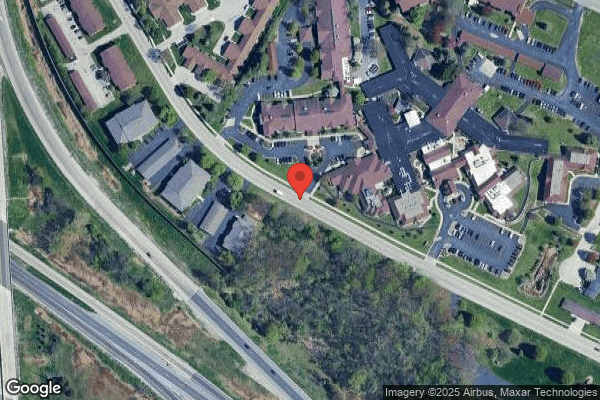
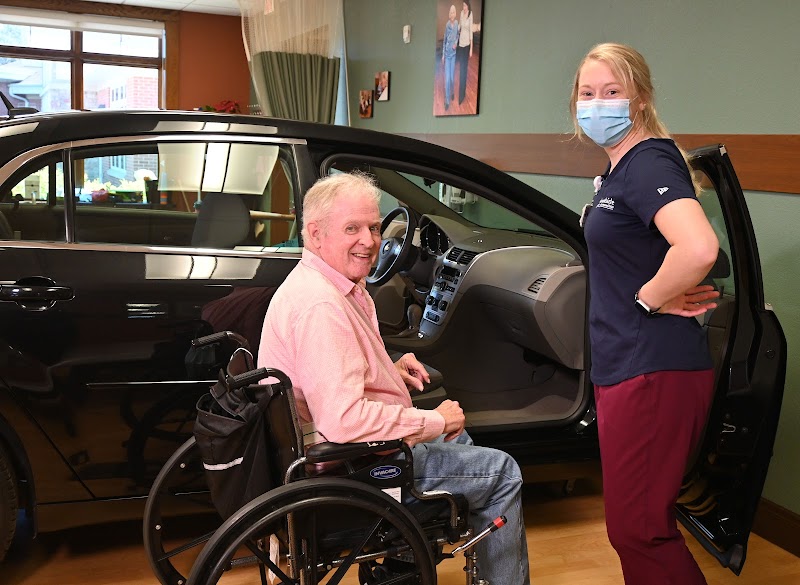
1040 PILGRIM WAY, GREEN BAY, WI 54304 (920) 499-1481
Non profit - Church related 130 Beds Independent Data: November 2025
Trust Grade
90/100
#77 of 321 in WI
Last Inspection: July 2024

Within standard 12-15 month inspection cycle. Federal law requires annual inspections.

Overview

Woodside Lutheran Home in Green Bay, Wisconsin, has received an excellent Trust Grade of A, indicating a high recommendation for families considering this facility. It ranks #77 out of 321 nursing homes in the state, placing it in the top half, and #3 out of 8 in Brown County, meaning there are only two local options that are better. The facility is showing improvement, decreasing from 4 issues in 2022 to just 1 in 2024. Staffing is a strong point, with a 5/5 rating and a turnover rate of 36%, which is lower than the state average of 47%, suggesting stable and experienced staff. However, there have been concerns regarding medication management, with instances of expired medications found and improper administration of medications, indicating areas where the facility needs to improve. Overall, while there are notable strengths in staffing and the facility's trust score, the issues with medication practices are a concern for potential residents and their families.

Trust Score
A
90/100
In Wisconsin
#77/321
Top 23%
Safety Record
Low Risk
No red flags
Inspections
Getting Better
4 → 1 violations
Staff Stability
○ Average
36% turnover. Near Wisconsin's 48% average. Typical for the industry.
Penalties
✓ Good
No fines on record. Clean compliance history, better than most Wisconsin facilities.
Skilled Nurses
✓ Good
Each resident gets 80 minutes of Registered Nurse (RN) attention daily — more than 97% of Wisconsin nursing homes. RNs are the most trained staff who catch health problems before they become serious.
Violations
✓ Good
Only 5 deficiencies on record. Cleaner than most facilities. Minor issues only.
★★★★★
5.0
Overall Rating
★★★★★
5.0
Staff Levels
★★☆☆☆
2.0
Care Quality
★★★★★
5.0
Inspection Score
Stable
2022: 4 issues
2024: 1 issues

The Good

  • 5-Star Staffing Rating · Excellent nurse staffing levels
  • Full Sprinkler Coverage · Fire safety systems throughout facility
  • No fines on record
  • Staff turnover below average (36%)

    12 points below Wisconsin average of 48%

Facility shows strength in staffing levels, fire safety.

The Bad

Staff Turnover: 36%

Near Wisconsin avg (46%)

Typical for the industry

The Ugly 5 deficiencies on record

Jul 2024 1 deficiency
CONCERN (E)

Potential for Harm - no one hurt, but risky conditions existed

Deficiency F0761 (Tag F0761)

Could have caused harm · This affected multiple residents

**NOTE- TERMS IN BRACKETS HAVE BEEN EDITED TO PROTECT CONFIDENTIALITY** Based on observation, staff interview, and record review, the facility did not ensure medications for 11 Residents (R) (R33, R40...

Read full inspector narrative →
**NOTE- TERMS IN BRACKETS HAVE BEEN EDITED TO PROTECT CONFIDENTIALITY** Based on observation, staff interview, and record review, the facility did not ensure medications for 11 Residents (R) (R33, R404, R28, R21, R6, R76, R47, R65, R44, R15 and 26) of 11 residents in 4 of 8 medication carts and 3 of 5 treatment carts were stored, labeled, and/or dated appropriately. In addition, the facility did not ensure alcohol wipes, sterile syringes, and other medical supplies that were stored in 3 of 5 medication rooms were discarded after they expired Medication carts, treatment carts, and medication rooms contained opened, undated, unlabeled, and/or expired stock medication, treatment supplies, and prescribed medication for R33, R404, R28, R21, R6, R76, R47, R65, R44, R15, and R26. Findings include: The facility's Medication Storage policy, with a revision date of January 2018, indicates: .H) Outdated, contaminated, or deteriorated medications and those in containers that are cracked, soiled, or without secure closures are immediately removed from inventory, disposed of according to procedures for medication disposal .Expiration dating (beyond use dating): .C) Certain medications or package types, such as intravenous (IV) solutions, multiple dose injectable vials, ophthalmics, .blood sugar testing solutions and strips, once opened, require an expiration date shorter than the manufacturer's expiration date to ensure medication purity and potency .; D) When the original seal of the manufacturer's container or vial is initially broken, the container or vial will be dated: 1. The nurse shall place a date opened sticker on the medication and enter the date opened and the new date of expiration. The expiration date of the vial or container will be 30 days unless the manufacturer recommends another date or regulations/guidelines require different dating; F) No expired medication will be administered to a resident; G) All expired medications will be removed from the active supply and destroyed in the facility, regardless of amount remaining .; I) Nursing staff should consult with the dispensing pharmacist for any questions related to medication expiration dates . The facility's Medication Administration policy, with a revision date of 1/19/22, indicates: .4) Administration of any prescription medications will meet the following requirements: .b. For storage and stability of bulk medications and insulin products, nursing is to refer to the pharmacy provided storage and stability recommendations. Nursing is to compare the manufacturer's expiration date to the pharmacy label expiration date and use whichever date comes first. Nursing will label and/or date each medication as appropriate .;10) Medication Cart: .c. All eye drops, insulin, etc., must be dated when opened. Most of these medications expire 28 days after opening. Mutli-dose vials must be dated when opened . On 7/29/24 at 8:36 AM, Surveyor observed Licensed Practical Nurse (LPN)-I administer medication for R33 and noted the following: ~ An Albuterol Nebulizer 0.083% vial from an open foil package that did not contain an open date. LPN-I verified there was no open date and indicated there should have been an open date on the package. On 7/29/24 at 8:58 AM, Surveyor observed LPN-I administer medication for R404 and noted the following medication was open and did not contain an open date on the package or the inhaler: ~ Trelegy Ellipta 200 mcg (micrograms)/62.5 mcg/25 mcg inhaler. The package indicated the medication expired 42 days after opening. On 7/30/24 at 9:23 AM, Surveyor observed the medication storage room and treatment cart on the P.R. unit with Registered Nurse (RN)-G and noted the following: ~ Four packages of two 9 x 10.5 inch Medline Readyprep 2% chlorhexidine gluconate disposable cloths with an expiration date of December 2023. ~ Fifty nine packets of [NAME] lubricating jelly (144 packs per box) Lot: CHBJ04-05 with an expiration date of 4/28/23 mixed with packets with an expiration date of 8/8/25. ~ One package of Medline Therahoney sheet HD, honey impregnated wound dressing 2 x 2 square, Lot: W0197886 with an expiration date of 7/2022. ~ Two packages of Medline Maxorb II alginate wound dressing 4 x 4 square; Lot (10): 83620118779 with an expiration date of 11/1/23. On 7/30/24 at 10:42 AM, Surveyor verified the above items with RN-G who confirmed the items were expired and should have been discarded. On 7/30/24 at 10:44 AM, Surveyor verified the above items with Nurse Manager (NM)-H who confirmed the above items were expired and should have been discarded. On 7/30/24 at 11:32 AM, Surveyor observed medication carts on the H.B. unit with LPN-F and noted the following: ~ An open and undated Flonase Sensimist suspension 27.5 mcg nasal spray for R28. ~ An open Humulin Kwik Pen 70/30 for R21 with no open date on the pen or storage bag. ~ An open and undated bottle of Geri Care extra strength acetaminophen 500 mg. ~ An open bottle of Artificial Tears ophthalmic solution for R6 dated of 5/16/24. Per facility's policy, the medication expired 30 days after opening. ~ An open bottle of Artificial Tears ophthalmic solution for R76 dated of 5/16/24. Per the facility's policy, the medication expired 30 days after opening. ~ An open and undated Albuterol AER HFA 90 mcg inhaler for R47. ~ A vial of Lantus Injection 100/ml insulin for R65 with an expiration date of 7/27/24. The insulin expired 28 days after opening. In addition, Surveyor observed an open and undated 0.25 ounce tube of 10% Zilactin B Gel for R65. ~ An open and undated Fluticasone Propionate 50 mcg nasal spray and an open and undated QVAR Redihaler AER 80 mcg inhaler for R44. On 7/30/24 at 12:30 PM, Surveyor observed the H.B. unit medication room and treatment cart and noted the following: ~ One box of [NAME] 3 cc (cubic centimeter) sterile syringes Lot-CJCA06-06 with an expiration of 5/31/26 stored with 7 syringes Lot-CKD112-04 with an expiration date of 11/4/24 and 2 syringes Lot-CKDG06-03 with an expiration date of 5/3/22. ~ An open and undated 16 ounce bottle of Biotene dry mouth oral rinse. ~ An open, unlabeled, and undated 1.5 ounce tube of Medihoney #31515. On 7/30/24 at 12:50 PM, Surveyor interviewed LPN-F regarding observations on the H.B. unit. LPN-F stated syringes with different expiration dates should not be stored in the same box and staff should confirm the expiration date prior to use. LPN-F verified the syringes had different expiration dates and verified two of the syringes were expired and should not be used. LPN-F also verified the tube of Medihoney was not in a package and was not labeled with a name or open/expiration date. LPN-F also verified the bottle of Biotene did not contain an open date. On 7/30/24 at 1:25 PM, Surveyor interviewed NM-C regarding Surveyor's observations. NM-C stated syringes with different expiration dates should not be stored together and expired items should be discarded. NM-C also stated open medications, treatments, and other medical supplies should be labeled with the resident's name and/or open date. Rehab Units: On 7/30/24 at 9:21 AM, Surveyor observed the medication storage room on the Rehab Unit and noted an open and undated bottle of 3% hydrogen peroxide. On 7/30/24 at 9:28 AM, Surveyor observed the medication cart on Rehab Unit 1 and noted the following: ~ An open, unlabeled, and undated Fluticasone/Salmeterol AER 230-21 inhaler for R15. ~ An open and undated Fluticasone SPR 50 mcg nasal spray for R26. ~ An open Lidocaine 1% injectable vial with the cap taped on and an open date of 7/23/24. ~ An unlabeled and undated tube of what appeared to be glucose tabs. ~ An open and undated bottle of Pro-Stat AWC. The bottle indicated the shelf life was 3 months after opening. ~ An open, unlabeled, and undated tube of Bengay. ~ An open and unlabeled tube of Intensive Skin Therapy. ~ An open and unlabeled tube of Biofreeze with a pharmacy label that was torn off. ~ Two tubes of [NAME] Hydrogel Amorphous wound dressing with an expiration date of 6/2024. ~ One box of [NAME] alcohol prep pads with an expiration date of 9/2023. On 7/30/24 at 10:13 AM, Surveyor interviewed RN-D who confirmed the unlabeled and expired items. On 7/30/24 at 10:15 AM, Surveyor observed the medication storage area on Rehab Unit 2 and noted the following: ~ Three tubes of [NAME] Hydrogel Amorphous wound dressing with expiration dates of 6/2024, 7/2023, and 9/2022. ~ A tube of Medline Skintegrity Hydrogel with an expiration date of 4/2022. ~ An open and undated bottle of [NAME] PVP prep solution USP 10% povidone iodine. On 7/30/24 at 10:30 AM, Surveyor interviewed RN-E who confirmed the expiration dates of the items and verified the bottle of iodine did not contain an open date. On 7/30/24 at 1:35 PM, Surveyor interviewed NM-C who verified expired medications should be discarded. NM-C also verified inhalers and nasal sprays should contain open dates and residents' names per the facility's policy.
Nov 2022 1 deficiency
CONCERN (D) 📢 Someone Reported This

A family member, employee, or ombudsman was alarmed enough to file a formal complaint

Potential for Harm - no one hurt, but risky conditions existed

Pharmacy Services (Tag F0755)

Could have caused harm · This affected 1 resident

Based on observation, interview and record review, the facility failed to ensure accurate administration of pharmaceuticals for 1 Resident (R) (R4) of 3 residents reviewed for accurate medication admi...

Read full inspector narrative →
Based on observation, interview and record review, the facility failed to ensure accurate administration of pharmaceuticals for 1 Resident (R) (R4) of 3 residents reviewed for accurate medication administration. Potassium Chloride 10 meq ER (Extended Release) (used to treat and prevent low blood potassium) was ordered by physician to be administered to R4. Registered Nurse (RN)-C attempted to crush Extended-Release medications and Surveyor intervened. Findings include: The National Library of Medicine, in a 1/2022 web based publication, indicated the following about Potassium Chloride 10 meq ER: Swallow tablets whole without crushing, chewing or sucking. The facility policy titled Medication Administration with revised date 1/19/22, stated: Medications that cannot be crushed: Extended release. On 11/3/22 at 8:45 AM, Surveyor observed RN-C begin to prep R4's medications. During the process RN-C verbalized that R4 has difficulty with swallowing and will crush medications. On 11/3/22 at 8:53 AM, Surveyor observed RN-C begin to place R4's Potassium Chloride 10 meq ER tab in bag used to crush medications. At this time Surveyor intervened and asked RN-C if all R4's medication should be crushed. RN-C stated, I think so. RN-C reviewed R4's medical record and stated no, the Potassium Extended-Release should not be crushed. RN-C Verified no Extended-Release medications should be crushed. On 11/3/22 at 11:02 AM, Surveyor interviewed Nursing Home Administrator (NHA)-A regarding if Extended-Release medications should be crushed. NHA-A verified Extended-Release medication should not be crushed.
Aug 2022 3 deficiencies
CONCERN (D)

Potential for Harm - no one hurt, but risky conditions existed

Deficiency F0661 (Tag F0661)

Could have caused harm · This affected 1 resident

Based on staff interview and record review, the facility did not ensure a Resident (R) with a planned discharge had a discharge summary including a recapitulation (recap) of stay for 1 (R354) of 2 sam...

Read full inspector narrative →
Based on staff interview and record review, the facility did not ensure a Resident (R) with a planned discharge had a discharge summary including a recapitulation (recap) of stay for 1 (R354) of 2 sampled closed records. The facility did not create a recap of R354's stay when R354 was discharged to an Assisted Living Facility (ALF). Findings include: On 8/2/22, Surveyor reviewed R354's medical record which documented R354 resided at the facility from 12/29/21 through 2/7/22. R354's record contained order for discharge to (named) ALF, prescriptions to be sent to (named) pharmacy, and (named) therapy services to treat after discharge. Surveyor noted R354's last progress note entry on 2/7/22 addressed a fall R354 had on 2/5/22. No progress note was entered indicating R354 left the facility. R354 did not have a discharge assessment completed in Electronic Health Record (EHR). R354's Minimum Data Set (MDS) discharge assessment, dated 2/7/22, verified R354 discharged to the community. On 8/2/22 at 2:40 PM, Surveyor interviewed Director of Nursing (DON)-B regarding R354. DON-B explained R354 started out in skilled (rehabilitation therapy/short term stay) then remained in building in the Long Term Care (LTC) section. DON-B reviewed R354's medical record and verified R354 did not have a discharge assessment completed in the EHR. The discharge assessment form had an area to enter a recap of stay. DON-B explained the facility's practice was to fill out the EHR discharge assessment form when planned discharges happened. The responsibility for completion typically was handled by the care transitions coordinator for skilled discharges. DON-B verbalized that the facility didn't have many discharges from LTC so no facility staff was designated to complete the discharge assessment. DON-B indicated that for long term care residents, generally the Primary Care Provider (PCP) completed a final recap of stay. DON-B confirmed R354's PCP did not complete a recap for R354. DON-B denied the existence of a system to check if PCP completed recaps for residents discharged from LTC.
CONCERN (D)

Potential for Harm - no one hurt, but risky conditions existed

Medication Errors (Tag F0758)

Could have caused harm · This affected 1 resident

Based on staff interviews and record review, the facility did not ensure identification of individualized depression symptoms, monitoring of identified symptoms, and non-pharmacological responses were...

Read full inspector narrative →
Based on staff interviews and record review, the facility did not ensure identification of individualized depression symptoms, monitoring of identified symptoms, and non-pharmacological responses were care planned for individualized depression symptoms for a Resident (R) diagnosed with depression and treated with anti-depressant medication(s) for 2 (R8 and R82) of 5 residents reviewed for medications. Findings include: Psychology Today (https://www.psychologytoday.com/us/basics/depression/signs-depression) documents Mood dysregulation revealed by unrelenting sadness may be the sign most associated with depression, but the disorder can be reflected in impaired functioning in almost every system of the body, from sexual desire to pain perception . Because depression is complex and affects so many systems of the body, it has many manifestations, and which ones are most prominent can vary from person to person. 1. From 8/2/22 through 8/3/22, Surveyor reviewed R8's medical record which documented R8 had a diagnosis of depression and was prescribed two anti-depressant medications, buproprion and duloxetine, taken daily. R8 did not have an activated Power of Attorney (POA) for health care and was responsible for R8's own medical decision making. R8's most recent Minimum Data Set (MDS) assessment, dated 7/27/22, documented R8's Brief Interview for Mental Status (BIMS) score was 15 out of 15 (cognition intact). R8's Patient Health Questionnaire-9 (PHQ-9) (brief depression assessment) score was 9 out of 27 (mild depression). Details of R8's PHQ-9 assessment revealed depression affected R8's speed of movement, sleep patterns, interest or pleasure in doing things, overall feelings, and feelings about self. Surveyor noted R8's care plan did not identify R8's target behaviors or non-pharmacological interventions for R8's depression. Facility behavior monitoring was not individualized but instead included generalized behavior monitoring for frequent crying, repeated movement, yelling/screaming, kicking/hitting, pushing, grabbing, pinching/scratching/spitting, biting, wandering, abusive language, threatening behavior, sexually inappropriate behavior/comments, and rejection of care. R8 was documented as not having behaviors in any of the listed categories. On 8/3/22 at 2:20 PM, Surveyor interviewed Registered Nurse (RN)-C, who verified being a nursing manager, regarding R8's depression care plan. RN-C verified no target behaviors or non-pharmacological interventions were documented. RN-C indicated R8's depression was stable. RN-C explained that when residents are admitted with anti-depressants, the symptoms are usually not being exhibited so target behaviors are frequently unknown until Gradual Dose Reduction (GDR) trials fail. RN-C claimed nurses would know if a depression related symptom began because of overall monitoring during interactions. Surveyor questioned why target behaviors and interventions were identified for residents with anxiety but not depression. RN-C indicated anxiety is more likely to be treated with a PRN (as needed) medication and target behaviors identification assisted staff with ensuring medication was administered appropriately when needed. RN-C confirmed R8 was not interviewed to determine target behaviors that led to the use of medication or which non-pharmacological interventions were useful to respond to R8's symptoms. RN-C indicated RN-C talked with R8 on date of Surveyor interview (8/3/22) about depression and R8 told RN-C R8 was depressed because of being in nursing home. Surveyor noted R8 was admitted with anti-depressant medications and no changes in dose happened since admission. 2. From 8/2/22 through 8/3/22, Surveyor reviewed R82's medical record which documented R82 had a diagnosis of depression and was prescribed mirtazapine (anti-depressant) taken daily. R82 had an activated POA for health care and a diagnosis of dementia. R8's most recent MDS assessment, dated 7/5/22, documented R82's BIMS score was 8 out of 15 (moderately impaired cognition). R8's PHQ-9 score was 4 out of 27 (minimal depression). Details of R82's PHQ-9 assessment revealed depression affected R82's sleep, overall feelings, and R82 frequently felt R82 may be better off dead or thought of hurting R82's self. Surveyor noted R82's care plan did not identify R82's target behaviors. One none non-pharmacological intervention was to offer R82 opportunities to socialize and share thoughts and feelings. Facility behavior monitoring was not individualized but instead included generalized behavior monitoring for frequent crying, repeated movement, yelling/screaming, kicking/hitting, pushing, grabbing, pinching/scratching/spitting, biting, wandering, abusive language, threatening behavior, sexually inappropriate behavior/comments, and rejection of care. R82 was documented as rejecting care one time in 30 days reviewed. On 8/3/22 at 2:04 PM, Surveyor interviewed RN-C regarding R82's depression care plan. RN-C verified no target behaviors were documented. RN-C indicated R82's depression was stable but R82 sometimes cried or made statements of wanting to go home. RN-C verbalized that R82's symptoms usually resolved quickly and staff knew to comfort and redirect R82. RN-C explained that when residents are admitted with anti-depressants, the symptoms are usually not being exhibited so target behaviors are frequently unknown until GDR trials fail. RN-C claimed nurses would know if a depression related symptom began because of overall monitoring during interactions. Surveyor questioned why target behaviors and interventions were identified for residents with anxiety but not depression. RN-C indicated anxiety is more likely to be treated with a PRN medication and target behaviors identification assisted staff with ensuring medication was administered appropriately when needed. RN-C confirmed R82 and R82's POA were not interviewed to determine target behaviors that led to the use of medication or which non-pharmacological interventions were useful to respond to R82's symptoms. RN-C verified most behaviors listed on monitoring, such as kicking and biting, were not R82's symptoms of depression. RN-C revealed R82's one rejection of care was most likely not a symptom of R82's depression.
CONCERN (E)

Potential for Harm - no one hurt, but risky conditions existed

Accident Prevention (Tag F0689)

Could have caused harm · This affected multiple residents

**NOTE- TERMS IN BRACKETS HAVE BEEN EDITED TO PROTECT CONFIDENTIALITY** 3. From 8/1/22 through 8/3/22, the Surveyor reviewed R354's medical record which documented R354 was admitted to the facility on...

Read full inspector narrative →
**NOTE- TERMS IN BRACKETS HAVE BEEN EDITED TO PROTECT CONFIDENTIALITY** 3. From 8/1/22 through 8/3/22, the Surveyor reviewed R354's medical record which documented R354 was admitted to the facility on [DATE] and discharged on 2/7/22 with diagnoses that included: non-displaced intertrochanteric fracture of right femur, repeated falls, history of falling, muscle weakness, Parkinson's disease, covid-19, cognitive communications deficit, dysphagia, aphasia, delirium due to known physiological condition, major depression disorder, extrapyramidal and movement disorder. R354 Power of Attorney for Healthcare (POAHC) was activated on 1/10/22. R354 had a BIMS, dated 1/10/22, of 8/15 which indicated R354 had mild cognitive impairment. R354 had an extensive history of falls, including unwitnessed falls on 12/29/21, 1/5/22 and 2/5/22. On 12/29/21 R354 was found on floor in R354's room. The Surveyor noted neuro checks as well as vital signs were initiated but the documentation showed blanks where neuro checks and vital signs were not consistently completed. On 1/5/22 R354 was found on knees in room. The surveyor noted vital signs were initiated but the documentation showed blanks where vital signs were not consistently competed. The surveyor did not observe documentation of neuro checks completed for the fall on 1/5/22. On 2/5/22 R354 was found sitting on floor next to recliner. The Surveyor did not observe documentation of neuro checks or vital signs completed for fall on 2/5/22. On 8/2/22 at 4:25 PM, the Surveyor interviewed DON-B regarding neuro checks being completed after an unwitnessed fall. DON-B verified they expected staff to complete neuro checks per policy. The Surveyor specifically asked about neuro checks and unwitnessed falls. DON-B verified neuro checks should be completed for all unwitnessed falls. DON-B verified R354's neuro checks were not completed at all on 1/5/22 and 2/5/22 and not consistently completed for fall on 1/29/22. Based on staff interviews and record review, the facility did not ensure a Resident (R) with an unwitnessed fall had neurological checks completed to screen for subdural hematoma (blood collection on surface of the brain) for 5 (R8, R56, R354, R36, and R6) of 6 residents reviewed for falls. The facility did not implement their policy to consistently complete neurological checks and/or vital signs after R8 had unwitnessed falls on 5/8/22, 6/20/22, 7/19/22, and 7/20/22. The facility did not implement their policy to consistently complete neurological checks after R56 had an unwitnessed fall on 6/2/22 that resulted in an ankle fracture. The facility did not implement their policy to consistently complete neurological checks after R354 had an unwitnessed fall on 12/29/21, 1/5/22, and 2/5/22. The facility did not implement their policy to consistently complete neurological checks after R36 had an unwitnessed fall on 4/22/22, 4/24/22, 4/30/22, and 7/2/22. The facility did not implement their policy to consistently complete neurological checks after R6 had an unwitnessed fall while transferring self from R6's wheelchair to the bed on 5/5/22. Findings include: The facility policy titled Fall Prevention Program, with a revised date of 10/24/16, states: Neuro checks and vital signs will be initiated post fall if the fall was unwitnessed, or head injury occurred. The timeframe for these is: at time of incident, 30 minutes post incident, 1 hour x 6, Q (every) shift x 8. Staff may utilize neurologic vitals flow sheet post fall as a recording tool on the nursing drive. 1. R8 was admitted to the facility on [DATE] with diagnoses that included: Encounter for orthopedic aftercare; Type 2 Diabetes with diabetic kidney complication; congestive heart failure; early onset Alzheimer's disease; dementia without behavioral disturbance; osteoarthritis; chronic pain; lymphedema (swelling in the arm or leg); obesity; psychophysiologic insomnia (inability to sleep); anxiety disorder; depression; acquired absence of right leg above knee; bipolar disorder; muscle weakness; need for assistance with personal care. R8 did not have an activated Power of Attorney (POA) at the time of this review. On the Minimum Data Set (MDS) (a comprehensive assessment completed on each resident at regular intervals or upon a significant change of condition) dated 7/27/22, R8 had a Brief Interview of Mental Status (BIMS) (a brief verbal test that indicates the level of one's cognition) of 14/15 (indication resident is cognitively intact), though R8's records show R8's cognition and level of alertness did vary greatly. Between 8/1/22 and 8/3/22, Surveyor reviewed R8's medical records and noted R8 had 4 unwitnessed falls and neuro checks and/or vitals were not implemented per policy. R8's medical record showed falls on: ~5/8/22 - unwitnessed fall, R8 found sitting upright on floor facing bed with reddened area to left eyebrow. R8 indicated R8 may have hit head. Neurological checks and vitals were initiated at 9:45 AM and 10:15 AM, then R8 was sent to the hospital for evaluation. R8 returned from the hospital on 5/9/22 and Neurological checks were not re-started. 6 Neurological checks and 6 out of 16 vital signs were missed post fall. ~6/20/22 - R8 had an unwitnessed fall in which the CNA found R8 sitting next to the bed on the floor. R8 denied hitting head. Neurological checks were not initiated and 10 out of 16 vital signs were missed post fall. ~7/19/22 - R8 had an unwitnessed fall in which CNA entered R8's room and found R8 laying on right side in front of recliner. R8 denied hitting R8's head. At the time of the fall neurological checks were completed, but the facility was unable to provide any further post fall neurological checks. 7 out of 16 post fall vitals were missed as well. ~7/20/22 - R8 had an unwitnessed fall in which R8 was found on the floor in front of recliner. R8 indicated R8 was having a dream R8 was riding a horse and fell off and woke up on the floor. The fall record does not indicate if R8 had hit head. Vital signs were completed per facility policy, though R8's medical record showed only an initial neurological check at the time of the fall was completed and nothing further. On 8/3/22, Surveyor interviewed Licensed Practical Nurse (LPN-D) who indicated that neuro checks and vitals were completed if there was an unwitnessed fall or a witnessed fall in which a resident hits head. LPN-D also indicated that if a resident was cognitively intact and had an unwitnessed fall and the resident indicated they did not hit their head, neuro checks would not be completed. On 8/3/22 at 1:25 PM, Surveyor interviewed DON-B who confirmed that neuro checks should have been continued for R8 upon return from hospital for the fall on 5/8 since R8 did indicate R8 hit head. DON-B also indicated that staff were not doing neuro checks if resident's cognition was intact and if resident indicated they did not hit their head. DON-B also indicated that if the resident indicated they did not hit head, vitals were only done 1 time per shift which is why their were sections crossed out on the vitals sheet. DON-B confirmed staff should have completed neuro checks and vital signs per policy for the above falls for R8 and further education to staff would be provided. 2. R56 was admitted to the facility on [DATE] with diagnoses that included: diabetes mellitus; dementia; peripheral vascular disease (can cause leg pain when walking); and congestive heart failure. R56 had a BIMS score of 12/15 on the most recent MDS of 7/29/22. R56 did not have an activated power of attorney. Between 8/1/22 and 8/3/22, Surveyor reviewed R56's medical record and noted that R56 had an unwitnessed fall on 6/2/22 in which R56 was found lying flat on R56's back in the bathroom doorway. R56 had been ambulating with walker per usual and indicated ankle had twisted and R56 fell to the floor. R56 denied hitting R56's head. neuro checks were not initiated post fall and 7 out of 16 vital signs were missed post fall. On 8/3/22, Surveyor interviewed LPN-D who indicated that neuro checks and vitals were completed if there is an unwitnessed fall or a witnessed fall in which a resident hits head. LPN-D also indicated that if a resident was cognitively intact and had an unwitnessed fall and the resident indicated they did not hit their head, neuro checks would not be completed. On 8/3/22 at 1:25 PM, Surveyor interviewed DON-B who indicated that staff were not doing neuro checks if resident's cognition was intact and if resident indicated they did not hit their head. DON-B also indicated that if the resident indicated they did not hit head, vitals were only done 1 time per shift which is why their were sections crossed out on the vitals sheet. DON-B confirmed staff should have completed neuro checks and vital signs per policy for the above fall for R56 and further education to staff would be provided. 3. R36 was admitted on [DATE] with diagnoses including severe protein-calorie malnutrition, Parkinson's Disease, unspecified dementia without behavioral disturbance, fracture of right and left femur, and repeated falls. R36's MDS dated [DATE] included a BIMS score of 6 meaning severely impaired cognition. Between 8/1/22 and 8/3/22, Surveyor reviewed R36's medical record and noted that R36 had unwitnessed falls on 4/22/22, 4/24/22, 4/30/22, and 7/2/22. On 4/22/22 four vital were missed post fall. On 4/24/22 two neuro checks and four vitals were missed post fall. On 4/30/22 two neuro checks and two vitals were missed post fall. On 7/2/22 one neuro check and one vital signs were missed post fall. 5. From 8/1/22 through 8/3/22, the Surveyor reviewed R6's medical record which documented R6 had a BIMS score of 15 out of 15 indicating R6 was cognitively intact. R6 had diagnoses to include repeated falls, unsteadiness on feet, and muscle weakness. R6 had an extensive history of falls, including an unwitnessed fall on 5/5/22 when R6 was found on the floor by staff. R6 told the staff R6 was attempting to transfer self from R6's wheelchair to the bed when the fall occurred. Nurses notes indicated nurse initiated facility fall protocol with VS (vital signs) and neuro checks. The Surveyor noted neuro checks as well as vital signs were initiated but the documentation showed blanks where neuro checks and vital signs were not consistently completed. On 8/3/22 at 11:32 AM, the Surveyor interviewed DON (Director of Nursing)-B regarding incomplete neurological checks for R6. DON-B verified the neuro checks for R6 were not consistently completed. DON-B indicated DON-B had previously completed audits on residents who had unwitnessed falls and noted neuro checks and vital signs were not getting completed consistently. DON-B further added education was provided previously to the nursing staff (nurses and CNAs (Certified Nursing Assistants) regarding completion of neuro checks and vital signs. DON-B indicated there would be additional education provided to staff following this survey.
Understanding Severity Codes (click to expand)
Life-Threatening (Immediate Jeopardy)
J - Isolated K - Pattern L - Widespread
Actual Harm
G - Isolated H - Pattern I - Widespread
Potential for Harm
D - Isolated E - Pattern F - Widespread
No Harm (Minor)
A - Isolated B - Pattern C - Widespread

Questions to Ask on Your Visit

  • "Can I speak with families of current residents?"
  • "What's your RN coverage like on weekends and overnight?"

Our Honest Assessment

Strengths
  • • Grade A (90/100). Above average facility, better than most options in Wisconsin.
  • • No major safety red flags. No abuse findings, life-threatening violations, or SFF status.
  • • No fines on record. Clean compliance history, better than most Wisconsin facilities.
  • • Only 5 deficiencies on record. Cleaner than most facilities. Minor issues only.
Concerns
  • • No significant concerns identified. This facility shows no red flags across CMS ratings, staff turnover, or federal penalties.
Bottom line: Generally positive indicators. Standard due diligence and a personal visit recommended.

About This Facility

What is Woodside Lutheran Home's CMS Rating?

CMS assigns WOODSIDE LUTHERAN HOME an overall rating of 5 out of 5 stars, which is considered much above average nationally. Within Wisconsin, this rating places the facility higher than 99% of the state's 100 nursing homes. This rating reflects solid performance across the metrics CMS uses to evaluate nursing home quality.
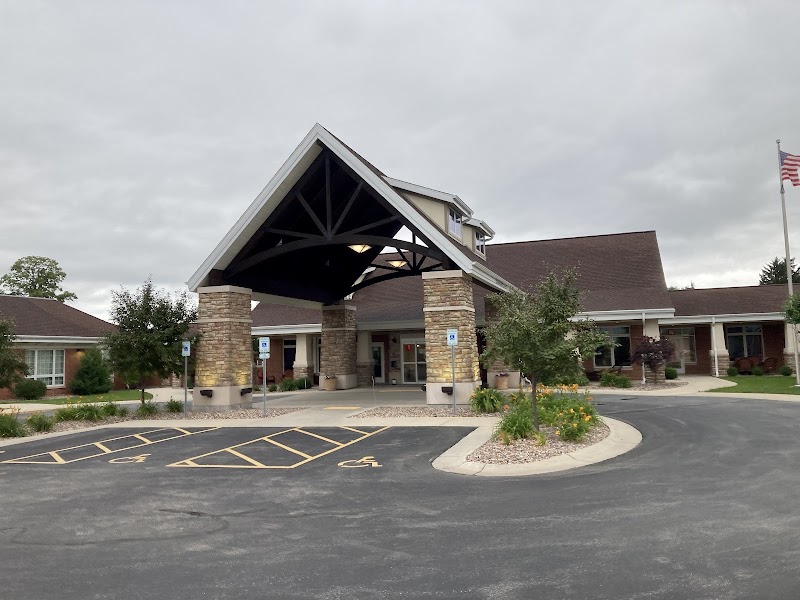
How is Woodside Lutheran Home Staffed?

CMS rates WOODSIDE LUTHERAN HOME's staffing level at 5 out of 5 stars, which is much above average compared to other nursing homes. Staff turnover is 36%, compared to the Wisconsin average of 46%. This relatively stable workforce can support continuity of care.

What Have Inspectors Found at Woodside Lutheran Home?

State health inspectors documented 5 deficiencies at WOODSIDE LUTHERAN HOME during 2022 to 2024. These included: 5 with potential for harm.
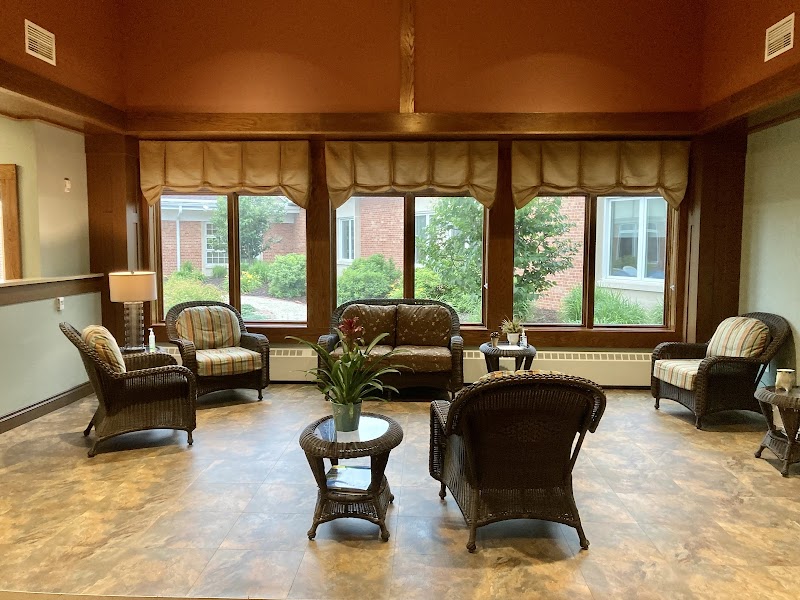
Who Owns and Operates Woodside Lutheran Home?

WOODSIDE LUTHERAN HOME is owned by a non-profit organization. Non-profit facilities reinvest revenue into operations rather than distributing to shareholders. The facility operates independently rather than as part of a larger chain. With 130 certified beds and approximately 92 residents (about 71% occupancy), it is a mid-sized facility located in GREEN BAY, Wisconsin.

How Does Woodside Lutheran Home Compare to Other Wisconsin Nursing Homes?

Compared to the 100 nursing homes in Wisconsin, WOODSIDE LUTHERAN HOME's overall rating (5 stars) is above the state average of 3.0, staff turnover (36%) is near the state average of 46%, and health inspection rating (5 stars) is much above the national benchmark.

What Should Families Ask When Visiting Woodside Lutheran Home?

Based on this facility's data, families visiting should ask: "Can I visit during a mealtime to observe dining assistance and food quality?" "How do you handle medical emergencies, and what is your hospital transfer rate?" "Can I speak with family members of current residents about their experience?"

Is Woodside Lutheran Home Safe?

Based on CMS inspection data, WOODSIDE LUTHERAN HOME has a clean safety record: no substantiated abuse findings (meaning no confirmed cases of resident harm), no Immediate Jeopardy citations (the most serious violation level indicating risk of serious injury or death), and is not on the Special Focus Facility watch list (a federal program monitoring the lowest-performing 1% of nursing homes). The facility has a 5-star overall rating and ranks #1 of 100 nursing homes in Wisconsin. While no facility is perfect, families should still ask about staff-to-resident ratios and recent inspection results during their visit.

Do Nurses at Woodside Lutheran Home Stick Around?

WOODSIDE LUTHERAN HOME has a staff turnover rate of 36%, which is about average for Wisconsin nursing homes (state average: 46%). Moderate turnover is common in nursing homes, but families should still ask about staff tenure and how the facility maintains care continuity when employees leave.

Was Woodside Lutheran Home Ever Fined?

WOODSIDE LUTHERAN HOME has no federal fines on record. CMS issues fines when nursing homes fail to meet care standards or don't correct problems found during inspections. The absence of fines suggests the facility has either maintained compliance or corrected any issues before penalties were assessed. This is a positive indicator, though families should still review recent inspection reports for the full picture.

Is Woodside Lutheran Home on Any Federal Watch List?

WOODSIDE LUTHERAN HOME is not on any federal watch list. The most significant is the Special Focus Facility (SFF) program, which identifies the bottom 1% of nursing homes nationally based on persistent, serious quality problems. Not being on this list means the facility has avoided the pattern of deficiencies that triggers enhanced federal oversight. This is a positive indicator, though families should still review the facility's inspection history directly.