MILWAUKEE CATHOLIC HOME
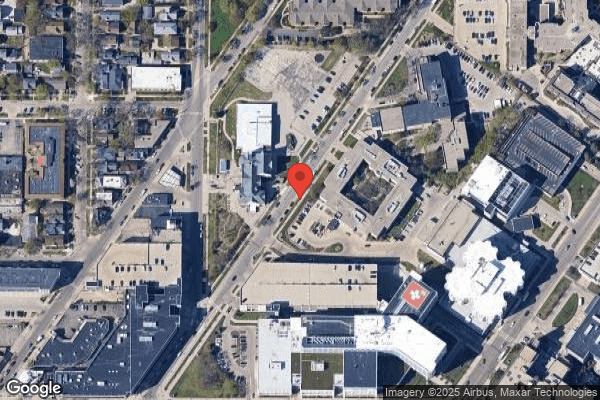
2330 N PROSPECT AVE, MILWAUKEE, WI 53211 (414) 220-4610
Non profit - Corporation 107 Beds Independent Data: November 2025
Trust Grade
85/100
#48 of 321 in WI
Last Inspection: June 2025

Inspected within the last 6 months. Data reflects current conditions.

Overview

Milwaukee Catholic Home has a Trust Grade of B+, which means it is above average and recommended for families considering care options. It ranks #48 out of 321 facilities in Wisconsin, placing it in the top half, and #4 out of 32 in Milwaukee County, indicating only three local options are better. The facility is improving, having reduced issues from eight in 2024 to three in 2025. Staffing is a strong point, with a 5/5 star rating and a turnover rate of 37%, which is well below the state average. There have been concerns regarding food safety, including improper sanitation of dishes and unsafe food storage temperatures, which could impact residents' health. However, it is worth noting that there have been no fines recorded, and the overall care quality is rated excellent.

Trust Score
B+
85/100
In Wisconsin
#48/321
Top 14%
Safety Record
Low Risk
No red flags
Inspections
Getting Better
8 → 3 violations
Staff Stability
○ Average
37% turnover. Near Wisconsin's 48% average. Typical for the industry.
Penalties
✓ Good
No fines on record. Clean compliance history, better than most Wisconsin facilities.
Skilled Nurses
✓ Good
Each resident gets 64 minutes of Registered Nurse (RN) attention daily — more than 97% of Wisconsin nursing homes. RNs are the most trained staff who catch health problems before they become serious.
Violations
⚠ Watch
15 deficiencies on record. Higher than average. Multiple issues found across inspections.
★★★★★
5.0
Overall Rating
★★★★★
5.0
Staff Levels
★★★★☆
4.0
Care Quality
★★★★☆
4.0
Inspection Score
Stable
2024: 8 issues
2025: 3 issues

The Good

  • 5-Star Staffing Rating · Excellent nurse staffing levels
  • 4-Star Quality Measures · Strong clinical quality outcomes
  • Full Sprinkler Coverage · Fire safety systems throughout facility
  • No fines on record
  • Staff turnover below average (37%)

    11 points below Wisconsin average of 48%

Facility shows strength in staffing levels, quality measures, fire safety.

The Bad

Staff Turnover: 37%

Near Wisconsin avg (46%)

Typical for the industry

The Ugly 15 deficiencies on record

Jun 2025 3 deficiencies
CONCERN (D) 📢 Someone Reported This

A family member, employee, or ombudsman was alarmed enough to file a formal complaint

Potential for Harm - no one hurt, but risky conditions existed

Safe Environment (Tag F0584)

Could have caused harm · This affected 1 resident

Based Observation and interview, the facility did not ensure the tube feeding pole for 1 (R39) of 1 Residents reviewed for cleanliness of tube feeding equipment, had equipment that was clean and opera...

Read full inspector narrative →
Based Observation and interview, the facility did not ensure the tube feeding pole for 1 (R39) of 1 Residents reviewed for cleanliness of tube feeding equipment, had equipment that was clean and operating in a sanitary manner. Multiple observations were made of R39's tube feeding pole having dried tube feeding splatter and adhered debris to the screen, base of pole and cord. Findings include: On 05/29/2025, at 08:30 AM, R39 asked for the tube feeding to be disconnected. Surveyor observed Licensed Practical Nurse (LPN)-G disconnect R39's tubing, removed the tubing from under R39's bottom while on the commode and then hang the tubing on R39's tube feeding pole. Surveyor noted that R39's tube feeding pole was also covered in crust and unknown matter at the base of the pole and the black power cord had debris built up on it. On 06/02/2025, at 08:41 AM, Surveyor noted that R39's tube feeding pole was still filthy with crusty unknown matter consistent with tube feeding, on the screen, black power cord, and base of pole. On 06/02/2025, at 08:41 AM, Surveyor noted R39's tube feeding pole still had crusty unknown matter, consistent with tube feeding, on the screen, base and black power cord. On 06/02/2025, at 09:27 AM, Surveyor interviewed LPN-E on who is responsible for cleaning the tube feeding poles. LPN-E indicated she was not sure who is primarily responsible but may be third shift or cleaning crew. On 06/02/2025, at 10:06 AM, Surveyor interviewed DON-B regarding the observations of R39's tube feeding pole being unclean. DON-B indicated that housekeeping is responsible for cleaning the tube feeding poles, but the nurse could wipe down and clean after themselves. On 06/03/2025, at 08:16 AM, Surveyor observed R39's tube feeding machine still has unknown splatter on the screen, crust on the black power cord and at the base of the pole. On 06/03/2025, at 08:30 AM, Surveyor interviewed Housekeeping-J. Housekeeping-J indicated that nursing is to clean the tube feeding poles. Housekeeping will clean the tube feeding poles once a resident is discharged out of the room. On 06/03/2025, at 08:32 AM, Surveyor interviewed LPN-E. LPN-E indicated that LPN-E will clean the tube feeding poles at the end of the shift, and each shift should be wiping them down at the end of each shift. On 06/03/2025, at 08:34 AM, Surveyor notified DON-B of observations of R39's unclean tube feeding pole. DON-B indicated that the housekeeping director was notified yesterday to clean the tube feeding machine, and they may just need to get a new one. DON-B will go check R39's machine. On 06/03/2025, at 08:42 AM, Surveyor notified NHA-A notified of above concerns. At time of exit, DON-B indicated that the unknown matter on the screen of R39's tube feeding machine was new and indicated that DON-B would expect staff to clean up after themselves. No further information was provided at time of write up.
CONCERN (D) 📢 Someone Reported This

A family member, employee, or ombudsman was alarmed enough to file a formal complaint

Potential for Harm - no one hurt, but risky conditions existed

Infection Control (Tag F0880)

Could have caused harm · This affected 1 resident

**NOTE- TERMS IN BRACKETS HAVE BEEN EDITED TO PROTECT CONFIDENTIALITY** Based on observation and interview the facility did not maintain infection prevention and control designed to reduce the transmi...

Read full inspector narrative →
**NOTE- TERMS IN BRACKETS HAVE BEEN EDITED TO PROTECT CONFIDENTIALITY** Based on observation and interview the facility did not maintain infection prevention and control designed to reduce the transmission of disease and infection for 1 (R39) of 1 resident reviewed for bowel and bladder cares. *On 05/29/2025, Surveyor observed R39 with R39's tubing for their feeding tube under R39 while having a bowel movement, while on R39's bedside commode. Surveyor observed Licensed Practical Nurse (LPN)-G disconnect R39's tubing from R39's feeding tube port, remove the tubing from under R39, hang the tubing back on R39's tube feeding pole, then reconnect R39's tubing to R39's feeding tube port once R39 had returned to R39's chair. On 05/29/2025, Surveyor observed CNA-F clean R39 after a bowel movement, then handed R39 a washcloth with unchanged, dirty gloves, to clean R39's peri area. On 06/03/2025, Surveyor observed CNA-I bring a clear garbage bag of washcloths from the bathroom into R39's room. CNA-I pulled a washcloth from the garbage bag and began wiping R39's buttocks. CNA-I then dropped the clear garbage bag on the floor causing the washcloths to fall onto the floor. CNA-I then picked up a washcloth from the floor and handed the washcloth to R39 so R39 could clean R39's peri area. Findings include: R39 was admitted to the facility on [DATE] with pertinent diagnoses which include, hemiplegia (paralysis of one side of the body) affecting left side and Gastrostomy (an opening into the stomach from the abdominal wall, made surgically for the introduction of food). R39's Annual Minimum Data Set (MDS), dated [DATE], documents R39 is able to understand and be understood, has a Brief Interview for Mental Status score of 15, indicating R39 is cognitively intact. R39 does not exhibit behaviors or rejection of care, has impairment in upper extremity on one side, requires partial/moderate assistance with toileting hygiene and toileting transfers, is frequently incontinent of bowel and bladder. On 05/29/2025, at 08:20 AM, Surveyor observed Certified Nursing Assistant (CNA)-F assist R39 with transferring from R39's reclining chair to R39's bed side commode. Surveyor observed R39 sit directly on R39's tubing for their feeding tube while R39 used the commode. On 05/29/2025, at 08:34 AM, Surveyor observed CNA-F provide cleaning to R39's rectal area after R39 completed a bowel movement. R39 asked CNA-F for a washcloth for R39 to clean R39's peri area with. CNA-F then handed R39 a washcloth using CNA-F's dirty gloves. CNA-F then grabbed R39's cream and applied the cream to R39's buttock with dirty, unchanged gloves. On 05/29/2025, at 10:07 AM, Surveyor checked with R39. Surveyor noted R39's tube feeding was connected to R39 and running. R39 indicated that staff reconnected R39's tube feeding and did not change the tubing prior to reconnecting to R39. On 05/29/2025, at 10:11 AM, Surveyor interviewed Clinical Consultant Director RN-H regarding what Clinical Consultant Director RN-H would expect to be done if a resident sat on their tubing for their feeding tube while using the toilet. Clinical Consultant Director RN-H indicated to Surveyor that she would expect the tubing to be changed and would refer to the policy and procedure because not completely sure if anything else. Surveyor informed Clinical Consultant Director RN-H of the concern regarding R39. Clinical Consultant Director RN-H informed Surveyor that R39's tubing will be changed right away. On 05/29/2025, at 03:01 PM, Surveyor informed the Facility of the above concerns regarding R39. On 05/29/2025, at 12:41 PM, Surveyor interviewed Director of Nursing (DON)-B. DON-B informed Surveyor that all staff was educated on how tubing should be disconnected prior to a resident transferring, unless if it's an emergency. On 06/03/2025, at 08:18 AM, Surveyor observed R39 on R39's bedside commode. CNA-I brought a clear, plastic garbage bag with washcloths from R39's bathroom into R39's room. CNA-I then took a washcloth from the clear, plastic garbage bag and wiped R39's rectal area. During this, CNA-I dropped the bag and the remaining washcloths in the bag fell on floor. R39 requested a washcloth for R39's peri area. CNA-I picked up a washcloth from ground and gave it to R39 to use. Surveyor asked CNA-I if washcloths were clean, CNA-I stated, yes.
CONCERN (E)

Potential for Harm - no one hurt, but risky conditions existed

Food Safety (Tag F0812)

Could have caused harm · This affected multiple residents

Based on observation, interview and record review, the facility did not ensure food was stored in a safe manner. This practice has the potential to affect all 22 residents located on the 2nd floor reh...

Read full inspector narrative →
Based on observation, interview and record review, the facility did not ensure food was stored in a safe manner. This practice has the potential to affect all 22 residents located on the 2nd floor rehab unit. *The resident food refrigerators located in the medication (med) rooms have a desired temperature documented on the temperature log of 36 to 45 degrees Fahrenheit (F). The facility food storage policy documents that food refrigerators should be between 35 and 41 degrees. Surveyor observed the food refrigerator located in the 2nd floor Rehabilitation (Rehab) unit med room multiple times during survey. Surveyor observed the food refrigerator temp to be between 44 and 46 degrees on observations. The facility did not always document a temperature on the temperature log located in the 2nd floor Rehab med room. Findings include: The facility policy dated 7/24 titled, Storage of Medications documents, in part: Medications and biologicals are stored safely, securely, and properly, following manufacturer's recommendations or those of the supplier . Medications requiring refrigeration or temperatures between 2 [degrees Celsius (C)] (36 [degrees F] and 8 [degrees C] (46 [degrees F]) are kept in a refrigerator with a thermometer to allow temperature monitoring. Medication requiring storage in a cool place are refrigerated unless otherwise directed on the label. The facility policy dated 2/24 titled, Food and Nutrition documents, in part: . Food safety requirements: the facility must- . Store, prepare, distribute and serve food in accordance with professional standards for food service safety. Refrigerator temperature to be between 35 and 41 degrees . Surveyor observed a total of 3 out of the 5 medication rooms in the facility. The facility has 2 refrigerators within each medication room observed. One refrigerator is for medication storage and one refrigerator is for resident food items. Surveyor reviewed the temperature log used by the facility to document each refrigerator temperature two times a day. Surveyor noted that both medication and food refrigerator temperature checks are logged on the same form. Documented at the bottom of the temperature log is the following: Temperatures must be checked [two times a day] of both food and medication refrigerators. They must register between 36-45 degrees F on thermometer in refrigerator where food and meds/vaccines are kept. Surveyor noted that the temperature range located on the temperature log is 36 to 45 degrees F. The facility storage of medication policy documents the range for medication refrigerator should be 36 to 46 degrees F. Surveyor noted that there is not a separate temperature range that staff should follow for the food refrigerator temperature. The facility food and nutrition policy documents that a food refrigerator temperature should be between 35 and 41 degrees. On 5/28/25 at 12:18 PM Surveyor observed the food refrigerator located in the 2nd floor Rehab med room. Surveyor opened the refrigerator door and noted a thermometer gauge in the refrigerator. The thermometer read 44 degrees F. On 5/29/25 at 10:20 AM Surveyor observed the food refrigerator located in the 2nd floor Rehab med room. Surveyor opened the refrigerator door and noted a thermometer gauge in the refrigerator. The thermometer read 46 degrees F. On 5/29/25 at 12:31 PM Surveyor observed the food refrigerator located in the 2nd floor Rehab med room. Surveyor opened the refrigerator door and noted a thermometer gauge in the refrigerator. The thermometer read 46 degrees F. Surveyor noted that within the food refrigerator was: Glucerna and ensure (meal replacement/dietary supplement shake), applesauce, pudding, and juices. Surveyor reviewed the MAY 2025 Medication/Vaccination and Food Refrigerator Temperature Log posted on the door of the medication refrigerator located in the 2nd floor Rehab med room. Surveyor noted the following dates and times that the food refrigerator was above 41 degrees F, which is the facility policy: May 10: 44 degrees F. May 11: 46 degrees F. May 12: 44 degrees F. Surveyor noted that no temperature was logged for the food refrigerator on May 13th. May 14: 45 degrees F. May 15: 45 degrees F. May 16: 45 degrees F. Surveyor noted that no temperature was logged for the food refrigerator on May 17th. May 18: 43 degrees F. May 19: 44 degrees F. May 20: 45 degrees F. May 21: 45 degrees F. Surveyor noted that no temperature was logged for the food refrigerator on May 22nd. May 23: 42 degrees F. May 24: 42 degrees F. May 25: 42 degrees F. May 28: 46 degrees F. May 29 45 degrees F. On 5/29/25 at 12:16 PM Surveyor interviewed Registered Nurse (RN)-C. Surveyor asked who is responsible to check and log the temperatures for the refrigerators in the med room. RN-C stated that nurses are supposed to log the temperature 2 times a day. Surveyor asked what temperature the food refrigerator should be at. RN-C stated that RN-C believed it is supposed to read from 38 to 43 degrees. Surveyor asked what staff should do if the refrigerator temperature is off. RN-C stated that RN-C would put a work order in the TELS system, which would notify maintenance that the refrigerator needs repair. Surveyor asked what is typically in the food refrigerator located in the med room. RN-C stated that there are typically supplements, pudding, applesauce, and other resident food items. On 5/29/25 at 1:43 PM Surveyor interviewed Culinary Services Manager (CSM)-D. Surveyor asked what a food refrigerator temperature should be. CSM-D stated that a refrigerator should be between 34 and 42 degrees F. On 5/29/25 at 2:02 PM Surveyor interviewed Nursing Home Administrator (NHA)-A. Surveyor asked what the temperatures of the refrigerators in the medication rooms should be. NHA-A gave Surveyor a medication storage policy and stated the refrigerators should be between 36 to 46 degrees F. Surveyor asked if that is the same temperature range for the food refrigerator located in the medication rooms. NHA-A stated NHA-A can find out but NHA-A believed it would be 42 degrees F or below. On 5/29/25 at 3:00 PM NHA-A gave Surveyor the food and nutrition policy which documents food refrigerators should be between 35- and 41-degrees F. Surveyor informed NHA-A and Director of Nursing (DON)-B of the concern that Surveyor observed the food refrigerator located in the 2nd floor Rehab med room multiple times over the last 2 days and noted that the temperatures were above 41 degrees. The temperature log documents that the food refrigerator temperatures have been reading higher than 41 degrees since May 10th. The temperature log was not always filled out. The temperature log does not differentiate what the temperature range is for a food refrigerator and the medication refrigerator. DON-B indicated that they are actively fixing this concern. On 6/02/25 at 8:38 AM Surveyor interviewed NHA-A. Surveyor asked to speak to the maintenance director. NHA-A stated that the Maintenance director is not working today or tomorrow. Surveyor asked NHA-A if a TELS request was placed for a refrigerator anytime during the month of May. NHA-A stated that NHA-A would look into that and get back to Surveyor. On 6/02/25 at 8:58 AM NHA-A stated that NHA-A looked, and NHA-A could not find a work order for a refrigerator to be fixed anytime during the month of May. 06/02/25 10:01 AM Surveyor observed the two med rooms located on the 3rd floor of the facility. Surveyor noted a new temperature log form on both the medication and the food refrigerator. Surveyor noted that the temperature log on the food refrigerator documents that the refrigerator temperature should between 35 to 41 degrees F.
Feb 2024 8 deficiencies
CONCERN (D)

Potential for Harm - no one hurt, but risky conditions existed

Notification of Changes (Tag F0580)

Could have caused harm · This affected 1 resident

**NOTE- TERMS IN BRACKETS HAVE BEEN EDITED TO PROTECT CONFIDENTIALITY** Based on interview and record review the Facility did not notify a Resident's representative and attending physician when there ...

Read full inspector narrative →
**NOTE- TERMS IN BRACKETS HAVE BEEN EDITED TO PROTECT CONFIDENTIALITY** Based on interview and record review the Facility did not notify a Resident's representative and attending physician when there was a change of condition involving 1 (R25) of 20 residents reviewed for notification of a representative. * R25 developed a stage 2 pressure injury to the left heel. There was no documentation R25's representative or attending physician were updated when the change of condition occurred. Findings include: Facility policy entitled, Pressure Injury Protocol, last revised 2/2023 states: Stage 2 Pressure Injury . L. Keep physician and resident's representative advised of current treatment plan. Surveyor noted according to the State Operations Manual, §483.10(g)(14) Notification of Changes. (i) A facility must immediately inform the resident; consult with the resident's physician; and notify, consistent with his or her authority, the resident representative(s) when there is- . (B) A significant change in the resident's physical, mental, or psychosocial status (that is, a deterioration in health, mental, or psychosocial status in either life-threatening conditions or clinical complications). R25 was admitted to the facility on [DATE] with diagnoses that include hemiplegia unspecified affecting right dominant side, type 2 diabetes mellitus, pressure ulcer of left heel - unstageable, pressure ulcer of left and right buttock - stage 2, cognitive communication deficit, and muscle weakness. R25 has a responsible party listed as his representative to contact. The Quarterly MDS (Minimum Data Set) dated 1/3/2024 indicates R25 has a BIMS (Brief Interview for Mental Status) of 15, indicating cognitively intact for daily decision making. R25 is dependent on a caregiver for eating, oral hygiene, toileting, bathing, and upper/lower body dressing. On 02/07/24 at 10:36 AM during record review of the electronic medical record Surveyor noted there was no documentation R25's resident representative and attending physician were updated regarding the development of a stage 2 pressure injury to the left heel, discovered on 1/29/2024. On 02/08/24 at 01:22 PM Surveyor spoke with DON (Director of Nursing)-B who stated they were just notified today that R25 has a pressure injury on heel. No documentation that the resident representative or attending physician were notified could be provided. On 02/08/24 at 01:33 PM Surveyor spoke with LPN (Licensed Practical Nurse)-G who confirmed the doctor and representative were not notified then (1/29/2024) when pressure injury to left heal was discovered by LPN-G. On 02/08/24 at 03:05 PM during the end of day meeting these concerns were shared with NHA (Nursing Home Facilitator) -A and DON-B. No additional information was provided.
CONCERN (D)

Potential for Harm - no one hurt, but risky conditions existed

Deficiency F0657 (Tag F0657)

Could have caused harm · This affected 1 resident

**NOTE- TERMS IN BRACKETS HAVE BEEN EDITED TO PROTECT CONFIDENTIALITY** Based on observation, interview and record review the facility did not revise resident care plans for 2 (R84 and R25) of 20 resi...

Read full inspector narrative →
**NOTE- TERMS IN BRACKETS HAVE BEEN EDITED TO PROTECT CONFIDENTIALITY** Based on observation, interview and record review the facility did not revise resident care plans for 2 (R84 and R25) of 20 resident care plans reviewed. *R84 developed a facility acquired stage 3 pressure injury to the right buttock. R84's care plan was not revised to include interventions for the stage 3 pressure injury. *R25 developed a facility acquired stage 2 pressure injury to the left heel. R25's care plan was not revised to include interventions for the stage 2 pressure injury. Findings include: The facility's policy entitled, Comprehensive Care Plan, revised date 9/2023, states: Each resident will have a person-centered comprehensive care plan developed and implemented to meet his or her preferences and goals, and address the resident's medical, physical, mental and psychosocial needs. #6. The resident's care plan will be reviewed after each assessment, except discharge assessments, and revised based on changing goals, preferences and needs of the resident and in response to current interventions. #7. The resident's care plan will include services provided or arranged by the facility. 1. R84 was admitted to the facility on [DATE] for aftercare following a fall with fracture. R84 also has diagnoses that include, parkinsonism, type 2 diabetes, chronic kidney disease and anemia. R84's Quarterly MDS (Minimum Data Set) assessment, dated 1/10/24, indicates that R84 is at risk for development of pressure injuries. BIMS (Brief Interview of Mental Status) score of 15 indicates R84 is cognitively intact. A BRADEN score taken on 11/15/23 documents a score of 17 indicating R84 is at risk for pressure injuries. On 02/08/24, at 09:39 AM, during the screening process R84 was observed sitting up in a chair in their room. R84 stated that they had been in the facility for several months recovering from a fall. R84 stated that they did have an open sore on their buttock and sees the wound doctor. Surveyor reviewed R84's progress notes. On 1/31/24 a wound note was documented. It documents, Dr.-K saw resident 1/30/24 for right buttock wound. New order received. Surveyor reviewed R84's physician orders documented as Cleanse open area to right upper butt with soap and water f/b (followed by) xeroform and cover with mepilex daily, start 1/30/24. And Cleanse wound on right buttock with wound cleanser. Xeroform gauze f/b foam border dressing once daily. start 1/31/24. Surveyor reviewed R84's initial wound note dated 1/30/24 which documents, initial wound evaluation, stage 3 to the right buttock measuring 1cm x 1.5cm x 0.1 cm with moderate serous and 100% granulation tissue. Surveyor reviewed R84's care plan and was unable to locate a care plan for a pressure injury to buttock. On 02/12/24, at 01:05 PM, Surveyor spoke with RN Manager-D who informed Surveyor that floor nurses as well as nurse managers are responsible for updating care plans for residents. She started that typically RN Managers are responsible for ensuring that care plans are audited and that interventions are appropriate. Surveyor asked if a facility acquired stage 3 pressure injury should be included in a care plan. RN Manager-D stated, absolutely, it is a change in skin condition. Surveyor informed RN Manger that they were unable to locate a care plan for R84 and the stage 3 pressure injury to buttock. RN Manager-D stated they would look into it. On 02/12/24, at 02:10 PM, at the end of day meeting with Nursing Home Administrator ([NAME])-A and Director of Nursing-B (DON), Surveyor shared a concern regarding R84 and the lack of a care plan for the facility acquired stage 3 pressure injury to buttock. DON-B stated that it would be best practice to include that pressure injury within the plan of care. Surveyor requested a care plan policy and procedure. No further information was provided as to why R84's care plan was not revised after the development of a facility stage 3 pressure injury. 2. R25 was admitted to the facility on [DATE] with diagnoses that include hemiplegia unspecified affecting right dominant side, type 2 diabetes mellitus, pressure ulcer of left heel - unstageable, pressure ulcer of left and right buttock - stage 2, cognitive communication deficit, and muscle weakness. The Quarterly MDS (Minimum Data Set) dated 1/3/2024 indicates R25 has a BIMS (Brief Interview for Mental Status) of 15, indicating cognitively intact for daily decision making. R25 is dependent on a caregiver for eating, oral hygiene, toileting, bathing, and upper/lower body dressing. R25 does not have an activated Power of Attorney. On 02/07/24 at 10:36 AM Surveyor reviewed R25's skin assessment dated [DATE] which revealed that an open area to the left heel was discovered as a new skin problem. A description of the skin problem states: resident had bed bath this shift o/a left heel was noted area was cleaned f/b xeroform dressing and mepilex wound doctor to f/u tomorrow. On 02/07/2024 R25's care plan for impaired skin integrity related to incontinence, impaired mobility was reviewed dated 8/21/2021 with most recent interventions added 1/3/2024 to include: - Pressure reduction sitting/wheelchair surface applied 8/20/21 -Complete risk assessment for R25 as per protocol -Heel boots to both feet when in bed. Occ refuses -Wound consult PRN On 02/08/24 at 01:22 PM Surveyor spoke with DON (Director of Nursing)-B who stated they were just notified today that R25 has a pressure injury on left heel. On 02/08/24 at 01:50 PM Surveyor spoke with RN (Registered Nurse) Case Manager-F who stated facility was made aware at noon today of the pressure injury. LPN (Licensed Practical Nurse)-G found it and did not notify manager or supervisor, as per facility protocol, so assessment could be done. Per RN Case Manager-F, R25 had a pressure injury there a couple years ago but does not like boots or to offload heels, likes to lay on back. Also, RN Case Manager-F stated that R25's weight was stable because gets a supplement. Surveyor noted no new interventions were added to the care plan after discovery of the pressure injury to left heel on 1/29/2024, until 2/8/2024. At this time a problem of potential for inadequate energy/protein intake r/t self feeding deficit aeb (as evidenced by) max assist 1:1 feeding for all meals and chronic poor skin integrity was added. With interventions effective 2/8/2024 to include: - Monitor skin integrity -Allow adequate time to eat; provide cues; encouragement, and assistance -Assess/record/report to MD s/x of malnutrition, factors interfering with nutrition, significant width loss -Encourage food/fluid intake during food related activities -Provide diet/texture/supplement as ordered -Record and monitor meal/fluid/supplement intake -Obtain and monitor weights as ordered -Report any swallowing problems to RN, MD, ST and/or RD. Will intervene and TX prn On 02/08/24 at 03:05 PM during the end of day meeting the lack of revision of care plan concerns were shared with NHA (Nursing Home Facilitator) -A and DON-B. No additional information was provided.
CONCERN (D)

Potential for Harm - no one hurt, but risky conditions existed

Pressure Ulcer Prevention (Tag F0686)

Could have caused harm · This affected 1 resident

**NOTE- TERMS IN BRACKETS HAVE BEEN EDITED TO PROTECT CONFIDENTIALITY** Based on observation, interview, and record review the facility did not ensure that residents with pressure injuries received ne...

Read full inspector narrative →
**NOTE- TERMS IN BRACKETS HAVE BEEN EDITED TO PROTECT CONFIDENTIALITY** Based on observation, interview, and record review the facility did not ensure that residents with pressure injuries received necessary treatment and services consistent with professional standards of practice to promote healing and prevent new pressure injuries from developing for 1 of 9 (R25) residents reviewed for pressure injuries. * R25 did not have a comprehensive assessment with measurements or treatment put in place when a new stage two pressure ulcer of left heel was discovered on 1/29/2024 and was missing weekly assessments and measurements for 10 days until 2/8/2024. R25 was observed to not have heels supported off the bed or heel boots on during this time. Finding include: The facility policy titled Pressure Injury Documentation Sheets with a revision date of 11/2022 documents in part: Policy: It is the policy of facility to have documentation for all pressure related injuries. These sheets will enable staff to evaluate progress on a weekly/PRN basis. Procedure: 1.Wound measurements will be done weekly by the Certified Wound Nurse or designee. Documentation will be noted on the Wound Assessment form in EMR . 3. Progress of any pressure related injuries will be re-evaluated by the Certified Wound Nurse or designee weekly and/or PRN. Physician and resident's representative will be updated as indicated. Documentation of MD notification will be recorded on the Skin Intervention Team Summary. 4. Information regarding presence of pressure related injuries will be transferred to the care plan. Follow protocol for staging. 5. The Unavoidable Pressure Injury Tool is completed with newly acquired pressure injuries. R25 was admitted to the facility on [DATE] with diagnoses that include hemiplegia unspecified affecting right dominant side, type 2 diabetes mellitus, pressure ulcer of left heel - unstageable, pressure ulcer of left and right buttock - stage 2, cognitive communication deficit, and muscle weakness. R25 does not have an activated Power of Attorney. The Quarterly MDS (Minimum Data Set) dated 1/3/2024 indicates R25 has a BIMS (Brief Interview for Mental Status) of 15, indicating cognitively intact for daily decision making. R25 is dependent on a caregiver for eating, oral hygiene, toileting, bathing, and upper/lower body dressing. R25 transfers with a hoyer lift. R25 had a Braden Scale for Predicting Pressure Sore Risk evaluation done on 1/3/2024 and scored a 12, putting R25 at high risk of developing a pressure injury. The evaluation was repeated on 2/8/2024 and R25 scored a 12 again. R25 has a potential for impaired skin integrity care plan in place effective 8/21/2021. Appropriate interventions implemented include (in part): -Air mattress pressure reduction support surface in bed, effective 8/20/2021. -Pressure reduction sitting/wheelchair surface, effective 8/20/2021. -Reposition R25 every 2 hours when in bed and with rounds and as needed - as will allow, prefers to lay on back, effective 8/21/2021 -Assist R25 with repositioning every 2 hours in bed, with rounds and as needed. Utilize pillow/support devices if needed to protect bony prominences as he will allow, prefers to lay on his back, effective 9/20/2022. -Encourage R25 to wear heel boots to both feet when in bed, often refuses, effective 11/3/2021. Surveyor noted no care plan interventions added between 1/29/2024 and 2/8/2024. Through record review Surveyor noted the MAR (Medication Administration Record) for February 2024, R25 has an order for Ensure Plus three times daily starting 2/2/2024 for nutrition and skin integrity. Per the Treatment record for February 2024 there are no interventions in place for or to prevent heel pressure injuries. In the Physician Orders for February 2024 there is an order to apply heel boots to both heels dated 8/20/2021. On 02/07/24 at 9:30 AM Surveyor observed R25 who had no heel boot on either foot, socks were on feet, resting on bed, R25 was on his back in high fowlers position. On 02/08/24 at 09:25 AM Surveyor observed R25 resting on back in high fowlers position in the bed with bare feet directly on bed. Surveyor noted in both observations heels were not supported off the bed or heel boots in place per care plan and Physician Orders. On 02/07/24 at 10:36 AM Surveyor reviewed R25's skin assessment on the electronic medical record dated 1/29/2024, completed by LPN (Licensed Practical Nurse)-G, which revealed that an open area to the left heel was discovered as a new skin problem. A description of the skin problem states: resident had bed bath this shift o/a left heel was noted area was cleaned f/b xeroform dressing and mepilex wound doctor to f/u tomorrow. On 2/8/2024 at 11:41am Surveyor requested R25's wound documentation for January and February and was provided R25'skin integrity reports and the Wound Evaluation and Management Summary for January, no documents for February. Surveyor noted no previous finding of current left heel pressure injury open area until 1/29/2024. After the 1/29/2024 initial assessment, there was no comprehensive assessment or measurements completed until 10 days later on 2/8/2024. On 2/8/2024 the Initial Wound Assessment provided shows a stage two pressure injury to the left heel, facility acquired. The length was 0.20 and width 0.20 with no depth. Zero percent slough and 99% granulation with a pink color. This was completed by RN (Registered Nurse) Manager-F on 2/8/2024 at 1:11pm. On 02/08/24 at 01:22 PM Surveyor spoke with DON (Director of Nursing)-B who stated they were just notified today that R25 has a pressure injury on left heel. On 02/08/24 at 01:33 PM Surveyor spoke with LPN-G who stated forgetting to report the pressure injury but was doing the treatments. LPN-G stated having a verbal order from nursing manager for heel treatment of xeroform and mepilex. Per LPN-G R25 missed wound doctor on Tuesday due to going out for lunch. LPN-G states found out Tuesday this week but forgot to put the order in the computer. Did treatment last 2 days. LPN-G states the protocol would be for Nurse Manager to put order in computer. LPN-G told Surveyor the doctor and POA were not notified on the day found. On 02/08/24 at 01:33 PM Surveyor observed R25's right heel which had no wound and the stage two pressure injury to R25's left heel after the heel boot and dressing were removed. LPN-G cleaned skin around area, then completed the treatment of xeroform and mepilex to left heel, dated the dressing, and put heel boot back on. On 02/08/24 at 01:50 PM Surveyor spoke with RN Manager-F who stated facility was made aware at noon today of the pressure injury. LPN-G found it and did not notify manager or supervisor, as per facility protocol, so assessment could be done. RN Manager-F notified the doctor, and a verbal order was received. RN Manager-F started the wound assessment and unavoidable pressure injury paperwork. Per RN Manager-F, R25 had a pressure injury there a couple years ago but does not like boots or to offload heels, likes to lay on back. Surveyor noted R25 had a stage two pressure injury that was discovered on 1/29/2024 which was not comprehensively assessed until 2/8/2024. At this time orders were placed for treatment protocol. There was a 10-day lapse before the pressure injury was assessed and treatment orders obtained. Surveyor noted observations on 2/7/2024 and 2/8/2024 where resident's heels were directly on bed, no heel boots on or feet supported off bed. On 02/08/24 at 03:05 PM during the end of day meeting these pressure injury concerns were shared with NHA (Nursing Home Facilitator)-A and DON-B. No additional information was provided.
CONCERN (D)

Potential for Harm - no one hurt, but risky conditions existed

Deficiency F0698 (Tag F0698)

Could have caused harm · This affected 1 resident

**NOTE- TERMS IN BRACKETS HAVE BEEN EDITED TO PROTECT CONFIDENTIALITY** Based on observation, interview, and record review, the facility did not ensure that 2 (R14 and R46) of 3 residents reviewed rec...

Read full inspector narrative →
**NOTE- TERMS IN BRACKETS HAVE BEEN EDITED TO PROTECT CONFIDENTIALITY** Based on observation, interview, and record review, the facility did not ensure that 2 (R14 and R46) of 3 residents reviewed received dialysis services consistent with professional standards of practice. * R14 was admitted to the facility needing dialysis and did not have physician orders for hemodialysis and frequency of the dialysis. There was no communication between the facility and the dialysis facility with each visit. * R46 did not have a physician's order documenting the frequency of dialysis treatments or the location of the dialysis center in the community. There was no communication between the facility and the dialysis center with each visit. Findings include: The facility policy entitled Dialysis Services revised on 1/2024 states: [Facility name] will work collaboratively with the resident's dialysis center to ensure a unified coordination of services. Procedure: . 4. Facility will send a consult sheet along with resident to appointments for communication purposes. 5. Facility will collaborate with dialysis facility regarding resident's weights, labs, medications, vital signs, fluid status and other necessary measures. 6. Any changes in the resident's condition will be communicated to the resident's physician, dialysis center, and the resident's representative. 1. R46 was admitted to the facility on [DATE] and has diagnoses that include end stage renal disease, dependence on renal dialysis, anemia in chronic kidney disease, chronic kidney disease stage 5, and dementia. R46's admission minimum data set (MDS) dated [DATE] indicated R46 had moderately impaired cognition with a brief interview for mental status (BIMS) score of 9. Dialysis is checked while a resident. R46's care plan documents, Need for enhanced barrier precaution during direct cares related to subclavian hemodialysis catheter initiated 12/20/2023 and revised on 1/11/2024 with the following interventions: - Monitor weights. - Keep dressing clean, dry, and intact. Dressing changes will be done by dialysis nurse when out to dialysis. - Monitor for signs and symptoms of infection around subclavian hemodialysis catheter. - Monitor labs ordered by Medical Doctor (MD). R46's Resident Summary that the certified nursing assistants use for guidance on providing cares for resident's documents: - Dialysis Monday, Wednesday, Friday (M, W, F) - Do not take to dining room for lunch on dialysis days - Feed (R46) [residents name] early in the nurse's station or send bag lunch to dialysis. Surveyor reviewed R46's physician orders: -FYI Hemodialysis: Dialysis double lumen ports. Do not touch Hemodialysis ports to the right side of her chest. If dressing is not intact call the supervisor. (Order date 12/15/2023) Surveyor could not locate dialysis communication in R46's electronic medical record or a physician order for R46's dialysis documenting the frequency of dialysis treatments, or location of the dialysis center. Surveyor asked Nursing Home Administrator (NHA)-A if there were dialysis binders on the units. NHA-A stated the facility does not have binders, but packets are sent with residents for dialysis. NHA-A stated it is hard to get the packets back and the dialysis centers do not fill out the communications sheets. NHA-A stated it has been an ongoing battle to get the sheets filled out. Surveyor received patient summary reports from [dialysis facility] that were faxed to the facility on 2/12/2024 at 3:04:43 PM. Surveyor noted that the patient summary report was not provided or obtained at the end of each dialysis treatment and the report did not provide before and after assessments to the facility on the day of treatment. On 2/13/2024 at 8:48 AM Surveyor shared concerns with Director of Nursing (DON)-B that Surveyor could not locate a physician order or communication notes for R46 dialysis. DON-B stated if there is not an order in the medical chart then DON-B would have to get that from R46's physician. DON-B stated that it is hard to get communication from the dialysis center. DON-B stated requesting the communication forms from dialysis is not something the facility has been asking the dialysis center for but understands there still has to be communication between the facility and the dialysis center. No further information was provided at this time. 2. R14 was admitted to the facility on [DATE] with diagnoses of peripheral vascular disease, chronic kidney disease with heart failure and stage five chronic kidney/end stage renal disease, dependence on renal dialysis, other specified anxiety disorders, type two diabetes mellitus with diabetic neuropathy, glaucoma, failure to thrive, and atrial fibrillation. The Quarterly MDS (Minimum Data Set) dated 1/10/2024 indicates R14 has a BIMS (Brief Interview for Mental Status) of 15, indicating cognitively intact. R14 needs partial to moderate assistance with bathing, dressing upper body and transfers. R14 needs substantial to maximum assistance dressing lower body and putting on/taking off footwear. R14 uses a manual wheelchair for locomotion. R14 receives dialysis services at [name] Dialysis Center three times a week. Through record review Surveyor determined there weren't any physician orders regarding R14's hemodialysis and frequency/days of such. A discharge summary from hospital to facility dated 10/4/2023 has discharge instructions that include continue outpatient dialysis as per Tue/Th/Sat schedule and follow up with Dr. [name] for your ERSD (End Stage Renal Disease), no physician orders were obtained. On 02/13/2024 at 08:51 AM Surveyor spoke with DON (Director of Nursing)-B who stated if not in the computer they do not have orders for days of dialysis. On 02/13/2024 at 08:51 AM Surveyor spoke with DON-B who indicated the Facility was working on finding communication for dialysis. DON-B stated it was hard to get them (dialysis) to fill out the form, so hard to get communication. DON-B stated it has become an ongoing battle, but if there is a change, they (dialysis) will call nurses on floor to update. On 02/13/24 at 09:10 AM the Facility provided four consultation forms completed by [name] Dialysis Center dated 1/2/2024, 1/25/2024, 2/8/2024 and 2/10/2024. Surveyor noted no other pre or post assessment documentation for other appointments was provided. On 02/13/24 at 09:50 AM the Facility provided treatment details reports from [name] Dialysis Center for February, which were faxed on 2/13/2024 to the facility, not provided at end of each appointment. Surveyor noted this does not provide before and after assessments to the facility on the day of treatment. The Facility was unable to provide Surveyor with a dialysis order. In addition, the Facility was unable to provide Surveyor with evidence of ongoing communication and collaboration between the Facility and the dialysis center regarding dialysis care and services for R14. On 2/13/2024 at the facility exit meeting these concerns were shared with NHA (Nursing Home Facilitator) -A and DON-B. No additional information was provided.
CONCERN (D)

Potential for Harm - no one hurt, but risky conditions existed

Drug Regimen Review (Tag F0756)

Could have caused harm · This affected 1 resident

**NOTE- TERMS IN BRACKETS HAVE BEEN EDITED TO PROTECT CONFIDENTIALITY** Based on record review and interview, the Facility did not ensure the drug regimen of each resident was reviewed at least once a...

Read full inspector narrative →
**NOTE- TERMS IN BRACKETS HAVE BEEN EDITED TO PROTECT CONFIDENTIALITY** Based on record review and interview, the Facility did not ensure the drug regimen of each resident was reviewed at least once a month by a licensed pharmacist, and that irregularities identified by the pharmacist were reviewed, and action taken to address the identified concerns. This was observed with 1(R14) of 5 residents reviewed for medication regimen review. * R14 did not have monthly Pharmacy Medical Record Reviews completed and recommendations reviewed by the attending physician or Medical Director. Findings include: The Facility policy titled Medication Regimen Review (MRR) last approved 8/17/2023 documents (in part): Procedure 1. The Consultant Pharmacist will conduct MRRs if required under a Pharmacy Consultant Agreement and will make recommendations based on the information available in the residents' health record . 7. The pharmacist will address copies of residents' MRRs to the Director of Nursing and the attending physician and to the Medical Director. Facility staff should ensure that the attending physician, Medical Director, and Director of Nursing are provided with copies of the MRRs 8. Facility should encourage Physician/Prescriber or other Responsible Parties receiving the MRR and the Director of Nursing to act upon the recommendations contained in the MRR 8.1 For those issues that require Physician/Prescriber intervention, Facility should encourage Physician/Prescriber to either accept or act upon the recommendations contained within the MRR or reject all or some of the recommendations contained in the MRR and provide an explanation as to why the recommendation was rejected. 8.2 The attending physician should document in the residents' health record that the identified irregularity has been reviewed and what, if any, action has been taken to address it. R14 was admitted to the facility on [DATE] with diagnoses which include other specified anxiety disorders, chronic kidney disease with heart failure and stage five chronic kidney/end stage renal disease, dependence on renal dialysis, type two diabetes mellitus with diabetic neuropathy, glaucoma, failure to thrive, and atrial fibrillation. The Quarterly MDS (Minimum Data Set) dated 1/10/2024 indicates R14 has a BIMS (Brief Interview for Mental Status) of 15, indicating cognitively intact. R14 needs partial to moderate assistance with bathing, dressing upper body and transfers. R14 needs substantial to maximum assistance dressing lower body and putting on/taking off footwear. R14 uses a manual wheelchair for locomotion. On 02/12/24 at 12:38 PM Surveyor reviewed R14's electronic medical record. The monthly drug regiment pharmacist consultant review/reports (or MRR) were not in the medical record. The Facility did not receive a monthly pharmacist medication review report from the admit date of 10/4/23 till date of survey, when issue was brought to the Facility's attention by Surveyor requesting the information. On 02/12/24 at 02:21 PM Surveyor spoke with DON (Director of Nursing)-B who stated that the consultation reports for November and December were not done for R14. The pharmacist consultant changed, the previous retired, and R14 was somehow missed. The new pharmacy consultant was able to send the Facility a combined November and December drug regimen review as well as a January 2024 review today (2/12/2024). The November 1, 2023, through December 31, 2023, pharmacist consultation report was provided to the Surveyor on 02/12/24 at 02:21 PM which included the recommendation to discontinue PRN Lorazepam or specify a finite duration of medical need (e.g., stop date) and specify an indication for use (anxiety). The facility would have identified the concern with the Lorazepam prior to Surveyor bringing this to the facility's attention had they received the November through December pharmacist consultation report. Per DON-B, once received (on 2/12/24), the physician for R14 reviewed the pharmacist's recommendations and gave verbal orders with follow through on the recommendations. The physician's orders were provided 02/12/24 at 02:57 PM for the five resulting medication recommendations and were dated 2/12/2024. In regards to a PRN Lorazepam order, on 2/12/2024 the physician ordered change to QD (once a day), PRN X60 days. Per DON-B to ensure this does not happen again the Facility will go through census and make sure everyone gets included monthly for correction. On 2/13/2024 at the facility exit meeting these concerns were shared with NHA (Nursing Home Facilitator) -A and DON-B. No additional information was provided.
CONCERN (D)

Potential for Harm - no one hurt, but risky conditions existed

Medication Errors (Tag F0758)

Could have caused harm · This affected 1 resident

**NOTE- TERMS IN BRACKETS HAVE BEEN EDITED TO PROTECT CONFIDENTIALITY** Based on interview and record review the facility did not ensure 2 (R82 and R14) of 3 resident were free from PRN (as needed) ps...

Read full inspector narrative →
**NOTE- TERMS IN BRACKETS HAVE BEEN EDITED TO PROTECT CONFIDENTIALITY** Based on interview and record review the facility did not ensure 2 (R82 and R14) of 3 resident were free from PRN (as needed) psychotropic medications. * On 12/28/23 R82 was prescribed Lorazepam (anti-anxiety medication) 1 mg every two hours PRN without a stop date. * On 10/17/23 R14 was prescribed Lorazepam 0.5 mg twice daily PRN without a stop date. Findings include: Surveyor reviewed the facility's Policy and Procedure, Psychotropic Medications dated 11/2022, noting the following as applicable: PRN orders for psychotropic medications will be limited to 14 days unless the physician identifies the rationale to extend the medication beyond 14 days. PRN anti-psychotic drugs will be limited to 14 days and will not be renewed unless the physician evaluates the resident for appropriateness of the medication. The goal is to monitor the resident's outcome, quality of life and functional capacity, while using psychotropic medications only when needed to treat a specific condition that is diagnosed and documented. In addition, providing an interdisciplinary collaborative process to implement a resident-centered plan of gradual dose reductions, non-pharmacological interventions, monitoring and action with PRN orders for psychotropic medications, will assist the care team to identify that their use is limited and necessary. Psychotropic drugs include but are not limited to the following categories: anti-psychotics, anti-depressants, anti-anxiety, and hypnotics. PRN orders for psychotropic drugs are limited to 14 days. The resident will be monitored for the behavior, non-pharmacological interventions and outcome, and use of the psychotropic drug to report to physician. If the physician believes that the PRN order should be extended beyond the 14 days, the physician must document rationale in the medical record. If the PRN is an antipsychotic medication, the medication will be limited to 14 days and not renewed unless the physician evaluates the resident for appropriateness of the medication and documents in the medical record. 1. R82 was admitted to the facility on [DATE] with diagnosis of palliative care, Alzheimer's disease, and depression. Surveyor reviewed R82's physician orders and noted on 12/28/23 Lorazepam 1 mg every two hours PRN for anxiety/terminal restlessness was prescribed with no stop date. On 2/12/24 at 2:13 pm, during the daily exit meeting with Director of Nursing (DON)-B and Nursing Home Administrator (NHA)-A, Surveyor explained the concern with R82 having an order for Lorazepam (a psychotropic medication) 1 mg every two hours PRN with no stop date. DON-B indicated someone must have missed the end date when ordering Lorazepam. Surveyor requested additional information if available. On 2/12/24 at 2:53 pm, RN Manager-H notified Surveyor she forgot to put the end date on the order for the Lorazepam 1 mg every two hours PRN and has corrected the order to include an end date. 2. R14 was admitted to the facility on [DATE] with diagnoses which include other specified anxiety disorders, chronic kidney disease with heart failure and stage five chronic kidney/end stage renal disease, dependence on renal dialysis, type two diabetes mellitus with diabetic neuropathy, glaucoma, failure to thrive, and atrial fibrillation. The Quarterly MDS (Minimum Data Set) dated 1/10/2024 assesses R14 as having a BIMS (Brief Interview for Mental Status) of 15, indicating cognitively intact. R14 needs partial to moderate assistance with bathing, dressing upper body and transfers. R14 needs substantial to maximum assistance dressing lower body and putting on/taking off footwear. R14 uses a manual wheelchair for locomotion. Surveyor reviewed R14's physician orders and noted on 10/17/2023 Lorazepam 0.5 mg tablet as needed two times daily was prescribed. The order does not have a stop date for the medication. Surveyor noted according to the State Operations Manual, the need to limit the timeframe for PRN psychotropic medications, which are not antipsychotic medications, to 14 days, unless a longer timeframe is deemed appropriate by the attending physician or the prescribing practitioner. The Facility did not receive a monthly pharmacist consultation report from admit date (10/4/23) till date of survey, when brought to the Facility's attention, which would have identified a concern with the Lorazepam. The November 1, 2023, through December 31, 2023, pharmacist consultation report was provided to the Surveyor on 02/12/24 at 02:21 PM with the recommendation to discontinue PRN Lorazepam or specify a finite duration of medical need (e.g., stop date) and specify an indication for use (anxiety). The physician response was provided 02/12/24 at 02:57 PM and was dated 2/12/2024 indicating change to QD, PRN x 60 days. (Cross reference F756) Surveyor reviewed the October MAR (Medication Administration Record) and during the 14 days from order date PRN Lorazepam was given 6 times. In November per the MAR (after the 14 day recommendation) PRN Lorazepam was given 14 times. Administration continues monthly until 2/12/2023 when the order was fixed. On 02/12/24 at 02:21 PM Surveyor spoke with DON (Director of Nursing)-B who stated that the consultation reports for November and December were not done for R14. The pharmacist consultant changed, previous retired, and R14 was somehow missed. The new consultant was able to send but the Facility did not get November or December till today (2/12/2024). Per DON-B to ensure this does not happen again the Facility will go through census and make sure everyone gets included monthly for correction. On 2/13/2024 at the facility exit meeting these concerns were shared with NHA (Nursing Home Facilitator) -A and DON-B. No additional information was provided.
CONCERN (D)

Potential for Harm - no one hurt, but risky conditions existed

Dental Services (Tag F0791)

Could have caused harm · This affected 1 resident

**NOTE- TERMS IN BRACKETS HAVE BEEN EDITED TO PROTECT CONFIDENTIALITY** Based on observation, interview, and record review the facility did not ensure a resident received routine dental services for 1...

Read full inspector narrative →
**NOTE- TERMS IN BRACKETS HAVE BEEN EDITED TO PROTECT CONFIDENTIALITY** Based on observation, interview, and record review the facility did not ensure a resident received routine dental services for 1 (R1) of 1 resident reviewed for dental services. The facility did not arrange routine dental services for R1. Findings include: The facility policy entitled Dental Services revised on 1/2024 states: The facility will assist residents in obtaining routine and 24-hour emergency dental care. PROCEDURE: 1.The facility- a.Will provide or obtain from an outside resource, the following dental services to meet the needs of each resident: i. routine dental services (to extent covered under the State plan) . b.Will, if necessary or if requested, assist the resident- i. In making appointments; and ii. By arranging for transportation to and from the dental services locations. R1 was admitted to the facility on [DATE] and has diagnoses that include dysphagia- oropharyngeal phase (difficulty swallowing), dementia, anxiety disorder, altered mental status, anorexia (lack or loss of appetite for food), and cognitive communication deficit. R1's quarterly minimum data set (MDS) dated [DATE] indicated R1 had intact cognition with a brief interview for mental status (BIMS) score of 15 and the facility assessed R1 needing set up assistance with eating and oral hygiene, had upper and lower dentures, and indicated no concerns with R1's oral dental status. On 2/7/2024 at 9:38 AM Surveyor observed R1 sitting in R1's recliner chair without dentures in R1's mouth. Surveyor asked R1 if R1 had any concerns with R1's dentures. R1 stated there were no concerns but did not wear the dentures all the time by choice. Surveyor asked R1 if the dentures fit properly in R1's mouth. R1 stated that they did but R1 has not seen a dentist since being admitted to the facility. Surveyor asked R1 if R1 would like to see a dentist. R1 replied that R1 has no concerns but would be nice to see a dentist. Surveyor reviewed R1's medical record and was unable to locate a dental consultation for R1. On 2/13/2024 at 9:43 AM Surveyor interviewed Director of Nursing (DON)-B who stated a Dentist would come to the facility to do routine dental exams on the residents but has stopped going to the facility since COVID-19 in 2020. DON-B stated the facility is trying to find another dentist who will go to the facility for residents' routine oral exams. Surveyor asked DON-B if any resident has seen a dentist since 2020. DON-B stated that if a resident requests to go out to see the dentist or is having an issue that needs attention, then an appointment is made. DON-B stated Social Services (SS)-I assists in making appointments if needed or requested. On 2/13/2024 at 11:33 AM Surveyor interviewed SS-I who stated if a resident wants to see a dentist, the family will make arrangements for the appointment. Surveyor asked SS-I what happens if the family is not aware of the need for a routine dental appointment. SS-I stated that it is reviewed at quarterly reviews and care conferences. Surveyor asked SS-I if a routine dental exam for R1 has ever been brought up or suggested at R1's quarterly review or care conference. SS-I stated SS-I does not recall if it has ever been brought up or discussed with R1's family. SS-I stated SS-I is not aware of R1 having any issues or concerns with her dental care. On 2/13/2024 DON-B and Nursing Home Administrator (NHA)-A were made aware of Surveyors concerns that R1 was not provided with routine dental services. No further information was provided at this time.
CONCERN (E)

Potential for Harm - no one hurt, but risky conditions existed

Food Safety (Tag F0812)

Could have caused harm · This affected multiple residents

Based on observation, record review and interview, the facility did not ensure food was stored and prepared safely, in 1 (kitchen on 2nd floor) of 2 kitchens. This deficient practice has the potential...

Read full inspector narrative →
Based on observation, record review and interview, the facility did not ensure food was stored and prepared safely, in 1 (kitchen on 2nd floor) of 2 kitchens. This deficient practice has the potential to affect residents residing on 2 East who receive their meals from the second-floor kitchenette. *Cook-C used gloved hand to touch ready to eat food after touching multiple surfaces. Findings: The facility policy, entitled Food Safety Requirements - Use, Storage, Procurement, dated 1/2018, states: It is the policy of this Milwaukee Catholic Home to provide safe and sanitary storage, handling, and consumption of all foods including those brought to residents by family and other visitors. Factors implicated in foodborne illnesses: Poor personal hygiene - personal health and hygiene are significant factors in preventing foodborne illness .Proper hand washing techniques and exclusion of infectious workers from handling food are critical for prevention of foodborne illness. On 02/08/24 at 07:49 AM, Surveyor along with Director of Dining Services-E observed Cook-C in the second-floor kitchenette prepare and serve food to residents on 2 East. Cook-C was observed to wash hands and don gloves. She then approached the steam table and began sorting through meal tickets, placing them on the shelf ticket holder. Cook-C then grabbed a plate with same gloved hand and scooped hashbrowns, grabbed a sausage patty with gloved hand, chopped it with knife to bit size pieces and then grabbed French toast with gloved hand. Cook-C then grabbed the meal ticket and placed it under the plate and then placed the plate on the plate warmer shelf. Cook-C then grabbed French toast with gloved hand, scooped scrambled eggs, grabbed bacon with gloved hand and then grabbed the meal ticket and placed it under the plate and then placed the plate on the plate warmer shelf. Cook-C grabbed French toast with gloved hand and scooped scrambled eggs, grabbed the meal ticket and placed it under the plate and placed the plate on the plate warmer shelf. This pattern continued for two more plates where Cook-C picked up French toast and a pancake with gloved hand and then wiped gloved hands down the front of apron. Cook-C then grabbed another bunch of meal tickets and began to sort through them with the same gloved hands. At 08:00 AM, Cook-C opened the refrigerator door with gloved hands to get out yogurt and began to scoop yogurt into cups. Cook-C then used gloved hands to grab mixed fruit from a container to add to the top of the yogurt cups. Cook-C did this multiple times to fill 5 yogurt parfaits. Cook-C then returned to the steam table to continue to make resident food. Cook-C grabbed a pancake with gloved hand, scooped scrambled eggs and grabbed bacon with gloved hand. She proceeded to do this for two more plates of food. Cook-C then opened a bread bag and removed 4 slices of bread with gloved hand and put in toaster. Cook-C then went to prep table and used gloved hand to pick up a handful of diced tomatoes and placed them into a cup and used gloved hand to pick up diced mushrooms and placed then into a cup. The [NAME] then placed the tomatoes and mushroom on the grill and proceeded to crack three eggs. It was at this point Cook-C then stopped and removed the gloves, washed hands and donned new gloves. On 02/08/24, at 08:13 AM, Surveyor spoke with Director of Dining Services-E and asked what the expectation was for plating pancakes, French toast, bacon and sausage. Director of Dining Services-E stated that a barrier should be used at all times. She stated that she too, observed Cook-C picking up prepared food with a gloved hand and verified that tongs should have been used. Director of Dining Services-E stated that she would provide immediate corrective education and provide Surveyor with a policy.
Oct 2022 4 deficiencies
CONCERN (D)

Potential for Harm - no one hurt, but risky conditions existed

Pressure Ulcer Prevention (Tag F0686)

Could have caused harm · This affected 1 resident

**NOTE- TERMS IN BRACKETS HAVE BEEN EDITED TO PROTECT CONFIDENTIALITY** Based on observation, interview, and record review, the facility did not ensure that a resident who developed a pressure injury ...

Read full inspector narrative →
**NOTE- TERMS IN BRACKETS HAVE BEEN EDITED TO PROTECT CONFIDENTIALITY** Based on observation, interview, and record review, the facility did not ensure that a resident who developed a pressure injury while at the facility received necessary treatment and services, consistent with professional standards of practice, to promote healing for 1 of 5 (R79) residents reviewed for pressure injuries. *R79 developed an unstageable pressure injury to their left heel while at the facility. Weekly wound assessment of the pressure injury documented a decline in the pressure injury and the physician and wound clinic were not informed of the decline in the pressure injury. Weekly wound assessments were not completed timely for R79's pressure injury on the left heel. There were 12 days between the 7/21/22 and 8/02/22 assessments of R79's pressure injury. Findings Include: The Facility Policy and Procedure, entitled Pressure Injury Protocol, dated 1/2021, documents (in part) . Policy Residents will be assessed for risk factors which may lead to the development of pressure injuries. Preventative measures will be initiated to prevent pressure injury formation, however, certain conditions may make the development of pressure injuries unavoidable. Residents with pressure injuries will receive appropriate treatments and services to promote healing, prevent infection and prevent new injuries from developing. The Facility Policy and Procedure, entitled Pressure Injury Documentation Sheets, dated 5/2021, documents (in part) . Policy It is the policy of the facility to have documentation for all pressure related injuries. These sheets will enable staff to evaluate progress on a weekly/PRN (as needed) basis. Procedure 1. Wound measurements will be done weekly by the Certified Wound Nurse or designee. Documentation will be noted on the Wound Assessment Form in EMR (Electronic Medical Record). 2. The Pressure Ulcer Scale for Healing (PUSH) is done on all residents with pressure injuries. 3. Progress of any pressure related injuries will be re-evaluated be the Certified Wound Nurse or designee weekly and/or PRN. Physician and resident's representative will be updated as indicated . Findings Include: R79 was admitted to the facility on [DATE] with diagnoses of Type II diabetes, muscle weakness, localized edema, hypertension, and hypothyroidism. R79's care plan initiated 7/1/2016, documents an impairment of skin integrity related to PVD (peripheral vascular disease), PAD (peripheral arterial disease), neuropathy, and daily urinary incontinence. History of vascular ulcer left great toe and history of vascular ulcers left heel. Vascular wound left great toe. Recurring blisters left foot. Bruises easily. Does not like to nap/elevate lower extremities. No sensation in left foot. 6/22 pressure area on left heel. R79's current care plan interventions document to assist with repositioning every two hours and as needed when in bed, R79 is being seen by the wound clinic, monitor labs, weights, and intake, provide hygiene after toileting to prevent skin breakdown, treatment as ordered by physician and wound physician, left heel boot on at all times, provide protein supplements as ordered, and vascular consult as needed. R79's Pressure Ulcer/Injury/ CAA (care area assessment), dated 1/8/2022, documents, R79 is alert and oriented and able to make needs known and plan own day. Requires increased assist with transfers and mobility. Will call for assist. Is able to assist with position change in bed and weight shift in wheelchair. Does have history of PVD and foot ulcers related to that. Boot to be worn at all times. Foot Ulcers have episodic opening and healing with treatment. S/P (Status Post) vascular surgery to increase blood flow to foot with continued ulcer issues. Anti-pressure mattress to bed and cushion in wheelchair. Is resistive to offloading. Skin is intact at present time. R79's Quarterly Minimum Data Set (MDS) assessment dated [DATE] documents a BIMS (Brief Interview for Mental Status) score of 13, indicating that R79 is cognitively intact for daily decision-making skills. Section E (Behavior) documents that R79 does not exhibit rejection of care behaviors. Section G (Functional Status) documents that R79 requires extensive assist with one-person physical assist for bed mobility, toilet use, and personal hygiene. Section M (Skin Conditions) documents R79 is at risk for developing pressure injuries and that R79 has unhealed pressure injuries. On 10/19/22 at 10:11 AM, Surveyor observed R79 in a wheelchair. Surveyor observed a blue heel boot on R79's left foot. R79 reported to Surveyor they have wounds on their foot from diabetes. Surveyor reviewed R79's medical record and noted R79 has a long history of wounds on R79's lower extremities and was being seen at a wound clinic. R79's wound clinic consultation form, dated 6/8/2022, documented R79 has a new deep tissue injury (DTI) to R79's left heel. Allevyn 3 times per week. Left heel DTI measuring 2 cm (centimeters) x 2 cm. R79's physician's orders documented every three days starting 6/11/2022 to apply Allevyn heel dressing to R79's left heel. R79's weekly wound assessment completed by the facility, dated 6/13/22, documented R79's left heel pressure injury as acquired on 6/8/2022. Measurements documented length of 2.0 cm by width of 2.0 cm. Assessment documented R79's pressure injury as unstageable and a suspected DTI. Assessment notes document, Areas noted at last appointment wound healing clinic 6/8/2022. Area is intact and slightly discolored. Assessment documented the wound edges as intact, no drainage, and no odor. Wound bed description was 0% slough, 0% granulation, 0% eschar. R79's unavoidable pressure injury tool documented R79 refuses aspects of care and treatment, and that non-compliance has been discussed with resident and/or family. R79's unavoidable pressure injury tool explains R79 refuses to elevate leg when they are up during the day and that R79 refuses surgery and has chronic wounds on lower extremities. R79 stated, I was born with two feet, and I will die with two feet . R79's weekly wound assessment completed by the facility, dated 6/21/22, documented R79's pressure injury as length of 2.0 cm by width of 2.0 cm. Assessment documented R79's pressure injury as unstageable and a suspected DTI. Assessment notes document, Area is intact and slightly discolored. Assessment documented the wound edges as intact, no drainage, and no odor. Wound bed description was 0% slough, 0% granulation, 0% eschar. R79's wound clinic consultation form, dated 6/29/2022, documented to continue Allevyn foam border dressing to high-risk heel. R79's weekly wound assessment completed by the facility, dated 6/30/22, documented R79's pressure injury as length of 2.0 cm by width of 2.0 cm. Assessment documented R79's pressure injury as unstageable and a suspected DTI. Assessment notes document, Area is intact and slightly discolored. Assessment documented the wound edges as intact, no drainage, and no odor. Wound bed description was 0% slough, 0% granulation, 0% eschar. R79's weekly wound assessment completed by the facility, dated 7/11/22, documented R79's pressure injury as length of 2.5 cm by width of 3.5 cm. Assessment documented the wound as 100% brown slough. Assessment documented R79's pressure injury as unstageable and a suspected DTI. Assessment notes document, Area is larger and now covered with brownish slough. Assessment documented the wound edges as intact, serosanguineous drainage, and no odor. Surveyor reviewed R79's medical record and was unable to locate documentation that the physician or the wound clinic was updated regarding the above change in R79's pressure injury on their heel until R79 was assessed by the wound clinic on 7/20/2022. Surveyor also noted the treatment for R79's pressure injury was not changed until R79 was assessed by the wound clinic on 7/20/2022. R79's wound clinic consultation form, dated 7/20/2022, documented that R79's pressure injury to their left heel had a notable decline and was now an unstageable pressure injury. Treatment for R79's pressure injury on their left heel was changed to Iodosorb and to cover with a dressing, and kerlix, continue heel pad and offloading boot, and to elevate and float heels. R79's weekly wound assessment completed by the facility, dated 7/21/22, documented R79's pressure injury as length of 3.2 cm by width of 3.6 cm. Assessment documented the wound as 100% brown slough. Assessment documented R79's pressure injury as unstageable and a suspected DTI. Assessment notes document, Area is larger and now covered with brownish slough. Assessment documented the wound edges as intact, serosanguineous drainage, and no odor. R79's weekly wound assessment completed by the facility, dated 8/02/22, documented R79's pressure injury as length of 3.0 cm by width of 6.0 cm. Assessment documented the wound as 90% black eschar. Assessment documented R79's pressure injury as unstageable and a suspected DTI. Assessment notes document, Area is larger and now covered with black eschar. Assessment documented the wound edges as intact, serosanguineous drainage, and no odor. Surveyor noted 12 days between the 7/21/22 and 8/02/22 assessments of R79's pressure injury to their left heel. No assessment was completed during the week of 7/24/22. Surveyor reviewed R79's medical record and was unable to locate documentation that the physician or the wound clinic were updated regarding the above change noted on 8/2/22 in R79's pressure injury on their heel. R79's weekly wound assessment completed by the facility, dated 8/8/22, documented R79's pressure injury as length of 4.5 cm by width of 7.0 cm. Assessment documented the wound as 100% black eschar. Assessment documented R79's pressure injury as unstageable and a suspected DTI. Assessment notes document, Area is larger and now covered with black eschar. Assessment documented the wound edges as intact, serosanguineous drainage, and no odor. R79's wound clinic consultation form, dated 8/17/2022, documented R79's left heel pressure injury declined and instructions for treatment documented to use more iodosorb to R79's pressure injury and continue current treatment. R79's weekly wound assessment completed by the facility, dated 8/22/22, documented R79's pressure injury as length of 4.5 cm by width of 7.5 cm. Assessment documented the wound as 100% black eschar. Assessment documented R79's pressure injury as unstageable and a suspected DTI. Assessment notes document, Edges now slightly reddened. R79 was reminded to elevate lower extremities. Assessment documents R79 offers many reasons why he can't and replies, Maybe someday. Assessment documented the wound edges as red/warm, serosanguineous drainage, and no odor. R79's wound clinic consultation form, dated 9/9/2022, 9/23/22, and 10/7/2022, documented R79's pressure injury to their left heel was now healing and stable. R79's wound clinic consultation form, dated 10/7/2022, documented R79's pressure injury on their left heal was debrided. R79's weekly wound assessment completed by the facility, dated 9/13/22, 9/21/22, 9/28/22, and 10/5/22 all document R79's leg as edematous. Wound notes document that R79 is reminded to elevate their lower extremities and that R79 continues to refuse. R79's weekly wound assessment completed by the facility, dated 10/10/22, documented R79's pressure injury as length of 7.0 cm by width of 9.0 cm. Assessment documented the wound as 25% slough and 75% black eschar. Assessment documented R79's pressure injury as unstageable and a suspected DTI. Assessment notes document, Wound debrided by wound clinic on 10/7/22. Increased amount of drainage noted. Gabapentin added at HS (bedtime) for comfort. Assessment documented the wound edges as macerated, serosanguineous drainage, and no odor. On 10/20/22 at 10:14 AM, Surveyor interviewed R79. R79 was sitting in their wheelchair. Surveyor observed a blue heel boot on R79's left foot. Surveyor observed both of R79's feet to be on the floor. R79 reported to Surveyor that staff at the facility do ask R79 to lay down during the day and to elevate R79's feet while in the wheelchair. R79 reported they (R79) do not want to put their foot up and that they want to stay in their wheelchair just how they are now. R79 reported they know their wounds might not get better by doing this. Surveyor observed R79 to have an air mattress on their bed. On 10/20/22 at 10:23 AM, Surveyor interviewed Licensed Practical Nurse (LPN) F. LPN F reported that if they discovered a new pressure injury or were informed of one, they would notify the supervisor and the supervisor would be the one to do an assessment. On 10/20/22 at 11:01 AM, Surveyor interviewed Registered Nurse (RN) Manager G. RN Manager G reported to Surveyor that when they are notified that a resident has a new pressure injury, they would go and assess the wound and get measurements. RN Manager G reported a treatment would be ordered right away and the wound care nurse and doctor would get involved if appropriate. RN Manager G reported to Surveyor that they do assessments of all pressure injuries on a weekly basis. Surveyor asked if a resident with a pressure injury goes out to a wound clinic for treatment of a pressure injury, what would their process be. RN Manager G reported they would do their own comprehensive assessments of the pressure injury. On 10/20/22 at 03:05 PM, Surveyor shared concerns related to R79's pressure injury to their left heel with Nursing Home Administrator (NHA) A and Director of Nursing (DON) B. Surveyor shared the concern regarding R79's weekly assessment showing a decline in the wound and the physician and wound clinic not being updated. Surveyor also shared the concern related to the timing of assessments and the long period of time in between assessments. On 10/24/22 at 09:46 AM, Surveyor interviewed RN Manager H and DON B. RN Manager H reported that the process when a new pressure injury is identified would be getting measurements and completing an assessment. RN Manager H reported the physician would be notified as well as the dietician. RN Manager H reported the care plan would be updated as needed. RN Manager H reported assessment of a resident's pressure injury going forward from an initial assessment is that a wound physician comes in weekly and looks at a majority of residents with pressure injuries. RN Manager H reported if there are changes in the wounds or treatments, the family is notified of those changes. RN Manager H reported the team meets weekly to discuss new areas. RN Manager H reported if the resident goes to the wound clinic, measurements are still recorded weekly, but it would depend on how often the resident goes to the wound clinic. RN Manager H reported weeks that the resident would be seen at the wound clinic, the facility would not complete their own assessment as the wound clinic would already be completing the assessment of the pressure injury. Surveyor asked RN Manager H why the physician or wound clinic wasn't notified on 7/11/2022 when R79's pressure injury was assessed to have declined and assessment documented the wound to be 100% slough. RN Manager H reported that the resident goes to the wound clinic regularly and they knew the resident was going to the wound clinic soon so it would be assessed at that time. DON B reported that R79 goes to the wound clinic on a regular basis. DON B reported the decline was expected by the facility and the wound clinic. R79 was not appropriate for debridement. DON B reported R79 does their own thing and refuses to elevate their foot and lay down as instructed by the wound clinic. Surveyor asked RN Manager H why there were 12 days between the facility's weekly wound assessments on 7/21 and 8/2 and why the physician was not notified when it was assessed to have increased in size and documented a change in the wound bed description. DON B reported RN Manager H was not able to be working at the facility during the time between assessments. DON B reported if RN Manager H is not in the facility, DON B would be doing weekly wound assessments. DON B reported that during this time, DON B was out of the facility as well, so R79's weekly assessment was missed during that time. Surveyor asked RN Manager H and DON B if the risks and benefits were explained to R79 regarding their refusal with not laying down during the day and not elevating their foot. RN Manager H and DON B both reported that risks and benefits were explained to R79 on multiple occasions. DON B reported that surgery has been discussed with R79 multiple times and R79 refuses. DON B reported the wound clinic also discussed amputation with R79 and R79 declined. At the time of exit, no additional information was provided by the facility.
CONCERN (D)

Potential for Harm - no one hurt, but risky conditions existed

Deficiency F0700 (Tag F0700)

Could have caused harm · This affected 1 resident

**NOTE- TERMS IN BRACKETS HAVE BEEN EDITED TO PROTECT CONFIDENTIALITY** Based on observation, interview, and record review the facility did not complete a quarterly comprehensive assessment for reposi...

Read full inspector narrative →
**NOTE- TERMS IN BRACKETS HAVE BEEN EDITED TO PROTECT CONFIDENTIALITY** Based on observation, interview, and record review the facility did not complete a quarterly comprehensive assessment for repositioning/assist bars for 1 (R24) of 1 residents observed with repositioning/assist bars. *R24 was observed with repositioning/assist bars on their bed. The facility did not complete a quarterly assessment for the use of repositioning /assist bars for R24. Findings Include: The facility policy, entitled Bed Assistive Device, dated 7/2021, documents (in part .): Policy: Bed assistive devices will be assessed on an individual basis. Bed assistive devices will only be applied if manufactured for the specific bed. .Procedure: 1. If a resident or responsible party requests a bed assistive device, physical therapy will assess, and the RN (registered nurse) manager will document the resident's cognitive and functional ability for use. 2. If an assessment shows the resident's ability is appropriate, the bed assistive device will be attached to the bed. 3. An assessment will be done quarterly, with a change of condition, and annually to determine if use of the bed assistive device continues to be appropriate. R24 was admitted to the facility on [DATE] with diagnoses of hypertension, dysphagia, dementia, and anemia. R24's Annual MDS (Minimum Data Set) assessment dated , 8/5/22, documents a BIMS (Brief Interview for Mental Status) score of 14, indicating R24 is cognitively intact for daily decision making. Section G (Functional Status) documents R24 requires extensive assistance of two-person physical assist with bed mobility and personal hygiene. R24's care plan documents, Turning/positioning in bed (bed mobility) - R24 requires extensive assistance. RT (related to) Hx (history) knee surgery, hx of back surgery, deconditioning and weakness. Uses Assistive bed device to assist with repositioning. R24 determines R24's repositioning. R24 prefers to lie on R24's back. Under the interventions section documents, R24 uses bilateral grab bars in bed. On 10/19/22 at 09:33 AM, Surveyor observed R24 in bed. Surveyor observed two grab bars on both sides of R24's bed. R24 reported to Surveyor that they use the bars to help turn in bed. On 10/20/22 at 10:19 AM, Surveyor observed R24 in bed. Surveyor observed two grab bars on both sides of R24's bed. Surveyor's review of R24's medical record indicated that R24 was assessed for the use of bilateral grab bars 11/2021. This assessment included the risks and benefits of grab/assist bars, including the risk of entrapment and was signed by R24. Surveyor noted there were no quarterly assessment completed after R24's assessment completed on 11/2021 which would include an ongoing assessment to assure that the grab/assist bars are used to meet R24 needs and to assess the risks and benefits including the risk of entrapment. On 10/24/22 at 12:35 PM, Surveyor interviewed Director of Nursing (DON)-B. DON-B reported assessments for grab/assist bars are completed annually by therapy and are to be done quarterly by the Registered Nurse (RN) Unit Managers. On 10/24/22 at 12:49 PM, Surveyor interviewed RN-E. RN-E reported that assessments of grab bars are to be completed quarterly for residents. RN-E reported an initial assessment is completed by therapy and nursing and once it is determined that the resident would need grab bars, the Nursing Home Administrator is the one to come and place those on the resident's bed. RN-E reported grab bars are not in the physician's orders, however, grab bars would be reflected in the resident's care plan. On 10/24/22 at 12:55 PM, Surveyor shared above concerns regarding no ongoing quarterly assessments for R24's assist/grab bars on their bed with DON-B. No additional information was provided.
CONCERN (D)

Potential for Harm - no one hurt, but risky conditions existed

Medication Errors (Tag F0758)

Could have caused harm · This affected 1 resident

**NOTE- TERMS IN BRACKETS HAVE BEEN EDITED TO PROTECT CONFIDENTIALITY** Based on record review and interview, the facility did not always ensure that 2 (R38 and R81) out of 3 residents reviewed, who r...

Read full inspector narrative →
**NOTE- TERMS IN BRACKETS HAVE BEEN EDITED TO PROTECT CONFIDENTIALITY** Based on record review and interview, the facility did not always ensure that 2 (R38 and R81) out of 3 residents reviewed, who received psychotropic medications received behavior monitoring based on their targeted behaviors. * R38 was administered scheduled Seroquel and Ativan with no specific reason for use identified or consistent behavior monitoring completed. * R81 was administered scheduled Zoloft with with no specific reason for use identified or consistent behavior monitoring completed. R81 did not have a care plan developed for use of Zoloft or management of her depression. Findings include: On 10/24/22 the facility policy titled Psychotropic Medications dated 11/20 was reviewed and read: The indication for any psychotropic medication will be thoroughly documented in the clinical record to include identification of the behavioral symptoms being treated. Identified target behaviors will be monitored each shift. 1. R38 was admitted to the facility on [DATE] with diagnoses that included Alzheimer's Disease. On 10/24/22, R38's current Physicians orders were reviewed and read: Seroquel (Quetiapine) 25 milligrams(MG) once a day diagnosis exempt with a start date of 8/26/22. Ativan (Lorazepam) 0.5 mg once a day for anxiety and sleep with a start date of 9/15/22 On 10/24/22 at 9:43 AM Director of Nurses (DON)-B was interviewed and indicated that R38's behavior for use of the Seroquel (antipsychotic) and Ativan (antianxiety) should be identified and monitored and it didn't appear that it was put into the system. On 10/24/22 R38's current care plan for receiving antipsycotic drugs on a regular basis restless behaviors at night was reviewed and did not indicate any specific behaviors of restlessness and included the intervention Record behaviors on Behavior Tracking Form. Monitor pattern of behavior (time of day, precipitating factors, specific staff or situations). On 10/24/22 R38's medical record was reviewed and no specific targeted behaviors for his Seroquel or Ativan usage could be found and no behavior monitoring each shift was found. On 10/24/22 at 2:00 PM the Administrator-A and DON -B were informed of the above findings. Additional information was requested if available. None was provided. 2. R81 was admitted to the facility on [DATE] with diagnoses that included Depression On 10/24/22 R81's current Physicians orders were reviewed and read: Zoloft (Sertraline) 25 MG once a day for depression with a start date of 9/28/22. On 10/24/22 at 9:43 AM Director of Nurses (DON)-B was interviewed and indicated that R81's behavior for use of the Zoloft (antidepressant) should be identified and monitored and it didn't appear that it was put into the system. On 10/24/22 R81's medical record was reviewed and no specific targeted behaviors for her Zoloft usage could be found and no behavior monitoring each shift was found. On 10/24/22 R81's current care plan and nothing was found in the care plan to address R81's depression or use of Zoloft. On 10/24/22 at 2:00 PM the Administrator and DON were informed of the above findings. Additional information was requested if available. None was provided.
CONCERN (F)

Potential for Harm - no one hurt, but risky conditions existed

Food Safety (Tag F0812)

Could have caused harm · This affected most or all residents

Based on observation, interview, and record review, the facility did not follow proper sanitation in accordance with professional standards for food service safety to ensure dishes and utensils were p...

Read full inspector narrative →
Based on observation, interview, and record review, the facility did not follow proper sanitation in accordance with professional standards for food service safety to ensure dishes and utensils were properly sanitized by the facility's dishwashing machine. This had the potential to affect all 100 Residents who receive nutrition orally from food prepared in the kitchen. This is evidenced by: The facility is using the Champion brand pro series Standard Rack Conveyor Dishwasher. Surveyor conducted a review of the operation, cleaning, and maintenance manual on 10/24/22. The following was noted for Sequence of Operation: ( includes) 3.) The incoming wash temperature displays in the Wash *F ( Fahrenheit) box. The final rinse temperature displays in the Rinse * F box during the final rinse, the final rinse temperature display is blank at all times. 4.) READY: the status bar indicated Ready when the machine is full of water. WAIT FOR THE WASH TEMPERATURE to read 160 degrees before inserting a dish rack into the machine. 5.) Slide a dish rack into the machine until the wash pump(s) start. The conveyor will catch the rack and move it through the machine. The minimum wash temperature displayed must be 160 degrees when the rack is in the wash zone. The final rinse temperature displayed when the dish rack is in the final rinse zone must be 180 degrees. The dishwasher runs for 90 seconds for one rack, inserting additional racks continues the automatic operation until the last rack exits the machine. On 10/19/22 at 09:24 AM, Surveyor conducted a tour of the facility's kitchen with VP Culinary Services- C. At this time, Surveyor made an observation of dietary staff washing the dishes from the breakfast meal. Surveyor made observations of Dietary Staff- D load a plastic tray full of glassware and insert into the dishwasher (Champion Brand). At this time it was observed that the digital read out of the wash temperature indicated it was at 154 degrees. Observations were made of 4 trays full of glassware and utensils and plates that had already gone through the dish machine and were waiting to be dried and put away. Surveyor asked Dietary Aide- D what was the wash temperature suppose to be for this dishwasher. Dietary Aide answered 160 degrees. Surveyor asked Dietary Aide if he was aware that the machine is stating the wash temperature is only at 154 degrees. Dietary Aide stated that the wash temperature was at 160 degrees when he started this morning. Surveyor asked how many trays of dishes have gone through this morning and Dietary Aide- D stated that he has sent through many trays already. Surveyor then asked Dietary Aide- D how he knows that the dish machine is working appropriately if the temperature is not reaching 160 degrees for the wash on the digital readout. Dietary Aide- D stated that the water is very hot and he put his arm in the machine earlier and it felt really hot. Dietary Aide- D stated that he will also use the temperature test strips. Surveyor asked Dietary Aide- D to stop putting dishes through the machine and to do a test strip and a test tray to make sure the wash temperature was correct. Dietary Aide- D was unsure how to utilize the test strip, placing the test strip directly onto the tray and saturating the strip so the results were unable to be read. Dietary Aide - D did this 3 times before Surveyor asked him to clarify the instructions on the test strip container. VP of Culinary Services - C then stated that the rinse is over 180 degrees so it does not matter that the wash temperature is not hot enough. Surveyor stated its a 2 part system and the wash and rinse need to be of correct temperature, per the operation manual. Surveyor requested a new test strip. Test strip put through per directions under glass in the fork prongs. Test strip did not indicate the water was reaching 160 degrees. Surveyor told staff to stop doing the dishes and contact dish machine manufacturer to ensure the dish machine is appropriately working. Surveyor reviewed the dishwasher temperature log for October, 2022. Each entry indicated that the wash temperature was 160 degrees. On 10/19/22 1:40 p.m., interview with Administrator- A who stated that a company was here to evaluate the dishwasher. The unit burned up stated that contactor had burned up and the part will be shipped over night and will be repairing the machine in the morning. The facility will continue to use plastic utensils etc. for dinner services. On 10/19/22 observations were made of the facility staff using disposable utensils and plates for meal service due to the dish machine not working properly. On 10/24/22, Administrator- A reported to Surveyor that the dish machine was not working as it should have been due to contactor that had malfunctioned. This piece was replaced and the dish machine is now working per the manufacture recommendations for use. On 10/24/22 at 11:10 a.m., Surveyor observed the dish machine in use and the wash temperature was at 160 degrees and maintained this temperature through the entire cycle. The rinse temperature was noted to be 190 degrees.
Understanding Severity Codes (click to expand)
Life-Threatening (Immediate Jeopardy)
J - Isolated K - Pattern L - Widespread
Actual Harm
G - Isolated H - Pattern I - Widespread
Potential for Harm
D - Isolated E - Pattern F - Widespread
No Harm (Minor)
A - Isolated B - Pattern C - Widespread

Questions to Ask on Your Visit

  • "Can I speak with families of current residents?"
  • "What's your RN coverage like on weekends and overnight?"

Our Honest Assessment

Strengths
  • • Grade B+ (85/100). Above average facility, better than most options in Wisconsin.
  • • No major safety red flags. No abuse findings, life-threatening violations, or SFF status.
  • • No fines on record. Clean compliance history, better than most Wisconsin facilities.
  • • 37% turnover. Below Wisconsin's 48% average. Good staff retention means consistent care.
Concerns
  • • 15 deficiencies on record. Higher than average. Multiple issues found across inspections.
Bottom line: Generally positive indicators. Standard due diligence and a personal visit recommended.

About This Facility

What is Milwaukee Catholic Home's CMS Rating?

CMS assigns MILWAUKEE CATHOLIC HOME an overall rating of 5 out of 5 stars, which is considered much above average nationally. Within Wisconsin, this rating places the facility higher than 99% of the state's 100 nursing homes. This rating reflects solid performance across the metrics CMS uses to evaluate nursing home quality.

How is Milwaukee Catholic Home Staffed?

CMS rates MILWAUKEE CATHOLIC HOME's staffing level at 5 out of 5 stars, which is much above average compared to other nursing homes. Staff turnover is 37%, compared to the Wisconsin average of 46%. This relatively stable workforce can support continuity of care.

What Have Inspectors Found at Milwaukee Catholic Home?

State health inspectors documented 15 deficiencies at MILWAUKEE CATHOLIC HOME during 2022 to 2025. These included: 15 with potential for harm.

Who Owns and Operates Milwaukee Catholic Home?

MILWAUKEE CATHOLIC HOME is owned by a non-profit organization. Non-profit facilities reinvest revenue into operations rather than distributing to shareholders. The facility operates independently rather than as part of a larger chain. With 107 certified beds and approximately 99 residents (about 93% occupancy), it is a mid-sized facility located in MILWAUKEE, Wisconsin.

How Does Milwaukee Catholic Home Compare to Other Wisconsin Nursing Homes?

Compared to the 100 nursing homes in Wisconsin, MILWAUKEE CATHOLIC HOME's overall rating (5 stars) is above the state average of 3.0, staff turnover (37%) is near the state average of 46%, and health inspection rating (4 stars) is above the national benchmark.

What Should Families Ask When Visiting Milwaukee Catholic Home?

Based on this facility's data, families visiting should ask: "Can I visit during a mealtime to observe dining assistance and food quality?" "How do you handle medical emergencies, and what is your hospital transfer rate?" "Can I speak with family members of current residents about their experience?"

Is Milwaukee Catholic Home Safe?

Based on CMS inspection data, MILWAUKEE CATHOLIC HOME has a clean safety record: no substantiated abuse findings (meaning no confirmed cases of resident harm), no Immediate Jeopardy citations (the most serious violation level indicating risk of serious injury or death), and is not on the Special Focus Facility watch list (a federal program monitoring the lowest-performing 1% of nursing homes). The facility has a 5-star overall rating and ranks #1 of 100 nursing homes in Wisconsin. While no facility is perfect, families should still ask about staff-to-resident ratios and recent inspection results during their visit.

Do Nurses at Milwaukee Catholic Home Stick Around?

MILWAUKEE CATHOLIC HOME has a staff turnover rate of 37%, which is about average for Wisconsin nursing homes (state average: 46%). Moderate turnover is common in nursing homes, but families should still ask about staff tenure and how the facility maintains care continuity when employees leave.

Was Milwaukee Catholic Home Ever Fined?

MILWAUKEE CATHOLIC HOME has no federal fines on record. CMS issues fines when nursing homes fail to meet care standards or don't correct problems found during inspections. The absence of fines suggests the facility has either maintained compliance or corrected any issues before penalties were assessed. This is a positive indicator, though families should still review recent inspection reports for the full picture.

Is Milwaukee Catholic Home on Any Federal Watch List?

MILWAUKEE CATHOLIC HOME is not on any federal watch list. The most significant is the Special Focus Facility (SFF) program, which identifies the bottom 1% of nursing homes nationally based on persistent, serious quality problems. Not being on this list means the facility has avoided the pattern of deficiencies that triggers enhanced federal oversight. This is a positive indicator, though families should still review the facility's inspection history directly.