HAMMOND HEALTH SERVICES
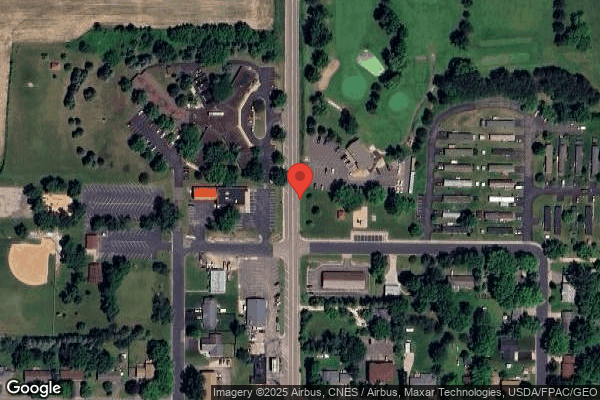
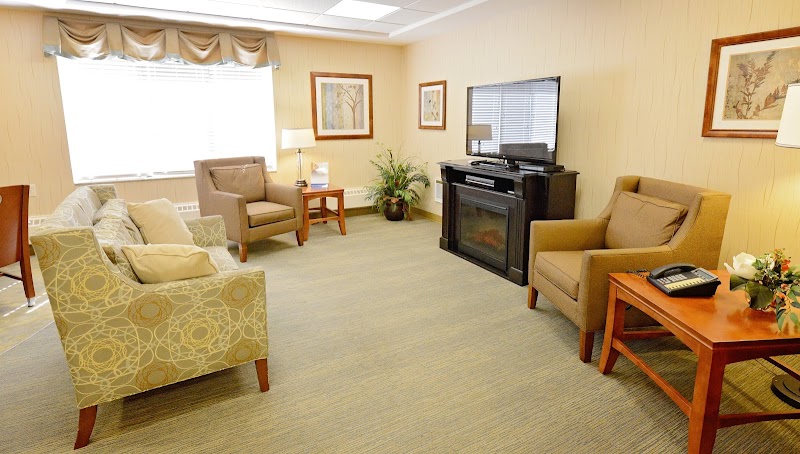
425 DAVIS ST, HAMMOND, WI 54015 (715) 796-2218
For profit - Corporation 50 Beds NORTH SHORE HEALTHCARE Data: November 2025
Trust Grade
93/100
#39 of 321 in WI
Last Inspection: February 2025

Within standard 12-15 month inspection cycle. Federal law requires annual inspections.

Overview

Hammond Health Services has an impressive Trust Grade of A, indicating it is highly recommended and performs excellently compared to other facilities. It ranks #39 out of 321 nursing homes in Wisconsin, placing it in the top half of all facilities, and #2 out of 8 in St. Croix County, meaning it is one of the best local options available. The facility is on an improving trend, having reduced its reported issues from 2 in 2024 to just 1 in 2025. Staffing is a notable strength, with a 4 out of 5-star rating and a low turnover rate of 25%, which is significantly better than the state average of 47%. However, the facility has had some concerning incidents, including failures in hand hygiene during food service, improper medication administration, and not adequately flushing enteral tubes before medication delivery, which could potentially harm residents. Overall, while there are areas for improvement, the facility demonstrates strong staffing and a solid reputation.

Trust Score
A
93/100
In Wisconsin
#39/321
Top 12%
Safety Record
Low Risk
No red flags
Inspections
Getting Better
2 → 1 violations
Staff Stability
✓ Good
25% annual turnover. Excellent stability, 23 points below Wisconsin's 48% average. Staff who stay learn residents' needs.
Penalties
✓ Good
No fines on record. Clean compliance history, better than most Wisconsin facilities.
Skilled Nurses
✓ Good
Each resident gets 60 minutes of Registered Nurse (RN) attention daily — more than 97% of Wisconsin nursing homes. RNs are the most trained staff who catch health problems before they become serious.
Violations
✓ Good
Only 4 deficiencies on record. Cleaner than most facilities. Minor issues only.
★★★★★
5.0
Overall Rating
★★★★☆
4.0
Staff Levels
★★☆☆☆
2.0
Care Quality
★★★★★
5.0
Inspection Score
Stable
2024: 2 issues
2025: 1 issues

The Good

  • 4-Star Staffing Rating · Above-average nurse staffing levels
  • Low Staff Turnover (25%) · Staff stability means consistent care
  • Full Sprinkler Coverage · Fire safety systems throughout facility
  • No fines on record
  • Staff turnover is low (25%)

    23 points below Wisconsin average of 48%

Facility shows strength in staffing levels, staff retention, fire safety.

The Bad

Chain: NORTH SHORE HEALTHCARE

Part of a multi-facility chain

Ask about local staffing decisions and management

The Ugly 4 deficiencies on record

Feb 2025 1 deficiency
CONCERN (D)

Potential for Harm - no one hurt, but risky conditions existed

Deficiency F0659 (Tag F0659)

Could have caused harm · This affected 1 resident

Based on observation, interview and record review, the facility did not ensure prescription medications were administered by qualified staff to resident's (R) skin for 2 of 5 observations. (R24 and R2...

Read full inspector narrative →
Based on observation, interview and record review, the facility did not ensure prescription medications were administered by qualified staff to resident's (R) skin for 2 of 5 observations. (R24 and R26) Findings include: Surveyor reviewed facility policy titled, Medication Administration, stated in part: .-1. Medications are prepared only by licensed nursing, medical, pharmacy or other personnel authorized by state regulations to prepare medications . Surveyor reviewed R24's physician orders on 02/04/25 which state in part: -Ammonium Lactate External Lotion 12 % (Lactic acid), apply to both legs topically in the morning for dry skin. -Nystatin External Powder 100000 unit/GM, apply to skin infection area topically three times a day for Candida yeast infection. Surveyor reviewed R26's physician orders on 02/04/25 which state in part: -Lac-Hydrin External Cream 12 % (Lactic Acid (Ammonium Lactate), apply to Bilateral Legs topically one time a day for dry skin. On 02/04/25 at 8:13 AM, Surveyor observed Licensed Practical Nurse (LPN) D administer R24's medications. Surveyor observed R24's prescription cream and Nystatin powder sitting on R24's bedside dresser. LPN D indicated that R24 has prescription cream for R24's legs, but LPN D will need to check with Certified Nurse Assistant (CNA)s to see if CNAs applied prescription cream to R24's legs. LPN D took prescription medication bottles that were lying on bedside dresser and brought the prescriptions back to medication cart. LPN D stated, Prescription creams should be in medication cart locked. LPN D stated she has been off for a week and unsure why the creams are in R24's room. Surveyor asked LPN D what is the normal process for applying prescription creams to R24's legs. LPN D indicated that only nurses are supposed to apply prescription creams to R24's legs. On 02/04/25 at 8:15 AM, Surveyor observed LPN D approach CNA E and asked CNA E if CNA E applied prescription medication to R24's legs this morning. CNA E indicated that CNA E applied R24's special creams after R24 received a bath this morning. On 02/04/25 at 8:16 AM, Surveyor observed LPN D approach Registered Nurse (RN) C and informed RN C that CNA E had applied prescription creams to R24 and R26. Surveyor asked RN C if CNAs are allowed to apply prescription creams. RN C indicated that CNAs are not allowed to apply prescription creams ever. RN C indicated that sometimes prescription medications will be left in resident rooms if there is a self-administer order put in the chart that they can self-administer the medication. On 02/04/25 at 11:18 AM, Surveyor interviewed Director of Nursing (DON) B and asked expectation for who administers and applies prescription topical medications for R24 and R26. DON B indicated that DON B already went into R26's room and took topical medications out of room. DON B indicated that CNAs are not to administer any medications under any circumstances and that education is already in effect.
Jan 2024 2 deficiencies
CONCERN (D)

Potential for Harm - no one hurt, but risky conditions existed

Tube Feeding (Tag F0693)

Could have caused harm · This affected 1 resident

**NOTE- TERMS IN BRACKETS HAVE BEEN EDITED TO PROTECT CONFIDENTIALITY** Based on observation, interview and record review, the facility did not ensure a resident with an enteral tube receives the appr...

Read full inspector narrative →
**NOTE- TERMS IN BRACKETS HAVE BEEN EDITED TO PROTECT CONFIDENTIALITY** Based on observation, interview and record review, the facility did not ensure a resident with an enteral tube receives the appropriate treatment and services to prevent complications. Registered Nurse (RN) administered a medication through Resident (R) 12's enteral tube without completing a water flush prior to the medication. This occurred for 1 of 2 enteral medication observations. Findings include: According to the National Library of Medicine, when administering medications via enteral tube, .After tube placement is checked, a clean 60-mL [milliliters] syringe is used to flush the tube with a minimum of 15 mL of water before administering the medication. Follow agency policy regarding flushing amount . https://www.ncbi.nlm.nih.gov/ According to facility policy and procedure, entitled, Medication Administration Enteral Tubes, last reviewed/revised 01/23 .Enteral tubes are flushed with at least 15 ml of water before administering any medications and after all medications have been administered . R12 was admitted to the facility on [DATE], with the following diagnosis, in part: dysphagia (difficulty swallowing) following nontraumatic intracerebral hemorrhage. R12 had the following physician order on the medical record: May crush and cocktail all medications and administer via G-tube every shift. Flush with 30cc [ml] of water before and after administration of medication . On 01/30/24 at 11:11 AM, Surveyor observed RN F administer a medication through R12's enteral tube. After preparing and dissolving the medication, RN F carried the medication to the bedside table and explained to R12 what they were going to do. RN F obtained a graduate and syringe from the over bed table and filled the graduate with warm water. RN F exposed the enteral tube, assessed the site, and gave the tube a gentle tug to verify placement, per facility policy. RN F drew the dissolved medication into a syringe, opened the port on the tube and instilled the medication into the tube. RN F followed the medication with 200 milliliters of water for the ordered water flush. RN F did not flush the enteral tube with water before administering the medication. On 01/31/24 at 7:32 AM, Surveyor interviewed RN F about the procedure for administering medications through an enteral tube. RN F stated once they have the medications prepared, they go in and explain to the resident what they are going to do. Then they expose the tube, observe the insertion site, and gives it a gentle tug to verify placement. Then if placement is good and no concerns observed at the site, they administer the medication with a syringe and follow it with a water flush. Surveyor asked if they do a water flush before administering medications. RN F stated they did not usually do a water flush prior to administering the medication. On 01/31/24 at 9:15 AM, Surveyor interviewed Director of Nursing (DON) B about the observation of RN F administering a medication through R12's enteral tube without doing a water flush prior to the medication. DON B stated their policy stated a water flush should be completed prior to administering the medication. DON B stated RN F was not following facility policy.
CONCERN (F)

Potential for Harm - no one hurt, but risky conditions existed

Food Safety (Tag F0812)

Could have caused harm · This affected most or all residents

Based on observation, interview and record review, the facility staff did not ensure proper hand hygiene when distributing food. The facility did not have a freezer internal temperature monitoring sys...

Read full inspector narrative →
Based on observation, interview and record review, the facility staff did not ensure proper hand hygiene when distributing food. The facility did not have a freezer internal temperature monitoring system for stored foods. Staff did not check the dishwasher internal temperature for proper dish sanitization. This has the potential for foodborne illness to all 28 residents (R) reviewed in the facility. Findings include: Facility policy entitled Hand Washing-Food and Nutrition Services, stated in part, . Hands and exposed portions of arms should be washed immediately before engaging in food preparation. 1. b. After touching bare human body parts other than clean hands and clean, exposed portions of arms, i. Before donning disposable gloves for working with food and after gloves are removed, j. After engaging in other activities that contaminate the hands . Example 1 On 01/30/24 at 7:46 AM, Surveyor observed [NAME] D serve breakfast in the main dining room. Surveyor observed [NAME] D take his right gloved hand and scratch under his left gloved wrist below the band-aid located on his forearm/wrist. [NAME] D then reached for toast with the contaminated right gloved hand and buttered the toast. Then [NAME] D took a pair of tongs, picked the bread up, placed the piece of toast onto the plate, and readjusted the toast with the contaminated gloved right hand. Surveyor did not observe hand hygiene performed before, during, or after serving breakfast to all residents. On 01/30/24 at 11:44 AM, Surveyor observed [NAME] D prepping/serving room trays and the main dining room. [NAME] D applied a pair of gloves and picked up [NAME] D's eyeglasses off the kitchen counter and applied them on his face. Then [NAME] started serving lunch. Surveyor witnessed 4 cold chicken sandwiches on a plate off to the side of the steam table. [NAME] D picked up a cold chicken sandwich with contaminated gloved hands and placed the sandwich on R15's plate. [NAME] D picked up another cold chicken sandwich with contaminated gloved hands and placed the sandwich on R13's plate. Surveyor observed [NAME] D readjust eyeglasses with gloved fingertips and palms and then touch [NAME] D's face with gloved hands and scratched cheek. [NAME] D continued with contaminated gloved hands to pick up cold chicken sandwiches and serve them to residents. Surveyor did not observe any hand hygiene before, during, or after prepping/serving food to residents. On 01/30/24 at 12:00 PM, Surveyor interviewed Dietary Manager (DM) C and asked about hand hygiene in the kitchen when prepping/serving food. DM C indicated that the expectation for all staff in the kitchen is to wash their hands before and after prepping/serving meals. DM C indicated that [NAME] D should have taken gloves off and washed his hands after scratching his arm with gloved hands. DM C indicated that [NAME] D should have taken his gloves off and washed his hands after touching eyeglasses and placing them on his face. Example 2 On 01/29/24 at 12:20 PM, Surveyor observed freezer #3 to not have an internal thermostat. On 01/29/24 at 12:25 PM, Surveyor interviewed DM C and asked how the staff keeps food stored properly in the freezer if there is no internal temperature gauge in case the outside gauge thermometer breaks. DM C indicated that staff read the thermometer off the outside and there is no internal thermometer. DM C then indicated that she ran out of an internal thermometer and is ordering one for freezer #3. Example 3 On 01/29/24 at 12:30 PM, Surveyor observed Dietary Aide (DA) E washing dishes in the kitchen. Surveyor did not observe DA E check the internal temperature when washing dishes. On 01/29/24 at 12:35 PM, Surveyor interviewed DA E and asked if internal dishwasher temperatures are checked. DA E indicated that staff check the temperature gauges on the bottom gauge and the top gauge. DA E indicated they do not check an internal temperature. On 01/31/24 at 7:32 AM, Surveyor interviewed DM C and asked about checking dishwasher temperatures when washing dishes. DM C indicated that the kitchen uses a hot wash cycle and checks temperature gauges on the bottom and top gauge for correct temperature. Surveyor asked DM C if the staff checks internal temperature to make sure the correct sanitizing system is in place. DM C indicated that the kitchen does not check internal temperatures. DM C can order some internal temperature stickers to place for the first cycle of dishes being washed going forward.
Jan 2023 1 deficiency
MINOR (B)

Minor Issue - procedural, no safety impact

Transfer Notice (Tag F0623)

Minor procedural issue · This affected multiple residents

**NOTE- TERMS IN BRACKETS HAVE BEEN EDITED TO PROTECT CONFIDENTIALITY** Example 3 Review of R32's medical record documented on 10/24/2022 at 8:18 a.m., with orders to send to the emergency room for ev...

Read full inspector narrative →
**NOTE- TERMS IN BRACKETS HAVE BEEN EDITED TO PROTECT CONFIDENTIALITY** Example 3 Review of R32's medical record documented on 10/24/2022 at 8:18 a.m., with orders to send to the emergency room for evaluation. MDS dated [DATE] indicated Discharge Return not anticipated. On 01/05/23 at 8:55 a.m., Surveyor was unable to find ombudsman notification. Surveyor asked Nursing Home Administrator (NHA) A for this notification. NHA A replied that with this emergent transfer to the hospital the ombudsman was not notified until yesterday when a different surveyor asked for this paperwork. NHA A provided surveyors with a list of the residents that she sent notification to ombudsman this morning, after Surveyors had asked questions about the facility process for notifying the ombudsman. Based on record review and interview, the facility failed to notify ombudsman of emergency transfers to hospital for 12 of 12 residents reviewed for notification of transfers (R9, R17, R32, R184, R22, R15, R2, R23, R185, R186, R187 and R188). Example 1: R9 was admitted to facility 08/30/22. Resident discharged with return anticipated on 09/07/22 to emergency room and R9 admitted to hospital on [DATE]. Facility completed bed hold. MD/Resident representative notified. R9's medical record had no documentation of Ombudsman notification of hospital transfer. On 01/04/22 at 2:30 p.m., Surveyor interviewed Nursing Home Administrator (NHA) A. NHA A asked about notification of Ombudsman for transfers/discharges. NHA A stated she was notifying the Ombudman monthly of the involuntary transfers, but she did not know she had to notify Ombudsman regarding the hospital transfers. NHA A gave Surveyor a list of residents who were transferred to the hospital during the timeframe of January through December of 2022. The Ombudsman was not notified of these transfers: R17 was hospitalized [DATE]. Ombudsman was not notified. R32 was hospitalized [DATE] and 10/24/22. Ombudsman was not notified. R184 was hospitalized [DATE], 07/31/22, and 10/18/22. Ombudsman not notified. R22 was hospitalized [DATE]. Ombudsman not notified. R15 was hospitalized [DATE], 06/24/22, 11/01/22, and 12/21/22. Ombudsman not notified. R2 was hospitalized [DATE]. Ombudsman not notified. R23 was hospitalized [DATE]. Ombudsman not notified. R185 was hospitalized [DATE]. Ombudsman not notified. R186 was hospitalized [DATE]. Ombudsman not notified. R187 was hospitalized [DATE] and 10/27/22. Ombudsman not notified. R188 was hospitalized [DATE]. Ombudsman not notified. NHA A did not notify ombudsman of hospital transfers. Example 2 R17 was admitted to the facility on [DATE] and has diagnoses that include nontraumatic intracerebral hemorrhage, hemiplegia and hemiparesis of left side. Hospital Discharge summary dated [DATE] indicates that R17 was treated for new onset diabetes mellitus with diabetic ketoacidosis, acute hypoxic respiratory failure secondary to COVID-pneumonia, and sepsis. R17 was transferred to the hospital on12/13/22 and returned to the facility on [DATE]. On 01/04/23 at 3:34 PM, Surveyor reviewed the bed hold policy and ombudsman notification for R17's 12/13/22 hospitalization. The facility did not notify the State Ombudsman of this transfer to the hospital.
Understanding Severity Codes (click to expand)
Life-Threatening (Immediate Jeopardy)
J - Isolated K - Pattern L - Widespread
Actual Harm
G - Isolated H - Pattern I - Widespread
Potential for Harm
D - Isolated E - Pattern F - Widespread
No Harm (Minor)
A - Isolated B - Pattern C - Widespread

Questions to Ask on Your Visit

  • "Can I speak with families of current residents?"
  • "What's your RN coverage like on weekends and overnight?"

Our Honest Assessment

Strengths
  • • Grade A (93/100). Above average facility, better than most options in Wisconsin.
  • • No major safety red flags. No abuse findings, life-threatening violations, or SFF status.
  • • No fines on record. Clean compliance history, better than most Wisconsin facilities.
  • • Only 4 deficiencies on record. Cleaner than most facilities. Minor issues only.
Concerns
  • • No significant concerns identified. This facility shows no red flags across CMS ratings, staff turnover, or federal penalties.
Bottom line: Generally positive indicators. Standard due diligence and a personal visit recommended.

About This Facility

What is Hammond Health Services's CMS Rating?

CMS assigns HAMMOND HEALTH SERVICES an overall rating of 5 out of 5 stars, which is considered much above average nationally. Within Wisconsin, this rating places the facility higher than 99% of the state's 100 nursing homes. This rating reflects solid performance across the metrics CMS uses to evaluate nursing home quality.
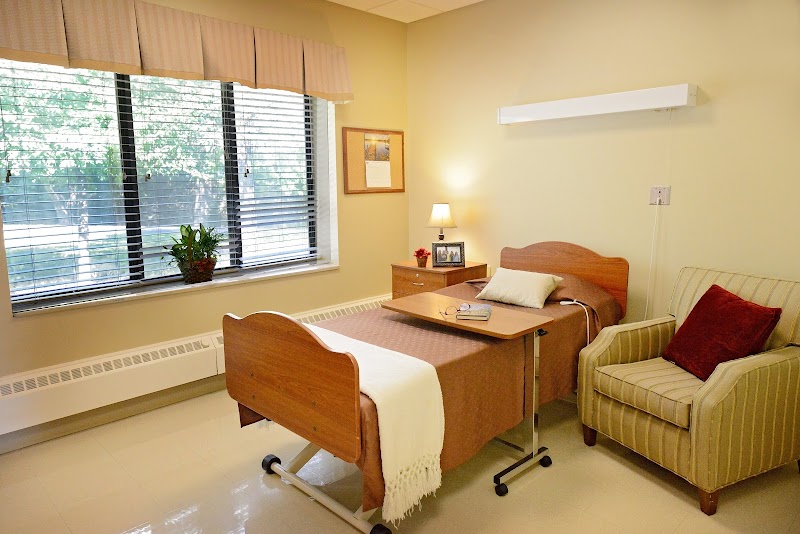
How is Hammond Health Services Staffed?

CMS rates HAMMOND HEALTH SERVICES's staffing level at 4 out of 5 stars, which is above average compared to other nursing homes. Staff turnover is 25%, compared to the Wisconsin average of 46%. This relatively stable workforce can support continuity of care.

What Have Inspectors Found at Hammond Health Services?

State health inspectors documented 4 deficiencies at HAMMOND HEALTH SERVICES during 2023 to 2025. These included: 3 with potential for harm and 1 minor or isolated issues.
Who Owns and Operates Hammond Health Services?

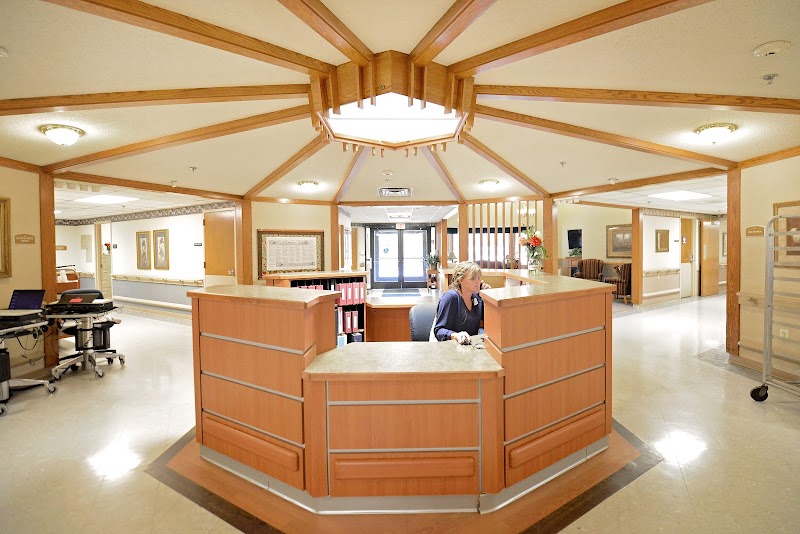
HAMMOND HEALTH SERVICES is owned by a for-profit company. For-profit facilities operate as businesses with obligations to shareholders or private owners. The facility is operated by NORTH SHORE HEALTHCARE, a chain that manages multiple nursing homes. With 50 certified beds and approximately 32 residents (about 64% occupancy), it is a smaller facility located in HAMMOND, Wisconsin.
How Does Hammond Health Services Compare to Other Wisconsin Nursing Homes?

Compared to the 100 nursing homes in Wisconsin, HAMMOND HEALTH SERVICES's overall rating (5 stars) is above the state average of 3.0, staff turnover (25%) is significantly lower than the state average of 46%, and health inspection rating (5 stars) is much above the national benchmark.

What Should Families Ask When Visiting Hammond Health Services?

Based on this facility's data, families visiting should ask: "Can I visit during a mealtime to observe dining assistance and food quality?" "How do you handle medical emergencies, and what is your hospital transfer rate?" "Can I speak with family members of current residents about their experience?"

Is Hammond Health Services Safe?

Based on CMS inspection data, HAMMOND HEALTH SERVICES has a clean safety record: no substantiated abuse findings (meaning no confirmed cases of resident harm), no Immediate Jeopardy citations (the most serious violation level indicating risk of serious injury or death), and is not on the Special Focus Facility watch list (a federal program monitoring the lowest-performing 1% of nursing homes). The facility has a 5-star overall rating and ranks #1 of 100 nursing homes in Wisconsin. While no facility is perfect, families should still ask about staff-to-resident ratios and recent inspection results during their visit.

Do Nurses at Hammond Health Services Stick Around?

Staff at HAMMOND HEALTH SERVICES tend to stick around. With a turnover rate of 25%, the facility is 21 percentage points below the Wisconsin average of 46%. Low turnover is a positive sign. It means caregivers have time to learn each resident's needs, medications, and personal preferences. Consistent staff also notice subtle changes in a resident's condition more quickly. Registered Nurse turnover is also low at 22%, meaning experienced RNs are available to handle complex medical needs.

Was Hammond Health Services Ever Fined?

HAMMOND HEALTH SERVICES has no federal fines on record. CMS issues fines when nursing homes fail to meet care standards or don't correct problems found during inspections. The absence of fines suggests the facility has either maintained compliance or corrected any issues before penalties were assessed. This is a positive indicator, though families should still review recent inspection reports for the full picture.

Is Hammond Health Services on Any Federal Watch List?

HAMMOND HEALTH SERVICES is not on any federal watch list. The most significant is the Special Focus Facility (SFF) program, which identifies the bottom 1% of nursing homes nationally based on persistent, serious quality problems. Not being on this list means the facility has avoided the pattern of deficiencies that triggers enhanced federal oversight. This is a positive indicator, though families should still review the facility's inspection history directly.