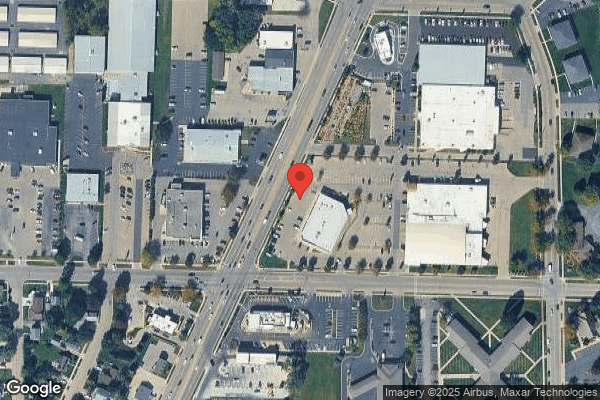
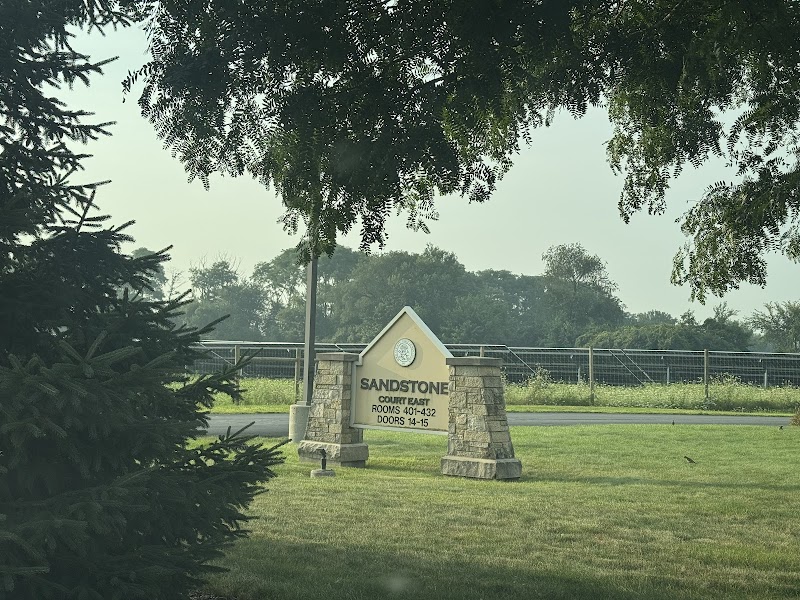
ROCK HAVEN

3400 N CTY TRK HWY F, JANESVILLE, WI 53547 (608) 757-5076
Government - County 128 Beds Independent Data: November 2025 1 Immediate Jeopardy citation
Trust Grade
43/100
#169 of 321 in WI
Last Inspection: September 2024

Within standard 12-15 month inspection cycle. Federal law requires annual inspections.

Overview

Rock Haven in Janesville, Wisconsin, has received a Trust Grade of D, indicating below-average conditions with some concerning issues. It ranks #169 out of 321 facilities in the state, placing it in the bottom half, and #4 out of 10 in Rock County, meaning only three local options are better. The facility is on an improving trend, with issues decreasing from 10 in 2024 to 3 in 2025. Staffing is a strong point, boasting a perfect 5/5 star rating with a turnover rate of 34%, well below the state average of 47%. While there have been no fines recorded, which is a positive sign, there are critical incidents to note: a medication error led to a resident being hospitalized, and there have been concerns regarding infection control practices that could affect all residents. Overall, while there are strengths in staffing, the facility has notable weaknesses that families should consider carefully.

Trust Score
D
43/100
In Wisconsin
#169/321
Bottom 48%
Safety Record
High Risk
Review needed
Inspections
Getting Better
10 → 3 violations
Staff Stability
○ Average
34% turnover. Near Wisconsin's 48% average. Typical for the industry.
Penalties
✓ Good
No fines on record. Clean compliance history, better than most Wisconsin facilities.
Skilled Nurses
✓ Good
Each resident gets 92 minutes of Registered Nurse (RN) attention daily — more than 97% of Wisconsin nursing homes. RNs are the most trained staff who catch health problems before they become serious.
Violations
⚠ Watch
27 deficiencies on record. Higher than average. Multiple issues found across inspections.
★★★☆☆
3.0
Overall Rating
★★★★★
5.0
Staff Levels
★★★★☆
4.0
Care Quality
★★☆☆☆
2.0
Inspection Score
Stable
2024: 10 issues
2025: 3 issues

The Good

  • 5-Star Staffing Rating · Excellent nurse staffing levels
  • 4-Star Quality Measures · Strong clinical quality outcomes
  • Full Sprinkler Coverage · Fire safety systems throughout facility
  • No fines on record
  • Staff turnover below average (34%)

    14 points below Wisconsin average of 48%

Facility shows strength in staffing levels, quality measures, fire safety.

The Bad

3-Star Overall Rating

Near Wisconsin average (3.0)

Meets federal standards, typical of most facilities

Staff Turnover: 34%

12pts below Wisconsin avg (46%)

Typical for the industry

The Ugly 27 deficiencies on record

1 life-threatening 1 actual harm
Aug 2025 1 deficiency
CONCERN (D) 📢 Someone Reported This

A family member, employee, or ombudsman was alarmed enough to file a formal complaint

Potential for Harm - no one hurt, but risky conditions existed

Accident Prevention (Tag F0689)

Could have caused harm · This affected 1 resident

Based on interview, record review, facility document and policy review, the facility failed to reassess the risk of elopement and identify interventions to prevent a resident from exiting the facility...

Read full inspector narrative →
Based on interview, record review, facility document and policy review, the facility failed to reassess the risk of elopement and identify interventions to prevent a resident from exiting the facility through the bedroom window for 1 (Resident #1) of 5 residents reviewed for accidents. Resident #1 was observed by staff packing their belongings in a bag and saying they were leaving the facility but was not reassessed for the risk of elopement. Resident #1 exited the facility on 07/03/2025 at 12:05 AM, unnoticed and unsupervised by staff, and was found after approximately ten minutes in the bushes outside the resident's bedroom window. Findings included: The facility policy titled, Elopements, revised 07/09/2025, indicated, III. Definitions: Elopement behavior: Making verbalizations about wanting to leave, talking about going home, packing belongings, opening windows, and opening doors. IV. Elopement: When a resident who is cognitively, physically, mentally, emotionally, and/or chemically impaired wanders away, walks away, runs away, escapes, or otherwise leaves a caregiving facility unsupervised, unnoticed, and/before to [sic] their scheduled discharge. The section of the policy titled, Procedure: specified, 2. Staff should promptly assess elopement behavior for initiation of Code Alert [departure alert system], window alarms, or other care planning interventions to prevent elopement. A Face Sheet, printed on 07/10/2025, revealed the facility admitted the Resident #1 on 01/17/2025. According to the Face Sheet, the resident had a medical history that included diagnoses of chronic obstructive pulmonary disease (COPD). The Face Sheet indicated the resident was receiving hospice services and was not at risk of elopement. An Elopement Risk Assessment, dated 02/14/2025, indicated Resident #1 ambulated with an assistive device, was alert, had no cognitive impairment, and no history of elopement. The Elopement Risk Assessment revealed the resident scored a 4, which indicated the resident was not at risk of elopement. The medical record revealed no documented evidence of subsequent Elopement Risk Assessments until 07/03/2025. A quarterly Minimum Data Set (MDS), with an Assessment Reference Date (ARD) of 04/25/2025, indicated Resident #1 had a Brief Interview for Mental Status (BIMS) score of 15, which indicated the resident had intact cognition. The MDS indicated Resident #1 was independent with sit to stand transfers, chair/bed-to-chair transfers, and walking 10 feet and did not exhibit wandering behavior during the seven-day assessment look-back period. A Behavior note, dated 06/24/2025 at 12:34 AM, indicated Resident #1 was pacing, rummaging, and packing all [their] belongings in bag, saying [they were] leaving. The note indicated the resident demonstrated very anxious and agitated, noncompliant behavior after the supper meal until midnight, when staff tried to redirect the wandering behaviors. There was no documented evidence that staff completed a new elopement risk assessment. A Behavior note, dated 06/25/2025 at 11:24 PM, indicated Resident #1 demonstrated chronic behavior: Continues to sort out alot [sic] of items in room and ‘packing some up.' There was no documented evidence that staff completed a new elopement risk assessment. A Behavior note, dated 06/29/2025 at 7:39 AM, documented as a late entry for 06/28/2025 at 7:49 PM, indicated Resident #1 had wandering behaviors, was rummaging through their belongings, and was more confused than normal. There was no documented evidence that staff completed a new elopement risk assessment. A Behavior note, dated 07/03/2025 at 1:43 AM, documented as a late entry for 07/02/2025 at 10:31 PM, indicated Resident #1 demonstrated chronic behavior: to include pacing/rummaging and was difficult to redirect. The note indicated the resident got upset when staff attempted to redirect. Per the note, a hospice nurse was notified. There was no documented evidence that staff completed a new elopement risk assessment.A Behavior note, dated 07/03/2025 at 5:32 AM, revealed a nurse attempted to administer Resident #1's medications, but the resident refused and told the nurse to get out. According to the note, when the nurse left the resident's room, the resident was pacing back and forth. The note indicated that at 12:05 AM, shortly after Resident #1 refused their medications, the resident opened their window, punched the screen out, and was found lying outside on top of the bushes. According to the note, Resident #1 sustained a 3-centimeter (cm) by 2-cm bruise to the left upper buttocks, a 2-cm scratch to the left shin, and scattered abrasions to their bilateral knees. The note indicated hospice was notified, and the resident was placed on one-to-one (1:1) supervision until further evaluation. An Alleged Nursing Home Resident Mistreatment, Neglect, And Abuse Report, completed by Administrator (ADM) F on 07/03/2025 at 10:33 AM, indicated Resident #1 opened their bedroom window, pushed the screen out, and was found in the bushes right outside the resident's bedroom window. The report indicated Resident #1 was last observed by a nurse within ten minutes prior to the incident. A Misconduct Incident Report, completed by Interim Director of Nursing (IDON) E on 07/10/2025 at 4:34 PM, revealed Resident #1 was transferred to the emergency room following the incident and no further injuries were identified. During a phone interview on 08/01/2025 at 6:50 AM, Certified Nursing Assistant (CNA) G stated she worked the 10:00 PM to 6:30 AM shift. She stated that on the night of the incident, Resident #1 did not allow her to enter their room, and she notified the nurse. CNA G stated she saw the resident standing in their room about ten minutes before she left for a 30-minute break around 11:45 PM, and when she returned from break, she was told Resident #1 pushed the screen out of their window and exited the building. CNA G stated that CNA I told her they found a chair turned over in front of the resident's window. During a phone interview on 08/01/2025 at 7:24 AM, CNA H stated she currently worked the night shift and recalled working the night Resident #1 exited the facility through their window. CNA H stated that within the last month, Resident #1's behaviors changed. CNA H stated the resident experienced sundowners on night shift, tried to stand on their wheelchair, and saw people who were not there. Per CNA H, these behaviors were reported to a nurse. CNA H said the resident also made comments all the time to staff that the resident wanted to go home; however, the comments about wanting to go home were not reported to a nurse because CNA H thought the resident said the same thing to the nurses. CNA H stated that on the night the resident went out their window, the resident was agitated and staff took turns keeping an eye on them. CNA H stated she recalled seeing Resident #1 and then within ten minutes, she was informed the resident was outside. CNA H said she immediately ran outside and saw the resident in the bushes outside their room, still with their supplemental oxygen on. CNA H said the resident was wearing long pants, a t-shirt, and socks, saying, This isn't my house; I broke that window because I am going home, this is not my home. During a phone interview on 08/01/2025 at 7:26 AM, CNA I stated that in the prior few weeks, Resident #1 was more confused, agitated, and restless. CNA I stated she worked 2:00 PM to 2:00 AM on the night Resident #1 went out their window. CNA I said that while the resident's assigned CNA was on break, she (CNA I) completed rounds around 12:00 AM or 12:15 AM and did not see Resident #1 in their bed or bathroom. CNA I said she noticed the screen was missing from the resident's window, the resident's oxygen tubing was leading out the window, and a chair was tipped over next to the window. CNA I stated she looked out the window and saw Resident #1 on the ground. During an interview on 08/01/2025 at 12:08 PM, Nurse Manager (NM) N stated she worked from 10:00 PM on 07/02/2025 until 6:00 AM on 07/03/2025. NM N said Resident #1 had intermittent confusion and often made comments about wanting to live at home again. NM N stated that when she started her shift on 07/02/2025, she was told Resident #1 was experiencing increased agitation. NM N stated that CNA I notified her that Resident #1 had exited the facility through their window. NM N said that when she entered the resident's room, she saw the screen was missing from the resident's window, the resident's oxygen tubing was leading out the window, and a chair was tipped over next to the window; Resident #1 was seen in the bushes outside. NM N said staff brought the resident back inside the facility and assessed the resident. During a phone interview on 08/01/2025 at 8:59 AM, Hospice Registered Nurse (RN) L said she arrived at the facility around 10:00 PM on 07/02/2025 in response to a call from the facility for complaints that Resident #1 was experiencing severe agitation and left around midnight on 07/03/2025. RN L said that when she arrived at the facility, Resident #1 was in their room alone, and the resident would not allow her to complete an assessment. Hospice RN L said the resident was agitated and screaming. RN L said she waited and re-entered the resident's room when they were calmer. According to Hospice RN L, the resident was conversive but then asked the RN to leave. RN L said she left the resident's room right before 12:00 AM, and the resident was standing near the window with their oxygen in place. RN L stated she did not observe the resident make any attempts to push on the window, and she advised staff to make frequent checks from the hallway because going into the room made the resident more agitated. During a phone interview on 08/01/2025 at 1:50 PM, Hospice RN K stated she arrived at the facility around 1:35 AM on 07/03/2025 to complete a focus visit after the facility notified hospice that Resident #1 had an unwitnessed elopement/fall from the window of their room. RN K stated that when she arrived at the facility, Resident #1 was calm and seated in a recliner in a common area with their feet elevated. RN K said she asked the resident if they remembered climbing out the window in their room, and Resident #1 said they climbed out the window to go home to help a dog, and then stated, And they hauled me back in here. During an interview on 07/31/2025 at 3:37 PM, IDON E stated residents were assessed for risk of elopement upon admission, weekly for four weeks, quarterly, and as needed. IDON E stated she expected all residents to have an elopement risk assessment completed per the facility policy, and if a resident was identified as at risk of elopement, the facility should update the resident's care plan with interventions for the resident's safety. IDON E stated that staff did not complete a new elopement risk assessment for Resident #1 in June 2025 after the resident expressed a desire to leave the facility and return home. During an interview on 08/01/2025 at 9:46 AM, ADM F stated that if a resident was exit seeking, verbalized a desire to leave the facility, attempted to leave through exit doors, or packed their belongings, she expected the resident to be evaluated for their risk of elopement.
Jun 2025 2 deficiencies 1 IJ
CRITICAL (J) 📢 Someone Reported This

A family member, employee, or ombudsman was alarmed enough to file a formal complaint

Immediate Jeopardy (IJ) - the most serious Medicare violation

Deficiency F0760 (Tag F0760)

Someone could have died · This affected 1 resident

**NOTE- TERMS IN BRACKETS HAVE BEEN EDITED TO PROTECT CONFIDENTIALITY** Based on interview, record review, and facility policy review, the facility failed to prevent significant medication errors for ...

Read full inspector narrative →
**NOTE- TERMS IN BRACKETS HAVE BEEN EDITED TO PROTECT CONFIDENTIALITY** Based on interview, record review, and facility policy review, the facility failed to prevent significant medication errors for 2 out of 7 residents (R1 and R4) reviewed for medication administration out of a total sample of 15 residents. R1 was administered medications prescribed for R2 on 04/16/25. This medication error caused R1 to be transferred to the hospital due to an accidental medication overdose. The facility's failure to prevent significant medication errors, continually assess the resident after the medication error, and immediately notify the physician of the medication errors created a finding of immediate jeopardy that began on 4/16/25. Surveyor notified the Administrator and Assistant Director of Nursing (ADON) of the immediate jeopardy on 6/5/25 at 10:20 AM. The immediate jeopardy was removed on 6/4/25, however, the deficient practice continues at a scope/severity of D (potential for more than minimal harm/isolated) as evidenced by the following example. R4 was administered R3's nebulizer medication. Findings include: Review of the facility's policy titled, Medication Administration revised 4/21/25, indicated, . The person who prepares the dose for administration is the person who administers the dose . Review of the facility's policy titled, Medication Error, revised 04/21/25 indicated, . In addition, the facility will follow the procedure listed below: Contact Poison Control if applicable. Contact PCP for notification. Contact POA if applicable. A Medication Error Report Form will be initiated (see attached form) A Post Medication Error monitoring flow sheet or monitoring via [by] EHR [electronic health record] Nurses' To Do List will be initiated and will continue for a full 3-day [sic] post error unless continued monitoring is directed by the MD [Medical Doctor] (see attached form) Education will be provided to staff on an as needed basis to prevent future errors Medication errors will be reviewed by the ID [Interdisciplinary] team and brought to Quality Assurance no less than quarterly . 1. Review of R1's Face Sheet, located under the Face Sheet tab in the electronic medical record (EMR), indicated R1 was admitted to the facility on [DATE] with diagnoses that included stroke, diabetes mellitus, bipolar disorder, hypertensive chronic kidney disease, and seizures. Review of R1's quarterly Minimum Data Set (MDS), located under the MDS tab in the EMR and with an Assessment Reference Date (ARD) of 1/21/25, indicated R1 had short- and long-term memory loss with modified independence in making daily decisions. Review of R1's Medication Administration Record (MAR), provided by the facility and dated 4/2025, indicated that on 4/16/25 at 7:00 AM, R1 had been administered amlodipine 10 mg (milligrams) (a blood pressure medication), lamotrigine 225 mg (a bipolar medication), Keppra 500 mg (a seizure medication), metoprolol 25 mg (a blood pressure medication), and losartan 50 mg (a blood pressure medication) while in the dining room. Review of R2's Face Sheet, located under the Face Sheet tab in the EMR, indicated R2 was admitted to the facility on [DATE] with diagnoses that included congestive heart failure, hypertension, anemia, atrial fibrillation, and depression. Review of R2's annual MDS, located under the MDS tab in the EMR and with an ARD of 4/5/25, indicated R2 had a Brief Interview for Mental Status (BIMS) score of 15 out of 15, which indicated the resident was cognitively intact. Review of R2's MAR, provided by the facility and dated 4/2025 indicated that on 4/16/25, R2 had been administered Lasix 20 mg (a fluid pill), amlodipine 10 mg, carvedilol 12.5 mg (a blood pressure and heart failure medication), venlafaxine 150 mg (a depression medication), magnesium 500 mg (a supplement), and iron (a medication to treat anemia) while in the dining room for breakfast. Review of the Executive Summary, provided by the facility, indicated on 4/16/25 at 8:44 AM, Certified Nursing Assistant 1 (CNA) observed several pills mixed in with R1's food in the divided plate that belonged to R1. CNA1 notified Unit Manager 1 (UM) of this finding. UM1 came to the unit, took the plate, and separated the pills out of the food and then administered these medications to R1. UM1 then walked through the dining room and noted two pills lying on the floor where R1 sits at the dining room table. UM1 took these two medications to the medication cart and reviewed R1's medication profile in the computer. UM1 noted that these medications were not R1's. UM1 then looked in the computer at R2's medication profile, knowing that R2 sat beside R1 at the dining table, and compared these medications when UM1 noted the two medications that were found on the floor belonged to R2. As UM1 continued to review the medication profile of R2, she noted the medications that she had administered to R1 were actually R2's medications. UM1 recognized she had made a medication error. Continued review of the Executive Summary revealed, . -At 8:55 AM, UM1 went to the morning IDT [Interdisciplinary Team] meeting and told [name of the ADON] that [UM1] need to talk to her after the meeting. Throughout the meeting [UM1] told [ADON] that she needed to talk to [ADON] about a med [medication] error that she had made. -9:15 AM, [UM1] sent a text message to the . nurses' cell requesting [LPN1] to please assess [R1] vitals [vital signs] immediately. -9:17 AM, [UM1] sent a text message to . nurses' cell requesting [LPN1] call the PCP (Primary Care Provider) to notify [sic]. -9:34 AM, [UM1] stepped out of the morning meeting and [UM1] called [LPN1] who was the nurse . and working with R1. [UM1] explained what had happened and requested she assess [R1's] vitals immediately and then also assess her [R1's] vitals at 1130 [sic ]. [UM1] then came back into the room and spoke with [DON], [ADON], and . Supervisor about the med error [sic ]. [LPN1] stated she immediately assessed vitals after getting off the phone with [UM1] which were: T [temperature] 98.2, P [pulse] 72, BP [blood pressure] 122/76, O2 [oxygen saturation] 100% RA [room air]. -10:30 AM, Vitals assessed: T 97.4, P 76, BP 122/74, O2 100% RA. -10:43 AM, . [LPN1] stated that she had watched the resident [R2] put the meds in her mouth and take a drink of her water. [LPN1] had thought that the resident [R2] had swallowed her pills. -10:45 AM, [DON] and [UM1] attempted to call [name of medical doctor] to notify him of the med error, he did not answer. A message was sent asking him to call back to discuss a med error. -12:00 PM, [LPN1] states she returned from her lunch to find [R1] with her arms hooked over the arms of the wheelchair, slid down out of the wheelchair in the dining room. [LPN1] states that [R1's] eyes were rolling back and [R1] was yelling 'help me I am dying.' [LPN1] immediately came over and called for help . were able to unhook [R1's] arms and lower her to the floor. [LPN1] ran to get assistance . The resident's [R1] BP was 92/50 HR [heart rate] 58. -12:03 PM, A code blue [sic] called, resident [R1] was reporting dizziness and was disoriented. [UM1] heard the code blue called and ran onto the unit from the main building. -12:05 PM, BP was 100/65, HR 58, R [respirations] 20, 97% [oxygen saturation] RA. -12:06 PM, Call placed to [name of MD] again, code blue called on resident [R1], we had attempted to call earlier and sent a text message to update him [MD] at 10:45a [sic] . on the med error made earlier this morning. Resident [R1] received another residents [sic] [R2] AM [morning] medications by mistake . [UM1] reported to [MD] that [R1's] BP was 92/60 and that the resident [R1] was disoriented and had been lowered to the floor . [MD] instructed for us to send [R1] to the ER via 911. Informed [MD] that [UM1] had instructed the nurse [LPN1] on the unit to monitor BPs once at 9:35 and again at 11:30 [sic]. -12:08 PM, 911 was called, information given to them on the resident [R1] receiving the wrong medications this morning . resident's [R1] BP of 92/60, resident disoriented [sic]. -12:15 PM, EMS [Emergency Medical Services] arrived, transfer packet including a list of resident's medications that were administered and the incorrect medications that were administered. 12:25 PM, Resident [R1] exited the building with EMS . Review of R1's Nursing Progress Notes, provided by the facility and dated 4/16/25 at 1:59 PM, revealed, . family/guardian [name], POA (Power of Attorney) updated that there was a medication error, explained the situation, Resident became symptomatic around noon, was sent to ED [emergency department] [sic] . During an interview on 6/2/25 at 1:25 PM, LPN1 stated she had given R1's medications around 7:00 AM while R1 and R2 were eating at the dining room table together on 4/16/25. LPN1 stated R2 was given her medications and drank a full glass of water, so she assumed that R2 had swallowed her medications. LPN1 stated that R2 will sometimes refuse to take her medications but to the best of her knowledge, R2 did not have any behaviors in pocketing her medications in her cheek or spitting out her medications. LPN1 stated she then went on her morning break, and when she returned to the unit, she was informed that [UM1] had been given R1's divided plate, and it had her pills in the food. LPN1 stated she and UM1 had figured out together that R1 had received R2's medications in error, and UM1 stated she was going to her office to make some phone calls which included the doctor. LPN1 was asked if Poison Control was called and notified of the medication error to seek advice from them. LPN1 stated, I am not sure, but the DON said it was done in the ED. LPN1 continued to state, Her [R1's] vital signs were checked at 9:20 and again at 10:30, then I didn't take them at 11:30 because I went to lunch. She [R1] was drinking lots of fluids, going to the bathroom, and told me she felt fine. LPN1 stated, When I came back from lunch, I saw her [R1] slumped over in her chair, took her vital signs, and called for help. She wasn't responding to us but when we laid her down and put her legs up, she started to respond to us better. We called 911 and the ambulance came and transferred the resident to the hospital. During an interview on 6/3/25 at 8:45 AM, CNA1 stated, I was cleaning up after breakfast and saw [R1's] divided plate had pills in the food that was left on the plate. I knew [LPN1] was on break, so I called [UM1] and told her of what I had found. [R1] and [R2] always sit beside each other in the dining room for their meals and [R1] is the only resident at that table that has a divided plate. During an interview on 6/2/25 at 2:08 PM, UM1 stated, [CNA1] called me and told me that they had found pills in [R1's] food that was left in her divided plate. I do not know for sure it was [R1's] food or not or if it was a plate that [R1] was eating out of. I went onto the unit and [CNA1] verified that this was [R1's] divided plate that she was eating out of. I then for some reason separated the meds [medications] from the food and [CNA2] went into [R1's] room, and I administered those pills to [R1]. I came back through the dining room and saw two more pills on the floor under the table, and the CNAs confirmed that [R1] was sitting there in that place. I went to the medication cart and reviewed [R1's] medication profile that has the picture of the medications and did not see the two pills that I found under the table on her profile. I know who was sitting beside [R1] at the table, so I looked at [R2's] medication profile. That was when I discovered that the medications that I had administered to [R1] belonged to [R2]. I went to our meeting at that time, and I was sitting next to [ADON] and told her I needed to talk to her about a medication error. I told her as the meeting went on that I accidentally gave the wrong meds to the wrong resident. I sent a text message to the medication nurse [LPN1] and told her to get her [R1's] vital signs now and check them again at 11:30. She [LPN1] did check it [vital signs] more frequently than that. But as far as I know, [R1] had received everything [medications] that she was supposed to receive that morning. UM1 was asked if she should administer medications to a resident that she did not prepare and UM1 stated, No you shouldn't give them [medications] to residents especially if you are not the nurse preparing the medications. I should have locked the medications up until the nurse that prepared the medications originally could have looked at them to see if they had belonged to [R1] or to [R2]. Then the medications should have been destroyed, and the PCP would have been notified of [R2] spitting out her medications and not have taken them. UM1 stated R1 was found slumped over in her wheelchair and then LPN1 called out for help to assist with R1. UM1 stated a Code Blue was called to get extra people on hand on the unit, then the doctor was notified, and 911 was called. UM1 stated R1 was transferred out to the ED. UM1 was asked if Poison Control was called while R1 was in the facility, and UM1 replied, No, they were not called. UM1 was asked why the physician was not notified earlier than he was when the medication error was discovered. UM1 stated, I had texted [LPN1] asking that she notify the doctor about the error, but we didn't find out until after this incident that the nurses' cell phone that they have does not accept text messaging. Then when he [doctor] was called and texted after that, we did not call any further because [R1] was doing ok and we just waited until he would call us back. UM1 was asked when the family/guardian was notified. She stated, I believe it was after the resident went to the ED. During an interview on 6/2/25 at 2:43 PM, CNA2 stated, [UM1] came up to me and asked if I would go with her to [R1's] room while she gave [R1] her medications. So that is what I did. During an interview on 6/3/25 at 11:14 AM, the PCP for R1 stated, A lot of the time the staff will text me and I will call them right back but on this incident, I do not know why the text did not come through. I have worked with the DON to tell staff if they cannot get me on the phone and I do not answer a text message, then they are to call the 24-7 answering service at the hospital, and the on-call doctor could have been notified and probably have the resident sent to the ER. I would have expected to have been notified as soon as this error was discovered. That way we could have worked as a team and collaborate for what needed to be done for [R1]. For example, I could have given orders to administer IV [intravenous] fluids and to monitor her vital signs more frequently than once an hour and asked for updates in her condition to be called after the fluids started. Then maybe we wouldn't have had the issues of [R1's] blood pressure going low. Then if the fluids didn't help her blood pressure, then I would have decided to have the resident go to the ER. Since this incident, the DON and I have started planning on myself or a resident doctor to have staff education on what to do in certain instances such as changes in condition or falls to help prevent this from happening and give the staff more insight on what to assess and when. During an interview on 6/5/25 at 5:54 PM, the Administrator stated, I expect the RNs [Registered Nurses] to perform assessments when they see the resident has a change in condition for whatever reason and notify the physician immediately of these changes. If the physician does not respond or cannot be reached, the staff will send the residents out to the ER in good faith that they are doing the right thing for the residents at that time. That they [staff] don't leave the residents alone during these changes in condition assessments. We need to make sure we are practicing safely and if there is harm to a resident, then we will report that to the state agency. Education will begin immediately for all licensed personnel to ensure this does not happen again to any other residents. During an interview on 6/2/25 at 2:55 PM, the Director of Nursing (DON) stated, There were several things that we have learned from this medication error. One is that the doctor should have been called immediately after we discovered the medications error. Then we should have called Poison Control to seek their advice on what to do. The family should have been notified earlier than they were and of what the plans were for [R1] at that time. We started the education for the nurses on 4/16/25 of the five rights of medication administration, and that a medication error was a change in condition, and the physician was to be notified of this immediately. I called the physician for [R1] which is also the Medical Director and asked what to do if we were unable to get him on the phone and he said to call the answering service at the hospital, so we educated the nurses on this. Both nurses involved were put on leave, then when they returned to work, both nurses had to take a medication test and have the education of the five rights of medication administration. [LPN1] was observed by the nurses and the pharmacy consultant for medication administration and with those there had not been any identified concerns with those observations. The failure to prevent significant medication errors, continually assess a resident after discovery of a medication error, and immediately notify the physician of a medication error created a reasonable likelihood for serious harm which led to a finding of immediate jeopardy. The facility removed the immediate jeopardy on 6/4/25 when it had completed the following (the deficient practice continues at a scope/severity level of D (potential for more than minimal harm/isolated) based on example 2): Upon identification of the serious concern on June 4, 2025, the facility took the following immediate corrective measures to protect all residents involved and those who could potentially suffer serious adverse outcomes: Once the error is identified, determine if the resident received a high-risk medication. In the event of any high-risk medication being given in error, the nurse will follow these steps: An assessment by RN should be completed immediately. Evaluate for harm and provide first aid if indicated. Continue close monitoring until instructed otherwise by PCP. Seek medical advice. Place call out to PCP. If not immediately available, call the pharmacy and ask for a pharmacist. If unable to speak with a physician or pharmacist, send to the ER by calling 911. Document the event, including medication, dose, route, and any other relevant information. Describe the circumstances surrounding the event and all actions taken. Notify POA/family contact. Inform of events and planned interventions. The nursing supervisor or management should be called to the unit and remain on the scene until the resident is transported to the ER or the PCP deems the resident stable. Continue to monitor for 12 hours or another interval specified by PCP/ER MD. LPNI has been observed for 4 shifts 4/12/2025,4/12/2025,4/13/2025,5/11/2025. UM1 was provided with training and passed her competency test. She will be observed by the ADON. On 4/12/2025, PharMerica Consultant observed medication pass with LPN1 with no concerns regarding the medication pass and five rights of medication administration ensuring all residents were administered with the right medication. During the March 2025, QAPI, Medication Errors were a topic of discussion, and the facility will continue to address this concern through this quarter. Review any revised or developed policies and procedures related to the IJ situation. The Assistant Director of Nursing (ADON), updated the Medication Error Policy and implemented immediate training on the evening of June 4,2025, for licensed nursing staff. The training updates will continue for the clinical team, and those who are not present will review the training prior to assuming duties on the floor. The measure will be validated with our scheduling officer, ensuring that all nursing personnel on the floor have demonstrated compliance with reading and understanding this medication error policy update. Staff education and/or retraining should include return demonstration, if applicable. All clinical staff will be educated on the revised policies and procedures. Education included medication administration and policies regarding medication errors. This training will be conducted by clinical leadership titled Medication Error Policy, managed by the Director of Nursing or designees. Completion Date: 4 June 2025. A make-up training plan is in place for PRN (as needed), agency, or vacationing staff. Staff will not be scheduled to work until they have completed and documented their education. Ongoing monitoring will be conducted to ensure the effectiveness of corrective actions. Monitoring is conducted by the Unit Manager or designated by the Director of Nursing. Frequency-Daily for 2 weeks then weekly for 4 weeks. Results will be reviewed during monthly QAPI (Quality Assurance Performance Improvement) meetings for a minimum of 3 months. Random medication administration observations will continue all shifts including weekends. The Nursing Home Administrator, Medical Director, and Assistant Director of Nursing conducted an ad hoc meeting regarding the serious concern. The Medical Director will provide oversight to the residency physicians and offer additional training to licensed nursing staff. 2. Review of R3's undated Face Sheet, located under the Face Sheet tab in the EMR, indicated R3 was admitted to the facility on [DATE] with the diagnosis of asthma. Review of R3's significant change MDS, located under the MDS tab in the EMR and with an ARD of 2/6/25, revealed R3 had a BIMS score of 13 out of 15, which indicated R3 was cognitively intact. Review of R3's Physician Orders, dated 2/14/25 and located under the Orders tab in the EMR, revealed an order for Ipratropium-Albuterol 0.5 MG/3ML [milligram per milliliter]-2.5 (3) MG/3ML inhalation as needed for shortness of breath. Review of R4's undated Face Sheet, located under the Face Sheet tab in the EMR, revealed R4 was admitted to the facility on [DATE] with the diagnosis of chronic obstructive pulmonary disease. Review of R4's Physician Orders, dated 5/5/25 and located under the Orders tab in the EMR, revealed an order for Ipratropium-Albuterol 0.5 MG/3ML [milligram per milliliter]-2.5 (3) MG/3ML inhalation four times a day for chronic obstructive pulmonary disease. On 5/6/25 at 2:30 PM, R4 reported to the Unit Manager that he had not received his nebulizer treatments all day. Review of the facility reported incident, which was reported to the state survey agency, revealed it was discovered LPN1 had used R3's nebulizer medication for R4 at 8:00 AM on 5/6/25 and had not given R4's nebulizer medication at 12:00 PM. During an interview on 6/3/25 at 12:51 PM, LPN1 stated, I was told in report that morning [05/06/25] that we did not have any nebulizer medication from the pharmacy, nor did we have any in the contingency box on the unit for [R4]. I knew another resident [R3] had an order for the same medication, so I borrowed one from that resident [R3] to administer to [R4]. LPN1 was asked what she should have done instead of borrowing the medication from another resident. LPN1 stated, I should have checked the contingency box myself and if there really wasn't any to administer, then I should have called the pharmacy and let my supervisor know. LPN1 was asked if she had administered the nebulizer medication to R4 at 8:00 AM. She replied, [R4] was in the bathroom with a CNA. I set it up adding the medication [liquid] to the nebulizer chamber, and he [R4] stated he would do it in a minute. But he [R4] must have forgotten to and when I was questioned about it from [UM1], I realized I didn't go back into his room to make sure he had taken the nebulizer treatment. LPN1 was asked if the nebulizer medication was to be left at the bedside for the resident to take. She stated, No, you are not to leave the medication at the bedside. LPN1 was asked if she gave R4 the 12:00 PM dose of the nebulizer medication. She stated, No, I didn't realize he [R4] had a treatment at noon so when [UM1] was asking me about it, I told her [UM1] that I haven't given it, but I could if she wanted me too. [UM1] told me not to give it now because it was 2:30 PM. During an interview on 6/3/25 at 2:00 PM, UM1 stated, I believe that either he [R4] or his family notified me of [R4] not getting his nebulizer treatments at all on 5/6/25. I went to investigate this and interviewed the nurse [LPN1] that was assigned to him that day. When interviewing [LPN1], I asked if she had given him his nebulizer treatments today and [LPN1] stated she had given it to him at 8:00 AM but she did not know that he [R4] was ordered to have any more treatments on her shift. I told her that he was to have one at 12:00 PM. She stated to me that she had not given it to him, but she could go in and give it to him [R4] now if she needed to. It was already 2:30 PM so I told her that we would have the evening shift nurse do a respiratory assessment and give the 4:00 PM dose, and I called the PCP to notify of the missed doses and the monitoring. She [LPN1] also stated to me that because we had not received the DuoNeb [nebulizer medication] solution from pharmacy that she had used another resident's [R3] medication. It was shift change and the evening nurse went with me into [R4's] room to look for the nebulizer equipment and there was a large amount of solution in the nebulizer was 3 ml [milliliters], the dose of the DuoNeb is 3 ml. I took a syringe in the room with me when we went and was able to draw up 3 mls. (milliliters) of a solution. During an interview on 6/3/25 at 3:30 PM, DON stated, The nurse is not to leave medication at the bedside for the resident to self-administer unless they have orders to perform this themselves. I expect the nurses to stay with the resident while the resident is receiving a nebulizer treatment to make sure the resident is administered the whole dose of medication the physician had ordered. DON was asked if R4 had been assessed and if the physician had ordered for R4 to self-administer the nebulizer medication, and the DON stated, No, he had not. Review of the facility's education to the licensed nurses, provided by the facility revealed, . Medication administration is an important part of delivering healthcare. It refers to the process of giving or receiving a medication . A simple checklist covering the basics - referred to as the '5 Rights' - is a standard for safe medication administration [sic]/ These rights include: 1. The right patient, 2. The right drug, 3. The right time, 4. The right dose, 5. The right route . Medications CANNOT [sic] be prepared and left . with the resident to take later. Resident must be watched .
CONCERN (D) 📢 Someone Reported This

A family member, employee, or ombudsman was alarmed enough to file a formal complaint

Potential for Harm - no one hurt, but risky conditions existed

Deficiency F0658 (Tag F0658)

Could have caused harm · This affected 1 resident

**NOTE- TERMS IN BRACKETS HAVE BEEN EDITED TO PROTECT CONFIDENTIALITY** Based on interview, record review, and document review, the facility failed to follow professional standards for 1 of 3 resident...

Read full inspector narrative →
**NOTE- TERMS IN BRACKETS HAVE BEEN EDITED TO PROTECT CONFIDENTIALITY** Based on interview, record review, and document review, the facility failed to follow professional standards for 1 of 3 residents (R8) reviewed for Power of Attorney (POA) status out of a total sample of 15. Findings include: Review of R8's undated Face Sheet, located under the Face Sheet tab in the electronic medical record (EMR), indicated R8 was admitted to the facility on [DATE] with diagnoses that included fracture of the left pubis, cancer, and Alzheimer's disease. Review of R8's admission Minimum Data Set (MDS), located under the MDS tab of the EMR and with an Assessment Reference Date (ARD) of [DATE], indicated R8 had a Brief Interview for Mental Status (BIMS) score of 10 out of 15, which indicated R8 was moderately cognitively impaired. Review of R8's Advance Directive including Power of Attorney for Health Care, which was provided by the facility and signed by R8 on [DATE], revealed R8's spouse had been selected as the resident's health care agent. The form recorded, . If the health care agent is unable or unwilling to make choices for me, then my next choice for a health care agent is . and Daughter1 was named. The form continued to record, . If the alternate health care agent is unable or unwilling to make these choices for me, then my next choice for a health care agent is . and Daughter2 was named. This was presented to the facility at the time of admission. Review of R8's Social Service Progress Note, provided by the facility and dated [DATE] at 3:33 PM, revealed, . Family came in today to inform resident her husband passed away last evening. Review of R8's EMR revealed a second Power of Attorney for Health Care, which was provided by the facility and signed by R8 on [DATE]. In this POA document, under the section of Designation of Health Care Agent the form recorded, If I am no longer able to make health care decision for myself, due to my incapacity, I hereby designate . and [Daughter 1's Name] was named. The form continued to record, . If he or she is ever unable or unwilling to do so, I hereby designate . and [Daughter 2's Name] was named. Review of R8's Social Service Progress Note, provided by the facility and dated [DATE] at 4:59 PM, revealed, This writer heard from [R8's] daughter [name of Daughter1]. She [Daughter1] stated she doesn't know what to do because she relinquished as POA some months back because she had a health concern and wasn't able to make the trip each week. She [Daughter1] had been driving 300 miles about every week and a half to take her father to doctor's appointments and care for her mother [R8]. One day after she [R8] was admitted here the family came in to let her know her husband died. At this time [sic] she [R8] still thinks she is going home to him, In the meantime, [Daughter2] the other daughter went to the bank had everything transferred so she [Daughter2] could be POA over finances and went to an attorney to get the health POA changed so she [Daughter2] is in control. This writer had [R8] sign a new POA for health on 04.10.2025 since [R8's] husband passed away. [R8] said it was fine once this writer told her nothing would change. This writer kept it the same way, [Daughter1] was first, then [Daughter2] . During an interview on [DATE] at 1:16 PM, the Social Worker (SW) stated, The day she [R8] was admitted her whole family was here with her to tell her that her husband had passed away the night before. The family was attentive and did what they could. Her husband had passed away and he was her original POA along with the two daughters as alternates. Wherever I have worked before and while I have been here, I have just drawn up a new one [POA] if this happened. I didn't see anything wrong with doing it that way. Everything stayed exactly the same except the husband was removed. The SW was asked when she had conversations with R8 and/or R8's daughters regarding preparing a new POA document. The SW replied, I talked to her [name of Daughter1] a lot. The SW was asked if she had documentation of these conversations with R8 and/or R8's daughters and the SW stated, Let me go and I will bring it back to you. The SW returned with a copy of the progress notes dated from [DATE] through [DATE]. The SW confirmed she documented the progress notes. Review of the progress notes presented reflected only one conversation, dated [DATE] at 4:59 PM. The SW was asked if she had any further documentation to reflect conversations with R8 and/or R8's daughters prior to the new POA document being prepared and signed by R8 on [DATE] and the SW replied, No, I guess I didn't document the ones that I had. The SW was asked if there should have been documentation to reflect R8's wishes to form a new POA document prior to R8 signing this document and she stated, I guess there should have been. During an interview on [DATE] at 4:00 PM, the Administrator stated, Once I learned of this incident occurring, I went and emailed our legal department to get guidance on what our practice should be in this situation. It was my understanding that the POA document did not need to be redone in this instance. Since the husband had passed away, the next in line that was listed as the alternate health care agent would been her daughter that was listed, then if that daughter was unwilling or was unable then it went to the next daughter listed on the document. Review of the email between the legal department of the facility and the Administrator, provided by the facility and dated [DATE] at 9:35 AM, revealed, . Staff should never be assisting with the creation of a new POA if the original POA has been activated . Most POA forms designate a POA to act in case the first person can't/won't act. In a situation where the first person designated passes away or declines to act, the alternate person would then be the POA. There is no need to create a new document foin order for this to take effect . Review of the Position Description for the Classification Title of Position for Master Social Worker revealed, The incumbent of this position works with the interdisciplinary team and administration of [name of facility] to promote and protect residents' rights and the psychosocial well being [sic] of each resident. By coordinating medically related social services at [name of facility], the incumbent assists each resident to attain or maintain his/her highest practicable physical, mental, and psychosocial well-being . Review of the Authorized Social Worker Practice, published under s.35.93, Wis. Stats., by the Legislative Reference Bureau, Chapter 6, Page 827, [DATE], revealed, . A certified social worker may evaluate and assess difficulties in psychosocial functioning, develop a plan to alleviate those difficulties, and either carry out the plan or refer clients to other qualified resources for assistance. Intervention plans may include counseling of individuals, families, and groups; advocacy; referral to community resources; and facilitation of organizational change to meet social needs based on psychosocial evaluation .
Sept 2024 10 deficiencies
CONCERN (D) 📢 Someone Reported This

A family member, employee, or ombudsman was alarmed enough to file a formal complaint

Potential for Harm - no one hurt, but risky conditions existed

Free from Abuse/Neglect (Tag F0600)

Could have caused harm · This affected 1 resident

**NOTE- TERMS IN BRACKETS HAVE BEEN EDITED TO PROTECT CONFIDENTIALITY** 2. Review of R43's quarterly MDS, with an ARD of 8/20/24 and located in the Electronic Medical record (EMR) under the MDS tab, r...

Read full inspector narrative →
**NOTE- TERMS IN BRACKETS HAVE BEEN EDITED TO PROTECT CONFIDENTIALITY** 2. Review of R43's quarterly MDS, with an ARD of 8/20/24 and located in the Electronic Medical record (EMR) under the MDS tab, revealed R43 was admitted to the facility on [DATE], had diagnoses that included Alzheimer's disease, and had a BIMS score of one out of 15, which indicated the resident was severely cognitively impaired. Review of R43's Care Plan, located under the Care Plan tab of the EMR, revealed that the resident had a diagnosis of Alzheimer's dementia, resulting in increased disorientation and need for reminders. Review of a facility reported incident, dated 07/17/24, revealed that at approximately 12:00 PM, Activities Therapy Assistant (ATA) 1 expressed to Registered Nurse (RN) 2 that during meal service in the lower 300-unit dining room, Certified Nursing Assistance (CNA) 3 was verbally aggressive and physically prevented R43 from standing by placing her knee in the back of R43's chair to prevent the resident from sliding her chair and standing. Per the facility provided abuse investigation documentation, a written statement by ATA1 advised that she told RN2 that R43 would not stay seated during the meal service. The written statement continued, advising that CNA3 could be heard saying [R43] stop that right now in a way that made ATA1 uncomfortable, and she felt she needed to report it. ATA1 added that she also witnessed CNA3 put her knee on the back of [R43]'s chair so she couldn't move. During an interview on 09/17/24 at 12:00 PM, the Administrator was asked about the facility's investigation into R43's facility-initiated abuse allegation, and she initially stated their investigation found the allegation was a misunderstanding between staff members and reported hearsay. In a subsequent interview on 09/17/24 at 3:00 PM, the Administrator was asked about the witness statements and how they were written as if they were eyewitness testimony. The Administrator stated that after discussing the incident with the team, she confirmed that the statements alleging abuse were not hearsay. She was asked if there was any additional investigation conducted. The Administrator stated that her goal for their investigation was to safeguard the resident, educate the staff, and report it if necessary. She stated that the incident involving R43 was reported on 07/17/24 at 3:16 PM, and CNA3 was immediately put on administrative leave. Based on review of facility policy, record review, and interview, the facility failed to ensure two residents (R) (R16 and R43) out of 22 residents reviewed for abuse/neglect were protected from potential physical abuse. The facility failed to ensure R16 was protected from potential physical abuse by Certified Nurse Aide (CNA) 2 by continuing to schedule CNA2 on the same unit that R16 resides. As a resident, R16 continued to be fearful. The facility failed to prevent physical and verbal abuse of R43 in which CNA3 prevented R43 from rising from a chair and was potentially verbally abusive during this same interaction by CNA3. (Cross Reference F610 and F730) Findings include: Review of a facility polity titled Abuse, Neglect, Mistreatment dated 01/26/24 indicated .The facility will strive to educate staff and other applicable individuals in techniques to protect all parties. 1. Review of a facility document for R16 titled Face Sheet provided by the facility indicated the resident was admitted to the facility on [DATE]. Review of R16's admission Minimum Data Set (MDS) provided by the facility with an admission Reference Date (ARD) of 04/05/24 with a Brief Interview for Mental Status (BIMS) score of 15 out of 15 revealed the resident was cognitively intact. The assessment indicated the resident had no behaviors directed towards others. The assessment indicated the resident required moderate assistance from staff for toileting. Review of a facility document titled Interview with [R16] provided by the facility dated 05/14/24 indicated R16 voiced she was still scared of CNA2. The document indicated the resident voiced that CNA2 did not assist her with cares such as: will leave her walker away from her and then CNA2 will just stand, wait, and not offer the resident assistance. The document revealed the resident asked that CNA2 not provide her care since she was scared of CNA2. This note was written by (Interim) Director of Nursing (DON). Review of a facility document untitled and dated 05/14/24 provided by the facility indicated the Social Worker (SW) was told R16 wanted to speak with her. The SW stated the resident voiced she no longer wanted CNA2 to provide her care. The note went on to state the resident stated CNA2 did not want to provide her assistance and would [sic] too rough when CNA2 would wipe her. SW wrote that the resident voiced she was terrified of CNA2. Review of a facility document untitled and dated 05/14/24 provided by the facility indicated the Infection Preventionist (IP) wrote the note which indicated R16 wanted to speak with her. The IP wrote R16 voiced to her she was afraid of CNA2 and alleged the staff member was rude and did not understand the level of care she needs. The IP wrote R16 claimed she would tremble when CNA2 was present. Review of facility document titled Daily Schedule provided by the facility revealed CNA2 worked on the following dates on the Limestone [NAME] Unit: 05/14/24, 05/21/24, 05/24/24, 05/27/24, 05/28/24, 06/01/24, 06/02/24, 06/06/24, 06/10/24, 06/11/24, 06/13/24, 06/14/24, 06/15/24, 06/16/24, 06/17/24, 06/19/24, 06/23/24, 06/24/25, 06/25/24, 06/27/24, 07/01/24, 07/02/24, 07/05/24, 07/07/24, 07/08/24,07/09/24, 09/11/24, 07/12/24, 07/13/24, 07/14/24, 07/16/24, 07/18/24, 07/20/2407/22/24, 07/23/24, 07/26/24, 07/27/24, 07/28/24, 07/29/24, 07/30/24, 08/01/24, 08/05/24, 08/06/24, 08/09/24, 08/10/24, 08/11/24, 08/15/24, 08/19/24, 08/20/24, 08/21/24, 08/22/24, 08/23/24, 08/24/24, 08/27/24, 08/28/24, 09/01/24, 09/02/24, 09/03/24, 09/06/24, 09/08/24, 09/09/24, and 09/10/24. Review of a facility document titled Administrative Leave provided by the facility dated 05/15/24, indicated CNA2 was placed on administrative leave. Review of a facility document titled Regarding Reportable Incident dated 05/17/24 provided by the facility indicated the letter was directed to CNA2 and specifically stated .Communication between residents and CNAs needs to be person-centered. It's important for you to work on improving your communication skills as a professional. This is not the first time concerns have been raised about your gestures and tone. CNA2 refused to sign this document. During an interview with the Administrator and Interim DON on 09/17/24 at 1:35 PM, the Administrator stated CNA2 no longer provides care to R16. The Administrator and Interim DON were asked if they had any additional monitoring/auditing of CNA2 and her performance since the initial allegation was made on 05/14/24. The Administrator stated they provide a weekly customer service tool and would be able to determine if there were problems. The Administrator stated R16 continues to make allegations against CNA2 and stated there have been grievances made. The Administrator and the Interim DON were asked why CNA2 continued to work on the same unit as R16. The Administrator stated they did not look at this from the perspective of the resident continuing to be triggered. The Interim DON confirmed there was no documentation to show that the facility continued to monitor CNA2. The Interim DON stated CNA2 continues to work 24 hours a week and typically on the Limestone [NAME] Unit. During an interview with R16 on 09/17/24 at 1:50 PM, the resident stated she was aware that CNA2 was working today, even though the resident remains in her room to keep her legs elevated. R16 stated CNA2 was quite abusive to her. The resident stated she asked the CNA to be more careful and she continued to be rough. She said that CNA2 did not enter her room but again was aware she was still working on the unit. The resident stated that the CNA2 continues to make her nervous on the off chance that the staff member might provide her care. During an interview on 09/17/24 at 1:58 PM, CNA2 confirmed she continued to work on Limestone [NAME] Unit and confirmed that R16 lived on the unit. CNA2 confirmed she was placed on administrative leave and returned to the Limestone [NAME] unit. CNA2 stated she did not enter R16's room and denied the abuse allegations made by R16. During an interview on 09/17/24 at 2:52 PM, the Administrator and the Interim DON were asked if CNA2 was still on the Limestone [NAME] Unit. The Administrator stated CNA2 needed to be removed from the unit immediately. The Administrator stated CNA2 did not go into R16's room. During an observation on 09/17/24 at 3:00 PM, CNA2 was in a resident room providing care while on the Limestone [NAME] Unit. During an interview on 09/17/24 at 4:19 PM, the Interim DON stated she could not locate any additional grievances made by R16 against CNA2. The Interim DON stated even though there were continued complaints made by R16 regarding CNA2 there were no additional investigations. During an interview on 09/17/24 at 4:42 PM, Assistant Director of Nursing (ADON) confirmed she was the Nurse Manager for the Limestone [NAME] Unit. The ADON stated she was not directed by the facility to monitor CNA2 after the 05/14/24 abuse allegation. During an interview on 09/18/24 at 8:05 AM, R16 stated she was aware CNA2 was on the same unit as her since she could see CNA2 in the hallway next to her room on a regular basis.
CONCERN (D) 📢 Someone Reported This

A family member, employee, or ombudsman was alarmed enough to file a formal complaint

Potential for Harm - no one hurt, but risky conditions existed

Report Alleged Abuse (Tag F0609)

Could have caused harm · This affected 1 resident

**NOTE- TERMS IN BRACKETS HAVE BEEN EDITED TO PROTECT CONFIDENTIALITY** Based on interview, record review, and policy review, the facility failed to ensure a Certified Nurse Aide (CNA) 1 reported alle...

Read full inspector narrative →
**NOTE- TERMS IN BRACKETS HAVE BEEN EDITED TO PROTECT CONFIDENTIALITY** Based on interview, record review, and policy review, the facility failed to ensure a Certified Nurse Aide (CNA) 1 reported allegations of physical abuse by Licensed Practical Nurse (LPN) 3 against Resident (R) 93 immediately to the Administrator for 1 out of a sample of 22 residents reviewed for abuse. This failure increased the risk of other vulnerable residents for further physical abuse. Findings include: Review of a facility polity titled Abuse, Neglect, Mistreatment dated 01/26/24 indicated .It is the policy of this facility that all allegations of abuse, neglect, exploitation, mistreatment .are reported per Federal and State Law.The facility will ensure that all alleged violations as noted will be reported immediately, but no later than two hours after the allegation is made. Review of a facility document for R93 titled Face Sheet provided by the facility indicated the resident was admitted to the facility on [DATE] with a diagnosis of dementia. Review of a facility document for R93 titled quarterly Minimum Data Set (MDS) provided by the facility with an Assessment Reference Date (ARD) of 06/11/24 indicated the resident had a Brief Interview for Mental Status (BIMS) score of 9 out of 15 which revealed the resident was moderately cognitively impaired. The assessment indicated the resident had no behaviors directed to self or to others. Review of facility document titled Misconduct Incident Report dated 06/25/24 provided by the facility indicated at 3:30 AM, CNA1 alleged she observed LPN3 enter R93's room and grabbed the back of the resident's neck and forcibly gave her medication in which the resident then spit out. The report indicated CNA1 delayed in reporting her observation to the night shift supervisor Registered Nurse (RN)3. The report revealed CNA1 then reported the observation to RN2 who was the day shift nurse supervisor. The report indicated CNA1 was provided additional training on reporting timely concerns on alleged abuse. The investigation indicated LPN3 was an agency nurse, and the facility requested that LPN3 not return back to the facility due to other professionalism concerns. The report revealed RN3 interviewed R93, and the resident denied any allegations of abuse. The facility concluded the allegation of abuse was unsubstantiated. In addition, the facility interviewed staff and other residents as part of their investigation. On 09/17/24 at 11:15 AM, an attempt was made to contact CNA1, and it was not successful. During an interview on 09/17/24 at 11:16 AM, RN3 confirmed she was the night nursing supervisor who worked on 06/25/24. RN3 stated that CNA1 never shared any concerns of potential abuse with her which involved RN1 and R93. RN3 stated if CNA1 had reported any potential abuse allegations, she would have immediately removed RN1, gathered a statement from RN1, and then sent her home. RN3 stated this process was to be done to protect the resident(s). RN1 stated staff were to report all allegations of potential abuse immediately. During an interview on 09/17/24 at 11:33 AM, LPN3 stated she was not suspended on 06/25/24. LPN3 denied the allegations of potential abuse against R93. During an interview on 09/17/24 at 12:20 PM, RN2 confirmed she was the staff member CNA1 reported the potential abuse allegations to on 06/25/24 sometime between 6:30 AM and 7:00 AM. RN2 stated she remembered asking CNA1 why the delay in reporting and was told by CNA1 that she believed RN3 and LPN1 were friends. RN2 stated as part of her investigation she gathered a statement from CNA1 and R93. RN2 stated the resident has advanced dementia and could not remember anything about the incident. RN2 stated the reason allegations of potential abuse need to be reported immediately was to be able to protect the resident. During an interview on 09/17/25 at 12:54 PM, the Administrator stated staff were to report all allegations of potential abuse immediately.
CONCERN (D) 📢 Someone Reported This

A family member, employee, or ombudsman was alarmed enough to file a formal complaint

Potential for Harm - no one hurt, but risky conditions existed

Investigate Abuse (Tag F0610)

Could have caused harm · This affected 1 resident

**NOTE- TERMS IN BRACKETS HAVE BEEN EDITED TO PROTECT CONFIDENTIALITY** 2. Review of R43's quarterly MDS, with an ARD of 8/20/24 and located in the EMR under the MDS tab, revealed R43 was admitted to ...

Read full inspector narrative →
**NOTE- TERMS IN BRACKETS HAVE BEEN EDITED TO PROTECT CONFIDENTIALITY** 2. Review of R43's quarterly MDS, with an ARD of 8/20/24 and located in the EMR under the MDS tab, revealed R43 was admitted to the facility on [DATE], had diagnoses that included Alzheimer's disease, and had a BIMS score of one out of 15, which indicated the resident was severely cognitively impaired. Review of R43's Care Plan, located under the Care Plan tab of the EMR, revealed that the resident had a diagnosis of Alzheimer's dementia, resulting in increased disorientation and need for reminders. Review of a facility reported incident, dated 07/17/24, revealed that at approximately 12:00 PM, Activities Therapy Assistant (ATA)1 expressed to Registered Nurse (RN) 2 that during meal service in the lower 300-unit dining room, Certified Nursing Assistance (CNA) 3 was verbally aggressive and physically prevented R43 from standing by placing her knee on the back of R43's chair to prevent the resident from sliding her chair away from the table. Per the facility provided abuse investigation documentation, a written statement by ATA1 advised that she told RN2 that R43 would not stay seated during the meal service. The written statement continued, advising that CNA3 could be heard saying [R43] stop that right now in a way that made ATA1 uncomfortable, and she felt she needed to report it. ATA added that she also witnessed CNA3 put her knee on the back of [R43]'s chair so she couldn't move. There was no documentation the incident had been investigated as an allegation of abuse. During an interview on 09/17/24 at 12:00 PM, the Administrator was asked about the facility's investigation into R43's facility-initiated abuse allegation, and she initially stated their investigation found the allegation was a misunderstanding between staff members and reported hearsay. In a subsequent interview on 09/17/24 at 3:00 PM, the Administrator was asked about the witness statements and how they were written as if they were eyewitness testimony's. The Administrator stated that after discussing the incident with the team, she confirmed that the statements alleging abuse were not hearsay. She was asked if there was any additional investigation conducted. The Administrator stated that her goal for their investigation was to safeguard the resident, educate the staff, and report it if necessary. She stated that the incident involving R43 was reported on 07/17/24 at 3:16 PM, and CNA3 was immediately put on administrative leave. Based on interviews and record reviews, the facility failed to ensure that allegations of abuse were thoroughly investigated for two residents (Resident (R)16 and R43) out of a sample of 22 residents reviewed for abuse. This lack of investigation had the potential to lead to continued episodes of physical and verbal abuse. Findings include: Review of a facility polity titled Abuse, Neglect, Mistreatment dated 01/26/24 indicated . To comply with the eight-step approach to abuse and neglect detection and prevention. The abuse policy will be reviewed on an annual basis and will be integrated into the Facility Assurance and Performance Improvement program. The eight components are composed of screening, training, prevention, identification, investigation, protection, reporting and response . designated facility personnel will begin the investigation immediately. A root cause investigation and analysis will be completed . 1. Review of a facility document for R16 titled Face Sheet provided by the facility indicated the resident was admitted to the facility on [DATE]. Review of a facility document titled Interview with [R16] provided by the facility dated 05/14/24 indicated R16 voiced she was still scared of CNA2. The document indicated the resident voiced that CNA2 did not assist her with cares such as will leave her walker away from her and then CNA2 will just stand, wait, and not offer the resident assistance. The document revealed the resident asked that CNA2 not provide her care since she was scared of CNA2. This note was written by (Interim) Director of Nursing (DON). Review of a facility file referred to as an investigative file for R16 provided by the facility contained documents titled Customer Service Questions, all dated 05/14/24 all collected on the date of the potential abuse allegation made by R16. There were no specific questions directed to each resident interviewed which asked if they had been abused by any staff member during their stay at the facility. During an interview on 09/18/24 at 10:01 AM, the Administrator stated the issue with R16 was a customer service issue and not potential abuse. The Interim Director of Nursing (DON) was present during the interview.
CONCERN (D) 📢 Someone Reported This

A family member, employee, or ombudsman was alarmed enough to file a formal complaint

Potential for Harm - no one hurt, but risky conditions existed

Transfer Notice (Tag F0623)

Could have caused harm · This affected 1 resident

**NOTE- TERMS IN BRACKETS HAVE BEEN EDITED TO PROTECT CONFIDENTIALITY** Based on record review, interview, and facility policy review, the facility failed to notify the resident and resident's represe...

Read full inspector narrative →
**NOTE- TERMS IN BRACKETS HAVE BEEN EDITED TO PROTECT CONFIDENTIALITY** Based on record review, interview, and facility policy review, the facility failed to notify the resident and resident's representative (RR) of a transfer or discharge in writing for one of one resident (Resident (R) 6) reviewed for hospitalization. This created a potential for the resident or their resident representative to have incomplete information, misunderstand the reason, and process for transfer or discharge, and the discharge appeal process. Findings include: Review of a facility policy titled Involuntary Transfer/Discharges 01/26/24, indicated .When discharging to another facility or continuum of care documentation in the resident's medical record must include.The facility will notify the residents and the resident's representative(s) of the transfer or discharge in writing and in a language and manner they understand. The Facility will also send a notice to the Office of the State Long Term Care Ombudsman.The state's department of protection and advocacy for the mentally ill or those with developmental disabilities will also be notified if applicable. The resident has 7 days from the notice to appeal the discharge or transfer.The facility policy failed to address the following aspects: 1. The transfer notice must be in writing and in a language that the resident and/or the representative understands. 2. The transfer notice must identify the location and the reasons for the transfer. 3. If the facility has a resident with an intellectual disability or related disability, the transfer notice must include the name, mailing address, email address, and telephone number for the agency for the protection and advocacy of people with developmental disabilities. 4. If the facility has a resident with a mental disorder or a related disability, the transfer notice must include the name, mailing address, email address, and the telephone number for the protection and advocacy of people with mental illness. Review of a facility document for R6 titled Face Sheet provided by the facility indicated the resident was admitted to the facility on [DATE]. Review of a facility document for R6 referred to as the Nursing Progress Notes dated 08/21/24 provided by the facility revealed the resident sustained a change in her condition and sent to the local hospital for evaluation and treatment. There was no evidence the facility provided the resident and/or her representative with a written transfer notice. On 09/16/24 the Progress Note indicated the resident sustained a change in her condition and was sent to the local hospital for evaluation and treatment. There was no evidence the facility provided the resident and/or the representative with a written transfer notice. During an interview on 09/18/24 at 11:21 AM, Licensed Practical Nurse (LPN) 1 stated when a resident was sent to the hospital a written bed hold notice was sent with the resident and a transfer notice was given to the hospital. LPN 1 stated the family was always notified, by phone, when a resident was sent to the local hospital when there was a change in their condition. During an interview on 09/18/24 at 1:41 PM, the Administrator was asked when a resident was transferred to the local hospital for a medical emergency, was a written transfer notice sent with them. The Administrator confirmed there was no written transfer notice given to the resident and/or the RR.
CONCERN (D) 📢 Someone Reported This

A family member, employee, or ombudsman was alarmed enough to file a formal complaint

Potential for Harm - no one hurt, but risky conditions existed

Deficiency F0657 (Tag F0657)

Could have caused harm · This affected 1 resident

**NOTE- TERMS IN BRACKETS HAVE BEEN EDITED TO PROTECT CONFIDENTIALITY** Based on record review and interview, the facility failed to ensure one of one Resident (R) (R34's) clinical records out of a sa...

Read full inspector narrative →
**NOTE- TERMS IN BRACKETS HAVE BEEN EDITED TO PROTECT CONFIDENTIALITY** Based on record review and interview, the facility failed to ensure one of one Resident (R) (R34's) clinical records out of a sample of 22 residents contained evidence the resident and/or her representative participated in the development or revision of her care plan. Findings include: Review of a facility document for R34 titled Face Sheet provided by the facility indicated the resident was admitted to the facility on [DATE]. Review of a facility document referred to as a Nursing Progress Notes provided by the facility dated 03/19/24 revealed the clinical record contained evidence R34 participated in the development/revision of her Care Plan. Review of a facility document untitled referred to a care plan invite, provided by the facility dated 05/23/24 indicated R34 was invited to participate in her care conference which was scheduled on 06/21/24. Review of R34's record failed to contain evidence the resident and/or her representative participated in her care conference scheduled on 06/21/24. Review of a facility document for R34 titled annual Minimum Data Set (MDS) with an assessment reference date (ARD) of 07/12/24 indicated the resident had a Brief Interview for Mental Status (BIMS) score of 15 out of 15 which revealed the resident was cognitively intact. The assessment indicated the resident had no behaviors. During an interview on 09/16/24 at 10:16 AM, R34 stated she did not get invited to participate in her care conference. During an interview on 09/18/24 at 1:50 PM, the Social Worker (SW) stated each resident receives an invitation to participate in their care conferences. SW stated the electronic medical record (EMR) would have documentation to support the resident and/or their representative participated in the care plan meeting. During this interview, SW reviewed the EMR and confirmed the last entry was dated 03/19/24 which showed the resident had participated in her care plan meeting. During an interview on 09/19/24 at 10:17 AM, the Administrator stated the facility had no care plan policy. During an interview on 09/19/24 at 10:33 AM, the Interim Director of Nursing (DON) stated her expectation was for the care plan meetings to be documented in the clinical record and to identify the resident and/or representative and the disciplines who participated in these quarterly meetings.
CONCERN (D) 📢 Someone Reported This

A family member, employee, or ombudsman was alarmed enough to file a formal complaint

Potential for Harm - no one hurt, but risky conditions existed

Incontinence Care (Tag F0690)

Could have caused harm · This affected 1 resident

**NOTE- TERMS IN BRACKETS HAVE BEEN EDITED TO PROTECT CONFIDENTIALITY** 3. Review of R89's EMR revealed that she was readmitted to the facility on [DATE] with diagnoses that included urinary retention...

Read full inspector narrative →
**NOTE- TERMS IN BRACKETS HAVE BEEN EDITED TO PROTECT CONFIDENTIALITY** 3. Review of R89's EMR revealed that she was readmitted to the facility on [DATE] with diagnoses that included urinary retention. Review of R89's Care Plan, dated 09/12/24 and provided by the facility, revealed a problem related to R89's urinary catheter, with interventions that included taking care of the catheter equipment and covering for privacy while outside the resident's room. R89 was observed on 9/16/24 at 12:11 PM, in the lower 300-unit dining room, seated in a wheelchair. R89's urinary catheter bag and tubing were touching the floor. During an observation on 09/16/24 at 2:35 PM, R89 was in her room, reclined in a chair, and with her legs and feet elevated. R89's catheter tubing was hanging from the elevated leg rest and came in contact with the floor. The catheter bag and the dignity cover, which was not covering the catheter bag, were both in contact with the floor. The catheter bag and dignity cover were attached to the lower bar on the resident's walker. During an observation on 9/17/24 at 5:28 PM, R89 was seated in her wheelchair in the lower 300 dining room. R89's catheter bag and tubing were touching the floor. During an interview on 09/17/24 at 5:30 PM, Registered Nurse (RN) 5 confirmed the observation and stated that the catheter bag and tubing should not be in contact with the floor, as this could lead to possible contamination and infection. During an interview with the Infection Preventionist (IP) on 09/19/24 at 10:40 AM, the IP confirmed that it was not best practice for a catheter and/or accessories to come in contact with the floor. She added that she completed annual training and as needed training regarding infection control with all clinical staff, as well as conducting random walkthroughs to confirm that staff were following infection control best practices and facility protocols. Based on observation, interview, and record review the facility did not ensure that residents with an indwelling catheter received the appropriate care and services to prevent a urinary tract infection (UTI) for 3 of 5 Residents (R90, R243, R89) reviewed for catheters as catheter bags were observed to be uncovered and resting/touching on the floor. Findings include: Review of the facility's Infection Prevention and Control Program, dated 01/26/24, revealed that the . primary mission is to establish and maintain an Infection Prevention and Control Program (IPCP) designed to provide a safe, sanitary and comfortable environment and to help prevent, treat, and control the development and transmission of communicable diseases and infection . 1. Review of R90's Face Sheet, undated and located in the resident hard chart, revealed R90 was admitted to the facility on [DATE] with diagnoses that included UTI, chronic kidney disease, and hypertension. According to the admission Minimum Data Set Assessment (MDS), with an Assessment Reference date of 08/05/24 and located in the electronic medical record (EMR) under the MDS tab, R90 had a Brief Interview for Mental Status (BIMS) score of 10 out of 15, which indicated the resident was moderately cognitively impaired. During an observation on 09/16/24 at 12:45 PM, R90 was observed lying in bed with the bed in the lowest position. R90's urinary catheter bag was observed lying directly on the carpeted floor, folded in half, with the tubing resting on the floor, and positioned above the level of the bladder. R90's bedspread was observed covering half of the catheter bag. Urine was observed in the tubing. During an observation on 09/16/24 at 2:00 PM, R90 was observed lying in bed with the bed in the lowest position. R90's urinary catheter bag was observed lying directly on the carpeted floor, folded in half, with the tubing resting on the floor, and positioned above the level of the bladder. R90's bedspread was observed covering half of the catheter bag. During an observation on 09/16/24 at 4:00 PM, R90 was observed lying in bed with the bed in the lowest position. R90's urinary catheter bag was observed lying directly on the carpeted floor, folded in half, with the tubing resting on the floor and wrapped around the wheels of the overbed table, and was positioned above the level of the bladder. During an observation on 09/17/24 at 10:15 AM, R90 was observed lying in bed, with the bed in the lowest position. R90's urinary catheter bag was observed lying directly on the carpeted floor, folded in half, with the tubing resting on the floor, and positioned above the level of the bladder. During an observation on 09/18/24 at 12:40 PM, R90 was observed lying in bed with the bed in the lowest position. R90's urinary catheter bag was observed hooked to the bedframe, and the bottom half of the bag was folded in and touching the carpeted floor and positioned at the level of the bladder. Urine color was observed to be an amber color, no sediment but some mucous and no odor noted. During an observation and interview on 09/18/24 at 3:15 PM, the Interim Director of Nursing (IDON) and surveyor observed R90 in bed, with her catheter bag hooked to the bedframe. The bottom half of the bag was folded in on itself and touching the carpeted floor, and it was positioned at the level of the bladder. Urine color was observed to be amber colored. There was some mucous noted. The catheter bag was not covered with a dignity bag. The IDON acknowledged the urinary catheter bag should not be touching the floor or folded in on itself. The IDON was unable to confirm if urinary catheter bags should be contained in a dignity bag or protective bag, regardless of whether the resident was in or out of their room. 2. Review of R243's undated Face Sheet, located in the residents' hard chart, revealed R243 was admitted to the facility on [DATE] with diagnoses that included heart failure, urinary retention (lack of ability to urinate and empty the bladder), and hypertension. According to the admission MDS, with an ARD of 09/18/24 and located in the EMR under the MDS tab, R243 had a BIMS score of 11 out of 15, which indicated the resident was moderately cognitively impaired. During an observation on 09/16/24 at 1:00 PM, R243 was observed lying in bed, with his urinary catheter bag hanging from the bed frame, uncovered, and positioned above the level of the bladder. Urine color was observed to be deep golden yellow, and in the tubing. During an observation on 09/16/24 at 1:45 PM, R243 was observed lying in bed, and his catheter bag was observed hanging from the bed frame, uncovered, and positioned above the level of the bladder. Urine color was observed to be deep golden yellow, with no sediment noted. There was urine in the tubing. During an observation on 09/16/24 at 4:15 PM, R243 was observed lying in bed, and his catheter bag was observed hanging from the over bed table which placed the catheter bag above the level of his bladder. The catheter bag was uncovered. Urine color was observed to be deep golden yellow, with no sediment noted. There was urine in the tubing. During an observation on 09/17/24 at 10:10 AM, R243 was observed lying in bed, and his catheter bag was observed hanging from the bed frame even with the level of his bladder. The bag was uncovered, and the tubing was touching the floor. Urine color was observed to be deep golden yellow, with no sediment or odor noted. During an interview and observation of R90 and R243 on 09/18/24 at 2:05 PM, Certified Nursing Assistant (CNA) 5 stated Our policy is to have catheter bags covered when the resident was out of their room, but not when they are in their room He also stated catheter bags should not be resting on or touching the floor, should be below the level of the bladder, and not attached to items like the residents' over bed table. During an observation and interview on 09/18/24 3:20 PM with the Interim Director of Nursing (IDON), R243 was observed in his bed, his urinary catheter bag was hooked to the bedframe, at the level of his bladder, and urine observed in the tubing, however the knees of the bed were approximately at a 30-degree angle, which placed the catheter tubing at risk for backflow of urine into his bladder. The catheter bag was not touching the floor. The IDON acknowledged the catheter bag should have been placed lower than the bladder level. During an interview on 09/19/24 at 10:54 AM, the Infection Preventionist (IP) stated she would conduct random walk throughs in the facility to observe residents with catheters. She stated she would be looking for proper placement or any potential infection control practices with care/maintenance. The IP further stated she was not aware of the observations made during the survey period of R90 and R243, and had she observed the catheters on the floor, or touching the floor, she would have spoken with the staff and corrected the situations. She further stated it was not appropriate for urinary catheter bags to be placed/lying directly on the floor, shoved under the bed, tubing wrapped around the over bed tables, catheter bags hooked to the over bed table, or placed above the level of the resident's bladder. The IP stated those practices increased the potential risk of infection of UTIs for residents. Multiple requests were made during the survey period for policies regarding infection control practices with care/maintenance of urinary catheters, and the IDON, IP and Administrator were unable to provide any.
CONCERN (D) 📢 Someone Reported This

A family member, employee, or ombudsman was alarmed enough to file a formal complaint

Potential for Harm - no one hurt, but risky conditions existed

Deficiency F0730 (Tag F0730)

Could have caused harm · This affected 1 resident

Based on interview, personnel file review, and policy review, the facility failed to ensure 1 of 2 Certified Nurse Assistant (CNA) (CNA2) reviewed was provided an annual performance review. This failu...

Read full inspector narrative →
Based on interview, personnel file review, and policy review, the facility failed to ensure 1 of 2 Certified Nurse Assistant (CNA) (CNA2) reviewed was provided an annual performance review. This failure had the potential for decreased quality of life or quality of care for the residents. Findings include: Review of the personnel file of CNA2 revealed a copy of a document titled Performance Review and was date stamped 01/10/23. There was no current performance reviews contained in CNA2's employee record. During an interview on 09/18/24 at 3:28 PM, the Human Resource Director (HRD) stated the last performance review in CNA2's employee record was completed on 01/10/23. The HRD stated there were no current policies available for annual performance reviews of the nursing home staff. During an interview on 09/19/24 at 10:33 AM, the Interim Director of Nursing (DON) stated the county currently requires bi-annual employee performance reviews and prior to this current change it was the expectation for the facility to conduct performance reviews on an annual basis.
CONCERN (D) 📢 Someone Reported This

A family member, employee, or ombudsman was alarmed enough to file a formal complaint

Potential for Harm - no one hurt, but risky conditions existed

Medication Errors (Tag F0758)

Could have caused harm · This affected 1 resident

**NOTE- TERMS IN BRACKETS HAVE BEEN EDITED TO PROTECT CONFIDENTIALITY** Based on interview and record review, the facility failed to ensure the medication regimen was free from unnecessary medications...

Read full inspector narrative →
**NOTE- TERMS IN BRACKETS HAVE BEEN EDITED TO PROTECT CONFIDENTIALITY** Based on interview and record review, the facility failed to ensure the medication regimen was free from unnecessary medications for one (Resident (R) 43) of five residents reviewed for unnecessary medications out of a total sample of 24. The facility failed to ensure staff did not administer as needed (PRN) lorazepam (Ativan, a psychotropic anxiolytic medication) to R43 without indication for use and failed to ensure the PRN lorazepam was not prescribed beyond 14 days without documented rationale. Findings include: Review of the facility's policy titled, Psychotropic Medication Policy and Procedure, last updated 01/26/24, revealed, . Psychotropics medication may be prescribed on a PRN basis in certain situations . When a PRN psychotropics medication is ordered, the medical record will include: indication/clinical need for medication, dose and frequency for use, non-pharmacological interventions to be identified, tried, documented before administering the medication. Review of R43's quarterly Minimum Data Set (MDS), with an Assessment Reference Date (ARD) of 8/20/24 and located in the electronic medical record (EMR), revealed R43 was admitted to the facility on [DATE] with diagnoses including Alzheimer's disease and had a Brief Interview for Mental Status (BIMS) score of 1 out of 15, which indicated the resident was severely cognitively impaired. Review of R43's Physician Orders, located in the EMR under the Physician Orders tab, revealed an order, dated 03/14/24, for Lorazepam 0.5mg [milligrams] . twice a day as needed For: Agitation associated with Dementia . There was no stop date for the order. Review of R43's Note to Attending Physician/Prescriber, dated 06/17/24, signed by the pharmacist, and provided by the facility, revealed, . PRN psychotropic orders to be written for more than 14 days. If PRN psychotropic orders are deemed necessary beyond this time, clinical rationale and a specific duration need to be provided by the prescriber . R43's physician returned a response on 06/23/24 that stated that discontinuing the medication is contraindicated. There was no rationale documented. Review of R43's Medication Administration Record (MAR), dated 07/19/24 through 09/19/24 and provided by the facility, revealed R43 received PRN lorazepam on 08/24/24, 09/03/24, 09/06/24, 09/08/24, and 09/11/24. Review of the corresponding nursing notes in the EMR did not reveal any associated behaviors for the use of the lorazepam or if any types of non-pharmacological interventions were attempted. During an interview on 09/19/24 at 11:39 AM, the Interim Director of Nursing (IDON) stated she had assumed the physician's response that discontinuing R43's lorazepam was contraindicated was sufficient to continue the PRN medication. She confirmed the nursing documentation related to the times R43 received PRN lorazepam was not adequate to show why the resident received the doses. The IDON stated she would educate the nursing staff on documenting behaviors in relation to administering PRN psychotropic medications.
CONCERN (D) 📢 Someone Reported This

A family member, employee, or ombudsman was alarmed enough to file a formal complaint

Potential for Harm - no one hurt, but risky conditions existed

Medical Records (Tag F0842)

Could have caused harm · This affected 1 resident

**NOTE- TERMS IN BRACKETS HAVE BEEN EDITED TO PROTECT CONFIDENTIALITY** Based on observation, interview and record review, the facility failed to ensure medical records were complete and accurate for ...

Read full inspector narrative →
**NOTE- TERMS IN BRACKETS HAVE BEEN EDITED TO PROTECT CONFIDENTIALITY** Based on observation, interview and record review, the facility failed to ensure medical records were complete and accurate for 1 resident (R), R89, of 22 residents sampled. The facility failed to ensure R89 had orders for an indwelling urinary catheter. This had the potential to cause R89's care needs to go unmet. Findings include: Review of R89's electronic medical record (EMR) revealed R89 was readmitted to the facility on [DATE] following a hospitalization with diagnoses that included urinary retention. Review of R89's hospital records, provided by the facility, revealed R89 had a failed voiding trial, and an indwelling urinary catheter was inserted while the resident was in the hospital. Review of R89's Physician Orders, located under the Physician Orders tab of the EMR, revealed an order to measure R89's urinary output three times daily. There was no order for a urinary catheter. Review of R89's Care Plan, dated 09/12/24 and provided by the facility, revealed a problem related to R89's need for a urinary catheter. The goals included reporting concerns and having no signs or symptoms of urinary tract infections. Interventions included documenting urinary output and notifying the physician of any changes. During observations on 09/16/24 at 12:11 PM and 2:35 PM and 09/17/24 at 5:28 PM, R89 was observed to have an indwelling urinary catheter. During an interview on 09/19/24 at 10:33 AM, the Interim Director of Nursing (IDON) confirmed that hospital transfer orders should be reconciled and confirmed upon admission and readmission with the resident's physician. The IDON stated she was not aware of the missing orders for the urinary catheter for R89 but stated that she expected staff to confirm orders and for physicians to reconcile resident orders every 30 days. The Medical Director was interviewed on 09/19/24 at 12:52 PM. He confirmed that all transfer orders must be verified and confirmed with the resident's physician. He stated that he was not aware of the missing order for R89, but that staff could contact him if they were having an issue contacting any of the residents' primary care physicians. The facility was asked to provide a policy related to physician orders, and the IDON advised on 9/19/24 at 12:00 PM that they did not have a policy related to physician orders.
CONCERN (D) 📢 Someone Reported This

A family member, employee, or ombudsman was alarmed enough to file a formal complaint

Potential for Harm - no one hurt, but risky conditions existed

Deficiency F0883 (Tag F0883)

Could have caused harm · This affected 1 resident

**NOTE- TERMS IN BRACKETS HAVE BEEN EDITED TO PROTECT CONFIDENTIALITY** Based on interview, record review, facility policy review, and review of the Centers for Disease Control and Prevention (CDC) gu...

Read full inspector narrative →
**NOTE- TERMS IN BRACKETS HAVE BEEN EDITED TO PROTECT CONFIDENTIALITY** Based on interview, record review, facility policy review, and review of the Centers for Disease Control and Prevention (CDC) guidelines, the facility failed to offer one of five residents reviewed for flu/pneumonia vaccinations (Resident (R) 71) and/or their representatives, the opportunity for the residents to be vaccinated with Pneumococcal 20-valent Conjugate Vaccine PCV 20 or Pneumococcal polysaccharide vaccine 23 (PPSV23), in accordance with nationally recognized standards out of a total sample of 22 residents. Findings include: Review of the CDC website titled Pneumococcal Vaccination: Summary of Who and When to Vaccinate, effective 01/28/22, indicated . CDC recommends pneumococcal vaccination for all adults 65 years or older . For adults 65 years or older who have not previously received any pneumococcal vaccine, CDC recommends you . Give 1 dose of PCV [Pneumococcal Conjugate Vaccine] 15 or PCV20 . If PCV15 is used, this should be followed by a dose of PPSV 23 [Pneumococcal polysaccharide vaccine] at least one year later. The minimum interval is 8 weeks and can be considered in adults with an immunocompromising condition, cochlear implant, or cerebrospinal fluid leak . If PCV20 is used, a dose of PPSV23 is NOT indicated . For adults 65 years or older who have only received a PPSV23, CDC recommends you . May give 1 dose of PCV15 or PCV20 . The PCV15 or PCV20 dose should be administered at least one year after the most recent PPSV23 vaccination. Regardless of if PCV15 or PCV20 is given, an additional dose of PPSV23 is not recommended since they already received it. For adults 65 years or older who have only received PCV13, CDC recommends you . Give PPSV23 as previously recommended . For adults who have received PCV13 but have not completed their recommended pneumococcal vaccine series with PPSV23, one dose of PCV20 may be used if PPSV23 is not available. If PCV20 is used, their pneumococcal vaccinations are complete . For adults who received PCV13 at any age and PPSV23 after age [AGE] Years . use shared clinical decision-making to decide whether to administer PCV20 . Review of a facility policy titled Pneumococcal Vaccines dated 01/26/24 indicated .To reduce morbidity and mortality from pneumococcal disease by vaccinating all adults who meet the criteria established by the Centers for Disease Control and Prevention's Advisory Committee on Immunization Practices.Rock Haven will follow CDC recommendations for the administration of pneumococcal vaccine as directed by signed standing order from our Medical Director and in collaboration with contracted pharmacy and/or community physicians of our residents. Review of a facility document for R71 titled Wisconsin Immunization Registry printed 9/16/24 provided by the facility indicated the resident received the Prevnar 13 (PCV13) vaccine on 8/31/22 prior to her admission to the facility. Review of a facility document for R71 titled Face Sheet provided by the facility indicated the resident was admitted to the facility on [DATE]. The resident was over the age of 65 when she was admitted to the facility. During an interview on 09/19/24 at 10:27 AM, the Infection Preventionist (IP) stated R71 received the PCV13 prior to her admission to the facility. During this interview, she confirmed R71 should have been offered PCV20 one year after she was administered the PCV13.
Jul 2023 5 deficiencies
CONCERN (D)

Potential for Harm - no one hurt, but risky conditions existed

Deficiency F0661 (Tag F0661)

Could have caused harm · This affected 1 resident

**NOTE- TERMS IN BRACKETS HAVE BEEN EDITED TO PROTECT CONFIDENTIALITY** Based on interview and record review, the facility did not ensure that a Discharge Summary, with a recapitulation of the residen...

Read full inspector narrative →
**NOTE- TERMS IN BRACKETS HAVE BEEN EDITED TO PROTECT CONFIDENTIALITY** Based on interview and record review, the facility did not ensure that a Discharge Summary, with a recapitulation of the resident's stay includes, but is not limited to: diagnosis, course of illness/treatment or therapy, pertinent lab, radiology, and consultant results was developed for 1 of 1 sampled residents (R94) reviewed for discharge summary/recapitulation. R94 did not have recapitulation of stay or a discharge care plan prior to being discharged from the facility. Findings include The facility's policy, titled Discharge Planning states the following *The interdisciplinary team shall prepare a comprehensive discharge plan with the resident and resident representative to assist the resident to reach their discharge goal. *A discharge summary will be completed upon discharge to include: a) A recapitulation of the residents stay in the facility (diagnosis, course of illness, treatment, therapy, lab, radiology, and consultation reports.) b) A final summary of the resident status. R94 was admitted to the facility on [DATE] and was discharged from the facility to his home with services on 6/13/23. The facility completed a post-discharge plan of care, dated 6/13/23, that stated R94 would be returning home with his daughter and receiving physical and occupational therapy at an outpatient facility. The facility did not have or provide Surveyors a recapitulation of R94's stay that includes, but is not limited to, diagnoses, course of illness/treatment or therapy, and pertinent lab, radiology, and consultation results. On 7/13/23 at 10:52 AM, Surveyor interviewed DON B (Director of Nursing) who stated that the facility usually has a face to face with the resident and a physician upon discharge; however, R94 was abruptly discharged from therapy services on 6/8/23 and the facility was unable to conduct their typical face to face with him before he left on 6/13/23. Additionally, DON B stated that the facility did not care plan R94's discharge but it is expected that one would have been completed with a day or two of being admitted to the facility.
CONCERN (D)

Potential for Harm - no one hurt, but risky conditions existed

ADL Care (Tag F0677)

Could have caused harm · This affected 1 resident

**NOTE- TERMS IN BRACKETS HAVE BEEN EDITED TO PROTECT CONFIDENTIALITY** Based on observation, interview, and record review the facility did ensure residents unable to carry out Activities of Daily Liv...

Read full inspector narrative →
**NOTE- TERMS IN BRACKETS HAVE BEEN EDITED TO PROTECT CONFIDENTIALITY** Based on observation, interview, and record review the facility did ensure residents unable to carry out Activities of Daily Living (ADLs) receive the necessary services to maintain good grooming by developing and implementing interventions in accordance with the residents' assessed needs, goals for cares, preferences, and recognized standards of practice that address identified limitations in residents' ability to perform ADLs for 1 (R20) of 21 residents reviewed for ADL care. - The facility failed to implement a care plan intervention to establish R20's grooming preferences. This is evidenced by: On 7/12/23, at 10:08 AM, Surveyor requested a facility policy for grooming to include nailcare and shaving from Nursing Home Administrator A (NHA). NHA A indicated that the facility does not have a grooming policy. R20 was admitted to the facility on [DATE], has diagnoses that include Type 2 diabetes mellitus with diabetic neuropathy (unspecified). R20's Certified Nursing Assistant (CNA) [NAME], printed on 7/13/23, at 12:14 PM, states in part: I do hygiene/grooming tasks: with the help of 1 person . R20's admission Minimum Data Set (MDS) with a completion date of 6/19/23 indicates that R20 has a Brief Interview for Mental Status (BIMS) score of 10 indicating that R20's cognition is moderately impaired. R20'S MDS indicates R20 requires extensive assist to complete personal hygiene Activities of Daily Living (ADLs). R20's CNA [NAME] and MDS indicates that R20 requires extensive assistance from staff to complete personal hygiene ADLs. R20's Care Plan, dated 7/13/23, states: I can't complete my cares on my own . I do hygiene/grooming tasks with the help of 1 person . (It is important to note that R20's grooming task intervention does not include an approach. Additionally, the care plan does not identify R20's preference for shaving and nail care or identify staff qualified and responsible for completing R20's grooming tasks.) Nursing Notes 6/12/23 at 7:10 PM, Nail care: nails to be trimmed regularly by nurse. 6/12/23 at 9:49 PM, Visual limits limited peripheral vision, only able to see out of L (Left) eye, minimally. Cannot see out of R (Right) eye. Vision changes: impacts daily function. 6/13/23 at 7:15 PM, Resident is blind in his right eye and has very poor vision in left. On 7/10/23, at 2:39 PM, Surveyor observed R20's nails with dirt in between the nail and nail fold, and under the fingernail and nails observed to be long. Three of R20's fingernails extended past R20's fingertips. Surveyor interviewed R20, R20 stated It's hard to clean them when I can't see them . I am trying to find someone cut them. Surveyor observed R20's facial hair to be a 1/2 inch long. Surveyor asked R20's do you like to have facial hair? R20's responded No, I don't know who to ask to help shave me. R20's indicated that he has a brand-new razor at the facility that arrived last week. R20's indicated to Surveyor that he prefers to be clean shaven daily, with no facial hair. On 7/11/23, at 11:15 AM, Surveyor observed R20 unshaven, with a ½ inch of facial hair. R20's fingernails observed long and dirty. On 7/11/23, at 03:28 PM, Surveyor observed R20 unshaven, with a ½ inch of facial hair. R20's fingernails observed long and dirty. On 7/12/23, at 1:11 PM, Surveyor and RN H (Registered Nurse) observed R20's fingernails and facial hair. RN H indicated that R20 fingernails were dirty, long, and needed to be trimmed. Surveyor and RN H observed R20's right foot toenails, RN H indicated that R20's right foot toenails are long, the third toenail extending past the toe tip and toenails need to be trimmed. RN H indicated that the facility needed to get an order for R20 to see podiatry. RN H indicated that R20's facial hair is long. On 7/12/23, at 02:13 PM, Surveyor interviewed CNA I (Certified Nursing Assistant). CNA I indicated that R20 had dirt under his nails, and that his nails need to be cleaned, and trimmed. CNA I indicated that any of the CNA's can trim R20's nails CNA I indicated typically nails are trimmed on shower days. CNA I indicated that the R20's facial hair was 1/2 inch long, and that she was not aware of R20's preference for the length of his facial hair. On 7/13/23, at 10:40 AM, Surveyor observed FM J (Facility Manager) with the charging cord for R20's electric razor. FM J indicated that he was inspecting the charging cord to ensure it was safe to use. FM J indicated it was safe to use. On 7/13/23, at 10:45 AM, Surveyor and CNA K observed R20's facial hair. CNA K indicated that R20's long facial hair could be shaved, adding that R20's razor is getting fixed. R20 stated, I need to be shaved. R20 indicated that his brand-new razor had been at the facility for the last week. On 7/13/23, at 12:07 PM, Surveyor interviewed Interim Director of Nursing B (IDON). IDON B indicated that the expectation is for staff to be completing the grooming task of nail care and shaving daily, in the mornings, if a resident cannot complete nail care and shaving independently CNAs are to assist. IDON B indicated that a nurse would be responsible for completing the nail care task for residents with a diagnosis of Diabetes. IDON B indicated that a resident's care plan identifies staff responsible for the shaving and nailcare grooming task and the Treatment Administration Record (TAR) identify orders and task for diabetic nail care. Surveyor and IDON B reviewed R20s care plan and CNA [NAME] Surveyor asked IDON B what the approach for R20's grooming care was, IDON B indicated she did not see an approach on R20's care plan or CNA [NAME]. Surveyor and IDON B reviewed R20s (TAR) IDON B indicated there was not grooming task for diabetic nail care on R20's TAR.
CONCERN (D)

Potential for Harm - no one hurt, but risky conditions existed

Pressure Ulcer Prevention (Tag F0686)

Could have caused harm · This affected 1 resident

**NOTE- TERMS IN BRACKETS HAVE BEEN EDITED TO PROTECT CONFIDENTIALITY** Based on observation, interview, and record review the facility did not ensure residents received care consistent with professio...

Read full inspector narrative →
**NOTE- TERMS IN BRACKETS HAVE BEEN EDITED TO PROTECT CONFIDENTIALITY** Based on observation, interview, and record review the facility did not ensure residents received care consistent with professional standards of practice to promote healing of pressure ulcers/injuries (PI) for 1 (R20) of 2 residents reviewed for PI's. -The facility failed to measure and document R20's wounds for 19 days from 6/21/23 to 7/10/23. -The facility failed to implement a care plan intervention to redistribute pressure to R20's left and right buttock pressure ulcers while in wheelchair. This is evidenced by: The Facility policy, entitled Skin Care and Pressure Injury Management, dated 5/21/2015, states: Nurses will conduct a weekly skin assessment to identify changes . if wound is present, assess after cleansing for: . size. R20 was admitted to the facility on [DATE] and has diagnoses that include type 2 diabetes mellitus with diabetic neuropathy (unspecified), end stage renal disease, and unspecified atrial fibrillation. R20's admission Minimum Data Set (MDS) with a completion date of 6/19/23 indicates that R20 has a Brief Interview for Mental Status (BIMS) score of 10 indicating that R20's cognition is moderately impaired. R20's Care Plan, dated 7/13/23 states: reposition me at least every 2 hours alternating air mattress, off load heels use pillows to position me comfortably .Do not take wound dressings or bandage (off) by yourself, ask (for) help from the nurse. Alert nurse if dressing to L (left) buttock is loose, soiled, or missing. Gel cushion in w/c (wheelchair) . I: have a skin injury Because I: Renal dialysis can't move around well on my own and have very thin fragile skin. I show this by: Having an existing skin injury unstageable PI (Pressure Injury) to L buttock and DTI (deep tissue injury) left heel. I need my nurses to: Provide wound care monitor my turning and repositioning check my skin with cares. R20's wound documentation for 6/20/23, at 3:47 PM, showed wound referred to as area 1 on R20's left heel measured 2 cm long by .9 cm wide. R20's area 1 wound documentation for 6/27/23, at 2:34 PM, did not include wound measurement. Of note there is no PI documentation of area one from 6/27 until 7/10/23. R20's wound documentation for 7/10/23, at 4:39 PM, indicates that wound area 1 measures 2 cm long by 1 cm wide. R20's wound documentation for 6/20/23, at 3:51 PM, showed wound referred to as area 3 on R20's right buttock measured 2.8 cm long by 2 cm wide. R20's area 3 wound documentation for 6/27/23, at 2:40 PM, did not include wound measurement. Of note there is no PI documentation of area three from 6/27 until 7/10/23. Wound documentation for 7/10/23, at 4:40 PM indicates that wound area closed and is healed. R20's wound documentation for 6/20/23, at 3:50 PM, showed wound referred to as area 4 on R20's left buttock measured 2.4 cm long by 2.7 cm wide. R20's area 4 wound documentation for 6/27/23, at 2:48PM, did not include wound measurement. Of note there is no PI documentation of area four from 6/27 until 7/10/23. R20's wound documentation for 7/10/23, at 4:43 PM, indicates that wound area 4 measures 1.2 cm long by 1.2 cm wide. (It is important to note that the facility failed to measure and document R20's wounds for 19 days from 6/21/23 to 7/10/23 and failed to follow the Skin Care and Pressure Injury Management facility policy.) On 7/13/23, at 11:38 AM, Surveyor interviewed RN C (Resisted Nurse) C who reviewed R20's wound measurements RN C indicated that wound measurements were not entered from 6/20/23 to 7/10/23. RN C indicated that R20's wounds should have been measured and documented. On 7/13/23, at 12:07 PM, Surveyor informed IDON B (Interim Director of Nursing) that R20's wound measurements were missing from 6/21/23 to 7/10/23. IDON B indicated that R20's wounds should have been measured and documented. On 7/12/23, at 1:07 PM, Surveyor observed a cushion on top of another cushion on the seat of R20's wheelchair. On 7/13/23, at 11:38 AM, Surveyor interviewed RN C who stated that stacking two cushions on top of each other is a NO-NO. On 7/13/23 at 11:45 AM Surveyor interviewed RN G who indicated that she was aware that R20 was sitting on two cushions in his wheelchair and had removed R20's personal cushion that was sitting on top of another cushion and replaced the bottom cushion with a new gel cushion and updated the care plan yesterday (7/12/23). On 7/13/23, at 12:07 PM, Surveyor interviewed IDON B who indicated that there should not be two cushions on top of one another in R20's wheelchair.
CONCERN (D)

Potential for Harm - no one hurt, but risky conditions existed

Deficiency F0883 (Tag F0883)

Could have caused harm · This affected 1 resident

Based on interview and record review, the facility must develop policies and procedures to ensure that residents and/or resident responsible party receives education regarding the benefits and potenti...

Read full inspector narrative →
Based on interview and record review, the facility must develop policies and procedures to ensure that residents and/or resident responsible party receives education regarding the benefits and potential side effects of the immunization prior to offering the immunization and documentation is noted in the medical record on whether the resident received or declined the immunization, this affected 2 of 5 residents (R14 and R19) reviewed for immunizations of 22 sampled residents. R14 did not have pneumococcal immunization offered and no documentation. R19 did not have pneumococcal immunization offered and no documentation. This is evidenced by: The facility's Pneumococcal Vaccine Policy and Procedure with a revision date of 2/27/23, states, in part: I. Purpose: To reduce morbidity and mortality from pneumococcal disease by vaccinating all adults who meet the criteria established by the Centers for Disease Control (CDC) and Prevention's Advisory Committee on Immunization Practices . III. Procedure: Vaccines help prevent pneumococcal disease, which is any type of illness caused by Streptococcus pnuemoniae bacteria . Nursing: ensure order is received for vaccination, ensure resident has not already received the recommended vaccination, verify no allergies to vaccination, chart appropriately in current EHR (electronic medical record) and education is provided to resident regarding vaccination and vaccination side effects. Infection Preventionist will maintain records regarding Pneumococcal vaccination status on residents in addition to cross verifying with WIR (Wisconsin Immunization Record). Example 1 R14 was born in 1965 and therefore is eligible to receive the pneumococcal immunization due to chronic medical conditions. R14 admitted in April of 2010. There is no documentation that R14 was provided education on the risk and benefits of the pneumococcal immunization or that the immunization was offered, received, or declined. Example 2 R19 was born in 1929 and therefore is eligible to receive the pneumococcal immunization. R19 admitted in May of 2018. There is no documentation that R19 was provided education on the risk and benefits of the pneumococcal immunization or that the immunization was offered, received, or declined. On 7/13/23 at 8:27 AM, Surveyor interviewed RN, IP C (Registered Nurse, Infection Preventionist). Surveyor asked RN, IP C the process of how often immunizations is reviewed, she indicated she reviews them every 6 months. Surveyor asked RN, IP C if R14 and R19 were educated, offered, received, or declined the pneumococcal vaccination, RN, IP C indicated the residents were not offered and should have been offered. RN, IP C further indicated that they should have received the pneumococcal vaccine and they did not.
CONCERN (F)

Potential for Harm - no one hurt, but risky conditions existed

Infection Control (Tag F0880)

Could have caused harm · This affected most or all residents

Based on observation, interview, and record review, the facility did not ensure it maintained an infection prevention and control program designed to provide a safe, sanitary, and comfortable environm...

Read full inspector narrative →
Based on observation, interview, and record review, the facility did not ensure it maintained an infection prevention and control program designed to provide a safe, sanitary, and comfortable environment to help prevent the development and transmission of communicable disease and infections. The facility does not have a water management plan that identifies all areas where Legionella and other opportunistic waterborne pathogens can grow and spread. This had the potential to affect all 89 residents (R) in the facility. The facility's water management plan did not identify/assess through text and flow diagrams areas where Legionella and other opportunistic waterborne pathogens can grow and spread. This is evidenced by: The facility policy titled, Legionella Plan, undated, indicates, in part: . The following references are incorporated in the Disaster Preparedness Plan and indicate actions that will be taken in the event of Legionella Disease detection . The chlorine dioxide generator mitigates the development of Legionella disease in the water system. A sample of water is taken and tested daily in different areas of the facility and is also tested monthly by our water treatment company to ensure the chlorine stays within the specified range. Our water treatment company collect and tests samples annually for Legionella . The CDC Legionella Toolkit-Version 1.1 - June 24, 2021, Developing a Water Management Program to Reduce Legionella Growth and Spread in Buildings. A Practical Guide to Implementing Industry Standards, indicates, in part: Page 4 - Where can Legionella grow and/or spread? . *Water heaters . *Electronic and manual faucets . *Showerheads and hoses . *Ice Machines . Page 8 - Describe Your Building Water Systems Using Text .You will need to write a simple description of your building water system and devices .This description should include details like where the building connects to the municipal water supply, how water is distributed, and where pools, hot tubs, cooling towers, and water heaters or boilers are located . Page 10 - Describe Your Building Water Systems Using a Flow Diagram .In addition to developing a written description of your building water system, you should develop a process flow diagram . Page 11 - Identify Areas Where Legionella Could Grow & Spread .Once you have developed your process flow diagram, identify where potentially hazardous conditions could occur in your building water system . Record Review indicated: On 3/10/22 Legionella water test was negative from the water contractor. On 5/11/23 Legionella water test meaured 0.4 indicating Legionella feeleii from the water contractor. ( Of note, this is at an exceptable range.) On 5/31/23 Legionella water test indicated NLI (No Legionella Isolated) from the water contractor. On 7/12/23 at 8:43 AM, Surveyor interviewed MS E (Maintenance Supervisor). Surveyor asked MS E to identify areas where Legionella could grow or spread, he indicated there is a wing that is currently shut down and every week they run all the sink, showers, and flush toilets. Surveyor asked MS E to identify an outside source that could affect the facility for Legionella, he indicated construction, remodeling, or a water main break. MS E further indicated of a water main break on 4/21/23 he observed while coming to work that was located on the same road as the facility and the city reported to him that it was the responsibility of the facility. MS E indicated he then called their normal plumbing contractor that took care of the water main break. Surveyor asked MS E if he had any text or flow diagrams, he indicated he did not and that their contracted company come in to do the testing annually for Legionella. MS E further indicated they did find a trace of Legionella in the bakers sink in the kitchen that was found on a routine test, the system was flushed, and another test was taken and was negative. On 7/12/23 at 10:24 AM, Surveyor interviewed FSM D (Food Service Manager). Surveyor observed the bakers sink located in the kitchen with FSM D. FSM D identified the sink as the bakers sink. Surveyor asked FSM D how the sink is used, she indicated to wash fruits and vegetables and was the bakers prep area. Surveyor asked FSM D how often the sink water was tested, she indicated every month. Surveyor asked FSM D if she has been notified of any positive Legionella test and if she would expect to be notified, she indicated there has not been any positive Legionella test and would expect the maintenance department to inform her. Surveyor asked FSM D if the bakers sink has stopped being used at anytime, she indicated only when the maintenance department takes a water sample to let the water run. On 7/13/23 at 8:34 AM, Surveyor interviewed RN, IP C (Registered Nurse, Infection Preventionist). Surveyor asked RN, IP C if she has been notified of any positive lab legionella water tests in the facility, she indicated that she has not since she has been here at the facility. Surveyor asked RN, IP C how she would be informed of a positive lab result, she indicated the maintenance department. On 7/13/23 at 11:06 AM, Surveyor interviewed MS E again. Surveyor asked MS E to describe the steps taken from the water main break on 4/21/23. MS E indicated he did not see the water main break as a concern, the water main break was by the other building, and it was isolated. Surveyor asked MS E if there was any additional water testing performed, he indicated the water contractor monitors remotely and the Legionella test is done annually. Surveyor asked MS E the steps taken when the Legionella water tested positive at 0.4 on 5/11/23 the steps taken to mitigate, he indicated the system was flushed and the test was repeated on 5/31/23. Surveyor asked MS E of the water test done on 5/11/23 was a routine test, he indicated yes, and their water contractor should have tested sooner as the Legionella test done prior was on 3/10/22. Surveyor asked MS E the reasoning for a delayed annual test from the water contractor, he indicated he was informed it was due to their staffing. Surveyor asked MS E if anyone was informed of the positive Legionella test on 5/11/23, he indicated he informed NHA A. Surveyor asked MS E again if he had any text or water flow diagram, he indicated he did not and will work with the water contractor to have them by the next survey. On 7/13/23 at 12:54 PM, Surveyor interviewed NHA A (Nursing Home Administrator) and asked if a water main break is a concern for legionella and what would you do if Legionella was present in the facility. NHA indicated that Legionella is a concern and would automatically not use anything from the faucets, to use bottled water, the residents would receive a bath by using wipes, making sure the water is boiled when using with food, having a rapid response and may have to investigate evacuation procedures. Surveyor asked NHA A if she has been notified of a positive Legionella test, she indicated she was notified and was tested again that resulted in a negative test result. Surveyor asked NHA A if the outbreak team included the RN, IP C, she indicated yes. Surveyor asked NHA A for a text or water flow diagram, she indicated she did not after checking the emergency disaster book.
Mar 2023 5 deficiencies 1 Harm
SERIOUS (G) 📢 Someone Reported This

A family member, employee, or ombudsman was alarmed enough to file a formal complaint

Actual Harm - a resident was hurt due to facility failures

Notification of Changes (Tag F0580)

A resident was harmed · This affected 1 resident

**NOTE- TERMS IN BRACKETS HAVE BEEN EDITED TO PROTECT CONFIDENTIALITY** Example 2 R1 admitted to facility, on 8/18/22, following hospitalization for hypertensive heart and chronic kidney disease with ...

Read full inspector narrative →
**NOTE- TERMS IN BRACKETS HAVE BEEN EDITED TO PROTECT CONFIDENTIALITY** Example 2 R1 admitted to facility, on 8/18/22, following hospitalization for hypertensive heart and chronic kidney disease with heart failure and stage 1-4/unspecified kidney disease-Cardiorenal Syndrome. R1 is a DNR (do not resuscitate - if no pulse or breathing). R1 had the following diagnoses, in part: Pain, shortness of breath, chronic obstructive pulmonary disease (COPD), acute systolic heart failure, typical atrial flutter, Type 2 diabetes mellitus, and anxiety disorder. Per R1's care plan, notes the following in part . Initiated 10/13/22 . I: have been tested/treated for COVID19. BECAUSE I: tested positive for COVID-19 on 10/8/22. I SHOW THIS BY: Having a positive test and having mild symptoms, isolation during my 10-day infectious period. I need my nurse to --- Continue to monitor VS (vital signs), resp. (respiratory) status and cog. (cognitive) status q (every) shift for signs of infection. Communicate with family regarding health status and any changes. Resume routine testing per RT-PCR 90 days after positive test (do not test again until 1/06/23). I need my aides to --- Monitor for changes in condition and report to my nurse. Encourage use of face covering when out of room. Assist with frequent hand hygiene. Initiated 12/31/22 . I: can't complete my cares on my own. BECAUSE I: have chronic illness, CHF (congestive heart failure) and COPD. Have a hard time moving getting tired quickly being incontinent. I need my nurse to --- assess my functional level monitor my med use secure adaptive equipment for me assure my safety. I need my aides to --- check my skin during cares explain procedures to me. I repositioned in bed: with the help of 2 people doing 100% of the effort I use an assist bar. I transfer: With the help of 2 people extensive assistance. Repositioning: reposition me at least every 2 hours use pillows to position me comfortably. R1's Significant Change Minimum Data Set (MDS) dated [DATE] states in part .R1 requires extensive assistance of two staff members for bed mobility, toileting, and hygiene. R1 also requires extensive assistance of one staff member for dressing. Brief Interview of Mental Status (BIMS) score of 9, indicating moderate cognitive impairment. R1's signed Physician Orders from 10/12/22, do not include any orders for Oxygen or parameters for physician notification if oxygen saturations are low. R1's admission standing orders dated 8/24/22, do not include any orders for Oxygen or parameters for physician notification if oxygen saturations are low. Review of R1's immunizations shows that R1 did not receive COVID-19 immunization. On 11/10/22 at 11:40 AM, nurse's notes state, offered and declined on: 11/10/2022, this RN (Registered Nurse) explained and left fact sheet from CDC (Centers for Disease Control) on COVID vaccine. Declination form scanned into chart. Note: R1 was not offered COVID-19 vaccination during her stay in the facility until after she was diagnosed and hospitalized with COVID-19. Nurses Note dated 10/14/22 at 11:33 AM, documents in part . Respiratory Findings: O2 (oxygen) Saturation: 91; Nasal/Sinus discharge: none noted; Cough: none noted; Sputum: none noted; Lung Sounds: lungs are clear. Nurses Note dated 10/14/22 at 7:20 PM, documents in part . Respiratory Findings: O2 Saturation: 90% on room air; Cough: congested; Sputum: none noted; Lung Sounds: diminished, bases bilaterally. Mucus: none noted. Action: 7:20 PM continue to observe, encourage to rest, repositioned, head of bed elevated, encouraged cough and deep breathing. Nurses Note dated 10/15/22 at 1:41 AM, documents in part . No problems noted. Nurses Note dated 10/15/22 at 9:24 AM, documents in part . Respiratory Findings: O2 Saturation: 89. Nasal/Sinus discharge: none noted. Cough: none noted. Sputum: none noted. Lung Sounds: Lungs are clear. Nurses Note dated 10/15/22 at 5:04 PM documents in part . Respiratory Findings: O2 Saturation: 93. Nasal/Sinus discharge: none noted. Cough: nonproductive. Sputum: none noted. Lung Sounds: Lungs are clear. Mucus: none noted. Nurses Note dated 10/15/22 at 5:10 PM documents in part . Respiratory Findings: O2 Saturation: 93. Nasal/Sinus discharge: none noted. Cough: none noted. Sputum: none noted. Lung Sounds: Lungs are clear. Mucus: none noted. Note: There is Respiratory Findings charted for R1 from night shift. Nurses Note dated 10/16/22 at 11:45 AM documents in part . Respiratory Findings: O2 Saturation: 89. Nasal/Sinus discharge: none noted. Cough: none noted. Sputum: none noted. Lung Sounds: lungs are clear. Mucus: none noted. Nurses Note dated 10/16/22 at 4:42 PM documents in part . no problems noted. Note: There is Respiratory Findings charted for R1 from night shift. Nurses Note dated 10/17/22 at 10:07 AM documents in part . Respiratory Findings: O2 Saturation: 90. Cough: dry. Nurses Note dated 10/17/22 at 2:46 PM documents in part . Temperature: 99.5. O2 Saturation: 88% on room air. Note: Physician was not updated on residents Temperature and low oxygen saturation. Nurses Note dated 10/17/22 at 2:57 PM documents in part . Respiratory Findings: Cough. Cough: nonproductive. Lungs sounds: lungs are clear. Signs/Symptoms of Respiratory Distress: none present. Nurses Note dated 10/17/22 at 3:59 PM documents in part . O2 Saturation: 84% on room air. Nurses Note dated 10/17/22 at 4:52 PM documents . Procedure Done: 4:30 PM per cannula 4L (4 liters). Procedure Results: 4:51 PM tolerating well, Resident pulse ox (oximetry) increased from 84% to 87%. Action: 4:51 PM continue to observe, encourage to rest. Nursing supervisor notified of oxygen administration. Note: The facility did not have orders for oxygen at this time and the facility did not contact the physician for oxygen orders and/or to updated on change in condition. Nurses Note dated 10/17/22 at 5:08 PM documents in part . Family/Guardian Contact: Daughter - Resident gave nurse verbal permission to speak with daughter regarding her current health status. Regarding: Change in condition, daughter expressing concern that her mom is not doing well. She is failing health wise and was upset that 'no one had noticed her vitals were out of sort.' She feels that her mom is alone in the room and not feeling well. Upset that nursing told her that she presented fine but daughter sees a different side of her. Daughter wished her mom would sign up for hospice. This RN practiced active listening and made a plan with daughter to try and get R1 to increase her food/drink intake (she reports R1 is not eating/drinking unless assisted). RN assured daughter we would continue to provide quality care and safe care for R1. Nurses Note dated 10/17/22 at 8:32 PM documents in part . Temperature: 99.9. Temperature 98.6. O2 Saturation: 88% on O2: Resident on 4 L of O2 per NC (nasal cannula), O2 running from 82 to 92, but mostly staying at the 88% range. Action: Continue to observe. Note: The facility did not have orders for oxygen at this time and the facility did not contact the physician for oxygen orders and/or to updated on change in condition. Nurses Note dated 10/18/22 at 1:12 AM documents in part . O2 Saturation: 81-82% on room air. Procedure Done: Oxygen applied 2L via NC with no increase in saturation. O2 sats did not increase. Oxygen increased to 4L with sats at 84-87%. Resident was also repositioned to increase O2 sat. Supervisor notified and call placed to on call doctor. Physician gave this writer orders for oxygen and to send to ER (emergency room) for evaluation for hypoxia related to complications due to COVID. 911 called and responded at 0005 (12:05 AM). Report was given to EMS (emergency medical services) and to ER. POA (power of attorney) was called by staff to updated him on resident's condition. POA stated he would be by his phone all night and to call him again with any new updates on condition or an admission to the hospital. Note: The facility initially put oxygen on R1 due to low oxygen saturation at 4:52 PM. The physician was not contacted or orders and/or to update on R1's condition for approximately 7 hours. Nurses Note dated 10/18/22 at 1:26 AM documents in part . oxygen Saturation: 81-82% on room air. Comments: see notes about sending to ER for low oxygen sats. Nurses Note dated 10/18/22 at 4:50 AM documents . Time: 4:41 AM. Note: Called ER and talked with resident's nurse, [name]. She stated that resident has double lung pneumonia and will be getting admitted for IV antibiotics. She states that resident is doing fine and is stable at this time. Nurse supervisor updated and POA will be contacted and informed. Hospital admission History and Physical dated 10/18/22 states in part . HPI (History of Present Illness): Patient was sent from [facility name] due to being positive for COVID one week ago and recently started dropping in oxygen to 86% on room air. Her baseline is no oxygen requirements. EMS (emergency medical services) was called, and she was put on NRB (nonrebreather) mask at 94% at 12 liters. Patient denies any CP (chest pain), abdominal pain, fevers, and chills. Patient is agitated at baseline and only responds to questions with yes or no. She is frustrated with situation. TX (treatment) provided: Zosyn and Zithromax once, NS (normal saline) bolus. Assessment/Plan: Acute Hypoxic Respiratory Failure secondary to Hospital Acquired Pneumonia -- Acute. Patient requiring O2 (oxygen) as her saturation dropped to 86% and she was put on NRB mask at 94%. Echo on 7/11/22 showed worsening LV (left ventricular) systolic function, EF (ejection fraction) of 20-25%, global hypokinesis (range of motion of the heart) and moderate pulmonary HTN (hypertension). Lactic acid wnl (within normal limits). CT chest revealed 1) diffused emphysema 2) multifocal airspace disease in both lings, worst in the dependent lower lobes, consistent with pneumonia. 3) cholelithiasis w/o (without) acute cholecystitis. 4) fatty liver. Patient continued on Zithromax and Zosyn. AKI (acute kidney injury): acute, ongoing. Cr (Creatinine) 1.7. Either secondary to dehydration due to infection or cardiorenal. Will provide IV hydration. Will continue to treat symptomatically. Hospital Physician Discharge summary dated [DATE], states in part . Principal/Final Diagnoses: Pneumonia of both lungs due to infectious organism, unspecified part of lung. Secondary Diagnoses and/or Complications: Pneumonia of both lungs due to infectious organism, unspecified part of lung. Hospital acquired pneumonia. Reason for Hospitalization: Aspiration PNA (pneumonia), COVID-19 + (positive). Patient Course and Care: Patient was sent from [facility name] due to being positive for COVID one week ago and recently started dropping in oxygen to 86% on room air. Her baseline is no oxygen requirements. EMS (emergency medical services) was called, and she was put on NRB (nonrebreather) mask at 94% at 12 liters. Patient denies any CP (chest pain), abdominal pain, fevers, and chills. Patient is agitated at baseline and only responds to questions with yes or no. She is frustrated with situation. Patient was initi (initially) admitted for acute hypoxic respiratory failure secondary to hospital acquired pneumonia. Acute hypoxic respiratory failure secondary to aspiration pneumonia and COVID-19 +: Treated with Zithromax 500 mg (milligrams) (10/18-10/21) and Zosyn 3.375 mg (10/18-10/25) for aspiration. Vit C (Vitamin C), Vit D, Zinc daily for COVID +, pt (patient) was COVID + at home prior to admission. Steroid therapy was not initiated. AKI: resolved with IVF (IV Fluids). XR (X-Ray) Chest Portable 1V (1 view), dated 10/18/22, states in part . Relatively peripheral airspace disease. Pattern suggesting acute infectious or inflammatory disease. Mild cardiomegaly (enlarged heart) without features of active congestive heart failure. CT Chest Without IV Contrast, dated 10/18/22, states in part . 1. Bilateral dependent airspace consolidation is suggestive of aspiration pneumonitis, aspiration pneumonia, or conventional multi lobar bronchopneumonia. Very small bilateral parapneumonic effusions. 2. Mild mediastinal lymphadenopathy is likely reactive. On 3/28/23 at 9:39 AM, Surveyor interviewed IDON/RN B (Interim Director of Nursing/Registered Nurse). Surveyor asked IDON/RN B what the facility protocol was for monitoring patients who are positive for COVID-19. IDON/RN B stated, A respiratory assessment should be completed every shift and more often if needed. This would include Temperature, Respiratory Rate, and O2 Saturation. Surveyor asked IDON/RN B what oxygen saturation level would require physician notification. IDON/RN B stated, below 90% would be a change of condition requiring physician notification. Surveyor asked IDON/RN B if a resident requires supplemental oxygen should you obtain orders for that oxygen. IDON/RN B stated, Absolutely, the physician would need to give orders for oxygen and be updated on the change of condition. On 3/28/23 at 10:52 AM, Surveyor interviewed LPN K (Licensed Practical Nurse). Surveyor asked LPN K the facility protocol for change of condition. LPN K stated, For a change of condition would need to update the physician and family. Complete an assessment of the resident. Surveyor asked LPN K when notification to the physician for low O2 saturation would be appropriate. LPN K stated, If a resident has no orders for oxygen and their saturation is at 88% or below would need to contact the physician, update on the change of condition and get orders for oxygen administration. Surveyor asked LPN K for the facility protocol for assessments for COVID positive residents. LPN K stated, For COVID positive residents would complete an assessment every shift that included vital signs and lung sounds. On 3/28/23 at 11:04 AM, Surveyor interviewed RN L. Surveyor asked RN L when it would be appropriate to contact the physician for low O2 saturation. RN L stated, The physician would need to be notified of any oxygen saturation below 90%. If there are no orders for oxygen, we would apply oxygen and update the physician immediately. We would need to complete a respiratory assessment and vital signs and going to send the patient out if needed. Surveyor asked RN L the facility protocol for monitoring a COVID positive resident. RN L stated, If a patient is COVID positive would notify the physician, IP (infection preventionist), Nurse Supervisor, DON, and NHA (Nursing Home Administrator). We would chart in electronic charting system that the physician was notified and update on any change from baseline. Charting for COVID patients should be completed every shift. On 3/28/23 at 11:30 AM, Surveyor interviewed MD H (Medical Doctor). Surveyor asked MD H if he would expect to be contacted for a resident who does not require oxygen normally now requiring the use of oxygen. MD H stated, It would depend on the parameters the facility has. Surveyor asked MD H if there were no parameters or orders for oxygen what his expectation would be. MD H stated, Anything below 92% I would expect to be notified about if there are no orders for oxygen, no parameters to follow, and/or the patient does not have a diagnosis of COPD. On 3/28/23 at 12:15 PM, Surveyor was notified by IDON/RN B that she had contacted the IP regarding R1 not receiving anti-viral with diagnosis of COVID with no vaccination. IP stated to IDON/RN B that she did not push the subject of antiviral medications for R1, and the physician did not order the antivirals when he was updated with the diagnosis. The physicians do not generally order the antivirals for residents. R1 had a change of condition this was documented by nursing staff requiring oxygen therapy. The facility did not update the physician nor obtain oxygen orders. R1 had a change of condition and the facility failed to immediately notify the physician with the concerns. Based on observation, interview, and record review the facility did not ensure each resident received the necessary care and services in accordance with professional standards of practice to meet each resident's physical needs for 2 of 5 sampled residents (R3 and R1). R3 was seen in the emergency room on 3/4/23 and diagnosed with a urinary tract infection (UTI) and bleeding from her bladder. On 3/5/23 R3's active bleeding from R3's bladder continued throughout the day. R3's physician was not updated on R3's continued bleeding. On 3/6/23 R3 was hospitalized , diagnosed with acute blood loss anemia, and administered two units of blood. R1 had a change of condition, including low oxygen saturations, and the facility failed to notify the physician timely with this condition change. Evidenced by: The facility Notification of Change of Condition policy, updated 11/2021, includes, in part, the following: I: Purpose: An acute change of condition (ACOC) as defined by AMDA (American Medical Directors Association) is a sudden, clinically important change from a patient's well established and documented baseline in physical, cognitive, behavioral, or functional domains. ACOCs may occur abruptly or over several hours to several days, presenting as physical changes or as changes in Function, Pain, Mood, Cognition, or Behavior. An acute change of condition, without intervention, may result in complications or death. II: Policy: A physician must be notified of any ACOC, including, but not limited to physical, cognitive, behavioral, or functional changes. Notification will occur within the timeframe of the nurse's (Discovering the change of condition) scheduled shift unless in the case of 911 emergent calls, which would dictate an immediate response. II: Procedure: Physician notification will occur, when there is any change of condition in a resident. AMDA (American Medical Directors Association) Acute Change of Condition in the Long-Term Care Setting, includes, in part, the following: Condition: Bleeding. Report Immediately: Uncontrolled or repeat episode within 24 hours. Grossly bloody urine. Per AMDA (American Medical Directors Association) guidelines, it states, in part: .an ACOC (acute change of condition) is a sudden, clinically important deviation from a patient's baseline in physical, cognitive, behavioral, or functional domains. Clinically important means a deviation that, without intervention, may result in complications or death .When reporting information to a practitioner about a patient's condition, a nurse should not assume that the practitioner knows the patient well or can remember relevant details such as previous lab abnormalities or the patient's current medication regimen .Examples of Staff Roles and Responsibilities in Monitoring Patients With ACOCs .Staff nurse *Recognize condition change early, *Assess the patient's symptoms and physical function and document detailed descriptions of observations and symptoms, *Update the charge nurse or supervisor if patient's condition deteriorates or patient fails to improve within expected time frame, *Report patient status to practitioner as appropriate . AMDA guidelines provided to Surveyor by the facility state in part . Dyspnea: Immediate notification: Acute onset of change from usual pattern, OR with chest pain, labored respirations, or unstable vital signs. Example 1 R3 was readmitted to the facility on [DATE] after a hospitalization. R3's diagnoses include right renal stone, acute blood loss anemia, diabetes, dementia, and history of stroke. R3's most recent Minimum Data Set (MDS), dated [DATE], indicates R3 has moderate cognitive impairment, needs extensive assist of two persons for transfers and toileting, and is frequently incontinent of urine. R3's Emergency Department (ED) Provider Notes, dated 3/4/23, includes, in part, the following: Patient presents with bright red blood per rectum from the nursing home. Limited history from the patient as she seems to have dementia .Medical Decision Making: Patient appears to have hematuria rather than rectal bleeding. Rectal exam had no blood on it at the tip of the gloved finger, but blood appears to be dripping down from the urethral meatus. We will do a straight cath (catheterization) for urinalysis and culture .Details: Urinalysis consistent with UTI (urinary tract infection). Culture sent. Discussion of management or test interpretation with external provider(s): Patient with hematuria that is controlled and not causing urinary retention. Patient with UTI and will treat with cefdinir (an antibiotic) here and then for 5 days at the nursing home .Risk Details: Patient is safe for discharge as she lives in a nursing home and can get the antibiotics easily. Clinical impression as of 3/4/23 2010 (8:10 PM): Gross hematuria, Acute hemorrhagic cystitis. R3's Nurse's Notes include, in part, the following: 3/5/23, 5:13 AM, Urine Clarity: hematuria, with clots. Temp (temperature) - 97.6. 3/5/23, 12:41 PM, Urine Clarity: hematuria. 3/5/23, 1:08 PM, Urine Clarity: hematuria, antibiotics given. 3/5/23, 7:12 PM, Action: continue to observe, had bright red blood in 1st incontinent episode then passed 1 clot formed 3 cm (centimeters). 3/5/23, 9:51 PM, Urinary findings: gross hematuria. Urine clarity: red bloody. Urinary/renal infection remains on antibiotic for urinary tract infection. Action: continue to observe, fluids encouraged. [Of note, despite being on an antibiotic, R3 continues with gross hematuria yet the facility failed to update the physician of now gross hematuria.] 3/5/23, 10:39 PM, Urinary findings: passed 2 clots this shift with urination. Urinary/renal pain denies pain with urination, incontinent x (times) 3. Urine clarity: hematuria. Action: continue to observe, fluids encouraged, PM supv (supervisor) (RN C (Registered Nurse)) updated with condition. Of note the resident continues to pass clots despite antibiotic however the facility did not update the physician. 3/6/23, 12:15 AM, Urinary findings: continues to have bleeding from vag (vaginal)/rectal area. Of note resident continues to present with bleeding despite antibiotic however facility did not update the physician. 3/6/23, 7:08 AM, Transferred to acute care hospital ED (Emergency Department). Transportation: by ambulance. Time: 7:00 AM. Date: 3/6/23. Reason for transfer: Gastrointestinal/Genitourinary symptoms: Rectal bleeding with 4 large golf ball size clots. R3's Physician Discharge summary, dated [DATE], includes, in part, the following: Principal/Final Diagnoses: Acute blood loss anemia .Patient Course & Care: .UA (urinalysis) was positive for large hematuria despite being treated for a UTI (urinary tract infection), FOBT (fecal occult blood test) was also noted to be positive therefore a CT (computed tomography) abdomen pelvis was ordered that showed a large 18 mm (millimeter) urethral stone causing some hydronephrosis there was also a large bladder hematoma concerning for a malignancy. Urology was consulted who performed a cystoscopy and urethral stent, given the size of the stone it could not be removed at this time. Therefore, they recommend following up with patient in one to two weeks for reassessment; they may need transfer to UW (University of Wisconsin) Urological service for percutaneous nephrostolithotomy (procedure to remove kidney stone). Gastroenterology was consulted for her hematochezia (rectal bleeding), during admission patient did not have any bloody bowel movements and hemoglobin remained stable after receiving two units (of blood) in the emergency department. Patient was noted to have elevated potassium levels likely secondary to decreased renal function given the urethral stone. Her K-Dur was held during admission. One day she was requiring extra oxygen so therefore repeat chest x-ray was done and showed worsening of a pleural effusion seen in 2020, she received 1 dose of IV (intravenous) Lasix and was back on room air after that. On 3/28/23 at 11:10 AM Surveyor interviewed RN F (Registered Nurse). Surveyor asked RN F what she would do if a resident continued to have gross hematuria. RN F stated the resident should be monitored, including vital signs, and amount of blood and color of blood in the urine. RN F stated if the bleeding continued or worsened a physician should be called. On 3/28/23 at 11:20 Surveyor interviewed LPN G (Licensed Practical Nurse). Surveyor asked LPN G what she would do if a resident continued to have gross hematuria. LPN G stated the resident should be monitored and if the resident continued with signs and symptoms or if the signs or symptoms worsened the resident's physician should be called. On 3/28/23 at 11:43 AM Surveyor interviewed MD H (Medical Doctor). Surveyor asked MD H about R3's continued genitourinary bleeding and when he would have expected staff to update MD H. MD H stated if passing bright red blood clots would have expected to update immediately and if signs and symptoms of hematuria continued. On 3/28/23 at 12:10 PM Surveyor interviewed IDON/RN B (Interim Director of Nursing). Surveyor asked RN B when she would have expected staff to update R3's physician when R3's genitourinary bleeding continued. IDON/RN B stated she would expect staff to update the physician immediately when R1's signs and symptoms continued.
CONCERN (D) 📢 Someone Reported This

A family member, employee, or ombudsman was alarmed enough to file a formal complaint

Potential for Harm - no one hurt, but risky conditions existed

Pressure Ulcer Prevention (Tag F0686)

Could have caused harm · This affected 1 resident

**NOTE- TERMS IN BRACKETS HAVE BEEN EDITED TO PROTECT CONFIDENTIALITY** Based on observation, interview, and record review the facility did not ensure that residents received care consistent with prof...

Read full inspector narrative →
**NOTE- TERMS IN BRACKETS HAVE BEEN EDITED TO PROTECT CONFIDENTIALITY** Based on observation, interview, and record review the facility did not ensure that residents received care consistent with professional standards of practice to prevent pressure injuries from developing for 1 of 5 residents (R2) reviewed for pressure injuries. Surveyor observed R2 sitting in wheelchair for 3 hours without being offered to reposition. R2 was readmitted to the facility on [DATE] with a diagnoses including stroke, heart failure, Alzheimer's disease, anxiety disorder, and seizure disorder. R2's most recent Minimum Data Set (MDS) with Assessment Reference Date (ARD) of 2/8/23, indicates R2 has a Brief Interview for Mental Status (BIMS) score of 00 out of 15, indicating severe cognitive impairment. R2's skin condition under section M indicates R2 is at risk for pressure ulcers. R2 is on Hospice and has an activated power of attorney. R2's Certified Nursing Assistant (CNA) [NAME], with no date, includes in part: SKIN CARE help me with hygiene and general skin care; avoid using hot water for washing and use moisturizer on my skin help me reposition at least every 1-2 hours while I'm in bed help me reposition at least every 1 hour when I'm in a chair reduce pressure and friction between myself and my bed or chair SPECIAL PRECAUTIONS .I need to have a gel cushion placed in my chair, as I will throw my weight up off chair in a scooting way and I can hurt myself. R2's Comprehensive Care Plan, dated 2/9/23, include in part: I: have fragile skin. Because I: sometimes get confused or can't remember things can't move around well on my own lose control of my bladder and/or bowels. I show this by having a rash hx (history) and fragile skin, pruritis, dermatitis especially on my face, hx dry skin, having a skin tear hx MASD (Moisture Associated Skin Damage), hx of stage one on bilateral heels. Hx of venous stasis ulcer on RLE (Right Lower Extremity). I need my nurses to-reduce pressure and friction between myself, and my bed or chair monitor my nutrition or hydration intake check my skin weekly and as needed. Monitor for s/s bleeding/bruising. Complete treatments as ordered and monitor for healing. Wound nurse to assess as needed. I need my aides to-help me with hygiene and general skin care; avoid using hot water for washing and use moisturizer on my skin help me reposition at least every 1-2 hours while I'm in bed help me reposition at least every 1 hour when I'm in a chair reduce pressure and friction between myself and my bed or chair .I need everyone to-report any changes to my nurse make sure I change positions frequently .SPECIAL PRECAUTIONS: 2/14/23, .I need to have a gel cushion placed in my chair, as I will throw my weight up off chair in a scooting way and I can hurt myself. On 3/27/23 at 9:30AM, CNA M (Certified Nursing Assistant) indicated that there are residents that have turning and repositioning schedules. The residents are repositioned every two hours or more as indicated and that CNA's document this in the computer system. CNA M indicated that R2 is on hospice and that R2 is up and down often, so R2 doesn't need a repositioning schedule. CNA M indicated if a resident is on a turning/repositioning schedule it would be indicated in the person's CNA [NAME] and in the person's care plan. On 3/27/23 at 9:40AM, RN N (Registered Nurse) indicated if a resident is on a repositioning schedule the person would at a minimum be repositioned every two hours. RN N indicated it is different for every resident and specifics are in the person's care plan. On 3/27/23 at 9:35AM, Surveyor observed R2 in wheelchair eating ice cream at a dining room table. Surveyor observed R2 from 9:35 AM-12:30 PM sitting in wheelchair without being assisted in repositioning in wheelchair or being helped to recliner. It is important to note R2's Comprehensive Care Plan indicates R2 should be repositioned at least every hour while R2 is in a chair. On 3/27/23 at 2:30 PM, Surveyor observed three CNAs assist R2 in moving from wheelchair to recliner in common area. Surveyor observed gel cushion in recliner. CNA O indicated R2 should be repositioned every 1-2 hours. On 3/27/23 at 2:45PM, RN N indicated that he believes R2 is repositioned every two hours. RN N indicated that the gel cushion is for the recliner. RN N looked at R2's CNA [NAME] that was hanging up in R2's room, RN N indicated he thinks the gel cushion is for R2's wheelchair as well, but isn't completely sure since the wording is vague on the [NAME]. On 3/28/23 at 11:00AM, Nurse Manager P indicated the gel pad is for R2's recliner only. Nurse Manager P indicated the gel pad is because R2 is at risk for pressure ulcers and just recently had a pressure ulcer heal. Nurse Manager P indicated R2 should be repositioned in wheelchair generally every hour. At 11:45AM Nurse Manager P indicated the facility does not have a policy regarding turning/repositioning schedules. Nurse Manager P indicated it is the facility standard of practice that the resident is repositioned every two hours in bed and every one hour while in a chair, and that this is indicated in the resident care plan. The facility failed to follow R2's plan of care and ensure R2 was repositioned every hour.
CONCERN (D) 📢 Someone Reported This

A family member, employee, or ombudsman was alarmed enough to file a formal complaint

Potential for Harm - no one hurt, but risky conditions existed

Medication Errors (Tag F0758)

Could have caused harm · This affected 1 resident

**NOTE- TERMS IN BRACKETS HAVE BEEN EDITED TO PROTECT CONFIDENTIALITY** Based on record review and interview, the facility did not ensure drug regimens are free from unnecessary psychotropic medicatio...

Read full inspector narrative →
**NOTE- TERMS IN BRACKETS HAVE BEEN EDITED TO PROTECT CONFIDENTIALITY** Based on record review and interview, the facility did not ensure drug regimens are free from unnecessary psychotropic medications for 1 of 3 sampled residents (R1) reviewed for unnecessary medications out of a total sample of 5. R1 was receiving Lorazepam 0.5 to 1 milligram (mg) the facility did not have specific dosing parameters to indicating when to give 0.5 or 1 mg. This is evidenced by: Facility policy entitled Psychotropic Medication Policy and Procedure, updated February 2023, states in part . I. Purpose: [Facility Name] Nursing Home will make effort to comply with state and federal regulations related to the use of psychopharmacological medications in the long-term care facility to include regular review for continued need, appropriate dosage, side effects, risks and/or benefits. The facility supports the goal of determining the underlying cause of behavioral symptoms so the appropriate treatment of environmental, medical, and/or behavioral interventions, as well as psychopharmacological medications can be utilized to meet the needs of the individual residents. Psychopharmacological medications will never be used for the purpose of discipline or convenience. Psychotropic medications include anti-anxiety/hypnotic, antipsychotic and antidepressant classes of drugs. II. Policy: [Facility Name] Nursing Home will use psychotropic medications appropriately working with the interdisciplinary team to ensure appropriate use, evaluation, and monitoring. III. Procedure: Orders for psychotropic medication only for the treatment of specific medical and/or psychiatric conditions or when the medication meets the needs of the resident to alleviate significant distress for the resident not met by the use of non-pharmacologic approaches. Documents rationale and diagnosis for use and identifies target symptoms. Nursing Monitors psychotropic drugs use no less than daily, noting any adverse effects such as increased somnolence or functional decline. Will monitor for the presence of target behaviors no less than daily, charting by exception (i.e., charting only when the behaviors have increased, or the resident has developed new behaviors). DISCUS will be performed on any resident on and antipsychotic on a quarterly basis change will be reported to the physician. May develop behavioral care plans. R1 was admitted to the facility on [DATE]. R1's diagnoses include in part . following hospitalization for hypertensive heart and chronic kidney disease with heart failure and stage 1-4/unspecified kidney disease-Cardiorenal Syndrome. R1 is a DNR (does not want CPR (cardio-pulmonary resuscitation). R1 had the following diagnoses, in part: Pain, shortness of breath, COPD (chronic obstructive pulmonary disease), acute systolic heart failure, typical atrial flutter, Type 2 diabetes mellitus, and anxiety disorder. R1's care plan dated [DATE], states in part . I HAVE A DIAGNOSIS OF: Depression COPD (Chronic Obstructive Pulmonary Disease) anxiety. I AM BEING TREATED WITH A: psychotropic medication. MANIFESTED BY: Loss of appetite sleep disturbance lethargy anxiety dyspnea. I NEED MY NURSE TO: Monitor for adverse effects (sedation, dry mouth, ataxia, irritability, dysphoria, psychomotor slowing). Monitor for impairment of daytime functioning. Notify physician of symptoms Evaluate effectiveness and adverse effects of medication. I NEED MY NURSE AIDES TO: Report unusual behavior Report change in physical condition Report change in appetite monitor my behaviors/moods/sleep Report pain indicators. R1's Significant Change Minimum Data Set (MDS) dated [DATE] states in part . R1 requires extensive assistance of two staff members for bed mobility, toileting, and hygiene. R1 also requires extensive assistance of one staff member for dressing. Brief Interview of Mental Status (BIMS) score of 9, indicating moderate cognitive impairment. Telephone Order, received on [DATE] from Hospice states . Lorazepam 0.5mg to 1mg by mouth every 2 hours as needed for anxiety, agitation, and N/V (nausea and vomiting). May give extra dose of Lorazepam and Hydromorphone at this time - (2:45a). R1's Physician Orders, dated [DATE], state in part: Lorazepam 0.5MG (milligram) tablet. Dose: (1 tablet / 0.5mg) by mouth every 2 hours as needed. For: Anxiety, Agitation, Nausea, and Vomiting. Ordered [DATE]. Lorazepam 1MG tablet. Dose: (1 tablet / 1mg) by mouth every 2 hours as needed. For: Anxiety. Ordered [DATE]. R1's Medication Administration Record (MAR) indicates she received Lorazepam 0.5mg to 1mg on the following dates and times at the following dose . [DATE] at 2:10a (2:10 AM), Lorazepam 0.5 mg given [DATE] at 2:45a (2:45 AM), Lorazepam 0.5 mg given Note: Doses on [DATE] were given within 35 minutes of each other, not the ordered 2 hours. Although the repeat dose equals 1mg the orders do not indicate the ability to repeat 0.5mg if no relief up to 1 mg every 2 hours. R1's MAR indicates she received Lorazepam 0.5mg to 1mg on the following dates and times at the following dose . [DATE] at 12:25a (12:25 AM), Lorazepam 0.5 mg given On [DATE] at 12:25 AM, Nurses Note states, PRN MED GIVEN: Lorazepam 0.5mg Tablet (1 tablet / 0.5mg) given for anxiety Restlessness and inability to sleep. R1's MAR indicates she received Lorazepam on [DATE] at 06:05a (6:05 AM), Lorazepam 0.5 mg given On [DATE] at 6:06 PM, Nurses Note states, PRN MED GIVEN: Lorazepam 0.5mg tablet (1 tablet / 0.5mg) anxiety verbalized, anxious feeling. R1's MAR indicates she received Lorazepam on [DATE] at 10:00p (10:00 PM), Lorazepam 0.5 mg given On [DATE] at 10:00 PM, Nurses Note states, PRN MED GIVEN: Lorazepam 0.5mg tablet (1 tablet / 0.5mg) given for anxiety feels anxious. [DATE] at 12:10a (12:10 AM), Lorazepam 0.5mg given [DATE] at 09:14p (9:14 PM), Lorazepam 0.5mg given [DATE] at 11:46p (11:46 PM), Lorazepam 0.5mg given [DATE] at 2:03a (2:03 AM), Lorazepam 1 mg given [DATE] at 11:15p (11:15 PM), Lorazepam 1 mg given [DATE] at 01:25a (1:25 AM), Lorazepam 1 mg given [DATE] at 08:39p (8:39 PM), Lorazepam 0.5 mg given [DATE] at 10:39p (10:39 PM), Lorazepam 1 mg given [DATE] at 05:23a (5:23 AM), Lorazepam 0.5 mg given [DATE] at 06:19p (6:19 PM), Lorazepam 0.5 mg given [DATE] at 08:20p (8:20 PM), Lorazepam 0.5 mg given [DATE] at 11:15p (11:15 PM), Lorazepam 1 mg given [DATE] at 03:45a (8:39 PM), Lorazepam 1 mg given [DATE] at 03:55p (3:55 PM), Lorazepam 0.5 mg given [DATE] at 09:31p (9:31 PM), Lorazepam 0.5 mg given [DATE] at 01:30a (1:30 AM), Lorazepam 1 mg given [DATE] at 04:07a (4:07 AM), Lorazepam 1 mg given [DATE] at 08:31a (8:31 AM), Lorazepam 1 mg given [DATE] at 07:39p (7:39 PM), Lorazepam 0.5 mg given [DATE] at 09:32p (9:32 PM), Lorazepam 1 mg given [DATE] at 11:50p (11:50 PM), Lorazepam 1 mg given [DATE] at 12:00a (12:00 AM), Lorazepam 1 mg given [DATE] at 03:05a (3:05 AM), Lorazepam 1 mg given [DATE] at 01:20a (1:20 AM), Lorazepam 1 mg given [DATE] at 04:09a (4:09 AM), Lorazepam 1 mg given [DATE] at 10:21p (10:21 PM), Lorazepam 1 mg given [DATE] at 11:29a (11:29 AM), Lorazepam 1 mg given [DATE] at 02:25p (2:25 PM), Lorazepam 1 mg given [DATE] at 08:52p (8:52 PM), Lorazepam 1 mg given [DATE] at 06:11a (6:11 AM), Lorazepam 1 mg given [DATE] at 09:28a (9:28 AM), Lorazepam 1 mg given [DATE] at 09:00p (9:00 PM), Lorazepam 1 mg given [DATE] at 11:45p (11:45 PM), Lorazepam 1 mg given [DATE] at 08:24a (8:24 AM), Lorazepam 1 mg given [DATE] at 11:40p (11:40 PM), Lorazepam 1 mg given [DATE] at 05:25a (5:25 AM), Lorazepam 1 mg given [DATE] at 09:11p (9:11 PM), Lorazepam 0.5 mg given [DATE] at 11:30p (11:30 PM), Lorazepam 1 mg given [DATE] at 07:08a (7:08 AM), Lorazepam 1 mg given [DATE] at 09:11a (9:11 AM), Lorazepam 1 mg given [DATE] at 06:54a (6:54 AM), Lorazepam 0.5 mg given [DATE] at 12:22a (12:22 AM), Lorazepam 1 mg given [DATE] at 06:36a (6:36 AM), Lorazepam 1 mg given [DATE] at 11:15p (11:15 PM), Lorazepam 1 mg given [DATE] at 10:15p (10:15 PM), Lorazepam 1 mg given [DATE] at 05:41a (5:41 AM), Lorazepam 1 mg given [DATE] at 09:41p (9:41 PM), Lorazepam 1 mg given [DATE] at 11:45p (11:45 PM), Lorazepam 1 mg given [DATE] at 02:45a (2:45 AM), Lorazepam 1 mg given [DATE] at 11:32a (11:32 AM), Lorazepam 1 mg given [DATE] at 05:05p (5:05 PM), Lorazepam 1 mg given [DATE] at 10:42a (10:42 AM), Lorazepam 1 mg given [DATE] at 07:26p (7:26 PM), Lorazepam 1 mg given [DATE] at 10:40p (10:40 PM), Lorazepam 1 mg given [DATE] at 06:57a (6:57 AM), Lorazepam 1 mg given [DATE] at 09:58p (9:58 PM), Lorazepam 1 mg given [DATE] at 09:47p (9:47 PM), Lorazepam 1 mg given [DATE] at 02:50a (2:50 AM), Lorazepam 1 mg given [DATE] at 12:33a (12:33 AM), Lorazepam 1 mg given [DATE] at 09:33p (9:33 PM), Lorazepam 1 mg given [DATE] at 01:32a (1:32 AM), Lorazepam 1 mg given [DATE] at 02:36a (2:36 AM), Lorazepam 1 mg given [DATE] at 04:26a (4:26 AM), Lorazepam 1 mg given [DATE] at 12:51p (12:51 PM), Lorazepam 1 mg given [DATE] at 4:12p (4:12 PM), Lorazepam 1 mg given [DATE] at 11:26p (11:26 PM), Lorazepam 1 mg given [DATE] at 08:18a (8:18 AM), Lorazepam 1 mg given [DATE] at 10:15a (10:15 AM), Lorazepam 1 mg given [DATE] at 08:47p (8:47 PM), Lorazepam 1 mg given [DATE] at 11:53p (11:53 PM), Lorazepam 1 mg given [DATE] at 05:52a (5:52 AM), Lorazepam 1 mg given [DATE] at 10:22a (10:22 AM), Lorazepam 1 mg given [DATE] at 03:23p (3:23 PM), Lorazepam 1 mg given [DATE] at 11:12p (11:12 PM), Lorazepam 1 mg given [DATE] at 06:38a (6:38 AM), Lorazepam 1 mg given [DATE] at 12:45p (12:45 PM), Lorazepam 1 mg given [DATE] at 03:15p (3:15 PM), Lorazepam 1 mg given [DATE] at 05:43p (5:43 PM), Lorazepam 1 mg given [DATE] at 08:05p (8:05 PM), Lorazepam 1 mg given [DATE] at 11:01p (11:01 PM), Lorazepam 1 mg given [DATE] at 12:45a (12:45 AM), Lorazepam 1 mg given [DATE] at 06:30a (6:30 AM), Lorazepam 1 mg given [DATE] at 8:44a (8:44 AM), Lorazepam 1 mg given [DATE] at 10:45a (10:45 AM), Lorazepam 1 mg given [DATE] at 12:40p (12:40 PM), Lorazepam 1 mg given [DATE] at 03:05p (3:05 PM), Lorazepam 1 mg given [DATE] at 05:03p (5:03 PM), Lorazepam 1 mg given [DATE] at 07:30p (7:30 PM), Lorazepam 0.5 mg given [DATE] at 09:30p (9:30 PM), Lorazepam 0.5 mg given Note: There are no specific parameters to clarify for staff when Lorazepam 0.5mg or Lorazepam 1mg should be given. Surveyor reviewed R1's Treatment Administration Record (TAR) from [DATE] to [DATE] which shows no behavior monitoring for R1. On [DATE] at 12:11 AM, Nurses Note states, PRN MED GIVEN: Lorazepam 0.5mg tablet (1 tablet / 0.5mg) given for pain. PAIN LEVEL BEFORE MED: 8/10. LOCATION: right shoulder(s). On [DATE] at 9:15 PM, Nurses Note states, PRN MED GIVEN: Lorazepam 0.5mg tablet (1 tablet / 0.5mg) given for shortness of breath. On [DATE] at 11:46 PM, Nurses Note states, PRN MED GIVEN: Lorazepam 0.5mg tablet (1 tablet / 0.5mg) given for anxiety feels anxious. On [DATE] at 2:04 AM, Nurses Note states, PRN MED GIVEN: Lorazepam 1mg tablet (1 tablet / 1mg) given for anxiety, feels anxious. On [DATE] at 11:19 PM, Nurses Note states, PRN MED GIVEN: Lorazepam 1mg tablet (1 tablet / 1mg) given for anxiety, 1feels anxious. On [DATE] at 2:12 AM, Nurses Note states, PRN MED GIVEN: Lorazepam 1mg tablet (1 tablet / 1mg) anxiety, I can't breathe, I can't breathe. On [DATE] at 8:41 PM, Nurses Note states, PRN MED GIVEN: Lorazepam 0.5mg tablet (1 tablet / 0.5mg) anxiety hitting the table and shouting. On [DATE] at 10:39 PM, Nurses Note states, PRN MED GIVEN: Lorazepam 1mg tablet (1 tablet / 1mg) anxiety I'm dying and can't breathe. On [DATE] at 5:24 AM, Nurses Note states, PRN MED GIVEN: Lorazepam 0.5mg tablet (1 tablet / 0.5mg) given at 5:23 AM anxiety Banging on table, swearing at staff. On [DATE] at 6:19 PM, Nurses Note states, PRN MED GIVEN: Lorazepam 0.5mg tablet (1 tablet / 0.5mg) anxiety shortness of breath. On [DATE] at 8:59 PM, Nurses Notes states, PRN MED GIVEN: Lorazepam 0.5mg tablet (1 tablet/0.5mg) anxiety shortness of breath. On [DATE] at 11:32 PM, Nurses Note states, PRN MED GIVEN: Lorazepam 1mg tablet (1 tablet / 1mg) anxiety Yelling, I can't breathe. On [DATE] at 3:47 AM, Nurses Note states, PRN MED GIVEN: Lorazepam 1mg tablet (1 tablet / 1mg) anxiety Can't breathe. On [DATE] at 3:56 PM, Nurses Note states, PRN MED GIVEN: Lorazepam 0.5mg tablet (1 tablet / 0.5mg) given for anxiety breathing heavily. On [DATE] at 9:32 PM, Nurses Note states, PRN MED GIVEN: Lorazepam 0.5mg tablet (1 tablet / 0.5mg) given for shortness of breath. Note: eMAR shows Lorazepam 1mg given at 1:30 AM which is not in the Nurses Notes On [DATE] at 4:06 AM, Nurses Note states, PRN MED GIVEN: Lorazepam 1mg tablet (1 tablet / 1mg) given for pain. Pain Level Before Med: 8/10. On [DATE] at 4:08 AM, Nurses Note states, PRN MED GIVEN: Lorazepam 1mg tablet (1 tablet / 1mg) given for pain. Pain Level Before Med: 8/10. On [DATE] at 8:32 AM, Nurses Note states, PRN MED GIVEN: Lorazepam 1mg tablet (1 tablet / 1mg) given for anxiety, short of breath. On [DATE] at 7:39 PM, Nurses Note states, PRN MED GIVEN: Lorazepam 0.5mg tablet (1 tablet / 0.5mg) given for shortness of breath. On [DATE] at 9:32 PM, Nurses Note states, PRN MED GIVEN: Lorazepam 1mg tablet (1 tablet / 1mg given for shortness of breath. On [DATE] at 11:54 PM, Nurses Note states, PRN MED GIVEN: Lorazepam 1mg tablet (1 tablet / 1mg) anxiety calling out for mom. On [DATE] at 12:11 AM, Nurses Note states, PRN MED GIVEN: Lorazepam 1mg tablet (1 tablet / 1mg) given at 12:00 AM anxiety Trying to climb out of bed. On [DATE] at 3:07 AM, Nurses Note states, PRN MED GIVEN: Lorazepam 1mg tablet (1 tablet / 1mg) anxiety Climbing out of bed. On [DATE] at 1:20 AM, Nurses Note states, PRN MED GIVEN: Lorazepam 1mg tablet (1 tablet / 1mg) given for anxiety. On [DATE] at 4:09 AM, Nurses Note states, PRN MED GIVEN: Lorazepam 1mg tablet (1 tablet / 1mg) given for anxiety resident has not slept tonight. On [DATE] at 10:21 PM, Nurses Note states, PRN MED GIVEN: Lorazepam 1mg tablet (1 tablet / 1mg) given for anxiety crawling out of bed, anxious. On [DATE] at 11:31 AM, Nurses Note states, PRN MED GIVEN: Lorazepam 1mg tablet (1 tablet / 1mg) given for anxiety restless, trying to call out and calling out to people not present per grandson report. On [DATE] at 2:25 PM, Nurses Note states, PRN MED GIVEN: Lorazepam 1mg tablet (1 tablet / 1mg) given for shortness of breath. On [DATE] at 8:52 PM, Nurses Note states, PRN MED GIVEN: Lorazepam 1mg tablet (1 tablet / 1mg) given or shortness of breath. On [DATE] at 6:15 AM, Nurses Note states, PRN MED GIVEN: Lorazepam 1mg tablet (1 tablet / 1mg) agitation anxiety. On [DATE] at 9:32 AM, Nurses Note states, PRN MED GIVEN: Lorazepam 1mg tablet (1 tablet / 1mg) anxiety restlessness. On [DATE] at 9:11 PM, Nurses Note states, PRN MED GIVEN: Lorazepam 1mg tablet (1 tablet / 1mg) anxiety Moving close to side of bed. 'I'm going home'. On [DATE] at 11:58 PM, Nurses Note states, PRN MED GIVEN: Lorazepam 1mg tablet (1 tablet / 1mg) given for anxiety 'Mama, Mama, yelling. On [DATE] at 8:26 AM, Nurses Note states, PRN MED GIVEN: Lorazepam 1mg tablet (1 tablet / 1mg) given for agitation anxiety crawling out of bed, taking off O2. On [DATE] at 11:45 PM, Nurses Note states, PRN MED GIVEN: Lorazepam 1mg tablet (1 tablet / 1mg) anxiety 'get me out of here'. On [DATE] at 5:34 AM, Nurses Note states, PRN MED GIVEN: Lorazepam 1mg tablet (1 tablet / 1mg) anxiety 'Mama' yelling out. On [DATE] at 9:13 PM, Nurses Note states, PRN MED GIVEN: Lorazepam 0.5mg tablet (1 tablet / 0.5mg) anxiety restless in bed. On [DATE] at 11:43 PM, Nurses Note states, PRN MED GIVEN: Lorazepam 1mg tablet (1 tablet / 1mg) anxiety 'I need to get out of bed'. On [DATE] at 7:10 AM, Nurses Note states, PRN MED GIVEN: Lorazepam 1mg tablet (1 tablet / 1mg) given for shortness of breath. On [DATE] at 9:12 AM, Nurses Note states, PRN MED GIVEN: Lorazepam 1mg tablet (1 tablet / 1mg) given for anxiety restless, grabbing into the air. On [DATE] at 6:55 AM, Nurses Note states, PRN MED GIVEN: Lorazepam 0.5mg tablet (1 tablet / 0.5mg) anxiety restlessness. On [DATE] at 12:23 AM, Nurses Note states, PRN MED GIVEN: Lorazepam 1mg tablet (1 tablet / 1mg) anxiety trying to crawl out of bed. On [DATE] at 6:36 AM, Nurses Note states, PRN MED GIVEN: Lorazepam 1mg tablet (1 tablet / 1mg) given for anxiety restless, pulling at the air. On [DATE] at 11:20 PM, Nurses Note states, PRN MED GIVEN: Lorazepam 1mg tablet (1 tablet / 1mg) given for anxiety I need to get out of there. On [DATE] at 10:26 PM, Nurses Note states, PRN MED GIVEN: Lorazepam 1mg tablet (1 tablet / 1mg) given at anxiety Yelling out loudly. On [DATE] at 5:42 AM, Nurses Note states, PRN MED GIVEN: Lorazepam 1mg tablet (1 tablet / 1mg) anxiety get me out of here, yelling. On [DATE] at 9:42 PM, Nurses Note states, PRN MED GIVEN: Lorazepam 1mg tablet (1 tablet / 1mg) given for anxiety short of breath. On [DATE] at 11:49 PM, Nurses Note states, PRN MED GIVEN: Lorazepam 1mg tablet (1 tablet / 1mg) given for anxiety Get me out of here, moving sideways in bed. On [DATE] at 2:48 AM, Nurses Note states, PRN MED GIVEN: Lorazepam 1mg tablet (1 tablet / 1mg) anxiety trying to get out of bed, restless. On [DATE] at 11:33 AM, Nurses Note states, PRN MED GIVEN: Lorazepam 1mg tablet (1 tablet / 1mg) given for agitation anxiety trying to crawl out of bed, grabbing Halo bars and moving around in bed. On [DATE] at 5:01 PM, Nurses Note states, PRN MED GIVEN: Lorazepam 1mg tablet (1 tablet / 1mg) agitation anxiety trying to crawl out of bed, grabbing halo bars and pulling herself side to side stating she need to get going. On [DATE] at 10:44 AM, Nurses Note states, PRN MED GIVEN: Lorazepam 1mg tablet (1 tablet / 1mg) given for anxiety fidgeting, restless. On [DATE] at 7:29 PM, Nurses Note states, PRN MED GIVEN: Lorazepam 1mg tablet (1 tablet / 1mg) given for anxiety restlessness. On [DATE] at 10:55 PM, Nurses Note states, PRN MED GIVEN: Lorazepam 1mg tablet (1 tablet / 1mg) trying to get out of bed. On [DATE] at 7:00 AM, Nurses Note states, PRN MED GIVEN: Lorazepam 1mg tablet (1 tablet / 1mg) agitation yell out Mama, grabbing Halo bars and pulling on them moving herself around in bed. On [DATE] at 9:59 PM, Nurses Note states, PRN MED GIVEN: Lorazepam 1mg tablet (1 tablet / 1mg) given for anxiety. On [DATE] at 9:48 PM, Nurses Note states, PRN MED GIVEN: Lorazepam 1mg tablet (1 tablet / 1mg) given for agitation restless trying to get out of bed. On [DATE] at 2:59 AM, Nurses Note states, PRN MED GIVEN: Lorazepam 1mg tablet (1 tablet / 1mg) given for anxiety taking off oxygen, hollering out loudly restless in bed. On [DATE] at 12:33 AM, Nurses Note states, PRN MED GIVEN: Lorazepam 1mg tablet (1 tablet / 1mg) given for anxiety resident c/o (complained of) anxiousness. On [DATE] at 9:34 PM, Nurses Note states, PRN MED GIVEN: Lorazepam 1mg tablet (1 tablet / 1mg) given for anxiety tossing and turning in her bed, unable to get comfortable. On [DATE] at 1:33 AM, Nurses Note states, PRN MED GIVEN: Lorazepam 1mg tablet (1 tablet / 1mg) given for restlessness and anxiety. On [DATE] at 2:37 AM, Nurses Note states, PRN MED GIVEN: Lorazepam 1mg tablet (1 tablet / 1mg) given for agitation yelling out. On [DATE] at 11:26 PM, Nurses Note states, PRN MED GIVEN: Lorazepam 1mg tablet (1 tablet / 1mg) given for restlessness. On [DATE] at 4:28 AM, Nurses Note states, PRN MED GIVEN: Lorazepam 1mg tablet (1 tablet / 1mg) given for restlessness. Moving around in bed, pillows found on floor, sheets wrapped around leg. On [DATE] at 12:53 PM, Nurses Note states, PRN MED GIVEN: Lorazepam 1mg tablet (1 tablet / 1mg) given for anxiety trying to crawl out of bed. On [DATE] at 4:12 PM, Nurses Note states, PRN MED GIVEN: Lorazepam 1mg tablet (1 tablet / 1mg) restless. On [DATE] at 11:53 PM, Nurses Note states, PRN MED GIVEN: Lorazepam 1mg tablet (1 tablet / 1mg) given for anxiety restless. On [DATE] at 8:19 AM, Nurses Note states, PRN MED GIVEN: Lorazepam 1mg tablet (1 tablet / 1mg) given for anxiety restless, trying to get out of bed unassisted. On [DATE] at 10:16 AM, Nurses Note states, PRN MED GIVEN: Lorazepam 1mg tablet (1 tablet / 1mg) given for anxiety restless, crawling out of bed, wants to get out of here today. On [DATE] at 8:47 PM, Nurses Note states, PRN MED GIVEN: Lorazepam 1mg tablet (1 tablet / 1mg) given for anxiety. On [DATE] at 11:12 PM, Nurses Note states, PRN MED GIVEN: Lorazepam 1mg tablet (1 tablet / 1mg) given for anxiety restlessness. On [DATE] at 5:53 AM, Nurses Note states, PRN MED GIVEN: Lorazepam 1mg tablet (1 tablet / 1mg) given for anxiety Restlessness and a HR (heart rate) of 148. On [DATE] at 10:23 AM, Nurses Note states, PRN MED GIVEN: Lorazepam 1mg tablet (1 tablet / 1mg) given for anxiety restless, SOB (shortness of breath), itching. On [DATE] at 3:24 PM, Nurses Note states, PRN MED GIVEN: Lorazepam 1mg tablet (1 tablet / 1mg) given for anxiety restless, itchy, turning sideways in bed. On [DATE] at 11:02 PM, Nurses Note states, PRN MED GIVEN: Lorazepam 1mg tablet (1 tablet / 1mg) anxiety. On [DATE] at 6:40 AM, Nurses Note states, PRN MED GIVEN: Lorazepam 1mg tablet (1 tablet / 1mg) given for anxiety restless in bed, sitting self-up, SOB. On [DATE] at 12:50 PM, Nurses Note states, PRN MED GIVEN: Lorazepam 1mg tablet (1 tablet / 1mg) given for anxiety restless in bed, grabbing in air, elevated heart rate. On [DATE] at 3:16 PM, Nurses Note states, PRN MED GIVEN: Lorazepam 1mg tablet (1 tablet / 1mg) given for agitation and restlessness. On [DATE] at 5:43 PM, Nurses Note states, PRN MED GIVEN: Lorazepam 1mg tablet (1 tablet / 1mg) given for anxiety pulse 162. On [DATE] at 8:05 PM, Nurses Note states, PRN MED GIVEN: Lorazepam 1mg tablet (1 tablet / 1mg) given for increased pulse 162. On [DATE] at 12:50 AM, Nurses Note states, PRN MED GIVEN: Lorazepam 1mg tablet (1 tablet / 1mg) anxiety elevated heart rate. On [DATE] at 7:02 AM, Nurses Note states, PRN MED GIVEN: Lorazepam 1mg tablet (1 tablet / 1mg) shortness of breath general discomfort. On [DATE] at 8:44 AM, Nurses Note states, PRN MED GIVEN: Lorazepam 1mg tablet (1 tablet / 1mg) shortness of breath. Note: Lorazepam doses at 7:02 AM and 8:44 AM are not the ordered every 2 hours apart. The eMAR indicates that they were signed out at 6:30 AM and 8:44 AM. On [DATE] at 10:57 AM, Nurses Note states, PRN MED GIVEN: Lorazepam 1mg tablet (1 tablet / 1mg) shortness of breath, elevated. On [DATE] at 12:51 PM, Nurses Note states, PRN MED GIVEN: Lorazepam 1mg tablet (1 tablet / 1mg). On [DATE] at 3:08 PM, Nurses Note states, PRN MED GIVEN: Lorazepam 1mg tablet (1 tablet / 1mg) heart rate remains elevated, appears comfortable. On [DATE] at 5:04 PM, Nurses Note states, PRN MED GIVEN: Lorazepam 1mg tablet (1 tablet / 1mg) end of life comfort cares, HR elevated, appears comfortable. On [DATE] at 7:39 PM, Nurses Note states, PRN MED GIVEN: Lorazepam 0.5mg tablet (1 tablet / 0.5mg) given for end of life. On [DATE] at 9:34 PM, Nurses Note states, PRN MED GIVEN: Lorazepam 0.5mg tablet (1 tablet / 0.5mg) given for end of life. Note: The facility staff had no specific parameters on when to Lorazepam 1mg or Lorazepam 0.5mg. On [DATE] at 11:53 AM, Surveyor interviewed RN L (Registered Nurse). Surveyor asked RN L what the facility protocol was for medication orders given with parameters. RN L stated, We must have a scale on when to give each dose of medication. Parameters are mostly used for pain medications when you can rate your pain. Surveyor asked RN L if the facility uses parameters for medications such as Lorazepam. RN L stated, Lorazepam should be a straight dose not a range. Surveyor asked RN L if the facility staff document nonpharmacological interventions prior to medication use. RN L stated, We document interventions tried under the behaviors. Before a medication is given something should be tried, something nonpharmacological. On [DATE] at 12:04 PM, Surveyor interviewed RN I. Surveyor asked RN I what the facility protocol was for medication orders given with parameters. RN I stated, We would need to clarify orders through the physician. We should not have an order that includes given 0.5mg to 1mg, would call the physician for clarification. We would need an order for either, but not both. Surveyor asked RN I about the process for behavior charting. RN I stated, Charting is done in the chart on behaviors and any interventions including whether they were effective or not. Nonpharmacological interventions should also be charted, like reapproach and how many times. On [DATE] at 3:01 PM, Surveyor interviewed Hospice Supervisor J. Surveyor asked Hospice Supervisor J about Hospice orders provided to the facility for Lorazepam. Hospice Supervisor J stated, Orders are provided verbally to the facility and documented on our end when speaking with the physician and send to the facility any concerns. We shouldn't be giving facilities ranges to use for medications. If that happens the facility generally will not accept those orders. The facility failed to ensure its staff had parameters defining when to give Lorazepam 0.5mg and Lorazepam 1mg.
CONCERN (D) 📢 Someone Reported This

A family member, employee, or ombudsman was alarmed enough to file a formal complaint

Potential for Harm - no one hurt, but risky conditions existed

Deficiency F0849 (Tag F0849)

Could have caused harm · This affected 1 resident

**NOTE- TERMS IN BRACKETS HAVE BEEN EDITED TO PROTECT CONFIDENTIALITY** Example 2 R1 was admitted to the facility on [DATE]. Her most recent Minimum Data Set (MDS), with Assessment Reference Date (ARD...

Read full inspector narrative →
**NOTE- TERMS IN BRACKETS HAVE BEEN EDITED TO PROTECT CONFIDENTIALITY** Example 2 R1 was admitted to the facility on [DATE]. Her most recent Minimum Data Set (MDS), with Assessment Reference Date (ARD) of 11/7/22, indicates R1 has moderate cognitive impairment with a Brief Interview for Mental Status (BIMS) score of 9 out of 15. R1 is also receiving care from a contracted hospice agency. The facility did not have R1's Hospice plan of care in house, did not have a hospice care plan of their own and did not ensure hospice notes were in the facility to reference if questions or concerns came up regarding R1's care. On 3/28/23 at 3:00 PM Surveyor reviewed R1's closed chart. Surveyor was unable to locate R1's hospice plan of care or any hospice notes. Surveyor spoke with IDON/RN B (Interim Director of Nursing/Registered Nurse) and asked where hospice documents are located. IDON/RN B stated she would contact hospice for that information. The facility was able to provide Surveyor with handwritten notes from hospice but no communication notes or the plan of care for R1. Telephone Order dated 10/27/22 states in part . Admit to hospice services attending MD w/dx (with diagnoses) of CHF (congestive heart failure). D/C (discontinue) hydration list, routine labs. Call Hospice with any changes or medical concerns. Per hospice protocol. On 3/28/23 at 3:10 PM, Surveyor interviewed Hospice Supervisor J. Surveyor asked Hospice Supervisor J what the hospice protocol was to ensure the facility obtained residents plan of care (POC) and hospice notes. Hospice Supervisor J stated, The POC is reviewed in IDG (interdisciplinary group), after that the POC should be sent to the facility. With visits, staff touch base with facility staff on duty and place handwritten notes in the hard chart under the hospice tab. Information such as orders are provided verbally to the facility. Documentation on our end when speaking with the physician and then notes are to be sent to the facility with any concerns. The POC should be under the hospice tab. The facility should have them. Based on interview and record review the facility failed to ensure Hospice collaboration and communication processes were established to ensure continuity of care between Hospice and the facility for 2 of 3 Hospice residents out of a total sample of 5 residents (R1 and R3). Hospice care plans for R1 and R3 were not readily available to facility staff to ensure appropriate collaboration of care and treatment between the facility and Hospice staff. Evidenced by: The facility's Hospice Care policy, updated 2/27/23, includes, in part, the following: I. Purpose: To provide collaborative hospice services for residents who wish to participate in such programs. III. Procedure: 2. When a resident participates in the hospice program, a coordinated plan of care between directives for managing pain and other uncomfortable symptoms. The care plan shall be revised and updated as necessary to reflect the residents' current status. Example 1 R3 was readmitted to the facility on [DATE] after a hospitalization. R3's diagnoses include right renal stone, acute blood loss anemia, diabetes, dementia, and history of stroke. R3's most recent Minimum Data Set (MDS), dated [DATE], indicates R3 has moderate cognitive impairment, needs extensive assist of two persons for transfers and toileting, and is frequently incontinent of urine. R3's Hospice Notes include, in part, the following: 3/20/23, 10:00 AM, Writer here for admission of pt. (patient) to (Name of Hospice) w (with) diagnosis of senile dementia of the brain. *R3's most current Care Plan Need/Preference, dated 3/22/23, I would like to continue to live at this care facility because I like residing at (Facility Name) and I am now on Hospice. Approach, dated 3/22/23, I need my nurses to talk to my family/significant other about my wishes. Determine how well I can make decisions, make sure I understand. I need Dietary staff to determine my usual eating patterns. I need Social Services to check on me, make sure I'm comfortable, and keep my family informed. I need Activity staff to make sure I understand. My goal is to remain comfortable while on hospice. It is important to know there is no Care Plan from Hospice in R3's record. On 3/27/23 at 2:30 PM Surveyor interviewed RN D (Registered Nurse) about R3's hospice care plan. RN D stated she was unable to find a hospice plan of care in R1's medical record. RN D stated the MDS nurse or the Admissions Nurse create and update the resident's care plan. RN D stated she was unable to find a hospice care plan or an order to admit R3 to hospice in R3's medical record. On 3/27/23 at 3:30 PM Surveyor interviewed HSRN J (Hospice Supervisor Registered Nurse). HSRN J stated hospice sends all signed orders to the facility pharmacy and if hospice receives a verbal order from a physician, the order is sent out for signature. Hospice does not send the signed orders to the facility; the facility can receive those from the pharmacy. HSRN J stated hospice should have sent the facility the signed physician's referral for hospice to the facility. HSRN J stated R3's hospice care plan should have been sent to the facility and should be in R3's active medical record and kept up to date so all staff know how to care for R3. On 3/28/23 at 3:45 PM Surveyor interviewed IDON/RN B (Interim Director of Nursing/Registered Nurse). IDON/RN B stated the hospice care plan should be generated at the time of hospice admission and updated as needed. IDON/RN B would expect R3's hospice care to be in R3's medical record for collaboration of services.
CONCERN (F) 📢 Someone Reported This

A family member, employee, or ombudsman was alarmed enough to file a formal complaint

Potential for Harm - no one hurt, but risky conditions existed

Deficiency F0727 (Tag F0727)

Could have caused harm · This affected most or all residents

Based on interviews and record review, the facility did not ensure full time Director of Nursing (DON) coverage. This has the potential to affect all 90 residents. This is evidenced by: Surveyors en...

Read full inspector narrative →
Based on interviews and record review, the facility did not ensure full time Director of Nursing (DON) coverage. This has the potential to affect all 90 residents. This is evidenced by: Surveyors entered the building on 3/27/23. The facility did not have a Director of Nursing on duty or interim Director of Nursing upon entrance. On 3/27/23 at 3:53 PM, Surveyor interviewed IDON/RN B (Interim Director of Nursing/Registered Nurse) regarding the Director of Nursing (DON) position. IDON/RN B stated, We don't currently have a DON; he is on a leave. I was appointed to fulfill this role today after you spoke with NHA A (Nursing Home Administrator). On 3/28/23 at 11:00 AM Surveyor interviewed UC E (Unit Clerk). Surveyor asked UC E who the DON was. UC E stated there has not been a DON in the facility for a few weeks, the DON was on administrative leave. On 3/28/23 at 12:02 PM, Surveyor met with NHA A (Nursing Home Administrator) regarding the regulatory requirement for a full time DON. NHA A stated today she had named IDON/RN B until someone was hired into the position. NHA A stated, I was unaware I needed to replace the DON since the one we had is on .leave. The facility failed to ensure that it had full-time DON coverage.
Apr 2022 4 deficiencies
CONCERN (D)

Potential for Harm - no one hurt, but risky conditions existed

Free from Abuse/Neglect (Tag F0600)

Could have caused harm · This affected 1 resident

**NOTE- TERMS IN BRACKETS HAVE BEEN EDITED TO PROTECT CONFIDENTIALITY** Based on interview and record review, the facility did not ensure residents were free from mental or verbal abuse for 1 of 18 sa...

Read full inspector narrative →
**NOTE- TERMS IN BRACKETS HAVE BEEN EDITED TO PROTECT CONFIDENTIALITY** Based on interview and record review, the facility did not ensure residents were free from mental or verbal abuse for 1 of 18 sampled residents (R11). R11 reported to SW E (Social Worker), SW F, DON B, and ADON C (Assistant Director of Nursing) that NHA A (Nursing Home Administrator) yelled at him more than once, slammed the phone down on his family, stormed out of his room, and threatened to drop him off at a homeless shelter causing him to feel intimidated and scared. R11 reported to DON B that SW E yelled at him, demanded he write checks for money he did not have in his account, made him call the bank to verify how much money he had in his account in front of her, called family members that he did not give permission to receive updates about his care and caused him to be fearful. Evidenced by: Facility abuse policy, entitled Abuse, Neglect, Mistreatment and Misappropriation of Resident Property, updated 6/25/21, includes, in part: It is the policy of the Facility that each resident will be free from abuse. Abuse can include verbal, mental, sexual, or physical abuse, corporal punishment, or involuntary seclusion . No abuse or harm of any type will be tolerated, and residents and staff will be monitored for protection . It is the policy of the facility that all allegations of abuse, neglect, exploitation, mistreatment, including injuries of unknown source and misappropriation of resident property are reported per Federal and State Law. The facility will ensure that all alleged violations as noted will be reported immediately: but not later two hours after the allegation is made, if the events that cause the allegation involve abuse or result in serious bodily injury (as defined by the Elder Justice act), or not later than 24 hours if the events that cause the allegations do not involve abuse and do not result in serious bodily injury, to the Administrator of the facility and to other state officials in accordance with Wisconsin Law, through established procedures. In addition, local law enforcement will be notified of any reasonable suspicion or a crime against a resident in the facility as required by the Elder Justice Act . Identification: All staff will receive education about how to identify signs and symptoms of abuse. Symptoms that will be monitored are . Unnecessary Fear . An allegation . Inconsistent details by staff regarding how incidents occurred . Investigation: The investigation is the process used to try and determine what happened. The designated facility personnel will begin the investigation immediately. A root cause investigation and analysis will be completed. If abuse, . is suspected or alleged, the NHA will be notified immediately. Investigations may include but are not limited to: A) who was involved . B) Resident statements: . C) Involved staff having contact with the resident during the relevant periods or shifts and witness statements of alleged events . D) A description of resident's behavior and environment at the time of the incident. E) Injuries present if any . F) observation of resident and staff behaviors during the investigation . G) Environmental considerations . K) A root cause analysis of all circumstances surrounding the alleged incident . While the investigation is being conducted, accused individuals not employees by the facility will be denied unsupervised access to the resident An employee who has had an allegation made against them will be placed on Administrative paid leave until conclusion of the investigation. The Administrator will keep the resident or his/her representative informed of the progress of the investigation and will inform the resident and/or his/her representative of the findings of the investigation and corrective action. Inquiries made concerning abuse reporting and investigation must be referred to the Administrator or Designee . The follow up investigative report will be submitted to the Wisconsin Division of Quality Assurance Officer of Caregiver Quality . Reporting: A) Employees must always report an abuse or suspicion of abuse immediately to the Administrator (designee). Note: failure to report can make an employee just as responsible for the abuse in accordance with State Law . If an incident is considered reportable, the Administrator or designee will make an initial report to the Division of Quality Assurance Office of Caregiver Quality with a follow up investigation to be submitted to the same office within five working days. R11 was admitted to the facility on [DATE] with diagnoses, including Major Depressive Disorder, hemiplegia and hemiparesis following a Cerebral Infarction, and Type 2 DM. His most recent MDS (Minimum Data Set) with ARD (Assessment Reference Date) of 4/21/22 indicate R11 is cognitively intact with a BIMS (Brief Interview for Mental Status) score of 15 out of 15. On 4/26/22 at 4:16 PM NHA A indicated that she had tried to discharge R11 due to nonpayment and his level of care needs. NHA A stated R11 was served with several notices that he was being discharged on certain dates. NHA A then rescinded R11's notices of discharge due to the public health emergency extension. NHA A also indicated on 4/7/22 during a meeting with R11 and his family there was yelling by his family over the phone, and she put an end to the meeting by hanging up the phone on them. On 4/27/22 at 10:19 AM during an interview, SW F indicated R11's therapy services ended, and his coverage was done so she discussed moving to an assisted living facility with him. SW F indicated R11 is his own person with a BIMS score of 15 out of 15 and he was not interested in moving. SW F indicated on 4/7/22 the facility held a meeting, and the following were in attendance: R11, R11's Family Representatives (over the phone), SW E, NHA A, Finance Specialist G, and DON B. This meeting was related to R11 discharge planning. SW F indicated Family Representatives H were trying to talk over NHA A and NHA A was trying to talk over Family Representatives H until NHA A stated, You know what this meeting is not going in the right direction. This meeting is over, and hung up the phone. On 4/27/22 at 11:09 AM SW E indicated she observed NHA A verbally and mentally abuse R11. The first time was in R11's room on 2/15/22. SW E indicated she and NHA A went into R11's room to serve him a notice to be out by Friday, 2/18/22. SW E indicated R11 voiced that he was concerned about where he would go and what he would do with only a three-day notice. SW E indicated NHA A raised her voice and told R11 he will need to go to a homeless shelter, because this was not a charity place. SW E indicated NHA A's actions caused R11 unnecessary fear. SW E indicated she witnessed NHA A verbally abuse R11 on 4/7/22 while she attended a discharge meeting for R11. SW E indicated NHA A yelled at R11 saying, I am not going to go through this again. I have already explained this to you. You are no longer considered skilled nursing care. You need to find a different place. SW E indicated R11's family representatives were on the phone during the meeting, and they were asking for numbers of people they could call regarding R11's discharge. At this time, SW E indicated, NHA A raised her voice at the family and rapidly yelled names and numbers at them. Then NHA A yelled, This meeting is over, and hung up the phone. SW E stated she went to R11's room with NHA A after the 4/7/22 meeting to discuss him discharging and during this meeting SW E observed NHA A raise her voice to R11 telling him to wake up as she was talking to him. SW E stated, This is abuse. Verbal abuse and mental abuse. R11 was intimidated and scared. Surveyor asked SW E if she did anything to intervene and separate NHA A and R11 in any of these situations. SW E indicated she did not do anything to intervene, because she was also intimidated by NHA A. Surveyor asked SW E if she reported these allegations of abuse to anyone. SW E indicated she had talked to staff about it, but she didn't know who to report it to, because NHA A has told the staff of the facility they are not to contact the county board members and they are not to contact the county superintendent, or they will be reprimanded for insubordination. On 4/27/22 at 11:57 AM Finance Specialist G indicated she was at the meeting on 4/7/22 and there were voices raised and NHA A hung the phone up to end the meeting because it wasn't going anywhere. On 4/27/22 12:06 PM ADON C indicated R11 reported to her on 4/12/22 that NHA A had verbally and mentally abused him and his family. ADON C stated, R1 feels intimidated and humiliated. He was yelled at. NHA A did everything but stomp her feet and slam his door. ADON C indicated NHA A has caused unnecessary fear in R1 and made direct threats to him about dropping him off at a homeless shelter in three days. ADON C indicated NHA A and SW E have called R11's family members, including his elderly parents, brother, and sister, to come and pick him up and R11 did not want them called. R11 is his own responsible party. He makes his own healthcare and financial decisions and does not have an activated power of attorney. ADON C indicated R11 reported that he feels threatened, humiliated, intimidated, and fears NHA A. ADON C indicated she has witnessed SW E also raise her voice to R11, but SW E was being told by NHA A to get him out of there. Surveyor asked ADON C if she reported this to anyone. ADON C stated, I was told by NHA A that I am not allowed to call the county board or the county superintendent. I told DON B (Director of Nursing). On 4/27/22 at 12:38 PM R11 stated, NHA A and SW E yelled at me once or twice because I can't pay anything. They said this is not a charity place. R11 indicated SW E yelled at him in his room stating, I will come back when you stop giving me smart answers. Then stormed out of his room. R11 indicated the facility held a big meeting on 4/7/22. They came and got me. Took me there and it was more of an interrogation than anything else. They want me to go into assisted living. My family thinks I should stay here. NHA A just lost it at that meeting. She just lost it verbally yelling and SW E said she would look for a homeless shelter for me. R11 indicated NHA A yelled at him and yelled at his Family Representatives H over the phone during that meeting. R11 stated, NHA A slammed the phone down then raced out the door. R11 also indicated NHA A and SW E came in to talk about him discharging again after 4/7/22 and NHA A yelled at him. R11 indicated he was sitting in his easy chair and enjoying the warm sunshine coming from the window. He closed his eyes and NHA A raised her voice and said, Wake up. I am talking to you, then stormed out of his room. R11 indicated this startled him. R11 stated, Her actions are unprofessional and interrogating. I feel intimidated and scared. I reported this to ADON C. R11 indicated he has also called a member of the county board and reported NHA A yelling at him and threatening to drop him off at a homeless shelter, but nothing has been done about it. R11 indicated SW E had him call the bank to see how much money was in his account. The amount was $4,200.00. Then SW E handed him his checkbook and said with a loud commanding voice stated, Can't you just write a check to the facility for $4,000.00? R11 indicated he wrote the check and SW E took it out of his room. R11 indicated he was scared the facility was going to cash his check and he would not have any money for the rest of his bills. R11's Family Representative H called and told the facility to give him his check back and SW E did return the check. R11 stated, She should not have to know how much money I have in my account. She and NHA A interrogate me. It makes me feel scared. They gang up on me 2 or 3 of them to 1 me. Surveyor asked if R11 has reported these concerns to anyone. R11 indicated he has told ADON C, DON B, SW E, one county board member, and some of the CNAs that care for him. On 4/27/22 at 1:47 PM NHA A indicated staff have been going into R11's room by twos due to him twisting the staff's words around. On 4/27/22 at 2:00 PM DON B indicated she witnessed NHA A abuse R1 verbally and mentally causing him unnecessary fear. DON B indicated NHA A has made it clear that no one in the facility has the authority to call Human Resources or the county board and she was not sure how to report an abuse allegation against NHA A. DON B indicated being an advocate for R11 was high priority, but there was no way around NHA A. On a date prior to 4/7/22 DON B and NHA A went into R11's room together. NHA A stood over top of R11 while she yelled, telling him he needed to leave, and he could not stay any longer. DON B stated, NHA A's actions were threatening and abusive. Surveyor asked DON B if she did anything to separate R11 from the abuse. DON B indicated she had not. On 4/7/22 there was a meeting held to get R11 out of the building due to nonpayment. Towards the end of meeting R11's family representatives (who were on the phone) were asking questions who to contact and NHA A yelled names and phone numbers very rapidly at them. The family representatives asked NHA A to slow down. NHA A didn't. DON B indicated NHA A stood up and was yelling into the phone and said she would end the call. DON B indicated R11 told her he felt scared, threatened, and didn't know what to do. DON B indicated she felt uncomfortable also, stating, NHA A's actions were abusive. He was told he had to leave. He was told he may have to go to a homeless shelter. DON B indicated R11 reported to her that SW E demanded a check of him for $4,000.00. DON B indicated SW E told R11 to just write the check and handed him his checkbook. R11 did as she told him and then spent time after worrying the facility would cash his check and he wouldn't be able to pay bills. DON B indicated R11 even got up in the middle of the night to check with nursing staff to see if SW E cashed his check. DON B indicated she tried to get into the system to report the abuse to the state of Wisconsin- Division of Quality Assurance but the only staff member with access was NHA A. On 4/27/22 at 4:00 PM during an interview NHA A indicated staff yelling at a resident is an allegation of abuse. NHA A indicated staff making resident call his bank to see how much money is in his account is intimidating and could be an allegation of abuse. NHA A indicated any, and all allegations of abuse are to be reported immediately to her and staff with licenses will face consequences if they don't report allegations. NHA A indicated if a resident perceives that he/she was abused the facility staff are to follow abuse policy and procedure. NHA A indicated if a staff member thinks another staff member abused a resident, they are to follow the abuse policy and procedure.
CONCERN (D)

Potential for Harm - no one hurt, but risky conditions existed

Report Alleged Abuse (Tag F0609)

Could have caused harm · This affected 1 resident

**NOTE- TERMS IN BRACKETS HAVE BEEN EDITED TO PROTECT CONFIDENTIALITY** Based on record review and interview, the facility did not ensure that all alleged violations involving abuse, neglect, exploita...

Read full inspector narrative →
**NOTE- TERMS IN BRACKETS HAVE BEEN EDITED TO PROTECT CONFIDENTIALITY** Based on record review and interview, the facility did not ensure that all alleged violations involving abuse, neglect, exploitation or mistreatment are reported immediately, but no later than 2 hours after the allegation is made, if the events that cause the allegation involve abuse to the appropriate agencies for 1 of 18 abuse allegations involving residents (R11). Facility staff observed what they perceived as abuse by NHA A to R11 and did not report this to NHA A's superiors or to the State Agency. R11 reported what he perceived as verbal and mental abuse by NHA A to multiple staff and they failed to follow the facility abuse policy. Evidenced by: Facility abuse policy, entitled Abuse, Neglect, Mistreatment and Misappropriation of Resident Property, updated 6/25/21, includes, in part: It is the policy of the Facility that each resident will be free from abuse. Abuse can include verbal, mental, sexual or physical abuse, corporal punishment, or involuntary seclusion . No abuse or harm of any type will be tolerated, and residents and staff will be monitored for protection . It is the policy of the facility that all allegations of abuse, neglect, exploitation, mistreatment, including injuries of unknown source and misappropriation of resident property are reported per Federal and State Law. The facility will ensure that all alleged violations as noted will be reported immediately: but not later two hours after the allegation is made, if the events that cause the allegation involve abuse or result in serious bodily injury (as defined by the Elder Justice act), or not later than 24 hours if the events that cause the allegations do not involve abuse and do not result in serious bodily injury, to the Administrator of the facility and to other state officials in accordance with Wisconsin Law, through established procedures. In addition local law enforcement will be notified of any reasonable suspicion or a crime against a resident in the facility as required by the Elder Justice Act . Identification: All staff will receive education about how to identify signs and symptoms of abuse. Symptoms that will be monitored are . Unnecessary Fear . An allegation . Inconsistent details by staff regarding how incidents occurred . Investigation: The investigation is the process used to try and determine what happened. The designated facility personnel will begin the investigation immediately. A root cause investigation and analysis will be completed. If abuse, . is suspected or alleged, the NHA will be notified immediately. Investigations may include but are not limited to: A) who was involved . B) Resident statements: . C) Involved staff having contact with the resident during the relevant periods or shifts and witness statements of alleged events . D) A description of resident's behavior and environment at the time of the incident. E) Injuries present if any . F) observation of resident and staff behaviors during the investigation . G) Environmental considerations . K) A root cause analysis of all circumstances surrounding the alleged incident . While the investigation is being conducted, accused individuals not employees by the facility will be denied unsupervised access to the resident An employee who has had an allegation made against them will be placed on Administrative paid leave until conclusion of the investigation. The Administrator will keep the resident or his/her representative informed of the progress of the investigation and will inform the resident and/or his/her representative of the findings of the investigation and corrective action. Inquiries made concerning abuse reporting and investigation must be referred to the Administrator or Designee . The follow up investigative report will be submitted to the Wisconsin Division of Quality Assurance Officer of Caregiver Quality . Reporting: A) Employees must always report an abuse or suspicion of abuse immediately to the Administrator (designee). Note: failure to report can make an employee just as responsible for the abuse in accordance with State Law . If an incident is considered reportable, the Administrator or designee will make an initial report to the Division of Quality Assurance Office of Caregiver Quality with a follow up investigation to be submitted to the same office within five working days. R11 was admitted to the facility on [DATE] with diagnoses, including: Major Depressive Disorder, hemiplegia and hemiparesis following a Cerebral Infarction, and Type 2 DM. His most recent MDS (Minimum Data Set) with ARD (Assessment Reference Date) of 4/21/22 indicate R11 is cognitively intact with a BIMS (Brief Interview for Mental Status ) score of 15 out of 15. On 4/26/22 at 4:16 PM NHA A indicated that she had tried to discharge R11 due to nonpayment and his level of care needs. NHA A stated R11 was served with several notices that he was being discharged on certain dates. NHA A then rescinded R11's notices of discharge due to the public health emergency extension. NHA A also indicated on 4/7/22 during a meeting with R11 and his family there was yelling by his family over the phone and she put an end to the meeting by hanging up the phone on them. On 4/27/22 at 11:09 AM SW E indicated she observed NHA A verbally and mentally abuse R11. The first time was in R11's room on 2/15/22. SW E indicated she and NHA A went into R11's room to serve him a notice to be out by Friday, 2/18/22. SW E indicated R11 voiced that he was concerned about where he would go and what he would do with only a three day notice. SW E indicated NHA A raised her voice and told R1 he will need to go to a homeless shelter, because this was not a charity place. SW E indicated NHA A's actions caused R11 unnecessary fear. SW E indicated she witnessed NHA A verbally abuse R11 on 4/7/22 while she attended a discharge meeting for R11. Surveyor asked SW E if she did anything to intervene and separate NHA A and R11. SW E indicated she did not do anything to intervene, because she was also intimidated by NHA A. Surveyor asked SW E if she reported these allegations of abuse to anyone. SW E indicated she had talked to staff about it, but she didn't know who to report it to, because NHA A has told the staff of the facility they are not to contact the county board members and they are not to contact the county superintendent, or they will be reprimanded for insubordination. On 4/27/22 12:06 PM ADON C (Assistant Director of Nursing) indicated R11 reported to her on 4/12/22 that NHA A had verbally and mentally abused him and his family. ADON C stated, R1 feels intimidated and humiliated. He was yelled at. ADON C indicated NHA A has caused unnecessary fear in R1 and made direct threats to him about dropping him off at a homeless shelter in three days. ADON C indicated she has witnessed SW E also raise her voice to R11, but SW E was being told by NHA A to get him out of there. Surveyor asked ADON C if she reported this to anyone. ADON C stated, I was told by NHA A that I am not allowed to call the county board or the county superintendent. I told DON B. On 4/27/22 at 12:38 PM R11 stated, NHA A and SW E yelled at me once or twice because I can't pay anything. They said this is not a charity place. R11 indicated SW E yelled at him in his room stating, R11 also indicated NHA A and SW E came in to talk about him discharging again after 4/7/22 and NHA A yelled at him. R11 stated, NHA A's actions are unprofessional and interrogating. I feel intimidated and scared. I reported this to ADON C. R11 indicated he has also called a member of the county board and reported NHA A yelling at him and threatening to drop him off at a homeless shelter, but nothing has been done about it. R11 indicated SW E had him call the bank to see how much money was in his account. The amount was $4,200.00. Then SW E handed him his checkbook and said with a loud commanding voice stated, Can't you just write a check to the facility for $4,000.00? R11 indicated he wrote the check and SW E took it out of his room. R11 indicated he was scared the facility was going to cash his check and he would not have any money for the rest of his bills. She and NHA A interrogate me. It makes me feel scared. They gang up on me. 2 or 3 of them to 1 me. Surveyor asked if R11 has reported these concerns to anyone. R11 indicated he has told ADON C, DON B, SW E, one county board member, and some of the CNAs that care for him. On 4/27/22 at 2:00 PM DON B indicated she witnessed NHA A abuse R1 verbally and mentally causing him unnecessary fear. DON B indicated NHA A has made it clear that no one in the facility has the authority to call Human Resources or the county board and she was not sure how to report an abuse allegation against NHA A. DON B indicated she feared retaliation and even losing her job if she spoke out against NHA A. DON B indicated being an advocate for R11 was high priority, but there was no way around NHA A. On a date prior to 4/7/22 DON B and NHA A went into R11's room together. NHA A stood over top of R11 while she yelled, telling him he needed to leave and he could not stay any longer. DON B stated, NHA A's actions were threatening and abusive. Surveyor asked DON B if she did anything to separate R11 from the abuse. DON B indicated she had not. On 4/27/22 at 4:00 PM during an interview NHA A indicated yelling at a resident is an allegation of abuse. NHA A indicated staff making resident call his bank to see how much money is in his account is intimidating and could be an allegation of abuse. NHA A indicated staff are to report immediately any and all allegations of abuse to her. If the abuse allegation is about her staff can report it to her boss who is the County Superintendent. NHA A indicated everyone who works in the facility are her subordinates and should report to her and she can help decide if they need to report to anyone else. Cross Reference: F600 and 610
CONCERN (D)

Potential for Harm - no one hurt, but risky conditions existed

Investigate Abuse (Tag F0610)

Could have caused harm · This affected 1 resident

**NOTE- TERMS IN BRACKETS HAVE BEEN EDITED TO PROTECT CONFIDENTIALITY** Based on observation, interview, and record review, the facility did not ensure that all alleged violations involving abuse, are...

Read full inspector narrative →
**NOTE- TERMS IN BRACKETS HAVE BEEN EDITED TO PROTECT CONFIDENTIALITY** Based on observation, interview, and record review, the facility did not ensure that all alleged violations involving abuse, are fully investigated and the resident is protected during the investigation in accordance with State law through established procedures in 1 of 1 alleged abuse investigations reviewed involving a total sample of 1 of 18 residents (R) reviewed (R11). R11 reported allegations of verbal abuse to staff. The facility failed to investigate these allegations. Staff observed what they considered to be abuse and did not complete a thorough investigation or protect R11 from the alleged abuse. Evidenced by: Facility abuse policy, entitled Abuse, Neglect, Mistreatment and Misappropriation of Resident Property, updated 6/25/21, includes, in part: It is the policy of the Facility that each resident will be free from abuse. Abuse can include verbal, mental, sexual or physical abuse, corporal punishment, or involuntary seclusion . No abuse or harm of any type will be tolerated, and residents and staff will be monitored for protection . It is the policy of the facility that all allegations of abuse, neglect, exploitation, mistreatment, including injuries of unknown source and misappropriation of resident property are reported per Federal and State Law. The facility will ensure that all alleged violations as noted will be reported immediately: but not later two hours after the allegation is made, if the events that cause the allegation involve abuse or result in serious bodily injury (as defined by the Elder Justice act), or not later than 24 hours if the events that cause the allegations do not involve abuse and do not result in serious bodily injury, to the Administrator of the facility and to other state officials in accordance with Wisconsin Law, through established procedures. In addition local law enforcement will be notified of any reasonable suspicion or a crime against a resident in the facility as required by the Elder Justice Act . Identification: All staff will receive education about how to identify signs and symptoms of abuse. Symptoms that will be monitored are . Unnecessary Fear . An allegation . Inconsistent details by staff regarding how incidents occurred . Investigation: The investigation is the process used to try and determine what happened. The designated facility personnel will begin the investigation immediately. A root cause investigation and analysis will be completed. If abuse, . is suspected or alleged, the NHA will be notified immediately. Investigations may include but are not limited to: A) who was involved . B) Resident statements: . C) Involved staff having contact with the resident during the relevant periods or shifts and witness statements of alleged events . D) A description of resident's behavior and environment at the time of the incident. E) Injuries present if any . F) observation of resident and staff behaviors during the investigation . G) Environmental considerations . K) A root cause analysis of all circumstances surrounding the alleged incident . While the investigation is being conducted, accused individuals not employees by the facility will be denied unsupervised access to the resident An employee who has had an allegation made against them will be placed on Administrative paid leave until conclusion of the investigation. The Administrator will keep the resident or his/her representative informed of the progress of the investigation and will inform the resident and/or his/her representative of the findings of the investigation and corrective action. Inquiries made concerning abuse reporting and investigation must be referred to the Administrator or Designee . The follow up investigative report will be submitted to the Wisconsin Division of Quality Assurance Officer of Caregiver Quality . Reporting: A) Employees must always report an abuse or suspicion of abuse immediately to the Administrator (designee). Note: failure to report can make an employee just as responsible for the abuse in accordance with State Law . If an incident is considered reportable, the Administrator or designee will make an initial report to the Division of Quality Assurance Office of Caregiver Quality with a follow up investigation to be submitted to the same office within five working days. R11 was admitted to the facility on [DATE] with diagnoses, including: Major Depressive Disorder, hemiplegia and hemiparesis following a Cerebral Infarction, and Type 2 DM. His most recent MDS (Minimum Data Set) with ARD (Assessment Reference Date) of 4/21/22 indicate R11 is cognitively intact with a BIMS (Brief Interview for Mental Status ) score of 15 out of 15. On 4/26/22 at 4:16 PM NHA A indicated that she had tried to discharge R11 due to nonpayment and his level of care needs. NHA A stated R11 was served with several notices that he was being discharged on certain dates. NHA A then rescinded R11's notices of discharge due to the public health emergency extension. NHA A also indicated on 4/7/22 during a meeting with R11 and his family there was yelling by his family over the phone and she put an end to the meeting by hanging up the phone on them. On 4/27/22 at 11:09 AM SW E indicated she observed NHA A (Nursing Home Administrator) verbally and mentally abuse R11. The first time was in R11's room on 2/15/22. SW E indicated she and NHA A went into R11's room to serve him a notice to be out by Friday, 2/18/22. SW E indicated R11 voiced that he was concerned about where he would go and what he would do with only a three day notice. SW E indicated NHA A raised her voice and told R1 he will need to go to a homeless shelter, because this was not a charity place. SW E indicated NHA A's actions caused R11 unnecessary fear. SW E indicated she witnessed NHA A verbally abuse R11 on 4/7/22 while she attended a discharge meeting for R11. SW E indicated NHA A yelled at R11. On 4/27/22 12:06 PM ADON C (Assistant Director of Nursing) indicated R11 reported to her on 4/12/22 that NHA A had verbally and mentally abused him and his family. ADON C stated, R1 feels intimidated and humiliated. He was yelled at. ADON C indicated R11 reported that he feels threatened, humiliated, intimidated, and fears NHA A. ADON C indicated she has witnessed SW E also raise her voice to R11, but SW E was being told by NHA A to get him out of there. Surveyor asked ADON C if she reported this to anyone. ADON C stated, I was told by NHA A that I am not allowed to call the county board or the county superintendent. I told DON B. On 4/27/22 at 12:38 PM R11 stated, NHA A and SW E yelled at me once or twice because I can't pay anything. They said this is not a charity place. R11 indicated SW E yelled at him in his room stating, I will come back when you stop giving me smart answers. Then stormed out of his room. R11 indicated the facility held a big meeting on 4/7/22. They came and got me. Took me there and it was more of an interrogation than anything else. They want me to go into assisted living. My family thinks I should stay here. NHA A just lost it at that meeting. She just lost it verbally yelling and SW E said she would look for a homeless shelter for me. R11 indicated NHA A yelled at him and yelled at his family over the phone during that meeting. R11 stated, NHA A slammed the phone down then raced out the door. R11 also indicated NHA A and SW E came in to talk about him discharging again after 4/7/22 and NHA A yelled at him. R11 indicated he was sitting in his easy chair and enjoying the warm sunshine coming from the window. He closed his eyes and NHA A raised her voice and said, Wake up. I am talking to you, then stormed out of his room. R11 indicated this startled him. R11 stated, Her actions are unprofessional and interrogating. I feel intimidated and scared. I reported this to ADON C. R11 indicated he has also called a member of the county board and reported NHA A yelling at him and threatening to drop him off at a homeless shelter, but nothing has been done about it. R11 indicated SW E had him call the bank to see how much money was in his account. The amount was $4,200.00. Then SW E handed him his checkbook and said with a loud commanding voice stated, Can't you just write a check to the facility for $4,000.00? R11 indicated he wrote the check and SW E took it out of his room. R11 indicated he was scared the facility was going to cash his check and he would not have any money for the rest of his bills. R11's sister called and told the facility to give him his check back and SW E did return the check. R11 stated, She should not have to know how much money I have in my account. She and NHA A interrogate me. It makes me feel scared. They gang up on me. 2 or 3 of them to 1 me. Surveyor asked if R11 has reported these concerns to anyone. R11 indicated he has told ADON C, DON B, SW E, one county board member, and some of the CNAs that care for him. On 4/27/22 at 2:00 PM DON B indicated she witnessed NHA A abuse R1 verbally and mentally causing him unnecessary fear. DON B indicated NHA A has made it clear that no one in the facility has the authority to call Human Resources or the county board and she was not sure how to report an abuse allegation against NHA A. DON B indicated she feared retaliation and even losing her job if she spoke out against NHA A. DON B indicated being an advocate for R11 was high priority, but there was no way around NHA A. On a date prior to 4/7/22 DON B and NHA A went into R11's room together. NHA A stood over top of R11 while she yelled, telling him he needed to leave and he could not stay any longer. DON B stated, NHA A's actions were threatening and abusive. Surveyor asked DON B if she did anything to separate R11 from the abuse. DON B indicated she had not. DON B indicated she tried to get into the system to report the abuse to the state of Wisconsin- Division of Quality Assurance but the only staff member with access was NHA A. On 4/27/22 at 4:00 PM during an interview NHA A indicated yelling at a resident is an allegation of abuse. NHA A indicated staff making resident call his bank to see how much money is in his account is intimidating and could be an allegation of abuse. NHA indicated staff are to report immediately and a thorough investigation should be conducted. NHA A indicated it is her expectations that staff would ensure the safety of the resident intervening and removing resident from the harm. Then while the investigation is in progress, the accused staff member will be removed from resident care. NHA A indicated if she is the one being accused the facility is still obligated to conduct an investigation and she would be on administrative leave until it was completed. Cross Reference: F600 and F609
CONCERN (E)

Potential for Harm - no one hurt, but risky conditions existed

Antibiotic Stewardship (Tag F0881)

Could have caused harm · This affected multiple residents

**NOTE- TERMS IN BRACKETS HAVE BEEN EDITED TO PROTECT CONFIDENTIALITY** Based on interview and record review, the facility did not have a process in place to contemporaneously monitor residents for si...

Read full inspector narrative →
**NOTE- TERMS IN BRACKETS HAVE BEEN EDITED TO PROTECT CONFIDENTIALITY** Based on interview and record review, the facility did not have a process in place to contemporaneously monitor residents for signs and symptoms of infection, analyze if resident symptoms met criteria for infection and monitor culture reports prior to initiating antibiotic therapy. This affected 2 of 18 sampled residents (R28 and R57) and 8 of 8 supplemental residents (R20, R1, R16, R35, R63, R77, R39, and R88) reviewed for antibiotic stewardship. This is evidenced by: The facility policy entitled, 'Antibiotic Stewardship' date of issue, 3/31/2022 states in part .It is the policy of this facility to provide systematic efforts to optimize the use of antibiotics in order to maximize their benefits to residents, while minimizing both the rise of antibiotic resistance as well as adverse effects to patients from unnecessary antibiotic therapy. Antibiotic Stewardship will include an assessment process, use of evidence-based criteria, efforts to identify the microbe responsible for the disease, selecting the appropriate antibiotic along with documentation indicating the rationale for use, appropriate dosing, route, and duration of antibiotic therapy; and to ensure discontinuation of antibiotic s when they are no longer needed .the facility will communicate resident assessment information and relation to constitutional criteria for infection .to the practitioner, including non-pharmacological interventions that can be accomplished in the facility .the IP (Infection Preventionist) will be responsible for surveillance, infection definition based on standards of practice, education, tracking, data management, analysis of data, communication with the DON (Director of Nursing), Medical and Consultant Pharmacist and ongoing system review. On 4/25/2022 at 11:30 AM, Surveyor asked ADON C (Assistant Director of Nursing), what standard of practice does the facility use for infection surveillance? ADON C stated, We use Loeb's criteria. The AHRQ (Agency for Healthcare Research and Quality) is a United States government agency that functions as a part of the Department of Health & Human Services to support research to help improve the quality of health care. AHRQ describes Loeb's criteria for infection surveillance in part as . an evidence- based standard of care for initiating antibiotic therapy. The urinary, respiratory and integumentary systems each have minimum criteria to meet prior to antibiotic therapy being initiated. As an example, for a UTI (urinary tract infection) in a resident without an indwelling urinary catheter, the resident must meet either of the following criteria: Acute dysuria (painful urination) or a temperature greater than 100 degrees F (Fahrenheit) or 2.4 degrees above base line and have more than one new or worsening symptoms of: Urgency, suprapubic pain, urinary incontinency, frequency, gross hematuria, costovertebral tenderness. For skin or soft tissue infection, either one of the following criteria: New or increasing purulent drainage, or at least two of the following criteria: Redness, tenderness, warmth, new or increasing swelling, temperature of 100 degrees F or 2.4 degrees above baseline. The facility utilizes a monthly line listing to track antibiotic use. The line listing consists of headings that include the resident name, onset of symptoms, whether community or health care facility acquired infection, site of infection, pathogen, treatment, and whether infection meets criteria, symptoms, and resolution. Surveyor reviewed three months' worth of data and found data missing that would make it difficult to ensure effective antibiotic stewardship is being practiced. Example 1 R28 was admitted on [DATE] with diagnoses of dementia, falls and vertebral fractures. On 2/11/2022, it is documented R28 had no symptoms, reported verbal complaints. R28 did not meet Loeb's criteria for a UTI but had a UA (urinalysis) completed and was treated with an oral antibiotic for five days. R28 had a urinalysis completed on 3/29/22 with an oral antibiotic started and this information was not included on the line listing. R28 was prescribed an oral antibiotic on 4/25/2022 and this was not on the line listing. Example 2 R35 was admitted on [DATE] with diagnoses of metabolic encephalopathy and diabetes. Per the facility line listing, there are some inconsistencies such as, on 2/19/2022, R35 had onset of symptoms of confusion and shortness of breath listed for criteria of a skin infection. These symptoms do not meet criteria outlined in Loeb's for skin/soft tissue infection. A culture was obtained from a skin wound on 2/16/2022 and an antibiotic started 2/16/2022 prior to the C & S report availability on 2/18/2022. Per the facility line listing, on 3/31/2022, R35 did not meet Loeb's criteria for a UTI; symptoms are not listed. A physician note was reviewed and R35 was identified as having shortness of breath and a UA and CXR was ordered. R35 was treated with an oral antibiotic for five days for UTI. Example 3 R63 was admitted on [DATE] with diagnoses of stroke, dementia, and heart failure. On 2/23/2022, R63 had a UA completed despite symptoms and criteria not being listed. Antibiotics were started on 2/23/2022 prior to receiving the C & S report (on 2/25/2022) to identify organism and the appropriate antibiotic. There is documentation that the nurse spoke to the physician regarding waiting for the C & S report. The facility provided an additional line listing of only R63's antibiotic stewardship and there were other inconsistencies. On 1/5/2022, R63 is listed as having a UTI although there is no indication of symptoms or that Loeb's criteria were met to indicate the need to obtain a UA. Resolution of this infection is dated 12/4/2021. The UA that was completed on 1/5/2022, resulted with a C & S report of only 50,000 CFU/ml (colony-forming units per one milliliter-a measurement of bacteria) of the pathogen, Proteus. Standards of care suggest only treating UTI's with a bacteria count of greater than 100,000 CFU/ml. Of note, upon medical record review, R63 had a UA completed on 11/29/2021 and an oral antibiotic was started prior to receiving the C & S report on 12/1/2021. Example 4 R77 was admitted on [DATE] with diagnoses of kidney disease and chronic cystitis. On 2/26/2022, R77 developed hematuria with no other symptoms. Loeb's criteria for UTI were not met but a UA was completed and R77 was prescribed an oral antibiotic. R77 was seen by urology in March 2022 and was started on a daily prophylactic antibiotic at bedtime and a standing UA order provided that a UA could be completed at any time. On 4/20/2022, a UA was obtained despite documentation that R77 was asymptomatic; the provider was notified, and no new orders were given. On 4/22/2022, the C & S report came back with 50,000-100,000 CFU/ml of ESBL. The original antibiotic was not changed but the frequency was increased to twice daily for ten days. Example 5 R57 was admitted on [DATE] with seizure disorder, vertebral fractures, and diabetes. On the facility line listing, on 2/23/2022, R57 had hematuria and that alone is not sufficient criteria for UTI with Loeb's standard of care. A UA was obtained and R57 was prescribed an oral antibiotic. R57 had another UA completed on 4/22/2022 and was found to have the bacteria, Escherichia coli ESBL Extended-Spectrum Beta-Lactamase) which is listed as an isolate clinically resistant to all penicillins, cephalosporins and aztreonam. It is a (MDRO) multi-drug resistant organism. An oral antibiotic was ordered for 10 days, and the resident was being followed by urology. This UA is not on the line listing. Example 6 R16 was admitted on [DATE] with diagnoses of chronic kidney disease and dementia. On 2/16/2022, R16 developed symptoms and met criteria for UTI. A UA was ordered on 2/16/2022 and an oral antibiotic started on 2/16/2022. On 2/17/2022, the C & S report came back with only normal skin flora-no bacteria. Nursing staff notified the physician, and the antibiotic was continued for seven days. Example 7 The March 2022 line listing has inconsistencies in the surveillance indicators and areas with missing information; some information was ultimately found in the residents' health records, however, R39, R88, R35 did not meet infectious criteria markers. R39 was admitted on [DATE] with diagnoses of dementia and vertebral fractures. On the facility line listing, on 3/3/2022, R39 is listed as having a UTI and symptoms include redness, swelling at area, warmth and tenderness, serosanguinous drainage, redness to peri wound, tenderness. These symptoms are not criteria outlined in Loeb's for a urinary tract infection. The physician was contacted by nursing and a UA was ordered. On this telephone order, it indicates that R39 was having more confusion and incontinency. These two symptoms do not meet Loeb's criteria for UTI. The UA results on 3/4/2022 indicates normal skin flora. An oral antibiotic was started for seven days. On 3/5/2022, a facility nurse contacted the laboratory and requested a C & S of the urine be completed. This was complete on 3/6/2022 and indicated normal skin flora and 1,000-10,000 CFU/ml of Aerococcus bacteria. R39's antibiotic was changed despite standards of care indicating no antibiotic treatment unless there are greater than 100,000 CFU/ml of a pathogen. R39 was started on a broad-spectrum antibiotic for seven days. R39 also had an open wound and on 3/31/2022, an oral antibiotic was started. On 4/3/2022, the wound was cultured and on 4/5/2022 the C & S report was completed, and the initial antibiotic was not effective for the MRSA (Methicillin Resistant Staphylococcus Aureus). A different oral antibiotic was ordered for seven days. Example 8 R88 was admitted on [DATE] with diagnoses of dementia and failure to thrive. On 3/28/2022, R88 had symptoms of confusion and cloudy, foul-smelling urine. Per Loeb's criteria, antibiotics should not be started for cloudy, foul-smelling urine. A UA was obtained. The line listing states, awaiting C & S. Upon review of R88's medical record, an oral antibiotic was started on 3/28/2022 prior to receiving the C & S report. There were two bacteria in the urine sample and the antibiotic was only sensitive to one pathogen. The treatment was not changed. Example 9 R20 was admitted on [DATE] with diagnoses of dementia and chronic kidney failure. R20 has an indwelling urinary catheter. Criteria and symptoms for infection were not listed for the April infection. A UA was obtained on 4/13/2022 and an oral antibiotic prescribed prior to receiving the C & S report. The pathogen was resistant to the initial antibiotic and treatment was changed 2 days later, on 4/15/2022. Example 10 R1 was admitted on [DATE] with diagnoses of diabetes, weakness and hemiplegia following a stroke. On 4/25/22, R1 met criteria for UTI. R1 was started on an oral antibiotic prior to receiving the C & S report and for a bacteria report with only 50,000 CFU/ml (colony-forming units per one millimeter-a measurement of bacteria). Standards of care suggest only treating UTI's with a bacteria count of greater than 100,000. On 4/26/2022 at 2:05 PM, Surveyor interviewed IP D (Infection Preventionist) and ADON C, (Assistant Director of Nursing) who was also the former IP. Surveyor asked IP D, what standard of practice do you use for infection surveillance? IP D stated, Loeb's criteria. Surveyor asked, do you use Loeb's criteria for skin and respiratory infections or just urinary infections? IP D stated, We use Loeb's criteria for all surveillance and criteria is met before proceeding to antibiotic use. Surveyor asked IP D, does each resident that is monitored for infection have a Loeb's criteria form in their health record? IP D stated, No, we don't use that form, just the criteria outlined under each body system. Surveyor asked, IP D, would each resident that had symptomology then have the criteria documented in the nurses' notes? IP D stated, Yes, they should be. Surveyor asked IP D, are residents treated with antibiotics meeting Loeb's criteria for initiating antibiotic therapy? IP D stated, Yes, most of the time. Some families pressure the physicians to start an antibiotic based on confusion or a change in the resident. Surveyor asked IP D, what is the process if a provider insists on a resident starting an antibiotic without criteria being met or if the organism C & S report isn't back to identify which treatment is appropriate? IP D responded, I am going to say that we don't have that happen very often, but the nurse is supposed to document that the provider was informed the resident didn't meet criteria based on our policy or that the culture report isn't back yet. Surveyor asked IP D, are audits completed to ensure this education or conversation is happening with providers? IP D replied, I receive a notice in our electronic health record every morning if an antibiotic was initiated or if a resident is beginning to have symptoms. Surveyor asked IP D, do you know if these conversations are happening? IP D stated, Yes, I believe they are. Surveyor asked IP D, does your medical director assist with your policy guidelines if a provider disagrees with the facility policy? IP D stated, Yes, our medical director is very helpful. Surveyor asked IP D, during the months of February and March of 2022, there were eight facility acquired UTI's. Were peri care audits completed during this time. IP D answered, Yes. Of note, R57 and R77 both have MDRO's and reside on different units. Surveyor had asked IP D for peri care audits, and these were not provided. The facility's line listing is incomplete which makes it difficult to track, monitor and analyze if antibiotic stewardship is occurring. The facility is not following its own standard of care, Loeb's for infection surveillance criteria.
Understanding Severity Codes (click to expand)
Life-Threatening (Immediate Jeopardy)
J - Isolated K - Pattern L - Widespread
Actual Harm
G - Isolated H - Pattern I - Widespread
Potential for Harm
D - Isolated E - Pattern F - Widespread
No Harm (Minor)
A - Isolated B - Pattern C - Widespread

Questions to Ask on Your Visit

  • "What changes have you made since the serious inspection findings?"
  • "Can I speak with families of current residents?"
  • "What's your RN coverage like on weekends and overnight?"

Our Honest Assessment

Strengths
  • • No fines on record. Clean compliance history, better than most Wisconsin facilities.
  • • 34% turnover. Below Wisconsin's 48% average. Good staff retention means consistent care.
Concerns
  • • Multiple safety concerns identified: 1 life-threatening violation(s), 1 harm violation(s). Review inspection reports carefully.
  • • 27 deficiencies on record, including 1 critical (life-threatening) violation. These warrant careful review before choosing this facility.
  • • Grade D (43/100). Below average facility with significant concerns.
Bottom line: Trust Score of 43/100 indicates significant concerns. Thoroughly evaluate alternatives.

About This Facility

What is Rock Haven's CMS Rating?

CMS assigns ROCK HAVEN an overall rating of 3 out of 5 stars, which is considered average nationally. Within Wisconsin, this rating places the facility higher than 0% of the state's 100 nursing homes. This mid-range rating indicates the facility meets federal standards but may have areas for improvement.

How is Rock Haven Staffed?

CMS rates ROCK HAVEN's staffing level at 5 out of 5 stars, which is much above average compared to other nursing homes. Staff turnover is 34%, compared to the Wisconsin average of 46%. This relatively stable workforce can support continuity of care.

What Have Inspectors Found at Rock Haven?

State health inspectors documented 27 deficiencies at ROCK HAVEN during 2022 to 2025. These included: 1 Immediate Jeopardy (the most serious level, indicating potential for serious harm or death), 1 that caused actual resident harm, and 25 with potential for harm. Immediate Jeopardy findings are rare and represent the most serious regulatory concerns. They require immediate corrective action.

Who Owns and Operates Rock Haven?

ROCK HAVEN is owned by a government entity. Government-operated facilities are typically run by state, county, or municipal agencies. The facility operates independently rather than as part of a larger chain. With 128 certified beds and approximately 88 residents (about 69% occupancy), it is a mid-sized facility located in JANESVILLE, Wisconsin.

How Does Rock Haven Compare to Other Wisconsin Nursing Homes?

Compared to the 100 nursing homes in Wisconsin, ROCK HAVEN's overall rating (3 stars) matches the state average, staff turnover (34%) is significantly lower than the state average of 46%, and health inspection rating (2 stars) is below the national benchmark.

What Should Families Ask When Visiting Rock Haven?

Based on this facility's data, families visiting should ask: "What changes have been made since the serious inspection findings, and how are you preventing similar issues?" "Can I visit during a mealtime to observe dining assistance and food quality?" "How do you handle medical emergencies, and what is your hospital transfer rate?" "Can I speak with family members of current residents about their experience?" These questions are particularly relevant given the facility's Immediate Jeopardy citations.

Is Rock Haven Safe?

Based on CMS inspection data, ROCK HAVEN has documented safety concerns. Inspectors have issued 1 Immediate Jeopardy citation (the most serious violation level indicating risk of serious injury or death). The facility has a 3-star overall rating and ranks #1 of 100 nursing homes in Wisconsin. Families considering this facility should ask detailed questions about what corrective actions have been taken since these incidents.

Do Nurses at Rock Haven Stick Around?

ROCK HAVEN has a staff turnover rate of 34%, which is about average for Wisconsin nursing homes (state average: 46%). Moderate turnover is common in nursing homes, but families should still ask about staff tenure and how the facility maintains care continuity when employees leave.

Was Rock Haven Ever Fined?

ROCK HAVEN has no federal fines on record. CMS issues fines when nursing homes fail to meet care standards or don't correct problems found during inspections. The absence of fines suggests the facility has either maintained compliance or corrected any issues before penalties were assessed. This is a positive indicator, though families should still review recent inspection reports for the full picture.

Is Rock Haven on Any Federal Watch List?

ROCK HAVEN is not on any federal watch list. The most significant is the Special Focus Facility (SFF) program, which identifies the bottom 1% of nursing homes nationally based on persistent, serious quality problems. Not being on this list means the facility has avoided the pattern of deficiencies that triggers enhanced federal oversight. This is a positive indicator, though families should still review the facility's inspection history directly.