KEWAUNEE HEALTH SERVICES
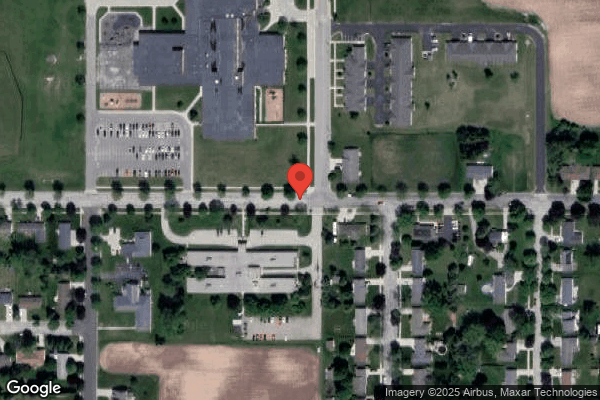
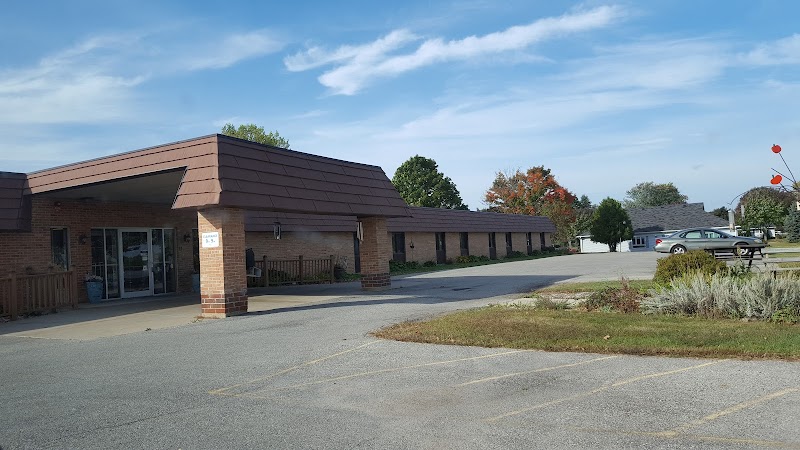
1308 LINCOLN ST, KEWAUNEE, WI 54216 (920) 388-4111
For profit - Corporation 50 Beds NORTH SHORE HEALTHCARE Data: November 2025
Trust Grade
88/100
#41 of 321 in WI
Last Inspection: April 2025

Within standard 12-15 month inspection cycle. Federal law requires annual inspections.

Overview

Kewaunee Health Services has a Trust Grade of B+, which signifies that the facility is above average and recommended for care. It ranks #41 out of 321 nursing homes in Wisconsin, placing it in the top half, and is the top facility in Kewaunee County. The trend is improving, as the number of issues reported decreased from 2 in 2024 to none in 2025. Staffing received an average rating of 3 out of 5 stars, with a turnover rate of 52%, which is similar to the state average. However, the facility has faced $5,347 in fines, which is concerning but not excessively high compared to other facilities. On the positive side, Kewaunee Health Services has strong RN coverage, which can help catch potential issues. However, there have been specific concerns, such as the failure to submit accurate staffing information to Medicare, improper food storage and preparation practices, and lapses in hand hygiene during resident care. These incidents suggest areas that need improvement, even as the facility works toward better compliance and care quality.

Trust Score
B+
88/100
In Wisconsin
#41/321
Top 12%
Safety Record
Low Risk
No red flags
Inspections
Getting Better
2 → 0 violations
Staff Stability
⚠ Watch
52% turnover. Above average. Higher turnover means staff may not know residents' routines.
Penalties
✓ Good
$5,347 in fines. Lower than most Wisconsin facilities. Relatively clean record.
Skilled Nurses
✓ Good
Each resident gets 49 minutes of Registered Nurse (RN) attention daily — more than average for Wisconsin. RNs are trained to catch health problems early.
Violations
○ Average
8 deficiencies on record. Average for a facility this size. Mostly minor or procedural issues.
★★★★★
5.0
Overall Rating
★★★☆☆
3.0
Staff Levels
★★★★☆
4.0
Care Quality
★★★★★
5.0
Inspection Score
Stable
2024: 2 issues
2025: 0 issues

The Good

  • 4-Star Quality Measures · Strong clinical quality outcomes
  • Full Sprinkler Coverage · Fire safety systems throughout facility
  • No fines on record

Facility shows strength in quality measures, fire safety.

The Bad

Staff Turnover: 52%

Near Wisconsin avg (46%)

Higher turnover may affect care consistency

Federal Fines: $5,347

Below median ($33,413)

Minor penalties assessed

Chain: NORTH SHORE HEALTHCARE

Part of a multi-facility chain

Ask about local staffing decisions and management

The Ugly 8 deficiencies on record

Mar 2024 2 deficiencies
CONCERN (D)

Potential for Harm - no one hurt, but risky conditions existed

Quality of Care (Tag F0684)

Could have caused harm · This affected 1 resident

Based on observation, staff interview, and record review, the facility did not ensure 1 Resident (R) (R5) of 2 sampled residents with non-pressure wounds received care and treatment in a timely manner...

Read full inspector narrative →
Based on observation, staff interview, and record review, the facility did not ensure 1 Resident (R) (R5) of 2 sampled residents with non-pressure wounds received care and treatment in a timely manner. R5 had a skin tear on the left leg. R5's medical record did not indicate the origin of the wound, did not contain treatment orders or monitoring instructions, and did not indicate R5's Power of Attorney (POA), Hospice team or Physician was notified. Findings include: The facility's Pressure Injuries and Non-Pressure Injuries policy, revised on 7/20/22 indicates: This center will complete a comprehensive assessment to identify risk factors for the development of pressure injuries and put in place measures intended to achieve the goal of prevention of pressure injuries in our residents. For those residents admitted with, or who subsequently develop a pressure injury or impaired skin integrity, they will receive care, treatment, and services that seek to promote healing, prevent infection, and prevent further development of pressure injuries/impaired skin integrity. The following protocols should guide prevention and treatment efforts, unless specified by a physician otherwise .Examples of impaired skin integrity include, but are not limited to, pressure injuries, venous (stasis) ulcers, arterial (ischemic) ulcers, diabetic (neuropathic) ulcers, surgical wounds, skin tears, and rashes . Resident/Responsible Party Education. 2. Inform resident/responsible parties on the presence of wounds . On 3/4/24 at 8:51 AM, Surveyor observed a bandage with a red stain on R5's left outer calf. R5 could not provide Surveyor with information on how the wound occurred. On 3/4/24, Surveyor reviewed R5's medical record. R5 had diagnoses including diabetes type 2 with chronic kidney disease, dementia without behavioral disturbance, and long-term use of anticoagulant medication. R5's Minimum Data Set (MDS) assessment, dated 2/23/24, contained a Brief Interview for Mental Status (BIMS) score of 5 out of 15 which indicated R5 had severely impaired cognition. The MDS also indicated R5 received Hospice services, required full assistance with activities of daily living (ADLs), transferred via Hoyer lift, and used a wheelchair. R5 had an activated POA. R5's most recent skin assessment, dated 2/28/24, indicated R5 did not have skin injuries or wounds. A care plan indicated R5 was at risk for alteration in skin integrity due to incontinence and decreased mobility, and contained the following goal and intervention: R5's skin will remain intact, free from erythema, breakdown, excoriation, or bruising. Observe skin condition with ADL care daily and report abnormalities. R5's medical record did not contain an assessment or care plan regarding R5's left leg wound. In addition, R5's Treatment Administration Record (TAR) did not contain a treatment for the wound. On 3/5/24 at 9:57 AM, Surveyor interviewed Licensed Practical Nurse (LPN)-D who was not aware of R5's wound and indicated the bandage was possibly a lidocaine patch. LPN-D verified R5's TAR did not contain a wound treatment. On 3/5/24 at 10:03 AM, Surveyor observed the bandage on R5's left leg and noted the bandage was not a lidocaine patch. On 3/5/24 at 12:47 PM, Surveyor interviewed Director of Nursing (DON)-B and Nursing Home Administrator (NHA)-A who were unaware of R5's leg wound and were unsure if any treatment was provided. NHA-A indicated nursing staff should document and report skin irregularities, wounds, and alterations to the charge nurse so the area is assessed and treated. NHA-A also stated residents with skin irregularities, wounds, and alterations should be placed on the 24-hour report for observation. DON-B and NHA-A indicated they would observe the wound and provide further information to Surveyor. Surveyor did not receive any further information on 3/5/24. On 3/6/24 at 7:36 AM, Surveyor reviewed R5's medical record which contained an observation note, dated 3/5/24 at 9:37 PM, that indicated: R5 had a 1 cm (centimeter) long x 0.1 cm wide skin tear. The skin tear was observed after R5 was transferred to R5's wheelchair via Hoyer lift. R5 did not complain of pain. NHA-A and DON-B aware and notification was placed in the Physician folder. R5's POA was informed at 7:00 PM. A Non-Pressure Weekly tracker, dated 3/5/24 at 9:37 PM, indicated: Wound acquired 3/4/24 .left lower leg skin tear on right front lower left leg .No drainage, tunneling or odor with wound edges distinct and outline clearly visible. No inflammation or suspected infection .Monitor in TAR until healed. Clean with normal saline, pat dry, apply band aide every other day until healed Notify MD for treatment change if wound declines or no change in wound for two weeks. Update family/responsible party with wound changes, continue treatment as ordered, and continue plan of care .Physician and POA notified 3/5/24. On 3/6/24 at 8:38 AM, Surveyor requested R5's 2/28/24 and 3/5/24 skin assessments, current care plan, and TAR from NHA-A. On 3/6/24 at 12:10 PM, Surveyor reviewed R5's 2/28/24 and 3/5/24 skin assessments, care plan, TAR, and a telephone contact sheet provided by NHA-A. The telephone contact summary indicated: Fax sent to Physician on 3/6/24 at 7:35 AM .R5 received skin tear during transfer. Facility believes R5 bumped left lower leg (front) on Hoyer. Tear measures 1 cm long x 0.1 cm wide x 0.0 cm deep. Staff cleaned with normal saline and applied band aid. Please reply with orders if different from above. On 3/6/24 at 8:01 AM, the Physician agreed with the suggested treatment.
CONCERN (F)

Potential for Harm - no one hurt, but risky conditions existed

Staffing Data (Tag F0851)

Could have caused harm · This affected most or all residents

Based on staff interview and record review, the facility did not ensure they completed mandatory electronic submission of staffing information based on payroll data in a uniformed format to the Center...

Read full inspector narrative →
Based on staff interview and record review, the facility did not ensure they completed mandatory electronic submission of staffing information based on payroll data in a uniformed format to the Centers for Medicare & Medicaid Services (CMS). This had the potential to affect all 27 residents residing in the facility. The facility's staffing information for Quarter 4 (July 1-September 30) of the Payroll Based Journal (PBJ) was not accurately submitted to CMS. Findings include: The Centers for Medicare & Medicaid Services (CMS) Electronic Staffing Data Submission Payroll-Based Journal (PBJ), Long-term Care Facility Policy Manual, dated June 2022, indicates: Chapter 1: Overview, 1.1 introduction .(U) mandatory submission of staffing information based on payroll data in a uniform format. Long-term care facilities must electronically submit to CMS complete and accurate direct care staffing information, including information for agency and contract staff, based on payroll and other verifiable and auditable data in a uniform format according to specifications established by CMS .1.2 Submission Timelines and Accuracy. Direct care staffing and census data will be collected quarterly and is required to be timely and accurate .Report Quarter: Staffing and census data will be collected for each fiscal quarter. Staffing data includes the number of hours paid to work by each staff member each day within a quarter. Census data includes the facility's census on the last day of each of the three months in a quarter. The fiscal quarters are as follows: Fiscal Quarter, Date range: Quarter 1: October 1-December 31; Quarter 2: January 1-March 31; Quarter 3: April 1-June 30; Quarter 4: July 1-September 30. On 3/4/23, Surveyor reviewed the PBJ Staffing Data Report, CASPER Report 1705D for Fiscal year 2023 (run on 2/27/24) which indicated: Quarter 4 2023 (July 1-September 30 ) triggered metrics: submitted weekend staffing data is excessively low; failed to have licensed nursing coverage 24 hours a day on 7/23/23, 9/3/23, 9/4/23, 9/9/23, 9/10/23, 9/11/23, 9/16/23, 9/17/23, 9/23/23, and 9/24/23. On 3/4/24, Surveyor requested staffing schedules and timecard punches for the triggered days in Quarter 4 from Nursing Home Administrator (NHA)-A. On 3/4/24, Surveyor reviewed the staffing schedules and timecard punches and noted the facility had appropriate nursing staff levels per the Facility Assessment for all triggered days on the PBJ Quarter 4 Report. On 3/4/24 at 11:17 AM, Surveyor interviewed Business Office Manager (BOM)-E regarding the triggered metrics of low weekend staffing and no licensed nursing hours for Quarter 4. BOM-E indicated BOM-E verified the hours and sent the hours to the the central office and stated an employee from the central office sent the hours to CMS. BOM-E indicated BOM-E was aware that agency staff hours were not reported to CMS correctly or at all. BOM-E indicated it was an ongoing issue that the facility and central office were aware of, however, BOM-E was unsure if the issue was corrected. BOM-E stated BOM-E would speak with NHA-A and [NAME] President of Success (VPS)-C about the missing hours and provide further information to Surveyor. On 3/4/24 at 12:29 PM, BOM-E informed Surveyor that VPS-C had information regarding PBJ reporting and had emails regarding missing hours for PBJ reporting from the central office. Surveyor interviewed VPS-C who indicated VPS-C had the hours that triggered as missing on the PBJ Report and was working with the central office to transmit the correct hours to CMS. On 3/5/24 at 12:01 PM, Surveyor again interviewed VPS-C who showed Surveyor emails sent to the central office from the facility that indicated the hours worked by staff. VPS-C indicated VPS-C worked with the facility's central office on the transmission of the hours to CMS because the PBJ Report displayed triggered metrics for staffing hours. On 3/5/24 at 1:43 PM, VPS-C approached Surveyor and indicated the central office was reviewing the PBJ Report and indicated transmission of incorrect staffing hours to CMS was a systematic issue that VPS-C was working on with the central office. VPS-C stated the facility's timecard system directly sends staffing data to CMS and when the hours are low, the facility provides the necessary information. VPS-C could not provide Surveyor with information on why the correct data was not transmitted to CMS, but stated VPS-C would provide the information when discovered. On 3/5/24 at 2:48 PM, VPS-C informed Surveyor that the Human Services Director and Chief Clinical Officer were reviewing the PBJ data and conducting organization-wide audits. VPS-C verified the staffing hours provided by the facility to the central office were correct. On 3/6/24 at 12:17 PM, VPS-C informed Surveyor that the central office discovered staffing hours were not accurately transmitted to CMS because the timecard system was not transmitting agency staff hours. VPS-C indicated that the central office is conducting organization-wide audits to ensure the timecard system is working and indicated the system-wide reporting error will be fixed.
Jan 2023 6 deficiencies
CONCERN (D)

Potential for Harm - no one hurt, but risky conditions existed

Pharmacy Services (Tag F0755)

Could have caused harm · This affected 1 resident

**NOTE- TERMS IN BRACKETS HAVE BEEN EDITED TO PROTECT CONFIDENTIALITY** Based on staff interview and record review, the facility did not ensure Resident (R) administration of medication was consistent...

Read full inspector narrative →
**NOTE- TERMS IN BRACKETS HAVE BEEN EDITED TO PROTECT CONFIDENTIALITY** Based on staff interview and record review, the facility did not ensure Resident (R) administration of medication was consistent with the ordered dose for 1 (R28) of 6 residents reviewed for medication administration. R28 was administered 15 milligrams (mg) of amlodipine besylate (a calcium channel blocker used to treat high blood pressure) on 1/10/23 following a medication change order on 1/9/23 to decrease amlodipine from 10 mg to 5 mg daily. Findings include: From 1/10/23 through 1/12/23, Surveyor reviewed R28's medical record which documented R28 received dialysis three times weekly. R28 returned from the hospital on [DATE] with an order for amlodipine besylate 10 mg daily. A dialysis physician order, dated 1/9/23 and fax time stamped 6:09 PM, documented a new order to decrease amlodipine besylate to 5 mg daily and to change the timing of the dose to HS (bedtime). R28's Medication Administration Record (MAR) documented staff administered 10 mg of amlodipine besylate during the day and 5 mg of amlodipine besylate at bedtime on 1/10/23 (total 15 mg administered on 1/10/23). On 1/11/23 at 12:24 PM, Surveyor interviewed Licensed Practical Nurse (LPN)-G regarding R28's amlodipine besylate order. LPN-G confirmed LPN-G worked on 1/9/23 and stated R28 returned from dialysis without R28's dialysis communication binder. LPN-G followed up with the dialysis center via telephone and was told dialysis paperwork would be faxed to the facility; however, LPN-G was unable to obtain the faxed information on 1/9/23 because the fax machine was located in a locked office. On 1/12/23 at 9:59 AM, Surveyor interviewed Director of Nursing (DON)-B regarding the change in R28's amlodipine besylate order. DON-B confirmed 15 mg of amlodipine besylate was administered to R28 on 1/10/23 when 5 mg should have been administered. DON-B stated R28's dialysis schedule changed after R28 returned from the hospital on [DATE]. Staff identified R28 was not consistently available for the AM dose of amlodipine besylate due to the dialysis schedule change. To ensure R28 received amlodipine besylate, the order was changed to HS administration; however, the 1/9/23 change order was not processed in R28's medical record until after R28 received the previously ordered 10 mg AM dose on 1/10/23. DON-B confirmed staff did not identify the medication was administered twice on 1/10/23 prior to Surveyor's investigation.
CONCERN (D)

Potential for Harm - no one hurt, but risky conditions existed

Deficiency F0805 (Tag F0805)

Could have caused harm · This affected 1 resident

Based on observation, staff interview, and record review, the facility did not ensure puree texture food was prepared in accordance with the recipe for 1 Resident (R) (R16) of 1 resident with a pureed...

Read full inspector narrative →
Based on observation, staff interview, and record review, the facility did not ensure puree texture food was prepared in accordance with the recipe for 1 Resident (R) (R16) of 1 resident with a pureed diet. Dietary [NAME] (DC)-E added approximately nine teaspoons of thickener to one serving of green beans during the puree process. The recipe indicated one teaspoon of thickener should be added per one serving of green beans. Findings include: On 1/11/23 at 11:24 AM, Surveyor observed DC-E prepare pureed green beans for the lunch meal service. DC-E placed one half cup of green beans in a food processor. DC-E then added what DC-E estimated was one quarter cup of water and used a two ounce scoop to obtain thickener from a bulk food bin. DC-E estimated approximately half the scoop of thickener was added (one ounce). DC-E processed the food and explained DC-E was adding thickener and water to obtain the desired consistency. DC-E stated DC-E knew how much thickener to add because there was a chart in the recipe book; however, DC-E indicated the chart didn't specify the amount of thickener to add for one serving and DC-E was making one serving of pureed green beans for R16. Surveyor reviewed the chart DC-E referenced. The chart was designed to let staff know what size scoop to use to convert regular texture food serving sizes to puree texture serving sizes. The chart did not address thickener or the type or amount of liquid to use when pureeing food. During the preparation process, Surveyor noted DC-E added additional water and thickener. Approximately three quarters of the two ounce scoop was added to the single serving of green beans. One ounce equaled six teaspoons which calculated to approximately nine teaspoons added to one portion of green beans. On 1/12/23, the facility provided the green bean puree recipe to Surveyor. Dietary Manager (DM)-D verified the recipe was not followed. The green bean puree recipe stated one teaspoon of thickener should be added per one serving of green beans.
CONCERN (E)

Potential for Harm - no one hurt, but risky conditions existed

Infection Control (Tag F0880)

Could have caused harm · This affected multiple residents

Based on observation, staff interview, and record review, the facility did not ensure Centers for Disease Control and Prevention (CDC) respirator use standards were followed during Resident (R) care f...

Read full inspector narrative →
Based on observation, staff interview, and record review, the facility did not ensure Centers for Disease Control and Prevention (CDC) respirator use standards were followed during Resident (R) care for 4 residents (R3, R8, R14, and R21). In addition, staff did not perform hand hygiene per standards during personal cares for R12 and did not ensure hand hygiene was offered to 6 (unidentified) of 8 residents prior to meal service. ~Staff bagged and reused N95 respirators while inside the rooms of R3, R8, R14, and R21 who were on droplet transmission-based precautions. ~Certified Nursing Assistant (CNA)-H did not remove gloves when moving from dirty to clean and did not wash hands when gloves were removed during personal cares for R12. ~Staff did not offer hand hygiene to six out of eight residents who ate in the main dining room on 1/10/23. Findings include: According to the Centers for Disease Control and Prevention (CDC) memo titled Summary for Healthcare Facilities: Strategies for Optimizing the Supply of N95 Respirators during Shortages 4/9/3021): IF FACILITY IS IN CONTINGENCY FOR SUPPLIES .implement limited re-use of N95 respirators and limit to no more than five uses (i.e., five donnings) per device by the same HCP, unless otherwise specified by the manufacturer. During observations from 1/10/23 through 1/12/23, the facility had a table with a sign stating to use an N95 for one shift or 12 hours. The table contained N95 respirators in brown bags labeled with staff names. 1. On 1/11/23 at 1:28 PM, Surveyor observed CNA-J don an N95 (Makrite NIOSH N95) removed from a paper bag on the table and R8 and R14's shared room. At 1:30 PM, CNA-J exited the room and performed hand hygiene. With the same mask, CNA-J entered R3 and R21's shared room. Both rooms contained a droplet precautions sign which required staff to don an N95, gown, gloves, and eye protection. The rooms had a shared bathroom for R3, R8, R14, and R21. On 1/11/23 at 1:32 PM, CNA-J doffed CNA-J's gown and gloves, exited R3 and R21's room, performed hand hygiene and removed a surgical mask and the N95. CNA-J placed both masks in a brown bag on the table. Surveyor immediately interviewed CNA-J who stated staff had their own bag to store their N95. CNA-J stated CNA-J puts a surgical mask over the N95 for extra protection. CNA-J stated CNA-J uses the N95 for one shift up to twelve hours as long as it does not get wet or soiled. CNA-J stated staff do not count the number of donnings and doffings, just the hours used. CNA-J stated the facility has not run of out N95s. On 1/12/23 at 2:41 PM, Surveyor interviewed Director of Nursing (DON)-B who stated staff can use one N95 for one shift if they put the N95s in brown bags after they take them off. DON-B stated the facility does not use N95s as extended use, but as limited re-use which includes using an N95 for eight hours or sooner if the N95 becomes soiled or contaminated. DON-B stated the facility was doing really well on supplies, including N95s and followed conventional use of N95s, not contingency. DON-B stated some staff throw away their N95 after use, but the nurse who goes into a resident's room twice per shift may re-use their N95. DON-B stated the CNAs throw the N95s away because they go in resident rooms more frequently. DON-B stated the facility had plenty of supply so the staff could throw away. That is North Shore policy. 2. On 1/10/23 at 11:01 AM, Surveyor observed CNA-H and CNA-I during the provision of cares for R12. CNA-H removed R12's incontinence brief and used cleansing wipes to clean R12's peri-area. With the same soiled gloves, CNA-H applied barrier cream to R12's buttocks and placed a clean incontinence brief under R12. CNA-H fastened the brief, put the wipes away, and then removed the soiled gloves. Without performing hand hygiene, CNA-H donned clean gloves. CNA-H and CNA-I transferred R12 via electric lift from bed to wheelchair. CNA-H then removed gloves and washed hands with soap and water. On 1/10/23 at 11:14 AM, Surveyor interviewed CNA-H who stated CNA-H tried to move quickly with R12 as R12 can become moody. CNA-H verified CNA-H should have changed gloves and performed hand hygiene during the provision of incontinence care when moving from dirty to clean parts of care. CNA-H stated DON-B was focused on hand hygiene and the oversight of hand hygiene is on us. On 1/12/23 at 2:50 PM, Surveyor interviewed DON-B who stated DON-B provided hand hygiene education to staff due to COVID-19, RSV (Respiratory Syncytial Virus), and influenza. Additionally, the facility performed spot checks on hand hygiene and did hand hygiene observations with agency staff. DON-B stated staff were expected to perform hand hygiene between soiled and clean tasks during the provision of resident care by changing gloves and using hand sanitizer or soap and water. 3. On 1/10/23 beginning at 12:03 PM, Surveyor continuously observed dining service in the facility's main dining room. By 12:10 PM, eight residents transported themselves or were assisted with transportation to the dining room. Surveyor observed hand hygiene was not routinely offered to each resident who entered the dining room. Surveyor observed an unidentified resident ask CNA-H for a hand wipe which CNA-H provided. On 1/10/23 at 12:15 PM, Surveyor interviewed CNA-H regarding hand hygiene for residents. CNA-H stated some residents depended on staff for care so their hands would have last been washed during morning cares. CNA-H verified CNA-H provided a hand wipe to the resident who asked for one and stated residents know the wipes are there. CNA-H said, Mainly people who use them ask for them. CNA-H verified wipes were provided to the unidentified resident and a tablemate. On 1/10/23 at 12:27 PM, Surveyor observed meal service begin in the main dining room. R28, who was assisted to the dining room earlier, started to wheel R28's wheelchair out of the dining room prior to meal service, but was redirected back to the table. Hand hygiene was not offered to R28 when R28 was initially assisted to the dining room or when R28 was redirected to the table after touching the wheels of R28's wheelchair. On 1/12/23 at 2:38 PM, Surveyor interviewed DON-B who stated staff were expected to wash residents' hands prior to meals by using hand sanitizer, hand sanitizing cloths, or soap and water based on the resident's preference.
CONCERN (F)

Potential for Harm - no one hurt, but risky conditions existed

Food Safety (Tag F0812)

Could have caused harm · This affected most or all residents

Based on observation, staff interview, and record review, the facility did not ensure food was stored and prepared in a sanitary manner. The practice had the potential to affect 27 of 28 residents (on...

Read full inspector narrative →
Based on observation, staff interview, and record review, the facility did not ensure food was stored and prepared in a sanitary manner. The practice had the potential to affect 27 of 28 residents (one resident was exclusively tube fed). Staff did not test quaternary sanitizing solution per manufacturer's instructions. Staff did not wash hands when moving from dirty to clean activities. Dietary [NAME] (DC)-E touched ready to eat food with a bare hand. Staff did not date refrigerated items upon opening and did not discard expired beverages. Staff did not discard expired dry storage food. Dietary Manager (DM)-D did not wait two minutes to take microwave reheated food temperature to ensure food was heated evenly. Findings include: On 1/10/23 at 8:26 AM, DM-D stated the facility used ServSafe, which is based on the Food and Drug Administration (FDA) Food Code, as its standard of practice. Sanitizing Solution Testing Quaternary test strip package insert directions indicated the test solution should be between 65 and 75 degrees Fahrenheit (F) at the time of testing. On 1/10/23 at 8:47 AM, Surveyor observed DM-D fill a sanitizing solution bucket. DM-D commented DM-D could see steam rising. DM-D tested the sanitizing solution without obtaining the temperature of the sanitizing solution first. DM-D indicated the Parts Per Million (PPM) of sanitizing solution was appropriate based on the color of the test strip. Surveyor reviewed the facility's testing log and noted there was not a space to enter the sanitizing solution temperature. At 9:26 AM, Surveyor reviewed the package insert with DM-D who confirmed the manufacturer's instructions indicated the sanitizing solution should be between 65 and 75 degrees F at the time of testing. Hand Washing FDA Food Code 2022 documents at 2-301.14 When to Wash. FOOD EMPLOYEES shall clean their hands and exposed portions of their arms as specified under § 2-301.12 immediately before engaging in FOOD preparation including working with exposed FOOD, clean EQUIPMENT and UTENSILS, and unwrapped SINGLE-SERVICE and SINGLE-USE ARTICLES and: .(E) After handling soiled EQUIPMENT or UTENSILS On 1/10/23 at 8:47 AM, Surveyor observed DM-D enter the dishwashing area with dirty dishes. Without washing hands, DM-D moved tray of clean dishes from the dishwashing machine. DM-D then left the dishwashing area, obtained additional dirty dishes, delivered dirty dishes to the dishwashing area and, without washing hands, removed a second tray of clean dishes from the dishwashing machine. On 1/11/23 at 11:56 AM, Surveyor observed DC-E transport a soiled colander to the dishwashing area. Without washing hands, DC-E began to set up the steam table for the lunch meal service. On 1/11/23 at 1:01 PM, Surveyor observed Dietary Aide (DA)-F process dirty dishes. DA-F removed dishwashing gloves and, without washing hands, reached into the dishwashing machine to remove a clean steam table tray. Bare Hand Contact FDA Food Code 2022 documents at 3-301.11 Preventing Contamination from Hands .(B) Except when washing fruits and vegetables as specified under §3-302.15 or as specified in ¶¶ (D) and (E) of this section, FOOD EMPLOYEES may not contact exposed, READY-TO-EAT FOOD with their bare hands and shall use suitable UTENSILS such as deli tissue, spatulas, tongs, single-use gloves, or dispensing EQUIPMENT On 1/11/23 at 11:16 AM, Surveyor observed DC-E prepare individual serving size salads. DC-E removed gloves and began covering the salad bowls with plastic wrap. DC-E used a bare hand to push a piece of spring mix greens back into the salad bowl before covering. Refrigerated Storage FDA Food Code 2022 documents at 3-501.17 Ready-to-Eat, Time/Temperature Control for Safety Food, Date Marking. (A) Except when PACKAGING FOOD using a REDUCED OXYGEN PACKAGING method as specified under § 3-502.12, and except as specified in ¶¶ (E) and (F) of this section, refrigerated, READY-TO-EAT, TIME/TEMPERATURE CONTROL FOR SAFETY FOOD prepared and held in a FOOD ESTABLISHMENT for more than 24 hours shall be clearly marked to indicate the date or day by which the FOOD shall be consumed on the PREMISES, sold, or discarded when held at a temperature of 5ºC (41ºF) or less for a maximum of 7 days. The day of preparation shall be counted as Day 1. FDA Food Code 2022 documents at 3-501.18 Ready-to-Eat, Time/Temperature Control for Safety Food, Disposition. (A) A FOOD specified in ¶ 3-501.17(A) or (B) shall be discarded if it: (1) Exceeds the temperature and time combination specified in ¶ 3-501.17(A), except time that the product is frozen; (2) Is in a container or PACKAGE that does not bear a date or day; or (3) Is inappropriately marked with a date or day that exceeds a temperature and time combination as specified in ¶ 3-501.17(A) On 1/10/23 at 8:58 AM, Surveyor observed and DM-D verified the facility's walk-in refrigerator contained the following open, undated and expired products: - One gallon of 2% milk with no open date; manufacturer best by dated 1/6/23. - One 46 ounce (oz) container of tomato juice, open and undated. - One 32 oz container of Silk soy milk, open with a handwritten date of 12/7/22 on the container. DM-D indicated no residents preferred or used soy milk in the past month. - One 32 oz cranberry juice, open and dated. DM-D indicated the product was opened the day before and wrote 1/9 on the container at the time of the observation. Dry Storage On 1/10/23, after the walk-in refrigerator tour which began at 8:58 AM, Surveyor toured the dry storage area with DM-D. Surveyor observed and DM-D confirmed the following expired products shelved for use: - one box of single serving Italian dressing, manufacturer expiration dated 1/4/23. - one 5 pound (lb) box of lemon bar filling mix, manufacturer expiration dated 8/15/22. - one 3 lb box of lemon bar crust mix, manufacturer expiration dated 9/8/22. At the time of the observation, DM-D verified the expired products should be discarded. Microwave Reheating FDA Food Code 2022 documented at 3-403.11 Reheating for Hot Holding. (A) Except as specified under ¶¶ (B) and (C) and in ¶ (E) of this section, TIME/TEMPERATURE CONTROL FOR SAFETY FOOD that is cooked, cooled, and reheated for hot holding shall be reheated so that all parts of the FOOD reach a temperature of at least 74oC (165oF) for 15 seconds. (B) Except as specified under ¶ (C) of this section, TIME/TEMPERATURE CONTROL FOR SAFETY FOOD reheated in a microwave oven for hot holding shall be reheated so that all parts of the FOOD reach a temperature of at least 74oC (165oF) and the FOOD is rotated or stirred, covered, and allowed to stand covered for 2 minutes after reheating. On 1/10/23 at 8:33 AM, Surveyor observed DM-D microwave and reheat pureed egg. DM-D immediately removed the egg from the microwave and temped the egg. Surveyor observed a sign on the microwave that instructed staff to wait two minutes prior to obtaining the temperature. When Surveyor inquired about the microwave temperature procedure, DM-D stated DM-D was in a rush, reheated food, then waited two minutes before temperature monitoring.
MINOR (C)

Minor Issue - procedural, no safety impact

Transfer Notice (Tag F0623)

Minor procedural issue · This affected most or all residents

**NOTE- TERMS IN BRACKETS HAVE BEEN EDITED TO PROTECT CONFIDENTIALITY** Based on staff interview and record review, the facility did not ensure a system was in place to provide written notification of...

Read full inspector narrative →
**NOTE- TERMS IN BRACKETS HAVE BEEN EDITED TO PROTECT CONFIDENTIALITY** Based on staff interview and record review, the facility did not ensure a system was in place to provide written notification of transfer to a Resident (R) or resident's representative and a copy of written notification to the Office of State Long-Term Care Ombudsman for 1 (R28) of 1 residents reviewed for transfers. The facility did not have a system to ensure provision of written transfer notification at the time of resident transfers. In addition, the facility did not notify the Ombudsman of hospital transfers. The facility did not provide written notification of transfer to R28's activated Power of Attorney (POA)-K or a copy of written notification to the Ombudsman when R28 transferred to the hospital on [DATE]. Findings include: From 1/10/23 through 1/12/23, Surveyor reviewed R28's medical record which documented R28 was transferred to a hospital for care on 12/19/22. R28 had an activated POA (POA-K) who made medical decisions for R28. R28's bed hold and notice of transfer form, dated 12/19/22, documented POA-K was notified via telephone; however, the signature line and the mail date lines were blank. Surveyor was unable to locate documentation that written transfer notification was provided to POA-K. On 1/10/23 at 1:07 PM, Surveyor interviewed POA-K regarding R28's hospitalization on 12/19/22. POA-K did not recall receiving paperwork from the facility related to R28's transfer. On 1/11/23 at 12:24 PM, Licensed Practical Nurse (LPN)-G stated transfer information was verbally provided via telephone for residents with alternate decision makers, and the forms were then given to Social Worker (SW)-C. On 1/12/23 at 8:42 AM, SW-C stated SW-C became aware during Surveyor's investigation that SW-C's duties included communicating transfer information to the Ombudsman. SW-C confirmed the Ombudsman was not notified of transfers and stated SW-C contacted the Ombudsman's office during Surveyor's investigation to develop a system. At 9:44 AM, SW-C verified nursing handed-off transfer forms to SW-C after the forms were filled out. SW-C stated transfer forms were filed in charts, but not mailed or provided to residents or resident representatives on-site.
MINOR (C)

Minor Issue - procedural, no safety impact

Deficiency F0625 (Tag F0625)

Minor procedural issue · This affected most or all residents

**NOTE- TERMS IN BRACKETS HAVE BEEN EDITED TO PROTECT CONFIDENTIALITY** Based on staff interview and record review, the facility did not ensure a system was in place to provide written notification of...

Read full inspector narrative →
**NOTE- TERMS IN BRACKETS HAVE BEEN EDITED TO PROTECT CONFIDENTIALITY** Based on staff interview and record review, the facility did not ensure a system was in place to provide written notification of the facility's bed hold policy to a Resident (R) or resident's representative for 1 (R28) of 1 residents reviewed for transfers. The facility did not have a system to ensure provision of written notification of the bed hold policy at the time of resident transfers. The facility did not provide written notification of the bed hold policy to R28's activated Power of Attorney (POA)-K when R28 transferred to the hospital on [DATE]. Findings include: From 1/10/23 through 1/12/23, Surveyor reviewed R28's medical record which documented R28 transferred to a hospital for care on 12/19/22. R28 had an activated POA (POA-K) who made medical decisions for R28. R28's bed hold and notice of transfer form, dated 12/19/22, documented POA-K was notified via telephone; however the signature and mail lines were blank. Surveyor was unable to locate documentation that written bed hold policy notification was provided to POA-K at or around the time of R28's transfer. On 1/10/23 at 1:07 PM, Surveyor interviewed POA-K regarding R28's hospitalization on 12/19/22. R28 did not recall receiving paperwork from the facility related to R28's transfer, including bed hold policy information. On 1/11/23 at 12:24 PM, Licensed Practical Nurse (LPN)-G stated bed hold information was verbally provided via telephone for residents with alternate decision makers, and the forms were then given to Social Worker (SW)-C. On 1/12/23 at 9:44 AM, SW-C verified nursing staff provided SW-C with transfer forms, which included bed hold information. SW-C indicated the forms were filed in residents' charts, but not mailed or provided to residents or resident representatives on-site.
Understanding Severity Codes (click to expand)
Life-Threatening (Immediate Jeopardy)
J - Isolated K - Pattern L - Widespread
Actual Harm
G - Isolated H - Pattern I - Widespread
Potential for Harm
D - Isolated E - Pattern F - Widespread
No Harm (Minor)
A - Isolated B - Pattern C - Widespread

Questions to Ask on Your Visit

  • "Can I speak with families of current residents?"
  • "What's your RN coverage like on weekends and overnight?"

Our Honest Assessment

Strengths
  • • Grade B+ (88/100). Above average facility, better than most options in Wisconsin.
  • • No major safety red flags. No abuse findings, life-threatening violations, or SFF status.
Concerns
  • • No significant concerns identified. This facility shows no red flags across CMS ratings, staff turnover, or federal penalties.
Bottom line: Generally positive indicators. Standard due diligence and a personal visit recommended.

About This Facility

What is Kewaunee Health Services's CMS Rating?

CMS assigns KEWAUNEE HEALTH SERVICES an overall rating of 5 out of 5 stars, which is considered much above average nationally. Within Wisconsin, this rating places the facility higher than 99% of the state's 100 nursing homes. This rating reflects solid performance across the metrics CMS uses to evaluate nursing home quality.

How is Kewaunee Health Services Staffed?

CMS rates KEWAUNEE HEALTH SERVICES's staffing level at 3 out of 5 stars, which is average compared to other nursing homes. Staff turnover is 52%, compared to the Wisconsin average of 46%. RN turnover specifically is 71%, which is notably high. RNs provide skilled clinical oversight, so turnover in this role can affect medical care quality.

What Have Inspectors Found at Kewaunee Health Services?

State health inspectors documented 8 deficiencies at KEWAUNEE HEALTH SERVICES during 2023 to 2024. These included: 6 with potential for harm and 2 minor or isolated issues.

Who Owns and Operates Kewaunee Health Services?

KEWAUNEE HEALTH SERVICES is owned by a for-profit company. For-profit facilities operate as businesses with obligations to shareholders or private owners. The facility is operated by NORTH SHORE HEALTHCARE, a chain that manages multiple nursing homes. With 50 certified beds and approximately 24 residents (about 48% occupancy), it is a smaller facility located in KEWAUNEE, Wisconsin.

How Does Kewaunee Health Services Compare to Other Wisconsin Nursing Homes?

Compared to the 100 nursing homes in Wisconsin, KEWAUNEE HEALTH SERVICES's overall rating (5 stars) is above the state average of 3.0, staff turnover (52%) is near the state average of 46%, and health inspection rating (5 stars) is much above the national benchmark.

What Should Families Ask When Visiting Kewaunee Health Services?

Based on this facility's data, families visiting should ask: "Can I visit during a mealtime to observe dining assistance and food quality?" "How do you handle medical emergencies, and what is your hospital transfer rate?" "Can I speak with family members of current residents about their experience?"

Is Kewaunee Health Services Safe?

Based on CMS inspection data, KEWAUNEE HEALTH SERVICES has a clean safety record: no substantiated abuse findings (meaning no confirmed cases of resident harm), no Immediate Jeopardy citations (the most serious violation level indicating risk of serious injury or death), and is not on the Special Focus Facility watch list (a federal program monitoring the lowest-performing 1% of nursing homes). The facility has a 5-star overall rating and ranks #1 of 100 nursing homes in Wisconsin. While no facility is perfect, families should still ask about staff-to-resident ratios and recent inspection results during their visit.

Do Nurses at Kewaunee Health Services Stick Around?

KEWAUNEE HEALTH SERVICES has a staff turnover rate of 52%, which is 6 percentage points above the Wisconsin average of 46%. Moderate turnover is common in nursing homes, but families should still ask about staff tenure and how the facility maintains care continuity when employees leave.

Was Kewaunee Health Services Ever Fined?

KEWAUNEE HEALTH SERVICES has been fined $5,347 across 1 penalty action. This is below the Wisconsin average of $33,132. While any fine indicates a compliance issue, fines under $50,000 are relatively common and typically reflect isolated problems that were subsequently corrected. Families should ask what specific issues led to these fines and confirm they've been resolved.

Is Kewaunee Health Services on Any Federal Watch List?

KEWAUNEE HEALTH SERVICES is not on any federal watch list. The most significant is the Special Focus Facility (SFF) program, which identifies the bottom 1% of nursing homes nationally based on persistent, serious quality problems. Not being on this list means the facility has avoided the pattern of deficiencies that triggers enhanced federal oversight. This is a positive indicator, though families should still review the facility's inspection history directly.