BENEDICTINE MANOR OF LACROSSE
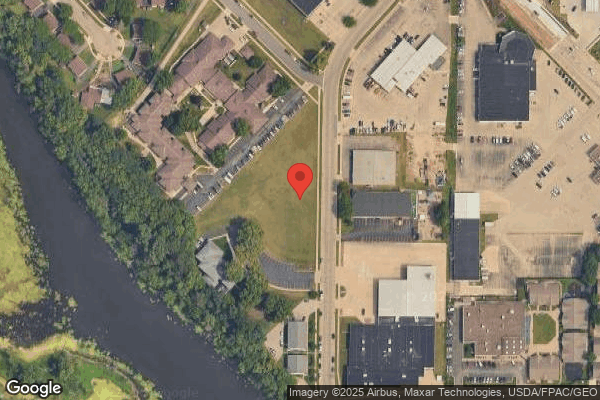

2902 EAST AVENUE SOUTH, LA CROSSE, WI 54601 (608) 788-9870
Non profit - Corporation 80 Beds BENEDICTINE HEALTH SYSTEM Data: November 2025 1 Immediate Jeopardy citation
Trust Grade
28/100
#135 of 321 in WI
Last Inspection: March 2025

Within standard 12-15 month inspection cycle. Federal law requires annual inspections.

Overview

Benedictine Manor of La Crosse has received a Trust Grade of F, indicating significant concerns about the facility's operations and care. They rank #135 out of 321 nursing homes in Wisconsin, placing them in the top half, but their county rank is #5 out of 7, meaning only two local options are better. While the facility's trend is improving, with issues decreasing from 9 in 2024 to 3 in 2025, there are still serious concerns, including $81,596 in fines, which is higher than 80% of Wisconsin facilities, suggesting ongoing compliance problems. Staffing is a relative strength, rated 4 out of 5 stars, with a turnover rate of 46%, which is slightly below the state average. However, there are serious incidents, such as failing to follow a resident's CPR wishes, improper wound care practices that did not include hand hygiene, and inadequate investigation of abuse allegations, highlighting the need for families to weigh both strengths and weaknesses carefully.

Trust Score
F
28/100
In Wisconsin
#135/321
Top 42%
Safety Record
High Risk
Review needed
Inspections
Getting Better
9 → 3 violations
Staff Stability
⚠ Watch
46% turnover. Above average. Higher turnover means staff may not know residents' routines.
Penalties
✓ Good
$81,596 in fines. Lower than most Wisconsin facilities. Relatively clean record.
Skilled Nurses
✓ Good
Each resident gets 65 minutes of Registered Nurse (RN) attention daily — more than 97% of Wisconsin nursing homes. RNs are the most trained staff who catch health problems before they become serious.
Violations
⚠ Watch
17 deficiencies on record. Higher than average. Multiple issues found across inspections.
★★★☆☆
3.0
Overall Rating
★★★★☆
4.0
Staff Levels
★★☆☆☆
2.0
Care Quality
★★★☆☆
3.0
Inspection Score
Stable
2024: 9 issues
2025: 3 issues

The Good

  • 4-Star Staffing Rating · Above-average nurse staffing levels
  • Full Sprinkler Coverage · Fire safety systems throughout facility
  • No fines on record

Facility shows strength in staffing levels, fire safety.

The Bad

3-Star Overall Rating

Near Wisconsin average (3.0)

Meets federal standards, typical of most facilities

Staff Turnover: 46%

Near Wisconsin avg (46%)

Higher turnover may affect care consistency

Federal Fines: $81,596

Well above median ($33,413)

Moderate penalties - review what triggered them

Chain: BENEDICTINE HEALTH SYSTEM

Part of a multi-facility chain

Ask about local staffing decisions and management

The Ugly 17 deficiencies on record

1 life-threatening 3 actual harm
Mar 2025 3 deficiencies 1 Harm
SERIOUS (G)

Actual Harm - a resident was hurt due to facility failures

Pressure Ulcer Prevention (Tag F0686)

A resident was harmed · This affected 1 resident

**NOTE- TERMS IN BRACKETS HAVE BEEN EDITED TO PROTECT CONFIDENTIALITY** Example 3 R2's wound orders state, Aquacel AG (antimicrobial primary dressings for use for wounds) to area on buttocks, cover wi...

Read full inspector narrative →
**NOTE- TERMS IN BRACKETS HAVE BEEN EDITED TO PROTECT CONFIDENTIALITY** Example 3 R2's wound orders state, Aquacel AG (antimicrobial primary dressings for use for wounds) to area on buttocks, cover with foam dressing. On 3/04/25 at 2:15 PM, Surveyor observed wound care for R2's PI with RN E completing wound care on R2. RN E entered R2's room, washed hands and applied gloves. RN E cut two strips of Aquacel AG as part of R2's dressing orders. RN E then assisted R2 with standing and pulling down her pants. RN E then removed R2's soiled sacral dressing, placed the two strips of Aquacel AG onto the new sacral dressing and applied to R2's sacrum. RN E then removed her gloves and sanitized her hands, assisted R2 with pulling up her pants and sitting back in her chair. Of note: At no time during the dressing change did RN E remove her gloves or sanitize her hands. On 3/04/25 at 2:20 PM, Surveyor interviewed RN E. Surveyor asked RN E when should you wash your hands during wound care for a PI. RN E stated, before entering the room, after wound care and when leaving the room. Surveyor asked RN E if you should wash hands when going from dirty to clean. RN E stated, Dirty to clean? Surveyor explained dirty to clean and RN stated, Yes. On 3/04/25 at 3:01 PM, Surveyor interviewed DON B. Surveyor asked DON B when hand hygiene should be performed. DON B stated, before entering a room, with glove changes, when going from dirty to clean, and when leaving a room. Surveyor made DON B aware of observation made during wound care for R2's PI. Based on observation, interview, and record review, the facility did not implement professional standards of practice to ensure that a resident does not develop pressure injuries (PIs), receives necessary treatment and services to promote healing and prevent infection of PIs, or prevent new PIs from developing for 3 of 6 residents (R) reviewed for pressure injuries (R52, R49, R2). R52 was admitted to the facility with a stage II PI and determined to be at high risk for PI. Weekly assessments were not completed consistently, implementing interventions to prevent/improve PIs was not timely, turning and repositioning program was not monitored/reviewed, R52 was not educated on risk vs benefits of repositioning and offloading to prevent/improve PI, and physician was not notified when PI worsened. R52 developed a second stage II PI on 3/4/25. This example is being cited at actual harm. R49 was admitted to the facility with PIs. Weekly assessments were not completed consistently and the intervention of air mattress was added 8 days after admission. Staff did not follow standards of practice for hand hygiene during PI wound care for R2. Findings: According to the National Pressure Injury Advisory Panel (NPIAP) Prevention and Treatment of Pressure Ulcers/Injuries: Clinical Practice Guideline, 2019: Staff should assess and document the physical characteristics of the wound bed and the surrounding skin and soft tissue at least weekly. Weekly wound assessment and documentation should include, in part: Anatomical location, category/stage, size and surface area, tissue type, color, peri wound condition, wound edges, exudate, and odor. NPIAP guidance also recommends repositioning all individuals with or at risk of pressure injuries on an individualized schedule, unless contraindicated. Determine repositioning frequency with consideration to the individual's level of activity and ability to independently reposition. Reposition the individual in such a way that optimal offloading of all bony prominences and maximum redistribution of pressure is achieved. NPIAP guidance also recommends if progress toward healing is not seen within two weeks, the individual, the pressure injury, and the plan of care should be re-evaluated. The facility policy, titled Prevention and Treatment of Skin Breakdown copy right 2018, states: Purpose: Maintaining intact skin is integral to resident health and wellness. Care and serve are delivered to maintain skin integrity and promote skin healing if skin breakdown should occur. Under Section 1 of the policy, states in part .3. Skin integrity is monitored, and abnormal findings are documented, weekly skin audits are performed by a licensed nurse .5. Education is provided to the resident/resident representative as indicated. Under Section 2 of the policy, states in part: If a resident is admitted with impaired skin integrity or a new PI, the following items are implemented: .5. Evaluate current pressure reduction interventions and revise resident centered care plan, Educate resident/resident representative on skin wound/pressure injury and care plan interventions .10. Weekly the licenses nurse will stage, measure and examine the wound bed and surrounding skin. If wound bed has deteriorated: notify provider 11. Notify the attending provider, resident/resident representative and supervisor if the PI has not shown progress in 2 weeks and/or is deteriorating unexpectedly. Re-evaluate plan as care as appropriate. The facility policy titled Handy Hygiene last revised 09/20/23, states, Purpose: Infection Prevention begins with the basic hand hygiene. By following proper hand hygiene practices, associates will reduce the spread of potentially deadly germs, as well as reduce the risk of healthcare provider colonization caused by germs acquired from the residents. The Hand Hygiene policy section labeled: Times to perform Hand Hygiene are, but not limited to, stated in part, .before and after changing a dressing, upon and after coming in contact with a resident's intact skin, after contact with a resident's body fluids or excretions. Example 1 R52 was admitted to the facility on [DATE] with a diagnosis of streptococcus bacteremia of right lower extremity cellulitis, pressure injury of left buttock and generalized weakness. R52's Minimum Data Set (MDS) assessment, dated 01/08/25, identified R52 scored 15 during a Brief Interview for Mental Status (BIMS), indicating R52 is cognitively intact. R52 requires substantial to maximal assistance for toilet transfer, toilet hygiene, personal hygiene and chair/bed-to-chair transfer. R52 is dependent on staff for sit to stand, and lower body dressing, and identified has a stage II PI and is at risk for PI. On 01/02/25, physician orders of: Bilateral buttocks/inner gluteal crease/L buttock pressure ulcer. Gently clean with warm soapy water. pat dry, apply a thin layer of z-guard as a moisture barrier. may hold in place with viva paper towel three times a day. On 01/02/25, Braden Scale indicated a score of 15 indicating at high risk for pressure ulcers and the facility identified need for interventions of pressure reducing device for chair, turning/repositioning program, pressure ulcer/injury care, and application of ointments/medication other than to feet. On 01/02/25, an admission nurse's notes indicated a stage 2 was identified to left buttock measuring approximately 0.5 cm with a wound bed red, no drainage. Surrounding tissue is excoriated, moist with blanchable erythema. On 01/03/25, an individualized care plan which states in part: I am at risk for alteration of skin status due to impaired mobility, incontinence and generalized weakness. Resident has pressure injury to buttock. Chooses to sleep in recliner, refuses to utilize bed. Resident has history of declining cares despite staff education. The facility entered care plan interventions of: On 01/03/25: turning and positioning program due to decreased mobility with assist of 1. I prefer to be repositioned every 2-3 hours and as needed. 01/27/25: Therapy recommendation: place ROHO cushion where resident is sitting in recliner or wheelchair 01/28/25: followed by wound nurse weekly. 01/28/25: treatment to buttock per MD order. Of note, the facility was unable to provide documentation to support when the ROHO cushion was implemented, or when it was first used in the recliner. On 01/03/25, Wound Rounds Completed: Left buttock: Length: 0.5 cm Width: 0.5 cm. Depth cannot be measured. No exudate. Stage 2. Tissue type: Epithelial tissue. Wound edges/margins: Well, defined wound edges. Skin surrounding wound: Erythema (redness) blanchable. On 01/07/2025, Physical Therapy entered notes stating: R52 was utilizing wheelchair ROHO cushion upside down and therapist placed ROHO in wheelchair the correct side up. On 01/10/25, Wound Rounds competed: Left buttock: Length: 0.4 cm Width: 0.4 cm. Depth cannot be measured. No exudate. Stage 2. Tissue type: Epithelial tissue. Skin surrounding wound: Pink/normal. Wound healing status: improving. On 01/17/25, Wound Rounds Completed: Left buttock Length: 0.4cm. Width: 0.4cm. Depth cannot be measured. No exudate. Stage 2. Tissue type: Epithelial Tissues. Wound edges/margins: well, defined wound edges. Skin surrounding wound: Pink/normal. Wound healing status: Stable. On 01/23/25, recorded as Late Entry on 01/27/2025, Wound Rounds Completed: Left buttock Length 1.5 cm. Width 0.5 cm. Depth cannot be measured. Exudate: none. Stage 2. Tissues Type: Epithelial Tissue. Wound edges/margins: irregular wound edges. Skin surround wound: pink/normal. Wound healing status: Declining. On 01/23/25, recorded as Late Entry on 01/27/2025, the facility progress notes state in part . Resident does utilize ROHO cushion. Resident observed to only have in wheelchair. Writer educated resident on importance of having ROHO in recliner chair also. Resident was in agreement to try ROHO in recliner.Resident is not always accepting of cares despite staff education and re-approach. Resident does choose to spend majority of time in wheelchair or recliner. Doesn't utilize bed. Of note, the facility was unable to provide supporting documentation of staff educating R52 of importance of accepting cares and repositioning and unable to provide supportive documentation that the physician was updated when PI was noted to be declining, no new interventions were considered, and no change in treatment was initiated. On 02/09/25, Wound Rounds Completed: Left buttock Length 0.6 cm. Width 0.6 cm. Depth cannot be measured. Exudate amount: light. Excaudate color and consistency: Bloody (bright red, thin). Stage 2. Tissue type: Epithelia Tissue. Skin surrounding wound: Pink/normal. Wound healing status: improving. Of note, no weekly wound assessment between 01/23/25 and 02/09/25 On 03/04/25, Wound Rounds Completed: Right Buttock (newly developed PI) Length: 1.0 cm. Width: 1.0 cm. Depth cannot be measured. Exudate amount: light. Exudate color and consistency: Bloody (bright red, thin). Stage 2. Tissue type: Epithelial tissue. Wound edges/margins: Irregular wound edges. Skin surrounding wound: Pink/normal. Wound healing status: stable. Of note, no weekly wound assessments completed between 02/09/25 and 03/04/25 of left buttock PI, wherein PI worsened and R52 developed a new stage II PI on right buttock. On 03/04/25 at 8:03 AM, Surveyor observed R52 sitting in wheelchair, where R52 remained until 11:45 AM and boarded transportation van for a 45-mile ride to dialysis appointment and not returning until approximately 4:30 P.M. On 03/04/25 at 1:16 PM, Surveyor interviewed Assistant Director of Nursing (ADON) J, who stated becoming aware of a new PI on 02/27/25 during a routine weekly skin assessment completed by nurses. ADON J stated the first wound round assessment was completed today. Of further note, ADON J, who is responsible for weekly wound rounds became aware of the new PI on 02/27/25. No new interventions were put into place upon finding new area, an assessment was not completed until 03/04/15, and the physician was not updated until 03/05/25 during routine rounds. On 03/04/25 at 2:29 PM, Surveyor interviewed Certified Nursing Assistant (CNA) F, who stated R52 has a cushion that is placed on either recliner or wheelchair to sit and stated R52 often refuses on PM shift to get out of recliner and does not use the bed. On 03/04/25 at 2:29 PM, Surveyor interviewed CNA G, who stated R52 doesn't move much on AM shift, but will transfer to wheelchair for meals and then wants to go back into recliner, won't change before going to bed and rarely uses bathroom and is incontinent of urine. On 03/04/25 at 3:18 PM, Surveyor interviewed Regional Nurse H, who stated there was no risk vs benefits document presented to resident regarding offloading. if there would be anything it would be in progress or care plan notes. On 03/04/25 at 3:25 PM, Surveyor reviewed record which shows no documentation noted to support education of risk versus benefits of not repositioning and offloading was provided to R52. On 03/05/25 at 9:39 AM, Surveyor observed Registered Nurse (RN) C conduct wound care on R52. RN C pointed out stage II PI on left buttock and pointed out newly developed stage II PI on right buttock. RN C stated Physician Assistant was made aware of new area today. RN C conducted hand hygiene and placed on gloves, opened clean wound dressing packets and assisted R52 to stand. RN C moved incontinent product that was soiled with urine, away from area and removed old dressing. After cleansing of buttock area, RN C, without removing gloves and/or conducting hand hygiene, placed gloved palm hand on R52's buttocks and placed a clean dressing to PI. On 03/05/25 at 9:50 AM, Surveyor interviewed RN C regarding hand hygiene expectation during wound care. RN C realized RN C had not removed gloves or conducted hand hygiene during wound treatment. RN C stated the expectation would be to remove gloves and conduct hand hygiene after removing old dressings and after assisting with incontinence brief, prior to placing on clean wound treatment. On 3/05/25 at 9:55 AM, Surveyor interviewed Director of Nursing (DON) B regarding no weekly skin assessments completed between 01/27/25-02/09/24; and 02/09/25-03/04/25. DON B confirmed assessments were not completed during these time periods. On 03/05/25 at 10:10 AM, Surveyor interviewed DON B regarding R52's PI on Left buttock that had documentation to support worsening and new pressure injury noted on right buttock was unavoidable. DON B stated was not aware of new area and could not say if implementing the Roho cushion sooner would have made a difference. On 03/05/25 at 11:04 AM, Surveyor interviewed ADON J, asking for information on the start of the Roho cushion. Surveyor was provided an email sent on 01/02/25 (date of R52's admission) from facility staff requesting a Roho cushion. Surveyor was also provided Occupational Therapy (OT) notes dated 01/07/25 which indicates: R52 was utilizing wheelchair ROHO cushion upside down. ADON J was not able to provide documentation to support when ROHO cushion was put into place. On 03/05/25 at 11:10 AM, Surveyor asked ADON J if the worsening of left buttock pressure ulcer and new PI on right buttock were unavoidable. ADON J stated that due to R52's comorbidities, refusals of repositioning and declining to lay in bed does not believe PIs were unavoidable. On 03/05/25 at 12:45 PM, Surveyor interviewed ADON J, who stated the facility does not have any documentation to support repositioning program being completed, risk vs benefit of repositioning education provided to R52, or documentation to support the provider being notified of worsening left buttock PI or development of the new PI on 2/27/25. Example 2 R49 was admitted to facility on 02/12/25, with diagnoses that included pressure ulcer of unspecified site, Stage 2; diabetes, acute kidney failure with a BIMS of 15. R49's admission assessment indicates R49 was admitted with one stage 1 (coccyx) PI and one stage 2 PI (left buttock). On 02/12/25, Braden Scale completed with a score of 15 indicating At Risk with interventions of pressure reducing device for chair and bed, pressure ulcer/injury care, application of nonsurgical dressings, application of ointments/medication other than to feet. On 02/13/25 the facility conducted a weekly wound assessment of PI on left buttock: Length: 1.0 cm. Width: 1.0 cm. Depth: None. Exudate: None. Wound odor: No. Stage II. Undermining: No. Tissue type: Epithelial Tissue. On 02/26/25, the facility conducted a weekly wound assessment of PI on left buttock: Length 0.2 cm. Width: 0.2 cm. Depth. None. Exudate: None. Wound odor: No. Tissue type: closed/resurfaced. Of note there was no weekly wound assessment completed between 02/13/25 to 02/26/25 for the left buttock. On 02/13/25, Wound Rounds Completed of Stage 2 Coccyx: Length: 0.5 cm. Width: 0.5 cm. Depth: None. Exudate: None. Wound odor: No. Undermining: No. Tissue type: Epithelial Tissue On 02/27/25, weekly wound assessment of Stage 2 PI on coccyx: Length: 0.2cm. Width: 0.2cm. Exudate: None. Wound odor: No. Tissue Type: Closed/Resurfaced. Wound healing status: Improving. Of note there was no weekly wound assessment completed between 02/13/25 to 02/27/25 for the coccyx PI. On 03/05/25 at 10:16 AM, Surveyor interviewed DON B asking if there is documentation to support consistent weekly wound assessment being conducted of R49's PIs between 02/13/25 and 02/27/25. DON B stated there were no other wound assessments completed. On 03/05/25 at 10:16 AM, Surveyor interviewed DON B regarding expectation of hand hygiene during wound care. DON B stated expectation would be to remove gloves and conduct hand hygiene between going from dirty area to clean area. On 03/05/25 at 11:11 AM, Surveyor interviewed ADON J regarding interventions put into place for pressure injuries. ADON J stated an alternating air mattress was placed on R49's bed. Of note, R49's care plan was not updated until 02/20/25, when facility updated the care plan with a pressure relieving mattress to bed, eight days after R49 was admitted with two PIs.
CONCERN (D)

Potential for Harm - no one hurt, but risky conditions existed

Infection Control (Tag F0880)

Could have caused harm · This affected 1 resident

Based on observation, interview and record review, the facility did not maintain an infection prevention and control program designed to provide a safe, sanitary, and comfortable environment to help p...

Read full inspector narrative →
Based on observation, interview and record review, the facility did not maintain an infection prevention and control program designed to provide a safe, sanitary, and comfortable environment to help prevent the development and transmission of communicable diseases and infections for 3 of 5 care observations (R209, R49 and R210). Staff did not perform hand hygiene before putting on gloves when passing medications for R210 and R49. R209's catheter bag was hanging from the garbage can and lying on the floor. Findings: Example 1 Facility policy titled, Hand Hygiene revised date of 9/2023, stated in part: Infection Prevention begins with the basic hand hygiene. By following proper hand hygiene practices, associates will reduce the spread of potentially deadly germs, as well as reduce the risk of healthcare provider colonization caused by germs acquired from the resident .Times to Perform Hand Hygiene are, but not limited to: * Before or after direct resident contact . * Before or after assisting a resident with personal cares . * Upon and after coming in contact with a resident's intact skin, such as when taking vitals or after assisting with lifting . * After removing gloves or aprons . On 03/04/25 at 7:39 AM, Surveyor observed Registered Nurse (RN) C administer medications to R210. R210 received a blood pressure medication that required vital signs to be taken first. Surveyor observed RN C take R210's vital signs and administer medications without performing hand hygiene after RN C took the portable vital sign monitor back to the medication cart and cleaned it with sanitization wipes. RN C did not perform hand hygiene after cleaning the monitor. RN C drew up insulin for R49, took the insulin to R49's room and put on single use gloves for the injection and no hand hygiene was performed. RN C completed administration of insulin, removed the gloves, and performed hand hygiene. Surveyor asked RN C if hand hygiene should have been performed after taking one resident's vital signs and before the administration of another resident's insulin and RN C replied, Yes. On 03/04/25 10:35 AM, Surveyor interviewed Director of Nursing (DON) B and informed DON B of the observation made during the medication administration. Surveyor asked DON B what the expectation is for hand hygiene with glove use. DON B replied the nurse should perform hand hygiene upon entering the room. Surveyor asked DON B what the expectation is with hand hygiene with resident cares such as passing medications. DON B stated hand hygiene is performed between each resident. Example 2 Facility policy titled, Prevention of Catheter-Associated Urinary Tract Infections (CAUTI) last reviewed 8/30/2023, stated in part: Purpose: Though prevalence of indwelling urinary catheter use in the long-term care setting is lower than in the acute care setting, catheter-associated UTI (CAUTI) can lead to such complications as cystitis, pyelonephritis, bacteremia, and septic shock. These complications associated with CAUTI can result in a decline in resident function and mobility, acute care hospitalizations, and increased mortality. Prevention is key. On 03/04/25 7:21 AM, Surveyor observed R209's catheter bag hanging from garbage can and resting on the floor. On 03/04/25 7:35 AM, Surveyor pointed out to Certified Nursing Assistant (CNA) D the Foley bag resting on the floor and asked if this was acceptable and CNA D replied, No it is not, I will go fix that right away. On 03/04/25 10:35 AM, Surveyor interviewed DON B about the observation made of the catheter resting on the floor. Surveyor asked DON B what the expectation is for the Foley drainage bag placement. DON B stated the bag should not be on the floor.
CONCERN (E)

Potential for Harm - no one hurt, but risky conditions existed

Deficiency F0558 (Tag F0558)

Could have caused harm · This affected multiple residents

**NOTE- TERMS IN BRACKETS HAVE BEEN EDITED TO PROTECT CONFIDENTIALITY** Based on observation, interview and record review, the facility did not ensure call lights were in reach for 2 of 15 sampled res...

Read full inspector narrative →
**NOTE- TERMS IN BRACKETS HAVE BEEN EDITED TO PROTECT CONFIDENTIALITY** Based on observation, interview and record review, the facility did not ensure call lights were in reach for 2 of 15 sampled residents (R) (R18 and R2) and 2 of 2 supplemented residents (R9 and R29). R18, R2, and R9 were observed to not have their call lights within reach On 2/26/25, a grievance was filed regarding R29's call light not being within reach. Evidenced by: The facility's call lights - Call System Activation and Response Policy dated 2024, includes, in part, Purpose: The purpose of this procedure is to ensure timely responses to residents' requests and needs. Residents are provided with a means to call for staff assistance through a communication system that directly notifies a staff member or a centralized workstation. Procedure: 1. Each resident is provided with a means to call staff directly for assistance. The call system must be accessible to residents while in bed or other sleeping accommodations withing the resident's room. Example 1 R18 was admitted to the facility on [DATE]. R18's diagnoses include muscle weakness, abnormalities of gait and mobility and pain. R18's most recent Minimum Data Set (MDS) with an Assessment Reference Date (ARD) of 2/20/25 indicates R18 has moderate cognitive impairment, needs partial/moderate assistance for sit to stand and partial/moderate assistance for toilet transfer. R18's care plan problem: Resident needs assist with bed mobility, transfers, ambulation and locomotion due to weakness and poor endurance includes, in part, the following approach: Staff to ensure call light is in Resident's reach while in room and encourage to use it to make needs known. Start date: 9/6/24. On 3/3/25 at 9:53 AM, Surveyor observed R18 sitting in his recliner in his room. R18's call light was sitting on the bed. Surveyor asked R18 if he was able to reach the call light. R18 stated he could not reach his call light. R18 stated he needed to have the call light within reach so he could call for assistance. Example 2 R2 was admitted to the facility on [DATE]. R2's diagnoses include muscle weakness, osteoarthritis, and spinal stenosis. R2's most recent MDS with an ARD of 2/11/25 indicates R2 is cognitively intact and needs supervision with personal hygiene and taking off and putting on footwear. R2's care plan problem: Resident needs assist with dressing, personal hygiene, and bathing due to Left proximal femoral fracture, NWB (non-weight bearing) to LLE (left lower extremity), spinal stenosis, anxiety, osteoarthritis, morbid obesity, HTN (hypertension) and CHF (congestive heart failure). Resident chooses to sleep in recliner. Bed removed from room per resident request includes, in part, the following approach: Staff to ensure call light is in Resident's reach while in room and encourage her to use it to make her needs known. Start date: 10/17/23. On 3/5/25 at 8:34 AM, Surveyor observed R2's call light on the floor next to R2's recliner. R2 stated she needs the call light clipped to her recliner so she can call when she needs assistance. Example 3 R9 was admitted to the facility on [DATE]. R9's diagnoses include diabetes, chronic pain and weakness. R9's most recent MDS with an ARD of 2/20/25 indicates R9 has moderate cognitive impairment, needs partial/moderate assistance with personal hygiene and taking off and putting on footwear. R9's care plan problem: Resident needs assist with dressing, personal hygiene, and bathing due to weakness, sciatica, chronic pain syndrome, depression, ataxic gait and postherpetic nervous system includes, in part, the following approach: Staff to ensure call light is in Resident's reach while in room and encourage her to use it to make her needs known. Start date 3/30/24. On 3/5/25 at 11:07 AM, Surveyor observed R9 sitting in his recliner. R9's call light was on the bedside stand behind R9. On 3/5/25 at 11:09 AM, Surveyor and Licensed Practical Nurse (LPN) L entered R9's room. Surveyor asked LPN L if R9 should have his call light within reach. LPN L stated yes and moved R9's call light, clipping it onto R9's recliner. LPN L stated all resident call lights should be within reach. On 3/5/25 at 8:30 AM, Surveyor interviewed Certified Nursing Assistant (CNA) G. Surveyor asked CNA G when a call light should be accessible to a resident. CNA G stated residents should always have a call light accessible. On 3/5/25 at 8:36 AM. Surveyor interviewed CNA K. Surveyor asked CNA K when a call light should be accessible to a resident. CNA K stated residents should always have a call light accessible. Example 4 The facility grievance log includes, in part, Date: 2/26/29, Resident: (R29), Concern: . R29's call light was out of reach one time . It is important to know there are no findings or actions related to this grievance on the grievance log. The facility customer concerns sheet includes, in part, the following: Concern Date: 2/26/25. Concern type: Call light issue. Describe concern: . R29's call light was out of reach one time . Staff person assigned to investigation: DON B (Director of Nursing). Findings: Resident/family not able to give date in which concern occurred. DON B attempted to interview resident on 3/5 at which time the resident had experienced a decline in condition and is not able to be interviewed . Actions: Call light response audits will be completed. Education regarding keeping resident's call light within reach at next nursing meeting scheduled for 3/12. On 3/5/25, Surveyor interviewed DON B. Surveyor asked DON B when a call light should be accessible to a resident. DON B stated residents should always have a call light accessible. Surveyor asked DON B if she had completed any audits or spot checks following R29's grievance that included R29's call light was not in reach. DON B stated no spot checks had been done and no staff had been educated.
Jun 2024 1 deficiency 1 IJ
CRITICAL (J) 📢 Someone Reported This

A family member, employee, or ombudsman was alarmed enough to file a formal complaint

Immediate Jeopardy (IJ) - the most serious Medicare violation

Deficiency F0678 (Tag F0678)

Someone could have died · This affected 1 resident

**NOTE- TERMS IN BRACKETS HAVE BEEN EDITED TO PROTECT CONFIDENTIALITY** Based on interview and record review, the facility failed to have a system in place to ensure the code status of residents (R), ...

Read full inspector narrative →
**NOTE- TERMS IN BRACKETS HAVE BEEN EDITED TO PROTECT CONFIDENTIALITY** Based on interview and record review, the facility failed to have a system in place to ensure the code status of residents (R), as indicated in the advance directives, is followed. This affected 1 of 1 resident reviewed (R1) whose Cardiopulmonary Resuscitation (CPR) wishes were not followed. R1's Physician Orders for Life Sustaining Treatment (POLST) indicated R1 wanted CPR. The facility failed to initiate CPR upon finding R1 with no respirations and pulseless. The facility's failure to follow the code status identified in the advance directives and failure to begin cardiopulmonary resuscitation created a finding of immediate jeopardy that began on [DATE]. The Nursing Home Administrator (NHA) A and Director of Nursing (DON) B were notified of the immediate jeopardy on [DATE] at 1:55 p.m. The facility took steps on [DATE], immediately after the incident, to correct the deficient practice and to ensure compliance. The immediate jeopardy was removed on [DATE] and corrected on [DATE]. Based on this determination, the citation issued is past non-compliance. Findings include: The facility policy titled, Initiation of CPR/AED (Automatic Electric Defibrillator) and BLS (Basic Life Support) Associate Training Expectations, dated 2018, states in part: Procedure: Cardiopulmonary Resuscitation/Automatic Electronic Defibrillator (CPR/AED) will be initiated on a resident who is found unresponsive, except when: 1. A provider medical order states a code status of Do Not Resuscitate (DNR); 2. A resident Declination of CPR form is present: or there are signs of obvious, long-standing death of the resident present. In all cases, Emergency Response Service (EMS) will be activated, and CPR/AED will be initiated by a Basic Life Support (BLS) certified BHS associate when present at the scene. The facility's policy also states: Reasons to NOT Initiate CPR/AED upon finding someone pulseless, per CMS are: *A Provider medical order stating a code status of DNR. *A resident Declination of CPR Form is present. *Obvious signs of clinical death (e.g., rigor mortis, (chemical changes in the muscles after death, causing the limbs of the corpse to become stiff and difficult to move/manipulate), dependent lividity (purplish discoloration of the skin following death due to the settling of blood in the most dependent tissues), decapitation, transection, or decomposition are present. *Initiating CPR would cause injury or peril to the rescuer. R1 was admitted to the facility on [DATE] following hospitalization for pyogenic arthritis of the left knee joint and left knee arthrotomy. R1's additional diagnoses included end-stage renal disease, hypertension, and type 2 diabetes mellitus without complications. R1's medications included allopurinol 100mg by mouth daily, amlodipine 5mg by mouth daily, aspirin 81mg DR (delayed release) by mouth daily, bumetanide 5mg by mouth twice daily, metolazone 2.5mg by mouth as needed, reno caps 1mg by mouth daily, and sevelamer carbonate 1600mg by mouth three times a day. R1's Minimum Data Set (MDS) assessment, dated [DATE], indicated R1 required assistance of one staff with bathing, dressing, grooming, and hygiene. R1 required assist of one with a gait belt and a four-wheeled walker. R1's Brief Interview for Mental Status (BIMS) score was 14 out of 15, indicating intact cognition. R1 had a Power of Attorney for Health Care (POA-HC), which was not activated. R1 was R1's own person. R1's advance directive, POLST, indicated R1 requested CPR and full treatment. A Physician Assistant (PA) note, dated [DATE], stated R1 was hospitalized from [DATE] through [DATE] with septic arthritis of the left knee. R1 had an Incision and Drainage (I and D) with insertion of an absorbable drug delivery device. During hospitalization, R1 had atrial fibrillation with rapid ventricular rate (RVR) and was back in sinus rhythm at discharge. R1 was on two weeks of apixaban for deep vein thrombosis (DVT) prophylaxis and discharged on a 7-day cardiac monitor. The monitor showed no atrial fibrillation or atrial flutter. R1 had physical therapy (PT) at the facility and was improving. R1 has been on hemodialysis since February of 2024 for end-stage renal disease with the amyloidosis light chain (AL) amyloidosis. The PA note stated vital signs were stable, with B/P 145/74, P 60, R20, T 96.8m, and O2 saturation at 96% room air. Labs from [DATE]: Sodium (Na) 133, Potassium (K+) 5.2, Creatinine 5.11 with a glomerular filtration rate (GFR) of 11, albumin 3.2, hemoglobin low but stable at 10.3, white count normal. PA did not make any changes to R1's care. R1's POLST form reads full code and full treatment. In March of 2024 during hospitalization, R1's POLST was completed. Upon further review, facility documentation was as follows regarding R1: On [DATE] at 4:45 a.m., R1 had transferred self to the bathroom. Certified Nursing Assistant (CNA) C made sure R1 was positioned on the toilet and gave R1 the call light. On [DATE] at 5:50 a.m., R1 was seen by the charge nurse, Registered Nurse (RN) E, kneeling on the floor, with R1's upper torso on the bed. R1's skin was grayish. R1 had no respirations or pulse. RN E last saw R1 at 2:30 a.m. RN E called for help. CNA C and RN D went into R1's room. RN E checked R1's POLST at 5:53 a.m. and confirmed R1 was a full code. RN E called 911. CNA C and RN D positioned R1's body on the floor and awaited instructions from RN E as to what to do. RN E told them to wait till RN E received direction from EMS. On [DATE] at 6:00 a.m., EMS/Police arrived at the facility. EMS started CPR. At 6:26 a.m., an update was given by EMS personnel to facility staff that resuscitation efforts were unsuccessful. On [DATE] at 6:30 a.m., the facility notified the on-call provider, and R1's death was pronounced. The facility notified the medical examiner, who came to the facility before releasing the body to the funeral home. The medical examiner verbalized no concerns, pending the final coroner report. R1's physician note dated [DATE] stated, overall, R1's clinical status had appeared to stabilize over the recent weeks, though R1 remained medically complex with amyloidosis light chain (AL) amyloidosis with renal involvement/end-stage renal disease (ESRD), smoldering myeloma, recent septic arthritis, hypertension, type 2 diabetes, mellitus, peripheral arterial disease, and history of atrial fibrillation. There did not appear to be any apparent modifiable factors or prodromal symptoms in the time leading up to R1's arrest. On [DATE] at 10:54 a.m., Surveyor interviewed CNA C via telephone and asked CNA C to walk through the event involving R1 on [DATE]. CNA C stated R1 self-transferred self to the bathroom at 4:45 a.m. CNA C stated that CNA C assisted R1 in making sure R1 sat on the toilet safely, gave R1 the call light, and told R1 to ring when finished in the bathroom. CNA C stated CNA C was busy with other residents and heard RN E yell for help. This was about 5:45 a.m. CNA C stated R1 was on both knees at the side of the bed, with R1's torso on the bed. At first, RN E and CNA C thought R1 fell but, upon assessment, R1's skin was gray. RN E went to call 911 and check R1's code status. CNA C stated that CNA C got RN D to help, and they placed R1 flat on the floor. CNA C stated that CNA C then left the room because call lights were going off, and RN D was in the room with R1. CNA C stated when CNA C left the room, it was a short time, sirens were heard, and EMS was arriving at the facility. CNA C stated it was probably a minute or two, and the ambulance was at the facility. According to EMS records, the ambulance service was dispatched [DATE] at 5:54 a.m. In route to facility at 5:57 a.m. At facility at 5:59 a.m. Initial CPR at 5:59:43 a.m. Resuscitation discontinued at 6:27 a.m. On [DATE] at 11:06 a.m., Surveyor interviewed RN D via telephone and asked RN D to walk through the events of [DATE] involving R1. RN D stated that RN D was working in the 100-200 hall and that R1 was not one of the residents in those halls. CNA C came to the nurse's station and told RN E that R1 was on the floor. RN D stated RN E went down to R1's room with CNA C. CNA C came back to the nurse's station and stated that RN E needed help. RN D stated RN D went down to R1's room, and R1 was kneeling next to the bed, arms next to R1's sides, and R1's torso was on the bed. RN D stated R1's arms and feet were purple/gray and was clearly deceased . R1 had no pulse and no respirations. RN E went to check R1's code status and call 911. RN E told RN D and CNA C to wait to see what EMS wanted them to do. RN D stated RN D and CNA C positioned R1 on the floor. No rigor mortis had set in, but R1's arms and feet were purplish. RN D stated R1 was obviously dead. RN D stated they did not undress him. EMS arrived then and initiated CPR but were unsuccessful. Surveyor asked why RN D did not initiate CPR. RN D stated, per policy, that if rigor or skin is purplish/gray, CPR should not be started. It should be noted that if a person knelt at the side of a bed, with their arms at their sides, and only the upper body from the waist up being on the bed---the arms, knees, and feet would be reddish, purplish from lack of proper circulation. According to RN D, RN D did not undress R1 and only saw his arms and feet. On [DATE] at 1:45 p.m., Surveyor interviewed NHA A and DON B and asked about the [DATE] incident involving R1 and R1's CPR status. NHA A stated the staff should have acted quicker for more efficiency and it was an issue of delegation of duties. Surveyor asked why the staff did not perform CPR when RN E verified R1 was a full code. DON B stated the length of time RN E was on the phone with EMS delayed action and duties weren't delegated quickly before EMS arrived at the facility. Facility staff delayed initiating CPR at least 7 minutes from determining R1 was full code at 5:53 PM until EMS arrived at 6 PM. Seconds and minutes count in an emergency situation. Brain death can occur within 4-6 minutes of the brain being deprived of oxygen. Further, the chance for a successful outcome decreases 7% with each minute that CPR is delayed. The website http://www.AED.com notes that there is a 5 minute survival window for a victim of sudden cardiac arrest with the survival depending upon early CPR and having access to an AED within that 5 minute timeframe .The Chain of Survival steps must all occur within 5 minutes: 1. Early Access to get help: Call 911 2. Early CPR to buy time: Begin CPR Compressions Immediately 3. Early Defibrillation to restart heart: Use AED as soon as possible on victim 4. Early ACLS to stabilize: Ambulance arrival time The facility's failure to follow the code status identified in the advance directives and begin cardiopulmonary resuscitation created serious harm, thus leading to a finding of immediate jeopardy that began on [DATE]. On [DATE], the facility identified the deficient practice that occurred when the facility staff did not perform CPR when R1 was found without respirations and a pulse. The facility took steps to correct the deficient practice and ensure compliance on [DATE]. The immediate jeopardy was removed on [DATE], and corrected on [DATE] when the facility completed the following: The facility completed crash cart audits, including nightly checks and weekly verification by DON B. The facility completed code status and POLST/POST audits for all facility residents. The facility reviewed/audited advance directives/care plans for all facility residents. The facility audited all in-house licensed staff on their CPR certifications. The facility provided all in-house licensed staff education, including RN D and RN E on the following: Facility CPR policy Nurse response and initiation of CPR for residents with a full-code status EMS activation POLST/POST and code status location/verification Crash cart location Delegation of duties CPR situational review The facility provided all staff (except licensed staff) with education on roles and responsibilities during a CODE. On [DATE], Surveyor reviewed the following: Audits for resident's code status Audit for staff's CPR certification Corrective action documents for RN D and RN E Quality Council agenda for discussion on self-report involving R1. Mock code competency audits were conducted on [DATE] through [DATE] on various shifts. Crash cart audits start on [DATE] through the date of the survey on [DATE] and will continue beyond. Documentation of the completion of education for RN D and RN E following R1's incident. Education for all staff. Based on this determination, the citation is issued as past non-compliance.
Jan 2024 8 deficiencies 1 Harm
SERIOUS (G) 📢 Someone Reported This

A family member, employee, or ombudsman was alarmed enough to file a formal complaint

Actual Harm - a resident was hurt due to facility failures

Investigate Abuse (Tag F0610)

A resident was harmed · This affected 1 resident

**NOTE- TERMS IN BRACKETS HAVE BEEN EDITED TO PROTECT CONFIDENTIALITY** Based upon interview, policy review and record review, the facility did not ensure allegations of abuse and neglect were thoroug...

Read full inspector narrative →
**NOTE- TERMS IN BRACKETS HAVE BEEN EDITED TO PROTECT CONFIDENTIALITY** Based upon interview, policy review and record review, the facility did not ensure allegations of abuse and neglect were thoroughly investigated or prevent further potential abuse from occurring while the investigation was in progress for 1 of 1 (R270) resident reviewed. R270 alleged CNA N put her fingers up R270's rectum. R270 experienced recurring fear and anxiety, expressed by feeling tense, nervous and fearful of CNA N when CNA N came to her room after this incident. This is evidenced by: The facility's policy and procedure for Abuse Prevention, last reviewed 07/21/22, includes, in part: The facility affirms the right of our residents to be free from abuse, neglect, exploitation, misappropriation of property, or mistreatment. This will be done by: * All allegations of abuse will be thoroughly investigated by the Director of Social Services, Director of Nursing. Measures will be taken to identify the source of the alleged abuse and prevent future incidents. * Identify and interview all who might know about the incident including the alleged victim, perpetrator, witnesses, or others who may have had related contact with the alleged perpetrator, related to the incident in question. * The focus of the investigation is to determine the extent, cause, and future prevention with thorough documentation of the investigative process completed and to protect the resident during the investigation. * Immediately protecting residents involved in identified reports of possible abuse, neglect, exploitation, mistreatment, and misappropriation of property. * Implementing systems to promptly and aggressively investigate all reports and allegations of abuse, neglect, exploitation, misappropriation of property, mistreatment, and making the necessary changes to prevent future occurrences . Such safety measures should include A. Responding immediately to protect the resident from further abuse. B. Examining the alleged victim for any signs of injury. E. Separating the suspected perpetrator and resident pending the outcome of the investigation, which may include placing an employee on administrative leave. F. Providing alternate caregiver to the resident as appropriate. R270 was admitted to the facility on [DATE] with the following diagnoses: central cord syndrome and posterior cervical fusion from C2-T2. The Minimum Data set (MDS) dated [DATE] indicates R270 has a Brief Interview for Mental Status (BIMS) of 13 which indicates cognitively intact. On 01/08/24 at 2:45 PM, Surveyor interviewed R270 regarding staffing and general care at the facility. R270 indicated that she had a concern about an incident that happened when admitted to the facility. R270 stated that she requested to use the bed pan to try and achieve a bowel movement. Certified Nursing Assistant (CNA) N and a nurse refused the bedpan to R270. CNA N rolled R270 over aggressively and said to R270, Here I will take care of it. R270 indicated that CNA N stuck CNA N's fingers inside R270's rectum and cleaned R270 out. R270 screamed, Stop it and get your fingers out of my butt! R270 indicated that CNA N pulled CNA N's fingers out of R270's butt and then did it again after R270 repeatedly said stop. R270 indicated R270 reported the incident to Physical Therapy (PT) I on 01/05/24. R270 stated R270 did not want CNA N to take care of R270 as R270 feared CNA N. R270 indicated that currently CNA N is still coming into R270's room and providing care. R270 indicated when R270 hears CNA N's voice in the hallway R270 gets nervous and tense. On 01/08/24 at 3:55 PM, Surveyor interviewed PT I and asked about the incident with R270. PT I indicated that R270 reported the incident to PT I and a Certified Occupational Therapist Assistant (COTA) P when they were working with R270 for physical therapy on 01/05/24. PT I indicated that PT I and COTA P immediately reported this to Director of Nursing (DON) B who stated DON B would investigate this. PT progress notes on 01/05/24 state in part: When PT I and COTA P were completing their exercise with R270, R270 stated, I'm seriously thinking of going to another nursing home because of falling out of bed twice and my experiences here, There's a Nigerian nurse or CNA that has been very rude to me and I don't want her helping me anymore. R270 states a female CNA who was white with glasses stuck her finger up my butt and swirled around telling me she was going to get the poop out. I felt violated. Progress note indicates PT I and COTA P went to Occupational Therapy Supervisor J. COTA P and OTS J went to Assistant Director of Nursing (ADON) V and management right away to report the allegation. Facility investigation notes on 01/05/24 at 11:00 AM, state in part: Concern: R270 was upset with the aide, from Nigeria, R270 reports she is rude to her. Findings: R270 states the aide, from Nigeria, is rude to her. CNA N is an aide from Nigeria working at the facility. Actions: Director of Nursing (DON) B and Assistant Director of Nursing (ADON) V interviewed R270. R270 denied abuse but stated that R270 doesn't care to work with CNA N anymore as a personal preference. R270 was satisfied with the outcome that CNA N will not work with R270 anymore. It was discussed that if R270's call light is on, CNA N may answer it to ensure R270 is safe and sound then will get another CNA or nurse to assist R270. CNA N was talked to about not assisting R270 with care but rather to answer her light if no one else is around to ensure safety and then get another staff member. CNA N was not removed from the schedule to protect R270 and other residents after the allegation of abuse. R270 experienced a fall on 1/5/24, at approximately 4:00 a.m. Fall investigation note on 01/05/24 at 1:00 PM, states in part: Concern: R270 reports that when R270 fell, R270 was incontinent, and it felt like they were digging it out when they were wiping me. Findings: R270 had a fall from bed early in the morning on 01/05/24, R270 reports R270 was dreaming, not quite awake and R270 tried to get out of bed. R270 had been incontinent of stool at the time of the fall. The CNA and nurse assisting the resident post-fall assisted the resident with incontinent care and then positioned R270 comfortably in bed. Staff report that bowel movement (BM) was caked on and within R270's crevices, needing additional wiping to fully cleanse R270's peri-area. Actions: Interview information was relayed to R270 who was satisfied with the response. R270 stated in the future R270 would like for staff to explain what they are doing at the time of the task. DON B talked with staff about the importance of discussing what you are doing with a resident before completing tasks. DON B discussed with R270 that if R270 has questions about what staff are doing that it is ok to ask them. And it is ok to ask for someone else to assist if she has concerns with that employee. The facility did not interview the staff involved in the fall incident to determine if neglect or abuse had occurred when R270 alleged staff had dug BM out of her. On 01/05/24 at 2:08 PM, a progress note with documentation by RN K stated in part R270 c/o staff from the previous shift Sticking fingers in my butt, I would consider that assault. I believe before I had a bowel movement. RN K explained to the resident that staff would never do anything to assault her in any way and she may have gotten something (suppository) for her bowels. DON B updated and discussed with R270. On 01/08/24, Bisacodyl suppository was ordered twice a day as needed for constipation. The first dose of a suppository was documented as given on 01/09/24 at 5:37 AM. The incident reported on 01/05/24 could not have been administering of a suppository. On 01/09/24 at 1:12 PM, Surveyors interviewed DON B, Nursing Home Administration (NHA) A, and ADON V and asked what had occurred with the incident and how the process went for the facility's investigation. DON B indicated that Friday 01/05/24, Registered Nurse (RN) K notified DON B of the incident. DON B indicated R270 was interviewed and only stated the Nigerian CNA was rude to R270. DON B indicated R270 denied any abuse from CNA N. This was not documented in the investigation. On 01/09/24 at 2:56 PM, Surveyor interviewed DON B about the Physical Therapy (PT) progress note. DON B indicated that the report from Occupational Therapy (OT) J on Friday 01/05/24 was vague, and OT J was very upset. DON B indicated OT J did say that R270 reported that CNA N's fingers were in R270's butt. DON B indicated that DON B went right down to R270's room to see if R270 was abused, but there was concern of the uncertain time frame when the incident could have occurred. DON B did not consider it an allegation of abuse. On 01/10/24 at 10:58 AM, Surveyor interviewed CNA M via phone regarding R270's fall on 01/05/24 around 4:00 AM. CNA M came into the room and found R270 on the floor wedged between the window wall/heater and bed. CNA M called for help with which RN O entered. CNA M stated that both placed sling under her and lifted her into bed safely. CNA M stated that R270 stated R270 had BM in her pants by accident. CNA M indicated that she was the one who cleaned R270 up. R270 had medium-large BM and doesn't remember if it was caked on or not but R270 kept having a BM while trying to clean R270 up. On 01/11/24 at 6:45 AM, Surveyor interviewed RN O and asked to describe events from the fall R270 had on 01/05/24 around 4:00 AM. RN O indicated that CNA M yelled for his assistance and to come into the room and found R270 on the floor wedged between the window wall/heater and bed. RN O helped CNA M get R270 off the floor with Hoyer sling and lifted in bed safely. RN O indicated that R270 was not in any distress and R270 did have a BM once R270 was in bed. The facility did not have a thorough investigation including all staff involved with R270's cares and fall event on 01/05/24. Interviews were not completed with CNA N who was the alleged perpetrator. The facility did not complete interviews with CNA M or RN O, who were witnesses to the fall and the incontinent episode during the fall. There were no interviews completed with other residents to determine if others were being abused.
CONCERN (D) 📢 Someone Reported This

A family member, employee, or ombudsman was alarmed enough to file a formal complaint

Potential for Harm - no one hurt, but risky conditions existed

Report Alleged Abuse (Tag F0609)

Could have caused harm · This affected 1 resident

**NOTE- TERMS IN BRACKETS HAVE BEEN EDITED TO PROTECT CONFIDENTIALITY** Based on interview and record review, the facility failed to develop and/or implement policies and procedures for ensuring the r...

Read full inspector narrative →
**NOTE- TERMS IN BRACKETS HAVE BEEN EDITED TO PROTECT CONFIDENTIALITY** Based on interview and record review, the facility failed to develop and/or implement policies and procedures for ensuring the reporting of a reasonable suspicion of a crime in accordance with section 1150B of the Act when an allegation of abuse was not reported immediately but not later than 2 hours after the allegation is made, to the administrator of the facility and to other officials for 1 of 1 resident reviewed for abuse. (Resident (R) 270) Findings include: The facility's policy and procedure for Abuse Prevention, last reviewed 07/21/22, includes, in part: This will be done by: * Report within the timeliness of the guidance, if the event that caused the suspicion involves abuse or results in serious bodily injury, the individual is required to report the suspicion to the state immediately, but no later than 2 hours after forming the suspicion . R270 was admitted to the facility on [DATE] with the following diagnoses: central cord syndrome and posterior cervical fusion from C2-T2. The Minimum Data set (MDS) dated [DATE] indicates R270 has a Brief Interview for Mental Status (BIMS) of 13 which indicates cognitively intact. On 01/08/24 at 2:45 PM, Surveyor interviewed R270 regarding staffing and general care at the facility. R270 indicated that she had a concern about an incident that happened when admitted to the facility. R270 explained that when she was admitted about two weeks ago R270 became constipated, and the facility had given her oral stool softeners and laxatives. R270 indicated that this still could not produce a bowel movement. R270 stated that she requested to use the bed pan to try and achieve a bowel movement. R270 indicated that Certified Nursing Assistant (CNA) N rolled R270 over aggressively and said to R270, Here I will take care of it. R270 indicated that CNA N stuck CNA N's fingers inside R270's rectum and cleaned R270 out. R270 screamed, Stop it and get your fingers out of my butt! R270 indicated that CNA N pulled CNA N's fingers out of R270's butt and then did it again after R270 repeatedly said stop. R270 indicated R270 reported the incident to Physical Therapy (PT) I on 01/05/24. On 01/08/24 at 3:55 PM, Surveyor interviewed PT I and asked about the incident with R270. PT I indicated that R270 reported the incident to PT I and a Certified Occupational Therapist Assistant (COTA) P when they were working with R270 for physical therapy on 01/05/24. PT I indicated that PT I and COTA P immediately reported this to Director of Nursing (DON) B who stated DON B would investigate this. PT progress notes on 01/05/24 state in part: When PT I and COTA P were completing their exercise with R270, R270 stated, I'm seriously thinking of going to another nursing home because of falling out of bed twice and my experiences here, There's a Nigerian nurse or CNA that has been very rude to me and I don't want her helping me anymore. R270 states a female CNA who was white with glasses stuck her finger up my butt and swirled around telling me she was going to get the poop out. I felt violated. Progress note indicates PT I and COTA P went to Occupational Therapy Supervisor J. COTA P and OTS J went to Assistant Director of Nursing (ADON) V and management right away to report the allegation. On 01/09/24 at 1:12 PM, Surveyors interviewed Director of Nursing (DON) B, Nursing Home Administrator (NHA) A, and ADON V and asked what had occurred with the incident. DON B indicated that Friday 01/05/24 Registered Nurse (RN) K notified DON B of the incident. DON B indicated R270 was interviewed and only stated the Nigerian CNA was rude to R270. DON B indicated R270 denied any abuse from CNA N. This was not documented. DON B indicated that she is correlating the fall with the incident of incontinent bowel movement (BM) and the incident of fingers in the butt. R270 had a fall, early morning on 1/5/24; at this time R270 was incontinent of bowel. The CNA had to repeatedly wipe R270 to clean BM. DON B determined that there was no entry of fingers in the butt, but that there was some hard-to-clean BM and that could have been interpreted as rough. On 01/09/24 at 2:56 PM, Surveyor interviewed DON B about the PT progress note. DON B indicated that today was the first time anyone had seen the progress notes from COTA P on 01/05/24. DON B indicated that the report from OT J on Friday 01/05/24 was vague, and OT J was very upset. DON B indicated OT J did say that R270 reported that CNA N's fingers were in R270's butt on 1/5/24. DON B indicated that DON B went down to R270's room to see if R270 was abused. DON B had concern of the uncertain time frame when the incident could have occurred, so didn't consider it as abuse to report. DON B acknowledged when OT J reported on 01/05/24 that CNA N's fingers were in R270's butt, DON B did not report the allegation of abuse.
CONCERN (D)

Potential for Harm - no one hurt, but risky conditions existed

PASARR Coordination (Tag F0644)

Could have caused harm · This affected 1 resident

**NOTE- TERMS IN BRACKETS HAVE BEEN EDITED TO PROTECT CONFIDENTIALITY** Based on interview and record review, the facility did not refer a resident with serious mental disorders for a Level II Preadmi...

Read full inspector narrative →
**NOTE- TERMS IN BRACKETS HAVE BEEN EDITED TO PROTECT CONFIDENTIALITY** Based on interview and record review, the facility did not refer a resident with serious mental disorders for a Level II Preadmission Screen and Resident Review (PASRR), after the resident's stay was extended past 30 days; this occurred for 1 of 1 resident (R46). Findings Include: R46 was admitted to the facility on [DATE] with diagnoses that include major depressive disorder, anxiety disorder, and post-traumatic stress disorder. R46 has a Brief Interview for Mental Status (BIMS) score of 15, which means they are cognitively intact. On 01/09/24 at 7:23 AM, record review of R46's current PASRR one indicated that no level two was required due to the exemption of being in the facility for 30 days or less. R46 has been a resident since 4/25/23 and is currently a resident in the facility. On 01/11/24 at 8:09 AM, Surveyor interviewed Social Services (SS) H regarding the lack of a PASRR level two for R46. SS H said that when R46 entered the facility, they did not expect R46 to stay longer than 30 days, as indicated on the PASRR level one. SS H said they would look and see if the file was around but not uploaded to R46's profile in their electronic medical record. On 01/11/24 at 12:04 PM, Surveyor interviewed SS H. SS H said they did not complete a PASRR level two for R46; it was missed. SSH indicated if a resident was expected to stay longer than 30 days and their PASRR level one indicated they needed a PASRR level two, SS H would expect that it be completed.
CONCERN (D)

Potential for Harm - no one hurt, but risky conditions existed

Quality of Care (Tag F0684)

Could have caused harm · This affected 1 resident

**NOTE- TERMS IN BRACKETS HAVE BEEN EDITED TO PROTECT CONFIDENTIALITY** Based on observation, interview and record review, the facility did not ensure resident (R270) needing care and treatment of con...

Read full inspector narrative →
**NOTE- TERMS IN BRACKETS HAVE BEEN EDITED TO PROTECT CONFIDENTIALITY** Based on observation, interview and record review, the facility did not ensure resident (R270) needing care and treatment of constipation received the services to ensure an adequate bowel regimen for 1 of 12 residents reviewed. Findings include: The facility's policy and procedure for bowel management, with no review date, includes, in part: Bowel management report will be pulled a minimum of 5x per week. The nurse will refer to bowel protocol if no bowel movement unless otherwise indicated. Day 3 (greater than 48 hours since last BM) offer 4 oz of prune juice or similar with med pass, if no results senna 2 tablets per Standing House Orders (SHO), may repeat per (SHO). If no results utilize SHO for additional bowel management options. Day 4 (greater than 72 hours since last BM) Bisacodyl suppository 10 mg rectally per SHO, complete bowel assessment and notify the provider of assessment findings that may indicate the need for further intervention. Day 5 (greater than 96 hours since last BM) complete bowel assessment and contact provider for further instructions. Nurses must document completed bowel assessments or any bowel movements in the electronic medical record. Attachments to the procedure include a bowel management protocol tracking sheet. R270 was admitted to the facility on [DATE] with the following diagnoses: central cord syndrome, posterior cervical fusion from C2-T2, and non-ambulatory. The Minimum Data set (MDS) dated [DATE] indicates R270 has a Brief Interview for Mental Status (BIMS) of 13 which indicates cognitively intact. R270's MDS indicated that R270 is dependent on toileting, hygiene, sitting to standing, and bed transfer. MDS indicates occasional incontinence of the bowel, no bowel toileting program in place, and no bowel patterns noted. On 01/08/24 at 2:45 PM, Surveyor interviewed R270 regarding general care at the facility. R270 indicated that she was admitted about two weeks ago and R270 became severely constipated. R270 indicated that the facility had given her oral stool softeners and laxatives. R270 indicated this still could not produce a bowel movement (BM). R270's care plan indicated that R270 is continent with bowel and incontinence of bladder. Interventions indicated R270 will have a soft-formed BM every 2-3 days and maintain current bowel and bladder continence during this quarter. Bowel medications as ordered. Record BM's every shift as they occur. Monitor bowel record for constipation. May use Standing House Order (SHO) medications as needed to relieve constipation. Notify MD should a pattern of constipation occur. The care plan noted to be edited on 01/02/24 for the toileting plan that indicated staff assists R270 per mobility care plan to use bedpan upon R270's request. Surveyor reviewed R270's medical record which indicated that R270 had bowel movements as follows: 12/27/23 at 10:45 AM, larger soft-formed continent BM, 12/28/23 at 2:07 AM, large BM 12/30/23 at 6:58 PM, small BM R270 had no BM noted from 12/30/23 at 6:58 PM until 01/04/24 at 8:06 PM, a small, formed stool. The facility did not follow R270's care plan or utilize SHO to ensure R270 achieved a BM for five days. 01/05/24 at 4:28 AM incontinent small BM. Surveyor reviewed R270's medical record further and did not find any other scheduled or as-needed nursing assessments related to bowel concerns and constipation. Surveyor reviewed physician orders which indicated that on 12/27/23 Senna 8.6 mg administered 17.2 mg orally twice a day as needed for constipation. Record review indicates that R270 did not receive the first dose of senna until 01/09/24 at 5:37 AM, after several days of constipation. This was effective when administered. On 12/27/23, Miralax was ordered for constipation once a day as needed. No documentation was found that medication was given. On 01/08/24, Bisacodyl suppository was ordered twice a day as needed for constipation. The first dose was given on 01/09/24 at 5:37 AM, after R270 had experienced constipation for several days. On 01/10/24 at 9:35 AM, Surveyor interviewed Director of Nursing (DON) B on the process for assessing and tracking BMs for residents in the facility. DON B confirmed the expectation is nurses follow the bowel management protocol policy and utilize the bowel management protocol sheet that tracks if a resident has not had a BM for 2 days. DON B indicated that the day shift/nurse is to offer 4 oz prune juice or similar with the AM med pass, when a resident has gone greater than 48 hours with no BM. DON B indicated that staff should be documenting daily bowel movements. Surveyor requested the bowel management sheet that was related to R270's bowel movements. DON B indicated that staff do not keep this sheet, but that DON B will look to see if by chance staff did and provide a copy. Surveyor asked DON B how the staff knew when the last time was that R270 had a BM. DON B indicated that staff should be documenting this in the electronic health record.
CONCERN (D)

Potential for Harm - no one hurt, but risky conditions existed

Medical Records (Tag F0842)

Could have caused harm · This affected 1 resident

**NOTE- TERMS IN BRACKETS HAVE BEEN EDITED TO PROTECT CONFIDENTIALITY** Based on record review and interview, the facility did not ensure they maintained medical records on each resident that are comp...

Read full inspector narrative →
**NOTE- TERMS IN BRACKETS HAVE BEEN EDITED TO PROTECT CONFIDENTIALITY** Based on record review and interview, the facility did not ensure they maintained medical records on each resident that are complete and accurately documented in accordance with accepted professional standards and practices and have them readily accessible for Surveyors to review for 1 of 3 residents (R61) reviewed for closed records. This is evidenced by: On 01/10/24, Surveyor requested 3 closed records from Nursing Home Administrator (NHA) A. On 01/11/24, Surveyor reviewed the electronic medical record for R61. R61 was admitted to the facility on [DATE] from [Name] Health System. R61 had Do Not Resuscitate orders. R61 was found to be unresponsive at the facility on 12/15/23. Surveyor interviewed NHA A asking for the closed record for R61 since the electronic file had no information on R61's diagnosis, physician orders, discharge information from [Name] Health System and no preadmission screening. Surveyor asked for information on R61's death. Surveyor was provided a nursing note dated 12/15/23 which read in part Resident found to be unresponsive and without VS at 2050 when this write went in to administer HS meds. Resident was assisted to bed at 1930 and was in good mood and spouse left after resident was assisted into bed. Resident offered no c/o at time. At exit the additional forms received from the facility included: Resident Face Sheet with no diagnosis listed and provider orders for scope of treatment (POST) for Do Not Resuscitate (DNR). The facility did not maintain complete and accurate medical records for R61.
CONCERN (E)

Potential for Harm - no one hurt, but risky conditions existed

Pharmacy Services (Tag F0755)

Could have caused harm · This affected multiple residents

Based on observation, record review and interview, the facility did not ensure all drugs and biologicals were securely stored for 5 of 5 residents (R) (R56, R25, R41, R30, and R9) and did not ensure c...

Read full inspector narrative →
Based on observation, record review and interview, the facility did not ensure all drugs and biologicals were securely stored for 5 of 5 residents (R) (R56, R25, R41, R30, and R9) and did not ensure controlled drugs were stored in separately locked, permanently affixed compartments. The facility did not ensure drugs and biologicals were labeled with an expiration date in accordance with currently accepted professional principles for 1 of 1 resident (R) (R272). Findings include: Surveyor requested and reviewed the facility policy titled Hazardous waste pharmaceuticals/Disposal dated 2020. The policy in part reads: Products to be disposed of in the DEA receptacle include pills, tablets, capsules, ointment creams, lotions, powders, liquid medications, expired drugs, and all partial medications regardless of expiration status. It is suggested to keep all expired or no longer-in-use medications in a secure location, i.e., code-protected drop-down bin receptacle, until disposal. These receptacles are transported off-site by the vendor according to EPA guidelines . Example 1 On 01/10/24 at 9:00 AM, Surveyor observed discharged R56's medications in the medication room, on a 3 drawer bin. The medications were from 11/20/23: Bisoprolol Fumarate 10 milligrams (mg), Spironolactone 50 mg, Aspirin 81 mg, hydralazine 50 mg tablets and Duloxetine 30 mg packs lying on the counter in a bin. Surveyor observed discharged R25's medications from 11/16/23: Xarelto 20 mg tablets, and mirtazapine 7.5 mg tablets lying on the counter in a bin. Surveyor observed R41's medication Levothyroxine 75 mg tablets with an expiration date of 12/10/23 on the counter in a bin. Surveyor observed R30's medication sevelamer 80 mg tablets in a pack of four with an expiration date of 12/08/23 on the counter in a bin. Surveyor observed R9's medications Nortriptyline 10 mg capsules in a two pack with expiration dates of 12/05/23. Surveyor did not observe the bin locked or secured in the medication room. On 01/10/24 at 9:03 AM, Surveyor interviewed Director of Nursing (DON) B and asked about the destruction of medication and the process. DON B indicated that the facility uses a Med safe destroyer receptacle and is transported off-site by a vendor. DON B indicated DON B had notified the vendor that medications needed to be picked up. DON B indicated until the medications were removed the facility used an unlocked bin from the pharmacy to store unused or expired medications in the medication room. On 01/10/24 at 8:48 AM, Surveyor observed the medication room. Liquid Ativan was stored on the top shelf on the inside of the refrigerator door. Surveyor observed the Ativan medication to not be double locked. On 01/10/24 at 8:50 AM, Surveyor interviewed Registered Nurse (RN) Q and asked about the process for storing liquid Ativan in the medication room. RN Q indicated that RN Q is unsure how it is stored or handled. RN Q indicated RN Q would have to ask DON B. On 01/10/24 at 9:05 AM, Surveyor interviewed DON B about expectations for Ativan storage in the refrigerator in the medication room. DON B stated that the liquid Ativan in the fridge is supposed to be double-locked, but it is not. DON B indicated that she talked to the pharmacy about this, and it has not been fixed. Example 2 According to the Food and Drug Administration (FDA), insulin pens should be discarded 28 days after opening the pen to ensure the effectiveness of the medication. Surveyor reviewed policy Administering medications, last revised on 08/31/23, stated in part, .check expiration dates before administering medications . Surveyor reviewed the insulin expiration grid sheet located in the medication room titled, Insulin storage and dispensing info, last revised in 2021, stated in part, .Humalog (Lispro) U-200 pen expiration when opened, stored at room temp up to 86 F is 28 days . On 01/10/24 at 11:50 AM, Surveyor observed Registered Nurse (RN) R administer 18 units of insulin Lispro pen to R272. Surveyor observed the Lispro pen did not have an open date on the label. Surveyor interviewed RN R who indicated R272 uses the pen so fast that we don't worry with the expiration label on the Lispro pen. On 01/10/24 at 1:26 PM, Surveyor interviewed Director of Nursing (DON) B and asked about expectations of insulin pen administration and expiration dates. DON B indicated that once the insulin pen is opened the open date should be placed on the pen and discarded within 28 days of the open date. DON B indicated nurses follow the insulin expiration grid sheet located in the medication room and on medication carts.
CONCERN (E)

Potential for Harm - no one hurt, but risky conditions existed

Medication Errors (Tag F0758)

Could have caused harm · This affected multiple residents

**NOTE- TERMS IN BRACKETS HAVE BEEN EDITED TO PROTECT CONFIDENTIALITY** Example 3 R30 was admitted on [DATE] and has diagnoses that include, anxiety disorder, major depressive disorder, and COPD. R30...

Read full inspector narrative →
**NOTE- TERMS IN BRACKETS HAVE BEEN EDITED TO PROTECT CONFIDENTIALITY** Example 3 R30 was admitted on [DATE] and has diagnoses that include, anxiety disorder, major depressive disorder, and COPD. R30's MDS indicated that R30 has a BIMS of 15 which indicates that R30 is cognitively intact. Resident Mood Interview (PHQ-9) score of 3 indicates minimal depression. R30's care plan, with an approach start date of 11/27/23, reads in part monitor for target behaviors daily. Physician orders reviewed and indicated R30 had the following medications prescribed to them, duloxetine started on 11/27/23 and bupropion started on 11/28/23. Both prescriptions are psychotropic drugs that affect brain activities associated with mental processes and behavior. On 01/10/24 at 1:27 PM, Surveyor interviewed Registered Nurse (RN) R and asked where the RN's behavior monitoring for R30 would be charted or located. RN R indicated there was a binder at the nurse's station that CNAs and RNs review and update every shift. Surveyor asked to see behavior monitoring for the month of January. Surveyor reviewed January behavior monitoring for R30 and nothing has been documented. On 01/11/24 at 3:14 PM, Surveyor interviewed DON B asking for R30's behavior monitoring for January. DON B gave Surveyor a copy from the binder that was at the nurse's station and indicated that's all they have. Surveyor reviewed the flowsheet and there is nothing documented for the month of January for R30. DON B indicated behavior monitoring should be done for each shift. Without behavior monitoring the facility is not able to determine if the medications are effective for the diagnosis of major depressive disorder. Example 4 R47 was admitted on [DATE] and has diagnoses that include unspecified dementia, depression, and anxiety disorder. R47's MDS, indicated that R47 has a BIMS of 12 which indicates that R47 is cognitively intact, Resident Mood Interview (PHQ-9) score of 2 indicates minimal depression. R47's care plan, with an approach start date of 09/29/23, reads in part target behavior monitoring every shift. R47 had the following medications prescribed to them, memantine and fluoxetine. R47's prescriptions are a psychotropic drug that affects brain activities associated with mental processes and behavior. On 01/10/24 at 1:27 PM, Surveyor interviewed RN R and asked where the RN's behavior monitoring for R47 would be charted or located. RN R indicated there was a binder at the nurse's station that CNAs and RNs review and update every shift. Surveyor asked to see behavior monitoring for the month of January. Surveyor reviewed January behavior monitoring for R47 and nothing has been documented. On 01/11/24 at 3:14 PM, Surveyor interviewed DON B asking for R47's behavior monitoring for January. DON B gave Surveyor a copy from the binder that was at the nurse's station and indicated that's all they have. Surveyor reviewed the flowsheet and there is nothing documented for the month of January for R47. DON B indicated behavior monitoring should be done for each shift. Without behavior monitoring the facility is not able to determine if the medications are effective. Example 2 R46 was admitted on [DATE] and has diagnoses that include major depressive disorder, anxiety disorder, and post-traumatic stress disorder. R46's MDS indicated that R46 has a BIMS of 15, which suggests that R46 is cognitively intact. Record review identified R46 had the following psychotropic medication orders: Mirtazapine (antianxiety medication) 7.5mg at bedtime; start date was 01/08/24 Hydroxyzine HCL (antianxiety medication) 10mg every 8 hours PRN for the duration of 6 months; start date was 12/11/23 and end date is 04/09/2024. R46's Orders, with a start date of 10/05/23 reads in part TARGET BEHAVIOR MONITORING: Depressive disorder: negative statements. Flat affect. Isolates self in room. Fatigue. Hopelessness. Appetite changes. Excessive Sleeping. Three Times A Day Non-pharmacological interventions . Indicate Frequency of behavior. Indicate the number that corresponds with the non-pharmacological intervention. Indicate effectiveness (E=Effective, N = Non-Effective). On 01/11/24 at 8:30 AM, Surveyor reviewed R46's Treatment Administration Record (TAR), which indicated that between 01/01/24 and 01/10/24, R46's targeted behavior monitoring had only been completed 5 times out of 30 opportunities. R46's recorded behaviors had only been completed during the evening shift. The facility did not ensure behaviors were monitored to determine effectiveness of the psychotropic medications. Based on observations, interviews and record reviews, the facility did not ensure they were monitoring the effectiveness of psychotropic drugs. Behavioral monitoring was not completed as outlined in the comprehensive care plan to determine effectiveness of the medication for 4 of 5 residents (R) reviewed. (R29, R46, R30, and R47) Findings include: Example 1 R29 was admitted on [DATE] and has diagnoses that include, dementia, adjustment disorder with mixed anxiety and depression, and type 2 diabetes. R29's Minimum Data Set (MDS), indicated that R29 has a Brief Interview for Mental Status (BIMS) of 07 which indicates that R29 is severely impaired. R29's care plan, with an approach start date of 07/21/23 reads in part monitor behavior every shift and document. On 01/10/24 at 2:25 PM, Surveyor interviewed Certified Nursing Assistant (CNA) E and asked where CNA's complete behavior monitoring would be located. CNA E indicated there was a binder at the nurse's station. Surveyor asked to see behavior monitoring for the month of January. Surveyor reviewed January behavior monitoring for R29 and nothing has been documented. CNA E indicated Director of Nursing (DON) B is working hard at trying to get people to do it. On 01/11/24, Surveyor interviewed Clinical Manager (CM) C asking for R29's behavior monitoring for January. CM C gave Surveyor a copy from the binder that was at the nurse's station and indicated that's all they have. Surveyor reviewed CNA flowsheet and there is nothing documented for the month of January for R29. Surveyor asked if this is where the CNAs would document behaviors. CM C indicated yes for each shift. Surveyor asked CM C since there is no documentation on the CNA flowsheet if that means it was not completed. CM C indicated yes. R29 had the following medications prescribed to them, quetiapine started on 07/10/23 and duloxetine started on 09/11/23. Both prescriptions are psychotropic drugs that affects brain activities associated with mental processes and behavior. Without behavior monitoring the facility is not able to determine if the medications are effective.
CONCERN (F)

Potential for Harm - no one hurt, but risky conditions existed

Infection Control (Tag F0880)

Could have caused harm · This affected most or all residents

**NOTE- TERMS IN BRACKETS HAVE BEEN EDITED TO PROTECT CONFIDENTIALITY** Based on observation, interview and record review, the facility did not establish and maintain an infection prevention and contr...

Read full inspector narrative →
**NOTE- TERMS IN BRACKETS HAVE BEEN EDITED TO PROTECT CONFIDENTIALITY** Based on observation, interview and record review, the facility did not establish and maintain an infection prevention and control program designed to provide a safe, sanitary, and comfortable environment and to help prevent the development and transmission of communicable diseases and infections. This had the potential to affect all 63 residents. The facility did not have a clear water management process or plan in effect to prevent transmission of Legionella infection. The facility staff did not use appropriate Personal Protective Equipment (PPE) when entering COVID-positive isolation rooms on contact/droplet precautions residents (R) (R272, R49, and R41); and did not ensure shared medical equipment is properly sanitized. Staff did not keep clean linens stored in the linen rooms on all halls free from contamination of possible infections. Improper hand hygiene was observed during medication administration for R30 and R47. Findings include: The facility policy entitled, Water Management program for building water systems site management plan for [NAME] manor and villa prepared by Nalco water Ecolab company, dated 2018, indicates in 1.1- Facility team members not identified. 2.2 see process flow diagram in 2.2.1, 2.5.3.1 Water distribution: inspection and maintenance states eliminate dead-ends and flush stagnant areas as necessary. Perform system maintenance as necessary and address known issues. In section 4.1.1 systems requiring monitoring and verification plan. Ice machine checks- food services, nursing stations, and patient care areas, Recirculated bathing tubs used in select patient care areas . The facility policy entitled, COVID-19 overview and symptoms, dated 09/29/22, indicates, Healthcare providers caring for residents with suspected and confirmed COVID-19 should use full PPE (gowns, gloves, eye protection, and a NIOSH- approved N95 or equivalent or higher-level respirator) . Example 1 The facility's Water Management Plan (WMP) was not based on current standards of practice and did not: - Describe the building's water system in the policy and in a flow diagram of the system to include an assessment of the facility's water system to identify all locations where Legionella could grow and spread that pertained to the individual facility. - Identify where control measures should be applied. - Include a process to confirm the WMP was being implemented and was effective. - Document and communicate all the activities. - Include a water management team that reviews processes to the individual facility. Surveyor noted the flow diagram did not specify any distinguished locations or areas where Legionella could grow, spread, or any measures to control the possible spread. The WMP policy did not entail any monitoring risk measures, water sampling frequencies, or any documentation about measures to avoid Legionella infections. Surveyor noted the facility's WMP did not document specific names, contact information, or assignments of the individuals on the team, and the plan did not contain all the control points or measures taken to reduce Legionella. The WMP did not address dead legs throughout the facility. On 01/11/24 at 8:45 AM, Surveyor interviewed Director of Nursing (DON) B and asked process for preventing Legionella growth. DON B indicated that her part is to flush unoccupied rooms. DON B stated the flushing started on 09/22/23 and is kind of sporadic. DON B indicated that the system in place is when residents are expired or discharged DON B flushes rooms. DON B indicated the rest of preventing Legionella is the maintenance department's duty. On 01/11/24 at 8:55 AM, Surveyor interviewed Maintenance Manager S and asked process for preventing Legionella growth in the facility. Maintenance Manager S indicated that Eco lab comes in annually to check systems flush appropriately and check levels. Maintenance Manager S indicated that we have a flow diagram, but it is not individualized to specific locations where the water systems go. Maintenance Manager S indicated that the WMP is for facility Manor and Villa. Maintenance Manager S indicated that the flow diagram does not identify hot spots and stagnation areas. Example 2 On 01/08/24 at 12:10 PM, Surveyor observed Certified Nursing Assistant (CNA) T enter R272's room on COVID-19 isolation precautions with a surgical mask on her face. Surveyor did not observe CNA T wearing any other PPE of gown, gloves, N95, and eye protection. CNA T exited R272's room and left the surgical mask on. Surveyor did not observe CNA T perform any hand hygiene. On 01/09/24 at 7:44 AM Surveyor observed Licensed Practical Nurse (LPN) F don a surgical mask, then place an N95 mask over the surgical mask. LPN F applied gloves and gown. Surveyor observed LPN F wheel the vital machine and then walked into R272's room with it. LPN F came out with the vital machine and doffed all PPE except the surgical mask. LPN F left the same surgical mask on. LPN F wiped down the vital machine briefly. On 01/09/24 at 7:54 AM, Surveyor interviewed LPN F and asked about the process for masking in an isolation room. LPN F indicated that her process is to double mask for extra protection. LPN F indicated that the facility stated it is ok to double mask. On 01/09/24 at 7:57 AM, Surveyor interviewed ADON V and asked about the process for masking in isolation rooms. ADON V indicated the facility is not to be double masking, but only using N95s. ADON V indicated that after each use of an N95 the masks are to be thrown away. On 01/09/24 at 8:03 AM, Surveyor observed LPN F, after briefly wiping down the vital machine, take vital machine from R272's room on isolation for COVID-19 into R30's room to perform vitals. On 01/09/24 at 1:30 PM, Surveyor interviewed DON B and asked what the expectation is for PPE usage in COVID isolation rooms. DON B indicated that it is expected that all PPE, N95, goggles, gloves, and gowns, are to be worn into the isolation room and staff is to take all items off before exiting the resident's room. On 01/11/24 at 7:44 AM, Surveyor interviewed DON B and asked about expectations for vital machines in isolation rooms. DON B indicated that it is recommended and best practice that each isolated precaution resident have a designated vital machine. DON B indicated that manual blood pressure cuffs, stethoscopes, pulse oximeters, and thermometers are available for individual residents and located in the nurse's chart room or in the nursing management office. Example 3 On 01/08/24 at 11:50 AM, Surveyor observed LPN F come out of R49's room, which was a COVID positive room. LPN F had doffed their gown and gloves in the room. While in the hallway LPN F had 2 surgical masks on; LPN F took off one surgical mask and discarded it. Surveyor observed LPN F not wearing an N95 or eye protection while in R49's COVID positive room. On 01/09/24 at 7:08 AM, Surveyor observed CNA G go into R41's COVID positive room wearing goggles, surgical mask, gown and gloves. The sign on the door says isolation, STOP you MUST be in FULL PPE to enter this room. Outside of R41's door was a bin that contained the required PPE. Surveyor observed CNA G not wearing an N95 when in R41's COVID positive room. On 01/09/24 at 7:28 AM, Surveyor observed R49, who was COVID positive, come out of their room wearing a surgical mask on their chin and not covering their nose and mouth, R49 walked down the hall to another resident's room who was not COVID positive and visited with the other resident. Example 4 On 01/09/24 at 7:27 AM, Surveyor observed Laundry Assistant (LA) U deliver clean linens to the linen room in hall 300. Surveyor observed a black jacket hanging by a hook inside the linen room in hall 300 over Hoyer slings. Surveyor interviewed LA U and asked whose black jacket it belonged to. LA U indicated it is one of the aide's jackets and is not supposed to be stored in the clean linen room. LA U indicated there is an employee room down near 200 Hall where all employees are supposed to store their stuff. On 01/09/24 at 7:39 AM, Surveyor observed a clean linen closet on Hall 200 and a green jacket hanging over clean slings in the linen closet. On 01/09/24 at 7:40 AM, Surveyor observed a clean linen closet in Hall 100 with a camouflage jacket hanging over clean slings in the linen closet. On 01/09/24 at 7:43 AM, Surveyor interviewed CNA T in hall 300 and asked about the black coat located in the clean linen room. CNA T indicated that the employees are supposed to keep jackets in the break room, not in the clean linen room. On 01/09/24 at 3:40 PM, Surveyor interviewed DON B and Nursing Home Administrator (NHA) A and asked about clean linen closets in halls. DON B indicated the expectation is for employees to use the break room for personal items, not the clean linen closets. Example 5 On 01/10/24 at 11:41 AM, Surveyor observed Registered Nurse (RN) R enter R30's room. RN R wiped R30's abdomen with an alcohol pad, injected the insulin pen, and exited R30's room. RN R placed the pen back in the medication cart. Surveyor did not observe RN R perform any hand hygiene. On 01/10/24 at 11:47 AM, Surveyor observed RN R entering R47's room after prepping medications without hand hygiene. RN R administered medications to R47. RN R exited R47's room and went to the medication cart. Surveyor did not observe RN R perform hand hygiene. On 01/10/24 at 11:55 AM, Surveyor interviewed RN R and asked what the process is for hand hygiene in between medication administration from resident to resident. RN R indicated RN R should have performed hand hygiene and she did not. On 01/11/24 at 2:45 PM, Surveyor interviewed DON B and asked about hand hygiene expectations when administering medications. DON B indicated hand hygiene is performed between all resident cares.
Oct 2023 1 deficiency 1 Harm
SERIOUS (G) 📢 Someone Reported This

A family member, employee, or ombudsman was alarmed enough to file a formal complaint

Actual Harm - a resident was hurt due to facility failures

Deficiency F0760 (Tag F0760)

A resident was harmed · This affected 1 resident

**NOTE- TERMS IN BRACKETS HAVE BEEN EDITED TO PROTECT CONFIDENTIALITY** Based on interview and record review, the facility did not ensure that residents are free of significant medication errors for 6...

Read full inspector narrative →
**NOTE- TERMS IN BRACKETS HAVE BEEN EDITED TO PROTECT CONFIDENTIALITY** Based on interview and record review, the facility did not ensure that residents are free of significant medication errors for 6 of 8 residents (R1, R9, R11, R12, R13, and R10) reviewed for medication errors. R1's medication error resulted in actual harm. R1's prophylactic antibiotic was discontinued when a nurse entered new orders for Spirolactone on 7/13/23. Per interview and record review it is unclear why the nurse discontinued the antibiotic. R1 was then hospitalized on [DATE] for spontaneous bacterial peritonitis (SBP; a serious infection of the fluid that fills the abdomen) due to not receiving her prescribed prophylactic antibiotic resulting in significant medication error. R9's dosing of Lorazepam was decreased from 0.5 mg to 0.25 mg. Pharmacy sent a card of the 0.5 mg Lorazepam and staff continued to give that dose without noting the dose difference. R11's Gabapentin was transcribed with an end date of 8/20/23 and should have been open ended with no stop date. The discrepancy was noted and fixed on 8/22/23. R12's Tramadol was transcribed incorrectly by facility staff to be given three times a day (TID) rather than what was prescribed as TID as needed (PRN). R13's international normalized ratio (INR; a blood test that indicates how well the blood is able to clot) was drawn with other labs. The facility did not receive the lab results for R13, and she missed a dose of her anticoagulant. R10 reported concerns with receiving her scheduled insulin an hour after eating her lunch meal. This is evidenced by: The facility policy titled, Medication Administration, dated 2020, states in part . Policy: To administer resident medications in a safe and accurate manner that will ensure the 6 rights of patient identification for administration. Procedures: 2. Medications are administered in accordance with the orders. 3. Medications are administered within their prescribed time. 4. The person preparing or administering the medication will contact the provider if there are questions or concerns regarding medication. 5. With any irregularities, appropriate notifications will be completed for clarification. 10. 6 Rights of medication administration. a. Right Resident. b. Right Medication. c. Right Dose. d. Right Time. e. Right Route. f. Right Documentation. 15. If medication error is noted refer to Medication Error policy. The facility policy titled, Medication Error/Occurrence, dated 2021, states in part . Policy: When an error is made in the preparation or administration of a drug or biological, the licensed nurse provides any necessary immediate care and notified the attending provider and resident or resident representative when nursing or medical intervention, observation or treatment is indicated. Medication errors are tracked and trended for quality improvement process. Procedure: 1. When an error is made the preparation or administration of a medication, or a medication error is discovered the licensed nurse is notified. 3. If a medication error requires nursing or medical intervention, observation, or treatment: a. The provider is notified. If new orders are given, implement as ordered. b. The resident/resident representative is notified of the medication occurrence, and any new order. 6. Documentation includes the date, time of the error or discovery of error, the resident's condition, including vital signs, notification of provider, medical orders, and notification of the resident/resident representative. 7. Action is taken to prevent the medication error from reoccurring. Definitions: Medication Error is the preparation or administration of drugs or biologicals which is not in accordance with the attending providers' orders, manufacturer's specifications or accepted standards and principles of the professional providing the service. Examples of medication errors include: Omissions Wrong Dose Wrong Time According to Humalog.com Inject Humalog or Insulin Lispro Injection, under your skin within 15 minutes before or right after you eat a meal. Example 1 R1 was admitted to the facility on [DATE] following a hospitalization. R1 has the following diagnoses, in part . hepatic encephalopathy, sepsis without septic shock, spontaneous bacterial peritonitis (SBP), alcoholic cirrhosis of the liver with ascites, opioid disorder, major depressive disorder, chronic obstructive pulmonary disease (COPD), and chronic pain with methadone use. Nurses Note dated, 7/21/23 at 9:22 AM state, Resident reports not feeling well. Upon writer's assessment, resident appears lethargic, tachy (tachycardic increased heart rate) at 137 and very warm to the touch. Remains orientated. Afebrile. BP (blood pressure) 109/76. Writer notified PA-C (Physician Assistant - Certified) ordered stat (immediate) lab panel and will further eval (evaluate) from there. Hospital Physician's Orders dated, 7/5/23 states in part . Start taking these medications: Sulfamethoxazole-trimethoprim 800-160 mg (milligram) tablet. Indications: SBP prophylaxis. Commonly known as: Bactrim DS. Take 1 tablet by mouth daily. For: SBP prophylaxis. Start Taking on: 7/06/23. R1's Medication Administration Record (MAR) states in part . Sulfamethoxazole-trimethoprim tablet; 800-160 mg; Amount to Administer: 1 table; oral. AM (morning) Med Pass 7:00-10:30. Of note: MAR shows Bactrim started on 7/6/23 with last dose given on 7/12/23. MAR also indicates that the medication was Not Administered: Refused on 7/11/23 and then discontinued on 7/13/23. Nurses Note dated, 7/21/23 at 12:40 PM state, Resident called writer back to room as she was experiencing increased BLE (bilateral lower extremity) edema. Writer unwrapped BLE dressing/ace wraps. BLE were minimally pink. Very large fluid filled blister to anterior RLE (right lower extremity). HR (heart rate) now 147s (high). Remains very warm to the touch. BP slightly decreasing to 90s/40s. Febrile 101.2 F (Fahrenheit). Writer paged PA-C again. Orders to send to ER (emergency room) promptly for eval. Facility document titled, Investigative Summary, states in part . At 1447 PM (2:47 PM) - Facility was contacted by PA-C who was reviewing R1's MAR due to the hospitalization. It was noted that when she came back from the last hospitalization, she was started on Bactrim DS as a prophylaxis. MAR indicates that last dose was given on 7/13/23. Hospital Notes dated, 7/22/23 at 1310 (1:10 PM), states in part . History of Present Illness: Recently the patient was admitted here 6/28-7/5 for severe sepsis with acidosis and encephalopathy 2/2 (secondary to) SBP ppx (prophylaxis). Per review of SNF (skilled nursing facility) records, she has not taken the Bactrim since 7/12/23 although other notes in the EMR (electronic medical record) state 7/14/23 was the last day she received it. It is unclear why it was discontinued. Assessment and Plan: R1 has complex past medical history including cirrhosis 2/2 alcohol use disorder and NASH (nonalcoholic steatohepatitis) c/b (complicated by) HE (hepatic encephalopathy), prior SBP, cerebellar ataxia, various vitamin deficiencies as well as obesity s/p (status post) gastric bypass, hx (history) of tobacco use, chronic pain on methadone, GERD (gastroesophageal reflux disease), PTSD (post-traumatic stress disorder), anxiety, depression, OSA (obstructive sleep apnea) and COPD who presents from SNF with new fever, nausea and vomiting admitted 7/21 with severe sepsis with lactic acidosis 2/2 SBP. Blood Culture report from 7/21/23 shows Enterobacterales and Klebsiella were detected. Sensitivity indicates Klebsiella sensitive to TMP/Sulfa (sulfamethoxazole-trimethoprim). R1's hospital Discharge summary dated [DATE], states in part . Principal Diagnosis: Severe sepsis secondary to SBP with lactic acidosis and hypotension, present on admission. Start taking these medications: Ciprofloxacin 500 mg tablet. Indications: SBP ppx. Commonly known as: Cipro. Take I tablet (500 mg) by mouth daily for: SBP ppx. R1's orders from 7/31/23 were to discontinue Ciprofloxacin and start Bactrim DS (sulfamethoxazole-trimethoprim) tablet; 800-160 mg; 1 tablet daily in the morning for SBP prophylaxis. Of Note: R1 has been back on Bactrim DS since 7/31/23 and has had no further hospitalizations related to SBP. Assessment and Plan: R1 was admitted 7/21 for severe sepsis with lactic acidosis 2/2 SBP. R1 had episodes of hypotension initially and was treated with IV albumin x2 (times 2). Paracentesis with (interventional radiology) 7/21 which showed PMNs (Polymorphonuclear neutrophils) 1550, essentially diagnostic for SBP. Peritoneal fluid cultures no growth. Blood cultures positive for Klebsiella (gram negative bacteria). No other infectious sources including skin wounds, urinary, or respiratory origin. On 7/21/23 the facility completed education on order verification. All nursing staff completed the education but did not include the health unit coordinator (HUC) who also enters orders. Of note: The facility has had a total of 12 medication errors since 7/21/23. On 10/9/23 and 10/10/23 the facility started education on order entry/order verification/5 rights. Education was not completed with all nursing staff and the HUC prior to survey on 10/24/23 and 10/25/23. Medication error report completed by Director of Nursing (DON) who is no longer with the facility. The nurse that completed the error was terminated prior to the discovery of the error and the nurse that verified the discontinuation of R1's Bactrim was an agency nurse whose contract has ended. On 10/24/23, Surveyor interviewed DON B (Director of Nursing) and NHA A (Nursing Home Administrator). Surveyor asked DON B and NHA A if they could tell Surveyor about R1's medication error. NHA A stated that at the time of discovery of the medication error the nurse was no longer working for the facility and would not return any calls placed to her. NHA A indicates that the facility contacted the pharmacy to inquire about the antibiotic. The pharmacy returned a call to the facility indicating that the medication had been found returned to the pharmacy by the facility. NHA A also indicated that the facility reached out to the nurse that verified the discontinuation of the antibiotic. This nurse was an agency nurse whose contract had ended but did return the facility's call indicating she did not remember discontinuing R1's antibiotic and could not provide any further information. On 10/25/23, Surveyor interviewed MD C (Medical Doctor). Surveyor asked MD C if the discontinuation of R1's antibiotic directly correlated with her hospitalization on 7/21/23. MD C stated, I would say this discontinuation did correlate with R1's hospitalization for SBP. R1 has not been hospitalized for SBP since that hospitalization and she continues on the same antibiotic. The following examples are cited at a potential for harm/pattern. Example 2 R11 was admitted to the facility on [DATE]. R11 has the following diagnoses, in part . Type 2 diabetes mellitus, vascular dementia, pressure ulcer of unspecified site, anxiety disorder, and excoriation (skin-picking) disorder. The facility noted on 8/22/23 that R11's gabapentin was discontinued on 8/20/23. The facility did not have orders to discontinue to medication. The facility completed a medication error report but did not complete any education with the nurses that discontinued the medication. Example 3 R9 was admitted to the facility on [DATE]. R9 has the following diagnoses, in part . bipolar disorder, obsessive-compulsive disorder, anxiety disorder, tremor, syncope and collapse. On 8/6/23 order change was made for Lorazepam 0.5 mg to be decreased to 0.25 mg. Pharmacy sent the wrong card of medication and facility staff continued to give R9 the 0.5 mg dose of Lorazepam until 9/5/23. Medication error was identified but the facility did not complete any education to nursing staff or to the nurses that administered the incorrect dose, violating the 5 rights of medication administration. Example 4 R12 was admitted to the facility on [DATE]. R12's has the following diagnoses in part . fracture of the sacrum, subsequent encounter with routine healing, noninfective gastroenteritis and colitis, Type 2 diabetes mellitus with diabetic neuropathy, and chronic pain. The notes on 8/22/23 indicate a transcription error. Tramadol was scheduled for 3 times a day and the order were for Tramadol three times a day PRN. The facility completed a medication error report but did not complete any education with the staff that transcribed and verified the orders. Example 5 R13 was admitted to the facility on [DATE]. R13's diagnoses include, in part . Stable burst fracture of T11-T12 vertebra, subsequent encounter for fracture with routine healing, chronic kidney disease stage 3, essential hypertension, atherosclerotic heart disease of native coronary artery without angina pectoris, congestive heart failure, venous insufficiency, long term use of anticoagulants, history of pulmonary embolism, and chronic atrial fibrillation. The facility noted on 10/17/23 that R13 had missed a dose of Coumadin on 10/16/23. Staff indicate they had not been sent the INR results and failed to check in with floor nurse regarding the INR. On call provider updated on missed dose and ordered for Coumadin 6 mg on Tuesday and Wednesday night and to recheck INR on 10/19. Re-education provided to staff. Audit completed on all INR's having orders and all correct and up to date. Teachable Moment completed with nurse who committed error. There is no evidence all nurses were educated. Example 6 R10 was admitted to the facility on [DATE]. R10 has the following diagnoses in part . congestive heart failure (CHF), chronic kidney disease (CKD) stage 3, and diabetes mellitus without complications. On 10/19/23, R10 reported concerns about receiving her scheduled insulin an hour after eating her lunch meal. The facility completed a medication error report and completed a Teachable Moment form with the identified nurse. The Teachable Moment resolution states, Resident likes insulin before she eats and making sure aware of when resident eats as Humalog should be given 15 minutes prior to eating or immediately after eating. Education provided to nurse on insulin administration. Nurse is aware. Working on prioritizing the hall with med pass. No ill effects noted. Notification to provider resulted in no new orders. On 10/25/23 at 12:25 PM, DON B (Director of Nursing) requested to speak with Surveyor. NHA A (Nursing Home Administrator) and DON B indicate that DON B found the medication error reports that had not been completed by the previous DON in the back of the filing cabinet. On 10/25/23 at 2:20 PM, Surveyor interviewed NHA A and DON B. Surveyor asked NHA A and DON B if education should be done with staff when errors are noted. DON B stated, yes. Surveyor asked if a pattern was noted in review of the medication errors. DON B stated, there was no patterns noted between shifts or nurses. Surveyor asked NHA A and DON B if they had noted the number of medication errors within the facility since 7/21/23. NHA A stated, yes there have been a lot. Surveyor asked NHA A and DON B if they had reviewed their process for transcribing medication error. NHA A stated, we noted some errors with the HUC (health unit coordinator) and have done some extra education with her. We do continue to review our process but as of this time the process has not changed. This week were going to complete more education but then you showed up. Surveyor asked NHA A and DON B if they were able to note the amount of medication errors if they had started re-education to all staff on transcribing orders or updated their process for order verification. NHA A stated, we are looking at having someone review orders that are changed or discontinued but have not as of this time. We will also be starting education to all staff on these areas. The facility failed to ensure that residents were free of significant medication errors. R1 had a significant medication error that required hospitalization. The facility completed staff education related to the error but continued to have several medication errors which did not result in education or correction of the errors. The facility was noted to have a total of 12 medication errors since 7/21/23.
Dec 2022 4 deficiencies
CONCERN (D)

Potential for Harm - no one hurt, but risky conditions existed

Deficiency F0554 (Tag F0554)

Could have caused harm · This affected 1 resident

**NOTE- TERMS IN BRACKETS HAVE BEEN EDITED TO PROTECT CONFIDENTIALITY** Based on observations, interviews, record review, and facility policy review, it was determined that the facility failed to comp...

Read full inspector narrative →
**NOTE- TERMS IN BRACKETS HAVE BEEN EDITED TO PROTECT CONFIDENTIALITY** Based on observations, interviews, record review, and facility policy review, it was determined that the facility failed to complete self-administration of medication assessments for 2 (R37 and R24) of 4 residents reviewed for medications being left at the bedside. Specifically, the facility failed to reassess R37 and R24 for self-administering medications when orders were received from the physician for medication to be left at the bedside. Findings include: Review of a facility policy titled, Self-Administration of Medications, dated 2020, specified, Procedure: 2. The resident has the right to self-administer medications if the interdisciplinary team [IDT] has determined that this practice is clinically appropriate. 1. A review of a Resident Face Sheet indicated the facility admitted R37 with diagnoses that included chronic respiratory failure and chronic obstructive pulmonary disease (COPD). The quarterly Minimum Data Set (MDS), dated [DATE], revealed R37 had a Brief Interview for Mental Status (BIMS) score of 15, which indicated the resident was cognitively intact. The resident was independent or required some set-up assistance with all activities of daily living (ADLs). Review of R37's Care Plan, revised [DATE], revealed the resident was able to self-administer their inhalers and keep them at the bedside. Observations on [DATE] at 11:47 AM revealed three inhalers lying on the counter by the television in R37's room. Observations on [DATE] at 3:42 PM revealed three inhalers (fluticasone furoate-vilanterol, Spiriva, and albuterol) were on the counter by the television in R37's room. Observations on [DATE] at 9:34 PM revealed the inhalers in the same area on the counter in R37's room as the previous two days. A review of R37's physician orders indicated orders included: - Albuterol sulfate aerosol inhaler 90 micrograms (mcg) per actuation, 2 puffs inhaled every four hours as needed, may keep at bedside, and self-administer, ordered [DATE]. - Fluticasone furoate-vilanterol blister with device 200-25 mcg/dose, 1 puff inhaled once a morning, ordered [DATE]. - Spiriva with HandiHaler (tiotropium bromide) 18 mcg capsule inhaled with device once a morning, ordered [DATE]. - May leave medications at bedside for resident to self-administer, ordered [DATE]. A review of the Self-Administration of Medication Assessment, dated [DATE], indicated R37 did not wish to self-administer medications and no further assessment was completed. A review of the medical record revealed when the resident received an order to keep medications at the bedside on [DATE], a new Self-Administration of Medication Assessment was not completed. A new Self-Administration of Medication Assessment was completed during the survey on [DATE] that indicated R37 would self-administer all pills and eye drops and the nurse would set up the inhalers for the resident to self-administer. The assessment indicated the medications would be stored on the nursing medication cart. The assessment did not indicate the resident could keep the inhalers at bedside. During an interview on [DATE] at 10:33 AM, DON B (Director of Nursing) stated they realized the resident had received an order to leave medications at the bedside, but a new assessment was not completed at that time. She stated it was done that day ([DATE]). During an interview on [DATE] at 10:29 AM, LPN C (Licensed Practical Nurse) stated the medication administration record (MAR) had a section on the side that let the nurse know if a resident could self-administer medications. She stated they kept the medications in the cart and set them up for the residents; otherwise, some residents just kept them at the bedside where they could use them as needed. During an interview on [DATE] at 10:37 AM, LPN D stated the resident was re-assessed yearly and as needed (PRN) by the MDS nurse. She stated the nurse would check the medications periodically for expiration. She stated R37 had an order to keep their medications at the bedside, but she was unsure if an assessment had been completed. During an interview on [DATE] at 10:45 AM, RN E (Registered Nurse) stated the residents were assessed quarterly and PRN by the floor nurse. During an interview on [DATE] at 12:46 PM, DON B stated the resident should be assessed quarterly and PRN by the nurse on the floor. She stated the nurse should assess and ensure medications were not expired or needing to be reordered at least monthly, if not weekly. DON B stated R37 liked to keep their inhalers in their room. 2. A review of a Resident Face Sheet indicated the facility admitted R24 with a diagnosis that included seborrheic dermatitis (a skin condition). The quarterly MDS, dated [DATE], revealed R24 had a BIMS score of 15, which indicated the resident was cognitively intact. The resident required extensive to total assistance with all activities of daily living (ADLs). A review of R24's Care Plan, initiated [DATE], revealed the resident may have medications left to self-administer after set-up. Interventions included to continue to follow physician orders and update with any concerns, initiated [DATE]. Observations on [DATE] at 1:58 PM, on [DATE] at 10:08 AM, and on [DATE] at 2:35 PM revealed a tub of miconazole cream on the over-the-bed table in R24's room next to the bed. A review of the physician orders revealed R24 had an order for miconazole 2% cream 50/50 with hydrocortisone 1% cream, apply to red, flaky skin on face twice a day as needed, ordered [DATE]. The resident also had an order indicating staff may leave medications and inhalers at bedside for resident to self-administer, ordered [DATE]. A review of the Self-Administration of Medication Assessment, dated [DATE], indicated R24 did not wish to self-administer medications and no further assessment was completed. A new Self-Administration of Medication Assessment was completed during the survey on [DATE] and indicated R24 would self-administer pills and inhalers and the medications would be stored at the nursing medication cart. The assessment did not include the miconazole cream that was being kept on the over-the-bed table in the resident's room. A review of the medical record revealed when R24 received an order to keep medications at the bedside on [DATE], a new Self-Administration of Medication Assessment was not completed, and when the facility completed the new assessment, it did not include the use of the miconazole cream. During an interview on [DATE] at 10:33 AM, DON B stated they realized the resident had received an order to leave medications at the bedside, but a new assessment was not completed at that time. She stated it was done that day ([DATE]). During an interview on [DATE] at 10:37 AM, LPN F stated the resident was re-assessed yearly and as needed by the MDS nurse. She stated the nurse would check the medications periodically for expiration. She stated she did not realize R24 had cream at their bedside but stated the resident would be able to apply it themself. During an interview on [DATE] at 10:45 AM, RN E stated the residents were assessed quarterly and PRN by the floor nurse. During an interview on [DATE] at 12:46 PM, DON B stated the resident should be assessed quarterly and PRN by the nurse on the floor. She stated the nurse should assess and ensure medications were not expired or needing to be reordered at least monthly, if not weekly. DON B stated she was not aware R24 had cream at their bedside. During an interview on [DATE] at 12:55 PM, NHA A stated that in order for a resident to self-administer medications, the nurse needed to observe the resident and do an assessment to determine if the resident was appropriate to administer their own medications. If they were determined capable, then they would need to get an order from the physician. The Administrator stated the resident needed to be monitored once the resident was set up to self-administer and reassessed annually or PRN. She stated the resident should be assessed upon admission by the admissions person, but if the resident was already a resident at the facility and received an order to self-administer their medications, the MDS nurse would follow up with the assessment routinely.
CONCERN (E)

Potential for Harm - no one hurt, but risky conditions existed

Deficiency F0761 (Tag F0761)

Could have caused harm · This affected multiple residents

**NOTE- TERMS IN BRACKETS HAVE BEEN EDITED TO PROTECT CONFIDENTIALITY** Based on observations, interviews, record review, and facility policy review, it was determined that the facility failed to secu...

Read full inspector narrative →
**NOTE- TERMS IN BRACKETS HAVE BEEN EDITED TO PROTECT CONFIDENTIALITY** Based on observations, interviews, record review, and facility policy review, it was determined that the facility failed to securely store medications for 4 of 4 residents (R48, R11, R13, and R24). Specifically, the facility failed to securely store medications residents were keeping in their rooms for self-administering. Findings included: Review of a facility policy titled, Self-Administration of Medications, dated 2020, specified, Self-administered medications must be stored in a safe and secure place, which is not accessible by other residents. If safe storage is not possible in the resident's room, the medications will be stored on a central medication cart or in the medication room. Residents will approach nurse at the time they are required, and the nurse will transfer the unopened medication to the resident to self-administer. Observations on [DATE] revealed the following: - At 10:45 AM, a tube of clobetasol ointment (used for redness, itching, and dryness on the skin; prescription required) was in a basket on top of drawers in the bathroom next to the toilet under the sink in R48's. - At 11:50 AM, two plastic medication cups were on the over-the-bed (OTB) table in R11's room with pink fluid in them. - At 11:47 AM, three inhalers were lying on the counter by the television in R13's. - At 1:58 PM a tub of miconazole cream (anti-fungal cream; no prescription needed) was on the OTB table in R24's room. Observations on [DATE] revealed the following: - At 10:08 AM, the tube of miconazole cream remained on the OTB table in R24's room. - At 3:41 PM, the tube of clobetasol ointment was in the same place in R48's room. - At 3:42 PM, three inhalers (fluticasone furoate-vilanterol, Spiriva, and albuterol) were on the counter by the television in R13's room. Observations on [DATE] revealed the following: - At 9:29 AM, the tube of clobetasol ointment remained in the basket in the bathroom in R48's. - At 9:34 AM, the inhalers were in the same area on the counter by the television in R13's room. - At 2:35 PM, the tube of miconazole cream remained on the OTB table in R24's room. During an interview on [DATE] at 3:43 PM, R11 stated the pink liquid in the cups was medication they used to swish and spit for thrush. R11 stated they had to take the medication 30 minutes after they took the first medication for the thrush, so the nurse just left it there for them to take when they were ready. The resident stated they noticed the nurse left two cups the previous day, so they just threw it out because they thought they were done with all the doses. During an interview on [DATE] at 2:35 PM, R24 stated they used the miconazole cream on their face a couple times a day. During an interview on [DATE] at 10:29 AM, LPN C (Licensed Practical Nurse) stated the medication administration record (MAR) had a section on the side that let the nurse know if a resident could self-administer medications. She stated they kept the medications in the cart and set them up for the residents, otherwise, some residents just kept them at the bedside where they could use them as needed. During an interview on [DATE] at 10:37 AM, LPN F stated there were notes on the side of the MAR that indicated if a resident was able to self-administer medications or keep them at the bedside. She stated they kept the medications on the cart and set them up for the residents. LPN F stated they needed an order for a resident to be able to self-administer medications and keep them at the bedside. LPN F stated the resident was re-assessed yearly and as needed (PRN) by the Minimum Data Set (MDS) nurse. She stated the nurse would check the medications periodically for expiration. She stated the resident in room [ROOM NUMBER]B liked to keep their inhalers in their room. LPN F stated they would leave Resident #11's medication in their room to take when they were ready. She stated she did not realize Resident #24 had cream at their bedside but stated the resident would be able to apply it themselves. LPN FD stated she did not know about the clobetasol in R48's room. During an interview on [DATE] at 10:45 AM, RN E (Registered Nurse) stated the medication order would say if the resident could self-administer that medication or keep it at the bedside. She stated the medications were kept on the medication cart or in a drawer in the resident's room. RN E stated the residents were assessed quarterly and PRN by the floor nurse. She stated the nurse should check the medications left at the bedside weekly for use and to see if they needed to be reordered. She stated the residents would also let the nurse know if the medication needed to be reordered. During an interview on [DATE] at 12:46 PM, DOM B (Director of Nursing) stated the MAR had a notation that indicated if the resident could self-administer or keep the medication at the bedside. She stated the medication should be stored on the medication cart or in a tub in the drawer in the resident's room. DON B stated they needed to have an order for the resident to self-administer medications and keep them at the bedside. She stated they should be assessed quarterly and PRN by the nurse on the floor. She stated the nurse should assess and ensure medications were not expired or needed to be reordered at least monthly, if not weekly. DON B stated she was not aware R24 had cream at their bedside. DON B stated R13 liked to keep their inhalers in their room, but the medication for two of the inhalers was actually kept on the medication cart and then prepped in the inhaler device by the nurse. The other medication was a rescue inhaler left with the resident to use PRN. DON B stated the nurse should have discarded one dose of the thrush medication for R11 before leaving another dose for the resident, and the nurse should be ensuring that the resident was taking their medications as ordered. She stated the tube of clobetasol should have been removed from the resident's room when the order was discontinued. During an interview on [DATE] at 12:55 PM, NHA A (Nursing Home Administrator) stated storage of medications that residents had to self-administer depended on what the medication was, such as inhalers would be kept close by for immediate use, but creams should be kept in a drawer or in the bathroom.
CONCERN (E)

Potential for Harm - no one hurt, but risky conditions existed

Infection Control (Tag F0880)

Could have caused harm · This affected multiple residents

**NOTE- TERMS IN BRACKETS HAVE BEEN EDITED TO PROTECT CONFIDENTIALITY** Based on observations, interviews, record review, and facility policy review, it was determined that the facility failed to main...

Read full inspector narrative →
**NOTE- TERMS IN BRACKETS HAVE BEEN EDITED TO PROTECT CONFIDENTIALITY** Based on observations, interviews, record review, and facility policy review, it was determined that the facility failed to maintain an effective infection control program to prevent the spread of infections for 6 residents reviewed for infection control practices. Specifically, the facility failed to: - Ensure urinary drainage bags were kept off the floor for R46 and R24 and provide proper catheter care to prevent infections for R46. - Ensure respiratory equipment was cleaned and stored appropriately for R24 and R37. - Ensure medications were administered in a sanitary manner for R42, R13, and R8. Findings included: 1. Review of a facility policy titled, Prevention of Catheter-Associated Urinary Tract Infections (CAUTI), dated 2017, specified, The collection bag will always be hanging below the level of the bladder to promote drainage. The tubing must remain free of kinks. The peri-urethra is cleaned regularly with mild soap and water and then rinsed. Always was from the area of least contamination to the area of greatest - wipe from the front to the back. a. A review of a Resident Face Sheet indicated the facility admitted R46 with diagnosis that included urinary retention. The annual Minimum Data Set (MDS), dated [DATE], revealed R46 had a Brief Interview for Mental Status (BIMS) score of 14 which indicated the resident was cognitively intact. The resident required extensive to total assistance with all activities of daily living (ADLs). The MDS indicated R46 had an indwelling catheter. Review of R46's Care Plan, initiated 12/14/2021, revealed the resident had an indwelling catheter. Interventions included catheter care every shift and as needed (initiated 05/25/2022), change catheter and bag per physician order (initiated 05/25/2022), empty catheter every shift (initiated 05/25/2022), rotate leg anchor from right to left and avoid tension on catheter (initiated 05/25/2022), and monitor for signs and symptoms of a urinary tract infection (initiated 12/14/2021). A review of R46's physician's Active Orders included: - Change drainage bags as needed on the basis of clinical indication (e.g., infection, obstruction, compromise of closed system), ordered 04/12/2022. - Change indwelling catheter with a size 16 French with 5 cubic centimeter (cc) balloon on the basis of clinical indication (e.g., infection, obstruction, compromise of closed system), ordered 04/12/2022. - Empty catheter and record urine output three times a day, ordered 04/12/2022. - Routine catheter care twice a day, ordered 04/12/2022. Observations on 12/05/2022 at 1:54 PM revealed R46 was lying in bed and their catheter bag was lying on the floor. Observation on 12/07/2022 at 9:33 AM revealed R46 lying in bed with the bed in the lowest position on top of the catheter bag that was lying on the floor. R46 turned on their call light and CNA N (Certified Nurse Aide) came in and raised the bed off the drainage bag. CNA N stated he could not keep the drainage bag off the floor if the bed was in the low position. CNA N did not think the bag lying on the floor was an infection control issue. Observations on 12/07/2022 at 3:00 PM revealed R46's catheter bag hanging on the side of the bed, full of urine, and touching the floor. During observations on 12/07/2022 at 4:08 PM of CNA O and CNA P performing perineal (area around the catheter) and catheter care for R46 revealed CNA O used the same washcloth to wipe the resident's genitals without using a clean part of the cloth with each wipe. CNA O did not clean the catheter tubing. CNA O did not change her gloves or perform hand hygiene between wiping the resident's perineal area and before applying a clean brief. During the process while CNA P0 was assisting to turn R46 onto their side, their name badge on a lanyard was touching the resident's uncleaned perineal area. CNA O stated at that time that the catheter bag should be placed below the resident's bladder and should not touch the floor. During an interview on 12/07/2022 at 4:25 PM, CNA O stated she got nervous and forgot what she was supposed to do while performing catheter care. She stated she should have washed her hands and changed her gloves when she went from dirty to clean and she forgot to wipe the catheter tube. During an interview on 12/07/2022 at 4:27 PM, CNA P stated the catheter bag should not be on the floor, and if the bed was in a low position, then the catheter bag should be placed in a privacy bag so it would not be touching the floor. During an interview on 12/08/2022 at 9:25 AM, ICP M (Infection Control Preventionist) stated gloves should be changed during peri-care/catheter care when going from dirty to clean and hand hygiene should occur in between glove changes. She stated the CNA should not use the same part of the washcloth to wipe more than once. ICP M stated she went over the procedure with CNA O and CNA P prior to them performing the catheter care with the surveyor but they were nervous. During an interview on 12/08/2022 at 10:29 AM, LPN C (Licensed Practical Nurse) stated the catheter bag should be hanging on the side of the bed in a privacy bag and should not touch the floor. LPN C stated when providing peri-care or catheter care, she would wipe from dirty to clean and change gloves in between dirty to clean. During an interview on 12/08/2022 at 10:37 AM, LPN F stated when performing peri-care or catheter care, the cloth being used should be folded after each wipe and never used on the same area twice. She stated they should wipe from dirty to clean, change their gloves after hand washing before applying the brief. LPN F stated the drainage bag should not touch the floor and should be in privacy bag. During an interview on 12/08/2022 at 10:45 AM, RN E (Registered Nurse) stated catheter care was done by CNAs. She stated they should clean from the dirtiest area to the cleanest and change their gloves in between. RN E stated the drainage bag should not be on the floor and should hang below bladder in a privacy bag or on a towel if the bed was too low. b. A review of a Resident Face Sheet indicated the facility admitted R24 with diagnoses that included chronic obstructive pulmonary disease (COPD), hydronephrosis (enlarged kidneys due to excess urine collection) with obstruction, infection, and inflammatory reaction due to indwelling urethral catheter. The quarterly Minimum Data Set (MDS) dated [DATE], revealed R24 had a Brief Interview for Mental Status (BIMS) score of 15 which indicated the resident was cognitively intact. The resident required extensive to total assistance with all activities of daily living (ADLs). The MDS indicated R46 had an indwelling catheter. Review of R24's Care Plan, revealed R24 had a diagnosis of urinary retention and had a suprapubic catheter placed in 12/2021. Interventions included to change the suprapubic catheter per physician orders (revised 01/17/2022), and empty and record output from suprapubic catheter each shift (initiated 09/29/2021). A review of R24's physician orders included to change suprapubic catheter size 24 French with 30 cubic centimeter (cc) balloon on the 18th of every month, ordered 03/18/2022. Observations on 12/07/2022 at 2:35 PM revealed R24's urinary catheter drainage bag was lying on the floor between the bed and the wall. Observation on 12/07/2022 at 3:16 PM revealed R24's urinary catheter drainage bag continued to be on the floor. During an interview on 12/07/2022 at 4:25 PM, CNA O stated catheter bags should be placed below the resident's bladder and should not touch the floor. During an interview on 12/07/2022 at 4:27 PM, CNA P stated the catheter bag should not be on the floor, and if the bed was in a low position, then the catheter bag should be placed in a privacy bag so it would not be touching the floor. During an interview on 12/08/2022 at 10:37 AM, LPN F stated the urinary drainage bag should not touch the floor and should be in privacy bag. During an interview on 12/08/2022 at 10:45 AM, RN E stated the urinary drainage bag should not be on the floor and should hang below the bladder in a privacy bag or on a towel if the bed was too low. During an interview on 12/08/2022 at 10:29 AM, LPN C stated the catheter bag should be hanging on the side of the bed in a privacy bag and should not touch the floor. During an interview on 12/08/2022 at 12:46 PM, the DON B stated the staff should clean from the dirtiest area to the cleaner area and should not use the same part of the washcloth to wipe more than one area during peri-care/catheter care. She stated the staff should change their gloves, after performing hand hygiene, prior to putting on a clean brief. The DON stated the catheter bag should not touch the floor because it was an infection control issue. She stated it could cause increased infections. During an interview on 12/08/2022 at 12:55 PM, the NHA A stated the staff should follow the facility's policy for infection control issues. 2. A review of the facility's policy titled Cleaning of Nebulizer Equipment, dated 06/2017, specified, After each use: 1. Disconnect from the nebulizer from tubing. 2. Disassemble nebulizer. 3. Rinse each piece with warm water. 4. Let air-dry on a clean paper or cloth towel. 5. When pieces are dry, re-assemble nebulizer for next use. At the end of the day: 1. Wash hands and put on gloves. 2. Disconnect nebulizer from tuning and disassemble nebulizer. 3. Wash nebulizer pieces with warm water and antibacterial soap. 4. Rinse thoroughly so there is no soap residue left of pieces. 5. Set on ling free cloth or paper towel to air dry. 6. Wipe down nebulizer machine with disinfectant if soiled. 7. Store nebulizer in a clean/dry plastic bag for the night once dry. 8. Wash hands. Replace nebulizer and tubing once a week. a. A review of a Resident Face Sheet indicated the facility admitted R24 with diagnoses that included chronic obstructive pulmonary disease (COPD), hydronephrosis (enlarged kidneys due to excess urine collection) with obstruction, infection, and inflammatory reaction due to indwelling urethral catheter. The quarterly Minimum Data Set (MDS), dated [DATE], revealed R24 had a Brief Interview for Mental Status (BIMS) score of 15 which indicated the resident was cognitively intact. The resident required extensive to total assistance with all activities of daily living (ADLs). The MDS indicated R46 was receiving oxygen therapy. Review of R24's Care Plan, last revised 06/29/2022, revealed the resident had an ineffective breathing pattern with a diagnosis of COPD. Interventions included to administer inhalers as ordered (initiated 02/25/2019), and oxygen saturations as needed for shortness of breath. A review of R24's physician orders included: - Oxygen use at 3 liters per minute (LPM) via nasal cannula, ordered 07/01/2022. - Ipratropium-albuterol solution for nebulization 0.5 milligrams (mg)-3 mg, inhalation twice a day, ordered 08/10/2022. - Ipratropium-albuterol solution for nebulization 0.5 milligrams (mg)-3 mg, inhalation every 6 hours as needed (PRN), ordered 03/18/2022 - Change oxygen tubing weekly on Thursdays. - Refill water canister on oxygen concentrator every other day and PRN, ordered 04/28/2022. - Change nebulizer mask and tubing weekly, ordered 04/23/2022. Observations on 12/05/2022 at 1:59 PM revealed R24 was wearing their oxygen via nasal cannula. There was no date on the tubing or the humidifier bottle. There was a nebulizer machine on the counter at the foot of the bed with the cannister and mouthpiece attached with tubing and hooked on the side of the machine. The cannister had a small amount of clear fluid in the cannister. Observations on 12/06/2022 at 10:08 AM revealed R24's nebulizer equipment was attached to the machine with the tubing with a small amount of clear fluid in the cannister that was lying on the counter behind the machine. Observations on 12/07/2022 at 2:35 PM revealed R24's nebulizer equipment was connected to the machine with the tubing and a small amount of clear fluid was in the container that was lying on the table beside the machine. During an interview on 12/07/2022 at 3:16 PM, R24 stated the staff changed the nebulizer and oxygen tubing every couple of weeks but did not put the humidifier bottle back on right and got water in the tubing. The resident stated staff filled the humidifier bottle every other day. During an interview on 12/08/2022 at 9:25 AM, the Infection Control Preventionist, Registered Nurse (RN) #11, stated when oxygen tubing was not being used it was hung on the concentrator. She stated oxygen tubing and nebulizer equipment were changed weekly. RN #11 stated if the cannula touched the floor, it should be discarded, and new tubing be used. She stated when the resident was finished with a nebulizer treatment, the nurse should rinse out the equipment and allow it to air dry, then put it back together and either put back on the nebulizer machine or in the resident's drawer if they preferred. During an interview on 12/08/2022 at 10:29 AM, Licensed Practical Nurse (LPN) #3 stated oxygen and nebulizer equipment was changed weekly and documented on the Treatment Administration Record (TAR). She stated the humidifier bottles were filled as needed and the tubing was kept on top of the concentrator when not being used. She stated when a resident was finished with a nebulizer treatment, the canister and mouthpiece should be rinsed and air dried then placed on the hook on the machine. She stated R24 did their own treatments, and sometimes she would forget to go back in and rinse out the equipment. During an interview on 12/08/2022 at 10:37 AM, LPN #5 stated oxygen tubing, including the humidifier bottle, and nebulizer equipment were changed weekly and was signed off as being completed on the TAR. When the oxygen tubing was not being used it was placed on top of the concentrator. She stated when a resident completed a nebulizer treatment, the nurse should rinse out cannister and the mouthpiece and place them back on the nebulizer. During an interview on 12/08/2022 at 10:45 AM, Registered Nurse (RN) #6 stated respiratory equipment was changed weekly. After use it should be rinsed and put on a paper towel to dry and then stored in a bag. During an interview on 12/08/2022 at 12:46 PM, the Director of Nursing (DON) stated oxygen tubing and nebulizer equipment was changed weekly. She stated they did not write the date on it because it would just wipe off, but the nurse should be signing off that it was being completed on the TAR. The DON stated there was a hook on the concentrator to hang the tubing on when it was not in use. The DON stated the nebulizer equipment should be rinsed and dried on paper towel then reassembled and placed back on the machine. During an interview on 12/08/2022 at 12:55 PM, the Administrator stated the staff should follow the facility's policy for infection control issues. b. A review of a Resident Face Sheet indicated the facility admitted Resident #37 with diagnoses that included chronic respiratory failure and chronic obstructive pulmonary disease (COPD). The quarterly Minimum Data Set (MDS), dated [DATE], revealed Resident #37 had a Brief Interview for Mental Status (BIMS) score of 15, which indicated the resident was cognitively intact. The resident required supervision with all activities of daily living (ADLs). Review of Resident #37's Care Plan, revised 11/15/2022, revealed Resident #37 had an ineffective breathing pattern with diagnoses of COPD and wheezing. Interventions included oxygen per physician's orders, change oxygen tubing weekly (initiated 07/13/2021), and oxygen saturations as needed (PRN) for shortness of breath (initiated 08/16/2019). Observations on 12/07/2022 at 9:34 AM revealed oxygen tubing with the cannula was lying on the floor in front of Resident #37's roommate's recliner. Licensed Practical Nurse (LPN) #4 entered the room, picked up the tubing, wadded it up and put it on top of the concentrator. There was no date on the oxygen tubing or the humidifier bottle. At 2:58 PM, the oxygen cannula was lying on the floor in front of Resident #37's roommate's recliner where the resident was sitting with their shoes a few inches away from the cannula. A review of physician's Orders revealed Resident #37 had orders for oxygen at 2 liters per minute with activity via nasal cannula to maintain oxygen saturations above 90%, ordered 08/05/2022. During an interview on 12/08/2022 at 9:25 AM, the Infection Control Preventionist, RN #11 stated when oxygen tubing was not being used it was hung on the concentrator. She stated oxygen tubing was changed weekly. RN #11 stated if the cannula touched the floor, it should be discarded, and new tubing be used. During an interview on 12/08/2022 at 10:29 AM, LPN #3 stated oxygen tubing was changed weekly and documented on the Treatment Administration Record (TAR). She stated the humidifier bottles were filled as needed and the tubing was kept on top of the concentrator when not being used. During an interview on 12/08/2022 at 10:37 AM, LPN #5 stated oxygen tubing, including the humidifier bottle, was changed weekly and was signed off as being completed on the TAR. When the oxygen tubing was not being used it was placed on top of the concentrator. During an interview on 12/08/2022 at 10:45 AM, Registered Nurse (RN) #6 stated respiratory equipment was changed weekly. During an interview on 12/08/2022 at 12:46 PM, the Director of Nursing (DON) stated oxygen tubing was changed weekly. She stated they did not write the date on it because it would just wipe off, but the nurse should be signing off that it was being completed on the TAR. The DON stated there was a hook on the concentrator to hang the tubing on when it was not in use. During an interview on 12/08/2022 at 12:55 PM, the Administrator stated the staff should follow the facility's policy for infection control issues. 3. The facility policy titled, Administering Medications, dated 2020, indicated, 17. Staff follows established infection control procedures for the administration of medications. An observation on the 100 Hall on 12/07/2022 at 7:32 AM revealed LPN C (Licensed Practical Nurse) removed a medication cup from the stack of cups by pulling it out with two fingers inserted into the cup. LPN C then held the medication cup within her hand, surrounding the cup and the lip surface of the cup within her bare hand. LPN C then gave the medication cup to R42 during medication administration. During an interview on 12/07/2022 at 8:20 AM, LPN C stated she should not have touched the top of the medication cup or wrapped her hand around it because a resident may put their lips on the cup, and it might have germs on it. An observation on the 200 Hall on 12/07/2022 at 7:50 AM revealed LPN D held a cup of water by the top lip surface of the cup and gave it to R13 during medication administration. During an interview on 12/07/2022 at 7:58 AM, LPN D stated she should not have touched the cup area with her bare hands where the resident put their mouth because of the possibility of contamination from bacteria on her hands. During the morning med pass, an observation on the 300 Hall on 12/07/2022 at 7:53 AM revealed LPN F prepared R8's 10 medication tablets and two capsules. LPN F poured water in a cup to administer medications and held the cup by the lip surface to deliver to the resident. At 8:02 AM, R8 poured the medications into their hand and one tablet fell on the floor. LPN F picked up the tablet and asked the resident, Should I get another one? The resident replied, No, it's okay, I'll take it. The LPN asked the resident, Are you sure? and the resident replied, Yes. LPN F gave the resident the tablet, and the resident swallowed it. During an interview on 12/07/2022 at 8:05 AM, LPN F stated she should not have touched the top rim of the medication cup where the resident would put their mouth because she could have bacteria on her hands. She stated she should have thrown away the tablet that fell on the floor and gotten another one. LPN F agreed the tablet was contaminated and stated, I was okay with it because [the resident] was okay with it. During an interview on 12/08/2022 at 11:52 AM, RN E (Registered Nurse) stated the proper thing to do was to pick the tablet off the floor and destroy it. Then get another one for the resident. She stated if she did not know which medication it was, she would compare to the medication cards or look it up on Drugs.com. RN E stated it was never appropriate to pick it up from the floor and give it; the resident should not be given the choice. She stated the pill was contaminated because the floor was dirty, and it was an infection control issue. During an interview on 12/08/2022 at 12:15 PM, ICP M (Infection Control Preventionist) stated it was not appropriate for a nurse to put their bare fingers on cups where the residents may put their mouths and should hold cups on the sides or the bottom; it was an infection control issue. ICP M stated when R8 dropped the tablet, the nurse should not have asked the resident; she should have gotten another tablet. She should have discarded it and told the resident she would get another one because the floor was contaminated. If she was not sure which tablet it was, she could look it up on the pill identifier to replace the dose. During an interview on 12/08/2022 at 12:20 PM, DON B (Director of Nursing) stated her expectation was the nurse should have had gloves on for infection control purposes to pick up a medication cup, or not touched the top of the cup with her fingers. There was a risk of infection from a resident touching the germs from her hands with their mouth when they took their pills. DON B stated she expected the nurses to go get a new pill if one fell on the floor; the floor was dirty. During an interview on 12/08/2022 at 12:39 PM, NHA A (Nursing Home Administrator) stated her expectation was medication cups should be handled on the bottom of the cup because of infection control. She stated whatever was on the nurse's hands would go into the residents' mouths. NHA A stated that when the nurse found the pill on the floor, she expected the nurse to go and get a new pill. She should not have used a pill from the floor because the floor was contaminated.
CONCERN (F)

Potential for Harm - no one hurt, but risky conditions existed

Food Safety (Tag F0812)

Could have caused harm · This affected most or all residents

Based on observations, interviews, and policy review, the facility failed to store foods under sanitary conditions, and take temperatures when food was placed on the steam table and record temperature...

Read full inspector narrative →
Based on observations, interviews, and policy review, the facility failed to store foods under sanitary conditions, and take temperatures when food was placed on the steam table and record temperatures in the steam table log. This deficient practice had the potential to affect all residents that ate food served from the kitchen and had the potential to expose the residents to food borne pathogens and affect the taste of the food. Findings included: 1. A review of facility policy titled, Food Storage-Perishable, dated 2012, revealed, All prepared food stored in the refrigerator units should be in covered, seamless containers or otherwise suitably protected with used-by date. On 12/07/2022 at 1:25 PM, CSD G (Culinary Services Director) stated the facility did not have a policy for labeling and dating food in dry storage. Observation of the kitchen on 12/05/2022 at 9:31 AM revealed the following were opened and undated in the dry storage area: a bag of corn flakes, croutons, cornbread, pie crust, a box of cream of rice, and a box of cream of wheat. In the refrigerator, a tray of 24 fruit cups were undated and a bottle of chocolate syrup was opened and undated. An interview on 12/06/2022 at 9:45 AM with RD H (Registered Dietitian) revealed any opened food should be dated and labeled. An interview on 12/07/2022 at 11:52 AM with CSD G revealed all opened items must be dated and labeled. An interview on 12/08/2022 at 10:14 AM with [NAME] I revealed any food item that had been opened would need to be dated and labeled. An interview on 12/08/2022 at 10:36 AM with DA J (Dietary Aide) revealed he knew any unopened food had to be dated and labeled when opened. An interview on 12/08/2022 at 10:56 AM with [NAME] K revealed if they had open items such as chips, they should close the bag and date and label the food. An interview with NHA (Nursing Home Administrator) on 12/08/2022 at 11:26 AM revealed she expected staff to date and label any food that had been opened. 2. A review of the facility policy titled, Maintaining Proper Food Temp (temperature) during Food Service, dated 2012, revealed, Food served will be maintained at proper hot and cold temperature prior to and during meal service to assure food quality and tastiness/palatability as well as food safety. Procedure: 3. Temperatures will be taken and recorded for all hot and cold items at all meals. Temperatures will be recorded. On 12/06/2022 at approximately 11:30 AM, food was placed on the steam table. At 11:34 AM, [NAME] L was not observed taking any food temperatures when the food was placed on the steam table, but was observed writing down food temperatures. An interview on 12/06/2022 at 11:35 AM with [NAME] L revealed he had already done all the temperatures, and he was writing down the temperatures from his memory. He said he knew they were at least over 150 degrees on the steam table. Per surveyor request, on 12/06/2022 at 11:37 AM, CSD G took the temperatures of each food on the steam table. The temperatures were acceptable but not consistent with the temperatures [NAME] L wrote on the temperature log. An interview on 12/06/2022 at 11:52 AM with CSD G revealed she had no concerns that her staff would check the temperatures as required. However, she stated she was unaware that [NAME] G wrote down the temperatures from his memory and this was unacceptable. She said she expected staff to take each temperature and write it down as they go. An interview on 12/08/2022 at 10:14 AM with [NAME] I revealed she knew she had to get food temperatures when the food was placed on the steam table and to write them down after each temperature was taken. She said the danger of not writing down the temperatures after each food item was that she could forget or write down the wrong temperature. An interview on 12/08/2022 at 10:56 AM with [NAME] K revealed she took food temperatures when she put the food on the steamtable and immediately wrote them down on the log. She knew that taking the temperatures was really important, and they must do them individually and write down the information immediately. She stated they were to take the temperatures when they put the food on the steamtable, and when they put on any new food, they had to do the temperature again. An interview on 12/08/2022 at 11:26 AM with NHA A revealed she expected staff to take the temperatures of each food and immediately write them down on the log. She said it was not acceptable to write down the temperatures from memory. A review of Food Production Temp Log: Steam Table/Tray Line logs from 11/07/2022 through 12/05/2022 revealed food temperatures were missing for: - Breakfast: 11/07/2022, 11/10/2022, 11/11/2022, 11/13/2022, 11/15/2022, 11/18/2022, 11/19/2022, 11/20/2022, 11/21/2022, 11/24/2022, 11/25/2022, 11/26/2022, 11/27/2022, 11/28/2022, 11/29/2022, 12/02/2022, 12/03/2022; - Lunch: 11/07/2022, 11/11/2022, 11/19/2022, 11/20/2022, 12/03/2022, and 12/04/2022; and - Dinner: 11/07/2022, 11/10/2022, 11/11/2022, 11/23/2022, 11/27/2022, 11/29/2022, 11/30/2022, and 12/03/2022. An interview with RD H on 12/05/2022 at 9:45 AM revealed she realized there were missing temperatures on the logs. She stated she could go next door to the assisted living section of the facility and get the temperatures and fill in the missing documentation. She stated she knew that was the wrong thing to say, but she did not realize there were any missing temperatures until now. She expected the staff to keep the logs up to date. She did not know why the log sheets had missing temperatures, but if the food temperatures were not taken it could cause the residents to receive food that was not at an acceptable temperature. An interview with CSD G on 12/06/2022 at 11:52 AM revealed she expected the staff to fill out the temperature log for each meal. An additional interview on 12/06/2022 at 1:25 PM revealed she expected staff to take the temperature and write it down immediately on the temperature log when food was placed on the steamtable and a new temperature if additional food was placed on the steamtable. An interview with [NAME] I on 12/08/2022 at 10:14 AM revealed it was very important to take the temperatures to make sure the food was at the right temperature and to make sure the steam table was working properly. She was unsure why there was any missing temperature on the logs. An interview with [NAME] K on 12/08/2022 at 10:56 AM revealed that if the temperatures were not done, the residents could receive food at the wrong temperature. She stated temperatures were done when food was put on the steam table, and if they added any new food, they had to take the temperature and put it on the temperature log. She did not know why the logs were not complete. An interview on 12/08/2022 at 11:26 AM with NHA A revealed she expected staff to take the temperatures of each food and immediately write them down on the log. She expected staff to keep the temperature log up to date.
Understanding Severity Codes (click to expand)
Life-Threatening (Immediate Jeopardy)
J - Isolated K - Pattern L - Widespread
Actual Harm
G - Isolated H - Pattern I - Widespread
Potential for Harm
D - Isolated E - Pattern F - Widespread
No Harm (Minor)
A - Isolated B - Pattern C - Widespread

Questions to Ask on Your Visit

  • "What changes have you made since the serious inspection findings?"
  • "Can I speak with families of current residents?"
  • "What's your RN coverage like on weekends and overnight?"

Our Honest Assessment

Strengths
  • • Licensed and certified facility. Meets minimum state requirements.
Concerns
  • • Multiple safety concerns identified: 1 life-threatening violation(s), 3 harm violation(s), $81,596 in fines. Review inspection reports carefully.
  • • 17 deficiencies on record, including 1 critical (life-threatening) violation. These warrant careful review before choosing this facility.
  • • $81,596 in fines. Extremely high, among the most fined facilities in Wisconsin. Major compliance failures.
  • • Grade F (28/100). Below average facility with significant concerns.
Bottom line: Trust Score of 28/100 indicates significant concerns. Thoroughly evaluate alternatives.

About This Facility

What is Benedictine Manor Of Lacrosse's CMS Rating?

CMS assigns BENEDICTINE MANOR OF LACROSSE an overall rating of 3 out of 5 stars, which is considered average nationally. Within Wisconsin, this rating places the facility higher than 0% of the state's 100 nursing homes. This mid-range rating indicates the facility meets federal standards but may have areas for improvement.
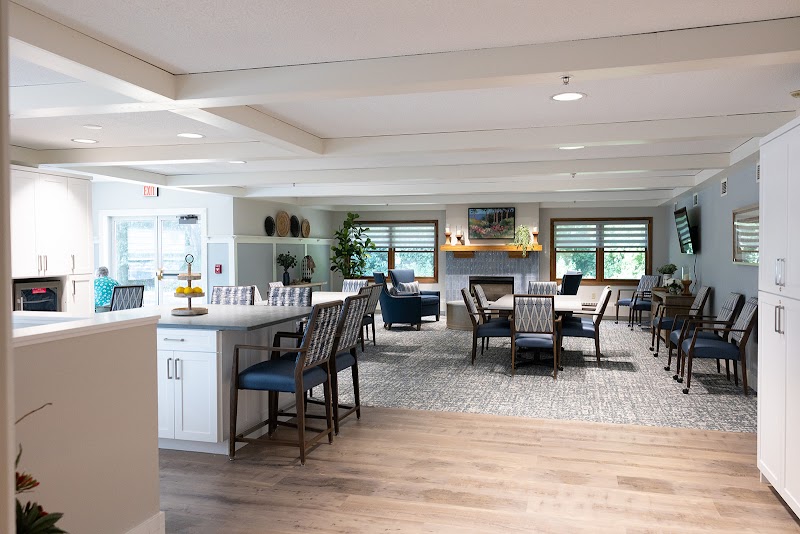
How is Benedictine Manor Of Lacrosse Staffed?

CMS rates BENEDICTINE MANOR OF LACROSSE's staffing level at 4 out of 5 stars, which is above average compared to other nursing homes. Staff turnover is 46%, compared to the Wisconsin average of 46%. This relatively stable workforce can support continuity of care.

What Have Inspectors Found at Benedictine Manor Of Lacrosse?

State health inspectors documented 17 deficiencies at BENEDICTINE MANOR OF LACROSSE during 2022 to 2025. These included: 1 Immediate Jeopardy (the most serious level, indicating potential for serious harm or death), 3 that caused actual resident harm, and 13 with potential for harm. Immediate Jeopardy findings are rare and represent the most serious regulatory concerns. They require immediate corrective action.
Who Owns and Operates Benedictine Manor Of Lacrosse?

BENEDICTINE MANOR OF LACROSSE is owned by a non-profit organization. Non-profit facilities reinvest revenue into operations rather than distributing to shareholders. The facility is operated by BENEDICTINE HEALTH SYSTEM, a chain that manages multiple nursing homes. With 80 certified beds and approximately 61 residents (about 76% occupancy), it is a smaller facility located in LA CROSSE, Wisconsin.
How Does Benedictine Manor Of Lacrosse Compare to Other Wisconsin Nursing Homes?

Compared to the 100 nursing homes in Wisconsin, BENEDICTINE MANOR OF LACROSSE's overall rating (3 stars) matches the state average, staff turnover (46%) is near the state average of 46%, and health inspection rating (3 stars) is at the national benchmark.

What Should Families Ask When Visiting Benedictine Manor Of Lacrosse?

Based on this facility's data, families visiting should ask: "What changes have been made since the serious inspection findings, and how are you preventing similar issues?" "Can I visit during a mealtime to observe dining assistance and food quality?" "How do you handle medical emergencies, and what is your hospital transfer rate?" "Can I speak with family members of current residents about their experience?" These questions are particularly relevant given the facility's Immediate Jeopardy citations.

Is Benedictine Manor Of Lacrosse Safe?

Based on CMS inspection data, BENEDICTINE MANOR OF LACROSSE has documented safety concerns. Inspectors have issued 1 Immediate Jeopardy citation (the most serious violation level indicating risk of serious injury or death). The facility has a 3-star overall rating and ranks #1 of 100 nursing homes in Wisconsin. Families considering this facility should ask detailed questions about what corrective actions have been taken since these incidents.

Do Nurses at Benedictine Manor Of Lacrosse Stick Around?

BENEDICTINE MANOR OF LACROSSE has a staff turnover rate of 46%, which is about average for Wisconsin nursing homes (state average: 46%). Moderate turnover is common in nursing homes, but families should still ask about staff tenure and how the facility maintains care continuity when employees leave.

Was Benedictine Manor Of Lacrosse Ever Fined?

BENEDICTINE MANOR OF LACROSSE has been fined $81,596 across 5 penalty actions. This is above the Wisconsin average of $33,895. Fines in this range indicate compliance issues significant enough for CMS to impose meaningful financial consequences. Common causes include delayed correction of deficiencies, repeat violations, or care failures affecting resident safety. Families should ask facility leadership what changes have been made since these penalties.

Is Benedictine Manor Of Lacrosse on Any Federal Watch List?

BENEDICTINE MANOR OF LACROSSE is not on any federal watch list. The most significant is the Special Focus Facility (SFF) program, which identifies the bottom 1% of nursing homes nationally based on persistent, serious quality problems. Not being on this list means the facility has avoided the pattern of deficiencies that triggers enhanced federal oversight. This is a positive indicator, though families should still review the facility's inspection history directly.