LANCASTER HEALTH SERVICES
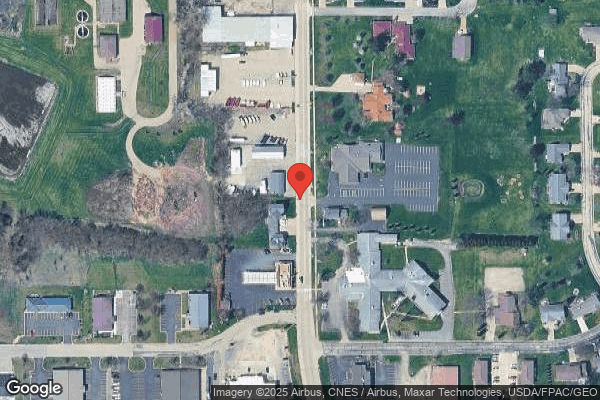
1350 S MADISON ST, LANCASTER, WI 53813 (608) 723-4143
For profit - Limited Liability company 50 Beds NORTH SHORE HEALTHCARE Data: November 2025 1 Immediate Jeopardy citation
Trust Grade
43/100
#220 of 321 in WI
Last Inspection: August 2025

Inspected within the last 6 months. Data reflects current conditions.

Overview

Lancaster Health Services has received a Trust Grade of D, indicating below-average performance with some concerning issues. It ranks #220 out of 321 facilities in Wisconsin, placing it in the bottom half of nursing homes in the state, and #4 out of 7 in Grant County, meaning only three local options are better. The facility's trend is worsening, having increased from 5 issues in 2024 to 9 in 2025. Staffing is rated average with a 3/5 score, and turnover is at 49%, which is about the state average, but concerningly, it has less RN coverage than 80% of Wisconsin facilities, potentially impacting the quality of care. While it has no fines on record, there are significant incidents such as failing to monitor a resident's response to a medication that caused lethargy and decreased daily living activities, and issues with food safety standards, like failing to properly label and date food items, which could affect all residents. Overall, families should weigh these strengths and weaknesses carefully when considering this facility.

Trust Score
D
43/100
In Wisconsin
#220/321
Bottom 32%
Safety Record
High Risk
Review needed
Inspections
Getting Worse
5 → 9 violations
Staff Stability
⚠ Watch
49% turnover. Above average. Higher turnover means staff may not know residents' routines.
Penalties
✓ Good
No fines on record. Clean compliance history, better than most Wisconsin facilities.
Skilled Nurses
○ Average
Each resident gets 38 minutes of Registered Nurse (RN) attention daily — about average for Wisconsin. RNs are the most trained staff who monitor for health changes.
Violations
⚠ Watch
18 deficiencies on record. Higher than average. Multiple issues found across inspections.
★★☆☆☆
2.0
Overall Rating
★★★☆☆
3.0
Staff Levels
★★☆☆☆
2.0
Care Quality
★★☆☆☆
2.0
Inspection Score
Stable
2024: 5 issues
2025: 9 issues

The Good

  • Full Sprinkler Coverage · Fire safety systems throughout facility
  • No fines on record

Facility shows strength in fire safety.

The Bad

2-Star Overall Rating

Below Wisconsin average (3.0)

Below average - review inspection findings carefully

Staff Turnover: 49%

Near Wisconsin avg (46%)

Higher turnover may affect care consistency

Chain: NORTH SHORE HEALTHCARE

Part of a multi-facility chain

Ask about local staffing decisions and management

The Ugly 18 deficiencies on record

1 life-threatening
Aug 2025 7 deficiencies 1 IJ
CRITICAL (J)

Immediate Jeopardy (IJ) - the most serious Medicare violation

Deficiency F0605 (Tag F0605)

Someone could have died · This affected 1 resident

**NOTE- TERMS IN BRACKETS HAVE BEEN EDITED TO PROTECT CONFIDENTIALITY** Based on observation, interview, and record review the facility did not ensure that 1 (R8) of 5 residents drug regimen was free ...

Read full inspector narrative →
**NOTE- TERMS IN BRACKETS HAVE BEEN EDITED TO PROTECT CONFIDENTIALITY** Based on observation, interview, and record review the facility did not ensure that 1 (R8) of 5 residents drug regimen was free from unnecessary drugs. R8 was prescribed Risperidone for verbal and physical aggression. The facility failed to adequately monitor R8's response to Risperidone and failed to recognize adverse consequences of Risperidone therapy including lethargy, decreased Activities of Daily Living (ADL) function and decreased oral intake. The facility failed to adjust R8's Risperidone when R8 presented with adverse consequences. R8 was administered Risperidone (Antipsychotic) daily starting on 6/22/25 following two days of intermittent verbal and physical aggression. Following initiation of Risperidone, R8 presented with lethargy, decreases in activity participation, ADL abilities and oral intake. The facility continued the Risperidone without evidence of monitoring for adverse consequences or side effects related to the initiation of the antipsychotic. The Risperidone was not reduced in attempts to see if the Risperidone was the causative factor for R8's acute decline. R8 was observed multiple times to be somnolent, lethargic, and non-interactive with staff during survey.The facility's failure to ensure R8 drug regime was free from unnecessary drugs created a finding of Immediate Jeopardy, beginning on 7/10/25. The NHA A (Nursing Home Administrator) and DON B (Director of Nursing) were informed of the Immediate Jeopardy on 8/7/25 at 3:49 PM. The immediate jeopardy was removed on 8/7/25; however, the deficient practice continues at a scope/severity level of D (Potential for harm/Isolated) as the facility continues to implement its action plan.Findings include:The facility's policy and procedure entitled, Restraint Free Environment, dated 9/22/22, states, in part: Policy: It is the policy of this facility that each resident shall attain and maintain his/her highest practicable well-being in an environment that prohibits the use of restraints for discipline or convenience and limits restraint use to circumstances in which the resident has medical symptoms that warrant the use of restraints. Chemical Restraint refers to any medication that is used for discipline or staff convenience, and not required to treat medical symptoms. Convenience refers to any action taken by the facility to control a resident's behavior or manage a resident's behavior with a lesser amount of effort by the facility and not in the resident's best interest. Medical Symptom refers to an indication or characteristic of a physical or psychological condition. 5. Before a resident is restrained, the facility will determine the presence of a specific medical symptom that would require the use of restraints, and determine: a. How the use of restraints would treat the medical symptom. b. The length of time the restraint is anticipated to be used to treat the medical symptom. c. The direct monitoring and supervision that will be provided during use of the restraint. d. How the resident will request staff assistance and how his/her needs will be met while the restraint is in place. e. How to assist the resident in attaining or maintaining his or her highest practicable level of physical and psychosocial well-being.The facility policy entitled, Use of Psychotropic Medication(s), dated 4/27/25, states in part: Policy: It is the intent of this policy to ensure that residents only receive psychotropic medications when other nonpharmacological interventions are clinically contraindicated. Additionally, these medications should only be used to treat the resident's medical symptoms and not used for discipline or staff convenience, which would deem it a chemical restraint. For psychotropic medications, without documentation in the record explaining that the practitioner has determined that other treatments have been deemed clinically contraindicated, the indication for use is inadequate. Also, adequate indication for use means that the medication administered is consistent with manufacturer's recommendations and/or clinical practice guidelines, clinical standards of practice, medication references, clinical studies or evidence-based review of articles that are published in medical and/or pharmacy journals. Adverse consequence is a broad term referring to unwanted, unintended, or dangerous effects that a drug may have, such as impairment or decline in an individual's mental or physical condition or functional or psychosocial status. 1. A psychotropic drug is any drug that affects brain activities associated with mental processes and behavior. Psychotropic drugs include but are not limited to the following categories: antipsychotics. 2. Psychotropic medications are to be used only when a practitioner determines that the medication(s) is appropriate to treat a resident's specific, diagnosed, and documented condition and the medication(s) is beneficial to the resident, as demonstrated by monitoring and documentation of the resident's response to the medication(s). 6. Non-pharmacological approaches should be attempted, unless clinically contraindicated, to minimize the need for psychotropic medications, use the lowest possible dose, or discontinue the medications. 7. The resident's medical record shall include documentation of this evaluation and the rationale for chosen treatment options. 14. The effects of the psychotropic medications on a resident's physical, mental, and psychosocial well-being will be evaluated on an ongoing basis such as: a. Upon physician evaluation (routine and as needed), b. During the pharmacist's monthly medication regimen review, c. During MDS (Minimum Data Set) review, and d. In accordance with nurse assessment and medication monitoring parameters consistent with clinical standards of practice, manufacturer's specifications and the resident's comprehensive plan of care. 15. The resident's response to the medication(s), including progress towards goals and presence/absence of adverse consequences, shall be documented in the resident's medical record.R8 was admitted to the facility on [DATE] with diagnoses including Parkinson's disease without dyskinesia, without mention of fluctuations (movement disorder caused by neuron degeneration that affects the nervous system), weakness, type 2 diabetes, mild cognitive impairment of uncertain or unknown etiology, congestive heart failure (heart is unable to pump blood effectively leading to fluid buildup in the lungs and legs), and adult failure to thrive.R8's Minimum Data Set (MDS) with Assessment Reference Date (ARD) 5/9/25 indicates R8 had a Brief Interview for Mental Status (BIMS) score of 11 out of 15, indicating moderate cognitive impairment. Section GG indicates R8 was independent with eating, required supervision/touching assistance with oral hygiene, and required partial/moderate assistance with rolling left/right. Section GG also indicates R8 required substantial/maximal assistance with toileting hygiene, shower/bathe self, upper body dressing, lower body dressing, moving from sitting to lying, lying to sitting, sit to stand, chair/bed to chair transfer, toilet transfer, tub/shower transfer, and walking 10 feet.(Of note: R8's previous MDS data, dated 3/27/25 indicates R8 had improved from not being able to ambulate previously to now being able to ambulate 10 feet.)R8's Comprehensive Care Plan states, in part:Focus: Enjoys activities such as (reading newspapers and magazines, music, pets/animals, outdoors). Date Initiated: 3/22/25.Goals: Will actively participate in independent activities of choice. Date Initiated: 3/22/25. Target Date: 10/9/25. Will participate in activities that promote socialization with peers consistent with likes and interests such as: eating in the dining room, music groups, Bingo, and other games as he allows. Date Initiated: 3/22/25. Target Date: 10/9/25. Will participate in independent activities of choice such as: watching TV in his room, visiting with family. Date Initiated: 3/22/25. Target Date: 10/9/25.Interventions:Assist in planning and/or encourage to plan own leisure time activities. Date Initiated: 3/22/25.Assist to transport to and from activities of choice. Date Initiated: 3/22/25.Encourage participation in group activities of interest. Date Initiated: 3/22/25.Offer activities consistent with resident's known interest, physical and intellectual capabilities such as: outdoor activities, Bingo, Music Groups. Date Initiated: 3/22/25.Offer/supply large print materials. Date Initiated: 3/22/25.Provide supplies/materials for leisure activities as needed/requested. Date Initiated: 3/22/25.The Resident's preferred activities are: Animals/Pets (Dogs, Visiting Resident Birds), Music (Oldies, Rock & Roll, Country, Hymns, Music Entertainment), Reading (Our Wisconsin, etc., Variety Newspapers), Games/Cards (Bingo Euchre), TV (Gameshow Network, Old Shows, Friends), Current Events (News/Weather on TV, Variety Newspapers), Sitting Outdoors/Fresh Air (Weather Permitting), Socializing/reminiscing With Others, Family Centered Functions. Date Initiated: 7/14/25. Focus: The resident has limited physical mobility. Date Initiated: 3/17/254. Revision on: 3/17/25.Goal: The resident will increase level of mobility through the next review date. Date Initiated: 3/17/25. Target Date: 10/9/25.Interventions:AMBULATION/LOCOMOTION - ASSIST - ONE. Date Initiated: 3/17/25. Revision on: 3/27/25.BED MOBILITY - ASSIST - ONE. Date Initiated: 3/17/25. Revision on: 3/17/25.TRANSFER - ASSIST - 2, Hoyer, lg (large) sling risk vs benefit completed on resident choosing to use different sling size than recommended by manufacturer. Date initiated: 7/2/25. Revision on: 7/11/25. Focus: At risk for behavior symptoms r/t (related to): (specify) end stage disease (Parkinson's). Date Initiated: 6/21/25. Revision on: 6/24/25.Goal: Will accept care and medications as prescribed. Date Initiated: 6/24/25. Target Date: 10/9/25. Maintain involvement with ADL (Activities of Daily Living) performance and social activities. Date Initiated: 6/21/25. Revision on: 6/24/25. Target Date: 10/9/25.Interventions:Administer medications per physician order. Date Initiated: 6/21/25. Revision on: 6/26/25.Behavior 1 aggressive. Intervention #1: redirection. Intervention #2: another staff member. Intervention #3: try later. Date Initiated: 6/21/25. Revision on: 6/26/25.Staff to take vitals as resident allows. Date Initiated: 6/25/26. Revision on: 6/26/25. Focus: Verbal/physical agitation/aggression (specify actions) r/t: cognitive impairment. Date Initiated: 7/3/25. Revision on: 7/3/25.Interventions:Administer medications per physician orders. Date Initiated: 7/3/25.Approach slowly and slightly to the side. Date Initiated: 7/3/25.Give resident clear, concise explanation of anything about to occur. Date Initiated: 7/3/25.If strategies are not working, leave (if safe to do so) and reapproach later. Date Initiated: 7/3/25.Involve in 1:1 recreational activity. Date Initiated: 7/3/25. Focus: The resident is at risk for behavioral problem. Resident had exhibited inappropriate sexual behavior such as grabbing, touching, verbal statements r/t: mild cognitive impairment. Date Initiated: 3/17/25. Revision on: 6/16/25.Goal: The resident will have no evidence of behavior problems by review date. Date Initiated: 3/17/25. Revision on: 3/17/25. Target Date: 10/9/25.Interventions:Anticipate and meet the resident's needs. Date Initiated: 3/17/25.Distract if able. Date Initiated: 6/16/25.Encourage resident to express feelings. Date Initiated: 3/17/25.Intervene as necessary to protect the rights and safety of others. Approach/Speak in a calm manner. Divert attention. Remove from situation and take to alternate location as needed. Date Initiated: 6/16/25.Praise resident. Date Initiated: 6/16/25.Redirect as needed. Date Initiated: 6/16/25.Resident may not be able to remember passcode to phone due to DX (Diagnosis) of dementia. Passcode is [Resident's Passcode]. Date Initiated: 4/6/25. Focus: At risk for adverse effects r/t: use of antipsychotic medication. Date Initiated: 6/26/25. Revision on: 6/26/25.Goal: . To show minimal/no side effects of medications taken. Date Initiated: 6/26/25. Target Date: 10/9/25.Interventions:Antipsychotic Medication: Report adverse effects such as dry mouth, constipation, blurred vision, disorientation/confusion, difficulty urinating, hypotension, dark urine, yellow skin, nausea, vomiting, lethargy, drooling, EPS (Extrapyramidal Symptoms; tremors, increased agitation, restlessness, involuntary movement of mouth or tongue). Date Initiated: 6/26/25.AIMS (Abnormal Involuntary Movement Scale) testing per facility guidelines (upon admission, initiation of, change of, every 6 months, and PRN). Date Initiated: 6/26/25.Non-Pharm (Non-pharmacological) Interventions for behaviors:1. Address in a calm manner2. Attempt to orientate to place and time3. Allow resident to express feelings or frustrations and provide reassurance as needed4. Provide assistance as needed5. Family visits6. Offer activities of choice7. Provide emotional support to resident as needed8. Offer to close door and curtains to facilitate sleep. Date Initiated: 6/26/25.TARGET BEHAVIOR 1: Physically aggressive behavior (pinching, kicking, biting or hitting) Intervention #1: ensure safety leave, try again later. Intervention #2: try using different staff. Interventions #3: diversion, engage in conversation about his dog, bingo, music, therapy dog ([Name].). Date Initiated: 6/26/25. Revision on: 6/26/25.TARGET BEHAVIOR 2: Verbally aggressive or sexually inappropriate language. Intervention #1: Remain calm, don't react. Intervention #2: Try cares at a later time. Intervention #3: Try other staff. Date Initiated: 6/26/25. Revision on: 6/26/25. Focus: Cognitive loss as evidenced by confusion and agitation r/t (related to): Parkinson's disease. Date Initiated: 7/3/25. Revision on: 7/3/25.Interventions:Allow adequate time to respond. Do not rush or supply words. Date Initiated: 7/3/25.Approach/speak in a calm, positive/reassuring manner. Date Initiated: 7/3/25.Attempt to provide consistent routines/caregivers. Date Initiated: 7/3/25.Encourage low stress activities such as music, small group activities. Date Initiated: 7/3/25.Identify self when speaking to resident. Date Initiated: 7/3/25.Invite to participate in activities such as trivia, reminiscence, current events/newspapers. Date Initiated: 7/3/25.R8's Weight Documentation indicates R8 weighed 194 lbs. on 5/19/25.R8's Behavior Monitoring Documentation from May 2025 indicates R8 exhibited behaviors such as: yelling/screaming, abusive language, threatening behavior, rejection of care, pushing, and sexually inappropriate behavior on 6 out of 93 shifts in May 2025.A physician note dated 6/5/25 at 5:22 PM, written by DO O (Doctor of Osteopathic Medicine), states, in part: . Nursing reports that he has not had any essentially aggressive behaviors since medications changes were made. Patient has [sic] had episodes of confusion which has resulted in activation of his POA (Power of Attorney) in April. He has not tried leaving the facility within the last 6 weeks.R8's Weight Documentation indicates R8 weighed 190.5 on 6/16/25.On 6/17/25 at 21:53 (9:53 PM), a Behavior Note is written that states: Resident was very aggressive towards staff during cares, found walking in hall and unable to redirect, staff assisted as resident would allow with wheelchair to follow. Resident refused gait belt and became aggressive when staff tried. Resident did calm some and was able to eat dinner in dining room without incident. Resident went back to room and was watching television and seemed to be back to his baseline. Resident was later found to be exiting the building through the patio door. Resident was in sight by writer before exiting the building. Resident was walking with walker unassisted, appropriate clothing and footwear, staff assisted resident to wheelchair, and he calmly came back into facility. No other incidents this shift.On 6/19/25 at 16:21 (4:21 PM), a Psychosocial Assessment is completed that indicates R8 has no psychosocial symptoms related to communication or cognitive status. The assessment also states, in part: . 1. Mood or Behavior concerns since last assessment: Increased anger and inappropriate sexual comments with increased dementia and confusion. Additional Comments: POA-HC (Power of Attorney- Healthcare) will be asked to provide consent for psych (psychiatric) consult. D. Psychosocial status: 1. Check all those that apply: 1. Difficulty accepting placement and circumstances. 5. Participates in Living Center Programs 6. Pursues Indepedendent Activities. 7. Maintains Supportive Relationships. 1b. Comments: [Resident Name] doesn't understand why he can't go home and have his wife care for him. She is no longer able. He attends many activities including euchre, bingo, daily music, and special events. [Resident Name] continues to maintain relationship with his sister, brother, sister-in-law, and his wife.On 6/20/25 at 08:23 AM, a Quarterly Activity Participation Review is completed that indicates R8 participates in facility led small group activities daily, large group activities weekly, and 1:1s daily. The review also indicates R8 participates in daily independent activities and his favorite activities include cognitive (trivia, discussion, reading, word puzzles), entertainment (television, music, movies, visiting groups), games (board games, bingo, cards, video games, tablets), and social parties (parties, visiting w/ friends & family, social media, etc.).On 6/20/25 at 07:42 AM, an eINTERACT SBAR (Situation, Background, Assessment, Recommendations) Summary for Providers Note is written that states, in part: . Mental Status Evaluation: Increased confusion (e.g. disorientation) New or worsened delusions or hallucinations. Behavioral Status Evaluation: Verbal aggression Personality change. Nursing observations, evaluation, and recommendations are: resident has increased agitation and behaviors. Primary Care Provider Feedback:. monitor per policy update with further changes.On 6/20/25 at 14:07 (2:07 PM), a Clinical Follow Up Note is written that states: Resident is on follow up for: change in condition for increased agitation and behaviors. The current status is resident refused to allow nurses to get vitals even after several attempts. Resident is agitated and exit seeking, one on one at this time. monitor per policy.On 6/20/25 at 21:23 (9:23 PM) a Behavior Note is written that states: Resident is very aggressive towards staff tonight hitting grabbing yelling kicking and making inappropriate sexual comments very difficult to redirect.On 6/20/25 at 22:11 (10:11 PM) a Clinical Follow Up Note is written that states: Resident is on follow up for: change in condition for increased behaviors and agitation. The current status is resident is resting in wheel chair; has been one on one with DON (Director of Nursing) this shift due to exit seeking and behaviors. Resident hit, kicked, pinched staff swore at them. Resident given a snack; music played. Calm at this time. monitor per policy.On 6/20/25 at 22:45 (10:45 PM) a Behavior Note is written that states: this shift, resident has been agitated, aggressive, hitting, kicking, spitting on staff, redirection, one on one, music, snack, activity all provided. Resident had attempted to remove his shirt himself, would not allow staff to help, resident had shirt stuck around his wrists and hand, resident kept trying to pull shirt off and this may cause bruising.On 6/21/25 at 03:57 AM, a Behavior Note is written that states: Resident was restless and crawling out of bed tonight. Resident was incontinent of urine and changed both times. Resident was grabbing and was sexually inappropriate while staff was performing hygiene cares. Resident was dressed in a brief; gown and transferred to a w/c (wheelchair) and brought up front by the nurse's station to be under direct staff supervision.On 6/21/25 at 06:03 AM, a Clinical Follow Up Note is written that states: The current status is resident slid out of bed, head and chest on bed, legs on floor, kneeling. resident alert and confused at baseline. resident has been on a change in condition for increased agitation and behaviors. resident is calm at this time, sitting in wheelchair asking when it is time to go home. monitor per policy.On 6/21/25 at 07:14 AM, a Clinical Follow Up Note is written that states: Resident is on follow up for: resident on change in condition for increased behaviors and agitation. The current status is resident is hallucinating, hitting, kicking, pinching, swearing at staff. Resident is being sent to [Facility Name] ER (Emergency Room) for this change. sent to ER.On 6/21/25 at 08:10 AM, a Nursing Note is written that states: resident has been hallucinating, aggressive. This nurse called and got an order to eval (evaluate) and treat at [Facility Name] ER. resident POA (Power of Attorney) approved transfer. This nurse called sheriff dept (department) and requested [Emergency Medical Service Name] for transfer to [Facility Name]. [Emergency Medical Service Name] came, and resident was combative with them as well. resident hitting, kicking, spitting, swearing. resident alert but confused, does have diagnosis for mild cognitive impairment. resident was safely secured to cot and taken by EMS (Emergency Medical Services).On 6/21/25 at 10:41 AM, a Clinical Note is written that states: Resident is on follow up for: resident on change in condition for increased behaviors and agitation. The current status is Resident is currently being returned to facility by ambulance after being evaluated by [Facility Name], resident will be returning to facility with new orders for Risperidone Q (every) day. Continue to monitor and update MD as needed.R8's Behavior Monitoring Documentation from June 2025 indicates R8 exhibited behaviors such as: yelling/screaming, abusive language, threatening behavior, rejection of care, pushing, grabbing, and sexually inappropriate behavior on 22 out of 93 shifts in June 2025, with 6 of these shifts occurring between 6/17/25 and 6/21/25.R8's Physician Orders for June 2025 state, in part:Carbidopa-Levodopa (Treats Parkinson's disease by Oral Tablet 25-250 MG (Carbidopa Levodopa) Give 1 tablet by mouth three times a day related to PARKINSONS DISEASE WITHOUT DYSKENESIA, WITHOUT MENTIONS OF FLUCTUATIONS. Start Date: 4/5/25. D/C (Discontinue) Date: 6/24/25.Risperidone Oral Tablet 0.5 MG (Milligrams) (Risperidone) Give 1 tablet by mouth one time a day for Agitation. Start date: 6/22/25. Active Order.Risperidone Oral Tablet 0.25 MG (Risperidone) Give 1 tablet by mouth every 24 hours as needed for agitation. Give at HS (Bedtime) if needed for agitation. Start date: 6/21/25. D/C date: 7/7/25.On 6/21/25 at 14:00 (2:00 PM), a Behavior Note is written that states: Resident is attempting to pack his belongings, states he is leaving because staff stole his furniture. Nurse reassured resident that all of his furniture is still in his room. Resident began to get upset but was redirectable.On 6/21/25 at 15:44 (3:44 PM), a Nursing Note is written that states, in part: Narrative: resident is hitting, kicking, pinching, swearing at staff. resident is one to one at this time. POA gave verbal consent for risperidone. attempted to listen to music, activity, redirection, unsuccessful nurse is going up and down hall with resident. one on one.On 6/21/25 at 16:10 (4:10 PM), a Communication with the Emergency Dept of the hospital Note was written that states: Dr. [Name] at [Facility Name] ER gave a onetime order for a 0.5 risperidone by mouth.On 6/21/25 at 18:31 (6:31 PM), a Clinical Follow Up Note is written that states: Resident is on follow up for: Resident was sent to ER after 2 falls overnight and increased physical and aggressive behaviors. The current status is Resident started on Risperidone scheduled and PRN dose. Resident was aggressive with staff prior to dinner. Hitting, kicking at, verbally aggressive, inappropriate sexual comments. Continuous attempts to stand without staff assist or locking breaks [sic] on wheelchair. Staff was 1:1 with resident due to statements of wanting to leave building. ER contacted and one time dose of Risperidone given. Resident ate dinner and is in wheelchair. Mood has improved; aggressive behavior has decreased.On 6/21/25 at 21:30 (9:30 PM), an Administration Note is written that states, in part: risperidone Oral Tablet 0.25 MG. PRN Administration was: Ineffective. Resident continue with aggression but is improving. R8's Meal Intake Documentation indicates:Between 6/1/25 and 6/21/25, R8 ate 61 meals over 21 days, with 2 meals either refused or R8 was not available. R8 consumed 76-100% of 53 of meals, 51-75% of 6 of meals, 26-50% of 1 of meals, 0-25% of 1 of meal.(Of note: This documentation indicates R8 ate 76-100% of his meal for 87% of his meals eaten.)R8's Fluid Intake Documentation indicates:Between 6/1/25 and 6/21/25, R8 consumed an average daily fluid intake for this time period of 2,091 mL/day.R8's Activity Documentation Indicates:Between 6/1/25 and 6/21/25, R8 participated in 23 activities over 21 days. 10 were 1:1 activities with staff, 4 were independent activities initiated by staff but completed without staff, 8 were group activities, and 1 activity R8 was observed to be participating in, but did not include any staff involvement or participation. R8 had active participation in 20 of these activities, passive participation in 1 activity, and observation only in 2 activities.(Of note: This documentation indicates R8 had active participation in 87% of the activities in which he participated.) On 6/22/25 at 09:55 AM, a Nursing Note is written that states: Per DON and other staff - resident finally fell asleep at 0130 AM this morning after being awake for 46 hours. Resident only took an hour and 40-minute nap in that 46-hour period.On 6/22/25 at 10:40 AM, a Nursing Note is written that states, in part: Narrative: Resident started on Risperidone is sound asleep currently lying in bed, vitals are stable, resident did have cares performed and has been repositioned. No adverse effects noted. Resident able to answer yes/no questions.On 6/22/25 at 17:10 (5:10 PM), a Summary Note is written that states, in part: Resident summary. Resident started risperidone on 6/21 due to behaviors and aggression. Resident got one time dose, plus prn dose and scheduled dose today. Resident is requesting to stay in bed, is arousable and able to conversate with staff. No aggression noted.On 6/23/25 at 12:36 PM, a Behavior Note is written that states, in part: Resident started on Risperidone is sound asleep currently lying in bed, vitals are stable, resident did have cares performed and has been repositioned. Resident has become physically aggressive with staff every time attempted to get out of bed. Meals offered in bed; Resident has taken 2 containers of Boost (Nutrition Supplement) from writer with Meds. Has had a very poor appetite but has been drinking with straw w/o (without) problems.R8's Minimum Data Set with Assessment Reference Date 6/23/25, indicates R8 had a Brief Interview for Mental Status (BIMS) score of 8 out of 15, indicating moderate cognitive impairment. Section E indicates physical and verbal behaviors directed at others occurred 1-3 days in the past 7 days. Section GG indicates R8 was independent with eating and rolling left/right, required set up/clean-up assistance with oral hygiene, and required partial/moderate assistance with upper body dressing. Section GG also indicates R8 required substantial/maximal assistance with shower/bathe self, moving from sitting to lying, lying to sitting, sit to stand, chair/bed to chair transfer, toilet transfer, tub/shower transfer, and walking 10 feet. R8 was indicated to be dependent with toileting hygiene and lower body dressing.On 6/24/25 at 06:00 AM, a Behavior Note is written that states: New order for Risperidone on 6/22/25. No adverse effects from medication, no behaviors noted this shift.On 6/24/25 at 11:38 AM, an Orders - General Note from eRecord Note is written that states: Resident sleeping during AM med pass, when awoken, resident refused medications and went back to sleep.On 6/24/25 at 14:51 (2:51 PM), a Behavior Note is written that states: Resident refused meals on this shift as well as fluids and medications. Resident becomes [sic] combative and abusive with staff with cares and interactions. Reapproach, distraction, 1:1 ineffective.On 6/24/25 at 14:53 (2:43 PM), a COMMUNICATION - with Physician Note is written that states, in part: Situation: Resident refusing cares, medications, fluids and meals and becomes combative with staff during care. Spouse/POA wanted resident evaluated in ER due to decreased oral intake.On 6/24/25 at 17:57 (5:57 PM), an eINTERACT SBAR Summary for Providers Note is written that states, in part: . Functional Status Evaluation: Needs more assistance with ADLs (Activities of Daily Living) Behavioral Status Evaluation: Physical aggression Verbal aggression Personality change Other behavioral symptoms. Abdominal/GI Status Evaluation: Decreased appetite/fluid intake. Nursing observations, evaluation, and recommendations are: resident came back from ER with hospice order wife requesting [Hospice Provider Name] hospice. Primary Care Provider responded with the following feedback: A. Recommendations: monitor per policy.(Of note: This is the last documentation of staff reporting decreased appetite and fluid intake and needing more assistance with ADLs until 8/7/25).On 6/24/25 at 19:12 (7:12 PM), a Health Status Note is written that states, in part: Resident is currently resting in bed with eyes closed. Work of breathing is regular with equal chest rise and fall. Resident continues to have brief moments of agitation with cares but returns to sleeping soon after. Resident continues to refuse drink or beverage.On 6/25/25 at 04:54 AM, a Clinical Follow Up Note is written that states, in part: Resident is on follow up for: Overall decline in condition; resident has decreased food and fluid intake; increased assist with ADLs; increased behaviors. The current status is resting in bed. No display of pain noted.On 6/25/25 at 09:28 AM, a Behavior Note is written that states: New order for Risperidone on 6/22/25. No adverse effects from medication, no behaviors noted this shift. Resident pleasant and cooperative with cares, up in w/c for breakfast and ate 100%.R8's Weight Documentation indicates R8 weighed 177.5 lbs. on 7/1/25.(Of note: This documentation indicates a 6.82% weight loss over 2 weeks between 6/16/25 and 7/1/25, and the risperidone was started on 6/22/25).On 7/3/25 at 11:20 AM, a Psychosocial Assessment is completed that indicates R8 has psychosocial symptoms related to his cognitive status, stating [Resident Name] is confused and sometimes has thoughts and his relationship with his wife and also with staff members . The assessment also states, . 1. Mood or Behavior concerns since last assessment: yelling, hitting, spitting, verbal threats, swearing. 2. Is resident on any psychotropic medications? 1. Yes. 2b. If Yes to Psychotropic medications, list psychotropic medications and target behaviors: Risperdal (Risperidone) TARGET BEHAVIOR 1: Physically aggressive behavior (pinching, kicking, biting or hitting) TARGET BEHAVIOR 2: Verbally aggressive or sexually inappropriate language. 3. Mental Health Services. 1. No Need.On 7/9/25, a Physician Order was placed to admit R8 to hospice with the diagnosis of coronary artery disease.R8's Significant Change Minimum Data Set with Assessment Reference Date, 7/10/25, indicates R8 had a Brief Interview for Mental Status (BIMS) score of 6 out of 15, indicating severe cognitive impairment. Section GG indicates R8 requires supervision or touching assistance with eating and partial/moderate assistance with oral hygiene. Section GG also indicates R8 is dependent with toileting hygiene, shower/bathe self, upper body dressing, lower body dressing, personal hygiene, and roll left/right, chair/bed to chair transfer, and tub/shower transfer. R8 could not attempt moving from sit to lying, lying to sitting, sit to stand, toilet transfer, and walking 10 feet.(Of note: This MDS indicates a decrease in R8's functional abilities with e
CONCERN (D)

Potential for Harm - no one hurt, but risky conditions existed

Deficiency F0578 (Tag F0578)

Could have caused harm · This affected 1 resident

**NOTE- TERMS IN BRACKETS HAVE BEEN EDITED TO PROTECT CONFIDENTIALITY** Based on interview and record review, the facility did not ensure the resident's right to request, refuse, and/or discontinue tr...

Read full inspector narrative →
**NOTE- TERMS IN BRACKETS HAVE BEEN EDITED TO PROTECT CONFIDENTIALITY** Based on interview and record review, the facility did not ensure the resident's right to request, refuse, and/or discontinue treatment and to formulate an advanced directive for 2 of 12 residents (R2 and R32) reviewed. R2 and R32's charts did not contain current copies of their advanced directive and/or did not contain evidence of advanced care planning, other than code status, for a time when they are not able to make their own healthcare decisions. Evidenced by:On 8/7/25 at 11:08 AM, ADON D (Assistant Director of Nursing) informed surveyor that they did not have an advanced directive policy.The facility admission Agreement, indicates, in part: Advanced Directives Policy and Record: Policy: It is the Center's policy to recognize and implement the resident's rights under state law to make decisions concerning medical care, including the right to accept or refuse medical treatment, and the right to formulate Advance Directives.Example 1R2 was admitted to the facility on [DATE].On 8/5/25 at 10:53 AM, During the record review portion of the initial pool process, surveyor was unable to locate a copy of R2's advanced directive/Power of Attorney for Health Care (POAHC) in his electronic medical record. On 8/5/25 at 11:38 AM, Surveyor reviewed R2's care plan which indicated he had an advanced directive in place. On 8/5/25 at 12:25 PM, Surveyor reviewed R2's admission agreement from the scanned documents in the electronic health record. The Record portion of the Advance Directives Policy and Record portion of the admission agreement, indicates, in part: Power of Attorney for Health Care. A column labeled Documents not yet received, but center was informed of document(s) in existence, includes a date of 3/7/23 and initials. Of note, resident had a previous admission with this facility.On 8/5/25 at 3:01 PM, Surveyor interviewed R2 who indicated he recalled someone asking about an advanced directive/POAHC when he came into the facility. R2 indicated that his mom said he had one because it had been discussed at the hospital, however, he could not remember if a copy ever made it to the facility.On 8/6/25 at 9:33 AM, Surveyor requested documentation of R2's advanced directive/POAHC.On 8/6/25 at 2:40 PM Surveyor interviewed SSD E (Social Services Director). During the interview SSD E indicated her process for advanced directives/POAHC is to try to get them from the hospital or family and scan them in the file. SSD E indicated she tries to get them before the resident gets to the facility because the admission agreement asks about it and that triggers her. SSD E indicated the admission agreement asks if we have it, what day we receive it, if it's activated and who it is. Another column says I don't have it, but they say they will bring it and then the date I was told that is initialed. SSD E indicated if the resident doesn't have one, she clicks that, talks to the resident and offers to create one and tells them it's not required but that she can help. SSD E indicated she asks the family repeatedly and checks during care conferences to see if she has it. If she doesn't have it she will ask about getting it. If they still haven't created one, she will ask again if they want help during the care conference.Surveyor asked SSD E if she had R2's advanced directive/POAHC. SSD E indicated she did not, but that she was able to get it from the [Hospital/Clinic Facility Name]. SSD E indicated the person that was here before her marked that he had one but that it wasn't here, and she hadn't gone back that far to check when she started. Surveyor asked SSD E if she checked for it during his last care conference. SSD E indicated she did not look back for his. Surveyor asked SSD E if she should have looked before his care conference. SSD E indicated she checked code status and took for granted that it was all in there from the social worker before. Surveyor asked SSD E if it is her intent for the process to be to check every advanced directive/POAHC prior to each care conference. SSD E indicated yes, and that this one was missed. Example 2R32 was admitted to the facility on [DATE].On 8/5/25 at 7:57 AM, During the record review portion of the initial pool process, surveyor was unable to locate a copy of R32's advanced directive/Power of Attorney for Health Care (POAHC) in his electronic medical record.On 8/5/25 at 5:00 PM, Surveyor requested documentation of R32's advanced directive/POAHC.On 8/7/25 at 9:00 AM, Surveyor interviewed SSD E (Social Services Director). During the interview SSD E indicated she had a copy of R32's POAHC in her file cabinet but it was not scanned into the electronic health record. SSD E indicated that R32's wife passed away in the spring of this year and she was originally the one listed on the POAHC and there was no alternate listed. SSD E indicated that his daughter wanted to be the POAHC, however, the paperwork was not completed correctly due to witnesses being family, so it was invalid. SSD E indicated she became aware of the daughter wanting to be the POAHC when she received new POAHC paperwork that someone left. Surveyor asked SSD E if she knew who left the paperwork and she indicated, I guess the daughter. SSD E indicated the paperwork looks like it was done in March 2024. SSD E indicated she thinks it may have been in R32's room for some time and does not recall when she received it, just that she found it on her desk one day. SSD E indicated the paperwork is dated before R32's wife passed. Surveyor asked SSD E if she reapproached R32 about POAHC once she found the paperwork and realized it was invalid due to who was listed as witnesses. SSD E indicated that shortly after R32's wife passed away she tried to talk to him about POA paperwork, but he initially said he was going home and wouldn't talk to me about it and said his daughter had it under control. Surveyor asked SSD E if she had any documentation of this discussion and she indicated she would check. Surveyor asked SSD E if it is accurate that R32 has been without a valid POAHC designee since his wife's passing. SSD E indicated, possibly, he is his own person. Surveyor asked SSD E what would happen if R32 became unresponsive and went to the hospital without a valid designee on his POAHC paperwork. SSD E indicated they would have to speak to his daughter. Of note, SSD E did not provide documentation of discussions with R32 regarding the invalid POA paperwork or discussions regarding the need to update a POAHC designee after R32's wife passed. On 8/7/25 at 10:13AM, SSD E brought in a copy of what she indicated was the invalid POAHC paperwork that is signed on 3/15/24. SSD E indicated that R32's wife passed away in January 2025, so it was probably March when she tried to talk to R32 about updating his POAHC. Surveyor asked SSD E if she should have reapproached again. SSD E indicated, probably, I mean yeah.
CONCERN (D)

Potential for Harm - no one hurt, but risky conditions existed

Deficiency F0657 (Tag F0657)

Could have caused harm · This affected 1 resident

**NOTE- TERMS IN BRACKETS HAVE BEEN EDITED TO PROTECT CONFIDENTIALITY** Based on interview and record review, the facility did not ensure care plans were reviewed and/or revised for 2 of 16 (R8 and R9...

Read full inspector narrative →
**NOTE- TERMS IN BRACKETS HAVE BEEN EDITED TO PROTECT CONFIDENTIALITY** Based on interview and record review, the facility did not ensure care plans were reviewed and/or revised for 2 of 16 (R8 and R9) residents reviewed. Facility staff did not revise R8's care plan to address his hospice status and did not have the hospice agency care plan available for facility staff. R9's comprehensive care plan does not include a focus, goal or interventions for depression. Evidenced by: The facility policy titled, “Comprehensive Care Plan,” indicates, in part: Policy: It is the policy of this facility to develop and implement a comprehensive person-centered care plan for each resident, consistent with resident rights, that includes measurable objectives and timeframes to meet a resident's medical, nursing, and mental and psychosocial needs that are identified in the resident's comprehensive assessment…Policy Explanation and Compliance Guidelines: …5. The comprehensive care plan will be reviewed and revised as appropriate by the interdisciplinary team after each comprehensive and quarterly MDS (Minimum Data Set) assessment, and as needed with changes in condition. 6. The comprehensive care plan will include measurable objectives and timeframes to meet the resident's needs as identified in the resident's comprehensive assessment. The objectives will be utilized to monitor the resident's progress. Alternative interventions will be documented, as needed… Example 1: On 8/6/25 Surveyors reviewed R8's profile tab in his electronic health record which indicated a hospice organization was involved in R8's care. On 8/6/25 at 9:54 AM, Surveyor reviewed R8's hospice binder. A tab labeled Plan of Care (POC) does not contain any documents, and surveyor was unable to locate a hospice POC anywhere in the binder. Of note, R8 was on hospice prior to 7/7/25. Surveyors reviewed R8's comprehensive care plan and was not able to locate a hospice care plan. Surveyors did note the following under R8's nutrition at risk care plan: Focus: At risk for nutritional status change…Potential for wt loss r/t reduced oral intake, hospice care…Goal: Palliative Care… On 8/7/25 at 8:50 AM, Surveyor interviewed LPN J (Licensed Practical Nurse). During the interview, LPN J indicated if someone is on hospice it will show in their profile under external facilities. Surveyor asked LPN J if the facility utilized the hospice care plan separate from the facility care plan or if they are combined. LPN J indicated they put it on their care plan that the resident is on hospice. Surveyor asked LPN J where she would find the actual hospice care plan. LPN J indicated she truly didn't think she had ever seen one of hospice's care plans. Surveyor asked how they combine the care plans if she can't review it. LPN J indicated we talk and communicate then discuss it in care conferences. LPN J indicated that she does not put in the care plan and typically that is done by MDS Coordinator K (Minimum Data Set), DON B (Director of Nursing), or ADON D (Assistant Director of Nursing). LPN J indicated she utilizes the facility care plan for information. Surveyor and LPN J reviewed R8's facility care plan and LPN J indicated the only place she could locate any hospice information was under the nutrition at risk care plan. Surveyor asked LPN J if she would expect to see a hospice care plan. LPN J indicated, yes. On 8/7/25 at 9:15 AM, Surveyor interviewed ADON D and asked what the process is for care planning hospice. ADON D indicated, we have care conferences with hospice and combine cares. Surveyor asked ADON D if they combine care plans or keep them separate. ADON D indicated she was not sure if that was the process and referred surveyor to MDS Coordinator K. On 8/7/25 at 9:18 AM, Surveyor interviewed MDS Coordinator K. During the interview MDS Coordinator K indicated that she assists with making care plans. Surveyor asked MDS Coordinator K to review the hospice care planning process. MDS Coordinator K indicated they open the original baseline care plan, if it's a brand new patient, open that and answer all the questions and if you tell the care plan that the resident had a fall, for example, it will trigger a fall care plan. We go through all the diagnoses and ensure we have a care plan for everything and if they are on hospice they get a hospice care plan. Surveyor asked MDS Coordinator K how they incorporate the hospice agency care plan into the facility care plan. MDS Coordinator K indicated in their focus for care plans they have actual pain/hospice/palliative care and we can pick if they will be hospice. I compare the hospice care plan to ours and add what is needed. Surveyor asked MDS Coordinator K where they get the hospice care plans. MDS Coordinator K indicated there are books up front. Surveyor showed MDS Coordinator K R8's hospice binder, which she indicated was the book she was referring to, and MDS Coordinator K reviewed the binder and agreed there was not a hospice POC present. Surveyor asked MDS Coordinator K if she remembered if she compared the hospice care plan to the facility's and used it to update the care plan. MDS Coordinator K indicated, I honestly do not recall. Surveyor asked MDS Coordinator K how the nurses would know how to care for R8 without a hospice care plan. MDS Coordinator K indicated, they would come to us if they had questions and most of our hospice patients are cared for based on what we have in house and hospice is an added service. Surveyor asked MDS Coordinator K if R8 should have had a separate hospice care plan on the facility comprehensive care plan. MDS Coordinator K indicated, yes, and I fixed it yesterday. MDS Coordinator K indicated DON B came to her about it and R8's just got missed. MDS Coordinator K indicated he had one under nutrition but it needed to be more elaborate, it needed to be this is hospice, this is what he has. Example 2: R9 was admitted to the facility on [DATE] with diagnoses that include Major Depressive Disorder, Recurrent, Moderate and Mild Cognitive Impairment of Uncertain or Unknown Etiology. R9's most recent Minimum Data Set (MDS) Assessment, dated 4/24/25, indicates R9's Brief Interview for Mental Status (BIMS) score was 11 out of 15, indicating that R9 has mild cognitive impairment. R9's Physician Orders include, in part: --Paxil Oral Tablet 20 MG (Paroxetine HCl). Give 0.5 tablet by mouth one time a day for Depression, unspecified. Start Date: 6/26/25 --risperidone Oral Tablet (Risperidone) Give 0.5 mg (milligram) by mouth two times a day related to Other Symptoms and Signs involving Cognitive Functions and Awareness. Start Date 5/28/25 R9's Comprehensive Care Plan indicates: Focus: At risk for behavior symptoms. Date Initiated: 4/25/25. Revision on: 4/25/25. Goal: Will accept care and medications as prescribed. Date Initiated: 4/25/25. Target Date: 10/22/25. Will reduce risk of behavioral symptoms. Date Initiated: 4/25/25. Target Date: 10/22/25. Interventions: Behavior 1 rejection of care. Intervention #1: active listening for reason for rejection. Intervention #2: try again later. Intervention #3: try another caregiver. Of note, nowhere in R9's comprehensive care plan does it include that R9's has a diagnosis of depression, nor does it include resident specific goals or interventions. R9's Certified Nursing Assistant (CNA) Kardex Report indicates, in part: Mood/Behavior: *Behavior 1 rejection of careIntervention #1: active listening for reason for rejectionIntervention #2: try again laterIntervention #3: try another caregiver. Monitoring: *Monitor/Document/Report PRN (as needed) for following adverse effects of SEDATIVE/HYPNOTIC therapy: day time drowsiness, confusion, loss of appetite in the morning, increased risk of falls and fractures, dizziness. Resident Care: *Administer SEDATIVE/HYPNOTIC medications as ordered by physician. Monitor side effects and effectiveness Q-SHIFT (every shift). On 8/4/25 at 11:39 AM, Surveyor interviewed R9 and asked her if she ever felt sad or depressed. R9 stated that she did sometimes. Surveyor asked R9 if she ever refused the staff to assist her with cares. R9 stated that she never refused cares. Surveyor asked R9 if she ever refused medications. R9 stated that she never refused to take her medication. On 8/7/25 at 9:45 AM, Surveyor interviewed CNA F (Certified Nursing Assistant) and asked her what kind of behaviors that R9 displayed. CNA F stated that she didn't see R9 having any behaviors. Surveyor asked CNA F if R9 ever refused cares. CNA F stated that R9 would sometimes refuse to eat lunch if she ate a big breakfast, but that she never refused cares. Surveyor asked CNA F if R9 ever displayed signs of depression. CNA F stated that R9 liked to stay in her room and watch TV. Surveyor asked CNA F what side effects of R9's medication she would be monitoring for. CNA F stated she would have to check with the nurse. On 8/7/25 at 10:04 AM, Surveyor interviewed CNA G and asked her what kind of behaviors that R9 displayed. CNA G stated that R9 doesn't really have any behaviors, but that she prefers to stay in her room and at times will only eat one meal per day. Surveyor asked CNA G if R9 ever refused cares. CNA G stated no, she did not think that R9 ever refused cares. Surveyor asked CNA G if R9 ever displayed signs of depression. CNA G stated the isolation and refusal of meals that she had previously mentioned. Surveyor asked CNA G what kind of interventions worked for R9. CNA G indicated that she would offer R9 a snack if she refused lunch. Surveyor asked CNA G what side effects of R9's medication she would be monitoring for. CNA G stated she didn't know because the nurses are the ones that do that. On 8/7/25 at 10:31 AM, Surveyor interviewed RN H (Registered Nurse) and asked her what kind of behaviors that R9 displayed. RN H stated that at times R9 would refuse cares and refuse to come out of her room. RN H stated that R9 just liked to stay in her room and didn't like to be around other people, especially at mealtimes. Surveyor asked RN H what kind of interventions worked for R9. RN H indicated attempting redirection. Surveyor asked RN H what kind of side effects of R9's medication were they monitoring for. RN H stated that R9 took quite a list of behavioral medications so she would be watching for mental status changes and things like constipation. On 8/7/25 at 10:43 AM, Surveyor interviewed DON B (Director of Nursing) about monitoring R9's depression, medications, and interventions. DON B stated that they do a lot of redirection with R9, try to get her to come to activities and meals but that she is resistive to that and wants to hang out in her room by herself. Surveyor asked DON B how staff monitor for side effects of R9's medications. DON B stated the nurses watch every shift and note any behavior and monitor for depression symptoms. DON B indicated that the CNAs should monitor for any changes and notify the nurse. Surveyor asked DON B if a diagnosis of depression should be on R9's comprehensive care plan. Surveyor asked DON B how often interventions are reviewed for effectiveness. DON B stated that she reviews interventions at care plan review meetings quarterly and annually, and that she checks in with each resident twice per week or at least once per month to make sure their care plans match their needs. DON B stated yes, depression should be on R9's care plan. On 8/7/25 at 11:13 AM, ADON D (Assistant Director of Nursing) provided Surveyor with a history of changes made to R9's comprehensive care plan, which indicated that on 7/24/25, R9's depression focus, goals, and interventions had been resolved/cancelled. On 8/7/25 at 12:47 PM, Surveyor interviewed SSD E (Social Services Director) and asked her about R9's depression care plan being resolved. SSD E stated she had no idea why she would have done that, as she knows that R9 has a diagnosis of depression. SSD E indicated that sometimes she goes into a resident's care plan and updates the target behaviors but that she would not have intentionally deleted it. SSD E stated she had no clue how or why that happened and was not aware that she had deleted R9's depression care plan.
CONCERN (D)

Potential for Harm - no one hurt, but risky conditions existed

Unnecessary Medications (Tag F0759)

Could have caused harm · This affected 1 resident

**NOTE- TERMS IN BRACKETS HAVE BEEN EDITED TO PROTECT CONFIDENTIALITY** Based on observation, interview, and record review, the facility did not ensure that it was free of medication error rates of 5%...

Read full inspector narrative →
**NOTE- TERMS IN BRACKETS HAVE BEEN EDITED TO PROTECT CONFIDENTIALITY** Based on observation, interview, and record review, the facility did not ensure that it was free of medication error rates of 5% or greater. There were 2 errors in 29 opportunities that affected 2 out of 7 supplemental residents (R23 & R25) included in the medication pass task, which resulted in an error rate of 6.9%. R23 received insulin from an insulin pen that had not been primed prior to use. R25 did not receive the correct dose of Vitamin D3. Evidenced by: The facility policy entitled, Medication Administration General Guidelines, dated 1/2025, states, in part: .Policy: Medications are administered as prescribed in accordance with manufacturers' specifications, good nursing principles and practices. Procedures:. Medication Administration: 1. Medications are administered in accordance with written orders of the prescriber. 9. Verify medication is correct three (3) times before administering the medication. a. When pulling medication package from med cart. b. When dose is prepared. c. Before dose is administered. Manufacturers' guidelines for insulin pen, entitled, Instructions for Use Humalog Kwik Pen injection for subcutaneous use 3 mL single-patient-use-pen (100 units per mL), revised 7/2023, manufactured by [NAME] Lily and Company, states, in part: . Priming your Pen: Prime before each injection. Priming your Pen means removing the air from the Needle and Cartridge that may collect during normal use and ensures that the Pen is working correctly. If you do not prime before each injection, you may get too much or too little insulin. Example 1: R23 was admitted to the facility on [DATE] and has diagnoses that include Type 2 Diabetes Mellitus with Diabetic Chronic Kidney Disease (a chronic condition where the body either doesn't produce enough insulin or can't properly use the insulin it produces, leading to high blood sugar levels), Long Term (current) use of insulin, and weakness. R23's Physician Orders include, in part: Humalog Injection Solution (Insulin Lispro). Inject 3 unit subcutaneously three times a day for inject before meals. Start Date: 4/8/25. No end date. R23's Medication Administration Record (MAR) for August 2025 indicates, in part:Humalog Injection Solution (Insulin Lispro). Inject 3 unit subcutaneously three times a day for inject before meals. Start Date: 4/8/25. On 8/5/25 at 8:06 AM, Surveyor observed LPN I (Licensed Practical Nurse) administer R23's insulin. LPN I did not prime the insulin pen before administering the insulin to R23. Surveyor asked LPN I if she had primed the insulin pen. LPN I stated that she primed the needle when the pen was first opened. LPN I stated she was taught to prime the pen to 2 units the first time it is used and after that it didn't need to be primed again with each use. On 8/7/25 at 10:41 AM, Surveyor interviewed DON B (Director of Nursing) and asked her if she would expect staff to prime an insulin pen before administering to ensure the correct dose is given. DON B stated yes, it was her expectation that insulin pens be primed at least 2 units each time. DON B indicated that she had provided education about priming insulin pens to LPN I and the other nurses. Example 2: R25 was admitted to the facility on [DATE] and has diagnoses that include Multiple Sclerosis, Primary Osteoarthritis, and Weakness. R25's Physician Orders include, in part: Vitamin D3 Tablet MCG (micrograms) 1000 unit (Cholecalciferol). Give 2 tablet by mouth one time a day for supplement. Start Date: 3/17/22. No end date. R25's Medication Administration Record (MAR) for August 2025 indicates, in part:Vitamin D3 Tablet MCG (micrograms) 1000 unit (Cholecalciferol). Give 2 tablet by mouth one time a day for supplement. Start Date: 3/17/22. On 8/5/25 at 7:48 AM, Surveyor observed LPN I administer medication to R25 which included Vitamin D3. Surveyor asked LPN I if she was giving one tablet or two. LPN I stated she was administering one tablet of Vitamin D3 to R25. On 8/5/25 at 8:47 AM, Surveyor reconciled medications that were administered to R25 to R25's MAR to find the Vitamin D3 was ordered for two tablets. Surveyor had observed the medication pass and confirmed with LPN I that she was giving one tablet of Vitamin D3. On 8/5/25 at 9:47 AM, Surveyor interviewed LPN I and asked about the Vitamin D3 that she had administered to R25. Surveyor showed LPN I R25's physician orders and asked LPN I if she had administered one tablet or two of Vitamin D3. LPN I indicated she thought she had given two. Surveyor asked LPN I if giving the wrong dose would be considered a medication error and LPN I indicated yes, that would be a medication error. On 8/7/25 at 10:41 AM, Surveyor interviewed DON B and informed her of the medication observation errors. DON B indicated she would expect medications to be administered according to physician orders.
CONCERN (D)

Potential for Harm - no one hurt, but risky conditions existed

Antibiotic Stewardship (Tag F0881)

Could have caused harm · This affected 1 resident

**NOTE- TERMS IN BRACKETS HAVE BEEN EDITED TO PROTECT CONFIDENTIALITY** Based on interview and record review the facility failed to ensure they followed standards of practice for an antibiotic steward...

Read full inspector narrative →
**NOTE- TERMS IN BRACKETS HAVE BEEN EDITED TO PROTECT CONFIDENTIALITY** Based on interview and record review the facility failed to ensure they followed standards of practice for an antibiotic stewardship program that includes antibiotic use protocols and a system to monitor antibiotic use for 1 (R21) of 8 supplemental residents reviewed for antibiotic stewardship. R21 was diagnosed with a urinary tract infection. The physician ordered the antibiotic Bactrim DS (trimethoprim/sulfamethoxazole). The urine culture and susceptibility indicated the bacteria causing R21's urinary tract infection was resistant to Bactrim DS. After this result, R21's ordered antibiotic was not changed. Evidenced by: The facility's Antibiotic Stewardship Program policy, dated 11/18/22, states, in part: Policy: It is the policy of this facility to implement an Antibiotic Stewardship Program as part of the facility's overall infection prevention and control program. The purpose of the program is to optimize the treatment of infections while reducing the adverse events associated with antibiotic use.4. The program includes antibiotic use protocols and a system to monitor antibiotic use . b. Monitoring antibiotic use: i. Monitor response to antibiotics, and laboratory results when available, to determine if the antibiotic is still indicated or adjustments should be made. iii. Antibiotic orders obtained from consulting, specialty, or emergency providers shall be reviewed for appropriateness . R21 was admitted to the facility on [DATE] and has diagnoses that include: congestive heart failure (heart does not adequately pump blood), weakness, and type 2 diabetes. On 7/7/25, a urinalysis was collected from R21 for new or marked increase in incontinence, urgency, and frequency. The urinalysis resulted on 7/8/25, and a physician ordered Bactrim DS for R21. On 7/9/25, a urine culture and susceptibility resulted showing greater than 100,000 CFU (Colony Forming Units) of Escherichia coli (bacteria). The susceptibility indicated this bacterium was resistant to Bactrim DS, the antibiotic ordered to treat this infection. On 8/6/25 at 2:40 PM, Surveyor interviewed ADON D (Assistant Director of Nursing). Surveyor referenced R21 being ordered on Bactrim DS on 7/7/25, Surveyor asked ADON D what symptoms R21 was experiencing. ADON D indicates, altered mental status, urinary frequency, and restlessness. Surveyor asked ADON D if the infectious organism found in R21's urine culture was resistant to Bactrim DS. ADON D reviewed the culture and susceptibility results and states, yes. Surveyor asked ADON D if any discussions were had with the ordering physician regarding R21's resistance to this antibiotic. ADON D indicates that the culture and susceptibility was sent to him, but there are no notes regarding any discussion. Surveyor asked ADON D why it is important to use a different antibiotic if the bacteria is found to be resistant to the ordered antibiotic. ADON D indicates, so the antibiotic actually kills the bacteria.
CONCERN (E)

Potential for Harm - no one hurt, but risky conditions existed

Deficiency F0804 (Tag F0804)

Could have caused harm · This affected multiple residents

**NOTE- TERMS IN BRACKETS HAVE BEEN EDITED TO PROTECT CONFIDENTIALITY** Based on observation, interview and record review, the facility did not ensure that each resident receives food and drink that i...

Read full inspector narrative →
**NOTE- TERMS IN BRACKETS HAVE BEEN EDITED TO PROTECT CONFIDENTIALITY** Based on observation, interview and record review, the facility did not ensure that each resident receives food and drink that is palatable and at a safe and appetizing temperature. This has the potential to affect 2 of 16 sampled residents (R4 and R22) and 13 residents who eat in the main dining room. R4 voiced concerns with his cold food not being cold enough.R22 voiced concerns with vegetables being mushy.Surveyor conducted 1 test tray for the main dining room which was not palatable. Evidenced by: Facility policy, entitled Food Storage, last revised 8/16/2022, includes, in part: . 12. Refrigerated food storage: b. TCS (time/temperature control for safety) foods must be maintained at or below 41 degrees Fahrenheit unless otherwise specified by the law. Periodically take temperatures of refrigerated foods to assure temperatures are maintained at or below 41 degrees Fahrenheit. Example 1 R4 admitted to the facility on [DATE]. R4's most recent Minimum Data Set (MDS), with a target date of 5/28/25, indicates a Brief Interview for Mental Status (BIMS) score of 11 out of 15, indicating R4's cognition is moderately impaired. On 8/5/25 at 10:03 AM, R4 indicated during Resident Council cold food isn't cold enough when he gets it. R4 eats in the main dining room.Example 2:On 8/4/25 at 10:55 AM, Surveyor interviewed R22 during the initial screening process. During the interview R22 was asked if he had any concerns with his meals. R22 indicated the vegetables look like they have been run through a washing machine. Example 3 - Test TrayOn 8/5/25 at 12:45 PM, Surveyor conducted a test tray from the main dining room. Surveyor took the temperature of the items on the test tray. The temperatures were as follows:Beef tips in gravy - 152.3 degrees FahrenheitNoodles - 134.1 degrees FahrenheitVegetable blend (corn, green beans, peas, carrots) - 136.8 degrees FahrenheitMilk - 53.3 degrees FahrenheitSurveyor tasted the food and drink on the tray. The hot food was hot enough, but the milk did not taste as cold as it should have been, as it was warm. The green beans in the vegetable blend were very soft and mushy. Surveyor could not pick them up while sticking the fork into the beans. Surveyor had to scoop up the beans by putting the fork under them due to the beans being so soft and mushy. The tray was not palatable and at a safe and appetizing temperature.While in the dining room waiting for the test tray, Surveyor observed glasses of milk and juice which were poured ahead of time sitting on a tray on the counter, not sitting in ice.Of note: 13 Residents eat their meals in the dining room.On 8/5/25 at 1:22 PM, Surveyor interviewed DM C (Dietary Manager) and asked what temperature milk should be when serving it. DM C indicated milk should be 40 degrees Fahrenheit or lower. Surveyor asked what the process is for serving drinks to residents at mealtime. DM C indicated staff pre-pour drinks ahead of time for room trays and put them on a tray, then put tray in a reach in cooler until serving them with the meal. DM C indicated for the dining room; staff usually fill a tub with ice and place gallons of milk and pitchers with juice in the tub and pour drinks to order. DM C also indicated sometimes staff use the left-over drinks that were pre-poured from the room trays for residents in the dining room. Surveyor told DM C the temperature of the milk from Surveyor's test tray was 53.3 and DM C stated the milk should have been 40 degrees or lower. DM C indicated he will have staff stop using pre-poured drinks that were left over from room trays for residents in the main dining room. Surveyor discussed the mushy green beans with DM C, and he indicated they should not have been mushy.
CONCERN (F)

Potential for Harm - no one hurt, but risky conditions existed

Food Safety (Tag F0812)

Could have caused harm · This affected most or all residents

Based on observation, interview, and record review, the facility did not store, prepare, distribute, and serve food in accordance with professional standards for food service safety. This has the pote...

Read full inspector narrative →
Based on observation, interview, and record review, the facility did not store, prepare, distribute, and serve food in accordance with professional standards for food service safety. This has the potential to affect 39 of 39 residents.Surveyor observed food to have been removed from the original packaging and not dated with an expiration date, an open date, or a use by date. Evidenced by: Facility policy, entitled Food Storage, date revised 8/16/2022, states in part: .13. Frozen Foods: .c. All foods should be covered, labeled and dated. All foods will be checked to assure that foods will be consumed by their safe use by dates or discarded. Example - Undated food removed from original packaging On 8/4/25 at 9:35 AM, during the initial tour of the kitchen, Surveyor observed in the freezer the following: an opened package of mixed vegetables, out of original cardboard box, without a use by or expiration date; an opened package of diced carrots, out of original cardboard box, without a use by or expiration date; an opened package of peas, out of original cardboard box, without a use by or expiration date; and an opened package of yellow beans, out of original cardboard box, without a use by or expiration date. On 8/4/25 at 1:59 PM, Surveyor interviewed DM C and showed him the unlabeled and undated bags of frozen vegetables. DM C verified these opened bags of food were not labeled and indicated they should have been labeled and dated.
Feb 2025 2 deficiencies
CONCERN (D) 📢 Someone Reported This

A family member, employee, or ombudsman was alarmed enough to file a formal complaint

Potential for Harm - no one hurt, but risky conditions existed

Report Alleged Abuse (Tag F0609)

Could have caused harm · This affected 1 resident

**NOTE- TERMS IN BRACKETS HAVE BEEN EDITED TO PROTECT CONFIDENTIALITY** Based on interview and record review, the facility did not ensure that all alleged violations involving abuse, neglect, exploita...

Read full inspector narrative →
**NOTE- TERMS IN BRACKETS HAVE BEEN EDITED TO PROTECT CONFIDENTIALITY** Based on interview and record review, the facility did not ensure that all alleged violations involving abuse, neglect, exploitation or mistreatment, including injuries of unknown source and misappropriation of resident property, are reported immediately for 2 of 3 residents reviewed for abuse (R1 and R2). An allegation of abuse was made by CNA G (Certified Nursing Assistant) regarding CNA F, five days after the alleged incident occurred. CNA C had knowledge of an allegation of abuse involving CNA F and R2, and this was not reported. Laundry/Hskp D (Laundry/Housekeeper) witnessed and had knowledge of a potential abuse situation with CNA F and did not report this to anyone. Findings include The facility's policy, titled Abuse Prevention Program states, in part: *Verbal abuse means the use of oral, written or gestured communication or sounds that willfully includes disparaging and derogatory terms to residents or their families, or within their hearing distance regardless of their age, ability to comprehend, or disability. *Staff are to report suspected violations to their supervisor immediately, who in turn will notify the administrator. The administrator or designee will report to the state survey agency alleged abuse (this includes sexual assault) no later than two hours of the allegation. Results of the investigation will be reported to the state survey agency within 5 working days of the initial allegation. *Investigation: the facility's immediate response is to protect the alleged victim period to protect the alleged victim, the facility has clear delineated roles of those responsible for investigating and will respond to ensure protection of the alleged victim, identify any other alleged victims, and ensure the safety of all other residents and the integrity of the investigation. Example 1 R1 was admitted to the facility on [DATE] and has diagnoses that include vascular dementia. R1's most recent Minimum Data Set (MDS), dated [DATE], includes a Brief Interview for Mental Status (BIMS) score of 3, indicating R1 is severely cognitively impaired. A facility self-report indicates that on 2/7/25, CNA G (Certified Nursing Assistant) reported that CNA F had held R1 down during cares on 2/2/25 and stated, If you weren't such a f***ing b***h, we wouldn't have to do this and stated multiple times to R1 to grow up. According to CNA G, she was with CNA F at the time of the allegation assisting with cares. CNA F was not in the building at the time of the allegation, but was suspended pending the outcome of the investigation. During the investigation the facility did the following: *Starting 2/7/25, conducted skin checks and monitoring of R1 to determine any ill-effects, which did not result in any physical or emotional distress. R1 did not recall the incident or if it happened. *CNA G was educated on 2/7/25 about reporting immediately. Additionally, she and the rest of the facility staff (all disciplines) were educated on the facility's abuse policy on 2/7/25. *Some staff (including CNA F and CNA G) and residents were interviewed. No other concerns were brought forward or identified. *CNA F denied the allegation occurred. *Local law enforcement was notified and responded, with no criminal findings or wrong doing identified. *The facility stated they were unable to substantiate abuse as there was no physical or psychological harm to R1 and were unable to confirm CNA G's allegation. The facility indicated CNA F and CNA G had difficulty working together due to historical personal reasons. *CNA F was allowed to return to work on 2/15/25 following abuse policy re-education and customer service re-training. It should be noted that CNA F worked 2/3/25, 2/6/25, and 2/7/25 before the allegation was made known to facility management. Example 2 R2 was admitted to the facility on [DATE]. His most recent MDS, dated [DATE], includes a BIMS score of 15, indicating R2 is cognitively intact. On 2/19/25 at 12:09 PM, Surveyor interviewed CNA C who stated that he had heard CNA F yelling inappropriately at R2. CNA C stated that maybe 3 weeks ago he was sitting at the nurse's station and could hear CNA F yelling in R2's room, but could not make out what she was saying. CNA F then exited the room. According to CNA C, as CNA F was exiting the doorway or R2's room, she said He needs to grow the f*** up .I'm done with his bulls***. CNA C stated he believe R2 could hear what CNA F said and was concerned. CNA C said he then went to R2's room to check on him and he (R2) appeared to be upset. When asked if he reported this incident to the management, CNA C stated he did not because LPN H (Licensed Practical Nurse) was in the hallway passing medications and he assumed that she heard the incident. Surveyor contacted LPN H on 2/19/25 at 12:29 PM via phone. LPN H did not have any details for Surveyors and indicated she was unaware of any incident regarding R2 or CNA F. It should be noted that CNA C was not interviewed or questioned during the investigation of the allegation involving R1. On 2/19/25 at 12:30 PM, Surveyor spoke with CNA E (Certified Nursing Assistant). Surveyor asked CNA E, have you observed a staff member verbally or physically abusing a resident. CNA E stated, yes 3-4 weeks ago. Surveyor asked CNA E to share what she observed. CNA E stated, while at the nurses station she observed CNA F talking down to a resident and calling him names. CNA E stated, sometimes CNA F will joke with R2 and tell him, You're being an ass today. On this specific day CNA E stated, she observed CNA F call R2 an ass. CNA E stated, on this day, it sounded like she was having a bad day and was not joking. Surveyor asked CNA E, how did R2 respond to CNA F. CNA E stated, R2 gets frustrated with CNA F and does not like her. CNA E stated, when R2 gets upset he won't talk to us and will get a ride back to his room. Surveyor asked CNA E, is R2 able to leave the situation on his own. CNA E stated, no. CNA E stated, R2 can't leave the situation if he wants to as he cannot propel his wheelchair. CNA E has observed CNA F get frustrated when CNA F helps him with cares. Surveyor asked CNA E, has R2 had any change in his behavior since this incident. CNA E stated, no. CNA E added, R2 is, Pretty forgiving and bounces back like nothing ever happened. CNA E stated, this incident occurred on a Tuesday or Thursday within the last 3-4 weeks when management was here. Surveyor asked CNA E, what would this be considered. CNA E stated, Verbal Abuse. Surveyor asked CNA E if she reported this incident to the facility. CNA E stated, 'The nurse (name unknown) was at the nurses station and she heard it. CNA E stated, all staff got educated regarding no swearing after this. (Note, this was due to a Self-Report regarding a different allegation of abuse against CNA F.) Both CNA C and CNA E had knowledge of and witnessed abuse occuring with CNA F and did not report this to facility management. Example 3: On 2/19/25 at 11:05 AM, Surveyor spoke with Laundry/Hskp D (Laundry/Housekeeper). Surveyor asked Laundry/Hskp D, have you observed a staff member verbally or physically abusing a resident. Laundry/Hskp D stated, in her opinion, yes. Surveyor asked Laundry/Hskp D what she observed. Laundry/Hskp D stated, she has observed CNA F (Certified Nursing Assistant) shooting her mouth off and running down the hall saying fuck, fuck, fuck in front of residents. Surveyor asked Laundry/Hskp D, did you report this to the facility. Laundry/Hskp D stated, she saw DON B (Director of Nursing) walk out of her office immediately after this happened and Laundry/Hskp D stated, DON B heard CNA F swearing that is why she did not report this. Surveyor asked Laundry/Hskp D, what is the CNA's name. Laundry/Hskp D stated, she does not know here name. Surveyor asked Laundry/Hskp D to describe her. Laundry/Hskp D stated, she has short brown hair, is in her 20's, used to work in the kitchen before she started working as a CNA, and is not currently working in the facility today. Surveyor asked Laundry/Hskp D, when did you witness this. Laundry/Hskp D stated, it occurred less than 1 week ago. CNA F worked 2/15/25, 2/16/25, and 2/17/25 according to facility records. On 2/19/25 at 11:25 AM, Surveyor spoke with DON B (Director of Nursing). Surveyor asked DON B, have you ever heard a staff member swearing in front of residents as they are walking down the hall. DON B stated, there was one day she heard somebody say, Oh shit. DON B was unable to determine which staff member made the statement. DON B stated, if we can't prove it we just re-educate all staff. DON B stated, swearing is not permitted. DON B added, the first time an employee swears they are written up; the second time the staff member is fired. Surveyor asked DON B, have you ever heard CNA F swearing. DON B stated, they (staff) don't do it around me. DON B stated, she has not ever witnessed anybody swear on the floor. Surveyor asked DON B, if staff were to swear in front of a resident what would that be considered. DON B stated, Abuse. Surveyor shared Laundry/Hskp D's observation of CNA F swearing as she was walking down the hall. Surveyor asked DON B, what is your expectation for Laundry/Hskp D and all staff when they witness abuse. DON B stated, it's her expectation that staff report this to her immediately. DON B stated, staff should not assume that someone else coming out of their office heard it. DON B stated, CNA F is loud, vocal, and comes off strong. DON B added, it's her tone, she's rough. On 2/19/25 at 12:00 PM, 1:10 PM, and approximately 2:30 PM, NHA A (Nursing Home Administrator) stated, if it's another incident(s) we have a clear path. NHA A stated, Laundry/Hskp D (Laundry/Housekeeper) and CNA E should have immediately reported these allegation of verbal abuse. NHA A stated, she relies on staff to report observations of abuse to her so that she may follow up and do her due diligence and expects staff to report to her, a charge nurse or other management immediately after a resident is safe. NHA A stated, she confirmed the date of Laundry/Hskp D's observation of abuse was on 2/17/25. This was after the facility educated staff regarding abuse. (It is important to note, due to Laundry/Hskp D's observation of potential verbal abuse on 2/17/25, there is current non-compliance regarding abuse reporting.)
CONCERN (D) 📢 Someone Reported This

A family member, employee, or ombudsman was alarmed enough to file a formal complaint

Potential for Harm - no one hurt, but risky conditions existed

Investigate Abuse (Tag F0610)

Could have caused harm · This affected 1 resident

**NOTE- TERMS IN BRACKETS HAVE BEEN EDITED TO PROTECT CONFIDENTIALITY** Based on interview and record review, the facility did not have evidence that all alleged violations of abuse were thoroughly in...

Read full inspector narrative →
**NOTE- TERMS IN BRACKETS HAVE BEEN EDITED TO PROTECT CONFIDENTIALITY** Based on interview and record review, the facility did not have evidence that all alleged violations of abuse were thoroughly investigated for 2 of 3 residents (R1 and R2). An allegation of abuse was made by CNA G (Certified Nursing Assistant) regarding CNA F five days after the alleged incident occurred with R1. The facility did not interview all staff, who had knowledge of other allegations. CNA C and CNA E had knowledge of an allegation of abuse involving CNA F and R2, and this was not investigated. Housekeeper D witnessed and had knowledge of a potential abuse situation with CNA F, and this was not investigated. Findings include: The facility's policy, titled Abuse Prevention Program states, in part: *Verbal abuse means the use of oral, written or gestured communication or sounds that willfully includes disparaging and derogatory terms to residents or their families, or within their hearing distance regardless of their age, ability to comprehend, or disability. *Staff are to report suspected violations to their supervisor immediately, who in turn will notify the administrator. The administrator or designee will report to the state survey agency alleged abuse (this includes sexual assault) no later than two hours of the allegation. Results of the investigation will be reported to the state survey agency within 5 working days of the initial allegation. *Investigation: the facility's immediate response is to protect the alleged victim period to protect the alleged victim, the facility has clear delineated roles of those responsible for investigating and will respond to ensure protection of the alleged victim, identify any other alleged victims, and ensure the safety of all other residents and the integrity of the investigation. Example 1 R1 was admitted to the facility on [DATE] and has diagnoses that include vascular dementia. R1's most recent Minimum Data Set (MDS), dated [DATE], includes a Brief Interview for Mental Status (BIMS) score of 3, indicating R1 is severely cognitively impaired. A facility self-report indicates that on 2/7/25, CNA G (Certified Nursing Assistant) reported that CNA F had held R1 down during cares on 2/2/25 and stated, If you weren't such a f***ing b***h, we wouldn't have to do this and stated multiple times to R1 to grow up. According to CNA G, she was with CNA F at the time of the allegation assisting with cares. CNA F was not in the building at the time of the allegation, but was suspended pending the outcome of the investigation. During the investigation the facility did the following: *Starting 2/7/25, conducted skin checks and monitoring of R1 to determine any ill-effects, which did not result in any physical or emotional distress. R1 did not recall the incident or if it happened. *CNA G was educated on 2/7/25 about reporting immediately. Additionally, she and the rest of the facility staff (all disciplines) were educated on the facility's abuse policy on 2/7/25. *Some staff (including CNA F and CNA G) and residents were interviewed. No other concerns were brought forward or identified. *CNA F denied the allegation occurred. *Local law enforcement was notified and responded, with no criminal findings or wrongdoing identified. *The facility stated they were unable to substantiate abuse as there was no physical or psychological harm to R1 and were unable to confirm CNA G's allegation. The facility indicated CNA F and CNA G had difficulty working together due to historical personal reasons. *CNA F was allowed to return to work on 2/15/25 following abuse policy re-education and customer service re-training. She worked 2/15/25, 2/16/25 and 2/17/25 according to facility records. It should be noted that CNA F worked 2/3/25, 2/6/25 and 2/7/25 before the allegation was made known to facility management. Additionally, the facility did not interview or get statements from all nursing staff. CNA C had details of an additional allegation involving R2 and CNA F (see example 2). Example 2 R2 was admitted to the facility on [DATE]. His most recent MDS, dated [DATE], includes a BIMS score of 15, indicating R2 is cognitively intact. On 2/19/25 at 12:09 PM, Surveyor interviewed CNA C who stated that he had heard CNA F yelling inappropriately at R2. CNA C stated that maybe 3 weeks ago he was sitting at the nurse's station and could hear CNA F yelling in R2's room, but could not make out what she was saying. CNA F then exited the room. According to CNA C, as CNA F was exiting the doorway or R2's room, she said He needs to grow the f*** up .I'm done with his bulls***. CNA C stated he believe R2 could hear what CNA F said and was concerned. CNA C said he then went to R2's room to check on him and he (R2) appeared to be upset. When asked if he reported this incident to the management, CNA C stated he did not because LPN H (Licensed Practical Nurse) was in the hallway passing medications and he assumed that she heard the incident. Surveyor contacted LPN H on 2/19/25 at 12:29 PM via phone. LPN H did not have any details for Surveyors and indicated she was unaware of any incident regarding R2 or CNA F. It should be noted that CNA C was not interviewed or questioned during the investigation of the allegation involving R1. On 2/19/25 at 12:30 PM, Surveyor spoke with CNA E (Certified Nursing Assistant). Surveyor asked CNA E, have you observed a staff member verbally or physically abusing a resident. CNA E stated, yes 3-4 weeks ago. Surveyor asked CNA E to share what she observed. CNA E stated, while at the nurses station she observed CNA F talking down to a resident and calling him names. CNA E stated, sometimes CNA F will joke with R2 and tell him, You're being an ass today. On this specific day CNA E stated, she observed CNA F call R2 an ass. CNA E stated, on this day, it sounded like CNA F was having a bad day and was not joking. CNA E stated, this incident occurred on a Tuesday or Thursday within the last 3-4 weeks when management was here. Surveyor asked CNA E, what would this be considered. CNA E stated, Verbal Abuse. Surveyor asked CNA E if she reported this incident to the facility. CNA E stated, 'The nurse (name unknown) was at the nurses station and she heard it. CNA E stated, all staff got educated regarding no swearing after this. (Note, this was due to a Self-Report regarding a different allegation of abuse against CNA F.) Both CNA C and CNA E had knowledge of and witnessed abuse occurring with CNA F, and this was not investigated. Example 3: On 2/19/25 at 11:05 AM, Surveyor spoke with Laundry/Hskp D (Laundry/Housekeeper). Surveyor asked Laundry/Hskp D, have you observed a staff member verbally or physically abusing a resident. Laundry/Hskp D stated, in her opinion, yes. Surveyor asked Laundry/Hskp D what she observed. Laundry/Hskp D stated, she has observed CNA F (Certified Nursing Assistant) shooting her mouth off and running down the hall saying f**k, f**k, f**k in front of residents. Surveyor asked Laundry/Hskp D, did you report this to the facility. Laundry/Hskp D stated, she saw DON B (Director of Nursing) walk out of her office immediately after this happened and Laundry/Hskp D stated, DON B heard CNA F swearing that is why she did not report this. Surveyor asked Laundry/Hskp D, what is the CNA's name. Laundry/Hskp D stated, she does not know here name. Surveyor asked Laundry/Hskp D to describe her. Laundry/Hskp D stated, she has short brown hair, is in her 20's, used to work in the kitchen before she started working as a CNA, and is not currently working in the facility today. Surveyor asked Laundry/Hskp D, when did you witness this. Laundry/Hskp D stated, it occurred less than 1 week ago. On 2/19/25 at 11:25 AM, Surveyor spoke with DON B (Director of Nursing). Surveyor asked DON B, have you ever heard a staff member swearing in front of residents as they are walking down the hall. DON B stated, there was one day she heard somebody say, Oh shit. DON B was unable to determine which staff member made the statement. DON B stated, if we can't prove it we just re-educate all staff. DON B stated, swearing is not permitted. DON B added, the first time an employee swears they are written up; the second time the staff member is fired. Surveyor asked DON B, have you ever heard CNA F swearing. DON B stated, they (staff) don't do it around me. DON B stated, she has not ever witnessed anybody swear on the floor. Surveyor asked DON B, if staff were to swear in front of a resident what would that be considered. DON B stated, Abuse. Surveyor shared Laundry/Hskp D's observation of CNA F swearing as she was walking down the hall. Surveyor asked DON B, what is your expectation for Laundry/Hskp D and all staff when they witness abuse. DON B stated, it's her expectation that staff report this to her immediately. DON B stated, staff should not assume that someone else coming out of their office heard it. On 2/19/25 at 12:00 PM, 1:10 PM, and approximately 2:30 PM, NHA A (Nursing Home Administrator) stated, if it's another incident(s) we have a clear path. NHA A stated, Laundry/Hskp D (Laundry/Housekeeper) and CNA E should have immediately reported these allegation of verbal abuse. NHA A stated, she relies on staff to report observations of abuse to her so that she may follow up and do her due diligence and expects staff to report to her, a charge nurse or other management immediately after a resident is safe. NHA A stated, she confirmed the date of Laundry/Hskp D's observation of abuse was on 2/17/25. This was after the facility educated staff regarding abuse. Laundry/Hskp D had knowledge of and witnessed abuse occurring with CNA F, this was not investigated by the facility.
Aug 2024 1 deficiency
CONCERN (D) 📢 Someone Reported This

A family member, employee, or ombudsman was alarmed enough to file a formal complaint

Potential for Harm - no one hurt, but risky conditions existed

Deficiency F0697 (Tag F0697)

Could have caused harm · This affected 1 resident

**NOTE- TERMS IN BRACKETS HAVE BEEN EDITED TO PROTECT CONFIDENTIALITY** Based on interview and record review, facility staff did not adequately assess and treat pain and provide necessary care and ser...

Read full inspector narrative →
**NOTE- TERMS IN BRACKETS HAVE BEEN EDITED TO PROTECT CONFIDENTIALITY** Based on interview and record review, facility staff did not adequately assess and treat pain and provide necessary care and services to attain or maintain the highest practicable physical well-being for 1 of 3 residents (R1) reviewed for pain. The facility failed to re-evaluate the effectiveness of R1's pain medication within one hour of being administered, failed to offer non-pharmacological interventions related to pain management, and failed to consult with R1's Medical Doctor when her pain rating was consistently above her goal rate of 2 out of 10. This is evidenced by: Facility did not provide a policy related to pain rating and pain assessment. R1 was admitted to the facility on [DATE] with diagnoses including, but not limited to: Type 2 diabetes, pain in right knee, pain in left knee, and other chronic pain. On 8/27/24 at 10:08 AM, Surveyor interviewed RR E (Resident Representative). RR E reported to Surveyor that R1 was not being given pain medications overnight. Additionally, RR E states that R1 has called her several times in pain and she feels R1's pain is not being properly controlled. On 8/27/24 at 11:29 AM, during an interview, R1 indicated the facility could be doing more for her pain management and that she is often in a lot of pain. R1's Significant Change in Status Minimum Data Set (MDS), dated [DATE], indicates a Brief Interview for Mental Status (BIMS) of 15, indicating she is cognitively intact. The MDS states R1 frequently experiences pain, affects R1's sleep, and interferes with R1's day-to-day activities almost constantly. R1 rated her pain at a 10 on a scale from 00-10 at the time of the pain assessment. Acetaminophen Oral Tablet (Acetaminophen). Give 650 mg by mouth every 4 hours as needed for Pain. Start date: 1/28/24. Hold date from 8/4/24 to 8/7/24. Discontinue date of 8/22/24. Acetaminophen Oral Tablet (Acetaminophen). Give 325 mg by mouth every 4 hours as needed for Pain. Start date: 1/28/24. Hold date from 8/4/24 to 8/7/24. Discontinue date of 8/22/24. ICE RIGHT SHOULDER 3 TIMES A DAY FOR 3 DAYS three times a day for 3 days. Start date: 8/3/24. End date: 8/6/24. Indicate level of pain using pain scale or PAINAD (Pain Assessment in Advanced Dementia Scale). If pain >(greater than) goal of 2, or s/s of pain noted, offer non-pharmacological pain interventions/medications/treatments prn (as needed). Three times a day. Start date: 1/29/24. Progress note dated 8/2/24 at 6:40 PM, indicates that staff were transferring the resident from her wheelchair to her bed, when the Hoyer lift (full body lift) malfunctioned, causing the resident to fall. Resident was sent to the emergency room at this time. Hospital discharge paperwork dated 8/2/24, indicates the resident was diagnosed with a closed, nondisplaced comminuted (broken into multiple pieces) fracture of shaft of right humerus (upper arm bone). R1's Physician Orders include, in part: 8/3/24: ICE RIGHT SHOULDER 3 TIMES A DAY FOR 3 DAYS three times a day for 3 days. End date: 8/6/24. 8/4/24: Hydrocodone-Acetaminophen Oral Tablet 5-325 MG (Hydrocodone-Acetaminophen) Give 2 tablets [sic] by mouth every 6 hours for pain for 3 days. 8/3/24: Hydrocodone-Acetaminophen Oral Tablet 5-325 MG (Hydrocodone-Acetaminophen) Give 1 tablet by mouth every 4 hours as needed for right shoulder pain. Hold date from 8/4/24 to 8/7/24. Discontinue date 8/8/24. 8/8/24: Oxycodone-Acetaminophen Oral Tablet 5-325 MG (Hydrocodone-Acetaminophen). Give 1 tablet by mouth every 4 hours as needed for pain. Discontinue date 8/13/24. 8/13/24: Percocet Oral Tablet 7.5-325 MG (Oxycodone with Acetaminophen). Give 1 tablet by mouth every 4 hours as needed for pain related to other chronic pain. Discontinue date: 8/15/24. 8/15/24: Percocet Oral Tablet 5-325 MG (Oxycodone with Acetaminophen). Give 1 tablet by mouth every 4 hours as needed for pain control. Discontinue date: 8/16/24. 8/15/24: Percocet Oral Tablet 5-325 MG (Oxycodone with Acetaminophen). Give 2 tablet by mouth every 4 hours as needed for pain control. Discontinue date: 8/16/24. 8/16/24: Percocet Oral Tablet 5-325 MG (Oxycodone with Acetaminophen). Give 2 tablet by mouth every 4 hours as needed for pain control. Discontinue date: 8/22/24. 8/22/24: Percocet Oral Tablet 5-325 MG (Oxycodone w/ Acetaminophen ) Give 1 tablet by mouth three times a day for pain. Discontinue date: 8/22/24 at 8:21 PM. 8/22/24: Percocet Oral Tablet 5-325 MG (Oxycodone with Acetaminophen). Give 2 tablet by mouth every 4 hours as needed for pain control. 8/22/24: Acetaminophen Oral Tablet (Acetaminophen). Give 325 mg by mouth every 4 hours as needed for Pain. 8/23/24: Tramadol HCL Oral Tablet 50 MG (milligrams) (Tramadol HCL) Give 1 tablet by mouth two times a day for pain for 14 days. R1's Medical Record includes, in part: 8/3/24 AM- 10/10 pain reported 8/4/24 AM- 10/10 pain reported 8/5/24 AM- 8/10 pain reported 8/5/24 PM- 10/10 pain reported 8/6/24 AM- 8/10 pain reported 8/7/24 AM- 7/10 pain reported 8/7/24 PM- 8/10 pain reported 8/9/24 AM- 10/10 pain reported On 8/9/24, R1 reported a pain scale of 10 out of 10 to the AM shift. According to the Medication Administration Record (MAR), at 12:44 AM, R1 was administered 1 tablet of Oxycodone-Acetaminophen as ordered and reports a pain scale of 7 out of 10 at the time of administration. R1's pain was Re-evaluate at 3:19 AM with a pain rating of 1. (Of note R1's pain was not re-evaluated within an hour or receiving her pain medication). At 7:50 AM, R1 was also administered 1 tablet of Oxycodone-Acetaminophen as ordered and reports a pain scale of 10 out of 10 at the time of administration. No re-evaluation of R1's pain was done. At 12:25 PM, R1 was administered 1 tablet of Oxycodone-Acetaminophen as ordered and reports a pain scale of 10 out of 10 at the time of administration. R1's pain was Re-evaluated at 3:25 PM with a pain rating of a 5. (Of note R1's pain was not re-evaluated within an hour or receiving her pain medication). At 4:09 PM, R1 was administered 1 tablet of Oxycodone-Acetaminophen as ordered and reports a pain scale of 7 out of 10 at the time of administration. R1's pain was Re-evaluated at 4:40 PM with a pain rating of a 5 out of 10. At 8:39 PM, R1 was administered 1 tablet of Oxycodone-Acetaminophen as ordered and reports a pain scale of 10 out of 10 at the time of administration. R1's pain was re-evaluated at 9:57 PM with a pain rating of a 5. (Of note R1's pain was not re-evaluated within an hour or receiving her pain medication) 8/10/24 AM- 10/10 pain reported On 8/10/24 at 5:26 AM, R1's Nurse note states in part: .Tizanidine HCL (hydrochloride) oral tablet 2mg give 2mg by mouth every 8 hours as needed for muscle spasms separate from Percocet dose by at least 2 hours . 8/13/24 AM- 8/10 pain reported 8/14/24 AM- 10/10 pain reported 8/15/24 PM- 10/10 pain reported 8/16/24 PM- 8/10 pain reported On 8/16/24, R1 reported a pain scale of 8 out of 10 to the PM shift. According to the MAR, R1 was administered 2 tablets of Percocet as ordered at 18:08 (6:08 PM) and reports a pain scale of 10 out of 10 at the time of administration. R1's pain was re-evaluated at 10:10 PM with a pain rating of 7, PRN administration was: effective, short duration. (It is important to note that her pain goal is to be under 2 out of 10). 8/16/24 NOC (overnight/night shift)- 10/10 pain reported. According to the MAR, R1 was administered 2 tablets of Percocet as ordered at 23:21 (11:21 PM) and reports a pain scale of 10 out of 10 at the time of administration. R1's pain was re-evaluated at 12:17 AM with a pain rating of 6. PRN administration was: effective (It is important to note that her pain goal is to be under 2 out of 10). On 8/17/24, R1 reported a pain scale of 8 out of 10 to the AM shift. According to the MAR, at 11:26 AM, R1 was administered 2 tablets of Percocet as ordered and reports a pain scale of 8 out of 10 at the time of administration. R1's pain was re-evaluated at 1:37 PM with a pain rating of 4 PRN administration was: effective. (Of note R1's pain was not re-evaluated within an hour or receiving her pain medication) 8/17/24 PM- 8/10 pain. According to R1's MAR, R1 was administered 2 Percocet as ordered at 16:02 (4:02 PM) and reports a pain scale of 8 out of 10 at the time of administration. R1's pain was re-evaluated at 5:46 PM with a pain rating of 4 PRN administration was: effective Of note R1's pain was not re-evaluated within an hour or receiving her pain medication). R1 then received 325 MG of acetaminophen as ordered at 18:12 (6:12 PM) with a pain scale reported as 9 out of 10. R1's pain was re-evaluated at 7:09 PM with a pain rating of 6 PRN administration was: effective. (It is important to note that her pain goal is to be under 2 out of 10). 8/18/24 AM- 10/10 pain reported. 8/19/24 AM- 10/10 pain reported. On 8/19/24, R1 reported a pain scale of 10 out of 10 to the AM shift. According to the MAR, at 3:00 AM, R1 was administered 2 tablets of Percocet as ordered and reports a pain scale of 7 out of 10 at the time of administration. R1's pain was Re-evaluated at 4:48AM, with a pain rating of 2. (Of note R1's pain was not re-evaluated within an hour or receiving her pain medication). At 7:54 AM, R1 was also administered 2 tablets of Percocet as ordered and reports a pain scale of 10 out of 10 at the time of administration. R1's pain was re-evaluated at 9:13 AM with a pain rating of 4. PRN administration was: effective. (It is important to note that her pain goal is 2 out of 10). 8/21/24 AM- 7/10 pain reported. On 8/21/24, According to the MAR, at 3:28 AM, R1 was administered 2 tablets of Percocet as ordered and reports a pain scale of 7 out of 10 at the time of administration. R1's pain was re-evaluated at 5:23 AM, pain rating of 0. (Of note R1's pain was not re-evaluated within an hour or receiving her pain medication.) At 7:39 AM, R1 was also administered 2 tablets of Percocet as ordered and reports a pain scale of 9 out of 10 at the time of administration. No follow up pain evaluation was completed for R1 after receiving this dose. At 12:11 PM, R1 was administered 2 tablets of Percocet as ordered and reports a pain scale of 10 out of 10 at the time of administration. R1's pain was re-evaluated at 1:06 PM with a pain rating of 4. 8/22/24 AM- 10/10 pain reported 8/23/24 AM- 10/10 pain reported On 8/23/24, According to the MAR, at 12:19 AM, R1 was administered 2 tablets of Percocet as ordered and reports a pain scale of 8 out of 10 at the time of administration. R1's pain was re-evaluated at 2:30 AM with a pain rating of 0. (Of note R1's pain was not re-evaluated within an hour or receiving her pain medication) R1 reports a pain scale of 10 out of 10 to the PM shift. At 4:08 PM, R1 was also administered 2 tablets of Percocet as ordered and reports a pain scale of 10 out of 10 at the time of administration. R1's pain was re-evaluated at 4:33 PM with a pain rating of 5. At 8:11 PM, R1 was administered 2 tablets of Percocet as ordered and reports a pain scale of 9 out of 10 at the time of administration. R1's pain was re-evaluated at 8:59 PM with a pain rating of 3. On 8/23/24 at 2:03 PM, a Progress Note was written, categorized as a Summary Note, which state that the resident's pain is controlled with scheduled and PRN pain medications. (It is important to note that R1's documentation provided to surveyor did not show the use of non-pharmacological interventions related to pain management such as ice, heat, repositioning, distraction etc.,) Of note: Progress notes do not identify a notification to the physician or any further assessment or intervention after repeated reports of 10 out of 10 pain. 8/24/24 AM- 10/10 pain reported 8/25/24 AM- 9/10 pain reported (Of note: According to the physician order for pain scale every shift, R1 has a pain goal of less than 2. Also, on 8/23/24, R1 rated her pain 8 or higher on consecutive shifts. Record review shows that since returning to the facility, R1 has experienced 8 out of 10 pain at least once a day for 18 out of 22 days between 8/3/24 to 8/25/24.) According to the MAR, on 8/27/24 at 12:35 PM, R1 was administered 2 tablets of Percocet as ordered and reports a pain scale of 9 out of 10 at the time of administration. R1's pain was re-evaluated at 2:14 PM, with a pain rating of 4. (It is important to note that facility staff did not re-evaluate resident pain within one hour and they did not meet her pain goal of 2 out of 10). At 4:40 PM, R1 was also administered 2 tablets of Percocet as ordered and reports a pain scale of 10 out of 10 at the time of administration. R1's pain was re-evaluated at 7:31 PM with a pain rating of 6. When the staff member reapproached R1 to assess pain medication effectiveness, R1 reports a pain scale of 9 out of 10. R1's August 2024 MAR indicates that her prescribed Tramadol was administered as ordered without a pain scale associated with its administration. On 8/27/24 at 11:11 AM, Surveyor interviewed PA F (Physician Assistant) who indicated that he would want to be notified of a patient with uncontrolled pain. PA F also indicated that the injury sustained by R1 is known to be very painful and take at least 6-8 weeks to heal, and sometimes even 12 weeks. PA F stated that as a result of R1's injury he placed an order that R1 cannot be transferred utilizing a Hoyer lift. (Of note: due to this order, R1 has been unable to get out of bed since the injury due to no suitable, safe alternatives for transfer in and out of bed). On 8/27/24 at 3:20 PM, Surveyor interviewed LPN C (Licensed Practical Nurse). Surveyor asked LPN C what she does if a resident reports a pain scale of 10 out of 10 pain. LPN C states, she gives them ordered pain medication and reassesses the resident in around 30 minutes. LPN C states she would also try repositioning and other non-pharmacological interventions as well as any PRN medications due to the severity of the pain. LPN C indicated that she did not document the type of non-pharmacological intervention or if the intervention was effective. Surveyor asked LPN C what her process is if a resident reports an additional pain scale of 10 out of 10. LPN C states she would continue with ordered interventions and notify the physician of the resident's uncontrolled pain. (Of note: there was only one non-pharmacological physician order that was effective for three days 8/3/24-8/6/24). On 8/27/24 at 3:40 PM, Surveyor interviewed RN D (Registered Nurse). Surveyor asked RN D what she does if a resident reports a pain scale of 10 out of 10 pain. RN D states, she would complete an assessment and assess for additional visual cues of pain and where the pain is located, look to see what medications they have ordered both scheduled and PRN, and offer non-pharmacological interventions since oral medications would not work immediately. RN D also states she should follow up with the resident around 30 minutes after administration of medication to assess effectiveness. Surveyor asked RN D what her process is if a resident reports an additional pain scale of 10 out of 10. RN D states, she should contact the physician and consider sending them for evaluation in the emergency room for uncontrolled pain. RN D also states that she should notify the physician that the resident has received all ordered pain medications without relief of severe pain. On 8/27/24 at 4:30 PM, Surveyor interviewed DON B (Director of Nursing). Surveyor asked DON B what her expectations are for staff when a resident reports a pain scale of 10 out of 10. DON B states she would expect staff to administer ordered pain management medications and non-pharmacological interventions. She would also expect staff to follow-up with the resident within an hour to reassess pain. Surveyor asked DON B, what she expects from staff if a resident reports an additional pain scale of 10 out of 10 after initial interventions have time to become effective. DON B states, she would expect them to ask the resident if they want to be further evaluated in the emergency room for uncontrolled pain. DON B also states she would expect a physician to be contacted. The facility failed to re-evaluate the effectiveness of R1's pain medication within one hour of being administered, failed to offer non-pharmacological interventions related to pain management, and failed to consult with R1's Medical Doctor when her pain rating was consistently above her goal rate of 2 out of 10.
Jul 2024 3 deficiencies
CONCERN (D)

Potential for Harm - no one hurt, but risky conditions existed

Deficiency F0757 (Tag F0757)

Could have caused harm · This affected 1 resident

**NOTE- TERMS IN BRACKETS HAVE BEEN EDITED TO PROTECT CONFIDENTIALITY** Based on interview and record review, the facility did not ensure each resident's drug regimen was free from unnecessary drugs. ...

Read full inspector narrative →
**NOTE- TERMS IN BRACKETS HAVE BEEN EDITED TO PROTECT CONFIDENTIALITY** Based on interview and record review, the facility did not ensure each resident's drug regimen was free from unnecessary drugs. This occurred for 1 of 3 sampled residents (R6) who is prescribed a prophylactic antibiotic without adequate indications for its use. R6 returned from the hospital with an order for a prophylactic antibiotic (Cephalexin). No diagnosis was listed for this order. No stop date was listed for this order. This is evidenced by Facility policy and procedure entitled Antibiotic Stewardship Program, dated 11/18/22, states in part: Prescriptions for antibiotics shall specify the dose, duration, and indication for use. R6 was admitted to the facility with diagnoses that include chronic respiratory failure, respiratory failure with hypoxia, hypertension, congestive heart failure, chronic kidney disease, and Alzheimer disease. R6's Quarterly Minimum Data Set (MDS) assessment, dated 5/3/24, indicated that R6 had a Brief interview for Mental Status (BIMS) of 7 indicating severe cognitive impairment. R6's physician orders revealed an order dated 02/26/24. for Cephalexin Oral Tablet (Cephalexin) Give 125 mg by mouth one time a day for prophylactics. R6's care plan states in part: Has history of UTI . Monitor for side effects from antibiotic therapy and report to physician if present, . Has/At risk for respiratory impairment related to: ACUTE AND CHRONIC RESPIRATORY FAILURE WITH HYPOXIA, pneumonia . R6's pharmacy review, dated 06/29/24, states in part: Cephalexin 125 mg per day - no stop date letter/clarification. On 07/23/24 at 12:30 PM, Surveyor interviewed Assistant Director of Nursing (ADON) F and requested further information related to the reason R6 is on a prophylactic antibiotic. On 07/23/24, ADON F provided documentation from R6's hospital Discharge summary, dated [DATE], which states in part: Discharge medications include . Cephalexin 250 mg tablet, 125 mg, Oral, NIGHTLY. Review of R6's Medication Administration Record (MAR) reveals that Cephalexin 250 mg tablet 125 mg oral, nightly was started on 01/31/24. R6 has continued to receive this medication nightly since that date. On 07/24/24 at 8:32 AM, Surveyor interviewed ADON F who stated the resident was hospitalized for pneumonia and then after a short time was hospitalized again for pneumonia, but other than that they see no further information or indications for use of the prophylactic antibiotic.
CONCERN (D)

Potential for Harm - no one hurt, but risky conditions existed

Infection Control (Tag F0880)

Could have caused harm · This affected 1 resident

Based on random observation, interview and record review, the facility did not maintain an infection prevention and control program designed to provide a safe, sanitary, and comfortable environment an...

Read full inspector narrative →
Based on random observation, interview and record review, the facility did not maintain an infection prevention and control program designed to provide a safe, sanitary, and comfortable environment and help to prevent the development and transmission of communicable diseases and infections. Staff did not perform hand hygiene when warranted when providing cares for 3 of 3 residents (R24, R27, and R3). Staff did not perform sanitizing of durable medical equipment to prevent the spread of infection when warranted between 2 residents (R3 and R24). This is evidenced by: The facility policy entitled Hand Hygiene revised on 11/02/22 states in part . • All staff will perform proper hand hygiene procedures to prevent the spread of infection to other personnel, residents, and visitors. • Either soap and water or alcohol-based hand rub before applying and after removing personal protective equipment, including gloves, before and after handling clean or soiled linens, and after handling items potentially contaminated with blood, body fluids, secretions or excretions. The facility was unable to provide a policy on sanitization of mechanical lifts between residents. Example 1 On 07/23/24 at 6:51 AM, Surveyor observed Certified Nursing Assistant (CNA) D perform incontinence care on R27 with gloved hands. CNA D removed urine-soaked incontinent product, washed R27's frontal peri area without removing gloves and/or conducting hand hygiene. CNA D proceeded to open closet door to obtain clean clothing and assist with lower body dressing. CNA D then held R27's right hand with contaminated gloved hand. CNA D assisted R27 to sit on edge of bed to dress into a clean shirt. After supporting R27 to stand up, CNA D took urine-soaked incontinent product that was stuck to R27's buttocks and placed in garbage. Without removing contaminated gloves or conducting hand hygiene, CNA D cleansed R27's buttocks, pulled up clean incontinent product and pants with same contaminated gloves. On 07/23/24 at 12:38 PM, Surveyor interviewed CNA D regarding observation of no hand hygiene and glove change after conducting incontinence care and before touching resident and resident's clean clothing. CNA D stated, I must have been flustered and forgot. Example 2 On 07/23/24 at 10:27 AM, Surveyor observed CNA C perform incontinence care on R24. CNA C unsecured urine-soaked incontinent product, and cleansed R24's frontal peri area. CNA C proceeded to roll R24 onto left side, cleanse R24's buttocks and remove urine saturated incontinent product. Without removing contaminated gloves or conducting hand hygiene, CNA C placed a clean incontinent product securing it into place, pulled up R24's pants, secured mechanical lift sling and transferred R24 back to reclining wheelchair with the contaminated gloves. Example 3 On 07/23/24 at 10:53 AM, Surveyor observed CNA E perform incontinence care on R3. CNA E removed urine-soaked incontinent product and placed a clean incontinent product securing it into place. Without removing contaminated gloves or conducting hand hygiene, CNA E pulled up R3's pants, secured mechanical lift sling and transferred R3 back to wheelchair. On 07/23/24 at 10:57 AM, Surveyor interviewed CNA C and CNA E regarding observations of lack of hand hygiene following incontinence care for R24 and R3. Both CNA C and CNA E stated the expectation would be to remove dirty gloves and conduct hand hygiene. CNA C and CNA E confirmed this was not completed per facility policy. On 07/23/24 at 1:32 PM, Surveyor interviewed Director of Nursing (DON) B and Assistant Director of Nursing (ADON) F regarding observation of lack of hand hygiene/glove change following incontinence care. Both DON B and ADON F acknowledged the expectation would be to remove gloves and conduct hand hygiene after incontinence care. Example 4 On 07/23/24 at 10:27 AM, Surveyor observed CNA E remove mechanical lift, which had a vinyl bag with tub of sanitization wipes inside secured to lift, from hallway storage area and bring to R24's room to assist CNA C in performing incontinence care for R24. Surveyor did not observe sanitizing of mechanical lift prior to or following transfer of R24 to and from wheelchair to bed and back to wheelchair. CNA E brought mechanical lift back to hallway storage area. Surveyor conducted constant observation of mechanical lift. On 07/23/24 at 10:53 AM, Surveyor observed CNA E take same mechanical lift to R3's room to perform incontinence care. Surveyor did not observe sanitization of mechanical lift prior to or after transferring R3 to and from wheelchair, to bed and back to wheelchair, and placing the lift in the hallway storage area. On 07/23/24 at 10:57 AM, Surveyor interviewed CNA C and CNA E regarding observations of lack of sanitizing mechanical lift between R24 and R3. Both CNA C and CNA E stated the expectation would be to sanitize lifts between residents. CNA C and CNA E confirmed this was not completed. On 07/23/24 at 1:38 PM, Surveyor interviewed DON B and ADON F regarding observation of lack of sanitization of mechanical lifts between residents. Both acknowledge the expectation would be to sanitize each lift between resident use.
CONCERN (F)

Potential for Harm - no one hurt, but risky conditions existed

Staffing Data (Tag F0851)

Could have caused harm · This affected most or all residents

**NOTE- TERMS IN BRACKETS HAVE BEEN EDITED TO PROTECT CONFIDENTIALITY** Based on interview and record review, the facility failed to submit accurate data to Centers for Medicare and Medicaid Services ...

Read full inspector narrative →
**NOTE- TERMS IN BRACKETS HAVE BEEN EDITED TO PROTECT CONFIDENTIALITY** Based on interview and record review, the facility failed to submit accurate data to Centers for Medicare and Medicaid Services (CMS) mandatory Payroll Based Journal (PBJ) for Quarter 4 2023, Quarter 1 2024, and Quarter 2 2024. This had the potential to affect all 38 residents. Findings: On 07/22/24 at 1:21 PM, Surveyor interviewed Business Office Manager (BOM) G about the low weekend staffing data and no Registered Nurse (RN) that was triggered in the PBJ report. Surveyor asked for the information that was submitted. On 07/23/24 at 9:46 AM, Surveyor interviewed BOM G and asked for the information submitted for the PBJ. BOM G replied, I thought that you already had that information, so I wasn't sure if I needed to print that out or not. Surveyor replied, I need to see what you submitted in order to know why it was triggered. BOM G replied, Yes, I will do that. On 07/23/24 at 10:23 AM, BOM G provided Surveyor with PBJ submitter Final File Validation Report to review. On 07/23/24 at 2:45 PM, Surveyor requested timecard punches and schedules from BOM G for the dates missing on the PBJ report. On 07/24/24 at 8:03 AM, Surveyor interviewed the Nursing Home Administrator (NHA) A regarding PBJ submission to CMS. NHA A replied, Our facility had switched from Kronos to Smartlink for time punches. This new system had a lot of new features, but you had to input all of the data up front to make the system work properly. Surveyor informed NHA A that the timecard punches were requested yesterday and that should clear up a few things. NHA A replied, Well, maybe, our agency staff were not punching properly so they would not get recognized as working 8 hours that day. On 07/24/24 at 8:09 AM, NHA A provided Surveyor with daily punches and schedules requested. Surveyor noted that there were holes in the daily punches, and it did not correlate with the facility schedules provided. On 07/24/24 at 8:31 AM, Surveyor reviewed the facility assessment which states: It is the goal of [NAME] Health Services (LHS) to maintain the highest level of care possible for our resident population. As such LHS remains committed to staff ratios that meet and exceed industry standards. Our current budgeted census is 3.0. The following is a breakdown of an average days staff ratios: Day shift nurses: 2 Day shift Certified Nursing Assistants (CNA): 4 Eve shift nurses: 2 Eve shift CNA: 3 Night shift nurses: 1 Night shift CNA: 2. On 07/24/24 at 10:08 AM, Surveyor met with NHA A, Director of Nursing (DON) B, and [NAME] President of Success (VPS) H regarding staffing discrepancies. When reviewing the staff schedules with the timecard punches, NHA A was able to show Surveyor that the facility was short 8 hours RN coverage on 08/20/23 and 10/28/23. All of the other dates questioned by the offsite PBJ data were accounted for. VPS H replied, We had issues pulling agency hours from our program. It would show that the agency staff are here but would not formulate the number of hours worked. When this was recognized we did whole system sweep to correct this issue. VPS H showed Surveyor an email dated 03/05/24 that was sent out to all North Shore facilities that read, For 8 hr. RN coverage we extended nurse hours from 8 to 8.5 and for weekend staffing we do not have our administrative nurses working which lowers our overall coverage. 24-hour nursing coverage please look to see if we had agency on or admin staff that may have not been caught in PBJ reporting. On 8/5/24, Surveyor interviewed VPS H who had provided electronic documents showing PBJ entries for April, May, and June (Quarter 3) for all disciplines on the 1702D report. VPS H stated that the facility does audits of the 1702D PBJ report with a system check for Smartlink time entries for accurate submission for each building. The facility ensures manual entry of management RN hours so that it gets calculated for the total RN hours. VPS H indicates all weekend hours are in line with facility assessment staffing needs and do not show any low weekend staffing hours on the Quarter 3 audits. This is being cited as past noncompliance with the completed date of 03/05/24.
Apr 2024 1 deficiency
CONCERN (D) 📢 Someone Reported This

A family member, employee, or ombudsman was alarmed enough to file a formal complaint

Potential for Harm - no one hurt, but risky conditions existed

Report Alleged Abuse (Tag F0609)

Could have caused harm · This affected 1 resident

**NOTE- TERMS IN BRACKETS HAVE BEEN EDITED TO PROTECT CONFIDENTIALITY** Based on interview and record review, the facility did not immediately report alleged violations of abuse to the State Agency an...

Read full inspector narrative →
**NOTE- TERMS IN BRACKETS HAVE BEEN EDITED TO PROTECT CONFIDENTIALITY** Based on interview and record review, the facility did not immediately report alleged violations of abuse to the State Agency and local law enforcement for 2 of 3 reportable incidents (R8 and R9). On 3/21/24, R8 reported that he was unable to find the cash that he kept in his room. R8 indicated that there was a grand that he was unable to locate. NHA A failed to report this Suspicion of a Crime to local law enforcement and the State Agency. On 3/16/24, R9's daughter called the facility to report that R9's wedding ring was missing. NHA A failed to investigate the allegation or report this Suspicion of a Crime to local law enforcement and the State Agency. This is evidenced by: The facility's policy and procedure, Abuse, Neglect, Exploitation Policy, last revised 7/15/22, states in part, the following: Policy: It is the policy of this facility to provide protections for the health, welfare and rights of each resident by developing and implementing written policies and procedures that prohibit and prevent abuse, neglect, exploitation and misappropriation of resident property. VII. Reporting/Response. A. The facility will have written procedures that include: 1. Reporting of alleged violations to the Administrator, state agency, adult protective services, and to all other required agencies (e.g., law enforcement when applicable) within specified timeframe's. Example 1 R8 was admitted to the facility on [DATE] with diagnoses that include, in part . COPD (chronic obstructive pulmonary disease), acute and chronic respiratory failure with hypoxia, Type 2 diabetes mellitus, and heart failure. R8's admission Minimum Data Set (MDS) dated [DATE] indicates R8 has a Brief Interview of Mental Status) of 12, indicating mild cognitive impairment. R8's does not have an Activated Healthcare Power of Attorney (AHCPOA) and is his own decision maker. On 3/21/24, a grievance form was completed stating in part . R8 stated that he can't find cash that he keeps in his room. He said that he hid it in a new place and now can't find it. R8 was asked by staff how much he had been keeping in his room and R8 stated, a grand. On 4/24/24 at 10:55 AM, Surveyor interviewed NHA A (Nursing Home Administrator) and VPS C (Vice President of Success). Surveyor asked what the facility did with R8's concern of missing money. VPS C stated that the resident found the money the next day. Surveyor asked NHA A and VPS C if R8 reporting a large amount of money missing should have been reported to the State Agency and law enforcement. NHA A stated, yes. VPS C indicated, he (R8) found the money the next day, but (VPS C) cannot say that it was within 24 hours of R8 reporting it to us missing. VPS C indicated he did not keep a timeline of when it was reported and when it was found. Example 2 R9 was admitted to the facility on [DATE] with diagnosis that include, in part . unspecified dementia, anxiety disorder, insomnia, and chronic kidney disease. R9's Quarterly Minimum Data Set (MDS) dated [DATE] indicates that R9 has a Brief Interview of Mental Status (BIMS) of 5, indicating severe cognitive impairment. R9 has an Activated Healthcare Power of Attorney (AHCPOA). On 3/16/24, a grievance form was completed stating in part . R9's daughter reported that her mom's wedding ring is missing. She noticed it about 3 weeks ago and again today that her mom is wearing a bingo prize ring. When she asked R9 where her wedding ring is, she was unsure. R9's daughter looked but couldn't find it in her room. On 4/24/24 at 10:55 AM, Surveyor interviewed NHA A (Nursing Home Administrator) and VPS C (Vice President of Success). Surveyor asked NHA A and VPS C about R9's missing wedding ring. VPS C states that R9 has a history of misplacing items, and it was believed that she had thrown the ring away. Surveyor asked VPS C and NHA A if this was something that should have been reported to the State Agency and Law Enforcement. NHA A stated, yes. VPS C stated, even though we know she has a history of throwing items away and this was the likely conclusion. Surveyor asked VPS C if the item could have been misappropriated. VPS C stated the likely cause was R9 throwing away the item. The facility completed grievance forms on the missing money and missing items, but did not report these concerns to the State Agency or law enforcement per the regulatory requirements.
Apr 2023 4 deficiencies
CONCERN (D)

Potential for Harm - no one hurt, but risky conditions existed

Deficiency F0883 (Tag F0883)

Could have caused harm · This affected 1 resident

Based on interview and record review, the facility must develop policies and procedures to ensure that residents and/or resident responsible party receives education regarding the benefits and potenti...

Read full inspector narrative →
Based on interview and record review, the facility must develop policies and procedures to ensure that residents and/or resident responsible party receives education regarding the benefits and potential side effects of the immunization prior to offering the immunization and documentation is noted in the medical record on whether the resident received or declined the immunization. This affected 1 of 5 residents (R9) reviewed for pneumococcal immunizations of 16 sampled residents. R9 did not have the pneumococcal immunization and no documentation in R9's record. This evidenced by: The facility policy, entitled, Pneumococcal Vaccine (Series), with a revised date of 2/20/23, states, in part: Policy: It is our policy to offer our residents and staff immunization against pneumococcal disease in accordance with current CDC (Centers for Disease Control) guidelines and recommendations. Policy Explanation and Compliance Guidelines: 1. Each resident will be assessed for pneumococcal immunization upon admission .2. Each resident will be offered a pneumococcal immunization unless it is medically contraindicated or the resident has already been immunized. Following assessment for any medical contraindications, the immunization may be administered in accordance with the physician-approved standing orders. 3. Prior to offering the pneumococcal immunization, each resident or the resident's representative will receive education regarding the benefits and potential side effects of the immunization . 4. Consent shall be documented prior to the administration of the vaccine [sic] The resident/representative retains the right to refuse the immunization. Refusals should be documented . 12. The resident's electronic health record shall include documentation that indicates at a minimum, the following: a. The resident or resident's representative was provided education regarding the benefits and potential side effects of pneumococcal immunization. b. The consent was received or immunization was declined. c. The resident received the pneumococcal immunization or did not receive due to medical contraindication or refusal . Example 1: R9 was admitted to the facility 8/22/22. There is no documentation that R9 was provided education on the risk and benefits of the pneumococcal immunization or that the immunization was offered, received, or declined. On 4/5/23 at 9:41 AM, Surveyor interviewed IP C (Infection Preventionist) and asked what the process is for resident immunizations in the facility. IP C indicated, we have an admission packet that has all the immunization vaccine consents or declinations in it and this should be completed during the admission process. Surveyor asked IP C if there is a process for double checking these are completed. IP C indicated, a second nurse is supposed to go through the packet when it is completed and check that everything is complete. I'm not sure what happened to R9's. Surveyor asked IP C if R9 should have been offered the pneumococcal vaccination on admission. IP C indicated, yes. Surveyor asked IP C if a consent or declination should have been completed for R9. IP C indicated, yes. R9 has no evidence of being offered, having declined, or received any pneumococcal immunizations.
CONCERN (F)

Potential for Harm - no one hurt, but risky conditions existed

Food Safety (Tag F0812)

Could have caused harm · This affected most or all residents

Based on observation, interview, and record review, the facility did not maintain a safe and sanitary environment in which food is stored and distributed in accordance with professional standards for ...

Read full inspector narrative →
Based on observation, interview, and record review, the facility did not maintain a safe and sanitary environment in which food is stored and distributed in accordance with professional standards for food service safety. This has the potential to affect all 33 residents who reside in the facility. Surveyor observed DA F (Dietary Aide) during dishwashing. Surveyor observed DA F go from working with dirty dishes to clean dishes four times without washing hands in between. Evidenced by: The facility policy titled, Cleaning Dishes Dish Machine, with a reviewed date of 7/13/22, includes, in part: Policy Explanation and Compliance Guidelines .2. The person loading dirty dishes will not handle the clean dishes unless they change into a clean apron and wash hands thoroughly before moving from dirty to clean dishes .10. Inspect for cleanliness and dryness and put dishes away if clean (be sure clean hands or gloves are used) On 4/5/23 at 9:35 AM, Surveyor observed DA F rinsing and placing dirty dishes in the dishwasher. Surveyor observed DA F then start putting clean dishes away. Surveyor observed DA F go back and forth from dirty to clean dishes four times and not washing hands in between. Surveyor observed DA F take a rag in a sanitizing bucket, squeeze the rag, and then immediately start putting away clean dishes. DA F indicated to Surveyor dirty and clean dishes should be separate. Surveyor observed DA F not wearing an apron while scrapping food off dirty dishes. On 4/6/23 at 10:36 AM, DM G (Dietary Manager) indicated staff should wash their hands when going from dirty to clean dishes. DM G indicated he will provide education to staff.
CONCERN (F)

Potential for Harm - no one hurt, but risky conditions existed

Infection Control (Tag F0880)

Could have caused harm · This affected most or all residents

**NOTE- TERMS IN BRACKETS HAVE BEEN EDITED TO PROTECT CONFIDENTIALITY** Example 5: The facility policy titled, Hand Hygiene, with a reviewed date of 11/2/22, includes, in part: Policy: All staff will...

Read full inspector narrative →
**NOTE- TERMS IN BRACKETS HAVE BEEN EDITED TO PROTECT CONFIDENTIALITY** Example 5: The facility policy titled, Hand Hygiene, with a reviewed date of 11/2/22, includes, in part: Policy: All staff will perform proper hand hygiene procedures to prevent the spread of infection to other personnel, residents, and visitors. This applies to all staff working in all locations within the facility. Policy Explanation and Compliance Guidelines: 1. Staff will perform hand hygiene when indicated, using proper technique consistent with accepted standards of practice . On 4/4/23 at 9:43 AM, during initial kitchen walk through, Surveyor observed DA F (Dietary Aide) touch her face mask twice by putting it up and down over her mouth and nose. Surveyor observed DA F immediately touch the top of a drink pitcher after touching her face mask. DA F did not wash her hands after touching her face mask. On 4/6/23 at 10:36 AM, DM G (Dietary Manager) indicated staff should wash their hands after touching their face mask. DM G indicated he will provide education to staff. Example 4 The facility policy, entitled Eye Drops, dated 1/23. States, in part: . POLICY- To administer ophthalmic solution into eye in a safe and accurate manner. EQUIPMENT- .Gloves . PROCEDURE- .8. With a gloved finger, gently pull down lower eyelid to form pouch, while instructing resident to look up . R86 was admitted to the facility on [DATE], and has diagnoses that include osteoarthritis, osteoporosis, and anxiety. R86's admission Minimum Data Set (MDS) Assessment, dated 3/28/23, shows R86 has a Brief Interview of Mental Status (BIMS) score of 10 indicating R86 has moderate cognitive impairment. On 4/5/23, at 7:23 AM, Surveyor observed LPN E (Licensed Practical Nurse) administer artificial tears into R86's eyes without gloves on and proper hand hygiene. On 4/5/23, at 7:39 AM, Surveyor asked LPN E if gloves should be worn while administering eye drops and LPN E indicated that she never wears gloves while administering eye drops. Surveyor asked LPN E what the facility policy indicates for proper administration of eye drops and LPN E indicated not knowing but she knows there is a five-minute wait in between administering more than one eye drop. On 4/5/23, at 4:50 PM, Surveyor asked DON B (Director of Nursing) if it is her expectation for a nurse to wear gloves and conduct proper hand hygiene while administering eye drops. DON B indicated yes. Surveyor asked DON B if it would be expected that hand hygiene be conducted before and after glove use and DON B indicated yes. Based on observation, interview and record review, the facility has not established an infection prevention and control program designed to provide a safe, sanitary, and comfortable environment, and to help prevent the development and transmission of communicable diseases and infections, this has the potential to affect all 33 residents (R) in the facility. The facility's staff infection control line list contained missing and/or incorrect information. Dietary Aide H returned to work sooner than current infection control standards of practice recommend. The facility's monthly infection control rates were not calculated according to current standards of practice and rates were not segregated for specific infection types. Staff administered R86's eye drops without gloves or proper hand hygiene. Surveyor observed DA F (Dietary Aide) touch her face mask twice and then touch the top of a drink pitcher without washing her hands. This is evidenced by: The facility policy titled, Infection Surveillance, with a revised date of 3/8/23, includes, in part: Policy: A system of infection surveillance serves as a core activity of the facility's infection prevention and control program. Its purpose is to identify infections and to monitor adherence to recommended infection prevention and control practices in order to reduce infections and prevent the spread of infection . Policy Explanation and Compliance Guidelines: 1. The Infection Preventionist serves as the leader in surveillance activities, maintains documentation of incidents, findings, and any corrective actions made by the facility and reports surveillance findings to the facility's Quality Assessment and Assurance Committee, and public health authorities when required .5. Surveillance activities will be monitored facility-wide, and may be broken down by department or unit, depending on the measure being observed. A combination of process and outcome measures will be utilized. 6. The facility will collect data to properly identify possible communicable diseases or infections before they spread by identifying: a. Data to be collected, including how often and the type of data to be documented, including: i. The infection site, pathogen (if available), signs and symptoms, and resident location, including summary and analysis of the number of residents (and staff, if applicable) who develop infections: .iii. The identification of unusual or unexpected outcomes, infection trends and patterns .8. Monthly time periods will be used for capturing and reporting data. Data will be used to show comparisons over time and will be monitored for trends .12. Formulas used in calculating infection rates will remain constant for a minimum of one calendar year and will require discussion in QAA/QAPI meetings before changes in the formulas are made. The facility policy titled, Employee Work Restrictions - Infectious Diseases, with a revised date of 3/8/23, includes, in part: Policy: It is our policy to take appropriate precautions to prevent transmission of infectious agents . Policy Explanation and Compliance Guidelines: .3. If the employee presents an infectious disease to the center leadership, it is the responsibility of the employee's supervisor, or the supervisor on duty, to make determinations regarding work-restrictions, depending on the circumstances. The designated Infection Preventionist may be consulted to provide guidance in decision-making .5. Employees who are restricted from work shall remain away from work until no longer contagious or cleared by a medical provider as needed or recommended by the Infection Preventionist if available . The facility provided page 10 of the Wisconsin Department of Health Services, Prevention and Control of Acute Gastroenteritis Outbreaks In Wisconsin Long-Term Care Facilities.Staff should exclude themselves from resident care and food service duties at the onset of symptoms, including nausea, vomiting, abdominal pain, and/or diarrhea. Such exclusions shall remain in effect until the employee is asymptomatic and free of diarrhea and vomiting for 48 hours .Any food service employee experiencing symptoms of acute gastrointestinal illness resembling norovirus shall be excluded from working until 48 hours after symptoms end. The facility document, titled, Infection Control Quick Reference Guide for IFP, includes, in part: .Items to update monthly: Incident rate worksheet: # of infections/Total resident days x 1000 = incident rate %. Monthly summary of trends: .Type of infections . Example 1: Surveyor was provided with an employee IC (Infection Control) line list titled, Employee Infection Report, dated March 2023. The line list contains the following columns: Employee Name; Type of Infectious Illness; Onset Date and Time; Symptoms; Treatment and/or Antibiotic & Start Date; Precaution Type and Start Date; Well date and Time; Return to Work; Additional Comments; and Record by (Initials). There are 7 employees with symptoms listed on the line list. There is no information documented for all 7 employees regarding well date and return to work dates. On 4/5/23 at 9:41AM, Surveyor was provided with a piece of paper with the following hand written information: Scheduler/CNA I (Certified Nursing Assistant) Positive 3/20 no s/s (Signs/Symptoms) - routine testing Test 3/25 negative - Day 5 Test 3/27 negative Return to work 3/28. The March 2023 Employee IC line list indicates the following for Scheduler/CNA I: Onset Date & Time: 3/24/23 Symptoms: Fever/cough Additional Comments: Covid + Type of Infectious Illness; Treatment &/or Antibiotic & Start Date; Precaution Type and Start Date; Well date & Time; Return to Work; and Recorded by (Initials) are all blank. On 4/5/23 at 3:19 PM Surveyor interviewed IP C and asked if she knew which date, 3/20/23 or 3/24/23, for Dietary Aide H is correct for when she was positive for COVID. IP C indicated she believed the document that says 3/20 is correct because DON B wrote that document out. Surveyor asked IP C if the line list information should be accurate. IP C indicated, yes. Surveyor asked IP C if the return-to-work dates and wellness dates should be filled in on the line list. IP C indicated, yes. On 4/6/23 at 8:42 AM, Surveyor interviewed Scheduler/CNA I and asked what she recalled about when she tested positive for COVID this month. Scheduler/CNA I indicated, I was asymptomatic, my son was with his grandma over the weekend. She called me at like 7 am or 8am on Monday 3/20 and told me she was positive. So, I tested at home at 8:30ish on a home test and it was positive. I called DON B (Director of Nursing) and she asked me to come in and test here, which I did, around 9 am. I tested outside. Surveyor asked Scheduler/CNA I if she ever developed symptoms. Scheduler/CNA I indicated, no. Surveyor asked Scheduler/CNA when she returned to work. Scheduler/CNA I indicated, 3/27. Of note, Surveyor reviewed schedules and punch details and there was greater than 48 hours between last date worked and positive test for Scheduler/CNA I. Surveyor requested RTW (Return to Work) dates for all employees on the March 2023 line list, this information was not included on the line list to track when staff are able to return to work. Example 2: The original March 2023 Employee IC line list received from the facility indicated the following for Dietary Aide H: Onset Date & Time: 3/11/23 Symptoms: vomiting Additional Comments: covid neg (negative) Type of Infectious Illness; Treatment &/or Antibiotic & Start Date; Precaution Type and Start Date; Well date & Time; Return to Work; and Recorded by (Initials) are all blank. The updated line list indicates a RTW date of 3/12/23 for Dietary Aide H. On 4/6/23 at 9:00AM, Surveyor reviewed the above information regarding Dietary Aide H with DON B (Director of Nursing). DON B indicated this illness was related to food and that Dietary Aide H was working on getting a letter from her doctor. DON B indicated Dietary Aide H was available for interview at that time and had her come to the conference room. Surveyor asked Dietary Aide H what she could recall regarding her illness noted on 3/11/23. Dietary Aide H indicated; she went to the doctor on 3/15 about this. She tested covid negative and the doctor stated that it may be food related. Dietary Aide H indicated she contacted her doctor today to get a note. Surveyor asked Dietary Aide H if she had other symptoms. Dietary Aide H indicated, oh yes, hot flashes and I did not feel good. Surveyor asked Dietary Aide H, if at the time she returned to work on 3/12, did she have approval from a physician to return to work. Dietary Aide H indicated, no. Surveyor asked DON B with GI (Gastro intestinal) symptoms and a covid negative test do they use GI criteria for RTW dates. DON B indicated, yes. DON B indicated Dietary Aide H came back too soon. Surveyor asked DON B how long Dietary Aide H should have been off work. DON B indicated, without a doctor's note, 48 hours past symptom end time. Example 3 On 4/5/23 at 8:39 AM, Surveyor was provided with the following monthly IC (Infection Control) rates, hand-written on a piece of paper: April 22 - 129%; May 22 - 96.8%; Jun 22 - 366.7%; [DATE] - 322.6%; [DATE] - 322.6%; [DATE] - 233.3%; [DATE] - 548.4%; [DATE] - 133.3%; [DATE] - 193.5%; [DATE] - 193.5%; [DATE] - 285.7%; [DATE] - 290.3%. On 4/5/23 at 9:57 AM Surveyor interviewed IP C (Infection Preventionist) and asked who calculates the monthly IC rates. IP C indicated, the previous NHA (Nursing Home Administrator) was calculating the rates and she was a nurse. IP C indicated that she learned how to do this so she will be doing it moving forward. On 4/5/23 at 3:14 PM Surveyor interviewed IP C and asked how she was trained to calculate IC rates. IP C indicated she takes the number of antibiotics for the month/ (divided by) the number of days in the month x 1000. Surveyor asked IP C if she calculates segregated rates based on infection type. IP C indicated she was not sure and that the previous NHA (Nursing Home Administrator) completed that at QAPI (Quality Assurance Plan & Improvement). Surveyor asked IP C how the rates that were provided were calculated. IP C indicated the rates were all infections rolled into one rate. On 4/5/23 at 3:52 PM, Surveyor interviewed DON B and asked how monthly IC rates are calculated. DON B indicated, they use the number of infection/resident days x 1000 and include all infections at once. Surveyor asked DON B if they have segregated rates per infection. DON B indicated, no. Of note: On 4/5/23 at 3:44 PM Surveyor interviewed DON B and clarified that she is overseeing the program while training IP C. DON B indicated this was correct. The facility is not calculating their infection rates by the type of infection (segregated) per standards of practice.
MINOR (C)

Minor Issue - procedural, no safety impact

Deficiency F0888 (Tag F0888)

Minor procedural issue · This affected most or all residents

Based on interview and record review, the facility did not ensure all staff who provide care to the residents were fully vaccinated for COVID-19. This had the potential to affect all 33 residents. Coo...

Read full inspector narrative →
Based on interview and record review, the facility did not ensure all staff who provide care to the residents were fully vaccinated for COVID-19. This had the potential to affect all 33 residents. Cook D, with a date of hire of 7/14/22, was not fully vaccinated for COVID-19 while working in the facility and did not have a temporary delay or exemption from receiving the COVID-19 vaccination. This is evidenced by: The facility policy, Employee COVID-19 Vaccinations, with a revised date of 10/24/22, indicates, in part: Policy: It is the policy of this facility to ensure that all eligible employees are vaccinated against COVID-19 as per applicable Federal, State and local guidelines . Compliance Guidelines: 1. The facility will ensure that all eligible employees are fully vaccinated against COVID-19, unless religious or medical exemptions are granted as per CMS (Centers for Medicare and Medicaid Services) guided time frames .4. The facility will ensure that all eligible employees (except for staff who have pending requests for, or who have been granted exemptions to the vaccination requirements, or staff for whom COVID-19 vaccination must be temporarily delayed, as per CDC (Centers for Disease Control) recommendations, due to clinical precautions and considerations) have received, at a minimum, a single-dose COVID-19 vaccine, or the first dose of the primary vaccination series for a multi-dose COVID-19 vaccine prior to staff providing any care, treatment, or other services for the facility and/or its residents. If a second dose is required, the employee should receive the second dose when due. If employee fails to complete the primary vaccination series, the facility will remove employee from the schedule pending application for vaccine exemption, if requested . On 4/5/23, Surveyor reviewed the staff COVID vaccination list received from the facility. Eight employees are listed as Refused. On 4/5/23, Surveyor interviewed IP C (Infection Preventionist) and asked for clarification on what Refused meant on the COVID vaccination list. IP C indicated that the staff had refused the vaccination on the exemption form. Surveyor asked to see the exemption forms for the 8 staff members listed as refused. On 4/5/23, Surveyor reviewed the exemption forms, titled, Staff Declination of COVID-19 Vaccination, received for the 8 staff members listed as refused. The form includes, in part: I decline COVID-19 Vaccination for: Medical Exemption; Religious Exemption; Neither of the above, but I am refusing vaccination. The 8 employees listed as refused have marked the third option: Neither of the above, but I am refusing the vaccination. On 4/5/23 at 3:40 PM, Surveyor interviewed IP C and asked what guidance the facility is following regarding the refusals of the COVID vaccination vs medical or non-medical exemptions. IP C indicated that the forms had all been completed prior to her coming to the facility and that she was unsure. Surveyor noted [NAME] D had a date of 4/4/23 next to her signature on the form and asked IP C if the refusal was completed yesterday. IP C indicated, I noted when reviewing the vaccine matrix that she still didn't have her information, so I talked to her yesterday and she stated she was refusing the vaccine. On 4/5/23 at 4:03 PM Surveyor interviewed DON B (Director of Nursing) and asked what guidance the facility is following regarding the refusals of the COVID vaccination vs medical or non-medical exemptions. DON B indicated, I'm not sure, I thought they had to have one or the other. DON B indicated that the NHA A (Nursing Home Administrator) may know more and had him come join the interview. Surveyor asked NHA A if he knew what guidance was being used to allow staff to have a refusal of the COVID vaccine without a medical or non-medical exemption. NHA A was shown a form with the refusal checked. NHA A indicated he did not know as the form is not their form and that he was not aware that there were staff in the facility who did not have the proper exemptions. NHA A requested to check into this further as the correct form is supposed to go through HR and get an approval so they may have copies he can obtain. On 4/6/23 at 7:38 AM Further information was provided by NHA A (Nursing Home Administrator) regarding the completed exemption forms that were provided to Surveyor. Per NHA A, the forms originally provided are not up to date nor are they current facility forms. The up-to-date forms have a deadline noted on them of 12/6/21 and are sent to HR (Human Resources) for approval and the approvals, with dates, are then attached. NHA A provided the updated forms for 7 of the 8 employees reviewed to Surveyor. Per NHA A, they were not able to locate one for [NAME] D and will be taking care of this today. Of note, the facility was in outbreak during this survey.
Understanding Severity Codes (click to expand)
Life-Threatening (Immediate Jeopardy)
J - Isolated K - Pattern L - Widespread
Actual Harm
G - Isolated H - Pattern I - Widespread
Potential for Harm
D - Isolated E - Pattern F - Widespread
No Harm (Minor)
A - Isolated B - Pattern C - Widespread

Questions to Ask on Your Visit

  • "What changes have you made since the serious inspection findings?"
  • "Can I speak with families of current residents?"
  • "What's your RN coverage like on weekends and overnight?"

Our Honest Assessment

Strengths
  • • No fines on record. Clean compliance history, better than most Wisconsin facilities.
Concerns
  • • Multiple safety concerns identified: 1 life-threatening violation(s). Review inspection reports carefully.
  • • 18 deficiencies on record, including 1 critical (life-threatening) violation. These warrant careful review before choosing this facility.
  • • Grade D (43/100). Below average facility with significant concerns.
Bottom line: Trust Score of 43/100 indicates significant concerns. Thoroughly evaluate alternatives.

About This Facility

What is Lancaster Health Services's CMS Rating?

CMS assigns LANCASTER HEALTH SERVICES an overall rating of 2 out of 5 stars, which is considered below average nationally. Within Wisconsin, this rating places the facility higher than 0% of the state's 100 nursing homes. A rating at this level reflects concerns identified through health inspections, staffing assessments, or quality measures that families should carefully consider.

How is Lancaster Health Services Staffed?

CMS rates LANCASTER HEALTH SERVICES's staffing level at 3 out of 5 stars, which is average compared to other nursing homes. Staff turnover is 49%, compared to the Wisconsin average of 46%.

What Have Inspectors Found at Lancaster Health Services?

State health inspectors documented 18 deficiencies at LANCASTER HEALTH SERVICES during 2023 to 2025. These included: 1 Immediate Jeopardy (the most serious level, indicating potential for serious harm or death), 16 with potential for harm, and 1 minor or isolated issues. Immediate Jeopardy findings are rare and represent the most serious regulatory concerns. They require immediate corrective action.

Who Owns and Operates Lancaster Health Services?

LANCASTER HEALTH SERVICES is owned by a for-profit company. For-profit facilities operate as businesses with obligations to shareholders or private owners. The facility is operated by NORTH SHORE HEALTHCARE, a chain that manages multiple nursing homes. With 50 certified beds and approximately 40 residents (about 80% occupancy), it is a smaller facility located in LANCASTER, Wisconsin.

How Does Lancaster Health Services Compare to Other Wisconsin Nursing Homes?

Compared to the 100 nursing homes in Wisconsin, LANCASTER HEALTH SERVICES's overall rating (2 stars) is below the state average of 3.0, staff turnover (49%) is near the state average of 46%, and health inspection rating (2 stars) is below the national benchmark.

What Should Families Ask When Visiting Lancaster Health Services?

Based on this facility's data, families visiting should ask: "What changes have been made since the serious inspection findings, and how are you preventing similar issues?" "Can I visit during a mealtime to observe dining assistance and food quality?" "How do you handle medical emergencies, and what is your hospital transfer rate?" "Can I speak with family members of current residents about their experience?" These questions are particularly relevant given the facility's Immediate Jeopardy citations.

Is Lancaster Health Services Safe?

Based on CMS inspection data, LANCASTER HEALTH SERVICES has documented safety concerns. Inspectors have issued 1 Immediate Jeopardy citation (the most serious violation level indicating risk of serious injury or death). The facility has a 2-star overall rating and ranks #100 of 100 nursing homes in Wisconsin. Families considering this facility should ask detailed questions about what corrective actions have been taken since these incidents.

Do Nurses at Lancaster Health Services Stick Around?

LANCASTER HEALTH SERVICES has a staff turnover rate of 49%, which is about average for Wisconsin nursing homes (state average: 46%). Moderate turnover is common in nursing homes, but families should still ask about staff tenure and how the facility maintains care continuity when employees leave.

Was Lancaster Health Services Ever Fined?

LANCASTER HEALTH SERVICES has no federal fines on record. CMS issues fines when nursing homes fail to meet care standards or don't correct problems found during inspections. The absence of fines suggests the facility has either maintained compliance or corrected any issues before penalties were assessed. This is a positive indicator, though families should still review recent inspection reports for the full picture.

Is Lancaster Health Services on Any Federal Watch List?

LANCASTER HEALTH SERVICES is not on any federal watch list. The most significant is the Special Focus Facility (SFF) program, which identifies the bottom 1% of nursing homes nationally based on persistent, serious quality problems. Not being on this list means the facility has avoided the pattern of deficiencies that triggers enhanced federal oversight. This is a positive indicator, though families should still review the facility's inspection history directly.