ORCHARD MANOR

8800 HWY 61, LANCASTER, WI 53813 (608) 723-2113
Government - County 74 Beds Independent Data: November 2025
Trust Grade
63/100
#113 of 321 in WI
Last Inspection: August 2024

Within standard 12-15 month inspection cycle. Federal law requires annual inspections.

Overview

Orchard Manor in Lancaster, Wisconsin has a Trust Grade of C+, indicating it is slightly above average but not exceptional. It ranks #113 out of 321 facilities in the state, placing it in the top half, and #2 out of 7 in Grant County, meaning there is only one local option that ranks higher. However, the facility is experiencing a worsening trend, increasing from 4 issues in 2023 to 5 in 2024. Staffing is a strong point here, rated 5 out of 5 stars with only a 33% turnover rate, which is well below the state average, indicating that staff members tend to stay longer and build relationships with residents. On the downside, the facility has incurred $22,425 in fines, which is average but still suggests some compliance problems. While RN coverage is average, it is important to note serious incidents where residents did not receive proper care for pressure injuries, and there was a failure to consult a physician when a resident's condition changed significantly, leading to a hospital visit. Additionally, there were concerns about food safety practices, highlighting areas that need improvement despite the facility's strengths.

Trust Score
C+
63/100
In Wisconsin
#113/321
Top 35%
Safety Record
Moderate
Needs review
Inspections
Getting Worse
4 → 5 violations
Staff Stability
○ Average
33% turnover. Near Wisconsin's 48% average. Typical for the industry.
Penalties
✓ Good
$22,425 in fines. Lower than most Wisconsin facilities. Relatively clean record.
Skilled Nurses
✓ Good
Each resident gets 51 minutes of Registered Nurse (RN) attention daily — more than average for Wisconsin. RNs are trained to catch health problems early.
Violations
⚠ Watch
18 deficiencies on record. Higher than average. Multiple issues found across inspections.
★★★★☆
4.0
Overall Rating
★★★★★
5.0
Staff Levels
★★★★☆
4.0
Care Quality
★★★☆☆
3.0
Inspection Score
Stable
2023: 4 issues
2024: 5 issues

The Good

  • 5-Star Staffing Rating · Excellent nurse staffing levels
  • 4-Star Quality Measures · Strong clinical quality outcomes
  • Full Sprinkler Coverage · Fire safety systems throughout facility
  • No fines on record
  • Staff turnover below average (33%)

    15 points below Wisconsin average of 48%

Facility shows strength in staffing levels, quality measures, fire safety.

The Bad

Staff Turnover: 33%

13pts below Wisconsin avg (46%)

Typical for the industry

Federal Fines: $22,425

Below median ($33,413)

Minor penalties assessed

The Ugly 18 deficiencies on record

2 actual harm
Aug 2024 5 deficiencies 1 Harm
SERIOUS (G)

Actual Harm - a resident was hurt due to facility failures

Pressure Ulcer Prevention (Tag F0686)

A resident was harmed · This affected 1 resident

**NOTE- TERMS IN BRACKETS HAVE BEEN EDITED TO PROTECT CONFIDENTIALITY** Based on observation, interview, and record review, the facility did not ensure residents received care consistent with professi...

Read full inspector narrative →
**NOTE- TERMS IN BRACKETS HAVE BEEN EDITED TO PROTECT CONFIDENTIALITY** Based on observation, interview, and record review, the facility did not ensure residents received care consistent with professional standards of practice to prevent or heal pressure injuries (PI) for 2 of 2 sampled residents (R9 & R3) reviewed for pressure injuries out of a total sample of 12. R9 was admitted with bilateral heel pressure injuries. The facility did not implement immediate offloading of the bilateral heels and the heels deteriorated. R9's wounds were not measured weekly, and her physician was not updated timely on changes to her wounds. R9 was observed not having her heels offloaded while seated in her recliner. R3 developed a facility acquired PI. The facility failed to measure and assess the PI weekly. R3's PI became infected multiple times requiring antibiotics. The facility states R3 has a Stage 3 PI - R3's medical record indicates PI, abscess, and diabetic wound. Evidenced by: Facility policy entitled Pressure Injury (ulcer) Treatment, revision date of 5/9/24, states in part: Purpose: The purpose of this procedure is to provide guidelines for the care of new and/or existing pressure injuries.2. When eschar is present, a pressure injury cannot be accurately staged until the eschar is removed .4. At the time a pressure injury is noted: assess the wound; Notify the physician for treatment orders; notify responsible party/family; initiate a wound/other treatment progress report 4; update care plan; update wound board & wound nurse. Definitions and Descriptions: Suspected deep tissue injury: Purple or maroon localized area of discolored intact skin or blood-filled blister due to damage of underlying soft tissue from pressure and/or shear. The area may be preceded by tissue that is painful, firm, mushy, boggy, warmer, or cooler as compared to adjacent tissue.the wound may further evolve and become covered by thin eschar. Evolution may be rapid exposing additional layers of tissue even with optimal treatment. Stage I pressure injury: Intact skin with non-blancheable redness of a localized area usually over a bony prominence . Stage II pressure injury: Partial thickness loss of dermis presenting as a shallow open ulcer with a red, pink wound bed, without slough. May also present as an intact or open/ruptured serum-filled blister. Further description: presents as a shiny or dry shallow ulcer without slough or bruising .bruising indicates suspected deep tissue injury. Stage III Pressure Injury: Full thickness tissue loss. Subcutaneous fat may be visible, but bone, tendon or muscle are not exposed. Slough may be present but does not obscure the depth of tissue loss . Unstageable: Full thickness tissue loss in which the base of the ulcer is covered by slough (yellow, tan, gray, green or brown) and/or eschar (tan, brown or black) in the wound bed. Further description: Until enough slough and/or eschar is removed to expose the base of the wound, the true depth, and therefor stage, cannot be determined. Stable (dry, adherent, intact without erythema or fluctuance) eschar on the heels serves as the body's natural (biological) cover and should not be removed . Facility policy entitled Pressure Injury (ulcer) Prevention, revision date of 5/9/24, states in part: Purpose: The purpose of this procedure is to provide information regarding pressure injury (formerly pressure ulcer) prevention. General Guidelines. 1. Pressure injuries are usually formed when a resident remains in the same position for an extended period of time causing increased pressure or a decrease of circulation (blood flow) to that area and subsequent destruction of tissue. 2. The most common site of a pressure injury is where the bone is near the surface of the body including the back of the head around the ears, elbows, shoulder blades, backbone, hips, knees, heels, ankles, and toes.4. Pressure injuries are often made worse by continual pressure, heat, moisture, irritating substances on the resident's skin (i.e., perspiration, feces, urine, wound, discharge, soap residue, etc.,) decline in nutrition and hydration status, acute illness and/or decline in the resident's physical and/or mental condition.Interventions and preventive measures: General .3. For a person in a w/c, geri chair, etc.: a. change position at least every hour; b. use foam, gel or air cushion as indicated to relieve pressure, unless the resident specifies otherwise. 4. When repositioning, reduce friction and shear by lifting (using appropriate lifting technique and equipment) rather than dragging. 5. Do not position directly on bony prominences . 2. Risk Factor - Friction and Shear.i. shoes need to be monitored for proper fit to avoid development of blisters, corns, and calloused areas . m. protect bony prominences as needed.5 .b. use pillows or wedges to keep bony prominences such as knees or ankles from touching each other. Do not massage bony prominences. C. when in bed, every attempt should be made to float heels (keep heels off of the bed) by placing a pillow from knee to ankle or with other devices as recommended by therapist and prescribed by the physician . Facility policy entitled Pressure Injury (ulcer) Risk Assessment, revision date of 5/9/24, states in part: Purpose. The purpose of this procedure is to provide guidelines for the assessment and identification of residents at risk of developing pressure injuries. General guidelines. 1. Pressure injuries are usually formed when a resident remains in the same position for an extended period of time causing increased pressure or a decrease of circulation (blood flow) to that area, which destroys the tissues.4. Pressure ulcers are often made worse by continual pressure, heat, moisture, irritating substances on the resident's skin .5. Once a pressure injury develops, it can be extremely difficult to heal.9. Routinely assess and document the condition of the resident's skin per facility wound and skin care program for any signs and symptoms of irritation or breakdown. Immediately report any signs of a developing pressure injury to the supervisor. Assessment .3. Because a resident at risk can develop a pressure injury within 2 to 6 hours of the onset of pressure, the at-risk resident needs to be identified and have interventions implemented promptly to attempt to prevent pressure injuries. The admission evaluation and Braden scale helps define those initial care approaches. 4. In addition, the admission evaluation may identify pre-existing signs (such as a purple or very dark area that is surrounded by profound redness, edema, or induration) suggesting that deep tissue damage has already occurred, and additional deep tissue loss may occur. This deep tissue damage could lead to the appearance of an unavoidable stage III or IV pressure injury or progression of a stage I pressure injury to an injury with eschar or exudate within days after admission . Example 1: R9 was admitted on [DATE] with diagnoses to include Diabetes mellitus type 2, pressure ulcer of unspecified heel stage 1, and mild cognitive impairment of uncertain or unknown etiology. Baseline care plan dated 10/23/23 states in part: problems/strengths: Baseline care plan for new admission related to diagnoses: Type 2 diabetes mellitus with diabetic chronic kidney disease, major depressive disorder, non-pressure chronic ulcer of back limited to breakdown of skin, stage 1 pressure ulcer of heel . Goals: Nursing: skin goal - skin will regain integrity. Interventions: Nursing: Assess skin and treat/report for follow up as needed. Provide precautions for preventions of skin impairment. Has the following skin condition: chronic ulcer of back and a stage 1 pressure ulcer of heel. At risk for skin issues secondary to congestive heart failure . R9's admission assessment dated [DATE] indicates: Skin condition: body is marked with left heel and right heel both indicating 2x2 (2 centimeters by 2 centimeters). General skin condition intact, dry, cool, pink, pale and warm. Comments: scattered bruising, PI to bilateral heels, and PI to coccyx - WN (wound nurse) needs to verify staging of all PI. (Of note: No description of the wound is documented; it is not clear the stage of R9's PI upon admission.) R9's Care Plan dated 11/7/23 states in part: .potential for altered skin integrity related to decreased mobility/hx (history) of pressure injury.will regain skin integrity & remaining intact skin will continue to be free from skin impairments (skin tears, pressure injury, abrasions) . interventions: (12/07/23) Remind resident to lock both brakes on w/c (wheelchair) prior to transfer to prevent chair from moving and hitting resident. (11/7/23) inspect skin daily with cares for unusual findings, report concerns as indicated. (11/7/23) assess unusual findings, consult with MD/wound nurse for tx. (treatment) orders. (11/7/23) whirlpool bath or shower 2 days/wk. (per week) . (11/07/23) toilet on regular basis, incontinent products to wick away moisture from skin, prompt perineal cleansing after episodes of incontinence. (11/07/23) pressure redistribution mattress on bed and cushion in w/c and/or recliner. (11/7/23) encourage fluids at & b/t (between) meals to promote hydration. (11/7/23) lotion skin after bath or shower .& with cares daily to help keep skin moisturized per resident preference. (11/07/23) update MD on recommendations for findings/consult with wound care nurse PRN (as needed) for wound tx. (11/07/23) perform prescribed treatment regimen for deep tissue injury to bilateral heels, monitor response. R9's Minimum Data Set (MDS) dated [DATE] indicates R9 has a Brief Interview for Mental Status (BIMS) of 15 out of 15, indicating R9 is cognitively intact. R9 is indicated as needing partial/moderate assist with toileting hygiene and upper/lower body dressing. R9 is indicated as needing supervision with sit to stand, sit to lying, and chair/bed transfers and transferring to the bathroom. Section M indicates that R9 is at risk for pressure injuries and has unhealed pressure injuries that were present on admission. R9 is marked as having 2 (two) deep tissue injuries. R9's MDS date 8/2/24, indicates R9 is independent with transfers and toileting. Section M indicates R9 has two stage 2 pressure injuries present that were present on admit. R9's October 2023 Treatment Administration Record (TAR) has no pressure injury treatments indicated. R9's November 2023 TAR indicates the following: 11/2/23 Skin - prep wipes pad (barrier skin protectant) to bilateral heels topical two times daily for wound. (Stop date: 11/17/23.) 11/2/23 offloading boots to bilateral heels when in bed topical every shift for wound. 11/17/23 Skin - prep wipes pad (barrier skin protectant) to bilateral heels topical two times daily for wound. (Stop date 12/13/23) On 11/1/23, R9's PI documentation indicates: Right heel measures 2.5cm (centimeters) x 3.7cm x 0cm. (length x width x depth) stage is marked as a deep tissue injury. Wound bed is indicated as 100% dark purple. Left heel measures 2.5 cm x 2.4 cm x 0 cm, with deep tissue injury (DTI) marked. Wound bed is indicated as 100% dark purple. Physician updated. Notes: offloading boots and pt (patient) education provided. Of note: R9's PI went from a stage 1 upon admit to a DTI within 7 days of admission. R9 did not have PI interventions in place until 11/2/23 after R9's PI had deteriorated to a DTI. On 11/8/23, R9's admission History & Physical Physician visit note, states in part: .physical exam: .skin: .comments: She has some shallow desquamation of the bilateral heels.Assessment and plan: .skin: Pressure sores ankles - daily prep and offloading boots . On 11/9/23, R9's PI documentation indicates: Right heel measures 3 cm x 3.3 cm x 0 cm. Wound bed is indicated as 100% black. R9 is marked as having pain. Left heel measures 2 cm x 2.4 cm x 0 cm, wound bed indicated as 100% black. R9 is marked as having increased pain. Physician updated for possible scheduled Tylenol. On 11/16/23, R9's PI documentation indicates: Right heel measures 2.6 cm x 3.6 cm x 0 cm. Deep tissue injury is marked as the stage. Wound bed is indicated as 100% black. Physician updated indicates on going. Left heel measures 2 cm x 2.4 cm x 0 cm. Wound bed is indicated as 100% black. Of note, both wounds are marked as a DTI and Physician update indicates ongoing, but does not indicate if the Physician/provider was updated on this date. On 11/23/23, R9's PI documentation indicates: Right heel measures 2.5 cm x 3 cm x 0 cm and wound bed is 100% black. Left heel measures 2.4 cm x 2.5 cm x 0 cm with a wound bed that is 100% black. On 11/30/23, R9's PI documentation indicates: Right heel measures 2.5 cm x 2.9 cm x 0 cm. Stage is marked deep tissue injury. Wound bed is marked close/resurfaced and indicated as 100% black. Left heel measures 2 cm x 2.2 cm x 0 cm. Stage is marked as a deep tissue injury. Wound bed is indicated as being 100% black. R9's December 2023 TAR indicates the following: 12/13/23 Betadine to bilateral heels 1 application topical one time daily for heel wounds (Stop date: 12/27/23) Betadine to bilateral heels 1 application topical on day shift for heel wounds. (Start date 12/27/23. Stop date 1/22/24) R9 should have a measurement on or around 12/7/23. There is no documentation of a wound assessment around this time. On 12/13/23, R9's Physician visit note, states in part: .we examined the heel wounds. A black scab is present overlying area. She has ankle pillows and does well in wearing them and offloading the heels. On 12/15/23, R9's PI documentation indicates left heel - wound bed is necrotic tissue. Percentage of tissue type: 100% dry black eschar and measures 2.5 cm x 2.5 cm x 0 cm. The wound is indicated to be a non-stageable. Update section indicates physician updated - name of doctor updated, and date notified: ongoing. Right heel wound is non-stageable and is 100% dry black eschar measuring 2.5 cm x 2.9 cm x 0 cm. On 12/29/23, R9's PI documentation indicates right heel measures 2.7 cm x 2.8 cm x 0 cm, wound bed is 100% dry black eschar. Left heel measures 2 cm x 2 cm x 0 cm, wound bed is 100% black eschar. R9's January 2024 TAR indicates the following: 1/22/24 betadine to right heel BID (Twice a day) 1 application topical two times daily for heel wounds. 1/22/24 tx (treatment) to left heel: cleanse with normal saline (NS), pat dry and cover with Opti foam every 3 days and as needed (PRN) if soiled or falling off on day shift for skin irritation. (Stop date: 3/7/24) 1/22/24 monitor left heel dressing daily, replace Opti foam if not intact on day shift. On 1/5/24, R9's PI documentation indicates left heel measures 2 cm x 1.9 cm x 0 cm with 100% eschar. Right heel measures 2.4 cm x 2.8 cm x 0 cm and 100% eschar. On 1/11/24, R9's Physician visit note states in part: .Being treated for pressure sores on posterior of her ankles. Daily wound care. She does not like the offloading boots. She prefers the bolster pillows so nursing wondering if order can be changed to that .Assessment/plan: .bolster pillow for ankle wounds. Continue betadine daily . R9's January 2024 TAR indicates the following: 1/11/24 Bolster pillow under legs when in bed to elevate bilateral heels every shift. (Stop date 2/4/24) On 1/12/24, R9's PI documentation indicates right heel is 100% light brown scab measuring 2.3 cm x 2.4 cm x 0 cm indicated as closed/resurfaced. Left heel 100% eschar measuring 2 cm x 1.9 cm x 0 cm. R9's January 2024 TAR indicates: Betadine to bilateral heels 1 application topical on day shift for heel wounds. (Stop date 1/22/24) this treatment is indicated as missed (M) on 1/14/24. R9's January 2024 TAR indicates the following: 1/11/24 Bolster pillow under legs when in bed to elevate bilateral heels every shift. Indicated as being missed on 1/13 on night shift and 1/14 on PM shift. On 1/19/24, R9's PI documentation indicates right heel is 100% black measuring 2 cm x 2 cm. Left heel indicated as 100% yellow slough measuring 1.5 cm x 2.2 cm x <0.1 cm with serosanguineous drainage and 2+ pitting edema. MD (medical doctor/physician) updated. R9's January 2024 TAR indicates the following: 1/22/24 betadine to right heel BID (Twice a day) 1 application topical two times daily for heel wounds. 1/22/24 tx (treatment) to left heel: cleanse with normal saline (NS), pat dry and cover with Opti foam every 3 days and as needed (PRN) if soiled or falling off on day shift for skin irritation. (Stop date: 3/7/24.) 1/22/24 monitor left heel dressing daily, replace Opti foam if not intact on day shift. Betadine to bilateral heels 1 application topical on day shift for heel wounds. (Stop date 1/22/24.) On 1/26/24, right heel measures 1.5 cm x 2.0 cm x <0.1 cm with light serous drainage, wound bed indicated as 100% epithelial. Left heel measures 1.5 cm x 2.0 cm x none indicated as 100% necrotic. On 1/31/24, R9's PI documentation indicates: right heel measures 2 cm x 2 cm x undetermined. Wound bed is indicated as 100% (dried) necrotic. Notes: needs encouragement to participate in whirlpool baths. (R9's right heel was 100% epithelial tissue on 1/26.) Left heel measures 1.5 cm x 2.0 cm x <0.3 cm with 100% slough, MD update as indicated. (Of note, the wound bed depth would be obscured by the slough, and would not be able to be determined) R9's February 2024 TAR indicates the following: 2/4/24 right heel cleanse right heel with NS, pat dry and cover with Opti foam. Check daily and change every 3 days as directed every AM for pressure ulcer of unspecified heel, stage 1. (Stop date 3/7/24) On 2/2/24 at 9:06 PM, Message to R9's Physician indicates (R9's) right heel is no longer dry, stable eschar, has opened with small amount of bleeding. Can we d/c (discontinue) iodine and start cleanse with NS, pat dry and cover with Opti foam Q (every) 3 days and PRN if soiled? Physician response on 2/4/24 at 1:10 PM indicates, agree with nursing wound care recommendations. On 2/6/24, R9's PI documentation indicates right heel measurement of 2.0 cm x 2.2 cm x scabbed over, unable to determine 100% necrotic - encourage to elevate heels and take w/p (whirlpool) baths resident is scheduled to take a w/p bath this PM and is in agreeance. New dressing applied. Left heel - measurement 1.7 cm x 1.2 cm x <0.1 cm and 100% slough. Notes: encourage to elevate heels and take w/p bath. Resident had a w/p bath last night (2/6) new dressing applied to heel. On 2/14/24, R9's PI documentation indicates left heel measures 1.5 cm x 1.1 cm x 0.1 cm. Stage is marked as stage III, with serosanguineous drainage, wound bed is 100% epithelial tissue. Signs and symptoms of infection edema. Surrounding tissue warm, pink, dry, intact, edematous. Pain is marked yes, intermittent, PRN (As Needed) Tylenol. Update: Physician ongoing. Right heel measures 2 cm x 2 cm x 0.1 cm, marked as a non-stageable (unstageable.) Wound bed is 60% black and 40% pink with light serosanguineous drainage. On 2/21/24, R9's PI documentation indicates: Left heel measurement is 1.5 cm x 1.1 cm x<0.1 cm with light serous drainage and wound bed is 100% granulation tissue. Right heel measurement is 2 cm x 2 cm x <0.1 cm with light serous drainage. Wound bed is 25% slough and 75% granulation tissue. Physician update: N/A R9 should have a measurement on or around 2/28/24. There is no documentation of a wound assessment around this time. R9's March 2024 TAR indicates the following: 3/7/24 Bilateral heel tx: check daily take whirlpool bath, pat area dry and apply piece of Aquacel AG to wound bed and cover with padded Tegaderm (or comparable dressing) two times a week and prn every am for wound. (Stop date 4/3/24) On 3/6/24, R9's PI documentation indicates: Right & Left heel wounds indicated both as having early granulation tissue present to both wound beds. Both wounds indicated as measuring 2 cm x 2 cm x 0.1 cm. Wounds are staged as a stage II. Physician updated: would recommend changing treatment to twice weekly/PRN with bath: remove dressing, take w/p. Pat areas on heels dry and apply piece of Aquacel AG to wound bed and cover with a Suresite + pad or comparable dressing. (Of note: R9's wounds have been downstaged at this time from an unstageable to a stage II pressure injury which does not follow the standard of practice for PIs. Wounds are not downstaged. There is no indication of what percentage of the wound bed is granulation tissue.) R9 should have a measurement on or around 3/13/24. There is no documentation of a wound assessment around this time. On 3/13/24, R9's Physician Visit note, states in part: .a shallow ulcer is present on bilateral heels. Skin surrounding ulcer is blancheable. She has her ankle over plenty of pillows and with legs elevated.Skin: pressure sores ankles. Daily prep and offloading boots . (R9's offloading boots were changed to a bolster pillow during the last MD visit) On 3/19/24, R9's PI documentation indicates: Right & Left heel (both are in the same wound review) documentation indicates the Right measures 1.5 cm x 1.9 cm x 0.1 cm and the left measures 0.5 cm x 1 cm x 0.1 cm. Stage is marked as stage II. The wound bed has slough and granulation tissue marked. Mixture of both 75% granular 25% yellow slough in RT (right). (There is no indication of what the Left heel wound bed percentage is.) Physician update: No changes. Notes: Both wounds are measuring smaller. Treatment remains appropriate. Will hold off on w/p this week until Friday since dressing just changed today. Recommend continuing current treatment. Offload heels as much as possible. Of note: Facility indicates Stage 2; wound should not be backstaged, and a Stage 2 wound would not present with slough. On 3/27/24, R9's PI documentation indicates: Left heel measures 0.8 cm x 0.5 cm x <0.1 cm, wound bed is 100% granulation tissue. Right heel measures 1.4 cm x 1 cm x <0.1 cm, wound bed is 100% granulation tissue. R9's April 2024 TAR indicates the following: 4/3/24 Aquacel AG to wound beds bilateral heels. Skin prep peri wound, cover with a composite dressing. Change 3 times a week and as needed for stage II pressure ulcer. (Stop date 5/2/24) On 4/3/24, R9's PI documentation indicates: Right measures 1.5 cm x 1.4 cm x 0.1 cm left measures 0.5 cm x 1.8 cm x 0.1 cm, stage II is marked. Wound bed Right is 75% granulation tissue 25% yellow slough. Left granulation tissue 100%. (R9's right heel went from 100% granulation to having 25% slough present.) Signs/symptoms of infection, edema is marked. Surrounding tissue: wound edges with maceration, skin prep applied. Aquacel AG to wound beds, covered with composite dressing. Update: Physician: current treatment remains appropriate, would recommend increasing dressing changes to 3 times a week, healing stalled out likely due to weeping edema/increase in edema. Notes: Bolster pillow remains in room under legs to float heels in bed. No active weeping noted from wound beds .Will continue with Aquacel AG to help with drainage control. Increase dressing changes to 3 times a week. On 4/10/24, R9's PI documentation indicates left heel measures 1.5 cm x 2 cm x 0.1 cm light serous drainage, no odor. Wound bed is 100% slough. Right heel measures 1.5cm x 2cm x 0.1 cm with light serous drainage. No odor. Wound bed is 100% slough. Update Physician is blank. Notes: continue plan of care. (Of note: R9's wounds worsened from 25% slough to 100% slough and no Physician notification was provided. R9's wounds would be unstageable.) On 4/17/24, R9's PI documentation indicates: Right heel measures 1.5 cm x 1.4 cm x 0.1 cm and the left measures 0.3 cm x 0.6 cm x 0.1 cm. Marked as stage II. Light serosanguineous drainage. Wound bed is marked slough and granulation tissue. Right heel is 90% granulation tissue, 10% yellow slough. Was able to mechanically debride some off of wound bed. Left is 100% early granulation tissue. Left heel wound with purple discoloration above and below wound bed. (R9) does not remember bumping or causing injury to area. Suspect DTI hopefully will resolve with applying skin prep peri wound as previously ordered. (There is no measurement of the area that is being indicated as a suspected DTI.) Surrounding tissue: slightly macerated dressing wet when removed. Enc (Encourage) staff to take dressing off, give W/P and have nurse reapply dressing. Skin prep peri wound and apply Aquacel AG to wound bed. Follow with a composite dressing. Change three times a week. Edema has improved to BLE (Bilateral Lower Extremities), helping the amount of moisture in wound beds. MD updated regarding left wound with purple tissue above and below wound. R9 should have a measurement on or around 4/24/24. There is no documentation of a wound assessment around this time. R9's May 2024 TAR indicates the following: 5/2/24 Aquacel AG to wound beds bilateral heels. Skin prep peri wound, cover with a composite dressing on day shift for stage II pressure ulcer. (Stopped on 7/3/24 then restarted on 7/3/24 then stopped on 7/31/24.) On 5/2/24, R9's PI documentation indicates: Wound document does not indicate which heel the documentation is on. Unable to say which is the left or which is the right heel. One heel measures 1.5 cm x 2 cm x 0.2 cm with foul odor, moderate amount of serosanguineous drainage and a wound bed with 10% slough and granulation tissue. Signs/symptoms of infection has redness and increased exudate marked. Physician update has N/A (Not Applicable) documented. Notes: dressing changes Aquacel AG applied followed by bourdered [sic] gauze. The other heel measures 1 cm x 1.5 cm x 0.5 cm with moderate amount of serosanguineous drainage. No odor. Wound bed is marked slough and granulation tissue with 10% slough. Signs/symptoms of infection has redness and increased exudate marked. Surrounding tissue is macerated. Physician updated N/A. On 5/2/24 at 10:37 AM, message sent to R9's Physician indicates: FYI resident heel dressings have increased serosanguineous drainage and area around wounds is macerated. No signs of infection will continue 3x week dressing change with Aquacel AG and bordered gauze. Physician response on 5/3/24 at 10:12 AM, agree with increase dressing changes. (Of note: R9's wound evaluation indicates redness and increased exudate (drainage) and a foul odor for one of the heels. The message to the MD says no signs/symptoms of infection.) On 5/8/24, R9's PI documentation indicates: Right heel measures 1.8 cm x 1.5 cm x 0.1 cm left heel measures 1.5 cm x 1.5 cm x 0.1 cm. Stage is marked as a stage II. Both are marked as 100% granulation tissue. Surrounding tissue macerated. Recommend changing to daily dressing change. Currently is experiencing weeping edema 2+ pitting edema BLE (bilateral lower extremities). Physician update: updated and new orders noted. Will change dressings daily d/t (due to) maceration concerns. On 5/8/24, R9's Physician Visit note states in part: .patient seen in her room .appears she has been struggling with increased leg swelling which have now caused some wounds in her heels. We examined heel wounds. A shallow ulcer is present on bilateral heels. Skin surrounding ulcer is blancheable. She has ankle over plenty of pillows and with legs elevated. Leg swelling 3+ with weeping noted . On 5/22/24, R9's PI documentation indicates: Right heel measures 1.3 cm x 1.1 cm x 0.1 cm and left heel measures 1.4 cm x 1 cm x 0.1 cm. Stage marked is stage II. Moderate serous drainage. Wound bed indicates 50%/50% slough/granulation tissue. (Both wounds are on the same document.) Surrounding tissue: maceration present d/t weeping edema present. Will recommend to staff to use more Aquacel AG over top wound [sic] to help pull fluid away from peri wound. Is already on a daily dressing change. 2-3+ pitting edema present BLE. Update: Physician updated: N/A (Not Applicable). (R9's wounds changed from 100% granulation to 50% slough and there is no indication the MD was updated. R9's heels would be unstageable at this time.) R9 should have a measurement on or around 5/29/24. There is no documentation of a wound assessment around this time. On 5/31/2024, R9's bed was removed from her room as she prefers to use her own recliner to sleep in. R9's June 2024 TAR indicates the following: Bolster pillow under legs when in bed to elevate bilateral heels every shift for wound remains on R9's TAR, when R9 no longer has a bed in her room as of 5/31/24 and sleeps in her recliner. On 6/5/24, R9's PI documentation indicates: Right heel measures 1 cm x 1 cm x 0.1 cm and left measures 1 cm x 1 cm x 0.1 cm. Stage is marked as stage II. Light serosanguineous drainage. Wound bed is 100% pale pink. Notes: wounds show improvement. Measure smaller. No active weeping edema noted. Peri wound with no maceration. Checked 2 ruptured blister areas on RLE (Right Lower Extremity.) Remains clean, no s/sx infection. Covered with a composite dressing. Treatments remain appropriate. Continues with 2+ pitting edema. Enc. to elevate legs. Tubigrips on. Instructed staff to monitor for rolling down. On 6/12/24, R9's PI documentation indicates: Left measures 1.5 cm x 1.5 cm x <0.1 cm and the Right measures 2 cm x 1.5 cm x <0.1 cm, light serous drainage, wound bed granulation tissue, 100% pale pink. Update: not initial assessment, PCP (primary care provider) has been updated previously. Notes: Continue current plan of care. On 6/13/24, R9's Provider visit note, states in part: .follow-up on her leg swelling and skin lesions. She has been experiencing significant swelling in her legs, which has been persistent and has not shown improvement. She has been diligent about keeping her legs elevated when resting. She uses Tubigrips but they are not on yet today .the bandages on her heel sores and shin sores were changed yesterday and are intact . R9 should have a measurement on or around 6/19/24 and 6/26/24. There is no documentation of a wound assessment around either time. R9's July 2024 TAR indicates the following: Apply Medihoney to bilateral wound beds covered by a composite dressing. Change dressing with bath days (Tues. and Fri.) or twice weekly and prn. For stage II pressure ulcer. (Start 7/31/24.) On 7/3/24, R9's PI documentation indicates: Right heel measures 1 cm x 0.7 cm x 0.2 cm and Left measures 0.5 cm x 0.6 cm x 0.1 cm, stage marked is stage II. Wound bed indicates right with 10% slough 90% granulation. (Of note the left wound bed percentage of tissue type is not documented.) Pain, yes episodic with cleansing. Physician update: N/A. On 7/10/24, R9's PI documentation indicates: Right and left heel measures 1 cm x 1 cm drainage is marked as light and purulent, no odor. Wound bed is marked as granulation tissue. Percentage 100% pale pink. Physician update: No, not initial assessment, PCP (Primary Care Provider) has been updated previously. On 7/16/24, R9's PI documentation indicates right heel measures 0.6 cm x 0.5 cm x 0.1 cm and left measures 1 cm x 1 cm x 0.1 cm. Stage is marked as stage II. Wound bed is marked slough and granulation tissue. Percentage 50% slough 50% granulation. (Of note, this does not differentiate if the left or the right percentage is different, the wounds would be unstageable due to 50% slough being present.) Surrounding tissue peri wound maceration, skin prep applied. Physician update: N/A. Notes: (right) ulcer is measuring smaller. (left) larger. (left) ulcer was drier when checked. Wounds cleansed with normal saline. Reapplied Aquacel AG to wound beds. No weeping edema noted from wounds like in the past. Does present with a 3+ pitting edema B[TRUNCATED]
CONCERN (D)

Potential for Harm - no one hurt, but risky conditions existed

Report Alleged Abuse (Tag F0609)

Could have caused harm · This affected 1 resident

Based on interviews and record review, the facility failed to develop and/or implement policies and procedures for ensuring the reporting of a reasonable suspicion of a crime in accordance with sectio...

Read full inspector narrative →
Based on interviews and record review, the facility failed to develop and/or implement policies and procedures for ensuring the reporting of a reasonable suspicion of a crime in accordance with section 1150B of the Act. the facility failed to ensure that all alleged abuse violations are reported to the administrator and other officials in accordance with State law through established procedures for 1 of 2 sampled residents (R13) and 1 of 1 (R34) supplemental residents reviewed for abuse. On 5/5/24, the facility became aware of an alleged violation of abuse between R13 and R34. This allegation of abuse was not reported to the administrator or state agency. Evidenced by: The facility policy, Reporting Abuse to the Facility Management, with a revision date of 4/20/23, indicates, in part: Policy Statement: It is the responsibility of our employees, facility consultants, attending physicians, family members, visitors, volunteers, etc., to immediately report any incident or suspected incident of .resident abuse .to the administrator . Policy Interpretation and Implementation: .3. Employees, facility consultants, volunteers and/or attending physicians must report any suspected abuse or incidents of abuse or alleged abuse to the Administrator or their immediate supervisor, who will in turn report to the Administrator, promptly. If such incidents occur or are discovered after normal business office hours, the Administrator must be called and informed of such incidents, as soon as possible .4. When an alleged or suspected case of .abuse is reported, the facility Administrator or his/her designee will promptly notify the following persons or agencies of such incident (as appropriate): .c. The DQA (Division of Quality Assurance) through the online Misconduct Incident Reporting (MIR) system .7. To assist one in recognizing incidents of abuse, the following definitions of abuse are provided: .b. Verbal abuse is defined as any use of oral, written, or gestured language that willfully includes disparaging and derogatory terms to residents or their families, or within their hearing distance, to describe residents, regardless of their age, ability to comprehend, or disability . R13's 5/5/24 Certified Nursing Assistant (CNA) Behavior/Cognitive .Summary note, authored by CNA H, includes, in part: 5/5/24 - Day - Verbally Abusive (Yes), Verbally Abusive Comment: telling her roommate [sic] her boyfriend doesn't love her and is with another woman and making resident cry. told [sic] her romate [sic] to shut up and stop crying. being [sic] rude and cussing at staff for trying to help her and the other resident . Of note: R13's roommate is R34. On 8/14/24 at 11:35 AM, Surveyor interviewed CNA H, reviewed the behavior note she wrote on 5/5/24 regarding R13 and R34, and asked what she recalled of the incident. CNA H indicated that the call light had gone off and it was R34 and she was upset and mad that R13 was in the bathroom too long and she was crying and I tried to calm her down. R13 told R34 to stop crying and she was calling her names. CNA H indicated R13 was using a loud voice, not yelling, but raising her voice and that R13 was being very rude and demeaning to R34. CNA H indicated that on this same day, R34 was worked up because her boyfriend couldn't come. R34 was crying and CNA H indicated she had gone in her room because you could hear her crying from the top of the hall by the nurse's station. CNA H indicated when she went in the room R34 told her she was sad her boyfriend couldn't come. CNA H indicated she was trying to console her and was trying to distract her and was trying to find her something to watch on TV. CNA H indicated after she tried calming R34 down, R13 told R34 that she (CNA H) was lying to her and that the real reason her boyfriend wasn't coming was because he doesn't love her and was cheating on her. CNA H indicated this got R34 all sorts of worked up and she started crying more. CNA H indicated she heard R13 tell R34 to shut up and quit crying. Surveyor asked CNA H if she felt this should have been reported as a potential abuse. CNA H indicated, yes, it was not OK, I witnessed something that I thought should be reported for potential abuse. CNA H indicated she reported this to the nurse but could not recall the nurse's name. CNA H indicated she is to report abuse to the nurse and if they don't say they are going to inform SSM I (Social Services Manager), then we tell her. CNA H indicated she sent SSM I an e-assignment (internal electronic messaging) and pulled this up in the computer to show surveyor. CNA H indicated she sent a summed up version of the incident and that usually SSM I comes to talk to them after but she could not recall if she did or not for this incident. On 8/14/24 at 1:14 PM, Surveyor interviewed SSM I. During the interview SSM I indicated staff should report abuse to herself as the grievance officer, the charge nurse, DON (Director of Nursing) or the NHA (Nursing Home Administrator). SSM I indicated she did not recall an incident between R13 and R34 from 5/5/24. Surveyor asked SSM I if she recalled receiving an e-assignment regarding an incident on 5/5/24 from CNA H. SSM I reviewed the e-assignments with surveyor present and surveyor asked if she recalled what she did with the information. SSM I indicated she was trying to remember if she even saw it and that she did not recall getting a phone call about it or if the CNA H even told her nurse. Surveyor asked SSM I how often she is supposed to check her e-assignments. SSM I indicated she would have to ask what the expectation is and that it would depend on if she was in the office. SSM I indicated she tries to check it daily depending on what other things are happening. SSM I indicated that she does not believe she followed up on the e-assignment on 5/5/24 from CNA H regarding the incident with R13 and R34. SSM I indicated if CNA H reported this to her nurse then the DON or NHA should have been called as it was a Sunday and she was not in the office. SSM I indicated that if a resident told another resident to shut up and quit crying it should be reported as a potential allegation of abuse. Surveyor asked SSM I if she is involved in the abuse training and if so who are staff trained to report abuse to. SSM I indicated she is and staff should report immediately to their immediate supervisor. On 8/14/24 at 1:52 PM, Surveyor interviewed NHA A regarding reporting of abuse and the incident from 5/5/24 between R13 and R34. During the interview NHA A indicated staff should first stop the abuse, ensure safety, and then report suspected or allegations of abuse immediately to the charge nurse who should then reference the policy and contact the administrator. NHA A indicated they can then work together on figuring out what needs to happen. NHA A indicated that the incident should have been reported to her, there was a break down in reporting, an e-assignment message would not be considered immediate, and that she would report this to the state agency as an allegation of verbal abuse. This incident was not reported to the NHA or to the state agency within the required timeframes.
CONCERN (D)

Potential for Harm - no one hurt, but risky conditions existed

Investigate Abuse (Tag F0610)

Could have caused harm · This affected 1 resident

Based on interview and record review, the facility did not ensure that in response to allegations of abuse, neglect, exploitation, or mistreatment, all alleged violations were thoroughly investigated ...

Read full inspector narrative →
Based on interview and record review, the facility did not ensure that in response to allegations of abuse, neglect, exploitation, or mistreatment, all alleged violations were thoroughly investigated for 1 of 2 sampled residents (R13) and 1 of 1 (R34) supplemental residents reviewed for abuse. On 5/5/24, the facility became aware of an alleged violation of abuse between R13 and R34 and did not conduct an investigation. Evidenced by: The facility policy, Abuse Investigation Protocol, with a reviewed date of 3/20/24, indicates, in part: Policy Statement: All reports of alleged resident abuse in any form .resident-to-resident abuse .are promptly and thoroughly investigated by facility management .Policy Interpretation and Implementation: 1. Should an incident or suspected incident of resident abuse .be reported, the administrator, or her designee, will appoint an individual to investigate the incident .11. The administrator will provide a written report of the results of all abuse investigations and appropriate action taken to the state survey and certification agency . R13's 5/5/24 Certified Nursing Assistant (CNA) Behavior/Cognitive .Summary note, authored by CNA H, includes, in part: 5/5/24 - Day - Verbally Abusive (Yes), Verbally Abusive Comment: telling her roommate [sic] her boyfriend doesn't love her and is with another woman and making resident cry. told [sic] her romate [sic] to shut up and stop crying. being [sic] rude and cussing at staff for trying to help her and the other resident . On 8/14/24 at 11:35 AM, Surveyor interviewed CNA H, reviewed the behavior note she wrote on 5/5/24 regarding R13 and R34, and asked what she recalled of the incident. CNA H indicated that the call light had gone off and it was R34 and she was upset and mad that R13 was in the bathroom too long and she was crying and I tried to calm her down. R13 told R34 to stop crying and she was calling her names. CNA H indicated R13 was using a loud voice, not yelling, but raising her voice and that R13 was being very rude and demeaning to R34. CNA H indicated that on this same day, R34 was worked up because her boyfriend couldn't come. R34 was crying and CNA H indicated she had gone in her room because you could hear her crying from the top of the hall by the nurse's station. CNA H indicated when she went in the room R34 told her she was sad her boyfriend couldn't come. CNA H indicated she was trying to console her and was trying to distract her. CNA H indicated after she tried calming R34 down, R13 told R34 that she (CNA H) was lying to her and that the real reason her boyfriend wasn't coming was because he doesn't love her and was cheating on her. CNA H indicated this got R34 all sorts of worked up and she started crying more. CNA H indicated she heard R13 tell R34 to shut up and quit crying. On 8/14/24 at 1:52 PM, Surveyor interviewed NHA A regarding the incident from 5/5/24 between R13 and R34. During the interview NHA A indicated the incident should have been investigated through their abuse process. The incident between R13 and R34 was not investigated.
CONCERN (D)

Potential for Harm - no one hurt, but risky conditions existed

Accident Prevention (Tag F0689)

Could have caused harm · This affected 1 resident

**NOTE- TERMS IN BRACKETS HAVE BEEN EDITED TO PROTECT CONFIDENTIALITY** Based on observation, interview, and record review, the facility did not ensure provision of an environment free from accidents ...

Read full inspector narrative →
**NOTE- TERMS IN BRACKETS HAVE BEEN EDITED TO PROTECT CONFIDENTIALITY** Based on observation, interview, and record review, the facility did not ensure provision of an environment free from accidents and hazards for 1 of 1 sampled residents (R3) with a power wheelchair out of a total sampled of 12 residents. R3s electric wheelchair was being charged in R3's room. This is evidenced by: Facility policy entitled Motorized scooter/wheelchair, revision date 5/9/24, does not address where electric chairs are to be charged. R3 was admitted on [DATE]. R3's Minimum Data Set (MDS) dated [DATE], indicates R3 has a Brief Interview of Mental Status (BIMS) of 15 out of 15, which indicates R3 is cognitively intact. On 8/13/24 at 9:45 AM, Surveyor observed R3 to be in her recliner sleeping and the electric wheelchair appeared to be plugged in to a cord behind the nightstand. On 8/13/24 at 10:01 AM, Surveyor observed R3 to have an electric wheelchair in her room. The chair was not plugged at this time but R3 had the charger in her room on the floor behind her nightstand near the window. Surveyor asked R3 where her wheelchair gets charged, R3 and her husband replied, In here, while pointing towards the cord. On 8/15/24 at 8:24 AM, Surveyor and CNA D (Certified Nursing Assistant) went into R3's room. Surveyor asked CNA D to look at R3's cord in her room. CNA D looked at the cord plugged into the outlet, and CNA D indicated, This is the wheelchair cord. CNA D indicated we did charge it in the lounge, they may have moved it since I was off the last 2 weeks. On 8/15/24 at 10:11 AM, CNA D indicated she moved the cord where it's supposed to be, in the day room. On 8/15/24 at 10:06 AM, Surveyor interviewed LPN G (Licensed Practical Nurse) regarding electric wheelchairs. Surveyor asked where electric wheelchairs get charged? LPN G indicated in the middle day rooms. LPN G indicated the wheelchair is not to be charged in R3's room. On 8/15/24 at 1:30 PM, Surveyor spoke with NHA A (Nursing Home Administrator), NHA A asked if Surveyor asked R3's husband if he moved the cord. Surveyor had not asked R3's husband if he moved the charging cord into their room. NHA A indicated the chair should not be charged in R3's room.
CONCERN (E)

Potential for Harm - no one hurt, but risky conditions existed

Deficiency F0687 (Tag F0687)

Could have caused harm · This affected multiple residents

**NOTE- TERMS IN BRACKETS HAVE BEEN EDITED TO PROTECT CONFIDENTIALITY** Based on interview and record review, the facility did not ensure that residents that are diabetic received routine diabetic foo...

Read full inspector narrative →
**NOTE- TERMS IN BRACKETS HAVE BEEN EDITED TO PROTECT CONFIDENTIALITY** Based on interview and record review, the facility did not ensure that residents that are diabetic received routine diabetic foot checks in accordance with professional standards of practice for 2 of 2 sampled residents (R3, R9), and 2 of 2 supplemental residents (R11, R27) reviewed for diabetic foot checks. R11 has no documentation of diabetic foot checks. R27 has documentation of once per month diabetic foot checks. R3's diabetic foot checks are not done daily. R9's diabetic foot checks are not done daily. This is evidenced by: The facility's Policy and Procedure entitled Foot Care Guideline dated 7/15/21 with last revision date of 5/9/24 states in part: .The nursing staff will provide residents' foot care with licensed nurses performing nail care for the diabetic individual .Objectives: To prevent infection of the feet .To assess skin integrity . Of note: The facility policy did not address the issue of diabetic foot checks or ongoing monitoring. Per American Diabetes Association (ADA), dated 2017, foot checks/screens should be conducted daily with a comprehensive exam conducted annually. Per American Medical Director Association (AMDA), dated 12/9/14, these foot checks/screens are vitally important for treatment of foot problems in patients with diabetes. Common foot problems in diabetic patients are broken down into three categories: at risk foot, current mild foot/ankle or heel infection or ulcer, and limb-threatening foot/ankle/heel ulcer. Example 1 R11 was admitted on [DATE]. R11 has a diagnosis of type 2 diabetes mellitus. R11's medical record was reviewed for documentation of diabetic foot checks for June, July and August 2024. R11's medical record does not include any documentation of the facility completing diabetic foot checks. Example 2 R27 was admitted on [DATE]. R27 has a diagnosis of type 2 diabetes mellitus. R27's medical record was reviewed for documentation of diabetic foot checks for June, July and August 2024. R27's medical record only includes documentation of diabetic foot checks on 6/24/24 and 7/24/24. Example 3: R3 was admitted on [DATE] with a diagnosis of diabetes mellitus type 2. R3's Treatment Administration Record (TAR) for March through August 2024 indicate: (R3) is diabetic check feet monthly for skin impairments. one time daily, start date 3/6/24. This order is signed out once a month. Example 4: R9 was admitted on [DATE] with a diagnosis of Diabetes mellitus type 2. R9's Treatment Administration Record (TAR) for October 2023 through December 2023, and January 2024 through August 2024, indicate: 10/24/23 Diabetic foot check; this order is signed out once a month. On 8/14/24 at 3:24 PM, Surveyor interviewed DON B (Director of Nursing) regarding diabetic foot checks. Surveyor asked how often diabetic foot checks are done, DON B indicated foot checks should be done monthly. Surveyor asked what standard of practice the facility follows, DON B indicated she needed to check. No further diabetic foot check information was provided.
May 2023 4 deficiencies 1 Harm
SERIOUS (G)

Actual Harm - a resident was hurt due to facility failures

Notification of Changes (Tag F0580)

A resident was harmed · This affected 1 resident

**NOTE- TERMS IN BRACKETS HAVE BEEN EDITED TO PROTECT CONFIDENTIALITY** Based on interview and record review, the facility did not ensure that the residents' physician was consulted when there was a s...

Read full inspector narrative →
**NOTE- TERMS IN BRACKETS HAVE BEEN EDITED TO PROTECT CONFIDENTIALITY** Based on interview and record review, the facility did not ensure that the residents' physician was consulted when there was a significant change in the resident's physical, mental, or psychosocial status for 1 of 17 residents (R48). R48 had a change in weight status and the facility did not consult R48's physician per physician orders, resulting in R48 having to go to the emergency room with CHF (Congestive Heart Failure) exacerbation requiring medical intervention and a hospital stay. This is evidenced by: Facility policy entitled, Physician Notification, reviewed 4/6/22, includes, in part: The professional nursing staff will notify the resident's physician when a change in the resident's condition has occurred. Sometimes the telephone contact to the physician is one of urgency while at other times it may be less urgent but still necessary to obtain a new order. During his or her office hours contact the primary physician when an update or an order is indicated. The on-call physician is to be contacted for resident needs when the primary physician is unavailable. when the primary and on call physician are unavailable then notify the medical director for orders until the primary physician is available. when a change in resident's condition occurs or a resident expresses a concern that requires physician notification on your shift it is your responsibility to notify the physician. you are safer to over report than to neglect a situation that could jeopardize the resident's health and comfort. refer to AMDA manual standards of practice for physician notification. R48's Hospital Discharge summary, dated [DATE], included the following: History of present illness: History of Atrial fibrillation (heart arrthymia), prior pulmonary embolism (blood clot in lung), hypertension, major depressant disorder who presented with STEMI (a heart attack with a completely blocked coronary artery) post status PCI (percutaneous coronary intervention) with DESx1 (drug-eluting stents). On 4/4/23 R48 presented at the ER (Emergency Room) for chest pain. An ECG (electrocardiography-check cardiac rhythm) was obtained showing anterolateral ST elevations (heart muscle is dying). R48 was med flighted to another hospital for cardiac catheterization. En route R48 had an episode of VF (ventricular fibrillation-nonviable heart rhythm) arrest requiring cardioversion x1 (procedure to restore normal heart rhythm) . Call Heart Failure Nurse Practitioner if weight increases by 2 to 3 lbs. in one day or 5 pounds in one week. Discontinue after one week if stable and then start weekly weight. R48 admitted to the skilled nursing facility on [DATE] with diagnoses, including atrial fibrillation, congestive heart failure, stress-induced cardiomyopathy (enlarged heart), ST elevation myocardial infarction, cardiac asystole (without heart rhythm/pulseless), prior pulmonary embolism (blood clot in lung), and status post permanent pacemaker. R48's Physician Order, start date 4/7/23, Daily weight- call Heart Failure Nurse Practitioner if weight increases by 2 to 3 lbs. in one day or 5 pounds in one week. Discontinue after one week if stable and then start weekly weights. R48's medical record contained the following: 4/6/23 admission weight: 156.0 lbs. (pounds) 4/9/23 weight 155.0 lbs. 4/10/23 weight 157.2 lbs. (It is important to note R48's weight increased by 2.2 lbs. increase and there is no evidence if facility notified R48's Heart Failure Nurse Practioner or her Medical Doctor of this change.) 4/12/23 159.0 lbs. (It is important to note R48's weight increase of 4lbs between 4/9 and 4/12 and there is no evidence if facility notified R48's Heart Failure Nurse Practitioner her Medical Doctor of this change.) 4/13 161.3 (It is important to note R48's weight gain of 5.3 lbs. since admission weight and a gain of 2.3lbs from 4/12 to 4/13 and there is no evidence of facility updating and consulting R48's MD or Heart Failure Nurse Practitioner per physician orders.) R48's Nurse Note, dated 4/13/23, includes, in part: . shortness of breath, gained 6.3lbs in one-week, low BP noted at times, asking granddaughter to take her to ER . granddaughter took her to ER, and she was admitted for CHF exacerbation. A fax, dated 4/19/23, was sent to R48's MD with all recorded weights. R48's MD hand wrote the following and returned the fax on 4/19/23: yes continue daily weight indefinitely recent admission due to Congestive Heart Failure. R48's Hospital Discharge summary, dated [DATE], includes, in part: .admitted on [DATE] and discharged [DATE] . a heart healthy diet . has been residing at (facility), due to weakness and prolonged hospitalization as well as pacemaker implantation. She notes she has gained 10 lbs. from her dry weight, has been feeling increasingly short of breath, and having dark brown stool, not black . Suspect shortness of breath secondary to heart failure with bilateral pleural effusions . appears to be in acute on chronic heart failure . BNP of 1250 to 1080 . strict intake and outputs . increase Lasix 40mg twice daily .continue diuresis plan . continue Plavix . decrease valsartan to 10mg daily . increase paroxetine to 20mg . R48's Nurse Note, dated 4/17/23, includes, in part: . returned from hospital on 1 Liter of oxygen . On 5/17/23 at 7:39 AM during an interview RN F (Registered Nurse) and RN E indicated either the CNAs (Certified Nursing Assistants) or the nurse will weigh residents before breakfast. RN E and RN F indicated staff should have consulted with R48's Medical Doctor about her weight gain of 2.2 lbs. on 4/10/23 and again on 4/12/23 with her weight gain. RN F and RN E indicated the order was put in the computer wrong, so a box did not pop up asking for the daily weights. On 5/17/23 at 9:57 AM NHA A (Nursing Home Administrator) and Dietary Manager G indicated R48 should have been weighed every day and the nurse on the unit should have consulted with R48's MD/Heart Failure Nurse Practitioner per R48's physician orders. On 5/17/23 at 3:12 PM NHA A and RN D indicated R48's weight order was not put in the computer correctly, so a box did not pop up asking for R48's daily weight. RN D indicated once weight gain was within 2-3 lbs. gain the nurse should have consulted with R48's MD. RN D indicated the standard of practice they use is AMDA (American Medical Directors Association). R48 had orders for daily weight and to contact the Heart Failure Nurse Practitioner (NP) if weight increases by 2 to 3 lbs. in one day or 5 pounds in one week. The facility failed to update the NP with weight gain which prevented the NP from altering treatment. R48 was re-hospitalized with CHF exacerbation.
CONCERN (D)

Potential for Harm - no one hurt, but risky conditions existed

Deficiency F0697 (Tag F0697)

Could have caused harm · This affected 1 resident

**NOTE- TERMS IN BRACKETS HAVE BEEN EDITED TO PROTECT CONFIDENTIALITY** Based on interview and record review the facility staff failed to adequately assess and treat pain and provide necessary care an...

Read full inspector narrative →
**NOTE- TERMS IN BRACKETS HAVE BEEN EDITED TO PROTECT CONFIDENTIALITY** Based on interview and record review the facility staff failed to adequately assess and treat pain and provide necessary care and services to attain or maintain the highest practicable physical well-being for 1 (R15) of 2 residents reviewed for pain out of a total sample of 17. R15 reported to Surveyor to be in 8 out of 10 pain and was observed crying. R15 reported to CNA I (Certified Nursing Assistant) and CNA J that she had pain in her shoulder that started during an EZ stand transfer. CNA I voiced she was aware of R15 crying and in pain after EZ stand transfer and did not report this pain to RN H. RN H indicated CNA J reported R15 was experiencing 5 out of 10 pain. RN H (Registered Nurse) did not immediately perform a thorough RN assessment into this pain, including a visual assessment, a descriptive assessment, or a root cause analysis. RN H did not talk with R15 about options to reduce pain. Evidenced by: Facility policy, entitled Pain Assessment and Management, reviewed 4/26/22, includes in part: The pain management program is based on a facility-wide commitment to resident comfort. Pain management is defined as the process of alleviating the resident's pain to a level that is acceptable to the resident and is based on his or her clinical condition and established treatment goals. Pain management is a multidisciplinary care process that includes the following: Assessing the potential for pain . Effectively recognizing the presence of pain . Identifying the characteristics of pain . Addressing the underlying causes of pain . Developing and implementing approaches to pain management . Identifying and using specific strategies for different levels and sources of pain . monitoring the effectiveness of interventions . Modifying approaches as needed . observe resident for . signs of pain: verbal expressions . crying . irritability . guarding, rubbing, favoring a particular part of body . Assessing pain: . gather the following information as indicated from the resident: history of pain and treatment . characteristics of pain . intensity of pain . description of pain . pattern of pain . location and radiation of pain . frequency, timing, and duration of pain . impact of pain on quality of life . factors that precipitate or exacerbate pain . factors and strategies that reduce pain . Identifying the Cause of Pain: . identify conditions or situations that may predispose the resident to pain . R15 admitted to the facility on [DATE]. Her diagnoses include pain in right hip and weakness. R15's most recent MDS (Minimum Data Set) with ARD (Assessment Reference Date) of 4/19/23 indicates R15's cognition is intact with a BIMS (Brief Interview for Mental Status) score of 13 out of 15. R15's MDS indicates during the 5-day lookback period R15 had pain, has taken as needed medications for pain reduction, has used nonpharmaceutical interventions for pain reduction, pain is present, pain is frequent, pain has limited R15's day to day activity, and her pain intensity is a 9. R15's MDS also indicates she requires the extensive physical assistance of one or two staff members to meet her needs in the following care areas: bed mobility, transfer, toileting, locomotion, dressing, and personal hygiene. R15's Comprehensive Care Plan, with original date of 1/5/22, includes, in part: 1/9/23 Potential for alteration in comfort related to right hip pain, weakness, and congestive heart failure . Effective date- 1/25/21 R15 will report to staff when having pain and will experience relief . with staff interventions with each occurrence . Effective date- 4/23/23 sit to stand transfer (EZ stand transfer) Effective date- 1/25/21 encourage independence Effective date- 1/5/21 discourage and avoid abrupt position changes Effective date- 1/25/21 alternate pain relief interventions such as massage, heat/cold application, distraction, etc. Monitor effectiveness . Effective date- Monitor for any non-verbal indicators of pain such as facial grimacing, restlessness, irritability, moaning, sweating, increased pulse/respirations 1/9/23 Deficit related to weakness and history of pain . Effective date 1/25/21 encourage R15 to report any complaints of pain/discomfort, plan activities to provide distraction, such as reading, crafts, television, or visits . Effective date 1/25/21 Consult with Medical Doctor as needed if current pain relief interventions not effective Effective date 1/25/21 Provide minimal assist for dressing/grooming needs daily. Encourage and allow R15 to perform as much for self as able and allow ample time for completion of tasks. Praise efforts. On 5/15/23 at 12:05 PM Surveyor observed R15 crying in the easy chair in her room. R15 indicated she was in pain rated 8 out of 10 and staff are not helping her with this pain. R15 indicated she always has some pain in her shoulder, but after breakfast two staff were assisting her with an EZ stand transfer and her shoulder was pulled on causing pain. R15 indicated she told the two CNAs she was in pain and began to cry while they were still in the room. R15 indicated she has been crying and in pain since this incident that occurred around breakfast time. On 5/15/23 at 12:10 PM CNA I indicated she was contracted agency staff and did not know the residents as good as a direct staff would. CNA I stated, R15 said her arm hurts. I think it is chronic. When CNA J and I were standing her in EZ stand, she said it hurt. CNA I indicated she did not report R15's complaint of pain to the nurse, because everyone just knows about it already. CNA I indicated this is a common concern of R15 and her care plan has no special instructions for R15's pain in her shoulder but it should. On 5/15/23 at 12:16 PM RN H indicated R15 was tearful and crying earlier at breakfast. RN H indicated CNA J reported R15 was in 5 out of 10 pain in her shoulder at breakfast time. Surveyor asked what R15's pain goal was. RN H was not sure. RN H indicated she did not perform an RN assessment of R15's pain, including a visual assessment, a descriptive assessment, or a root cause analysis when she was made aware R15 was crying and had pain 5 out of 10, because R15 has chronic pain in her shoulder. RN H indicated she was not made aware that R15's pain became worse after a transfer in the EZ stand. RN H indicated she expects CNAs to report new pain or worsened pain to her. On 5/17/23 at 9:38 AM NHA A (Nursing Home Administrator) indicated it is her expectation that CNAs report verbal complaints of pain, a resident crying, and/or an incident that could have injured a resident to their nurse. NHA A indicated it is her expectation that a nurse completes a thorough assessment on a resident when being made aware of a resident crying and/or a verbal complaint is made of pain, including a visual assessment, a descriptive assessment, and a root cause analysis. NHA A indicated it is her expectation that staff will try nonpharmaceutical interventions when a resident reports pain.
CONCERN (D)

Potential for Harm - no one hurt, but risky conditions existed

Infection Control (Tag F0880)

Could have caused harm · This affected 1 resident

Based on interview and record review, the facility did not establish and maintain an infection prevention and control program designed to provide safe, sanitary, and comfortable environment and to hel...

Read full inspector narrative →
Based on interview and record review, the facility did not establish and maintain an infection prevention and control program designed to provide safe, sanitary, and comfortable environment and to help prevent the development and transmission of communicable diseases and infections for 1 of 2 sampled residents (R3). Staff did not complete appropriate hand hygiene during wound care for R3. This is evidenced by: The facility policy titled, Infection Prevention and Control Manual, Standard Precautions, Hand Hygiene, with a revised and/or reviewed date of 4/12/23, states, in part: Policy: It is the policy of this facility that hand hygiene (HH) (e.g., hand washing and/or Alcohol-based hand rub (ABHR) .is to be performed consistent with accepted standards of practice in order to reduce the potential of the spread of pathogens . Procedure: There are 2 methods for hand hygiene: 1. Alcohol-based hand sanitizers (ABHS) .is the preferred method of use in most clinical situations .ABHR should be used: i. Immediately prior to touching a resident. ii. Before performance of an aseptic technique .iii. When caring for a resident, when moving from a soiled body site to a clean body site of the same resident. iv. After touching a resident or the resident's immediate environment. v. After any contact with blood, body fluids or contaminated surfaces. vi. Immediately upon removal of gloves and PPE (Personal Protective Equipment). 2. Hand Hygiene with soap and water should be performed: i. When hands are visibly soiled . On 5/16/23 at 1:27PM Surveyor observed RN C (Registered Nurse) perform wound care for R3. RN C entered the room, completed hand hygiene with soap and water, and put on a new pair of gloves. RN C then touched the bed control at the foot of the bed to adjust the bed for cares. RN C then assisted with turning R3 and moving a yellow absorbent pad away from R3's buttock. RN C then removed her gloves and began to place new gloves while indicating to Surveyor, if I had hand sanitizer, I would sanitize my hands and then put new gloves on. No hand hygiene was performed between this glove change. RN C then washed the wound with wound cleanser. RN C removed her right glove but not the left. RN C then used the right, ungloved hand, to take a new gauze and dab the wound. RN C then changed her gloves, did not complete hand hygiene between the glove change, and applied the ordered topical cream to the wound. RN C then removed gloves, did not perform hand hygiene, and assisted with repositioning of the resident, used the bed controls at the foot of the bed to adjust the bed, retrieved R3's blanket from the top of a dresser and covered resident. RN C then performed hand hygiene utilizing the resident's bathroom sink. Surveyor interviewed RN C after completion of wound care. Surveyor asked RN C when hand hygiene should be performed. RN C indicated, before starting anything, anytime you change gloves, and when you are done. Surveyor asked RN C when gloves should be changed. RN C indicated, when you take the dirty treatment off, when you clean it and when you're done. Surveyor asked RN C if gloves should be changed after touching things in the resident's environment. RN C indicated, yes. Surveyor asked RN C if she should have changed gloves and performed hand hygiene after touching the bed control, assisting to turn resident, and moving the pad. RN C indicated, yes. Surveyor asked RN C when you stated if you had hand sanitizer you would use it, should you have stopped and got what you needed to perform hand hygiene. RN C indicated, yes. Surveyor asked RN C if she should have done a complete glove change with hand hygiene when she used the clean gauze to dry the wound. RN C indicated, yes. On 5/17/23 at 10:13AM Surveyor interviewed Nurse Manager D. Surveyor asked Nurse Manager D when staff should change gloves and perform hand hygiene during wound care. Nurse Manager D indicated, when they start, they should wash hands and put on gloves, do the treatment, take gloves off and wash their hands. Surveyor reviewed the above observation with Nurse Manager D and asked if she would expect a glove change and hand hygiene after using the bed control and repositioning the resident prior to starting treatment. Nurse Manager D indicated, yes. Surveyor asked Nurse Manager D if she would expect hand hygiene to be performed with every glove change. Nurse Manager D indicated she would. Surveyor asked Nurse Manager D what staff should do if hand sanitizer is not available between glove changes. Nurse Manager D indicated she would expect them to use the sink to wash hands in between. Surveyor asked Nurse Manager D if RN C should have done a full glove change and performed hand hygiene prior to getting the clean gauze to dry the wound. Nurse Manager D indicated she should have.
CONCERN (F)

Potential for Harm - no one hurt, but risky conditions existed

Food Safety (Tag F0812)

Could have caused harm · This affected most or all residents

**NOTE- TERMS IN BRACKETS HAVE BEEN EDITED TO PROTECT CONFIDENTIALITY** Based on observation, interview, and record review the facility did not ensure the preparation of food in a clean and sanitary e...

Read full inspector narrative →
**NOTE- TERMS IN BRACKETS HAVE BEEN EDITED TO PROTECT CONFIDENTIALITY** Based on observation, interview, and record review the facility did not ensure the preparation of food in a clean and sanitary environment with potential to affect all 47 residents residing in the facility. Surveyor observed the facility's downstairs freezer to have liquid dripping from the ceiling into boxes of food that was no longer sealed by the manufacturer. Surveyor observed [NAME] K wet stacking clean cups. [NAME] K indicated she was talked to the previous year by Surveyors for not allowing the dishes to air dry completely and knows she should allow them to dry completely before stacking them. This is evidenced by: Facility policy, entitled Dish Machine, reviewed 5/17/23, includes, in part: Dishes/glasses should be air dried in racks on shelf until completely dry. Recommendations for use of the [NAME] High temperature Dishwasher, includes, in part: . Allow dishes to drain and air-dry before removing the ware from the rack . On 5/17/23 at 9:04 AM Surveyor observed [NAME] K placing wet cups upside down on trays and then placing trays in a storage area near the food line. [NAME] K indicated she was talked with last year on survey about stacking wet dishes. Surveyor indicated that is what she was observing for and asked [NAME] K to lift a plastic cup from one of the serving trays. [NAME] K did this. Surveyor asked if these cups were able to dry when they were turned upside down onto the plastic tray. [NAME] K lifted a couple more cups up. Surveyor and [NAME] K observed the cups to have moisture inside of them. [NAME] K indicated these cups were not completely air dried before placing them upside down on the plastic tray and they should have been, because they are not able to air dry completely when stored in this manner. On 5/17/23 at 9:38 AM during an interview DM G (Dietary Manager) and NHA A (Nursing Home Administrator) indicated staff should allow all dishware to dry before stacking to store in. On 5/15/23 at 10:29 AM Surveyor, [NAME] L and DM G observed frozen drips on the ceiling and piping inside of the facility's walk-in freezer. Surveyor, [NAME] L, and DM G also observed boxes with ice buildup and ice pieces under the drips from the ceiling and piping. Some of these boxes, containing breaded chicken pieces, chunks, and breasts, were opened, and resealed by facility staff. When [NAME] L opened the flaps of the box ice chips were visible inside of the box. [NAME] L and DM G indicated there is potential for contamination of the food inside of the boxes that are no longer sealed by the manufacturer. On 5/17/23 at 9:38 AM during an interview DM G and NHA A indicated they threw the opened boxes of chicken away and they placed a barrier between the ceiling and the boxes stored underneath so this would protect the food.
Feb 2022 9 deficiencies
CONCERN (D)

Potential for Harm - no one hurt, but risky conditions existed

Incontinence Care (Tag F0690)

Could have caused harm · This affected 1 resident

**NOTE- TERMS IN BRACKETS HAVE BEEN EDITED TO PROTECT CONFIDENTIALITY** Based on interview and record review, the facility did not ensure residents who are incontinent of bladder and bowel receive the...

Read full inspector narrative →
**NOTE- TERMS IN BRACKETS HAVE BEEN EDITED TO PROTECT CONFIDENTIALITY** Based on interview and record review, the facility did not ensure residents who are incontinent of bladder and bowel receive the services and assistance to maintain continence, unless his or her clinical condition is or becomes such that continence is not possible to maintain for 1 of 1 residents reviewed (R32) for incontinence. While R32 had an episode of acute illness, staff documented his bladder and bowel incontinence changed from occasionally incontinent to frequently incontinent. The facility failed to complete a bowel and bladder assessment to assess R32's incontinence or implement interventions to improve R32's incontinence. The facility staff did not do a bladder or bowel diary or bladder or bowel assessment since admission. R32 was admitted on [DATE] with diagnoses that include unspecified lack of normal physiological development, and cognitive communication deficit. R32's MDS (Minimum Data Set) indicates his cognitive ability is mildly impaired. R32's MDS dated [DATE] indicated he was frequently incontinent of urine and occasionally incontinent of bowel. The MDS documents he requires supervision for toileting. R32's MDS dated [DATE] indicated he was frequently incontinent of urine and frequently incontinent of bowel. The MDS documents he requires limited assistance from staff for toileting. During December 2021, R32 experienced an acute illness of esophageal candida. This illness caused a very sore throat, so that R32 was unable to eat, drink or talk for a few days. On 2/22/22 at 11:00 AM, Surveyor spoke to R32. Surveyor asked R32 if he needed assistance from staff with toileting. R32 signaled an OK sign to the Surveyor. On 2/22/22 at 1:00 PM, Surveyor spoke to CNA K (Certified Nurse Assistant). CNA K said that during the time R32 was ill, he was weak and had more incontinence. Surveyor asked how CNA K knew R32 was more incontinent, if CNA K checked his brief or asked R32 if he was soiled. CNA K said no, we never check R32 he uses the bathroom independently, we just check the trash can. If he has more soiled briefs in the trash can, we empty it. On 2/22/22 at 1:30 PM, Surveyor spoke to CNA R. CNA R said when R32 was sick in December, he got weak and soiled himself more. Surveyor asked CNA R how she knew he soiled himself more. CNA R said R32 always changes his briefs himself, so the staff check the trash can to see if R32 was incontinent. The facility failed to complete a bowel and bladder diary to assess R32's bowel and bladder incontinence and failed to implement interventions to improve R32's continence. On 2/23/22 at 2:00 PM, Surveyor spoke with DON B (Director of Nursing). DON B said a bladder diary is completed at admission for the residents. DON B said a bowel or bladder assessment or diary is done once for each resident and not repeated if their incontinence increases.
CONCERN (D)

Potential for Harm - no one hurt, but risky conditions existed

Medication Errors (Tag F0758)

Could have caused harm · This affected 1 resident

**NOTE- TERMS IN BRACKETS HAVE BEEN EDITED TO PROTECT CONFIDENTIALITY** Based on record review and interview, the facility did not ensure drug regimens are free from unnecessary psychotropic medicatio...

Read full inspector narrative →
**NOTE- TERMS IN BRACKETS HAVE BEEN EDITED TO PROTECT CONFIDENTIALITY** Based on record review and interview, the facility did not ensure drug regimens are free from unnecessary psychotropic medications for 1 of 5 sampled residents (R21) reviewed for unnecessary medications out of a total sample of 14. R21 has a diagnosis of Alzheimer's disease and unspecified dementia with behavioral disturbance and is taking Seroquel. This is evidence by: Facility policy entitled Psychotropic Medication Use, undated, states, in part . Purpose: Facility Name Professional Nursing Staff will administer all psychotropic medication (as ordered. Nursing staff will work to ensure those medications being used to treat challenging behaviors will be used only after all non-pharmalogical care-planned interventions have failed and other medical causes (infections, pain, etc.) or environmental factors have been eliminated. Procedure: 6. A mood/behavior care plan will be initiated if not already in place. 9. The Interdisciplinary team will review psychotropic medications at least quarterly to ensure the appropriate medication is administered (at least 3 other interventions should be attempted before medication use). R21 was admitted to the facility on [DATE]. R21's diagnoses include in part . Alzheimer's disease, unspecified dementia with behavioral disturbance, anxiety, and restlessness and agitation. R21's Physician Orders state, in part: Quetiapine Fumarate, Seroquel, tablet 25 mg, Give 2 tablet (50 mg) by mouth two times daily for Alzheimer's disease. R21's care plan states in part . Problems/Strengths: Exhibits mood and behavior symptoms related to diagnosis of dementia as well as anxiety. She often exhibits a flat affect. She can be resistive to cares. She does wander and will wander into other resident's rooms. R21 will often 'shadow' others and attempts to be helpful (pushing others in wheelchairs, guiding other residents, soothing, etc.) R21 does occasionally have peer incidents - pushing. She is quick and incidents appear to be unprovoked and come with little/no warning. R21 has thrown items. She has a history of flushing personal items. R21 has a history of paying close attention to males. R21 will also bang on the doors/windows. When she had her beauty shop she would often bang on the window to wave at passerby's [sic]. Interventions: Medication(s) as ordered, see current Physician Orders for specific meds/doses/times. Consent for medication(s) obtained from resident representative with listed use and potential side effects explained. If exhibiting mood or behavior symptoms, i.e., intrusive wandering, combative, resistive, anxious, restless, etc., provide redirection. If persists, and assisting with cares, leave (if safe to do), and return later. Loves to dance - provide redirection/distraction with music. Redirect by offering to take for a guided walk/stroll, as R21 allows. R21 does better with physical redirection vs. verbal redirection. Make sure you are very mindful of R21 when other residents have items in their hands, dolls or stuffed animals, as she may attempt to take items out of others hands. Keep in line of sight when able. Utilize relaxing aromatherapy lotion as indicated when R21 appears agitated, stressed, or irritable. Note: Care plan does not have specific care plan for which targeted behaviors to monitor for. Surveyor reviewed R21's behaviors charting from 12/2021 to 2/2022 which shows documented behaviors as follows . 2/16 - yelling, wandering/pacing, and going into other peoples rooms 2/03 - yelling, going into other peoples rooms, and resisting cares 12/24 - yelling/screaming, going into other peoples rooms, and wandering 12/23 - wandering and yelling 12/22 - yelling and banging hands on walls, 12/07 - yelling, wandering, banging on windows 12/02 - yelling/screaming, banging on windows, wandering, and going into other peoples rooms R21's MDS (Minimum Data Set) dated 12/21/21 indicates the following . BIMS (Brief Interview of Mental Status): 99 indicating R21 has severe cognitive impairment; bed mobility extensive assistance of two staff; transfers limited assistance of one staff; eating extensive assistance of one staff member; toileting dependent assistance of two staff; hygiene dependent assistance of one staff member. On 2/24/22 at 11:05 AM, Surveyor interviewed CNA E (Certified Nursing Assistant). Surveyor asked CNA E what type of behaviors R21 has. CNA E stated, Only behaviors is wandering. Surveyor asked CNA E if R21's behaviors were persistent and harmful to herself or others. CNA E stated, They are not harmful to self or others. On occasional she does touch people but she is not mean, she just likes to touch. She has a short attention span but if you sit and play with or do her hair she will sit for like 2 hours. On 2/24/22 at 1:54 PM, Surveyor interviewed DON B (Director of Nursing). Surveyor asked DON B if Alzheimer's Dementia was an appropriate diagnosis for the use of Seroquel. DON B stated, I have seen it used before for more the behaviors. R21 has behaviors of yelling, rattling doors, banging on windows. Surveyor asked DON B if these behaviors would be persistent, harmful to herself or others. DON B stated, I think so, if she would hit a window and it would break she could be injured. Surveyor asked DON B how often these types of behaviors occur. DON B stated, It used to happen more often but not so much anymore. Surveyor asked DON B to review R21's behaviors documented by staff. Surveyor asked DON B if what was documented would be appropriate for the use of Seroquel. DON B stated, I would have to look.
CONCERN (E)

Potential for Harm - no one hurt, but risky conditions existed

Resident Rights (Tag F0550)

Could have caused harm · This affected multiple residents

Based on interview and record review the facility failed to ensure each resident was treated with respect and dignity and cared for in a manner and in an environment that promotes maintenance or enhan...

Read full inspector narrative →
Based on interview and record review the facility failed to ensure each resident was treated with respect and dignity and cared for in a manner and in an environment that promotes maintenance or enhancement of his or her quality of life, this affected 3 sampled residents (R10, R40, and R23) and 4 supplemental residents (R12, R24, R34 and R29). R10, R40, R23, R12, R24, R34 and R29 stated that LPN T (Licensed Practical Nurse) spoke roughly and rudely to them over the course of several months. Residents stated they had reported LPN T's rude and rough communication to staff members. Staff interviewed said they had informed DON B (Director of Nursing) of residents' reports. LPN T's personnel file contains multiple counselings from 2021 and continuing to 2022. The subjects of the counselings are respecting residents rights, being courteous to residents and not to disrespect resident's belongings. Surveyor reviewed resident grievances on the grievance log as part of survey process. R40 submitted a grievance on September 29, 2021 about LPN T. R40 stated in her grievance that LPN T removed her commemorative cap from R40's head, and removed the commemorative stickers. The commemorative stickers indicated the cap was a collectable item. R40 asked LPN T why she removed her cap from her head and removed the stickers. LPN T said the stickers did not need to be on the cap. R40 reported this to SW S (Social Worker). R40 told SW S about what LPN T did with her cap. SW S told DON B and both went to retrieve R40's cap stickers from the trash container where LPN T threw them. SW S and DON B were able to replace the stickers on R40's cap. On 2/22/22 at 1:15 PM., Surveyor spoke with R40. Surveyor asked R40 about the incident with LPN T and her cap. R40 said I was so upset, I cried, and I don't cry easily. That cap cost me $33 dollars. It made me feel violated when she took the stickers off my hat. On 2/23/22 at 12:30 PM, Surveyor spoke with CNA Q (Certified Nurse Assistant). CNA Q said she has heard LPN T be rude to residents a lot. I was working the evening that R40 had an incident with LPN T and her cap. R40 was crying and really upset. I did not see the incident, but I saw R40 crying and being very upset over her cap and the stickers being removed. I have told DON B about LPN T and how she talks to residents. On 2/24/22 at 2:32 PM, Surveyor spoke with SW S. SW S said when a grievance or incident happens, we investigate it right away. I focus on the resident the grievance or incident that occurred and the staff involved. I receive guidance from the NHA (Nursing Home Administrator) and DON on when to report it. I will speak to the resident and staff involved. When R40's incident happened, we were still here and were able to get the stickers out of the trash. I have heard things about LPN T but I did not follow up on it. On 2/23/22, Surveyor spoke to residents about LPN T: -R10 said when she talks rude to me I feel dismayed; -R12 said LPN T talks rough to me a week or so ago, when she put me in my chair, I thought she was a little rough; -R23 said LPN T is rude, she makes me feel like I want to be left alone; -R24 said LPN T talks rude at times. I feel disgusted when she does that; -R29 said about three weeks ago I had a visitor come in. LPN T didn't say anything but she had an attitude that made us feel like we were doing something wrong. I was in tears and felt humiliated and condescended to; -R34 said about two weeks ago I asked her to help me move in bed a little, that I wasn't comfortable. LPN T said to me that she wasn't going to break her back so I can be more comfortable. That made me feel angry and apprehensive. I felt like if there was an emergency, she would protect herself before she would protect me. On 2/23/22 at 12:45 PM, Surveyor spoke with CNA K. CNA K said I have worked with LPN T and she is rude to residents. On 2/24/22 at 4:00 PM, Surveyor spoke with DON B. DON B said she did not consider the incidents she received from coworkers as reportable or abuse. The resident or family has to use the word abuse for me to consider it to be abuse. The facility failed to ensure each resident is treated with dignity and respect.
CONCERN (E)

Potential for Harm - no one hurt, but risky conditions existed

Deficiency F0655 (Tag F0655)

Could have caused harm · This affected multiple residents

**NOTE- TERMS IN BRACKETS HAVE BEEN EDITED TO PROTECT CONFIDENTIALITY** Based on observation, interview, and record review the facility did not ensure that each resident and his/her family member rece...

Read full inspector narrative →
**NOTE- TERMS IN BRACKETS HAVE BEEN EDITED TO PROTECT CONFIDENTIALITY** Based on observation, interview, and record review the facility did not ensure that each resident and his/her family member received a written summary of the baseline care plan for 3 of 3 (R9, R20 and R45) sampled and 2 of 15 supplemental residents (R29 and R34) reviewed. The facility had no evidence that they provided a written summary of the resident baseline or comprehensive care plan for R9, R20, R29, R34, and R45. Evidenced by: Facility policy titled Care Plan-Comprehensive, last revised 3/2021, states in part: .Policy: A base-line, comprehensive care plan will be completed and signed by all contributors, resident, and representative within 48 hours of admission. Example 1 R9 was admitted to the facility on [DATE]. There is no evidence that the facility shared or reviewed R9's care plan with R9 or her POA (Power of Attorney). Example 2 R20 was admitted to the facility on [DATE]. There is no evidence that the facility shared or reviewed R20's care plan with him. Example 3 R29 was admitted to the facility on [DATE]. There is no evidence that the facility shared or reviewed R29's care plan with her. On 2/23/22 at 12:39 PM, Surveyor interviewed DON B (Director of Nursing). Surveyor asked DON B the process for completing the baseline care plans for residents. DON B stated, Those are completed by the Nurse that is doing the admission. Surveyor asked DON B if the facility documents that the care plan was reviewed and provided to the resident or resident representative. DON B stated, We do not chart or document that they review the baseline care plans with the resident or resident representative. Surveyor asked DON B if that should be completed. DON B stated, I would have to look. Example 4 R45 was admitted to the facility on [DATE] with diagnoses that include heart disease, chronic obstructive heart failure, dementia and osteoporosis. R45 MDS (Minimum Data Set) indicates her cognitive ability is severely impaired. R45 had a baseline care plan, but the baseline was not documented as reviewed with the activated POA, or signed that the activated POA reviewed the care plan with the facility staff. Example 5 R34 was admitted to the facility with a diagnosis of fractured right hip. R34 is cognitively aware. R34 had a baseline care plan but the baseline care plan was not documented as reviewed with R34 or signed by R34 that she reviewed and agreed with the plan of care.
CONCERN (E)

Potential for Harm - no one hurt, but risky conditions existed

Comprehensive Care Plan (Tag F0656)

Could have caused harm · This affected multiple residents

**NOTE- TERMS IN BRACKETS HAVE BEEN EDITED TO PROTECT CONFIDENTIALITY** Based on interview and record review the facility did not develop a comprehensive person-centered care plan for 2 of 14 sampled ...

Read full inspector narrative →
**NOTE- TERMS IN BRACKETS HAVE BEEN EDITED TO PROTECT CONFIDENTIALITY** Based on interview and record review the facility did not develop a comprehensive person-centered care plan for 2 of 14 sampled (R14 and R2) and 4 of 15 supplemental residents (R22, R41, R36, R19) reviewed for person centered care plans. R22 does not have a care plan for COVID-19. R41 does not have a care plan for COVID-19. R36 does not have a care plan for COVID-19. R14 does not have a care plan for COVID-19. R2 does not have a care plan for COVID-19. R19 does not have a care plan for COVID-19. The facility failed to develop and implement individualized, patient specific care plans that addressed precautions, psychosocial concerns, or active disease related to COVID-19. This is evidenced by: The facility's policy titled, Care Plans- Comprehensive last reviewed March of 2021, states in part: .3. Each resident's care plan is designed to: a. Incorporate identified problem areas; b. Incorporate risk factors associated with identified problems; g. Aid in preventing or reducing declines in the resident's functional status and/ or functional levels; i. Reflect currently recognized standards of practice for problem areas and conditions. Example 1: R22 resides on a hall that has 2 COVID-19 positive residents. R22 is not up to date on her COVID-19 vaccinations. The facility failed to implement a COVID-19 care plan to address TBP (Transmission Based Precautions), psychosocial concerns related to isolation, or monitoring for disease. Example 2: R41 resides on a hall that has 2 COVID-19 positive residents. R41 is not up to date on her COVID-19 vaccinations. The facility failed to implement a COVID-19 care plan to address TBP, psychosocial concerns related to isolation, or monitoring for disease. Example 3: R36 resides on a hall that has 2 COVID-19 positive residents. R36 is not up to date on her COVID-19 vaccinations. The facility failed to implement a COVID-19 care plan to address TBP, psychosocial concerns related to isolation, or monitoring for disease. Example 4 R2 was admitted to the facility on [DATE] with diagnoses that include stroke, Alzheimer's Dementia and anxiety disorder. R2 was infected with COVID 19 virus while residing in the facility. The facility failed to implement a COVID-19 care plan to address TBP, psychosocial concerns related to isolation, or monitoring for disease. Example 5 R14 was admitted to the facility on [DATE] with diagnoses that include congestive heart failure and chronic obstructive pulmonary disease. R14 was infected with COVID 19 while residing in the facility. R14 did not have a care plan The facility failed to implement a COVID-19 care plan to address TBP, psychosocial concerns related to isolation, or monitoring for disease. Example 6 R19 was admitted to the facility on [DATE] with diagnoses that include osteoarthritis,and Alzheimer's Disease. R19 was infected with COVID 19 virus while residing in the facility. The facility failed to implement a COVID-19 care plan to address TBP, psychosocial concerns related to isolation, or monitoring for disease. On 2/23/22 at 12:50 PM, Surveyor interviewed DON B (Director of Nursing). Surveyor asked DON B the process for completing care plans for residents. DON B stated, Care plans should be created.
CONCERN (E)

Potential for Harm - no one hurt, but risky conditions existed

Deficiency F0679 (Tag F0679)

Could have caused harm · This affected multiple residents

**NOTE- TERMS IN BRACKETS HAVE BEEN EDITED TO PROTECT CONFIDENTIALITY** Based on observation, interview and record review the facility did not provide an ongoing program of activities designed to meet...

Read full inspector narrative →
**NOTE- TERMS IN BRACKETS HAVE BEEN EDITED TO PROTECT CONFIDENTIALITY** Based on observation, interview and record review the facility did not provide an ongoing program of activities designed to meet the interests and the physical, mental and psychosocial well-being of each resident. This has the potential to affect 2 of 2 supplemental residents (R6, R38) and 2 of 2 sampled residents (R17 and R21) residents in the Memory Care Unit. R6, R17, R21, and R38 are on the facility's Memory Care Unit and were observed on several occasions to be seated in the common area without an activities or a diversional activity provided. This is evidenced by the following: Example 1 The facility's Memory Care Unit is located on the back end of one hallway in the facility with alarming doors separating it from the rest of the facility. At the end of the hall on the left is a lounge with 1 square table, 4 recliners, a love seat, a television and small radio. On the right is the dining room with approximately 6 tables. The lounge and dining room are used for all activities on the unit including meals, structured activities and unstructured activities. On 2/23/22, at 12:57 PM Surveyor completed a direct observation from 12:57 PM until 3:52 PM. Surveyor observed residents sitting in the lounge in the Memory Care Unit. Music was playing lightly in the background, the television was shut off and residents R21 and R17 were just sitting in the day room in recliners. R6 and R38 were sitting in the dining room at tables with nothing in front of them. Surveyor completed direct observation for approximately 6.5 hours over a 2 day period. Throughout the almost 4 hour direct observation on 2/23/22, Surveyor observed R17 and R21 get up out of recliners and ambulate about the unit. R21 was also observed going in and out of resident rooms. Both R17 and R21 were continuously redirected back to the recliners in the day room on the unit. These residents would sit for a few minutes, then get back up and again start pacing and wandering the unit. Surveyor observed staff sit residents back in chairs in day room on approximately 30 different occasions. Surveyor did observe CNA E (Certified Nursing Assistant) attempt to give R17 a doll while she was in the recliner but R17 was not interested, no other activities or diversions were attempted for these residents. R6 and R38 were in their rooms until approximately 2:30 PM, at which time they were brought out to the dining room and placed at the tables with nothing in front of them. During Surveyors direct observation on 2/24/22, it was again noted that residents were not participating in any activities. R17 and R21 were sitting in recliners in the day room and R6 and R38 were either in their rooms or sitting at tables in the dining room with nothing in front of them. Throughout the 4 day survey there were no activities observed by Surveyor on the Memory Care Unit. Surveyor reviewed the activity participation logs for the Memory Care Unit and noted the activity choices are: Music therapy, craft, nails, hair, storytelling, reading, courtyard time, 1:1. The following activities were documented: 2/21/22-Sensory and 1:1 for R6, R17, R21, and R38. 2/22/22-1:1 and reading out loud for R17 and 1:1, reading, and ball toss for R6, R21, and R38. 2/23/22-1:1 and sing along for R6, R17, R21 and R38 Note: Staff working on the unit report activities are not or rarely occurring on the Memory Care Unit. Example 2 Resident 17 was admitted to the facility on [DATE] and has diagnoses that include unspecified dementia without behavioral disturbance, alcohol dependence, anxiety disorder, delusional disorder, and unspecified mood disorder. R17 has a BIMS (Brief Interview of Mental Status) of 99, indicating severe cognitive impairment, and has an AHCPOA (Activated Health Care Power of Attorney). Resident 17's Comprehensive Minimum Data Set (MDS) assessment dated [DATE] states in section F0800 for Staff Assessment of daily Activity Preferences for Resident 17 are listed as I. Family or significant other involvement of care discussion. M. Listening to music. Activities Director H provided Surveyor with a hand written form titled, Initial/Annual Activity Assessment, dated December 2021, which states in part . Loves sports and pet visits. Items listed as very important, are as follows . Have snacks available between meals, have your family or a close friend involved in discussion about your care, and being around animals such as pets. R17's comprehensive care plan dated 3/25/19, states in part . Problem/Strengths: Activity Deficit. Husband reports that R17 enjoyed traveling - Hawaii was her favorite. She likes all animals, football (Badgers/Packers). Interventions: R17 will participate in the Music Therapy program on the Memory Care Unit to promote socialization and general well-being. Provide weekly calendar of events. Provide with 1:1 room visits weekly. R17 comprehensive care plan dated 3/10/21, states in part . Problem/Strengths: Potential Activity Deficit related to psychosocial diagnosis/behaviors, characteristics. She reports she enjoys music, enjoys pet visits, does not enjoy keeping up with the news, enjoys activities with groups of people, enjoys going outdoors when the weather is good, and does not enjoy participating in religious services and practices. Hobbies and interests include: She is not able to tell me what she really enjoys. Interventions: Invite to activities of interest daily; especially memory care activities, provide with leisure material for room as requested/needed; i.e. fancy hats, encourage to reminisce over past roles as needed, provide with 1:1 room visits 3 times a week, and encourage to participate in no religious services. On 2/23/22, Surveyor did continuous observations on the memory care unit from 12:45 PM to 3:50 PM. At 12:57 AM, R17 was pacing/wandering in the day room, dining room and hallway of the memory care unit. Staff would approach R17 and would repeatedly redirect her to sit back in the recliner in the day room. Other residents were sitting at the tables in the dining room, the dining room table was empty. The television was off and music was playing very softly in the background. Residents were not engaged in any activities during this time frame. R17 was up pacing/wandering the memory care unit and redirected to sit in a recliner on approximately 15 different occasions. At 1:19 PM CNA E did attempt to give R17 a doll to hold but R17 had no interest in the doll. That was the only occasion in which a staff member offered any type of activity or diversion to any resident on the unit. On 2/24/22, Surveyor did continuous observations on the memory care unit from 8:55 AM to 11:13 AM. At 8:55 AM, R17 was sitting in day room in recliner. At 10:42 AM, CNA G was noted to be cutting R17's nails. R17 remained in recliner sleeping on and off with no activities provided to her throughout the observation time. Note: On 2/24/22, staff report to Surveyor that R17 had 2 falls on 2/23/22, one in the morning and one in the afternoon. Example 3 R21 was admitted to the facility on [DATE] and has diagnoses that include Alzheimer's disease, unspecified dementia with behavioral disturbance, anxiety disorder, and restlessness and agitation. R21's BIMS of 99, indicating severe cognitive impairment. R21 also has an AHCPOA. Resident 21's Annual Minimum Data Set (MDS) assessment dated [DATE], states in section F0800 for Staff Assessment of Daily Activity Preferences that it is Resident Prefers to D. Receiving shower, G. Snacks between meals, I. Family or significant other involvement in care discussions. M. Listening to music, P. Doing things with groups of people, Q. Participating in favorite activities, S. Spending time outdoors, T. Participating in religious activities or practices. Activities Director H provided Surveyor with a hand written form titled, Initial/Annual Activity Assessment, dated December 2021, which states in part . Baby dolls, dancing, and loves music. Items listed as very important, are as follows . Have your family or a close friend involved in discussion about your care, and listening to music you like. R21's comprehensive care plan dated 12/31/19, states in part . Problem/Strengths: Communication deficit. R21 has a diagnosis of Alzheimer's disease which affects her communication. She has no hearing difficulty. R21 sometimes usually understands verbal content/understands message when spoken to, may miss part/intent of message. Her speech is clear but she is minimally verbal and she is sometimes understood, only able to make concrete requests by giving simple answers. Her responses are not always appropriate to content of conversation. R21 can make very few basic needs known secondary to her cognitive impairments, most needs are anticipated. Interventions: Encourage/assist resident to participate in memory care activity schedule. R21 comprehensive care plan dated 12/20/21, states in part . Problem/Strengths: Potential Activity Deficit related to cognitive impairment, psychosocial diagnosis/behaviors/characteristics. R21 reports she enjoys music, enjoys pet visits, enjoys keeping up with the news, enjoys activities with groups of people, enjoys going outdoors when the weather is good, and does not enjoy participating in religious services and practices. Hobbies and interests include: music and dancing. Interventions: Provide weekly calendar of events, provide with 1:1 room visits 3-5 times a week, and consult with Music Therapy as needed to promote music interests and preferences. On 2/23/22, Surveyor did continuous observations on the memory care unit from 12:45 PM to 3:50 PM. At 12:57 PM, R21 was pacing/wandering in the day room, dining room and hallway of the memory care unit. Staff would approach R21 and would repeatedly redirect her to sit back in the recliner in the day room. Other residents were sitting at the tables in the dining room, the dining room table was empty. The television was off and music was playing very softly in the background. Residents were not engaged in any activities during this time frame. R21 was up pacing/wandering the memory care unit and redirected to sit in a recliner on approximately 24 different occasions. At no time did any staff member offer R21 any type of activity or diversion. On 2/24/22, Surveyor did continuous observations on the memory care unit from 8:55 AM to 11:13 AM. At 8:55 AM, R21 was lying in bed awake. At 9:11 AM, CNA G brought R21 out to the day room and sat her in a recliner. At 9:30 AM, R21 was observed wandering the around on the unit. CNA G approached R21 and offered to paint her nails. R21 was in agreement but the CNA got busy and never returned to paint R21's nails. R21 observed to wander the unit and be redirected by staff to sit back in recliner on approximately 12 different occasions. No activity or diversion was offered to R21. On 2/24/22 at 11:05 AM, Surveyor interviewed CNA E. Surveyor asked CNA E what type of behaviors R21 has. CNA E stated, Only behaviors is wandering. Surveyor asked CNA E if R21's behaviors were harmful to herself or others. CNA E stated, They are not harmful to self or others. On occasional she does touch people but she is not mean, she just likes to touch. She has a short attention span but if you sit and play with or do her hair she will sit for like 2 hours. It makes me nervous on PM's when they are more active. Most are two assist too we go into a room and they are down here alone. Like yesterday R19 had two falls, one in the morning and one in the afternoon. Example 4 Resident 38 was admitted to the facility on [DATE] and has diagnoses that include Alzheimer's disease, dementia with behavioral disturbance, and major depressive disorder. R38 has a BIMS of 99, indicating severe cognitive impairment. R38 has an AHCPOA. Resident 38's Initial Minimum Data Set (MDS) assessment dated [DATE], states in section F0800 for Staff Assessment of Daily Activity Preferences that it is Resident Prefers to C. Receiving a tub bath, D. Receiving shower, G. Snacks between meals, I. Family or significant other involvement in care discussions. M. Listening to music, Q. Participating in favorite activities, S. Spending time outdoors, T. Participating in religious activities or practices. Activities Director H provided Surveyor with a hand written form titled, Initial/Annual Activity Assessment, dated January 2022, which states in part . Enjoys sports, blocks, and music. Items listed as very important, are as follows . Have your family or a close friend involved in discussion about your care, listening to music you like, go outside to get fresh air when the weather is good, and participate in religious services or practices. R38's comprehensive care plan dated 11/15/12, last updated 4/19/18, states in part . Problem/Strengths: Psychosocial Well-Being/Activities: Due to decline in overall status and unable to make his needs known and he requires assist for all of his needs. Interventions: Encourage participation in Namaste Program and Namaste Day Music Programs, Involve in activities not dependent on R38's ability to communicate; resident choir and church services, Provide with 1:1 attention during Namaste, and R38 will participate in the Music Therapy program on the Memory Care Unit to promote quality of life and general well-being. R38 comprehensive care plan dated 1/12/16, last updated 8/01/17, states in part . Problem/Strengths: Severe cognitive impairment related to dementia - poor short and long-term memory and poor decision-making. R38 is non-verbal and unable to make his needs known. R38 has a guardian to assist in decision making, his sister. She is his resident representative. R38 resides on the Memory Care Unit and is able to benefit from the smaller/quieter environment. R38 is a long term resident at this facility with no plans to discharge. Interventions: Take to activities as resident allows. On 2/23/22, Surveyor did continuous observations on the memory care unit from 12:45 PM to 3:50 PM. At 2:27 PM, R38 was brought out to the dining room by staff and placed at a table alone with nothing in front of him. At no time did any staff member offer R38 any type of activity or diversion. On 2/24/22, Surveyor did continuous observations on the memory care unit from 8:55 AM to 11:13 AM. At 10:05 AM, R38 was brought out to the dining room by staff and placed at a table alone with nothing in front of him. At no time did any staff member offer R38 any type of activity or diversion. Example 5 R6 was admitted to the facility on [DATE] and has diagnoses that include dementia with behavioral disturbance, mood disorder, and major depressive disorder. R6 has a BIMS of 99, indicating severe cognitive impairment. R6 has an AHCPOA. Resident 6's Annual Minimum Data Set (MDS) assessment dated [DATE], states in section F0800 for Staff Assessment of Daily Activity Preferences that it is Resident Prefers to D. Receiving shower, G. Snacks between meals, I. Family or significant other involvement in care discussions. M. Listening to music, P. Doing things with groups of people, Q. Participating in favorite activities, S. Spending time outdoors, T. Participating in religious activities or practices. Activities Director H provided Surveyor with a hand written form titled, Initial/Annual Activity Assessment, dated February 2022, which states in part . Loves music. Items listed as very important, are as follows . Have your family or a close friend involved in discussion about your care, listening to music you like, go outside to get fresh air when the weather is good, and participate in religious services or practices. R6's comprehensive care plan dated 11/15/12, last updated 4/19/18, states in part . Problem/Strengths: Potential Activities Deficit related to cognitive impairments, Physiological impairments, psychosocial diagnosis/behaviors/characteristics. R6's wife reports that he responds positively music (specifically hymns and classic country), enjoys pet visits, seems to enjoy activities with groups of people such as mass and music, enjoys going outdoors when the weather is good, and enjoys participating in religious services and practices. Hobbies and interests include: music and mass. Interventions: Provide with weekly calendar of events, invite to activities of interest daily; especially group activities, memory care activities, music activities/groups, outdoor activities, respect resident's right to refuse and document, consult with Music Therapy as needed to promote music interests and preferences. Encourage to participate in Catholic religious services, R6 will participate in the Music Therapy program on the Memory Care Unit to promote socialization and general well-being. On 2/23/22, Surveyor did continuous observations on the memory care unit from 12:45 PM to 3:50 PM. At 12:49 PM, upon entering the memory care unit, Surveyor observed R6 sitting at the dining room table alone with nothing in front of him. At no time did any staff member offer R6 any type of activity or diversion. On 2/24/22, Surveyor did continuous observations on the memory care unit from 8:55 AM to 11:13 AM. At 10:00 AM, R6 was brought out to the day room by staff with nothing in front of him. At no time did any staff member offer R6 any type of activity or diversion. On 2/23/22 at 10:37 AM, Surveyor interviewed AD H. Surveyor asked AD H, to tell her about the facilities activity program on the memory care unit. AD H stated, For the Activity Program we strive to meet all the areas for state regulations. We do 1:1, beauty shop/manicure, hit as many criteria as we can. Surveyor asked if there was an activities aide that goes to the Memory Care Unit. AD H stated, We do and don't, they want us to have a CNA back there. We have people that go back and help during breaks in the afternoons. I go back and do 1:1 as much as I can. We strive to see everyone 3-5 times a week. At least three times a week, whether weekend or during the week. Surveyor asked if there is activity calendar on the Memory Care Unit. AD H stated, We have the weekly one. There is not one back there (calendar). If the aide is back there they communicate it with the staff back there and we communicate with the residents what is going and what things can be done. On 2/23/22 at 2:32 PM, Surveyor asked CNA G about the activities log. CNA G states, They haven't had a lot of activities back here due to staffing. She also states she normally works approximately 40 hours a week but mostly days and rarely does anyone come back to do activities, maybe 1 time a week, if that. Surveyor asked CNA G if activities occurred on the unit today. CNA G stated, not today. On 2/24/22 at 1:50 PM, Surveyor interviewed Activity Aide M. Surveyor asked Activity Aide M if she was expected to do activities on the Memory Care Unit. Activity Aide M stated, We don't usually have a specific staff that does the activities down there. Surveyor asked Activity Aide M if any staff go down and do activities on the Memory Care Unit. Activity Aide M stated, I think our director might go down there. Surveyor asked Activity Aide M if a log of attendance was for activities on the Memory Care Unit. Activity Aide M stated, I don't think so. Surveyor asked Activity Aide M how long it has been since the Memory Care Unit had an activity person down there. Activity Aide M stated, Maybe at least a month. Surveyor asked Activity Aide M if there was a separate calendar for the Memory Care Unit. Activity Aide M stated, No. Surveyor asked Activity Aide M if activities occurred on the unit today. Activity Aide M stated, to my knowledge, not today. On 2/24/22 at 2:03 PM, Surveyor interviewed AD (Activities Director) H. Surveyor asked AD H about activities log and activities on the Memory Care Unit. AD H stated, If it is on the log as being done, it was done. Surveyor asked how I could see the time in which the activity was completed. AD H stated, We don't document the time it was done, just that it was done. AD H also states, Staff are expected to go back on the Memory Care Unit and complete activities with them daily. If the staff don't have time I will do it. Per Surveyor direct observations and staff interviews individualized activity program is not consistently being provided on the Memory Care Unit.
CONCERN (E)

Potential for Harm - no one hurt, but risky conditions existed

Accident Prevention (Tag F0689)

Could have caused harm · This affected multiple residents

**NOTE- TERMS IN BRACKETS HAVE BEEN EDITED TO PROTECT CONFIDENTIALITY** Based on interview and record review, the facility did not ensure that each resident receives adequate supervision and assistanc...

Read full inspector narrative →
**NOTE- TERMS IN BRACKETS HAVE BEEN EDITED TO PROTECT CONFIDENTIALITY** Based on interview and record review, the facility did not ensure that each resident receives adequate supervision and assistance devices to prevent accidents for 4 of 6 residents (R2, R9, R17, and R32) reviewed for fall concerns out of a total sample of 14 residents. R9 had a fall resulting in a fracture on 11/21/21 and the facility did not ensure that they identified the root cause of the fall to ensure proper intervention were put into place to prevent further falls. R17 had 5 falls between 9/11/21 and 1/31/22, 3 of which the facility did not ensure that they identified the root cause of and ensure proper interventions were put into place to prevent further falls. R2 and R32 have multiple falls with no identified root cause thoroughly investigated and interventions ineffective. This is evidenced by: The facility's Fall Risk Assessment policy and procedure, dated 7/01/21, states, in part: . Purpose: The nursing staff will seek to identify resident risk factors for falls. This will be documented on a Fall Risk Assessment. The assessment will be completed upon admission, along with the MDS (minimum data set) schedule and after every fall. Implementation: 1. The nursing staff will review a resident's record for a history of falls, especially falls in the last 90 days and recurrent or periodic bouts of falling over time. The nursing staff will ask the resident and/or his/her family about any history of the resident falling. 6. The staff will evaluate functional and psychological factors that may increase fall risk, including ambulation, mobility, gait, balance, excessive motor activity, continence, and cognition. The attending Physician will be consulted as needed. Therapy screens to be completed if indicated. The facility's Fall Huddles policy and procedure, dated 7/01/21, states in part: .Purpose: Fall Huddle forms will be completed by nursing staff following any resident fall. All facility staff in the vicinity should actively participate. Objectives: 1. To determine the root cause of the fall, 2. To identify any potential safety concerns in the physical environment, 3. To allow for prospective and ideas by a variety of staff members, 4. To help decrease risk for additional falls. Procedure: 6. All staff members participating in the fall huddle will sign and date at the bottom of the form. The facility's Falls: Assessment and Root Cause Analysis policy and procedure, dated 7/01/21, states in part: . Purpose: The purposes of this procedure are to provide guidelines for assessing a resident after a fall and to assist staff identifying causes of the fall. General Guidelines: 1. Falls are a leading cause of morbidity and mortality among the elderly in nursing homes. 2. Approximately 50 percent of residents fall annually and 10 percent of these falls result in serious injury. 3. Fear of falling may limit an individual's participation in activities. 4. Falling may be related to underlying clinical conditions and functional decline, medication side effects, and/or environment risk factors, 5. Resident must be assessed in a timely manner for potential causes of falls, 6. Relevant environmental issues should be addressed promptly. Steps in the Procedure: f. All staff caring for the resident and those in the vicinity of the fall should meet to discuss the fall and events leading to the fall to begin investigation into the root cause of the fall. 2. Defining Details of Falls: a. After an observed or probable fall, that staff will clarify the details of the fall, such as when the fall occurred and what the individual was trying to do at the time the fall occurred. Obtain statements as indicated. 3. Identifying Causes of a fall or Fall Risk: a. The licensed nursing staff will begin to try to identify possible or likely causes of the incident. They will refer to resident-specific evidence including medical history, known functional impairments, etc. b. Staff will evaluate chains of events or circumstances preceding a recent fall. c. The staff will continue to collect and evaluate information until they either identify the cause of falling or determine that the cause cannot be found. f. If cause of fall is identified, interventions will be put in to place to assist in preventing future falls of the same nature. Care plan will be updated to reflect these interventions. Example 1 R9 was admitted to the facility on [DATE] with diagnoses including: Unspecified dementia without behavioral disturbance, weakness, and anemia. R9's quarterly MDS on 11/24/21 noted a BIMS (Brief interview for Mental Status) score of 9, indicating moderate cognitive impairment. R9's Comprehensive Care Plan, date initiated 3/08/21 and last revised on 12/03/21, includes, in part: Problem: Impaired Mobility/Potential for Falls r/t (related to) hx (history) of falls, weakness. Interventions: Anticipate needs and remind/encourage resident to use call light for assistance, initiated 11/21/21. Ambulates independently with FWW (front wheeled walker), initiated 12/02/21. R9 had a fall resulting in a fracture of the coccyx on 11/12/21. The fall on 11/12/21 was a result of R9 trying to take her food tray out to staff, using her bedside table as a walker. The facility evaluated R9 and completed the Fall Assessment. The facility failed complete root cause analysis, implement interventions related to R9's fall to prevent further falls. R9's fall was documented on the Fall Assessment, as follows .11/12/21 at 13:16 (1:16 PM), Summary of Call: Resident was pushing her side table to her door and lost balance and fell and hit her head. Unwitnessed. Contributing Factors, [NAME] all that apply . Arthritis, dementia, and incontinence. Plan: Educated resident to use walker and not table when ambulating. On 2/23/22 at 8:11 AM, Surveyor reviewed fall investigation with DON B and RN C. Surveyor asked RN C what the root cause of R9's fall was. RN C stated, She always tries to take her food tray out to staff and in doing so used her tray table as a walker and fell. Surveyor asked RN C and DON B what the root cause of R9's fall was based on that information. RN C stated, Using her tray table as a walker. Surveyor asked what RN C what R9 was attempting to do when she fell. RN C stated, Take her lunch tray out to staff. Surveyor asked RN C if this would be considered the root cause. RN C stated, Yes. Surveyor asked based on that information was the intervention of educating R9 to use her walker was an appropriate intervention. RN C stated, No. Surveyor asked when it is no longer appropriate to use education for a resident with dementia. RN C stated, I think you wouldn't educate anyone with a BIMS of less than 13. Surveyor asked RN C if the fall assessment was complete. RN C stated, No, staff did not fill in some of informations, such as, was the resident incontinent at the time of the fall. Surveyor asked RN C if she would expect forms to be complete thoroughly to help staff identify a root cause. RN C stated, Yes. Example 2 R17 was admitted to the facility on [DATE], with diagnoses that include, Unspecified dementia without behavioral disturbance, Other symptoms and signs involving cognitive functions an awareness, alcohol dependence, anxiety disorder, unspecified mood [affective] disorder, and delusional disorder. R17's annual MDS on 12/03/21 noted a BIMS (Brief interview for Mental Status) score of 99, indicating severe cognitive impairment. R17 has an AHCPOA (Activated Healthcare Power of Attorney) and is not her own decision maker. R17 had 5 falls between 9/11/21 and 1/31/22, for 3 of those falls the facility failed to identify the root cause of the falls and put interventions in place that would prevent further falls. R17's fall was documented on the Fall Assessment, as follows, .9/11/21 at 10:05 AM, Summary of fall: Resident was lowered to the floor by the CNA. Residents legs gave out while she was getting dressed. Witnessed. Contributing Factors, [NAME] all that apply . Dementia, Alzheimer's, decline in cognitive skills, incontinence, and impaired vision and speech. Plan: Continue current interventions, wears padded hip protectors to protect from injury if she does fall. Arthritis, dementia, Alzheimer's, anxiety, depression, incontinence, and impaired speech. Plan: POA in agreement to continue current interventions. Note: The facility did not identify the root cause of the fall or care plan an appropriate intervention to prevent further falls. R17's fall was documented on the Fall Assessment, as follows, .12/30/21 at 11:25 AM, Summary of fall: Resident attempted to sit on arm of love seat et (and) slid to floor landing on buttocks, did not hit head. Witnessed. Contributing Factors, [NAME] all that apply . Dementia, Alzheimer's, decline in cognitive skills, and incontinence. Plan: Put towels on arms of love seat. Staff educated. R17's fall was documented on the Fall Assessment, as follows, .1/31/22 at 8:33 AM, Summary of fall: Called back to Memory Care, CNA reported She just fell back to her butt, I seen her do it, she didn't hit her head, R17 sitting on her butt in dining area. Witnessed. Contributing Factors, [NAME] all that apply . Arthritis, dementia, Alzheimer's, anxiety, depression, incontinence, and impaired speech. Plan: Continue current interventions, wears padded hip protectors to protect from injury if she does fall. Note: The facility did not identify the root cause of the fall or care plan an appropriate intervention to prevent further falls. On 2/23/22 at 8:11 AM, Surveyor interviewed DON B and RN C. Surveyor asked DON B and RN C what the facility process is for falls. DON B states, We review falls in morning huddle. RN C knows more about the falls investigations that I do. RN C states, If I am the nurse on and a fall happens it is my responsibility to assess the resident and do the fall investigation. If a resident has a BIMS of less that 13, we would assume they hit there head. Interventions would need to be put into place, and eAssignment sent to staff so they are aware of the new intervention, and the care plan needs to be updated. The nurse on the floor or the first to respond should complete this. Surveyor asked DON B and RN C what the facility determined to be the root cause of the fall on 9/11/21 for R17. RN C stated, R17's legs gave out while getting dressed. Surveyor asked RN C if she could tell from the fall assessment where this incident occurred. RN C reviewed falls assessment and stated, In the shower room. Surveyor asked if it was possible that R17 slipped on the wet floor in the shower room. RN C stated, I would have to believe that the reason she was being dressed in the shower room was because she just got done with her shower. If that is the case that would be the root cause of the fall. I guess we need to do some education with staff. Surveyor asked DON B and RN what the intervention was that was put into place for this fall. RN C states, There wasn't any. Surveyor asked RN C if there should have been an intervention. RN C stated, Yes, for every fall. Surveyor asked DON B and RN C what the root cause for the fall on 12/30/21 was for R17. RN C stated, R17 was trying to sit on the arm of the love seat. Surveyor asked RN C what intervention was put into place for that fall. RN C stated, To put towels on the arm of the love seat. We did this so there was a color variance from the seat. Surveyor asked RN C if she thought that adding these towels would cause a slippery surface that could contribute to a fall. RN C stated, I guess we didn't think of that. We were just trying to find a way for her to be able to see the seat of the love seat. Surveyor asked DON B and RN C to look at R17's fall from 1/31/21. Surveyor asked DON B and RN C what the root cause of this fall was. RN C stated, It doesn't identify the root cause only that she sat down. Surveyor asked RN C what intervention was put into place for this fall. RN C stated, It says to continue current interventions. Surveyor asked RN C if an intervention should have been put into place for this fall. RN C stated, Yes. The facility failed to identify the root cause of falls and put interventions in place to prevent residents from having further falls. Example 3 R2 was admitted to the facility on [DATE] with diagnoses that include stroke, Alzheimer's Disease and anxiety disorder. His most recent MDS (Minimum Data Set) measures R2's cognitive ability at 3, which is severely cognitively impaired. The MDS measures R2's transferring and toileting ability as limited assistance required from staff. Limited assistance indicates assistance of one staff member. R2's fall care plan includes wear gripper socks or shoes with grip, clear path of clutter. R2's most recent falls and interventions include: -1/14/22 9: 50 AM-Noted to be sitting on buttocks in hallway against wall. Was previously wandering, redirected back to bed or chair several times. No injury noted. Intervention-Continue current care plan interventions. There is no root cause analysis for this fall. -2/14/22 6: 22 AM-Noted to be on buttocks in front of wife's recliner, had walker. Gripper socks did not have quality grip. Intervention-ensure gripper socks have quality grip. There is no root cause analysis for this fall. -2/14/22 1: 15 PM- Resident on back next to bed-skin tear right wrist-Intervention-Continue plan of care and fall prevention interventions. Encourage activity attendance during day due to sleeps a lot during the day. There is no root cause analysis for this fall. -2/22/22 9:49 AM-Found resident sitting on floor next to his recliner. He said I slid off the recliner. Intervention-place non slip pad under soaker pad in recliner. There is no root cause analysis for this fall. Example 4 R32 was admitted to the facility on [DATE] with diagnoses that include kyphosis, unspecified lack of normal physiological development, artificial right eye and cognitive communication deficit. R32's MDS measures he requires supervision with transfers and his cognitive ability measures at 13, which is mildly cognitively impaired. R32 has multiple fall interventions dating from 2017. Interventions include gripper socks at all times, (repeated three times in care plan), sign placed in room for resident to ask for assistance (R32 is kyphotic and unable to raise his head), keep floor free of clutter (repeated twice in care plan), remind to use call light, keep walker close to him (repeated twice in care plan). R32's care plan documents he is independent with transfers. R32's activity of choice is to polish pop tops in the lounge area. The call light in the lounge area is across the room from where R32 sits at a table doing his activity. R32's most recent falls and interventions include: -1/11/22 9:12 AM-in lounge counting pop tops and dropped some to floor-while trying to pick them up, lost balance and fell-Intervention-educated resident to ask for help to get things off floor-remind him to use call bell on table. During four day recertification survey, Surveyor observed R32 in lounge all days. No call bell observed on table. -2/7/22 8:00 PM-Returning from bathroom with his walker, turned to get in bed and lost balance. Intervention-resident to wear nonskid footwear at all times. There is no root cause analysis for this fall. -2/11/22 1:00 PM-At table in dining room, reached for walker and lost balance, fell to floor. Intervention-keep walker close to him at table. There is no root cause analysis for this fall.
CONCERN (F)

Potential for Harm - no one hurt, but risky conditions existed

Infection Control (Tag F0880)

Could have caused harm · This affected most or all residents

Based on observation, interview and record review, the facility did not ensure it maintained an infection prevention and control program designed to provide a safe, sanitary, and comfortable environme...

Read full inspector narrative →
Based on observation, interview and record review, the facility did not ensure it maintained an infection prevention and control program designed to provide a safe, sanitary, and comfortable environment to help prevent the development and transmission of communicable disease and infections such as COVID-19. This had the potential to affect all 46 residents (R) in the facility. -The facility did not have a system in place to keep up to date on COVID-19 guidance. -The facility did not place residents (R22, R36, and R41) that were unvaccinated in TBP (Transmission Based Precautions) during a COVID-19 outbreak. -Staff were hanging gowns used in a COVID-19 positive room on the outside of the room door. -Receptacles used for removal of PPE (Personal Protective Equipment) for COVID-19 positive residents were in the hallway. -The facility did not have a process in place to accurately monitor staff and visitors temperatures during screenings. This is evidenced by: The CDC's (Center for Disease Control) updated guidance, titled Interim Infection Prevention and Control Recommendations to Prevent SARS-CoV-2 Spread in Nursing Homes dated 2/2/22, states in part: .Residents and HCP (Health Care Providers) who are not up to date with all recommended COVID-19 vaccination doses: .should generally be restricted to their rooms, even if testing negative, and cared for by HCP using an N95 or higher- level respirator, eye protection, gloves, and gown. They should not participate in group activities. The facility's policy titled COVID-19: Infection Control, revision date 4/7/21 states in part: .ii. Will use protective equipment (PPE) appropriately. Donning PPE upon room entry and properly discarding before exiting the resident room is done to contain pathogens .Removing and discarding the gown in a dedicated container for waste or linen before leaving the resident room or care area. The facility does not have a policy for employee screening. They have a Daily Staff Screening that instructs the employee to take his/ her temperature, and review signs and symptoms of COVID-19. Additionally, the facility was unable to provide Surveyor with the manufacturer's recommendations for their facial scanner kiosk that scans the employee for their temperature. Example 1: The facility is currently in a COVID-19 outbreak, there are 2 COVID-19 positive residents on the 400 wing. R22 resides on the 400 wing. R22 has received 2 COVID-19 vaccinations, but has declined the 3rd dose; therefore, she is not considered up to date with the vaccine. R36 resides on the 400 wing. R36 has received 2 COVID-19 vaccinations, but is not yet due for the 3rd dose; therefore, he is not considered up to date with the vaccine. R41 resides on the 400 wing. R41 has declined all doses of the COVID-19 vaccine, therefore she is not considered up to date with the vaccine. The facility has not placed R22, R36, or R41 on TBP, nor have they required their staff to wear full PPE (gown, N95 respirator, or gloves) when caring for these residents. On 2/21/22 at 10:21 AM, Surveyor was on the 400 wing. Surveyor observed reusable isolation gowns hanging on the outside of a COVID Positive room. The gowns were on the outside of the room door and the dirty linen bin in the hallway. Staff working the 400 wing were observed wearing eye protection and surgical masks. On 2/23/22 at 8:00 AM, Surveyor observed reusable isolation gowns hanging on the outside of the door of room COVID positive room on the 400 wing. On 2/23/22 at 9:15 AM, Surveyor observed reusable isolation gowns hanging on the outside of the door of the COVID positive room on the 400 wing. On 2/24/22 at 12:25 PM, Surveyor interviewed IP I (Infection Preventionist) Surveyor asked IP I to help this Surveyor understand why there were used isolation gowns hanging outside of a COVID positive room, IP I stated that during the facility's big COVID-19 outbreak, they had to reuse gowns and that staff is just used to reusing equipment. Surveyor asked IP I if the gowns should be doffed inside the room or outside, IP I stated staff should exit the room and then take their PPE off in the hallway. Surveyor asked IP I why the soiled linen bin is in the hallway, IP I stated that is for when staff remove their PPE. Surveyor asked IP I if doffing in the hallway and hanging used gowns on the outside of resident's doors is considered appropriate infection control practices to prevent infection, IP I stated no. Surveyor asked IP I if she had reviewed the updated guidance from the CDC regarding TBP and residents that are not up to date on their COVID-19 vaccinations, IP I stated that she had thought that she had read the most recent guidance. Surveyor reviewed the updated guidance with IP I, which states that residents that are not up to date should be isolated to their room and that staff should be wearing full PPE; IP I stated that she had not read the updated guidance. On 2/24/22 at 1:08 PM, Surveyor interviewed CNA J (Certified Nursing Assistant). Surveyor asked CNA J if she had received education regarding donning and doffing PPE, CNA J stated yes and explained to Surveyor the donning and doffing process. Surveyor asked CNA J where she received the guidance to hang the used isolation gowns on the outside of the resident's room, CNA J stated that they started doing it at the beginning of COVID. Surveyor asked CNA J if the dirty linen bins had ever been inside the resident rooms, CNA J stated that they have always been in the hallway. On 2/24/22 at 1:34 PM Surveyor interviewed CNA K. Surveyor asked CNA K if she had received education regarding donning and doffing PPE, CNA K stated yes and explained to Surveyor the donning and doffing process. Surveyor asked CNA K where she received the guidance to hang the used isolation gowns on the outside of the resident's room, CNA K stated that she had heard it from multiple people through shift to shift report. On 2/24/22 Surveyor interviewed CNA L. Surveyor asked CNA L if she had received education regarding donning and doffing PPE, CNA L stated yes and explained to Surveyor the donning and doffing process. Surveyor asked CNA L where she received the guidance to hang the used isolation gowns on the outside of the resident's room, CNA L stated that was from when they were using cloth gowns and that the ones they are using now should be disposed with. Example 2: Surveyor reviewed staff screenings for the last 4 weeks. Surveyor noted that many staff had a temperature reading of 96.01 degrees F (Fahrenheit). The following list is the temperature data: 1/23/22: 23 out of 44 staff screened with a temperature of 96.01 degrees F. 1/24/22: 41 out of 52 staff screened with a temperature of 96.01 degrees F. 1/25/22: 49 out of 60 staff screened with a temperature of 96.01 degrees F. 1/26/22: 62 out of 65 staff screened with a temperature of 96.01 degrees F. 1/27/22: 46 out of 59 staff screened with a temperature of 96.01 degrees F. 1/28/22: 47 out of 59 staff screened with a temperature of 96.01 degrees F. 1/29/22: 21 out of 30 staff screened with a temperature of 96.01 degrees F. 1/30/22: 18 out of 32 staff screened with a temperature of 96.01 degrees F. 1/31/22: 43 out of 52 staff screened with a temperature of 96.01 degrees F. 2/1/22: 44 out of 65 staff screened with a temperature of 96.01 degrees F. 2/2/22: 57 out of 63 staff screened with a temperature of 96.01 degrees F. 2/3/22: 45 out of 52 staff screened with a temperature of 96.01 degrees F. 2/4/22: 40 out of 48 staff screened with a temperature of 96.01 degrees F. 2/5/22: 30 out of 37 staff screened with a temperature of 96.01 degrees F. 2/6/22: 29 out of 39 staff screened with a temperature of 96.01 degrees F. 2/7/22: 47 out of 56 staff screened with a temperature of 96.01 degrees F. 2/8/22: 37 out of 56 staff screened with a temperature of 96.01 degrees F. 2/9/22: 52 out of 66 staff screened with a temperature of 96.01 degrees F. 2/10/22: 42 out of 62 staff screened with a temperature of 96.01 degrees F. 2/11/22: 41 out of 60 staff screened with a temperature of 96.01 degrees F. 2/12/22: 18 out of 32 staff screened with a temperature of 96.01 degrees F. 2/13/22: 23 out of 33 staff screened with a temperature of 96.01 degrees F. 2/14/22: 45 out of 55 staff screened with a temperature of 96.01 degrees F. 2/15/22: 38 out of 60 staff screened with a temperature of 96.01 degrees F. 2/16/22: 43 out of 64 staff screened with a temperature of 96.01 degrees F. 2/17/22: 45 out of 54 staff screened with a temperature of 96.01 degrees F. 2/18/22: 40 out of 51 staff screened with a temperature of 96.01 degrees F. 2/19/22: 39 out of 45 staff screened with a temperature of 96.01 degrees F. 2/20/22: 27 out of 39 staff screened with a temperature of 96.01 degrees F. 2/21/22: 41 out of 59 staff screened with a temperature of 96.01 degrees F. 2/22/22: 34 out of 50 staff screened with a temperature of 96.01 degrees F. 2/23/22: 7 out of 7 staff screened with a temperature of 96.01 degrees F. It is important to note that the screening log indicates that on 2/23/22, no staff screened in after 4:04 AM. Additionally, the 3 Surveyors screened in at 96.01 degrees F on all 4 days of the survey. On 2/23/22 at 12:46 PM, Surveyor interviewed BOM N (Business Office Manager). Surveyor asked BOM N how often she reviews the employee and visitor screenings, BOM N stated that she reviews them at least once a week. Surveyor asked BOM N if she noticed the frequent readings of 96.01 degrees F on the screening log, BOM N stated that it was because everyone is coming in from the cold and that is the lowest temperature that the machine reads. Surveyor asked if that would be considered an accurate temperature, BOM N stated that even when they had the hand- help thermometer, it would read low and would have to wait for staff to warm up and then re-check it. Surveyor asked BOM N how often the machine gets calibrated, BOM N stated that she does not know. On 2/24/22 at 10:16 AM, Surveyor interviewed DON B (Director of Nursing). Surveyor asked DON B what her expectation was for staff screenings, DON B stated that she expects all staff to screen before going to the floor. Surveyor asked DON B how often the screenings should be reviewed, DON B stated they should be reviewed as needed and that if staff have a temperature it is reported to the nurse and they are asked to leave the building. DON B stated that she doesn't really have anything to do with it. Surveyor asked DON B how she can be assured that the scanner is giving an accurate reading if instead of reading low, it gives a reading of 96.01 degrees F, DON B stated that we can't be assured of an accurate reading with any thermometer. On 2/24/22 at 10:33 AM, Surveyor interviewed MS O (Maintenance Supervisor). MS O reported to Surveyor that the temperature scanner updates itself with ambient temperature automatically, so he has never calibrated the machine. MS O stated that it will not give an accurate temperature if you walk in from the cold and that staff needs to wait 30-40 seconds before scanning. MS O stated that it is set to read 96.01 degrees F as the lowest temperature and flags staff if reading is 99.0 degrees F or above. Surveyor asked MS O if he has shared this information with the DON or the NHA (Nursing Home Administrator), MS O stated that he just received this information. Surveyor asked MS O if he had the manufacturer's recommendations for the scanner, MS O reported that they are supposed to be sending him something.
MINOR (C)

Minor Issue - procedural, no safety impact

Staffing Information (Tag F0732)

Minor procedural issue · This affected most or all residents

Based on record review and staff interview, the facility did not post the actual hours for licensed and unlicensed staff scheduled on the daily nurse staffing postings during the month of February 202...

Read full inspector narrative →
Based on record review and staff interview, the facility did not post the actual hours for licensed and unlicensed staff scheduled on the daily nurse staffing postings during the month of February 2022. This has the potential to affect all 46 residents in the facility. The facility's Nursing Staff sheet postings were not updated and do not reflect actual hours worked. Evidenced by: Division of Quality Assurance (DQA) memo 12-020 titled Clarification Concerning Posting Requirements for Nurse Staffing documents: Required Staffing Information .Nursing homes must post information about the number of staff directly responsible for resident care on each shift. This information must be posted in a prominent place, readily accessible to residents and visitors at the start of each shift . The information that is posted must include the following . 1. Facility name. 2. The current date. 3. The total number of staff directly responsible for resident care per shift for each of the following categories: licensed (RNs (Registered Nurse), LPNs (Licensed Practical Nurse)), and unlicensed (CNAs (Certified Nursing Assistant)). (For example, 1 RN, 2 LPNs, and 4.5 CNAs.) The number of RNs must be separate from the number of LPNs. 4. The actual hours worked per shift for each of the following categories: licensed (RNs, LPNs), and unlicensed (CNAs). 5. Resident census. Timing: Information is to be posted daily and must be present at the start of each shift. Nursing homes can choose to post staffing information for the entire day or for the current shift. Nursing homes are required to update the posted staffing if any changes arise, for example, if a nursing assistant calls in sick or goes home sick and is not replaced. The facility posts individual forms of the daily Nursing Staff sheet. Surveyor reviewed the facility's Nursing Staff and the facility's Staff Schedules for February 6th thru February 24th, 2022 noting the following discrepancies: Staff posting do not include the actual hour staff worked and are not updated when staffing changes occur. On 2/23/22 at 8:55 AM, Surveyor interviewed CNA/Scheduler P. Surveyor asked CNA/Scheduler P to explain her process for completing the daily census postings for staff. CNA/Scheduler P stated, I post them daily and then I try to get them updated on who actually worked within a few days. Surveyor asked if the Nurse Staff postings should be updated to reflect any changes related to staff call-in's and total the actual hours worked as they occur, CNA/Scheduler P stated this is how I was taught to complete them and I don't do that as it occurs, as I am not always here. Surveyor asked CNA/Scheduler P if she is the one that updates the staffing sheets. CNA/Scheduler P stated, Yes. Surveyor asked CNA/Scheduler P about posting actual hours staff worked on staffing census sheets. CNA/Scheduler P stated, This is how I was taught to do it. If it is not right I want to know so I am doing it right. The facility's Nursing Staff posting do not reflect actual staffing hours and are not updated with changes and should be.
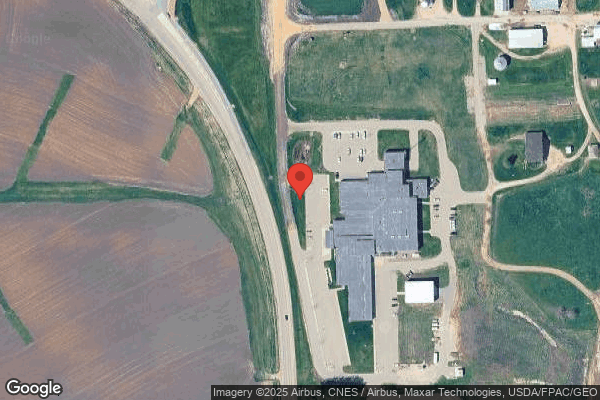
Understanding Severity Codes (click to expand)
Life-Threatening (Immediate Jeopardy)
J - Isolated K - Pattern L - Widespread
Actual Harm
G - Isolated H - Pattern I - Widespread
Potential for Harm
D - Isolated E - Pattern F - Widespread
No Harm (Minor)
A - Isolated B - Pattern C - Widespread

Questions to Ask on Your Visit

  • "Can I speak with families of current residents?"
  • "What's your RN coverage like on weekends and overnight?"

Our Honest Assessment

Strengths
  • • 33% turnover. Below Wisconsin's 48% average. Good staff retention means consistent care.
Concerns
  • • Multiple safety concerns identified: 2 harm violation(s), Payment denial on record. Review inspection reports carefully.
  • • 18 deficiencies on record, including 2 serious (caused harm) violations. Ask about corrective actions taken.
  • • $22,425 in fines. Higher than 94% of Wisconsin facilities, suggesting repeated compliance issues.
Bottom line: Mixed indicators with Trust Score of 63/100. Visit in person and ask pointed questions.

About This Facility

What is Orchard Manor's CMS Rating?

CMS assigns ORCHARD MANOR an overall rating of 4 out of 5 stars, which is considered above average nationally. Within Wisconsin, this rating places the facility higher than 99% of the state's 100 nursing homes. This rating reflects solid performance across the metrics CMS uses to evaluate nursing home quality.

How is Orchard Manor Staffed?

CMS rates ORCHARD MANOR's staffing level at 5 out of 5 stars, which is much above average compared to other nursing homes. Staff turnover is 33%, compared to the Wisconsin average of 46%. This relatively stable workforce can support continuity of care.

What Have Inspectors Found at Orchard Manor?

State health inspectors documented 18 deficiencies at ORCHARD MANOR during 2022 to 2024. These included: 2 that caused actual resident harm, 15 with potential for harm, and 1 minor or isolated issues. Deficiencies causing actual harm indicate documented cases where residents experienced negative health consequences.

Who Owns and Operates Orchard Manor?

ORCHARD MANOR is owned by a government entity. Government-operated facilities are typically run by state, county, or municipal agencies. The facility operates independently rather than as part of a larger chain. With 74 certified beds and approximately 48 residents (about 65% occupancy), it is a smaller facility located in LANCASTER, Wisconsin.

How Does Orchard Manor Compare to Other Wisconsin Nursing Homes?

Compared to the 100 nursing homes in Wisconsin, ORCHARD MANOR's overall rating (4 stars) is above the state average of 3.0, staff turnover (33%) is significantly lower than the state average of 46%, and health inspection rating (3 stars) is at the national benchmark.

What Should Families Ask When Visiting Orchard Manor?

Based on this facility's data, families visiting should ask: "Can I visit during a mealtime to observe dining assistance and food quality?" "How do you handle medical emergencies, and what is your hospital transfer rate?" "Can I speak with family members of current residents about their experience?"

Is Orchard Manor Safe?

Based on CMS inspection data, ORCHARD MANOR has a clean safety record: no substantiated abuse findings (meaning no confirmed cases of resident harm), no Immediate Jeopardy citations (the most serious violation level indicating risk of serious injury or death), and is not on the Special Focus Facility watch list (a federal program monitoring the lowest-performing 1% of nursing homes). The facility has a 4-star overall rating and ranks #1 of 100 nursing homes in Wisconsin. While no facility is perfect, families should still ask about staff-to-resident ratios and recent inspection results during their visit.

Do Nurses at Orchard Manor Stick Around?

ORCHARD MANOR has a staff turnover rate of 33%, which is about average for Wisconsin nursing homes (state average: 46%). Moderate turnover is common in nursing homes, but families should still ask about staff tenure and how the facility maintains care continuity when employees leave.

Was Orchard Manor Ever Fined?

ORCHARD MANOR has been fined $22,425 across 1 penalty action. This is below the Wisconsin average of $33,303. While any fine indicates a compliance issue, fines under $50,000 are relatively common and typically reflect isolated problems that were subsequently corrected. Families should ask what specific issues led to these fines and confirm they've been resolved.

Is Orchard Manor on Any Federal Watch List?

ORCHARD MANOR is not on any federal watch list. The most significant is the Special Focus Facility (SFF) program, which identifies the bottom 1% of nursing homes nationally based on persistent, serious quality problems. Not being on this list means the facility has avoided the pattern of deficiencies that triggers enhanced federal oversight. This is a positive indicator, though families should still review the facility's inspection history directly.