DOVE HEALTHCARE - LODI
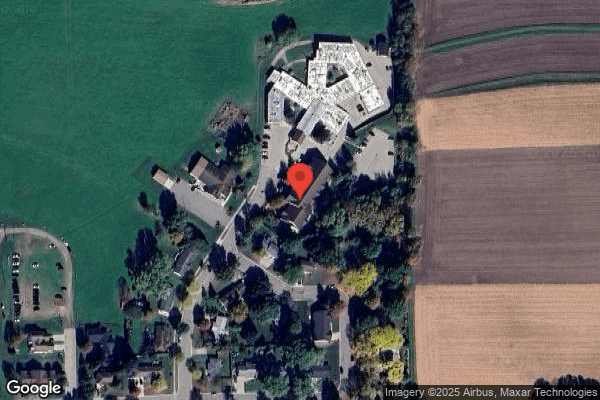
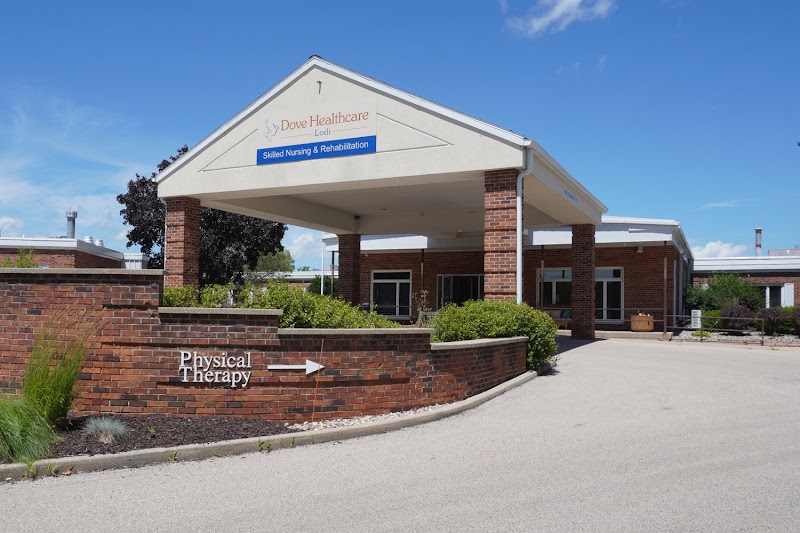
700 CLARK ST, LODI, WI 53555 (608) 592-3241
For profit - Limited Liability company 50 Beds DOVE HEALTHCARE Data: November 2025 1 Immediate Jeopardy citation
Trust Grade
26/100
#202 of 321 in WI
Last Inspection: September 2024

Within standard 12-15 month inspection cycle. Federal law requires annual inspections.

Overview

Dove Healthcare - Lodi has received a Trust Grade of F, indicating significant concerns and poor overall quality of care. It ranks #202 out of 321 facilities in Wisconsin and is last in Columbia County at #4 of 4, placing it in the bottom half of options available. While the facility is showing improvement as the number of issues has decreased from 5 in 2024 to 1 in 2025, the staffing situation remains a concern with a turnover rate of 59%, which is higher than the state average of 47%. Although staffing received a solid rating of 4 out of 5 stars, there is less RN coverage than 75% of Wisconsin facilities, which is worrisome given the findings of serious incidents, such as a resident developing a severe pressure injury due to inadequate care and failures in monitoring food safety that could impact all residents. Overall, while there are some strengths in staffing, the facility has significant weaknesses that families should carefully consider.

Trust Score
F
26/100
In Wisconsin
#202/321
Bottom 38%
Safety Record
High Risk
Review needed
Inspections
Getting Better
5 → 1 violations
Staff Stability
⚠ Watch
59% turnover. Above average. Higher turnover means staff may not know residents' routines.
Penalties
○ Average
$24,183 in fines. Higher than 55% of Wisconsin facilities. Some compliance issues.
Skilled Nurses
✓ Good
Each resident gets 46 minutes of Registered Nurse (RN) attention daily — more than average for Wisconsin. RNs are trained to catch health problems early.
Violations
⚠ Watch
50 deficiencies on record. Higher than average. Multiple issues found across inspections.
★★☆☆☆
2.0
Overall Rating
★★★★☆
4.0
Staff Levels
★★★☆☆
3.0
Care Quality
★★☆☆☆
2.0
Inspection Score
Stable
2024: 5 issues
2025: 1 issues

The Good

  • 4-Star Staffing Rating · Above-average nurse staffing levels
  • Full Sprinkler Coverage · Fire safety systems throughout facility
  • No fines on record

Facility shows strength in staffing levels, fire safety.

The Bad

2-Star Overall Rating

Below Wisconsin average (3.0)

Below average - review inspection findings carefully

Staff Turnover: 59%

13pts above Wisconsin avg (46%)

Frequent staff changes - ask about care continuity

Federal Fines: $24,183

Below median ($33,413)

Minor penalties assessed

Chain: DOVE HEALTHCARE

Part of a multi-facility chain

Ask about local staffing decisions and management

Staff turnover is elevated (59%)

11 points above Wisconsin average of 48%

The Ugly 50 deficiencies on record

1 life-threatening 1 actual harm
Jun 2025 1 deficiency
CONCERN (D) 📢 Someone Reported This

A family member, employee, or ombudsman was alarmed enough to file a formal complaint

Potential for Harm - no one hurt, but risky conditions existed

Deficiency F0760 (Tag F0760)

Could have caused harm · This affected 1 resident

**NOTE- TERMS IN BRACKETS HAVE BEEN EDITED TO PROTECT CONFIDENTIALITY** Based on record review, interview, and facility document review, the facility failed to prevent significant medication errors fo...

Read full inspector narrative →
**NOTE- TERMS IN BRACKETS HAVE BEEN EDITED TO PROTECT CONFIDENTIALITY** Based on record review, interview, and facility document review, the facility failed to prevent significant medication errors for two out of a total of five residents reviewed for medication administration (R2, and R3) out of a total sample of 13 residents. This failure had the potential for R2 and R3 to experience adverse reactions from receiving a wrong medication or wrong dosage of medication that was not prescribed for R2 and R3. Findings include: Review of the facility's policy Medication Administration dated 01/01/25 indicated, .Ensure that the six rights of medication administration are followed: a. Right resident b. Right drug c. Right dosage d. Right route e. Right time f. Right documentation [sic] .Compare medication source (bubble pack, vial, etc.) with the MAR [Medication Administration Record] to [NAME] resident name, medication name, form, route, and time . 1.Review of R1's undated Face Sheet located under the Profile tab in the electronic medical record (EMR) indicated R1 was admitted to the facility on [DATE] with the diagnosis of diabetes mellitus. Review of R1's Physician Orders located under the Orders tab in the EMR indicated R1 had an order dated 04/17/25 Insulin Lispro Injection 100 Unit/ML (milliliter) Inject 12 units subcutaneously two times a day at lunch/dinner. Review of R2's undated Face Sheet located under the Profile tab in the EMR indicated R2 was admitted to the facility on [DATE] with the diagnosis of diabetes mellitus, chronic respiratory failure, and stroke. Review of R2's Physician's Orders located under the Orders tab in the EMR indicated R2 had an order dated 04/23/24 for Insulin Glargine Solution Inject 18 units subcutaneously in the morning daily. R2 also had an order dated 04/23/24 for blood sugar checks one time a day every Sunday. Review of R2's Medication Administration Record dated April 2025 indicated R2 had received Glargine insulin 18 units subcutaneously at approximately 8:00 AM each day. R2's blood sugars were obtained at approximately 8:00 AM each day and ranged from 67 to 92. Review of the Medication Error Investigation dated 04/30/25 at 6:00 PM, RN1 asked the Certified Nursing Assistant (CNA) what the resident's name was. CNA stated it was [R1]. RN1 proceeded to give R2, who she thought was R1, Lispro 11 unit subcutaneously. Later RN1 recognized she had given the insulin to R2 instead of R1, which was the wrong resident. At 7:00 PM, RN1 checked R2's blood sugar and it was 118. Snacks were given. R2's blood sugar was again checked at 10:30 PM, at which time the blood sugar was 106 and R2 was easily awakened. No further interventions were documented in the electronic medical record for R2. Further review of the Medication Error Investigation indicated the physician was notified of the error on 04/30/25 at 9:30 PM with no documentation stating if the physician ordered any further monitoring for R2. Education was documented as being completed on 04/30/25 with RN1 that consisted of printing off a . document that goes over the 6 [sic] rights of medication administration and went over it with the RN [RN1] who made the medication error . educated RN [RN1] on importance of updating NP/MD for advisement of treatment and reporting the error. During an interview on 06/12/25 at 6:40 PM, RN1 stated, I gave the insulin to the wrong patient. I should have given the insulin to [R1]. Instead, I gave it to [R2]. 2. Review of R3's undated Face Sheet located under the Profile tab in the EMR indicated R3 was admitted to the facility on [DATE] with the diagnosis of Alzheimer's Disease, and anxiety disorder. Review of R3's Physician's Orders located under the Orders tab in the EMR indicated R3 had an order dated 10/18/24 for Alprazolam 0.25 mg (milligram) Give 0.25 mg by mouth in the morning for anxiety. Review of R8's undated Face Sheet located under the Profile tab in the EMR indicated R8 was admitted to the facility on [DATE] with the diagnosis of panic disorder and anxiety disorder. Review of R8's Physician's Orders located under the Orders tab in the EMR indicated R8 had an order dated 11/15/24 for Lorazepam 1 mg 0.5 tablet by mouth three times a day for anxiety. Review of the Medication Error Investigation dated 01/17/25 indicated, During the morning medication pass I [Registered Nurse (R)2] pulled Lorazepam 0.5 mg tablet accidentally from another resident's medication [R8] rather than pulling resident's scheduled Alprazolam 0.25 mg. As soon as medication error was realized VS [vital signs] [sic] were assessed and error was reported. Further review of the Medication Error Investigation indicated the on-call physician was notified of the medication error on 01/17/25 at 3:05 PM with no documentation stating if the physician ordered any further monitoring for R3. During an interview on 06/13/24 at 11:05 AM, the DON stated, Education was given to [RN2] on the six rights of safe medication administration and an information print out of potential look alike sound alike drug names were also given. During an interview on 06/13/25 at 5:15 PM, RN2 stated, I know it was extremely busy that morning and I had a lot of distractions. I pulled the Lorazepam from [R8's] card and gave it to [R3] by mistake. At shift change is when the count was off for Lorazepam is when I realized what had happened. Asked RN2 what the milligram of Lorazepam she administered to R3 and RN2 stated, Whatever the order was for [R8] I gave it to [R3]. 3. Review of R3's undated Face Sheet located under the Profile tab in the EMR indicated R3 was admitted to the facility on [DATE] with the diagnosis of Alzheimer's Disease, and anxiety disorder. Review of R3's Physician's Orders located under the Orders tab in the EMR indicated R3 had an order dated 10/18/24 for Alprazolam 0.25 mg (milligram) Give 0.25 mg by mouth in the morning for anxiety. Review of R9's updated Face Sheet located under the Profile tab in the EMR indicated R9 was admitted to the facility on [DATE] with the diagnosis of anxiety disorder. Review of R9's Physician Orders located under the Orders tab in the EMR indicated R9 had an order dated 11/04/24 for Alprazolam 0.5 mg give one tablet by mouth three times a day for anxiety. Review of the Medication Error Report dated 10/21/24 indicated on 10/19/24 [Licensed Practical Nurse (LPN)3] administered Alprazolam 0.5 mg to [R3] instead of administering Alprazolam 0.25 mg to [R3]. LPN3 stated she took the medication from [R9's] medication card and gave it to [R3]. During an interview on 06/13/25 at 10:40 AM, the Director of Nursing (DON) stated, For anyone that makes a medication error I go over the five rights of medication administration. Was asked if there were any audits, or medication administration observations that were done after any of the medication errors that were reviewed and the DON stated, No, there wasn't. The DON was asked if the facility had a phone number for [LPN3] and she stated, We don't have any contact information on file for [LPN3]. During an interview on 06/13/25 at 8:29 PM, the (DON) was asked what her expectations were when a nurse administered a medication. The DON stated, I expect them to follow the ten rights of medication administration which are the right resident, right medication, right dose, right route, right time, right documentation, right reason, right response, right education, and right to refuse.
Sept 2024 1 deficiency
CONCERN (F)

Potential for Harm - no one hurt, but risky conditions existed

Food Safety (Tag F0812)

Could have caused harm · This affected most or all residents

Based on observation, interview, record review, and facility policy review, the facility staff failed to document monitoring of the temperatures for the freezers and refrigerators located in the kitch...

Read full inspector narrative →
Based on observation, interview, record review, and facility policy review, the facility staff failed to document monitoring of the temperatures for the freezers and refrigerators located in the kitchen, document monitoring of the temperature and sanitizing solution for the dish machine, date numerous spices with open dates, and maintain the tile kitchen flooring. This failure had the potential to negatively impact all 47 residents currently residing in the facility who ate food from the kitchen. Findings include: Review of the facility's policy titled, Monitoring of Cooler/Freezer Temperature, dated 06/15/23, revealed, Policy: It is the policy of this facility to maintain temperatures of coolers and freezers at the appropriate temperature to promote food safety . Policy Explanation and Compliance Guidelines:1 . a. Temperatures will be checked and logged at least twice per day by designated personnel . Review of the facility's policy titled, Dishwasher Temperature, dated 06/15/23, revealed, Policy: It is the policy of this facility to ensure dishes and utensils are cleaned under sanitary conditions through adequate dishwasher temperatures. Policy Explanation and Compliance Guidelines: 1. All items in the dishwasher will be washed in water that is sufficient to sanitize any and all items . 4. For low temperature dishwashers (chemical sanitizations): a. The wash temperature shall be 120 degrees Fahrenheit. B. The sanitizing solution shall be 50ppm (parts per million) hypochlorite (chlorine) on dish surface in final rinse . 6. Water temperatures shall be measured and recorded prior to each meal and/or after the dishwasher has been emptied or re-filled for cleaning purposes . Observation on 9/26/24 at 12:30 PM, in the kitchen, indicated the temperature logs for the two freezers and two refrigerators were not completed for the AM and PM on a daily basis. Findings were as follows for the past five months: May - 31 days of temperatures not being recorded for the AM; June - 30 days of temperatures not being recorded for the AM; July - 31 days of temperatures not being recorded in the AM; August - three days of temperatures not being recorded for the AM and PM, 28 days of temperatures not being recorded for the PM; September - three days of temperatures not being recorded for the AM and PM, nine days of temperatures not being recorded for the AM, seven days of temperatures not being recorded for the PM. Observation on 9/26/24 at 12:40 PM in the kitchen indicated the temperature and chemical logs for the dish machine were not completed in the AM and PM on a daily basis. Findings were as follows for the past six months: April - five days of temperatures and chemical tests were not recorded for the AM and PM, six days of temperatures and chemical tests not being recorded for the PM; May - 16 days of temperatures and chemical tests not being recorded for the AM and PM, three days of temperatures and chemical tests not being recorded for the AM, two days of temperatures and chemical tests not being recorded for the PM; June - zero days missed; July - three days of temperatures and chemical tests not being recorded for the AM and PM; August - seven days of temperatures and chemical tests not being recorded for the AM and PM; September - four days of temperatures and chemical tests not being recorded for the AM and PM. Observation on 9/26/24 at 12:45 PM, in the kitchen, indicated several spices were not dated when they were opened. The 12 undated spices were: poultry, paprika, garden seasoning, smoked paprika, pumpkin spice, cinnamon and sugar, celery seed, dill weed, caraway seeds, rosemary leaves, basil leaves, and rotisserie chicken seasoning. Observation on 9/26/24 at 12:50 PM, in the kitchen, indicated numerous floor tiles that were cracked which did not allow for adequate cleaning: four cracked tiles near the steam table, five cracked tiles in the dish machine room, and a minimum of 15 cracked tiles in the kitchen area. During an interview on 9/26/24 at 12:55 PM, Cook1 was asked who was responsible for taking refrigerator/freezer temperatures. He stated, Everyone does it, and usually he did it when he came in for his shift. During an interview on 9/27/24 at 1:05 PM, the Dietary Manager (DM), stated she had been at the facility since May 2024. When the DM was asked why she did not throw out the undated spices, she stated the spices had always been there, and she had not noticed that some of the spices were outdated. The DM stated taking and recording the temperatures for freezers and refrigerators was the responsibility of the cooks to complete each shift, in the AM and PM. The DM stated there was a big meeting about the temperature taking/recording where the kitchen staff received training about this task. The DM stated not having steady staff had been an issue, and the three cooks who were hired over the summer were adjusting to the long-term care regulations. The DM stated the dietary aides (DAs) were responsible for recording the temperatures and chemical ratios for the dish machine, and there was usually a DA in AM and one in PM. During an interview on 09/27/24 at 2:20 PM with the Administrator, she stated on 7/23/24 a meeting/educational session was held with the kitchen staff where the process of taking the temperatures for the freezers, refrigerators and dish machine were reviewed. The Administrator was surprised to find this remained an issue for the kitchen staff. The Administrator stated there was a corporate plan to replace the kitchen floor in 2025. The Administrator confirmed the spices were undated and should have been removed. During an interview on 9/27/24 at 2:30 PM, Cook2 stated he began working for the facility on 07/02/24. Cook2 stated the DAs were the staff who usually completed the chemical testing for the dish machine, but the cook did it if the DA was not there. Cook2 stated the freezer/fridge temperatures were supposed to be done by the cooks every AM and PM.
Aug 2024 3 deficiencies 1 IJ
CRITICAL (J) 📢 Someone Reported This

A family member, employee, or ombudsman was alarmed enough to file a formal complaint

Immediate Jeopardy (IJ) - the most serious Medicare violation

Pressure Ulcer Prevention (Tag F0686)

Someone could have died · This affected 1 resident

**NOTE- TERMS IN BRACKETS HAVE BEEN EDITED TO PROTECT CONFIDENTIALITY** Based on observation, interview, and record review, the facility did not ensure each resident receives cares, consistent with pr...

Read full inspector narrative →
**NOTE- TERMS IN BRACKETS HAVE BEEN EDITED TO PROTECT CONFIDENTIALITY** Based on observation, interview, and record review, the facility did not ensure each resident receives cares, consistent with professional standards of practice to prevent pressure injuries (PIs) for 2 of 3 residents (R) sampled out of a total sample of 9 (R2 and R8). R8 was admitted on [DATE], without a pressure injury or catheter. R8 was hospitalized on [DATE], returning on [DATE] with a foley catheter in place. The facility did not develop a care plan addressing the catheter until [DATE], after erosion to the penis was identified.The facility failed to ensure interventions to prevent medically related pressure injuries (PI) were implemented correctly to prevent PI development, failed to complete weekly measurements and assessments, and failed to get orders for treatments. R8 subsequently developed a full thickness wound that extended from the tip of the penis where the catheter is placed, through the meatus, and down to the shaft. These failures created a finding of immediate Jeopardy (IJ) which began on [DATE]. The NHA (Nursing Home Administrator) was notified of the IJ on [DATE] at 3:55 PM. The immediate jeopardy was removed on [DATE]; however, the deficient practice continues at a scope/severity of D (potential for more than minimal harm that is not immediate jeopardy/isolated) as evidenced by the following example: R2 was admitted to the facility on [DATE] without a pressure injury. The facility did not complete weekly skin checks and did not identify new pressure injuries. This is evidenced by: Example 1 An article from the National Library of Medicine (NIH) at pubmed.ncbi.nih.gov/21205992 from, [DATE] states in part . Medical devices often are overlooked as a potential cause of pressure ulcers. Indwelling urinary catheters have been described as a cause of urethral erosion. In men, the resultant partial-thickness or full-thickness wound can involve a small area of the glans penis or [NAME] the glans or penile shaft, requiring reconstructive surgery or urinary diversion. An article from the NIH at pubmed.ncbi.nih.gov/36493361 from [DATE] states in part . Urethral erosion secondary to a medical device-related pressure injury (MDRPI) is preventable, understudied, not well understood, and often overlooked. The facility document titled Pressure Injury Prevention Guidelines, dated 2023, states in part . Preventive Skin Care: 1. Inspect skin while providing care, paying close attention to bony prominences. 2. Inspect skin underneath medical devices at least twice daily. Keep skin clean and dry underneath. Adjust devices as needed for proper fit. Repositioning: Avoid positioning the resident directly onto medical devices (i.e., tubes, drainage systems). The facility policy titled, Pressure Injury Staging Guidelines, last reviewed 9/2022, states in part . Purpose: To provide a common language for the description of the depth of pressure related injuries. These guidelines are to be utilized for pressure related injuries, no other wound should be utilized using this language. This common language is adopted from the National Pressure Ulcer Advisory Panel (NPUAP). National Pressure Ulcer Advisory Panel Pressure Injury Stages: Pressure Injury: A pressure injury is localized damage to the skin and/or underlying soft tissue usually over a bony prominence or related to a medical or other device. The pressure injury will present as intact skin and may be painful. A pressure injury will present as an open ulcer the appearance of which will vary depending on the stage and may be painful. The injury occurs as a result of intense and/or prolonged pressure or pressure in combination with shear. The tolerance of soft tissue for pressure and shear may also be affected by skin temperature and moisture; nutrition; perfusion; co-morbidities; and condition of the soft tissue. Stage 4 Pressure Injury: Full -thickness skin and tissue loss. Full-thickness skin and tissue loss with exposed or directly palpable fascia, muscle, tendon, ligament, cartilage, or bone in the ulcer. Slough and/or eschar may be visible on some parts of the wound bed. Epibole (rolled edges), undermining and/or tunneling often occur. Depth caries by anatomical location. If slough or eschar obscures the wound bed, it is an Unstageable Pressure Injury. Medical Device Related Pressure Injury: Medical device related pressure injuries result from the use of devices designed and applied for diagnostic or therapeutic purposes. The resultant pressure injury generally conforms to the pattern or shape of the device. The injury should be staged using the staging system. The facility policy titled Catheter Care, last reviewed 8/2024, states in part . Policy: It is the policy of this facility to ensure that residents with indwelling catheters receive appropriate catheter care and maintain their dignity and privacy when indwelling catheters are in use. Policy Explanation: 1. Catheter care will be performed every shift and as needed by nursing personnel. Compliance Guidelines: 7. Perform hand hygiene. 8. [NAME] gloves. Both: 20. Ensure the catheter tubing is secured by use of stat lock or leg secure device. The cath secure should be alternated each day. 21. Report abnormal findings to the nurse and document any care that needs to be in the resident record. 25. Perform hand hygiene. The facility policy titled, Hand Hygiene, last reviewed [DATE], states in part . Policy: All staff will perform proper hand hygiene procedures to prevent the spread of infection to other personnel, residents, and visitors. 2. Hand hygiene is indicated and will be performed under the conditions listed in, but not limited to, the attached hand hygiene table. 6. Additional considerations: a. The use of gloves does not replace hand hygiene. If your task requires gloves, perform hand hygiene prior to donning gloves, and immediately after removing gloves. Hand Hygiene Table: - Before performed resident care procedures. - When, during resident care, moving from a contaminated body sit to a clean body site. - Before applying and after removing personal protective equipment (PPE), including gloves. - After handing items potentially contaminated with blood, body fluids, secretions, or excretions. R8 was admitted to the facility on [DATE]. R8's diagnoses include Flaccid hemiplegia affecting right dominant side, diabetes mellitus type 2, cerebral infarction, benign prostatic hyperplasia, neuromuscular dysfunction of bladder, and urinary retention. R8's quarterly Minimum Data Set (MDS) assessment, with an assessment reference date of [DATE] indicates R8 has a Brief Interview of Mental Status (BIMS) of 11, indicating moderate cognitive impairment. R8 is dependent on staff for toileting hygiene, shower/bathe, upper and lower body dressing, bed mobility, and toilet transfers. R8 requires moderate/substantial assistance with upper body dressing, personal hygiene, sit to stand, and transfers from chair/bed to chair. Urinary continence is not rated due to urinary catheter in place and R8 is always incontinent of bowel. R8 was hospitalized on [DATE] and returned on [DATE] with foley catheter in place. R8's Braden Scores include in part . [DATE], indicates a 12, High Risk. [DATE], indicates 13, Moderate Risk [DATE], indicates 15, At Risk [DATE], indicates 14, Moderate Risk [DATE], indicates 15, At Risk [DATE], indicates 14, Moderate Risk [DATE], indicates 14, Moderate Risk [DATE], indicates 15, At Risk R8's care plan includes . Problem: The resident has Foley Catheter d/t (due to) retention of urine, neurogenic bladder. Date Initiated: [DATE]. Goal: The resident will be/remain free from catheter-related trauma through review date. Date Initiated: [DATE]. Interventions: Monitor Stat lock or catheter leg strap for tension on catheter. Catheter should be tension free. Date Initiated: [DATE]. Note: R8's catheter was placed at the hospital in 4/2024 but his care plan was not initiated until [DATE], after erosion to the meatus was already identified. R8's Certified Nursing Assistant (CNA) Kardex, printed [DATE], states in part . Bladder/Bowel: Monitor stat lock or catheter leg strap for tension on catheter. Catheter should be tension free. Resident Care: Provide pericare after each incontinent episode. Nurses Note from [DATE] at 12:29 PM states, catheter changed today clear yellow urine noted changed with DON (Director of Nursing), noted to have tip of penis split, NP (Nurse Practitioner) updated on this. Progress Note by NP (Nurse Practitioner) from [DATE] at 3:30 PM states in part . On exam, significant urethral erosion noted. Urology following, next scheduled appointment is in November but recommending patient to be seen sooner to discuss options. No S/S (signs or symptoms) infection, catheter draining dilute yellow urine. Physical Examination: GU (genitourinary) - indwelling Foley catheter, significant ureteral erosion with intermittent mild pain, no sign of infection. Assessment and Plan: Urethral erosion by catheter: Indwelling Foley catheter for urinary retention. Urology following, last seen 5/20. Continue cath (catheter) exchanges as needed. Follow-up November, requesting sooner appointment given noted urethral erosion. Orders to monitor Stat Lock strap every shift to secure catheter but prevent tension on urethral meatus. Progress Note by NP from [DATE] at 1:00 PM states in part . Physical Examination: GU (genitourinary) - indwelling Foley catheter, significant ureteral erosion with intermittent mild pain, no sign of infection. Assessment and Plan: Urinary retention due to benign prostatic hyperplasia: Continue Flomax. Continue indwelling Foley catheter for retention. Urology following, last seen 5/20. Continue cath exchanges as needed. Follow-up November, requesting sooner appointment given noted urethral erosion. Orders to monitor Stat Lock/leg strap every shift to secure catheter but prevent tension on urethral meatus. Urethral erosion by catheter: Indwelling Foley catheter for urinary retention. Urology following, last seen 5/20. Continue cath (catheter) exchanges as needed. Follow-up November, requesting sooner appointment given noted urethral erosion. Orders to monitor Stat Lock strap every shift to secure catheter but prevent tension on urethral meatus. Of Note: Despite the nursing staff documenting tip of penis split and NP writing significant urethral erosion to the penis the facility did not implement weekly assessments, complete weekly measurements, or implement any treatments of this area. Urology HPI (History of Present Illness): ***On [DATE] at 2:17 PM, clinic staff wrote to MD, DON at [facility name] states she assisted in a foley exchange for R8 today and noticed his meatus is open the entire length of the tip of his penis. She states this has not be [sic] documented/noticed in the past. The meatus is red and inflamed. He is reporting no pain. There is no documentation of trauma or issues with his previous catheter exchanges. She does state R8 is confused at baseline, pulls at the catheter and has no knowledge of what could have happened. They are requesting an appointment. Exam Constitutional: GU: Penis: normal penis (urethral erosion due to tension from foley) and circumcised; no lesions. Urology Clinic Visit Note from [DATE] states in part . Follow up incontinence: Patient with indwelling foley with recent issue noted of urethral erosion. Exam today showed that his Foley catheter was rerouted posteriorly underneath his depends undergarment creating tension on the Foley catheter. It was affixed to his inner thigh with a Stat Lock. We repositioned his Foley catheter in a manner to get off tension to prevent the ongoing urethral erosion. Tissue did not look infected. We did note the urethral erosion can be seen only back to the penoscrotal junction and some men [sic]. An additional option would be given that the nursing facility finds it difficult to maintain it off tension while riding into posteriorly underneath the depends undergarment they can create a small window within the depends and around the catheter out that was we can to drainage [sic]. Skilled Nursing Facility (SNF) Progress Note by NP from [DATE] at 1:45 PM states in part . Physical Examination: GU (genitourinary) - indwelling Foley catheter, significant ureteral erosion with intermittent mild pain, no sign of infection. SNF Monthly Compliance Note by Medical Doctor (MD) from [DATE] at 6:15 PM states in part . At the underlying obstructive uropathy with Foley catheter in place. Has urethral erosion secondary to chronic Foley catheter followed by urology. Additionally has significant issues with self-induced trauma recommend suprapubic but defer to urology for input. Care discussed with nursing staff EHR (electronic health record) is reviewed. SNF Progress Note by NP from [DATE] at 1:45 PM states in part . Physical Examination: GU (genitourinary) - indwelling Foley catheter, significant ureteral erosion with intermittent mild pain, no sign of infection. Wound Physician document titled, Wound Evaluation & Management Summary, dated [DATE], states in part . Unstageable (Due to A Device/Dressing) Penis Undetermined Thickness. Etiology: Pressure. Wound Size (L x W x D): 1 x 2 x 0.2 cm (centimeters). Exudate: Moderate Sero - sanguinous. Expanded Evaluation Performed: Reviewed off-loading surfaces and discussed surfaces care plan. Considered patient behavior as factor that is complicating wound healing and discussed it further with staff and/or family. Discussed wound healing trajectory and expectations with patient and/or family. Patient requiring an increase in the level of care. Rec to consider removal of cath vs if ongoing need, consult with urology for SP (suprapubic) placement. Dressing Treatment Plan: Triple antibiotic ointment apply twice daily for 30 days. Registered Nurse (RN) Weekly Wound Assessment, dated [DATE], states in part . A. Communication. 1a. Date MD/Alternate Notified/Last Updated: [DATE]. 1b. Details: NP. B. Observation/Data: 1. Location: penis. 2a. Indicate whether this site was acquired during the residents stay or whether it was present on admission: 2b. Acquired. Date acquired: [DATE]. 3a. Type: pressure. 4. Pressure Ulcer Stage. 4a. Original: SDTI (suspected deep tissue injury). Current: SDTI. 5. Visible Tissue. 5a. Overall Impression: First observation, no refence. 5f. Moist. 6. Drainage. 6a. Type: Serosanguinous. 6b. small. 8a. Length: 2. 8b. Width: 2. 8c. Depth(cm) or UTD (unable to determine): 0.2. C. Treatment. 2. Current treatment plan: TAO BID (triple antibiotic ointment twice a day). Evaluation. Wound Progress: Unstageable d/t (due to) device. Comments: Wound progress: exacerbated d/t pt (patient) seen by urology. Per wife declined void trial for cath removal or SP cath placement. Wound Physician document titled, Wound Evaluation & Management Summary, dated [DATE], states in part . Unstageable (Due To A Device/Dressing) Penis Undetermined Thickness. Etiology: Pressure. Wound Size (L x W x D): 2 x 2 x 0.2 cm (centimeters). Exudate: Light Sero - sanguinous. Wound Progress: Exacerbated due to patient seen by urology, per report wife declined void trial for cath removal or SP cath placement. Expanded Evaluation Performed: Counseling offered to optimize wound healing regarding relevant conditions including Diabetes. Reviewed off-loading surfaces and discussed surfaces care plan. Discussed signs of atypical ulceration and consideration of biopsy with patient and/or family. Discussed wound healing trajectory and expectations with patient and/or family. Dressing Treatment Plan: Triple antibiotic ointment apply twice daily for 23 days. Recommendations: Reposition per facility protocol; Off-load wound: ensure foley is secured so cath is off tension and not placing tension along glans of penis. RN Weekly Wound Assessment, dated [DATE], states in part . A. Communication. 1a. Date MD/Alternate Notified/Last Updated: [DATE]. 1b. Details: NP. 3. Special Equipment/Preventative measures: ensure foley is secured so cath is off tension and not placing tension along glans of penis. B. Observation/Data: 1. Location: penis. 2a. Indicate whether this site was acquired during the residents stay or whether it was present on admission: 2b. Acquired. Date acquired: [DATE]. 3a. Type: pressure. 4. Pressure Ulcer Stage. 4a. Original: SDTI (suspected deep tissue injury). Current: SDTI. 5. Visible Tissue. 5a. Overall Impression: Unchanged. 5f. Moist. 6. Drainage. 6a. Type: Serosanguinous. 6b. small. 8a. Length: 2. 8b. Width: 2. 8c. Depth(cm) or UTD (unable to determine): 0.2. C. Treatment. 2. Current treatment plan: TAO BID (triple antibiotic ointment twice a day). Evaluation. Wound Progress: Unstageable d/t device (catheter). Comments: Wound progress: exacerbated d/t pt was seen by urology. Per wife declined void trial for cath removal or SP cath placement. Wound Physician document titled, Wound Evaluation & Management Summary, dated [DATE], states in part . Unstageable (Due To A Device/Dressing) Penis Undetermined Thickness. Etiology: Pressure. Wound Size (L x W x D): 2 x 2 x 0.2 cm (centimeters). This visit's measurements are noted by the clinician to be exactly the same as the previous visit. Exudate: Light Sero - sanguinous. Wound progress: Not at Goal. Dressing Treatment Plan: Triple antibiotic ointment apply twice daily for 16 days. Recommendations: Reposition per facility protocol; Off-load wound: ensure foley is secured so cath is off tension and not placing tension along glans of penis. RN Weekly Wound Assessment, dated [DATE], states in part . A. Communication. 1a. Date MD/Alternate Notified/Last Updated: [DATE]. 1b. Details: NP. 3. Special Equipment/Preventative measures: ensure foley is secured so cath is off tension and not placing tension along glans of penis. B. Observation/Data: 1. Location: penis. 2a. Indicate whether this site was acquired during the residents stay or whether it was present on admission: 2b. Acquired. Date acquired: [DATE]. 3a. Type: pressure. 4. Pressure Ulcer Stage. 4a. Original: SDTI (suspected deep tissue injury). Current: SDTI. 5. Visible Tissue. 5a. Overall Impression: Worsening. 5f. Moist. 6. Drainage. 6a. Type: Serosanguinous. 6b. small. 8a. Length: 2. 8b. Width: 3. 8c. Depth(cm) or UTD (unable to determine): 0.2. C. Treatment. 2. Current treatment plan: TAO BID (triple antibiotic ointment twice a day). Evaluation. Wound Progress: Unstageable d/t device (catheter). Comments: Expanded Evaluation Performed: Counseling offered to optimize wound healing and relevant conditions were addressed through management changes or investigations regarding conditions including patient with chronic foley, patient needs SP cath placed to offload however wife (poa [sic] (power of attorney)) declines pursuing this or even repeat voiding trial to assess ability to remove caths [sic]. Reviewed off-loading surfaces and discussed surfaces care plan. Considered patient healing trajectory and expectations with patient and/or family. Wound Physician document titled, Wound Evaluation & Management Summary, dated [DATE], states in part . Unstageable (Due To A Device/Dressing) Penis Undetermined Thickness. Etiology: Pressure. Wound Size (L x W x D): 2 x 3 x 0.2 cm (centimeters). This visit's measurements are noted by the clinician to be exactly the same as the previous visit. Exudate: Light Sero - sanguinous. Wound progress: Not at Goal. Expanded Evaluation Performed: Counseling offered to optimize wound healing and relevant conditions were addressed through management changes or investigations regarding conditions including patient with chronic foley, patient needs SP cath placed to offload however wife (poa (power of attorney)) declines pursuing this or even repeat voiding trial to assess ability to remove caths [sic]. Reviewed off-loading surfaces and discussed surfaces care plan. Considered patient healing trajectory and expectations with patient and/or family. Dressing Treatment Plan: Triple antibiotic ointment apply twice daily for 30 days. Recommendations: Reposition per facility protocol; Off-load wound: ensure foley is secured so cath is off tension and not placing tension along glans of penis. R8's Medication Administration Record (MAR) states in part . - Shower weekly on Wednesday complete skin assessment. Only document (In Health Status) if skin issue found, every day shift every Wednesday. Start Date: [DATE]. - Monitor stat-lock or leg strap for indwelling catheter Q (every) shift. Ensure catheter is secure but relaxed, preventions of tension on urethral meatus due to urethral erosion noted. Every shift for monitor secure catheter, prevent tension to urethral meatus. Start Date: [DATE]. - Lidocaine HCI (low hydrochloric acid) External Gel 2 %. Apply to urethral meatus topically every 12 hours as needed for urethral erosion pain. (lidocaine uro-jet). Start Date: [DATE]. - Wound care to penis: Cleanse and dry, apply triple antibiotic ointment twice daily. May use equivalent. Every day and evening shift for wound care. Start Date: [DATE]. Of Note: Wound Physician Note from [DATE] states in part . Primary Dressing: Triple antibiotic ointment apply twice daily for 30 days. The facility did not start the treatment or place it on R8's MAR until [DATE]. On [DATE] at 8:45 AM, Surveyor observed CNA D (Certified Nursing Assistant) and CNA E completed catheter care with R8. Surveyor observed R8's stat lock on the right thigh with catheter connected. Surveyor observed the tubing to be slack and without tension at this time. Surveyor observed R8's penis to be open from the tip through the meatus, down to the shaft. CNA D washed hands and placed gloves, peri area cleansed, gloves changed. CNA D applied clean gloves and patted dry the area. Powder placed in groin per standing orders. On [DATE] at 9:00 AM, Surveyor interviewed CNA D. Surveyor asked CNA D if hands should be washed when going from dirty to clean and when changing gloves. CNA D stated, yes. On [DATE] at 9:08 AM, Surveyor interviewed NHA A and ADON C. Surveyor asked ADON C when it is appropriate to wash hands. ADON C stated, before cares, when changing gloves and before leaving a room. Surveyor asked ADON C if she would expect staff to wash hands when going from dirty to clean. ADON C stated, yes. On [DATE] at 10:55 AM, Surveyor interviewed NHA A and ADON C (Assistant Director of Nursing). Surveyor asked ADON C when R8's catheter was placed. ADON C stated, [DATE] during a hospitalization. Surveyor asked ADON C if R8 has always had a Stat Lock or strap in place to secure the catheter. ADON C stated, should always be a stat lock or securing device so would have/should have came back with that as well. There is a note when R8 returned from the hospital on [DATE] to follow up with Urology for irritation due to repeated cathing. Surveyor asked ADON C when R8 was seen by Urology. ADON C stated [DATE]. Surveyor asked ADON C if measurements and assessment should have been completed when the area was first discovered on [DATE]. ADON C stated, the area should have been assessed at the time of the note, [DATE]. The NP did see R8 on [DATE] and wrote a note but did not complete measurements. Surveyor asked ADON C if she would have expected this area to be assessed and measurements completed. ADON C stated, I would have hoped that would have been done but I can't speak on their behalf. Surveyor asked ADON C when R8 had measurements completed on the area. ADON C stated, the first measurements were completed by Wound MD G on [DATE]. Surveyor asked ADON C what the initial date of discovery was for R8's penile erosion. ADON C stated, [DATE] according to the nurses notes. Surveyor asked ADON C when on the RN Wound Assessment sheet from [DATE] it indicates the date of discovery or date acquired as [DATE]. ADON C stated, I used that date as Wound MD G put in his documentation that the wound duration was greater than 17 days. What I did was go off Wound MD G's estimated date not the actual charting that identified the area. This area should have been measured weekly from the time of discovery. On [DATE] at 12:00 PM, Surveyor interviewed Wound MD G. Surveyor asked Wound MD G about R8's wound. Wound MD G stated this area to the glans penis is considered a medical device related pressure injury which is common in long-term catheter use. Surveyor asked Wound MD G about staging of this area. Wound MD G states, the charting system we use for documentation locks out the depth but this is a full-thickness, stage 4 pressure injury to the penis. Surveyor asked Wound MD G if he considered this to be avoidable. Wound MD G stated, initially this would have been considered avoidable but R8's wife has declined other interventions, such as, SP catheter or voiding trial to remove the Foley. Since those things have been declined, I would say this is now unavoidable. There is usually some expected erosion from catheter placement but the extent of this is avoidable. Long-term catheter use will have some degree of erosion. On [DATE] at 12:15 PM, Surveyor interviewed NP F (Nurse Practitioner). Surveyor asked NP F if she would have expected the area on R8's penis to have been assessed and measured at time of discovery. NP F states, yes, they should have. I would have expected an assessment, measurements, and treatment. Surveyor asked NP F if she completed any measurements of the area when she assessed R8 on [DATE]. NP F stated, I did not do any measurements, but I placed orders for R8 to be seen on wound rounds and a Urology referral. Surveyor asked NP F if the pressure injury to R8's penis was avoidable. NP F states, the catheter puts R8 at risk, but the degree is likely avoidable. When I went to assess R8 on [DATE] his catheter was not in a good position. The catheter was tight, and the tubing was under his leg instead of over causing significant tension on the catheter. I did educated staff at that time about ensuring the tubing was loose and not tight. The facility's failure to implement interventions to ensure a medical device did not cause a pressure injury, failure to complete weekly assessments and measurements created a harm, leading to a finding of immediate jeopardy. The facility removed the immediacy on [DATE], when they completed the following: - The facility conducted a sweep of all residents with an indwelling Foley catheter to ensure robust interventions are in place to prevent PI development. - The facility completed skin assessments on all residents with an indwelling Foley catheter. - Education will be provided to nursing staff prior to their next working shift on the following. - All Nursing Staff (nurses, nurse aides and ha (hospitality aides)): All residents with an indwelling foley will wear a leg strap or utilize a stat lock. Education and competency checks for nurses and nurse aides will be completed to ensure correct positioning to prevent tubing from being taunt or causing pressure on the urethra. - Monitoring of skin integrity on residents with catheters during cares paying special attention to skin impairment. Immediately reporting any skin impairment to licensed nurse. - Licensed Nurses: Documentation of any skin impairment. Wound documentation to include weekly measurements and assessments. - Obtain treatment orders upon discovery. - On [DATE] the Facility reviewed the Policy and Procedure for Prevention of Pressure Injury F686 - On [DATE] the Facility reviewed the Policy and Procedure for Change of Condition notification. - On [DATE] the Facility initiated re-education with all Licensed Nursing Staff and nurse aides on identifying and reporting Changes of Condition when newly identified changes in health status are identified. - On [DATE] the Facility initiated re-education with all Licensed Nursing Staff on completion of a comprehensive assessment on all skin events with a noted change in size, shape, and clinical presentation at the time of discovery. - On [DATE] the Licensed Nursing Staffand nurse aide were re-educated on catheter care including but not limited to pressure ulcer prevention and treatment. - The Facility will complete random audits 3x weekly with Licensed Nurses to gauge understanding related to completion of Changes of Condition. Remedial education will be provided at the time of completion of audits if indicated. - The Facility will complete random audits 3x weekly on catheters to ensure care is provided per clinical standards. To include proper placement of leg strap/stat loc to prevent pressure. Remedial education will be provided at the time of completion of audits if indicated. - The facility will complete random audits 3x weekly on pressure ulcers to ensure care is provided per clinical standards. Remedial education will be provided at the time of completion of audits if indicated. - The facility will complete random audits 3x weekly on treatment records and weekly skin assessments to ensure care is provided per clinical standards. Remedial education will be provided at the time of completion of audits if indicated. - The facility will audit residents with medical device pressure injuries 3x weekly to ensure weekly assessments are documented in the medical record including measurements. - The results of the audits will be reported to the quality assurance and performance improvement (QAPI) committee and adjustments will be made to frequency of audits based on findings. Example 2: R2 was admitted to the facility on [DATE]. R2's diagnoses include hepatic encephalopathy, alcoholic cirrhosis of liver with ascites, chronic kidney disease (CKD), hepatic failure, degeneration of nervous system due to alcohol, splenomegaly, anesthesia of skin, and paresthesia of skin. R2's significant change Minimum Data Set (MDS) assessment, with an assessment reference date of [DATE] indicates R2 has a Brief Interview of Mental Status (BIMS) of 13, indicating R2 is cognitively intact. R2 is dependent on staff for toileting hygiene, shower/bathe self, upper and lower body dressing, personal hygiene, and transfers. R2 requires substantial/maximum assistance with rolling left to right. R2 is frequently incontinent of urine and always incontinent of bowel. R2's care plan includes . Problem: The resident has DTI (deep tissue injury) pressure ulcer of right heel (present on readmission [DATE]) r/t (related to) immobility secondary to cirrhosis of the liver. Date initiated: [DATE]. Interventions: Administer treatments as ordered and monitor for effectiveness. Date Initiated: [DATE]. Educate the resident/family/caregivers as to causes of skin breakdown; including: transfer/positioning requirements; importance of taking care during ambulating/mobility, good nutrition and frequent repositioning. Date Initiated: [DATE]. Follow facility policies/protocols for the prevention/treatment of skin breakdown. Date Initiated: [DATE]. Inform the resident/family/caregivers of any new skin breakdown. Date Initiated: [DATE]. Monitor nutritional status. Serve diet as ordered, monitor intake and record. Date Initiated: [DATE]. Monitor wound to ensure it is intact without bandage (open to air). Date Initiated: [DATE]. The resident needs partial/mod (moderate) assistance to turn/reposition routinely during waking hours, and as needed or requested. Date Initiated: [DATE]. The resident requires full alternating air mattress on bed and booties on bilateral feet when in bed with heels floated. Date Initiated: [DATE]. Weekly treatment documentation to include measurement of each area of skin breakdown's width, le[TRUNCATED]
CONCERN (D) 📢 Someone Reported This

A family member, employee, or ombudsman was alarmed enough to file a formal complaint

Potential for Harm - no one hurt, but risky conditions existed

Accident Prevention (Tag F0689)

Could have caused harm · This affected 1 resident

**NOTE- TERMS IN BRACKETS HAVE BEEN EDITED TO PROTECT CONFIDENTIALITY** Based on interview and record review, the facility did not ensure that each resident receives adequate supervision and assistanc...

Read full inspector narrative →
**NOTE- TERMS IN BRACKETS HAVE BEEN EDITED TO PROTECT CONFIDENTIALITY** Based on interview and record review, the facility did not ensure that each resident receives adequate supervision and assistance devices to prevent accidents for 1 of 3 residents (R1) reviewed for fall concerns out of a total sample of 9 residents. R1 had a fall on [DATE] and the facility did not ensure that R1's fall was investigated or that care planned fall interventions were placed on R1's plan of care and implemented. This is evidenced by: The facility's policy titled, Fall Prevention Program, last reviewed [DATE], states, in part: . Purpose: Each resident will be assessed for fall risk and will receive care and services in accordance with their individualized level of risk to minimize the likelihood of falls. Definitions: A fall is an event in which an individual unintentionally comes to rest on the ground, floor, or other level, but not as a result of an overwhelming external force (e.g., resident pushes another resident). The event may be witnessed, reported, or presumed when a resident is found on the floor or ground, and can occur anywhere. Policy Explanation and Compliance Guidelines: 8. Each resident's risk factors, and environmental hazards will be evaluated when developing the resident's comprehensive plan of care. b. The plan of care will be revised as needed. 9. When any resident experiences a fall, the facility will: a. assess the resident. b. Complete a post-fall assessment. c. Complete an incident report. f. Document all assessments and actions. g. Obtain witness statements in the case of injury. R1 was admitted to the facility on [DATE] with diagnoses including, chronic obstructive pulmonary disease (COPD; a long-term lung condition that makes it difficult to breathe), malignant neoplasm right bronchus/lung, centrilobular emphysema (form of COPD that affects the upper lobes of the lungs), hypertension (HRN), and major depressive disorder. R1's quarterly Minimum Data Set (MDS) on [DATE] noted a Brief Interview for Mental Status (BIMS) score of 15, indicating R1 is cognitively intact. R1 required partial/moderate assistance for toileting hygiene, shower/bathe self, upper and lower body dressing. Set up, clean up assistance with oral hygiene, sit to stand and chair/bed-to-chair transfers. Supervision/touching assistance with toilet transfers. Independent with rolling left to right. R1's Fall Risk Assessment from [DATE] has a score of 12, indicating R1 is At Risk for falls. R1's Comprehensive Care Plan states in part . Problem: The resident is at risk for falls r/t (related to) Gait/balance problems d/t (due to) decline in status requiring admission to SNF (skilled nursing facility) for therapy secondary to lung cancer with COPD. Date Initiated: [DATE]. Interventions: Be sure the resident's call light is within reach and encourage the resident to use it for assistance as needed. The resident needs prompt response to all requests for assistance. Date Initiated: [DATE]. Educate the resident/family/caregivers about safety reminders and what to do if a fall occurs. Date Initiated: [DATE]. Follow facility fall policy. Date Initiated: [DATE]. PT (physical therapy) evaluate and treat as ordered or PRN (as needed). Date Initiated: [DATE]. Hospice Care Plan states in part . Fall Prevention Plan, starting [DATE]. Collaborate post fall with facility staff and determine if additional safety measures are needed and determine facility specific interventions which include frequent rounding, ensure walkway is clear, use of call light system, bed locked and in lowest position. Interventions: Fall Prevention Plan. Patient's fall prevention/harm reduction measures: Perform gait assessment. Reinforce bed in low position and wheels locked at all times. Of Note: The facility care plan did not include bed in low position as indicated in the hospice plan of care. R1 had a fall on [DATE] when she was found expired on the floor next to her bed. The bed at the time of the fall was at waist level. The facility completed a self-report following R1's death which includes a timeline. This document states in part . On [DATE] at approximately 4:20 AM R1 was found on the floor unresponsive without apparent injury; R1 is a DNR (Do Not Resuscitate). CNA H (Certified Nursing Assistant) checked on R1 at approximately 4:15 AM and observed R1 laying comfortably in her bed. Approximately 5 minutes later, while CNA H was making rounds, she observed R1 on the floor and immediately obtained the nurse. The nurse then call [sic] hospice, family, director of nursing, etc. On [DATE] at approximately 5:30 AM, RN (Registered Nurse) with Hospice pronounced (R1's death). All interviewable residents were interviewed they reported that no one has physically neglected or harmed them; no one has verbally neglected or harmed them; they feel safe in the facility; they know who to report abuse to; and they have not witnessed any abuse, neglect, or mistreatment. Of Note: The facility completed an investigation to ensure there was no abuse, neglect, or mistreatment to R1, but did not investigate the events of R1's fall. On [DATE] at 12:45 PM, Surveyor interviewed NHA A (Nursing Home Administrator) and ADON C (Assistant Director of Nursing). Surveyor asked NHA A and ADON C about R1's fall. ADON C stated, R1 was terminally restless. Surveyor asked ADON C where I could find documentation indicating R1 was terminally restless. ADON C stated, Staff should be documenting when giving medications for and follow up to ensure it was effective. Surveyor requested a copy of the facility fall investigation related to R1's fall. ADON C indicates she did not find anything in the risk management documentation that would show a fall investigation was done. Surveyor asked ADON C if a fall investigation should have been completed on R1. ADON C stated, yes, there should have been a risk management/fall investigation. Surveyor asked ADON C if care plan interventions in the hospice plan of care should be also added to the facility plan of care. ADON C stated, the hospice care plan should be tied to our care plan. If a low bed is on the hospice care plan it should also be on the facility care plan. On [DATE] at 1:32 PM, Surveyor interviewed CNA H. Surveyor asked CNA H about R1's fall on [DATE]. CNA H stated, R1's bed was at waist level at the time of the fall. No one ever said she should have had a low bed. Surveyor asked CNA H when she last saw R1 prior to finding her on the floor. CNA H stated, I rounded on her every 15 minutes due to her being at end of life. Surveyor asked CNA H if R1 was leaning in bed when she last saw her. CNA H stated, R1 was not leaning in bed at all the last time I saw her. I don't remember the exact time that I saw her prior to the fall. R1 had a fall while at the facility. The facility did not update R1's fall care plan with interventions identified in the hospice plan of care and did not investigate the fall.
CONCERN (E) 📢 Someone Reported This

A family member, employee, or ombudsman was alarmed enough to file a formal complaint

Potential for Harm - no one hurt, but risky conditions existed

Deficiency F0583 (Tag F0583)

Could have caused harm · This affected multiple residents

Based on observation and interview, the facility did not ensure each resident has the right to privacy and confidentiality for 7 of 9 residents (R) reviewed. (R3, R4, R5, R6, R7, R8, and R9) During th...

Read full inspector narrative →
Based on observation and interview, the facility did not ensure each resident has the right to privacy and confidentiality for 7 of 9 residents (R) reviewed. (R3, R4, R5, R6, R7, R8, and R9) During the survey, a camera was observed to be used for surveillance in the facility dining room. The dining room is used throughout the day for meals and visits. Evidenced by: On 8/14/24 at 11:00 AM, Surveyor observed a camera in the dining room, just inside the doorway from the hallway. Surveyor noted the dining room is used throughout the day by residents for meals and visits. This includes R3, R4, R5, R6, R7, R8, and R9. Surveyor noted there was no signage or posted notification to any resident, family, or staff who may use the dining room that the room was under surveillance by a camera. On 8/14/24 at 12:00 PM, Surveyor interviewed NHA A (Nursing Home Administrator). Surveyor asked NHA A if there were any cameras in the dining room NHA A stated not to her knowledge. NHA A opened the camera feed on her computer. NHA A and Surveyor observed a video of the dining room with residents eating the noon meal. NHA A stated she did not know there was a camera in the dining room NHA A stated there should not be a camera in the dining room. NHA A stated the camera will be removed. Surveyor requested a copy of the facility's camera surveillance policy. On 8/14/24 at 4:00 PM, NHA A informed Surveyor she was unable to find a camera surveillance policy.
Mar 2024 1 deficiency
CONCERN (D) 📢 Someone Reported This

A family member, employee, or ombudsman was alarmed enough to file a formal complaint

Potential for Harm - no one hurt, but risky conditions existed

Investigate Abuse (Tag F0610)

Could have caused harm · This affected 1 resident

**NOTE- TERMS IN BRACKETS HAVE BEEN EDITED TO PROTECT CONFIDENTIALITY** Based on record review and interviews, during an investigation of [NAME] ncident of verbal abuse of R3, the facility did not con...

Read full inspector narrative →
**NOTE- TERMS IN BRACKETS HAVE BEEN EDITED TO PROTECT CONFIDENTIALITY** Based on record review and interviews, during an investigation of [NAME] ncident of verbal abuse of R3, the facility did not conduct interviews for potential abuse for other residents, and did not monitor R3 for potential negative psychosocial outcomes following incident. Findings include: Facility policy entitled Abuse, Neglect and Exploitation, implemented on 02/03/2024, under section V. Investigation of alleged abuse, neglect and exploitation, states in part 5, Focusing the investigation on determining if abuse, neglect, exploitation, and/or mistreatment has occurred, the extent, and cause. Under section VI. Protection of Resident, states in part, Providing emotional support and counseling to the resident during and after the investigation as needed. The facility filed a self-report regarding verbal abuse that occurred towards R3 on 12/22/23. On that morning R3 expressed the coffee tasted like water. Dietary Manger (DM) D swore at R3 and told R3 to stop his f------ bi------. The facility did immediately suspend DM D and began an investigation. Surveyor reviewed R3's medical record and was unable to find any monitoring of potential negative psychosocial outcomes following the incident of verbal abuse towards R3. On 3/19/24 at 9:20 am, Surveyor interviewed R3 regarding incident that occurred on 12/22/23. R3 stated being aware of the incident and knows the staff member was let go. R3 denied any negative outcomes. On 3/19/24 at 10:36 AM, Surveyor requested and reviewed the facility's file on the reported incident of abuse and was unable to find any interviews with other residents who may have had similar concerns of abuse occurring towards them from DM D. On 03/19/24 at 10:47 AM, Surveyor interviewed Director of Nursing (DON) B regarding investigation and asked if interviews of other residents were conducted to determine the potential extent of abuse. DON B stated DON B had no awareness of any other resident interviews conducted. During the interview DON B confirmed there was no documentation of ongoing monitoring of R3 for potential negative psychosocial outcomes. On 03/19/24 at 11:30 AM, Surveyor interviewed Social Worker (SW) C who confirmed that no further resident interviews were conducted following incident and no further monitoring of potential negative psychosocial outcomes were conducted/documented.
Aug 2023 11 deficiencies
CONCERN (D) 📢 Someone Reported This

A family member, employee, or ombudsman was alarmed enough to file a formal complaint

Potential for Harm - no one hurt, but risky conditions existed

Notification of Changes (Tag F0580)

Could have caused harm · This affected 1 resident

**NOTE- TERMS IN BRACKETS HAVE BEEN EDITED TO PROTECT CONFIDENTIALITY** Example 2 R23 was admitted to the facility on [DATE] and has diagnoses that include: quadriplegia (paralysis of all four limbs),...

Read full inspector narrative →
**NOTE- TERMS IN BRACKETS HAVE BEEN EDITED TO PROTECT CONFIDENTIALITY** Example 2 R23 was admitted to the facility on [DATE] and has diagnoses that include: quadriplegia (paralysis of all four limbs), neurogenic bowel (loss of normal bowel function due to a nerve problem), autonomic dysreflexia (sudden onset of excessively high blood pressure), polyneuropathy (type of neuropathy, or nerve disease, that affects many nerves), major depressive disorder, and ileus (when intestine stops making wave-like movements). R23's Minimum Data Set (MDS) assessment, dated 6/30/23, indicates that R23 has a Brief Interview for Mental Status (BIMS) score of 15 indicating that R23 is cognitively intact. On 7/1/23 at 11:24 AM, a fax was sent from facility's outsourced diagnostic laboratories and radiology vendor to the facility. The fax contained results from R23's abdomen X-ray and states in part, X-ray abdomen 1 view . Results: There is marked colonic dilatation consistent with ileus or obstruction . Follow-up advised. The findings are worse than 4/13/2023. (It is important to note an ileus or obstruction indicates an abnormal test result) On 8/29/23 at 4:45 PM, Surveyor interviewed RN Q. RN Q indicated that on the morning of 7/3/23 she had found the fax containing the test results for R23's abdominal X-ray sent on 7/1/23 at 11:24 AM. RN Q indicated she immediately passed results to the AM nurse. On 8/29/23 at 3:33 PM, Surveyor interviewed DON B regarding notification of change of condition. Surveyor and DON B reviewed R23's progress/nursing notes from 6/28/23 to 7/10/23 entries related to condition are as follows .6/30/23 at 3:25 PM .call for X-ray order of distended ABD (abdomen) .this will be done today .7/3/23 at 12:07 PM . in the hospital . 7/10/23 at 3:12 PM . Resident is back in the facility at 2:30 PM . (It is important to note the facility did not notify R23's provider, NP U, or the on-call provider with R23's abnormal X-ray result.) DON B indicated the fax received on 7/1/23 indicating abnormal X-ray results would require notification to be made to R23's provider, NP U, or the on-call MD (Medical Doctor). Surveyor asked who should have been notified when R23's provider, NP U is unavailable. DON B stated, Should have updated on call MD. On 8/29/23 at 2:26 PM, Surveyor interviewed NP U regarding notification of R23's change of condition on 7/1/23. NP U indicated that she is in the facility on Tuesdays and Fridays and can be reached by phone. NP U indicated that when she is unavailable the facility should contact on call provider. NP U indicated that she would expect to be notified of all abnormal labs/test/X-ray results; when she is unavailable NP U expects to facility to contact the on-call provider. (It is important to note the facility received R23's abnormal test results on 7/1/23, failed to notify NP U or call provider with results. It is important to note the facility acknowledged R23's abnormal test results on 7/3/23.) Based on interview and record review, the facility did not immediately consult with the Resident's Physician when there was need to alter treatment for 2 of 15 residents (R42, R23). R42 experienced a change in condition and the facility did not notify NP U (Nurse Practitioner) of R42's change in condition so that NP U could direct the care of R42. R23 had an abnormal x-ray and staff did not notify the medical doctor timely. Evidenced by: The facility policy, entitled Notification of Changes, date implemented 7/6/23, includes in part: The facility must inform the resident, consult with the resident's physician, and/or notify the resident's family member or legal representative when there is a change requiring such notification: Circumstances requiring notification include: Circumstances that require a need to alter treatment . Significant change in the resident's physical, mental, or psychosocial condition such as deterioration in health, mental, or psychosocial status. This may include life threatening conditions or clinical complications . R42 admitted to the facility on [DATE] with diagnoses including: adult failure to thrive, chronic atrial fibrillation, hypertension, Alzheimer's disease, and anxiety disorder. R42's Nurse Note, dated 7/11/23, include, in part: 1:00 AM: . At approximately 12:45 AM resident complained of shortness of breath and feeling like she couldn't breathe. Writer noted that resident had removed oxygen cannula. Oxygen saturation was between 83-85% on room air, reapplied oxygen cannula and had resident complete deep breathing exercises. Wheezing heard throughout with diminished lower lobes bilaterally. Completed albuterol neb treatment and resident's oxygen levels and heart rate stabilized. Humidifier added to resident's oxygen concentrator as well as it was noted that resident had small amount of dried blood inside nostrils. Resident calmed down and was able to fall back asleep. Lungs sounds improved and decreased wheezing heard with auscultation. Will continue to monitor. On 8/29/23 at 2:24 PM, during an interview NP U indicated she would have expected RN Q (Registered Nurse) to consult with her or an on-call medical doctor when R42 experienced diminished lung sounds and wheezing. On 8/29/23 at 3:33 PM, DON B (Director of Nursing) indicated she expected RN Q to notify NP U or an on-call medical doctor of R42's change in condition, including wheezing and diminished lung sounds. On 8/29/23 at 2:43 PM, RN Q indicated she was working on 7/11/23 and R42 had a change in condition; however, she was told by the RN who worked on the previous shift that NP U and R42's Power of Attorney were already aware of her condition. RN Q indicated she should have called the on-call medical doctor and consulted with him when R42 was found to have wheezing and diminished lung sounds.
CONCERN (D) 📢 Someone Reported This

A family member, employee, or ombudsman was alarmed enough to file a formal complaint

Potential for Harm - no one hurt, but risky conditions existed

Safe Environment (Tag F0584)

Could have caused harm · This affected 1 resident

**NOTE- TERMS IN BRACKETS HAVE BEEN EDITED TO PROTECT CONFIDENTIALITY** Based on observation, interview, and record review, the facility did not ensure each resident had a safe, clean, comfortable, an...

Read full inspector narrative →
**NOTE- TERMS IN BRACKETS HAVE BEEN EDITED TO PROTECT CONFIDENTIALITY** Based on observation, interview, and record review, the facility did not ensure each resident had a safe, clean, comfortable, and homelike environment or ensure housekeeping provided necessary services to maintain a sanitary, orderly, and comfortable area for 1 of 12 residents (R38) out of a total sample of 15. Surveyor observed R38's room to be unclean and odorous. This is evidenced by: The facility policy, entitled Routine Cleaning and Disinfection, dated 6/1/23, states, in part: . POLICY: It is the policy of this facility to ensure the provision of routine cleaning and disinfection in order to provide a safe, sanitary environment and to prevent the development and transmission of infections to the extent possible . Policy Explanation and Compliance Guidelines: 1. Routine cleaning and disinfection of frequently touched or visibly soiled surfaces will be performed in common areas, resident rooms . 4. Routine surface cleaning and disinfection will be conducted with a detailed focus on visibly soiled surfaces and high touch areas to include, but not limited to: . c. Tray tables . g. Toilet seats h. Monitor control panels, touch screens and cables . 12. Horizontal surfaces with infrequent hand contact (windowsills and hard surface flooring) in routine resident-care areas should be cleaned: a. On a regular basis b. When soiling and spills occur . 13. Cleaning of walls, blinds and window curtains will be conducted when visibly soiled . The facility information sheet, entitled Nursing Home Residents' Rights, undated, states in part: . Residents of nursing homes have rights that are guaranteed to them under federal and state laws. The laws require nursing homes to treat each resident with dignity and respect and care for each resident in an environment that promotes and protects their rights. Right to a Dignified Existence . Be treated with consideration, respect, and dignity, recognizing each resident's individuality, wishes and preferences .A home-like environment and use of personal belongings . R38 was admitted to the facility on [DATE], and has diagnoses that include: Depression, Adult Failure to Thrive, and Generalized Anxiety Disorder. R38's Minimum Data Set (MDS) Quarterly Assessment, dated 5/31/23, shows that R38 has a Brief Interview of Mental Status (BIMS) score of 12 indicating R38 has a moderate cognitive impairment. On 8/23/23 at 2:17 PM, Surveyor observed R38's room to contain a strong urine smell and numerous flies swarming around R38, a visitor, and Surveyor. On 8/23/23 at 2:17 PM, Surveyor interviewed R38 and R38's VTR G (visitor). VTR G voiced concern with the odor in room, flies, and uncleanliness of R38's room. VTR G indicated R38's room has a very strong urine odor, and the room is not kept clean. VTR G indicated she had to clean R38's countertop; it was filthy with dust and debris. VTR G pointed out under the bed there was a spilled Mountain Dew bottle. VTR G indicated she talked to the Certified Nursing Assistant (CNA) today on how bad R38's room smelled when she opened the door. R38 indicated he talked to the CNA's more than once regarding the smell in his room. VTR G indicated to Surveyor the flies are so bad in this room and the smell is so bad she was going to have to bring an air freshener in for R38's room. Surveyor observed R38 swatting at flies that were swarming around him as R38 was talking with Surveyor. R38 indicated to Surveyor that housekeeping comes in every 1 to 2 days. On 8/23/23 at 2:40 PM, Surveyor brought CNA C into R38's room and asked if the room had an odor and CNA C indicated yes. Surveyor asked CNA C what the odor smelled like to her, and CNA C indicated body odor and body fluids. Surveyor asked CNA C if VTR G had voiced concerns to her regarding the odor in R38's room and CNA C indicated yes, VTR G asked for Febreze spray. CNA C indicated R38's room always smells like this. On 8/28/23 at 1:08 PM, two Surveyors entered R38's room and observed approximately a 3 inch blackened strip around base board of room; dusty window blinds; window valance full of thick visible dust; water streak marks running down under the window, a dead fly on top of the heat radiator along with dust and debris; floor sticky and crumbs and debris on it in numerous areas; R38's walker tray full of crumbs and debris; bed side table has dried fluid spillage and appears very dirty; top of clock hanging on wall has a thick layer of dust on it; wall light fixtures have thick dust; and ceiling vents have a thick layer of dust. Surveyors observed in R38's toilet seat with large amount of dried blood on it and tracks of blood on bathroom floor; part of the seal around toilet missing with an orange ring around the toilet; two broken bathroom tiles; and the floor strip from carpet to R38's room has thick back grime/debris. On 8/28/23 at 1:10 PM, Surveyor interviewed MT F (Maintenance) and asked if R38's room had an odor, and MT F indicated yes, and he avoids that room. MT F indicated urine can seep into cracked bathroom tiles and where the seal around toilet is not intact. MT F indicated there is only one housekeeper due to a shortage in staff. On 8/28/23 at 1:14 PM, Surveyor accompanied CNA D into R38's room and asked if there was an odor in the room. CNA D indicated yes. Surveyor asked how often housekeeping cleans R38's room and CNA D indicated if housekeeping is here, we try to get them in there. CNA D indicated the facility goes days without housekeeping and there is only one housekeeper in the facility. CNA D indicated there has been days with no housekeeping in the facility. Surveyor walked CNA D around R38's room and asked if CNA D could see a 3-inch blackened strip around the base board of R38's room and CNA D indicated yes. Surveyor asked if CNA D could see dust on valance, blinds, wall fixtures, and clock, and CNA D indicated yes. Surveyor asked CNA D if the floor was sticky and could see visible crumbs and debris on it and CNA D indicated yes. Surveyor showed CNA D the blood on toilet seat and on the floor, the broken seal around the toilet, and two cracked tiles in bathroom and CNA D indicated it needed cleaning. Surveyor asked CNA D if there were flies flying around in the room and CNA D indicated yes. Surveyor asked CNA D if R38's tray on walker was dirty and CNA D indicated yes, it needed cleaning. Surveyor asked CNA D if the vents in the ceiling were thick with dust and CNA D indicated yes. CNA D indicated the room needed cleaning. On 8/28/23 at 1:38 PM, Surveyor interviewed HSKG E (Housekeeping). HSKG E indicated every room should be cleaned every day. Surveyor asked if every room does get cleaned every day and HSKG E indicated no, that is not possible with one housekeeper that would take four days to get all hallways done. Surveyor took HSKG E around R38's room and asked HSKG E if the seal around toilet and the two tiles in R38's bathroom was broken and HSKG E indicated yes. Surveyor asked HSKG E if he could see the gunk/debris build up in the strip between carpet from hallway to the flooring in R38's room and HSKG E indicated yes. Surveyor asked HSKG E if he could see the build-up of dust on the clock, wall fixtures, blinds, and window valance, and HSKG E indicated yes. Surveyor asked HSKG E if there was an approximate 3-inch blackened strip around the base board of R38's room and HSKG E indicated yes. Surveyor asked HSKG E if there were flies in the room and he indicated yes. Surveyor asked if R38's room needed cleaning and HSKG E indicated yes. On 8/28/23 at 1:55 PM, Surveyor interviewed NHA A (Nursing Home Administrator) and informed of the findings in R38's room that included dust on wall fixtures, clock, valance and blinds, and blackened strip around the base board of room, the blood on toilet seat and on floor, the broken seal around the toilet and two broken tiles in the bathroom. Surveyor asked what the expectation for everyday resident room cleaning was and NHA A indicated mopping floors, main priority areas, and all high-touch surfaces.
CONCERN (D) 📢 Someone Reported This

A family member, employee, or ombudsman was alarmed enough to file a formal complaint

Potential for Harm - no one hurt, but risky conditions existed

Grievances (Tag F0585)

Could have caused harm · This affected 1 resident

**NOTE- TERMS IN BRACKETS HAVE BEEN EDITED TO PROTECT CONFIDENTIALITY** Based on interview and record review, the facility did not follow their grievance process for 1 of 15 Residents (R38). VTR G (R3...

Read full inspector narrative →
**NOTE- TERMS IN BRACKETS HAVE BEEN EDITED TO PROTECT CONFIDENTIALITY** Based on interview and record review, the facility did not follow their grievance process for 1 of 15 Residents (R38). VTR G (R38's visitor) and R38 voiced concern to staff regarding odor in R38's room and facility did not follow the grievance process. This is evidenced by: The facility policy, entitled Resident and Family Grievances, dated 7/01/23, states, in part: . Policy: It is the policy of this facility to support each resident's and family member's right to voice grievances without discrimination, reprisal or fear of discrimination or reprisal . Policy Explanation and Compliance Guidelines: . 2. The Grievance Official is responsible for overseeing the grievance process; receiving and tracking grievances through to their conclusion; leading any necessary investigations by the facility; maintaining the confidentiality of all information associated with grievances; issuing written grievance decisions to the resident; and coordinating with state and federal agencies as necessary considering specific allegations . 4. A resident or family member may voice grievances with respect to care and treatment which has been furnished as well as that which has not been furnished, the behavior of staff and other residents, and other concerns regarding their LTC (Long Term Care) facility stay . 8. Grievances may be voiced in the following forums: a. Verbal complaint to a staff member or Grievance Official. b. Written complaint to a staff member or Grievance Official . 10. Procedure: . b. The staff member receiving the grievance will record the nature and specifics of the grievance on the designated grievance form or assist the resident or family member to complete the form. i. Take any immediate actions needed to prevent further potential violations of any resident right . c. Forward the grievance form to the Grievance Official as soon as practicable. d. The Grievance Official will take steps to resolve the grievance, and record information about the grievance, and those actions, on the grievance form . g. In accordance with the resident's right to obtain a written decision regarding his or her grievance, the Grievance Official will issue a written decision on the grievance to the resident or representative at the conclusion of the investigation . 11. Evidence demonstrating the results of all grievances will be maintained for a period of no less than 3 years from the issuance of the grievance decision. 12. The facility will make prompt efforts to resolve grievances. The facility information sheet, entitled Nursing Home Residents' Rights, undated, states, in part: . Residents of nursing homes have rights that are guaranteed to them under federal and state laws. The laws require nursing homes to treat each resident with dignity and respect and care for each resident in an environment that promotes and protects their rights. Right to a Dignified Existence: -Be treated with consideration, respect, and dignity, recognizing each resident's individuality, wishes and preferences . -Quality of life is maintained or improved . -A home-like environment and use of personal belongings when possible . Right to Voice Grievances . -Prompt efforts by the facility to resolve grievances and provide written decision upon request . R38 was admitted to the facility on [DATE], and has diagnoses that include: Depression, Adult Failure to Thrive, and Generalized Anxiety Disorder. R38's Minimum Data Set (MDS) Quarterly Assessment, dated 5/31/23, shows that R38 has a Brief Interview of Mental Status (BIMS) score of 12 indicating R38 has a moderate cognitive impairment. On 8/23/23 at 2:17 PM, Surveyor interviewed R38 and R38's VTR G (visitor). VTR G voiced concern with the odor in room, flies, and uncleanliness of R38's room. VTR G indicated R38's room has a strong urine odor, and the room is not kept clean. VTR G indicated she had to clean R38's countertop that it was filthy with dust and debris. VTR G pointed out under the bed there was a spilled mountain dew bottle. VTR G indicated she talked to the Certified Nursing Assistant (CNA) today on how bad R38's room smelled when she opened the door. R38 indicated he talked two CNA's more than once regarding the smell in his room. VTR G indicated to Surveyor the flies are so bad in this room and the smell is so bad she was going to have to bring air freshener in for R38's room. Surveyor observed R38 swatting at flies that were swarming around him as R38 was talking with Surveyor. R38 indicated to Surveyor that housekeeping comes in every 1 to 2 days. On 8/23/23 at 2:40 PM, Surveyor asked CNA C (Certified Nursing Assistant) if VTR G had voiced concerns to her regarding the odor in R38's room and CNA C indicated yes. CNA C indicated VTR G asked for Febreze spray to help with the odor. CNA C indicated R38's room always smells like this. On 8/28/23 at 1:55 PM, Surveyor interviewed NHA A (Nursing Home Administrator) and asked if she had received a grievance from R38 or VTR G. NHA A indicated no. Surveyor informed NHA A of VTR G and R38's concerns with odor in room. Surveyor informed NHA A VTR G and R38 took their concerns to a CNA on 8/23/23. Surveyor asked NHA A what the expectation is when a resident or visitor takes a concern to a staff member. NHA A indicated the CNA should have reported the concern to the nurse and the concern should have been put on paper as a grievance. Surveyor asked NHA A what the grievance process consisted of and NHA A indicated if a resident, visitor, vendor, or anyone has a concern the room number gets wrote down along with the concern. NHA A indicated the staff who takes the grievance is to document what they did to address the concern immediately. NHA A indicated she as the Grievance Official would then check in with the resident and follow up with the resident and document it. NHA A indicated this was the first she has heard of this concern.
CONCERN (D)

Potential for Harm - no one hurt, but risky conditions existed

Abuse Prevention Policies (Tag F0607)

Could have caused harm · This affected 1 resident

Based on interview and record review, the facility did not ensure that all staff had background checks completed every four years which is part of preventing abuse. This affected 2 of 9 staff reviewed...

Read full inspector narrative →
Based on interview and record review, the facility did not ensure that all staff had background checks completed every four years which is part of preventing abuse. This affected 2 of 9 staff reviewed. CNA H (Certified Nursing Assistant) did not have a background check completed every four years. CNA/MT I (Med Tech) did not have a background check completed every four years. This is evidenced by: The facility's Policy and Procedure entitled Background Investigations dated 7/2023 does not speak to completing background checks every four years, only speaks to upon hire. Example 1 CNA H's hire date was 2/21/19. Her last completed background check was completed on 2/21/19. CNA H should have had a background check completed by 2/21/23. Example 2 CNA/MT I's hire date was 2/15/19. Her last background check was completed on 2/15/19. CNA/MT I should have had a background check completed by 2/15/23. On 8/29/23 at 3:36 PM, Surveyor interviewed BOM J (Business Office Manager). Surveyor asked BOM J when background checks are supposed to be completed, BOM J said prior to hire. Surveyor asked BOM J if there is any other time in which a background check should be completed, BOM J stated every 4 years staff is to have them ran. On 8/29/23 at 3:48 PM, Surveyor interviewed NHA A (Nursing Home Administrator). Surveyor asked NHA A if she would expect staff to have a background check ran every four years, NHA A replied yes.
CONCERN (D)

Potential for Harm - no one hurt, but risky conditions existed

ADL Care (Tag F0677)

Could have caused harm · This affected 1 resident

Based on observation, interview, and record review, the facility did not ensure a resident who is unable to carry out activities of daily living receives the necessary services to maintain or enhance ...

Read full inspector narrative →
Based on observation, interview, and record review, the facility did not ensure a resident who is unable to carry out activities of daily living receives the necessary services to maintain or enhance the resident's physical abilities for 1 (R30) of 12 residents reviewed for activities of daily living (ADLs) out of a total sample of 15 residents. R30 depends on staff to meet her needs in toileting, transfer, and bed mobility. R30 voiced concerns of stiffness, weakness, incontinence, and pain due to staff not allowing her to use the standing lift and only using the Hoyer lift with her during transfers. Surveyor observed staff use the Hoyer lift with R30 and not offer her to use the standing lift, a bedpan, or to sit on the toilet with morning cares. Evidenced by: R30 admitted to the facility 7/1/20 and has the following diagnoses: cerebral palsy, muscle wasting and atrophy, cancer of the right breast, and pain in right knee. R30's most recent Minimum Data Set (MDS) with Assessment Reference Date (ARD) of 6/28/23, indicates R30 is cognitively intact with a Brief Interview for Mental Status (BIMS) score of 15 out of 15. R30's MDS indicates she requires the extensive physical assistance of two staff members to meet her needs in bed mobility and transfer. This assessment also indicates R30 requires the extensive physical assist on one staff member to meet her needs in toileting and R30 is frequently incontinent of urine and always incontinent of bowel. On 8/23/23 at 3:33 PM, during an interview R30 indicated she gets stiff, has pain in her legs, and thinks she is getting weaker due to staff not using a standing lift with her allowing her to bear weight on her legs, to stretch out, and to maintain her muscle strength. R30 indicated staff just bring in the Hoyer lift and they do not ask her if she feels strong enough to use the standing lift. R30 indicated many days she is incontinent in a brief because staff do not offer her a bedpan or to sit on the toilet with morning cares. R30 indicated this morning staff used the Hoyer to get her to her wheelchair and did not offer her to sit on the toilet or to use a bedpan. R30 indicated she prefers to use the standing lift with all transfers unless she feels too weak at the time. R30 indicated this helps reduce symptoms that she experiences due to her diagnoses such as stiffness, pain, and muscle loss. R30 indicated she would also like to empty out on the toilet first thing in the morning and she can only do this with a standing lift. R30 indicated staff will only use a Hoyer lift getting her out of bed. R30 indicated her routine is that she sleeps in in the morning until about 10:00 AM. R30's Comprehensive Care Plan, includes, in part: Initiated: 7/1/20 . Revision: 7/12/21 - intervention- toilet use: 1 assist with stand lift. Bed pan only at night. Initiated: 7/1/20 . Revision: 10/5/20 - intervention- transfer: EZ stand only (old style) to transfer to/from w/c to toilet & w/c to bed. In mornings, if resident is unable to safely complete EZ stand from to w/c, then Full lift, 2 assist, is allowed as needed. Initiated: 7/1/20 . Revision: 7/19/23 . Target Goal: 10/31/23 - Goal: R30 will verbalize adequate relief of pain or ability to cope with incompletely relieved pain through review date. Intervention: R30 can . tell you how much pain is experienced and tell you what increases or alleviates pain . Encourage her to try different pain-relieving methods: positioning, relaxation therapy, progressive relaxation, bathing . On 8/24/23 at 10:54 AM, R30 stated, I used the Hoyer. They didn't even offer me the EZ stand or the bathroom. They say I am supposed to use the Hoyer first thing and then the EZ stand throughout the day. I did ask. On 8/24/23 at 10:54 AM, CNA S (Certified Nursing Assistant) indicated R30 gets dressed between 9:00 AM and 10:00 AM most days. CNA S indicated she assisted R30 this morning getting dressed and out of bed. CNA S indicated she and another staff member used a Hoyer lift to get R30 from her bed to her wheelchair. CNA S stated R30 is to use the Hoyer lift in the morning and the standing lift throughout the day. Surveyor asked how R30 eliminates in the morning. CNA S indicated she uses the bedpan through the night. Surveyor asked if CNA S offered R30 the bedpan. CNA S replied, Good question. Surveyor asked if R30 asked to use the standing lift this morning. CNA S indicated she had, but CNA S assured her they would use it during the day. CNA S indicated R30 did not sit on the toilet during morning cares. On 8/28/23 at 9:37 AM, Surveyor observed CNA T and CNA D assisting R30 with morning cares. CNA D brought in the Hoyer lift, and this was used by CNA T and CNA D to transfer R30 out of bed to her manual wheelchair. R30, CNA T, and CNA D indicated R30 was not given or offered the bedpan or to sit on the toilet. R30 indicated she feels strong enough to use the standing lift and would like to empty out her bladder on the toilet. CNA T and CNA D indicated they are to only use the Hoyer lift with morning cares and the standing lift throughout the day. R30 stated, I would like to be offered the EZ stand (standing lift) every morning with the option to sit on the toilet. I have asked and asked. On 8/28/23 at 10:28 AM, DON B (Director of Nursing) and Surveyor reviewed R30's Comprehensive Care Plan. DON B indicated R30 uses the standing lift when R30 uses the toilet. DON B indicated staff use Hoyer lift to transfer to R30's electric wheelchair because the standing lift does not open wide enough to get around the electric wheelchair and they use either lift to transfer to the manual wheelchair. DON B indicated the chemo treatments R30 received made her weak, so staff are to offer her the standing lift and if she feels too weak to use it, they are to use the Hoyer. DON B indicated if staff use the Hoyer for transfers, they are to offer R30 the bedpan in the morning before transferring her. DON B indicated R30 can say she doesn't feel strong enough. DON B stated, They should be allowing her to sit on toilet. They should be asking R30 how she feels and what she wants.
CONCERN (D)

Potential for Harm - no one hurt, but risky conditions existed

Quality of Care (Tag F0684)

Could have caused harm · This affected 1 resident

**NOTE- TERMS IN BRACKETS HAVE BEEN EDITED TO PROTECT CONFIDENTIALITY** Based on interview and record review the facility did not ensure assessments were completed following a change of condition for ...

Read full inspector narrative →
**NOTE- TERMS IN BRACKETS HAVE BEEN EDITED TO PROTECT CONFIDENTIALITY** Based on interview and record review the facility did not ensure assessments were completed following a change of condition for 1 of 12 of 15 total residents reviewed for change of condition. The facility did not monitor, assess, or document R24's bowel sounds during an exacerbation of R24's chronic bowel conditions including ileus (when intestine stops making wave-like movements) and neurogenic bowel (loss of normal bowel function due to a nerve problem). This is evidenced by: On 8/29/23 at 12:01 PM, Surveyor requested a bowel policy from the facility. Surveyor reviewed the facility policy, entitled Bowel and Bladder Incontinence Policy dated 9/2/22, the facility policy, entitled Notification of Changes dated 7/6/23, and the facility protocol, entitled Bowel Protocol not dated. (It is important to note that the facilities Bowel and Bladder Incontinence Policy, Notification of Changes, and Bowel Protocol do not include procedures for a licensed nurse at the facility to monitor, assess, or document bowel sounds when a resident has a change of condition.) R23 was admitted to the facility on [DATE] and has diagnoses that include quadriplegia (paralysis of all four limbs), neurogenic bowel, autonomic dysreflexia (sudden onset of excessively high blood pressure), polyneuropathy (type of neuropathy, or nerve disease, that affects many nerves), major depressive disorder, and ileus. R23's MDS (Minimum Data Set) assessment, dated 6/30/23, indicates that R23 has a BIMs (brief interview for mental status) score of 15 indicating that R23 is cognitively intact. R23's Nurse Practitioner progress note, dated 6/30/23 10:41 AM states in part: .Nursing request (patient/resident) to be seen given increase in abdominal distention and hypoactive to absent bowel sounds. On exam, abdomen is soft with hypoactive bowel sounds only noted in the LLQ (left lower quadrant). Hx. (History) of ileus, neurogenic bowl. Order for KUB (A kidney, ureter, and bladder X-ray). Pt (patient) received MiraLAX TID (Three Times a Day), suppository daily in the AM - has orders for PRN milk of mag (magnesia) and PRN suppository, nursing advised to try .Physical examination . hypoactive bowel sounds LLQ otherwise absent BS (bowel sounds) . Follow-up. Follow up abd. (abdomen) distention KUB results. R23's Nurses notes do not contain documentation of R23's abdomen or bowel sounds being assessed or R23 being monitored due to having hypoactive and absent bowel sounds on 7/1, 7/2 or 7/3 by a licensed nurse at the facility. R23's Xray results dated 7/1/23, states in part: .There is marked colonic dilatation consistent with ileus or obstruction .follow-up is advised . R23's Nurses Note dated 7/3/23 at 12:07 PM, states in part: In the hospital. R23 was admitted to the hospital on [DATE] at 6:09 PM with diagnoses of Acute on colonic pseudo-obstruction and possible ileus. Resident was discharged on 7/10/23 with a diagnosis of Obstipation/Pseudo-obstruction. On 8/29/23 at 3:33 PM, Surveyor interviewed DON B regarding assessments following a change of condition. Surveyor and DON B reviewed R23's progress/nursing notes from 6/28/23 to 7/3/23 entries include .6/30/23 at 3:25 PM .call for X-ray order of distended ABD (abdomen) .this will be done today .7/3/23 at 12:07 PM . in the hospital . Surveyor asked DON B if progress notes were entered when R23 was not having bowel movements. DON B stated, I am not seeing any. Surveyor asked DON B if the expectation is for nursing staff to be assessing, monitoring, and documenting bowel sounds, DON B stated Yes, Q (every) shift. Surveyor asked DON B based on the documentation was R23's bowl sounds assessed, monitored, and documented on every shift, DON B stated, no. DON B indicated again that the expectation is for bowls sounds to be documented every shift. On 8/29/23 at 2:26 PM, Surveyor interviewed NP U (Nurse Practitioner) regarding R23's assessments following a change of condition. Surveyor asked NP U if she would have expected for facility staff to be monitoring bowel sounds for R23. NP U stated, yes. (It is important to note that the facility did not assess R23's bowel sounds from 6/30/23 to 7/3/23 for a total of three days. R23 was then hospitalized for a total of 7 days due to Obstipation/Pseudo-obstruction.)
CONCERN (D)

Potential for Harm - no one hurt, but risky conditions existed

Medication Errors (Tag F0758)

Could have caused harm · This affected 1 resident

**NOTE- TERMS IN BRACKETS HAVE BEEN EDITED TO PROTECT CONFIDENTIALITY** Based on observation, interview, and record review, the facility failed to monitor behaviors and symptoms of mental illness for ...

Read full inspector narrative →
**NOTE- TERMS IN BRACKETS HAVE BEEN EDITED TO PROTECT CONFIDENTIALITY** Based on observation, interview, and record review, the facility failed to monitor behaviors and symptoms of mental illness for 1 of 5 sampled residents out of a total sample of 15 (R40). R40 was diagnosed with dementia and is prescribed and administered anti-psychotic medications without targeted behavioral monitoring or use of non-pharmaceutical interventions to support or understand them or to prevent, relieve, or accommodate distress. This is evidenced by: Facility policy, entitled Psychotropic Medication Prescribing Guidelines, implemented 8/22, includes, in part: Antipsychotics Require clear documentation of diagnosis and indication for use, multiple attempts at care-planned non-drug interventions ., and ongoing evaluation of these approaches. Diagnoses alone do not warrant use. Indication may be warranted if: - Behavioral symptoms present danger to self or others, - Expressions or indications of distress that are significant to the resident, - If not clinically contraindicated, non-pharmacological approaches previously attempted failed, and/or - GDR was attempted, but clinical symptoms returned. R40 admitted to the facility on [DATE] with diagnoses, including dementia, mild, without behavioral disturbance, mood disturbance, psychotic disturbance. R40's Minimum Data Set (MDS) with Assessment Reference Date (ARD) of 7/19/23, indicates R40's cognition is severely impaired with a Brief Interview for Mental Status (BIMS) score of 0 out of 15. R40's MDS did not have any behavioral disturbances documented; no hallucinations, delusions, psychosis, hitting, scratching, biting, kicking, rejection of cares, verbal aggression, or wandering. R40's Physician Orders, include, in part: Olanzapine (an anti-psychotic medication) for dementia without behavioral disturbance/psychotic disturbance/mood disturbance . start date: 4/11/23. R40's Comprehensive Care Plan, initiated 4/11/23, indicates R40's diagnosis is dementia without behavioral disturbance. (It does not include any targeted behaviors, interventions related to targeted behaviors, or goals related to targeted behaviors.) R40's Medication Administration Record/Treatment Administration Record (MAR/TAR) for 4/11/23-present does not indicate R40 has targeted behaviors and there is no monitoring for targeted behaviors. R40's Certified Nursing Assistant (CNA) task charting for 4/11/23 to present does not include targeted behaviors or monitoring for targeted behaviors. R40's Nurse Notes, from 4/11/23 to present, do not include targeted behaviors, consistent monitoring of behaviors or targeted behaviors, and does not include interventions, nonpharmaceutical interventions, or goals related to targeted behaviors. On 8/28/23 at 9:37 AM, CNA T and CNA D indicated R40 does not have any targeted behaviors. On 8/28/23 at 3:15 PM, during an interview RR V (Resident Representative) indicated R40 does not have harmful or persistent behaviors or any behaviors that he is aware of. RR V indicated he sees R40 almost daily. On 8/28/23 at 3:18 PM, NHA A (Nursing Home Administrator) indicated R40 does not have any behaviors that she is aware of. On 8/29/23 at 9:07 AM, ADON R (Assistant Director of Nursing) indicated R40 has a diagnosis of dementia without behavioral disturbance, mood disturbance, and psychotic disturbance. ADON R indicated R40 is receiving Olanzapine related to this diagnosis. ADON R and Surveyor reviewed R40's Medical Record noting the facility does not have any consistent behavior tracking for R40, did not identify targeted behaviors for R40, and her care plan does not include goals or interventions related to persistent and harmful behaviors. Surveyor and ADON R reviewed the State Operations Manual. ADON R indicated dementia is not an appropriate indication for the use of antipsychotic medications and R40 does not have harmful or persistent behaviors and her medical record does not contain consistent tracking of behaviors. On 8/29/23 at 9:20 AM, DON B (Director of Nursing) indicated she was not able to find targeted behaviors in R40's Comprehensive Care Plan, MAR, TAR, CNA task charting, or nursing notes. DON B indicated dementia is not an appropriate diagnosis for the use of antipsychotic medications, the facility staff should have caught this in the first 14 days when they reviewed medications that R40 was admitted with, and that R40 does not have persistent or harmful behaviors.
CONCERN (E)

Potential for Harm - no one hurt, but risky conditions existed

Deficiency F0657 (Tag F0657)

Could have caused harm · This affected multiple residents

**NOTE- TERMS IN BRACKETS HAVE BEEN EDITED TO PROTECT CONFIDENTIALITY** Based on interview and record review, the facility did not conduct care conferences which included the participation of the Inte...

Read full inspector narrative →
**NOTE- TERMS IN BRACKETS HAVE BEEN EDITED TO PROTECT CONFIDENTIALITY** Based on interview and record review, the facility did not conduct care conferences which included the participation of the Interdisciplinary Team (IDT) and the resident or resident's representative after completion of each comprehensive assessment (at least quarterly) or include an explanation in a resident's medical record if the participation of the resident and their resident representative is determined not practicable for the development of the resident's care plan for 10 of 12 residents (R) sampled (R33, R38, R29, R2, R7, R39, R28, R23, R30, and R8). R33, R38, R29, R2, R7, R39, R28, R23, R30, and R8 did not have quarterly care conferences completed. This is evidenced by: The facility policy, entitled Care Planning-Resident Participation, dated 8/02/22, states, in part: . Policy: This facility supports the resident's right to be informed of, and participate in, his or her care planning and treatment (implementation of care). Policy Explanation and Compliance Guidelines: 1. The facility will inform the resident, in a language he or she can understand, of his or her rights regarding planning and implementing care, including the right to be informed of his or her total health status . 3. The facility will notify the resident and/or resident representative, in advance, of the care to be furnished and the type of caregiver or professional that will furnish care, as well as changes to the plan of care . 9. The facility will discuss the plan of care with the resident and/or representative at regularly scheduled care plan conferences, and allow them to see the care plan, initially, at routine intervals, and after significant changes. The facility will try to schedule the conference at the best time of the day for the resident/resident's representative. The facility will obtain a signature from the resident and/or resident's representative after discussion or viewing of the care plan. 10. If the participation of the resident and/or resident representative is determined not practicable for the development of the resident's care plan, an explanation will be documented in the resident's medical record. The facility information sheet, entitled Nursing Home Residents' Rights, undated, states, in part: . Residents of nursing homes have rights that are guaranteed to them under federal and state laws. The laws require nursing homes to treat each resident with dignity and respect and care for each resident in an environment that promotes and protects their rights . Right to be Fully Informed of: -The type of care to be provided, and risks and benefits of proposed treatments -Changes to the plan of care, or in medical or health status . Care conference documentation since the last recertification survey was requested from the facility for R33, R38, R29, R2, R7, R39, R28, R23, R30, and R8. Example 1 R33 was admitted to the facility on [DATE]. Documentation notes in the progress notes R33 had a care conference completed on 3/7/23. On 8/23/23 at 10:32 AM, R33 indicated to Surveyor she has never had a care conference since she has been residing at the facility. Example 2 R38 was admitted to facility on 9/1/22. Documentation notes R38 had a care conference completed on 5/18/23. On 8/23/23 at 2:17 PM, R38 indicated he has heard they have care conferences, but he has never been invited to one. Example 3 R29 was admitted to the facility on [DATE]. Documentation notes R29 had care conferences on 8/24/23, 5/03/23 then 2/23/21. On 8/24/23, at 9:56 AM, POA K (Power of Attorney) indicated they had a care conference for R29 today and one a month or so ago but then it was over a year ago. Example 4 R2 was admitted to the facility on [DATE]. Documentation notes that R2 had care conferences completed on 4/13/22 and 4/11/23. On 8/23/23 at 1:47 PM, Surveyor completed a family interview with POA L via telephone as R2 was not interviewable. R2's HCPOA (Health Care Power of Attorney) stated that they have only had one care conference this year and they used to have them quarterly. He feels the conferences are good because it keeps him updated. Example 5 R7 was admitted to the facility on [DATE]. Documentation notes that R7 had a care conference on 8/3/23 and then the last one before that date was 7/23/19. Example 6 R39 was admitted to the facility on [DATE]. Documentation notes that R39 had only one care conference completed on 8/15/23. Example 7 R28 was admitted to the facility on [DATE]. Documentation notes that R28 had a care conference 8/24/21. Example 8 R23 was admitted to the facility on [DATE]. Documentation notes that R28 had last care conference on 7/28/20. On 8/24/23 at 7:40 AM, R23 indicated to Surveyor she cannot recall the last care conference and is not aware whether the facility is having her care conferences. Example 9 R30 was admitted to the facility on [DATE]. Documentation shows the last care conference was 7/15/21. On 8/23/23 at 3:33 PM, R30 indicated to Surveyor the facility does not have regular care conferences. Example 10 R8 was admitted to the facility on [DATE]. Care conference documentation since the last recertification survey was requested from the facility and notes that R8 had care conferences completed on 4/20/23, 5/25/23, and 8/22/23. On 8/28/23 at 3:17 PM, Surveyor interviewed NHA A (Nursing Home Administrator) and asked how often care conferences should be held. NHA A indicated every three months or if anything major occurs, upon admission, and at discharge. Surveyor asked NHA A if care conferences have been being completed as they should and NHA A indicated no. Surveyor asked NHA A who would be responsible for scheduling care conferences. NHA A indicated social services, director of nursing, assistant director of nursing and the NHA A. NHA A indicated now the MDS (Minimum Data Set) nurse notifies the social worker when they are to be scheduled. NHA A indicated the reason why care conferences have not been being completed is because of losing all the department heads and the few of us trying to fill in.
CONCERN (E)

Potential for Harm - no one hurt, but risky conditions existed

Accident Prevention (Tag F0689)

Could have caused harm · This affected multiple residents

**NOTE- TERMS IN BRACKETS HAVE BEEN EDITED TO PROTECT CONFIDENTIALITY** Based on observation, interview, and record review, the facility did not provide a safe environment and adequate supervision to ...

Read full inspector narrative →
**NOTE- TERMS IN BRACKETS HAVE BEEN EDITED TO PROTECT CONFIDENTIALITY** Based on observation, interview, and record review, the facility did not provide a safe environment and adequate supervision to prevent accidents. This had the potential to affect 1 out of 12 sampled residents (R40) and 4 out of 4 supplemental residents (R22, R19, R37, R27). Surveyor observed the stove/oven unit in the facility's activity room to be connected to a power source and was able to turn on the burners and the oven. Surveyor also observed R40, R22, R19, R37, and R27 in the activity room unsupervised. Evidenced by: Facility policy entitled Activity Department Stove/Oven, undated, includes the following, in part: date implemented: (blank), date reviewed/revised: (blank), reviewed/revised by: (blank) . Policy: A safe and healthful work environment will be provided for all employees, residents, and visitors. Pursuant to this end, the activity stove/oven will be properly cleaned and maintained to support the functioning of the activity stove/oven. Policy explanation and Compliance Guide: the activity stove/oven will be turned off immediately after use on the stove as well as the breaker located in the central supply closet on breaker number 16. the facility activities director and/or her designee will ensure the activity stove/oven is properly inspected and maintained. Residents will not be left in the activity room unattended when the stove/oven is on/in use. R27 admitted to the facility on [DATE] and has diagnoses that include dementia. R37 was admitted to the facility on [DATE]. R37's Minimum Data Set (MDS) with Assessment Reference Date (ARD) of 6/2/23, indicates R37's cognition is severely impaired with a Brief Interview for Mental Status (BIMS) score of 5 out of 15. R37's MDS also indicates R37 walks with set up help only and supervision. R40 admitted to the facility on [DATE]. She has diagnoses that include dementia. Her most recent MDS with ARD of 7/19/23, indicates R40's cognition is severely impaired with a BIMS score of 0 out of 15. R22 was admitted to the facility on [DATE]. Her diagnoses include dementia, Huntington's disease, and anxiety disorder. R22's most recent MDS indicate R22 has long term memory problems, short term memory problems, her cognitive skills for daily decision making are moderately impaired, and R22 has a behavior of unorganized thinking that comes and goes. R19 admitted to the facility 8/29/18 and has diagnoses including dementia. R19's MDS with ARD of 3/15/23 indicates R19's cognition is severely impaired with a BIMS score of 2 out of 15. R19's MDS also indicates R19's locomotion is completed with set up help and supervision. On 8/25/23 at 4:24 PM, Surveyor observed the facility's stove/oven unit to have a time blinking on the digital clock atop the stove. Surveyor reached out and turned the burners on and could feel them beginning to heat up. Surveyor turned on the oven and the oven began producing heat. On 8/29/23 between 10:00 AM and 10:32 AM, Surveyor observed the stove/oven unit in the facility activity room to have a time blinking on it over the stove top. Surveyor activated the burners atop the stove and the burners turned red and heat could be felt rising from the burners. Surveyor also observed R40, R22, R19, R37, and R27 to be in the activity room unsupervised. On 8/29/23 at 10:35 AM, Activity Director P indicated it is her responsibility to switch the breaker off in the facility's central supply closet so that a resident does not try to use stove and get burned. Activity Director P indicated she forgot to do this when she made cookies on 8/22/23. Activity Director P indicated residents wander in and out of this room daily and spend unsupervised time in the room daily to look out the windows, to sit in a quiet place, or to visit in small groups. Activity Director P indicated there is potential for a resident to get burned if they activate the stove/oven while unsupervised. On 8/29/23 at 10:46 AM, during an interview DON B (Director of Nursing) and NHA A (Nursing Home Administrator) indicated the stove should not be able to activate because staff are to switch off the breaker of the stove/oven unit. NHA A and DON B indicated it was Activity Director P's responsibility to make sure this is done. NHA A and DON B indicated there is a potential for residents with dementia to turn on the burners or the oven and get burnt when they are left in the room unsupervised. DON B indicated the last time she is aware the stove/oven was used was on 8/22/23 when it was used by a staff and resident group to make cookies.
CONCERN (F) 📢 Someone Reported This

A family member, employee, or ombudsman was alarmed enough to file a formal complaint

Potential for Harm - no one hurt, but risky conditions existed

Food Safety (Tag F0812)

Could have caused harm · This affected most or all residents

**NOTE- TERMS IN BRACKETS HAVE BEEN EDITED TO PROTECT CONFIDENTIALITY** Based on observation, interview, and record review, the facility did not ensure that food was stored, distributed, and served in...

Read full inspector narrative →
**NOTE- TERMS IN BRACKETS HAVE BEEN EDITED TO PROTECT CONFIDENTIALITY** Based on observation, interview, and record review, the facility did not ensure that food was stored, distributed, and served in accordance with professional standards for food service safety. This has the potential to affect all 40 residents residing at the facility. Surveyor observed: -An unknown matter in dishwasher area. -Machine washing and sanitation. The facility did not monitor dishwasher readings consistently. -Two instances of cross contamination. -Two instances of improper food storage. -Three instances of improper containment of garbage and refuse. The facility policy, entitled Sanitation Inspection, dated 6/15/23, states: It is the policy of this facility, as a part of the department's sanitation program, to conduct inspections to ensure food service areas are clean, sanitary, and in compliance with applicable state and federal regulations . 5. Inspections will be conducted but not limited to the following areas: a. dry storage b. freezer c. refrigerator d. dish room e. pot wash f. main production area g. food preparation area h. general dietary observations .7. Inspection Score (from Sanitation Inspection Report): The dietary manager, as part of the department's QAPI (Quality Assurance and Performance Improvement) program, will perform an in-depth analysis of the data obtained during the inspection .8. Inspection score will be formulated on each are being evaluated. Scores will then be compared to department goals. 9. Feedback will be reported to the food services staff and the QAPI committee. On 8/29/23 at 11:14 PM, surveyor requested the sanitation inspection report and inspection score from NHA A (Nursing Home Administrator). NHA A indicated that the sanitation inspection report and inspection score could not be found, and the facility would be starting the process today. Example 1 On 8/23/23 at 9:02 AM, Surveyor observed an unknown matter on the white paneling above the sink and backsplash to the right of the facility dishwashing machine. The unknown matter encompassed an area of four feet by three feet of paneling. The surface of the paneling is texturized with small groves and raised bumps. Surveyor did not observe a seam filler or sealant such as caulk or silicone in the seams and edging of the paneling. The unknown matter was black in color and significantly concentrated around the panel divider trim (strip of material that covers the seams of the paneling), power switch to the garbage disposal, and paneling edges covering up to 100% of the paneling surface area and extending up to three inches from the panel divider trim, power switch to the garbage disposal, and edges. The remainder of the four feet by three feet of paneling had circular areas where the unknown matter had colonized, with growth and concentration increased in the center of circular area. On 8/23/23 at 9:03 AM, Surveyor interviewed DA O (Dietary Assistant) regarding the unknown matter. Surveyor asked DA O what the unknown matter was, DA O stated, Mold, it affects me, it causes me to wheeze. DA O indicated that she scrubs the unknown matter, and it returns. DA O indicated that she had addressed the unknown matter with management over six months ago. DA O indicated that a maintenance employee installed a strip of edging that is supposed to stop mold from growing. On 8/24/23 at 2:03 PM, Surveyor observed the four feet by three feet of white paneling that had the unknown black matter had been cleaned. Areas that had been covered with the unknown matter were observed by Surveyor to be stained black. Example 2 The facility policy, entitled Sanitation Inspection, dated 6/15/23, states: Sanitation inspections will be conducted in the following manner: a. daily: . dishwasher temperatures daily . The facility policy, entitled Dishwasher Temperature dated 6/15/23 states: Policy explanation and Compliance Guidelines: . 4. For low temp dishwashers (chemical sanitization): a. The wash temperature shall be 120°F . 6. Water temperatures shall be measured and recorded prior to each meal and/or after the dishwasher has been emptied or re-filled for cleaning purposes. On 8/29/23 at 9:06 AM, Surveyor observed the temping and testing of the dishwasher PPM during the facility dishwashing process. DA N indicated that staff is to be taking temps of the dishwasher every meal. DA N completed the dishwashing internal temperature process using a dishwasher temperature test strip from package 1 of 3 packages readily available for use. DA N indicated that test strip was orange after the internal temping process. On 8/29/23 at 9:10 AM, Surveyor and DA N examined package 1 of dishwasher temperature test strips manufactured by [NAME] with a product number of 8766. Surveyor and DA N observed all the bars of the dishwasher temperature test strips in package 1 to be orange. The dishwasher temperature test strips in package 1 states, pass when blue bar turns orange .160°F. Surveyor asked DA N to read expiration the date on package 1, DA N stated, 8/2018. DA N indicated that the strips were expired. Surveyor and DA N examined package 2 of dishwasher temperature test strips manufactured by [NAME] with a product number of 8766. Surveyor and DA N observed all the bars of the dishwasher temperature test strips in package 2 to be orange. The dishwasher temperature test strips in package 2 states, pass when blue bar turns orange .160°F. Surveyor asked DA N to read expiration the date on package, DA N stated, 2019. DA N indicated that the strips were expired. (It is important to note that all the dishwasher temperature test strips in packages one and two were expired and not functioning properly. All strips indicator bars were orange, and not blue, the test strip bars are to start out blue and turn orange once the internal temp of the dishwasher reached 160°F.) Surveyor and DA N examined package 3 of dishwasher temperature test strips manufactured by Ecolab. The dishwasher temperature test strips in package 3 states 160°F. Surveyor asked DA N to read the expiration date on package, DA N stated, 2019. DA N indicated that the strips were expired. On 8/29/23 9:08 AM, Surveyor asked DA N to run the dishwasher and read the external thermometer temperatures aloud during the wash and rinse cycles. Surveyor observed and DA N indicated the wash temp reach 111°F (Fahrenheit). Surveyor asked DA N if the dishwasher was a low or high temperature dishwasher, DA N indicated that he did not know. (It is important to note that wash temperature did not reach the 120°F, the washing temperature recommendation set forth by the US Department of Health and Human Services Public Health Services and Food and Drug Administration Food Code, as well as the facility in the facility policy, entitled Dishwasher Temperature.) On 8/29/23 at 9:25 AM, Surveyor interviewed DM M (Dietary Manager) regarding dishwasher temperature test strips, internal, and external temperatures of the facility dishwasher. Surveyor showed DM M the three packages of dishwasher temperature test strips, Surveyor and DM M observed the three packages of test strips to be expired. DM M stated these (three packages of dishwasher temperature test strips) aren't the right strips for a low temp dishwasher. DM M indicated that the facility uses a low temp dishwasher. Surveyor observed DM M run a dishwasher cycle. Surveyor observed and DM M read aloud the external thermometer of the dishwasher reached 93°F during the wash cycle. DM M indicated that the dishwasher temperature should be 120°F -130°F degrees the whole time during the dishwashing cycle. DM M indicated that the dishwasher was not reading properly due to dishwasher door being opened prior to cycle and the machine must run a few times before processes. (It is important to note that Surveyor began observing the dishwashing process 9:06 AM on 8/29/23 and had observed multiple dishwashing cycles run before the external temperatures of the facility dishwasher observed by Surveyor documented to be 111°F by DA N. It is important to note that 0 of 2 observations made of the facility dishwashers external temperatures reached 120°F.) Surveyor asked DM M if the dishwashing cycle is reaching the correct temperature, DM M stated, it (temperature) should be higher. Surveyor and DM M reviewed the facility dishwasher temperature log, entitled, Dishwashing Record High temperature for the month of August 2023. The log for the breakfast meal shows the PPM entries for 8/2, 8/3, 8/6, 8/19, 8/20, 8/26, and 8/27 are blank. The log for the breakfast meal shows the external dishwasher temperature entries for 8/5, 8/6, 8/19, 8/20, 8/26, and 8/27 are blank. The log for the breakfast meal does not have an area dedicated for staff to document internal temperatures. The August 2023 log for the lunch meal shows the PPM entries for 8/2, 8/3, 8/4, 8/5, 8/6, 8/7, 8/11, 8/14, 8/18, 8/19, 8/20, 8/26, 8/27, and 8/28 are blank. The log for the lunch meal shows the external dishwasher temperature entries for 8/2, 8/3, 8/4, 8/5, 8/6, 8/11, 8/14, 8/18, 8/19, 8/20, 8/26, 8/27, and 8/28 are blank. The log for the lunch meal does not have an area dedicated for staff to document internal temperatures. The August 2023 log for the dinner meal shows the PPM entries for 8/1, 8/2, 8/3, 8/4, 8/5, 8/6, 8/7, 8/8, 8/9, 8/10, 8/11, 8/14, 8/15, 8/16, 8/17, 8/18, 8/19, 8/20, 8/23, 8/24, 8/25 and 8/28 are blank. The log for the dinner meal shows the external dishwasher temperature entries for 8/1, 8/2, 8/3, 8/4, 8/5, 8/6, 8/7, 8/8, 8/9, 8/10, 8/11, 8/14, 8/15, 8/16, 8/17, 8/18, 8/19, 8/20, 8/23, 8/24, 8/25 and 8/28 are blank. The log for the dinner meal does not have an area dedicated for staff to document internal temperatures. Surveyor asked DM M if staff should have filled in the log each day. DM M indicated that staff should be filling out the log. DM M indicated that she has trained the staff to do so. (It is important to note that the facility is not documenting internal dishwasher wash cycle temperatures.) Example 3 On 8/29/23 at 8:55 AM, Surveyor observed DA N during the facility dishwashing process. Surveyor observed DA N with gloves on hands pre-rinsing dirty dishes, DA N moved to the clean side of the dishwasher. DA N opened the dishwasher, grabbed an adaptive bar. DA N hooked bar to the tray full of clean dishes and pulled bar to remove tray. DA N was unable to remove the tray of clean dishes from dishwasher. Surveyor observed DA N reach into the dishwasher with a dirty glove on, DA N touched and moved a clean metal pan and freed the tray of clean dishes. During the dishwashing process DA N indicated that his gloves were dirty after pre-rinsing dirty dishes, Surveyor observed DA N remove gloves and wash hands. On 8/29/23 at 8:59 AM, Surveyor observed DA N remove a tray of clean dishes from the dishwasher. The tray contained resident personal plastic storage containers that were filled with dishwasher water during dishwashing process. Surveyor observed DA N grab a towel from storage drawer and dry dishes using towel. DA N poured the dishwasher water from the plastic storage containers and used the towel to dry plastic containers and other dishes. DA N placed the towel on the damp drying table. On 8/29/23 at 9:04 AM, Surveyor interviewed DA N regarding dish washing process. Surveyor asked DA N if the residents personal plastic storage containers were clean after coming out of the dishwasher filled with dishwasher water. DA N stated, No. DA N indicated that the water was dirty. DA N indicated that drying the dirty dishes and then drying clean dishes using the towel could cause cross contamination. On 8/29/23 at 9:20 AM, Surveyor interviewed DA N regarding the use of a towels during the dish drying process. DA N indicated that he uses a towel daily to dry dishes during the process, and that he changes the towel out for a new one when the towel becomes to damp. On 8/29/23 at 9:45 AM, Surveyor interviewed DM M regarding towel drying. DM M stated, Dishes need to air dry to prevent cross contamination. DM M indicated that staff is not supposed to towel dry dishes. On 8/23/23 at 9:01 AM, Surveyor observed a scoop to be laying on the surface of sugar inside a bin. Surveyor interviewed DM M who stated, It's (the scoop) always been there since I have been here. DM M indicated that she should take it (scoop) out. Example 4 The facility policy, entitled Food Safety Requirements, dated 6/15/23 states: Policy . Food will also be stored, prepared, distributed and served in accordance with professional standards for food service safety . 3 . ensure timely and proper storage . c . Practices to maintain safe refrigerated storage include: . iv. Labeling, dating, and monitoring refrigerated food, including, but not limited to leftovers, so it is used by its use-by date or frozen . v. Keeping foods covered or in tight containers. On 8/24/23 at 2:08 PM, Surveyor and DM M observed a bag of food in the facility walk-in freezer to be open. DM M indicated that the bag left open contained cinnamon rolls. DM M indicated that food should be stored in an airtight container. Surveyor observed DM M remove the bag of cinnamon rolls and dispose in trash. On 8/24/23 at 2:09 PM Surveyor observed four undated Ziploc bags containing frozen food on the first bottom shelf on the left-hand side of facility walk in freezer. DM M indicated that the bag contained chicken thighs and legs. DM M was unable to locate a date on the four Ziplock bags. DM M indicated that she was unaware when the four Ziplock bags containing chicken thighs and legs were placed in the freezer. DM M disposed of the four Ziplock bags containing chicken thighs and legs. Example 5 The facility policy, entitled Food Safety Requirements, dated 6/15/23 states: Policy . Food will also be stored, prepared, distributed and served in accordance with professional standards for food service safety . 6. All equipment used in the handling of food shall be cleaned and sanitized and handled in a manner to prevent contamination . a. Staff shall follow facility procedures for dishwashing and cleaning fixed cooking equipment. On 8/29/23 at 10:45 AM, Surveyor requested a kitchen cleaning schedule and check off list/log from NHA A (Nursing Home Administrator). NHA A indicated that the facility had obtained the Cleaning Schedule and Procedures on 8/29/23 and will be using the Cleaning Schedule and Procedures moving forward. The facility was not able to provide a kitchen cleaning schedule and check off list/log. On 8/24/23 at 1:58 PM, Surveyor observed the facility stand mixer to have a white substance coating the bottom of the head unit and collections of a substance hanging from the area the moving part of the mixer meets the head of mixing unit. On 8/24/23 at 2:29 PM, Surveyor and DM M viewed the white substance coating the bottom of the head unit and collections of a substance hanging from the stand mixer. DM M stated, Oh gross, that's gross. That needs to be cleaned. DM M indicated that the substance on the stand mixer was probably cheesecake. On 8/24/23 at 2:01 PM, Surveyor observed the inside bottom and door seal guard of the facility convection oven to have burned debris on the surface. On 8/24/23 at 2:26 PM, Surveyor interview DM M who indicated that the debris was burned crumbs/pieces of food that should not be in the convention oven as they could burn. DM M indicated that they convection oven is supposed to be cleaned once a week. Example 6 The facility policy, entitled Disposal of Garbage and Refuse dated 6/15/23 states: Policy explanation and Compliance Guidelines: 1. Garbage shall be disposed of in refuse container with plastic liners and lids. 2. Garbage and refuse containers shall be durable, cleanable, and free from cracks or leaks and covered when not in use . 7. Refuse containers and dumpsters kept outside the facility shall be designed and constructed to have tightly fitting lids, doors, or covers. Containers and dumpsters shall be kept covered when not being loaded. On 8/24/23 at 2:03 PM, Surveyor observed a large trash bin between the stove and a food prep area to be uncovered and a large trash bin between the entry door to the kitchen and food prep area to be uncovered. On 8/24/23 at 2:31 PM, Surveyor interviewed DM M. DM M indicated that there was not a lid on the two trash bins located between the stove and a food prep area and the trash bin between the entry door to the kitchen and food prep area. DM M indicated that there has never been lids on these trash bins. On 8/29/23 at 9:35 AM, Surveyor and DM M observed lids to two of two dumpsters to be opened. DM M indicated that she has educated staff to close the lids to the dumpster, but staff continues to leave the lids to the dumpsters open. Example 7 On 8/29/23 at 10:11 AM, Surveyor observed expired, undated, opened food, and unsealed food in the cabinets located in the facility's activity room, including: aged white popcorn opened with no open date; Tostitos opened no open date; wheat flour opened with no open date; ginger snaps with expiration date of 5/25/23 and opened date of 4/2/23; a bag of pretzels that had been removed from original packaging with no open date; 2 mini frosted donuts with expiration date of 7/17/23 and 2 mini powdered donuts with expiration date 7/14/23; Swiss Miss hot chocolate with expiration date of May 2022; baking powder with open date of 8/15/19 and best by 8/7/20, an opened package of Oreos with expiration date of 4/23; Club House crackers - removed from the original package with no date and the packaging was not sealed; an open package of granulated sugar with best by date of [DATE]; a jar of granulated sugar that had been removed from the original package with no open date or expiration date; a package of flour with better if used date of 2/5/22; and baking powder with best by date of 1/31/19. On 8/29/23 at 10:35 AM, AD P (Activity Director) indicated the food should have been thrown out and it is her responsibility to check dates on the food and make sure it is properly sealed, dated, and labeled. AD P indicated there is potential for residents to get into the expired food. On 8/29/23 at 10:46 AM, DON B (Director of Nursing) and NHA A (Nursing Home Administrator) indicated it is AD P's responsibility to maintain the cabinets and refrigerator in the Activity Room. NHA A indicated she should have thrown out undated or expired food due to the potential of a resident getting into it.
CONCERN (F)

Potential for Harm - no one hurt, but risky conditions existed

Deficiency F0868 (Tag F0868)

Could have caused harm · This affected most or all residents

Based on interview and record review, the facility did not maintain a Quality Assessment and Assurance Committee consisting of at a minimum, the Director of Nursing Services, the Medical Director, or ...

Read full inspector narrative →
Based on interview and record review, the facility did not maintain a Quality Assessment and Assurance Committee consisting of at a minimum, the Director of Nursing Services, the Medical Director, or his/her designee, at least three other members of the facility's staff at least one of whom must be the administrator, owner, a board member or other individual in a leadership role, and the Infection Preventionist, which met at least quarterly. This has the potential to affect all 40 Residents residing within the facility. QAPI meetings did not consist of the required attendees/members for the month of January 2023, April 2023, and July 2023. This is evidenced by: The facility policy, entitled Quality Assurance and Performance Improvement (QAPI), dated 7/01/22, states, in part: . Policy: It is the policy of this facility to develop, implement, and maintain an effective, comprehensive, data driven QAPI program that focuses on indicators of the outcomes of care and quality of life and addresses all the care and unique services the facility provides . Policy Explanation and Compliance Guidelines: . 2. The QAA (Quality Assessment and Assurance) Committee shall be interdisciplinary and shall: a. Consist at a minimum of: i. The Director of Nursing Services ii. The Medical Director or his/her designee. iii. At least three other members of the facility's staff, at least one of which must be the Administrator, Owner, a Board Member, or other Individual in a leadership role; and iv. The Infection Preventionist b. Meet at least quarterly and as needed to coordinate and evaluate activities under the QAPI program . As part of the entrance conference, Surveyor requested sign in sheets for the past year of QAPI meetings to review. The QAPI sign in sheet for January 30, 2023, indicates Medical Director, Administrator, and Director of Nursing/Infection Preventionist. This is not the required 6 attendees. The QAPI sign in sheet for April 26, 2023, indicates Medical Director, Administrator, and Director of Nursing/Infection Preventionist. This is not the required 6 attendees. The QAPI sign in sheet for July 20, 2023, indicates Medical Director, Administrator, and Director of Nursing/Infection Preventionist. This is not the required 6 attendees. On 8/29/23 at 2:36 PM, Surveyor interviewed NHA A (Nursing Home Administrator) and asked who is required to attend QAPI meetings. NHA A indicated the DON (Director of Nursing), MD (Medical Director), NHA, IP (Infection Preventionist) and two other members. Surveyor asked NHA A and NHA A indicated no. Surveyor asked NHA A looking at the QAA signatures for July, April, and January 2023 are the required signatures in attendance, NHA A indicated no because we were short department heads as they resigned.
Mar 2023 11 deficiencies
CONCERN (D) 📢 Someone Reported This

A family member, employee, or ombudsman was alarmed enough to file a formal complaint

Potential for Harm - no one hurt, but risky conditions existed

Deficiency F0569 (Tag F0569)

Could have caused harm · This affected 1 resident

**NOTE- TERMS IN BRACKETS HAVE BEEN EDITED TO PROTECT CONFIDENTIALITY** Based on interview and record review, the facility did not ensure conveyance of funds upon discharge or death within 30 days for...

Read full inspector narrative →
**NOTE- TERMS IN BRACKETS HAVE BEEN EDITED TO PROTECT CONFIDENTIALITY** Based on interview and record review, the facility did not ensure conveyance of funds upon discharge or death within 30 days for 1 of 3 Residents (R14) reviewed for personal funds. R14 passed away on [DATE]; her account balance as of [DATE] remained at $40.00. R14's funds were not distributed to her estate/representative. This is evidenced by: Resident fund management service documentation provided to surveyor on [DATE] indicates that R14 had a remaining balance of $40.00. R14 passed away on [DATE]. (Please note R14 expired greater than 60 days ago) On [DATE] at 12:10 PM, Surveyor interviewed BOM C (Business Office Manager) regarding resident funds. BOM C indicated that she is not sure of the process. BOM C indicated she started in September (2022) and has not done anything with the existing residents' accounts or offered to start new accounts due to not receiving training regarding resident accounts. Surveyor asked for a policy on resident funds, BOM C indicated she is unaware of a policy. Surveyor reviewed regulatory requirement with BOM C. BOM C indicated the funds should have been sent to R14's estate/representative. BOM C cut a check for the funds on [DATE].
CONCERN (D) 📢 Someone Reported This

A family member, employee, or ombudsman was alarmed enough to file a formal complaint

Potential for Harm - no one hurt, but risky conditions existed

Grievances (Tag F0585)

Could have caused harm · This affected 1 resident

**NOTE- TERMS IN BRACKETS HAVE BEEN EDITED TO PROTECT CONFIDENTIALITY** Based on interview and record review, the facility did not follow their grievance process for 1 of 3 Residents (R2) out of a tot...

Read full inspector narrative →
**NOTE- TERMS IN BRACKETS HAVE BEEN EDITED TO PROTECT CONFIDENTIALITY** Based on interview and record review, the facility did not follow their grievance process for 1 of 3 Residents (R2) out of a total sample of 18. R2 and R2's family voiced concerns to facility staff and the Director of Nursing (DON). The facility grievance log was not completed for R2 there was no evidence of following up with R2 or R2's family regarding their concerns. This is evidenced by: The facility policy titled Resident and Family Grievances not dated or reviewed by the facility staff states in part; it is the policy of the facility to support each resident's and family member's right to voice grievances without discrimination, reprisal or fear of discrimination or reprisal. 4. A resident or family member may voice a grievance with respect to care and treatment which has been furnished as well as that which has not been furnished, the behavior of staff and other residents, and other concerns regarding their stay. 8. Grievances may be voiced in the following forums: Verbal complaint to staff member or Grievance Official, written complaint to a staff member or Grievance Official, verbal complaint during resident or family council meetings .10. B. The staff member receiving the grievance will record the nature and specifics of the grievance on the designated form or assist the resident or family member to complete the form. i. Take any immediate actions needed to prevent further potential violations of any resident right. c. Forward the grievance to the Grievance Official as soon as practicable. D. The Grievance Official will take steps to resolve the grievance, and record information about the grievance, and those actions, on the grievance form. i. Steps to resolve the grievance investigation. ii. All staff involved in the grievance investigation or resolution should make prompt effort to resolve the grievance and return the grievance form to the Grievance Official. Prompt efforts include acknowledgement of the complaint/grievance and actively working toward resolution of that complaint grievance. 12. The facility will make prompt efforts to resolve grievances. R2 was admitted to the facility on [DATE] with diagnoses to include Cerebral Vascular Accident (CVA) with left sided hemiplegia (paralysis), dysphagia (difficulty swallowing), history of falls, and diabetes type 2. R2's Minimum Data Set (MDS) with an Assessment Reference Date (ARD) of 3/2/23. R2's Brief Interview of Mental Status (BIMS) indicates a score of 15 indicating R2 is cognitively intact. On 3/28/23 at 11:05 AM Surveyor interviewed R2 regarding her stay at the facility. R2 stated there is not enough staff and she has to wait long periods without the call light being answered. R2 stated about 3 weeks ago I had to wait 45 minutes to get assistance to use the bathroom and then when staff came in, they told me I had to go in my diaper. Surveyor asked R2 if she shared this with anyone. R2 stated she told a nurse, unsure of nurse's name, and was unable to describe the nurse; R2 stated she also told her son and daughter. Surveyor asked if there was anything else she would like to share. R2 stated she did not get a shower for over a week after admission and she usually showers every day. R2 stated she kept asking staff, but they told her there was not enough staff. R2 stated her son spoke with the head nurse about her concerns. Surveyor asked R2 if anyone spoke to her about her concerns or helped to resolve her concerns. R2 stated no one spoke to her about the concerns but she did get a shower after her son complained. Surveyor asked R2 if R2 knows how to file a compliant or grievance with the facility or who to speak with if she has a concern. R2 stated she did not but she communicates her concerns with her son and has told staff members of her concerns. On 3/29/23 at 8:15 AM Surveyor spoke with R2's Family Member L (FM). FM L stated the Director of Nursing (DON) is aware of all the families' concerns. FM L stated R2 has had multiple falls since admission every time R2 fell it was related to R2 attempting to use the restroom. This is due to long wait times for the call light and R2 just cannot wait any longer so R2 attempts to go to the restroom without help and falls. When family complained to DON B regarding the falls and long call light wait times, DON B stated there is plenty of staff if this is the case why is the call light not being answered timelier. FM L stated R2 was told to go in her diaper on one occasion, the family was very upset this is how a facility works with residents, it's ridiculous how embarrassing for R2; FM L stated when this was brought to DON B's attention again, we heard there is plenty of staff. The entire stay at the facility has not been a good experience. R2 did not get a shower for over a week once she was admitted , and this really bothered R2 she was used to having a daily shower. The family met with DON B and I shared all our concerns including, the facility smelling of urine, staff on their cell phones in the nursing station, R2 did not have functioning lights in the room, and we were told that was a maintenance issue not a nursing issue, not getting showers, long call light wait times, not enough staff, multiple falls due to needing to use the bathroom, R2's bed was not made multiple times, and not getting daily personal cares. Surveyor asked at any time after you voiced your concerns to DON B did, she or any other staff member meet with you to ensure your concerns were resolved. FM L stated no, we have had no follow-up on any of our concerns. R2 did receive a shower after we complained and the light in R2's room was fixed but to talk about other concerns and how they would be addressed, no the facility has not followed up with us. On 3/29/23 Surveyor reviewed the grievance log for February and March there were no grievances for R2. On 3/29/23 at 8:00 AM Surveyor spoke to DON B regarding grievances for R2. DON B stated R2's son came to her and stated the family and R2 had concerns with staffing, personal care, and showers, and a staff member told R2 to go in her pants. Surveyor asked R2 if she would consider these concerns a grievance, DON B stated yes. Surveyor asked if these should be on the grievance log, DON B stated yes. Surveyor asked if she followed up on all the concerns with R2 or R2 family regarding the issues, DON B stated R2 received a shower, but I guess I did not speak directly to the son about resolving the concerns and I should have. We are meeting with the family today.
CONCERN (D) 📢 Someone Reported This

A family member, employee, or ombudsman was alarmed enough to file a formal complaint

Potential for Harm - no one hurt, but risky conditions existed

Deficiency F0657 (Tag F0657)

Could have caused harm · This affected 1 resident

**NOTE- TERMS IN BRACKETS HAVE BEEN EDITED TO PROTECT CONFIDENTIALITY** Based on interview and record review, the facility did not conduct care conferences that included the participation of the Inter...

Read full inspector narrative →
**NOTE- TERMS IN BRACKETS HAVE BEEN EDITED TO PROTECT CONFIDENTIALITY** Based on interview and record review, the facility did not conduct care conferences that included the participation of the Interdisciplinary Team (IDT) and resident or resident's representative after completion of each comprehensive assessment (at least quarterly), and an explanation must be included in a resident's medical record if the participation of the resident and their resident representative is determined not practicable for the development of the resident's care plan for 2 of 9 sampled residents (R7 and R15). Per interview with facility staff, the IDT does not meet quarterly to comprehensively review the resident's care plan or hold a care conference. This is evidenced by: Example 1: R7 was admitted to the facility on [DATE]. The facility has the last care conference documented as 1/7/21, which means the April 2021, July 2021, October 2021, 2022, and 2023 care conferences were not held. Example 2 R15 was admitted to the facility on [DATE]. The facility has the last care conference documented on 4/30/2020, which means the July 2020, October 2020, 2021, 2022, and 2023 care conferences were not provided. On 3/29/23 at 11:30 AM, Surveyor interviewed ISW J (Interim Social Worker). Surveyor asked ISW J what efforts are made for the care conference scheduling and the process of who and how they are held. ISW J indicated she is just starting to learn; she was not sure of how often to have the conferences and thinks to have them yearly for long term care conferences. Surveyor asked ISW J when the last conference was for R15, she indicated it was in 2020 and that it was not acceptable. On 3/29/23 at 11:50 AM, Surveyor interviewed NHA A (Nursing Home Administrator). NHA A indicated the care conferences for long term care are done at admission, quarterly, and if there is a significant change of condition. NHA A verified R7 and R15's last care conferences dates provided by the Surveyor by looking in the computer. NHA A indicated the care conferences that are not being done are not acceptable and they both R7 and R15 should have had quarterly care conferences. NHA A indicated she is in the process of correcting care conferences and the care plans should be updated with the care conferences.
CONCERN (D) 📢 Someone Reported This

A family member, employee, or ombudsman was alarmed enough to file a formal complaint

Potential for Harm - no one hurt, but risky conditions existed

ADL Care (Tag F0677)

Could have caused harm · This affected 1 resident

**NOTE- TERMS IN BRACKETS HAVE BEEN EDITED TO PROTECT CONFIDENTIALITY** Based on interview and record review, the facility did not ensure a dependent resident received a shower per resident request fo...

Read full inspector narrative →
**NOTE- TERMS IN BRACKETS HAVE BEEN EDITED TO PROTECT CONFIDENTIALITY** Based on interview and record review, the facility did not ensure a dependent resident received a shower per resident request for 1 (R2) of 7 residents reviewed for activities of daily living (ADLs). R2 requested a shower and did not receive a shower for over a week after admission. R2's personal preference in the community was a daily shower. This is evidenced by: R2 was admitted to the facility on [DATE] with diagnoses to include Cerebral Vascular Accident (CVA) with left sided hemiplegia (paralysis), Dysphagia, (difficulty swallowing), History of falls and Diabetes type 2. R2's Minimum Data Set (MDS) with an Assessment Reference Date (ARD) of 3/2/23 indicates R2's Brief Interview of Mental Status (BIMS) score of 15 indicating R2 is cognitively intact. Section G ADL documents bathing support - did not occur as of the reference date of 3/2/23. On 3/28/23 at 11:05 AM Surveyor interviewed R2 regarding her stay at the facility. R2 stated she did not get a shower for over a week after admission, and she usually showers every day. R2 stated she kept asking staff, but they told her there was not enough staff. R2 stated her son spoke with the head nurse about not getting a shower and she received one over a week after she was admitted . R2 stated she felt dirty and awful as she usually showered every day. R2's ADL care plan dated 2/27/23 states in part; ADL self-care performance deficit related to status post CVA with left sided hemiparesis, limited mobility. Goal will improve current level of function in hygiene. Intervention bathing/showering 1 assist with bathing/showering weekly and as necessary. Surveyor reviewed the facilities shower weight sheet and noted R2 received a shower on 3/6/23. Under Certified Nursing Assistant task section in the electronic medical record a shower was documented on 3/20/23 and 3/26/23. On 3/28/23 at 9:25 AM Surveyor interviewed Certified Nursing Assistant M (CNA) regarding showers for R2. CNA M stated residents get a shower every week; if the staff cannot get to them or if the resident refuses, it may get passed on to the next shift. Surveyor asked CNA M if she recalled R2 not receiving a shower upon request. CNA M stated she was aware she voiced a concern about a shower, but she thought she received one once she requested it. CNA M stated in the computer there is an area, where we chart the showers. Surveyor asked CNA M if these areas are blank what does this mean. CNA M stated it may not have been completed or it was not charted on. On 3/28/23 at 1:20 PM Surveyor interviewed CNA O regarding showers for R2. CNA O stated R2 gets a weekly shower. Surveyor asked CNA O if she recalled R2 not receiving a shower upon request after admission. CNA O stated she was not aware R2 did not get a shower. Surveyor asked CNA O stated in the computer there is an area where we chart the showers. Surveyor asked CNA O if these areas are blank what does this mean. CNA O stated it may not have been completed or it was not charted on. On 3/29/23 at 8:00 AM Surveyor spoke to Director of Nursing B (DON) regarding showers for R2. Surveyor requested DON B look at the task section, where certified nursing assistants document showers. Surveyor asked DON B when R2 received a shower. DON B stated according to this it looks like the first shower was 3/20/23. DON B shared the weight shower sheets with surveyor showing a shower was completed on 3/6/23. Surveyor asked DON B if she would expect a resident to receive a shower if requested. DON B stated yes, if we cannot do a shower, it should be passed on to the next shift to be completed. R2 did not receive a shower upon request or for 1 week after admission.
CONCERN (D) 📢 Someone Reported This

A family member, employee, or ombudsman was alarmed enough to file a formal complaint

Potential for Harm - no one hurt, but risky conditions existed

Deficiency F0700 (Tag F0700)

Could have caused harm · This affected 1 resident

**NOTE- TERMS IN BRACKETS HAVE BEEN EDITED TO PROTECT CONFIDENTIALITY** Based on observation, interview, and record review, the facility did not ensure correct installation, use, and maintenance of be...

Read full inspector narrative →
**NOTE- TERMS IN BRACKETS HAVE BEEN EDITED TO PROTECT CONFIDENTIALITY** Based on observation, interview, and record review, the facility did not ensure correct installation, use, and maintenance of bed rails, including but not limited to the following elements: Assess the resident for risk of entrapment from bed rails prior to installation, review the risks and benefits of bed rails with the resident or resident representative, and obtain informed consent prior to installation for 2 of 2 sampled residents (R7 and R15). The facility does not have a grab bar assessment, a consent, a physician's order, and a risk and benefit for grab bars for R7 and R15. This is evidenced by: The facility's policy entitled, Proper Use of Bed Rails with a date implemented on 8/1/22 documents, in part: . It is the policy of this facility to utilize a person-centered approach when determining the use of bed rails. Appropriate alternative approaches are attempted prior to installing or using bed rails . 2. The resident assessment must also assess the resident's risk from using bed rails .3. The resident assessment should assess the resident's risk of entrapment between the mattress and bed rail or in the bed rail itself . 5. Informed consent from the resident or resident representative must be obtained after appropriate alternative have been attempted prior to installation and use of bed rails . 7. Upon receiving informed consent, the facility will obtain a physician's order for the use of the specified bed rail and medical diagnosis, condition, symptom, or functional reason for the use of the bed rail. Example 1 R7 was admitted on [DATE], with diagnoses that include: unspecified dementia, muscle weakness (generalized), age-related osteoporosis, osteoarthritis, and carcinoma in situ of the bladder. R7's quarterly Minimum Data Set (MDS) dated [DATE] indicates R7 has a Brief Interview of Mental Status (BIMS) of an 8 out of 15, indicating R7's cognition is moderately impaired. Section G indicated R7 needs limited assistance with the support of one person for physical assistance for bed mobility. R7 needs supervision and with the support of one person for physical assistance for transfers. R7 needs extensive assistance and with the support of one person for physical assistance for toileting. Section J indicated that R7 has had no falls since his last admission. R7's Care Plan, with a print date of 3/28/23, states R7 has a communication problem r/t (related to) hearing deficit. Interventions for R7 ensure/provide a safe environment. Call light in reach, adequate low glare light, bed in lowest position and wheels locked. R7's Care Plan, with a print date of 3/28/23, states R7 has cognitive deficits related to short term memory loss, difficulty with recall and safety awareness deficit, hearing loss can affect recall. Interventions for R7 to use task segmentation to support short term memory deficits and break tasks into one step at a time. R7's Care Plan, with a print date of 3/28/23, state R7 is at risk for falls r/t gait/balance problems, unaware of safety needs, vision/hearing problems. Interventions for R7 include on 6/21/22 a chair alarm to alert staff of unassisted transfers. R7's Care Plan, with a print date of 3/28/23, state R7 has potential for impairment to skin integrity r/t limited mobility, dementia, and incontinence. Interventions for R7 include a pressure relieving/reducing mattress to protect the skin while in bed. (It is important to note that R7 does not have grab bars in his Care Plan.) On 3/28/23 at 12:00 PM, Surveyor observed grab bars on both sides of R7's bed. On 3/29/23 at 10:23 AM, Surveyor interviewed CNA I (Certified Nursing Assistant). Surveyor asked CNA I if R7 has any grab bars on his bed. CNA I indicated R7 did and that he uses them to stand up. CNA I indicated the grab bars have been there for approximately 2 months since that is the time she has been at the facility. On 3/29/23 at 9:02 AM, Surveyor interviewed DON B (Director of Nursing). Surveyor asked the process for a restraint/bedrail/grab bar assessment. DON B indicated this is done at admission. Surveyor asked if R7 has had an assessment or a consent for grab bars, she indicated no and should have one. Example 2 R15 was admitted on [DATE], with diagnoses that includes: unspecified protein-calorie malnutrition, edema, hypertension, and folate deficiency anemia. R15's annual Minimum Data Set (MDS) dated [DATE] indicates R15 has a Brief Interview of Mental Status (BIMS) of a 15 out of 15, indicating R15's cognition is intact. Section G indicated R15 is independent with the supervision of physical assistance for bed mobility, transfers, dressing, toileting, and hygiene. Section J indicated that R15 has had no falls since his last admission. R15's Care Plan, with a print date of 3/28/23, state R15 is at risk for changes in ADL (Activities of Daily Living) performance r/t malnutrition and weight loss. Interventions for R15 include to sit upright in bed: independent with bilateral assist bars, elevate HOB (Head of Bed). Lying to sitting independent with the use of bilateral assist bars and elevate HOB. Position up in bed: independent with the use of bilateral assist bars. R15's Care Plan, with a print date of 3/28/23, state R15 has potential for pressure ulcer development r/t history of pressure ulcer of left foot 3rd toe, malnutrition, weight loss, new discolored areas to left forehead and left side of the neck. Interventions include bilateral assist bars to the bed to assist resident to turn. On 3/29/23 at 10:48 AM, Surveyor observed grab bars on both sides of R15's bed. On 3/29/23 at 3:36 PM, Surveyor interviewed DON B. Surveyor asked DON B to locate a grab bar assessment for R15 in her record. DON B indicated there was not one and there should be an assessment. Surveyor asked DON B if there was a risk and benefit discussion and a consent signed with the resident, she indicated no. Surveyor asked DON B to locate and provide a physician order, she indicated there was not one and there should be one.
CONCERN (D) 📢 Someone Reported This

A family member, employee, or ombudsman was alarmed enough to file a formal complaint

Potential for Harm - no one hurt, but risky conditions existed

Medication Errors (Tag F0758)

Could have caused harm · This affected 1 resident

**NOTE- TERMS IN BRACKETS HAVE BEEN EDITED TO PROTECT CONFIDENTIALITY** Based on interview and record review, the facility did not ensure residents who receive psychotropic medications have behavioral...

Read full inspector narrative →
**NOTE- TERMS IN BRACKETS HAVE BEEN EDITED TO PROTECT CONFIDENTIALITY** Based on interview and record review, the facility did not ensure residents who receive psychotropic medications have behavioral interventions and are monitored for behaviors for 1 of 3 residents (R2) reviewed for psychotropic medications and behavior monitoring. R2 was receiving an antipsychotic medication the facility did not have an appropriate diagnosis for use, was not monitoring R2's behavior and did not complete an Abnormal Involuntary Movement Scale (AIMS). R2 was also receiving an antidepressant Fluoxetine without behavior monitoring. This is evidenced by: The facility policy titled Use of Psychotropic Medication dated 8/1/22 states in part; residents are not given psychotropic drugs unless the medication is necessary to treat a specific condition, as diagnosed and documented in the clinical record, and the medication is beneficial to the resident, as demonstrated by monitoring and documentation of the resident's response. Policy 4. The indications for use of any psychotropic drug will be documented in the medical record. b. ii. non-pharmacological interventions that have been attempted and the target symptoms for monitoring shall be included in the documentation. 7. Residents who receive an antipsychotic medication will have an AIMS test performed on admission, quarterly, with a significant change in condition, change in antipsychotic medication, as needed or as per facility policy. 12. C New admissions i. the facility shall identify the indication for use, as possible using pre-admission screening and other pre-admission data. ii. The physician in collaboration with the consultant pharmacist shall re-evaluate the use of the medication and consider whether the medication can be reduced or discontinued upon admission or soon after admission. R2 was admitted to the facility on [DATE] with diagnoses to include: Cerebral Vascular Accident (CVA) with left sided hemiplegia (paralysis), dysphagia (difficulty swallowing), history of falls, and Diabetes type 2. R2's Minimum Data Set (MDS) with an Assessment Reference Date (ARD) of 3/2/23 indicates R2's Brief Interview of Mental Status (BIMS) score of 15 indicating R2 is cognitively intact. R2 physician orders for March 2023 state in part Quetiapine Fumarate (Seroquel) give 25 milligrams (mg) by mouth one time a day for mood. Start date 2/24/23. R2 physician orders for March 2023 state in part Fluoxetine 20 mg by mouth one time a day for depression. R2's Medication Administration Record for March indicates R2 received Seroquel and Fluoxetine daily 3/1/23 -3/29/23. R2's Treatment Administration Record does not indicate targeted behaviors for R2's use of Seroquel or Fluoxetine. R2's Consultant Pharmacy Review of Medication dated 3/27/23 states in part; Medications involved: Quetiapine 25 mg take 1 tablet by mouth at bedtime for delirium. Irregularity or comments: Discussed with staff currently prescribe fluoxetine 20 mg every am for depression (2/24/23) quetiapine 25 mg every day for mood (2/24/23). She puts herself onto the floor frequently intentionally. The quetiapine was started in the hospital. Plan was to taper off after hallucination stopped after urinary tract infection resolved. Can get frustrated when she's not understood due to her stroke. Suggested course: Continue to monitor. Recommend discontinuing the quetiapine due to no continued symptoms of hallucinations etc. follow up next month. Implementation of time frame: Physician to address as soon as possible but no later than 30 days. It should be noted R2 does not have a diagnosis of hallucinations, there is no evidence of hallucinations since admission and no behaviors being monitored for the Seroquel or fluoxetine. It should also be noted the physician had not yet addressed the pharmacy recommendation from 3/27/23. On 3/28/23 at 9:25 AM Surveyor interviewed Certified Nursing Assistant M (CNA) regarding R2's behaviors. CNA M stated R2 does not have behaviors. Surveyor asked CNA M how she would know if a resident was to be monitored for behaviors. CNA M stated there is an area in the computer they chart on behaviors. CNA M took Surveyor to the computer but did not find behavior charting for R2. On 3/29/23 at 8:00 AM Surveyor spoke to Director of Nursing B (DON) regarding R2's psychotropic medications. Surveyor asked DON B why R2 was receiving Seroquel, DON B stated R2 hallucinated in the hospital. Surveyor asked DON B what the diagnosis was for the Seroquel DON B stated hallucinations. Surveyor brought DON B's attention that Seroquel is listed in the MAR (Medication Administration Record) as being given for mood. Surveyor asked DON B where to locate the behavior charting for R2's psychotropic medications. DON B looked at R2's medical record and stated there is not behavior monitoring, but we should be monitoring her behaviors. Surveyor asked DON B where to locate an AIMS. DON B looked at the medical record and stated there is not an AIMS completed but there should be one. Surveyor asked DON B would you expect a resident who is receiving an antipsychotic medication to have a proper diagnosis, monitor resident behaviors, utilizing non-pharmacologic interventions and complete an AIMS. DON B stated yes. DON B shared the pharmacist review and stated we will be discontinuing the medication once the physician reviews the pharmacy review. R2 was receiving an antipsychotic medication without proper diagnosis and monitoring of behaviors. The facility did not complete and AIMS to monitor for involuntary movements.
CONCERN (D) 📢 Someone Reported This

A family member, employee, or ombudsman was alarmed enough to file a formal complaint

Potential for Harm - no one hurt, but risky conditions existed

Infection Control (Tag F0880)

Could have caused harm · This affected 1 resident

**NOTE- TERMS IN BRACKETS HAVE BEEN EDITED TO PROTECT CONFIDENTIALITY** Example 3 R9 was admitted to the facility on [DATE] with diagnoses that include cellulitis of the left lower limb, disorder of t...

Read full inspector narrative →
**NOTE- TERMS IN BRACKETS HAVE BEEN EDITED TO PROTECT CONFIDENTIALITY** Example 3 R9 was admitted to the facility on [DATE] with diagnoses that include cellulitis of the left lower limb, disorder of the skin and subcutaneous, and sepsis. On 3/29/23 at 10:35 AM, Surveyor observed LPN D (Licensed Practical Nurse) perform wound care on R9. LPN D removed the old wound dressing with scissors, cutting 3 layers of dressing, and then placed the contaminated scissors on the clean barrier with other clean wound supplies. While wearing the same gloves from removing the dressing of saturated drainage, LPN D reached into R9's paper bag of clean wound supplies and removed kerlix with her contaminated gloves. LPN D then removed her gloves and performed hand hygiene and put on a new pair of gloves. Surveyor observed LPN D use the same contaminated scissors to cut the kerlix on several occasions during wound care. On 3/29/23 at 11:18 AM, Surveyor interviewed LPN D. Surveyor asked LPN D when the scissors should be cleaned. LPN D indicated they were cleaned at the beginning and before applying Coban, and they should have been cleaned before cutting the kerlix. Surveyor asked LPN D if she should reach in the clean supply bag with contaminated gloves. LPN D indicated that she should not have and knows she can do better. On 3/29/23 at 1:18 PM, Surveyor interviewed DON B (Director of Nursing). Surveyor asked DON B the expectation of hand hygiene when gloves are contaminated, and clean supplies are needed. DON B indicated the gloves should have been removed and hand hygiene performed prior to going into R9's clean supplies. Surveyor asked DON B when using some scissors during wound care, the expectation of when the scissors should be cleaned. DON B indicated they should have been cleaned each time of use. Based on observation, interview and record review the facility failed to ensure resident were free from communicable disease for 2 of 8 residents reviewed (R2 & R10), and 1 of 6 hand hygiene observations (R9). R2 and R10 did not have Mantoux Skin Tests completed upon admission. R9 had an observation of multiple breaks in appropriate infection control practice for maintaining the use of clean wound supplies. This is evidence by: The facility's Standing Orders State in part: Mantoux 2 step tuberculosis (TB) test 0.1 milliliter intradermally (under dermis of skin) on admission and 1 week after admission. The facility's Clean Dressing Change policy and procedure with a date implemented 8/1/22 documents, in part: . 10. Remove gloves, pulling inside out over the dressing. Discard into appropriate receptacle. 11. Wash hands and put on clean gloves. 12. Cleanse the wound as ordered, taking care to not contaminate other skin surfaces or other surfaces of the wound . Example 1 R2 was admitted to the facility on [DATE] with diagnoses to include: Cerebral Vascular Accident (CVA) with left sided hemiplegia (paralysis), dysphagia (difficulty swallowing), history of falls, and Diabetes type 2. R2 February and March 2023 Medication Administration Record (MAR) has no evidence of Mantoux (Tuberculosis Skin Test) being administeed. On 3/29/23 at 10:55 AM Surveyor interviewed Registered Nurse N (RN); RN N stated a Mantoux test would show up on the MAR on the date it is due for administration. Surveyor asked RN N who is responsible for entering a Mantoux test in the orders upon admission. RN N stated the admissions nurse completes all the new orders or the Director of Nursing (DON). Surveyor asked RN N if she could look at R2's MAR for February and March. RN N opened the MAR Surveyor asked RN N is there an order for the Mantoux and did R2 receive a Mantoux upon admission RN N stated it does not look like it. On 3/28/23 at 8:00 AM Surveyor interviewed DON B regarding standing orders. Surveyor asked DON B who is responsible to ensure standing orders are entered into a new admissions medication record. DON B stated whoever is doing the admission. Surveyor asked DON B where R2's order was transcribed for Mantoux DON B looked at R2's record Surveyor asked DON B did R2 receive a Mantoux DON B stated no and she should have. Example 2 R10 was admitted to the facility on [DATE] with diagnoses to include Cerebral Infarction and aphasia. R10's February and March 2023 Medication Administration Record (MAR) has no evidence of Mantoux (Tuberculosis Skin Test) being administered. On 3/29/23 at 10:55 AM Surveyor interviewed Registered Nurse N (RN); RN N stated a Mantoux test would show up on the MAR on the date it is due for administration. Surveyor asked RN N who is responsible for entering a Mantoux test in the orders upon admission. RN N stated the admissions nurse completes all the new orders or the Director of Nursing (DON). Surveyor asked RN N if she could look at R10's MAR for February and March. RN N opened the MAR Surveyor asked RN N if R10 received a Mantoux RN N stated it does not look like it. R2 and R10 should have received a Mantoux upon admission and 1 week after admission. The facility is not ensuring residents are free from communicable disease upon admit.
CONCERN (E) 📢 Someone Reported This

A family member, employee, or ombudsman was alarmed enough to file a formal complaint

Potential for Harm - no one hurt, but risky conditions existed

Accident Prevention (Tag F0689)

Could have caused harm · This affected multiple residents

**NOTE- TERMS IN BRACKETS HAVE BEEN EDITED TO PROTECT CONFIDENTIALITY** Example 3 R7 was admitted on [DATE], with a diagnosis that include unspecified dementia, muscle weakness (generalized), age-rela...

Read full inspector narrative →
**NOTE- TERMS IN BRACKETS HAVE BEEN EDITED TO PROTECT CONFIDENTIALITY** Example 3 R7 was admitted on [DATE], with a diagnosis that include unspecified dementia, muscle weakness (generalized), age-related osteoporosis, osteoarthritis, and carcinoma in situ of the bladder. R7's quarterly Minimum Data Set (MDS) dated [DATE] indicates R7 has a Brief Interview of Mental Status (BIMS) of an 8 out of 15, indicating R7's cognition is moderately impaired. Section G indicated R7 needs limited assistance with the support of one person for physical assistance for bed mobility. R7 needs supervision and with the support of one person for physical assistance for transfers. R7 needs extensive assistance and with the support of one person for physical assistance for toileting. Section J indicated that R7 has had no falls since his last admission. R7's Care Plan, provided on 3/28/23, states in part: . is at risk for falls r/t (related to) gait/balance problems, unaware of safety needs, vision/hearing problems . 6/21/22 chair alarm to alert staff of unassisted transfers . R7 uses chair electronic alarm. Ensure the device is in place as needed On 3/29/23 at 10:23 AM, Surveyor interviewed CNA I (Certified Nursing Assistant) in R7's room. Surveyor observed R7 in his recliner with the chair alarm cord unplugged and no receiver attached to the chair. Surveyor asked CNA I how you would know if the alarm is working. CNA I indicated the alarm would go off and demonstrated by having R7 stand from the recliner. CNA I indicated the alarm is not going off and looked for the plug-in receiver that was found on R7's grab bar of his bed and not plugged in. Surveyor asked CNA I what steps would be taken if she was not able to get the alarm working. CNA I indicated she would put R7's legs up in the recliner, keep the door opent, and let management know. CNA I indicated she did not know if the facility has a routine for checking to see if chair alarms are working. CNA I indicated the alarm should have been plugged in and working. Example 4 R15 was admitted on [DATE], with a diagnosis that includes unspecified protein-calorie malnutrition, edema, hypertension, and folate deficiency anemia. R15's annual Minimum Data Set (MDS) dated [DATE] indicates R15 has a Brief Interview of Mental Status (BIMS) of a 15 out of 15, indicating R15's cognition is intact. Section G indicated R15 is independent with the supervision of physical assistance for bed mobility, transfers, dressing, toileting and hygiene. Section J indicated that R15 has had no falls since his last admission. R15's Care Plan, provided on 3/39/23, states in part: . R15 has a behavior problem: intrusiveness towards others space and property, mimicking, mocking, name calling, and/or yelling directed at other residents. (Examples; going into others room without consent or taking cat's water bowl and dumping it, pushing other's wheelchair and/or locking their brakes on their wheelchair), initiated on 3/16/202 . Interventions included if reasonable, discuss R15's behavior. Explain/reinforce why behavior is inappropriate and/or unacceptable to the resident. Intervene as necessary to protect the rights and safety of others. Approach/speak in a calm manner. Divert attention. Remove from situation and take to alternate location as needed. Monitor behavior episodes and attempt to determine underlying cause. Consider location, time of day, person involved, and situations. Document behavior and potential causes. Review in behavior meeting as needed . R15's Physician Order dated 5/17/22, indicated . Behavior Monitoring: Intrusiveness towards others space and property. *Document number of episodes, interventions and outcome . every shift for behavior . R15's Physician Order dated 12/31/22, indicated . Behavior Monitoring: Mimicking, mocking, name calling, and/or yelling directed at other resident. *Document number of episodes, interventions and outcome . every shift . On 3/28/23 at 12:37 PM, Surveyor observed R15 remove 3 food items from another resident in the main lounge without consent. Surveyor reviewed R15's treatment record of behavior monitoring from 3/1/23-3/28/23 provided by the facility. Behavior monitoring of intrusiveness towards other space and property is documented every shift with no behaviors noted from 3/1/23-3/28/23. Surveyor reviewed R15's Progress notes from 3/21/23 through 3/29/23 provided by the facility on 3/29/23. No documentation is noted from the observation on 3/28/23. On 3/28/23 at 12:40 PM, Surveyor interviewed LPN D (Licensed Practical Nurse). Surveyor asked if R15 should be removing food from another resident without permission. LPN D advised that R15 has behavioral issues, and she should not be taking away food. On 3/29/23 at 8:12 AM, Surveyor interviewed LPN D. Surveyor asked LPN D why R15 has behavior tracking and what types of behavior does she demonstrate. LPN D advised R15 wanders so much, she is like a mother [NAME], there was nothing wrong with taking the food away yesterday. Surveyor asked LPN D how the behaviors are monitored, implemented, and communicated with staff. LPN D advised the behaviors are charted daily, passed on in the reports every shift and we talk with the CNAs (Certified Nursing Assistants). LPN D indicated the behaviors of R15 was not that bad and it didn't affect the other resident. Surveyor asked LPN D if R15's behavior was passed in shift report, and she indicated it was passed on in report. On 3/29/23 at 9:02 AM, Surveyor interviewed DON B (Director of Nursing). DON B indicated R15 has a history of getting frustrated, pushing residents in a wheelchair, something happened last week, and nobody charted on it. It was a discrepancy of the television, and she was redirected. Surveyor asked DON B when the behaviors should be charted. DON B indicated anytime when the behaviors are seen they should be documented. Surveyor asked DON B if the behavior from yesterday of R15 taking food from another resident was documented and she indicated it was not and she was not advised. Surveyor asked DON B if she considers R15 in a resident's personal space, she indicated yes. Surveyor asked DON B would you consider R15 to need additional supervision to prevent such behavior. DON B stated yes. R15 did not receive the adequate supervision to prevent R15's intrusive behavior on others. R15's behavior puts R15 at additional risk of resident-to-resident altercations. Example 2 R13 was admitted on [DATE], with diagnoses that include unspecified dementia, muscle wasting & atrophy (shrinkage of muscles or nerve tissues), macular degeneration (blurred or no vision in the center of the visual field), and osteoarthritis. R13's quarterly Minimum Data Set (MDS) dated [DATE], indicates R13 has a Brief Interview of Mental Status (BIMS) of a 12 out of 15, indicating R13 is moderately impaired. Section G indicates R13 needs assist of 1 with supervision for bed mobility and toileting. R13 is indicated as being independent with setup for transfers. Section J indicated that R13 has had one fall since his last assessment. R13's Care plan, provided on 3/29/23, states in part: .is at risk for falls r/t (related to) gait/balance problems, cardiac status, medications, h/o (history of) falls, vision impairment, cognitive impairment 12/21/2022 Resident encouraged to turn on the call light and wait for assistance before he gets up . be sure (R13) call light is within reach and encourage (R13) to use if for assistance as needed. (R13) needs prompt responses to all requests for assistance . Please note that there is no indication on R13's care plan regarding a sensor alarm. On 3/29/23 at 9:16 AM, Surveyor went to speak with R13. Surveyor observed R13 to be sitting in his recliner, located near the end of his bed. Surveyor observed a tab alarm device and a sensor pad to be laying on the floor between R13's bed and recliner. The sensor pad and tab alarm were not hooked up to anything. R13's call light was observed connected to a grab bar along the wall, and not in reach of R13 while R13 was sitting in his recliner. A sign is posted on R13's headboard of his bed that indicates to use call light for help. R13 indicated he was not sure where the call button was or where the alarm pad was supposed to go. On 3/29/23 at 9:18 AM, Surveyor had LPN D (License Practical Nurse) come into R13's room. LPN D indicated the sensor pad and alarm were to be on R13's bed and that the alarm would not work properly being on the floor. LPN D indicated she would need to confirm with a CNA. LPN D asked CNA H (Certified Nursing Assistant) who confirmed the alarm is for R13's bed. (It should be noted R13 is independent with transfers.) On 3/29/23 at 9:25 AM, Surveyor interviewed CNA H. CNA H indicated R13 is a one assist. CNA H stated, I don't know. When asked if R13 is to have an alarm in his recliner, CNA H indicated he has it for his bed, but not sure about the chair. CNA H indicated that the alarm on his bed goes off when he's trying to get out of bed. CNA H indicated R13 toilets himself during the day and staff just check on him. CNA H indicated the alarm would be on R13's care plan and she would check the care plan in the electronic health record. CNA H stated R13 could transfer to bed and if the alarm was not on the bed, it would not sound if R13 transferred out of bed. CNA H stated R13 is independent during the day but if the alarm is not on the care plan, I am not certain if we are using it during the day. On 3/29/23 at 9:29 AM, LPN D indicated R13 prefers assist of 1, is independent during the day, and the alarm is to go on the bed. LPN D indicated the alarm should be on the bed and hooked up as, it goes through the call light. LPN D indicated the alarm is not an effective intervention for R13 if it's on the floor. LPN D indicated the alarm would be on R13's care plan. On 3/29/23 at 9:35 AM, Surveyor interviewed DON B (Director of Nursing) regarding R13's alarm and sensor pad. DON B indicated R13's sensor pad alarm goes on the bed, and that she would expect it to be on the bed. DON B indicated the sensor pad and alarm should not be on the floor. DON B indicated R13's call light should be within reach. DON B indicated interventions are to be on the care plan. Based on observation, interview, and record review, the facility did not ensure care planned fall interventions were operational or in place and resident receives adequate supervision to prevent accidents for 4 (R2, R13, R7, and R15) of 5 residents reviewed for falls and supervision. R2 had a care planned intervention for a bed sensor alarm - observation was made, and R2's bed sensor alarm was turned off. R2 had a care planned intervention for a fall mat and this was not observed in place or in R2's room. R13's fall care plan interventions were not followed. R13's call light was not in reach; alarm and sensor pad was observed on the floor instead of on R13's bed, and was not plugged in to the call light system. R13's sensor alarm is not on his care plan. R7's fall care plan intervention of a chair alarm was observed to be not plugged into the call light system. R15 was observed removing food items from another resident without consent. This is evidenced by: R2 was admitted to the facility on [DATE] with diagnoses to include Cerebral Vascular Accident (CVA) with left sided hemiplegia (paralysis), dysphagia (difficulty swallowing), history of falls, and diabetes type 2. R2's Minimum Data Set (MDS) with an Assessment Reference Date (ARD) of 3/2/23 indicates R2's Brief Interview of Mental Status (BIMS) score of 15 indicating R2 is cognitively intact. R2's fall care plan dated 3/8/23 states in part; at risk for falls related to status post CVA with left sided hemiplegia and neglect, limited mobility, impaired balance, history of multiple falls and medication side effects. Goal will not sustain serious injury. Intervention alarm to wheelchair and bed 3/10/23. Fall mat next to bed 3/10/23. On 3/28/23 at 9:15 AM Surveyor observed R2 lying in bed. Surveyor observed a sensor alarm box affixed to the head of the bed. R2 was in a low bed there was no fall mat in room. Surveyor asked R2 about the sensor alarm box R2 stated, that's my dog tag, it yelps every time I move. Surveyor also noted an alarm in R2's wheelchair. On 3/28/23 at 11:22 AM Surveyor observed Registered Nurse N (RN) transfer R2 from the bed to the wheelchair. When RN N transferred R2 the sensor alarm did not ring. Surveyor asked RN N should the alarm have rung when R2 was transferred from the bed to the wheelchair. RN N stated yes, it should have rung. RN N proceeded to assist R2 to the restroom. RN N came back to the room, and left R2 without direct supervision despite being alarmed in bed and wheelchair, and looked at the alarm box on the bed. RN N stated I am not sure why this is not working. RN N walked back into the restroom. At 11:28 AM Certified Nursing Assistant O (CNA) entered R2's room. RN N asked CNA O to look at the bed alarm. CNA O tried to push on the alarm pad located in the bed and the alarm did not function CNA O stated maybe the batteries are dead and left to obtain new batteries. CNA O returned with new batteries and the alarm still did not function. CNA O continued to look at the alarm box and then stated I see why it is not working the alarm was turned off. CNA O turned the alarm on and pressed and released the pad on the bed which activated the alarm. Surveyor asked CNA O who is responsible to ensure the alarms are functioning. CNA O stated we need to make sure when we are caring for the residents the alarms are on and functioning. Surveyor asked CNA O if she was the CNA assigned to R2 today CNA O stated no. Surveyor asked CNA O if the alarms should be on and functioning if care planned CNA O stated yes. Surveyor asked CNA O regarding the fall mat. CNA O stated I do not think R2 has a fall mat. I don't ever remember R2 having a fall mat. On 3/29/23 at 7:45 AM Surveyor observed R2 up in wheelchair. There was no fall mat in R2's room. On 3/29/23 at 10:35 AM Surveyor interviewed CNA M regarding R2's fall interventions. CNA M stated R2 has the alarm on her bed and wheelchair. CNA M stated the alarms should be on when in bed and when she is in the wheelchair and CNAs should be certain the alarms are working. Surveyor asked CNA M if she was working with R2 yesterday 3/28/23 morning. CNA M stated yes and I heard the alarm was not working I should have checked that. Surveyor asked CNA M if R2 has a fall mat. CNA M stated she was not aware R2 had a fall mat. Surveyor asked CNA M to look at the CNA [NAME] CNA M agreed the fall mat is listed as an intervention on R2's care plan and should be in place. On 3/29/23 at 8:00 AM Surveyor spoke to Director of Nursing B (DON) regarding fall interventions for R2. Surveyor requested DON B look at R2's plan of care. DON B agreed there was an intervention for a fall mat. Surveyor asked DON B if the fall mat should be in place when R2 was in bed, DON B stated yes. Surveyor asked DON B if anyone had spoken to her about the bed alarm for R2 DON B stated no. Surveyor shared the observation made on 3/28/23. DON B stated the alarm is silenced as R2 gets upset when it rings. Surveyor stated should the alarm be off when the resident is in bed. DON B stated the alarm should not be off. Surveyor shared the observation made of the alarm being off with CNA O activating the alarm. DON B stated the alarm should have been on and functioning. Surveyor asked DON B who is responsible to ensure the alarms are functioning. DON B stated the maintenance department checks the alarms and has a log for expiration dates of alarm pads. The facility failed to ensure R2's care planned fall interventions including a bed sensor alarm and fall mat were in place and functioning.
CONCERN (E) 📢 Someone Reported This

A family member, employee, or ombudsman was alarmed enough to file a formal complaint

Potential for Harm - no one hurt, but risky conditions existed

Medical Records (Tag F0842)

Could have caused harm · This affected multiple residents

**NOTE- TERMS IN BRACKETS HAVE BEEN EDITED TO PROTECT CONFIDENTIALITY** Based on interview and record review the facility did not ensure medical records were complete, accurately documented or readily...

Read full inspector narrative →
**NOTE- TERMS IN BRACKETS HAVE BEEN EDITED TO PROTECT CONFIDENTIALITY** Based on interview and record review the facility did not ensure medical records were complete, accurately documented or readily accessible for 6 of 18 sampled Residents (R1, R12, R11, R18, R2, & R10) R1's standing orders for blood glucose monitoring parameters were not transcribed/included in R1's medical record as a physician order. R12's standing orders for blood glucose monitoring parameters were not transcribed/included in R12's medical record as a physician order. R11's standing orders for blood glucose monitoring parameters were not transcribed/included in R11's medical record as a physician order. R18's standing orders for blood glucose monitoring parameters were not transcribed/included in R18's medical record as a physician order. R2 and R10 did not have standing orders for Mantoux Skin Test transcribed into their medical record. This is evidenced by: The facility's Standing Orders State in part: Mantoux 2 step tuberculosis (TB) test 0.1 milliliter intradermally (under dermis of skin) on admission and 1 week after admission. Blood sugar: less than 60 or above 400 Facility Policy entitled 'Blood Glucose Monitoring,' dated 8/1/22 states in part: .It is the policy of this facility to perform blood glucose monitoring to diabetic residents as per Physician's orders.8. Blood sugar parameters as follows, MD or provider must be notified if blood sugar is below 60 or above 400, or as indicated per medical provider and is listed on standing orders. The facility's admission policy undated states in part; a physician must personally approve, in writing, a recommendation that an individual be admitted to a facility. A physician, physician assistant, nurse practitioner or clinical nurse specialist must provide written and/or verbal orders for the residents' immediate care and needs. The written orders should include dietary, medication routine care orders. The orders should allow facility staff to provide essential care to the resident consistent with the resident's mental and physical status on admission. The orders should provide information to maintain or improve the resident's functional abilities until staff can conduct a comprehensive assessment and develop an interdisciplinary care plan. Example 1 R1 was admitted on [DATE], with a diagnosis that includes Type 2 Diabetes Mellitus. R1 no longer resides at the facility. R1's Physician orders printed on 3/28/22, have no indication of blood sugar parameters indicating when to call R1's provider regarding a low or high blood sugar. R1's December 2022 and January 2023 Medication Administration Records (MARs), have no indication of blood sugar parameters indicating when to call R1's Provider regarding a low or high blood sugar level. R1's blood sugar/glucose parameter standing orders were never transcribed into R1's active orders from the standing order form. Example 2 R12 was admitted on [DATE] with a diagnosis of Type 2 Diabetes Mellitus. R12 no longer resides at the facility. R12's Physician orders printed on 3/28/23, have no indication of blood sugar parameters to indicate when to call R12's provider regarding a low or high blood sugar. R12's January 2023 Medication Administration Record, has no indication of blood sugar parameters indicating when to call R12's provider regarding a low or high blood sugar. R12's blood sugar/glucose parameter standing orders were never transcribed into R12's active orders from the standing order form. Example 3 R11 was admitted on [DATE], with a diagnosis that includes Type 2 Diabetes Mellitus. R11 no longer resides at the facility. R11's Physician orders printed on 3/28/22, have no indication of blood sugar parameters indicating when to call R11's provider regarding a low or high blood sugar. R11's November 2022 and December 2022 Medication Administration Records have no indication of blood sugar parameters indicating when to call R11's Provider regarding a low or high blood sugar level. R11's blood sugar/glucose parameter standing orders were never transcribed into R12's active orders from the standing order form. Example 4 R18 was admitted on [DATE], with a diagnosis of Type 2 Diabetes Mellitus. R18's March 2023 Medication Administration Record has no evidence of blood glucose parameters being transcribed as an order. On 3/28/23 at 3:35 PM, Surveyor interviewed LPN D (Licensed Practical Nurse) regarding blood sugar parameters. LPN D indicated she would generally call if greater than 400 to update the provider. LPN D indicated that everyone's low is different, and each Resident may have different symptoms. LPN D indicated if she had questions on parameters she would as DON B (Director of Nursing) Surveyor asked LPN D where the order for blood sugar parameters would be, LPN D indicated in the orders or on the MAR. LPN D checked her computer for orders on R18, who LPN D just provided insulin to. LPN D stated Nope, don't see any while looking under the orders and at the MAR for R18. On 3/28/23 at 3:50 PM, Surveyor interviewed RN E (Registered Nurse) regarding blood sugar parameters. RN E indicated that blood sugar parameters are in the computer and would call the provider if off. RN E brought up R1, R11, R12, and R18's electronic record for Surveyor. RN E looked through the MAR and through Physician orders under the order tab where physician orders would be located. RN E stated, I don't see it when asked what their (R1, R11, R12, & R18's) parameters were. On 3/29/23 at 10:15 AM, Surveyor spoke with RNC K (Regional Nurse Consultant) and DON B (Director of Nursing) regarding standing orders for blood sugar parameters being transcribed. RNC K stated, will be adding to the MAR now. DON B and RNC K indicated the parameters are on the standing order sheet in the electronic health record, under miscellaneous (tab). Please note that unless the standing order is added into the system as an order, a nurse would not be able to view this order without going to another screen and purposefully looking for this information, which should be contained in R1, R12, R18, and R11's Physician Orders, as it's an order that was signed after admission as a standing order. Example 5 R2 was admitted to the facility on [DATE] with diagnoses to include Cerebral Vascular Accident (CVA) with left sided hemiplegia (paralysis), dysphagia (difficulty swallowing), history of falls and Diabetes type 2. R2 February and March 2023 Medication Administration Record (MAR) has no evidence of Mantoux (Tuberculosis Skin Test) being transcribed as a standing order. On 3/29/23 at 10:55 AM Surveyor interviewed Registered Nurse N (RN); RN N stated a Mantoux test would show up on the MAR on the date it is due for administration. Surveyor asked RN N who is responsible for entering a Mantoux test in the orders upon admission. RN N stated the admissions nurse completes all the new orders or the Director of Nursing (DON). Surveyor asked RN N if she could look at R2's MAR for February and March. RN N opened the MAR Surveyor asked RN N is there an order transcribed to give a Mantoux RN N stated no I do not see one. On 3/28/23 at 8:00 AM Surveyor interviewed DON B regarding standing orders. Surveyor asked DON B who is responsible to ensure standing orders are entered into a new admissions medication record. DON B stated whoever is doing the admission. Surveyor asked DON B where R2's order was transcribed for Mantoux DON B looked at R2's record and stated it has not been transcribed and should have. Example 6 R10 was admitted to the facility on [DATE] with diagnoses to include Cerebral Infarction and aphasia. R10's February and March 2023 Medication Administration Record (MAR) has no evidence of Mantoux (Tuberculosis Skin Test) being transcribed as a standing order. On 3/29/23 at 10:55 AM Surveyor interviewed Registered Nurse N (RN); RN N stated a Mantoux test would show up on the MAR on the date it is due for administration. Surveyor asked RN N who is responsible for entering a Mantoux test in the orders upon admission. RN N stated the admissions nurse completes all the new orders or the Director of Nursing (DON). Surveyor asked RN N if she could look at R10's MAR for February and March. RN N opened the MAR Surveyor asked RN N is there an order transcribed to give a Mantoux RN N stated no I do not see one. On 3/28/23 at 8:00 AM Surveyor interviewed DON B regarding standing orders. Surveyor asked DON B who is responsible to ensure standing orders are entered into a new admissions medication record. DON B stated whoever is doing the admission. Of note the nurse completing the admission is responsible to transcribe all pertinent standing orders. R2 and R10 did not have facility standing orders of Mantoux skin test transcribed into their medical record.
CONCERN (F) 📢 Someone Reported This

A family member, employee, or ombudsman was alarmed enough to file a formal complaint

Potential for Harm - no one hurt, but risky conditions existed

Food Safety (Tag F0812)

Could have caused harm · This affected most or all residents

Based on observation, interview, and record review, the facility failed to ensure staff are following proper sanitation practices which has the potential to affect all 46 of 46 Residents residing with...

Read full inspector narrative →
Based on observation, interview, and record review, the facility failed to ensure staff are following proper sanitation practices which has the potential to affect all 46 of 46 Residents residing within the facility. On 3/28/23 Surveyor observed the kitchen, noting large pieces of food debris in the 3-compartment sink and under the stove/oven. The kitchen floor was sticky and appeared unclean. This is evidenced by Facility policy entitled 'Sanitation Inspection,' (no date), states in part: It is the policy of this facility, as part of the department's sanitation program, to conduct inspections to ensure food service areas are clean, sanitary and in compliance with applicable state and federal regulations.1. All food service areas shall be kept clean, sanitary, free of litter, rubbish and protected from rodents, roaches, flies, and other insects. The Wisconsin State Agency received an anonymous complaint stating that the kitchen is not clean. On 3/28/23 at 8:14 AM, Surveyor conducted an observation of the kitchen environment with [NAME] G. Surveyor observed the 3- compartment sink to have food left in the bottom of the sink and in the drain for 2 out of 3 sinks. Floors were sticky when walking on them, and you could hear your shoes unsticking when lifting your foot up. Large food debris observed under the stove/oven. Surveyor asked [NAME] G if the stove/oven area looked clean, [NAME] G stated, no it doesn't. [NAME] G indicated she took over the kitchen a month ago; prior to that they had a contracted service. Surveyor asked [NAME] G when the food in the 3-compartment sink was from, [NAME] G stated, probably over the weekend., Surveyor asked [NAME] G if the sink was clean, she stated no, and indicated it should be cleaned. [NAME] G indicated the kitchen is to be wiped down daily, floors are mopped after each shift and that staff sweep twice a day. Surveyor asked about a cleaning log, [NAME] G indicated they do not have one, but one is being put together. On 3/28/23 at 8:45 AM, Surveyor interviewed DOD F (Director of Dietary/Dietitian) regarding the kitchen's cleanliness. DOD F indicated that staff sweep the kitchen each shift and mop daily. DOD F indicated the 3-compartment sink has not been used for dishes, but staff are using it as a dump sink and should be cleaned after each use. DOD F indicated the floor and sink should have been cleaned right away. On 3/28/23 at 12:00 PM, Surveyor observed the cleanliness of the kitchen a 2nd time. Surveyor observed food to still be present in the 3-compartment sink, food debris under the stove/oven, and the floors to still be sticky. On 3/29/23 at 7:30 AM, Surveyor observed the cleanliness of the kitchen a 3rd time. Surveyor observed the 3-compartment sink to be clean and the food debris from under the stove/oven to be removed. The floor remained sticky when walking.
MINOR (B) 📢 Someone Reported This

A family member, employee, or ombudsman was alarmed enough to file a formal complaint

Minor Issue - procedural, no safety impact

Deficiency F0625 (Tag F0625)

Minor procedural issue · This affected multiple residents

**NOTE- TERMS IN BRACKETS HAVE BEEN EDITED TO PROTECT CONFIDENTIALITY** Based on interview and record review the facility did not ensure residents received a bed-hold notice at the time of transfer fo...

Read full inspector narrative →
**NOTE- TERMS IN BRACKETS HAVE BEEN EDITED TO PROTECT CONFIDENTIALITY** Based on interview and record review the facility did not ensure residents received a bed-hold notice at the time of transfer for hospitalization for 4 out of 4 residents reviewed for bed holds (R1, R11, R16, & R17). R1 was hospitalized , no evidence of a bed hold being offered or signed. R11 was hospitalized , no evidence of a bed hold being offered or signed. R16 was hospitalized , no evidence of a bed hold being offered or signed. R17 was hospitalized , no evidence of a bed hold being offered or signed. This is evidenced by: Facility Policy entitled Bed Hold Notice Upon Transfer, (no date), states in part: .At the time of transfer for hospitalization or therapeutic leave, the facility will provide to the resident and/or resident representative written notice which specifies the duration of the bed-hold policy and addresses information explaining the return of the resident to the next available bed. Definitions: Bed-hold means the holding or reserving a resident's bed while the resident is absent from the facility for therapeutic leave or hospitalization.1. Before a resident is transferred to the hospital or goes on therapeutic leave, the facility will provide the resident and/or resident representative written information that specifies a. The duration of the state bed-hold policy, if any, during which the resident is permitted to return and resume residence in the nursing facility, b. The reserve bed payment policy in the state plan policy, if any. c. The facility policies regarding bed-hold periods to include allowing a resident to return to the next available bed. d. conditions upon which the resident would return to the facility: The resident requires the services which the facility provides; The resident is eligible for Medicare skilled nursing facility services or Medicaid nursing facility services. 2. in the event of an emergency transfers of a resident, the facility will provide within 24 hours written notice of the facility's bed-hold policies, as stipulated in the State's plan . 5. The facility will keep a signed and dated copy of the bed-hold notice information given to the resident and/or resident representative in the resident's file. The State of Wisconsin received an anonymous concern that stated in part: Bedholds are not completed/Residents not notified. On 3/28/23 Surveyor conducted record review for R1, R11, R16, and R17, and noted the following: R1 was sent out to the hospital on 1/16/23 and 1/28/23. R11 was sent out to the hospital on [DATE]. R16 was sent out to the hospital on 3/16/23. R17 was sent out to the hospital on 2/27/23. On 3/28/23 at 3:50 PM, Surveyor interviewed RN E (Registered Nurse) regarding bed holds. RN E indicated that she prints paperwork and sends it with the residents. RN E indicate they just hold the room and do not have them sign a paper or form. Surveyor was not able to locate a bed hold for either of the four residents within their Electronic Medical Records. On 3/28/23 around 4:00 PM, Surveyor asked DON B (Director of Nursing) for a copy of R1, R11, R16, and R17's bed holds. On 3/29/23 at 9:45 AM, Surveyor was informed by RNC K (Regional Nurse Consultant) that he was unable to find a bed hold for R1 or R11. On 3/29/23 at 12:05 PM, Surveyor interviewed DON B (Director of Nursing) regarding bed holds. DON B indicated that they do not have a bed hold for R1, R11, R16, or R17. DON B indicated they should have a bed hold in their record.
May 2022 22 deficiencies 1 Harm
SERIOUS (G)

Actual Harm - a resident was hurt due to facility failures

Pressure Ulcer Prevention (Tag F0686)

A resident was harmed · This affected 1 resident

**NOTE- TERMS IN BRACKETS HAVE BEEN EDITED TO PROTECT CONFIDENTIALITY** Example 2 R35 was admitted on [DATE] with diagnoses of Stage 4 pressure injury (injury to muscles and tendons) to the sacral reg...

Read full inspector narrative →
**NOTE- TERMS IN BRACKETS HAVE BEEN EDITED TO PROTECT CONFIDENTIALITY** Example 2 R35 was admitted on [DATE] with diagnoses of Stage 4 pressure injury (injury to muscles and tendons) to the sacral region, cellulitis of the buttock and dementia. R35 has a BIMS score of 5 recorded on 4/26/2022 which indicates severe cognitive impairment. R35's care plan included in part . focus area of stage 4 pressure ulcer of sacrum related to immobility .will show signs of healing and remain free of infection R35 is to be up in the wheel chair for all meals, then back in bed at least 30 minutes after finishing meal, with limited pressure to right side of buttocks .needs assistance to turn/reposition at least every 2-3 hours, more often as needed or requested . The information regarding repositioning was also present on the CNA (Certified Nursing Assistant) care card. On 5/17/2022, Surveyor made the following observations of R35. At 8:25 AM, R35 was seated in her wheelchair at the breakfast table. At 10:14 AM, Surveyor noted R35 sitting in the wheelchair in her room. R35 attended lunch in the dining room in her wheelchair at 11:48 AM and remained in the wheelchair until 12:55 PM, when Surveyor observed staff transfer R35 to bed. Surveyor observed R35 in her wheelchair at 4:10 PM and R35 remained there until at least 6:20 PM when Surveyor exited the building. Surveyor observed the resident call light on from 6:02-6:11 PM and then a staff member came in and could be overheard stating, We will put you to bed in a little bit and exited the room. On 05/18/22 at 07:20 AM Surveyor asked CNA R (Certified Nursing Assistant), did you care for R35 yesterday? CNA R stated, Yes. Surveyor asked CNA R, do you feel you have enough time to care for R35? CNA R answered, Yes. Surveyor asked, do you have R35's care card available to you? CNA R stated, Yes. Surveyor asked CNA R, how long is R35 supposed to be up in the chair? CNA R stated, About two hours, she goes back to bed after lunch. Surveyor asked, R35 only returns to bed after lunch? CNA R stated, I believe so, but I am still learning. Surveyor asked CNA R, may I see her care card? CNA R stated, It's on the computer, I don't have it with me. On 5/18/22 at 8:10 AM, Surveyor observed CNA S transfer R35 to the wheelchair. Surveyor asked CNA S, how do you know how to care for the residents? CNA S stated, Their care card. Surveyor asked CNA S, do you print it off and carry it with you? CNA S stated, No, it's on the computer. Surveyor asked, how do you learn of updates? CNA S stated, In nursing report. Surveyor asked CNA S, how long is R35 to be up in the wheelchair? CNA S replied, R35 is to be up for meals and then back to bed 30 minutes after she finishes. Surveyor asked CNA S, is 4 hours too long for R35 to be up in the wheelchair? CNA S stated, Yes. On 5/18/2022 at 10:34 AM, Surveyor observed R35 was still in her wheelchair from breakfast. At 11:48 AM, R35 was in her room and then was observed being transported to lunch in the wheelchair. At 12:35 PM, Surveyor observed R35 asleep in the wheelchair in front of her window and at 1:41 PM, R35 was observed being transferred to bed. On 5/18/2022 at 1:10 PM, Surveyor asked DON B (Director of Nursing), what is R35's repositioning plan? DON B replied, R35 is up for meals and then back to bed, 30 minutes after eating so her wounds heal. Surveyor asked DON B, do you expect your CNAs to put R35 back to bed 30 minutes after each meal? DON B stated, Yes. Surveyor informed DON B that R35 was observed in the wheelchair for over four hours yesterday and today. DON B stated, OK, I will take care of that. Of note, in R35's room was a notice which stated in part . R35 needs to be repositioned every 2 hours and should never be placed on her buttocks. Side to side repositioning ONLY. Please see and sign off sheet in her room with every reposition. NO EXCEPTIONS. Upon Surveyor review of the repositioning sign off, there were days missing and on the days of 5/17/2022 and 5/18/2022, R35 was signed out as repositioned twice daily. The facility failed to follow the resident care plan and standards of care in repositioning to promote wound healing. Based on observation, interview, and record review, the facility did not implement professional standards of practice to prevent pressure injuries (PI) from worsening for 2 of 3 resident reviewed for PIs, out of a sample of 18 residents (R29 and R35). The facility did not ensure interventions were in place to prevent the PI from developing or worsening. R29 developed a Stage 2 PI, on 7/11/21, which progressed to a stage 3 PI on 8/07/21. R35's care plan interventions for PI healing were not followed. This is evidenced by: The facility's policy, Pressure Injuries (Ulcer) Prevention, undated, states, in part . Purpose: The purpose of this procedure is to provide information regarding pressure injury (formerly pressure ulcers) prevention. General Guidelines: 2. The most common site of a pressure injury is where the bone is neat the surface of the body including the back of the head around the ears, elbows, shoulder blades, backbone, hips, knees, ankles, and toes. 4. Pressure injuries are often made worse by continual pressure, heat, moisture, irritating substances on the resident's skin (i.e., perspiration, feces, urine, wound discharge, soap residue, etc.), decline in nutrition and hydration status, acute illness and/or decline in the resident's physical and/or mental condition. Interventions and Preventive Measures: General: General Preventative Measures: standard measure expected to be provided to all residents by the nursing staff. 1. Identify risk factors for pressure ulcer development. 2. For a person in bed: d. Float heels off the bed if the person needs assistance with positioning. 3. For a person in a w/c (wheelchair), geri chair, etc. a. Change position at least every hour. 5. Risk Factor - Immobility. c. When in bed, every attempt should be made to float heels (keep heels off the bed) by placing a pillow from knee to ankle or with other devices as recommended by therapist and prescribed by the physician. Example 1 R29 was admitted to the facility on [DATE] with diagnoses including . Unspecified Injury at unspecified level of cervical spinal cord, subsequent encounter, Raynaud's syndrome, cervicalgia, fracture of neck, diffuse traumatic brain injury with loss of consciousness, muscle weakness, and autonomic dysreflexia, R29's admission Braden Score, completed on 7/16/19, shows a score of 18, indicating R29 is at risk for PI development. R29's Comprehensive Care Plan, dated 7/16/19, states in part . R29 has an ADL (Activities of Daily Living) self-care performance deficit r/t [related to] Quadriplegia C5-C7 E/B [Evidenced by] inability to independently do ADL's [activities of daily living]. Bed Mobility: R29 requires total assist by 2 staff to turn and reposition in bed every two hours and as necessary. R29's Comprehensive are Plan, dated 8/01/19, states in part . R29 is resistive to care declining to be repositioned during nights. - If possible, negotiate a time for ADL's so that the resident participates in the decision-making process. Return at the agreed upon time. R29 agreed to be turned between 0300 [3:00 AM] and 0400 [4:00 AM]. R29's Comprehensive Care Plan, dated 7/16/19, states in part . R29 has potential for pressure ulcer development r/t Quadriplegia E/B inability to independently do ADL's. 9/22/21: Bilateral metatarsals. - Encourage R29 to use tilt feature in w/c for pressure reduction. - Inform the resident/family/caregivers of any new area of skin breakdown. - Reposition R29 using full lift throughout the day as needed. - R29 needs monitoring/assistance to turn/reposition at least every 2 hours, more often as needed or requested. - R29 requires pressure relieving device for bed/chair R29's most recent Minimum Data Set (MDS), dated [DATE], indicates a Brief Interview of Mental Status (BIMS) of 15, indicating R29 is cognitively intact and is her own decision maker. In R29's most recent MDS, section G0110 indicates extensive assist of two staff is needed with bed mobility and dressing. R29 is dependent of two staff members for transfers and toileting. R29 needs extensive assistance of one staff member for hygiene. Section G0400 states, Function limitation in ROM [Range of Motion]: Upper extremities - impairment on both sides and Lower extremities - impairment on both sides. R29's Certified Nursing Assistant (CNA) Care Plan states in part . Repositioning/Skin Care: Allow R29 to make decisions about treatment regime, to provide sense of control. Assess/record/monitor wound healing weekly and as needed. Measure length, width, and depth where possible. Assess and document status of wound perimeter, wound bed, and healing progress. Report improvements and declines to the MD [Medical Doctor]. (Note: Interventions used to prevent and heal pressure injuries are not listed on the Comprehensive or CNA care plans.) On 5/15/22 at 10:43 AM, Surveyor interviewed R29 during screening. Surveyor asked R29 how long she has had her pressure injuries. R29 stated, I have had them for months. Surveyor asked R29 if staff recognized her wounds timely and took appropriate action. R29 stated, No, I think they could have done something sooner. Surveyor asked R29 if she was being repositioned prior to getting the wounds. R29 stated, No. Surveyor asked R29 if she can reposition herself. R29 stated, No. Surveyor asked R29 how long she has had an air mattress. R29 stated, Since admission. R29's most current Treatment Administration Record (TAR) dated 5/01/22, states in part . 1. Remove old dressing. 2. Spray wound beds thoroughly with ANASEPT cleanser. 3. Pat dry with gauze. 4. Generously apply skin prep barrier wipe to entire peri wound area, up to but not in wound bed. 5. Apply Medihoney to wound bed. 6. When skin prep dry, apply 4x4 bordered foam dressing. 8. Apply white ted hose stockings GENTLY to ensure that dressing remains intact. Every day for BL [bilateral lower] pressure ulcers. R29's Weekly Skin assessment dated , 7/11/21 at 12:46 PM, states in part . A. Communication: 3. Special Equipment/Preventative measures (i.e., gel mattress/pad, special bed/Mattress, side rail pads etc.). Pressure-reducing mattress. 4. Resident is on turning and repositioning routine. B. Observations/Data: 1. Location: Lateral aspect of R [Right] distal phalange. Pressure Ulcer Stage: 4a. Original: a. SDTI [Suspected Deep Tissue Injury] . 5. Visible Tissue. 5a. Overall Impression. First Observation, no reference. 6. Drainage. None. 7. Odor. 7a. Odor Present, None. 8a. Length. 1.5 cm. 8b. Width. 2.2 cm. 9a. Description of peri-wound tissue: intact. Treatment: 2. Current treatment plan: Apply u-shaped pad to offload pressure from area and always have resident wear blue boots. R29's Weekly Skin assessment dated , 7/11/21 at 12:48 PM, states in part . A. Communication: 3. Special Equipment/Preventative measures (i.e., gel mattress/pad, special bed/Mattress, side rail pads etc.). Pressure-reducing mattress. 4. Resident is on turning and repositioning routine. B. Observations/Data: 1. Location: Lateral aspect of L (Left) distal phalange. Pressure Ulcer Stage: 4a. Original: a. SDTI. 5. Visible Tissue. 5a. Overall Impression. First Observation, no reference. 6. Drainage. None. 7. Odor. 7a. Odor Present, None. 8a. Length. 1.3 cm. 8b. Width. 1.3 cm. 9a. Description of peri-wound tissue: intact. Treatment: 2. Current treatment plan: Apply u-shaped pad to offload pressure from area and always have resident wear blue boots. (Note: U-shaped pad and blue boots are not on comprehensive nor CNA care plan.) R29's Progress Note, on 7/11/21 at 18:59 (6:59 PM), indicates Pressure area SDTI noted at the lateral aspect of left proximal phalanx of the 5th toe 1.3 cm [Centimeter] by 1.3 cm and pressure area SDTI noted at the lateral aspect of right proximal phalanx of the 5th toe 1.5 cm by 2.2 cm skin intact. U shaped pad and blue boots on both feet to off load pressure areas. R29's Weekly Skin assessment dated , 8/07/21 at 12:25 PM, states in part . A. Communication: 3. Special Equipment/Preventative measures (i.e., gel mattress/pad, special bed/Mattress, side rail pads etc.). Alternating pressure mattress and pressure-reducing boots. 4. Resident is on turning and repositioning routine. B. Observations/Data: 1. Location: Lateral aspect of L (left) distal phalange. Pressure Ulcer Stage: 4a. Original: a. SDTI. Stage at the highest level, do not down-stage as the wound heals. 4b. Current. d. Stage III. 5. Visible Tissue. 5a. Overall Impression. d. Worsening. 5c. Granulation tissue present. 5f. Moist. 6. Drainage. Serosanguinous. 7. Odor. 7a. Odor Present: Yes. 7b. Odor present upon removal of dressing. 8a. Length. 2.1 cm. 8b. Width. 1.8 cm. 8c. Depth: 0.4 cm. 9a. Description of peri-wound tissue: intact. 9b. Describe wound edges and shape: irregular d/t [due to] macerated skin debriding with gentle cleansing. 9d. Wound initially covered with macerated tissue that debrided with gentle cleaning by writer. 10. Infection suspected? 10b. Describe: Odor present when dressing removed; dissipated with cleansing. Treatment: 2. Current treatment plan: See new orders. D. Evaluation. Wound progress: worsening as evidenced by newly open ulceration. R29's Weekly Skin assessment dated , 8/07/21 at 14:31 PM (2:31 PM), states in part . A. Communication: 3. Special Equipment/Preventative measures (i.e., gel mattress/pad, special bed/Mattress, side rail pads etc.). Alternating pressure mattress and pressure-reducing boots. 4. Resident is on turning and repositioning routine. B. Observations/Data: 1. Location: Lateral aspect of R distal phalange. Pressure Ulcer Stage: 4a. Original: a. SDTI. Stage at the highest level, do not down-stage as the wound heals. 4b. Current. d. Stage III. 5. Visible Tissue. 5a. Overall Impression. d. Worsening. 5c. Granulation tissue present. 5f. Moist. 6. Drainage. Serosanguinous. 6b. Amount: Moderate. 7. Odor. 7a. Odor Present, Yes. 7b. Odor present upon removal of dressing. 8a. Length. 5.5 cm. 8b. Width. 2.52 cm. 8c. Depth: 0.2 cm. 9a. Description of peri-wound tissue: SDTI tissue still present, which is measured above. Open area as follows: 2.5 cm x [by] 2.5 cm x 0.2 cm. 9b. Describe wound edges and shape: irregular d/t [Due to] macerated skin debriding with gentle cleansing. 10. Infection suspected? 10b. Odor present when dressing removed; dissipated with cleansing. Treatment: 2. Current treatment plan: See new orders. D. Evaluation. Wound progress: worsening as evidenced by newly open ulceration. Nurses Note from 8/06/21 at 19:30 (7:30 PM), Late Entry: Note Text: Stage III full thickness pressure sore discovered on lateral aspect of the bottom of the right heel. No undermining or tunneling noted, scant amt [amount] of slough present in wound bed. Wound bed approximately 2.5cm x 2.5cm x 2mm with small amt of purulent drainage, slight foul odor noted. Peri wound extends approximately 3cm in length from wound bed and 0.2cm in width from wound bed. Peri wound reddish-purple in color, boggy, skin fragile and thin closer to wound bed, becoming firmer moving outward from wound bed. Cleansed wound with NS and sterile gauze, applied metahoney [sic] and calcium alginate to wound bed, covered with non-adhesive absorbent dressing and wrapped with gauze to secure in place. Resident informed regarding situation and updated on plan of care at this time, ADON [Assistant Director of Nursing] updated and will assess AM shift 8/7/21. (It is important to note that PIs were initially discovered on 7/11/21; interventions to prevent and/or heal pressure injuries were never placed on the comprehensive or CNA care plan. R29 did not have an intervention to offload the feet/heels prior to PI development, nor was this intervention added to the care plan or CNA care card after development.) R29's Weekly Skin assessment dated , 5/12/22 at 14:13 PM (2:13 PM), states in part . A. Communication: 3. Special Equipment/Preventative measures (i.e., gel mattress/pad, special bed/Mattress, side rail pads etc.). pressure relief mattress, always offloading boots, protein supplements. 4. Resident is on turning and repositioning routine. B. Observations/Data: 1. Location: Left distal foot. Pressure Ulcer Stage: 4a. Original: a. SDTI. Stage at the highest level, do not down-stage as the wound heals. 4b. Current. d. Stage III. 5. Visible Tissue. 5a. Overall Impression. b. improving. 5b. Epithelial tissue present (pink). 6. Drainage. None. 7. Odor. 7a. Odor Present, No. 8a. Length. 0.5 cm. 8b. Width. 0.9 cm. 9a. Description of peri-wound tissue: 100% granulated. 9b. Describe wound edges and shape: well, defined. Treatment: 2. See order. R29's Weekly Skin assessment dated , 5/12/22 at 14:28 PM (2:28 PM), states in part . A. Communication: 3. Special Equipment/Preventative measures (i.e., gel mattress/pad, special bed/Mattress, side rail pads etc.). pressure relief mattress, always offloading boots, protein supplements. 4. Resident is on turning and repositioning routine. B. Observations/Data: 1. Location: Right distal foot. Pressure Ulcer Stage: 4a. Original: a. SDTI. Stage at the highest level, do not down-stage as the wound heals. 4b. Current. d. Stage III. 5. Visible Tissue. 5a. Overall Impression. b. improving. 5f. Moist. 6. Drainage. Serosanguinous. 6b. Amount: Scant. 7. Odor. 7a. Odor Present, No. 8a. Length. 0.4 cm. 8b. Width. 0.3 cm. 9a. Description of peri-wound tissue: dry, scabbed. 9b. Describe wound edges and shape: well, defined. Treatment: 2. See MAR [medication administration record]. On 5/16/22 at 10:08 AM, Surveyor observed LPN F (Licensed Practical Nurse) complete wound care on R29. LPN F entered room and washed hands and put on gloves. LPN F removed old dressing from the left foot without gloves. LPN F put on gloves and cleansed wound bed, applied skin prep, Medi-honey, and gauze bordered foam dressing to wound. Gloves removed and discarded. LPN F removed old dressing from the right foot without gloves and discarded. New gloves applied and wound cleansed. Skin prep, Medi-honey, and gauze bordered foam dressing applied to wound. Gloves removed and discarded. LPN F cleaned up supplies and washed hands (Note: LPN F washed hands prior to beginning and after wound care was complete. LPN F did not wash her hands or change her gloves after removing old dressings, after cleaning and prior to applying clean dressings to the left and right foot. Cross reference F880.) On 5/17/22 at 7:35 AM, Surveyor interviewed Med Tech/CNA G (Medication Technician/Certified Nursing Assistant). Surveyor asked Med Tech/CNA G if she is aware of when R29 starting offloading heels in bed and wearing offloading boots. Med Tech/CNA G stated, I started here in November, and she has had the boots and heels up since I have been here. Surveyor asked Med Tech/CNA G where she would look to find interventions being used for pressure reduction on residents. Med Tech/CNA G stated, The CNA or regular care plan. On 5/17/22 at 8:42 AM, Surveyor interviewed CNA H. Surveyor asked CNA H if she is aware of when R29 starting offloading heels in bed and offloading boots. CNA H stated, That has been a few months. Since she got her PI's. Heels up with pillows have always been used. R29 has had the air mattress since she has been here. R29 has not been repositioned every 2 hours as she refuses at times. We do tell her it is best for her. On 5/17/22 at 9:06 AM, Surveyor interviewed DON B. Surveyor asked DON B about interventions for R29. DON B stated, R29 always wears boots, when wounds developed the boots were put into place. Heels up always have been. On 5/17/22 at 3:13 PM, Surveyor interviewed CNA I. Surveyor asked CNA I where he would find the information on how to care for a resident or what their needs were. CNA I stated, I would be able to find that information on the CNA care plan. On 5/17/22 at 3:16 PM, Surveyor interviewed CNA N. Surveyor asked CNA N where she would find the information for a resident's needs to changes to their care plan. CNA N stated, The CNA [NAME] would let me know if someone's needs to care plan has changed. On 5/17/22 at 3:22 PM, Surveyor interviewed DON B. Surveyor asked DON B how staff are aware of changes made to a resident's plan of care. DON B stated, By reviewing the residents care plan. On 5/18/22 at 7:51 AM, Surveyor interviewed RN J (Registered Nurse). Surveyor asked RN J where staff go to find out how to care for a resident or their needs. RN J stated, The computer care plan or the CNA [NAME]. Facility provided Surveyor with a copy of a Performance Improvement Action Plan - Skin Management Program, dated 4/04/22, that states in part . Root Cause: Residents not being repositioned, causing skin issues - standards of care not being consistently implemented; wound charting not completed following wound rounds. Action Items: R29, 8/07/21, treatment not initiated, care plan and care card reviewed and updated, as well as proper notification. 100% skin sweep completed. Residents identified with skin issues, or those to have potential to develop skin issues have interventions in place. All Licensed nurses and CNAs will be educated in Pressure Injury and preventions, which will include a post test. All new LN (Licensed Nurses) and CNA staff will be educated on this material. Wound rounds charting will be completed when wounds rounds done. (Note: All Action Items are listed as completed with the exception of wounds round charting which is ongoing.) (Note: R29's comprehensive and CNA care plan have not been updated to include interventions to heal and prevent pressure injuries.) (Note: Only 21 of the 37 listed Licensed Nurses and CNAs had been educated on the Performance Improvement Action Plan.) R29 was admitted without a PI. The facility did not ensure that interventions were in place to prevent PI development, comprehensive and CNA care plans were updated with current interventions to prevent and heal pressure injuries.
CONCERN (D)

Potential for Harm - no one hurt, but risky conditions existed

Notification of Changes (Tag F0580)

Could have caused harm · This affected 1 resident

**NOTE- TERMS IN BRACKETS HAVE BEEN EDITED TO PROTECT CONFIDENTIALITY** Based on interview and record review, the facility failed to notify the physician of a significant weight loss in 2 of 18 sample...

Read full inspector narrative →
**NOTE- TERMS IN BRACKETS HAVE BEEN EDITED TO PROTECT CONFIDENTIALITY** Based on interview and record review, the facility failed to notify the physician of a significant weight loss in 2 of 18 sampled residents (R8 and R33). This is evidenced by: The facility policy entitled, 'Nutrition (Impaired)/Unplanned Weight Loss' dated 9/2017 which states in part The nursing staff will monitor and document the weight and dietary intake of residents in a format which permits comparisons over time .the staff will report to the physician significant weight gains or losses or any abrupt or persistent change from baseline . Example 1 R8 was admitted on [DATE] with diagnoses of stroke, dementia, and gastric reflux and vitamin D deficiency. R8's MDS (Minimum Data Set-a standardized tool for assessment) of 2/12/2022 indicates a BIMS (Brief Interview of Mental Status) could not be completed secondary to R8's dementia. R8's care plan includes a focus area of Nutritional problem (pocketing food) related to forgetting to chew and swallow initiated on 2/5/2019 and revised on 8/24/202. Interventions include in part .assist R8 at mealtimes. Cue to eat, remind to put food in her mouth, chew food and take drinks. Check for pocketing, cue to clear residue, swallow and take drinks, provide lids on hot beverages, provide lip plates with meals and sit R8 at the feeders table for supervision of meals. R8's CNA care card included the same interventions plus to sit R8 with chest 6 inches from the table and set brakes on wheelchair when nursing staff can sit with her. R8's last dietician assessment was 7/8/2021. R8 had a recorded weight of 160.1 pounds on 11/4/2021 and 146.3 pounds on 5/5/2022. This equates to an 8.62 percent loss in six months. The physician was not notified until 5/17/2022 (during survey) and did increase a protein supplement at that time. Example 2 R33 was admitted on [DATE] with diagnoses of dementia, anemia, and Vitamin D deficiency. R33's care plan identifies a focus area of Unplanned/unexpected weight loss with a goal of returning to baseline weight of 105 pounds by 6/3/2022. This goal was revised on 4/18/2022. Interventions state in part .supplements as ordered, monitor and record food intake, offer substitutes. R33 has dementia and wanders frequently. The focus area of the care plan for elopement/wandering does direct staff to offer pleasant diversions such as food, but this information is not on the CNA care card, nor does it direct staff to offer a bedtime snack or have a frequency of weights for monitoring. R33 weighed 116 pounds on 10/20/2021 and 103.1 pounds on 4/19/2022. This equates to an 11.12 percent loss in six months. The physician was not notified until 5/17/2022 (during survey). Upon reviewing CNA charting regarding offering a bedtime snack, for three of the past 30 days (4/18-5/17/2022) there was no charting and 12 days, staff reported a bedtime snack as not applicable. R33 is not on Vitamin D or multi-vitamin supplement. On 5/18/2022 at 11:00 AM, Registered Dietician L provided information regarding follow up with the provider for both residents. Surveyor asked Dietician L, what is considered a significant weight loss? Dietician L stated, 5 percent in three months or 10 percent in six months. Surveyor asked Dietician L, was the provider notified of the weight loss for either resident prior to survey? Dietician L stated, I don't know, not by me. Surveyor asked the facility for documentation regarding proof of physician notification of the significant weight loss for R8 and R33 and this was not provided. The facility failed to notify the physician of significant weight loss for R8 and R33.
CONCERN (D)

Potential for Harm - no one hurt, but risky conditions existed

Quality of Care (Tag F0684)

Could have caused harm · This affected 1 resident

**NOTE- TERMS IN BRACKETS HAVE BEEN EDITED TO PROTECT CONFIDENTIALITY** Based on observation, interview and record review the facility failed to ensure 1 of 3 residents (R), R3 received diabetic ulcer...

Read full inspector narrative →
**NOTE- TERMS IN BRACKETS HAVE BEEN EDITED TO PROTECT CONFIDENTIALITY** Based on observation, interview and record review the facility failed to ensure 1 of 3 residents (R), R3 received diabetic ulcer care according to the physician orders and professional standards of practice. R3 had orders to complete diabetic ulcer treatment to the right and left foot. Licensed Practical Nurse (LPN) C did not complete the treatment per physician orders, did not complete hand hygiene per acceptable standards of practice and did not place a barrier between clean dressings and the bedside table. Findings include: R3 was admitted to the facility on [DATE] with diagnoses including Diabetes Mellitus, Non-Pressure Chronic Ulcer of Left Heel and Midfoot and Diabetic Neuropathy. R3's Minimum Data Set (MDS) with an Assessment Reference Date (ARD) of 6/3/22 indicates R3 had a Brief Interview of Mental Status (BIMS) of 15 indicating R3 is cognitively intact. Section G of the MDS indicates R3 requires extensive assist of 2 for bed mobility and extensive assist of 1 for transfers. Section M of the MDS indicates R3 is at risk for pressure injury and has diabetic foot ulcers. R3's July physician orders state in part: Foam offloading boots to off load heel pressure, wear at all times every shift related to non-pressure chronic ulcer of the left heel and midfoot with muscle involvement order date 5/27/22. Wound care right heel. Apply skin prep, left calcium alginate and cover with ABD pad, apply eucerin cream to rest of bilateral lower extremities (BLE) then apply tubi grips change every other day and as needed (PRN), for wound care if loose or saturated order date 7/10/22. R3's care plan dated 5/27/22 states in part; has bilateral diabetic foot ulcers related to diabetes. Ulcers will improve by review date. Ensure pressure relieving boots to feet at all times. Progress note dated 7/7/22 at 8:35 AM states in part; foam offloading boots to offload heel pressure wear at all times resident refused. Registered Nurse Wound assessment dated [DATE] states in part; left heel vascular ulcer improving 0.5 centimeters (cm) x 0.3 cm x 0 cleanse with normal saline, pat dry, apply calcium alginate and foam change every other day and prn. Right heel vascular ulcer healed apply skin prep BID (twice a day.) On 7/13/22 at 9:20 AM Surveyor observed LPN C complete wound care for R3. LPN C read the physician order and stated the right heel receives skin prep and cover with ABD dressing. LPN gathered the skin prep and dressings and entered R3's room. LPN C placed the dressings on R3's bedside table. LPN C did not cleanse the table, nor did LPN C place a barrier between the clean dressings and the table. LPN C washed her hands and donned (put on) clean gloves. R3 was sitting in her recliner surveyor noted R3's heel boots were on R3's bed. Surveyor asked R3 if she wore her heel boots. R3 stated I wear them when I am in bed but not when I am up. I don't like to wear them when I am up the boots are slippery and I cannot toilet myself if I have them on. I know I should wear them, but I don't like them. LPN C explained to R3 she was going to put skin prep and the ABD on R3's right foot. R3 stated the sore is on my left foot not my right foot. LPN C removed R3's gripper sock and tubigrip from the left lower extremity there was no dressing on R3's left foot. R3 stated I had a shower this morning and they did not place a dressing on my foot after my shower. Surveyor noted R3 had a quarter sized flat, calloused appearing ulcer to the plantar surface (bottom) of the left heel with serosanguinous fluid (serum and blood) draining from the wound bed. LPN C opened the skin prep and applied the skin prep to the left heel. Surveyor noted R3 had frail skin to the left lower leg and an area of denuded (open) skin to the left lateral shin. LPN C proceeded to take the same skin prep used on R3's left heel and applied skin prep to various frail skin on the left leg including the area of denuded skin. With the same gloves LPN C applied eucerin cream to R3's left lower extremity including over the area of open denuded skin, then covered the heel with an ABD, wrapped with Kling and placed the tubigrips back on R3's left lower extremity. LPN C removed her gloves and washed her hands. R3 asked LPN C if she was going to complete the treatment to the right foot. LPN C stated she would come back to complete the treatment later. Of note, the physician order for the left leg did not include the use of skin prep the left leg order stated apply calcium alginate and cover with ABD. This order was not completed as prescribed. Additionally, LPN C used the same skin prep on multiple areas of the left leg including an open denuded area creating a potential of cross contamination and infection, LPN C did not remove her gloves or perform hand hygiene according to recommended standards of care. On 7/13/22 at 10:50 AM surveyor asked R3 if LPN C had completed the right foot treatment. R3 stated no. On 7/13/22 at 11:00 AM surveyor interviewed LPN C. Surveyor asked LPN C to read the physician order for R3's treatment. LPN C read aloud Wound care right heel. Apply skin prep, left calcium alginate and cover with ABD pad, apply eucerin cream to rest of bilateral lower extremities (BLE) then apply tubi grips change every other day and as needed (PRN), for wound care if loose or saturated. Surveyor asked LPN C if calcium alginate was the treatment completed on R3's left foot. LPN C stated no, there is no place to put the calcium alginate I will call the nurse practitioner later. Surveyor asked LPN C if she complete the right foot treatment LPN C stated no. Surveyor asked LPN C if a barrier was placed between the clean dressings and the bedside table LPN C stated no but the package keeps it clean. Surveyor asked LPN C to explain when to perform hand hygiene. LPN C stated she used soap and water when she entered the room and after she completed the treatment. Surveyor asked LPN C if she should have removed her gloves after using the skin prep on the foot ulcer and prior to applying eucerin cream. LPN C agreed she should have removed her gloves and washed her hands. On 7/13/22 at 11:19 AM Surveyor interviewed Director of Nursing (DON) B. Surveyor asked DON B to read the order for R3's wound care. DON B read the order Surveyor asked DON B if the order reads to use calcium alginate to the left heel should the treatment be completed as ordered. DON B agreed the order should be followed or the physician called for an order change if warranted. Surveyor asked DON B expectations for barrier between dressings and hand hygiene. DON B stated a barrier should be placed between clean and dirty items and hand hygiene should be completed after touching an open wound. The facility failed to ensure diabetic wound treatment orders were completed as ordered, a barrier was used between clean and dirty surfaces and hand hygiene was completed per standards of practice.
CONCERN (D)

Potential for Harm - no one hurt, but risky conditions existed

Accident Prevention (Tag F0689)

Could have caused harm · This affected 1 resident

**NOTE- TERMS IN BRACKETS HAVE BEEN EDITED TO PROTECT CONFIDENTIALITY** Based on observation, interview and record review, the facility did not ensure that each resident receives adequate supervision ...

Read full inspector narrative →
**NOTE- TERMS IN BRACKETS HAVE BEEN EDITED TO PROTECT CONFIDENTIALITY** Based on observation, interview and record review, the facility did not ensure that each resident receives adequate supervision and assistance devices to prevent accidents for 1 of 3 residents (R10) reviewed for supervision and accidents out of a total sample of 18. R10 is cognitively intact and uses a walker with ambulation. R10 was observed on three separate occasions pushing other residents in their wheelchairs. This is evidenced by: The facility policy titled, Accidents and Incidents - Investigating and Reporting, states in part . Policy: All accidents or incidents involving residents, employees, visitors, vendors, etc., occurring on our premises shall be investigated and reported to the administrator. Policy Interpretation and Implementation: 1. The nurse supervisor/charge nurse and/or the department director or supervisor shall promptly initiate and document investigation of the accident or incident. 5. The nurse supervisor/charge nurse and/or the department director or supervisor shall complete a Report of Incident/Accident form and submit the original to the director of nursing services within 24 hours of the incident or accident. 6. Incident/accident report will be reviewed by the safety committee for trends related to accident or safety hazards in the facility and to analyze any individual resident vulnerabilities. The facility policy titled, Behavior and Psychoactive Managment Program, states in part . Procedure: Philosophy: The facility believes that all resident behavior has meaning. It is the pledge of out facility to work to identify the cause and meaning of behaviors that are distressing and affect negatively on the resident's quality of life. Out Facility will work diligently to minimize use of psychoactive medications in its resident population. Facility's Behavior Managment Program will consist of: 3. Monitoring the resident's behaivor(s) to establish patterns, determine intensity and behavior frequency, and identifying the specific (targeted) behavior(s) that are distressing to the resident which are decreasing the resident's quality of life. 6. Planning and implementing appropriate appropriate interventions into the resident's plan of care. Purpose: 1. To implement the most desirable and effective interventions that meet both the known and unknown needs of the resident, to [NAME], modify, decrease, or eliminate behaviors that are distressing to the resident, and/or are decreasing or impacting on the residents' quality of life. 2. To increase desired behaviors, promote resident safety and security, and to enhance the residents' ability to interact positively with his/her environment. R6 was admitted to the facility on [DATE] with diagnoses that include in part . Long QT syndrome, Nonrheumatic Mitral Insufficiency, and Essential Hypertension R10's Quarterly Minimum Data Set (MDS) dated [DATE], states in part . R10 has a Brief Interview of Mental Status (BIMS) of 15, indicating R10 is cognitively intact. Section G0110, Functional Status Transfers: Supervision no physical help or set-up required of staff. Locomotion on Unit: Independent with set-up help from staff. Dressing: Supervision with limited assistance of one staff. Toileting: Supervision with limited assistance of one staff. Section G0300 Balance During Transitions and Walking, Moving from seated to stand position: Independent no help from staff, Surface to Surface transfers [transfer between bed and chair or wheelchair]: Independent no help from staff. R10's Comprehensive Care Plan, states in part . Initiated 4/28/17, Problem: R10 is at risk for falls R/T [related to] gait/balance problems requiring 4ww [4 wheeled walker], and history of falls in the community. Interventions: Ensure that R10 is wearing appropriate footwear: non-slip shoes or gripper socks when ambulating. Monitor R10 for significant changes in gait, mobility, positioning device, standing/sitting balance and lower extremity joint function. Last revised 3/18/20. Initiated 7/24/17, Problem: R10 has habit of providing verbal prompts and caregiver gestures to LTC [long term care] residents despite frequent limits set by staff. This habit puts her and other residents at risk of disagreements and agitation. Interventions: Provide encouragement to socialize with others as a resident and not a caregiver. Observe for stressors that R10 oversteps other resident personal space-which may be early warning signs of problem behavior. Remind and redirect her to keeping reasonable physical space and contact with other residents. Last revised 3/18/20. Initiated 3/16/20, Problem: R10 has a behavior problem: Intrusiveness towards others space and property, mimicking, mocking, name calling, and/or yelling directed at other residents (examples: going into others room without consent or taking cat's water bowel and dumping it, pushing other's w/c and/or locking their brakes on their w/c). Interventions: If reasonable, discuss R10's behavior. Explain/reinforce why behavior is inappropriate and/or unacceptable to the resident. Intervene when necessary to protect the rights and safety of others. Approach/speak in a calm manner. Divert attention. Remove from situation and take to alternate location as needed. Monitor behavior episodes and attempt to determine underlying cause. Consider location, time of day, persons involved, and situations. Document behavior and potential causes. Last revised 5/17/22. (Note: Care plan problem updated after concerns identified by Surveyor.) R6's Certified Nursing Assistant (CNA) Care Plan printed 5/17/21 states in part . Monitoring/Safety: Maintain standard and transmission-based precautions recommended by CDC [Center for Disease Control] and DHS [Department of Health Services]. (Note: CNA Care plan does not list interventions for R10 attempting to assist other residents.) On 5/15/22 at 10:54 AM, Surveyor observed R10 pushing R31 in her wheelchair into the dining room. Staff were present at the time and did not redirect R10. On 5/16/22 at 9:11AM, Surveyor observed R10 pushing R35 down the hallway to her room. On 5/17/22 at 7:40 AM, Surveyor interviewed LPN F (Licensed Practical Nurse). Surveyor asked LPN F about R10's behaviors and if she attempts to assist other residents. LPN F stated, She has been trying to help others, last year she would avoid people. She grabs people's wheelchairs. She tries to push people in their wheelchairs. Mostly it is people that move slow. I tell her she can't do that. On 5/17/22 at 7:47 AM, Surveyor observed R10 move R8 from a table where she was coloring, put the coloring items away, and push R8 into the dining room doorway. Staff present did not intervene or redirect R10 to not assist other residents. On 5/17/22 at 8:49 AM, Surveyor interviewed CNA H (Certified Nursing Assistant). Surveyor asked CNA H if R10 assists other residents. CNA H stated, She likes helping people, we tell her not to. She locks residents breaks when in the common area. No one has gotten hurt. She might push a wheelchair and we tell her she is not supposed to but she does it anyway. On 5/17/22 at 8:59 AM, Surveyor interviewed DON B (Director of Nursing). Surveyor asked DON B about R10's behaviors. DON B stated, There has been none for quite some time. Sometimes between mother henning and scolding others there can be raised voices. R8 used to be ambulatory, and she would move things around and touch things and R10 would yell at her to stop. R10 will lock wheelchair brakes so people can't move around. She is very routine and likes things her way. We have seen her pushing resident in their wheelchairs and we try to intervene. Surveyor asked DON B if interventions to prevent R10 from assisting others have been care planned. DON B stated, No, but we can do that. The facility failed to put interventions in place to prevent R10 from assisting others in their wheelchairs and intervene when observed.
CONCERN (D)

Potential for Harm - no one hurt, but risky conditions existed

Deficiency F0697 (Tag F0697)

Could have caused harm · This affected 1 resident

Based on interviews and record review, facility staff did not adequately assess and treat pain and provide necessary care and services to attain or maintain the highest practicable physical wellbeing ...

Read full inspector narrative →
Based on interviews and record review, facility staff did not adequately assess and treat pain and provide necessary care and services to attain or maintain the highest practicable physical wellbeing for 1 of 1 resident (R6) reviewed for pain. The facility did not provide R6 with oxycodone per her request and Physician Order prior to going to a wound clinic appointment. R6 had wounds debrided at this appointment and began experiencing pain of 10/10 at 5:30 PM. LPN D (Licensed Practical Nurse) did not administer oxycodone until 8:29 PM. R6 stated she was crying during this time due to the excruciating pain and does not know why it took the nurse so long to get her pain medication. Evidenced by: The facility policy, Pain Management, revised May 2017, indicates in part, the following: Licensed Nurse 1. Administers pain medication as ordered, including medications for breakthrough pain and documents on MAR and/or TAR. Ensures comfort of resident. 2 as well as other Diversional activities will be utilized/implemented. 4. Update Care Plan as indicated. CNA: 2. Engages resident in relaxation/Diversional/Non-Pharmacological activities as tolerated. E.g., Music, Television watching, dimming of lights, Recreational activities, ROM as ordered/tolerated. 3. Ensures comfort of resident at all times. Example 1 R6 was admitted to the facility, 5/5/22, with diagnoses that include peripheral vascular disease, cellulitis bilateral lower legs, acute on chronic congestive heart failure, acute kidney failure, edema, and diabetic neuropathy R6's admission MDS (Minimum Data Set) indicates a BIMS (Brief Interview for Mental Status) of 15, indicating cognitively intact. R1 is her own person. R6's CAA (Care Area Assessment) for Pain Section J0500A: R6's pain is frequent. Pain has made it hard for resident to sleep at night over the past 5 nights. R6 has also limited day-to-day activities because of pain. Analysis of Findings: R6 triggered CAA (Care Area Assessment) d/t (due to) BLLE (bilateral lower extremity) chronic, neuropathic, and wound care related pain. She has Oxycodone HCI 5mg-10 mg (milligrams) by mouth every 6 hours as needed and Acetaminophen 650 mg by mouth every 4 hours as needed for pain. Medicating R6 prior to wound care, elevation and rest help relieve pain. R6 does not have a Care Plan for pain. R6 Physician Orders, signed 6/21/22, include the following orders: If necessary, give pain med 1 hour before wound care change dressing MWF (Monday / Wednesday / Friday) and PRN (as needed) with goal to decrease to 2x week wash with soap and water, remove any loose scabs or drainage, dry thoughly [sic], apply silvadene and gauze to eschar/slough and mepilex AG to open areas . Oxycodone HCL (hydrochloride) 5mg (milligrams) Give 1 tablet by mouth every 6 hours as needed for pain of 1-5. Oxycodone HCL tablet 5mg Give 2 tablets b mouth every 6 hours as needed for pain of 6-10. Acetaminophen Tablet 325 mg Give 2 tablet by mouth every 4 hours as needed for pain. (Note, no acetaminophen was administered.) R6's MAR (Medication Administration Record) documents the following: On 7/12/22 at 8:29 PM, LPN D (Licensed Practical Nurse) administered Oxycodone 5mg two (2) tablets. R6's pain rating is documented as a 10/10 pain (severe). On 7/13/22 at 8:17 AM, Surveyor spoke with R6. R6 stated to Surveyor that yesterday she went to the wound clinic and had wounds debrided on her bilateral lower legs. R6 stated she asked for oxycodone before she left for her appointment. R6 stated the facility ran out of oxycodone and more should be arriving around 11:00 PM that night. R6 stated she returned to the facility around 5:00 PM. R6 stated initially upon her return to the facility she did not have pain due to the wound clinic using lidocaine during her treatment. R6 stated she started experiencing 10/10 pain in her bilateral legs around 5:30 PM. R6 stated she told LPN D about her pain and LPN D stated there was no oxycodone in stock. R6 stated the pain was so bad that she was crying before LPN D administered her oxycodone around 8:30 PM. Surveyor asked R6 how waiting for pain medication made her feel. R6 stated, It hurt! On 7/13/22 at 10:12 AM, Surveyor spoke with LPN D. Surveyor asked LPN D what hours she worked on 7/12/22. LPN D stated she worked from 2:15 PM - 11:00 PM. Surveyor asked LPN D if any residents were experiencing acute pain during her shift. LPN D stated, R6 was experiencing acute pain. Surveyor asked LPN D where was R6 complaining of pain. LPN D stated in her legs. Surveyor asked LPN D, what did R6 rate her pain. LPN D stated, 9/10 and 10/10. LPN D stated R6 had gone to a wound clinic appointment (for her bilateral legs) the afternoon of 7/12/22. LPN D stated a while after she got back, she started having pain. LPN D stated she called the Pharmacy to check on the order, but nobody was calling her back. LPN D stated while she was waiting for a call back from Pharmacy, she was passing medications to other residents and was not getting cell phone reception in the back of the building. LPN D cited lack of oxycodone in stock and poor phone reception as factors that contributed to the delay in getting R6 her oxycodone timely. Surveyor asked LPN D what time she was aware that R6 was in pain. LPN D stated, By 6:00 PM I knew she was in pain. LPN D stated she called the Pharmacy around 7:00 PM, as she did not see any pain medication for R6, and she was crying. Surveyor asked LPN D when R6 was having pain of 10/10 did you contact the Physician. LPN D stated, no, she did not contact the Physician. Surveyor asked LPN D if a resident is having 10/10 pain how soon should you provide their oxycodone. LPN D stated, ASAP (as soon as possible) - she would get the medication cart and give it to them. LPN D stated the facility needs a solution to the phone reception issue and/or she needs to be re-trained. On 7/13/22 at 11:30 AM, Surveyor spoke with DON B (Director of Nursing). Surveyor asked DON B, do you expect staff to follow Physician Orders. DON B stated, Yes. Surveyor asked DON B, if a resident is experiencing 10/10 pain, what would you expect staff to do. DON B stated she expects staff to give the resident pain medication, contact the Physician for new orders, if needed, reassess for effectiveness, and look for non-pharmalogical options as well. Surveyor asked DON B, should residents ordered medications be in stock and available. DON B stated, Yes. Surveyor asked DON B if a resident is experiencing 10/10 pain and their narcotic pain medication is not in stock at the facility what should staff do. DON B stated, she expects staff to check contingency, if the medication is not in contingency staff should call Pharmacy and have the medication sent over stat, consult with the Physician to relay what medications we have in constringency as options until the oxycodone arrives. DON B stated LPN D should have followed these steps in a timely manner and immediately addressed R6's pain. DON B stated she was unaware of this situation and staff did not contact her regarding the lack of narcotics.
CONCERN (D)

Potential for Harm - no one hurt, but risky conditions existed

Deficiency F0698 (Tag F0698)

Could have caused harm · This affected 1 resident

**NOTE- TERMS IN BRACKETS HAVE BEEN EDITED TO PROTECT CONFIDENTIALITY** Based on record review and interview, the facility failed to have evidence of an arrangement with the offsite hemodialysis facil...

Read full inspector narrative →
**NOTE- TERMS IN BRACKETS HAVE BEEN EDITED TO PROTECT CONFIDENTIALITY** Based on record review and interview, the facility failed to have evidence of an arrangement with the offsite hemodialysis facility to ensure the resident care plan is followed and to identify who has responsibility for individual care and communication. This affected 1 of 1 sampled resident (R3) receiving dialysis. As evidenced by: The facility procedure entitled, 'Dialysis,' (no date evident), which states in part .when caring for residents receiving dialysis, the facility will have a contract in place with the provider of the services. R3 was admitted on [DATE] with end stage renal disease, heart disease and diabetes. R3 attends dialysis three days per week. On 5/18/2022 at 6:45 PM, Surveyor asked DON B (Director of Nursing), do you have a dialysis contract or arrangement with the hemodialysis center? DON B replied, No. The facility failed to obtain an arrangement with the dialysis facility to ensure coordination of care.
CONCERN (D)

Potential for Harm - no one hurt, but risky conditions existed

Medication Errors (Tag F0758)

Could have caused harm · This affected 1 resident

**NOTE- TERMS IN BRACKETS HAVE BEEN EDITED TO PROTECT CONFIDENTIALITY** Based on observation, interview and record review, the facility failed to monitor behaviors and symptoms of mental illness for 2...

Read full inspector narrative →
**NOTE- TERMS IN BRACKETS HAVE BEEN EDITED TO PROTECT CONFIDENTIALITY** Based on observation, interview and record review, the facility failed to monitor behaviors and symptoms of mental illness for 2 of 18 sampled residents (R33 and R35). R33 and R35 were both diagnosed with dementia and were prescribed and administered anti-psychotic medications without targeted behavioral monitoring or use of non-pharmaceutical interventions to support or understand them or to prevent, relieve or accommodate distress. This is evidenced by the facility policy and entitled, 'Pharmacological Medications and Sedative/Hypnotics' dated January 2007 which states in part .purpose is to evaluate behavior interventions and alternatives before using psychopharmacological medications and sedative/hypnotics .each resident's drug regimen must be free from unnecessary drugs. An unnecessary drug is any drug when used .without adequate monitoring .based on a comprehensive assessment of a resident, the center must ensure that: .residents who use antipsychotic drugs receive gradual dose reductions and behavioral interventions . The facility procedure entitled 'Pharmacological Medications and Sedative/Hypnotics' revised January 2009 states in part . prior to administration of non-emergency psychopharmacological and/or sedative/hypnotics, the following must be completed: Documentation in the medical record of observations of mood symptoms or behaviors that cause the resident distress and/or endangers the resident or others and response to interventions used .notification to the coordinator of the Behavior Management Committee .of the mood, symptoms or behaviors, so that the Behavior Documentation (GSS#485) or the computerized Behavior Documentation Flow Sheet may be initiated .the care plan is updated to reflect non-pharmacological interventions to be used .the Committee will evaluate the resident's target symptoms and the effect of the medication on the severity, frequency and other characteristics every three months .antipsychotic medication should only be used for the following conditions/diagnoses .depression with psychotic features and treatment of refractory depression .dementing illnesses with associated behavioral symptoms . Example 1 R33 was admitted on [DATE] with diagnoses of dementia without behavioral disturbance, anxiety, and insomnia. R33 has a Brief Interview of Mental Status (BIMS) of 2 indicating severe cognitive impairment. R33 did not have any behavioral disturbances documented; no hallucinations, delusions, psychosis, hitting, scratching, biting, kicking, rejection of cares, verbal aggression, or wandering. On 4/19/2021, R33's MDS indicates delusions and wandering daily 1-3 times per week. R33 was prescribed Olanzapine (an anti-psychotic) and Mirtazapine (an antidepressant) for depression and there was no documentation of targeted monitoring of behaviors such as tearfulness, being withdrawn, or agitation. On 5/17/2022 at 1:10 PM, Surveyor asked MDS Coordinator O, and inquired about CNA behavior charting. MDS Coordinator O responded, We don't have the CNAs chart that, it would be the nurses charting it in the progress notes. Upon Surveyor review of the progress notes, there were seven documented behavioral progress notes by licensed staff. Five of these notes described a restless resident who was wandering. The other two notes described yelling and being more verbally confrontational and looking for her shoes. Interventions included staff asking resident to sit down (once) or to play a game of cards or read a book (once) and asked resident to stop following staff (one time). Example 2 R35's care plan indicates, in part, four focus areas .Elopement risk/wanderer related to impaired safety awareness and confusion, initiated on 11/5/2021 and updated on 3/4/2022 with interventions to include: Distract resident from wandering by offering pleasant diversions, structured activities, food, conversation, television, book. Resident prefers: [BLANK-no resident centered or specific preferences listed] . Resident has impaired cognitive function/dementia .initiated 10/20/2021 .interventions of ask yes or no questions in order to determine the resident's needs and cue, reorient and supervise as needed, present just one thought, idea, question or command at a time, use task segmentation to support short term memory deficits .Resident uses psychotropic medications, initiated on 10/21/2021 with revision on 3/4/2022, with interventions of administer psychotropic medications, monitor for side effects and effectiveness .monitor/document and report any adverse side effects of the psychotropic medications .Resident uses antidepressant medications, initiated on 10/21/2021 and revised on 3/4/2022 with interventions of administer antidepressant medications, monitor/document side effects and effectiveness .monitor/document/report adverse reactions .has activities in her closet to help calm her. What catches and holds her attention changes daily. Several attempts may be needed before she settles on an activity .monitor/record/report to MD mood patterns signs and symptoms of depression, anxiety, sad mood as per facility behavior monitoring protocols. The CNA care card has instructions that state in part .has activities in her closet to help calm her. What catches and holds her attention changes daily. There is no further description or direction for the CNAs to support or divert R33's restlessness. R35 was admitted on [DATE] with diagnoses of vascular dementia with behavioral disturbance, visual hallucinations, and a stage 4 sacral pressure injury. R35 had a recorded BIMS of 5 on 4/26/2022. On R35's admission and quarterly MDS dated [DATE], R35 did not have any hallucinations, delusions, psychosis or behaviors. On the 4/26/2022 MDS, it indicates that R35 had hallucinations and delusions but no behaviors such as hitting, scratching, biting, kicking, rejection of cares, verbal aggression or wandering. R35 was prescribed and administered Seroquel 25 mg daily for hallucinations despite lack of documentation of hallucinatory frequency, care plan focus, non-pharmaceutical interventions or other targeted behavior monitoring such as resident distress due to the hallucinations. There is nothing on R35's care plan or CNA care card to direct staff and support resident preferences regarding dementia. There is a focus area regarding R35's care plan that states in part .lack of activity involvement with a goal to participate three times per week, initiated on 11/12/2021 and revised on 11/26/2021. Care plan interventions for lack of activity involvement are indicated in part as .attempt to engage preferred activities throughout the day, likes to watch the news, provide large print word searches, coloring pages, balloon toss, manicures, rosary/communion and a music/memory iPod. Despite Surveyor asking for progress notes and documentation of behavior monitoring, nothing was provided for R35. On 5/17/22 at 8:28 AM, Surveyor asked DON B (Director of Nursing), do you complete behavioral monitoring for residents? DON B stated, yes, it is in the progress notes, the nurses chart it. Surveyor asked DON B, would you expect resident care plans to have non-pharmaceutical interventions to support residents who wander or have dementia? DON B stated, Yes, of course. Surveyor asked DON B, does it appear that R33 and R35 have non-pharmaceutical interventions on their care plans? DON B, stated, You know, we have learned a lot since you were here last time, and we are improving but there should be more on the care plans. The facility failed to monitor targeted behaviors and provide non-pharmaceutical interventions to support residents who are prescribed psychotropic medications.
CONCERN (D)

Potential for Harm - no one hurt, but risky conditions existed

Infection Control (Tag F0880)

Could have caused harm · This affected 1 resident

**NOTE- TERMS IN BRACKETS HAVE BEEN EDITED TO PROTECT CONFIDENTIALITY** Based on observation, interview and record review, the facility did not ensure it maintained an infection prevention and control...

Read full inspector narrative →
**NOTE- TERMS IN BRACKETS HAVE BEEN EDITED TO PROTECT CONFIDENTIALITY** Based on observation, interview and record review, the facility did not ensure it maintained an infection prevention and control program designed to provide a safe, sanitary, and comfortable environment to help prevent the development and transmission of communicable disease and infections such as COVID-19. This had the potential to affect all 40 residents (R) in the facility. -The facility was not performing daily surveillance for monitoring resident and staff symptoms. -The facility did not place residents (R) that were unvaccinated or not Up to Date (UTD) with their COVID-19 vaccinations in Transmission Based Precautions (TBP) during a COVID-19 outbreak. -Facility staff was observed not performing hand hygiene with wound care. This is evidenced by: The CDC's [Center for Disease Control] updated guidance, titled Interim Infection Prevention and Control Recommendations to Prevent SARS-CoV-2 Spread in Nursing Homes dated 2/2/22, states in part: .Residents and HCP [Health Care Providers] who are up to date with all recommended COVID-19 vaccine doses: .should wear source control and be tested as described in the testing section; they do not need to be restricted to their rooms or cared for by a HCP using full PPE [Personal Protective Equipment] .Residents and HCP who are not up to date with all recommended COVID-19 vaccination doses: .should generally be restricted to their rooms, even if testing negative, and cared for by HCP using an N95 or higher- level respirator, eye protection, gloves, and gown. They should not participate in group activities. The facility's policy titled, Policies and Practices- Infection Control revised October 2018, states in part: .2. The objectives of our infection control policies and procedures are to: a. Prevent, detect, investigate, and control infections in the facility .c. Establish guidelines for implementing Isolation precautions, including Standard and Transmission-Based Precautions . The facility policy titled Monitoring Compliance with Infection Control revised August 2019, states in part: Policy Statement: Routine monitoring and surveillance of the workplace are conducted to determine compliance with infection prevention and control policies and practices .2. Monitoring includes regular surveillance and adherence to hand hygiene practices .6. The infection preventionist and/or the IPC committee provides reports to the QAPI [Quality Assurance and Performance Improvement] committee that reflect: .c. adherence to the facility's antibiotic stewardship program .d. All infection surveillance data. Example 1 The facility has not been performing daily surveillance for monitoring resident and staff symptoms. For residents in the month of March, there are 27 entries on the line list. Out of the 27 entries on the line list, 5 do not have any symptoms listed, 5 lab results are indicated, but the one positive urinalysis does not have any culture results indicated. For residents in the month of April, there are 35 entries on the line list. Out of the 35 entries on the line list, 9 do not have any symptoms listed, and only 6 have lab results/cultures. For the month of May, there are 14 entries on the line list. Out of the 14 entries, 10 do not have any symptoms listed, and there are only 2 lab results, and no cultures listed. Surveyor requested the staff line list and was presented with a line list from March/April that had 3 staff members listed. Surveyor then requested employee sick call slips and was provided with a new line list with 2 additional employees added that coincided with the call-in slips. On 5/17/22 at 9:22 AM, Surveyor interviewed IP D (Infection Preventionist), DON B (Director of Nursing), and NHA A (Nursing Home Administrator). Surveyor asked who was in charge of maintaining the line lists and infection surveillance for the facility, DON B stated that they have a consultant that is fulfilling the IP role and is assisting in training IPC E. On 5/17/22 at 3:35 PM Surveyor interviewed DON B and NHA A. Surveyor asked DON B and NHA A what the process is when an employee calls in sick, DON B stated that the nurse fills out a slip and then it goes in their personnel file. Surveyor asked DON B and NHA A if the employee is put on the line list, NHA A stated that she believes that IP D does that. On 5/18/22 at 8:57 AM, Surveyor interviewed IP D. Surveyor asked IP D what part(s) of Infection Control are you actively doing, IP D stated that she tried to do surveillance, but the previous administrator was completing the COVID-19 line lists. Surveyor asked IP D who was actively completing the line lists, IP D stated that she believed the consultant was and that she is not really doing anything with it yet. On 5/18/22 at 11:33 AM, Surveyor interviewed IPC E (Infection Preventionist Consultant). Surveyor asked IPC E if she or her team of consultants were acting as the Infection Preventionist in the facility, IPC E stated no, IP D is the Infection Preventionist for the facility and that she and her team were hired to provide ongoing mentoring and coaching. The facility does not have a system for surveillance of infections, failed to implement its protocol for antibiotic use, and failed to monitor actual antibiotic use. Note: The facility provided Surveyor with a Performance Improvement Action Plan that they had initiated on 4/4/22 for Infection Surveillance not having been completed. The plan stated that audits would be completed weekly x 4 weeks and then monthly x 2 months. Surveyor requested to view the audits, and none were provided. Example 2 R10 was admitted to the facility on [DATE]. R10 received her initial 2 doses of the COVID-19 vaccine on 1/5/21 and 2/2/21; R10 has not received the booster vaccine, therefore is not considered UTD with the COVID-19 vaccination. The facility did not place R10 on TBP during their current COVID-19 outbreak. R9 was admitted to the facility on [DATE]. R9 received her initial 2 doses of the COVID-19 vaccine on 7/20/21 and 8/10/21. R9 has not received the booster vaccine, therefor is not considered UTD with the COVID-19 vaccination. The facility did not place R9 on TBP during their current COVID-19 outbreak. R88 was admitted to the facility on [DATE]. R88 had not received any doses of the COVID-19 vaccine, therefore is not considered UTD with the COVID-19 vaccination. The facility did not place R88 on TBP during their current COVID-19 outbreak. On 5/17/22 at 9:22 AM, Surveyor discussed their current COVID-19 outbreak with DON B (Director of Nursing). Surveyor asked DON B if their residents that are not UTD should be on TBP, DON B stated that she was waiting for clarification of what was considered a close contact. Surveyor showed DON B the updated guidance from the CDC indicating that residents that are not UTD should be placed on TBP, DON B stated that she was not aware of the change. Example 3 On 5/16/22 at 10:08 AM, Surveyor observed LPN F (Licensed Practical Nurse) complete wound care on R29. LPN F entered room and washed hands and put on gloves. LPN F removed old dressing from the left foot without gloves. LPN F put on gloves and cleansed wound bed, applied skin prep, Medihoney, and gauze bordered form dressing to wound. Gloves removed and discarded. LPN F removed old dressing from the right foot without gloves and discarded. New gloves applied and wound cleansed. Skin prep, Medihoney, and gauze bordered foam dressing applied to wound. Gloves removed and discarded. LPN cleaned up supplies and washed hands (Note: LPN F washed hands prior to beginning and after wound care was complete. LPN F did not wash her hands or change her gloves after removing old dressings, after cleaning and prior to applying clean dressings to the left and right foot.) On 5/16/22 at 10:17 AM, Surveyor interviewed LPN F. Surveyor asked LPN F if gloves should be worn when removing a soiled dressing. LPN F stated, Yes. Surveyor asked LPN F if hands should be washed when going from dirty to clean. LPN F stated, When I finished the one leg, I should have changed my gloves. Surveyor asked LPN F if hands should be washed after cleaning a wound and putting on a clean dressing. LPN F stated, Yes, I should have.
CONCERN (D)

Potential for Harm - no one hurt, but risky conditions existed

Antibiotic Stewardship (Tag F0881)

Could have caused harm · This affected 1 resident

**NOTE- TERMS IN BRACKETS HAVE BEEN EDITED TO PROTECT CONFIDENTIALITY** Based on interview and record review, the facility does not follow a nationally recognized standard of practice for monitoring a...

Read full inspector narrative →
**NOTE- TERMS IN BRACKETS HAVE BEEN EDITED TO PROTECT CONFIDENTIALITY** Based on interview and record review, the facility does not follow a nationally recognized standard of practice for monitoring antibiotic use and they do not have protocols in place to obtain cultures and other reports to ensure residents are receiving the correct antibiotic for 3 of 5 residents (R23, R20, and R1) reviewed for infections. R23 was started on an antibiotic and the facility failed to obtain culture results to ensure that R23 was receiving the appropriate antibiotic. R20 was started on an antibiotic and the facility failed to obtain culture results to ensure that R23 was receiving the appropriate antibiotic. R1 was started on a prophylactic antibiotic without a clinical indication. This is evidenced by: The facility's policy titled, Antibiotic Stewardship Program dated November 2016, states in part: Purpose: To assure antibiotics are only used when truly needed and utilizing the correct antibiotic for each infection. The facility's policy titled, Infection Control Policy and Procedure revised October 2018, states in part: .8. Antibiotic Stewardship: a. Culture reports, sensitivity data, and antibiotic usage reviews are included in surveillance activities. b. Medical criteria and standardized definitions of infections are used to help recognize and manage infections. c. Antibiotic usage is evaluated and practitioners are provided feedback on reviews. The Standard of Practice (SOP) entitled Surveillance Definitions of Infections in Long-Term Care Facilities: Revisiting the McGeer Criteria, dated October 2012, states, in part: .Surveillance Definitions for UTIs: Criteria - A. For residents without an indwelling catheter (both criteria 1 and 2 must be present): 1. At least 1 of the following sign or symptom subcriteria: a. Acute dysuria or acute pain .b. Fever or leukocytosis and at least 1 of the following localizing urinary tract subcriteria: 1. Acute costovertebral angle pain or tenderness; ii. Suprapubic pain; iii. Gross hematuria; iv. New or marked increase in incontinence; v. New or marked increase in urgency; vi. New or marked increase in frequency. c. In the absence of fever or leukocytosis, then 2 or more of the following localizing urinary tract subcriteria: i. Suprapubic pain; ii. Gross hematuria; iii. New or marked increase in incontinence; iv. New or marked increase in urgency; v. New or marked increase in frequency. 2. One of the following microbiologic subcriteria: a. At least 100,000 cfu/ml (colony forming units/milliliter) of no more than 2 species of microorganisms in a voided urine sample. Example 1 R23 was admitted to the facility on [DATE] with diagnoses that include dementia, encephalopathy, epilepsy, and a history of Urinary Tract Infections (UTI). R23 was listed on the facility's May line list as having a UTI and being placed on an antibiotic in the ER (Emergency Room) on 5/14/22; there is no onset date listed, as well as no symptoms listed. Nurses notes dated 5/12/22 state in part: . Patient calling out in pain with HS [bedtime] cares, VS WNL [Vital signs within normal limits], pt reports chest pain and states it hurts all over .order obtained from on call to send to ER . R23 returned to the facility on 5/13/22 with diagnoses of spigelian hernia and UTI and orders for Cephalexin 500mg Three times a day (TID) x 7 days for UTI. The facility did not follow up on the urine culture until Surveyor requested it. Once the urine culture was received, it was noted that the culture was negative and R23 did not have a UTI; R23 received Cephalexin 500mg TID until 5/17/22. Example 2 R20 was admitted to the facility on [DATE] with diagnoses that include Parkinson's disease, dementia, retention of urine, type 2 diabetes, and a history of UTIs. R20 was listed on the May line list as having a UTI and was placed on an antibiotic while in the hospital. The line list indicates that R20 had an onset date of 5/10/22 with symptoms of lethargy, hematuria [blood in urine], and hypotension. Nurses notes on 5/12/22 state in part: .Resident admitted [DATE] with dx [diagnosis] of hematuria .Resident did have CBI [Continuous Bladder Irrigation] and was on IV ABX [Intravenous Antibiotics] .Resident will return with NO [New Order] for oral ABX through 5/16/22 . The facility did not follow up on the urine culture until Surveyor requested it. Upon review of R20's urine culture, it appears negative. Resident has received Cefpodoxime Proxetil 200mg twice a day (BID) since 5/12/22. Example 3 R1 was admitted to the facility on [DATE] and has diagnoses that include Alzheimer's Disease, dementia, hypertension, and cerebral infarction (stroke). R1 was listed on the May line list as being on a prophylactic antibiotic for UTIs; initial start date of antibiotic was 1/20/22. R1 receives Cephalexin 250mg daily for UTI prophylaxis related to a personal history of urinary tract infections. Surveyor requested documentation from the physician regarding the clinical indication for the prophylactic antibiotic. On 5/18/22, Surveyor was provided a note from the Nurse Practitioner dated 5/18/21 stating Per chart review and further discussion with the family. Family refused consideration to discontinue prophylaxis antibiotic Cephalexin 250mg. At this time will continue antibiotic indefinitely for prophylaxis of UTIs. On 5/17/22 at 9:22 AM Surveyor interviewed IP D (Infection Preventionist), DON B (Director of Nursing), and NHA A (Nursing Home Administrator). Surveyor asked what SOP (Standard of Practice) the facility follows for infections, DON B stated McGeer's. DON B reported that they follow the McGeer's flow sheet to ensure that an infection meets criteria. Surveyor asked what their process is if a resident is placed on an antibiotic and does not meet criteria, DON B stated that they contact the physician and request to discontinue the antibiotic. Surveyor asked what they're process is for obtaining cultures of residents that have been to the ER or hospital and return to the facility on an antibiotic, DON B stated that they are working on a process. Surveyor asked DON B if they should have obtained R23 and R20's urine cultures prior to Surveyor requesting them, DON B stated yes. Surveyor asked DON B about the prophylactic antibiotic for R1 and if the physician had documented a clinical indication for the antibiotic, DON B stated that R1's family will not allow for the discontinuation of the antibiotic. The facility does not have a system for surveillance of infections, failed to implement its protocol for antibiotic use, and failed to monitor actual antibiotic use.
CONCERN (D)

Potential for Harm - no one hurt, but risky conditions existed

Deficiency F0887 (Tag F0887)

Could have caused harm · This affected 1 resident

**NOTE- TERMS IN BRACKETS HAVE BEEN EDITED TO PROTECT CONFIDENTIALITY** Based on interview and record review, the facility did not ensure that a resident's medical record included documentation that i...

Read full inspector narrative →
**NOTE- TERMS IN BRACKETS HAVE BEEN EDITED TO PROTECT CONFIDENTIALITY** Based on interview and record review, the facility did not ensure that a resident's medical record included documentation that indicates the resident or resident representative was provided education regarding the benefits and potential side effects of the COVID-19 vaccine, and that the resident (or representative) either accepted, received or declined the COVID-19 vaccine for 3 of 5 supplemental residents (R10, R9, R88) reviewed for COVID-19 vaccinations. This is evidenced by: The Centers for Medicare and Medicaid Services (CMS) Quality, Safety & Oversight Group (QSO) Memo (Ref: QSO-21-19-NH) released on May 11, 2021 addresses the Interim Final Rule related to COVID-19 Vaccine Immunization Requirements for Residents and Staff, which includes requirements for educating residents or resident representatives and staff regarding the benefits and potential side effects associated with the COVID-19 vaccine, and offering the vaccine. Additionally, the facility must maintain appropriate documentation to reflect that the facility provided the required COVID-19 vaccine education, and whether the resident or staff member received the vaccine. According to the facility's vaccination tracking log, R10 and R9 have not received their COVID-19 booster vaccination and R88 is unvaccinated for COVID-19. Example 1 R10 was admitted to the facility on [DATE]. R10 received her initial 2 doses of the COVID-19 vaccine on 1/5/21 and 2/2/21. The facility was unable to provide documentation indicating that R10 or her representative was provided education regarding the risks and benefits of the COVID-19 booster vaccine. Example 2 R9 was admitted to the facility on [DATE]. R9 received her initial 2 doses of the COVID-19 vaccine on 7/20/21 and 8/10/21. The facility was unable to provide documentation indicating that R9 or her representative was provided education regarding the risks and benefits of the COVID-19 booster vaccine. Example3 R88 was admitted to the facility on [DATE]. R88 had not received any doses of the COVID-19 vaccine, nor was there any documentation in her EHR (Electronic Health Record) indicating that the facility had provided education regarding the risks and benefits of the COVID-19 vaccine prior to Surveyors entering the facility. The facility did provide Surveyor R10, R9, and R88's signed Vaccine Refusal Declaration that stated in part .respectfully require no vaccination be administered .as it would be a violation of my/ their personal freedom to be protected from forced medication or medical procedure; forced medical intervention regardless of good intentions would be a clear violation of article 7 Crimes Against Humanity & article 8 War Crimes .see attachment D for evidence regarding the dangers and toxicity for the COVID-19 and other vaccines; see attachment E as evidence of COVID-19 fraud; On 5/17/22 at 3:25 PM, Surveyor interviewed DON B (Director of Nursing). Surveyor asked DON B what education was provided to residents when giving them the declaration, DON B stated that there was not any education that accompanied the declaration and that it is the only thing she has used for all vaccine refusals since she started.
CONCERN (E)

Potential for Harm - no one hurt, but risky conditions existed

Deficiency F0655 (Tag F0655)

Could have caused harm · This affected multiple residents

**NOTE- TERMS IN BRACKETS HAVE BEEN EDITED TO PROTECT CONFIDENTIALITY** Based on observation, interview, and record review the facility did not ensure that each resident and his/her family member rece...

Read full inspector narrative →
**NOTE- TERMS IN BRACKETS HAVE BEEN EDITED TO PROTECT CONFIDENTIALITY** Based on observation, interview, and record review the facility did not ensure that each resident and his/her family member received a written summary of the baseline care plan for 1 of 1 (R86) sampled and 3 of 14 supplemental residents (R87, R88, and R187) reviewed. The facility had no evidence that they provided a written summary of the resident baseline or comprehensive care plan for R86, R87, R88, and R187. Evidenced by: Facility policy titled Care Plan-Baseline, last revised 12/16, states in part: .Policy: A baseline plan of care to meet the resident's immediate needs shall be developed for each resident within forty-eight (48) hours of admission. 4. The resident and their representative will be provided a summary of the baseline care plan that includes but is not limited to: a. The initial goals of the resident. b. A summary of the resident's medications and dietary instructions. c. Any services and treatments to be administered by the facility and personnel acting on behalf of the facility; and d. Any updated information based on the details of the comprehensive care plan, as necessary. Example 1 R88 was admitted to the facility on [DATE]. There is no evidence that the facility shared or reviewed R88's care plan with R88 or her Power of Attorney (POA). Example 2 R187 was admitted to the facility on [DATE]. There is no evidence that the facility shared or reviewed R187's care plan with her or her POA. Example 3 R87 was admitted to the facility on [DATE]. There is no evidence that the facility shared or reviewed R87's care plan with her or her POA. Example 4 R86 was admitted to the facility on [DATE]. There is no evidence that the facility shared or reviewed R86's care plan with him or his POA. On 5/17/22 at 12:56 PM, Surveyor interviewed MDS Coordinator O (Minimum Data Set). Surveyor asked MDS Coordinator O if the facility reviews care plans with residents on admission. MDS Coordinator O stated, In theory I know we are supposed to do it. I know we are supposed to that, but I can only do so much. We have started doing them on a few people but not consistently. On 5/17/22 at 2:17 PM, Surveyor interviewed DON B (Director of Nursing). Surveyor asked DON B if baseline care plans are reviewed with residents or their POA on admission. DON B stated, Not like they should be. MDS Coordinator O takes care of that.
CONCERN (E)

Potential for Harm - no one hurt, but risky conditions existed

Deficiency F0711 (Tag F0711)

Could have caused harm · This affected multiple residents

Based on record review and interview, the facility did not ensure that Physician Orders were signed and dated timely for 12 of 18 resident records reviewed (R10, R33, R20, R28, R29, R26, R8, R18, R23,...

Read full inspector narrative →
Based on record review and interview, the facility did not ensure that Physician Orders were signed and dated timely for 12 of 18 resident records reviewed (R10, R33, R20, R28, R29, R26, R8, R18, R23, R37, R36, and R14). R10, R33, R20, R28, R29, R26, R8, R18, R23, R37, R36, and R14's monthly Physician Orders have not been signed or dated timely by the physician. Evidenced by: The facility policy Medication Orders, revised 11/14 includes, in part, the following: 4. Physician Orders/Progress Notes must be signed and dated every thirty (30) days. (Note: This may be changed to every 60 days after the first ninety (90) days of the resident's admission, provided it is approved by the Attending Physician and the Utilization Review Committee.). The facility policy Physician Services, undated, states in part . Intent: It is the policy of the facility to provide Physician Services in accordance to State and Federal regulations. Procedure: 11. The physician will: a. Review the resident's total program of care, including medications and treatments, at each visit; b. Write, sign, and date progress notes at each visit; and . (Note: The policy Physician Services, ends abruptly and no further documentation for this policy was received from the facility.) Monthly Physician Orders have not been signed or dated timely by the physician in the last 6 months, as follows . Example 1 R10 has missing Physician's Orders not signed or dated as follows . January 2022 February 2022 Example 2 R33 has missing Physician's Orders not signed or dated as follows . March 2022 February 2022 January 2022 November 2021 Example 3 R20 has missing Physician's Orders not signed or dated as follows . February 2022 January 2022 Example 4 R28 has missing Physician's Orders not signed or dated as follows . December 2021 January 2022 March 2022 April 2022 Example 5 R29 has missing Physician's Orders not signed or dated as follows . October 2021 November 2021 December 2021 January 2022 February 2022 Example 6 R26 has missing Physician's Orders not signed or dated as follows . November 2021 December 2021 January 2022 February 2022 April 2022 Example 7 R8 has missing Physician's Orders not signed or dated as follows . February 2022 January 2022 December 2021 November 2021 October 2021 Example 8 R18 has missing Physician's Orders not signed or dated as follows . November 2021 December 2021 January 2022 February 2022 March 2022 April 2022 May 2022 Example 9 R14 has Physician's Orders signed and dated as follows . January 2022 February 2022 May 2022 Example 10 R23 has missing Physician's Orders not signed or dated as follows . November 2021 January 2022 February 2022 March 2022 April 2022 Example 11 R37 has missing Physician's Orders not signed or dated as follows . November 2021 December 2021 January 2022 March 2022 April 2022 May 2022 Example 12 R36 has missing Physician's Orders not signed or dated as follows . November 2021 December 2021 January 2022 February 2022 March 2022 April 2022 May 2022 On 5/24/22 at 2:17 PM, Surveyor interviewed NHA A (Nursing Home Administrator). NHA A stated that this is only his second day in the facility as the NHA. NHA stated, I am unsure what our policy is I will have to get that for you. I will also see if someone can get the signed monthly orders for you. On 5/24/22 at 3:04 PM, NHA A entered conference room and asked if Surveyor was ready for to exit. Surveyor stated, I am just waiting for policies and any signed physician's orders. NHA A stated, I am going to have Corporate Office help me with the policies. The DON is not here right now. I will send you any information that we are able to find.
CONCERN (E)

Potential for Harm - no one hurt, but risky conditions existed

Deficiency F0883 (Tag F0883)

Could have caused harm · This affected multiple residents

**NOTE- TERMS IN BRACKETS HAVE BEEN EDITED TO PROTECT CONFIDENTIALITY** Based on record review and interview, the facility did not offer each resident influenza and pneumococcal immunizations, and the...

Read full inspector narrative →
**NOTE- TERMS IN BRACKETS HAVE BEEN EDITED TO PROTECT CONFIDENTIALITY** Based on record review and interview, the facility did not offer each resident influenza and pneumococcal immunizations, and the resident's medical record does not include documentation the resident either received, refused, or was educated on the risks and benefits of the influenza and pneumococcal immunization for 4 of 5 residents (R10, R9, R88, and R35) reviewed for immunizations. R10 refused the influenza and pneumococcal vaccine. There is no documentation R10 was offered risks and benefits of the vaccine. R9 was not offered and did not receive the influenza or Prevnar 13 (PCV13) vaccine. R88 was not offered and did not receive the pneumococcal vaccine. R35 was not offered and did not receive Prevnar 13 (PCV13) vaccine This is evidenced by: The facility's policy titled Influenza, Prevention and Control of Seasonal, dated August 2020 states in part, 2. All residents and staff are offered the vaccine prior to the onset of the influenza season. 3. All residents and staff are encouraged to receive the vaccine unless there is a medical contraindication. The facility's policy titled Pneumococcal Vaccine, dated October 2019 states in part, 1. Prior to or upon admission, residents will be assessed for eligibility to receive the pneumococcal vaccine series, and when indicated will be offered the vaccination series within thirty days of admission to the facility .2. Assessments of pneumococcal vaccination status will be conducted within five (5) working days of the resident's admission if not completed prior to admission .5. Residents/ representatives have the right to refuse the vaccination. If refused, appropriate entries will be documented on each resident's medical record indicating the date of the refusal of the pneumococcal vaccination. Example 1 R10 was admitted to the facility on [DATE]. R10's Electronic Health Record (EHR) indicated that she had refused the influenza and pneumococcal vaccines. There was no documentation in the EHR indicating that facility staff had provided education regarding the benefits and potential side effects of the vaccines. Example 2 R9 was admitted to the facility on [DATE]. R9 did not receive the influenza or PCV13 vaccines and there was no documentation in R9's EHR indicating that facility staff had offered, resident refused or accepted, or that education was provided regarding the risks and benefits of the vaccine. Example 3 R88 was admitted to the facility on [DATE]. R88 did not receive the pneumococcal vaccine and there was no documentation in R88's EHR indicating that facility staff had offered, resident refused or accepted, or that education was provided regarding the risks and benefits of the vaccine prior to Surveyors entering the facility. Example 4 R35 was admitted to the facility on [DATE]. R35 did not receive the PCV13 vaccine and there was no documentation in R35's EHR indicating that facility staff had offered, resident refused or accepted, or that education was provided regarding the risks and benefits of the vaccine. The facility did provide Surveyor R10, R9, and R88's signed Vaccine Refusal Declaration that stated in part .respectfully require no vaccination be administered .as it would be a violation of my/ their personal freedom to be protected from forced medication or medical procedure; forced medical intervention regardless of good intentions would be a clear violation of article 7 Crimes Against Humanity & article 8 War Crimes .see attachment D for evidence regarding the dangers and toxicity for the Covid and other vaccines; see attachment E as evidence of COVID-19 fraud; The facility did not provide Surveyor a declaration for R35. On 5/17/22 at 3:25 PM, Surveyor interviewed DON B (Director of Nursing). Surveyor asked DON B what education was provided to residents regarding vaccinations. DON B stated that there was not any education that accompanied the declaration and that it is the only thing she has used for all vaccine refusals since she started. Note: The attachments listed in the Vaccine Refusal Declaration were not available or provided to Surveyor.
CONCERN (F)

Potential for Harm - no one hurt, but risky conditions existed

Deficiency F0679 (Tag F0679)

Could have caused harm · This affected most or all residents

Based on observation, interview, and record review the facility failed to develop and implement a program to provide activities to meet the individual needs and interests of each resident. The facilit...

Read full inspector narrative →
Based on observation, interview, and record review the facility failed to develop and implement a program to provide activities to meet the individual needs and interests of each resident. The facility's failure to develop and implement an activities program had the potential to affect the physical, mental, and psychosocial well-being of all 40 residents residing in the facility at the time of the survey and resulted in Substandard Quality of Care. The facility has had the Activity Director (AD) position vacant from December 2021 through May 17, 2022. Residents stated there are no activities, especially on weekends. Residents voiced feeling bored. Resident 336 spoke of feeling there is nobody to drive the ship, depressed, bored staring out the window. The facility activity calendar is not adhered to. Evidenced by: On 5/15/22 the activity calendar indicates 10:30AM Sunday Coffee and 1:30PM Worship. Surveyor observed no activities at 9:18AM, 10:27AM, 10:34AM, 10:38AM, and 11:25AM. On Monday 5/16/22 the activity calendar indicates 10:30AM Time Slips and 2:00PM Tasty Treats. Surveyor observed no activities at 9:46AM, 10:14AM. At 11:09AM the Time Slips activity had 3 residents in attendance in the common area. At 12:30PM, no activities. At 2:12PM, Surveyor was not able to locate the 2:00PM activity of Tasty Treats. Surveyor looked in the activity room and the common area. The dining room is noted to be closed with a sign indicating closed. Surveyor asked Certified Nursing Assistant P (CNA) where the activity was, and CNA P advised it would be at the end of the 100 hallway in the activity room. Surveyor advised CNA P that Surveyor was unable to find the activity. CNA P then escorted writer to another activity area and was not able to find the activity. On Tuesday 5/17/22 the activity calendar indicates 10:30AM Pictionary and 2:00PM Bingo. Surveyor observed no activities at 7:45AM, 8:15AM, and 9:30AM. At 10:35AM Surveyor observed a Volunteer in the common area playing Pictionary with a group of residents. On Wednesday 5/18/22 the activity calendar indicates 9:30AM Rosary, 10:30AM Wellness Wednesday, 2:00PM Birthday Party. Surveyor observed no activities at 7:34AM in the common area with R26, R10, R12, R6, R8, R32, and R17 with the television on. At 9:30AM Surveyor was in a resident room interviewing a resident and observed a knock at the door and was offered the resident to attend rosary. At 10:24-10:38AM Surveyor was in the common area with R24, R7, R30, R22, R33, R8, R2, R26, R32, R23, and R1 with the television on. The 10:30AM activity was not observed. On 05/17/22 at 09:17AM Surveyor attended Resident Council. R6 stated Never any activities on Saturday or Sunday, never. I donated a record player, and they don't even use it. Activities delivers mail and the activities isn't here on the weekends. So no mail. On 05/17/22 at 09:17AM Surveyor attended Resident Council. R22 stated There hasn't been a lot of activities and on the weekends the activities are resident initiated. On 05/18/22 at 09:38 AM Surveyor interviewed R336. R336 is a former Pastor. Surveyor asked R336 if he attends any activities. R336 states he goes to all if he can. R336 reports he does not remember the last time there was worship, reports it has been a long time. Surveyor asked how R336 feels without worship services. R336 stated feels a big gap that there is a portion missing in my life. You need to bring something to people to support them. Who is going to be there when something happens? People need someone to sit down and talk to. Who do they talk to here, they talk to the person next door, their neighbor? I don't think the neighbor next door here is a qualified person to help others. Places like this treat worship mildly. It feels like being on a boat and nobody is steering and there is no place to look for a compass. Surveyor asked R336 what would be expected to see for worship services? R336 replied, for the facility to make available a person to listen and understand and encourage people to talk. Partly, just to listen, but also conduct worship services. Surveyor asked R336 what his outlet is if there is no one to turn to? R336 replied he has to turn to himself for a daily devotion. I am sure others here do that to. This is something about the chaplain that does it for other people that people can share too. Many people feel they are alone and have no source to find the answers. When this happens, then people start to steer inwards. Depending upon the type of person that may not be a good place for them to go. It's easy to get down in a place like this because you don't have the surroundings of family. All you do is look out into your window and that's pretty depressing. Surveyor asked for documentation of the policy for the activities; facility did not provide documentation prior to exit. Surveyor asked for documentation of resident activity attendance records or log; facility did not provide documentation prior to exit. On 5/18/22 at 10:06 AM Surveyor interviewed Activity Director C (AD). AD C stated she has only worked here 3 days. Surveyor asked AD C regarding activity staff. AD C stated she has a volunteer and the activity aide just quit. Surveyor asked AD C if they are following the activity calendar and providing listing activities. AD C stated we are trying. Surveyor asked if there are weekend activities AD C stated no. AD C stated I have only been here a few days and I know the activity program needs a lot of work.
CONCERN (F)

Potential for Harm - no one hurt, but risky conditions existed

Deficiency F0680 (Tag F0680)

Could have caused harm · This affected most or all residents

Based on interview and record review the facility failed to ensure a qualified activity professional was hired to direct the activities program and to meet the activity needs of residents. This had th...

Read full inspector narrative →
Based on interview and record review the facility failed to ensure a qualified activity professional was hired to direct the activities program and to meet the activity needs of residents. This had the potential to affect 40 of 40 residents in the facility and resulted in Substandard Quality of Care. The facility's Activities Director C (AD) is not a qualified therapeutic recreation specialist and does not meet the qualifications required to direct the activities program. The facility's AD position has been vacant from December 2021 through May 17, 2022. Evidenced by: Based on observations throughout the survey, 2 activities had been observed. All residents were isolated to their rooms or sitting in the common area near the dining room entrance. The activity calendar and activity program had not been revised to meet the needs of the residents. (Cross reference F679) Review of the Activity's Director's undated Job Description stated, in part: The primary purpose of your position is to plan, organize, develop, and direct the overall operations of the Recreation Department in accordance with current federal, state, and local standards, guideline, and regulations, our established policies and procedures, and as may be directed by the Administrator, to assure that an on-going program of activities is designed to meet, in accordance with the comprehensive assessment, the interest and the physical, mental, and psychosocial well-being of each resident. On 5/18/22 at 10:06AM Surveyor interviewed AD C. She reports she has been working here for 3 days and that she is cleaning up. Surveyor asked her qualifications and job history. AD C stated that she worked here before for 2 years in the kitchen. She then worked at a Community-Based Residential Facility (CBRF) since August, and she does activities and passes medications. She reports she is currently in school in the Certified Occupational Therapy Assistant (COTA) program and is not sure when she will get done. She reports she has one year of the 2-year program done. She is hoping to get done in 4 years as she is working full time and going to school part time. On 5/18/22 at 12:28PM Surveyor interviewed Nursing Home Administrator A (NHA). NHA A reports she does not know when the former AD left and referred Surveyor to Director of Nursing B (DON). On 5/18/22 at 12:32PM Surveyor interviewed DON B. DON B reports the last AD left around December, another AD was hired, who worked for 2 days and then tested positive for coronavirus and never came back. On 5/18/22 at 2:47 PM, Surveyor interviewed NHA A and DON B regarding Activities. Surveyor asked NHA A if she was aware of what qualifications the Activities Director has. DON B stated, AD C is currently in school for OTA [Occupational Therapy Assistant], and worked in another facility for about a year in the activities department. AD C also worked in this facility in the kitchen. Surveyor asked if AD C met the qualifications to be the AD. NHA A stated, We realize maybe not at this time but she is working on it.
CONCERN (F)

Potential for Harm - no one hurt, but risky conditions existed

Deficiency F0801 (Tag F0801)

Could have caused harm · This affected most or all residents

Based on interviews, the facility failed to employ a full time Director of Food and Nutrition Services with the appropriate certifications to ensure there are sufficient, competent staff to carry out ...

Read full inspector narrative →
Based on interviews, the facility failed to employ a full time Director of Food and Nutrition Services with the appropriate certifications to ensure there are sufficient, competent staff to carry out the functions of the food and nutrition service for the residents of the facility. This has the potential to affect all 40 residents in the facility. The facility's Dietary Manager has no dietary certifications or education. Findings include: The facility employs a dietician but she is not full time because her time is spent between two different facilities. If a facility does not have a full-time dietician, it must employ a qualified Director of Food Service. The facility's Dietary Manager is not a Certified Dietary Manager, a Certified Food Service Manager, and has no food service or hospitality specific education. On 5/16/22 at 9:31 AM, during an interview, DM M (Dietary Manager) indicated she has not had any formal training. DM M indicated she had worked as a Dietary Aide (DA) previously in the kitchen and was a Certified Nursing Assistant (CNA) until recently. DM M said she is currently enrolled in classes, but it is not going great because she is working so many hours. On 5/18/22 at 1:11 PM, during an interview RD L (Registered Dietician) indicated she feels confident with DM M and that she is currently taking classes to be certified. RD L indicated that she (RD L) is usually at the facility 3 days a week depending on what is going on at the other facility she works at but is not full time in the facility. Cross Reference: F802, F803, F804, and F812
CONCERN (F)

Potential for Harm - no one hurt, but risky conditions existed

Menu Adequacy (Tag F0803)

Could have caused harm · This affected most or all residents

**NOTE- TERMS IN BRACKETS HAVE BEEN EDITED TO PROTECT CONFIDENTIALITY** Based on observation, interview, and record review of the facility's menus, the facility failed to follow its menus when providi...

Read full inspector narrative →
**NOTE- TERMS IN BRACKETS HAVE BEEN EDITED TO PROTECT CONFIDENTIALITY** Based on observation, interview, and record review of the facility's menus, the facility failed to follow its menus when providing nutritious meals. This practice created the potential for all 40 residents residing in the facility to not receive adequate nutrition. Meals were not provided as listed on the menu. Resident Council minutes from February 2022 to present included complaints about the menu and food. Staff interviews corroborate concerns with changing the menu often and with little to no notice to the residents. Evidenced by: Facility policy entitled Menu Substitutions, revised 5/22, includes, in part; .Purpose . To provide employees policy and procedure for appropriate menu substitutions when a planned menu item or ingredient is unavailable. To accommodate temporary menu changes for special events, holidays, and activities. Policy . Temporary changes should be made to the pre-planned menu cycle for a holiday, special event, or when planned menu items or ingredients are unavailable. These changes should be as little as possible. The menu is served as posted/planned. Procedure .1) When possible, the cook will check with the director of food and nutrition services before making changes/substitutions. 2) Menu changes are to be kept to a minimum. 3. The change to the posted menu should be made as soon as the decision has been made to change the menu. The DFN or the cook in charge is responsible for making the change. 4. If another department is responsible for announcing the menu, food and nutrition employees will ensure that they are notified of the change in a timely manner so as not to confuse the residents. 5. Special events, holiday menus and resident meals of the month will be noted on the menu or substitution list. As this meal is resident choice, it may not, and need not, meet the criteria for similar nutritional value, but every effort should be made to do so. 6. To ensure that substitutions are of similar nutritional value, use this guide and the designated serving sizes within the food category when making menu substitutions. A dietitian will approve the item(s) added/deleted to the Food Category list(s). Example 1 On 5/15/22 at 11:35 AM, Surveyor observed [NAME] K preparing lunch. [NAME] K indicated there was a change to the menu and they were having pork chops instead of chicken. On 5/15/22 at 2:30 PM, during an interview DM M (Dietary Manager) indicated Residents have been complaining about the menu, so many complaints. DM M stated, I shouldn't tell you this, but I am winging it, when it comes to the menu. DM M stated she tries to communicate changes to the residents and that she tries to let RD L (Registered Dietician) know when there are changes. DM M indicated RD L can be hard to get ahold of some times. DM M indicated she attends Resident Council meetings and there were so many concerns she decided to make changes to the menus. DM M indicated she will often touch base with four residents who share their opinions about meals. On 5/17/22 at 3:10 PM, during an interview RD L indicated if there are changes to the menu, she expects that the change would be of equal value. RD L indicated that DM M and herself sometimes talk about the menu and if there are any changes. RD L indicated she is usually in the building 3-4 days a week depending on the other facility she works at. On 5/17/22 at 3:30 PM, during an interview DM M indicated she has not had RD L look at the menus. DM M stated, I can if I should. DM M indicated she will change what is on the menu based on concerns that she is hearing from the residents. She tries to listen to resident voice and preference. DM M indicated that they recently switched food suppliers and that she is still getting comfortable with the ordering process. It can be difficult staying within the budget, listening to resident voices, and the new ordering process to ensure everything that is needed on the menu is ordered. DM M indicated that when she changes the menu, she tries to be mindful of the nutritional value. DM M stated, I created more of a problem with the menus. I didn't realize it. DM M voiced that she tries to run changes by RD L, but she can be difficult to get in touch with. On 5/18/22 at 1:11 PM, during an interview RD L indicated she just started a new process for when the kitchen must make substitutions on the menu. RD L indicated this morning they did not have biscuits for the biscuits and gravy. The kitchen used buns instead of biscuits and that RD L approved the switch. Example 2 Resident Council minutes from February 2022 to present included complaints about the menu and food. R6 was admitted on [DATE] with diagnoses of hypertension, diabetes mellitus, hyperlipidemia, anxiety disorder and depression. R6's Minimum Data Set (MDS - standardized assessment tool) dated 2/10/22 recorded a Brief Interview for Mental Status (BIMS) score of 15 which indicates R6 is cognitively intact. R22 was admitted on [DATE] with diagnoses of hypertension, peripheral vascular disease, renal insufficiency, diabetes mellitus, hyperkalemia, hyperlipidemia, depression, and respiratory failure. R22's MDS dated [DATE] recorded a BIMS score of 15 which indicates R22 is cognitively intact. On 5/17/22 at 9:39 AM, during the Resident Council Meeting R6 and R22 voiced concerns that the menus are often not followed and when they submit their choices for the week the kitchen will lose their slips. R6 and R22 stated that when these concerns are brought up in the monthly Resident Council meeting, nothing gets done and nothing gets better. R6 and R22 voiced concerns about the menus changing without any notice. R22 stated that when there is a substitution on the menu, it's not always the same nutritional value. Example 3 R4 was admitted on [DATE] with diagnoses of stroke, anemia, heart failure, hypertension (high blood pressure), diabetes mellitus, malnutrition, anxiety disorder, and depression. R4's MDS dated [DATE] recorded a BIMS score of 15 which indicates R4 is cognitively intact. On 5/15/22 at 9:47 AM, Surveyor observed R4 in her bed with meal tray still on the bedside table. R4 stated that she does not always get what is on the menu or what she requests.
CONCERN (F)

Potential for Harm - no one hurt, but risky conditions existed

Deficiency F0804 (Tag F0804)

Could have caused harm · This affected most or all residents

**NOTE- TERMS IN BRACKETS HAVE BEEN EDITED TO PROTECT CONFIDENTIALITY** Based on observation, interview and record review the facility did not ensure that food was palatable and at a safe and appetizi...

Read full inspector narrative →
**NOTE- TERMS IN BRACKETS HAVE BEEN EDITED TO PROTECT CONFIDENTIALITY** Based on observation, interview and record review the facility did not ensure that food was palatable and at a safe and appetizing temperature for 4 Residents (R4, R20, R22, and R6) who had specific complaints about food quality and serving temperature. 2 of 2 test trays were unpalatable. Surveyors observed hot foods not hot and food not palatable on 2 of 2 test trays. Residents voiced concerns in Resident Council meetings from February 2022 to present regarding food not being palatable and frequent menu changes. Evidenced by: Facility policy entitled Meal Frequency and Preferences, revised 9/1/21, includes, in part; .Standard: Meal service schedules establish mealtimes that are appropriate for residents and optimize staff's ability to assist residents during meals. Residents are served in an efficient manner that emphasizes customer service. Guidelines: .1. Meals are served with no more than 14 hours between the evening meal and breakfast the next day, in all dining locations. 2. Meal schedules are posted in residents care areas and dining rooms. 3. Meal schedules are coordinated with nursing and other services to ensure that optimal staff is available to assist and supervise residents during meals. 4. Trays are placed on transport carts and/or served in the correct sequence to: a. Have residents seated together receive food at the same time. b. Have roommates eat at the same time. c. Allow tray pass to move smoothly from room to room. d. Ensure that everyone, including dependent diners, receive foods at the correct temperatures. The Wisconsin Food Code reads that hot food foods should be served at 135* degrees Fahrenheit (F) or above. Guidance 483.60(i);(1) -(2) in the State Operations Manual states the following: Tray line and Alternative Meal Preparation and Service Area- A resident's meal tray may consist of a combination of foods that require different temperatures. Food preparation or service area problems/risks to avoid include, but are not limited to: Holding foods in the danger zone temperatures which are between 41 degrees F and 135 degrees F. Example 1 R4 was admitted on [DATE] with diagnoses of stroke, anemia, heart failure, hypertension (high blood pressure), diabetes mellitus, malnutrition, anxiety disorder, and depression. R4's Minimum Data Set (MDS - standardized assessment tool) dated 2/4/22 recorded a Brief Interview for Mental Status (BIMS) score of 15 which indicates R4 is cognitively intact. On 5/15/22 at 9:47 AM, Surveyor observed R4 in her bed with meal tray still on the bedside table. R4 stated that at times food is cold by the time it gets to her bedroom. She has told staff, but nothing changes. R4 stated she has not requested to have her meals reheated by staff. Example 2 R20 was admitted on [DATE] with diagnoses of hypertension, benign prostatic hyperplasia, obstructive uropathy, diabetes mellitus, hyperlipidemia (high cholesterol), arthritis, dementia, malnutrition, and Parkinson's disease. R20's MDS dated [DATE] recorded a BIMS score of 13 which indicates R20 is cognitively intact. On 5/15/22 at 11:15 AM, Surveyor spoke to R20. Surveyor asked R20 how his food was today? R20 said It is cold, they change cooks pretty frequently around here. I think I have lost weight. Example 3 R22 was admitted on [DATE] with diagnoses of hypertension, peripheral vascular disease, renal insufficiency, diabetes mellitus, hyperkalemia (high potassium), hyperlipidemia, depression, and respiratory failure. R22's MDS dated [DATE] recorded a BIMS score of 15 which indicates R22 is cognitively intact. On 5/15/22 at 12:15 PM, Surveyor observed R22 receive her lunch. R22 took the pork chop and hit it on the table. R22 stated, Look at this, hard as a rock. Example 4 On 5/15/22 at 11:45 AM, Surveyor observed CNA N (Certified Nursing Assistant) pass room trays. The process for passing room trays is one CNA takes a food transport cart and is responsible for delivering all room trays. Surveyor observed kitchen staff put food into Styrofoam carry-out style containers for all room trays. CNA N indicated that there is always one staff and it's always a CNA that is responsible for passing all room trays on all four halls. On 5/15/22 at 12:10 PM, Surveyor tested food temperatures on a lunch tray. The menu was pork chops, mashed potatoes, broccoli, and peas. The pork chop measured 95.7 degrees, the mashed potatoes measured at 111 degrees, the broccoli and peas measured at 96.4 degrees. When Surveyor tasted the pork chop, it was lukewarm, difficult to cut, and chewy. When Surveyor tasted the broccoli and peas, they were lukewarm. On 5/18/22 at 12:24 PM, Surveyor tested food temperatures on a lunch tray. The menu was patty melts, peas, French fries, and bread pudding. The patty melt measured 119.1 degrees, the peas measured 108.1 degrees, and the French fries measured 96.6. The French fries were undercooked, soggy, and cold. Example 5 On 5/15/22 at 2:30 PM, during an interview DM M (Dietary Manager) indicated that residents have had concerns about the menu and food. DM M attends monthly Resident Council meetings and is talking to residents about concerns. Example 6 R6 was admitted on [DATE] with diagnoses of hypertension, diabetes mellitus, hyperlipidemia, anxiety disorder and depression. R6's MDS dated [DATE] recorded a BIMS score of 15 which indicates R6 is cognitively intact. On 5/17/22 at 9:39 AM, during the Resident Council Meeting R6 and R22 voiced concerns about their hot meals being served cold and meals served late. R6 and R22 stated that when these concerns are brought up in the monthly Resident Council meeting, nothing gets done and nothing gets better. R6 indicated Food is cold about half the time and it's worse when you eat in your bedroom. Both residents said the meat is often hard and chewy. Residents have difficulty cutting meat with the plastic silverware that is provided. R6 and R22 stated that the facility has been using paper plates, Styrofoam carry-out containers, and plastic silverware for around a year now. They started using them during COVID and now have been using them due to the dishwasher not always working correctly. R6 said the kitchen is very short staffed, As soon as state leaves, the kitchen will be bare bones again. There are times that there is only the cook back there. This happens a lot.
CONCERN (F)

Potential for Harm - no one hurt, but risky conditions existed

Food Safety (Tag F0812)

Could have caused harm · This affected most or all residents

Based on observation, interview, and record review, the facility did not maintain a safe and sanitary environment in which food is prepared, stored, and distributed. This has the potential to affect a...

Read full inspector narrative →
Based on observation, interview, and record review, the facility did not maintain a safe and sanitary environment in which food is prepared, stored, and distributed. This has the potential to affect all 40 residents who reside in the facility. Surveyor observed [NAME] K preparing food in the kitchen without a beard restraint. Surveyor observed kitchen floor with dirt, leaves from outside, and garbage on the ground. Surveyor observed counter tops with stains from food or drink. Surveyor observed microwave to have several different colored food particles spattered on the inside top and walls of the microwave. Surveyor observed several pieces of garbage on the floor in the walk-in refrigerator. Surveyor observed a container of noodles in the refrigerator that was not dated or labeled. The noodles had aluminum foil covering them and had a puddle of water on the aluminum foil. Surveyor observed the refrigerator leaking water from top of refrigerator. There was 1 gallon of white milk, broccoli, tea, and eggs that were being dripped on by the water that was coming from the top of the refrigerator. Surveyor observed 7 expired half gallon chocolate milks. 5 were in the walk-in refrigerator and 2 were going to be served to residents. Evidenced by: Facility policy entitled Employee Hygiene and Dress Code, revised 7/18, includes, in part; .Hairnets, 1. Hairnets or hair restraints and beard nets or beard restraints are used: a. When in the food preparation kitchen including dish rooms and storage areas. See specific state guidelines. Hair is to be covered completely. Facility policy entitled Cleaning Schedule, revised 7/18, includes, in part; .Purpose, to promote a system that identifies cleaning tasks to be completed. To provide guidelines to employees for proper cleaning of kitchen immobile equipment, such as refrigerators/freezers. Procedure, Cleaning Schedule, 1. The director of food and nutrition services (DFN), senior living dining director or designee is to post written daily, weekly, and monthly cleaning assignments in the kitchen areas. 2. Employees are responsible for knowing his or her assigned duty and carrying it out during the designated work shift. 3. Employees will initial the schedule after completing his or her cleaning duties each day. 4. Completed cleaning schedules will be kept in the department office for one year as designated on instruction sheet for GSS#197. 5. The DFN, food and nutrition supervisor, senior living dining director, senior living manager or person in charge is responsible for monitoring employees to ensure that cleaning duties are completed in a satisfactory and timely manner. Guidelines for kitchen and equipment cleaning, 1. Check each equipment item in kitchen for cleanliness and that it is in good repair. 2. Sanitize surfaces when they come in contact with food. Follow manufacturer's instructions for use of sanitizers 6. Refrigerated units: a. put on a schedule to ensure regular cleaning. b. Food spills should be cleaned immediately. c. Remove shelves as part of the cleaning process. d. Clean before new shipments of food are received . 7. Dry storage areas: a. Floors are to be swept and scrubbed regularly. 8. Floors can be cleaned with a machine or by mopping. a. Sweep the floor first. Facility policy entitled Date Marking, revised 1/21, includes, in part; .Purpose, to provide guidelines for proper date-marking to ensure that food is handled and stored safely Policy, Dates are monitored to ensure food safety and quality for all foods at the location, including TCS snacks stored outside the preparation kitchen 4. A food item is discarded when: .d. The TCS item is beyond the use by date. Example 1 On 5/15/22 at 11:30 AM, Surveyor observed [NAME] K preparing food in the kitchen without a beard restraint on. DM M (Dietary Manager) indicated beards should be covered. Example 2 On 5/15/22 at 9:30 AM, during the initial tour of the kitchen, Surveyor observed the kitchen floor with dirt, leaves from outside, and garbage on the ground. Surveyor observed counter tops with stains from food or drink. Surveyor observed microwave to have several different colored food particles spattered on the inside top and walls of the microwave. Surveyor observed several pieces of garbage on the floor in the walk-in refrigerator. [NAME] K indicated they have a posted cleaning schedule that everyone should follow daily. Example 3 On 5/15/22 at 9:30 AM, during the initial tour of the kitchen, Surveyor observed a container of noodles in the refrigerator that was not dated or labeled. The noodles had aluminum foil covering them and had a puddle of water on the aluminum foil. [NAME] K indicated the noodles were not correctly dated or labeled and Surveyor observed [NAME] K throwing out the noodles. [NAME] K indicated he was not sure why there was water on top of the aluminum foil. On 5/16/22 at 8:45 AM, Surveyor observed 4 clothing protectors on the bottom of the refrigerator. DM M (Dietary Manager) indicated the top of the refrigerator was leaking water. DM M indicated she was going to contact maintenance. On 5/17/22 at 8:30 AM, Surveyor observed 4 clothing protectors on the bottom of the refrigerator. DM M indicated the refrigerator was still leaking and that she had posted a sign to not put any items on the right side of the refrigerator. Surveyor observed 1 gallon of white milk, broccoli, tea, and eggs being dripped on by the water that was coming from the top of the refrigerator. DM M removed the items and discarded them. DM M indicated she had contacted a Service Specialist who is contracted to service the refrigerator. Example 4 On 5/16/22 at 8:13 AM, Surveyor observed 5 expired half gallon chocolate milks in the walk-in refrigerator. Surveyor observed 2 expired half gallon chocolate milks, in the cart where all the drinks were for breakfast. Surveyor observed one resident with a glass of chocolate milk. DM M indicated that resident had not drank any of the expired chocolate milk, and he was fine having hot chocolate instead. DM M discarded all 7 expired chocolate milks. DM M indicated that they usually go through milk so fast that they use it before the expiration date. DM M indicated staff should check the dates before serving.
CONCERN (F)

Potential for Harm - no one hurt, but risky conditions existed

Deficiency F0882 (Tag F0882)

Could have caused harm · This affected most or all residents

Based on interview and record review, the facility did not ensure the Infection Preventionist (IP) of the facility completed specialized training in infection prevention and control. This has the pote...

Read full inspector narrative →
Based on interview and record review, the facility did not ensure the Infection Preventionist (IP) of the facility completed specialized training in infection prevention and control. This has the potential to affect all 40 residents in the facility. This is evidenced by: The facility policies regarding Infection Control do not address the qualifications needed for the Infection Preventionist. On 5/17/22 at 9:22 AM, Surveyor interviewed IP D (Infection Preventionist), DON B (Director of Nursing), and NHA A (Nursing Home Administrator). Surveyor asked IP D if she had completed the IP training. IP D stated that she has not completed training, but only has about 5 hours remaining. Surveyor asked who was in charge of maintaining the line lists and infection surveillance for the facility. DON B stated that they have a consultant that is fulfilling the IP role and is assisting in training IP D. On 5/18/22 at 8:57 AM, Surveyor interviewed IP D. Surveyor asked IP D what part(s) of Infection Control are you actively doing, IP D stated that she tried to do surveillance, but the previous administrator was completing the COVID-19 line lists. Surveyor asked IP D who was actively completing the line lists. IP D stated that she believed the consultant was and that she is not really doing anything with it yet. On 5/18/22 at 11:33 AM, Surveyor interviewed IPC E (Infection Preventionist Consultant). Surveyor asked IPC E if she or her team of consultants were acting as the Infection Preventionist in the facility. IPC E stated no, IP D is the Infection Preventionist for the facility and that she and her team were hired to provide ongoing mentoring and coaching. The facility failed to ensure that the designated IP completed the required training.
MINOR (C)

Minor Issue - procedural, no safety impact

Deficiency F0730 (Tag F0730)

Minor procedural issue · This affected most or all residents

Based on interview and record review, the facility did not ensure completion of performance review for every nurse aide, at least once every 12 months, for 5 of 5 staff members selected for review. C...

Read full inspector narrative →
Based on interview and record review, the facility did not ensure completion of performance review for every nurse aide, at least once every 12 months, for 5 of 5 staff members selected for review. CNA V (Certified Nursing Assistant) did not have an evaluation in the past 12 months. CNA Q did not have an evaluation in the past 12 months. CNA W did not have an evaluation in the past 12 months. CNA H did not have an evaluation in the past 12 months. CNA X did not have an evaluation in the past 12 months. This is evidenced by: The facility was unable to provide Surveyor with a policy that identified Example 1: CNA V has a hire date of 4/26/19; CNA V's annual evaluation should have been completed on or around 4/26/22. The facility was unable to provide a current evaluation to Surveyor. Example 2 CNA Q has a hire date of 5/29/13. CNA Q's annual evaluation should have been completed on or around 5/29/21. The facility was unable to provide a current evaluation to Surveyor. Example 3 CNA W has a hire date of 12/16/14. CNA W's last annual evaluation was completed on 12/13/20. The facility was unable to provide Surveyor with a more current evaluation. Example 4 CNA H has a hire date of 3/06/13. CNA H's last annual evaluation was completed on 3/20/21. The facility was unable to provide Surveyor with a more current evaluation. Example 5 CNA X has a hire date of 10/09/95. CNA X's last annual evaluation was completed on 12/17/20. The facility was unable to provide Surveyor with a current evaluation. On 5/24/22 at 10:24 AM, Surveyor interviewed HR Y (Human Resources). Surveyor asked HR Y about staff evaluations. HR Y stated, Evaluations not completed for any staff. On 5/24/22 at 11:48 PM, Surveyor interviewed NHA A (Nursing Home Administrator). NHA A stated, Indicates unable to find trainings for 2021.
MINOR (C)

Minor Issue - procedural, no safety impact

Staffing Information (Tag F0732)

Minor procedural issue · This affected most or all residents

Based on observation, record review and staff interview, the facility did not post the actual hours of work for licensed and unlicensed nursing staff in a visible location for the months of April and ...

Read full inspector narrative →
Based on observation, record review and staff interview, the facility did not post the actual hours of work for licensed and unlicensed nursing staff in a visible location for the months of April and May 2022. This has the potential to affect all 40 residents in the facility. The facility's Nursing Staff sheet postings were not updated when changes occurred, do not reflect actual hours worked and were posted in a locked medication room, inaccessible to residents, visitors and unlicensed staff. Evidenced by: Division of Quality Assurance (DQA) memo 12-020 titled Clarification Concerning Posting Requirements for Nurse Staffing documents: Required Staffing Information .Nursing homes must post information about the number of staff directly responsible for resident care on each shift. This information must be posted in a prominent place, readily accessible to residents and visitors at the start of each shift . The information that is posted must include the following . 1. Facility name. 2. The current date. 3. The total number of staff directly responsible for resident care per shift for each of the following categories: licensed (RNs (Registered Nurse), LPNs (Licensed Practical Nurse)), and unlicensed (CNAs (Certified Nursing Assistant)). (For example, 1 RN, 2 LPNs, and 4.5 CNAs.) The number of RNs must be separate from the number of LPNs. 4. The actual hours worked per shift for each of the following categories: licensed (RNs, LPNs), and unlicensed (CNAs). 5. Resident census. Timing: Information is to be posted daily and must be present at the start of each shift. Nursing homes can choose to post staffing information for the entire day or for the current shift. Nursing homes are required to update the posted staffing if any changes arise, for example, if a nursing assistant calls in sick or goes home sick and is not replaced. On 5/16/2022 at 4:50 PM, Surveyor asked CNA/Scheduler Q if the Nurse Staff postings should be updated to reflect any changes related to staff call-ins and total the actual hours worked? CNA/Scheduler Q stated, I used to do them like that but then I had to add other information for the Corporation, like PPD (costs of care per resident per day) and it became three computer programs that I was using so I simplified it and left the nursing hours off. Surveyor asked CNA/Scheduler Q, do you realize the postings need to be displayed in an area visible to residents and visitors? CNA/Scheduler Q stated, Yeah, but then families look at it and get on the phone and call the State about our nursing shortage and then we don't have enough admissions to keep the place open. The facility's Nursing Staff posting do not reflect actual nursing staff hours, are not updated with changes, and are not displayed in an area easily visible for all to see.
Understanding Severity Codes (click to expand)
Life-Threatening (Immediate Jeopardy)
J - Isolated K - Pattern L - Widespread
Actual Harm
G - Isolated H - Pattern I - Widespread
Potential for Harm
D - Isolated E - Pattern F - Widespread
No Harm (Minor)
A - Isolated B - Pattern C - Widespread

Questions to Ask on Your Visit

  • "What changes have you made since the serious inspection findings?"
  • "Why is there high staff turnover? How do you retain staff?"
  • "Can I speak with families of current residents?"
  • "What's your RN coverage like on weekends and overnight?"

Our Honest Assessment

Strengths
  • • Licensed and certified facility. Meets minimum state requirements.
Concerns
  • • Multiple safety concerns identified: 1 life-threatening violation(s), 1 harm violation(s). Review inspection reports carefully.
  • • 50 deficiencies on record, including 1 critical (life-threatening) violation. These warrant careful review before choosing this facility.
  • • $24,183 in fines. Higher than 94% of Wisconsin facilities, suggesting repeated compliance issues.
  • • Grade F (26/100). Below average facility with significant concerns.
Bottom line: Trust Score of 26/100 indicates significant concerns. Thoroughly evaluate alternatives.

About This Facility

What is Dove Healthcare - Lodi's CMS Rating?

CMS assigns DOVE HEALTHCARE - LODI an overall rating of 2 out of 5 stars, which is considered below average nationally. Within Wisconsin, this rating places the facility higher than 0% of the state's 100 nursing homes. A rating at this level reflects concerns identified through health inspections, staffing assessments, or quality measures that families should carefully consider.

How is Dove Healthcare - Lodi Staffed?

CMS rates DOVE HEALTHCARE - LODI's staffing level at 4 out of 5 stars, which is above average compared to other nursing homes. Staff turnover is 59%, which is 13 percentage points above the Wisconsin average of 46%. High turnover can affect care consistency as new staff learn residents' individual needs.

What Have Inspectors Found at Dove Healthcare - Lodi?

State health inspectors documented 50 deficiencies at DOVE HEALTHCARE - LODI during 2022 to 2025. These included: 1 Immediate Jeopardy (the most serious level, indicating potential for serious harm or death), 1 that caused actual resident harm, 45 with potential for harm, and 3 minor or isolated issues. Immediate Jeopardy findings are rare and represent the most serious regulatory concerns. They require immediate corrective action.

Who Owns and Operates Dove Healthcare - Lodi?

DOVE HEALTHCARE - LODI is owned by a for-profit company. For-profit facilities operate as businesses with obligations to shareholders or private owners. The facility is operated by DOVE HEALTHCARE, a chain that manages multiple nursing homes. With 50 certified beds and approximately 46 residents (about 92% occupancy), it is a smaller facility located in LODI, Wisconsin.

How Does Dove Healthcare - Lodi Compare to Other Wisconsin Nursing Homes?

Compared to the 100 nursing homes in Wisconsin, DOVE HEALTHCARE - LODI's overall rating (2 stars) is below the state average of 3.0, staff turnover (59%) is significantly higher than the state average of 46%, and health inspection rating (2 stars) is below the national benchmark.

What Should Families Ask When Visiting Dove Healthcare - Lodi?

Based on this facility's data, families visiting should ask: "What changes have been made since the serious inspection findings, and how are you preventing similar issues?" "How do you ensure continuity of care given staff turnover, and what is your staff retention strategy?" "Can I visit during a mealtime to observe dining assistance and food quality?" "How do you handle medical emergencies, and what is your hospital transfer rate?" These questions are particularly relevant given the facility's Immediate Jeopardy citations and the facility's high staff turnover rate.

Is Dove Healthcare - Lodi Safe?

Based on CMS inspection data, DOVE HEALTHCARE - LODI has documented safety concerns. Inspectors have issued 1 Immediate Jeopardy citation (the most serious violation level indicating risk of serious injury or death). The facility has a 2-star overall rating and ranks #100 of 100 nursing homes in Wisconsin. Families considering this facility should ask detailed questions about what corrective actions have been taken since these incidents.

Do Nurses at Dove Healthcare - Lodi Stick Around?

Staff turnover at DOVE HEALTHCARE - LODI is high. At 59%, the facility is 13 percentage points above the Wisconsin average of 46%. High turnover means new staff may not know residents' individual needs, medications, or preferences. It can also be disorienting for residents, especially those with dementia who rely on familiar faces. Families should ask: What is causing the turnover? What retention programs are in place? How do you ensure care continuity during staff transitions?

Was Dove Healthcare - Lodi Ever Fined?

DOVE HEALTHCARE - LODI has been fined $24,183 across 2 penalty actions. This is below the Wisconsin average of $33,321. While any fine indicates a compliance issue, fines under $50,000 are relatively common and typically reflect isolated problems that were subsequently corrected. Families should ask what specific issues led to these fines and confirm they've been resolved.

Is Dove Healthcare - Lodi on Any Federal Watch List?

DOVE HEALTHCARE - LODI is not on any federal watch list. The most significant is the Special Focus Facility (SFF) program, which identifies the bottom 1% of nursing homes nationally based on persistent, serious quality problems. Not being on this list means the facility has avoided the pattern of deficiencies that triggers enhanced federal oversight. This is a positive indicator, though families should still review the facility's inspection history directly.