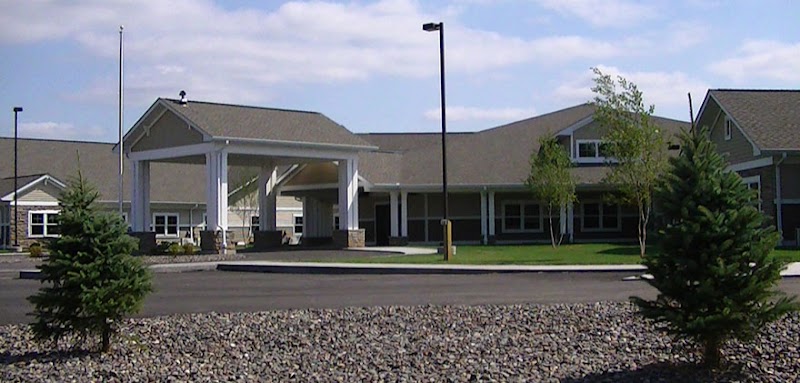
UNITED PIONEER HOME

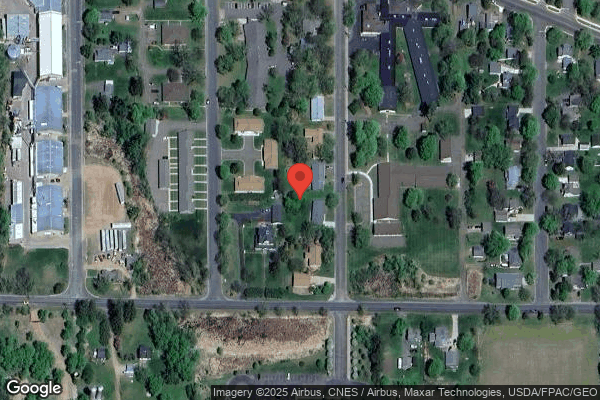
623 S SECOND ST, LUCK, WI 54853 (715) 472-2164
Non profit - Church related 50 Beds Independent Data: November 2025
Trust Grade
55/100
#181 of 321 in WI
Last Inspection: July 2024

Within standard 12-15 month inspection cycle. Federal law requires annual inspections.

Overview

United Pioneer Home has received a Trust Grade of C, which means it is average and sits in the middle of the pack compared to other facilities. It ranks #181 out of 321 in Wisconsin, placing it in the bottom half, but it is #2 out of 6 in Polk County, indicating only one local option is better. The facility is on an improving trend, having reduced its issues from 10 in 2024 to just 1 in 2025. Staffing is a strong point, with a perfect rating of 5/5 stars and a turnover rate of 44%, which is slightly below the Wisconsin average of 47%. However, there are notable concerns, such as a serious incident where a resident suffered fractures due to inadequate supervision to prevent falls, and failures in maintaining proper infection control practices, which could affect all residents. On the positive side, there have been no fines recorded, suggesting compliance with regulations.

Trust Score
C
55/100
In Wisconsin
#181/321
Bottom 44%
Safety Record
Moderate
Needs review
Inspections
Getting Better
10 → 1 violations
Staff Stability
○ Average
44% turnover. Near Wisconsin's 48% average. Typical for the industry.
Penalties
✓ Good
No fines on record. Clean compliance history, better than most Wisconsin facilities.
Skilled Nurses
✓ Good
Each resident gets 74 minutes of Registered Nurse (RN) attention daily — more than 97% of Wisconsin nursing homes. RNs are the most trained staff who catch health problems before they become serious.
Violations
⚠ Watch
22 deficiencies on record. Higher than average. Multiple issues found across inspections.
★★★☆☆
3.0
Overall Rating
★★★★★
5.0
Staff Levels
★★☆☆☆
2.0
Care Quality
★★☆☆☆
2.0
Inspection Score
Stable
2024: 10 issues
2025: 1 issues

The Good

  • 5-Star Staffing Rating · Excellent nurse staffing levels
  • Full Sprinkler Coverage · Fire safety systems throughout facility
  • No fines on record
  • Staff turnover below average (44%)

    4 points below Wisconsin average of 48%

Facility shows strength in staffing levels, fire safety.

The Bad

3-Star Overall Rating

Near Wisconsin average (3.0)

Meets federal standards, typical of most facilities

Staff Turnover: 44%

Near Wisconsin avg (46%)

Typical for the industry

The Ugly 22 deficiencies on record

1 actual harm
Aug 2025 1 deficiency 1 Harm
SERIOUS (G) 📢 Someone Reported This

A family member, employee, or ombudsman was alarmed enough to file a formal complaint

Actual Harm - a resident was hurt due to facility failures

Accident Prevention (Tag F0689)

A resident was harmed · This affected 1 resident

**NOTE- TERMS IN BRACKETS HAVE BEEN EDITED TO PROTECT CONFIDENTIALITY** Based on observation, interview and record review, the facility did not ensure the resident's environment remains as free of acc...

Read full inspector narrative →
**NOTE- TERMS IN BRACKETS HAVE BEEN EDITED TO PROTECT CONFIDENTIALITY** Based on observation, interview and record review, the facility did not ensure the resident's environment remains as free of accident hazards as possible. The facility did not implement new interventions and increase supervision when needed to prevent accidents for 2 of 3 residents (R) (R1, R2) reviewed.-R1 is at risk for falls and fell on [DATE], 12/30/24, 01/01/25, 01/09/25, 05/13/25, 06/06/25, 08/04/25, 08/05/25, and the facility did not place new interventions or increase supervision to prevent further fall incidents. On 08/06/25, x-ray results revealed a left humeral head fracture. On 08/08/25, additional x-rays of left knee related to complaints of pain, revealed an acute transverse non-displaced fracture of the mid portion of the left patella. The facility failure to place new interventions and increase supervision for R1 led to harm, when R1 suffered a left humeral head fracture and an acute transverse non-displaced fracture of the mid portion of the left patella. This example is cited at a scope/severity level of G.-R2 was at risk for falls. R2 has had a fall resulting in a fractured right ankle on 6/29/25. On 8/26/25 and 08/27/25, R2 continues to self-transfer without assist increasing risk for a fall. No new interventions were put into place to prevent further fall incidents. The failure of the facility to implement interventions to prevent future fall incidents due to R2 self-transferring will be a deficient practice cited at a scope/level severity of D.Findings include:Facility policy titled, Fall Protocol, dated reviewed in February 2025, states in part:.Definition: A fall refers to unintentionally coming to rest on the ground, floor, or other lower level.An episode where resident lost his/her balance and would have fallen, if not for staff intervention, is considered a fall.Procedure: After a fall:-If a resident has fallen or is observed on the floor without a witness to the event, nursing staff will evaluate for possible injuries to the head, neck, spine, and extremities.-Nursing staff will notify the resident's Attending Physician/Nurse Practitioner for injuries or alteration in function. If the residents Attending Physician/Nurse Practitioner is not available, or the fall occurs outside normal business hours the nurse may notify the on-call physician to update him/her about the fall and obtain any necessary orders/treatments. A provider will be notified of the fall and resulting injuries at the time of the fall of significant injuries occur including: any injury to the head or face, open cuts or skin tears, new onset or change in pain, any change in condition or functional ability, or any other injury deemed significant by the nurse on duty or Registered Nurse (RN) on call. If there are no significant injuries or changes in function, the Medical Doctor/Nurse Practitioner (MD/NP) may be notified via fax or on the next business day.-Nursing staff will observe for delayed complications of a fall each shift for approximately seventy-two hours after an observed or suspected fall. Findings will be documented in the resident's medical record.-Documentation will include any observed signs or symptoms of pain, swelling, bruising, deformity, and/or decreased mobility, changes in level of responsiveness/consciousness and overall function.-An incident report will be completed for all falls whether witnessed or not. Nurse on duty and nurse managers will work collaboratively to make sure all notifications are completed. Nursing management team will ensure completion of the Interdisciplinary Review portion of the incident.Identifying causes of a fall or fall risk:-Within 24 hours of a fall, the nursing staff will begin to identify possible or likely causes of the incident.-Nursing management will review the resident's history of falls for any identifiable patterns.-IDT meets weekly to review falls and discuss patterns or trends.Documentation: When a resident falls, the following information should be recorded in the resident's medical record:-Vital signs-Injuries-Any first aid or treatment rendered.-Notification of physician and family.-Completion of the Incident Report.-New interventions to minimize risk for further falls .Example 1R1 was re-admitted to the facility on [DATE], readmitted on [DATE], with following diagnosis, in part, Parkinson's disease, insomnia, weakness, idiopathic progressive neuropathy, atherosclerotic heart disease, chronic kidney disease stage 3, primary osteoarthritis, gout, dysphagia, dementia, major depression, essential primary hypertension, hypothyroidism, and unsteadiness.R1's Minimum Data Set (MDS) assessment, completed on 06/09/25, confirmed R1 scored 13/15 during a Brief Interview for Mental Status (BIMS), indicating intact cognition. R1 was at risk for falls. R1 requires minimal assistance from staff for toileting, sit to stand, transferring, dressing lower body, and putting on/taking off footwear.R1's MDS dated [DATE] confirmed R1 requires substantial to maximal assistance from staff for toileting, sit to stand, transferring, dressing lower body, and putting on/taking off footwear. R1's Activities of Daily Living (ADL)s care plan states:-TRANSFER: Independent in the facility with Four-wheeled walker (FWW) revised on 09/26/24.-AMBULATION: Independent in facility with FWW revised on 09/26/24.-AMBULATION: Contact Guard Assist (CGA) x1 in facility with FWW revised on 12/30/24.-AMBULATION: CGA x1 with gait belt in facility with FWW revised on 03/27/25. R1's fall care plan states:-Physical Therapy (PT) evaluate and treat as ordered initiated on 08/14/20.-Educate resident about safety reminders. Initiated on 08/15/20.-Encourage resident to seek assist with transfer initiated on 06/29/23.-Ensure call light in reach and encourage resident to use for assistance. Initiated on 05/30/24.-Ensure walker is within reach in recliner. Initiated on 05/30/24.-Dycem cushion in recliner per resident. Initiated on 06/17/24.-Signage in room for assistance with moving items created 09/24/24.-Signage in room to ring for assistance with moving items and to ring for assist prior to transferring. Revised 01/14/25.-Ensure walker is within reach when in recliner and when in wheelchair in room. Initiated on 08/05/25.On 08/29/25 at 10:34 AM, Surveyor reviewed nurse progress notes for R1's falls:Falls on 12/24/24, 12/30/24, 01/01/25, 01/09/25, 05/13/25, 06/06/25, 08/04/25, 08/05/25, 08/20/25, and 08/21/25.On 12/24/24 at 2:53 PM, Note Text: At 1:20pm CNA found res [R1] on her floor and called RN to room. Res [R1] was lying on her back with head up against the armoire. Noted skin tear right hand. Res [R1] stated she did hit her head. Res [R1] denied hurting anywhere else. Res [R1] stated she was in her w/c and had gotten up and was going for her walker and fell. She said it happened fast, but she thinks she landed on her knees then fell over on her side and then rolled on her back. She was assisted to standing with 2 assists, no marks noted on her head, back or shoulders. Skin tear right hand 1.5cm, cleansed with normal normal saline (NS) and flap of skin put in place and steri-strips use for wound closure. Band-Aid on for protection. Blood Pressue (BP):133/75 Pulse (P):79 beats per minute (bpm), Respirations (R):16 per minute Temperature: 97.5, Oxygen (O2) saturation (sat):98% room air. Neurological (Neuro's) assessments within normal limits (WNL), strong equal hand grasp, able to raise arms as previous, as left arm does not go up as high. Able to kick out legs and stood well. Pupils Equal, Round, Reactive to Light (PERRL). After res [R1] had been up in chair for a few minutes, she complained of (c/o) left shoulder pain, then a bit later c/o right knee pain and a little while after that c/o right hip pain. No marks had been found, and range of motion (ROM) remained unchanged. Offered ice packs but she denied these. Then at 2 PM, res [R1] walked with 1 assist and walker out to dining room (DR), followed with wheelchair (w/c) and played bingo.Facility did not implement new interventions for R1 to decrease or prevent R1 from falling.On 12/30/24 at 10:32 AM, Note Text: At 9:45am, CNA called RN to room, res [R1] was found on floor. Res [R1] was lying on her back with walker near her. She was alert and oriented as usual. Stated she was going to the bathroom and just fell down. ROM as previous. Continues with sore right hip but had good ROM. PERRL. Assisted to standing, no redness or marks to head, back or buttocks. Assisted into w/c. Vital Signs Stable (VSS) and neuro's WNL, see sheet. Res [R1] taken to the bathroom then laid down. Nurse Prctitioner (NP) and son notified.Facility did not implement new interventions for R1 to decrease or prevent R1 from falling.On 01/01/25 at 12:55 PM, Note Text: 12:40 PM, res [R1] was lowered to the floor during a staff assisted transfer. res [R1] did not hit her head, c/o rt knee discomfort, already has a bruise there from previous fall. BP 92/46, P 81, R 18, T 97.6, and notifications done.Facility did not implement new interventions for R1 to decrease or prevent R1 from falling.On 01/02/25 Bactrim started after R1 had UTI.On 01/09/25 at 10:57 PM, Note Text: Unwitnessed fall at 7:20 p.m.; [R1] found sitting with back partially against her armoire. Resident [R1] did report she hit her head; no bump or red mark seen. Neuro check started and WNLs; vital signs stable. ROM without difficulty or pain. Assisted into standing position and into wheelchair. Stood on feet without difficulty. Update sent via fax to [name of hospital].Facility did not implement new interventions for R1 to decrease or prevent R1 from falling.On 05/13/25 AT 10:34 AM, Note Text: Res [R1] was lowered to the floor in her room with assist of one when walking with the walker. did not hit head or knees. had fainting spell which lasted a few seconds assisted back into w/c with assist of two. No injuries. B/P 103/63, P 74, R 18. Notifications done.Facility did not implement new interventions for R1 to decrease or prevent R1 from falling.On 06/06/25 at 12:58 PM, Note Text: Resident [R1] in her bathroom with CNA and she needed to be lowered to the floor due to (d/t) weakness. No injury noted at this time. Staff assisted resident [R1] to her bed and is resting. B/P 145/97, P 73, R 18, O2 sats 97% room air.Facility did not implement new interventions for R1 to decrease or prevent R1 from falling.On 06/06/25 at 2:20 PM, Late entry charted on 06/10/25 at 9:21 AM, Late Entry:Note Text: Fax sent to Dr. [name] to notify of resident being lowered to the floor without injury.Facility did not implement new interventions for R1 to decrease or prevent R1 from falling.On 08/04/25 at 9:37 PM, Note Text: Found lying on left side on the floor in her room at 1855. ROM assessed before getting resident [R1] off floor and is within normal limits. Three assist to help her off floor and into wheelchair. She had gotten up to go in her closet, did not ask for assistance. Skin tear noted on left elbow, Mepilex applied. She reports hitting her head and small lump noted, no redness or bruising to area. At first reported back pain, within 15 minutes denied having any pain.Facility did not implement new interventions for R1 to decrease or prevent R1 from falling.On 08/05/25 at 1:35 PM, Note Text: found res [R1] on floor by staff member, states she was reaching for her walker and fell. c/o back pain left shoulder and elbow pain, also knee pain. assisted with gait belt and 3 to standing and into w/c, wants to stay in w/c to go to bingo. VSS. notifications done.Facility did not implement new interventions for R1 to decrease or prevent R1 from falling.On 08/06/25 at 4:01 PM, Note Text: Received call from NP [name] that x-ray results showed a probable non-displaced intra-articular fracture of the radial head to left arm. To set-up an ortho appt for further f/u. R1 and R1's son updated on results and follow-up.Facility did not implement new interventions for R1 to decrease or prevent R1 from falling after injury of radial head of left arm resulted on x-ray. On 08/06/25 at 4:56 PM, Note Text: NP [name] updated on resident c/o knee pain and swelling/bruising noted upon writer looking at knee. New order for x-ray to left knee. Also new order for sling to left arm as tolerated. Discussed new orders with resident [R1].Facility did not implement new interventions for R1 to decrease injury or prevent R1 from falling.On 08/07/25 at 1:10 PM, Late Entry:Note Text: CNA showed RN light bruising to the back of resident's [R1] head which resident reports is from recent fall with hitting head. Will monitor until resolved.On 08/08/25 at 12:20 PM, NP notified facility of left knee x-ray results. X-rays reveal an acute transverse non-displaced fracture of the mid portion of the left patella.On 08/29/25 at 9:41 AM, Surveyor interviewed R1's Family Member (FM) C and asked FM C to describe what FM C knows about R1's falls. FM C stated the facility should be doing more for R1's confusion. FM C stated it's getting to be an everyday occurrence. FM C stated R1 would be walking with staff and get these dizziness and blackout spells and fall. Staff would have to catch her. FM C said R1 had a fall on 08/04/25 in the evening and the facility called her and said that R1 had fallen but no concerns at this time other than a little scrape on the elbow. FM C stated that on the next day, they called again and her that R1 fell on [DATE] in the daytime. Then a couple days after that R1 fell again. FM C stated the facility has done nothing to prevent R1 from falling. FM C stated it wasn't until 7 or 8 days later that R1 had staples placed in the elbow. FM C stated that while R1 was seeing the doctor he refused to look at the x-rays for R1's knee because the nursing home did not let the doctor know of the knee issue. So, then it was a separate visit days later that the review of knee x-rays took place to see that R1 had broken her left leg from one of the falls. Surveyor asked FM C if there were any interventions put into place to prevent R1 from falling. FM C reported to Surveyor that FM C did not feel facility did anything to manage R1 from falling. FM C reported to Surveyor that R1 was up walking around and now is not transferring independently in facility. FM C reported that R1 needs assistance.On 08/29/25 at 10:15 AM, Surveyor interviewed R1 and asked R1 if R1 had significant pain anywhere after falling. R1 reported that R1 had elbow pain. Surveyor asked R1 how R1 is feeling now. R1 reported they just took out staples yesterday and so elbow feels a lot better, Surveyor asked if R1 had surgery on elbow. R1 stated, No I did not have surgery. Facility told me I had a skin tear, but I couldn't see it. They placed staples in elbow. On 08/29/25 at 2:31 PM, Surveyor interviewed Resident Manager D and asked Resident Manager D to review R1's falls on 12/24/24, 12/30/24, 01/01/25, 01/09/25, 05/13/25, 06/06/25, 08/04/25, 08/05/25, 08/20/25, and 08/21/25 with Surveyor. Surveyor asked Resident Manager D why interventions were not placed after R1 fell on [DATE], 12/30/24, 01/01/25, 01/09/25, 05/13/25, 06/06/25, 08/04/25, and 08/05/25. Resident Manager D reported that Resident Manager D is unsure why fall interventions were not placed after R1's falls. Resident Manager D reported that DON B is working with providing education to staff on nurses implementing interventions for residents that fall right away instead of waiting for other staff responsible for reviewing care plans to implement interventions on business days. Resident Manager D reported that all nurses need to be implementing new interventions after every fall within 24 hours of resident falling instead of waiting until staff are in the business office to review and implement.On 08/29/25 at 3:50 PM, Surveyor interviewed Licensed Practical Nurse (LPN) E and asked what LPN E's process is after a resident fall. LPN E reported that after a fall event occurs LPN E would assess resident from head to toe to make sure resident is ok. LPN E then notifies provider of the resident's falls right away with assessment conclusion and ask for any orders needed to treat resident. Surveyor asked LPN E to explain the event that occurred with R1 on 08/21/25 when R1 was transferred to the ER. LPN E reported to Surveyor that LPN E took R1's vitals twice before R1 was taken by EMS. LPN E then documented R1's prognosis before being transferred out to the hospital on report sheet that then gets entered by Director of Nursing (DON) B into the record. LPN E could not find documentation in R1's record. Surveyor requested LPN E gather a copy of the report sheet LPN E documented on R1's vitals and assessment from 08/21/25. LPN E provided Surveyor with report sheet documentation. Surveyor found minimal information from LPN E's documentation. Surveyor could not find the pertinent information on R1's fall on 08/21/25. LPN E reported that LPN E must have not documented any other information pertaining to R1's fall on 08/21/25.Surveyor could not find valid education regarding correct process for implementing new interventions per resident falls as indicated during the interview with Resident Manager D. No other documentation was given to Surveyor at this time.Example 2 R2 was admitted to the facility on [DATE], with following diagnoses including cerebral infarction, hemiplegia affecting right dominant side, weakness, difficulty in walking, fusion of spine cervical region, constipation, Parkinson's disease, insomnia, weakness, depression, and essential primary hypertension. R2's Minimum Data Set (MDS) assessment, completed on 08/20/25, confirmed R2 scored 15/15 during a Brief Interview for Mental Status (BIMS), indicating intact cognition. R2 was at risk for falls. R2 requires partial to moderate assistance from staff for toileting, sit to stand, transferring, dressing lower body, and putting on/taking off footwear. R2's Activities of Daily Living (ADL)s care plan dated 06/02/25 states:Ambulation: Not currently. Wheelchair to all destinations, initiated on 06/02/25 and revised on 07/01/25. Ensure call light is within reach and encourage resident to use it to seek assistance when needed, initiated on 06/02/25. Bed mobility: Assist of one, initiated on 06/02/25.Transfer EZ-stand assist of one, initiated on 06/02/25 revised on 08/11/25. R2's fall care plan initiated on 06/02/25 and revised on 06/02/25:Anticipate and meet the residents needs initiated on 06/02/25.Follow facility fall protocol initiated on 06/02/25.PT evaluate and treat as ordered initiated on 06/02/25.Be sure the resident's call light is within reach and encourage resident to use it for assistance as needed, initiated on 06/03/25.Signage to ring for assistance prior to attempting to transfer initiated on 06/30/25. Keep grabber within reach when resident in her room, initiated on 07/01/25. Surveyor reviewed DON B's fall investigation for R2's fall, which states in part: On 06/29/25, [R2] had an unwitnessed fall. On 07/03/25, [R2] had x-rays ordered by provider for right ankle after complaints of it hurting and [R2's] husband unable to transport [R2] in his personal vehicle as she was having hard time with transferring. [R2] is using Hoyer for transfers at this time. On 07/07/25, facility was notified that [R2] had a fracture of the right ankle. ([R2] would complain about pain minimally between this time frame and staff were able to minimize occurring pain with use of interventions set in place. [R2] has now a Reacher to grab items from ground. [R2] frequently at times is forgets to use call light for assistance. [R2] is doing well and was upset with herself for falling.) Surveyor did not find documentation in DON B's investigation report for R2's second fall on 06/30/25. Surveyor reviewed R2's progress notes, On 06/03/25 at 5:28 AM, Note Text: She was assisted by 2 staff with the EZ stand to the bathroom. She is admitted due to some failure to thrive and inability to walk safely.On 06/29/25 at 9:54 PM, Note Text: Transcribed from incident report: Resident was found by staff lying flat on her back in the middle of her room. Resident states I was leaning over to grab my sock off the floor and I leaned too far and fell right on my face. Resident denies any pain. Resident denies any numbness or tingling in her extremities. Resident can move all extremities equally and against resistance. A small bruise is noted above resident's right eye as well as a red abrasion below resident's right eye. Initial vitals were bp - 137/88, pulse - 75, respirations - 19, temp - 97.2. Resident's pupils are equal, round and reactive to light and accommodation and resident is A and O x4. Resident would not like any family notified. No other injuries noted at this time. On call RN notified. On call provider called and updated on injuries.Facility did not implement new interventions for R2 to decrease injury or prevent R2 from falling.On 06/30/25 at 2:42 PM, Note Text: 1:30pm. found res [R2] sitting on the floor in front of her bed, had been laying down and sat up and was trying to reach her w/c and sat down on the floor. denies injury and denies hitting head. vss. notifications done.Facility did not implement new interventions for R2 to decrease injury or prevent R2 from falling. On 08/21/25 at 10:29 AM, Note Text: Care conference held for resident [R2] for quarterly review. Husband in attendance along with Resident Care Manager (RCM), Social Service Director (SSD), and Activities Director (AD). Resident [R2] unable to attend, as she had a possible seizure in the bathroom (BR) just prior to care conference and getting sent to ER for eval. R2 has had 2 falls since her last assessment date. One fall resulting in a right tibia fracture. Denies any recent pain. Has a chronic indwelling urinary catheter. She is to see urology in September for further follow-up (f/u), as catheter has been recently placed due to d/t urinary retention. She is always continent of bowel. She will ring for assistance when needing to use the restroom. Participates in PT and Occupational Therapy (OT) to regain strength and mobility.Facility had no documentation of R2's event in the bathroom such as vital signs and assessments with the result of R2 being transferred to the ER. Facility did not implement new interventions for R2 to decrease injury or prevent R2 from falling. On 08/21/25 at 3:08 PM, Note Text: Received call from RN from hospital stating they will be sending resident [R2] back. ER thinks she had a vasovagal episode. Her delta troponin was negative, and Electrocardiogram (EKG) showed sinus bradycardia (slow heart rate). On 08/21/25 at 8:48 PM, Note Text: Resident [R2] returned from ER at 5:00 PM, came to the dining to eat supper, after supper writer witnessed resident attempt to self-transfer from wheelchair to recliner, writer reminded resident [R2] to push the call light and wait for help, resident verbalized understanding and pushed call light and waited for assistance to transfer.Facility did not implement new interventions for R2 to decrease injury or prevent R2 from falling.On 08/26/25 at 1:52 PM, Note Text: Increased attempts to self-transfer to toilet and bed. Son visiting today, and alerted staff to resident [R2] attempting to get onto toilet independently.Facility did not implement new interventions for R2 to decrease injury or prevent R2 from falling On 08/27/25 at 2:58 PM, Note Text: Resident [R2] noted to have attempts to self-transfer. Also noted to be day 5 with no bowel movement (BM). It is possible these two things are related. NP to review bowel regimen and adjust as indicated.Facility did not implement new interventions for R2 to decrease injury or prevent R2 from falling.On 08/29/25 at 9:25 AM, Surveyor interviewed R2 and asked R2 how R2's fall happened on 06/29/25 and 06/30/25. R2 stated, I saw something on the ground and was trying to pick it up when I fell forward. I was admitted to the facility due to weakness and falls. My goal was to get stronger and get home. Sometimes I have been getting confused. Surveyor asked R2 if R2 received a nurse assessment from head to toe after R2 fell on floor in June. R2 reported that R2 does not remember an evaluation completed after R2 fell. Surveyor asked R2 if R2 was in pain after falling. R2 reported I wasn't in too much pain until later in the day. On 08/29/25 at 2:31 PM, Surveyor asked Resident Manager D why there was no documentation in R2's record pertaining to the fall on 06/30/25 and the last fall where R2 had to be transferred to ER for passing out and falling in bathroom when being transferred via EZ-Stand in bathroom. Resident Manager D reported that there should be documentation in the record, but the nurse did not complete the documentation electronically. Resident Manager D reported expectation is that all staff document in record the process of what led up to the event, if vitals were completed or not, results of the vitals, assessments, etc. and documentation when provider was notified, and what the orders were to support R2 during R2's event. Resident Manager D reported that LPN E should have documented this pertinent information in R2's record pertaining to the fall that led to the ER. Surveyor asked Resident Manager D if interventions should have been placed right away for R2 to not fall again on 06/29/25. Resident Manager D reported that fall interventions should have been placed on 06/29/25 right away or extra supervision to prevent the fall on 06/30/25. Resident Manager D reported to Surveyor that DON B is working with staff on making sure that fall interventions are put into place right away versus waiting for the next business day when office staff are in place. Surveyor could not find valid education regarding correct process for implementing new interventions per resident falls as indicated during the interview with Resident Manager D. No other documentation was given to Surveyor at this time.
Jul 2024 8 deficiencies
CONCERN (D) 📢 Someone Reported This

A family member, employee, or ombudsman was alarmed enough to file a formal complaint

Potential for Harm - no one hurt, but risky conditions existed

Investigate Abuse (Tag F0610)

Could have caused harm · This affected 1 resident

**NOTE- TERMS IN BRACKETS HAVE BEEN EDITED TO PROTECT CONFIDENTIALITY** Based on interview and record review, the facility did not conduct a thorough investigation into the abuse or protect from futur...

Read full inspector narrative →
**NOTE- TERMS IN BRACKETS HAVE BEEN EDITED TO PROTECT CONFIDENTIALITY** Based on interview and record review, the facility did not conduct a thorough investigation into the abuse or protect from future incidents through education for Resident (R) 16. The facility did not conduct a thorough investigation into the abuse as other residents were not interviewed to determine if other residents were affected. The facility did not protect residents from future incidents as education was not provided to staff after this incident occurred. Findings: The facility's policy titled, Resident Abuse Prevention and Reporting revised 01/2017, states in part: 7. Investigation/Reporting Procedures for actual or suspected abuse/neglect: . i) Plan for interviews of staff and residents as appropriate . k) Depending on the results of the investigation: Corrective actions will be taken to prevent abuse/neglect which may include discipline up to and including terminations, additional education, care plan or policy change. R16 was admitted on [DATE] with diagnoses of hemiplegia (paralysis on one side of the body) and hemiparesis (one sided muscle weakness) following a cerebral infarction (occurs as a result of disrupted blood flow to the brain due to problems with the blood vessels that supply it) affecting R16's left non-dominate side. Traumatic subdural hemorrhage (type of bleeding near your brain that can happen after a head injury) with loss of consciousness greater than 24 hours without return to pre-existing conscious level with the patient surviving and muscle weakness. Based on the quarterly Minimum Data Set (MDS), dated [DATE], a Brief Interview of Mental Status (BIMS) of 10 indicates R16 had moderate cognitive impairment. The MDS also indicated the following: Functional Limitation in Range of Motion: Impairment on one side (left) upper and lower extremities. Mobility devices: wheelchair. Bowel/Bladder: urinary frequently incontinent, bowel always incontinent. Urinary toileting program: yes Bowel toileting program: no. Behaviors not exhibited. Review of the facility's investigation on 06/07/24 R16 requested assistance to the bathroom. Certified Nursing Assistant assisted R16 to the bathroom and said to R16, You better do something this time or I'm not going to help you if you call again for the bathroom tonight. The facility's investigation about the abuse did not include interviews with additional residents to determine if further abuse had occurred. There was no progress note in the medical chart specific to this abuse allegation. On 07/09/24 at 11:31 AM, Surveyor interviewed Licensed Practical Nurse (LPN) H asking about the kind of education they receive for abuse. LPN H replied, We get computer training annually that has things that include abuse and neglect. Surveyor asked LPN H, Have you received this training in the last month? LPN H replied, No. On 07/09/24 at 2:32 PM, Surveyor interviewed Nursing Home Administrator (NHA) A, asking if there were, as part of the abuse investigation, interviews of other residents and training that was provided to all staff about abuse and neglect to prevent abuse from happening in the future. NHA A replied, I don't know. We interview 10 random residents quarterly to ask if there are any abuse concerns, but I don't have anything since this happened. I don't think so, but I will check on that. As part of the staff employment, they do receive annual abuse training but not since this incident. On 07/10/24 at 6:45 AM, Surveyor interviewed Certified Nursing Assistant (CNA) I asking what kind of education they receive for abuse. CNA I replied, A month or two ago on our computer program we had this education on abuse and neglect. On 07/10/24 at 7:06 AM, Surveyor interviewed both CNA J and CNA K asking what kind of education they receive for abuse. CNA J and CNA K replied, We get dementia and abuse training. On 07/10/24 at 9:25 AM, Surveyor interviewed NHA A asking if there was any further documentation regarding resident interviews and staff education provided since this abuse allegation was made. NHA A replied, No.
CONCERN (D)

Potential for Harm - no one hurt, but risky conditions existed

Assessment Accuracy (Tag F0641)

Could have caused harm · This affected 1 resident

Based on observations, interview and record review, the facility failed to ensure the Minimum Data Set (MDS) was documented accurately related to tube feeding for 2 (R2 and R11) of 13 residents review...

Read full inspector narrative →
Based on observations, interview and record review, the facility failed to ensure the Minimum Data Set (MDS) was documented accurately related to tube feeding for 2 (R2 and R11) of 13 residents reviewed for MDS resident assessments. Findings include: Example 1: Review of R2's care plan, orders, diagnosis, and progress notes did not indicate R2 received tube feedings while a resident in the facility. Review of R2's electronic medical record (EMR) annual MDS comprehensive resident assessment with an Assessment Reference Date (ARD) of 06/27/24, documented in section K: Swallowing / Nutritional Status K0520 B, R2 was receiving tube feeding while a resident. The documentation indicated the response was locked and signed on 06/28/24 at 4:47 PM. On 07/08/24 at 6:45 PM, Surveyor completed initial tour of facility and observed R2 was not receiving tube feeding services. Example 2: A review of R11's care plan, orders, diagnosis, and progress notes did not indicate R11 received tube feedings while a resident in the facility. A review of R11's EMR annual MDS comprehensive resident assessment with an ARD of 06/04/24 documented in section K: Swallowing / Nutritional Status K0520 B, R11 was receiving tube feeding while a resident. The documentation indicated that the response was locked and signed on 06/04/24 at 11:01 AM. On 07/08/24 at 6:45 PM, Surveyor completed initial tour of facility and observed R11 was not receiving tube feeding services. On 07/09/24 at 11:55 AM, Surveyor interviewed Director of Nursing (DON) B regarding the MDS indications for tube feeding. Surveyor asked why R2 and R11 might be labeled for tube feeding on the MDS. DON B said that R2 and R11 were incorrectly labeled for tube feeding and they submitted a request to change them today when the issue was brought forward. On 07/10/24 at 11:52 AM, Surveyor interviewed Licensed Practical Nurse (LPN) M who completed the MDS assessment with the oversight of the DON. LPN M said they believe they just hit the wrong buttons and they are sorry they were not sure what exactly happened. On 07/10/24 at 1:23 PM, Surveyor interviewed DON B regarding expectations for MDS accuracy. DON B said they would have expected this to have been caught and the MDS should be coded accurately.
CONCERN (D)

Potential for Harm - no one hurt, but risky conditions existed

Deficiency F0676 (Tag F0676)

Could have caused harm · This affected 1 resident

**NOTE- TERMS IN BRACKETS HAVE BEEN EDITED TO PROTECT CONFIDENTIALITY** Based on observation, interview and record review, the facility did not ensure activities of daily living were maintained for 1 ...

Read full inspector narrative →
**NOTE- TERMS IN BRACKETS HAVE BEEN EDITED TO PROTECT CONFIDENTIALITY** Based on observation, interview and record review, the facility did not ensure activities of daily living were maintained for 1 out of 2 sampled residents (R31). R31 was not ambulated per recommendation of Physical Therapy (PT). This is evidenced by: The facility's policy titled, Restorative Nursing Program (08/2015) states in part, To promote each Residents ability to adapt and adjust to living as independently and safely as possible .To focus on achieving and/or maintaining the Residents optimal physical functioning in activities of daily living. R31 was admitted to the facility on [DATE]. R31's diagnoses included compression fracture of vertebra, low back pain, unspecified, adult failure to thrive, weakness, and muscle weakness (generalized). R31's Minimum Data Set (MDS), dated [DATE], confirmed R31 scored 14 during Brief Interview for Mental Status (BIMS), indicating intact cognition. R31 understands and is understood by others, and she is able to make her needs known. R31 is totally dependent on staff for all transfers and ambulation. On 05/29/24, Physical Therapy (PT) recommended R31 ambulate to all destinations with roller walker (RW) and Caregiver Assist of 1 (CGAx1) with gait belt including to and from meals in the dining room. On 05/29/24, R31's care plan and the Certified Nursing Assistant (CNA) [NAME] indicated R31 is to ambulate to all destinations with RW and CGAx1 with gait belt including to and from meals, in the dining room. Surveyor reviewed documentation related to R31's ambulation. Surveyor noted documentation in minutes per day and evening shifts. Documentation does not indicate that R31 ambulated to and from dining room for all meals. Surveyor did not observe R31 ambulate or being offered to ambulate during survey period of 07/08/2024 - 07/10/2024. On 07/09/24 at 7:13 AM, Surveyor interviewed R31 as she was in her room and in her wheelchair (w/c), R31 reported she would like to have help walking more. That's what I'm here for, to get better. I need to get up and walk. I want to get better so I can go home. They don't walk me here like they did when I was in Eau [NAME]. On 07/09/24 at 8:04 AM, Surveyor observed R31 was taken to dining room in W/C; no ambulation or encouragement to ambulate was observed. After meal, R31 was not offered to ambulate back to room and was taken back to her room in her w/c. On 7/9/24 at 8:52 AM, Surveyor observed R31 in w/c repeatedly saying, Help me, help me get up. I cannot do it by myself. I want to get up and need help. R31 was not offered to ambulate and was wheeled to hall and news was turned on a laptop for her to watch. On 07/09/24 at 10:50 AM, R31 was observed being pushed outdoors in W/C then brought back in approximately 5 minutes later. R31 sat in W/C by nursing station. On 07/09/24 at 11:37 AM, Surveyor observed R31 in recliner in her room. CNA C was present in room and reported R31 transferred with assist of 1 and her walker. CNA C stated, We ambulate her to the dining room and back when she doesn't have back pain. On 07/10/24 at 8:19 AM, Surveyor observed R31 in dining room in w/c. Surveyor did not observe staff offer R31 to ambulate to or from dining room. On 07/10/24 at 8:50 AM, Surveyor interviewed CNA E regarding R31's ambulation expectations or routine. CNA E reported R31 has pain a lot and was offered to ambulate before going to the dining room for breakfast but refused. CNA E admitted that R31 was not offered to ambulate back from dining room. CNA E asked R31 if she had pain and R31 responded, I'm feeling better, and then CNA E transferred R31 from w/c into recliner chair. No observation that CNA E offered to assist R31 with ambulation. On 07/10/24 at 9:00 AM, Surveyor interviewed R31. R31 reported she would like to walk more. R31 stated, When I was in another facility, they walked me all the time, the doctor made sure of it. When asked if she refuses to walk when she has pain, she reports, When it is real bad, then I don't walk, but if I walk I have less pain, like when I was in the other facility, I have only been here three months but they do not walk me On 07/10/24 at 10:45 AM, Surveyor interviewed Director of Nursing (DON) B. DON B reported it is the expectation R31 is offered to ambulate to and from dining room and then to document if refused in the walking program record. DON reported when R31 was in therapy, Ambulation actually helped her pain.
CONCERN (D)

Potential for Harm - no one hurt, but risky conditions existed

Deficiency F0688 (Tag F0688)

Could have caused harm · This affected 1 resident

**NOTE- TERMS IN BRACKETS HAVE BEEN EDITED TO PROTECT CONFIDENTIALITY** Based on observation, record review and interview, the facility did not implement a restorative program in attempt to improve or...

Read full inspector narrative →
**NOTE- TERMS IN BRACKETS HAVE BEEN EDITED TO PROTECT CONFIDENTIALITY** Based on observation, record review and interview, the facility did not implement a restorative program in attempt to improve or maintain resident's functional abilities for 1 of 2 residents (R19) reviewed for limited Range of Motion (ROM). Findings: The facility's policy titled, Restorative Nursing Program revised 8/2015, states . Policy To promote each Residents ability to adapt and adjust to living as independently and safely as possible. One Restorative Aide (RA) will be scheduled each day. Purpose To focus on achieving and/or maintaining the Residents optimal physical functioning in activities of daily living. Procedure The director of Nursing or designee will supervise the Restorative Program. An RN will be the Restorative Nursing Coordinator. CNA's specially trained in Restorative procedures will implement, assist, and document the restorative activities for assigned Residents. In-service will be held as needed to train and update staff. R19 was admitted on [DATE] with diagnoses of Alzheimer's, dementia, difficulty in walking, weakness, contracture (a condition of shortening and hardening of muscles, tendons, or other tissue, often leading to deformity and rigidity of joints) of right and left ankle, osteoarthritis of knee, and age related osteoporosis. Care plan: The resident has an Activities of Daily Living (ADL) self-care performance deficit relate to decline in mobility, advanced age, contractures to right/left ankle, osteoarthritis, osteoporosis. Bathing and showering: The resident is able to: participate to fullest extent. Staff assist x1. Bed mobility: The resident is able to: participate to fullest extent. Assist x1, assist x2 as needed (PRN). Eating: The resident is able to: participate to fullest extent. Supervision/assistance as needed. Has plate guard. Pureed diet with honey thick liquids. Sippy cups for liquids at meals. Personal hygiene/oral care: The resident is able to: participate to fullest extent. Assist x1 with personal hygiene/oral care. Check and change q2h. Peri-care q AM and PM, when incontinent and as needed. Apply barrier cream with every incontinent episode. Toilet use: The resident is able to: Check and change every 2 hours. Assist x1 with peri-care with day and night cares, when incontinent, and as needed. Transfers: The resident is able to: transfers with Hoyer Lift-Assist x2. Encourage the resident to participate to the fullest extent possible with each interaction. Encourage the resident to use bell to call for assistance. Monitor/document/report PRN any changes, any potential for improvement, reasons for self-care deficit, expected course, declines in function. Praise all efforts at self-care. Physical/Occupational evaluation and treatment as per doctor order. The resident has limited physical mobility related to limited ROM of right and left arms. Resident to be Hoyer lift assist of 2 with all transfers. Check and change q2h. The resident will remain free of complications related to immobility, including increased contractures, thrombus formation, skin-breakdown, fall related injury. Elevate lower extremities in recliner for prolonged knee extension stretch. Locomotion: The resident is totally dependent on (1) staff for locomotion using Broda Chair (specialize wheelchair that reclines). Minimum Data Sets (MDS) dated [DATE]: Functional abilities: upper extremity impairment on both sides. Mobility devices: wheelchair. On 07/08/24 at 8:03 PM, Surveyor observed R19 in bed. Resident had heels floated and washcloths in hands bilateral. Both of R19's arms were tight to her chest. On 07/09/24 at 7:07 AM, Surveyor observed Certified Nursing Assistant (CNA) L and CNA J providing AM cares to R19. Staff did not perform any ROM exercises to upper or lower extremities aside from putting on clothing and washing under R19's arms. On 07/10/24 at 8:09 AM, Surveyor interviewed CNA L asking if R19 is to be receiving restorative care for limited ROM. CNA L replied, Yes based on the care plan, but for some reason this month the resident is not on my restorative care schedule. I don't have this resident on my restorative care list. Maybe the Director of Nursing (DON) B would know more about this? On 07/10/24 at 9:30 AM, Surveyor interviewed Physical Therapist (PT) G asking what kind of therapy R19 is getting. PT G replied, I believe this resident is getting restorative care from the staff on the floor. This resident has been known to be combative and they may have discontinued that because of that. Surveyor requested documentation of restorative plan. On 07/10/24 at 9:37 AM, PT G provided Surveyor a therapy progress note dated 8/2/23. Surveyor asked if there is anything more recent. PT G replied, No this resident should be getting restorative cares by the nursing staff on the floor. On 07/10/24 at 10:14 AM, Surveyor interviewed CNA K, asking if any restorative cares are being provided for R19. CNA K replied, No, this resident had been getting stretching exercises but got sick and was placed on 'End of life care' and the restorative care stopped. Surveyor asked CNA K who decides to restart these therapies. CNA K replied, The order comes from our DON. The DON is the one that writes them. On 07/10/24 at 10:52 AM, Surveyor interviewed DON B, asking based on the care plan for limited ROM, does R19 have a restorative care program. DON B replied, That should be in the restorative care binder on the unit. Surveyor asked to review the binder. On 07/10/24 at 11:09 AM, DON B informed Surveyor, This resident went to palliative care in April and restorative care was discontinued. When R19 came off of palliative care it was never resumed. On 07/10/24 at 11:19 AM, Surveyor interviewed DON B, asking why there is no referral to therapy for restorative care. DON B replied, Because we have not seen a decline in care because R19 is not walking. Advanced directives provided by DON B shows this resident started palliative care on 04/30/24 and removed from palliative care on 05/28/24. Surveyor asked DON B, how do you maintain the resident's level of mobility, and what is your expectation for a timeline for when restorative care should be restarted. DON B replied, I don't know. But the girls are supposed to be doing some stretching with this resident's arms during cares. Surveyor explained observations of cares over the past 3 days during the survey and CNAs have not provided stretching to R19's arms. Surveyor reviewed with DON B the interview with restorative care staff stating R19 has not been on their schedule this month for any restorative care.
CONCERN (D)

Potential for Harm - no one hurt, but risky conditions existed

Medication Errors (Tag F0758)

Could have caused harm · This affected 1 resident

**NOTE- TERMS IN BRACKETS HAVE BEEN EDITED TO PROTECT CONFIDENTIALITY** Based on interview and record review, the facility did not ensure 1 of 5 residents (R8) were free from unnecessary medications. ...

Read full inspector narrative →
**NOTE- TERMS IN BRACKETS HAVE BEEN EDITED TO PROTECT CONFIDENTIALITY** Based on interview and record review, the facility did not ensure 1 of 5 residents (R8) were free from unnecessary medications. -R8 was prescribed lorazepam (anti-anxiety) without a documented diagnosis. -R8 was prescribed lorazepam as needed (PRN), beyond the 14-day limit, without a documented rationale. -R8's record did not include interventions to reduce or eliminate the need for administration of medication. -R8's record did not indicate adequate monitoring of anti-anxiety medication, including signs or symptoms to warrant administration of medication, and side effects of the medication. Findings include: R8 was admitted to the facility on [DATE] with diagnoses of chronic obstructive pulmonary disease and heart failure. R8's record did not include a diagnosis of anxiety. R8's Minimum Data Set (MDS) assessment completed on 03/25/24, indicated a significant change related to hospice services. R8's most recent MDS assessment completed on 06/12/24 confirmed R8 scored 07/15 during Brief Interview for Mental Status (BIMS), indicating severe cognitive impairment. R8's physician orders included lorazepam PRN every four hours as needed for anxiety or shortness of breath, dated 03/22/24-06/12/24 and 06/12/24-09/12/24. On 07/10/24, Surveyor reviewed R8's medication administration record (MAR), and noted PRN lorazepam was administered as follows: -April, administered five times. -May, administered 26 times. -June, administered 23 times. -July, administered six times. Progress notes confirmed need for administration of lorazepam was for, Anxiety, SOB for 3 months. Progress noted did not provide detail about signs or symptoms R8 was exhibiting to indicate use of medication. On 07/10/24, Surveyor reviewed R8's care plan and noted: -The resident uses antidepressant medication r/t depression. -The resident has a behavior problem verbally aggressive toward others at times. R8's record did not contain a care plan related to anti-anxiety medication, which would include non-pharmacological interventions, signs, or symptoms to indicate need for administration of medication, and adverse consequences related to medication. On 07/10/24, Surveyor reviewed monthly pharmacy reviews, which indicated no irregularities related to lorazepam. On 07/10/24 at 1:46 PM, Surveyor interviewed Director of Nursing (DON) B. DON B stated she will ask the doctor about rationale for PRN lorazepam, As he is here right now. This happens with a lot of hospice residents. DON B provided Surveyor with a printed progress note dated 06/12/24. Progress note reads, New order to extend Ativan end date x 3 months from [Dr. Name], see TO. The printed note included a handwritten note that read, On hospice. He has anxiety and likely will require more medication as he progresses through end of life. Signed by [Dr. Name] on 07/10/24. Surveyor was unable to find a documentation in R8's record to confirm a rationale was provided prior to 07/10/24.
CONCERN (D)

Potential for Harm - no one hurt, but risky conditions existed

Deficiency F0761 (Tag F0761)

Could have caused harm · This affected 1 resident

Based on observation, record review and interview, the facility did not ensure drugs and biologicals used in the facility are labeled in accordance with current accepted professional principles for 1 ...

Read full inspector narrative →
Based on observation, record review and interview, the facility did not ensure drugs and biologicals used in the facility are labeled in accordance with current accepted professional principles for 1 of 26 medications reviewed during medication administration observation. This had the potential for harm to affect Resident (R)30. This is evidenced by: R30 was admitted to facility on 12/08/23 with a pertinent diagnosis of diabetes mellitus II. R30 has a prescription order for insulin Glargine Subcutaneous Solution Pen-injector 100 UNIT/ML (Insulin Glargine) inject 28 unit subcutaneously one time a day related to type 2 diabetes. On 07/10/24 at 7:50 AM, Surveyor observed Licensed Practical Nurse (LPN) F complete medication administration of insulin to R30. Surveyor observed R30's insulin glargine injection pen had a pharmacy label stating name, received date of 06/14/24, open date of 06/24/24, and dose to be administered of 22 units subcutaneously every AM. Surveyor reviewed physician order and Medication Administration Record (MAR) in R30's Electronic Medical Record (EMR) and noted as being to administer 28 units. Surveyor asked LPN F to verify this finding. LPN F verified that the current order was to administer 28 units. Surveyor asked LPN F why the medication label from pharmacy on the insulin pen was for 22 units. LPN F stated it must have been missed and corrected the dosage with a handwritten sticker stating the correct dose and placed it over this part of the label. On 07/10/24 at 11:20 AM, Surveyor interviewed Director of Nursing (DON) B regarding the facility policy of medication labeling. DON B stated the expectation for verifying medication labels would be completed when medication was received from pharmacy and when staff are administering the medication during verification of right resident, medication, dose, route, and frequency. DON B stated that if an error is observed, then the nurse would use a handwritten sticker to correct the date, apply to the current label, and notify the pharmacy. Surveyor asked what timeframe this would be expected to be completed. DON B stated immediately. Surveyor explained the finding of the incorrect dosage on the medication label. DON B stated that this should have been corrected when the insulin pen was first received on 06/14/24. No evidence was provided that the pharmacy had been notified of this error or was corrected.
CONCERN (F)

Potential for Harm - no one hurt, but risky conditions existed

Infection Control (Tag F0880)

Could have caused harm · This affected most or all residents

**NOTE- TERMS IN BRACKETS HAVE BEEN EDITED TO PROTECT CONFIDENTIALITY** Based on observation, interview and record review, the facility did not maintain an infection prevention program designed to pro...

Read full inspector narrative →
**NOTE- TERMS IN BRACKETS HAVE BEEN EDITED TO PROTECT CONFIDENTIALITY** Based on observation, interview and record review, the facility did not maintain an infection prevention program designed to provide a safe and sanitary environment to prevent the transmission of communicable disease and infection. This has the potential to affect all 33 residents residing in the facility. The facility did not implement Standard of Practice (SOP) for documentation of Infection Control Surveillance and Monitoring with isolation precaution type, start date, and stop date. Staff did not perform appropriate hand hygiene with glove use during cares provided to R19 and R16. Findings: Example 1 The facility policy titled, Infection Prevention & Control Surveillance, with most recent review date 03/2024, states in part: The Infection Preventionist will conduct ongoing surveillance for HAIs and other epidemiologically significant infections that have substantial impact on potential resident outcome and that may require transmission-based precautions and other preventative interventions. .the Infection Preventionist/designee will record actual and suspected infections noting date of symptom onset, location of resident, symptoms, any relevant labs, treatment and precautions initiated. Surveyor reviewed the facility's Infection Control Surveillance logs dated 01/2024-06/2024 including monthly infection rate and noted the following: January 2024: 01/02/24 R30 had date of symptom onset 1/02/24, symptoms hyperglycemia and advantageous lung sounds, diagnosis of Upper Respiratory Infection (URI), and treatment with ZPak (antibiotic). No isolation type, start or end date documented. 01/12/24 R30 had date of symptom onset 1/12/24, diagnosis of suspected respiratory infection, and treatment with ZPak. No isolation precaution type, start/stop date listed documented. 01/31/24 R195 had date of symptom onset 1/31/24, symptoms of cough, Shortness of Breath (SOB), isolation start date 2/1. No type or end date of isolation precautions documented. No diagnosis documented. February 2024: R30 had symptoms of SOB, lethargy, hyperglycemia, suspected URI, and treatment with Levaquin (antibiotic). No symptom onset date documented. No isolation precautions documented. 02/27/24 R6 had date symptom onset of 2/27/24, symptoms of cough, wheeze, fever, lab date 2/28/24, diagnosis of covid-19, isolation start date 2/28/24. No treatment documented. No end date of isolation precautions documented. Isolation precautions were not implemented with onset of symptoms. 02/28/24 R21 had date symptom onset 2/28/24, symptoms of cough, lab date 02/28/24, diagnosis of respiratory syncytial virus (RSV), isolation start date of 02/28/24. No end date of isolation noted. Type of isolation precaution not documented. 02/29/24 R191 had date symptom onset of 02/29/24, symptoms of cough and nasal congestion, lab date 02/28/24, isolation start date 02/29/24 and end date 03/02/24. No diagnosis documented. No treatment documented. Type of isolation precaution not documented. 04/02/24 R193 had symptoms of facial rash and burning pain, diagnosis of possible shingles, treatment Valacyclovir 500mg three times a day for 7 days, isolation start date 4/2/24. No isolation type or end date for precautions documented. 04/26/24 R28 had symptoms of decreased oxygen saturation, increased blood pressure, and shortness of breath, lab date 04/26/24 with negative 4plex and 04/26/24 chest x-ray (no result noted), diagnosis of possible pneumonia, treatment of Doxycycline 100mg twice a day for 5 days. No isolation precaution type, start/end date documented. No confirmed diagnosis documented. May and June 2024: All surveillance documentation did not include isolation precaution type, start and end dates. Example 2 The facility policy titled, Hand Hygiene revised 05/2020, states in part: .Policy Interpretation and Implementation . 8. Use an alcohol-based hand rub containing at least 62% alcohol; or, alternatively, soap and water for the following situations: . b. Before and after direct contact with residents; . h. Before moving from a contaminated body site to a clean body site during resident care. i. After contact with a resident's intact skin; . l. After contact with objects (e.g., medical equipment) in the immediate vicinity of the resident. m. After removing gloves; . 9. Hand hygiene is the final step after removing and disposing of personal protective equipment . Procedure: . Applying and Removing Gloves 1. Perform hand hygiene before applying non-sterile gloves. R19 was admitted on [DATE] with diagnoses of Alzheimer's, dementia, and weakness. On 07/09/24 at 7:07 AM, Surveyor observed morning cares provided to R19 by Certified Nursing Assistant (CNA) L and CNA J. Both CNAs performed hand hygiene and glove use appropriately. After cleaning and drying R19's top half, the staff removed pillows from under R19's legs and between the knees. R19's legs were cleaned, dried and lotion applied. Compression socks were applied to both legs. Non-skid footwear placed to feet and pants put on and pulled to R19's knees. CNA J cleaned R19's front and peri area with wipes, wiping front to back. R19 was then rolled onto the left side and R19's buttocks were cleaned by CNA J using wipes and a new brief was placed. CNA J did not remove gloves and perform hand hygiene. With the contaminated gloves that CNA J was using to wipe R19's buttocks clean, R19 was then rolled onto back. CNA L washed R19's peri area with a clean washcloth and then dried. R19 was rolled onto the right side with CNA J holding R19 with the contaminated gloves and R19's bottom was washed with washcloth and dried by CNA L. New brief was pulled through and secured in the front. The remaining observations of care were appropriate. On 07/10/24 at 7:14 AM, Surveyor interviewed CNA J about the observations from the previous day and asked CNA J, What should you have done differently in this situation? CNA J replied, I should have removed the dirty gloves and cleaned my hands and put on new gloves. On 07/10/24 at 8:36 AM, Surveyor interviewed DON B about the observations of cares for R19 from the previous day and asked, What is the expectation in this case regarding hand hygiene? DON B replied, She should have removed the dirty gloves, performed hand hygiene, and put on new gloves to proceed with cares with this resident. R16 was admitted on [DATE] with diagnoses of hemiplegia (paralysis on one side of the body) and hemiparesis (one sided muscle weakness) following a cerebral infarction (occurs as a result of disrupted blood flow to the brain due to problems with the blood vessels that supply it) affecting R16's left non-dominant side. Based on the quarterly Minimum Data Set (MDS) date 06/10/24, R16 had a Brief Interview of Mental Status (BIMS) score of 10 which indicates R16 had moderate cognitive impairment. On 07/09/24 at 7:40 AM, Surveyor observed morning cares provided to R16 by CNA N and CNA L. CNAs assisted R16 with socks, pants, left ankle brace, and shoes. Pillow was removed from R16's left arm pit and washcloths removed from both hands. R19 was taken to the toilet from the bed via the E-Z stand lift. Once on the toilet both CNAs put on gloves without performing any hand hygiene. On 07/10/24 at 7:42 AM, Surveyor interviewed CNA L about the observations made from the previous day and asked CNA L, What is the expectation of hand hygiene with glove use? CNA L replied, From what I can remember from CNA class is you need to at least use hand sanitizer or wash hands before and after glove use. On 07/10/24 at 8:36 AM, Surveyor interviewed DON B about the observations of care performed on R16 and asked DON B if this observation is OK? DON B replied, Yes, as long as they perform hand hygiene between gloves changes and when they remove the dirty gloves at the end of the care provided. Surveyor then asked for a copy of the facility's hand hygiene with glove use policy. On 07/10/24 at 10:55 AM, DON B provided policy titled Hand Hygiene and showed Surveyor under section M. After removing gloves, you are to perform hand hygiene but not when putting gloves on unless using sterile gloves. Surveyor reviewed the policy and under the procedure section titled Applying and Removing Gloves 1. Perform hand hygiene before applying non-sterile gloves. Surveyor showed this to DON B and DON B replied, It looks like we have conflicting guidelines for hand hygiene.
CONCERN (F)

Potential for Harm - no one hurt, but risky conditions existed

Antibiotic Stewardship (Tag F0881)

Could have caused harm · This affected most or all residents

**NOTE- TERMS IN BRACKETS HAVE BEEN EDITED TO PROTECT CONFIDENTIALITY** Based on interview and record review, the facility did not establish an Infection Prevention and Control Program (IPCP) that mus...

Read full inspector narrative →
**NOTE- TERMS IN BRACKETS HAVE BEEN EDITED TO PROTECT CONFIDENTIALITY** Based on interview and record review, the facility did not establish an Infection Prevention and Control Program (IPCP) that must include, at a minimum, the following elements: An antibiotic stewardship program that includes a system to monitor/review antibiotic use. This has the potential to affect all 33 residents residing in the facility. The facility did not follow a Standard of Practice (SOP) for antibiotic stewardship for antibiotic use for residents on the line list logs from January 2024 through June 2024 line lists. The facility did not implement a SOP for antibiotic stewardship to monitor/review antibiotic usage, outcome measures, and summarizing of antibiotic resistance. The facility did not outline and implement a SOP for antibiotic stewardship concerning mode and frequency of education for prescribing providers and nursing staff on antibiotic use and protocols. R6 was prescribed Keflex for wound infection. Culture and sensitivity results did not indicate sensitivity to Keflex. The facility did not communicate with R6's provider to ensure R6 was receiving an appropriate antibiotic. This is evidenced by: The facility policy titled, Antibiotic Stewardship, with most recent review date of 03/2024, states in part: .The purpose of our Antibiotic Stewardship Program is to monitor the use of antibiotics in our residents . .Orientation, training and education of staff will emphasize the importance of antibiotic stewardship and will include how inappropriate use of antibiotics affects individual residents and the overall community . .When a culture and sensitivity (C&S) is ordered lab results and the current clinical situation will be communicated to the prescriber as soon as available to determine if antibiotic therapy should be started, continued, modified, or discontinued . The facility policy titled, Infection Prevention & Control Surveillance, with most recent review date of 03/2024, states in part: .purpose of surveillance of infections is to identify both individual cases and trends of epidemiologically significant organisms .to guide appropriate interventions and to prevent future infections . Using the current suggested criteria for HAIs (McGeer, Loeb, etc.), determine if the resident has a HAI. Interpreting Surveillance Data .analyze the data to identify trends and reported to QAPI committee quarterly. Surveyor reviewed facility's guiding infection criteria dated 11/2017 titled, Interactions to Reduce Acute Care Transfers (INTERACT) Care Paths, which included McGeer Criteria dated 2012, and noted the following: The INTERACT Care Path provides an outline of the common criteria for infection surveillance and initiation of antibiotics (McGeer, Agency for Healthcare Research and Quality (AHRQ), and Loeb). INTERACT encourages facilities to select a specific criterion for infections and a criterion for when to notify the provider to maintain consistency. .purpose of INTERACT criteria is to provide a set of clinically sound criteria that is consistent with published guidelines about when to notify a clinician about a change in condition. The INTERACT criteria are not designed to define any specific infection or to indicate the need for antibiotic therapy. .antibiotic therapy should not be initiated unless a patient/resident meets criteria for an infection. Surveyor reviewed facility's Infection Control Surveillance logs dated 01/2024-06/2024 including monthly infection rate and noted the following: January 2024 01/01/24 R4 had no symptoms documented - stated diagnosed in emergency room with urinary tract infection (UTI), treatment with Bactrim DS twice a day for 5 days. 01/02/24 R30 had symptoms of hyperglycemia and advantageous lung sounds, diagnosis of upper respiratory infection (URI), and treatment with ZPak (antibiotic). No start date, dosage or duration of antibiotic documented. 01/03/24 R194 had symptoms of increased confusion decline with a diagnosis of UTI and treatment with Rocephin 1g. 01/12/24 R30 had no symptoms listed - stated diagnosed at appointment with suspected respiratory and treatment Zpak. 01/18/24 R236 had symptoms of hallucinations and increased weakness, diagnosed with UTI, and treated with Bactrim DS for 7 days. 01/20/24 R13 had symptoms of agitation, striking out, and increased confusion with a diagnosis of UTI and treatment with Bactrim DS twice daily for 5 days. 01/31/24 R186 had symptoms of confusion, hallucinations, anxiety diagnosed with UTI and treated with Bactrim DS twice daily for 5 days. The surveillance for R4, R30, R194, R30, R236, R13 and R186 had no start date or dosage of antibiotic documented. No documentation to indicate appropriate antibiotic is being used for a specific bacterium causing infection. Symptoms listed do not meet updated 2024 Revised McGeer Criteria for surveillance of UTI and respiratory infection. February 2024 R30 has symptoms of shortness of breath (SOB), lethargy, hyperglycemia with an undiagnosed URI and treatment with Levaquin 750mg every other day for 4 doses. No documentation of diagnostic confirming respiratory infection. Symptoms listed do not meet updated 2024 Revised McGeer Criteria for surveillance of URI. March 2024 03/07/24 R9 had symptoms of increased behaviors and cloudy urine with a diagnosis of UTI treated with Keflex three times daily for 7 days. 03/13/24 R5 had no symptoms documented - stated bypassing urine ordered by MD without rationale why urinalysis was bypassed. Listed diagnosis of UTI and treated with Bactrim DS twice a day for 5 days. 03/14/24 R35 had symptoms of increased confusion, diagnosis of UTI, and treatment of Cipro twice a day for 5 days. Under symptom column it states - ordered by nurse practitioner (NP). Line was crossed through stating no growth and Cipro was discontinued. Provider ordered antibiotics prior to receiving C&S. No documentation of when antibiotic was initiated or discontinued. Symptoms listed do not meet updated 2024 Revised McGeer Criteria for surveillance of UTI. 03/18/24 R21 had symptoms of increased confusion and stated - ordered by NP, diagnosis UTI and treated with Levaquin 750 every 48 for 4 days. The surveillance for R9, R5, R35 and R21 had no start date of antibiotic documented. No documentation to indicate appropriate antibiotic is being used for a specific bacterium causing infection. Symptoms listed do not meet updated 2024 Revised McGeer Criteria for surveillance of UTI. April 2024 04/17/24 R19 had symptoms of cough/choke, vomit, diarrhea, wet lungs, decreased oxygen saturation, diagnosis of suspected aspiration pneumonia, and treatment of Rocephin x2 then Levaquin 750 x3 days. No lab/diagnostic data documented for confirmation of aspiration pneumonia. No start date of antibiotic documented. No documentation to indicate appropriate antibiotic is being used for a specific bacterium causing infection. June 2024 06/06/24 R28 had symptoms of increased confusion since hospitalization - ordered by NP, diagnosis of UTI, and treated with Keflex 500 three times a day for 7 days. No start date of antibiotic documented. No documentation to indicate appropriate antibiotic is being used for a specific bacterium causing infection. Symptoms listed do not meet updated 2024 Revised McGeer Criteria for surveillance of UTI. Monthly infection rate: January monthly infection rate was 10.28 (Urinary 7.19, Respiratory 2.06, Skin 1.03). February monthly infection rate was 5.18 (Urinary 1.04, Respiratory 4.15). March monthly infection rate was 6.03 (Urinary 6.03). April monthly infection rate was 8.12 (Urinary 1.02, Respiratory 6.09, Skin 1.02). June monthly infection rate was 7.79 (Urinary 2.92, Respiratory 0.97, Skin 1.95, Other 1.95). No documentation of facility reviewing/monitoring prescribed antibiotic use for trends in infection rates related to specific bacteria. Incomplete documentation of infectious cause including bacteria identified through lab analysis, antibiotic start/end dates, and symptoms of illness. Surveyor reviewed facility's Antibiotic Stewardship policy which did not include the mode (e.g., verbal, written, online) and frequency of education for prescribers or nursing staff on antibiotic use protocols. Surveyor requested documentation of education provided to staff and no information was provided. On 07/10/24 at 7:50 AM, Surveyor interviewed Licensed Practical Nurse (LPN) F regarding education for infection prevention and antibiotic stewardship. LPN F stated that infection prevention training is completed via Relias (an electronic-based education program for staff) annually, but unable to recall antibiotic stewardship education specifically. Surveyor asked LPN F the criteria used for determining if a resident had signs/symptoms of an infection. LPN F stated that staff use INTERACT Care Path and the standing orders for any labs. On 07/10/24 at 11:15 AM, Surveyor interviewed Director of Nursing (DON) B with dual role of Infection Preventionist (IP). Surveyor asked DON B for clarification of antibiotic stewardship policy regarding criteria used for infection surveillance. DON B stated that McGeer Criteria was used. Surveyor asked DON B what criteria the provider uses for prescribing antibiotics. DON B stated that they use whatever guideline the provider uses. Surveyor asked which guideline was used. DON B stated not knowing which particular one, but that whichever one the provider used was the most current guideline. Surveyor asked DON B how nursing staff determine when a provider should be notified. DON B stated they use INTERACT Care Paths, which are located at each nursing station. Surveyor asked for further explanation of INTERACT Care Paths. DON B stated it is a guidance for infection surveillance based on current standards of practice that are used in addition to the current standing orders from the provider to conduct a urinalysis if the Care Path says to do so. Surveyor asked DON B to explain the facility's policy for how antibiotic review was completed. DON B stated the pharmacy sends a report monthly stating what antibiotics were prescribed. Surveyor asked DON B how this information is reviewed. DON B stated it is compared to the surveillance log and it is reviewed as soon as it comes in, but sometimes so much stuff comes through the office, some can be missed - especially if not in the office for vacation. Surveyor asked DON B how education for infection control and antibiotic stewardship was completed. DON B stated that nursing staff complete training via Relias for infection control upon hire and annually. DON B stated that providers are not included in this education. No documentation for antibiotic stewardship education provided. On 07/10/24 at 1:30 PM, Surveyor interviewed Nursing Home Administrator (NHA) A. Surveyor asked NHA A regarding frequency of the Quality Assurance and Performance Improvement (QAPI) committee and topics addressed. NHA A stated that QAPI meets quarterly and discusses resident/staff concerns and areas identified needing improvement. Surveyor asked NHA A if resident illness and antibiotics use/trends were reviewed. NHA A stated the infection rate numbers were reviewed, but no investigations as to causation or trends related to antibiotic use were reviewed, monitored, or investigated. NHA A further stated that the first time this was discussed was during the QAPI meeting held on 07/09/24 during survey. R6 was admitted to the facility on [DATE]. Diagnoses included Alzheimer's disease and osteomyelitis of right ankle and foot. Care plan: -Contact precautions d/t active wound infection. May resume enhanced barrier precautions after antibiotic treatment. Chronic enhanced barrier precautions related to chronic wounds to right foot and left hip. Date initiated 07/03/24, revised 07/09/24. Orders: -06/20/24, Keflex (cephalexin) for infection x 14 days. -07/02/24, Keflex (cephalexin) for infection, no end date. On 07/10/24, Surveyor reviewed R6's progress notes, and noted the following: -06/17/24, provider updated, two white pustules left hip. -06/19/24, left hip wound draining serous drainage, provider updated and ordered Keflex (antibiotic). -06/21/24, wound culture results staphylococcus and enterococcus faecalis-sensitivity completed and indicated Ampicillin, Linezoid, Vancomycin, Ampicillin/Sulbactam. -06/24/24, provider updated on darkening drainage and ordered to send to ER for evaluation of left hip wound. CT completed and indicated fluid around hip. Wound culture completed. Referral to orthopedics and continue Keflex. -06/27/24, culture results from the ER. Organism: enterococcus faecalis. Sensitivities to Ampicillin, Linezoid, Vancomycin, Ampicillin/Sulbactam. -07/01/24, request from provider to continue Keflex ordered to end on 07/04/24 or start a new one. -07/02, provider ordered to continue Keflex, no end date. On 07/10/24 at 10:47 AM, Surveyor interviewed Director of Nursing (DON) B. DON B stated per Antibiotic Stewardship program, R6's provider should have been updated on or around 06/21/24, to question if Keflex was appropriate based on culture and sensitivity results. DON B stated, This would be the expectation; however, I am unsure of the delay. I was off that week.
May 2024 2 deficiencies
CONCERN (D) 📢 Someone Reported This

A family member, employee, or ombudsman was alarmed enough to file a formal complaint

Potential for Harm - no one hurt, but risky conditions existed

Deficiency F0657 (Tag F0657)

Could have caused harm · This affected 1 resident

**NOTE- TERMS IN BRACKETS HAVE BEEN EDITED TO PROTECT CONFIDENTIALITY** Based on observation, interview and record review, the facility did not revise the care plan with accurate information for safet...

Read full inspector narrative →
**NOTE- TERMS IN BRACKETS HAVE BEEN EDITED TO PROTECT CONFIDENTIALITY** Based on observation, interview and record review, the facility did not revise the care plan with accurate information for safety interventions when the call light was removed for 2 of 2 residents (R) reviewed. (R2 and R3). Findings include: Example 1 R2 was admitted to the facility on [DATE], with diagnoses including unspecified dementia with severe mood disturbance, dysphagia, contracture of right and left knee, muscle weakness, and hypertension. R2's minimum data set (MDS) assessment, completed on 03/14/24, confirmed R2 scored 03 during a brief interview for mental status (BIMS), indicating severely impaired cognition. R2 requires partial/moderate assistance with eating. R2 requires total assistance from staff for personal hygiene, showering/bathing, toileting, transferring, dressing lower body, and putting on/taking off footwear. R2's care plan was initiated on 09/06/19, and included the following interventions: ADL SELF-CARE DEFICIT care plan: Encourage the resident to use bell to call for assistance implemented on 09/06/19. AT RISK FOR FALLS care plan: Be sure residents call light is within reach and encourage the resident to use it for assistance as needed. The resident need prompt response to all requests for assistance. On 05/07/24 at 9:29 AM, Surveyor observed R2 sitting in wheelchair in room sleeping. Surveyor did not observe call light in reach, or a call light connected to wall. Surveyor observed an orange dot sticker on the call light panel on wall. Surveyor did not observe any type of device R2 could use to alert staff. On 05/07/24 at 11:04 AM, Surveyor interviewed Certified Nurse Assistant (CNA) G, CNA H, and Licensed Practical Nurse (LPN) E and asked why R2 does not have a call light in place. CNA H indicated that R2 was found with the call light cord around R2's neck a while back, so staff took call light away and placed an orange sticker on panel on wall. On 05/07/24 at 12:15 PM, Surveyor interviewed Social Worker (SW) C and asked why R2 had no call light. SW C indicated that SW C could retrieve the documentation that was investigated with R2's discontinuation of call light. On 05/07/24 at 12:27 PM, Surveyor observed R2 looking out to the hallway. Surveyor observed R2 asking housekeeping staff walking by if someone can change his TV channel to football. Staff member stopped and tried finding football on for R2. On 05/07/24 at 12:30 PM, Surveyor interviewed CNA H and asked how R2 asks for assistance with any needs R2 may have. CNA H indicated that staff just kind of checks on R2. CNA H indicated there is no set time R2 is checked on. Surveyor asked CNA H the specific time frame that CNA H checks on R2. CNA H indicated that R2 is kind of near the nurse's station so when we walk by, we check on R2. Surveyor explained that Surveyor observed no one near R2 when he asked for assistance with his TV channels while everyone was at lunch in the dining room. CNA H indicated there was no staff nearby during lunch time as R2 refused lunch today and does that sometimes. CNA H indicated that staff check on R2 before meals and after meals. CNA H indicated CNA H will be repositioning R2 after lunch. CNA H walked back to dining room. On 05/07/24 at 12:33 PM, Surveyor interviewed R2 and asked how R2 asks for assistance with no call light in room. R2 stated, Sometimes I have to yell out to the door when I see people walk by, or wait till staff come in. On 05/07/24 at 12:41 PM, SW C provided Surveyor with a progress note for R2's discontinuation of call light dated on 04/21/24 which stated in part, .resident had call light cord laying across his neck (not around) did take the call light out of his room, as he is in close proximity to the nurse's station and had has not been using it. Provider updated on resident's call light being across not around his neck . On 05/07/24 at 1:45 PM, Surveyor interviewed Director of Nursing (DON) B and asked about R2's call light usage and not having a call light in room. DON B indicated that R2's call light usage record was reviewed and R2 did not utilize call light recently after the incident with the call light being draped across R2's neck. DON B indicated that staff felt it was safer to remove call light out of R2's room. DON B indicated that for any residents that don't have a call light, safety interventions are added and checking on resident is individualized in the care plan to inform staff how often to check on residents. Surveyor asked DON B if R2 had safety interventions when staff are to check on R2 for R2's needs on the care plan. DON B reviewed R2's care plan and indicated R2's care plan was not updated with safety interventions or specifications on how often R2 should be checked on if R2 needs assistance. Example 2 R3 was admitted to the facility on [DATE], with diagnoses including Alzheimer's disease, unspecified dementia, right artificial hip joint, dysphagia, anxiety, restlessness, and agitation. R3's MDS assessment, completed on 02/27/24, confirmed R3 scored 02 during a BIMS, indicating severely impaired cognition. R3 requires partial/moderate assistance with eating. R3 requires partial/moderate assistance from staff for personal hygiene, showering/bathing, toileting, transferring, dressing lower body, and putting on/taking off footwear. R3's care plan was initiated on 04/10/24, and included the following interventions: ADL SELF-CARE DEFICIT care plan: Encourage the resident to use bell to call for assistance implemented on 06/22/21. COMMUNICATION PROBLEM R/T DEMENTIA care plan: Ensure/provide a safe environment: call light in reach, adequate low glare light, avoid isolation implemented on 03/17/22. FREQUENT FALLS care plan initiated on 06/22/21: Be sure the resident call light is within reach and encourage the resident to use it for assistance as needed. The resident needs prompt responses to all requests for assistance. On 05/07/24 at 9:33 AM, Surveyor observed R3 sitting fidgeting in recliner with feet elevated and recliner plugged into wall. Surveyor did not observe R3 having a call light or a device R3 could use to alert staff. On 05/07/24 at 12:15 PM, Surveyor interviewed SW C and asked why R3 had no call light. SW C indicated SW C could retrieve the documentation that was investigated with R3's discontinuation of call light. On 05/07/24 at 12:30 PM, Surveyor interviewed CNA H and asked how R3 asks for assistance with any needs R3 may have. CNA H indicated that staff just kind of checks on R3. Surveyor asked CNA H the specific time frame that CNA H checks on R3. CNA H indicated that R3 is toileted before and after meals and at bedtime. CNA H indicated that staff just checks on R3 whenever staff walk by. On 05/07/24 at 12:41 PM, SW C could not provide Surveyor with a progress note for R3's discontinuation of call light. On 05/07/24 at 1:45 PM, Surveyor interviewed DON B and asked about R3's call light usage and not having a call light in room. DON B indicated that for any residents such as R3 that do not have a call light, safety interventions and checking on residents is individualized in care plan to inform staff how often to check on residents. Surveyor asked DON B if R3 had safety interventions on the care plan as to when staff are to check on R3 for R3's needs. DON B reviewed R3's care plan and indicated that R3 did not have any revised safety interventions or specifications on how often R3 should be checked on if R3 needs assistance. DON B indicated only safety intervention in place for R3 is 1/2-hour checks when R3 is in bed but that pertains to falls.
CONCERN (D) 📢 Someone Reported This

A family member, employee, or ombudsman was alarmed enough to file a formal complaint

Potential for Harm - no one hurt, but risky conditions existed

Accident Prevention (Tag F0689)

Could have caused harm · This affected 1 resident

**NOTE- TERMS IN BRACKETS HAVE BEEN EDITED TO PROTECT CONFIDENTIALITY** Based on observation, interview and record review, the facility did not ensure residents were safe in their environment to preve...

Read full inspector narrative →
**NOTE- TERMS IN BRACKETS HAVE BEEN EDITED TO PROTECT CONFIDENTIALITY** Based on observation, interview and record review, the facility did not ensure residents were safe in their environment to prevent the risk of falling. This occurred for 3 of 3 residents (R) reviewed for falls, (R1, R2, and R3). The facility staff did not ensure R1 had pressure alarm pad while R1 was sitting in recliner as care planned. The facility staff did not ensure brakes were locked on EZ-stand lift during R2's transfer from recliner to bathroom. The facility staff did not ensure R3's recliner leg rest was down, and recliner unplugged as care planned. Findings include: Example 1 R1 was admitted to the facility on [DATE], with diagnoses including unspecified dementia, non-ST elevation myocardial infarction, arthritis, congestive heart failure, muscle weakness, and hypertension. R1's minimum data set (MDS) assessment, completed on 04/10/24, confirmed R1 scored 09 during a brief interview for mental status (BIMS), indicating moderately impaired cognition. R1 requires partial/moderate assistance from staff for personal hygiene, showering/bathing, toileting, transferring, dressing lower body, and putting on/taking off footwear. R1's care plan AT RISK FOR FALLS was initiated on 04/10/24, and included the following interventions: Pressure alarm in bed, in wheelchair, and when in recliner implemented on 04/24/24. Surveyor reviewed physician orders dated 04/25/24 which state in part: Pressure alarms at all times. Surveyor reviewed progress notes dated 04/17/24 which state in part: R1 had a fall on 04/17/24 in the hallway outside his room. On 05/07/24 at 1:32 PM, Surveyor observed R1 sitting in recliner with no pressure alarm under R1. Surveyor observed pressure alarm pad lying in the wheelchair. Surveyor requested Certified Nursing Assistant (CNA) F to show Surveyor R1's pressure alarm in recliner. CNA F indicated there was not a pressure alarm pad under R1 in the recliner and the pressure alarm was on the wheelchair. Surveyor interviewed CNA F and asked what the expectation was for R1's pressure alarm pad. CNA F indicated that CNA F usually follows the care plan located on door in resident's room. CNA F showed Surveyor R1's specific care plan. CNA F stated, Pressure alarm in bed, in wheelchair, and when in recliner. CNA F indicated R1 should have the pressure alarm pad under R1 in recliner. On 05/07/24 at 1:45 PM, Surveyor interviewed Director of Nursing (DON) B and asked what expectation from staff is for applying pressure alarm pad when R1 is in recliner. DON B indicated that CNA F should follow R1's specific care plan. DON B indicated DON B would have to review R1's care plan to review the exact intervention it states per pressure alarm pad. Example 2 R2 was admitted to the facility on [DATE], with diagnoses including unspecified dementia with severe mood disturbance, dysphagia, contracture of right and left knee, muscle weakness, and hypertension. R2's MDS assessment, completed on 03/14/24, confirmed R2 scored 03 during a BIMS, indicating severely impaired cognition. R2 requires total assistance from staff for personal hygiene, showering/bathing, toileting, transferring, dressing lower body, and putting on/taking off footwear. R2's care plan AT RISK FOR FALLS was initiated on 09/06/19, and included the following interventions: Lock brakes of EZ stand while attaching resident implemented on 03/23/23. Surveyor reviewed progress notes dated 02/17/24 state in part: CNA was attempting to transfer resident with the EZ stand, when resident kicked the stand away and she had to lower him to the floor, no injuries noted. On 05/07/24 at 12:55 PM, Surveyor observed CNA G and CNA H enter R2's room and hook R2 to EZ-stand machine to transfer from recliner to bathroom. Surveyor did not observe CNA G and CNA H lock EZ stand brakes before attaching harness and lifting R2 out of recliner. CNA G and CNA H wheeled R2 to bathroom and instructed R2 to ring light when done with bowel movement. CNA G and CNA H exited R2's room. On 05/07/24 at 1:27 PM, Surveyor interviewed CNA G and CNA H and asked about safety interventions with R2's transfer process with EZ stand. CNA G indicated that CNA G always locks brakes before attaching harness and lifting R2 out of recliner or bed. CNA G indicated that CNA G forgot to lock brakes when getting out of recliner. CNA H indicated that CNA H only locks the brakes when R2 is getting out of the bed as that is when R2 originally fell due to being up high and coming down to EZ stand lift. CNA G and CNA H indicated they both follow resident's individualized care plan. On 05/07/24 at 1:45 PM, Surveyor interviewed DON B and asked what expectations from staff are for transferring R2 from recliner with EZ stand and safety interventions to prevent falls. DON B indicated that staff should follow R2's specific care plan. DON B indicated that DON B would have to review R2's care plan to review the exact intervention it states per locking EZ stand brakes. Surveyor showed DON B R2's care plan. DON B confirmed that brakes should be locked on EZ stand before lifting R2 out of bed, recliner, and wheelchair. Example 3 R3 was admitted to the facility on [DATE], with diagnoses including Alzheimer's disease, unspecified dementia, right artificial hip joint, dysphagia, anxiety, restlessness, and agitation. R3's MDS assessment, completed on 02/27/24, confirmed R3 scored 02 during a BIMS, indicating severely impaired cognition. R3 requires partial/moderate assistance from staff for personal hygiene, showering/bathing, toileting, transferring, dressing lower body, and putting on/taking off footwear. R3's care plan FREQUENT FALLS care plan initiated on 06/22/21 and included the following interventions: Pressure alarm at all times. Pressure alarm to be set to no delay implemented on 07/29/21. Recliner unplugged and in the stationary position at all times implemented on 08/04/21. Only have folding chair in room for visitor's d/t attempts to self-transfer and chair falling on her implemented 02/14/24. Surveyor reviewed physician orders dated 08/04/21 which state in part: Pressure alarms at all times when in wheelchair and in recliner. Stationary recliner unplugged. Do not elevate footrests every shift. Surveyor reviewed fall incident reports and indicated R3 had fallen on 09/02/23, 09/26/23, 10/22/23, 10/26/23, 11/25/23, 12/04/23, 12/30/23, 01/15/24, and 02/11/24. On 05/07/24 at 9:33 AM, Surveyor observed R3 sitting fidgeting in recliner with feet elevated, and recliner plugged into wall. On 05/07/24 at 10:52 AM, Surveyor interviewed Registered Nurse (RN) D and asked if R3's recliner was supposed to be plugged into wall and R3's legs elevated. RN D and Surveyor walked into R3's room and RN D indicated that R3's recliner footrest was up, and recliner plugged into wall. RN D indicated that RN D doesn't usually work down hall 400 and RN D would need to check care plan located in R3's closet door. RN D looked at care plan and indicated that R3's feet are not supposed to be elevated and recliner was not supposed to be plugged in. RN D unplugged R3's recliner. Surveyor observed RN D leave R3's feet elevated and RN D exited R3's room. On 05/07/24 at 10:56 AM, Surveyor interviewed Licensed Practical Nurse (LPN) E and asked if R3's recliner was supposed to be plugged into wall and R3's legs elevated. LPN E indicated that R3's feet are not supposed to be elevated and recliner was not supposed to be plugged in. LPN E entered R3's room, plugged recliner into wall and lowered footrest to ground and unplugged R3's recliner. LPN E indicated that staff don't usually place R3 in recliner, but R3 must have been really tired after R3's bath performed earlier today. On 05/07/24 at 1:45 PM, Surveyor interviewed DON B and asked what expectations are for staff following R3's safety interventions per care plan. DON B indicated that staff are to follow R3's interventions as care plan states. DON B indicated that normally staff don't place R3 in recliner, but it was R3's bath day. DON B indicated that R3's recliner should not be plugged in, and footrest should not be elevated. DON B confirmed that R3 had fallen out of recliner previously in the past and that's why those safety interventions were in place.
Aug 2023 7 deficiencies
CONCERN (D)

Potential for Harm - no one hurt, but risky conditions existed

Notification of Changes (Tag F0580)

Could have caused harm · This affected 1 resident

**NOTE- TERMS IN BRACKETS HAVE BEEN EDITED TO PROTECT CONFIDENTIALITY** Based on record review and interview, the facility did not consult with the resident's physician when the resident had a change ...

Read full inspector narrative →
**NOTE- TERMS IN BRACKETS HAVE BEEN EDITED TO PROTECT CONFIDENTIALITY** Based on record review and interview, the facility did not consult with the resident's physician when the resident had a change in condition for 1 of 1 residents reviewed (R27). Physician was not notified of R27's increased pain after a fall with a resident that has a history of fractured cervical vertebra. This is evidenced by: R27 was admitted to the facility on [DATE] and has diagnoses that include fracture of 6th cervical vertebra, anxiety, traumatic brain injury (TBI), fibromyalgia and major depressive disorder. Surveyor reviewed nursing description of fall with injury that occurred on 05/08/23 at 3:10 PM that read in part: .[R27] was seen by [Licensed Practical Nurse (LPN) N] lying on floor in front of [R27] wheelchair in hallway between hall and dining room. [LPN N] evaluated [R27]. [LPN N] observed [R27's] glasses crooked to the side of resident's face, nose bleeding. [R27] was assisted back to wheelchair via hoyer lift and returned to room. RN called. Face cleaned and bridge of nose and left hand steri-stripped. Resident sustained skin tear to nose and left hand. Resident also has large contusion to forehead. The facility incident description indicated that Nurse Practitioner (NP) L was notified. On 05/09/23 at 12:30 AM, there is a nurse's note that reads in part: .complain of severe neck pain. Hollers out when we attempt to move her to be toileted. Attempted to call POA to get OK to send to hospital, went straight to voicemail, left voicemail to return call. Attempted to call second emergency contact, no voicemail available. No documentation in the medical record indicated that the physician was notified of the severe neck pain after the fall. On 5/9/2023 at 1:23 AM, Surveyor reviewed an incident note by LPN M that read in part: .[R27] was resting in recliner this shift. Awake at 12:00 AM med pass. Vitals and neurological assessment taken. Within normal limits (WNL). Upper eye lids have increased bruising and swelling. Unable to open them at this time. Increased back of neck pain. Tramadol given and ice applied. Resident stated that she would like to go to the hospital. Called RN on call. She recommended to call POA-Care for OK to send to hospital. Called POA-Care, went straight to voicemail, voicemail left. No call back yet. No documentation in the medical record indicated that the physician was notified at this time. On 05/09/23 at 3:25 AM, Nurse's note in file reads in part: .assessed [R27],[ R27] indicated neck pain is 9/10. Facial bruising, nose, and forehead abrasions. POA called by [DON B] and consent received to transport to hospital. No documentation in the medical record indicated that the physician was notified of pain levels 9 out of 10. On 05/09/23 at 12:14 PM, there is documentation in R27's chart that R27 was admitted for observation, pain control and to do an MRI tomorrow as R27 has a possible hairline fracture. Surveyor interviewed Director of Nursing (DON) B and asked if the physician was notified when R27 had increased neck pain with a history of a cervical fracture, during the night. DON B could not provide any evidence that the physician was notified.
CONCERN (D)

Potential for Harm - no one hurt, but risky conditions existed

Quality of Care (Tag F0684)

Could have caused harm · This affected 1 resident

**NOTE- TERMS IN BRACKETS HAVE BEEN EDITED TO PROTECT CONFIDENTIALITY** Based on observations, interviews and record review, the facility did not ensure residents received care per professional standa...

Read full inspector narrative →
**NOTE- TERMS IN BRACKETS HAVE BEEN EDITED TO PROTECT CONFIDENTIALITY** Based on observations, interviews and record review, the facility did not ensure residents received care per professional standards of practice. The LPN moved R27 after a significant fall, who had a history of cervical fracture after a fall with injury before Registered Nurse (RN) assessment was completed. Facility did not ensure a resident with chronic wounds received care per professional standards of practice to include weekly wound assessments with description of wound and measurements. This affected 1 of 3 residents looked at for wounds. (R8) This is evidenced by: Example 1 The facility policy, entitled Falls Protocol, dated 05/2019, reads in part If a resident had fallen or is observed on the floor without a witness to the event, nursing staff will evaluate for possible injuries to the head, neck, spine and extrmidies [sic]. R27 was admitted to the facility on [DATE] and has diagnoses that include fracture of 6th cervical vertebra, anxiety, traumatic brain injury (TBI), fibromyalgia and major depressive disorder. R27 was admitted to the facility with orders to wear aspen vista collar at all times for 6 weeks. Collar was discontinued on 03/10/23. Surveyor reviewed nursing description of fall with injury that occurred on 05/08/23 at 3:10 PM that read in part: .[R27] was seen by [Licensed Practical Nurse (LPN) N] lying on floor in front of [R27] wheelchair in hallway between hall and dining room. [LPN N] evaluated [R27]. [LPN N] observed [R27's] glasses crooked to the side of resident's face, nose bleeding. [R27] was assisted back to wheelchair via hoyer lift and returned to room. No RN assessment was completed prior to LPN N transferring R27. RN was called after R27 was in their room. Director of Nursing (DON) B cleaned R27's face and bridge of nose and left hand steri-stripped. Resident sustained skin tear to nose and left hand. Resident also has large contusion to forehead. Surveyor reviewed a nurses note dated 05/09/23 at 12:30 AM, that read in part: .complain of severe neck pain. Hollers out when we attempt to move her to be toileted. Attempted to call POA to get OK to send to hospital, went straight to voicemail, left voicemail to return call. Attempted to call second emergency contact, no voicemail available. On 5/9/2023 at 1:23 AM, nurse's note by LPN M read in part: .[R27] was resting in recliner this shift. Awake at 12:00 AM med pass. Vitals and neurological assessment taken. Within normal limits (WNL). Upper eye lids have increased bruising and swelling. Unable to open them at this time. Increased back of neck pain. Tramadol given and ice applied. Resident stated that she would like to go to the hospital. Called RN on call. She recommended to call POA-Care for OK to send to hospital. Called POA-Care, went straight to voicemail, voicemail left. No call back yet. On 05/09/23 at 3:25 AM, nurse's note in file reads in part: .assessed [R27], [R27] indicated neck pain is 9/10. Facial bruising, nose, and forehead abrasions. POA called by [DON B] and consent received to transport to hospital. EMS called at 8:20 AM for transportation to the hospital. On 05/09/23 at 12:14 PM, there is documentation in R27's chart that R27 was admitted for observation, pain control and to do an MRI tomorrow as R27 has a possible hairline fracture. R27 returned from the hospital on [DATE]. Hospital discharge notes read in part: .CT scan in the emergency room identified abnormality at C6 but difficult to discern old or new. MRI did have a minimal amount of marrow edema as well as concern for at least a partial anterior ligament damage. CT spine findings vertebra read in part no definite new cervical spine fracture identified. Redemonstrated small ununited chip fracture off of the anterior inferior aspect of the C6 vertebral body/inferior endplate, which now appears minimally displaced. Discharge note also read will need follow up appointment with spine surgery. On 08/02/23, Surveyor interviewed DON B and asked what the policy was if an LPN came upon a resident that had fallen. DON B indicated they should assess the resident and make sure stable, if injury then notify RN, MD and POA immediately, if no injury then report within 24 hours. Surveyor asked DON B if she was notified when R27 had a fall with injury. DON B indicated they were in the building. Surveyor asked DON B if staff waited to move R27 until DON B could assess R27 given the history of R27's cervical fracture. DON B indicated she was not there when they initially got R27 up. Surveyor asked DON B, given R27's history of a cervical fracture, if staff should have waited for DON B to assess R27 before moving the resident. DON B stated ideally they should have waited. Example 2 Findings include: According to woundsource.com, Inaccurate wound documentation can impact the ability to determine the best wound treatment options and the overall wound healing process. Overall, documentation should record the following elements: Wound etiology or cause (pressure, venous, arterial, surgical, etc.) Wound odor (strong, foul, pungent, etc.) Wound location, described with proper anatomical terms. Thickness characteristics for non-pressure wounds. Partial-thickness wounds - tissue destruction through the epidermis that extends into but not through the dermis. Full-thickness wounds - tissue destruction that extends through the dermis to involve subcutaneous tissue and possible bone or muscle. Wound size measured in centimeters to include length, width, and depth. Wound bed characteristics, including tissue amounts and types (granulation, slough, eschar, epithelialization) Indication of infection, including fever, erythema, increased drainage, odor, warmth, edema, elevated white blood cell count, induration, and pain . R8 was admitted to the facility on [DATE] with diagnoses including, in part, multiple sclerosis, chronic non-pressure ulcer of skin on right lower extremity, chronic venous hypertension with ulcer and inflammation of right lower extremity. On 07/31/23 at 10:44 AM, R8 informed Surveyor she had draining wounds on the right lower leg from lymph edema and the nurses change bandages twice a day. Surveyor identified the following wound care orders, dated 07/24/23, on R8's medical record : Wound care right lower extremity: 1. Remove all soiled dressing pieces 2. Cleanse with NS 3. Apply thin layer of hydrocortisone 2.5% to all areas with intact skin 4. Apply silvercel to open areas, cut to size 5. Apply non adhesive foam cut to slightly larger than silvercel 6. Wrap with rolled gauze 7. Apply Tubigrip. Surveyor identified the following care plan focus on R8's medical record: The resident has open areas to right lower leg and is at risk for further skin breakdown related to immobility, diabetes, and incontinence. The care plan included the following intervention, in part: .Monitor/document/report PRN any changes in skin status: appearance, color, wound healing, s/sx of infection, wound size (length X width X depth), stage . On 08/01/23 at 10:12 AM, Surveyor observed Registered Nurse (RN) F complete wound care on R8's right lower leg. Surveyor observed RN F did not measure the wound during the procedure. Immediately after leaving R8's room, Surveyor asked RN if she routinely measured R8's wound during wound care. RN F stated they did not usually measure R8's wound because it was not a pressure injury. On 08/01/23 at 11:35 AM, Surveyor interviewed Director of Nursing (DON) B and asked if they did weekly wound measurements and assessments of wound condition and document weekly wound summaries for R8's wounds. DON B stated because R8's wound was not a pressure injury they didn't routinely measure it weekly, but nurses should document a weekly synopsis of the wound condition in the weekly summary charting. On 08/01/23, Surveyor reviewed skin/wound notes related to R8's right leg wound and all weekly summary documentation on R8's medical record since admission on [DATE]. Surveyor identified measurements of the right lower leg wound were only documented eight times in seven months. Surveyor identified there were four weeks, the weeks of 03/27/23, 04/24/23, 05/08/23, and 06/12/23, where there was no documentation of any kind about R8's right leg wound. Surveyor identified the following weekly summary documentation, dated 01/18/23, which stated in part: .has an open area on lower outer right ankle that has been open from when she had problems with lymph edema. The note did not contain any description of the wound condition or appearance. Surveyor identified the following weekly summary documentation, dated 01/25/23, which stated in part: .dressing changed to rt [right] lower leg daily . The note contained no description of the wound condition. Surveyor identified the following weekly summary documentation, dated 05/17/23, which stated in part: .dressing to rt [right] leg in progress . The note did not contain any description of the wound appearance or condition. Surveyor identified the following weekly summary documentation, dated 07/12/23, which stated in part: .trmt [treatment] to leg daily per order. The note did not contain any description of the wound appearance or condition. Surveyor identified the following Skin/Wound Note, dated 07/23/23, which indicated R8's wound was getting worse: Wound to lateral right lower leg is larger. Has the previous open area now 5cm x 2cm with white base. Above this has a 1.6cm x 1cm open area with red base. Below the previous area is now a 1cm x 0.6cm open area with red base. Noted drainage on old dressing. Continues with silver dressing. Leg is now pink rather than red. On 08/02/23 at 10:45 AM, Surveyor interviewed DON B after reviewing above documentation and asked facility policy for weekly wound assessment with measurements of wounds. DON B stated they did not require weekly wound assessments with measurements for non-pressure related wounds because there was no regulation that required that for non-pressure related wounds. Surveyor asked DON B how they could accurately determine if the wound was improving or deteriorating without assessments, measurements, and documentation of this on a regular basis. DON B stated she relied on nursing staff who completed the wound care to note any concerns about the wound on the daily report sheet so DON B would know to go and assess the wound. Surveyor asked if they had any other policy and procedure directing staff for care and assessment of chronic wounds. DON B stated the skin tear policy was the only policy directing staff on care and assessment of non-pressure related wounds and that policy did not require weekly wound measurements or assessments. Surveyor reviewed the weekly summary documentation noted above with DON B. Surveyor asked what should nursing staff include in their weekly synopsis of chronic wounds. DON B stated nursing staff should include a descriptive summary of what the wound condition was and whether it was getting better or worse. DON B stated the above examples did not meet expectations and should include more description of the wound condition.
CONCERN (D)

Potential for Harm - no one hurt, but risky conditions existed

Deficiency F0692 (Tag F0692)

Could have caused harm · This affected 1 resident

**NOTE- TERMS IN BRACKETS HAVE BEEN EDITED TO PROTECT CONFIDENTIALITY** Based on observation, record review and interview, the facility did not initiate interventions to prevent weight loss for 1 of 1...

Read full inspector narrative →
**NOTE- TERMS IN BRACKETS HAVE BEEN EDITED TO PROTECT CONFIDENTIALITY** Based on observation, record review and interview, the facility did not initiate interventions to prevent weight loss for 1 of 1 resident (R17) reviewed for weight loss. R17 had a significant weight loss from 01/01/23 to 07/01/23 and no interventions were documented in the medical chart. Findings include: The facility policy, entitled Weights (Resident), revised 06/2018, states: Weight Assessment: .4. The Dietitian and Dietary manager will review resident weights monthly to follow individual weight trends over time. 5. The threshold for significant unplanned and undesired weight loss will be base on the following criteria [where percentage of body weight loss= (usual weight-actual weight)/(usual weight) x 100]: a. 1 month - 5% weight loss is significant; greater than 5% is severe. b. 3 months - 7.5% weight loss is significant; greater than 7.5% is severe. c. 6 months - 10% weight loss is significant; greater than 10% is severe. .Care Planning: 1. Individualized care plans shall address to the extent possible: a. The identified causes of weight loss; b. Goals and benchmarks for improvement; and c. Time frames and parameters for monitoring and reassessment. R17 was admitted to the facility on [DATE], and has diagnoses that include Parkinson's, muscle weakness and dysphagia (difficulty swallowing). R17's Minimum Data Set (MDS) assessment, dated 06/26/23, indicated that weight loss greater than 5% not on a prescribed weight loss regimen. R17's care plan, date 06/29/23, states: The resident has unplanned weight loss. The resident's weight will return to baseline. The resident will consume 2 of 3 meals per day. On 07/31/23 at 11:47 a.m., Surveyor reviewed R17's medical record. On 01/01/23, the resident weighed 141 pounds (lbs). On 07/01/23, the resident weighed 125.6 pounds which is a -10.92% severe loss. Weights: 01/01/23 141lbs Standing. 02/01/23 140.6lbs Standing. 03/01/23 138.2lbs Standing. 04/01/23 133.4lbs Standing. 05/01/23 127lbs Wheelchair. 06/01/23 125.2lbs Standing. 07/01/23 125.6lbs Standing. 08/01/23 125.4lbs Standing. On 08/02/23 at 9:08 AM, Surveyor interviewed Dietary Director (DD) E regarding Surveyor unable to find dietician notes regarding R17's severe weight loss and no interventions. DD E replied, I will find that information for you. On 08/02/23 at 12:33 PM, Surveyor left message for registered dietician regarding severe weight loss without intervention. Surveyor received no call back from the registered dietician. On 08/02/23 at 12:48 PM, Surveyor interviewed DD E regarding R17's weight loss without interventions documented. DD E replied based on R17's preferences R17 likes peanut butter and eggs so they were giving R17 double portions of both eggs and toast with peanut butter. Surveyor asked where was this documented, to determine if R17 was getting the additional nutrition. DD E replied it was not documented anywhere. DD E sends a note down to the kitchen staff to do this and it gets done. On 08/02/23 at 1:25 PM, Director of Nursing (DON) B emailed the facility's registered dietician who has no additional information for Surveyor regarding R17. R17 had significant weight loss over the past 6 months and there was no documentation to show the registered dietician was involved and no documentation showing interventions implemented to address the weight loss.
CONCERN (D)

Potential for Harm - no one hurt, but risky conditions existed

Medication Errors (Tag F0758)

Could have caused harm · This affected 1 resident

**NOTE- TERMS IN BRACKETS HAVE BEEN EDITED TO PROTECT CONFIDENTIALITY** Based on observations, interviews and record review, the facility did not ensure residents using psychotropic drugs received a g...

Read full inspector narrative →
**NOTE- TERMS IN BRACKETS HAVE BEEN EDITED TO PROTECT CONFIDENTIALITY** Based on observations, interviews and record review, the facility did not ensure residents using psychotropic drugs received a gradual dose reduction (GDR), had indication for use, or monitoring for adverse side effects for 1 of 3 residents (R27) reviewed for psychotropic medications. Facility did not have a clinical rationale for not attempting a GDR for R27's antipsychotic medication, or documentation of behaviors for indication for use, or monitoring of side effects for adverse effects of the medication. This is evidenced by: R27 was admitted to the facility on [DATE] and has diagnoses that include fracture of 6th cervical vertebra, anxiety, traumatic brain injury (TBI), fibromyalgia and major depressive disorder. R27 has a doctor's order for Risperidone tablet 0.5 MG by mouth two times a day. On 04/04/23, the pharmacist made a recommendation for a GDR. Nurse Practitioner (NP) L declined the recommendation and wrote in part, .benefits outweigh the risks. Surveyor interviewed Director of Nursing (DON) B and asked if there was a clinical rationale for not doing a GDR. DON B contacted NP L and indicated that it was the family's preference to not change the dose. On 08/02/23 at 7:55 AM, Surveyor interviewed Certified Nursing Assistant (CNA) J and asked her if she worked with R27. CNA J indicated she did. Surveyor asked if she is able to let staff know her needs, CNA J indicated yes R27 is pretty with it unless R27 takes her medications, then she slurs. Surveyor asked if R27 sleeps a lot. CNA J indicated that as soon as R27 is transferred to their recliner R27 is out. Surveyor asked CNA J if R27 has any behaviors. CNA J indicated no behaviors, R27 just talks slow because R27 is so sleepy. On 08/02/23 at 8:19 AM, Surveyor interviewed DON B and asked if R27 had any behaviors. DON B indicated they would have to look into that and see, but didn't recall her having any behaviors currently. Surveyor asked DON B if there are no behaviors then what do they do for a resident on a psychotropic medication. DON B indicated they monitor for side effects. Surveyor asked what do they look for. DON B indicated the common side effects. Surveyor asked if there are any side effects, where would they be documented. DON B indicated in nurses notes and documented on Medication Administration Record (MAR). Surveyor asked if DON B saw any documentation of side effects for R27. DON B indicated they didn't see anything documented in nurses notes or see any side effects documented looking back the past month. On 08/02/23 at 9:05 AM, Surveyor interviewed CNA K and asked if she was familiar with R27. CNA K indicated she was and she was working with R27 today. Surveyor asked if R27 has any behaviors that they have to document on or any side effects. CNA K indicated there are no behaviors and no side effects they are documenting. Surveyor asked CNA K if R27 sleeps a lot. CNA K indicated that R27 is pretty sleepy most of the time. DON B did not provide any additional documentation showing R27 had any behaviors and did not provide any documentation showing a clinical rationale for not attempting the recommended GDR of Risperidone.
CONCERN (D)

Potential for Harm - no one hurt, but risky conditions existed

Food Safety (Tag F0812)

Could have caused harm · This affected 1 resident

Based on observations and interviews, the facility did not distribute and serve food in accordance with professional standards for food service safety. This had the potential to affect 3 residents who...

Read full inspector narrative →
Based on observations and interviews, the facility did not distribute and serve food in accordance with professional standards for food service safety. This had the potential to affect 3 residents who are on a pureed diet. Facility did not check temperature of pureed foods or document temperature of pureed food. Findings include: On 08/01/23 at 11:19 AM, Surveyor observed [NAME] H checking temperatures of food in main kitchen before sending out to the kitchenette. [NAME] H had checked all the regular diet food and it was within normal temperature range. [NAME] H put food in the hot cart to go to the kitchenette to be served. [NAME] H then pulled out pureed food from the microwave and put into metal containers and was putting them directly into the hot cart. Surveyor asked [NAME] H if they check the temperatures of the pureed foods. [NAME] H indicated that they usually don't because they had it in the microwave and don't have to write it down. [NAME] H indicated that they would check it for Surveyor though and pulled the metal containers out of the hot cart and checked temperature of the pureed carrots. [NAME] H indicated it was not quite up to required temperature. [NAME] H then checked the temperature of the ham and indicated it was not quite up to required temperature either. [NAME] H then put the pureed carrots and ham into a microwavable dish and warmed it up longer. When [NAME] H pulled out the food from the microwave the second time, the carrots' temperature was 159.7 degrees, and the ham was now 191.7 degrees. At approximately 11:35 a.m., Surveyor interviewed Dietary Director (DD) E and asked what they would do if they checked food temperature and it wasn't up to required temperature. DD E indicated that they would not take it down to the kitchenette. Surveyor asked DD E if they are supposed to check the temperatures of the pureed food. DD E indicated yes. Surveyor asked DD E if the pureed foods temperatures are recorded. DD E indicated that they were. Surveyor reviewed the temperature log with DD E. DD E indicated that puree food temperatures is not on the log to be documented but it should be.
CONCERN (D)

Potential for Harm - no one hurt, but risky conditions existed

Infection Control (Tag F0880)

Could have caused harm · This affected 1 resident

**NOTE- TERMS IN BRACKETS HAVE BEEN EDITED TO PROTECT CONFIDENTIALITY** Example 2 The facility policy, entitled Hand Hygiene, revised 3/2023, states, .8. Use an alcohol-based hand rub containing at le...

Read full inspector narrative →
**NOTE- TERMS IN BRACKETS HAVE BEEN EDITED TO PROTECT CONFIDENTIALITY** Example 2 The facility policy, entitled Hand Hygiene, revised 3/2023, states, .8. Use an alcohol-based hand rub containing at least 62% alcohol; or, alternatively, soap and water for the following situations: .m. After removing gloves; .Applying and Removing Gloves 1. Perform hand hygiene before applying non-sterile gloves. On 08/01/23 at 7:15 AM, Surveyor observed Licensed Practical Nurse (LPN) C administer medication to R27. At the medication cart LPN C put on gloves without using any hand hygiene first. LPN C picked up a lidocaine patch, entered R27's room and applied the patch to the back of R27's neck. LPN C went into R27's bathroom, removed gloves and washed hands with soap and water. On 08/01/23 at 7:43 AM, Surveyor interviewed LPN C regarding hand hygiene with glove use. LPN C replied, I knew I forgot something there; our policy is to perform hand hygiene before applying gloves and after removing gloves. On 08/02/23 at 8:41 AM, Surveyor interviewed DON B regarding glove use. DON B replied that it was facility policy to perform hand hygiene with glove changes and between each resident cares. Example 3 On 08/02/23 at 6:26 AM, Surveyor observed AM cares on resident R4 by Certified Nursing Assistant (CNA) D. When finished with bathing R4, CNA D pulled up incontinence brief, underwear, and pants and assisted R4 to recliner. CNA D removed gait belt from R4 and reapplied oxygen. CNA D went back into the bathroom, emptied basin of soapy water in the toilet, rinsed twice and put away in cupboard. CNA D removed gloves, put on new gloves but did not use alcohol-based hand rub (ABHR) between glove changes. CNA D bagged garbage and clothes in separate bags and put a new bag in the garbage can. CNA D removed gloves, put new gloves on but did not use ABHR in between glove changes. CNA D rinsed R4's dentures off and handed to resident. CNA D removed gloves, put on new gloves but no ABHR used between glove changes. CNA D took garbage and linen bags out to utility room. CNA D removed gloves and used ABHR. On 08/02/23 at 7:06 AM, Surveyor asked CNA D what the hand hygiene policy was regarding glove changes. CNA D replied, The way I was trained by staff that have worked here for ten years was as long as I am not touching other things, I don't think that I have to do any hand hygiene. I probably should have asked. On 08/02/23 at 8:41 AM, Surveyor asked DON B what was the policy regarding hand hygiene between glove changes observed with cares. DON B replied that hand hygiene was expected between all glove changes. Based on observation, interview and record review, the facility did not maintain an infection prevention and control program designed to help prevent the development and transmission of communicable diseases and infections. This affected 3 of 12 sampled residents. Staff did not wear proper personal protective equipment (PPE) when doing wound care for a resident (R) on enhanced barrier precautions (EBP) and did not sanitize bandage scissors prior to cutting dressings. This affected 1 of 3 residents observed for wound care. (R8) Staff did not perform hand hygiene prior to putting on gloves during medication administration for R27. Staff did not perform hand hygiene between glove changes during cares during 1 of 3 observations of cares. This affected R4. Findings include: Example 1 R8 was admitted to the facility on [DATE] with a chronic non-pressure ulcer to the right lower leg. On 07/31/23 at 10:40 AM, Surveyor observed a sign on R8's bathroom door stating: Enhanced Barrier Precautions .Providers and Staff must also: Wear gloves and a gown for the following High-Contact Resident Care Activities .Wound Care: any skin opening requiring a dressing. On 07/31/23 at 10:41 AM, R8 stated staff put that sign up because R8 had an open wound on their leg which required the nurse to change a bandage twice a day. Record review identified the following care plan focus on R8's medical record: The resident requires enhanced barrier precautions due to chronic open wounds to RLE [right lower extremity], date initiated 07/14/23. Interventions for that care plan focus included, in part: .Staff to follow enhanced barrier precautions as directed per policy. On 08/01/23 at 10:12 AM, Surveyor observed Registered Nurse (RN) F complete wound care on R8's right lower leg. RN F washed hands before entering room and brought a towel and two plastic bags into R8's room. RN F placed one plastic bag open on the floor beside R8's recliner. RN F opened the second plastic bag, placed the towel on top of the bag and placed it beside R8's legs on the recliner. RN F removed R8's right shoe, sock and tubigrip. RN F washed hands in the bathroom, dried hands with a paper towel, and used a dry paper towel to turn off the faucet. RN F brought a paper towel from the bathroom and placed it on the over bed table beside R8. RN F gathered dressing supplies from the closet and placed supplies on the paper towel. RN F used alcohol-based hand rub (ABHR) and put on gloves. RN F did not put on a gown before starting the wound care. RN F placed the plastic bag and towel under R8's right leg and propped R8's right foot on RN's leg with plastic bag and towel as a barrier between R8's foot and RN's leg to elevate the leg. RN F picked up bandage scissors from the table and cut the old dressing off. RN F placed the scissors on the paper towel on the table. RN F did not sanitize the scissors after use. RN F removed the old bandage, threw it in plastic bag on the floor, and observed condition of the wound. RN F washed R8's lower leg with saline and gauze and patted dry with gauze. RN F held gauze pads under the open wound, rinsed with saline, and patted dry with clean gauze. RN F threw the gauze and used saline container in plastic bag on the floor. RN F removed gloves and threw in plastic bag on the floor. RN F used ABHR and put on clean gloves. RN F picked up scissors from the table and cut two pieces of silvercel dressing to place on R8's open wound. RN F did not sanitize the scissors before cutting the silvercel dressing. RN F applied a thin layer of hydrocortisone cream to the intact skin on R8's lower leg. RN F removed gloves and threw in plastic bag. RN F used ABHR and put on clean gloves. RN F placed the cut silvercel dressing over the open wound, covered with gauze pads, and wrapped with roll gauze. RN F removed gloves and placed in plastic bag on floor. RN F taped the gauze dressing. RN F removed the plastic bag and towel from under R8's leg and placed it on the floor. RN F applied tubigrip stocking to R8's lower leg and then placed shoe and sock on R8's foot. RN F sanitized hands with ABHR. RN F placed dressing supplies, hydrocortisone cream, and scissors in a basin and placed the basin in the closet. RN F did not sanitize the scissors after use and before placing back in dressing supply bin. RN F tied plastic bags and sanitized hands with ABHR. RN F stated she just remembered she forgot to put on an isolation gown prior to doing the wound care. RN F stated she should have put a gown on because R8 was on EBP. RN F stated she usually did that but forgot this time. Immediately after leaving R8's room, Surveyor asked RN F if she sanitized the scissors after cutting the old dressing off and before cutting the silvercel dressing. RN F stated they had not been doing that because they kept the scissors in the dressing supply bin in R8's room and only used it for R8's dressing changes. RN F stated they probably should wipe it off with alcohol wipes after cutting the old bandage off. On 08/01/23 at 11:35 AM, Surveyor reviewed the wound care observation with Director of Nursing (DON) B. DON B stated RN F should have put a gown on prior to completing wound care for R8 due to R8 being on EBP for a chronic open wound. Surveyor asked DON B if RN F should have sanitized the scissors prior to cutting a dressing that would be placed directly on R8's open wound. DON B stated the gold standard would be the scissors should be sanitized after cutting off an old bandage and before cutting the silvercel dressing.
CONCERN (F)

Potential for Harm - no one hurt, but risky conditions existed

Room Equipment (Tag F0908)

Could have caused harm · This affected most or all residents

Based on observations, interviews and kitchen temperature log review, the facility did not ensure the dishwashers were maintained and in safe operating condition. This has the potential to affect all ...

Read full inspector narrative →
Based on observations, interviews and kitchen temperature log review, the facility did not ensure the dishwashers were maintained and in safe operating condition. This has the potential to affect all 32 residents. The dishwasher did not reach manufacturer recommended temperatures to effectively sanitize dishes. Findings include: On 08/01/23 at 9:20 AM, Surveyor observed the dishwasher in kitchenette on Harmony House. The dishwasher had been running prior to Surveyor entering the area. Surveyor observed the wash temperature go up to 145 after Dietary Aide (DA) G restarted it 3 times. The dishwasher is a Champion hot water machine. For a high temperature dishwasher (heat sanitization) the wash temperature should be 150 - 165 degrees F. The rinse temperature must indicate a minimum of 180 - 190 degrees. Surveyor asked DA G if the wash cycle gets up to 150. DA G indicated that it has not been. Surveyor asked how long this has been going on. DA G indicated a while. Surveyor observed the dishwasher in the main kitchen; the temperature for the wash was 130. Surveyor then asked Dietary Director (DD) E for copies of temperature logs for the main kitchen and kitchenette for the past 3 months. Surveyor reviewed the logs for the main kitchen. For May, June and July 2023, the wash temperatures documented ranged from 120 to 141 degrees. Surveyor reviewed the logs for the kitchenette for May, June and July 2023. The wash temperatures documented ranged from 122 to 148 degrees with one day recorded at 150 degrees. The rinse temperatures documented ranged from 166 to 189 degrees. Surveyor interviewed DD E and asked if this has been reported to anyone. DD E indicated it had been reported several times but was unsure what happened to the work orders. Surveyor asked DD E if they had any emails or documentation of work orders submitted. DD E provided Surveyor with one work order with a number 243 that was submitted on November 15, 2022 for dishwasher leaking and not holding appropriate temperature. It was set to completed by maintenance staff on December 5, 2022. On 08/02/23 at 8:46 AM, Surveyor interviewed Maintenance Staff (MS) I and asked if they had any work orders for the dishwashers in the main kitchen or kitchenette. MS I indicated in April or May one of the dishwashers was overflowing and whenever he would repair anything in the dishwashers he always ran them to make sure they were up to temperature. MS I indicated the dishwashers were not that old, and they have had to repair them several times. MS I wasn't made aware of temps going down until yesterday after Surveyor requested temperature records.
Aug 2022 4 deficiencies
CONCERN (D)

Potential for Harm - no one hurt, but risky conditions existed

Deficiency F0700 (Tag F0700)

Could have caused harm · This affected 1 resident

**NOTE- TERMS IN BRACKETS HAVE BEEN EDITED TO PROTECT CONFIDENTIALITY** Example 1: On 08/01/22 at 10:36 a.m., Surveyor observed two grab bars on the upper half of R1's bed. R1 was confused and could n...

Read full inspector narrative →
**NOTE- TERMS IN BRACKETS HAVE BEEN EDITED TO PROTECT CONFIDENTIALITY** Example 1: On 08/01/22 at 10:36 a.m., Surveyor observed two grab bars on the upper half of R1's bed. R1 was confused and could not answer if the grab bars were used for assisting with turning and transferring. R1 was admitted to the facility on [DATE]. R1 has diagnoses including, but not limited to, Alzheimer's dementia, muscle weakness, and depression. R1's Minimum Data Set (MDS) assessment, identified R1 had a Brief Interview for Mental Status (BIMS) score of 9. This indicated R1 had moderate cognitive impairment. Surveyor reviewed R1's medical record and found no safety assessment for risk of entrapment with grab bars. There was also no documentation of alternative interventions tried prior to implementation of grab bars identified on chart, or a consent form with discussion of risks and benefits for use of bars. R1 medical records documented R1 requires assistance with transfers and will attempt to get out of bed without assistance. R1 has a record history of falls. R1's annual MDS, dated [DATE], documented R1 requires extensive assist of 2+ for bed mobility. R1's record had no side rail assessments or consents for side rail use. On 08/02/22 at 10:50 a.m., Surveyor interviewed Licensed Practical Nurse (LPN) C. Surveyor asked LPN C about side rail assessments for use, possible entrapment, explanation of risks and benefits, consents, and policy/procedure for side rail use. LPN C stated facility has no assessments because they thought that because it is a narrow grab bar it wasn't a side rail, and they did not need to do an assessment. LPN C states there are no consents for use. LPN C states there is no policy and procedure for side rail use. On 08/03/22 at 12:28 p.m., Surveyor interviewed Director of Nursing (DON) B. Surveyor asked DON B about assessments for grab bar use. DON B stated there are no assessments and thought the assessment wasn't needed because the grab bar is smaller and used for positioning. Surveyor asked DON B about consents for side rail use. DON B stated there are no consents. Surveyor asked DON B about facility policy and procedure for side rail assessments/risk of entrapment. DON B stated there is no policy and procedure. Surveyor asked DON B about routine maintenance and routine checks on side rails/mattresses. DON B stated there is no routine checks on the side rails/mattresses. Facility did not have a policy & procedure for side rail use, assessment, or maintenance. Based on interview, observation and record review, the facility failed to assess the risk of entrapment, obtain informed consent, or attempt alternative interventions before implementing use of side rails, and failed to assess whether the bed rail was still needed for 2 out of 6 residents (R) reviewed for side rail use (R1, R131). *R1 and R131 had grab bars on their beds,without an assessment completed to determine their risk for entrapment, without first attempting alternate methods prior to installing the rails on their beds, and no consent obtained for use of side rails. Findings include: The Food and Drug Administration document titled Hospital Bed System Dimensional and Assessment Guidance to Reduce Entrapment, dated March 10, 2006, states, in part: Many beds currently in use may no longer have the original mattress or bed rails, and may present an entrapment hazard by increasing or creating gaps or spaces between various components of the bed system. Reducing the risk of entrapment involves a multi-faceted approach that includes bed design, clinical assessment, and monitoring, as well as meeting patient, resident, and family needs for vulnerable patient in most health care settings-hospitals, long term care facilities and at home. Therefore, comprehensive bed safety programs in these settings will likely involve input from manufacturers as well as facility staff. Reassessment may be appropriate when (1) there is reason to believe that some components are worn (e.g., rails wobble, rails have been damaged, mattresses are softer) and could cause increased spaces within the bed system, (2) when accessories such as mattress overlays or positioning poles are added or removed, or (3) when components of the bed system are changed or replaced (e.g., new bed rails or mattresses) . Example 2: On 08/01/22 at 2:10 PM, Surveyor observed two grab bars on the upper half of R131's bed. R131 was confused and could not answer if the grab bars were used for assisting with turning and transferring. R131 was admitted to the facility on [DATE] after acute hospitalization for bacterial pneumonia. R131 had additional diagnoses including urinary tract infection, muscle weakness, unsteadiness on feet, and unspecified symptoms involving cognitive functions. R131's admission Minimum Data Set (MDS) assessment, dated 07/29/22, identified R131 had a Brief Interview for Mental Status (BIMS) score of 8. This indicated R131 had moderate cognitive impairment. The MDS assessment also identified R131 required extensive assistance of two people for bed mobility and transfers. Surveyor reviewed R131's medical record and found no safety assessment for risk of entrapment with grab bars. There was also no documentation of alternatives tried before implementation of grab bars identified on chart, or a consent form with discussion of risks and benefits for use of bars. As of 08/03/22 there was no mention of grab bars or side rails noted on R131's care plan. Surveyor requested the above documentation from Licensed Practical Nurse (LPN) C who stated they did not realize the smaller grab bars they were using were considered side rails, so they were not doing safety assessments or consent forms.
CONCERN (D)

Potential for Harm - no one hurt, but risky conditions existed

Deficiency F0811 (Tag F0811)

Could have caused harm · This affected 1 resident

Based on observations and interview, the facility did not prevent untrained staff from feeding residents. Surveyor observed Dietary Aide (DA) F feeding two residents (R) in the dining room. (R28, R29...

Read full inspector narrative →
Based on observations and interview, the facility did not prevent untrained staff from feeding residents. Surveyor observed Dietary Aide (DA) F feeding two residents (R) in the dining room. (R28, R29) Findings include: During observation of breakfast in the dining room on 08/02/22 at 8:02 AM, Surveyor observed DA F peel a banana, pick it up and offer R28 a bite of the banana. DA F put the banana back on the plate, picked up a glass of milk and assisted R28 with taking several drinks of the milk. On 08/02/22 at 8:12 AM, Surveyor observed DA F pick up a cup of yogurt and feed spoons full of yogurt to R29. DA F put the yogurt down and served breakfast trays to other residents. DA F came back to R29, picked up the yogurt cup and gave R29 more bites of yogurt with a spoon. DA F then informed a Certified Nursing Assistant that R29 needed assistance with eating. On 08/02/22 at 9:47 AM, Surveyor interviewed Dietary Director (DD) D. Surveyor explained above observations of DA F assisting residents to take bites of food and drink liquids during breakfast that morning. DD D stated DA F was not a paid feeding assistant and had not been trained on assisting residents with eating. DD D stated DA F should not assist residents with eating. DD D stated DA F would be instructed not to assist residents with eating.
CONCERN (D)

Potential for Harm - no one hurt, but risky conditions existed

Deficiency F0909 (Tag F0909)

Could have caused harm · This affected 1 resident

**NOTE- TERMS IN BRACKETS HAVE BEEN EDITED TO PROTECT CONFIDENTIALITY** Example 1: On 08/01/22 at 10:36 a.m., Surveyor observed two grab bars on the upper half of R1's bed. R1 was confused and could n...

Read full inspector narrative →
**NOTE- TERMS IN BRACKETS HAVE BEEN EDITED TO PROTECT CONFIDENTIALITY** Example 1: On 08/01/22 at 10:36 a.m., Surveyor observed two grab bars on the upper half of R1's bed. R1 was confused and could not answer if the grab bars were used for assisting with turning and transferring. R1 was admitted to the facility on [DATE]. R1 has diagnoses including, but not limited to, Alzheimer's dementia, muscle weakness, and depression. Surveyor reviewed R1's medical record and found no physician's orders for side rails or grab bars and no safety assessment for risk of entrapment with grab bars. There was also no documentation of alternative interventions tried prior to implementation of grab bars identified on chart, or a consent form with discussion of risks and benefits for use of bars. Surveyor reviewed R9's medical record and found no record of maintenance or assessment for risk of entrapment or compatibility of the bed, bed rails, or mattress. On 08/03/22 at 8:18 a.m., Surveyor interviewed Director of Maintenance (DM) G. Surveyor asked DM G about facility policy and procedure for side rail/mattress use and routine maintenance checks. MD G stated there is no policy or procedure. MD stated side rails and beds are checked if reported as broken, and the electric beds are checked yearly for operational status. Surveyor asked MD G about resources for assessing to reduce entrapment. MD G stated he did not have any knowledge of the resource. Surveyor provided MD G with the resource of the Food & Drug Administration, Hospital Bed System Dimensional & Assessment Guidance to reduce entrapment. On 08/03/22 at 12:28 p.m., Surveyor interviewed Director of Nursing (DON) B. Surveyor asked DON B about facility policy and procedure for side rail assessments/risk of entrapment. DON B stated there is no policy and procedure. Surveyor asked DON B about routine maintenance and routine checks on side rails/mattresses. DON B stated there is no routine checks on the side rails/mattresses. Facility did not have a policy & procedure for side rail use, assessment, or maintenance. Based on interviews and record reviews, the facility did not provide routine maintenance of bed rails for 2 out of 6 sampled residents (R1, R131) with bed rails. Routine maintenance to ensure proper working order was not provided for beds with bed rails for 2 residents sampled in the facility. Findings include: Example 2: On 08/01/22 at 2:10 PM, Surveyor observed two grab bars on the upper half of R131's bed. R131 was confused and could not answer if the grab bars were used for assisting with turning and transferring. R131 was admitted to the facility on [DATE] after acute hospitalization for bacterial pneumonia. R131 had additional diagnoses including urinary tract infection, muscle weakness, unsteadiness on feet, and unspecified symptoms involving cognitive functions. R131's admission Minimum Data Set (MDS) assessment, dated 07/29/22, identified R131 had a Brief Interview for Mental Status (BIMS) score of 8. This indicated R131 had moderate cognitive impairment. The MDS assessment also identified R131 required extensive assistance of two people for bed mobility and transfers. Surveyor reviewed R131's medical record and found no record of maintenance or assessment for risk of entrapment or compatibility of the bed, bed rails, or mattress.
CONCERN (F)

Potential for Harm - no one hurt, but risky conditions existed

Food Safety (Tag F0812)

Could have caused harm · This affected most or all residents

Based on observations, interview and record review, the facility did not store or handle foods in a safe and sanitary manner. The practices have a potential to affect all 32 residents. Flour was not s...

Read full inspector narrative →
Based on observations, interview and record review, the facility did not store or handle foods in a safe and sanitary manner. The practices have a potential to affect all 32 residents. Flour was not stored 6 inches off the floor Facility staff touched ready to eat foods, toast and bananas, with bare hands. This is evidenced by: The facility policy, entitled Dry Food Storage read in part all shelves and storage racks or platforms are to be at least 6 inches off the floor. On 08/02/22 at about 9:50 AM, Surveyor toured the dry storage area with Dietary Director (DD) D. Surveyor observed two 50 pound bags of flour on the floor stacked on a piece of about a 1/4 inch thick plywood. Surveyor asked DD D if that is how the flour is usually stored. DD D indicated that they were waiting for the flour bin to be empty and it was almost empty. She then indicated that maybe she should put it on a pallet or put something under it. On 08/02/22 at 7:55 AM, Surveyor observed Dietary Aide (DA) F pick up a banana from R131's plate with bare hands. DA F peeled the banana and cut it up onto R131's cereal with bare hands. On 08/02/22 at 8:10 AM, Surveyor observed DA F serve a breakfast tray to a resident. DA F touched the toast on that tray with bare hands to spread peanut butter and jelly on the toast. Surveyor then observed DA F go to another resident and touch the resident's toast with bare hands to spread peanut butter on the toast. DA F picked up the banana on that resident's tray, peeled it, and cut it up onto the resident's cereal with bare hands. DA F then went to the sink and washed hands with soap and water. On 08/02/22 at 9:47 AM, Surveyor interviewed Dietary Director (DD) D. Surveyor explained above observations of DA F touching ready to eat foods with bare hands during breakfast that morning. DD D stated DA F should not touch ready to eat foods, such as toast and bananas with bare hands. DD D stated DA F should use a glove to touch ready to eat foods, and then should take gloves off and wash hands after removing gloves. DD D stated DA F would receive additional training.
Understanding Severity Codes (click to expand)
Life-Threatening (Immediate Jeopardy)
J - Isolated K - Pattern L - Widespread
Actual Harm
G - Isolated H - Pattern I - Widespread
Potential for Harm
D - Isolated E - Pattern F - Widespread
No Harm (Minor)
A - Isolated B - Pattern C - Widespread

Questions to Ask on Your Visit

  • "Can I speak with families of current residents?"
  • "What's your RN coverage like on weekends and overnight?"

Our Honest Assessment

Strengths
  • • No fines on record. Clean compliance history, better than most Wisconsin facilities.
  • • 44% turnover. Below Wisconsin's 48% average. Good staff retention means consistent care.
Concerns
  • • 22 deficiencies on record, including 1 serious (caused harm) violation. Ask about corrective actions taken.
  • • Grade C (55/100). Below average facility with significant concerns.
Bottom line: Mixed indicators with Trust Score of 55/100. Visit in person and ask pointed questions.

About This Facility

What is United Pioneer Home's CMS Rating?

CMS assigns UNITED PIONEER HOME an overall rating of 3 out of 5 stars, which is considered average nationally. Within Wisconsin, this rating places the facility higher than 0% of the state's 100 nursing homes. This mid-range rating indicates the facility meets federal standards but may have areas for improvement.

How is United Pioneer Home Staffed?

CMS rates UNITED PIONEER HOME's staffing level at 5 out of 5 stars, which is much above average compared to other nursing homes. Staff turnover is 44%, compared to the Wisconsin average of 46%. This relatively stable workforce can support continuity of care.

What Have Inspectors Found at United Pioneer Home?

State health inspectors documented 22 deficiencies at UNITED PIONEER HOME during 2022 to 2025. These included: 1 that caused actual resident harm and 21 with potential for harm. Deficiencies causing actual harm indicate documented cases where residents experienced negative health consequences.

Who Owns and Operates United Pioneer Home?

UNITED PIONEER HOME is owned by a non-profit organization. Non-profit facilities reinvest revenue into operations rather than distributing to shareholders. The facility operates independently rather than as part of a larger chain. With 50 certified beds and approximately 34 residents (about 68% occupancy), it is a smaller facility located in LUCK, Wisconsin.

How Does United Pioneer Home Compare to Other Wisconsin Nursing Homes?

Compared to the 100 nursing homes in Wisconsin, UNITED PIONEER HOME's overall rating (3 stars) matches the state average, staff turnover (44%) is near the state average of 46%, and health inspection rating (2 stars) is below the national benchmark.

What Should Families Ask When Visiting United Pioneer Home?

Based on this facility's data, families visiting should ask: "Can I visit during a mealtime to observe dining assistance and food quality?" "How do you handle medical emergencies, and what is your hospital transfer rate?" "Can I speak with family members of current residents about their experience?"

Is United Pioneer Home Safe?

Based on CMS inspection data, UNITED PIONEER HOME has a clean safety record: no substantiated abuse findings (meaning no confirmed cases of resident harm), no Immediate Jeopardy citations (the most serious violation level indicating risk of serious injury or death), and is not on the Special Focus Facility watch list (a federal program monitoring the lowest-performing 1% of nursing homes). The facility has a 3-star overall rating and ranks #1 of 100 nursing homes in Wisconsin. While no facility is perfect, families should still ask about staff-to-resident ratios and recent inspection results during their visit.

Do Nurses at United Pioneer Home Stick Around?

UNITED PIONEER HOME has a staff turnover rate of 44%, which is about average for Wisconsin nursing homes (state average: 46%). Moderate turnover is common in nursing homes, but families should still ask about staff tenure and how the facility maintains care continuity when employees leave.

Was United Pioneer Home Ever Fined?

UNITED PIONEER HOME has no federal fines on record. CMS issues fines when nursing homes fail to meet care standards or don't correct problems found during inspections. The absence of fines suggests the facility has either maintained compliance or corrected any issues before penalties were assessed. This is a positive indicator, though families should still review recent inspection reports for the full picture.

Is United Pioneer Home on Any Federal Watch List?

UNITED PIONEER HOME is not on any federal watch list. The most significant is the Special Focus Facility (SFF) program, which identifies the bottom 1% of nursing homes nationally based on persistent, serious quality problems. Not being on this list means the facility has avoided the pattern of deficiencies that triggers enhanced federal oversight. This is a positive indicator, though families should still review the facility's inspection history directly.