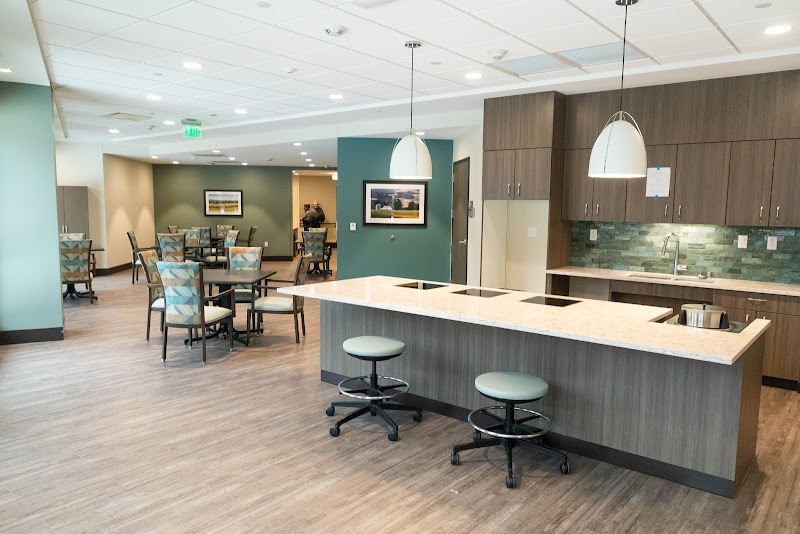
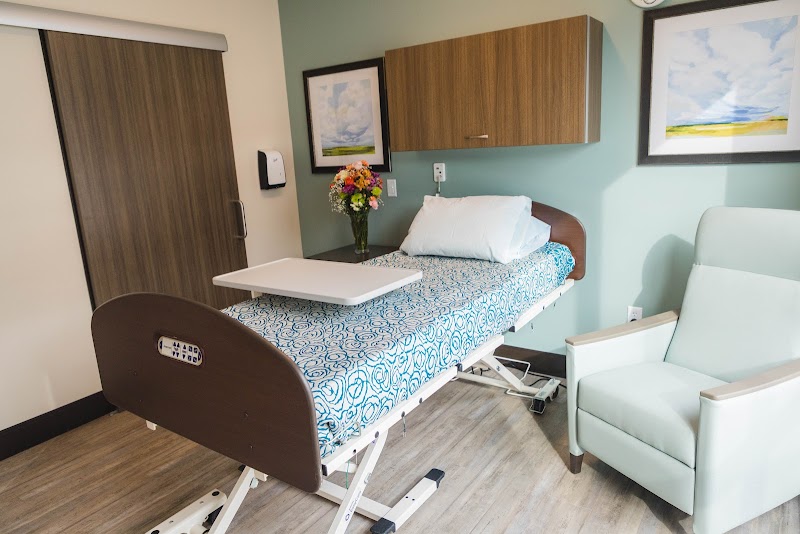
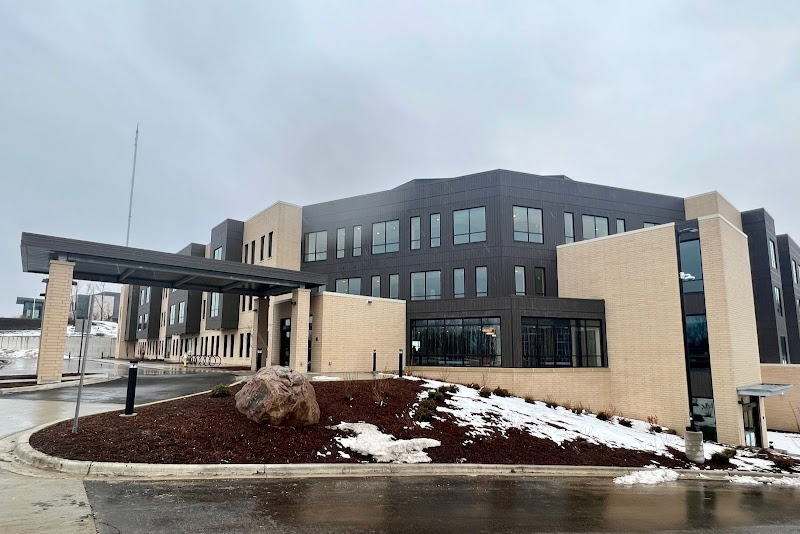
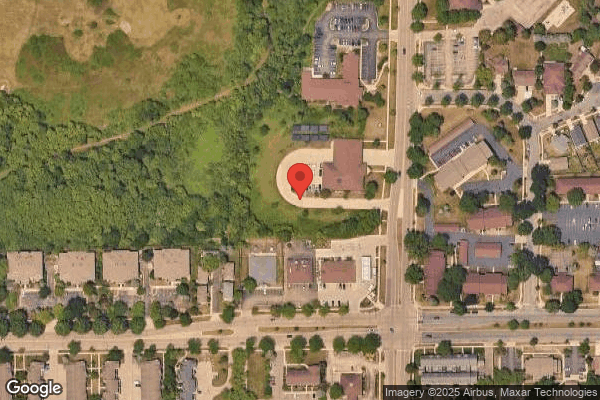
HEBRON OAKS

510 GENOMIC DRIVE, MADISON, WI 53719 (608) 230-4000
Non profit - Corporation 70 Beds Independent Data: November 2025 1 Immediate Jeopardy citation
Trust Grade
46/100
#215 of 321 in WI
Last Inspection: July 2025

Inspected within the last 6 months. Data reflects current conditions.

Overview

Hebron Oaks in Madison, Wisconsin, has a Trust Grade of D, indicating below-average performance with several concerns about care quality. It ranks #215 out of 321 facilities in the state, placing it in the bottom half, and #11 out of 15 in Dane County, meaning there are better local options available. Unfortunately, the facility is worsening, with issues increasing from 3 in 2023 to 4 in 2025. While staffing is a strength with a 4/5 star rating and 0% turnover, indicating staff stability, there are significant concerns: a resident developed multiple pressure injuries due to inadequate care, and food safety practices were not followed, risking the health of all residents. Additionally, there were no annual performance reviews for several nursing assistants, which could impact care quality.

Trust Score
D
46/100
In Wisconsin
#215/321
Bottom 34%
Safety Record
High Risk
Review needed
Inspections
Getting Worse
3 → 4 violations
Staff Stability
○ Average
Turnover data not reported for this facility.
Penalties
✓ Good
$22,925 in fines. Lower than most Wisconsin facilities. Relatively clean record.
Skilled Nurses
✓ Good
Each resident gets 148 minutes of Registered Nurse (RN) attention daily — more than 97% of Wisconsin nursing homes. RNs are the most trained staff who catch health problems before they become serious.
Violations
○ Average
7 deficiencies on record. Average for a facility this size. Mostly minor or procedural issues.
★★☆☆☆
2.0
Overall Rating
★★★★☆
4.0
Staff Levels
★★★☆☆
3.0
Care Quality
★★☆☆☆
2.0
Inspection Score
Stable
2023: 3 issues
2025: 4 issues

The Good

  • 4-Star Staffing Rating · Above-average nurse staffing levels
  • Full Sprinkler Coverage · Fire safety systems throughout facility
  • No fines on record

Facility shows strength in staffing levels, fire safety.

The Bad

2-Star Overall Rating

Below Wisconsin average (3.0)

Below average - review inspection findings carefully

Federal Fines: $22,925

Below median ($33,413)

Minor penalties assessed

The Ugly 7 deficiencies on record

1 life-threatening
Jul 2025 2 deficiencies
CONCERN (D)

Potential for Harm - no one hurt, but risky conditions existed

Abuse Prevention Policies (Tag F0607)

Could have caused harm · This affected 1 resident

Based on interview and record review, the facility did not implement written policies and procedures that prohibit and prevent abuse, neglect, and exploitation of residents and misappropriation of res...

Read full inspector narrative →
Based on interview and record review, the facility did not implement written policies and procedures that prohibit and prevent abuse, neglect, and exploitation of residents and misappropriation of resident property. RN J‘s (Registered Nurse) background check information did not include an out of state criminal background check. Findings include:The facility policy, Abuse, Neglect, Misappropriation, Mistreatment, and Exploitation, Preventing, Investigating, and Mandatory Reporting Policy, updated 8/25/23, indicates, in part: .Procedure: (1) Screening Components: It is the policy of Oakwood Village to screen employees and volunteers prior to working with residents. Screening components include verification of references, certification and verification of license, and criminal background check. 1. Employee screening and training. a.iii. A complete caregiver background check always consists of the following documents: i. A completed F-82064 Background Information Disclosure (BID) form and Appendix F-82069: ii. A response from the Department of Justice (DOJ) Wisconsin Criminal History Record Request.iii. A Response to Caregiver Background Check letter from the Department of Health Services (DHS) that reports the person's administrative finding or licensing restriction status.v. Other documentation must be obtained by [Facility Name] when information is needed to complete the background check, such as other states' conviction records.d. A criminal background check will be conducted on all prospective employees as provided by [Facility Name] policy on criminal background checks.On 7/16/25, Surveyor reviewed RN J's (Registered Nurse) background check information provided by the facility. RN J's date of hire was 4/29/25. RN J's BID (Background Information Disclosure), completed on 4/28/25, indicated RN J had resided outside of Wisconsin within the last three years and listed an address in California. Surveyors were unable to find evidence in the information provided that an out-of-state criminal background check was completed for RN J.On 7/17/25 at 12:04 PM, Surveyor interviewed HRBP I (Human Resources Business Partner) who indicated the facility did not have the California background check and should have run it prior to RN J starting patient care.
CONCERN (F)

Potential for Harm - no one hurt, but risky conditions existed

Food Safety (Tag F0812)

Could have caused harm · This affected most or all residents

Based on observation, interview, and record review, the facility did not ensure food was stored, prepared, and served in a safe and sanitary manner. This practice has the potential to affect all 42 re...

Read full inspector narrative →
Based on observation, interview, and record review, the facility did not ensure food was stored, prepared, and served in a safe and sanitary manner. This practice has the potential to affect all 42 residents who reside at the facility. Surveyor observed left over food items not properly covered, labeled, and expired. Surveyor observed walk in freezer to have a large puddle of water outside freezer, door sticking, and to the front left side of the freezer large chunks of ice covering boxes of food and left over food item. Surveyor observed cleanliness concerns in main kitchen. Surveyor observed staff in kitchen and kitchenette not wearing beard restraints.Surveyor observed staff wearing gloves, touching cabinets and door handles, and then directly touching food with same pair of gloves. During dishwashing Surveyor observed staff going from dirty to clean with no handwashing in between. Evidenced by: The facility policy, Food Storage, dated 3/22, states: . Leftover food will be stored in covered containers or wrapped carefully and securely. Each item will be clearly labeled and dated before being refrigerated. Leftover food is used within 7 days or discarded.a. All freezer units will be kept clean and in good working conditions at all times.The facility policy, Oakwood Dining Appearance & Dress Code Policy, dated 1/25, states, in part: .All supervisors are charged with monitoring adherence to dress code for their department's staff.hair restraint when in kitchens.Beard or mustache restraint, if applicable.The facility policy, General Food Preparation and Handling, dated 3/25, states, in part: .The kitchen will be kept neat and orderly.Bare hands should never touch ready to eat raw food directly.Food will be prepared and served with clean tongs, scoops, forks, spoons, spatulas, or other suitable implements to avoid manual contact of prepared foods.The facility policy, Cleaning Dishes/ Dish Machine, dated 4/10, states, in part: .The person loading dirty dishes will not handle the clean dishes unless they wash hands thoroughly before moving from dirty to clean dishes. On 7/15/25 at 8:51AM, during initial walk through of kitchen, Surveyor observed left over food not properly stored. Surveyor observed left over rice uncovered, noodles uncovered, tuna salad use by 7/13/25, and chicken salad use by 7/14/25. Dining Service Manager C (DSM) indicated leftovers will be thrown out. DSM C indicated everyone is responsible for checking dates and throwing out items. On 7/15/25 at 8:51 AM, during initial walk through of kitchen, Surveyor observed a puddle of water outside of walk-in freezer. Surveyor observed door difficult to open, curtains of freezer to have ice chunks, ice on the floor of the freezer, and large chunks of ice on boxes of food to the front left of the freezer. Storeroom [NAME] E (SP) indicated she has reported this to maintenance a couple times now and this is an ongoing issue. DSM C indicated the boxes of food will be thrown out and food should not be served if it is covered in ice. On 7/15/25 at 8:51 AM, during initial walk through of kitchen, Surveyor observed food wrappers, food, and splatters of red substance in the walk-in refrigerator floor. SP E indicated all floors need to be swept and mopped daily. On 7/15/25 at 8:51 AM in main kitchen and 11:18 AM in kitchenette Surveyor observed kitchen staff to not be wearing beard restraints. On 7/15/25 at 11:14 AM, Surveyor observed Dietary Aid G (DA) prepping for lunch. Surveyor observed DA G wearing gloves, opening cabinets and refrigerator door, and then directly touching food with same pair of gloves on. On 7/16/25 at 9:31 AM, SP E indicated the walk-in freezer has been an issue for the last couple of months. SP E indicated she threw out some boxes of food because the food has ice on it. On 7/16/25 at 9:53 AM, Certified Dietary Manager D (CDM) indicated the walk-in freezer has been an ongoing issue. CDM D indicated they have put in a work order with maintenance, moved all boxes, and threw out some food items. CDM D indicated beard restraints should be worn in the kitchen and kitchenettes. CDM D indicated staff should not directly touch food with dirty gloves. CDM D indicated all left over food items should be covered, labeled and dated. CDM D indicated the kitchen does have cleaning schedules and expectations.On 7/16/25 at 2:03 PM, Surveyor observed dishwashing observation on 2nd floor. Surveyor observed Dietary Aide F (DA) loading dirty dishes, taking off gloves, and going directly to clean dishes without any handwashing. Surveyor observed this twice. Surveyor reviewed concern with DSM C. DSM C indicated staff should wash their hands when going from dirty to clean and typically there are two staff in the kitchen. DSM C translated this concern to Dietary Aide F (DA). Surveyor reviewed kitchen concerns with DSM C at 2:15 PM. DSM C indicated understanding. On 7/17/25 at 9:18 AM, Facilities Services Supervisor H (FSS) indicated he found out about the walk-in freezer this week. FSS H indicated the kitchen could have submitted a work order, but the person who reviews work orders has been out on vacation this week. FSS H indicated he does not recall knowing about the freezer prior to this week. Surveyor asked if FSS H would expect a phone call or to be notified immediately about freezer concerns. FSS H indicated his experience is with construction so he would consult with kitchen staff to determine the importance of freezer concerns. On 7/17/25 at 10:15 AM, Surveyor reviewed above concerns with Nursing Home Administrator A (NHA). NHA A indicated understanding. The facility did not ensure food was stored, prepared, and serviced in a safe and sanitary manner.
Feb 2025 2 deficiencies 1 IJ
CRITICAL (J) 📢 Someone Reported This

A family member, employee, or ombudsman was alarmed enough to file a formal complaint

Immediate Jeopardy (IJ) - the most serious Medicare violation

Pressure Ulcer Prevention (Tag F0686)

Someone could have died · This affected 1 resident

**NOTE- TERMS IN BRACKETS HAVE BEEN EDITED TO PROTECT CONFIDENTIALITY** Based on observation, interview, and record review, the facility did not ensure each resident receives cares, consistent with pr...

Read full inspector narrative →
**NOTE- TERMS IN BRACKETS HAVE BEEN EDITED TO PROTECT CONFIDENTIALITY** Based on observation, interview, and record review, the facility did not ensure each resident receives cares, consistent with professional standards of practice to promote healing, prevent infection, and prevent new injuries from developing for 2 of 3 residents (R1 & R3) reviewed with pressure injuries or at risk for developing pressure injuries. R1 was admitted on [DATE], without a pressure injury. R1 developed three pressure injuries - two identified as Deep Tissue Injuries (DTIs; a type of pressure injury that occurs when prolonged pressure or shear forces damage the underlying soft tissues, such as muscle, fat, and tendons) and one Unstageable (a full thickness wound where the base of the injury is obscured by a layer of dead tissue called slough or eschar). R1 did not have all weekly wound assessments completed, wound vac treatments were not completely correctly, robust pressure injury preventions were not implemented until after development of the pressure injuries, R1 and wound deterioration occurred. When interviewed in February 2025, R1 stated, What I've had to live with since (the development of the PI's) has not been a pleasant experience. I wish it would never have happened. R3 admitted to the facility with a stage 4 pressure injury (a full thickness wound that exposes bone, muscle, or tendon) with osteomyelitis (a bone infection characterized by inflammation of the bone tissue). The facility did not complete weekly assessments and ensure that skin interventions were followed per standards of practice. R3's developed multiple wounds on his lower extremities and R3's sacral wound deteriorated and became infected. The facility's failure to ensure R1 and R3 received the necessary treatment and services to promote healing, prevent infection, and prevent new pressure ulcers from developing created a finding of immediate jeopardy that began on 10/31/24. Surveyor notified NHA A (Nursing Home Administrator) of the immediate jeopardy on 2/6/25 at 2:05 PM. The immediate jeopardy was removed on 2/10/25; however, the deficient practice continues at a scope/severity of D (potential for more than minimal harm/isolated) as the facility continues to implement its action plan. This is evidenced by: The facility policy Skin Injury Prevention and Management Program Guidelines, dated 10/17/23, indicates, in part: Residents admitted to Oakwood Village without pressure injuries will not develop pressure injuries unless the resident's clinical condition demonstrates that it was clinically unavoidable. Staff will provide care and services to: Promote the prevention of pressure injury development. Promote the healing of pressure injuries that are present (including prevention of infection to the extent possible). Prevent the development of additional pressure injuries. Prevent the reoccurrence of healed pressure injuries. General Information: Pressure injuries occur when tissue is compressed between a bony prominence and an external surface. In addition to pressure, shear force and friction are important contributors to pressure injury development .Skin and soft tissue changes associated with aging, illness, small blood vessel disease, and malnutrition increase vulnerability to pressure injuries. Additional external factors, such as excess moisture and tissue exposure to urine or feces, can increase risk. Procedure: 1. Each resident, upon admission, readmission, and/or discharge to/from the facility, will have head-to-toe skin evaluation completed by a licensed nurse. The nurse will document the findings in the EMR (Electronic Medical Record). 2. The licensed nurse will complete a weekly skin observation and sing the Body Check form for each week on bath day. 3. Direct care givers for the resident will observe daily for any skin changes and report their findings to the Licensed Nurse. 4. When evaluating the resident's skin, note the condition, if the skin is intact, color, and temperature, and any abnormal findings such as .red areas .blisters .pressure wounds, etc. 5. Risk factor examples that increase a resident's susceptibility to develop or not to heal pressure injuries include, but are not limited to: *Impaired/decreased mobility and decreased functional ability . *Drugs such as steroids that may affect wound healing . *Resident refusal of some aspects of care and treatment. *Exposure of skin to urinary or fecal incontinence *Undernutrition, malnutrition, and hydration deficits . 7. It is the responsibility of the Interdisciplinary Care Plan team to review each risk factor and potential cause(s) individually to: a. Identify those that increase the potential for the resident to develop pressure injuries. b. Decide whether and to what extent the factor(s) can be modified, reduced, stabilized, removed, etc. Policy Explanation and Compliance Guidelines: .2. The facility shall establish and utilize a systemic approach for pressure injury prevention and management, including prompt assessment and treatment; intervening to stabilize, reduce or remove underlying risk factors; monitoring the impact of the interventions; and modifying the interventions as appropriate.3. Assessment of Pressure Injury Risk: .c. Licensed nurses will conduct a whole-body skin assessment on all residents .after any newly identified pressure injury. Findings will be documented in the medical record .4. Interventions for Prevention and to Promote Healing: .c. Evidenced-based interventions for prevention will be implemented for all residents who are assessed at risk or who have a pressure injury present. Basic or routine care interventions could include but are not limited to: i. Redistribute pressure (such as repositioning, protecting and/or offloading heels, etc.); ii. Minimize exposure to moisture and keep skin clean, especially of fecal contamination. iii. Provide appropriate, pressure-redistributing support surfaces. iv. Provide non-irritating surfaces. v. Maintain or improve nutrition and hydration status, where feasible .e. The goals and preferences of the resident and/or authorized representative will be included in the plan of care .ii. Compliance with interventions will be documented in the weekly summary charting. 5. Monitoring: a. Weekly, a RN (Registered Nurse) will review all relevant documentation regarding skin assessments, pressure injury risks, progression toward healing, and compliance at least weekly, and document a summary of findings in the medical record. b. The attending physician will be notified of i. The presence of a new pressure injury upon identification. ii. Any complications (such as infection, sinus tract development, etc.) as needed .6. Modifications of Interventions: .b. Interventions on a resident's plan of care will be modified as needed. Considerations for needed modifications include i. Changes in resident's degree of risk for developing a pressure injury .iii. Lack of progression towards healing. iv. Resident's non-compliance . Example 1 R1 was admitted to the facility on [DATE] with diagnoses that include, in part: age-related osteoporosis with current pathological fracture of left femur (long bone in the thigh) and superior/inferior pubic rami (two branches of the pubic bone that make up the front of the pelvis); chronic congestive heart failure (a long-term condition where the heart can't pump blood as well as it should); rheumatoid arthritis (a chronic autoimmune disease that primarily affects the joints and causes inflammation, pain, stiffness, and damage to the joints, leading to loss of function and disability); difficulty in walking; and need for assistance with personal cares. R1's admission Minimum Data Set (MDS) dated [DATE] indicates a Brief Interview of Mental Status (BIMS) of 15, indicating R1 is cognitively intact. Section GG Functional Abilities and Goals, indicates, in part: Functional limitation: lower extremity one side. Roll Left to Right: dependent (Helper does all of the effort. Resident does none of the effort to complete the activity). Lying to Sitting: dependent R1's Care Plan includes, in part: 9/18/24: ADL's (Activities of Daily Living) Potential for Alteration in ADL's Related to: Left Femur IMN (Intramedullary nailing (IMN) is a surgical procedure used to treat fractures of the femur, the long bone in the thigh). Approach: Transfers: 2 assist; Mobility: 2 assist; Toileting: 2 assist; Bilateral Assist handles to assist with bed mobility. Urinary .Foley catheter (removed 10/8/24 - need for assistance with toileting) 11/13/24 - Foley placed for wound healing. Enhanced barrier precautions skin. (Date is incomplete at top of this portion of the care plan) Nutrition Potential for Alteration in Nutrition related to: Increased needs for healing. Additional Information: .Juven TID (Three Times a Day) (a nutritional supplement), Boost BID (Twice a Day) (nutritional supplement), Thrive Ice Cream PRN (as needed) (nutritional supplement), Gelatine pro Jello BID (High Protein Gelatin). There is a hand written date of 11/13/24. 9/18/24: Skin Potential for Alteration in Skin Integrity related to Left hip incision, Left hip hematoma. Approach, in part: Complete skin assessments. Provide treatment as ordered (see TAR (Treatment Administration Record). Reposition per turn schedule: encourage every 2 hours and PRN (Of note, this item is crossed off and discontinued 11/15/24 with initials is written in). Refer to Dietician/designee .Barrier cream with cares .Mattress: air (Of note, this item is crossed off and discontinue 11/15/24 is written in). chair cushion: wc (wheelchair) (does not indicate what type of cushion). Educate on causes of skin breakdown. Confer with wound care specialist PRN (as needed). Measure wound(s) weekly. Additional information and/or updated (date): 10/17/24 use wedges for repositioning (discontinued 11/15/24) 10/16/24 I have a DTI (deep tissue injury) to my R (right) & L (left) buttock, stage 3 to my L buttock. 11/13/24: wound vac (a negative pressure device that helps to heal a PI (pressure injury) placed - L buttock PI. 11/14/24 air mattress (standard) changed to United Mattress (combination of memory foam and air cells allow for patients eight to be equally distributed. No electricity or electric pump needed.) 11/21/24: heel boots on at HS (bedtime) float heels in bed during day when in bed . On 9/18/24, R1's Braden scale for predicting pressure sore risk, indicates a score of 15, which indicates R1 is at risk. On 9/18/24, R1's Certified Nursing Assistant (CNA) Kardex report indicates the following: Toileting use 2A (two staff to assist) foley/incontinent of bowel offer to toilet Q 3 (every 3) hours and PRN (as needed). Foley cares Q shift. Monitors - monitor alert & oriented times 4, w/c cushion, enhanced barrier precautions r/t (related to) foley catheter. Mobility - transferring 2A Hoyer (full body lift). Bed mobility 2A encourage/assist to reposition Q 2 hours and PRN. On 9/18/24, R1's Skin monitoring CNA/Nurse shower review form indicates R1 does not have any skin impairment to her buttocks. On 9/20/24, R1's CNA Kardex report indicates R1 transferring 2A (two assist) Hoyer WBAT (weight barring as tolerated) to LLE (left lower extremity) and bed mobility L (left) assist rails for bed mobility. On 9/21/24, R1's Braden scale indicates a score of 17, indicating R1 is at risk. On 9/21/24, R1's Skin monitoring CNA/Nurse Shower review form indicates R1 does not have any skin impairment to her bottom/buttocks. On 9/25/24, R1's CNA Kardex report indicates R1 transferring/toileting with EZ stand lift and assist of 2 and Bathing to use EZ stand for transfers with assist of 2. Bed mobility remains 2 A (assist) On 9/27/24 at 2:45 PM, R1's Nurses note states in part: sheared areas on buttocks with discoloration [sic] surrounding, informed NP (nurse practitioner). Orders to be sent, staff will continue to monitor. On 2/5/25 at 9:40 AM, Surveyor spoke with RN J (Registered Nurse). Surveyor asked RN J what the process is when you find an open area on a resident's skin. RN J stated, she would notify the NP (Nurse Practitioner) and obtain orders. RN J stated, she's not sure if she notified RN D (Registered Nurse), who is the Wound Care Nurse, or if she needs to notify RN D. RN J stated, I'm honestly not sure. Surveyor asked RN J, how does RN D find out there's an open area. RN J stated, they (management) read our documentation every day. RN J stated, all Progress Notes are read by management. Surveyor asked RN J, when you observed and documented a PI to R1's buttock, which buttock was it. RN J stated, she does not recall which buttock, however, she stated it was an upper buttock. RN J added, it was higher on the hip versus a true gluteal (buttock). Surveyor asked RN J, did you document anywhere else. RN J stated, no. Surveyor asked RN J, did you measure and describe the wound. RN J stated, no. Surveyor asked RN J, when you discover a PI, should you measure, assess and document a description of the PI. RN J stated, yes. RN J stated, she verbally reported it to the NP (Nurse Practitioner) face to face when she was in the facility. Surveyor asked RN J, did you get an order. RN J stated, she noted that she reported it to the NP but does not recall getting an order. RN J stated, It would have been documented had I gotten the order. RN J stated the interim treatment was barrier cream (already using prior to development). Surveyor asked RN J, did you put a dressing on the PI. RN J stated, no, not without an order. Surveyor asked RN J, did the NP look at R1's wound. RN J stated, I can't say. Surveyor asked RN J, how often are residents turned and repositioned. RN J stated, it depends on the care plan and if there are any wounds present. RN J stated it's individualized for each resident. Surveyor asked RN J, how often was R1 turned and repositioned. RN J stated she is unsure. Surveyor asked RN J, do staff document turning and repositioning. RN J stated, yes, the nurses (Registered Nurses and Licensed Practical Nurses) document in the TAR (Treatment Administration Record). Surveyor asked RN J, do staff document refusals. RN J stated yes, nurses enter a note to document the refusal. Surveyor asked RN J, what stage is R1's PI. RN J stated, it's a shearing, her skin was sheared off. Surveyor asked RN J, was R1's wound open. RN J stated, yes. Note, there was no documentation of a measurement, stage or description of the PI when it was first discovered. On 9/28/24, R1's Braden scale indicates a score of 17, indicating R1 is at risk. On 9/28/24 R1's Skin monitoring CNA/Nurse Shower review form indicates R1 does not have any skin impairment to her bottom/buttocks. On 9/29/24, the facility's 24-hour board indicates for R1, 9/28/24 monitor open areas to buttocks. On 10/2/24, R1's Telephone order indicates, buttock treatment: cleanse area with soap and water, pat dry, apply foam dressing to affected areas. Change every three days or PRN. May d/c when healed. Foley removal discontinue foley on 10/8/24 at 0600 (6:00 AM). On 10/3/24, R1's CNA Kardex report indicates R1 is dependent of assist of two for lower body with use of [NAME] steady (mechanical stand lift device to assist with standing) for standing. Mobility: [NAME] steady transfers with moderate assist of 2, WBAT to LLE. On 10/5/24, R1's Braden scale indicates a score of 16, indicating R1 is at risk. On 10/6/24, R1's Skin monitoring CNA/Nurse Shower review form indicates R1 has three areas to her left buttock, two areas indicated as scabbed, and one area indicated as open. On 10/7/24, R1's NP Nursing Facility acute visit note, states in part: .seen today for chief complaint of new skin concerns as reported by patient and staff. chief complaint: I have new sores.new skin concern under bilateral breasts .exam: Back: tenderness noted, limited range of motion due to stiffness and pain .skin: abrasions under bilateral breasts. Of note: There is no mention of R1 having open areas to her left and right buttock. On 10/12/24, R1's Braden scale indicates a score of 17, indicating R1 is at risk. On 10/12/24, R1's Skin monitoring CNA/Nurse Shower review form indicates R1 does not have any skin impairment to her bottom/buttocks. Had shower with therapy refused today. On 10/15/24 at 9:51 AM, R1's Nursing Advance Skilled evaluation note, states in part: .Skin: skin warm & dry, skin color WNL (within normal limits) and turgor normal.Skin note: .buttocks with superficial open areas MASD (Moisture associated skin damage), treatment applied as ordered . Of note, there is no description of what the skin tissue looks like or how big the MASD area is. On 10/16/24, R1 has no documentation of her skin for this day. On 10/17/24, R1's CNA Kardex report indicates R1's mobility is maximum assist of 1 for sit to stand transfers with 2ww (two wheeled walker). Bed mobility is 1 assist to reposition Q 2 hours and PRN with wedges, air mattress, Right and left assist rails for bed mobility. On 10/17/24, R1's Telephone order indicates Left buttock cleanse area with soap and water, pat dry, apply Santyl to slough bed, cover with foam dressing, perform daily or PRN. Right buttock cleanse area with soap and water, pat dry, cover wound with vitamin AD, cover with foam dressing, change daily or PRN. On 10/17/24 at 9:51 AM, R1's Nursing Advance Skilled evaluation note, states in part: Skin: .Skin note: .bilateral buttocks with wounds treatment applied. On 10/17/24 at 12:02 PM, R1's Skin/wound note, states in part: Writer assessed area to R buttock at request of floor RN. Upon assessment, dark purple wound, indicative of a DTI, present to superior portion of R buttock. Discolored area measures 1.5cmx1.5cm with irregular edges. Appears to be open in center of wound, with small amount of scattered yellow slough present. Sanguineous drainage noted on dressing. Periwound pink, but blanchable. No odor. Resident did state area is tender. NP updated with assessment and recommendations . On 10/17/24 at 12:04 PM, R1's Skin/wound note, states in part: Writer assessed area to L buttock at request of floor RN. Upon assessment open area present to superior portion of L buttock, with linear DTI (deep tissue injury) just inferior to it. Open area measures 1cm x 0.7cm and is 100% slough. Based on presence of slough, wound would be classified as unstageable PI. Not currently draining. DTI just inferior to open area, appearing dark purple and measuring 0.5cm x 4cm. periwound of both areas pink, but blanchable. No odor. Resident did state area is tender. NP updated with assessment and recommendation [sic] for the following treatment to be done daily and PRN .Other interventions: offer repositioning Q 2 hrs. and PRN with foam wedges, air mattress, Roho cushion. Will monitor during weekly wound rounds to ensure proper healing. On 2/5/25 at 11:45 AM, Surveyor spoke with RN M (Registered Nurse) and asked what the process is when you find an open area on a resident's skin. RN M stated, staff measure and assess the wound (e.g. granulation, slough, describe the wound), identify risk factors, update MD/NP (Medical Doctor/Nurse Practitioner) to request orders, alert Nurse Manager and Wound Care nurse for follow up. Document all of this in a Progress Note. RN M stated, when she receives the order, she implements the order. Surveyor asked RN M, if unable to obtain the order on the first attempt how soon do you try again. RN M stated, if it's in the morning she would call back after lunch. RN M stated, if it's near the end of her shift she will report it to the next shift and let the Nurse Manager know so they can coordinate. Surveyor asked RN M, how often are residents repositioned. RN M stated, every 1 ½ to 2 hours or follow care plan if there are specific instructions for a resident. Surveyor asked RN M, how often was R1 repositioned. RN M stated, she believes it was every 2 hours. RN M stated, for CNAs (Certified Nursing Assistants) she believes it was a documented in POC (point of care) charting and in the TAR (Treatment Administration Record) for nurses. Surveyor asked RN M, what do you do if a resident refuses repositioning. RN M stated, she expects CNAs to report to the nurse. The nurse will approach the resident to ask why they are refusing, provide education, document and if still declining, provide education regarding risks and benefits of not having repositioning done. Surveyor asked RN M, if she is familiar with the United Mattress. RN M stated, yes. RN M stated, R1 was the first resident to have the United Mattress in the facility. RN M stated, the vendor provided an in-service regarding the United Mattress to the facility. RN M stated, the in-service topics included the following: Hand pump like a Roho cushion; a Chux can be used with this mattress; May not be necessary to elevate heels or use heel boots; Set-up. RN M stated, she saw R1's wounds on occasion but not consistently. RN M added, R1 had a wound to her right buttock. Surveyor asked RN M, what caused R1's PI's. RN M stated, a poor appetite her nutrition was not well, limited mobility issues, slept a lot, not a lot of motivation, sat in wheelchair for long periods of time with a regular cushion before the Roho cushion was put in place. RN M added, R1 slept a lot, was fatigued and took lots of encouragement to eat. Surveyor asked RN M, how often PI's should be assessed and measured. RN M stated, weekly or if there's a change and it's worsening. Surveyor asked RN M, if you note that a resident's PI is worsening, what should you do. RN M stated, she would measure and assess the PI noting a description, let MD/NP/resident know that it's worsening and may need a different treatment, update Nurse Manager and Wound Care Nurse, document in Progress Notes. On 10/17/24, R1's NP nursing facility acute visit note, states in part: .seen today for follow up for worsening buttock wounds as reported by patient and staff. Chief complaint: I hear they are getting worse.staff and patient are reporting they are getting worse. I had assisted (R1) to the restroom to take a peek. See photos and descriptions below.Skin: left buttock with area of slough, sero-sanguinous [sic] drainage noted, no odor with deep tissue injury below. Right buttock with open area with surrounding erythema, no drainage, tender to touch.A. 1. Unstageable pressure ulcer of left buttock .cleanse with soap and water, pat dry apply Santyl to slough bed. Cover with foam dressing. offer repositioning q 2 hrs. and PRN with foam wedges, air mattress, Roho cushion. 2.pressure ulcer of right buttock, stage 2 .cleanse with soap and water, pat dry, cover wound with vitamin AD cover with foam dressing . Of note, the NP stages this PI as a stage 2 however, mentions the PI has slough; this would make the PI at least a stage 3. On 10/17/24, Maintenance work log indicates, air mattress needed. Air mattress to bed, for skin concerns/wounds present. Assigned on [DATE]. [DATE] at 1:05 PM Standard mattress has been removed in the [sic] primer has been put on. Of note: The facility's standard mattress is a Geo-mattress ultra max. The manufacturer guidelines indication for use states in part: prevention of stage 1-4 pressure injuries .early intervention for multiple stage 1-2 and treatment of single stage 3 pressure injuries .reposition frequently by self or caregiver . The Air mattress that was placed on R1's bed is indicated as a Panacea Air advance mattress. The manufacturer information indication for use, states in part: .provides pressure management to assist in the prevention and treatment of up to Stage IV pressure ulcers. The alternating pressure and low air loss mode provided with the panacea air advance mattress is indicated for use as a preventative tool against further complications associated with critically ill residents or immobility. On 10/19/24, R1's Skin monitoring CNA/Nurse Shower review form indicates R1 does not have any skin impairment to her bottom/buttocks. On 10/23/24, R1's NP Nursing Facility acute visit note, states in part: .seen today for follow up for wounds as reported by patient. Chief complaint: my back hurts.follow up on her buttock wounds. Unfortunately, on appearance they are worsening .both wounds are drainage [sic]. Wound RN (RN D's name) also assessed with me today .A: 1. Unstageable pressure ulcer of left buttock (HCC) comments: .unfortunately worsening. Worry this wound may progress due to underlying hardness felt. Plan: wound care left buttock: cleanse area with soap and water, pat dry apply Santyl to slough bed. Cover with foam dressing. Change daily and PRN. Cushion in wheelchair, air mattress, reposition every 2 hours. Educated staff to provide Roho cushion to recliner. start ProStat (high protein drink to help with wound healing) 30ml daily. 2.Pressure injury of right buttock, unstageable. Comment: .unfortunately worsening. Worry this would [sic] may also progress due to underlying hardness felt. Plan: wound care: Right buttock cleanse with soap and water, pat dry cover apply Santyl to eschar/slough cover with foam dressing. Change daily and PRN. Of note: NP provided education to staff to provide a Roho cushion in her recliner. On 10/23/24 at 2:34 PM, R1's skin/wound note, states in part: weekly assessment of DTI to R buttock, first noted on 10/16/2024, with assessment completed on 10/23/2024 in presence of NP. DTI is now open, presenting as an unstageable PI. Open area measures 1.8cm x 1.4cm with undeterminable depth due to 100% black eschar within wound bed. Moderate serosanguineous drainage noted on previous dressing .periwound pink blanchable. Hard area noted inferior to open area upon palpation. No odor. Resident did state area is tender . treatment order changed .other interventions: offer repositioning Q2 hrs. and PRN with foam wedges, air mattress, Roho cushion . On 10/23/24 at 2:34 PM, R1's Skin/wound note, states in part: weekly assessment of PI and DTI to L buttock, first noted on 10/16/2024, with assessment completed on 10/23/2024 in presence of NP. Two open areas present on L buttock. Superior open area measures 0.7cm x 0.8cm x <0.1cm. DTI just inferior to open area is now open with a linear scab to the right, presenting of stage 2 PI. Area measures 0.6cm x 1.1cm x <0.1cm. Wound beds of both ~ 80% (approximately 80 percent) yellow slough. Scant light-yellow drainage noted upon cleansing .hard area noted [sic] inferior to open areas upon palpation. No odor. Resident did state area is tender . inferior unstageable PI has improved. Presenting as a healing unstageable PI based on smaller measurements. DTI has deteriorated as it is now open. Will continue to monitor during weekly wound rounds to ensure proper healing. Of note: R1's wounds are indicated as being noted on 10/16/24, but there are no notes in R1's record related to skin on 10/16/24. R1 was noted to have MASD on 10/15/24 - no further assessment was charted on 10/15 or 10/16 of R1's skin. On 10/23/24, R1's Telephone order indicates: Discontinue current right buttock treatment order. Right buttock treatment order cleanse area daily with wound cleanser, pat dry, apply Santyl to eschar/slough wound, cover with foam dressing. Change daily or PRN. On 10/26/24, R1's Skin monitoring CNA/Nurse Shower review form indicates R1 has an open area to her left and right buttock. On 10/28/24, R1's NP Nursing facility acute visit note, states in part: .nurse also tells me patient with scab to buttock, nicker [sic] size, that is starting to pull away from skin. Nurse notes what appears to be some tunneling under the scab. NP noted wounds at appointment on 10/17/24. She reports some discomfort with the wounds. She is concerned they are getting worse also patient tells me she sits I [sic] wheelchair most of the time. She does have a cushion in her chair. She is a 1 assist for transfers . Right buttock wound: there is about 3-4cm of undermining/tunneling of this wound. There is moist slough noted in wound bed. There is some odor. There is no erythema or warmth. (of note, left buttock wound was noted, but no description with photo given) .A right buttock, stage 3 .some undermining noted .pressure injury of left buttock, stage2 .seems stable from previous photo .encourage lying in bed with side-side positioning to encourage pressure relief . On 10/28/24 at 12:49 PM, R1's Health status note, states in part: .NP and writer assessed resident wound to right buttock at approximately 1130 today. Wound measures 2cm x1cm with a black scab partially intact held by slough tissue. Black scab has separated from skin partially and wound has a depth of 4.5cm at 6 o'clock and 4.5cm at 10 o'clock. Moderate amount of light red serious drainage noted. New orders received for new dressing change to be completed this evening. On 10/28/24 at 12:54 PM, R1's health status note, states in part: Correction: wound depth at 10 o'clock is 3cm. On 10/28/24, R1's Telephone order indicates cleanse/flush right buttock wound with wound cleanser, pat dry, pack with iodoform, cover with gauze, then Mepilex daily and PRN. On 10/30/24, R1's CNA Kardex report indicates R1 has a wheel chair Roho cushion to seat and Roho to w/c back. On 10/30/24 at 10:04 AM, R1's Skin/wound note, states in part: . weekly assessment of DTI to right buttock, first noted on 10/16/24. Open area measures 2.3 cm x 1.4 cm, with a depth of 4 cm. no eschar noted .resident states that pain of wound is 9/10.(R1) answers that she has had boils on her bottom previously, but it has been many years. Of note: there is no facility measurement or assessment for the L buttock wound. On 10/30/24 at 1:32 PM, R1's Skin/wound note, states in part: .met with resident and daughter to discuss wound status and current interventions Resident shared personal goal of more independent repositioning and offloading more frequently. Care plan clarification requested by resident to utilize lift sheet as primary tool to assist with repositioning in bed Daughter shared she had been providing a firm lumbar support device in resident's w/c and that after evaluating, she will be taking this device home as it rubs to the wounded area. Request for Roho style cushion to be provided for w/c back support surface . On 2/5/25 at 8:35 AM, Surveyor spoke with FM I (Family Member). Surveyor asked FM I, when did R1 start using a lumbar support. FM I stated, R1 had the lumbar support before R1 fell and fractured prior to admission. FM I stated, the lumbar support was used for musculoskeletal back pain. FM I stated, the lumbar support was used intermittently not all the time. FM I added, it was not particularly helpful for R1. FM I stated, R1 used the lumbar support at the facility when she was still having pain from pelvic fractures when sitting in her wheelchair. FM I stated, R1 did not tolerate time in the wheelchair for the first 2-3 weeks. FM I added, R1 spent a lot of time in bed flat on her back. Surveyor asked FM I, did you speak with anybody at the facility regarding the lumbar support. FM I stated, she spoke with PTA K (Physical Therapy Assistant). FM I stated, when she visited R1, she observed staff, Dragging her bare hind end (while assisting her in bed). FM I stated, due to shear forces this put R1 at risk for injury. FM I further stated, when staff would reposition R1 they would do so without a draw sheet. FM I added, she also observed R1 sitting on a Hoyer sling while up in her wheelchair or recliner. FM I stated, she doubts staff was repositioning R1 every 2 hours at night. FM I stated, Staff didn't offload (pressure) like they needed to. FM I added, a nurse (name unknown) told her we don't know what we are doing with the wound vac. FM I stated, [TRUNCATED]
CONCERN (F) 📢 Someone Reported This

A family member, employee, or ombudsman was alarmed enough to file a formal complaint

Potential for Harm - no one hurt, but risky conditions existed

Deficiency F0730 (Tag F0730)

Could have caused harm · This affected most or all residents

Based on record review and staff interviews, the facility did not complete a performance review of every nurse aide at least every 12 months for 5 of 5 Certified Nursing Assistants (CNAs) reviewed for...

Read full inspector narrative →
Based on record review and staff interviews, the facility did not complete a performance review of every nurse aide at least every 12 months for 5 of 5 Certified Nursing Assistants (CNAs) reviewed for in-service training. The survey team randomly selected five (5) facility CNAs who have been employed at the facility for longer than one (1) year. CNA/MT O (Certified Nursing Assistant/Medication Technician), CNA/MT P (Certified Nursing Assistant/Medication Technician), CNA Q (Certified Nursing Assistant), CNA R (Certified Nursing Assistant), and CNA S (Certified Nursing Assistant) did not have a performance review at least every 12 months. Findings include: Surveyor provided NHA A (Nursing Home Administrator) with a list of five CNA names the Surveyor had randomly selected and requested their performance review for the past 12 months. Surveyor reviewed performance review records and noted the following: Surveyor reviewed performance reviews from 2/18/24 -2/18/25. During this time, CNA/MT O, CNA/MT P, CNA Q, CNA R, and CNA S had no performance reviews completed. On 2/18/25 at 2:40 PM, Surveyor spoke with NHA A (Nursing Home Administrator). Surveyor asked NHA A, do you expect CNAs to have a performance review at least every 12 months. NHA A stated, yes. NHA A stated, RN's (Registered Nurses) and LPN's (Licensed Practical Nurses) had a performance evaluation completed. NHA A stated, the facility was confused with what to do with their CNAs that are in a union and have not been completing performance reviews for any CNAs. NHA A stated, moving forward, yes, there will be a performance review of CNA at least every 12 months.
Mar 2023 3 deficiencies
CONCERN (D)

Potential for Harm - no one hurt, but risky conditions existed

Deficiency F0694 (Tag F0694)

Could have caused harm · This affected 1 resident

**NOTE- TERMS IN BRACKETS HAVE BEEN EDITED TO PROTECT CONFIDENTIALITY** Based on observation, interview, and record review, the facility did not ensure that parenteral medications were administered co...

Read full inspector narrative →
**NOTE- TERMS IN BRACKETS HAVE BEEN EDITED TO PROTECT CONFIDENTIALITY** Based on observation, interview, and record review, the facility did not ensure that parenteral medications were administered consistent with professional standards of nursing practice for 1 of 1 (R133) of 12 residents reviewed. R133 was admitted to the facility on [DATE], with a Peripherally Inserted Central Catheter (PICC) line, which is a soft, thin, flexible tube in a vein used to administer IV medications and fluids. Staff did not complete appropriate hand hygiene and glove changes during administration of IV antibiotics. The facility policy, titled, Gloves - Use Guidelines, dated, 1/28/22, indicates, in part: It is the practice of this facility that gloves be worn .when performing vascular access procedures including starting intravenous lines, drawing blood, and doing finger sticks. Guidelines: I. Selection of Gloves. A .4. Failure to change gloves and disinfect hands between resident contacts or after contact with a known contaminated area will be considered a breach of infection control practice .II. Replacement of Gloves. A. Conditions. 1. Disposable gloves will be replaced as soon as practical when contaminated .Hands are to be sanitized after glove removal. 2. Disposable gloves will be changed after contact with each resident . The facility policy, titled, Infection Control-Hand Hygiene, dated, 6/11/22, indicates, in part: Procedure: 1. The Centers for Medicare and Medicaid State Operations Manual indicates that hand hygiene should be performed: .F. Before and after handling peripheral vascular catheters and other invasive devices; .I. Upon and after coming in contact with a resident's intact skin (e.g., when taking a pulse or blood pressure, and lifting a resident) .O. After removing gloves or aprons .3. Alcohol-based hand rub may be used for all other hand hygiene opportunities (e.g., when soap and water is not indicated per #1 above) .C. When moving from a contaminated body site to a clean body site such as when changing a brief or wound dressing; D. After caring for a resident including after removing gloves; and E. After contact with a resident environment . R133 was admitted to the facility on [DATE], with diagnoses that include, in part: Infection following a procedure, other surgical site; Pathological fracture, right femur; Encounter for adjustment and management of vascular access device; Long term use of antibiotics . R133's most recent Minimum Data Set (MDS) with a target date of 3/3/23, documents a Brief Interview for Mental Status (BIMS) score of 13, which indicates, cognitively intact. On 3/9/23 at 9:02AM, Surveyor observed RN F (Registered Nurse) during the set up and connection of the IV (Intravenous, by vein) antibiotic, Ceftriaxone, for R133. Surveyor observed RN F perform hand hygiene and place a new pair of gloves. RN F set up supplies for the antibiotic administration; set up IV pump; and touched resident's sleeve to push it upward to gain access to the port for connection of IV tubing. RN F then proceeded to clean the port and attach the IV tubing to the port. RN F did not complete a glove change after touching outer packages of supplies and touching items in the resident's environment, including clothing and IV pump, prior to opening the port and attaching the IV tubing to the port. This presented a potential for contamination. After the tubing was connected, RN F removed her gloves and then placed a new pair of gloves without performing hand hygiene. RN F then picked up remaining supplies and packages from R133's bed and over the bed table for disposal. On 3/9/23 at approximately 9:20AM, Surveyor interviewed RN F and asked when hand hygiene should be performed. RN F indicated, when entering and exiting the room and between glove changes. Surveyor reviewed the observation with RN F and asked if she should have changed gloves and performed hang hygiene after setting up equipment and touching resident sleeve, and prior to connecting IV tubing to port. RN F indicated she should have. Surveyor asked RN F if after she connected the IV tubing, when she then changed gloves if she should have performed hang hygiene between changing gloves. RN F indicated she should have. On 3/9/23 at 10:35AM, Surveyor interviewed DON B (Director of Nursing) and reviewed the antibiotic administration observation with her. Surveyor asked when she would expect glove changes and hand hygiene to be performed. DON B indicated, she would expect a change of gloves, hand hygiene, and new gloves prior to connecting the IV after set-up of supplies. Surveyor asked DON B if she would expect hand hygiene to be performed between glove changes. DON B indicated, yes.
CONCERN (E)

Potential for Harm - no one hurt, but risky conditions existed

Pressure Ulcer Prevention (Tag F0686)

Could have caused harm · This affected multiple residents

**NOTE- TERMS IN BRACKETS HAVE BEEN EDITED TO PROTECT CONFIDENTIALITY** Based on observation, interview and record review, the facility did not ensure that residents with a pressure ulcer or at risk f...

Read full inspector narrative →
**NOTE- TERMS IN BRACKETS HAVE BEEN EDITED TO PROTECT CONFIDENTIALITY** Based on observation, interview and record review, the facility did not ensure that residents with a pressure ulcer or at risk for pressure ulcers received the necessary treatment and services, consistent with professional standards of practice, to prevent the development of pressure ulcers and to promote healing for 3 (R21, R16, and R25) of 5 residents reviewed for pressure ulcers and 1 (R6) of 1 supplement. R21's heels resting directly on Broda chair and sling left behind R21 while sitting in Broda chair. -R16's heels directly on mattress while lying in bed. -R6's heels resting directly on Broda chair and sling left behind R6 while sitting in Broda chair. -Surveyor observed wound care for R25 performed where hand hygiene and aseptic technique were not completed per current professional standards of practice. The facility policy, titled, Gloves - Use Guidelines, dated, 1/28/22, indicates, in part: It is the practice of this facility that gloves be worn when it can be reasonably anticipated that the employee may have hand contact with blood and other body fluids . Guidelines: I. Selection of Gloves. A .4. Failure to change gloves and disinfect hands between resident contacts or after contact with a known contaminated area will be considered a breach of infection control practice .II. Replacement of Gloves. A. Conditions. 1. Disposable gloves will be replaced as soon as practical when contaminated .Hands are to be sanitized after glove removal. 2. Disposable gloves will be changed after contact with each resident . The facility policy, titled, Infection Control-Hand Hygiene, dated, 6/11/22, indicates, in part: Procedure: 1. The Centers for Medicare and Medicaid State Operations Manual indicates that hand hygiene should be performed: . H. Before and after changing a dressing. I. Upon and after coming in contact with a resident's intact skin (e.g., when taking a pulse or blood pressure, and lifting a resident) . M. After handling soiled or used .dressing . O. After removing gloves or aprons .3. Alcohol-based hand rub may be used for all other hand hygiene opportunities (e.g., when soap and water is not indicated per #1 above) .C. When moving from a contaminated body site to a clean body site such as when changing a brief or wound dressing; D. After caring for a resident including after removing gloves; and E. After contact with a resident environment . The facility policy titled Skin Program Guidelines dated 6/15/22, states in part, .residents admitted without pressure injuries will not develop pressure injuries unless the resident's clinical condition demonstrates that it was clinically unavoidable. Staff will provide care and services to: Promote the prevention of pressure injury development .8. Possible care planning intervention for resident with actual skin problem and/or potential skin problem: The interventions listed are not all-inclusive. BED .off-loading of heels. FRICTION/SHEAR .Pillows positioned under calves to float heels off of surfaces .position devices (pillows, wedges, padding devices; OT and/or PT will be consulted as necessary if any special positioning and/or seating is required. Example 1 R21 was admitted to the facility on [DATE] with diagnoses including vascular dementia, palliative care, fracture, pressure ulcer of sacral region stage 1, rash/other nonspecific skin eruption, and squamous cell carcinoma of skin. R21's daughter is the activated health care power of attorney (AHCPOA). R21's Visual/Bedside [NAME] indicates, as of 3/8/23, TRANSFER: The resident requires a Hoyer lift with 2 staff assistance for transfers. RESIDENT CARE: .BLE (bilateral lower extremities) Tubigrips on AM/off at HS (night). DRESSING: The resident requires assist of 1 by staff to dress .Reposition Q (every) 2-3 hours and check for incontinence. MOBILITY: W/C (wheelchair) mobility 1 assist, dependent on staff to propel Broda Chair. R21's Comprehensive Care Plan indicates, Focus: The resident has potential for pressure ulcer development/alteration to skin integrity r/t (Related to) incontinence. Goal: The resident will have intact skin, free of redness, blisters, or discoloration by/through review date. Interventions: Administer treatments as ordered and monitored for effectiveness 5/8/22. Apply barrier cream after each incontinence episode 3/2/22. Complete skin assessments per protocol 3/2/22. Educate the resident/family/caregivers as to causes of skin breakdown; including transfer/positioning requirements; importance of taking care during ambulating/mobility, good nutrition, and frequent repositioning 5/8/22 Ensure socks are on for all transfers 2/14/23. Follow facility policies/protocols for the prevention/treatment of skin breakdown 5/8/22 Reposition Q 2-3 hours and check for incontinence 3/2/22. R21's current order indicates, please apply heel protectors to bilateral LE (lower extremity) to offload heels (may use substitute) every shift for offload heels; skin maintenance started 4/4/22 . On 3/7/23 at 10:56 AM, Surveyor observed R21 in bedroom with Activated Healthcare Power of Attorney H (AHCPOA). Surveyor observed R21 sitting in Broda chair with a sling behind her and feet resting on the footrest with gripper socks on. Surveyor observed two boot heel protectors to be sitting behind R21 on a chair. AHCPOA H indicated that R21 should not have the sling left behind her when she is in her Broda chair. AHCPOA H indicated heel protectors should be on when she is sitting in her Broda chair as well. AHCPOA H indicated it all depends on what staff are working, if these things are done correctly. AHCPOA H indicated she has brought up these concerns to the facility in the past. On 3/8/23 at 9:15 AM, Surveyor observed R21 sitting in Broda chair with the sling directly under her. On 3/8/23 at 4:21 PM, Surveyor observed R21 sitting in Broda chair with the sling directly under her. On 3/8/23 at 2:43 PM, CNA I (Certified Nursing Assistant) indicated R21's sling should come out from under R21 once she is positioned and in Broda chair. CNA I indicated it is easy to get out from under her. CNA I indicated R21 should have heel boots on or heel riser to elevate her heels. CNA I indicated staff are trained that less layers underneath a person the better. CNA I indicated if the resident has to have the sling left under them, it should be care planned. Example 2 R16 was admitted to the facility on [DATE] with diagnoses including palliative care, retention of urine, major depressive disorder, unsteadiness on feet, dementia, anxiety, and muscle weakness. R16 has an activated health care power of attorney. R16's Visual/Bedside [NAME] indicates, as of 3/8/23, TRANSFERRING Hoyer lift with 2A (two assist) for all transfers W/C (wheelchair) mobility 1 assist, dependent on staff to propel Broda chair .TOILETING incontinent check and change Q2 (every two) hours and PRN (as needed). R16's Comprehensive Care Plan indicates, Focus Resident is at risk for impaired skin integrity/pressure injury development r/t (related to) incontinence, decreased mobility, pain and history of pressure ulcer 6/30/22. Goal Resident skin will remain intact 9/14/22. Interventions Assist with repositioning Q2 hours and PRN, barrier cream with cares, w/c cushion and air mattress, padding to my tray table, check and change Q2 hours and PRN, provide treatments as ordered 6/30/22. R16's current order indicates, apply skin prep to bilateral heels BID (twice a day) for blanchable redness and check placement of foam wedge to keep resident feet off the bed. Two times a day for redness [sic] skin 7/20/22. On 3/8/23 at 2:50 PM, Surveyor observed R16's heels resting directly on mattress. On 3/9/23 at 8:45AM, Surveyor observed R16 lying in bed with breakfast tray next to R16. R16 had eyes closed. Surveyor observed R16's heels to be resting directly on the mattress. CNA J (Certified Nursing Assistant) indicated R16's feet should be elevated while in bed. CNA J indicated R16 uses a heel riser while in bed and/or pillows to ensure heels are off-loaded. Example 3 R6 was admitted to the facility on [DATE] with diagnoses including Alzheimer's disease, dementia, rash, and other nonspecific skin eruption. R6's son is the activated healthcare power of attorney. R6's Visual/Bedside [NAME] indicates as of 3/9/23, TRANSFERRING 2A Hoyer (two assist full body lift) with small sling, socks on during transfers-pillows between resident and sling. RESIDENT CARE: Pillow under legs while in Broda chair, padding to beside table, apply lotion to BLE (bilateral lower extremities) and BUE (bilateral upper extremities) BID (two times a day) with cares, pillow between head and wall when boosting resident in bed, geri sleeves on BUE on at all times, except for cares, place bedside table to the side of resident except when eating, monitor extremities with transfers, monitor placement of BLE when placing me at the dining table, place pillows between resident and Hoyer sling during transfers encourage and assist reposition Q2 (every two) hours and PRN (as needed) while in bed. Encourage/assist weight shift while sitting up in chair .elevate BLE as often as I tolerate, encourage, and assist me to float my heels as often as I tolerate. MOBILITY The resident is totally dependent on staff for locomotion using Broda chair R6's Comprehensive Care Plan indicates, Focus The resident has potential for pressure ulcer development r/t fall history, incontinence, depression with use of psychotropic medication, Alzheimer's disease, weakness abnormality of gait and mobility 5/6/22. Goal The resident will have intact skin, free of redness, blisters, or discoloration by/through review date 5/6/22. Interventions Gel cushion to my Broda chair, Specialty mattress to my bed, Pillow under legs while in Broda chair, padding to bedside table, .Elevate BLE as often as I tolerate, encourage, and assist me to float my heels as often as I tolerate, .follow facility policies/protocols for the prevention/treatment of skin breakdown On 3/7/23 at 11:16 AM, Surveyor observed R6 sitting in Broda chair with sling directly under her. On 3/8/23 at 9:23 AM, Surveyor observed R6 sitting in Broda with sling directly under her. Surveyor observed R6 heels resting directly on Broda chair with no pillow underneath to off-load. On 3/8/23 at 2:20PM, CNA K indicated slings should come out from behind the person after they are in their Broda chair. CNA K indicated it might get a little tricky, but it needs to be done. CNA K indicated R21 should have heel protectors on when sitting in Broda chair. CNA K indicated R16's heels should not be directly on the mattress while in bed. On 3/9/23 at 10:39AM, DON B (Director of Nursing) indicated the expectation for slings is it should be identified in the person's care plan if they can be left behind them while up in wheelchair/Broda chair. DON B indicated R6 and R21's slings should be removed from behind them once they are positioned comfortably in their Broda chairs. DON B indicated R21's heel protectors should be on when in the Broda chair. DON B indicated R16's heels should not be resting directly on mattress when R16 is lying in bed. DON B indicated she does not see R16's heel protector care planned and that it should be. DON B indicated someone probably thought it would be a good idea and it's working but didn't update care plan. Example 3 R25 was admitted to the facility on [DATE] with diagnoses that include, in part: Pneumothorax; Pressure Ulcer of Sacral Region, Stage III; and Muscle Weakness . R25's most recent Minimum Data Set (MDS) with a target date of 1/16/23, documents a Brief Interview for Mental Status (BIMS) score of 13, which indicates, cognitively intact. On 3/8/23 at 9:42AM, Surveyor observed R25's wound care to sacral/coccyx region with LPN G (Licensed Practical Nurse). After removing dressing, LPN G performed hang hygiene and put on clean gloves, wet the gauze 4x4's and set them on the outside of the packaging. LPN G then utilized those 4x4's to clean the wound. LPN G changed gloves and performed hand hygiene. LPN G removed the new Opti foam dressing from the package and set aside. LPN G then opened two gauze 2x2 packages by tearing the package down the side and removing the 2x2's. This caused the gauze and LPN G's gloves to touch the outer portion of the package. LPN G also removed a cotton tipped swab from the packaging with the same gloves on, touching the outer portion of the package. LPN G then held a 2x2 in her hand, still wearing the contaminated gloves, and poured Normal Saline over the 2x2 gauze, squeezed out the excess, and used the cotton tipped swab to place the 2x2 on the wound bed. LPN G then changed gloves, sanitized hands in between and placed the other 2x2 over the wet 2x2, that was placed on the wound bed, and applied the Opti foam dressing. On 3/8/23 at approximately 10:00AM, Surveyor interviewed LPN G and asked what type of wound care training she has had at the facility. LPN G indicated, overview of dressing types, barriers for set up, wiping tables, clean and dirty, changing gloves, and keeping trash can near. Surveyor asked LPN G if the outer part of the dressing supply packages is considered clean or dirty. LPN G indicated, dirty. Reviewed observation of gauze and gloved hands touching the outer portion of the packages, setting wet gauze on outer part of package, holding the 2x2 while applying normal saline after the gloves and gauze had touched the outer part of the packaging and then were applied to the wound. Surveyor asked if this would be clean technique. LPN G indicated it would not. On 3/9/23 at 10:23AM Surveyor interviewed DON B (Director of Nursing) and asked what the expectation is with wound care. DON B indicated; staff should perform hand hygiene when entering the room. Set up supplies, then perform hand hygiene and change gloves again if they have them on when setting up supplies. Remove dirty dressing and then remove gloves, perform hand hygiene, put on a fresh pair of gloves to put on clean dressing and then remove, and perform hand hygiene and as needed in between. Surveyor asked DON B if after cleansing the wound and prior to clean dressing, should a glove change and hand hygiene be completed. DON B indicated, I would expect them to change their gloves and perform hand hygiene. Hand Hygiene between all glove changes. Surveyor asked DON B what the expectation is for setting up supplies. DON B indicated, they should be within reach, ideally in the order they are going to use it, place barrier, chux pad or wash clothes. Surveyor asked DON B if she would expect staff to have all the packages open so they can get items out of packaging without touching the package. DON B indicated if it stays within eyesight once open. Surveyor reviewed wound care observation with DON B. Surveyor asked DON B if she would expect the staff member not to touch the outer package of the supplies and then touch the gauze and apply to the wound with the same gloves on and not to set wet gauze on the outer portion of the package. DON B indicated, yes. Surveyor asked DON B, how she would have expected staff to wet the 2x2 with normal saline. DON B indicated, I would have expected her to open the 2x2 package and pour saline over it.
CONCERN (F)

Potential for Harm - no one hurt, but risky conditions existed

Food Safety (Tag F0812)

Could have caused harm · This affected most or all residents

**NOTE- TERMS IN BRACKETS HAVE BEEN EDITED TO PROTECT CONFIDENTIALITY** Based on observation, interview and record review, the facility did not store, prepare, distribute, and serve food in accordance...

Read full inspector narrative →
**NOTE- TERMS IN BRACKETS HAVE BEEN EDITED TO PROTECT CONFIDENTIALITY** Based on observation, interview and record review, the facility did not store, prepare, distribute, and serve food in accordance with professional standards for food service safety. This has the potential to affect all 32 residents. Hood vents with visible clumps of dust. Kitchen staff with facial hair were not wearing beard restraints. Findings include Example 1 On 3/7/23 at 10:32 AM, Surveyor observed hood vents with visible clumps of dust in the main kitchen. The dust appeared to be separating from the hood vents. These hood vents were directly above a large [NAME] of soup that was uncovered and actively being prepared and mixed by facility staff. EC C (Executive Chef) stated to Surveyor at this time that the hood vents were dirty and needed to be cleaned. Example 2 The facility's Appearance & Dress Code policy outlines expectations for dining staff and lists beard restraints as necessary for staff who require them. The policy also states, All supervisors are charged with monitoring adherence to dress code for their department's staff. On 3/8/23 at 1:27 PM, Surveyor observed DA E (Dietary Aide/Cook) plating up individual pieces of cake without a beard restraint. DA E had a visible beard. Surveyor asked DS D (Dining Supervisor) if DA E should be wearing a beard restraint and DS D stated yes.
Understanding Severity Codes (click to expand)
Life-Threatening (Immediate Jeopardy)
J - Isolated K - Pattern L - Widespread
Actual Harm
G - Isolated H - Pattern I - Widespread
Potential for Harm
D - Isolated E - Pattern F - Widespread
No Harm (Minor)
A - Isolated B - Pattern C - Widespread

Questions to Ask on Your Visit

  • "What changes have you made since the serious inspection findings?"
  • "Can I speak with families of current residents?"
  • "What's your RN coverage like on weekends and overnight?"

Our Honest Assessment

Strengths
  • • Licensed and certified facility. Meets minimum state requirements.
Concerns
  • • Multiple safety concerns identified: 1 life-threatening violation(s), Payment denial on record. Review inspection reports carefully.
  • • 7 deficiencies on record, including 1 critical (life-threatening) violation. These warrant careful review before choosing this facility.
  • • $22,925 in fines. Higher than 94% of Wisconsin facilities, suggesting repeated compliance issues.
  • • Grade D (46/100). Below average facility with significant concerns.
Bottom line: Trust Score of 46/100 indicates significant concerns. Thoroughly evaluate alternatives.

About This Facility

What is Hebron Oaks's CMS Rating?

CMS assigns HEBRON OAKS an overall rating of 2 out of 5 stars, which is considered below average nationally. Within Wisconsin, this rating places the facility higher than 0% of the state's 100 nursing homes. A rating at this level reflects concerns identified through health inspections, staffing assessments, or quality measures that families should carefully consider.

How is Hebron Oaks Staffed?

CMS rates HEBRON OAKS's staffing level at 4 out of 5 stars, which is above average compared to other nursing homes.

What Have Inspectors Found at Hebron Oaks?

State health inspectors documented 7 deficiencies at HEBRON OAKS during 2023 to 2025. These included: 1 Immediate Jeopardy (the most serious level, indicating potential for serious harm or death) and 6 with potential for harm. Immediate Jeopardy findings are rare and represent the most serious regulatory concerns. They require immediate corrective action.

Who Owns and Operates Hebron Oaks?

HEBRON OAKS is owned by a non-profit organization. Non-profit facilities reinvest revenue into operations rather than distributing to shareholders. The facility operates independently rather than as part of a larger chain. With 70 certified beds and approximately 36 residents (about 51% occupancy), it is a smaller facility located in MADISON, Wisconsin.

How Does Hebron Oaks Compare to Other Wisconsin Nursing Homes?

Compared to the 100 nursing homes in Wisconsin, HEBRON OAKS's overall rating (2 stars) is below the state average of 3.0 and health inspection rating (2 stars) is below the national benchmark.

What Should Families Ask When Visiting Hebron Oaks?

Based on this facility's data, families visiting should ask: "What changes have been made since the serious inspection findings, and how are you preventing similar issues?" "Can I visit during a mealtime to observe dining assistance and food quality?" "How do you handle medical emergencies, and what is your hospital transfer rate?" "Can I speak with family members of current residents about their experience?" These questions are particularly relevant given the facility's Immediate Jeopardy citations.

Is Hebron Oaks Safe?

Based on CMS inspection data, HEBRON OAKS has documented safety concerns. Inspectors have issued 1 Immediate Jeopardy citation (the most serious violation level indicating risk of serious injury or death). The facility has a 2-star overall rating and ranks #100 of 100 nursing homes in Wisconsin. Families considering this facility should ask detailed questions about what corrective actions have been taken since these incidents.

Do Nurses at Hebron Oaks Stick Around?

HEBRON OAKS has not reported staff turnover data to CMS. Staff turnover matters because consistent caregivers learn residents' individual needs, medications, and preferences. When staff frequently change, this institutional knowledge is lost. Families should ask the facility directly about their staff retention rates and average employee tenure.

Was Hebron Oaks Ever Fined?

HEBRON OAKS has been fined $22,925 across 1 penalty action. This is below the Wisconsin average of $33,308. While any fine indicates a compliance issue, fines under $50,000 are relatively common and typically reflect isolated problems that were subsequently corrected. Families should ask what specific issues led to these fines and confirm they've been resolved.

Is Hebron Oaks on Any Federal Watch List?

HEBRON OAKS is not on any federal watch list. The most significant is the Special Focus Facility (SFF) program, which identifies the bottom 1% of nursing homes nationally based on persistent, serious quality problems. Not being on this list means the facility has avoided the pattern of deficiencies that triggers enhanced federal oversight. This is a positive indicator, though families should still review the facility's inspection history directly.