MADISON HEALTH AND REHABILITATION CENTER
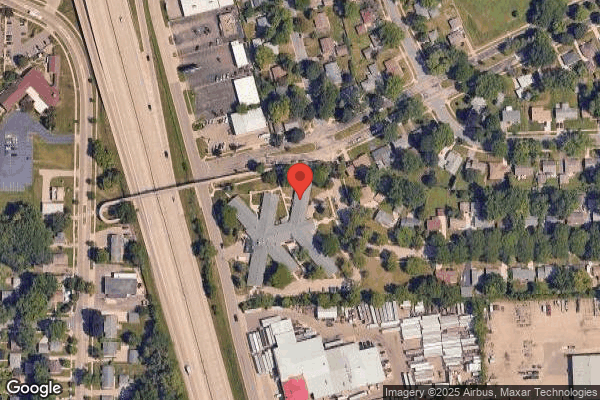
110 BELMONT RD, MADISON, WI 53714 (608) 249-7391
For profit - Corporation 83 Beds CHAMPION CARE Data: November 2025 4 Immediate Jeopardy citations
Trust Grade
0/100
Last Inspection: March 2025

Within standard 12-15 month inspection cycle. Federal law requires annual inspections.

Overview

Madison Health and Rehabilitation Center has received a Trust Grade of F, indicating poor performance with significant concerns about the quality of care. It ranks at the bottom in both state and county, meaning it is one of the least favorable options in Wisconsin and Dane County. Although the facility shows a trend of improvement, reducing issues from 39 to 22 over the past year, it still has high staffing turnover at 76%, which is concerning compared to the state average of 47%. The center has incurred fines totaling $413,433, higher than all other Wisconsin facilities, suggesting ongoing compliance issues. Specific incidents include a resident who eloped from the facility for seven hours due to inadequate supervision, and another case where care plans were not followed, risking falls and injuries. Overall, while there are some signs of improvement, the facility struggles with serious management and care issues that families should carefully consider.

Trust Score
F
0/100
In Wisconsin
#112/223
Top 50%
Safety Record
High Risk
Review needed
Inspections
Getting Better
39 → 22 violations
Staff Stability
⚠ Watch
76% turnover. Very high, 28 points above average. Constant new faces learning your loved one's needs.
Penalties
✓ Good
$413,433 in fines. Lower than most Wisconsin facilities. Relatively clean record.
Skilled Nurses
⚠ Watch
Each resident gets only 25 minutes of Registered Nurse (RN) attention daily — below average for Wisconsin. Fewer RN minutes means fewer trained eyes watching for problems.
Violations
⚠ Watch
103 deficiencies on record. Higher than average. Multiple issues found across inspections.
☆☆☆☆☆
0.0
Overall Rating
☆☆☆☆☆
0.0
Staff Levels
☆☆☆☆☆
0.0
Care Quality
☆☆☆☆☆
0.0
Inspection Score
Stable
2024: 39 issues
2025: 22 issues

The Good

  • Full Sprinkler Coverage · Fire safety systems throughout facility
  • No fines on record

Facility shows strength in fire safety.

The Bad

Staff Turnover: 76%

30pts above Wisconsin avg (46%)

Frequent staff changes - ask about care continuity

Federal Fines: $413,433

Well above median ($33,413)

Significant penalties indicating serious issues

Chain: CHAMPION CARE

Part of a multi-facility chain

Ask about local staffing decisions and management

Staff turnover is very high (76%)

28 points above Wisconsin average of 48%

The Ugly 103 deficiencies on record

4 life-threatening 6 actual harm
Mar 2025 22 deficiencies 2 IJ (1 affecting multiple)
CRITICAL (J)

Immediate Jeopardy (IJ) - the most serious Medicare violation

Pressure Ulcer Prevention (Tag F0686)

Someone could have died · This affected 1 resident

**NOTE- TERMS IN BRACKETS HAVE BEEN EDITED TO PROTECT CONFIDENTIALITY** Example 2 R65 was admitted to the facility 11/4/24 with diagnoses including, but not limited to, the following: cerebral infarct...

Read full inspector narrative →
**NOTE- TERMS IN BRACKETS HAVE BEEN EDITED TO PROTECT CONFIDENTIALITY** Example 2 R65 was admitted to the facility 11/4/24 with diagnoses including, but not limited to, the following: cerebral infarction (stroke), contractures bilateral knees (when muscles, tendons, joints tighten or shorten causing a deformity), reduced mobility (inability to move freely), osteoarthritis (degenerative disease that worsens over time causing pain and stiffness) of knee. R65's most recent Minimum Data Set (MDS) dated [DATE] documents, a score of 13 on his Brief Interview of Mental Status (BIMS), which indicates R65 is cognitively intact. Section M indicates R62 does not have any pressure injuries (PIs) upon admission and is at risk of PI's. R65 is his own person. R65's care plan indicates the following Focus area: (Date Initiated: 11/4/24; Date Revised: 3/9/25) The resident has an ADL (Activities of Daily Living) self-care performance deficit r/t (related to) CVA (cerebrovascular accident); Goal: The resident will improve current level of function in ADL's through the review date. Interventions: The resident requires hoyer transfer by (2) staff with bathing/showering 2 times a week and as necessary. Bed Mobility: The resident requires assist by (1) staff to turn and reposition in bed as necessary. Resident is able to reposition independently from side to side but needs reminders from staff and assistance at times. Contractures: Provide skin care to keep clean and prevent skin breakdown. Keep knee extended as much as resident can tolerate, no pain, while in bed. Use a pillow in between knees. Dressing: The resident requires max assist by (1) staff to dress at bed level. Eating: The resident requires set up assist by (1) staff to eat. Personal Hygiene/Oral Care: Partial assist of 1 staff. Toilet: The resident requires hoyer/dependent by (2) staff for toileting. Transfer: The resident requires dependent assist/hoyer by (2) staff to move between surfaces. R65's Braden Assessments, which measure the risk for pressure injury development, were: 11/18/24: 17 (Moderate Risk) 11/25/24: 15 (Moderate Risk) 12/2/24: 15 (Moderate Risk) 12/15/24: 13 (Moderate Risk) 1/14/25: 13 (Moderate Risk) 1/21/25: 16 (Moderate Risk) 3/10/25: 11 (High Risk) On 2/11/25, NP C (Nurse Practitioner) ordered the following for R65: Apply skin prep to R (right) foot two times a day. On 2/11/25 R65's Physician Orders document an air mattress was put in place. Of note, R65 was diagnosed Covid+ (positive) on 2/17/25. On 3/2/25 on the AM shift, RN F (Registered Nurse) documented on the Treatment Administration Record (TAR) that she completed the order to apply skin prep to R65's right foot. On 3/2/25 on the PM shift, LPN AA (Licensed Practical Nurse), an agency nurse, documented on the TAR that she completed the order to apply skin prep to R65's right foot. On 3/3/25 at 11:00 AM, NP C (Nurse Practitioner) assessed R65. During this assessment, NP C discovered R65 has a new Unstageable PI (pressure injury) to his right lateral heel. NP C documented the following: Date of Service: 3/3/25 11:00 . Chief Complaint: Foot wound . Subjective: .Patient was resting in bed awake and alert, reports pain is well-controlled currently. Appears to be recovering well after COVID appears improved from last week illness. *Noted to have a new ulcer to right heel. Patient continues to frequently declining repositioning in bed despite facility efforts. Patient educated on need for offloading. Wound discussed with facility treatment nurse with orders provided. Vital sign trends reviewed and stable. On 3/3/25 at 3:40 PM, IP D (Infection Preventionist), an LPN (Licensed Practical Nurse), documented the following Initial Wound Assessment. Date wound was identified: 3/3/25 Where was the wound acquired: Acquired after admission to facility Wound Description: Pressure Describe characteristics of the wound: Site: Right Heel Type: Pressure Length 3.3 centimeters x 2.8 centimeters Depth UTD (undetermined) Stage: Suspected Deep Tissue Injury Percentage of eschar: 100% Are abnormalities noted to wound edges/peri-wound: No Exudate: None Clinical Unavoidability: Resident exhibits two or more conditions that increase the likelihood [sic] of the development of an unavoidable wound? No Resident receives two or more treatments that increase the likelihood of the development of an unavoidable: No Are treatments in place: Yes Check all treatments that apply: Wound treatment/application of dressing Wound Pain: Is pain associated with the wound: Yes Pain Management Plan: Resident states pain when rolled over for visual of wound. Resident doesn't state pain for actual cleansing or dressing of wound. Has physician been notified: Yes Name of physician: NP C (Nurse Practitioner) Date and time of physician notified: 3/3/25 (No time indicated) Name of person notified: Resident is self On 3/3/25 at 3:48 PM, IP D (Infection Preventionist) documented the following Skin/Wound Progress Note: R65 was noted to have a DTI (Deep Tissue Injury) to R. (right) Lateral Heel, During evaluation of the wound resident was rolled to their left side. With constant reminders resident would have to be reminded to stay on left side while taking care of wound. Resident stated no painin [sic] the wound specifically, but stated pain while laying on their left side. resident would continuously attempt to flail to right side, dispite [sic] the re-education to stay on left side while the wound care was being completed. Resident is known to have contractures in legs and shows signs of skin breakdown potential in other areas of the right side (no open areas). Resident is non compliant with remaining off of their right side, and displays lack of understanding of importance to follow instructions of care for wound healing, dispite [sic] education. Resident also refuses to comply with the utilization of interventions such as boots and or cushioning around are of concern. Resident has been placed on weekly rounds from wound nurse and is to have wound changes 3x/week (3 times per week) (M,W,F). Interventions of boots in place for attempt in wound healing. On 3/3/25 in the late evening, R65 experienced a change of condition and was admitted to the hospital from 3/3 - 3/7/25. Note, the hospitalization was unrelated to R65's PI. The hospital documents R65's PI as follows: Pressure Injury Right; Lateral Heel Date First Assessed: 3/4/25 9:35 AM Present on Original admission: Yes Primary Wound Type: Pressure Injury Wound Location Orientation: Right; Lateral Location: Heel Site Assessment: Dry; Eschar; Granulation - early/partial; Pink;Yellow; Black; Sloughing Wound Length: 2.5 cm Wound Width: 3.3 cm Wound Depth: 0.1 cm Periwound Assessment: Clean; Dry; Intact; Blanchable erythema Margins: Defined edges; Attached edges Wound Bed Granulation: 10% Wound Bed Slough: 5% Wound Bed Eschar: 85% Non-staged Wound Description: Full thickness Pressure Injury Stage: U (Unstageable) The hospital documents, in part, as follows: Impression: Unstageable pressure injury to right lateral heel, likely due to contractures and positioning. Though patient favors left side, still able to fully turn himself side to side. Legs are contractured and will not straighten. Strong pulses palpable DP/PT (dorsalia pedis artery pulse/ posterior tibial artery pulse-this indicates good bloodflow.) .Apply medihoney to continue to soften eschar and covered with allevyn foam. On 3/7/25, R65 returned from the hospital with the following order: Wound Care: R. (right) Lateral Heel - Cleanse area with wound cleanser; Apply skin prep to periwound; apply medihoney to wound bed; cover with Bordered Foam. every day shift every Mon, Wed, Fri for Wound Care Sign and date bandage with each change. AND as needed for Bandage integrity. Change bandage if soiled or damaged. On 3/7/25 at 3:49 PM, Maintenance Director Q initiated Work Order #1964 Work Order Requested By: IP D (Infection Preventionist) Notes: Air mattress needed for utilization due to pressure sore. Priority: Critical On 3/10/25 at 8:22 AM, Updated Status 8:22 AM Set to Completed It is important to note, the facility did not identify, assess, or measure R65's Unstageable PI until after R65 was discharged from the hospital (unrelated to the PI). It is important to note, R65 does not have care plan for turning and repositioning until 3/9/25, six days after the PI was discovered by NP C (Nurse Practitioner) and two (2) days after R65's returned to the facility follow a hospitalization for an unrelated condition. On 3/10/25 at 10:13 AM, Surveyor observed R65 laying on his left side while calling out and moving around in bed. Surveyor observed a CNA (Certified Nursing Assistant) in the room. NP C was walking behind Surveyor. NP C entered R65's room and asked Surveyor to give her a few minutes. DON B (Director of Nursing) joined NP C and the CNA in the room. On 3/10/25 at 10:19 AM, RN F (Registered Nurse). RN F stated, the air mattress makes R65's back hurt. RN F stated, R65 turns to his right side. RN F added, it's most comfortable for R65 to lay on his left side for meals. RN F stated, R65 has muscle spasms and takes Baclofen (used to relax muscles and relieve spasms). RN F added, the physician will be ordering an MRI (Magnetic Resonance Imaging; a noninvasive medical imaging test to detailed internal structures in the body) due to his low back pain. RN F stated, R65 tenses up whenever we touch him and he is very ticklish. Surveyor asked RN F if staff turn and reposition R65. RN F stated, we turn and reposition R65 to his left side and he will turn to his right side. Surveyor asked RN F if staff document turning and repositioning. RN F stated, it's only in the care plan and staff do not document. On 3/10/25 at 10:34 AM, NP C exited R65's room. NP C stated, she will speak with Surveyor later. On 3/10/25 at 10:35 PM and 3/12/25 at 10:08 AM, Surveyor spoke with R65. R65 stated, repeatedly he needs a bigger mattress. R65 stated, his mattress is uncomfortable and he is unable to turn and reposition. R65 added, I can't do it myself (turn and reposition) because the bed is too small. Surveyor asked R65 if staff turn and reposition him. R65 stated, Nope. Surveyor asked R65, did staff speak with you regarding the risks and benefits of not turning and repositioning at least every two (2) hours. R65 stated, no. Surveyor asked R65, if staff reposition you do your ever turn back on the other side. R65 stated, Once in a while. On 3/10/25 at 11:34 AM, Surveyor spoke with NP C (Nurse Practitioner). NP C stated, R65 has pain with contractures and is comfort cares. Surveyor asked NP C if staff turn and reposition R65. NP C stated, it depends on the moment. NP C added, R65's thing is trying to get him in a position where he's comfortable, that's a challenge. NP C stated, R65 does some repositioning, however, he will not allow for frequent repositioning. NP C stated, she has been trying to see R65 every week for the most part. NP C stated, R65 needs pillow placement and offloading, he's so uncomfortable that it's a challenge. Surveyor asked NP C, do staff attempt to reposition R65. NP C stated, yes, they talk to me about it, too to figure out a way. Surveyor asked NP C, how long has R65 had the PI to his R lateral heel? NP C stated, she discovered it on 3/3/25. NP C stated, she knows RN F (Registered Nurse) has been monitoring that heel and she gave orders to skin prep (Order Date: 2/11/24). NP C stated, she had been monitoring his heels due to his positioning. Surveyor asked NP C, would you expect staff to discover new PIs. NP C stated, R65 has poor nutrition, frailty, and contractures. NP C stated, there's not a defining moment. NP C added, I can't look at a wound and say it's been there for a specific amount of time and say clearly it has been there and they should have seen it. NP C stated, she would hope staff are evaluating his skin and the nurse has been continually monitoring his heels. Surveyor asked NP C, is R65 diabetic. NP C stated, no. Surveyor asked NP C, on 2/11/25 was the skin prep preventative. NP C stated, yes. Surveyor asked NP C, was there any open area on 2/11/25. NP C stated, There was no wound when I saw it just an area of concern given the way he positions his body. NP C added, on 2/11/25 there was blanchable redness with intact skin. Surveyor asked NP C, did the facility notify you or any provider of the PI prior to you discovering it on 3/3/25. NP C stated, no. NP C added, nobody told me it had eschar on it and was an open wound. Surveyor asked NP C, if staff are applying skin prep 2 times a day would you expect staff to note an Unstageable PI with 85% eschar and 5% slough. NP C stated, yes. Surveyor asked NP C, would you expect staff to notify you of a new PI. NP C stated, yes. Surveyor asked NP C, would you expect staff to notify you of a worsening PI. NP C added, If they saw a worsening wound on anybody I would expect them to let me know. On 3/11/25 at 9:00 AM, Surveyor entered R65's room with IP D (Infection Preventionist). Surveyor observed R65's right lateral heel open to air with no dressing. Surveyor asked IP D, should R65's PI be covered with the dressing per provider orders. IP D stated, yes. On 3/11/25 at 9:06 AM, Surveyor spoke with CNA G (Certified Nursing Assistant). Surveyor asked CNA G if staff turn and reposition R65. CNA G stated, yes, at least every two (2) hours. CNA G stated, R65 was repositioned on the last NOC (night) rounds, once before breakfast and one time after breakfast (since 6:00 AM). CNA G stated, staff use pillows for positioning 1 in front, 1 behind, 1 under legs for heels and 1 in between his legs as well. CNA G added, we keep him as comfortable as possible otherwise he moves around and falls off the bed. Surveyor asked CNA G if she noted R65's dressing to be off this morning. CNA G stated, yes, she noticed R65's dressing was off around 7:30-7:45 AM. Surveyor asked CNA G if CNA G told anybody. CNA G stated, No, not yet, I can tell the nurse. Surveyor asked CNA G, should PI's be covered. CNA G stated, yes. Surveyor asked CNA G, why is this important. CNA G stated, for infection control and cushion. Surveyor asked CNA G, what about healing. CNA G stated, yes, it is important for healing. On 3/11/25 at 9:25 AM, Surveyor spoke with IP D (Infection Preventionist). Surveyor asked IP D, if a staff member notes a dressing is off a PI what should they do. IP D stated, the staff member should notify the nurse as soon as safely possible and within five (5) minutes. IP D stated, CNA G should have notified the nurse that the dressing is not on. IP D stated, CNA G is brand new and hasn't been educated on that aspect. IP D stated, given R65's poor intakes, contractures and always applying pressure, it's amazing he only has one (1) PI on his right side. Surveyor asked IP D if the facility is addressing getting R65 a different mattress. IP D stated, yes, Maintenance is working on it now. IP D stated, yesterday was the first day R65 brought concerns regarding the mattress to his attention. On 3/11/25 at 3:27 PM, Surveyor observed R65 on a larger air mattress in place. On 3/11/25 at 3:58 PM, Surveyor spoke with CNA CC (Certified Nursing Assistant). Surveyor asked CNA CC, does R65 require assistance with turning and repositioning or does he turn and reposition himself independently. CNA CC stated, we reposition him every two (2) hours. CNA CC added, when we reposition him (side to side) and he puts himself back in in another position. CNA CC stated, R65 will typically stay in a position for 20 minutes after he is repositioned and then he turns back to the other side. CNA CC stated, she repositioned R65 45 minutes ago and he's back on his left side already. CNA CC stated, she rolled him onto his right shortly after starting her shift. Surveyor asked CNA CC, if a resident has PI how do you reposition them. CNA CC stated, she would position the resident to the opposite side without the PI and address any new area of redness or open areas with the RN if she sees a new area of concern. CNA CC stated, R65 prefers to lay on his left side. Surveyor asked CNA CC, do you document turning and repositioning. CNA CC stated, yes, in PCC (PointClickCare) CNA CC stated, when she positions R65 on his right side she uses pillows for positioning to ensure the right lateral heel is floated. On 3/12/25 at 1:57 PM, Surveyor spoke with MD Q (Maintenance Director) regarding the Work Order (see above). MD Q stated there was an air mattress in place prior to the order being put in on 3/7/25. Surveyor asked MD Q why an order for an air mattress would be needed if an air mattress was already in place (at the time of R65's hospitalization). MD Q stated because the air mattress wasn't inflating properly. MD Q stated, the larger air mattress was put in place on 3/10/25 or 3/11/25. Note, R65 stated to Surveyor that he is unable to turn and reposition with current air mattress that is in place because it is too small. DON B (Director of Nursing) provided the following timeline to Surveyor. R65 went to hospital post stroke and was admitted to our facility on 11/4/24 with dx (diagnoses) of ischemic stroke, BLE (Bilateral Lower Extremity) contractures, Moderate protein calorie malnutrition, bladder dysfunction, and osteoarthritis. R65 has a BIMS of 13 which identifies he is cognitively intact. Interventions upon admission include pillow between knees, turn and reposition (Note, there was not care plan or documentation of turning and repositioning every 2 hours), air mattress, float heels if resident is unable (resident is able to independently), and dietician evaluation as needed. 1/28/24 Seen by Psychiatry 2/11/25 Blanchable redness noted to the right lateral heel. NP C (Nurse Practitioner) evaluated and new orders for skin prep. 2/26/25 Right heel noted to have dressing in place *2/27/25 Education to licensed nursing staff regarding change in condition policy which includes a change in a wound or new wound. 3/3/35 DTI (Deep Tissue Injury) noted to the right heel. Wound nurse and NP evaluated wound and new treatments ordered. DON B (Director of Nursing) completed a sweep of residents residing in the facilities heels. No new areas identified (Note, NP C discovered the Unstageable PI, not facility staff). On 3/12/25 at 5:25 PM, Surveyor spoke with DON B (Director of Nursing). Surveyor asked DON B, who discovered R65's Unstageable PI to his right lateral heel. DON B stated, NP C (Nurse Practitioner). DON B stated, NP C told her we have a new PI for R65. Surveyor asked DON B, did anybody measure/assess the PI before NP C discovered it on 3/3/25. DON B stated, No, because it's documented there was redness and staff were doing skin prep. DON B stated, there was a skin check that said mepilex. DON B stated, she asked staff if there were initials on the mepilex and how the mepilex got on there. DON B stated, nobody was fessing up. DON B stated, she has an idea that somebody put it there for protection and the next thing was NP C finding it. Surveyor asked DON B, was the PI Unstageable when found by NP C. DON B stated, Correct, it was 100% eschar. Surveyor asked DON B, if staff are skin prepping R65's heel twice daily would you expect staff to identify a PI. DON B stated, Yes, this is the mystery in this whole thing. Surveyor asked DON B, do you expect PI's to be covered with a dressing per treatment orders. DON B stated, Yes. Surveyor stated, CNA G noted R65's dressing to be off his Unstageable PI. Surveyor asked DON B, what would you have expected CNA G to do. DON B stated, she would have expected CNA G to notify the RN (Registered Nurse) on her hall immediately. Note, R65's PI was uncovered for at least 1.5 hours without CNA G notifying the nurse. DON B added, there's no way to keep a mepilex on R65's heel. DON B stated, IP D ordered a specialty sock that covers the heel with padding. DON B added, she hopes R65 will let us keep that on him. DON B stated, that dressing will not stay on with R65 going from side to side with the way he's contracted. Surveyor shared observation of R65's dressing being off and the PI open to air. DON B stated, the PI should be covered with a dressing per treatment orders. Surveyor asked DON B, did you provide risks and benefits to R65 regarding refusals to turn and reposition. DON B stated, No, probably not. Surveyor asked DON B, how often was R65 turned and repositioned prior to discovery of the PI. DON B stated, standard of care is every two (2) hours as allowed by R65. Surveyor asked DON B, should the facility have discovered the PI, assessed and measured the PI and documented the periwound (tissue surrounding the PI) prior to NP C discovering the PI herself during a routine weekly visit. DON B stated, yes. On 3/12/25 at 7:49 AM, Surveyor spoke with RN F (Registered Nurse). On 3/2/25 AM RN F signed out R65's skin prep treatment on the TAR. Surveyor asked RN F, when you applied skin prep to R65's right lateral heel on 3/2/25, how did the skin on R65's right lateral heel appear. RN F stated, she noticed previously that R65's right lateral heel was pinkish and she told NP C it was blanchable. Note, this was on 2/11/25. RN F stated, the pink area to R65's right lateral heel would go away and when R65 would lay on the area a long time it would come back. RN F stated, staff turn and reposition R65 as he is not comfortable on his left side. RN F added, R65 will only lay on his left side when eating. RN F stated, R65 likes to lay on his right side. RN F stated, the pillow gets lost (clarified out of position) when R65 moves. Surveyor asked RN F, on 3/2/25 when you applied skin prep to R65's right lateral heel, how did the area look. RN F stated, The skin is still pink. RN F stated, she has been out ill for 1 1/2 weeks or so and has not seen R65's PI since. RN F stated, she is aware the PI is healing, drying and open. On 3/12/25 at 9:05 AM, Surveyor called LPN AA (Licensed Practical Nurse), an agency nurse. On 3/2/25 PM shift, LPN AA signed out R65's signed out R65's skin prep treatment on the TAR (Treatment Administration Record). Surveyor called LPN AA and left a message requesting a return call. LPN AA did not return Surveyor's call. On 3/12/25 at 2:00 PM, Surveyor spoke with PTA R (Physical Therapy Assistant). Surveyor asked PTA R if R65 requires assistance to turn and reposition in bed. PTA R stated, yes. PTA R stated, R65 can use an enabler bar to assist staff with turning and repositioning, however, he does need assistance with turning and repositioning. On 3/12/25 at 5:06 PM, Surveyor spoke with IP D (Infection Preventionist). IP D stated R65's air mattress was put in place on 3/7/25 when R65 returned from the hospital. IP D stated, that same night a nurse alerted him that the mattress was not holding inflation. IP D stated he and DON B (Director of Nursing) grabbed a new mattress. IP D stated, they pulled the air mattress that was not working out of circulation as Maintenance was not at the facility at this time. IP D stated, he and DON B got R65 on a new mattress and made sure he was squared away before leaving. Based on observation, interview and record review, the facility did not ensure a resident received care, consistent with professional standards of practice, to prevent pressure ulcers and did not develop pressure ulcers unless the individual's clinical condition demonstrated that they were unavoidable for 3 of 3 residents reviewed for pressure injuries (R25, R65, and R61). R25 is being cited at severity level 4 (Immediate Jeopardy). R65, is being cited at severity level 3 (actual harm) and R61 is being cited at level 2 (potential for more than minimal harm). R25 was at risk for developing pressure injuries related to immobility and history of poor nutrition. The facility failed to implement aggressive pressure injury interventions; failed to implement orders timely; failed to provide risk and benefits despite knowledge of R25 refusing repositioning. Surveyors observed R25's treatment to not be in accordance with orders and facility staff did not wear the appropriate PPE (Personal Protective Equipment). R25 developed an in-house unstageable pressure injury on her sacrum on 2/8/25 and required transfer to the hospital on 3/6/25 where R25's sacrum wound was assessed as stage IV and infected. Facility failure to ensure R25 received care consistent with professional standards of practice to prevent pressure injuries from developing or deteriorating, created a finding of immediate jeopardy that began on 3/7/25. Surveyor notified NHA A (Nursing Home Administrator) and DON B (Director of Nursing) of the immediate jeopardy on 3/12/25 at 5:12 PM. The immediate jeopardy was removed on 3/13/25. However, the deficient practice continues at a scope/severity of G (actual harm/isolated) as the facility continues to implement its action plan and as evidenced by the following. R65 was at risk for pressure injury (PI) development. On 2/11/25 NP C (Nurse Practitioner) ordered Apply skin prep to R (right) foot two times a day for blanchable redness with intact skin. NP C assessed R65 on 2/17/25 noting no lesion on exposed skin. On 3/3/25 during a routine visit, NP C discovered R65 has an Unstageable PI to the right later heel. NP C stated, she always checks R65's heels for any signs of PI's as he is at high risk for PI's due to his positioning. R65 is continually in a fetal position on his left or right side due to bilateral knee contractures. NP C stated, the facility did not notify her or any provider regarding this Unstageable PI. NP C stated, R65 will not allow for frequent repositioning; he needs pillow placement and offloading. The facility staff did not implement appropriate offloading interventions until after the PI was discovered. Despite facility staff applying skin prep to the PI twice daily, nursing staff did not identify the Unstageable PI, assess and measure the PI, and notify the provider. R65 stated staff were not turning and repositioning him every 2 hours and have not provided risks and benefits regarding not repositioning at least every 2 hours. Surveyor observed R65's PI uncovered and open to air. CNA G (Certified Nursing Assistant) stated she noted R65's dressing was off approximately 1.5 hours prior to Surveyor's observation and did not notify the nurse. Surveyor observed R61 laying on specialized air mattress with 3 layers of sheets and chux pad under R61. R61 is at risk for pressure injuries. Findings include The facility's policy, titled Pressure Injury Prevention and Management states, in part: *The facility shall establish and utilize a systematic approach for pressure injury prevention and management, including prompt assessment and treatment; intervening to stabilize, reduce or remove underlying risk factors; monitoring the impact of the interventions; and modifying the interventions as appropriate. *Licensed nurses will conduct a pressure injury risk evaluation, using the Braden, on all residents upon admission/re-admission, weekly for four weeks, then quarterly or whenever the resident's condition changes significantly. *The Braden will be used in conjunction with other risk factors not captured by the risk evaluation tool. Examples of risk factors include, but are not limited to: Impaired/decreased mobility and decreased functional ability, comorbid conditions, resident refusal of some aspects of care and treatment cognitive impairment, exposure of skin to urinary and fecal incontinence, and malnutrition. *Licensed nurses will conduct a full body skin assessment on all residents upon admission/re-admission, weekly, and after any newly identified pressure injury. Findings will be documented in the medical record. *After completing a thorough assessment evaluation, the interdisciplinary team shall develop a relevant care plan that includes measurable goals for prevention and management of pressure injuries with appropriate interventions. *Interventions will be based on specific factors identified in the risk assessment, skin assessment, and any pressure injury assessment *Evidence-based interventions for prevention will be implemented for all residents who are assessed at risk or who have a pressure injury present. Basic or routine care interventions could include, but are not limited to: i.) Redistribute pressure (such as positioning, protecting and/or offloading heels, etc.); ii.) minimize exposure to moisture and keep skin clean; iii.) Provide appropriate, pressure-redistributing, support surfaces; iv.) Provide non-irritating surfaces; and v.) Maintain or improve nutrition and hydration status, where feasible *Interventions will be documented in the care plan and communicated to all relevant staff. *Interventions on a resident's plan of care will be modified as needed. Considerations for needed modifications include: i.) Changes in resident's degree of risk for developing a pressure injury, ii.) New onset or recurrent pressure injury development iii.) Lack of progression towards healing iv.) Resident non-compliance and v.) Changes in the resident's goals and preferences comma such as end of life or in accordance with his/her rights. According to National Pressure Injury Advisory Panel (NPIAP) <https://npiap.com/page/PressureInjuryStages> Definitions of staging state: Stage 4 Pressure Injury: Full-thickness skin and tissue loss Full-thickness skin and tissue loss with exposed or directly palpable fascia, muscle, tendon, ligament, cartilage or bone in the ulcer. Slough and/or eschar may be visible. Epibole (rolled edges), undermining and/or tunneling often occur. Depth varies by anatomical location. If slough or eschar obscures the extent of tissue loss this is an Unstageable Pressure Injury.Unstageable Pressure Injury: Obscured full-thickness skin and tissue loss Full-thickness skin and tissue loss in which the extent of tissue damage within the ulcer cannot be confirmed because it is obscured by slough or eschar. Example 1 R25 was admitted to the facility on [DATE], from the hospital and has diagnoses that include Type II Diabetes, pulmonary embolism (blood clot in the lungs), seizure disorder, severe protein calorie malnutrition and coronary artery disease status post single-vessel CABG (Coronary Artery Bypass Graft; to improve blood flow to the heart by bypassing narrowed or blocked arteries). Her hospital discharge paperwork indicates she had been in the hospital from [DATE] to 10/25/24 in part due to septic shock and infection of the post CABG sternal wound. Her admission Minimum Data Set (MDS), dated [DATE] included a Brief Interview for Mental Status (BIMS) score of 15, indicating R25 was cognitively intact. The functional abilities section of this MDS (section GG) also indicated R25 was independent rolling side to side, sitting to lying, lying to sitting and sitting to standing. Additionally, this MDS indicated R25 needed supervision with chair to bed transfers, could walk 10 feet with supervision, and could walk 50 feet with maximal assistance. R25's care plan states, Focus: the resident has actual impairment of the chest related to infection of surgical site after CABG (initiated 2/1/25). Goal: the resident will maintain or develop clean and intact skin by the review date. Interventions: assist to turn and/or reposition every 2-3 hours (initiated 10/26/24), pressure reduction mattress (initiated 10/26/24), monitor skin during cares, report to nurse any changes (initiated 10/26/24). Additionally, R25's care plan states, Precaution: Enhanced barrier precaution related to impaired skin integrity. Goal: resident will remain free from infection or infectious concerns through review date. Interventions: follow enhanced barrier precaution protocol when coming in contact with resident (initiated: 11/12/24). R25's nutrition care plan states, Focus: The resident has nutritional problem or potential nutritional problem related to .[TRUNCATED]
CRITICAL (K) 📢 Someone Reported This

A family member, employee, or ombudsman was alarmed enough to file a formal complaint

Immediate Jeopardy (IJ) - the most serious Medicare violation

Deficiency F0700 (Tag F0700)

Someone could have died · This affected multiple residents

**NOTE- TERMS IN BRACKETS HAVE BEEN EDITED TO PROTECT CONFIDENTIALITY** Example 3 R65 was admitted to the facility 11/4/24 with diagnoses including, but not limited to, the following: cerebral infarct...

Read full inspector narrative →
**NOTE- TERMS IN BRACKETS HAVE BEEN EDITED TO PROTECT CONFIDENTIALITY** Example 3 R65 was admitted to the facility 11/4/24 with diagnoses including, but not limited to, the following: cerebral infarction (stroke), contractures bilateral knees (when muscles, tendons, joints tighten or shorten causing a deformity), reduced mobility (inability to move freely), osteoarthritis (degenerative disease that worsens over time causing pain and stiffness) of knee. R65's most recent Minimum Data Set (MDS) dated [DATE] documents, a score of 13 on his Brief Interview of Mental Status (BIMS), which indicates R65 is cognitively intact. R65 is his own person. R65's comprehensive care plan states, in part, as follows: Focus area: (Date Initiated: 11/4/24; Date Revised: 3/9/25) The resident has an ADL (Activities of Daily Living) self-care performance deficit r/t (related to) CVA (cerebrovascular accident); Goal: The resident will improve current level of function in ADL's (Activities of Daily Living) through the review date. Interventions: The resident requires hoyer transfer by (2) staff with bathing/showering 2 times a week and as necessary. Bed Mobility: The resident requires assist by (1) staff to turn and reposition in bed as necessary. Resident is able to reposition independently from side to side but needs reminders from staff and assistance at times. Contractures: Provide skin care to keep clean and prevent skin breakdown. Keep knee extended as much as resident can tolerate, no pain, while in bed. Use a pillow in between knees. Transfer: The resident requires dependent assist/hoyer by (2) staff to move between surfaces. It is important to note, R65 has a history of falls from bed. On 2/11/25, R65's Physician Orders document an air mattress was put in place. On 3/11/2025 at 5:28 AM, R65's Progress Notes document the following: Change of Condition (Res had fall from bed last night) Resident found down in room at 2:45 AM; no injuries noted and resident denies pain and injury. Per resident I slipped out of bed, help me get up. Resident assessed for injuries, neurological exam completed, and VS (vital signs) obtained. Resident assisted back to bed with the assist of two staff; care ongoing. Note, R65's fall from bed puts him at increased risk of entrapment. On 3/12/25 at 10:45 AM, Surveyor observed R65 to have bilateral enabler bars with an air mattress. Surveyor observed a gap in between mattress and enabler bars of approximately one (1) inch. On 3/12/25 at 11:00 AM, Surveyor spoke with R65. R65 stated his air mattress was put in place just a couple of days ago when he returned from the hospital on 3/7/25. Surveyor asked R65, did the facility go over a consent form with you regarding using enabler bars with an air mattress. R65 stated, no. Surveyor asked R65, did the facility discuss the risks and benefits of using enabler bars with an air mattress. R65 stated, no. Surveyor asked R65, did the facility attempt alternatives prior to installing the bilateral enabler bars. R65 stated, no. Surveyor asked R65, have you ever become stuck (entrapped) in between an enabler bar and mattress. R65 stated, no. On 3/12/25 at 1:30 PM, Surveyor spoke with MD Q (Maintenance Director). Surveyor asked MD Q if he has done any assessments for R65's air mattress being used with bilateral enabler bars. MD Q stated, no. MD Q stated, if assessments are done he takes a couple measurements. MD Q added, he measures from the bottom of the mattress to the bottom of the siderail and the inside top of the mattress to the siderail with the resident in bed. MD Q stated this is a new process started 3/7/25. Surveyor asked MD Q, when was R65's air mattress put in place. MD Q stated, he knows the facility swapped his air mattress to a larger size. MD Q stated, R65 had a 36 or 38 air mattress and now he has a 42 mattress that was put in place a few days ago. MD Q stated, R65 had an air mattress in place prior to 3/7/25. MD Q stated he was going to check for the original work order. Surveyor asked Maintenance Q if he has measured gaps between the air mattress and enabler bars. MD Q stated, no. Surveyor asked MD Q, when you measure what are looking for? MD Q stated, pinch points or large enough gaps. Surveyor asked MD Q, what size of a gap is acceptable. MD Q stated, he's not sure and will look it up. MD Q stated, the Transfer Bar use Assessment Form was just started on 3/7/25. MD Q stated, there's no Transfer Bar use Assessment for R65. Surveyor asked MD Q, what's the process started 5/7/25. MD Q stated, stated, he uses a tape measure to measure gaps. Note, no additional information was provided to Surveyor. On 3/12/25 at 2:00 PM, Surveyor spoke with PTA R (Physical Therapy Assistant). Surveyor asked PTA R, have other alternatives been attempted prior to installing the air mattress with bilateral enabler bars. PTA R stated, no. Surveyor asked PTA R, does R65 require assistance to turn and reposition in bed. PTA R stated, yes. PTA R stated, R65 can use an enabler bar to assist staff with turning and repositioning, however, he does need assistance with turning and repositioning. PTA R added, R65 uses the bilateral enabler bars to help staff, we want to encourage as much help as the residents can give to keep up their muscles and strength. Surveyor asked PTA R, given R65's bilateral knee contractures and falls from bed would you consider him at high risk for entrapment. PTA R stated, she has not seen him in a little bit. PTA R added, R65 had good movement with his upper body and arms, however, he doesn't tolerate any stretching at all, it's very painful for him. PTA R stated. she is unable to answer that question. PTA R stated, the facility just started a new process for assessing residents with air mattresses and side rails/enabler bars on 3/7/25. PTA R stated, she has not done any assessments for R65. It is important to note, there is no documentation for R65 of risks and benefits, alternatives tried, measurements, assessments, or signed consents for the use of side rails. R65 stated she had never signed any consent to use enabler bars with an air mattress, educated regarding the risk and benefits and alternatives attempted. Example 4 R25 was admitted to the facility on [DATE]. On 3/5/25 at 11:21 AM, Surveyor observed R25 in her bed. She was lying on an air mattress with attached circulating pump and partial bedrails on either side of the bed. Facility maintenance documentation shows this air mattress was put into place on 2/18/25. Surveyor attempted to interview R25, but she was unable to answer any questions. A progress note dated 3/7/25 at 4:38 PM states, IDT (Interdisciplinary Team) review of resident need for t-bars per facility policy. Bars removed from resident bed and resident provided with education on safety/risk of use of t-bars. It should be noted that R25 discharged from the facility to the hospital on 3/6/25. On 3/12/25 at 1:00 PM, Surveyor requested any evaluations, assessments and risks and benefits for R25 and the use of the partial side rails before 3/5/24 when Surveyors were in the facility. The facility was unable to provide this requested documentation. Example 5 R17 was admitted to the facility on [DATE] with diagnoses that include malignant neoplasm of anus, type 2 diabetes mellitus, and neuropathy. R17's MDS dated [DATE], section O states that R17 is on hospice care. R17's MDS states that R17 has a BIMS of 13 out of 15, indicating that R17 is cognitively intact. R17's MDS also states that he requires 1 assist to turn and reposition in bed. On 3/12/25 at 1:46 PM, Surveyor interviewed R17 and noted that R17 has ¼ side rails to each side of his bed and is on an air mattress. Surveyor asked R17 if he uses the side rails on his bed, R17 reported that he brought the right one from home and uses it to help himself sit on the edge of the bed. R17 reported that he doesn't like the left one because it moves too much, but he uses it when he rolls on his side. Surveyor asked R17 if facility staff discussed the risks and benefits of using side rails with him, R17 reported that they had talked to him recently. Surveyor asked if he had given consent for the side rails, R17 stated that he did last week. It is important to note that R17's Transfer Bar/ Mattress Safety Assessment, Transfer Bar Use Assessment Form, and Transfer Bar Informed Consent for Use were completed on 3/7/25. Example 6 R2 was admitted to the facility on [DATE] with diagnoses that include spastic diplegic cerebral palsy (neurological disorder that affects movement and causes overly toned muscles), rheumatoid arthritis, neuropathy (nerve damage that usually occurs in feet and hands), and paraplegia (loss of motor and sensory function of the lower half of the body). R2's most recent MDS dated [DATE] states that R2 has a BIMS of 14 out of 15, indicating the R2 is cognitively intact. The MDS states that R2 requires substantial/ maximal assistance for bed mobility. On 3/12/25 at 1:50PM, Surveyor interviewed R2. Surveyor noted that R2 is laying on an air mattress and has enabler bars. Surveyor asked R2 how long she has had the enabler bars, R2 stated that she wasn't sure. R2 reported that it is hard for her to turn in bed without them. R2 reported to Surveyor that they took one of the rails off and that the nurse agreed with her that she needed both rails. Surveyor asked R2 if the facility she was assessed for the use of the bed rails, R2 stated that she was last week. Surveyor asked if the facility discussed the risks and benefits of using the rails with her, R2 reported that they did last week. Surveyor asked if she gave consent for the rails, R2 stated yes, last week. It is important to note that R2's Transfer Bar/ Mattress Safety Assessment, Transfer Bar Use Assessment Form, and Transfer Bar Informed Consent for Use were completed on 3/7/25. Based on observation, interview, and record review, the facility failed to ensure other alternatives were tried prior to installing/utilizing side rails. The facility failed to have a system in place to assess for risk of entrapment between the mattress and side rail and failed to identify and recognize that the use of side rails with an air mattress increases the risk for entrapment for 3 (R2, R424, and R9) of 3 supplemental residents and 8 (R61, R20, R65, R25, R17, R423, R6, and R24) of 21 sampled residents reviewed for bed rails. The facility failed to ensure a system was in place regarding the use of bed rails/enabler bars prior to surveyors entering the facility. The facility failed to ensure alternatives were tried prior to installing side rails/enabler bars, failed to provide assessments, failed to provide risks and benefits, failed to obtain informed consent, and failed to identify and recognize side rails with the use of an air mattress increase the risk for entrapment. This created a finding of immediate jeopardy that began on 3/5/25. NHA A (Nursing Home Administrator) and DON B (Director of Nursing) were notified of the immediate jeopardy on 3/12/25 at 5:10 PM. The immediate jeopardy was removed on 3/25/25. However, the deficient practice continues at a scope/severity of E (potential for harm/pattern) as the facility continues to implement its action plan and as evidenced by the following. Evidenced by The facility policy, Proper Use of Bed Rails, dated 5/24, states, in part; .It is the policy of this facility to utilize a person-centered approach when determining the use of bed rails. Appropriate alternative approaches are attempted prior to installing or using bed rails. If bed rails are used, the facility ensures correct installation, use, and maintenance of the rails. Definitions: Bed Rails .Examples of bed rails include, but are not limited to side rails, bed side rails, safety rails, grab bars and assist bars .Policy Explanation and Compliance Guidelines: Resident Assessment .1. As part of the resident's comprehensive assessment, the following components will be considered .a. Medical diagnosis, conditions, symptoms, and/or behavioral symptoms b. Size and weight c. Sleep habits d. Medications e. Acute medical or surgical interventions f. Underlying medical conditions g. Existence of delirium h. Ability to toilet self safely i. Cognition j. Communication k. Mobility l. Risk of falling .Informed Consent .Appropriate Alternatives .Installation and Maintenance of Bed Rails .c. Observing ongoing precautions such as following manufacturer's equipment alerts and recalls and increasing resident supervision, especially with the use of air-filled mattresses or therapeutic air-filled beds that may present a different entrapment risk than rail entrapment .Ongoing Monitoring and Supervision .d. The maintenance director, or designee, is responsible for adhering to a routine maintenance and inspection schedule for all bed frames, mattresses, and bed rails . According to the Food and Drug Administration (FDA), The FDA recommends the following actions to prevent deaths and injuries from entrapment and falls from adult portable bed rails: . When installing and using bed rails: Confirm that the age, size, and weight of the person using the bed rails are appropriate for the bed rails used. Install bed rails using the manufacturer's instructions to ensure a proper fit. Ensure that the safety strap or bed rail retention system is permanently attached to the rail and secured to the bed frame according to the manufacturer's instructions. Regularly inspect the mattress and bed rails for gaps and areas of possible entrapment. Regardless of mattress width, length, and depth, the bed frame, bed rail and mattress should leave no gap wide enough to entrap a patient's head or body. Use caution when using bed rails with a soft mattress as this may increase risk of entrapment between the mattress and bed rail. Be aware that gaps can be created by movement or compression of the mattress which may be caused by patient weight, patient movement or bed position, or by using a specialty mattress, such as an air mattress, mattress pad or waterbed. Check bed rails regularly to make sure they are still installed correctly as rails may shift or loosen over time. When in doubt, call the manufacturer of the bed rails for assistance. https://www.fda.gov/medical-devices/adult-portable-bed-rail-safety/recommendations-consumers-and-caregivers-about-adult-portable-bed-rails On 3/12/25 at 8:33 AM, DON B indicated the facility identified a concern with side rail system during facility mock survey at the end of February. Surveyor asked for the date of mock survey. DON B indicated DON B didn't know offhand, but it was done some time in February. DON B indicated the facility was going to complete audit and remove side rails on the day the survey team entered the building on 3/5/25 but got busy with survey. DON B indicated she understands what it looks like, but that was the date the facility was going to work on side rails. Surveyor asked about resident progress notes from 3/7/25 and if the facility started working on assessments and removing the side rails on 3/7/25. DON B indicated 3/7/25 was the date many side rails were removed. DON B indicated there was not a process in place for side rails/half rails/transfer bars. There was nothing in place prior to 3/7/25 and this is why the facility has the plan to correct. DON B indicated there were no assessments completed prior to 3/7/25. DON B indicated NHA A has the plan from facility mock survey in February. DON B provided surveyor documentation of the assessments that will be completed moving forward. DON B indicated moving forward assessment will be completed prior to installing side rails. Surveyor reviewed documentation DON B provided. Effective 3/7/25 facility implemented Transfer Bar Use Assessment Form. Form states, in part; .complete this form as you go through the decision making process of determining whether a transfer bar is appropriate for a particular resident height .weight .Reason Transfer Bar is being considered .Benefits to using the transfer bar .Evaluation of potential risks of using transfer bar(s) .other areas of potential risk .mobility and transfer assessment .interdisciplinary team recommendations/therapy or nursing .transfer bar informed consent for use .potential risks and negative outcomes. The facility also now utilizes a form titled Transfer Bar/Mattress Safety Assessment. Maintenance completes this form .reason for assessment .type of bed .type of mattress gap assessment .general safety assessment . On 3/12/25 at 11:05 AM, Surveyors requested any additional assessments, documentation, and manufacturer's recommendations for side rails. NHA A and DON B indicated there are no assessments or documentation prior to 3/7/25. NHA A indicated the facility does not utilize true side rails, but rather grab bars. NHA A indicated they identified a concern with the system during facility mock survey and the plan was to correct the system. NHA A indicated the system was corrected on 3/7/25 when they removed side rail bars and completed assessments for residents who were identified appropriate for side rails. Surveyor reviewed facility Plan of Correction from facility mock survey, states, in part; .Dates: February 4th, 5th, and February 11th 2025 .F700 Bed rails .The facility failed to assess the risk for entrapment for residents within the facility. Majority of bed with bed rails and no evaluation . On 3/12/25 at 1:31 PM, MD Q (Maintenance Director) indicated prior to 3/7/25, he did not complete any kind of measurements or assessments of side rails. MD Q indicated on 3/7/25 the facility removed side rails and completed assessments for residents who have side rails currently. MD Q indicated prior to 3/7/25 the facility would leave side rails on the beds when residents would discharge, and they would be left on bed for next resident. MD Q indicated he now documents his measurements on the assessment form. MD Q is not aware of anything he should be mindful of when installing side rails to beds with air mattresses. On 3/12/25 at 2:01 PM, PTA R (Physical Therapy Assistant) indicated she helped complete side rail assessments for two residents on 3/7/25. PTA R indicated she was not aware of any system or assessment in place prior to 3/7/25 for side rails. PTA R indicated the Transfer Bar Use Assessment Form includes risks and benefits of side rails and alternatives are offered/discussed before using a side rail now. PTA R indicated all residents who have side rail bars should now have assessments and measurements. On 3/11/25 at 9:00 AM, LPN P (Licensed Practical Nurse) indicated she did not realize the concern with side rails and the risk for entrapment. LPN P indicated on 3/7/25 the facility took off many resident side rails and now there is an assessment that must be completed prior to installing side rails. LPN P indicated there was not an assessment or a process prior to 3/7/25. Surveyors completed sweep of facility on 3/12/25 at 10:00 AM for side rails. Surveyors identified 11 residents who are utilizing air mattresses with side rails. Example 1 R61 was admitted to the facility on [DATE] with diagnoses including Alzheimer's disease, stroke, anxiety disorder, and other seizures. R61's most recent Minimum Data Set (MDS) with Assessment Reference Date (ARD) of 3/5/25, indicates R61 has a Brief Interview for Mental Status (BIMS) score of 04 indicating R61 is severely cognitively impaired. R61 has an activated power of attorney. R61's Comprehensive Care Plan, states, in part; .Bed Mobility .The resident is totally dependent on 1 staff for repositioning and turning in bed .Transferring .The resident is totally dependent on 2 staff for transferring via hoyer .Resident is Fall Risk . On 3/6/25, Surveyor observed R61 lying in bed. R61 was observed to have an air mattress with side rails. It is important to note, there is no documentation for R61 of risks and benefits, alternatives tried, measurements, assessments, or signed consents for the use of side rails. On 3/11/25 at 8:04 AM, DON B indicated R61 does not have any assessments or documentation for side rails because R61 no longer has side rails. DON B indicated R61's side rails were taken off on 3/7/25. On 3/12/25 at 12:29 PM, POA O (Power of Attorney) indicated R61 has always had side rails on air mattress bed while residing at facility. POA O indicated POA O never signed a consent or had a discussion with facility on risks and benefits. POA O indicated he was told a long bar could be considered a restraint, but not the side rails that are currently being used. Example 2 R20 was admitted to the facility on [DATE] with diagnoses including obesity, abnormalities of gait and mobility, lack of coordination, repeated falls, and unspecified open wound. R20's most recent Minimum Data Set (MDS) with Assessment Reference Date (ARD) of 1/5/25 indicates R20 has a Brief Interview for Mental Status (BIMS) score of 15 indicating R20 is cognitively intact. R20 is own person. R20's Comprehensive Care Plan, states, in part; .Bed Mobility Assist of 1 with turning side to side and sitting up laying down in bed. Assist of 2 with boost up in bed . On 3/6/25 Surveyor observed R20 to have air mattress with side rails. It is important to note, there is no documentation for R20 of risks and benefits, alternatives tried, measurements, assessments, or signed consents for the use of side rails. On 3/11/25 at 8:04 AM, DON B indicated R61 does not have any assessments or documentation for side rails because R61 no longer has side rails. DON B indicated R61's side rails were taken off on 3/7/25. Example 7 R423 was admitted to the facility on [DATE] with diagnoses that include, in part: cerebrovascular accident (stroke), nontraumatic chronic subdural hemorrhage (brain bleed between the brain and the outer layer of the membrane around the brain), and dementia. R423's admission Minimum Data Set, with Assessment Reference Date of 2/19/25, states that R423 has a Brief Interview for Mental Status (BIMS) of 7 out of 15, indicating that R423 is severely cognitively impaired. Section GG states R423 has impairment on one side of her upper extremities and utilizes a walker and wheelchair for mobility. GG0170 indicates R423 is dependent (meaning helper does all the effort) on staff for all mobility including rolling left and right, moving from sitting to lying and lying to sitting, moving from siting to standing, transferring between the bed and a chair, transferring to a toilet, transferring to a tub or shower, and walking 10 feet. R423's Comprehensive Care Plan states, in part: . The resident has an interpretation need . Resident's preferred language is: Hmong .The resident is at risk for falls, accidents and incidents r/t (related to) CVA[sic], Dementia, and Alzheimer's . Language board provided to the resident to facilitate communication . Nursing to keep resident within sight during time resident is in W/C (wheelchair) if CNA (Certified Nursing Assistant) is busy . Room change to facilitate closer observation . SS (Social Services) to conference with family concerning resident specific preferences r/t (related to) sitting on the floor, sleeping on the floor, environment . A progress note, dated 3/1/25, indicates the R423 was found sitting on the floor with blankets wrapped around her and the resident had been trying to get out of bed several times. A progress note, dated 3/1/25 at 5:43 PM, indicates R423 continues to have neurological checks completed related to her recent unwitnessed fall. The note also indicates the resident continues to self-transfer on this shift and had been found getting up from her wheelchair and attempting to ambulate. A progress note, dated 3/2/25 at 11:34 PM, indicates R423 continues to have neurological checks completed related to her unwitnessed fall. The note also indicates R423 was experiencing agitation on the PM shift and was given PRN (as needed) Haldol (antipsychotic). However, R423 continued to be restless, attempting self-transfers, and the facility initiated 1 to 1 monitoring on this shift. A progress note, dated 3/3/25 at 9:57 PM, indicates R423 continues on neurological checks related to her recent fall and that the resident remains on 1 to 1 monitoring on this shift due to impulsivity and her attempts to transfer independently. On 3/5/25 at 10:15 AM, Surveyor observed R423 lying in her bed. R423's bed was in the low position with a floor mat on the floor. Surveyor noted that R423 had an air mattress on her bed with grab bars installed on both sides. On 3/5/25 at 3:10 PM, Surveyor observed R423's bed with the air mattress and grab bars still in place. On 3/10/25 at 4:20 PM, Surveyor observed R423's bed had an air mattress installed with dial set to 120 and grab bars attached. On 3/12/25 at 10:30 AM, Surveyor observed R423's bed still had the air mattress on her bed with the grab bars installed. Surveyor notes the gap between the mattress and the grab bar is large enough for the Surveyor to fit their arm in between the mattress and the grab bar. (Of note: No evidence was found, and no evidence could be provided regarding a bed rail evaluation for R423. Surveyor also found no evidence of risks and benefits being provided to R423's activated healthcare power of attorney or evidence that alternatives to the grab bars were attempted prior to their installation). Example 8 R424 was admitted on [DATE] with diagnoses that include, in part: acute infarction of the spinal cord (stoke occurring within the spinal cord instead of the brain), transient ischemic attack (stroke that completely resolves within 24 hours), and quadriplegia (from of paralysis affecting all four limbs and torso). R424's admission Minimum Data Set (MDS), with Assessment Reference Date (ARD) of 2/19/25, states that R424 has a Brief Interview for Mental Status (BIMS) of 15 out of 15, indicating that R424 is cognitively intact. Section GG states R424 has impairment in both of her upper extremities and one side of her lower extremities along with an electric wheelchair for mobility. GG0170 indicates R424 requires partial/moderate assistance with rolling left and right. GG0170 also indicates R424 is dependent (meaning helper does all the effort) on staff for most mobility including moving from sitting to lying and lying to sitting, moving from siting to standing, transferring between the bed and a chair, transferring to a toilet, and transferring to a tub or shower. On 3/12/25, Surveyor was provided with a document titled, Transfer Bar Use Assessment Form. This form indicates R424 requested a transfer bar for safety and for mobility/transferring assistance. Potential risks and benefits are indicated to be discussed with the resident along with the completion of a mobility transfer assessment. Therapy evaluation is indicated to be conducted by physical therapy. Transfer bars are indicated to be recommended for the left and right side of R424's bed. PTA R signed this form on 3/7/25. (Of note: This form does note make any statements or references to safety in regard to using a transfer bar with an air mattress). On 3/12/25, Surveyor was provided with a document titled, Transfer Bar Informed Consent for Use. This document states, in part: .It is the policy of this facility to use transfer bar only after an individualized resident assessment evaluation and care planning by an interdisciplinary team, determine it is beneficial and appropriate for use to treat the resident's medical symptoms, assist the resident in attaining or maintaining the highest possible physical and psychosocial wellbeing and after attempts of using alternatives have proven inadequate or inappropriate . One question asked on this form states: Alternatives attempted that failed to meet resident needs: is marked n/a. Another question asked on this form states: Alternatives considered but not attempted because they were considered inappropriate: is marked lack of transfer bars. This document indicates recommendation of left and right transfer bars with R424's initials and signatures indicating they voluntarily consent to the use of transfer bars and is dated 3/7/25. This documented is signed by PTA R on 3/7/25. (Of note: This form does note make any statements or references to safety in regard to using a transfer bar with an air mattress). On 3/12/25, Surveyor was provided with a document titled, Transfer Bar/Mattress Safety Assessment. R424'S name and room number are indicated at the top of the assessment; however, the date of assessment, resident height, and resident weight is blank. The section that states, Reason for Assessment: has nothing checked. The section titled, Device Information includes the following information, type of bed: Standard, type of mattress: Air Mattress, and type of device: Transfer bar. The section titled, Gap Assessment, states, in part: The gap between the mattress and the lowermost portion of the bed rail can be no greater than 2.5 inches or 1.75 for this resident. The gap between the inside surface of the bed rails and the mattress can be no greater than 4.5 inches or 3 1/8 for this resident . Each zone listed in this section is marked, Pass. The section titled, General Safety Assessment has not been completed. The signature line states, Signature and Title, which is signed but illegible and it appears that no title was provided. This document is dated 3/7/25. Example 12 R65 was admitted to the facility 11/4/24 with diagnoses that include, in part: cerebral infarction ( a condition where blood flow to the brain is interrupted, causing brain tissue to die); contracture right knee (tightening or shortening of muscles, tendons, skin, or nearby tissues, leading to stiff joints and limited movement); reduced mobility (loss of ability to move freely); osteoarthritis of knee (a breakdown of cartilage in joints which leads to pain, stiffness, and reduced joint function). R65's physician orders state, in part: Air mattress settings are based on weight. Set air mattress at 137. Check function of air mattress every shift. Order date 3/8/25. R65's comprehensive care plan states, in part: Focus area: The resident has an ADL (activities of daily living) self-care performance deficit r/t (related to ) CVA (cerebrovascular accident/stroke). Date initiated: 11/4/25. Interventions: .Bed Mobility: The resident requires assist by (1) staff to turn and reposition in bed as necessary. Resident is able to reposition ind (independently) from side to side but needs reminders from staff and assistance at times. On 3/25/25 at 10:36 AM, Surveyor observed R65 lying in bed on an air mattress with ¼ side rails to each side of his bed. On 3/25/25 at 11:05, Surveyor interviewed LPN WW (Licensed Practical Nurse) and asked about side rails. LPN WW stated that prior to having side rails residents would need to have an assessment. Surveyor asked LPN WW to view R65's bed, LPN WW acknowledged R65 has side rails on his bed. Surveyor asked LPN WW if R65 had an assessment or care plan for the side rails. LPN WW stated LPN WW was unsure. On 3/25/25 at 11:54 AM, Surveyor interviewed RN XX (Registered Nurse) and asked about side rails. RN XX stated that residents with side rails need to have had an assessm[TRUNCATED]
SERIOUS (G) 📢 Someone Reported This

A family member, employee, or ombudsman was alarmed enough to file a formal complaint

Actual Harm - a resident was hurt due to facility failures

Quality of Care (Tag F0684)

A resident was harmed · This affected 1 resident

**NOTE- TERMS IN BRACKETS HAVE BEEN EDITED TO PROTECT CONFIDENTIALITY** Example 3 The facility's policy titled Wound Treatment Management dated 2/14/23 states in part . 2. In the absence of treatment ...

Read full inspector narrative →
**NOTE- TERMS IN BRACKETS HAVE BEEN EDITED TO PROTECT CONFIDENTIALITY** Example 3 The facility's policy titled Wound Treatment Management dated 2/14/23 states in part . 2. In the absence of treatment orders, the licensed nurse will notify physician to obtain treatment orders. This may be the treatment nurse, or the assigned licensed nurse in the absence of the treatment nurse . R37 was admitted to the facility on [DATE] with diagnoses that include chronic diastolic heart failure (a type of heart failure that occurs when the heart's left ventricle stiffens and cannot relax properly, preventing it from filling with enough blood), morbid obesity, depression, anxiety disorder, and history of stroke. R37's most recent Minimum Data Set (MDS) dated [DATE] states that R37 has a Brief Interview of Mental Status (BIMS) of 15 out of 15, indicating that R37 is cognitively intact. On 3/5/25 at 2:48 PM, Surveyor interviewed R37. R37 reported that she has open wounds under her breast and abdominal fold and that they have been bleeding for months. R37 reported that staff doesn't always change the dressing, and that the palliative care NP (Nurse Practitioner) took pictures of the wounds the other day. Documentation in R37's Electronic Health Record (EHR) is as follows: Physician's orders: 10/21/24: Skin Care to Abdominal and Breast Folds: Cleanse affected skin with soap and water, rinse and pat dry. Interdry: Change piece of Interdry every 5 days and if soiled. Cut the appropriate size of fabric to lay flat in the skin fold. Assure that 2 tail outside of skin fold for moisture evaporation/wicking. Every evening shift for sking [sic] check and change Interdry. 3/5/25 Clinical Progress: Nursing Summary: Skin noted to have redness to groin and under bilateral breast as well as an open area under right breast- treatment in place; treatments and medications administered per MD orders without difficulty . R37's Weekly Skin Check form dated 3/5/25 states: .Site: 14) Abdomen Description: open area under right breast. 14) Abdomen Description: redness Tx (treatment) in place . On 3/12/25 at 12:17 PM, Surveyor interviewed NP J (Palliative Care NP). NP J reported that she visited R37 on 3/5/25 and noted that R37 had a round open area on her right breast. NP J also reported that she made recommendations to R37's PCP (Primary Care Provider) for wound care and a wound clinic consult. Surveyor asked NP J if she updated facility staff regarding the open area, NP J reported that R37's nurse was in the room and assisted her with the exam, and then put a dressing on the wound. 3/9/25 Weekly Skin Check: .Site: Other (specify) Description: abdominal folds, redness. Under right breast . 3/9/25 Shower Sheet and Skin Review .Number: 1 Skin Issue and Description: red tender under boob. Number: 2 Skin Issue and Description: open wound. 3/10/25 at 9:47 AM Skin Issues .7 . Right breast .10. Skin Issue aa. Abrasion .12. Progress a. New: new wound .45. Length (cm) (centimeters) 1.61 46. Width (cm) 1.9 .48. Area (cm) 2.41 .100. Secondary dressing: .h. Silicone .111. Location: .[NAME]. Right Iliac Crest .116. Progress: a. New: new wound .149. Length (cm) 0.8 150. Width (cm) 1.77 151. Depth (cm) 0.1 152. Area (cm) 1.09 .202. Primary dressing .q. Other .203. Other primary dressing: Viva paper towels . It is important to note that R37 does not have an order for Viva paper towels as a dressing. On 3/10/25 at 2:50 PM, Surveyor observed R37's wounds with IP D (Infection Preventionist, who is also the wound nurse). IP D removed the dressing from R37's right breast, small amount of drainage noted on the dressing. Surveyor asked IP D if there was any drainage on the dressing he removed earlier in the day, IP D stated there was some purulent (pus)- bloody drainage. Surveyor asked IP D when he was made aware of this open area, IP D stated that he noted it from the shower sheet from over the weekend. Surveyor asked R37 how long she had the wound, R37 stated that she has had it for a few days. Surveyor asked R37 how long she has had the open areas under her abdominal fold, IP D stated at least 2 months. Surveyor asked IP D what the treatment is for that area, IP D stated Viva paper towels. On 3/11/25 at 10:10 AM, Surveyor interviewed IP D. Surveyor asked IP D if the provider writes an order for Interdry, what treatment should staff be using, IP D stated that the facility has orders from the NP (Nurse Practitioner) to use Viva paper towels. Surveyor asked IP D if R37's order should reflect the order to use Viva paper towels, IP D stated yes and no, it's sort of a standing order that they can be interchanged. Surveyor asked if that was documented anywhere, IP D stated no. Surveyor asked IP D if the facility communicates with or gets notes from R37's palliative care NP visits, IP D stated he was working on it. Surveyor asked IP D what steps he would expect the nurses to take when a new open area is reported, IP D stated that they should evaluate the wound, alert the NP or himself. IP D stated that he does the initial wound assessment and gets orders in place. Surveyor asked IP D if the nurses should document the characteristics of the wound, IP D stated no, because they are not wound care certified; they can get measurements if they are comfortable. Surveyor asked if the nurse should have updated the provider, IP D stated yes. It is important to note that IP D is not wound care certified. On 3/11/25 at 1:03 PM, Surveyor interviewed DON B (Director of Nursing). Surveyor asked if she would expect staff to follow MD orders, DON B stated yes. Surveyor asked DON B if staff should have switched from using Interdry to Viva paper towels, DON B stated if they switched it without an order, that is a problem. Surveyor asked DON B what the expectation is when a nurse discovers a new open area, DON B stated that they should look at the wound, enter an initial wound assessment, get wound care order, and update herself and IP D. Of note, the facility was not following the physicians orders for wound care treatment. Based on observation, interview, and record review, the facility did not ensure that residents received treatment and care in accordance with professional standards of practice for 3 of 20 sampled residents (R41, R73 & R37). R41 and R73 are being cited at severity level 3 (actual harm) R37 is being cited at severity level 2 (potential for more than minimal harm). R41 has diagnoses of congestive heart failure and protein calorie malnutrition. The facility failed to complete a RN assessment and monitor R41 for complications of her congestive heart failure (CHF) and protein calorie malnutrition. R41 was receiving a diuretic (a medication to remove excess fluid from the body via the kidneys) related to her CHF the facility failed to asses R41's weight response inlight of diuretic therapy. The facility failed to weigh the resident according to physician order, notify the physician of weight loss or gain of 3 lbs. in a day or 5 lbs. in a week. R41 had a weight loss of 13.2 lbs from 12/30/24-1/4/25 (6 days), and a weight gain of 4 lbs. from 1/4/25-1/5/25 (one day). R41 was ultimately hospitalized for acute exacerbation of her congestive heart failure on 2/22/25, requiring IV (intravenous) diuresis (removal of excess fluid within the body). R73 was taking an anticoagulant medication. The facility failed to adequately monitor R73's anticoagulant medication side effects and complete an RN assessment when bleeding occurred. R73 experienced a nose bleed that was unable to be stopped, had a drop in blood pressure, and was not sent to the emergency department until the next morning. This ultimately resulted in R73 being admitted to the hospital on [DATE], requiring 1 unit of blood and intravenous vitamin K to improve R73's ability to clot. Facility staff were not following physician orders for wound care treatment for R37. This is evidenced by: The facility policy entitled, Weight Monitoring, dated 11/1/23, states, in part: Policy: Based on the resident's comprehensive assessment, the facility will ensure that all residents maintain acceptable parameters of nutritional status, such as usual body weight or desirable body weight range and electrolyte balance, unless the resident's clinical condition demonstrates that this is not possible or resident preferences indicate otherwise. Compliance Guidelines: . Siginficant unintended changes in weight (loss or gain) or insidious weight loss (gradual unintended loss over a period of time) may indicate a nutritional problem . 3. Information gathered from the nutritional assessment and current dietary standards of practice are used to develop an individualized care plan to address the resident's specific nutritional concerns and preferences. The care plan should address the following, to the exten possible: a. Identified causes of impaired nutritional status b. Reflect the resident' spersonal goals and preferences c. idnentify resident-specific interventions d. time frame and parameters for monitoring e. Updated as needed such as when the resident's condition changes, goals are met, interventions are determined to be ineffective or new causes of nutrition-related problems are identified f. If nutritional goals are not achieved, care planned interventions will be reevaluated for effectiveness and modified as appropriate . 5. A weight monitoring schedule will be developed upon admission for all residents: . c. Residents with weight loss- monitor weight weekly d. If clinically indicated - monitor weight daily . 6. Weight Analysis: The newly recorded weight should be compared to the previous recorded weight 7. Documentation. a. The physician should be informed of a significant change in weight and may order nutritional interventions . c. Meal consumption information should be recorded and may be referenced by the interdisciplinary team as needed . e. The Registered Dietitian or Dietary Manager should be consulted to assist with interventions; actions are recorded in the nutrition progress notes. f. Observations pertinent to the resident's weight status should be recorded in the medical record as appropriate . The facility policy entitled, Hydration (Food/Fluid) Monitoring, dated 10/30/24, states, in part: Policy: The facility offers each resident sufficient fluid, including water and other liquids, consistent with resident needs and preferences to maintain proper hydration and health. Definitions: Sufficient fluid means the amount of fluid needed to prevent dehydration (output of fluids far exceeds fluid intake) and maintain health . Compliance Guidelines: . 2. Identification/assessment: . *It is recommended that doctor's orders are obtained for fluid intake amounts, where renal or cardiac distress exists and excess fluids may be contraindicated . 4. Care plan implementation: The resident's goals and preferences regarding hydration will be reflected in the resident's plan of care. b. Interventions will be individualized to address the specific needs of the resident. Examples include, but are not limited to: i. Offer the resident a variety of fluids during and between meals. ii. Provide assistance with drinking. iii. Ensure beverages are available and within reach. iv. Evaluate resident's medications that may place the resident at risk for dehydration. v. Offer alternative fluids such as broths, popsicles, gelatin, and ice cream. vi. Address underlying causes of dehydration or fluid imbalance. vii. 5. Monitoring/revision: a. Monitoring of the resident's condition and care plan interventions will occur on an ongoing basis. b. The resident will be monitored for signs and symptoms of dehydration . c. The resident will be monitored for signs and symptoms of fluid overload: i. peripheral edema (noticeable swelling in the legs and arms) . iv. Shortness of breath, cough, presence of rales (fine, high pitched lung sounds indicating fluid in the lungs) such as in pleural effusion (excess fluid build up around the lungs) of CHF (congestive heart failure)) . d. The resident will be monitored for signs and symptoms of electrolyte imbalance: i. irregular or fast heart rate ii. Unexplained fatigue or lethargy . vii. Confusion . e. The resident will be monitored for conditions that may increase fluid needs: . v. New cardiac medication or diuretic f. The resident will be monitored for complications associated with interventions . h. The physician will be notified of: i. Signs and symptoms of dehydration, fluid overload, electrolyte imbalance, or conditions that may increase fluid needs. ii. Lack of improvement toward goals. iii. Any complications associated with interventions. 6. Documentation: a. Record observations pertinent to the resident's hydration status in the nurses' notes. b. Record beverage intake in designated locations (meal intake records, MAR (Medication Administration Record) as indicated). c. Record output in designated locations (MAR or output record) . f. Document assessments in designated locations . The facility policy entitled, Notification of changes, dated 8/27/24, states, in part: Policy: The purpose of this policy is to ensure the facility promptly informs the resident, consults the resident's physician; and notifies, consistent with his or her authority, the resident's representative when there is a change requiring notification. Changes of condition require an evaluation, using the SBAR (Situation, Background, Assessment, Recommendation) Communication Form and Progress Note Evaluation) ensure proper documentation and notification has been made. Definitions: . Need to alter treatment significantly means a need to stop a form of treatment because of adverse consequences (such as adverse drug reaction) . The facility must inform the resident, consult with the resident's physician and/or notify the resident's family member or legal representative when there is a change requiring such notification. Circumstances requiring notification include: .3. Circumstances that require a need to alter treatment. This may include: a. New Treatment. b. Discontinuation of current treatment due to: i. adverse consequences . iii. Exacerbation of a chronic condition. Interact, a Change of Condition standard of practice, Version 4.0 tool states in part: Weight gain - report immediately 3 pounds in 3 days or 5 pounds in 7 days with heart failure, chronic renal failure, or other volume overload state. Example 1 R41 was admitted to the facility on [DATE], with diagnoses that include: congestive heart failure (inadequate heart beats causing poor circulation and fluid buildup into the lungs), protein calorie malnutrition, atrial fibrillation, myocardial infarction (heart attack), deficiency of B group vitamins, dementia, malignant neoplasm of skin (skin cancer), and hypertension (high blood pressure). R41's admission Minimum Data Set (MDS), with Assessment Reference Date (ARD) of 3/3/25, states that R41 has a Brief Interview for Mental Status (BIMS) of 7 out of 15, indicating that R41 is severely cognitively impaired. Section GG indicates R41 requires setup or clean-up assistance to eat. Section K indicates R41 does not have a swallowing disorder, had a height of 59 inches on admission, and weighed 68 lbs. as of most recent weight from the date of assessment. Nutritional approaches on admission and while a resident is indicated to be a mechanically altered diet. Section L indicates R41 has no dental concerns. R41's Comprehensive Care Plan, states, in part: Focus: The resident has dehydration or potential fluid deficit r/t (related to) HF (Heart Failure), poor appetite. Created date: 12/24/24. Goals: The resident will drink/take in a minimum of (SPECIFY)cc's each 24-hour period. Start Date: 1/24/25. (Of note: The care plan does not specify how much fluid R41 should be consuming). The resident will be free of symptoms of dehydration and maintain moist mucous membranes, good skin turgor. Created date: 12/23/24. Interventions: Ensure The resident has access to (SPECIFY: nectar thick liquids, no ice.y fluids i.e. cold water, thickened apple sauce) whenever possible. Start date: 3/6/25. (Of note: this intervention started after Survey entrance). Monitor vital signs as ordered/per protocol and record. Notify MD of significant abnormalities. Start date: 1/24/2025. Monitor/document/report PRN (as needed) any s/sx (signs and symptoms) of dehydration: decreased or no urine output, concentrated urine, strong odor, tenting skin, cracked lips, furrowed tongue, new onset confusion, dizziness on sitting/standing, increased pulse, headache, fatigue/weakness, dizziness, fever, thirst, recent/sudden weight loss, dry/sunken eyes. Focus: The resident has nutritional problem or potential nutritional problem r/t (related to) noted dementia, protein-cal (protein calorie) malnutrition, afib (atrial fibrillation), CHF (Congestive Heart Failure), B vit def (Vitamin B deficiency), malignant skin (Skin cancer), multiple fx L/R leg (multiple fractures of left and right leg), HTN (hypertension), HLD (hyperlipidemia), osteoporosis, dysphagia, NSTEMI (Non-ST Elevation Myocardial Infarction (Heart Attack)). Created date: 12/24/24. Malnourished.Involuntary wt (weight) loss r/t decreased appetite/recent hospitalization AEB (as evidenced by) >5% wt loss x 1 mo (month); Swallowing difficulty r/t dysphagia dx AEB pureed texture, NTL (nectar thick liquids). Goals: The resident will maintain adequate nutritional status as evidenced by gradual wt gain, no s/sx of malnutrition, and consuming at least 75% of at least 2 meals daily through review date. Monitor/record/report to MD PRN (as needed) s/sx (signs/symptoms) of malnutrition: Emaciation (Cachexia), muscle wasting, significant weight loss: 3lbs in 1 week, >5% in 1 month, >7.5% in 3 months, >10% in 6 months. Created date: 12/24/24. Obtain and monitor lab/diagnostic work as ordered. Report results to MD and follow up as indicated. Created date: 12/24/24. Obtain weights per MD order/facility protocol. Created date: 12/24/24. Provide and serve diet as ordered; 2000ml FR (1080ml dietary). Created date: 12/24/24. Monitor intake and record q (every) meal. Created date: 12/24/24. RD (Registered Dietician) to evaluate and make diet change recommendations PRN. Created date: 12/24/24. On 12/23/24 R41 weighed 85lbs. R41's Weight Physician Orders state, in part: Obtain weight upon admission, then weekly for four weeks, then monthly every evening shift for baseline weight for 1 day weight and every day shift every Mon (Monday) for weight for 4 weeks weight and every day shift every 1 month(s) starting on the 1st for 7 day(s) for monthly weights. Start date: 12/24/24. End date: 1/20/25. R41's Medication Physician Orders state, in part: Lasix Oral Tablet 40 MG (Furosemide) Give 1 tablet by mouth one time a day for edema until 12/25/24 23:59 (11:59 PM) and Give 1 tablet by mouth one time a day for edema until 12/27/24 23:59. Start date: 12/25/24. End date: 12/26/24. On 12/26/24 R41 weighed 87lbs A Medical Practitioner Note indicates the following. Date of service was 12/26/24. In the hospital, ENT (Ear, Nose and Throat) recommended a soft diet for six weeks and speech therapy recommended soft and bite-sized solids. Liquid consistency was discussed between hospital staff and FM LL (Family Member), R41's activated healthcare power of attorney, and thin liquids were initiated which R41 tolerated well. R41 was admitted for rehab in the presence of multiple medical comorbidities leading to a functional decline. R41 was admitted to the facility for skilled nursing and rehab. The assessment and plan indicate R41 was admitted for subacute rehabilitation and in the section marked CHF the note states: Monitor fluid input and output, mobility, maintenance with physical therapy, diuretics as needed, clinical and lab monitoring. Monitor further symptoms such as edema, weight gain, and shortness of breath. Physician orders: Chlorthalidone Oral Tablet (Chlorthalidone). Give 12.5 mg (milligrams) by mouth one time a day for HTN (hypertension), BLE (bilateral lower extremity) edema (swelling). Start date: 12/27/24. End date: 1/20/25. Start daily weights. Call if change of #3 (3 pounds) in 1 day or #5 (5 pounds) in a week. One time a day for HTN (hypertension). Start date: 12/27/24. End date: 1/20/25. Of note: R41's weight was not recorded or monitored according to physician orders on 12/27/24. On 12/28/24 R41 weighed 86.4 lbs On 12/29/24 R41 weighed 86 lbs On 12/30/24, R41 weighed 86 lbs. On 12/31/24, R41 weighed 83.9 lbs On 1/1/25, R41 weighed 77 lbs. Of note: This is a 6.9 pound loss in 1 day and a 9lb weight loss in 2 days. There is no evidence the facility notified the physician of this loss per physician orders or completed a cardiorespiratory assessment for R41. On 1/2/25, R41 weighed 75.8 lbs. On 1/3/25, R41 Weighed 73.4 lbs On 1/4/25, R41 Weighed 72.8 lbs Of note: Between 12/30/24 and 1/4/25, R41 lost 13.2 lbs in 5 days. R41 was receiving diuretic therapy at this time however there is no evidence the facility assessed R41's intake versus output, addressed the increased weight loss with the physician/nurse practitioner per physician orders, or assessed R41's cardiorespiratoty status. On 3/12/25 at 9:15 AM, Surveyor interviewed NP HH (Nurse Practitioner). Surveyor asked NP HH about the weight loss from 12/30/24 to 1/4/25 and what she would expect facility staff to do. NP HH indicates she would expect staff to reweigh and assess R41, then notify a provider. Surveyor asked NP HH what interventions she could have put in place to stop, or slow R41's weight loss. NP HH indicated she was not the NP to see her on 12/26 but she may have considered adjusting the diuretic order and using a consistent scale and consistent weight method. On 1/5/25, R41 weighed 78.6 lbs Of Note: This is a 5.8 lbs weight gain in a day. There is no evidence the facility assessed R41's intake versus output, addressed the increased weight loss with the physician/nurse practitioner per physician orders, or assessed R41's cardiorespiratoty. On 1/6/25, R41 weighed 77.4 lbs On 1/7/25, R41 weighed 78.0 lbs On 1/8/25, R41 weighed 77.8 lbs On 1/9/25, R41 weighed 76.4 lbs On 1/10/25, there is no weight recorded for R41. On 1/11/25, R41 weighed 76.0 lbs On 1/20/25, R41 was discharged from the hospital back to the facility. On 1/20/25, R41's Clinical Transfer Report for R41's hospital admission. R41 was admitted to the hospital with diagnosis of hemorrhagic shock due to a GI (Gastrointestinal) bleed related to taking Xarelto (anticoagulant), elevated troponin (enzyme released by the heart muscle when it is damaged), and atrial fibrillation (irregular heart rhythm). In the hospital, R41's NT-proBNP (B-type natriuretic peptide: a protein released by your heart when it is working harder to pump blood), resulted on 1/20/25, shows a value of 35,000, indicating an exacerbation of congestive heart failure. (Of note: The normal value for this test for stable heart failure is less than 450). Patient instructions state, in part: Reduce SODIUM in your diet to 2000 mg or less every day . Weigh yourself first thing every morning and write it down .CALL YOUR PROVIDER IF your weight goes up 5 pounds in a week OR your weight goes up 2 pounds from one day to the next; if you have increased shortness of breath; you have feet, ankle or abdominal swelling . Of Note: These patient instructions were not added to R41's physician orders or clarified by the facility. Weigh yourself first thing every morning and write it down. CALL YOUR PROVIDER IF your weight goes up 5 pounds in a week OR your weight goes up 2 pounds from one day to the next; if you have increased shortness of breath; you have feet, ankle or abdominal swelling . On 1/20/25, R41 weighed 72.8 On 1/21/25, R41 weighed 68.6 On 1/22/25, R41 weighed 68.3 There are no weights recorded for 1/23 or 1/24/25 On 1/25/25, R41 weighed 72.8 There are no weights recorded for 1/26, 1/27, 1/28 and 1/29/25 On 1/30/25, R41 weighed 70.8 On 1/31/25, R41 weighed 68.6 There are no weights recorded for 2/1, 2/2 and 2/3. On 2/4/25, R41 weighed 73.0 On 2/5/25, R41 weighed 73.2 On 2/6/25, R41 weighed 74.0 R41's Physician Orders state, in part: Monitor weight 3x weekly MWF (Monday Wednesday Friday) one time a day every Mon, Wed, Fri for weight monitoring. Start date: 2/7/25. End date: 2/14/25. Of note: R41's weight was not recorded or monitored according to physician orders on 2/7/25, 2/10/25, 2/14/25, On 2/11/25, R41 weighed 73.0 On 2/12/25, R41 weighed 73.8 On 2/17/25, R41 weighed 73.4 On 2/18/25, R41 weighed 74.4 On 2/19/25, R41 weighed 74.0 On 2/22/25 at 9:00 AM, a Nurses Note is written, that states: Resident had a witnessed fall in the back common area with head injury. Nose, mouth bleeding, bump above right eye, having leg pain. POA (Power of Attorney) and DON (Director of Nursing) notified. Waiting for on call NP (Nurse Practitioner) to call back. 911 was called and EMTs (Emergency Medical Technicians) took her to [Hospital Name]. On 2/22/25 at 1:25 PM, a Nurses Note is written that states: Writer called [Hospital Name] to get report of resident from fall this morning. Resident does not have any acute injuries from fall, but O2 (Oxygen) sats (saturation) are running low, in the 80's (Normally 94-99) and they are continuing to monitor the resident. Nurse from [Hospital Name] will call back . On 2/22/25, R41 was admitted to the hospital with diagnosis of Acute Respiratory Failure with Hypoxia due to Acute Exacerbation of Chronic HFpEF (Heart failure with Preserved Ejection Fraction- Heart Failure without loss of cardiac output) and a fall. R41's Hospital Discharge Packet states, in part: . Hospital Course: Patient received some IV (intravenous) diuresis in ED (emergency department). Creatinine (waste product of muscle metabolism filtered out of blood by kidneys) up-trended without meeting criteria for AKI (Acute Kidney Injury/kidneys not functioning properly), but this improved with conversion to PO (by mouth) diuretic .on 2/26 thoracentesis (Procedure utilizing needle to remove fluid from the space around the lungs) performed with 950 mL removed and subsequent resolution of O2 need. Nutritional Assessment: Is this patient clinically malnourished?: Yes. Context of Malnutrition: Chronic Illness. Severe Malnutrition: Yes. Underweight, BMI <18.5: Yes. Weight Loss: >7.5% in 3 months. Body Fat: Severe Depletion. Muscle Mass: Severe Depletion . R41's Physician Orders state, in part: Torsemide Oral Tablet 20 MG (Torsemide) Give 1 tablet by mouth one time a day for heart failure related to unspecified diastolic (congestive) heart failure. Start date: 2/27/25. End date: 3/5/25. 2000ml Fluid Restriction every day shift for Fluid restriction Dietary = 840ml (breakfast & lunch) Nursing = 340ml AND every evening shift for Fluid restriction Dietary = 240ml (dinner) Nursing = 340ml AND every night shift for Fluid restriction Nursing 240ml AND every night shift for Fluid restriction. Add total fluid consumed for the day and record. Start date: 2/28/25. Active order. Obtain weight daily. Have weight completed in the morning before breakfast one time a day for Heart Failure. Alert NP/MD if weight gain is >3 lbs. a day or >5 lbs in a week. Start date: 2/28/25. End date: 3/5/25. Of note: R41's weight was not recorded or monitored according to physician orders on 3/2/25. 3/4/25: 66.8 lbs. 3/5/25: 67.4 lbs. Of note: R41's weight was not recorded or monitored according to physician orders on 3/7/25, 3/8/25, and 3/9/25. R41's Physician Orders state, in part: ~Torsemide Oral Tablet 10 MG (Torsemide) Give 10 mg by mouth one time a day for fluid overload. Start date: 3/7/25. Active order. (Diuretic medication). ~Encourage fluids; 120 mL TID (three times a day) c (with) medication pass three times a day for hydration. Start date: 3/10/2025. Order Pending Confirmation. ~Obtain Weight daily. Have weight completed in the morning before breakfast. One time a day every Mon, Wed, Fri for Heart Failure. Update NP on 3/12/25. Start date: 3/7/2025. Active order. On 3/11/25 at 8:10 AM, Surveyor interviewed LPN JJ. Surveyor asked LPN JJ if she is familiar with R41's hall. LPN JJ indicates she always works the day shift on this hallway. Surveyor asked LPN JJ to describe R41's fluid intake. LPN JJ indicates R41 has poor fluid intake, is currently on a fluid restriction, but staff do try to help her hit her max for fluid intake. Surveyor asked LPN JJ if R41 is getting enough fluids. LPN JJ indicates she is not. On 3/11/25 at 8:24 AM, Surveyor interviewed CNA II. Surveyor asked CNA II if she is familiar with R41's hall. CNA II indicates she frequently works her hall. asked CNA II to describe R41's fluid intake. CNA II indicates that R41 needs to be encouraged to drink and that she tries to go into R41's room as often as she can to encourage her to drink. Surveyor asked CNA II if she thinks R41 drinks enough fluids. CNA II indicates R41 does not get enough fluids. On 3/12/25 at 5:20 PM, Surveyor interviewed DON B (Director of Nursing). Prior to starting this interview, Surveyor asked DON B if she would like to conduct this interview in her office, so she had access to a computer. DON B declined. Surveyor asked DON B what some of the interventions are they have put in place to prevent R41's weight loss. DON B indicates she does not have everyone's care plan memorized but is aware she is losing weight. Surveyor asked DON B about R41's 13.2 lbs. weight loss from 12/30/24 to 1/4/25, and what she would expect staff to do. DON B indicates she would expect staff to always reweigh the resident to confirm the weight, conduct an assessment, and notify the physician. Surveyor asked DON B about R41's weight gain from 1/4/25 to 1/5/25 and what she would expect staff to do. DON B indicates she would expect staff to follow physician orders for provider notification, reweigh the resident, assess the resident, and then notify the provider if ordered. R41 had orders for daily weights - these were not completed as ordered and R41 had weights outside of MD parameters requiring immediate MD notification. R41 continued to lose weight without providing appropriate interventions to help her gain weight as was her goal. On 2/22/25, she was admitted to the hospital for acute exacerbation of her heart failure after initially being transported to the emergency room after a fall. The facility failed to complete a comprehensive system assessment in a resident with a known history of CHF and respiratory failure. The facility failed to notify the physician of changing weights. The facility failed to implement interventions to increase R41's food and fluid intake. R41 was sent to the hospital and found to have an acute exacerbation of CHF requiring aggressive diuresis, thoracentesis, and medical intervention. Example 2 R73 was admitted to the facility on [DATE] with diagnoses that include, in part: other complication of kidney transplant, chronic obstructive pulmonary disease (lung disease causing damage to lung tissue and difficulty breathing), peripheral arterial disease (Poor blood circulation in the lower arms and legs) type 2 diabetes mellitus with proliferative diabetic retinopathy without macular edema (Diabetes causing vision loss), heart failure, cerebral infarction (stroke), hypertension (high blood pressure) and moderate protein-calorie malnutrition. R73's Physician Orders state, in part: Eliquis (Blood thinner) Oral Tablet 5 MG (Milligrams) (Apixaban) Give 1 tablet by mouth two times a day for Pulmonary Embolism (Blood clot in lungs). Start date: 12/24/24. Active Order. R73's Comprehensive Care Plan does not contain any monitoring for adverse[TRUNCATED]
SERIOUS (G)

Actual Harm - a resident was hurt due to facility failures

Infection Control (Tag F0880)

A resident was harmed · This affected 1 resident

**NOTE- TERMS IN BRACKETS HAVE BEEN EDITED TO PROTECT CONFIDENTIALITY** Based on interview and record review, the facility did not establish and maintain an infection prevention and control program de...

Read full inspector narrative →
**NOTE- TERMS IN BRACKETS HAVE BEEN EDITED TO PROTECT CONFIDENTIALITY** Based on interview and record review, the facility did not establish and maintain an infection prevention and control program designed to provide a safe, sanitary, and comfortable environment and to help prevent the development and transmission of communicable diseases and infection. R223 had a multi-drug resistant organism (MDRO) in her urine. R32, R44, and R47 later tested postived for the same MDRO. Hand hygiene was not performed per standards of practice for (R25 and R74). Residents (R223, R32, R44, & R47) are being cited at severity level 3 (actual harm), and (R25 and R74) are being cited at severity level 2 (potential for more than minimal harm). R223 had extended-spectrum beta-lactamase (ESBL) a MDRO, in R223's urine. ESBL is spread easily through hands and surfaces. The facility failed to ensure R223 was placed in proper transmission-based precautions. R32, R44, & R47 also tested positive after R223 was diagnosed with ESBL. Three of the residents resided on the same hall. Facility had no evidence precautions were put into place for R223, R32, R44, & R47 with confirmed ESBL. Staff did not complete hand hygiene according to Standards of Practice during cares for R25 & R74. Staff did not handle soiled linens appropriately. During R74's bed bath, staff threw dirty, soiled clothing and linens on the floor. Staff did not complete hand hygiene for residents prior to eating. Facility did not provide evidence the infection control policies get reviewed annually. This is evidenced by: The facility policy titled, Infection Prevention and Control Program, dated 10/4/23, states in part: POLICY: This facility has established and maintains an infection prevention and control program designed to provide a safe, sanitary, and comfortable environment and to help prevent the development and transmission of communicable diseases and infections as per accepted national standards and guidelines . Policy Explanation and Compliance Guidelines: 1. The designated Infection Preventionist is responsible for oversight of the program and serves as a consultant to our staff on infectious diseases, resident room placement, implementing isolation precautions, staff and resident exposures, surveillance, and epidemiological investigations of exposures of infectious diseases . 3. Surveillance: a. A system of surveillance is utilized for prevention, identifying, reporting, investigating, and controlling infections and communicable diseases for all residents, staff, volunteers, visitors, and other individuals providing services under a contractual arrangement based upon a facility assessment and accepted national standards. b. The Infection Preventionist serves as a leader in surveillance activities, maintains documentation of incidents, findings, and any corrective actions made by the facility . 4. Standard Precautions: . b. Hand hygiene shall be performed in accordance with our facility's established hand hygiene procedures. c. All staff shall use personal protective equipment (PPE) according to established facility policy governing the use of PPE . 5. Isolation Protocol (Transmission- Based Precautions): a. A resident with an infection or communicable disease shall be placed on transmission-based precautions as recommended by current CDC (Centers for Disease Control) guidelines. b. Residents on transmission-based precautions should be placed into a private/single room if available/appropriate, or are cohorted with residents with the same pathogen, or share a room with a roommate with limited risk factors, in accordance with national standards . 12. Linens: a. Laundry and direct care staff shall handle, store, process, and transport linens to prevent spread of infection . e. Soiled linen shall be collected at the bedside and placed in a linen bag. When the task is complete, the bag shall be closed securely and placed in the soiled utility room . 16. Staff Education: a. All staff receive training, relevant to their specific roles and responsibilities, regarding the facility's infection prevention and control program, including policies and procedures related to their job function. b. All staff shall demonstrate competence in relevant infection control practices . 18. Annual Review: a. The facility will conduct an annual review of the infection prevention and control program, including associated programs and policies and procedures . The facility policy titled, Infection Outbreak Response and Investigation, dated 12/23/22, states, in part: . Policy: The facility promptly responds to outbreaks of infectious diseases within the facility to stop transmission of pathogens and prevent additional infections. Definitions: Outbreak generally refers to the occurrence of more cases of a communicable disease than expected in a given area or among a specific group of people over a particular period of time . Policy Explanation and Compliance Guidelines: 1. Prompt recognition of outbreak: a. Changes in condition and/or signs and symptoms of infection will be reported according to procedures for infection reporting. b. The following triggers shall prompt an investigation as to whether an outbreak exist: . ii. A sudden cluster of infections on a unit or during a short period of time (i.e. three or more cases) . 2. Implementation of infection control measures: . c. Standard precautions will be emphasized. Transmission-based precautions will be implemented as indicated for the particular organism. d. Staff will be educated on the mode of transmission of the organism, symptoms of infection, and isolation or other special procedures. This includes special environmental infection control measures that are warranted based on the organism and current CDC guidelines . The facility policy titled, Handwashing/Hand Hygiene, dated 9/21, states, in part: . Policy Statement: This facility considers hand hygiene the primary means to prevent the spread of infections. Policy Interpretation and Implementation: 1. All personnel shall be trained and regularly in-serviced on the importance of hand hygiene in preventing the transmission of healthcare-associated infections. 2. All personnel shall follow the handwashing/hand hygiene procedures to help prevent the spread of infections to other personnel, residents, and visitors . 7. Use an alcohol-based hand rub containing at least 62% alcohol; or, alternatively, soap (antimicrobial or non-antimicrobial) and water for the following situations: . c. Before and after direct contact with residents; . e. Before performing any non-surgical invasive procedures; . h. Before handling clean or soiled dressings, gauze pads, etc. i. Before moving from a contaminated body site to a clean body site during resident care; j. After contact with a resident's intact skin; k. After contact with blood or bodily fluids; l. After handling used dressings, contaminated equipment, etc.; m. After contact with objects (e.g. medical equipment) in the immediate vicinity of the resident; n. After removing gloves; . 9. The use of gloves does not replace hand washing/hand hygiene . According to <https://www.cdc.gov/esbl-producing-enterobacterales/about/index.html> Extended-spectrum beta-lactamase (ESBL)-producing Enterobacterales are resistant to common antibiotics and may require complex treatments. Infections caused by ESBL-producing Enterobacterales can occur both in and outside of healthcare settings. Good hand hygiene and infection prevention practices can help reduce infection risk. Enterobacterales are a group of bacteria that cause infections in healthcare settings and communities. Some species are also a normal part of the human gut. Some Enterobacterales produce enzymes called extended-spectrum beta-lactamases (ESBLs). Extended-spectrum beta-lactamases (ESBLs) break down certain antibiotics, making some infections caused by ESBL-producing Enterobacterales difficult to treat. ESBL-producing Enterobacterales infections occur in healthcare settings like hospitals and nursing homes. These infections may also occur in healthy people. ESBL-producing Enterobacterales can spread from person to person through dirty hands and surfaces. Reducing the risk healthcare workers should: Wash their hands often with soap and water or using alcohol-based hand sanitizer. Wash their hands after using the bathroom and before eating or preparing food. Remind people (including healthcare staff) to clean their hands before touching the patient or handling medical devices. Healthcare providers should always follow core infection control practices to reduce the risk of spreading these germs to patients. Treatment and recovery: ESBL-producing Enterobacterales infections are resistant to many prescribed antibiotics, such as penicillin's and cephalosporins. These infections might require hospitalization and intravenous (IV) antibiotics. According to <https://www.cdc.gov/long-term-care-facilities/hcp/prevent-mdro/PPE.html> Implementation of Personal Protective Equipment (PPE) Use in Nursing Homes to Prevent Spread of Multidrug-resistant Organisms (MDROs) How to implement personal protective equipment (PPE) use in nursing homes to prevent spread of multi-drug resistant organisms (MDROs). Multidrug-resistant organism (MDRO) transmission is common in skilled nursing facilities, contributing to substantial resident morbidity and mortality and increased healthcare costs. Enhanced Barrier Precautions (EBP) are an infection control intervention designed to reduce transmission of resistant organisms that employs targeted gown and glove use during high contact resident care activities. EBP may be indicated (when Contact Precautions do not otherwise apply) for residents with any of the following: Wounds or indwelling medical devices, regardless of MDRO colonization status; infection or colonization with an MDRO. Effective implementation of EBP requires staff training on the proper use of personal protective equipment (PPE) and the availability of PPE and hand hygiene supplies at the point of care. Standard Precautions, which are a group of infection prevention practices, continue to apply to the care of all residents, regardless of suspected or confirmed infection or colonization status. Example 1 R223 admitted to the facility on [DATE] and has diagnoses that include chronic kidney disease stage 3 (kidneys have mild to moderate damage, meaning they're less effective at filtering waste and fluid from your blood) and malignant neoplasm (cancerous tumor) of right kidney. R223 had a urinalysis (UA) and culture and sensitivity (C&S) on 1/1/25, which showed R223 was positive for a urinary tract infection (UTI). R223's culture showed 1) Escherichia coli (bacteria that causes UTIs) >100,000 COL/ML (colony forming units in milliliter of urine) and 2) Proteus mirabilis ESBL (Gram negative bacterium that causes variety of infections including UTIs.) (ESBL-extended-spectrum beta-lactamase- an enzyme produced by certain bacteria that makes them resistant to many commonly used antibiotics, making it harder to treat) producing Proteus mirabilis are resistant to several antibiotics) >10,000- 50,000 COL/ML. Result phoned, read back, and faxed/electronically transmitted . Positive for ESBL. This organism is an extended-spectrum beta-lactamase producer. These organisms may not clinically respond to treatment with cephalosporins, extended-spectrum penicillin or aztreonam. Isolation precautions may be required. Facility's surveillance list for residents for month of January 2025 shows: R223- Onset Date- 1/11/25. Site- GU (GENITOURINARY) SYSTEM. Symptoms- trouble urinating and burning. Diagnostics/Results- UTI. Type of isolation- N/A (NOT APPLICABLE). Treatment & Intervention- Ceftriaxone Sodium Injection solution reconstituted 1 gram. HAI (healthcare acquired infection) /CAI (community acquired infection)- HAI. Completion Well Date- 1/14/25. *Note: Per CDC guidelines Enhanced Barrier Precautions (use of gloves and gown during high contact resident care) recommended. Example 2 R32 admitted to the facility on [DATE] and has diagnoses that include chronic kidney disease stage 3 and metabolic encephalopathy (a condition where the brain's function is impaired due to an underlying metabolic disturbance). R32 had a UA and C&S on 2/3/25, which showed R32 was positive for a UTI. R32's urine culture showed 1) Citrobacter freundii complex-ESBL (gram negative bacteria that can cause various infections, including a UTI). 50,000-100,000 COL/ML. Positive for ESBL. This organism is an extended-spectrum beta-lactamase producer. These organisms may not clinically respond to treatment with cephalosporins, extended-spectrum penicillin or aztreonam. Isolation precautions may be required. 2) Enterococcus faecium (a gram-negative bacterium, is resistant to many standard therapies, including antibiotics) -10,000-50,000 COL/ML. Facility's surveillance list for residents for month of February 2025 shows: R32 (100 hallway)- Onset Date- 2/5/25. Site- GU. Symptoms- Multiple organisms noted in UA: ESBL (50,000- 100,000) and Enterococcus faecium (10,000-50,000COL/ML) Burning with urination, public tenderness, foul smelling urine, darkened discolored urine. Diagnostics/Results- UTI. Type of isolation- N/A. Treatment & Intervention- Macrobid Oral Capsule 100mg (milligrams). HAI/CAI- HAI. Completion Well Date- 2/9/25. *Note: Per CDC guidelines Enhanced Barrier Precautions (use of gloves and gown during high contact resident care) recommended. Example 3 R44 admitted to the facility on [DATE] and has diagnoses that include neuromuscular dysfunction of bladder (a condition where bladder control is lost due to damage to the nerves resulting in difficulties with urination) and hemiplegia (severe weakness/complete paralysis on one side of the body) and hemiparesis (muscle weakness or partial paralysis on one side of the body) following cerebral infarction affecting left dominant side. R44 had an UA and C&S on 2/18/24, which showed R44 was positive for a UTI. R44's urine culture showed Proteus vulgaris-ESBL (a rod-shaped, gram-negative bacterium that can cause urinary tract and wound infections) 50,000-100,000 COL/ML. Positive for ESBL. This organism is an extended-spectrum beta-lactamase producer. These organisms may not clinically respond to treatment with cephalosporins, extended-spectrum penicillin or aztreonam. Isolation precautions may be required. Please refer to your infection control policy. Result phoned, read back, and faxed/electronically transmitted to . Facility's surveillance list for residents for month of February 2025 shows: R44 (Hallway 100)- Onset Date- 2/20/25. Site- GU. Symptoms- ESBL Culture results= 50,000 through 100,000 col/ml. NP (Nurse Practitioner) informed-wants to keep medication active for resident. Diagnostics/Results- UTI. Type of isolation- N/A. Treatment & Intervention- Cefpodoxime Proxetil Oral Tablet 100 mg. HAI/CAI- HAI. Completion Well Date-2/27/25. *Note: Per CDC guidelines Enhanced Barrier Precautions (use of gloves and gown during high contact resident care) recommended. Example 4 R47 was admitted to the facility on [DATE] and has diagnoses that include end stage renal disease (a condition in which the kidneys lose the ability to remove waste and balance fluids) and dependence on renal dialysis (a medical procedure that removes waste products and excess fluid from the blood when the kidneys are unable to do so). R47 had an UA and C&S on 2/17/25 that showed R47 was positive for an UTI. R47's urine culture showed Klebsiella oxytoca-ESBL (a gram-negative, rod-shaped bacteria that can cause a range of infections, from mild diarrhea to life-threatening bacteremia and meningitis). Positive for ESBL. This organism is an extended-spectrum beta-lactamase producer. These organisms may not clinically respond to treatment with cephalosporins< extended-spectrum penicillin or aztreonam. Isolation precautions may be required. Please refer to your infection control policy. Result phoned, read back, and faxed/electronically transmitted to . Facility's surveillance list for residents for month of February 2025 shows: R47 (Hallway 100)- Onset Date- 2/22/25. Site- GU. Symptoms- Klebsiella Oxytoca 50,000=100,000 COL/ML (Positive for ESBL). Confusion, pubic pain. Diagnostics/Results- ESBL-UTI. Type of isolation- N/A. Treatment & Intervention- Cipro Oral Tablet 500 mg. Give after dialysis. HAI/CAI- HAI. Completion Well Date- 2/27/25. *Note: Per CDC guidelines Enhanced Barrier Precautions (use of gloves and gown during high contact resident care) recommended. On 3/10/25 at 10:01 AM, Surveyor interviewed CNA Y (Certified Nursing Assistant) and asked if CNA Y had received any education on PPE, handwashing, and precautions. CNA Y indicated staff received education on handwashing and PPE for norovirus outbreak. Surveyor asked if CNA Y was aware of any residents with MDRO's and what care requirements would include for these residents. CNA Y stated she was not aware of residents with MDROs or what precautions would be required for these residents. On 3/10/25 at 10:14 AM, Surveyor interviewed CNA Z who indicated education on PPE and handwashing was received only in orientation. Surveyor asked if CNA Z was aware of any residents with MDRO's and what care requirements would include for these residents. CNA Z stated she was not aware of residents with MDROs or what precautions would be required for these residents. On 3/10/25 at 10:20 AM, Surveyor interviewed LPN AA (Licensed Practical Nurse) who indicated education on PPE may have been a few months back, but she could not remember. Surveyor asked LPN AA if she was aware of residents on MDRO's LPN AA stated she was not aware of residents with MDROs, LPN AA stated a resident with an MDRO would require transmission-based precautions. On 3/11/25 at 12:02 PM, Surveyor interviewed IP D (Infection Preventionist) regarding R223's ESBL infection. Surveyor asked IP D when the facility received R223's lab results indicating R223 had ESBL in the urine what did facility do? IP D indicated MDRO Precautions would have been put into place for R223. Surveyor showed IP D the facility line list under type of isolation the line list indicates isolation precautions were documented as N/A. IP D indicated he does not know why he put N/A in there, he thought he had put precautions into place but can't remember for sure. Surveyor asked if any staff training was provided at that time. IP D indicated staff get trained at orientation on PPE (Protective Personal Equipment), hand washing and on peri cares. IP D indicated precaution signs would be placed as needed and if staff have any questions they are to come to me. Surveyor asked if there are any other times staff should receive education on infection prevention and IP D indicated if there were concerns with infection control and if failure to use infection prevention measures. Surveyor asked IP D if any education would be provided to staff with an outbreak and IP D indicated yes, on what the outbreak was and the necessities for the outbreak. Surveyor asked what is meant by necessities and IP D indicated for COVID outbreak- the PPE and hand washing, and for GI (gastrointestinal) outbreak and respiratory would be same ballpark and to keep everyone as safe as possible. Surveyor asked about R32, R44, and R47's lab results showing positive for ESBL. IP D referred Surveyor to DON B (Director of Nursing). On 3/12/25 at 9:03 AM, Surveyor interviewed DON B. Surveyor requested March 2025 line list. DON B indicated she would get Surveyor a copy. Surveyor asked DON B regarding R223's ESBL infection. Surveyor asked DON B when the facility received R223's lab results indicating R223 had ESBL in the urine what did facility do? DON B indicated she will have to get back to Surveyor. Surveyor asked DON B about R32, R44, and R47's positive ESBL, what precautions were put into place, what cleaning and disinfecting went into effect, and if education was provided to staff on hand washing, PPE, ESBL/precautions. DON B indicated she will get back to Surveyor. Surveyor asked if poor hand hygiene or lack of PPE use could contribute to the spread of ESBL and DON B indicated yes. On 3/12/25 at 5:44 PM, Surveyor interviewed DON B and asked if there were concerns after R223 had an ESBL infection. DON B indicated yes this would be a concern. DON B indicated the facility tracks MDROs by line lists and mapping of symptoms. Surveyor asked DON B would you expect the positive cases of ESBL on the 100 hallway within the month of February to be recognized as a concern. DON B indicated it should have been recognized. Surveyor asked DON B if she would expect education to be provided to staff on MDROs, hand hygiene and precautions to be put into place. DON B indicated yes, and she would have to check with the educator to see if education was provided. DON B indicated it is a concern to have multiple cases of MDROs on the same hallway. The concern would be the spread to others and of course the concern of antibiotic resistance. Surveyor asked DON B would you expect the IP to follow outbreaks and DON B indicated yes. On 3/12/25 at 5:56 PM, Surveyor interviewed IP D. IP D indicated he would expect education to be provided to staff regarding ESBL, hand washing, peri cares and PPE/precautions. IP D indicated having 4 positive cases of ESBL within a short period of time in the facility is concerning with possible spread of a MDRO. IP D indicated he would expect residents with ESBL to be on precautions and he cannot pinpoint if the R223, R32, R44, & R47 residents were put on precautions and if so what for. IP D indicated he has no documentation to show the residents were on precautions. On 3/17/25 at 8:27 AM, Surveyor interviewed NP C (Nurse Practitioner) and asked NP C if she was aware of multiple cases of ESBL in the facility starting in January 2025 and in the month of February 2025. NP C indicated she would have to go back and look, at this time NP C indicated she does not know. Surveyor asked NP C if this were something she would want to be notified of and NP C indicated yes, if it were her patients. Surveyor asked NP C in her opinion how would this be a concern for the facility. NP C indicated they would want to know why this is occurring and see if their infection control practices need to be changed. Surveyor asked NP C how she would expect the facility to address multiple cases of ESBL in the facility. NP C indicated by making sure with the cases of ESBL precautions are being met and review who has been taking care of those residents. I would expect the facility to follow the proper precautions which would include gown and gloves and the standard precautions for ESBL. Example 5 R25 admitted to the facility on [DATE] and has diagnoses that include Diabetes Mellitus (a disease that result in too much sugar in the blood). R25's Quarterly Minimum Data Set (MDS) Assessment, dated 2/4/25, shows R25 has a Brief Interview of Mental Status (BIMS) score of 14 indicating R25 is cognitively intact. On 3/6/25 at 9:56 AM, Surveyor observed wound care on R25 with CNA G (Certified Nursing Assistant) and RN F (Registered Nurse). It is important to note that R25 is on EBP (Enhanced Barrier Precautions), requiring staff to wear gloves, gown, and mask while performing cares. RN F (Registered Nurse) and CNA G entered R25's room without performing hand hygiene and without wearing a gown. RN F removed the old Mepilex dressing that was saturated with purulent and bloody drainage. RN F then cleansed the wound with wound cleanser. RN F changed her gloves and did not perform hand hygiene. RN F applied the Dakin's-soaked gauze, skin prep applied to peri- wound, Hydralock applied, and covered with a Mepilex. RN F changed her gloves, but did not perform hand hygiene and began incontinence care, as R25 was incontinent of stool. RN F changed her gloves, but did not perform hand hygiene and performed catheter care on R25. On 3/6/25 at 10:28 AM, Surveyor interviewed CNA G. Surveyor asked CNA G what type of PPE (Personal Protective Equipment) should be worn in a room that has EBP, CNA G reported that they should wear a gown, gloves, and a mask. Surveyor asked CNA G if she should have been wearing a gown during wound care, CNA G stated yes. On 3/6/25 at 10:28 AM, Surveyor interviewed RN F. Surveyor asked RN F what PPE should be worn in a room with EBP, RN F stated gloves and mask, but that she wasn't sure about a gown. RN F and Surveyor reviewed the EBP sign on R25's door. Surveyor asked RN F if she should have had a gown on, RN F stated yes. Surveyor asked RN F if she had any missed opportunities for hand hygiene, RN F stated yes, she should have performed hand hygiene before starting wound care. Surveyor asked RN F if she should have performed hand hygiene after taking off soiled gloves and before applying clean gloves, RN F stated yes. Example 6 R74 admitted to the facility on [DATE] and has diagnoses that include cerebral infarction (also known as an ischemic stroke, a condition where blood flow to the brain is interrupted, causing brain cells to die) and unspecified symptoms and signs involving cognitive functions and awareness. R74's Quarterly MDS Assessment, dated 1/25/25, section C shows no BIMS score recorded, indicating R74's cognitive status was not assessed or deemed not applicable during the assessment period. On 3/11/25 at 9:42 AM, Surveyor observed CNA M give R74 a bed bath. CNA M did not change gloves and perform hand hygiene after washing R74's peri area and then reaching into clean rinse basin for wash cloth to rinse R74's peri area. CNA M removed gloves during bed bath and reached into her pocket for her phone and accessed Google Translate to ask R74 what she was saying without performing hand hygiene. CNA M then applied new gloves without hand hygiene and continued with bed bath. CNA M threw a soiled brief and gown on R74's floor along with the used washcloths and towels. CNA M kept same soiled gloves on and began dressing R74. During this time, CNA M grabbed the bed remote, grabbed R74's slippers out from under the bed, opened R74's door and grabbed the EZ stand from out in the hallway, picked up the soiled brief, the gown and used washcloths from bed bath off the floor and threw to another area on the floor to get the EZ stand up to the bed. CNA M then transferred R74 into the wheelchair and adjusted R74's clothing once in wheelchair with the same dirty gloves on. CNA M opened R74's drawer and grabbed R74's brush and ponytail holder and brushed R74's hair and put her hair in a ponytail with same dirty gloves on. CNA M transferred R74 halfway down the hallway and then stopped at a hand sanitizer mounted on wall, removed gloves and used hand sanitizer, then continued to take R74 to lounge area. On 3/11/25 at 10:16 AM, Surveyor interviewed CNA M and asked if there were missed hand hygiene opportunities during R74's bed bath. CNA M indicated after peri care, when she went in and out of room, and before taking R74 down the hallway. CNA M indicated gloves and hand hygiene should have been done 4 to 5 times during bed bath but R74 was rushing her. CNA M indicated hand hygiene should have been performed before brushing R74's hair and before grabbing bed remote, EZ stand and wheelchair. Surveyor asked CNA M if it is appropriate to throw dirty laundry on the floor and CNA M indicated that is what they do here. CNA M indicated it is not appropriate, but the facility does not have bins in the rooms to place laundry in. Surveyor asked CNA M if she received any education on PPE, precautions or hand washing. CNA M indicated no. On 3/12/25 at 9:03 AM, Surveyor interviewed DON B (Director of Nursing) and asked if dirty clothes, used wash clothes and towels and soiled briefs should be thrown on the floor while performing a bed bath. DON B indicated no. DON B indicated the facility has special containers the dirty clothes go in on each unit. Surveyor asked what staff should do with dirty clothing and linens etc. during care and DON B indicated staff should put dirty linens and clothing in a plastic bag. Surveyor informed DON B of observation of CNA M with missed hand hygiene opportunities during bed bath and dirty clothing and linens being thrown on R74's floor. DON B indicated that is not appropriate. DON B indicated she would have expected hand hygiene any time gloves get changed, after peri cares, before leaving room, before handling bed remote, wheelchair, EZ stand and resident. Example 7 The facility did not provide evidence the infection control policies get reviewed annually. -Infection Outbreak Response and Investigation- dated 12/23/22. -Management of Respiratory Syncytial Virus (RSV)- dated 12/1/22. -COVID-19 Vaccination- 5/16/23. -Influenza Vaccination- 8/30/23. -Pneumococcal Vaccine- 8/30/23. -Antibiotic Stewardship Program- 10/4/23. -Infection Control Surveillance-10/4/23. -Hand washing- 9/21. Surveyor asked IP D and DON B for evidence polices were reviewed annually. No evidence was brought to Surveyor. On 3/10/25 at 1:30 PM, Surveyor interviewed IP D and asked how often Infection Control Policies are to be reviewed. IP D indicated the DON B and NHA A (Nursing Home Administrator) review them yearly. Surveyor asked IP D if there is evidence of this and IP D indicated he would have to check with DON B. On 3/12/25 at 9:03 AM, Surveyor asked DON B if there were evidence the Infection Control Policies were reviewed annually. DON B indicated she would see if there were a sheet signed for annual review. Example 8 On 3/6/25 at 8:04 AM, Surveyor observed CNA GG (Certified Nursing Assistant) passing hall trays on [NAME] Hallway. No hand hygiene was being offered to residents before eating. On 3/6/25 at 9:18 AM, Surveyor interviewed CNA GG and asked when it was appropriate to complete hand hygiene. CNA GG stated that she performs hand hygiene before and after completing cares with the resident. Surveyor asked CNA GG if hand hygiene should be offered to the residents before eating. CNA GG stated yes. Surveyor asked CNA GG if she had offered the residents hand hygiene before she gave them their meal trays. CNA GG stated that she had not because there was no hand sanitizer available. Example 9 On 3/11/25 at 7:40 AM, Surveyor observed CNA M passing hall trays on [NAME] Hallway. No hand hygiene was being offered to residents before eating. On 3/11/25 at 8:35 AM, Surveyor interviewed CNA M and asked when it was appropriate to complete hand hygiene. CNA M stated she performs hand hygiene when her hands are visibly soiled and when providing cares to residents. Surveyor asked CNA M if hand hygiene should be performed before eating. CNA M stated yes. Surveyor asked CNA M if she had offered the residents hand hygiene before giving them their meal trays. CNA M stated she had not. On 3/12/25 at 8:47 AM, Surveyor interviewed DON B (Director of Nursing) and asked if she expected that staff offer hand hygiene to the residents before eating. DON B replied that yes, that was her expectation.
CONCERN (D)

Potential for Harm - no one hurt, but risky conditions existed

Deficiency F0554 (Tag F0554)

Could have caused harm · This affected 1 resident

**NOTE- TERMS IN BRACKETS HAVE BEEN EDITED TO PROTECT CONFIDENTIALITY** Example 2: R25 was admitted to the facility on [DATE] and has diagnoses that include Type II Diabetes, pulmonary embolism (bloo...

Read full inspector narrative →
**NOTE- TERMS IN BRACKETS HAVE BEEN EDITED TO PROTECT CONFIDENTIALITY** Example 2: R25 was admitted to the facility on [DATE] and has diagnoses that include Type II Diabetes, pulmonary embolism (blood clot in the lungs), seizure disorder, severe protein calorie malnutrition and coronary artery disease status post single-vessel CABG (Coronary Artery Bypass Graft; to improve blood flow to the heart by bypassing narrowed or blocked arteries). Her admission Minimum Data Set (MDS), dated [DATE] included a Brief Interview for Mental Status (BIMS) score of 15, indicating R25 was cognitively intact. On 3/5/25 at 11:21 AM, Surveyor observed R25 in her room, lying in her bed. The head of R25's bed was elevated and her over-the-bed table was straddling the bed. On the table was a cup of multiple medications. Surveyor attempted to ask R25 questions, but R25 did not answer. At 11:25 AM, Surveyor interviewed RN F (Registered Nurse), who stated that she had left the medications there for R25 at approximately 8:30 AM after breakfast. RN F stated that R25 can take her own medications without supervision. Surveyor and RN F went back to R25's room and RN F looked at the medications and indicated they were: Omeprazole, Folic Acid, Metoprolol, Iron, multivitamin, Thiamin, Topamax, and Vitamin D. Surveyor requested any self-administration of medication assessments the facility had for R25, which were not provided. On 3/11/25 at 12:51 PM, Surveyor interviewed DON B (Director of Nursing). Surveyor asked DON B if residents with out a self- administration assessment should be left alone with their medications, DON B stated no. Based on observation, interview, and record review, the facility did not ensure that all residents are clinically appropriate to self-administer medications for 1 of 2 sampled residents (R25) and 1 of 1 (R7) supplemental residents reviewed for self- administration of medications. R7 was observed during medication administration to have his medications put into a Mighty Shake and left with R7 in the dining room to take independently. R7 does not have an assessment for self-administration of medications. R25 was observed to have a cup of medications left on her bedside table for her to take independently. R25 does not have an assessment for self-administration of medications. Evidenced by: The facility's policy titled Resident Self- Administration of Medication dated 5/1/24 states in part, .3. When determining if self- administration is clinically appropriate for a resident, the interdisciplinary team should, at a minimum consider the following: a. The medications appropriate and safe for self- administration; b. The resident's physical capacity to: swallow without difficulty, open medication bottles, administer injections; c. The resident's cognitive status, including their ability to correctly name their medications and know what conditions they are taken for; d. The resident's capability to follow directions and tell time to know when medications need to be taken, including the dose, timing, and signs of side effects, and when to report to facility staff . Example 1 R7 was admitted to the facility 8/4/05 with diagnoses that include schizoaffective disorder (a mental health condition that includes schizophrenia and mood disorder symptoms), bipolar disorder, and unspecified psychosis not due to a substance or known physiological condition (a mental state characterized by a loss of touch with reality and may involve hallucinations, delusions, disordered thinking and behavioral changes). R7's most recent Minimum Data Set (MDS) dated [DATE] states that R7 has a Brief Interview of Mental Status (BIMS) of 00 out of 15, indicating that R7 has severe cognitive impairment. On 3/6/25 at 8:15 AM, Surveyor observed medication administration for R7 with LPN E (Licensed Practical Nurse). Surveyor observed LPN crush R7's medications, which included senna, lorazepam (anti-anxiety medication), cefprozil (antibiotic), divalproex delayed release (anti-convulsant), and olanzapine (anti-psychotic), and mix them in a Mighty Shake. LPN E then gave R7 the shake while he was eating breakfast in the dining room. LPN E then left the dining room. Surveyor remained in the dining room and observed R7. On 3/6/25 at 8:33 AM, R7 remains in the dining room with shake. On 3/6/25 at 8:50 AM, LPN E returns to the dining room, checks on R7, and leaves the dining room. LPN E did not encourage or assist R7 with drinking the shake. On 3/6/25 at 8:52 AM, Surveyor observed R7 take 2 sips of the shake. On 3/6/25 at 9:02 AM, the CNA (Certified Nursing Assistant) removed R7 from the dining room, as he was done eating. Surveyor observed the CNA return R7's shake to LPN E. On 3/6/25 at 9:08 AM, the shake has not been returned to R7. On 3/6/25 at 9:17 AM, Surveyor interviewed LPN E. Surveyor asked LPN E if R7 had an assessment for self- administration of medications, LPN E stated that R7 doesn't have an order, but R7 takes the mediations in the shake. Surveyor asked LPN E if R7 took all of his medications today, LPN E stated no. On 3/11/25 at 12:51 PM, Surveyor interviewed DON B (Director of Nursing). Surveyor asked DON B if residents without a self-administration assessment should be left alone with their medications, DON B stated no. Surveyor requested a copy of R7's medication self-administration assessment, DON B reported that R7 does not have one, as he is unable to self-administer medications.
CONCERN (D) 📢 Someone Reported This

A family member, employee, or ombudsman was alarmed enough to file a formal complaint

Potential for Harm - no one hurt, but risky conditions existed

Notification of Changes (Tag F0580)

Could have caused harm · This affected 1 resident

**NOTE- TERMS IN BRACKETS HAVE BEEN EDITED TO PROTECT CONFIDENTIALITY** Based on interview and record review, the facility did not immediately notify and consult with the resident's physician when a c...

Read full inspector narrative →
**NOTE- TERMS IN BRACKETS HAVE BEEN EDITED TO PROTECT CONFIDENTIALITY** Based on interview and record review, the facility did not immediately notify and consult with the resident's physician when a change in the resident's physical, mental, or psychosocial status occurred for 1 of 24 residents (R71) reviewed for change in condition. R71 was was sent to the ED (Emergency Department) with a change in condition. The ED documented, Skin: Severe candidal rash around SP (suprapubic) cath (catheter) and into bilateral groin. R71 was diagnosed with Candidiasis intertrigo (a fungal infection that occurs in skin folds) involving the groin and area around SP (suprapubic) catheter and prescribed Nystatin. The facility did not document the rash nor notify the provider. As evidenced by The facility policy, Notification of Change, dated 10/24/23, documents, in part, as follows: The purpose of this policy is to ensure the facility promptly informs the resident, consults the resident's physician; and notifies, consistent with his or her authority, the resident's representative when there is a change requiring notification. Need to alter treatment significantly means a need to .commence a new form of treatment to deal with a problem. R71 was admitted to the facility on [DATE] with diagnoses including, but not limited to: paranoid schizophrenia (characterized by persistent delusions and hallucinations) and mild cognitive impairment (subtle changes in thinking and memory). R71's Quarterly Minimum Data Set (MDS) dated [DATE] indicates R71 has a Brief Interview of Mental Status (BIMS) of a 15 out of 15, which indicates he is cognitively intact. R71 does not have inattention or altered level of consciousness. R71 display disorganized thinking that comes and goes and changes in severity. R71's comprehensive care plan indicates the following: (Dated Initiated 1/2/14) Self care deficit and risk for falls R/T (related to) schizophrenia, anxiety Goal: Will be neat and clean Interventions: (Date Initiated: 8/1/23) .Assist with catheter care. Empty every shift and record output. (Date Initiated: 1/2/14) Assist as needed with washing and dressing. (Date Initiated: 9/20/16) Cue PRN (as needed) assist of one for personal hygiene. On 12/15/24, R71 was was sent to the ED (Emergency Department) with a change in condition that includes, in part, as follows: The ED documented, in part, Skin: Severe candidal rash around SP (suprapubic) cath (catheter) and into bilateral groin. R71 was diagnosed with Candidiasis intertrigo (a fungal infection that occurs in skin folds) involving the groin and area around SP (suprapubic) catheter and prescribed Nystatin. The facility did not document any changes to R71's skin around his SP catheter nor notify the provider regarding the rash. On 3/12/25 at 5:20 PM, Surveyors spoke with DON B (Director of Nursing). Surveyor stated to DON B, the hospital noted a severe candidal rash around R71's SP catheter site. Would you have expected staff to notify the provider of this rash? DON B stated, yes, I would expect that.
CONCERN (D) 📢 Someone Reported This

A family member, employee, or ombudsman was alarmed enough to file a formal complaint

Potential for Harm - no one hurt, but risky conditions existed

Grievances (Tag F0585)

Could have caused harm · This affected 1 resident

**NOTE- TERMS IN BRACKETS HAVE BEEN EDITED TO PROTECT CONFIDENTIALITY** Based on interview and record review, the facility did not make prompt efforts to document, investigate, and resolve grievances ...

Read full inspector narrative →
**NOTE- TERMS IN BRACKETS HAVE BEEN EDITED TO PROTECT CONFIDENTIALITY** Based on interview and record review, the facility did not make prompt efforts to document, investigate, and resolve grievances a resident may have for 1 of 8 residents reviewed for grievances (R73). R73 and her family voiced grievances to the facility. The facility did not complete appropriate interviews, audits, education, or provide follow up with to R73 or her family after the conclusion of the investigation. Evidenced by: The facility's policy titled Resident and Family Grievances, no date, states in part .10. Procedure: .d. The Grievance Official will take steps to resolve the grievance, and record information about the grievance, and those actions, on the grievance form. i. Steps to resolve the grievance may involve forwarding the grievance to department manager for follow up .g. In accordance with the resident's rights to obtain a written decision regarding his or her grievance, the Grievance Official will issue a written decision on the grievance to the resident or representative at the conclusion of the investigation. The written decision will include at a minimum: i. The date the grievance was received. ii. The steps take to investigate the grievance. iii. A summary of pertinent findings or conclusions regarding the resident's concern(s). iv. A statement as to whether the grievance was confirmed or not confirmed. v. Any corrective action taken or to be taken by the facility as a result of the grievance. vi. The date the written decision was issued . R73 was admitted to the facility on [DATE] with diagnoses that include type 2 diabetes mellitus, heart failure, depression, and malignant neoplasm of transverse colon (a type of colorectal cancer that develops in the transverse colon). Of note, R73 discharge to the hospital on 2/9/25 and has not returned to the facility. R73's most recent Minimum Data Set (MDS) dated [DATE] states that R73 has a Brief Interview of Mental Status (BIMS) of 15 out of 15, indicating that R73 is cognitively intact. On 1/1/25, R73's daughter reported a grievance to a facility staff member. The facility's Grievance Summaries form states, in part, the following: Incident date: 1/1/25 Reported date: 1/3/25 Resolved Date- Resolved By: 1/1/25- SSA X (Social Services Assistant). Grievance Details: Issues with oxygen & returning from the facility. Summary Investigation: The resident's daughter reported the concern to the facility, and it was investigated via a series of statements given by witnesses. Summary of Findings: The situation appears to be the result of poor communication on the part of all parties. The Nurse in question was attempting to help and expected the CNAs to be familiar with both the oxygen set up and the facility staff to ask help as needed. The nurse felt intimidated and belittled by family and EMS (Emergency Medical Services), which further inhibited her ability to help. The CNA was attempting to help but did not feel she was getting proper support from her nurse. She interpreted her nurse's request for help as her not wanting to do anything. In the end, the resident did receive the necessary equipment. Summary of Actions Taken: All parties attempted to secure oxygen for the resident, with one of the nurses setting up oxygen in the resident's room with the help of CNAs and EMS. Social Services took statements from the involved parties. The nurse and CNA will be educated on effective communication strategies going forward. On 3/12/25 at 10:47 AM, Surveyor interviewed SW H (Social Worker) regarding this incident. Surveyor asked SW H if she was the Grievance Officer, SW H stated yes. Surveyor asked SW H if there was any documentation of any other interviews regarding this incident, SW H stated that only the staff that were involved were interviewed. Surveyor asked if there was any documentation regarding the education regarding the incident, SW H stated no. Surveyor asked SW H how she can ensure that the education was provided, SW H stated that she cannot. Surveyor asked SW H if the family/ complainant was contact regarding the incident, SW H stated that there was a phone call. Surveyor asked if there was any documentation about the communication with the family, SW H stated no. Surveyor asked if the complainant was satisfied with the resolution, SW H stated that she cannot recall. The facility's Grievance Summaries form states, in part, the following: Incident date: 1/22/25 Reported date: 1/22/25 Resolved Date- Resolved By: 1/22/25- SSA X. Grievance Details: Resident claims that the facility is not responding to the call light in a timely manner. Summary Investigation: The resident reported the concern to her care team. Summary of Findings: The care team coached the resident to time the call light response time and found the nurse and CNA responded in a timely manner. Summary of Actions Taken: There are no actions to be taken at this time, as the staff responded appropriately according to facility expectations. On 3/12/25 at 10:47 AM, Surveyor interviewed SW H regarding this concern. Surveyor asked SW H if it was an appropriate intervention to have R73 monitor her own call light wait times, SW H reported that R73's care team (Managed Care Organization) instructed her to do that, but it is not appropriate. Surveyor asked SW H if the facility completed call light audits, SW H reported that R73's call light was answered timely and there was no other follow up needed. Surveyor asked SW H if anyone followed up with R73, SW H reported not to her knowledge. Surveyor asked SW H if there was any documentation indicating that R73 agreed or disagreed with the resolution, SW H stated no. The facility's Grievance Summaries form states, in part, the following: Incident date: 1/22/25 Reported date: 1/23/25 Resolved Date- Resolved By: 1/23/25- SW H. Grievance Details: The resident's care team reported that the family cannot contact facility staff in the evening. Summary Investigation: The HCPOA (Health Care Power of Attorney) stated that they are unable to access staff members in the evening. Summary of Findings: There were no missed calls from the HCPOA for 2.5 weeks. Summary of Actions Taken: The phone log was reviewed by the receptionist at the front desk. On 3/12/25 at 10:47 AM, Surveyor interviewed SW H regarding this incident. Surveyor asked SW H if there was a conversation with R73's HCPOA regarding her concerns, SW H stated no. Surveyor asked SW H if the facility's policy indicated that they are not to contact complainants, SW H stated no. Surveyor asked if there was any follow up with R73's HCPOA, SW H stated no. The facility's Grievance Summaries form states, in part, the following: Incident date: 2/7/25 Reported date: 2/7/25 Resolved Date- Resolved By: 2/7/25- NHA A (Nursing Home Administrator) Grievance Details: The resident reports frustration with the CNAs follow up when she tells the resident she will be back to help her. Summary Investigation: The resident reports that other CNAs, including her current one [CNA name], are helpful and attend to her in a timely manner. Summary of Findings: The resident reports that other CNAs, including her current one [CNA name], are helpful and attend to her in a timely manner. Summary of Actions Taken: Staff meet resident's needs by working together. In this case, CNA [CNA name] stepped in to assist and met resident's need immediately. On 3/12/25 at 11:06 AM, Surveyor interviewed SW H and SSA X regarding this incident. SSA X reported to Surveyor that he conducted the investigation regarding this complaint. Surveyor asked SSA X if there were any documented staff interviews, SSA X reported that he spoke with the accused CNA a little bit. Surveyor asked SW H if she would expect that staff be interviewed, SW H stated that they could do that. Surveyor asked SSA X and SW H if there was any education provided to staff, SW H reported that there was no education provided. Surveyor asked SSA X if there was any follow up with the resident, SSA X stated that he did speak with the resident. Surveyor asked SW H if the facility offers written documentation of the results of the grievance to the complainant, SW H stated that if they request it, they can have a written copy. Surveyor asked SW H how the facility would know if a complainant is in agreement with the findings of the investigation, SW H stated that they would talk about it. Surveyor asked if these conversations are documented anywhere, SW H stated that she has not been documenting the conversations. Surveyor requested copies of any education provided to staff, any interviews received from staff, and any documentation of conversations with complainants regarding the above grievances. The facility did not provide any additional documentation.
CONCERN (D) 📢 Someone Reported This

A family member, employee, or ombudsman was alarmed enough to file a formal complaint

Potential for Harm - no one hurt, but risky conditions existed

Assessment Accuracy (Tag F0641)

Could have caused harm · This affected 1 resident

**NOTE- TERMS IN BRACKETS HAVE BEEN EDITED TO PROTECT CONFIDENTIALITY** Based on observation, interview and record review, the facility must ensure the assessment accurately reflects the resident's st...

Read full inspector narrative →
**NOTE- TERMS IN BRACKETS HAVE BEEN EDITED TO PROTECT CONFIDENTIALITY** Based on observation, interview and record review, the facility must ensure the assessment accurately reflects the resident's status, this affected 2 of 20 residents (R17 and R8) reviewed for Minimum Data Set (MDS). R17's most recent MDS indicates that R17 is receiving hospice services. R17 has not signed up for nor received hospice services. R8's MDS indicated that R8 had a pressure injury. R8 has not had a pressure injury since being admitted to the facility. This is evidenced by: The facility policy titled MDS 3.0 Completion dated 1/18/23 states in part: Policy: Residents are assessed, using a comprehensive assessment process to identify care needs and to develop an interdisciplinary care plan .4. Care Plan Team Responsibility for Assessment Completion: a. Interdisciplinary Responsibility for Completion of MDS Sections: i. The responsibility of all sections of the MDS will be clearly assigned .ii. Persons completing part of the assessment must attest to the accuracy of the section they have completed by signature and indication of the relevant sections . Example 1 R17 was admitted to the facility on [DATE] with diagnoses that include malignant neoplasm (cancerous tumor) of anus, type 2 diabetes mellitus, and neuropathy (nerve damage). R17's MDS dated [DATE], section O states that R17 is on hospice care. R17's MDS states that R17 has a Brief Interview of Mental Status (BIMS) of 13 out of 15, indicating that R17 is cognitively intact. On 3/5/25 at 10:27 AM, Surveyor interviewed R17. Surveyor stated that the computer indicated that R17 is receiving hospice services and asked R17 if he was receiving hospice services, R17 became upset stating that he was not receiving services and that he can't imagine that they (the facility) would sign him up and not tell him. Surveyor reported to R17 that the computer could be wrong and that a resolution would be found. On 3/10/25 at 11:14 AM, Surveyor interviewed MDS Coordinator I. Surveyor asked MDS Coordinator I how she is made aware of changes that need to be reflected in the MDS, MDS Coordinator I stated that most of her information comes from the IDT (Interdisciplinary Team) meeting every morning. Surveyor asked MDS Coordinator I how she is made aware that a resident signs on to hospice services, MDS Coordinator I reported that the hospice provider gives her a slip regarding the change. Surveyor asked MDS Coordinator I, if R17 was ever placed on hospice services, MDS Coordinator I stated no and she is not sure how that got put in there; it was a clerical error. Surveyor asked MDS Coordinator I when she was made aware of the error, MDS Coordinator I stated that she was made aware on 3/7/25. Surveyor asked MDS Coordinator I if the MDS should reflect the resident's actual medical diagnoses and treatment, MDS Coordinator I stated yes. On 3/11/25 at 1:00 PM, Surveyor interviewed DON B (Director of Nursing). Surveyor asked DON B if R17 was ever receiving hospice, as it was marked on the MDS, DON B stated no, it never should have been marked. Surveyor asked DON B if the MDS should reflect the resident's actual medical diagnoses and treatment, DON B stated yes. Example 2: R8 was admitted to the facility on [DATE] with diagnoses that include, in part: post-traumatic stress disorder, manic depression, chronic obstructive pulmonary disease (Lung disease causing damage to lung tissue and difficulty breathing), venous insufficiency (valves in veins become damaged allowing blood to flow backwards), venous stasis ulcer (skin wound caused by fluid buildup in skin from poor vein function), and non-pressure chronic ulcer of unspecified part of unspecified lower leg. R8's admission Minimum Data Set (MDS), dated [DATE], states R8 has a Brief Interview of Mental Status (BIMS) of 13 out of 15, indicating that R8 is cognitively intact. Section M indicates the resident has an unhealed pressure injury at stage 1 or higher. On 3/5/25 at 2:37 PM, Surveyor interviewed R8 and asked about her pressure injury, as indicated on the computer. R8 indicated the only wound she had was on her right shin. Surveyor conducted record review for R8. Surveyor found that R8 was admitted with a venous stasis ulcer on her anterior right shin. No evidence was found of a pressure injury as reported on the MDS in R8's electronic medical record. On 3/11/25 at 1:00 PM, Surveyor interviewed DON B (Director of Nursing). Surveyor asked DON B if the MDS should reflect the resident's actual medical diagnoses and treatment, DON B stated yes.
CONCERN (D) 📢 Someone Reported This

A family member, employee, or ombudsman was alarmed enough to file a formal complaint

Potential for Harm - no one hurt, but risky conditions existed

ADL Care (Tag F0677)

Could have caused harm · This affected 1 resident

**NOTE- TERMS IN BRACKETS HAVE BEEN EDITED TO PROTECT CONFIDENTIALITY** Based on interview and record review, the facility did not ensure that a resident who is unable to carry out Activities of Daily...

Read full inspector narrative →
**NOTE- TERMS IN BRACKETS HAVE BEEN EDITED TO PROTECT CONFIDENTIALITY** Based on interview and record review, the facility did not ensure that a resident who is unable to carry out Activities of Daily Living (ADL's) received the necessary services to maintain personal hygiene for 1 of 20 residents (R51) reviewed for ADLs. R51 is scheduled to receive a shower on Mondays and Thursdays. The facility has no documentation that R51 was offered or declined a shower on the following dates: 2/6/25, 2/24/25, 3/3/25, and 3/6/25. Evidenced by: R51 was admitted to the facility on [DATE] with diagnoses including, but not limited to, the following: Alzheimer's disease, dementia, delusional disorders, restlessness and agitation. R51's most recent Minimum Data Set (MDS) dated [DATE] documents R51 is severely cognitively impaired. R51 has an Activated Power of Attorney for Health Care (APOAHC). R51's comprehensive care plan documents the following: (Date Initiated: 8/14/23) Focus: The resident has an ADL (Activities of Daily Living) self-care performance deficit r/t (related to) Dementia. Goal: The resident will maintain current level of function through the review date. Interventions: .(Date Initiated: 8/14/23) Resident chooses to practice self determination when it comes to personal cares and showers, she does continue to refuse cares at times. (Date Initiated: 8/14/23) Resident does refuse care including showers at times, education provided to resident and POA (Power of Attorney) regarding resident's refusals and risk associated with refusals. (Date Initiated: 11/8/24) Bathing/Showering: The resident requires assistance x 1 (1 assist) for bathing/showering every Monday evening and is able to assist with upper and lower body extremities as needed. R51's Certified Nursing Assistant (CNA) [NAME] documents, in part, as follows: Bathing: Bathing Monday PM and Thursday PM On 12/16/24, the facility has a Grievance Summary voiced by R51's APOAHC. The grievance includes in the following: Grievance Details: The resident's HCPOA (Health Care Power of Attorney) reports he is concerned she is not receiving regular showers. Summary of Investigation: The resident's HCPOA reported the concern to the facility. Social Services investigated the resident's chart to confirm the task was being completed. Summary of Findings: The resident has been offered her showers and baths but does appear to refuse them quite often. Summary of Actions Taken: Social Services confirmed the resident had been given a choice and provided the HCPOA with education on the resident's right to refuse care and bathing. It is important to note, R51's HCPOA expressed concern regarding R51 not receiving showers. Based on record review, this is an ongoing concern. On 3/5/25 at 10:30 AM, Surveyor spoke with R51. R51 was unable to answer Surveyor's questions regarding showers. Surveyor reviewed shower documentation for the past month. There is no documentation that R51 was offered or received a shower on the following dates: 2/6/25, 2/24/25, 3/3/25, and 3/6/25. There is also no documentation that R51 refused a shower on these dates. On 3/12/25 at 5:38 PM, Surveyor spoke with DON B (Director of Nursing). Surveyor asked DON B, do you expect residents to receive showers as scheduled. DON B stated, yes, she expects staff to re-approach three (3) times and have the nurse sign off on the paper copy that the resident has refused after three (3) attempts. DON B stated, staff document in PCC (PointClickCare) and also on paper.
CONCERN (D)

Potential for Harm - no one hurt, but risky conditions existed

Deficiency F0679 (Tag F0679)

Could have caused harm · This affected 1 resident

**NOTE- TERMS IN BRACKETS HAVE BEEN EDITED TO PROTECT CONFIDENTIALITY** Based on observation, interview, and record review, the facility did not provide an ongoing program of activities designed to me...

Read full inspector narrative →
**NOTE- TERMS IN BRACKETS HAVE BEEN EDITED TO PROTECT CONFIDENTIALITY** Based on observation, interview, and record review, the facility did not provide an ongoing program of activities designed to meet the interests and the physical, mental, and psychosocial well-being of each resident. This has the potential to affect 1 of 21 sampled residents (R74) reviewed for activities. R74 does not speak English, Spanish only. Facility does not offer R74 activities appropriate for R74's culture/ethnicity. Evidenced by: The facility policy entitled, Activities, dated 12/23/22, states, in part: .Policy: It is the policy of this facility to provide an ongoing program to support residents in their choice of activities based on their comprehensive assessment, care plan, and preferences. Facility-sponsored group, individual, and independent activities will be designed to meet the interests of each resident, as well as support their physical, mental, and psychosocial well-being. Activities will encourage both independence and interaction within the community. Definitions: Activities refer to any endeavor, other than routine ADLs (activities of daily living), in which a resident participates that is intended to enhance her/his sense of well-being and to promote or enhance physical cognitive, and emotional health. Policy Explanation and Compliance Guidelines: . 2. Activities will be designed with the intent to: a. Enhance the resident's sense of well-being, belonging, and usefulness. b. Promote or enhance physical activity. c. Promote or enhance cognition. d. Promote or enhance emotional health. e. Promote self-esteem, dignity, pleasure, comfort, education, creativity, success and independence. f. Reflect resident's interests and age. g. Reflect cultural and religious interests of the residents. h. Reflect choices of the residents . 4. Activities may be conducted in different ways: a. One-to-One Programs. b. Person Appropriate- activities relevant to the specific needs, interests, culture, background, etc. for the resident they are developed for. c. Program of Activities- to include a combination of large and small groups, one-to-one, and self-directed as the resident desires to attend . R74 was admitted to the facility on [DATE] and has diagnoses that include cerebral infarction (a condition where blood flow to the brain is interrupted, causing brain cells to die) and major depressive disorder. R74's Quarterly Minimum Data Set (MDS) Assessment, dated 1/25/25 section C shows no Brief Interview for Mental Status (BIMS) score recorded, indicating R74's cognitive status was not assessed or deemed not applicable during the assessment period. R74's Care Plan states, in part: .Focus- R74 enjoys the following activities: resting, watching tv, listening to relaxing music, coloring. Date Initiated: 1/23/25. Revision on: 1/23/25. Goal: The resident will express satisfaction with activities and activity involvement through the review date. Date Initiated: 10/29/24. Revision on: 11/26/24. Target Date: 12/11/24. Interventions: -R74's activity preferences: resting, watching tv, listening to relaxing music, coloring. Date Initiated: 10/29/24. Revision on: 1/23/25. -Staff will assist in assuring there is coloring supplies or music playing for resident when appropriate. Date Initiated: 10/29/24. Revision on: 1/23/25 . Focus: The resident has an interpretation need. Date Initiated: 10/21/24. Goal: No goal listed. Interventions: No interventions listed. Focus: The resident has a communication problem r/t (related to) Spanish speaking only. The resident does not speak English. Date Initiated: 10/22/24. Revision on: 2/11/25. Goal: The resident will be able to make basic needs known through translation on a daily basis through the review date. Date Initiated: 10/22/24. Revision on: 2/11/25. Target Date: 4/7/25. Interventions: -Interpreter line is (Phone number and code) Language code: 1 (Spanish). If the primary number is unavailable, please call (alternative number). Date Initiated: 3/5/25 . -Provide translator as necessary to communicate with the resident. Translator is available by phone 24 hours a day. Date Initiated: 10/22/24. Revision on: 11/26/24 . R74's Activity Evaluation, dated 1/23/25, states, in part: . D. Daily Routine/Daily Preferences: 1. Typical morning leisure routine: resting, watching tv, listening to music, coloring. 2. Typical afternoon leisure routine: resting, watching tv, listening to music, coloring. 3. Typical evening leisure routine: resting, watching tv, listening to music, coloring . Goals/Care Planning: . 4. Choose an appropriate plan of care based on evaluation: Resident enjoys independent activities in his/her room. 5. Activities Care Plan: Focus: R74 enjoys the following activities: resting, watching tv, listening to relaxing music, coloring Goal: The resident will express satisfaction with activities and activity involvement through the review date. Intervention: R74 activity preferences: resting, watching tv, listening to relaxing music, coloring. Intervention: Staff will assist in assuring there is coloring supplies or music playing for resident when appropriate . On 3/5/25 at 2:18 PM, Surveyor observed R74 laying in bed talking out loud in Spanish. R74 was wide awake and appeared to be restless by moving legs around and attempting to sit up several times. On 3/10/25 at 10:01 AM, Surveyor observed R74 sitting in dining area on [NAME] at a table with a jug of water in front of her and the television on. The game show, The Price is Right was on. No closed caption in Spanish noted. On 3/10/25 at 10:01 AM, Surveyor interviewed CNA Y (Certified Nursing Assistant) and asked what R74's normal routine is during the day. CNA Y indicated R74 gets up in the morning and sits in the day room for most of the day and before CNA Y's shift ends R74 gets laid down for a while. Surveyor asks what activities R74 typically participates in, and CNA Y indicated R74 typically just sits in dining area on Willow. Surveyor asked CNA Y what activities R74 likes, and CNA Y indicated she does not know. On 3/10/25 at 10:14 AM, Surveyor interviewed CNA Z and asked what activities R74 participates in. CNA Z indicated R74 sits in front of the television or colors if staff sets her up. CNA Z indicates R74's normal routine is sitting in dining area most days. CNA Z indicated R74 is the only Spanish-speaking resident in the facility. On 3/10/25, at 10:20 AM, Surveyor interviewed LPN AA (Licensed Practical Nurse) and asked what activities R74 participates in. LPN AA indicated the staff will pull R74 out for bingo and if singers come R74 is taken out for that. On 3/10/25, at 11:37 AM, Surveyor interviewed FM BB (Family Member). FM BB indicated the staff will set R74 up to color, but she gets bored with that. R74 has no patience for coloring. FM BB indicated R74 gets frustrated easily and starts screaming names at staff due to the lack of understanding the communication and dementia. FM BB indicated R74 wants 1:1 communication where she can communicate with others. R74 gets frustrated because she does not have that communication with others. FM BB indicated R74 tells him she feels alone and no one in the facility cares for her. No other residents speak Spanish, so R74 has no one to converse with. FM BB indicated R74 enjoys cooking, folding clothes, house chores, and watching television. Surveyor asked FM BB what R74's normal day is like at the facility and FM BB indicated coloring if the staff set her up with the supplies to color. Surveyor asked FM BB if the facility sets up the television in closed captioning in Spanish for R74 and FM BB indicated no, the staff just turn on the animal channel or old shows. FM BB indicated again most times R74 is just sitting in the dining area. FM BB indicated he comes to see R74 every day between 3 and 6 PM and his wife comes in earlier. FM BB indicated R74 feels people are laughing at her and don't care about her because she cannot understand them. FM BB indicated this is another reason why he wants R74 transferred to another facility that has staff and other residents that speak Spanish. FM BB indicated he feels it has been very hard on R74 being at this facility. On 3/11/25 at 9:29 AM, Surveyor observed R74 laying in bed calling out in Spanish. On 3/11/25 at 2:17 PM, Surveyor observed R74 in activities. R74 was sitting with a blank piece of paper in front of her and talking nonstop in Spanish. Other residents were making rainbows with colored construction paper on the piece of paper. Two CNAs, CNA T and CNA SS, approached R74, one on each side of R74. R74 looking from one CNA to the other while speaking in Spanish. Surveyor approached both CNAs and asked what R74 was saying. CNA T indicated she does not know. CNA SS indicated she does not know but showed Surveyor a lavender translation ball she purchased from TikTok Shop. CNA SS indicated she sets it to Spanish when communicating with R74. While Surveyor was observing CNA SS did not attempt to use translation ball to try to understand what R74 was saying. On 3/12/25 at 2:43 PM, Surveyor observed R74 laying in bed speaking out loud in Spanish. On 3/12/25 at 8:11 AM, Surveyor interviewed SW H (Social Worker). SW H indicated she will be taking a turn filling in for activities along with other staff members until the activities position is filled by the facility. Surveyor asked what activities R74 participates in, and SW H indicated television. Surveyor informed SW H of the observation of R74 in front of television with no closed captioning in Spanish. Surveyor asked if that would be beneficial for R74, and SW H indicated its more for imagery. SW H indicated family suggested the animal channel or old tv shows. Surveyor informed SW H The Price Is Right was on the television. Surveyor asked if it would be beneficial for closed captioning in Spanish be set for R74 and SW H indicated we can try that. SW H indicated R74 enjoys napping, bingo, and activities with translation services. Surveyor asked if translation services are used during activities and SW H indicated she tried one time, and the service did not work as it stated R74 was not making sense. SW H indicated R74 means one thing, but it comes out another way. Surveyor asked SW H about R74's activity preference of listening to music. SW H indicated R74 has a radio in her room. Surveyor asked if Spanish music gets turned on for R74, and SW H indicated whatever music comes in with the antenna. Surveyor asked if it would be beneficial for R74 to have a radio station that is in Spanish. SW H indicated if it was classical without English language. Surveyor asked if facility has offered CDs in Spanish; SW H indicated no, we could ask the family. On 3/12/25 at 9:03 AM, Surveyor interviewed DON B and asked if television not in closed caption, in Spanish, would be appropriate for R74 who speaks Spanish only. DON B indicated no, not if it is not in closed captioning in Spanish. Surveyor asked if bingo and normal activities would be appropriate for R74. DON B indicated no, maybe with an interpreter. DON B indicated other activities of R74's interest and activities appropriate for R74's culture/language should be offered.
CONCERN (D) 📢 Someone Reported This

A family member, employee, or ombudsman was alarmed enough to file a formal complaint

Potential for Harm - no one hurt, but risky conditions existed

Accident Prevention (Tag F0689)

Could have caused harm · This affected 1 resident

**NOTE- TERMS IN BRACKETS HAVE BEEN EDITED TO PROTECT CONFIDENTIALITY** Based on observation, interview, and record review, the facility did not ensure that the residents environment remained free of ...

Read full inspector narrative →
**NOTE- TERMS IN BRACKETS HAVE BEEN EDITED TO PROTECT CONFIDENTIALITY** Based on observation, interview, and record review, the facility did not ensure that the residents environment remained free of accidents and hazards for 1 of 7 residents (R61) reviewed for accidents. Surveyor observed R61's bed was not in the lowest position and staff reported the bed was broken. Surveyor observed R61's fall mats and call light not in place. Evidenced by: The facility policy, Accidents and Supervision, dated 12/22, states, in part; .The resident environment will remain as free of accident hazards as is possible. Each resident will receive adequate supervision and assistive devices to prevent accidents .3. Implementing interventions to reduce hazard(s) and risk(s) . R61 was admitted to the facility on [DATE] with diagnoses including Alzheimer's disease, stroke, anxiety disorder, and other seizures. R61's most recent Minimum Data Set (MDS) with Assessment Reference Date (ARD) of 3/5/25, indicates R61 has a Brief Interview for Mental Status (BIMS) score of 04, indicating R61 is severely cognitively impaired. R61 has an activated power of attorney (POA). R61's Comprehensive Care Plan, states, in part; .The resident is resistive to care r/t anxiety trauma with falling in shower at home, dementia 1/10/25 .The resident is at risk for falls, accidents and incidents r/t chronic diseases not able to stand 6/3/24 .staff to ensure bed in lowest position when pt in bed 8/23/24 .Be sure the resident's call light is within reach and encourage the resident to use it for assistance as needed .6/3/24. Special instructions: .bed in lowest position with floor mats at bedside . On 3/6/25 at 9:08 AM, Surveyor talked with POA O, R61's Power of Attorney. POA O indicated R61 is supposed to have fall mats but does not have them. POA O indicated R61's bed is supposed to be in the lowest position when she is in bed, but he has observed this not in place as well. On 3/6/25 at 10:30 AM, Surveyor observed R61. R61 was sleeping in bed. R61's bed was in the highest position, no fall mats observed, and call light was not in reach. On 3/6/25 at 10:35 AM, Certified Nursing Assistants (CNA's) came into R61's bedroom. CNA S and CNA T indicated R61's bed is broken so it can not be lowered. Both CNA's indicated call light should be in place, and they were unsure of floor mats. Surveyor and CNAs (CNA T & CNA S) looked in R61's bedroom and could not locate fall mats. On 3/6/25 at 3:51 PM, MD Q (Maintenance Director) indicated he did not know R61's bed was broken. MD Q indicated he would fix the bed immediately. MD Q indicated staff should report to him when something is broken. On 3/6/25 at 3:52 PM RN U (Registered Nurse) indicated R61's bed should be in the lowest position and call light within reach for fall interventions. RN U indicated she has not seen fall mats in R61's bedroom. RN U indicated staff should report to the maintenance department when something is not working properly. On 3/12/25 at 8:33 AM, DON B (Director of Nursing) indicated fall interventions should be followed and in place. DON B indicated staff should have reported R61's bed to maintenance and the facility is working on a system to report maintenance issues. DON B indicated R61's bed should be in the lowest position and call light within reach. DON B indicated if it states R61 should have fall mats then R61 should have fall mats. The facility failed to ensure that a residents environment remains free of accidents and hazards by following interventions per the residents care plan.
CONCERN (D) 📢 Someone Reported This

A family member, employee, or ombudsman was alarmed enough to file a formal complaint

Potential for Harm - no one hurt, but risky conditions existed

Incontinence Care (Tag F0690)

Could have caused harm · This affected 1 resident

**NOTE- TERMS IN BRACKETS HAVE BEEN EDITED TO PROTECT CONFIDENTIALITY** Based on observation, interview, and record review, the facility did not ensure that residents with an indwelling catheter recei...

Read full inspector narrative →
**NOTE- TERMS IN BRACKETS HAVE BEEN EDITED TO PROTECT CONFIDENTIALITY** Based on observation, interview, and record review, the facility did not ensure that residents with an indwelling catheter received the appropriate care and services to prevent a urinary tract infection (UTI) for 1 of 2 residents (R65) reviewed for catheters as catheter bags were observed to be uncovered and resting on the floor. Surveyor observed R65's indwelling urinary catheter bag to be resting in direct contact with the floor. Evidenced by: The Centers of Disease Control and the Healthcare Infection Control Practices Advisory Committee - Guidelines for Prevention of Catheter-Associated Urinary Tract Infections 2009 indicate in part: . III. Proper Techniques for Urinary Catheter Maintenance . B. Maintain unobstructed urine flow. 1. Keep the catheter and collecting tube free from kinking. 2. Keep the collecting bag below the level of the bladder at all times. Do not rest the bag on the floor. R65 was admitted to the facility 11/4/24 with diagnoses including, but not limited to, the following: cerebral infarction (stroke), contractures bilateral knees (when muscles, tendons, joints tighten or shorten causing a deformity), reduced mobility (inability to move freely), osteoarthritis (degenerative disease that worsens over time causing pain and stiffness) of knee. R65's most recent Minimum Data Set (MDS) dated [DATE] documents, a score of 13 on his Brief Interview of Mental Status (BIMS), which indicates R65 is cognitively intact. R65's comprehensive Care Plan documents, in part, as follows: (Date Initiated: 12/17/24) Focus: The resident has Indwelling Catheter: Neurogenic bladder Goal: (Note diagnosis for catheter is urinary retention) The resident will show no s/sx (signs/symptoms) of urinary infection through review date. Interventions: Check tubing for kinks each shift; Monitor for s/sx of discomfort on urination and frequency; Monitor/document for pain/discomfort due to catheter; Monitor/record/report to MD (Medical Doctor) for s/sx UTI (Urinary Tract Infection): pain, burning, blood tinged urine, cloudiness, no output, deepening of urine color, increased pulse, increased temp (temperature), behavior, change in eating patterns. On 3/11/25 at 9:05 AM, Surveyor observed R65's uncovered indwelling urinary catheter bag to be resting in direct contact with the floor. On 3/11/25 at 9:06 AM, Surveyor spoke with CNA G (Certified Nursing Assistant). Surveyor asked CNA G to walk with Surveyor to R65's room. Surveyor asked CNA G, should R65's uncovered catheter bag be in direct contact with the floor. CNA G stated, no. On 3/12/25 at 6:27 PM, Surveyor asked DON B (Director of Nursing) if it acceptable for a catheter bag to be in direct contact with the floor. DON B stated, no. DON B stated, R65's catheter bag should not be resting in direct contact with the floor.
CONCERN (D)

Potential for Harm - no one hurt, but risky conditions existed

Deficiency F0698 (Tag F0698)

Could have caused harm · This affected 1 resident

**NOTE- TERMS IN BRACKETS HAVE BEEN EDITED TO PROTECT CONFIDENTIALITY** Based on interview and record review, the facility did not ensure that a resident who requires dialysis receives such services, ...

Read full inspector narrative →
**NOTE- TERMS IN BRACKETS HAVE BEEN EDITED TO PROTECT CONFIDENTIALITY** Based on interview and record review, the facility did not ensure that a resident who requires dialysis receives such services, consistent with professional standards of practice, the comprehensive person-centered care plan and the residents' goals and preferences for 1 of 1 sampled resident (R24) reviewed for dialysis. The facility failed to provide ongoing assessment of the resident's condition and monitoring for complications before and after dialysis treatments received at a certified dialysis facility. The facility staff were not fluent in the emergency plan for a resident bleeding from their dialysis fistula site. This is evidenced by: The facility's policy titled Hemodialysis with an implementation date of 2/15/23, includes, in part: Policy: This facility will provide the necessary care and treatment, consistent with professional standards of practice, physician orders, the comprehensive person-centered care plan, and the resident's goals and preferences, to meet the special medical, nursing, mental, and psychosocial needs of residents receiving hemodialysis . Purpose: The facility will ensure that each resident receives care and services for the provision of hemodialysis . consistent with professional standards of practice. This will include: The ongoing evaluation of the resident's condition and monitoring for complications before and after dialysis treatments received at a certified dialysis facility . Compliance Guidelines: . d. Nutritional/fluid management including documentation of weights . f. Dialysis after reactions/complications and/or recommendations for follow-up observations and monitoring, and/or concerns related to the vascular access site . 7. The nurse will monitor and document the status of the resident's access site(s) upon return from the dialysis treatment to observe for bleeding or other complications . 11. The nurse will ensure the dialysis access site . is checked before and after dialysis treatments and every shift for patency by auscultating for a bruit and palpating for a thrill . According to Clinical Journal of the American Society of Nephrology article titled Diagnosis, Treatment, and Prevention of Hemodialysis Emergencies dated February 2017, .Vascular Access Hemorrhage: Hemorrhage from an AV access is an uncommon but potentially fatal complication if it is not recognized promptly and acted on with an appropriate intervention. Most fatal vascular access hemorrhages occur outside of the dialysis facility, but occasionally, they rupture at the dialysis unit (120). Patients and their families should be educated about the recognition and emergent management of a bleeding AV access . In the event of bleeding from vascular access site, direct continuous pressure with a finger for 15-20 minutes is the most effective method of controlling the bleeding. In the event of rupture of a PSA or aneurysm away from dialysis unit or hospital, direct pressure with a finger at the site of bleeding is the best method of controlling bleeding. Patients should be advised to continue holding direct pressure until emergency medical help arrives and avoid applying a tourniquet, towel, or BP cuff to the extremity . Diagnosis, Treatment, and Prevention of Hemodialysis Emergent .: Clinical Journal of the American Society of Nephrology R24 was admitted to the facility on [DATE] with diagnoses that include type 2 diabetes mellitus without complications, end stage renal disease, unspecified severe protein-calorie malnutrition, and dependence on renal dialysis. R24's most recent Minimum Data Set (MDS) dated [DATE] states that R24 has a Brief Interview of Mental Status (BIMS) of 15 out of 15, indicating that R24 is cognitively intact. R24's care plan initiated on 5/23/24 includes goals and interventions for nutritional needs related to comorbidities including end stage renal disease, but does not include a dialysis focus, goal, or any interventions or tasks related to dialysis services, assessment of the vascular access port, monitoring of complications, or steps for staff to take if R24 is bleeding from her dialysis fistula. R24's Physician Orders include, in part: Monitor Port-a-cath site to right upper chest wall for S/S (signs/symptoms) of infection, edema (swelling), bleeding every shift for preventative measures. Start Date: 10/30/24. No end date . Hemodialysis at (Dialysis clinic name) . Monday, Wednesday, Friday . Resident to bring dialysis communication log with them to each appointment . R24'S Medication Administration Record (MAR) indicates, in part: Monitor Port-a-cath site to right upper chest wall for S/S (signs/symptoms) of infection, edema (swelling), bleeding every shift for preventative measures. Start Date 10/30/24. No end date. The MAR for January 2025 indicates 16 instances of blank documentation. R24's Weights and Vitals Summary Report for December 2024 indicates vital signs were taken on 12/9/24, 12/11/24, 12/13/24, and 12/27/24. No other dates have recorded vital signs, and no weights are indicated on the report. R24's Weights and Vitals Summary Report for January, 2025 indicates vital signs were taken on 1/6/25, 1/7/25, 1/8/25, 1/9/25, 1/10/25, 1/11/25, 1/16/25, 1/18/25, 1/20/25, 1/25/25. No other dates have recorded vital signs and no weights are indicated on the report. R24's Weights and Vitals Summary Report for February 2025 indicates vital signs were taken on 2/4/25 and 2/19/25. No other dates have recorded vital signs, and no weights are indicated on the report. R24's Weights and Vitals Summary Report for March 2025 was requested but not provided to surveyor. On 3/10/25 at 8:32 AM, Surveyor interviewed R24 who stated that the facility does not take her weights or monitor her vital signs for dialysis treatment and do no assess or monitor her vascular access port. Surveyor reviewed R24's dialysis communication log with R24 and noted missing vital signs and weight pre-dialysis on 12/24/25, missing vital signs and weight post-dialysis on 2/7/25, 1/13/25, 1/10/25, 12/11/24, 12/4/24, 12/2/24, 11/29/24, 11/26/24, 10/23/24, 10/21/24; missing vital signs both pre-dialysis and post-dialysis on 12/19/24; and no monitoring sheets at all in the communication log from 10/23/24 to 11/26/24. On 3/10/25 at 2:46 PM, Surveyor interviewed CNA K (Certified Nursing Assistant) and asked what she would do if she walked in and saw a resident bleeding from their dialysis fistula, CNA K stated she would go get the nurse. On 3/11/25 at 10:32 AM, Surveyor interviewed CNA T and asked what she would do if she walked in and saw a resident bleeding from their dialysis fistula, CNA T stated she would call for a nurse. On 3/11/25 at 12:27 PM, Surveyor interviewed CNA L and asked what she would do if she walked in and saw a resident bleeding from their dialysis fistula, CNA L stated she would get the nurse right away. It is important to note that the CNAs interviewed stated they would leave R24 in her room alone while bleeding out of her dialysis site. No mention was made of applying pressure to stop the bleeding. On 3/11/25 at 4:30 PM, Surveyor interviewed LPN DD (Licensed Practical Nurse) and asked what she would do if she walked in and saw a resident bleeding from their dialysis fistula. LPN DD stated she would hold pressure and send them out to the hospital if the bleeding didn't stop. On 3/11/25 at 4:35 PM, Surveyor interviewed LPN N and asked what she would do if she walked in and saw a resident bleeding from their dialysis fistula. LPN N stated she would take a look to see where the bleeding was coming from, and then send them to the hospital. LPN N said she would also notify the doctor, the family, and the DON (Director of Nursing). 3/12/25 at 8:47 AM, Surveyor interviewed DON B (Director of Nursing) and asked if she would expect that the nursing staff, including CNAs, would be oriented and know how to provide care for the residents. DON B answered yes, that was her expectation. Surveyor asked DON B if staff had been trained on how to provide care for dialysis patients. DON B stated that dialysis training probably needs to be redone with staff, but they have a binder that explains what they are supposed to do before and after the resident goes out to dialysis appointments. Surveyor asked DON B what monitoring is provided for residents who are on dialysis. DON B replied that when they come back from dialysis, they have orders that they should be monitoring the fistula for thrill and bruit. (Thrill and bruit are palpable sensation and auditory sound heard over a blood vessel. Thrill and bruit are important to monitor for dialysis patients, as they ensure the fistula is working properly). Surveyor asked DON B if it was her expectation that they be monitored with pre and post vital signs. DON B answered yes, they should be monitoring the vital signs of dialysis residents before and after dialysis appointments. DON B stated that vital signs are documented in PCC (Point Click Care, a software for electronic health records) and that the facility has new vital sign machines that automatically input the vital signs in when they are used by staff. Surveyor asked DON B if it was her expectation that her staff know how to care for complications or a dialysis emergency. DON B answered that yes that was her expectation. R24 is receiving dialysis services three times per week. R24 is not being consistently monitored before and after dialysis services. R24's care plan does not indicate how to handle an emergency situation with R24's dialysis port and staff were not able to appropriately verbalize how to handle an emergency situation.
CONCERN (D)

Potential for Harm - no one hurt, but risky conditions existed

Deficiency F0712 (Tag F0712)

Could have caused harm · This affected 1 resident

Based on interview and record review, the facility did not ensure that residents were seen by a physician or physician extender (NP- Nurse Practitioner, PA- Physician Assistant) for 3 of 11 residents ...

Read full inspector narrative →
Based on interview and record review, the facility did not ensure that residents were seen by a physician or physician extender (NP- Nurse Practitioner, PA- Physician Assistant) for 3 of 11 residents (R9, R20, and R2) reviewed. R9 did not have Provider visits timely. R20 did not have Provider visits timely. R2 did not have Provider visits timely. This is evidenced by: The Facilities Policy and Procedure entitled Physician Visits and Physician Delegation dated 10/16/24 documents, in part: .h. Ensure a progress note is present to reflect the date and time of the physician visit, an indication as to whether new orders were written or no new orders were received and any special discussions between the resident and/or family and physician during the visit .2. The Physician should .d. Date, write and sign progress note for each visit .h. At the option of the physician, required visits in SNFs (Skilled Nursing Facilities), after the initial visit, may alternate between personal visits by the physician and visits by a physician assistant, nurse practitioner or clinical nurse specialist . Example 1 R9 did not have record of being seen by a Provider in February 2025, January 2025, December 2024, November 2024, or October 2024. Example 2 R20 did not have record of being seen by a Provider in October 2024. R20 was seen by a Physician Extender in November 2024 (Nurse Practitioner) and December 2024 (Physician Assistant). It is important to note that alternating visits between Physician and Physician Extender were not followed for R20. Example 3 R2 did not have record of being seen by a Provider in October 2024. On 3/25/25 at 6:11 PM, Surveyor interviewed DON B (Director of Nursing). Surveyor asked DON B should each resident be seen by the appropriate Provider timely, DON B stated, Yes. On 3/25/25 at 6:33 PM, Surveyor interviewed INHA YY (Interim Nursing Home Administrator). Surveyor asked INHA YY would you expect each resident to be seen by the appropriate Provider timely, INHA YY stated, Yes.
CONCERN (D)

Potential for Harm - no one hurt, but risky conditions existed

Deficiency F0726 (Tag F0726)

Could have caused harm · This affected 1 resident

**NOTE- TERMS IN BRACKETS HAVE BEEN EDITED TO PROTECT CONFIDENTIALITY** Based on observation, interview and record review, the facility does not have nursing staff with the appropriate cultural compet...

Read full inspector narrative →
**NOTE- TERMS IN BRACKETS HAVE BEEN EDITED TO PROTECT CONFIDENTIALITY** Based on observation, interview and record review, the facility does not have nursing staff with the appropriate cultural competencies to communicate effectively while providing care to residents with communication needs and ensuring that devices are utilized per the care plan. This has the potential to affect 2 of 20 sampled residents (R74 & R423) and 1 of 12 supplemental residents (R9). The Facility does not ensure R74 is receiving communication in a language she can understand. The Facility does not ensure R423 is receiving communication in a language she can understand. The Facility does not ensure R9 is receiving communication in a language she can understand. Evidenced by: The facility policy entitled, Non-Discrimination-Language Assistance Services, dated 2/1/25, states, in part: .Policy: It is the policy of this facility to take reasonable steps to ensure that individuals with Limited English Proficiency (LEP) (including companions with LEP) are not discriminated against and have access to language assistance services and meaningful communication involving their medical conditions, treatment, and other vital documents . Definitions: Individuals with limited English proficiency means an individual whose primary language for communication is not English and who has a limited ability to read, write, speak, or understand English . Language assistance services may include, but are not limited to: 1. Oral language assistance, including interpretation in non-English language provided in person or remotely by a qualified interpreter for an individual with limited English proficiency, and the use of qualified bilingual or multilingual staff to communicate directly with individuals with limited English proficiency; . Machine translation means automated translation, without the assistance of or review by a qualified human translator, that is text-based and provides instant translations between various languages, sometimes with an option for audio input or output . Qualified interpreter for an individual with limited English proficiency means an interpreter who via a remote interpreting service or an on-site appearance: . Compliance Guidelines: 1. The facility will identify the language and communication needs of the individual with LEP during the pre-screening and admission process. 2. The facility will include in the notice of nondiscrimination that the facility provides language assistance services . in an accurate and timely manner, and protect the privacy and the independent decision-making ability of the individual with LEP . 5. Language assistance will be provided in-person or remotely by a qualified interpreter and/or the use of qualified bilingual or multilingual staff; . 9. The facility will be in compliance with respect to an individual if it exercises the option to: . b. Document the individual's primary language and: i. Provides all materials and communications in that individual's primary language; . 14. All staff will be provided notice of this policy, and staff that may have direct contact with individuals with LEP will be trained in effective communication techniques, including the effective use of an interpreter . The facility's Resident Rights information sheet for residents, states, in part: . Resident Rights. The resident has the right to a dignified existence, self-determination, and communication with and access to persons and services inside and outside the facility. 1.Exercise of rights. The resident has the right to exercise his or her rights as a resident of the facility and as a citizen or resident of the United States . 2. Planning and implementing care. The resident has the right to be informed of, and participate in, his or her treatment, including: a. The right to be fully informed in language that he or she can understand of his or her total health status, including but not limited to, his or her medical condition . 4. Respect and dignity. The resident has a right t o be treated with respect and dignity, including: .c. The right to reside and receive services in the facility with reasonable accommodation of resident needs and preferences . Example 1: R74 was admitted to the facility on [DATE] and has diagnoses that include cerebral infarction (a condition where blood flow to the brain is interrupted, causing brain cells to die) and major depressive disorder. R74's Quarterly Minimum Data Set (MDS) Assessment, dated 1/25/25 section C shows no Brief Interview for Mental Status (BIMS) score recorded indicating R74's cognitive status was not assessed or deemed not applicable during the assessment period. R74's Care Plan states, in part: .Focus: The resident has an interpretation need. Date Initiated: 10/21/24. Goal: No goal listed. Interventions: No interventions listed. Focus: The resident has a communication problem r/t (related to) Spanish speaking only. The resident does not speak English. Date Initiated: 10/22/24. Revision on: 2/11/25. Goal: The resident will be able to make basic needs known through translation on a daily basis through the review date. Date Initiated: 10/22/24. Revision on: 2/11/25. Target Date: 4/7/25. Interventions: -Interpreter line is [Phone number & code] Language code: 1 (Spanish). If the primary number is unavailable, please call [Phone number]. Date Initiated: 3/5/25 . -Monitor/document/report PRN (as needed) any changes in: Ability to communicate, Potential contributing factors for communication problems, Potential for improvement. Date Initiated: 10/22/24. -Provide translator as necessary to communicate with the resident. Translator is available by phone 24 hours a day. Date Initiated: 10/22/24. Revision on: 11/26/24 . Focus: At risk for/risk of Social Isolation r/t (related to) dementia. Date Initiated: 10/28/24. Goal: Resident will be able to identify feelings of isolation through next review date. Date Initiated: 10/28/24. Revision on: 11/26/24. Target Date: 12/11/24. Interventions: -Discuss causes of perceived or actual isolation. Date Initiated: 10/28/24. -Observe for barriers to social interaction (e.g. illness, incontinence, decreasing ability to form relationships, lack of transportation, money, support system, or knowledge). Date Initiated: 10/28/24 . On 3/11/25 at 9:42 AM, Surveyor observed CNA M (Certified Nursing Assistant) complete a bed bath with R74. During the bed bath R74 was speaking in Spanish and looking at CNA M throughout the entire process. At times R74 was raising her voice and getting irritated with CNA M. Surveyor asked CNA M what R74 was saying and CNA M indicated she could pick up on only a few words that R74 was saying. One was cold. CNA M did take her phone out of her pocket one time during the bed bath and put it on Google translation to know what R74 was saying. The rest of the time CNA M kept repeating I know. I am almost done. Surveyor observed R74 getting worked up and CNA M telling R74 to relax. As R74 kept speaking in Spanish with a raised voice, CNA M kept repeating, Yes, yes. At one point R74 said something in a lower voice and just stared at CNA M. Surveyor asked CNA M what R74 said, and CNA M indicated I don't know. On 3/11/25 at 10:16 AM, Surveyor interviewed CNA M and asked how CNA M knows if R74 was saying to stop, that hurts, or if asking CNA M something. CNA M indicated she does not know, CNA M can understand only a few Spanish words. CNA M indicated this was her first time working with R74. On 3/11/25 at 2:17 PM, Surveyor observed R74 in activities. R74 was sitting with a blank piece of paper in front of her and talking nonstop in Spanish. Other residents were making rainbows with colored construction paper on the piece of paper. Two CNAs, CNA T and CNA SS approached R74, one on each side of R74. R74 looking from one CNA to the other while speaking in Spanish. Surveyor approached both CNAs and asked what R74 was saying. CNA T indicated she does not know. CNA SS indicated she does not know but showed Surveyor a lavender translation ball she purchased from Tik tok Shop. CNA SS indicated she sets it to Spanish when communicating with R74. While Surveyor was observing CNA SS did not attempt to use translation ball to try to understand what R74 was saying. On 3/10/25 at 10:01 AM, Surveyor interviewed CNA Y. CNA Y indicated R74 does not speak English, making it very difficult to communicate with her. CNA Z speaks Spanish and helps CNA Y with communication at times. CNA Y indicates she does not understand R74 most times and it makes it hard to know what R74 wants. CNA Y indicated R74 could be yelling she is in pain, or she does not want to get up while CNA Y is getting R74 up. CNA Y indicated she would not know it. R74 gets frustrated by the look on her face, and at times R74 tries to shake CNA Y off and push hand away. CNA Y indicated the staff can call a family member when R74 is yelling, or staff can use Google translation on their phones. On 3/10/25 at 10:14 AM, Surveyor interviewed CNA Z and asked how staff understands R74 making needs known. CNA Z indicated she does not know how staff know. CNA Z indicated sometimes staff will come and get CNA Z to translate as she speaks Spanish. CNA Z indicated she knows R74 gets frustrated especially when she repeats herself over and over. Surveyor asked CNA Z if there are other Spanish speaking residents and CNA Z indicated no. On 3/10/25 at 11:37 AM, Surveyor interviewed FM BB (Family Member). FM BB indicated the staff will set R74 up to color, but she gets bored with that. R74 has no patience for coloring. FM BB indicated R74 gets frustrated easily and starts screaming names at staff due to the lack of understanding the communication and dementia. FM BB indicated R74 wants 1:1 communication where she can communicate with others. R74 gets frustrated because she does not have that communication with others. FM BB indicated R74 tells him she feels alone and no one in the facility cares for her. No other residents speak Spanish, so R74 has no one to converse with. FM BB indicated R74 enjoys cooking, folding clothes, house chores, and watching television. Surveyor asked FM BB what R74's normal day is like at the facility and FM BB indicated coloring if the staff set her up with the supplies to color. Surveyor asked FM BB if the facility sets up the television in closed captioning in Spanish for R74 and FM BB indicated no, the staff just turn on the animal channel or old shows. FM BB indicated again most times R74 is just sitting in the dining area. FM BB indicated he comes to see R74 every day between 3 and 6 pm and his wife comes in earlier. FM BB indicated R74 feels people are laughing at her and don't care about her because she cannot understand them. FM BB indicated this is another reason why he wants R74 transferred to another facility that has staff and other residents that speaks Spanish. FM BB indicated he feels it has been very hard on R74 being at this facility and he is glad R74 will be leaving the facility. On 3/12/25 at 8:11 AM, Surveyor interviewed SW H (Social Worker). SW H indicated she will be taking a turn filling in for activities along with other staff members until the activities position is filled by the facility. Surveyor asked what activities R74 participates in, and SW H indicated television. Surveyor informed SW H of the observation of R74 in front of television with no closed captioning in Spanish. Surveyor asked if that would be beneficial for R74, and SW H indicated its more for imagery. SW H indicated family suggested the animal channel or old tv shows. Surveyor informed SW H The Price Is Right was on the television. Surveyor asked if it would be beneficial for closed captioning in Spanish be set for R74 and SW H indicated we can try that. SW H indicated R74 enjoys napping, bingo and activities with translation services. Surveyor asked if translation services are used during activities and SW H indicated she tried one time, and the service did not work as it stated R74 was not making sense. SW H indicated R74 means one thing, but it comes out another way. Surveyor asked SW H about R74's activity preference of listening to music. SW H indicated R74 has a radio in her room. Surveyor asked if Spanish music gets turned on for R74, and SW H indicated whatever music comes in with the antenna. Surveyor asked if it would be beneficial for R74 to have a radio station that is in Spanish. SW H indicated if it was classical without English language. Surveyor asked if facility has offered CDs in Spanish; SW H indicated no, we could ask the family. On 3/12/25 at 9:03 AM, Surveyor interviewed DON B (Director of Nursing) and asked what the process for communication between staff and residents who are non-English speaking consists of. DON B indicated the facility has a translation service with the number posted. Surveyor asked if the expectation is for staff to utilize the service during cares, activities, or just conversing with R74. DON B indicated yes. Surveyor informed DON B of concerns with observations of activities and bed bath. DON B indicated it is her expectation that staff use translation service on speaker during cares to communicate with R74. Surveyor asked how would staff know if R74 is trying to tell them to stop, something hurts or is asking a question. DON B indicated staff wouldn't if staff was not using the translation services. Despite an interpreter line being available to staff, they did not demonstrate cultural competency to communicate effectively with R74, who is a non-English speaking resident to plan for and provide care that is appropriate to the culture and the individual. Example 2: R423 was admitted to the facility on [DATE] with diagnosis that include, in part: cerebral infarction (stroke), nontraumatic chronic subdural hemorrhage (chronic brain bleed), and dementia. R423's most recent Minimum Data Set (MDS), with Assessment Reference Date (ARD) of 2/19/25, indicates R423 has a Brief Interview for Mental Status (BIMS) score of 7 out of 15 indicating R423 is severely cognitively impaired. Section V indicates the Communication care area was triggered and addressed in the care plan. R423's Comprehensive Care Plan states, in part: Focus: The resident has an interpretation need. The resident has an interpretation need. Date Initiated: 3/5/25. Goal: The resident will communicate via interpreter. Date Initiated: 3/5/25. Interventions/Task: Resident's preferred language is: Hmong. Date Initiated: 3/5/25. The resident has translation needs. (Interpreter: call . Date Initiated: 3/5/25. (Of note: Survey entrance date was 3/5/25.) Focus: The resident is at risk for falls, accident and incidents r/t (related to) CVA[sic] (stroke), Dementia, and Alzheimer's. Date Initiated 2/12/25. Interventions: Language board provided to the resident to facilitate communication. Date Initiated: 2/14/25. On 3/5/25 at 10:15 AM, Surveyor observed R423's room and noted the bed in a low position, floor mat in place, grab bars, and a possible air mattress setup. No interpreter signs were noted at this time. On 3/5/25 at 3:10 PM, Surveyor observed R423's room and notes an interpreter sign is now present on the door. On 3/10/25 at 4:20 PM, Surveyor observed R423's room and found several documents written in only English. The meal menu provided to the resident is also only in English. Surveyor also noted a sign with two different phrases on it for sitting and lying down with the phrases written in English and another language, which Surveyor assumes to be Hmong. On 3/11/25 at 8:10 AM, Surveyor interviewed LPN JJ (Licensed Practical Nurse). Surveyor asked LPN JJ if she is familiar with R423's hall. LPN JJ indicates she always works the day shift on this hallway. Surveyor asked LPN JJ how she communicates with R423. LPN JJ indicates she uses sign language to communicate with R423, indicating several signs with her hands for bathroom and eating. LPN JJ also indicates that when family is visiting at the facility, they also help to interpret. On 3/11/25 at 8:24 AM, Surveyor interviewed CNA II. Surveyor asked CNA II how she communicates with R423. CNA II indicates she uses body language to communicate with R423, and also demonstrates hand signals for bathroom and eating. Surveyor asked CNA II if R423 speaks any English. CNA II states, no. Despite an interpreter line being available to staff, they did not demonstrate cultural competency to communicate effectively with R423 who is a non-English speaking resident to plan for and provide care that is appropriate to the culture and the individual. Example 3: R9 was admitted to the facility on [DATE] with diagnoses that include, in part, essential hypertension, unspecified osteoarthritis, anxiety disorder, pain, and shortness of breath. R9's most recent Minimum Data Set (MDS) with Assessment Reference Date (ARD) of 1/30/25, indicates R9 has a Brief Interview for Mental Status (BIMS) score of 00 indicating R9 is severely cognitively impaired. R9's Comprehensive Care Plan, states, in part; .Focus: The resident has a communication problem r/t (related to) language barrier, resident does not speak English, Resident speaks Russian. Date Initiated: 5/14/23. Revision on 3/5/25 Interventions: Anticipate and meet needs. Date Initiated: 5/14/23 . Provide translator as necessary to communicate with the resident. The resident only speaks a mix of Russian and Ukrainian, so results may vary. Date Initiated: 5/14/23. Revision on: 2/11/25. The resident is able to communicate by gestures, body language and pointing. Date Initiated: 5/14/23. Revision on 2/11/25. On 3/11/25 at 12:27 PM, Surveyor interviewed CNA L (Certified Nursing Assistant) and asked how she communicates with R9. CNA L stated that she attempts to sound out the common Russian phrases that are posted in R9's room. Surveyor asked CNA L if she had ever used the interpreter line. CNA L stated that she had not. On 3/11/25 at 12:29 PM, Surveyor interviewed CNA S and asked how he communicates with R9. CNA S stated that he doesn't usually work with R9. Surveyor asked how he would communicate with any non-English speaking resident. CNA S stated usually there is a sign in the resident's room for the interpreter phone number with that language. On 3/11/25 at 12:36 PM, Surveyor interviewed CNA M and asked how she communicates with R9. CNA M stated she would ask the nurse if there is an interpreter in the building or if there is staff available to interpret the extension in that language. Surveyor asked CNA M if she had ever used the interpreter line. CNA M stated that she had not. On 3/12/25 at 8:47 AM, Surveyor interviewed DON B (Director of Nursing) and asked if she expected staff to utilize the interpreter line to communicate with non-English speaking residents. DON B answered yes, that was her expectation. Despite an interpreter line being available to staff, they did not demonstrate cultural competency to communicate effectively with R9, who is a non-English speaking resident to plan for and provide care that is appropriate to the culture and the individual.
CONCERN (D)

Potential for Harm - no one hurt, but risky conditions existed

Antibiotic Stewardship (Tag F0881)

Could have caused harm · This affected 1 resident

**NOTE- TERMS IN BRACKETS HAVE BEEN EDITED TO PROTECT CONFIDENTIALITY** Based on interview and record review, the facility did not ensure they followed their antibiotic stewardship program that includ...

Read full inspector narrative →
**NOTE- TERMS IN BRACKETS HAVE BEEN EDITED TO PROTECT CONFIDENTIALITY** Based on interview and record review, the facility did not ensure they followed their antibiotic stewardship program that includes antibiotic use protocols and a system to monitor antibiotic use for 2 of 10 sampled Residents (R11 and R21) and 1 of 1 supplemental (R73) reviewed for antibiotic stewardship. R73 was treated with an antibiotic for a urinary tract infection (UTI) and urinalysis (UA) showed R73 did not have a UTI. R11 and R21 were treated prophylactically with antibiotics. Evidenced by: The facility policy entitled, Antibiotic Stewardship Program, dated 12/23/22, states, in part: . Policy: It is the policy of this facility to implement an Antibiotic Stewardship Program as part of the facility's overall infection prevention and control program. The purpose of the program is to optimize the treatment of infections while reducing the adverse events associated with antibiotic use. Policy Explanation and Compliance: . 1a. Infection Preventionist- coordinates all antibiotic stewardship activities, maintains documentation, and serves as a resource for all clinical staff . 4. The program includes antibiotic use protocols and a system to monitor antibiotic use. a. Antibiotic use protocols: . ii. Laboratory testing shall be in accordance with standards of practice. iii. The facility uses the (CDC's (Centers for Disease Control) NHSN (National Healthcare Safety Network) Surveillance Definitions, updated McGeer criteria, or other surveillance tool) to define infections . b. Monitoring antibiotic use: i. Monitor response to antibiotics, and laboratory results when available, to determine if the antibiotic is still indicated or adjustments should be made . ii. Antibiotic orders obtained upon admission, whether new admission or readmission, to the facility shall be reviewed for appropriateness. iii. Antibiotic orders obtained from consulting, specialty, or emergency providers shall be reviewed for appropriateness. 9. Education regarding antibiotic stewardship shall be provided at least annually to facility staff, prescribing practitioners, residents, and families . 11. Documentation related to the program is maintained by the Infection Preventionist, including, but not limited to: . c. Antibiotic use protocols/algorithms. d. Data collection forms for antibiotic use, process, and outcome measures . g. Records related to education of physicians, staff, residents, and families . McGeer revised criteria indicates the following: . Urinary tract infection (UTI) surveillance definitions . UTI without indwelling catheter. Must fulfill both 1 AND 2. 1. At least one of the following signs or symptoms. - Acute dysuria or pain, swelling, or tenderness of testes, epididymis, or prostate. - Fever or leukocytosis, and greater than or equal to 1 of the following: - Acute costovertebral angle pain or tenderness; suprapubic pain; gross hematuria; new or marked increase in incontinence; new of marked increase in urgency; new or marked increase in frequency. - If no fever or leukocytosis, then greater than or equal to 2 of the following: - Suprapubic pain; gross hematuria; new or marked increase in incontinence; new of marked increase in urgency; new or marked increase in frequency. 2. At least one of the following microbiological criteria. - Greater than 10^5 cfu/ml (colony forming unit per milliliter) of no more than 2 species of organisms in a voided urine sample. - Greater than or equal to 10^2 cfu/ml of any organism(s) in a specimen collected by an in-and-out catheter. UTI with indwelling catheter: Must fulfill both 1 AND 2. 1. At least one of the following signs or symptoms. - Fever, rigors, or new-onset hypotension, with no alternate site of infection. - Either acute change in mental status or acute functional decline, with no alternate diagnosis and leukocytosis. - New onset suprapubic pain or costovertebral angle pain or tenderness. - Purulent discharge from around the catheter or acute pain, swelling, or tenderness of the testes, epididymis or prostate. 2. Urinary catheter specimen with greater than or equal to 10^5 cfu/ml of any organism(s). Example 1 R73 was admitted to the facility on [DATE] and has diagnoses that include retention of urine and neuromuscular dysfunction of bladder (a condition where bladder control is lost due to damage to the nerves or brain that control bladder function). R73's UA, dated 1/24/25, does not show R73 has a UTI. It shows there is bacteria present in the urine with a note next to the entry- The presence of bacteria is not necessarily indicative of urinary tract infections. WBC (white blood cells) value is 51-100, reference range is <=5/hpf (high power field), Nitrate- value- negative, reference range- negative and ph (measures the acidity or alkalinity of urine) value- 5.0 and reference range is 5.0-8.0. On 1/25/25 at 03:45 (3:45 AM) R73's progress note indicates: ED (emergency department) after visit summary given intravenous fluids symptoms improved and has UTI .ED discharge orders see at orders [sic]. The facility's resident surveillance list shows- -R73 Date of Onset- 1/25/25. Site- GU (Genitourinary) system. Signs/Symptoms/Criteria- Pain when urinating, mental changes, frequency/urgency. Diagnostics/Results- UTI. Type of Isolation- N/A (not applicable). Treatment & Intervention: Nitrofurantoin Monohyd (monohydrate) Macro Oral Capsule 100 mg (BID- Twice a day). HAI/CAI (healthcare acquired infection/community acquired infection)- HAI. Completion Well Date- 2/1/25. On 3/10/25 at 1:30 PM, Surveyor interviewed IP D (Infection Preventionist). Surveyor asked IP D if R73 should have been treated with an antibiotic for UTI. IP D indicated while looking at R73's UA results absolutely not, R73 did not have a UTI but family wanted her on antibiotic. Surveyor asked if IP D provided education to R73's family on risk versus benefits of treating with antibiotics with R73 not meeting criteria and IP D indicated he would look for documentation. Example 2 R11 was admitted to the facility on [DATE] and has diagnoses that include chronic kidney disease stage 3 (kidneys have mild to moderate damage, meaning they're less effective at filtering waste and fluid from your blood) and type 2 diabetes mellitus (a long-term condition in which the body has trouble controlling blood sugar and using it for energy). The facility's February Resident Surveillance List shows: -R11 Date of Onset- 2/15/25. Site- GU. Signs/Symptoms/Criteria-Chronic UTI Prevention. Diagnostics/Results-Prophylactic. Type of Isolation- N/A. Treatment & Intervention: Nitrofurantoin Macrocrystal Oral Capsule 100 mg. HAI/CAI- HAI. Completion Well Date- Consistent Usage. R11's February and March Medication Administration Record (MAR) shows: -Nitrofurantoin Macrocrystal Oral Capsule. Give 100 mg by mouth one time a day for UTI prevention. Start Date- 2/15/25. R11 received Nitrofurantoin 2/15/25- 3/12/25 (current). On 3/10/25 at 1:30 PM, Surveyor interviewed IP D (Infection Preventionist). Surveyor asked IP D if he had a conversation with PCP on R11's prophylactic use on risks and benefits/antibiotic stewardship and IP D indicated nothing is documented. Example 3 R21 admitted to the facility on [DATE] and has diagnoses that include type 2 diabetes mellitus and pressure ulcer of sacral region, unspecified stage. The facility's January Resident Surveillance List shows: -R21- Date of Onset- 1/22/25. Site- Skin. Signs/Symptoms/Criteria-Stage 2 pressure sore with placement high in probability of infection. Diagnostics/Results-Prophylactic. Type of Isolation- N/A. Treatment & Intervention: Doxycycline Hyclate oral tablet 100 mg (BID). HAI/CAI- HAI. Completion Well Date- TBD (To be determined)- End with wound resolution. R21's January Medication Administration Record (MAR) shows: -Doxycycline Hyclate Oral Tablet 100 mg. Give 1 tablet by mouth two times a day for antibiotic. Start Date- 12/31/24. January MAR shows R21 received doxycycline 1/1/25- 1/9/25 bid and one time on 1/11/15. Then 1/22/25 R21 received one time and 1/23/25-1/31/25 bid. On 3/10/25 at 1:30 PM, Surveyor interviewed IP D (Infection Preventionist). Surveyor asked IP D if he had any documentation with PCP on R21's prophylactic use and IP D indicated no. Surveyor asked why R21 was on prophylactic antibiotics and IP D indicated he would find out. (Of note: the facility's infection preventionist did not know why R21 was on a prophylactic antibiotic.) On 3/12/25 at 2:40 PM, IP D informed Surveyor that the NP (Nurse Practitioner) will fax over communication regarding R21's doxycycline. Per IP D, R21 was on doxycycline by dermatology for hidradenitis suppurativa (acne inversa- a chronic skin condition featuring small painful lumps in places such as armpits or groin). IP D did not provide any further documentation regarding R21. On 3/10/25 at 1:30 PM, Surveyor interviewed IP D (Infection Preventionist) and asked if it is appropriate to treat prophylactically with antibiotics. IP D indicated not based on nursing home recommendations but when primary care physician (PCP) orders prophylactic antibiotics, my hands are tied. Surveyor asked IP D if he had a conversation with the PCP regarding antibiotic stewardship and prophylactic use. IP D indicated no. On 3/12/25 at 9:03 AM, Surveyor interviewed DON B and asked if it is appropriate to treat with prophylactic antibiotics and DON B indicated no, but the physicians do prescribe it. Surveyor asked if DON B would expect a conversation to take place with physicians on antibiotic stewardship and risks versus benefits and DON B indicated yes. Surveyor asked DON B if she would expect to see documentation on physician education and DON B indicated yes.
CONCERN (E) 📢 Someone Reported This

A family member, employee, or ombudsman was alarmed enough to file a formal complaint

Potential for Harm - no one hurt, but risky conditions existed

Safe Environment (Tag F0584)

Could have caused harm · This affected multiple residents

**NOTE- TERMS IN BRACKETS HAVE BEEN EDITED TO PROTECT CONFIDENTIALITY** Based on observation, interview, and record review, the facility did not ensure that each resident has a safe, clean, comfortabl...

Read full inspector narrative →
**NOTE- TERMS IN BRACKETS HAVE BEEN EDITED TO PROTECT CONFIDENTIALITY** Based on observation, interview, and record review, the facility did not ensure that each resident has a safe, clean, comfortable and homelike environment for daily living for 1 of 24 sampled Residents (R51), 2 of 2 supplemental residents (R424 & R67) and 5 of 6 shower rooms. This had the potential to affect more than a limited number of residents in the facility. Surveyor observed R51's footboard on her bed and the wall next to her bed to contain many dried particles and not homelike. R424 and R67 voiced concerned about the shower cleanliness. Surveyor observed 5 out of 6 shower rooms as being unkept with visible black and brown substance in the shower area. As evidenced by: The facility policy, Safe and Homelike Environment, dated 10/23/24, indicates, in part, as follows: In accordance with residents' rights, the facility will provide a safe, clean, comfortable, and homelike environment . Environment refers to any environment in the facility that is frequented by residents, including, (but not limited to) the residents' rooms, bathrooms, hallways, dining areas, lobby, outdoor patios, therapy areas and activity areas. Homelike environment is one that de-emphasizes the institutional character of the setting, to the extent possible . A determination of homelike should include the resident's opinion of the living environment. Orderly is defined as an uncluttered physical environment that is neat and well-kept. Housekeeping and maintenance services will be provided as necessary to maintain a sanity, orderly and comfortable environment. R51 was admitted to the facility on [DATE] with diagnoses including, but not limited to, the following: Alzheimer's disease, dementia, delusional disorders, restlessness and agitation. R51's most recent Minimum Data Set (MDS) dated [DATE] documents R51 is severely cognitively impaired. R51 has an Activated Power of Attorney for Health Care (APOAHC). On 12/16/24, the facility has a Grievance Summary voiced by R51's APOAHC. The grievance includes in the following: Grievance Details: The resident's (R51) HCPOA (Health Care Power of Attorney) reports that the resident's bed frame was dirty and her room smelled. Summary of Investigation: The resident's HCPOA reported the concern to the facility. Social Services reviewed the resident's behavior history. Summary of Findings: The resident has a history of stuffing food down the toilet and smearing her meals on her walls. Summary of Actions Taken: Social Services informed the housekeeping supervisor of the concern, who attended to the bed. It is important to note, R51's HCPOA expressed concern with the cleanliness of R51's room on 12/16/24. Surveyor observed ongoing concerns regarding the cleanliness of R51's room. On 3/5/25 at 10:30 AM, Surveyor spoke with R51. R51 was unable to answer Surveyor's questions regarding the environment. Surveyor observed R51's foot board to contain many dried substances throughout the entire footboard. Surveyor observed the wall next to R51's bed to also contain many dried particles throughout the length of the wall next to her bed. On 3/5/25 at 10:40 AM, Surveyor spoke with LPN MM (Licensed Practical Nurse). Surveyor asked LPN MM to walk to R51's room with Surveyor. Surveyor asked LPN MM is R51's footboard clean. LPN MM stated, No. Surveyor asked LPN MM, is R51's wall next to her bed clean. LPN MM stated, No. LPN MM added, it could be food or it could be feces. LPN MM stated, she will get get Housekeeping to clean them. On 3/12/25 at 10:10 AM, Surveyor spoke with Hskp NN (Housekeeper) and Hskp Spv OO (Housekeeping Supervisor). Surveyor asked Hskp NN, what it your process for cleaning a room. Hskp NN stated, she starts in the bathroom by cleaning all surfaces and the toilet. Hskp NN stated, then she cleans the room, overbed tables and floors every day. Hskp NN stated, in R51's room, she now cleans the footboard and wall every day. Surveyor asked her when cleaning the footboard and wall started. Hskp NN stated, she just did a deep clean in R51's room the other day (clarified 3/5/25) so we need to check the footboard and wall more often. Hskp Spv OO stated, when she started in September there was food stuck on R51's floor and doors due to R51 throwing food. Surveyor asked Hskp Spv OO, should resident rooms be clean, free from debris on surfaces and homelike. Hskp Spv OO stated, yes, they should all be cleaned every day. On 3/12/25 at 5:35 PM, Surveyor spoke with DON B (Director of Nursing) and NHA A (Nursing Home Administrator). Surveyor asked NHA A and DON B, should residents' rooms be clean. NHA A stated, yes. NHA A stated, R51's footboard and wall should be clean and free from dried particles. Example 4: On 3/11/25 at 2:13 PM, Surveyor observed all the shower rooms at the facility. Surveyor observed Aspen hallway shower room. Surveyor observed black substance around the toilet. Surveyor observed a dark substance on the floor. Surveyor observed [NAME] hallway shower room. Surveyor observed black substance in the shower area and shower room was unkept. Surveyor observed Elm hallway shower room. Shower room light was blinking on and off. CNA S (Certified Nursing Assistant) indicated the light has been that way for a while. CNA S indicated he tries to not look at the light because it bothers him. CNA S indicated CNA's are expected to pick up shower rooms after each shower and that housekeeping does a deep clean. Surveyor observed Cedar hallway shower room. Surveyor observed brown/black grime in shower area and a piece of the wall fixture was missing. Surveyor observed the bathroom fan was loud. Surveyor observed Pine hallway shower room and observed brown substance on the shower chair. On 3/12/25 at 8:00 AM, DON B (Director of Nursing) indicated they are working on making the shower rooms more homelike and comfortable. DON B indicated the shower rooms should be picked up and cleaned after each shower. Example: 2 R67 was admitted to the facility on [DATE] with diagnoses that include, in part: congestive heart failure and hypertension (high blood pressure). R67 most recent Minimum Data Set, with Assessment Reference Date of 2/4/25, states that R67 has a Brief Interview for Mental Status (BIMS) of 15 out of 15, indicating that R67 is cognitively intact. Section GG indicates R67 requires partial/moderate assistance with showering and bathing herself. On 3/5/25 at 10:16 AM, Surveyor interviewed R67. R67 states that she is unable to shower at the facility because it is too cold and dirty. R67 also states the shower floor and shower itself are not clean. On 3/11/25 at 8:09 AM, Surveyor made observations of the Aspen Hall shower room, which is R67's hall shower. Surveyor notes nothing in the room appears clean. There is a visible dark-colored residue on the shower head. The floor is covered in multiple colors of visible residue, some light and some dark. The toilet itself, that is contained within the shower itself, appears unclean, with a dark residue surrounding the bottom of the toilet. Example: 3 R424 was admitted to the facility on [DATE] with diagnoses that include, in part: acute infarction of spinal cord (stroke within the spinal cord or the arteries that supply it), chronic obstructive pulmonary disease (lung disease that damages lung tissue causing difficulty breathing), and quadriplegia (paralysis affecting all four limbs and torso). R424 most recent Minimum Data Set (MDS), with Assessment Reference Date (ARD) of 2/18/25, states that R424 has a Brief Interview for Mental Status (BIMS) of 15 out of 15, indicating that R424 is cognitively intact. Section GG indicates R424 is dependent on staff for tub/shower transfers and for showering/bathing herself. On 3/11/25 at 8:05 AM, Surveyor was called into R424's room. R424 states that she is concerned about the shower cleanliness. R424 states the showers are disgusting and that there is trash on the floor, nothing is clean, and the shower head and toilet are both dirty. R424 states the shower is so dirty she does not want to shower at the facility anymore. On 3/11/25 at 8:09 AM, Surveyor made observations of the Aspen Hall shower room, which is R424's hall shower. Surveyor notes nothing in the room appears clean. There is a visible dark-colored residue on the shower head. The floor is covered in multiple colors of visible residue, some light and some dark. The toilet itself, that is contained within the shower itself, appears unclean, with a dark residue surrounding the bottom of the toilet.
CONCERN (E)

Potential for Harm - no one hurt, but risky conditions existed

Deficiency F0711 (Tag F0711)

Could have caused harm · This affected multiple residents

Based on interview and record review, the facility did not ensure that a review of the residents' total program of care to include signing monthly physician orders were completed for 9 of 11 residents...

Read full inspector narrative →
Based on interview and record review, the facility did not ensure that a review of the residents' total program of care to include signing monthly physician orders were completed for 9 of 11 residents (R17, R9, R20, R65, R6, R24, R2, R25, and R61) reviewed. R17 did not have Physician Orders signed monthly. R9 did not have Physician Orders signed monthly. R20 did not have Physician Orders signed monthly. R65 did not have Physician Orders signed monthly. R6 did not have Physician Orders signed monthly. R24 did not have Physician Orders signed monthly. R2 did not have Physician Orders signed monthly. R25 did not have Physician Orders signed monthly. R61 did not have Physician Orders signed monthly. This is evidenced by: The Facilities Policy and Procedure entitle Physician Visits and Physician Delegation dated 10/16/24 documents the following, in part: f. Remind the physician to date and sign all orders .2. The Physician should .c. Review the resident's total program of care including medications and treatments at each visit . Example 1 R17 had no signed Physician Orders for October 2024, November 2024, December 2024, January 2025, or February 2025. Example 2 R9 has signed Physician's Orders on 2/28/25. No signed Physician Orders for October 2024, November 2024, December 2024, and January 2025. Example 3 R20 has signed Physician's Orders on 2/28/25. No signed Physician Orders for October 2024, November 2024, December 2024, and January 2025. Example 4 R65 has signed Physician's Orders on 2/16/25 and 11/6/24. No signed Physician Orders for October 2024, December 2024, and January 2025. Example 5 R6 has signed Physician's Orders on 2/16/25 and 10/17/24. No signed Physician Orders for November 2024, December 2024, and January 2025. Example 6 R24 has signed Physician's Orders on 2/16/25 and 10/17/24. No signed Physician Orders for November 2024, December 2024, and January 2025. Example 7 R2 has signed Physician's Orders on 2/16/25 and 10/17/24. No signed Physician Orders for November 2024, December 2024, and January 2025. Example 8 R25 has signed Physician's Orders on 2/16/25 and 10/17/24. No signed Physician Orders for November 2024, December 2024, and January 2025. Example 9 R61 has signed Physician's Orders on 2/16/25 and 10/17/24. No signed Physician Orders for November 2024, December 2024, and January 2025. 3/25/25 at 5:47 PM, Surveyor asked DON B (Director of Nursing) for assistance locating the signed monthly Physician Orders. DON B stated the system (electronic health record) wasn't set to tell the Physician that they needed to sign monthly, there may be others are in a pile in medical records somewhere. On 3/25/25 at 6:11 PM, Surveyor interviewed DON B (Director of Nursing). Surveyor asked DON B if every resident should have signed Physician Orders monthly, DON B stated, Yes. On 3/25/25 at 6:33 PM, Surveyor interviewed INHA YY (Interim Nursing Home Administrator). Surveyor asked INHA YY would you expect each resident to have signed Physician Orders monthly, INHA YY stated, Yes.
CONCERN (E)

Potential for Harm - no one hurt, but risky conditions existed

Deficiency F0730 (Tag F0730)

Could have caused harm · This affected multiple residents

Based on interview and record review, the facility did not complete a performance review of every nurse aide at least once every 12 months for 4 of 5 Certified Nursing Assistants (CNAs) reviewed. CNA...

Read full inspector narrative →
Based on interview and record review, the facility did not complete a performance review of every nurse aide at least once every 12 months for 4 of 5 Certified Nursing Assistants (CNAs) reviewed. CNA ZZ did not have an annual performance evaluation completed. CNA AAA did not have an annual performance evaluation completed. CNA BBB did not have an annual performance evaluation completed. CNA CCC did not have an annual performance evaluation completed. This is evidence by: The Facilities Policy and Procedure entitled Annual Employee Evaluation dated 5/2/23 documents, in part: Purpose: To comply with federal regulations, all employees will receive an annual evaluation of their work performance . Example 1 CNA ZZ's hire date was 11/28/22. CNA ZZ did not have an annual performance evaluation completed. Example 2 CNA AAA's hire date was 12/29/22. CNA AAA did not have an annual performance evaluation completed. Example 3 CNA BBB's hire date was 9/28/21. CNA BBB did not have an annual performance evaluation completed. Example 4 CNA CCC's hire date was 10/11/22. CNA CCC did not have an annual performance evaluation completed. On 3/25/25 at 6:11 PM, Surveyor interviewed DON B (Director of Nursing). Surveyor asked DON B how often are CNA evaluations to be done, DON B said yearly. Surveyor asked DON B should all CNA's have an up-to-date evaluation, DON B stated, Yes. On 3/25/25 at 6:33 PM, Surveyor interviewed INHA YY (Interim Nursing Home Administrator). Surveyor asked INHA YY how often would you expect your CNA's evaluations to be done, INHA YY said yearly. Surveyor asked INHA YY would you expect all your CNAs to have an up-to-date evaluation, INHA YY stated yes.
CONCERN (F)

Potential for Harm - no one hurt, but risky conditions existed

Food Safety (Tag F0812)

Could have caused harm · This affected most or all residents

Based on observation, record review, and interview, the facility did not store, prepare, distribute and serve food in accordance with professional standards for food service safety. This has the poten...

Read full inspector narrative →
Based on observation, record review, and interview, the facility did not store, prepare, distribute and serve food in accordance with professional standards for food service safety. This has the potential to affect all 66 residents. Nutritional supplements were observed without the appropriate thaw dates. Dietary staff did not report when the dishwasher did not reach the necessary PPM (Parts Per Million). Findings include: Example 1 On 3/5/25 at 10:42 AM, Surveyor observed 7 Sysco Mighty Shakes in one of the facility kitchen's refrigerators. The shakes were completely thawed and did not have any thaw dates noted. The shakes state on the container that they need to be discarded within 14 days of being thawed. On 3/5/25 at 10:43 AM, Surveyor interviewed DM V (Dietary Manager) who stated that she thought the shakes were dated when pulled from the freezer but noted they had not been. Example 2 The facility uses a low-temperature, sanitizing dishwasher. A document, titled, Dish Machine Temperature Log, hangs near the dishwasher and states that the PPM for the chlorine needs to be 50-100 PPM. On 3/10/25 at 4:39 PM, Surveyor observed the Dish Machine Temperature Log. On 3/10/25, it was noted that the PPM of the dishwasher for first observation of the day was 10. On 3/12/25 at 1:23 PM, Surveyor interviewed CDM W (Certified Dietary Manager), who stated that she was not notified when the PPM of the dishwasher was only 10, but would expect to be notified immediately to address any issues. CDM W indicated that she was already in the process of addressing the issue and that all dietary staff will be educated on how to appropriately test the PPM of the dishwasher and to report any questionable findings immediately.
CONCERN (F)

Potential for Harm - no one hurt, but risky conditions existed

Garbage Disposal (Tag F0814)

Could have caused harm · This affected most or all residents

Based on observation and interview, the facility did not ensure garbage and refuse was disposed of properly. This has the ability to affect all 66 residents. Garbage and litter was found near the faci...

Read full inspector narrative →
Based on observation and interview, the facility did not ensure garbage and refuse was disposed of properly. This has the ability to affect all 66 residents. Garbage and litter was found near the facility's main dumpster area. Findings include On 3/5/25 at 10:31 AM, Surveyor observed in the facility's main exterior garbage area, along with DM V (Dietary Manager), 13 used gloves strewn around the two dumpsters, two bags of garbage lying on the ground (one was halfway lodged under one of the dumpsters), and what appeared to be hundreds of cigarette butts on the ground. At this time, Surveyor interviewed DM V who stated that the garbage had been there for over a week and needed to be removed.
CONCERN (F)

Potential for Harm - no one hurt, but risky conditions existed

Deficiency F0838 (Tag F0838)

Could have caused harm · This affected most or all residents

Based on observation, interview, and record review, the facility did not ensure the facility-wide assessment developed by the facility included all relevant details to ensure the facility provided car...

Read full inspector narrative →
Based on observation, interview, and record review, the facility did not ensure the facility-wide assessment developed by the facility included all relevant details to ensure the facility provided care and services to residents to meet their individual needs within the facility's identified resources. This has the potential to affect all 66 residents residing at the facility. The facility assessment must reflect the resident population, the resources needed to care for this population as well as staff competencies to care for the resident population residing within the facility. The facility has several residents who do not speak English as their primary language, the staff did not have the competencies to communicate with these residents or to ensure their ethnic, cultural, and activity needs were being met. The facility has residents who require dialysis; the staff did not have the skill set or competencies to care for residents post dialysis. The facility has an infection prevention and control program (ICIP) however several breaches were identified within the IPCP; the Infection Preventionist did not have the competence/skill set to recognize a trend/outbreak of ESBL (Extended-Spectrum Beta-Lactamase, a group of enzymes produced by certain bacteria that make them resistant to a wide range of antibiotics) on a unit. Residents were identified with pressure injuries (PIs) at an advanced stage and PI interventions were not in place. The facility assessment did not address equipment needs for residents with assist/transfer bars and/or how to assess residents for the use of the equipment. Evidenced by: The State Operations Manual indicates the facility assessment must address or include the following: The facility's resident population, including, but not limited to: (i) Both the number of residents and the facility's resident capacity; (ii) The care required by the resident population, using evidence-based, data-driven methods that considering the types of diseases, conditions, physical and behavioral health needs, cognitive disabilities, overall acuity, and other pertinent facts that are present within that population, consistent with and informed by individual resident assessments as required under § 483.20; (iii) The staff competencies and skill sets that are necessary to provide the level and types of care needed for the resident population; (iv)The physical environment, equipment, services, and other physical plant considerations that are necessary to care for this population; and (v) Any ethnic, cultural, or religious factors that may potentially affect the care provided by the facility, including, but not limited to, activities and food and nutrition services. The facility's resources, including but not limited to the following: (i) All buildings and/or other physical structures and vehicles; (ii) Equipment (medical and non- medical); (iii) Services provided, such as physical therapy, pharmacy, behavioral health, and specific rehabilitation therapies; (iv) All personnel, including managers, nursing and other direct care staff (both employees and those who provide services under contract), and volunteers, as well as their education and/or training and any competencies related to resident care; (v) Contracts, memorandums of understanding, or other agreements with third parties to provide services or equipment to the facility during both normal operations and emergencies; and (vi) Health information technology resources, such as systems for electronically managing patient records and electronically sharing information with other organizations. The Facility Assessment, approved 10/18/24, with most recent revision date of 1/16/25, states in part: .Purpose: The purpose of this assessment is to determine what resources are necessary to care for our residents competently . Scope: The facility's resident population, including but not limited to: . The care required by the resident population using . pertinent facts that are present within that population, consistent with and informed by individual resident assessments. The staff competencies and skill sets that are necessary to provide the level and types of care needed for the resident population. The physical environment, equipment . necessary to care for this population; and any ethnic, cultural or religious factors that may potentially affect the care provided by the facility, including but not limited to, activities and food and nutrition services . Example 1: The Facility Assessment indicates the ability to care for residents with a preferred language of English or Hmong. The facility currently has residents whose primary language is Spanish, Russian, and Hmong. The Facility Assessment does not address Spanish or Russian speaking residents. Surveyors made several observations of staff being unable to communicate with R74 who speaks Spanish, R423 who speaks Hmong, and R9 who speaks Russian. The facility has an interpertator line; however, staff did not know to use the line to communicate with residents. Observations were made with residents and staff unbale to effectively communicate. The facility has not ensured nursing staff have the appropriate cultural competencies to communicate effectively while providing care to residents with communication needs and ensuring that devices are utilized per the care plan to communicate with R74, R423, and R9 in their preferred language and staff indicated they would not know if R74, R423, or R9 were trying to communicate a change in their condition. Cross-reference F726. Example 2: The Facility Assessment indicates the ability to care for residents receiving dialysis services. R24 receives dialysis services; however, the staff did not consistently document pre and post dialysis monitoring, nor were they able to consistently explain what they would do in case of complications or an emergency involving a dialysis patient. On 3/10/25 at 2:46 PM, Surveyor interviewed CNA K (Certified Nursing Assistant) and asked what she would do if she walked in and saw a resident bleeding from their dialysis fistula; CNA K stated she would go get the nurse. On 3/11/25 at 10:32 AM, Surveyor interviewed CNA T and asked what she would do if she walked in and saw a resident bleeding from their dialysis fistula; CNA T stated she would call for a nurse. On 3/11/25 at 12:27 PM, Surveyor interviewed CNA L and asked what she would do if she walked in and saw a resident bleeding from their dialysis fistula; CNA L stated she would get the nurse right away. It is important to note that the CNAs interviewed stated they would leave R24 in her room alone while bleeding out of her dialysis site. No mention was made of applying pressure to stop the bleeding. The facility staff failed to demonstrate the skills and competencies necessary to care for dialysis residents, putting those residents at risk. Cross-reference F698. Example 3: The Facility Assessment indicates the ability to care for residents with pressure injuries. However, two residents were found to have advanced stage pressure injuries. R25 was at risk for developing pressure injuries related to immobility and history of poor nutrition. The facility failed to implement aggressive pressure injury interventions; failed to implement orders timely; failed to provide risks and benefits despite knowledge of R25 refusing repositioning. R25's treatment was observed by surveyors to not be in accordance with physician orders and the facility staff did not wear the appropriate Personal Protective Equipment (PPE). R25 developed an in-house unstageable pressure injury on her sacrum on 2/8/25 and required transfer to the hospital on 3/6/25 where R25's sacrum wound was assessed as a stage IV and found to be infected. R65 was at risk for pressure injury (PI) development. On 3/3/25 during a routine visit, NP C (Nurse Practitioner) discovered R65 had an Unstageable PI to the right lateral heel. The facility staff did not implement appropriate offloading interventions until after the PI was discovered. Despite facility staff applying skin prep to the PI twice daily, nursing staff did not identify the Unstageable PI, assess and measure the PI, and notify the provider. R65 stated staff were not turning and repositioning him every 2 hours and have not provided risks and benefits regarding not repositioning at least every 2 hours. Surveyor observed R65's PI uncovered and open to air. CNA G (Certified Nursing Assistant) stated she noted R65's dressing was off approximately 1.5 hours prior to Surveyor's observation and did not notify the nurse. The facility staff failed to implement appropriate interventions based on the comprehensive assessment of a resident and failed to demonstrate the skills and competencies necessary to ensure residents receive care, consistent with professional standards of practice, to prevent pressure injuries and does not develop pressure injuries unless the individual's clinical condition demonstrates that they were unavoidable; and a resident with pressure injuries receives necessary treatment and services, consistent with professional standards of practice, to promote healing, prevent infection, and prevent new ulcers from developing or worsening. Cross-reference F686. Example 4: The Facility Assessment indicates the ability to provide infection prevention and control services. Several breaches in infection control were observed by Surveyors. The Infection Preventionist failed to recognize and control an ESBL outbreak on one unit. R223 had extended-spectrum beta-lactamase (ESBL), a multi-drug-resistant organism (MDRO) in R223's urine. ESBL is spread easily through hands and surfaces. The facility failed to ensure R223 was placed in proper transmission-based precautions. R32, R44, and R47 also tested positive after R223 was diagnosed with ESBL. Three of the residents resided on the same hall. Facility had no evidence precautions were put into place for R223, R32, R44, and R47 with confirmed ESBL. Staff did not complete hand hygiene according to Standards of Practice during cares for R25 and R74. Staff did not handle soiled linens appropriately. During R74's bed bath, staff threw dirty, soiled clothing and linens on the floor. Staff did not complete hand hygiene for residents prior to eating. Facility did not provide evidence the infection control policies get reviewed annually. These multiple areas of deficient practices indicate the staff did not have the appropriate skills and competencies required for infection prevention and control. Cross-reference F880. Example 5: The Facility Assessment did not address equipment such as bed rails and/or enabler bars. The facility assessment did not indicate staff education regarding the use of bed rails and/or enabler bars, or how to assess for risk of entrapment. 11 residents were observed to have bed rails/enabler bars on their beds, including those with air mattresses. The facility failed to ensure a system was in place to address the safe use of these assistive devices; failed to ensure alternative options were tried prior to installation; assessments were not completed; risk and benefits were not provided; and consents were not obtained prior to installing bed rails/enabler bar/assistive devices on the beds. The facility did not identify and recognize the use of siderails with an air mattress increases the risk for entrapment. On 3/12/25 at 5:42 PM, NHA A (Nursing Home Administrator) indicated understanding regarding the need for the facility assessment to include all staff training and competencies necessary to care for their resident population. Cross-reference F700. The facility assessment did not accurately reflect the resident population or the resources needed to care for the residents residing within the facility.
Nov 2024 1 deficiency
CONCERN (D) 📢 Someone Reported This

A family member, employee, or ombudsman was alarmed enough to file a formal complaint

Potential for Harm - no one hurt, but risky conditions existed

Accident Prevention (Tag F0689)

Could have caused harm · This affected 1 resident

**NOTE- TERMS IN BRACKETS HAVE BEEN EDITED TO PROTECT CONFIDENTIALITY** Based on interview and record review the facility failed to ensure adequate supervision, monitoring, and evaluation for 2 of 4 s...

Read full inspector narrative →
**NOTE- TERMS IN BRACKETS HAVE BEEN EDITED TO PROTECT CONFIDENTIALITY** Based on interview and record review the facility failed to ensure adequate supervision, monitoring, and evaluation for 2 of 4 sampled residents (R2 and R3) after the residents had a fall. R2 had a fall on 11/1/24 at 1:00 PM (day shift). The facility did not document post-fall clinical findings or new fall intervention effectiveness after R2's fall. R3 had a fall on 10/28/24 at 4:55 PM (evening shift). The facility did not document relevant post-fall clinical findings or new fall intervention effectiveness after R3's fall. This is evidenced by: The facility policy titled Accidents and Supervision dated 12/29/22, states, in part: .Each resident will receive adequate supervision and assistive devices to prevent accidents . Monitoring for effectiveness and modifying interventions when necessary . Ensuring the interventions are put into action . Monitoring and Modification - Monitoring is the process of evaluating the effectiveness of care plan interventions. Modification is the process of adjusting interventions as needed to make them more effective in addressing hazards and risks. Monitoring and modification processes include: a. Ensuring that interventions are implemented correctly and consistently b. Evaluating the effectiveness of interventions c. Modifying or replacing interventions as needed d. Evaluating the effectiveness of new interventions .Supervision - Supervision is an intervention and a means of mitigating accident risk. The facility will provide adequate supervision to prevent accidents. On 11/13/24 at 4:54 PM, Surveyor requested from DON B (Director of Nursing) a more specific policy and procedure related to falls. DON B indicated the above policy is what is used. DON B stated the facility follows standards of practice as it relates to falls. American Medical Directors Association (AMDA) Falls and Fall Risk Clinical Practice Guideline states, in part: . Staff should document relevant post-fall clinical findings, such as vital signs, pain, swelling, bruising, and changes in function or cognitive status, in the patient's record. It is also desirable to note the absence of such significant findings (so-called pertinent negatives) to demonstrate that the patient is being monitored appropriately. Routine, ongoing clinical assessment should continue with increased awareness that the patient has recently fallen, and any signs and symptoms should be evaluated as associated with a fall. Example 1 R2 admitted to the facility on [DATE] with diagnoses including Parkinson's disease, anxiety disorder, dementia, muscle weakness, and polyneuropathy. R2's 9/7/24 Brief Interview for Mental Status (BIMS) has a score of 12, indicating R2 has moderate cognitive impairment. R2 had an unwitnessed fall on 11/1/24 at 1:00 PM. The facility did not document post-fall clinical findings or address R2's care planned fall interventions for appropriateness or if there was a need to revise R2's fall care plan. Example 2 R3 admitted to the facility on [DATE] with diagnoses that include encephalopathy, type 2 diabetes, and anxiety. R3's 9/2/24 Brief Interview for Mental Status has a score of 14, indicating R3 is cognitively intact. R3 had an unwitnessed fall on 10/28/24 at 4:55 PM. The facility did not document post-fall clinical findings or address R3's care planned fall interventions for appropriateness or if there was a need to revise R3's fall care plan. On 11/13/24 at 12:16 PM, Surveyor interviewed LPN C (Licensed Practical Nurse) regarding the facility's post-fall procedure. LPN C indicated if a resident has an unwitnessed fall, the facility should evaluate and document for 72 hours. LPN C indicated the evaluation should include a neurological function evaluation for 72 hours along with range of motion, pain, and immediate interventions to prevent recurring falls. LPN C indicated this should be done for at least 72 hours and a nurse progress note should be documented in the resident's chart every shift. LPN C indicated R2 and R3 should have progress notes in their medical record every shift for at least 72 hours. On 11/13/24 at 12:29 PM, Surveyor interviewed LPN D regarding the facility's post-fall procedure. LPN D indicated if a resident has an unwitnessed fall, the facility should complete neuro checks for 72 hours. LPN D indicated the facility would monitor the resident's vital signs, range of motion, and if there are any injuries. LPN D indicated the facility would document in the nurse progress notes what they monitored. LPN D indicated the facility would do this for 72 hours or more if required. On 11/13/24 at 4:54 PM, Surveyor interviewed DON B (Director of Nursing). DON B indicated she would expect the nurses to monitor and document in the nurse progress notes relevant post-fall clinical findings after a resident has a fall. DON B indicated she would expect progress notes for R2 and R3 for 72 hours. Surveyor requested R2 and R3's post-fall monitoring from DON B. DON B was unable to provide R2 and R3's post-fall monitoring.
Oct 2024 24 deficiencies
CONCERN (D)

Potential for Harm - no one hurt, but risky conditions existed

Deficiency F0557 (Tag F0557)

Could have caused harm · This affected 1 resident

**NOTE- TERMS IN BRACKETS HAVE BEEN EDITED TO PROTECT CONFIDENTIALITY** Based on interview and record review, the facility did not ensure 1 of 20 residents (R220) was treated with respect and dignity....

Read full inspector narrative →
**NOTE- TERMS IN BRACKETS HAVE BEEN EDITED TO PROTECT CONFIDENTIALITY** Based on interview and record review, the facility did not ensure 1 of 20 residents (R220) was treated with respect and dignity. R220 is on Cares with Pairs per facility. Non-licensed staff member was in room with CNA (Certified Nursing Assistant) while the CNA was performing cares with R220, thus violating R220's right to privacy and dignity. Evidenced by: The facility admission Packet document entitled Bill of Resident Rights, undated, states, in part: . Bill of Resident Rights: Each person residing in a Wisconsin nursing center is accorded extensive rights guaranteed under federal and state law . 3. Privacy and Confidentiality: *You have the right to privacy in accommodations, medical treatment, . personal care . 4 Dignity and Respect: . We will promote your right to receive care and treatment in a manner and in an environment that maintains or enhances your dignity and respect . R220 was admitted to the facility on [DATE] and has diagnoses that include Type 2 Diabetes Mellitus (a long-term condition in which the body has trouble controlling blood sugar and using it for energy), abnormalities of gait and mobility and lack of coordination. R220's Quarterly Minimum Data Set Assessment, dated 10/5/24, shows that R220 has a Brief Interview of Mental Status (BIMS) score of 15, indicating R220 is cognitively intact. Section GG shows R220 requires supervision or touch assistance with toileting and toileting transfer. It shows R220 requires partial to moderate assist with lower body dressing. R220's Care Plan, dated 7/14/21, states, in part: . Focus: ADL (activities of daily living): Potential risk for Complications with Deficit's with ADL's R/T (related to) weakness, impaired balance, noncompliance with therapy recommendations for increased independence. Date Initiated: 7/14/21 Revision on: 6/27/24 . Interventions: . *Dressing- set up minimum assist with upper body dressing. Maximum assist with lower body dressing. Date initiated: 7/14/21 Revision on: 6/27/24. *Toilet Use- Resident uses bedside commode and urinal, Resident able to be modified independent with toileting needs. May need assistance with cleansing following a BM (bowel movement) .Resident may need assistance with placement/holding of urinal from bed and w/c (wheelchair) level r/t spillage . On 10/8/24 at 1:34 PM, R220 voiced concern to Surveyor that the scheduler, that is not a CNA, has been in 3-4 times with the CNA to watch the CNA assist me on the commode or get the urinal placed. R220 indicated he is on care with pairs since the last weekend in June. R220 indicated the facility told him he is on care with pairs because he complains too much and writes things down and calls State. R220 indicated the scheduler is not certified and should not be in room during cares. On 10/8/24 at 3:41 PM, Surveyor interviewed SCH C (Scheduler). SCH C indicated her CNA license lapsed in 2020 so she does not hold a current CNA license. Surveyor asked SCH C if it is acceptable for a staff that is not certified to be in a resident room while cares are being provided. SCH C indicated if she asks the resident, and they give permission it is acceptable. Surveyor asked if SCH C has been in R220's room while cares have been provided and SCH C indicated she has been a witness to watch CNAs do cares for the care in pairs program. SCH C indicated she has witnessed CNA placing R220's urinal. On 10/9/24 at 1:15 PM, Surveyor interviewed DON B (Director of Nursing) and asked if it is acceptable for a staff member who is not certified be in a resident's room for care with pairs and DON B indicated no. Surveyor informed DON B that R220 and SCH C indicated SCH C was in R220's room to witness cares with R220, such as placing urinal. DON B indicated she should not have been.
CONCERN (D)

Potential for Harm - no one hurt, but risky conditions existed

Grievances (Tag F0585)

Could have caused harm · This affected 1 resident

**NOTE- TERMS IN BRACKETS HAVE BEEN EDITED TO PROTECT CONFIDENTIALITY** Based on interview and record review, the facility did not follow their grievance process for 2 of 20 Residents (R19 & R11). R19...

Read full inspector narrative →
**NOTE- TERMS IN BRACKETS HAVE BEEN EDITED TO PROTECT CONFIDENTIALITY** Based on interview and record review, the facility did not follow their grievance process for 2 of 20 Residents (R19 & R11). R19 voiced concern with Surveyor that staff are rough with him and manhandle him. Facility did not do a grievance on this concern. R11 reported to laundry staff she was missing clothes. A grievance was not filed for missing items when clothes were not all located. Evidenced by: The facility policy, entitled Grievance Guideline, dated 5/31/23, states, in part: . Purpose: To provide a process to voice grievances (such as those about treatment, care, management of funds, lost clothing, or violation of rights) and respond with prompt efforts to resolve while keeping the resident and/or resident representative appropriately apprised of progress toward resolution . The resident has the right to, and the facility must make prompt efforts by the facility to resolve grievances the resident may have . Response: Any employee of this facility who receives a complaint shall immediately attempt to resolve the complaint within their role and authority. If a complaint cannot be immediately resolved the employee shall escalate that complaint to their supervisor and the facility Grievance Official . Upon receipt of a grievance or concerns, the Grievance Official will review the grievance, determine immediately if the grievance meets a reportable complaint consistent with the facility Abuse Prevention Policy. The Grievance Official will immediately report all alleged violations involving neglect, abuse. Including injuries of unknown sources and/or misappropriation of resident property by anyone to the Administrator as required by State Law . As necessary, the Grievance Official and facility leadership will take immediate action to prevent further potential continuations of any additional and like resident concerns while the grievance is being investigated. Resolution: The Grievance Official and/or designee will complete a response within 5 days of receipt to the resident and/or resident representative . The facility policy, entitled Resident and Family Grievances, dated October 2022, states, in part: . Policy: It is the policy of this facility to support each resident's and family member's right to voice grievances without discrimination, reprisal or fear of discrimination or reprisal. Definitions: Prompt efforts to resolve include facility acknowledgment of a complaint/grievance and actively working toward resolution of that complaint/grievance . Policy Explanation and Compliance Guidelines: . 7. Information on how to file a grievance . c. The time frame that a resident may reasonably expect completion of the review of the grievance and a written decision regarding his or her grievance. 8. Grievances may be voiced in the following forums: a. Verbal complaint to a staff member or Grievance Official . 10. Procedure: . b. The staff member receiving the grievance will record the nature and specifics of the grievance on the designated grievance form or assist the resident or family member to complete the form. i. Take any immediate actions needed to prevent further potential violations of any resident right. ii. Report any allegations involving neglect, abuse, injuries of unknown source . immediately to the administrator and follow procedures for those allegations. c. Forward the grievance form to the Grievance Official as soon as practicable. d. The Grievance Official will take steps to resolve the grievance, and record information about the grievance, and those actions, on the grievance form . e. The Grievance Official, or designee, will keep the resident appropriately apprised of progress towards resolution of the grievances. Example 1 R19 was admitted to the facility on [DATE] and has diagnoses that include degenerative disease of the nervous system (condition where the cells of the central nervous system gradually deteriorate and die, leading to progressive loss of function), major depressive disorder, and anxiety disorder. R19's Quarterly Minimum Data Set (MDS) assessment dated [DATE] shows R19 has a Brief Interview of Mental Status (BIMS) score of 8 indicating R19 has moderate cognitive impairment. Section GG shows R19 is dependent on staff for toileting, dressing, transferring, and personal hygiene. R19's Care Plan, dated 11/29/23, states, in part: . Focus: The resident has an ADL (activities of daily living) self-care performance deficit r/t (related to) weakness and pain. Date Initiated: 11/29/23 Revision on: 4/8/24 . Interventions: *Bathing/Showering: The resident requires total assist by 1 staff with (bathing/showering) as necessary. Date Initiated: 11/29/23 Revision on: 6/18/24. *Bed Mobility: The resident requires total assist by 2 staff to turn and reposition in bed every 2 hours and as necessary . Date Initiated: 11/29/23 Revision on: 6/18/24. *Dressing: The resident requires total assist by 1 staff to dress. Date Initiated: 11/29/23. Revision on: 6/18/24 . * Transfer: The resident requires total assist by 1 staff to move between surfaces . Date Initiated: 11/29/23. Revision on: 6/18/24 . On 10/7/24 at 11:15 AM, R19 voiced concern to this Surveyor that staff are rough with him. Surveyor asked R19 if he knows what staff are rough with him and R19 indicated the black ones. Surveyor asked R19 how staff are rough with him and R19 indicated the staff manhandle him with turning/repositioning. Surveyor asked if staff are abusive, hit him or hurt him with cares and R19 stated with loudness in his voice, They are rough! They manhandle me! Surveyor asked if R19 could tell Surveyor what staff are rough with him, certain shift or time of day, and R19 indicated again with loudness in his voice, The black ones! Surveyor asked R19 if he had reported this to anyone and R19 indicated no. Surveyor asked how long this has been happening and R19 indicated he has been here for three years. Surveyor informed R19 the NHA (Nursing Home Administrator) will be notified and will come talk to him. R19 asked Surveyor what the NHA's name was, and Surveyor told R19. On 10/7/24, at 11:30 AM, Surveyor informed NHA A that R19 reported to Surveyor the black ones are rough with R19 and manhandle R19 with turning/repositioning. NHA A indicated to Surveyor that being rough does not sound reportable. Surveyor informed NHA A to do with the information what he feels and what the facility policy indicates. NHA A stated, The black ones, what does that sound like to you? Surveyor indicated to NHA A to do with the information what his policy says. NHA A indicated he will go down and talk with R19. On 10/9/24, at 9:22 AM, Surveyor spoke with SW D (Social Worker) and asked for all the grievances filed in the past month by or on behalf of R19. SW D indicated there are no grievances and the last grievance was 8/21/24, which was a care concern. On 10/9/24, at 3:14 PM, Surveyors interviewed NHA A and DOO P (Director of Operations). Surveyor asked if the investigation was complete and NHA A indicated no. NHA A indicated he has 5 days to complete it. Surveyor asked NHA A to walk through what he has completed so far and NHA A indicated he first thought it was a Customer Service issue towards black staff in the building. NHA A indicated he sent unit manager LPN E (Licensed Practical Nurse) to talk with R19. Surveyor asked NHA A to help Surveyor to understand how NHA A determined to send LPN E when R19 voiced a concern about staff that LPN E fits the description of. NHA A indicated because she is good with residents and is management. NHA A then indicated he interviewed other residents and two staff. Surveyor asked DOO P if a grievance should have been completed for R19 and DOO P indicated yes. Surveyor asked NHA A if a grievance was completed for R19 and NHA A indicated he does not know if it got started because it switched to self-report, so it changed for me. Example 2 R11 admitted to the facility on [DATE], and has diagnoses that include Metabolic Encephalopathy (a brain disorder that occurs when a chemical imbalance in the blood affects the brain), Type 2 Diabetes Mellitus (a long term condition in which the body has trouble controlling blood sugar and using it for energy), and megaloureter (a disorder in which the passage carrying urine from the kidney to bladder is enlarged, sometimes to the size of the small intestine). R11's admission Minimum Data Set (MDS) Assessment, dated 9/12/24, shows R11 has a Brief Interview of Mental Status (BIMS) score of 15 indicating R11 is cognitively intact. On 10/7/24, at 10:04 AM, Surveyor interviewed R11. R11 indicated her son brought her in a bag of clothes 5 weeks ago and the bag went downstairs to get labeled with R11's name and never came back. R11 indicated she is missing 4 pairs of pajamas, 4 jeans, and a red pair of pants and shirts. R11 indicated she spoke with a lady in laundry three weeks ago and the lady is looking for them. On 10/9/24, at 12:03PM, Surveyor interviewed HSKG I (Housekeeping Supervisor) who indicated she did not know about any missing clothes for R11. HSKG I indicated the process if clothes are reported missing is to check laundry and if not labeled, we check in lost and found. If we do not find it, we report to management. HSKG I indicated if laundry is not found in a week, a grievance would get filled out by HSKG I and it would be given to SW D. On 10/9/24 at 12:10 PM, Surveyor and HSKG I spoke with HSKG J who indicated she was aware of R11's missing clothes. HSKG J indicated R11's son came to her the weekend of September 18th and reported missing clothes. That Monday following, HSKG J indicated she found some of the missing clothes, all except a missing pair of blue jeans. Surveyor asked HSKG J if she filled out a grievance or reported to HSKG I and HSKG J indicated no. HSKG I indicated HSKG J should have reported it, and a grievance should have been completed. HSKG I indicated she would have expected a grievance to be completed after a week and all the clothes were not found. On 10/9/24 at 1:00 PM, Surveyor asked if SW D has a grievance for R11 and missing clothes. SW D indicated no. On 10/10/24 at 5:34 PM, Surveyor interviewed DON B (Director of Nursing) and informed her of R11's missing clothes, all found but missing blue jeans. DON B indicated she would have expected a grievance to be completed for the missing jeans that were not found.
CONCERN (D)

Potential for Harm - no one hurt, but risky conditions existed

Report Alleged Abuse (Tag F0609)

Could have caused harm · This affected 1 resident

**NOTE- TERMS IN BRACKETS HAVE BEEN EDITED TO PROTECT CONFIDENTIALITY** Based on observation, interview and record review, the facility did not ensure that all alleged violations involving abuse, negl...

Read full inspector narrative →
**NOTE- TERMS IN BRACKETS HAVE BEEN EDITED TO PROTECT CONFIDENTIALITY** Based on observation, interview and record review, the facility did not ensure that all alleged violations involving abuse, neglect, exploitation, or mistreatment, are reported immediately to the administrator of the facility and to other officials, including the State Survey Agency, in accordance with State law though established procedures for 1 of 4 abuse investigations (R19) reviewed for not reporting all allegations of abuse. Facility became aware of an abuse allegation on 10/7/24 and did not report to the State Agency until 10/8/24 at 9:53AM. This is evidenced by: The facility policy. Entitled Abuse, Neglect and Exploitation, dated 9/18/23, states, in part: . Policy: It is the policy of this facility to provide protections for the health, welfare and rights of each resident by developing and implementing written policies and procedures that prohibit and prevent abuse, neglect, exploitation and misappropriation of resident property. Definitions: Abuse means the willful infliction of injury, unreasonable confinement, intimidation, or punishment with resulting physical harm, pain or mental anguish, which can include staff to resident abuse and certain resident to resident altercations . V. Investigation of Alleged Abuse, Neglect and Exploitation A. An immediate investigation is warranted when suspicion of abuse, neglect or exploitation, or reports of abuse, neglect or exploitation occur. B. Written procedures for investigations include: . 4. Identifying and interviewing all involved persons, including the alleged victim, alleged perpetrator, witnesses, and others who might have knowledge of the allegations; . VII. Reporting/Response A. The facility will have written procedures that include: 1. Reporting of all alleged violations to the Administrator, state agency, adult protective services and to all other required agencies . within specified timeframes: a. Immediately, but not later than 2 hours after the allegation is made, if the events that cause the allegation involve abuse or result in serious bodily injury . R19 was admitted to the facility on [DATE] and has diagnoses that include degenerative disease of the nervous system (condition where the cells of the central nervous system gradually deteriorate and die, leading to progressive loss of function), major depressive disorder, and anxiety disorder. R19's Quarterly Minimum Data Set (MDS) assessment dated [DATE] shows R19 has a Brief Interview of Mental Status (BIMS) score of 8 indicating R19 has moderate cognitive impairment. Section GG shows R19 is dependent on staff for toileting, dressing, transferring, and personal hygiene. On 10/7/24 at 11:15 AM, R19 voiced concern to this Surveyor that staff are rough with him. Surveyor asked R19 if he knows what staff are rough with him and R19 indicated the black ones. Surveyor asked R19 how staff are rough with him and R19 indicated the staff man handle him with turning/repositioning. Surveyor asked if staff are abusive, hit him or hurt him with cares and R19 stated with loudness in his voice, They are rough! They man handle me! Surveyor asked if R19 could tell Surveyor what staff are rough with him, certain shift or time of day and R19 indicated again with loudness in his voice, The black ones! Surveyor asked R19 if he had reported this to anyone and R19 indicated no. Surveyor asked how long this has been happening and R19 indicated he has been here for three years. Surveyor informed R19 the NHA (Nursing Home Administrator) will be notified and will come talk to him. R19 asked Surveyor what the NHA's name was, and Surveyor told R19. On 10/7/24 at 11:30 AM, Surveyor informed NHA A (Nursing Home Administrator) that R19 reported to Surveyor the black ones are rough with R19 and man handle R19 with turning/repositioning. NHA A indicated to Surveyor that being rough does not sound reportable. Surveyor informed NHA A to do with the information what he feels and what the facility policy indicates. NHA A stated, The black ones, what does that sound like to you? Surveyor indicated to NHA A to do with the information what his policy says. NHA A indicated he will go down and talk with R19. On 10/7/24 at 3:50 PM, Surveyor was observing a medication administration on R19. R19 stated to this Surveyor in a loud voice, You sent in a black woman! Surveyor explained to R19 that Surveyor had talked to the administrator and asked R19 if the administrator had come in to talk with R19. R19 kept staring at Surveyor and repeated loudly and slowly, You sent in a black woman! Surveyor apologized that had happened. R19 was obviously very angry and upset with who was sent in to talk with R19. On 10/8/24 at 8:29AM, Surveyor interviewed R19 who indicated he did not know who LPN E (Licensed Practical Nurse) was when she came in his room. R19 indicated he did not know if LPN E was one of the ones he was talking about being rough with R19 or not. R19 indicated LPN E was obviously mad and was very hostile when she came in his room. R19 indicated LPN E was accompanied by RN F (Registered Nurse). R19 indicated that he does not feel safe in this nursing home. LPN E came in R19's room and slapped her hands down on bedside table and stated, I hear you say that the black CNAs (Certified Nursing Assistants) rough you up. Her face was full of anger. R19 indicated to LPN E two times he wanted to see the administrator because the Surveyor said that she would send the administrator in to see him. R19 indicated then in comes a black woman. R19 indicated he told the NHA A when he came down that one of the black CNAs came in his room and ignores R19 and talks above R19, they talk about money and their husbands and other people. On 10/8/24 at 9:05 AM, Surveyor interviewed RN F and asked if she could tell Surveyor about the conversation that occurred between LPN E and R19. RN F indicated LPN E approached R19 and indicated to R19 that he has complained black CNAs are rough with him. R19 responded by saying he wanted to talk to the administrator. RN F indicated LPN E was bent over R19 while talking to him. RN F indicated both she and LPN E left R19's room. On 10/8/24 at 9:50 AM, Surveyor informed DON B (Director of Nursing) and DOO P (Director of Operations) of abuse allegation regarding LPN E slapping hands on the bedside table, R19 not feeling safe in facility, and intimidation expressed by R19. On 10/8/24 at 12:20 PM, Surveyor interviewed LPN E. LPN E indicated she went to R19's room to talk with him regarding his concern with staff being rough with him. LPN E indicated she asked R19 what happened and who was rough with him. R19 indicated he wanted to talk with someone in administration, not LPN E or my kind. LPN E indicated she told NHA A and DON B (Director of Nursing). LPN E indicated she was standing upright behind bedside table and not bent over. Surveyor asked LPN E if standing over a resident could be intimidating and LPN E indicated no, anything you do in R19's room is offensive, even if you sit. LPN E indicated we go in, do what we have to, and leave. LPN E indicated NHA A indicated to her that the complaint was that staff was handling R19 roughly and how they were turning him. LPN E indicated if she would have known the complaint was regarding black people she would not have gone in and tried to talk with R19. LPN E indicated she felt she was blindsided. LPN E indicated RN F and she had to do a statement and LPN E indicated she was suspended, then brought back in. LPN E indicated she had to sign education on customer service and abuse by intimidation. The facility did not report the abuse allegation to the State Agency until 10/8/24 at 9:53 AM. On 10/8/24, at 4:15 PM, Surveyor interviewed NHA A (Nursing Home Administrator) and DON B (Director of Nursing) and asked what had been done with the concern from R19 that was brought to NHA A. NHA A indicated he sent in unit manager LPN E to talk with R19 and R19 had refused to talk with LPN E. NHA A indicated DON B had to go in and talk with R19. Surveyor asked NHA A to help Surveyor understand how NHA A determined to send in a staff member that fit the description of the staff R19 had described he had a concern with would be helpful. NHA A indicated he did not send LPN E in to talk with R19 because she was black, NHA A sent LPN E in because she is the Unit Manager and is good at communicating with cantankerous men. Another Surveyor asked NHA A what the allegation from R19 was. This Surveyor indicated the black ones are rough with R19 and manhandle R19 with positioning. NHA A indicated he did not send LPN E intentionally because she was black. DON B indicated she spoke with R19 and asked if R19 felt safe here at facility and R19 indicated yes. DON B indicated she asked if this occurred at a specific time of day and R19 indicated no. DON B indicated she asked R19 what rough meant but did not R19 did not give his response. On 10/9/24, at 3:14 PM, Surveyors interviewed NHA A and DOO P (Director of Operations). Surveyor asked if the investigation was complete and NHA A indicated no. NHA A indicated he has 5 days to complete it. Surveyor asked NHA A to walk through what he has completed so far and NHA A indicated he first thought it was a Customer Service issue towards black staff in the building. NHA A indicated he sent Unit Manager LPN E (Licensed Practical Nurse) to talk with R19. Surveyor asked NHA A to help Surveyor to understand how NHA A determined to send LPN E when R19 voiced a concern about staff that LPN E fits the description of. NHA A indicated because she is good with residents and is management. NHA A then indicated he interviewed other residents and two staff. Surveyor asked DOO P if a grievance should have been completed for R19 and DOO P indicated yes. Surveyor asked NHA A if a grievance was completed for R19 and NHA A indicated he does not know if it got started because it switched to self-report. NHA A indicated he has other resident interviews, and 2 staff interviews: RN F and LPN E. NHA A indicated he ruled out abuse from talking with LPN E and RN F, resident interviews, and was starting education. NHA stated the Police were contacted. LPN E had RN F in with her while she spoke with R19. NHA A indicated he interviewed R19 and LPN E; he did not have the interviews wrote down anywhere, he indicated he was working on putting them in the computer. Surveyor asked what was put into place to protect R19 and other residents and NHA A responded LPN E was suspended, education was started, residents were interviewed, and R19 was interviewed. Surveyor asked NHA A what staff was interviewed and NHA A indicated the interdisciplinary team. Surveyor asked for names and NHA A indicated DON B and IP G (Infection Preventionist). NHA A could not provide the interviews, NHA A indicated he was in the process of documenting them in the computer and did not have a hard copy yet. Surveyor asked DOO P if RN F could have covered for LPN E and DOO P indicated yes.
CONCERN (D)

Potential for Harm - no one hurt, but risky conditions existed

Investigate Abuse (Tag F0610)

Could have caused harm · This affected 1 resident

**NOTE- TERMS IN BRACKETS HAVE BEEN EDITED TO PROTECT CONFIDENTIALITY** Based on interview and record review, the facility did not ensure that in response to allegations of abuse, neglect, exploitatio...

Read full inspector narrative →
**NOTE- TERMS IN BRACKETS HAVE BEEN EDITED TO PROTECT CONFIDENTIALITY** Based on interview and record review, the facility did not ensure that in response to allegations of abuse, neglect, exploitation, or mistreatment, that all alleged violations are thoroughly investigated, and that steps were taken to prevent further abuse for 1 resident (R19) of 4 reviewed. On 10/7/24, the facility became aware of an abuse allegation regarding R19. The facility failed to provide evidence to prevent further abuse to R19 and other residents. The facility suspended a staff member and then brought staff member back to work before investigation was completed. This is evidenced by: The facility policy. Entitled Abuse, Neglect and Exploitation, dated 9/18/23, states, in part: . Policy: It is the policy of this facility to provide protections for the health, welfare and rights of each resident by developing and implementing written policies and procedures that prohibit and prevent abuse, neglect, exploitation and misappropriation of resident property. Definitions: Abuse means the willful infliction of injury, unreasonable confinement, intimidation, or punishment with resulting physical harm, pain or mental anguish, which can include staff to resident abuse and certain resident to resident altercations . Policy Explanation and Compliance Guidelines: V. Investigation of Alleged Abuse, Neglect and Exploitation A. An immediate investigation is warranted when suspicion of abuse, neglect or exploitation, or reports of abuse, neglect or exploitation occur. B. Written procedures for investigations include: . 4. Identifying and interviewing all involved persons, including the alleged victim, alleged perpetrator, witnesses, and others who might have knowledge of the allegations; . VI. Protection of Resident The facility will make efforts to ensure all residents are protected from physical and psychosocial harm, as well as additional abuse, during and after the investigation. Examples include but are not limited to: A. Responding immediately to protect the alleged victim and integrity of the investigation; . C. Increased supervision of the alleged victim and residents; . R19 was admitted to the facility on [DATE] and has diagnoses that include degenerative disease of the nervous system (condition where the cells of the central nervous system gradually deteriorate and die, leading to progressive loss of function), major depressive disorder and anxiety disorder. R19's Quarterly Minimum Data Set (MDS) assessment dated [DATE] shows R19 has a BIMS (Brief Interview of Mental Status) score of 8 indicating R19 has moderate cognitive impairment. Section GG shows R19 is dependent on staff for toileting, dressing, transferring and personal hygiene. R19's Care Plan, dated 11/29/23, states, in part: . Focus: The resident has an ADL (activities of daily living) self-care performance deficit r/t (related to) weakness and pain. Date Initiated: 11/29/23 Revision on: 4/8/24 . Interventions: *Bathing/Showering: The resident requires total assist by 1 staff with (bathing/showering) as necessary. Date Initiated: 11/29/23 Revision on: 6/18/24. *Bed Mobility: The resident requires total assist by 2 staff to turn and reposition in bed every 2 hours and as necessary . Date Initiated: 11/29/23 Revision on: 6/18/24. *Dressing: The resident requires total assist by 1 staff to dress. Date Initiated: 11/29/23. Revision on: 6/18/24 . *Toilet Use: The resident requires total assist by (1) staff for toileting. Date Initiated: 11/29/23. Revision on 6/18/24. * Transfer: The resident requires total assist by 1 staff to move between surfaces . Date Initiated: 11/29/23. Revision on: 6/18/24 . Of note: Surveyor asked the facility for a copy of initial report and investigation under way. Surveyor never received. On 10/7/24, at 11:15 AM, R19 voiced concern to this Surveyor that staff are rough with him. Surveyor asked R19 if he knows what staff are rough with him and R19 indicated the black ones. Surveyor asked R19 how staff are rough with him and R19 indicated the staff man handle him with turning/repositioning. Surveyor asked if staff are abusive, hit him or hurt him with cares and R19 stated with loudness in his voice, They are rough! They man handle me! Surveyor asked if R19 could tell Surveyor what staff are rough with him, certain shift or time of day and R19 indicated again with loudness in his voice, The black ones! Surveyor asked R19 if he had reported this to anyone and R19 indicated no. Surveyor asked how long this has been happening and R19 indicated he has been here for three years. Surveyor informed R19 the NHA (Nursing Home Administrator) will be notified and will come talk to him. R19 asked Surveyor what the NHA's name was, and Surveyor told R19. On 10/7/24 at 11:30 AM, Surveyor informed NHA A (Nursing Home Administrator) that R19 reported to Surveyor the black ones are rough with R19 and man handle R19 with turning/repositioning. NHA A indicated to Surveyor that being rough does not sound reportable. Surveyor informed NHA A to do with the information what he feels and what the facility policy indicates. NHA A stated, the black ones, what does that sound like to you? Surveyor indicated to NHA A to do with the information what his policy says. NHA A indicated he will go down and talk with R19. On 10/7/24 at 3:50 PM, Surveyor was observing a medication administration on R19. R19 stated to this Surveyor in a loud voice You sent in a black woman! Surveyor explained to R19 that Surveyor had talked to the administrator and asked R19 if the administrator had come in to talk with R19. R19 kept staring at Surveyor and repeated loudly and slowly, You sent in a black woman! Surveyor apologized that had happened. R19 obviously very angry and upset with who was sent in to talk with R19. On 10/8/24 at 8:29 AM, Surveyor interviewed R19 who indicated he did not know who LPN E (Licensed Practical Nurse) was when she came in his room. R19 indicated he did not know if LPN E was one of the ones he was talking about being rough with R19 or not. R19 indicated LPN E was obviously mad and was very hostile when she came in his room. R19 indicated LPN E was accompanied by RN F (Registered Nurse). R19 indicated that he does not feel safe in this nursing home. LPN E came in R19's room and slapped her hands down on bedside table and stated, I hear you say that the black CNAs (Certified Nursing Assistants) rough you up. Her face was full of anger. R19 indicated to LPN E two times he wanted to see the administrator because the Surveyor said that she would send the administrator in to see him. R19 indicated then in comes a black woman. R19 indicated he told NHA A when he came down that one of the black cnas come in his room and ignores R19 and talks above R19, they talk about money and their husbands and other people. On 10/8/24 at 9:05 AM, Surveyor interviewed RN F and asked if she could tell Surveyor about the conversation that occurred between LPN E and R19. RN F indicated LPN E approached R19 and indicated to R19 that he has complained black cnas are rough with him. R19 responded by saying he wanted to talk to the administrator. RN F indicated LPN E was bent over R19 while talking to him. RN F indicated both she and LPN E left R19's room. On 10/8/24 at 9:50 AM, Surveyor informed DON B (Director of Nursing) and DOO P (Director of Operations) of abuse allegation regarding LPN E slapping hands on the bedside table, R19 not feeling safe in facility, and intimidation expressed by R19. On 10/8/24 at 10:51 AM, DON B indicated to Surveyor LPN E had been suspended. On 10/8/24 at 12:00 PM, Surveyor was informed LPN E was back in work status by DON B. LPN E (Licensed Practical Nurse) schedule for 10/8/24-10/15/24: -Unit Manager 10/8/24 8:00AM-4:30PM -Unit Manager 10/9/24 8:00AM-4:30PM -10/10/24 8:00AM-4:30PM- Spent 45 minutes on the floor on Birch to assist with medication pass. -10/11/24 8:00AM-4:30PM -10/14/24 8:00AM-4:30PM -10/15/24 8:00AM-4:30PM LPN E Punch Card shows: -10/7/24- 7:32am (in) - 8:17pm (out) -10/8/24- 5:45am (in) -9:32am (out), 11:07am (in) - 5:18pm (out) -10/9/24 - 6:32 am (in) - 8:06 pm (out) - 10/10/24- 6:15am (in) On 10/9/24, at 3:14 PM, Surveyors interviewed NHA A (Nursing Home Administrator) and DOO P (Director of Operations). Surveyor asked if the investigation was complete and NHA A indicated no. NHA A indicated he has 5 days to complete it. Surveyor asked NHA A to walk through what he has completed so far and NHA A indicated he first thought it was a Customer Service issue towards black staff in the building. NHA A indicated he sent unit manager LPN E (Licensed Practical Nurse) to talk with R19. Surveyor asked NHA A to help Surveyor to understand how NHA A determined to send LPN E when R19 voiced a concern about staff that LPN E fits the description of. NHA A indicated because she is good with residents and is management. NHA A then indicated he interviewed other residents and two staff. Surveyor asked DOO P if a grievance should have been completed for R19 and DOO P indicated yes. Surveyor asked NHA A if a grievance was completed for R19 and NHA A indicated he does not know if it got started because it switched to self-report. NHA A indicated he has other resident interviews, and 2 staff interviews: RN F and LPN E. NHA A indicated he ruled out abuse from talking with LPN E and RN F, resident interviews, and starting education. Police were contacted. LPN E had RN F in with her while she spoke with R19. NHA A indicated he interviewed R19 and LPN E; he did not have the interviews written down anywhere, he indicated he was working on putting them in the computer in his notes. Surveyor asked what was put into place to protect R19 and other residents and NHA A responded LPN E was suspended, education was started, residents were interviewed and R19 was interviewed. Surveyor asked NHA A what staff was interviewed and NHA A indicated ID team. Surveyor asked for names and NHA A indicated DON B and IP G (Infection preventionist). NHA A could not provide the interviews, NHA A indicated he was in the process of documenting them in the computer and did not have a hard copy yet. Surveyor asked DOO P if RN F could have covered for LPN E and DOO P indicated yes. Surveyor asked DOO P if two staff could abuse a resident behind closed doors and DOO P indicated yes. The facility, by allowing LPN E to come back to work even though an investigation had not yet been completed, failed to protect other residents from further potential abuse.
CONCERN (D)

Potential for Harm - no one hurt, but risky conditions existed

Assessment Accuracy (Tag F0641)

Could have caused harm · This affected 1 resident

**NOTE- TERMS IN BRACKETS HAVE BEEN EDITED TO PROTECT CONFIDENTIALITY** Based on interview and record review, the facility did not ensure Minimum Data Set (MDS) assessments were coded correctly for 1 ...

Read full inspector narrative →
**NOTE- TERMS IN BRACKETS HAVE BEEN EDITED TO PROTECT CONFIDENTIALITY** Based on interview and record review, the facility did not ensure Minimum Data Set (MDS) assessments were coded correctly for 1 of 20 residents (R36) reviewed for MDS accuracy. R36's MDS assessment indicated that R36 had a Foley catheter when R36 did not have one. Evidenced by: Facility policy entitled, MDS 3.0 Completion, dated 9-18-24, states, in part: Residents are assessed, using a comprehensive assessment process, in order to identify care needs and to develop an interdisciplinary care plan.According to federal regulations, the facility conducts initially and periodically a comprehensive, accurate, and standardized assessment of each resident's functional capacity, using the RAI (resident assessment index) specified by the State. R36's care plan indicates Goal: The resident will remain free from skin breakdown due to incontinence and brief use . Date initiated: 2/26/24. R36's MDS, dated [DATE], indicates Catheter Indwelling-yes. On 10/8/24 at 9:19 AM, Surveyor interviewed MDS T and asked if R36 has a catheter. MDS T stated no. Surveyor asked if the MDS should indicate that R36 has a catheter. MDS T stated maybe she does have one. MDS T reviewed the chart and stated that the MDS was marked inaccurately. Surveyor asked if the MDS should reflect the resident's status. MDS T stated yes, she would need to amend the MDS. On 10/10/24 at 10:38 AM, Surveyor interviewed DON B and asked if staff was expected to complete the MDS accurately. DON B stated yes. On 10/10/24 at 1:41 PM, Surveyor interviewed NHA A and asked if staff was expected to complete the MDS accurately. NHA A stated yes.
CONCERN (D)

Potential for Harm - no one hurt, but risky conditions existed

Comprehensive Care Plan (Tag F0656)

Could have caused harm · This affected 1 resident

**NOTE- TERMS IN BRACKETS HAVE BEEN EDITED TO PROTECT CONFIDENTIALITY** Example 2 R36 admitted to the facility on [DATE] with diagnoses that include, in part: metabolic encephalopathy (a brain disorde...

Read full inspector narrative →
**NOTE- TERMS IN BRACKETS HAVE BEEN EDITED TO PROTECT CONFIDENTIALITY** Example 2 R36 admitted to the facility on [DATE] with diagnoses that include, in part: metabolic encephalopathy (a brain disorder that occurs when a chemical imbalance in the blood affects the brain) and acute and chronic respiratory failure with hypercapnia (difficulty breathing on one's own due to too much carbon dioxide in the blood). R36's Minimum Data Set (MDS), dated [DATE], indicates R36's Brief Interview of Mental Status (BIMS) is a 15, indicating that R36 is cognitively intact. Surveyor reviewed R36's care plan which states, in part: *Focus-The resident has a tracheostomy r/t (related to). Goal-The resident will have no abnormal drainage around trach site through the review date. Interventions-monitor/document for restlessness, agitation, confusion, increased heart rate (tachycardia), and bradycardia (slow heart rate). Date initiated: 8/21/24 *Focus-The resident is ventilator dependent r/t . Goal-The resident will be on the most appropriate ventilator and ventilator settings to maintain adequate ventilation: Mode: Respiratory Rate: Positive Pressure: Type of Ventilator: Interventions-Allow resident to express their emotions/feelings about being on a ventilator. Date initiated: 8/21/24 *Focus-The resident has (SPECIFY: Condom/Intermittent/Indwelling Suprapubic) Catheter:. Goal-The resident will be/remain free from catheter-related trauma through review date. Date initiated: 8/21/24 Important to note: the resident has not had a tracheostomy, has not been ventilator dependent, and has not had a catheter between 8/21/24 and present. On 10/10/24 at 10:28 AM, Surveyor interviewed RN G (Registered Nurse) and asked how the care plan is developed. RN G stated that nurses on the unit complete assessments and the care plan generates from that. Suveyor asked how often the care plan is reviewed. RN G stated I'm not sure, that is done by management. RN G indicated that management was the unit manager or the DON (Director of Nursing). On 10/10/24 at 10:31 AM, Surveyor interviewed LPN E (Licensed Practical Nurse) and asked how often the care plan is reviewed. LPN E stated I don't know, I'd need to review the policy. Surveyor asked who is responsible to develop and modify the care plan. LPN E stated, I don't know how that works here; there are some changes made at our morning meeting. On 10/10/24 at 10:38 AM, Surveyor interviewed DON B (Director of Nursing) and asked how often the care plan is reviewed. DON B stated with any resident change in condition, with MDS completion, and monthly. Surveyor reviewed R36's care plan with DON B and asked if DON B would expect the care plan to be accurate. DON B stated yes. Based on interview and record review the facility did not develop a comprehensive, person-centered care plan for 2 of 21 sampled (R266 and R36) reviewed for person-centered care plans. R266 does not have a comprehensive care plan that includes discharge planning. R36's care plan contained inaccurate information such as stating that R36 was ventilator dependent, had a tracheostomy, and had a catheter, none of which R36 has. Evidenced by: Facility policy entitled Comprehensive Care Plans, dated 9/18/24, states, in part; It is the policy of this facility to develop and implement a comprehensive person-centered care plan for each resident, consistent with resident rights, that includes measurable objectives and timeframes to meet a resident's medical, nursing, and mental and psychosocial needs that are identified in the resident's comprehensive assessment.Policy Explanation and Compliance Guidelines: 1. The care planning process will include an assessment of the resident's strengths and needs, and will incorporate the resident's personal and cultural preferences in developing goals of care.3. The comprehensive care plan will describe, at a minimum, the following: .d. The resident's goals for admission, desired outcomes, and preferences for future discharge. e. Discharge plans, as appropriate.5. The comprehensive care plan will be reviewed and revised by the interdisciplinary team after each comprehensive and quarterly MDS (minimum data set) assessment. 6. The comprehensive care plan will include measurable objectives and timeframes to meet the resident's needs as identified in the resident's comprehensive assessment. The objectives will be utilized to monitor the resident's progress. Alternative interventions will be documented, as needed.8. Qualified staff responsible for carrying out interventions specified in the car plan will be notified of their roles and responsibilities for carrying out the interventions, initially and when changes are made. Example 1 R266 was admitted to the facility on [DATE] with diagnoses that include cutaneous abscess of neck (a pus-filled mass that forms in the neck due to a bacterial or viral infection), pyothorax without fistula (accumulation of pus in the pleural space (area between the lungs and the chest wall) without an abnormal connection (fistula) to the airway or other body cavity), and osteoarthritis. R266's most recent Minimum Data Set (MDS) dated [DATE] states that R266 has a Brief Interview of Mental Status (BIMS) of 15 out of 15, indicating that R266 is cognitively intact. On 10/7/24 at 11:04 AM, Surveyor interviewed R266. R266 reported to Surveyor that her IV (Intravenous) was removed today and that she would be going home soon. Surveyor asked R266 if any of the facility staff has talked with her about her discharge plan, R266 stated no. Surveyor reviewed R266's Electronic Health Record (EHR) and found no documentation of any discharge planning. It is important to note that R266's care plan did not include a discharge care plan. On 10/9/24 at 11:47 AM, Surveyor interviewed SW D (Social Worker). Surveyor asked SW D when does discharge planning start, SW D stated that it starts upon admission to the facility. Surveyor asked SW D if she had discussed discharge planning with R266, SW D stated yes. Surveyor asked SW D if her discussion was documented in R266's EHR, SW D stated no. Surveyor asked SW D if discharge planning should be included in R266's care plan, SW D stated yes.
CONCERN (D)

Potential for Harm - no one hurt, but risky conditions existed

Deficiency F0657 (Tag F0657)

Could have caused harm · This affected 1 resident

**NOTE- TERMS IN BRACKETS HAVE BEEN EDITED TO PROTECT CONFIDENTIALITY** Based on record review and interview, the facility did not ensure each resident (R), or their representative had the right to pa...

Read full inspector narrative →
**NOTE- TERMS IN BRACKETS HAVE BEEN EDITED TO PROTECT CONFIDENTIALITY** Based on record review and interview, the facility did not ensure each resident (R), or their representative had the right to participate in the care planning process for 2 of 5 residents (R36 and R21) reviewed for care conferences. R36 indicated she does not have care plan meetings to discuss her care. R21's medical record shows a care plan meeting on 10/13/23 with no subsequent meetings. Evidenced by: Facility policy, entitled Comprehensive Care Plans, dated 9/18/24, states in part: Policy: It is the policy of this facility to develop and implement a comprehensive person-centered care plan for each resident, consistent with resident rights, that includes measurable objectives and timeframes to meet a resident's medical, nursing, and mental and psychosocial needs that are identified in the resident's comprehensive assessment.Policy Explanation and Compliance Guidelines: 1. The care planning process will include an assessment of the resident's strengths and needs, and will incorporate the resident's personal and cultural preferences in developing goals of care.2. The comprehensive care plan will be developed within 7 days after the completion of the comprehensive MDS assessment.3. The comprehensive care plan will describe, at a minimum, the following: .f. Resident specific interventions that reflect the resident's needs and preferences and align with the resident's cultural identity, as indicated.4. The comprehensive care plan will be prepared by an interdisciplinary team, that includes, but is not limed to: a. The attending physician or non-physician practitioner designee involved in the resident's care . b. A registered nurse with responsibility for the resident. c. A nurse aide with responsibility for the resident. d. A member of the food and nutrition services staff. e. The resident and the resident's representative, to the extent practicable . 5. The comprehensive care plan will be reviewed and revised by the interdisciplinary team after each comprehensive and quarterly MDS assessment. Example 1 R36 admitted to the facility on [DATE] with diagnoses that include, in part: metabolic encephalopathy and acute and chronic respiratory failure with hypercapnia. R36's Minimum Data Set (MDS), dated [DATE], indicates R36's Brief Interview of Mental Status (BIMS) is a 15, indicating that R36 is cognitively intact. On 10/7/24 at 3:00 PM, Surveyor interviewed R36 who indicated that she had only been at one care planning meeting a couple months ago and would like to be involved in the planning of care. Surveyor reviewed R36's medical record and was only able to locate a care conference note for 6/13/2024. Important to note that this conference's listed staff attendees only includes SW D; there is not input documented from nursing, therapy, or dietary staff members. Example 2 R21 admitted to the facility on [DATE] with diagnoses that include, in part: Multiple sclerosis, type 2 diabetes mellitus with diabetic neuropathy, and anxiety disorder. On 10/7/24 at 9:47 AM, Surveyor interviewed R21 during initial screening. R21 indicated plan to transfer to another facility. Surveyor reviewed R21's medical record for care planning and was only able to locate a care conference note for 10/13/23. On 10/10/24 at 9:16 AM, Surveyor interviewed SW D (Social Worker) and asked how often care conference meetings are held for residents. SW D stated within the first couple days of admission, then quarterly. SW D indicated that this is an interdisciplinary meeting, including therapy, nursing, social services, activities, the resident and resident representative, if applicable. Surveyor asked if the meeting for R36 on 6/13/24 was interdisciplinary. SW D stated, no, nursing and therapy were not involved in that meeting. Surveyor asked if there were any further documented meetings. SW D stated no. Surveyor asked if there had been a recent care conference meeting for R21. SW D stated not this quarter. SW D indicated that a meeting had been held in April of 2024 and there should have been another meeting by 7/25/24, but no meeting had been scheduled as of this date. Important to note: documentation of a 4/2024 meeting for R21 was requested. No documentation was provided. On 10/10/24 at 9:50 AM, Surveyor interviewed DON B (Director of Nursing) and asked how often a resident should have a care conference meeting. DON B stated on admission and quarterly. Surveyor asked if the care conference should involve the interdisciplinary team. DON B stated yes. Surveyor asked if nursing and therapy are not involved in a care plan meeting, is this considered a comprehensive care planning meeting. DON B stated no. On 10/10/24 at 1:41 PM, Surveyor interviewed NHA A (Nursing Home Administrator) and asked if residents should have care conference meetings on admission and quarterly. NHA A stated yes.
CONCERN (D)

Potential for Harm - no one hurt, but risky conditions existed

Deficiency F0658 (Tag F0658)

Could have caused harm · This affected 1 resident

**NOTE- TERMS IN BRACKETS HAVE BEEN EDITED TO PROTECT CONFIDENTIALITY** Example 2 R36's physician orders state, in part: Ketoconazole External Shampoo 2% Apply to scalp topically one time a day every ...

Read full inspector narrative →
**NOTE- TERMS IN BRACKETS HAVE BEEN EDITED TO PROTECT CONFIDENTIALITY** Example 2 R36's physician orders state, in part: Ketoconazole External Shampoo 2% Apply to scalp topically one time a day every Wed, Sat for seborrheic dermatitis. Leave on for five minutes then rinse. Ketoconazole Shampoo label (https://www.accessdata.fda.gov/drugsatfda_docs/label/2013/019927s032lbl.pdf) states: Dosage and administration: Apply the shampoo to the damp skin of the affected area and a wide margin surrounding this area. Lather, leave in place for 5 minutes, and then rinse off with water. On 10/7/24 at 2:58 PM, Surveyor interviewed R36 during initial screening and R36 stated, I only get a shower once a week and they have only used the ketoconazole a couple of times. On 10/10/24 at 11:24 AM, Surveyor interviewed LPN S (Licensed Practical Nurse) and asked the process for use of ketoconazole shampoo. LPN S stated it is rubbed into the scalp. Surveyor asked how it is rinsed. LPN S stated it doesn't need to be. Surveyor read the order to the LPN S. LPN S stated, oh yes, I wipe it with towels. Surveyor asked if a water rinse is completed. LPN S stated R36 doesn't want to get wet, so I take damp towels and wipe it off. On 10/10/24 at 11:37 AM, Surveyor interviewed DON B (Director of Nursing) and asked if Ketoconazole Shampoo needs to be rinsed with water. DON B stated yes. Surveyor asked DON B is damp towels wiped through the hair would be considered a rinse. DON B stated no. Based on observation, interview, and record review, the facility did not provide services as required in the person-centered care plan staff did not follow physician orders for a sleep assessment or for ketoconazole 2% shampoo application. This affects 2 of the 21 sampled residents (R48 and R36). Findings include: Facility policy, titled Unnecessary Drugs, includes: it is the facilities policy that each resident's drug regimen is managed and monitored to promote or maintain the resident's highest practicable mental, physical, and psychosocial well-being . Example 1 R48 admitted to the facility on [DATE] and has the following diagnoses: schizophrenia, weakness, tremors, traumatic ischemia of muscle, and a personal history of malignant neoplasm of breast. R48's Physician Orders, February 2024, include: Trazadone HCI Oral Tablet 50MG: Give 1 tablet by mouth one time a day related to Depression. Start date 6/22/23 . R48's most recent Minimum Data Set (MDS) with Assessment Reference Date (ARD) of 9/12/24 indicates R48's cognition is severely impaired with a Brief Interview for Mental Status (BIMS) score of 3 out of 15. R48's physician telephone order, dated 2/7/24, includes: complete a sleep log for 7 days. Update the Nurse Practitioner when complete. R48's Medical Record does not contain a sleep assessment or sleep log. On 10/09/24 at 8:24 AM, LPN U (Licensed Practical Nurse) indicated telephone orders should be followed up on. LPN U indicated a sleep log should have been completed following a telephone order for a 7-day sleep log to be completed and the Nurse Practitioner should have been updated pending the results. On 10/10/24 at 10:05 AM, DON B (Director of Nursing) indicated there is no sleep study from that order in February and there should be.
CONCERN (D)

Potential for Harm - no one hurt, but risky conditions existed

Quality of Care (Tag F0684)

Could have caused harm · This affected 1 resident

**NOTE- TERMS IN BRACKETS HAVE BEEN EDITED TO PROTECT CONFIDENTIALITY** Based on interview and record review, the facility did not ensure residents receive treatment and care in accordance with profes...

Read full inspector narrative →
**NOTE- TERMS IN BRACKETS HAVE BEEN EDITED TO PROTECT CONFIDENTIALITY** Based on interview and record review, the facility did not ensure residents receive treatment and care in accordance with professional standards of practice (N9, Wisconsin Nurse Practice Act) when experiencing a change in condition for 1 of 21 residents (R36) reviewed for quality of care. R36 experienced a change in condition with subsequent hospitalizations on 2/27/24, 3/8/24, and 3/20/24. Respiratory and cardiac assessments were not completed prior to transfers. Evidenced by: The facility policy entitled Notification of Changes, dated 8/27/24, states, in part: .Changes of condition require an evaluation, using the SBAR Communication Form and Progress Note Evaluation ensures proper documentation and notification has been made. N9 Wisconsin Nurse Practice Act states, (1) GENERAL NURSING PROCEDURES. An R.N. shall utilize the nursing process in the execution of general nursing procedures in the maintenance of health, prevention of illness or care of the ill. The nursing process consists of the steps of assessment, planning, intervention and evaluation. This standard is met through performance of each of the following steps of the nursing process: (a) Assessment. Assessment is the systematic and continual collection and analysis of data about the health status of a patient culminating in the formulation of a nursing diagnosis. R36 admitted to the facility on [DATE] with diagnoses that include, in part: metabolic encephalopathy and acute and chronic respiratory failure with hypercapnia. R36's Minimum Data Set (MDS), dated [DATE], indicates R36's Brief Interview of Mental Status (BIMS) is a 15, indicating that R36 is cognitively intact. R36's progress notes include the following: *2/27/24 11:12 AM Nurses Note-- .updated NP on resident's unstable oxygenation status. Resident seems to drop sporadically to 85-86% . Important to note-this note does not include vital signs of temperature, pulse, and respirations; nor does it include lung assessment. *3/8/24 11:28 AM SBAR-Change of Condition-- .VS (vital signs) were BP (blood pressure) 121/75 P (pulse):87 RR (respiratory rate) 20 O2 (oxygen): 90% .I think she feels like having SOB (shortness of breath) but physically I didn't see any SS (signs/symptoms) of SOB. I checked her BS (blood sugar): 174 I don't know what is happening but I am worried. Important to note-this note does not include lung assessment. *3/20/24 6:20 AM-Nurses Note -Resident c/o (complained of) crushing chest pain. No orders for Nitrostat in place. BP and HR elevated. Oxygen on 5L 92%. Resident wanted to be sent to(Hospital Name) emergency department . Important to note-this note does not include values of vital signs of temperature, pulse, and respirations; nor does it include cardiac or respiratory assessment. On 10/10/24 at 2:09 PM, Surveyor interviewed RN R (Registered Nurse) and asked what is done when a resident has a respiratory/cardiac change in condition. RN R stated investigate the reason, obtain vital signs, apply oxygen as needed, try a nebulizer treatment if ordered, complete a lung/heart assessment. Surveyor asked if this is documented. RN R stated, yes on an SBAR (Situation Background Assessment Response) or a progress note. On 10/10/24 at 2:16 PM, Surveyor interviewed DON B (Director of Nursing) and asked if staff is expected to perform a thorough assessment, including heart and lung sounds, when a resident has a change in condition. DON B stated yes. Surveyor asked if staff is expected to document this assessment on the SBAR or progress note. DON B stated yes.
CONCERN (D)

Potential for Harm - no one hurt, but risky conditions existed

Deficiency F0687 (Tag F0687)

Could have caused harm · This affected 1 resident

**NOTE- TERMS IN BRACKETS HAVE BEEN EDITED TO PROTECT CONFIDENTIALITY** Based on interview and record review, the facility did not ensure residents (R) received treatment and care in accordance with p...

Read full inspector narrative →
**NOTE- TERMS IN BRACKETS HAVE BEEN EDITED TO PROTECT CONFIDENTIALITY** Based on interview and record review, the facility did not ensure residents (R) received treatment and care in accordance with professional standards of practice for diabetic foot care for 2 of 2 residents (R26 and R48) and 1 supplemental resident (R53) reviewed for diabetic foot care. The facility did not provide diabetic foot checks to R26, R48, and R53 daily in accordance with the current standards of practice. This is evidenced by: The facility policy, titled Skin Integrity - Foot Care, dated 2/14/23, states, in part: It is the policy of this facility to ensure residents receive proper treatment and care within professional standards of practice and state scope of practice, as applicable, to maintain mobility and good foot health. This policy pertains to maintaining the skin integrity of the foot . Licensed nurses will conduct diabetic foot check, daily. The current standard of practice per the American Diabetes Association copyright 1995-2024, https://diabetes.org, includes, in part: .1. Check your feet daily for sores, cuts, cracks, blisters, or redness . Example 1 R26 admitted to the facility on [DATE] with diagnoses including type 2 diabetes. R26's Physician Orders, dated 10/10/24, include an order for foot check (diabetic) with a start date of 10/9/24. Contrary to professional standards of practice, R26's Treatment Administration Record for October 2024 indicates diabetic foot check were not being completed prior to 10/9/24. Example 2 R48 admitted to the facility on [DATE] with diagnoses including type 2 diabetes. R48's Physician Orders, dated 10/10/24, include an order for foot assessment every M, W, F (Monday, Wednesday, Friday) (if patient allows) at bedtime. It is important to note, R48's order is not daily. The facility was not completing daily diabetic foot checks per standards of practice. Example 3 R53 admitted to the facility on [DATE] with diagnoses including type 2 diabetes. R53's Physician Orders, dated 10/10/24, does not include an order for daily diabetic foot checks. R53's Treatment Administration Record for October 2024 does not indicate a daily diabetic foot check. On 10/9/24 at 2:54 PM, Surveyor interviewed RN R (Registered Nurse). RN R indicated every diabetic should have a diabetic foot check in their physician orders so it will appear on the Treatment Administration Record. RN R indicated the nurses complete diabetic foot checks on residents when it appears on the Treatment Administration Record. It is important to note, if there is not an order in the resident's physician orders, the treatment will not show up on the Treatment Administration Record. On 10/9/24 at 3:48 PM, Surveyor interviewed DON B (Director of Nursing). DON B indicated all diabetics should have diabetic foot checks completed daily.
CONCERN (D)

Potential for Harm - no one hurt, but risky conditions existed

Incontinence Care (Tag F0690)

Could have caused harm · This affected 1 resident

**NOTE- TERMS IN BRACKETS HAVE BEEN EDITED TO PROTECT CONFIDENTIALITY** Based on observation, interview, and record review, the facility did not ensure a resident with a catheter receives appropriate ...

Read full inspector narrative →
**NOTE- TERMS IN BRACKETS HAVE BEEN EDITED TO PROTECT CONFIDENTIALITY** Based on observation, interview, and record review, the facility did not ensure a resident with a catheter receives appropriate treatment and services to prevent urinary tract infections for 1 of 5 residents (R29) reviewed for catheter care. Staff did not perform appropriate hand hygiene while providing catheter care. Hand hygiene was not performed in between dirty to clean. Staff placed dirty washcloths on bedside table. Staff did not disinfect bedside table after use. Evidenced by: The facility policy, entitled Hand Hygiene, dated 12/23/22, states, in part: . Policy: All staff will perform proper hand hygiene procedures to prevent the spread of infection to other personnel, residents, and visitors. This applies to all staff working in all locations within the facility . Policy Explanation and Compliance Guidelines: 1. Staff will perform hand hygiene when indicated, using proper technique consistent with accepted standards of practice. 2. Hand hygiene is indicated and will be performed under the conditions listed in, but not limited to, the attached hand hygiene table . Hand Hygiene Table: . -After handling contaminated objects- either soap and water or alcohol-based hand rub . -Before and after handling clean or soiled dressings, linens, etc. either soap and water or alcohol-based hand rub . -Before performing resident care procedures . either soap and water or alcohol-based hand rub . -After handling items potentially contaminated with blood, body fluids, secretions, or excretions . either soap and water or alcohol-based hand rub . - When, during resident care, moving from a contaminated body site to a clean body site . either soap and water or alcohol-based hand rub . Example 1 R29 was admitted to the facility on [DATE] and has diagnoses that include Malignant Neoplasm of Brain (a fast growing, cancerous tumor that can spread to brain and spine), hydronephrosis with renal and ureteral calculous obstruction (a condition where a kidney swells due to a blockage in the ureter that prevents urine from draining), urinary tract infection, and cystitis (inflammation of the bladder that is usually caused by a bacterial infection). R29's Significant Change Minimum Data Set (MDS) Assessment, dated 9/27/24, shows that R29 has a Brief Interview of Mental Status (BIMS) score of 15, indicating R29 is cognitively intact. Section GG shows that R29 requires substantial/maximal assistance with toileting and showering/bathing. Section H shows R29 has an indwelling urinary catheter. R29's Physician's Orders dated 10/9/24 state, in part: . Perform Catheter Care every shift and PRN (as needed) for cath care. Order Date: 8/15/24. Start Date: 8/15/24. On 10/8/24, at 8:09AM, Surveyor observed CNA H (Certified Nursing Assistant) perform catheter care on R29. CNA H took a clean washcloth and placed in a basin, wrung it out and applied soap to washcloth. CNA H then cleansed meatus with clean soapy wash cloth, and then placed used wash cloth on bedside table with no barrier underneath of it. CNA H then took a clean dry washcloth and placed it in second basin, wrung it out and rinsed meatus. No hand hygiene performed in between washing and rinsing. CNA H then placed rinse used wash cloth on the bedside table with no barrier underneath it. CNA H at end of cares gathered supplies and did not disinfect bedside table and placed R29's remote back on table. On 10/8/24, at 8:17AM, Surveyor interviewed CNA H and asked when hand hygiene should be performed during catheter cares and CNA H indicated before putting on gloves, and after removing gloves. Surveyor asked CNA H if hand hygiene should be performed in between washing and rinsing and CNA H indicated yes, she should have. Surveyor asked CNA H if the used wet washcloths should have been placed directly on bedside table without a barrier and CNA H indicated no. Surveyor asked if the bedside table should have been disinfected after the dirty washcloths were on the table and CNA H indicated yes. On 10/8/24, at 10:09 AM, Surveyor interviewed DON B (Director of Nursing) and asked if she would expect hand hygiene to be performed in between washing and rinsing, going from dirty to clean and DON B indicated yes. Surveyor asked if it is acceptable to place used washcloths on bedside table without a barrier under them and DON B indicated no. Surveyor asked if DON B would expect the bedside table to be disinfected after the used wet washcloths had been removed from bedside table and DON B indicated yes.
CONCERN (D)

Potential for Harm - no one hurt, but risky conditions existed

Respiratory Care (Tag F0695)

Could have caused harm · This affected 1 resident

**NOTE- TERMS IN BRACKETS HAVE BEEN EDITED TO PROTECT CONFIDENTIALITY** Based on observation, interview, and record review the facility did not ensure that a resident who needs respiratory care is pro...

Read full inspector narrative →
**NOTE- TERMS IN BRACKETS HAVE BEEN EDITED TO PROTECT CONFIDENTIALITY** Based on observation, interview, and record review the facility did not ensure that a resident who needs respiratory care is provided such care consistent with professional standards of practice for 1 of 1 residents (R36) reviewed for oxygen. R36 did not have her oxygen tubing changed on a weekly basis. Evidenced by: Facility policy entitled, Oxygen Administration, dated 11/16/24, states, in part; Policy: Oxygen is administered to residents who need it, consistent with professional standards of practice, the comprehensive person-centered care plans, and the resident's goals and preferences.5.b. Change oxygen tubing and mask/cannula weekly and as needed if it becomes soiled or contaminated. R36 admitted to the facility on [DATE] with diagnoses that include, in part: metabolic encephalopathy and acute and chronic respiratory failure with hypercapnia. R36's Minimum Data Set (MDS), dated [DATE], indicates R36's Brief Interview of Mental Status (BIMS) is a 15, indicating that R36 is cognitively intact. R36's Physician Orders indicate: Oxygen at 4-6 L every shift. Titrate O2 (oxygen) to keep oxygenation above 90% every shift related to acute respiratory failure with hypoxia. Important to note: there was no order to change the oxygen tubing weekly. On 10/7/24 at 2:12 PM, Surveyor interviewed R36 during initial screen and R36 stated it had been a couple months since her oxygen tubing had been changed. Surveyor observed oxygen tubing which was undated. On 10/10/24 at 11:55 AM, Surveyor interviewed LPN Q (Licensed Practical Nurse) and asked if oxygen tubing needs to be changed routinely. LPN Q stated the tubing is changed as needed. LPN Q indicated he would change the tubing if it was stiff. Surveyor asked if the change of tubing is documented. LPN Q stated no. On 10/10/24 at 3:02 PM, Surveyor interviewed DON B (Director of Nursing) and asked if staff is expected to change oxygen tubing routinely. DON B stated it is done weekly. Surveyor asked if staff is expected to document the change in tubing. DON B stated yes, there is an order and it is signed out on the medication administration record. Surveyor asked if this is not documented has it been done? DON B stated unsure. Surveyor asked it the tubing is not dated, would staff know when it was last changed. DON B stated no.
CONCERN (D)

Potential for Harm - no one hurt, but risky conditions existed

Pharmacy Services (Tag F0755)

Could have caused harm · This affected 1 resident

**NOTE- TERMS IN BRACKETS HAVE BEEN EDITED TO PROTECT CONFIDENTIALITY** Example 3 R17's Physician Orders include: Spiriva HandiHaler Inhalation capsule 19 mcg inhale one orally daily Tylenol 500 mg o...

Read full inspector narrative →
**NOTE- TERMS IN BRACKETS HAVE BEEN EDITED TO PROTECT CONFIDENTIALITY** Example 3 R17's Physician Orders include: Spiriva HandiHaler Inhalation capsule 19 mcg inhale one orally daily Tylenol 500 mg one tablet by mouth at 7:00 AM and 1:00 PM; Neurontin 600 mg one tablet at 7:00 am and Noon On 10/9/24 at 11:52 AM, Surveyor approached RN W (Registered Nurse) who was standing at her medication cart on the unit. Surveyor requested to watch the noon medication administration. RN W agreed. Surveyor explained the process of medication administration observation to RN W. RN W stated she had not started medication administration on the unit yet. At 12:23 PM, RN W started to prepare medications for R17. RN W removed the Spiriva HandiHaler from the box. RN W was inspecting the HandiHaler and looking at her computer. After a few minutes, RN W reached into the box and removed a packaged capsule. RN W opened the HandiHaler to the area where the capsule should be placed and continued inspecting the HandiHaler. RN W opened the area underneath where the capsule should be placed in the HandiHaler, applied gloves, opened the capsule and then poured the powder from the capsule into the base of the HandiHaler. RN W continued to look at the HandiHaler. RN W opened the internet browser on her computer and searched for a video on how to use the HandiHaler. After reviewing the video, RN W poured out the powder and cleaned the HandiHaler. RN W proceeded to correctly load the HandiHaler. RN W then proceeded with gathering R17's pills. RN W removed the bottle of Tylenol 500mg from the medication cart and poured out 2 pills and removed the medication card of Neurontin 600 mg and removed 2 pills. RN W stated since she had not given the AM doses yet, she was going to include these 2 AM doses with the Noon doses. RN W continued to proceed with preparing the rest of R17's medications. Surveyor stopped RN W prior to entering R17's room. Surveyor interviewed RN W about medication administration. RN W agreed the AM doses were not at the right time and by giving R17 the AM and noon doses together, she would not be following physician orders. RN W stated she did not know what to do about the AM doses of medication because they need to be given. RN W removed the AM doses from the prepared medications. At 12:50 PM, RN W offered R17 her medications. R17 refused all medications during this medication pass. It is important to note, RN W worked on this unit the day prior, 10/8/24 for the day shift, and had signed she had given all medications to R17, including the Spiriva HandiHaler. Example 2 R220 was admitted to the facility on [DATE], and has diagnoses that include Type 2 Diabetes Mellitus (a long term condition in which the body has trouble controlling blood sugar and using it for energy), essential hypertension (high blood pressure, a condition in which the force of the blood against the artery walls is too high), and acute kidney failure (a condition in which the kidneys suddenly can't filter waste from the blood). R220's Quarterly Minimum Data Set Assessment, dated 10/5/24, shows that R220 has a Brief Interview of Mental Status (BIMS) score of 15 indicating R220 is cognitively intact. Section GG shows R220 requires supervision or touch assistance with toileting and toileting transfer. It shows R220 requires partial to moderate assist with lower body dressing. R220's Care Plan, dated 7/14/21, states, in part: . Focus: Diabetes- At risk for complications R/T (related to) diagnosis of INSULIN DEPENDENT- Daily &/or Sliding Scale. Date Initiated: 7/14/21. Goal: Will be free of serious complications R/T DX's (diagnoses) as MD (medical doctor) follows sx's (symptoms) and labs through next review Date. Date Initiated: 7/14/21. Revision on: 8/20/24. Target Date: 5/1/26 Interventions: -Medication/Treatments as ordered . Date Initiated: 7/14/21 . R220's Physician Orders, dated 10/9/24, states, in part: . Tirzepatide [Mounjaro] subcutaneous solution pen-injector 10mg(milligrams)/0.5 mL (milliliters). Inject 10 mg subcutaneously one time a day every Wednesday for T2DM (Type 2 Diabetes Mellitus). Order Date: 6/11/24 Start Date: 6/12/24 . R220's MAR (Medication Administration Record) shows: Tirzepatide Subcutaneous Solution Pen-Injector 10mg/0.5mL (Tirzepatide). Inject 10mg subcutaneously one time a day every Wed. for T2DM. Start Date: 6/12/24 . On 9/4/24- it was not administered, refers reader to see nurse notes. On 9/11/24- it was not administered, refers reader to see nurse notes . R220's Progress Notes, dated 9/4/24, 8:59PM, states, in part: . Note Text: Tirzepatide Subcutaneous Solution Pen-Injector 10mg/0.5mL. Inject 10mg subcutaneously one time a day every Wed. for T2DM. Medication on order, Resident aware, MD notified . R220's Progress Note, dated 9/11/24, at 8:57PM, states, in part: . Note Text: In regard to Mounjaro medication: Medication is not on hand, called Pharmerica to ensure medication will be coming tonight . Will administer medication when it arrives . Of Note: No documentation Mounjaro was administered. On 10/9/24, at 12:27PM, Surveyor interviewed RN F (Registered Nurse) and asked what it means if an 8 is documented on MAR (Medication Administration Record). RN F indicated resident refused the medication. Surveyor asked if R220 ever refuses medications and RM F indicated no. When Surveyor asked RN F what it means if a 4 is documented on the MAR. RN F indicated the resident did not receive the medication and staff should look at progress notes for reason why the medication was not administered. Surveyor asked RN F if the physician should be updated if a medication was not administered or refused and RN F indicated yes. Surveyor asked RN F what the process is for a medication that is not available. RN F indicated if the medication is not in the med cart we go to contingency. If the med is not in contingency, we call the pharmacy, and the pharmacy will send the medication that day. Surveyor asked RN F if it is acceptable for a resident to not receive a medication due to unavailability in house and RN F indicated no. On 10/9/24, at 1:15 PM, Surveyor interviewed DON B (Director of Nursing). DON B indicated she would expect nurses to follow physician orders; it is not acceptable for a resident to not receive a medication due to unavailable in house. Based on interview and record review, the facility did not ensure that it provided routine drugs to its residents for 3 of 20 residents (R18, R220 and R17) reviewed for pharmacy services. R18 reported that his AM medications were given late on 10/5/24-10/6/24. R220 indicated he did not receive his Mounjaro September 4th and September 11th During noon medication administration, RN W (Registered Nurse), was going to administer AM and noon medications at the same time to R17. This is evidenced by: The facility's Policy and Procedure entitled Medication Administration dated 6/7/24 documents the following, in part: .10. Ensure that the six rights of medication administration are followed: a. Right resident, b. Right drug, c. Right dosage, d. Right route, e. Right time, f. Right documentation .b. Administer within 60 minutes prior to or after schedule time unless otherwise ordered by physician . Example 1 R18 is a long-term resident of the facility. R18's most recent MDS (Minimum Data Set) dated 9/3/24, documents a score of 13 on R18's BIMS (Brief Interview of Mental Status), which indicates that he is cognitively intact. On 10/7/24 at 11:06 AM, Surveyor interviewed R18. Surveyor asked R18 if he had any concerns about the facility or his care that he would like to share, R18 stated he had a male agency nurse this past weekend that was awful, didn't get AM medications until 2 PM. R18's Physician Orders document the following: Aspirin 81 Oral Tablet Chewable (Aspirin) Give 81 mg (milligrams) by mouth one time a day for Cardiovascular Risk Reduction -Scheduled for 0700 (7:00 AM) buPROPion HCl ER (extended release) (XL) (extra-long) Oral Tablet Extended Release 24 Hour (Bupropion HCl) Hydrochloride Give 150 mg by mouth one time a day for Mood -Scheduled for 0700 Cyanocobalamin Oral Tablet 1000 MCG (microgram) (Cyanocobalamin) Give 1 tablet by mouth one time a day for Vitamin B12 Deficiency -Scheduled for 0700 Fluticasone Propionate Nasal Suspension 50 MCG/ACT (Fluticasone Propionate (Nasal)) 2 sprays in both nostrils one time a day for Allergic Rhinitis and Congestion -Scheduled for 0700 Folic Acid Oral Tablet 1 MG (Folic Acid) Give 1 mg by mouth one time a day for Folate Deficiency Anemia -Scheduled for 0700 Lantus Solostar Subcutaneous Solution Pen-injector 100 UNIT/ML (milliliter) (Insulin Glargine) Inject 16 unit subcutaneously one time a day for DM II -Scheduled for 0700 Multivitamin w/Minerals Give 1 tablet by mouth one time a day for Supplement -Scheduled for 0700 Omeprazole Oral Capsule Delayed Release 20 MG (Omeprazole) Give 1 capsule by mouth one time a day for GERD -Scheduled for 0700 Potassium Chloride ER Oral Tablet Extended Release (Potassium Chloride) Give 10 mEq (milliequivalents) by mouth one time a day for open capsule and sprinkle on food -Scheduled for 0700 Sertraline HCl Oral Capsule 200 MG (Sertraline HCl) Give 200 mg by mouth one time a day for Depression/Anxiety -Scheduled for 0700 Vitamin D Oral Tablet 50 MCG (2000 UT) (Cholecalciferol) Give 1 tablet by mouth one time a day for Supplement -Scheduled for 0700 Zinc Sulfate Oral Tablet 220 (Zn) MG (Zinc Sulfate) Give 50 mg by mouth one time a day for Supplement -Scheduled for 0700 Furosemide Oral Tablet 20 MG (Furosemide) Give 20 mg by mouth two times a day for diuretic -Scheduled for 0800 (8:00 AM) Visine Advanced Relief Ophthalmic Solution 0.05-0.1-1-1% (Tetrahydrozoline-Dextran Polyethylene Glycol-Povidone) Instill 2 drop in both eyes two times a day for Apply 2 drops in both eyes BID (twice a day) -Scheduled for 0700 Simethicone Oral Tablet Chewable 125 MG (Simethicone) Give 1 tablet by mouth three times a day for flatulence to be given after meals; Encourage to CHEW tablet for best result -Scheduled for 0700 and 1130 R18's MAR (Medication Administration Record) documents that all the above medications were signed out on 10/5/24 and 10/6/24 by the same initials. These initials were verified with the Agency staff list, confirming the nurse was an Agency staff nurse. R18's Medication Admin Audit Report documents the following administration times: Aspirin 81 Oral Tablet Chewable (Aspirin) Give 81 mg (milligrams) by mouth one time a day for Cardiovascular Risk Reduction -Administered 10/5/24 at 1356 (1:36 PM) buPROPion HCl ER (extended release) (XL) (extra-long) Oral Tablet Extended Release 24 Hour (Bupropion HCl) Hydrochloride Give 150 mg by mouth one time a day for Mood -Administered 10/5/24 at 1357 (1:37 PM) Cyanocobalamin Oral Tablet 1000 MCG (microgram) (Cyanocobalamin) Give 1 tablet by mouth one time a day for Vitamin B12 Deficiency -Administered 10/5/24 at 1357 (1:37 PM) Fluticasone Propionate Nasal Suspension 50 MCG/ACT (Fluticasone Propionate (Nasal)) 2 sprays in both nostrils one time a day for Allergic Rhinitis and Congestion -Administered 10/5/24 at 1357 (1:37 PM) Folic Acid Oral Tablet 1 MG (Folic Acid) Give 1 mg by mouth one time a day for Folate Deficiency Anemia -Administered 10/5/24 at 1356 (1:36 PM) Lantus Solostar Subcutaneous Solution Pen-injector 100 UNIT/ML (milliliter) (Insulin Glargine) Inject 16 unit subcutaneously one time a day for DM II -Administered 10/5/24 at 1402 (2:02 PM) Multivitamin w/Minerals Give 1 tablet by mouth one time a day for Supplement -Administered 10/5/24 at 1356 (1:36 PM) Omeprazole Oral Capsule Delayed Release 20 MG (Omeprazole) Give 1 capsule by mouth one time a day for GERD -Administered 10/5/24 at 1419 (2:19 PM) Potassium Chloride ER Oral Tablet Extended Release (Potassium Chloride) Give 10 mEq (milliequivalents) by mouth one time a day for open capsule and sprinkle on food -Administered 10/5/24 at 1355 (1:55 PM) Sertraline HCl Oral Capsule 200 MG (Sertraline HCl) Give 200 mg by mouth one time a day for Depression/Anxiety -Administered 10/5/24 at 1356 (1:36 PM) Vitamin D Oral Tablet 50 MCG (2000 UT) (Cholecalciferol) Give 1 tablet by mouth one time a day for Supplement -Administered 10/5/24 at 1419 (2:19 PM) Zinc Sulfate Oral Tablet 220 (Zn) MG (Zinc Sulfate) Give 50 mg by mouth one time a day for Supplement -Administered 10/5/24 at 1356 (1:38 PM) Furosemide Oral Tablet 20 MG (Furosemide) Give 20 mg by mouth two times a day for diuretic -Administered 10/5/24 at 1353 (1:53 PM) Visine Advanced Relief Ophthalmic Solution 0.05-0.1-1-1% (Tetrahydrozoline-Dextran Polyethylene Glycol-Povidone) Instill 2 drop in both eyes two times a day for Apply 2 drops in both eyes BID -Administered 10/5/24 at 1419 (2:19 PM) Simethicone Oral Tablet Chewable 125 MG (Simethicone) Give 1 tablet by mouth three times a day for flatulence to be given after meals; Encourage to CHEW tablet for best result -Administered 10/5/24 at 1419 (2:19 PM) for the 0700 administration time -Administered 10/5/24 at 1419 (2:19 PM) for the 1100 administration time -Administered 10/6/24 at 1317 (1:17 PM) for the 1100 administration time On 10/10/24 at 11:29 AM, Surveyor interviewed RN M (Registered Nurse). Surveyor asked RN M if medication is scheduled at 0700 when should they be administered, RN M said between 6-8 AM; if medication is scheduled at 0800 when should they be administered, RN M replied between 7-9 AM; if medication is scheduled at 1100 when should they be administered, RN M stated between 10 AM-12 PM; if medication is scheduled at 1130 when should they be administered, RN M said between 1030 AM-1230 PM. Surveyor asked RN M should the same medication be given back to back if late, RN M said no. When Surveyor asked RN M what should you do if this situation comes up, RN M explained to call Provider and follow their instructions and give only dose at that time, unless instructed otherwise. On 10/10/24 at 11:30AM, Surveyor interviewed LPN N (Licensed Practical Nurse). Surveyor asked LPN N if medication is scheduled at 0700 when should they be administered, LPN N said an hour before to an hour after; if medication is scheduled at 0800 when should they be administered, LPN N replied an hour before to an hour after; if medication is scheduled at 1100 when should they be administered, LPN N stated an hour before to an hour after; if medication is scheduled at 1130 when should they be administered, LPN N said an hour before to an hour after. Surveyor asked LPN N should the same medication be given back-to-back if late, LPN N stated no. Surveyor asked LPN N what should you do if this situation comes up, LPN N stated to call the Provider, describe the situation, and follow their instructions. On 10/9/24 at 3:48 PM, Surveyor interviewed DON B (Director of Nursing). Surveyor asked DON B if she would you expect medications to be administered timely, DON B replied all meds should be given timely. Surveyor asked DON B what would you expect staff to do if the first dose of a medication wasn't administered and now the next dose is due, DON B explained they should not be given at the same time and they should call the Provider for further instructions. On 10/10/24 at 5:34 PM, Surveyor interviewed DON B. Surveyor asked DON B should AM (scheduled at 0700, 0800, 1100, 1130) medication be administered at 1400, DON B stated no.
CONCERN (D)

Potential for Harm - no one hurt, but risky conditions existed

Medication Errors (Tag F0758)

Could have caused harm · This affected 1 resident

**NOTE- TERMS IN BRACKETS HAVE BEEN EDITED TO PROTECT CONFIDENTIALITY** Example 3 R36 admitted to the facility on [DATE] with diagnoses that include, in part: schizoaffective disorder-depressive type,...

Read full inspector narrative →
**NOTE- TERMS IN BRACKETS HAVE BEEN EDITED TO PROTECT CONFIDENTIALITY** Example 3 R36 admitted to the facility on [DATE] with diagnoses that include, in part: schizoaffective disorder-depressive type, depression, and anxiety disorder. R36's Minimum Data Set (MDS), dated [DATE], indicates R36's Brief Interview of Mental Status (BIMS) is a 15, indicating that R36 is cognitively intact. R36's physician's orders include: *Duloxetine HCL Oral Capsule Delayed Release Sprinkle 30 mg Give 1 capsule by mouth at bedtime related to anxiety disorder. Start date 9/11/24 *Duloxetine HCl Oral Capsule Delayed Release Sprinkle 60 mg Give 60 mg by mouth one time a day for fibromyalgia/neuropathic pain related to anxiety disorder. Start date 9/11/24 *Trazodone HCl Oral tablet Give 25 mg by mouth every 24 hours as needed for sleep. Start date 9/9/24 R36's care plan states, in part: Focus-The resident uses antidepressant medication Trazodone Duloxetine r/t (related to). Date initiated 8/23/24. Goal-The resident will be free from discomfort or adverse reactions related to antidepressant therapy through the review date. Interventions-Administer trazodone and duloxetine medications as ordered by physician. Monitor/document side effects and effectiveness each shift. Monitor/document/report PRN (As Needed) adverse reactions to trazodone and duloxetine therapy: change in behavior/mood/cognition; hallucinations/delusions; social isolation, suicidal thoughts, withdrawal; decline in ADL ( Activities of Daily Living) ability, continence, no voiding; constipation, fecal impaction, diarrhea; gait changes, rigid muscles, balance problems, movement problems, tremors, muscle cramps, falls; dizziness/vertigo; fatigue, insomnia, appetite loss, wt loss, n/v (nausea/vomiting), dry mouth, dry eyes. Important to note: R36's care plan does not list targeted behaviors to monitor for the resident. On 10/10/24 at 10:43 AM, Surveyor interviewed DON B (Director of Nursing) and asked if facility would expect care plans of residents on psychotropic medications to have individualized targeted behaviors. DON B stated yes. On 10/10/24 at 3:56 PM, Surveyor interviewed RN G (Registered Nurse) and asked about R36's targeted behaviors. RN G stated, I am not aware of her whole history. We do cares in pairs for a reason, but I am not sure what her concerns are. Surveyor asked if there are documented targeted behaviors. RN G stated there is nothing written in the care plan. Based on interview and record review, the facility failed to ensure the medication regimen was free from unnecessary medications for 3 of 5 residents (R13, R17, and R36) reviewed for unnecessary medications. R13 receives an antipsychotic without an appropriate diagnosis. R17 receives an antipsychotic without an appropriate diagnosis R36 receives Trazodone and Duloxetine. The care plan does not list behavior triggers or interventions specific to the resident. This is evidenced by: The facility policy titled Use of Psychotropic Medication dated 4/16/24, states in part: Residents are not given psychotropic drugs unless the medication is necessary to treat a specific condition, as diagnoses and documented in the clinical record, and the medication is beneficial to the resident, as demonstrated by monitoring and documentation of the resident's response to the medications(s) . A psychotropic drug is any drug that affects brain activities associated with mental processes and behavior. Psychotropic drugs include, but are not limited to the following categories: antipsychotics, antidepressants, anti-anxiety, and hypnotics .The indications for use of any psychotropic drug will be documented in the medical record . For psychotropic drugs that are initiated after admission to the facility, documentation shall include the specific condition as diagnosis by the physician .Non-pharmacological interventions that have been attempted and the target symptoms for monitoring call be included in the documentation .Residents who use psychotropic drugs shall also receive non-pharmacological interventions to facilitate reduction or discontinuation of the psychotropic drugs. The resident's symptoms and therapeutic goals shall be clearly and specifically identified and documented. Example 1 R13 admitted to the facility on [DATE] with diagnoses including major depressive disorder, generalized anxiety disorder and dementia. R13's Physician Orders dated 10/10/24 include Seroquel (an antipsychotic medication) 25 MG by mouth one time a day for Mood. It is important to note Mood is not an acceptable indication for antipsychotic use. On 10/10/24 at 2:49 PM, Surveyor interviewed DON B (Director of Nursing). DON B agreed Mood is not an appropriate indication of use for an antipsychotic medication. Example 2 R17 admitted to the facility on [DATE] with diagnoses including depression, post-traumatic stress disorder, dissociative identity disorder, dementia, panic disorder, psychotic disorder with delusions, and auditory hallucinations. R17's Physician Orders dated 10/10/24 include Quetiapine Fumarate (an antipsychotic medication) 25 mg by mouth two times a day for depression. It is important to note, depression is not an acceptable indication for antipsychotic use. On 10/10/24 at 2:49 PM, Surveyor interviewed DON B (Director of Nursing). DON B indicated depression is not an appropriate indication of use for an antipsychotic medication.
CONCERN (D)

Potential for Harm - no one hurt, but risky conditions existed

Deficiency F0760 (Tag F0760)

Could have caused harm · This affected 1 resident

**NOTE- TERMS IN BRACKETS HAVE BEEN EDITED TO PROTECT CONFIDENTIALITY** Example 2 R220 was admitted to the facility on [DATE], and has diagnoses that include Type 2 Diabetes Mellitus (a long term cond...

Read full inspector narrative →
**NOTE- TERMS IN BRACKETS HAVE BEEN EDITED TO PROTECT CONFIDENTIALITY** Example 2 R220 was admitted to the facility on [DATE], and has diagnoses that include Type 2 Diabetes Mellitus (a long term condition in which the body has trouble controlling blood sugar and using it for energy), essential hypertension (high blood pressure, a condition in which the force of the blood against the artery walls is too high), and acute kidney failure (a condition in which the kidneys suddenly can't filter waste from the blood). R220's Quarterly Minimum Data Set Assessment, dated 10/5/24, shows that R220 has a Brief Interview of Mental Status (BIMS) score of 15 indicating R220 is cognitively intact. Section GG shows R220 requires supervision or touch assistance with toileting and toileting transfer. It shows R220 requires partial to moderate assist with lower body dressing. R220's Care Plan, dated 7/14/21, states, in part: . Focus: Diabetes- At risk for complications R/T (related to) diagnosis of INSULIN DEPENDENT- Daily &/or Sliding Scale. Date Initiated: 7/14/21. Goal: Will be free of serious complications R/T DX's (diagnoses) as MD (medical doctor) follows sx's (symptoms) and labs through next review Date. Date Initiated: 7/14/21. Revision on: 8/20/24. Target Date: 5/1/26 Interventions: -Medication/Treatments as ordered . Date Initiated: 7/14/21 . R220's Physician Orders, dated 10/9/24, states, in part: . Novolin R Flex Pen Injection Solution Pen Injector 100 unit/mL(milliliters) (Insulin Regular Human) Inject 12 units subcutaneously three times a day for diabetic management mealtime- prime the pen with 2 units before every injection. Order Date: 5/2/24. Start Date: 5/5/24 Tresiba FlexTouch Subcutaneous Solution Pen Injector 100 unit/mL .Inject 56 units subcutaneously in the morning for diabetes Prime with 2 units. Order Date: 5/2/24. Start Date: 5/3/24 . Insulin Regular Human Injection Solution Pen-Injector 100 unit/mL . Inject as per sliding scale: if 0-150= 0 units, 151-200=1 unit, 201-250=2 units, 251-300=3 units, 301-350=4 units, 351-400=5 units, subcutaneously three times a day for T2DM (Type 2 Diabetes Mellitus). Notify provider for glucose >400. Order Date: 4/9/24. Start Date: 4/12/24 . R220's September 2024 MAR shows: 9/16/24 - R220 did not receive his Tresiba FlexTouch Subcutaneous Solution Pen Injector 100 unit/mL .Inject 56 units subcutaneously in the morning for diabetes Prime with 2 units. September 16th, at 7:00 AM, it is documented (4) R220 did not receive insulin and see nurse notes. Of note- there is no documentation in nurse notes as to why R220 did not receive insulin. 9/22/24 - R220 did not receive his 8:00 AM or his 12:00 PM Insulin Regular Human Injection Solution Pen-Injector 100 unit/mL . Inject as per sliding scale: if 0-150= 0 units, 151-200=1 unit, 201-250=2 units, 251-300=3 units, 301-350=4 units, 351-400=5 units, subcutaneously three times a day for T2DM (Type 2 Diabetes Mellitus). Notify provider for glucose >400. 9/22/24 at 8:00 AM, it is documented (8) R220 refused his insulin. 9/22/24 at 12:00 PM, it is documented (4) R220 did not receive insulin and see nurse notes. Of note- there is no documentation in nurse notes as to why R220 did not receive insulin. 9/22/24 - R220 did not receive his 8:00 AM- Novolin R Flex Pen Injection Solution Pen Injector 100 unit/mL(milliliters) (Insulin Regular Human) Inject 12 units subcutaneously three times a day for diabetic management mealtime- prime the pen with 2 units before every injection. 9/22/24 at 8:00 AM, it is documented (4) R220 did not receive his insulin and see nurse notes. Of note- there is no documentation in nurse notes as to why R220 did not receive insulin. 10/3/24 - R220 did not receive his 7:00 AM- Tresiba FlexTouch Subcutaneous Solution Pen Injector 100 unit/mL .Inject 56 units subcutaneously in the morning for diabetes Prime with 2 units. 10/3/24 at 7:00 AM, it is documented (4) R220 did not receive his insulin and see nurse notes. Of note- there is no documentation in nurse notes as to why R220 did not receive insulin. On 10/8/24 at 1:34 PM, Surveyor interviewed R220. R220 indicated he did not receive his insulins two times last month. On 10/9/24 at 12:27 PM, Surveyor interviewed RN F (Registered Nurse) and asked what it means if an 8 is documented on MAR (Medication Administration Record). RN F indicated resident refused the medication. Surveyor asked if R220 ever refuses medications and RM F indicated no. Surveyor asked RN F what it means if a 4 is documented on the MAR. RN F indicated the resident did not receive the medication and look at progress notes for reason why the medication was not administered. Surveyor asked RN F if the physician should be updated if a medication was not administered or refused and RN F indicated yes. Surveyor asked RN F what the process is for a medication that is not available. RN F indicated if the medication is not in the med cart we go to contingency. If the med is not in contingency, we call the pharmacy, and the pharmacy will send the medication that day. Surveyor asked RN F if it is acceptable for a resident to not receive a medication due to unavailability in house, and RN F indicated no. Based on interview and record review the facility did not ensure that residents were free from significant medication errors for 2 of 20 residents (R18, R220) reviewed for pharmacy services. R18 reported that his morning medications were given late, into afternoon weekend of 10/5/24-10/6/24. This included his insulin. R220 did not receive scheduled insulins on 9/16/24, 9/22/24, and 10/3/24. This is evidenced by: The facility's Policy and Procedure entitled Medication Administration dated 6/7/24 documents the following, in part: .10. Ensure that the six rights of medication administration are followed: a. Right resident, b. Right drug, c. Right dosage, d. Right route, e. Right time, f. Right documentation .b. Administer within 60 minutes prior to or after schedule time unless otherwise ordered by physician . Example 1 R18 is a long-term resident of the facility. R18's most recent Minimum Data Set (MDS) dated [DATE], documents a score of 13 on R18's Brief Interview of Mental Status (BIMS), which indicates that he is cognitively intact. On 10/7/24 at 11:06 AM, Surveyor interviewed R18. Surveyor asked R18 if he had any concerns about the facility or his care that he would like to share, R18 stated he had a male agency nurse this past weekend that was awful, didn't get morning (AM) medications until 2 PM. R18's Physician Orders document the following: Accu checks TID prior to meals. Freestyle Libre of BS finger poke. before meals for DM II -Scheduled for 0700 and 1100 (7:00 AM and 11:00 AM) HumaLOG KwikPen Subcutaneous Solution Pen injector 100 UNIT/ML (Insulin Lispro) Inject as per sliding scale: if 151 - 200 = 1 unit; 201 - 250 = 2 units; 251 - 300 = 3 units; 301 - 350 = 4 units; 351 - 400 = 5 units, subcutaneously with meals for DM2 Inject 1-5 units under skin 3 times daily with meal per sliding scale -Scheduled at 0700 and 1100 Lisinopril Oral Tablet 5 MG (milligrams) (Lisinopril) Give 0.5 tablet by mouth one time a day for HTN Give 2.5 mg of Lisinopril -Scheduled for 0700 R18's Medication Administration Record (MAR) documents that all the above medications were signed out on 10/5/24 and 10/6/24 by the same initials. These initials were verified with the Agency staff list, confirming the nurse was an Agency staff nurse. R18's Medication Admin Audit Report documents the following administration times: Accu checks (blood sugar) TID (three times a day) prior to meals. Freestyle Libre of BS finger poke. before meals for DM II -Administered 10/5/24 at 1418 (2:18 PM) for 0700 administration time -Administered 10/5/24 at 1418 for 1100 administration time -Administered 10/6/24 at 1317 (1:17 PM) for 1100 administration time HumaLOG KwikPen Subcutaneous Solution Pen injector 100 UNIT/ML (Insulin Lispro) Inject as per sliding scale: if 151 - 200 = 1 unit; 201 - 250 = 2 units; 251 - 300 = 3 units; 301 - 350 = 4 units; 351 - 400 = 5 units, subcutaneously with meals for DM2 Inject 1-5 units under skin 3 times daily with meal per sliding scale -Administered 10/5/24 at 1402 (2:02 PM) for 0700 administration time -Administered 10/5/24 at 1419 (2:19 PM) for 1100 administration time -Administered 10/6/24 at 1316 (1:16 PM) for 1100 administration time Of note, R18 received his AM and lunchtime accu check at the same time and his AM and lunchtime insulin 10 minutes apart on 10/5/24. Lisinopril Oral Tablet 5 MG (milligrams) (Lisinopril) Give 0.5 tablet by mouth one time a day for HTN Give 2.5 mg of Lisinopril -Administered 10/5/24 at 1419 (2:19 PM) R18's blood sugar results were as follows: 10/5/24 at 1402= 226 10/5/24 at 1418= 128 10/5/24 at 1418= 166 10/5/24 at 1419= 266 R18's blood pressure results were as follows: 10/5/24 at 1419= 126/70 10/6/24 at 0816 (8:16 AM) = 128/70 On 10/10/24 at 11:29 AM, Surveyor interviewed RN M (Registered Nurse). Surveyor asked RN M if medication is scheduled at 0700 when should they be administered, RN M said between 6-8 AM; if medication is scheduled at 0800 when should they be administered, RN M replied between 7-9 AM; if medication is scheduled at 11:00 when should they be administered, RN M stated between 10 AM-12 PM; if medication is scheduled at 1130 when should they be administered, RN M said between 10:30 AM-12:30 PM. Surveyor asked RN M should the same medication be given back to back if late, RN M said no. Surveyor asked RN M what should you do if this situation comes up, RN M explained to call Provider and follow their instructions and give only dose at that time, unless instructed otherwise. Surveyor asked RN M what type of negative outcome could occur with a significant medication error, RN M stated he could become hypoglycemic (low blood sugar). On 10/10/24 at 11:30 AM, Surveyor interviewed LPN N (Licensed Practical Nurse). Surveyor asked LPN N if medication is scheduled at 0700 (7:00 AM) when should they be administered, LPN N said an hour before to an hour after; if medication is scheduled at 0800 (8:00 AM) when should they be administered, LPN N replied an hour before to an hour after; if medication is scheduled at 1100 (11:00 AM) when should they be administered, LPN N stated an hour before to an hour after; if medication is scheduled at 1130 (11:30 AM) when should they be administered, LPN N said an hour before to an hour after. Surveyor asked LPN N should the same medication be given back-to-back if late, LPN N stated no. Surveyor asked LPN N what should you do if this situation comes up, LPN N stated to call the Provider, describe the situation, and follow their instructions. Surveyor asked LPN N what type of negative outcome could occur with a significant medication error, LPN N said low blood sugar. On 10/9/24 at 3:48 PM, Surveyor interviewed DON B (Director of Nursing). Surveyor asked DON B if she would you expect medications to be administered timely, DON B replied all meds should be given timely. Surveyor asked DON B what would you expect staff to do if the first dose of a medication wasn't administered and now the next dose is due, DON B explained they should not be given at the same time and they should call the Provider for further instructions. On 10/10/24 at 5:34 PM, Surveyor interviewed DON B. Surveyor asked DON B should AM (scheduled at 0700, 0800, 1100, 1130) medication be administered at 1400 (2:00 PM), DON B stated no. Surveyor asked DON B could administering two doses of insulin back-to-back cause a hypoglycemic event, DON B replied yes.
CONCERN (E)

Potential for Harm - no one hurt, but risky conditions existed

Safe Environment (Tag F0584)

Could have caused harm · This affected multiple residents

Based on observation and interview, the facility did not ensure each resident has a safe, clean, comfortable, and homelike environment for 12 of 20 sampled residents (R). Surveyor observed one bag of...

Read full inspector narrative →
Based on observation and interview, the facility did not ensure each resident has a safe, clean, comfortable, and homelike environment for 12 of 20 sampled residents (R). Surveyor observed one bag of soiled linen and one bag of trash, including soiled briefs, sitting in the middle of the hallway on 10/7/24 affecting the 12 residents who reside on the hallway. Surveyor observed a dried sticky substance on R26's floor which had been covered with two towels on 10/8/24. Surveyor observed a wet bag of linen on R3's floor on 10/8/24. This is evidenced by: Example 1 On 10/7/24 at 1:54 PM, Surveyor observed one bag of soiled linen and one bag of trash, including soiled briefs, sitting in the middle of the hallway of a unit on which 12 residents lived. No staff were present. On 10/7/24 at 1:55 PM a staff member walked past the bags. On 10/7/24 at 1:57 PM a staff member walked past the bags. On 10/7/24 at 1:57 PM, Surveyor observed CNA CC (Certified Nursing Assistant) walk down the hall, pick up both trash bags, and remove them. On 10/7/24 at 2:08 PM, Surveyor interviewed CNA CC. CNA CC indicated she should have put them in the soiled utility room instead of putting them on the floor. Example 2 On 10/8/24 at 10:37 AM, Surveyor observed R26 in bed. Surveyor observed a dried sticky substance on the floor which had been covered with 2 towels. On 10/8/24 at 10:37 AM, Surveyor interviewed R26. R26 indicated when breakfast had been served earlier that morning, staff knocked over her can of soda which spilled on the floor. R26 stated, They just threw a towel over it and that's as far as it got. R26 indicated she would have expected the staff to wipe it. Surveyor observed the hospice CNA (Certified Nursing Assistant), who had just finished working with R26's roommate, wipe up the spill. On 10/9/24 at 1:21 PM, Surveyor interviewed CNA K. CNA K indicated CNAs are expected to wipe up the spill, then ask housekeeping to mop up the area so it will not be sticky. Example 3 On 10/8/24 at 12:15 PM, Surveyor observed R3 in bed. Surveyor observed a bag of soiled, wet linen on the floor near the foot of the bed. On 10/8/24 at 12:34 PM, Surveyor stopped CNA FF (Certified Nursing Assistant) in the hallway. Surveyor asked CNA FF about the bag of soiled, wet linen at the foot of R3's bed. CNA FF walked into R3's room, picked up the bag, stated the bag was damp linen, and dropped the bag on the floor. As CNA FF walked out of the room, she stated. I will pick it up when I change her. On 10/8/24 at 1:36 PM, Surveyor observed the bag of soiled, wet linen had been removed. On 10/9/24 at 3:48 PM, Surveyor interviewed DON B (Director of Nursing). DON B indicated staff should clean up spills and should not leave bags of soiled linen or trash on the floor.
CONCERN (E)

Potential for Harm - no one hurt, but risky conditions existed

Transfer Notice (Tag F0623)

Could have caused harm · This affected multiple residents

**NOTE- TERMS IN BRACKETS HAVE BEEN EDITED TO PROTECT CONFIDENTIALITY** Based on interview and record review, the facility failed to notify the Office of the State Long-Term Care Ombudsman of transfer...

Read full inspector narrative →
**NOTE- TERMS IN BRACKETS HAVE BEEN EDITED TO PROTECT CONFIDENTIALITY** Based on interview and record review, the facility failed to notify the Office of the State Long-Term Care Ombudsman of transfers/discharges for 7 of 7 residents (R64, R29, R49, R63, R26, R31, and R13) reviewed for transfers/discharges. This is evidenced by: The facility policy titled Transfer and Discharge (including AMA (Against Medical Advice)) dated [DATE] includes: The facility's transfer/discharge notice will be provided to the resident and the resident's representative in a language and manner in which they can understand .The facility will maintain evidence that the notice was sent to the Ombudsman. Example 1 R64 admitted to the facility on [DATE] and discharged on [DATE]. R64 readmitted to the facility on [DATE] and discharged on [DATE]. The facility did not provide evidence that a transfer/discharge notice was provided to the Ombudsman for R64. Example 2 R29 admitted to the facility on [DATE] and transferred to a hospital on [DATE]. R29 readmitted to the facility on [DATE] and transferred to a hospital on [DATE]. R29 readmitted to the facility on [DATE] and transferred to a hospital on [DATE]. R29 readmitted to the facility on [DATE] and transferred to a hospital on [DATE]. R29 readmitted to the facility on [DATE] and transferred to a hospital on [DATE]. R29 readmitted to the facility on [DATE]. The facility did not provide evidence that a transfer/discharge notice was provided to the Ombudsman for R29. Example 3 R49 admitted to the facility on [DATE] and transferred to a hospital on [DATE]. R49 readmitted to the facility on [DATE] and transferred to a hospital on [DATE]. R49 readmitted to the facility on [DATE] and remains in the facility. The facility did not provide evidence that a transfer/discharge notice was provided to the Ombudsman for R49. Example 4 R63 admitted to the facility on [DATE] and transferred to a hospital on [DATE]. R63 readmitted to the facility on [DATE] and transferred to a hospital on [DATE]. R63 readmitted to the facility on [DATE] and expired on [DATE]. The facility did not provide evidence that a transfer/discharge notice was provided to the Ombudsman for R63. Example 5 R26 admitted to the facility on [DATE] and transferred to a hospital on [DATE]. R26 readmitted to the facility on [DATE] and transferred to a hospital on [DATE]. R26 readmitted to the facility on [DATE] and transferred to a hospital on [DATE]. R26 readmitted to the facility on [DATE] and transferred to a hospital on [DATE]. R26 readmitted to the facility on [DATE] and transferred to a hospital on [DATE]. R26 readmitted to the facility on [DATE] and remains in the facility. The facility did not provide evidence that a transfer/discharge notice was provided to the Ombudsman for R26. Example 6 R31 admitted to the facility on [DATE] and transferred to a hospital on [DATE]. R31 readmitted to the facility on [DATE] and transferred to a hospital on [DATE]. R31 readmitted to the facility on [DATE] and transferred to a hospital on [DATE]. R31 readmitted to the facility on [DATE] and remains in the facility. The facility did not provide evidence that a transfer/discharge notice was provided to the Ombudsman for R31. Example 7 R13 admitted to the facility on [DATE] and transferred to a hospital on [DATE]. R13 readmitted to the facility on [DATE] and remains in the facility. The facility did not provide evidence that a transfer/discharge notice was provided to the Ombudsman for R13. On [DATE] at 3:32 PM, Surveyor asked SW D (Social Worker) for documentation of notification of transfers/discharged to the State Long-Term Care Ombudsman. SW D was unable to provide the documentation of notification. SW D indicated notification to the State Long-Term Care Ombudsman should be done but the notifications had not been done.
CONCERN (E)

Potential for Harm - no one hurt, but risky conditions existed

Deficiency F0625 (Tag F0625)

Could have caused harm · This affected multiple residents

**NOTE- TERMS IN BRACKETS HAVE BEEN EDITED TO PROTECT CONFIDENTIALITY** Based on interview and record review, the facility did not ensure the required written bed-hold notice was provided to residents...

Read full inspector narrative →
**NOTE- TERMS IN BRACKETS HAVE BEEN EDITED TO PROTECT CONFIDENTIALITY** Based on interview and record review, the facility did not ensure the required written bed-hold notice was provided to residents (R) when being transferred to the hospital for 6 of 6 residents (R13, R26, R29, R31, R36, and R49) reviewed for bed-holds. R13 was transferred to the hospital on [DATE] and was not provided a bed-hold notice. R26 was transferred to the hospital on 5/18/24, 6/12/24, 7/18/24, 9/16/24, and 9/29/24 and was not provided a bed-hold notice. R29 was transferred to the hospital on 6/18/24, 6/28/24, 7/21/24, 8/10/24, and 8/25/24 and was not provided a bed-hold notice. R31 was transferred to the hospital on 6/3/24, 7/10/24, and 8/18/24 and was not provided a bed-hold notice. R36 was transferred to the hospital on 5/26/24 and 8/16/24 and was not provided a bed-hold notice. R49 was transferred to the hospital on 4/27/24 and 8/3/24 and was not provided a bed-hold notice. This is evidenced by: The facility policy titled, Bed Hold Notice Upon Transfer dated 7/10/24, states in part: At the time of transfer for hospitalization or therapeutic leave, the facility will provide to the resident and/or the resident representative written notice which specifies the duration of the bed-hold policy and addresses information explaining the return of the resident to the next available bed. Bed-Hold means the holding or reserving a resident's bed while the resident is absent from the facility for therapeutic leave or hospitalization . 1. Before a resident is transferred to the hospital or goes on therapeutic leave, the facility will provide to the resident and/or the resident representative written information . In the event of an emergency transfers of a resident, the facility will provide within 24 hours written notice of the facility's bed-hold policies . the facility will keep a signed and dated copy of the bed-hold notice information given to the resident and/or resident representative in the resident's file. Example 1 R13 was transferred to the hospital on [DATE] and was not provided a bed-hold notice for this transfer. Example 2 R26 was transferred to the hospital on 5/18/24, 6/12/24, 7/18/24, 9/16/24, and 9/29/24 and was not provided a bed-hold notice for these transfers. Example 3 R29 was transferred to the hospital on 6/18/24, 6/28/24, 7/21/24, 8/10/24, and 8/25/24 and was not provided a bed-hold notice for these transfers. Example 4 R31 was transferred to the hospital on 6/3/24, 7/10/24, and 8/18/24 and was not provided a bed-hold notice for these transfers. Example 5 R36 was transferred to the hospital on 5/26/24 and 8/16/24 and was not provided a bed-hold notice for these transfers. Example 6 R49 was transferred to the hospital on 4/27/24 and 8/3/24 and was not provided a bed-hold notice for these transfers. On 10/10/24 at 3:32 PM, Surveyor asked SW D (Social Worker) for the required bed-hold notices. SW D was unable to provide the bed-hold documentation. SW D indicated the bed-hold notices should have been given to the residents, but the notices were not completed.
CONCERN (E)

Potential for Harm - no one hurt, but risky conditions existed

Deficiency F0645 (Tag F0645)

Could have caused harm · This affected multiple residents

**NOTE- TERMS IN BRACKETS HAVE BEEN EDITED TO PROTECT CONFIDENTIALITY** Based on record review and interview, the facility did not complete the Preadmission Screening and Resident Review (PASARR) Leve...

Read full inspector narrative →
**NOTE- TERMS IN BRACKETS HAVE BEEN EDITED TO PROTECT CONFIDENTIALITY** Based on record review and interview, the facility did not complete the Preadmission Screening and Resident Review (PASARR) Level II when it was realized that a resident would reside in the facility for more than 30 days. This affected 3 of 3 residents (R24, R11, and R17) reviewed for PASARR and 1 supplemental resident (R45). R45, R24, R11, and R17 resided in the facility longer than 30 days and required a PASARR Level II screen, but the facility failed to complete the screening. This is evidenced by: The facility policy titled Resident Assessment - Coordination with PASARR Program dated 9/18/24 states in part: This facility coordinates assessments with the preadmission screening and resident review (PASARR) program under Medicaid to ensure that individuals with a mental disorder, intellectual disability, or a related condition receives care and services in the most integrated setting appropriate to their needs. All applicants to this facility will be screened for serious mental disorders or intellectual disabilities and related conditions in accordance with the State's Medicaid rules for screening . Positive Level I Screen - necessitates a PASARR Level II evaluation prior to admission . A record of the pre-screening shall be maintained in the resident's medical record . Exceptions to the preadmission screening program, dependent upon State requirements, include those individuals who: .Are admitted directly from a hospital, requires nursing facility services for the condition for which the individual received care in the hospital, and has been certified by the attending physician before admission that the individual is likely to require less than 30 days of nursing facility services . If a resident who was not screened due to an exception above and the resident remains in the facility longer than 30 days: .The social Services Director shall be responsible for keeping track of each resident's PASARR screening status, and referring to the appropriate authority. Example 1 R45 admitted to the facility on [DATE] with diagnoses including delusional disorders, dementia, and recurrent major depressive disorder with psychotic symptoms. R45's Physician Orders, dated 10/10/24, indicate R45 takes Olanzapine (an antipsychotic medication). R45's PASARR Level I screen, dated 2/15/23, includes: The resident is suspected of having a serious mental illness. Hospital Discharge Exemption - 30 Day Maximum. It is important to note the facility did not provide evidence of a PASARR level II screen being completed after R45 exceeded the 30-day exemption. Example 2 R24 admitted to the facility on [DATE] with diagnoses including anxiety disorder. R24's Physician Orders, dated 10/10/24, indicate R24 takes Trazodone (a psychotropic medication) for anxiety. R24's PASARR Level I screen, dated 3/30/23, includes: Within the past six months, has this person received psychotropic medication(s) to treat symptoms or behaviors of a major mental disorder under the Diagnostic and Statistical Manual for Mental Disorders. Hospital Discharge Exemption - 30 Day Maximum. It is important to note the facility did not provide evidence of a PASARR level II screen being completed after R24 exceeded the 30-day exemption. Example 3 R11 admitted to the facility on [DATE] with diagnoses including post-traumatic stress disorder, schizophrenia, and major depressive disorder. R11's Physician Orders, dated 10/10/24, indicate R11 takes fluvoxamine maleate (a psychotropic medication) and risperidone (an antipsychotic medication). R11's PASARR Level I screen summary, dated 9/6/24, includes: Does this person have a major mental disorder? Yes. Has this person received psychotropic medication(s) to treat symptoms or behaviors of a major mental disorder? Yes. Hospital Discharge Exemption - 30 Day Maximum Yes. It is important to note the facility did not provide evidence of a PASARR level II screen being completed after R11 exceeded the 30-day exemption. Example 4 R17 admitted to the facility on [DATE] with diagnoses including depression, post-traumatic stress disorder, dissociative identity disorder, panic disorder, psychotic disorder with delusions due to known physiological condition, auditory hallucinations, and severe major depressive disorder. R17's Physician Orders, dated 10/10/24, indicate R17 takes quetiapine (an antipsychotic medication), venlafaxine and mirtazapine (antidepressant medications). R17's PASARR Level I screen, dated 6/27/23, includes: The resident is suspected of having a serious mental illness. Hospital Discharge Exemption - 30 Day Maximum. It is important to note the facility did not provide evidence of a PASARR level II screen being completed after R17 exceeded the 30-day exemption. On 10/10/24 at 9:36 AM, Surveyor asked SW D (Social Worker) for the PASARRs. SW D was unable to provide the PASARR documentation. SW D indicated the PASARRs should have been completed, but they were not. On 10/10/24 at 2:49 PM, Surveyor interview DON B (Director of Nursing). DON B indicated only the PASARR Level I screens were completed.
CONCERN (E)

Potential for Harm - no one hurt, but risky conditions existed

ADL Care (Tag F0677)

Could have caused harm · This affected multiple residents

**NOTE- TERMS IN BRACKETS HAVE BEEN EDITED TO PROTECT CONFIDENTIALITY** Example 4 R266 was admitted to the facility on [DATE] with diagnoses that include cutaneous abscess of neck (a pus- filled mass ...

Read full inspector narrative →
**NOTE- TERMS IN BRACKETS HAVE BEEN EDITED TO PROTECT CONFIDENTIALITY** Example 4 R266 was admitted to the facility on [DATE] with diagnoses that include cutaneous abscess of neck (a pus- filled mass that forms in the neck due to a bacterial or viral infection), pyothorax without fistula (accumulation of pus in the pleural space (area between the lungs and the chest wall) without an abnormal connection (fistula) to the airway or other body cavity), and osteoarthritis. R266's most recent Minimum Data Set (MDS) dated [DATE] states that R266 has a Brief Interview of Mental Status (BIMS) of 15 out of 15, indicating that R266 is cognitively intact. R266's MDS also indicates that she requires partial/ moderate assistance for showering/ bathing. R266's care plan dated 9/17/24 states in part . Focus: The resident has an ADL (Activities of Daily Living) self- care performance deficit r/t (related to) generalized weakness. Goal: The resident will maintain current level if function in ambulation through the review date. Interventions/ Tasks: Bathing/ Showering: The resident requires assistance by x1 staff with bathing/ showering every Sunday morning and as necessary . R266's shower documentation states Task: ADL/GG- Bathing SUNDAY AM shift indicates that R266 had a shower on 9/15/24. There is no other documentation showing that R266 had any other weekly showers. On 10/7/24 at 11:05 AM, Surveyor interviewed R266. R266 reported to Surveyor that she had not been receiving her showers. R266 did report that she received a shower from the OT (Occupational Therapist) on 9/26/24, after reporting that she was not receiving showers. R266 also reported to Surveyor that on the Sunday after 9/26/24 facility staff refused to shower her because she already had a shower. Surveyor asked R266 if she wanted a shower on 9/29/24, R266 stated yes. On 10/9/24 at 12:41 PM, Surveyor interviewed CNA K (Certified Nursing Assistant). Surveyor asked CNA K how she knows which residents get a shower each day, CNA K reported that there is a schedule hanging in the nurse's station. Surveyor asked CNA K if she gave R266 a shower on 9/22/24 and 9/29/24, CNA K reported that R266 had refused her shower on 9/29/24 because she had received a shower from therapy. Surveyor asked CNA K if she documented the refusal, CNA K stated no. Surveyor asked if she had reported the refusal to the nurse, CNA K stated no. Surveyor asked CNA K about R266's shower on 9/22/24, CNA K reported to Surveyor that she was new and did not know when R266's shower day was. Surveyor asked CNA K if she was aware that R266 had not been receiving her showers, CNA K reported that she knew that R266 was complaining that she hadn't had a shower in 14 days. It is important to note that CNA K was the CNA scheduled to work on R266's hall on 9/22/24 and 9/29/24. On 10/9/24 at 1:41 PM, Surveyor interviewed OTA L (Occupational Therapy Assistant). Surveyor asked OTA L if R266 had reported that she was not receiving her showers, OTA L reported that R266 did mention that she hadn't had a shower in about 15 days. Surveyor asked OTA L if she had given R266 a shower, OTA L stated yes. Based on interview and record review, the facility did not provide showers to 2 of 4 residents reviewed for Activities of Daily Living (ADLs) assistance (R266, R37) and 2 supplemental residents (R25, R9). R25 indicated she does not always get her scheduled showers. R37 indicated she does not always get scheduled showers. R9's medical record indicates she was not offered showers weekly. R266 had a shower on 9/15/24. There is no other documentation showing that R266 had any other weekly showers. Evidenced by: Facility policy, titled Activities of Daily Living (ADLs), dated 11/28/23, includes: care and services will be provided for the following activities of daily living: . bathing . a resident who is unable to carry out activities of daily living will receive the necessary services to maintain good nutrition, grooming, and personal and oral hygiene. Example 1 R25 admitted to the facility on [DATE]. Her most recent Minimum Data Set (MDS) with Assessment Reference Date (ARD) of 8/21/24 indicates R25's cognition is intact with a Brief Interview for Mental Status (BIMS) score of 15 out of 15. On 10/10/24 at 1:56 PM, R25 indicated she has missed showers due to staff not offering or not having time. R25's Care Plan, initiated on 8/15/24, includes: The resident has an ADL self-care deficit related to limited mobility . The resident requires assistance by 1 staff with bathing/showering Tuesday evening and as necessary. R25's documentation of showers given, includes: 8/17 bed bath 8/22 N/A 9/3 refused 9/10 refused 9/17 no documentation regarding shower on this date 9/24 no documentation regarding shower on this date 10/1 refused 10/8 no documentation regarding shower on this date On 10/9/24 at 2:02 PM, DON B ( Director of Nursing) and NHA A (Nursing Home Administrator) indicated staff should be giving showers when scheduled and if the resident refuses they are to mark refused, if the resident is unavailable staff are to reapproach and try again. Example 2 R37 admitted to the facility on [DATE] and has the following diagnoses: schizophrenia, weakness, tremors, traumatic ischemia of muscle, and a personal history of malignant neoplasm of breast. R37's most recent Minimum Data Set (MDS) with Assessment Reference Date (ARD) of 9/12/24 indicates R37's cognition is severely impaired with a Brief Interview for Mental Status (BIMS) score of 3 out of 15. On 10/7/24 at 10:21 AM, R37 indicated she does not always get her showers as scheduled. R37 indicated they don't even offer some times and it just gets skipped. R37's Medical Record includes the following: Comprehensive Care Plan, initiated 10/20/23, includes: The resident has an ADL self- care performance deficit related to weakness . The resident requires assistance by 1 staff for bathing and showering every Wednesday morning and as needed. R37's documentation of showers given: 6/26 shower 7/03 (no documentation on this date related to showers) 7/10 shower 7/17 shower 7/24 shower 7/31 shower 8/07 shower 8/14 (no documentation on this date related to showers) 8/21 (no documentation on this date related to showers) 8/28 shower 9/1 shower 9/4 not available 9/8 shower 9/11 shower 9/18 refused 9/25 N/A 10/2 N/A On 10/9/24 at 2:02 PM, DON B (Director of Nursing) and NHA A (Nursing Home Administrator) indicated staff should be giving showers when scheduled and if the resident refuses they are to mark refused, if the resident is unavailable staff are to reapproach and try again. Example 3 R9 admitted to the facility on [DATE]. Her most recent Minimum Data Set (MDS) with Assessment Reference Date (ARD) of 7/30/24 indicates R9 rarely speaks and is never understood. R9's care plan, initiated on 5/6/22, includes: The resident has an ADL self-care performance deficit related to confusion and disease process . Bathing/Showering: 1 assist . Transfer: hoyer lift . R9's showers given documentation, includes: 8/26 shower 9/2 shower 9/9 no documentation on this date related to bathing/showers 9/16 shower 9/23 no documentation on this date related to bathing/showers 9/30 no documentation on this date related to bathing/showers 10/7 resident refused On 10/9/24 at 2:02 PM, DON B (Director of Nursing) and NHA A (Nursing Home Administrator) indicated staff should be giving showers when scheduled and if the resident refuses they are to mark refused, if the resident is unavailable staff are to reapproach and try again.
CONCERN (E)

Potential for Harm - no one hurt, but risky conditions existed

Accident Prevention (Tag F0689)

Could have caused harm · This affected multiple residents

**NOTE- TERMS IN BRACKETS HAVE BEEN EDITED TO PROTECT CONFIDENTIALITY** Based on observation, interview, and record review, the facility did not ensure each resident (R) received adequate supervision ...

Read full inspector narrative →
**NOTE- TERMS IN BRACKETS HAVE BEEN EDITED TO PROTECT CONFIDENTIALITY** Based on observation, interview, and record review, the facility did not ensure each resident (R) received adequate supervision and assistance devices to prevent accidents for 1 of 1 resident (R219) reviewed for smoking, 2 of 2 residents (R17 and R13) reviewed for wandering and elopement potential, 1 of 1 medication carts left unattended with the potential to affect all residents on this hall. R17 is at risk for elopement and did not have a code alert bracelet on, contrary to physician's order and R17's care plan. LPN DD (Licensed Practical Nurse) was checking for a code alert bracelet on R17. LPN DD thought the code alert bracelet was the plastic bracelet that stated if a resident was a DNR (Do Not Resuscitate) or Full code. LPN DD did not know the code alert bracelet was for elopement risk residents. R13 is at risk for elopement and did not have a code alert bracelet on, contrary to physician's order and R13s care plan R219 is a smoker and is care planned for both supervision with smoking and unsupervised with smoking. A medication cart was left unlocked and unattended. This is evidenced by: The facility policy titled Elopements and Wandering Residents dated 2/8/23 includes: This facility ensures that residents who exhibit wandering behavior and/or are at risk for elopement receive adequate supervision to prevent accidents, and receive care in accordance with their person-centered plan of care addressing the unique factors contributing to wandering or elopement risk . The facility is equipped with door locks/alarms to help avoid elopements .The facility shall establish and utilize a systematic approach to monitoring and managing resident at risk for elopement or unsafe wandering, including identification and assessment of risk, evaluation and analysis of hazards and risks, implementing interventions to reduce hazards and risks, and monitoring for effectiveness and modifying interventions when necessary .Residents will be assessed for risk of elopement and unsafe wandering upon admission and throughout their stay by the interdisciplinary care plan team .Interventions to increase staff awareness of the resident's risk, modify the resident's behavior or to minimize risks associated with hazards will be added to the resident's care plan and communicated to appropriate staff .Charge nurses and unit managers will monitor the implementation of interventions, response to interventions, and document accordingly. The effectiveness of interventions will be evaluated, and changes will be made as needed. Definitions: A code alert bracelet is a transmitter that will trigger an alarmed door to signal when a resident wearing the transmitter gets close to the door or goes through the door. Example 1 R17 admitted to the facility on [DATE] with diagnoses that include post-traumatic stress disorder, dissociative identity disorder, dementia, panic disorder, psychotic disorder with delusions and auditory hallucinations. R17's Minimum Data Set (MDS) annual assessment dated [DATE] has a Brief Interview of Mental Status (BIMS) score of 9 indicating R17 has moderate cognitive impairment. R17's Elopement Risk Review, dated 7/9/24, states in part: The resident is an elopement risk. R17's Physician Orders dated 10/10/24 include Check placement of code alert each shift and check function every night shift start date 1/1/24. R17's comprehensive care plan states, in part: The resident is an elopement risk/wanderer r/t (Related To) Resident wanders aimlessly, makes comments about wanting to leave with husband-looks for him by doors .Resident is able to remove wanderguard (code alert bracelet), to be placed on wc (Wheelchair) and attempt to keep out of sight. Frequent checks to ensure placement (date initiated 10/1/24). On 10/7/24 at 9:36 AM Surveyor observed R17 in her room, lying in bed. R17 did not have a code alert bracelet on her body nor in her wheelchair. Surveyor notified LPN HH (Licensed Practical Nurse). LPN HH looked for the code alert on R17 and in R17's wheelchair. LPN HH did not find the code alert bracelet. On 10/7/24 at 3:54 PM, Surveyor went to R17's room to ensure a code alert was in place for R17. R17 was not in her room. Surveyor went to the lobby to check the resident sign out book to see if R17 left the facility with her husband. CS EE (Central Supply staff) was sitting behind the receptionist desk. Surveyor spoke to CS EE. CS EE stated R17 left with her husband and was signed out in the resident sign out book. Surveyor observed the front door and reception area. Surveyor observed a binder at the receptionist desk for elopement risk residents. The binder contains two residents' information for being at risk for elopement, R17 and R13. The code alert access box is on the right side of the door frame. The receptionist desk is on the left side of the door. Behind the receptionist desk, there is a button which unlocks the front door. CS EE indicated he had pushed the button behind the receptionist desk to open the door to allow R17 to leave with her husband. Surveyor asked CS EE if the code alert had alarmed. CS EE indicated the code alert did not alarm. CS EE indicated he was not sure but since the alarm did not sound, he thought when the button is pushed from the receptionist side, it prevents the door from alarming when a resident with a code alert leaves. On 10/8/24 at 7:54 AM, Surveyor observed AC GG (Admissions Coordinator) at the receptionist desk. Surveyor interviewed AC GG. AC GG indicated when the button behind the receptionist desk is pushed for the door, the code alert will still alarm. She stated a staff member must enter the access code into the code alert box to allow a resident with a code alert bracelet to go through the door. On 10/8/24 at 8:00 AM, Surveyor observed R17 in bed. A code alert was not on R17 nor in the wheelchair. Surveyor approached RN W (Registered Nurse) about R17's code alert. RN W was unable to locate R17's code alert. On 10/8/24 at 9:33 AM, Surveyor spoke to LPN HH who had worked the previous day shift. LPN HH indicated she left early and did not replace R17's code alert bracelet on 10/7/24. On 10/8/24 at 2:40 PM Surveyor interviewed LPN II. LPN II worked PM shift on 10/7/24. She indicated R17 returned from the outing with her husband around 8:30 PM. LPN II indicated when R17 came back to the facility, LPN II checked her vitals and gave R17 her medications. LPN II stated she did sign out on the Treatment Administration Record that she checked the placement of the code alert bracelet and admits she did not assess fully as to weather R17 had the code alert bracelet on. LPN II indicated the code alert bracelet should be on if a resident has an order for it. On 10/8/24 at 2:58 PM, Surveyor observed LPN E bring a code alert bracelet to R17's room to place in R17's wheelchair. Surveyor interviewed LPN E. LPN E stated on 10/7/24, LPN HH should have placed a new code alert on R17 when LPN HH was aware of the missing code alert. On 10/8/24 at 3:05 PM, Surveyor interviewed DON B (Director of Nursing). DON B indicated R17 frequently removes her code alert bracelet. DON B indicated she expected staff to replace a resident's code alert bracelet if there is an order and they do not have a code alert bracelet on. She indicated if a staff member does not know where to locate one, she would expect the staff to ask for help. DON B indicated she would have expected LPN II to look for the code alert bracelet and if LPN II could not find it on R17 or in R17's wheelchair to place a new code alert bracelet. It is important to note, 3 nurses were aware R17's code alert was missing and did not place a new code alert bracelet on R17. On 10/8/24 at 2:54 PM, Surveyor interviewed LPN DD about the code alert bracelet for R17. LPN DD opened R17's Physician Orders on his computer. LPN DD scrolled through the Physician Orders down to the bottom of the page and then started to go back through the Physician Orders. LPN DD was unable to locate the order. Surveyor pointed out the physician order Check placement of code alert each shift. LPN DD indicated he thought the check placement of code alert each shift was in regard to the resident's advanced directive status of being a DNR or full code. He stated he did not know it was for the elopement alarm system. Example 2 R13 admitted to the facility on [DATE] with diagnoses including anxiety disorder and dementia. R13's Minimum Data Set (MDS) quarterly assessment dated [DATE] has a Brief Interview of Mental Status (BIMS) score of 11 indicating R13 has moderate cognitive impairment. R13's Elopement Risk Review, dated 7/9/24, indicates the resident is an elopement risk. R13's Physician Orders, dated 10/10/24, include Code alert bracelet visualize placement of code alert device and test for proper functioning every night shift start date 1/1/24 and check placement of code alert each shift start date 1/1/24. R13's comprehensive care plan states, in part: The Resident is an elopement risk as exhibited by: Expresses desire to leave facility to purchase cigarettes on 9/7/23. Resident has impaired safety awareness. Date initiated 9/6/23. Wander alert: device # Right wrist. Date initiated 9/6/23. R13 went to a hospital on [DATE] and readmitted to the facility on [DATE]. On 10/9/24 at 11:45 AM, Surveyor observed R13 returning from the hospital in her wheelchair. Staff assisted R13 to her room and R13 was served lunch. Facility provided R13's Census List indicating R13 was entered back into the computer system as 10/9/24 at 12:10 PM. On 10/9/24 at 1:32 PM, Surveyor observed R13 sitting in her wheelchair in her room. Surveyor was unable to locate R13's code alert bracelet. Surveyor approached RN W (Registered Nurse) and asked RN W about R13's code alert bracelet. RN W was unable to locate R13's code alert bracelet. Surveyor and RN W went to LPN E (Licensed Practical Nurse) to ask about R13's code alert bracelet. At 1:40 PM, LPN E obtained a code alert bracelet and placed it on R13. On 10/10/24 at 11:43 AM, Surveyor interviewed RN M regarding the process for a resident who has a code alert bracelet on and goes to the hospital. RN M indicated that staff should remove the code alert before the resident goes to the hospital and when the resident returns, staff should put the code alert back on the resident. RN M indicated the code alert bracelet should be put back on the resident immediately when they return from the hospital. On 10/10/24 at 11:59 AM, Surveyor interviewed RN R regarding the process for a resident who has a code alert bracelet and goes to the hospital. RN R indicated that staff will remove the code alert before the resident leaves and put one back on as soon as possible. RN R indicated a reasonable time of within 30 minutes as it depends on the demands of the unit the nurse is working. On 10/9/24 at 3:48 PM, Surveyor interviewed DON B (Director of Nursing). DON B indicated R13 had just returned from the hospital and that is why R13 did not have a code alert bracelet on. DON B indicated the code alert bracelet should be replaced as soon as possible when a resident returns from the hospital. Example 3 On 10/8/24 at 10:44 AM, Surveyor observed a medication cart on the unit unattended. The medication cart was not locked. There were two drawers halfway open with medications visible in both drawers. There were 3 pills in a medication cup on top of the cart. There was a bottle of medication on top of the cart. There was a nasal spray on top of the cart. Surveyor stayed with the cart until RN W (Registered Nurse) arrived. Surveyor interviewed RN W about the medication cart. RN W indicated the cart should not have medications on top, the drawers should be shut and the medication cart should be locked. Example 4 The facility policy, entitled Resident Smoking, dated 12/15/23, states, in part: . Policy: It is the policy of this facility to provide a safe and healthy environment for residents, visitors, and employees, including safety related to smoking. Safety protections apply to smoking and non-smoking residents . Policy Explanation and Compliance Guidelines: . 6. Residents who smoke will be further evaluated using the Smoking Evaluation to determine supervision need and intervention . 10. All safe smoking measures will be documented on the care plan and communicated to all staff, visitors, and volunteers who will be responsible for supervising residents while smoking. Supervision will be provided as indicated on the care plan . R219 admitted to the facility on [DATE], and has diagnoses that include osteomyelitis (inflammation of bone caused by infection), chronic kidney disease (longstanding disease of the kidneys leading to kidney failure), and osteoarthritis (type of arthritis that occurs when flexible tissue at the ends of bones wears down). R219's admission Minimum Data Set (MDS) Assessment, dated 10/8/24, shows that R219 has a Brief Interview of Mental Status (BIMS) score of 15 indicating R219 is cognitively intact. Section GG shows R219 is independent with dressing, personal hygiene, toileting, eating and ambulation. R219's Care Plan, dated 10/2/24, states, in part: . Focus: The resident is a smoker. Date Initiated: 10/2/24. Goal: The resident will not suffer injury from unsafe smoking practice through the review date. Date Initiated: 10/2/24. Target Date: 10/15/24. Interventions: -Instruct resident about the facility policy on smoking: locations, times, safety concerns. Date Initiated: 10/2/24. -The resident can smoke UNSUPERVISED. Date Initiated: 10/2/24. -The resident requires SUPERVISION while smoking. Date Initiated: 10/2/24 . R219's CNA (Certified Nursing Assistant) [NAME], dated 10/10/24, states, in part: . SAFETY: . -The resident can smoke UNSUPERVISED. -The resident requires SUPERVISION while smoking . R219's Smoking Assessment, dated 10/2/24, states, in part: . 1. Smoking Care Plan Focus: The resident is a smoker. Goal: The resident will not suffer injury from unsafe smoking practices through the review date. Intervention: Instruct the resident about the facility policy on smoking: locations, times, safety concerns. Intervention: The resident can smoke UNSUPERVISED. Intervention: The resident requires SUPERVISION while smoking. Intervention: The resident requires a smoking apron while smoking. Intervention: The resident's smoking supplies are stored . On 10/10/24, at 10:24 AM, Surveyor observed CNA [NAME] in R219's closet that indicated R219 can smoke unsupervised and requires supervision with smoking. Surveyor observed R219 go out to designated smoking area unsupervised. R219 had cigarettes and lighter in room. R219 had code to get out to smoking area. R219 indicated to Surveyor he can come out and smoke anytime he wants. R219 indicated he brings himself out, but staff brings other residents out. R219 lit cigarette and smoked with no safety concerns. R219 did not have a smoking apron on. R219 indicated he keeps his smoking supplies in his room. On 10/10/24, at 1:28PM, LPN BB (Licensed Practical Nurse) and asked if R219 requires supervision with smoking and LPN BB indicated not sure. Surveyor asked LPN BB where his smoking supplies are kept, and LPN BB indicated she did not know. Surveyor asked LPN BB how staff would know, and LPN BB indicated staff follow the CNA [NAME] and care plan. On 10/10/24, at 5:34 PM, Surveyor interviewed DON B (Director of Nursing) and asked if residents that smoke require a smoking evaluation to determine safety and supervision and DON B indicated yes. DON B indicated smoking assessments should be completed on admission and the results are carried over to the care plan. Surveyor asked if it was determined for R219 to be supervised or unsupervised with smoking and DON B indicated she did not realize R219 smoked. Surveyor asked how staff would know if a resident required supervision or not and DON B indicated by the care plan. Surveyor asked how staff would know if R219 was supervised or unsupervised with smoking if the care plan and [NAME] indicate both ways and DON B indicated they wouldn't.
CONCERN (E)

Potential for Harm - no one hurt, but risky conditions existed

Deficiency F0742 (Tag F0742)

Could have caused harm · This affected multiple residents

**NOTE- TERMS IN BRACKETS HAVE BEEN EDITED TO PROTECT CONFIDENTIALITY** Example 4 R21 admitted to the facility on [DATE] with diagnoses that include, in part: Multiple sclerosis, type 2 diabetes melli...

Read full inspector narrative →
**NOTE- TERMS IN BRACKETS HAVE BEEN EDITED TO PROTECT CONFIDENTIALITY** Example 4 R21 admitted to the facility on [DATE] with diagnoses that include, in part: Multiple sclerosis, type 2 diabetes mellitus with diabetic neuropathy, and anxiety disorder. R21's Trauma Informed Care Evaluation, dated 5/8/23, indicates that R21 was in a flood (no date of occurrence). R21's care plan states, in part; Focus: Resident has experienced trauma r/t (related to) Date initiated: 3/1/24. Goal: The resident's past traumas will not negatively affect their day to day living. Important to note: the care plan has no indication of the type of trauma that the resident experienced, triggers for the resident, nor individualized, person-centered interventions. Example 3 R17 admitted to the facility on [DATE] with diagnoses including alcohol abuse in remission, depression, post-traumatic stress disorder (PTSD), dissociative identity disorder, dementia, panic disorder, psychotic disorder with delusions due to known physiological condition, and auditory hallucinations. R17's Minimum Data Set (MDS) annual assessment dated [DATE] has a Brief Interview of Mental Status (BIMS) score of 9 indicating R17 has moderate cognitive impairment. R17's comprehensive care plan states, in part: Resident has experienced trauma r/t (Related To) sexual assault. Goal: The resident's past traumas will not negatively affect their day to day living. Interventions: Build trust with resident by using a calm voice and following up on what is being said. Empower by using positive statements. Encourage resident that this is a safe place. The resident has a behavior problem r/t refusal of care PTSD and panic disorder. Goal: The resident will have few episodes of (SPCIFFY: behavior) (Specify: daily/weekly) by review date. Interventions: If reasonable, discuss the resident's behavior. Explain/reinforce why behavior is inappropriate and/or unacceptable to the resident. Intervene as necessary to protect the rights and safety of others. Approach/Speak in a calm manner. Divert attention. Remove from the situation and take to alternate location as needed. Monitor behavior episodes and attempt to determine underlying cause. Consider location, time of day, persons involved, and situation. Document behavior and potential causes. Praise any indication of the resident's progress/improvement in behavior. R17 was seen by geriatric psychiatry on 8/9/23. The geriatric psychiatry note states, in part: .R17 would largely benefit from nonpharmacologic intervention below .Aromatherapy (lavender/[NAME] balm essential oil or cream) for increased agitation/anxiety/irritability .Move patient to dayroom/near nurses station for increased therapeutic interpersonal contact .Loneliness/boredom appears to [sic] largest triggers for behaviors and distress .Stressors: .feeling lonely, does not have anyone to talk to . R17 was seen by a Doctor of Psychology (PsyD) on 4/11/24. The PsyD's note states, in part: .R17 was referred for psychological evaluation to address severe anxiety .Panic disorder likely related or triggered to COPD and respiratory issues needing someone to talk to immediately . Treatment recommendations: .Encouraging staff to avoid personalizing negative or degrading statements . Have R17 name 3 things she can see, 3 things she can touch, and 3 things she can hear can be helpful when R17 is having a panic attack or is in high emotional distress . R17 likely needs the presence of someone she has some familiarity with or trust with when having a panic attack or high emotional distress . Goals .Reduction in overall frequency, intensity and duration of the anxiety/panic episodes such that daily functioning improves Decreased frequency, intensity, and duration of suicidal ideation and increase ability to maintain safety when experiencing suicidal thoughts . It is important to note, R17's comprehensive care plan does not contain interventions specific to R17's traumas and does not contain triggers. On 10/10/24 at 11:38 AM, Surveyor interviewed SW D (Social Worker). SW D indicated she does not read the notes provided by mental health services. SW D indicated she does check in with the psychologist and discusses potential interventions. Surveyor asked SW D if recommendations from mental health services should be included in the resident's care plan and SW D indicated the resident's care plan should reflect those recommendations. Based on interview and record review, the facility did not ensure that a resident who displays or is diagnosed with a mental disorder or psychosocial adjustment difficulty, or who has a history of trauma and/or post-traumatic stress disorder (PTSD), receives appropriate treatment and services to correct the assessed problem or attain the highest practical mental and psychosocial well-being for 4 of 4 residents (R) (R48, R11, R21, R17) reviewed out of 21 sampled residents. R11 reported having experienced trauma as a child to the facility in a trauma informed care assessment. R11's Comprehensive Care Plan does not include known triggers, personalized interventions, and/or goals related to her past history of trauma. R11 voiced concerns to Surveyor of having episodes of crying due to the trauma she faced as a child. R48's trauma informed care assessment indicated she has a history of trauma and her comprehensive care plan did not include known triggers, goals, or interventions related to her history of past trauma. R17 has a diagnosis of post-traumatic stress disorder indicating she has a history of trauma and her comprehensive care plan does not include known triggers, resident specific goals, or personalized interventions related to her history of past trauma. R21's trauma informed care assessment indicated he had a history of trauma and his comprehensive care plan was not individualized with triggers and person-centered interventions related to his history of past trauma. Evidenced by: Facility policy titled Trauma Informed Care, dated 3/7/23, includes, in part: It is the policy of this facility to provide care and services which, in addition to meeting professional standards, are delivered using approaches which are culturally- competent, account for experiences and preferences, and address the needs of trauma survivors by minimizing triggers and/or re-traumatization. Trauma results from an event, series of events, or set of circumstances that is experienced by an individual as physically or emotionally harmful or life threatening and that has lasting adverse effects on the individual's functioning and mental, physical, social, emotional, or spiritual well-being. Common sources of trauma may unclude: Natural and human caused disasters, accidents, war, physical, sexual, mental, and/or emotional abuse, rape, violent crime, history of imprisonment, history of homelessness, traumatic life events (death of a loved one, personal illness, etc.). Trauma Informed Care is an approach delivering care that involves understanding, recognizing and responding to the effects of all types of trauma. A trauma informed approach to care delivery recognizes the widespread impact and signs and symptoms of trauma in residents, and incorporates knowledge about trauma into care plans, policies, procedures and practices to avoid re-traumatization . The facility will use a multi-pronged approach to identify a resident's history of trauma, as well as his or her cultural preferences. This will include asking the resident about triggers that may be stressors or may prompt recall of a previous traumatic event, as well as screening and assessments tools such as Resident Assessment Instrument, admission Assessment, the history and physical, the social assessment, and others . The facility will identify triggers which may re-traumatize resident with a history of trauma. Trigger-specific interventions will identify ways to decrease the effect of the trigger on the resident, and will be added to the residents care plan. While most triggers are highly individualized, somem common triggers may include, but are not limited to: experiencing a lack of privacy or confinement in crowded or small space, exposure to loud noises, or bright/flashing lights, certain sights, such as objects that are associated with their abuser, sounds/smells/ and physical touch . Trauma specific care plan interventions will recognize the interrelation between trauma and symptoms of trauma such as substance abuse, eating disorders, depression, and anxiety. These interventions will also recognize the survivor's need to be respected, informed, connected, and hopeful regarding their own recovery . Example 1 R11 admitted to the facility on [DATE]. Her diagnoses include post-traumatic stress disorder. R11 most recent MDS (Minimum Data Set) with ARD (Assessment Reference Date) of 9/12/24 indicates R11's cognition is intact with a BIMS (Brief Interview For Mental Status) score of 15 out of 15. On 10/7/24 at 10:10 AM during initial screening R11 indicated she has a history of trauma that is hard to talk about. On 10/9/24 at 12:40 PM during an interview R11 stated, My triggers are male caregivers. I don't want them giving me showers or anything. I can't have them touching me. They can pass my pills. There are 3 or so that work here. I would like staff to tell me what they will do before they start touching me or my things. Sometimes I cry and they don't understand why. R11's social services evaluation, dated 9/6/24, includes: reason for evaluation: admission . Trauma Informed Care: Natural disaster: happened to me . Experienced physical assault: happened to me, witnessed it . Unwanted sexual experiences: happened to me . Life threatening Illness or Injury: happened to me . Severe human suffering: happened to me . Sudden or unexpected death of someone close to you: happened to me . Violent or sudden death: happened to me . The resident was nearly struck by a tornado in 1980, found this terrifying . The resident has been molested by their father from the age of 7 to [AGE] years old. The resident attempted to tell their mother at 7 years old but was slapped for using foul language. The resident also witnessed the father molesting other children in their bed at night. The resident's father was an alcoholic and also physically abusive towards the mother. The resident attempted to intervene in the fights but feels guilty for not stopping them from taking place. The resident recounts one drunken eventing, the father beat the mother by kicking her in the stomach and threw her down the stairs while pregnant. The mother was rushed to the hospital but lost the infant immediately. The resident also walked into a friend's mother who was actively passing away. The resident found this to be a difficult experience. R11's Comprehensive Care Plan, initiated 9/6/24, includes: Resident has experienced trauma related to sexual abuse. Goal: The resident's past traumas will not negatively affect their day to day living . Interventions: Build trust with resident by using a calm voice and following up on what is being said. Empower by using positive statements. Encourage resident that this is a safe place. (It is important to note R11's comprehensive care plan does not include indications of what PTSD symptoms look like for R11, what symptoms to monitor R11 for, what triggers R11 has that re-traumatize her or make her think of her abuser, and R11's Care Plan does not contain individualized/personalized interventions staff can use for R11's PTSD if she were to experience a PTSD event.) On 10/09/24 at 12:54 PM CNA V (Certified Nursing Assistant) stated, I don't know if she has past traumatic experiences. I don't know of anything that triggers her. CNA V indicated there are male caregivers who work on R11's unit. On 10/09/24 at 12:56 PM RN F (Registered Nurse) stated, I don't know if she has past trauma or triggers to it. RN F named three male CNAs who work on this unit at times. On 10/09/24 at 1:00 PM SW D (Social Worker) indicated R11 reported to her that she has a history of trauma and does not generally share this. SW D indicated the assessment she uses does not ask for triggers and the interventions are not individualized related to the trauma experienced. SW D also indicated R11's Comprehensive Care Plan should reflect her assessment, should contain how R11's PTSD manifests, should contain what staff should monitor for, and have personalized interventions for staff to use if/when R11 was to experience a PTSD event. On 10/09/24 at 1:32 PM DON B (Director of Nursing) and Surveyor reviewed R11's social services evaluation and her care plan, dated 9/6/24. DON B stated, There should be a whole care plan just on her trauma. We definitely need to be addressing this. Thank you for bringing this concern forward. On 10/09/24 at 1:54 PM NHA A (Nursing Home Administrator) indicated R11's care plan needs to contain how R11's PTSD manifests, interventions, goals, monitoring, and triggers personalized to her diagnosis of PTSD and her reported history of trauma. Example 2 R48 admitted to the facility on [DATE]. R48's social services assessment, dated 8/5/24, includes: Traumatic event: . There was talk about the grandfather being abusive and may have been an alcoholic for some time. Aunt did mention discussion of something occurring. Old letters were found, that was written from the resident to her parents discussing a sexual assault that took place in the resident's early teen years. The resident's son passed away unexpectedly in 2015. The resident was living with a man, was saying goodbye, and fell down the stairs and broke her neck . R48's comprehensive care plan, initiated 7/20/23, includes: 8/12/24 resident experienced trauma related to (blank) . Goal: The resident's past traumas will not negatively affect their day to day living. Interventions: Build trust with resident by using a calm voice and following up on what is being said. Empower by using positive statements. Encourage resident that this is a safe place. It is important to note R48's care plan is not personalized. It does not state what sort of trauma R48 experienced, how it manifests, triggers, what staff should monitor, or personalized interventions related to R48's trauma and what they can do if it manifests. On 10/09/24 at 12:54 PM CNA V indicated she was unsure if R48 has a history of trauma, what triggers it, or what to do if R48's trauma is triggered. On 10/09/24 at 12:56 PM RN F indicated she works with R48 rarely and does not know if she has a history of trauma. RN F indicated it should be in the care plan if she does. On 10/09/24 at 1:00 PM SW D (Social Worker) indicated R48's family reported to her that she has a history of trauma. SW D indicated the assessment she uses does not ask for triggers and the interventions that are in R48's care plan are not individualized related to the trauma she experienced. SW D also indicated R11's Comprehensive Care Plan should reflect her assessment, should contain how R11's PTSD manifests, should contain what staff should monitor for, and have personalized interventions for staff to use if/when R11 was to experience a PTSD event. On 10/09/24 at 1:32 PM DON B (Director of Nursing) and Surveyor reviewed R48's social services evaluation and her care plan. DON B stated residents who report a history of trauma or have PTSD (Post-traumatic stress disorder) need to have a completed care plan including triggers, how the trauma/PTSD manifests, what staff should monitor for, and interventions to prevent re-traumatization and interventions staff can use if the resident's trauma/PTSD manifests. On 10/09/24 at 1:54 PM NHA A (Nursing Home Administrator) indicated residents who report a history of trauma or their family reports a history of trauma need a care plan that includes how the trauma manifests and how the trauma can be triggered, interventions on what to do if triggered, and what to monitor for.
CONCERN (E)

Potential for Harm - no one hurt, but risky conditions existed

Infection Control (Tag F0880)

Could have caused harm · This affected multiple residents

**NOTE- TERMS IN BRACKETS HAVE BEEN EDITED TO PROTECT CONFIDENTIALITY** Example 4 On 10/9/24 at 4:34 PM, Surveyor observed RN G (registered nurse) performing medication administration. RN G gathered t...

Read full inspector narrative →
**NOTE- TERMS IN BRACKETS HAVE BEEN EDITED TO PROTECT CONFIDENTIALITY** Example 4 On 10/9/24 at 4:34 PM, Surveyor observed RN G (registered nurse) performing medication administration. RN G gathered the medication along with supplies to perform a blood sugar test. At R55's bedside, RN G donned gloves and performed a finger-stick blood glucose test. Following the test, RN G touched the following items with her contaminated gloves: R55's over the bed table, R55's bedroom door, the top of the medication cart, and a canister of disinfectant wipes. Surveyor asked RN G if gloves are contaminated following a blood sugar test. RN G states yes. Surveyor asked if it is appropriate to touch items with contaminated gloves. RN G stated no. On 10/9/24 at 4:56 PM, Surveyor interviewed DON B (director of nursing) and asked if staff are expected to remove gloves and perform hand hygiene after performing blood sugar testing, prior to touching other surfaces. DON B stated yes. Example 5 On 10/8/24 at 11:10 AM, Surveyor observed LPN N (Licensed Practical Nurse) perform wound care for R46. LPN N sprayed wound cleanser on the wound, then set the cleanser bottle on the floor next to the resident. Following wound care, LPN N picked up the bottle of wound cleanser from the floor and set the bottle on the resident's cabinet with additional wound supplies. Surveyor asked LPN N if there was a barrier on the floor where the bottle had been set. LPN N stated no. Surveyor asked if the floor is considered contaminated. LPN N stated yes. Surveyor asked if it is appropriate to set the bottle on the bare floor. LPN N stated no, I forgot to place a barrier. On 10/9/24 at 4:56 PM, Surveyor interviewed DON B and asked if staff are expected to place wound care supplies on a barrier. DON B stated yes. Surveyor asked DON B if wound supplies should be placed on the floor. DON B stated no. Example 3 The facility policy titled Enhance Barrier Precautions dated 12/23/22, states, in part: It is the policy of this facility to implement enhanced barrier precautions for the prevention of transmission of multidrug-resistant organisms (MDRO) Enhanced barrier precautions refer to the use of gown and gloved for use during high-contact resident care activities for resident know to be colonized or infected with a MDRO as well as those at increased risk of MDRO acquisition (e.g., residents with wounds or indwelling medical devices) . Clear signage will be posted on the door or wall outside of the resident room indicating the type of precautions, required personal protective equipment (PPE), and the high-contact resident care activities that require the use of gown and gloves . An order for enhanced barrier precautions will be obtained for residents with any of the following: i. Wounds (e.g., chronic wounds such as pressure ulcers, diabetic foot ulcers, unhealed surgical wounds, and chronic venous stasis ulcers) and/or indwelling medical devices (e.g., central lines, hemodialysis catheters, urinary catheter, feeding tubes, tracheostomy/ventilator tubes) even if the resident is not known to be infected or colonized with a MDRO . High-contact resident care activities include: a. Dressing b. Bathing c. Transferring d. Providing hygiene e. Changing linens f. Changing briefs or assisting with toileting g. Device care or use: central lines, urinary catheters, feeding tubes, tracheostomy/ventilator tubes h. Wound care . R26 admitted to the facility on [DATE] with diagnoses including end stage renal disease and dependence on renal dialysis. R26's Physician Orders dated 10/10/24 include hemodialysis Monday, Wednesday, Friday, and monitor port-a-cath site to right upper chest wall for s/s (Signs and Symptoms) infection, edema, bleeding every shift. It is important to note, R26's Physician Orders do not include orders for enhanced barrier precautions but R26 should have an enhanced barrier precaution order. R26's medical record for October 2024 indicates R26 had an indwelling foley catheter upon readmission from the hospital on [DATE] and the foley catheter was removed on 10/8/24. On 10/8/24 at 12:11 PM, Surveyor observed CNA FF (Certified Nursing Assistant) leave R26's room. Surveyor interviewed CNA FF about enhanced barrier precautions. CNA FF stated she changed R26's gown and brief. CNA FF indicated she did not know R26 was on enhanced barrier precautions. She saw the enhanced barrier precaution sign outside the door and thought it was for R26's roommate. CNA FF indicated she did not wear a gown while performing high-contact activities (brief change with peri-care and dressing) for R26. On 10/10/24 at 11:45 AM, Surveyor interviewed IP G (Infection Preventionist) regarding enhanced barrier precautions. IP G indicated anyone with indwelling medical devices should be on enhanced barrier precautions. Surveyor asked IP G about the enhanced barrier precaution sign outside of the door of a room with 2 residents. IP G indicated staff would have to ask which resident is on enhanced barrier precautions to ensure they use enhanced barrier precautions for the right resident. On 10/9/24 at 3:48 PM, Surveyor interviewed DON B (Director of Nursing) about enhanced barrier precautions. DON B indicated gowns should be worn for residents on enhanced barrier precautions. Example 2 The facility policy, entitled Hand Hygiene, dated 12/23/22, states, in part: . Policy: All staff will perform proper hand hygiene procedures to prevent the spread of infection to other personnel, residents, and visitors. This applies to all staff working in all locations within the facility . Policy Explanation and Compliance Guidelines: 1. Staff will perform hand hygiene when indicated, using proper technique consistent with accepted standards of practice. 2. Hand hygiene is indicated and will be performed under the conditions listed in, but not limited to, the attached hand hygiene table . Hand Hygiene Table: . -After handling contaminated objects- either soap and water or alcohol-based hand rub . -Before and after handling clean or soiled dressings, linens, etc . either soap and water or alcohol-based hand rub . -After handling items potentially contaminated with blood, body fluids, secretions, or excretions . either soap and water or alcohol-based hand rub . - When, during resident care, moving from a contaminated body site to a clean body site . either soap and water or alcohol-based hand rub . R219 admitted to the facility on [DATE], and has diagnoses that include osteomyelitis (inflammation of bone caused by infection), chronic kidney disease (longstanding disease of the kidneys leading to kidney failure), and osteoarthritis (type of arthritis that occurs when flexible tissue at the ends of bones wears down). R219's admission Minimum Data Set (MDS) Assessment, dated 10/8/24, shows that R219 has a Brief Interview of Mental Status (BIMS) score of 15 indicating R219 is cognitively intact. Section GG shows R219 is independent with dressing, personal hygiene, toileting, eating and ambulation. R219's Treatment Administration Record (TAR) for October 2024, states, in part: . Wound Care: Right knee (surgical)- Wash wound with wound cleanser; pat dry; apply non-adherent dressing; cover with ABD dressing; Wrap in ACE bandage. Every day shift for wound care Start Date: 10/8/24 . On 10/8/24 at 1:57 PM, Surveyor observed IP G (Infection Preventionist) perform wound care for R219. IP G performed hand hygiene and applied gloves. IP G set supplies up on bedside table with a barrier under them and then grabbed bedside table and pulled it closer to him and resident. IP G then began cleansing wound area with those same gloves on. IP G did not remove gloves and perform hand hygiene before cleansing wound. IP G cleansed wound area and then grabbed new dressings and opened them without performing hand hygiene. IP G placed dressings on wound. On 10/8/24 at 2:30 PM, Surveyor interviewed IP G, and asked when hand hygiene should be performed during wound care. IP G indicated before entering the room, after bandage removal, if I touched something and after cleansing the wound. Surveyor asked if IP G did perform hand hygiene after cleansing the wound and IP G indicated no, and he should have. Surveyor asked if hand hygiene should have been performed after he grabbed the bedside table with his gloved hands and IP G indicated he should have performed hand hygiene and applied new gloves. On 10/9/24 at 10:35 AM, Surveyor interviewed DON B (Director of Nursing). Surveyor asked DON B if she would expect hand hygiene to be performed after going from a dirty to clean area and DON B indicated yes. Surveyor asked if a staff with gloved hands grabs a bedside table and pulls it over to him/her should gloves be removed and hand hygiene be performed before cleansing the wound and DON B indicated yes. Based on observation and interview, the facility did not follow their standard transmission-based precautions to be followed to prevent spread of infections for 2 of 5 residents (R18 and R26) reviewed for infection control processes during catheter care, 1 sampled resident (R219) and 1 supplemental resident (R46) reviewed for infection control processes during wound care, and 1 supplemental resident (R55) reviewed for infection control processes during blood sugar check. R18 had three breaches with infection control during catheter care observation. The registered nurse did not wear a gown, did not use a proper barrier, and did not cleanse hands when indicated by professional standards of practice. During observation of R219's wound care, Surveyor observed poor hand hygiene because hands were not cleaned when indicated by standards of practice. R26 had a breech with infection control when staff did not use enhanced barrier precautions during personal cares. R55 had breach in infection control during medication administration observation when a nurse touched items in the room while wearing a contaminated glove. R46 had breach in infection control during wound care observation when a barrier was not used when indicated. This is evidenced by: The facility's Policy and Procedure entitled Enhanced Barrier Precautions dated 12/23/22, documents the following in part: .Enhanced barrier precautions refers to the use of gown and gloves for use during high-contact resident care activities for residents known to be colonized or infected with a MDRO (Multi-drug resistant organism) as well as those at increased risk for MDRO acquisition (e.g., residents with wounds or indwelling medical device) .c. Clear signage will be posted on the door or wall outside of the resident room indicating the type of precautions, required personal protective equipment (PPE), and the high-contact resident care activities that require the use of gown and gloves .i. Wounds (e.g., chronic wounds such as pressure ulcers, diabetic foot ulcers, unhealed surgical wounds, and chronic venous stasis ulcers) and/or indwelling [NAME] devices (e.g., central lines, hemodialysis catheters, urinary catheters, feeding tubes, tracheostomy/ventilator tubes) even if the resident is not known to be infected or colonized with a MDRO .4. High-contact resident care activities include .g. Device care or use: central lines, urinary catheters, feeding tubes, tracheostomy/ventilator tubes, h. Wound care: any skin opening requiring a dressing . The facility's Policy and Procedure entitled Catheter Care dated 4/12/23 does not speak to the infection control concerns identified. Example 1 R18 is a long-term resident of the facility. R18's most recent Minimum Data Set (MDS) dated [DATE], documents a score of 13 on R18's Brief Interview of Mental Status (BIMS), which indicates that he is cognitively intact. R18 has the following diagnoses: urinary retention (indwelling catheter in place) and colostomy (in place). On 10/8/24 at 1:42 PM, Surveyor observed RN W (Registered Nurse) perform catheter care for R18. RN W only wore gloves throughout R18's catheter care. At no time did .she put on a gown. RN W placed dirty wash cloths that had been used for catheter care on the bare floor, not in any type of barrier (bag) or on any type of barrier (chux). Upon completion of R18's cares, RN W removed her gloves, threw them in the trash, then picked up each basin of water dumped out in bathroom sink, and then completed hand hygiene. On 10/8/24 at 1:55 PM, Surveyor asked RN W what PPE (Personal Protective Equipment) should be worn for enhanced barrier precautions, RN W said gown, gloves, and to wash hands with soap and water. Surveyor asked if she should have had a gown on, RN W stated didn't know about residents' enhanced barrier precautions, didn't get that information in report, this is my first time on this hall. Surveyor asked RN W when you took the gloves off prior to emptying basins, should you have washed your hands; RN W indicated she should have washed her hands. Surveyor asked RN W if there could have been a better place to put the used washcloths besides on the floor; RN W indicated she should have put the dirty washcloths in a bag instead of on the floor. Of note, there is proper signage outside R18's door with 3-drawer bin with PPE in it. On 10/10/24 at 4:15 PM, Surveyor interviewed IP G (Infection Preventionist). Surveyor asked IP G would you expect hand hygiene to be performed when gloves are removed during catheter care, IP G said yes. Surveyor asked IP G where would you expect staff to put dirty wash cloths after being used for catheter care, IP G explained there are multiple things that you could do, have an empty trash bag there to put it, an empty trash can, or just a chux/barrier (towel). Surveyor asked IP G what PPE should be worn when providing catheter care, IP G stated enhanced barrier precautions so gown and gloves. On 10/10/24 at 5:30 PM, Surveyor interviewed DON B (Director of Nursing). Surveyor asked DON B would you expect hand hygiene be performed when gloves are removed during catheter care, DON B said yes. Surveyor asked DON B where would you expect staff to put dirty washcloths after being used for catheter care. DON B stated on a barrier. Surveyor asked DON B what PPE would she expect her staff to wear when they are doing catheter care, DON B stated enhanced barrier precautions.
CONCERN (F)

Potential for Harm - no one hurt, but risky conditions existed

Food Safety (Tag F0812)

Could have caused harm · This affected most or all residents

**NOTE- TERMS IN BRACKETS HAVE BEEN EDITED TO PROTECT CONFIDENTIALITY** Example 6 ice R219 admitted to the facility on [DATE], and has diagnoses that include osteomyelitis (inflammation of bone caused...

Read full inspector narrative →
**NOTE- TERMS IN BRACKETS HAVE BEEN EDITED TO PROTECT CONFIDENTIALITY** Example 6 ice R219 admitted to the facility on [DATE], and has diagnoses that include osteomyelitis (inflammation of bone caused by infection), chronic kidney disease (longstanding disease of the kidneys leading to kidney failure), and osteoarthritis (type of arthritis that occurs when flexible tissue at the ends of bones wears down). R219's admission Minimum Data Set (MDS) Assessment, dated 10/8/24, shows that R219 has a Brief Interview of Mental Status (BIMS) score of 15 indicating R219 is cognitively intact. Section GG shows R219 is independent with dressing, personal hygiene, toileting, eating and ambulation. On 10/7/24 at 11:18AM, Surveyor interviewed R219. R219 indicated to Surveyor that this morning he had to go find the ice chest; it is usually at end of the hallway for the residents to get ice out of it. R219 indicated every day he goes down to the ice chest with his cup and fills his cup with ice. On 10/7/24 at 12:20 PM, Surveyor interviewed CNA Y (Certified Nursing Assistant) and asked when ice gets passed. CNA Y indicated twice a shift. Surveyor asked where the ice chest is kept, and CNA Y indicated in the nurses' station now, but we share the ice chest with the other hall and sometimes it sits out at end of the hallway. Surveyor asked CNA Y if she has ever seen residents go in the ice chest and get their own ice. CNA Y indicated yes. CNA Y indicated the staff are to monitor the ice chest as residents can contaminate it with getting the ice themselves. On 10/8/24 at 3:03 PM, R220 indicated he has seen residents go in and out of the ice chest to get ice. R220 showed Surveyor a picture on his phone that showed a resident with his cup getting ice out of the ice chest. On 10/8/24 at 10:09 AM, Surveyor informed DON B (Director of Nursing) of R219 stating he goes and gets ice from ice chest and CNA Y reported having seen residents in ice chest getting their own ice. DON B indicated that would be contaminating the ice. Based on observation, interview, and record review, the facility did not ensure that food is stored and prepared in a clean and sanitary environment, which has the potential to affect all 64 residents residing in the facility. Surveyor observed a layer of dust on the wall in the dry food storage area directly above food that was no longer sealed by the manufacturer. Surveyor observed food items in the reach in coolers in the main kitchen to be undated or beyond the use by date. Surveyor observed 2 nicked spatulas in circulation with utensils. Surveyor observed the microwave in the main kitchen to be unclean with dried-on particles. Surveyor observed staff's partially consumed, personal water bottles to be in the refrigerator with resident's food. Residents were obtaining ice from the ice chest by themselves, which could cause contamination. Evidenced by: Example 1 dust Facility policy, titled Food Storage, effective date 3/30/24, includes, in part: Food will be stored in an area that is clean, dry, and free from contaminants . On 10/7/24 at 9:01 AM, during initial tour of the kitchen, Surveyor and DM O (Dietary Manager) observed a layer of dust on the wall in the dry storage area. DM O indicated the room needs to be cleaned and there is potential for dust to fall into the opened boxes. On 10/7/24 at 11:45 AM during an interview NHA A (Nursing Home Administrator) indicated the walls above the dry storage should be free of dust and dirt. Example 2 undated/outdated food Facility policy, titled Food Storage, effective date 3/30/24, includes, in part: Leftover food should be stored in covered containers or wrapped carefully and securely and clearly labeled and dated before being refrigerated .All foods should be covered, labeled, and dated and routinely monitored to assure that foods (including leftovers) will be consumed by their safe use by dates, or frozen, or discarded . On 10/7/24 around 9:15 AM, during initial tour of the kitchen, Surveyor and DM O observed in the reach in coolers the following: an expired container of tuna, expired container of pureed green beans, a container of cranberry sauce and a container of gravy without a label or use by date, a container of minced garlic that had a label indicating opened 9/5 and use by 10/5. DM O indicated food should not be in circulation past the expiration date or the use-by date. DM O also indicated that all food should be labeled with a manufacturer's expiration date or a use by date. On 10/7/24 at 11:45 AM during an interview, NHA A (Nursing Home Administrator) indicated food should not be in circulation past the expiration date or use-by date. NHA A indicated all food should be labeled and dated. Example 3 nicked spatulas On 10/7/24 around 9:25 AM, during initial tour of the kitchen, Surveyor and DM O (Dietary Manager) observed 2 nicked spatulas in the utensil drawer. DM O indicated they should not be in circulation and discarded them. On 10/7/24 at 11:45 AM, NHA A indicated nicked spatulas should be thrown out. Example 4 unclean microwave Facility policy, titled Equipment Safety, effective date 4/1/23, includes, in part: All equipment should be cleaned properly, following the instructions in the equipment manual . On 10/7/24 around 9:30 AM, during initial tour of the kitchen, Surveyor and DM O observed the microwave to be unclean with visible dried-on particles, three different colors, on the top inside and along the inside wall. DM O indicated staff should be covering food when microwaving and they should clean it after a spill or at least daily. On 10/7/24 at 11:45 AM, NHA A indicated the microwave should be cleaned prior to warming up resident food. Example 5 resident/staff food On 10/7/24 around 9:15 AM, during initial tour of the kitchen, Surveyor and DM O observed 2 water bottles partially consumed without a name or date. DM O indicated the water bottles belonged to staff and should not be stored with residents' food. On 10/7/24 at 11:45 AM, NHA A indicated staff food items and resident food items should not be stored together.
Aug 2024 1 deficiency 1 IJ
CRITICAL (J) 📢 Someone Reported This

A family member, employee, or ombudsman was alarmed enough to file a formal complaint

Immediate Jeopardy (IJ) - the most serious Medicare violation

Accident Prevention (Tag F0689)

Someone could have died · This affected 1 resident

**NOTE- TERMS IN BRACKETS HAVE BEEN EDITED TO PROTECT CONFIDENTIALITY** Based on interview and record review, the facility did not ensure each resident received adequate supervision to prevent acciden...

Read full inspector narrative →
**NOTE- TERMS IN BRACKETS HAVE BEEN EDITED TO PROTECT CONFIDENTIALITY** Based on interview and record review, the facility did not ensure each resident received adequate supervision to prevent accidents for 1 of 3 residents (R3) reviewed for wandering and elopement potential. R3 eloped from the facility on 7/6/24 and the facility did not know his whereabouts for approximately seven (7) hours. Facility staff let R3 out of the building but did not know who he was or ensure he was monitored for safety. Police contact was made and a community silver alert was issued due to R3's unknown whereabouts. The facility's failure to provide adequate supervision to R3 and ensure adequate supervision created a finding of Immediate Jeopardy that began on 7/6/24. NHA A (Nursing Home Administrator) was notified of the immediate jeopardy on 8/21/24 at 3:30 PM. The Immediate Jeopardy was removed on 7/12/24; however, the deficient practice continues at a severeity/scope level of D (potential for harm/isolated) as the facility implements its removal plan. Findings include: The facility's Elopements and Wandering Residents policy states: *The facility is equipped with door locks and alarms to help avoid elopements. *Alarms are not a replacement for necessary supervision. Staff are to be vigilant and respond to alarms in a timely manner. *The facility shall establish and utilize a systematic approach to monitoring and managing residents at risk for elopement or unsafe wandering, including identification and assessment of risk, evaluation and analysis of hazards and risk, implementing interventions to reduce hazards and risks, and monitoring for effectiveness and modifying interventions when necessary. Additionally, this policy adds the following under Monitoring and managing residents at risk for elopement or unsafe wandering: *Residents will be assessed for risk of elopement and unsafe wandering upon admission and throughout their stay by the interdisciplinary care plan team. *The interdisciplinary team will evaluate the unique factors contributing to risk in order to develop a person-centered care plan. *Interventions to increase staff awareness of the resident's risk, modify the resident's behavior, or to minimize risks associated with hazards will be added to the resident's care plan and communicated to appropriate staff. *Adequate supervision will be provided to help prevent accidents or elopements. *Charge nurses and unit managers will monitor the implementation of interventions, response to interventions, and document accordingly. *The effectiveness of interventions will be evaluated, and changes will be made as needed. Any changes or new interventions will be communicated to relevant staff. The policy states the following under Procedure for Locating Missing Resident: *Any staff member becoming aware of a missing resident will alert personnel using facility approved protocol (e.g. internal alert code) *The designated facility staff will look for the resident. *If the resident is not located in the building or on the grounds, administrator or designee will notify the Police Department and serve as the designated liaison between the facility and the Police Department. The administrator or designee should also notify the company's corporate office. *Director of nursing or designee shall notify the physician and family member or legal representative. *Police will be given a description and information about the resident; include any photos. *All parties will be notified of the outcome once the resident is located. *Appropriate reporting requirements to the state survey agency shall be conducted. Note: this policy does not state how the facility will monitor or supervise any resident who is not at risk for elopement or wandering. R3 was admitted to the facility from the hospital on 6/21/24 and had diagnoses that included pulmonary embolism, anoxic brain injury, and type 2 diabetes. His most recent Minimum Data Set (MDS) dated [DATE], shows a Brief Interview for Mental Status (BIMS) score of 10, indicating R3 was moderately cognitively impaired. R3's hospital discharge note states, in part: Patient developed mild confusion and impulsivity leading to one witnessed fall without head trauma or other injury. He briefly required video monitor for safety. Speech cognition evaluation completed and raised concern for cognitive impairment. Geriatrics specialty service was consulted for capacity evaluation and patients POA (Power of Attorney) was activated. A facility document titled, Head to Toe Assessment, conducted by the facility on 6/21/24 indicates R3 was a low risk for elopement due to: *No verbalization to leave the facility *No predisposing diseases such as dementia, Alzheimer's disease, major depression, mental illness, expressive language deficits, substance abuse dependence, or end of life *R3 is alert and oriented *No history of elopement *Not on any narcotic, antipsychotic, antidepressant, or anti-anxiety/hypnotic medications It should be noted despite not having Alzheimer's or Dementia, R3 is moderately cognitively impaired, with an Anoxic Brain Injury and has an activated POA. A therapy discharge note for R3, with a discharge date of 7/5/24, indicates R3 had met his goal of walking 150 ft with his walker with contact guard assistance only. Of note, the facility employs cameras in common areas in the facility, including some hallways and on both sides of the facility's main entrance. This main entrance is locked from the inside at all times and a code must be used to exit. The facility documented the following event that occurred on Saturday, 7/6/24: At 12:45 PM it was noticed by a CNA (Certified Nursing Assistant) that resident (R3) was not in his room and was not located elsewhere in the building. Staff acted appropriately. A Code [NAME] (Alerts staff a resident is missing) was called at 12:45 PM according to policy/procedure. Building was searched inside and immediate outside vicinity with no results. Administrator was called at 1:14 PM. Administrator directed facility to call police. Police issued a silver alert at 1:20 PM. Additional details of facility report and investigation: *The facility attempted multiple times to contact R3's cell phone, with no success *Cameras were reviewed and R3 was observed leaving the building at 12:05 PM, dressed and with proper footwear *Police went to R3's home and noted his car in the driveway. Police left and then returned a short time later and R3's car was gone. *R3's POA called the facility and stated R3 was at home. *Silver Alert was ended just after midnight (7/7/24), though resident did not return to facility On 8/20/24 at 11:10 AM, POA G (Power of Attorney) stated that she had heard from the facility around noon on 7/6/24 that the facility could not find R3. POA G also stated that she was able to get in touch with R3 at around 6:30 PM on 7/6/24 in which R3 stated that he was at his residence at which point POA G contacted the facility. POA G stated that when she asked R3 how he had gotten home, he stated that a guy picked him up and took him home. POA G stated that R3 would not tell her, despite repeated requests, who the guy was. Additionally, POA G stated that in a subsequent conversation with R3, he told POA G that a girl with a bus had picked him up. POA G stated she did not believe it was the city bus, but R3 still has not revealed a name or details regarding the ride home. On 8/20/24 at 2:30 PM, MR E (Medical Records) stated to Surveyor that she was the manager on duty on 7/6/24 and after the Code [NAME] (Missing Resident) was announced, she contacted administration and then the police. The police arrived and asked questions of nurses and she gave the police officer the address of R3, and then the officer left. MR E was not able to access video footage for the officer but stated that later, along with DON B (Director of Nursing), she viewed camera footage after staff were unable to locate R3. MR E stated that R3 could be seen on video footage in his wheelchair at 12:00 PM. MR E stated R3's phone could be seen lighting up and R3 answered the phone. MR E stated that R3 then propelled himself to his room and he could be seen moments later exiting his room with his walker. MR E stated that R3 is then seen at 12:05 PM near the front door at which time CNA F can be seen typing in the code of the front door and R3 walks out. On 8/20/24 at 1:36 PM, PO H (Police Officer) stated to Surveyor that he was dispatched to the facility at 2:02 PM on 7/6/24 and the call came into the police department at that time. PO H stated that when he arrived at the facility (time unknown), the facility staff had trouble accessing video footage, so he was unable to view the footage. PO H stated he left the facility at 2:30 PM. PO H stated that he arrived at R3's residence, approximately 3 miles from the facility, at 3:30 PM. PO H stated that when he arrived at R3's residence, he noticed his car parked there. He knocked on his door and got no response. He then left and returned a short time later and noticed R3's car was no longer parked at the residence. (It should be noted the discrepancy in time from when the Police Officer states he was dispatched and when the facility states they notified the Police Department.) On 8/20/24 at 4:15 PM, CNA I stated that she had let R3 out of the building on 7/5/24 around lunch time to get some fresh air. According to CNA I, R3 visited outside with two friends, one female and one male, and then CNA I later let R3 back into the building with no problems. CNA I stated that she overheard one of the visitors state that they would be back but did not think it meant anything at the time or if it would be that day. On 8/20/24 at 3:15 PM, CNA F stated that she let R3 out of the facility on 7/6/24 by punching in the code on the door. CNA F stated that R3 walked to the door with his walker and she did not know if he was a resident or not and R3 stated that he just wanted to go out and get some fresh air. CNA F stated that she then opened the door for R3. CNA F also stated that she had put a tray in R3's room for breakfast earlier in the day when he was not in his room, and when she came to pick it up, the food had been eaten. Then for lunch, R3 was not in his room again and CNA F stated that she thought he was just out of his room and he would return, like breakfast, and eat his lunch meal, but when she came to pick the tray up, it looked as if it had not been touched, so she alerted fellow staff at which point the facility began to look for R3. Additionally, CNA F stated that she had actually seen R3 earlier in the day, but he was in his wheelchair. CNA F stated that he looked completely different when she let R3 out and actually did not know that it was him (R3) until DON B (Director of Nursing) called her later in the evening and told her (CNA F) that she had let R3 out of the building. CNA F stated that she then put it together and remembered that she had seen R3 earlier in the day. CNA F stated that she did not come back and check on R3 as she was unsure if he was even a resident. CNA F stated that this was her first shift at the facility. It should be noted that CNA F is a new employee and the facility schedule indicates CNA F was in training on 7/6/24. It should be noted CNA F did not verify if R3 was a resident and did not verify if R3 was a resident who could independently leave the facility without supervision. The following should also be noted: *According to NHA A (Nursing Home Administrator) and POA G, R3 did not keep his car at the facility *No facility staff, including MR E, CNA I, POA G, RN J (Registered Nurse), PTA K (Physical Therapist Assistant), OT L (Occupational Therapist), CNA M, CNA N, and LPN O (Licensed Practical Nurse), had seen or heard any indication that R3 was going to leave the facility. *The facility does not require visitors to sign in and there was no record of R3 signing out on 7/6/24. On 8/21/24 at 12:03 PM, Surveyor walked around the facility to see if there was a nearby bus stop. Surveyor was unable to find a nearby bus stop within a few walking blocks. Surveyor called [NAME] City Metro and spoke with an employee. MCM D ([NAME] City Metro) indicated the nearest bus stop to the Nursing Home would be over by the Kwik Trip which would be route D1. MCM D indicated that this bus stop is the Milwaukee/[NAME] which would run the route over to Milwaukee/[NAME]. MCM D indicated this stop would be the closest to the residential address for R3. MCM D indicated that the individual would need to then walk about 13 minutes to the location of the address provided. (Surveyor provided R3's destination.) Of note: per Google maps, R3's home address is three (3) miles from the nursing home, which would be a 6-minute car ride, 24-minute transit (bus) ride, or a 48 minute walk to walk to R3's home. To get to the Milwaukee/[NAME] bus stop, R3 would have needed to cross Milwaukee Street, which has a high traffic volume. Once R3 arrived at the final bus stop, R3 would have needed to cross over East [NAME] Avenue, which also has a very high traffic volume. It should be noted it is not clear to the facility, Surveyor, or POA G how R3 arrived at his home. On 8/21/24 at 1:18 PM, Surveyor interviewed VPCS C (Vice President of Clinical Services) regarding the root cause analysis of R3's leaving the facility grounds unsupervised. VPCS C indicated the root cause was CNA F did not check with the nurse if R3 could go outside independently or if R3 needed supervison. VPCS C indicated that CNA F also thought R3 was just going to sit outside. R3 left the facility grounds, without facility staff knowledge, without adequate supervision and was found almost seven hours later, three miles away at his home. R3 did not tell staff he was leaving the facility nor did the facility ensure R3 had adequate supervision to prevent R3 from leaving the facility unsupervised. The facility's failure to ensure facility staff knew who R3 was and that he had adequate supervision when outside of the building created a reasonable likelihood of serious harm which led to a finding of Immediate Jeopardy. The Immediate Jeopardy was removed on 7/12/24 when the facility began implementing the following: ~Resident (R3) no longer resides at the facility. However, many efforts were made by facility to encourage resident to return, including involvement with POA. Resident desired to discharge to prior residence and refused to return. ~On 7/6/24 the following was initiated: *Code White immediately initiated *POA notified *Staff called R3 multiple times beginning at 1:00pm and texted at 5:30pm and 7:55pm resident and explained risks resident was taking by not returning, however no answer to either voicemails or texts *Staff notified law enforcement at 1:20pm after inability to locate or connect with resident, Silver Alert initiated, and police completed a wellness check at his residence. *Provider updated 1:15pm *Staff interviews initiated at 12:45pm *DON came to facility at 1:45pm and also drove around the neighborhood searching for the resident. *Ad Hoc QA (Risk Event Call) held with Governing Body and Facility Leadership X3 to discuss root cause of event and next steps held on 7/6/24 at 3:56pm, 4:58pm and 7:11pm. New CNA not familiar with who resident was, assisted him out the front door mistaking him for a visitor. Resident had set up plan in advance and pre-arranged a friend waiting for him to pick him up. (Of note, this was never confirmed that R3 had a prearranged ride, it is unclear how R3 arrived at his residence. What is known is R3 left the facility grounds without supervision and was found almost 7 hours later, 3 miles away at his home.) ~New Elopement Risk Assessments were conducted on all residents, and care plans reviewed on in-house residents by 7/11/24 by Director of Nursing and/or Designee ~Education on Elopement/Wander Policy initiated by Director of Nursing to center staff immediately on 7/6/24 after root cause completed. Education included: Elopements & Wandering Residents Policy, Elopement Care Planning, Elopement Tips (to include how to identify potential elopement risks), and Elopement Door Alarm Procedures-when door alarm sounds, staff are to investigate and intervene if necessary. ~On 7/6/24, DON B began education that staff are to go to nurse to find out if resident is able to go out of facility on their own. ~Post-Tests also included to measure understanding of education. ~On 8/21/24, IDT (Interdisciplinary Team) members conducted an audit to confirm education completed around verbal discussion including, asking nurse before allowing residents outside, if unable to verbalize education was complete, education immediately provided. Re-education was validated prior to next scheduled shift. ~Elopement Drill conducted on 7/12/24 by Maintenance Director. ~Elopement Binders reviewed and updated by DON and/or Designee by 7/12/24 ~Facility conducted an Ad-Hoc QAPI with QAPI Committee on 07/12/2024 to discuss root cause and implementation of above steps. ~DON and/or Designee to audit employee knowledge with use of questionnaire around elopement and notification of nurse prior to allowing unfamiliar resident/visitor out of facility, starting 8/22/24. Audits conducted weekly for 4 weeks, monthly for 2 months. Audits will be discussed during the IDT (interdisciplinary team) QAPI monthly meetings. ~Maintenance Director/Designee will conduct elopement drills weekly for 4 weeks, monthly for 2 months on various shifts at various times.
Jun 2024 9 deficiencies 2 Harm
SERIOUS (G) 📢 Someone Reported This

A family member, employee, or ombudsman was alarmed enough to file a formal complaint

Actual Harm - a resident was hurt due to facility failures

Deficiency F0564 (Tag F0564)

A resident was harmed · This affected 1 resident

**NOTE- TERMS IN BRACKETS HAVE BEEN EDITED TO PROTECT CONFIDENTIALITY** Based on observation, interviews, and record review, the facility did not ensure that residents had the right to receive visitor...

Read full inspector narrative →
**NOTE- TERMS IN BRACKETS HAVE BEEN EDITED TO PROTECT CONFIDENTIALITY** Based on observation, interviews, and record review, the facility did not ensure that residents had the right to receive visitors of their choosing at the time of their choosing for 1 of 19 residents (R5) reviewed for visitation rights. This resulted in R5 experiencing depression, financial hardship, and disinterest in participating in activities of daily living (ADLs). R5's husband is limited by the facility to visiting between the hours of 8:00 AM to 4:30 PM, regardless of the resident's wishes. Findings include: The facility policy, entitled Resident Right to Access and Visitation, undated, states: Policy: It is the policy of this facility to support and facilitate the resident's right to receive visitors of their choosing, at the time of their choosing, subject to the resident's right to deny visitation when applicable, and in a manner that does not impose on the rights of other residents . The policy also states, 1. The facility will provide immediate access to a resident by immediate family and other relatives of the resident . Resident's family members are not subject to visiting hour limitations or other restrictions not imposed by the resident, with the exception of reasonable clinical and safety restrictions, placed by the facility according to CDC (Centers for Disease Control) guidelines, and/or local health department recommendations. R5 was admitted to the facility on [DATE], and has diagnoses that include: multiple sclerosis (degenerative disorder causing nerve damage which leads to paralysis, vision loss, fatigue, and mood disturbance) , sickle cell disorder with acute chest syndrome (red blood cells become crescent-shaped causing severe pain with occlusion of arteries and veins around the lungs), idiopathic aseptic necrosis of right femur (death of bone tissue related to loss of blood supply), idiopathic aseptic necrosis of left femur, and other chronic pain. R5 has a Brief Interview of Mental Status (BIMS) of 15, indicating that she is cognitively intact. R5's Care Plan indicates activity interventions of R5 activity preferences: visits from husband, TV, shopping, resting, smoking, snacking, socializing with other residents, smartphone games, bingo . Allow private time for her and husband. These interventions were initiated on 12/11/23 and maintained following a revision on 3/15/24. R5 has an additional care plan focus of The resident is at risk for mood impairment r/t (related to) decline in capabilities r/t dx (diagnosis) of MS (multiple sclerosis). Goal: The resident will verbalize improved well-being by next review date. Intervention: Monitor/document/report PRN (as needed) any risk for harm to self: . This focus was initiated on 12/2/23 and maintained through a revision on 5/15/24, with a target date of 8/15/24. The Facility also created a typed document that is untitled to restrict R5's visitation hours. The document is dated 1/3/24. This document states, Witnesses have reported seeing the resident's significant other utilizing resources that are meant for the resident, and resident alone. It has been determined that R5's progress to health and wellness is being compromised by the presence of the significant other. This document specifies that starting 1/4/24, the husband's visitation was restricted to business hours of 8:00 AM to 4:30 PM. The document also states, If the significant other is seen on the premises, he will be asked to leave. If this is unsuccessful, we will be required to contact[sic] law enforcement. Emergency shelter address and contact information also included. This document was signed by SW D (Social Worker). R5 and her husband did not sign the document. Of note: No evidence provided as to how the facility made the determination that R5's progress to health and wellness was being compromised by the presence of her husband. On 6/18/24 at 10:07 AM, Surveyor interviewed R5. Surveyor asked R5 if her visitors have ever been restricted. R5 indicates that the facility is currently restricting her husband's visitation hours and has been since January of this year. Facility staff have told R5 and her husband that the husband can only visit between the hours of 8:00 AM and 4:30 PM. R5 denies ever receiving a valid reason to why this restriction was put in place. R5 also states that the facility tried to get her to sign a contract agreeing to this visitation restriction which both the resident and her husband refused to sign because they did not agree to the conditions imposed by the facility. The contract itself was initiated by a prior administrator, and when R5 approached NHA A (Nursing Home Administrator) to remove these restrictions, as it was R5's wish to visit with her husband outside of these hours and that the contract was never signed, NHA A advised the resident that it didn't matter that R5 and her husband didn't sign the contract, the restriction would remain in place. Surveyor asked R5 why the restriction was initially implemented. R5 states that staff observed her husband lying in her bed several months ago and claimed that her husband was trying to live here. R5 explains that her husband worked the night shift at the time, and the resident did not use her bed as she remained in her electric wheelchair by choice. They were watching a movie together when her husband fell asleep after working all night. Surveyor asked if her husband currently has a residence of his own. R5 reports that her husband has his own residence and has since before she was admitted to the facility, as they had separated several months prior to her admission to the facility and were living separately before her admission. R5 also indicates that her husband is currently caring for their 8-year-old child at the husband's personal residence. R5 states that recently, the facility has started calling the police when they see her husband on facility grounds after 4:30 PM, without a prior verbal warning as the contract she did not sign states. Surveyor asked if police ever charged her husband with any crime. R5 indicated that police took no other action then to just ask her husband to leave, which he complied. On 6/19/24 at 8:43 AM, Surveyor interviewed CNA I (Certified Nursing Assistant). Surveyor asked CNA I if she is familiar with R5's husband. CNA I indicated that she is familiar with him. Surveyor asked CNA I if she has ever had any issues or negative interactions with R5's husband. CNA I indicates that she has never had any issues or seen R5's husband act in an aggressive manner towards other residents or staff. On 6/19/24 at 8:55 AM, Surveyor interviewed LPN G (Licensed Practical Nurse). Surveyor asked LPN G if she is familiar with R5's husband. LPN G indicated that she is familiar with him. Surveyor asked LPN G if she has ever had any issues or negative interactions with R5's husband. LPN G indicates that she has never experienced any negative interaction towards herself. However, several months ago, she witnessed an incident between R5, R5's husband, and SWA J (Social Worker Assistant), in which the husband was yelling at SWA J which included vulgar language. LPN G does not know what the argument was about. LPN G did not witness any physical aggression at that time and has not witnessed or experienced any incidents since that time. Of note: This is the only clinical staff member who witnessed aggression from R5's husband that Surveyor was able to interview. On 6/19/24 at 9:29 AM, Surveyor interviewed DON B (Director of Nursing). Surveyor asked about R5's husband when DON B indicated that the husband was another problem. Surveyor asked DON B if the facility was restricting the husband's visiting hours. DON B indicates that they are restricting his visiting hours. Surveyor asked why the husband's visiting hours are restricted. DON B indicates that he is scary, intimidating, swears, raises his voice to herself, staff, and other residents. DON B indicates that it doesn't matter what the facility rules are, he will just pull his car into the driveway and basically tailgate in the driveway. Surveyor asked if DON B was aware of how these restrictions started as DON B was not employed by this facility when the restrictions were initiated. DON B indicates that through discussions with the previous administration, R5's husband was eating R5's meals and sleeping in her bed. DON B indicates that at that time, the facility believed the husband to be homeless. DON B reiterates that she is intimidated by R5's husband. On 6/19/24 at 10:43 AM, Surveyor interviewed R18. R18 has a BIMS of 15, indicating she is cognitively intact, and was admitted to the facility three years ago. R18 resides in a room across the hall from R5's room. Surveyor asked R18 if she ever has had any issues with a visitor in the building. R18 indicates that she has never had any problem with a visitor. Surveyor asked R18 if she has ever heard any loud arguments, disturbances, or been intimidated by a visitor from the facility. R18 reports that she has never been intimidated or disturbed by a visitor within the facility. R18 indicates that she would report the incident if she had been bothered by a visitor. Of note: No residents that Surveyor was able to interview reported any issues with a visitor in the facility. On 6/19/24 at 1:57 PM, Surveyor interviewed R5. Surveyor asked R5 if she could remain in the building to visit with her husband. R5 states that she can visit with her husband anywhere on the property from 8:30 AM to 4:30 PM, but after that she must visit with him off the property. R5 indicates that they usually visit on the bridge which Surveyor notes to be a public pedestrian bridge adjacent to the property. Surveyor asked R5 if she has ever been completely denied access to her husband, which R5 indicates that she has not. Surveyor asked R5 if the visitor hour restriction on her husband limits her ability to visit with her child. R5 indicates that it does, since her daughter is only in Wisconsin for the summer, and since it is not safe for her child to be outside in the extreme heat, she has not been able to visit with her daughter as much as she wants. Surveyor asked R5 how not being able to visit with her husband and daughter at the times of her choosing has affected her. R5 reports to Surveyor that she fights hard every day and that she is in a constant state of depression. Surveyor asked R5 if she could describe what she means by fights hard every day. R5 paused for a moment, shook her head, looked away, and was visibly tearful. Surveyor asked R5 if there was anything else she was willing to share about what she was experiencing. R5 describes not being able to focus on anything going on outside of the facility because she is constantly worried about and missing her family. R5 also describes financial hardship as her husband lost his job because he was taking so much time off work trying to visit with her before 4:30 PM when his visiting hours ended. R5's husband is also spending more money on gas trying to facilitate visits with R5's daughter while she is residing locally over the summer. On 6/19/24 at 2:15 PM, Surveyor interviewed CNA H. Surveyor asked CNA H if she was familiar with R5's husband. CNA H states that she is familiar with R5's husband. Surveyor asked CNA H if she has ever experienced R5's husband acting aggressively or had any problems with him. CNA H reports that she has never had any problems with him. CNA H also states, I think it is just wrong what they are doing to her and her husband. They don't restrict any other visitors here. CNA H also believes they are hurting R5 by not letting her husband visit. On 6/19/24 at 2:30 PM, Surveyor interviewed NHA A (Nursing Home Administrator). Surveyor asked NHA A if the facility has a visitation policy. NHA A indicates that the facility does have a visitation policy and Surveyor was provided the policy upon request. Surveyor asked NHA A if the facility restricts any visitors. NHA A indicates the facility only restricts visitation hours for R5's husband. Surveyor asked NHA A if there was anything restricting R5's husband's visitation besides the imposed hour restriction. NHA A reports that there are no additional restrictions and that R5's husband is allowed to utilize the entire property when visiting R5. NHA A indicates that the visitation hour restriction was in place prior to his employment with the facility but he has not seen any indication that the restriction should be lifted. Surveyor asked NHA A to describe the reason for the continuation of the visitor restriction. NHA A indicates that R5's husband has cursed at staff, used derogatory language against staff, flipped me off from his car window, and used derogatory language towards DON B. Surveyor asked NHA A if other residents were around during these incidents. NHA A indicates that he does not recall if residents were around or not. Surveyor asked NHA A if he believes that R5's husband is a threat to staff safety. NHA A states absolutely. NHA A states that R5's husband is scary, and that facility staff are worried about going to their car at night. NHA A reports that the week R5 was in the hospital was a relief to him because he didn't have to worry about his safety walking to his car at night. NHA A also indicates that, in his perspective, R5's husband is physically intimidating and reports the tailgating incident that DON B reported in her interview. Surveyor asked NHA A if he believes there is a threat to resident safety, since his staff feel threatened. NHA A states yes, there is a threat to resident safety and that if NHA A's mother resided at the facility, he would be concerned for her safety with R5's husband around. Surveyor asked NHA A, since he believed there is a threat to resident safety, if any self-reports were made regarding incidents occurring with R5's husband. NHA A indicates that the facility has not made any self-reports because no reportable incidents have occurred yet, but that the facility has contacted the police several times for R5's husband being on the property after 4:30 PM. Surveyor asked NHA A if any residents had approached him personally regarding R5's husband or his behavior. NHA A indicated that no residents had reported anything to him personally but was unsure if anything had been reported to other staff members. Surveyor asked NHA A if the facility had received any police reports from the facility calling the police on R5's husband. NHA A indicates they have not received any police reports. NHA A also made a statement to Surveyor that NHA A believes that if the facility were to lift the visitor restriction, the facility would turn into a 24-hour bed and breakfast for R5's family members. Of note: No grievances or self-reports were provided to Surveyor that accused R5's husband of resident mistreatment. The facility's unreasonable visitation restriction of R5's husband has caused R5 pyschosocial harm as evidenced by R5 has voicing constant depression, feeling hopeless, and can not focus on other things as she is worried and misses her family.
SERIOUS (G) 📢 Someone Reported This

A family member, employee, or ombudsman was alarmed enough to file a formal complaint

Actual Harm - a resident was hurt due to facility failures

Deficiency F0697 (Tag F0697)

A resident was harmed · This affected 1 resident

**NOTE- TERMS IN BRACKETS HAVE BEEN EDITED TO PROTECT CONFIDENTIALITY** Example 2 R5 was admitted to the facility on [DATE], and has diagnoses that include: multiple sclerosis (degenerative disorder c...

Read full inspector narrative →
**NOTE- TERMS IN BRACKETS HAVE BEEN EDITED TO PROTECT CONFIDENTIALITY** Example 2 R5 was admitted to the facility on [DATE], and has diagnoses that include: multiple sclerosis (degenerative disorder causing nerve damage which leads to paralysis, vision loss, fatigue, and mood disturbance) , sickle cell disorder with acute chest syndrome (red blood cells become crescent-shaped causing severe pain with occlusion of arteries and veins around the lungs), idiopathic aseptic necrosis of right femur (death of bone tissue related to loss of blood supply), idiopathic aseptic necrosis of left femur, and other chronic pain. R7's most recent Minimum Data Set (MDS) with Assessment Reference Date (ARD) of 6/7/24 includes a Brief Interview of Mental Status (BIMS) of 15, indicating that she is cognitively intact. The MDS also indicates R5 is not receiving non-medication pain interventions and that her pain frequently interferes with her day-to-day activities and sleep. R5's Pain Assessment, dated 5/28/24 at 17:13 indicates the resident had a pain level of 8 out of 10 and verbally described the pain as very severe, horrible at the time of assessment. The assessment indicates that R5 has a pain goal of 2 out of 10. R5 indicates that her pain is constant, generalized all over her body, and occurs due to several chronic medical conditions. This assessment indicates that her pain occasionally affects her sleep and almost constantly interferes with her day-to-day activities. Medications ordered for the resident to treat her pain are listed as morphine and hydromorphone. R5's Care Plan, dated 5/29/24, with a target date of 8/15/24, states, The resident has an alteration in musculoskeletal status r/t (related to) dx (diagnosis) of MS (multiple sclerosis). Goal: The resident will remain free of injuries or complications related to MS by review date. Interventions: Give analgesics as ordered by the physician. Monitor and document for side effects and effectiveness. Monitor for fatigue. Plan activities during optimal times when pain and stiffness abated . An additional care plan focus initiated 4/17/24 and revised on 5/15/24 with a target date of 6/26/24, states, The resident is on pain medication r/t (related to) disease process sickle cell/(crisis). Goal: The resident will be free of any discomfort or adverse side effects from pain medication through the review date. Interventions: Administer ANALGESIC (pain relief) mediations as ordered by physician. Monitor/document side effects and effectiveness Q-SHIFT (every shift) . R5's care plan also has a focus initiated 12/2/23 and revised on 5/15/24 with a target date of 5/31/24, states, The resident has chronic pain r/t MS. Goal: The resident will verbalize adequate relief of pain or ability to cope with incompletely relieved pain through the review date. Interventions: Anticipate the resident's need for pain relief and respond immediately to any complaint of pain. Identify and record previous pain history and management of that pain and impact on function. Identify previous response to analgesia including pain relief, side effects and impact on function . Notify physician if interventions are unsuccessful or if current complaint is a significant change from residents past experience of pain. Provide the resident with reassurance that pain is time limited. Encourage (SPECIFY: resident, NAME, me) to try different pain-relieving methods i.e., positioning, relaxation therapy, progressive relaxation, bathing, heat and cold application, muscle stimulation, ultra-sound. The resident is able to: (SPECIFY: call for assistance when in pain, reposition self, ask for medication, tell you how much pain is experienced, tell you what increase or alleviates pain). The resident prefers to have pain controlled by: Dilaudid prn (administer as needed). R5's Physician Orders, active as of 6/18/24, include: Acetaminophen (Tylenol) Oral Tablet 500 MG (milligram), Give 2 tablet by mouth every 5 hours as needed for Pain. Take 2 tablets by mouth every 6 hours as needed. Start date: 5/28/24. Baclofen (muscle relaxer) Oral Tablet 10 MG, Give 1 tablet by mouth four times a day for Muscle Spasticity. Start date: 5/28/24. Baclofen (muscle relaxer) Oral Tablet 5 MG. Give 1 tablet by mouth every 8 hours as needed for Muscle Spasticity 1 tab PO every 8 hours as needed. Start date: 5/28/24. Gabapentin (relieves nerve pain) Oral Capsule 300 MG. Give 2 capsule by mouth every 4 hours as needed for Pain. Start date: 5/28/24. Hydromorphone (Dilaudid, Opioid pain medication) HCl Oral Tablet 4 MG. Give 2 tablet by mouth every 4 hours as needed for Pain. Take 2-3 tabs by mouth every 4 hours as needed. Start date: 5/28/24. Morphine (Opioid) Sulfate ER Oral Tablet Extended Release 15 MG (Morphine Sulfate). Give 1 tablet by mouth one time a day for Chronic Pain. Start date: 5/30/24. Morphine (Opioid) Sulfate ER Oral Tablet Extended Release 30 MG (Morphine Sulfate). Give 1 tablet by mouth two times a day for Chronic Pain. Start date: 5/30/24. Zanaflex Oral Tablet 4 MG (Tizanidine HCl, muscle relaxer). Give 1 tablet by mouth six times a day for MUSCLE SPASM. Start date: 6/1/24. Order to hold medication for sedation. Four times a day. Start date: 6/6/24. On 6/14/24 at 11:50 PM, a Progress Note indicates, in part, Resident presents to nursing station seat[sic] in electric wheelchair, requesting PRN narcotic for c/o(complaint) pain. Upon attempt to administer discovered floor supply to be depleted. Resident observed with s/s (signs and symptoms) of anxiety re: (regarding) when new supply can be obtained. Reassured resident contact will be pursued to establish refill delivery or subsequent orders. Resident with continued questioning. Inquiry as to present pain, resident states It's eight .Resident declines emergency room intervention. Call placed to pharmacy, message left .Nsng (nursing) observation is inconsistent with mod-high pain level . Of note: Individuals with chronic pain often do not display typical pain responses to high levels of pain. They may not exhibit outward displays of emotion similar to those with acute pain. Several articles have been written on this topic including, Over-Rating Pain is Overrated: A Fundamental Self-Other Bias in Pain Reporting Behavior from the Journal of Pain, DOI: https://doi.org/10.1016/j.jpain.2022.06.002 R5's Medication Administration Record (MAR), from June 2024, includes, in part: 6/14/24: 7:29 AM- Hydromorphone 4 MG x3 tablets administered for Pain .Pain Rating: 7/10 1:43 PM- Hydromorphone 4 MG x3 tablets administered for Pain .Pain Rating: 6/10 7:30 PM- Hydromorphone 4 MG x3 tablets administered for Pain .Pain Rating: 5/10 Of note, 6/14/24 shows R5 consistently takes PRN Hydromorphone every 6 hours. 6/15/24: 1:27 AM- Baclofen 5 MG x1 tablet administered for Muscle Spasticity 2:28 AM- Gabapentin 300 MG x2 capsule administered for Pain .Pain Rating: Not documented. 4:01 PM- Hydromorphone 4 MG x3 tablets administered for Pain .Pain Rating: 10/10 On 6/15/24 at 3:31 AM, a Progress Note indicates, Spoke with [Pharmacy] pharmacy technician regarding depletion of Hydromorphone. States additional supply is available on existing order; RPh (pharmacist) contacted for authorization, #30 tablets to be sent on STAT (Immediate) delivery basis. Resident is presently outside facility; Will advise when she returns; Will report to oncoming RN in AM. On 6/15/24 at 6:30 AM, a Progress Note indicates, Resident remains off unit. Reported and discussed with oncoming, RN (Registered Nurse), reported to unit manager, PRN narcotic delivery remains pending. R5's MAR from June 2024, includes, in part: 6/16/24: 8:33 AM- Hydromorphone 4 MG x3 tablets administered for Pain .Pain Rating: 9/10 12:56 PM- Hydromorphone 4 MG x2 tablets administered for Pain .Pain Rating: 8/10 8:09 PM- Hydromorphone 4 MG x3 tablets administered for Pain .Pain Rating: 8/10 11:30 PM- Hydromorphone 4 MG x3 tablets administered for Pain .Pain Rating: 8/10 6/17/24: 8:55 AM- Hydromorphone 4 MG x3 tablets administered for Pain .Pain Rating: 3/10 1:18 PM- Hydromorphone 4 MG x2 tablets administered for Pain .Pain Rating: 8/10 6:42 PM- Hydromorphone 4 MG x3 tablets administered for Pain .Pain Rating: 6/10 Note R5's consistent use of the PRN Hydromorphone. 6/18/24: 2:00 AM- Baclofen 5 MG administered for Muscle Spasticity 2:45 AM- Hydromorphone 4 MG x2 tablets administered for Pain .Pain Rating: 6/10 12:36 PM- Gabapentin 300 MG x2 capsule administered for Pain .Pain Rating: Not documented. 12:38 PM- Baclofen 5 MG administered for Muscle Spasticity Of note: R5 receives a dose of hydromorphone on 6/18 at 2:45 AM and the facility again runs out of her PRN pain medication. Of note: No Tylenol or tizanidine administered or marked refused and no medications were held for sedation. Gabapentin and Baclofen were only administered when R5 was out of her Hydromorphone. From 6/14/24 through 6/15/24 for a period of 16 hours and on 6/18/24 for a period of 10 hours, patient went without her pain relief ordered by her physician and indicated on her care plan and pain assessment. It is also important to note muscle relaxers are not prescribed to treat sickle cell pain. On 6/18/24 at 10:07 AM, Surveyor interviewed R5. R5 stated, This is the second time they let me run out of pain meds. R5 states that she takes PRN (as needed) pain medicine every 4 hours and that in the past when the facility has run out of her medication, she has needed to be admitted to the hospital for pain control. R5 reports that the last time she ran out of her medicine was on Friday (6/14/24) and that she is out of her medication again today (6/18/24). During Surveyor interview with R5, LPN P (Licensed Practical Nurse) entered the room to administer the resident's morning medications. Without prompting, LPN P stated that the facility was out of R5's pain medication and that a call has been placed to pharmacy for a STAT (immediate) order. R5 was visibly upset at this information but took the rest of the medications handed to her at this time. On 6/18/24 at 3:01 PM, Surveyor interviewed LPN P. Surveyor asked LPN P if she asked R5 if she would like to receive her hydromorphone. LPN P indicates that R5 told her that she wanted her pain medication and LPN P told her that she would let her know when it comes in from the pharmacy. LPN P indicates that she did give R5 prn Baclofen and Gabapentin. Surveyor asked if R5 came up any additional times to request pain medication. LPN P states that she did not. Surveyor asked what the process is for refilling prescriptions. LPN P states that the pill packs indicate when the supply is running low, and she calls pharmacy to reorder when she sees that indicator on the pill pack. LPN P indicated she called the pharmacy last night about the same prescription, but it was after hours, and she had to leave a message. LPN P indicates she has called again today regarding the prescription, as well as the Nurse Practitioner. Surveyor asked LPN P if there was any of the hydromorphone in the facility's contingency supply. LPN P states she was told that there was no hydromorphone in contingency, and if there was, she would not have access as agency staff do not have access to the contingency supply. Surveyor asked if LPN P would expect non-pharmacological interventions to be on the care plan. LPN P states she would expect non-pharmacological interventions to be on the care plan. Surveyor asked LPN P if she is aware of R5's acceptable pain level according to her most recent pain assessment. LPN P states she is not aware of R5's acceptable pain level. On 6/18/24 at 3:14 PM, Surveyor interviewed R5. R5 reports that she has still not received her PRN pain medication. Over the course of the interview, Surveyor observed several non-verbal indicators of pain including grimacing, wincing, staccato speech (speaking in 2-3-word sentences), holding her breath, intermittent repositioning, and audible cracking of joints as the resident attempted to reposition. Surveyor asked the resident to describe how her uncontrolled pain has been affecting her, and R5 reported that because of her history of sickle cell and multiple sclerosis, breakthrough pain often causes exacerbations of these disorders. R5 reports that she believes she is starting to experience an exacerbation of her multiple sclerosis as her legs were starting to go numb which has happened in the past. On 6/18/24 at 3:54 PM, Surveyor interviewed NP L (Nurse Practitioner). Surveyor asked if she was contacted over the weekend regarding R5's hydromorphone prescription. NP L indicates that she does not work nights or weekends but when she checked her phone today (6/18/24) she had received a voice message at some point regarding the prescription. Surveyor asked NP L what her expectation was of nursing staff if a resident was to run out of a prescription. NP L indicates that during the weekday she can be contacted, otherwise they can use contingency medications, and if that is empty, she would expect them to call the on-call physician. Surveyor asked NP L if R5 requires complex pain management. NP L indicates that R5 does have a complex pain management strategy due to her multiple chronic pain diagnoses that all play into each other. NP L indicates that she has recommended R5 see pain specialists as further support for her pain management. On 6/18/24 at 4:41 PM, Surveyor interviewed DON B (Director of Nursing). Surveyor asked DON B if she was aware that R5 ran out of her hydromorphone on 6/14/24 and 6/18/24. DON B indicates she was not aware. Surveyor asked DON B what her expectation would be for nursing staff if a resident's medication ran out. DON B states nursing staff need to call the pharmacy, and if they are unable to obtain additional medication, they need to call the physician. DON B would also expect these steps to be taken before the medication runs out. DON B reports to Surveyor that R5 has severe, chronic pain with associated behaviors that is not manageable. Surveyor asks DON B if she would expect the care plan to reflect the non-pharmacological interventions identified in the pain assessment. DON B states that non-pharmacological interventions should be in the care plan. On 6/18/24 at 5:01 PM, a Progress Note indicates, NP sent prescription of Dilaudid 6 tablets to [Pharmacy] for STAT, prescription picked up and delivered to Facility at this time. R5 was admitted with diagnoses including multiple sclerosis and sickle cell with acute chest syndrome. R5 had severe, breakthrough pain and the facility did not provide R5 with her prescribed and care planned pain medication or provide non-pharmacological pain management causing exacerbation in symptoms of her chronic conditions. Based on observation, interviews, and record review, facility staff did not ensure that each resident who required pain management received such services according to the comprehensive person-centered care plan and the resident's goals and preferences for 2 of 19 residents (R6 and R5) reviewed for pain management. R6 asked for her as needed pain medication and did not receive it for almost 22 hours resulting in emotional distress, agitation, becoming physically hostile, and throwing objects. R5 was experiencing breakthrough pain at an 8 out of 10. R5 consistently takes her as needed (PRN) Hydromorphone every 4 hours for breakthrough pain. The facility ran out of R5's hydromorphone and R5 went several hours without her PRN medication which resulted in increased verbalizations of pain and uncontrolled pain. R5's progress notes indicate that this facility ran out of R5's medications twice in the span of four days. R5's care plan does not include any non-pharmacological interventions. Evidenced by: The facility policy, entitled Pain Management, dated 10/1/23, states: Policy: The facility must ensure that pain management is provided to residents who require such services, consistent with professional standards of practice, the comprehensive person-centered care plan, and the residents' goals and preferences. Specifically, the policy states: In order to help a resident attain or maintain his/her highest practicable level of physical, mental and psychosocial well-being and to prevent or manage pain, the facility will . c. manage or prevent pain, consistent with the comprehensive assessment and plan of care, current professional standards of practice, and the residents' goals and preferences. In the section titled, Pain Management and Treatment facility policy states, non-pharmacological interventions will include but are not limited to . a. environmental comfort measures . cognitive/behavioral interventions (e.g., Music, relaxation techniques, activities, diversions, spiritual and comfort support .) .Opioids will be prescribed and dosed in accordance with current professional standards of practice and manufactures' guidelines . Of note: This policy does not indicate the procedure for ordering additional pain medication from the pharmacy when a resident's supply runs low or how to obtain or access additional stores of pain medication if a medication runs out. Example 1 R6 admitted to the facility on [DATE] with the following diagnoses: bipolar disorder, generalized anxiety disorder, fibromyalgia, non-displaced fracture of olecranon process without intraarticular extension of unspecified ulna (fracture within the elbow), and an abscessed tooth with inflammatory conditions of the jaws. R6's Hospital Discharge, dated 4/29/24, include: . Date of admission: [DATE] . Date of discharge: [DATE] . history of myoepithelial carcinoma of parotid gland, status post parotidectomy in 2020, Hypertension, chronic back pain and jaw, bipolar, Attention Deficit Hyper Activity disorder, generalized anxiety disorder . who is being admitted with weakness, falls gait instability, hyponatremia, and anemia . Patient complained of dry mouth related to prior cancer . Patient takes 6 oxycodone per day, lorazepam up to 3 per day . Patient complained of elbow pain since one of her falls . Chronic pain- fibromyalgia . generalized debility: She did fall and have an olecranon fracture which is going to be followed up the week after discharge with orthopedic clinic . Myoepithelial carcinoma of parotid gland status post parotidectomy 2020: Osteoradionecrosis of temporal bone . CT (CAT Scan/Medical Imaging) of facial bones with contrast: 4/24/24 result date: impression Periapical lucency again identified adjacent to the left first mandibular molar tooth. A periapical abscess is suspected . XR Panorex (x-ray): 4/23/24 result date: impression: large cavity in the left first mandibular molar, probably associated with root abscess . XR elbow right . : 4/21/24 result date: . Nonoperative olecranon fracture: splint provided by orthopedics along with sling . Discharge Medications: . lorazepam 0.5MG (milligrams) Take one tablet by mouth every 8 hours as needed for Anxiety or Agitation . Oxycodone Immediate Release 5MG Take one tablet by mouth every 6 hours as needed . Lorazepam 0.5MG Take one tablet three times a day as needed for Anxiety . Oxycodone Immediate Release 5MG Take one tablet by mouth every 4 hours as needed for Pain: do not exceed 6 tablets per day, must last 28 days . R6's Physician Orders, 4/29/24-5/31/24, include: start date 4/29/24 Lorazepam Oral Tablet 0.5MG Give 1 tablet by mouth every 8 hours as needed for agitation/anxiety . start date 4/30/24 Lorazepam Oral Tablet 0.5MG Give 1 tablet by mouth every 8 hours as needed for agitation/anxiety for 13 days .start date 4/29/24 Oxycodone HCI Oral Tablet 5 MG Give 1 tablet by mouth every 6 hours as needed for pain . start date 4/30/24 Oxycodone HCI Oral Tablet 5 MG Give 1 tablet by mouth every 6 hours as needed for pain for 13 days . R6's Pain Evaluation, dated 4/29/24, includes: Have you had pain or hurting any time in the last 5 days? Yes . Pain frequency: Frequently . Numerical Rating Scale: 6 . Pain Goal: 3 . Verbal depicter scale: Moderate . where is pain located: back . How long have you had it? Chronic . Describe pain: aching . What alleviates pain: medications and rest . Pain effect sleep? Occasionally. Pain interferes with therapy activities. Occasionally . Pain interferes with day-to-day activities? Occasionally . R6's Nurse Notes, include: 4/29/2024 9:29 PM Clinical Summary: resident arrived via emergency medical services . resident alert and oriented x3 able to make needs known resident is one assist . states she is able to use a cane . resident able to transfer with standby assist . gait mildly unsteady when standing/pivot, has a splint to right upper extremity with limited range of motion . has 0 skin issues. 4/29/2024 9:30 PM Resident complains regarding medication and anxiety appears heightened because of this. Resident given emotional support, encouragement; continues with complaint. Pharmacy has been called with voice mail entered . wide, noticeable change in mood with resident going from calm, pleasant and cooperative to angry with outbursts and insults. Soft cast is intact to right upper extremity . Unsteady gait is noted. Resident is here to participate in an individualized program of physical rehabilitation . She plans to return home. 4/29/2024 11:15 PM Encountered resident at bedside during initial room rounds. She is alert, awake and oriented with noted anxiety. Resident asking about her medications. All medication orders have been sent to pharmacy to be dispensed. This is a new admission arriving from hospital earlier this evening. Resident has soft cast to right upper extremity, secondary to hospitalization, fall, and fracture. Review of available records indicate hospital course started in emergency room with patient complaining of weakness, confusion, and falls. 4/30/2024 12:50 AM Resident scheduled to resume course of oral antibiotic therapy secondary to infected abscesses within oral cavity. She denies pain to mouth, neck, or jaw. She is afebrile at 98.2 oral measurement. Will be further observed for s/s (signs/symptoms) uncontrolled infection with interventions as indicated. 4/30/2024 2:15 AM An individual, unknown to writer, presents in doorway of nurses station yells out I want to know who the hell is taking care of my sister. This individual appears to be a thin, female of approximately 5'9 (tall) with long blonde hair who comes to be known as the sister of this resident. Expresses concern regarding medications and other care issues for this resident. General information provided and she is asked multiple times to cease / control angry presentation, she was instructed to leave nursing office. Writer continued with efforts to secure access to (facility's contingency box) system. This person exited workstation and was in resident's room approximately 15 mins. After which time she returned to nursing station, again with an agitated angry presentation, stated I did not want to have my sister in this ghetto place and what you're doing just prove me (explicit language) right. Again, instruction is given to refrain from yelling and swearing at which time she turned and traveled down hallway, turned, and began shouting . This person exited the unit and proceeded to exit the building. Observed resident at bedside, reassured resident of continued efforts to secure ordered (medication) but not prescribed narcotics. Resident appears anxious, there is no observable, nonverbal signs, and symptoms of severe pain. Assisted to position of comfort. 4/30/2024 4:45 AM Resident's family member identified herself as resident's sister, returned to facility asking for an update on resident's pain and anxiety .controlled narcotic medications. Writer informed her that facility medical director has been called . Provided education on the process and immediate options available to include Emergency Services assessment and transport to emergency room for immediate intervention . Writer responded to loud commotion in hall, came to know this family member was yelling and swearing at staff . who was clearly providing stand by physical assist and personal care as needed. Family dismissive, continuing to swear while assuming aggressive posturing. Sister . expresses regret about losing it, she is instructed on policy prohibiting aggressive behavior. 4/30/2024 8:11 AM Personal Care Provider and Physician Assistant's numbers incorrect in the electronic health record system. Correct number listed on resident profile. Voicemail left .Voicemail says not normal business hours . Will attempt call-back after 9:00 AM. (It is important to note at least 11 hours after admission the facility just realized they are not using the correct phone number for R6's Personal Care Provider/MD or R6's Physician Assistant.) 4/30/2024 8:38 AM Resident in emotional distress, becomes more agitated with any discussion or answer to questions in general, resident becomes physically hostile throwing items in room-unable to obtain consents or review admission paperwork. Immunizations in hospital records. (It is important to note the documented state of R6 and that there is no numeric pain rating with this note.) 4/30/2024 9:52 AM Physician's office called back-they are calling pharmacy directly to give narcotic prescriptions and okay' d psych consult. 4/30/2024 6:48 PM Yesterday, 4/29/24 after resident being discharged from hospital and admitting to facility, narcotic (written) prescriptions were not sent to facility's pharmacy. The Physician's office returned the call today and sent prescriptions to the pharmacy for as needed medications Lorazepam and Oxycodone. However, upon follow-up, the medications have not arrived at the facility at this time due to the prescriptions now being sent to the wrong pharmacy. (It is important to note R6's Nurse Notes do not include any pain monitoring using the numeric scale the facility used for R6's pain risk evaluation, dated 4/29/24. It is unknown if R6's pain was at, under, or above her pain goal of 3 throughout this review period.) R6's Medication Administration Record (MAR), 4/29-5/31, includes: 4/30/2024 7:13 AM Oxycodone HCI Oral Tablet 5 MG . Given . 5/7/24 3:00 PM Lorazepam 0.5MG . Given (It is important to note R6's MAR does not include any pain monitoring using the numeric scale the facility used during R6's pain risk evaluation, on 4/29/24. It is also important to note R6 went without prescribed as needed Oxycodone and as needed Lorazepam for over 22 hours when she has a history of taking 6 Oxycodone a day and 3 lorazepam a day.) R6 Grievance Form, dated 4/30/24, includes, in part: . Resident did not receive controlled substance medication . R6 was concerned that they did not receive their controlled substance medications . Resident's physician sent medications to the wrong pharmacy . On 6/18/24 at 3:58 PM, NP L (Nurse Practitioner) stated, Getting medications on admission has been an issue in this facility. On 6/19/24 at 12:31 PM, LPN G (Licensed Practical Nurse) indicated the facility pharmacy is hard to work with and cause issues with acquiring medications. LPN G indicated it is the responsibility of the facility's floor nurse to fax orders to the facility's pharmacy when there is a new admission. LPN G indicated the facility's Medical Director has the ability to write emergency orders. On 6/19/24 at 12:40 PM, LPN M (Licensed Practical Nurse) indicated there has been delays getting medications from the pharmacy with new admissions. LPN M indicated the hospital will fax the medication orders and hand-written prescriptions to the pharmacy and then the floor nurse will also fax the orders when the resident arrives in the facility. LPN M indicated the hospital sent R6's medication orders and handwritten prescriptions to the wrong pharmacy. Then when the facility staff sent R6's orders to the facility's pharmacy they did not have the handwritten prescriptions for her narcotics and would not give facility staff a code to obtain them from the contingency box. LPN M indicated the facility staff tried to call R6's MD throughout the first day to get the handwritten prescriptions to the correct pharmacy, but they were using an incorrect phone number until 8:00 AM the following day. LPN M indicated R6 was showing signs of being in distress and agitated by raising her voice, throwing objects, using foul language, and verbalizing pain/discomfort. Surveyor asked if the facility offered to send R6 to the emergency department, LPN M indicated she thinks they did. Surveyor asked if the facility's Medical Doctor was notified to see if he would give an emergency written prescription for the controlled narcotics. LPN M indicated she was unsure. LPN M indicated R6 was asking for her as needed oxycodone and did not receive it for over 22 hours. LPN M indicated the facility received access to R6's oxycodone and lorazepam at the same time, but R6 did not request to have her as needed lorazepam until 5/7/24. LPN M indicated she was unsure if non-pharmaceutical interventions were attempted with R6 during this time. (It is important to note there is one time where emergency services were brought up to R6's sister, but there is no evidence of R6 being offered to go to the emergency room. The facility did not provide evidence of the facility's Medical Director being notified and asked to write an emergency order for the controlled narcotics.) On 6/19/24 at 12:56 PM, DON B (Director of Nursing) indicated the facility pharmacy would not give the facility a code to access oxycodone or lorazepam from the facility's contingency stock box, because they did not have the handwritten prescriptions. DON B indicated the facility's Medical Director does have the ability to write emergency prescriptions and she is unaware if the Medical Director was asked to do this or not. DON B indicated the delay in obtaining R6's medications was caused by the hospital sending the order and handwritten prescriptions to the wrong pharmacy, the facility staff not using the correct contact information for R6's Medical Doctor, and the staff not consulting with the facility's Medical Director. DON B indicated the pharmacy is not always timely with filling orders and keeping medications stocked in the contingency box. DON B indicated R6's distress was caused by waiting for so long for her pain medication. DON B indicated staff should have recorded if they offered R6 to go to the emergency room.
CONCERN (D) 📢 Someone Reported This

A family member, employee, or ombudsman was alarmed enough to file a formal complaint

Potential for Harm - no one hurt, but risky conditions existed

Deficiency F0557 (Tag F0557)

Could have caused harm · This affected 1 resident

**NOTE- TERMS IN BRACKETS HAVE BEEN EDITED TO PROTECT CONFIDENTIALITY** Based on interview and record review the facility did not ensure 1 of 19 residents (R4) were treated with respect and dignity. T...

Read full inspector narrative →
**NOTE- TERMS IN BRACKETS HAVE BEEN EDITED TO PROTECT CONFIDENTIALITY** Based on interview and record review the facility did not ensure 1 of 19 residents (R4) were treated with respect and dignity. The facility did not provide laundry services timely for R4. R4's personal laundry was in the laundry department for three weeks before being returned to R4. Evidenced by: The Resident Rights in the facility's admission packet, states, in part: . Resident rights. The resident has the right to a dignified existence, self-determination, and communication with and access to persons and services inside and outside the facility . 4. Respect and dignity. The resident has a right to be treated with respect and dignity, including: . b. The right to retain and use personal possessions, including furnishings, and clothing, as space permits, unless to do so would infringe upon the rights or health and safety of other residents. c. The right to reside and receive services in the facility with reasonable accommodation of resident needs and preferences, except when to do so would endanger the health or safety of the resident or other residents . R4 was admitted to the facility on [DATE] and has diagnoses that include: metabolic encephalopathy (a brain disorder caused by a chemical imbalance in the blood, which can impair brain function), acute and chronic respiratory failure (develops when the lungs can't get enough oxygen into the blood making it difficult to breathe), and chronic obstructive pulmonary disease (a group of lung diseases that block airflow and make it difficult to breathe). R4's admission Minimum Data Set (MDS) Assessment, dated 3/31/24 shows that R4 has a Brief Interview of Mental Status (BIMS) score of 7 indicating R4 has severe cognitive impairment. On 6/18/24 at 2:54 PM, Surveyor interviewed FM C (Family Member) who indicated while R4 was in the facility her mother went 8 days without clothing due to laundry services. FM C indicated R4 was admitted to the facility with 10 pairs of pants, 8-10 t-shirts and 8-10 pairs of socks. On 5/13/24 or 5/14/24, FM C could not be sure which day, FM C spoke with SW D (Social Worker), the receptionist and a nurse and asked where her mother's clothes were. FM C indicated she was told they were in laundry, then told there was no laundry services on the weekends and told there was a new person in laundry. FM C indicated she was irritated with the facility. FM C indicated on 5/13/24 and 5/14/24 R4 had the same clothes on and there were no clothes in her dresser. On 6/19/24 at 9:50 AM, Surveyor interviewed HH F (Head Housekeeper). HH F indicated she had spoken with FM C regarding concerns about R4's laundry. HH F indicated she informed FM C that she was working hard on replenishing R4's laundry. HH F indicated the whole month of May the clothing labeling machine was not working, and clothes piled up that needed to be labeled. HH F indicated after speaking with FM C laundry was working on going through the clothes pile and started bringing up a few items at a time up to R4 and asking if they were hers. HH F indicated the process took 3 weeks before R4's clothing was replenished back to R4. On 6/19/24 at 12:35 PM, Surveyor spoke with DON B (Director of Nursing) and asked what a reasonable time frame would be for a resident to get laundry back after taken to laundry services. DON B indicated the next day. Surveyor asked if 3 weeks would be acceptable for a resident to go before laundry was returned. DON B indicated no, that would be a concern.
CONCERN (D) 📢 Someone Reported This

A family member, employee, or ombudsman was alarmed enough to file a formal complaint

Potential for Harm - no one hurt, but risky conditions existed

Notification of Changes (Tag F0580)

Could have caused harm · This affected 1 resident

Based on interview and record review, the facility did not immediately consult with a resident's physician or update resident's guardian when there was a change in resident's condition and need to alt...

Read full inspector narrative →
Based on interview and record review, the facility did not immediately consult with a resident's physician or update resident's guardian when there was a change in resident's condition and need to alter treatment for 1 resident (R4) out of 3 reviewed for notification of changes. R4 was sent to the emergency department on 5/4/24 and R4's guardian was not immediately notified. R4 had three falls on 5/11/24 and R4's guardian was not notified of one of those falls. Evidenced by: The facility policy entitled Notification of Changes, dated 10/22/23, states, in part: . Policy: The purpose of this policy is to ensure the facility promptly informs the resident, consults the resident's physician; and notifies, consistent with his or her authority, the resident's representative when there is a change requiring notification . Compliance Guidelines: The facility must inform the resident, consult with the resident's physician and/or notify the resident's family member or legal representative when there is a change requiring such notification. Circumstances requiring notification include: 1. Accidents . 2. Significant change in the resident's physical, mental or psychosocial condition such as deterioration in health, mental or psychosocial status . 4. A transfer or discharge of the resident from the facility . R4's progress note dated 5/4/24 indicates R4 was sent to the emergency room for low oxygen saturation of 83%, shortness of breath, cold and clammy. Of note there is no mention of guardian being notified. R4's progress note dated 5/6/24 indicates R4 readmitted to facility from hospital. Of note: Surveyor asked DON B (Director of Nursing) for information regarding R4 being sent to emergency room and guardian notification. DON B indicated they would look. Surveyor did not receive additional documentation showing guardian was notified. R4's progress note dated 5/11/24, at 2:11 PM, states, in part: .while turning the corner to proceed down center hall resident turned fast to yell at writer that I was dumb, while turning back around she jumped out of her wheelchair and landed on the floor while continuing to yell, this time about needing her cell phone. This action was witness by Birch nurse and social worker. B/P (blood pressure) 147/72 Resident continued to sit on floor and yelled about credit card and her missing phone. Assisted back into wheelchair with CNA (Certified Nursing Assistant), escorted to dining room. Two Tylenol were given a few minutes prior to this for general discomfort. Appetite good. Resident sitting in wheelchair at this time by dining room. Of note: there is no mention of R4's guardian being notified. Of note: Surveyor requested fall report /investigation for this fall and was not provided with it. On 6/18/24 at 9:55 AM, Surveyor interviewed LPN G (Licensed Practical Nurse) and asked when a resident's POA (Power of Attorney)/ guardian be notified. LPN G indicated with any change in condition, changes in medical treatments, if sent out to the hospital, with falls and with new skin wounds or skin tears. On 6/19/24 at 12:35 PM, Surveyor interviewed DON B (Director of Nursing) who indicated POAs/guardians should be notified if a resident gets sent to emergency room, has a fall or with a change in condition. Surveyor asked DON B if R4's guardian should have been notified of the transfer to the emergency room on 5/4/24 and all R4's falls on 5/11/24. DON B indicated yes. Surveyor indicated to DON B that Surveyor was unable to observe notification in progress notes or fall documentation. Surveyor asked DON B if this should be documented, and DON B indicated yes. DON B indicated she would look to see if there was documentation that the guardian had been notified. Additional information was provided to Surveyor but did not include notification for R4's hospitalization or the notification for the fall on 5/11/24 at 2:11 PM.
CONCERN (D) 📢 Someone Reported This

A family member, employee, or ombudsman was alarmed enough to file a formal complaint

Potential for Harm - no one hurt, but risky conditions existed

Deficiency F0583 (Tag F0583)

Could have caused harm · This affected 1 resident

**NOTE- TERMS IN BRACKETS HAVE BEEN EDITED TO PROTECT CONFIDENTIALITY** Based on photographic evidence and interview, the facility failed to keep residents' personal health information confidential fo...

Read full inspector narrative →
**NOTE- TERMS IN BRACKETS HAVE BEEN EDITED TO PROTECT CONFIDENTIALITY** Based on photographic evidence and interview, the facility failed to keep residents' personal health information confidential for 1 of 3 residents reviewed for health information (R18). R18's private health care information was found in R4's room. Evidenced by: The facility policy entitled Confidential of Personal and Medical Records, dated 5/15/24, states, in part: . Policy: This facility honors the resident's right to secure and confidential personal and medical records. This includes the right to confidentiality of all information contained in a resident's records, regardless of the form of storage or location of the record. Policy Explanation and Compliance Guidelines: . 2. Keep confidential is defined as safeguarding the content of information including written documentation, video, audio, or other computer stored information from unauthorized disclosure without the consent of the individual and/or the individual's surrogate or representative . 8. Paper notes or reminders with resident's personal or medical information shall not be left unattended or viewable by unauthorized persons . R4 was a short-term rehab resident at the facility. On 5/13/24 R4's family member found R18's personal health information including R18's name, activities of daily living, care plan interventions, and information indicating R18 was on hospice in R4's room. On 6/18/24 at 2:54 PM, Surveyor interviewed FM C (Family Member) who indicated on 5/13/24 R18's Certified Nursing Assistant (CNA) [NAME] with R18's personal information on it was in R4's room. FM C indicated R4 did not have a roommate. FM C provided Surveyor photographic evidence of R18's [NAME]. On 6/19/24 at 9:30 AM, Surveyor interviewed DON B (Director of Nursing) and asked should a CNA [NAME] for a resident who does not reside in a room, be found in that room. DON B indicated that is confidential information and would be a HIPPA (Health Insurance Portability and Accountability) violation. Surveyor asked what if a family member of another resident got a hold of it and DON B shook head no and indicated that should not happen and it is confidential information.
CONCERN (D) 📢 Someone Reported This

A family member, employee, or ombudsman was alarmed enough to file a formal complaint

Potential for Harm - no one hurt, but risky conditions existed

Deficiency F0655 (Tag F0655)

Could have caused harm · This affected 1 resident

**NOTE- TERMS IN BRACKETS HAVE BEEN EDITED TO PROTECT CONFIDENTIALITY** Based on interview and record review, the facility did not ensure that each resident had a baseline care plan developed and impl...

Read full inspector narrative →
**NOTE- TERMS IN BRACKETS HAVE BEEN EDITED TO PROTECT CONFIDENTIALITY** Based on interview and record review, the facility did not ensure that each resident had a baseline care plan developed and implemented, within 48 hours, with needed instructions to provide effective and person-centered care for 1 of 18 residents (R3) reviewed. R3 did not have a baseline care plan completed. This is evidenced by: The facility policy, entitled Baseline Care Plan, dated 11/2023, states in part: the facility will develop and implement a baseline care plan for each resident that includes the instructions needed to provide effective and person-centered care of the resident that meet professional standards of quality care. The baseline care plan will be developed within 48 hours of the residence admission, will include the minimum health care information necessary to properly care for a resident including, but not limited to: initial goals based on admission orders, physician orders, dietary orders, therapy orders, social services, and PASRR (Preadmission Screening and Resident Review) recommendations . the admitting nurse shall gather information from the admission physical assessment, hospital transfer information, physician orders, and discussion with the resident and the resident representative . once gathered, initial goals shall be established that reflect the resident's stated goals and objectives, interventions [NAME] initiated that address the resident's current needs, including: any health and safety concerns to prevent decline or injury . any identified needs for supervision, behavioral interventions and assistance with activities of daily living, or any special needs . once established, the goals and interventions shall be documented in the designated format . a supervising nurse shall verify within 48 hours that a baseline care plan has been developed . a written summary of the baseline care plan shall be provided to the resident and representative in a language that the resident/representative can understand . R3 was admitted to the facility on [DATE] and has diagnoses including displaced fracture of coronoid process of left ulna, anterior dislocation of right humerus, unspecified dementia with psychotic disturbance, depression, osteoarthritis, and unspecified convulsions. R3's native language is Hmong, not English. On 6/18/24 at 10:52 AM, during an interview Resident Representative N indicated staff were unsure how to care for R3 when she arrived. They were unsure of her most recent fracture in her elbow, unsure what her physician orders were, unsure what her diet was, and they did not know how much assistance she required. (It is important to note R3's Medical Record does not contain a Baseline Care Plan.) R3's Comprehensive Care Plan, initiated 5/3/24, includes: Bathing/Showering: The resident requires (blank) . Bed mobility: the resident requires (blank) . Dressing: The resident requires: (blank) . Eating: The resident requires (blank) . Personal Hygiene: the resident is able to: (blank) . Toilet use: The resident requires: (blank) . Transfer: The resident requires (blank) . (It is important to note R3's Comprehensive Care Plan did not include goals or interventions related to ADL/activities of daily living care.) On 6/19/24 at 8:53 AM, during an interview CNA I (Certified Nursing Assistant) indicated she gets the information she needs to care for residents on a [NAME]. CNA I indicated the information on the [NAME] auto populates from the resident's Comprehensive Care Plan. CNA I indicated the Comprehensive Care Plan is an extension of the Baseline Care Plan. On 6/19/24 at 8:55 AM, RN O (Registered Nurse) indicated residents are to have Baseline Care Plans within 48 hours of admission. RN O indicated the information on the resident [NAME] auto-populates from the Comprehensive Care Plan stating, If it is not on the care plan it is not on the [NAME]. RN O indicated R3's Baseline Care Plan is incomplete, and staff were to fill in the blanks with information from the hospital discharge and admission assessments. On 6/19/24 at 8:57 AM, LPN G (Licensed Practicing Nurse) indicated residents are supposed to have Baseline Care Plans within 48 hours of admission. LPN G indicated R3's Baseline Care Plan is included in her Comprehensive Care Plan and is incomplete. LPN G indicated staff were to fill in the blanks. On 6/19/24 at 9:29 AM, DON B (Director of Nursing) indicated R3's Baseline Care Plan is not completed and should have been. DON B indicated it is the admission nurse's responsibility to fill in the blanks and complete the Baseline Care Plan within the first 48 hours of the resident's stay.
CONCERN (D) 📢 Someone Reported This

A family member, employee, or ombudsman was alarmed enough to file a formal complaint

Potential for Harm - no one hurt, but risky conditions existed

ADL Care (Tag F0677)

Could have caused harm · This affected 1 resident

**NOTE- TERMS IN BRACKETS HAVE BEEN EDITED TO PROTECT CONFIDENTIALITY** Based on interview and record review, the facility did not ensure that 2 residents (R4 & R15) reviewed for Activities of Daily L...

Read full inspector narrative →
**NOTE- TERMS IN BRACKETS HAVE BEEN EDITED TO PROTECT CONFIDENTIALITY** Based on interview and record review, the facility did not ensure that 2 residents (R4 & R15) reviewed for Activities of Daily Living (ADL) out of a total sample of 19 received the necessary services to maintain good nutrition, grooming, personal and oral hygiene. R4 did not receive weekly scheduled showers in April, May, and June 2024. R15 did not receive weekly showers as scheduled in April, May, and June 2024. Evidenced by: The facility policy entitled Activities of Daily Living, undated, states, in part: Policy: The facility will, based on the resident's comprehensive assessment and consistent with the resident's needs and choices, ensure a resident's abilities in ADLs (activities of daily living) do not deteriorate unless deterioration is unavoidable. Cares and services will be provided for the following activities of daily living: 1. Bathing, dressing, grooming and oral care . 3. A resident who is unable to carry out activities of daily living will receive the necessary services to maintain good nutrition, grooming, and personal and oral hygiene . Example 1 R4 was admitted to the facility on [DATE] and has diagnoses that include: metabolic encephalopathy (a brain disorder caused by a chemical imbalance in the blood, which can impair brain function), acute and chronic respiratory failure (develops when the lungs can't get enough oxygen into the blood making it difficult to breathe), and chronic obstructive pulmonary disease (COPD; a group of lung diseases that block airflow and make it difficult to breathe). R4's admission Minimum Data Set (MDS) Assessment, dated 3/31/24 shows that R4 has a Brief Interview of Mental Status (BIMS) score of 7 indicating R4 has severe cognitive impairment. R4's Care Plan dated, 3/28/24, states, in part: . Focus: The resident has an ADL self-care performance deficit r/t (related to) neurological and pulmonary comorbidities. Date Initiated: 3/28/24 Revision on: 5/13/24. Goal: Resolved: The resident will improve current level of function in assisting with ADLs through the review date. Resident will be able to: assist with cares as tolerable. Date Initiated: 3/28/24 . Interventions: . Bathing/Showering: The resident requires assistance by (1) staff with (bathing/showering) Monday PM and as necessary. Date Initiated: 3/28/24 . R4's CNA shower documentation for April, May and June shows the following: - R4 received a shower on 4/1/24 - R4 received a shower on 5/14/24 - R4 received a bed bath on 5/19/24 - R4 received a bed bath on 5/20/24 Of note: R4 admitted to facility on 3/26/24 and should have received weekly showers. There is no shower documentation for: 4/1/24, 4/8/24, 4/15/24, 4/22/24, 4/29/24, 5/6/24, 5/27/24, and 6/3/24. Example 2 R15 admitted to the facility on [DATE] and has diagnoses that include Type 2 Diabetes Mellitus (a long-term condition in which the body has trouble controlling blood sugar and is not using it for energy) and heart failure (a chronic condition in which the heart does not pump blood as well as it should). R15's Certified Nursing Assistant (CNA) [NAME] with a print date of 6/19/24, states, in part: . - Bathing: ADL/GG- Bathing Thursdays AMs -Bathing/Showering: The resident requires assist by (1) staff with (bathing/showering) and as necessary . R15's Care Plan dated 4/23/24 states, in part: . Focus: The resident has an ADL self-care performance deficit r/t (related to) Date Initiated: 4/2/3/24. Goal: The resident will improve current level of function in (SPECIFY ADLS) through the review date .Date Initiated: 4/23/24 Target Date: 5/11/24 Interventions: Bathing/Showering: The resident requires assist by (1) staff with (bathing/showering) and as necessary. Date Initiated: 4/23/24 Revision on 6/18/24 . R15's CNA shower documentation for April, May and June shows the following: -R15 received a shower on 5/14/24 Of note: R15 admitted to facility on 4/22/24 and should have received weekly showers. There is no shower documentation for: 4/25/24, 5/2/24, 5/9/24, 5/23/24, 5/30/24, 6/6/24, and 6/13/24. R15's grievance dated 6/13/24, states, in part: . Reference # 1892 Category: Care Concern Incident Date: 6/13/24 Reported Date: 6/13/24. Reported by: [[NAME]] R15 . Grievance Details: Resident requested a shower from a CNA who said she was too busy to give him a shower. Resident stated he had not had a shower for some time. Summary of Investigation: Resident requested a shower and was told that the next shift would be able to help. Summary of Findings: The CNA was placed on this wing later in the morning. This made the CNA feel as though they were behind in providing cares for everyone. When the resident asked for a shower, the CNA was aware of there being other call lights and residents that needed assistance. Summary of Actions Taken: Follow up with CNA to discuss the situation. Ensured that resident received a shower as soon as possible. Facility's documentation entitled Madison Nursing and Rehab Shower/Tasks 4/5/24 shows: Item: What actionable interventions will be accomplished for the identified resident? . Action: Showers not scheduled correctly on the tasks in order to come up on POC (point of care) for charting. -Audit completed of all tasks for bathing. -Education to Unit Managers for proper scheduling of showers in tasks. Person: DON (Director of Nursing) Completion Date: 4/5/24 Item: How the facility will identify all residents that have the potential to be affected and interventions that will be accomplished? Action: All residents have the potential to be affected. -Residents schedule provided in tasks. Person: DON UM (Unit Managers) Completion Date: 4/5/24 Item: What measures will be put in place or systemic changes made and for what departments and people? Action: Education to UM on entering schedule for show on tasks . Completion Date: 4/5/24 . On 6/18/24 at 10:25 AM, Surveyor interviewed CNA K and asked what the process for shower documentation was. CNA K indicated shower documentation gets documented in PCC (Point Click Care) whether residents receive a shower, bath, bed bath, or refuse. On 6/19/24 at 12:35 PM, Surveyor interviewed DON B and asked if resident showers are expected to be documented and DON B indicated yes in PCC. Surveyor asked if residents should receive their scheduled weekly showers and DON B indicated yes and it is the residents' right to receive or refuse showers. Surveyor informed DON B that R4 and R15 had not received their weekly showers per facility documentation. DON B indicated they should have, and she identified shower schedules were not being put into PCC correctly, so they were not popping up for CNAs to see and document. DON B indicated she is working on this. Surveyor showed DON B the documentation DON B provided to Surveyor indicating the facility is working on this concern. Surveyor pointed out the completion date was 4/5/24 and showers were still not being documented. DON B indicated she still has work to do regarding this matter.
CONCERN (D) 📢 Someone Reported This

A family member, employee, or ombudsman was alarmed enough to file a formal complaint

Potential for Harm - no one hurt, but risky conditions existed

Accident Prevention (Tag F0689)

Could have caused harm · This affected 1 resident

**NOTE- TERMS IN BRACKETS HAVE BEEN EDITED TO PROTECT CONFIDENTIALITY** Based on observation and interview, the facility failed to ensure the resident environment remains as free of accident hazards a...

Read full inspector narrative →
**NOTE- TERMS IN BRACKETS HAVE BEEN EDITED TO PROTECT CONFIDENTIALITY** Based on observation and interview, the facility failed to ensure the resident environment remains as free of accident hazards as is possible. This affected 2 of 19 sampled residents (R5 and R14) R5's electric wheelchair charges in her room with her roommate, R14, also present. This is evidenced by: Facility policy, entitled Power Mobility Device, reviewed 1/1/24, includes, in part: Battery charging installations shall be located in areas designated for that purpose . Example 1 R5 admitted to the facility on [DATE]. R5's most recent Minimum Data Set (MDS), with Assessment Reference Date (ARD) of 6/7/24, indicates R5 is impaired on both sides of her upper and lower extremities and utilizes an electric wheelchair for mobility. On 6/18/24 at 3:21 PM, Surveyor observed R5's wheelchair power charging cable plugged in next to her nightstand. R5 demonstrated to Surveyor that she was able to charge it without assistance of staff. R5 confirmed that she always charges her wheelchair in her room using the cord currently plugged into the wall. R14 is also in the room at this time. Example 2 R14 admitted to the facility on [DATE]. R14's most recent Minimum Data Set (MDS), with Assessment Reference Date (ARD) of 3/12/24, indicates R14 is has no impairment of her upper extremities and is impaired on both sides of her lower extremities. R14 utilizes a manual wheelchair and is dependent on staff for all mobility. On 6/18/24 at 3:26 PM, Surveyor interviewed AD Q (Activities Director). Surveyor asked AD Q if he was aware of where electric wheelchairs are supposed to be charged. AD Q states electric wheelchairs are charged on the Aspen unit behind the showers. AD Q explains in the shower room, there is a separate room behind a second door and that is where electric wheelchairs are charged. AD Q indicates that he has been employed by the facility for several years and that location is always where electric wheelchairs have been charged. Surveyor asked AD Q if he assisted with moving wheelchairs or if he knew who moved wheelchairs. AD Q states he does not move any wheelchairs for charging, and he does not know who has that responsibility. Surveyor explained that R5 is charging her electric wheelchair in her room. AD Q states, Oh, that's not OK. On 6/18/24 at 3:31 PM, AD Q notified NHA A (Nursing Home Administrator) and DON B (Director of Nursing) that R5 is charging her electric wheelchair in her room. SW D (Social Worker) also notified and reports that she was unaware of the issue. SW D removed the cord immediately following notification. On 6/18/24 at 4:41 PM, Surveyor interviewed DON B. Surveyor asked DON B where she would expect electric wheelchairs to be charged. DON B states electric wheelchairs should not be charging in residents' room and should be charged according to facility policy.
CONCERN (D) 📢 Someone Reported This

A family member, employee, or ombudsman was alarmed enough to file a formal complaint

Potential for Harm - no one hurt, but risky conditions existed

Pharmacy Services (Tag F0755)

Could have caused harm · This affected 1 resident

**NOTE- TERMS IN BRACKETS HAVE BEEN EDITED TO PROTECT CONFIDENTIALITY** Example 2 R5 consistently takes her as needed (PRN) Hydromorphone every 4 hours for breakthrough pain. The facility ran out of ...

Read full inspector narrative →
**NOTE- TERMS IN BRACKETS HAVE BEEN EDITED TO PROTECT CONFIDENTIALITY** Example 2 R5 consistently takes her as needed (PRN) Hydromorphone every 4 hours for breakthrough pain. The facility ran out of R5's hydromorphone. R5's progress notes indicate that this facility ran out of R5's medications twice in the span of four days. R5 was admitted to the facility on [DATE], and has diagnoses that include: multiple sclerosis (degenerative disorder causing nerve damage which leads to paralysis, vision loss, fatigue, and mood disturbance) , sickle cell disorder with acute chest syndrome (red blood cells become crescent-shaped causing severe pain with occlusion of arteries and veins around the lungs), idiopathic aseptic necrosis of right femur (death of bone tissue related to loss of blood supply), idiopathic aseptic necrosis of left femur, and other chronic pain. R7's most recent Minimum Data Set (MDS) with Assessment Reference Date (ARD) of 6/7/24 includes a Brief Interview of Mental Status (BIMS) of 15, indicating that she is cognitively intact. R5's Physician Orders, active as of 6/18/24, include: Hydromorphone (Dilaudid, Opioid pain medication) HCl Oral Tablet 4 MG. Give 2 tablet by mouth every 4 hours as needed for Pain. Take 2-3 tabs by mouth every 4 hours as needed. Start date: 5/28/24. On 6/14/24 at 11:50 PM, a Progress Note indicates, in part, Resident presents to nursing station seat[sic] in electric wheelchair, requesting PRN narcotic for c/o(complaint) pain. Upon attempt to administer discovered floor supply to be depleted. Resident observed with s/s (signs and symptoms) of anxiety re: (regarding) when new supply can be obtained. Reassured resident contact will be pursued to establish refill delivery or subsequent orders. Resident with continued questioning. Inquiry as to present pain, resident states It's eight .Resident declines emergency room intervention. Call placed to pharmacy, message left .Nsng (nursing) observation is inconsistent with mod-high pain level . R5's Medication Administration Record (MAR), from June 2024, includes, in part: 6/14/24: 7:29 AM- Hydromorphone 4 MG x3 tablets administered for Pain .Pain Rating: 7/10 1:43 PM- Hydromorphone 4 MG x3 tablets administered for Pain .Pain Rating: 6/10 7:30 PM- Hydromorphone 4 MG x3 tablets administered for Pain .Pain Rating: 5/10 Of note, 6/14/24 shows R5 consistently takes PRN Hydromorphone every 6 hours. 6/15/24: 4:01 PM- Hydromorphone 4 MG x3 tablets administered for Pain .Pain Rating: 10/10 On 6/15/24 at 3:31 AM, a Progress Note indicates, Spoke with [Pharmacy] pharmacy technician regarding depletion of Hydromorphone. States additional supply is available on existing order; RPh (pharmacist) contacted for authorization, #30 tablets to be sent on STAT (Immediate) delivery basis. Resident is presently outside facility; Will advise when she returns; Will report to oncoming RN in AM. On 6/15/24 at 6:30 AM, a Progress Note indicates, Resident remains off unit. Reported and discussed with oncoming, RN (Registered Nurse), reported to unit manager, PRN narcotic delivery remains pending. 6/18/24: 2:45 AM- Hydromorphone 4 MG x2 tablets administered for Pain .Pain Rating: 6/10 Of note: R5 receives a dose of hydromorphone on 6/18 at 2:45 AM and the facility again runs out of her PRN pain medication. From 6/14/24 through 6/15/24 for a period of 16 plus hours and on 6/18/24 for a period of 10 hours, patient went without her pain relief ordered by her physician and indicated on her care plan and pain assessment. On 6/18/24 at 10:07 AM, Surveyor interviewed R5. R5 stated, This is the second time they let me run out of pain meds. R5 states that she takes PRN (as needed) pain medicine every 4 hours and that in the past when the facility has run out of her medication, she has needed to be admitted to the hospital for pain control. R5 reports that the last time she ran out of her medicine was on Friday (6/14/24) and that she is out of her medication again today (6/18/24). During Surveyor interview with R5, LPN P (Licensed Practical Nurse) entered the room to administer the resident's morning medications. Without prompting, LPN P stated that the facility was out of R5's pain medication and that a call has been placed to pharmacy for a STAT (immediate) order. R5 was visibly upset at this information but took the rest of the medications handed to her at this time. On 6/18/24 at 3:01 PM, Surveyor interviewed LPN P. Surveyor asked LPN P if she asked R5 if she would like to receive her hydromorphone. LPN P indicates that R5 told her that she wanted her pain medication and LPN P told her that she would let her know when it comes in from the pharmacy. Surveyor asked what the process is for refilling prescriptions. LPN P states that the pill packs indicate when the supply is running low, and she calls pharmacy to reorder when she sees that indicator on the pill pack. LPN P indicated she called the pharmacy last night about the same prescription, but it was after hours, and she had to leave a message. LPN P indicates she has called again today regarding the prescription, as well as the Nurse Practitioner. Surveyor asked LPN P if there was any of the hydromorphone in the facility's contingency supply. LPN P states she was told that there was no hydromorphone in contingency, and if there was, she would not have access as agency staff do not have access to the contingency supply. On 6/18/24 at 3:14 PM, Surveyor interviewed R5. R5 reports that she has still not received her PRN pain medication. On 6/18/24 at 3:54 PM, Surveyor interviewed NP L (Nurse Practitioner). Surveyor asked if she was contacted over the weekend regarding R5's hydromorphone prescription. NP L indicates that she does not work nights or weekends but when she checked her phone today (6/18/24) she had received a voice message at some point regarding the prescription. Surveyor asked NP L what her expectation was of nursing staff if a resident was to run out of a prescription. NP L indicates that during the weekday she can be contacted, otherwise they can use contingency medications, and if that is empty, she would expect them to call the on-call physician. On 6/18/24 at 4:41 PM, Surveyor interviewed DON B (Director of Nursing). Surveyor asked DON B if she was aware that R5 ran out of her hydromorphone on 6/14/24 and 6/18/24. DON B indicates she was not aware. Surveyor asked DON B what her expectation would be for nursing staff if a resident's medication ran out. DON B states nursing staff need to call the pharmacy, and if they are unable to obtain additional medication, they need to call the physician. DON B would also expect these steps to be taken before the medication runs out. On 6/18/24 at 5:01 PM, a Progress Note indicates, NP sent prescription of Dilaudid 6 tablets to [Pharmacy] for STAT, prescription picked up and delivered to Facility at this time. Based on interview and record review, the facility did not provide pharmaceutical services including procedures that assure the accurate acquiring, receiving, dispensing, and administering of all drugs and biological's to meet the needs of each resident for 2 residents out of 18 reviewed (R6 and R5). R6 was asking for her as needed (PRN) medications/controlled substance medications and the facility did not acquire R6's medications timely upon her admission. R6 went for at least 22 hours without her PRN medications. R5 consistently takes her PRN Hydromorphone every 4 hours for breakthrough pain. The facility ran out of R5's hydromorphone. Evidenced by: Facility policy, entitled Pharmacy Services, undated, includes pharmaceutical services refers to the process of receiving and interpreting prescriber's orders, acquiring, receiving, storing, controlling, reconciling, compounding, dispensing, packaging, labeling, distributing, administering, monitoring responses to, using/and or disposing of all medications, biologicals, chemicals . The process of identifying, evaluating, and addressing medication-related issues . The provision, monitoring, and/or use of medication related devices . The facility will provide pharmaceutical services to include procedures that assure the accurate acquiring, receiving, dispensing, and administering of all routine and emergency drugs and biologicals to meet the needs of each resident, are consistent with state and federal requirements, and reflect current standards of practice. The facility will employ or obtain the services of a licensed pharmacist in accordance with state requirements . The facility in accordance with the licensed pharmacist will provide for: a system of medication records that enables periodic accurate reconciliation and accounting for all controlled medications . the facility will maintain a limited supply of medications for emergency or after-hours situations in accordance with facility policy and applicable state laws. The pharmacist, in collaboration with the facility and medical director, should include within its services to: determine the contents of the emergency supply of medications and monitor the use, replacement, and disposition of the supply . Develop mechanisms or communicating, addressing, resolving issues related to pharmaceutical services . strive to assure that medications are requested, received, and administered in a timely manner as ordered by the authorized prescriber . identification of facility educational and informational needs about medications and provision of the information from sources such as nationally recognized organizations to the facility staff, practitioners, residents, and families. Example 1 R6 admitted to the facility on [DATE] with the following diagnoses: bipolar disorder, generalized anxiety disorder, fibromyalgia, non-displaced fracture of olecranon process without intraarticular extension of unspecified ulna (fracture within the elbow), and an abscessed tooth with inflammatory conditions of the jaws. R6's Hospital Discharge, dated 4/29/24, include: . Date of admission: [DATE] . Date of discharge: [DATE] . history of myoepithelial carcinoma of parotid gland, status post parotidectomy in 2020, Hypertension, chronic back pain and jaw, bipolar, Attention Deficit Hyper Activity disorder, generalized anxiety disorder . who is being admitted with weakness, falls gait instability, hyponatremia, and anemia . Patient complained of dry mouth related to prior cancer . Patient takes 6 oxycodone per day, lorazepam up to 3 per day . Patient complained of elbow pain since one of her falls . Chronic pain- fibromyalgia . generalized debility: She did fall and have an olecranon fracture which is going to be followed up the week after discharge with orthopedic clinic . Myoepithelial carcinoma of parotid gland status post parotidectomy 2020: Osteoradionecrosis of temporal bone . CT of facial bones with contrast: 4/24/24 result date: impression Periapical lucency again identified adjacent to the left first mandibular molar tooth. A periapical abscess is suspected . XR Panorex: 4/23/24 result date: impression: large cavity in the left first mandibular molar, probably associated with root abscess . XR elbow right . : 4/21/24 result date: . Nonoperative olecranon fracture: splint provided by orthopedics along with sling . Discharge Medications: . lorazepam 0.5MG (milligrams) Take one tablet by mouth every 8 hours as needed for Anxiety or Agitation . Oxycodone Immediate Release 5MG Take one tablet by mouth every 6 hours as needed . Lorazepam 0.5MG Take one tablet three times a day as needed for Anxiety . Oxycodone Immediate Release 5MG Take one tablet by mouth every 4 hours as needed for Pain: do not exceed 6 tablets per day, must last 28 days . R6's Physician Orders, 4/29/24-5/31/24, include: start date 4/29/24 Lorazepam Oral Tablet 0.5MG Give 1 tablet by mouth every 8 hours as needed for agitation/anxiety . start date 4/30/24 Lorazepam Oral Tablet 0.5MG Give 1 tablet by mouth every 8 hours as needed for agitation/anxiety for 13 days .start date 4/29/24 Oxycodone HCI Oral Tablet 5 MG Give 1 tablet by mouth every 6 hours as needed for pain . start date 4/30/24 Oxycodone HCI Oral Tablet 5 MG Give 1 tablet by mouth every 6 hours as needed for pain for 13 days . R6's Nurse Notes, include: 4/29/2024 9:29 PM Clinical Summary: resident arrived via emergency medical services . resident alert and oriented x3 able to make needs known. 4/29/2024 9:30 PM Resident complains regarding medication and anxiety appears heightened because of this. Resident given emotional support, encouragement; continues with complaint. Pharmacy has been called with voice mail entered . 4/29/2024 11:15 PM .Resident asking about her medications. All medication orders have been sent to pharmacy to be dispensed. This is a new admission arriving from hospital earlier this evening. 4/30/2024 02:15 AM . Writer continued with efforts to secure access to (facility's contingency box) system. Observed resident at bedside, reassured resident of continued efforts to secure ordered (medication) but not prescribed narcotics. 4/30/2024 8:11 AM Personal Care Provider and Physician Assistant's numbers incorrect in the electronic health record system. Correct number listed on resident profile. Voicemail left .Voicemail says not normal business hours . Will attempt call-back after 9:00 AM. (It is important to note the facility that at least 11 hours after admission the facility just realized they are not using the correct phone number for R6's Personal Care Provider/MD or R6's Physician Assistant.) 4/30/2024 9:52 AM Physician's office called back-they are calling pharmacy directly to give narcotic prescriptions. 4/30/2024 6:48 PM Yesterday, 4/29/24 after resident being discharged from hospital and admitting to facility, narcotic (written) prescriptions were not sent to facility's pharmacy. The Physician's office returned the call today and sent prescriptions to the pharmacy for as needed medications Lorazepam and Oxycodone. However, upon follow-up, the medications have not arrived at the facility at this time due to the prescriptions now being sent to the wrong pharmacy. R6's Medication Administration Record (MAR), 4/29-5/31, includes: 4/30/2024 7:13 AM Oxycodone HCI Oral Tablet 5 MG . Given . 5/7/24 3:00 PM Lorazepam 0.5 MG . Given . On 6/18/24 at 3:58 PM, NP L (Nurse Practitioner) stated, Getting medications on admission has been an issue in this facility. On 6/19/24 at 12:31 PM, LPN G (Licensed Practical Nurse) indicated the facility pharmacy is hard to work with and causes issues with acquiring medications. LPN G indicated it is the responsibility of the facility's floor nurse to fax orders to the facility's pharmacy when there is a new admission. LPN G indicated the facility's Medical Director has the ability to write emergency orders. On 6/19/24 at 12:40 PM, LPN M indicated there has been delays getting medications from the pharmacy with new admissions. LPN M indicated the hospital will fax the medication orders and hand-written prescriptions to the pharmacy and then the floor nurse will also fax the orders when the resident arrives in the facility. LPN M indicated the hospital sent R6's medication orders and handwritten prescriptions to the wrong pharmacy. Then when the facility staff sent R6's orders to the facility's pharmacy they did not have the handwritten prescriptions for her narcotics and would not give facility staff a code to obtain them from the contingency box. LPN M indicated the facility staff tried to call R6's MD throughout the first day to get the handwritten prescriptions to the correct pharmacy, but they were using an incorrect phone number until 8:00 AM the following day. LPN M indicated R6 was asking for her as needed oxycodone and did not receive it for over 22 hours. LPN M indicated the facility received access to R6's oxycodone and lorazepam at the same time, but R6 did not request to have her as needed lorazepam until 5/7/24. On 6/19/24 at 12:56 PM, DON B (Director of Nursing) indicated the facility pharmacy would not give the facility a code to access oxycodone or lorazepam from the facility's contingency stock box, because they did not have the handwritten prescriptions. DON B indicated the facility's Medical Director does have the ability to write emergency prescriptions and she is unaware if the Medical Director was asked to do this or not. DON B indicated the delay in obtaining R6's medications was caused by the hospital sending the order and handwritten prescriptions to the wrong pharmacy, the facility staff not using the correct contact information for R6's Medical Doctor, and the staff not consulting with the facility's Medical Director. DON B indicated the pharmacy is not always timely with filling orders and keeping medications stocked in the contingency box.
Mar 2024 2 deficiencies
CONCERN (D) 📢 Someone Reported This

A family member, employee, or ombudsman was alarmed enough to file a formal complaint

Potential for Harm - no one hurt, but risky conditions existed

Notification of Changes (Tag F0580)

Could have caused harm · This affected 1 resident

Based on interview, record review, and facility policy review, the facility failed to notify the physician of elevated blood glucose levels for 1 of 3 residents (Resident (R) 9) reviewed for diabetes ...

Read full inspector narrative →
Based on interview, record review, and facility policy review, the facility failed to notify the physician of elevated blood glucose levels for 1 of 3 residents (Resident (R) 9) reviewed for diabetes in a total sample of 25 residents. Findings include: Review of the undated facility's policy titled, Blood Glucose Monitoring, indicated, Report critical test results to physician timely. Review of R9's admission Record, located in the electronic medical record (EMR) under the Profile tab, revealed an admission date of 01/12/24 with medical diagnoses that included type 1 diabetes. Review of R9's Orders, dated 01/12/24 and located in the EMR under the Orders tab, indicated, Call MD [Medical Doctor] if BGL [blood glucose level] less than 70 or greater than 350. Review of R9's Blood Sugar Summary, located in the EMR under the Wts [weights] and Vitals tab revealed a blood glucose level of 421 mg/dl [milligrams per deciliter] on 02/24/24. Review of R9's February Medication Administration Record [MAR] located in the EMR under the Orders tab revealed no indication of physician notification. Review of R9's Progress Notes dated 02/24/24, written by Registered Nurse (RN)2 and located in the EMR under the Progress Notes tab revealed, Blood glucose check once daily. One time a day for monitoring glucose check daily per resident request. Resident reported that she just ate some chips. During an interview on 03/07/24 at 3:29 PM, the Director of Nursing (DON) stated elevated blood glucose levels should be reported to the physician as ordered. During an interview on 03/07/24 at 3:49 PM, RN2 stated that she did not notify the physician. RN2 stated, I didn't see an order about notifying the doctor.
CONCERN (D) 📢 Someone Reported This

A family member, employee, or ombudsman was alarmed enough to file a formal complaint

Potential for Harm - no one hurt, but risky conditions existed

Deficiency F0602 (Tag F0602)

Could have caused harm · This affected 1 resident

Based on interview, record review, and facility policy review, the facility failed to ensure a resident was free from misappropriation of the resident's property when Registered Nurse (RN)1 diverted t...

Read full inspector narrative →
Based on interview, record review, and facility policy review, the facility failed to ensure a resident was free from misappropriation of the resident's property when Registered Nurse (RN)1 diverted the resident's Oxycodone for 1 of 6 residents (Resident (R) 19) reviewed for misappropriation in a total sample of 25 residents. Findings include: Review of the undated facility policy titled, Abuse, Neglect and Exploitation, indicated, The facility will develop and implement written policies and procedures that: a. Prohibit and prevent abuse, neglect, and exploitation of residents and misappropriation of resident property. Review of R19's admission Record, located in the electronic medical record (EMR) under the Profile tab, revealed an admission date of 06/29/21 with medical diagnoses that included chronic pain syndrome and diabetes. Review of R19's quarterly Minimum Data Set (MDS) located in the EMR under the MDS tab with an Assessment Reference Date (ARD) of 01/16/24, revealed a Brief Interview for Mental Status (BIMS) score was 13 out of 15, indicating R5 was cognitively intact. During an interview on 03/07/24 at 9:40 AM, R19 stated that he had concerns about his Oxycodone medication. R19 stated that yesterday afternoon Licensed Practical Nurse (LPN)1 asked him if he had increased pain due to his receiving more doses of Oxycodone than normal. R19 stated he informed LPN1 that he only received his Oxycodone around dinner time daily. R19 stated that LPN1 showed him his narcotic record and he stated he did not receive the four doses, signed for by RN1, listed on 03/01/24 at 10:10 PM; 03/02/24 at 10:40 PM; 03/03/24 at 10:50 PM; or 03/06/24 at 12:10 AM. R19 stated that he did not have any unrelieved pain because he only needs one pill per day, unless going to a doctor's appointment, whereas he is allowed to have it every six hours as needed. Review of R19's Orders located in the EMR under the Orders tab revealed the following order dated 05/22/23, Oxycodone HCl Tablet 10 MG [milligrams] - Give one tablet by mouth every 6 [six] hours as needed for Acute Pain. Review of R19's Controlled Drug Record, provided by the facility confirmed the dates (03/01/24 at 10:10 PM; 03/02/24 at 10:40 PM; 03/03/24 at 10:50 PM; or 03/06/24 at 12:10 AM) and times that Oxycodone was given by RN1. During an interview on 3/07/24 at 11:56 AM, the Director of Nursing (DON) and [NAME] President of Clinical Services (VPCS) stated LPN1 came to them on 03/06/24 at around 5:00 PM and stated that she had some concerns with R19's Oxycodone. The DON and VPCS stated that they reported the issue to the state agency and immediately started their investigation. They stated they reviewed R19's narcotic record, interviewed R19, and reviewed facility's cameras. The DON and VPCS stated per the narcotic records and camera review, they confirmed RN1 diverted Oxycodone from R19. During an interview 03/07/24 at 3:29 PM, LPN1 stated she noticed that R19 had been receiving more Oxycodone than he normally gets and noticed that his pain level was marked at an eight or nine on those days and usually R19's pain is at a three. LPN1 stated she was concerned so she asked him if he had increased pain and he stated that he did not. LPN1 stated that he had not received any extra Oxycodone. LPN1 stated that she noticed that the Oxycodone was signed out each time by RN1, therefore, she reported the issue to the DON.
Jan 2024 2 deficiencies 1 Harm
SERIOUS (G) 📢 Someone Reported This

A family member, employee, or ombudsman was alarmed enough to file a formal complaint

Actual Harm - a resident was hurt due to facility failures

Pressure Ulcer Prevention (Tag F0686)

A resident was harmed · This affected 1 resident

**NOTE- TERMS IN BRACKETS HAVE BEEN EDITED TO PROTECT CONFIDENTIALITY** Based on observation, interview, and record review, the facility failed to ensure a resident receives care, consistent with prof...

Read full inspector narrative →
**NOTE- TERMS IN BRACKETS HAVE BEEN EDITED TO PROTECT CONFIDENTIALITY** Based on observation, interview, and record review, the facility failed to ensure a resident receives care, consistent with professional standards of practice, to prevent pressure ulcers and does not develop pressure ulcers unless the individual's clinical condition demonstrates that they were unavoidable for 1 (R1) of 3 residents reviewed for pressure ulcers (PU). R1 was a risk for PU development. The facility failed to implement aggressive interventions to prevent PU development. R1 developed a stage 2 PU which worsened to an unstageable PU. The facility failed to ensure R1 had aggressive offloading, failed to complete all physician ordered treatments, and failed to ensure physician prescribed offloading orders were followed. This is evidenced by: The facility policy entitled, Pressure Injury Prevention and Management undated, states in part: . Definitions: 'Pressure Ulcer/Injury' refers to localized damage to the skin and/or underlying soft tissue usually over a bony prominence or related to a medical or other device . Policy . 2. The facility shall establish and utilize a systematic approach for pressure injury prevention and management, including prompt assessment and treatment; intervening to stabilize, reduce or remove underlying risk factors; monitoring the impact of the interventions; and modifying the interventions as appropriate. 3. Evaluation of Pressure Injury Risk . b. The tool will be used in conjunction with other risk factors not captured by the risk evaluation tool. Examples of risk factors include but are not limited to i. Impaired/decreased mobility and decreased functional ability; ii. Co-morbid conditions . iv. Impaired diffuse or localized blood flow . vi. Cognitive impairment; vii. Exposure of skin to urinary and fecal incontinence . 4. Interventions for Prevention and to Promote Healing a. After completing a thorough assessment/evaluation, the interdisciplinary team shall develop a relevant care plan that includes measurable goals for prevention and management of pressure injuries with appropriate interventions. b. Interventions will be based on specific factor identified in the risk assessment, skin assessment, and any pressure injury assessment. c. Evidence-based interventions for prevention will be implemented for all residents who are assessed at risk or who have a pressure injury present. Basic or routine care interventions could include but are not limited to: i. Redistribute pressure (such as repositioning, protecting and/or offloading heels, etc.); ii. Minimize exposure to moisture and keep skin clean, especially of fecal contamination; iii. Provide appropriate, pressure-redistributing, support surfaces . f. Interventions will be documented in the care plan and communicated to all relevant staff. g. Compliance with interventions will be documented in the weekly summary charting . According to the National Pressure Ulcer Advisory Panel (NPUAP)'s Pressure Ulcer Prevention and Treatment Clinical Practice Guidelines, published in 2019, page 27: .Once individuals are identified as being at risk of pressure ulcer development, a prevention program should be developed that aims to minimize the impact of those variables. Page 25 under Repositioning the Individual with Existing Pressure Ulcers in a Chair, section 3: If sitting in a chair is necessary for individuals with pressure ulcers on a sacrum/coccyx or ischia, limit sitting to three times a day in periods of 60 minutes or less . While sitting is important for overall health, every effort should be made to avoid or minimize pressure on the ulcer . Section 5: Modify sitting time schedules and re-evaluate the seating surface and the individual's posture if the ulcer worsens or fails to improve. Page 34 under, Repositioning Technique subsection 3.2: Avoid subjecting the skin to pressure .This statement is based on expert opinion. Pressure ulcers occur because of sustained mechanical loading .Therefore, in order to prevent pressure ulcers, the skin should not be exposed to pressure . R1 was admitted to the facility on [DATE] and has the following diagnoses: cerebral infarction (a result of disrupted blood flow to the brain due to problems with the blood vessels that supply it that can cause parts of the brain to die off due to lack of oxygen), hemiplegia and hemiparesis following cerebral infarction affecting left non-dominant side, weakness, neuromuscular dysfunction of bladder (lacks bladder control due to brain, spinal cord, or nerve problems), malignant neoplasm of prostate (cancer in the prostate), secondary malignant neoplasm of bone, unspecified dementia (a condition in which a person loses the ability to think, remember, learn, make decision, and solve problems), mild, without behavioral disturbance, psychotic disturbance, mood disturbance and anxiety, chronic kidney disease (a disease characterized by progressive damage and loss of function in the kidneys), personal history of urinary tract infections, parkinsonism (a brain disorder that causes unintended or uncontrollable movements, such as shaking, stiffness, and difficulty with balance and coordination), and the principal diagnosis of cord compression (external compression of the spinal cord causing neurological symptoms of causes that can include spinal trauma, degenerative disease, an abscess, or a tumor). R1's Minimum Data Set (MDS) admission assessment on 10/13/23 indicates R1 had a Brief Interview for Mental Status (BIMS) score of 10 indicating moderately impaired cognition. R1's cognitive impairment is he sometimes understands and sometimes is understood. R1's Functional Assessment of toileting, chair/bed-to-chair and sit to stand is dependent upon human assistance to do all the effort. R1's personal hygiene assessment is substantial with maximal assistance that the human assistance does more than half the effort. R1's bladder and bowel assessment indicate he is always incontinent of bowel and bladder. R1's risk for pressure ulcer assessment (M0150) indicates resident is at risk for developing pressure ulcer and does not have one or more unhealed pressure ulcers at stage 1 or higher (M0210). R1's Braden Scale (an evidenced-based tool that predicts the risk for developing a pressure injury), on 10/7/23 was a 14 (moderate risk) On 12/11/23 the Braden scale was a 12 (high risk). R1's Skin plan of care initiated 11/10/23 and revised on 11/13/23 states in part; Focus: I may have a potential or actual impairment to skin integrity due to my in ability to move as related to my left side weakness due to my diagnosis of stroke. Goal: I will be free of skin breakdown throughout this review period. Interventions: 10/7/23 Educate resident/family/caregivers of causative factors and measures. Encourage good nutrition and hydration in order to promote healthier skin. 10/6/23 Pressure relieving boots while in bed. 10/8/23 Staff to offload boney prominences. Staff to reposition every two hours. Upon admission R1 had a Panacea foam pressure redistribution support surface. The manufacturers guidance for the Panacea mattress states in part; mattresses are one part of an overall care plan to prevent and treat decubitis ulcers. A complete clinical assessment of each resident should be performed before selecting any therapeutic support surface. R1's Nursing Progress Notes dated 10/6/23 documented at 3:33 PM state, in part: . resident admitted to facility Transferred from transport cot to bed with 3-person assist . Skin intact to shoulders, coccyx, and heels. Bordered foam dressing intact to coccyx. Incontinent brief in place . (It is important to note, resident had preventative measures of a pressure injury from the application of a border foam applied by the discharging facility.) R1's admission Skin assessment dated [DATE] documented at 5:51 PM state, in part: .Skin integrity . Site 23) Coccyx - Red, speckled and blancheable. 31) Right buttock - Red blancheable area . R1's physician orders state in part: weekly skin check by licensed nurse on shower day. R1's physician orders dated 10/9/23 state in part: house supplement two times a day for failure to thrive (FTT), 4 ounces twice a day start date 10/9/23. 10/15/23 at 1:45 PM, Initial Wound Assessment (1 of 3) Date wound was identified: 10/15/23. Where was the wound acquired? Acquired after admission to the facility Wound Description: 31) Right buttock Type: Pressure Wound Measurements: Length 4.2cm (centimeters), Width 2.7cm, Depth 0cm Stage: 2 Percentage: 100% epithelization Exudate: None . 10/15/23 at 1:45 PM, Initial Wound Assessment (2 of 3) Date wound was identified: 10/15/23. Wound Description: 31) left buttock Type: Pressure Wound Measurements: Length 1.0cm, Width 0.9cm, Depth 0cm Stage: 2 Percentage: 100% epithelization Exudate: None . 10/15/23 at 7:26 PM, Initial Wound Assessment (3of 3) Date wound was identified: 10/15/23. Where was the wound acquired? Acquired after admission to facility. Wound Description: 23) Coccyx Type: Pressure Wound Measurements: Length 5.1cm, Width 3.2cm, Depth 0.6cm Stage: 2 Percentage: 100% epithelization Exudate: None . R1's Nursing Orders states: Reposition resident Q2H (every 2 hours) as tolerated every shift. Start date, 10/15/23. Staff to clean left/right buttocks with soap and water pat dry and apply bordered foam wound dressing with soft silicone adhesive and silver QD (every day) every day shift. Start date, 10/16/23. R1's physician orders states: Update MD 10/16/23 with wounds to coccyx left/right buttock and for additional tx (treatment) orders if needed. R1's Physician Orders states: Medihoney Wound/Burn Dressing External Gel (wound Dressings) Apply to Sacrum extend RT (right) buttocks topically every day shift for Treatment order. Start date, 10/17/23. Prostat supplement give 30ml for wound healing one time a day. Start date, 10/19/23. 10/23/23 at 1:45 PM, Weekly Wound Assessment Type: Pressure Wound Description: Coccyx/R buttock Wound Measurements: Length 8.0cm, Width 3.5cm, Depth 0.1cm Stage: Unstageable Percentage: 20% slough, 80% epithelization Exudate: small amount of serosanguineous Wound Progress: Stable/No change . 10/30/23 at 12:04 PM, Weekly Wound Assessment Type: Pressure Wound Description: Sacrum to RT (right) buttock Wound Measurements: Length 7.5cm, Width 6.0cm, Depth Undetermined Stage: 2 Percentage: 10% granulation, 40% slough, 50% epithelization Exudate: moderate serosanguineous Wound Progress: Deteriorated/Declined Comments: Wound has extended from coccyx through bilateral buttocks . 11/7/23 at 7:01 PM, Weekly Wound Assessment Type: Pressure Wound Description: Coccyx/Rt-Lt (right to left) buttock. Wound Measurements: Length 6.8cc, Width 4.3cm, Depth Undetermined Stage: Unstageable Percentage: 30% granulation, 60% slough, 10% epithelization Exudate: moderate serosanguineous Wound Progress: Deteriorated/Declined Comments: .This wound declined while resident was in the hospital . (Note: R1 was hospitalized from [DATE]-[DATE]) R1's Physician Orders states: Up to chair max three times a day, max 1 hour at a time. Must reposition in chair every 30 minutes while up. Start date, 11/7/2023. Offloading cushion in wheelchair. Start date, 11/7/23. Therapeutic Air Mattress: Complete visual inspection for proper inflation . Start date, 11/7/23. Bilateral Buttocks Wound Care: . Wash wound with antimicrobial soap (i.e., Dial soap) and water using a washcloth, rinse completely and pat dry with clean wash cloth or towel. Apply Medihoney to open wounds. Cover with ABD (abdominal) pad. Dressing Changes to be done daily and PRN (as needed) if soiled every day shift for Wound Care. Start date, 11/8/23. R1 received the Proactive Aire 2000/3000 mattress after stage 2 PU development, and it has the following manufacturer's recommendations: .combines dual therapies of low air loss and alternating pressure in one unit . is designed to treat pressure ulcers . for deep immersion and excellent pressure redistribution . On 1/4/24 at 2:30 PM, Surveyor interviewed Maintenance Director G. Surveyor asked Maintenance Director G when the pulsating mattress was in place and he provided the work orders which did not document a mattress installation. Maintenance Director G further indicated that he does not usually do a work order, he installs them when he is asked, and the facility has the pulsating mattresses on hand. 11/13/23 at 11:55 AM, Weekly Wound Assessment Type: Pressure Wound Description: Coccyx/Rt-Lt buttock Wound Measurements: Length 6.8cm, Width 4.3cm, Depth Undetermined Stage: Unstageable Percentage: 30% granulation, 60% slough, 10% epithelization Exudate: moderate serosanguineous Wound Progress: Stable/No change . (It is important to note this assessment was signed the same day surveyors entered on 1/4/24. The wound measurements and percentages are identical on 11/7/23 and 11/13/23.) 11/20/23 at 3:17 PM, Weekly Wound Assessment Type: Pressure Wound Description: Coccyx/Rt-Lt buttock Wound Measurements: Length 7.5cm, Width 2.4cm, Depth Undetermined Stage: Unstageable Percentage: 60% slough, 30% epithelization Exudate: moderate serosanguineous Wound Progress: Improved . 11/27/23 at 3:45 PM, Weekly Wound Assessment Type: Pressure Wound Description: Coccyx/Rt-Lt buttock Wound Measurements: Length 4.0cm, Width 2.4 cm, Depth Undetermined Stage: Unstageable Percentage: 100% slough Exudate: moderate serosanguineous . R1's wound clinic visit notes dated 11/29/23 state, in part: .present to the clinic today for evaluation and treatment of stage 3 sacral wound due to poor offloading . Our team was consulted for inpatient wound cares . Assessment/Plan . Stage 3 sacral decubitus ulcer complicated by limited mobility and sensation to the area that started October 2023 . There is improvement in the periwound breakdown, but the main wound is larger which I attribute to the natural evolvement of his pressure injury, plus not great offloading. There is thick yellow devitalized tissue that I debrided today, but adherent slough still remains . Offloading: the patient is up in his wheelchair a good amount of the day . wife wants to do whatever she can to help him heal, so agrees to try a more aggressive offloading knowing he will need to be on his sides in bed more often . Wound cares will be as followed: Up to chair max three times a day, max 1 hours at a time. Must reposition in chair every 30 minutes while up. Must be seated on pressure offloading cushion (waffle or roho) when up in chair, must be on a pulsate mattress, turn side to side every two hours . Diagnoses for this visit include 1. Pressure injury of sacral region, stage 3, 2. Sloughing a wound . Measurements documented at this appointment, . 4.2cm x 2.6cm x 1.3cm . Wound bed: open full thickness wound with yellow devitalized tissue with pale on granular tissue to wound edges. Hyperemia surrounding with slight periwound breakdown . Surrounding tissue: dry, intact, no erythema or warmth, some signs of continued pressure . R1's Physician Orders states: Coccyx Wound Care: . Apply Medihoney to wound base, followed by calcium alginate. Cover with border foam . Start date, 11/29/23. Must be on pulsate mattress every shift. Start date, 11/29/23. Must be seated on pressure offloading cushion (waffle or roho) when up in chair every shift. Start date, 11/29/23. R1's Treatment Administration Record (TAR) indicates Sacral Wound Care on 12/2/23, 12/3/23, and 12/7/23 are empty boxes without documentation of wound care services being provided. 12/4/23 at 12:55 PM, Weekly Wound Assessment Type: Pressure Wound Description: Coccyx/Rt buttock Wound Measurements: Length 3.2cm, Width 82.4cm [error value], Depth Undetermined Stage: Unstageable Percentage: 100% slough Exudate: moderate serosanguineous . 12/11/23 at 12:08 PM, Weekly Wound Assessment Type: Pressure Wound Description: Pressure/RT Buttocks Wound Measurements: Length 3.4cm, Width 3cm, Depth Undetermined Stage: Unstageable Percentage: 100% slough Exudate: moderate serosanguineous Comments: IDT (interdisciplinary team) met to discuss wound. Area to Coccyx/Right buttocks has declined as it is larger. Continues with 100% slough. New area noted by the rectum. Wound NP (Nurse Practitioner) seen and classified as area of trauma and order for zinc oxide paste to be applied . R1's wound clinic visit notes dated 12/14/23 state, in part: .Offloading: Up in his wheelchair around 3 hours straight per day, spends the rest of the day in bed, using pillows to help offload and reposition patient, does not always get repositioned every 2 hours per wife . Wound cares: . Will change wound cares to Dakins packing with dressing changes once daily and as needed if soiled . Offloading: We discussed the importance of offloading with wound healing. Patient is doing a much better job with offloading over the past 2 weeks. Encouraged patient and his wife to continue with aggressive offloading if they would like this wound to improve . Diagnosis: 1. Pressure injury of sacral region, stage 3 . Measurements documented at this appointment, . 3.5cm x 2.9cm x 0.4 cm . Wound bed: open full thickness ulcer with adherent yellow devitalized tissue starting to thin out with minimal areas of red granular tissue underneath, moderate serous drainage, no odor, no bone exposure . R1's physician orders Sacral Wound Care: . Apply skin barrier prep to periwound. Lightly moistened gauze with half strength Dakin's solution. Wring out excess moisture-should be damp not soaking wet with fluid every day shift for Wound care . Start date 12/15/23. 12/18/23 at 2:42 PM, Weekly Wound Assessment Type: Pressure Wound Description: Coccyx/RT Buttocks Wound Measurements: Length 3.4cm, Width 2.4cm, Depth Undetermined Stage: Unstageable Percentage: 90% slough Exudate: moderate serosanguineous . 12/25/23 at 6:21 AM, Weekly Wound Assessment Type: Pressure Wound Description: Coccyx/RT Buttocks Wound Measurements: Length 3.4cm, Width 2.4cm, Depth Undetermined Stage: (no documentation of the stage) Percentage: 90% slough Exudate: serosanguineous (no amount of drainage is documented) . 1/1/24 at 9:17 AM, Weekly Wound Assessment Type: Pressure Wound Description: coccyx/RT Buttocks Wound Measurements: Length 3.4cm, Width 2.4cm, Depth Undetermined Stage: (no documentation of the stage) Percentage: 90% slough Exudate: serosanguineous (no amount of drainage is documented) . (It is important to note this assessment was signed the same day surveyors entered on 1/4/24. The wound measurements and the percentages are identical documentation of the previous 3 weeks of assessments. The wound continued to be documented as unstageable with an undetermined depth that is not congruent with the wound care clinic's assessments.) On 1/4/24 at 9:21 AM, Surveyor observed R1 sitting in his wheelchair in his room. On 1/4/24 at 10:56 AM, Surveyor interviewed FV C (Family Visitor). FV C reported he has been in R1's room since 10:00 AM and that R1 was put in his bed at 10:45 AM. (Note: R1 was observed being up in his wheelchair for at least 1 hour and 40 minutes.) On 1/4/24 at 1:01 PM, Surveyor interviewed CNA D (Certified Nursing Assistant). Surveyor asked CNA D how often R1 is repositioned? She indicated R1 gets repositioned every 2 hours in bed and R1 can only be in his chair for an hour. CNA D further indicated that R1 was up for almost 2 hours and she was late getting him back into bed because she had 2 showers to complete. On 1/4/24 at 1:45 PM, Surveyor interviewed RR E (Resident Representative). RR E indicated to Surveyor that they don't reposition R1 and that she has reminded the staff for dressing changes when it was not provided. On 1/4/24 at 3:44 PM, Surveyor interviewed LPN H (Licensed Practical Nurse). LPN H indicated R1 is repositioned every 2 hours. Surveyor asked LPN H how she would know if someone were at risk for pressure injury? She indicated if the resident was bedridden, or chair ridden and would also look at the Braden scale to see if resident is at high risk. LPN H then looked up R1's most recent Braden scale and stated it was a 12 and that means R1 is at high risk for pressure injury. LPN H indicated the interventions for R1 would be to reposition every 2 hours, wound care is daily, and if the dressing comes off, she will change it. Surveyor asked LPN H if a wound is unstageable, can you see the wound bed to stage the wound? She indicated no, because one cannot see the wound bed because it is covered in dead tissue. On 1/4/24 at 3:51 PM, Surveyor interviewed CNA I. Surveyor asked CNA I if R1 had a wound when he was admitted ? She indicated she did not believe so and if he did, he would have been repositioned every 2 hours. On 1/4/24 at 3:59 PM, Surveyor interviewed DON B (Director of Nursing) and RCS F (Regional Clinical Specialist) jointly. Surveyor asked DON B if R1 was at risk for pressure injury when he was admitted ? She indicated yes and R1 had a protective dressing on his coccyx from the hospital. DON B further indicated R1's Braden scale was 14 on admission and he had a red blancheable area on the right buttock and red speckled area on his coccyx. Surveyor asked DON B what was implemented knowing this information of R1 being at risk. She indicated an air mattress on 10/16 was put into place. Surveyor asked DON B if any aggressive measures were put into place right upon admission? DON B indicated the CNAs were repositioning from the date of admission and anybody in a wheelchair would have a cushion in the wheelchair as a standard of care. Surveyor asked DON B if these interventions were evaluated. She indicated yes with weekly skin checks with showering. Surveyor asked DON B for any documentation supporting the interventions were evaluated. She indicated another Braden was done on 10/7/23 that was a score of 14 and then we started documenting on 10/15/23 of the initial skin impairment. This initial skin impairment was on a Sunday, so the team looked at R1 on 10/16/23. Surveyor asked DON B why the interventions were not in the care plan until 10/16/23? She indicated the standard of care and repositioning was in the tasks for the CNAs and was not reinstated in the care plan. Surveyor asked DON B what the standard of care would be? She indicated anyone that is not ambulatory or mobile on their own and that R1 is not independent with bed mobility. DON B further indicated that R1 has a history of fecal incontinence, so the staff is repositioning and checking R1. Surveyor asked DON B if they continue to monitor R1's interventions? She indicated yes with the weekly skin assessments, and it is done by nurses and CNAs. Surveyor asked DON B the meaning of an empty box when looking at the MAR/TAR (Medication Administration Record/Treatment Administration Record). She indicated it is implied that it is not completed unless there is a code for a refusal. Surveyor asked DON B if R1 has any missed dressing changes? She reviewed the MAR/TAR and reported 12/2/23, 12/3/23, and 12/7/23. DON B further indicated that she has gone through the progress notes and reported that she did not have clear documentation for the omissions of the dressing changes. Surveyor asked DON B if the physician orders should be followed? She indicated yes, and the dressing change is ordered daily. Surveyor asked DON B if a wound is unstageable, can the wound be staged? She indicated no because one cannot see the wound bed. RCS F indicated that they could measure the depth if the wound is unstageable and was able to document a depth because she can see a depth. RCS F further indicated that she performs the dressing changes when she makes the rounds with the NP and is certified in wound care. Surveyor discussed the observation of R1 sitting in his chair for one hour and 40 minutes and the interview from the CNA stating R1 was in his chair for almost 2 hours. Surveyor asked DON B if R1 should have the physician order followed to not be in his chair for more than one hour, she indicated yes.
CONCERN (D) 📢 Someone Reported This

A family member, employee, or ombudsman was alarmed enough to file a formal complaint

Potential for Harm - no one hurt, but risky conditions existed

Food Safety (Tag F0812)

Could have caused harm · This affected 1 resident

**NOTE- TERMS IN BRACKETS HAVE BEEN EDITED TO PROTECT CONFIDENTIALITY** Based on observation, interview, and record review, the facility failed to store and serve food in accordance with professional ...

Read full inspector narrative →
**NOTE- TERMS IN BRACKETS HAVE BEEN EDITED TO PROTECT CONFIDENTIALITY** Based on observation, interview, and record review, the facility failed to store and serve food in accordance with professional standards for food service safety for 1 (R1) of three residents reviewed for food storage. Surveyor observed 6 unopened Magic Shakes on R1's windowsill. This is evidenced by: The facility policy entitled, Food Safety Requirements, dated 3/20/23, states in part: . 1. Food safety practices shall be followed throughout the facility's entire food handling process. This process begins when food is received from the vendor and ends with delivery of the food to the resident. Elements of the process include the following: . b. Storage of food in a manner that helps prevent deterioration or contamination of the food, including from growth of microorganisms . According to https://www.hormelhealthlabs.com/wp-content/uploads/HHL-Code-Date_Handling-Sheet-11_2022.pdf Mighty Shakes Shelf Life: Unopened: 15 months (450 days) frozen, refrigerated: 14 days thawed. Opened/bedside: Up to 2 hours opened/bedside. R1 was admitted to the facility on [DATE] and has the following diagnoses: cerebral infarction (a result of disrupted blood flow to the brain due to problems with the blood vessels that supply it that can cause parts of the brain to die off due to lack of oxygen), hemiplegia and hemiparesis following cerebral infarction affecting left non-dominant side, weakness, neuromuscular dysfunction of bladder (lacks bladder control due to brain, spinal cord or nerve problems), malignant neoplasm of prostate (cancer in the prostate), secondary malignant neoplasm of bone, unspecified dementia (a condition in which a person loses the ability to think, remember, learn, make decision, and solve problems), mild, without behavioral disturbance, psychotic disturbance, mood disturbance and anxiety, chronic kidney disease (a disease characterized by progressive damage and loss of function in the kidneys), personal history of urinary tract infections, parkinsonism (a brain disorder that causes unintended or uncontrollable movements, such as shaking, stiffness, and difficulty with balance and coordination) and the principal diagnosis of cord compression (external compression of the spinal cord causing neurological symptoms of causes that can include spinal trauma, degenerative disease, an abscess, or a tumor). R1's Minimum Data Set (MDS) admission assessment on 10/13/23 indicates R1 had a Brief Interview for Mental Status (BIMS) score of 10 indicating moderately impaired. R1's cognitive impairment is he sometimes understands and sometimes is understood. On 1/4/24 at 9:21 AM, Surveyor observed 6 unopened cartons of Mighty Shakes on R1's windowsill. On 1/4/24 at 10:56 AM, Surveyor observed 6 unopened cartons of Mighty Shakes on R1's windowsill. On 1/4/24 at 1:01 PM, Surveyor observed 6 unopened cartons of Mighty Shakes on R1's windowsill. Surveyor observed R1's lunch tray that had 1 carton of Mighty Shake on the tray. On 1/4/24 at 1:45 PM, Surveyor observed 6 unopened cartons of Mighty Shakes on R1's windowsill. Surveyor observed 1 unopened carton of Mighty Shake on R1's bedside table. Surveyor interviewed RR E (Resident Representative). RR E reported she removed the Mighty Shake from R1's lunch tray and was intending to offer it to R1 when he woke up. Surveyor asked RR E about the Mighty Shakes on the windowsill, she reports they have been there about the last 3 days, and she gives R1 the ones on the windowsill. RR E further reports the Mighty Shakes come on the breakfast and lunch trays every day. On 1/4/23 at 3:59 PM, Surveyor interviewed DON B (Director of Nursing). Surveyor asked DON B if Mighty Shakes require refrigeration, she indicated the shakes come frozen, then thawed out or they can sit at room temperature. DON B further indicated that would not leave them out for days on end. Surveyor reviewed the observations of Mighty Shakes on R1's windowsill. Surveyor asked DON B if the facility is responsible for the storage of the Mighty Shakes, she indicated yes.
Dec 2023 3 deficiencies 1 IJ
CRITICAL (J) 📢 Someone Reported This

A family member, employee, or ombudsman was alarmed enough to file a formal complaint

Immediate Jeopardy (IJ) - the most serious Medicare violation

Accident Prevention (Tag F0689)

Someone could have died · This affected 1 resident

**NOTE- TERMS IN BRACKETS HAVE BEEN EDITED TO PROTECT CONFIDENTIALITY** Based on observation, interview, and record review, the facility did not ensure all residents who smoke did so safely for 4 of 4...

Read full inspector narrative →
**NOTE- TERMS IN BRACKETS HAVE BEEN EDITED TO PROTECT CONFIDENTIALITY** Based on observation, interview, and record review, the facility did not ensure all residents who smoke did so safely for 4 of 4 (R4, R6, R7, and R8) residents reviewed. R4's Smoking Assessment and Care Plan indicated they required supervision while smoking and that all smoking material should be stored by the facility. R4 uses oxygen. On 12/8/23, R4 was allowed to keep their smoking materials in their possession. Staff observed R4 smoking in their room. Staff observed R4's oxygen running, with the nasal cannula sitting on the bedside table thereby enriching the room with oxygen. R4 admitted to Surveyor that she had smoking materials on her person prior to being deemed safe to smoke independently. This created an unsafe environment for R4 as well as other residents of the building as a fire could have started much easier with the oxygen enriched air in the room. The facility's failure to implement safety and accident prevention measures for residents that are assessed to be supervised smokers created a finding of immediate jeopardy that began on 12/8/23. The Nursing Home Administrator (NHA A) was notified of the immediate jeopardy on 12/15/23 at 10:15 AM. The immediate jeopardy was removed by the facility on 12/15/23. The deficient practice continues at a scope and severity of a E (potential for harm/pattern) related to the following examples: R6, R7, and R8 were all determined to be supervised smokers. Their Smoking Evaluations all indicate that the facility is to store their smoking materials. Observations and interviews found that staff do not store R6's, R7's, or R8's smoking materials. They are allowed to keep their own smoking materials. Evidenced by: The facility's Resident Smoking policy, reviewed 12/01/23, includes, in part, the following: 4. All residents will be asked about tobacco use during the admission process, and during each quarterly or comprehensive MDS (Minimum Data Set) assessment process. 5. Residents who smoke will be further assessed, using the Resident Safe Smoking Assessment, to determine whether or not supervision is required for smoking, or if resident is safe to smoke at all. 11. If a resident or family does not abide by the smoking policy or care plan (e.g. smoking materials are provided directly to the resident, smoking in non-smoking areas, does not wear protective gear), the plan of care may be revised to include additional safety measures. 12. Smoking material of residents requiring supervision with smoking will be maintained by nursing staff. Per The National Fire Protection Association (NFPA) 2016 *Oxygen saturates fabric covered furniture, clothing, hair and bedding, making it easier for a fire to start and spread. *Smoking materials is the leading heat source resulting in medical oxygen related fires, injuries and deaths. *Smoking and Medical Oxygen - Never smoke and never allow anyone to smoke where medical oxygen is used. Medical oxygen can cause materials to ignite more easily and make fires burn at a faster rate than normal. It can make an existing fire burn faster and hotter. The facility's Supervised Smoking Times, which was provided to State Agency on 12/13/23, indicates, in part, the following residents must be supervised while smoking: R4, R6, R7, and R8. Example 1: R4 was admitted to the facility on [DATE], hospitalized on [DATE] and readmitted on [DATE]. R4's diagnoses include, in part: chronic sacral decubitus ulcer, heart failure, and tobacco use disorder. R4's History and Physical from the hospital, dated 10/18/23, includes, in part the following: Social History: Decades long history of tobacco smoking approximately 10 cigarettes per day. Rare alcohol. History of marijuana smoking. R4's most recent full Minimum Data Set (MDS), with an Assessment Reference Date (ARD) of 10/27/23, indicates, in part, the following: R4 is cognitively intact, is independent with indoor mobility with a walker, and does not have current tobacco use. R4's Smoking Evaluation, dated 11/24/23 includes, in part, the following: a. Does the resident smoke? Yes b. Does the resident have cognitive loss? No c. Does the resident have a visual deficit? No d. Does the resident have a dexterity problem? No e. How often does the resident smoke per day? 10+ f. What time of day does the resident like to smoke? a. Morning, b. Afternoon, c. Evening, d. Nights g. Can resident light own cigarette? Yes h. Does the resident need adaptive equipment or assistance? None of the above i. Does the resident need facility to store lighter and cigarettes? No j. Plan of care is used to assure resident is safe while smoking? Yes k. Has the resident been educated on smoking procedure? Yes 1. Smoking Care Plan (It is important to note the following are all check marked.) Focus: I enjoy smoking as evident by my history of smoking. Goal: I will have no problems with breathing throughout this review period. Intervention: Instruct resident about the facility policy on smoking: locations, times, safety concerns. Intervention: The resident can smoke UNSUPERVISED. Intervention: The resident requires SUPERVISION while smoking. l. Have the risks of continued smoking been explained? Yes m. Does the resident express desire to quit smoking? Yes n. Has the resident ever tried to quit smoking before? No o. Has the resident requested a physician order for assistance to quit smoking? No p. Additional Notes On Smoking Cessation: Vaping to assist w (with) not smoking. The Smoking Care Plan section of the Smoking Evaluation indicates that R4 can smoke unsupervised but also that R4 requires supervision while smoking. Surveyor noted this and reviewed R4's care plan. R4's Care Plan Focus: I enjoy smoking as evident by my history of smoking. The resident is a smoker. Date Initiated: 10/27/23 I enjoy smoking as evident by my history of smoking. Date Initiated: 11/24/23 Revision on: 11/24/23 Interventions: Instruct resident about the facility policy on smoking: locations, times, safety concerns (10/27/23). Staff to monitor for residents safety during smoke breaks. (10/27/23) The resident requires SUPERVISION while smoking. (10/27/23) Based on the documentation in the care plan as well as the Smoking Evaluation, R4 required supervision while smoking and, according to the facility's smoking policy, should have had their smoking materials stored by the facility. R4's Progress Notes include, in part, the following: 12/8/23, 05:32 (AM). Type Nurses Notes. Note Text: Resident was observed smoking in bedroom with oxygen machine running, no O2 (oxygen) being worn but NC (nasal cannula) sitting at bedside. Asked resident to please allow us to hold her cigarettes and lighter and she can have the cigarettes when she goes to the designated smoking area. Resident stated she is not to the point to have to be monitored. Resident was educated and handed over cigarettes and lighter. Items placed at nursing station. Informed nursing management. The facility's investigation, dated 12/8/23, into R4's incident of smoking in her room includes, in part, the following: Incident Location: Resident's Room Incident Description Nursing Description: At approximately 0530 (AM): Resident was observed smoking in bedroom with oxygen machine running, no O2 NC (nasal cannula) being worn but NC sitting at bedside. Resident Description: smoking in my room. Immediate Action Taken Description: Asked resident to please allow us to hold her cigarettes and lighter and she can have the cigarettes when she goes to the designated smoking area. Resident stated she isn't to the point to have to be monitored. Resident was educated and handed over cigarettes and lighter. Items placed at nursing station. Injuries Observed at Time of Incident Injury Type: No injuries observed at time of incident Level of Pain: Level of Consciousness: Alert Mobility: Ambulatory without assistance Mental Status: Oriented to Place, Oriented to Time, Oriented to Person, Oriented to Situation Predisposing Physiological Factors: Recent Illness, Weakness/Fainted Predisposing Situation Factors: Ambulating without Assist Notes: 12/8/23 IDT (Interdisciplinary Team) met and reviewed smoking event. Resident medical diagnoses include: stage 4 sacral pressure ulcer, type 2 diabetes, viral hepatitis, health [sic] failure, chronic kidney disease - stage 3, spinal stenosis. Recent hospitalization for influenza with return to facility on 11/24/23. Last BIMS (Brief Interview for Mental Status): 15 (cognitively intact). Resident protected from initial harm with removal of smoking materials. 1:1 observation with progression to 15 minute safety checks initiated. Education provided for safety. Event discussed with (R4's Managed Care Organization), Ombudsman and DHS RFOD (Department of Health Services Regional Field Operations Director). Root cause for decision to smoke in the room determined as resident's physical location long distance from safe smoking area. Available room options reviewed, resident agreed to change rooms to be on the hallway in which the smoking access door is located. Resident smoking evaluation completed. Frequent safety checks completed through weekend. Care conference held with Case Managers on Monday, December 11th. Resident to continue with supervision with smoking at this time. On 12/13/23, 11:05 AM, R4 was observed lying in her bed with an oxygen concentrator on and a nasal cannula in her nose to deliver oxygen. Surveyor interviewed R4. Surveyor asked R4 if she ever smoked in her room. R4 stated she got caught a few days ago smoking in her room and staff took her cigarettes and lighter away at that time. Surveyor asked R4 if she was able to go outside and smoke currently. R4 replied that she could ask for her cigarettes and lighter and go outside with staff. On 12/14/23 at 7:53 AM, R4 asked to speak with Surveyor. R4 stated the Social Worker came into my room yesterday and told me I was independent again with smoking. R4 stated she was told she was going to get her cigarettes and lighter back today, 12/14/23. On 12/14/23 at 8:25 AM, Surveyor observed R4 outside smoking in the smoking area with staff. On 12/14/23 at 8:30 AM, R4 asked to speak with Surveyor. R4 told Surveyor she does not want to be told when she can go outside to smoke. R4 asked Surveyor when she was going to get her cigarettes and lighter back. Surveyor directed R4 to speak with DON B (Director of Nursing). R4 stated she did not have any more cigarettes and needed more. Surveyor asked if she had her cigarettes or if the staff were holding them for her. R4 stated she had a few in her room but had smoked them. Surveyor asked R4 if staff were aware she had the cigarettes in her room. R4 stated she had told staff but could not remember who. Surveyor asked R4 if she had a lighter. R4 refused to answer. 12/14/23, 10:30 (AM). Type Nurses Notes. Note Text: Consulted with Medical Director regarding resident's medical diagnoses, recent hospitalization, plans to discharge from facility within the near future. Reviewed details of smoking event within the facility last week and the compliance. Smoking assessment re-evaluated and independence with smoking determined at this time. On 12/14/23 at 1:25 PM, Surveyor interviewed LPN E (Licensed Practical Nurse) about R4 smoking in her room. LPN E stated on 12/8/23 she went into R4's room to change her dressing and saw smoke in R4's room. LPN E stated R4's oxygen concentrator was running and R4's nasal cannula was sitting next to her on the bed. LPN E asked R4 if she was smoking in her room. R4 stated she did have a cigarette, and showed LPN E the cigarette butt which was in her pack of cigarettes. LPN E asked R4 for her cigarettes and lighter and explained to R4 the safety concerns of smoking with oxygen and R4 could not smoke inside the facility. LPN E informed NHA A (Nursing Home Administrator) and DON B (Director of Nursing) that R4 was smoking in her room. LPN E stated she smelled smoke before, a day or two before, coming from R4's room. LPN E stated she informed NHA A and DON B and brought NHA A to the hallway outside R4's room to witness the smoke smell herself. On 12/14/23 at 12:25 PM, Surveyor interviewed DON B. Surveyor asked DON B if she had knowledge that R4 had smoked in her room. DON B stated she was aware that R4 had smoked in her room with the oxygen concentrator running and after this R4 allowed the facility to hold her cigarettes and lighter. DON B stated after R4 was found smoking in her room, she was supervised while smoking and was moved closer to the smoking area after the incident to make it easier for R4 to get to the smoking area. Surveyor asked DON B if R4 was a supervised smoker. DON B stated R4 was a supervised smoker when she was first admitted , however on 11/24/23, R4 was re-assessed and found that she did not require supervision to smoke any longer. DON B stated on 12/14/23 in the morning she had reassessed R4 and found her to be independent and able to have her smoking materials after she was watched for a week and that R4 stated she understood the smoking policy. On 12/14/23 at 2:05 PM, Surveyor interviewed NHA A and DON B. Surveyor asked NHA A if she had knowledge that R4 had smoked in her room. NHA A stated she was aware that R4 had smoked in her room with the oxygen concentrator running. Surveyor asked NHA A and DON B if they were aware that R4's Smoking Evaluation, dated 11/24/23, indicated that R4 could smoke unsupervised and that R4 required supervision while smoking. NHA A stated the assessment was ambiguous. Surveyor asked NHA A and DON B if they were aware that on 12/8/23 R1's smoking care plan intervention, dated 10/7/23, stated R4 required supervision while smoking. NHA A stated the care plan is based on the assessment and should have been clearer. Surveyor asked NHA A and DON B how the staff would know whether R4 was a supervised smoker or could smoke independently. NHA A stated staff would review the care plan. NHA A stated the policy was followed and supervised smokers can keep their cigarette and lighters if it is assessed and care planned. Surveyor asked NHA A and DON B if the facility policy stated smoking materials of residents requiring supervision with smoking will be maintained by nursing staff. NHA A stated the policy was followed, each resident's care plan is individualized and residents who are supervised smokers can keep their cigarettes and lighters if their assessment shows they will be safe. NHA A stated the policy should be made clearer to individualize this. Surveyor's review of the care plan did not indicate that R4 could keep smoking materials in their own possession. The facility's failure to implement safety and accident prevention measures for residents who smoke created a reasonable likelihood that serious harm could occur. This led to a finding of immediate jeopardy. The facility removed the immediate jeopardy on 12/15/23 when it implemented the following: 1. Smoking Evaluations and Care Plans were updated for all resident who wish to smoke. 2. Assured all residents who require supervision while smoking have their smoking materials stored by facility staff. 3. No Smoking signs placed outside of resident room. 4. Reeducation of residents on the facility's Smoking Policy. 5. All staff reeducated prior to the beginning of their next scheduled shift, on the facility's Smoking Policy with a post-test. 6. DON will audit all actions weekly for 6 weeks with reports to the QM Committee to determine if additional action is required. The following examples are cited at a scope/severity of E (Potential for more than minimal harm that is not immediate jeopardy/Pattern). Example 2: R6 was admitted [DATE]. R6's diagnoses include stroke with hemiplegia and diabetes. R6's most recent Minimum Data Set (MDS) with an Assessment Reference Date (ARD) of 11/22/23 indicates R6 is cognitively intact, uses tobacco and has upper extremity impairment on one side. R6's Smoking Evaluation, dated 12/12/23, includes, in part, the following: 1. Does the resident have cognitive loss? Yes 2. Does the resident have a visual deficit? No 3. Does the resident have a dexterity problem? Yes 4. How often does the resident smoke per day? 2-5 5. What time of day does the resident like to smoke? a. Morning, b. Afternoon, c. Evenings, d. Nights 6. Can resident light own cigarette? No 7. Does the resident need adaptive equipment or assistance? Supervision 8. Does the resident need facility to store lighter and cigarettes? Yes 9. Plan of care is used to assure resident is safe while smoking? Yes 10. Has the resident been educated on smoking procedures? Yes R6's Care Plan Focus: The resident is a supervised smoker, Date Initiated: 11/21/23, Revision on: 12/13/23 Interventions: Instruct resident about the facility policy on smoking, locations, times, safety concerns. Date Initiated: 11/21/23 The resident requires SUPERVISION while smoking. Date Initiated: 11/21/23 The resident requires SUPERVISION while smoking. Needs assistance lighting cigarette. Date Initiated: 11/21/23, Revision on: 12/13/23 The resident's smoking supplies are stored (SPECIFY). Date Initiated: 11/21/23 The resident's smoking supplies are stored by the facility. Date Initiated: 11/21/23 Revision Date: 12/13/23 On 12/13/23 at 3:15 PM, Surveyor observed R6 sitting in his wheelchair in his room. Surveyor interviewed R6. Surveyor asked R6 if he smoked. R6 stated yes. Surveyor asked R6 where his cigarettes and lighter are kept. R6 stated he had his cigarettes, R6 showed Surveyor a pack of 6 cigarettes. R6 stated his lighter was somewhere in the room but he did not know where. Example 3: R7 was admitted on [DATE]. R7's diagnoses include chronic obstructive pulmonary disease and acute respiratory failure with hypoxia. R7's most recent Minimum Data Set (MDS) with an Assessment Reference Date (ARD) of 11/29/23 indicates R7 is cognitively intact and uses oxygen. The question of tobacco use is not answered. R7's Smoking Evaluation, dated 11/7/23, includes, in part, the following: 1. Does the resident have cognitive loss? No 2. Does the resident have a visual deficit? No 3. Does the resident have a dexterity problem? No 4. How often does the resident smoke per day? 5-10 5. What time of day does the resident like to smoke? a. Morning, b. Afternoon, c. Evenings, d. Nights 6. Can resident light own cigarette? Yes 7. Does the resident need adaptive equipment? Supervision 8. Does the resident need facility to store lighter and cigarettes? Yes 9. Plan of care is used to assure resident is safe while smoking? Yes 10. Has the resident been educated on smoking procedure? No selection is marked R7's Care Plan Focus: The resident is a smoker. Date Initiated: 11/10/23 The resident is a supervised smoker, Date Initiated: 11/10/23, Revision on: 12/13/23 Interventions: Instruct resident about the facility policy on smoking locations, times, safety concerns. Date Initiated: 11/10/23 The resident can smoke UNSUPERVISED. Date Initiated: 11/10/23 The resident can smoke with SUPERVISION due to resident continuing to not take O2 (oxygen) off prior to oxygen which is unsafe and could potentially lead to harm or death. Date Initiated: 11/10/23 Revision on: 11/20/23 The resident can smoke with SUPERVISION due to resident continuing to not take O2 (oxygen) off prior to oxygen which is unsafe and could potentially lead to harm or death. Date Initiated: 11/10/23 Revision on: 11/28/23 The resident can smoke with SUPERVISION due to resident continuing to forget to take O2 (oxygen) off prior to smoking which is unsafe and could potentially lead to harm or death. Date Initiated: 11/10/23 Revision on: 12/13/23 The resident's smoking supplies are stored by herself. Date Initiated: 11/10/23 Revision on: 12/13/23 Instruct resident about smoking risks and hazards and about smoking cessation aids that are available. Date Initiated: 12/13/23 Notify charge nurse immediately if it is suspected resident has violated facility smoking policy. Date Initiated: 12/13/23 R7's Progress Notes include, in part, the following: 12/9/23, 08:42 (AM), Late Entry Note Text: Resident educated about not going outside unsupervised as she is taking her portable O2 (oxygen) tank outside as well. (R7) was reminded we are not able to light her 3 wick candle in room at bedside. (R7) was educated about not smoking in room with O2 portable tank and concentrator both running. 12/11/23, 09:44 (AM), Note Text: Resident was observed out front of facility with portable O2 at side. Resident was educated on smoking with O2 and supervised smoke times. Resident has been educated several times over the weekend by this writer and resident states understanding ad (sic) still continues to go outside unsupervised with O2. On 12/13/23 at 4:25 PM, Surveyor observed R7 sitting in her wheelchair in her room. R7 had a small oxygen concentrator on her wheelchair and an oxygen concentrator in her room. R7 was being administered oxygen via a nasal cannula. Surveyor asked R7 if she smoked. R7 stated yes, she does smoke. Surveyor asked R7 where her cigarettes and lighter are stored. R7 stated she keeps her own cigarettes and lighter, showing them to Surveyor. Example 4: R8 was admitted on [DATE]. R8's diagnoses include stroke with hemiplegia and chronic obstructive pulmonary disease. R8's most recent Minimum Data Set (MDS) with an Assessment Reference Date (ARD) of 11/28/23 indicates R8 is cognitively intact and the question of tobacco use is not answered. R8's Smoking Evaluation, dated 11/25/23 includes, in part, the following: 1. Does the resident smoke? Yes 2. Does the resident have cognitive loss? No 3. Does the resident have a visual deficit? No 4. Does the resident have a dexterity problem? No 5. How often does the resident smoke per day? 2-5 6. What time of day does the resident like to smoke? a. Morning, b. Afternoon, c. Evening, d. Nights 7. Can resident light own cigarette? No 8. Does the resident need adaptive equipment or assistance? One-on-one 9. Does the resident need facility to store lighter and cigarettes? Yes 10. Plan of care is used to assure resident is safe while smoking? Yes 11. Has the resident been educated on smoking procedure? Yes Smoking Care Plan (It is important to note the following are all check marked.) Focus: The resident is a smoker. Goal: The resident will not suffer from unsafe smoking practices through the review date. Intervention: Instruct resident about the facility policy on smoking: locations, times, safety concerns. Intervention: The resident requires SUPERVISION while smoking. Intervention: The resident's smoking supplies are stored (SPECIFY). R8's Care Plan Focus: The resident is a smoker, Date Initiated: 10/18/23 The resident is a supervised smoker. Date Initiated: 10/18/23 Revision on: 12/13/23 Interventions: Instruct resident about the facility policy on smoking locations, times, safety concerns. Date Initiated 10/18/23 The resident requires SUPERVISION while smoking. Date Initiated: 10/18/23 The resident's smoking supplies are maintained by her, Date Initiated: 10/18/23 The resident requires SUPERVISION while smoking. Needs assistance entering/exiting facility. Date Initiated 10/18/23 Revision on 12/13/23 Notify charge nurse immediately if it is suspected resident has violated facility smoking policy. 12/13/23 On 12/14/23 at 11:00 AM, Surveyor observed R8 outside smoking supervised. R8 had her cigarettes and lighter in her purse. On 12/14/23 at 11:00 AM, Surveyor observed DM C (Dietary Manager) supervising residents outside smoking. On 12/14/23 at 11:15 AM, Surveyor interviewed DM C. Surveyor asked DM C if he supervises the smokers. DM C stated he supervises smokers when needed. Surveyor asked DM C if the facility stores any of the residents smoking materials. DM C stated yes. Surveyor asked DM C if the facility stores R6's, R7's, or R8's smoking materials. DM C stated no, they keep their own smoking materials. On 12/14/23 at 11:25 AM, Surveyor interviewed AD F (Activity Director). Surveyor asked AD F if he supervises the smokers. AD F stated he supervises smokers on a regular basis. Surveyor asked AD F if the facility stores any of the residents' smoking materials. AD F stated yes. Surveyor asked AD F if the facility stores R6's, R7's, or R8's smoking materials. AD F stated no, they keep their own smoking materials. On 12/14/23 at 5:20 PM, Surveyor interviewed DON B (Director of Nursing). Surveyor asked DON B if the facility should follow the smoking policy as it relates to storing of smoking materials. DON B declined to comment.
CONCERN (D) 📢 Someone Reported This

A family member, employee, or ombudsman was alarmed enough to file a formal complaint

Potential for Harm - no one hurt, but risky conditions existed

Medical Records (Tag F0842)

Could have caused harm · This affected 1 resident

**NOTE- TERMS IN BRACKETS HAVE BEEN EDITED TO PROTECT CONFIDENTIALITY** Based on interview and record review, the facility did not maintain medical records on each resident that are complete and accur...

Read full inspector narrative →
**NOTE- TERMS IN BRACKETS HAVE BEEN EDITED TO PROTECT CONFIDENTIALITY** Based on interview and record review, the facility did not maintain medical records on each resident that are complete and accurately documented in accordance with accepted professional standards and practices in 1 of 6 residents reviewed (R3). R3's Medication Administration Record (MAR) did not have all medications administered documented. This is evidenced by: The facility policy titled, Medication Administration, with a reviewed/revised date of 12/4/23, indicates, in part: .Policy Explanation and Compliance Guidelines: .11. Compare medication source (bubble pack, vial, etc) with MAR to verify resident name, medication name, form, dose, route and time .17. Sign MAR after administered . R3 was admitted to the facility on [DATE] with diagnoses that include, in part: schizophrenia, weakness, and other specified forms of tremors. R3's quarterly Minimum Data Set (MDS) with a target date of 10/26/23, documents a Brief Interview of Mental Status (BIMS) score of 7, indicating R5 has a severe cognitive impairment. R3's MAR documents the following, in part: 1) Alendronate Sodium oral tablet 70mg (milligram). Give 1 tablet by mouth one time a day every 7 day(s) for bone health Take 70mg by mouth every 7 days ***THURSDAYS***. Start Date 11/24/23. The dose for 12/8/23 is not signed out on the MAR. (Of note, the medication is scheduled on the MAR to be administered on Fridays) 2) Atorvastatin Calcium Oral Tablet 20mg. Give 20mg by mouth one time a day for hyperlipdemia [sic]. Start date 11/23/23. Doses for 12/2/23 and 12/7/23 are not signed out on the MAR. 3) Quetiapine Fumarate oral tablet 300mg. Give 300mg by mouth one time a day for schizophrenia. Start date 11/23/23 7:00PM. Discontinue date: 12/5/23. The dose for 12/2/23 is not signed out on the MAR. 4) Quetiapine Fumarate oral tablet 300mg. Give 600mg by mouth one time a day for schizophrenia. Take 2 of the 300mg tabs at bedtime = 600mg! Start date 12/5/23. The dose for 12/7/23 is not signed out on the MAR. 5) Calcium Citrate Oral Tablet. Give 950mEq (miliequivalent) by mouth two times a day for osteoporosis. Start date 11/23/23. The evening dose for 12/7/23 is not signed out on the MAR. 6) Vitamin D3 Oral Tablet (Cholecalciferol). Give 10mcg by mouth two times a day for atherosclerotic heart disease. Start date 11/23/23. The evening dose for 12/7/23 is not signed out on the MAR. On 12/13/23 at 3:41 PM, Surveyor interviewed LPN D (Licensed Practical Nurse) and reviewed, in part, the December MAR documentation for R3. Surveyor asked what it means when there are boxes on the MAR that are blank. LPN D indicated the boxes should have initials if the medication was given. On 12/13/23 at 4:40 PM, Surveyor interviewed DON B (Director of Nursing) and reviewed, in part, the December MAR documentation for R3. Surveyor asked what it means when there are boxes on the MAR that are blank and no initials are present. DON B indicated she would have to verify with staff whether or not they gave the medication and that she could not be certain that it was given. On 12/13/23 at 5:15 PM, Surveyor reviewed the medication bubble packs for R3 and verified the correct number of medications had been removed.
CONCERN (E) 📢 Someone Reported This

A family member, employee, or ombudsman was alarmed enough to file a formal complaint

Potential for Harm - no one hurt, but risky conditions existed

Deficiency F0804 (Tag F0804)

Could have caused harm · This affected multiple residents

Based on observation, interview, and record review, the facility did not ensure for 9 of 12 residents (R12, R15, R16, R17, R18, R19, R13, R14, and R15), each resident received food with at a palatable...

Read full inspector narrative →
Based on observation, interview, and record review, the facility did not ensure for 9 of 12 residents (R12, R15, R16, R17, R18, R19, R13, R14, and R15), each resident received food with at a palatable temperature. Residents have voiced concerns related to cold food. Test tray found food was not served hot. Evidenced by Facility policy, Record of Food Temperatures, revised 12/1/23, states, as follows: It is the policy of this facility to record food temperatures daily to ensure food is at the proper serving temperature(s) before trays are assembled. 2. Hot foods will be held at 135 degrees Fahrenheit or greater. 4. Potentially hazardous cold food temperatures will be kept at or below 41 degrees Fahrenheit. The facility has dining in two (2) dining rooms and residents also eat in their rooms. The facility serves the dining rooms first and then delivers trays to the wings in the following order: 1. [NAME] 2. Birch 3. Aspen 4. Cedar 5. Elm 6. Pine The facility documents: All wings will be served between the times of 12:00 - 12:30 PM. Surveyor requested a room test tray after all the residents on the Pine wing were served lunch. On 12/13/23 at 12:53 PM, the food cart was brought to Pine wing. At 12:58 PM, Surveyor was provided with a test tray after the last person on the Pine unit was served lunch. The food temperatures were as follows: Pork 102.7 F (Fahrenheit), Breaded cauliflower 123.0, Mashed potatoes 124.0, Milk 51.2. The food was cold and not palatable. On 12/13/23 at 1:25 PM, Surveyor spoke with R12 who was one of the last residents to receive her lunch tray. R12 stated, The food is never ever hot. R12 added, the food today was cold and tasteless. R12 added, the cauliflower was ick. Although R12 has not shared her concern regarding palatability of the food, other residents have shared concerns and the facility is aware of the ongoing issue. On 12/13/23 at 4:28 PM, Surveyor spoke with DD C (Dietary Director). Surveyor asked DD C, are you aware of any resident concerns regard food temperatures. DD C stated, Yes, before he took over this position and there are still concerns from a few residents. DD C stated, the concerns are mainly from Birch and Pine units and mostly on the PM shift. DD C stated, the food is at proper temperatures when it leaves the kitchen and we use hot plates (warmers) for residents eating in their rooms. DD C stated, he encourages residents to eat in the dining room; however, many residents choose to eat in their room. DD C stated, nobody that eats in the dining room has concerns regarding cold and unpalatable food. Surveyor asked DD C, what is the minimum safe temperature for hot and cold foods to be served. DD C stated, above 135 degrees for hot food and below 41 degrees for cold food. DD C agreed the hot foods should have been above 135 degrees and the cold food should have been below 41 degrees. The food was not palatable due to the temperature of the foods.
Oct 2023 10 deficiencies
CONCERN (D)

Potential for Harm - no one hurt, but risky conditions existed

Resident Rights (Tag F0550)

Could have caused harm · This affected 1 resident

**NOTE- TERMS IN BRACKETS HAVE BEEN EDITED TO PROTECT CONFIDENTIALITY** Based on observation, interview, and record review, the facility did not ensure that every resident was treated with dignity and...

Read full inspector narrative →
**NOTE- TERMS IN BRACKETS HAVE BEEN EDITED TO PROTECT CONFIDENTIALITY** Based on observation, interview, and record review, the facility did not ensure that every resident was treated with dignity and respect when providing activities of daily living (ADLs) for 1 of 13 residents (R17) reviewed. The facility placed clothing protectors on R17 at meals knowing R17 did not want, nor liked them placed on her. Evidenced by: The facility policy, entitled Resident Rights, dated 9/1/23, states, in part: . Policy: The facility will inform the resident both orally and in writing, in a language that the resident understands, of his or her rights and all rules and regulations governing resident conduct and responsibilities during the stay in the facility . Policy Explanation and Compliance Guidelines: . 10. All residents will be treated equally regardless of age, race, ethnicity, religion, culture, language, or mental disability, socioeconomic status, sex, sexual orientation, or gender identity or expression. 11. The facility will ensure that all direct and indirect care staff members, including contractors and volunteers are educated on the rights of residents and the responsibility of the facility to properly care for its residents . The facility information sheet, entitled Resident Rights, undated, states, in part: . Resident rights. The resident has the right to a dignified existence, self-determination, and communication with and access to persons and services inside and outside the facility. 1. Exercise of rights. The resident has the right to exercise his or her rights as a resident of the facility and as a citizen or resident of the United States . 2. Planning and implementing care. The resident has the right to be informed of, and participate in, his or her treatment, including: . b. The right to participate in the development and implementation of his or her person-centered plan of care . e. The right to request, refuse, and/or discontinue treatment . Respect and Dignity. The resident has a right to be treated with respect and dignity . 5. Self-determination. The resident has the right to, and the facility must promote and facilitate resident self-determination through support of resident choice, including but not limited to: . b. The resident has the right to make choices about aspects of his or her life in the facility that are significant to the resident . Example: R17 was admitted to the facility on [DATE] and has diagnoses that include: Epilepsy (a disorder in which nerve cell activity in the brain is disturbed, causing seizures), Type II Diabetes Mellitus (a chronic condition that affects the way the body processes blood sugar (glucose)), and Generalized Anxiety Disorder (severe, ongoing anxiety that interferes with daily activities). R17's Annual Minimum Data Set (MDS) assessment, dated 9/18/23, indicated that R17 has a Brief Interview of Mental Status (BIMS) score of 11 showing that R17 has moderate cognitive impairment. Section G shows R17 eats meals independently and requires set up assist. R17's Care Plan, dated 1/27/23, with a target date of 10/10/23, states, in part: . Focus: MOOD/BEHAVIOR: Actual /At Risk and/or Potential for Complications with Mood/Behavior .Goal: . Will have choices and able to make decisions through next review date. Date Initiated: 01/27/23 Revision on: 10/04/23 Target Date:10/10/23 .Focus: Therapeutic diet served due to DM (Diabetes Mellitus) dx (diagnosis), Date Initiated: 11/28/21 Revision on: 04/05/22 . She dines in her room and is now able to feed herself. Date Initiated: 11/28/21 Revision on: 04/05/22. Focus: ADL At Risk and/or Potential for Complications with Deficit's with ADL'S R/T current medical/physical status. Has meds/dx that can/may affect ADLs. Date Initiated: 12/04/21 Revision: 06/21/22 . Interventions: .*Eating- able to feed self after set up, black handle light weight build up utensils at meals. Date Initiated: 12/04/21 Revision on: 05/14/23 . On 10/11/23 at 11:21 AM, Surveyor interviewed R17, who indicated a concern with towels being used as clothing protectors being placed on her at meals. R17 indicated she has tried telling this CNA (certified nursing assistant) that she does not like the clothing protectors placed on her at meals but R17 indicates the CNA does not listen and places them on R17 anyway. R17 indicates she has told the CNA more than once she does not want the clothing protectors/towels placed on her. Surveyor asked R17 how that makes her feel when this happens and R17 indicated it upsets her and makes her feel more disabled than she is. R17 indicated she gets so upset when it happens it makes her tremors worse. On 10/26/23 at 10:52 AM, Surveyor interviewed CNA E (Certified Nursing Assistant) and asked if she assists R17 at meals. CNA E indicated yes, she has. Surveyor asked CNA E if she normally puts clothing protectors on R17 at meals, CNA E indicated yes, she puts towels on R17 as clothing protectors. CNA E indicated R17 gets upset with having the towels placed, but it helps from messing up R17's bed sheets. CNA E indicated R17 does not want to admit she makes a little mess when she eats. CNA E indicated she tells R17 that if she puts the towel on, she can scoop the mess up and remove the mess. CNA E indicated R17 does not like it. Surveyor asked CNA E if R17 has told you she does not want the towel/clothing protector on her, CNA E indicated R17 has told her she does not want it on. CNA E indicated R17 spills everything on her clothes and then won't let CNA E change her clothes. Surveyor asked CNA E if a resident says they don't want a clothing protector/towel on is it their right to refuse, CNA E indicated yes. Surveyor asked CNA E, with R17 telling you she does not like them and does not want them on, would that be refusing and her right. CNA E indicated yes. (Note that CNA E continued putting a clothing protector on R17, even though this upset R17 and R17 voiced she did not like this to CNA E.) On 10/16/23 at 11:14 AM, Surveyor interviewed DON B (Director of Nursing). Surveyor asked DON B if a resident has the right to refuse a clothing protector at meals, DON B indicated yes. Surveyor asked DON B if placing a clothing protector on a resident who indicates they do not like it nor want one on, is that a violation of resident rights? DON B indicated yes.
CONCERN (D)

Potential for Harm - no one hurt, but risky conditions existed

Deficiency F0578 (Tag F0578)

Could have caused harm · This affected 1 resident

**NOTE- TERMS IN BRACKETS HAVE BEEN EDITED TO PROTECT CONFIDENTIALITY** Based on interview and record review, the facility failed to ensure that a resident's advanced directives reflected the resident...

Read full inspector narrative →
**NOTE- TERMS IN BRACKETS HAVE BEEN EDITED TO PROTECT CONFIDENTIALITY** Based on interview and record review, the facility failed to ensure that a resident's advanced directives reflected the resident's wishes for 1 of 1 supplemental resident (R18) and 1 of 15 sampled residents (R4) reviewed for advanced directives. R18 had completed Power of Attorney (POA) paperwork prior to admission and had since been deemed incapacitated. The facility assisted R18 with completing new POA paperwork without getting her Certification of Incapacitation revoked. R4's medical record did not reflect her desired code status. Evidenced by: The facility policy titled Residents' Rights Regarding Treatment and Advanced Directives dated [DATE] states in part: .Definitions: Advance directive is a written instruction, such as a living will or a durable power of attorney for health care, recognized under State law (whether statutory or as recognized by the courts of the State), relating to the provision of health care when the individual is incapacitated .3. Upon admission, should the resident have an advance directive, copies will be made and placed in the chart as well as communicated to the staff . Example 1 R18 was admitted to the facility on [DATE] with diagnoses that include: alcohol abuse, Post-Traumatic Stress Disorder (PTSD), dissociative identity disorder, unspecified dementia with mood disorder, panic disorder, psychotic disorder with delusions, auditory hallucinations, and major depressive disorder. R18 had initially filled out her POA for Health Care paperwork on [DATE], in which she designated her spouse as her 1st agent and a friend as her 2nd agent. In July of 2020, 2 physicians signed a Certification of Incapacitation regarding R18. The Certification of Incapacitation states in part: We have personally examined [R18] and found that this patient is incapacitated. This means that the patient is unable to receive and evaluate information effectively or to communicate decisions to such an extent that the patient lacks the capacity to manage his or her health care decisions . On [DATE] at 2:57 PM, Surveyor noted that R18 had completed a new POA form with the facility's SW L (Social Worker), designating a new agent. Surveyor reviewed R18's medical record and there was no documentation that R18's Certification of Incapacitation had been revoked. On [DATE] at 3:54 PM, Surveyor interviewed SW L. Surveyor asked SW L what the process was when a resident wants to fill out new POA paperwork, SW L stated that the resident fills out the state form, identifies the agent and includes the address, includes a 2nd agent if the resident wants, have the agent sign the form, and then have 2 witnesses sign the form. Surveyor asked SW L what the process was when a resident has been deemed incapacitated, SW L stated that they would have to be deemed competent to fill out their own POA. Surveyor asked SW L how R18 was able to fill out a new POA form if she had been deemed incapacitated, SW L reported that she just learned the day that she had appointed a new POA, that the resident was incompetent. Surveyor asked SW L if R18's Certification of Incapacitation had been revoked, SW L stated no. Surveyor asked SW L if R18 should have filled out a new POA, SW L stated no. Example 2 : The facility's Cardiopulmonary Resuscitation (CPR) policy states, If a resident is found to be unresponsive and in need of potential urgent rescue efforts, the following will occur: a.) Announce Code Blue and location x3, b.) Obtain nursing evaluation of resident status, c.) Locate resident's physical chart to confirm code status via the Resident Code Status form under the front cover of the chart. R4 was admitted to the facility on [DATE]. She signed a CPR Preference form, indicating Yes to wanting CPR. The form was placed as the first sheet inside her physical hard chart and was observed by Surveyors on [DATE]. Additionally, Surveyors observed the facility's Electronic Health Records (EHR) system to show R4 as being a Do Not Resuscitate (DNR). R4's signed physician's orders indicate she became a DNR on [DATE]. A facility progress note, dated [DATE] at 11:22 AM states, Note Text: Received call from NP (Nurse Practitioner) regarding written order faxed regarding code status, new order is DNR per POA (Power of Attorney) request and all information was discussed with the doctor. The doctor will sign at the clinic along with POA information and will fax DNR papers to us. Staff is updated. No signed documentation was found regarding R4's change from CPR to DNR. On [DATE], Surveyor gathered the following interviews: *At 3:48 PM, LPN M (Licensed Practical Nurse) stated she would check the binder on the crash cart or the chart as code status is the first sheet inside the chart, LPN M stated she would need to see the actual sheet to confirm code status. Surveyor went with LPN M to the crash cart and there was no binder or listing of code statuses. *At 3:49 PM, LPN N stated she would look at the computer as it lists every resident's code status on their profile. *At 3:53 PM, LPN O stated she would check the computer. LPN O then opened R4's chart on her computer and saw the DNR on the top of her profile and stated, Looks like she's a DNR. On [DATE] at 9:08 AM, Surveyor interviewed DON B (Director of Nursing) who stated that the facility is not sure how R4 became a DNR as she spoke with R4's APOA P (Activated Power of Attorney) over the weekend and she (APOA) made it very clear that R4's wishes were to be a CPR/full code. DON B was not sure where the note from January came from. Additionally, DON B stated that she spoke with the NP and she has been unable to find anything in any electronic records or in her documentation as to how and why the DNR and the note came about. On [DATE] at 4:20 PM, Surveyor spoke with APOA P (R4's APOA), who stated she became activated for R4 in the summer of 2021. APOA P stated that she did find the DNR form she signed in [DATE] and felt R4 would like to be a DNR, despite having told DON B differently. APOA P stated she misunderstood the language on the documents. The facility did not have the correct code status form for R4 in her physical chart where staff are supposed to find it in the event R4 became unresponsive. R4's code status in the EHR and the physical chart did not match and facility staff did not have consistent answers on which location they would find R4's code status.
CONCERN (D)

Potential for Harm - no one hurt, but risky conditions existed

Deficiency F0583 (Tag F0583)

Could have caused harm · This affected 1 resident

**NOTE- TERMS IN BRACKETS HAVE BEEN EDITED TO PROTECT CONFIDENTIALITY** Example 2: On 10/12/23 at 8:37 AM, Surveyor observed R37's Certified Nursing Assistant (CNA) Care Plan in R37's bedroom closet. ...

Read full inspector narrative →
**NOTE- TERMS IN BRACKETS HAVE BEEN EDITED TO PROTECT CONFIDENTIALITY** Example 2: On 10/12/23 at 8:37 AM, Surveyor observed R37's Certified Nursing Assistant (CNA) Care Plan in R37's bedroom closet. The CNA Care Plan included information about another resident including name, admission date, and assistance/devices needed for daily living. R37 was admitted to the facility on [DATE]. R37's most recent Minimum Data Set (MDS) with Assessment Reference Date (ARD) of 9/19/23, indicates R37 has a Brief Interview for Mental Status (BIMS) score of 15 indicating R37 is cognitively intact. On 10/12/23 at 8:37 AM, R37 indicated his CNA Care Plan that is posted in bedroom closet has confidential information about a different resident. Surveyor observed CNA Care Plan in R37's bedroom. The CNA Care Plan included R37's information as well as a different residents personal information including name, admission date, and assistance/devices needed for daily living. On 10/17/23 at 9:15 AM, INHA C (Interim Nursing Home Administrator) indicated R37's CNA Care Plan should only have R37's personal information on it. INHA C indicated the facility would do an audit and ensure CNA Care Plans are accurate and reflect the correct resident. Example 3 R18 was admitted to the facility on [DATE] with diagnoses that include: alcohol abuse, Post-Traumatic Stress Disorder (PTSD), dissociative identity disorder, unspecified dementia with mood disorder, panic disorder, psychotic disorder with delusions, auditory hallucinations, and major depressive disorder. R18 had initially filled out her Power of Attorney (POA) for Health Care paperwork on 12/13/10, in which she designated her spouse as her 1st agent and a friend as her 2nd agent. In July of 2020, 2 physicians signed a Certification of Incapacitation regarding R18. The Certification of Incapacitation states in part: We have personally examined [R18] and found that this patient is incapacitated. This means that the patient is unable to receive and evaluate information effectively or to communicate decisions to such an extent that the patient lacks the capacity to manage his or her health care decisions . On 10/12/23 at 2:57 PM, Surveyor noted that R18 had completed a new POA form with the facility's SW L (Social Worker), designating a new agent. Surveyor reviewed R18's medical record and there was no documentation that R18's Certification of Incapacitation had been revoked. Additionally, Surveyor noted that the 2nd witness on the form had the same address as the SW. The verbiage on the POA paperwork regarding the witnesses states in part: I know the principal personally and I believe him or her to be in sound mind . On 10/12/23 at 3:54 PM, Surveyor interviewed SW L. Surveyor asked SW L what the process was when a resident wants to fill out new POA paperwork, SW L stated that the resident fills out the state form, identifies the agent and includes the address, includes a 2nd agent if the resident wants, have the agent sign the form, and then have 2 witnesses sign the form. Surveyor asked SW L if the witnesses have to observe the residents fill out the paperwork, SW L stated yes and have to witness the resident's signature. Surveyor asked SW L who the 2nd witness was on R18's POA, SW L stated that it was her partner. Surveyor asked SW L if her partner knew who the resident was, SW L stated no. Surveyor asked SW L if her partner knew if R18 was of sound mind, SW L stated no. Surveyor asked SW L if her partner should have signed as a witness for the POA paperwork, SW L stated no. On 10/17/23 at 1:27 PM, Surveyor interviewed DON B (Director of Nursing) and INHA C (Interim Nursing Home Administrator). Surveyor asked DON B and INHA C if SW L's partner signed a confidentiality agreement prior to acting as a witness for R18's POA paperwork, DON B stated that the witness statement is saying that the witness has met the person, and it's the same as having SWs and Doctors in the hospital sign them. Surveyor asked if SW L should have called in her partner to be a witness to a resident's personal paperwork, DON B stated that if there is someone that can make that judgment, then she doesn't know why they wouldn't be able to. Surveyor reported to DON B and INHA C that SW L had reported to Surveyor that her partner did not know R18 and therefore could not determine that R18 was in sound mind. The facility failed to maintain R18's privacy with confidential paperwork. Based on observation, interview, and record review the facility did not maintain personal privacy for 3 of 3 (R24, R37, and R18) supplemental residents reviewed for privacy. R24 was not provided privacy during catheter cares. Surveyor observed R37's Certified Nursing Assistant (CNA) Care Plan in R37's bedroom closet. The CNA Care Plan included information about another resident including name, admission date, and assistance/devices needed for daily living. R18 filled out new Power of Attorney for Health Care (POA) paperwork; the facility's Social Worker brought in her partner to witness and sign the documents without knowing the resident or signing a confidentiality form. Evidenced by: The facility's policy entitled, Resident Rights, dated 9/1/23, states, in part: . Policy: The facility will inform the resident both orally and in writing, in a language that the resident understands, of his or her rights and all rules and regulations governing resident conduct and responsibilities during the stay in the facility . Policy Explanation and Compliance Guidelines: . 10. All residents will be treated equally regardless of age, race, ethnicity, religion, culture, language, or mental disability, socioeconomic status, sex, sexual orientation, or gender identity or expression. 11. The facility will ensure that all direct and indirect care staff members, including contractors and volunteers are educated on the rights of residents and the responsibility of the facility to properly care for its residents . The facility information sheet, entitled Resident Rights, undated, states, in part: . Resident rights. The resident has the right to a dignified existence, self-determination, and communication with and access to persons and services inside and outside the facility. 1. Exercise of rights. The resident has the right to exercise his or her rights as a resident of the facility and as a citizen or resident of the United States . Respect and Dignity. The resident has a right to be treated with respect and dignity . 7. Privacy and confidentiality. The resident has a right to personal privacy and confidentiality of his or her personal and medical records. a. Personal privacy includes accommodations, medical treatments, written and telephone communications, personal care, visits, and meetings of family and resident groups . b. The resident has a right to secure and confidential personal and medical records . The facility policy, entitled Catheter Care, dated 4/12/23, states, in part: .Policy: It is the policy of this facility to ensure residents with indwelling catheters receive appropriate catheter care and maintain their dignity and privacy when indwelling catheters are in use .Compliance Guidelines: .3. Provide privacy by closing the door, closing the blinds/curtains, pulling the room dividing curtain, etc . Example 1: R24 was admitted to the facility on [DATE], and has diagnoses that include: Multiple Sclerosis (a disease in which the immune system eats away at the protective covering of nerves causing many different symptoms, including vision loss, pain, fatigue, and impaired coordination), depression, and anxiety disorder. R24's Quarterly Minimum Data Set (MDS) Assessment, dated 7/11/23, shows R24 has a Brief Interview of Mental Status (BIMS) score of 9 indicating R24 is moderately cognitively impaired. Section G indicates R24 requires extensive assist of 1 with hygiene and toileting. On 10/26/23 at 10:09 AM, Surveyor observed CNA F (Certified Nursing Assistant) performing catheter cares for R24. R24 has an adjoining bathroom with room next door. During the observation while CNA F was in R24's bathroom emptying a basin, R24's neighbor (R22) in the next room entered the bathroom from his room. Surveyor was standing outside the bathroom door on R24's side and could see R24 and R22 could see each other. R24 was not covered up when CNA F left him to go empty the basin into the bathroom with the bathroom door wide open. CNA F had returned to R24's bedside and left the bathroom door open with R22 still in there. CNA F started to remove R24's brief and replace it with a new clean brief. R22 had left the bathroom and then a housekeeper entered the bathroom from R22's side. Housekeeper waved to R24 and stated, I'm not looking. R24 had looked a little anxious and asked CNA F who was that? CNA F answered, The housekeeper. On 10/16/23 at 10:35 AM, Surveyor interviewed CNA F and asked if privacy should be provided when providing any type of cares with residents. CNA F indicated yes. Surveyor asked CNA F if privacy was provided to R24 with the bathroom door left open and R22 and the housekeeper both entering the bathroom from R22's room. CNA F indicated no, the door should have been closed and it was not. On 10/16/23 at 11:14 AM, Surveyor interviewed DON B (Director of Nursing) and asked if privacy should be provided with resident cares and DON B indicated yes. Surveyor informed DON B of observation of R22 and housekeeper in bathroom while cares were being provided to R24 with the bathroom door open. Surveyor asked DON B if she would consider that a violation of R24's right to privacy and DON B indicated she could not commit to an answer because she was not there. Surveyor asked DON B according to standards of practice should privacy be provided during resident cares and DON B indicated yes. On 10/17/23 at 10:36 AM, Surveyor interviewed R24 and asked how that made him feel when the CNA was providing cares with the bathroom door open and R22 and a housekeeper entered the bathroom and could see you. R24 indicated he didn't like it. R24 indicated it was personal.
CONCERN (D)

Potential for Harm - no one hurt, but risky conditions existed

Assessment Accuracy (Tag F0641)

Could have caused harm · This affected 1 resident

**NOTE- TERMS IN BRACKETS HAVE BEEN EDITED TO PROTECT CONFIDENTIALITY** Based on observation, interview and record review, the facility must ensure the assessment accurately reflects the resident's st...

Read full inspector narrative →
**NOTE- TERMS IN BRACKETS HAVE BEEN EDITED TO PROTECT CONFIDENTIALITY** Based on observation, interview and record review, the facility must ensure the assessment accurately reflects the resident's status, this affected 1 of 15 sampled residents (R26). R26's Quarterly and Annual Minimum Data Set (MDS) Assessments do not accurately reflect her physical impairments. This is evidenced by: The facility policy titled MDS 3.0 Completion dated 1/18/23 states in part: Policy: Residents are assessed, using a comprehensive assessment process to identify care needs and to develop an interdisciplinary care plan .4. Care Plan Team Responsibility for Assessment Completion: a. Interdisciplinary Responsibility for Completion of MDS Sections: i. The responsibility of all sections of the MDS will be clearly assigned .ii. Persons completing part of the assessment must attest to the accuracy of the section they have completed by signature and indication of the relevant sections . R26 was initially admitted to the facility on [DATE] with diagnoses that include: chronic pain, adult failure to thrive, osteoporosis, arthritis, and osteoarthritis of the left knee. R26's most recent MDS dated [DATE] states that R26 has a Brief Interview of Mental Status (BIMS) of 8 out of 15, indicating that R26 has moderate cognitive impairment; R26 is her own person. The MDS also states that R26 requires extensive assistance from 1 person for bed mobility, transfers, dressing and toilet use; R26 requires set up assistance and supervision for eating. Section G0400 Functional Limitation in Range of Motion states that R26 has no impairment of her upper extremities (shoulder, elbow, wrist, hand) and impairment to both sides of her lower extremities (hip, knee, ankle, foot). It is important to note that all R26's previous MDS assessments indicated that she has no impairment of her upper extremities and only one other MDS assessment (5/12/21) indicates that she has impairments in her lower extremities. R26's hospital notes dated 5/3/21 state in part: .Musculoskeletal Examination: Active ROM (Range of Motion) Upper Extremities. AROM Left UE (Upper Extremity): Within Functional Limits (the end range of motion has some limitations but is within what is considered functional for that joint). AROM Right UE: Within Functional Limits .Neuromotor Examination: .Motor Tone (General): No deficits observed .Upper Extremity Movement Quality: No deficits observed . The facility's Physical Therapy (PT) Discharge summary dated [DATE] indicates that therapy worked with R26 on ambulation, transfers, BLE (Bilateral Lower Extremity) strength, standing, and bed mobility. The PT discharge summary does not address the status of R26's upper extremities. R26's PT and Occupational Therapy (OT)'s Rehabilitation Screens over the last year, state in part: 10/12/22: .Resident returned from the hospital, declining to get out of bed for evaluation. Resident attempted the next day as well- refusing to get out of bed again. Resident at baseline . 10/17/22: .Resident at baseline for cares at 1A (1 assist) and I (Independent) self feeding [sic] . 6/1/23: .Resident returned from the hospital however resident declined wanting to get out of bed for therapy. Resident also declined stretching program for bed. Education provided about stretching and benefits of therapy. Attempted goal for resident is to get up 1x/week- resident declined . It is important to note that the facility's therapy department did not address R26's contractures to her bilateral hands prior to the survey. R26's Care Plan states in part: Date initiated: 5/5/22. Focus: The resident has limited physical mobility r/t (related to) deconditioning, weakness. Goal: The resident will demonstrate use of walker to increase mobility through the review date. The resident will maintain current level of mobility. Interventions: Therapy as ordered. R26's Certified Nursing Assistant (CNA) [NAME] does not direct the CNAs to perform active or passive ROM exercises to ensure that R26 maintained her level of functioning. On 10/12/23 at 8:40 AM, Surveyor interviewed R26. Upon arrival, Surveyor observed R26's left hand contracted to the point where it was almost completely closed. Additionally, Surveyor observed R26's right hand to appear to have contractures to her fingers (the hand was open, but her fingers were stiff, and R26 was not able to bend them at the time of the observation). Surveyor asked R26 if her hands were contracted, or if she could open them, R26 stated that both of her hands were contracted. Surveyor asked R26 how long her hands had been contracted for, R26 stated that she wasn't sure, but that it had been a while. Surveyor asked R26 if she had the contractures when she admitted to the facility, R26 stated that she didn't think so. Surveyor observed R26's left hand again and asked R26 if she had any sores in the contracted hand, R26 stated no, but said that it's dirty in there, and that she has to ask staff to bring her a washcloth so she can clean it out. Surveyor did not observe a splint or rolled washcloths in R26's room. On 10/16/23 at 2:23 PM, Surveyor interviewed PT G (Physical Therapist). Surveyor asked PT G when the last time he saw R26 for physical therapy, PT G stated that she has been screened multiple times, but she refuses to get out of bed and refuses treatment. Surveyor asked PT G if he recalls her hand contractures, PT G stated that he could not recall. Surveyor asked PT G if hand contractures would be something that he would look at, PT G stated yes. PT G reported that R26 is in her quarterly assessment window and that he would be completing her assessment soon. PT G provided Surveyor with his assessment dated [DATE] that states in part: . Resident has a quarterly screen 10/16-10/17. Resident screened and she R (right) G/S mm (gastrocnemius muscle (muscle in the back part of the lower leg)) soreness. She notes this is new pain/ soreness. Resident allows for [bilateral] hands to be looked at- states she would think about an OT doing an evaluation on them to help with ROM. Resident is agreeable toa PT evaluation but asks for it to be tomorrow . On 10/17/23 at 8:11 AM, Surveyor interviews CNA F. Surveyor asked CNA F how long he had been working at the facility, CNA F stated that he has been working at the facility for about 6 months. Surveyor asked CNA F if he works with R26, CNA F stated yes. Surveyor asked CNA F R26's hands have been contracted since he started working there, CNA F stated yes, and that R26's hands can't do much and that staff has to do a lot for her, but R26 is able to feed herself. On 10/17/23 at 8:18 AM, Surveyor interviewed LPN H (Licensed Practical Nurse). Surveyor asked LPN H how long she had been working at the facility, LPN H stated that she had been there for a little over a month. Surveyor asked LPN H if she works with R26, LPN H stated yes. Surveyor asked LPN H if R26's hands have been contracted since she started working at the facility, LPN H stated yes. Surveyor asked LPN H if there were any interventions in place for R26's hands, LPN H stated no, not that she was aware of. On 10/17/23 at 9:33 AM, Surveyor interviewed NP I (Nurse Practitioner). Surveyor asked NP I if she had noticed contractures to R26's hands, NP I stated that R26's hands are pretty deformed. Surveyor asked NP I if she could recall how long R26's hands had been contracted for, NP I stated that R26 has had arthritic fingers for as long as she could remember. On 10/17/23 at 10:03 AM, Surveyor interviewed MDS Coordinator J. Surveyor asked MDS Coordinator J how she gathers data for the MDS assessment, MDS Coordinator J stated that she talks to the CNAs, looks at medications, and for new residents she looks at the H&P (History and Physical). Surveyor asked MDS Coordinator J if she observes the residents prior to completing the MDS, MDS Coordinator J stated that she observes the residents, but questions the CNAs. Surveyor asked MDS Coordinator J if she was aware of R26's contractures, MDS Coordinator J stated that the contractures were brought to her attention the day before. Surveyor asked MDS Coordinator J if she had made any observations of R26, MDS Coordinator J stated that she had spoken with her but had not observed her the way a nurse or therapist would. Surveyor asked MDS Coordinator J if contractures would be captured on the MDS, MDS Coordinator J stated yes. MDS Coordinator J reviewed her MDS binder and then reported to Surveyor that she has been doing the MDS wrong and needs to change the way she's been doing it. On 10/17/23 at 1:07 PM, Surveyor interviewed DON B (Director of Nursing). Surveyor asked DON B what her expectation was for the MDS assessments, DON B stated that she would expect that there was integration within all of the departments that identify and capture what is going on with the resident. Surveyor asked DON B if the MDS Coordinator should assess the residents to see if there are any changes that should be captured on the MDS, DON B stated that she would have to look at how the programming is defining each of the roles. Surveyor asked DON B if residents should be assessed prior to having their MDS completed, DON B stated that there is an expectation that residents are assessed in order to be coded correctly. The facility failed to properly identify and capture all of R26's physical impairments on the MDS, resulting in the creation of a care plan that does not meet all of R26's needs.
CONCERN (D)

Potential for Harm - no one hurt, but risky conditions existed

Deficiency F0688 (Tag F0688)

Could have caused harm · This affected 1 resident

**NOTE- TERMS IN BRACKETS HAVE BEEN EDITED TO PROTECT CONFIDENTIALITY** Based on observation, interview, and record review, the facility did not ensure 1 (R26) of 2 residents reviewed for limited rang...

Read full inspector narrative →
**NOTE- TERMS IN BRACKETS HAVE BEEN EDITED TO PROTECT CONFIDENTIALITY** Based on observation, interview, and record review, the facility did not ensure 1 (R26) of 2 residents reviewed for limited range of motion out of a total sample of 15 residents received appropriate treatment and services to prevent further decrease in range of motion and contractures. R26 was admitted to the facility without contractures and developed contractures to both hands while residing at the facility; there were no interventions in place to prevent the contractures. Evidenced by: The facility policy titled Restorative Nursing Program dated 2/23/23, states in part: .Definition: Restorative nursing program refers to nursing interventions that promote the resident's ability to adapt and adjust to living as independently and safely as possible. This concept focuses on achieving and maintaining optimal physical, mental, and psychosocial functioning .3. Nursing personnel are trained on basic, or maintenance nursing care that does not require the use of a qualified therapist or licensed nurse oversight. This training may include, but is not limited to: .f. Assisting residents with range of motion exercises, performing passive range of motion for residents that lack active range of motion ability . According to MedlinePlus (Contracture deformity: MedlinePlus Medical Encyclopedia), .A contracture develops when the normally stretchy (elastic) tissues are replaced by nonstretchy (inelastic) fiber-like tissue. This tissue makes it hard to stretch the area and prevents normal movement. Contractures mostly occur in the skin. The tissues underneath, and the muscles, tendons, and surrounding ligaments surrounding a joint. They affect range of motion and function in a certain body part. Often, there is also pain .Contracture can be caused by any of the following: brain and nervous system disorders .inherited disorders .nerve damage, Reduced use (for example, from lack of mobility or injuries), severe muscle and bone injuries . R26 was initially admitted to the facility on [DATE] with diagnoses that include: chronic pain, adult failure to thrive, osteoporosis, arthritis, and osteoarthritis of the left knee. R26's most recent Minimum Data Set (MDS) dated [DATE] states that R26 has a Brief Interview of Mental Status (BIMS) of 8 out of 15, indicating that R26 has moderate cognitive impairment; R26 is her own person. The MDS also states that R26 requires extensive assistance from 1 person for bed mobility, transfers, dressing, toilet use, and personal hygiene which includes: combing hair, brushing teeth, shaving, applying make-up, and washing/ drying face and hands; R26 requires set up assistance and supervision for eating. Section G0400 Functional Limitation in Range of Motion states that R26 has no impairment of her upper extremities (shoulder, elbow, wrist, hand) and has impairment to both sides of her lower extremities (hip, knee, ankle, foot). It is important to note that all R26's previous MDS assessments indicated that she has no impairment of her upper extremities and only one other MDS assessment (5/12/21) indicates that she has impairments in her lower extremities. R26's hospital notes dated 5/3/21 state in part: .Musculoskeletal Examination: Active ROM (Range of Motion) Upper Extremities. AROM Left UE (Upper Extremity): Within Functional Limits(the end range of motion has some limitations but is within what is considered functional for that joint). AROM Right UE: Within Functional Limits .Neuromotor Examination: .Motor Tone (General): No deficits observed .Upper Extremity Movement Quality: No deficits observed . The facility's Physical Therapy (PT) Discharge summary dated [DATE] indicates that therapy worked with R26 on ambulation, transfers, BLE (Bilateral Lower Extremity) strength, standing, and bed mobility. The PT discharge summary does not address the status of R26's upper extremities. R26's PT and Occupational Therapy (OT)'s Rehabilitation Screens over the last year, state in part: 10/12/22: .Resident returned from the hospital, declining to get out of bed for evaluation. Resident attempted the next day as well- refusing to get out of bed again. Resident at baseline . 10/17/22: .Resident at baseline for cares at 1A (1 assist) and I (Independent) self feeding [sic] . 6/1/23: .Resident returned from the hospital however resident declined wanting to get out of bed for therapy. Resident also declined stretching program for bed. Education provided about stretching and benefits of therapy. Attempted goal for resident is to get up 1x/week- resident declined . It is important to note that the facility's therapy department did not address R26's contractures to her bilateral hands prior to the survey. R26's Care Plan states in part: Date initiated: 5/5/22. Focus: The resident has limited physical mobility r/t (related to) deconditioning, weakness. Goal: The resident will demonstrate use of walker to increase mobility through the review date. The resident will maintain current level of mobility. Interventions: Therapy as ordered. R26's Certified Nursing Assistant (CNA) [NAME] does not direct the CNAs to perform active or passive ROM exercises to ensure that R26 maintained her level of functioning. There are no interventions indicated on the CNA [NAME] to aide or treat R26's contractures to her hands or to prevent them from worsening. On 10/12/23 at 8:40 AM, Surveyor interviewed R26. Upon arrival, Surveyor observed R26's left hand to be contracted to the point where it was almost completely closed. Additionally, Surveyor observed R26's right hand to appear to have contractures to her fingers (the hand was open, but her fingers were stiff, and R26 was not able to bend them at the time of the observation). Surveyor asked R26 if her hands were contracted, or if she could open them, R26 stated that both of her hands were contracted. Surveyor asked R26 how long her hands had been contracted for, R26 stated that she wasn't sure, but that it had been a while. Surveyor asked R26 if she had the contractures when she admitted to the facility, R26 stated that she didn't think so. Surveyor observed R26's left hand again and asked R26 if she had any sores in the contracted hand, R26 stated no, but said that it's dirty in there, and that she has to ask staff to bring her a washcloth so she can clean it out. Surveyor did not observe a splint or rolled washcloths in R26's room or on/in R26's hands. On 10/16/23 at 2:23 PM, Surveyor interviewed PT G (Physical Therapist). Surveyor asked PT G when was the last time he saw R26 for physical therapy, PT G stated that she has been screened multiple times, but she refuses to get out of bed and refuses treatment. Surveyor asked PT G if he recalls her hand contractures, PT G stated that he could not recall. Surveyor asked PT G if hand contractures would be something that he would look at, PT G stated yes. PT G reported that R26 is in her quarterly assessment window and that he would be completing her assessment soon. It is important to note that there is no evidence that facility staff assessed the condition of her upper extremities, the range of motion of her upper extremities, or her ability to use her hands. PT G provided Surveyor with his assessment dated [DATE] that states in part: . Resident has a quarterly screen 10/16-10/17. Resident screened and she R (right) G/S mm (gastrocnemius muscle (muscle in the back part of the lower leg)) soreness. She notes this is new pain/ soreness. Resident allows for [bilateral] hands to be looked at- states she would think about an OT doing an evaluation on them to help with ROM. Resident is agreeable to a PT evaluation but asks for it to be tomorrow . On 10/17/23 at 8:11 AM, Surveyor interviewed CNA F (Certified Nursing Assistant). Surveyor asked CNA F how long he had been working at the facility, CNA F stated that he has been working at the facility for about 6 months. Surveyor asked CNA F if he works with R26, CNA F stated yes. Surveyor asked CNA F if R26's hands have been contracted since he started working there, CNA F stated yes, and that R26's hands can't do much and that staff has to do everything for her, but R26 is able to feed herself. On 10/17/23 at 8:18 AM, Surveyor interviewed LPN H (Licensed Practical Nurse). Surveyor asked LPN H how long she had been working at the facility, LPN H stated that she had been there for a little over a month. Surveyor asked LPN H if she works with R26, LPN H stated yes. Surveyor asked LPN H if R26's hands have been contracted since she started working at the facility, LPN H stated yes. Surveyor asked LPN H if there were any interventions in place for R26's hands, LPN H stated no, not that she was aware of. On 10/17/23 at 9:33 AM, Surveyor interviewed NP I (Nurse Practitioner). Surveyor asked NP I if she had noticed contractures to R26's hands, NP I stated that R26's hands are pretty deformed. Surveyor asked NP I if she could recall how long R26's hands had been contracted for, NP I stated that R26 has had arthritic fingers for as long as she could remember. Surveyor asked NP I if she would expect the facility to do exercises with her hands, NP I stated that R26 refuses OT and will only do PT. On 10/17/23 at 10:03 AM, Surveyor interviewed Minimum Data Set (MDS) Coordinator J. Surveyor asked MDS Coordinator J how she gathers data for the MDS assessment, MDS Coordinator J stated that she talks to the CNAs, looks at medications, and for new residents she looks at the H&P (History and Physical). Surveyor asked MDS Coordinator J if she observes the residents prior to completing the MDS, MDS Coordinator J stated that she observes the residents, but questions the CNAs. Surveyor asked MDS Coordinator J if she was aware of R26's contractures, MDS Coordinator J stated that the contractures were brought to her attention the day before. Surveyor asked MDS Coordinator J if she had made any observations of R26, MDS Coordinator J stated that she had spoken with her but had not observed her the way a nurse or therapist would. Surveyor asked MDS Coordinator J if contractures would be captured on the MDS, MDS Coordinator J stated yes. MDS Coordinator J reviewed her MDS binder and then reported to Surveyor that she has been doing the MDS wrong and needs to change the way she's been doing it. On 10/17/23 at 1:07 PM, Surveyor interviewed DON B (Director of Nursing). Surveyor asked DON B if interventions should be put in place for R26 given her decreased range of motion and a diagnosis of arthritis, DON B stated that interventions should be offered to R26 and should be documented if she refuses. Surveyor asked DON B if the facility had a Restorative Therapy program, DON B stated that she was unsure. Surveyor asked DON B if residents should be assessed prior to having their MDS completed, DON B stated that there is an expectation that residents are assessed in order to be coded correctly. On 10/17/23 at 1:49 PM, Surveyor interviewed PT G. Surveyor asked PT G if the facility has a Restorative Therapy program, PT G stated that they have one, but it's not enough to capture on the MDS. On 10/17/23 at 2:00 PM, Surveyor met with R26. Surveyor asked R26 to demonstrate how she is able to use her hands. R26 was able to pick up her phone and Kleenex using a pincer grasp (using the forefinger or middle finger and thumb together to pinch or grasp an object). R26 was unable to use the entirety of her hands to complete the tasks. The Facility failed to implement and provide interventions in order to prevent the development of bilateral hand contractures for R26. Once R26 developed bilateral hand contractures, at least two staff were aware of this and no new interventions were implemented to prevent the contracture from worsening.
CONCERN (D)

Potential for Harm - no one hurt, but risky conditions existed

Incontinence Care (Tag F0690)

Could have caused harm · This affected 1 resident

**NOTE- TERMS IN BRACKETS HAVE BEEN EDITED TO PROTECT CONFIDENTIALITY** Based on observation, interview and record review, the facility did not ensure that residents with an indwelling catheter receiv...

Read full inspector narrative →
**NOTE- TERMS IN BRACKETS HAVE BEEN EDITED TO PROTECT CONFIDENTIALITY** Based on observation, interview and record review, the facility did not ensure that residents with an indwelling catheter received the appropriate care and services to prevent a urinary tract infection (UTI) for 1 of 1 supplemental resident (R24) reviewed for catheters. *Certified Nursing Assistant (CNA) did not perform proper hand hygiene during catheter/peri care on R24. *CNA did not provide a barrier between the wash basin and the floor mat on the floor. *CNA did not provide appropriate catheter care on R24. Evidenced by: The facility policy, entitled Catheter Care, dated 4/12/23, states, in part: .Policy: It is the policy of this facility to ensure residents with indwelling catheters receive appropriate catheter care and maintain their dignity and privacy when indwelling catheters are in use .Compliance Guidelines: .7. Perform hand hygiene . Male: 14. Gently grasp penis, draw foreskin back if applicable. 15. Using circular motion, cleanse the meatus with a clean cloth moistened with water and perineal cleaner (soap). 16. With a new moistened cloth, starting at the urinary meatus moving down, cleanse the shaft of the penis. 17. With a new moistened cloth, starting at the urinary meatus moving outward, wipe the catheter making sure to hold the catheter in place so as to not pull on the catheter . The facility policy, entitled Hand Hygiene, dated 12/23/22, states, in part: .Policy: All staff will perform proper hand hygiene procedures to prevent the spread of infection to other personnel, residents, and visitors. This applies to all staff working in all locations within the facility .Policy Explanation and Compliance Guidelines: 1. Staff will perform hand hygiene when indicated, using proper technique consistent with accepted standards of practice. 2. Hand hygiene is indicated and will be performed under the conditions listed in, but not limited to, the attached hand hygiene table. (NOTE: This was not provided to Surveyor.) 3. Alcohol-based hand rub with 60 to 95% alcohol is the preferred method for cleaning hands in most clinical situations. Wash hands with soap and water whenever visibly dirty . 6. Additional considerations: a. The use of gloves does not replace hand hygiene. If your task requires gloves, perform hand hygiene prior to donning gloves, and immediately after removing gloves . Example: R24 was admitted to the facility on [DATE], and has diagnoses that include: Multiple Sclerosis (A disease in which the immune system eats away at the protective covering of nerves causing many different symptoms, including vision loss, pain, fatigue, and impaired coordination), depression, and anxiety disorder. R24's Quarterly Minimum Data Set (MDS) Assessment, dated 7/11/23, shows R24 has a Brief Interview of Mental Status (BIMS) score of 9 indicating R24 is moderately cognitively impaired. Section G indicates R24 requires extensive assist of 1 with hygiene and toileting. R24's Physician Orders, dated 10/6/23, states, in part: .Foley Catheter Size: 16 French 10mL (milliliters) Diagnosis: neurogenic bladder related to MS (Multiple Sclerosis) .Foley Catheter Care every shift, Every shift for Foley Catheter Care . On 10/26/23 at 10:09 AM, Surveyor observed CNA F performing catheter cares for R24. CNA F filled wash basin with warm water and placed it on the floor mat on the floor next to R24's bed with no barrier between basin and floor mat. CNA F opened an alcohol swab and cleaned part of the catheter tubing just above the penis toward the meatus. Then CNA F opened another alcohol swab and dabbed the tip of R24's penis. CNA F removed gloves and performed hand hygiene. CNA F then took a wash cloth, wet it and added soap and cleansed tubing from meatus downward to foley bag. CNA F removed gloves and performed hand hygiene then took a clean washcloth and rinsed in basin and squeezed water out. CNA F took that rinse cloth and wiped from the meatus to the foley bag. CNA F took the basin and dumped it (water) down the toilet, removed gloves and performed hand hygiene. Applied new gloves. CNA F then removed R24's brief and placed a new brief under R24 without performing hand hygiene. CNA F then reached for the bed remote with his dirty gloves on and adjusted R24 in bed. On 10/16/23 at 10:35 AM, Surveyor interviewed CNA F and asked what the process for male catheter care is. CNA F indicated wash hands and gather supplies. Surveyor asked when setting up the basin should there be a barrier placed between the basin and the surface it's placed on, CNA F indicated yes. Surveyor asked if he had placed a barrier between the basin and floor mat, CNA F indicated no. Surveyor asked CNA F to tell Surveyor about the cleaning process with the alcohol wipes that was performed. CNA F indicated the alcohol wipes are for disinfecting. CNA F indicated he uses alcohol wipes to clean the penis. Surveyor asked if its the facility policy to use alcohol wipes and CNA F indicated no, that is just what I do. Surveyor asked if using alcohol wipes to just the tip of the penis was an appropriate way to perform male catheter care. CNA F indicated not knowing but he thinks it is. Surveyor asked CNA F before touching the bed remote after changing R24's brief should gloves have been removed and hand hygiene performed. CNA F indicated yes; you should not touch anything else with dirty gloves. Surveyor asked CNA F if he grabbed the bed remote with used dirty gloves on and CNA F indicated yes, and he should not have. On 10/16/23 at 11:14 AM, Surveyor interviewed DON B (Director of Nursing) and asked if using alcohol swabs to the tip of the penis is appropriate for male catheter care. DON B indicated she would have to look at the facility's policy and compare to standards of care. Surveyor asked while setting up supplies for catheter care should there be a barrier placed between the wash basin and the surface its placed on and DON B indicated yes. Surveyor informed DON B of CNA F changing R24's brief then grabbing the bed remote with the same used dirty gloves on. Surveyor asked if that was acceptable and DON B indicated no, she would expect dirty gloves be removed and hand hygiene performed.
CONCERN (D)

Potential for Harm - no one hurt, but risky conditions existed

Deficiency F0692 (Tag F0692)

Could have caused harm · This affected 1 resident

**NOTE- TERMS IN BRACKETS HAVE BEEN EDITED TO PROTECT CONFIDENTIALITY** Based on observation, interview, and record review, the facility failed to maintain acceptable parameters of nutritional status,...

Read full inspector narrative →
**NOTE- TERMS IN BRACKETS HAVE BEEN EDITED TO PROTECT CONFIDENTIALITY** Based on observation, interview, and record review, the facility failed to maintain acceptable parameters of nutritional status, such as usual body weight or desirable body weight range and electrolyte balance, unless the resident's clinical condition demonstrates that this is not possible or resident preferences indicate otherwise for 1 of 2 residents (R4) reviewed for nutrition out of a total sample of 15 residents. R4 was malnourished and experienced significant weight loss, and the facility did not ensure that dietary and physician orders were carried out, monitored, and assessed for effectiveness and did not notify R4's physician when additional weight loss occurred. Additionally, the facility did not reevaluate R4's nutritional likes and dislikes to further provide additional nutrition. This resulted in a severe weight loss of 10.5% in less than 1 month. Findings include: The Risks of a Poor Diet for Seniors | Nutrition for Seniors notes, A lack of calories can lead to a debilitated immune system, which makes it harder for the body to fight infection and promote wound healing. It also leads to weak muscles, which make falls more likely, and low bone mass, which makes those falls more likely to cause breaks. It also carries an overall greater risk of hospitalization and death. https://blog.highgateseniorliving.com/the-risks-of-a-poor-diet-for-seniors-nutrition-for-seniors Unintended weight loss can have negative consequences for the individual. According to the Nutrition Care Manual of the Academy of Nutrition and Dietetics, Treatment of unintended weight loss is imperative to ensure optimal outcomes for the older adult. Unintended weight loss is linked to increased mortality among older adults discharged from hospitals . The Geriatric Anorexia Nutrition Registry demonstrated that residents in long-term-care facilities who continue losing weight have a higher mortality rate compared with those who stop losing weight .Weight loss of 5% or more within 30 days is associated with a tenfold increase in the likelihood of death . Unintended weight loss often results in protein-energy undernutrition as the older adult loses critical lean body mass .and is more prone to pressure ulcers, infections, immune dysfunction, anemia, falls resulting in hip fractures, and other conditions. Malnutrition in the Elderly: A Multifactorial Failure to Thrive notes, Malnutrition and unintentional weight loss contribute to progressive decline in health, reduced physical and cognitive functional status, increased utilization of health care services, premature institutionalization, and increased mortality. Nutritional Determinants and COVID-19 Outcomes of Older patients with COVID-19: A Systematic Review | National Library of Medicine notes, An optimal immune response is very crucial in fighting the infection. An adequate diet and nutrition play a major role in order to prevent infections .Older patients with COVID-19 disease are at risk of malnutrition or co-malnutrition .it was found that SARS-CoV-2 attacks mucosal epithelium and causes gastrointestinal symptoms, worsening the nutritional status of older patients. Many identified risk factors related to viral infections and deaths from COVID-19 have a causal relationship with nutritional status and specific essential nutrients. https://www.ncbi.nlm.nih.gov/pmc/articles/PMC8010373/#:~:text=Older%20patients%20with%20COVID%2D19%20disease%20are%20at%20risk%20of,nutritional%20status%20of%20older%20patients. CMS (Centers for Medicare & Medicaid Services) defines severe wight loss as: *More than 5 percent of body weight in a 30-day period *More than 7.5 percent of body weight in a 90-day period *More than 10 percent of body weight in a 180-day period The facility's policy, Weight Monitoring states the following: *The facility will utilize a systemic approach to optimize a resident's nutritional status. This process includes: a) Identifying and assessing each resident's nutritional status and risk factors, b) Evaluation/analyzing the assessment information c) developing and consistently implementing pertinent approaches d) Monitoring the effectiveness of interventions and revising them as necessary *A significant weight change in weight is defined as a) 5% change in weight in 1 month (30 days), b) 7.5% change in weight in 3 months (90 days) c) 10% change in weight in 6 months (180 days) *The physician should be informed of a significant change in weight and may order nutritional interventions *The registered dietician or dietary manager should be consulted to assist with interventions; Actions are recorded in the nutrition progress notes. * Observations pertinent to the residence wait status should be recorded in the medical record as appropriate. *Residents with weight loss will be monitored weekly Additionally, the facility's Nutritional Management policy states the following: *Monitoring/Revision: Monitoring of the resident's condition and care plan interventions will occur on an ongoing basis. Examples of monitoring include: i.) Interviewing the resident and/or resident representative to determine if their personal goals and preferences are being met. ii.) Directly observing the resident .iii.) Interviewing the direct care staff to gain information about the resident, the interventions currently in place, what their responsibilities are for reporting on these interventions, and possible suggestions for changes if necessary. iv.) Reviewing the resident-specific factors identified as part of the comprehensive assessment to determine if they are still relevant or if new concerns have emerged such as new diagnose or medications. v.) Evaluating the care plan to determine if current interventions are being implemented and are effective. *The physician will be notified of significant changes in weight, intake or nutritional status, lack of improvement toward goals, and any complications associated with interventions. R4 was admitted to the facility on [DATE] and has diagnoses that include: Spastic Diplegic Cerebral Palsy (chronic neuromuscular condition of hypertonia and spasticity, manifested as tightness and stiffness of the muscle), dysphagia (difficulty swallowing), nutritional anemia, and quadriplegia (a form of paralysis that affects all four limbs). R4's most recent Minimum Data Set (MDS), dated [DATE], shows a Brief Interview for Mental Status (BIMS) of 8, indicating R4 is mildly cognitively impaired. R4's dietary orders call for pureed texture and thin liquids. Her care plan, in part, states, Obtain weight per facility protocol using same weight method for weight trend accuracy. Report significant weight changes to MD/NP and RD/DM. (MD/NP (Medical Doctor/Nurse Practitioner) and RD/DM (Registered Dietitian/Dietary Manager) A facility nutritional evaluation, dated 8/7/23 indicates the recommended weight for R4 to be 145 lbs. +/- 12% (approximately 127 - 163 lbs.). The facility documented the following weights (in pounds) for R4: 6/6/23: 128 (twice) 7/4/23: 118.9 7/18/23: 121.2 7/26/23: 120.8 8/2/23: 120 8/23/23 123 8/25/23: 119.2 9/5/23: 112 9/13/23: 111.4 10/3/23: 99.7 10/11/23: 108.2 (R4 should of been weighed two two times between 9/13 and 10/3/23, there are no weights documented during that time. There is no reweigh documented for R4's 10/3/23 weight of 99.7) R4's most recent physician visit was on 8/26/23. At that time, the physician noted R4's weight to be stable. On 9/12/22, R4's orders were updated to include a house supplement (4 oz.) three times per day with med pass. This has been regularly noted on her Treatment Administration Record (TAR) as being given and consumed at 100%. A dietary progress noted, dated 9/11/23 at 12:55 PM states, Resident has had a 1 & 3 month weight loss trigger, bodyweight 112 pounds. BMI (Body Mass Index) 17.5 underweight for geriatric age. Resident with a significant weight trigger over the last 1 month (8.9%) & 3 months (12.5%, 6/6 likely inaccurate). Weight loss likely related to advanced age, possible error. Weight maintenance with gradual weight gain welcome is goal .Meal intakes over the last 30 days documented being between 51-100% of meals, fair intakes .Recommendations: reweigh for accuracy, if accurate would recommend adding a magic cup 4 oz once a day given noted weight loss. Goals: intakes >75% of meals . On 9/11/23, orders were put into place to weight R4 weekly. An additional dietary progress note, dated 9/13/23 at 5:23 PM states, .would recommend adding Magic cup 4 oz once a day, observe tolerance & potentially need additional as needed given continued weight loss. Already receives house supplement 4 oz three times daily. RD (Registered Dietician) to follow up as needed. Magic cup once daily for weight loss was added to R4's orders on 9/14/23. This supplement, which is documented in R4's Medication Administration Record (MAR) is blank between 9/14/23 and 9/22/23 with 9/23/23 being the first day the facility documents R4's Magic cup intake. The facility documents R4's meal intakes for breakfast, lunch and dinner, with meal intake choices being 0-25%, 26-50%, 51-75%, and 76-100%. Between 9/13/23 and 9/18, The facility documented R4 ate 0-25% for 5 times, 26-50% 3 times, 51-75% one time and 76-100% 5 times. 5 meals during this time period were not documented. R4 tested positive for COVID-19 on 9/18/23 and was placed on isolation. Between 9/19/23 and 10/4/23, R4's intakes were: 26-50%: 6 51%-75%: 11 76-100%: 9 Meals not documented: 12 R4 tested negative for COVID on 9/26/23. A 10/4/23 dietary progress note for R4 states, Current body weight 99.7 pounds. BMI 15.6 underweight for geriatric age. Resident with a significant weight loss trigger over the last 1 month (11%, 9/5), 3 months (17.7%; 7/18), 6 month (13.3%, 4/12). Noted 20-pound weight loss over the last 2 months if accurate. Weight loss contributions related to advanced age, possible error, cerebral palsy dx (diagnosis), dysphagia dx. Weight maintenance with gradual weight gain welcome is goal .She receives house supplement 4 oz three times daily & magic cup 4 oz once a day over the last week resident had >95% intake both supplements when documented, continue to help meet established needs .Recommendations; reweigh for accuracy, encourage snacks in between meals (ice cream, pudding, puree fruit, mash potatoes); if accurate would recommend adding a magic cup 4 oz to be twice daily. Facility records indicate R4's Magic cup increase from once daily to twice daily was not ordered until 10/9/23 and intakes have not been documented since 10/9. Surveyor observed R4 during lunch mealtime in her room on 10/16/23 at 11:55 AM. R4 did not eat the main meal on her plate, but did eat 100% of the Magic cup that was on her tray. Total intake was approximately 25% with the assistance of staff. Surveyor again observed R4 on 10/17/23 at 8:27 AM for her breakfast meal in her room. Again, R4 did not eat anything on her plate, but did eat the yogurt that came on her tray. On 10/17/23 at 8:46 AM, Surveyor interviewed CNA Q (Certified Nursing Assistant). CNA Q stated it appeared that R4 ate 25% of her meal. CNA Q stated she has worked a lot with R4 and believes that she does not like the food at the facility. CNA Q also stated that R4 will tell you what she does and doesn't want to eat and this morning she didn't want to eat much, so she (CNA Q) got a banana for R4. CNA Q stated R4 likes the sweet stuff like the yogurt, Magic Cup, ice cream and fruits. Surveyor gathered the following interviews: *On 10/16/23 at 2:34 PM, RD R (Registered Dietician) stated that he writes dietary orders for residents but they do no go into effect until a nurse at the facility confirms them, which is most likely why when the Magic Cup orders were put in place, they were not being distributed, because a nurse had not yet confirmed the orders through the facility's electronic health records system. Additionally, RD R stated that R4 should have been weighed even when she had COVID considering that she was asymptomatic. RD R stated that while R4 was in isolation, he did ask staff if they could get a weight and staff stated, we'll try or we'll do what we can. RD R also stated that he comes in once per week to the facility and if he notes any weight changes he will let the staff at the facility know or the NP (Nurse Practitioner) if she is there, but otherwise does not notify the physician or NP. RD R also stated that it is hard to track intakes when the staff is not documenting them. When asked about R4's snack preferences and Magic Cup orders and how they are deemed effective if they are not being documented and tracked, RD R stated, I see what you're saying. *On 10/17/23 at 8:30 AM LPN H (Licensed Practical Nurse) stated that residents should be weighed even if there is a COVID outbreak. * On 10/17/23 9:44 AM DON B (Director of Nursing) stated that R4 should have been weighed weekly according to orders and the physician or NP should be notified of a significant weight loss. DON B also stated the nurse should be notifying the doctor, but sometimes the RD will do it. *On 10/17/23 at 10:16 AM DM K (Dietary Manager) stated that he has not talked to R4 about her likes and dislikes as he has only been her for about a month but could talk to her or her family to see what she likes to eat. *On 10/17/23 11:07 AM NP I (Nurse Practitioner), who frequently visits R4, stated that she has not gotten any notification about R4's weight losses, nor does she have any record that she or R4's physician has received any notification regarding weight loss since 8/25/23 when the physician noted it in his visit note. (Please note the 8/25/23 note indicated R4's weight as stable) The facility was unable to provide Surveyors with any documentation that R4 was reweighed in accordance with any of her documented weights. The facility was aware R4 was at risk for weight loss but did not follow her dietary orders, did not consistently track her nutritional supplement, snacks or meal intakes, and did not notify her physician or NP when significant weight loss occurred. Between 9/13/23 and 10/3/23, they facility did not weight R4 despite having orders for weekly weights. When she was finally weighed on 10/3/23, R4 had experienced a severe weight loss of 10.5%.
CONCERN (D)

Potential for Harm - no one hurt, but risky conditions existed

Deficiency F0773 (Tag F0773)

Could have caused harm · This affected 1 resident

**NOTE- TERMS IN BRACKETS HAVE BEEN EDITED TO PROTECT CONFIDENTIALITY** Based on record review and interview, the facility did not ensure laboratory services were obtained as ordered by the physician ...

Read full inspector narrative →
**NOTE- TERMS IN BRACKETS HAVE BEEN EDITED TO PROTECT CONFIDENTIALITY** Based on record review and interview, the facility did not ensure laboratory services were obtained as ordered by the physician for 1 of 14 residents (R42) reviewed for laboratory services, out of a total sample of 15. R42's laboratory orders were not carried out for over a month. Findings include R42 was admitted to the facility on [DATE] and has diagnoses that include Type 2 Diabetes (T2DM). A physician's order, dated 6/9/23 states, Labs: Hgb A1c (T2DM) Every 3 months: Due 1st Tuesday of June, Sept, Dec and March. The order shows a start date of 9/5/23. (Hgb (Hemoglobin) A1c test tells you your average level of blood sugar over the past 2 to 3 months) A physician's progress note regarding a visit on 9/29/23 indicates R42 had her A1c labs completed on 6/13/23 but the doctor noted there were no additional labs. The facility was unable to provide any documentation or labs showing R42 had these labs completed in September. On 10/16/23 at 8:29 AM, DON B (Director of Nursing) stated to Surveyor that she did not know why the labs were not done, but would have them done as soon as possible. R42's Hgb A1c labs were conducted on 10/16/23.
CONCERN (F)

Potential for Harm - no one hurt, but risky conditions existed

Food Safety (Tag F0812)

Could have caused harm · This affected most or all residents

Based on observation, interview, and record review, the facility did not store, prepare, distribute, and serve food in accordance with professional standards for food service safety. This has the pote...

Read full inspector narrative →
Based on observation, interview, and record review, the facility did not store, prepare, distribute, and serve food in accordance with professional standards for food service safety. This has the potential to affect all 49 residents. The facility was not monitoring their dishwasher correctly. Expired food items were found in the refrigerator. Food items were improperly stored. Findings include: Example 1 The 2022 FDA Food Code states: 4-501.110 Mechanical Ware washing Equipment, Wash Solution Temperature. (B) The temperature of the wash solution in spray-type warewashers that use chemicals to sanitize may not be less than 120 degrees Fahrenheit. The facility employs a low temperature sanitizing dishwasher. The facility documents temperatures for its three sink compartment on a sheet titled, Three sink ware washing Log (Chemical sanitizer, quatinary). The log shows three columns for each of the three meals during the day, which are titled, Wash 120-160 degrees Fahrenheit, Rinse 120-160 degrees Fahrenheit, Sanitize 200-400 PPM (parts per million). During the month of October 2023, the wash temperature was below 120 degrees Fahrenheit on 6 different readings. On 10/17/23 at 1:23 PM, Surveyor interviewed DM K (Dietary Manger) who stated that the numbers that were below 120 degrees Fahrenheit were actually the numbers from the dishwasher PPM, which tests chlorine and needs to reach 100 PPM. When Surveyor asked DM K what the temperatures were on these days, DM K stated he did not know and was not sure if the staff were testing the temperatures or the PPM of the dishwasher. DM K also stated that the facility does not test the internal temperature of the dishwasher. Example 2 On 10/11/23 at 9:47 AM, Surveyor observed a container of French dressing in one of the main kitchen's refrigerators. The label read, Opened 6-14-23. A guideline on the outside of the refrigerator indicates salad dressings should be discarded 3 months after opening. DM K stated it should have been thrown away a month ago and removed the salad dressing. Example 3 On 10/11/23 at 9:59 AM, Surveyor observed the following in the facility's main kitchen: *A box of lasagna in the dry storage area, the dried lasagna noodles were loose and falling out of the box. No opened date was written on the box. *In the kitchen freezer: 1 box of bread and a nutritional supplement laying on the floor. *A container of sugar with a scoop inside the container, buried in the sugar. DM K discarded the lasagna, stated that no items should be on the floor in the freezer, and that there should be no scoop in the sugar due to possible contamination from staff.
CONCERN (F)

Potential for Harm - no one hurt, but risky conditions existed

Garbage Disposal (Tag F0814)

Could have caused harm · This affected most or all residents

Based on observation and interview, the facility did not ensure that garbage and refuse was disposed of properly. This has the potential to affect all 49 residents. On 10/11/23, Surveyor observed gar...

Read full inspector narrative →
Based on observation and interview, the facility did not ensure that garbage and refuse was disposed of properly. This has the potential to affect all 49 residents. On 10/11/23, Surveyor observed garbage not properly contained in the dumpsters. Evidenced by: On 10/11/23 at 10:40 AM, Surveyor, along with DM K (Dietary Manager) observed the following outside, on the ground near the facility's main garbage dumpster: *4 used gloves *Wet cardboard boxes on the ground and under the dumpster *2 used styrofoam food containers *Numerous plastic forks, spoons and napkins *Small empty milk cartons DM K confirmed the inspection and began picking up items around the dumpster and stated those items should not be there. Waste was not properly contained in dumpsters resulting in an unsanitary condition which may lead to harboring or feeding of pests.
Aug 2023 2 deficiencies
CONCERN (D) 📢 Someone Reported This

A family member, employee, or ombudsman was alarmed enough to file a formal complaint

Potential for Harm - no one hurt, but risky conditions existed

Deficiency F0583 (Tag F0583)

Could have caused harm · This affected 1 resident

**NOTE- TERMS IN BRACKETS HAVE BEEN EDITED TO PROTECT CONFIDENTIALITY** Based on interview and record review, the facility did not maintain personal privacy during personal cares for 1 of 4 residents ...

Read full inspector narrative →
**NOTE- TERMS IN BRACKETS HAVE BEEN EDITED TO PROTECT CONFIDENTIALITY** Based on interview and record review, the facility did not maintain personal privacy during personal cares for 1 of 4 residents (R4). The facility updated R4's care plan to include Cares in Pairs so there are 2 staff in the room. R4 voiced that he does not like non-direct care staff in his room during cares. CNA D (Certified Nursing Assistant) pulled non-care staff to the room to be the second person, including Hskp E (Housekeeper), SS F (Social Services), and Rec G (Receptionist). Hskp E, SS F and Rec G stated, they all have been in R4's room as the second person when R4 is either using the urinal or commode. Hskp E and SW F indicated they are uncomfortable being the second person during cares. Evidenced by: R4's was admitted to the facility on [DATE] with diagnoses including, but not limited to: chronic pain syndrome, muscle weakness, lack of coordination, severe morbid obesity, sensorineural hearing loss, and repeated falls. R4's is his own person and is cognitively intact. R4's Certified Nursing Assistant (CNA) Care Card indicates the following: 8/16/23 Daily Routine--Cares in pairs. DO NOT PROVIDE CARES WITHOUT ANOTHER STAFF MEMBER R4's comprehensive care plan indicates the following: (Date Initiated 8/7/23) Focus: The resident has a behavior problem: Yelling profanities at staff. Derogatory statements. Racial slurs .(Date Initiated: 8/15/23)Inappropriate/accusatory statements. False allegations. Insisting that staff put his penis in the urinal while capable of doing this himself. (Date Initiated: 8/16/23) Screaming at staff for conducting tasks per his customary routine. Goal: The resident will participate in coping strategies to decrease inappropriate outbursts/behaviors. Cares in pairs. DO NO PROVIDE CARES WITHOUT ANOTHER STAFF MEMBER. On 8/29/23 at 10:57 AM, Surveyor spoke to R4. R4 stated he is Cares in Pairs and staff are bringing in non-direct care staff to be the second person. R4 stated he does not like this and he has observed that the non-direct care staff are not comfortable with this. On 8/30/23 at 9:15 AM, Surveyor spoke with Hskp E (Housekeeper). Surveyor asked if she has been the second person in R4's room during cares twice. Hskp E stated, yes, she has been the second person twice but does not provide any cares. Hskp E stated, CNA D needed to have someone with her. Hskp E stated, she didn't asked why she just did as she was asked. Hskp E stated R4 was transferred to the commode for a bowel movement twice and pericare provided. Surveyor asked Hskp E, how does it make you feel to be the second person during cares. Hskp E stated, I'd rather be doing my job. On 8/30/23 at 10:33 AM, Surveyor spoke with SS F (Social Services). Surveyor asked if she has been the second person in R4's room during cares twice. SS F stated, yesterday she was the second person in R4's room upon CNA D's request. SS F stated R4 was urinating in his urinal when she was in the room. SS F stated, I felt a little uncomfortable being in the room while he was urinating. SS F stated she was the second person in R4's room today when the nurse administered insulin. On 8/30/23 at 12:50 PM, Surveyor spoke with Rec G (Receptionist). Surveyor asked if she has been the second person in R4's room during cares. Rec G stated, yes twice (note, only once during cares). Rec G stated she was previously a CNA however her certification is no longer active. Rec G stated, if Birch and Aspen staff are busy staff will ask me (Rec G). Rec G stated CNA D transferred R4 to the commode to have a bowel movement. Rec G stated, once R4 was on the commode she and CNA D left the room. CNA D stated, once R4 was done CNA D and a different staff member assisted him. Rec G stated, because she was previously a CNA (Certified Nursing Assistant) for so long that this did not bother her. On 8/30/23 at 9:00 AM and 2:05 PM, Surveyor spoke with RN CS C (Registered Nurse Clinical Support). Surveyor asked RN CS C if a resident is to have Cares in Pairs is it acceptable for the second person to be a non-direct care staff. RN CS C stated, If that's happening I am not aware, that's not the expectation. RN CS C stated, for cares, no it has to be nursing staff. RN CS C stated, she asked NHA A (Nursing Home Administrator) if this is acceptable and she said, no. RN CS C stated, That will need to be corrected right away because that's a dignity issue. RN CS C stated, re-education needs to be done. R4 had staff who are not caregivers in his room while receiving cares or being toileted, which R4 verbalized he was not comfortable with.
CONCERN (D) 📢 Someone Reported This

A family member, employee, or ombudsman was alarmed enough to file a formal complaint

Potential for Harm - no one hurt, but risky conditions existed

Medical Records (Tag F0842)

Could have caused harm · This affected 1 resident

**NOTE- TERMS IN BRACKETS HAVE BEEN EDITED TO PROTECT CONFIDENTIALITY** Based on interview and record review, the facility did not maintain medical records on each resident that are complete and accur...

Read full inspector narrative →
**NOTE- TERMS IN BRACKETS HAVE BEEN EDITED TO PROTECT CONFIDENTIALITY** Based on interview and record review, the facility did not maintain medical records on each resident that are complete and accurately documented for 1 of 3 residents (R4). R4's Medication Administration Record (MAR) was blank on 8/21/23 for Novolog administration and the Treatment Administration Record (TAR) was blank on 8/12/23 for wound care. Evidenced by: The facility policy Medication Administration, undated, states, as follows: Medications are administered by licensed nurses, or other staff who are legally authorized to do so in this state, as ordered by the physician and in accordance with professional standards or practice Review MAR to identify medication to be administered. Administer within 60 minutes prior to or after scheduled time unless otherwise ordered by physician. Sign MAR after administered. R4 was admitted to the facility 6/29/21, with diagnoses including, but not limited to: type 2 diabetes mellitus, pressure ulcer of sacral region and acute kidney failure. R4 is his own person and is his Brief Interview of Mental Status (BIMS) indicates he is cognitively intact. On 8/29/23 at 10:57 AM, Surveyor spoke with R4. R4 stated he does not receive medications, including insulin, and treatments as ordered. R4's Physician Orders, signed 8/1/23, documented the following: 1. Novolog FlexPen Subcutaneous Solution Pen-Injector 100 units/ml (milliliter) (Insulin Aspart) Inject 8 units subcutaneously with meals for T2DM (Type 2 Diabetes Mellitus) Prime pen with 2 units before every injection. 2. Iodosorb Gel 0.9% (Cadexomer ) Apply to sacral wound topically every evening shift for wound care apply to sacral wound as directed. 3. Right lateral foot wound: remove all old dressings, wash wound with antibacterial soap (ie Dial Soap) and water using a washcloth, rinse completely and pat dry with clean wash cloth or towel, apply Silvadene to wound bed and cover with dry gauze and mepilex [NAME]. One time a day for wound tx (treatment) right foot 4. Sacrum wound orders: remove all old dressings, wash wound with antibacterial soap (ie Dial soap) and water using a washcloth, apply iodosorb to wound bed, then cover with gauze and Mepilex border, every evening shift related to pressure ulcer of sacral region. 5. Urea Cream 20% Apply to BLE (bilateral lower extremities) every evening shift for BLE skin care/compression apply to BLE and feet-DO NOT apply to toes toes per podiatry R4's MAR documents the following medication administration: 1. Novolog FlexPen Subcutaneous Solution Pen-Injector 100 units/ml (milliliter) (Insulin Aspart) Inject 8 units subcutaneously with meals for T2DM (Type 2 Diabetes Mellitus) Prime pen with 2 units before every injection. On 8/21/23, R4's 8:00 AM dose of Novolog was not documented on in the MAR. 2.Iodosorb Gel 0.9% (Cadexomer Iodine) Apply to sacral wound topically every evening shift for wound care apply to sacral wound as directed by wound doctor. On 8/12/23 Evening: Blank on the TAR 3. Right lateral foot wound: remove all old dressings, wash wound with antibacterial soap (ie Dial Soap) and water using a washcloth, rinse completely and pat dry with clean wash cloth or towel, apply silvadene to wound bed and cover with dry gauze and mepilex [NAME]. One time a day for wound tx right foot. Silvadene is a topical antimicrobial type drug used on wounds. 8/12/23 Evening: Blank on the TAR 4. Sacrum wound orders: remove all old dressings, wash wound with antibacterial soap (ie Dial soap) and water using a washcloth, apply iodosorb to wound bed, then cover with gauze and Mepilex border, every evening shift related to pressure ulcer of sacral region. 8/12/23 Evening: Blank on the TAR Iodosorb is a gel that is applied to the skin to treat wounds. This medication can kill bacteria, absorb drainage and clean out a wound. 5. Urea Cream 20% Apply to BLE (bilateral lower extremities) every evening shift for BLE skin care/compression apply to BLE and feet-DO NOT apply to toes toes per podiatry. 8/12/23 Evening: Blank on the TAR. On 8/30/23 2:05 PM, Surveyor spoke with RN CS C (Registered Nurse Clinical Support). Surveyor reviewed R4's MAR and TAR with RN CS C. Surveyor asked RN CS C, do you expect staff to administer medication and treatments per physician orders. RN CS C stated, Of course. Surveyor asked RN CS C, should staff have administered R4's Novolog as ordered. RN CS C stated, yes. Surveyor asked RN CS C, should staff have completed dressing changes and applied Iodosorb Gel and Urea Cream as ordered. RN CS C stated, yes. RN CS C stated, R4 will sometimes refuse meds and treatments. Surveyor asked RN CS C, should staff documented R4's refusals. RN CS C stated, yes. On 8/30/23 at 3:30 PM, the facility provided Surveyor a written statement from a staff member, dated 8/30/23, indicating, Treatment was completed, pt (patient) did not refuse. TAR (Treatment Administration Record) was not completed for the shift 8/12/23 PM shift. It is important to note, the facility was not aware R4's Novolog was not signed out. The facility was not aware that R4's topical medication treatments were not documented on until Surveyor brought this to the facility's attention on 8/30/23.
Jun 2023 6 deficiencies
CONCERN (D) 📢 Someone Reported This

A family member, employee, or ombudsman was alarmed enough to file a formal complaint

Potential for Harm - no one hurt, but risky conditions existed

Grievances (Tag F0585)

Could have caused harm · This affected 1 resident

Based on interview and record review, the facility did not ensure that grievances were filed per facility policy for 1 of 1 sampled residents (R4). R4 and FM H (Family Member) shared concerns to facil...

Read full inspector narrative →
Based on interview and record review, the facility did not ensure that grievances were filed per facility policy for 1 of 1 sampled residents (R4). R4 and FM H (Family Member) shared concerns to facility staff during a care conference regarding R4's multiple instances of missed medication. The facility did not follow the facility grievance process and failed to reach a resolution with R4 and FM H. This is evidenced by: Facility policy titled Resident and Family Grievances states in part . Grievances may be voiced in the following forums: a. Verbal complaint to a staff member or Grievance Official . The staff member receiving the grievance will record the nature and specifics of the grievance on the designated grievance form or assist the resident or family member to complete the form . Forward the grievance form to the Grievance Official as soon as practicable. The grievance official will take steps to resolve the grievance, and record information about the grievance, and those actions, on the grievance form .All stall staff involved in the grievance investigation or resolution should make prompt efforts to resolve the grievance and return the grievance form to the Grievance Official. Prompt efforts include acknowledgement of complaint/ grievances and actively working towards a resolution of that complaint/grievance .The Grievance Official, or designee, will keep the resonant appropriately apprised of progress towards resolution of the grievances . In accordance with the resident's right to obtain a written decision regarding his or her grievance, the Grievance Official will issue a written decision on the grievance to the resident or representative at the conclusion of the investigation . On 6/6/23 at 9:49 AM Surveyor interviewed R4 who indicated that he had talked to facility staff about his medications being late in the last month and a half. R4's care conference documentation dated 5/23/23 states in part .FM H wanted to know what was going to happen if medication was missed . concerns over missed meds (medications). Backup for meds when out of meds at nursing home . Facility grievance log was reviewed by Surveyor for May and June of 2023. Facility grievance log did not include a grievance regarding a concern for R4's multiple instances of missed medications. On 6/7/23 at 9:53 AM, Surveyor interviewed FM H who indicated that she has expressed concerns to facility staff during a care conference regarding R4's multiple instances of missed medication in the last month. Surveyor asked FM H if the facility filed a grievance regarding the medication concern, FM H stated no, it's unresolved. FM H indicated that the facility did not follow up with her regarding the concern and she was told by facility staff during the care conference that the concern was going to be checked into. On 6/7/23 at 3:02 PM Surveyor interviewed R4 who indicated that the facility did not file a grievance and did not provide R4 with follow up because of concerns brought to facility staff during a care conference regarding R4's multiple instances of missed medication in the last month. On 6/9/23 at 3:36 PM Surveyor interviewed Social Worker Director L (SWD) who indicated that R4 and FM H had brought concerns regarding R4's multiple instances of missed medication in the last month to her during a care conference. SWD L indicated that she did not fill out a grievance. On 6/9/23 at 4:00 PM Surveyor interviewed Nursing Home Administrator A (NHA) who indicated that the expectation is for a grievance to be opened upon learning of the concern. NHA A indicated that the grievance process includes documenting, investigating, further audits and interventions as needed, and share results with involved parties; grievance is then brought to QAPI (Quality Assurance and Performance Improvement). NHA A indicated that the expectation for concerns that can't be resolved during a care conference is to be reported immediately to determine if it's at a grievance or reportable event. NHA A stated that she was unaware of the concerns regarding R4's multiple incidents of missed medications in the last month. Surveyor asked NHA A if a grievance should have been filed, NHA A stated yes, I would have expected a grievance to have been filed. (It is important to note that NHA A is the facility's Grievance Official.)
CONCERN (D) 📢 Someone Reported This

A family member, employee, or ombudsman was alarmed enough to file a formal complaint

Potential for Harm - no one hurt, but risky conditions existed

Unnecessary Medications (Tag F0759)

Could have caused harm · This affected 1 resident

**NOTE- TERMS IN BRACKETS HAVE BEEN EDITED TO PROTECT CONFIDENTIALITY** Based on observation, interview and record review, the facility did not ensure that it was free of medication error rates of 5% ...

Read full inspector narrative →
**NOTE- TERMS IN BRACKETS HAVE BEEN EDITED TO PROTECT CONFIDENTIALITY** Based on observation, interview and record review, the facility did not ensure that it was free of medication error rates of 5% or greater. There was 1 error in 10 opportunities that affected 1 out of 3 residents (R5). R5 received expired insulin. Policy Explanation and Compliance Guidelines: 1. The facility shall ensure medications will be administered as follows: .b. Per manufacturer's specifications regarding the preparation, and administration of the drug or biological. c. In accordance with accepted standards and principles which apply to professionals providing services . 2. The facility must ensure that it is free of medication error rates of 5% or greater as well as significant medication error events . 7. To prevent medication errors and ensure safe medication administration, nurses should verify the following information: a. Right medication, dose, route, and time of administration . According to the Humalog website, https://uspl.lilly.com/humalog/humalog.html#ug, Instructions for Use: .After vials have been opened: .Throw away all opened vials after 28 days of use, even if there is insulin left in the vial . On [DATE] at 11:07AM Surveyor observed LPN C (Licensed Practical Nurse) prepare and administer 2 units of Humalog insulin to R5. During the preparation of the medication, it was noted by Surveyor that no pharmacy label was affixed to the Humalog vial. Surveyor asked LPN C how she knew that this insulin was for R5. LPN C showed Surveyor the box the vial was kept in. The box had handwritten initials matching the resident's name and a handwritten date of [DATE] on the box, which LPN C indicated was the open date. Surveyor asked LPN C how long insulin is good for once opened. LPN C indicated 30 days. On [DATE] at 2:47PM Surveyor interviewed IDON B (Interim Director of Nursing), reviewed the observation above, and asked if the insulin was expired with the open date of [DATE] and being administered on [DATE]. IDON indicated it was and should have been reordered.
CONCERN (D) 📢 Someone Reported This

A family member, employee, or ombudsman was alarmed enough to file a formal complaint

Potential for Harm - no one hurt, but risky conditions existed

Deficiency F0760 (Tag F0760)

Could have caused harm · This affected 1 resident

**NOTE- TERMS IN BRACKETS HAVE BEEN EDITED TO PROTECT CONFIDENTIALITY** Based on interview and record review, the facility did not ensure residents are free of any significant medication errors for 1 ...

Read full inspector narrative →
**NOTE- TERMS IN BRACKETS HAVE BEEN EDITED TO PROTECT CONFIDENTIALITY** Based on interview and record review, the facility did not ensure residents are free of any significant medication errors for 1 (R7) of 11 sampled residents. R7 did not receive Insulin Glargine on 5/14/23 as ordered. R7's primary physician was not notified of this medication error. Evidenced by: The facility policy titled, Medication Errors, dated 2023, indicates, in part; .1. The facility shall ensure medications will be administered as follows: a. According to physician's orders. b. Per manufacturer's specifications regarding the preparation, and administration of the drug or biological. c. In accordance with accepted standards and principles which apply to professionals providing services 8. If a medication error occurs, the following procedure will be initiated: a. The nurse assesses and examines the resident's condition and notifies the physician or health care practitioner as soon as possible. b. Monitor and document the resident's condition, including response to medical treatment or nursing interventions. c. Document actions taken in the medical record. d. Once the resident is stable, the nurse reports the incident to the appropriate supervisor and completes the incident or occurrence report R7 was admitted to the facility on [DATE] with a diagnoses including spastic hemiplegia affecting right dominant side, chronic obstructive pulmonary disease, type 2 diabetes, asthma, heart disease, depression, mild cognitive impairment, and kidney disease. R7's most recent MDS with ARD of 5/16/23, indicates R7's cognition is moderately impaired with a BIMS score of 11 out of 15. R7's current physician order indicates, in part. Basaglar KwikPen Subcutaneous Solution Pen-injector 100UNIT/ML. (Insulin Glargine) Inject 22 unit subcutaneously one time a day for diabetes Prime with 2 units prior to administrating, start date 4/15/23. R7's MAR (medication administration record) indicates, Basaglar KwikPen Subcutaneous Solution Pen-injector 100UNIT/ML. (Insulin Glargine) .AM 5/14/23 .4, other/see nurse notes. R7's Progress Note indicates, Basaglar KwikPen Subcutaneous Solution Pen-injector 100 UNIT/ML .5/14/23 .Med not available. Reordered from pharmacy. On 6/7/23 at 2:48PM, IDON B (Interim Director of Nursing) indicated if there is a number 4 on the MAR there is further documentation in Progress Notes. IDON B indicated if the Progress Note indicates medication is not available that means the medication is not in the facility. IDON B indicated nurse is to then contact pharmacy and hopefully the medication comes. IDON B indicated nurse should notify provider and discuss a plan. Surveyor asked IDON B if the nurse then documents this in the resident Progress Notes. IDON B indicated, I would hope so.
CONCERN (D) 📢 Someone Reported This

A family member, employee, or ombudsman was alarmed enough to file a formal complaint

Potential for Harm - no one hurt, but risky conditions existed

Deficiency F0761 (Tag F0761)

Could have caused harm · This affected 1 resident

Based on observation, interview, and record review the facility did not ensure drugs and biologicals used in the facility were labeled in accordance with currently accepted professional principles. Th...

Read full inspector narrative →
Based on observation, interview, and record review the facility did not ensure drugs and biologicals used in the facility were labeled in accordance with currently accepted professional principles. This had the potential to affect 1 of 3 residents observed for medication administration (R5). R5's insulin vial nor packaging contained a label from pharmacy. The facility policy titled, Labeling of Medications and Biologicals, with no implemented or reviewed date, indicates, in part: Policy: All medications and biologicals used in the facility will be labeled in accordance with current state and federal regulations to facilitate consideration of precautions and safe administration of medications .Policy Explanation and Compliance Guidelines: 1. All medications and biologicals will be labeled in accordance with applicable federal and state requirements and current accepted pharmaceutical principles and practices .4. Labels for individual drug containers must include a. The resident's name; b. The prescribing physician's name; c. The medication name .d. The prescribed dose, strength, and quantity of the medication; e. The prescription number; f. The date the drug was dispensed; g. Appropriate instructions and precautions .h. The expiration date when applicable; i. The route of administration .8. Labels for multi-use vials must include a. the date the vial was initially opened or accessed .b. All opened or accessed vial should be discarded within 28 days unless the manufacturer specifies a different .date for that opened vial . On 6/6/23 at 11:07AM Surveyor observed LPN C (Licensed Practical Nurse) prepare and administer 2 units of Humalog insulin to R5. During the preparation of the medication, it was noted by Surveyor that no pharmacy label was affixed to the Humalog vial. Surveyor asked LPN C how she knew that this insulin was for R5. LPN C showed Surveyor the box the vial was kept in. The box had handwritten initials matching the resident's name and a handwritten date of 5/7/23 on the box. Surveyor asked LPN C if there were other residents with medications in the cart with those same initials. LPN C indicated there was not. Surveyor asked LPN C if there should be a pharmacy label for the medication affixed to the vial or the box. LPN C indicated that the resident's initials were on the box. On 6/7/23 at 2:47PM Surveyor interviewed IDON B (Interim Director of Nursing) and asked with the expectation is for labeling on an insulin vial/box. IDON B indicated it should still have everything, date dispensed, room number, resident name, name of medication, not sure what all is on it. Surveyor asked IDON B if she would expect it to have the regular pharmacy label on it. IDON B indicated if they pull it from back up they should write information with name, date opened, when dispensed from contingency, and they should still get a label from pharmacy for it when it is taken from contingency. Surveyor asked IDON B if it would be considered acceptable to only have the resident's initials and date opened on the box a vial of insulin comes in. IDON B indicated no, I would expect the full name and open date while waiting for the label. Surveyor reviewed observation above with IDON B and asked if she would have expected a label to be on the vial or the original box the vial is kept in. IDON B indicated it should have been labeled.
CONCERN (E) 📢 Someone Reported This

A family member, employee, or ombudsman was alarmed enough to file a formal complaint

Potential for Harm - no one hurt, but risky conditions existed

Quality of Care (Tag F0684)

Could have caused harm · This affected multiple residents

**NOTE- TERMS IN BRACKETS HAVE BEEN EDITED TO PROTECT CONFIDENTIALITY** Based on observation, interview, and record review, the facility did not ensure quality of care was provided for 5 (R6, R7, R9 R...

Read full inspector narrative →
**NOTE- TERMS IN BRACKETS HAVE BEEN EDITED TO PROTECT CONFIDENTIALITY** Based on observation, interview, and record review, the facility did not ensure quality of care was provided for 5 (R6, R7, R9 R10, and R5) of 11 residents reviewed for quality of care. R6 did not receive scheduled MiraLAX on [DATE] and [DATE]. R6 did not have a bowel movement from [DATE]-[DATE] R6 did not have a gastrointestinal (GI) assessment despite not having a bowel movement (BM) for multiple days. The facility has residents who have chosen to receive basic life support if needed. The facility did not monitor supply levels of their crash cart and staff discrepancies were noted in where the crash cart was located. Blood Glucose Meter calibration was not being completed on a consistent basis. Example 1 R6 was admitted to the facility on [DATE] with a diagnoses including unspecified severe protein-calorie malnutrition, atrial flutter, depression, acquired absence of other specified parts of digestive tract, dementia with mood disturbance, constipation, and chronic kidney disease. R6's most recent MDS (Minimum Data Set) with ARD (Assessment Reference Date) of [DATE], indicates R6's cognition is moderately impaired with a BIMS (Brief Interview for Mental Status) score of 09 out of 15. R6 has an activated power of attorney. R6's Comprehensive Care Plan indicates, Focus: TOILET USE: The resident requires SBA (stand by assist) by 1 staff for toileting and hygiene. Date: [DATE]. R6's MAR indicates, in part. MiraLAX oral powder 17GM/Scoop AM [DATE], [DATE] .4, other/see nurse note. R6's Progress Note indicates, [DATE] Note Text: MiraLAX oral powder 17GM/Scoop Give 17 gram by mouth one time a day related to other constipation. Not available to administer. R6's Progress Note indicates, [DATE] Note Text: MiraLAX oral powder 17GM/Scoop Give 17 gram by mouth one time a day related to other constipation. Not available to administer. On [DATE] at 1:50PM, R6's NP (Nurse Practitioner) indicated she was not notified of the R6 did not receive MiraLAX or R6 had not had a BM for several days. NP indicated she would want to be notified of medication errors if the resident refused, if there was an impact to the resident, and if the resident had specific concerns. NP indicated she would have wanted to be notified the next business day if medications were not available and R6 was not having a BM after 3 days. Surveyor reviewed R6's Bowel Documentation for [DATE]-[DATE]. R6's bowel documentation indicates R6 did not have a bowel movement from [DATE]-[DATE]. R6's bowel documentation is blank for [DATE] and [DATE]. Surveyor reviewed R6's PRN's (as needed) medication list that were offered from [DATE]-[DATE]. No PRNs were offered to R6. In addition, R6 did not receive scheduled MiraLAX on [DATE] and [DATE]. On [DATE] at 2:48 PM, IDON B (Interim Director of Nursing) indicated if there is a number 4 on the MAR there is further documentation in Progress Notes. IDON B indicated if the Progress Note indicates medication is not available that means the medication is not in the facility. IDON B indicated nurse is to then contact pharmacy and hopefully the medication comes. IDON B indicated nurse should notify provider and discuss a plan especially if the resident has not had a BM. Surveyor asked IDON B if the nurse should document a GI/bowel assessment such as listening to bowel sounds then documents this in the resident Progress Notes. IDON B indicated, I would hope so. IDON B indicated standard practice is if a resident does not have a bowel movement at least every three days PRNs are offered. Example 2 The facility policy titled, Emergency Crash Cart, with no implemented or revised date, indicates, in part: .Policy Explanation: The purpose of this policy is to ensure that all supplies critical to basic life support are readily available on the emergency cart. Compliance Guidelines: 1. The facility will store the emergency crash cart in a location that is readily accessible (designate where) . Of note, the designate where portion does not have a facility location inserted. 3. Equipment/supplies used from the emergency crash cart are noted and replaced promptly . 4. The emergency crash cart is checked after every use. Missing or expired items are replaced, when applicable . 6. Clinical staff will be educated on the location and use of the emergency crash cart and AED (Automated External Defibrillator) . On [DATE] at 9:22AM Surveyor interviewed LPN F (Licensed Practical nurse) and asked who is responsible for stocking/monitoring supplies for the crash cart. LPN F indicated the night nurses are responsible for checking the crash cart. LPN F indicated there is a crash cart in the back hall charting room (where this interview took place) and a second one across from the therapy room. On [DATE] at 10:03AM Surveyor interviewed CNA G (Certified Nursing Assistant) and asked where the crash cart is located. CNA G indicated in the charting room on Cedar Hall (this is charting room at the back of the building) Surveyor asked CNA G what her responsibilities are regarding the crash cart. CNA G indicated her only responsibility is to get the crash cart if needed. On [DATE] at 10:13AM Surveyor interviewed LPN C and asked where the crash cart is located. LPN C indicated she did not know and that this was her 2nd day working for the facility. Surveyor asked LPN C what she would do if she needed the crash cart. LPN C indicated she would ask someone to bring it to her and start CPR if the resident was a full code. On [DATE] at 11:30AM Surveyor interviewed LPN E (Licensed Practical Nurse) who indicated she works PM and Night Shifts and does complete the crash cart checklist. Surveyor interviewed LPN E by the cart located in the back hall charting room that other staff had indicated was one of two crash carts. There is a binder on the cart with checklists inside. The check list is titled Nightly NOC (night) Nurse Crash Cart Compliance Check. Instructions at the top of the form are as follows: Please check off to ensure the Crash Cart has been verified for compliance for every section. Missing items must be replaced immediately. Crash cart to be kept in closest room across from therapy. There is a place to write in the Month and Year. There are 12 columns as follows: 1) Day of the Month 2) Suction Machine is clean/working order w/canister in place 3) Yankauer (oral suctioning tool) attached with tubing 4) O2 (oxygen) masks, nasal cannula, Yankauer in drawer 5) PPE (Personal Protective Equipment) in drawer 6) CPR board clean and in place 7) Portable O2 tank full and tested 8) 02 tubing and mask attached to 02 tank 9) Ambu bag (used to provide manual ventilation) present. AED (Automated External Defibrillator) on cart? 10) First Aid Supplies present 11) Stethoscope [sic], Pulse ox (checks oxygen level), thermometer and BP (blood pressure) cuff present. 12) Nurse Signature [DATE]st through [DATE]th: All columns are completed. [DATE]st through 31st: [DATE]st - 3rd; 5th - 6th; 9-10th; 12-13th; 15th - 16th; 18-19th; 27th - 28th; and 30th all columns are blank. [DATE]th has all columns completed except columns 2 and 3. [DATE]th has all columns completed except column 9 contains a ? Surveyor asked LPN E how often the crash cart should be checked. LPN E indicated it should be checked every night. Surveyor reviewed the crash cart check list with LPN E and noted the following items were not on the cart: Suction machine with Yankauer attached with tubing; O2 tubing, and mask attached to O2 tank; AED on cart. Surveyor asked LPN E if the item has a check mark by it on the check list should it be on the cart. LPN E indicated yes. Surveyor asked LPN E if the AED should be present on the cart if it is checked off on the list. LPN E indicated that the AED is in another room, and she goes there to check it and then checks it off the list. LPN E indicated that this cart is not the true crash cart but is used for extra supplies for codes. Surveyor asked LPN E where the true crash cart is kept. LPN E indicated in the room across from therapy. Surveyor and LPN E then went to that cart. There is no check list present for this cart. LPN E indicated there should be a checklist that is the same as the one on the code supply cart we just observed. Surveyor asked LPN E if she checks off the AED on the checklist that should be on this cart of on the supply cart as she indicated previously. LPN E indicated she checks it off on this crash cart list. LPN E stated she could go find the check list and did return with checklists. The check list is identical to the code supply cart checklist above. [DATE] and [DATE] have all columns completed. Reviewed with LPN E the items on the crash cart against the Compliance check list. The arrow on the gauge for the portable O2 tank is in the red refill area of the gauge. Surveyor asked LPN E if the O2 tank is empty. LPN E attempted to turn on the oxygen and no oxygen came from the tank. Surveyor asked LPN E if this item should be checked off on the list if it needs to be replaced/refilled. LPN E indicated, no. On [DATE] at 10:28 AM Surveyor interviewed CNA P (Certified Nursing Assistant) who indicated he was not sure what the crash cart is kept. On [DATE] at 10:07 AM Surveyor interviewed CNA Q who indicated that she was not sure of the location of the crash cart. On [DATE] at 10:11 AM Surveyor interviewed LPN K (Licensed Practical Nurse) who indicated that that the crash cart was kept in the nurses' station in the back of the facility. On [DATE] at 9:05AM, RN N (Registered Nurse) indicated she does not know where the crash cart is located because it is her first day at the facility. RN N indicated she would ask someone where the crash cart is if she needed it. On [DATE] at 9:10AM, CNA O (Certified Nursing Assistant) indicated there are two crash carts and they are located at each of the nurse stations. CNA O indicated the night shift staff is responsible for stocking the carts. On [DATE] at 10:15AM, CNA M (Certified Nursing Assistant) indicated the crash cart for the facility is located at the nurse station. CNA M indicated the night shift staff are responsible for stocking the cart. On [DATE] at 4:13PM Surveyor interviewed IDON B (Interim Director of Nursing) and asked what the expectation of staff is when they are checking off the crash cart compliance check list. IDON B indicated they should at least check if it's been used. Surveyor asked IDON B if what is on the cart should match what is on the checklist. IDON B indicated yes. Surveyor asked IDON B if the staff marks that the equipment is there, is it your expectation that they are saying that is what is on the cart. IDON B indicated yes. Surveyor asked IDON B how many crash carts they have. IDON B indicated one. Surveyor asked IDON B to show her where the crash cart is located. IDON B took Surveyor to the back charting room near Cedar Hall and indicated this was the crash cart for the facility and that there was another cart that has extra supplies somewhere. Surveyor asked IDON B, if one cart is the crash cart and one is for extra supplies should the check lists be the same. IDON B indicated she didn't know exactly what would be on the extra cart and that she would have to find out. On [DATE] at 4:30PM Surveyor interviewed NHA A (Nursing Home Administrator) and asked where the crash cart is located for the facility. NHA A indicated it is kept across from therapy and there is a sign above the doorway that says AED. Example 3 The facility policy titled, Blood Glucose Monitoring, with no implemented or revised date, indicates, in part: .Policy Explanation and Compliance Guidelines: .6. Calibration checks on glucometers must be performed as per manufacturer's instructions . On [DATE] at 9:22AM Surveyor interviewed LPN F (Licensed Practical Nurse) and asked what the process is for calibrating glucose meters. LPN F indicated, it is done on night shift, and it is documented in the narcotic book. Surveyor asked LPN F if nursing staff is expected to check if the calibration has been completed prior to using the glucometer. LPN F indicated they should check it daily when using it. Surveyor asked LPN F how of the calibration is supposed to be done. LPN F indicated she was unsure. On [DATE] at 8:33AM Surveyor interviewed LPN D and asked what the process is for calibrating glucose meters. LPN D indicated it is done by the overnight shift. Surveyor asked LPN D how often the calibration is supposed to be completed. LPN D indicated she thought daily. Surveyor asked LPN D if residents each have their own glucose meter. LPN D indicated they do. On [DATE] glucose calibration logs were requested from the facility for R7, R9, R10, and R5. On [DATE] at 1:47PM IDON B (Interim Director of Nursing) provided logs for review and stated, This is all I have. The form is titled, Quality Control Solution Test Log Sheet, and the bottom right side of the form includes the following: A minimum of one QC (Quality Control) test must be done once per week when used in a commercial setting. R7's form, with a glucometer serial number noted as 1040-4251817, notes calibrations completed for [DATE] through [DATE]. No evidence of calibrations completed for [DATE] through [DATE] were provided. R5's form, with a glucometer serial number noted as 1040-4251826, notes calibrations completed on [DATE] and [DATE]. No evidence of calibrations for [DATE] through [DATE] were provided. No blood glucose logs were provided to the Surveyor for R9 and R10. On [DATE] at 2:47PM Surveyor interviewed IDON B and asked how often glucose meters should be calibrated. IDON indicated that before today she was not certain of when it should be done. Surveyor informed IDON B that the staff interviewed indicated it was to be done daily. IDON B indicated as of now she is not certain. Surveyor asked IDON B if the calibration logs should be complete. IDON indicated, yes. On [DATE] at 10:00AM Surveyor interviewed NHA A (Nursing Home Administrator) and read the glucose calibration information from the Blood Glucose Monitoring policy and clarified if it is the expectation then to use the manufacturer's recommendations for how often to calibrate the glucose meters. NHA A indicated yes. Surveyor requested the manufacturer's recommendations from NHA A. On [DATE] Surveyor was provided manufacturer's recommendations for Assure Dose Control Solution. These instructions include the following information: Important Information: Please read this information and your Assure Platinum, GLUCOCARD Vital or ReliOn Prime Blood Glucose System User Instruction Manual before testing. Intended Use: For use with Assure Platinum, GLUCOCard Vital or ReliOn Prime Blood Glucose Meter and test strips as a quality control check to verify the accuracy of blood glucose test results . Of note, no manufacturer instructions for the glucose meter were provided.
CONCERN (E) 📢 Someone Reported This

A family member, employee, or ombudsman was alarmed enough to file a formal complaint

Potential for Harm - no one hurt, but risky conditions existed

Pharmacy Services (Tag F0755)

Could have caused harm · This affected multiple residents

**NOTE- TERMS IN BRACKETS HAVE BEEN EDITED TO PROTECT CONFIDENTIALITY** Example 6 R4 was admitted to the facility on [DATE], and has diagnosis that includes polyneuropathy, chronic gastric ulcer witho...

Read full inspector narrative →
**NOTE- TERMS IN BRACKETS HAVE BEEN EDITED TO PROTECT CONFIDENTIALITY** Example 6 R4 was admitted to the facility on [DATE], and has diagnosis that includes polyneuropathy, chronic gastric ulcer without hemorrhage or perforation, major depressive disorder, insomnia, other muscle spasm, hypothyroidism, contracture, unspecified convulsions, muscle wasting and atrophy, essential hypertension, anxiety disorder. R4's MDS (Minimum Data Set) Annual Assessment, dated 5/2/23, shows that R4 has a BIMS (Brief Interview of Mental Status) score of 14 indicating R4 is cognitively intact. R4's POAHC (Power of Attorney Healthcare) is activated. R4's physicians orders dated 6/7/23 states in part: . Baclofen tablet give 20 MG (Milligram) by mouth 3 times a day related to unspecified convulsions, order date: 1/6/21 start date: 3/11/21, Chlorhexidine Gluconate Solution give 15 ML (Milliliter) by mouth two times a day like for bleeding gums swish 15 ML (undiluted) rinse after toothbrushing for 30 seconds, then spit, order date: 3/19/21 start date: 3/19/21, Florajen3 capsule (probiotic product) give 1 capsule by mouth two times a day for GI (gastrointestinal) health, order date: 7/22/22 start date: 7/22/22, Levothyroxine sodium tablet 100 MCG (Microgram) give 1 tablet by mouth every night shift related to hyperthyroidism, unspecified give medication at 0330 per PT (patient) request, order date: 3/22/21 start date: 3/22/21, Lisinopril tablet 5 MG give 1 tablet by mouth in the morning for HTN (hypertension/high blood pressure), order date: 10/10/22 start date: 10/11/22, Melatonin tablet give 5 MG by mouth at bedtime for insomnia, order date: 4/13/22 start date: 4/13/22, Methocarbamol tablet give 500 MG by mouth three times a day for musculoskeletal pain, order date: 12/11/20 start date: 3/11/21, Nifedipine ER tablet extended release 24 hour give 30 MG by mouth one time a day related to essential (primary) hypertension, order date: 12/11/20 start date: 3/12/21, Senna-Plus tablet 8.6-50 MG (sennosides- docusate sodium) give one tablet by mouth 2 times a day for constipation. Take 1-2 tabs PO (by mouth orally) BID (twice daily) (resident to determine dosing), order date: 4/15/22 start date: 4/16/22, Sertraline HCL (hydrogen chloride)oral tablet 100 MG (Sertraline HCL) give 2 tablet by mouth one time a day related to anxiety disorder unspecified, order date: 3/22/23 start date: 3/22/23, Vitamin B Complex (B complex vitamins) give 1 tablet by mouth in the morning for Pyridoxine deficiency, order date: 11/15/21 start date: 11/16/21 . R4 did not receive ordered: Baclofen on 5/20/23 at 16:00, Chlorhexidine Gluconate, Florajen3, and Methocarbamol on 5/20/23 at PM, Melatonin, Senna-Plus, and Baclofen on 5/20/23 at 20:00, Sertraline HCl on 5/24/23 at HS, Methocarbamol on 5/25/23 AM, PM, and HS and on 5/26/23 AM and PM, Chlorhexidine Gluconate on 5/28/23 at PM, and on 5/29/23 at AM and PM, Lisinopril on 5/30/23 at AM, Nifedipine ER (extended release) on 5/30/23 at AM, Levothyroxine Sodium on 5/30/23 at night, and Vitamin B Complex on 6/3/23 at AM. On 6/7/23, at 3:12 PM, Surveyor interviewed IDON B (Interim Director of Nursing). Surveyor reviewed R4's EMAR (Electronic Medication Administration Record) for May and June of 2023 with IDON B. Surveyor and IDON B reviewed: eMAR (electronic medication administration record) for 5/20/23 16:00 Baclofen tablet 20 MG box is marked with a 5 (out of facility). 5/20/23 PM Chlorhexidine Gluconate Solution 15 ml box is marked with a 5 (out of facility), 5/20/23 PM Florajen3 box is marked with a 5 (out of facility), 5/20/23 PM Methocarbamol Tablet Give 500 MG box is marked with a 5 (out of facility), 5/20/23 20:00 Melatonin tablet 5 MG box is marked with a 5 (out of facility), 5/20/23 20:00 Senna-Plus tablet 8.6-50 MG box is marked with a 5 (out of facility), 5/20/23 20:00 Baclofen tablet 20 MG box is marked with a 5 (out of facility). On 6/7/23 at 3:12 PM Surveyor interviewed IDON B who stated, He (R4) should have gotten his meds. eMAR for 5/24/23 HS Sertraline HCl 100 MG 2 tablets box is marked with a 4 (other / see nurse note). Progress Note 5/24/23 20:04 Sertraline HCl oral tablet 100 MG give 2 tablet by mouth one time a day related to ANXIETY DISORDER, UNSPECIFIED (F41.9) pharmacy is sending it out with an alternate pharmacy. On 6/7/23 at 2:08 PM LPN I (Licensed Practical Nurse) indicated that on 5/24/23 when administering R4s medications his Sertraline was not in residents bubble packs or in contingency. LPN I contacted the pharmacy who was to send the medication out with the alternate pharmacy, who never provided it during the shift. On 6/7/23 at 3:12 PM Surveyor interviewed IDON B who indicated that the expectation is for the provider is notified if medication is not available. eMAR for 5/25/23 AM Methocarbamol Tablet Give 500 MG box is marked with a 4 (other / see nurse note) Progress Note 5/25/23 08:02 Methocarbamol tablet give 500 MG by mouth three times a day for musculoskeletal pain not available. eMAR for 5/25/23 PM Methocarbamol Tablet give 500 MG box is marked with a 4 (other / see nurse note). Progress Note 5/25/23 21:31 Methocarbamol tablet give 500 MG by mouth three times a day for musculoskeletal pain awaiting delivery from pharmacy. eMAR for 5/25/23 HS Methocarbamol Tablet give 500 MG box is marked with a 4 (other / see nurse note). eMAR for 5/26/23 AM Methocarbamol Tablet give 500 MG box is marked with a 4 (other / see nurse note). eMAR for 5/26/23 PM Methocarbamol Tablet give 500 MG box is marked with a 4 (other / see nurse note). Progress Note 5/26/23 15:20 Methocarbamol tablet give 500 MG by mouth three times a day for musculoskeletal pain medication not in medication cart or in contingency box. Pharmacy called and states that it is in route today. could not administer this dose. Progress Note 5/26/23 15:20 Methocarbamol tablet give 500 MG by mouth three times a day for musculoskeletal pain medication on order, awaiting delivery from pharmacy. On 6/7/23 at 2:08 PM Surveyor interviewed LPN I who indicated that she did not notify R4's provider when R4 missed multiple doses of Methocarbamol. On 6/7/23 at 3:14pm Surveyor interviewed NP J (Nurse Practitioner) who stated that the facility did not notify her of R4 missing medications from 5/5/23 to 6/7/23. NP J indicated she would be concerned with multiple missed doses and would expect notification from the facility. On 6/7/23 at 3:12 PM Surveyor interviewed IDON B who indicated that the expectation is for the pharmacy and provider to be provided with notification and documented. IDON B indicated I would have expected that an alternative medication be offered to R4 or an okay to hold medication been provided by R4's provider. eMAR for 5/28/23 PM Chlorhexidine Gluconate Solution 15 ml box is marked with 4 (other / see nurse note). Progress Note 5/28/23 15:26 Chlorhexidine Gluconate Solution give 15 ML by mouth two times a day for bleeding gums swish 15 ML (undiluted) rinse after toothbrushing for 30 seconds, then spit on order, awaiting delivery from pharmacy. eMAR for 5/29/23 AM Chlorhexidine Gluconate Solution 15 ml box is marked with 4 (other / see nurse note). Progress Note 5/29/23 13:28 Chlorhexidine Gluconate Solution give 15 ML by mouth two times a day for bleeding gums swish 15 ML (undiluted) rinse after toothbrushing for 30 seconds, then spit on order, awaiting delivery from pharmacy. eMAR for 5/29/23 PM Chlorhexidine Gluconate Solution 15 ml box is marked with 4 (other / see nurse note). eMAR for 5/30/23 AM Lisinopril Tablet 5 MG box is marked with a 4 (other / see nurse note). Progress note 5/30/23 07:22 Lisinopril tablet 5 MG give one tablet by mouth in the morning for HTN medication not available. On 6/7/23 at 3:12 PM Surveyor interviewed IDON B who indicated that the expectation is for the pharmacy and provider to be provided with notification and documented. IDON B indicated I would have expected that an alternative medication be offered to R4 or an okay to hold medication been provided by R4's provider. eMAR for 5/30/23 AM Nifedipine ER 30MG box is marked with a 4 (other / see nurse note). Progress Note 5/30/23 07:21 Nifedipine ER tablet extended release 24 hour give 30 MG by mouth one time a day related to essential (primary) hypertension (I10) medication not available. On 6/7/23 at 3:12 PM Surveyor interviewed IDON B who indicated that the expectation is for the pharmacy and provider to be provided with notification and documented. IDON B indicated I would have expected that an alternative medication be offered to R4 or an okay to hold medication been provided by R4's provider. eMAR for 5/30/23 Night Levothyroxine Sodium Tablet 100 MCG box is marked with a 5 (out of facility). On 6/7/23 at 3:12 PM Surveyor interviewed IDON B who indicated that the expectation is for the pharmacy and provider to be provided with notification and documented. IDON B indicated I would have expected that an alternative medication be offered to R4 or an okay to hold medication been provided by R4's provider. eMAR for 6/3/23 AM Vitamin B Complex box is marked with a 4 (other / see nurse note). Progress note 6/3/23 13:45 Vitamin B Complex tablet give 1 tablet by mouth in the morning for Pyridoxine deficiency tablet could not be located. On 6/7/23 at 3:12 PM surveyor interviewed IDON B who indicated that the expectation is for the pharmacy and provider to be provided with notification and documented. DON B indicated I would have expected that an alternative medication be offered to R4 or an okay to hold medication been provided by R4's provider. On 6/6/23 at 9:49 AM Surveyor interviewed R4 who indicated that his medications have been late a dozen times each month, for the past two months. On 6/7/23 at 9:53 AM Surveyor interviewed FM H who indicated that she had concerns regarding R4 missed medications. FM H indicated that the facility has on going issues with getting medications it's concerning. R4 is guarded, he feels like he is going through withdrawals sometimes. FM H indicated that medications are overlooked including R4's seizure medication, it's concerning. It's frustrating he has to keep fighting through it. On 6/7/23 at 10:11 AM surveyor interviewed LPN K (Licensed Practical Nurse), who stated that when administering medications, there was medications that were not available. LPN K indicated that there were medications that were not in contingency. On 6/7/23 at 2:08 PM surveyor interviewed LPN I who indicated that once a week she would have medications that were not available to be administered to residents at the facility, that this tends to happen on PM shift. On 6/7/23 at 3:12 PM Surveyor interviewed IDON B who indicated that the expectation when a medication is not available is to check contingency, contact pharmacy, and provider. Surveyor asked IDON B what the expectation for documenting missed medications IDON B stated, I would hope the nurse would document missed medications in the progress note. Based on interview and record review, the facility did not ensure the provision of pharmaceutical services (including procedures that assure that accurate acquiring, receiving, dispensing, and administering of all drugs and biologicals) to meet the needs of each resident for 5 (R6, R8, R7, R4, and R11) out of 11 sampled residents. R6 did not receive all medications as ordered on 5/26/23, 5/30/23, 6/1/23, and 6/2/23. R6's primary physician was not notified of the medication errors. R8 did not receive all medications as ordered on 5/21/23, 5/24/23, and 6/3/23. R8's primary physician was not notified of the medication errors. R7 did not receive all medications as ordered on 5/14/23 and 6/5/23. R7's primary physician was not notified of the medication errors. Evidenced by: The facility policy titled, Medication Errors, dated 2023, indicates, in part; .1. The facility shall ensure medications will be administered as follows: a. According to physician's orders. b. Per manufacturer's specifications regarding the preparation, and administration of the drug or biological. c. In accordance with accepted standards and principles which apply to professionals providing services 8. If a medication error occurs, the following procedure will be initiated: a. The nurse assesses and examines the resident's condition and notifies the physician or health care practitioner as soon as possible. b. Monitor and document the resident's condition, including response to medical treatment or nursing interventions. c. Document actions taken in the medical record. d. Once the resident is stable, the nurse reports the incident to the appropriate supervisor and completes the incident or occurrence report Example 1 R6 was admitted to the facility on [DATE] with a diagnoses including unspecified severe protein-calorie malnutrition, atrial flutter, depression, acquired absence of other specified parts of digestive tract, dementia with mood disturbance, and chronic kidney disease. R6's most recent MDS (Minimum Data Set) with ARD (Assessment Reference Date) of 5/25/23, indicates R6's cognition is moderately impaired with a BIMS (Brief Interview for Mental Status) score of 09 out of 15. R6 has an activated power of attorney. R6's current physician order indicates, in part; Medroxyprogesterone Acetate Oral Tablet 10MG. Give one tablet by mouth one time a day for abnormal uterine bleeding, start date 2/16/23 Metoprolol Tartrate Oral Tablet 75 MG. Give 75 MG by mouth two times a day for Hypertension, start date 2/15/23 Miralax Oral Powder 17GM/Scoop. Give 17 grams by mouth one time a day related to other Constipation, start date 2/15/23 R6's MAR (medication administration record) indicates, in part; Medroxyprogesterone Acetate Oral Tablet 10MG AM 5/26/23 .4, other/see nurse note. R6's Progress Note indicates, 5/26/23 Note Text: medroxyprogesterone acetate oral tablet 10MG Medication not administered due to note being present in the medication cart. Medication is also not present in contingency room. Pharmacy called and medication was reordered. Could not administer this dose. R6's MAR indicates, in part; Metoprolol Tartrate oral tab 75mg 800AM 5/30/23 .4, other/see nurse note. R6's Progress Note indicates, 5/30/23 Note Text: Metoprolol Tartrate oral tablet 75MG Give 75mg by mouth two times a day for hypertension. Medication not available. R6's MAR indicates, in part; Miralax oral powder 17GM/Scoop AM 6/1/23, 6/2/23 .4, other/see nurse note. R6's Progress Note indicates, 6/1/23 Note Text: Miralax oral powder 17GM/Scoop Give 17 gram by mouth one time a day related to other constipation. Not available to administer. R6's Progress Note indicates, 6/2/23 Note Text: Miralax oral powder 17GM/Scoop Give 17 gram by mouth one time a day related to other constipation. Not available to administer. On 6/7/23 at 1:50PM, R6's NP (Nurse Practitioner) indicated she was not notified of the medication errors for R6. NP indicated she would want to be notified of medication errors if the resident refused, if there was an impact to the resident, and if the resident had specific concerns. NP indicated she would have wanted to be notified the next business day. Example 2 R8 was admitted to the facility on [DATE] with a diagnoses including Parkinson's disease, diabetes, hypertension, major depressive disorder, mixed hyperlipidemia, dementia, and history of falling. R8's most recent MDS with ARD of 5/17/23, indicates R8's cognition is moderately impaired with a BIMS score of 11 out of 15. R8 has an activated power of attorney. R8's current physician order indicates, in part; Flovent HFA Aerosol 44 MCG/ACT 1 puff inhale orally two times a day for dyspnea use spacer: rinse mouth with H20 after use. Do not swallow start date 2/16/22. R8's MAR, indicates, in part; Flovent HFA Aerosol AM 5/21/23, PM 5/24/23, and AM 6/3/23 .4, other/see nurse note. R8's Progress Note indicate, 5/21/23 Flovent HFA aerosol 44 .Not available. R8's Progress Note indicate, 5/24/23 Flovent HFA aerosol 44 .Reordered from pharmacy. Waiting to receive. R8's Progress Note indicate, 6/3/23 Flovent HFA aerosol 44 .Medication not available. Example 3 R7 was admitted to the facility on [DATE] with a diagnoses including spastic hemiplegia affecting right dominant side, chronic obstructive pulmonary disease, type 2 diabetes, asthma, heart disease, depression, mild cognitive impairment, and kidney disease. R7's most recent MDS with ARD of 5/16/23, indicates R7's cognition is moderately impaired with a BIMS score of 11 out of 15. R7's current physician order indicates, in part; Lactobacillus Rhamnosus oral capsule. Give 1 tablet by mouth one time a day for diarrhea, start date 2/2/23. Duloxetine HCI Oral capsule delayed release sprinkle 30MG. Give 30mg by mouth one time a day for depression, start date 5/25/23. Furosemide Oral Tablet 50MG. Give 40mg by mouth one time a day for CHF, start date 5/25/23. Carvedilol Oral Tablet 12.5MG. Give 12.5 mg by mouth two times a day for CAD take with 25mg tablet to equal 37.5mg. Carvedilol Oral Tablet 25MG. Give 25mg by mouth two times a day for CAD with 12.5mg to equal 37.5mg twice a day, start date 5/24/23. Gabapentin Oral Capsule 100MG. Give 200mg by mouth three times a day for chronic pain/neuropathic, start date 5/24/23. R7's MAR, indicates, in part; Lactobacillus Rhamnosus oral capsule .AM 5/14/23 .4, other/see nurse note. R7's Progress Note, indicate, Lactobacillus Rhamnosus .5/14/23 .Med not available. Waiting to receive from pharmacy. R7's MAR, indicates, in part; Duloxetine HCI capsule delayed release sprinkle .AM 6/5/23 .4, other/see nurse note. R7's Progress Note, indicates, Duloxetine HCI .6/5/23 .Medication not available. R7's MAR, indicates, in part; Furosemide oral tablet 40mg .AM 6/5/23 .4, other/see nurse note. R7's Progress Note, indicates, Furosemide oral tablet .6/5/23 .Medication not available. R7's MAR, indicates, in part; Carvedilol Oral Tablet 12.5 .AM 6/5/23 .4, other/see nurse note. R7's Progress Note, indicates, Carvedilol oral tablet 12.5 .6/5/23 .Medication not available. R7's MAR, indicates, in part; Carvedilol Oral Tablet 25mg .AM 6/5/23 .4, other/see nurse note. R7's Progress Note, indicates, Carvedilol oral tablet 25mg .6/5/23 .Medication not available. R7's MAR, indicates, in part; Gabapentin oral capsule .AM 6/5/23 .4, other/see nurse note. R7's Progress Note, indicates, Gabapentin oral capsule .6/5/23 .Medication not available. On 6/7/23 at 2:48 PM, IDON B (Interim Director of Nursing) indicated if there is a number 4 on the MAR there is further documentation in Progress Notes. IDON B indicated if the Progress Note indicates medication is not available that means the medication is not in the facility. IDON B indicated nurse is to then contact pharmacy and hopefully the medication comes. IDON B indicated nurse should notify provider and discuss a plan. Surveyor asked IDON B if the nurse then documents this in the resident Progress Notes. IDON B indicated, I would hope so. Example 4 R11's insulin pen did not have an open or discard date The facility policy titled, Labeling of Medications and Biologicals, with no implemented or reviewed date, indicates, in part: Policy: All medications and biologicals used in the facility will be labeled in accordance with current state and federal regulations to facilitate consideration of precautions and safe administration of medications .Policy Explanation and Compliance Guidelines: 1. All medications and biologicals will be labeled in accordance with applicable federal and state requirements and current accepted pharmaceutical principles and practices . On 6/6/23 at 11:54AM Surveyor made an observation of an undated Insulin Glargine pen on the Birch Hall medication cart with LPN D (Licensed Practical Nurse). The insulin pen was labeled for R11, and the open date sticker was not completed. Surveyor asked LPN D if the date open should be written on the sticker. LPN D indicated it should. Surveyor asked LPN D how long insulin is good for once opened. LPN D indicated 28 days and indicated it shouldn't be used without knowing the open date. Surveyor observed a date on the pharmacy label of 4/25/23 and asked LPN D if she knew if it was a dispense date or what the date was for as it was not indicated on the label. LPN D indicated she was unsure. On 6/7/23 at 2:47PM Surveyor interviewed IDON B (Interim Director of Nursing) and asked what the expectation for dating insulin is. IDON B indicated when the insulin is opened the date should be put on it. Surveyor reviewed observation with IDON B and asked if only the open date should be documented. IDON B indicated, yes. Surveyor asked IDON B how long insulin is good for once opened. IDON B indicated, 28 days. Example 5 The facility narcotic counts were not completed and signed off by nursing staff at every shift change. On 6/6/23 at 9:22AM Surveyor interviewed LPN F (Licensed Practical Nurse) and asked what the process for is for counting narcotics. LPN F indicated they are counted before and after every shift and must be completed by two staff and they must be an LPN or RN (Registered Nurse). On 6/7/23 at 8:33AM Surveyor interviewed LPN D and asked what the process is for counting narcotics. LPN D indicated when we come in and when we leave we count the narcotics. If we change halls during our shift and get a new cart on a new hall, we count again. LPN D indicated two nurses are to sign off that they counted the narcotics. Surveyor observed the narcotic count sheets with LPN D for the medication cart on the Birch Hall. Upon review of the narcotic count sheet LPN D indicated she had not signed the form for this AM or last night but that she did do the counts. Surveyor observed multiple missing signatures and asked LPN D if the form should have 2 signatures for each narcotic count. LPN D indicated, yes. On 6/7/23 Surveyor requested narcotic count logs from Willow, Aspen, Elm, and Birch halls from the facility. The facility provided copies that contained the following information: The form is divided into 6 columns: 1) Date/Time 2) Nurse's Signature 3) Nurse's Signature 4) Date/Time 5) Nurse's Signature 6) Nurse's Signature Birch Hall - May 2023: 27 signature boxes are blank. There is no documentation present for 5/21/23; 5/23/23; or 5/30/23. Birch Hall - June 2023: 9 signature boxes are blank. Willow Hall - May 2023: 33 signature boxes are blank. There is no documentation present for 5/4/23; 5/10/23; 5/16/23; and 5/17/23. Willow Hall -- June 2023: 2 signatures boxes are blank. Aspen Hall - May 2023: 37 signature boxes are blank. There is no documentation present or dates listed for 5/21/23 and 5/23/23. Aspen Hall - June 2023: 5 signature boxes are blank. Elm Hall - June 2023: 9 signature boxes are blank. No log was provided for Elm Hall for May 2023. On 6/7/23 at 2:47PM Surveyor interviewed IDON B (Interim Director of Nursing) and asked how often narcotic counts should be completed. IDON B indicated the incoming and outgoing nurses should count the narcotics together and both should sign off on the narcotic count sheet. Surveyor asked IDON B if there are staff that work 12-hour shifts in the building. IDON B indicated there were. Surveyor asked IDON B with staff working 8 hours and some working 12 hours then should there be at least 2 to 3 narcotic counts per day and two signatures for each count on the narcotic count sheets. IDON B indicated, yes. Surveyor asked IDON B if the count sheets should be complete. IDON B indicated, yes. On 6/7/23 at 8:33AM Surveyor interviewed LPN D (Licensed Practical Nurse) and asked if there have ever been medications she was supposed to administer that were not available. LPN D indicated yes, at least 3 times in the last 2 weeks she has worked here. Surveyor asked what she recalled. LPN D indicated Tuesday or Wednesday of last week we had no MiraLAX in the building, it was ordered, but had not arrived. Surveyor asked LPN D if she could provide names of residents that missed doses. LPN D indicated, several, but was unable to give specific names. Surveyor asked LPN D what the process is if a medication is not available that is needed. LPN D indicated, notify the DON or whoever is in charge that day, check contingency and let them know if it's not in contingency, no further guidance than that. Yesterday, they told me I can contact the local pharmacy. On 6/6/23 at 3:39 PM Surveyor interviewed IDON B (Interim Director of Nursing) what is considered a medication error. IDON B indicated it can be a lot of things, wrong dose, transcription problem, not given, not following physician order. Surveyor asked IDON B what the expectation is for staff when a medication error occurs. IDON B indicated if it is the nurse that realized it notify the supervisor, DON or NHA (Nursing Home Administrator) because it would be an incident report. Whoever finds it should notify the provider, ensure the resident is stable and ok. If the nurse didn't start the incident report, we would, what occurred, who was involved, notify POA (Power of Attorney), notify PCP (Primary Care Provider), action taken, care plan and sign off the incident report was completed. Surveyor asked IDON B what the expectation is if a medication is not available. IDON B indicates this has been an ongoing problem. We have been dealing with pharmacy and them not delivering medications. The medical director, pharmacy, NHA, and Regional Nurse have all been involved in trying to improve this process. There is difficulty getting meds, even with refills. The Medical Director wrote part of an order set to cover this, may hold meds if unavailable. Surveyor asked IDON B what the expectation is given this order has not timeframe associated with it. IDON B indicated staff should call the pharmacy and see where the medication is and what happened, call the backup pharmacy, call the provider, and let them know and see if there is an alternative or can it be held. Surveyor asked IDON B how often staff should call if the medication does not come. IDON B indicated the nurse should call the pharmacy again if we don't have it by the time they said it would be here, call the provider and notify the DON, NHA or Regional Nurse. Surveyor asked IDON B if a medication wasn't given, should a note be completed. IDON B indicated if a med wasn't available and we have that order that it's ok to hold, that's ok, because that order should cover it. I would expect them to document the information from the pharmacy and provider contact at the time they find out it's not available. On 6/6/23 at 3:23PM Surveyor interviewed NHA A (Nursing Home Administrator) and asked how the facility defines a medication error. NHA A indicated, not following an order, medication not available, there are lots of things. Surveyor asked NHA A what she knows about the order found in multiple charts stating, May hold medications if unavailable. NHA A indicated, because of the projects they are working on with pharmacy they originally had the order to hold until available for new admits. With all the projects we were working on with pharmacy the medical director said it was ok to hold until available, but the provider would still have to be called and do the normal follow-up. Surveyor asked NHA A if staff should be contacting the medical director or the PCP (Primary Care Provider). NHA A indicated the PCP. Surveyor asked NHA A how long the order to hold medications until available lasts since there is no timeframe associated with it. NHA A indicated the expectation is that the PCP be contacted every day.
May 2023 12 deficiencies 1 Harm
SERIOUS (G) 📢 Someone Reported This

A family member, employee, or ombudsman was alarmed enough to file a formal complaint

Actual Harm - a resident was hurt due to facility failures

Pressure Ulcer Prevention (Tag F0686)

A resident was harmed · This affected 1 resident

**NOTE- TERMS IN BRACKETS HAVE BEEN EDITED TO PROTECT CONFIDENTIALITY** Based on observation, interview, and record review, the facility did not implement professional standards of practice to prevent...

Read full inspector narrative →
**NOTE- TERMS IN BRACKETS HAVE BEEN EDITED TO PROTECT CONFIDENTIALITY** Based on observation, interview, and record review, the facility did not implement professional standards of practice to prevent pressure injuries (PI) from worsening for 1 of 3 resident reviewed for PIs, out of a sample of 16 residents (R4). The facility did not ensure interventions were in place to prevent the PI from developing or worsening. R4 had a pressure injury on the heel that had closed and then redeveloped on 1/27/23. R4's pressure injury to the heel worsened and became an Unstageable PI on 4/25/23. The facility failed to complete weekly skin assessments and did not follow care plan interventions. This is evidenced by: The facility's policy, Pressure Injury Prevention Guidelines, implemented 2/2023, states in part . Policy: To prevent the formation of avoidable pressure injuries and to promote healing of existing pressure injuries, it is the policy of this facility to implement evidence-based interventions for all residents who are assessed at risk or who have a pressure injury present. Policy Explanation and Compliance Guidelines: 1. Individualized interventions will address specific factors identified in the resident's risk assessment (e.g., nutritional deficit, staging, wound characteristics). 3. Interventions will be implemented in accordance with physician orders, including the type of prevention devices to be used and, for tasks, the frequency for performing them. 5. Prevention devices will be utilized in accordance with manufacturer recommendations (e.g., heel flotation devices, cushions, mattresses). 7. Interventions will be documented in the care plan and communicated to all relevant staff. 8. Compliance with interventions will be documented in the medical record. 9. The effectiveness of interventions will be monitored through ongoing assessment of the resident and/or wound. 3. Apply heel suspension devices according to the manufacturer's instructions. b. For stage 3, 4, unstageable, or deep tissue injury: Place foot and leg into a heel suspension boot that elevates the heel from the surface of the bed, completely offloading the pressure injury. Check the skin each shift and prn for signs of redness or skin breakdown related to the boot. The facility's policy, Skin Evaluation, implemented 02/2023, states, in part . Policy: It is out policy to perform a full body skin evaluation as part of our systematic approach to pressure injury prevention and management. Policy Explanation and Compliance Guidelines: 1. A full body, or head to toe, skin evaluation will be conducted by a licensed or registered nurse upon admission/re-admission and weekly thereafter. The evaluation may also be performed after a change of condition or after any newly identified pressure injury. 6. Documentation of skin evaluation b. Document observations (e.g., skin conditions, how the resident tolerated the procedure, etc.). c. Document type of wound. d. Describe wound (measurements, color, type of tissue in wound bed, drainage, odor, pain). e. Documents if resident refused assessment and why. f. Document other information as indicated or appropriate. The facility's policy, Wound Treatment Management, implemented 02/2023, states, in part . Policy: To promote wound healing of various types of wounds, it is the policy of this facility to provide evidenced-based treatments in accordance with current standards of practice and physician orders. 1. Wound treatments will be provided in accordance with physician orders, including the cleansing method, type of dressing, and frequency of dressing changes. 7. Treatments will be documented on the Treatment Administration Record or in the electronic health record. 8. The effectiveness of treatments will be monitored through ongoing assessment of the wound. The facility's policy, Pressure Injury Preventions and Management, implemented 2/2023, states, in part . The facility shall establish and utilize a systematic approach for pressure injury preventions and management, including prompt assessment and treatment; intervening to stabilize, reduce or remove underlying risk factors; monitoring the impact of the interventions; and modifying the interventions as appropriate. 3. Evaluation of Pressure Injury Risk. a. Licensed nurses will conduct a pressure injury risk evaluation, using the Braden, on all residents upon admission/re-admission, weekly x (times) four weeks, then quarterly or whenever the resident's condition changes significantly. d. Assessments of pressure injuries; will be performed by a licensed nurse and documented. The staging of pressure injuries will be clearly identified to ensure correct coding on the MDS (Minimum Data Set). 4. Interventions for Prevention and to Promote Healing f. Interventions will be documented in the care plan and communicated to all relevant staff. g. Compliance with interventions will be documented in the weekly summary charting. 5. Monitoring a. The RN (registered nurse) Unit Manager, or designee, will review all relevant documentation regarding skin assessments, pressure injury risks, progression towards healing, and compliance at least weekly, and document a summary of findings in the medical record. b. The attending physician will be notified of ii. The progression towards healing, or lack of healing, of any pressure injuries weekly. According to the National Pressure Injury Advisory Panel an Unstageable Pressure Injury is defined as, Unstageable Pressure Injury: Obscured full-thickness skin and tissue loss. Full thickness skin and tissue loss in which the extent of tissue damage within the ulcer cannot be confirmed because it is obscured by slough or eschar. If slough or eschar is removed a Stage 3 or Stage 4 pressure injury will be revealed. Stable eschar (i.e., dry, adherent, intact without erythema or fluctuance) on the heel or ischemic limb should not be softened or removed. According to the National Pressure Injury Advisory Panel a Deep Tissue Pressure Injury is defined as, Deep Tissue Pressure Injury: Persistent non-blanchable deep red, maroon or purple discoloration. Intact or non-intact skin with localized area of persistent non-blanchable deep red, maroon, purple discoloration, or epidermal separation revealing a dark wound bed or blood filled [NAME]. R4 was admitted to the facility on [DATE] with diagnoses including . Hemiplegia and Hemiparesis following cerebral infarction affecting left non-dominant side, dysphagia, nontraumatic intracranial hemorrhage, reduced mobility, muscle weakness, and acute kidney failure. R4's last 3 Braden Scores are as follows . Braden completed on 7/11/22, shows a score of 16, indicating R4 is at moderate risk for PI development. Braden completed on 7/18/22, shows a score of 16, indicating R4 is at moderate risk for PI development. Braden completed on 4/03/23, shows a score of 11, indicating R4 is at high risk for PI development. Note: Per Hospice Notes R4's pressure injury reopened on 1/27/23 and a new Braden assessment was not completed until 4/3/23. R4's Comprehensive Care Plan, initiated 9/9/22, revised 4/26/23, states in part . Focus: Resident has Impaired Skin Integrity: Right heel pressure injury non-stageable and right foot 2nd toe callous. Interventions: Keep Mepilex on coccyx to prevent potential wound, initiated 3/8/23; measure area weekly, initiated 9/9/22; monitor for s/sx (signs and symptoms) of infection, initiated 9/9/22; monitor for s/sx (signs and symptoms) of worsening skin tissue, initiated 9/9/22; monitor pain and offer PRN (as needed) analgesic as ordered, initiated 9/9/22; treatment as ordered, initiated 9/9/22; update MD (medical doctor) with changes in wound status and PRN, initiated 9/9/22. R4's Comprehensive are Plan, initiated 11/04/21, revised, states in part . Focus: Skin Integrity: At Risk / and/or Potential for complications with impaired skin integrity and/or pressure r/t (related to) DM (diabetes mellitus) and decreased mobility, initiated 11/13/21, revised 5/2/23. Interventions: Air mattress settings are based on weight. Setting is at 185# (pounds). Check function of air mattress every shift, initiated 6/9/22, revised 6/20/22; heel boots on at all times, resident will kick off heel boots or refuse them at times, initiated 2/22/22; meds (medications)/labs/tx's (treatments) as ordered, initiated 11/13/21. R4's Comprehensive are Plan, initiated 11/4/21, revised 11/13/21 states in part . Focus: At Risk and/or Potential for Complications with Deficit's with ADL's (Activities of Daily Living) r/t current medical Recent Non-ST Elevation MI (myocardial infarction), severe bicuspid valve stenosis. Interventions: Bed Mobility - assist 1, pillow to left side when in bed. Bilateral side bars on bed to improve independence with bed mobility, initiated 11/04/21, revised 6/22; Transfer - 2 assist with Hoyer, initiated 11/4/21, revised 1/19/22. R4's most recent Minimum Data Set (MDS), dated [DATE], indicates a Brief Interview of Mental Status (BIMS) of 8, indicating R4 has moderate cognitive deficits. In R4's most recent MDS, section G0110 indicates extensive assist of one staff is needed with bed mobility, transfers, hygiene, and dressing. R4 is dependent of one staff member for toileting. R4 is always continent of bowel and bladder. M0150 - At Risk for Pressure Injury. Yes. M0210 - Unhealed Pressure Injury. Yes. M0300 - Stage 2. M1200 - Skin and Ulcer Treatments: Pressure reducing device for bed; Pressure reducing device for chair; Nutrition or hydration intervention to manage skin problems; pressure ulcer care; applications of dressing to feet (with or without topical medications). R4's Physician's Orders stated in part . Blue boots it [sic] bilateral heels at all times every shift for wound. Start Date: 2/8/23. R4's Certified Nursing Assistant (CNA) Care sheet states in part . Heel boots at all times; mattress extender at the end of the bed. (Note: The facility did not have pressure relieving boots in place prior to 2/22/22 and R4 was at risk for PI's.) (Note: Per interview with NP D (Nurse Practitioner) and Hospice notes R4's pressure injury (PI) on right heel reopened on 1/27/23. The facility was unable to provide Surveyor with any of the NP's notes or documentation for the last 3 months as requested.) (Note: The 3/6/23 Wound Evaluation is the first documentation of R4's wound being evaluated since it opened on 1/27/23.) (It is important to note that PI was initially discovered on 1/27/23 but the facility did not complete an assessment of the area until 3/6/23. Interventions to prevent and/or heal pressure injuries were observed not in place during this Survey.) R4's Weekly Skin Impairment and Wound Evaluation -V 1, dated 3/6/23 at 20:14 (8:14 PM), states in part . A. Assessment Date: 3/6/23. 2. Wound Description: Site: Right Heel. Type: Pressure. Length: 2.5. Width: 1.6. Depth: 0. Stage: (blank). Are abnormalities noted to wound edges/peri-wound? 2. No. 5. Exudate Amount: 2. Scant. 5a. Check all tat [sic] apply: 1. Serous. 6. Is wound/exudate odorous? 2. No. C. Wound Progress: 1. Onset Date of Treatment: 3/6/23. 1a. Check all treatments that apply: 3. Turning and repositioning; 4. Positioning/splinting device. E. Wound Pain: 1. Is pain associated with the wound? 2. No. F. Other: 1. Other comments/recommendations: tan fibrin attached to wound edges, scant drainage. Pressure boots on. Signed by: NHA A. Signed Date: 5/4/23. R4's Weekly Skin Impairment and Wound Evaluation -V 1, dated 4/4/23 at 09:32 (9:32 AM), states in part . A. Assessment Date: 4/4/23. Type of wound: Pressure. 2. Wound Description: Site: Right Heel. Type: Pressure. Length: 2. Width: 1.5. Depth: 0.1. Stage: III 4j. Predisposing Factors: 8. Other. 4k. If other, please describe boney prominence. 5. Exudate Amount: 2. Small. 5. Wound Progress: 2. Stable/No Change. Onset Date of Treatment: 1/14/22. 1a. Check all treatments that apply: 1. Bed pressure reduction/redistribution mattress. 2. Chair pressure reduction/redistribution cushion. 3. Turning and repositioning; 5. Wound treatment/application of dressing. Current level of pain: Hurts a Little More. 3. Pain Management Plan: c/o (complains of) pain when sock and heel padding is removed. R4's Weekly Skin Impairment and Wound Evaluation -V 1, dated 4/11/23 at 18:46 (6:46 PM), states in part . Assessment Date: 4/11/23. Type of wound: Pressure. 2. Wound Description: Site: Right Heel. Length: 1.5. Width: 2. Depth: 0.1. Stage: III. Predisposing Factors: 3. Erythema. 5. Exudate Amount: 2. Scant. 5. Wound Progress: 2. Improved. 1a. Check all treatments that apply: 1. Bed pressure reduction/redistribution mattress. 2. Chair pressure reduction/redistribution cushion. 3. Turning and repositioning; 5. Wound treatment/application of dressing. E. Wound Pain: 1. Is pain associated with the wound? 2. No. 3. Pain Management Plan: offer PRN analgesia as indicated. F. Other: 1. Other comments/recommendations: (blank). Pressure boots on. R4's Weekly Skin Impairment and Wound Evaluation -V 1, dated 4/25/23 at 15:37 (3:37 PM), states in part . A. Assessment Date: 4/25/23. B. Wound Description: Pressure. 2. Wound Description: Site: Right Heel. Type: Pressure. Length: 1.0 cm (centimeters). Width: 1.5 cm. Depth: UND (undetermined). Stage: Unstageable. 4. Are abnormalities noted to wound edges/peri-wound? 2. No. 5. Exudate Amount: 2. Small. 6. Has the physician been notified of no change or deterioration over the past 2 weeks? 1. Yes. 5. Wound Progress: 3. Deteriorated/declined. Onset Date of Treatment: 3/17/23. 1a. Check all treatments that apply: 1. Bed pressure reduction/redistribution mattress. 2. Chair pressure reduction/redistribution cushion. 3. Turning and repositioning; 5. Wound treatment/application of dressing. 8. Other. 1b. If other, please describe heel boot. E. Wound Pain: 1. Is pain associated with the wound? 1. Yes. 2. Current level of pain. Hurts a little more. 3. Pain Management Plan: Pre medicated prior to dressing change. F. Other: 1. Other comments/recommendations: Area to heel is a NS (non-stageable) pressure injury with slough covering. Facility has identified as stage II (2) on last assessment, so this is a decline. Area to toe remains stable callous. Receives 4oz (ounces) house supplement with med pass and mighty shake to help facilitate wound healing. (Note: Weekly Skin Assessments were not completed between 3/6/23 and 4/4/23, between 4/11/23 and 4/25/23, and between 4/25/23 and 5/3/23.) (Note: The PI to the right heel was not staged on first documented skin assessment on 3/6/23. Wound was first staged on 4/4/23 at a stage 3.) (Note: There is no documentation to indicate the NP or MD were notified of R4's wound decline on 4/25/23.) R4's Physician's Orders include . - Weekly Skin Check: Complete weekly skin assessment under assessment tab, report any abnormal findings to PCP (primary care provider) every day shift every Thu (Thursday) for skin monitoring. Start Date: 9/29/22. - Pain Evaluation 0=no pain 1-3=mild pain 4-6=moderate pain 7-10=severe pain every shift, document pain level 1-10. State Date: 5/02/23. - R4 to be premedicated 1 hour PRIOR to (RIGHT heel) wound care with Morphine 7.5mg (milligrams) AND Lorazepam 0.5mg (Note: both medications are available under PRN (As needed) medications) every shift for pain management. Start Date: 4/2/23. - Nsg (Nursing) Order: Wound care to heel is daily, please enter a note about having done it. Every day and evening shift for wound care. Start Date: 3/16/23. - Blue boots it [sic] bilateral feet at all times every shift for wound. Start Date: 2/8/22. - Evaluate pain Every Shift using Numerical or Visual Analog pain scale every shift for Pain Management. Start Date: 11/03/21. - 1. Cleanse w (with) soap and water or wound cleanser, pat dry; 2. Apply medihoney to slough; 3. Skin prep peri- wound; 4. Cover w bordered gauze or mepilex; 5. Change daily and prn everyday shift for wound care also PRN if soiled. Start Date: 3/16/23. - Air Mattress setting is based on weight. Setting is at 185. Check function of air mattress every shift. Every shift. Start Date: 6/9/22. - House supplement three times a day 4 ounces to be given with med pass. Start Date: 9/12/22. - Mighty Shake two times a day for supplement. Start Date: 10/6/22. Physician Orders for Wound Care are as follows: Wound Care Order: On 2/17/23 at 8:17 AM, Wound care to R heel: 1. Cleanse with soap and water or wound cleanser; pat dry. 2. Apply medihoney to slough on wound. 3. Apply skin prep to peri wound. 4. Cover with bordered gauze or mepilex. 5. Change daily and PRN. To be completed by facility nurse; Hospice nurse will complete once weekly on Thursdays. R4's Treatment Administration Record (TAR) for the months of February, March, April and May, state in part . 1. Cleanse w soap and water or wound cleanser, pat dry. 2. Apply Medihoney to slough. 3. Skin prep peri-wound. 4. Cover w bordered gauze or mepilex. 5. Change daily and prn. One time a day for wound care tx to right heel daily on pm shift and prn. Start Date: 3/16/23. Wound care Treatments reviewed for February, March, April, and May indicate wound care was not signed out as completed on the following dates with the following reasons if indicated . 2/05/23 2/15/23 2/20/23 3/17/23 - Refused 3/18/23 3/21/23 - Refused 3/22/23 - Refused 3/25/23 3/26/23 3/27/23 - Refused 3/31/23 - Refused 4/03/23 - Refused 4/09/23 4/10/23 4/11/23 - Refused 4/19/23 - See Nurses Note: Completed on day shift by this nurse. 4/23/23 - See Nurses Note: Nurses Note dated, 4/23/23 at 17:11 (5:11 PM), states in part . Dressing change to be done by PM nurse this day. Nurses Note dated, 4/23/23 at 18:54 (6:54 PM), states in part . Dressing change completed by AM nurse. Charting to be completed by AM nurse. (Note: Notes from 4/23/23 indicate PM shift to complete dressing change and another indicates dressing change was completed on AM shift. There is no documentation to indicate the dressing change was completed on either shift.) 4/25/23 - See Nurses Note Nurses Note dated, 4/25/23 at 15:23 (3:23 PM), states in part . AM nurse completed wound care. Note not completed by this writer. (Note: Note from 4/25/23 nurse indicates she did not complete the wound treatment. There is no documentation by the any nurse indicating that the treatment was completed by on 4/25/23.) 4/29/23 - See Nurses Note Nurses Note dated, 4/29/23 at 17:17 (5:17 PM), states in part . completed by am nurse. Nurses Note dated, 4/29/23 at 21:01 (9:01 PM), states in part . completed on am. Nurses Note dated, 4/29/23 at 22:15 (10:15 PM), states in part . completed on AM shift. (Note: Nurses notes from 4/29/23 indicate that the AM nurse completed the treatment, there is no documentation or indication the treatment was completed by the AM nurse.) Nurses Note dated 3/29/23 15:12 (3:12 PM) states, Writer updated the POA that the Resident had been refusing his wound care related to pain and his refusal to get OOB (out of bed) at all. NP (Nurse Practitioner) also updated, and a request was made to pre-medicate for wound care. Resident has been angrier with people tending to me [sic], appears more despondent. Nurses Note dated, 4/2/23 at 15:34 (3:34 PM) states in part . Received order from NP [name] to start morphine 15mg: Take 0.5-tab (7.5mg) PO (by mouth) one-time daily PRN (to be given daily, 1 hour PRIOR TO right heel WOUND CARE). Also, R4 is to be premedicated 1 hour PRIOR to (RIGHT heel) wound care with Morphine 7.5mg AND Lorazepam 0.5mg (Note: both medications are available under PRN medications). Avoid pressure with medical devices. Orders to be placed in [electronic charting system name] and faxed to pharmacy. Nurses Note dated 4/17/23 at 14:48 (2:48 PM), states, The resident refused all treatments today. Writer did call the residents POA at 1445 (2:45 PM) and informed him. Writer did explain that writer being new and not knowing the resident's routine may have affected residents' refusal. Writer expressed using a different strategy tomorrow. The resident is currently laying in his bed awake showing no signs of pain or distress. Note placed in 24-hour report. Nurses Note dated 4/17/23 at 15:01 (3:01 PM), states, NP notified, and writer was instructed to ask oncoming shift to attempt dressing changes with resident. Oncoming nurses notified. Hospice Note dated 4/6/23 at 10:57 AM, states in part . Wound 1/27/23 Pressure Injury Heel Right. Wound Assessment: Bleeding; Moist; Painful; Slough; [NAME] (100% slough, scant). Drainage Description: Purulent; Serosanguineous; Tan. Wound Length 2 cm. Wound Width: 1.6 cm. Hospice Note dated 4/13/23 at 11:34 AM, states in part . Wound 1/27/23 Pressure Injury Heel Right. Wound Assessment: Moist; Painful; Pink; Slough. Drainage Amount: Small. Drainage Description: Serous; Tan. Wound Length 1.5 cm. Wound Width: 1.5 cm. Hospice Note dated 4/20/23 at 11:30 AM, states in part . Wound 1/27/23 Pressure Injury Heel Right. Wound Assessment: Moist; Painful; Pink; Tan. Drainage Amount: Small. Drainage Description: Tan. Wound Length 1.5 cm. Wound Width: 1.3 cm. Hospice Note dated 4/27/23 at 11:49 AM, states in part . Wound 1/27/23 Pressure Injury Heel Right. Wound Assessment: Fragile/Friable; Granulation tissue; Moist; Pink; Slough. Drainage Amount: Small. Drainage Description: Serous; Tan. Wound Length 1.3 cm. Wound Width: 0.8 cm. On 5/3/23 at 8:42 AM, Surveyor observed RN E (Registered Nurse) complete wound care for R4. Upon entering R4's room, he was noted to being lying in bed supine with heels directly on the bed, no boots on as ordered. RN E washed hands and then gloves applied. RN E removed old dressing from wound, area cleansed with 4x4's, and patted dry with 4x4's. Skin prep applied to peri-wound. RN E placed Medihoney on gloved finger and applied it to the wound bed. RN E removed gloves, sanitized hands, and applied new gloves prior to putting on new Mepilex dressing to wound. Following R4's treatment, RN E did not put R4's heel protector boots on him. (Note: R4 did not have heel protector boots on when Surveyor entered room to observe wound care with RN E. RN E did not put heel protector boots on R4 following the treatment or prior to leaving R4's room.) On 5/3/23 at 9:03 AM following wound care, Surveyor interviewed RN E. Surveyor asked RN E if she had time for a few questions. Surveyor asked RN E if R4 was premedicated prior to R4's treatment, RN E stated, R4 did complain of pain during the treatment when the old dressing was removed, and the area was cleansed. Surveyor asked RN E if she should have removed gloves, washed hands, and applied new gloves when going from dirty to clean. RN E stated, I guess I was a step too late. On 5/3/23 at 11:40 AM, R4 was noted to be in the dining room in his wheelchair. Heel protectors were not on at that time. On 5/3/23 at 12:06 PM, Surveyor interviewed IDON B (Interim Director of Nursing). Surveyor asked IDON B when doing wound care when would it be expected staff remove gloves and perform hand hygiene. IDON B stated, Hands should be washed when going from dirty to clean. On 5/4/23 at 9:20 AM, Surveyor entered R4's room to see Hospice RN F just finishing wound care. Surveyor asked Hospice RN F how R4 tolerated his wound care. Hospice RN F stated, He was not happy with wound care today. I had talked with the nurse on duty and asked that the resident be pre medicated but it did not appear as if he was. On 5/4/23 at 9:28 AM, Surveyor spoke with NP D (Nurse Practitioner). Surveyor asked NP about R4's wound on the right heel. NP D stated, From the notes I have, this area was an area that had previously healed and then reopened on 1/27/23. On 5/4/23 at 1:57 PM, Surveyor interviewed CNA G (Certified Nursing Assistant). Surveyor asked CNA G if R4 should have heel protector boots on. CNA G stated, R4 is supposed to have the big heel protector boots on but hospice hasn't been putting them on him. The Hospice CNA told me about the sleeves with padding on the heel were better protection. Surveyor asked CNA G if R4's care plan states he should have the big heel protector boots on. CNA G stated, Yes. On 5/4/23 at 1:59 PM, Surveyor interviewed CNA H. Surveyor asked CNA H if R4 should be wearing heel protector boots. CNA H stated, He is supposed to have those on. I haven't seen anyone put them on him, but it is something that he probably needs. On 5/4/23 at 2:00 PM, Surveyor observed R4 in bed watching television without heel protector boots on. On 5/4/23 at 2:07 PM, Surveyor interviewed IDON B. Surveyor asked IDON B if R4 should be wearing heel protector boots as indicated on his care plan. IDON B stated, He doesn't have them on? I will take care of that right now. On 5/04/23 at 2:15 PM, Surveyor interviewed LPN T (Licensed Practical Nurse). Surveyor asked LPN T if R4 should be wearing heel protector boots. LPN T stated, Aren't they on? I will get them on him right now. R4 was at risk for PI's. R4 did not have wound care assessments completed weekly per standard of practice, treatments were not completed as ordered, observation of poor hand hygiene during wound care, and three separate observations were made of R4's heels not being offloaded. R4's heel worsened from a stage III to an unstageable PI. The facility completed an Ad Hoc QAPI Meeting on 4/25/23 for PI's which included wound rounds, notifications, skin assessments, and Braden's. During this survey, current non-compliance was identified.
CONCERN (D) 📢 Someone Reported This

A family member, employee, or ombudsman was alarmed enough to file a formal complaint

Potential for Harm - no one hurt, but risky conditions existed

Notification of Changes (Tag F0580)

Could have caused harm · This affected 1 resident

**NOTE- TERMS IN BRACKETS HAVE BEEN EDITED TO PROTECT CONFIDENTIALITY** Based interview and record review the facility failed to notify the physician with a change in weight for 2 (R10 and R14) of 3 r...

Read full inspector narrative →
**NOTE- TERMS IN BRACKETS HAVE BEEN EDITED TO PROTECT CONFIDENTIALITY** Based interview and record review the facility failed to notify the physician with a change in weight for 2 (R10 and R14) of 3 residents reviewed for weight changes. R10's provider was not notified of R10's weight loss and the lack of follow through on the Registered Dietician's recommendations. R14's provider was not notified of R14's weight gain as ordered or when R14's weight was not completed as ordered Example 1 R10 was admitted to the facility on [DATE] with diagnoses including: hyperosmolality and hypernatremia, chronic embolism, and thrombosis of unspecified deep veins of unspecified distal lower extremity, chronic pain, major depressive disorder, benign prostatic hyperplasia without lower urinary tract symptoms, kidney disease, muscle wasting, anxiety disorder, and degenerative disease of nervous system. R10's most recent Minimum Data Set (MDS) with Assessment Reference Date (ARD) of 1/29/23, indicates R10 has a Brief Interview for Mental Status (BIMS) score of 3, indicating severe cognitive impairment. R10 has an Activated Health Care Power of Attorney. Surveyor reviewed R10's Weight Summary. Weight Summary states, in part. 12/23/22 123.8 lbs. 1/25/23 119.3 lbs. It is important to note no weights were taken in the months of February and March 2023. 4/14/23 95 lbs. 4/17/23 102.1 lbs. Surveyor reviewed R10's Nursing Progress Notes. Progress Note from 4/19/23 states, Note Text: Resident refused re-weigh, states they already got weight yesterday. Resident weight is down, NP to be updated once re-weight is obtained. It is important to note there are no other attempts to weigh R10 documented in R10's Progress Notes. R10's most recent Dietary Progress Note dated 4/17/23 indicates, in part; Note Text: Nutritional Signif wt. (weight) loss: Res with a significant wt. loss reported x 3 months & 6 months. CBW (Current Body Weight): 95# (4/14/23), Ht. 63 in. BMI (Body Mass Index) 16.8 underweight for geriatric age. Recent weight obtained after almost 3 months w/o (without) one. Signif wt. loss reported x 3 months. (24.3# 20.3%) & 6 months (25.3# 21%) Recommendations: recommend prune juice 4 oz daily honey thickened, magic cup BID, recommend reweigh & weekly weights x4 weeks to maintain accuracy, recommend ST (Speech Therapy) evaluation. Goals: no significant weight loss triggers, po (oral) intake 75% food & fluids, maintain skin integrity, diet texture tolerance. RD (Registered Dietician) to f/u (follow-up) PRN (as needed). On 5/4/23 at 9:15AM, NP D (Nurse Practitioner) indicated NP D first met R10 on 4/17/23. Previously, R10 was being seen by the Medical Director. NP D indicated R10's friend/POA requested R10 to switch providers. NP D indicated on 4/17/23 she noted R10 to have significant weight loss. NP D indicated R10 reported he hates the supplement Mighty Shake and will often decline it. NP D indicated there were malnutrition concerns and that R10 requires 1:1 assistance. NP D indicated she fed R10 dinner on 4/17/23 and that R10 ate around 50% of his meal and that he requested ice cream at that time. NP D indicated from what she is understanding R10's ability to self-feed has declined over the last several months. NP D indicated she has received no further updates on R10's weight after 4/17/23 or how the recommendations that were made by the Registered Dietician were not followed up on. On 5/4/23 at 2:30PM, IDON B (Interim Director of Nursing) indicated she would expect the Registered Dietician's recommendations to be followed through on. IDON B indicated she would expect the provider to be notified of weight changes. Example 2 R14 was admitted to the facility on [DATE]. R14's diagnoses include CKD (chronic kidney disease), CAD (coronary artery disease), diabetes, and pulmonary edema. R14 has a telephone order, dated 4/3/23, that includes the following: Monitor daily weights; notify provider for 3 lb. (pound) weight gain in one day or 5 lbs. in 1 week. R14's weight documentation: 4/4/23 - no documented weight 4/5/23 - no documented weight 4/6/23 - 235.8 4/7/23 - 236.4 4/8/23 - 236 4/9/23 - no documented weight 4/10/23 - 235 4/11/23 - 235.5 4/12/23 - 235.5 4/13/23 - 235 4/14/23 - 194.8 (R14's previous weights were found to be inaccurate per Dietician documentation) 4/15/23 - 193.2 4/16/23 - 192.7 4/17/23 - 195 4/18/23 - 191 4/19/23 - 192.3 4/20/23 - 191 4/21/23 - 190.6 4/22/23 - 192 4/23/23 - 192 4/24/23 - 195.4 (this is a 3.4-pound weight gain) 4/25/23 - 196.6 4/26/23 - 194 4/27/23 - no documented weight 4/28/23 - 195 4/29/23 - 193.4 4/30/23 - 195.2 5/1/23 - 202.4 (this is a 7.2-pound weight gain) 5/2/23 - no documented weight 5/3/23 - 202.3 5/4/23 - 197.4 No documentation could be found in R14's medical record to show R14's provider was updated on R13's weight gain of over 3 pounds in a day on 4/24/23 or 5/1/23 or that R1's daily weights were not completed on 4/4/23, 4/5/23, 4/9/23, 4/27/23, and 5/2/23. On 5/4/23 at 12:00 PM Surveyor interviewed NP D (Nurse Practitioner) via telephone. NP D stated she was not updated of R14's weight gain of over 3 pounds in a day on 4/24/23 or 5/1/23 or that R1's daily weights were not completed on 4/4/23, 4/5/23, 4/9/23, 4/27/23, and 5/2/23. On 5/4/23 at 3:30 PM Surveyor interviewed IDON B (Interim Director of Nursing). Surveyor asked IDON B if she would expect staff to contact R14's provider when R14 gained 3 pounds in a day. IDON B stated she would expect staff to contact R14's provider when R14 gained 3 pounds in a day. Surveyor asked IDON B if she would expect staff to contact R14's provider if R14's daily weight was not gotten as ordered. IDON B stated she would expect staff to contact R14's provider when R14's weight was not gotten as ordered.
CONCERN (D) 📢 Someone Reported This

A family member, employee, or ombudsman was alarmed enough to file a formal complaint

Potential for Harm - no one hurt, but risky conditions existed

Report Alleged Abuse (Tag F0609)

Could have caused harm · This affected 1 resident

Based on record review and staff interview, the facility did not investigate an allegation of neglect to the state agency for 1 (Resident 8) of 3 sampled residents. An allegation of neglect was faxed ...

Read full inspector narrative →
Based on record review and staff interview, the facility did not investigate an allegation of neglect to the state agency for 1 (Resident 8) of 3 sampled residents. An allegation of neglect was faxed to the facility regarding the care of R8. The facility did not submit the allegation to the state agency. Findings include: The facility's undated Policy and Procedure titled, Abuse Neglect and Exploitation, indicated the following: ~ reporting of all alleged violations to the Administrator, state agency and adult protective services and all other required agencies within specific time frames: not later than 24 hours if the events that cause the allegation do not involve abuse and not result in serious bodily injury. ~ The Administrator will follow up with government agencies during business hours, to confirm the initial report was received, and to report the results of the investigation when final within 5 working days of the incident, as required by state agencies. According to a fax that was submitted to the facility on 4/19/23 by ICare Independent Care Health Plan, there was a concern regarding wound care supplies not being available, wound care being signed out as completed but was not done and medications being administered late. On 5/3/23 at 2:45 PM, the Surveyor interviewed Director of Nursing B (DON) regarding if the allegation was submitted to the state agency. DON B stated she had not submitted the concerns to the state agency because the facility has time to investigate and does not need to be submitted unless the concern was found to be accurate.
CONCERN (D) 📢 Someone Reported This

A family member, employee, or ombudsman was alarmed enough to file a formal complaint

Potential for Harm - no one hurt, but risky conditions existed

Investigate Abuse (Tag F0610)

Could have caused harm · This affected 1 resident

**NOTE- TERMS IN BRACKETS HAVE BEEN EDITED TO PROTECT CONFIDENTIALITY** Example 2 R11 reported concerns with narcotic count sheet and reported there were two days with three different times that he di...

Read full inspector narrative →
**NOTE- TERMS IN BRACKETS HAVE BEEN EDITED TO PROTECT CONFIDENTIALITY** Example 2 R11 reported concerns with narcotic count sheet and reported there were two days with three different times that he did not ask for his Oxycodone, yet it was signed out. R11 indicated that 4/10/23 8AM, 4/10/23 11:30PM, and 4/13/23 11:30PM Oxycodone was signed out, but he did not request it. The facility did not thoroughly investigate possible misappropriation regarding R11's Oxycodone. The facility did not interview all staff who work with R11 to determine if there were any trends or concerns identified. R11 was admitted to the facility on [DATE] with diagnoses including hypertension, diabetes, hyperlipidemia, kidney failure, chronic pain syndrome, pressure ulcer of sacral region, muscle weakness, other abnormalities of gait and mobility, and lack of coordination. R11's most recent Minimum Data Set (MDS) with Assessment Reference Date (ARD) of 2/14/23, indicates R11 has a Brief Interview for Mental Status (BIMS) score of 15 indicating R11 is cognitively intact. R11 is his own person. On 5/3/23 at 8:45 AM, Surveyor met with R11. R11 indicated he reported concerns about Oxycodone to NHA A (Nursing Home Administrator) on 4/17/23. R11 indicated the DON (Director of Nursing) at the time interviewed him. R11 indicated the DON was snarky with him, like he was playing victim in the situation. R11 indicated he doesn't know why someone would take Oxycodone, he just knows that he did not ask or take it himself. R11 indicated he typically asks for Oxycodone once a day and it's always around the same time of the day. R11 indicated for one of the times that he doesn't recall, staff could have put the Oxycodone in his pill container and not have told him. R11 indicated the other times - 4/10/23 at 8AM and 4/13/23 at 11:30PM - he is certain he did not ask for the medication because he would have been in bed. R11 indicated NHA A started an investigation and had met with R11. NHA A indicated there would be two staff present when giving Oxycodone. R11 indicated he has only seen two staff present for his Oxycodone once. R11 indicated he did tell the facility that it takes a long time to get two staff available to administer medication. R11 indicated he asks for Oxycodone when he's been up in his wheelchair all day, on wound care treatment days, and it's typically always in the evening hours. Surveyor reviewed R11's narcotic count sheets from 3/28/23-5/4/23. There are three days that there is no time written in. 4/9/23-4/13/23 are the only days that have more than one Oxycodone administered. 4/10/23 and 4/13/23 are the only days that the Oxycodone was administered at 11:30 PM. On 5/3/23 at 11:00 AM, RN E (Registered Nurse) indicated R11 typically will request Oxycodone around the same time. RN E indicated R11 will request the PRN (as needed) on the days he goes to the wound care clinic it's a lot with the transportation too. RN E indicated the order says two staff present to administer the Oxycodone. RN E indicated it is her understanding that there needs to be two staff present when the medication is administered. RN E indicated she doubts it's double signed out for. On 5/4/23 at 8:45 AM, LPN N (Licensed Practical Nurse) indicated R11 will let staff know if he needs his Oxycodone and it typically is in the early evening hours because he's been up in his wheelchair. LPN N indicated there is an order saying two staff need to be present when administering Oxycodone to R11. On 5/4/23 at 10:40AM, LPN O indicated R11 takes his Oxycodone in the evening hours. R11 has an order that two staff need to be present when Oxycodone is administered. LPN O indicated she has not worked with R11 since this order was put in place for two staff to administer Oxycodone. On 5/4/23 at 4:25PM, NHA A (Nursing Home Administrator) indicated an investigation was immediately started and self-report completed when R11 voiced concerns about Oxycodone. NHA A indicated a sweep of the house was done and all residents interviewed. No additional concerns had been identified. [NAME] Police and Ombudsman notified. NHA A completed education with facility staff. NHA A indicated R11's care plan updated, discussion started on lock box and possible self-administrating, 2nd staff put in place for administrating Oxycodone, and pain assessment completed for R11. Surveyor asked if NHA A interviewed all staff that work with R11 to help identify trends. NHA A indicated she did not interview all staff because there were trends she identified with R11's reporting and that this is the third self-report completed regarding R11. Surveyor indicated interviewing all staff for this self-report possibly could have helped identify trends on times R11 requests Oxycodone and possible additional information. Surveyor asked NHA A if the second staff signs out for the Oxycodone as well. NHA A indicated there is only one staff that signs out for the Oxycodone. Based on record review and staff interview, the facility did not thoroughly investigate 2 of 3 (Residents 8 & 11) allegations of neglect or misappropriation of resident property. An allegation of neglect was faxed to the facility regarding the care of R8. The facility did not investigate the allegation. R11 reported concerns with narcotic count sheet and reported there were two days and three different times that he did not ask for his Oxycodone, yet it was signed out. R11 indicated that on 4/10/23 8AM, 4/10/23 11:30 PM, and 4/13/23 11:30 PM Oxycodone was signed out but he did not request it. The facility did not thoroughly investigate possible misappropriation regarding R11's Oxycodone. The facility did not interview all staff who work with R11 to determine if there were any trends or concerns identified. Findings include: The undated Policy and Procedure titled, Abuse, Neglect and Exploitation, indicated the following: ~ An immediate investigation is warranted when suspicion of abuse, neglect or exploitation, or reports of abuse, neglect or exploitation occur. ~ Identify staff responsible for the investigation ~ Exercising caution in handling evidence that could be used in a criminal investigation ~ Identifying and interviewing all involved persons, including the alleged victim, alleged perpetrator, witnesses, and others who might have knowledge of the allegations ~ Focusing the investigation on determining if abuse, neglect or exploitation and/or mistreatment as occurred, the extent, and cause; and ~ Providing complete and through documentation of the investigation Example 1 According to a fax that was submitted to the facility on 4/19/23 by ICare Independent Care Health Plan, there was a concern regarding wound care supplies not being available, wound care being signed out as completed but was not done and medications being administered late. On 5/4/23 at 8:30 AM, the Surveyor interviewed Social Worker U (SW) who stated she was the facility's grievance officer. SW U indicated she started employment with the facility about a month ago and was learning the process yet. SW U indicated Nursing Home Administrator A (NHA) was currently doing the investigations to grievances. On 5/4/23 at 11:00 AM, the Surveyor interviewed NHA A in regards to the investigation for the concerns that were submitted on behalf of R8. NHA A stated the previous Director of Nursing was completing the investigations at the time the concern was submitted. NHA A indicated she would have to try and locate the investigation. The investigation to the concerns that was submitted was never received.
CONCERN (D) 📢 Someone Reported This

A family member, employee, or ombudsman was alarmed enough to file a formal complaint

Potential for Harm - no one hurt, but risky conditions existed

Quality of Care (Tag F0684)

Could have caused harm · This affected 1 resident

**NOTE- TERMS IN BRACKETS HAVE BEEN EDITED TO PROTECT CONFIDENTIALITY** Based on record review and staff interview, the facility did not ensure that 1 (Residents 9) received treatment and care in acco...

Read full inspector narrative →
**NOTE- TERMS IN BRACKETS HAVE BEEN EDITED TO PROTECT CONFIDENTIALITY** Based on record review and staff interview, the facility did not ensure that 1 (Residents 9) received treatment and care in accordance with professional standards of practice. R9 was admitted to the facility for wound care and did not receive the treatments that were ordered by the provider for 5 days. Also, the wound care treatment was not provided consistently when the facility did initiate the wound treatment. The wound assessment was also not completed weekly in accordance with professional standards. Findings include: Example 1 According to the electronic medical record, R9 was admitted to the facility on [DATE]. The hospital Discharge summary dated [DATE], R9 was admitted with diagnoses of Enterocutaneous fistula, recurrent ventral hernia with incarceration, and wound of the abdomen. The discharge orders directed facility staff to cleanse the abdominal wound with normal saline, apply skin prep to peri-wound, fill wound with chlorpactin moistened roll gauze, cover with an ABD dressing, secure with medipore tape. Change BID (twice daily). The Surveyor reviewed R9's Treatment Administration Record (TAR). The wound treatment was not written on the TAR, so was not completed. On 3/27/23, R9 was seen by the Nurse Practitioner on 3/27/23. Orders for wound care was again received. The new treatment orders direct staff to cleanse wound to abdomen with normal saline. Pat dry. Lightly pack normal saline soaked gauze in right upper tunneling area. Lightly pack rolled gauze soaked in normal saline to remaining wound. Apply Calmoseptine to per wound (red areas). Apply ABD and secure with medipore tape. Change every 6 hours for wound healing. The TAR indicated this treatment was not started until 3/28/23 at 8:00 AM, although it was scheduled by the facility at 2:00 AM, 8:00 AM, 2:00 PM and 8:00 PM. The TAR indicated the treatment was not completed on 3/30/23 at 8:00 PM, 3/31/23 at 2:00 AM and 8:00 AM, and again on 4/3/23 at 2:00 AM and 8:00 AM. The facility completed a comprehensive wound assessment on 3/23/23, but a follow up wound assessment was not located after 3/23/23. On 5/3/23 at 12:15 PM, the Surveyor interviewed Interim Director of Nursing B (IDON). IDON B stated it appears the nurse did not transcribe the initial wound care orders, so the treatment was not completed until new orders were received on 3/27/23. IDON B verified the wound care treatment appears to not have been consistently completed after new orders were given on 3/27/23. IDON B stated the nurses that worked during the times of when it appears the wound care was not completed are no longer employed at the facility and unavailable to interview. IDON B indicated a follow up wound assessment was not located after the initial assessment which was completed on 3/23/23. On 5/3/23 at 2:20 PM, the Surveyor interviewed Nurse Practitioner D (NP). NP D stated she changed orders for wound care on 3/27/23 and verified the wound care treatment was not completed prior to that date. NP D indicated R9's wound was excreting copious amounts of drainage and believed wound care was not consistently being done after the new orders were received.
CONCERN (D) 📢 Someone Reported This

A family member, employee, or ombudsman was alarmed enough to file a formal complaint

Potential for Harm - no one hurt, but risky conditions existed

Accident Prevention (Tag F0689)

Could have caused harm · This affected 1 resident

**NOTE- TERMS IN BRACKETS HAVE BEEN EDITED TO PROTECT CONFIDENTIALITY** Based on observation, interview, and record review, the facility did not ensure resident's received adequate supervision, assist...

Read full inspector narrative →
**NOTE- TERMS IN BRACKETS HAVE BEEN EDITED TO PROTECT CONFIDENTIALITY** Based on observation, interview, and record review, the facility did not ensure resident's received adequate supervision, assistance, and interventions to prevent accidents for 1 (R13) of 2 residents reviewed. R13's meal ticket indicated R13 is to be supervised at all times when eating. Surveyor observed R13 eating in bedroom with no supervision. R13 is at risk for choking/pneumonia due to swallowing difficulties. R13 was readmitted to the facility on [DATE] with diagnoses including: acute respiratory failure with hypoxia, dysphasia following nontraumatic subarachnoid hemorrhage, and pneumonitis due to inhalation of food and vomit. R13's most recent Minimum Data Set (MDS) with Assessment Reference Date (ARD) of 2/9/23, indicates R13 has a Brief Interview for Mental Status (BIMS) score of 8 indicating R13's cognition is moderately impaired. R13's Comprehensive Care Plan with a revision date of 4/7/23 states, in part; NUTRITION/HYDRATION: At risk for complications with nutrition/hydration r/t (related to) swallowing difficulty AEB (As Evidenced By) need for altered texture and consistency. Swallowing difficulty r/t dysphagia dx (diagnosis) AEB mech soft, nectar thickened liquids. Regular, mech soft (minced, moist) nectar thickened liquids .Interventions ST (Speech Therapy) to eval and treat as ordered/PRN (As Needed) 11/7/22, Adaptive equipment: lipped plate, use maroon spoons with meals. Provale cup for thin liquids. If using regular cup, nectar thick liquids . R13's Certified Nursing Assistant (CNA) Care Card indicates, ADL (Activities of Daily Living): EATING: Assist of 1 set and cues to be in hall dining room for meals. Use maroon spoons with meals. On 5/3/23 at 11:45AM, Surveyor observed R13 in bedroom sitting in wheelchair eating lunch. No staff were present in R13's room. At 11:55AM, CNA picked up roommate's tray and told R13 she would be back to check on him. At 12:10PM, Surveyor observed on resident's tray a maroon spoon, fork, and knife. R13 had a lipped plate and a Styrofoam cup with a straw. 100% of meal was eaten. R13's meal ticket states, in part; Regular/mechanical soft. No silverware only maroon spoon. Colored spoon, inner lip plate. Provale cup @ meals for thin liquids. Special Notes: Allergies: yellow dye, sorbitol. No bread products. Total assist, Supervision at all times when eating. Meat to be chopped by CNA. Dislikes: Salt, Butter. On 5/3/23 at 12:15PM, Surveyor interviewed CNA S, CNA S indicated R13 shouldn't have a fork or knife on his meal tray. CNA S indicated she does not know what a Provale cup is and has never seen one. CNA S indicated R13 usually eats in dining room, and he shouldn't eat alone. On 5/3/23 at 12:20PM, Regional Dietician K indicated R13 has the maroon spoon because he takes large bites of food. Regional Dietician K indicated R13 shouldn't have silverware on his tray, and he should have a Provale cup. R13 was left in his room unattended and should have had staff present when received his meal tray due to risk for choking or pneumonia related to swallowing difficulties. R13 was left unattended and unsupervised which placed R13 at risk.
CONCERN (D) 📢 Someone Reported This

A family member, employee, or ombudsman was alarmed enough to file a formal complaint

Potential for Harm - no one hurt, but risky conditions existed

Deficiency F0692 (Tag F0692)

Could have caused harm · This affected 1 resident

**NOTE- TERMS IN BRACKETS HAVE BEEN EDITED TO PROTECT CONFIDENTIALITY** Based on observation, interview, and record review, the facility did not ensure adequate nutrition monitoring and weight managem...

Read full inspector narrative →
**NOTE- TERMS IN BRACKETS HAVE BEEN EDITED TO PROTECT CONFIDENTIALITY** Based on observation, interview, and record review, the facility did not ensure adequate nutrition monitoring and weight management for 1 resident (R10) of 2 residents reviewed for nutrition/weight management. R10 did not receive adequate nutrition and supports to maintain a stable weight. Evidenced by: The facility policy, Nutritional Management with no date, states, in part; Policy: The facility provides care and services to each resident to ensure the resident maintains acceptable parameters of nutritional status in the context of his or her overall his or her stay.Compliance Guidelines: A systematic approach is used to optimize each resident's nutritional status: Identifying and assessing each resident's nutritional status and risk factors. Evaluating/analyzing the assessment information. Developing and consistently implementing pertinent approaches. Monitoring the effectiveness of interventions and revising them as necessary .Identification/assessment: .The dietary manager or designee shall obtain the resident's food and beverage preferences upon admission, significant change in condition, and periodically throughout .Interventions will be individualized to address the specific needs of the resident. Examples include but are not limited to: Diet liberalization unless the resident's medical condition warrants a therapeutic diet. Altered- consistency food/liquids after underlying causes of symptoms are addressed (i.e., new dentures, dental consult, dysphagia therapy). Weight-related interventions. Environmental interventions. Disease-specific interventions. Physical assistance or provision of assistive devices. Interventions to address food-drug interactions or medication side effects. Real food will be offered first before adding supplements. Tube feeding or parenteral fluids will be provided in the context of the resident's overall clinical condition and resident goals/preferences. Monitoring/revision: Monitoring of the resident's condition and care plan interventions will occur on an ongoing basis. Examples of monitoring include Interviewing the resident and/or resident representative to determine if their personal goals and preferences are being met. Directly observing the resident. Interviewing the direct care staff to gain information about the resident, the interventions currently in place, what their responsibilities are for reporting on these interventions, and possible suggestions for changes if necessary. Reviewing the resident-specific factors identified as part of the comprehensive assessment to determine if they are still relevant or if new concerns have emerged such as new diagnoses or medications. Evaluating the care plan to determine if current interventions are being implemented and are effective. The resident will be monitored for complications associated with interventions. The care plan will be updated as needed .Informed consent: The facility shall discuss the risks and benefits associated with the resident/representative decision and offer alternatives, as appropriate. The comprehensive care plan should describe any interventions offered but declined by the resident or resident's representative. The facility policy, Weight Assessment and Intervention, Revised September 2022, states, in part; The multidisciplinary team will strive to prevent, monitor, and intervene for undesirable weight loss for our residents. Policy Interpretation and Implementation .3. Any weight change of 5% or more since the last weight assessment will be retaken the next day for confirmation. If the weight is verified, nursing will immediately notify the Dietician and MD in writing. Verbal notification must be confirmed in writing .4. The Dietician will respond with written notification .6. The threshold for significant unplanned and undesired weight loss will be based on the following criteria .a. 1 month- 5% weight loss is significant; greater than 5% is severe. b. 3 months- 7.5% weight loss is significant; greater than 7.5% is severe. c. 6 months- 10% weight loss is significant; greater than 10% is severe . R10 was admitted to the facility on [DATE] with diagnoses including: hyperosmolality and hypernatremia, chronic embolism, and thrombosis of unspecified deep veins of unspecified distal lower extremity, chronic pain, major depressive disorder, benign prostatic hyperplasia without lower urinary tract symptoms, kidney disease, muscle wasting, anxiety disorder, and degenerative disease of nervous system. R10's most recent Minimum Data Set (MDS) with Assessment Reference Date (ARD) of 1/29/23, indicates R10 has a Brief Interview for Mental Status (BIMS) score of 3 indicating severe cognitive impairment. R10 has an Activated Health Care Power of Attorney. R10's MDS dated , 1/29/23 under Section K-Swallowing/Nutritional Status indicates, in part; R10 holding food in mouth/cheeks or residual food in mouth after meals and coughing or choking during meals or when swallowing medications. R10's current weight 119#. R10 requires extensive assist with physical staff assist for bed mobility, transfers, dressing, toilet use, and personal hygiene. R10 requires supervision with one-person physical assist for eating. R10's Comprehensive Care Plan dated 5/29/21 indicates, in part; Focus: NUTRITION/HYDRATION: I am at risk for complications with nutrition/hydration d/t (due to) need for mechanically altered diet and fluids. Goal: I will consume and tolerate at least 75% of meals to help maintain nutritional status with no s/s (signs and symptoms) of dehydration and malnutrition Revision on: 2/28/23. No sig wt. (Significant weight) changes x 30-180 days Gradual weight will not experience negative effects related to dehydration/fluid deficit. I will accept a diet or consistency deemed appropriate per SLP/MD (Speech Language Pathologist/Medical Doctor) with no s/s of aspiration, choking, chewing, or swallowing difficulties. Interventions: Discuss nutritional approaches with IDT (Interdisciplinary team) as needed. Review with nurse prn (as needed) for changes in medical status that may impact nutritional stress. Encourage diet compliance 6/22/22. Obtain weight per facility protocol using same weight method for weight trend accuracy. Report significant weight changes to MD/NP and RD/DM (Registered Dietician/Dietary Manager). Provide oral supplements per MD order-resident declines supplements offered. Resident does not like chocolate. Resident chooses not to eat in dining rooms dt reports being embarrassed by eating in front of other people 11/1/22. Resident is now a complete 1:1 FEED 3/29/23. Resident wishes not to get up in w/c for meals 11/1/22. Diet type: Regular. Diet Texture: Puree. Fluid consistency: Honey thick. Lg portions recommended 9/13/22. Adaptive equipment: lipped plate 5/29/21. See Dietary profile for fluids provided with meals nursing to offer and encourage fluids with medication pass. Meds and labs as ordered per MD. Observe for S&S of dehydration 5/29/21. Offer 1:1 supervision sitting upright for all PO intake, slow pace alternate food and fluid, frequent throat clearing 11/21/22. Offer fluid with each encounter due to need of 1:1 supervision for all PO intakes; 3/19/22 hydration protocol 120 cc honey thick liquids qid (Four Times a Day) between meals and HS 5/29/21. R10's Certified Nursing Assistant (CNA) Care Card dated, 5/3/23, indicates, in part; MONITOR: Monitor/document/report PRN any s/sx of dysphagia: Pocketing, choking, coughing, drooling, holding food in mouth, several attempts at swallowing, refusing to eat, appears concerned during meals. ADL: EATING: honey thick liquids, pureed texture, encourage to ask for help as needed. Eating follow up intervention: for meals, staff to offer appropriate positioning in bed, offer assistance with eating and review the swallow strategies if resident allows. Meals to be served on a LIP PLATE. Eating: Provide oral supplements per MD order- resident declines supplements offered. Resident does not like chocolate. Dining/Eating/Nutrition: Diet type: Regular. Diet Texture: Puree. Fluid consistency: Honey thick. Lg portions recommended 9/13/22. Adaptive equipment: lipped plate. Offer 1:1 supervision sitting upright for all PO intake, slow pace alternate food and fluid, frequent throat clearing. Offer fluid with each encounter due to need of 1:1 supervision for all PO intakes; 3/19/22 hydration protocol 120 cc honey thick liquids qid between meals and HS. Adaptive equipment as suggested/requested by therapy. Check mouth after meal for pocketed food and debris. Report to nurse. Provide oral care to remove debris. Instruct resident to eat in an upright position, to eat slowly, and to chew each bite thoroughly. Resident to eat only with supervision. Monitoring: Obtain weight per facility protocol using same weight method for weight trend accuracy. Report significant weight changes to MD/NP and RD/DM. Surveyor reviewed R10's Nutritional assessment dated [DATE]. Nutritional Assessment states, in part; most recent weight 123.4. Status: WRWR (within recommended weight range) 3 months gain. 6 months stable .Resident continues on a regular, pureed diet w/honey thick liquids. Receives large portions and mighty shake daily to help meet his ENN (Estimated Nutritional Needs). Consumes 50-100% of most meals. Wts reviewed. Wts: 12/23/22 123.8 lbs., BMI (Body Mass Index) 21.9 wt. hx (History) 11/15/22 117 lbs. 9/7/22 114.2 lbs. 7/14/22 120 lbs. Goal is for weight maintenance. No new concerns or recommendations at this time. Surveyor reviewed R10's Nutritional assessment dated [DATE]. Nutritional Assessment states, in part; Diet order: regular, puree, honey thickened liquids, w/large portions might shake 4 oz once a day. Intake: fair. most recent weight 102.1 Status: underweight. 3 months: -17.2# (-14.4%) 6 months: -18.2# (-15.1%) Significant weight changes Yes. Planned weight changes no Assessment: .intakes have been variable over the last 30 days .monitor dehydration risk. 1:1 feeder recent order (3/29/23) .Res doesn't like current diet texture leading to decreased oral intakes. Slightly better appetite lately. Wts reviewed. Wts: 4/17 102.1# BMI 18.1 underweight, signif (Significant) wt. loss 3 (14%) & 6 mos (15%), undesired. Possible wt. loss given dysphagia, decreased po intake/appetite, dislikes facility food r/t texture, depression dx. Goal is wt. maintenance/wt. gain .Plan/Recommendations: Recommend prune juice 40z honey thickened once a day recommend adding magic cup 4oz BID Recommend ST evaluation for possible diet upgrade recommend weekly wt. until week (5/8/23). Surveyor reviewed R10's Weight Summary. Weight Summary states, in part. 12/23/22 123.8 lbs. 1/25/23 119.3 lbs. It is important to note no weights were taken in the months of February and March 2023. 4/14/23 95 lbs. 4/17/23 102.1 lbs. Surveyor reviewed R10's Nursing Progress Notes. Progress Note from 3/29/23 states, Note Text: Resident has expressed to his POA (Power of Attorney) that he realizes that he can no longer feed himself and he is now a 1:1 FEED. Nursing order entered, Care Plan updated, CNA Care Guide updated. R10's most recent Dietary Progress Note dated 4/17/23 indicates, in part; Note Text: Nutritional Significant wt. loss: Res with a significant wt. loss reported x 3 mos & 6 mos. CBW (Current Body Weight): 95# (4/14/23), Ht (Height) 63 in. BMI 16.8 underweight for geriatric age. Recent wt. obtained after almost 3 mos w/o one. Significant wt. loss reported x 3 mos (24.3# 20.3%) & 6 mos (25.3# 21%) Significant wt. loss contributions include: depression/anxiety, dysphagia dxs, (Diagnosis) advanced age, hx TIA/cerebral infarction. Writer spoke with RN this morning, no concerns indicated over the weekend regarding dietary concerns. No tolerance concerns indicated too. Writer spoke with res, reports not liking the food because of the texture. No food preference updates. Writer suggested having Magic cup supplement agreeable. Res is on a regular, puree texture, honey thickened liquids with large portions at meals. Nutritional supplement: mighty shake 40z once a day, continue as tolerable & thickness appropriate. Writer plans to add additional supplement (magic cup). Meal intakes have been variable over the last 30 days documented being ~71% (0-25% x3, 26-50% x6, 51-75% x14, 76-100% x13, refuses x2). Fluid intakes over the last week documented has been b/w 180-720ml/d, no s/s of dehydration reported. Push thickened fluids ordered (7/6/21). Monitor dehydration risk, 1:1 feeder recent order (3/29/23). No BM documented since 4/10, recommended adding prune juice given no BM. No n/v. Skin is intact (4/6/23). Meds reviewed: noted multivit, mom, trazodone, finasteride, folic acid, B1, topiramate, florajen3, senna-plus, MiraLAX, sertraline, tamsulosin. Recs: recommend prune juice 4 oz daily honey thickened, magic cup BID, recommend reweigh & weekly wts x4 to maintain accuracy, recommend ST evaluation. Goals: no significant wt. loss triggers, po intake 75% food & fluids, maintain skin integrity, diet texture tolerance. RD to f/u PRN (follow-up as needed.) It is important to note there are no dietary progress notes from 12/29/22-4/16/23. There are no weights in February and March 2023. Rehabilitation Screen Change in status: 4/17/23 Findings: Dietician reporting significant weight loss, indicating SLP screen for diet: Puree textures appropriate at this time. Recommend continue current diet, provide assistance with eating (1:1) with slow pacing of presentation. Bring out R10 tray first and assist with feeding while food is warm to promote increased intake. Signed on 4/18/23. Surveyor reviewed R10's Nursing Progress Notes. Progress Note from 4/19/23 states, Note Text: Resident refused re-weigh, states they already got weight yesterday. Resident weight is down, NP (Nurse Practitioner) to be updated once re-weight is obtained. It is important to note there are no other attempts to be weighed documented in R10's Progress Notes. Surveyor reviewed R10's current Medication Administration Record/Treatment Administration Record (MAR/TAR) for 5/23. MAR/TAR states, in part. Mighty Shake one time a day for nutritional support start date 1/19/23. Push Po (oral) thickened fluids every shift, give extra cup with each med pass encourage resident to drink fluids every shift for hydration start date 7/6/21. Resident now is a 1:1 FEED. Please keep CNAs updated. Every day and evening shift for nutrition start date 3/29/23. It is important to note the additional supplement Registered Dietician had recommended on 4/17/23, Magic Cup was never added to R10's MAR/TAR. Surveyor reviewed R10's Nutrition Documentation for 2/1/23- current. Nutrition Documentation states, in part; No meal intake documented for 27 out of the 92 days reviewed. 34 days out of the 92 days reviewed did not document all meals. A review of snack documentation shows most days blank and several show resident refusal. A review of fluid intake from 2/1/23- current shows 35 of the 92 days reviewed were blank. On 5/3/23 at 11:05AM, CNA G (Certified Nursing Assistant) indicated there is no one on her hallway that requires 1:1 assistance with eating. (It is important to note CNA G works on R10's hallway.) On 5/3/23 at 11:30AM, Surveyor observed R10's lunch tray delivered to R10's room. Surveyor observed CNA G and a CNA in training leave R10's room. Surveyor observed R10's room door closed and no staff assisting R10 with meal. On 5/3/23 at 11:48AM, Surveyor went into R10's room. R10's hands were shaking while attempting to eat meal. R10 started to yell at Surveyor, but Surveyor was unable to understand R10. Surveyor asked R10 if R10 needs assistance with meal. R10 stated, Yes. On 5/3/23 at 11:50AM, Rehab Director L came into R10's room. Rehab Director L indicated Rehab Director L asked a staff to come into R10's room for supervision and support. Rehab Director L indicated R10's meal trays are to be delivered to R10's room before other trays and that staff should supervise and offer R10 assistance. On 5/3/23 at 12:20PM, Regional Dietician K indicated she is at the facility three days a week and acts as the Dietary Manager when she is at the facility until the facility hires for the position. RD K indicated she has been doing this for the last couple of months and Registered Dietician P is at the facility every Monday and assists with Dietary Manager tasks as well. Registered Dietician P is responsible for all things clinical. Surveyor asked RD K about R10 and the support that R10 requires with meals. RD K indicated she just got done writing a note for all staff regarding R10 and assistance. RD K provided Surveyor with the following communication to kitchen staff: Attention Staff: R10 tray needs to be the 1st one made and delivered prior to starting meal service for the rest of the residents. [NAME] is to deliver meal to his room and then notify CNA and nurse that it has arrived so they can assist with his meal as needed. Surveyor asked if this information was shared with the kitchen today (5/3/23). RD K indicated yes; it was just shared a few minutes ago. On 5/3/23 at 3:30PM, Rehab Director L indicated recommendations that Speech Therapy makes goes straight to Dietary Manager and Nursing. Rehab Director L indicated the recommendations for assistance for meals goes directly to nursing. Rehab Director L indicated the level of assistance needed and any recommendations made by Speech Therapy is documented in the resident Comprehensive Care Plan and the CNA Care Card. Rehab Director L indicated he is not sure if it would be on the resident meal ticket. Rehab Director L indicated it is standard practice that Rehab Director L assists with meal trays and ensures residents receive the correct assistance during meals. Rehab Director L indicated he is not sure about supper or the weekend hours, but that Rehab Director L will often assist for breakfast and lunch mealtimes. Rehab Director L indicated weight changes are discussed at the morning meeting that is held every day. Registered Dietician P is responsible for weight changes and offering recommendations. Registered Dietician P is the acting Dietary Manager on Mondays for the facility, and he is present at the morning meetings on Mondays. Rehab Director L indicated Registered Dietician P has been at the facility for around one month. On 5/4/23 at 7:15AM, Rehab Director L indicated to Surveyor that a spot check on R10's breakfast tray was completed this morning. R10 received his breakfast tray and supervision was provided. On 5/4/23 at 8:30AM, CNA M indicated R10's shower day was Thursdays, and that staff should weigh resident on shower days. On 5/4/23 at 9:15AM, NP D (Nurse Practitioner) indicated NP D first met R10 on 4/17/23. Previously, R10 was being seen by the Medical Director. NP D indicated R10's friend/POA requested R10 to switch providers. NP D indicated on 4/17/23 she noted R10 to have significant weight loss. NP D indicated R10 reported he hates the supplement Mighty Shake and will often decline it. NP D indicated there were malnutrition concerns and that R10 requires 1:1 assistance. NP D indicated she fed R10 dinner on 4/17/23 and that R10 ate around 50% of his meal and that he requested ice cream at that time. NP D indicated from what she is understanding R10's ability to self-feed has declined over the last several months. NP D indicated R10 reported that R10 hasn't been able to eat on his own. NP D indicated R10 didn't decline feeding assistance when she supported him on 4/17/23 and that R10 was able to verbally share with NP D what he wanted to eat and not eat. NP D indicated she has received no further updates on R10's weight. Surveyor reviewed R10's initial visit summary with NP D from 4/17/23, states, in part; .Underweight Weight loss Severe malnutrition. Weight 119.3 lbs. (1/25/23) 95 lbs. (4/14/23). Staff reports ongoing hydration encouragement Q (every) shift. Per chart review appears that R10 is ordered a mighty shake for nutritional support, though he reports to be during our visit that he hates that and declines to drink it when offered. Unclear if he is regularly receiving nutritional supplement R10 unable to self-feed and requires 1:1 assistance with all PO (oral) intake On 5/4/23 at 10:30AM, CNA M indicated R10 had a bed bath this morning and declined being weighed. Surveyor asked what the process is if someone declines. CNA M indicated she was going to talk to CNA G because she is the main staff down R10's hallway and has a good relationship with R10. CNA M indicated staff should reapproach and ask later if a resident declines being weighted. On 5/4/23 at 10:40AM, LPN O (Licensed Practical Nurse) indicated R10 is now a 1:1 assistance with eating and that sometimes R10 declines being assisted. R10's POA (Power of Attorney) is adamant that R10 needs assistance with eating and the POA will sometimes feed him during meals, but POA is not at the facility for every meal. LPN O indicated that possibly R10 has declined being weighed, but that LPN O only sees one note in the progress note of R10 declining being re-weighed. LPN O indicated typically if there is no specific order for a resident on being weighed, it should be completed on the resident's shower day. On 5/4/23 at 10:50AM, RD P (Registered Dietician) indicated, Unfortunately, R10 hadn't gotten weighed for a couple months. RD P indicated RD P saw R10's most recent weight of 95 lbs. from 4/14/23 because RD P reviews weights that are documented in Point Click Care. RD P indicated R10 was weighed again on 4/17/23 and was 102.1 lbs. and that is still considered a significant weight loss. RD P indicated RD P then wrote the Dietary note in R10's Progress Notes. RD P indicated he documents in Progress notes and emails out a summary as well. Surveyor asked who receives the email summary. RD P indicated DON (Director of Nursing), Administrator, Manager's, and corporate staff that are assisting. RD P indicated the additional supplement was recommended, prune juice added because R10 had no BM (Bowel Movement) documented, R10 indicated he hates his diet and Speech is working with him on that now, and that staff should weigh R10 weekly x4. Surveyor asked if RD P could see in Point Click Care if RD P's recommendations were followed through on for R10. RD P indicated It does appear that the recommendations have not been done. Surveyor asked RD P if he would expect staff to document all meal and fluid intake. RD P indicated he would expect staff to document. Surveyor asked RD P who is responsible for following through on getting orders for the additional supplements and weights. RD P indicated, Generally the DON (Director of Nursing) or nursing manager would place those orders, it got dropped. RD P indicated that possibly the error is due to all the staffing concerns. Surveyor asked RD P if RD P was the acting Dietary Manager when he is at the facility on Mondays. RD P indicated No, I would not say that I am acting as a Dietary Manager. On 5/4/23 at 11:14AM, [NAME] Q indicated he was told yesterday (5/3/23) to serve R10's meal trays first. [NAME] Q indicated previously he was not instructed to do this. On 5/4/23 at 12:00PM, R10 indicated he hates chocolate ice cream. Surveyor observed chocolate ice cream on lunch tray. R10 threw chocolate ice cream on floor. CNA G expressed understanding of R10 and his strong dislike of chocolate ice cream. Surveyor observed no supplements on R10's meal tray. CNA G indicated that R10 has agreed to get weighed. CNA G and CNA in training supported R10 in being weighed. CNA G indicated R10's current weight is 111.6 lbs. Surveyor reviewed R10's Meal Ticket, states, in part; Special Note: large portions for all meals. No spicy foods, no chocolate, no orange items, no cranberry. Send applesauce with all meals. Likes apple juice. Send prune juice with breakfast-add thickened packets with meal tray. Magic cup with lunch and supper. On 5/4/23 at 2:30PM, IDON B (Interim Director of Nursing) indicated she does not see a specific order for R10's weights, so it would need to be completed monthly. IDON indicated there does appear to be some communication break down and that she would add this to the facility performance plan for weight concerns. IDON indicated she would expect RD P's recommendations to be followed through on. IDON indicated all supplements come from nursing and not the kitchen. IDON indicated there should be an order for the magic cup supplements. IDON indicated she would expect staff to reapproach and document if someone declines being weighed. IDON indicated a re-weigh should have happened after 4/17/23. IDON indicated she will update R10's order that states 1:1 feed because it is a poor choice of words.
CONCERN (D) 📢 Someone Reported This

A family member, employee, or ombudsman was alarmed enough to file a formal complaint

Potential for Harm - no one hurt, but risky conditions existed

Deficiency F0697 (Tag F0697)

Could have caused harm · This affected 1 resident

**NOTE- TERMS IN BRACKETS HAVE BEEN EDITED TO PROTECT CONFIDENTIALITY** Based on staff interview and record review, the facility did not ensure that pain management was provided consistent with standa...

Read full inspector narrative →
**NOTE- TERMS IN BRACKETS HAVE BEEN EDITED TO PROTECT CONFIDENTIALITY** Based on staff interview and record review, the facility did not ensure that pain management was provided consistent with standards of practice for 1 of 1 sampled resident (R4) out of a total sample of 16. The facility did not thoroughly assess R4's pain according to standards of practice. R4 did not receive pain medications as ordered. Evidenced by: The facility's Pain Management policy, undated, states in part . Policy: The facility must ensure that pain management is provided to residents who require such services, consistent with professional standards of practice, the comprehensive person-centered care plan, and the residents' goals and preferences. Policy Explanation and Compliance Guidelines: The facility will utilize a systematic approach for recognition, assessment, treatment, and monitoring of pain. Recognition: In order to help a resident, attain or maintain his/her highest practicable level of physical, mental, and psychosocial well-being and to prevent or manage pain, the facility will: Recognize when the resident is experiencing pain and identify circumstances when the pain can be anticipated. Manage and prevent pain, consistent with the comprehensive assessment and plan of care, current professional standards of practice, and the resident's goals and preferences. Facility staff will observe for nonverbal indicators which may indicate the presence of pain. Facility staff will be aware of verbal descriptors a resident may use to report or describe their pain. Pain Assessment: The facility will use a pain assessment tool, which is appropriate for the resident's cognitive status, to assist staff in consistent assessment of a resident's pain. Review the resident's current medical conditions (e.g., pressure injuries, diabetes with neuropathic pain, immobility, infections, amputation, oral health conditions, post CVA (cerebral vascular accident), venous and arterial ulcers, and multiple sclerosis). Identifying activities, resident care and treatment that precipitate or exacerbate pain and those that reduce and eliminate pain. Current prescribed pain medications, dosage, and frequency, including medication assisted treatment for OUD Additional symptoms associated with pain (e.g., nausea, anxiety). Pain management and Treatment: Based upon the evaluation, the facility in collaboration with the attending physician/prescriber, other health care professionals and the resident and/or the resident's representative will develop, implement, monitor, and revise as necessary interventions to prevent or mange each individual resident's pain beginning at admission. The interventions for pain management will be incorporated into the components of the comprehensive care plan, addressing conditions or situations that may be associated with pain or may be included as a specific pain management need or goal. Non-pharmacological interventions will be included but are not limited to: Environmental comfort measures Loosening any constrictive bandage, clothing, or device Physical modalities Cognitive/behavioral interventions R4 was admitted to the facility on [DATE] with diagnoses including . Hemiplegia and Hemiparesis following cerebral infarction affecting left non-dominant side, dysphagia, nontraumatic intracranial hemorrhage, reduced mobility, muscle weakness, dementia, psychotic disturbance, mood disturbance, anxiety, and acute kidney failure. R4's most recent Minimum Data Set (MDS), dated [DATE], indicates a Brief Interview of Mental Status (BIMS) of 8, indicating R4 has moderate cognitive deficits. In R4's most recent MDS, section G0110 indicates extensive assist of one staff is needed with bed mobility, transfers, hygiene, and dressing. R4 is dependent of one staff member for toileting. R4 is always continent of bowel and bladder. M0150 - At Risk for Pressure Injury. Yes. M0210 - Unhealed Pressure Injury. Yes. M0300 - Stage 2. M1200 - Skin and Ulcer Treatments: Pressure reducing device for bed; Pressure reducing device for chair; Nutrition or hydration intervention to manage skin problems; pressure ulcer care; applications of dressing to feet (with or without topical medications). R4's most recent Pain Assessment was requested by Surveyor and not received from facility prior to exit. R4's Comprehensive Care Plan, initiated 9/9/22, revised 4/26/23, states in part . Focus: Resident has Impaired Skin Integrity: Right heel pressure injury non-stageable and right foot 2nd toe callous. Interventions: Keep Mepilex on coccyx to prevent potential wound, initiated 3/8/23; measure area weekly, initiated 9/9/22; monitor for s/sx (signs and symptoms) of infection, initiated 9/9/22; monitor for s/sx (Signs and Symptoms) of worsening skin tissue, initiated 9/9/22; monitor pain and offer PRN (as needed) analgesic as ordered, initiated 9/09/22; treatment as ordered, initiated 9/09/22; update MD (medical doctor) with changes in wound status and PRN, initiated 9/09/22. R4's Comprehensive Care Plan, initiated 11/13/21, states in part . Focus: PAIN: Potential for complications with pain r/t (related to) hx (history) of TIA (transient ischemic attack), DM2 (diabetes mellitus type 2). Interventions: Acceptable level of pain is 3; Encourage rest periods; Meds(medications)/Labs/Txs (treatments) as ordered, observe medications for effectiveness. If ineffective after following MD orders, need to review sx's (symptoms) with MD for recommendations; Position for comfort as needed; Seek residents' interpretation of pain and pain management for effectiveness of medications. R4's CNA [NAME] states in part . - 5/3/23-acceptable pain level 5-6 - Report pain to nurse R4's Physician Orders include, in part: - On 3/26/23 - Lorazepam Tablet 0.5 MG. Give 1 tablet by mouth every 3 hours as needed for comfort, anxiety, nausea, restlessness. - On 4/2/23 - Morphine Sulfate Oral Tablet 15 MG (Morphine Sulfate). Give 0.5 tablet by mouth every 24 hours as needed for pain with wound care to be given daily, 1 hour prior to right heel wound care. - On 2/7/23 - Acetaminophen Oral Tablet 500 MG (Acetaminophen). Give 2 tablets by mouth three times a day for Pain. Take 2 tabs = 1000mg TID (three times a day). - R4 to be premedicated 1 hour PRIOR to (RIGHT heel) wound care with Morphine 7.5mg (milligrams) AND Lorazepam 0.5mg (Note: both medications are available under PRN medications) every shift for pain management. Start Date: 4/2/23. Review of R4's eMAR (electronic medication administration record) for April and May states in part . Lorazepam Tablet 0.5 MG. Give 1 tablet by mouth every 3 hours as needed for comfort, anxiety, nausea, restlessness. Lorazepam was not given as ordered prior to wound care on the following dates: 4/3/23, 4/7/23, 4/9/23, 4/10/23, 4/12/23, 4/13/23, 4/14/23, 4/15/23, 4/16/23, 4/17/23, 4/18/23, 4/19/23, 4/21/23, 4/24/23, 4/25/23, 4/26/23, 4/28/23, 4/29/23, 4/30/23, 5/2/23, and 5/3/23. Morphine Sulfate Oral Tablet 15 MG (Morphine Sulfate). Give 0.5 tablet by mouth every 24 hours as needed for pain with wound care to be given daily, 1 hour prior to right heel wound care. Morphine Sulfate was not given as ordered prior to wound care on the following dates: 4/3/23, 4/5/23, 4/7/23, 4/9/23, 4/10/23, 4/13/23, 4/15/23, 4/17/23, 4/21/23, 4/24/23, 4/25/23, 4/26/23, 4/28/23, 4/29/23, 4/30/23, 5/2/23, and 5/3/23. Review of R4's eMAR pain rating are as follows . On 4/11/23, Days, pain rating of 3 On 4/14/23, Days, pain rating of 1 On 4/14/23, Evening, pain rating of 2 On 4/16/23, Evening, pain rating 2 On 4/19/23, Days, pain rating 7 On 4/19/23, Evening, pain rating 1 (Note: All other pain ratings are listed as 0.) Nurses Note dated 3/29/23 at 15:12 (3:12 PM), states, Writer updated POA (Power of Attorney) that the resident had been refusing his wound care related to pain and his refusal to get OOB (out of bed) at all. NP (Nurse Practitioner) also updated, and a request was made to pre-medicate for wound care. Resident has been angrier with people tending to me [sic], appears more despondent. Nurses Note dated 4/2/23 at 15:34 (3:34 PM), states, Received new order from NP (Nurse Practitioner) to start morphine 15mg tab: Take 0.5-tab (7.5mg) PO (by mouth) one-time daily PRN (to be given daily, 1 hour PRIOR TO right heel WOUND CARE). Also, R4 is to be premedicated 1 hour PRIOR to (RIGHT heel) wound care with Morphine 7.5mg AND Lorazepam 0.5mg (Note: both medications are available under PRN medications). Also Wound Care: Right foot, 2nd digit (scabbed area). Frequency: Daily, Cleanse with NS (normal saline), pat dry. Instructions: Paint 2nd digit with POCIDONE-IODINE 10% EXTERNAL SOLN (solution). Allow to dry. Keep open to air. Avoid pressure with medical devices. Orders to be placed in [electronic charting system name] and faxed to pharmacy. Nurses Note dated 4/2/23 at 22:30 (10:30 PM), states, Resident allowed writer to complete wound care to heel this shift and tolerated it well. Nurses Note dated 4/9/23 at 16:10 (4:10 PM), states, R4 to be premedicated 1 hour PRIOR to (RIGHT heel) wound care with Morphine 7.5mg AND Lorazepam 0.5mg (Note: both medications are available under PRN medications) every shift for pain management. Pain medications not administered this shift d/t (due to) treatment to RLE (right lower extremity) not being completed. Resident denies pain, nonverbal indicators of pain not present by direct observation. Nurses Note dated 4/11/23 at 13:34 (3:34 PM), states, Resident daily heel dressing and toe wound care completed. Resident was premedicated 1 hour prior to treatment with ordered Morphine and Lorazepam. Resident tolerated wound care well and even stated I don't feel a thing. No facial grimacing noted until resident sock put back on. Nurses Note dated 4/17/23 at 14:48 (2:48 PM), states, The resident refused all treatments today. Writer did call residents POA at 1445 (2:45 PM) and informed him. Writer did explain that writer being new and not knowing the resident's routine may have affected residents' refusal. Writer expressed using a different strategy tomorrow. The resident is currently laying in his bed wake showing no signs of pain or distress. Not placed in 24-hour report. Nurses Note dated 4/17/23 at 15:01 (3:01 PM), states, NP notified and writer was instructed to ask oncoming shift to attempt dressing change with resident. Oncoming nurse notified. Hospice Note dated 4/6/23 at 10:57 AM, states in part . Pain Assessment: Is pain an active problem? No. Additional Comments: Patient denies pain at baseline during visit. Patient received prn morphine and prn lorazepam prior to wound care. He stated god damn it a few times during dressing change and reports area is sensitive. Encounter Notes: RN performed comprehensive assessment, medication reconciliation, and plan of care review. Writer contacted facility with ETA (estimated time of arrival) and requested patient be administered prn morphine and prn lorazepam at 0900 (9:00 AM) prior to visit. Receptionist reports she will pass on the information to RN. Writer checked in with RN prior to visit. She reports patient has not been administered prns (as needed) but will administer them right now. Hospice Note dated 4/13/23 at 11:34 AM, states in part . Pain Assessment: Is pain an active problem? Yes. Additional Comments: Pain is observed during wound cares only. Patient denied pain at rest and appeared comfortable. Encounter Notes: Writer attempted to call facility x3 (times three) to ask staff to give PRN Lorazepam and MSIR (Morphine Sulfate immediate release) prior to wound cares writer would be completing, writer unable to reach anyone. Team checked in with agency RN. Agency RN reports she had given PRN Lorazepam and MSIR about 45 minutes prior and had not done his wound care yet. Writer noted I will complete today, Agency RN appreciative. Agency RN reports patient had been lethargic and grumpy the past few days, but is in better spirits and ate a large breakfast this AM. No s/sx (signs or symptoms) of pain or discomfort, though patient does hang his R (right) heel off edge of bed. Writer completed wound care to R heel wound per orders with assistance. Patient noted to have some pain and anxiety throughout wound cares, though it is improved from prior to when pre-meds were being given. Patient denied pain after wound cares are completed and calmed immediately. Follow-up needed: Monitor pain/anxiety with wound care to R heel - should PRN doses of Lorazepam and MSIR be increased? Hospice Note dated 4/20/23 at 11:30 AM, states in part . Pain Assessment: Is pain an active problem? Yes. Additional Comments: No noted signs of pain or discomfort upon writer's arrival/assessment. Patient denied any pain. Patient is severely agitated during wound care to R heel - when asked if he is having pain during wound care he states, 'Maybe a little.' Med Management: Per NP - PRN Morphine 8x (8 times) in April, PRN Lorazepam 6x (6 times) in April (PRN Morphine is ordered to be given daily prior to wound cares). Encounter Notes: Writer asked nurse to give PRN Morphine and Lorazepam so writer could complete wound cares - Nurse did so. Writer saw patient about one hour after this. Patient is sleeping in bed upon arrival, wakes to writer's presence and noted to be calm, cooperative, and pleasant. Writer completed physical assessment - no noted changes or concerns. Patient's mood quickly shifted when writer began to assess R heel wound, and patient became very agitated with writer, saying, 'Don't you know when to leave well enough alone?' During wound cares, writer asked patient if he was in pain, patient states, 'maybe a little.' Writer able to complete wound care, patient noted to shake his fist at writer after wound cares. Call placed to NP with update. NP reviewed facility PRN use and updated writer that PRN Morphine has been given 8x in April and PRN Lorazepam has been given 6x in April (PRN Morphine is ordered to be given daily prior to wound cares), and writer had recommended us of PRN Lorazepam prior to wound cares (NP states she will update orders for PRN Morphine 7.5mg and PRN Lorazepam 0.5mg to BOTH be given 1 hour prior to wound cares daily. NP would not like to make additional changes at this time since medications are not consistently being given prior to wound cares. NP sent orders to facility. No further needs or concerns. Hospice attending updated via fax. POA updated. Follow-up needed: Ensure facility is giving pre-medications prior to wound cares. Hospice Note dated 4/27/23 at 11:49 AM), states in part . Pain Assessment: Is pain an active problem? No. Encounter Notes: Focused visit performed d/t (due to): Weekly wound care and assessment. Upon arrival, writer asked facility nurse to administer PRN Lorazepam and PRN Morphine as patient has orders for pre-medication for wound care. Facility nurse states that patient does not need pre-medications and 'he has been fine for about the last week without pre-medications, as long as you talk to him and distract him.' Writer clarified that patient has orders in place to receive both PRN Lorazepam and PRN Morphine 1 hour prior to wound cares each day. Facility nurse stated, 'I know, but he doesn't need them.' Facility nurse noted she will give pre-medications if writer would like. Writer asked that she please give the medications as patient was very agitated at writer's last wound care visit and he has orders to receive these medications. Wound care performed to R heel wound per orders; R heel wound is greatly improved. Training Provided: Patient has orders for pre-medications prior to wound care, call Hospice with needs or concerns. Follow-up needed: Continue current plan of care. Hospice Note dated 4/28/23 at 8:27 (8:27 PM), states in part . Encounter Notes: Signs/sx (symptoms) of advanced disease or symptom burden: fatigue, refuses to get out of bed, oriented to person only, wound to R heel, pain associated with R heel wound, increased agitation with cares. On 5/03/23 at 8:42 AM, Surveyor observed RN E complete wound care with R4. As RN E was removing the old dressing and cleaning the pressure injury site. R4 stated on two occasions, Ouch that hurts as he attempted to pull his leg away from RN E. RN E stated to Surveyor, R4 has scheduled pain medication to be given prior to his wound treatment but he does not need them. I asked him if he is having any pain and if he states he is not then I do not give them. If you take your time and talk with him, he is fine. On 5/3/23 at 9:03 AM following wound care, Surveyor interviewed RN E (Registered Nurse). Surveyor asked RN E if she had time for a few questions. RN E stated, R4 did complain of pain during the treatment when the old dressing was removed, and the area was cleansed. On 5/3/23 at 2:02 PM, Surveyor interviewed NP D. Surveyor asked NP D (Nurse Practitioner) about R4's premedication orders for wound care. NP D stated, The staff in the facility may only document that they were given in the Narcotic Log, which I have been getting on them about. Staff should be updating Hospice prior to updating me. Medications ordered prior to wound care should be given every time. R4 will always say he is not in pain but when you go to complete wound treatment he comes very agitated. Medications need to be given every time, so he is comfortable. (Note: Surveyor reviewed R4's eMAR (electronic medication administration record) which indicates medication was given.) On 5/3/23 at 11:02 AM, Surveyor interviewed RN E. Surveyor showed RN E R4's eMAR and asked about her initials on the order for Morphine and Lorazepam one hour prior to wound care. RN E stated, That is just that I am acknowledging the order. When they are signed out as given, we do that under the PRN medication orders. I should have put a note in stating I didn't give it. I always ask if he wants it or is in pain. If he is not having pain, I don't give it. On 5/4/34 at 9:20 AM, Surveyor entered R4's room to see Hospice RN F just finishing wound care. Surveyor asked Hospice RN F how R4 tolerated his wound care. Hospice RN F stated, He was not happy with wound care today. I had talked with the nurse on duty and asked that the resident be pre medicated but it did not appear as if he was. I have talked with the NP numerous times about his pain with wound care. R4 is not able to indicate pain but when in pain expresses it with agitation. R4 needs to be premedicated as he does not have the ability to recognize pain and with diagnoses needs these medications. On 5/4/23 at 9:28 AM, Surveyor interviewed R4. Surveyor asked R4 if he was having any pain with heel wound care. R4 stated, I don't need pain medications. R4 then went on to talk about his age (which he stated incorrectly), being a veteran, and needing to try to get up and walk (resident unable to ambulate). On 5/4/23 at 9:54 AM, Surveyor was approached by RNC C (Registered Nurse Consultant). RNC C stated, I believe you have some concern with R4's pain. We wanted to follow up with him on wound care. With R4's BIMS he is good sometimes and not good other times. PAINAD being done on him today. Surveyor asked RNC C about nonpharmacological interventions used for R4. RNC C stated, As a nurse check, reassess and then do what is appropriate. 1:1 (one on one), sitting with him, help with repositioning for comfort. R4 does not like to accept pain medications. On 5/04/23 at 11:21 AM, Surveyor spoke with Hospice RN F. Surveyor asked Hospice RN F if she had spoken with someone at the facility prior to arrival about premedicating R4. Hospice RN F stated, I spoke with LPN T who stated R4 was premedicated. I found out he had not been. On 5/04/23 at 11:21 AM, Surveyor spoke with NP D. Surveyor asked NP D about R4's pain during wound care. NP D stated, R4 is not his own person and a poor historian. He us not able to understand which is reflected in his activation and cognitive assessments. He does not have the insight into the refusal of medications or treatments. Surveyor asked NP D what her expectations were if R4 is experiencing pain during wound care. NP D stated, Ideally staff would stop and offer nonpharmacological interventions and pharmacological interventions. On 5/03/23 at 12:06 PM, Surveyor interviewed IDON B (Interim Director of Nursing). Surveyor asked IDON B about R4's medications orders prior to wound care. IDON B stated, That is how I understand it. They need to offer it and they need to encourage him to take it. The expectation is for them to offer. Surveyor asked IDON B what staff expectations are if R4 refuses to take ordered medications. IDON B stated, Should be contacting NP or MD to notify of refusal. On 5/04/23 at 2:03 PM, Surveyor interviewed LPN T. Surveyor asked LPN T about R4's pain medications prior to wound care today. LPN T stated, I had asked R4 if he wanted the medications, and he didn't want anything for pain. On 5/04/23 at 2:13 PM, Surveyor interviewed IDON B. Surveyor asked IDON B what expectations were for staff if R4 is experiencing pain during wound care. IDON B stated, If resident is refusing staff should reapproach, report to the nurse, and someone should document if R4 is refusing medications or treatments. R4 has been experiencing pain with wound care. The facility failed to administer scheduled pain medication to control R4's pain during wound treatments.
CONCERN (D) 📢 Someone Reported This

A family member, employee, or ombudsman was alarmed enough to file a formal complaint

Potential for Harm - no one hurt, but risky conditions existed

Deficiency F0804 (Tag F0804)

Could have caused harm · This affected 1 resident

**NOTE- TERMS IN BRACKETS HAVE BEEN EDITED TO PROTECT CONFIDENTIALITY** Based on interview and record review, the facility did not ensure food was palatable and served at a safe and appetizing tempera...

Read full inspector narrative →
**NOTE- TERMS IN BRACKETS HAVE BEEN EDITED TO PROTECT CONFIDENTIALITY** Based on interview and record review, the facility did not ensure food was palatable and served at a safe and appetizing temperature. This practice has the potential to affect all 53 residents residing in the facility. The facility did not ensure hot foods were served hot to residents. Evidenced by: The facility policy titled, Maintaining a Sanitary Tray Line with no date, states, in part; Policy: This facility prioritizes tray assembly to ensure foods are handled safely and held at proper temperatures in order to prevent the spread of bacteria that may cause food borne illness. Compliance Guidelines: .During tray assembly, staff shall: .Use thermal bottoms, dome lids and equipment designed to maintain food temperature Cover all foods and beverages before transporting from the kitchen, unless the tray is being served in the dining room adjacent to the kitchen. (Napkins should not be used to cover food). Example 1 On 5/3/23 at 8:17AM, [NAME] I indicated the kitchen is incredibly short staffed. [NAME] I indicated they have not had a Dietary Manager for two months and there are two Regional Dieticians covering as Dietary Manager. [NAME] I indicated that most days it is [NAME] I and Dietary Aide J working alone in the kitchen. [NAME] I indicated they have a routine, and that the food is served on time and hot when they are working. [NAME] I and Dietary Aide J indicated when they are not working it is agency staff. [NAME] I and Dietary Aide J indicated they hear a lot of concerns regarding the food when it's agency staff in the kitchen. Dietary Aide J indicated they hear from residents and CNA's (Certified Nursing Assistants) that the meals are served very late, hot foods served cold, items do not have lids on them, and last week meals were served with no silverware. Example 2 R11 was admitted to the facility on [DATE] with a diagnoses including hypertension, diabetes, hyperlipidemia, kidney failure, chronic pain syndrome, pressure ulcer of sacral region, muscle weakness, other abnormalities of gait and mobility, and lack of coordination. R11's most recent MDS (Minimum Data Set) with ARD (Assessment Reference Date) of 2/14/23, indicates R11 has a BIMS (Brief Interview for Mental Status) score of 15 indicating R11 is cognitively intact. R11 is own person. On 5/3/23 at 8:45AM, R11 indicated when the facility does not use hot plates hot foods are served cold. R11 provided Surveyor pictures that R11 has on R11's cell phone of how meals were served. R11 shared with Surveyor pictures of nine meals served over the last month with no hot plates and that those meals were brought to R11 cold. R11 indicated R11 does not know why hot plates are sometimes used and other times not, but that it makes a huge difference in the temperature of his food. R11 indicated R11 could ask for meals to be heated up, but the facility is often so short staffed that it would take a long time to get the task completed. Example 3 On 5/3/23 at 12:15PM, RD K (Regional Dietician) indicated RD K has been assisting in the Dietary Manager role three days a week while the position has been vacant. RD K indicated that Registered Dietician P assists every Monday at the facility and is responsible for all things clinical. RD K indicated that the agency staff do not use the hot plates and that the food ends up being served cold. RD K said it is a work in progress to ensure agency staff are using the hot plates. RD K indicated that staffing has been terrible in the kitchen. RD K indicated RD K would expect hot foods to be served hot to the residents. Example 4 R12 was admitted to the facility on [DATE] with a diagnoses including malignant neoplasm of frontal lobe, expressive language disorder, traumatic subdural hemorrhage with loss of consciousness of unspecified duration, and major depressive disorder. R12's most recent MDS with ARD of 2/1/23, indicates R12 has a BIMS score of 15 indicating R12 is cognitively intact. On 5/4/23 at 7:15AM, R12 indicated when hot plates are not used the food is served cold. R12 indicated last Friday the staffing was terrible in the kitchen. R12 indicated there are times that food is served with no lids and no hot plates. R12 indicated to Surveyor last Friday there was a resident next to R12 for breakfast and this resident was served the wrong meal. R12 indicated the resident is a pureed diet and was served a regular diet. R12 indicated if that person was eating in their bedroom it could have been a different story. R12 indicated he told a Registered Nurse right away.
CONCERN (D) 📢 Someone Reported This

A family member, employee, or ombudsman was alarmed enough to file a formal complaint

Potential for Harm - no one hurt, but risky conditions existed

Medical Records (Tag F0842)

Could have caused harm · This affected 1 resident

Based on record review and staff interview, the facility did not ensure the medical record were in accordance with accepted professional standards of practice for 1 (Resident 9) of 4 sampled residents...

Read full inspector narrative →
Based on record review and staff interview, the facility did not ensure the medical record were in accordance with accepted professional standards of practice for 1 (Resident 9) of 4 sampled residents. R9 was seen by a provider on 3/27/23 & 4/4/23. The medical record did not contain the provider notes. R9 was transferred to the hospital on 4/4/23. The medical record did not contain any progress notes that indicated R9's condition and the reason why R9 was being transferred to the hospital. Findings include: R9's Nursing Progress Notes dated 3/27/23 indicated R9 was seen by the Nurse Practitioner. The Progress Notes indicated: NP (Nurse Practitioner) here to look at the wound and follow up. New orders received. Please see Treatment Administration Record. The new orders were written in the medical record, but the NP's Progress Notes were not in the facility and not readily accessible. R9 was seen by the Surgeon on 4/4/23. The Progress Notes from the surgeon were not in the medical record and not accessible. On 5/3/23 at 2:20 PM, the Surveyor interviewed Nurse Practitioner D (NP). NP D stated she had seen R9 on 3/27/23 and facilitated the transfer to the hospital on 4/4/23. NP D indicated R9 was seen by the surgeon on 4/4/23 and the surgeon wanted R9 to be transferred to the hospital to receive a higher level of care. On 5/4/23 at 9:15 AM, the Surveyor interviewed Interim Director of Nursing B (IDON) regarding how the facility ensures provider Progress Notes are available. IDON B verified the Progress Notes with orders were not located and not accessible. IDON B indicated she was unaware on the facility ensures receiving Progress Notes from the providers as the facility currently did not have a Medical Records person employed. IDON B verified the medical record does not contain any documentation as to R9's condition or the reason R9 was transferred to the hospital or even that R9 had discharged from the facility.
CONCERN (D) 📢 Someone Reported This

A family member, employee, or ombudsman was alarmed enough to file a formal complaint

Potential for Harm - no one hurt, but risky conditions existed

Infection Control (Tag F0880)

Could have caused harm · This affected 1 resident

Based on observation, record review and staff interview, the facility did not assure an effective Infection Control program was being implemented for 1 (Resident 13) of 1 observation of cleaning a glu...

Read full inspector narrative →
Based on observation, record review and staff interview, the facility did not assure an effective Infection Control program was being implemented for 1 (Resident 13) of 1 observation of cleaning a glucometer. Licensed Practical Nurse V (LPN) was observed to complete a blood glucose test for R13. LPN V wiped the glucometer with an alcohol pad and not with a registered Environmental Protective Agency (EPA) product. LPN V indicated she used the glucometer for all residents that required a blood glucose test in her care. Findings include: The facility's policy and procedure dated 10/24/23, indicated the purpose of this procedure is to provide guidelines for the disinfection of capillary blood glucose sampling devices to prevent transmission of blood borne diseases to residents and employees. Glucometers will be disinfected with a wipe pre-saturated with an EPA registered healthcare disinfectant that is effective against Human immunodeficiency virus, Hepatitis C and Hepatitis B virus. There was no information in the policy and procedure regarding COVID 19. Glucometers will be cleaned and disinfected after each use and according to manufacturer's instructions regardless of whether they are intended for single resident or multiple resident use. On 5/3/23 at 9:30 AM. the Surveyor observed LPN V perform a blood glucose test for R13. After the test was completed, LPN V was observed to quickly wipe the glucometer with an alcohol wipe. On 5/3/23 at 9:40 AM, the Surveyor interviewed LPN V. LPN V indicated she had no more residents to complete blood glucose monitoring for. LPN V stated the glucometer she was using she used for all residents in her care that required blood glucose monitoring. LPN V indicated she disinfected the glucose monitoring device after use on about 2 residents and that she utilized alcohol wipes to disinfect.
CONCERN (E) 📢 Someone Reported This

A family member, employee, or ombudsman was alarmed enough to file a formal complaint

Potential for Harm - no one hurt, but risky conditions existed

Deficiency F0711 (Tag F0711)

Could have caused harm · This affected multiple residents

Example 5 R10 has missing Physician Orders not signed or dated for February, March and April 2023. On 5/3/23 at 9:58AM, Surveyor requested copies of R10's signed Physician's Orders from February 2023-...

Read full inspector narrative →
Example 5 R10 has missing Physician Orders not signed or dated for February, March and April 2023. On 5/3/23 at 9:58AM, Surveyor requested copies of R10's signed Physician's Orders from February 2023-current. Surveyor did not receive signed Physician Orders. On 5/4/23 at 5:30PM, IDON B (Interim Director of Nursing) provided Surveyor R10's Discharge Summary from when R10 was first admitted to facility from hospital in 2021. IDON B indicated, This is what I have for R10 .all I could find. Based on record review and interview, the facility did not ensure that Physician Orders were signed and dated timely for 6 of 16 resident records reviewed (R4, R6, R14, R15, R10 and R9). R4's monthly Physician Orders have not been signed or dated timely by the physician. R6, R14 and R15's monthly Physician's Orders have not been signed or dated timely by the physician. R10 has missing Physician Orders not signed or dated for February, March, and April 2023 The facility did not have signed Nurse Practitioner (NP) orders for new orders that were verbally given to the facility for R9. Evidenced by: The facility policy Medication Orders, undated, includes, in part, the following: Policy: This facility shall use uniform guidelines for the ordering of medication. Policy Explanation and Compliance Guidelines: Medications should be administered only upon the signed order of a person lawfully authorized to prescribe. Verbal orders should be received only by licensed nurses, or pharmacists, and confirmed in writing by the physician, on the next visit to the facility. Example 1 R4 has missing Physician's Orders not signed or dated as follows . February 2023 March 2023 April 2023 On 5/3/23 at 9:58 AM, Surveyor requested copies of R4's signed Physician's Orders since February 2023. IDON B (Interim Director of Nursing) stated, We have been having issues getting signed MD orders. On 5/3/23 at 10:44 AM, IDON B entered conference room to bring Surveyor R4's Physician's Orders. IDON B stated, We are out of compliance with this. Today I did have the NP who is following R4 sign and review the 'Order Summary Report.' On 5/3/23 at 2:02 PM, Surveyor interviewed NP D. Surveyor asked NP D if she reviews and signs monthly physician's orders and if not if she is aware who does. NP D stated, There have not been any signed Physician's Orders since October 2022. I do review medications on my end, but the facility does not know that. They are not printed for me or the residents PCP (primary care physician) to sign. Example 2 R6 has missing Physician's Orders not signed or dated as follows: February 2023 March 2023 April 2023 Example 3 R14 has missing Physician's Orders not signed or dated as follows: March 2023 April 2023 Example 4 R15 has missing Physician's Orders not signed or dated as follows: March 2023 April 2023 On 5/4/23 at 3:30 PM Surveyor requested copies of R6's signed Physician's Orders since February 2023 and copies of R14's and R15's signed Physician's Orders since March 2023 from IDON B (Interim Director of Nursing). Surveyor did not receive any copies of the signed Physician's Orders. On 5/4/23 at 4:25 PM Surveyor interviewed IDON B. IDON B stated she was aware the facility was out of compliance for many months with signed Physician's Orders. IDON B stated no one has reconciled resident's Physician's Orders for many months. IDON B stated the facility needs to have resident's Physician's Orders reconciled and signed and dated. Example 6 R9 was transferred to the hospital on 4/4/23. There was no signed provider order to reflect the transfer was ordered by the provider. On 5/3/23 at 2:20 PM, the Surveyor interviewed Nurse Practitioner D (NP). NP D verified she had given the above orders for R9. On 5/4/23 at 9:15 AM and at 11:10 AM, the Surveyor interviewed Interim Director of Nursing B (IDON) . IDON B verified signed provider orders were not located. IDON B stated she was unaware of how the facility received signed provider orders. IDON B indicated she did not know the facility process to receive signed provider orders and stated the facility was without a medical records person who usually monitors that process.
Mar 2023 9 deficiencies
CONCERN (D) 📢 Someone Reported This

A family member, employee, or ombudsman was alarmed enough to file a formal complaint

Potential for Harm - no one hurt, but risky conditions existed

Deficiency F0553 (Tag F0553)

Could have caused harm · This affected 1 resident

**NOTE- TERMS IN BRACKETS HAVE BEEN EDITED TO PROTECT CONFIDENTIALITY** Based on interview and record review, the facility did not ensure 1 of 1 resident's representative (R13) were afforded the oppor...

Read full inspector narrative →
**NOTE- TERMS IN BRACKETS HAVE BEEN EDITED TO PROTECT CONFIDENTIALITY** Based on interview and record review, the facility did not ensure 1 of 1 resident's representative (R13) were afforded the opportunity to participate in their care planning process. This is evidenced by: R13 was admitted to the facility on [DATE], and has diagnoses that include peripheral vascular disease, chronic obstructive pulmonary disease, vascular dementia with behavioral disturbance, cerebral infarction, hemiplegia, and hemiparesis. R13's Minimum Data Set (MDS) assessment, dated 12/11/22, indicates that R13 has a Brief Interview for Mental Status (BIMS) score of 07 (severe cognitive impairment). R13 has an Activated Durable Power of Attorney (ADPOA). R13's care conference notes, dated 02/02/23, under section VI. Attendees shows for Resident/Family in attendance, None. On 03/21/23 at 9:45 AM, Surveyor interviewed Unit Manager (UM) L regarding notification of R13's ADPOA for care conference scheduled on 02/02/23. UM L stated that the social worker sets up the care conferences, but that it was the other social worker, SW O, who is no longer employed at the facility, that set up R13's care conference. SW O's last day of employment was 01/16/23. UM L states that when SW O left, the message of this care conference was not relayed to UM L or the new SW, so R13's ADPOA was notified late. On 03/23/23 at 10:56 AM, Surveyor interviewed R13's ADPOA. ADPOA P states that she was notified of R13's care conference scheduled on 02/02/23 via e-mail on 02/01/23. ADPOA P states that this did not give her enough time to be able to plan on attending. ADPOA P states that she called the facility and left a message for a call back to re-schedule R13's care conference so she could attend. ADPOA P states that no-one called her back and followed up. This caused R13 and ADPOA P to not be able to attend the 02/02/23 care conference.
CONCERN (D) 📢 Someone Reported This

A family member, employee, or ombudsman was alarmed enough to file a formal complaint

Potential for Harm - no one hurt, but risky conditions existed

ADL Care (Tag F0677)

Could have caused harm · This affected 1 resident

**NOTE- TERMS IN BRACKETS HAVE BEEN EDITED TO PROTECT CONFIDENTIALITY** Based on interview and record review, the facility did not ensure residents who cannot carry out activities of daily living rece...

Read full inspector narrative →
**NOTE- TERMS IN BRACKETS HAVE BEEN EDITED TO PROTECT CONFIDENTIALITY** Based on interview and record review, the facility did not ensure residents who cannot carry out activities of daily living receive the necessary care for toileting/elimination and personal hygiene for 2 of 2 residents (R13 and R4). This is evidenced by: Example 1: R13 was admitted to the facility on [DATE], and has diagnoses that include peripheral vascular disease, chronic obstructive pulmonary disease, vascular dementia with behavioral disturbance, cerebral infarction, hemiplegia, and hemiparesis. R13's Minimum Data Set (MDS) assessment, dated 12/11/22, indicates that R13 has a Brief Interview for Mental Status (BIMS) score of 07 (severe cognitive impairment). R13 is incontinent of bowel and bladder and needs extensive assist of 2 staff for toileting and personal hygiene needs. R13 is transferred via Hoyer lift with 2 staff assistance. R13 has behaviors that include rejection of care and physical and verbal behavior towards staff. R13's care plan, dated 06/10/22, with target date of 09/03/22, states, Alteration in behavior: Resident frequently is verbally and physically abusive towards staff, refuses to be changed and take showers, due to diagnoses of vascular dementia with anxiety, depression, and paranoia and Check and change resident every 2 hours and prn. If resident refuses to allow cares, per POA/family request, please call her daughter or her sister. They will call her or come in and speak with her. R13's Bowel and bladder continence documentation, dated 01/01/23 through 03/22/23 shows that R13 is mainly incontinent but has been marked continent by staff on 01/09/23 and 03/19/23. Observation: On 03/21/23 at 7:20 AM, Surveyor observed R13 up in her wheelchair on memory care unit for breakfast in dining area. After R13 was finished eating breakfast, staff took her out of this unit and into the main area of the facility with the rest of the residents. This is where R13 likes to be instead of on the memory care unit. R13 eats lunch in this area also. R13 wanders but does not make attempts to leave the facility. R13 was observed throughout the morning. No observations were made of any staff approaching R13 to offer toileting, a nap or to check/change incontinence products/clothing. At 12:55PM, Surveyor observed staff place a jacket on R13. Staff then took R13 outside to smoke. R13 was brought back into the facility after smoking and left in the day room area. At 1:20 PM, Surveyor observed R13 in the day room on other unit for an activity. At 4:30 PM, Surveyor observed R13 still up in her wheelchair in main lounge area outside of memory care unit. R13 was up all day, approximately 9 hours, without being offered toileting, laid down, or checked and changed by staff. No observations were made of any staff approaching R13 to offer toileting, a nap or to check/change incontinence products/clothing. Example 2: R4 was admitted to the facility on [DATE], and has diagnoses that include Lewy body dementia, catatonic schizophrenia, personality disorder, secondary Parkinsonism, and low back pain. R4's minimum data set (MDS) assessment, dated 12/16/22, indicates that R4 has a Brief Interview for Mental Status (BIMS) score of 03 (severe cognitive impairment). R4 has an activated Power of Attorney. R4 requires extensive assist of 2 staff for transfers with Hoyer lift. R4 requires 1 staff assist with personal hygiene. Resident is always incontinent of bowel and bladder. R4 is unable to use call light or make needs known. R4 is on Hospice care. R4's care plan, dated 06/09/22, with target date of 09/15/22, states, ADL: Actual/at risk and/or potential for complications with deficits in ADL's r/t current medical/physical status. Has meds/dx that can/may affect ADL's and HYGIENE-1 assist. Incontinence care, check and change before and after meals, on rounds at night and PRN. On 03/21/2023 at 7:20 AM, Surveyor observed R4 up in her wheelchair for breakfast in dining area on the memory care unit. At 9:53 AM, R4 received her AM medication. At 10:42 AM, R4 was still up and in the dining area in her wheelchair in the same place at the table and same position. Certified Nursing Assistant (CNA) Q was preparing drinks for lunch. At 12:50 PM, R4 was observed up in wheelchair in the dining area, in the same place at the table and same position. At 1:20 PM, Surveyor observed CNA Q and another CNA in R4's room laying her down. R4 sat up in dining area from 7:20 AM until 1:20 PM when staff laid her down for an afternoon nap. R4 was never removed from the dining area after breakfast and/or before lunch for incontinence care. This is 6 hours without being checked, changed, or laid down/repositioned.
CONCERN (D) 📢 Someone Reported This

A family member, employee, or ombudsman was alarmed enough to file a formal complaint

Potential for Harm - no one hurt, but risky conditions existed

Medical Records (Tag F0842)

Could have caused harm · This affected 1 resident

Based on record review and interview the facility did not document complete and accurate resident (R) information in accordance with current standards of practice for 1 (R1) of 26 sampled residents. ...

Read full inspector narrative →
Based on record review and interview the facility did not document complete and accurate resident (R) information in accordance with current standards of practice for 1 (R1) of 26 sampled residents. R1 had an unwitnessed fall with head injury and there was no documentation of neurological assessments on the medical record. Findings include: Facility policy entitled: Incidents and Accidents, developed 12/12/22, stated in part: .10. In the event of an unwitnessed fall or blow to the head, the nurse will initiate neurological checks as per protocol and document on the neurological flow sheet. Abnormal findings will be reported to the practitioner . Review of R1's medical record identified R1 sustained an unwitnessed fall on 12/05/22. The fall incident note identified R1 was found sitting on the floor in the middle of the resident's room with a hematoma (a localized swelling that is filled with blood) on the left side of the forehead, and a laceration to the left eyebrow. Surveyor was unable to locate a Neurological Assessment flowsheet on R1's medical record for the time period following the fall on 12/05/22. Surveyor was unable to locate any documentation or assessments of R1's condition between 12/05/22 at 10:55 PM and 12/06/22 at 6:14 AM. A note dated 12/06/22 at 9:27 AM indicated medications were held due to R1 being unconscious. On 03/21/23 at 1:30 PM, Surveyor interviewed Nursing Home Administrator (NHA) A and asked if R1 had any neurological assessments completed following the unwitnessed fall on 12/05/22. NHA A stated R1 should have had neurological assessments completed per their protocol, and it would have been documented on the Neurological Assessment flowsheet. NHA A stated the flowsheet should have been scanned into the medical record, but they had not been able to locate the document and were in the process of looking for the document. NHA A stated the Nursing Unit Manager (UM) L would have more information about R1's fall on 12/05/22. On 03/22/23 at 10:35 AM, Surveyor interviewed UM L about the assessments done on R1 after the unwitnessed fall on 12/05/22. UM L stated the facility had a neurological assessment protocol that was to be completed after an unwitnessed fall or a fall with suspected head injury. UM L stated they were unable to locate the Neurological Assessment flowsheet that was completed after R1's fall on 12/05/22. Surveyor noted there was no documentation about R1's condition between 12/05/22 at 10:55 PM and 12/06/22 at 6:14 AM, and asked UM L if R1 should have been assessed between that time following a fall with head injury. UM L stated there should have been regular nursing assessments during that timeframe with progress notes about R1's condition, but they were not able to locate any documentation. UM L stated it was difficult when dealing with agency staff who did not know the standard of practice and what should be documented. No additional documentation of R1's condition between 12/05/22 at 10:55 PM and 12/06/22 at 6:14 AM after a fall with head injury was provided. A completed Neurological Assessment flowsheet after R1's fall on 12/05/22 was not provided by the facility.
CONCERN (D) 📢 Someone Reported This

A family member, employee, or ombudsman was alarmed enough to file a formal complaint

Potential for Harm - no one hurt, but risky conditions existed

Infection Control (Tag F0880)

Could have caused harm · This affected 1 resident

Based on observations, interviews and record review, the facility did not ensure staff performed proper hand hygiene for 3 residents (R) (R10, R17, and R18) of 4 residents observed during dressing cha...

Read full inspector narrative →
Based on observations, interviews and record review, the facility did not ensure staff performed proper hand hygiene for 3 residents (R) (R10, R17, and R18) of 4 residents observed during dressing changes. On 03/22/23, Unit Manager (UM) F did not consistently perform appropriate hand hygiene when applying clean gloves or after removing gloves during dressing changes. Findings include: Surveyor requested and received the facility policy titled Hand Hygiene revised date 05/13/22. The policy in part reads .1. Staff will perform hand hygiene when indicated, using proper technique consistent with accepted standards of practice .6. a. The use of gloves does not replace hand hygiene. If your task requires gloves, perform hand hygiene prior to donning (putting on) gloves and immediately after removing gloves. On 03/22/23 at 9:48 AM, Surveyor observed UM F use Alcohol Based Hand Rub (ABHR) when entering R10's room and then put on a pair of single use gloves. UM F removed ace wraps to R10's lower legs and removed gloves and donned new gloves, no hand hygiene in between. UM F repositioned R10 onto the right side and removed 4 x 4 from skin fold near coccyx area. UM F removed gloves and donned new gloves, no hand hygiene in between. UM F cleaned R10's coccyx area with personal hygiene cloths. UM F removed gloves and donned new gloves, no hand hygiene in between. UM F took sterile 4x4's sprayed them with wound cleanser and cleaned skin fold and coccyx with 4x4's and applied skin protectant to these areas. UM F removed gloves and donned new gloves, no hand hygiene in between. No open areas noted by UM F 4 x 4 placed into skin fold and secured with 3-inch Mepilex dressing. UM F removed gloves and donned new gloves, no hand hygiene in between. UM F removed garbage from the bed and pulled up resident's shorts. UM F removed gloves and donned new gloves, no hand hygiene in between. UM F washed R10's lower legs with towels soaked with water. UM F removed gloves and donned new gloves, no hand hygiene in between. UM F dried lower legs with a clean dry towel and applied Urea 20. UM F removed gloves and donned new gloves, no hand hygiene in between. UM F rewrapped lower extremities with ace wraps. UM F removed gloves and used ABHR upon exiting R10's room. On 03/22/23 at 10:26 AM, Surveyor observed UM F use ABHR when entering R17's room. UM F gathered dressing supplies and donned single use gloves. UM F cut and removed dressings from R17's left lower leg. UM F removed gloves and donned new gloves, no hand hygiene in between. UM F sprayed saline on 4x4's and cleaned the skin around wound to backside of left calf. UM F then sprayed wound cleanser directly on wound and patted dry with 4x4's. UM F removed gloves and donned new gloves, no hand hygiene in between. UM F cleaned R17's wound with saline. UM F removed gloves and donned new gloves, no hand hygiene in between. Lower left leg patted dry with 4x4's. Skin protectant applied to skin around wound. UM F removed gloves and donned new gloves, no hand hygiene in between. UM F placed on wound three large gray dressing with alginate, three Abdominal Pad Dressings (ABD) cover the alginate dressings, and all secured in place with 4-inch kerlix. UM F tapped kerlix in place and initialed and dated the dressing. UM F placed a 3-inch Mepilex dressing to both heels. UM F removed gloves, changed garbage bags and used ABHR. On 03/22/23 at 11:11 AM, UM F placed new single use gloves without hand hygiene upon entering R18's room. UM F pulled R18's attends brief down, inspected coccyx area. Stated no open areas, removed gloves, used ABHR and donned new gloves. UM F picked up towel that was found in R18's skin fold and bagged it in an empty garbage bag and carried out linen. On 03/23/23 at 6:50 AM, Surveyor interviewed UM F and reviewed the observations of hand hygiene. Surveyor explained that there were 7 observations in one dressing change, 4 observations in another and 1 observation in the last resident where hand hygiene was not practiced according to the facility's policy. UM F replied I'm sorry. Surveyor asked UM F what is the standard of practice for hand hygiene before donning single use gloves. UM F replied I should use ABHR before I put on a pair of gloves. Surveyor asked what is the standard of practice for hand hygiene when removing gloves. UM F replied I either use ABHR or soap and water depending on what task I just completed.
CONCERN (E) 📢 Someone Reported This

A family member, employee, or ombudsman was alarmed enough to file a formal complaint

Potential for Harm - no one hurt, but risky conditions existed

Pharmacy Services (Tag F0755)

Could have caused harm · This affected multiple residents

**NOTE- TERMS IN BRACKETS HAVE BEEN EDITED TO PROTECT CONFIDENTIALITY** Based on observation, interview and record review, the facility did not provide pharmaceutical services (including procedures th...

Read full inspector narrative →
**NOTE- TERMS IN BRACKETS HAVE BEEN EDITED TO PROTECT CONFIDENTIALITY** Based on observation, interview and record review, the facility did not provide pharmaceutical services (including procedures that assure the accurate acquiring, receiving, dispensing, and administering of all drugs and biologicals) to meet the needs of each resident (R) for 6 of 7 residents reviewed (R10, R11, R22, R24, R8, and R26). R10 did not receive Finasteride (urinary retention medication) for 3 days due to medication not available. This put R10 at risk for urinary tract infection, bladder damage, kidney damage, and overflow incontinence. R11 did not receive Calcium Ascorbate (supplement to aid in healing a broken bone) for 2 days due to medication not available. This put R11 at risk for prolonged pain and healing time. R11 did not receive Fluticasone-salmeterol inhaler (asthma medication) timely due to waiting for Nurse Practitioner to send a new prescription to pharmacy. This put R11 at risk for breathing difficulties. R22 did not receive Metoprolol (high blood pressure medication) timely due to nurse needing to retrieve it from contingency and nurse ran out of time to get it in the morning. This put R22 at risk for headache, or if given too close to the next scheduled dose, it could result in too low of blood pressure causing dizziness or falls. R24 did not receive Lidocaine Patch (pain patch medication) due to facility ran out of stock. This put R24 at risk for increased and/or poorly controlled pain. R8 received a medication routinely from 02/01/23 until 02/22/23 despite a confusing medication order that should have been clarified. R26 was given medications by a nurse that relied on the resident to determine the dose of her medication instead of determining the Right dose of the medication through reviewing the medication order. Findings include: R10 was admitted to the facility on [DATE] following an acute hospitalization. R10 has diagnoses including, in part, diabetes with hyperglycemia (high blood sugars), acute kidney failure, urinary retention, and pressure ulcer. R10's Minimum Data Set (MDS) assessment, dated 02/14/23, identified R10 had a Brief Interview for Mental Status (BIMS) score of 15. Meaning R10 was cognitively intact. Review of R10's record identified a physician order, dated 06/30/21, for Finasteride tablet 5 mg give one tablet at bedtime for urinary retention. Review of R10's Medication Administration Records (MAR) for January identified the Finasteride had a number 4 with staff initials in the boxes for Finasteride on 01/21/23, 01/22/23, and 01/23/21. According to the code on the bottom of the [DATE] indicates Other/ See nurses notes. Survey reviewed progress/nurses notes for the dates mentioned for January and found one note dated 01/23/23 that the Finasteride will be delivered that day. No further follow up to missing medication or physician notification. R11 was admitted to the facility on [DATE] following an acute hospitalization. R11 has diagnoses including, in part, fracture of right leg, asthma, and chronic blood clots. R11's MDS assessment, dated 01/29/23, identified R11 had a BIMS score of 12. Meaning R11 had mild cognitive impairment and no sign or symptoms of delirium. Review of R11's record identified a physician order, dated 01/24/23, for Calcium Ascorbate Oral Tablet 500 mg give one tab by mouth one time a day at 7:00 AM. Review of R11's MAR for March identified the Calcium Ascorbate on 03/19/23 had a number 1 with staff initials in the box. According to the code on the bottom of the MAR is indicates Hold/See Nurses Notes. Calcium Ascorbate on 03/20/23 had a number 4 with staff initials in the box. According to the code on the bottom of the MAR is indicates Other/See Nurses Notes. Survey reviewed progress notes for the dates mentioned and found no results of pharmacy or physician notification. On 03/20/23 at 11:36 AM, Surveyor observed Licensed Practical Nurse (LPN) M administer medications for R11 and said to Surveyor, I know we do not have the Calcium Ascorbate and the Nurse Practitioner (NP) knows it. Surveyor reviewed R11's nursing notes from 03/01/23 to 03/20/23 and there are no noted discussions with the NP. Review of R11's record identified a physician order, dated 01/24/23, Fluticasone-salmeterol inhaler 500/50 MCG/ACT, one puff two times a day for asthma. On 03/20/23 at 12:08 PM, Surveyor observed LPN M administer medications to R11. Fluticasone-salmeterol inhaler was to be given in AM and is also to be administered in the PM. LPN M stated that R11 ran out and LPN M had to call NP to send a new prescription. Surveyor interviewed LPN M and asked how reordering is completed. LPN M said once the medications are punched out and get in the blue area (pills 1-8), the sticker on the label is peeled off and placed on the order form kept in the narcotic book on the medication cart and then the nurses fax it to the pharmacy for a refill and nurses can also order them on the computer. R22 was admitted to the facility on [DATE]. R22 has diagnoses including, in part, metabolic brain disorder, malnutrition, kidney disease, atrial flutter, depression, and high blood pressure. R22's MDS assessment, dated 02/22/23, identified R22 had a BIMS score of 8. Meaning R22 was moderate cognitively impaired. Review of R22's record identified a physician order, dated 02/15/23, for Metoprolol Tartrate Oral Tablet 75 mg by mouth 2 times a day at 8:00 AM and 4:00 PM for high blood pressure. On 03/20/23 at 12:25 PM, Surveyor observed LPN M administer medications to R22. Metoprolol 50 mg 1 ½ tabs given. LPN M stated that she had to get it out of contingency and ran out of time in the morning. Medication was given too close to the next scheduled dose. R24 was admitted to the facility on [DATE] after acute hospitalization. R24 has diagnoses including, in part, stroke, chronic pain, anxiety, and depression. R24's MDS assessment, dated 01/25/23, identified R24 had a BIMS score of 12. Meaning R24 was moderate cognitively impaired. Review of R24's record identified a physician order, dated 03/18/23, for Lidocaine External Patch 4%, apply to left forearm and upper arm one time a day at 7:00 AM for chronic pain. Remove after 12 hours. On 03/20/23 at 12:45 PM, Surveyor observed LPN M administer medications to R24. Lidocaine 4% patch was not on the medication cart. Surveyor went to the storage room with LPN M and found that the facility was out of stock. LPN M notified Nursing Home Administrator (NHA) A and NHA A stated she was going to the store to get some. Medication was given late because it was not available. On 03/21/23 4:20 PM, Surveyor explained the concerns observed to NHA A. NHA A stated the facility has Liberalized Med pass times unless it is specified and explained the time frames for AM, NOON, PM, and HS which was as follows: AM = 7:00 AM to 11:00 AM NOON = 11:00 AM to 1:00 PM PM = 3:30 PM to 6:30 PM HS = 7:30 PM to 10:30 PM Surveyor explained the concern of difficulty determining medication errors and inadequate ordering system due to how the cards are punched and medication is reordered. NHA A stated that is just how that pharmacy does it. NHA A stated that the pharmacy the facility uses does not do cycle refills. Facility runs a report for missed medications and missed treatments every morning. No information was provided regarding the process of reports and what the facility does with them. Example: R4 was admitted to the facility on [DATE], and has diagnoses that include Lewy body dementia, catatonic schizophrenia, personality disorder, secondary Parkinsonism, and low back pain. R4's minimum data set (MDS) assessment, dated 12/16/22, indicates that R4 has a Brief Interview for Mental Status (BIMS) score of 03 (severe cognitive impairment). R4 has an activated Power of Attorney. R4 is unable to use call light or make needs known. R4 is on Hospice care. On 03/22/23, Surveyor reviewed Physician orders, Medication Administration Record (MAR) and Nurses' notes for R4. Physician orders shows Lorazepam 1mg tablet three times a day and Lorazepam 0.5mg tablet as needed. There are no nurses' notes, and no medication administration notes for 11/13/22 through 11/18/22. Nurses' note, dated 11/19/22, at 1:53 PM, states, Writer called Pharmacy regarding refill for Lorazepam, pharmacy states that a new script is needed for patient. Review of MAR on 03/22/23 shows R4 had missed a 9:00 PM dose of Lorazepam on 11/20/22 and went at least 2 days after without Lorazepam. R4's Lorazepam is scheduled three times a day at 9:00 AM, 2:00 PM, and 9:00 PM currently. MAR on 12/01/22 shows that R4's medications were signed out for AM but marked as 5. Key code for 5 is out of facility. R4 was not out of facility on 12/01/22 since Nurses' note by LPN S on this same day and during the time this incident occurred indicates that a Hospice nurse was here in the facility visiting R4. Nurses' note, dated 11/21/22, at 12:07 PM, states, Lorazepam Tablet 1 MG give by mouth three times a day for anxiety pending script/pharmacy. Nurses' note dated, 11/22/22, at 10:47 AM, states, Called and spoke with rep from [pharmacy], emailed the Physician for new script d/t being out of Lorazepam 1 mg. Nurses' note dated, 11/22/22, at 12:12 PM, states, Lorazepam Tablet 1 MG give 1 mg by mouth three times a day for anxiety, contacted pharmacy, will be sending medication, rep emailed NP for new script. On 03/22/23 at 3:38 PM, Surveyor interviewed Hospice Nurse (HN) R. HN R is the Hospice nurse that was in the facility on 12/01/22 and is referred to as being in the facility visiting R4 by LPN S's nurses' note. HN R states that she was in the facility on 12/01/22 to visit R4. HN R states that R4 did receive her AM medications but had not received them until after 11:25 AM. HN R states that she went to facility nurse LPN S at approximately 11:25 AM and told LPN S to give R4 her AM medications. HN R had reviewed the facility MAR and had noticed that R4 had not received any AM medications prior to this request. HN R stated that R4 was very agitated due to not receiving her AM Lorazepam. HN R stated that she told LPN S to give R4 an additional Lorazepam 0.5 mg as needed due to her increased agitation and because she had not had any AM medication which includes a Lorazepam 1 mg dose. HN R stated that LPN S told her that she was within the time frame to give R4 her noon medications which also includes a Lorazepam 1mg dose so she would just give R4 her AM and noon dose of Lorazepam at the same time. HN R stated that she advised LPN S against this and to just add a Lorazepam 0.5 mg as needed. Hospice nurse stated that LPN S did not listen to her and gave R4 her AM and noon meds all at the same time. This includes 2 doses of Lorazepam 1 mg (2 mg total) and 2 doses of Venlafaxine 75 mg (150 mg total). HN R stated that they were notified of R4 being out of Lorazepam by the facility. Hospice MD was notified that a new script was needed for R4's Lorazepam. Lorazepam script was signed by Hospice MD on 11/22/22. R8 was admitted to the facility in February of 2023 with diagnoses including multiple sclerosis, metabolic syndrome, depression, and anemia. R8's physician's orders for medications include an order for Trazadone HCL Tablet 100 mg Give one tablet by mouth at bedtime for Supplement take 200 mg PO at bedtime Start date 02/01/2023. Review of R8's MAR for February and March contains the same order Trazadone HCL Tablet 100 mg Give one tablet by mouth at bedtime for Supplement take 200 mg PO at bedtime. On 03/22/23, Surveyor interviewed (Registered Nurse) RN N at 11:11 AM. RN N had just finished passing medications down R8's hallway. Surveyor requested to see R8's medication card for Trazadone, and it was provided. The medication card read Trazadone 100 mg tablet and had one tablet in each space. Surveyor asked RN N to review the MAR order and medication card and then was asked how much of the medication R8 should be receiving. RN N responded that the order is unclear. RN N continued, It is confusing to me, and it would need to be clarified prior to giving the resident the medication. RN N stated she would need to contact the physician in order to clarify the order prior to administering the medication. On 03/22/23 at 11:30 AM, Surveyor interviewed Unit Manager (UM) F and asked her to review R8's medications and the discrepancy in the Trazadone order. UM F stated that a nurse passing medications would need to get clarification on the order, prior to giving the medication. Surveyor informed UM F that this order has been in place since 02/01/23, and that no clarification of the order could be located within the medical record, and yet R8's MAR indicated that R8 has received the medication each night. UM F stated, They should not give the medication until they know what the order is for sure. The facility policy, entitled Person-Centered Medication Administration, dated 03/08/23 and corresponding training included The Seven Rights of Medication Administration that states in part, verifying the Right Dose which includes verifying the dose on the resident's medical record. R26 was admitted to the facility in 2022 with diagnoses that include type 2 diabetes mellitus, hypertension, anxiety disorder, opioid dependence, and chronic pain. R26's MDS assessment, dated 01/23/23, indicated that R26 BIMS score is 9 which indicates moderate cognitive impairment. R26's physician orders include Methadone HCL Tablet 10 MG, give 20 MG by mouth three times a day for chronic pain. On 03/20/23 at 10:30 AM, Surveyor was talking with R26 when Unit Manager (UM) L approached R26 and asked, Do you just get 1 Methadone or 2? Then she handed R26 a medication cup with 1 tablet inside it. R26 took the tablet and handed the nurse back the medication cup, R26 responded that she takes 2. UM L stated, Then I'll have to go get you another one. UM L then left the area and returned shortly thereafter and gave R26 a medication cup with another tablet in it. R26 took this tablet of Methadone as well. UM L relied on R26 to tell her the right dose of the medication she administered instead of reviewing the medical record. Interview with UM L at 12:15 revealed that she was just filling in today. She stated she is the Unit Manager, and doesn't normally pass medications. UM L stated there was a hole in the schedule today, so she was just filling in. On 03/22/23 at 11:30 AM, Surveyor interviewed UM F, who stated when talking to residents about their medications they have the right to refuse their medications. Residents and their doctor should communicate with one another in relation to medications that are ordered. When asked about the medication administration process, UM F stated that staff should check the medication order and medical record to determine how many tablets and what dose of medication is needed for each resident.
CONCERN (E) 📢 Someone Reported This

A family member, employee, or ombudsman was alarmed enough to file a formal complaint

Potential for Harm - no one hurt, but risky conditions existed

Unnecessary Medications (Tag F0759)

Could have caused harm · This affected multiple residents

Based on observation, record review and interview, the facility did not ensure a medication error rate of 5% or less for 7 of 14 residents (R11, R25, R20, R21, R22, R23 and, R24) observed during medic...

Read full inspector narrative →
Based on observation, record review and interview, the facility did not ensure a medication error rate of 5% or less for 7 of 14 residents (R11, R25, R20, R21, R22, R23 and, R24) observed during medication administration pass. During the medication administration observation, Surveyor identified 37 errors from an opportunity of 50 totaling a 74% medication administration error rate. Surveyor observed and identified residents received medications at the incorrect times, not at all, or not according to directions. Findings include: Date of observations 03/20/23. At 11:17 AM, Licensed Practical Nurse (LPN) M began her medication pass and stated to Surveyor, I should have started this a half hour ago. It's just been busy with a call in this morning. At 11:36 AM, Surveyor observed LPN M review medications to Resident (R) 11 and said to Surveyor, I know we do not have the Calcium Ascorbate and the Nurse Practitioner (NP) knows it. Surveyor reviewed R11's nursing notes from 03/01/23 and there are no noted discussions with the NP of the medication omission and did not follow up with NP. At 11:38 AM, Surveyor observed LPN M administer medications to R25. The medications were Duloxetine 20 mg AM and Gabapentin 100 mg to be given at 7:00 AM. When surveyor asked LPN M if those should have been given earlier, LPN M stated, Yes, but I could not find them. They were in the PM spot. These medications were not administered at the prescribed time. At 11:45 AM, Surveyor observed LPN M administer medications to R20. The medications were Bupropion XL 300 mg and was ordered to be given at 7:00 AM and Pro-stat 1 oz given in AM. These medications were not administered at the prescribed time. At 12:03 PM, Surveyor observed LPN M administer medications to R21. Medications were: Levetiracetam 500 mg one tablet. Physician order states: Levetiracetam tablet 500 mg give 500 mg by mouth 2 times a day for seizures at 8:00 AM and 4:00 PM. The medications were not administered at the prescribed time and administered too close to the next scheduled dose. Acetaminophen 500 mg 2 tablets in AM- also receives this at PM and HS. The medications were not administered at the prescribed time. Vitamin C 500 mg 1 tab given- order is to give at 7 am. The medications were not administered at the prescribed time. Ferrous Sulfate 325 mg one given- order is for AM. The medications were not administered at the prescribed time. Folic Acid 1000 mcg 2 tabs given- order is to give at 7:00 AM. The medications were not administered at the prescribed time. Pantoprazole Delayed Release 40 mg given-order is to give in AM- also receives this at PM. The medications were not administered at the prescribed time. Senna -docusate sodium 8.6-50 mg 2 tabs given- Is to be given in AM and PM. The medications were not administered at the prescribed time. Vitamin D25 mcg 2 tabs given- order is to give at 7:00 AM. The medications were not administered at the prescribed time. At 12:08 PM, Surveyor observed LPN M administer medications to R11. Fluticasone-salmeterol inhaler was to be given in AM- also receives at PM. LPN M stated that R11 ran out and LPN M had to call NP to send a new prescription. Surveyor asked LPN M how reordering is completed, and LPN M said once the medications are punched out and get in the blue area (pills 1-8), the sticker on the label is peeled off and placed on the order form kept in the narcotic book on the medication cart and then the nurses fax it to the pharmacy for a refill and nurses can also order then on the computer. (Incorrect time). At 12:25 PM, Surveyor observed LPN M administer medications to R22. Metoprolol 50 mg 1 ½ tabs given- order reads to give at 8:00 AM and 4:00 PM. LPN M stated that she had to get it out of contingency and ran out of time in the morning. The medications were not administered at the prescribed time and administered too close to the next scheduled dose. At 12:31 PM, Surveyor observed LPN M administer medications to R23. Amantadine 100 mg 1 cap- was to be given -at 8:00 am- order is to give at 8:00 AM and 8:00 PM. The medications were not administered at the prescribed time. Eliquis 5 mg 1 cap- was to be given at 8:00 AM- order is to give twice a day at 8:00 AM and 4:00 PM. The medications were not administered at the prescribed time and administered to close to the next scheduled dose. Fluoxetine 20 mg 1 given- order states to give at 8:00 AM. The medications were not administered at the prescribed time. Gabapentin 300 mg 1 given- order states to give at 8:00 AM. The medications were not administered at the prescribed time. Tamsulosin 0.4 mg 1 given- order states to give at 8:00 AM. The medications were not administered at the prescribed time. Toprol XL 25 mg 1 given- order states to give at 8:00 AM. The medications were not administered at the prescribed time. Trintellix 10 mg 1 given- order states to give at 8:00 AM. The medications were not administered at the prescribed time. Vitamin B12 500 mcg 1 given- order states to give at 8:00 AM. The medications were not administered at the prescribed time. Vitamin D3 1.25 mg 1 given- order states to give at 8:00 AM. The medications were not administered at the prescribed time. Folic Acid 1000 mcg 1 given- order states to give at 8:00 AM. The medications were not administered at the prescribed time. Methylphenidate 20 mg given (two 10 mg pills)- order states to given at 8:00 AM. Order states to given at 8:00 AM, 12:00 noon, and 4:00 PM. R23 did not receive the 8:00 AM dose. Polyethylene Glycol 3350 Powder 17 gm/scoop 1 scoop dissolved in 3 ounces of water. Package instructions state: .stir and dissolve in any 4 to 8 ounces of beverage . Order states to give at 8:00 AM. The medications were not administered at the prescribed time. At 12:45 PM, Surveyor observed LPN M administer medications to R24. Aspirin EC 325 1 tab given- order states to give in AM. The medications were not administered at the prescribed time. Losartan 50 mg 1 tab given- order states to give at 8:00 AM. The medications were not administered at the prescribed time. Atorvastatin 40 mg 1 tab given- order states to give in AM. The medications were not administered at the prescribed time. Vitamin B12 500 mg given- order states to give in AM. The medications were not administered at the prescribed time. Folic Acid 1000 mcg given- order states to give in AM. The medications were not administered at the prescribed time. Loratadine 10 mg given- order states to give at 7:00 AM. The medications were not administered at the prescribed time. Oxybutynin ER 10 mg given- order states to give in AM. The medications were not administered at the prescribed time. Pro-stat cherry- 30 ml given- order states to give in AM. The medications were not administered at the prescribed time. Lidocaine 4% patch- order is to apply at 7:00 AM. None were on the cart. Surveyor went to the storage room with LPN M and they were out of stock. LPN M notified Nursing Home Administrator (NHA) A and NHA A stated she was going to the store to get some. The medications were not administered at the prescribed time. On 03/21/23 at 4:20 PM, Surveyor explained the errors observed to NHA A. NHA A stated the facility has a Liberalized Med pass time unless it is specified and explained the time frames for AM, NOON, PM, and HS which was as follows: AM = 7:00 AM to 11:00 AM NOON = 11:00 AM to 1:00 PM PM = 3:30 PM to 6:30 PM HS = 7:30 PM to 10:30 PM NHA A explained the concern of difficulty determining medication errors due to how the cards are punched and medication is reordered but that is just how that pharmacy does it. NHA A stated that the pharmacy the facility uses does not do cycle refills. Facility runs a report of missed medications and missed treatments every morning. No information was provided regarding the process of reports and what the facility does with them.
CONCERN (F) 📢 Someone Reported This

A family member, employee, or ombudsman was alarmed enough to file a formal complaint

Potential for Harm - no one hurt, but risky conditions existed

Deficiency F0727 (Tag F0727)

Could have caused harm · This affected most or all residents

Based on record review and interview, the facility did not use the services of a registered nurse (RN) for at least 8 consecutive hours a day, 7 days a week. Review of staff posting hours revealed th...

Read full inspector narrative →
Based on record review and interview, the facility did not use the services of a registered nurse (RN) for at least 8 consecutive hours a day, 7 days a week. Review of staff posting hours revealed that the facility did not always use the services of an RN for at least 8 hours a day, for 4 of the days reviewed. This is evidenced by: Surveyor requested and reviewed staff postings which document staff hours worked for nursing staff on 03/21/23. Review of staff postings for 03/05/23, 03/11/34. 03/12/23 and 03/18/23 revealed that no RN had worked. Surveyor requested any evidence of an RN working on the above dates from nursing home administrator (NHA) A on 03/23/23. Interview with NHA A on 03/23/23 at about 1:00 PM revealed that no evidence of any RNs working in the facility could be located for the above dates.
CONCERN (F) 📢 Someone Reported This

A family member, employee, or ombudsman was alarmed enough to file a formal complaint

Potential for Harm - no one hurt, but risky conditions existed

Safe Environment (Tag F0921)

Could have caused harm · This affected most or all residents

**NOTE- TERMS IN BRACKETS HAVE BEEN EDITED TO PROTECT CONFIDENTIALITY** Based on observations and interviews, the facility did not provide a safe, sanitary, and comfortable environment for residents, ...

Read full inspector narrative →
**NOTE- TERMS IN BRACKETS HAVE BEEN EDITED TO PROTECT CONFIDENTIALITY** Based on observations and interviews, the facility did not provide a safe, sanitary, and comfortable environment for residents, staff, and the public. This affected all 63 residents in the facility. During random tours of the facility, the Surveyor noted numerous areas that were unkept or in disrepair, including: -Exterior handrail insecure -Floor is uneven and cracked -Carpet is separated -Sheetrock has holes and not painted -Brown spots on ceiling -Shower room door is worn -Refrigerator is rusty -Air vents are dirty -Light fixtures dirty -Smells throughout facility Findings include: On 3/21/23 at 9:00 AM, Surveyor observed exterior handrail on both sides of concrete steps that bring you from the sidewalk to the car port to the main entrance of the facility, has about 5 inches of travel at the top and can pull out of the pipes that they are in, not maintaining a secure handrail support. This issue creates a hazardous situation for residents that are unsteady and requires the use of handrails to walk up and down steps. On 3/21/23 at 9:15 AM, Surveyor observed cracks under carpet in the commons area outside of the kitchen. The floor here is also uneven and carpet is separated about ½ inch in spots. This creates a dangerous trip hazard for residents that use this common area who are unsteady with their gait. On 3/21/23 at 9:22 AM, Surveyor observed three nickel sized brown spots on the ceiling outside of Cedar wing shower room door. Several wings had dirt stains located just below the handrail as well as nicks and scrapes into sheetrock making the surface uncleanable. On 3/21/23 at 9:24 AM, Surveyor observed shower room door worn on the corners/edges in the Birch wing. This also makes the surface uncleanable. On 3/21/23 at 9:30 AM, Surveyor observed the refrigerator on [NAME] is rusty making the surface uncleanable and unsafe and the air vent here is also dirty. On 3/21/23 at 9:40 AM, Surveyor observed sheet rock on the mural in [NAME] has a hole about 1.5 inches by 7 inches in length at the bottom left side. The door corner entering [NAME] dining room has exposed sheetrock making this surface uncleanable. Nurses station near Birch wing has a rectangle shaped hole that is about 5x8.5 inches. The light fixture here is dirty. Sheet rock behind handrail near room [ROOM NUMBER] has a hole in it. On 3/23/23 at 9:45 AM, all Surveyors have smelled both stool and urine throughout this facility during random tours in all wings during 4 days of survey. On 3/23/23 at 9:50 AM, Surveyor interviewed Maintenance Director (MD) G regarding findings during survey this week. MD G replied he took this position at the end of January, and he did not know about the handrail outside. The uneven floor was once were the nurses station used to be and when they carpeted, they didn't properly fill the cracks. This will be looked at. The facility recently installed a program since he started this position called 'Code Alert' for wandering residents and that there are holes in the sheetrock that need to be patched from this. MD G will fix these sheet rock holes right away. Surveyor asked MD G if there a system in place to schedule things like looking at building updates, for example painting walls. MD G replied there is a computer program called 'TELLS' that schedules these things and sets our schedules for the week based on these maintenance issues.
MINOR (C) 📢 Someone Reported This

A family member, employee, or ombudsman was alarmed enough to file a formal complaint

Minor Issue - procedural, no safety impact

Staffing Information (Tag F0732)

Minor procedural issue · This affected most or all residents

Based on observations and interview, the facility did not ensure the posted nurse staffing information was current at the beginning of each shift. This has the potential to affect all 63 residents in ...

Read full inspector narrative →
Based on observations and interview, the facility did not ensure the posted nurse staffing information was current at the beginning of each shift. This has the potential to affect all 63 residents in the building. The facility's Nursing Staff sheet postings were not updated and do not reflect actual hours worked. Evidenced by: Division of Quality Assurance (DQA) memo 12-020 titled Clarification Concerning Posting Requirements for Nurse Staffing documents: Required Staffing Information .Nursing homes must post information about the number of staff directly responsible for resident care on each shift. This information must be posted in a prominent place, readily accessible to residents and visitors at the start of each shift . The information that is posted must include the following . 1. Facility name. 2. The current date. 3. The total number of staff directly responsible for resident care per shift for each of the following categories: licensed (RNs (Registered Nurse), LPNs (Licensed Practical Nurse)), and unlicensed (CNAs (Certified Nursing Assistant)). (For example, 1 RN, 2 LPNs, and 4.5 CNAs.) The number of RNs must be separate from the number of LPNs. 4. The actual hours worked per shift for each of the following categories: licensed (RNs, LPNs), and unlicensed (CNAs). 5. Resident census. Timing: Information is to be posted daily and must be present at the start of each shift. Nursing homes can choose to post staffing information for the entire day or for the current shift. Nursing homes are required to update the posted staffing if any changes arise, for example, if a nursing assistant calls in sick or goes home sick and is not replaced. On 03/22/23, Surveyor reviewed the facility postings from 02/20/23 through 03/21/23. Postings did not match with schedules and actual hours worked for nursing staff. NHA A indicated that the previous staff scheduler had recently left and since, they have hired a new person. NHA A indicated it should be up to date going forward.
Understanding Severity Codes (click to expand)
Life-Threatening (Immediate Jeopardy)
J - Isolated K - Pattern L - Widespread
Actual Harm
G - Isolated H - Pattern I - Widespread
Potential for Harm
D - Isolated E - Pattern F - Widespread
No Harm (Minor)
A - Isolated B - Pattern C - Widespread

Questions to Ask on Your Visit

  • "What changes have you made since the serious inspection findings?"
  • "Why is there high staff turnover? How do you retain staff?"
  • "Can I speak with families of current residents?"
  • "What's your RN coverage like on weekends and overnight?"

Our Honest Assessment

Strengths
  • • Licensed and certified facility. Meets minimum state requirements.
Concerns
  • • Multiple safety concerns identified: 4 life-threatening violation(s), Special Focus Facility, 6 harm violation(s), $413,433 in fines, Payment denial on record. Review inspection reports carefully.
  • • 103 deficiencies on record, including 4 critical (life-threatening) violations. These warrant careful review before choosing this facility.
  • • $413,433 in fines. Extremely high, among the most fined facilities in Wisconsin. Major compliance failures.
  • • Grade F (0/100). Below average facility with significant concerns.
Bottom line: This facility is on CMS's Special Focus list for poor performance. Consider alternatives strongly.

About This Facility

What is Madison Center's CMS Rating?

MADISON HEALTH AND REHABILITATION CENTER does not currently have a CMS star rating on record.

How is Madison Center Staffed?

Staff turnover is 76%, which is 30 percentage points above the Wisconsin average of 46%. High turnover can affect care consistency as new staff learn residents' individual needs. RN turnover specifically is 77%, which is notably high. RNs provide skilled clinical oversight, so turnover in this role can affect medical care quality.

What Have Inspectors Found at Madison Center?

State health inspectors documented 103 deficiencies at MADISON HEALTH AND REHABILITATION CENTER during 2023 to 2025. These included: 4 Immediate Jeopardy (the most serious level, indicating potential for serious harm or death), 6 that caused actual resident harm, 92 with potential for harm, and 1 minor or isolated issues. Immediate Jeopardy findings are rare and represent the most serious regulatory concerns. They require immediate corrective action.

Who Owns and Operates Madison Center?

MADISON HEALTH AND REHABILITATION CENTER is owned by a for-profit company. For-profit facilities operate as businesses with obligations to shareholders or private owners. The facility is operated by CHAMPION CARE, a chain that manages multiple nursing homes. With 83 certified beds and approximately 60 residents (about 72% occupancy), it is a smaller facility located in MADISON, Wisconsin.

How Does Madison Center Compare to Other Wisconsin Nursing Homes?

Compared to the 100 nursing homes in Wisconsin, MADISON HEALTH AND REHABILITATION CENTER's staff turnover (76%) is significantly higher than the state average of 46%.

What Should Families Ask When Visiting Madison Center?

Based on this facility's data, families visiting should ask: "What changes have been made since the serious inspection findings, and how are you preventing similar issues?" "How do you ensure continuity of care given staff turnover, and what is your staff retention strategy?" "Can I visit during a mealtime to observe dining assistance and food quality?" "How do you handle medical emergencies, and what is your hospital transfer rate?" These questions are particularly relevant given the facility's Immediate Jeopardy citations and the facility's high staff turnover rate.

Is Madison Center Safe?

Based on CMS inspection data, MADISON HEALTH AND REHABILITATION CENTER has documented safety concerns. Inspectors have issued 4 Immediate Jeopardy citations (the most serious violation level indicating risk of serious injury or death). The facility is currently on the Special Focus Facility watch list (a federal program monitoring the lowest-performing 1% of nursing homes nationwide). The facility has a 0-star overall rating and ranks #100 of 100 nursing homes in Wisconsin. Families considering this facility should ask detailed questions about what corrective actions have been taken since these incidents.

Do Nurses at Madison Center Stick Around?

Staff turnover at MADISON HEALTH AND REHABILITATION CENTER is high. At 76%, the facility is 30 percentage points above the Wisconsin average of 46%. Registered Nurse turnover is particularly concerning at 77%. RNs handle complex medical decisions and coordinate care — frequent RN changes can directly impact care quality. High turnover means new staff may not know residents' individual needs, medications, or preferences. It can also be disorienting for residents, especially those with dementia who rely on familiar faces. Families should ask: What is causing the turnover? What retention programs are in place? How do you ensure care continuity during staff transitions?

Was Madison Center Ever Fined?

MADISON HEALTH AND REHABILITATION CENTER has been fined $413,433 across 6 penalty actions. This is 11.1x the Wisconsin average of $37,213. Fines at this level are uncommon and typically indicate a pattern of serious deficiencies, repeated violations, or failure to correct problems promptly. CMS reserves penalties of this magnitude for facilities that pose significant, documented risk to resident health or safety. Families should request specific documentation of what issues led to these fines and what systemic changes have been implemented.

Is Madison Center on Any Federal Watch List?

MADISON HEALTH AND REHABILITATION CENTER is currently on the Special Focus Facility (SFF) watch list. This federal program identifies the roughly 1% of nursing homes nationally with the most serious and persistent quality problems. SFF facilities receive inspections roughly twice as often as typical nursing homes. Factors in this facility's record include 4 Immediate Jeopardy findings and $413,433 in federal fines. Facilities that fail to improve face escalating consequences, potentially including termination from Medicare and Medicaid. Families considering this facility should ask for documentation of recent improvements and what specific changes have been made since the designation.