Oak Park Place of Nakoma
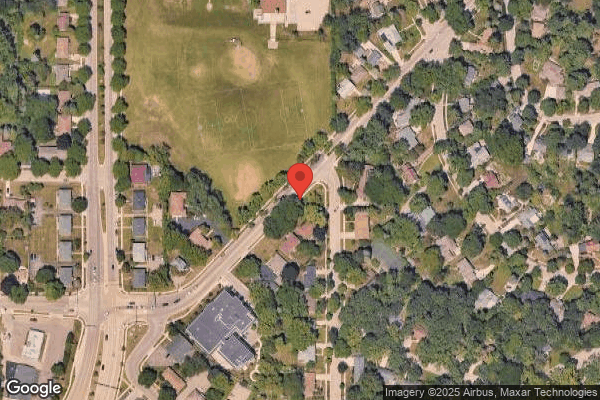

4327 Nakoma Rd., Madison, WI 53711 (608) 640-4100
For profit - Limited Liability company 33 Beds Independent Data: November 2025
Trust Grade
55/100
#166 of 321 in WI
Last Inspection: September 2024

Within standard 12-15 month inspection cycle. Federal law requires annual inspections.

Overview

Oak Park Place of Nakoma has a Trust Grade of C, which means it is average and falls in the middle of the pack for nursing homes. It ranks #166 out of 321 facilities in Wisconsin, placing it in the bottom half, and #7 out of 15 in Dane County, indicating only a few local options are better. The facility shows an improving trend, reducing issues from 9 in 2024 to 3 in 2025, which is a positive sign. Staffing is a strength, with a rating of 4 out of 5 stars, but the turnover rate is concerning at 74%, significantly higher than the state average of 47%. While there have been no fines, which is good, a recent inspection found issues such as improper food handling practices and failure to maintain proper hygiene standards, which could pose risks to residents. Overall, the facility has both strengths and weaknesses that families should consider carefully.
Trust Score
C
55/100
In Wisconsin
#166/321
Bottom 49%
Safety Record
Low Risk
No red flags
Inspections
Getting Better
9 → 3 violations
Staff Stability
⚠ Watch
74% turnover. Very high, 26 points above average. Constant new faces learning your loved one's needs.
Penalties
✓ Good
No fines on record. Clean compliance history, better than most Wisconsin facilities.
Skilled Nurses
✓ Good
Each resident gets 119 minutes of Registered Nurse (RN) attention daily — more than 97% of Wisconsin nursing homes. RNs are the most trained staff who catch health problems before they become serious.
Violations
⚠ Watch
20 deficiencies on record. Higher than average. Multiple issues found across inspections.
★★★☆☆
3.0
Overall Rating
★★★★☆
4.0
Staff Levels
★★★☆☆
3.0
Care Quality
★★★☆☆
3.0
Inspection Score
Stable
2024: 9 issues
2025: 3 issues

The Good

  • 4-Star Staffing Rating · Above-average nurse staffing levels
  • Full Sprinkler Coverage · Fire safety systems throughout facility
  • No fines on record

Facility shows strength in staffing levels, fire safety.

The Bad

3-Star Overall Rating

Near Wisconsin average (3.0)

Meets federal standards, typical of most facilities

Staff Turnover: 74%

27pts above Wisconsin avg (46%)

Frequent staff changes - ask about care continuity

Staff turnover is very high (74%)

26 points above Wisconsin average of 48%

The Ugly 20 deficiencies on record

Jan 2025 3 deficiencies
CONCERN (D) 📢 Someone Reported This

A family member, employee, or ombudsman was alarmed enough to file a formal complaint

Potential for Harm - no one hurt, but risky conditions existed

Investigate Abuse (Tag F0610)

Could have caused harm · This affected 1 resident

Based on interview and record review, the facility did not ensure that in response to allegations of abuse, neglect, exploitation, or mistreatment, that alleged violations are thoroughly investigated ...

Read full inspector narrative →
Based on interview and record review, the facility did not ensure that in response to allegations of abuse, neglect, exploitation, or mistreatment, that alleged violations are thoroughly investigated for 1 of 10 residents (R3) reviewed for abuse. R3's POA (Power of Attorney) voiced concerns and possible neglect during R3's stay from 11/1/24-11/4/24. NHA A (Nursing Home Administrator) initiated investigation, followed up with R3 and POA, but failed to interview other residents to ensure there were no other allegations or concerns. Evidence by: The facility policy, Abuse Neglect, Exploitation and Misappropriation Prevention Program, dated 2021, states, in part; .Residents have the right to be free from abuse, neglect, misappropriation of resident property and exploitation. This includes but is not limited to freedom from corporal punishment, involuntary seclusion, verbal, mental, sexual, or physical abuse, and physical or chemical restraint not required to treat the resident's symptoms .8. Identify and investigate all possible incidents of abuse, neglect, mistreatment, or misappropriation of resident property . R3 was admitted to the facility 11/1/24 with a diagnoses of respiratory failure, heart disease, kidney failure, major depressive disorder, weakness, diabetes, and difficulty in walking. R3 has an activated power of attorney. Facility self-report to state agency, states, in part; .date discovered 11/7/24 .resident was admitted from hospital on 11/1 and returned to hospital on 11/4. On 11/7 facility received a report from the hospital that resident's daughter had made an allegation of neglect. Upon investigation, no evidence of neglect was found, and when asked for a statement, resident's daughter stated that she only called it neglect because she felt like her mother was not getting enough attention. Vitals remained stable during patients stay. NHA was in frequent contact with daughter over the weekend in question with no concerns of neglect. Patient remained at baseline during her stay. Allegation is unsubstantiated with no negative outcomes .NHA visited resident at least twice during the weekend from 11/1 to 11/4. Resident made no complaints of neglect and seemed generally satisfied Resident was sent to hospital on 11/4 and has not returned . On 1/14/25 at 2:40PM, POA C (Power of Attorney) indicated she had talked with NHA A in regards with her concerns with R3's stay. POA C indicated she emailed concerns as well. POA C indicated she did talk with the NHA A the weekend of 11/1/24 and then further on 11/7/24 when he called to ask further questions about neglect. POA C indicated she didn't realize that by her saying neglect there would be an investigation, but she did have concerns with her mother's stay. POA C indicated she would send the Surveyor the email she sent NHA A with the concerns. POA C indicates staff told her that they were short staffed and doing the best they could do that weekend. POA C indicated her mother will never go back to the nursing home. POA C indicated she expected her mother to receive the very basic level of care, and she did not feel she received that while at the facility. POA C indicated the NHA A did not follow up further with her concerns and allegation of neglect. Surveyor reviewed POA C's list of concerns that was sent to the NHA A on 11/8/24 .states, in part; .When the doctors asked me what happened over the weekend, I told them what I observed. I called it neglect as a person that can't move their arms nor legs and can't even push an alert button needs more attention and I don't believe she received that. Plus, she said herself that she was neglected thus her comment on being miserable . On 1/15/25 at 1:45PM, NHA A (Nursing Home Administrator) indicated NHA A reviewed hospital notes on 11/7/24 indicating R3's POA voiced concern with neglect at the facility when R3 was there on 11/1/24-11/4/24. NHA A contacted R3's POA and NHA A indicated that POA stated she did not mean neglect and that she was concerned with R3 not getting attention from staff. NHA A stated he then asked for a written statement from R3's POA. NHA A reported possible neglect to State Agency and initiated investigation. NHA A collected written statements from staff that had worked on 11/2/24. NHA A indicated he also saw R3 in bedroom being assisted with eating and staff assisting her on 11/2/24. NHA A indicated he had multiple texts with POA on 11/2/24 and 11/3/24. NHA A indicated he did not interview other residents regarding concerns with neglect because R3's POA indicated she did not mean neglect. NHA A indicated he did receive written statement from POA. Surveyor asked NHA A if he reviewed the written statement. NHA A found written statement in his emails and stated that he wouldn't have done anything further because the POA indicated she did not mean neglect when he followed up with her on 11/7/24 and she did not voice neglect when he talked to throughout the weekend of 11/1/24. NHA A indicated moving forward he will interview a sample of residents while working through an investigation. The facility failed to ensure all alleged violations of abuse, neglect, exploitation, or mistreatment, are thoroughly investigated to ensure safety of all residents.
CONCERN (D) 📢 Someone Reported This

A family member, employee, or ombudsman was alarmed enough to file a formal complaint

Potential for Harm - no one hurt, but risky conditions existed

Deficiency F0760 (Tag F0760)

Could have caused harm · This affected 1 resident

Based on interview and record review the facility did not ensure residents are free of any significant medication errors for 1 of 3 residents (R1) reviewed for medications. R1 had 8 medications not ad...

Read full inspector narrative →
Based on interview and record review the facility did not ensure residents are free of any significant medication errors for 1 of 3 residents (R1) reviewed for medications. R1 had 8 medications not administered for a duration of time in December and January that could lead to significant negative outcome. This is evidenced by: The facilities Policy and Procedure entitled Administering Medications dated April 2019, documents, in part: .4. Medications are administered in accordance with prescriber orders, including any required time frame . The facilities Policy and Procedure entitled Adverse Consequences and Medication Errors dated February 2023, documents, in part: .Medication Errors 1. A medication error is defined as the preparation or administration of drugs or biological which is not in accordance with physician's orders, manufacturer specifications, or accepted professional standards and principles of the professional(s) providing services. 2. Examples of medications errors include: a. Omission- a drug is ordered but not administered .3. A significant medication-related error is defined as .b. Requiring hospitalization, or extending a hospitalization .e. Resulting in cognitive deterioration or impairment f. Life threatening . The facilities Policy and Procedure entitled Charting and Documentation dated July 2017 documents, in part: .2. The following information is to be documented in the resident medical record .Medications administered . Example R1 admitted to the facility 12/20/24. R1 has the following diagnoses: cellulitis of left lower limb (soft tissue infection), hyperlipidemia (high cholesterol), paroxysmal atrial fibrillation (irregular heartbeat), type 2 diabetes mellitus with diabetic neuropathy, epilepsy (seizure disorder), chronic pain, essential (primary) hypertension (high blood pressure), portal vein thrombosis (narrowing or blocking of the portal vein (to liver) by a blood clot), benign prostatic hyperplasia without lower urinary tract symptoms (enlarged prostate), personal history of transient ischemic attach (TIA) (brief stroke-like attack) and cerebral infarction without residual deficits (stroke), and secondary gout (form of arthritis). R1's Discharge Medication List to the facility included: Insulin Glargine 20 units daily for diabetes mellitus Semaglutide 14 mg (milligrams) daily for diabetes mellitus Zonisamide 300 mg daily for seizure Apixaban 5 mg twice daily for paroxysmal atrial fibrillation Levetiracetam 1750 mg twice daily for seizures Mycophenolate 180 mg twice daily for antirejection of organ transplant Tacrolimus 1 mg twice daily for antirejection of organ transplant Ursodiol 500 mg twice daily for liver transplant recipient/bile flow Atorvastatin 10 mg (milligrams) daily for hyperlipidemia Baclofen 10 mg daily for muscle spasms Colchicine 0.6 mg daily for gout Gemtesa 75 mg daily for BPD Nystatin cream daily for yeast Miralax 17 G (grams) daily for constipation Terazosin 2 mg daily for BPH Acyclovir 400 mg twice daily for herpes simplex Penicillin V potassium 500 mg twice daily related to ankle hardware Pregabalin 100 mg three times per day for chronic pain R1's MAR (Medication Administration Record) documents the following: Of note, per chart codes 9= other/see progress notes Insulin Glargine: 9- 12/21/24 Semaglutide: 9- 12/21/24, 12/22/24, 12/23/24, 12/26/24, 12/27/24, 12/28/24 Zonisamide: 9- 12/21/24, 1/5/25 Apixaban: blank- 2000 (8 PM)- 12/20/24; 9 0800 (8 AM)- 12/21/24, 2000- 12/22/24, 12/23/24, 12/25/24, 12/26/24 Levetiracetam: blank- 2000- 12/20/24; 9- 0800- 12/21/24, 12/22/24, 12/23/24, 2000- 12/22/24, 12/23/24 Mycophenolate: blank- 2000- 12/20/24; 9- 0800- 12/21/24 Tacrolimus: blank- 1600 (4 PM)- 12/20/24; 9- 0800- 12/21/24, 12/23/24, 1600- 12/21/24, 12/22/24, 12/23/24 Ursodiol: blank- 2000- 12/20/24; 9- 0800- 12/21/24, 12/22/24, 12/23/24, 12/24/24, 1600- 12/21/24, 12/22/24, 12/24/24, 12/25/24, 12/27/24, 12/30/24 Of note, per chart codes 5= hold/see progress notes, 9= other/see progress notes Atorvastatin: blank- 12/20/24; 9- 12/22/24, 12/23/24, 12/25/24 Baclofen: blank- 12/20/24; 9- 12/25/24, 12/26/24 Colchicine: 9- 12/21/24, 12/24/24 Gemtesa: 9- 12/21/24 Nystatin: 9- 12/21/24, 12/23/24 Miralax: 9- 12/22/24 Terazosin: blank- 12/20/24; 9- 12/25/24 Acyclovir: blank- 2000 (8 PM)- 12/20/24; 9- 0800 (8 AM)- 12/21/24, 2000- 12/25/24 Penicillin V potassium: blank- 2000- 12/20/24; 9- 0800- 12/21/24, 12/22/24, 12/23/24, 2000-12/22/24, 12/23/24, 12/25/24 Pregabalin: blank- 1600 (4 PM)- 12/20/24, blank- 2000- 12/20/24; 9- 0800- 12/21/24, 12/23/24, 12/24/24, 12/25/24, 12/26/24, 1600- 12/21/24, 12/23/24, 12/24/24, 12/25/24, 12/26/24, 12/27/24, 2000- 12/21/24, 12/22/24, 12/23/24, 12/24/24, 12/25/24, 12/26/24; 5- 1600- 12/22/24 It is important to note that none of the above medications were administered to R1 on the date and times listed and there was no Physician notification made regarding this. Adverse reactions R1 could experience by not receiving these medications include, but not limited to: Insulin glargine and semaglutide- elevated blood sugars, diabetic ketoacidosis (blood sugar gets so high that your blood become acidic), etc. Zonisamide and Levetiracetam- seizures, suicidal ideations, etc. Abixaban- increased risk for blood clots, increase risk of stroke, etc. Mycophenolate, Tacrolimus, and Ursodiol- increased risk of organ rejection, graft organ could fail, etc. On 1/15/25 at 11:00 AM, Surveyor interviewed LPN D (Licensed Practical Nurse). Surveyor asked LPN D what 9 means on MAR, LPN D stated wasn't given and reason documented in progress note. Surveyor asked LPN D if 9 is documented should there be a progress note, LPN D replied there should be one. Surveyor asked LPN D what a blank box on MAR would mean, LPN D said he didn't know as he had never seen that before. On 1/15/25 at 11:15 AM, Surveyor interviewed DON B (Director of Nursing). Surveyor asked DON B what 9 means on MAR, DON B said other/see progress note. Surveyor asked DON B if 9 is documented should there be a progress note, DON B said reason should be in progress note, but with Agency here, I'm just not sure, and there's another number that means something similar. Of note, Surveyor reviewed chart codes 5 says hold/see progress notes. On 1/15/25 at 3:06 PM, Surveyor interviewed DON B. Surveyor asked DON B what a blank box on MAR would mean, DON B stated she was unsure, she would need to see what was being referenced. Surveyor showed DON B on MAR. Surveyor asked DON B if that could mean that the order wasn't done, DON B replied possibly. Surveyor asked DON B if staff should follow Physician orders as written, DON B stated yes. Surveyor asked DON B should medications be given as ordered, DON B stated yes. Surveyor asked DON B if a medication isn't available what would you expect the nurses to do, DON B explained the nurse should check the automatic dispensing unit and give from there. Surveyor asked DON B what if the medication is not in the automatic dispensing unit, DON B said then they would need to call pharmacy and administer it when it was delivered. Surveyor asked DON B what if the automatic dispensing unit doesn't have it and neither does the pharmacy, DON B explained that the pharmacy would give the facility a paper about the medication and the facility would send that to the Physician. Surveyor asked DON B if medications not administered would be medication errors, DON B stated yes.
CONCERN (E) 📢 Someone Reported This

A family member, employee, or ombudsman was alarmed enough to file a formal complaint

Potential for Harm - no one hurt, but risky conditions existed

Deficiency F0658 (Tag F0658)

Could have caused harm · This affected multiple residents

**NOTE- TERMS IN BRACKETS HAVE BEEN EDITED TO PROTECT CONFIDENTIALITY** Example 5 R1 admitted to the facility 12/20/24. R1 has the following diagnoses: cellulitis of left lower limb (soft tissue infec...

Read full inspector narrative →
**NOTE- TERMS IN BRACKETS HAVE BEEN EDITED TO PROTECT CONFIDENTIALITY** Example 5 R1 admitted to the facility 12/20/24. R1 has the following diagnoses: cellulitis of left lower limb (soft tissue infection), paroxysmal atrial fibrillation (irregular heartbeat), and essential (primary) hypertension (high blood pressure). R1's Physician Orders document: 12/20/24 Check blood glucose four times daily and as needed. Notify physician if blood glucose <60 or >350. before meals and at bedtime related to TYPE 2 DIABETES MELLITUS WITH DIABETIC NEUROPATHY, UNSPECIFIED (E11.40) 12/22/24 Check blood glucose four times daily and as needed. Notify physician if blood glucose <60 or >350. before meals and at bedtime related to TYPE 2 DIABETES MELLITUS WITH DIABETIC NEUROPATHY, UNSPECIFIED (E11.40) AND as needed for diabetes check prn if symptomatic of hypo or hyperglycemia. 12/27/2024 Daily Vital Signs and Medicare charting AM every day shift. It is important to note that R1 admitted to this facility on a skilled care stay, this requires documentation daily surrounding R1's skilled care needs. R1's Vital Sign (temperature, heart rate, respiratory rate, blood pressure, oxygen saturation) Record log documents vital signs every day except 12/22/24. R1's Assessments contain a template for Medicare Follow up and Clinical Follow up: Clinical Follow Up- 12/22/24, 12/23/24, 12/24/24, 12/25/24, 12/26/24. Medicare templates- 12/26/24, 12/30/24, 12/31/24, 1/2/25, 1/3/25, 1/7/25, 1/8/25. It is important to note that there is no Medicare documentation on 12/20/24, 12/21/24, 12/27/24, 12/28/24, 12/29/24, 1/1/25, 1/4/25, 1/5/25, and 1/6/25. R1's MAR (Medication Administration Record) documents the following: Blank boxes- 12/20/24 at 1200 (12 PM), 1700 (5 PM), and 2100 (9 PM). Of note there is a documented blood sugar on 12/20/24 in R1's Vital Sign Record at 2335 (11:35 PM). Check marks (indicating task completed)- 12/21/24 for 0700 (7 AM), 1200, 1700 and 2100. It is important to note that the only recorded result for R1's blood sugar on 12/21/24 is at 2258 (10:58 PM), there is no blood sugar result recorded in R1's medical record on 12/21/24 for 0700, 1200, or 1700. On 1/15/25 at 11:00 AM, Surveyor interviewed LPN D (Licensed Practical Nurse). Surveyor asked LPN D what a blank box on MAR would mean, LPN D said he didn't know as he had never seen that before. On 1/15/25 at 11:24 AM, Surveyor interviewed DON B (Director of Nursing). Surveyor asked DON B how often should Medicare charting be completed, DON B said daily. Surveyor asked DON B what format is used for Medicare charting, DON B stated a template, Medicare Charting template or Clinical Follow Up template. Surveyor asked DON B what the Clinical Follow Up template entails, DON B explained that it is a focused template for the issue at hand. On 1/15/25 at 1:29 PM, Surveyor interviewed LPN D. Surveyor asked LPN D how often Medicare charting is to be completed, LPN D said once a day. Surveyor asked LPN D what format is used for Medicare charting, LPN D stated template. On 1/15/25 at 3:06 PM, Surveyor interviewed DON B. Surveyor asked DON B what a blank box on MAR would mean, DON B stated she was unsure, she would need to see what was being referenced. Surveyor showed DON B on MAR. Surveyor asked DON B if that could mean that the order wasn't done, DON B replied possibly. Surveyor asked DON B if staff should follow Physician orders as written, DON B stated yes. Based on interviews and record review, the facility did not ensure that the services provided by nursing personnel met the professional standards of quality for 5 of 6 residents (R5, R8, R9, R10 and R1). R5, R9, R10 and R1's vital signs were not completed as ordered. R8, was admitted to the facility with orders for daily vital signs. The facility did not complete these physician's orders as ordered and assess the Residents' vital signs daily. This is evidenced by: The facility policy entitled, Resident Examination and Assessment, dated 02/2014, states, in part: Purpose: The purpose of this procedure is to examine and assess the resident for any abnormalities in heath status, which provides a basis for the care plan . Physical Exam: 1. Vital Signs: a. blood pressure (standing and sitting); b. pulse (carotid); c. respirations; and d. temperature . Documentation: The following information should be recorded in the resident's medical record: 1. The date and time the procedure was performed. 3. All assessment date obtained during the procedure . 5. If the resident refused the procedure, the reason(s) why the intervention taken .Reporting: . 2. Notify the physician of any abnormalities such as, but not limited to: a. abnormal vital signs . The facility policy entitled, Blood Pressure, Measuring, dated 09/2010, states, in part: . Documentation: The following information should be recorded in the resident's medical record: 1. The date and time the blood pressure was measured . 3. The blood pressure reading. 4. If the resident refused the treatment, the reason(s) why and the intervention taken . The facilities Policy and Procedure entitled Charting and Documentation dated July 2017 documents, in part: .2. The following information is to be documented in the resident medical record: a. Objective observations; b. Medications administered; c. Treatments or services performed; d. Changes in the resident's condition; e. Events, incidents or accidents involving the resident; and f. Progress toward or changes in the care plan goals and objectives . Example 1 R5 was admitted to the facility on [DATE], and has diagnoses that include: periprosthetic fracture around internal prosthetic left hip joint (fracture around a prosthetic hip), muscle weakness, type 2 diabetes, salmonella sepsis, hypertension (high blood pressure), atrial flutter (irregular heart rhythm). R5's admission Minimum Data Set (MDS) Assessment, with Assessment Reference Date (ARD) of 11/28/24, shows R5 has a Brief Interview of Mental Status (BIMS) score of 15 out of 15 indicating R5 is cognitively intact. R5's physician orders state, in part: Medicare charting and Daily vital signs in the morning. Order Status: Active. Start date: 11/30/24. R5's Vital Sign records from November 2024 through January 2025 state, in part: Blood Pressure, Pulse, Respiratory Rate, and Temperature were not recorded on: 12/3/24, 12/7/24, 12/14/24, 12/18/24, 12/19/24, 12/20/24 12/23/24, 12/24/24, 12/25/24,12/31/24, 1/2/25, Example 2 R8 was admitted to the facility on [DATE], and has diagnoses that include, in part: osteomyelitis of vertebra-sacral and sacrococcygeal region (infection of the bones of the spine in the lower back), hypertension (high blood pressure). R8's admission Minimum Data Set (MDS) Assessment, with Assessment Reference Date (ARD) of 11/14/24, indicates a Brief Interview of Mental Status (BIMS) should be conducted, however the assessment has not been completed and no score was provided. R8's physician orders state, in part: Medicare charting and Daily vital signs in the morning. Order Status: Active. Start date: 11/30/24. R8's Vital Sign records from November 2024 through January 2025 state, in part: Blood Pressure, Pulse, Respiratory Rate, and Temperature were not recorded on: 12/4/24, 12/7/24 12/19/24, 12/20/24, 12/23/24, 12/24/24, 12/25/24, 12/26/24, 12/27/24, 12/30/24 Example 3 R9 was admitted to the facility on [DATE], and has diagnoses that include, in part: dysarthria following cerebral infarction (difficulty forming words due to a stroke), hypertension (high blood pressure), and pneumonitis (inflammation of lung tissue) due to inhalation of food and vomit. R9's admission Minimum Data Set (MDS) Assessment, with Assessment Reference Date (ARD) of 11/19/24, indicates a Brief Interview of Mental Status (BIMS) shows R9 has a Brief Interview of Mental Status (BIMS) score of 7 out of 15 indicating severe cognitive impairment. R9's physician orders state, in part: Medicare charting and Daily vital signs in the morning. Order Status: Active. Start date: 11/30/24. R9's Vital Sign records from November 2024 through January 2025 state, in part: Blood Pressure, Pulse, Respiratory Rate, and Temperature were not recorded on: 12/3/24, 12/7/24, 12/14/24, 12/19/24, 12/20/24, 12/21/24, 12/22/24, 12/23/24, 12/24/24, 12/25/24, 12/26/24, 12/27/24, 12/28/24, 12/29/24, 12/31/24, 1/2/25, 1/4/25, 1/6/25, 1/8/25, 1/9/25, 1/10/25,1/12/25. Example 4 R10 was admitted to the facility on [DATE], with diagnoses that include, in part: metabolic encephalopathy (brain dysfunction caused by an underlying condition), decreased white blood cell count (white blood cells fight infections), and atrial fibrillation (irregular heart rhythm). R10's admission Minimum Data Set (MDS) Assessment, with Assessment Reference Date (ARD) of 11/17/24, indicates a Brief Interview of Mental Status (BIMS) shows R9 has a Brief Interview of Mental Status (BIMS) score of 7 out of 15 indicating severe cognitive impairment. R10's physician orders state, in part: Medicare charting and Daily vital signs in the morning. Order Status: Active. Start date: 11/30/24. R10's Vital Sign records from November 2024 through January 2025 state, in part: Blood Pressure, Pulse, Respiratory Rate, and Temperature were not recorded on: 12/1/24, 12/2/24, 12/3/24, 12/14/24, 12/16/24, 12/18/24, 12/19/24, 12/22/24, 12/23/24, 12/24/24, 12/25/24, 12/26/24, 12/27/24, 12/28/24, 12/29/24, 12/31/24, 1/1/25, 1/2/25, 1/3/25, 1/4/25, 1/5/25, 1/8/25, 1/9/25, 1/10/25,1/12/25. On 1/15/25 at 11:01 AM, Surveyor interviewed DON B (Director of Nursing). Surveyor asked DON B if physician orders should be followed. DON B states, yes. Surveyor asked DON B if someone has an order for daily vitals, should their vitals be taken daily. DON B states, yes. Surveyor asked DON B what the expectation is for when a resident refuses vitals. DON B indicates, a progress note or some sort of documentation should be completed that the resident refused and a physician would need to be notified on a case-by-case basis. Surveyor asked DON B if R5, R8, R9, and R10, all who have orders for daily vitals, should have their vital signs documented daily. DON B states, yes. The facility failed to complete physician orders as ordered and complete daily vital signs for R5, R8, R9, R10.
Sept 2024 9 deficiencies
CONCERN (D)

Potential for Harm - no one hurt, but risky conditions existed

Transfer Notice (Tag F0623)

Could have caused harm · This affected 1 resident

**NOTE- TERMS IN BRACKETS HAVE BEEN EDITED TO PROTECT CONFIDENTIALITY** Based on staff interview and record review, the facility did not ensure 1 resident (R) (R14) of 1 resident reviewed for hospital...

Read full inspector narrative →
**NOTE- TERMS IN BRACKETS HAVE BEEN EDITED TO PROTECT CONFIDENTIALITY** Based on staff interview and record review, the facility did not ensure 1 resident (R) (R14) of 1 resident reviewed for hospitalization received a transfer notice that included the date of the transfer, the reason for the transfer, the location of the transfer, appeal rights, and contact information for the State Long-Term Care Ombudsman. R14 was transferred to the hospital on 8/10/24. Neither R14 or R14's emergency contact were provided with a written transfer notice. Findings include: On 9/18/24, Surveyor review R14's medical record. R14 was admitted to the facility on [DATE] and had diagnoses including acute kidney injury, adjustment disorder with depressed mood, unspecified fall, and pulmonary embolism. R14's Minimum Data Set (MDS) assessment, dated 8/10/24, did not indicate R14 was assessed for cognition. R14 did not have an activated Power of Attorney (POA). R14's medical record indicated R14 was transferred to the hospital on 8/10/24. R14's medical record did not indicate R14 or R14's emergency contact were provided with a written transfer notice. On 9/18/24 at 11:17 AM, Surveyor interviewed Corporate Registered Nurse (CRN)-C who stated the facility did not have a transfer notice for R14's hospital transfer. CRN-C stated a written transfer notice should have been provided prior to R14's transfer.
CONCERN (D)

Potential for Harm - no one hurt, but risky conditions existed

Deficiency F0625 (Tag F0625)

Could have caused harm · This affected 1 resident

**NOTE- TERMS IN BRACKETS HAVE BEEN EDITED TO PROTECT CONFIDENTIALITY** Based on staff interview and record review, the facility did not ensure 1 resident (R) (R14) of 1 resident reviewed for hospital...

Read full inspector narrative →
**NOTE- TERMS IN BRACKETS HAVE BEEN EDITED TO PROTECT CONFIDENTIALITY** Based on staff interview and record review, the facility did not ensure 1 resident (R) (R14) of 1 resident reviewed for hospitalization received the proper bed hold notice when transferred to the hospital. R14 was transferred to the hospital 8/10/24. The facility did not provide R14 or R14's emergency contact with a bed hold notice. Findings include: The facility's Bed-Holds and Returns policy, dated October 2022, indicates: Residents and/or their representatives are informed in writing of the facility and state bed hold policies. The bed hold addresses holding or reserving a resident's bed during periods of absence (hospitalization or therapeutic leave). Residents, regardless of payer source, are provided written notice about these policies at least twice: a. well in advance of any transfer, and b. at the time of transfer (or, if the transfer was an emergency, within 24 hours). On 9/18/24, Surveyor reviewed R14's medical record. R14 was admitted to the facility on [DATE] and had diagnoses including acute kidney injury, adjustment disorder with depressed mood, unspecified fall, and pulmonary embolism. R14's Minimum Data Set (MDS) assessment, dated 8/10/24, did not indicate R14 was assessed for cognition. R14 did not have an activated Power of Attorney (POA). R14's medical record indicated R14 was transferred to the hospital on 8/10/24. R14's medical record did not indicate R14 and/or R14's emergency contact were provided with a bed hold notice. On 9/18/24 at 11:17 AM, Surveyor interviewed Corporate Registered Nurse (CRN)-C who stated the facility did not issue a bed hold notice for R14's hospital transfer. CRN-C indicated a bed hold notice should have been provided prior to R14's transfer.
CONCERN (D)

Potential for Harm - no one hurt, but risky conditions existed

Respiratory Care (Tag F0695)

Could have caused harm · This affected 1 resident

**NOTE- TERMS IN BRACKETS HAVE BEEN EDITED TO PROTECT CONFIDENTIALITY** Based on observation, staff and resident interview, and record review, the facility did not ensure a continuous positive airway ...

Read full inspector narrative →
**NOTE- TERMS IN BRACKETS HAVE BEEN EDITED TO PROTECT CONFIDENTIALITY** Based on observation, staff and resident interview, and record review, the facility did not ensure a continuous positive airway pressure (CPAP) machine was cleaned per the facility's policy for 1 resident (R) (R7) of 1 sampled resident. R7 used a CPAP machine for obstructive sleep apnea (a potentially serious sleep disorder in which breathing repeatedly stops and starts). Staff did not clean the CPAP machine per the facility's policy. Findings include: The facility's CPAP/BiPAP (bievel positive airway pressure) Support Policy and Procedure, with an issue date of 3/2015, indicates: .7. Masks, nasal pillows, and tubing: Clean daily by placing in warm, soapy water and soaking/agitating for 5 minutes. Mild dish detergent is recommended. Rinse with warm water and allow it to air dry between uses. From 9/16/24 to 9/18/24, Surveyor reviewed R7's medical record. R7 was admitted to the facility on [DATE] with diagnoses including COVID-19, Clostridium difficile, dysphagia, and failure to thrive. R7's Minimum Data Set (MDS) assessment, dated 8/31/24, had a Brief Interview for Mental Status (BIMS) score of 1 out of 15 which indicated R7 had severely impaired cognition. R7 had an activated Power of Attorney for Healthcare (POAHC). R7's care plan, dated 8/27/24, contained an intervention to Ensure CPAP/BiPAP is in good working condition, cleaned regularly, and maintains a good fit. On 9/16/24 at 10:59 AM, Surveyor observed a CPAP machine on a table near R7's bed and noted the face mask contained film and condensation. On 9/16/24 at 10:59 AM, Surveyor interviewed R7 who did not recall seeing staff clean the face mask since R7 was admitted . On 9/17/24 at 2:48 PM, Surveyor interviewed Licensed Practical Nurse (LPN)-G who indicated Certified Nursing Assistants (CNAs) cleaning residents' CPAP machines. On 9/17/24 at 2:51 PM, Surveyor interviewed CNA-H who indicated PM shift CNAs apply the CPAP for residents and AM shift CNAs clean the CPAP mask and equipment. On 9/18/24 at 9:57 AM, Surveyor interviewed CNA-I who indicated CNA-I removes the CPAP mask and places it on a paper towel on the bedside table next to the bed. CNA-I indicated CNA-I does not clean the mask and stated a nurse normally does so. On 9/18/24 at 10:12 AM, Surveyor interviewed LPN-J who indicated LPN-J does not do anything with CPAP machines or equipment. On 9/18/24 at 11:38 AM, Surveyor interviewed Director of Nursing (DON)-B who indicated DON-B could not speak to the cleaning of CPAP machines and equipment but expects staff to follow the facility's policy.
CONCERN (D)

Potential for Harm - no one hurt, but risky conditions existed

Deficiency F0757 (Tag F0757)

Could have caused harm · This affected 1 resident

**NOTE- TERMS IN BRACKETS HAVE BEEN EDITED TO PROTECT CONFIDENTIALITY** Based on staff interview and record review, the facility did not ensure 1 resident (R) (R2) of 5 sampled residents was monitored...

Read full inspector narrative →
**NOTE- TERMS IN BRACKETS HAVE BEEN EDITED TO PROTECT CONFIDENTIALITY** Based on staff interview and record review, the facility did not ensure 1 resident (R) (R2) of 5 sampled residents was monitored for adverse reactions or side effects of a high-risk medication. R2 was prescribed lamotrigine (an anticonvulsant medication), and oxycodone (an opioid medication). R2's plan of care did not contain monitoring for adverse reactions or side effects of lamotrigine and oxycodone. Findings include: The facility's Medication Therapy policy, dated April 2007, indicates: Each resident's medication regimen shall include only those medications necessary to treat existing conditions and address significant risks .Upon or shortly after admission, and periodically thereafter, the staff and practitioner (assisted by the consultant pharmacist) will review an individual's current medication regimen, to identify whether: .d. potential or suspected side effects are present. According to Medlineplus.gov: lamotrigine may cause side effects including, but not limited to, loss of balance or coordination, double vision, blurred vision, uncontrollable movements of the eyes, difficulty thinking or concentrating, difficulty speaking, headache, drowsiness, dizziness, diarrhea, constipation, loss of appetite, weight loss, heartburn, nausea, vomiting, dry mouth, stomach, back, or joint pain, swelling, itching, or irritation of the vagina, uncontrollable shaking of a part of the body, swelling of the face, throat, tongue, lips, and eyes, difficulty swallowing or breathing, seizures, fever, stiff neck, sensitivity to light, unusual bleeding or bruising, rash, swollen lymph nodes, yellowing of the skin or eyes, painful or bloody urination, pink eye, racing heartbeat, shortness of breath, and fainting. According to Medlineplus.gov: oxycodone may cause side effects including, but not limited to, dry mouth, stomach pain, drowsiness, flushing, headache, mood changes, changes in heartbeat, agitation, hallucinations, fever, sweating, confusion, shivering, severe muscle stiffness or twitching, loss of coordination, diarrhea, nausea, vomiting, loss of appetite, weakness, or dizziness, chest pain, rash, itching, hives, difficulty breathing or swallowing, swelling of the face, mouth, tongue, lips, throat, hands, feet, ankles, or lower legs, and seizures. Between 9/16/24 and 9/18/24, Surveyor reviewed R2's medical record. R2 was admitted to the facility on [DATE] and had diagnoses including spondylosis without myelopathy or radiculopathy, lumbosacral region, and bipolar disorder. R2's Minimum Data Set (MDS) assessment, dated 9/4/24, had a Brief Interview for Mental Status (BIMS) score of 15 out of 15 which indicated R2 had intact cognition. R2's physician orders included lamotrigine 200 milligrams (mg) by mouth at bedtime, lamotrigine 150 mg once daily for bipolar disorder, and oxycodone 5 mg every 4 hours as needed for pain. R2's medical record did not indicate staff monitored R2 for adverse reactions or side effects of the medications. On 9/18/24 at 10:05 AM, Surveyor interviewed Corporate Registered Nurse (CRN)-C who stated the facility did not have side effect monitoring in place for R2's opioid or anticonvulsant medication. CRN-C stated CRN-C expects monitoring to be in place in R2's Medication Administration Record (MAR) or care plan.
CONCERN (D)

Potential for Harm - no one hurt, but risky conditions existed

Infection Control (Tag F0880)

Could have caused harm · This affected 1 resident

**NOTE- TERMS IN BRACKETS HAVE BEEN EDITED TO PROTECT CONFIDENTIALITY** Based on observation, staff interview, and record review, the facility did not maintain an infection prevention and control prog...

Read full inspector narrative →
**NOTE- TERMS IN BRACKETS HAVE BEEN EDITED TO PROTECT CONFIDENTIALITY** Based on observation, staff interview, and record review, the facility did not maintain an infection prevention and control program designed to provide a safe and sanitary environment to prevent the transmission of communicable disease and infection. Staff did not sanitize equipment during the provision of care for 1 resident (R) (R2) of 1 resident. In addition, staff did not don appropriate personal protective equipment (PPE) during the provision of care for 1 (R7) of 1 resident. During an observation on 9/17/24, Licensed Practical Nurse (LPN)-G did not sanitize a blood pressure cuff before or after obtaining R2's blood pressure. During an observation on 9/18/24, LPN-J entered R7's room with a vitals machine and obtained R7's vital signs without donning a gown or gloves. R7 was on contact isolation precautions for Clostridium difficile (C. diff). Findings include: The facility's Isolation-Categories of Transmission-Based Precautions policy, dated 9/2022, indicates: .1. Contact precautions are implemented for residents known or suspected to be infected with microorganisms that can be transmitted by direct contact with the resident or indirect contact with environmental surfaces or resident-care items in the resident's environment .7. Staff and visitors wear gloves (clean, non-sterile) when entering the room .8. Staff and visitors wear a disposable gown upon entering the room and remove before leaving the room and avoid touching potentially contaminated surfaces with clothing after the gown is removed. The Centers for Disease Control and Prevention (CDC) guidelines at https://www.cdc.gov/infectioncontrol/hcp/core-practices/index.html indicate: Reprocessing of Reusable Medical Equipment References and Resources: 1. Clean and reprocess (disinfect or sterilize) reusable medical equipment (e.g., blood glucose meters and other point-of-care devices, blood pressure cuffs, oximeter probes, surgical instruments, endoscopes) prior to use on another patient or when soiled. 1. On 9/17/24 at 7:55 AM, Surveyor observed LPN-G enter R2's room with a vitals machine and obtain R2's blood pressure. Surveyor noted LPN-G did not sanitize the blood pressure cuff prior to or after use. Immediately following the observation, Surveyor interviewed LPN-G regarding sanitization of blood pressure cuffs between residents. LPN-G verified LPN-G did not sanitize the blood pressure cuff but should have. On 9/18/24 at 8:09 AM, Surveyor interviewed Director of Nursing (DON)-B who verified DON-B expects staff to sanitize multi-use equipment between residents. 2. From 9/16/24 to 9/18/24, Surveyor reviewed R7's medical record. R7 was admitted to the facility on [DATE] with diagnoses including Clostridium difficile, COVID-19, dysphasia, and failure to thrive. R7's Minimum Data Set (MDS) assessment, dated 8/31/24, had a Brief Interview for Mental Status (BIMS) score of 1 out of 15 which indicated R7 had severely impaired cognition. R7 had an activated Power of Attorney for Healthcare (POAHC). On 9/18/24 at 10:05 AM, Surveyor observed a contact isolation precautions sign outside R7's room. Surveyor observed LPN-J enter R7's room with a vitals machine and obtain R7's vital signs without donning a gown or gloves. Immediately following the observation, Surveyor interviewed LPN-J who indicated LPN-J missed the contact isolation precautions sign posted outside R7's room. LPN-J verified LPN-J should have worn PPE. On 9/18/24 at 11:38 AM, Surveyor interviewed DON-B who verified DON-B expects staff to use PPE (including gloves, gowns, and masks) in accordance with the signage posted outside the door for residents on contact isolation precautions.
CONCERN (D)

Potential for Harm - no one hurt, but risky conditions existed

Deficiency F0883 (Tag F0883)

Could have caused harm · This affected 1 resident

**NOTE- TERMS IN BRACKETS HAVE BEEN EDITED TO PROTECT CONFIDENTIALITY** Based on staff interview and record review, the facility did not ensure pneumococcal vaccinations were reviewed, offered, or adm...

Read full inspector narrative →
**NOTE- TERMS IN BRACKETS HAVE BEEN EDITED TO PROTECT CONFIDENTIALITY** Based on staff interview and record review, the facility did not ensure pneumococcal vaccinations were reviewed, offered, or administered for 2 residents (R) (R12 and R10) of 5 sampled residents. The facility did not review R12's vaccination history or offer R12 the PCV20 (Prevnar 20) vaccine. The facility did not review R10's vaccination history or offer R10 the PCV20 vaccine. Findings include: Abbreviations (www.cdc.gov): PCV13: 13-valent pneumococcal conjugate vaccine (Prevnar13®) PCV20: 20-valent pneumococcal conjugate vaccine (Prevnar 20®) PPSV23: 23-valent pneumococcal polysaccharide vaccine (Pneumovax23®) The most recent Centers for Disease Control and Prevention (CDC) recommendations for pneumococcal vaccinations indicate: For adults 65 years or older who have only received PPSV23, the CDC recommends: Give 1 dose of PCV15 or PCV20. The PCV20 dose should be administered at least 1 year after the most recent PPSV23 vaccination. Regardless of if PCV20 is given, an additional dose of PPSV23 is not recommended since they already received it. For those who have received PCV13 and 1 dose of PPSV23, the CDC recommends you give 1 dose of PCV20 at least 5 years after the last pneumococcal vaccine. For adults 65 years or older who have received PCV13, give 1 dose of PCV20 or PPSV23 at least 1 year after PCV13. Regardless of vaccine used, their vaccines are then complete. The facility's Pneumococcal Vaccine policy, dated March 2022, indicates: .1. Prior to or upon admission, residents are assessed for eligibility to receive the pneumococcal vaccine series, and when indicated, are offered the vaccine series within thirty days of admission to the facility unless medically contraindicated or the resident has already been vaccinated. 2. Assessment of pneumococcal vaccination status are conducted within five working days of the resident's admission if not conducted prior to admission. 1. On 9/18/24, Surveyor reviewed R12's medical record. R12 was admitted to the facility on [DATE]. R12's medical record did not indicate R12 received a PPSV23 or PCV13 vaccine and did not indicate R12 was offered or administered the PCV20 vaccine. 2. On 9/18/24, Surveyor reviewed R10's medical record. R10 was admitted to the facility on [DATE]. R10 received a PPSV23 vaccine on 2/20/09 and a PCV13 vaccine on 7/30/15. R10's medical record did not indicate R10 was offered or administered the PCV20 vaccine. On 9/18/24 at 12:06 PM, Surveyor interviewed Corporate Registered Nurse (CRN)-C who indicated the facility was not up to date with pneumococcal vaccinations and was implementing their policies.
CONCERN (D)

Potential for Harm - no one hurt, but risky conditions existed

Deficiency F0887 (Tag F0887)

Could have caused harm · This affected 1 resident

**NOTE- TERMS IN BRACKETS HAVE BEEN EDITED TO PROTECT CONFIDENTIALITY** Based on staff interview and record review, the facility did not ensure a COVID-19 immunization was offered, declined, or admini...

Read full inspector narrative →
**NOTE- TERMS IN BRACKETS HAVE BEEN EDITED TO PROTECT CONFIDENTIALITY** Based on staff interview and record review, the facility did not ensure a COVID-19 immunization was offered, declined, or administered for 2 residents (R) (R12 and R10) of 5 sampled residents. R12 and R10's medical records did not indicate the facility offered or administered COVID-19 immunizations. Findings include: The Centers for Disease Control and Prevention (CDC) guidelines at https://www.dcd.gov/mmwr/volumes/73/wr/mm7337e2.htm indicate: COVID-19 vaccination provides additional protection against severe COVID-19-associated illness and death. Since September 2023, 2023-2024 Formula monovalent XBB.1-strain COVID-19 vaccines have been recommended for use in the United States for all persons aged >6 months. However, SARS-CoV-2 continues to evolve, and since winter 2023-2024, Omicron JN.1 lineage strains of SARS-CoV-2, including the JN.1 strain and the KP.2 strain, have been widely circulating in the United States. Further, COVID-19 vaccine effectiveness is known to wane. On June 27, 2024, the Advisory Committee on Immunization Practices (ACIP) recommended 2024-2025 COVID-19 vaccination with a Food and Drug Administration (FDA)-approved or authorized vaccine for all persons aged >6 months. On August 22, 2024, FDA approved the 2024-2025 COVID-19 vaccines by Moderna and Pfizer-BioNTech (based on the KP.2 strain) for use in persons aged >12 years and authorized these vaccines for use in children aged 6 months-11 years under Emergency Use Authorization (EUA). 1. On 9/18/24, Surveyor reviewed R12's medical record. R12 was admitted to the facility on [DATE]. R12 received a COVID-19 vaccine on 8/5/21. R12's medical record did not indicate R12 was offered, declined, or administered an updated COVID-19 vaccine. 2. On 9/18/24, Surveyor reviewed R10's medical record. R10 was admitted to the facility on [DATE]. R10 received a COVID-19 vaccine on 6/28/22. R10's medical record did not indicate R10 was offered, declined, or administered an updated COVID-19 vaccine. On 9/18/24 at 12:06 PM, Surveyor interviewed Corporate Registered Nurse (CRN)-C who indicated the facility was not up to date with COVID-19 vaccinations and was implementing their policies.
CONCERN (E)

Potential for Harm - no one hurt, but risky conditions existed

Deficiency F0761 (Tag F0761)

Could have caused harm · This affected multiple residents

Based on observation, staff interview, and record review, the facility did not ensure medications were accurately labeled for 2 residents (R) (R10 and R3) of 2 residents observed during medication adm...

Read full inspector narrative →
Based on observation, staff interview, and record review, the facility did not ensure medications were accurately labeled for 2 residents (R) (R10 and R3) of 2 residents observed during medication administration. In addition, the facility did not ensure medications for 4 (R2, R6, R120, and R1) residents in 1 of 1 medication cart were disposed of when beyond the expiration date. During observations of medication administration, Licensed Practical Nurse (LPN)-G administered open and undated medication to R10 and R3. The facility's medication cart contained open and undated medications for R2, R6, R120, and R1. Findings include: The facility's Administering Medications policy, dated 4/2019, indicates: Medications are administered in a safe and timely manner, and as prescribed .12. The expiration/beyond use date on the medication label is checked prior to administering. When opening a multi-dose container, the date opened is recorded on the container. The facility's Medication Labeling and Storage policy, dated 2/2023, indicates: The facility stores all medication and biologicals in locked compartments under proper temperature, humidity, and light controls. Only authorized personnel have access to keys .Medication Labeling: .5. Multi-dose vials that have been opened or accessed (e.g., needle punctured) are dated and discarded within 28 days unless the manufacturer specifies a shorter or longer date for the open vial. 1. On 9/17/24 at 8:20 AM, Surveyor observed LPN-G prepare insulin lispro and glargine pens for R10. At 9:07 AM, Surveyor observed LPN-G prepare an insulin glargine pen for R3. Surveyor noted the pens did not contain open dates. Surveyor interviewed LPN-G who verified the insulin pens should have open dates and were good for 28 days after opening. 2. On 9/17/24 at 1:20 PM, Surveyor observed the medication cart and noted the following: ~ An insulin glargine pen for R2 with no open date. Manufacturer recommendations indicate: Store open vials/pens in the refrigerator or at room temperature up to 86°F (Fahrenheit) (30°C (Celsius)) for up to 28 days. Throw away all opened vials after 28 days of use, even if there is insulin left in the vial. ~ A bottle of latanoprost eye drops for R6 with no open date. Manufacturer recommendations indicate: Protect from light. Store unopened bottle(s) under refrigeration at 2° to 8°C (36° to 46°F). During shipment to the patient, the bottle may be maintained at temperatures up to 40°C (104°F) for a period not exceeding 8 days. Once a bottle is opened for use, it may be stored at room temperature up to 25°C (77°F) for 6 weeks. ~ A Stiolto inhaler for R120 with no open date. Manufacture recommendations indicate: After assembly, the Stiolto Respimat inhaler should be discarded at the latest 3 months after first use or when the locking mechanism is engaged, whichever comes first. ~ A bottle of calcitonin nasal spray for R1 with no open date. Manufacturer recommendations indicate: After opening, store the bottle in an upright position for up to 30 days at 68 to 77°F (20 to 25°C). Excursions permitted to 59°F to 86°F (15° to 30°C). On 9/17/24 at 1:50 PM, Surveyor interviewed LPN-G who verified the unlabeled medication in the medication cart. On 9/18/24 at 8:09 AM, Surveyor interviewed Director of Nursing (DON)-B who verified staff should have dated the medications when they opened the medications.
CONCERN (F)

Potential for Harm - no one hurt, but risky conditions existed

Food Safety (Tag F0812)

Could have caused harm · This affected most or all residents

Based on observation, staff interview, and record review, the facility did not ensure safe food handling practices were implemented. This had the potential to affect all 14 residents residing in the f...

Read full inspector narrative →
Based on observation, staff interview, and record review, the facility did not ensure safe food handling practices were implemented. This had the potential to affect all 14 residents residing in the facility. Cook (CK)-F did not wear an appropriate hair covering. Raw meat was stored in a manner that had the potential to cross-contaminate other food items. Findings include: The Wisconsin Food Code documents at Hair Restraints 2-402.11 Effectiveness: (A) Except as provided in ¶ (B) of this section, food employees shall wear hair restraints such as hats, hair coverings or nets, beard restraints, and clothing that covers body hair, that are designed and worn to effectively keep their hair from contacting exposed food; clean equipment, utensils and linens; and unwrapped single-service and single-use articles. The facility's Hair Restraints policy, with a revision date of 7/13/24, indicates: Hair must be pulled back and properly restrained when working with exposed food, clean equipment, utensils, linens, and unwrapped single service and single-use articles .Hair nets, bouffant caps, or bandana style hair coverings may be used for long or full hair not completely restrained by a hat. The Wisconsin Food Code documents at Preventing Food and Ingredient Contamination 3-302.11 Packaged and Unpackaged Food-Separation, Packaging, and Segregation: .(2) Except when combined as ingredients, separating types of raw animal foods from each other such as beef, fish, lamb, pork, and poultry during storage, preparation, holding, and display by: (a) Using separate equipment for each type, or (b) Arranging each type of food in equipment so that cross contamination of one type with another is prevented, and (c) Preparing each type of food at different times or in separate areas. The facility's Food Storage policy, with a revision date of 5/1/24, indicates: Uncooked and raw animal products and fish are stored on drip-proof pans under ready-to-eat foods, dairy, and produce. On 9/16/24 at 9:45 AM, Surveyor conducted a tour of the kitchen accompanied by Dietary Manager (DM)-D and Dietetic (DT)-E who indicated the facility followed the Wisconsin Food Code. Upon entering the kitchen, Surveyor observed CK-F in the food preparation area with a hat and hair net that covered the top of CK-F's head to CK-F's earlobes. CK-F had long hair that extended past the center of CK-F's back which was not covered by a hair restraint. On 9/16/24 at 10:10 AM, Surveyor interviewed DM-D who confirmed CK-F's hair should be covered. DM-D retrieved a larger hair net and provided the hair net to CK-F. On 9/16/24 at 10:15 AM, Surveyor entered the walk-in cooler which contained a rack of four shelves that were not solid. The bottom shelf contained a cardboard box of raw ground hamburger that was thawed and wrapped in plastic. Next to the box of raw hamburger was a cardboard box of thawed boneless chicken breasts in an open plastic bag. The shelf above contained a cardboard box of thawed raw chicken thighs in an open plastic bag. Sweet potatoes were stored on the same shelf as the raw chicken. None of the boxes of raw meat contained equipment to prevent cross-contamination from dripping below or adjacent to the raw meat. Surveyor observed a sign on the walk-in cooler door with a diagram of the shelving unit that indicated how to store food. The sign indicated: Top-Ready to eat. Next down-Any food that will be hot held not in other categories. Next down-Whole seafood, beef, pork, veal, lamb, roasts, shell eggs. Next down-Ground, injected, tenderized meats. Bottom-All poultry-chicken, turkey, duck, fowl. On 9/16/24 at 10:16 AM, Surveyor interviewed DM-D who indicated kitchen staff usually place a sheet pan under foods that are thawing. DM-D confirmed the raw meat should be placed in a different arrangement to prevent cross-contamination. DM-D moved the raw chicken to the bottom rack and the raw hamburger up one rack and above the raw chicken. DM-D placed the sweet potatoes at the top of the shelving unit. DM-D confirmed the raw chicken should have been stored on the bottom shelf.
Jul 2023 7 deficiencies
CONCERN (D) 📢 Someone Reported This

A family member, employee, or ombudsman was alarmed enough to file a formal complaint

Potential for Harm - no one hurt, but risky conditions existed

Grievances (Tag F0585)

Could have caused harm · This affected 1 resident

**NOTE- TERMS IN BRACKETS HAVE BEEN EDITED TO PROTECT CONFIDENTIALITY** Based on interview and record review, the facility did not make prompt efforts to resolve resident grievances for 1 resident (R1...

Read full inspector narrative →
**NOTE- TERMS IN BRACKETS HAVE BEEN EDITED TO PROTECT CONFIDENTIALITY** Based on interview and record review, the facility did not make prompt efforts to resolve resident grievances for 1 resident (R16) out of 8 residents reviewed for grievances, out of a total sample of 10 Residents. The facility did not investigate FM I's grievance regarding R16 receiving fish nor did the facility provide resolution for R16's Activated Power of Attorney for Healthcare (APOAHC). FM I also requested an updated copy of R1's care plan following a care conference meeting. The facility failed to provide the requested care plan to FM I. FM I stated the facility's lack of follow up lead to her decision to have R16 transferred to inpatient hospice. This is evidenced by: The facility Policy and Procedure, Grievance and Grievance Program, with a date of 2/17/23, includes, in part: It is the policy of the facility to ensure that individuals are encouraged to discuss comments and concerns which may be positive or negative and when indicated to bring such to a formal grievance status. The intent is to evaluate such matters for the purpose of resolution as well as performance improvement. Acceptance of a grievance does not mean the facility representative and or the facility agrees with the statement. Actions taken in response to customer grievances are undertaken with the goal of improving care and service delivery and include, but are not limited to, the following: - investigation and most practicable resolution, - routing to the appropriate departments for ongoing improvement, - identifying trends in care, service delivery, and system organization, and - developing long term solutions, implementing changes to improve care/service systems. Definition: A grievance is a concern that cannot be resolved to the satisfaction of the person making the objection immediately or within a reasonable amount of time based on the nature of the matter. Process: 1. When there is a comment, concern/grievance it will be: - Documented on the facility Comment/Concern/Grievance form. - Routed to the Grievance Official. - Listed on the appropriate facility Tracking Log. - Discussed with appropriate individuals (such as Risk Manager, Director of Nursing, and Administrator and additional staff) as warranted. - The grievance written decisions will include the following: dates, summary statement of resident's grievance, and summary of findings, statement confirming or not confirming grievance, corrective actions as indicated, and the date that the written decision was issued to the person and/or telephone conferences. Social Services has been designated as our Grievance Official and is the key contact in the facility responsible to implement the Grievance Procedure. In the absence of Social Services, the Administrator, or their designee is the key facility contact for grievances. The facility will establish a grievance policy to ensure the prompt resolution of all grievances regarding the residents' rights. R16 was admitted to the facility on [DATE], with diagnoses including: malignant neoplasm (cancer) of right breast, malignant neoplasm of brain, and diffuse large B-cell lymphoma (cancer of the immune system). On 2/10/23 R16's Allergy Report lists, in part, the following: Category: Food; Reaction Type: Anaphylaxis; Reaction Note: Not allergic to shellfish, canned tuna or salmon; Severity: Severe R16's admission Minimum Data Set (MDS) assessment, on 2/13/23, notes a Brief Interview for Mental Status (BIMS) score of 15, indicating that R16 is cognitively intact. On 2/28/23 R16 began receiving hospice services at the facility. On 3/13/23 R16's Nutritional Assessment documents the following: Food Allergies: Fish, Nuts, Peanut Oil On 7/19/23 Surveyor reviewed the facility's grievance log. There is no grievance on the log from R16's APOAHC regarding being served fish. On 7/19/23 at approximately 3:00 PM, Surveyor asked NHA A (Nursing Home Administrator) to see any grievances and investigations for R16. On 7/19/23 at 5:26 PM, NHA A (Nursing Home Administrator) spoke with Surveyor. NHA A stated he found the following Grievance Report in the Social Worker's office. NHA A stated, AD E (Activities Director) talked with the resident but usually there's a backside (investigation) to this form. (Note, the back of the form is blank) On 3/20/23, DON B (Director of Nursing) documented the following Resident's Rights Concern/Grievance Report Name of person filling out the form: DON B Name of person initiating the concern: FM I (Family Member), R16's APOAHC (Activated Power of Attorney for Health Care) Give a Detailed Description of Concern: Emailed over weekend - FM I vocalized concerns regarding allergies to fish stated residents received fish on more than one occasion. Concerns d/t (due to) resident has anaphylactic reaction. Forwarded concerns to kitchen manager for follow up. Date and Time Incident Occurred: 3/20/23 11:00 AM Does the person initiating the concern feel they are being abused or neglected: No Grievance Confirmed: Yes What was done immediately after learning of the concern: Coordinating with dietary; follow up with resident. What system or procedure was implemented to resolve this concern and the prevent further similar concerns: (completed by DOM F (Director of Maintenance) R16 was revisited by the Dietary department to confirm what fish she can't eat. She stated canned tuna was fine which is part of the menu, however it was decided that ALL fish would be removed from her meals. The print on the meal tickets was enlarged and made bold to make sure the servers recognized the clarification of her meals. (It is important to note, DOM F (Director of Maintenance) stated he completed this section on 7/19/23). On 3/20/23 at 10:42 AM, AD E (Admissions Director) emailed NHA A (Nursing Home Administrator) the following information: FM I (Family Member) would like a call over many concerns again. Namely, an updated care plan and getting fish when she's allergic. NHA A: Can you please call her. Note, there is no documentation that the facility followed up with FM I. On 3/21/23 at 10:19 AM, Regional Nurse D documented the following note: DON (Director of Nursing) and writer called FM I, reviewed plan of care, care plan requested. Hospice coordination described in more detail for R16. Note, the facility did not provide the updated care plan per FM I's request. On 7/20/23 at 7:59 AM, Surveyor spoke with SS H (Social Services) and NHA A (Nursing Home Administrator). SS H stated she is not a licensed social worker. Surveyor asked SS H, what is the process when a grievance is filed with the facility. SS H stated she or NHA A are notified and then they pass it on to the correct manager. SS H stated, right now she and NHA A are doing grievances together. Surveyor asked SS H, is she aware of a grievance for R16. SS H stated, she was not employed at the time R16 resided in the facility. SS H stated, AD E (Admissions Director) was doing the Social Work task. SS H stated, AD E still works here and is in charge of Admissions. NHA A stated, AD E was interim while the facility was searching for a Social Services position. Surveyor asked SS H, what is the process when you receive a complaint. SS H stated she talks with the resident first to get more information on what happened, brings it to the attention of NHA A or DON (Director of Nursing) depending on what the grievance is about. We come up with an intervention and make sure it doesn't happen again. Surveyor asked SS H, when does a grievance get added to the Grievance log. SS H stated, she passes the grievance to NHA A who has the grievance log currently. Surveyor shared FM I's (Family Member) grievance. SS H stated, the follow through I don't recall specifically. Surveyor asked NHA A, who received an email from FM I. NHA A stated, I don't know. (Note, DON B received the email from FM I.) NHA A stated, the bottom of the grievance was written by DOM F (Director of Maintenance). Surveyor asked NHA A, should there be documentation of follow up with FM I as well. NHA A stated, Yes. Surveyor asked NHA A, why is it important to follow up on an allergy to fish. NHA A stated, for adverse effects. NHA A added, during the interim process the process could have gone smoother. (Note, DOM F stated he wrote this up on 7/19/23, note this is 4 months after the Grievance was filed. DOM F was the Dietary Manager at the time the complaint was filed.) On 7/20/23 at 8:54 AM, Surveyor spoke with DOM F (Director of Maintenance). Surveyor asked DOM F, who forwarded this grievance to you for follow up. DOM F indicated he was the Director of Dietary from 12/1/22 - 3/30/23. DOM F stated the grievance was discussed with him the day after the event. DOM F stated, I wrote this up yesterday. DOM F stated, he wrote up the What system of procedure was implemented to resolve this concern and to prevent further similar concerns? yesterday (7/19/23). (Note, this is the bottom section of Resident's Rights Concern/Grievance Report.) DOM F stated, initially this grievance was discussed with him by DM G (Dietetic Manager) and DON B (Director of Nursing). DOM F stated, he had spoken with R16 several times during her stay regarding her restrictions and also her wants. DOM F stated, there were certain types of fish that R16 wanted. DOM F added, FM I was wanting to be a little overprotective and didn't want R16 to have any fish. It was not always entirely clear to us as much as we tried to accommodate. DOM F stated, R16 voiced to him several times she wanted tuna in a can. Surveyor asked DOM F, what type of fish was R16 served. DOM F stated, he does not recall. DOM F stated, more than likely it was tuna. Surveyor asked DOM F, did R16 eat any fish during her stay here. DOM F stated, I was told she didn't. Surveyor asked DOM F and NHA A, are you aware that R16 has anaphylactic reactions listed for fish. Neither DOM F nor NHA A were aware that R1 has an anaphylactic reaction to fish. Surveyor asked DOM F, did you ever follow up with FM I after she initiated this grievance. DOM F stated, No. DOM F stated, he did follow up with Dietary to ensure this allergy to fish was made bold. DOM F stated, he verbally educated Dietary staff. (Note, there is no documentation of any education.) Surveyor asked DOM F, should you have followed up with FM I. DOM F stated, Nursing (unknown whom) stated they followed up. DOM F stated, the facility needs to follow up with the complainant. On 7/20/23 at 9:05 AM and 9:47 AM, Surveyor spoke with DM G (Dietetic Manager). Surveyor asked DM G, does the facility keep a record of what resident's order and eat for each meal. DM G stated, we don't keep a record of what the meals selected and we don't keep the meal tickets. DM G stated, she reactivated the system and it may not be 100% accurate. R16's meals document she was served Baked fish which is tilapia. DM G stated, she does not remember this incident, any discussions, or emails about this incident. DM G stated, she reviewed R16's chart and does not see any reactions. Surveyor asked DM G, if R16 has allergies to fish, would you expect her to not be served fish. DM G stated, Yes, and indicated that R16's meal ticket indicated she was allergic to fish and nuts. DM G provided documentation of R16's meals. On the date in question, it indicates Baked fish. DM G stated, if a resident requests fish and is allergic, staff should talk with the RN (Registered Nurse) on duty and request clarification from the physician. Surveyor asked DM G, what would you expect staff to do. DM G stated, Serve her something else. On 7/20/23 at 10:33 AM, Surveyor spoke with DON B (Director of Nursing). DON B stated, she filled this (Grievance) out following an email she received. DON B stated, it was discussed that DOM F mentioned he filled out the grievance form yesterday (7/19/23). DON B stated, had R16 gotten it (fish), she would have had an anaphylactic reaction. DON B stated, she thinks FM I may have stopped R16 from eating it (fish.) Surveyor asked DON B, did you follow up with FM I. DON B stated, personally from my end there's a note from myself and another person that reviews the CP over the phone. (Note, the care plan was indicated as being reviewed and there is no documentation regarding the Grievance being reviewed.) DON B stated, a resident should not get an item if the ticket notes an allergy. DON B stated, we also have stickers in the hard chart with medications and other allergies. Surveyor asked DON B, did R16 eat fish at the facility during her stay. DON B stated, not that she is aware of, but she will review the notes. Surveyor asked DON B, what is your expectation regarding the grievance filed by FM I. DON B stated, staff should go back to the nurse, DM G, DOM F and one of the Dieticians. DON B stated, she would expect frontline staff to stop and not give it (fish) until that was clarified. DON B stated, AD E (Admissions Director) is out on medical leave and unavailable for interview. AD E was serving as Social Services at the time this Grievance was filed. On 7/20/23 at 11:41 AM, Surveyor spoke with FM I (Family Member) regarding the Grievance she filed on 3/20/23. FM I stated R16 had moments when she was lucid and moments of confusion. FM I stated, R16 indicated she was served fish at the facility multiple times. FM I stated she lives in a different city and did not see R1 receive fish, however R16 told FM I she received fish on multiple occasions. Facility staff confirmed R16 received fish, however, they are not aware whether she ate the fish. FM I stated, she felt that the facility was dismissive of her concerns. FM I stated, she asked the facility for an updated care plan, which they also never followed up to provide. FM I stated, she did not receive follow up regarding her concern related to R16 being served fish. FM I stated, R16's care plan contained information from a previous admission and did not include information regarding hospice.
CONCERN (D)

Potential for Harm - no one hurt, but risky conditions existed

Deficiency F0678 (Tag F0678)

Could have caused harm · This affected 1 resident

**NOTE- TERMS IN BRACKETS HAVE BEEN EDITED TO PROTECT CONFIDENTIALITY** Based on interview and record review the facility did not ensure that they had a system in place to maintain records showing tha...

Read full inspector narrative →
**NOTE- TERMS IN BRACKETS HAVE BEEN EDITED TO PROTECT CONFIDENTIALITY** Based on interview and record review the facility did not ensure that they had a system in place to maintain records showing that staff are qualified to perform cardiopulmonary resuscitation (CPR). This had the potential to affect 3 of 3 supplemental full code (means they would expect CPR to be started if they were pulseless and non-breathing) residents (R6, R115, and R65) of a total census of 12 residents. R6, R115, and R65 all opted to be a full code. This is evidenced by: The Facility's Policy and Procedure entitled Emergency Procedure- Cardiopulmonary Resuscitation dated 2/18, documents, in part: .6. If an individual (resident, visitor, or staff member) is found unresponsive and not breathing normally, a licensed staff member who is certified in CPR/BLS (Basic Life Support) shall initiate CPR .8. If the first responder is not CPR-certified, that person will call 911 and follow 911 operator's instructions until a CPR-certified staff member arrives. Preparation for Cardiopulmonary Resuscitation 1. Obtain and/or maintain American Red Cross or American Heart Association certification in Basic Life Support (BLS)/Cardiopulmonary Resuscitation (CPR) for key clinical staff members who will direct resuscitative efforts, including non-licensed personnel .3. Provide periodic mock codes (simulations of an actual cardiac arrest) for training purposes . CPR is a lifesaving technique that's useful in many emergencies, such as a heart attack or near drowning, in which someone's breathing or heartbeat has stopped. At the time of Surveyors entrance to the facility on [DATE], the facility had 3 residents (R6, R115, and R65) that all opted to be full codes. Surveyor reviewed a two-week period of [DATE]-[DATE] and compared this with the list of staff that were CPR certified. Upon Surveyor inquiry, it was noted that the facility was only able to provide documentation of CPR certifications for 8 of their 15 nurses (LPN/RN), which left 7 nurses that they were not sure if they were CPR certified or not. On [DATE] at 2:23 PM, Surveyor interviewed RN J (Registered Nurse). Surveyor asked RN J who can perform CPR, RN J stated the nurses, anyone that is certified. Surveyor asked RN J if she had ever participated in a mock code drill here, RN J replied she had not participated in that type of mock drill, although she had other types, like fire. Surveyor asked RN J if the facility conducts mock code drills, RN J said she was unsure. On [DATE] at 3:15 PM, Surveyor interviewed LPN C (Licensed Practical Nurse). Surveyor asked LPN C who can perform CPR, LPN C stated whoever is certified. Surveyor asked LPN C if she had ever participated in a mock code drill here, LPN C said she had been part of fire drills, tornado drills, missing person drill, but no mock code drills. It is important to note that part of the Facility's Policy and Procedure includes mock code drills. On [DATE] at 3:49 PM, Surveyor interviewed DON B (Director of Nursing). Surveyor asked DON B if the facility has a system in place if all their nurses are not CPR certified to ensure that someone that is CPR certified is working on each shift, DON B replied that's a great question, if I'm here, I'm available, I only live 5 minutes from here. Surveyor asked DON B if the staff member that completes the schedule is aware of the nurses CPR status, DON B said no. Surveyor asked DON B who is responsible to keep track of the CPR certifications, DON B stated HR (Human Resources). DON B went on to explain that HR checks this upon hire, during orientation and reviewed monthly to ensure that everyone re-certifies timely, they even assist with signing up for class if needed. It is important to note that the HR position in this facility is currently vacant and has been since March of 2023. On [DATE] at 5:47 PM, Surveyor interviewed Regional Nurse D. Surveyor asked Regional Nurse D who is expected to be CPR certified in this facility, Regional Nurse D stated our van drivers, activity staff that leaves with residents, and licensed nurses. While the facility failed to ensure that they had a process in place to maintain documentation of CPR certification for their licensed nurses, through interviews and additional documentation provided they were able to provide documentation that all their licensed staff are in fact CPR certified.
CONCERN (D) 📢 Someone Reported This

A family member, employee, or ombudsman was alarmed enough to file a formal complaint

Potential for Harm - no one hurt, but risky conditions existed

Unnecessary Medications (Tag F0759)

Could have caused harm · This affected 1 resident

**NOTE- TERMS IN BRACKETS HAVE BEEN EDITED TO PROTECT CONFIDENTIALITY** Based on observation, interview, and record review, the facility did not ensure that it was free of medication error rates of 5%...

Read full inspector narrative →
**NOTE- TERMS IN BRACKETS HAVE BEEN EDITED TO PROTECT CONFIDENTIALITY** Based on observation, interview, and record review, the facility did not ensure that it was free of medication error rates of 5% or greater. There were 2 errors in 25 opportunities that affected 1 out of 4 residents (R11) out of a sample of 10 residents included in the medication pass task, which resulted in an error rate of 8%. R11 was administered an incorrect eye drop and an incorrect lidocaine patch. Evidenced by: The facility policy, entitled Administering Medications, dated April 2019, states, in part: . Policy Statement- Medications are administered in a safe and timely manner, and as prescribed. Policy Interpretation and Implementation . 4. Medications are administered in accordance with prescriber orders, including any required time frame . 10. The individual administering the medication checks the label (3) times to verify the right person, right medication, right dosage, right time, and right method (route) of administration before giving the medication . R11 was admitted to the facility on [DATE], and has diagnoses that include osteoarthritis (the cartilage within a joint begins to break down and the underlying bone begins to change and worsens over time) and spinal stenosis (a narrowing of the spinal canal that puts pressure on the spinal cord and the nerves within the spine and causes pain and cramping in one or both legs). R11's Quarterly Minimum Data Set (MDS) Assessment, dated 6/23/23, shows R11 has a Brief Interview of Mental Status (BIMS) score of 11 indicating R11 has moderate cognitive impairment. R11's physician orders, dated 7/20/23, states, in part: . Dextran 70-Hypromellose Solution 0.1-0.3% Install 1 drop in both eyes one time a day for dry eyes . R11's Medication Electronic Record (MAR) for July 2023 shows . Dextran 70-Hypromellose Solution 0.1-0.3% Instill 1 drop in both eyes one time a day for dry eyes. Start Date: 12/16/22 07:00 AM . Lidoderm Patch 5% (Lidocaine) Apply to affected area topically one time a day for Pain. Remove after 12 hours. Start Date- 2/2/23 7:00 AM Lidoderm Patch 5% (Lidocaine) Apply to affected area topically in the evening for pain remove lidocaine patch Start Date: 2/02/23 4:00 PM . On 7/19/23, at 8:16 AM, Surveyor observed LPN C (Licensed Practical Nurse) administer refresh celluvisc eye drops into R11's eyes. Surveyor observed LPN C apply a lidocaine patch 4% to R11's lower back. On 7/19/23, at 4:09 PM, Surveyor interviewed LPN C and asked what R11's order for the lidocaine patch states and LPN C indicated the order was for 5% but R11's insurance will not cover 5% so LPN C has been using stock supply of Lidoderm patch 4%. Surveyor asked if Lidoderm 4% patch should be administered without an order and LPN C indicated no, there should be an order. Surveyor asked if administering the Lidoderm 4 % patch instead of the ordered Lidoderm patch 5% would be considered a medication error and LPN C indicated yes. Surveyor asked LPN C what the order for eye drops is and LPN C indicated gentle tears. Surveyor asked if Refresh was administered, and LPN C indicated yes. LPN C indicated insurance won't cover the gentle tears and daughter had been bringing in the gentle tears but R11's daughter has been on vacation. LPN C indicated she has been using stock supply of Refresh Eye Drops. Surveyor asked LPN C if Refresh Eye Drops should be administered without an order and LPN C indicated no. Surveyor asked LPN C if this would be considered a medication error and LPN C indicated yes. On 7/19/23, at 4:30 PM, Surveyor interviewed DON B (Director of Nursing) and asked if administering a Lidoderm 4% patch instead of 5% would be considered a medication error and DON B indicated yes. Surveyor informed DON B of observation of the Lidoderm patch at 4% and Refresh Tears being administered to R11. Surveyor asked if Refresh eye drops being administered instead of ordered Gentle Tears would be considered a medication error and DON B indicated yes. DON B indicated the facility has been working on a formulary with the medical director and the pharmacy and both may be on the formulary. Note: The formulary was provided to Surveyor which Refresh Eye Drops, and the Lidoderm patch was not included in the formulary. On 7/20/23, at 10:57 AM, Surveyor interviewed DON B and asked looking at the formulary is the Refresh Eye Drops and Lidoderm patch included in the formulary and DON B indicated no, we did get an order yesterday to change the Lidoderm patch to 4%. DON B indicated both are medication errors.
CONCERN (F)

Potential for Harm - no one hurt, but risky conditions existed

Food Safety (Tag F0812)

Could have caused harm · This affected most or all residents

Based on observation, interview, and record review, the facility did not ensure that the food was stored, distributed, and served in accordance with professional standards for food service safety. Thi...

Read full inspector narrative →
Based on observation, interview, and record review, the facility did not ensure that the food was stored, distributed, and served in accordance with professional standards for food service safety. This has the potential to affect all 12 residents residing at the facility. -Surveyor observed four examples of improper hand washing/hand hygiene -Surveyor observed three examples of wet stacking (staking dishes while wet) during dishwashing process. -Surveyor observed three examples of food stored outside of professional standards for food safety. -Surveyor observed one example of kitchen equipment used to cook food to be dirty. -Surveyor observed the garbage and refuse containers to be improperly storing garbage and refuse, and garbage and refuse to be scattered on the ground of the garbage and refuse disposal area. This is evidenced by: Facility policy, entitled Handwashing/Hand Hygiene dated August 2021, states: All personnel shall follow the handwashing/hand hygiene procedures to help prevent the spread of infections to other personnel, residents, and visitors .Procedure .Washing Hands 1. Wet hands first with water, then apply an amount of product recommended by the manufacturer to hands. 2. Rub hands together vigorously for at least 15 seconds, covering all surfaces of the hands and fingers. 3. Rinse hands with water and dry thoroughly with the disposable towel. 4. Use Towel to turn off the faucet. 5. Avoid using hot water because repeated exposure to hot water may increase their risk of dermatitis. Example 1 On 7/19/23 at 10:25 AM, surveyor observed facility DA L (Dietary Aide) perform dishwashing tasks. Surveyor observed DA L perform hand hygiene, DA L applied soap directly to dry hands, rubbed soap on surface of hands, and immediately rinsed hands. (It is important to note that DA L did not meet the standard of practice for hand hygiene and failed to follow the facility Handwashing/Hand Hygiene policy. DA L did not wet hands first. DA L did not rub hands together vigorously for at least 15 seconds.) On 7/19/23 at 10:32 AM, surveyor observed DA L perform hand hygiene, DA L wet hands, applied soap, rubbed soap on surface of hands and immediately rinsed hands. (It is important to note that DA L did not meet the standard of practice for hand hygiene and failed to follow the facility Handwashing/Hand Hygiene policy, DA L did not rub hands together vigorously for at least 15 seconds.) On 7/19/23 at 10:35 AM, surveyor observed DA L perform hand hygiene DA L wet hands, applied soap, rubbed soap on surface of hands, and immediately rinsed hands. (DA L did not rub hands together vigorously for at least 15 seconds.) On 7/19/23 at 10:38 AM, surveyor observed DA L perform hand hygiene. DA L wet hands, applied soap, rubbed soap on surface of hands and immediately rinsed hands. (DA L did not rub hands together vigorously for at least 15 seconds.) On 7/19/23 at 10:38 AM surveyor interviewed DA L regarding proper handwashing technique. DA L indicated that she should be rubbing the soap on her hands for 20 seconds. (It is important to note that DA L did not meet the standard of practice for hand hygiene and failed to follow the facility Handwashing/Hand Hygiene policy on four opportunities.) Example 2 On 7/19/23 at 10:25 AM, surveyor observed facility dishwashing process performed by DA L. Surveyor observed DA L remove a wet cutting board from the clean dishwashing rack - the cutting board had water dripping from it as DA L placed the cutting board into storage. On 7/19/23 at 10:36 AM, surveyor observed DA L remove a wet mixing bowl and pan from the clean dishwashing rack. Surveyor observed water dripping from mixing bowl and pan as DA L placed mixing bowl and pan into storage. On 7/19/23 at 10:40 AM, surveyor interviewed DM G (Dietetic Manager), and FSD M (Food Service Director) regarding wet stacking DM G indicated that mixing bowl was stacked wet. Surveyor, DM G, and FSD M observed a wet stacked pan to be wet with water droplets present on the inside surface and the outer surface of the pan. The wet stacked pan was placed on a surface that was observed to be wet with water droplets present on the outer surface. FSD M indicated that dishes should be completely dry before putting dishes away. FSD M stated, Wet stacking can harbor bacteria. Example 3 On 7/18/23 at 8:27 AM, surveyor and DM G observed a carton of scalloped potatoes to be open with food having direct contact with environment. Surveyor interviewed DM G who indicated that the scalloped potato carton should be closed and secured. DM G indicated that there is potential for dust, debris, and rodents to enter the food container. On 7/18/23 at 8:44 AM, surveyor and DM G observed a bag of french fries opened and a lined box of Italian vegetables to be opened with food having direct contact with environment inside the freezer. DM G indicated that the french fry bag and box containing Italian vegetables should be closed and secured. DM G indicated that she was aware that staff have been educated on closing and securing food containers, adding that the facility is working on measures to prevent foods from being exposed to the environment in the freezer. Example 4 Facility policy, entitled Sanitization dated November 2022, states: All equipment, food contact surfaces, and utensils are cleaned and sanitized using heat or chemical sanitizing solutions. On 7/19/23 at 8:49 AM, surveyor observed the inside bottom of the oven to be unclean. DM G indicated that the inside oven bottom had crumbs scattered on the surface, and to have an unidentifiable stain. DM G indicated that the tubing containing the detergent required for an effective cleaning cycle had become disconnected. (It is important to note that the facility did not follow the sanitization policy as to cleaning/sanitizing equipment.) Example 5 Facility policy, entitled Sanitization dated November 2022, states: Garbage and refuse containers are in good condition, without leaks, and waste is properly contained in dumpsters/compactors with lids (or otherwise covered). Areas used for garbage disposal are free from odors and waste fats and maintained to prevent pests. On 7/19/23 at 8:57 AM, surveyor and DM G observed three dumpsters with all lids open. Surveyor observed debris on the ground, including gloves, plastic, straws, paper towel, a portion cup with dried up food, packing peanuts, and paper. On 7/19/23 at 9:04 AM, surveyor interviewed DM G who indicated that the dumpster lids are all open and stated that it needs to be swept in reference to the ground area of the refuse storage area. On 7/20/23 at 8:43 AM, surveyor interviewed DOM F (Director of Maintenance) who indicated that dumpsters are emptied on Monday, Wednesday, and Friday mornings. DOM F indicated that lids on the dumpster do not need to be closed as the dumpsters are behind a privacy fence, and the refuse is either in a plastic garbage bag or is recyclables. DOM F indicated that there should not be debris or refuse on the ground around the dumpster. DOM F indicated that maintenance and housekeeping oversee cleaning around the dumpsters weekly. Surveyor requested a cleaning check list from DOM F one was not provided. (It is important to note that the facility did not follow the sanitization policy as to containing garbage/refuse.)
CONCERN (F)

Potential for Harm - no one hurt, but risky conditions existed

Deficiency F0868 (Tag F0868)

Could have caused harm · This affected most or all residents

Based on interview and record review, the facility did not maintain a Quality Assessment and Assurance Committee consisting of at a minimum, the Director of Nursing Services, the Medical Director or h...

Read full inspector narrative →
Based on interview and record review, the facility did not maintain a Quality Assessment and Assurance Committee consisting of at a minimum, the Director of Nursing Services, the Medical Director or his/her designee, at least three other members of the facility's staff at least one of whom must be the administrator, owner, a board member or other individual in a leadership role, and the Infection Preventionist, which met at least quarterly. This has the potential to affect all 12 Residents residing within the facility. QAPI meetings did not consist of the required attendees/members for the month of October 2022, January 2023, March 2023, and April 2023. This is evidenced by: The facility policy entitled, Quality Assurance and Performance Improvement (QAPI) Program, dated February 2020, states, in part: . Policy Statement - This facility shall develop, implement, and maintain an ongoing, facility-wide, data-driven QAPI program that is focused on indicators of the outcomes of care and quality of life for our residents . Authority .3. The administrator is responsible for assuring that this facility's QAPI program complies with federal, state, and local regulatory agency requirements . As part of the entrance conference, Surveyor requested sign in sheets for the past year of QAPI meetings to review. The facility provided QAPI Meeting sign in sheets for the quarterly meetings for July 2022 through April 2023. The QAPI sign in sheet for October 20, 2022, indicates Medical Director, Administrator, Director of Nursing/Infection Preventionist and Therapy attended. This is not the required 6 attendees. The QAPI sign in sheet for January 2023, indicates Medical Director, Administrator, Director of Nursing/Infection Preventionist and Therapy attended. This is not the required 6 attendees. The QAPI sign in sheet for March 2023, indicates Medical Director, Administrator, Director of Nursing/Infection Preventionist and Therapy attended. This is not the required 6 attendees. The QAPI sign in sheet for April 20, 2023, indicates Medical Director, Administrator, Director of Nursing/Infection Preventionist and Social Service Designee attended. This is not the required 6 attendees. On 7/20/23 at 4:40 PM, Surveyor interviewed DON B, and asked who is required to attend the quarterly QAPI meetings? DON B indicated by looking at our policy/sign in sheets, it would be DON, Administrator, Social Services, Medical Director, Maintenance, Food Service, and Human Resources. Surveyor asked DON B, looking at this past year's attendance sign in sheets, are the required attendees present and DON B indicated no. Surveyor asked if they should be, and DON B indicated yes. On 7/20/23 at 5:47 PM, RN D (Regional Nurse) indicated she attended the meetings via phone, but she did not sign attendance sheets. The facility did not have all required attendees attend their QAPI meetings for the four meetings indicated above.
CONCERN (F)

Potential for Harm - no one hurt, but risky conditions existed

Infection Control (Tag F0880)

Could have caused harm · This affected most or all residents

Based on interview and record review, the facility did not ensure that they have an infection prevention and control program designed to provide a safe, sanitary, and comfortable environment, and to h...

Read full inspector narrative →
Based on interview and record review, the facility did not ensure that they have an infection prevention and control program designed to provide a safe, sanitary, and comfortable environment, and to help prevent the development and transmission of communicable diseases and infections. This has the potential to affect the census of 12 residents. The facilities Legionella Water Management Program is incomplete. The facility was unable to show that they have been completing their reporting in National Healthcare Safety Network (NHSN). This is evidenced by: The facility's Policy and Procedure entitled Legionella Water Management Program dated 7/17, documents in part: .2. The water management team will consist of at least the following personnel: a. The infection preventionist; b. The administrator; c. The medical director (designee); d. The director of maintenance; and e. The director of environmental services. 3. The purposes of the water management program are to identify areas in the water system where Legionella bacteria can grow and spread, and to reduce the risk of legionnaire's disease .b. A detailed description and diagram of the water system in the facility .c. The identification of areas in the water system that could encourage the growth and spread of Legionella or other waterborne bacteria . Example 1: The facility's water management team did not know they were a team and have not had any meetings to discuss their water management program. The facility's Legionella Water Management Program doesn't include facility specific text description or any type of diagram describing the water system or identification of where Legionella could grow and spread. On 7/20/23 at 8:42 AM, Surveyor interviewed DOM F (Director of Maintenance). Surveyor asked DOM F if the water management team meets regularly, DOM F stated no, he wasn't aware that they should. Surveyor asked DOM F to show Surveyor the facility specific information on their water system, DOM F said he would look into it. On 7/20/23 at 2:49 PM, Surveyor interviewed DON B (Director of Nursing). Surveyor asked DON B if she had any information or diagrams regarding the Legionella Water Management Program, DON B stated no. It is important to note that DON B is the facility's Infection Preventionist (IP). The facility's water management plan did not identify/assess through text and flow diagrams areas where Legionella and other opportunistic waterborne pathogens can grow and spread. Example 2: The facility was not able to log onto NHSN to show Surveyor that they had been completing their monthly COVID reporting or to show that they have conferred rights to Department of Public Health (DPH). On 7/20/23 at 2:49 PM, Surveyor interviewed DON B. Surveyor asked DON B who completes their NHSN reporting, DON B said Regional Nurse D. On 7/20/23 at 3:36 PM, Surveyor interviewed Regional Nurse D. Surveyor asked Regional Nurse D about NHSN reporting. Regional Nurse D said she is currently locked out and has not been able to complete NHSN reporting. No NHSN reporting or conferred rights has been provided to Surveyor.
MINOR (C)

Minor Issue - procedural, no safety impact

Staffing Data (Tag F0851)

Minor procedural issue · This affected most or all residents

**NOTE- TERMS IN BRACKETS HAVE BEEN EDITED TO PROTECT CONFIDENTIALITY** Based on interview and record review the facility did not ensure that the mandatory staffing data that had been submitted from 1...

Read full inspector narrative →
**NOTE- TERMS IN BRACKETS HAVE BEEN EDITED TO PROTECT CONFIDENTIALITY** Based on interview and record review the facility did not ensure that the mandatory staffing data that had been submitted from 1/1/22-3/31/23 was complete, accurate, and auditable. This has the ability to affect the census of 12. The submitted data from 1/1/22-3/31/23 was not complete, accurate, or auditable. This is evidenced by: The Payroll Based Journal (PBJ) Staffing Data Reports that were generated quarterly document that the facility triggered for Failed to have Licensed Nursing Coverage 24 Hours/Day from 1/1/22-3/31/23 for specified dates. The specified dates are as follows: FY (Fiscal Year) Q2 (Quarter 2) 2022 ([DATE]-[DATE]): 1/2, 1/9, 1/14, 1/18, 1/22, 1/23, 1/27, 1/29, 2/4, 2/5, 2/6, 2/12, 2/19, 2/20, 2/21, 2/22, 3/1, 3/2, 3/3, 3/4, 3/9, 3/12, 3/15, 3/23, 3/27, 3/29 FY Q3 (Quarter 3) 2022 (April 1-June 30): 4/1, 4/3, 4/6, 4/7, 4/16, 4/17, 4/19, 4/20, 4/21, 4/24, 5/5, 5/17, 5/24, 5/29, 5/30, 6/7, 6/10, 6/11, 6/12, 6/21, 6/25, 6/26, 6/30 FY Q4 (Quarter 4) 2022 (July 1-[DATE]): 7/16, 7/23, 7/30, 8/5, 8/7, 8/12, 8/14, 8/20, 8/21, 8/25, 9/3, 9/4, 9/8, 9/10, 9/11, 9/17, 9/18, 9/29 FY Q1 (Quarter 1) 2023 ([DATE]-[DATE]): 10/1, 10/2, 10/4, 10/5, 10/7, 10/9, 10/11, 10/13, 10/14, 10/15, 10/16, 10/20, 10/23, 10/24, 10/28, 10/29, 10/31, 11/13, 11/19, 11/20, 11/24, 11/26, 12/4, 12/26 FY Q2 2023 ([DATE]-[DATE]): 1/1, 1/2, 1/8, 1/16, 1/28, 2/4, 2/17, 2/25, 3/22, 3/31 The facility was not able to produce the data that was submitted during this time frame for the specified dates therefore the Surveyor was not able to audit the exact document(s) that were submitted. Surveyor reviewed the facilities' Daily Schedule sheets for each date that was specified in the report and all dates had licensed staff on duty for each shift. On 7/20/23 at 12:31 PM, Surveyor interviewed Regional Nurse D. Surveyor asked Regional Nurse D who submits the PBJ data to CMS (Centers for Medicare and Medicaid Services), Regional Nurse D explained that this is done at the corporate level and that over the course of time being reviewed, there were three different employees in that role. Surveyor asked Regional Nurse D if she would expect the data being submitted to be complete, accurate, and auditable; Regional Nurse D said yes I would. On 7/20/23 at 6:16 PM, Surveyor interviewed NHA A (Nursing Home Administrator). Surveyor asked NHA A if he would expect the data being submitted to be complete, accurate, and auditable, NHA A stated yes.
May 2022 1 deficiency
CONCERN (D)

Potential for Harm - no one hurt, but risky conditions existed

Medication Errors (Tag F0758)

Could have caused harm · This affected 1 resident

**NOTE- TERMS IN BRACKETS HAVE BEEN EDITED TO PROTECT CONFIDENTIALITY** Based on interview and record review, the facility did not ensure that residents who have not used psychotropic drugs are not gi...

Read full inspector narrative →
**NOTE- TERMS IN BRACKETS HAVE BEEN EDITED TO PROTECT CONFIDENTIALITY** Based on interview and record review, the facility did not ensure that residents who have not used psychotropic drugs are not given these drugs unless the medication is necessary to treat a specific condition as diagnosed and documented in the clinical record for 1 of 5 residents (R5) reviewed for unnecessary medications of a total sample of 9. R5 was prescribed psychotropic medications without indications for its use, adequate monitoring, or non-pharmacological approaches/interventions utilized. Findings include: The facility's policy titled Behavior and Psychoactive Management, dated 6/29/21, states in part: .2. Ensuring a thorough and comprehensive assessment of the resident's needs, behaviors, and prior medication and medical history. 3. Monitoring the resident's behavior(s) to establish patterns, determine intensity and behavior frequency, and identifying the specific (targeted) behavior(s) that are distressing to the resident which are decreasing the resident's quality of life. R5 was admitted to the facility on [DATE] and has a diagnosis of Major Depressive Disorder. R5 was admitted with the following orders: Imipramine HCl 125mg at bedtime for Major Depressive Disorder (start date 3/29/22) Trazadone HCl 150mg at bedtime for sleeplessness (start date 3/29/22) It is important to note that R5 does not have a diagnosis of insomnia or sleeplessness indicated on her diagnosis list. R5's care plan does not address her Major Depressive Disorder, psychotropic medication use, behavior monitoring, or non-pharmacological approaches. On 5/11/22 at 8:23 AM, Surveyor spoke with DON B (Director of Nursing). Surveyor requested a copy of R5's sleep assessment and her behavior monitoring. DON B reported that they had not completed a sleep assessment on R5 upon admission and that they have not been tracking her behaviors.
Understanding Severity Codes (click to expand)
Life-Threatening (Immediate Jeopardy)
J - Isolated K - Pattern L - Widespread
Actual Harm
G - Isolated H - Pattern I - Widespread
Potential for Harm
D - Isolated E - Pattern F - Widespread
No Harm (Minor)
A - Isolated B - Pattern C - Widespread

Questions to Ask on Your Visit

  • "Why is there high staff turnover? How do you retain staff?"
  • "Can I speak with families of current residents?"
  • "What's your RN coverage like on weekends and overnight?"

Our Honest Assessment

Strengths
  • • No major safety red flags. No abuse findings, life-threatening violations, or SFF status.
  • • No fines on record. Clean compliance history, better than most Wisconsin facilities.
Concerns
  • • 20 deficiencies on record. Higher than average. Multiple issues found across inspections.
  • • Grade C (55/100). Below average facility with significant concerns.
  • • 74% turnover. Very high, 26 points above average. Constant new faces learning your loved one's needs.
Bottom line: Mixed indicators with Trust Score of 55/100. Visit in person and ask pointed questions.

About This Facility

What is Oak Park Place Of Nakoma's CMS Rating?

CMS assigns Oak Park Place of Nakoma an overall rating of 3 out of 5 stars, which is considered average nationally. Within Wisconsin, this rating places the facility higher than 0% of the state's 100 nursing homes. This mid-range rating indicates the facility meets federal standards but may have areas for improvement.
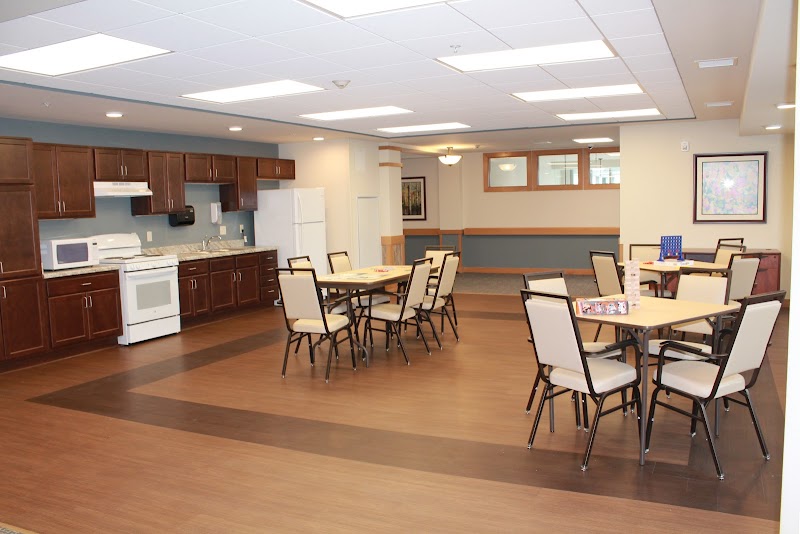
How is Oak Park Place Of Nakoma Staffed?

CMS rates Oak Park Place of Nakoma's staffing level at 4 out of 5 stars, which is above average compared to other nursing homes. Staff turnover is 74%, which is 27 percentage points above the Wisconsin average of 46%. High turnover can affect care consistency as new staff learn residents' individual needs. RN turnover specifically is 89%, which is notably high. RNs provide skilled clinical oversight, so turnover in this role can affect medical care quality.

What Have Inspectors Found at Oak Park Place Of Nakoma?

State health inspectors documented 20 deficiencies at Oak Park Place of Nakoma during 2022 to 2025. These included: 19 with potential for harm and 1 minor or isolated issues.

Who Owns and Operates Oak Park Place Of Nakoma?

Oak Park Place of Nakoma is owned by a for-profit company. For-profit facilities operate as businesses with obligations to shareholders or private owners. The facility operates independently rather than as part of a larger chain. With 33 certified beds and approximately 18 residents (about 55% occupancy), it is a smaller facility located in Madison, Wisconsin.

How Does Oak Park Place Of Nakoma Compare to Other Wisconsin Nursing Homes?

Compared to the 100 nursing homes in Wisconsin, Oak Park Place of Nakoma's overall rating (3 stars) matches the state average, staff turnover (74%) is significantly higher than the state average of 46%, and health inspection rating (3 stars) is at the national benchmark.

What Should Families Ask When Visiting Oak Park Place Of Nakoma?

Based on this facility's data, families visiting should ask: "How do you ensure continuity of care given staff turnover, and what is your staff retention strategy?" "Can I visit during a mealtime to observe dining assistance and food quality?" "How do you handle medical emergencies, and what is your hospital transfer rate?" "Can I speak with family members of current residents about their experience?" These questions are particularly relevant given the facility's high staff turnover rate.

Is Oak Park Place Of Nakoma Safe?

Based on CMS inspection data, Oak Park Place of Nakoma has a clean safety record: no substantiated abuse findings (meaning no confirmed cases of resident harm), no Immediate Jeopardy citations (the most serious violation level indicating risk of serious injury or death), and is not on the Special Focus Facility watch list (a federal program monitoring the lowest-performing 1% of nursing homes). The facility has a 3-star overall rating and ranks #1 of 100 nursing homes in Wisconsin. While no facility is perfect, families should still ask about staff-to-resident ratios and recent inspection results during their visit.

Do Nurses at Oak Park Place Of Nakoma Stick Around?

Staff turnover at Oak Park Place of Nakoma is high. At 74%, the facility is 27 percentage points above the Wisconsin average of 46%. Registered Nurse turnover is particularly concerning at 89%. RNs handle complex medical decisions and coordinate care — frequent RN changes can directly impact care quality. High turnover means new staff may not know residents' individual needs, medications, or preferences. It can also be disorienting for residents, especially those with dementia who rely on familiar faces. Families should ask: What is causing the turnover? What retention programs are in place? How do you ensure care continuity during staff transitions?

Was Oak Park Place Of Nakoma Ever Fined?

Oak Park Place of Nakoma has no federal fines on record. CMS issues fines when nursing homes fail to meet care standards or don't correct problems found during inspections. The absence of fines suggests the facility has either maintained compliance or corrected any issues before penalties were assessed. This is a positive indicator, though families should still review recent inspection reports for the full picture.

Is Oak Park Place Of Nakoma on Any Federal Watch List?

Oak Park Place of Nakoma is not on any federal watch list. The most significant is the Special Focus Facility (SFF) program, which identifies the bottom 1% of nursing homes nationally based on persistent, serious quality problems. Not being on this list means the facility has avoided the pattern of deficiencies that triggers enhanced federal oversight. This is a positive indicator, though families should still review the facility's inspection history directly.