Complete Care at Manitowoc LLC
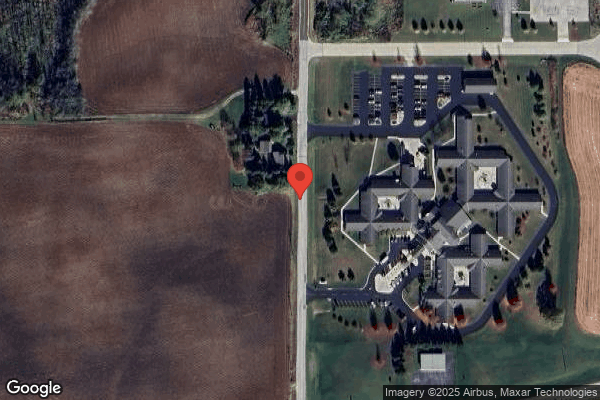
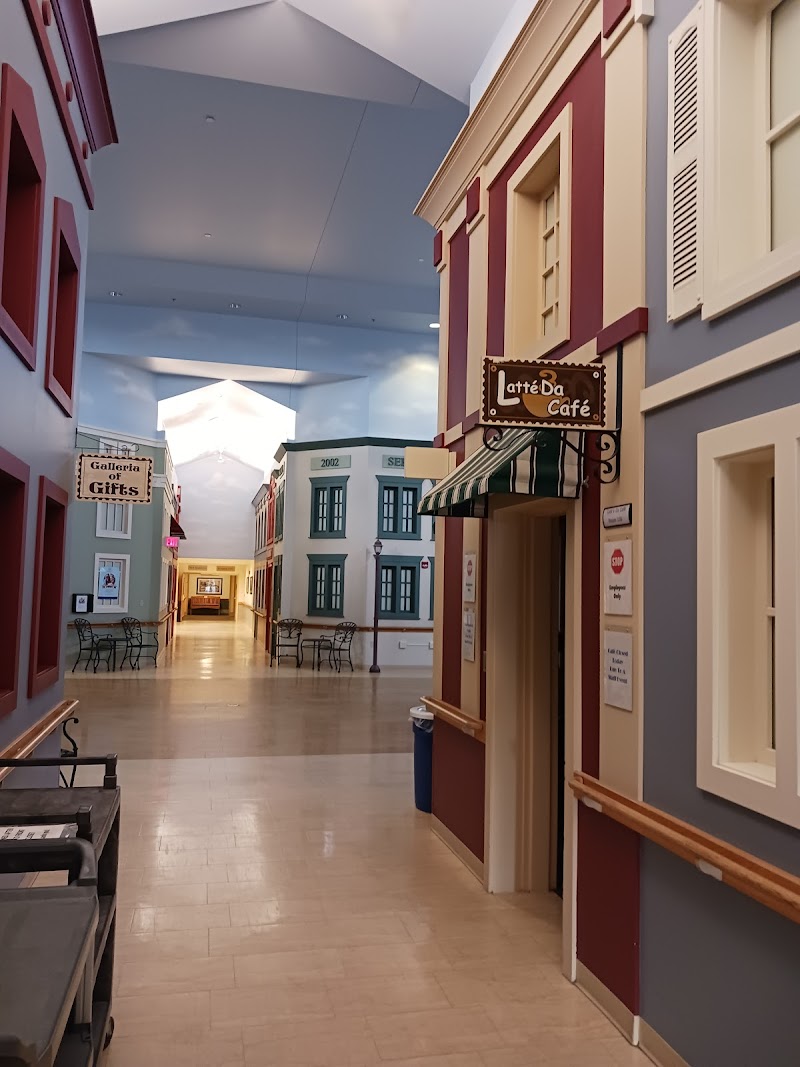
2021 S ALVERNO RD, MANITOWOC, WI 54220 (920) 683-4100
For profit - Corporation 150 Beds COMPLETE CARE Data: November 2025 1 Immediate Jeopardy citation
Trust Grade
48/100
#143 of 321 in WI
Last Inspection: July 2024

Within standard 12-15 month inspection cycle. Federal law requires annual inspections.

Overview

Complete Care at Manitowoc LLC has a Trust Grade of D, indicating below average performance with some concerns. Ranking #143 out of 321 facilities in Wisconsin places it in the top half, while being #3 of 6 in Manitowoc County suggests only a few local options are better. The facility is currently improving, with issues decreasing from 6 in 2024 to just 1 in 2025. Staffing is a positive aspect, with a turnover rate of 24% being well below the state average of 47%, though the RN coverage is average. However, the facility has faced significant issues, including a critical finding where two cognitively impaired residents were not protected from sexual abuse despite their lack of consent. Additionally, there were concerns about food being served at improper temperatures and meals being served late, affecting the overall dining experience for residents.
Trust Score
D
48/100
In Wisconsin
#143/321
Top 44%
Safety Record
High Risk
Review needed
Inspections
Getting Better
6 → 1 violations
Staff Stability
✓ Good
24% annual turnover. Excellent stability, 24 points below Wisconsin's 48% average. Staff who stay learn residents' needs.
Penalties
✓ Good
$76,944 in fines. Lower than most Wisconsin facilities. Relatively clean record.
Skilled Nurses
✓ Good
Each resident gets 44 minutes of Registered Nurse (RN) attention daily — more than average for Wisconsin. RNs are trained to catch health problems early.
Violations
⚠ Watch
20 deficiencies on record. Higher than average. Multiple issues found across inspections.
★★★☆☆
3.0
Overall Rating
★★★☆☆
3.0
Staff Levels
★★★★☆
4.0
Care Quality
★★★☆☆
3.0
Inspection Score
Stable
2024: 6 issues
2025: 1 issues

The Good

  • 4-Star Quality Measures · Strong clinical quality outcomes
  • Low Staff Turnover (24%) · Staff stability means consistent care
  • Full Sprinkler Coverage · Fire safety systems throughout facility
  • No fines on record
  • Staff turnover is low (24%)

    24 points below Wisconsin average of 48%

Facility shows strength in quality measures, staff retention, fire safety.

The Bad

3-Star Overall Rating

Near Wisconsin average (3.0)

Meets federal standards, typical of most facilities

Federal Fines: $76,944

Well above median ($33,413)

Moderate penalties - review what triggered them

Chain: COMPLETE CARE

Part of a multi-facility chain

Ask about local staffing decisions and management

The Ugly 20 deficiencies on record

1 life-threatening
Jul 2025 1 deficiency
CONCERN (D) 📢 Someone Reported This

A family member, employee, or ombudsman was alarmed enough to file a formal complaint

Potential for Harm - no one hurt, but risky conditions existed

Medical Records (Tag F0842)

Could have caused harm · This affected 1 resident

**NOTE- TERMS IN BRACKETS HAVE BEEN EDITED TO PROTECT CONFIDENTIALITY** Based on staff interview and record review, the facility did not ensure a medical record contained complete and accurate informa...

Read full inspector narrative →
**NOTE- TERMS IN BRACKETS HAVE BEEN EDITED TO PROTECT CONFIDENTIALITY** Based on staff interview and record review, the facility did not ensure a medical record contained complete and accurate information for 1 resident (R) (R5) of 10 sampled residents.On 6/28/25, Registered Nurse (RN)-C assessed R5 for stroke symptoms after receiving a concern from R5's friend. RN-C did not document the neurological assessment in R5's medical record after it was completed.Findings include:The facility's Documentation in the Medical Record policy, revised 10/2024, indicates: Each resident's medical record shall contain an accurate representation of the actual experiences of the resident and include enough information to provide a picture of the resident's progress .Licensed staff and Interdisciplinary Team members shall document all assessments, observations, and services provided in the resident's medical record .Documentation shall be completed at the time of service.On 7/7/25, Surveyor reviewed R5's medical record. R5 was admitted to the facility on [DATE] and had diagnoses including stroke, chronic kidney disease, type 2 diabetes, and atrial fibrillation. R5's most recent Minimum Data Set (MDS) assessment, dated 6/2/25, had a Brief Interview for Mental Status (BIMS) score of 15 out of 15 which indicated R5 had intact cognition. R5 was R5's own decision maker.A progress note, dated 6/29/25, indicated R5's friend called 911 for R5. When staff went to R5's room, R5 stated R5 did not feel right and R5's tongue felt thick. R5 had slightly slurred speech and questionable left facial droop. Staff completed a neurological assessment and R5 was sent to the hospital for suspicion of a stroke.On 7/7/25 as of 12:15 PM, Surveyor noted R5's medical record did not contain any neurological assessments prior to 6/29/25.On 7/7/25 at 12:20 PM, Surveyor interviewed RN-C regarding neurological assessments and stroke concerns for R5. RN-C indicated RN-C spoke with R5's friend on the 6/28/25 PM shift who had concerns that R5 was having a stroke with symptoms of slurred speech and facial droop. RN-C went to R5's room and conducted a stroke/neurological assessment. RN-C confirmed RN-C completed the assessment but did not document the assessment in R5's medical record until 7/7/25 at 12:18 PM upon request from Director of Nursing (DON)-B.On 7/7/25 at 12:30 PM, Surveyor reviewed R5's medical record again and noted a progress note from RN-C, dated 6/28/25 at 5:30 PM, that indicated R5's friend called RN-C on the charge phone and requested a stroke assessment. R5's friend was on a video call with R5 and noticed R5 was talking funny, had slurred speech, and had left facial droop. RN-C went to R5's room at that time and determined R5 was not having symptoms of slurred speech or facial droop. R5's hand grasps were equal with full strength, mentation was at baseline, pupils were equal, and vital signs were stable. R5 stated, I feel fine. (Surveyor noted the progress note was entered in R5's medical record on 7/7/25 at 12:18 PM after Surveyor asked several staff about R5 having signs and symptoms of a stroke prior to 6/29/25.)On 7/7/25 at 12:53 PM, Surveyor interviewed DON-B who verified RN-C did not document the neurological assessment in R5's medical record until DON-B asked RN-C to do so on 7/7/25. DON-B verified RN-C should have documented the assessment on the date it was completed.
Nov 2024 3 deficiencies
CONCERN (D) 📢 Someone Reported This

A family member, employee, or ombudsman was alarmed enough to file a formal complaint

Potential for Harm - no one hurt, but risky conditions existed

Incontinence Care (Tag F0690)

Could have caused harm · This affected 1 resident

**NOTE- TERMS IN BRACKETS HAVE BEEN EDITED TO PROTECT CONFIDENTIALITY** Based on observation, staff interview, and record review, the facility did not provide appropriate care and services to prevent ...

Read full inspector narrative →
**NOTE- TERMS IN BRACKETS HAVE BEEN EDITED TO PROTECT CONFIDENTIALITY** Based on observation, staff interview, and record review, the facility did not provide appropriate care and services to prevent urinary tract infections (UTIs) for 2 residents (R) (R13 and R14) of 10 sampled residents. On 11/26/24, R13 and R14's catheter drainage bags were observed on the floor. Findings include: The facility's Catheter Care Policy, dated 6/2024, indicates: It is the policy of this facility to ensure that residents with indwelling catheters receive appropriate catheter care and maintain their dignity and privacy when indwelling catheters are in use .2. Privacy bags will be available and catheter drainage bags will be covered at all times while in use .(The policy does not address positioning/placement of tubing or drainage bags.) The facility's Urinary Catheter Relias training indicates: .Urinary catheters often lead to infections and complications .as many as 50-70% of urinary catheter-related infections can be prevented. You are in a position to prevent infections and complications caused by urinary catheters. By providing proper catheter care and understanding how infections and complications can develop, you can take steps to prevent them .Regular catheter care is important to prevent infection and other complications. Microbes, which cause infection, can enter the body through: .Portions of the equipment that touch a non-sterile surface, such as the floor .Follow your organization's policy on catheter care. Here are the steps to follow to provide basic catheter care: .11. Position and secure the drainage bag. The bed frame is a good place to hang the bag while the person is in bed .Do not place it on the floor. Once a bag touches the floor, it is contaminated. Place a bag cover over the bag to preserve the person's privacy . 1. On 11/26/24, Surveyor reviewed R13's medical record. R13 was admitted to the facility on [DATE] and had diagnoses including obstructive uropathy. R13's Minimum Data Set (MDS) assessment, dated 10/2/24, had a Brief Interview for Mental Status (BIMS) score of 10 out of 15 which indicated R13 had moderately impaired cognition. On 11/26/24 at 10:24 AM, Surveyor observed R13 in bed and noted R13's uncovered catheter drainage bag was visible and in contact with the floor. On 11/26/24 at 10:49 AM, Surveyor observed R13 in bed and noted R13's uncovered catheter drainage bag was visible and in contact with the floor. On 11/26/24 at 11:58 AM, Surveyor interviewed Certified Nursing Assistant (CNA)-E who indicated R13's catheter bag should be hung from R13's bed and should not be on the floor. On 11/26/24 at 11:58 AM, Surveyor interviewed CNA-F who indicated R13's catheter bag should be hung from R13's bed and should not be on the floor. CNA-F also indicated the drainage bag should be covered with a privacy bag. 2. On 11/26/24, Surveyor reviewed R14's medical record. R14 was admitted to the facility on [DATE] and had diagnoses including neurogenic bladder. R14's MDS assessment, dated 11/15/24, had a BIMS score of 00 out of 15 which indicated R14 had severely impaired cognition. On 11/26/24 at 11:04 AM, Surveyor observed R14 in bed and noted R14's catheter drainage bag was visible from the hallway and in contact with the floor. On 11/26/24 at 11:06 AM, Surveyor interviewed CNA-H who verified R14's catheter bag was touching the floor and indicated catheter bags should not touch the floor. CNA-H removed R14's catheter bag from the floor, adjusted the privacy bag, and hung the catheter bag from R14's bed. On 11/26/24 at 11:33 AM, Surveyor interviewed Assistant Director of Nursing (ADON)-C who verified catheter bags should not be on the floor due to infection control issues. ADON-C also stated all catheter bags should be covered with a privacy bag per the facility's policy and procedure.
CONCERN (D) 📢 Someone Reported This

A family member, employee, or ombudsman was alarmed enough to file a formal complaint

Potential for Harm - no one hurt, but risky conditions existed

Menu Adequacy (Tag F0803)

Could have caused harm · This affected 1 resident

Based on observation, staff interview, and record review, the facility did not follow a prescribed individualized diet to ensure nutritional needs were met for 1 resident (R) (R11) of 8 sampled reside...

Read full inspector narrative →
Based on observation, staff interview, and record review, the facility did not follow a prescribed individualized diet to ensure nutritional needs were met for 1 resident (R) (R11) of 8 sampled residents. During the 11/26/24 lunch meal, staff did not follow R11's consistent carbohydrate (CCHO) diet order. Findings include: The facility's Menu Parameters Standardized Diets policy, revised 3/24/20, indicates: Menus must meet the nutritional needs of residents in accordance with the recommended dietary allowances of the Food and Nutrition Board of the National Research Council of the National Academy of Sciences .The intent of this regulation is to assure that the meals served meet the nutritional needs of the resident in accordance with the recommended daily allowances (RDAs) of the Food and Nutrition Board of the National Research Council of the National Academy of Sciences. This regulation also assures that there is a prepared menu by which nutritionally adequate meals have been planned for the resident and followed. During the lunch meal on 11/26/24, Surveyor noted R11 received a serving of pork with gravy, a serving of mashed potatoes, a serving of mixed vegetables, a full piece of peanut butter pie, a dinner roll, and 2 eight-ounce (oz) glasses of chocolate milk. R11's meal ticked indicated R11 had a consistent carbohydrate (CCHO) diet order with regular texture and thin liquids. R11's lunch meal on 11/26/24 was listed as: 1 each roast pork, ½ cup mashed potatoes, ½ cup Caribbean vegetable blend, 0.5 slice peanut butter pie, 4 oz no sugar added Mighty Shake, and 8 oz Lo Cal Fruit Punch. On 11/26/24 at 12:29 PM, Surveyor interviewed Dietary Aide (DA)-L who indicated DA-L had worked as a Dietary Aide for a couple of months and was not familiar with CCHO diets. DA-L indicated a CCHO diet was not part of DA-L's training. DA-L was not aware that R11 should not have been served a dinner roll, or a full piece of pie according to R11's meal ticket. On 11/26/24 at 1:02 PM, Surveyor interviewed Assistant Director of Nursing (ADON)-C who indicated ADON-C would consult with Dietary Management regarding questions about R11's diet. On 11/26/24 at 1:22 PM, Surveyor interviewed Culinary Director (CD)-M and Registered Dietitian (RD) N. CD-M indicated DA-L received training related to CCHO diets and should know how to serve them. CD-M confirmed staff should follow individualized meal tickets when serving food to all residents. RD-N indicated R11 should have received a smaller dessert portion and confirmed staff should follow R11's meal ticket and heed R11's CCHO diet.
CONCERN (D) 📢 Someone Reported This

A family member, employee, or ombudsman was alarmed enough to file a formal complaint

Potential for Harm - no one hurt, but risky conditions existed

Infection Control (Tag F0880)

Could have caused harm · This affected 1 resident

Based on observation, staff interview, and record review, the facility did not maintain an infection prevention and control program designed to prevent the transmission of communicable disease and inf...

Read full inspector narrative →
Based on observation, staff interview, and record review, the facility did not maintain an infection prevention and control program designed to prevent the transmission of communicable disease and infection for 1 resident (R) (R8) of 14 residents observed during the provision of care. In addition, dietary staff touched items in the kitchen without completing hand hygiene. R8 was on enhanced barrier precautions (EBP) which required staff to wear personal protective equipment (PPE) during high-contact care. On 11/26/24, staff transferred R8 without wearing PPE. On 11/26/24, Dietary Aide (DA)-L lifted a garbage can lid with gloved hands. DA-L then wrapped food and touched items in the kitchen without completing hand hygiene. Findings include: The facility's Enhanced Barrier Precautions Policy and Procedure, revised 6/26/24, indicates: The implementation of EBP will reduce transmission of resistant organisms by employing targeted gown and glove use during high-contact resident care activities .Nursing home residents with wounds and indwelling medical devices are especially at risk of acquisition and colonization for multidrug-resistant organisms (MDROs). The use of gown and gloves for high-contact resident care activities is indicated, when contact precautions do not otherwise apply, for nursing home residents with wounds and/or indwelling medical devices regardless of MDRO colonization as well as residents with MDRO infection colonization . The facility's Handwashing/Hand Hygiene policy, dated 6/15/24, indicates: .7. Use an alcohol-based hand rub .or soap and water for the following: .P. Before and after assisting a resident with meals .8. Hand hygiene is the final step after removing and disposing of personal protective equipment (PPE). 9. The use of gloves does not replace hand washing/hand hygiene .Applying and Removing Gloves: 1. Perform hand hygiene before applying non-sterile gloves .Perform hand hygiene after removal of gloves. The facility's Hand Hygiene Flow Chart indicates: When to wash hands: after handling raw food; after cleaning; after taking out the garbage; after touching anything that may contaminate your hands . The facility's Hand Hygiene and Glove Use policy, dated 5/1/19, indicates: .2. When gloves are used, hand washing must occur .prior to putting on gloves and whenever glove are changed. Gloves must be changed as often as hands need to be washed .Gloves may be used for one task only. 1. On 11/26/24, Surveyor reviewed R8's medical record. R8 had diagnoses including Alzheimer's disease, dementia, type 2 diabetes mellitus, and had a pressure ulcer on the right heel. R8's Minimum Data Set (MDS) assessment, dated 11/6/24, had a Brief Interview for Mental Status (BIMS) score of 2 out of 15 which indicated R8 had severely impaired cognition. An Order Summary Report indicated R8 required EBP related to pressure injuries with a start date of 10/31/24. On 11/26/24 at 10:52 AM, Surveyor observed Certified Nursing Assistant (CNA)-E and CNA-F transfer R8 from wheelchair to bed. CNA-E and CNA-F did not wear PPE during the transfer. When Surveyor asked CNA-E if R8 was on EBP, CNA-E indicated R8 had no concerns but staff had not yet removed the PPE cart from outside R8's room. On 11/26/24 at 12:20 PM, Surveyor interviewed Registered Nurse (RN)-G who confirmed R8 had a pressure injury on the right heel. RN-G indicated staff only had to wear PPE for EBP during wound care and when they obtained a urinalysis. On 11/26/24 at 12:24 PM, Surveyor interviewed Assisted Director of Nursing (ADON)-C who confirmed staff should wear PPE for residents on EBP during high-contact cares such as transfers, personal cares, and bed changes. 2. On 11/26/24 at 1:29 PM, Surveyor observed DA-L lift a garage can lid with gloved hands. Without removing gloves and completing hand hygiene, DA-L went to another area in the kitchen to package food. When Surveyor asked if DA-L should have performed hand hygiene, DA-L did not answer. DA-L touched additional items in the kitchen with the same gloved hands. When Surveyor asked again if DA-L should change gloves and perform hand hygiene, DA-L removed gloves and performed hand hygiene. When Surveyor asked when hand hygiene should be performed, DA-L indicated hand hygiene should be performed prior to serving and touching clean dishes. On 11/26/24 at 1:22 PM, Surveyor interviewed Culinary Director (CD)-M and Registered Dietician (RD)-N who indicated hand hygiene and glove changes should be done per the facility's policy. CD-M confirmed Dietary Aides received training related to proper hand hygiene and glove changes.
Jul 2024 3 deficiencies
CONCERN (D)

Potential for Harm - no one hurt, but risky conditions existed

Pressure Ulcer Prevention (Tag F0686)

Could have caused harm · This affected 1 resident

**NOTE- TERMS IN BRACKETS HAVE BEEN EDITED TO PROTECT CONFIDENTIALITY** Based on observation, staff interview, and record review, the facility did not provide the necessary care and services to preven...

Read full inspector narrative →
**NOTE- TERMS IN BRACKETS HAVE BEEN EDITED TO PROTECT CONFIDENTIALITY** Based on observation, staff interview, and record review, the facility did not provide the necessary care and services to prevent a pressure injury from developing and/or promote healing for 1 resident (R) (R161) of 5 sampled residents. R161 had a history of a stage 2 pressure injury on the sacral/coccyx area. R161's skin integrity care plan contained an intervention for a pressure reducing cushion while up in chair. During an observation on 7/24/24, R161 did not have a cushion in R161's recliner. Findings include: The facility's Pressure Injury Risk Assessment Policy, dated 6/23, indicates: It is our policy to perform a pressure injury risk assessment as part of our systemic approach to pressure injury prevention. A risk assessment does not always identify who will develop a pressure injury, but will determine which residents are more likely to develop a pressure injury .3. Each item on the standardized risk assessment will be considered, individually, to ensure risk factors are addressed appropriately, regardless of the total risk score .5. Residents determined at risk for developing pressure injuries will have interventions documented in plan of care based on specific factors identified in the risk assessment. From 7/22/24 to 7/24/24, Surveyor reviewed R161's medical record. R161 was admitted to the facility on [DATE] on Hospice care with diagnoses including adult failure to thrive, pressure injury to sacral region stage 2, and protein calorie malnutrition. R161's Minimum Data Set (MDS) assessment, dated 7/14/24, indicated R161 required partial to moderate assistance of staff for toileting, hygiene, dressing, and transfers. R161's skin integrity care plan, dated 7/12/24, contained an intervention for a pressure reducing cushion to protect R161's skin while up in chair. A nursing note, dated 7/17/24, indicated R161's pressure injury had resolved and R161 had no open areas. A nursing note, dated 7/18/24, indicated R161's coccyx area re-opened and R161 had a stage 2 pressure injury that measured 0.2 cm (centimeters) (length) x 0.9 cm (width) x 0.3 cm (depth) that was facility-acquired. On 7/24/24 at 10:01 AM, Surveyor interviewed Director of Nursing (DON)-B who indicated R161 was admitted to the facility on Hospice services with a donut-type cushion. DON-B indicated the facility got rid of the cushion and ordered a new one. On 7/24/24 at 10:42 AM, Surveyor, DON-B, and Assistant Director of Nursing (ADON)-H observed R161's coccyx. DON-B and ADON-H assisted R161 up from R161's recliner and lowered R161's pants and brief. Surveyor noted a reddened open area on the upper portion of R161's coccyx. Surveyor also noted R161's recliner did not contain a pressuring reducing cushion. DON-B verified R161's recliner did not contain a cushion. ADON-H showed Surveyor a cushion in R161's wheelchair and indicated the cushion was from home and meant for a household chair. Following the observation, Surveyor interviewed Certified Nursing Assistant (CNA)-I who was in the nurses' station. CNA-I stated CNA-I had just transferred R161 from bed to recliner. When Surveyor asked CNA-I if R161 had a pressure reducing cushion for R161's recliner, CNA-I and other CNAs near the nurses' station indicated R161 did not have a pressure reducing cushion for R161's recliner since R161 was admitted to the facility, only the cushion brought from home in R161's wheelchair. On 7/24/24 at 11:01 AM, Surveyor interviewed DON-B who stated R161 should have a pressure reducing cushion in R161's recliner. DON-B indicated DON-B would look into a cushion for R161. On 7/24/24 at 11:21 AM, DON-B approached Surveyor and stated DON-B found a cushion that R161 could use in R161's recliner.
CONCERN (D)

Potential for Harm - no one hurt, but risky conditions existed

Unnecessary Medications (Tag F0759)

Could have caused harm · This affected 1 resident

**NOTE- TERMS IN BRACKETS HAVE BEEN EDITED TO PROTECT CONFIDENTIALITY** Based on observation, staff interview, and record review, the facility did not ensure it was free of a medication error rate of ...

Read full inspector narrative →
**NOTE- TERMS IN BRACKETS HAVE BEEN EDITED TO PROTECT CONFIDENTIALITY** Based on observation, staff interview, and record review, the facility did not ensure it was free of a medication error rate of 5% or greater. During medication administration observations, 2 errors occurred during 25 opportunities which resulted in an 8% medication error rate that affected 1 resident (R) (R18) of 12 residents observed during medication pass. On 7/22/24, R18 was administered an incorrect dose of two eye drops. Findings include: The facility's Medication Administration policy, with a revision date of June 2024, indicates: .10. Ensure that the six rights of medication administration are followed: a. Right resident, b. Right drug, c. Right dosage, d. Right route, e. Right time, f. Right documentation. Compare medication source with Medication Administration Record (MAR) to verify resident name, medication name, form, dose, route, and time . On 7/22/24, Surveyor reviewed R18's medical record. R18 was admitted to the facility on [DATE] with diagnoses including unspecified macular degeneration and other chronic allergic conjunctivitis. R18's Minimum Data Set (MDS) assessment, dated 7/7/24, stated R18 had a Brief Interview for Mental Status (BIMS) score of 15 out of 15 which indicated R18 had intact cognition. R18's medical record indicated R18 was responsible for R18's healthcare decisions. On 7/22/24 at 12:48 PM, Surveyor observed Registered Nurse (RN)-C prepare and administer R18's noon medication which included Ketotifen Fumarate 0.035% eye drop solution one drop in each eye. On 7/22/24 at 12:55 PM, RN-C administered Good Sense Artificial Tears (Polyethyl Glycol-Propyl Glycol) 0.5% -0.6% one drop in each eye. On 7/22/24 at 2:20 PM, Surveyor reviewed R18's medical record which contained the following physician orders: ~ Ketotifen Fumarate 0.025% eye drop solution, one drop in each eye in the afternoon for itchy eyes. ~ Systane Solution 0.4%-0.3% (Polyethyl Glycol-Propyl Glycol), instill one drop in both eyes in the morning for dry eyes, instill one drop in both eyes in the afternoon for dry eyes, and instill one drop in both eyes at bedtime for dry eyes. On 7/22/24 at 2:25 PM, Surveyor verified with RN-C that R18 was given Ketotifen Fumarate 0.035% but had an order for Ketotifen Fumarate 0.025%. RN-C verified RN-C should have clarified the strength of the eye drops. Per RN-C, the eye drops were the ones staff used because they were the only stock the facility had. On 7/22/24 at 2:27 PM, Surveyor observed Licensed Practical Nurse (LPN)-D asked R18's provider to change the prescribed strength from 0.025% to 0.035%. The provider agreed with the change. On 7/22/24 at 2:30 PM, Surveyor verified with LPN-D that LPN-D administered Good Sense Artificial Tears 0.5% -0.6%, but R18 had an order for 0.4%-0.3%. Surveyor observed LPN-D update R18's provider via phone and request to change medication to the facility's stock strength of 0.5%-0.6%. On 7/23/24 at 1:02 PM, Surveyor interviewed Director of Nursing (DON)-B who verified the above observations were considered medication errors. DON-B indicated if the facility's stock eye drop strengths are different than what is prescribed, staff should not administer the eye drops. DON-B stated staff should administer the correct strength or update the resident's provider.
CONCERN (E)

Potential for Harm - no one hurt, but risky conditions existed

Food Safety (Tag F0812)

Could have caused harm · This affected multiple residents

Based on observation and staff interview, the facility did not ensure food was stored and prepared in a safe and sanitary manner. This practice had the potential to affect 60 of 105 residents residing...

Read full inspector narrative →
Based on observation and staff interview, the facility did not ensure food was stored and prepared in a safe and sanitary manner. This practice had the potential to affect 60 of 105 residents residing in the facility. On 7/23/24 and 7/24/24, beverages were not iced during meal service. The temperature of the milk at the end of meal service on 7/23/24 was 59 degrees Fahrenheit (F). Resident food was not heated in a microwave according to regulations or the facility's policy. Findings include: On 7/22/24 at 8:32 AM, Surveyor began an initial kitchen tour with Assistant Dietary Manager (ADM)-F who stated the facility follows the Wisconsin Food Code. Beverage Temperatures: The Wisconsin State Food Code documents at 3-501.16 Time/Temperature Control for Safety Food, Hot and Cold Holding: (A) .Time/Temperature Control for Safety Food shall be maintained: (2) At 41 degrees F or less. The facility's Record of Food Temperatures policy, dated January 2024, indicates: .4. Potentially hazardous cold food temperatures will be kept at or below 41 degrees F. On 7/23/24 at 11:22 AM, Surveyor observed Prep [NAME] (PC)-G temp cold beverages prior to meal service. Surveyor observed pitchers of juice and two half gallons of milk that were on a utility cart and not on ice. The temperature of the cold beverages was 40 degrees F. On 7/23/24 at 11:44 AM, Surveyor observed PC-G begin meal service for residents. PC-G started with residents who ate in the dining rooms and then served residents who ate in their rooms. During meal service, Surveyor observed Certified Nursing Assistant (CNA) staff pour milk and juice for residents as their trays were being delivered. On 7/23/24 at 12:05 PM, Surveyor observed PC-G plate the last lunch meal. On 7/23/24 at 12:06 PM, Surveyor requested PC-G re-temp the milk. PC-G opened a new half gallon because the previous half gallon was gone. PC-G opened the container, poured milk into a beverage cup, and placed a thermometer in the milk. Surveyor noted the temperature of the milk was 59 degrees F. On 7/23/24 at 12:06 PM, Surveyor interviewed PC-G who stated beverages are placed on a cart in the dining room until meal service is over and are not kept on ice. During the interview, Surveyor observed CNA staff put the beverages on the cart back in the refrigerator. On 7/24/24 at 8:15 AM, Surveyor observed breakfast beverages on the rehab unit that were not stored in ice to keep them chilled. On 7/24/24 at 10:43 AM, Surveyor interviewed Dietary Manager (DM)-E who confirmed beverages should remain below 41 degrees F through the end of meal service. Microwaved Food: The Wisconsin State Food Code documents at 3-403.11 Microwave Reheating for Hot Holding: (A) Time/Temperature Control for Safety Food that is cooked, cooled, and reheated for hot holding shall be reheated so that all parts of the food reach a temperature of at least 165 degrees F for 15 seconds. (B) Time/Temperature Control for Safety Food reheated in a microwave oven for hot holding shall be reheated so that all parts of the food reach a temperature of at least 165 degrees F and the food is rotated or stirred, covered, and allowed to stand covered for 2 minutes after reheating. (C) Ready to eat Time/Temperature Control for Safety Food that has been commercially processed and packaged in a food processing plant that is inspected by the regulatory authority that has jurisdiction over the plant shall be heated to a temperature of at least 135 degrees F when being reheated for hot holding. The facility's Use and Storage of Food Brought in by Family or Visitors policy, with a review date of 5/1/24, indicates: .4. Foods may be reheated in a microwave and should be stirred during the reheating process and reheated to at least 165 degrees F. 5. Ensure that reheated foods are cooled enough to a palatable temperature prior to consuming to prevent burns. The facility's Record of Food Temperatures policy, dated January 2024, indicates: .9. Ready to eat foods that require heating before consumption should be taken directly from a sealed container or an intact package from an approved processing source and heated to at least 135 degrees F for holding or hot service. On 7/23/24 at 11:35 AM, Surveyor observed PC-G complete hand hygiene and heat pre-packaged store bought soup containers for 2 residents. PC-G microwaved the soup containers per the instructions on the package. Surveyor noted PC-G did not stir or temp the soup prior to giving the soup to a CNA to serve. Surveyor observed PC-G state to the CNA to stir the soup prior to serving it. On 7/23/24 at 12:00 PM, Surveyor observed PC-G remove leftovers from the microwave and give them to a CNA to serve to a resident. PC-G stated to the CNA that PC-G microwaved the leftovers for 3-1/2 to 4 minutes. Surveyor did not observe PC-G temp the leftovers prior to service. On 7/23/24 at 12:08 PM, Surveyor interviewed PC-G who confirmed PC-G did not temp the microwaved items prior to serving them to residents. PC-G indicated PC-G did not know the exact temperature of the items but indicated the soup should have been heated to 135 degrees F. PC-G stated the resident who was served leftovers liked food scalding hot (at least 210 degrees F). During an interview on 7/23/24 at 1:23 PM, PC-G stated PC-G followed the instructions on the packaging for the soup that PC-G heated for residents. On 7/24/24 at 10:43 AM, Surveyor interviewed DM-E who confirmed staff should temp microwave heated food and should stir the food prior to service. DM-E stated DM-E would provide staff training on the process.
Sept 2023 5 deficiencies 1 IJ
CRITICAL (J) 📢 Someone Reported This

A family member, employee, or ombudsman was alarmed enough to file a formal complaint

Immediate Jeopardy (IJ) - the most serious Medicare violation

Free from Abuse/Neglect (Tag F0600)

Someone could have died · This affected 1 resident

**NOTE- TERMS IN BRACKETS HAVE BEEN EDITED TO PROTECT CONFIDENTIALITY** Based on staff and resident interview and record review, the facility failed to protect residents' rights to be free from sexual...

Read full inspector narrative →
**NOTE- TERMS IN BRACKETS HAVE BEEN EDITED TO PROTECT CONFIDENTIALITY** Based on staff and resident interview and record review, the facility failed to protect residents' rights to be free from sexual abuse when they determined 2 cognitively impaired Residents (R) (R1 and R5) of 5 sampled residents engaged in a sexual act despite interviews that indicated R1 and R5 did not want a sexual relationship with each other. The facility was aware R1 had a history of exposing R1's genitals when R1 was admitted to the facility on [DATE]. Staff was also aware that approximately two months prior to 9/5/23 (date unknown), staff reported R1 and R5 were observed in R1's room with R1's brief and pants down, and R1's genitals exposed. The facility provided an undated and incomplete investigation that indicated R5 was helping R1 with R1's pants. There was no assessment of either resident's ability to consent to a sexual relationship. On 9/5/23, a staff member was looking for R1 and was told R1 was in R5's room. When staff knocked on the closed door and entered the room, R5's brief and pants were down and staff observed R1 and R5 engaged in a sexual act. Following the incident on 9/5/23, R1 and R5, who were both cognitively impaired and had activated powers of attorney for healthcare (POAHC), were assessed for capacity to consent to a sexual relationship. Documented interviews indicated R1 and R5 denied the incident, stated they were friends, and did not want a sexual relationship with each other, however, the facility implemented care plans for R1 and R5 that indicated they were special friends and to allow for private visits behind closed doors. The care plans were developed based on staff's assumption that R1 and R5 wanted to have a sexual relationship but were embarrassed to say so and did not tell the truth when interviewed. The facility's failure to prevent sexual abuse from occurring for 2 residents and its development of subsequent care plans that encouraged staff to allow privacy for the two residents created a finding of Immediate Jeopardy (IJ) that began on 9/5/23. Nursing Home Administrator (NHA)-A was notified of the Immediate Jeopardy on 9/19/23 at 9:45 AM. The immediate jeopardy was removed on 9/20/23, however, the deficient practice continues at a scope/severity level D (potential for more than minimal harm/isolated) as the facility continues to implement its action plan. Findings include: The facility's Abuse, Neglect and Exploitation policy, revised 9/2023, contained the following information: Establishing a safe environment that supports, to the extent possible, a resident's consensual sexual relationship and by establishing policies and protocols for preventing sexual abuse. This may include identifying when, how, and by whom determination of capacity to consent to sexual contact will be made and where this documentation will be recorded .The identification, ongoing assessment, care planning for appropriate interventions, and monitoring of residents with needs and behaviors which might lead to conflict or neglect .The facility will make efforts to ensure all residents are protected from physical and psychosocial harm, as well as additional abuse. According to the National Institute on Aging (NIH), Elder Abuse, abuse can happen to anyone, no matter the person's age, sex, race, religion or ethnic background. Each year hundreds of thousands of adults over the age of 60 are abused, neglected, or financially exploited. This mistreatment is called elder abuse. Abuse can happen anywhere, including in the older person's home, a family member's home, an assisted living facility or a nursing home. The mistreatment of older adults can be by family members, strangers, healthcare providers, caregivers, or friends .Abuse can happen to any older adult. Most victims of abuse are women, but some are men. Older adults without family or friends nearby and people with disabilities, memory problems, or dementia may be more vulnerable to abuse. Mistreatment most often affects those who are dependent on others for help with activities of everyday life, including bathing, dressing and taking medicine .Most importantly, if you suspect an older person is being abused, report what you see to an authority. Many adults are too ashamed to report mistreatment. Or they're afraid if they make a report, it will get back to the abuser and make the situation worse. Therefore, family and friends must step in to address problems .Some types of elder abuse may be criminal. You do not personally need to prove the abuse is occurring; professionals will investigate. Many local, state, and national social service agencies can help. These include: Adult Protective Services .The National Center on Elder Abuse .Long-term care ombudsman . http://www.nia.nia.gov/health/elder-abuse, July 21, 2023. R1 was admitted to the facility on [DATE] with diagnoses including Alzheimer's disease with late onset, and unspecified dementia, mild with other behavioral disturbance. R1's most recent Minimum Data Set (MDS) assessment, dated 7/23/23, contained a Brief Interview for Mental Status (BIMS) score of 3 out of 15 which indicated R1 had severely impaired cognition. R1 had an activated POAHC. R1's care plan, dated 4/6/20, stated, I have made sexual comments and actions. On 9/5/23, a care plan was initiated that stated, I have exposed myself and I fondle myself in public. I have a special friend (R5's initials). We enjoy spending time together behind closed doors. Direct me to my room if-when I have sexual urges. Allow me privacy in my room. If I expose myself, in public, redirect me to my room to ensure my and other's comfort and safety is being met. R5 was admitted to the facility on [DATE] with diagnoses including vascular dementia, unspecified severity without behavioral disturbance, psychotic disturbance, mood disturbance, and anxiety. R5's most recent MDS assessment, dated 8/27/23, contained a BIMS score of 11 out of 15 which indicated R5 had moderately impaired cognition. R5 also had an activated POAHC. R5's initial plan of care, created upon admission, did not include sexual behaviors. On 9/6/23, a care plan was initiated that stated, I have a special friend and contained interventions to allow me to have visits in private with my special friend (R1's initials). We like to have intimate time together. We both equally consent and are in agreement with such. Allow me to meet with (R1's initials) and encourage intimate meetings behind closed doors. On 9/18/23 at 1:54 PM, Surveyor interviewed Anonymous Staff (AS)-E who stated a month or two ago, AS-E went to get R1 for supper, knocked on R1's closed door, and entered R1's room. AS-E stated R5 was sitting in R5's wheelchair and R1 was standing in front of R5. R1's pants and brief were down and R5 was reaching toward R1's penis. AS-E stated R1 pulled up R1's brief and pants and sat down on R1's bed. AS-E stated AS-E immediately reported the incident to Registered Nurse (RN)-H. (During the course of the investigation, Surveyor attempted to call RN-H, however, a message indicated RN-H's phone was not accepting voice messages.) AS-E returned to work the following day and asked what was done regarding the incident between R1 and R5. AS-E was told Social Worker Designee (SWD)-C was going to meet with R1 and R5 regarding the incident. AS-E was later told SWD-C determined R5 was helping R1 with R1's brief. AS-E indicated AS-E was not interviewed by anyone regarding the incident between R1 and R5. (Refer to F610). During the interview, AS-E stated AS-E witnessed R5 say I'm sick of you following me around this building outside of R1's room approximately one week prior. AS-E also stated AS-E heard Licensed Practical Nurse (LPN)-I tell LPN-F (on the oncoming night shift) approximately one week prior that if R1 did something during the shift, LPN-F should report the information to Unit Manager (UM)-J instead of documenting the information in R1's medical record. On 9/18/23 at 3:34 PM, Surveyor interviewed LPN-F via telephone. LPN-F indicated R1 and R5 were usually asleep in bed when LPN-F worked the night shift and LPN-F did not witness any incidents between R1 and R5. LPN-F indicated LPN-I told LPN-F during shift report not to put anything in R1's medical record and to write a note and leave it under UM-J's door. LPN-F indicated LPN-I said this was to avoid an investigation by the State. On 9/18/23 at 3:06 PM, Surveyor interviewed LPN-I regarding the alleged statement made to LPN-F about not documenting an incident in R1's medical record. LPN-I denied LPN-I made the statement. Despite R1's history of sexual comments and actions, and AS-E's observation and report of R5 reaching for R1's penis, there was no assessment of either resident's ability to consent to a sexual relationship. On 9/18/23 at 4:57 PM, Surveyor again interviewed SWD-C and asked about the incident between R1 and R5 approximately two months prior to the incident on 9/5/23. SWD-C stated SWD-C vaguely remembered questioning R1 and R5 about the incident. SWD-C indicated R5 told SWD-C that R5 was helping R1 with R1's brief. SWD-C did not recall the date and indicated SWD-C did not document anything about the incident. When asked if SWD-C updated Administration about the incident, SWD-C stated, I suspect that I did because if something like that happens, I report to the DON (Director of Nursing) or the NHA. An investigation of the first incident was requested, but not provided. Surveyor also noted R1 and R5's medical records did not contain documentation of either incident between R1 and R5. During an exit conference with Administrative staff on 9/18/23, NHA-A indicated NHA-A was not aware of the first incident (approximately 2 months prior to 9/5/23) between R1 and R5. On 9/14/23 at 11:19 AM, Surveyor interviewed CNA-D who indicated CNA-D was looking for R1 on 9/5/23 because R1 had fallen the previous day and Mobile X-ray was at the facility to X-ray R1's shoulder. CNA-D was told R1 was in R5's room. CNA-D knocked on R5's door, entered R5's room and noted R5 was holding R5's pants and brief down and R1 was stroking R5's penis. CNA-D indicated R1 and R5 were sitting in wheelchairs next to each other. CNA-D removed R1 from the room and took R1 back to R1's room. CNA-D then returned to R5's room and took R5 to lunch. CNA-D reported the incident to a licensed nurse. CNA-D stated CNA-D did not witness any previous sexual acts between R1 and R5, but indicated another CNA witnessed an incident between R1 and R5 approximately 2 months prior. On 9/14/23 at 1:28 PM, Surveyor interviewed R5 who indicated R5 did not have a special friend at the facility and had no relations with anyone except my wife. R5 told Surveyor that R5's wife was in another nursing home. On 9/14/23 at 10:30 AM, Surveyor interviewed R4 who indicated approximately six months prior, R1 entered R4's room and exposed R1's genitals. R4 indicated R4 did not report the incident to staff because R4 did not know who to tell and stated, I'm just kinda glad you came along, so I could talk to someone about it. On 9/14/23 at 11:00 AM, Surveyor interviewed R3 who indicated there were a couple of incidents last week where R1 was outside R1's room jacking off with both hands when R3 was ambulating in the hallway. R3 stated R3 reported the incidents to SWD-C. On 9/14/23 at 2:40 PM, Surveyor interviewed SWD-C who indicated when R1 was admitted to the facility, R1 had exposing behaviors that were care planned. SWD-C stated the behavior resolved and R1's care plan that addressed the behavior was discontinued. (It should be noted there is evidence that the behaviors have not resolved as evidenced by the resident interviews.) When Surveyor asked about the incident on 9/5/23 where R1 and R5 were observed in a sexual act in R5's room, SWD-C stated SWD-C was notified of the incident and went to the unit where R1 and R5 reside. SWD-C stated R1's POAHC was at the facility during lunch time on 9/5/23 and SWD-C spoke to R1's POAHC about the incident. SWD-C stated SWD-C and DON-B began interviewing residents who lived on the same unit as R1 and R5. SWD-C provided Surveyor a document, signed and dated 9/6/23 by SWD-C, that included four questions which were asked of R1 and R5 by SWD-C: 1. Do you understand that your actions are sexual in nature? 2. Do you understand that your body is private, and you have the right to refuse, or say No. 3. Do you understand there may be health risks associated with sexual acts? 4. There could be negative societal response to the conduct. (Gossip, name calling, social fallout) SWD-C stated SWD-C met with R5 on 9/5/23 at 1:34 PM to discuss R5's relationship with R1. SWD-C's documented interview with R5 contained the following statements made by R5: Nothing ever happened with me and (R1). I know (R1). (R1) is my friend. I am not into that type of thing. I would not want the type of relationship that you are talking about. I like (R1) as a friend and that is all. If (R1) were to try something like that, I would not be into that. I just see (R1) as a friend. I think you have the wrong (person). I feel comfortable here, safe, and this is a good place to be. During the interview, R5 indicated R5 was not afraid of R1. SWD-C's documented interview with R1 on 9/5/23 at 3:00 PM contained the following statements made by R1: There is nothing going on. We are friends and that is all. I enjoy spending time with (R5), and we are good friends. I would never expose myself to (R5) or to anyone. That is not something I would do. I like it here in my apartment. This is where I live. SWD-C indicated SWD-C believed R1 and R5 understood the above four questions which were part of Appendix 2-Recommendations for Addressing Resident Relationships Assessment for Consent to Physical Sexual Expressions from the Board on Aging and Long Term Care-Ombudsman Program. The document describes the four questions as one component of the assessment process and states the assessment should not include the opinions or comfort levels of staff . When Surveyor asked what safety interventions were put in place to protect R1 and R5 and other residents until the investigation was completed, SWD-C stated all staff were made aware of the incident and advised to redirect R1 to R1's room if R1 was masturbating, however, R1 and R5 were not placed on supervisory precautions during the completion of the investigation. On 9/18/23 at 10:02 AM, Surveyor again interviewed SWD-C. Surveyor reviewed R1 and R5's interviews, dated 9/5/23, with SWD-C in which both residents denied the incident occurred on 9/5/23 and stated they did not want a sexual relationship with each other. SWD-C indicated SWD-C determined R1 and R5 were not emotionally damaged, did not resist the encounter, and were not upset about the incident. SWD-C stated, I think they were denying (the incident on 9/5/23) because they wanted their privacy and didn't want anyone knowing. SWD-C stated, I thought because I had called the Ombudsman and I was under the understanding that if they understood the four questions, that it was their right. They both denied it, but to me, I don't think that was very out of the ordinary. Neither of them seemed upset or emotionally damaged. SWD-C could not recall which Ombudsman SWD-C spoke to and verified the conversation, including the date and time, was not documented. Upon further interview with SWD-C, SWD-C indicated SWD-C made an assumption that R1 and R5 wanted a sexual relationship but were just too embarrassed to talk to SWD-C about it even though both R1 and R5 stated they did not want to have a sexual relationship with each other. On 9/18/23 at 12:56 PM, Surveyor interviewed R5 who indicated R5 did not have a sexual relationship with another resident at the facility and stated, I'm not in that world. On 9/18/23 at 1:39 PM, Surveyor interviewed Nurse Practioner (NP)-G who stated NP-G was not notified of R1's sexual encounter with R5. NP-G indicated NP-G would want to be notified of the incident and would have further evaluated R1. On 9/21/23 at 10:21 AM, Surveyor again interviewed NP-G via telephone. NP-G again stated NP-G was not notified of the 9/5/23 incident between R1 and R5. NP-G indicated NP-G received an email from DON-B on 9/14/23 (after the State Agency began the investigation) that asked if NP-G would increase R1's Sertraline (an antidepressant medication) because R1 was observed outside of R1's room exposing R1's self. NP-G again stated there was no notification of the incident on 9/5/23. NP-G stated NP-G would question R1's ability to consent to or even remember the incident. On 9/21/23 at 9:40 AM, Surveyor interviewed Power of Attorney (POA)-K (R5's activated POA) who stated POA-K was not notified of the incident that occurred on 9/5/23 until 9/14/23 (after the State Agency began the investigation). POA-K indicated R5 has been married to POA-K's mother for over 30 years and if R5 was of sound mind, R5 would not pursue a sexual relationship with R1. POA-K also indicated POA-K was not aware of an incident prior to the 9/5/23 incident. On 9/21/23 at 9:51 AM, Surveyor interviewed POA-L (R1's activated POA) who stated POA-L was at the facility on 9/5/23 and was updated on the 9/5/23 incident between R1 and R5. POA-L indicated POA-L was not notified of an incident between R1 and R5 prior to the 9/5/23 incident. The facility's failure to protect residents from sexual abuse by not addressing R1's ongoing sexual actions and the failure to assess R1 and R5's ability to consent to a sexual relationship after the first encounter led to the finding of Immediate Jeopardy. The facility removed the jeopardy on 9/20/23, when it completed the following: 1. Reinterviewed R1 and R5 to determine their choice of relationship and capacity to consent to a relationship. 2. Placed R1 on 15 minute checks. 3. Revised R1 and R5's care plans and updated behaviors and monitoring interventions. 4. Educated staff regarding R1 and R5's care plan revisions and the facility's abuse policy and procedure.
CONCERN (D) 📢 Someone Reported This

A family member, employee, or ombudsman was alarmed enough to file a formal complaint

Potential for Harm - no one hurt, but risky conditions existed

Notification of Changes (Tag F0580)

Could have caused harm · This affected 1 resident

**NOTE- TERMS IN BRACKETS HAVE BEEN EDITED TO PROTECT CONFIDENTIALITY** Based on staff and provider interview, and record review, the facility did not promptly notify the provider and/or Power of Atto...

Read full inspector narrative →
**NOTE- TERMS IN BRACKETS HAVE BEEN EDITED TO PROTECT CONFIDENTIALITY** Based on staff and provider interview, and record review, the facility did not promptly notify the provider and/or Power of Attorney for Healthcare (POAHC) of a change in condition for 2 Residents (R) (R1 and R5) of 2 residents. R1's provider was not notified timely of an increase in R1's sexual behaviors and a sexual encounter between R1 and R5. R5's POAHC and provider were not notified timely of a sexual encounter between R5 and R1. Findings include: The facility's Notification of Changes policy, dated 6/2023, indicates: The facility must inform the resident, consult with the resident's physician and/or notify the resident's family member or legal representative when there is a change requiring such notification. 1. On 9/14/23 and 9/18/23, Surveyor reviewed R1's medical record. R1 was admitted to the facility on [DATE] with diagnoses including dementia. R1's most recent Minimum Data Set (MDS) assessment, dated 7/23/23, contained a Brief Interview for Mental Status (BIMS) score of 3 out of 15 which indicated R1 was severely cognitively impaired. R1 required staff assistance with activities of daily living (ADLs) and had an activated POAHC. Surveyor reviewed the facility's investigation regarding a sexual encounter between R1 and R5. On 9/5/23, a staff member was looking for R1 and was told R1 was in R5's room. When staff knocked on the closed door and entered the room, R5's brief and pants were down and staff observed R1 and R5 engaged in a sexual act. On 9/14/23 at 2:40 PM, Surveyor interviewed Social Worker Designee (SWD)-C who indicated R1 had behaviors of exposing R1's self when R1 was admitted to the facility in 2019, but the behaviors resolved shortly afterward. SWD-C stated SWD-C became aware of an increase in R1's sexual behaviors when SWD-C was notified that R1 had a sexual encounter with R5 on 9/5/23. Through resident interviews completed on 9/5/23, SWD-C was made aware that R1 exposed R1's genitals to another resident approximately 6 months prior and masturbated in public areas. SWD-C was not sure if R1's provider was notified of R1's increased sexual behaviors. On 9/18/23 at 1:39 PM, Surveyor interviewed Nurse Practitioner (NP)-G who stated NP-G was not notified of R1's sexual encounter with R5 on 9/5/23. NP-G indicated NP-G would want to be notified, and would at least order a urinalysis to rule out a medical condition. NP-G indicated R1's medical doctor was not notified of R1's increased sexual behaviors either. On 9/18/23 at 5:15 PM, Surveyor interviewed Director of Nursing (DON)-B who indicated DON-B notified NP-G of R1's sexual behaviors on 9/14/23 (which was 9 days after R1's sexual encounter with R5 and after Surveyor's investigation began). Documentation provided by Nursing Home Administrator (NHA)-A via email on 9/19/23 contained a statement by MDS Coordinator (MDSC)-M that indicated NP-G expressed frustration on 9/14/23 that NP-G was not updated on R1's increased sexual behaviors. The statement indicated DON-B informed NP-G on 9/14/23 that a relationship between R1 and another resident had been established, and there were no concerns with behaviors. A statement written by Assistant Director of Nursing (ADON)-N indicated ADON-N was present on 9/14/23 when NP-G was updated on (R1) masturbating. A statement written by DON-B indicated NP-G was updated on the sexual encounter between R1 and R5 on 9/15/23 (which was 10 days after the incident and after Surveyor's investigation began). The statement also indicated NP-G wrote orders on 9/14/23 to monitor R1's behavior. On 9/21/23 at 10:21 AM, Surveyor again interviewed NP-G who indicated NP-G was not notified of R1's sexual encounter with R5 on 9/5/23, but was notified of R1's other sexual behaviors on 9/14/23. 2. On 9/14/23 and 9/18/23, Surveyor reviewed R5's medical record. R5 was admitted to the facility on [DATE] with diagnoses including dementia. R5's most recent MDS assessment, dated 8/27/23, contained a BIMS score of 11 out of 15 which indicated R5 had moderately impaired cognition. R5 required staff assistance with ADLs and had an activated POAHC. On 9/18/23 at 10:02 AM, Surveyor interviewed SWD-C who stated corporate staff indicated SWD-C did not need to update R5's POAHC regarding the sexual encounter between R5 and R1 on 9/5/23. SWD-C then stated staff had a clinical stand up meeting and R5's POAHC was aware of the incident, but SWD-C was unsure who updated R5's POAHC. SWD-C was also unsure if R5's provider was updated regarding the incident. On 9/18/23 at 4:57 PM, Surveyor interviewed SWD-C who stated DON-B updated R5's POAHC on either 9/14/23 or 9/15/23. Documentation provided by NHA-A via email on 9/19/23 contained a statement written by DON-B that indicated DON-B updated R5's POAHC on 9/14/23 regarding the sexual encounter between R1 and R5 on 9/5/23 (which was nine days after the incident and after Surveyor's investigation began). There was no indication R5's provider was updated regarding the incident.
CONCERN (D) 📢 Someone Reported This

A family member, employee, or ombudsman was alarmed enough to file a formal complaint

Potential for Harm - no one hurt, but risky conditions existed

Report Alleged Abuse (Tag F0609)

Could have caused harm · This affected 1 resident

**NOTE- TERMS IN BRACKETS HAVE BEEN EDITED TO PROTECT CONFIDENTIALITY** Based on staff interview and record review, the facility failed to develop and/or implement policies and procedures for ensuring...

Read full inspector narrative →
**NOTE- TERMS IN BRACKETS HAVE BEEN EDITED TO PROTECT CONFIDENTIALITY** Based on staff interview and record review, the facility failed to develop and/or implement policies and procedures for ensuring the reporting of a reasonable suspicion of a crime in accordance with section 1105B of the Act for 2 Residents (R) (R1 and R5) of 5 residents reviewed. R1 and R5 had activated [NAME] of Attorney for Healthcare (POAHC) due to impaired cognition. On 9/5/23, staff observed R1 touching R5's genitals in R5's room behind a closed door. The allegation of sexual abuse was not reported to the SA or law enforcement. Findings include: The facility's Abuse, Neglect and Exploitation policy, revised 9/2023, indicates: The facility will designate an Abuse Prevention Coordinator who is responsible for reporting allegations of suspected abuse, neglect, or exploitation to the State Survey Agency and other officials in accordance with State law, and reporting of all alleged violations to the Administrator, State Agency, Adult Protective Services and to all other required agencies (e.g., law enforcement when applicable) within specified timeframes: a. Immediately, but not later than 2 hours after the allegation is made, if the events that cause the allegation involve abuse or result in serious bodily injury, or b. Not later than 24 hours if the events that cause the allegation do not involve abuse and do not result in serious bodily harm. On 9/14/23 and 9/18/23, Surveyor reviewed R1's medical record. R1 was admitted to the facility on [DATE] with diagnoses including dementia. R1's most recent Minimum Data Set (MDS) assessment, dated 7/23/23, contained a Brief Interview for Mental Status (BIMS) score of 3 out of 15 which indicated R1 was severely cognitively impaired. R1 required staff assistance with activities of daily living (ADLs) and had an activated POAHC. On 9/14/23 and 9/18/23, Surveyor reviewed R5's medical record. R5 was admitted to the facility on [DATE] with diagnoses including dementia. R5's most recent MDS assessment, dated 8/27/23, contained a BIMS score of 11 out of 15 which indicated R5 had moderately impaired cognition. R5 required staff assistance with ADLs and had an activated POAHC. Surveyor reviewed the facility's investigation and interviewed residents and staff related to an allegation of sexual abuse involving R1 and R5. On 9/5/23, a staff member was looking for R1 and was told R1 was in R5's room. When staff knocked on the closed door and entered the room, R5's brief and pants were down and staff observed R1 and R5 engaged in a sexual act. Following the incident on 9/5/23, R1 and R5, who were both cognitively impaired and had activated POAHC, were assessed for capacity to consent to a sexual relationship. Documented interviews indicated R1 and R5 denied the incident, stated they were friends, and did not want a sexual relationship with each other, however, the facility implemented care plans for R1 and R5 that indicated they were special friends and to allow for private visits behind closed doors. On 9/14/23 at 9:30 AM, Surveyor interviewed Nursing Home Administrator (NHA)-A and Director of Nursing (DON)-B who indicated they followed the abuse flow sheet (identified as the Resident-to-Resident Altercation Flowchart (Nursing home use only) by the Department of Health Services/Division of Quality Assurance, dated 6/2018) and determined the incident was not reportable to the SA and law enforcement. DON-B provided the flowsheet to Surveyor and indicated since R5 did not suffer pain, physical injury, or psychosocial or emotional harm as a result of the incident, the incident was not reportable. DON-B indicated the determination was made within 2 hours of the incident because R5 did not resist the sexual contact and resumed normal activities afterward. On 9/14/23 at 3:10 PM, Surveyor again interviewed DON-B who indicated DON-B was aware of the reporting requirements and submitted a number of self-reports in the past. DON-B stated DON-B reviewed the Resident-to-Resident Altercation Flowchart while Social Worker Designee (SWD)-C interviewed R1 and R5. DON-B told Surveyor to look at the flowsheet and indicated R5 acted willfully and was not harmed so the incident was not reportable. DON-B stated, We used the flowsheet, and we determined it wasn't reportable. At the time I did the flowsheet, (R5) had no affect from it and no other residents were having it done to them. I think we did investigate within two hours and that a good job was done quickly.
CONCERN (D) 📢 Someone Reported This

A family member, employee, or ombudsman was alarmed enough to file a formal complaint

Potential for Harm - no one hurt, but risky conditions existed

Investigate Abuse (Tag F0610)

Could have caused harm · This affected 1 resident

**NOTE- TERMS IN BRACKETS HAVE BEEN EDITED TO PROTECT CONFIDENTIALITY** Based on resident and staff interview, and record review, the facility did not ensure an allegation of sexual abuse was thorough...

Read full inspector narrative →
**NOTE- TERMS IN BRACKETS HAVE BEEN EDITED TO PROTECT CONFIDENTIALITY** Based on resident and staff interview, and record review, the facility did not ensure an allegation of sexual abuse was thoroughly investigated for 2 Residents (R) (R1 and R5) of 5 residents reviewed. The facility did not complete a thorough investigation regarding an allegation of sexual abuse after R1 and R5 were observed in a sexual encounter behind a closed door in R5's room. Findings include: The facility's Abuse, Neglect and Exploitation policy, revised 9/19/23, indicates: V. Investigation of Alleged Abuse, Neglect and Exploitation A. An immediate investigation is warranted when suspicion of abuse, neglect or exploitation, or reports of abuse, neglect or exploitation occur. B. Written procedures for investigations include 1. Identifying staff responsible for the investigation; 2. Exercising caution in handling evidence that could be used in a criminal investigation (e.g., not tampering or destroying evidence); 3. Investigating different types of alleged violations; 4. Identifying and interviewing all involved persons, including the alleged victim, alleged perpetrator, witnesses, and others who might have knowledge of the allegations . On 9/14/23 and 9/18/23, Surveyor reviewed R1's medical record. R1 was admitted to the facility on [DATE] with diagnoses including dementia. R1's most recent Minimum Data Set (MDS) assessment, dated 7/23/23, contained a Brief Interview for Mental Status (BIMS) score of 3 out of 15 which indicated R1 was severely cognitively impaired. R1 required staff assistance with activities of daily living (ADLs) and had an activated Power of Attorney for Healthcare (POAHC). On 9/14/23 and 9/18/23, Surveyor reviewed R5's medical record. R5 was admitted to the facility on [DATE] with diagnoses including dementia. R1's most recent MDS assessment, dated 8/27/23, contained a BIMS score of 11 out of 15 which indicated R5 had moderately impaired cognition. R1 required staff assistance with ADLs and had an activated POAHC. On 9/14/23, Surveyor requested and reviewed the facility's investigation related to a witnessed sexual encounter between R1 and R5. On 9/5/23, a staff member was looking for R1 and was told R1 was in R5's room. When staff knocked on the closed door and entered the room, R5's brief and pants were down and staff observed R1 and R5 engaged in a sexual act. Surveyor requested documented interviews with staff and residents which were not provided at the time. On 9/14/23 at 10:30 AM, R4 (whose most recent MDS assessment contained a BIMS score of of 15 out of 15 which indicated R4 had intact cognition) informed Surveyor of an incident approximately 6 months prior in which R1 exposed R1's genitals to R4. R4 stated R4 did not report the incident when it occurred, and was not interviewed or asked about exposure or potential sexual abuse in the past two weeks. On 9/18/23 at 1:54 PM, Surveyor interviewed Anonymous Staff (AS)-E who stated AS-E witnessed another incident one or two months ago between R1 and R5 and reported it to a nurse. AS-E stated, I was never interviewed by anyone about either incident. AS-E indicated AS-E routinely provided care for R1 and R5. On 9/18/23 at 3:34 PM, Surveyor interviewed Licensed Practical nurse (LPN)-F about the incident between R1 and R5. When asked if LPN-F was interviewed during the investigation, LPN-F stated, No. Nobody has talked to me about it. Nope. LPN-F indicated LPN-F routinely provided care for R1 and R5. On 9/14/23 at 3:10 PM, Surveyor interviewed Director of Nursing (DON)-B who indicated DON-B thought the facility completed a thorough investigation, including resident and staff interviews, within two hours and that a good job was done quickly. On 9/14/23, Surveyor reviewed a timeline provided by Nursing Home Administrator (NHA)-A. The timeline indicated DON-B and Social Worker Designee (SWD)-C interviewed all other residents on the unit and no one else had sexual contact with R1 or R5. NHA-A did not have documented interviews to provide to Surveyor until Surveyor returned to the facility on 9/18/23 and was provided with a document that listed residents and their responses. Surveyor was told the document was created by DON-B after Surveyor left the faciity on 9/14/23.
CONCERN (D) 📢 Someone Reported This

A family member, employee, or ombudsman was alarmed enough to file a formal complaint

Potential for Harm - no one hurt, but risky conditions existed

Medical Records (Tag F0842)

Could have caused harm · This affected 1 resident

**NOTE- TERMS IN BRACKETS HAVE BEEN EDITED TO PROTECT CONFIDENTIALITY** Based on staff interview and record review, the facility did not ensure the medical record contained accurate and complete docum...

Read full inspector narrative →
**NOTE- TERMS IN BRACKETS HAVE BEEN EDITED TO PROTECT CONFIDENTIALITY** Based on staff interview and record review, the facility did not ensure the medical record contained accurate and complete documentation for 2 Residents (R) (R1 and R5) of 5 sampled residents. The medical records for R1 and R5 did not contain complete and accurate documentation related to sexual interactions between R1 and R5. Findings include: The facility's Documentation in Medical Record policy, dated 6/2023, indicates: Licensed staff and interdisciplinary team members shall document all assessments, observations, and services provided in the resident's medical record in accordance with state laws and facility policy. On 9/14/23 and 9/18/23, Surveyor reviewed R1's medical record. R1 was admitted to the facility on [DATE] with diagnoses including dementia. R1's most recent Minimum Data Set (MDS) assessment, dated 7/23/23, contained a Brief Interview for Mental Status (BIMS) score of 3 out of 15 which indicated R1 was severely cognitively impaired. R1 required staff assistance with activities of daily living (ADLs) and had an activated Power of Attorney for Healthcare (POAHC). On 9/14/23 and 9/18/23, Surveyor reviewed R5's medical record. R5 was admitted to the facility on [DATE] with diagnoses including dementia. R5's most recent MDS, dated [DATE], contained a BIMS score of 11 out of 15 which indicated R5 had moderately impaired cognition. R1 required staff assistance with ADLs and had an activated POAHC. Surveyor reviewed the facility's investigation related to an allegation of sexual abuse involving R1 and R5. On 9/5/23, a staff member was looking for R1 and was told R1 was in R5's room. When staff knocked on the closed door and entered the room, R5's brief and pants were down and staff observed R1 and R5 engaged in a sexual act. On 9/18/23 at 1:54 PM, Surveyor interviewed Anonymous Staff (AS)-E who stated a month or two ago, AS-E went to get R1 for supper, knocked on R1's closed door, and entered R1's room. AS-E stated R5 was sitting in R5's wheelchair and R1 was standing in front of R5. R1's pants and brief were down and R5 was reaching toward R1's penis. AS-E stated R1 pulled up R1's brief and pants and sat down on R1's bed. AS-E immediately reported the incident to Registered Nurse (RN)-H. (During the course of the investigation, Surveyor attempted to call RN-H, however, a message indicated RN-H's phone was not accepting voice messages.) AS-E returned to work the following day and was told Social Worker Designee (SWD)-C was going to meet with R1 and R5 regarding the incident. Surveyor noted R1 and R5's medical records did not contain documentation related to a witnessed sexual encounter between R1 and R5 on 9/5/23 and a witnessed potential sexual encounter between R1 and R5 approximately one to two months prior (date unknown). On 9/14/23 at 10:02 AM, Surveyor interviewed Social Worker Designee (SWD)-C who stated SWD-C talked with an Ombudsman following the encounter between R1 and R5 on 9/5/23. SWD-C stated SWD-C did not recall the Ombudsman's name. The phone call and the encounter between R1 and R5 were not documented in R1 or R5's medical record. On 9/18/23 at 4:57 PM, Surveyor interviewed SWD-C who indicated SWD-C vaguely recalled an incident between R1 and R5 approximately one to two months prior to 9/5/23 when staff reported R1 and R5 were engaged in sexual contact behind R1's closed door. Following an undocumented investigation, SWD-C stated SWD-C determined R5 was helping R1 with R1's brief. The incident was not documented in R1 or R5's medical record.
May 2022 8 deficiencies
CONCERN (D)

Potential for Harm - no one hurt, but risky conditions existed

Deficiency F0551 (Tag F0551)

Could have caused harm · This affected 1 resident

**NOTE- TERMS IN BRACKETS HAVE BEEN EDITED TO PROTECT CONFIDENTIALITY** Based on staff interview and record review, the facility did not ensure Resident's (R) right to the least restrictive residentia...

Read full inspector narrative →
**NOTE- TERMS IN BRACKETS HAVE BEEN EDITED TO PROTECT CONFIDENTIALITY** Based on staff interview and record review, the facility did not ensure Resident's (R) right to the least restrictive residential environment was in accordance with State law which restricts guardian rights for nursing home stay for 2 (R18 and R25) of 3 residents (R) reviewed with guardians. Wisconsin (WI) State law restricts guardian rights for nursing home placement and requires protective placement when nursing home stay exceeds 60 days for residents with court ordered guardians. WI State law also requires an annual review of protective placement following protective placement determination (court decision). The facility extended the guardian's right by not obtaining initial and/or continued protective placement determinations from court for R18 and R25. Findings include: WI State Statute chapter 55.03(4) documents, Guardian authority for making protective placement. No guardian or temporary guardian may make a permanent protective placement of his or her ward unless ordered by a court . WI State Statute chapter 55.055(1)(b) documents, The guardian of an individual who has been adjudicated incompetent may consent to the individual's admission to a nursing home or other facility not specified in par. (a) for which protective placement is otherwise required for a period not to exceed 60 days. WI State Statute chapter 55.18 documents protective placement must be reviewed annually to ensure resident remains in least restrictive residential environment. 1. On 05/16/22, Surveyor reviewed R18's medical record which documented R18 had a court ordered guardian prior to admission to the facility on [DATE]. R18's record did not contain evidence of protective placement documentation. Surveyor requested R18's protective placement documentation and evidence of annual review. On 05/17/22 at 12:11 PM, Surveyor observed the following progress note documented in R18's medical record: 5/17/2022 11:22 AM Social Service Note: Writer updated APS that (R18) needs to have a protective placement order as the plan moving forward is for long-term placement. Writer also updated (MCO) of such. On 5/17/22 at 2:33 PM, Surveyor interviewed Social Worker (SW) C who confirmed protective placement was not in place for R18. SW C stated, I talked with Adult Protective Services (APS) today and APS said they did not realize R18 was here (at the facility) for placement. SW C added that APS indicated they (APS) have not spoken to R18's guardian since 2017 and that APS had not been notified R18 was at the facility by R18's managed care organization (MCO) either. SW C confirmed also not having notified APS that R18 was at the facility. 2. On 5/16/22, Surveyor reviewed R25's medical record. R25 was admitted to the facility on [DATE] with diagnoses to include right fibula and tibula (bones in lower leg) fractures (broken bones) and fragile X syndrome (a genetic condition inherited from parents which results in various developmental problems like intellectual disabilities and cognitive impairment). R25's medical record contained Letters of Guardianship dated 11/06/87 which indicated R25's named Co-Guardians were responsible for R25's person and estate. R25's medical record did not contain Protective Placement documents. On 5/17/22 at 2:47 PM, Surveyor interview SW C who indicated Discharge Planner (DP) O was assigned R25's unit at facility. SW C indicated DP O also functioned as a Social Services Designee. SW C stated, We have to get protective placement orders in 60 days (of admission for residents with guardians). SW C was unsure if DP O had initiated the protective placement process for R25. On 5/17/22 at 2:50 PM, Surveyor interviewed DP O who indicated R25's Guardians were very involved in R25's care. DP O stated, [R25's] staying here until [R25] can return home, [R25] needs to be able to bear weight on that leg. When questioned regarding requirement for persons with guardian to be protectively placed by the court system if staying in facility longer than 60 days, DP O stated, I did not know that. I just thought [R25's guardian] could just keep [R25] here. DP O indicated facility did not educate DP O regarding protective placement requirements. DP O verified facility had not petitioned the court system for protective placement of R25. On 5/17/22 at 2:55 PM, Surveyor interviewed Nursing Home Administrator (NHA) A who indicated SW C and DP O work pretty close together and stated, It's between SW C and DP O to talk about that (resident guardianship requirements). NHA A indicated SW C should have educated DP O regarding protective placement requirements.
CONCERN (D)

Potential for Harm - no one hurt, but risky conditions existed

Deficiency F0578 (Tag F0578)

Could have caused harm · This affected 1 resident

**NOTE- TERMS IN BRACKETS HAVE BEEN EDITED TO PROTECT CONFIDENTIALITY** 3. Facility policy titled, Do Not Resuscitate Order, with a revision date of [DATE] read: Our facility will not use cardiopulmon...

Read full inspector narrative →
**NOTE- TERMS IN BRACKETS HAVE BEEN EDITED TO PROTECT CONFIDENTIALITY** 3. Facility policy titled, Do Not Resuscitate Order, with a revision date of [DATE] read: Our facility will not use cardiopulmonary resuscitation and related emergency measures to maintain life functions on a resident when there is a Do Not Resuscitate Order in effect. 1. Do not resuscitate orders must be signed by the resident's attending physician on the physician order sheet maintained in the residents medical record. 2. A Do Not Resuscitate order must be completed and signed by the attending physician and resident (or resident's legal surrogate, as permitted by State law) and placed in the front of the resident's medical record. From [DATE] through [DATE], Surveyor reviewed R66's medical record which documented R66 was admitted to the facility on [DATE]. R66's MDS BIMS assessment, dated [DATE], was scored as 15 (intact cognition). Physician order of [DATE] indicated R66 was to be a full code status (receive cardiopulmonary resuscitation (CPR)); on [DATE] the physician order was discontinued and Do Not Resuscitate (DNR) order was initiated. R66's record also contained an incapacitation document (a form requiring two provider signatures activating a POA healthcare agent). The incapacitation document contained one physician signature which was dated [DATE] and a second signature of an APNP which was dated [DATE]. Within R66's paper medical record was also a DNR order form which was signed on [DATE] by physician (MD) S. The DNR form did not contain R66's signature nor was R66's POA's signature present on the form. R66's electronic medical record (EMR) face sheet indicated DNR and R66's paper record had a DNR alert on the cover of the record. On [DATE] at 10:25 AM, Surveyor interviewed Director of Nursing (DON) B who confirmed there was not a signature by R66 or R66's POA on the DNR document. DON B indicated that DNR forms are completed with residents by the admission Department and then the form is given to the Health Unit Coordinator (HUC) who sends them to the doctor for signature. DON B added, if a resident was not a new admission, then SW C would initiate the new form and send to the doctor for signature. DON B stated, (R66) was own decision maker when admitted , and currently is not. On [DATE] at 10:46 AM, Surveyor interviewed Admissions Coordinator (AC) R. Upon review of R66's DNR form, AC R stated, Normally these (DNR order forms) are not sent out for doctor signature until after the POA or resident signs. AC R indicated that the handwriting on the form was not AC R's and therefore AC R did not initiate this form. On [DATE] at 11:29 AM, Surveyor interviewed DON B further. DON B indicated, We were in the middle of incapacitation for R66 and switching R66 to a DNR so we had the first physician's signature for incapacitation form and we were waiting for the second signature at which time MD S gave us a DNR order. DON B indicated, at that time we got verbal consent from R66's POA healthcare to change to DNR status. DON B confirmed that at the time of admission R66 wished to be a full code status and receive CPR. DON B explained, R66 goes back and fourth, one day wants hospice and then next wants full code. DON B explained that the facility usually would have completed the incapacitation process and then do the DNR form; however, in this case it all happened at the same time. On [DATE] at 12:18 PM, Surveyor interviewed Nursing Home Administrator (NHA) A who stated, I just overheard DON B saying that family was called and they want R66 to be full code. On [DATE] at 12:22 PM, Surveyor interviewed R66's POA healthcare who stated, I am confused because (R66) came to the healthcare facility and we signed papers and on that day in March, R66 signed that R66 did want to be resuscitated. POA indicated R66 at that time stated, I definitely wanted CPR and I said OK (R66) that's up to you. POA stated, No one has ever called me and asked me to change (R66) to a DNR. On [DATE] at 12:42 PM, Surveyor interviewed R66. R66 stated, When I came here, I wanted CPR but I doubt they (staff) would ever get here (in room) in time so I might as well not get it (CPR) now. So we can change it. They wouldn't know if I had a heart attack and if I had a heart attack, I couldn't push the button. When I go, I want to stay gone (regarding CPR). On [DATE] at 1:18 PM, Surveyor interviewed Unit Manager (UM) E who indicated R66's POA wanted CPR because POA thinks that is what R66 wants. UM E indicated, R66 changes R66's mind and has evidence of memory deficits. UM E stated, For now (POA's) wishes are full code and POA said that is R66's wishes as of today. UM E indicated the POA is coming this afternoon and will meet with UM E and Social Worker (SW) C along with R66 and a discussion will be had and documentation will be signed at that time. UM E did not know what prompted the change to DNR nor who R66 may have had a conversation with that prompted the change in documents/the physician signing the DNR order. On [DATE] at 2:44 PM, Surveyor interviewed SW C who indicated not being aware of what prompted the physician to initiate the DNR form. SW C indicated R66 does not remember having a conversation with MD nor does R66's POA. On [DATE] at 3:45 PM, Surveyor reviewed the following progress notes in R66's EMR: [DATE] 14:49: Social Service Note: Note Text: Dr. (MD T) assessed R66, resident is alert and oriented X 3. [DATE] 10:20: Social Service Note:Note Text: I am a DNR. Writer updated CP (care plan) and star on name plate by door. [DATE] 03:34 PM RR of SW Prog note update: [DATE] 15:10. Social Service Note. Note Text: Writer, RNUC (Registered Nurse Unit Coordinator), (R66), POA HCs met face to face, discussed the process of a full code and DNR, (R66) wants to be a DNR, POA HCs are also in agreement with (R66's) wishes. Discussed switching to (MD T), per (R66's) request. (MD T) will be taking over the care for (R66). CP (care plan) was updated. On [DATE] at 8:12 AM, UM E showed Surveyor R66's now updated DNR order form with both R66 and R66's POA's signatures on the form. Based on Resident (R) interview, staff interview, and record review, the facility did not ensure the right to participate in advance directive planning was completed and accurate for 3 (R76, R101, and R66) of 24 sampled residents. The facility did not obtain or offer to assist with creation of R76's Power of Attorney (POA) for healthcare since admission on [DATE]. The facility did not offer to assist R101 with creation of new POA for healthcare document after discovery that R101's existing POA for healthcare named representatives who were deceased . A Do Not Resuscitate (DNR) order form was initiated and signed by a physician on [DATE] for R66. R66 nor R66's POA for healthcare's signature was on the DNR order form. Findings include: 1. From [DATE] through [DATE], Surveyor reviewed R76's medical record which documented R76 was admitted to the facility on [DATE]. R76's Minimum Data Set (MDS) Brief Interview for Mental Status (BIMS) assessment, dated [DATE], was scored as 5 (severe cognitive impairment). MDS BIMS, dated [DATE], was also scored 5. Medical Doctor (MD) visit progress notes, dated [DATE], documented R76, has noted some progressive short-term memory loss . Some short-term memory problems. Long-term intact. Advanced Practice Nurse Practitioner (APNP) visit progress notes, dated [DATE], documented, Memory and cognition slightly impaired, forgetful. R76 did not have an activated POA or legal guardian and was responsible for R76's own decision making at the time of investigation. Surveyor noted R76 did not have a POA for healthcare in record. On [DATE] at 2:32 PM, Surveyor interviewed Social Worker (SW) C regarding facility practice for obtaining or offering POA formulation to residents. SW C explained the usual practice is for the facility to ask if a resident has a POA document in existence at the time of admission. SW C verbalized POA documents should be obtained if already created and then during quarterly (every three months) care conferences, review or create POA documents as needed. SW C verified R76's POA document was not located at facility at time of interview. SW C verified POA documents should be obtained or created for each resident because anything could happen to anyone at any time. SW C confirmed R76 may no longer qualify to create a POA document because of R76's cognition. On [DATE], facility provided Surveyor with copy of R76's POA document obtained from (named) hospital via fax on [DATE]. 2. From [DATE] through [DATE], Surveyor reviewed R101's medical record which documented R101 was admitted to the facility on [DATE]. Social Services progress note, dated [DATE], documented R101 had a non-activated POA for healthcare on file. Surveyor noted R101 did not have a POA for healthcare in record. R101 did not have an activated POA or legal guardian and was responsible for R101's own decision making. On [DATE] at 11:01 AM, R101 disclosed to Surveyor that R101 transferred to facility during closure of previous facility. On [DATE] at 2:32 PM, Surveyor interviewed SW C regarding facility practice for obtaining or offering POA formulation to residents. SW C explained the usual practice is for the facility to ask if a resident has a POA document in existence at the time of admission. SW C verbalized POA documents should be obtained if already created and then during quarterly care conferences, review or create POA documents as needed. SW C verified R101 did not have a POA for healthcare in record. SW C explained R101 had siblings, but none were willing to act as POA. On [DATE] at 2:50 PM, Surveyor and SW C jointly reviewed [DATE] social services progress note which documented R101 had a POA for healthcare document. SW C verified R101 had a POA document then explained facility did not attach POA document to R101's record because the POA document designated R101's deceased parents as representatives. SW C disclosed contacting one of R101's siblings via telephone and sibling was agreeable to be POA if needed. SW C said R101 previously verbalized a desire to work with a lawyer to create new POA paperwork. Facility did not have/provide documentation of previous discussions related to R101's invalid POA document or offer to create new POA document.
CONCERN (D)

Potential for Harm - no one hurt, but risky conditions existed

Deficiency F0698 (Tag F0698)

Could have caused harm · This affected 1 resident

**NOTE- TERMS IN BRACKETS HAVE BEEN EDITED TO PROTECT CONFIDENTIALITY** Based on interviews and record review, the facility did not ensure ongoing communication with the dialysis facility was consiste...

Read full inspector narrative →
**NOTE- TERMS IN BRACKETS HAVE BEEN EDITED TO PROTECT CONFIDENTIALITY** Based on interviews and record review, the facility did not ensure ongoing communication with the dialysis facility was consistent with professional standards of practice for 1 Resident (R) (R12) of 1 resident receiving dialysis care and services. The facility did not ensure ongoing communication occurred between the nursing facility and the dialysis facility for before, during, or after dialysis treatment for R12. Findings Include: Facility policy titled, Dialysis Management, read as follows: The facility has designed and implemented processes which strive to ensure the comfort, safety and appropriate management of hemodialysis residents/patients regardless if the procedure is performed at the dialysis center or at the facility. If Dialysis is provided at off-site Dialysis Center: . 5. Assure facility-completed dialysis communication form accompanies resident to dialysis on treatment days, to communicate resident information and coordinate care between Dialysis Center and facility. 6. Dialysis center personnel to complete dialysis communication form and return to facility. 7. Upon return from Dialysis Center, review information provided on dialysis communication form. Communicate and address as appropriate. Complete post-dialysis information and place in resident's medical record. R12 was admitted to facility on [DATE]. R12's pertinent diagnoses included end stage renal disease and dependence on renal dialysis. R12's physician orders indicated: -Dialysis center: (Named Facility) Days/Times: Hemodialysis one time a day every M-W-F (Monday, Wednesday, Friday) 13:30 (1:30 PM) Send bag lunch unless otherwise indicated. -Do Not Resuscitate - Active [DATE] On [DATE] at 10:40 AM, Surveyor interviewed R12 who indicated that R12 goes out for dialysis on Monday, Wednesday, and Fridays. Regarding communication to/from dialysis R12 stated, I don't know, I am not notified. Things change and I am like, 'Oh ya-who said that?' On [DATE] at 8:01 AM, Surveyor interviewed Director of Nursing (DON) B who indicated R12 has a binder on the nursing unit which contains dialysis communication forms. On [DATE] at 8:22 AM, Unit Manager (UM) E provided Surveyor with R12's dialysis communication binder. Surveyor observed the binder which had one communication form in it which was title, Dialysis Center Communication Record, with a handwritten treatment date of [DATE]. There was also a handwritten entry on the form which indicated R12 was a full code (CPR desired). R12's current medical record indicated R12 was now a Do Not Resuscitate (DNR). Inside the pocket of the binder there was R12's face sheet dated [DATE] and R12's physician orders dated [DATE]. On [DATE] at 8:31 AM, Surveyor interviewed Director of Nursing (DON) B who indicated if there were any other forms of dialysis communication other than the [DATE] page in the binder, they would be in the form of progress notes in R12's electronic medical record (EMR). On [DATE] at 8:44 AM, Surveyor interviewed UM E who confirmed there were no other dialysis communication forms located and stated UM E would review R12's EMR for proof of communication back and forth; UM E indicated UM E will be calling dialysis as well. On [DATE] at 8:53 AM, UM E informed Surveyor that dialysis facility will be sending UM E some information. UM E also indicated that R12 was interviewed and thinks R12's significant other may have taken the communication binder home from R12's backpack. On [DATE] at 9:01 AM, Surveyor interviewed Health Unit Coordinator (HUC) F who indicated communicating with dialysis via fax. HUC F explained, they (Dialysis Facility) usually call us and has us send over current medication list, current vital signs and weights, and sometimes blood sugar for R12. HUC F indicted that the Dialysis Facility usually does this once a week. HUC F stated, They usually do not send us anything back, if they do it would be in his backpack when he comes back from dialysis. HUC F added, If there were papers it would get filed into the chart and the nurse would put a note in (EMR). HUC F stated, I will get you any documents from the chart, if any. On [DATE] at 10:42 AM, Surveyor interviewed Dialysis Facility Clinical Coordinator CC G. CC G stated, I spoke to somebody this morning from the facility. They called here (CC G confirmed it was UM E who called) and I told them that if they want communication with us, normally a facility sends us a form and we have not gotten those (communication form) for quite some time now from that facility. So I told the nurse I spoke to that they need to send over the form as a communication sheet. CC G confirmed there is no communication method in place for R12 currently. CC G explained, We will fill out the communication form pre and post dialysis, with vital signs and any other information - that is what we do for the other nursing facilities. They (nursing facility) would have to send the form though. On [DATE] at 1:53 PM, Surveyor interviewed Nursing Home Administrator (NHA) A who confirmed there was no additional information located related to R12's dialysis communications. NHA A confirmed the expectation would be to have a dialysis communication form going back and forth from Dialysis Center to facility. NHA A confirmed that communication forms are currently not being utilized at the facility. NHA A stated, We used to do them (communication forms). We do have a policy and it does indicate we use the communication form; I will put that (reimplementing the form) as a priority.
CONCERN (D)

Potential for Harm - no one hurt, but risky conditions existed

Pharmacy Services (Tag F0755)

Could have caused harm · This affected 1 resident

**NOTE- TERMS IN BRACKETS HAVE BEEN EDITED TO PROTECT CONFIDENTIALITY** 2. 5/16/22 through 5/18/22, Surveyor reviewed R17's medical record. R17 was admitted to the facility on [DATE]. R17's most recen...

Read full inspector narrative →
**NOTE- TERMS IN BRACKETS HAVE BEEN EDITED TO PROTECT CONFIDENTIALITY** 2. 5/16/22 through 5/18/22, Surveyor reviewed R17's medical record. R17 was admitted to the facility on [DATE]. R17's most recent Minimum Data Set (MDS) dated [DATE], documented a Brief Interview of Mental Status (BIMS) score of 12 which indicates moderate cognitive impairment. R17's diagnoses include major depressive disorder, anxiety disorder, dysphagia (difficulty swallowing), unspecified dementia without behavioral disturbance, cognitive communication deficit (difficulty with thinking and how someone uses language), pulmonary hypertension (pressure in the blood vessels leading from the heart to the lungs is too high), and nonrheumatic aortic valve stenosis (heart's aortic valve narrows). Surveyor was unable to locate a self-administration of medication assessment or physician's order for self-administration of medication in R17's medical records. R17's quarterly/annual/significant change assessment titled, Overall condition/self admin of medications/smoking, dated 3/4/22, indicates no for desire to self-administer own medications. R17's care plan interventions indicates supervision with medication administration: cue R17 to tuck chin and swallow fast/hard. R17's morning Medications Administration Record (MAR) includes: ~Sertraline HCL Tablet 25 mg by mouth daily for depression. ~Gabapentin Capsule 100 mg by mouth 2 times a day for nerve pain. ~Fish Oil Capsule 1200 MG by mouth daily for supplement. ~Florastor Capsule by mount daily for probiotic. On 5/16/22 at 10:21 AM, Surveyor entered R17's room to interview R17 as part of the initial survey process. Surveyor observed R17 self-administering medications without staff present. When surveyor asked about R17 about R17's medications R17 stated that they took medications on their own, for the most part. Surveyor observed 4 medications in plastic medication cup in R17's hand. On 5/18/22 at 10:10 AM, Surveyor interviewed Director of Nursing (DON) B regarding Surveyor observing R17 self-administering medications. DON B indicated they expect staff to stay with resident if there was no self-administration medication assessment or physician order to administer own medication. DON B verified R17 did not have a self-administration assessment or physician order to administer own medication. Based on observation, interview, and record review, the facility did not provide pharmaceutical services to ensure safe administration of drugs and biologicals for 2 Residents (R) (R112 and R17) of 24 sampled residents. Medications were left at bedside by nursing staff for R112 to self-administer without a prior assessment to determine resident's ability to safely self-administer, nor was there a provider order/plan of care related to self-administration of medications. Medications were left at bedside by nursing staff for R17 to self-administer without a prior assessment to determine resident's ability to safely self-administer, nor was there a provider order/plan of care related to self-administration of medications. Findings include: Facility provided policy titled, Administration of Medication Oral, Ophthalmic (eye), Suppository, dated 2/2022 stated, It is the policy of this facility to administer medication via specific route ordered . by a Registered Nurse or Licensed Practical Nurse when ordered by a Physician, in a sage and accurate manner . Procedure . 11. Observe resident to ensure medication is swallowed . 1. On 5/16/22, Surveyor reviewed R112's medical record. R112 was admitted to the facility on [DATE] with diagnoses to include right femur (upper leg bone) fracture (broken bone) and osteomyelitis (bone infection). R112's Minimum Data Set (MDS) assessment dated [DATE] stated R1's Brief Interview for Mental Status (BIMS) score was 15 out of 15 which indicated R112 had no cognitive impairment. On 5/17/22 at 7:50 AM, Surveyor observed Licensed Practical Nurse (LPN) D prepare medications to administer to R112. Included were the following oral medications: Omeprazole (used to prevent stomach ulcers) 20mg (milligrams), Caltrate (used to support bone health) 600mg one-half tablet, Cholecalciferol (used to promote bone health) one 125mcg (micrograms) tablet and one 25mcg tablet to equal 6000 IU (international units), Docusate Sodium (used to soften bowel movements) 100mg, Ferrous Sulfate (used to treat anemia) 325mg, Metoprolol (used to treat high blood pressure) 50mg, one Multivitamin (used as dietary supplement) tablet, Omega-3 (used to treat high cholesterol) 1000mg, and one Florastor (used to maintain digestive health) capsule. Surveyor observed LPN D enter R112's room and hand R112 all above oral medications in one medication cup. LPN D stated, I'll have to see if you have an order so I can leave your pills here. R112 stated, They (other nurses) have been leaving them (medications) other days. Surveyor observed R112 place cup with medications on R112's overbed table. Surveyor observed LPN D administer a medicated injection to R112 and exit R112's room. On 5/17/22 at 9:26 AM, Surveyor interviewed R112, who no longer had medication cup on overbed table. When questioned if staff left all medications with R112 to take per self, R112 stated, Just that bunch in the morning. Other times of day I just take them. I take morning meds with food. I like to wait because they usually bring early when I'm still in bed. When questioned if R112 was asked by staff if R112 wanted to take medications alone, R112 stated, No one ever asked me. I think it became habit for them to leave them for me to take with breakfast. R112 indicated R112 always took R112's pain pills with nurse in room. On 5/17/22, Surveyor reviewed R112's medical record which did not include a physician's order for R112 to self-administer medications. R112's medical record included the following physician orders: ~ Omeprazole Tablet Delayed Release Give 20 mg by mouth one time a day . ~ Caltrate 600 Tablet (Calcium Carbonate) Give 0.5 tablet by mouth one time a day . ~ Cholecalciferol Tablet Give 6000 IU by mouth one time a day . ~ Docusate Sodium Capsule 100 mg Give 100 mg by mouth one time a day . ~ FerrouSul Tablet (Ferrous Sulfate) Give 325 mg by mouth two times a day . ~ Metoprolol Tartrate Tablet 50 mg Give 50 mg by mouth one time a day . ~ Multivitamin Tablet (Multiple Vitamin) Give 1 tablet by mouth one time a day . ~ Omega-3 Capsule ([NAME] Oil) Give 1000 mg by mouth one time a day . ~ Florastor Capsule (Saccharomyces boulardii) Give 1 capsule by mouth two times a day . On 5/17/22 at 3:00 PM, Surveyor interviewed Director of Nursing (DON) B who indicated all residents were assessed for self-medication administration as part of admission assessment. Surveyor reviewed with DON B R112's Admit/Readmit assessment dated [DATE] which stated, . Does the resident desire to self administer his/her own medications? and was marked as No. Surveyor discussed with DON B observations listed above. DON B indicated staff should have obtained a physician's order to allow R112's medications to be left at bedside and assessed to make sure it was safe to do so. DON B verified this did not occur.
CONCERN (E)

Potential for Harm - no one hurt, but risky conditions existed

Infection Control (Tag F0880)

Could have caused harm · This affected multiple residents

Based on observation and staff interview, the facility did not maintain an infection control program designed to prevent the development and transmission of disease and infection during care observati...

Read full inspector narrative →
Based on observation and staff interview, the facility did not maintain an infection control program designed to prevent the development and transmission of disease and infection during care observations involving 4 Residents (R) (R2, R78, R80, and R87) of 7 sampled residents and during kitchen observation which has the potential to affect all 109 residents. Staff did not cleanse hands during an observation of wound care for R2's right buttock pressure injury (PI). Staff removed gloves and did not cleanse hands during an observation of catheter care and perianal care for R78. Staff did not remove gloves and cleanse hands during an observation of perianal cares for R80 and R87. Staff did not use required respiratory hygiene (mask) during the preparation of food. Findings include: The Morbidity and Mortality Weekly Report dated 10/25/02 and published by the CDC (Centers for Disease Control and Prevention) entitled, Guideline for Hand Hygiene in Health Care Settings, indicated recommendations to wash hands after removing gloves and to decontaminate hands after contact with body fluids or excretions and when moving from a contaminated body site to a clean body site during patient care. The above information can also be found at: https://www.cdc.gov/handhygiene/providers/index.html with the page last reviewed on January 8, 2021. 1. On 5/18/22 at 9:14 AM, Surveyor observed wound care performed by Licensed Practical Nurse (LPN) X for R2's right buttock PI. Surveyor observed LPN X don clean gloves and remove old dressing. LPN X did not perform hand hygiene before donning new clean gloves to apply new dressing. LPN X verified LPN X should have done hand hygiene between glove changes. 2. On 5/17/22 at 2:18 PM, Surveyor observed Certified Nursing Assistant (CNA) N and CNA M provide catheter care and perianal care to R78. CNA N and CNA M completed hand hygiene and put gloves on. CNA M removed R78's brief and completed catheter care. CNA M then removed gloves and did not complete hand hygiene. CNA M then proceeded to touch R78's right hip and right shoulder to assist R78 to roll to left hip. CNA M assisted R78 to stay on left hip for perianal care. CNA N removed R78's brief and then completed perianal care for R78. CNA N removed gloves and did not complete hand hygiene. CNA N placed R78's clean brief under R78. CNA N then assisted R78 to roll to back by touching R78's right shoulder and right hip. CNA N and CNA M secured R78's brief and then completed hand hygiene. On 5/17/22 at 2:28 PM, Surveyor interviewed CNA N and CNA M regarding hand hygiene after removing gloves and touching clean items. CNA N and CNA M verified they did not complete hand hygiene after removing gloves and touching clean items. CNA N and CNA M discussed they missed an opportunity for hand hygiene. 3. On 05/16/22 at 1:37 PM, Surveyor observed perianal care for R80. CNA V and CNA W used a stand-up lift to assist R80 to stand. R80 was taken into the bathroom to change R80's incontinence brief. CNA V removed wet incontinence brief and cleansed R80's perianal area. CNA V was observed not performing hand hygiene before new clean gloves were donned and before clean brief was secured on R80. CNA W received dirty brief from CNA V and did not wash hands after disposing brief into waste basket. CNA V and CNA W transferred R80 back into wheelchair. CNA W touched the stand-up lift during this process. After R80 was seated, CNA W gave R80 a Kleenex then proceeded to wash hands. 4. On 5/17/22 at 10:26 AM, Surveyor observed CNA L provide perianal care after a bowel movement for R87. Two CNAs entered R87's room and completed hand hygiene and put gloves on. CNA L assisted R87 to roll to left hip and removed R87's bed pan. CNA L completed perianal care for R87 and did not remove gloves or complete hand hygiene. CNA L proceeded to place R87's clean brief under R87. CNA L then removed gloves but did not complete hand hygiene. CNA L touched R87's right shoulder and right hip to assist R87 to R87's back and secured R87's brief. CNA L was observed to touch R87's pillow, pants, and blanket to assist with positioning R87 in bed. CNA L then completed hand hygiene. On 5/17/22 at 10:37 AM, Surveyor interviewed CNA L regarding hand hygiene during R87's perianal care. CNA L verified should have removed gloves and completed hand hygiene after completed perianal care on R87 and placing R87's brief and should have completed hand hygiene as soon as removed gloves. On 5/18/22 at 2:13 PM, Surveyor interviewed DON B regarding hand hygiene expectations. DON B verified staff should completed hand hygiene when going from a dirty task to clean and whenever removing gloves. DON B verified for R78 and R87 staff should have completed hand hygiene. 5. The FDA food code 8-501-10 documents: FOOD EMPLOYEE or CONDITIONAL EMPLOYEE has possibly transmitted disease; may be infected with a disease in a communicable form that is transmissible through FOOD; may be a carrier of infectious agents that cause a disease that is transmissible through FOOD . acute respiratory infection. The Centers for Disease Control in its Summary of Recent Changes regarding the Types of Masks and Respirators Updated January 28, 2022, documents: Masking is a critical public health tool for preventing spread of COVID-19, and it is important to remember that any mask is better than no mask. To protect yourself and others from COVID-19, CDC continues to recommend that you wear the most protective mask you can that fits well and that you will wear consistently. On 5/17/22 at 3:06 PM and on 5/17/22 at 3:34 PM, Surveyor observed through the kitchen door window, Dietary [NAME] (DC) J preparing food with respiratory mask pulled down below nose. On 5/17/22 at 3:38 PM, Surveyor asked Corporate Registered Dietician (Corporate RD) K to look through the kitchen door window. Corporate RD K observed DC J with face mask not on while preparing food. DC J stated, Mask should be on.
CONCERN (F)

Potential for Harm - no one hurt, but risky conditions existed

Deficiency F0804 (Tag F0804)

Could have caused harm · This affected most or all residents

Based on observation, Resident (R) interviews, resident representative interviews, staff interviews, and record review, the facility did not ensure food was at a palatable temperature. This practice h...

Read full inspector narrative →
Based on observation, Resident (R) interviews, resident representative interviews, staff interviews, and record review, the facility did not ensure food was at a palatable temperature. This practice had the potential to affect all 109 residents. Facility served hot held foods below hot holding temperature requirement (135 degrees Fahrenheit (F)) which Surveyor felt and residents described as lukewarm to cold in mouth. Findings include: Observations On 5/16/22 at 11:30 AM, Surveyor observed meal service in 200 unit dining area. Surveyor observed a plate warmer located in hallway near dining was not plugged in. 200 unit kitchenette steam table did not have water in the water wells. Dietary [NAME] (DC) I placed steam table trays in the empty steam table water wells. Surveyor felt the steam table water well air was warm to touch. At 11:31 AM, Surveyor observed staff relocate plate warmer into kitchenette and plug in plate warmer. At that time, Surveyor interviewed DC I who explained the plate warmer was not utilized every meal. The facility utilized Styrofoam for food service if kitchen staff didn't get plates washed in time to return plates to kitchenette for the next meal service. Per DC I, dishes not coming back to the kitchenette usually was a result of low kitchen staffing. At 11:46 AM, Surveyor inquired about holding temperatures. DC I indicated kitchen takes temperatures. Surveyor noted kitchen temperatures would be the cooking temperatures, which have different minimum temperature requirements. Between 11:53 AM and 12:00 PM (noon), DC I took holding temperatures which were within normal limits. On 5/17/22 at 11:35 AM, Surveyor began continuous observation of lunch meal service from 500 unit kitchenette. Surveyor observed steam table did not have water in steam table wells. At that time, Dietary Aide (DA) H, who served food to 500 and 400 units from 500 unit kitchenette explained DA H was not trained in how to fill or drain steam table wells. On 5/17/22 at 12:29 PM, DA H prepared a test meal for Surveyor and immediately obtained food temperatures while plate was still on steam table ledge. Chicken was 124 degrees F, mashed potatoes were 136 degrees F, and broccoli was 120 degrees F. At 12:32 PM, DA H denied having a temperature foods should be at at the time of service. DA H explained DA H was trained to ensure food was 140 degrees prior to service and was not trained to monitor temperatures throughout or at the end of service. Surveyor taste tested food and felt chicken and broccoli were lukewarm in mouth. Mashed potatoes were hot. Test tray was obtained after all 500 unit residents who are not dependent on staff for dining had food, and before 500 unit dependent diners and 400 unit meals were served. On 5/17/22 at 3:06 PM, Surveyor interviewed corporate Registered Dietician (RD) K who expressed an expectation that food be above 135 degree F at the time of plating. Resident and Resident Representative Interviews On 5/16/22 at 10:38 AM, Surveyor interviewed R12 regarding food. R12 complained food was not consistently hot. On 5/16/22 at 11:01 AM, Surveyor interviewed R101 regarding food. R101 explained the facility changed dining service companies. It's hard to get used to. R101 verbalized that food was cold maybe 50% of the time. R101 didn't complain to staff about cold food because food arrived late to start with. (See F809 for meal timeliness concerns.) On 5/16/22 at 9:28 AM, Surveyor interviewed R117 regarding food. R117 complained food arrived slowly and cold all the time. (See F809 for meal timeliness concerns.) On 5/16/22 at 9:42 AM, Surveyor interviewed R221 regarding food. R221 indicated the facility hired a new company and since then food wasn't consistently served hot. R221 revealed meal time was frequently late, varying by up to an hour. (See F809 for meal timeliness concerns.) On 5/16/22 at 9:39 AM, Surveyor interviewed R7 regarding food. R7 expressed frustration with the change in kitchen personnel and processes. R7 explained Nursing Home Administrator (NHA) A cared and communicated changes but some changes weren't supposed to happen, such as late meals, food on Styrofoam plates, and cold food. R7 indicated food was cold for most meals since the kitchen contracted company changed. R7 explained the previous kitchen staff would preheat plates before service but that was seldom happening anymore. On 5/16/22 at 9:15 AM, Surveyor interviewed R77 regarding food. R77 explained the facility got a new chef all the way from Texas, but food was never warm anymore even though R77 ate in the dining room instead of R77's own room. R77 estimated 75 to 85 percent of meals were cold. On 5/16/22 at 11:08 AM, Surveyor interviewed R78's Resident Representative (RR) Z about food. RR Z explained meals were served up to an hour after posted time. (See F809 for meal timeliness concerns.) On 5/17/22 at 1:02 PM, during a follow-up interview with RR Z, RR Z commented that foods served to R78 during RR Z's visits on 5/16/22 and 5/17/22 were lukewarm, not hot. Record Review On 5/18/22, kitchenette holding temperature documentation available and provided by facility was reviewed for May 2022. 200 unit kitchenette holding temperatures were within normal limits with documented dates of 5/4/22, 5/16/22, and 5/18/22 on one spreadsheet paper designed for one date of use. Column label dated 5/4/22 documented regular diet texture foods only for lunch meal. Column label dated 5/16/22 documented ground texture foods only for lunch meal. Column label dated 5/18/22 documented puree texture foods only for breakfast meal. No other kitchenettes, dates, or meals were available. The facility had four unit kitchenettes in operation. On 5/18/22 at 8:15 AM, Surveyor interviewed Dietary Aide (DA) Q regarding holding temperature logs. DA Q verified multiple dates were written onto form created for one day use. On 05/18/22 at 9:32 AM, Corporate Dietary Consultant (CDC) Y confirmed the facility did not have any additional holding temperature logs.
CONCERN (F)

Potential for Harm - no one hurt, but risky conditions existed

Deficiency F0809 (Tag F0809)

Could have caused harm · This affected most or all residents

Based on observation, Resident (R) interviews, staff interview, and record review, the facility did not serve meals consistently at regular mealtimes. This had the potential to affect all 109 resident...

Read full inspector narrative →
Based on observation, Resident (R) interviews, staff interview, and record review, the facility did not serve meals consistently at regular mealtimes. This had the potential to affect all 109 residents. Meals were served over one and a half hours after posted time. Findings include: Record Review Meals times by unit provided to survey team: Unit Breakfast Lunch Supper 200 7:45 AM 12:00 PM 5:45 PM 300 7:00 AM 11:30 AM 5:00 PM 400 7:45 AM 12:00 PM 5:45 PM 500 7:30 AM 11:30 AM 5:30 PM 600 7:00 AM 11:30 AM 5:00 PM 700 7:00 AM 11:30 PM 5:00 PM Observations 200 Unit On 5/16/22 at 11:27 AM, Surveyor began continuous meal service observation when thermal carts containing lunch meal arrive at 200 unit kitchenette. Surveyor noted the posted time at the 200 unit dining room was 11:30 AM, which was different from the times provided to the survey team (listed above). At 11:49 AM, Surveyor observed Dietary [NAME] (DC) I took lids off steam table food containers and put scoopers in food. At 12:04 PM, three floor staff and two dietary staff washed hands in preparation to assist with passing lunch meals to residents. At 12:10 PM, service began. (40 minutes after posted time.) At 12:17 PM, the last 200 unit dining room tray was served. (47 minutes after posted time.) At 12:21 PM, 200 unit room tray service began. (51 minutes after posted meal time.) On 5/17/22 at 8:11 AM, Surveyor began observing 200 unit dining room. First breakfast tray was served at 8:17 AM (32 minutes after posted meal time). During observation, at 8:25 AM, R7 commented to Surveyor that breakfast time was scheduled for 7:45 AM, but was hardly ever served at that time. At 8:32 AM, Surveyor observed 200 unit last dining room tray was served to R7. (47 minutes after scheduled start time.) 300 Unit On 5/17/22 at 8:08 AM, Surveyor observed 300 unit dining room pass last meal and 300 unit room tray service began. (38 minutes after posted meal time.) 400 Unit and 500 Unit On 5/17/22 at 11:30 AM, Surveyor began continuous observation of 500 unit kitchenette and dining room. At 11:45 AM, the first resident meal was served. At 12:32 PM (1 hour and 2 minutes after posted meal time for 500 unit and 32 minutes after posted meal time for 400 unit), Surveyor interviewed Dietary Aide (DA) H regarding meal service. DA H indicated all of 500 unit was served and DA H was about to begin tray service for 400 unit out of same kitchenette. Surveyor gestured to R104, who was in the 500 unit dining room but was not yet served and inquired about R2, who remained in R2's room on 500 unit but was not served a meal tray. DA H explained R2 and R104 required full assistance with dining so DA H would serve R2 and R104's food when staff were available to assist. (R2 and R104 were not non-interview residents.) On 5/17/22 at 12:38 PM, Surveyor observed R104's food was placed on R104's table. At 12:40 PM, Certified Nursing Assistant (CNA) AA sat down to assist R104 with dining. (1 hour and 10 minutes after posted meal time.) On 5/17/22 at 12:51 PM, Surveyor observed the final tray for 400 unit was placed in cart for delivery to 400 unit. (51 minutes after posted meal time for 400 unit.) At that time, DA H indicated DA H had three more meal trays to prepare. On 5/17/22 at 1:01 PM, Surveyor observed R2's meal tray delivered to R2's room. Surveyor noted the meal was delivered 1 hour and 31 minutes after posted meal time. On 5/17/22 at 3:06 PM, Surveyor interviewed Corporate Registered Dietician (RD) K regarding meal times. RD K explained meal times were posted at each dining room. RD K expressed an expectation that meals be plated and served within 45 minutes from the posted time. Resident and Resident Representative Interviews On 5/16/22 at 11:01 AM, Surveyor interviewed R101 regarding food. R101 explained the facility changed dining service companies. It's hard to get used to. R101 verbalized that food was cold maybe 50% of the time. R101 didn't complain about cold food to staff because food arrived late to start with. (See F804 for food temperature concerns.) On 5/16/22 at 9:28 AM, Surveyor interviewed R117 regarding food. R117 complained food arrived slowly and cold all the time. (See F804 for food temperature concerns.) On 5/16/22 at 9:42 AM, Surveyor interviewed R221 regarding food. R221 indicated the facility hired a new company and since then food wasn't consistently served hot. R221 revealed meal time was frequently late, varying by up to an hour. (See F804 for food temperature concerns.) On 5/16/22 at 9:39 AM, Surveyor interviewed R7 regarding food. R7 expressed frustration with the change in kitchen personnel and processes. R7 explained Nursing Home Administrator (NHA) A cared and communicated changes but some changes weren't supposed to happen, such as late meals, food on Styrofoam plates, and cold food. R7 indicated food was cold for most meals since the kitchen contracted company changed. R7 explained the previous kitchen staff would preheat plates before service but that was seldom happening anymore. On 5/16/22 at 11:08 AM, Surveyor interviewed R78's Resident Representative (RR) Z about food. RR Z explained meals were served up to an hour after posted time. On 5/16/22 at 9:27 AM, Surveyor interviewed R53 regarding meals. R53 expressed frustration that meals were served up to one and a half hours late.
CONCERN (F)

Potential for Harm - no one hurt, but risky conditions existed

Food Safety (Tag F0812)

Could have caused harm · This affected most or all residents

Based on observation, staff interview, and record review, the facility did not ensure food was prepared in a sanitary manner. The practices had the potential to affect 109 residents. -Staff did not c...

Read full inspector narrative →
Based on observation, staff interview, and record review, the facility did not ensure food was prepared in a sanitary manner. The practices had the potential to affect 109 residents. -Staff did not consistently document cooking and holding temperatures prior to meal service -Mixer was not clean -Dirty cleaning cloths were out on food preparation counter -Staff did not wait required amount of time before obtaining the temperature of food after microwave reheating Findings include: On 5/17/22 at 3:05 PM, Corporate Registered Dietician (RD) K informed Surveyor that the facility used the Food and Drug Administration (FDA) Food Code. 1. The FDA food code 2017 documents at 3-402.12: Records, Creation and Retention. Records must be maintained to verify that the critical limits required for food safety are being met. Records provide a check for both the operator and the regulator in determining that monitoring and corrective actions have taken place. Surveyor reviewed facility's cooking and holding logs for 5/1/22 - 5/18/22. Facility did not have cooking logs for 5/10/22, 5/11/22, 5/14/22, 5/15/22, and 5/16/22. Surveyor noted 5 of 18 logs were missing which was 27.7% for the month of May. Facility had four unit kitchenettes where meals were served. Holding temperature logs were only available for the 200 unit. The only dates documented were 5/4/22, 5/16/22, and 5/18/22. All other kitchenette holding temperature logs were not located or provided by the facility. On 05/18/22 at 9:32 AM, Corporate Dietary Consultant (CDC) Y confirmed the facility did not have any additional holding temperature logs and cooking temperature logs. On 5/18/22 at 9:50 AM, Surveyor interviewed Dietary Aide (DA) Q on unit 200 kitchenette. DA Q confirmed DA Q has not been doing holding temperature logs. DA Q stated, We used to do them and they were on yellow sheets. We had stacks of them and we would keep the sheets. When we switched to the new company we have been doing nothing and paperwork is unorganized. I brought it up to them. 2. The FDA food code 2017 documents at 4-601.11: Equipment, Food-Contact Surfaces, Nonfood-Contact Surfaces, and Utensils (A) Equipment food-contact surfaces and utensils shall be clean to sight and touch. B) The food-contact surfaces of cooking equipment and pans shall be kept free of encrusted grease deposits and other soil accumulations. (C) Nonfood-contact surfaces of equipment shall be kept free of an accumulation of dust, dirt, food residue, and other debris. On 5/16/22 at 9:03 AM Surveyor, during brief tour of the kitchen, observed a mixer that was uncovered with a dry white material on attachment arm. Dietary [NAME] (DC) P verified mixer was not covered and not used on day of observation. DC P stated, mashed potato from yesterday was on mixing attachment arm. DC P wiped off the attachment arm with a cloth. Surveyor observed potato residue fall from attachment arm into mixing bowl. DC P proceeded to wipe out bowl with same cloth. DC P verified mixer should have been cleaned and covered immediately after use. 3. The FDA food code 2017 documents at 3-304.14: Wiping Cloths, Use Limitation. Cloths in-use for wiping FOOD spills shall be: . (B) Cloths in-use for wiping counters and other EQUIPMENT surfaces shall be: (1) Held between uses in a chemical sanitizer solution. On 05/17/22 at 11:21 AM, Surveyor observed dirty, wet cloths on the food preparation counter near Simply Thick Easy Mix (liquid thickening mixture), Potato Pearls box, sealed bread bag, and cleaning sanitizing buckets. Surveyor observed DC I working in another area of the kitchen and no other staff were present. DC I indicated that wiping cloths should be in the sanitizer bucket. 4. The FDA food code documents at 3-403.11 (B): .TIME/TEMPERATURE CONTROL FOR SAFETY FOOD reheated in a microwave oven for hot holding shall be reheated so that all parts of the FOOD reach a temperature of at least 74oC (165oF) and the FOOD is rotated or stirred, covered, and allowed to stand covered for 2 minutes after reheating. On 5/17/22 at 12:54 PM, Dietary Aide (DA) H heated Resident (R) 106's lunch meal in the microwave. Surveyor observed DA H immediately removed meal from microwave and obtained food temperature. Immediately following observation, Surveyor interviewed DA H about the process of microwave reheating. DA H verified DA H did not wait two minutes before obtaining food temperature. DA H denied awareness of requirement to cover food, wait two minutes, and then obtain food temperature.
Understanding Severity Codes (click to expand)
Life-Threatening (Immediate Jeopardy)
J - Isolated K - Pattern L - Widespread
Actual Harm
G - Isolated H - Pattern I - Widespread
Potential for Harm
D - Isolated E - Pattern F - Widespread
No Harm (Minor)
A - Isolated B - Pattern C - Widespread

Questions to Ask on Your Visit

  • "What changes have you made since the serious inspection findings?"
  • "Can I speak with families of current residents?"
  • "What's your RN coverage like on weekends and overnight?"

Our Honest Assessment

Strengths
  • • 24% annual turnover. Excellent stability, 24 points below Wisconsin's 48% average. Staff who stay learn residents' needs.
Concerns
  • • Multiple safety concerns identified: 1 life-threatening violation(s), $76,944 in fines. Review inspection reports carefully.
  • • 20 deficiencies on record, including 1 critical (life-threatening) violation. These warrant careful review before choosing this facility.
  • • $76,944 in fines. Extremely high, among the most fined facilities in Wisconsin. Major compliance failures.
  • • Grade D (48/100). Below average facility with significant concerns.
Bottom line: Trust Score of 48/100 indicates significant concerns. Thoroughly evaluate alternatives.

About This Facility

What is Complete Care At Manitowoc Llc's CMS Rating?

CMS assigns Complete Care at Manitowoc LLC an overall rating of 3 out of 5 stars, which is considered average nationally. Within Wisconsin, this rating places the facility higher than 0% of the state's 100 nursing homes. This mid-range rating indicates the facility meets federal standards but may have areas for improvement.
How is Complete Care At Manitowoc Llc Staffed?

CMS rates Complete Care at Manitowoc LLC's staffing level at 3 out of 5 stars, which is average compared to other nursing homes. Staff turnover is 24%, compared to the Wisconsin average of 46%. This relatively stable workforce can support continuity of care.

What Have Inspectors Found at Complete Care At Manitowoc Llc?

State health inspectors documented 20 deficiencies at Complete Care at Manitowoc LLC during 2022 to 2025. These included: 1 Immediate Jeopardy (the most serious level, indicating potential for serious harm or death) and 19 with potential for harm. Immediate Jeopardy findings are rare and represent the most serious regulatory concerns. They require immediate corrective action.
Who Owns and Operates Complete Care At Manitowoc Llc?

Complete Care at Manitowoc LLC is owned by a for-profit company. For-profit facilities operate as businesses with obligations to shareholders or private owners. The facility is operated by COMPLETE CARE, a chain that manages multiple nursing homes. With 150 certified beds and approximately 115 residents (about 77% occupancy), it is a mid-sized facility located in MANITOWOC, Wisconsin.

How Does Complete Care At Manitowoc Llc Compare to Other Wisconsin Nursing Homes?

Compared to the 100 nursing homes in Wisconsin, Complete Care at Manitowoc LLC's overall rating (3 stars) matches the state average, staff turnover (24%) is significantly lower than the state average of 46%, and health inspection rating (3 stars) is at the national benchmark.

What Should Families Ask When Visiting Complete Care At Manitowoc Llc?

Based on this facility's data, families visiting should ask: "What changes have been made since the serious inspection findings, and how are you preventing similar issues?" "Can I visit during a mealtime to observe dining assistance and food quality?" "How do you handle medical emergencies, and what is your hospital transfer rate?" "Can I speak with family members of current residents about their experience?" These questions are particularly relevant given the facility's Immediate Jeopardy citations.

Is Complete Care At Manitowoc Llc Safe?

Based on CMS inspection data, Complete Care at Manitowoc LLC has documented safety concerns. Inspectors have issued 1 Immediate Jeopardy citation (the most serious violation level indicating risk of serious injury or death). The facility has a 3-star overall rating and ranks #1 of 100 nursing homes in Wisconsin. Families considering this facility should ask detailed questions about what corrective actions have been taken since these incidents.

Do Nurses at Complete Care At Manitowoc Llc Stick Around?

Staff at Complete Care at Manitowoc LLC tend to stick around. With a turnover rate of 24%, the facility is 22 percentage points below the Wisconsin average of 46%. Low turnover is a positive sign. It means caregivers have time to learn each resident's needs, medications, and personal preferences. Consistent staff also notice subtle changes in a resident's condition more quickly. Registered Nurse turnover is also low at 26%, meaning experienced RNs are available to handle complex medical needs.

Was Complete Care At Manitowoc Llc Ever Fined?

Complete Care at Manitowoc LLC has been fined $76,944 across 1 penalty action. This is above the Wisconsin average of $33,848. Fines in this range indicate compliance issues significant enough for CMS to impose meaningful financial consequences. Common causes include delayed correction of deficiencies, repeat violations, or care failures affecting resident safety. Families should ask facility leadership what changes have been made since these penalties.

Is Complete Care At Manitowoc Llc on Any Federal Watch List?

Complete Care at Manitowoc LLC is not on any federal watch list. The most significant is the Special Focus Facility (SFF) program, which identifies the bottom 1% of nursing homes nationally based on persistent, serious quality problems. Not being on this list means the facility has avoided the pattern of deficiencies that triggers enhanced federal oversight. This is a positive indicator, though families should still review the facility's inspection history directly.