THREE OAKS HEALTH SERVICES
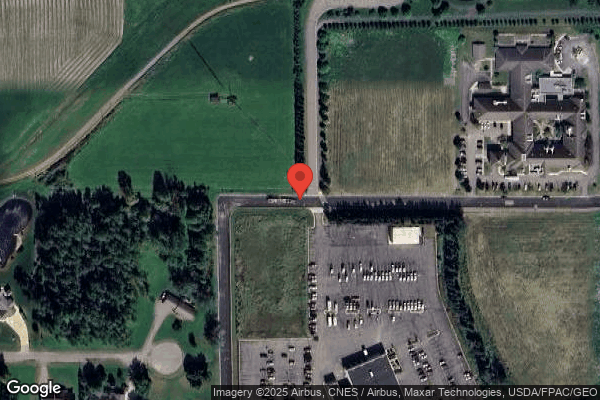
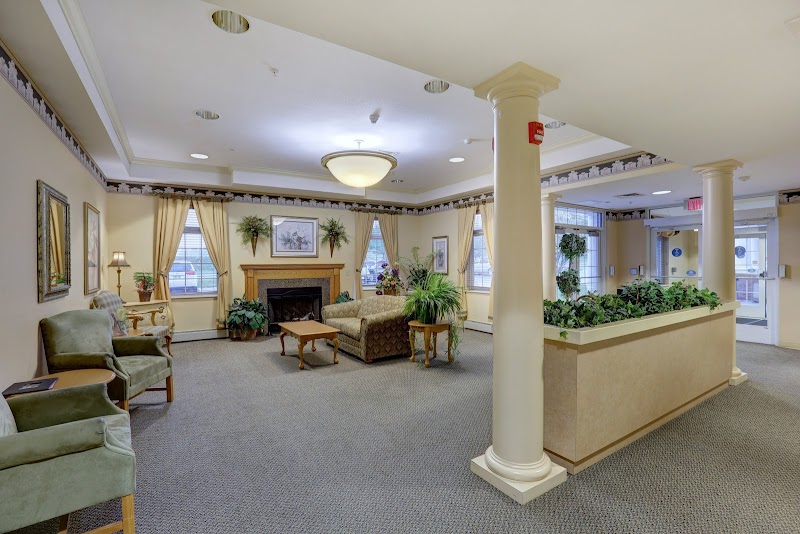
209 WILDERNESS VIEW DRIVE, MARSHFIELD, WI 54449 (715) 389-6000
For profit - Limited Liability company 75 Beds NORTH SHORE HEALTHCARE Data: November 2025 2 Immediate Jeopardy citations
Trust Grade
36/100
#178 of 321 in WI
Last Inspection: December 2024

Within standard 12-15 month inspection cycle. Federal law requires annual inspections.

Overview

Three Oaks Health Services has received a Trust Grade of F, indicating significant concerns and placing it in the bottom tier of nursing homes. It ranks #178 out of 321 facilities in Wisconsin, which means it is in the bottom half, and #5 out of 8 in Marathon County, with only three local options performing worse. Although there is a positive trend showing improvement, with the number of issues dropping from 9 in 2024 to 4 in 2025, the facility still has critical concerns. Staffing is a relative strength with a rating of 4 out of 5 stars, but the overall turnover rate is average at 48%. However, the facility has faced serious issues, including a resident choking due to a lack of supervision during meals and incidents of sexual abuse that occurred when staff failed to implement necessary interventions. Additionally, cleanliness in food preparation areas was found to be inadequate, posing potential health risks for residents. Overall, while there are some strengths, the critical incidents and low trust grade raise considerable concerns for families considering this facility.

Trust Score
F
36/100
In Wisconsin
#178/321
Bottom 45%
Safety Record
High Risk
Review needed
Inspections
Getting Better
9 → 4 violations
Staff Stability
⚠ Watch
48% turnover. Above average. Higher turnover means staff may not know residents' routines.
Penalties
⚠ Watch
$41,118 in fines. Higher than 89% of Wisconsin facilities, suggesting repeated compliance issues.
Skilled Nurses
✓ Good
Each resident gets 57 minutes of Registered Nurse (RN) attention daily — more than average for Wisconsin. RNs are trained to catch health problems early.
Violations
⚠ Watch
18 deficiencies on record. Higher than average. Multiple issues found across inspections.
★★★☆☆
3.0
Overall Rating
★★★★☆
4.0
Staff Levels
★★★★★
5.0
Care Quality
★★☆☆☆
2.0
Inspection Score
Stable
2024: 9 issues
2025: 4 issues

The Good

  • 4-Star Staffing Rating · Above-average nurse staffing levels
  • 5-Star Quality Measures · Strong clinical quality outcomes
  • Full Sprinkler Coverage · Fire safety systems throughout facility
  • No fines on record

Facility shows strength in staffing levels, quality measures, fire safety.

The Bad

3-Star Overall Rating

Near Wisconsin average (3.0)

Meets federal standards, typical of most facilities

Staff Turnover: 48%

Near Wisconsin avg (46%)

Higher turnover may affect care consistency

Federal Fines: $41,118

Above median ($33,413)

Moderate penalties - review what triggered them

Chain: NORTH SHORE HEALTHCARE

Part of a multi-facility chain

Ask about local staffing decisions and management

The Ugly 18 deficiencies on record

2 life-threatening
Mar 2025 4 deficiencies 1 IJ
CRITICAL (J) 📢 Someone Reported This

A family member, employee, or ombudsman was alarmed enough to file a formal complaint

Immediate Jeopardy (IJ) - the most serious Medicare violation

Accident Prevention (Tag F0689)

Someone could have died · This affected 1 resident

**NOTE- TERMS IN BRACKETS HAVE BEEN EDITED TO PROTECT CONFIDENTIALITY** Based on observation, record review, and interview, the facility did not provide a resident the needed supervision and assistanc...

Read full inspector narrative →
**NOTE- TERMS IN BRACKETS HAVE BEEN EDITED TO PROTECT CONFIDENTIALITY** Based on observation, record review, and interview, the facility did not provide a resident the needed supervision and assistance to eat safely per speech therapy recommendations. The facility practice affected 1 of 3 residents reviewed (R1). R1 has cancer of the larynx (throat) and a history of dysphagia (difficulty swallowing) and aspiration pneumonia. On 02/06/25, R1's speech therapy guidelines were not followed when R1 was not given assistance and supervision at mealtime. R1 choked on sweet potatoes. R1's POA, who had just come to visit, found R1 red in the face. No staff were present. R1's POA performed the Heimlich maneuver. The approach to be supervised while eating or drinking was not followed again as observed on survey 02/24/25. The facility's failure to provide the necessary supervision and assistance for R1 to eat safely during meals created a finding of immediate jeopardy that began on 02/06/25. The State Agency (SA) notified Nursing Home Administrator (NHA) A of the immediate jeopardy on 02/27/25 at 2:45 PM. The immediate jeopardy was removed on 02/27/25; however, the deficient practice continues at a scope/severity level D (potential for harm/isolated) as the facility continues to implement their interventions for residents requiring supervision with meals. This is evidenced by: The facility policy titled NSG Accidents and Supervision dated 7/14/2022, reads in part: Policy: The resident environment will remain free of accidents hazards as is possible. Each resident will receive adequate supervision .to prevent accidents. This includes: 1. Identifying hazard(s) and risk(s). 3. Implementing interventions to reduce hazard(s) and risk(s). 'Accident' refers to any unexpected or unintentional incident, which results in injury or illness to a resident. 'Environment' refers to any environment or area in the facility that is frequented by or accessible to residents, including (but not limited to) .activity areas. Policy Explanation and Compliance Guidelines: 1. Identification of Hazards and Risks-the process through which the facility becomes aware of potential hazards in the resident environment and the risk of a resident having an avoidable accident. a. All staff .are to be involved in observing and identifying potential hazards in the resident environment, while taking into consideration the unique characteristics and abilities of the resident. b. The facility should make a reasonable effort in identifying hazards and risk factors for each resident. 2. Evaluation and Analysis-the process of examining data to identify specific hazards and risks and develop targeted interventions to reduce potential accidents . i. Implementing specific interventions as part of the care plan. ii. Supervising staff and residents etc. 4. Monitoring and Modification-Monitoring is the process of evaluating the effectiveness of care plan interventions . a. Ensuring that interventions are implemented correctly and consistently. 5. Supervision-Supervision is an intervention and a means of mitigating accident risk. The facility will provide adequate supervision to prevent accidents. Adequacy of supervision: a. Defined by type and frequency. b. Based on individual resident's assessed needs and identified hazards in the resident's environment. Surveyor reviewed R1's record and noted the following: R1's most recent quarterly Minimum Data Set (MDS) completed 1/26/25 noted R1 eats with supervision. R1's Speech Therapy SLP (Speech Language Pathology) Discharge Summary, dates of service 11/08/24-11/26/24, reads Dysphagia Therapy: Diagnosis of dysphagia, oropharyngeal (mouth to throat) phase. Current level of function: thin liquids and mechanical soft/ground textures, minced and moist. R1's nutritional assessment dated [DATE] specifies: Specify other swallowing disorder: H/O (history of) dysphagia, need for altered diet per SLP/MD. H/O radiation to throat. H/O aspiration pneumonia. High risk for aspiration per MD. Recommended to eat with supervision. Diet Order: Regular diet, L2 Mech. Alt texture. Regular/Thin consistency liquids-Regular textured breads, pastries, desserts, and tater tots .Add moisture, gravies and sauces. R1's care plan noted: Focus: I'm at risk for altered nutrition status r/t (related to) dysphagia (difficulty swallowing) and need altered texture diet. I also have a PMH (past medical history) of malignant neoplasm of larynx (throat cancer) s/p (status post) chemoradiation, Parkinson's disease, malnutrition, GERD (gastroesophageal reflux disease), h/o (history of) weight loss. Date Initiated: 5/19/2022. Goal: I will show no signs/symptoms of chewing/swallowing difficulty . Date Initiated: 8/22/23 Revised on: 10/08/24 Target Date: 7/21/2025 Interventions/Tasks: Instructions per Speech Therapy: Small bites and sips. Slow rate with dabble swallow after food as needed. Multiple swallows, give extra time to clear. Frequent and thorough mouth cares. Supervision with eating. R1's Certified Nursing Assistant (CNA) care card included: Instructions per Speech Therapy: Small bites and sips. Slow rate with dabble swallow after food as needed. Multiple swallows, give extra time to clear. Frequent and thorough mouth cares. Supervision with eating. R1's nurses notes included: 2/7/2025 00:08 (12:08 AM) Health Status Note Note Text: When writer approached sight [sic] where resident was her son was putting her back into her wheelchair. ADON (Assistant Director of Nursing) .was there and some other staff members. ADON and son stated that resident was choking on sweet potatoes from supper. The son stated that resident was not able to breathe when he approached her, so he took her to just outside the dining room for help. Writer was in STR (short term rehab) heard To the dining room over the walkie talkie x 2. Then writer was paged to come to area. Resident was noted with coughing up pieces of sweet potatoes into a tissue several times. Unclear to everything that was done or happened, please see ADON assessment and charting. Resident food needs to be the right consistency, easy to chew, with no large or hard pieces that she could choke on. Oak Medical called and updated .with order to continue to monitor and to take vitals q shift for 24 hours. Surveyor reviewed Assistant Director of Nursing (ADON) D's assessment of the incident above. The assessment noted vital signs as stable and lung sounds clear. Recommending a trial period of pureed foods. On 2/24/25 at 9:20 AM, Surveyor interviewed Power of Attorney (POA) F (R1's son) regarding R1's incident on 2/06/25. POA F indicated he came to visit R1 a few weeks ago. R1 was seated in the activity area across from the dining room with her meal and no staff were present. R1 was red in the face and nodded her head Yes when POA F asked her if she was choking. POA F wheeled R1 across the hallway to the dining room and told staff R1 was choking. R1 was stood from wheelchair by POA F and a Certified Nursing Assistant (CNA) who called for help and started patting R1 on the back. POA F attempted the Heimlich, and R1 started coughing and spitting out sweet potato for 2-3 minutes before a nurse arrived. By the time the nurse arrived R1 was able to talk and was no longer choking. R1 has history of throat cancer and dysphagia. R1 is supposed to be supervised by staff when eating and no staff were in the area where R1 was eating in the lounge/activity room. On 2/24/25 at 12:27 PM, Surveyor observed R1 seated in the small dining room, which is a separate room adjoined to the large dining room. R1 was observed with 2 small regular consistency glasses of orange juice in front of her on the table. Surveyor saw no staff present in the dining room. At 12:32 PM, Surveyor observed staff in and out of the small dining room, the adjoined kitchen and the large dining room. R1 continued with the 2 glasses of orange juice at table. At 12:45 PM, R1 was served her pureed meal with gravy on foods and ice cream. Surveyor observed staff serve R1's peer at table and sit down at table across from R1. On 2/25/25 at 10:10 AM, Surveyor spoke with Director of Nursing (DON) B about R1's incident on 2/06/25 and her swallowing guidelines that were in place per her care plan at the time of the incident. DON B verified the swallowing guidelines were in R1's care plan at the time of the incident. The approaches are also on the [NAME] (care card) staff use. At the time of the incident R1's approaches based on the guidelines were not followed as staff were not present with her. R1's diet was downgraded after the incident. DON B expressed there was no reeducation of staff or audits done to ensure staff are implementing R1's guidelines post incident. On 2/25/25 at 11:15 AM, Surveyor interviewed Speech Language Pathologist (SLP) E regarding R1's diet and recommendations for safe eating. SLP E explained R1 had a choking episode late last fall. SLP E picked R1 up for services at that time and determined R1 was safe with a mechanical soft diet with foods cut up and gravy on top with regular breads/pastries and regular liquids. R1 had guidelines developed that included staff in proximity encouraging small bites and sips. R1 was recommended to use a Provale (sippy) cup which she would not use. R1 is at high risk for swallowing issues without the use of the cup. R1 had a subsequent choking episode recently and her diet was downgraded to pureed foods and she was moved to the assisted dining room to ensure staff supervise her while eating. SLP E expressed she would expect staff to be present when R1 is eating and/or drinking. Surveyor asked SLP E if she has reeducated staff on R1's guidelines post incident on 2/06/25. SLP E responded the guidelines are unchanged and she has not reeducated staff on the guideline expectations. Surveyor shared observation of R1 being in the dining room with beverages with no staff present. SLP E expressed she is concerned about lack of supervision due to R1's potential risk of choking; she would expect someone be present. On 2/25/25 at 12:18 PM, Surveyor interviewed CNA C regarding R1's incident on 2/06/25 and R1's swallowing guidelines at the time of the incident. CNA C stated on 02/06/25, R1 was set up for supper meal in the lounge across from the dining room with no direct staff supervision. Staff were in dining room across the hall. POA F brought R1 across the hallway to the dining room and said Help, help. CNA C and POA F assisted R1 to stand and started patting her on the back. POA F attempted the Heimlich, and R1 started coughing up sweet potatoes which were partially chewed up. ADON D came to the dining room about 2 minutes later. R1 was coughing up food by then and was talking. ADON D instructed R1 to cough and spit out the food and R1 began laughing. R1 is now on pureed foods and sits in the assisted dining room to eat. Surveyor asked CNA C if R1 required supervision or if R1 had any swallowing guidelines in place at the time of the incident. CNA C responded R1 has always sat by herself with her meal set up in the lounge across the hallway from the dining room. CNA C further expressed she was unaware of any swallowing guidelines at the time of the incident. CNA C said she was unaware R1 required supervision with eating, and R1 was never supervised prior to moving to the assisted dining room. On 2/25/25 at 12:47 PM, Surveyor interviewed ADON D regarding R1's incident and swallowing guidelines at the time of the incident. ADON D stated she heard a page for an RN (Registered Nurse) to the dining room. ADON D responded and found R1 standing up with CNA C and POA F. POA F was saying, Mom, cough. R1 responded, No. POA F reported R1 had choked, was not breathing or speaking. ADON D observed R1 to be talking and coughing. R1 was coughing up a couple of pieces of sweet potato. R1's nurse from her unit then came on site and by then R1 was no longer coughing, was breathing per baseline, and was spitting up phlegm. ADON explained she did not know if staff were present with R1 after she was served dinner. The facility's failure to provide the necessary supervision and assistance during meals for a resident at risk for difficulty swallowing/choking created a reasonable likelihood for serious harm, which created a finding of immediate jeopardy. The immediate jeopardy was removed 03/11/25 when the facility implemented the following: 1. Reeducation with nursing staff (CNAs and Licensed Nurses) on following physician orders or Speech Therapy recommendations to include but not limited to, level of required supervision or cueing needed, and ensuring those residents requiring supervision while eating or drinking snacks or meals, have nursing staff at the dining table or bedside table when food/fluids are in front of the resident. 2. DON/designees completed an audit of current residents to validate: a. Speech therapy recommendations pertaining to swallowing precautions are reflected in the care plan and [NAME]. b. Physician orders pertaining to swallowing precautions are reflected in the care plan and [NAME]. c. Level of supervision during meals and snacks for residents with swallowing precautions are reflected in the care plan and [NAME]. 3. DON/designee completed random observations (audits) of dining room service or snack pass daily for 7 days to verify that residents in need of supervision related to swallowing precautions receive assistance as per plan of care. 4. DON/designee will continue these observations on varying meals or snacks 3 times per week for 4 additional weeks, then 2 times per week for 4 additional weeks. 5. Results of audits will be presented to facility QAPI (Quality Assurance Performance Improvement) committee for review and any recommendations. 6. Ad hoc QAPI meeting held on 02/27/25 to review this plan.
CONCERN (D) 📢 Someone Reported This

A family member, employee, or ombudsman was alarmed enough to file a formal complaint

Potential for Harm - no one hurt, but risky conditions existed

Deficiency F0552 (Tag F0552)

Could have caused harm · This affected 1 resident

Based on record review and interview, the facility did not inform R1's power of attorney (POA) for health care when medication was initiated and dosage was changed. The facility practice affected 1 of...

Read full inspector narrative →
Based on record review and interview, the facility did not inform R1's power of attorney (POA) for health care when medication was initiated and dosage was changed. The facility practice affected 1 of 3 residents reviewed. R1 was started on Tramadol as needed and scheduled Tramadol was added without informing R1's power of attorney for health care of the risks and benefits of the medication. This is evidenced by: Surveyor requested and reviewed the facility policy titled Pain Management dated 8/09/2022. The policy in part read: Policy: This facility must ensure that pain management is provided to residents who require such services. consistent with professional standards of practice, the comprehensive person-centered care plan, and the residents goals and preferences. Pain Management and Treatment: The facility in collaboration with the attending physician/prescriber, other health care professionals .and the resident and or the residents representative will develop, implement, monitor and revise as necessary interventions to prevent or manage each individual residents pain . Surveyor reviewed R1's record and noted the following: R1's most recent quarterly Minimum Data Set (MDS) completed 1/26/25, noted R1 has frequent pain rated at a 5 with both scheduled and as needed pain medications. R1's care plan noted: Focus: I have pain or the potential for pain . Intervention: Educate me and my family about pain. R1's physician orders included: 11/01/24: Tramadol HCI oral tablet 50 MG (milligrams): give one tablet by mouth every 8 hours as needed for pain. 2/18/25: Tramadol HCI oral tablet 50 MG (milligrams): give one tablet by mouth every 8 hours as needed for pain 2/18/25: Tramadol HCI oral tablet 50 MG (milligrams): give one tablet by mouth at bedtime for pain. R1's record showed POA F was the activated power of attorney (POA) for health care. R1's medication administration record showed: November 2024: Tramadol administered 5 times prn December 2024: Tramadol administered 10 times prn January 2025: Tramadol administered 6 times prn February 2025: Tramadol administered 9 times prn and daily at bedtime from 2/18/25 to 2/24/25. R1's record showed no evidence POA F was informed when R1's as needed Tramadol was ordered as needed on 11/01/14 or when the scheduled Tramadol was added on 2/18/25. On 2/24/25 at 9:20 AM, Surveyor spoke with POA F regarding R1's Tramadol. POA F indicated he took R1 out for an overnight stay at home a few weeks ago. The nurse provided POA F Tramadol to administer to R1 when she was home. POA F informed the facility he had not been informed R1 was prescribed the Tramadol. The facility did not inform POA F that R1 had started taking Tramadol for pain. On 2/25/25 at 9:55 AM, Surveyor spoke with Director of Nursing (DON) B about R1's prescriptions for Tramadol and whether the facility informed POA F when the Tramadol was initiated as needed on 11/01/24, or when the scheduled Tramadol was added on 2/18/25. DON B explained when an order is put in the system by a prescriber the nurse who removes the new order is expected to notify the resident and/or power of attorney of the medication change. POA F was not informed of the Tramadol prescriptions on either occasion and should have been. The facility did not recognize the error and did not put a process improvement plan in place to address the concern.
CONCERN (D) 📢 Someone Reported This

A family member, employee, or ombudsman was alarmed enough to file a formal complaint

Potential for Harm - no one hurt, but risky conditions existed

Medication Errors (Tag F0758)

Could have caused harm · This affected 1 resident

**NOTE- TERMS IN BRACKETS HAVE BEEN EDITED TO PROTECT CONFIDENTIALITY** Based on record review and interview, the facility continued administration of a psychotropic medication after the medication wa...

Read full inspector narrative →
**NOTE- TERMS IN BRACKETS HAVE BEEN EDITED TO PROTECT CONFIDENTIALITY** Based on record review and interview, the facility continued administration of a psychotropic medication after the medication was no longer necessary and recommended to be discontinued. The facility practice affected 1 of 3 residents (R) R2, reviewed. This is evidenced by: Surveyor requested and reviewed the facility policy titled, Psychotropic Medications dated 10/24/2022. The policy, in part, read: Policy: Residents should not receive psychotropic drugs unless the medication is necessary to treat a specific condition, as diagnosed and documented in the clinical record, and the medication is beneficial to the resident, as demonstrated by monitoring and documentation of the residents response to the medication. Policy Explanation and Compliance Guidelines: 3. The attending physician will assume leadership in medication management by developing, monitoring and modifying medication regimen in collaboration with the residents, their families and/or representatives . Surveyor reviewed R2's record and noted the following: R2's power of attorney (POA) for health care was her spouse (POA) G. R2's diagnoses included dementia without behavioral disturbance, psychotic disturbance, mood disturbance, anxiety, Parkinson's disease and depressive disorder. R2's minimum data set (MDS) dated [DATE] notes R2 had no hallucinations or delusions. R2's care plan included: Focus: Exhibits changes in mood and/or behavior related to dementia, major depressive disorder and mild cognitive impairment of uncertain etiology. Goal: Will accept care and medications as prescribed. Date Initiated; 7/16/24 Interventions/Tasks: Administer medications as ordered. Behavior 1: Hallucinations Interventions included: Psych referral as needed. R2's physician orders included: ~Duloxetine HCL DR 20 MG cap, give 1 cap by mouth daily for hallucinations. Start 10/26/23. Discontinued 12/02/24. R2's Behavioral Care Solutions/Psychiatry Follow up for medication review visits noted: ~10/30/24: admission: [DATE] R2 seen today with husband .discussed stopping duloxetine 20 mg. Indicated use in the chart for hallucinations which she has not had any since our initial visit. Thought content: No delusions, no paranoia, no hallucinations, no perceptual disturbances, no delusional or bizarre material expressed. Assessment and Plan: discussed with husband and [R2] about stopping duloxetine. Monitor for mood and pain. No hallucinations for several years as indicated it is used for hallucinations. Husband in agreement with plan . ~11/24/24: Discussed stopping duloxetine 20 mg. Indicated use in chart is hallucinations which she has not had any since initial visit. We asked duloxetine be stopped .It was not stopped . Patient seen with husband today .Plan: discussed with husband and [R2] about stopping duloxetine .no hallucinations in several years .husband in agreement with plan .duloxetine was not discontinued after last visit. Husband appeared as it had been stopped, email sent to .Director of Nurses to follow up. ~12/23/24: Duloxetine was not discontinued in October .Husband expressed his concern for the duloxetine not being stopped when it was discussed . Surveyor reviewed R2's Medication Administration Record (MAR) and noted R2 was administered duloxetine from 10/30/24 to 12/02/24 after the provider and power of attorney agreed on the discontinuation of the medication. Surveyor reviewed R2's documentation for behaviors of hallucinations from February 2024 through October 2024 and noted no hallucinations as noted by R2's provider. On 2/24/25 at 10:18 AM, Surveyor interviewed POA G who indicated he is R2's power of attorney for health care. POA G indicated his only concern at the facility was Director of Nursing (DON) B missed a medication change. DON B did not discontinue the use of duloxetine when R2 had not experienced hallucinations and the duloxetine was recommended to be discontinued by R2's psychiatry provider. On 2/25/25 at 12:35 PM, Surveyor interviewed DON B about R2's psychiatry provider's recommendation for discontinuation of R2's duloxetine on 10/30/24. DON B indicated she receives the psychiatry provider notes via email. DON B further expressed she does not know how she did not catch the recommendation for discontinuing the duloxetine as recommended by the provider in the October and November notes. DON B further expressed she did not read the notes and did not act on the recommendation to discontinue the medication until 12/02/24 which is unacceptable. DON B indicated R2 continued to receive the medication after it was deemed unnecessary.
CONCERN (F) 📢 Someone Reported This

A family member, employee, or ombudsman was alarmed enough to file a formal complaint

Potential for Harm - no one hurt, but risky conditions existed

Food Safety (Tag F0812)

Could have caused harm · This affected most or all residents

Based on observation, interview, and record review, the facility did not prepare, store, and distribute foods under sanitary conditions. The facility practice had the potential to affect all 61 reside...

Read full inspector narrative →
Based on observation, interview, and record review, the facility did not prepare, store, and distribute foods under sanitary conditions. The facility practice had the potential to affect all 61 residents. Floors in the kitchen, dish room and walk-in refrigerator/freezer had dirt and debris present during the initial tour of the kitchen. Carts used to transport foods and beverages to residents were discolored and had visible debris. Refrigerators in the ACU (Alzheimer's Care Unit) and East dining room, where resident foods are stored, had dried beverages and discolored ice pooled on the bottom. This is evidenced by: Example 1 The facility policy titled Food Preparation dated 9/2017. The policy in part read: Policy Statement All Foods are prepared in accordance with FDA (Food and Drug Administration) food code. Procedures 2. Dining Services staff will be responsible for food procedures that avoid contamination by potentially harmful physical, biological and chemical contamination. 3. All utensils, food contact equipment and food contact surfaces will be cleaned and sanitized after each use. The facility policy titled, Food Storage dated 4/2028. The policy, in part, read: Policy Statement All time/Temperature for Safety foods, frozen and refrigerated, will be appropriately stored with guidelines of the FDA food code. Procedures 5. All foods will be stored .and arranged in a manner to prevent cross contamination. The facility policy titled Food Storage: Dry Goods dated 9/2017. The policy in part read: Policy Statement All dry goods will be appropriately stored in accordance with the FDA food code. Procedures 6. Storage areas will be neat . On 2/24/25 at 8:45 AM, Surveyor conducted an initial tour of the facility's kitchen. Surveyor noted the floors in the kitchen, dish room, and walk-in refrigerator/freezer with dirt, debris, and food particles throughout. On 2/24/25 at 12:12 PM, Surveyor spoke with Dietary Manager (DM) H about the dirty floors. DM H agreed the floors were visibly dirty and indicated the floors are supposed to be swept and mopped daily per the dietary staff daily cleaning logs to ensure sanitation in the kitchen. Surveyor requested the daily cleaning logs since the facility's last recertification survey on 12/12/24. Surveyor reviewed the daily cleaning logs and noted the logs titled, Nightly Closing Checklist included Floors in dining room and kitchen are swept and mopped. Surveyor noted the sheets were missing or not initialed as swept or mopped on 24 days. Example 2 The facility policy regarding resident storage of foods brought in by visitor including clean storage of the food items. The policy titled Food Storage dated 4/2028 was provided and read in part: Policy Statement All time/Temperature for Safety foods, frozen and refrigerated, will be appropriately stored with guidelines of the FDA food code. Procedures 5. All foods will be stored .and arranged in a manner to prevent cross contamination. On 2/24/25 at 8:45 AM, as part of the initial tour, Surveyor observed the refrigerator in the east dining room kitchenette with discolored water that had frozen to the bottom of the refrigerator. The refrigerator contained resident food items brought in and snacks provided by the kitchen. Surveyor observed dried red fluid that was sticky to the touch across the bottom of the refrigerator on the Alzheimer's Care Unit (ACU). The refrigerator contained snacks provided by the kitchen and foods brought in for residents. On 2/24/25 at 12:12 PM, Surveyor spoke with DM H about the observation. DM H accompanied Surveyor to the refrigerators and observed the refrigerators as Surveyor had during the initial tour. DM H commented, Not at all clean, with observation of the east refrigerator and expressed the refrigerator is supposed to be cleaned daily. DM H expressed the ACU refrigerator is supposed to be cleaned daily and is obviously not. DM H expressed the refrigerators pose a risk of cross contamination. Surveyor requested the daily cleaning logs and noted the logs do not include cleaning of the refrigerators. DM H indicated the Dietary Aide tasks lists include cleaning the refrigerators. Surveyor reviewed the task list and noted: If fridge is dirty wash it out immediately. Example 3 The facility policy titled, Food Preparation dated 9/2017. The policy, in part, read: Policy Statement All Foods are prepared in accordance with FDA (Food and Drug Administration) food code. Procedures 2. Dining Services staff will be responsible for food procedures that avoid contamination by potentially harmful physical, biological and chemical contamination. 3. All utensils, food contact equipment and food contact surfaces will be cleaned and sanitized after each use. On 2/24/25 at 12:12 PM, during observation of food service for lunch in the kitchen, Surveyor observed dietary staff placing resident beverages and foods on 3-tiered carts for distribution. Surveyor observed the carts to be dirty, discolored and containing dried food matter on the surfaces. Surveyor brought the dirty carts to the attention of DM H who stated the carts were not clean, less than cleanly for service. DM H used a wet rag to wipe one of the carts and the rag was visibly dirty after wiping the surface of the top tier of the cart. DM H had staff move the beverages from the cart which were then placed on another cart that was visibly dirty. Surveyor noted seven 3-tiered carts in the kitchen for food service which were visibly dirty. On 2/25/25 at 7:44 AM, Surveyor interviewed DM H about the sanitation concerns in the kitchen and the refrigerators on the east and ACU units. DM H expressed her expectation is for floors to swept and mopped daily including the kitchen, dish room and walk-in refrigerator to maintain sanitation and prevent rodents. DM H's expectation is the refrigerators on the ACU and East wings to be checked daily and cleaned immediately if dirty to prevent cross contamination. Her expectation is for cleaning to be done daily. The current system is failing for cleaning and does not hold staff responsible or accountable for the cleaning. Going forward a new checklist for cleaning will be developed and follow through will be done with staff who are not meeting the expectations.
Dec 2024 8 deficiencies
CONCERN (D)

Potential for Harm - no one hurt, but risky conditions existed

Notification of Changes (Tag F0580)

Could have caused harm · This affected 1 resident

Based on interviews and record reviews, the facility did not consult with a physician as indicated by ordered parameters with a significant weight increase for 1 of 17 residents (R) R6. This is eviden...

Read full inspector narrative →
Based on interviews and record reviews, the facility did not consult with a physician as indicated by ordered parameters with a significant weight increase for 1 of 17 residents (R) R6. This is evidenced by: The facility policy titled Change in Condition of the Resident, dated September 2022, states in part, A facility should immediately consult with the resident's physician when there is the potential for requiring physician intervention; or a need to alter treatment significantly that is, a need to discontinue an existing form of treatment due to adverse consequences, or to commence a new form of treatment. R6 was admitted to facility on 05/25/18 and has diagnoses that include chronic obstructive pulmonary disease, hypertensive heart and chronic kidney disease with congestive heart failure (CHF). R6 has a Brief Interview for Mental Status (BIMS) score of 14 out of 15, indicating cognitively intact. R6's Quarterly Minimum Data Set (MDS) with target date of 10/23/24, Section K: weight 150#. R6's care plan initiated 04/19/24, with a target date of 01/08/25, states, Edema/excess fluid volume as evidenced by CHF. Goal: Will be free of complications r/t edema/excess fluid volume. R26's physician orders dated 04/26/24 states: Daily weight - call the Heart Failure Clinic (HFC), if the patient has a weight gain of greater than or equal to 3 lbs overnight, or a weight gain greater than or equal to 5 lbs in a week. Also, if resident shows worsening signs of heart failure such as weight gain. On 12/10/24 at 12:57 PM, Surveyor reviewed R6's daily weight record which showed on 12/02/24, R6 weighed 148.2 lbs and on 12/08/2024, the R6 weighed 153.4 lbs, indicating R6 had a weight gain of 5.2 lbs in a 5-day period. On 12/11/24, the facility record indicated that R6's daily weight was 156.9 lbs. On 12/17/24 at 12:57 PM, Surveyor reviewed R6's medical record and was unable to locate documentation to support the HFC or primary physician was updated of weight results. On 12/12/24 at 10:05 AM, Surveyor interviewed Registered Nurse (RN) E, regarding process of monitoring and contacting a provider if a resident with CHF has increased weight or signs and symptoms of heart failure. RN E stated after checking R6's physician orders, Per orders would need to contact the HFC if R6 gains 3 lbs in 1 day or 5 lbs in 5 days. RN E confirmed that R6 had a weight gain of 5+lbs from 12/03/24 to 12/08/24. RN E was unable to locate any notification to HFC or primary physician in progress notes of weight gain. On 12/12/24 at 10:18 AM, Surveyor interviewed Director of Nursing (DON) B and Licensed Practical Nurse (LPN) D regarding increase of R6's daily weight and following physician orders. LPN D reviewed R6's medical record and confirmed was not able to find any assessments conducted of R6's current health status related to CHF, or contact to HFC or primary physician per physician orders. On 12/12/24 at 10:25 AM, Surveyor interviewed DON B, who stated that expectation would be for the nurse to contact the HFC per physician orders. On 12/12/24 at 12:19 PM, Surveyor interviewed Nursing Home Administrator (NHA) A regarding facility policy for following physician orders. NHA A stated the facility does not have a policy for following physician orders, as it would be a standard of practice for staff to follow physician orders.
CONCERN (D) 📢 Someone Reported This

A family member, employee, or ombudsman was alarmed enough to file a formal complaint

Potential for Harm - no one hurt, but risky conditions existed

Report Alleged Abuse (Tag F0609)

Could have caused harm · This affected 1 resident

Based on record review and interview, the facility failed to develop and/or implement policies and procedures for ensuring the reporting of a reasonable suspicion of a crime in accordance with section...

Read full inspector narrative →
Based on record review and interview, the facility failed to develop and/or implement policies and procedures for ensuring the reporting of a reasonable suspicion of a crime in accordance with section 1150B of the Act when an allegation of verbal abuse was not reported immediately but not later than 2 hours after the allegation is made to local law enforcement in accordance with state law through established procedures. The facility practice affected 1 of 3 residents (R) reviewed. (R47). This is evidenced by: Surveyor requested and reviewed the facility policy titled, Reporting Reasonable Suspicion of a Crime which was last revised on 08/16/2022, which indicated the following: Policy: It is the policy of this center, pursuant to Section 1150B of the Social Security Act, to report any reasonable suspicion of a crime committed against a resident of this facility. Crime is defined by law of the applicable political subdivision where the facility is located. Law enforcement is the full range of potential responders to elder abuse, neglect and exploitation including: police, sheriffs, detectives, public safety officers, corrections personnel, prosecutors . Guidelines: The facility will coordinate with state and local law enforcement entities to determine what actions are considered crimes in the facility's political subdivision and will work with law enforcement to determine which crimes are reported. Examples of situations that would be considered crimes in all subdivisions include, but are not limited, to: murder, manslaughter, rape, assault and battery, sexual abuse, theft/robbery, drug diversion for personal use or gain, fraud and/or forgery, certain cases of abuse, neglect, and exploitation, others as required by local jurisdiction and/or specific circumstances of the incident(s). Surveyor reviewed the Facility Reported Incident (FRI) and noted: On 11/09/24 at 10:15 AM, R47 was in the dining room in his wheelchair sitting at the dining table with another resident. R16 attempted to manually wheel himself through the dining room behind the table where R47 was sitting and came too close to R47's wheelchair where the two wheelchair wheels came into contact. R16 was unable to maneuver his wheelchair to get around R47. R47 could not move his wheelchair as he was blocked by R16's wheelchair. R16 became angry when he could not get his wheelchair around R47 and hit R47 on the back of his head. Licensed Practical Nurse (LPN) C had witnessed the incident and immediately intervened. Both residents were separated and R47 was assessed. No physical injury or bruising was observed. R47 denied pain. LPN C notified hospice provider, R47's Activated Power of Attorney (APOA), and Director of Nursing (DON). Law enforcement was not notified. On 12/10/24 at 12:12 PM, Surveyor attempted to interview R47 about the incident. R47 was unable to recall any details of the incident or it even occurring. On 12/12/24 at 10:32 AM, Surveyor interviewed Nursing Home Administrator (NHA) A regarding the reported incident. Surveyor asked NHA A why this incident was not reported to local law enforcement. NHA A stated that she had been on the fence about whether to call the police because no major injury was sustained. Surveyor asked NHA A if their policy for reporting a suspicion of a crime would include what had happened in this incident. NHA A stated that after reviewing the policy, which included physical abuse, that this incident should have been reported to the local police at the time of the incident.
CONCERN (D)

Potential for Harm - no one hurt, but risky conditions existed

Unnecessary Medications (Tag F0759)

Could have caused harm · This affected 1 resident

Based on observation, policy review and interview, the facility did not ensure a medication error rate of 5% or less. During the medication administration task, Surveyor observed 2 errors out of 30 me...

Read full inspector narrative →
Based on observation, policy review and interview, the facility did not ensure a medication error rate of 5% or less. During the medication administration task, Surveyor observed 2 errors out of 30 medication opportunities, resulting in an error rate of 6.67%. Surveyor had to intervene to stop Licensed Practical Nurse (LPN) C from administering eye drop to the wrong resident. This had the potential to affect 1 of 1 resident (R14) observed for medication administration. This is evidenced by: Facility policy titled, Medication Administration, stated in part, Prior to administration, review and confirm medication orders for each individual resident on the Medication Administration Record (MAR). Compare the medication and dosage schedule on the resident's MAR with the medication label .verify medication is correct three (3) times before administering .medications supplied for one resident are never administered to another resident. On 12/10/24 at 10:37 AM, Surveyor observed Licensed Practical Nurse (LPN) C prepare two ophthalmologic solutions (eye drops) for administration by removing them from the medication cart. Surveyor asked LPN C who the eye drops would be administered to. LPN C stated they were for R14. Surveyor observed LPN C compare the eye drops to the MAR for correct medication, resident, time, route, dosage. LPN C then handed the two eye drop bottles to Surveyor for review. Surveyor noted the medication label was prescribed for R43. LPN C then went and brought R14 into the nurse's station for administration of the eye drops. Surveyor handed the two eye drop bottles back to LPN C and asked who they were going to be administered to. LPN C stated again R14. Surveyor asked LPN C to verify the medications again. LPN C opened the MAR and stated out loud the medication, dose ordered, resident name as R14, and the order documented in the MAR while comparing to the two eye drop bottles for R43. LPN C then completed hand hygiene, donned gloves, and opened one of the eye drop bottles to administer to R14. Surveyor stopped LPN C prior to administering eye drops to R14 and asked LPN C to look at the bottle's prescription label. LPN C then stated, Oh my goodness! This isn't R14's eye drops. Somebody put them in the wrong slot. LPN C then replaced the two eye drops into the correct resident's slot and removed R14's correct eye drops from the medication cart and administered the correct medications ordered. Immediately following the incident, Surveyor asked LPN C what the expected procedure is for safely administering medications. LPN C stated to verify the resident name matches the label and order before administration. LPN C stated that she thought she had looked at the label and saw R14's name but must have just focused on the medication matching the MAR. LPN C stated recognition of almost administering the wrong medication to the wrong resident. On 12/12/24 at 11:43 AM, Surveyor interviewed Director of Nursing (DON) B and asked the facility policy for administering medications. DON B stated the nurses should verify the correct medication with the order in the MAR prior to administration.
CONCERN (D)

Potential for Harm - no one hurt, but risky conditions existed

Infection Control (Tag F0880)

Could have caused harm · This affected 1 resident

**NOTE- TERMS IN BRACKETS HAVE BEEN EDITED TO PROTECT CONFIDENTIALITY** Based on observation, record review and interview, the facility did not establish and maintain an infection prevention and contr...

Read full inspector narrative →
**NOTE- TERMS IN BRACKETS HAVE BEEN EDITED TO PROTECT CONFIDENTIALITY** Based on observation, record review and interview, the facility did not establish and maintain an infection prevention and control program designed to provide a safe, sanitary, and comfortable environment, and to help prevent the development and transmission of communicable diseases and infections for 1 of 1 (R) resident observed for wound care while on Enhanced Barrier Precautions (R47), staff did not change gloves or perform hand hygiene during 1 of 5 observations (R6) of incontinence cares. This is evidenced by: Facility policy titled, Enhanced Barrier Precautions, with a most recent revised date of 08/08/24, stated in part: Enhanced Barrier Precautions (EBP) refer to an infection control intervention designed to reduce transmission of multidrug-resistant organisms that employs targeted gown and glove use during high-contact resident care activities .high-contact resident care activities include: .wound care: any chronic skin opening requiring a dressing. R47 was admitted to the facility on [DATE] with pertinent diagnoses of diabetes and chronic obstructive pulmonary disease. R47's most recent Minimum Data Set (MDS) completed 08/29/24 indicated no current pressure injuries or other skin/wound concerns. R47's care plan dated 11/15/24 and target date of 12/26/24 stated, At risk for alteration in skin integrity related to: impaired mobility. Skin will remain intact, free from erythema, breakdown, excoriation, or bruising until next review. Wound nurse to assess weekly. Enhanced Barrier Precautions will be maintained. On 12/10/24 at 9:44 AM, Surveyor observed an EBP sign on R47's door and a PPE bin located just outside of R47's room containing disposable gowns and gloves. Surveyor observed Licensed Practical Nurse (LPN) C don gown and gloves after completing hand hygiene outside of R47's room prior to entering to provide wound care for R47's pressure injury on left ear. LPN C placed a barrier on bed linens to set down wound care supplies. LPN C removed the dressing from R47's ear and cleansed the area. LPN C then removed gloves and donned new gloves without completing hand hygiene. LPN C dried area with sterile dressing gauze and then disposed gauze. LPN C removed gloves and donned new gloves without completing hand hygiene. LPN C then applied a new dressing to R47's ear. LPN C then disposed of used supplies in garbage, removed gloves, and washed hands in sink. LPN C then returned to R47 to assess ear again and touched R47's ear and head without gloves on. LPN C then removed gown, donned gloves, gathered garbage to remove from R47's room, and placed in soiled linen utility closet for disposable. LPN C then completed hand hygiene. Immediately following observation, Surveyor asked LPN C about the care provided. Surveyor asked LPN C about EBP and use of gloves. LPN C stated that she realized afterward that she didn't complete hand hygiene in-between glove changes and should have. Surveyor asked LPN C when gloves should be used. LPN C stated while completing all contact care for residents on EBP. Surveyor asked if LPN C had followed this policy. LPN C stated no, that gloves should be warn all the time while providing cares and hand hygiene should be completed whenever they are removed. On 12/12/24 at 11:43 AM, Surveyor interviewed Director of Nursing (DON) B regarding observation of wound care and EBP. Surveyor asked DON B what the expectation is for providing wound care for residents on EBP. DON B stated that staff are to wear gown and gloves when providing high-contact care, like wound care, and complete hand hygiene whenever gloves are removed. DON B stated that staff are educated regularly regarding EBP and are audited on this practice due to the high-risk of transmission of infections. DON B stated disappoint in this observation as all staff are aware of the importance of hand hygiene and use of PPE to protect all residents and will complete additional training with staff. The facility policy titled Hand Hygiene dated 11/02/22 states, All staff will perform proper hand hygiene procedures to prevent the spread of infection to other personnel, residents and visitors. Policy explanation and compliance guidelines .2. Hand hygiene is indicated and will be performed under the conditions listed in, but not limited to, the attached hand hygiene table. The attached Hand Hygiene Table per facility policy indicates hand hygiene should be conducted . when, during resident care, moving from a contaminated with .body fluids, secretions or excretions. On 12/11/24 at 7:31 AM, Surveyor observed Certified Nursing Assistant (CNA) F complete AM cares on R6. After completing upper body cleansing, CNA F cleansed R6's frontal peri care with a washcloth and dried with a towel. Without removing gloves and conducting hand hygiene, CNA F proceeded to dress R6's upper body with a bra and shirt, rolled R6 onto right side and fastened bra and pulled down back of shirt, removed wet incontinent product, washed and dried R6's buttocks and proceeded to position a clean incontinent product under R6. CNA F then fastened the incontinent product and pulled up R6's pants with contaminated gloves. On 12/11/24 at 7:40 AM, Surveyor interviewed CNA F, regarding observation of removing and/or conducting hand hygiene when moving from a dirty to clean area. CNA F confirmed removal of gloves and hand hygiene should have been conducted after conducting peri care and continuing cares. On 12/11/24 at 9:18 AM, Surveyor interviewed DON B regarding observation of CNA F not removing gloves and conducting hand hygiene following completion of R6's peri care. DON B stated expectation would be to remove gloves and conduct hand hygiene before continuing cares after going from a dirty to clean area.
CONCERN (E)

Potential for Harm - no one hurt, but risky conditions existed

Transfer Notice (Tag F0623)

Could have caused harm · This affected multiple residents

**NOTE- TERMS IN BRACKETS HAVE BEEN EDITED TO PROTECT CONFIDENTIALITY** Example 5 R22 was admitted to the facility on [DATE] with pertinent diagnoses of obstructive and reflux uropathy, dementia, cong...

Read full inspector narrative →
**NOTE- TERMS IN BRACKETS HAVE BEEN EDITED TO PROTECT CONFIDENTIALITY** Example 5 R22 was admitted to the facility on [DATE] with pertinent diagnoses of obstructive and reflux uropathy, dementia, congestive heart failure, and chronic ulcer of the foot. Review of R22's Minimum Data Set (MDS) record shows discharge return anticipated on 01/05/24, 03/01/24, 03/16/24, and 03/25/24. Surveyor reviewed R22's record and noted the following: On 01/05/24, R22 was transferred to the hospital with left sided weakness and facial drooping. R22 returned to the facility on [DATE]. Nursing notes indicated: -1/5/2024 06:24 Resident had increased left sided weakness and shakes at 0400. Resident unable to transfer increased confusion and emotional. Resident had slurred speech. 0530 resident had facial drooping. Called Provider, POA, and DON. On 03/01/24, R22 was transferred to the hospital with increased weakness and impaired speech. R22 returned to the facility on [DATE]. Nursing notes indicated: -3/1/2024 14:02 Resident was sent out at 0700 for increased weakness and impaired speech. Resident was in visible pain. Resident was hypotensive, crying and was diagnosed with an acute kidney injury and a UTI on 2-29-24. Resident was sent nonemergency to the ER due to being out of parameters with vitals as her blood pressure was 96/56, her temperature was 98.3, pulse of 74 and respirations of 18. The POA was called and agreed to have resident sent out. Resident was sent out at 0700. Nurse called the ER at 1200 for an update and the resident was admitted with an acute kidney injury and cellulitis. On 03/16/24, R22 was transferred to the hospital with increased fluid. R22 returned to the facility on [DATE]. Nursing notes indicated: -3/14/2024 14:04 Resident seen by MD today- Restart furosemide 20mg BID. BMP next lab day. Follow up with heart failure clinic. -3/15/2024 14:28 Voiding trial was unsuccessful. NP placed foley catheter. Since catheter has been placed, resident has had 800cc of urine output. Resident is not complaining of pain or discomfort. Resident has been resting in bed comfortably. -3/16/2024 20:41 Spoke with medical center. Updated that R22 has been admitted with diagnosis of CHF exacerbation. Will be diuresed. On 03/25/24, R22 was transferred to the hospital with increased weakness. R22 returned to the facility on [DATE]. Nursing notes indicated: -3/24/2024 14:00 Resident refused lunch this afternoon, ate breakfast. Slept through most of shift. Required increased assistance with transfers and ADL's this AM. Resident denies increased pain or discomfort. VS stable. Continues to be able to make needs known, speech appropriate. -3/25/2024 10:51 Resident was unable to sit up or stand this AM, resident was unable to tell staff her name or respond at all. MD gave VO to send resident to ER for evaluation. Resident's POA was contacted and approved resident to be sent out. Surveyor reviewed R22's medical record and was unable to locate documentation to support R22 received a notice of transfer for any of the discharges. On 12/11/24 at 12:14 PM, Surveyor requested information of notification to the State Long Term Care Ombudsman for R22's discharges to the hospital and written notice of transfer. NHA A stated the facility did not have documentation for notice of transfer or ombudsman notification for any of these discharges. Example 3 R6 was admitted to facility on 05/25/18 and has diagnoses that include chronic obstructive pulmonary disease, hypertensive heart, and chronic kidney disease with heart failure. R6 has a BIMS of 14, indicating cognitively intact. On 09/22/24, R6 was transferred to hospital via ambulance for myoclonic jerking movements that were increasing in frequency. R6 returned back to facility on same day. A review of MDS record documented on 05/06/24, R6 was discharged with return anticipated and returned to the facility on 5/07/24. Surveyor reviewed R6's medical record and was unable to locate documentation to support R6 received a notice of transfer or notification was sent to State Ombudsman of transfer. On 12/11/24 at 1:36 PM, Surveyor interviewed R6 about transfers to hospital and not receiving notice of rights for transfers on the two transfers to hospital. Surveyor asked how would R6 feel if not aware of rights to return to facility and financial responsibility. R6 indicated, That would be bad, that would not be good. Example 4 R3 was admitted to facility on 09/22/22 and has diagnoses that include paraplegia, Spina Bifida, hypertension, and neurogenic bladder. A review of MDS records, documented on 02/13/24, 09/04/24 and 11/24/24, R3 was discharged with return anticipated. On 02/12/24, R3 was transferred to hospital for abnormal labs, fever, and chills. R3 returned to facility on 02/15/24. On 09/04/24, R3 was transferred to hospital for chills and not feeling well. R3 returned to facility on 09/06/24. On 11/24/24, R3 was transferred to hospital due to change in condition of feet. R3 returned to facility on 11/25/24. Surveyor reviewed R3's medical records and was unable to locate documentation to support R3 received a notice of transfer for all 3 hospitalizations and 2 of 3 notifications of transfer to state Ombudsman (02/12/24 and 09/04/24). On 12/11/24 at 12:42 PM, Surveyor interviewed R3 regarding not receiving notice of transfer on 3 hospitalizations and asked how would R3 feel if not aware of rights to return to facility and financial responsibility. R3 indicated R3 would be mad. On 12/11/24 1at 2:47 PM, Surveyor interviewed Registered Nurse (RN) E regarding responsibility when sending a resident to hospital for change in condition. RN E stated that they would provide documentation to resident to sign if able or receive verbal consent. If they are not their own person, the resident's representative would be contacted and provide information and receive verbal consent to transfer out of building. Based on interview and record review, the facility did not notify the resident and/or the resident's representative of resident transfer in writing including the reasons for the transfer. The facility did not give written notice of transfer or send a copy of the notice to a representative of the Office of the State Long-Term Care Ombudsman. The facility practice affected 5 of 5 residents reviewed (R49, R52, R6, R3 and R22). Findings include: Surveyor requested and received the facility policy titled Transfer and Discharge dated as most recently revised on 7/15/22. The policy in part read: Policy Explanation and Compliance Guidelines: Emergency Transfers/Discharges- Complete and send with the resident (or provide as soon as practicable) a transfer form which documents: ~Resident status, including baseline and current mental, behavioral and functional status and recent vital signs. ~Current diagnosis, allergies and reason for transfer. ~Contact information for the practitioner responsible for the care of the resident. ~Resident representative information including contact information. ~Current medications (including when last received), treatments, most recent relevant lab and/or radiological findings and recent immunizations. ~Special instructions or precautions for ongoing care to include precautions such as isolation or contact. ~Special risks such as risk for falls, elopement, bleeding or pressure injury and/or aspiration precautions. ~Any other documentation as applicable to ensure a safe and effective transition of care. ~Provide transfer notice as soon as practicable to resident and representative. Example 1 Surveyor reviewed R49's record and noted the following: R49's discharge return anticipated minimum data set (MDS) noted R49 discharged to the hospital on [DATE]. R49's entry MDS noted she returned to the facility on [DATE]. R49's nurses notes were reviewed. Surveyor noted the following: ~11/23/2024 9:37 AM General Note: Note Text: unwitnessed fall, hit head c/o (complaint of) R (right) hip and knee pain, vitals taken and recorded called 911 transferred resident to ED (emergency department) at 930 for low 02 (oxygen) . ~11/23/2024 1:43 PM General Note: Note Text: Called ED for update, being admitted for hypoxia. ~11/25/2024 8:25 PM Clinical Follow Up: Note Text: Resident is on follow up for: Resident was readmitted to facility from hospital after being treated for, acute hypoxic, respiratory failure, submassive PE (pulmonary embolism) with right heart strain thrombectomy, generalized weakness and fall . Surveyor reviewed R49's record and found no written notice of transfer given to R49 when sent to the hospital. On 12/11/24 at 1:28 PM, Surveyor interviewed R49. R49 indicated she is her own legal decision maker. Surveyor asked R49 if she was provided a written notice of her transfer to the hospital when she was transferred on 11/23/24. R49 expressed she knew why she was being transferred and was in agreement with the decision to transfer to the hospital but was not provided a written notice of her transfer. Example 2 R52's record shows discharge return anticipated to hospital on 1/17/24 and entry from hospital on 1/25/24. R52's nurses notes indicated: ~1/17/2024 2:44 AM General Note: Note Text: Resident complaining of not feeling well, states it burns when takes a sip of water. Resident was given a suppository and MOM per his request with a large bowel movement noted, complained of nausea on the evening shift, bowel sounds active times Resident requesting to go to the ER, call placed to on call Dr, order obtained to send to ER (emergency room) for evaluation and treatment. ~1/18/2024 9:17 AM General Note: Note Text: Writer called MMC this am to check on status of resident, resident has been admitted to MMC for altered mental status and complications of UTI (urinary tract infection). Surveyor reviewed R52's record and could not locate a written notice for transfer or notification to State Ombudsman of R52's transfer. On 12/11/24 at 1:39 PM, Surveyor interviewed R52 about his transfer to the hospital and whether he was provided information in writing of his transfer. R52 indicated he did not recall being provided written notice of his transfer when he went to the hospital. Surveyor requested evidence of reporting R52's transfer to the hospital and notification to State Ombudsman. On 12/10/24 at 1:31 PM, Surveyor interviewed Nursing Home Administrator (NHA) A and Director of Nursing (DON) B about R49 and R52's notice of transfer to the hospital. NHA A and Director DON B expressed the floor nurses are responsible for completing the notice of transfer when residents are transferred to the hospital. The facility identified an issue with incomplete transfer information being done when residents are transferred to the hospital. In October the facility developed a Process Improvement Plan to re-educate nurses on the process. The facility is conducting audits to ensure compliance and continues to have concerns with the information being completed. NHA A expressed R49's transfer was after the PIP was put into place and was not done. NHA A expressed she understands that past non-compliance cannot be considered as the facility is not in current compliance.
CONCERN (E)

Potential for Harm - no one hurt, but risky conditions existed

Deficiency F0625 (Tag F0625)

Could have caused harm · This affected multiple residents

**NOTE- TERMS IN BRACKETS HAVE BEEN EDITED TO PROTECT CONFIDENTIALITY** Example 4 R22 was admitted to the facility on [DATE] with pertinent diagnoses of obstructive and reflux uropathy, dementia, cong...

Read full inspector narrative →
**NOTE- TERMS IN BRACKETS HAVE BEEN EDITED TO PROTECT CONFIDENTIALITY** Example 4 R22 was admitted to the facility on [DATE] with pertinent diagnoses of obstructive and reflux uropathy, dementia, congestive heart failure, and chronic ulcer of the foot. Review of R22's Minimum Data Set (MDS) record shows discharge return anticipated on 01/05/24, entry to facility on 01/06/24, discharge return anticipated on 03/01/24, entry to facility on 03/11/24, discharge return anticipated on 03/16/24, entry to facility on 03/19/24, discharge return anticipated on 03/25/24, and entry to facility on 03/27/24. Surveyor reviewed R22's record and noted the following: On 01/05/24, R22 was transferred to the hospital with left sided weakness and facial drooping. R22 returned to the facility on [DATE]. Nursing notes indicated: -1/5/2024 06:24 Resident had increased left sided weakness and shakes at 0400. Resident unable to transfer increased confusion and emotional. Resident had slurred speech. 0530 resident had facial drooping. Called Provider, POA, and DON. On 03/01/24, R22 was transferred to the hospital with increased weakness and impaired speech. R22 returned to the facility on [DATE]. Nursing notes indicated: -3/1/2024 14:02 Resident was sent out at 0700 for increased weakness and impaired speech. Resident was in visible pain. Resident was hypotensive, crying and was diagnosed with an acute kidney injury and a UTI on 2-29-24. Resident was sent nonemergency to the ER due to being out of parameters with vitals as her blood pressure was 96/56, her temperature was 98.3, pulse of 74 and respirations of 18. The POA was called and agreed to have resident sent out. Resident was sent out at 0700. Nurse called the ER at 1200 for an update and the resident was admitted with an acute kidney injury and cellulitis. On 03/16/24, R22 was transferred to the hospital with increased fluid. R22 returned to the facility on [DATE]. Nursing notes indicated: -3/14/2024 14:04 Resident seen by MD today- Restart furosemide 20mg BID. BMP next lab day. Follow up with heart failure clinic. -3/15/2024 14:28 Voiding trial was unsuccessful. NP placed foley catheter. Since catheter has been placed, resident has had 800cc of urine output. Resident is not complaining of pain or discomfort. Resident has been resting in bed comfortably. -3/16/2024 20:41 Spoke with medical center. Updated that R22 has been admitted with diagnosis of CHF exacerbation. Will be diuressed. On 03/25/24, R22 was transferred to the hospital with increased weakness. R22 returned to the facility on [DATE]. Nursing notes indicated: -3/24/2024 14:00 Resident refused lunch this afternoon, ate breakfast. Slept through most of shift. Required increased assistance with transfers and ADL's this AM. Resident denies increased pain or discomfort. VS stable. Continues to be able to make needs known, speech appropriate. -3/25/2024 10:51 Resident was unable to sit up or stand this AM, resident was unable to tell staff her name or respond at all. MD gave VO to send resident to ER for evaluation. Resident's POA was contacted and approved resident to be sent out. Surveyor reviewed R22's medical record and was unable to locate documentation to support R6 received notice of bed hold for transfers to hospital. On 12/11/24 at 12:14 PM, Surveyor requested documentation of notice for bed hold for R22's transfers on 01/05/24, 03/01/24, 03/16/24, and 03/25/24. NHA A was unable to find or provide documentation for any of the bed hold notices given. Example 2 R6 was admitted to facility on 05/25/18 and has diagnoses that include chronic obstructive pulmonary disease, hypertensive heart, and chronic kidney disease with heart failure. R6 has a BIMS of 14, indicating cognitively intact. On 09/22/24, R6 was transferred to hospital via ambulance for myoclonic jerking movements that were increasing in frequency. R6 returned back to facility on same day. A review of MDS record documented on 05/06/24, R6 was discharged with return anticipated and returned to the facility on 5/07/24. Surveyor reviewed R6's medical record and was unable to locate documentation to support R6 received Notice of bed hold for transfers to hospital. On 12/11/24 at 1:36 PM, Surveyor interviewed R6 about transfers to hospital and not receiving notice of rights for bed hold on the two transfers to hospital. Surveyor asked how would R6 feel if not aware of rights to hold bed. R6 indicated, That would be bad, that would not be good. Example 3 R3 was admitted to facility on 09/22/22 and has diagnoses that include paraplegia, Spina Bifida, hypertension, and neurogenic bladder. A review of MDS records, documented on 02/13/24, 09/04/24 and 11/24/24, R3 was discharged with return anticipated. On 02/12/24, R3 was transferred to hospital for abnormal labs, fever, and chills. R3 returned to facility on 02/15/24. On 09/04/24, R3 was transferred to hospital for chills and not feeling well. R3 returned to facility on 09/06/24. On 11/24/24, R3 was transferred to hospital due to change in condition of feet. R3 returned to facility on 11/25/24. Surveyor reviewed R3's medical record and was unable to locate documentation to support R3 received a notice of bed hold. On 12/11/24 at 12:42 PM, Surveyor interviewed R3 regarding not receiving notice of bed hold on 3 hospitalizations and asked how would R3 feel if not aware of rights to hold bed return to facility. R3 indicated R3 would be mad. Based on interview and record review, the facility did not provide notification of bedhold, including the resident right to appeal, to 4 of 5 residents and/or their representatives reviewed for hospital transfer (R52, R6, R3 and R22). Findings include: Surveyor requested and received the facility policy titled Transfer and Discharge dated as most recently revised on 7/15/22. The policy in part read: Policy Explanation and Compliance Guidelines: Emergency Transfers/Discharges .(nursing responsibilities unless other wise specified) Provide a notice of the resident bedhold policy to the resident and representative at the time of transfer, as possible, but no later than 24 hours of the transfer. Example 1 R52's record shows discharge return anticipated Minimum Data Set to hospital on 1/17/24 and entry from hospital on 1/25/24. R52's nurses notes indicated: ~1/17/2024 2:44 AM General Note: Note Text: Resident complaining of not feeling well, states it burns when takes a sip of water. Resident was given a suppository and MOM per his request with a large bowel movement noted, complained of nausea on the evening shift, bowel sounds active times Resident requesting to go to the ER, call placed to on call Dr, order obtained to send to ER (emergency room) for evaluation and treatment. ~1/18/2024 9:17 AM General Note: Note Text: Writer called MMC this am to check on status of resident, resident has been admitted to MMC for altered mental status and complications of UTI (urinary tract infection). Surveyor reviewed R52's record and a notice of R52's bedhold, including right to appeal, was not located when he transferred to the hospital on 1/17/24. On 12/11/24 at 1:39 PM, Surveyor interviewed R52 about his transfer to the hospital and whether he was provided information about a bedhold and his right to appeal when he transferred to the hospital. R52 indicated he was able to return to his room/bed when he returned. R52 expressed he would not be a happy camper and would not be happy if he was not accepted back to facility or have a bed when he returned. Surveyor requested evidence of reporting R52's bedhold when he transferred to the hospital. On 12/10/24 at 1:31 PM, Surveyor interviewed Nursing Home Administrator (NHA) A and Director of Nursing (DON) B about R49 and R52's notice of bedhold when he transferred to the hospital. Nursing Home Administrator (NHA) A and Director of Nursing (DON) B expressed the floor nurses are responsible for completing the notice of bedhold when residents are transferred to the hospital. The facility identified an issue with incomplete transfer information, including notice of bedhold being done when residents are transferred to the hospital. In October the facility developed a Process Improvement Plan to re-educate nurses on the process. The facility is conducting audits to ensure compliance and continues to have concerns with the information being completed.
CONCERN (F)

Potential for Harm - no one hurt, but risky conditions existed

Food Safety (Tag F0812)

Could have caused harm · This affected most or all residents

Based on observation, policy review and interview, the facility did not store foods brought in for residents and snacks for residents in a manner to prevent contamination in 2 refrigerators with the p...

Read full inspector narrative →
Based on observation, policy review and interview, the facility did not store foods brought in for residents and snacks for residents in a manner to prevent contamination in 2 refrigerators with the potential to affect 47 of 66 residents. This is evidenced by: Surveyor requested and received the facility policy titled Food From Approved Source most recently dated 9/2017. The policy in part read: ~Food may be brought into the facility by family, visitors or other outside sources. The facility staff will assist with proper food storage and handling as appropriate. Surveyor requested and received the facility policy titled Food Storage most recently dated 4/2018. The policy in part read: ~All foods will be stored wrapped or in covered containers, labeled, dated and arranged in a manner to prevent cross contamination. On 12/09/24 at 8:34 AM, Surveyor conducted an initial tour with Account Manager (AM) G, who is responsible for food service operations at the facility. Surveyor observed refrigerators in the east and in the west kitchenettes with water pooled in the bottom of the refrigerators which was dripping from the freezers over snacks and beverages. Surveyor asked AM G about the dripping pooled water. AM G indicated the west kitchenette's freezer has been dripping into the refrigerator for several weeks and the east refrigerator has been dripping for 1-2 weeks. AM G expressed the refrigerators/freezer are used for resident snacks and foods brought in by visitors. Surveyor asked AM G what has been done for repairs of the freezers/refrigerators. AM G expressed she does not know what has been done. Surveyor asked AM G if foods continued to be stored in the freezers/refrigerators and if the dripping water posed a potential risk for contamination. AM G responded the facility has not had anyone look at the freezers/refrigerators for repairs, foods and beverages continued to be stored in the freezer/refrigerator and the dripping water poses a risk for contamination of residents' foods and beverages. On 12/09/24 at 1:14 PM, AM G reported to Surveyor the refrigerators had been wiped of water and foods removed from refrigerators/freezers. On 12/11/24 at 7:14 AM, AM G informed Surveyor the water that was dripping over food/beverages in east and west refrigerators was due to the freezer temperatures being set at too high of a temperature. The high temperature caused the freezers to defrost and drip water over the foods/beverages. Maintenance has adjusted the temperatures and AM G will monitor the temperatures to ensure they are maintaining a proper temperature for 2 days before placing any foods/beverages back in the units. On 12/12/24 at 1:20 PM, Surveyor asked Director of Nursing (DON) B how many residents reside on the east and west wings that had the potential to be affected by storage of foods stored in the east and west wing's refrigerators/freezers. DON B responded 47 of 66 residents had the potential of being affected.
CONCERN (F)

Potential for Harm - no one hurt, but risky conditions existed

Staffing Data (Tag F0851)

Could have caused harm · This affected most or all residents

Based on interview and policy review, the facility did not ensure accurate reporting of the mandatory submission of staffing information based on payroll data to the Centers for Medicare and Medicaid ...

Read full inspector narrative →
Based on interview and policy review, the facility did not ensure accurate reporting of the mandatory submission of staffing information based on payroll data to the Centers for Medicare and Medicaid Services (CMS). The facility failed to enter accurate data in their Payroll Based Journal (PBJ) system which triggered that they have excessively low weekend staffing. This has the potential to affect all 66 residents residing in the facility. This is evidenced by: Centers for Medicare & Medicaid Services (CMS) Electronic Staffing Data Submission Payroll-Based Journal, Long-term Care Facility Policy Manual, dated June 2022, states in part: Chapter 1: Overview, 1.1 introduction .(U) mandatory submission of staffing information based on payroll data in a uniform format. Long-term care facilities must electronically submit to CMS complete and accurate direct care staffing information, including information for agency and contract staff, based on payroll and other verifiable and auditable data in a uniform format according to specifications established by CMS.1.2 Submission Timelines and Accuracy. Direct care staffing and census data will be collected quarterly and is required to be timely and accurate . Report Quarter: staffing and census data will be collected for each fiscal quarter. Staffing data includes the number of hours paid to work by each staff member each day within a quarter. Census data includes the facility's census on the last day of each of the three months in a quarter. The fiscal quarters are as follows: Fiscal Quarter, Date range: 1 October 1 - December 31, (quarter 1) 2 January 1 - March 31, (quarter 2) 3 April 1 - June 30, (quarter 3) 4 July 1 - September 30 (quarter 4) . PBJ Staffing Data Report, CASPER Report (Certification and Survey Provider Enhanced Reports) 1705D for Fiscal year Quarter 2 2024 (January 1 - March 31), ran on 12/04/24, indicates the following: Submitted Weekend Staffing data is excessively low. PBJ Staffing Data Report, CASPER Report (Certification and Survey Provider Enhanced Reports) 1705D for Fiscal year Quarter 4 2024 (July 1 - September 30), ran on 12/04/24, indicates the following: Submitted Weekend Staffing data is excessively low. On 12/11/24 at 10:00 AM, Surveyor interviewed Nursing Home Administrator (NHA) A and Scheduler H in relation to facility staffing. Scheduler H reported the facility schedules the same number of RNs LPNs and CNAs on the weekends as they do during the weekdays. Scheduler H stated that at times they have a Nurse manager who is in a salaried position on duty on the weekend who may actually work the floor for a while depending on needs. Scheduler H also reported that agency staff works on weekends also. Surveyor asked about the low weekend staffing data that triggered on the PBJ reports. NHA A responded that a while back they discovered that agency staff were not punching in on the facility's time clock. They also discovered that on weekends, if a nurse manager covered the floor, they were not clocking in. This would lead to an under reporting of hours as the PBJ data was reported from their time clock system. The NHA stated she feels the PBJ data triggered for low weekend staffing, due to agency staff not clocking in to the time system. NHA A stated this problem was discovered in mid-September and they implemented a change that now all agency staff and nurse manager/weekend supervisors' hours are clocking into the system here. On 12/11/24 at 3:20 PM, NHA A reported Elite staffing agency is not in their system - and was not reporting hours worked via their payroll system. On 12/12/24 at 8:00 AM, NHA A reported she has reviewed past schedules and staffing data and does not see any significant changes in staffing on weekends. She stated she saw occasional call in's and the like, but no other changes. The facility currently is budgeted for a PPD of 3.0 for nursing staff. On 12/12/24 at 12:34 PM, NHA A provided this Surveyor with a document titled PBJ Action Plan, dated 03/05/24, which states in part, A discrepancy was identified as agency hours were not pulling when the PBJ hours were submitted. The document goes on to state, in part; that if excessively low weekend staffing occurs, an investigation into why this occurs, root cause analysis and systemic changes as applicable will be implemented. Excessively low weekend staffing triggered after the 03/05/24 date, but no further evidence of the root cause analysis or systemic changes was provided.
Mar 2024 1 deficiency 1 IJ
CRITICAL (J) 📢 Someone Reported This

A family member, employee, or ombudsman was alarmed enough to file a formal complaint

Immediate Jeopardy (IJ) - the most serious Medicare violation

Free from Abuse/Neglect (Tag F0600)

Someone could have died · This affected 1 resident

**NOTE- TERMS IN BRACKETS HAVE BEEN EDITED TO PROTECT CONFIDENTIALITY** Based on observations, interviews, and record review, the facility failed to protect the residents' right to be free from sexual...

Read full inspector narrative →
**NOTE- TERMS IN BRACKETS HAVE BEEN EDITED TO PROTECT CONFIDENTIALITY** Based on observations, interviews, and record review, the facility failed to protect the residents' right to be free from sexual abuse. The facility did not implement interventions to protect other residents (R) from sexual abuse. This affected 2 of 6 residents reviewed for sexual abuse. (R1 and R6) On 02/19/24, R2 sexually abused R1 by groping R1 under the shirt and over the bra, touching R1's breast, while in a common area. After the incident, R2 was left unsupervised and 7 minutes later sexually abused R6, groping R6's breast over her shirt. After the first incident, appropriate interventions were not implemented to prevent the second occurrence of sexual abuse from happening. R1 and R6 were found to have severe cognitive impairment. This type of inappropriate, unwanted sexual contact would reasonably cause anyone to have psychosocial harm. It can be determined that a reasonable person in the resident's position would not want someone to come into their home and touch them in a sexual manner unless they are in a relationship and able to consent. A reasonable person would likely experience severe psychosocial harm, dehumanization, and humiliation because of the sexual abuse and would not feel safe. The facility's failure to keep residents free from sexual abuse and initiate immediate safety measures to prevent further sexual abuse created a finding of immediate jeopardy that began on 02/19/24. The State Agency (SA) notified Nursing Home Administrator (NHA) A and Director of Nursing (DON) B of the immediate jeopardy on 2/27/24 at 3:00 PM. On 02/19/24, the facility identified the failure to protect residents from sexual abuse when R2 was allowed to sexually abuse two residents. The facility took steps to correct the deficient practice immediately after the incident and ensure compliance. Based on this determination, the immediate jeopardy was removed and corrected on 02/19/24. This is being cited as past non-compliance. Findings include: The facility's Abuse, Neglect, and Exploitation policy, with a revision date of 07/15/22, indicates: It is the policy of this facility to provide protections for the health, welfare, and rights of each resident by developing and implementing written policies and procedures that prohibit and prevent abuse, neglect, exploitation, and misappropriation of resident property. The facility will make efforts to ensure all residents are protected from physical and psychosocial harm during and after the investigation. Examples include but are not limited to responding immediately to protect the alleged victim and integrity of the investigation. On 02/27/24, Surveyor requested and reviewed a facility reported incident that addressed and verified the allegations of sexual abuse that occurred to R1 and R6 by R2. The investigation included a plan to educate staff and update the policy to improve the facility practice. Staff signatures were noted that they received education on 02/19/24. Surveyor reviewed R2's medical records. R2 is a [AGE] year-old male who was admitted to the facility on [DATE] with diagnoses that include a stroke and speech deficits. R2's most recent Minimum Data Set (MDS) dated [DATE] identifies a Brief Interview for Mental Status (BIMS) score of 6 that indicates severe cognitive impairment. The MDS documents R2 has physical and verbal behaviors toward others on occasion which was new from the previous MDS. MDS also documents that R2 uses a manual wheelchair with supervision or touching assistance. Helper provides verbal cues or touching/steadying assistance while resident performs the activity and R2 does not wander. R2's medical record made no mention of inappropriate sexual behaviors prior to 02/19/24. Surveyor did not locate a sexual history assessment for R2. R2's admission care plan did not identify behaviors of entering others personal space, approaching or touching others prior to this incident. The facility incident report documented an interview with R2's family stating R2 had an inappropriate sexual behavior in the past, and the facility was not made aware of this when R2 was admitted to the facility. Documentation on the facility reported incident noted that RN C indicated the priority was to keep R1 safe and do an assessment. RN C took R1 to evaluate for injury and left R2 in the common area. R2 wheeled self to the dining room across from the common area where he was sexually inappropriate with R6. On 02/27/24 at 11:30 AM, Surveyor interviewed Registered Nurse (RN) C, who witnessed the sexual abuse occur to R1. RN C stated, As I was walking down the hall on 02/19/24 at 11:53 AM I noticed [R2] reach over and inappropriately grab [R1's] breast. I informed [R2] the behavior was not appropriate. I then pulled [R2] away and took [R2] to the dining room. I ensured [R1] was safe by separating [R1] and [R2]. I reported the incident to [Assistant Director of Nursing (ADON) E] and then had to start my noon medication pass. RN C stated that RN C did not tell anyone to watch R2 because RN C didn't think of it at the time. Surveyor reviewed R1's medical record. R1 was admitted to the facility on [DATE] with current diagnoses that include sepsis and diabetes mellitus. R1's MDS, dated [DATE], documents R1's cognitive status as being severely impaired. R1 is dependent on staff for mobility and activities. Surveyor noted R1's most recent MDS dated [DATE] notes she is rarely understood and has severely impaired cognition. R1 is dependent on a wheelchair and staff for mobility. R1 has an activated power of attorney for health care and does not have the capacity to consent to sexual activity. The facility revised R1's care plan following the incident regarding her vulnerability as follows: I am a vulnerable adult and is at risk for potential abuse due to advanced dementia, dependence for cares, mobility issues and residing in a long-term care facility. Approaches include explaining the environment and surroundings, staff will be educated on reporting allegations of abuse, Facility staff will follow policy and procedure, facility staff will observe for changes in mood and behavior, psychological needs, and cognition. I will be free from retaliation if alleged abuse is reported, my family will be encouraged to verbalize concerns or problems, my family will be educated on resident bill of rights, redirect from potentially dangerous situations, redirect me from others who disturb me or that I disturb. R1's nurses notes show daily monitoring of mood and behavior since the incident with no changes noted. On 02/27/24 at 11:45 AM, Surveyor interviewed Activity Director (AD) D who observed R2 inappropriately touching R6. Surveyor asked AD D to review events of 2/19/24 with R6. AD D stated, I was coming out of the kitchen and into the dining room and saw [R2] grab [R6] outside of the shirt over [R6's] breast. I immediately took [R6] to the lounge and asked if [R2] has done this to [R6] before, which [R6] stated [R2] had not. I then left [R6] in the west lounge to report to the social worker. The social worker educated me on the need to stay with the abuser. The social worker took over supervision of [R2]. [R2] was then placed on 1:1 and continues to be on 1:1 since this event. Surveyor reviewed R6's medical record. R6 was admitted to the facility on [DATE]. R6's current diagnoses include traumatic brain dysfunction, dementia with anxiety, depression, agoraphobia, restlessness, and agitation. R6's MDS, dated [DATE], documents R6's BIMS score is 6, indicating R6 has severe cognitive impairment. R6 is dependent on staff for mobility and activities of daily living (ADLs). R6 has a legal guardian and does not have the capacity to consent to sexual activity. R6's nurses notes show daily monitoring of mood and behavior since the incident with no changes noted. The facility revised R6's care plan regarding her vulnerability after the incident as follows: I am a vulnerable adult and at risk for potential abuse due to dementia and mental health issues. I also do not like the dark I prefer my TV left on. Approaches include allow TV to be left on, explain cares, staff will be educated on reporting allegations of abuse, Facility staff will follow policy and procedure, facility staff will observe for changes in mood and behavior, psychological needs and cognition. I will be free from retaliation if alleged abuse is reported, encourage to verbalize concerns or problems, my family will be educated on resident bill of rights, redirect from potentially dangerous situations, redirect me from others who disturb me or that I disturb. On 02/27/24 at 12:20 PM, Surveyor interviewed Nursing Home Administrator (NHA) A, and asked what would be expected of staff that discovered the sexual abuse on 2/19/24. NHA A reported the expectation is that staff should stay with the accused and place accused on 1:1. The social worker offered materials to meet the sexual needs of R2 and educated R2 on appropriate places for sexual activity. Director of Nursing (DON) B checked all residents for possible abuse, and it was determined there were no other residents involved and no long-standing ill effects to R1 or R6. NHA added that the situation was brought to the QAPI meeting, the policy was reviewed, and they are revising it to address the abuser interventions. On 02/27/24 from 9:31 a.m. - 9:42 a.m., Surveyor interviewed R3, R4, and R5 asking if they felt safe in the facility or had any concerns with inappropriate touching. All three residents stated they felt safe in the facility. Surveyor spoke with RN C and 2 Certified Nursing Assistants who demonstrated knowledge of R2's incident with female peer and touching inappropriately. Staff reported an incident that occurred about a week ago on 2/19/24 when R2 touched female peers inappropriately near the dining room. Staff separated the residents and R2 has been on 1:1 since incident. Staff were unaware of any incidents prior to 2/19/24 and none since. Surveyor observed R2 throughout the survey. R2 was 1:1 with staff in various settings at all times, including the dining room for breakfast and lunch and in his room. A reasonable person who has been sexually assaulted could feel Recurrent (i.e., more than isolated or fleeting) debilitating fear/anxiety that may be manifested as panic, immobilization, screaming, and/or extremely aggressive or agitated behavior(s) (e.g., trembling, cowering) in response to an identifiable situation (e.g., approach of a specific staff member). A person who has been sexually assaulted could also experience Ongoing, persistent expression of dehumanization or humiliation in response to an identifiable situation . According to the article written by a member of the [NAME] University Law School, Grandparent Molesting: Sexual Abuse of Elderly Nursing Home Residents and its Prevention, Emotional signs and symptoms [of sexual assault in a nursing home] include denial, humiliation, flashbacks, intense fear, guilt, anxiety, depression, feelings of hopelessness and helplessness, phobias, and rage. These conditions are symptomatic of post-traumatic stress disorder or rape trauma syndrome. Because victims of sexual abuse are likely to be cognitively impaired, practitioners must consider additional effects of abuse. Often cognitively impaired individuals are unable to describe the assault event, the fears, or the feelings of helplessness. This makes it more difficult to provide these victims with necessary services because they are unable to express their needs. In addition, victims suffering from dementia, including Alzheimer's disease, often display post-rape emotional distress, including disorganized or agitated behaviors, sleep disturbance, and extreme avoidance of certain staff members. Research shows that sexual abuse may increase the victim's mortality. Injuries, but more significantly stress, from the assault may exacerbate other health conditions of the victim, such as hypertension and diabetes. http://scholarship.law.[NAME].edu/cgi/viewcontent.cgi?article=1066&context=elders The facility's failure to keep residents free from sexual abuse created a reasonable likelihood for serious harm, thus leading to a finding of immediate jeopardy that began on 02/19/24. On 02/19/24, the facility identified the deficient practice that occurred when R2 sexually abused R1 and R6. The facility took steps to correct the deficient practice and ensure compliance immediately after the incident. Based on this determination, the immediate jeopardy was removed on 02/19/24 and corrected on 02/19/24 when the facility implemented the following: 1. Immediately placed R2 on 1:1 supervision at all times. 2. Revised the facility abuse policy interventions to address staff to stay with the accused to protect others. 3. Educated staff on abuse and protecting other residents, by always staying with the accused. 4. R2's care plan was revised with sexual behaviors and 1:1 intervention. 5. Obtained a neuro psych evaluation for R2 6. Physician review of medications for R2
Nov 2023 2 deficiencies
CONCERN (D)

Potential for Harm - no one hurt, but risky conditions existed

Comprehensive Care Plan (Tag F0656)

Could have caused harm · This affected 1 resident

**NOTE- TERMS IN BRACKETS HAVE BEEN EDITED TO PROTECT CONFIDENTIALITY** Based on interview and record review, the facility did not ensure 1 of 15 residents (R) R36, reviewed for comprehensive care pla...

Read full inspector narrative →
**NOTE- TERMS IN BRACKETS HAVE BEEN EDITED TO PROTECT CONFIDENTIALITY** Based on interview and record review, the facility did not ensure 1 of 15 residents (R) R36, reviewed for comprehensive care plans had a developed care plan specific to the resident. R36 did not have a care plan to include falls when R36 was at risk for falls and fell while in the facility. This was evidenced by: R36 was admitted to the facility on [DATE] and has diagnoses that include in part acute osteomyelitis to the left ankle, pressure ulcer of the left heel stage 4 (healed), unsteadiness on feet, congestive heart failure, anxiety, and dementia. R36's Minimum Data Set (MDS) assessment, dated 8/03/23, indicated that the Brief Interview for Mental Status (BIMS) score was 11 indicating moderate cognitive impairment. R36's transfer ability was extensive assist with 1-person physical assist. R36's balance for moving from seated to standing was not steady, only able to stabilize with staff assist. R36's surface to surface transfer was not steady, only able to stabilize with staff assist. R36's fall risk assessment, completed on 7/28/23, showed a score of 16, which indicated at risk for falls. On 10/29/23, the fall risk assessment for R36 showed a score of 17, which indicated at risk for falls. On 10/30/23 at 12:11 PM, Surveyor interviewed R36 who stated she had a fall while at the facility. R36 denied any injury from the fall. On 10/31/23, Surveyor reviewed R36's record to find the care plan did not include falls. R36's record contained on 9/22/23 an unwitnessed fall note with assessment completed. The note indicated .[R36] was found on the floor next to her bed and wheelchair in front of her. [R36] stated she had transferred from her wheelchair to the bed and slid out of bed onto the floor . R36's record contained on 9/25/23 an Interdisciplinary Team (IDT) note concerning R36's fall to include root cause and interventions. On 11/01/23 at 7:54 AM, Surveyor asked Director of Nursing (DON) B if R36 had a care plan to include falls. DON B said she would look into this. On 11/01/23 at 8:51 AM, DON B and Nursing Home Administrator (NHA) A said they did not have a fall care plan for R36, so they created one today. R36's care plan, dated 11/01/23, states: At risk for falls due to impaired balance/poor coordination and lack of safety awareness related to unrealistic physical expectations. Goal: minimize risk for falls. Interventions: ensure appropriate footwear as I allow, grip strips on left side of bed to aide in traction, reinforce need to call for assistance.
CONCERN (D)

Potential for Harm - no one hurt, but risky conditions existed

Infection Control (Tag F0880)

Could have caused harm · This affected 1 resident

Based on observation, interview and record review, the facility staff did not perform hand hygiene when warranted while providing care to one (R42) of three residents observed for care. Certified Nurs...

Read full inspector narrative →
Based on observation, interview and record review, the facility staff did not perform hand hygiene when warranted while providing care to one (R42) of three residents observed for care. Certified Nursing Assistant (CNA) C did not perform hand hygiene when warranted while providing morning cares to R42. This is evidenced by: On 10/31/23 at 7:23 AM, upon entering room, CNA C completed hand hygiene with soap and water. CNA C completed hand hygiene and donned gloves. CNA C wet washcloth and soap and gave to R42 to wash face. CNA C grabbed another washcloth, wet it, applied soap and began cares on upper body. Washcloth rinsed in basin and cleaned same areas. CNA C dried R42's face and upper body with clean towel and placed soiled washcloths in disposable garbage bags. CNA C removed gloves, did not complete hand hygiene and donned new gloves. CNA C then removed the soiled incontinence brief and cleansed R42's peri-area. After completing this task, CNA C removed dirty gloves and again, did not complete hand hygiene and donned new gloves. CNA C used a clean towel to dry R42, then removed the dirty gloves, did not complete hand hygiene, and donned new gloves. CNA C then placed dirty linens in the garbage bag. CNA C removed the dirty gloves, did not complete hand hygiene and donned new gloves. CNA C continued with cares on R42's peri-cares on backside with washcloth. Once completed, CNA C did not remove soiled gloves and dried peri-area with clean towel. CNA C then placed soiled linens in garbage bag, removed dirty gloves, did not complete hand hygiene, and donned new gloves. CNA C then proceeded to apply a clean incontinence brief and then applied lotion to R42's extremities. CNA C discarded dirty water from the basin in R42's bathroom sink and put away toiletries. CNA C then removed dirty gloves, did not complete hand hygiene, and donned new gloves to place all remaining dirty linens in garbage bag and disposed of the bag in the dirty laundry bin in R42's room. CNA C removed dirty gloves and completed hand hygiene with soap and water after all cares were performed. On 10/31/23 at 7:58 AM, Surveyor interviewed CNA C regarding policy/procedure for hand hygiene. CNA C stated that she should have performed hand hygiene every time gloves were removed and before new gloves were donned. Surveyor asked CNA C why hand hygiene had not been completed. CNA C stated, It's just my routine. I'm sorry. I messed up. I should have cleaned my hands whenever I took off my gloves. On 10/31/23 at 8:25 AM, Surveyor interviewed Registered Nurse (RN) Assistant Director of Nursing (ADON) D regarding hand hygiene policy/procedure. RN/ADON D reported that hand hygiene is expected to be completed per policy - before donning gloves, after removing gloves, and whenever indicated. RN/ADON D reported being the nursing staff educator and reported repeated education for all staff on importance of hand hygiene. Surveyor requested hand hygiene policy from RN/ADON D. Surveyor received policy titled, Hand Hygiene with most recent revision 11/02/22, in part states: All staff will perform proper hand hygiene procedures to prevent the spread of infection to other personnel, residents, and visitors. This applies to all staff working in all locations within the facility. Policy Explanation and Compliance Guidelines: 1. Staff will perform hand hygiene when indicated, using proper technique consistent with accepted standards of practice. Additional considerations: a. The use of gloves does not replace hand hygiene. If your task requires gloves, perform hand hygiene prior to donning gloves, and immediately after removing gloves.
Sept 2022 3 deficiencies
CONCERN (D)

Potential for Harm - no one hurt, but risky conditions existed

Pressure Ulcer Prevention (Tag F0686)

Could have caused harm · This affected 1 resident

**NOTE- TERMS IN BRACKETS HAVE BEEN EDITED TO PROTECT CONFIDENTIALITY** Based on observation, interview and record review, the facility did not ensure 1 of 3 residents (R33) reviewed for pressure inju...

Read full inspector narrative →
**NOTE- TERMS IN BRACKETS HAVE BEEN EDITED TO PROTECT CONFIDENTIALITY** Based on observation, interview and record review, the facility did not ensure 1 of 3 residents (R33) reviewed for pressure injuries, received care consistent with professional standards of practice in relation to prevention of pressure injuries (PI). R33 has a recent history of PIs. Surveyor observed R33 for 3 hours 58 minutes in which staff did not offer or encourage repositioning. When Surveyor prompted staff to assist R33, she was heavily soiled with urine and feces and her gluteal cleft had a fragile area that was a recently healed PI. This is evidenced by: R33 has medical diagnoses that include, but are not limited to Dementia, Age-Related Osteoporosis, Hypothyroidism and Chronic Obstructive Pulmonary Disease. R33 enrolled in Hospice on 4/14/22. According to the most recent Minimum Data Set Assessment (MDSA) which was a Quarterly assessment dated [DATE], R33 scored 5/15 for Brief Interview of Mental Status (BIMS), indicating severe cognitive loss. Her mood indicator was scored 12/27 indicating moderate depression. R33 requires extensive assistance of one staff to meet her most basic daily tasks of bed mobility, transfers and toilet usage. She requires extensive assistance of two staff for locomotion on and off the unit and for bathing. She has no range of motion impairments, is non-ambulatory and requires the use of a mechanical lift. R33 is always incontinent of bowel and bladder function and has frequent pain rated 5/10 (moderate). This assessment also identified R33 as being at risk for the development of a PI. Surveyor reviewed the care plan (CP) for R33 and noted the following: R33 has the potential for skin integrity breakdown due to incontinence and poor dietary intake at times. This CP was initiated 10/9/20 and last revised 5/4/22. Interventions included for the CP included: · alternating pressure air mattress to bed if indicated. Assure and maintain proper inflation controls. (8/1/22) · chair cushion to wheelchair, Ensure proper placement and clean daily. (10/9/20, revised 3/18/21) · Follow pressure ulcer prevention guidelines to prevent additional skin problems, promote healing and prevent complications (10/9/20) · Monitor and report any new open areas, drainage, increased drainage or pain to nurse immediately (10/9/20) · Report wound progress or decline to MD with any changes or lack of response to treatment per facility guidelines (10/9/20) Surveyor then reviewed the medical record of R33 and noted an entry dated 8/4/22 on the Treatment Administration Record (TAR) that stated, Wound treatment: Cleanse coccyx, then apply a 2 x 2 Duoderm (hydrocolloid) to coccyx cleft, change every 3 days. D/c (discontinue) when healed. The TAR was then reviewed for August 2022, and Surveyor noted treatments to the above area were documented as being completed on 8/4, 8/7, 8/10, 8/13, 8/16, 8/19, 8/25, 8/31 Surveyor reviewed the History and Physical from her primary physician, dated 8/30/22. This stated in part, . Wound care, coccyx wound treatment, cleanse coccyx then apply a 2 x 2 Duoderm to coccyx cleft, change every 3 days. D/C (discontinue) when healed. Put alternating pressure mattress back on . A Braden Scale Assessment was completed on 9/4/22 and scored R33 at 10 (A score of 10-12 indicates a high risk for the development of a Pressure Injury). Surveyor then began to observe R33 on 9/13/22 at 9:58 AM, based on her dependent status on staff and her vulnerability, and noted her up in a wheelchair, dressed with slippers on her feet. The following observations were made sporadically by Surveyor: - 10:38 AM, R33's spouse arrived to visit and was assisted with a seat by activity staff; - 10:46 Sing A Long activity completed and spouse and R33 remained in the activity room to visit. - 11:13 AM interview conducted with spouse by writer. - 11:30 resident assisted into the dining room for main meal by activity staff. R33's spouse left. There were no offers or encouragement at that time for repositioning or toileting. At 12:40 PM, R33 was taken to the lounge/activity area after finished with her noon meal. - 12:46 PM resident's head fell down chin to chest and eyes closed; - 1:10 PM Activities approached resident, awakened her and informed her that church service will be later today; - 1:17 PM, resident fell back to sleep; - 1:42 PM remained asleep; - 1:50 PM Activities approached R33 and asked her if she would like to go to church. She then began to propel R33 into the dining room. Surveyor stopped her and asked who is responsible for R33's care today. Activities stated the two CNA staff in the hall and directed Surveyor to CNA H and CNA I. Surveyor approached CNA H and questioned who was taking care of R33 on this day. CNA H stated that Hospice was to come after lunch and take care of her, and staff were told to leave R33 up in her wheelchair. Surveyor then asked CNA H who would be providing cares to R33 in Hospice's absence, as they did not come in to care for R33, who had already been up in her wheelchair with no toileting or repositioning since morning. CNA H stated that she would take care of R33 at this time. At 1:56 PM, CNA H and CNA I assisted R33 to a stand with the mechanical lift. They then placed the resident onto the toilet. In removing the incontinence product from R33, Surveyor noted R33's brief was saturated with both urine and feces. CNA H stated R33 is always incontinent. Once perineal cleansing was completed, Surveyor observed the buttocks area of R33 and noted her skin was dark red and wrinkled from the moisture of incontinence and her coccyx area had a fragilely healed area, in which CNA H stated R33 recently had an open area to that spot that just healed over. At 2:04 PM, CNA H and CNA I placed R33 onto her bed for a nap. CNA H stated, Normally (R33) is the first to lay down after lunch because she can't be up for long without hurting and being uncomfortable. But the Hospice aide didn't come in to take care of her today. When asked who is responsible to take care of (R33) when Hospice does not arrive, CNA H stated, That would be me, or whoever is on duty. CNA H further stated that she had not been informed that Hospice wasn't coming. Surveyor then asked CNA H what time she last repositioned R33. CNA H stated, It was around 9:30, just before the Sing-A-Long. R33 received no repositioning from 9:58 AM - 1:56 PM, a time period of 3 hours 58 minutes. At 2:16 PM, Surveyor asked DON B what the expectation is of staff regarding repositioning of residents dependent on staff. DON B stated, It is the expectation that those residents be assisted at a minimum of every 2-3 hours. This is facility-wide.
CONCERN (D)

Potential for Harm - no one hurt, but risky conditions existed

Unnecessary Medications (Tag F0759)

Could have caused harm · This affected 1 resident

Based on observation and record review, the facility did not ensure a medication error rate of 5% or less. During the Medication Administration Task, Surveyor identified 3 errors from an opportunity ...

Read full inspector narrative →
Based on observation and record review, the facility did not ensure a medication error rate of 5% or less. During the Medication Administration Task, Surveyor identified 3 errors from an opportunity of 37 totaling an 8.11% medication administration error rate. The following errors were observed: 1. On 9/13/22 at 7:42 AM, Surveyor observed LPN F administer medications to Resident (R) 25. In dispensing the Aspirin 81 Milligram (MG) tablet, LPN F handed the bottle to the Surveyor, who noted an expiration date of 8/2022 listed. Surveyor informed LPN F of the expiration date just prior to LPN F administering the medications to R25. LPN F stated, Oh, it is (expired). I will need to get another bottle. She then administered the medication to the resident. At 8:02 AM, Surveyor observed LPN F administer medications to R34. Two medications were observed to be administered in the wrong dose: 2. Vitamin B12 500 MCG (Micrograms) 1 tablet was given Physician Orders are for 1000 MCG, which would total 2 tablets 3. Vitamin D 25 mcg 1 tablet was given Physician Order is for 50 MCG, which would total 2 tablets On 9/14/22 at 11:58 AM, Surveyor explained the errors observed to NHA (Nursing Home Administrator). In the office with NHA was DON B and a Corporate Registered Nurse, RN G. DON B stated she was aware of the expired aspirin as LPN F informed her. The correct process should have been to obtain a new bottle so as to not administer expired medications to residents. We now have a Process Improvement Plan (PIP) to have Pharmacy and nursing check the medication carts for expired medications.
CONCERN (E)

Potential for Harm - no one hurt, but risky conditions existed

Food Safety (Tag F0812)

Could have caused harm · This affected multiple residents

Based on observation and interviews, the facility failed to ensure food was handled and served in accordance with professional standards for food service safety. This has the potential to affect all 1...

Read full inspector narrative →
Based on observation and interviews, the facility failed to ensure food was handled and served in accordance with professional standards for food service safety. This has the potential to affect all 15 residents in the dementia care unit and could result in an outbreak of a foodborne illness. Staff observed touching ready to eat foods with contaminated gloves during two observations of meal service on the dementia care unit. Findings include: Facility policy entitled Bare Hand Contact with Food and Use of Plastic Gloves, last revised 07/13/2022, stated in part, .3. Gloved hands are considered a food contact surface that can get contaminated or soiled. If used, single-use gloves shall be used for only one task (such as working with ready-to-eat food or with raw animal food), used for no other purpose, and discarded when damaged or soiled, or when interruptions occur in the operation .6. Gloves are just like hands. They get soiled. Anytime a contaminated surface is touched, the gloves must be changed, and hands must be washed . On 09/12/22 at 11:58 AM, Surveyor observed Licensed Practical Nurse (LPN) D and Certified Nursing Assistant (CNA) C wash hands and put on gloves to serve lunch to residents on the dementia care unit. Both LPN D and CNA C touched multiple surfaces in the kitchenette such as cupboard doors and drawers with the gloves on. LPN D and CNA C then picked up dinner rolls with the same gloves on and broke open the rolls and buttered them prior to placing them on the residents' plates. LPN D and CNA C did not change their gloves during the entire serving process. On 09/13/22 at 11:45 AM, Surveyor observed CNA C wash hands, and put on gloves to serve lunch meals in the dementia care unit. CNA C then touched multiple unclean items, such as the serving cart and cupboard doors in the kitchenette. CNA C took the cover off a silver container containing dinner rolls and unwrapped serving tongs. CNA C then used the serving tongs to take a dinner roll out of the container. CNA C put the dinner roll in other gloved hand to butter the dinner roll. The glove on that hand had touched multiple potentially contaminated surfaces. CNA C followed this same process for buttering additional dinner rolls without changing gloves, or washing hands. On 09/13/22 at 1:45 PM, Surveyor interviewed CNA C, who reported they had not received any infection control training related to serving food. On 09/13/22 at 12:31 PM, Surveyor interviewed Dietary Manager (DM) E. DM E stated DM E was responsible to train staff, such as the nursing and CNA staff, on safe food handling when serving food to residents on the units. Surveyor informed DM E of the observations of staff touching dinner rolls with gloves that had touched multiple other surfaces in the kitchenette. DM E stated the staff should have used tongs, or changed gloves and washed hands prior to touching ready to eat foods.
Understanding Severity Codes (click to expand)
Life-Threatening (Immediate Jeopardy)
J - Isolated K - Pattern L - Widespread
Actual Harm
G - Isolated H - Pattern I - Widespread
Potential for Harm
D - Isolated E - Pattern F - Widespread
No Harm (Minor)
A - Isolated B - Pattern C - Widespread

Questions to Ask on Your Visit

  • "What changes have you made since the serious inspection findings?"
  • "Can I speak with families of current residents?"
  • "What's your RN coverage like on weekends and overnight?"

Our Honest Assessment

Strengths
  • • Licensed and certified facility. Meets minimum state requirements.
Concerns
  • • Multiple safety concerns identified: 2 life-threatening violation(s), $41,118 in fines. Review inspection reports carefully.
  • • 18 deficiencies on record, including 2 critical (life-threatening) violations. These warrant careful review before choosing this facility.
  • • $41,118 in fines. Higher than 94% of Wisconsin facilities, suggesting repeated compliance issues.
  • • Grade F (36/100). Below average facility with significant concerns.
Bottom line: Trust Score of 36/100 indicates significant concerns. Thoroughly evaluate alternatives.

About This Facility

What is Three Oaks Health Services's CMS Rating?

CMS assigns THREE OAKS HEALTH SERVICES an overall rating of 3 out of 5 stars, which is considered average nationally. Within Wisconsin, this rating places the facility higher than 0% of the state's 100 nursing homes. This mid-range rating indicates the facility meets federal standards but may have areas for improvement.
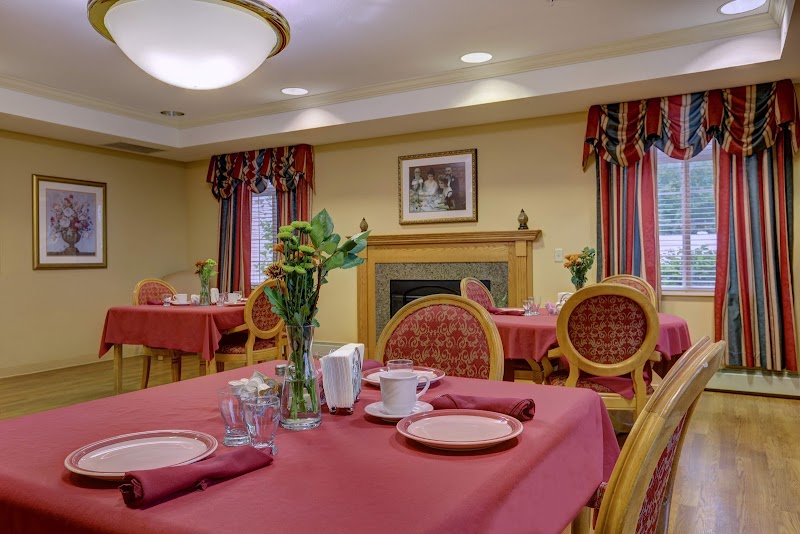
How is Three Oaks Health Services Staffed?

CMS rates THREE OAKS HEALTH SERVICES's staffing level at 4 out of 5 stars, which is above average compared to other nursing homes. Staff turnover is 48%, compared to the Wisconsin average of 46%.

What Have Inspectors Found at Three Oaks Health Services?

State health inspectors documented 18 deficiencies at THREE OAKS HEALTH SERVICES during 2022 to 2025. These included: 2 Immediate Jeopardy (the most serious level, indicating potential for serious harm or death) and 16 with potential for harm. Immediate Jeopardy findings are rare and represent the most serious regulatory concerns. They require immediate corrective action.
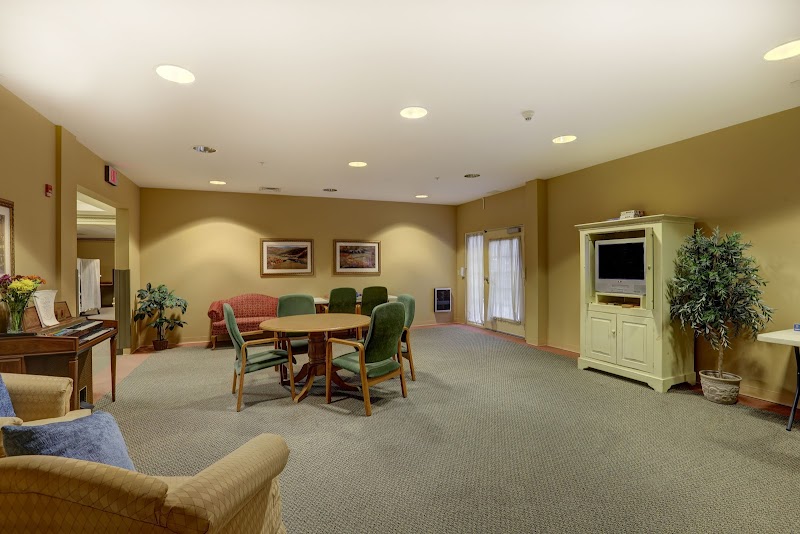
Who Owns and Operates Three Oaks Health Services?

THREE OAKS HEALTH SERVICES is owned by a for-profit company. For-profit facilities operate as businesses with obligations to shareholders or private owners. The facility is operated by NORTH SHORE HEALTHCARE, a chain that manages multiple nursing homes. With 75 certified beds and approximately 62 residents (about 83% occupancy), it is a smaller facility located in MARSHFIELD, Wisconsin.
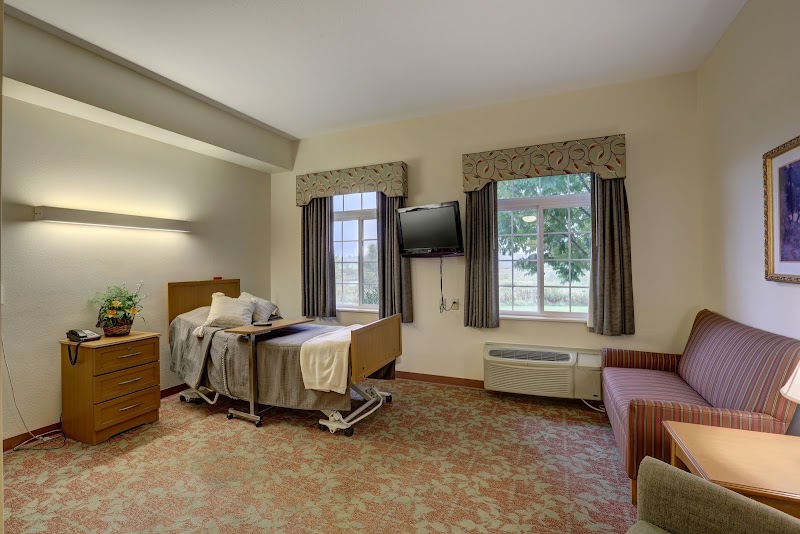
How Does Three Oaks Health Services Compare to Other Wisconsin Nursing Homes?

Compared to the 100 nursing homes in Wisconsin, THREE OAKS HEALTH SERVICES's overall rating (3 stars) matches the state average, staff turnover (48%) is near the state average of 46%, and health inspection rating (2 stars) is below the national benchmark.

What Should Families Ask When Visiting Three Oaks Health Services?

Based on this facility's data, families visiting should ask: "What changes have been made since the serious inspection findings, and how are you preventing similar issues?" "Can I visit during a mealtime to observe dining assistance and food quality?" "How do you handle medical emergencies, and what is your hospital transfer rate?" "Can I speak with family members of current residents about their experience?" These questions are particularly relevant given the facility's Immediate Jeopardy citations.

Is Three Oaks Health Services Safe?

Based on CMS inspection data, THREE OAKS HEALTH SERVICES has documented safety concerns. Inspectors have issued 2 Immediate Jeopardy citations (the most serious violation level indicating risk of serious injury or death). The facility has a 3-star overall rating and ranks #1 of 100 nursing homes in Wisconsin. Families considering this facility should ask detailed questions about what corrective actions have been taken since these incidents.

Do Nurses at Three Oaks Health Services Stick Around?

THREE OAKS HEALTH SERVICES has a staff turnover rate of 48%, which is about average for Wisconsin nursing homes (state average: 46%). Moderate turnover is common in nursing homes, but families should still ask about staff tenure and how the facility maintains care continuity when employees leave.

Was Three Oaks Health Services Ever Fined?

THREE OAKS HEALTH SERVICES has been fined $41,118 across 2 penalty actions. The Wisconsin average is $33,490. While any fine indicates a compliance issue, fines under $50,000 are relatively common and typically reflect isolated problems that were subsequently corrected. Families should ask what specific issues led to these fines and confirm they've been resolved.

Is Three Oaks Health Services on Any Federal Watch List?

THREE OAKS HEALTH SERVICES is not on any federal watch list. The most significant is the Special Focus Facility (SFF) program, which identifies the bottom 1% of nursing homes nationally based on persistent, serious quality problems. Not being on this list means the facility has avoided the pattern of deficiencies that triggers enhanced federal oversight. This is a positive indicator, though families should still review the facility's inspection history directly.