OAKRIDGE GARDENS NUR CTR, INC
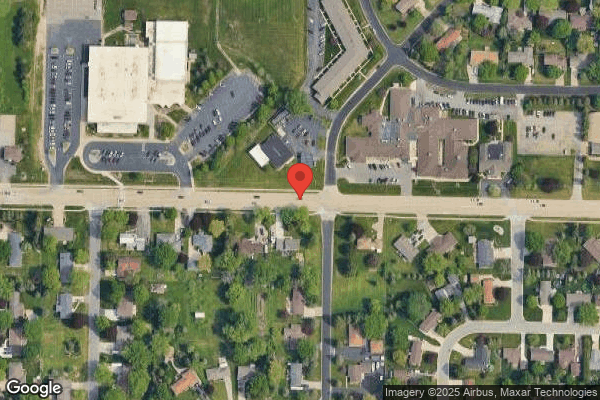
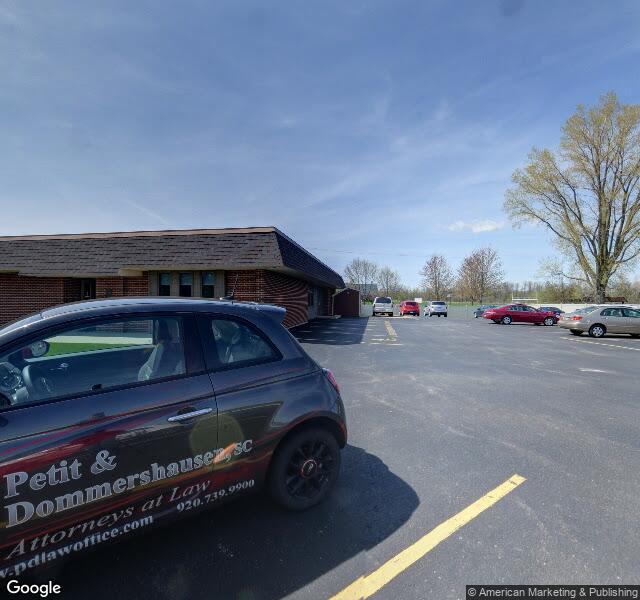
1700 MIDWAY RD, MENASHA, WI 54952 (920) 739-0111
For profit - Limited Liability company 106 Beds Independent Data: November 2025
Trust Grade
55/100
#164 of 321 in WI
Last Inspection: May 2025

Inspected within the last 6 months. Data reflects current conditions.

Overview

Oakridge Gardens Nursing Center in Menasha, Wisconsin has a Trust Grade of C, indicating it is average and in the middle of the pack among nursing homes. It ranks #164 out of 321 facilities statewide, placing it in the bottom half, and #8 out of 8 in Winnebago County, meaning there are no better local options. The facility has been worsening, with reported issues increasing from 6 in 2024 to 9 in 2025. Staffing is rated at 4 out of 5 stars, which is a strength, but the 60% turnover rate is concerning compared to the state average of 47%. While there have been no fines, which is a positive sign, the RN coverage is below average, as the facility has less RN support than 85% of others in Wisconsin. Specific incidents noted by inspectors include staff not ensuring food was stored and prepared in a sanitary manner, which could affect all residents, and medications for residents not being labeled or dated appropriately, raising safety concerns. Overall, while the facility has strengths in staffing ratings and no fines, the increasing number of issues and lack of RN coverage suggest families should weigh these factors carefully when considering care for their loved ones.

Trust Score
C
55/100
In Wisconsin
#164/321
Bottom 49%
Safety Record
Low Risk
No red flags
Inspections
Getting Worse
6 → 9 violations
Staff Stability
⚠ Watch
60% turnover. Above average. Higher turnover means staff may not know residents' routines.
Penalties
✓ Good
No fines on record. Clean compliance history, better than most Wisconsin facilities.
Skilled Nurses
✓ Good
Each resident gets 51 minutes of Registered Nurse (RN) attention daily — more than average for Wisconsin. RNs are trained to catch health problems early.
Violations
⚠ Watch
23 deficiencies on record. Higher than average. Multiple issues found across inspections.
★★★☆☆
3.0
Overall Rating
★★★★☆
4.0
Staff Levels
★★★★☆
4.0
Care Quality
★★★☆☆
3.0
Inspection Score
Stable
2024: 6 issues
2025: 9 issues

The Good

  • 4-Star Staffing Rating · Above-average nurse staffing levels
  • 4-Star Quality Measures · Strong clinical quality outcomes
  • Full Sprinkler Coverage · Fire safety systems throughout facility
  • No fines on record

Facility shows strength in staffing levels, quality measures, fire safety.

The Bad

3-Star Overall Rating

Near Wisconsin average (3.0)

Meets federal standards, typical of most facilities

Staff Turnover: 60%

14pts above Wisconsin avg (46%)

Frequent staff changes - ask about care continuity

Staff turnover is elevated (60%)

12 points above Wisconsin average of 48%

The Ugly 23 deficiencies on record

May 2025 8 deficiencies
CONCERN (D)

Potential for Harm - no one hurt, but risky conditions existed

Deficiency F0578 (Tag F0578)

Could have caused harm · This affected 1 resident

**NOTE- TERMS IN BRACKETS HAVE BEEN EDITED TO PROTECT CONFIDENTIALITY** Based on staff interview and record review, the facility did not ensure 2 residents (R) (R50 and R57) of 23 sampled residents ha...

Read full inspector narrative →
**NOTE- TERMS IN BRACKETS HAVE BEEN EDITED TO PROTECT CONFIDENTIALITY** Based on staff interview and record review, the facility did not ensure 2 residents (R) (R50 and R57) of 23 sampled residents had the appropriate signatures on their Emergency Care Do Not Resuscitate Order (DNR) forms (Department of Health Services (DHS) Division of Public Health F-44763) thus rendering the DNR orders invalid. R50 had an activated Power of Attorney for Healthcare (POAHC). R50's DNR form was not signed by R50 or R50's POAHC. R57's DNR form was not signed by R57 or R57's POAHC. Findings include: Chapter 155.05(2) Wisconsin Statute indicates: .(2) Unless otherwise specified in the power of attorney for healthcare instrument, an individual's power of attorney for healthcare takes effect upon a finding of incapacity by 2 physicians, as defined in s. 448.01 (5), or one physician and one licensed psychologist as defined in s. 445.01 (4) who personally examine the principal and sign a statement specifying that the principal has incapacity. The statute also indicates: A copy of the statement, if made, shall be appended to the power of attorney for healthcare instrument. Emergency Care Do Not Resuscitate Order (DNR) form (Department of Health Services (DHS) F-44763) indicates on the signature portion: Signature - Patient or Legal Guardian or Healthcare Agent of an incapacitated patient (Circle title of who is signing this request). The facility's Do Not Resuscitate Order policy, dated 3/2025, indicates: .2. A Do Not Resuscitate (DNR) order form must be completed and signed by the attending physician and resident (or resident's legal surrogate as permitted by state law) and placed in the front of the resident's medical record . 1. On [DATE], Surveyor reviewed R50's medical record and noted R50's DHS F-44763 form was signed by a staff nurse. R50's medical record contained documentation that indicated R50 had an activated Power of Attorney for Healthcare (POAHC). On [DATE] at 10:21 AM, Surveyor interviewed Director of Nursing (DON)-B who verified R50's DNR form was not signed by R50's POAHC. DON-B indicated the admission team reviews the code status of residents verbally, however, a new process will be put in place to use the actual DNR document. 2. On [DATE], Surveyor reviewed R57's medical record. R57 was admitted to the facility on [DATE]. R57's consent for Emergency Care-Do Not Resuscitate (DNR) form (DHS F-44763) was signed on [DATE] by Person (PRN)-M. The DNR form was signed by the attending physician on [DATE]. R57's medical record indicated POAHC-L was R57's POAHC. A Social Service assessment, dated [DATE] at 7:58 PM, noted R57's activated POAHC was POAHC-L and R57 had a code status of DNR. On [DATE] at 3:05 PM, Surveyor interviewed Assistant Director of Nursing (ADON)-I who verified POAHC-L was R57's POAHC. ADON-I was not sure who PRN-M was. On [DATE] at 3:25 PM, Surveyor interviewed ADON-I who stated POACH-L was not able to sign R57's paperwork at the time of admission related to shoulder surgery. ADON-I provided Surveyor with documentation, dated [DATE] at 2:34 PM, that indicated a nurse called POAHC-L who had shoulder surgery on [DATE] and stated POAHC-L would be in the facility within the next couple of days. The code status was reviewed and POAHC-L's wish was for R57 to not have CPR. The facility had PRN-M sign the paperwork instead of POAHC-L on [DATE]. ADON-I confirmed the form was a legal document and required POAHC-L's signature to be valid.
CONCERN (D)

Potential for Harm - no one hurt, but risky conditions existed

MDS Data Transmission (Tag F0640)

Could have caused harm · This affected 1 resident

**NOTE- TERMS IN BRACKETS HAVE BEEN EDITED TO PROTECT CONFIDENTIALITY** Based on staff interview and record review, the facility did not ensure the required Minimum Data Set (MDS) assessment data was ...

Read full inspector narrative →
**NOTE- TERMS IN BRACKETS HAVE BEEN EDITED TO PROTECT CONFIDENTIALITY** Based on staff interview and record review, the facility did not ensure the required Minimum Data Set (MDS) assessment data was transmitted timely for 3 residents (R) (R16, R175, and R174) of 3 sampled residents. R16 and R175s' Discharge MDS assessments were not completed or submitted. R174's Discharge MDS assessment was not submitted. Findings include: The Long-Term Care Facility Resident Assessment Instrument (RAI) 3.0 User's Manual, Version 1.18.1, dated 10/2023, indicates: All Medicare and/or Medicaid-certified nursing homes must complete and transmit required Minimum Data Set (MDS) records to the Centers for Medicare and Medicaid Services' (CMS') Quality Improvement and Evaluation System (QIES) Assessment Submission and Processing (ASAP) system. Required MDS records include: Admission, Quarterly, Annual, Discharge Assessments, Death, and Entry Tracking records .Comprehensive MDS assessments include: Admission, Annual, Significant Change .The MDS completion date must be no later than 14 days after the assessment reference date (ARD) .Non-comprehensive assessments include: Quarterly, Significant Correction to Prior Quarterly Assessment, Discharge Assessment-Return not Anticipated, and Discharge Assessment-Return Anticipated .The ARD of an assessment drives the due date of the next assessment. The next non-comprehensive assessment is due within 92 days after the ARD of the most recent assessment .The MDS assessment must be transmitted (submitted and accepted into QIES) electronically no later than 14 calendar days after the MDS completion date .A Death in Facility Tracking Record must be completed when the resident dies in the facility within 7 days after the resident's death and submitted within 14 days of the resident's death. The facility's MDS Completion and Submission Timeframes policy, with a review date of July 2024, indicates: Our facility will conduct and submit resident assessments in accordance with current federal and state submission timeframes. 1. The assessment coordinator or designee is responsible for ensuring resident assessments are submitted to CMS' QIES Assessment Submission and Processing (ASAP) system in accordance with current federal and state guidelines. 2. Timeframes for completion and submission of assessments are based on the current requirements published in the Resident Assessment Instrument Manual . 1. On 5/13/25, Surveyor reviewed R16's medical record. R16 was admitted to the facility on [DATE] and had diagnoses including diabetes mellitus and mycobacterial infection. R16 had a planned discharge to the community on 12/16/24. A Discharge Assessment was not completed or submitted for R16. 2. On 5/13/25, Surveyor reviewed R175's medical record. R175 was admitted to the facility on [DATE] and had diagnoses including congestive heart failure and surgical aftercare. R175 had a planned discharge on [DATE]. R175's medical record contained a completed, but not accepted, Discharge-Return Not Anticipated Assessment, dated 9/18/23. 3. On 5/13/25, Surveyor reviewed R174's medical record. R174 was admitted to the facility on [DATE] and had diagnoses including hypothyroidism and vertebrae fracture. R174 had a planned discharge on [DATE]. A Discharge Assessment was not completed or submitted for R174. On 5/13/25 at 3:12 PM, Surveyor interviewed MDS Coordinator (MDSC)-C who did not know why R16, R175, and R174 were discharged without a Discharge Assessment completed. MDSC-C indicated MDSC-C was not doing MDS assessments at that time and was filling the position temporarily for MDSC-D. MDSC-C indicated MDSC-D would call surveyor regarding the missing assessments. On 5/14/25 at 10:42 AM, Surveyor interviewed MDSC-D via telephone. MDSC-D indicated R16's Discharge Assessment was missed. MDSC-D was unsure if R16 was a last minute discharge. MDSC-D indicated MDSC-D completed a Discharge Assessment for R175 but thought there was a computer or program malfunction and the MDS was not submitted. MDSC-D indicated it was MDSC-D's mistake for not completing the Discharge Assessment for R174. MDSC-D indicated there was some confusion on R174's admission Assessment and stated when MDSC-D fixed the admission Assessment, MDSC-D deleted the Discharge Assessment and missed MDSC-D's double check to do a Discharge Assessment. MDSC-D was aware of the MDS regulations, expectations, and timeline submissions and confirmed R16, R174, and R175's assessments were overdue and should have been completed. On 5/14/25 at 2:51 PM, Surveyor noted R16, R174, and R175's Discharge Assessments were completed and submitted by MDSC-D and were accepted.
CONCERN (D)

Potential for Harm - no one hurt, but risky conditions existed

Accident Prevention (Tag F0689)

Could have caused harm · This affected 1 resident

**NOTE- TERMS IN BRACKETS HAVE BEEN EDITED TO PROTECT CONFIDENTIALITY** Based on observation, staff interview, and record review, the facility did not follow the plan of care during a transfer for 1 r...

Read full inspector narrative →
**NOTE- TERMS IN BRACKETS HAVE BEEN EDITED TO PROTECT CONFIDENTIALITY** Based on observation, staff interview, and record review, the facility did not follow the plan of care during a transfer for 1 resident (R) (R45) of 2 sampled residents. R45 had a history of falls. R45's plan of care contained an intervention to use a gait belt and a 2-wheeled walker during transfers. On 5/12/25, staff transferred R45 without a gait belt or 2-wheeled walker. Findings include: The facility's Safe Program Lifting and Movement of Residents policy, revised 7/2017, indicates: In order to protect the safety and well-being of staff and residents, and to promote quality care, this facility uses appropriate techniques and devices to lift and move residents .2. Manual lifting of residents shall be eliminated when feasible .4. Staff responsible for direct resident care will be trained in the use of manual (gait/transfer belts, lateral boards) and mechanical lifting devices. On 5/12/25, Surveyor reviewed R45's medical record. R45 was admitted to the facility on [DATE] and had diagnoses including unspecified dementia, right pubis fracture, fracture of nasal bones, and history of falls. R45's Minimum Data Set (MDS) assessment, dated 4/15/25, had a Brief Interview for Mental Status (BIMS) score of 5 out of 15 which indicated R45 had severely impaired cognition. The MDS assessment also indicated R45 required partial to moderate assistance from a sitting to standing position. (This is defined as the ability to come to a standing position from sitting in a chair, wheelchair, or on the side of the bed.) R45 had a Power of Attorney for Healthcare (POAHC) was responsible for R45's healthcare decisions. R45's care plan, dated 4/19/24, indicated R45 had limited physical mobility related to history of a right hip fracture. The care plan contained a goal that R45 would maintain R45's current level of mobility through the review date. The care plan contained an intervention to transfer with one assist with a 2-wheeled walker and a gait belt in and out of bed and to the toilet (initiated 9/6/23). A fall risk assessment, dated 4/11/25, indicated R45 required hands-on assistance to move from place to place, exhibited loss of balance while standing, and used an assistive device. Surveyor reviewed R45's fall history and noted R45 fell on 1/12/25 and 4/16/25. On 5/12/25 at 11:24 AM, Surveyor witnessed Certified Nursing Assistant (CNA)-R transfer R45 from wheelchair to scale. CNA-R put CNA-R's left arm under R45's right axillary area and assisted R45 to a standing position by pulling up on R45's left arm. CNA-R did not use a gait belt during the transfer. CNA-R went behind the wheelchair and put hands on R45's bilateral hips to guide R45 to a seated position in the wheelchair. On 5/12/25 at 11:24 AM, Surveyor interviewed CNA-R who stated R45 required one staff to assist with transfers. CNA-R acknowledged CNA-R did not use a gait belt to assist R45 from the wheelchair to a standing position and from a standing position to the wheelchair. CNA-R verified CNA-R should have used a gait belt during the transfer. On 5/13/25 at 12:37 PM, Surveyor interviewed Registered Nurse (RN)-T who indicated R45 was a pivot transfer with one assist. RN-T stated staff should use a gait belt and a 2-wheeled walker to transfer R45. On 5/13/25 at 1:02 PM, Surveyor interviewed CNA-S who indicated R45 was a pivot transfer with one assist. CNA-S stated staff should use a gait belt for all transfers with R45. On 5/14/25 at 2:24 PM Surveyor interviewed Director of Nursing (DON)-B who indicated staff should use a gait belt when transferring any resident, including R45. DON-B indicated R45 did not refuse use of a gait belt.
CONCERN (D)

Potential for Harm - no one hurt, but risky conditions existed

Unnecessary Medications (Tag F0759)

Could have caused harm · This affected 1 resident

Based on observation, staff interview, and record review, the facility did not ensure the medication error rate was below 5%. During medication administration, Surveyor observed 4 errors out of 27 opp...

Read full inspector narrative →
Based on observation, staff interview, and record review, the facility did not ensure the medication error rate was below 5%. During medication administration, Surveyor observed 4 errors out of 27 opportunities which resulted in an error rate of 14.81%. This affected 3 residents (R) (R36, R172, and R33) of 5 residents observed during medication administration Staff did not ensure intravenous (IV) medications were administered within the scheduled time frame for R36 and R172. Staff did not ensure R33's blood pressure was within the ordered parameters prior to administering medication. Findings include: The facility's Specific Medication Administration Procedures IIB2: Oral Medication Administration policy, revised 1/2018, indicates: .Review and confirm medication orders for each individual resident on the Medication Administration Record (MAR) prior to administering medications to each resident. Review Medication Administration Record for any test or vital signs that need to be determined prior to preparing the medications . The facility's Specific Medication Administration Procedures IIB2: Administration Procedures for all Medications policy, revised 1/2018, indicates: .Check for vital signs and other tests to be done during/prior to medication administration. 1. On 5/12/25 at 8:39 AM, Surveyor observed Licensed Practical Nurse (LPN)-J prepare ceftriaxone (an antibiotic medication) 25 milligrams (mg) in 50 milliliters (ml) of normal saline to be administered intravenously to R36. LPN-J the took constituted IV bag and tubing into R36's room. LPN-J ran the tubing in the machine but did not start the IV. LPN-J indicated LPN-J would notify Assistant Director of Nursing (ADON)-I that the IV was ready and prepped. LPN-J left R36's room with the medication hung on an IV pole. On 5/12/25 at 8:55 AM, LPN-J informed Surveyor that ADON-I was in a meeting and it would be a while before ADON-I could start the IV. On 5/12/25, Surveyor reviewed R36's MAR which indicated R36 should receive ceftriaxone sodium 2 grams (gm) intravenously once a day for infection to bone and bone marrow. Inject 2000 mg into vein once daily with sodium chloride 0.9% solution 50 ml. The IV was scheduled for 7:30 AM. On 5/12/25 at 9:53 AM, Surveyor observed ADON-I enter R36's room. On 5/13/25 at 8:38 AM, Surveyor reviewed a medication administration audit report that indicated LPN-J initialed administration of R36's antibiotic at 9:50 AM. 2. On 5/12/25 at 8:55 AM, Surveyor observed LPN-J set up an IV for R172. On 5/12/25 at 8:57 AM, Surveyor observed LPN-J prep ertapenen 1 gm in 100 ml of normal saline to administer intravenously to R172. LPN-J took the IV bag and tubing into R172's room. LPN-J ran the tubing in the machine but did not start the IV. LPN-J indicated LPN-J would notify ADON-I that the IV was ready and prepped. LPN-J left R172's room with the medication hung on an IV pole. On 5/12/25, Surveyor reviewed R172's MAR which indicated R172 should receive ertapenem sodium injection solution reconstituted 1 gm intravenously once daily for extended-spectrum beta-lactamase (ESBL). The IV was scheduled for 8:00 AM. On 5/12/25 at 9:38 AM, Surveyor noted R172's IV was still not started. On 5/12/25 at 9:57 AM, Surveyor interviewed R172 who confirmed the IV was not started. On 5/12/25 at 10:03 AM, Surveyor observed ADON-I enter R172's room to obtain a blood sample from the port. On 5/12/25 at 10:13 AM, Surveyor observed ADON-I start R172's IV. On 5/13/25 at 8:38 AM, Surveyor reviewed a medication administration audit report that indicated LPN-J administered R172's IV antibiotic at 10:20 AM. 3. On 5/12/25 at 9:08 AM, Surveyor observed LPN-J prepare medication for R33 which needed to be administered prior to R33's dialysis appointment. On 5/12/25 at 9:15 AM, Surveyor observed Certified Nursing Assistant (CNA)-K wheel R33 out of R33's room to go to dialysis. LPN-J administered R33's medications. After the medications were administered, CNA-K obtained R33's vital signs including blood pressure. On 5/12/25, Surveyor reviewed R33's medical record which contained an order for furosemide 80 mg 2 tablets to total 160 mg, if systolic blood pressure (SBP) is under 100 mg give 80 mg instead of 160 mg. R33 also had an order for isosorbide mononitrate extended release (ER) 60 mg once daily for hypertension, if SBP is under 100 hold isosorbide. On 5/13/25 at 2:05 PM, Surveyor interviewed Director of Nursing (DON)-B who confirmed vital signs should be taken prior to medication administration if needed. DON-B indicated LPN-J was not formally trained to administer an IV which is why ADON-I administered the flush and started the medication. DON-B confirmed medications with a scheduled time can be administered up to 1 hour before or after the scheduled time. DON-B indicated the resident's physician should be notified if the medication is administered late.
CONCERN (E)

Potential for Harm - no one hurt, but risky conditions existed

Deficiency F0761 (Tag F0761)

Could have caused harm · This affected multiple residents

**NOTE- TERMS IN BRACKETS HAVE BEEN EDITED TO PROTECT CONFIDENTIALITY** Based on observation, staff interview, and record review, the facility did not ensure medications for 3 residents (R) (R270, R62...

Read full inspector narrative →
**NOTE- TERMS IN BRACKETS HAVE BEEN EDITED TO PROTECT CONFIDENTIALITY** Based on observation, staff interview, and record review, the facility did not ensure medications for 3 residents (R) (R270, R62, and R57) in 3 of 6 medication carts were labeled and/or dated appropriately and that expired medical supplies were removed from storage. In addition, the facility did not ensure expired supplies were removed from storage in 2 of 4 medication storage areas. This practice had the potential to affect more than 4 of the 66 residents residing in the facility. Medication carts contained open, unlabeled and undated inhalers, eye drops, and nasal sprays and expired medical supplies. Medication storage areas contained expired items. Findings include: The facility's Specific Medication Administration Procedures IIB1: Administration Procedures for all Medications, revised 1/2018, indicates: .D. Check expiration date on package/container . On [DATE] at 11:05 AM, Surveyor observed the [NAME] Rehab medication cart and noted the following: ~ One Tegaderm film 1622W dressing with an expiration date of [DATE] Following the observation, Licensed Practical Nurse (LPN)-O confirmed the above item was expired. On [DATE], Surveyor observed the North medication cart and noted the following: ~ One bottle of fluticasone nasal spray for R270 with no open date ~ One bottle of 0.004% travoprost eye drops for R62 with an expiration date of [DATE] ~ One box of Filac probe covers with an expiration date of [DATE] ~ Open and undated duo nebulizer vials for R57 (foil opened) ~ Five Povidone-iodine UAP pads with expiration dates of 12/2023 ~ Two Tegaderm film 1622W dressings with expiration dates of [DATE] ~ One Mepilex border post AG dressing with an expiration date of [DATE] Following the observation, LPN-O verified the above items were expired. On [DATE] at 10:42 AM, Surveyor observed the medication room on the Rehab unit and noted the following: ~ One box of CoaguChek XS PT test strips with an expiration date of [DATE] ~ One first aid essentials kit with an expiration date of [DATE] On [DATE] at 11:00 AM, Registered Nurse (RN)-N confirmed the above items were expired. On [DATE], Surveyor observed the North medication storage room and noted the following: ~ Two G2 Gatorade low sugar bottles with expiration dates of [DATE] ~ One bottle of 0.005% Lantanoprost eye drops for R62 with an expiration date of [DATE] ~ One vac granufoam dressing with an expiration date of [DATE] ~ One central line dressing change tray with an expiration date of [DATE] Following the observation, LPN-O verified the above items were expired. On [DATE] at 2:05 PM, Surveyor interviewed Director of Nursing (DON)-B who indicated there should not be expired items in the medication storage areas or medication carts. DON-B confirmed items should be dated with an open date.
CONCERN (E)

Potential for Harm - no one hurt, but risky conditions existed

Food Safety (Tag F0812)

Could have caused harm · This affected multiple residents

**NOTE- TERMS IN BRACKETS HAVE BEEN EDITED TO PROTECT CONFIDENTIALITY** Based on observation, staff interview, and record review, the facility did not ensure food was stored and prepared in a sanitary...

Read full inspector narrative →
**NOTE- TERMS IN BRACKETS HAVE BEEN EDITED TO PROTECT CONFIDENTIALITY** Based on observation, staff interview, and record review, the facility did not ensure food was stored and prepared in a sanitary manner. This practice had the potential to affect more than 4 of the 66 residents residing in the facility. The facility did not ensure food was dated/stored in a manner to ensure food safety. Findings include: Food Labeling/Storage: The facility's Food Receiving and Storage policy, dated 4/4/25, indicates: Food shall be received and stored in a manner that complies with safe food handling practices .Dry Storage: .4. Dry foods that are stored in bins and removed from the original packaging, labeled, and dated (use-by date) .Refrigerated/Frozen Storage: 1. All foods in the refrigerator or freezer is covered, labeled, and dated (use-by date). The 2022 Federal Food and Drug Administration (FDA) Food Code documents at 3-501.17 Ready-to-Eat, Time/Temperature Control for Safety Food (TCS), Date Marking: (A) Except when packaging food using a reduced oxygen packaging method as specified under § 3-502.12, and except as specified in (E) and (F) of this section, refrigerated, ready-to-eat, time/temperature control for safety food prepared and held in a food establishment for more than 24 hours shall be clearly marked to indicate the date or day by which the food shall be consumed on the premises, sold, or discarded when held at a temperature of 5º C (Celsius) (41º F) (Fahrenheit) or less for a maximum of 7 days. The day of preparation shall be counted as day 1. The 2022 FDA Food Code documents at 3-501.18 Ready-to-Eat, Time/Temperature Control for Safety Food, Disposition: (A) A food specified in 3-501.17(A) or (B) shall be discarded if it: (1) Exceeds the temperature and time combination specified in 3-501.17 (A) except time that the product is frozen; (2) Is in a container or package that does not bear a date or day; or (3) Is inappropriately marked with a date or day that exceeds a temperature and time combination as specified in 3-501.17 (A). On 5/12/25 at 8:34 AM, Surveyor conducted an initial kitchen tour with [NAME] (CK)-E who indicated Dietary Manager (DM)-F was on vacation. Surveyor observed the following items in the cooler, freezer, and dry storage areas: Cooler: ~ One container of chicken noodle soup dated 5/9 with no use-by date ~ One container of sliced cheese dated 5/7 with no use-by date ~ One open container of shredded mozzarella cheese dated 4/16 with no use-by date ~ One open container of shredded mozzarella cheese dated 5/4 with no use-by date ~ One unlabeled package of lettuce (per CK-E) dated 5/6 with no use-by date ~ One unlabeled package of hard boiled eggs (per CK-E) dated 5/9 with no use-by date ~ One open container of sour cream with no open or use-by dates ~ One open container of cottage cheese dated 5/5 with no use-by date ~ One open package of pre-cooked bacon strips with no open or use-by dates ~ One open container of olives dated 5/5 with no use-by date ~ One open container of Italian dressing dated 5/6 with no use-by date ~ One open container of barbeque sauce dated 3/4 with no use-by date ~ One open container of pickles dated 4/5 with no use-by date ~ One container of pizza sauce dated 5/4 with no use-by date ~ One container of peas dated 5/7 with no use-by date ~ One unlabeled container of diced ham (per CK-E) dated 5/8 with no use-by date ~ One unlabeled container of sliced turkey (per CK-E) dated 4/27 with no use-by date ~ One container of ham dated 5/2 with no use-by date ~ One container of deli meat dated 4/25 with no use-by date ~ Two unlabeled and undated pans of sweet potatoes (per CK-E) ~ One pan of cake with a made date of 5/10 and no use-by date Freezer: ~ One package of baked biscuits dated 5/6 (made date per CK-E) with no use-by date ~ One unlabeled and undated package of tater tots (per CK-E) ~ One package of donuts dated 5/5 with no use-by date ~ One open and undated package of pre-cooked pasta ~ One pan of taquitos and flautas dated 5/5 with no use-by date ~ One unlabeled and undated package of raw frozen chicken breasts (per CK-E) Dry Storage: ~ One container of breadcrumbs dated 3/5 with no use-by date ~ One open container of dry mashed potatoes dated 5/9 with no use-by date ~ One open package of brown gravy powder dated 4/25 with no use-by date ~ One container of Special K dated 2/2 with no use-by date ~ One container of Raisin Bran dated 5/8 with no use-by date ~ One container of Cinnamon Toast Crunch dated 3/30 with no use-by date ~ One container of Fruit Loops dated 4/28 with no use-by date ~ One unlabeled container of Frosted Flakes (per CK-E) dated 4/17 with no use-by date ~ One container of Cheerios dated 4/13 with no use-by date ~ One container of Corn Flakes dated 3/18 with no use-by date ~ One container of [NAME] Krispies dated 4/28 with no use-by date ~ One open package of cake mix dated 1/24 with no use-by date ~ One open package of oats dated 5/12 with no use-by date ~ One open package of Cream of Wheat Farina dated 2/27 with no use-by date ~ Two open packages of [NAME] Wheats dated 1/11 and 3/11 with no use-by dates ~ One open package of croutons dated 4/10 with no use-by date ~ One package of graham cracker crumbs dated 4/29 with no use-by date ~ One container of Raisin Bran with an open date of 1/5/25 (per CK-E) and no use-by date ~ One container of crisp rice cereal with a received date of 11/5/24 (per CK-E) and no open or use-by dates ~ One open and unlabeled pack of brown gravy mix (per CK-E) with an open date of 12/30/24 and no use-by date ~ One open package of bread crumbs with a received date of 11/27/24 (per CK-E) and no open or use-by dates During the initial kitchen tour on 5/12/25 at 8:34 AM, Surveyor interviewed CK-E who was not sure how long items should be stored and was not aware of use-by dates. CK-E stated many items in the refrigerator were kept for three days but some were kept longer. When asked how long dry cereal can be used after opening, CK-E was not sure. CK-E also could not specify how long other open dry goods and freezer items should be stored. CK-E was not aware of a specific food storage policy but indicated CK-E may have received training after CK-E was hired. On 5/14/25 at 10:41 AM, Surveyor interviewed DM-F via phone who indicated kitchen staff should know appropriate food storage and dating policies and procedures.
CONCERN (E)

Potential for Harm - no one hurt, but risky conditions existed

Infection Control (Tag F0880)

Could have caused harm · This affected multiple residents

**NOTE- TERMS IN BRACKETS HAVE BEEN EDITED TO PROTECT CONFIDENTIALITY** Based on observation, staff interview, and record review, the facility did not establish and maintain an infection prevention an...

Read full inspector narrative →
**NOTE- TERMS IN BRACKETS HAVE BEEN EDITED TO PROTECT CONFIDENTIALITY** Based on observation, staff interview, and record review, the facility did not establish and maintain an infection prevention and control program designed to prevent the development and transmission of communicable disease and infection. This practice had the potential to affect more than 4 of the 66 residents residing in the facility. Staff line lists did not contain last symptom dates or times and/or return to work dates for 14 staff. In addition, the facility allowed 7 staff with gastrointestinal (GI) illness symptoms to return to work earlier than recommended per the facility's policy and the Centers for Disease Control and Prevention (CDC) guidelines. The facility also allowed 1 staff who tested positive for influenza to return to work earlier than recommended per the facility's policy. R172 was on contact precautions. On 5/12/25, Physical Therapist (PT)-H provided care in R172's room without a gown and gloves. Staff did not sanitize the vitals machine after use for R33. The facility did not ensure R268 was kept on enhanced barrier precautions (EBP) related to a chronic history of multidrug-resistant organisms (MDROs). Findings include: The facility's Influenza, Prevention and Control of Seasonal policy, revised 3/2022, indicates: The facility follows current guidelines and recommendations for the prevention and control of seasonal influenza .Symptomatic Healthcare Workers: 1. The Infection Preventionist and/or designee monitors and manages ill healthcare personnel. 2. Staff who develop fever and respiratory symptoms are: .b. excluded from work until at least 24 hours after they no longer have a fever (without the use of fever-reducing medicines such as acetaminophen). Those with ongoing respiratory symptoms will be considered for evaluation by the Infection Preventionist and/or designee to determine appropriateness of contact with residents. c. considered for temporary reassignment or exclusion from work for 7 days from symptom onset or until the resolution of symptoms, whichever is longer, if returning to care for immunocompromised residents. 3. Staff with fever alone will follow the general policy for staff with fever until a more specific cause of fever is identified or until fever resolves. The facility's Norovirus Prevention and Control policy, revised 10/2011, indicates: The facility will implement strict infection control measures to prevent the transmission of norovirus infection .21. Healthcare personnel who have symptoms consistent with norovirus infection will adhere to sick leave policies. 22. Ill personnel will be excluded from work for a minimum of 48 hours after the resolution of symptoms. The facility's Coronavirus Disease (COVID-19)-Work Restrictions and Return to Work Criteria for Staff policy, revised 6/2023, indicates: Staff who have symptoms of COVID-19 or have tested positive for SARS-CoV-2 infection follow CDC guidelines and the facility's policy for work restrictions and return-to-work-criteria. Work Restrictions for Asymptomatic Staff Following a Higher-Risk Exposure: 2. If work restrictions are implemented, staff can return to work: .e. after day 7 following the exposure (day 0) if they do not develop symptoms and all viral testing as described for asymptomatic staff with higher risk exposure is negative; or f. After day 10 following the exposure (day 0) if viral testing is not performed and if they do not develop symptoms .Return to Work Criteria for Asymptomatic Staff with SARS-CoV-2 Infection: .5. Staff who are asymptomatic throughout their infection and are not moderately to severely immunocompromised may return to work if at least 7 days have passed since the date of their first positive viral test if a negative viral test is obtained within 48 hours prior to returning to work (or 10 days if testing is not performed or if a positive test at day 5-7). Work Restrictions for Staff with Symptoms of COVID-19: 1. Staff with even mild symptoms of COVID-19 are prioritized for viral testing with nucleic acid or antigen detection assays. 2. Symptomatic staff are restricted for work pending the results of testing. a. Staff who do not test positive for COVID-19 but have symptoms follow the symptom based strategy for returning to work. A second test may be performed at the discretion of the practitioner evaluating the situation. b. Symptomatic staff who test positive for COVID-19 follow the symptom-based strategy for returning to work. Return to Work Criteria for Symptomatic Staff with SARS-CoV-2 Infection: .4. Staff with mild to moderate illness who are not moderately to severely immunocompromised may return to work after the following criteria are met: a. At least 7 days have passed since symptoms first appeared if a negative viral test is obtained within 48 hours prior to returning to work (or 10 days if testing is not performed or if a positive test at day 5-7); and b. At least 24 hours have passed since the last fever without the use of fever-reducing medications; and c. Symptoms have improved. The CDC (dated 3/21/24), 42a. category IB recommends healthcare personnel with gastrointestinal (GI) illnesses, particularly those with symptoms like vomiting or diarrhea, be excluded from work for a minimum of 48 hours after their symptoms have resolved. The facility's Isolation-Categories of Transmission Based Precautions policy, revised 10/2018, indicates: Transmission-based precautions are initiated when a resident develops signs and symptoms of a transmissible infection; arrives for admission with symptoms of an infection; or has a laboratory confirmed infection; And is at risk of transmitting the infection to other residents .4. Staff and visitors will wear clean, non-sterile gloves when entering the room .5. Staff and visitors will wear a disposable gown upon entering the room and remove before leaving the room . 1. On 5/12/25, Surveyor reviewed the facility's staff line list and noted the following staff did not have documented resolved symptom dates and/or return to work dates: ~ Certified Nursing Assistant (CNA)-V had nausea and a headache with an onset date of 5/13/25. The line list did not contain a last symptom date or time or return to work date. ~ CNA-W had nausea with an onset date of 4/18/25. The line list did not contain a last symptom date or time or a return to work date. ~ Laundry Aide (LA)-X had a headache, fever, and a cough with an onset date of 4/14/25. The line list did not contain a last symptom date or time or a return to work date. ~ CNA-S had vomiting and nausea with an onset date of 2/17/25 and a return to work date of 2/18/25. The line list did not contain a last symptom date or time. ~ CNA GG had a fever, body aches, a headache, and a sore throat with an onset date of 2/18/25 and a last symptom date of 2/21/25. The line list did not contain the time of the last symptom or a return to work date. ~ Dietary Aide (DA)-Z had a fever with an onset date of 2/11/25 and a return to work date of 2/13/25. The line list did not contain a last symptom date or time. ~ CNA-AA had nausea, vomiting, a headache, and body aches with an onset date of 2/11/25 and a last symptom date of 2/11/25. The line list did not contain the time of the last symptom or a return to work date. ~DA-Y had vomiting with an onset date of 2/8/25 and a return to work date of 2/9/25. The line list did not contain a last symptom date or time. ~ CNA-BB had nausea, vomiting, and diarrhea with an onset date of 1/30/25. The line list did not contain a last symptom date or time or return to work date. ~ CNA-HH had a cough, body aches, a headache, and a sore throat with an onset date of 1/29/25. The line list did not contain a last symptom date or time or a return to work date. ~ LA-CC had a fever and body aches with an onset date of 1/26/25 and a return to work date of 1/27/25. The line list did not contain a last symptom date or time. ~ CNA-DD was COVID-19 positive on 12/31/25 with a return to work date of 1/7/25. The line list did not contain a last symptom date or time. ~ CNA-EE had a sore throat, cough, and a headache with an onset date of 12/14/24 and a return to work date of 12/15/24. The line list did not contain a last symptom date or time. ~ CNA-FF was COVID-19 positive on 11/15/24 with a return to work date of 11/21/24. The line list did not contain a last symptom date or time. On 5/12/25, Surveyor reviewed the facility's staff line list and noted the following staff with GI symptoms returned to work earlier than recommended: ~ Licensed Practical Nurse (LPN)-II had nausea and diarrhea with an onset date of 4/27/25, a well date of 4/28/25, and a return to work date of 4/29/25. ~ CNA-JJ had nausea with an onset date of 4/17/25, a well date of 4/17/25, and a return to work date of 4/18/25. ~ LPN-KK had vomiting, diarrhea, and abdominal pain with an onset date of 3/16/25, a well date of 3/17/25, and a return to work date of 3/18/25. ~ Hospitality Aide (HA)-LL had vomiting with an onset date of 2/15/25, a well date of 2/16/25, and a return to work date of 2/17/25. ~ CNA-MM had vomiting with an onset date of 2/15/25, a well date of 2/15/25, and a return to work date of 2/16/25. ~ CNA-NN had vomiting and a headache with an onset date of 1/21/25, a well date of 1/21/25, and a return to work date of 1/22/25. ~ Registered Nurse (RN)-OO had vomiting and diarrhea with an onset date of 1/6/25, a well date of 1/7/25, and a return to work date 1/8/25. On 5/12/25, Surveyor reviewed the facility's staff line list and noted the following staff tested positive for influenza and returned to work the same day their symptoms resolved: ~ LPN-J was positive for influenza on 2/11/25 with a well date and return to work date of 2/19/25. On 5/13/25 at 3:32 PM, Surveyor interviewed and reviewed the line lists with Infection Preventionist (IP)-U who verified the line lists were not completed correctly and were missing information. On 5/14/25 at 11:29 AM, Surveyor interviewed and reviewed the line lists with Director of Nursing (DON)-B who verified the line lists were not completed correctly and were missing information.3. On 5/12/25 at 9:15 AM, Surveyor observed CNA-K obtain R33's blood pressure, temperature. and pulse oximeter reading. CNA-K then took the vitals machine down the hallway, plugged the machine in, and walked away. Surveyor stopped CNA-K and asked if the machine should be sanitized after use. CNA-K confirmed yes. DON-B passed in the hallway and reminded CNA-K to sanitize the vitals machine after use. 4. On 5/12/25 at 11:03 AM, Surveyor observed an isolation cart outside R268's room and garbage cans inside the door. R268 did not have a precautions sign on or near R268's door. On 5/12/25 at 1:16 PM, Surveyor interviewed LPN-P who indicated IP-U removed R268 from precautions that morning because R268's catheter was removed and R268 no longer needed to be on EBP. On 5/13/25, Surveyor reviewed R268's medical record which indicated R268 was a carrier of methicillin-resistant Staphylococcus aureus (MRSA) and methicillin-susceptible Staphylococcus aureus (MSSA) with a onset date of 5/6/25. R268's Hospital Discharge summary, dated [DATE], indicated MRSA and MSSA were added to R268's diagnoses list on 6/12/24. On 5/13/25 at 3:37 PM and 3:54 PM, Surveyor interviewed DON-B who confirmed a resident with a chronic history of MRSA or MSSA should be on EBP. DON-B indicated R268 should not have been taken off of EBP. DON-B indicated R268 was taken off of EBP because R268's catheter was removed on (5/9/25). DON-B indicated R268 should have remained on EBP. On 5/14/25 at 9:21 AM, Surveyor noted R268 was still not on EBP. 2. On 5/12/25, Surveyor reviewed R172's medical record. R172 was admitted to the facility on [DATE] and had diagnoses including extended spectrum beta lactamase (ESBL), abnormal findings of blood chemistry, bacteremia, and unspecified Escherichia coli (E. coli). R172's Minimum Data Set (MDS) assessment, dated 5/10/25, had a Brief Interview for Mental Status (BIMS) score of 15 out of 15 which indicated R172 had intact cognition. R172's medical record indicated R172 was on contact precautions due to ESBL. On 5/12/25 at 11:12 AM, Surveyor observed a contact precautions sign near the door to R172's room. The sign indicated: Stop. Contact precautions. Everyone must: Clean their hands, including before entering and when leaving the room. Providers and staff must also: Put on gloves before room entry. Discard gloves before room exit. Put on gown before room entry. Discard gown before room exit . On 5/12/25 at 11:33 AM, Surveyor observed PT-H enter R172's room without completing hand hygiene or donning a gown and gloves. PT-H left the door partially open. From the hallway, Surveyor heard PT-H provide care and talk with R172 about the care being provided. On 5/12/25 at 11:46 AM, Surveyor observed PT-H exit R172's room. Surveyor interviewed PT-H who indicated PT-H had been providing in-room physical therapy for R172. PT-H indicated PT-H was still providing services and needed to retrieve something. Surveyor observed PT-H cleanse hands with hand sanitizer and exit the area. On 5/12/25 at 11:47 AM, Surveyor observed PT-H return to the entrance of R172's room and don a gown and gloves. Surveyor interviewed PT-H who confirmed PT-H did not wear a gown or gloves while providing physical therapy in R172's room earlier. PT-H indicated PT-H was donning personal protective equipment (PPE) because PT-H was going to assist R172 to the bathroom. On 5/12/25 at 12:00 PM, Surveyor interviewed PT-H who was unsure if PT-H should wear PPE during physical therapy for R172. PT-H indicated PT-H worked for an agency and all facilities were different. When asked if PT-H was familiar with contact precautions, PT-H stated PT-H watched multiples videos and should be. PT-H read the contact precautions sign outside 172's room and indicated PT-H should have worn a gown and gloves to provide physical therapy for R172. PT-H indicated precautions were confusing. PT-H did not understand why PT-H needed to wear PPE in the room to provide therapy but could take it off to bring R172 down the hallway to provide therapy outside R172's room. On 5/13/25 at 3:51 PM, Surveyor interviewed DON-B who indicated staff should wear PPE to provide any care for R172, including physical therapy. DON-B indicated DON-B was strict and PPE should be worn for anybody within three feet of R172 or any resident on contact precautions. DON-B indicated all staff including agency staff are aware of transmission based precautions (TBP) including contact precautions and there is no excuse for not following them. DON-B indicated DON-N provided additional training for staff to understand the difference between contact and enhanced barrier precautions.
CONCERN (F)

Potential for Harm - no one hurt, but risky conditions existed

Deficiency F0801 (Tag F0801)

Could have caused harm · This affected most or all residents

Based on staff interview and record review, the facility did not designate a person to serve as the director of food and nutrition services who was a certified dietary manager, a certified food servic...

Read full inspector narrative →
Based on staff interview and record review, the facility did not designate a person to serve as the director of food and nutrition services who was a certified dietary manager, a certified food service manager, had a national certification for food service management and safety from a national certifying body, or who had an associates or higher level degree in food service management or hospitality. This practice had the potential to affect all 66 residents residing in the facility. Dietary Manager (DM)-F was not enrolled in an approved Dietary Manager training course. Findings include: On 5/12/25 at 8:34 AM, Surveyor interviewed [NAME] (CK)-E who indicated Dietary Manager (DM)-F oversaw the kitchen but was on vacation. CK-E indicated Registered Dietitian (RD)-G was at the facility once weekly on Wednesdays. Surveyor requested DM-F's certification and was provided with a copy of a ServSafe Food Protection Manager Certification that was completed on 2/18/22 but is not an approved Dietary Manager course. On 5/13/25, Surveyor requested further certification such as a Dietary Manager or Food Service Manager Certification or a Food Service Management or Hospitality associates degree for DM-F from Nursing Home Administrator (NHA)-A. NHA-A indicated DM-F did not have any other certification. Surveyor noted DM-F's hire date was 5/3/2022. On 5/13/25 at 2:45 PM, Surveyor interviewed NHA-A who indicated the facility had not filed a waiver for the Dietary Manager position. On 5/14/25 at 10:41 AM, Surveyor interviewed DM-F via phone who indicated DM-F had ServSafe certification. DM-F indicated DM-F did not complete any other certification and was not currently enrolled in a certification program. DM-F confirmed RD-G was at the facility once weekly.
Feb 2025 1 deficiency
CONCERN (D) 📢 Someone Reported This

A family member, employee, or ombudsman was alarmed enough to file a formal complaint

Potential for Harm - no one hurt, but risky conditions existed

Investigate Abuse (Tag F0610)

Could have caused harm · This affected 1 resident

**NOTE- TERMS IN BRACKETS HAVE BEEN EDITED TO PROTECT CONFIDENTIALITY** Based on staff interview and record review, the facility did not thoroughly investigate an allegation of abuse for 2 residents (...

Read full inspector narrative →
**NOTE- TERMS IN BRACKETS HAVE BEEN EDITED TO PROTECT CONFIDENTIALITY** Based on staff interview and record review, the facility did not thoroughly investigate an allegation of abuse for 2 residents (R) (R2 and R1) of 2 sampled residents. R2 reported an allegation of physical abuse on 1/19/25 that involved Certified Nursing Assistant (CNA)-E. The facility did not ensure CNA-E was removed from or supervised during resident care pending the results of the investigation. R1 reported to a nurse on 11/29/24 that R1 was recently raped by an unknown male staff. The facility did not thoroughly investigate the allegation of sexual abuse. Findings include: The facility's Abuse, Neglect, Exploitation or Misappropriation-Reporting and Investigating policy, dated 9/3/24, indicates: Investigating Allegations: 1. All allegations are thoroughly investigated .7. The individual conducting the investigation at a minimum: a. Reviews the documentation and evidence. b. Reviews the resident's medical record to determine the resident's physical and cognitive status at the time of the incident and since the incident. c. Observes the alleged victim, including his or her interactions with staff and other residents. d. Interviews the person reporting the incident. e. Interviews any witnesses to the incident. f. Interviews the resident (as medically appropriate) or the resident's representative. g. Interviews the resident's attending physician as needed to determine the resident's condition. h. Interviews staff members (on all shifts) who have had contact with the resident during the period of the alleged incident .l. Documents the investigation completely and thoroughly. 1. On 2/7/25, Surveyor reviewed R2's medical record. R2 had diagnoses including dementia, hip fracture and other multiple trauma, and arthritis. R2's Minimum Data Set (MDS) Assessment, dated 11/19/24, contained a Brief Interview for Mental Status (BIMS) score of 4 out of 15 which indicated R2 had severely impaired cognition. On 2/7/25, Surveyor reviewed a facility-reported incident (FRI) that indicated R2 reported to a nurse on 1/19/25 that CNA-E slapped R2's hand and indicated R2 was stinky. The FRI indicated CNA-E was removed from the floor until Nursing Home Administrator (NHA)-A was contacted and provided further instructions. On 1/19/25, NHA-A interviewed CNA-E via phone. Following the conversation, CNA-E was moved to different unit and allowed to provide resident care. NHA-A spoke to R2's Power of Attorney for Healthcare (POAHC) who indicated staff should not interview R2 until 1/20/25 when R2's POAHC could speak to R2. R2's POAHC also indicated the facility should not call the police until 1/20/25. The FRI also indicated NHA-A only interviewed 3 (including CNA-E) of the 17 staff who were working when the incident occurred. On 2/7/25 at 2:06 PM, Surveyor interviewed NHA-A who indicated CNA-E was immediately removed from resident care after the allegation and NHA-A was notified. NHA-A indicated R2's POAHC did not want the facility to call or do anything until the morning when R2's POAHC could talk to R2. NHA-A indicated with the information NHA-A had at the time, NHA-A decided to move CNA-E to a different unit to care for other residents. NHA-A did not feel CNA-E was a threat to other residents. NHA-A also confirmed only 3 staff who were working when the incident occurred were interviewed. 2. On 2/7/25, Surveyor reviewed R1's medical record. R1 was admitted to the facility on [DATE] and had diagnoses including severe vascular dementia with mood disturbance, anxiety, and cognitive communication deficit. R1's MDS assessment, dated 12/10/24, contained a BIMS score of 4 out of 15 which indicated R1 was severely cognitively impaired. R1 had a corporate Guardian (initiated on 1/23/25). R1 had a family member as Guardian at the time of the alleged incident. On 2/7/25, Surveyor reviewed a FRI that indicated R1 reported to a nurse on 11/29/24 that R1 was recently raped by a male staff. R1 could not describe the male staff. R1 also stated R1 thought R1 was dreaming and it was dark, but the male touched (R1) and then left. During a subsequent interview, R1 stated R1 thought the male was R1's husband, but then knew it was not. The nurse assessed R1 and noted no trauma or bruising. Surveyor reviewed the facility's investigation and staff schedule from 11/29/24 and noted 6 staff who were working on the PM shift when the allegation was made were not interviewed, including 2 male staff. On 2/7/25 at 2:07 PM, Surveyor interviewed NHA-A who indicated not all staff on the shift were interviewed. Surveyor and NHA-A reviewed the 11/29/24 schedule which included 6 staff who were not interviewed, including Licensed Practical Nurse (LPN)-C and CNA-D who were male. NHA-A indicated LPN-C and CNA-D were not interviewed because they were on a different unit than R1. When Surveyor asked how NHA-A can be sure staff have no knowledge of the alleged incident if they are not interviewed, NHA-A indicated NHA-A did not interview staff who were not on the same unit as R1. Surveyor noted all units were easily accessible to staff.
Apr 2024 6 deficiencies
CONCERN (D)

Potential for Harm - no one hurt, but risky conditions existed

Report Alleged Abuse (Tag F0609)

Could have caused harm · This affected 1 resident

**NOTE- TERMS IN BRACKETS HAVE BEEN EDITED TO PROTECT CONFIDENTIALITY** Based on staff interview and record review, the facility failed to develop and/or implement policies and procedures for ensuring...

Read full inspector narrative →
**NOTE- TERMS IN BRACKETS HAVE BEEN EDITED TO PROTECT CONFIDENTIALITY** Based on staff interview and record review, the facility failed to develop and/or implement policies and procedures for ensuring the reporting of a reasonable suspicion of a crime in accordance with section 1150B of the Act for 1 Resident (R) (R50) of 2 residents. R50 was observed laying across another resident in their bed without clothes on. The potential allegation of abuse was not reported to the State Agency (SA) or local law enforcement. Findings include: The facility's Abuse, Neglect, Exploitation or Misappropriation-Reporting and Investigating policy, with a revised date of September 2023, indicates: 1. If resident abuse, neglect, exploitation, misappropriation of resident property, or injury of unknown source is suspected, the suspicion must be reported immediately to the administrator and/or designee and to other officials according to state law. 2. The administrator or the individual making the allegation immediately reports his or her suspicion to the following persons or agencies: a. the state licensing/certification agency responsible for surveying/licensing the facility 3. Law enforcement officials. On 4/2/24, Surveyor reviewed R50's medical record. R50 was admitted to the facility on [DATE] and had diagnoses including Alzheimer's disease and vascular dementia. R50's Minimum Data Set (MDS) assessment, dated 1/11/24, contained a Brief Interview for Mental Status (BIMS) score of 0 out of 15 which indicated R50 was severely cognitively impaired. A behavior progress note, dated 9/28/23 at 6:30 AM, indicated: Writer was notified by Certified Nursing Assistant (CNA) around 1:00 AM that (R50) was out of (R50's) room. (R50) was found laying in another resident's room without any clothes on. (R50) was laying on top of the other resident's legs when found. (R50) was agreeable to redirection and escorted back to (R50's) room. (R50) was cooperative but confused. On 4/2/24, Surveyor requested information on the above incident which the facility was unable to provide. On 4/2/24 at 2:26 PM, Surveyor interviewed Nursing Home Administrator (NHA)-A and Director of Nursing (DON)-B who indicated progress notes are reviewed daily in morning meeting, but R50's 9/28/23 behavior note was missed. NHA-A confirmed the potential allegation of abuse was not reported to the SA or local law enforcement. NHA-A indicated if NHA-A was aware of the incident prior to 4/2/24, NHA-A would have reported the incident.
CONCERN (D)

Potential for Harm - no one hurt, but risky conditions existed

Investigate Abuse (Tag F0610)

Could have caused harm · This affected 1 resident

**NOTE- TERMS IN BRACKETS HAVE BEEN EDITED TO PROTECT CONFIDENTIALITY** Based on staff interview and record review, the facility did not thoroughly investigate a potential allegation of abuse for 1 Re...

Read full inspector narrative →
**NOTE- TERMS IN BRACKETS HAVE BEEN EDITED TO PROTECT CONFIDENTIALITY** Based on staff interview and record review, the facility did not thoroughly investigate a potential allegation of abuse for 1 Resident (R) (R50) of 2 residents. R50 was observed laying across another resident in their bed without clothes on. Facility administration was not aware the incident occurred and a thorough investigation was not completed. Findings include: The facility's Abuse, Neglect, Exploitation or Misappropriation-Reporting and Investigating policy, with a revised date of September 2023, indicates: Investigating Allegations: 1. All allegations are thoroughly investigated. 7. The individual conducting the investigation at a minimum: a. Reviews the documentation and evidence. b. Reviews the resident's medical record to determine the resident's physical and cognitive status at the time of the incident and since the incident. c. Observes the alleged victim, including his or her interactions with staff and other residents. d. Interviews the person reporting the incident. e. Interviews any witnesses to the incident. f. Interviews the resident (as medically appropriate) or the resident's representative. g. Interviews the resident's attending physician as needed to determine the resident's condition. h. Interviews staff members (on all shifts) who have had contact with the resident during the period of the alleged incident. l. Documents the investigation completely and thoroughly. On 4/2/24, Surveyor reviewed R50's medical record. R50 was admitted to the facility on [DATE] and had diagnoses including Alzheimer's disease and vascular dementia. R50's Minimum Data Set (MDS) assessment, dated 1/11/24, contained a Brief Interview for Mental Status (BIMS) score of 0 out of 15 which indicated R50 was severely cognitively impaired. A behavior progress note, dated 9/28/23 at 6:30 AM, indicated: Writer was notified by Certified Nursing Assistant (CNA) around 1:00 AM that (R50) was out of (R50's) room. (R50) was found laying in another resident's room without any clothes on. (R50) was laying on top of the other resident's legs when found. (R50) was agreeable to redirection and escorted back to (R50's) room. (R50) was cooperative but confused. On 4/2/24, Surveyor requested the facility's investigation of the incident which the facility could not provide. On 4/2/24 at 2:26 PM, Surveyor interviewed Nursing Home Administrator (NHA)-A and Director of Nursing (DON)-B who indicated progress notes are reviewed daily in morning meeting, but R50's 9/28/23 progress note was missed. NHA-A and DON-B were not sure which resident R50 was found in bed with. NHA-A and DON-B confirmed an investigation was not completed and protections were not put in place because they were not aware the incident occurred. NHA-A and DON-B confirmed an investigation should have been completed.
CONCERN (D)

Potential for Harm - no one hurt, but risky conditions existed

Deficiency F0698 (Tag F0698)

Could have caused harm · This affected 1 resident

**NOTE- TERMS IN BRACKETS HAVE BEEN EDITED TO PROTECT CONFIDENTIALITY** 1 of 1 Resident #24 Dialysis 04/02/24 09:53 AM DX: End stage renal disease, on hemo dialysis Tuesday, Thursday, and Saturday,...

Read full inspector narrative →
**NOTE- TERMS IN BRACKETS HAVE BEEN EDITED TO PROTECT CONFIDENTIALITY** 1 of 1 Resident #24 Dialysis 04/02/24 09:53 AM DX: End stage renal disease, on hemo dialysis Tuesday, Thursday, and Saturday, chronic combined CHF, HTN, Diabetes, receives dialysis from 04/02/24 01:20 PM Interview with [NAME] Setnik, DON They do not have formalized communication with the dialysis center as the dialysis center does not fill out the data consistently and appropriately. Has been asked about this in the past by surveyors. She has started a new program where the dialysis facility is sending lab reports with update. [NAME], DON states that the new reports were started on 3/2/24, however did not provide any reports for this resident. 04/02/24 02:58 PM Interview with [NAME], LPN (contract colleague) been working here since September states that they do vital signs, weights, check fistula, and medication prior to resident going to dialysis and upon return. Thought there was a communication binder but realized that there is not. The dialysis center will call them if there is any change in condition. 04/02/24 04:02 PM Telephone interview with [NAME], RN typically they do have a communication document that is shared with facilities. If the patient does not arrive with one they will generate one. She did not fill one out for him. The NH does not send the resident with a document. They would like a MAR for the resident upon arrival. They will work on improving this. She did state that they do have a electronic record when asked if they have had any documented calls with the facility she responded no. They did get a call from Dr. [NAME] on 4/1/24 to ask about if the resident could go on a general diet as he was refusing the renal diet. Also on 3/30/24 there was a call from an RN to remove the fluid restriction as the resident was refusing. Also on 2/29/24 they faxed an order to the NH to make sure the resident receives Midodrine before sending to dialysis. 04/03/24 09:51 AM Interview with [NAME], Clinic Manager DON from Oakridge did call [NAME] on 3/20/24 regarding lack of communication between the facilities. DON stated that she would be creating binders that would be sent between the facilities for communication. Since then she has not seen anything or heard anything from Oakridge. Fresenius does have a form that they use for communication when the sending facility does not send one. 04/03/24 11:26 AM Return call from [NAME], Clinic Manager for dialysis center Again verified after speaking with other staff members that they have not seen any binders from the facility. The communication has between dialysis and NH is limited to if we need anything we call. They do have a document that they can fill out and send to the NH. 04/03/24 01:15 PM Surveyor found hemodialysis policy in facility survey binder, She is aware of the policy for hemodialysis which was updated on 1/29/24, is aware of the documented facility will have ongoing communication and collaboration with the dialysis facility and lists out the pre-dialysis and post dialysis communication requirements. Went on to state that she has been a DON for many years and is aware of the need for communication between sending and receiving facilities. Was told by staff at Oakridge that surveys were satisfied with there method of calling if each other if there were any changes in condition that needed to be shared. No plan of correction was necessary so I did not want to anger staff and roll out another process improvement. I did inform DON that I had reached out to Dialysis facility and spoke with both a nurse and the clinic manager regarding the documents and they agreed that they can do better from their side. Hopefully they can communicate more effectively moving forward. (Facility is aware of FYI provided last year) 1 of 1 reviewed Based on staff and resident interview and record review, the facility did not ensure consistent communication for 1 Resident (R) (R24) of 1 resident who received dialysis services. The facility did not provide R24 with a dialysis communication binder prior to routine dialysis appointments and did not have evidence of communication between the facility and the dialysis center on R24's dialysis days. Findings include: The facility's Care of Hemodialysis policy, with a revision date of January 2024, indicates: Purpose: To ensure the needs of the resident receiving hemodialysis are met by both the facility and the dialysis center. Residents receiving hemodialysis are transported routinely out of the facility. Communication is essential for continuity of care. Procedure: -Facility will provide ongoing assessment of the resident's condition and will monitor for complications before and after each dialysis treatment received at a certified dialysis facility. -Facility will have ongoing communication and collaboration with the dialysis facility The facility's Hemodialysis policy, with a revision date of January 2024, contained the following information: Dialysis Communication Record: -To be completed by the facility: -List the medications given within the last six hours prior to sending the resident for dialysis treatment. -Assessment of vascular access site -Time of last meal -Last weight at the facility, date of last weight -Note of any changes or information to resident's condition below. Include information on resident's compliance with fluid and diet restrictions. -Facility nurse signature -To be completed by the Dialysis Center: -List the medication given during/after the dialysis treatment (other than heparin). -Weights: Pre-treatment, Post-Treatment -Vital signs Pre-treatment, Post-Treatment -List what foods and how much the individual ate/drank, if applicable. -Special instructions/comments and/or changes in resident's condition. Include any lab results drawn and resident's tolerance to dialysis procedure. -Provide a copy of the Registered Dietitian's nutritional recommendations, if applicable. -Dialysis Center nurse signature/date From 4/1/24 to 4/3/24, Surveyor reviewed R24's medical record. R24 was admitted to the facility on [DATE] with diagnoses including end stage renal disease and diabetes with chronic kidney disease. R24 was dependent on dialysis and attended dialysis on Tuesday, Thursday and Saturday. R24's Minimum Data Set (MDS) assessment, dated 1/11/24, contained a Brief Interview for Mental Status (BIMS) score of 15 out of 15 which indicated R24 had intact cognition. Surveyor noted R24's medical record did not contain dialysis communication documentation. On 4/2/24 at 1:20 PM, Surveyor interviewed Director of Nursing (DON)-B who stated the facility does not have formalized communication with the dialysis center because the dialysis center does not fill out the data consistently and appropriately. DON-B stated DON-B started a new program in which the dialysis center sends lab reports with updates. DON-B stated the new program started on 3/20/24, however, reports were not provided for R24. On 4/2/24 at 2:58 PM, Surveyor interviewed Licensed Practical Nurse (LPN)-F who stated the facility obtains a resident's vital signs and weight, and checks the resident's fistula (access port for dialysis) and medication prior to their dialysis appointment and upon their return. LPN-F thought there was a communication binder but verified there was not. LPN-F stated the dialysis center calls the nursing facility if there is a change in the resident's condition. On 4/2/24 at 4:02 PM, Surveyor interviewed dialysis center Registered Nurse (RN)-G via phone who stated the dialysis center has a communication form that is shared with the facility. RN-G stated if a resident doesn't arrive with a communication form, the dialysis center generates one. RN-G stated RN-G did not fill out a form for R24 and the facility did not send a form with R24. RN-G also stated the dialysis center would like a resident's Medication Administration Record (MAR) upon arrival. RN-G reviewed the dialysis center's electronic record which included a call from Medical Doctor (MD)-H on 4/1/24 to ask if R24 could have a general diet since R24 was refusing a renal diet (specific diet for dialysis patients). On 3/30/24, an RN called to remove a fluid restriction due to R24's refusals. On 2/29/24, the dialysis center faxed an order to the facility to make sure R24 received midodrine (a blood pressure medication) a half hour before R24's dialysis appointments. On 4/3/24 at 9:51 AM, Surveyor interviewed dialysis center Clinic Manager (CM)-I who stated DON-B called CM-I on 3/20/24 regarding lack of communication between the facility and the dialysis center. DON-B stated DON-B would create a communication binder to be sent between the dialysis center and the facility. Since the call, CM-I stated CM-I did not receive a binder or hear anything from the facility. CM-I verified the dialysis center has a communication form that is used when the facility does not send one. On 4/3/24 at 11:26 AM, CM-I called Surveyor and verified after speaking with other dialysis staff members that the dialysis center has not seen a binder from the facility. CM-I stated the dialysis center and the facility communicate via phone calls. CM-I again stated the dialysis center has a document the center can fill out and send to the facility. On 4/3/24 at 1:15 PM, Surveyor interviewed DON-B who stated DON-B was aware of the facility's hemodialysis policy which states the facility will have ongoing communication and collaboration with the dialysis center and lists the pre-dialysis and post-dialysis communication requirements.
CONCERN (D)

Potential for Harm - no one hurt, but risky conditions existed

Deficiency F0744 (Tag F0744)

Could have caused harm · This affected 1 resident

Based on staff interview and record review, the facility did not ensure 1 Resident (R) (R34) of 3 residents with a diagnosis of dementia received the appropriate care and services to attain or maintai...

Read full inspector narrative →
Based on staff interview and record review, the facility did not ensure 1 Resident (R) (R34) of 3 residents with a diagnosis of dementia received the appropriate care and services to attain or maintain their highest practicable well being. R34 had a diagnosis of dementia and exhibited physically and verbally aggressive behavior. The facility did not revise R34's plan of care in an attempt to provide effective dementia treatment and behavioral interventions to enhance R34's quality of life. Findings include: On 4/2/24, Surveyor reviewed R34's medical record. R34 had a diagnosis of dementia, moderate with agitation. R34's most recent Quarterly MDS (Minimum Data Set) assessment, dated 3/26/24, contained a Brief Interview for Mental Status (BIMS) score of 7 out of 15 which indicated R34 had severe cognitive impairment. R34 had an activated power of attorney (POA). R34 had an activity of daily living (ADL) self-care performance deficit related to aggressive behavior and Alzheimer's disease care plan, dated 2/25/24. The care plan indicated R34 required the assistance of one staff with the use of a wheelchair and had impaired cognitive function/dementia or impaired thought process related to dementia. The care plan contained the following interventions: ask R34 yes or no questions; communicate with R34/family/caregivers regarding R34's capabilities and needs; use R34's preferred name; identify self during interactions; reduce distractions; provide R34 with necessary cues; stop and return if R34 is agitated; cue, reorient and supervise R34 as necessary; keep R34's routine consistent; present one thought, idea or question at a time. R34's medical record contained the following progress notes: A progress note, dated 3/10/24, indicated R34 was verbally aggressive toward another resident and struck the resident in the arm. R34's POA and physician were notified. The progress note indicated R34's POA noticed R34 was more aggressive lately. Surveyor noted R34's care plan did not indicate R34 had verbal or aggressive behavior and did not contain interventions to assist R34 with those behaviors. Surveyor also noted there were no interventions added to R34's care plan following the incident. A progress note, dated 3/29/24, indicated R34 was paranoid, suspicious, and mistrustful of staff. R34 swore at a Certified Nursing Assistant (CNA) and yelled help police in the hallway. The CNA attempted to redirect R34 but was unsuccessful. R34 remained in a doorway in the hallway and stated Watch her. I don't trust her, Be careful you are in danger, and I will tell you what is going on, but I can't trust you right now. R34 remained in the hallway for approximately one hour and 45 minutes then went back to bed and would not allow staff to assist R34 or R34's roommate. Surveyor noted R34's care plan did not indicate R34 had verbal or paranoid behavior and did not contain interventions to assist R34 with those behaviors. Surveyor also noted there were no interventions added to R34's care plan following the incident. On 4/1/24 at 2:30 PM, Surveyor requested a copy of R34's care plan and progress notes, dated 3/10/24 and 3/29/24, from Director of Nursing (DON)-B. On 4/2/24 at 10:00 AM, Surveyor reviewed R34's care plan and noted an intervention, dated 4/1/24, that indicated R34 had a behavior problem related to being suspicious of staff. The care plan indicated R34 yells and is resistant with cares and contained interventions to anticipate R34's needs, provide opportunity for positive interactions, explain procedures, monitor behavioral episodes and attempt to determine the underlining cause, and document behavior and potential causes. Surveyor noted the care plan did not contain interventions to assist with physically aggressive behavior or de-escalation of behavior. On 4/2/24 at 1:05 PM, Surveyor interviewed DON-B regarding dementia care and a behavioral care plan for R34. DON-B indicated R34 did not have a behavioral care plan. DON-B confirmed DON-B updated R34's care plan after Surveyor requested a copy of the care plan on 4/1/24. DON-B indicated R34's behaviors were identified and documented and stated the facility did not initiate care plan interventions to assist R34. DON-B indicated R34's behaviors were escalating and verbal, paranoid, and physically aggressive behaviors were observed. DON-B stated word of mouth is how nursing staff, including agency staff, are trained and informed on how to intervene and provide care to R34 during periods of aggressive and paranoid behavior.
CONCERN (F)

Potential for Harm - no one hurt, but risky conditions existed

Food Safety (Tag F0812)

Could have caused harm · This affected most or all residents

Based on observation, staff interview, and record review, the facility did not ensure food was stored and prepared in a sanitary manner. This practice had the potential to affect 73 of 73 residents re...

Read full inspector narrative →
Based on observation, staff interview, and record review, the facility did not ensure food was stored and prepared in a sanitary manner. This practice had the potential to affect 73 of 73 residents residing in the facility. Staff did not date items with open dates and received dates. Staff did not ensure food was stored in a sanitary manner. Staff did not wash hands when moving from dirty to clean activities. Staff did not wait two minutes to take microwave reheated food temperatures to ensure food was heated evenly. In addition, staff did not ensure microwaved foods reached the food safety temperature prior to serving. Findings include: Undated Items: The Food and Drug Administration (FDA) Food Code 2022 documents at 3-501.18 Ready-to-Eat, Time/Temperature Control for Safety Food, Disposition (A): A food specified in 3-501.17 (A) or (B) shall be discarded if it: (1) Exceeds the temperature and time combination specified in 3-501.17 (A) except time that the product is frozen; (2) Is in a container or package that does not bear a date or day; or (3) Is inappropriately marked with a date or day that exceeds a temperature and time combination as specified in 3-501.17(A). During an initial kitchen tour that began on 4/1/24 at 8:19 AM with Dietary Manager (DM)-K, Surveyor noted undated food items in the dry storage area and walk-in freezer. Surveyor also noted items that were open, unsealed, and did not contain open dates. Surveyor noted the following open, unsealed, and undated items: Dry Storage Area: ~Four open, unsealed, and undated bags of snack chips. ~Six open and undated bags of individual snack chips. ~One open, unsealed, and undated bag of brown sugar. ~One open and undated bag of cereal. ~One open and undated box of Cream of Wheat ~Two unopened and undated boxes of Cream of Wheat ~Two bags of undated marshmallows. Walk-In Freezer: ~One open and undated case of turkey pot pie. ~One unopened, undated case of turkey pot pie. ~One undated box of whipped topping. ~Eleven boxes that contained the following items: open pizza boxes with undated individual pizzas; undated hot dog and hamburger buns; undated frozen vegetables; undated chicken strips; various undated frozen foods. Surveyor interviewed DM-K who indicated the facility's process is to ensure all items are labeled with a received date or best-by date. DM-K indicated that the process for opening an item is to ensure an open date is placed on the item when opened. DM-K confirmed the items in the dry storage area and walk-in freezer did not contain received, best-by, or open dates. Sanitary Food Storage: The FDA Food Code 2022 documents at 3-305.11 Food Storage: (A) Except as specified in (B) and (C) of this section, food shall be protected from contamination by storing the food: (1) In a clean, dry location; (2) Where it is not exposed to splash, dust, or other contamination; and (3) At least 15 cm (6 inches) above the floor. During the initial kitchen tour on 4/1/24, Surveyor observed eleven boxes of food items stacked on the floor of the freezer. Surveyor also observed an open case of frozen pizzas with individual pizzas stacked between the boxes on the floor. Surveyor interviewed DM-K who indicated food was delivered on 3/29/24 and indicated food is stored on the floor of the freezer because staff do not put the boxes away. DM-K confirmed the boxes should be removed from the floor and placed on shelves. Surveyor observed several open spaces in the freezer where boxes could be stored. Hand Hygiene: The FDA Food Code 2022 documents at 2-301.14 When to Wash: Food Employees shall clean their hands and exposed portions of their arms as specified under § 2-301.12 immediately before engaging in food preparation, including working with exposed food, clean equipment and utensils, and unwrapped single-service and single-use articles and: .(F) During food preparation, as often as necessary to remove soil and contamination and to prevent cross contamination. During a continuous food service observation at the rehab dining room steam table that began on 4/2/24 at 7:25 AM, Surveyor observed [NAME] (CK)-L serve food from the steam table onto resident meal trays. Surveyor observed CK-L drop tongs from the sausage and bacon container on the kitchenette floor, put the tongs in the sink, and return to food service at the steam table without completing hand hygiene. With the same gloved hands, Surveyor observed CK-L put two pieces of bacon from of the steam table on a resident's plate. CK-L then picked up a piece of banana bread and put the banana bread on a resident's plate. With the same gloved hands, CK-L toasted and buttered a piece of bread and put the toast on a resident's plate. CK-L then removed gloves, cleansed hands, donned clean gloves, and continued preparing residents' trays at the steam table. Surveyor also observed CK-L complete the following activities during meal service without removing gloves and completing hand hygiene: ~CK-L took clean plates from the steam table to prepare residents' breakfast trays. While moving between the steam table and the stove, CK-L touched food items with the same gloved hands. ~CK-L put two pieces of bacon from the steam table on a resident's plate. CK-L then walked to the stove, cracked an egg, and touched a stove knob, cooking utensil, and a pan. CK-L then threw an egg in the garbage, finished cooking the egg on the stove, and placed the egg on a resident's plate. ~CK-L put a piece of banana bread on resident's plate. CK-L then toasted and buttered a piece of bread and placed the bread on a resident's plate. ~CK-L put two sausage links from the steam table on a resident's plate. CK-L then toasted and buttered a piece of bread and put the bread on a resident's plate. CK-L then touched items in a drawer, removed a pepper packet from a box in the kitchenette, and put the packet on a resident's plate. CK-L then returned to the steam table and continued with food service. ~CK-L put a piece of banana bread on a resident's plate. CK-L then picked up two pieces of bacon from the steam table and placed the bacon on a resident's plate. ~CK-L put a piece of banana bread on a resident's plate. CK-L then put two sausage links from the steam table on a resident's plate. ~CK-L put a piece of banana bread on a resident's plate. CK-L then scooped oatmeal from the steam table and put the oatmeal on a resident's plate. Surveyor noted the last food trays were delivered at 8:25 AM. On 4/2/24 at 1:30 PM, Surveyor interviewed DM-K regarding hand hygiene. DM-K stated DM-K provided previous education to CK-L to remain at the steam table to ensure cross contamination does not occur. DM-K also provided education that CK-L should use a tongs or scoop when serving food and obtain a clean utensil if a utensil is unavailable or dropped during service. DM-K stated CK-L was previously told to not use CK-L's hands to put food on residents' plates. Microwave Reheating/Food Safety Temperature: The FDA Food Code 2022 documents at 3-403.11 Reheating for Hot Holding: (A) Except as specified under (B) and (C) and in (E) of this section, time/temperature control for safety food that is cooked, cooled, and reheated for hot holding shall be reheated so that all parts of the food reach a temperature of at least 74 degrees Celsius (C) (165 degrees Fahrenheit (F)) for 15 seconds. (B) Except as specified under (C) of this section, time/temperature control for safety food reheated in a microwave oven for hot holding shall be reheated so that all parts of the food reach a temperature of at least 74 degrees C (165 degrees F) and the food is rotated or stirred, covered, and allowed to stand covered for 2 minutes after reheating. The FDA Food Code 2022 documents at section 3-403.11: .(C) and (D) Food that is taken from a commercially processed, hermetically sealed container or intact package cooked to a temperature of 135 degrees F. During a continuous food service observation at the rehab dining room steam table that began on 4/2/24 at 7:25 AM, Surveyor observed CK-M cook or reheat the following food in the microwave: ~CK-M microwaved Cream of Wheat for thirty seconds, stirred the Cream of Wheat, and microwaved the Cream of Wheat for another thirty seconds. CK-M stirred the Cream of Wheat again and put the Cream of Wheat in a bowl on a resident's tray. CK-L did not temp the Cream of Wheat after it was covered or allow the Cream of Wheat to stand for two minutes to obtain a safe temperature. ~CK-M microwaved Cream of Wheat for thirty seconds and put the Cream of Wheat in a bowl on a resident's tray. CK-M did not temp the Cream of Wheat after it was covered and allow the Cream of Wheat to stand for two minutes to obtain a safe temperature. ~CK-M microwaved a breakfast burrito for 20 seconds and put the burrito on a resident's plate. CK-M did not obtain a temperature to ensure the burrito reached 165 degrees F or allow the burrito to stand covered for two minutes prior to service. ~CK-M obtained a coffee cup from a resident in the dining room who stated the coffee was cold. CK-M microwaved the coffee for thirty seconds and gave the coffee to the resident. On 4/2/24 at 1:30 PM, Surveyor interviewed DM-K regarding microwaving food, not obtaining food temperatures when cooking or reheating food, and not covering and letting the food stand for two minutes prior to service. DM-K confirmed DM-K expected staff to follow the procedure to ensure foods are reheated properly and to a safe temperature.
MINOR (C)

Minor Issue - procedural, no safety impact

Deficiency F0882 (Tag F0882)

Minor procedural issue · This affected most or all residents

Based on staff interview and record review, the facility did not ensure a staff person designated as the Infection Preventionist (IP) completed specialized training in infection prevention and control...

Read full inspector narrative →
Based on staff interview and record review, the facility did not ensure a staff person designated as the Infection Preventionist (IP) completed specialized training in infection prevention and control. This practice had the potential to affect all 73 residents residing in the facility. IP-J did not complete specialized training for infection prevention and control. Findings include: The facility's Infection Preventionist policy and procedure, last reviewed September 2023, indicates: Specialized Training: 1. The infection preventionist has obtained specialized IPC (infection prevention and control) training beyond initial professional training or education prior to assuming the role, including in the following topics .2. Evidence of training is provided through a certificate(s) of completion or equivalent documentation . On 4/3/24 at 2:39 PM, Surveyor interviewed IP-J who verified IP-J started as the IP in August of 2023 and did not have specialized infection control training. IP-J stated IP-J was informed about the required training on 4/2/24. On 4/3/24 at 2:57 PM, Surveyor interviewed Director of Nursing (DON)-B who indicated DON-B was aware of the IP specialized training and stated IP-J and DON-B will complete the Centers for Disease Control and Prevention (CDC) training modules.
Aug 2023 1 deficiency
CONCERN (D) 📢 Someone Reported This

A family member, employee, or ombudsman was alarmed enough to file a formal complaint

Potential for Harm - no one hurt, but risky conditions existed

Deficiency F0687 (Tag F0687)

Could have caused harm · This affected 1 resident

**NOTE- TERMS IN BRACKETS HAVE BEEN EDITED TO PROTECT CONFIDENTIALITY** Based on staff interview and record review, the facility did not ensure proper foot care was provided for 1 Resident (R) (R1) of...

Read full inspector narrative →
**NOTE- TERMS IN BRACKETS HAVE BEEN EDITED TO PROTECT CONFIDENTIALITY** Based on staff interview and record review, the facility did not ensure proper foot care was provided for 1 Resident (R) (R1) of 5 residents reviewed for appointment accommodations. On 4/17/23, Doctor of Podiatric Medicine (DPM)-E recommended R1 return for a follow-up appointment in two weeks to discuss the next steps for amputation of R1's toes. A follow-up appointment was not scheduled until 6/1/23 and R1 did not see DPM-E until 6/7/23. Findings include: R1 was admitted to the facility on [DATE] with diagnoses including hypothermia of bilateral hands and feet, rhabdomyolysis (breakdown of skeletal muscle), acute kidney injury (AKI), and diabetes mellitus (DM) type 2. R1's Minimum Data Set (MDS) assessments, dated 3/23/23 and 6/23/23, contained Brief Interview for Mental Status (BIMS) scores of 14 out of 15 which indicated R1 had intact cognition. On 8/31/23, Surveyor reviewed R1's medical record and noted the following: On 4/17/23, R1 was seen by DPM-E who discussed amputation of R1's left foot 5th digit and right foot great toe. DPM-E's note indicated R1 wanted to think about the amputation for two weeks before making a decision. A Report of Consultation, completed by DPM-E and dated 4/17/23, indicated R1 should return to the clinic in two weeks to discuss amputation. A fax from DPM-E's office, dated 4/19/23, included two pages from R1's 4/17/23 appointment and indicated: .Discussed with (R1) that we will have (R1) return to clinic in 2 weeks as an amputation would be very beneficial and (R1) relates that (R1) understands. A nursing note, dated 5/26/23 at 6:52 PM, indicated: (R1) returned from ID (Infectious Disease) with new order for an X-ray of bilateral feet to be completed prior to next ID (appointment), (appointment) needs to be scheduled immediately with podiatrist .and return to clinic in 2 weeks. On 6/7/23, R1 had appointment with DPM-E. A Report of Consultation, dated 6/7/23, indicated: .Discussed amputation and (R1) agreeable .Consent signed, will schedule ASAP (as soon as possible). On 6/23/23, R1's left foot 5th digit and right foot great toe were amputated. On 8/29/23 at 2:20 PM, Surveyor interviewed Nurse (NS)-C, who entered the nursing note on 5/26/23, via telephone. NS-C stated NS-C put the appointment sheet in the appointment box on the Cedar nursing unit on 5/26/23. On 8/31/23 at 1:19 PM, Surveyor interviewed DPM-E's Receptionist, (RCP)-F, who verified R1's appointments with DPM-E were on 4/17/23, 6/7/23, and 6/23/23. RCP-F stated R1's appointment on 6/7/23 was scheduled on 6/1/23. RCP-F verified R1 did not have any appointments scheduled between 4/17/23 and 6/7/23. On 8/31/23 at 12:25 PM, Surveyor interviewed Patient Coordinator (PC)-D who reviewed the appointment calendar in R1's medical record and verified R1 had appointments with DPM-E on 4/17/23, 6/7/23, and surgery for amputation on 6/23/23. PC-D stated the facility's procedure is for staff to provide PC-D with communication related to scheduling appointments. PC-D stated staff should place a copy of paperwork requesting a follow-up appointment for a resident in PC-D's mailbox, on PC-D's desk, or in a folder on the Cedar nursing unit. PC-D then schedules appointments. PC-D stated when R1 returned from R1's podiatry appointment on 4/17/23 at 4:00 PM, PC-D did not recall if anyone gave paperwork to PC-D and stated it was possible PC-D did not get the information. PC-D did not recall seeing a document requesting a follow-up appointment for R1. PC-D stated if PC-D was given the document, PC-D would have scheduled the appointment. On 8/31/23 at 2:30 PM, Surveyor interviewed Nursing Home Administrator (NHA)-A and Director of Nursing (DON)-B who agreed the system for scheduling appointments needed improvement and indicated they had a plan to improve the process.
Apr 2023 2 deficiencies
CONCERN (D) 📢 Someone Reported This

A family member, employee, or ombudsman was alarmed enough to file a formal complaint

Potential for Harm - no one hurt, but risky conditions existed

Abuse Prevention Policies (Tag F0607)

Could have caused harm · This affected 1 resident

**NOTE- TERMS IN BRACKETS HAVE BEEN EDITED TO PROTECT CONFIDENTIALITY** Based on staff interview and record review, the facility did not ensure their abuse policy was implemented for 1 of 8 employees ...

Read full inspector narrative →
**NOTE- TERMS IN BRACKETS HAVE BEEN EDITED TO PROTECT CONFIDENTIALITY** Based on staff interview and record review, the facility did not ensure their abuse policy was implemented for 1 of 8 employees reviewed for background checks. Certified Nursing Assistant (CNA)-E's last completed background check forms were dated 8/21/18. Findings include: The facility's Background Screening Investigations policy, revised March 2022, contained the following information: The director of personnel, or designee conducts background checks, reference checks, and criminal conviction checks on all potential direct access employees and contractors. On 4/18/23, Surveyor reviewed of a sample of employee background checks and noted CNA-E's most recent Background Information Disclosure (BID) form, Department of Justice (DOJ) letter, and Department of Health Services (DHS) letter were dated 8/21/18. CNA-E was hired by the facility in a different position (prior to turning [AGE] years old) and transitioned to the CNA position on 6/18/19. On 4/18/23 at 1:19 PM, Surveyor interviewed Nursing Home Administrator (NHA)-A regarding CNA-E's background check information. NHA-A stated the facility repeats background checks every four years for all staff and if a staff member is under the age of 18 at the time of hire, the facility completes a background check when the staff member turns 18. NHA-A verified the facility did not re-run CNA-E's background check when CNA-E turned 18 and CNA-E's background check forms were out of date.
CONCERN (D) 📢 Someone Reported This

A family member, employee, or ombudsman was alarmed enough to file a formal complaint

Potential for Harm - no one hurt, but risky conditions existed

Deficiency F0808 (Tag F0808)

Could have caused harm · This affected 1 resident

Based on observation, staff interview, and record review, the facility did not ensure the provision of a physician ordered diabetic diet for 1 Resident (R) (R1) of 3 sampled residents. The facility di...

Read full inspector narrative →
Based on observation, staff interview, and record review, the facility did not ensure the provision of a physician ordered diabetic diet for 1 Resident (R) (R1) of 3 sampled residents. The facility did not ensure R1 was provided a diabetic diet. Findings include: According to Diabetes/Manage Blood Sugar information listed on the Centers for Disease Control and Prevention (CDC) website, it's important to keep blood sugar levels in the target range as much as possible to help prevent or delay long-term, serious health problems, such as heart disease, vision loss, and kidney disease .Carbs in food make blood sugar levels go higher .Counting carbs in foods and drinks is an important tool for managing blood sugar levels. The CDC and the American Diabetes Association (ADA) list the following typical blood sugar targets for someone with diabetes: ~Before a meal: 80 to 130 mg (milligrams)/dL (deciliter) ~Two hours after the start of a meal: Less than 180 mg/dL On 4/18/23, Surveyor reviewed R1's medical record and noted R1 had a diagnosis of diabetes. R1's admission orders, dated 11/11/22, included an order for a diabetic diet. On 4/18/23 at 12:18 PM, Surveyor observed R1's lunch meal and noted the meal included a full piece of garlic bread and a whole piece of frosted banana cake. Surveyor noted the facility's extended diet for the 4/18/23 lunch meal indicated residents on a diabetic diet should receive half a piece of garlic bread and half a piece of frosted banana cake as opposed to a whole piece of both for residents on a regular diet. On 4/18/23 at 12:30 PM, Dietary Manager (DM)-D observed R1's meal with Surveyor and confirmed R1 was served the regular diet serving sizes of garlic bread and frosted banana cake. At 12:37, DM-D reviewed R1's meal ticket which indicated R1 was on a regular diet. DM-D located R1's original diet communication slip. DM-D stated the slip was signed by a nurse DM-D did not recognize and said the facility sometimes had an influx of agency staff. Surveyor noted CHO Controlled (carbohydrate controlled - typical diet for diabetes) was not checked on the communication slip. Surveyor reviewed R1's blood sugars and noted the following: ~ 4/12/23 - 437 mg (milligrams)/dL (deciliter) ~ 4/01/23 - 410 mg/dL ~ 3/20/23 - 435 mg/dL ~ 3/02/23 - 404 mg/dL ~ 2/23/23 - 435 mg/dL ~ 2/20/23 - 437 mg/dL ~ 2/16/23 - 443 mg/dL On 4/18/23 at 1:22 PM, Nursing Home Administrator (NHA)-A confirmed the facility had a standing order to notify the MD if a resident's blood sugar was less than 70 mg/dL or greater than 400 mg/dL. On 4/18/23 at 2:27 PM, NHA-A confirmed R1 had an order for a diabetic diet. NHA-A reviewed R1's kitchen order sheet and verified CHO Controlled is typically marked for diabetic diets.
Feb 2023 5 deficiencies
CONCERN (D)

Potential for Harm - no one hurt, but risky conditions existed

PASARR Coordination (Tag F0644)

Could have caused harm · This affected 1 resident

**NOTE- TERMS IN BRACKETS HAVE BEEN EDITED TO PROTECT CONFIDENTIALITY** Based on interview and record review, the facility did not ensure 1 Resident (R) (R25) of 7 residents reviewed for Preadmission ...

Read full inspector narrative →
**NOTE- TERMS IN BRACKETS HAVE BEEN EDITED TO PROTECT CONFIDENTIALITY** Based on interview and record review, the facility did not ensure 1 Resident (R) (R25) of 7 residents reviewed for Preadmission Screen and Resident Review (PASARR) had an updated Level I screen or a Level II referral completed when R25 was diagnosed with major depressive disorder and prescribed psychotropic medication (medication that affects a person's mental state). On 6/10/22, R25's provider prescribed fluoxetine (an antidepressant medication). On 9/8/22, R25's provider also prescribed lorazepam (an antianxiety medication). On 10/12/22, a diagnosis of major depressive disorder was added to R25's diagnoses list. A PASARR Level I screen and a Level II referral were not completed. Findings include: The facility's Behavioral Assessment, Intervention and Monitoring policy, revised in March of 2019, contained the following information: Assessment: 1. As part of the initial assessment, the nursing staff and attending physician will identify individuals with a history of impaired cognition, altered behavior, substance use disorder or mental disorder. a. All residents will receive a Level I PASARR screen prior to admission. b. If the Level I screen indicates that the individual may meet the criteria for a mental disorder, intellectual disability or related condition he or she will be referred to the state PASARR representative for the Level II (evaluation and determination) screening process. c. The Level II evaluation report will be used when conducting the resident assessment and developing the care plan. 5. New onset or changes in behavior that indicate newly evident or possible serious mental disorder, intellectual disability, or a related disorder will be referred for a PASARR Level II evaluation. 6. Current Level II residents will be referred for an additional PASARR Level II evaluation upon a significant change in status assessment. On 2/7/23, Surveyor reviewed R25's medical record. R25 was admitted to the facility on [DATE]. The facility completed a Level I PASARR screen on 6/6/22 which indicated R25 did not have a mental illness and did not take psychotropic medication. A Level II screening referral was not submitted to the state screening agency. R25's medical record contained a diagnoses list which indicated a diagnosis of major depressive disorder was added on 10/12/22. R25's medication orders included fluoxetine for depression (start date 6/10/22) and lorazepam (start date 6/8/22; stop date 10/2/22). R25's care plan stated R25 used antidepressant medication related to depression and contained an intervention to administer medication as ordered. On 2/07/23 at 1:19 PM, Surveyor interviewed Social Worker (SW)-C who verified a PASARR Level I screen was not completed and a Level II referral was not completed when R25 obtained a new mental illness diagnosis and was prescribed medication. SW-C stated SW-C realized on 2/06/23 that the Level I screen and Level II referral needed to be completed.
CONCERN (D)

Potential for Harm - no one hurt, but risky conditions existed

Deficiency F0692 (Tag F0692)

Could have caused harm · This affected 1 resident

**NOTE- TERMS IN BRACKETS HAVE BEEN EDITED TO PROTECT CONFIDENTIALITY** Based on staff interview and record review, the facility did not ensure 3 Residents (R) (R12, R44 and R7) of 6 residents reviewe...

Read full inspector narrative →
**NOTE- TERMS IN BRACKETS HAVE BEEN EDITED TO PROTECT CONFIDENTIALITY** Based on staff interview and record review, the facility did not ensure 3 Residents (R) (R12, R44 and R7) of 6 residents reviewed for nutrition and weight loss received the necessary care and services to meet nutritional goals and prevent continued weight loss. R44 had a 15 pound or 11.56% unintended weight loss within three months. The facility did not update the provider regarding R44's unintended weight loss. In addition, the dietician's recommendations for a dietary supplement, appetite stimulant and to weigh R44 were not reviewed or implemented by the facility. R12 had a 9 pound or 5.49% unintended weight loss within one week. The facility did not monitor R12's variation of weight or update the provider following the unintended weight loss. In addition, the dietician's recommendation for a dietary supplement was not reviewed or implemented by the facility. R7 had a physician order for daily weights. R7's weight was not obtained daily. In addition, R7's weight changes were not reported to the provider when outside of the ordered parameters on two occasions. Findings include: 1. The facility's weight assessment and intervention policy dated, September 2008, contained the follow information: The nursing staff will measure resident weights on admission and weekly thereafter .Any weight change of 5% or more since the last weight assessment will be retaken the next day for confirmation .If weight is verified, nursing will immediately notify the dietitian in writing .The physician and the multidisciplinary team will identify conditions and medications that may be causing anorexia, weight loss or increasing the risk of weight loss. R44 was admitted to the facility on [DATE] with diagnoses to include dementia and pressure injuries to the right hip, right knee and left heel. R44's Minimum Data Set (MDS), dated [DATE], contained a Brief Interview for Mental Status (BIMS) score of 13 out of 15 which indicated R44's cognition was intact. R44 had an activated power of attorney (POA). From 2/6/23 through 2/8/23, Surveyor reviewed R44's medical record which included an admission weight of 130.6 pounds (lbs) on 10/25/22. The next weight obtained was 121.0 lbs on 12/6/22 followed by 115.5 lbs on 1/31/23. Further review of R44's medical record showed no evidence of documented weights. A nutrition/dietary note, dated 12/27/22, indicated R44 had severe malnutrition related to poor intake and increased nutrition needs for wound healing. R44 had an 8% weight loss at that time. The dietician recommended R44 start a multivitamin with minerals daily and staff monitor weights and diet tolerance. Surveyor requested documentation the recommendations were communicated to R44's physician and POA and evidence the interventions were implemented. No documentation was provided. A nutrition/dietary note, dated 1/31/23, indicated R44 continued to meet the criteria for severe malnutrition due to unplanned weight loss. The dietitian requested R44's weight be obtained on 1/31/23 because the last weight documented for R44 was on 12/6/22. The dietician recommended a multivitamin with minerals, assistance with meals as needed and weights checks. Surveyor requested documentation the recommendations were communicated to R44's physician and POA and evidence the interventions were implemented. No documentation was provided. Surveyor reviewed R44's physician orders which did not include an order to weigh R44. Surveyor reviewed R44's care plan which included an intervention to monitor, record and report to the physician as needed signs and symptoms of malnutrition. R44's medical record contained no evidence of continuous monitoring, recording, or reporting to the physician when severe malnutrition was identified. On 2/7/23 at 12:27 PM, Surveyor interviewed Registered Dietitian (RD)-I who verified RD-I identified R44's unplanned weight loss. RD-I stated the facility's electronic medical record system had an internal communication button that RD-I checked. RD-I stated RD-I believed the communication button was a way to communicate recommendations to the nursing staff. RD-I also stated RD-I met with the facility the week prior to clarify if that was the correct process and to determine whether nursing staff or RD-I were responsible for notifying the physician and updating R44's medical record. RD-I stated the process was still unclear. RD-I stated RD-I expected R44's weight to be monitored by nursing staff as a standard of care and increased monitoring when there was an identified weight loss. On 2/7/23 at 12:55 PM, Surveyor interviewed Director of Nursing (DON)-B who stated in the past year the facility changed dietitians. DON-B stated with increased assessments and involvement by the current dietitian, the process on the nursing end dropped. DON-B verified RD-I, the wound manager and DON-B met the week prior to determine who was responsible for notification and how to best communicate changes and recommendations. RD-I, the wound manager and DON-B also determined education was needed regarding how to properly obtain a weight. 2. R12 was admitted to the facility on [DATE] with diagnoses to include dementia, pressure injuries to coccyx (buttocks), congestive heart failure and chronic kidney disease. R12's MDS assessment, dated 12/9/22, also contained a Brief Interview for Mental Status (BIMS) score of 13 out of 15. R12 had an activated POA. From 2/6/23 through 2/8/23, Surveyor reviewed R12's medical record which included an admission weight of 190.2 lbs on 12/2/22. R12's hospital Discharge summary, dated [DATE], included a weight of 184 lbs. R12's next weight obtained was 152.6 lbs on 12/7/22. Starting on 12/22/22, an average of daily weights were obtained and read as follows: 12/22/22 152.5 lbs 12/23/22 174.01 lbs 12/24/22 169.0 lbs 12/25/22 173.6 lbs 12/27/22 167.5 lbs 12/28/22 168.5 bs 12/29/22 166.0 lbs 12/30/22 166.5 lbs 1/03/23 163.5 lbs 1/04/23 163.5 lbs 1/05/23 164.0 lbs 1/08/23 162.5 lbs 1/14/23 161.0 lbs 1/17/23 164.3 lbs 1/18/23 165.2 lbs 1/20/23 162.0 lbs 1/23/23 162.2 lbs 1/25/23 163.5 lbs 1/26/23 163.1 lbs 1/31/23 164.0 lbs 2/01/23 191.5 lbs 2/06/23 190.0 lbs 2/07/23 155.0 lbs R12's hospital Discharge summary, dated [DATE], included a diagnosis of unintended weight loss. R12's care plan indicated R12 had unintended weight loss and contained interventions for an assessment due to poor oral intake and encourage oral intake and supplements. R12's care plan did not include nutritional interventions to monitor, record or report signs and symptoms of malnutrition. A nutrition/dietary note, dated 1/6/23, indicated R12's weights varied since admission. RD-I recommended R12 start a multivitamin with minerals to promote wound healing. Surveyor requested evidence the recommendation was implemented and communicated to R12's physician and POA. No documentation was provided. Surveyor reviewed R12's medical record and noted R12's nursing notes did not indicate R12's weights varied since admission. On 2/7/23 at 10:53 AM, Surveyor interviewed Licensed Practical Nurse (LPN)-F who stated it was nursing's responsibility to review weights and update the physician with any abnormal readings. LPN-F verified that on 2/1/23 and 2/6/23, R12's weights were not reviewed or reported to the physician. On 2/7/23, Surveyor interviewed DON-B regarding R12's varying weights. DON-B stated the facility determined some of the wheelchair weights might be old and could be inaccurate. DON-B stated DON-B expected nursing staff to review R12's weight when obtained and do a re-weigh if the weight appeared abnormal. On 2/8/23, Surveyor reviewed R12's medical record and noted R12's weight was 155.0 lbs on 2/7/22. Surveyor was unable to locate an updated plan of care for changes in R12's weights. On 2/8/23 at 10:30 AM, Surveyor interviewed DON-B who stated staff weighed R12 three different ways on 2/7/23, including a Hoyer scale and two different digital scales which all verified R12's documented weight of 155.0 lbs. A possible 29 pound or 15.76% weight loss from 12/2/23 through 2/8/23 was identified. R12's physician was not updated on any of the above information. 3. R7 was admitted to the facility on [DATE] with diagnoses to include chronic kidney disease stage five, paroxysmal atrial fibrillation (irregular heartbeat), diabetes mellitus, dependence on renal dialysis, congestive heart failure (CHF) and edema. R7's MDS assessment, dated 1/7/23, contained a BIMS score of 15 out of 15 which indicated R7's cognition was intact. From 2/6/23 through 2/8/23, Surveyor reviewed R7's medical record which included a Discharge summary, dated [DATE], that stated, If there is a heart failure diagnosis: weigh patient daily .Notify MD (Medical Doctor) if > (greater than) 2 pounds weight gain overnight or 5 pounds in 1 week Surveyor reviewed R7's physician orders and noted R7 had an order for daily weights and notify the physician if weight gain of 2 pounds in 1 day or 5 pounds in 3 days for diagnosis of CHF. Surveyor reviewed R7's weights and noted missing documentation for 17 out of 40 weights. Surveyor noted R7 had weight changes outside the ordered parameters on the following dates: ~1/1/23 (248.6 pounds) to 1/2/23 (253.4 pounds) which was a weight gain of 4.8 pounds in one day. The physician was not updated regarding R7's weight gain. ~1/24/23 (256.2 pounds) to 1/30/23 (261 pounds) which was a weight gain of 4.8 pounds in 6 days. R7's medical record did not contain any weights between 1/24/23 and 1/30/23. The physician was not updated regarding R7's weight gain. On 2/7/23 at 4:06 PM, Surveyor interviewed R7 regarding R7's weight order. R7 stated the facility weighed R7 every two or three days. On 2/8/23 at 8:55 AM, Surveyor interviewed Medical Doctor (MD)-G regarding R7's weight order. MD-G stated MD-G would let nephrology determine how often R7's weight should be obtained because R7 was on dialysis and had weight variations. On 2/8/23 at 8:57 AM, Surveyor interviewed Anonymous Provider (AP)-H regarding R7's weight order. AP-H stated AP-H expected R7 to have weights taken before and after dialysis appointments. On 2/8/23 at 10:24 AM, Surveyor interviewed DON-B regarding R7's weight order. DON-B verified the facility should have followed-up with nephrology regarding R7's weight order.
CONCERN (D)

Potential for Harm - no one hurt, but risky conditions existed

Deficiency F0883 (Tag F0883)

Could have caused harm · This affected 1 resident

**NOTE- TERMS IN BRACKETS HAVE BEEN EDITED TO PROTECT CONFIDENTIALITY** Based on staff interview and record review, the facility did not ensure 2 Residents (R) (R54 and R163) of 8 sampled residents re...

Read full inspector narrative →
**NOTE- TERMS IN BRACKETS HAVE BEEN EDITED TO PROTECT CONFIDENTIALITY** Based on staff interview and record review, the facility did not ensure 2 Residents (R) (R54 and R163) of 8 sampled residents reviewed for influenza vaccination were offered the vaccine. In addition, the facility did not ensure 2 Residents (R35 and R163) of 8 sampled residents reviewed for vaccinations were offered the Prevnar (PCV) 13 vaccine as indicated. R54 was admitted to the facility on [DATE] and was not offered the influenza vaccine. R35 was admitted to the facility on [DATE] and was not offered the PCV13 vaccine. R163 was admitted to the facility on [DATE] and was not offered the influenza or PCV13 vaccines. Findings include: The facility's Influenza Vaccine policy contained the following information: 1. Between October 1st and March 31st each year, the influenza vaccine shall be offered to residents .6. A resident's refusal of the vaccine shall be documented on the informed consent for influenza vaccine and placed in the resident's medical record. The facility's Pneumococcal Vaccine policy contained the following information: 1. Prior to or upon admission, residents are assessed for eligibility to receive the Pneumococcal vaccine series, and when indicated, are offered the vaccine series within thirty (30) days of admission to the facility unless medically contraindicated or the resident has already been vaccinated .Residents/representatives have the right to refuse vaccination. If refused, appropriate information is documented in the resident's medical record indicating the date of the refusal of the Pneumococcal vaccination. 1. Surveyor reviewed R54's medical record. R54 was admitted to the facility on [DATE]. R54's medical record did not contain documentation that indicated R54 was offered the influenza vaccine. 2. Surveyor reviewed R35's medical record. R35 was admitted to the facility on [DATE]. R35's medical record did not contain documentation that indicated R35 was offered the PCV13 vaccine. 3. Surveyor reviewed R163's medical record. R163 was admitted to the facility on [DATE]. R163's medical record did not contain documentation that indicated R163 was offered the influenza or PCV13 vaccine. On 2/8/23 at 1:03 PM, Surveyor interviewed Infection Preventionist (IP)-E regarding R54, R35 and R163's vaccination status. IP-E verified staff were unable to locate documentation to indicate R54 and R163 were offered the influenza vaccine on admission or thereafter. IP-E also verified the facility was unable to locate documentation to indicate R35 and R163 were offered the PCV13 vaccine on admission or thereafter. IP-E stated the pneumococcal vaccine should be offered upon admission or shortly afterward. IP-E also verified if a resident received Pneumovax 23, the facility should still offer the Prevnar 13 or the Prevnar 20 vaccinations if available.
CONCERN (D)

Potential for Harm - no one hurt, but risky conditions existed

Deficiency F0887 (Tag F0887)

Could have caused harm · This affected 1 resident

**NOTE- TERMS IN BRACKETS HAVE BEEN EDITED TO PROTECT CONFIDENTIALITY** Based on staff interview and record review, the facility did not ensure 3 Residents (R) (R54, R163, and R260) of 8 residents rev...

Read full inspector narrative →
**NOTE- TERMS IN BRACKETS HAVE BEEN EDITED TO PROTECT CONFIDENTIALITY** Based on staff interview and record review, the facility did not ensure 3 Residents (R) (R54, R163, and R260) of 8 residents reviewed for vaccinations were offered or received the COVID-19 vaccine. R54, R163, and R260's medical records did not include documentation that indicated the residents received or declined the COVID-19 vaccine. Findings include: The facility's COVID-19 Immunization policy contained the following information: Rationale: The CDC (Centers for Disease Control) and the Advisory Committee on Immunization Practices (ACIP), recommends the administration of the COVID-19 vaccine .to . residents of long-term care facilities. R54 was admitted to the facility on [DATE]. R54's medical record did not contain documentation that indicated R54 received or declined the COVID-19 vaccination. R163 was admitted to the facility on [DATE]. R163's medical record did not contain documentation that indicated R163 received or declined the COVID-19 vaccination. R260 was admitted to the facility on [DATE]. R260's medical record did not contain documentation that indicated R260 received or declined the COVID-19 vaccination. On 2/8/23 at 1:03 PM, Surveyor interviewed Infection Preventionist (IP)-E who verified R54, R163 and R260 were not offered and did not receive COVID-19 vaccinations. IP-E verified COVID-19 vaccinations were offered in the facility during a clinic in December and stared, Depending on changes to vaccine boosters, per CDC, we will not offer the COVID booster due to individual doses not available at this time. If a large amount of new residents and/or employees are in need of the bivalent booster, we would discuss with (the pharmacy) to have another COVID clinic at that time.
MINOR (B)

Minor Issue - procedural, no safety impact

Transfer Notice (Tag F0623)

Minor procedural issue · This affected multiple residents

**NOTE- TERMS IN BRACKETS HAVE BEEN EDITED TO PROTECT CONFIDENTIALITY** 14. R18 was transferred to the hospital on [DATE] due to hypoxia (a condition in which the body is deprived of adequate oxygen s...

Read full inspector narrative →
**NOTE- TERMS IN BRACKETS HAVE BEEN EDITED TO PROTECT CONFIDENTIALITY** 14. R18 was transferred to the hospital on [DATE] due to hypoxia (a condition in which the body is deprived of adequate oxygen supply at the tissue level) with concern for aspiration pneumonia. R18's medical record did not include a copy of the transfer notice or documentation that R18 was provided a copy of the transfer notice. On 2/7/23 at 3:46 PM, Surveyor interviewed Nursing Home Administrator (NHA)-A who verified a written transfer notice was not provided to R18. 13. R32 was transferred to the hospital on [DATE] due to a change in neurological condition. R32's medical record did not include a copy of the transfer notice or documentation that R32's Power of Attorney (POA) was provided a copy of the transfer notice. The facility did not inform the Ombudsman of the transfer until Surveyor requested documentation of Ombudsman notification. See interview following example 12. 2. R10 was transferred to the ER on [DATE] for a change in condition. The facility did not inform the Ombudsman of the transfer until Surveyor requested documentation of Ombudsman notification. 3. R11 was transferred to the ER on [DATE] for a change in condition. The facility did not inform the Ombudsman of the transfer until Surveyor requested documentation of Ombudsman notification. 4. R25 was transferred to the ER on [DATE] for a change in condition. The facility did not inform the Ombudsman of the transfer until Surveyor requested documentation of Ombudsman notification. 5. R34 was transferred to the hospital on [DATE] for a planned procedure. The facility did not inform the Ombudsman of the transfer until Surveyor requested documentation of Ombudsman notification. 6. R47 was transferred to the ER on [DATE] for a change in condition. The facility did not inform the Ombudsman of the transfer until Surveyor requested documentation of Ombudsman notification. 7. R48 was transferred to the ER on [DATE] and 12/21/22 for a change in condition. The facility did not inform the Ombudsman of the transfer until Surveyor requested documentation of Ombudsman notification. 8. R173 was transferred to the ER on [DATE] for a change in condition. The facility did not inform the Ombudsman of the transfer until Surveyor requested documentation of Ombudsman notification. 9. R174 was transferred to the ER on [DATE] for a change in condition. The facility did not inform the Ombudsman of the transfer until Surveyor requested documentation of Ombudsman notification. 10. R175 was transferred to the ER on [DATE] for a change in condition. The facility did not inform the Ombudsman of the transfer until Surveyor requested documentation of Ombudsman notification. 11. R176 was transferred to the ER on [DATE] for a change in condition. The facility did not inform the Ombudsman of the transfer until Surveyor requested documentation of Ombudsman notification. 12. R177 was transferred to the ER on [DATE] and 12/15/22 for a change in condition. The facility did not inform the Ombudsman of the transfers until Surveyor requested documentation of Ombudsman notification. On 2/8/23 at 10:49 AM, Surveyor requested documentation of Ombudsman notification regarding hospitalizations. Social Worker (SW)-C stated SW-C was a few months behind in notifying the Ombudsman of transfers; however, SW-C would check SW-C's email for past notifications. On 2/8/23 at 11:15 AM, SW-C provided Surveyor with documentation of Ombudsman notification for R55, R10, R11, R25, R34, R47, R48, R173, R174, R175, R176, R177, R32 and R18. The Ombudsman notification was dated 2/8/23 at 10:47 AM. Based on staff interview and record review, the facility did not ensure 3 Residents (R) (R58, R32 and R18) of 15 residents reviewed for hospitalization received the proper notice to include date of transfer, reason for transfer, location of transfer, appeal rights and contact information for the State Long-Term Care Ombudsman. In addition, the facility did not notify the State Long-Term Care Ombudsman of hospital transfers for 14 Residents (R58, R10, R11, R25, R34, R47, R48, R173, R174, R175, R176, R177, R32 and R18) of 15 residents reviewed for hospitalization. R58 was transferred to the hospital on [DATE]. The facility did not did not inform R58's representative in writing or the Ombudsman of the transfer. R10 was transferred to the hospital on [DATE]. The facility did not inform the Ombudsman of the transfer. R11 was transferred to the hospital on [DATE]. The facility did not inform the Ombudsman of the transfer. R25 was transferred to the hospital on [DATE]. The facility did not inform the Ombudsman of the transfer. R34 was transferred to the hospital on [DATE]. The facility did not inform the Ombudsman of the transfer. R47 was transferred to the hospital on [DATE]. The facility did not inform the Ombudsman of the transfer. R48 was transferred to the hospital on [DATE]. The facility did not inform the Ombudsman of the transfer. R173 was transferred to the hospital on [DATE]. The facility did not inform the Ombudsman of the transfer. R174 was transferred to the hospital on [DATE]. The facility did not inform the Ombudsman of the transfer. R175 was transferred to the hospital on [DATE]. The facility did not inform the Ombudsman of the transfer. R176 was transferred to the hospital on [DATE]. The facility did not inform the Ombudsman of the transfer. R177 was transferred to the hospital on [DATE]. The facility did not inform the Ombudsman of the transfer. R32 was transferred to the hospital on [DATE]. The facility did not inform R32's representative in writing or the Ombudsman of the transfer. R18 was transferred to the hospital on [DATE]. The facility did not inform R18 in writing or the Ombudsman of the transfer. Findings include: The facility's Transfer or Discharge Notice policy, dated March 2021, contained the following information: The resident and representative are notified in writing of the following information: Specific reason of the transfer or discharge, the effective date of transfer or discharge, the location to which the resident is being transferred or discharged . A copy of the notice is sent to the Office of the State Long-Term Care Ombudsman at the same time the notice of transfer or discharge is provided to the resident and representative. 1. R58 was transferred to the emergency room (ER) on 12/23/22 due to a change in condition. The facility did not provide R58 or R58's representative with a written notice of transfer. In addition, the facility did not inform the Ombudsman of the transfer until Surveyor requested documentation of Ombudsman notification.
Understanding Severity Codes (click to expand)
Life-Threatening (Immediate Jeopardy)
J - Isolated K - Pattern L - Widespread
Actual Harm
G - Isolated H - Pattern I - Widespread
Potential for Harm
D - Isolated E - Pattern F - Widespread
No Harm (Minor)
A - Isolated B - Pattern C - Widespread

Questions to Ask on Your Visit

  • "Why is there high staff turnover? How do you retain staff?"
  • "Can I speak with families of current residents?"
  • "What's your RN coverage like on weekends and overnight?"

Our Honest Assessment

Strengths
  • • No major safety red flags. No abuse findings, life-threatening violations, or SFF status.
  • • No fines on record. Clean compliance history, better than most Wisconsin facilities.
Concerns
  • • 23 deficiencies on record. Higher than average. Multiple issues found across inspections.
  • • Grade C (55/100). Below average facility with significant concerns.
  • • 60% turnover. Above average. Higher turnover means staff may not know residents' routines.
Bottom line: Mixed indicators with Trust Score of 55/100. Visit in person and ask pointed questions.

About This Facility

What is Oakridge Gardens Nur Ctr, Inc's CMS Rating?

CMS assigns OAKRIDGE GARDENS NUR CTR, INC an overall rating of 3 out of 5 stars, which is considered average nationally. Within Wisconsin, this rating places the facility higher than 0% of the state's 100 nursing homes. This mid-range rating indicates the facility meets federal standards but may have areas for improvement.

How is Oakridge Gardens Nur Ctr, Inc Staffed?

CMS rates OAKRIDGE GARDENS NUR CTR, INC's staffing level at 4 out of 5 stars, which is above average compared to other nursing homes. Staff turnover is 60%, which is 14 percentage points above the Wisconsin average of 46%. High turnover can affect care consistency as new staff learn residents' individual needs.

What Have Inspectors Found at Oakridge Gardens Nur Ctr, Inc?

State health inspectors documented 23 deficiencies at OAKRIDGE GARDENS NUR CTR, INC during 2023 to 2025. These included: 21 with potential for harm and 2 minor or isolated issues.

Who Owns and Operates Oakridge Gardens Nur Ctr, Inc?

OAKRIDGE GARDENS NUR CTR, INC is owned by a for-profit company. For-profit facilities operate as businesses with obligations to shareholders or private owners. The facility operates independently rather than as part of a larger chain. With 106 certified beds and approximately 65 residents (about 61% occupancy), it is a mid-sized facility located in MENASHA, Wisconsin.

How Does Oakridge Gardens Nur Ctr, Inc Compare to Other Wisconsin Nursing Homes?

Compared to the 100 nursing homes in Wisconsin, OAKRIDGE GARDENS NUR CTR, INC's overall rating (3 stars) matches the state average, staff turnover (60%) is significantly higher than the state average of 46%, and health inspection rating (3 stars) is at the national benchmark.

What Should Families Ask When Visiting Oakridge Gardens Nur Ctr, Inc?

Based on this facility's data, families visiting should ask: "How do you ensure continuity of care given staff turnover, and what is your staff retention strategy?" "Can I visit during a mealtime to observe dining assistance and food quality?" "How do you handle medical emergencies, and what is your hospital transfer rate?" "Can I speak with family members of current residents about their experience?" These questions are particularly relevant given the facility's high staff turnover rate.

Is Oakridge Gardens Nur Ctr, Inc Safe?

Based on CMS inspection data, OAKRIDGE GARDENS NUR CTR, INC has a clean safety record: no substantiated abuse findings (meaning no confirmed cases of resident harm), no Immediate Jeopardy citations (the most serious violation level indicating risk of serious injury or death), and is not on the Special Focus Facility watch list (a federal program monitoring the lowest-performing 1% of nursing homes). The facility has a 3-star overall rating and ranks #1 of 100 nursing homes in Wisconsin. While no facility is perfect, families should still ask about staff-to-resident ratios and recent inspection results during their visit.

Do Nurses at Oakridge Gardens Nur Ctr, Inc Stick Around?

Staff turnover at OAKRIDGE GARDENS NUR CTR, INC is high. At 60%, the facility is 14 percentage points above the Wisconsin average of 46%. High turnover means new staff may not know residents' individual needs, medications, or preferences. It can also be disorienting for residents, especially those with dementia who rely on familiar faces. Families should ask: What is causing the turnover? What retention programs are in place? How do you ensure care continuity during staff transitions?

Was Oakridge Gardens Nur Ctr, Inc Ever Fined?

OAKRIDGE GARDENS NUR CTR, INC has no federal fines on record. CMS issues fines when nursing homes fail to meet care standards or don't correct problems found during inspections. The absence of fines suggests the facility has either maintained compliance or corrected any issues before penalties were assessed. This is a positive indicator, though families should still review recent inspection reports for the full picture.

Is Oakridge Gardens Nur Ctr, Inc on Any Federal Watch List?

OAKRIDGE GARDENS NUR CTR, INC is not on any federal watch list. The most significant is the Special Focus Facility (SFF) program, which identifies the bottom 1% of nursing homes nationally based on persistent, serious quality problems. Not being on this list means the facility has avoided the pattern of deficiencies that triggers enhanced federal oversight. This is a positive indicator, though families should still review the facility's inspection history directly.