AMERICAN LUTHERAN HOME-MENOMONIE

915 ELM AVE E, MENOMONIE, WI 54751 (715) 235-9041
Non profit - Church related 37 Beds Independent Data: November 2025
Trust Grade
85/100
#1 of 321 in WI
Last Inspection: June 2024

Within standard 12-15 month inspection cycle. Federal law requires annual inspections.

Overview

American Lutheran Home in Menomonie, Wisconsin has a Trust Grade of B+, which means it is recommended and above average in quality. Ranked #1 out of 321 facilities in Wisconsin and #1 out of 4 in Dunn County, this nursing home is in the top tier for care options in the region. The facility's performance is stable, with the same number of issues reported in both 2023 and 2024, showing consistency over time. Staffing is a strong point, receiving a perfect 5/5 stars and a turnover rate of 32%, much lower than the state average of 47%, indicating that staff are experienced and familiar with the residents. However, there are some concerns; the facility received a serious finding for failing to promptly notify a physician when a resident's condition deteriorated, resulting in hospitalization for sepsis. Additionally, there were issues with infection control protocols, including a lack of hand hygiene offered before meals for many residents. On a positive note, there have been no fines reported, and the facility has more RN coverage than 89% of others in Wisconsin, which is crucial for catching potential health issues early.

Trust Score
B+
85/100
In Wisconsin
#1/321
Top 1%
Safety Record
Moderate
Needs review
Inspections
Holding Steady
2 → 2 violations
Staff Stability
○ Average
32% turnover. Near Wisconsin's 48% average. Typical for the industry.
Penalties
✓ Good
No fines on record. Clean compliance history, better than most Wisconsin facilities.
Skilled Nurses
✓ Good
Each resident gets 87 minutes of Registered Nurse (RN) attention daily — more than 97% of Wisconsin nursing homes. RNs are the most trained staff who catch health problems before they become serious.
Violations
○ Average
9 deficiencies on record. Average for a facility this size. Mostly minor or procedural issues.
★★★★★
5.0
Overall Rating
★★★★★
5.0
Staff Levels
★★★★☆
4.0
Care Quality
★★★★☆
4.0
Inspection Score
Stable
2023: 2 issues
2024: 2 issues

The Good

  • 5-Star Staffing Rating · Excellent nurse staffing levels
  • 4-Star Quality Measures · Strong clinical quality outcomes
  • Full Sprinkler Coverage · Fire safety systems throughout facility
  • No fines on record
  • Staff turnover below average (32%)

    16 points below Wisconsin average of 48%

Facility shows strength in staffing levels, quality measures, fire safety.

The Bad

Staff Turnover: 32%

14pts below Wisconsin avg (46%)

Typical for the industry

The Ugly 9 deficiencies on record

1 actual harm
Jun 2024 2 deficiencies 1 Harm
SERIOUS (G)

Actual Harm - a resident was hurt due to facility failures

Notification of Changes (Tag F0580)

A resident was harmed · This affected 1 resident

**NOTE- TERMS IN BRACKETS HAVE BEEN EDITED TO PROTECT CONFIDENTIALITY** Based on interview and record review, the facility did not promptly notify and consult with a resident's physician when there wa...

Read full inspector narrative →
**NOTE- TERMS IN BRACKETS HAVE BEEN EDITED TO PROTECT CONFIDENTIALITY** Based on interview and record review, the facility did not promptly notify and consult with a resident's physician when there was deterioration in a resident's clinical condition post procedure. This occurred for 1 of 4 residents (R15) reviewed for physician notification and consultation. R15 presented with new symptoms of lethargy and fever post ureteral stent placement. Staff did not immediately notify R15's provider of this occurrence resulting in actual harm when R15 was found unresponsive and admitted to the hospital 12/07/23 - 12/13/23, with a diagnosis of sepsis (a serious condition in which the body responds improperly to an infection) secondary to acute (sudden onset) pyelonephritis (a type of urinary tract infection where one or both kidneys become infected), acute hypoxic respiratory failure (happens when you don't have enough oxygen in your blood), and acute metabolic encephalopathy (caused by a chemical imbalance in the blood. The imbalance is caused by an illness or organs that are not working as well as they should). Findings include: The facility policy entitled, Change in a Resident's Condition or Status, dated 6/17/19, states: .Our facility shall promptly notify the resident, his or her attending Physician, and representative (sponsor) of changes in the resident's medical/mental condition .The nurse will notify the resident's attending Physician or on-call Physician when there has been: .a significant change in the resident's physical/emotional/mental condition; instructions to notify the Physician of changes in the resident's condition .A significant change of condition is a decline or improvement in the resident's status that: will not normally resolve itself without intervention by staff or by implementing standard disease-related clinical interventions (is not self-limiting); impacts more than one area of the resident's health status; .ultimately is based on the judgment of the clinical staff and the guidelines outlined in the resident assessment instrument and 42 CFR 483.20(b)(ii) . Monitoring Protocol Post Procedure includes: After readmission to the facility postoperatively, the physician and staff will maintain appropriate communication with the referring surgeon to ensure that the resident receives adequate postoperative care and that the staff and attending physician receive relevant medical information . The staff and physician will monitor for and address postoperative risks and complications such as infection, deep vein thrombosis, cardiac arrhythmia, bleeding, failure of surgical wounds to heal, urosepsis from indwelling catheters inserted in the hospital, delirium, depression, etcetera. R15 was admitted to the facility on [DATE], and had diagnoses that included in part, dementia, epilepsy, diabetes, urinary tract infection, and kidney stones. R15 had a ureteral stent placed on 12/05/23 as an outpatient procedure and returned to the facility the same day. On 12/07/23, R15 was sent from the facility to the hospital and admitted with diagnoses of sepsis secondary to left acute pyelonephritis, acute hypoxic respiratory failure, and acute metabolic encephalopathy. R15 returned to the facility on [DATE]. R15's care plan, dated 12/20/23, states: .The resident has a history of Urinary Tract Infection (UTI), sepsis due to pseudomonas bacteremia with left sided pyelonephritis, recurrent kidney stones, recurrent cystitis. Interventions include: The resident's urinary tract infection will resolve without complications by the review date. Encourage adequate fluid intake. Give antipyretics, analgesics, and antispasmodics as ordered/PRN (as needed). Monitor/document for side effects and effectiveness. Monitor/document/report to MD (Medical Doctor) PRN for signs or symptoms of UTI: frequency, urgency, malaise, foul smelling urine, dysuria, fever, nausea and vomiting, flank pain, supra-pubic pain, hematuria, cloudy urine, altered mental status, loss of appetite, behavioral changes. Obtain and monitor lab/diagnostic work as ordered. Report results to MD and follow up as indicated . R15's care plan, dated 10/15/22, states: .The resident has chronic mixed bladder incontinence related to loss of peritoneal tone, use of antidepressant, antianxiety, and antipsychotic medications, diabetes, weakness, chronic dysuria, kidney stone lithotripsy, and JJ stent placement 12/5/23 urinary retention, UTI history. Interventions include: [R15] will often refuse to ambulate to bathroom but will inform staff of when her incontinence product needs to be changed. Clean peri-area with each incontinence episode. R15's orders: Nitrofurantoin Macrocrystal Oral Capsule 100 MG (Nitrofurantoin Macrocrystal) Give 100 mg by mouth two times a day for urinary tract infection for 7 Days. Start 11/30/2023. End 12/7/2023. This antibiotic was prescribed prior to R15's ureteral stent placement and continued through until the hospital admission on [DATE]. R15's urine culture collected 11/28/23 indicated Escherichia Coli. R15's urine culture collected during the hospitalization on 12/07/23 indicated Pseudomonas Aeruginosa. Prior to stent placement: 11/22/2023 Resident had a preop visit today. Okay to proceed to surgery. Medically optimized. Procedure is 12/05/23. Prior to the procedure, R15 was clinically cleared to have the ureteral stents procedure completed. Prior to the ureteral stent procedure, R15 had no difficulty with lethargy, fevers, nausea/vomiting, hypoxia, or mentation. Post stent placement: R15's nursing note on 12/5/2023 at 12:43 PM: Resident returned from procedure for ureteral stent placement at 12:45 PM. R15's after visit summary for ureteral stent placement dated 12/05/23: .Seek emergency treatment if you experience: inability to urinate, chest pain, shortness of breath. Call your provider if you experience: Temperature greater than 100.4, pain not relieved by medication, wound swelling/bleeding/redness, foul smelling/pus-like drainage, persistent dizziness or light headedness, urine is ketchup colored or you have large clots, opening of the stitches or wound edges even after sutures have been removed, rash, calf pain redness or firmness in your leg, heavy bleeding, nausea/vomiting . R15's nursing note on 12/6/2023 at 11:01 AM (late entry): Resident very lethargic at 8:00 AM, needed assist with taking of medications, spoon fed and then handed glass of water x 2, this writer stayed in room while resident took medications, temperature at 9:15 AM 101.2 room heat on very warm in room and resident covered with numerous blankets, resident received scheduled APAP (Tylenol) at 8:30 AM, pulse 100, respiratory rate 16, oxygen sats 90% on room air non labored and regular breaths, blood pressure 137/68 skin warm, dry and flushed, rechecked temp at 9:40 AM 100.1, rechecked temp at 10:30 AM 100.9 rechecked temp at 11:00 AM 100.4 resident responding to name and making eye contact, encouraged to drink fluids, skin warm dry and pink. *Note: R15 was post ureteral stent placement on 12/5/23 and became very lethargic with a temperature of 101.2 despite Tylenol given 45 minutes earlier. Post procedure orders were to call the provider for a temperature greater than 100.4. The facility failed to call the provider to notify of these signs and symptoms. R15's nursing note on 12/6/2023 at 6:12 PM (late entry): At 3:30 PM, resident's temp was 98.0. She was shaking and stated she was having pain. PRN Tylenol was administered. At 4:00 PM, resident had emesis x 3 followed by dry heaving. Vitals at 4:00PM: Temp 98.0, BP 148/82, HR 121, RR 18, O2 92. Doctor on call was notified. Order a change to tramadol from 50mg Q4H to 25mg Q6H with same end date of 12/08. Also ordered Zofran 4mg ODT Q8H for nausea/vomiting. At 5:00 PM vitals were: Temp 97.7, BP 142/76, HR 122, RR 18, O2 92. Resident appearing more alert and shaking ceased. Drinking water but no hunger for food at this time. R15's vital signs on 12/06/23 at 8:10 PM: Oxygen saturation 94% room air, blood pressure 138/72, pulse 124 beats per minute / regular, respiratory rate 16 breaths/minute, temperature 98.1 degrees Fahrenheit. R15's nursing note on 12/6/2023 at 9:03 PM (late entry): At 8:30 PM VS (vital sign) stable, except HR (heart rate) was 124. Resident states she is feeling better and did take her HS (hour of sleep) meds. She is encouraged to drink fluids and notify staff if she is feeling nauseated or unwell. *Note: Pulse of 124 is abnormal. Normal range 60-100. The facility did not notify the provider that there was no improvement as the pulse was still elevated at 124 beats per minute four hours after notification was made to the provider at 4:00 PM earlier that day of elevated pulse and emesis. R15's nursing note on 12/7/2023 at 12:54 AM: Resident developed a temperature of 100.9. She is two days post ureteral stent placement. She has a change in cognition/mentation, unable to answer questions, unresponsive to stimulus. She can answer what her name is, but not where she is or anything else. VSS (vital signs stable) updated in PCC (point click care). POAHC (power of attorney health care) contacted and in agreement with sending to ER (emergency room) for evaluation. On call provider contacted, he is in agreement with sending to ER. DON (director of nursing) notified of transfer. Forms completed. Call to ER for report on incoming transfer. R15's vital signs on 12/07/23 at 1:04 AM: Oxygen saturation 87% room air, blood pressure 148/88, pulse 128 beats per minute / regular, respiratory rate 18 breaths/minute, temperature 100.9 degrees Fahrenheit, repeat temperature at 1:05 AM 102.6 degrees Fahrenheit. R15's history and physical hospital note dated 12/07/23: She recently underwent ureteroscopy and JJ ureteral stent placement on 12/05/23. She was taken to the emergency department as she was noted to have altered mental status and had developed fever. She also had two episodes of vomiting. On presentation she was tachycardic with heart rate in the 110s and hypoxic with oxygen saturation 89 percent on room air, improved to 95% on 2 liters nasal cannula oxygen. Her labs were significant for Leukocytosis with WBC (white blood cell) 23.3 (neutrophilic predominance), elevated anion gap of 16, elevated lactate of 4.4. Urinalysis was positive for nitrates, leukocyte esterase, ketones, WBC greater than 100, RBC (red blood cell) greater than 100. Chest X-ray showed no acute findings and CT abdomen pelvis showed patch areas of decreased enhancement in the left kidney. Left double J nephroureteral stent in place with mild periureteral and perinephric fat stranding, suggestive of left pyelonephritis and left ureteritis; no urinary tract stones were seen. Lactate trended down to 3.6 with IV (intravenous) fluids. She received a three-liter bolus of normal saline, IV ceftriaxone 2grams, she was continued on maintenance IV normal saline at 100 milliliters an hour. Samples were collected for blood and urine cultures. She was discussed with Urology by the emergency department with recommendations for placement of a Foley catheter to expedite removal of infected urine. She was transferred to the hospital in Eau [NAME] as there were no inpatient beds available in Menomonie. R15's Discharge Summary Hospital Note dated 12/13/23: Principal diagnosis: 1) Sepsis secondary to left acute pyelonephritis and left ureteritis 2) Acute hypoxic respiratory failure 3) Acute metabolic encephalopathy R15 was discharged back to the facility on [DATE] with fever resolved and mental status returned to baseline. R15 was started on IV cefepime at the hospital and continued at the facility until 12/21/23. Interviews: On 06/20/24 at 9:50 AM, Surveyor asked Director of Nursing (DON) B what the expectation would be to notify the provider with the change in condition for R15. DON B stated the nurse should have notified the provider at that time of R15 being very lethargic and temperature of 101.2. Surveyor asked DON B for any provider notification documentation on R15 post ureteral stent placement until she was hospitalized . Surveyor asked DON B for the policy and procedure for provider notification. On 06/20/24 at 11:15 AM, Surveyor interviewed Registered Nurse (RN) E and RN F and asked what the expectation is for notification to the provider of a resident who came back from a ureteral stent procedure. Both RN E and F said if there were any abnormal things found during assessment of the resident, they would call the provider/send the resident out to the hospital/email/place on follow up board depending on how severe the findings were. Surveyor told RN E and F of R15's symptoms on 12/06/23 in the morning and asked what they would have done with this information. Both RN E and F said they would have called the provider and pushed to have the resident sent to the hospital and monitor resident closely due to being very lethargic with a temperature post procedure. On 06/20/24 at 12:35 PM, Surveyor interviewed RN G (the nurse for Medical Doctor (MD) H who placed the ureteral stents) about R15's ureteral stent placement if the facility had contacted the provider prior to R15 being hospitalized on [DATE]. RN G said there was no communication from the facility to MD H. Surveyor explained the signs and symptoms R15 was experiencing on 12/06/23: resident very lethargic at 8:00 AM, temperature at 9:15 AM 101.2 room heat on very warm in room and resident covered with numerous blankets, resident received scheduled APAP (Tylenol) at 8:30 AM, pulse 100, respiratory rate 16, oxygen sats 90% on room air non labored and regular breaths, blood pressure 137/68 skin warm, dry and flushed. Notified RN G of the rechecked temperatures. Surveyor asked RN G what the expectation is for the facility to do with this information post ureteral stent. RN G said the expectation was for the facility to call the provider once these symptoms occurred. On 06/20/24 at 1:00 PM, Surveyor asked DON B if they had found any provider notification of R15. DON B said no, they could not find any documentation. On 06/24/24 at 12:30 PM, Surveyor interviewed MD H and made aware of the facility's nurse's note on 12/06/23 that stated R15 was very lethargic at 8:00 AM, Tylenol given at 8:30 AM, and fever of 101.2 at 9:15 AM, post ureteral stent placement. Surveyor asked MD H what the expectation is for the facility to do with the information concerning R15's signs and symptoms post ureteral stent. MD H stated she would expect the facility to call her because of the temperature and lethargy, especially since R15 had received Tylenol. Surveyor asked MD H what she would have done if the facility had called her with this information. MD H said she would have sent R15 to the emergency department for further evaluation. Surveyor asked MD H if R15 was sent to the hospital upon first signs and symptoms on 12/06/23, would that have changed the hospital course. MD H said R15 was placed on Macrobid appropriately prior to the stent placement. Post stent placement urine culture at the hospital was a different strand needing a different type of antibiotic. MD H stated R15 would have likely still been hospitalized due to the infection, but if she was notified sooner of R15's symptoms and R15 sent to the hospital sooner, the severity of R15's signs and symptoms upon hospitalization could have been prevented. When R15 was hospitalized on [DATE] the symptoms of hypoxia and metabolic encephalopathy were present.
CONCERN (D)

Potential for Harm - no one hurt, but risky conditions existed

Quality of Care (Tag F0684)

Could have caused harm · This affected 1 resident

**NOTE- TERMS IN BRACKETS HAVE BEEN EDITED TO PROTECT CONFIDENTIALITY** Based on interview and record review, the facility failed to ensure residents (R) receive treatment and care in accordance with ...

Read full inspector narrative →
**NOTE- TERMS IN BRACKETS HAVE BEEN EDITED TO PROTECT CONFIDENTIALITY** Based on interview and record review, the facility failed to ensure residents (R) receive treatment and care in accordance with professional standards of practice for residents experiencing changes in condition for 1 of 4 residents (R15) reviewed for changes in condition. The facility did not properly assess R15 post ureteral stent (a thin tube that's inserted into the ureter to treat or prevent blockages that prevent urine from flowing from the kidney to the bladder) placement. This is evidenced by: The facility policy, entitled Monitoring Protocol Post Procedure, states: After readmission to the facility postoperatively, . The staff and physician will monitor for and address postoperative risks and complications such as infection, deep vein thrombosis, cardiac arrhythmia, bleeding, failure of surgical wounds to heal, urosepsis from indwelling catheters inserted in the hospital, delirium, depression, etcetera. R15 was admitted to the facility on [DATE], and had diagnoses that included in part dementia, epilepsy, diabetes, urinary tract infection, and kidney stones. R15 had a ureteral stent placed on 12/05/23 as an outpatient procedure and returned to the facility the same day. On 12/07/23, R15 was sent from the facility to the hospital and admitted with diagnoses of sepsis secondary to left acute pyelonephritis, acute hypoxic respiratory failure, and acute metabolic encephalopathy. R15 returned to the facility on [DATE]. R15's care plan, dated 12/20/23, states: .The resident has a history of Urinary Tract Infection (UTI), sepsis due to pseudomonas bacteremia with left sided pyelonephritis, recurrent kidney stones, recurrent cystitis. Interventions include: The resident's urinary tract infection will resolve without complications by the review date. Encourage adequate fluid intake. Give antipyretics, analgesics, and antispasmodics as ordered/PRN (as needed). Monitor/document for side effects and effectiveness. Monitor/document/report to MD (Medical Doctor) PRN for signs or symptoms of UTI: frequency, urgency, malaise, foul smelling urine, dysuria, fever, nausea and vomiting, flank pain, supra-pubic pain, hematuria, cloudy urine, altered mental status, loss of appetite, behavioral changes. Obtain and monitor lab/ diagnostic work as ordered. Report results to MD and follow up as indicated . R15's care plan, dated 10/15/22, states: .The resident has chronic mixed bladder incontinence related to loss of peritoneal tone, use of antidepressant, antianxiety, and antipsychotic medications, diabetes, weakness, chronic dysuria, kidney stone lithotripsy, and JJ stent placement 12/5/23 urinary retention, UTI history. Interventions include: [R15] will often refuse to ambulate to bathroom but will inform staff of when her incontinence product needs to be changed. Clean peri-area with each incontinence episode. Post stent placement: R15's after visit summary for ureteral stent placement dated 12/05/23: .Seek emergency treatment if you experience: inability to urinate, chest pain, shortness of breath. Call your provider if you experience: Temperature greater than 100.4, pain not relieved by medication, wound swelling/bleeding/redness, foul smelling/pus-like drainage, persistent dizziness or light headedness, urine is ketchup colored or you have large clots, opening of the stitches or wound edges even after sutures have been removed, rash, calf pain redness or firmness in your leg, heavy bleeding, nausea/vomiting . R15's nursing note on 12/5/2023 at 12:43 PM: Resident returned from procedure for ureteral stent placement at 12:45 PM, instructions to call for medical treatment if 1. temp greater than 100.4 (38 degree Celsius), 2. pain not relieved by medication, 3. wound swelling/bleeding/redness 4. foul smelling /pus-like drainage 5. persistent dizziness or light-headedness 6. urine or ketchup colored, or you have large clots . No vital signs, no assessment noted for R15 upon return from ureteral stent procedure. Post procedure, vital signs and an assessment should have been completed by the nurse upon arrival back to the facility and each shift (AM / PM / NOC (night)). MAR (Medication Administration Record): R15 administered Acetaminophen (Tylenol) 650mg PRN on 12/6/2023 at 1:14 AM. Pain rate = 7. Follow up = effective. Unsure if this was given for pain or temperature, there was no nursing progress note or assessment of R15's condition. Tylenol can lower temperatures too. On 12/6/2023 at 4:46 AM (late entry): Resident had difficulty sleeping due to pain and discomfort. She was finally able to sleep around 2:00 AM and was sleeping at last rounds tonight. She did void x 1 overnight and was repositioned to help relieve pressure on her buttocks. No vital signs, no assessment noted for R15 post ureteral stent procedure. Post procedure, vital signs and an assessment should have been completed by the nurse each shift upon resident's return to the facility. R15's nursing note on 12/6/2023 at 11:01 AM (late entry): Resident very lethargic at 8:00 AM, needed assist with taking of medications, spoon fed and then handed glass of water x 2, this writer stayed in room while resident took medications, temperature at 9:15 AM 101.2 room heat on very warm in room and resident covered with numerous blankets, resident received scheduled APAP (Tylenol) at 8:30 AM, pulse 100, respiratory rate 16, oxygen sats 90% on room air non labored and regular breaths, blood pressure 137/68 skin warm, dry and flushed, rechecked temp at 9:40 AM 100.1, rechecked temp at 10:30 AM 100.9 rechecked temp at 11:00 AM 100.4 resident responding to name and making eye contact, encouraged to drink fluids, skin warm dry and pink. This is the first set of vital signs since readmission [DATE] at 12:43 p.m. MAR (Medication Administration Record): R15 administered Acetaminophen 650mg on 12/6/2023 at 12:00 PM. Pain rate = 4. Not sure if this was given for pain or temperature as there was no nursing note or assessment indicating reason for giving. R15's nursing note on 12/6/2023 at 12:51 PM (late entry): Rechecked temp at 11:00 AM 100.4, resident making eye contact and verbally interacting with writer, skin warm, dry and pink, resident watching T.V. in bed. resident's temp at 11:24 AM 97.8, resident fully awake and alert per baseline, skin warm dry and pink. resident hoyered out of bed into recliner chair, for lunch fed self without difficulty, consume greater than 75% of meal, carrying on conversation with this staff member, this writer encouraged resident to take fluids and explained to resident the importance of fluid intake related to recent procedure, resident took 12:00 PM meds after this writer handed resident pills in med cup. wash pills down with full glass water. A complete assessment is not done at 11:00 a.m., only the temperature is recorded. MAR (Medication Administration Record): R15 administered Acetaminophen 650mg PRN on 12/6/2023 at 3:30 PM. Pain rate = 4. Follow up = ineffective. Not sure if this was given for pain or temperature as there was no nursing note or assessment indicating reason for giving. Assessments of R15 were completed from 12/6/24 at 8:10 p.m. until resident sent out at 1:22 a.m, but no complete assessments per protocol prior to this. R15's nursing note on 12/7/2023 at 12:54 AM: Resident developed a temperature of 100.9. She is two days post ureteral stent placement. She has a change in cognition/mentation, unable to answer questions, unresponsive to stimulus. She can answer what her name is, but not where she is or anything else. VSS (vital signs stable) updated in PCC (point click care). POAHC (power of attorney health care) contacted and in agreement with sending to ER (emergency room) for evaluation. On call provider contacted, he is in agreement with sending to ER. DON (director of nursing) notified of transfer. Forms completed. Call to ER for report on incoming transfer. R15's nursing note on 12/7/2023 at 1:22 AM: Resident was transported via non-emergency ambulance to ER for evaluation and treatment of elevated temperature and change in cognition. Resident had ureteral stent placement on 12/5/23. This afternoon she developed a change in cognition from AOx4 (alert and oriented) to AOx1. She had emesis this afternoon, and again after being positioned in the stretcher. POAHC, on call provider, DON were all notified of transfer. Interviews: On 06/20/24 at 9:50 AM, Surveyor interviewed Director of Nursing (DON) B and discussed concern of no assessments and vital signs for R15 post return from ureteral stent placement until the note on 12/6/23 at 11:01 AM. Surveyor asked DON B what the expectation or standard of practice was for vital signs and assessment post procedure. DON B said she would expect vital signs and assessment to be completed upon arrival to the facility. Surveyor asked how often these should have been completed. DON B said she would need to look at the policy and procedure as it would depend on the type of procedure. Surveyor asked DON B for any vital signs and assessment documentation on R15 post ureteral stent placement until she was hospitalized . Surveyor asked DON B for the policy on assessments post procedure. On 06/20/24 at 11:15 AM, Surveyor interviewed Registered Nurse (RN) E and RN F and asked what the expectation is for assessment and vital signs of a resident who came back from a ureteral stent procedure. Both RN E and F said once the resident came back from the procedure and then at least all three shifts post procedure they would do vital signs with temperature, monitor urine output, full assessment, look at the orders the provider gave and follow them too, if there were any abnormal things found they would call the provider/send the resident out to the hospital/email/place on follow up board depending on how severe the findings were. On 06/20/24 at 1:00 PM, Surveyor asked DON B if they had found assessments and vital signs for R15 post ureteral stent placement. DON B said no, they could not find any documentation.
May 2023 2 deficiencies
CONCERN (F)

Potential for Harm - no one hurt, but risky conditions existed

Infection Control (Tag F0880)

Could have caused harm · This affected most or all residents

Based on observation, interview and record review, the facility did not maintain an infection prevention and control program designed to provide a safe, sanitary, and comfortable environment and to he...

Read full inspector narrative →
Based on observation, interview and record review, the facility did not maintain an infection prevention and control program designed to provide a safe, sanitary, and comfortable environment and to help prevent the development and transmission of communicable diseases and infections. This had the potential to affect all 28 residents in the building. The facility's Water Management Plan (WMP) was not based on current standards of practice and did not: - Describe the building's water system using a flow diagram of the system. - Include an assessment of the facility's water system to identify all locations where Legionella could grow and spread. - Maintain acceptable ranges of control limits (temperature ranges) and corrective actions when control limits are not met. - Include a process to confirm the WMP is being implemented and is effective. - Document and communicate all the activities. No hand hygiene was offered to residents (R) prior to eating. This was observed for 14 of 28 residents (R8, R14, R20, R24, R13, R5, R3, R15, R2, R10, R27, R11, R26, and R21). This is evidenced by: On 05/17/23 at 9:45 AM, Surveyor reviewed the facility policy, entitled Water Management, dated 01/22/2020, which stated: . The facility will maintain the following documents: the CDC Legionella building worksheet, a flow diagram of water management measures updated as needed, an annual water pathogen risk assessment completed and updated as needed with major construction or equipment changes impacting the water service. The facility will complete the following maintenance of the water system: visual inspection of systems at least annually to ensure proper equipment function, repairs will be conducted following manufacturers recommendations, domestic hot water heaters maintain and store water at 140 degrees, the main hot water loop will be 140 degrees with delivering outlet water temperature set at 112 degrees using pre-set thermostatic mixing valves, outlet water temperatures are logged and checked on a regular basis. Included in the facility's Water Management Program (WMP) binder was the document entitled Legionella and Other Water Pathogens Monitoring. This document included the following information: Daily inspection and record temperature on hot water storage tanks, daily inspection of hot water recirculation pump, the ice machine will be cleaned and inspected semi-annually, water filters will be changed on an annual basis, condensate lines pans and pumps will be inspected annually, cooling tower tank will be inspected daily to ensure pumps are running, any service interruptions lines will be flushed. On 05/17/23 at 10:12 AM, Surveyor interviewed Maintenance Supervisor (MS) D concerning the facility's WMP. The WMP team included MS D, Maintenance Staff E, and Nursing Home Administrator (NHA) A. MS D stated there was no flow diagram of the building's water system. The facility did have a written description of the water system. Surveyor asked how the facility identified areas where Legionella could grow and spread. MS D stated they inspect the pumps on a yearly basis as well as glance at the pumps when they go past them. There was no documentation of this being done, nor the results of the inspection. Surveyor asked how the facility decided where control measures should be applied and how to monitor them. MS D stated the boiler log contained the documented temperatures. This was only done on the weekdays, not the weekends because maintenance was not in the building, unless needed. The only control measures completed are temperatures. They do not add chemicals to the water. A review of the facility's boiler log contained the following information: boiler 1 temp, boiler 2 temp, storage tank temp 1, storage tank temp 2, hot water circulating temp, hot water circulation pump (Y, N), air compressor pressure, supply loop temp, and cooling tower temp. The boiler log did not include what the temperature ranges should be and what to do if out of range. Surveyor asked how the facility established ways to intervene when control limits are not met. MS D stated valves are used to turn the water levels to the needed temperature. MS D stated they have never needed to adjust the water temperature. The boilers are set to 170 degrees. If the boiler's temperature goes out of range an alarm will go off. The alarm is only heard at the boiler. The facility has two water storage tanks with temperatures set at 150 degrees. Surveyor asked how the facility made sure the WMP was running as designed and was effective. MS D stated the facility had no cases of Legionella, he trusts the staff to do their job right, and the water temperatures were in normal ranges. The only documentation was the water temperatures. MS D stated there was no documentation of any assessments completed. Surveyor asked what the procedure was to change water filters. MS D stated water filters are changed quarterly. There is no written documentation of the filter being changed, only a reminder on the calendar to notify the need to be changed. Once the water filter is changed, a sticker is placed on the filter that states when it was last changed. MS D stated if there would be any abnormalities, they would clean with bleach if needed and would document what the abnormalities were and what was done to fix the problem. There were no specifics on how much bleach or how long they would need the bleach to be in contact with surfaces. On 05/17/23 at 10:40 AM, Surveyor observed the ice machine water filter located in the kitchen. There was no date listed on the filter. Surveyor spoke with Culinary Supervisor (CS) F to see where the date is on the water filter for the ice machine. CS F said he does not see any date on or near the water filter. On 05/17/23 at 10:50 AM, Surveyor spoke with MS D while in the kitchen to see where the date was located on the water filter for the ice machine. He said there should be a sticker with the date on it, but there was currently not one on the filter. There was no evidence provided the plan for water filter changes had been implemented. Facility infection prevention and control policy, section 11.3 Hand Hygiene by Residents, stated in part, Hand hygiene by residents is an important part of preventing transmission of potentially infectious organisms both to and from the resident .Hand hygiene can be performed by either washing hands with soap and water, using a waterless hand antiseptic, or cleansing wipes .Residents are encouraged to perform hand hygiene before and after meals . On 05/15/23 at 11:52 AM, Surveyor observed residents brought to the dining room for lunch. The residents were seated at tables and offered beverages and their meal order was taken. No hand hygiene was offered to residents. At 12:10 PM, Surveyor observed residents being served their lunch and began eating. No hand hygiene was offered to the residents prior to eating. On 05/16/23 from 8:10 AM to 8:30 AM, Surveyor observed the following residents brought to the dining room and served breakfast: R8, R14, R20, R24, R13, R5, R3, R15, R2, R10, R27, R11, R26. No hand hygiene was offered to the residents when they arrived in the dining room. All the residents observed fed themselves when served their breakfast. None of the residents were offered hand hygiene prior to eating. On 05/16/23 at 8:55 AM, Surveyor interviewed Certified Nursing Assistant (CNA) C who stated did not offer or assist residents with hand hygiene prior to eating meals. On 05/16/23 at 9:02 AM, Surveyor interviewed R21 who ate breakfast in her room. R21 stated she always ate her meals in her room. R21 stated staff never offered hand washing or hand sanitizer before serving meals. On 05/16/23 at 2:54 PM, Surveyor interviewed Director of Nursing (DON) B. Surveyor explained observations of no hand hygiene offered to residents before meals. DON B stated staff should offer or assist residents with hand hygiene before meals.
CONCERN (F)

Potential for Harm - no one hurt, but risky conditions existed

Room Equipment (Tag F0908)

Could have caused harm · This affected most or all residents

**NOTE- TERMS IN BRACKETS HAVE BEEN EDITED TO PROTECT CONFIDENTIALITY** Based on observation, interview and record review, the facility did not have a system in place to maintain the scale inhibitor f...

Read full inspector narrative →
**NOTE- TERMS IN BRACKETS HAVE BEEN EDITED TO PROTECT CONFIDENTIALITY** Based on observation, interview and record review, the facility did not have a system in place to maintain the scale inhibitor for the Rational oven per manufacturer's guidelines. This has the potential to affect all 28 residents in the facility. The facility had no system to ensure changing of the scale inhibitor filter, causing malfunction of the Rational oven. [NAME] repairs, the facility did not implement a system to ensure routine maintenance was completed for the oven. This is evidenced by: On 05/17/23 at 10:40 AM, Surveyor asked the Culinary Supervisor (CS) F about the scale inhibitor filter for the Rational oven (kitchen equipment that cooks the food in varying ways such as steaming). Surveyor asked CS F when the scale inhibitor filter was last changed. CS F said he does not know when it was last changed. There is no sticker on the scale inhibitor filter to tell when it was last changed. CS F said maintenance might know. On 05/17/23 at 10:50 AM, Surveyor asked Maintenance Supervisor (MS) D who should be changing the scale inhibitor filter and the date last changed. MS D stated the maintenance department had never changed the inhibitor filter. MS D said this was just serviced last month by a contractor. MS D provided the invoice for the service completed that stated the following: Work requested due to rational oven sensors not working. Work performed: [DATE], went through the unit trying to determine why the unit was counting up in the clean cycle and determined that the quench solenoid was receiving signals but not feeding water. In the process of diagnosing, other scaled issues were found. Drilled out other orifices and removed scale throughout other areas. Also found the drain brushings leaking. Will need to order those along with the solenoid. Also, replacing the scale stick (a cartridge that has a unique composition to provide superior limescale prevention and corrosion control) that was empty. April 6, 2023, removed and replaced the quench solenoid and drain brushings. Installed a new scale stick. On 05/17/23 at 11:19 AM, CS F provided the manufacturer's guideline for the scale inhibitor filter that stated, .Inspect ScaleStick cartridges at least every 6 months. Replace the ScaleStick before the Hydroblend compound is completely dissolved. Pre-existing equipment scale may come loose and clog equipment. Remove any loose scale to assure satisfactory operation. Capacity: Approximately 6 months. Capacity will vary depending on the application and water usage . Surveyor asked CS F how long the facility has had the Rational oven and how often the scale inhibitor filter was changed. CS F stated the facility has had the equipment for years and the scale inhibitor filter for the Rational oven has not been changed that he was aware of. CS F stated the contractor who serviced the equipment last month only comes out as needed, and no service was provided on a routine basis to the Rational oven and scale inhibitor. Surveyor asked CS F about the role of the scale inhibitor. CS F stated the scale inhibitor prevents scale build up to the water to the Rational oven, which is used for steaming food and multiple other ways of cooking food. Surveyor asked CS F for the policy/procedure for the maintenance of the Rational oven and scale inhibitor. On 05/17/23 at 12:05 PM, CS F stated there was no policy/procedure for the maintenance of the Rational oven and scale inhibitor. CS F stated he will create a policy/procedure for this. Per the manufacturer's guideline, .Replacing your filtration cartridge will help you reduce sediment, rust, chlorine, bacteria and more just with the workings of the filter system. Moreover, it's going to work specifically with heated appliances in mind, holding back as much scaling as possible so that you'll be able to rely on the fact that the machines are going to keep running to the best of their ability .
Apr 2022 5 deficiencies
CONCERN (D)

Potential for Harm - no one hurt, but risky conditions existed

Accident Prevention (Tag F0689)

Could have caused harm · This affected 1 resident

**NOTE- TERMS IN BRACKETS HAVE BEEN EDITED TO PROTECT CONFIDENTIALITY** Based on observation, interview and record review, the facility did not ensure the resident's environment remains as free of acc...

Read full inspector narrative →
**NOTE- TERMS IN BRACKETS HAVE BEEN EDITED TO PROTECT CONFIDENTIALITY** Based on observation, interview and record review, the facility did not ensure the resident's environment remains as free of accident hazards as possible. The facility did not ensure staff followed Hoyer lift guidance to prevent accidents for 1 of 1 residents (R). (R20) Findings include: R20 was admitted to the facility on [DATE], with diagnoses including in part, heart failure, chronic kidney disease, morbid obesity, type 2 diabetes, major depressive disorder, and edema. R20's Minimum Data Set (MDS) assessment, dated 03/03/22, identified R20's Brief Interview for Mental Status (BIMS) score was 15. This indicated R20 was cognitively intact. The MDS assessment also identified R20 required extensive assistance for bed mobility and was totally dependent for transfers. On 04/11/22 at 12:03 PM, Surveyor interviewed R20, who stated she fell during a Hoyer lift transfer to the commode. R20 stated the lift tipped over during the transfer, and she fell to the floor. R20 stated she hit her head on the table by the window and hurt her tailbone. R20 stated she was sent to the hospital for x-rays after the fall, but nothing was broken. R20 thought it happened about 1 or 2 months ago. Surveyor identified the following nursing note on R20's electronic medical record: 1/15/22 9:53 AM: Nursing Note-Incident details: CNA [Certified Nursing Assistant] staff called writer to room due to fall while transferring using Hoyer lift. Resident was mid transfer from bed to commode when the Hoyer lift tipped. Legs to the Hoyer were open at the time though breaks were not locked. Staff was adjusting incontinent product to place her on the commode. Hoyer lift tipped towards the window and resident landed with back towards the window after bumping head on furniture placed in front of the window. The bar to the Hoyer lift struck resident's chest. Writer found resident sitting with back towards the window. She was alter [alert] and oriented with c/o [complaint of] pain in back and buttocks. She also has a superficial abrasion to center of her back approximately 10 cm [centimeters] in length. No active bleeding. She requested to be transported to ER [Emergency Room] for further evaluation. On 04/12/22 at 7:28 AM, Surveyor interviewed Nursing Home Administrator (NHA) A who stated they did not do a self-report to the state about this incident. NHA A stated they did a thorough investigation and determined they did not need to do a self-report as there was no abuse or neglect identified with the investigation. NHA A provided the investigation notes for Surveyor to review. Reviewed incident report and investigation. Immediate actions taken were R20 was sent to the ER for evaluation, the physician was notified, and the lift was pulled from use for examination to ensure it was working properly. All staff involved in the incident and R20 were interviewed. The Invacare lift was verified to have a 450-pound lift capacity, and R20's weight at the time of the incident was between 362 to 365 pounds. The CNAs involved in the incident had done this procedure with R20 many times in the past without incident. It was determined through interviews and recreation of the event that no variation in the procedure occurred during the incident. They verified the legs of the lift were completely in the open position. The determination from investigation was the fall may have been related to lowering of the incontinent brief while R20 was suspended in the lift. The plan put in place was to use the [NAME] lift for all residents greater than 350 pounds. Staff was educated to complete perineal care and remove incontinent brief while resident was in bed to prepare for the commode. The brief was not to be adjusted while resident was being transferred. Staff was to complete perineal care in the bed following transfer with the Hoyer lift. On 04/12/22 at 8:51 AM, Surveyor observed a Hoyer lift transfer of R20 from recliner to commode by CNA D and CNA E. Both used Alcohol Based Hand Rub (ABHR) as they entered the room and applied gloves. CNA D positioned the sling straps under R20's legs. The sling was already behind R20's back while she was seated in the recliner. CNA E opened legs of lift and positioned the lift in front of R20. Both CNAs attached the sling hooks to the lift and verified they were attached securely. CNA D asked R20 if she was ready. R20 stated yes and grabbed straps of sling in front. CNA D raised R20 off the seat of the recliner with the lift and pulled the lift away from recliner. CNA E placed the commode under R20. CNA E pulled R20's incontinent brief down to her legs while R20 was suspended over the commode. CNA D lowered R20 onto commode, while CNA E guided R20 to the seat of the commode with the sling. CNA E clipped the call light within reach of R20, instructed her to call when ready. Both CNAs removed their gloves, used ABHR, and left room, closing door. When R20's call light turned on, both CNA D and CNA E returned to the room. They both used ABHR and applied gloves. CNA D placed an incontinent pad on the bed. CNA E grabbed disposable wipes from the drawer and placed them on the bed beside the commode. CNA D asked R20 if she was ready and then lifted R20 from commode with the lift. CNA E used disposable wipes to perform perineal care on R20 while she was suspended in the lift over the commode. After the perineal care was completed, CNA D rolled the lift, with R20 suspended in the sling, over the bed. CNA D lowered the bed and assisted to guide R20 onto the bed. While in the bed, both CNAs assisted R20 to roll from side to side to reposition the incontinent brief and place a different sling under R20. CNA D rolled the lift with legs opened wide over the bed. Both CNA D and CNA E fastened the sling hooks to the lift, and verified they were attached securely. CNA D asked R20 if she was ready. R20 grabbed the straps of sling in front. CNA D raised R20 off the bed with the Hoyer lift and rolled it toward the wheelchair. CNA E guided the wheelchair under R20, and guided R20 into the chair as CNA D lowered R20 with the lift. CNA E placed a blanket over R20's lap and used ABHR. CNA D used ABHR, applied gloves, and wiped down the lift with sanitizer wipes at the doorway to R20's room. On 04/12/22 at 8:56 AM, Surveyor interviewed CNA D about the Hoyer lift incident in January. CNA D stated she was one of the aides doing the lift when it tipped. CNA D stated she had done that lift with R20 hundreds of times before incident, and nothing different was done when the lift tipped. CNA D stated the incident was investigated, and no errors were identified with their procedure. CNA D stated when we had R20 suspended in the lift over the commode and were pulling down the incontinent brief, the lift started to tip and there was nothing we could do to stop it. CNA D stated they ensured R20 was safe and got the nurse immediately. CNA D stated R20 was sent to ER for evaluation because she hit her head on the table by the window on the way down, and also complained of back and tailbone pain. CNA D did not think they found any serious injuries, but she had large bruises, and pain for a while. CNA D stated immediately we stopped using that lift. CNA D stated we use a different lift with R20 now, and they got a different sling as well. CNA D stated they all received re-training on Hoyer lift procedures after the incident. On 04/12/22 09:29 AM, Surveyor interviewed Registered Nurse (RN) F about R20's incident with the Hoyer tipping in January. RN F stated she was called to the room immediately to assess R20 for injury. RN F stated R20 had hit her head on the table on the way down, but did not lose consciousness. RN F found no visible injury to R20's head, but R20 did have an abrasion on her back. R20 was sent to the ER for evaluation but no fractures or injuries were found. The bruising and abrasion took a while to resolve but have completely healed now. RN F stated R20 complained of back and tailbone pain for a while but that has resolved as well. RN F stated they immediately pulled the lift out of use until it could be determined if it was defective. RN F stated they are now using a different lift for R20 and got different slings. RN F stated staff were re-educated on Hoyer lift procedures. On 04/12/22 at 10:50 AM, Surveyor interviewed CNA D again, and asked if any changes were made to the procedure or process for R20's Hoyer lift transfers after the incident. CNA D stated the only changes to the process was to lay R20 down in bed after the transfer to re-apply or adjust the incontinent brief, and to always use the [NAME] lift, and the new sling. On 04/12/22 at 11:02 AM, Surveyor interviewed Director of Nursing (DON) B about the incident investigation, possible cause of the incident, changes made to the process, and education provided to staff following the incident. DON B will provide documentation of education given to staff for Surveyor to review. DON B stated the changes to the lift procedure would not be noted on R20's care plan. The only change made on the care plan was to only use the [NAME] lift for transfers with R20. Surveyor reviewed the education provided to staff on 1/17/22 which stated in part, When assisting residents to the commode via Hoyer lift: It is the expectation you are laying resident in bed prior to the transfer to remove pad/lower pants and then assisting into the toileting sling. After using the commode, resident should be assisted back into the bed for peri care and pad change. Removing or lowering the pad is not to be done while resident is suspended in the lift. On 04/12/22 at 12:14 PM, Surveyor interviewed DON B about the education given to staff stating to place resident in bed to remove incontinent brief and pull down pants before transferring to commode, and to perform perineal care when R20 was lying in bed. Surveyor reviewed the observation of the transfer by CNA D and CNA E with DON B. Surveyor explained the CNAs did not lay R20 in the bed to pull down the incontinent brief. They pulled it down while R20 was suspended in the lift. Surveyor also reviewed the CNAs completed perineal care while R20 was suspended over the commode. They did not lay R20 in bed to complete perineal care. DON B stated they did audits of staff performing the transfer after training and did not observe any staff doing the incorrect procedure. DON B stated during the observation that morning, the CNAs did not follow the proper procedure for the transfer of R20 to the commode that was put in place for safety. Manufacturer's guidance for safety with [NAME] lift and the sling used for R20 were reviewed, and no safety information was provided related to this incident or the process described above. On 04/12/22 at 3:03 PM, Surveyor interviewed R20 and asked how the CNAs usually do the transfer to the commode with the Hoyer lift. Surveyor asked specifically if the aides pull the brief down while she was suspended above the commode like they did during the observation that morning. R20 stated they usually just pull the brief down when in the lift over the commode and clean me up when in the lift over the commode, before putting me back to bed.
CONCERN (D)

Potential for Harm - no one hurt, but risky conditions existed

Deficiency F0886 (Tag F0886)

Could have caused harm · This affected 1 resident

Based on record review and interview, the facility did not conduct testing of facility staff in a manner that is consistent with current standards of practice for conducting COVID-19 tests. This had t...

Read full inspector narrative →
Based on record review and interview, the facility did not conduct testing of facility staff in a manner that is consistent with current standards of practice for conducting COVID-19 tests. This had the potential to affect all 26 of 26 residents. Facility had one staff member partially vaccinated against COVID-19, who was not tested weekly while facility's Community Transmission level was Moderate. This is evidenced by: According to the Center for Medicare and Medicaid Services (CMS) memo, QSO-20-38-NH, revised 3/10/2022, To enhance efforts to keep COVID-19 from entering and spreading through nursing homes, facilities are required to test residents and staff based on parameters and a frequency set forth by the HHS Secretary .Routine testing of staff, who are not up-to-date, should be based on the extent of the virus in the community. Staff, who are up-to date, do not have to be routinely tested.Facilities should use their community transmission level as the trigger for staff testing frequency. Reports of COVID-19 level of community transmission are available on the CDC COVID-19 Integrated County View site: https://covid.cdc.gov/covid-data-tracker/#countyview. Please see the COVID-19 Testing section on the CMS COVID-19 Nursing Home Data webpage: https://data.cms.gov/covid-19/covid-19-nursing-home-data for information on how to obtain current and historic levels of community transmission on the CDC website. Table 2: Routine Testing Intervals by County COVID-19 Level of Community Transmission Level of COVID-19 Community Transmission .Minimum Testing Frequency of Staff who are not up-to-date+ Low (blue) .Not recommended Moderate (yellow) .Once a week* Substantial (orange) .Twice a week* High (red) .Twice a week* +Staff who are up-to-date do not need to be routinely tested. At the time of this annual recertification survey, the facility was using the CDC COVID-19 Integrated County View site to determine current community transmission levels. The site indicated between 3/28/2022 - 4/11/2022, [the facility's county] was yellow=moderate community transmission level. -2/26 residents were unvaccinated -87.7% of staff were vaccinated. Surveyor reviewed Facility's COVID-19 STAFF VACCINATION MATRIX, and identified facility had one newly hired staff member who was partially vaccinated. On 04/11/22 at 11:20 AM, Surveyor interviewed Administrative Assistant (AA) C. AA-C stated she had recently been hired. *Records listed AA-C's date of hire as 3/28/2022. AA-C stated she had been diagnosed with COVID-19 in December 2021, she had received her first dose of the COVID-19 vaccine 3/26/22 and was scheduled for the second of the two-dose series on 4/16/22. Surveyor asked how often she was tested. AA-C stated she had not been tested at all while employed at facility. AA-C's desk was located near front entrance. Surveyor asked if AA-C had any direct contact with residents. AA-C stated only when she delivered their mail. AA-C wore a surgical mask when delivering the mail and did not have any prolonged contact with residents. On 04/11/22 at 11:23 AM, Surveyor interviewed Director of Nursing (DON) B. Surveyor asked what additional protocols were required for AA-C since she was not yet fully vaccinated. DON-B stated since AA-C had received one dose and was not yet due for the second dose, she was considered up to date, and was therefore required to follow the same guidelines as all other up to date staff, which were: wearing source control mask, screening upon arrival to work and social distancing. Unvaccinated or not up to date staff must test weekly at this time. Surveyor asked if AA-C had been tested at all since her employment began on 3/28/2022. DON-B confirmed AA-C had not been tested at all. Surveyor asked for clarification as to where facility was getting its definition for up-to date. DON-B provided Surveyor with copy of Human Resources COVID-19 Vaccination policy dated 3/28/2022, which read, in part: NEW HIRES New staff who are non-vaccinated against COVID-19 and do not have an approved exemption will only be offered positions contingent on them being vaccinated for COVID-19. However, they must receive their first dose prior to working in the facility and must be scheduled for their 2nd dose if they received a multi-dose vaccine. The new hire will be allowed to work in the facility until they are eligible to receive the second dose of a multi-dose vaccine series. Once eligible to receive dose two in a two-dose series, the staff must be vaccinated to remain eligible to work in the facility. Surveyor discussed concern with misinterpretation of definition for up-to-date. According to CMS memo QSO 20-38-NH, revised 3/10/2022: DEFINITIONS . Up-to-Date means a person has received all recommended COVID-19 vaccines, including any booster dose(s) when eligible. DON-B expressed understanding. At the time of the recertification survey, facility had not had any staff or residents with confirmed or suspected cases of COVID-19 in the past 4 weeks.
CONCERN (E)

Potential for Harm - no one hurt, but risky conditions existed

Deficiency F0909 (Tag F0909)

Could have caused harm · This affected multiple residents

**NOTE- TERMS IN BRACKETS HAVE BEEN EDITED TO PROTECT CONFIDENTIALITY** Based on observation, interview and record review, the facility did not perform regular inspections of all bed frames, mattresse...

Read full inspector narrative →
**NOTE- TERMS IN BRACKETS HAVE BEEN EDITED TO PROTECT CONFIDENTIALITY** Based on observation, interview and record review, the facility did not perform regular inspections of all bed frames, mattresses, and bed rails as a regular part of maintenance program to identify areas of possible entrapment for 5 of 5 residents (R) with bed rails. (R11, R18, R20, R5, and R22) Findings include: Example 1 R11 was admitted to the facility on [DATE] with diagnoses including in part, type 2 diabetes with peripheral neuropathy, and chronic pain. R11's Minimum Data Set (MDS) assessment identified R11 had a Brief Interview for Mental Status (BIMS) score of 15, indicating R11 was cognitively intact. R11's MDS assessment also identified R11 required extensive assistance for bed mobility and transfer. On 04/11/22 at 10:50 AM, Surveyor observed two padded half-rails on the upper half of R11's bed. Surveyor asked R11 about the rails, and R11 stated she used them to turn in bed. On 04/12/22 at 2:18 PM, Surveyor interviewed Maintenance Director (MD) G about routine maintenance of beds or bed rails. MD G stated he did not have any schedule for routine maintenance or assessment of the rails once they were installed. Surveyor asked if MD G did any measurements or assessments for safety or risk of entrapment when bed rails were installed. MD G stated he installed the rails when asked, but did not do any measurements or assessment for risk of entrapment. No documentation of routine bed rail maintenance or assessment for risk of entrapment was identified on R11's medical record. On 04/13/22 at 9:59 AM, Surveyor received a policy and procedure titled Bed Rails Policy & Procedure from NHA A. Surveyor reviewed the policy with NHA A, who pointed out the policy did address risk of entrapment and the 7 risk zones. Surveyor asked if NHA A had documentation that anyone in the facility did routine maintenance or an assessment for risk of entrapment. NHA A stated they did not have any documentation of routine maintenance or assessments being done for any residents with bed rails. Example 2 R18 was admitted to the facility on [DATE] with diagnoses including in part, acute respiratory failure, chronic pulmonary edema, visual hallucinations, and a history of falling. R18's MDS assessment dated [DATE] identified R18 had a BIMS score of 8 which indicated R18 was moderately cognitively impaired. The MDS assessment also identified R18 required extensive assistance with bed mobility, and was totally dependent for transfers. On 04/11/22 at 10:01 AM, Surveyor observed two half-bed rails on the upper half of R18's bed. R18 was unable to tell Surveyor if she used them. No documentation was found on R18's medical record showing routine maintenance or assessment for risk of entrapment with the rails. Example 3 R20 was admitted to the facility on [DATE] with diagnoses including in part, heart failure, chronic kidney disease, and morbid obesity. R20's MDS assessment dated [DATE] identified R20 had a BIMS score of 15, which indicated R20 was cognitively intact. The MDS assessment also identified R20 required extensive assistance for bed mobility, and was totally dependent for transfers. On 04/11/22 at 12:03 PM, Surveyor observed two half-rails on the upper half of R20's bed. R20 reported she used them to assist with turning from side to side while in bed. No documentation of routine maintenance of bed rails or assessment for risk of entrapment was found on R20's medical record. Example 4 On 04/11/22 at 10:51 a.m., Surveyor was interviewing R5 and observed R5 having bilateral grab bars on her bed. Surveyor asked R5 if the grab bars are used. R5 indicated when staff are assisting R5 will use the grab bars to hold onto. R5 indicated does not move around in bed much. Surveyor reviewed R5's medical record for bed-rail assessments. On 01/24/22, the bed-rail assessments for the bilateral grab bars documented R5 utilized the grab bars for bed mobility and was safe from entrapment and the consent was signed. Review of the chart did not document completed regular inspections of the bed frames, mattresses, and the installation of the bilateral grab bars to identify areas of possible entrapment. Example 5 On 04/11/22 at 9:04 a.m., Surveyor interviewed R22 asking if she uses the grab bars on the bed. R22 indicated she does use the grab bars. Surveyor reviewed R22's medical record for bed-rail assessments. On 03/14/22, the bed-rail assessments for the bilateral grab bars documented R22 utilized the grab bars for bed mobility and was safe from entrapment and the consent was signed. Review of the chart did not document completed regular inspections of the bed frames, mattresses, and the installation of the bilateral grab bars to identify areas of possible entrapment. Surveyor requested documentation of completed inspections for R5 and R22 and no information was provided.
MINOR (B)

Minor Issue - procedural, no safety impact

Transfer Notice (Tag F0623)

Minor procedural issue · This affected multiple residents

**NOTE- TERMS IN BRACKETS HAVE BEEN EDITED TO PROTECT CONFIDENTIALITY** Based on interviews and record review, the facility did not ensure 6 of 6 residents (R) reviewed for hospitalization were notifi...

Read full inspector narrative →
**NOTE- TERMS IN BRACKETS HAVE BEEN EDITED TO PROTECT CONFIDENTIALITY** Based on interviews and record review, the facility did not ensure 6 of 6 residents (R) reviewed for hospitalization were notified in writing of the reason for transfer from the facility, which included appeal rights, related contact information, and Ombudsman contact information. (R9, R18, R20, R1, R22, and R5) Findings include: Example 1: R9 was admitted to facility on 3/2/21, with diagnoses including in part, type 2 diabetes, chronic kidney disease, and cardiomyopathy. R9's Minimum Data Set Assessment (MDS), dated [DATE], identified R9 had a Brief Interview for Mental Status (BIMS) score of 14. This indicated R9 was cognitively intact. R9 was her own decision-maker. On 04/11/22 at 1:25 PM, Surveyor interviewed R9, who said she was recently hospitalized with heart problems. R9 did not remember receiving anything in writing before being transferred to the hospital. Record review showed R9 was hospitalized from [DATE] to 02/2/22. No written notice of transfer was identified on R9's medical record. On 04/13/22 at 10:29 AM, Surveyor interviewed Nursing Home Administrator (NHA) A who stated they did not have any documentation showing a written notice of discharge was given to R9 at the time of transfer to the hospital on [DATE]. Example 2: R18 was admitted to the facility on [DATE] with diagnoses including in part, acute respiratory failure, chronic pulmonary edema, and type 2 diabetes. R18's MDS assessment dated [DATE] identified R18 had a BIMS score of 8. This indicated R18 was moderately cognitively impaired. R18's sister was designated as the Power of Attorney for Health Care (POA-HC) for R18. Review of R18's medical record showed R18 was hospitalized from [DATE] to 02/15/22, and from 02/22/22 to 02/25/22. No written notice of transfer was identified on R18's medical record for the transfers to the hospital on [DATE] or 02/22/22. On 04/11/22 at 1:50 PM, Surveyor interviewed R18's POA-HC who stated R18 had two recent hospitalizations. The POA-HC stated both times someone from the facility updated her with a phone call, but she did not receive anything in writing. On 04/13/22 at 10:29 AM, Surveyor interviewed NHA A who stated they did not have any documentation showing a written notice of discharge was given to R18's POA-HC at the time of transfer to the hospital on [DATE] or 02/22/22. Example 3: R20 was admitted to the facility on [DATE] with diagnoses including in part, heart failure, chronic kidney disease, and type 2 diabetes. R20's MDS assessment dated [DATE], identified R20's BIMS score was 15, indicating R20 was cognitively intact. Record review identified R20 was hospitalized from [DATE] to 010/7/22. No written notice of transfer was identified on R20's medical record for the transfer to the hospital on [DATE]. On 04/11/22 at 10:25 AM, Surveyor interviewed R20, who stated she had been in the hospital in the recent past. R20 did not know if anyone from the facility gave her or her husband a written notice of discharge/transfer when she went to the hospital. On 04/13/22 at 10:29 AM, Surveyor interviewed NHA A who stated they did not have any documentation showing a written notice of discharge was given to R20 or R20's husband at the time of transfer to the hospital on [DATE]. Example 4 ~Review of R1's medical record documented a transfer to the hospital on [DATE] for a urinary tract infection and on 12/23/21 for cellulitis. The medical record did not document a written notice of transfer was given to R1's representative with the written reason for the transfer to the hospital. Example 5 ~Review of R22's medical record documented a transfer to the hospital on [DATE] for signs of confusion and weakness to right side of body. The medical record did not document a written notice of transfer was given to R22 with the written reason for the transfer to the hospital. On 04/11/22 at 9:03 a.m., Surveyor interviewed R22 asking if a written notice of the reason for the transfer was given. R22 indicated went to the hospital for an infection in the bladder and came back to same room. Example 6 ~Review of R5's medical record documented transfers to the hospital on [DATE] for cardiac arrest, on 01/16/22 for hypotension, on 01/18/22 for weakness, and on 02/01/22 for hypotension. The medical record did not document a written notice of transfer was given to R5 or R5's representative with the written reason for the transfers to the hospital. On 04/11/22 at 10:48 a.m., Surveyor interviewed R5 asking if a written notice of the reason for the transfer was given to R5 or their representative. R5 indicated not recalling getting a written notice. On 04/12/22 at 10:33 a.m., Surveyor interviewed Registered Nurse (RN) H about notice of transfer. RN H indicated the notice of transfer is done verbally and documented and with a bed hold notice would ask the resident at the time of transfer or the POA if they wanted the bed to be held. If in an emergency this would be followed up by the social worker. RN H stated, To be honest, I have not filled out a bed hold notice in a long time.
MINOR (B)

Minor Issue - procedural, no safety impact

Deficiency F0625 (Tag F0625)

Minor procedural issue · This affected multiple residents

**NOTE- TERMS IN BRACKETS HAVE BEEN EDITED TO PROTECT CONFIDENTIALITY** Based on record review and interview, the facility did not provide written notice of bed hold policy for 6 of 6 residents (R) re...

Read full inspector narrative →
**NOTE- TERMS IN BRACKETS HAVE BEEN EDITED TO PROTECT CONFIDENTIALITY** Based on record review and interview, the facility did not provide written notice of bed hold policy for 6 of 6 residents (R) reviewed for transfer to the hospital. (R9, R18, R20, R22, R1, and R5) At the time of transfer to the hospital all 6 residents, or their representatives, did not receive written notice of bed hold policy. Findings include: Example 1: R9 was admitted to facility on 3/2/21, with diagnoses including in part, type 2 diabetes, chronic kidney disease, and cardiomyopathy. R9's Minimum Data Set Assessment (MDS), dated [DATE], identified R9 had a Brief Interview for Mental Status (BIMS) score of 14. This indicated R9 was cognitively intact. On 04/11/22 at 1:25 PM, Surveyor interviewed R9, who said she was recently hospitalized with heart problems. R9 stated she thought someone asked her about a bed hold, but did not remember receiving anything in writing before being transferred to the hospital. Record review showed R9 was hospitalized from [DATE] to 02/2/22. No written bed hold policy was identified on R9's medical record for the time of the transfer to the hospital on [DATE]. On 04/13/22 at 10:29 AM, Surveyor interviewed Nursing Home Administrator (NHA) A who stated they did not have any documentation showing a written bed hold policy was given to R9 at the time of transfer to the hospital on [DATE]. Example 2: R18 was admitted to the facility on [DATE] with diagnoses including in part, acute respiratory failure, chronic pulmonary edema, and type 2 diabetes. R18's MDS assessment dated [DATE] identified R18 had a BIMS score of 8. This indicated R18 was moderately cognitively impaired. R18's sister was designated as the Power of Attorney for Health Care (POA-HC) for R18. Review of R18's medical record showed R18 was hospitalized from [DATE] to 02/15/22, and from 02/22/22 to 02/25/22. No written bed hold policy was identified on R18's medical record for the transfers to the hospital on [DATE] or 02/22/22. On 04/11/22 at 1:50 PM, Surveyor interviewed R18's POA-HC who stated R18 had two recent hospitalizations. The POA-HC stated someone from the facility updated her with a phone call and asked about a bed hold, but she did not receive anything in writing. On 04/13/22 at 10:29 AM, Surveyor interviewed NHA A who stated they did not have any documentation showing a written bed hold policy was given to R18's POA-HC at the time of transfer to the hospital on [DATE] or 02/22/22. Example 3: R20 was admitted to the facility on [DATE] with diagnoses including in part, heart failure, chronic kidney disease, and type 2 diabetes. R20's MDS assessment dated [DATE] identified R20's BIMS was 15, indicating R20 was cognitively intact. Record review identified R20 was hospitalized from [DATE] to 01/7/22. No written bed hold policy was identified on R20's medical record for the transfer to the hospital on [DATE]. On 04/11/22 at 10:25 AM, Surveyor interviewed R20, who stated she had been in the hospital in the recent past. R20 did not know if anyone from the facility gave her or her husband a written bed hold policy when she went to the hospital. On 04/13/22 at 10:29 AM, Surveyor interviewed NHA A who stated they did not have any documentation showing a written bed hold policy was given to R20 or R20's husband at the time of transfer to the hospital on [DATE]. Example 4 ~Review of R1's medical record documented a transfer to the hospital on [DATE] for a urinary tract infection and on 12/23/21 for cellulitis. The medical record did not document a written notice of a bed hold was given to R1's representative upon the transfer to the hospital. Example 5 ~Review of R22's medical record documented a transfer to the hospital on [DATE] for signs of confusion and weakness to right side of body. The medical record did not document a written notice of a bed hold was given to R22 upon the transfer to the hospital. On 04/11/22 at 9:03 a.m., Surveyor interviewed R22 asking if a written notice of a bed hold upon transfer was given. R22 indicated went to the hospital for an infection in the bladder and came back to same room. Example 6 ~Review of R5's medical record documented transfers to the hospital on [DATE] for cardiac arrest, on 01/16/22 for hypotension, on 01/18/22 for weakness, and on 02/01/22 for hypotension. The medical record did not document a written notice of a bed hold was given to R5 or R5's representative upon the transfers to the hospital. On 04/11/22 at 10:48 a.m., Surveyor interviewed R5 asking if a written notice of a bed hold upon transfer was given to R5 or their representative. R5 indicated not recalling getting a written notice to hold the bed. R5 indicated always came back to the same room. On 04/12/22 at 10:33 a.m., Surveyor interviewed Registered Nurse (RN) H about notice of transfer and bed hold. RN H indicated the notice of transfer is done verbally and documented and with a bed hold notice would ask the resident at the time of transfer or the POA if they wanted the bed to be held. If in an emergency this would be followed up by the social worker. RN H stated, To be honest, I have not filled out a bed hold notice in a long time.
Understanding Severity Codes (click to expand)
Life-Threatening (Immediate Jeopardy)
J - Isolated K - Pattern L - Widespread
Actual Harm
G - Isolated H - Pattern I - Widespread
Potential for Harm
D - Isolated E - Pattern F - Widespread
No Harm (Minor)
A - Isolated B - Pattern C - Widespread

Questions to Ask on Your Visit

  • "Can I speak with families of current residents?"
  • "What's your RN coverage like on weekends and overnight?"

Our Honest Assessment

Strengths
  • • Grade B+ (85/100). Above average facility, better than most options in Wisconsin.
  • • No fines on record. Clean compliance history, better than most Wisconsin facilities.
  • • 32% turnover. Below Wisconsin's 48% average. Good staff retention means consistent care.
Concerns
  • • 9 deficiencies on record, including 1 serious (caused harm) violation. Ask about corrective actions taken.
Bottom line: Generally positive indicators. Standard due diligence and a personal visit recommended.

About This Facility

What is American Lutheran Home-Menomonie's CMS Rating?

CMS assigns AMERICAN LUTHERAN HOME-MENOMONIE an overall rating of 5 out of 5 stars, which is considered much above average nationally. Within Wisconsin, this rating places the facility higher than 99% of the state's 100 nursing homes. This rating reflects solid performance across the metrics CMS uses to evaluate nursing home quality.
How is American Lutheran Home-Menomonie Staffed?

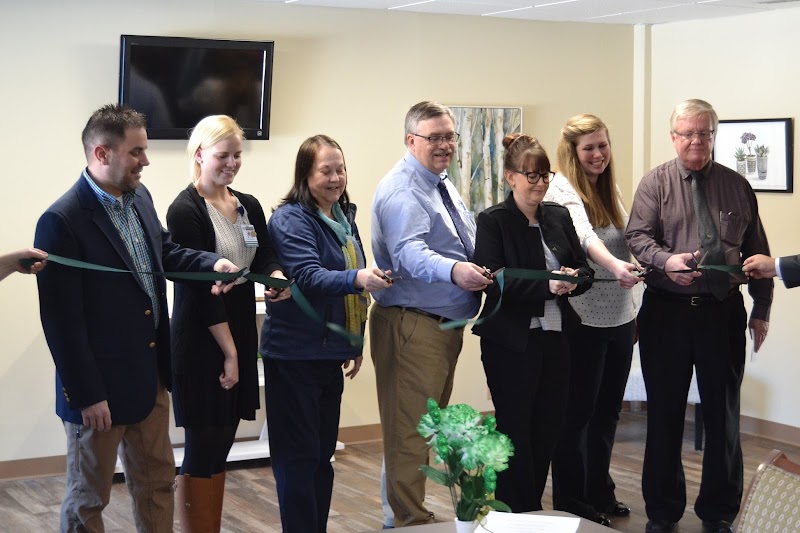
CMS rates AMERICAN LUTHERAN HOME-MENOMONIE's staffing level at 5 out of 5 stars, which is much above average compared to other nursing homes. Staff turnover is 32%, compared to the Wisconsin average of 46%. This relatively stable workforce can support continuity of care.

What Have Inspectors Found at American Lutheran Home-Menomonie?

State health inspectors documented 9 deficiencies at AMERICAN LUTHERAN HOME-MENOMONIE during 2022 to 2024. These included: 1 that caused actual resident harm, 6 with potential for harm, and 2 minor or isolated issues. Deficiencies causing actual harm indicate documented cases where residents experienced negative health consequences.

Who Owns and Operates American Lutheran Home-Menomonie?

AMERICAN LUTHERAN HOME-MENOMONIE is owned by a non-profit organization. Non-profit facilities reinvest revenue into operations rather than distributing to shareholders. The facility operates independently rather than as part of a larger chain. With 37 certified beds and approximately 27 residents (about 73% occupancy), it is a smaller facility located in MENOMONIE, Wisconsin.

How Does American Lutheran Home-Menomonie Compare to Other Wisconsin Nursing Homes?

Compared to the 100 nursing homes in Wisconsin, AMERICAN LUTHERAN HOME-MENOMONIE's overall rating (5 stars) is above the state average of 3.0, staff turnover (32%) is significantly lower than the state average of 46%, and health inspection rating (4 stars) is above the national benchmark.

What Should Families Ask When Visiting American Lutheran Home-Menomonie?

Based on this facility's data, families visiting should ask: "Can I visit during a mealtime to observe dining assistance and food quality?" "How do you handle medical emergencies, and what is your hospital transfer rate?" "Can I speak with family members of current residents about their experience?"

Is American Lutheran Home-Menomonie Safe?

Based on CMS inspection data, AMERICAN LUTHERAN HOME-MENOMONIE has a clean safety record: no substantiated abuse findings (meaning no confirmed cases of resident harm), no Immediate Jeopardy citations (the most serious violation level indicating risk of serious injury or death), and is not on the Special Focus Facility watch list (a federal program monitoring the lowest-performing 1% of nursing homes). The facility has a 5-star overall rating and ranks #1 of 100 nursing homes in Wisconsin. While no facility is perfect, families should still ask about staff-to-resident ratios and recent inspection results during their visit.

Do Nurses at American Lutheran Home-Menomonie Stick Around?

AMERICAN LUTHERAN HOME-MENOMONIE has a staff turnover rate of 32%, which is about average for Wisconsin nursing homes (state average: 46%). Moderate turnover is common in nursing homes, but families should still ask about staff tenure and how the facility maintains care continuity when employees leave.

Was American Lutheran Home-Menomonie Ever Fined?

AMERICAN LUTHERAN HOME-MENOMONIE has no federal fines on record. CMS issues fines when nursing homes fail to meet care standards or don't correct problems found during inspections. The absence of fines suggests the facility has either maintained compliance or corrected any issues before penalties were assessed. This is a positive indicator, though families should still review recent inspection reports for the full picture.

Is American Lutheran Home-Menomonie on Any Federal Watch List?

AMERICAN LUTHERAN HOME-MENOMONIE is not on any federal watch list. The most significant is the Special Focus Facility (SFF) program, which identifies the bottom 1% of nursing homes nationally based on persistent, serious quality problems. Not being on this list means the facility has avoided the pattern of deficiencies that triggers enhanced federal oversight. This is a positive indicator, though families should still review the facility's inspection history directly.