NEIGHBORS - CENTRAL NEIGHBORHOOD (THE)
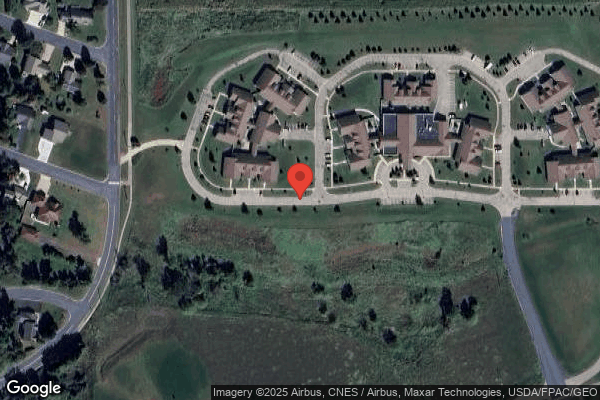
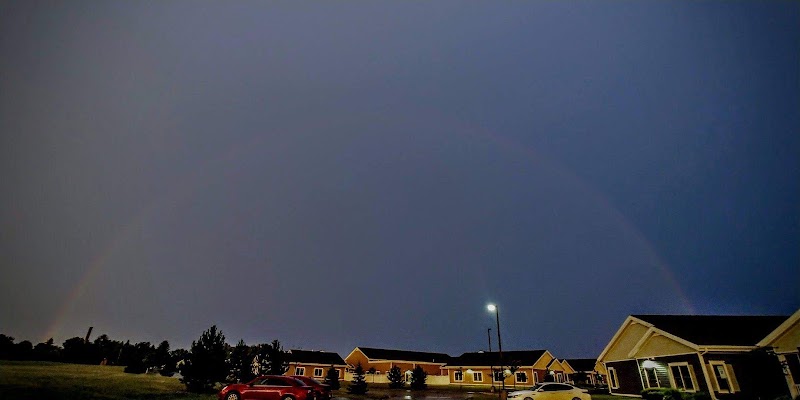
2901 FORBES AVE, MENOMONIE, WI 54751 (715) 232-2661
Government - County 45 Beds Independent Data: November 2025
Trust Grade
80/100
#108 of 321 in WI
Last Inspection: June 2025

Inspected within the last 6 months. Data reflects current conditions.

Overview

Neighbors - Central Neighborhood in Menomonie, Wisconsin has a Trust Grade of B+, which means it is recommended and above average in quality. It ranks #108 out of 321 nursing homes in Wisconsin, placing it in the top half of facilities statewide, but it is #4 out of 4 in Dunn County, indicating there are no better local options. The facility's trend is worsening, with issues increasing from 1 in 2024 to 5 in 2025. Staffing is a strong point, earning 5 out of 5 stars, and has a turnover rate of 42%, which is lower than the state average of 47%. While there are no fines on record, recent inspections revealed concerning incidents, such as the failure to maintain an effective infection control program, inadequate training for the Infection Preventionist, and lapses in ensuring residents received necessary pneumococcal vaccinations. Families should weigh these strengths and weaknesses when considering this nursing home for their loved ones.

Trust Score
B+
80/100
In Wisconsin
#108/321
Top 33%
Safety Record
Low Risk
No red flags
Inspections
Getting Worse
1 → 5 violations
Staff Stability
○ Average
42% turnover. Near Wisconsin's 48% average. Typical for the industry.
Penalties
✓ Good
No fines on record. Clean compliance history, better than most Wisconsin facilities.
Skilled Nurses
✓ Good
Each resident gets 84 minutes of Registered Nurse (RN) attention daily — more than 97% of Wisconsin nursing homes. RNs are the most trained staff who catch health problems before they become serious.
Violations
○ Average
6 deficiencies on record. Average for a facility this size. Mostly minor or procedural issues.
★★★★☆
4.0
Overall Rating
★★★★★
5.0
Staff Levels
★★★☆☆
3.0
Care Quality
★★★☆☆
3.0
Inspection Score
Stable
2024: 1 issues
2025: 5 issues

The Good

  • 5-Star Staffing Rating · Excellent nurse staffing levels
  • Full Sprinkler Coverage · Fire safety systems throughout facility
  • No fines on record
  • Staff turnover below average (42%)

    6 points below Wisconsin average of 48%

Facility shows strength in staffing levels, fire safety.

The Bad

Staff Turnover: 42%

Near Wisconsin avg (46%)

Typical for the industry

The Ugly 6 deficiencies on record

Jun 2025 5 deficiencies
CONCERN (D)

Potential for Harm - no one hurt, but risky conditions existed

Pressure Ulcer Prevention (Tag F0686)

Could have caused harm · This affected 1 resident

**NOTE- TERMS IN BRACKETS HAVE BEEN EDITED TO PROTECT CONFIDENTIALITY** Based on observations, interviews and record reviews, the facility did not ensure 1 of 2 residents (R174) reviewed for at risk o...

Read full inspector narrative →
**NOTE- TERMS IN BRACKETS HAVE BEEN EDITED TO PROTECT CONFIDENTIALITY** Based on observations, interviews and record reviews, the facility did not ensure 1 of 2 residents (R174) reviewed for at risk of Pressure Injury (PI) development received the necessary treatment and services to prevent new pressure injuries from developing. - R174 is moderate risk for the development of PIs and developed a stage 2 PI after admission into facility. This is evidenced by: Example 1 According to the National Pressure Injury Advisory Panel (NPIAP) 2019, page 115, . Repositioning and mobilizing individuals is an important component in the prevention of pressure injuries. The underlying cause and formation of pressure injuries is multifaceted; however, by definition, pressure injuries cannot form without loading, or pressure, on tissue. Extended periods of lying or sitting on a particular part of the body and failure to redistribute the pressure on the body surface can result in sustained deformation of soft tissues and, ultimately, in tissue damage . According to Wound Care Education Institute (2018), for immobile or bed bound individuals, a full change in position should be conducted a minimum of every two hours. Some individuals require more frequent repositioning due to their high-risk status. Facility policy titled, Wound Management, dated reviewed on 01/21/25 states in part, .Procedure: V. New wounds, including new admissions, are referred to the Assistant Clinical Mentor via the New Wound Identification and Follow-Up Checklist . R174 was admitted to the facility on [DATE], with diagnoses including acute respiratory failure with hypoxia, malignant neoplasm of unspecified part of left bronchus or lung, hypertensive chronic kidney disease with stage 1 through stage 4 chronic kidney disease, type 2 diabetes mellitus with diabetic chronic kidney disease and diabetic nephropathy, iron deficiency anemia secondary to blood loss (chronic), morbid (severe) obesity due to excess calories, chronic obstructive pulmonary disease, unspecified, hyperlipidemia, unspecified, atrioventricular block, first degree, unspecified right bundle-branch block, and dysthymic disorder. Surveyor reviewed Minimum Data Set (MDS) assessment for PI risk. MDS not completed yet and it is due 06/19/25. Surveyor reviewed physician note dated on 06/14/25, R174 had shearing on coccyx found, apply protective cream and cover with foam dressing. Change every 3 days and as needed. Daily documentation in matrix until healed, then x7 days and then discontinue. Surveyor reviewed R174's assessments in Electronic Health Record (EHR): -On 06/12/25, Skin assessment completed. No sores or open areas on skin. -On 06/12/25, Braden skin assessment scored 13 moderate risk for skin breakdown. Surveyor reviewed Hospice notes, which stated in part: .-On 06/12/25, Next skilled nurse visit follow (SNV) up on patient's ability to pivot transfer and order equipment-bed side commode, air mattress for facility hospital bed (bariatric). -On 06/16/25, Facility staff did request a delivery of bed extender and/or a bariatric bed. Bariatric bed order placed through State Serv . Surveyor reviewed R174's Physician orders, which stated in part, .-Wound: coccyx shear daily documentation until healed x7 days then discontinue. Daily documentation should include amount drainage, type of drainage, dressing intact, odor after cleansing, pain, progress of wound, wound edges, healed. Special Instructions: Notify MD of symptoms of infection - change of appearance. Once A Day. Start 06/14/2025. -Wound: coccyx shear-treatment: Cleanse/irrigate wound with NS, apply skin sealant to peri-wound skin (avoid any open areas), apply protective cream cover with foam dressing, change every 3 days: and PRN for dislodgment or leakage. Once a day. Start 06/16/2025 -Wound: coccyx shear- treatment: Cleanse/irrigate wound with NS, apply skin sealant to peri-wound skin (avoid any open areas), apply protective cream cover with foam dressing, change every 3 days: and PRN for dislodgment or leakage. As Needed. Start 06/16/2025. -Skin Risk Assessment w/Braden Scale weekly X 3 PM's. Once a Day on Mon. Start 06/23/2025. -Encourage resident to be out of bed for up to 1 hour at a time. Reposition every 2 hours when in bed. Reposition every 1 hour when in chair. Equagel cushion to all chairs, check placement every shift. Alternate mattress to bed. Check functions every shift. Start on 06/18/25. Surveyor reviewed R174's treatment orders, which stated in part, .On 06/14/25 cleanse coccyx shear with normal saline, apply protective cream, and cover with foam dressing. Change every 3 days and as needed for leakage. Daily documentation in matrix until healed; then x7 days and then discontinue. -On 06/18/25 Discontinue current treatment. Coccyx stage 2 Pressure Injury (PI), cleanse with normal saline, Apply skin sealant to peri-wound skin, apply foam dressing, and change every 5 days and as needed for leakage. Daily documentation in Matrix until healed; then x7 days and then discontinue. Weekly measurement and documentation on Wednesday in the mornings until healed . Surveyor reviewed R174's progress notes of Nurse Practitioner (NP) update from facility, which stated in part, .-On 06/18/2025 at 1:23 PM, NP updated on the progression of residents coccyx wound. wound has progressed into a stage 2 PI overnight. resident is currently on hospice and has recently been declining. On admission resident was noted to be up and mobile and now resident is mostly in bed. NP wrote new treatment order to apply a foam dressing and change every 5 days. hospice ordered an alternate air matt previously, staff place alt air matt on bed today from facility until hospice mattress arrives. repo resident Q 2 hours in bed and Q1hr when up in chair. enc resident to only be up for a max of 1 hour at a time. add equagel to all chairs if resident is choosing to get up . Observations: On 06/18/25 at 9:33 AM, Surveyor observed Certified Nurse Assistant (CNA) G and CNA F perform peri cares and catheter cares on R174. CNA G rolled R174 to the right and washed R174's legs and bottom. Surveyor observed redness to R174's coccyx and bilateral buttocks. Surveyor observed two small red irritated open wounds on R174's coccyx area. CNA G stated to CNA F, We better get the nurse in here to look at [R174's] bottom. CNA F exited R174's room and grabbed LPN E. LPN E reported to Surveyor shearing was noted on R174's coccyx area back this last Sunday on 06/15/25. Surveyor asked LPN E why other interventions were not implemented or dressing as ordered not currently on R174's coccyx. LPN E reported to Surveyor LPN E was unsure what the game plan was for R174's wound on coccyx but LPN E would find out soon with Assistant Director of Nursing (ADON) C. LPN E measured R174's wound and stated, There are two openings now. One is 1cmx1.1 cm and the second wound is 0.5cmx0.8cm. LPN E noted the area was still blanchable. LPN E applied skin prep and applied Meplix dressing to R174's coccyx area. LPN E exited R174's room and CNA G and CNA F attempted to reposition R174 off of coccyx by repositioning to the right side and providing a pillow behind R174. On 06/18/25 at 10:00 AM, Surveyor interviewed LPN E on why R174 did not have a Meplix on when CNA G and CNA F were providing cares. LPN E was unsure why R174's Meplix was not on and was going to confirm with ADON C. On 06/18/25 at 10:31 AM, Surveyor interviewed ADON C and Director of Nursing (DON) B and asked why R174 did not have Meplix on as ordered on 06/14/25. ADON C reported the nurse on 06/17/25 took Meplix off to let R174's wound air dry. ADON C and DON B reported Registered Nurse (RN) D from 06/17/25 should not have taken dressing off to air dry without contacting provider for further orders or treatment changes. DON B reported to Surveyor DON B will be calling RN D to figure out exactly what had occurred and provide education on correct measures. On 06/18/25 at 11:01 AM, Surveyor requested all documentation pertaining to skin assessments, Braden assessments, and treatment orders for R174. ADON C reported to Surveyor R174's Braden score was at a 20 and not at risk for skin breakdown on the last Braden score dated 06/15/25. On 06/18/25 at 11:16 AM, Surveyor interviewed DON B and asked if R174's Braden was accurate on 06/15/25 as scoring 20 but R174's admission Braden was scored at 13 with R174 being at moderate risk for skin breakdown. DON B reported RN D who assessed R174's Braden score on 06/15/25 documented wrong score and measures but DON B had a call out to RN D who assessed R174's Braden on 06/15/25 to educate RN D on correct assessment and scoring of R174's Braden scale. DON B reported to Surveyor R174 is at high risk for skin breakdown and has been throughout R174's stay in the facility. On 06/18/25 at 11:10 AM, Surveyor interviewed ADON C and ADON C reported to Surveyor the first shearing noticed on R174's coccyx was on 06/14/25. Surveyor asked ADON C if there was any interventions put into place for R174 after nurse had assessed shearing to R174's coccyx on 06/14/25. ADON C reported to Surveyor if any interventions were put into place, the interventions would not be on R174's baseline care plan but the base line care plan refers staff to review the MAS. Surveyor asked ADON C what the MAS is. ADON C indicated it is the Master Communication Sheet (MAS). This is where the CNA has a master copy of a detailed day to day care plan and tasks R174 would need for provision of cares through the day. Surveyor requested to review the MAS for R174. ADON C and Surveyor reviewed MAS for R174. ADON C reported there were no updates or new interventions put into place for R174's shearing of the coccyx from 06/14/25. ADON C reported there should have been some repositioning interventions or something put into place back on 06/14/25. DON B reported as soon as the nurse on 06/14/25 assessed the shearing, nurse should have placed R174 on wound identification and follow up check list so R174's treatment interventions were updated as needed and accurate for R174's needs. On 06/18/25 at 11:28 AM, ADON C reported to Surveyor ADON C reviewed progress notes back on 06/14/25 and noted nurse did educate R174 to try to lift completely up when shifting in bed to prevent shearing of the skin. ADON C reported to Surveyor since 06/14/25, R174 has declined in mobility even further and no longer can make slight reposition moves for himself. ADON C reported to Surveyor there should have been more interventions put into place once shearing had occurred. On 06/18/25 at 1:25 PM, Surveyor reviewed documentation made from DON B concerning a conversation DON B had with RN D who left R174's wound dressing open to air on 06/17/25 as well as other interventions which were not followed. DON B reported to Surveyor RN D indicated to DON B, R174's wound appeared to be shearing and did not feel the dressing was needed for R174, so RN D left open to air. DON B reported to Surveyor DON B provided education to RN D about following wound treatment orders and calling provider if any changes need to be made or for further guidance. Also, DON B reported to Surveyor RN D indicated to DON B an air mattress and bariatric bed was delivered by a third-party company to facility for R174, but RN D turned away the bariatric bed due to the bed being all metal and crank style. RN D reported to DON B, RN D did not know if facility accepted these items. DON B asked RN D why R174's air mattress was not applied to R174 right away when receiving air mattress. RN D replied with, There was no good time to apply. DON B reported to Surveyor, DON B educated RN D of importance of applying interventions right away or finding equivalent interventions such as frequent repositioning, etc. until more in depth could be applied.
CONCERN (D)

Potential for Harm - no one hurt, but risky conditions existed

Antibiotic Stewardship (Tag F0881)

Could have caused harm · This affected 1 resident

**NOTE- TERMS IN BRACKETS HAVE BEEN EDITED TO PROTECT CONFIDENTIALITY** Based on the interview and record review, the facility did not establish an Infection Prevention and Control Program (IPCP) whic...

Read full inspector narrative →
**NOTE- TERMS IN BRACKETS HAVE BEEN EDITED TO PROTECT CONFIDENTIALITY** Based on the interview and record review, the facility did not establish an Infection Prevention and Control Program (IPCP) which must include, at a minimum, the following elements: An Antibiotic Stewardship Program that includes antibiotic use protocols and a system to monitor antibiotic use. This has the potential to affect 1 of 1 residents (R) reviewed. (R5) The facility did not ensure the standard of practice for infection surveillance and treatment, and McGeer's criteria were being utilized in the facility's antibiotic stewardship program for R5. This is evidenced by: Facility policy titled, Antibiotic Stewardship, dated reviewed in 2012, states in part, .Procedure: #5. Tracking a. IP will be responsible for infection surveillance and MDRO tracking. b. IP will collect and review data such as: i. Type of antibiotic ordered, route of administration, antibiotic costs iii. Whether appropriate tests such as cultures were obtained before ordering antibiotic . Surveyor reviewed R5's Electronic Health Record (EHR) which showed R5 had a Urinary Tract Infection (UTI) recognized by the facility on 03/18/25. Orders were obtained and R5 started on Cefadroxil 1 gm oral for 5 days. R5's symptoms worsened and R5 was admitted to the hospital on [DATE], where R5 was placed on Zoysn intravenous during R5's stay in hospital. Surveyor reviewed infection surveillance line lists dated January 2025-May 2025. Surveyor found R5 missing on March's infection line list. On 06/19/25 at 12:06 PM, Surveyor interviewed DON B and Assistant Director of Nursing (ADON) C and asked about infection surveillance with missing data of R5's UTI, and how staff determined if resident needed to be on antibiotics. ADON C reported to Surveyor ADON C uses McGeer's criteria but doesn't document if criteria is met or not. ADON C reported that going forward ADON C will print off criteria, checkmark the symptoms on the infection line lists for thoroughness, educate provider if needed about antibiotics use or not, and document if criteria meet antibiotic use. Surveyor asked ADON C about R5 in March of 2025 diagnosed with an UTI and prescribed antibiotics. DON B was present and answered for ADON C and reported to Surveyor R5 must have been missed for placing on the infection line list and DON B is unsure how it happened. DON B reported to Surveyor the infection line lists need to be revamped.
CONCERN (E)

Potential for Harm - no one hurt, but risky conditions existed

Deficiency F0883 (Tag F0883)

Could have caused harm · This affected multiple residents

**NOTE- TERMS IN BRACKETS HAVE BEEN EDITED TO PROTECT CONFIDENTIALITY** Based on interview, medical record review and facility document review, the facility did not have a comprehensive system for ens...

Read full inspector narrative →
**NOTE- TERMS IN BRACKETS HAVE BEEN EDITED TO PROTECT CONFIDENTIALITY** Based on interview, medical record review and facility document review, the facility did not have a comprehensive system for ensuring residents received pneumococcal immunizations, for 4 of 5 sampled residents, (R). (R20, R10, R18 and R13) This is evidenced by: The CDC Pneumococcal Vaccine Timing for Adults reads, in part: Administer 1 dose of PCV13 at least 1 year after the most recent pneumococcal vaccine dose. Administer a second dose of PPSV23 at least 8 weeks after PCV13 and at least 5 years after the previous dose of PPSV23 . Facility policy titled, Pneumococcal Vaccine, dated reviewed 06/16/23, states in part, .Facility will provide an infection control environment that supports a decrease in the likelihood of pneumococcal illness with our residents. Procedure: 2. Identify residents in need of first, or final dose of PPV if five or more years have elapsed since previous dose. Use decision tree for pneumococcal vaccines . Surveyor reviewed immunization records for R20, R10, R18 and R13: R20 was admitted to the facility on [DATE]. R20's immunization record stated pneumococcal vaccinations were recommended last completed on 10/06/15. Facility did not have documentation the facility offered or educated R20 on the pneumococcal vaccinations recommended. The facility did not have a declination form in R20's record of the pneumococcal being declined. R10 was admitted to the facility on [DATE]. R10's immunization record stated pneumococcal vaccinations were recommended last completed on 10/26/20. Facility did not have documentation the facility offered or educated R10 of the pneumococcal vaccinations recommended. The facility did not have a declination form in R10's record of the pneumococcal being declined. R18 was admitted to the facility on [DATE]. R18's immunization record stated pneumococcal vaccinations were recommended last completed on 02/10/17. Facility did not have documentation the facility offered or educated R18 of the pneumococcal vaccinations recommended. The facility did not have a declination form in R18's record of the pneumococcal being declined. R13 was admitted to the facility on [DATE]. R13's immunization record stated pneumococcal vaccinations were recommended, and last completed unknown. Facility did not have documentation the facility offered or educated R13 of the pneumococcal vaccinations recommended. The facility did not have a declination form in R13's record of the pneumococcal being declined. On 06/19/25 at 10:43 AM, Surveyor interviewed Director of Nursing (DON) B and asked about the missing pneumococcal vaccinations for R20, R10, R18, and R13. DON B reported to Surveyor DON B noticed R20, R10, R18, and R13 have not been offered Pneumococcal vaccination and facility knows R20, R10, R18, and R13 are due for pneumococcal vaccination and will be ordering it from pharmacy and giving it. DON B reported to Surveyor this process has not been being completed and DON B would be educating Assistant Director of Nursing (ADON) C on correct process when residents are admitted to facility.
CONCERN (F)

Potential for Harm - no one hurt, but risky conditions existed

Infection Control (Tag F0880)

Could have caused harm · This affected most or all residents

Based on observation, interview and record review, the facility did not establish and maintain an infection prevention and control program designed to provide a safe, sanitary and comfortable environm...

Read full inspector narrative →
Based on observation, interview and record review, the facility did not establish and maintain an infection prevention and control program designed to provide a safe, sanitary and comfortable environment and to help prevent the development and transmission of communicable diseases and infections. This had potential to affect all 25 residents (R). -The facility did not have an accurate and complete infection surveillance process in place for months of January 2025-May 2025, including Influenza A outbreak in February 2025. Findings include: Facility policy titled, Infection Surveillance, dated reviewed in 2012, states in part, .Data Collection and Recording: 4. For targeted surveillance follow these guidelines: a. Daily: Record detailed information about the resident and infection on an individual infection report form. b. Monthly: Collect information from individual resident infection reports and enter line listing of infections by resident for the entire month. Monthly: Summarize monthly data for each nursing unit by site and by pathogen . Surveyor reviewed infection surveillance line lists dated January 2025-present. Surveyor found missing data every month of infection surveillance reviewed. Infection surveillance had missing data of well dates, when residents and staff went on isolation or stayed home from work when sick, what type of isolation for residents when sick, when the onset of symptoms started for infections, missing types of labs completed, and how staff determined if resident needed to be on antibiotics or not. Facility had missing data of location of resident's infections, or which residents' staff last worked with staff who became sick, including summary and analysis of the number of residents affected during the outbreak. Infection surveillance logs were reviewed with an Influenza A outbreak noted in February 2025. Surveyor could not distinguish when outbreak started and ended. Surveyor could not find documentation the facility documented follow-up activity in response to important surveillance findings (e.g., outbreaks). Surveyor could not find observations of staff including the identification of ineffective practices (e.g., not practicing hand hygiene and/or using PPE when indicated as well as practices which do not follow the facility's IPCP policies and procedures), if any; and the identification of unusual or unexpected outcomes, trends, and patterns pertaining to tracking infection surveillance. On 06/19/25 at 7:26 AM, Surveyor interviewed Director of Nursing (DON) B and asked for DON B to explain the line list and infection logs. DON B reported when the previous DON was in the position, the DON took infection logs and outbreaks and then combined into one spreadsheet. Surveyor asked DON B if there were any outbreaks in 2025. DON B reported there were a couple outbreaks and will be combined on the spreadsheet with each month in 2025. Surveyor reviewed a possible outbreak of Influenza A found in February 2025. Surveyor asked DON B if there were any other items pertaining to the outbreaks, or documentation of outbreaks anywhere else other than the spreadsheet handed to Surveyor as Surveyor could not find much data pertaining to the Influenza A outbreak in decreasing the spread of infection and what steps were taken during the outbreak. DON B reported to Surveyor all the information DON B has will be in the infection surveillance monthly logs. Surveyor did not find any summary or other information pertaining to the infection surveillance logs. On 06/19/25 at 7:45 AM, Surveyor interviewed DON B and asked if facility had tracking surveillance for staff and during outbreaks. DON B reported DON B keeps track of staff, but it is the line list for staff like the resident line lists, and DON B would bring Surveyor information requested. DON B reported to Surveyor DON B does not keep a summary of any other information pertaining to infections or outbreaks. Surveyor asked DON B for all logs back until last Survey in March of 2024. DON B reported after the previous DON left, DON B did not keep those records of staff infections and surveillance. DON B reported to Surveyor DON B would figure it out and try to see what DON B can bring to Surveyor. On 06/19/25 at 12:06 PM, Surveyor interviewed DON B and Assistant Director of Nursing (ADON) C and asked about infection surveillance with missing data of well dates, when residents and staff went on isolation or stayed home, when signs and symptoms started, types of labs completed, and how staff determined if resident needed to be on antibiotics. ADON C reported to Surveyor ADON C uses the McGeer's criteria but doesn't document if criteria are met or not. ADON C reported going forward ADON C will print off criteria, checkmark the symptoms on the infection line lists for thoroughness, educate provider if needed about antibiotics use or not, and then document if criteria meet antibiotic use. Surveyor asked ADON C about R5 in March of 2025 diagnosed with a UTI and prescribed antibiotics. Surveyor asked ADON C why R5 was not placed on the infection line list in March 2025 to show accurate data accumulation for infection surveillance so that residents are not being missed on infection surveillance throughout the facility. DON B answered for ADON C and reported to Surveyor that R5 must have been missed for placing on the infection line list and DON B is unsure how that happened. DON B reported to Surveyor infection line lists need to be revamped to show accurate onset symptoms started, when isolation was started, what tests were performed, results of tests, well dates, when isolation ended, and when antibiotics ended. DON B reported to Surveyor going forward DON B and ADON C will start summarizing the steps the facility did during an outbreak and how the outbreak turned out to decrease the chance of infections spreading. DON B and ADON C reported to Surveyor DON B and ADON C understand the importance and will update line lists and perform correct surveillance as supposed to.
CONCERN (F)

Potential for Harm - no one hurt, but risky conditions existed

Deficiency F0882 (Tag F0882)

Could have caused harm · This affected most or all residents

Based on interview, the facility failed to ensure the Infection Preventionist (IP) is trained in special education and training in infection prevention and control. This has the potential to affect al...

Read full inspector narrative →
Based on interview, the facility failed to ensure the Infection Preventionist (IP) is trained in special education and training in infection prevention and control. This has the potential to affect all 25 residents. This is evidenced by: Surveyor did not find Director of Nursing (DON) B's training completed for Infection Control (IC). On 06/19/25 at 10:52 AM, Surveyor interviewed DON B and asked for Infection Control certification. DON B was confused by certification form to print and asked Surveyor to show DON B on DON B's computer which certification module Surveyor needed printed. Surveyor observed on DON B's computer that Post Assessment for training for infection control from the Center Disease Control (CDC) was not completed. DON B reported to Surveyor DON B was unaware there was a post assessment to complete before practicing as Infection Preventionist (IP). Surveyor indicated to DON B the post assessment needs to be completed to be appropriately trained in IC. DON B reported to Surveyor DON B would complete the post assessment test as soon as able. Surveyor asked DON B if anyone else who is certified is overseeing and taking care of infection control duties for Central unit. DON B reported to Surveyor Assistant Director of Nursing (ADON) C is managing IC duties with DON B, but ADON C is currently in training now for IC. DON B reported there is no one else working with IC on Central unit.
Mar 2024 1 deficiency
CONCERN (D)

Potential for Harm - no one hurt, but risky conditions existed

Comprehensive Care Plan (Tag F0656)

Could have caused harm · This affected 1 resident

**NOTE- TERMS IN BRACKETS HAVE BEEN EDITED TO PROTECT CONFIDENTIALITY** Based on interview and record review, the facility did not develop a comprehensive person-centered care plan for the diagnosis o...

Read full inspector narrative →
**NOTE- TERMS IN BRACKETS HAVE BEEN EDITED TO PROTECT CONFIDENTIALITY** Based on interview and record review, the facility did not develop a comprehensive person-centered care plan for the diagnosis of Congestive Heart Failure (CHF) with the use of a diuretic for 1 of 12 residents (R) R5 reviewed for care plans. This is evidenced by: R5 was admitted to the facility on [DATE] with a diagnosis of chronic diastolic congestive heart failure, hypertensive heart, chronic kidney disease with heart failure, chronic obstructive pulmonary disease, chronic respiratory failure with hypoxia, type 2 diabetes mellitus, and narcolepsy. R5's Minimum Data Set (MDS) assessment, completed on 02/26/24, confirmed R5 scored 15 during a Brief Interview for Mental Status (BIMS), indicating intact cognition. Record review identified a CHF/respiratory assessment completed weekly from 11/15/23 to 03/20/24. Review of R5's medical record identified orders for the following diagnosis of CHF: -Torsemide give 30 milligrams (mg) by mouth once a day in the am for diagnosis of CHF. -Weekly CHF assessment once a day on Wednesday for diagnosis of CHF. -Weekly weights once a day on Wednesday for weights for diuretics, CHF/renal disease. -Add 24-hour total intake and output on NOCs once a day. -Intake and output every shift to ensure adequate fluid intake and encourage water every shift. Review of R5's care plan identified no problems or interventions related to R5's diagnosis of CHF and use of diuretics. On 03/27/24 at 9:15 AM, Surveyor interviewed Assistant Director of Nursing (ADON) C and asked if R5's care plan included a CHF plan to address R5's diuretic use and interventions. ADON C indicated ADON C reviewed R5's care plan and found no care plan for R5 to address R5's diagnosis of CHF or diuretic use. ADON C indicated that going forward MDS coordinator/Registered Nurse (RN) D will add a CHF care plan and interventions for R5's diuretic usage. ADON C provided Surveyor with a copy of R5's current care plan. On 03/27/24 at 10:15 AM, RN D gave Surveyor R5's updated care plan. Surveyor reviewed R5's updated care plan dated 03/27/24 CHF care plan with interventions in place.
Understanding Severity Codes (click to expand)
Life-Threatening (Immediate Jeopardy)
J - Isolated K - Pattern L - Widespread
Actual Harm
G - Isolated H - Pattern I - Widespread
Potential for Harm
D - Isolated E - Pattern F - Widespread
No Harm (Minor)
A - Isolated B - Pattern C - Widespread

Questions to Ask on Your Visit

  • "Can I speak with families of current residents?"
  • "What's your RN coverage like on weekends and overnight?"

Our Honest Assessment

Strengths
  • • Grade B+ (80/100). Above average facility, better than most options in Wisconsin.
  • • No major safety red flags. No abuse findings, life-threatening violations, or SFF status.
  • • No fines on record. Clean compliance history, better than most Wisconsin facilities.
  • • 42% turnover. Below Wisconsin's 48% average. Good staff retention means consistent care.
Concerns
  • • No significant concerns identified. This facility shows no red flags across CMS ratings, staff turnover, or federal penalties.
Bottom line: Generally positive indicators. Standard due diligence and a personal visit recommended.

About This Facility

What is Neighbors - Central Neighborhood (The)'s CMS Rating?

CMS assigns NEIGHBORS - CENTRAL NEIGHBORHOOD (THE) an overall rating of 4 out of 5 stars, which is considered above average nationally. Within Wisconsin, this rating places the facility higher than 99% of the state's 100 nursing homes. This rating reflects solid performance across the metrics CMS uses to evaluate nursing home quality.

How is Neighbors - Central Neighborhood (The) Staffed?

CMS rates NEIGHBORS - CENTRAL NEIGHBORHOOD (THE)'s staffing level at 5 out of 5 stars, which is much above average compared to other nursing homes. Staff turnover is 42%, compared to the Wisconsin average of 46%. This relatively stable workforce can support continuity of care.

What Have Inspectors Found at Neighbors - Central Neighborhood (The)?

State health inspectors documented 6 deficiencies at NEIGHBORS - CENTRAL NEIGHBORHOOD (THE) during 2024 to 2025. These included: 6 with potential for harm.

Who Owns and Operates Neighbors - Central Neighborhood (The)?

NEIGHBORS - CENTRAL NEIGHBORHOOD (THE) is owned by a government entity. Government-operated facilities are typically run by state, county, or municipal agencies. The facility operates independently rather than as part of a larger chain. With 45 certified beds and approximately 24 residents (about 53% occupancy), it is a smaller facility located in MENOMONIE, Wisconsin.

How Does Neighbors - Central Neighborhood (The) Compare to Other Wisconsin Nursing Homes?

Compared to the 100 nursing homes in Wisconsin, NEIGHBORS - CENTRAL NEIGHBORHOOD (THE)'s overall rating (4 stars) is above the state average of 3.0, staff turnover (42%) is near the state average of 46%, and health inspection rating (3 stars) is at the national benchmark.

What Should Families Ask When Visiting Neighbors - Central Neighborhood (The)?

Based on this facility's data, families visiting should ask: "Can I visit during a mealtime to observe dining assistance and food quality?" "How do you handle medical emergencies, and what is your hospital transfer rate?" "Can I speak with family members of current residents about their experience?"

Is Neighbors - Central Neighborhood (The) Safe?

Based on CMS inspection data, NEIGHBORS - CENTRAL NEIGHBORHOOD (THE) has a clean safety record: no substantiated abuse findings (meaning no confirmed cases of resident harm), no Immediate Jeopardy citations (the most serious violation level indicating risk of serious injury or death), and is not on the Special Focus Facility watch list (a federal program monitoring the lowest-performing 1% of nursing homes). The facility has a 4-star overall rating and ranks #1 of 100 nursing homes in Wisconsin. While no facility is perfect, families should still ask about staff-to-resident ratios and recent inspection results during their visit.

Do Nurses at Neighbors - Central Neighborhood (The) Stick Around?

NEIGHBORS - CENTRAL NEIGHBORHOOD (THE) has a staff turnover rate of 42%, which is about average for Wisconsin nursing homes (state average: 46%). Moderate turnover is common in nursing homes, but families should still ask about staff tenure and how the facility maintains care continuity when employees leave.

Was Neighbors - Central Neighborhood (The) Ever Fined?

NEIGHBORS - CENTRAL NEIGHBORHOOD (THE) has no federal fines on record. CMS issues fines when nursing homes fail to meet care standards or don't correct problems found during inspections. The absence of fines suggests the facility has either maintained compliance or corrected any issues before penalties were assessed. This is a positive indicator, though families should still review recent inspection reports for the full picture.

Is Neighbors - Central Neighborhood (The) on Any Federal Watch List?

NEIGHBORS - CENTRAL NEIGHBORHOOD (THE) is not on any federal watch list. The most significant is the Special Focus Facility (SFF) program, which identifies the bottom 1% of nursing homes nationally based on persistent, serious quality problems. Not being on this list means the facility has avoided the pattern of deficiencies that triggers enhanced federal oversight. This is a positive indicator, though families should still review the facility's inspection history directly.