PINE CREST HEALTH AND MEMORY CARE
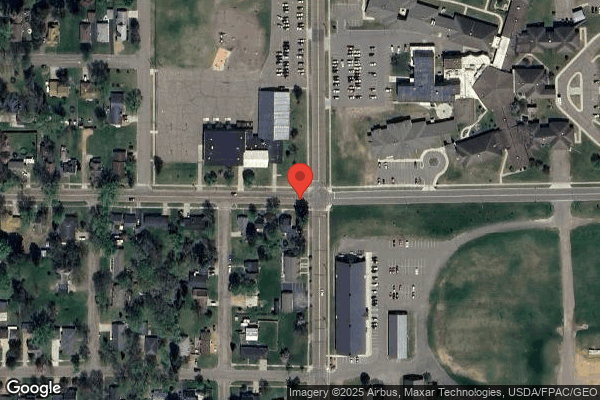
2100 E SIXTH ST, MERRILL, WI 54452 (715) 536-0355
Government - County 120 Beds Independent Data: November 2025
Trust Grade
85/100
#55 of 321 in WI
Last Inspection: May 2025

Inspected within the last 6 months. Data reflects current conditions.

Overview

Pine Crest Health and Memory Care has a Trust Grade of B+, indicating it is above average and recommended for families seeking care. It ranks #55 out of 321 facilities in Wisconsin, placing it in the top half, and is the top choice among the three nursing homes in Lincoln County. However, the facility's trend is concerning, as it has worsened from four issues in 2024 to eight in 2025. Staffing is a strong point, with a 5/5 star rating and a turnover rate of 41%, which is below the state average, suggesting that staff are experienced and familiar with residents. While there have been no fines, there are several specific incidents of concern, such as expired medications being found in storage, delays in providing necessary medications to a resident with C-Diff, and a failure to protect one resident from potential abuse by another. These weaknesses highlight the need for families to weigh both the strengths and areas needing improvement.

Trust Score
B+
85/100
In Wisconsin
#55/321
Top 17%
Safety Record
Low Risk
No red flags
Inspections
Getting Worse
4 → 8 violations
Staff Stability
○ Average
41% turnover. Near Wisconsin's 48% average. Typical for the industry.
Penalties
✓ Good
No fines on record. Clean compliance history, better than most Wisconsin facilities.
Skilled Nurses
✓ Good
Each resident gets 64 minutes of Registered Nurse (RN) attention daily — more than 97% of Wisconsin nursing homes. RNs are the most trained staff who catch health problems before they become serious.
Violations
⚠ Watch
16 deficiencies on record. Higher than average. Multiple issues found across inspections.
★★★★★
5.0
Overall Rating
★★★★★
5.0
Staff Levels
★★★☆☆
3.0
Care Quality
★★★★☆
4.0
Inspection Score
Stable
2024: 4 issues
2025: 8 issues

The Good

  • 5-Star Staffing Rating · Excellent nurse staffing levels
  • Full Sprinkler Coverage · Fire safety systems throughout facility
  • No fines on record
  • Staff turnover below average (41%)

    7 points below Wisconsin average of 48%

Facility shows strength in staffing levels, fire safety.

The Bad

Staff Turnover: 41%

Near Wisconsin avg (46%)

Typical for the industry

The Ugly 16 deficiencies on record

Aug 2025 1 deficiency
CONCERN (D) 📢 Someone Reported This

A family member, employee, or ombudsman was alarmed enough to file a formal complaint

Potential for Harm - no one hurt, but risky conditions existed

Pharmacy Services (Tag F0755)

Could have caused harm · This affected 1 resident

**NOTE- TERMS IN BRACKETS HAVE BEEN EDITED TO PROTECT CONFIDENTIALITY** Based on observation, interview and record review, the facility did not provide pharmaceutical services, including acquiring, re...

Read full inspector narrative →
**NOTE- TERMS IN BRACKETS HAVE BEEN EDITED TO PROTECT CONFIDENTIALITY** Based on observation, interview and record review, the facility did not provide pharmaceutical services, including acquiring, receiving, and dispensing medications to meet the needs of 1 of 2 residents reviewed (R12).R12 had a physician order on 8/19/25 for Fidaxomicin for Clostridium Difficile (C-Diff). Pharmacy stated the medication was not available. Physician changed the order to Vancomycin HCL Capsule 125 mg by mouth every 6 hours until Fidaxomicin became available. Vancomycin was to be delivered on 8/20/25, and on 8/21/25, the pharmacy still had not delivered the Vancomycin. R12 was hospitalized on [DATE] to receive the Vancomycin for C-Diff management.The facility's Pharmacy Services manual read in part, Regular and reliable pharmaceutical service is available to provide residents with prescription and non-prescription medications, services, and related equipment and supplies. Provide routine and timely pharmacy services six days per week and emergency pharmacy services 24 hour per day, seven days per week.This is evidenced by:R12 was admitted to facility on 06/05/25 with a diagnosis of enterocolitis related to recurring clostridium difficile (C Diff) infection.R12's physician's orders included:Vancomycin HCl Capsule 125 MG. Give 1 capsule every 6 hours for C Diff until 08/22/25. Give until Fidaxomicin is available on or near 08/21/25.R12 tested positive for C Diff infection on 08/18/25. Order placed on 08/19/25 for Fidaxomicin. Pharmacy stated the medication was not available. Physician order changed to Vancomycin until Fidaxomicin became available. Vancomycin was to be delivered on 08/20/25. On 08/21/25, the medication had still not arrived.R12 was admitted to the hospital on [DATE] for C Diff Management.On 08/26/25 at 10:44 AM, Surveyor interviewed Registered Nurse (RN) G. RN G stated having difficulty getting medications in a timely manner from pharmacy at times. On this day an insulin pen was to be delivered and had not.On 08/27/25 at 12:25 PM, Surveyor interviewed RN I. RN I stated having difficulty receiving medications from the pharmacy in a timely manner. RN I stated recently there was an issue with the pharmacy stating they did not receive faxed orders, but the pharmacy is able to see them in the computer program also and is still not sending them on time. RN I stated calling the pharmacy to order the medication for R12. RN I stated the Fidaxomicin was not available, so Vancomycin was ordered. RN I stated the medication was to be delivered on 08/20/25 on the afternoon delivery.On 08/27/25 at 12:34 PM, Surveyor interviewed Licensed Practical Nurse (LPN) H. LPN H stated recently she has been having difficulty getting refill medications for residents. LPN H stated the pharmacy was having program issues and was unable to look anything up.
Jun 2025 1 deficiency
CONCERN (D) 📢 Someone Reported This

A family member, employee, or ombudsman was alarmed enough to file a formal complaint

Potential for Harm - no one hurt, but risky conditions existed

Free from Abuse/Neglect (Tag F0600)

Could have caused harm · This affected 1 resident

**NOTE- TERMS IN BRACKETS HAVE BEEN EDITED TO PROTECT CONFIDENTIALITY** Based on observation, interview, and record review, the facility failed to protect the resident's right to be free from abuse by...

Read full inspector narrative →
**NOTE- TERMS IN BRACKETS HAVE BEEN EDITED TO PROTECT CONFIDENTIALITY** Based on observation, interview, and record review, the facility failed to protect the resident's right to be free from abuse by another resident for 1 of 3 residents reviewed (R1). R2 was found in R1's room sitting next to R1's bed in wheelchair with his hand under the blanket on R1's bed. Facility did not protect R1 from further potential abuse when Surveyor's observations confirmed 15-minute checks on R2 were not performed, and R2 entered R1's room four more times after the incident. Findings include: The facility policy entitled Nursing Home Abuse, Neglect, Misappropriation, Exploitation, Resident to Resident Altercations, Injury of Unknown Origin, and Caregiver Misconduct (MVCC) last revised on 12/14/23, reads in part: Will take all necessary steps to ensure its residents are protected from incidents of abuse, neglect, and exploitation by anyone .The resident has the right to be free from abuse Individual treatment plans will also identify known history of distressed behavior including physical, sexual, or verbal aggression to ensure appropriate interventions. The facility's standard wandering protocol, last updated 03/28/24 reads in part: Monitor risk for wandering routinely and prn (as needed) .provide 1:1 as needed. R1 was admitted to the facility on [DATE] with diagnoses including Alzheimer's disease with late onset, dementia, severe with psychotic disturbance, and anxiety disorder, unspecified. R1's most recent Minimum Data Set (MDS) assessment on 4/7/25 shows a Brief Interview for Mental Status (BIMS) score of 3/15, which indicates severe cognitive impairment and a Patient Health Questionnaire-9 (PHQ-9) score of 0, which indicates minimal symptoms of depression. R1's care plan prior to incident reads in part: Focus Risk for alteration in psychosocial, physical, emotional wellbeing or re-traumatization R/T diagnosis/history of natural disasters (tornado), resident's potential/or perception that she was jumped on a walk, potential sexual assault, severe human suffering due r/t her foster son evident by symptoms of anxiety, expressing feeling down. Implemented on 01/21/25 (Trauma Informed Care Assessment completed on 01/20/25) Goal I will be free from physical, social, and emotional harm and free from trauma and re-traumatization during my stay in facility. Intervention When I am having a hard time emotionally, the following strategy helps me feel better: Looking at my wedding photo or taking a drive. R2 was admitted to the facility on [DATE] with diagnosis including attention and concentration deficit following a stroke. R2's most recent MDS assessment on 05/22/23 shows a BIMS score of 3/15, which indicates severe cognitive impairment and a PHQ-9 score of 2, which indicates minimal symptoms of depression. R2's care plan prior to incident reads in part: Focus Resident at risk for elopement related to attempting to leave facility by himself. Resident resides in secure unit of facility Last revised 02/6/24 Goal Safety will be maintained, and resident will be accepting of redirection Interventions Adhere to standard of care wandering protocol Redirect with occurring wandering On 06/16/25, Surveyor reviewed R1 and R2's records and noted the following: On 11/18/24, Sexual Activity Consent completed for R2 confirmed R2 cannot consent. On 06/05/25, Sexual Activity Consent completed for R1 confirmed R1 cannot consent. On 06/05/25, the facility submitted a Facility Reported Incident (FRI) reported to the State Agency (SA), to report the incident of R2 touching R1. Facility interviews with staff during the facility investigation read in part: [R1] wanders into [R2's] room at night. She calls him another name (her husband's name). - Certified Nursing Assistant (CNA) H Once when I was walking with [R1] to her room we walked by [R2], and he made a comment to [R1] about her going into his bed. - CNA E Always trying to go into [R1's] room, nothing verbal. - Registered Nurse (RN) J Asks staff to get into bed with him. - Licensed Practical Nurse (LPN) G Facility interview with Hospitality Aide (HA) D states: On Thursday June 5th, I was in the common area/dining area in 300 wing and noticed that [R2] wasn't there .I noticed he wasn't in his room at all I heard someone yell out what are you doing, get out of here I realized it was [R1] so I went into her room [R1] was laying in bed and [R2] was in his wheelchair next to her bed. [R1] had her clothes on and blanket over top I said [R2] you're in the wrong room. [R2] started pulling his hand out from under her blanket. I did not see his hand but where his hand came out you could tell it was around the peri area .[R1] looked upset, and I pulled [R2] away and asked [R1] if she was ok. [R1] said she was but not to let it happen again [R1] came out of her room saying, where is he, where is he and at that time [CNA F] and [RN K] took [R1] to her room. [R2] laid down in bed for a nap There were a few more times early this week where [R2] was trying to go into [R1's] room. Facility interview with CNA F states: I proceeded to check on [R1], she was sleeping. About five minutes later she came out of her room upset and wanted to know where 'he' was. Then she started crying, talking about, 'he was touching' and she was confused. I tried calming her down, she was scared he was going to come back. She didn't like being alone, she was scared to be alone. Facility interview with RN K states in part: [R1] said she was scared and asked why he was touching her. I tried to explain but she kept crying and weeping [R1] asked if she could go back to sleep and make sure that guy didn't come in her room again We told [R1] we would watch [R2] closely and make sure he didn't come in again. The facility called law enforcement. Officer interviewed 3 staff members (Unit Manager (UM) C, HA D, and RN K) but no residents. No formal investigation was completed by law enforcement. The facility did not complete all staff education. R1's provider note from 06/16/25 reads in part, Wandering the halls at 3:30am trying to leave the facility .numerous questions for staff and anxiety behaviors discussed with husband and daughter increasing the Seroquel to 25mg at bedtime to see if this would improve her behaviors. Upon record review, R1's Seroquel 12.5mg started on 06/02/25 and was increased to 25mg on 6/17/25 which was already discussed as an intervention on 6/2/25 prior to incident. On 06/17/25 at 10:38 AM until 10:59 AM, Surveyors observed R2 for 21 minutes and no staff checked on R2. R2 is to be on 15-minute checks. On 06/17/25 at 10:38 AM, Surveyors entered the unit. Surveyors observed R1 in the dining room walking and talking with staff. R2 was observed lying in bed. On 06/17/25 at 10:50 AM, Surveyor attempted to interview R1. R1 was unable to stay focused to hold a conversation and was determined to be non-interviewable. On 06/17/25 at 10:59 AM, Surveyor interviewed CNA F. CNA F stated she was working the day of the incident but was performing cares on another resident. CNA F stated HA D informed her of what happened. CNA F stated after the incident, R2 kept going to R1's room. R1 reported to CNA F that R2 had touched her all over, but did not specify any particular body parts. R1 waved her hands all over to indicate it was everywhere. R1 was crying and stated she was worried about R2 coming back in her room. CNA F stated she laid R1 down and observed R1 for the rest of the day. CNA F also stated interventions were put in for keeping R2 at arm's distance from other residents, having him eat at the men's table, and to keep him in line of sight when out of his room. CNA F stated she never heard R2 say anything sexual to other residents. CNA F also reported she has not seen much change in R1's mood/behavior since the incident. R1 is usually happy during the day until after her husband leaves at dinner time. CNA F stated R1 had been weeping/crying for a few days after incident, but she has not observed anything since. CNA F also stated R1 had not slept in 3 days and said that was a change for her. On 06/17/25 at 11:07 AM, Surveyor interviewed CNA E. CNA E stated staff will redirect R1 if she is wandering and has not observed any changes in R1's behavior, appetite, or sleep. CNA E reported R2 had sexual behaviors towards staff but not residents. R2 tried one day before the incident to go into R1's room but was easily redirected. CNA E said they try to redirect R1 when she is in her moods. CNA E also stated R2 is on visual supervision while out of his room. CNA E confirmed she heard R2 state to R1, a comment to R1 about going into his bed. CNA E stated R2 made this comment, a while ago, reporting it was more than one month ago, but less than six months ago. On 06/17/25 at 11:17 AM, Surveyor interviewed RN K. RN K stated she had no knowledge of R2 making sexual comments/advances to residents, and that occasionally he would make comments to staff. When asked about 15-minute checks, RN K stated, The CNAs usually do that. RN K said the CNAs do the charting in the electronic medical record (EMR) system and they have no paper logs. RN K stated R2 is also on direct supervision when out of his room and he must be arm's length from other residents. RN K stated she has not observed a change in R1's behaviors since the incident, and the only intervention was to monitor R1 for behaviors like weeping/crying. On 06/17/25 at 12:27 PM, Surveyor interviewed Hospitality Aide (HA) D. HA D was present during the incident and was the staff who removed R2 from R1's room. HA D stated at the time of the incident she witnessed R1's eyes were big, and she looked scared. When HA D asked R1 if she was ok, she said she was fine, but don't let it happen again. HA D reported R1 brought the incident up that day but not since. HA D stated the interventions for R2 were 15 minutes checks, direct supervision when out of room, and arm's length from other residents. HA D reported after the incident R2 wandered into R1's room, but R1 was not present in the room when this happened. HA D stated staff were busy during the times R2 was able to enter R1's room. HA D reported no adverse events related to R2 entering R1's room. HA D stated the unit is always staffed with one licensed nurse, two CNAs, and one hospitality aide for approximately 16 residents on the unit. HA D stated staffing on the unit was sufficient to provide the increased supervision R2 required. HA D stated staff completed abuse education in May, as part of annual training. HA D confirmed after the incident occurred, she did not receive further abuse training. On 06/17/25 at 1:30 PM, Surveyor interviewed Unit Manager (UM) C. UM C stated she wouldn't say R1's behaviors have been different, just her anxiety has been more difficult to redirect. UM C stated R1 waxes and wanes with her behaviors. Some days she has them and some days she doesn't. UM C reported R1's antipsychotic medication was increased on 06/15/25; however, this was a change that was discussed when R1 was initially prescribed the medication on 06/02/25. The provider had indicated at that time, to start R1 on a half dose, and increase to full dose. The increase in R1's antipsychotic medication was not related to the incident or resulting impacts from the incident. On 06/17/25 at 2:49 PM, Surveyor interviewed R1's family member (FM) I. FM I stated, I don't think anything has necessarily changed, sometimes she talks about it. Last night [6/16/25], she was having kind of a manic night, she brought up a woman, who is from another incident, and a man who is [R2] from the incident which occurred on 06/05/25. She wasn't scared, I can't say that. She is going through med changes. Last night she wanted to go home and said something about being grabbed, by resident from other said incident, stating I don't want that to happen again, and that man [R2], that came in here, I don't want that to happen again. She was also talking about her childhood things during this conversation. I don't think there are any changes related to the incident or because of him. They are trying to dial in med changes, but I know it is still in her mind because she mentioned it. If it was ongoing I would want to do something about it, I feel the staff are doing what they can to prevent it from happening. I am excited about them (staff), they are super kind. On 06/17/25 at 3:14 PM, Surveyor interviewed Director of Nursing (DON) B regarding the incident between R1 and R2. DON B stated, We didn't really know for sure if this was sexual abuse, there was no evidence, but there was potential. He was not like that before with anyone else. When the CNA found him in [R1's] room, she moved him, his hand was not secured, he was not grabbing at anything, his hand moved with him when he was moved away from the bed. If he was doing something inappropriate, I think he would say or react when he was moved away, but he didn't react. We separated the residents immediately and began 15-minute checks on [R2]. SBAR was completed for [R2], as this behavior was a change in condition. Labs were done, and TSH was elevated, so [R2's] medications were adjusted. All other labs were normal. We implemented visual 1:1 when up and arm's length from others. This behavior was new for him. We wanted more eyes on him until we knew what was going on and for the protection of everyone. We completed abuse training in May. When we interviewed staff 1:1 we did informal education with them. DON B reported there was no documentation to confirm education had been completed. On 6/18/25 at 8:44 AM, Surveyor interviewed Nursing Home Administrator (NHA) A. NHA A reported he feels the current interventions are working well. NHA A stated he would have to pull up the charting to know for sure. NHA A also feels staff are able to redirect R2 and intervene. NHA A also stated he believes R1 is protected when R2 has been able to get in her room since interventions were put in place. NHA A said staff were able to know R2 wasn't where he should be. NHA A also talked about the layout of the unit for better visibility. Care plan for R1 after incident reads in part: Focus Risk for alteration in mood or behavior R/T male resident being in room with hand under blanket. (intentions unknown) resident clothed (Implemented on 06/5/25) Goal Will have minimal to no episodes of fearfulness or emotional distress Interventions Staff will report any signs or symptoms or situations that may bring of emotional distress to resident monitor resident for any s/s emotional distress or fearfulness Monitor targeted behaviors and offer interventions and provider follow up as needed Staff will console and report any situations that may cause fearfulness or emotional distress and remove resident from the area/situation immediately will keep resident free from interactions with [R2] R2's care plan after the incident reads in part: Focus Risk for alteration in mood, behavior and mobility R/T being found in another resident's room with hand under blankets of clothed female resident (intentions unknown) (Implemented 06/05/24) Goals Will report any inappropriate sexual desires to staff/nurse will be free from any sexual inappropriate comments, gestures or advances towards other Will have decreased episodes of wandering Will have no episodes of evidence of inappropriate sexual/touching interactions with others R2's pertinent physician orders/behavior monitoring: No related medications Behavior-Is resident free from inappropriately entering other resident's personal space (such as entering other resident's rooms or placing himself within arm's reach of other residents) 6/11/25 Behavior-Is resident free from sexual behavior this shift? Implemented on 6/9/25 Facility implemented the following interventions on 06/05/25: 15-minute checks Visual line of sight when out of bed Avoid interactions with [R1] Assist to avoid entering other resident's room to respect personal space and boundaries (Implemented 06/11/25) Assist to remain arm's length away from others to respect personal space and boundaries (Implemented 06/11/25) Redirect when wandering (Implemented 06/12/25) Upon record review of progress notes, despite these interventions, R2 entered or attempted to enter R1's room on the following dates: On 06/06/25, R2 attempted to enter R1's room. On 06/07/25, R2 wandered into R1's room x2. On 06/08/25, R2 wandered into R1's room x1. Staff reported they didn't think R1 was in her room during these events but could not verify it.
May 2025 6 deficiencies
CONCERN (D)

Potential for Harm - no one hurt, but risky conditions existed

Notification of Changes (Tag F0580)

Could have caused harm · This affected 1 resident

**NOTE- TERMS IN BRACKETS HAVE BEEN EDITED TO PROTECT CONFIDENTIALITY** Based on interviews and record reviews, the facility did not notify provider as indicated for development of a skin wound for 1 ...

Read full inspector narrative →
**NOTE- TERMS IN BRACKETS HAVE BEEN EDITED TO PROTECT CONFIDENTIALITY** Based on interviews and record reviews, the facility did not notify provider as indicated for development of a skin wound for 1 of 18 residents, (R) R43, reviewed. This is evidenced by: R43 was admitted to the facility on [DATE]. R43's current diagnoses include, congestive heart failure, cellulitis of left lower limb, methicillin resistant staphylococcus aureus infection, dementia, and muscle weakness. Minimum Data Set (MDS) admission assessment dated [DATE] documented R43's Brief Interview for Mental Status (BIMS) score of 5/15 indicating severe cognitive impairment. R43 requires maximum assistance from staff for lower body dressing, transfers, and showers. R43 is at risk for pressure injuries. Initial care plan was developed for potential for skin breakdown related to dementia, limitations in mobility, occasional bowel incontinence, cardiac diagnosis, and pain. On 03/25/25, a temporary care plan was developed for alteration in skin integrity related to self-inflicted scratching evidenced by a wound to left lower extremity. Interventions include: wound will resolve without complications, complete treatment as ordered by MD, monitor for signs of infection, update MD with any changes in wound status. Progress notes documented on 03/8/25 at 7:01 PM, Health Status Note, Note Text: Resident scratched her lower left leg; outer aspect above her left ankle. She had a skin tear measuring approx 2 cm x 2 cm. This writer approximated the skin tear with 4 steri strips. The physician was not notified of the new skin breakdown. On 03/20/25 at 6:46 PM, Health Status Note, Note Text: This writer was called to resident's room by CNA. Resident wants to scratch her scab on her left lower leg/out aspect. This writer applied a non-adherent 3 in x 4 inch pad and lightly secured with Coban. Educated resident on necessity of not scratching her skin as she is prone to skin breakdown. On 03/22/25 at 5:11 PM, Health Status Note, Note Text: Residents scab on her left lower leg (outer aspect) came off as it was attached to her sock. The scabbed area is now open again. This writer applied a 4x4 non-adherent pad and secured it with Coban. On 03/23/25 at 1:58 PM, COMMUNICATION - with Family/NOK/POA Note Text: [R43] has a 1.5cm x 1cm open area on her left, lower, lateral leg. It has a pink wound base and a black scab edge at the top perimeter of the area . The facility had not notified the physician of the skin breakdown and to obtain order for treatment. On 03/25/25, the progress notes documented an open oval area that had small amount purulent drainage and peri area red. The physician was updated at this time and orders were obtained for a culture of the wound. On 04/30/25 at 8:29 AM, Surveyor interviewed Licensed Practical Nurse (LPN) D asking about the process of when an open area of a skin tear is identified and steri strips are applied. LPN D indicated fax the MD and ask for orders. If worsens would get wound nurse involved and take it from there. On 05/01/25 at 9:34 AM, Surveyor interviewed Director of Nursing (DON) B about notifying the physician of the open area when it occurred. DON B indicated the provider should have been notified of the open area.
CONCERN (D)

Potential for Harm - no one hurt, but risky conditions existed

ADL Care (Tag F0677)

Could have caused harm · This affected 1 resident

**NOTE- TERMS IN BRACKETS HAVE BEEN EDITED TO PROTECT CONFIDENTIALITY** Based on observation, interview, and record review, the facility failed to recognize and assess an inability to perform Activiti...

Read full inspector narrative →
**NOTE- TERMS IN BRACKETS HAVE BEEN EDITED TO PROTECT CONFIDENTIALITY** Based on observation, interview, and record review, the facility failed to recognize and assess an inability to perform Activities of Daily Living (ADL)s and implement interventions in accordance with the residents' assessed needs for 2 of 2 residents reviewed (R55, R65). Findings include: Standard ADL Protocol dated 03/28/24 states in part, Monitor for changes in Resident's ADL participation routinely. It also states in part, Report to your nurse if resident has a decline in ADL status or has been requiring increased assist with cares. Standard Nutrition Protocol dated 03/28/24 states in part, Encourage adequate intake of foods and fluids. Example 1 R55 was admitted to the facility on [DATE]. Pertinent diagnoses include unspecified dementia, unspecified severity, with agitation, age related cognitive decline, and depression, unspecified. R55's Minimum Data Set (MDS) assessment, dated 02/04/25, reads in part, Eating: The ability to use suitable utensils to bring food and/or liquid to the mouth and swallow food and/or liquid once the meal is placed before the resident. Assessment reflects a Brief Interview for Mental Status (BIMS) score of 01/15 indicating a severe cognitive deficit. Significant change assessment started on 04/29/25 noted decline in BIMS score to a 00. R55's care plan last reviewed on 02/19/25 includes in part: The resident has a potential for alteration in cognition/mood Resident to participate in activities as able. At nutrition risk for altered nutrition status related to advanced age, comorbidities, cognition with history of refusal of cares and medications that can impact weight/appetite. Provide supervision/oversight with meal/tray set up assist as needed. Dining - set up assist/supervision Adhere to standard ADL protocol Reapproach as needed with decline of care delivery Record review did not indicate any significant weight loss. On 04/28/25 at 12:15 PM, Surveyor observed R55 receiving her lunch. Surveyor observed R55 sitting approximately a foot from the table with no encouragement or assistance from staff to move closer. On 04/28/25 at 12:20 PM, Surveyor observed R55 leaning forward to reach her brownie and having a difficult time. On 04/28/25 at 12:32PM, Surveyor observed R55 eating food with her fingers from the table that dropped off her plate. On 04/28/25 at 12:44 PM, Surveyor observed Registered Nurse (RN) L ask R55 and tablemate how lunch was but did not offer assistance and walked away. On 04/28/25 at 12:50 PM, Surveyor observed RN L ask R55 if she was done and took her plate. Surveyor observed RN L offering to hand R55 her apple juice and then left the table. No assistance was offered to R55 the entire meal. Surveyor observed R55 had eaten less than 25% of her meal. On 04/29/25 at 11:45 AM, Surveyor observed R55 receive her lunch. Surveyor observed Licensed Practical Nurse (LPN) K set up plate for R55 and explain what she had in front of her to eat. Surveyor observed LPN K then go to deliver another resident's food. On 04/29/25 at 11:56 AM, Surveyor observed R55 sitting at the dining room table watching TV and attempting to eat her dessert. On 04/29/25 at 12:27 PM, Surveyor observed R55 had eaten approximately 25% of her meal before dishes were removed from the table. No further assistance was offered. On 04/30/25 at 11:52 AM, Surveyor observed R55 receive lunch and Certified Nursing Assistant (CNA) I set up her lunch in front of her. On 04/30/25 at 12:00 PM, Surveyor observed R55 sitting at table with her eyes closed and not eating. On 04/30/25 at 12:26 PM, Surveyor observed R55 awake and sitting at table with plate untouched. On 04/30/25 at 12:29 PM, Surveyor observed RN P walk by and ask R55 if the food was good but did not stop. Surveyor observed R55 begin to eat independently at this time. Surveyor observed R55 had eaten approximately 25% of her meal. On 04/30/25 at 3:30 PM, Surveyor interviewed CNA M. CNA M stated if they need to know if a resident requires ADL assistance, they can look in the [NAME]. It will tell them if the resident requires setup for meals and what their diet is. CNA M also stated if a resident is independent and she notices the resident is not eating, she would explain to the resident what she is doing, offer assistance, encourage the resident to eat, and possibly offer other options. CNA M stated she would also ask the resident if there was a reason they were not eating. On 04/30/25 at 3:35 PM, Surveyor interviewed LPN J. LPN J stated if staff needed to know what assistance was required, they would look in the care plan or [NAME]. The [NAME] and/or care plan would list if a resident required cuing, encouraging, setup, assistance, or if they were independent. LPN J stated if she observed a resident that was independent that was not eating or unable to eat, she would offer assistance and if warranted, update therapy for possible evaluation. Example 2 R65 was admitted to the facility on [DATE]. Pertinent diagnoses includes unspecified dementia, moderate, with other behavioral disturbance. No Brief Interview for Mental Status (BIMS) score available. R65's care plan, last reviewed on 04/15/25, includes in part: Adhere to standard Activities of Daily Living (ADL) protocol Dining: set up assist, provide cuing. At nutrition risk for altered nutrition status related to advanced age, comorbidities and cognition w/ behaviors that can impact weight/appetite. Provide meal/tray set up assist, provide cuing as needed during meal intake On 04/28/25 at 12:13 PM, Surveyor observed R65 receive her meal. On 04/28/25 at 12:18 PM, Surveyor observed R65 sitting at the table with her meal in front of her but not making any attempt to eat. On 04/28/25 at 12:46 PM, Surveyor observed RN L look at R65, say nothing, and walk away. On 04/28/25 at 12:48 PM, Surveyor observed RN L say to R65 You didn't like that chicken huh? and then offered R65 water. On 04/28/25 at 12:51 PM, Surveyor observed RN L offer to cut up R65's brownie and again offered to get her some water but not to assist her with eating or eating her main entree. On 04/28/25 at 12:56 PM, Surveyor walked around the loop in the hallway and returned immediately to the dining room. R65's tray had been removed from the table. On 04/29/25 at 12:00 PM, Surveyor observed CNA I. CNA I attempted to assist R65 with lunch. R65 responded, Yes, when asked if she wanted a drink of juice or a bite of dessert but would not open mouth and receive either one. Surveyor observed CNA I then remove tray from room. On 04/30/25 at 12:00 PM, Surveyor observed R65's lunch tray delivered to her room. On 04/30/25 at 12:12 PM, Surveyor observed lunch tray sitting in R65's room. No staff present. Resident was sitting up with eyes closed. Surveyor observed RN P standing down the hallway near the dining room. On 04/30/25 at 12:13 PM, Surveyor observed RN P instruct Hospitality aide (HA) O to look to see if CNA H was assisting R65 with lunch. HA O told Surveyor CNA H would be to R65's room to assist her shortly. On 04/30/25 at 12:15 PM, Surveyor observed RN P talking to CNA H and advised her to go assist R65. On 04/30/25 at 12:17 PM, Surveyor observed CNA H apply PPE and enter room. On 04/30/25 at 12:19 PM, Surveyor observed CNA H attempt to clean R65's hand with a moist towelette. R65 was swinging her arms and batting the towelette away. CNA H attempted to assist her with a bite of food. Resident declined. Surveyor observed a couple more attempts made by CNA H to offer R65 a bite/drink before removing tray from room. On 04/30/25 at 3:45 PM, Surveyor interviewed Director of Nursing (DON) B, asking about assisting dependent residents with meals. DON B stated if staff needed to know if a resident required assistances with ADLs, specifically meals, they could look in the care plan or [NAME]. DON B stated if a resident was served a meal and not eating, she would offer assistance, assess the situation, and offer oral care if needed.
CONCERN (D)

Potential for Harm - no one hurt, but risky conditions existed

Deficiency F0697 (Tag F0697)

Could have caused harm · This affected 1 resident

**NOTE- TERMS IN BRACKETS HAVE BEEN EDITED TO PROTECT CONFIDENTIALITY** Based on observation, record review and interview, the facility did not report and respond to resident pain promptly to ensure p...

Read full inspector narrative →
**NOTE- TERMS IN BRACKETS HAVE BEEN EDITED TO PROTECT CONFIDENTIALITY** Based on observation, record review and interview, the facility did not report and respond to resident pain promptly to ensure prompt assessment and treatment of pain for 1 of 3 residents reviewed for pain. R25 expressed pain and need for medication during care. Certified Nursing Assistant (CNA) F did not stop care and summon a nurse for assessment and treatment of R25's pain. Nursing assessment of R25's pain was not initiated until 4 hours after R25's expressed pain. This is evidenced by: Surveyor requested and received the facility policy titled Pain Management dated 10/24/23. The policy in part read: Purpose: Nursing homes residents are at high risk for having pain that may affect function, impaired mobility, impaired mood, disturb sleep and diminish quality of life. Policy: It is the responsibility of (facility) to ensure that pain management is provided to residents who require such services . Recognition and Management of Pain: In order to help a resident attain or maintain their highest practicable level of well being and to prevent or manage pain .to the extent possible: ~Recognize when the resident is experiencing pain . ~Evaluates the existing pain and the cause . ~Manages or prevents pain . ~Pain is .evaluated when there is a change in condition and whenever new pain or an exacerbation of pain is suspected. Surveyor reviewed R25's record and noted R25's diagnosis included: ~Pain, unspecified. ~Dementia R25's record also showed R25 was enrolled in hospice 4/18/25. R25's most recent Minimum Data Set (MDS) dated [DATE] notes R25 usually understands and is usually understood. R25 is cognitively intact. R25 required substantial staff assistance for bed mobility, transfer and hygiene. R25 was frequently incontinent of bladder and occasionally incontinent of bowel. R25 had pneumonia and a urinary tract infection. R25 had no pain. R25 experienced falls with no injury or minor injury. R25 had no weight loss. R25 was at risk for pressure injury. R25 did not take opioid medication. Surveyor reviewed R25's care plan and noted the following: Focus: Alteration in comfort related to dementia. Goal: Residents PCL will remain at acceptable level for resident. Date Initiated: 5/14/24 Target Date: 4/29/25 Intervention/Task: Adhere to standard pain protocol. Surveyor requested and reviewed the facility's standard pain protocol and noted the following: Interventions as follows: RN/LPN (Registered Nurse/Licensed Practical Nurse): ~Monitor pain (PCL)q (every) 4 hours and prn (as needed) using numeric scale unless otherwise indicated in care plan. ~Monitor for impact of pain on daily function including but not limited to ADL's (activities of daily living) . CNA (Certified Nursing Assistant) ~Report to nurse if resident verbalizes or shows signs of symptoms of pain. R25's most recent comprehensive pain assessment dated [DATE] indicated no pain with rest or with movement. R25's physician orders included: NEW: Pain assessment to start on (4/29/25 PMs) and conclude on (5/5/25 PMs). Complete QD UDA x7 days in the evening for Pain assessment for 7 Days Complete pain assessment in UDA. Ensure correct dates/selection for initial, continuation and conclusion. When concluding, review previous 6 days of assessments. 4/29/2025 Icy Hot Original Pain Relief External Cream 10-30 % (Menthol-Methyl Salicylate (Liniments)) Apply to back & shoulder topically three times a day for pain 4/28/2025 No maximum daily dose on acetaminophen every shift for pain management. 4/28/2025 Acetaminophen Oral Capsule (Acetaminophen) Give 1000 mg by mouth three times a day for pain 4/28/2025 Morphine Sulfate (Concentrate) Solution 20 MG/ML Give 5 mg by mouth every 2 hours as needed for pain Morphine Liquid 100mg/5mL, 5mg PO 4/21/2025 Acetaminophen Oral Tablet 325 MG (Acetaminophen) Give 2 tablet by mouth every 4 hours as needed for pain 4/21/2025 Gaymar (Hot/Cold) Therapy as needed as needed for acute or chronic pain/comfort Max setting of 107 degrees F and min setting of 50 degrees F 5/15/2024 On 4/29/25 at 10:01 AM, Surveyor heard R25 yelling out in his room. At 10:04 AM, Surveyor observed CNA F assist R25 to sit up in bed and R25 stated, Easy, easy. CNA F asked R25, Are you hurting? R25 responded, Yes, my back, lower. CNA F proceed to use an easy stand to lift resident to stand from bed to take to the bathroom and lower R25 to toilet. R25 began yelling, Oh, oh. CNA F removed the sling from resident stand. R25 then requested a pill. CNA F expressed he will let the nurse know. R25 stated, Oh my back. R25 stated, I need a pill, which was repeated three times. R25 then stated, Don't need. A god damn pill. CNA F proceeded with washing R25's upper body and asked R25 about his pain. R25 stated, Pain in back. CNA F expressed he will let Medication Technician (MT) N know and proceeded with washing R25's back. R25 stated, Oh, feels good, with the washing of his back. CNA F then proceeded to wash R25's arms and R25 stated, No, Pain, I need a pill, I need a pill, louder. CNA F proceeded with dressing R25, and R25 stated, To hell with the god damn clothes. I need a pill. CNA F continued dressing R25, and R25 loudly stated, I need a pill. CNA F used the easy stand to lift R25 from the toilet, and R25 stated, Aww, Aww, when sling for lift was applied and stated, My pill, my pill. CNA F proceeded and lifted R25 with stand and performed peri care. R25 stated, Hurry up, Aww, aww, with washing and, Cut that out, Oh my back. Oh, my back, and CNA F continued. Surveyor asked CNA F if it is normal for R25 to yell. CNA F responded, No he is having more pain, in a lot of pain, more than usual for yelling, and proceeded to take R25 to recliner in his room with lift. CNA F lowered R25 to the recliner with R25 stating, Oh, oh, oh, oh, my back. CNA F told R25 he would tell MT N he needs something for pain pronto. CNA F removed the lift sling from R25, and R25 yelled, My pill, my pill, aww. Once transferred to recliner and sling was removed, R25's yelling stopped. After the observation, Surveyor interviewed CNA F about R25's pain and informing a nurse of R25's pain. CNA F responded nurses don't give meds in the bathroom, and he wanted to ensure in R25 was in his room and seated before letting a nurse know. Surveyor questioned if it is appropriate to continue with care when a resident is complaining of pain. CNA F expressed he was trying to hurry to meet needs and get situated to summon the nurse. Surveyor asked about resident complaint of pain. CNA F responded, Terrible, and was, Trying to make most comfortable. Surveyor asked CNA F if complaint of pain is new for R25. CNA F further expressed today was the first day taking care of R25 in a long time. CNA F indicated he had good intentions but perhaps he should have stopped care and gotten a nurse. CNA F retrieved MT N who entered R25's room with CNA F and asked R25 about his pain level. R25 responded, High. Surveyor noted the following additional observations: ~4/29/25 at 11:12 AM, R25 was seated in recliner in room and was no longer yelling. ~04/29/25 at 2:14 PM, R25 was visiting with visitor in room with no pain indicators. Surveyor reviewed R25's record and noted on 4/29/25, R25 was administered scheduled Acetaminophen 1000 MG at 12:00 PM at which time R25 rated his pain a 6; this is almost 2 hours after R25 expressed pain and a need for medication. R25 rated his pain a 0 at 4:00 PM and 8:00 PM on 4/29/25. Surveyor noted R25's pain comprehensive assessment by a nurse was not initiated until 2:12 PM on 4/29/25. On 4/30/25 at 10:56 AM, Surveyor interviewed Licensed Practical Nurse (LPN) D and Nurse Manager/Registered Nurse (RN) E about R25's pain and the observation. LPN D indicated she would have expected CNA F to stop care and get a nurse when R25 was indicating he was in pain and needed a pill. LPN D further indicated nursing staff should complete a pain assessment having resident rate his pain, identify where the pain is located and get details about the pain. Nursing would check the resident Medication Administration Record and see what could be administered for a PRN (as needed) medication to address resident pain. LPN D expressed CNA F came to LPN D this morning and asked if a pre-medication was available prior to R25's care as CNA F was shaken by R25's pain with care yesterday. RN D expressed hospice was in to see R25 on Monday due to a fall R25 had over the weekend. Hospice increased R1's Tylenol and added icy hot to shoulders and back three times a day in addition to R25's as needed morphine as R25 had increased pain since his fall on the weekend. RN E further expressed she would expect R25's safety to be maintained first, then certified nursing assistants to summon a nurse to assess resident pain and treat as needed. Surveyor asked RN E if a pain assessment was completed by a nurse for R25 after his expression of pain during the observation. RN E expressed she would look for an assessment and let Surveyor know. RN E expressed a hospital bed has been provided instead of R25's standard bed to increase R25's comfort. On 4/30/25 at 2:37 PM, Surveyor interviewed Director of Nursing (DON) B about the observation and her expectations. DON B expressed she would expect staff to stop care and notify nurse. She would expect a nurse to complete a comprehensive pain assessment and administer medications as ordered. DON B indicated a comprehensive pain assessment was not started until PM shift and is not yet completed. DON B further indicated MT N should have notified a nurse right away when R25 reported high pain level so an assessment could be completed. DON B expressed R25 was administered his scheduled Tylenol at 12:00 PM but he has as needed morphine that was available.
CONCERN (D)

Potential for Harm - no one hurt, but risky conditions existed

Infection Control (Tag F0880)

Could have caused harm · This affected 1 resident

**NOTE- TERMS IN BRACKETS HAVE BEEN EDITED TO PROTECT CONFIDENTIALITY** Based on observation, interview and record review, the facility did not establish and maintain an infection prevention and contr...

Read full inspector narrative →
**NOTE- TERMS IN BRACKETS HAVE BEEN EDITED TO PROTECT CONFIDENTIALITY** Based on observation, interview and record review, the facility did not establish and maintain an infection prevention and control program designed to provide a safe, sanitary and comfortable environment and to help prevent the development and transmission of communicable diseases and infections for 4 of 4 residents reviewed. (R43, R53, R27, R76) R43 is on contact precautions and staff did not wear the proper personal protective equipment (PPE) when providing cares. Hand hygiene was not performed for R53 as required for catheter cares, or during medication pass for R27 and R76. This is evidenced by: Example 1 R43 was admitted to the facility on [DATE]. R43's current diagnoses include, congestive heart failure, cellulitis of left lower limb, methicillin resistant staphylococcus aureus infection (MRSA), dementia, and muscle weakness. Minimum Data Set (MDS) admission assessment dated [DATE] documented R43's Brief Interview for Mental Status (BIMS) score of 5/15 indicating severe cognitive impairment. R43 requires maximum assistance from staff for lower body dressing, transfers, and showers. R43 is at risk for pressure injuries. During initial tour Surveyor observed a sign to the left of R43's door stating contact precautions and to wear gloves and gown. No personal protective equipment (PPE) bin was at entrance of the door. On 04/28/25 at 11:33 AM, Surveyor interviewed Certified Nursing Assistant (CNA) Q about the need for contact precautions for R43. CNA indicated R43 had a history of MRSA. On 04/30/25 at 7:10 AM, Surveyor observed CNA R enter R43's room asking R43 if she wanted to get up for breakfast. CNA R did not apply a gown while completing R43's personal cares. On 04/30/25 at 7:24 AM, Surveyor observed Licensed Practical Nurse (LPN) D enter R43's room. LPN D applied gloves and did not apply PPE of a gown. LPN D then applied the medication cream to both of R43's heels. LPN D removed gloves and sanitized hands. On 04/30/25 at 8:28 AM, Surveyor observed Licensed Practical Nurse (LPN) D speaking to CNA R. CNA R asked what PPE is to be worn. LPN D stated gowns only need to be worn when working with the infected area and when the area is draining and not contained. On 04/30/25 at 8:35 AM, Surveyor interviewed LPN D asking about contact precautions and enhanced barrier precautions (EBP). LPN D indicated contact precautions are when PPE is to be worn when working with the area that is contaminated. EBP is a step-up with a mask for when going into a room that is infected and would put all PPE on. When doing catheter care they would put PPE on. If the area is contained, then PPE would not be worn, only wear PPE when working on that area. On 04/30/25 at 8:55 AM, Surveyor interviewed Registered Nurse (RN) S about contact precautions PPE for R43. RN S indicated R43 is on contact precautions and staff are to wear gown and gloves for all contact. Staff are educated on the types of precautions and what PPE is to be worn. Surveyor reviewed the observation and interview. RN S indicated immediate education will be provided. Example 2 The facility policy titled: Hand Hygiene, reviewed on 8/8/24, states in part, .4.2. All staff shall use the hand-hygiene techniques, as set forth in the following procedure: .4.2.3. Before and after each patient/client/resident care procedure. 4.2.4. Before applying gloves; . 4.2.8 After contact with medical equipment/supplies in patient/client/resident areas, 4.2.9. Always after removing gloves . On 4/29/25 at 2:01 PM, Surveyor observed CNA T don a gown and gloves upon entering R53's room. R53 is on Enhanced Barrier Precautions (EBP) due to his Foley catheter. CNA T wheeled R53 into bathroom, assisted R53 in removal of outer clothes. and removed her gloves after helping him pull down his pants and sit back into wheelchair. CNA T did not use hand hygiene after removing her gloves and prior to donning new gloves to provide catheter cares. After CNA T emptied catheter leg bag and while CNA T was attempting to measure urine output, R53 stood up. CNA T stopped what she was doing to assist R53 to sit back in wheelchair. CNA T stated, In that instance I would have washed my hands before hand . CNA T went back to measuring urine, emptied urine in toilet, and then removed her gloves and did not use hand hygiene. CNA T applied new gloves, finished cares and doffed PPE, pushed R53's wheelchair out the door before using hand sanitizer when exiting the room. On 4/29/25 at 2:08 PM, Surveyor interviewed CNA T who was able to identify importance of EBP and infection control practices. CNA T was not aware she needed to use hand hygiene immediately after removing gloves prior to touching other surfaces. Example 3 On 4/29/25 at 3:45 PM, Surveyor observed LPN U look up medication in the electronic medical record, take medications out of the cart drawers, open packets and put meds in med cups, enter R27's room and hand R27 the medications. R27 took pills orally and handed the empty cup back to LPN U. LPN U left room and proceeded with setting up R76's medications without practicing any hand hygiene. After setting up medications, LPN U entered R76's room and handed medication cup to resident. After R76 swallowed the pills, LPN U took empty cup from resident and disposed of it in the trash. LPN U exited the room, went back to med cart and documented medications in the electronic medical record. At no time did LPN U practice any hand hygiene. Surveyor then interviewed LPN U about hand hygiene. LPN U stated, Oh man, I always forget. I didn't touch anything in their rooms though. Survey pointed out observation of LPN U touching the medication cups that the residents put to their mouths, the residents' doors, the computer mouse, the medication drawers and the medication wrappers. LPN U verbalized understanding of appropriate hand hygiene when passing medications and in between patients. On 4/30/25 at 2:41 PM, Surveyor interviewed DON B, who reported the expectation of the staff is to practice hand hygiene before and after entering residents' rooms, after performing cares, and immediately prior to and after donning/doffing gloves.
CONCERN (E)

Potential for Harm - no one hurt, but risky conditions existed

Deficiency F0761 (Tag F0761)

Could have caused harm · This affected multiple residents

Based on observation, interview and record review, the facility did not ensure all drugs and biologicals were stored and labeled in accordance with currently accepted professional practice. This occu...

Read full inspector narrative →
Based on observation, interview and record review, the facility did not ensure all drugs and biologicals were stored and labeled in accordance with currently accepted professional practice. This occurred for 1 of 3 medication storage rooms/carts observed, resulting in the potential to affect all 44 residents that reside on the north wing out of 73 residents that reside in the facility. This is evidenced by: On 4/30/25 at 6:49 AM, during inspection of north storage med room, Surveyor noted expired medications in the resident stock medications that included: Two bottles of Molnupiravir 200 mg (antiviral medication) one bottle unopened expired 8/23/24 and another bottle of Molnupiravir 200 mg unopened exp. 10/8/24. Surveyor interviewed Assistant Director of Nursing (ADON) G, who stated those should not be on the shelf. ADON G reported pharmacy is supposed to inspect stock medications and remove them. ADON G removed expired medication from the shelf and put in a bin to go back to pharmacy. Upon inspection of the medication fridge, Surveyor observed an opened multi-use vial of Aplisol -Tuberculin Purified Protein Derivative, Diluted (PPD) with no open date on box or the bottle. Surveyor interviewed ADON G, who reported the expectation would be that the vial and box would both be dated with the opened date and the vial only be used for 28 days. On 4/30/25 at 7:29 AM, Surveyor inspected the medication cart on north wing with Licensed Practical Nurse (LPN) V. Surveyor noted an open bottle of Clear Lax (liquid laxative) and Geri-Lanta (heartburn medication) not dated. LPN V reported these are for use of all residents on the north wing. LPN V stated she just opened the Clear Lax this morning and didn't have a sharpie to put the open date on it. LPN V could not identify when the Geri-Lanta was opened. LPN V put both opened medications back in the medication cart, opened and not dated. On 4/30/25 at 2:40 PM, Surveyor interviewed Director of Nursing (DON) B regarding medication storage, labeling of stock medication and opened multi-use vials. DON B stated she would expect multi-use vials to be dated when opened and to be disposed of within 28 days after opening and expired medications should not have been in stock medications. Record review indicated the bottle of multi-use vial of Aplisol-Tuberculin Purified Protein Derivative, Diluted (PPD) was opened on 2/14/25. This solution was expired as of 3/14/25 (28 days after opening). Nine doses were used on seven residents after medication had expired. On 5/01/25 at 8:41 AM, Surveyor interviewed DON B, who reported the medication room is the main medication room for stock supplies for the entire facility. However, the PPD solution kept in the north wing would only be for the north wing residents as the facility keeps another PPD solution in the south wing for residents.
MINOR (C)

Minor Issue - procedural, no safety impact

Staffing Information (Tag F0732)

Minor procedural issue · This affected most or all residents

Based on observation, interview and record review, the facility did not ensure the daily nurse staffing information was posted at the beginning of each shift. This has the potential to affect all 73 r...

Read full inspector narrative →
Based on observation, interview and record review, the facility did not ensure the daily nurse staffing information was posted at the beginning of each shift. This has the potential to affect all 73 residents in the building. The facility did not update the daily nursing staff postings when there were schedule changes. Evidenced by: The facility policy titled: Sufficient Nursing Home Services: dated 09/01/2000, states: 4.1 Nurse Staffing information. NCHC must post the following information on a daily basis: -Facility name -The current date -The total number and the actual hours worked by the following categories of licensed and unlicensed nursing staff directly responsible for resident care per shift. According to federal regulations, the facility must post the nurse staffing data on a daily basis at the beginning of each shift. Data must be posted as follows: -Clear and readable format. -In a prominent place readily accessible to residents and visitors. -Resident census. -The total number and the actual hours worked by the following categories of licensed and unlicensed nursing staff directly responsible for resident care per shift. The information should reflect staff absences on that shift due to callouts and illness. On 04/28/25 at 8:46 AM, upon entrance, Surveyor observed the staff posting in lobby which was dated 04/25/25 and indicated the facility census was 74. On 04/28/25 at 9:04 AM, Surveyor asked Administrative Assistant (AA) C where to locate the updated staff posting. AA C pointed to where the staff posting was located and stated, It is probably still Friday's posting as I hadn't gotten to it yet today. On 04/28/25 at 12:15 PM, Surveyor reviewed staff schedules and staff postings for period of 04/15/25 through 04/29/25 which reflected no changes made when staff absences occur. On 04/28/25 at 1:15 PM, Surveyor interviewed AA C who told Surveyor the staff posting was updated with today's posting around 10:45 AM. AA C stated she receives an email from schedulers with staffing information and enters the information and current census on a form in the computer, prints and posts on wall. Surveyor asked Administrative Assistant C if the posting is updated as staffing levels change including on weekends. Administrative Assistant C stated that the form is not updated when staffing ratios change nor posted on weekends, stating, We try, but I am not here on weekends. On 04/30/25 at 11:14 AM, Surveyor interviewed Director of Nursing (DON) B regarding process of staff postings. DON B stated the schedulers will email AA C the information and AA C will fill out the posting template, print and post in lobby area. Surveyor shared findings upon initial entrance of survey on 04/28/25 of posting that was dated Friday 04/25/25 and indicated incorrect census. DON B believes that the weekend postings are printed and placed behind Friday's posting, but unable to provide information on how the postings are updated to ensure the correct date/census. Surveyor asked DON B regarding process of updating current staffing ratio if there was a call in, etc. DON B indicated there was not a process to ensure posting reflects updated staffing ratios.
Oct 2024 1 deficiency
CONCERN (D) 📢 Someone Reported This

A family member, employee, or ombudsman was alarmed enough to file a formal complaint

Potential for Harm - no one hurt, but risky conditions existed

Deficiency F0806 (Tag F0806)

Could have caused harm · This affected 1 resident

**NOTE- TERMS IN BRACKETS HAVE BEEN EDITED TO PROTECT CONFIDENTIALITY** Based on interview and record review, the facility did not ensure residents (R) receive food that accommodates the residents' pr...

Read full inspector narrative →
**NOTE- TERMS IN BRACKETS HAVE BEEN EDITED TO PROTECT CONFIDENTIALITY** Based on interview and record review, the facility did not ensure residents (R) receive food that accommodates the residents' preferences and options of similar nutritional value are provided for residents who choose not to eat the food that is initially served for 1 of 3 residents reviewed. (R6) Finding include: The facility policy titled, Diet Manual and Diet Order Terminology, states, .3.3 During meal observation, monitor tickets for accuracy of resident information and understanding of ticket information by nursing staff . The facility policy titled, Dining Services Guidelines, states, .Offer alternatives meet the nutritional, religious, cultural, and ethnic needs, and preferences of the resident . R6 was admitted to the facility on [DATE] with diagnoses that include, diabetes, severe obesity, heart failure and gastrointestinal reflux disease. R6's Minimum Data Set (MDS), dated [DATE], identified that R6 has a Brief Interview for Mental Status (BIMS) score of 15 that indicates that R6 has intact cognition. MDS also stated R6 has clear speech, understands, and is understood. R6 requires staff assistance for bathing, transfers, toileting, and set up assistance for meals. On 10/14/24 at 12:45 PM, Surveyor interviewed R6 and asked if R6 is receiving the correct meals regarding allergies, preferences, and restrictions. R6 replied, No. For instance, this morning it is clearly on my meal ticket that says not to give sausage or gravy and that it what I got. Surveyor asked R6 if it was reported to kitchen. R6 stated, I did have the aide tell the kitchen, then they gave me hard boiled eggs instead. It is just frustrating because I seem to have to do this all the time. Surveyor clarified that the resident noticed the error and not the dietary staff or the aide that passed the tray. Surveyor reviewed R6's dietary note, dated 07/10/24, which states, .Tray card updated w/preferences (does not like fish, no cow, no pork sausage) . On 10/14/24 at 1:15 PM, Surveyor interviewed Certified Nursing Assistant (CNA) C and asked how it is known which residents have dietary restrictions and what do you do if a resident receives food/fluids that are restricted or not wanted. CNA C stated that meal tickets come on the trays from the kitchen with the allergies, likes/dislikes, and special plates, cups etc. We check that against what they get. They do have to bring items back to the kitchen sometimes. It seems to go in waves where it is good for a while, then there are times that we are bringing things back a lot. For instance, sometimes we get liquids that are supposed to be a certain thickness and it is too runny. Sometimes they do give residents something they do not like. When that happens, we notify the kitchen staff, and they give something else. On 10/14/24 at 3:53 PM, Surveyor interviewed Director of Nursing (DON) B and shared the concern above. Surveyor asked about resident's meal ticket expectations regarding allergies, likes/dislikes, and equipment. DON B stated it would be expected that staff in the kitchen provide meals per the doctor orders and residents' preferences and not to receive food with allergies. It is expected that the staff passing the trays check the foods against the tickets to ensure residents are receiving the appropriate foods, consistencies, and adaptive equipment.
Aug 2024 1 deficiency
CONCERN (D) 📢 Someone Reported This

A family member, employee, or ombudsman was alarmed enough to file a formal complaint

Potential for Harm - no one hurt, but risky conditions existed

Comprehensive Care Plan (Tag F0656)

Could have caused harm · This affected 1 resident

**NOTE- TERMS IN BRACKETS HAVE BEEN EDITED TO PROTECT CONFIDENTIALITY** Based on interview and record review, the facility did not develop a resident-to-resident altercation comprehensive person-cente...

Read full inspector narrative →
**NOTE- TERMS IN BRACKETS HAVE BEEN EDITED TO PROTECT CONFIDENTIALITY** Based on interview and record review, the facility did not develop a resident-to-resident altercation comprehensive person-centered care plan for 3 of 3 sampled residents (R2, R1 and R3). Findings: The facility policy, Abuse, Neglect, Misappropriation, Exploitation, Resident to Resident Altercations, Injury of Unknown Origin, and Caregiver Misconduct, stated in part . North Central Health Care (NCHC) will take all necessary steps to ensure its Patients/clients/residents are protected from incidents of abuse, neglect and exploitation by anyone . II. Purpose: To provide guidance to staff in identifying and responding to incidents of abuse, neglect and exploitation and to ensure compliance with regulatory requirements . IV. General Procedure . C. Prevention and Monitoring . 4. Individual treatment plans will be adjusted when indicated to reduce the potential for conflict and/or neglect. 5. The interdisciplinary team will provide supervision of staff to ensure the identification of inappropriate conduct, appropriate assessment, care planning and monitoring of patient/client/ resident's needs or behaviors. Example 1 R2 was admitted to the facility on [DATE], diagnoses included dementia, weakness, anxiety, and pain. R2's Minimum Data Set (MDS) assessment completed on 07/24/24, revealed R2 scored a 6 on the Brief Interview for Mental Status (BIMS) assessment which indicates severe cognitive impairment. R2 no longer uses a cane or any assistive devices to walk, and staff must anticipate R2's needs. On 06/10/24, the facility submitted a misconduct incident report. The report indicated the incident was investigated as a resident-to-resident altercation and potential situation for abuse involving R1 and R2. On 08/20/24, Surveyor reviewed R2's care plan with most recent update, dated 08/08/24. R2's care plan did not address the resident-to-resident altercation with R1 and the interventions to prevent the recurrence. Example 2 R1 was admitted to the facility on [DATE] and diagnoses included repeated falls, pain, dementia, and paraplegia. R1's MDS assessment completed on 07/24/24, revealed R1 scored a 1 on the BIMS assessment which indicates severe cognitive impairment. R1 uses a wheelchair and relies on staff assistance with all ADLs. Due to R1's cognition, staff must anticipate R1's needs. On 08/20/24, Surveyor reviewed R1's care plan with most recent update, dated 07/22/24. R1's care plan notes that R1 has episodes of verbal and physical behaviors. There is no mention that R1 had a resident-to-resident altercation and interventions in place to protect R1 from the negative behavior of R2. Example 3 R3 was admitted to the facility on [DATE] and diagnoses included Alzheimer's disease, contractures, pain, weakness, anxiety, and depression. R3's MDS assessment completed on 06/04/24, revealed R3 has no score on the BIMS assessment and indicates severe cognitive impairment. R3 is dependent on staff for all ADLs, is non-verbal and relies on staff for all mobility using a wheelchair. On 03/03/24, the facility submitted a misconduct incident report identifying R1 had made contact with R3's head with a rolled-up magazine. On 08/20/24, Surveyor reviewed R3's care plan dated 10/06/22. R3's care plan did not address the resident-to-resident altercation with R1 and the interventions to protect R3 from the negative behavior of R1. R1's care plan did not address the resident-to-resident altercation with R3 and the interventions to prevent the recurrence. On 08/20/24 at 11:50 AM, Surveyor interviewed Nursing Home Administrator (NHA) A and asked NHA A to provide the care plans for R1, R2 and R3 regarding their resident-to-resident altercations. NHA A provided a synopsis of the incident and care plan for R2 that addresses possible causes of the increased aggression. Surveyor then asked NHA A where the plan clearly defines the incident and interventions to address and prevent the recurrence. NHA A stated it is probably in the medication administration record (MAR) under behavior tracking. Surveyor pulled up R2's MAR on the computer, and NHA A stated, I don't see it there, let me check on this and get back to you. On 08/20/24 at 11:53 AM, NHA A returned and stated, We should have done a better job at addressing the care plan and the behavior monitoring in the MAR.
Mar 2024 2 deficiencies
CONCERN (D)

Potential for Harm - no one hurt, but risky conditions existed

Pharmacy Services (Tag F0755)

Could have caused harm · This affected 1 resident

**NOTE- TERMS IN BRACKETS HAVE BEEN EDITED TO PROTECT CONFIDENTIALITY** Based on observations, interviews and record reviews, the facility did not ensure 2 of 4 residents (R1 and R24) reviewed were ad...

Read full inspector narrative →
**NOTE- TERMS IN BRACKETS HAVE BEEN EDITED TO PROTECT CONFIDENTIALITY** Based on observations, interviews and record reviews, the facility did not ensure 2 of 4 residents (R1 and R24) reviewed were administered medications in a safe manner. This is evidenced by: Surveyor reviewed R1's medical record and noted the following: R1 was admitted on [DATE] with diagnoses of dementia with psychotic disturbance and dysphagia. R1 has an activated power of attorney (APOA) with incapacitation documentation dated 01/12/24. The admission minimum data set (MDS) dated [DATE] with a Brief Interview for Mental Status (BIMS) score of 15, indicated she is cognitively intact. On 03/04/24 at 10:06 AM, Surveyor observed R1 in private room ambulating self with walker to sit on her bed. Surveyor asked permission to enter room and interview R1. Surveyor observed a medication administration cup with 4 various pills on R1's bedside table. Surveyor asked R1 if those were R1's pills. R1 stated they were and that R1 would be taking them in a little bit. Surveyor asked where the pills came from and R1 responded that the nurse gave them to her. Surveyor asked if R1 knew what the medications were. R1 responded that R1 did not, but they are the pills R1 takes every morning. Medication teaching assessment completed 01/12/24 with the following two questions and answers: Is the resident short term? No. Do they want to self-administer medications? No. R1's medication orders: ~Losartan Potassium Oral Tablet 25 MG (Losartan Potassium) ~Vitamin B Complex Oral Tablet (B-Complex Vitamins) ~Pravastatin Sodium Oral Tablet 40 MG (Pravastatin Sodium) ~Potassium Chloride ER Oral Capsule Extended Release 10 MEQ (Potassium Chloride) ~Apixaban Oral Tablet 2.5 MG (Apixaban) ~Vitamin D3 Oral Capsule 25 MCG (1000 UT) ~Bumetanide Oral Tablet 2 MG (Bumetanide) ~Polyethylene Glycol 3350 Powder ~Sennosides-Docusate Sodium Tablet 8.6-50 MG ~Bisacodyl Suppository 10 MG ~Docusate Sodium Capsule 100 MG ~Magnesium Hydroxide Suspension 400 MG/5 ML ~Acetaminophen Tablet Give 325 mg. Example 2 Surveyor reviewed R24's medical record and noted the following: R24 was admitted on [DATE] with medical diagnoses of hypertension, atrial fibrillation, congestive heart failure, interstitial lung disease, arthritis. R24's most recent quarterly MDS dated [DATE] with a BIMS of 11, indicating R24 was cognitively intact. Medication teaching assessment completed 08/01/23 with the following two questions and answers: Is the resident short term? No. Do they want to self-administer medications? No. Medication orders: Tylenol Oral Tablet (Acetaminophen) Give 1000 mg by mouth three times a day for PAIN with start date of 08/10/23 and scheduled on Medication Administration Record (MAR) 0800, 1200, 2000. MAR shows medication administration was completed or attempted since order start date through date of survey. On 03/04/24 at 12:15 PM, Surveyor observed R24 sitting in recliner in room with bedside table positioned next to chair. Surveyor introduced self and asked R24 permission to interview. R24 agreed. Surveyor observed a medication cup with two oblong white pills inside. Surveyor asked R24 if the pills were medications. R24 stated they were R24's Tylenol. R24 stated that R24 must take them 3 to 4 times a day because of her arthritis pain. Surveyor noted the time and asked if the nurse had just given R24 those pills. R24 stated those two pills were given to her at morning medication pass at about 8 AM. Surveyor asked how often the nurse leaves the pills on her table like that and R24 stated, Whenever I ask them to. On 03/06/24 at 7:27 AM, Surveyor interviewed Registered Nurse (RN) C regarding procedure for residents to self-administer medications. RN C stated that RN C believes the nurse completes a medication self-administration assessment with resident to determine if a resident can safely take medications without supervision from nursing and then obtaining an order from the physician. If a resident is assessed to be safe, then an order is entered into the resident's electronic medical record (EMR) allowing the resident to self-administer medications. Surveyor asked RN C if there were currently any residents in the unit with a self-administration order. RN C responded that RN C didn't think so because if a resident has dementia, they are automatically determined to be unsafe. The self-administration of medications assessment in the chart will be answered 'no' to the resident wanting to self-administer. RN C stated that RN C personally never leaves meds in room with residents with dementia or other memory impairment. On 03/06/24 at 10:32 AM, Surveyor interviewed Certified Medication Assistant (CMA) D regarding procedure for residents self-administering medications. CMA D stated there is an assessment completed by the nurse in the EMR and a physician order stating a resident can self-administer medications. Surveyor asked CMA D if there were any residents currently in the unit that had a self-administration order. CMA D stated that CMA D wasn't sure, but CMA D does not let any resident self-administer meds unless this is completed. Surveyor asked CMA D if CMA D left any medications in cups in resident rooms at bedside during her shift on 03/04/24. CMA D denied doing so and stated the night shift sometimes does because CMA D has found medications on residents' bedside tables during CMA D's medication pass and discards them immediately. On 03/06/24 at 11:31 AM, Surveyor interviewed Director of Nursing (DON) B regarding the expectation and procedure for leaving medications at bedside for residents that are not assessed to self-administer medications. DON B stated the expectation is for the nurse to complete a medication teaching assessment within the EMR upon admission, readmission, and any other time the nurse deems appropriate.
MINOR (C)

Minor Issue - procedural, no safety impact

Deficiency F0882 (Tag F0882)

Minor procedural issue · This affected most or all residents

Based on interviews and record reviews, the facility did not ensure their designated Infection Control Preventionist (ICP) completed training in infection control (IC) prior to assuming the role, with...

Read full inspector narrative →
Based on interviews and record reviews, the facility did not ensure their designated Infection Control Preventionist (ICP) completed training in infection control (IC) prior to assuming the role, without oversight by another IC trained individual. This has the potential to affect all 83 residents in the facility. This is evidenced by: An ICP is an essential component of an effective infection control program and is the person designated by the facility to be responsible for infection control. The Centers for Disease Control and Prevention (CDC), CDC's Core Infection Prevention and Control Practices for Safe Healthcare Delivery in All Settings updated October 2022, states in part, . Adherence to infection prevention and control practices is essential to providing safe and high quality patient care across all settings where healthcare is delivered . Assign one or more qualified individuals with training in infection prevention and control to manage the facility's infection prevention program . On 03/05/24, Surveyor requested ICP E's professional credentials and the IC training. ICP E has a Wisconsin licensure as a Registered Nurse and a Master's degree in Gerontology. At 11:18 AM, Surveyor interviewed ICP E asking about IC training. ICP E stated that ICP E had not yet completed the training for IC and that, at the present time, there was no staff with the IC training that is overseeing her. ICP E assumed the role of ICP in September 2023, when the sister facility's ICP, who was overseeing this facility's IC program, resigned from the position. ICP E has not yet completed training in IC and is planning to begin the Centers for Disease Control and Prevention's (CDC) Infection Control Preventionist training next week.
Mar 2023 4 deficiencies
CONCERN (D)

Potential for Harm - no one hurt, but risky conditions existed

Deficiency F0558 (Tag F0558)

Could have caused harm · This affected 1 resident

**NOTE- TERMS IN BRACKETS HAVE BEEN EDITED TO PROTECT CONFIDENTIALITY** Example 3 On 03/07/23 at 11:00 AM, Family member V approached the Surveyors with concerns regarding R40's bed rail being removed...

Read full inspector narrative →
**NOTE- TERMS IN BRACKETS HAVE BEEN EDITED TO PROTECT CONFIDENTIALITY** Example 3 On 03/07/23 at 11:00 AM, Family member V approached the Surveyors with concerns regarding R40's bed rail being removed, and they are both upset. Family member V stated that R40 is a big person, and it is taking away the ability to hold himself in place during cares. Family member V stated the rails were removed several weeks ago. Facility sent a letter explaining the risk of death. Family member V stated that R40 cannot roll himself over but can help to steady himself and feels more comfortable using the grab bar. On 03/07/23 at 11:20 AM, Surveyor obtained copy of letter sent to families. The letter identifies, in part, that residents can utilize grab bars if there is a medical need, the alternative methods have been attempted and are unable to meet the medical need, and all equipment used must meet specific measurement requirements. Surveyor reviewed records and found the following: R40 was admitted to the facility on [DATE] with diagnoses of Hemiplegia and hemiparesis following a stroke, muscle weakness, and aphasia (difficulty speaking). MDS dated : 11/30/22 Indicates R40 sometimes understands and is sometimes understood, requires extensive assist of 2 CNAs (Certified Nursing Assistant) for bed mobility, dressing, toilet use, and personal hygiene. Care plan revision date: 03/15/23 identifies that R40 has Altered mobility/self-care deficit related to stroke evidenced by left sided paralysis, dementia, expressive aphasia, evidenced by functional urinary and bowel incontinence, limitations to left arm and both legs, and weakness. The goal and interventions for R40 states, in part: o Resident will participate in mobility/self-cares at highest level. o Bed Mobility: Assist of 2 CNA's. o Dressing: Assist of 1 CNA. Encourage resident to participate in upper body dressing utilizing right arm as able. o Trial bed ladder to left side of bed for bed mobility. Care plan with review date of 12/15/22 indicates, in part, under Altered mobility/self-care deficit, the intervention for bed mobility states: Assist of 2. Bilateral grab bars on bed to promote highest level of participation with bed mobility. Encourage resident to participate utilizing right arm as able. Surveyor checked the history of the care plan and the bilateral grab bars were removed from the care plan on 01/06/23. Quarterly Safety-Positioning/Mobility Devices assessment dated [DATE] identified R40 has no grab bars. Nurse progress notes dated 01/06/23 indicates that R40 is adjusting to removal of grab bars well, no safety, behavioral, psychosocial, acute or adjustment concerns. It is noted that resident is unhappy about grab bar removal and to monitor every shift x72 hours. Nurse progress notes dated 02/22/23 notes that R40 did not use bed ladder on NOC shift. No other assessments or notes were noted regarding how the concern was addressed. Surveyor observed on 03/08/23 at 7:54 AM Resident has a ladder grabber on left side of bed. It is kept in a cloth bag on the left side of bed when not in use. During R40's cares, R40 pointed to bed and ladder grabber and repeats the word no. CNA W offered him the ladder grabber. CNA W then used the mechanical lift for him to hold onto. CNA W then pushed the mechanical lift next to R40's bed for R40 to hold onto and CNA W asked R40 if that was better and R40 replied that it was but still pointed to the bed where the grab bar used to be, so CNA W then asked if he preferred the grab bar and R40 said yes. Surveyor asked CNA W if R40 does this every time and CNA W stated, Yes, he is very upset about this. The facility did not offer R40 an effective alternative device knowing R40 has been unhappy with trial grabber ladder for over 2 months and resulted in R40 being upset and not able to promote the highest level of participation for bed mobility and using right arm as able. Based on observation, record review and interview, the facility did not provide 3 of 4 residents (R17, R22 and R40) assistive devices to accommodate their bed mobility. R17 was not offered an accomodation to assist with bed mobility per the resident's preference, after grab bars on his bed were removed. R22 was not offered an accomodation to assist with bed mobility after grab bars were removed from the bed, per resident's preference. R40 has not been provided an accomodation to assist with bed mobility that is effective. This is evidenced by: Example 1 On 03/06/23 at 11:52 AM, Surveyor spoke with R17. R17 indicated he had grab bars on both sides of his bed that were removed from his bed approximately one month ago. The grab bars were less than a 1/4 length of his bed and towards head of his bed. R17 indicated he used the grab bars for rolling side to side in bed but is unable to sit to edge of bed on his own using the bars. R17 explained the facility went through and removed all bed rails and grab bars. He was told the state said can not have any type of rails on beds anymore. R17 indicated the grab bars were not replaced with anything that he can grab to allow him to roll side to side in bed. Now he has issues and attempts to use the bedside table to roll to his left side which is not really safe to grab like a rail. R17 expressed rolling to the right is difficult if not impossible as there is nothing to grab on that side of the bed. R17 indicated he was moved from his unit temporarily due to furnace issues and when he came back to his room his rails were removed. R17 indicated he asked staff and was told by nurses and certified nursing assistants the state said they can not have have any type of bed rails anymore. No one came and spoke to him about his grab bars being removed or alternative devices to help him with rolling in bed. R17 expressed therapy has not assessed him for an alternative device to help him with rolling side to side in bed. He has curvature of his spine and is height impaired and now can not move himself in bed. At home he has railings on his bed and can easily move himself side to side in bed. Surveyor reviewed R17's record and noted he was admitted [DATE] with diagnosis that includes Achondroplasia (dwarfism which can cause shorter limbs and spine curvature). R17's quarterly Minimum Data Set (MDS) completed 11/30/23 compared to most recent comprehensive MDS dated [DATE] shows R17: understands, is understood, is cognitively intact and he requires assistance of staff for bed mobility (which is defined as how resident moves to and from lying position, turns side to side and positions body while in bed). Surveyor observed R17's bed and room and saw no grab bars or alternative device as expressed by R17. R17's Care plan reads: Focus: Altered mobility/self care deficit/potential for falls related to Achondroplasia dwarfism, history of chronic pain, generalized weakness, balance deficit and need for assist. Goal: Resident will participate in mobility self cares at highest level, Date Initiated: 6/14/22, target date: 3/15/2023. Intervention: Bed mobility: independent with hob (head of bed) elevated, contact guard assist to minimal assist x1. Therapy was not asked to review R17's bed mobility with removal of his grab bar. He was not not reviewed by any therapy. PT C expressed removal of R17's grab bar would impact his bed mobility and his independence. PT C expressed he had seen R17 in the past and he was doing great in independent bed rolling and sitting on edge of bed with minimal assist. R17 is not currently on therapy case load, nor was PT/OT consulted with removal of R17's grab bar. R17 would not be a candidate to use trapeze or other devices due to his height and arm length. Example 2 On 3/06/23 at 1:03 PM, Surveyor spoke with R22 during initial screening process. R22 indicated the facility had removed her grab bars from both sides of her bed over 1 month ago. R22 was told the state said grab bars or bed rails had to be removed from beds for resident safety. R22 indicated the bed frame of her bed has a small bar she can grab to roll toward the door on her own but there is nothing on the other side of her bed to grab for her to roll on her own to that side. The small bar is not in the proper place to use to sit to edge of her bed. R22 further indicated she is no longer able to roll herself completely to her sides without something to grab or sit herself to edge of bed. R22 expressed Occupational Therapist (OT) D has talked to her about alternatives for bed mobility such as a strap ladder device but she was unable to use it on her own and nothing has been put in place so she can move herself side to side in bed or to sit to edge of bed. Surveyor observed R22's bed and noted a small metal bar as part of R22's bed frame on the side of her bed facing the door. The other side of the bed had nothing in place R22 could grab to roll herself toward her window. Surveyor reviewed R22's record and noted she was admitted [DATE] with a diagnosis that includes fracture of left tibia (shin), wedge compression of her back, spinal stenosis, abnormalities of gait and mobility, displaced fracture of left femur (thigh) and age related osteoporosis. R22's most recent quarterly Minimum Data Set (MDS) dated [DATE] indicates R22 understands, is understood, is cognitively intact and requires extensive assistance of 2 for bed mobility which is defined as how resident moves to and from lying position, turns side to side and positions body while in bed R22's care plan indicates the following: Focus: Potential for ineffective health maintenance related to compression fracture Goal: Will improve to independent participation with rolling left/right, sitting to lying, lying to sitting on side of bed .Date Initiated: 9/24/21 and Target date: 5/03/23 Intervention: Bed Mobility: moderate assist of two. Record shows 3 day charting on R22's Treatment Administration Record (TAR) from 1/10/23 through 1/12/23 that reads: ~Resident is adjusting to removal of grab bars well, no safety, behavioral, psychosocial, acute or adjustment concerns . On 03/07/23 at 9:07 AM, Surveyor spoke with Director of Nursing (DON) B about the facility plan regarding resident grab bars and side rails. DON B indicated the facility began looking at reduction of bed rails for resident safety with the regulatory guidance with phase 3 requirements. The Quality Assurance Committee began a plan for reduction of rails and grab bars removing several grab bars and rails from resident beds. Some residents were not using the rails properly. The facility is looking at implementing alternative devices for bed mobility with some residents. Therapy has done some reassessing of residents for alternate devices. The quality assurance plan has been discussed but not all steps have been put into place. Surveyor was provided Occupational Therapy Treatment Encounters for R22 as follows: 2/07/23: in part reads: (Pt) Patient seen for bed mobility activities using alternative bed ladder with handle in preparation for EOB (edge of bed) for LE (lower extremity) dressing task. Pt required minimal assist with bed ladder use for turning to her left side but required maximum assist of 1 plus min assist of second person to complete sidelying to sitting .Pt required more assistance to pull pants due to apprehensiveness with balance . 2/21/23: in part reads: (Pt) Patient seen for bed mobility activities using bed ladder to assist in pulling self up from sidelying and leg lifter with bringing both R (right) and L (left) leg up onto bed. Pt could not tolerate head of bed in lowered position (simulating her home bed). Pt indicated she had difficulty with breathing with attempts to lie flat in bed. Further work on bed mobility indicated . Occupational Therapy Progress notes dated 2/10/23-3/03/23 note in part: 2/10/23: Pt continues to have significant difficulty with bed mobility skills without the benefit of recommended bed rail. She has been introduced to use of the bed ladder which has been helpful with turning side to side, however pt is not able to transition from sidelying to sitting without use of the bed rail as her core strength is insufficient at the present time to use the bed ladder successfully. 3/03/23: while demonstration of some improvement in functional use of left upper extremity with overall mobility task has improved, her ability to assist with turning to the right without benefit of a bed rail has not improved On 3/07/23 at 1:03 PM, Surveyor spoke with Physical Therapist (PT) C and Occupational Therapist (OT) D about their involvement with the facility process of reducing bed rails in the facility and assessing/providing residents alternative devices to accommodate their bed mobility. PT D indicated there was a directive by administration to reduce bed rail and grab bar use in the facility. The facility wanted maintenance to remove all rails. Maintenance went though and removed most bed rails and grab bars and did not ask therapy to go through and assess each person and whether they needed them and/or alternatives they could use to accommodate their bed mobility. A few specific residents were tried with bed ladders that were ordered. The ladders are fabric straps that attach to the bed frame and used for bed mobility. Therapy also ordered a device that is set beside the resident bed that residents can grab to reposition in bed however staff need to stand on the device and assist residents with use of the device. R22 was tried with the bed ladder with OT D after the facility removed her grab bars. R22 could roll to her left side with the ladder with modified independence to contact guard assistance. R22 required moderate if not maximum assist to roll to her right side with the ladder. R22 can no longer push herself up from bed as there is nothing to push up with or steady herself on edge of bed without a grab bar. R22 can no longer reposition herself in bed and now requires stand by assist of one staff with removal of her grab bar.
CONCERN (D)

Potential for Harm - no one hurt, but risky conditions existed

Pressure Ulcer Prevention (Tag F0686)

Could have caused harm · This affected 1 resident

**NOTE- TERMS IN BRACKETS HAVE BEEN EDITED TO PROTECT CONFIDENTIALITY** Based on observations, interviews and record reviews, the facility did not provide care and services to promote healing and prev...

Read full inspector narrative →
**NOTE- TERMS IN BRACKETS HAVE BEEN EDITED TO PROTECT CONFIDENTIALITY** Based on observations, interviews and record reviews, the facility did not provide care and services to promote healing and prevent pressure injury (PI) development in 1 of 3 residents (R68) reviewed. R68 has an extensive history of a Stage IV PI on her sacrum that required the use of a wound vacuum that has resolved 1/28/22, but continues with noticeable scar tissue. Continuous observations were made of R68 in which staff did not follow the care plan or offer or encourage repositioning or floating of the heels. Also of concern, with both of the two observations it was noted dressings to protect a current Stage II on the coccyx were not in place and a new Stage II wound developed. This is evidenced by: The facility policy titled, Skin Care Management stated the following: The policy continues to include the following interventions under Skin Prevention guidelines: - Float heels off the bed - When possible, avoid positioning on existing pressure injury - Establish an individualized turning and positioning program: a. Not to exceed 2 hours while in bed b. not to exceed 1 hour while in sitting position c. not to exceed 1 hour if the head of the bed is greater than 30 degrees According to the NPIAP (National Pressure Injury Advisory Panel) 2019, page 115, . Repositioning and mobilizing individuals is an important component in the prevention of pressure injuries. The underlying cause and formation of pressure injuries is multifaceted; however, by definition, pressure injuries cannot form without loading, or pressure, on tissue. Extended periods of lying or sitting on a particular part of the body and failure to redistribute the pressure on the body surface can result in sustained deformation of soft tissues and, ultimately, in tissue damage . R68 has medical diagnoses that include, but are not limited to Hemiplegia and Hemiparesis following a Cerebral Infarction (stroke) that affected her right, non-dominant side (1/7/21), Aphasia and Spastic Hemiplegia and Contracture of the right wrist. R68 also has a history of Osteomyelitis (11/4/21) and is treated ongoing with antibiotics for prevention of further development. R68's history also included a healed Stage III PI to her right heel (3/3/21), a healed Stage IV PI to her Sacrum (12/30/20), a Stage II PI to her Left Buttock (12/30/20) and an Unstageable PI to her right heel (12/30/20). Further diagnoses that place R68 at risk for ongoing PI development include Chronic Kidney disease, Arteriosclerotic Heart Disease of the Coronary Artery, Diabetes Mellitus and Anemia. According to the most recent Minimum Data Set Assessment (MDSA) completed for R68, which was an annual assessment dated [DATE], Surveyor noted R68 to be scored a BIMS (Brief Interview of Mental Status) of 5/15, indicating impaired cognition. Other areas of concern with this MDSA indicated R68 currently has no behaviors related to rejection of care. She is non-ambulatory and requires the use of a full body mechanical lift for transfers to and from the bed and chair. R68 was also evaluated on this MDSA as requiring extensive assistance of staff for dressing, bed mobility and personal hygiene and is dependent on staff for bathing and toileting. She is incontinent of bowel and bladder and the right side of her body is flaccid as a result of the stroke. In reviewing the Care Plan developed for R68, Surveyor noted the following: Alteration in Mobility/Self Care Performance . (Initiated 12/30/20 and revised 10/6/22) Included in the interventions for this plan were: - Bed Mobility: assist of 2 with slider sheet, participates as able with rolling side to side with assist x 1-2 Potential for Altered Skin Integrity related to history of Pressure Injuries, including Stage IV healed injury to Sacrum, History of CVA (stroke) with right Hemiparesis, assist of mobility/self care needs, incontinence Cognitive Loss, Long-Term antibiotic for Osteomyelitis treatment. (Initiated 2/14/22) Included interventions for this plan were: - Float heels off bed with pillow- cover with Derma Saver (2/14/22) - Place pillow behind calves when in wheelchair so feet do not touch foot pedals (11/15/22) - Powered Pressure Redistribution Mattress (2/14/22) - ROHO Cushion to wheelchair seat (2/14/22) - slider sheet to middle of bed for boosting and re-positioning, may leave under resident for her comfort (2/14/22) - TLC RED (2/14/22) Surveyor requested the meaning of TLC red from DON B (Director of Nursing) on 3/8/23 at 7:00 AM as this was also noted on the CNA (Certified Nursing Assistant) [NAME]. According to facility policy, TLC Red means The resident does not participate with repositioning much, if at all. The resident is either completely dependent on staff for repositioning/offloading OR the resident minimally participates and is on a q1 (every 1 hour) repositioning program due to risk present or current wound . Note: Derma Savers are protective pads that protect fragile skin from sustaining damage caused by friction, rubbing, abrasion and pressure which could lead to skin breakdowns. They come in many various shapes to fit specific body parts or can also come in a form of a pad that can be placed on mattresses, chairs or pillows to protect the skin. There were no recent rejection of care incidents documented. On 2/15/23, the Physician ordered Ensure Enlive 4 oz twice daily per the Registered Dietician recommendation. The most recent Braden Scale for Pressure Injury Risk was dated 3/5/23 and scored R68 a score of 14. A score of 13 - 14 indicates the individual is at a moderate risk for the development of a PI. OBSERVATION 3/7/23 On 3/7/23 at 7:56 AM, R68 was served breakfast in bed. The head of the bed was elevated to 90 degrees. At 8:26 AM, CNA K removed the meal tray from resident's bedside table. She then lowered the head of bed to approximately 65 degrees and left the room. There was no attempt or encouragement at that time to reposition R68 off her back. Surveyor continued to observe R68 for staff attempts to offer or encourage repositioning. The next time a staff entered R68's room was at 9:50 AM when CNA L entered the room to ask R68 if she was ready to get up. R68 indicated that she was not ready to get up. CNA L then left the room without any attempts or encouragement to lay on a side and relieve pressure to her buttocks/sacrum area. Surveyor continued to observe R68 again for staff attempts of repositioning. At 11:19 AM, CNA L again entered R68's room to ask if she was ready to get up. R68 acknowledged a desire to do so. R68 was noted to be lying on an Air Therapy APM alternating pressure mattress set at 5 (firm), normal pressure/Alternate Model 1126. According to the manufacturer's manual, this mattress is appropriate for the prevention of Pressure injuries. Upon removal of the bed linens, R68's heels were noted to be lying directly on the mattress. There were no pillows or Derma Saver pads under her feet. CNA L proceeded with bathing and dressing tasks with the assistance of CNA K. At 11:32 AM, R68 was rolled onto her right side for cleansing of her buttocks. She was noted to be incontinent. Surveyor noted a small superficial open area to R68's coccyx that measured approximately 0.3 centimeter (CM) diameter. There was no dressing in place to this wound. There was also numerous scar tissue on her sacrum and gluteal crease from the previously healed Stage IV PI that covered approximately a 10 CM area. Surveyor then asked the two staff if a dressing was to be over the wound. CNA L stated that when she assisted R68 prior to breakfast meal, the dressing was soiled with feces, so she removed it to clean R68's bottom. She stated that she informed MT I (Medication Technician) that the dressing was taken off and that R68 needed a new one placed. CNA L stated the time she informed MT I was around 7:30 AM. Note: This is a time period of approximately 4 hours in which no dressing was in place and R68 was lying directly on this wound in bed. At 11:46 AM, LPN N (Licensed Practical Nurse) entered R68's room and completed a cleansing of the wound and the application of a dressing appropriately. LPN N stated she started her shift at 6:00 AM and no staff had approached her to inform her that R68's dressing was not in place. CNA L and CNA K continued assisting R68 into the wheelchair. Once completed, Surveyor noted no attempts to place a Derma Saver and pillow behind R68's calves and R68's feet were resting directly on the foot pedals and again, not floating as directed in the care plan. Surveyor then asked CNA L if R68 was to have her feet resting on the foot pedals or if they are to be floated on a pillow. CNA L stated, I was not sure if they were still doing the pillow behind the calves or not. I was off for about a month but when I left, we were doing that. She then asked R68 if she wanted a pillow under her legs, and R68 acknowledged that she did. CNA L then placed a bed style pillow behind R68's calves to keep the heels from direct pressure of the wheelchair foot pedals. Surveyor then asked CNA L if R68 was to also have her heels floating while in bed. CNA L stated, I'm not sure if we float her heels in bed, we would do it with a pillow . When asked where she would look in order to learn the care needs of each resident, CNA L stated, she would look it up in the computer. Surveyor then turned to R68 and asked her if staff place her feet on pillows in bed to keep her heels off the mattress. R68 stated, No, and shook her head right to left, indicating a no response. Surveyor then approached MT I at 11:52 AM and asked her if she was informed of R68's missing dressing. MT I stated that she was told by the CNA that the dressing was off. I told them to let me know when they do cares so a new one could be put on. MT I was asked if she told the nurse on the floor that the dressing was missing. MT I stated that she did not. At 1:02 PM, Surveyor interviewed RN M (Registered Nurse) regarding R68. RN M is the facility wound nurse. RN M stated R68 was admitted from her home with a Stage IV PI to her Sacrum. She stated, After a wound vacuum and several other treatment modalities, we were able to heal her up. She is still a very high risk and we have her on a TLC Red program. Surveyor shared observations made on this date, RN M stated, [R68] does refuse side to side positioning often, but staff need to reapproach her. The dressing should have been replaced right away when it was removed due to soiling. The expectation is that her heels be floated when she is in bed to prevent additional breakdown. She then shook her head. Later that day at 1:51 PM, Surveyor further interviewed LPN N regarding the missing dressing and R68's history. LPN N stated, I would have expected to be notified right away that the dressing needed replacing. She has an extensive history. No dressing in place has the potential to create another wound and with all that scar tissue, the area could open quickly and she would potentially need another wound vacuum to heal it up. Surveyor then reviewed the wound documentation for R68, having history of 4 PIs in the past 3 months that have been healed at the facility. The most recent PI, Right Buttock/Inferior: Onset 2/6/23 Stage II - 0.5 CM Length x 0.4 CM Width x 0.1 CM Depth. Interventions: Air Mattress, Pillow with Derma Saver to float heels, limit time spent in wheelchair to one hour - Not resolved as of last assessment dated [DATE]. OBSERVATION 3/8/23 Surveyor arrived on R68's unit at 7:40 AM and noted R68 to be in bed lying on her back with the head of the bed elevated approximately 60 - 65 degrees. R68's feet were flat on the mattress with no pillow underneath and heels not floating according to care plan directives. - At 8:09 AM, CNA K presented R68 with her breakfast meal. CNA K elevated R68's head to 90 degrees, set up the meal tray for her on the over-the-bed table. CNA K left the room at 8:11 AM. - At 8:15 AM RN S nurse entered with insulin. - At 8:26 AM, R68 activated her call light. Staff T (Central Supply Coordinator) was walking through the unit and responded to the call light. Staff T pulled R68's shoulders up to place R68 into a more upright position on the bed, as she was leaning to her left side. Staff T then left the room. - At 8:53 AM Housekeeping entered room for cleaning - At 9:05 AM, CNA K entered R68's room, lowered the head of the bed slightly then removed the meal tray from the room. There were no offers or attempts to reposition R68 at that time. - At 9:28 AM, CNA K returned to R68 and asked her if she wants her to get her dressed or if she would prefer CNA J. Upon CNA K leaving the room, Surveyor asked if R68's heels are to be floating. CNA K stated, If she will let me and returned to R68's bedside and placed a pillow under resident's heels. Resident did not refuse at all. CNA K then stated that R68 refused earlier in the morning to have the pillow under her feet. No offers yet given by any staff to reposition resident. - At 9:37 AM, R68 remained on her back with the head of the bed at 65 degrees with direct pressure application to the coccyx/sacrum. - At 10:08 AM, no staff have yet entered to offer or encourage repositioning - At 10:09 AM, Staff U (Life Enrichment Coordinator) entered the room, offering no respositioning. - At 10:18 AM, Surveyor approached CNA J and asked what R68's positioning needs are. CNA J stated that R68 was to be repositioned every two hours and further stated, I have not been down there, we only have 3 aides here today and I am on 200 and that hall, so I haven't been down there yet. She really does not like to lay on a side and will refuse. I know [CNA Name] said she was in there earlier and put a pillow under her legs, which she really doesn't like either. At 10:22 AM, CNA J entered R68's room to assist her with morning bathing and dressing. At 10:25 AM, CNA J assisted R68 onto her right side to cleanse her buttocks. There was feces present and there was no dressing in place over the one wound noted the day before. This is a time period of 2 hours 45 minutes in which R68 laid on her back with direct pressure to her buttocks/sacrum region. During this observation, one additional small wound was noted that was not present the day before and the wound that was present was approximately 0.5 CM in diameter, yesterday the measurement was 0.3 cm in diameter. R68 now had a small wound above/superior to the coccyx wound, measuring approximately 0.2 CM Length x 0.1 CM Width x 0.1 CM Depth. Both of these wounds were located where the original Stage IV PI was located, making these two wounds Stage IV wounds. Surveyor then asked if staff have been asking her to lay on her side, as staff were informing Surveyor that she is refusing when they offer. R68 opened her eyes wide and very clearly stated, No I don't and shook her head rapidly no. At 10:41 AM, Surveyor approached RN M and explained today's observation. RN M stated that she saw R68's wounds last week and all were resolved with the exception of a very small area on the right buttock. She continued to state, If she has two on her coccyx, these are new wounds. They were not present when I saw her last. There were no wounds to the coccyx or gluteal crease back then.
CONCERN (D)

Potential for Harm - no one hurt, but risky conditions existed

Medication Errors (Tag F0758)

Could have caused harm · This affected 1 resident

**NOTE- TERMS IN BRACKETS HAVE BEEN EDITED TO PROTECT CONFIDENTIALITY** Based on interview and record review, the facility did not ensure use of PRN (as needed) psychotropic medications was limited to...

Read full inspector narrative →
**NOTE- TERMS IN BRACKETS HAVE BEEN EDITED TO PROTECT CONFIDENTIALITY** Based on interview and record review, the facility did not ensure use of PRN (as needed) psychotropic medications was limited to 14 days. The facility did not ensure the prescribing practitioner documented a clinical rationale for extending the PRN psychotropic medications beyond 14 days. This occurred for 3 of 4 residents (R) reviewed for PRN psychotropic medications. (R14, R84, and R58) R14 had an order for PRN Lorazepam (anti-anxiety medication) for greater than 14 days with no end date and no clinical rationale for extending beyond 14 days. R84 had an order for PRN Lorazepam for greater than 14 days with no end date and no clinical rationale for extending beyond 14 days. R58 was admitted to Hospice services 1/11/23 and was prescribed a PRN (as needed) psychoactive medication. As of this writing, the Physician has not documented a rationale or continued need for the medication to extend beyond the original 14 days of the order. Findings include: Facility policy entitled, Freedom from Chemical Restraints and Unnecessary Medications (Nursing Home), stated in part, .Limiting the timeframe for PRN psychotropic medications, which are not antipsychotic medications, to 14 days, unless a longer timeframe is deemed appropriate by the attending physician or prescribing practitioner .Required Actions: Attending physician or prescriber should document the rationale for the extended time period in the medical record and indicate a specific duration . Example 1: R14 was admitted to the facility on [DATE] with diagnoses including in part, Alzheimer's disease, depression, unspecified dementia, abnormalities of gait and mobility, and repeated falls. R14's Minimum Data Set (MDS) assessment, dated 01/06/23, indicated R14 had a Brief Interview for Mental Status (BIMS) score of 06. This score indicated R14 had severe cognitive impairment. The MDS assessment also indicated R14 had one fall with injury and one fall with major injury since admission prior assessment. Surveyor identified an order on R14's medical record for Lorazepam 0.5 mg (milligrams) every 6 hours as needed for restlessness or anxiety. The order had a start date of 12/29/22 with no end date noted for the PRN order. Review of R14's Medication Administration Records (MAR) for January, February and March of 2023 identified R14 had not received any doses of the PRN Lorazepam. Surveyor did not identify any documentation of a clinical rationale to extend the order for PRN Lorazepam beyond 14 days. On 03/08/23 at 7:59 AM, Surveyor interviewed Registered Nurse (RN) F, who reported R14 was usually calm and quiet during the day shift. RN F stated R14 had a growling-type of behavior when R14 did not want to do something. RN F stated R14 sometimes refused medications or cares, but usually was cooperative and sweet when staff re-approach R14 later. RN F did not remember giving R14 the PRN Lorazepam for behaviors in the recent past. On 03/08/23 at 8:53 AM, Surveyor interviewed Certified Nursing Assistant (CNA) E who reported R14 had behaviors of yelling, screaming, and hitting during cares if R14 did not want to do something. CNA E stated if they gave R14 a break and re-approached later when R14 calmed down the behaviors were better. CNA E was not aware of any times R14's behaviors were bad enough to require a dose of PRN Lorazepam. On 03/08/23 at 10:12 AM, Surveyor asked Director of Nursing (DON) B if the facility had a system for reviewing PRN psychotropic medications and obtaining clinical rationale for extending PRN psychotropic medications beyond 14 days. DON B stated they complete a Psychotropic Medication Review assessment and send it to the prescriber to obtain a clinical rationale if they wish to continue the medication for greater than 14 days. Surveyor asked DON B if the facility had a policy requiring an end date for PRN psychotropic medication orders. DON B stated the facility policy required the PRN psychotropic medication orders have a specific duration so they could re-evaluate if the PRN order was still appropriate. Surveyor informed DON B R14's PRN Lorazepam order was extended for greater than 14 days and Surveyor was unable to find documentation of a clinical rationale for extending the order or a specific end date for the PRN order. DON B would provide this documentation for R14's PRN Lorazepam. Surveyor reviewed the Psychotropic Medication Review assessments on R14's medical record. Surveyor identified one such document, dated 12/28/22. The document reviewed the PRN Lorazepam which was just ordered and listed Targeted Behaviors/Rational for use: Hospice care, anticipated decline and end of life. The assessment included the statement, Will review quarterly and as needed. No additional Psychotropic Medication Review assessment was identified to provide a rationale for extending the PRN Lorazepam beyond 14 days. No documentation was provided to show a clinical rationale for extending R14's PRN Lorazepam greater than 14 days with an end date for the order in light of the fact that R14 had not required any doses of the medication since it was ordered. Example 2: R84 was admitted to the facility on [DATE] with diagnoses including, in part, Athetoid cerebral palsy, abnormalities of gait and movement, muscle spasm, idiopathic scoliosis, unspecified intellectual disabilities. R84's admission MDS, dated [DATE], identified staff were unable to complete BIMS assessment. The assessment identified R84 had severely impaired cognitive skills. No behaviors were exhibited during the assessment period. Surveyor identified an order on R84's medical record for Lorazepam 0.5 mg tablet every 4 hours as needed for anxiety. The medication was ordered on 01/06/23 and no end date was identified. The order extended beyond 14 days and no clinical rationale for extending the PRN order was identified. No Psychotropic Medication Review assessment was found on R84's medical record. Surveyor reviewed R84's MAR for January, February, and March 2023. The MAR indicated R84 received six doses of the PRN Lorazepam between 01/06/23 to 01/16/23. R84's MAR identified R84 had not received any more doses of the PRN Lorazepam since 01/16/23. On 03/08/23 at 7:59 AM, Surveyor interviewed RN F, who reported R84 did not have a lot of anxiety or agitation. RN F stated R84 had some verbal noises, but that seemed to be how R84 communicated. RN F did not interpret the noises as agitation or anxiety. RN F had never witnessed R84 anxious or agitated enough to require any PRN anti-anxiety medication. On03/08/23 at 10:12 AM, Surveyor interviewed DON B and requested documentation of rationale for extending R84's PRN Lorazepam beyond 14 days and an end date for the PRN Lorazepam order. No documentation of clinical rationale for extending the PRN Lorazepam beyond 14 days with an end date was provided. Example 3 Resident (R) 58 has medical diagnoses that include, but are not limited to Dementia, Depression, Chronic Kidney Disease Stage 3, and recent history of Influenza with Pneumonia. She was admitted to Hospice Services 1/11/23. According to the most recent Minimum Data Set Assessment (MDSA) completed for R58, which was a Significant Change in Status assessment based on her enrollment into Hospice, R58 was noted to be scored the following: - Mood: PHQ 9 (Patient Health Questionnaire) 5/27. A score of 5-9 points indicates mild depression. - BIMS (Brief Interview of Mental Status): 11/15. A score of 8-12 indicates mild impairment. - Behaviors: none On 11/11/22, R58 developed respiratory symptoms during a Speech Therapy session. The symptoms worsened with the development of crackles in her lungs and she was tested positive for Influenza A. Medications did not improve her symptoms and a chest X-ray revealed Pneumonia. Again, medications did not improve her symptoms and a sputum culture revealed Pseudomonas aeruginosa Pneumonia. R58 continued to decline even with the resolution of the Pneumonia and she was placed on Hospice Services 1/11/23. On the date of Hospice initiation, R58 was prescribed Lorazepam 0.5 MG (Milligram), 1 tablet by mouth every 6 hours as needed for restlessness or anxiety. Surveyor then reviewed the Medication Administration Record (MAR) for the use of Lorazepam and noted since its initiation, the medication was not administered. There was no justification or rationale from the physician on why the medication should be continued to be part of R58's medication regimen. On 3/7/23 at 12:29 PM, Surveyor interviewed DON B (Director of Nursing) regarding the expectation of a PRN psychoactive medication. DON B stated, Our expectation is the same as the regulation, that it be reviewed and reordered as needed at least every 14 days. We have had so many conversations with Hospice. I get where they are coming from, but at same time, we have regulations we need to follow. We have had them try to hold off on ordering the Lorazepam until it is needed, but often times, the resident is admitted on Hospice and it is an automatic order, whether the resident needs it or not . On 3/8/23 at 9:50 AM, Surveyor interviewed MT I (Medication Technician). MT I frequently administers medications on the unit in which R58 resides. MT I stated that she has not witnessed a need for R58 to be given the Lorazepam. MT I denied recalling ever having to give the medication to R58 and stated that no staff have approached her with reported restlessness or anxiety in R58. Medications should be ordered based on the assessment of the resident and ordered only when necessary to treat a specific diagnosed and documented condition. There was no documented reason for this medication to be included in R58's drug regimen.
CONCERN (D)

Potential for Harm - no one hurt, but risky conditions existed

Deficiency F0760 (Tag F0760)

Could have caused harm · This affected 1 resident

**NOTE- TERMS IN BRACKETS HAVE BEEN EDITED TO PROTECT CONFIDENTIALITY** Based on observation, interviews and record review, the facility did not ensure residents are free of any significant medication...

Read full inspector narrative →
**NOTE- TERMS IN BRACKETS HAVE BEEN EDITED TO PROTECT CONFIDENTIALITY** Based on observation, interviews and record review, the facility did not ensure residents are free of any significant medication errors for 1 of 7 Residents (R) observed for medication administration. R12 Receives Humulin 70/30, 40 units in the morning. Facility observed staff was going to administer potentially expired insulin and when questioned by surveyor, acquired NPH instead of 70/30 insulin. This is evidenced by: Package inserts state, in part: HUMULIN 70/30 combines an intermediate-acting insulin with the more rapid onset of action of regular human insulin. HUMULIN N is an intermediate-acting insulin with a slower onset of action and a longer duration of activity than that of regular human insulin. On [DATE] at 07:26 AM, LPN- Agency N - prepared 40 units of 70/30 insulin to administer to R12. Surveyor asked to see insulin bottle. There was no opened or discard date on the vial or the box. LPN- Agency N was asked what she should do and she said to get rid of it since she does not know when it was opened. It would have been administered to R12 if surveyor did not stop it. LPN- Agency N then went to contingency to obtain a new bottle of insulin and returned with Humulin N. LPN- Agency N said I think this is the same thing and proceeded to look it up online and said, Yes, it's the same. LPN- Agency N then opened the box and was going to write the opened date on the bottle and surveyor stopped her. Pulled up online to show her how they are not the same. LPN- Agency N thanked surveyor for the education. LPN- Agency N then updated the pharmacy to bring in the correct insulin for the resident. She educated the resident of the issue and she will be receiving her insulin when the pharmacy delivers it. On [DATE] at 9:12 AM, Surveyor interviewed DON B. Surveyor informed DON B of the above findings and DON B said she will follow up with LPN- Agency N and the agency she works for. DON B plans to check contingency for the types of insulin available and educate all staff on ensuring they place opened and discard dates on the insulin. Surveyor reviewed R12's medical record of blood sugar levels and did not identify any critical levels of hypoglycemia or hyperglycemia.
Understanding Severity Codes (click to expand)
Life-Threatening (Immediate Jeopardy)
J - Isolated K - Pattern L - Widespread
Actual Harm
G - Isolated H - Pattern I - Widespread
Potential for Harm
D - Isolated E - Pattern F - Widespread
No Harm (Minor)
A - Isolated B - Pattern C - Widespread

Questions to Ask on Your Visit

  • "Can I speak with families of current residents?"
  • "What's your RN coverage like on weekends and overnight?"

Our Honest Assessment

Strengths
  • • Grade B+ (85/100). Above average facility, better than most options in Wisconsin.
  • • No major safety red flags. No abuse findings, life-threatening violations, or SFF status.
  • • No fines on record. Clean compliance history, better than most Wisconsin facilities.
  • • 41% turnover. Below Wisconsin's 48% average. Good staff retention means consistent care.
Concerns
  • • 16 deficiencies on record. Higher than average. Multiple issues found across inspections.
Bottom line: Generally positive indicators. Standard due diligence and a personal visit recommended.

About This Facility

What is Pine Crest Health And Memory Care's CMS Rating?

CMS assigns PINE CREST HEALTH AND MEMORY CARE an overall rating of 5 out of 5 stars, which is considered much above average nationally. Within Wisconsin, this rating places the facility higher than 99% of the state's 100 nursing homes. This rating reflects solid performance across the metrics CMS uses to evaluate nursing home quality.

How is Pine Crest Health And Memory Care Staffed?

CMS rates PINE CREST HEALTH AND MEMORY CARE's staffing level at 5 out of 5 stars, which is much above average compared to other nursing homes. Staff turnover is 41%, compared to the Wisconsin average of 46%. This relatively stable workforce can support continuity of care.

What Have Inspectors Found at Pine Crest Health And Memory Care?

State health inspectors documented 16 deficiencies at PINE CREST HEALTH AND MEMORY CARE during 2023 to 2025. These included: 14 with potential for harm and 2 minor or isolated issues.

Who Owns and Operates Pine Crest Health And Memory Care?

PINE CREST HEALTH AND MEMORY CARE is owned by a government entity. Government-operated facilities are typically run by state, county, or municipal agencies. The facility operates independently rather than as part of a larger chain. With 120 certified beds and approximately 75 residents (about 62% occupancy), it is a mid-sized facility located in MERRILL, Wisconsin.

How Does Pine Crest Health And Memory Care Compare to Other Wisconsin Nursing Homes?

Compared to the 100 nursing homes in Wisconsin, PINE CREST HEALTH AND MEMORY CARE's overall rating (5 stars) is above the state average of 3.0, staff turnover (41%) is near the state average of 46%, and health inspection rating (4 stars) is above the national benchmark.

What Should Families Ask When Visiting Pine Crest Health And Memory Care?

Based on this facility's data, families visiting should ask: "Can I visit during a mealtime to observe dining assistance and food quality?" "How do you handle medical emergencies, and what is your hospital transfer rate?" "Can I speak with family members of current residents about their experience?"

Is Pine Crest Health And Memory Care Safe?

Based on CMS inspection data, PINE CREST HEALTH AND MEMORY CARE has a clean safety record: no substantiated abuse findings (meaning no confirmed cases of resident harm), no Immediate Jeopardy citations (the most serious violation level indicating risk of serious injury or death), and is not on the Special Focus Facility watch list (a federal program monitoring the lowest-performing 1% of nursing homes). The facility has a 5-star overall rating and ranks #1 of 100 nursing homes in Wisconsin. While no facility is perfect, families should still ask about staff-to-resident ratios and recent inspection results during their visit.

Do Nurses at Pine Crest Health And Memory Care Stick Around?

PINE CREST HEALTH AND MEMORY CARE has a staff turnover rate of 41%, which is about average for Wisconsin nursing homes (state average: 46%). Moderate turnover is common in nursing homes, but families should still ask about staff tenure and how the facility maintains care continuity when employees leave.

Was Pine Crest Health And Memory Care Ever Fined?

PINE CREST HEALTH AND MEMORY CARE has no federal fines on record. CMS issues fines when nursing homes fail to meet care standards or don't correct problems found during inspections. The absence of fines suggests the facility has either maintained compliance or corrected any issues before penalties were assessed. This is a positive indicator, though families should still review recent inspection reports for the full picture.

Is Pine Crest Health And Memory Care on Any Federal Watch List?

PINE CREST HEALTH AND MEMORY CARE is not on any federal watch list. The most significant is the Special Focus Facility (SFF) program, which identifies the bottom 1% of nursing homes nationally based on persistent, serious quality problems. Not being on this list means the facility has avoided the pattern of deficiencies that triggers enhanced federal oversight. This is a positive indicator, though families should still review the facility's inspection history directly.