AMETHYST HEALTH OF BROWN DEER

7500 W DEAN RD, MILWAUKEE, WI 53223 (414) 371-7500
For profit - Limited Liability company 87 Beds Independent Data: November 2025 1 Immediate Jeopardy citation
Trust Grade
0/100
#254 of 321 in WI
Last Inspection: October 2024

Within standard 12-15 month inspection cycle. Federal law requires annual inspections.

Overview

Amethyst Health of Brown Deer has received a Trust Grade of F, indicating poor quality and significant concerns about the care provided. It ranks #254 out of 321 nursing homes in Wisconsin, placing it in the bottom half, and #19 out of 32 in Milwaukee County, where only a few local options are better. The facility is experiencing a worsening trend in quality, with issues increasing from 11 in 2024 to 14 in 2025. Staffing is below average, rated at 2 out of 5 stars, with a turnover rate of 54%, which is concerning as it means staff may not be familiar with residents' needs. Additionally, the facility has incurred $375,410 in fines, higher than 98% of Wisconsin facilities, indicating repeated compliance problems. There are serious concerns highlighted in the inspection findings, including a critical incident where a resident was not properly assessed for hydration, leading to hospitalization for severe health issues. Other serious findings included incidents of residents falling due to inadequate supervision and care plans that were not properly followed or updated, resulting in serious injuries and infections. While the facility does have some average quality measures, these weaknesses significantly overshadow any strengths.

Trust Score
F
0/100
In Wisconsin
#254/321
Bottom 21%
Safety Record
High Risk
Review needed
Inspections
Getting Worse
11 → 14 violations
Staff Stability
⚠ Watch
54% turnover. Above average. Higher turnover means staff may not know residents' routines.
Penalties
○ Average
$375,410 in fines. Higher than 51% of Wisconsin facilities. Some compliance issues.
Skilled Nurses
○ Average
Each resident gets 32 minutes of Registered Nurse (RN) attention daily — about average for Wisconsin. RNs are the most trained staff who monitor for health changes.
Violations
⚠ Watch
65 deficiencies on record. Higher than average. Multiple issues found across inspections.
★☆☆☆☆
1.0
Overall Rating
★★☆☆☆
2.0
Staff Levels
★★★☆☆
3.0
Care Quality
★☆☆☆☆
1.0
Inspection Score
Stable
2024: 11 issues
2025: 14 issues

The Good

  • Full Sprinkler Coverage · Fire safety systems throughout facility
  • No fines on record

Facility shows strength in fire safety.

The Bad

1-Star Overall Rating

Below Wisconsin average (3.0)

Significant quality concerns identified by CMS

Staff Turnover: 54%

Near Wisconsin avg (46%)

Higher turnover may affect care consistency

Federal Fines: $375,410

Well above median ($33,413)

Significant penalties indicating serious issues

The Ugly 65 deficiencies on record

1 life-threatening 4 actual harm
Apr 2025 1 deficiency
CONCERN (D) 📢 Someone Reported This

A family member, employee, or ombudsman was alarmed enough to file a formal complaint

Potential for Harm - no one hurt, but risky conditions existed

Respiratory Care (Tag F0695)

Could have caused harm · This affected 1 resident

**NOTE- TERMS IN BRACKETS HAVE BEEN EDITED TO PROTECT CONFIDENTIALITY** Based on interview and record review, the Facility did not ensure the necessary care and services to provide respiratory care fo...

Read full inspector narrative →
**NOTE- TERMS IN BRACKETS HAVE BEEN EDITED TO PROTECT CONFIDENTIALITY** Based on interview and record review, the Facility did not ensure the necessary care and services to provide respiratory care for 1 (R6) of 2 Residents receiving oxygen care. *R6's tracheotomy tube was removed on 2/12/25. After removal, R6 was placed on oxygen (O2) via nasal cannula. R6 did not have a physician order for oxygen. R6's care plan was not updated to document the specifics related to R6 receiving O2 via nasal cannula. Findings include: The undated facility policy titled, Oxygen Administration documents, in part: The purpose of this procedure is to provide guidelines for safe oxygen administration. Preparation- Verify that there is a physician's order for this procedure. Review the physician's orders or facility protocol for oxygen administration. R6 was admitted to the facility on [DATE] with diagnosis that include: acute respiratory failure with hypoxia, chronic respiratory failure, chronic obstructive pulmonary disease (COPD), asthma, and tracheostomy. R6's Quarterly Minimum Data Set (MDS) assessment dated [DATE] documents, in part: R6 is severely cognitively impaired. R6 receives oxygen therapy. R6 has a tracheostomy. R6's Vent/Respiratory Care Plan initiated 10/30/24 documents, in part: [R6] is vent dependent due to diagnosis of chronic and acute respiratory failure with hypoxia . Interventions include, in part: Administer oxygen as ordered. Assess respiratory status . R6's Oxygen Care Plan initiated 10/29/24 documents the following interventions: Monitor for [signs and symptoms] of respiratory distress and report to MD [as needed] . Oxygen settings: O2 via (SPECIFY FREQ). Humidified (SPECIFY). Surveyor noted that R6's Oxygen care plan did not specify how much oxygen is to be delivered to R6, did not specify how the oxygen was to be administered (i.e. nasal cannula, mask, etc.), did not specify the frequency (continuous or intermittent) and did not specify whether O2 was to be humidified or not. R6's Certified Nursing Assistant (CNA) [NAME] documents: Administer oxygen as ordered. Surveyor reviewed R6's MD orders. Surveyor noted R6 had a Ventilator order documenting the necessary settings and O2 requirements from admission until 2/13/25. R6's progress note dated 2/12/25 at 9:33 PM documents, in part: Resident decannulated . Resident is on supplemental oxygen . Surveyor reviewed R6's MD orders and noted that R6 did not have an active order for Oxygen that specifies the flow rate, the indication for use, how the O2 is to be delivered, and any parameters facility staff should follow. R6's progress note dated 2/13/25 at 4:12 PM documents, in part: Resident decannulated . on 2/12 . [R6] is on 3 liters of oxygen via cannula . R6's progress note dated 2/15/25 at 5:06 AM documents, in part: The resident remained stable on 3 liters of oxygen via nasal cannula . R6's physician note dated 2/17/25 at 9:27 AM documents, in part: [R6] is on 3 [liters] nasal cannula with oxygen sats of 98% . Surveyor noted on 2/18/25, R6 was moved from the ventilator unit to the north unit of the facility. R6's progress note dated 2/18/25 at 7:26 PM documents, in part: . Resident currently in bed with O2 on 3 [liters per minute] per [nasal cannula] . R6's progress note dated 2/19/25 at 2:34 PM documents, in part: . O2 on at 3 [liters per minute] per [nasal cannula]. R6's progress note dated 2/22/25 at 1:14 PM documents, in part: . on 3 [liters] [nasal cannula]. R6 was discharged from the facility to the hospital on 2/22/25. Surveyor noted that R6 did not have an Oxygen order placed after R6's tracheostomy was removed on 2/12/25. Surveyor reviewed R6's Oxygen care plan and noted that the care plan was not updated after R6's tracheotomy tube was removed and R6 was started on supplemental O2 via nasal cannula. On 4/28/25 at 12:20 PM, Surveyor interviewed Licensed Practical Nurse (LPN)-C. Surveyor asked if a resident needs a MD order for oxygen delivery. LPN-C stated that if a resident is on O2, they should have a MD order. LPN-C indicated that the MD order typically specifies how much is to be delivered, how it is to be delivered, and any other specifics like to call MD if SP02 is less than a certain number. Surveyor asked if a resident's care plan would have specifics about oxygen. LPN-C stated that oxygen should be in the resident's care plan and include how much is delivered and how it is administered. On 4/28/25 at 12:30 PM, Surveyor interviewed Registered Nurse (RN)-D, who works on the ventilator unit at the facility. Surveyor asked if a resident needs a MD order for oxygen delivery. RN-D stated that oxygen is included in the MD orders. RN-D stated that the vent unit has a standing order related to oxygen and weaning oxygen. RN-D stated that that is how it works on the vent unit but was unsure how it works on the long-term side of the facility. Surveyor asked if Oxygen should be included in the resident's care plan. RN-D stated it should be in the care plan. On 4/29/25 at 8:25 AM, Surveyor interviewed LPN-D. Surveyor asked if a resident needs a MD order to receive oxygen. LPN-D stated yes. Surveyor asked what the MD order would entail. LPN-D stated that it would list the specific number of liters to be administered and how it is to be administered. In addition, LPN-D stated that typically there is a MD order to change the O2 tubing every Monday on night shift. Surveyor asked if oxygen administration should be detailed in the resident's care plan. LPN-D stated yes. Surveyor asked what specifics are listed in the care plan. LPN-D indicated that the care plan usually has the specific number of liters to be administered and how the O2 is administered. On 4/28/25 at 2:02 PM, Surveyor interviewed Director of Nursing (DON)-B. Surveyor asked if a resident who is receiving oxygen needs a MD order. DON-B indicated that a resident on O2 needs an MD order. Surveyor asked if oxygen delivery should be included in the care plan. DON-B indicated that it should be part of the care plan. Surveyor asked if R6 had an order for oxygen after R6's tracheotomy tube was removed on 2/12/25. DON-B stated that DON-B had looked earlier and did not see an order, but DON-B stated that DON-B would check again. On 4/29/25 at 7:58 AM, DON-B informed Surveyor that an active order for R6's oxygen was not found. DON-B stated R6 had an oxygen care plan. Surveyor informed DON-B that the care plan was not individualized after R6's tracheotomy tube was removed. Surveyor stated that the specifics like how much is to be delivered and how it is to be delivered and if it was intermittent or continuous was not updated in the care plan. DON-B stated ok. On 4/29/25 at 10:54 AM, Nursing Home Administrator (NHA)-A and DON-B were notified of the concerns that R6 did not have a MD order for oxygen after the tracheotomy tube was removed on 2/12/25 through 2/22/25 when R6 was discharged from the facility. R6's care plan was not updated to document the individualized specifics of R6's oxygen administration.
Mar 2025 13 deficiencies 1 IJ
CRITICAL (J) 📢 Someone Reported This

A family member, employee, or ombudsman was alarmed enough to file a formal complaint

Immediate Jeopardy (IJ) - the most serious Medicare violation

Deficiency F0692 (Tag F0692)

Someone could have died · This affected 1 resident

**NOTE- TERMS IN BRACKETS HAVE BEEN EDITED TO PROTECT CONFIDENTIALITY** Based on interview and record review, the facility failed to assess resident's hydration status and supply sufficient fluid inta...

Read full inspector narrative →
**NOTE- TERMS IN BRACKETS HAVE BEEN EDITED TO PROTECT CONFIDENTIALITY** Based on interview and record review, the facility failed to assess resident's hydration status and supply sufficient fluid intake to maintain proper hydration and health for 1 (R1) of 3 residents reviewed. The facility's repeated and systemic failure to assess and address R1's hydration status and implement pertinent interventions based on such an assessment resulted in R1 being admitted to the Intensive Care Unit (ICU) for Hypernatremia, Acute Kidney Injury, and a Urinary Tract Infection. This created a finding of immediate jeopardy that began on 2/7/2025. Nursing Home Administrator (NHA)-A and Director of Nursing (DON)-B were notified of the immediate jeopardy on 3/05/25 at 10:14 AM. The immediate jeopardy was removed on 3/5/25. This deficient practice continues at a scope and severity of a D (potential for harm/isolated). Findings include: 1.) R1 was admitted on [DATE] with diagnoses that include Malignant Neoplasm of Posterior Wall of Bladder, Dysphagia following Cerebral Infarction, Alzheimer's Dementia, Vascular Dementia, Schizophrenia, and Major Depressive Disorder. R1's Significant Change in Condition MDS (Minimum Data Set) with an assessment reference date of 11/20/24, documents a Brief Interview for Mental Status (BIMS) score of 8, indicating moderate impaired cognition for R1. Section K (Swallowing/Nutritional Status) documents R1 requires a mechanically altered diet of pureed food with honey consistent liquids. Section GG (Functional Abilities and Goals) documents R1's eating ability as substantial / maximal assist, indicating that facility staff provides more than half the effort for R1 to eat. R1's Hydration/Nutrition care plan dated 04/06/2024, with a revision date of 12/12/2024, documents: Resident is at risk for compromise in nutrition and hydration status d/t (due to) underweight status. Under the Goals section it documents: Resident will not have s/sx (signs and symptoms) of dehydration. Date Initiated: 04/06/2024, Target Date: 03/12/2025. Under the Interventions section it documents: o Monitor for s/s of dehydration Date Initiated: 04/06/2024 o Monitor for s/s of dysphagia and aspiration Date Initiated: 04/06/2024 o Obtain weights per facility protocol Date Initiated: 04/06/2024 o Provide diet as ordered Date Initiated: 04/06/2024 o Provide supplements as ordered: Magic Cup TID (3 times a day) Date Initiated: 04/06/2024 o RD (Registered Dietician) to assess nutrition needs and make recommendations as necessary. Date Initiated: 02/19/2024 o Offer meal substitute if resident consumes less than 50% of meal Date Initiated: 04/06/2024, revision 2/19/25. R1's Dehydration/Fluid Maintenance Care Area Assessment Summary (CAAS) dated 12/11/24 documents under the Care Plan Considerations section: R1 triggered CAA d/t (due to) pneumonia. R1's fluid status is monitored closely. No s/sx (signs and symptoms) of dehydration at this time. Nursing to continue to monitor R1's fluid status and for s/sx of dehydration. R1's Basic Metabolic Panel (BMP) (a blood test providing insights into dehydration, metabolism, electrolyte balance, and organ function) results, dated 11/25/24, documents R1's Blood Urea Nitrogen (BUN) level was documented to be 39. BUN normal levels are (6 to 23). R1's Sodium (NA) level was documented to be 151. NA normal levels are (136-145). R1's Chloride (CL) level was documented to be 120. CL normal levels are (98-107). Surveyor noted that at the bottom of R1's BMP order .dated 11/26/24 Will see tomorrow per Advanced Practice Nurse Practitioner (APNP)-G. R1's Nurse Practitioner note dated 11/27/24 and written by APNP-G documents under the Assessment and Plan section: Dehydration: Encourage hydration. Repeat BMP. Continue to monitor fluid status and electrolytes. No new orders were placed. R1's Basic Metabolic Panel (BMP) result dated 12/02/24, documents R1's BUN level to be 30. R1's Sodium (NA) level was documented to be 152. R1's Chloride (CL) level was documented to be 120. No new orders were placed. Surveyor noted that at the bottom of R1's BMP order .dated 12/2/24 N.N.O (no new orders) per APNP-G. R1's Nurse Practitioner note dated 12/4/24 and written by APNP-G documents under the Assessment and Plan section: Dehydration: Encourage hydration. Repeat BMP. Continue to monitor fluid status and electrolytes. Surveyor noted that no new orders for a BMP to be repeated were placed. Surveyor was unable to locate a BMP completed for R1 on 12/4/24. R1's Nurse Practitioner note dated 12/6/24 and written by APNP-G documents under the Assessment and Plan section: Dehydration: Encourage hydration. Repeat BMP. Continue to monitor fluid status and electrolytes. Surveyor noted that no new orders for a BMP to be repeated were placed. Surveyor was unable to locate a BMP completed for R1 on 12/6/24. R1's Nurse Practitioner note dated 12/13/24 and written by APNP-G documents under the Assessment and Plan section: Dehydration: Encourage hydration. Repeat BMP. Continue to monitor fluid status and electrolytes. Surveyor noted that no new orders for a BMP to be repeated were placed. Surveyor was unable to locate a BMP completed for R1 on 12/13/24. R1's Nurse Practitioner note dated 12/20/24 and written by APNP-G documents under the Assessment and Plan section: Dehydration: Encourage hydration. Repeat BMP. Continue to monitor fluid status and electrolytes. Surveyor noted that no new orders for a BMP to be repeated were placed. Surveyor was unable to locate any fluid and electrolyte monitoring in R1's medical record. R1's nursing note dated 2/7/25 at 10:13 AM, documents: Situation: The changing condition reported on this CIC (change in condition). Evaluation are/were tired, weak, confused or drowsy at the time of evaluation R1s. Vital signs, Weight and blood sugar were blood pressure 141 / 97 on 2/7/25 at 10:16 AM position: sitting right arm. Pulse 52 on 2/7/25 at 10:17 AM Pulse type: Regular. Respirations on 2/7/25 at 10:17 AM. Temperature 98 on 2/7/25 at 10:18 AM Route: Tympanic. Weight 99 pounds on 2/3/25 at 5:35 PM Scale: wheelchair. Pulse oximetry 98% on 2/7/25 at 10:19 AM Method: Oxygen via mask. Blood glucose 154 on 11/13/24 at 9:38 AM . Resident patient is in the facility for long term care. Relevant medical history is cancer, active chemo or radiation therapy dementia. Code status do not resuscitate and advanced directives are in place. R1 had the following medication changes in the last week. R1 is on Coumadin warfarin. Outcomes of physical assessment: positive findings reported on R1 evaluation for this change of condition were: Mental status evaluation: Increased confusion. Example Disorientation. Functional status evaluation: General weakness. Nursing observations, evaluation and recommendation are CNA provided activities of daily living (ADLs) . R1, per usual, stated R1 didn't look herself. Vital signs were taken by writer Blood pressure 141 / 97, pulse 52, Respirations 20 Temperature 98 axillary. Pulse oxygenation at 98% per nasal cannula at 2 liters. Resident was sitting up in wheelchair at the dining room table. Staff was assisting in giving fluids and writer noticed the fluids were drooling from the side of R1's mouth. R1, more lethargic than usual self. Writer updated R1's family/power of attorney (POA) at this time. Primary care provider feedback. Primary care provider responded with the following feedback. A Recommendations. Monitor condition and contact nurse practitioner if needed be. B New testing orders: C New intervention orders. Oxygen if available. R1's nursing note dated 2/7/25, at 11:14 AM, documents: Certified Nursing Assistant (CNA) provided activities of daily living to R1 per usual, stated R1 didn't look like herself. Vital signs were taken by writer Blood pressure 141 / 97, pulse 52. Respirations 20, Temperature 98 axillary. Pulse oxygenation at 98% per nasal cannula at 2 liters. R1 was sitting up in wheelchair at the dining room table. Staff was assisting in giving fluids and writer noticed the fluids were drooling from side of R1's mouth. R1 more lethargic than usual self. Writer updated family/POA at this time. Updated Nurse Practitioner continue to monitor condition and call if needed. R1's nursing note dated 2/7/25, at 11:45 AM, documents: Medications were drooling out of mouth. R1's nursing note dated 2/7/25, at 1:39 PM, documents: Spoke with family. Family given an update on residents, weight loss and change of condition. Staff will continue to monitor. R1's nursing note dated 2/7/25, at 6:55 PM, documents: R1 sent to hospital per family request stated that she (R1) does not look good and that she (R1) is not responding to them as normal. They feel she (R1) was unresponsive, wanted her (R1) to be evaluated. MD updated awaiting response. Family/POA aware and was present with rest of family. R1 sent out via Ambulance with two attendants. Blood pressure 122 / 62, Respirations 18, Pulse 87. Oxygen saturation 99% on 2 liters per nasal cannula. Director of Nursing updated. R1's hospital note titled History of Present Illness dated 2/7/25, at 9:10 PM, documents: R1 is a 78 Y female with a history of HFrEF (EF 11%) R1 has a cardiac ejection fraction of 11% (meaning R1's heart has poor ability to pump blood), LV thrombus on apixaban, schizophrenia, CKD (chronic kidney disease), dementia, stroke, and hypertension who presented to hospital Emergency Department (ED) via Emergency Medical Service (EMS) from R1's assisted living facility for confusion and altered mental status. The patient is minimally responsive & nonverbal without any family at bedside, so History and Physical Information (HPI) is obtained from ED documentation. Family stated that R1 lives in a nursing home and they were called today because R1 seemed less responsive and interactive to them. (R1) Has a history of dementia and stroke. Son states R1 does not talk much at baseline. However, when R1 sees him will always seem excited and alert. Today was lethargic with her mouth open and not talking to anyone. EMS (Emergency Medical Service) reported a fever from R1's nursing home. R1 does not walk around her facility at baseline. Son states R1's mouth is very dry and R1 looked very dehydrated to them. They are not sure the last time the staff checked on R1. In the ED (Emergency Department), multiple laboratory abnormalities were noted & most significant levels were for Na (Sodium) level was 186, normal levels are (136-145), CL (Chloride) level was >140, normal levels are (98-107), BUN (blood urea nitrogen) level was 110, normal levels are (6 to 23), Creatinine level was 2.97, normal levels are (0.50-110). Urinalysis (UA) was consistent with UTI. The patient received 1 Liter Normal Saline; 2 Grams ceftriaxone, & is subsequently being admitted to the intensive care unit (ICU) for further management of R1's hypernatremia & urinary tract infection (UTI) . Assessment and plan: R1 is a 78 Y female with a history of HFrEF (EF 11%) R1 has a cardiac ejection fraction of 11% (meaning heart has poor ability to pump blood), LV thrombus on apixaban, schizophrenia, CKD, dementia, stroke, and hypertension admitted to (hospital) 2/7/25 with hypernatremia, UTI and encephalopathy. Hypernatremia: - 1 Liter NS (normal saline) administered in ED for volume depletion. - 5.8L free water deficit. - Continue hydration with D5W (dextrose 5% water). - Insert Dobbhoff (feeding tube) & initiate free water flushes. - Patient has lost 25 lbs. in 3-6 months time. Nutrition consult in AM. - Monitor I/Os (intake and output). - Serial Sodium. UTI (Urinary Tract Infection): - Not overtly septic appearing, lactic acid reassuring. - Skin warm & well perfused. - We'll avoid bolus fluid resuscitation given significant heart failure history, continue ongoing maintenance fluids. - Continue daily ceftriaxone. Acute kidney injury, CKD (chronic kidney disease): - Baseline creatinine appears to be 0.8 to 1, 2.97 on presentation. - Expect prerenal due to hydration. anticipate resolution with ongoing water repletion. - Hold PTA ACE/ARB. - Avoid potential nephrotoxins. - Avoid radiocontrast if possible. - Avoid NSAIDs. - Avoid Phosphate based enemas and laxatives. - Renally dose adjust medications to GFR (glomerular filtration rate). - Strict Intake and Output. - Could consider phrenology consult. HFrEF, LV thrombus, Stroke: - Hold apixaban initially to account for renal function. - Continue apixaban & clopidogrel. - No PTA diuretics on history - Monitor, could consider repeat echo. Toxic metabolic encephalopathy: - Existing dementia diagnosis noted. - Expect resolution back to baseline with treatment of hypernatremia and UTI. Surveyor reviewed R1's fluid intake for the months of December 2024, January 2025, and February 2025 in the facility's electronic medical record system. Surveyor reviewed all the fluid intake information available in the electronic medical record system for R1, including any fluid recorded for meals and snacks. Surveyor noted R1's December 2024 documented daily fluid intake averaged 680.25 milliliters. Surveyor noted R1 had no documentation of fluid intake on 12/1/24. Surveyor noted no snack time fluid intake documented for R1 from 12/1/24 through 12/11/24, and on 12/14/24, 12/17/24, 12/21/24, 12/22/24, and 12/26/24. Surveyor noted R1's January 2025 documented daily fluid intake averaged 871 milliliters. Surveyor noted R1 had 3 dates documenting lower daily fluid totals: 1/13/25 R1 received 200ML, 1/21/25 R1 received 120 ML, and 1/23/25 R1 received 240 ML. Surveyor noted R1's February 2025 documented daily fluid intakes are as follows: on 2/1/25 R1 received 960 ML, on 2/2/25 R1 received 920 ML, on 2/3/25 R1 received 840 ML, on 2/4/25 R1 received 680 ML, on 2/5/25 R1 received 600 ML. On 2/6/25, R1 had no documentation of receiving fluid for the day. On 2/7/25, R1 had no documentation of receiving fluid for the day. R1 left for the hospital at 06:55 PM on 2/7/25. Surveyor attempted to located how much fluid R1 should receive daily in the facility's electronic medical system. The only daily fluid assessment that documented how much daily fluid R1 should receive was from a dietary assessment completed on 2/7/22. The 2/7/22 dietary assessment documented that R1's daily fluid intake goal was 1525 milliliters (ML). On 3/4/25, at 10:38 AM, Surveyor interviewed Dietician (DT)-F regarding R1's daily fluid intake goals. Surveyor informed DT-F that Surveyor has been unable to locate daily fluid intake recommendations for R1. Surveyor informed DT-F that Surveyor was unable to locate any documentation on what R1's daily fluid intake goals should be before and after R1's 2/7/25 hospitalization for hypernatremia, acute kidney injury, and UTI. DT-F informed Surveyor that based on a 25-30 milliliter (ML) per kilogram (KG) formula, R1 should receive 1100ML to 1400 ML of fluid daily. Surveyor informed DT-F that Surveyor could not locate R1's fluid intake recommendation in R1's medical record. DT-F informed Surveyor DT-F could not locate any recent recommendations for R1's daily fluid intake in R1's medical record. DT-F informed Surveyor the last recommendation in R1's record is from 2/7/22. Surveyor asked DT-F with R1's dehydration diagnosis in December 2024 and R1's identified hydration concerns, why would fluid evaluations and daily fluid recommendations for R1 not be completed since 2/7/22. DT-F informed Surveyor DT-F could not answer that question because DT-F had only been covering this facility for another dietician since 2/20/25. Surveyor asked DT-F that in DT-F's professional opinion what should have been done for R1's specific fluid deficit concerns. DT-F informed Surveyor that high risk residents like R1 should be a weekly review for fluid intake and a monthly interdisciplinary team (IDT) review. DT-F informed Surveyor that it looked like the focus had been on R1's nutrition only and not specifically R1's fluid deficits. DT-F informed Surveyor the team would usually look at fluid intake more closely as part of R1's weight loss but in R1's case that wasn't done. DT-F informed Surveyor that DT-F could not locate any documented fluid specific intakes being reviewed in R1's record. Surveyor asked DT-F if dietary staff were aware of R1's BMP results on 11-25-24 that showed an elevated BUN, Chloride, and Sodium levels for R1 and APNP-G's written concern with dehydration and pushing fluids. DT-F informed Surveyor that DT-F was not informed of R1's dehydration concerns documented by APNP-G. DT-F informed Surveyor that this information was not communicated to the dietary department based on what DT-F could see in R1's dietary notes. DT-F informed Surveyor DT-F wasn't at the facility during that time and could not speak to that information. Surveyor asked DT-F if DT-F felt that APNP-G's fluid concerns should have been communicated to dietary and daily fluid goals provided for R1. DT-F informed Surveyor DT-F could see nothing in R1's dietary notes that R1 was flagged for specific dehydration or fluid deficit concerns. Surveyor asked DT-F how dietary staff would expect communication from the facility about fluid deficits or dehydration concerns for residents. DT-F informed Surveyor that dietary staff would expect to be notified of fluid deficits and dehydration from the facility's care partners, staff, and during the IDT meetings. Surveyor asked DT-F if there was anything in R1's notes or if dietary was informed about APNP-G's recommendation to monitor and push fluids on R1. DT-F informed Surveyor that DT-F assumed fluid concerns for R1 would have been discussed in the IDT meetings, but DT-F could not find information in R1's record confirming dehydration concerns were discussed. Surveyor asked DT-F when DT-F started to cover dietary was the fluid deficit or dehydration concern for R1 mentioned. DT-F informed Surveyor that weight loss and nutritional concerns for R1 has been the focus in the dietary notes and not R1's hydration status. DT-F was not informed about any specific dehydration or fluid concerns for R1. Surveyor asked DT-F if DT-F was aware of the 2/29/25 dehydration assessment placing R1 at risk for dehydration. DT informed Surveyor DT-F was not aware of that assessment. On 3/4/25, at 2:50 PM, Surveyor interviewed APNP (Advanced Practice Nurse Practitioner)-G regarding R1's Dehydration diagnosis and daily fluid intake goals. Surveyor asked APNP-G if APNP-G was aware that no new BMP tests were done on R1 after 12-2-24, and it is documented in APNP-G's plan and assessment that R1 was to have a repeat BMP test. APNP-G informed Surveyor just because APNP-G writes repeat BMP in R1's notes, it was a reminder to APNP-G to watch this issue closely for R1. Surveyors asked APNP-G how the staff would know R1 would not get a repeat BMP, as it was in written in APNP-G's 11/27/24 note to repeat a BMP and a BMP test was done.APNP-G informed Surveyors APNP-G would have put the order in the facility's order system application. Surveyors asked APNP-G if APNP-G wanted the staff to monitor R1's fluid and electrolytes that APNP-G documented as part of R1's plan and assessment. APNP-G informed Surveyor that R1's dehydration diagnosis was a clinical diagnosis of symptoms, and with R1's sodium being elevated APNP-G expected the facility to monitor R1's fluid and electrolytes. Surveyor asked APNP-G how staff would know which interventions APNP-G wrote for R1 in APNP-G's December 2024 notes that included repeat BMP, encourage fluids, and monitor fluid and electrolytes were to be implemented when no orders for any interventions were entered into the system. APNP-G could not speak to that at the time but reiterated to Surveyor R1's sodium was elevated so APNP-G expected the facility to monitor R1's fluid and electrolytes. Surveyor asked APNP-G what APNP-G would expect R1 to receive for a daily fluid goal. APNP-G informed Surveyor that APNP-G could not speak to that, but APNP-G expected that dietary should be involved in establishing the daily fluid goals for R1. Surveyor asked APNP-G if a dietary consultation was ordered for R1's fluid intake concerns. APNP-G informed Surveyor that a dietary consult was not ordered by APNP-G, but if the staff had told APNP-G that R1 wasn't drinking fluids, APNP-G would have repeated the order for R1's BMP test. Surveyor asked APNP-G how the staff would know when to inform APNP-G without fluid goals or parameters set for R1. APNP-G informed Surveyor APNP-G would still expect the staff to push fluids because R1's sodium was high, and it is the facility's responsibility to get dietary involved. Surveyor asked APNP-G if APNP-G was aware that the facility tracked R1's fluid intake during meals and snacks in the electronic medical record. APNP-G informed Surveyor that APNP-G had not seen R1's fluid intake documentation from the electronic medical record. Surveyor asked APNP-G how APNP-G determined R1's dehydration diagnosis noted in APNP-G's note dated 11/27/24. APNP-G informed Surveyor R1's elevated BMP results and elevated Sodium is a specific symptom of dehydration. APNP-G informed Surveyor that a focus on R1's weight loss and nutritional intake concerns was ongoing. Surveyor asked APNP-G when R1 showed up to the hospital with elevated BMP results would APNP-G agree it was not just from R1 occasionally not drinking enough water. APNP-G informed Surveyor APNP-G would agree with the assessment that R1 was in a significant fluid deficit. APNP-G informed Surveyor that R1 was at risk for fluid deficit before the hospitalization on 2/7/25. Surveyor asked APNP-G if APNP-G agrees without a current fluid assessment with daily fluid goals set for R1, staff would not have guidelines on how to meet R1's current fluid needs. APNP-G informed Surveyor daily fluid intake goals should be set for R1 but expects the dietician to be the one setting R1's daily fluid goals. APNP-G informed Surveyor that APNP-G can't be at the facility all the time and expects that dietary and the facility take some of the responsibility for R1's hydration status. APNP-G informed Surveyor if the staff did not inform APNP-G that R1 had an issue with hydration, there is nothing that APNP-G could have changed for R1. Surveyor asked APNP-G if daily fluid goals for R1 would help staff in knowing what to communicate to the medical providers. APNP-G informed Surveyor that R1 should have daily fluid goals, but dietary should be setting those fluid goals. On 3/4/25, at 1:21 PM, Surveyor interviewed Director of Nursing (DON)-B and Nursing Home Administrator (NHA)-A. Surveyor informed NHA-A of Surveyor's concerns about R1's dehydration diagnosis by APNP-G on 11/27/24 and the lack of communication between R1's care team with no comprehensive system to monitor R1's daily fluid intake. Surveyor informed NHA-A R1 had a lack of a specific hydration care plan before and after R1's hospitalization for hypernatremia, elevated BMP laboratory tests, and acute kidney disease. Surveyor informed NHA-A this failure caused R1 to be hospitalized on [DATE] with a 5.8-liter free water deficit causing R1 to stay in the ICU related to R1's 11% injection fraction requiring the hospital to carefully monitor R1's administered fluid replenishment. Surveyor asked DON-B did the facility review R1's fluid and dehydration issues noted in APNP-G's note documented on 11/27/24. DON-B informed Surveyor that DON-B had reviewed APNP-G's note, the facility felt R1 had a change of condition when R1 had declined in R1's ability to feed herself, and R1 developed a food bolus causing R1's hospitalization just prior to APNP-G's note in November 2024. Surveyors asked DON-B what plan for R1 was implemented after APNP-G diagnosed R1 with dehydration in R1's Nurse Practitioner note dated 11/27/24. DON-B informed Surveyor in the facility's weekly meeting R1 and all at risk residents' nutrition and dehydration concerns and other issues are reviewed. Surveyor asked DON-B if R1's dehydration diagnosis was reviewed in these meetings. DON-B informed Surveyor that DON-B could honestly say the team never discussed R1's specific fluid or dehydration concerns outside of R1's overall meal intakes. DON-B informed Surveyor the team focused on preventing R1's weight loss and overall nutrition and not specifically R1's dehydration. Surveyor asked DON-B if DON-B was aware of the Nurse Practitioner notes written by APNP-G on the dates of 12/4/24, 12/6/24, 12/13/24, and 12/20/24 documenting expectation that staff should encourage fluid and monitor fluid and electrolytes for R1. DOB-B informed Surveyor that the facility was aware of R1's dehydration diagnosis and fluid monitoring written by APNP-G. Surveyor asked DON-B if DON-B was aware that APNP-G also documented repeating a BMP test for R1 in the Nurse Practitioner notes written on 12/4/24, 12/6/24 and 12/13/24. DOB-B informed Surveyor that the facility was aware of R1's repeat BMP documentation in APNP-G's notes, but that APNP-G had not put in an order for the BMP. DON-B informed Surveyor that communication issues with APNP-G have been a problem as well as clarifying what APNP-G's expectations are compared to what APNP-G's writes in R1's notes. DON-B informed Surveyor the facility has requested that APNP-G be more specific with APNP-G's expectations when writing notes, because the notes that APNP-G writes often give direction to staff without orders placed into the system. Surveyor asked DON-B if the nursing and IDT teams looked at the fluid intakes Surveyor noted in the electronic medical record for meals and snacks. DON-B informed Surveyor the nursing or IDT team had not reviewed those intake records, that the weekly team reviews had been focused on the weight loss and R1's overall meal intake. DON-B informed Surveyor that R1's fluid intakes were not looked at specifically. Surveyor asked DON-B if DON-B was aware that there had been no daily fluid goal expectations documented for R1 since a dietary note on 2/7/22. DON-B acknowledged there was no current daily fluid goals in R1's plan of care. DON-B informed Surveyor that there is a communication issue with APNP-G, and the facility is having difficulty getting specific parameters from APNP-G. Surveyor asked DON-B if the IDT team was aware that on 2/19/25 a dehydration risk assessment was done for R1 documenting that R1 is at risk for dehydration. DON-B informed Surveyor that DON-B was aware of R1's 2/19/25 dehydration risk assessment. DON-B informed Surveyor that DON-B was aware no specific fluid intake changes in the hydration part of R1's care plan had been implemented. Surveyor asked DON-B why the daily fluid intake in the electronic medical record documented by the nursing assistants is not reviewed by the licensed nursing staff. DON-B informed Surveyor it was an oversight, but R1's intakes in the electronic medical record would be reviewed going forward. DON-B informed Surveyor that while it is not an excuse, the team focuses hard on R1s nutrition and preventing R1's weight loss. DON-B informed Surveyor that R1's family has been resistant to anything around tube feeding or placing R1 in hospice. DON-B informed Surveyor the medical providers have spoken to family repeatedly about R1's decline. DON-B informed Surveyor the family declined Speech Therapy treatment and doesn't want any permanent interventions for R1. On 3/4/25, at 6:49 PM, Surveyor asked Medical Director-H how facility staff is supposed to distinguish between recommendations made by APNP-G and what APNP-G is writing to remind APNP-G what to monitor for R1. Medical Director-H informed Surveyor that there is a problem with the way APNP-G is writing notes for R1, as nursing staff would have a hard time distinguishing between recommendations that APNP-G is using to remind APNP-G to monitor for R1, and what nursing staff at the facility are supposed to do. Medical Director-H emphasized to Surveyor that if APNP-G had specific orders for R1, APNP-G would put an order in the system so that nursing staff could execute the order. Medical Director-H informed Surveyor that there is problem with the communication between APNP-G and nursing staff at the facility as recommendations written by APNP-G are not being followed and that nursing staff is unable to distinguish between what APNP-G is using to remind APNP-G to monitor for R1 and what APNP-G expects nursing staff at the facility to do. Surveyor informed Medical Director-H that APNP-G was not aware of the daily fluid intake for R1 since R1 had not had a daily fluid intake goal assessment completed since 2/7/22. Medical Director-H informed Surveyor that he could not speak to why APNP-G was not aware of the daily fluid intake for R1 and stated that nursing had failed to do a more recent daily fluid goal assessment on R1. Medical Director-H informed Surveyor that going forward the facility would establish better communication between APNP-G and nursing staff and that the facility would complete a quality assurance review of the incident. On 3/4/25 at 7:09 PM, Surveyor informed NHA-A of the above findings. NHA-A informed Surveyor that the facility would complete a root cause analysis of R1's fluid issues and attempt to find out if there were any other issues involving R1's fluid intake. No additional information was provided as to R1's daily fluid intake needs or why R1 did not receive enough fluids prior to being hospitalized on [DATE]. The facility's repeated and systemic failure to assess and address R1's hydration status and implement pertinent interventions based on such an assessment resulted in R1 being admitted to the Intensive Care Unit (ICU) for Hypernatremia, Acute Kidney Injury and a Urinary Tract Infection created a reasonable likelihood for serious harm, thus leading to a finding of immediate jeopardy The immediate jeopardy was removed on 3/5/25 when the facility completed the following: - All facility nursing staff educated on fluid intake documentation, monitoring, change of condition, hydration assessments and when to update provider. - - Nurse Practitioner educated on monitoring change of condition, making clear orders to nursing staff, and communication process with nursing staff. - Dietician educated on implementation of fluid intake goals, clear communication with nursing staff, and monitoring for residents at risk for dehydration. - All training noted above to be completed by next working shift. Any nurses/CNAs who do not complete the competency will not be scheduled until completed. - Competencies and education will be co[TRUNCATED]
CONCERN (D) 📢 Someone Reported This

A family member, employee, or ombudsman was alarmed enough to file a formal complaint

Potential for Harm - no one hurt, but risky conditions existed

Pressure Ulcer Prevention (Tag F0686)

Could have caused harm · This affected 1 resident

**NOTE- TERMS IN BRACKETS HAVE BEEN EDITED TO PROTECT CONFIDENTIALITY** Based on observation, record review and interview, the facility did not ensure that 1 (R4) of 4 residents reviewed at risk for t...

Read full inspector narrative →
**NOTE- TERMS IN BRACKETS HAVE BEEN EDITED TO PROTECT CONFIDENTIALITY** Based on observation, record review and interview, the facility did not ensure that 1 (R4) of 4 residents reviewed at risk for the development of pressure injuries receives care, consistent with professional standards of practice, to prevent pressure ulcers. * R4 was observed to have heels resting directly on the mattress and not wearing heel boots to offload pressure per R4's plan of care. Findings include: 1.) R4 was readmitted to the facility on [DATE] with a diagnosis that included Acute Respiratory Failure, Tracheostomy Status, Encephalopathy and Anoxic Brain Damage. R4's Annual MDS (Minimum Data Set) dated 12/29/24 documents short and long term memory problems for R4. Section G documents that R4 is dependent on facility staff for all mobility and self-care needs. Section M (Pressure Injuries) documents that R4 is at risk for the development of pressure ulcers/injuries. R4's Pressure Ulcer/Injury CAA (Care Area Assessment) dated 12/29/24, documents under the Care Plan Considerations section, At risk for pressure injury - requires monitoring and preventative measures. R4's skin integrity care plan dated as last revised on 2/10/25 documents under the Interventions section, Provide pressure relieving device(s): APM, heel lift boots. Date Initiated: 12/22/2023. On 3/4/25 at 9:24 AM, Surveyor observed R4 laying supine in bed with both heels resting directly on the mattress. Surveyor observed R4's heel boots to be sitting on a chair next to R4's bed. Surveyor noted that R4 did not have heel boots on to relieve pressure per R4's plan of care. On 3/4/25 at 10:29 AM, Surveyor observed R4 laying supine in bed with both heels resting directly on the mattress. Surveyor observed R4's heel boots to be sitting on a chair next to R4's bed. Surveyor noted that R4 did not have heel boots on to relieve pressure per R4's plan of care. On 3/4/25 at 11:25 AM, Surveyor observed R4 laying supine in bed with both heels resting directly on the mattress. Surveyor observed R4's heel boots to be sitting on a chair next to R4's bed. Surveyor noted that R4 did not have heel boots on to relieve pressure per R4's plan of care. On 3/4/25 at 12:19 PM, Surveyor observed R4's room door closed. Upon knocking, Surveyor observed R4 laying supine in bed with both heels resting directly on the mattress. Surveyor observed R4's heel boots to be sitting on a chair next to R4's bed. Surveyor noted that R4 did not have heel boots on to relieve pressure per R4's plan of care. On 3/4/25 at 12:24 PM, Surveyor informed RN (Registered Nurse)-D of the above findings. Surveyor asked RN-D if R4 is supposed to have heel boots on to relive pressure per R4's plan of care. RN-D informed Surveyor that R4 is supposed to have heel boots on to relive pressure per R4's plan of care. RN-D informed Surveyor that RN-D would put the heel boots on R4. On 3/4/25 at 1:25 PM, Surveyor informed NHA (Nursing Home Administrator)-A and DON (Director of Nursing)-B of the above findings. No additional information was provided as to why R4 was observed not having heels boots on to relive pressure per R4's plan of care and to prevent pressure ulcers from developing.
CONCERN (D) 📢 Someone Reported This

A family member, employee, or ombudsman was alarmed enough to file a formal complaint

Potential for Harm - no one hurt, but risky conditions existed

Deficiency F0688 (Tag F0688)

Could have caused harm · This affected 1 resident

**NOTE- TERMS IN BRACKETS HAVE BEEN EDITED TO PROTECT CONFIDENTIALITY** Based on observation, record review and interview, the facility did not ensure that 1(R4) of 1 residents with with limited mobil...

Read full inspector narrative →
**NOTE- TERMS IN BRACKETS HAVE BEEN EDITED TO PROTECT CONFIDENTIALITY** Based on observation, record review and interview, the facility did not ensure that 1(R4) of 1 residents with with limited mobility received appropriate services, equipment, and assistance to maintain or improve mobility with the maximum practicable independence unless a reduction in mobility is demonstrably unavoidable. * R4 was observed not to have on splints on either hand to prevent further contractures and maintain mobility. Findings include: 1.) R4 was readmitted to the facility on [DATE] with a diagnosis that included Acute Respiratory Failure, Tracheostomy Status, Encephalopathy and Anoxic Brain Damage. R4's Annual MDS (Minimum Data Set) dated 12/29/24 documents short and long term memory problems for R4. Section G documents that R4 is dependent on facility staff for all mobility and self-care needs. R4's Therapy to Recommendation form dated 9/5/24 documents, Patient to wear carrot splint on LUE (left upper extremity), resting hand splint (soft) on RUE (right upper extremity). Monitor skin integrity, soft call light on bed. R4's skin integrity care plan dated as last revised 1/6/25 documents under the Interventions section, Carrot splint on left hand/wrist. Resting hand splint on Right hand. R4's CNA (Certified Nursing Assistant) [NAME], which is used to summarize care plan interventions for R4 documents under the Personal Hygiene/Oral Care section: CONTRACTURES: The resident has contractures of the bilateral upper extremities. Resident to have carrot for the left hand and soft hand splint to the right hand. On 3/4/25 at 9:24 AM, Surveyor observed R4 laying supine in bed not wearing splints on either hand. Surveyor observed R4's carrot splint on the bedside table and a resting hand splint to be in R4's mattress and not in R4's hand. Surveyor noted that R4 did not have hand splints on per R4's plan of care. On 3/4/25 at 10:29 AM, Surveyor observed R4 laying supine in bed not wearing splints on either hand. Surveyor observed R4's carrot splint on the bedside table and a resting hand splint to be in R4's mattress and not in R4's hand. Surveyor noted that R4 did not have hand splints on per R4's plan of care. On 3/4/25 at 11:25 AM, Surveyor observed R4 laying supine in bed not wearing splints on either hand. Surveyor observed R4's carrot splint on the bedside table and a resting hand splint to be in R4's mattress and not in R4's hand. Surveyor noted that R4 did not have hand splints on per R4's plan of care. On 3/4/25 at 12:19 PM, Surveyor observed R4's room door closed. Upon knocking, Surveyor observed R4 laying supine in bed not wearing splints on either hand. Surveyor observed R4's carrot splint on the bedside table and a resting hand splint to be in R4's mattress and not in R4's hand. Surveyor noted that R4 did not have hand splints on per R4's plan of care. On 3/4/25 at 12:24 PM, Surveyor informed RN (Registered Nurse)-D of the above findings. Surveyor asked RN-D if R4 was supposed to be wearing splints on both hands for R4's contractures and per R4's plan of care. RN-D informed Surveyor that R4 is supposed to be wearing splints on both hands and that RN-D would put them on R4. On 3/4/25 at 1:25 PM, Surveyor informed NHA (Nursing Home Administrator)-A and DON (Director of Nursing)-B of the above findings. No additional information was provided as to why the facility did not ensure R4 received appropriate services, equipment, and assistance to maintain or improve mobility with the maximum practicable independence unless a reduction in mobility is demonstrably unavoidable.
CONCERN (D) 📢 Someone Reported This

A family member, employee, or ombudsman was alarmed enough to file a formal complaint

Potential for Harm - no one hurt, but risky conditions existed

Accident Prevention (Tag F0689)

Could have caused harm · This affected 1 resident

**NOTE- TERMS IN BRACKETS HAVE BEEN EDITED TO PROTECT CONFIDENTIALITY** Based on observation, record review and interview, the facility did not ensure that 1(R4) of 1 residents reviewed received adequ...

Read full inspector narrative →
**NOTE- TERMS IN BRACKETS HAVE BEEN EDITED TO PROTECT CONFIDENTIALITY** Based on observation, record review and interview, the facility did not ensure that 1(R4) of 1 residents reviewed received adequate supervision and assistance devices to prevent accidents. * R4's call light was not observed not to be in reach and R4's room door was observed closed despite R4's plan of care documenting that R4's room door had to remain open to ensure R4's safety and supervision. Findings include: 1.) R4 was readmitted to the facility on [DATE] with a diagnosis that included Acute Respiratory Failure, Tracheostomy Status, Encephalopathy and Anoxic Brain Damage. R4's Annual MDS (Minimum Data Set) dated 12/29/24 documents short and long term memory problems for R4. Section G documents that R4 is dependent on facility staff for all mobility and self-care needs. R4's Falls CAA (Care Area Assessment) dated 12/29/24, documents under the Care Plan Considerations section, Has fall risks and requires monitoring and preventative measures. R4's Therapy to Recommendation form dated 9/5/24 documents, Patient to wear carrot splint on LUE (left upper extremity), resting hand splint (soft) on RUE (right upper extremity). Monitor skin integrity, soft call light on bed. R4's Fall Risk Scoring Tool assessment dated [DATE] documents a score of 16, indicating that R4 is at high risk for falls. R4's falls care plan dated as last revised 12/2/24 documents under the Interventions section, Keep resident door open for visualization/increased monitoring unless visitors/staff are present in resident room. R4's CNA (Certified Nursing Assistant) [NAME], which is used to summarize care plan interventions for R4 documents under the Monitoring/Safety section: Keep resident door open for visualization/increased monitoring unless visitors/staff are present in resident room. On 3/4/25 at 9:24 AM, Surveyor observed R4 laying supine in bed. Surveyor observed R4's push call light to be under R4's bed and not within reach of R4. Surveyor noted that R4 did not have a call light within reach to call for assistance if R4 required it. On 3/4/25 at 10:29 AM, Surveyor observed R4 laying supine in bed. Surveyor observed R4's push call light to be under R4's bed and not within reach of R4. Surveyor noted that R4 did not have a call light within reach to call for assistance if R4 required it. On 3/4/25 at 11:25 AM, Surveyor observed R4 laying supine in bed. Surveyor observed R4 laying supine in bed. Surveyor observed R4's push call light to be under R4's bed and not within reach of R4. Surveyor noted that R4 did not have a call light within reach to call for assistance if R4 required it. On 3/4/25 at 12:19 PM, Surveyor observed R4's room door closed. Upon knocking, Surveyor observed Surveyor observed R4's push call light to be under R4's bed and not within reach of R4. Surveyor noted that R4 did not have a call light within reach to call for assistance if R4 required it. Surveyor also noted that R4's door was closed and not kept open for increased monitoring and supervision as documented in R4's falls plan of care. On 3/4/25 at 12:24 PM, Surveyor informed RN (Registered Nurse)-D of the above findings. Surveyor and RN-D walked into R4's room and opened R4's door. Surveyor asked RN-D if R4's call light was supposed to be within reach and if R4's room door was supposed to be open. RN-D informed Surveyor that R4's door shuts by itself and that R4's call light should be close to R4. On 3/4/25 at 1:25 PM, Surveyor informed NHA (Nursing Home Administrator)-A and DON (Director of Nursing)-B of the above findings. No additional information was provided as to why the facility did not ensure that R4 received adequate supervision and assistance devices to prevent accidents.
CONCERN (D) 📢 Someone Reported This

A family member, employee, or ombudsman was alarmed enough to file a formal complaint

Potential for Harm - no one hurt, but risky conditions existed

Tube Feeding (Tag F0693)

Could have caused harm · This affected 1 resident

**NOTE- TERMS IN BRACKETS HAVE BEEN EDITED TO PROTECT CONFIDENTIALITY** Based on observation, record review and interview, the facility did not ensure that 1 (R4) of 1 residents reviewed that are fed ...

Read full inspector narrative →
**NOTE- TERMS IN BRACKETS HAVE BEEN EDITED TO PROTECT CONFIDENTIALITY** Based on observation, record review and interview, the facility did not ensure that 1 (R4) of 1 residents reviewed that are fed by enteral means receives the appropriate treatment and services to restore, if possible, oral eating skills and to prevent complications of enteral feeding including but not limited to aspiration pneumonia, diarrhea, vomiting, dehydration, metabolic abnormalities, and nasal-pharyngeal ulcers. * R4 was observed to recieve enteral feeding with the head of the bed at less than 30 degrees. Findings include: 1.) R4 was readmitted to the facility on [DATE] with a diagnosis that included Acute Respiratory Failure, Tracheostomy Status, Encephalopathy and Anoxic Brain Damage. R4's Annual MDS (Minimum Data Set) dated 12/29/24 documents short and long term memory problems for R4. Section G documents that R4 is dependent on facility staff for all mobility and self-care needs. R4's Feeding Tube CAA (Care Area Assessment) dated 12/29/24, documents under the Care Plan Considerations section, Ongoing use of tube feeling and NPO status. Staff provide all nutrition and hydration needs. R4's nutritional alteration care plan dated as initiated 12/22/23 documents under the Interventions section, Hold feeding when giving care, turning and repositioning. Resume when complete and HOB (head of bed) up. R4's CNA (Certified Nursing Assistant) [NAME], which is used to summarize care plan interventions for R4 documents under the Eating/Nutrition section: Resident is NPO (nothing by mouth) requiring tube feeding. R4's physician order dated 10/18/24 documents, Every 6 hours . JEVITY 1.5 474mL (militers) (2 cans) via bag orsyringe bolus and 100 mLflushes before and after feeding. On 3/4/25 at 12:19 PM, Surveyor observed R4's room door closed. Upon knocking, Surveyor observed R4's tube feeding running to gravity and the head of the bed of R4 to be less than 30 degrees. On 3/4/25 at 12:24 PM, Surveyor informed RN (Registered Nurse)-D of the above findings. Surveyor and RN-D walked into R4's room and observed R4 receiving enteral feeding with the head of the bed elevated approximately 20 degrees and not at least 30 degrees as documented in R4's plan of care. Surveyor asked RN-D if R4's head of bed was elevated at least 30 degrees while R4 received enteral feeding. RN-D informed Surveyor that R4's head of bed was not elevated at least 30 degrees and proceeded to adjust R4 and raise the head of the bed above 30 degrees while R4 recived enteral feeding. On 3/4/25 at 1:25 PM, Surveyor informed NHA (Nursing Home Administrator)-A and DON (Director of Nursing)-B of the above findings. No additional information was provided as to why the facility did not ensure R4 received the appropriate treatment and services to prevent complications of enteral feeding including but not limited to aspiration pneumonia, diarrhea, vomiting, dehydration, metabolic abnormalities, and nasal-pharyngeal ulcers.
CONCERN (E) 📢 Someone Reported This

A family member, employee, or ombudsman was alarmed enough to file a formal complaint

Potential for Harm - no one hurt, but risky conditions existed

Deficiency F0949 (Tag F0949)

Could have caused harm · This affected multiple residents

Based on interview and record review, the facility did not ensure 8 of 8 facility staff chosen at random received behavioral health training. Dietary Aide (DA)-J, Housekeeper (HK)-K, Registered Nurse ...

Read full inspector narrative →
Based on interview and record review, the facility did not ensure 8 of 8 facility staff chosen at random received behavioral health training. Dietary Aide (DA)-J, Housekeeper (HK)-K, Registered Nurse (RN)-I, and Certified Nursing Assistants (CNA) CNA-M, CNA-N, CNA-O, CNA-P and CNA-Q did not receive behavioral health training. In addition, contracted employee, Registered Dietitian (RD)-L did not receive behavioral health training. The facility did not provide staff with the required behavioral health training for 5 CNAs, CNA-M, CNA-N, CNA-O, CNA-P, CNA-Q, DA-J, HK-K, RN-I, and RD-L This practice had the potential to affect all residents with a psychiatric diagnosis and/or that have the potential to experience behavioral health issues in the facility. Findings Include: The facility's In-Service Training, All Staff revised August 2022 documents: Policy Statement All staff must participate in initial orientation and annual in-service training. Policy Interpretation and Implementation .1. All staff are required to participate in regular in-service education. 2. For the purposes of this policy, staff means all new and existing personnel, individuals providing services under contractual agreement, and volunteers. 3. The primary objective of the in-service training is to ensure that staff are able to interact in a manner that enhances the Resident's quality of life and quality of care and can demonstrate competency in the topic areas of training. 6. Required training topics include the following: a. Effective communication with Residents and family(direct care staff) b. Resident rights and responsibilities c. Preventing abuse, neglect, exploitation or misappropriation of Resident property including: (1) Activities that constitute abuse, neglect, exploitation or misappropriation of Resident property (2) Procedures for reporting incidences of abuse, neglect, exploitation or misappropriation of Resident property (3) Dementia management and Resident abuse prevention d. Elements and goals of the facility QAPI program e. The infection prevention and control standards, policies and procedures f. Behavioral health g. Compliance and Ethics program standards, policies and procedures. (Compliance and ethics training is conducted annually when this organization is operating 5 or more facilities) 8. Completed training is documented by staff development coordinator, or his or her designee and includes: a. Date and time of the training b. Topic of the training c. Method used for training d. A summary of the competency assessment e. Hours of training completed . The facility's assessment last reviewed July 2024 documents: .potential admissions with atypical diseases and/or conditions are reviewed and considered individually, as is set forth below: Psychiatric/Mood Disorders-Psychosis(Hallucinations, Delusions), Impaired Cognition, Mental Disorder, Depression, Bipolar, Schizophrenia, Post-Traumatic Stress Disorder, Anxiety Disorder, Behavior that needs intervention . The facility assessment also documents that there is 4-15 Residents with behavioral healthcare needs. The facility can provide service and care for mental health and behavior. .Manage the medical conditions and medication-related issues that may contribute to psychiatric symptoms and behavior, identify and implement interventions to help support individuals with issues such as dealing with anxiety, care of someone with cognitive impairment, care of individuals with depression, truma/PTSD, other psychiatric diagnoses On 3/17/25, at 11:51 AM, Surveyor randomly selected 8 facility staff and 1 contracted employee for review. Surveyor reviewed the employee records DA-J, HK-K,RN-I, RD-L, CNA-M, CNA-N, CNA-O, CNA-P, and CNA-Q. The facility was unable to provide documentation that DA-J, HK-K, RN-I, RD-L, CNA-M, CNA-N, CNA-O, CNA-P, and CNA-Q received the required effective behavioral health training within the year based on hire date. DA-J - date of hire 5/24/23 HK-K - date of hire 3/7/07 RN-I - date of hire 2/21/24 RD-L - contract effective 1/24/23 CNA-M - date of hire 5/22/23 CNA-N - date of hire 4/6/23 CNA-O - date of hire 6/7/23 CNA-P - date of hire 5/20/22 CNA-Q - date of hire 9/20/23 On 3/17/25, at 1:45 PM, Surveyor interviewed Nursing Home Administrator (NHA)-A in regards to DA-J, HK-K, RN-I, RD-L, CNA-M, CNA-N, CNA-O, CNA-P, and CNA-Q not having the required behavioral health training. NHA-A was understanding that trainings were completed after the last annual survey and will continue to try and locate them. On 3/17/25, at 1:56 PM, Surveyor interviewed Director of Employee Services (DES)-R. DES-R stated that the Director of Nursing (DON)-B and NHA-A is responsible for keeping track of the required trainings for employees DES-R is given the completed trainings and DES-R then files them in the employee files. DES-R confirmed that DES-R is responsible for maintaining employee files. DES-R explained that DES-R is only responsible for coordinating topics for orientation of new employees. On 3/17/25, at 2:36 PM, Surveyor interviewed DON-B in regards to the required behavioral health training for all employees. DON-B stated there is no system in place for keeping track of educational training for the employees. DON-B is aware that staff have not received the required educational training in the year identified. DON-B shared that it was decided that DES-R would develop a spreadsheet and keep track of the trainings being completed. Surveyor shared that DES-R had informed Surveyor that DES-R's only responsibility is to file the completed performance reviews. DON-B stated that DES-R knows DES-R is supposed to be keeping track. DON-B informed Surveyor that DES-R had informed DON-B there may be employee training documents that still need to be filed in employee files. DON-B informed Surveyor that DON-B was unaware that RD-L, as a contracted employee needed to received the required educational trainings provided by the facility. DON-B understands the concern that there is no documentation that DA-J, HK-K, RN-I, RD-L, CNA-M, CNA-N, CNA-O, CNA-P, and CNA-Q received the required behavioral health training. On 3/17/25, at 3:45 PM, NHA-A and DON-B were informed of the of the above findings. Additional information was requested, if available. At the time, no further information has been provided as to why DA-J, HK-K, RN-I, RD-L, CNA-M, CNA-N, CNA-O, CNA-P, and CNA-Q did not receive the required behavioral health training. On 3/18/25, at 3:10 PM, Surveyor received additional information via email from the facility after exiting the facility. Surveyor reviewed the additional information provided and noted that documentation provided did document that the above staff received the required behavioral health training.
CONCERN (F) 📢 Someone Reported This

A family member, employee, or ombudsman was alarmed enough to file a formal complaint

Potential for Harm - no one hurt, but risky conditions existed

Deficiency F0940 (Tag F0940)

Could have caused harm · This affected most or all residents

Based on interview and record review, the facility did not develop, implement, and maintain an effective training program for all facility and contracted staff consistent with their expected roles and...

Read full inspector narrative →
Based on interview and record review, the facility did not develop, implement, and maintain an effective training program for all facility and contracted staff consistent with their expected roles and based on the facility assessment for 8 of 8 facility staff. * Dietary Aide (DA)-J, Housekeeper (HK)-K, Registered Nurse (RN)-I, Registered Dietitian (RD)-L and Certified Nursing Assistants (CNA) CNA-M, CNA-N, CNA-O, CNA-P and CNA-Q did not have documentation that they completed the required training. This practice had the potential to affect all 59 Residents in the facility. Findings include: The facility's In-Service Training, All Staff revised August 2022 documents: Policy Statement All staff must participate in initial orientation and annual in-service training. Policy Interpretation and Implementation 1. All staff are required to participate in regular in-service education. 2. For the purposes of this policy, staff means all new and existing personnel, individuals providing services under contractual agreement, and volunteers. 3. The primary objective of the in-service training is to ensure that staff are able to interact in a manner that enhances the Resident's quality of life and quality of care and can demonstrate competency in the topic areas of training. 6. Required training topics include the following: a. Effective communication with Residents and family(direct care staff) b. Resident rights and responsibilities c. Preventing abuse, neglect, exploitation or misappropriation of Resident property including: (1) Activities that constitute abuse, neglect, exploitation or misappropriation of Resident property (2) Procedures for reporting incidences of abuse, neglect, exploitation or misappropriation of Resident property (3) Dementia management and Resident abuse prevention d. Elements and goals of the facility QAPI program e. The infection prevention and control standards, policies and procedures f. Behavioral health g. Compliance and Ethics program standards, policies and procedures. (Compliance and ethics training is conducted annually when this organization is operating 5 or more facilities) 7. Training requirements are met prior to staff providing services to Residents, annually, and as necessary based on the facility assessment. Based on the outcome of the facility assessment, additional training be needed. 8. Completed training is documented by staff development coordinator, or his or her designee and includes: a. Date and time of the training b. Topic of the training c. Method used for training d. A summary of the competency assessment e. Hours of training completed . The facility's Facility Assessment last reviewed July 2024 documents: .The facility utilizes all professionals indicated to determine what resources are needed, what training is required to provide competent care and any other factor involved in determining if the facility can care for the potential Resident. The facility's human resources department and Interdisciplinary team is involved in developing and providing or accessing education and training for staff and ensuring competent staff with the skill sets necessary to care for the population. .Staff training/education and competencies A competency approach is used to determine the knowledge and skills required among staff and contracted employees. .on-going monitoring of staff care and work conducted to ensure Residents are able to maintain or attain their highest practicable physical, functional, mental and psychosocial well-being and meet current professional standards of practice . .Education and Training -New employee orientation schedule -Annual education and training .Competencies Obtained/Evaluated Education Provided for CNAs -Annual skills checks through staff development -As needed training from vendor, professional group or other for new/unique skill sets required for member care -Minimum of 12 credit hours per year . On 3/17/25, at 11:51 AM, Surveyor randomly selected 8 facility staff and 1 contracted employee for review. Surveyor reviewed the employee records DA-J, HK-K,RN-I, RD-L, CNA-M, CNA-N, CNA-O, CNA-P, and CNA-Q. The facility was unable to provide documentation that DA-J, HK-K, RN-I, RD-L, CNA-M, CNA-N, CNA-O, CNA-P, and CNA-Q received the required education and training within the year based on hire date. DA-J - date of hire 5/24/23 HK-K - date of hire 3/7/07 RN-I - date of hire 2/21/24 RD-L - contract effective 1/24/23 CNA-M - date of hire 5/22/23 CNA-N - date of hire 4/6/23 CNA-O - date of hire 6/7/23 CNA-P - date of hire 5/20/22 CNA-Q - date of hire 9/20/23 On 3/17/25, at 1:45 PM, Surveyor interviewed Nursing Home Administrator (NHA)-A in regards to DA-J, HK-K, RN-I, RD-L, CNA-M, CNA-N, CNA-O, CNA-P, and CNA-Q not having the required education and training. NHA-A was understanding that trainings were completed after the last annual survey and will continue to try and locate them. On 3/17/25, at 1:56 PM, Surveyor interviewed Director of Employee Services (DES)-R. DES-R stated that the Director of Nursing (DON)-B and NHA-A is responsible for keeping track of the required trainings for employees DES-R is given the completed trainings and DES-R then files them in the employee files. DES-R confirmed that DES-R is responsible for maintaining employee files. DES-R explained that DES-R is only responsible for coordinating topics for orientation of new employees. On 3/17/25, at 2:36 PM, Surveyor interviewed DON-B in regards to the required education and trainings for all employees. DON-B stated there is no system in place for keeping track of educational training for the employees. DON-B is aware that staff have not received the required educational training in the year identified. DON-B confirmed that the facility has no formal program in place for all required training's to be completed for DA-J, HK-K, RN-I, RD-L, CNA-M, CNA-N, CNA-O, CNA-P, and CNA-Q. DON-B stated that there is no specific education/training coordinator in place at the facility. DON-B shared that it was decided that DES-R would develop a spreadsheet and keep track of the trainings being completed. Surveyor shared that DES-R had informed Surveyor that DES-R's only responsibility is to file the completed performance reviews. DON-B stated that DES-R knows DES-R is supposed to be keeping track. DON-B informed Surveyor that DES-R had informed DON-B there may be employee training documents that still need to be filed in employee files. DON-B informed Surveyor that DON-B was unaware that RD-L, as a contracted employee needed to received the required educational trainings provided by the facility. DON-B understands the concern that there is no documentation that DA-J, HK-K, RN-I, RD-L, CNA-M, CNA-N, CNA-O, CNA-P, and CNA-Q received the required education and trainings required. On 3/17/25, at 3:45 PM, NHA-A and DON-B was informed of the concern that the facility has no formal effective training program for all required trainings of all staff. Additional information was requested, if available. At the time, no further information has been provided as to why DA-J, HK-K, RN-I, RD-L, CNA-M, CNA-N, CNA-O, CNA-P, and CNA-Q did not receive the required education and trainings. The facility did not provide any additional information in regards to the development of a formal effective training program and the facility has not been maintaining records of staff required trainings at this time. On 3/18/25, at 3:10 PM, Surveyor received additional information via email from the facility after exiting the facility. Surveyor reviewed the additional information and notes that documentation is evident the facility does not have a process for maintaining records of staff receiving required trainings at this time.
CONCERN (F) 📢 Someone Reported This

A family member, employee, or ombudsman was alarmed enough to file a formal complaint

Potential for Harm - no one hurt, but risky conditions existed

Deficiency F0941 (Tag F0941)

Could have caused harm · This affected most or all residents

Based on interview and record review, the facility did not ensure 6 of 6 direct staff chosen at random received effective communication training. * Registered Nurse (RN)-I, Registered Dietitian (RD)-...

Read full inspector narrative →
Based on interview and record review, the facility did not ensure 6 of 6 direct staff chosen at random received effective communication training. * Registered Nurse (RN)-I, Registered Dietitian (RD)-L, and Certified Nursing Assistants (CNA) CNA-M, CNA-N, CNA-O, CNA-P and CNA-Q did not receive effective communication training. This practice had the potential to affect all 59 Residents in the facility. Findings Include: The facility's In-Service Training, All Staff revised August 2022 documents: Policy Statement All staff must participate in initial orientation and annual in-service training. Policy Interpretation and Implementation .1. All staff are required to participate in regular in-service education. 2. For the purposes of this policy, staff means all new and existing personnel, individuals providing services under contractual agreement, and volunteers. 3. The primary objective of the in-service training is to ensure that staff are able to interact in a manner that enhances the Resident's quality of life and quality of care and can demonstrate competency in the topic areas of training. 6. Required training topics include the following: a. Effective communication with Residents and family(direct care staff) b. Resident rights and responsibilities c. Preventing abuse, neglect, exploitation or misappropriation of Resident property including: (1) Activities that constitute abuse, neglect, exploitation or misappropriation of Resident property (2) Procedures for reporting incidences of abuse, neglect, exploitation or misappropriation of Resident property (3) Dementia management and Resident abuse prevention d. Elements and goals of the facility QAPI program e. The infection prevention and control standards, policies and procedures f. Behavioral health g. Compliance and Ethics program standards, policies and procedures. (Compliance and ethics training is conducted annually when this organization is operating 5 or more facilities) 8. Completed training is documented by staff development coordinator, or his or her designee and includes: a. Date and time of the training b. Topic of the training c. Method used for training d. A summary of the competency assessment e. Hours of training completed . On 3/17/25, at 11:51 AM, Surveyor randomly selected 6 direct care staff and 1 contracted employee for review. Surveyor reviewed the employee records RN-I, RD-L, CNA-M, CNA-N, CNA-O, CNA-P, and CNA-Q. The facility was unable to provide documentation that RN-I, RD-L, CNA-M, CNA-N, CNA-O, CNA-P, and CNA-Q received the required effective communication training within the year based on hire date. RN-I - date of hire 2/21/24 RD-L - contract effective 1/24/23 CNA-M - date of hire 5/22/23 CNA-N - date of hire 4/6/23 CNA-O - date of hire 6/7/23 CNA-P - date of hire 5/20/22 CNA-Q - date of hire 9/20/23 On 3/17/25, at 1:45 PM, Surveyor interviewed Nursing Home Administrator (NHA)-A in regards to RN-I, RD-L, CNA-M, CNA-N, CNA-O, CNA-P, and CNA-Q not having required effective communication training. NHA-A was understanding that trainings were completed after the last annual survey and will continue to try and locate them. On 3/17/25, at 1:56 PM, Surveyor interviewed Director of Employee Services (DES)-R. DES-R stated that the Director of Nursing (DON)-B and NHA-A is responsible for keeping track of the required trainings for employees DES-R is given the completed trainings and DES-R then files them in the employee files. DES-R confirmed that DES-R is responsible for maintaining employee files. DES-R explained that DES-R is only responsible for coordinating topics for orientation of new employees. On 3/17/25, at 2:36 PM, Surveyor interviewed DON-B in regards to the required effective communication training for direct care staff. DON-B stated there is no system in place for keeping track of of educational training for the employees. DON-B is aware that staff have not received the required educational training in the year identified. DON-B shared that it was decided that DES-R would develop a spreadsheet and keep track of the trainings being completed. Surveyor shared that DES-R had informed Surveyor that DES-R's only responsibility is to file the completed performance reviews. DON-B stated that DES-R knows DES-R is supposed to be keeping track. DON-B informed Surveyor that DES-R had informed DON-B there may be employee training documents that still need to be filed in employee files. DON-B informed Surveyor that DON-B was unaware that RD-L, as a contracted employee needed to received the required educational trainings provided by the facility. DON-B understands the concern that there is no documentation that RN-I, RD-L, CNA-M, CNA-N, CNA-O, CNA-P, and CNA-Q received the required effective communication training. On 3/17/25, at 3:45 PM, NHA-A and DON-B were informed of the of the above findings. Additional information was requested, if available. At this time, no further information has been provided as to why RN-I, RD-L, CNA-M, CNA-N, CNA-O, CNA-P, and CNA-Q did not receive the required effective communication training. On 3/18/25, at 3:10 PM, Surveyor received additional information via email from the facility after exiting the facility. Surveyor reviewed additional information provided and notes that documentation is evident the facility did not provide direct care staff with effective communication training.
CONCERN (F) 📢 Someone Reported This

A family member, employee, or ombudsman was alarmed enough to file a formal complaint

Potential for Harm - no one hurt, but risky conditions existed

Deficiency F0943 (Tag F0943)

Could have caused harm · This affected most or all residents

Based on interview and record review, the facility did not ensure 8 of 8 facility staff chosen at random received either abuse prevention, activities that constitute abuse, procedures for reporting ab...

Read full inspector narrative →
Based on interview and record review, the facility did not ensure 8 of 8 facility staff chosen at random received either abuse prevention, activities that constitute abuse, procedures for reporting abuse and/or dementia management training. * Dietary Aide (DA)-J, Housekeeper (HK)-K, Registered Nurse (RN)-I, and Certified Nursing Assistants (CNA) CNA-M, CNA-N, CNA-O, CNA-P and CNA-Q did not receive behavioral health training. In addition, contracted employee, Registered Dietitian (RD)-L did not receive abuse prevention, activities that constitute abuse, procedures for reporting abuse and dementia management training. *DA-J has no documentation that DA-J received abuse prevention, activities that constitute abuse, procedures for reporting abuse and dementia management training. *HK-K has no documentation that HK-K received abuse prevention, activities that constitute abuse, procedures for reporting abuse and dementia management training. *RN-I has no documentation that RN-I received abuse prevention, activities that constitute abuse, and procedures for reporting abuse. *RD-L has no documentation that RD-L received abuse prevention, activities that constitute abuse, procedures for reporting abuse and dementia management training. *CNA-M has no documentation that CNA-M received abuse prevention, activities that constitute abuse, procedures for reporting abuse and dementia management training. *CNA-N has no documentation that CNA-N received abuse prevention, activities that constitute abuse, procedures for reporting abuse and dementia management training. *CNA-O has no documentation that CNA-O received abuse prevention, activities that constitute abuse, procedures for reporting abuse and dementia management training. *CNA-P has no documentation that CNA-P received abuse prevention, activities that constitute abuse, and procedures for reporting abuse. *CNA-Q has no documentation that CNA-Q received abuse prevention, activities that constitute abuse, and procedures for reporting abuse. This practice had the potential to affect all 59 residents in the facility. Findings Include: The facility's In-Service Training, All Staff revised August 2022 documents: Policy Statement All staff must participate in initial orientation and annual in-service training. Policy Interpretation and Implementation .1. All staff are required to participate in regular in-service education. 2. For the purposes of this policy, staff means all new and existing personnel, individuals providing services under contractual agreement, and volunteers. 3. The primary objective of the in-service training is to ensure that staff are able to interact in a manner that enhances the Resident's quality of life and quality of care and can demonstrate competency in the topic areas of training. 6. Required training topics include the following: a. Effective communication with Residents and family(direct care staff) b. Resident rights and responsibilities c. Preventing abuse, neglect, exploitation or misappropriation of Resident property including: (1) Activities that constitute abuse, neglect, exploitation or misappropriation of Resident property (2) Procedures for reporting incidences of abuse, neglect, exploitation or misappropriation of Resident property (3) Dementia management and Resident abuse prevention d. Elements and goals of the facility QAPI program e. The infection prevention and control standards, policies and procedures f. Behavioral health g. Compliance and Ethics program standards, policies and procedures. (Compliance and ethics training is conducted annually when this organization is operating 5 or more facilities) 8. Completed training is documented by staff development coordinator, or his or her designee and includes: a. Date and time of the training b. Topic of the training c. Method used for training d. A summary of the competency assessment e. Hours of training completed . On 3/17/25, at 11:51 AM, Surveyor randomly selected 8 facility staff and 1 contracted employee for review. Surveyor reviewed the employee records of DA-J, HK-K, RN-I, RD-L, CNA-M, CNA-N, CNA-O, CNA-P, and CNA-Q. The facility was unable to provide documentation that DA-J, HK-K, RN-I, RD-L, CNA-M, CNA-N, CNA-O, CNA-P, and CNA-Q received either the required abuse prevention, activities that constitute abuse, procedures for reporting abuse and/or dementia management training within the year based on hire date. DA-J - date of hire 5/24/23 HK-K - date of hire 3/7/07 RN-I - date of hire 2/21/24 RD-L - contract effective 1/24/23 CNA-M - date of hire 5/22/23 CNA-N - date of hire 4/6/23 CNA-O - date of hire 6/7/23 CNA-P - date of hire 5/20/22 CNA-Q - date of hire 9/20/23 Surveyor noted the quiz 'Elder Abuse and Exploitation Team Quiz' documented for DA-J, DA-K, RN-I, CNA-M, CNA-N, CNA-M, CNA-O, CNA-P, and CNA-Q is for elder abuse in the community. There is no documentation that DA-J, DA-K, RN-I, CNA-M, CNA-N, CNA-M, CNA-O, CNA-P, and CNA-Q actually received training on abuse prevention, activities that constitute abuse, and procedures for reporting abuse. On 3/17/25, at 1:45 PM, Surveyor interviewed Nursing Home Administrator (NHA)-A in regards to DA-J, HK-K, RN-I, RD-L, CNA-M, CNA-N, CNA-O, CNA-P, and CNA-Q not having required abuse prevention, activities that constitute abuse, procedures for reporting abuse and/or dementia management training. NHA-A was understanding that trainings were completed after the last annual survey and will continue to try and locate them. On 3/17/25, at 1:56 PM, Surveyor interviewed Director of Employee Services (DES)-R. DES-R stated that the Director of Nursing (DON)-B and NHA-A is responsible for keeping track of the required trainings for employees DES-R is given the completed trainings and DES-R then files them in the employee files. DES-R confirmed that DES-R is responsible for maintaining employee files. DES-R explained that DES-R is only responsible for coordinating topics for orientation of new employees. On 3/17/25, at 2:36 PM, Surveyor interviewed DON-B in regards to the required abuse prevention, activities that constitute abuse, procedures for reporting abuse and/or dementia management training for all employees. DON-B stated there is no system in place for keeping track of educational training for the employees. DON-B is aware that staff have not received the required educational training in the year identified. DON-B shared that it was decided that DES-R would develop a spreadsheet and keep track of the trainings being completed. Surveyor shared that DES-R had informed Surveyor that DES-R's only responsibility is to file the completed performance reviews. DON-B stated that DES-R knows DES-R is supposed to be keeping track. DON-B informed Surveyor that DES-R had informed DON-B there may be employee training documents that still need to be filed in employee files. DON-B informed Surveyor that DON-B was unaware that RD-L, as a contracted employee needed to received the required educational trainings provided by the facility. DON-B understands the concern that there is no documentation that DA-J, HK-K, RN-I, RD-L, CNA-M, CNA-N, CNA-O, CNA-P, and CNA-Q received the required abuse prevention, activities that constitute abuse, procedures for reporting abuse and/or dementia management training On 3/17/25, at 3:45 PM, NHA-A and DON-B were informed of the of the above findings. Additional information was requested, if available. At the time, no additional information has been provided as to why DA-J, HK-K, RN-I, RD-L, CNA-M, CNA-N, CNA-O, CNA-P, and CNA-Q did not receive the required abuse prevention, activities that constitute abuse, procedures for reporting abuse and/or dementia management training. On 3/18/25, at 3:10 PM, Surveyor received additional information via email from the facility after exiting the facility. Surveyor reviewed additional information provided and notes that documentation is evident the facility did not provide 7 of 9 staff with abuse training which includes preventing, recognizing, and reporting abuse and/or dementia training.
CONCERN (F) 📢 Someone Reported This

A family member, employee, or ombudsman was alarmed enough to file a formal complaint

Potential for Harm - no one hurt, but risky conditions existed

Deficiency F0944 (Tag F0944)

Could have caused harm · This affected most or all residents

Based on interview and record review, the facility did not ensure 8 of 8 facility staff chosen at random received QAPI training. Dietary Aide (DA)-J, Housekeeper (HK)-K, Registered Nurse (RN)-I, and C...

Read full inspector narrative →
Based on interview and record review, the facility did not ensure 8 of 8 facility staff chosen at random received QAPI training. Dietary Aide (DA)-J, Housekeeper (HK)-K, Registered Nurse (RN)-I, and Certified Nursing Assistants (CNA) CNA-M, CNA-N, CNA-O, CNA-P and CNA-Q did not receive QAPI training. In addition, contracted employee, Registered Dietitian (RD)-L did not receive QAPI training. This practice had the potential to affect all 59 Residents in the facility. The facility did not provide staff with the required annual QAPI training which included the elements and goals of QAPI for 5 CNAs, CNA-M, CNA-N, CNA-O, CNA-P, CNA-Q, DA-J, HK-K, RN-I, and RD-L. Findings Include: The facility's In-Service Training, All Staff revised August 2022 documents: Policy Statement .All staff must participate in initial orientation and annual in-service training. Policy Interpretation and Implementation .1. All staff are required to participate in regular in-service education. 2. For the purposes of this policy, staff means all new and existing personnel, individuals providing services under contractual agreement, and volunteers. 3. The primary objective of the in-service training is to ensure that staff are able to interact in a manner that enhances the Resident's quality of life and quality of care and can demonstrate competency in the topic areas of training. 6. Required training topics include the following: a. Effective communication with Residents and family(direct care staff) b. Resident rights and responsibilities c. Preventing abuse, neglect, exploitation or misappropriation of Resident property including: (1) Activities that constitute abuse, neglect, exploitation or misappropriation of Resident property (2) Procedures for reporting incidences of abuse, neglect, exploitation or misappropriation of Resident property (3) Dementia management and Resident abuse prevention d. Elements and goals of the facility QAPI program e. The infection prevention and control standards, policies and procedures f. Behavioral health g. Compliance and Ethics program standards, policies and procedures. (Compliance and ethics training is conducted annually when this organization is operating 5 or more facilities) 8. Completed training is documented by staff development coordinator, or his or her designee and includes: a. Date and time of the training b. Topic of the training c. Method used for training d. A summary of the competency assessment e. Hours of training completed . On 3/17/25, at 11:51 AM, Surveyor randomly selected 8 facility staff and 1 contracted employee for review. Surveyor reviewed the employee records RN-I, RD-L, CNA-M, CNA-N, CNA-O, CNA-P, and CNA-Q. The facility was unable to provide documentation that RN-I, RD-L, CNA-M, CNA-N, CNA-O, CNA-P, and CNA-Q received the required QAPI training within the year based on hire date. DA-J - date of hire 5/24/23 HK-K - date of hire 3/7/07 RN-I - date of hire 2/21/24 RD-L - contract effective 1/24/23 CNA-M - date of hire 5/22/23 CNA-N - date of hire 4/6/23 CNA-O - date of hire 6/7/23 CNA-P - date of hire 5/20/22 CNA-Q - date of hire 9/20/23 On 3/17/25, at 1:45 PM, Surveyor interviewed Nursing Home Administrator (NHA)-A in regards to DA-J, HK-K, RN-I, RD-L, CNA-M, CNA-N, CNA-O, CNA-P, and CNA-Q not having required QAPI training. NHA-A was understanding that trainings were completed after the last annual survey and will continue to try and locate them. On 3/17/25, at 1:56 PM, Surveyor interviewed Director of Employee Services (DES)-R. DES-R stated that the Director of Nursing (DON)-B and NHA-A is responsible for keeping track of the required trainings for employees DES-R is given the completed trainings and DES-R then files them in the employee files. DES-R confirmed that DES-R is responsible for maintaining employee files. DES-R explained that DES-R is only responsible for coordinating topics for orientation of new employees. On 3/17/25, at 2:36 PM, Surveyor interviewed DON-B in regards to the required QAPI training for all staff. DON-B stated there is no system in place for keeping track of educational training for the employees. DON-B is aware that staff have not received the required educational training in the year identified. DON-B shared that it was decided that DES-R would develop a spreadsheet and keep track of the trainings being completed. Surveyor shared that DES-R had informed Surveyor that DES-R's only responsibility is to file the completed performance reviews. DON-B stated that DES-R knows DES-R is supposed to be keeping track. DON-B informed Surveyor that DES-R had informed DON-B there may be employee training documents that still need to be filed in employee files. DON-B informed Surveyor that DON-B was unaware that RD-L, as a contracted employee needed to received the required educational trainings provided by the facility. DON-B understands the concern that there is no documentation that DA-J, HK-K, RN-I, RD-L, CNA-M, CNA-N, CNA-O, CNA-P, and CNA-Q received the required QAPI training. On 3/17/25, at 3:45 PM, NHA-A and DON-B were informed of the of the above findings. Additional information was requested, if available. At this time, no further information has been provided as to why DA-J, HK-K, RN-I, RD-L, CNA-M, CNA-N, CNA-O, CNA-P, and CNA-Q did not receive the required QAPI training. On 3/18/25, at 3:10 PM, Surveyor received additional information via email from the facility after exiting the facility. Surveyor reviewed additional information provided and notes that documentation is evident the facility did not provide the above facility staff with QAPI training.
CONCERN (F) 📢 Someone Reported This

A family member, employee, or ombudsman was alarmed enough to file a formal complaint

Potential for Harm - no one hurt, but risky conditions existed

Deficiency F0945 (Tag F0945)

Could have caused harm · This affected most or all residents

Based on interview and record review, the facility did not ensure 8 of 8 facility staff chosen at random received infection control training. Dietary Aide (DA)-J, Housekeeper (HK)-K, Registered Nurse ...

Read full inspector narrative →
Based on interview and record review, the facility did not ensure 8 of 8 facility staff chosen at random received infection control training. Dietary Aide (DA)-J, Housekeeper (HK)-K, Registered Nurse (RN)-I, and Certified Nursing Assistants (CNA) CNA-M, CNA-N, CNA-O, CNA-P and CNA-Q did not receive infection control training. In addition, contracted employee, Registered Dietitian (RD)-L did not receive infection control training. The facility did not provide staff with the required annual infection control training which included standards, policies, and procedures of the facility's infection control program for 5 CNAs, CNA-M, CNA-N, CNA-O, CNA-P, CNA-Q, DA-J, HK-K, RN-I, and RD-L. This practice had the potential to affect all 59 residents in the facility. Findings Include: The facility's In-Service Training, All Staff revised August 2022 documents: Policy Statement All staff must participate in initial orientation and annual in-service training. Policy Interpretation and Implementation .1. All staff are required to participate in regular in-service education. 2. For the purposes of this policy, staff means all new and existing personnel, individuals providing services under contractual agreement, and volunteers. 3. The primary objective of the in-service training is to ensure that staff are able to interact in a manner that enhances the Resident's quality of life and quality of care and can demonstrate competency in the topic areas of training. 6. Required training topics include the following: a. Effective communication with Residents and family(direct care staff) b. Resident rights and responsibilities c. Preventing abuse, neglect, exploitation or misappropriation of Resident property including: (1) Activities that constitute abuse, neglect, exploitation or misappropriation of Resident property (2) Procedures for reporting incidences of abuse, neglect, exploitation or misappropriation of Resident property (3) Dementia management and Resident abuse prevention d. Elements and goals of the facility QAPI program e. The infection prevention and control standards, policies and procedures f. Behavioral health g. Compliance and Ethics program standards, policies and procedures. (Compliance and ethics training is conducted annually when this organization is operating 5 or more facilities) 8. Completed training is documented by staff development coordinator, or his or her designee and includes: a. Date and time of the training b. Topic of the training c. Method used for training d. A summary of the competency assessment e. Hours of training completed . On 3/17/25, at 11:51 AM, Surveyor randomly selected 8 facility staff and 1 contracted employee for review. Surveyor reviewed the employee records RN-I, RD-L, CNA-M, CNA-N, CNA-O, CNA-P, and CNA-Q. The facility was unable to provide documentation that RN-I, RD-L, CNA-M, CNA-N, CNA-O, CNA-P, and CNA-Q received the required infection control training within the year based on hire date. DA-J - date of hire 5/24/23 HK-K - date of hire 3/7/07 RN-I - date of hire 2/21/24 RD-L - contract effective 1/24/23 CNA-M - date of hire 5/22/23 CNA-N - date of hire 4/6/23 CNA-O - date of hire 6/7/23 CNA-P - date of hire 5/20/22 CNA-Q - date of hire 9/20/23 On 3/17/25, at 1:45 PM, Surveyor interviewed Nursing Home Administrator (NHA)-A in regards to DA-J, HK-K, RN-I, RD-L, CNA-M, CNA-N, CNA-O, CNA-P, and CNA-Q not having required infection control training. NHA-A was understanding that trainings were completed after the last annual survey and will continue to try and locate them. On 3/17/25, at 1:56 PM, Surveyor interviewed Director of Employee Services (DES)-R. DES-R stated that the Director of Nursing (DON)-B and NHA-A is responsible for keeping track of the required trainings for employees DES-R is given the completed trainings and DES-R then files them in the employee files. DES-R confirmed that DES-R is responsible for maintaining employee files. DES-R explained that DES-R is only responsible for coordinating topics for orientation of new employees. On 3/17/25, at 2:36 PM, Surveyor interviewed DON-B in regards to the required infection control training for all employees. DON-B stated there is no system in place for keeping track of educational training for the employees. DON-B is aware that staff have not received the required educational training in the year identified. DON-B shared that it was decided that DES-R would develop a spreadsheet and keep track of the trainings being completed. Surveyor shared that DES-R had informed Surveyor that DES-R's only responsibility is to file the completed performance reviews. DON-B stated that DES-R knows DES-R is supposed to be keeping track. DON-B informed Surveyor that DES-R had informed DON-B there may be employee training documents that still need to be filed in employee files. DON-B informed Surveyor that DON-B was unaware that RD-L, as a contracted employee needed to received the required educational trainings provided by the facility. DON-B understands the concern that there is no documentation that DA-J, HK-K, RN-I, RD-L, CNA-M, CNA-N, CNA-O, CNA-P, and CNA-Q received the required infection control training. On 3/17/25, at 3:45 PM, NHA-A and DON-B were informed of the of the above findings. Additional information was requested, if available. At the time, no further information has been provided as to why DA-J, HK-K, RN-I, RD-L, CNA-M, CNA-N, CNA-O, CNA-P, and CNA-Q did not receive the required infection control training. On 3/18/25, at 3:10 PM, Surveyor received additional information via email from the facility after exiting the facility. Surveyor reviewed additional information provided and notes that documentation is evident the facility did not provide direct care with consistent infection control training. The facility did not have a training that includes the written standards, policies, and procedures for the program for all of the above facility staff.
CONCERN (F) 📢 Someone Reported This

A family member, employee, or ombudsman was alarmed enough to file a formal complaint

Potential for Harm - no one hurt, but risky conditions existed

Deficiency F0946 (Tag F0946)

Could have caused harm · This affected most or all residents

Based on interview and record review, the facility did not ensure 8 of 8 facility staff chosen at random received compliance and ethics training. Dietary Aide (DA)-J, Housekeeper (HK)-K, Registered Nu...

Read full inspector narrative →
Based on interview and record review, the facility did not ensure 8 of 8 facility staff chosen at random received compliance and ethics training. Dietary Aide (DA)-J, Housekeeper (HK)-K, Registered Nurse (RN)-I, and Certified Nursing Assistants (CNA) CNA-M, CNA-N, CNA-O, CNA-P and CNA-Q did not receive compliance and ethics training. In addition, contracted employee, Registered Dietitian (RD)-L did not receive compliance and ethics training. The facility did not provide staff with the required compliance and ethics training which included standards, policies, and procedures of the facility's compliance and ethics for 5 CNAs, CNA-M, CNA-N, CNA-O, CNA-P, CNA-Q, DA-J, HK-K, RN-I, and RD-L. This practice had the potential to affect all 59 residents in the facility. Findings Include: The facility's In-Service Training, All Staff revised August 2022 documents: Policy Statement All staff must participate in initial orientation and annual in-service training. Policy Interpretation and Implementation .1. All staff are required to participate in regular in-service education. 2. For the purposes of this policy, staff means all new and existing personnel, individuals providing services under contractual agreement, and volunteers. 3. The primary objective of the in-service training is to ensure that staff are able to interact in a manner that enhances the Resident's quality of life and quality of care and can demonstrate competency in the topic areas of training. 6. Required training topics include the following: a. Effective communication with Residents and family(direct care staff) b. Resident rights and responsibilities c. Preventing abuse, neglect, exploitation or misappropriation of Resident property including: (1) Activities that constitute abuse, neglect, exploitation or misappropriation of Resident property (2) Procedures for reporting incidences of abuse, neglect, exploitation or misappropriation of Resident property (3) Dementia management and Resident abuse prevention d. Elements and goals of the facility QAPI program e. The infection prevention and control standards, policies and procedures f. Behavioral health g. Compliance and Ethics program standards, policies and procedures. (Compliance and ethics training is conducted annually when this organization is operating 5 or more facilities) 8. Completed training is documented by staff development coordinator, or his or her designee and includes: a. Date and time of the training b. Topic of the training c. Method used for training d. A summary of the competency assessment e. Hours of training completed . On 3/17/25, at 11:51 AM, Surveyor randomly selected 8 facility staff and 1 contracted employee for review. Surveyor reviewed the employee records RN-I, RD-L, CNA-M, CNA-N, CNA-O, CNA-P, and CNA-Q. The facility was unable to provide documentation that RN-I, RD-L, CNA-M, CNA-N, CNA-O, CNA-P, and CNA-Q received the required compliance and ethics training within the year based on hire date. DA-J - date of hire 5/24/23 HK-K - date of hire 3/7/07 RN-I - date of hire 2/21/24 RD-L - contract effective 1/24/23 CNA-M - date of hire 5/22/23 CNA-N - date of hire 4/6/23 CNA-O - date of hire 6/7/23 CNA-P - date of hire 5/20/22 CNA-Q - date of hire 9/20/23 On 3/17/25, at 1:45 PM, Surveyor interviewed Nursing Home Administrator (NHA)-A in regards to DA-J, HK-K, RN-I, RD-L, CNA-M, CNA-N, CNA-O, CNA-P, and CNA-Q not having required compliance and ethics training due to the facility being a part of a company with 5 or more facilities. NHA-A was understanding that trainings were completed after the last annual survey and will continue to try and locate them. On 3/17/25, at 1:56 PM, Surveyor interviewed Director of Employee Services (DES)-R. DES-R stated that the Director of Nursing (DON)-B and NHA-A is responsible for keeping track of the required trainings for employees DES-R is given the completed trainings and DES-R then files them in the employee files. DES-R confirmed that DES-R is responsible for maintaining employee files. DES-R explained that DES-R is only responsible for coordinating topics for orientation of new employees. On 3/17/25, at 2:36 PM, Surveyor interviewed DON-B in regards to the required compliance and ethics training for all employees. DON-B stated there is no system in place for keeping track of educational training for the employees. DON-B is aware that staff have not received the required educational training in the year identified. DON-B shared that it was decided that DES-R would develop a spreadsheet and keep track of the trainings being completed. Surveyor shared that DES-R had informed Surveyor that DES-R's only responsibility is to file the completed performance reviews. DON-B stated that DES-R knows DES-R is supposed to be keeping track. DON-B informed Surveyor that DES-R had informed DON-B there may be employee training documents that still need to be filed in employee files. DON-B informed Surveyor that DON-B was unaware that RD-L, as a contracted employee needed to received the required educational trainings provided by the facility. DON-B understands the concern that there is no documentation that DA-J, HK-K, RN-I, RD-L, CNA-M, CNA-N, CNA-O, CNA-P, and CNA-Q received the required compliance and ethics training. On 3/17/25, at 3:45 PM, NHA-A and DON-B were informed of the of the above findings. Additional information was requested, if available. At the time, no further information has been provided as to why DA-J, HK-K, RN-I, RD-L, CNA-M, CNA-N, CNA-O, CNA-P, and CNA-Q did not receive the required compliance and ethics training. On 3/18/25, at 3:10 PM, Surveyor received additional information via email from the facility after exiting the facility. Surveyor reviewed additional information provided and notes that documentation is evident the facility did not provide all staff with Compliance and Ethics training. The facility provided what the staff should be educated on, but 9 of 9 staff reviewed did not acknowledge with signature and date of the ethics and compliance training.
CONCERN (F) 📢 Someone Reported This

A family member, employee, or ombudsman was alarmed enough to file a formal complaint

Potential for Harm - no one hurt, but risky conditions existed

Deficiency F0947 (Tag F0947)

Could have caused harm · This affected most or all residents

Based on interview and record review, the facility did not ensure that 5 of 5 CNAs (Certified Nursing Assistants)(CNA) reviewed completed the required annual 12 hours of educational training hours. CN...

Read full inspector narrative →
Based on interview and record review, the facility did not ensure that 5 of 5 CNAs (Certified Nursing Assistants)(CNA) reviewed completed the required annual 12 hours of educational training hours. CNA-M, CNA-N, CNA-O, CNA-P and CNA-Q did not receive annual 12 hours of educational training. This had the potential to affect all 59 residents who reside in the facility. Findings include: The facility's Facility Assessment last reviewed July 2024 documents: Staff training/education and competencies A competency approach is used to determine the knowledge and skills required among staff and contracted employees. .on-going monitoring of staff care and work conducted to ensure Residents are able to maintain or attain their highest practicable physical, functional, mental and psychosocial well-being and meet current professional standards of practice . .Competencies Obtained/Evaluated Education Provided for CNAs -Annual skills checks through staff development -As needed training from vendor, professional group or other for new/unique skill sets required for member care -Minimum of 12 credit hours per year . The facility's In-Service Training, All Staff revised August 2022 documents: Policy Statement .All staff must participate in initial orientation and annual in-service training. Policy Interpretation and Implementation .1. All staff are required to participate in regular in-service education. 2. For the purposes of this policy, staff means all new and existing personnel, individuals providing services under contractual agreement, and volunteers. 8. Completed training is documented by staff development coordinator, or his or her designee and includes: a. Date and time of the training b. Topic of the training c. Method used for training d. A summary of the competency assessment e. Hours of training completed . On 3/17/25, at 11:51 AM, Surveyor randomly selected 5 CNAs for review. Surveyor reviewed the employee records of CNA-M, CNA-N, CNA-O, CNA-P, and CNA-Q. The facility was unable to provide documentation that CNA-M, CNA-N, CNA-O, CNA-P, and CNA-Q received the required the 12 hours of educational training within the year based on hire date. CNA-M - date of hire 5/22/23 CNA-N - date of hire 4/6/23 CNA-O - date of hire 6/7/23 CNA-P - date of hire 5/20/22 CNA-Q - date of hire 9/20/23 On 3/17/25, at 1:45 PM, Surveyor interviewed Nursing Home Administrator (NHA)-A in regards to the CNA-M, CNA-N, CNA-O, CNA-P, and CNA-Q not having documented 12 hours of required educational training. NHA-A was understanding that trainings were completed after the last annual survey and will continue to try and locate them. On 3/17/25, at 1:56 PM, Surveyor interviewed Director of Employee Services (DES)-R. DES-R stated that the Director of Nursing (DON)-B and NHA-A is responsible for keeping track of the required 12 hours of training for the CNAs. DES-R is given the completed trainings and DES-R then files them in the employee files. DES-R confirmed that DES-R is responsible for maintaining employee files. On 3/17/25, at 2:36 PM, Surveyor interviewed DON-B in regards to the required 12 hours of CNA educational training. DON-B stated there is no system in place for keeping track of 12 hours of educational training for the CNAs. DON-B is aware that the CNAs have not received the required 12 hours of educational training in the year identified. DON-B shared that it was decided that DES-R would develop a spreadsheet and keep track of the trainings being completed. Surveyor shared that DES-R had informed Surveyor that DES-R's only responsibility is to file the completed performance reviews. DON-B stated that DES-R knows DES-R is supposed to be keeping track. DON-B informed Surveyor that DES-R had informed DON-B there may be employee documents that still need to be filed in employee files. DON-B understands the concern that there is no documented 12 hours of educational trainings completed for CNA-M, CNA-N, CNA-O, CNA-P, and CNA-Q. On 3/17/25, at 3:45 PM, NHA-A and DON-B were informed of the of the above findings. Additional information was requested, if available. At this time, no further information has been provided as to why CNA-M, CNA-N, CNA-O, CNA-P, and CNA-Q did not receive the required 12 hours of educational training. On 3/18/25, at 3:10 PM, Surveyor received additional information via email from the facility after exiting the facility. Surveyor reviewed additional information provided and notes that documentation is evident the 5 of 5 CNAs reviewed for 12 hours of required training was not met. All training certification forms were signed and dated after Surveyor exited the facility. Surveyor verified hours versus the trainings sent to Surveyor via email and found that 5 of 5 CNAs did not meet the minimum required 12 hours per year.
Oct 2024 10 deficiencies 1 Harm
SERIOUS (G) 📢 Someone Reported This

A family member, employee, or ombudsman was alarmed enough to file a formal complaint

Actual Harm - a resident was hurt due to facility failures

Accident Prevention (Tag F0689)

A resident was harmed · This affected 1 resident

**NOTE- TERMS IN BRACKETS HAVE BEEN EDITED TO PROTECT CONFIDENTIALITY** Based on observation, interview, and record review, the facility did not ensure 2 (R11 and R34) of 3 residents reviewed for acci...

Read full inspector narrative →
**NOTE- TERMS IN BRACKETS HAVE BEEN EDITED TO PROTECT CONFIDENTIALITY** Based on observation, interview, and record review, the facility did not ensure 2 (R11 and R34) of 3 residents reviewed for accidents received adequate supervision and assistance devices to prevent residents from sustaining continued falls. * On 8/23/24, R11 slipped out of his wheelchair while emptying his urinal and sustained a left hip fracture. R11 had falls on 6/30/24, 7/6/24, 7/16/24, 7/27/24, 8/13/24, 8/23/24, and 9/12/24. The facility did not complete a comprehensive assessment to determine a root cause for each fall, did not reassess interventions to determine if fall interventions were effective, did not complete accurate fall assessments after each fall. R11 experienced falls potentially related to episodes of orthostatic hypertension. The facility did not assess to determine if there was a pattern to the episodes to increase supervision or safety interventions to prevent falls or decrease the potential for injury from falls. * R34 was observed without floor mats. The plan of care indicated floor mats as a intervention for falls. The example regarding R11 rises to a scope and severity level of G (harm/isolated). Findings include: The facility's policy Fall Prevention and Management Guidelines dated 11/2022 and last revised on 11/17/23 documents: Each resident will be assessed for fall risk and will receive care and services in accordance with their individualized plan of care to minimize the likelihood of falls or reduce the possibility/severity of injury. The nurse will initiate interventions to help prevent falls on the residence baseline care plan. Suggested standard interventions may include: a. Implement universal environmental interventions that decrease the risk of resident falling, including, but not limited to: i. A clear pathway to the bathroom and bedrooms. ii. Bed is locked and lowered to a level that allows the resident's feet to be flat on the floor when the resident is sitting on the edge of the bed. iii. Call light and frequently used items are within reach. iv. Adequate lighting. v. Wheelchairs and assistive devices are in good repair. Suggested interventions for residents determined to be higher risk for falls may include: provide interventions that address unique risk factors measured by the risk assessment tool: medications, psychological, cognitive status, or recent change in functional status. Provide additional interventions as directed by the resident's assessment and based on input from the resident or family members including but not limited to: assistive devices, increased frequency of rounds, increased supervision if indicated, medication regimen review, low bed, alternate caregiver or resident education, therapy services referral, scheduled rest periods, and environmental modifications. When a resident experiences a fall the facility will: a. complete a post fall assessment and review: physical assessment with vital signs, neuro checks for an unwitnessed fall or a witnessed fall where a resident hits their head, check for orthostatic blood pressure changes if postural hypotension suspected, resident and/or witness statements regarding fall, environmental review for possible factors, contributing factors to the fall, medication changes, mental status changes, and any new diagnoses. b. Complete an incident report in risk management. c. Notify physician and family/responsible party. d. Review the resident's care plan and update with any new interventions put in place to try to prevent additional falls. e. Document all assessments and actions. f. Obtain witness statements from other staff with possible knowledge or relevant information. Review each fall/fall investigation during the next morning meeting/clinical meeting with the interdisciplinary team (IDT). Actions of the IDT may include: a. Review of investigation and determination of potential root cause of fall. b. Review of fall risk care plan and any updates to plan of care completed post fall. c. Additional revisions to the plan of care including any physical adaptation to room, furniture, wheelchair, and/or assistive devices. d. Education of staff as to any care plan revisions. e. Scheduling resident/family conferences. f. Verification of timely notification of physician and responsible party of the fall. If after IDT review, it is determined that existing interventions in the care plan are most appropriate, document rationale and describe any additional actions taken. 1.) R11 was admitted to the facility on [DATE] with diagnoses to includes cerebral infarction, weakness, unsteadiness on feet, osteoarthritis, muscle wasting and atrophy, difficulty walking, lack of coordination, need for assistance with personal cares, diabetes, cognitive communication deficit, and history of malignant neoplasm of prostate. R11's admission MDS (Minimum Data Set) dated 6/13/24 documents R11 had a fall in the last month prior to admission to the facility and had a fall in the last two to six months prior to admission. R11's fall CAA (Care Area Assessment) dated 6/13/24 documents R11 is at risk for falls and has a history of falls prior to admission. The CAA documents that R11 has weakness and decline in function. R11 is monitored for orthostatic hypotension, he is using a walker and is on Lexapro. R11 has risks for falls monitoring and preventive measures in place. R11's Functional Abilities CAA dated 6/13/24 documents R11 has weakness and decline in function from a recent hospitalization. R11 has a diagnosis of acetaminophen overdose and multiple comorbidities. R11 attends skilled therapies with plans to return to prior living arrangements when safe and stable. R11 has weakness requiring assistance with ADLs (Activities of Daily Living) and requires intervention and monitoring. R11's Significant Change MDS dated [DATE] documents that R11 is independent with eating, requires supervision with toileting, is dependent with showering, requires substantial/max assist with dressing and rolling from left to right, requires supervision with toilet transferring, and is frequently incontinent of urine and bowel. R11's Significant Change MDS dated [DATE] documents a BIMS (Brief Interview for Mental Status) score of 14 indicating R11 is cognitively intact. R11's Fall CAA dated 9/3/24, documents R11 has significant change related to a fall with fracture and recent hospitalization. R11 has pain, weakness, incontinence, and is on psychotropic medication. R11 is participating in skilled therapies. R11 has a history of orthostatic hypotension and remains at risk for additional falls. R11 is encouraged to ask for assistance as needed. R11 has falls and is at risk for additional falls. R11 requires monitoring, staff assist, and preventative measures. R11's care plan, documents: R11 has an ADL self-care performance deficit related to weakness and impaired balance (date initiated 6/6/24, last revised 9/25/24). Interventions include: provide adaptive equipment necessary during transfer, R11 requires assistance by one staff member for showering, R11 is independent with turning and repositioning in bed as necessary, requires assistance of one staff member to dress, requires assistance by one staff member for toileting, requires assistance by one staff member with lateral scoot transfer and gait belt to move between surfaces as necessary, encourage R11 to use bell to call for assistance, and praise all efforts at self-care. Surveyor reviewed R11's medical records that document: Fall risk assessment completed on 6/6/24 documents R11 is a moderate risk for falls. Sleep assessment completed on 6/6/24 documents R11 wakes up 1-2 times a night to urinate. R11 states when he wakes up to urinate, he has a difficult time falling back to sleep. R11 states it has been this way for 10 years. Bowel and bladder assessment completed on 6/6/24 documents R11 requires assistance with ambulation and is continent of bowel and bladder. R11's 6/30/24 fall investigation documents R11 sustained an unwitnessed fall at approximately 00:49. R11 was found lying on the bathroom floor. R11 stated he wanted to try walking with the walker. The fall investigation documents the root cause of the fall as R11 attempted to walk alone with his walker. New fall prevention interventions include a sign being hung up in R11's room to call for help. R11's care plan updates include: educate R11 on the importance to call for assistance when needed and place a sign in resident room to remind resident to call for assistance. Surveyor noted some neurological checks were completed by the facility staff however, all the required neurological checks post fall were not fully completed. Surveyor noted a fall risk assessment for R11 was completed on 6/30/24, which documented R11 is low risk for falls. Surveyor noted that R11's fall risk assessment dated [DATE] to be inaccurate, as it documents that R11 does not have a history of falls. R11's 7/6/24 fall investigation documents R11 sustained an unwitnessed fall on 7/6/24, at 11:27 am. Facility staff overheard R11 calling for help. R11 was found on the side of the bed on the floor. R11 hit his head on the wheel of the wheelchair while trying to pick up the cord off the floor. R11 stated he got dizzy and lost his balance. The fall report indicates R11 was last seen in the hallway approximately 10 minutes prior to the fall. R11 sustained a 1.7 x 0.2 laceration to the occipital area with a small amount of blood present. R11 was sent to the emergency room for evaluation. The fall investigation documents the environmental status at the time of the fall was the call light was within reach and the bed was locked. The root cause was identified as R11 attempting to pick up an object and got dizzy and fell. The identified new immediate intervention was to use cal light when need assistance and education was provided to the resident. Surveyor noted the fall report indicated the call light was within reach and yet this was the object R11 was reaching for at the time of the fall and despite R11 attempting to follow that intervention, a fall occurred and was identified to be the new intervention that R11 was educated about. The documented education also was to encourage R11 to increase activity during waking hours and to call staff when items need to be picked up off the floor. Surveyor notes there is no review or assessment for increased staff awareness of R11's movement around the facility to identify possibly changes in situation that could increase the risk for falls and/or increased need for supervision. R11's 7/16/24 fall investigation documents R11 sustained an unwitnessed fall. On 7/16/24, at 12:59 am, staff responded to R11's call light and R11 was found on his knee next to his bed. Staff observed R11's call light was on the bed hanging from the headboard. R11 stated he was reaching for the call light and rolled out of bed. The fall investigation documents the root cause as R11 reaching for his call light and rolled out of bed. Surveyor notes care plan changes to include: encourage (R11) to use his reacher when attempting to get items out of reach. Surveyor noted the fall investigation document does not include details of why the call light was hanging over the headboard for R11 to reach for over R11's head rather than by R11's side, within reach. Surveyor noted the use of a reacher would still require R11 to reach for something above his head but now having to also coordinate using a reacher. Facility documentation provided to surveyor indicates it was later noticed the cord to R11's call light was short and the cord was lengthened along with providing a reacher. Surveyor noted this is the second fall where R11 is attempting to carry out the safety intervention the facility has instructed R11 to complete and both have lead to a fall while trying to implement. Review of R11's record indicates physicians were documenting R11 was still symptomatic regarding blood pressure issues and medication changes to try to stabilize. Surveyor noted there was no assessment of a pattern of when symptoms occur or a plan for increased supervision/monitoring despite the falls and change in condition for R11. R11's 7/27/24 fall investigation documents R11 sustained an unwitnessed fall. On 7/27/24, at 2:09 am, R11 was heard yelling for help, and was lying on the floor, lying on his back at the foot of the bed. R11 stated he was trying to go to the bathroom. Progress notes indicate R11 sustain swelling to his elbow and required x-rays of his elbow and coccyx. The fall investigation documents the root cause as R11 attempted to toilet himself without calling for assistance. Surveyor notes care plan changes to include: R11 is encouraged to use call light for assistance and offer toileting every two hours during the night. Surveyor noted this is another fall from bed. The intervention addressed looking at a toileting schedule, however the support surface, bed positioning etc. for R11 was not reviewed to determine if they are safe given R11's ongoing falls from bed. R11's 8/13/24 fall investigation documents R11 sustained an unwitnessed fall. On 8/13/24, at 7:49 am, R11 was found on the floor. The fall investigation indicates R11's blood pressure to be 212/112 post fall. The fall investigation indicates R11 was unable to state the reason for the fall. Environmental status at the time of the fall indicates R11's call light was within reach, the bed was locked as was R11's wheelchair. The immediate intervention post fall was to add anti-tip bars for wheelchair. Progress notes indicate R11 stated he was repositioning in his wheelchair and went backward, wheel not locked. The root cause of fall is resident was repositioning himself and did not lock his wheelchair. Surveyor noted the post fall report indicated R11's wheelchair was locked at the time of the fall. R11 was found to be unresponsive with a sternal rub. Staff called 911 and the resident was sent out for evaluation. Surveyor notes care plan changes to include: anti tip bars applied to the back of R11's wheelchair. R11 was transported to the hospital for evaluation and was noted to have a urinary tract infection (UTI). It is not documented if facility staff noted any symptoms of a UTI or change in continence needs/routine prior to fall as a pattern had not been completed. R11's 8/23/24 fall investigation which documents R11 sustained an unwitnessed fall. On 8/23/24, at 2:30 am. The post fall document indicates immediately post fall R11 was unable to explain why they thought they fell. Other is checked with the explanation R11 was going to empty urinal. R11 was found in the bathroom. The physical status of R11 prior to the fall indicates R11 had unsteady gait with confusion some of the time as R11's mental status pre and post fall. The Environmental status at the time of the fall indicates as checked: call light within reach, bed locked, wheelchair locked, nightlight on, incontinent products wet. The immediate intervention post fall was resident is encouraged to use call light for assistance. Surveyor noted this has been a consistent intervention for R11 however, R11 has not demonstrated consistency in being able to carry out this safety intervention. X-rays were completed on R11 and document R11 as having a left hip fracture. No surgical interventions were initiated. The fall investigation documents the root cause as R11 with inappropriate footwear and did not call for assistance. A pain assessment, post fall assessment, completed neuro checks, and a staff witness statements were included in the fall investigation. Surveyor notes care plan changes to include: R11 to wear non-skid socks at night. Surveyor noted the intervention to wear non-skid socks at night does not quite correlate with the fall itself. Surveyor noted it is uncertain if R11 started out in bed during the night and then self transferred to the wheelchair. The evaluation does not include when R11 was last toileted as a previous intervention on 7/27/24 was to toilet R11 every two hours. Was R11 being toileted or just being offered a urinal and when do staff follow up with R11 to empty the urinal to prevent R11 from addressing it himself. Progress notes dated 8/23/24 at 03:34 am document: writer and can (sic) heard yelling coming from residents (sic) room found lying on bathroom floor on L (left) side resident assisted to w/c (wheelchair) with two assist bp 166/78 p62 r18 t97.4 resident initially denied any c/o (complaint of) pain after in bed c/o L hip pain able to move L arm w/o (without) difficulty unable to (sic) L leg with limited rom (range of motion) (name of medical group) notified nor (new order) x-ray of L hip. Surveyor noted this was completed by a licensed practical nurse, there is no indication there was an RN assessment at the time of R11's fall. R11's 9/12/24 fall investigation documents R11 sustained an unwitnessed fall at 15:15 (3:15 pm). The post fall assessment indicates life safety measures in place prior to this current fall as being bed is low to ground. The assessment indicates R11 stated he fell asleep as the reason why R11 believed they fell. The assessment states R11 was last seen by the assistant director of nursing (ADON) and activity director but does not indicate a time last seen and the fall occurred in the dayroom/lounge. R11's mental status pre-fall is noted to be confused some of the time. The listed immediate intervention is resident on 15 minute checks. implemented on 9/12/24 at 15:30 (3:30 pm). The assessment indicates the care plan has not been updated. Further review of R11's post fall information indicates the root cause as R11 fell asleep in his wheelchair. Surveyor notes care plan changes to include: encourage R11 to lay down for a nap when feeling tired. Surveyor noted with the review of R11's falls there is no indication a pattern of the falls was considered to include whether they were related to R11's medical condition, impulsivity/lack of safety awareness. Surveyor noted increased supervision or assistance was not included as possible safety interventions until after R11's seventh fall. Surveyor reviewed R11's medical records which includes a Cardiology progress note dated 9/11/24. The cardiology progress note documents R11 having positive orthostatic hypotension, increase midodrine, wear compression stockings, measure orthostatic hypotension and repeat findings to the cardiology office, behavioral modification, and to follow up in 3 months. Surveyor notes R11 does not have compression stockings on his care plan. Surveyor reviewed R11's medical records which includes a Skilled Nursing Facility (SNF) Progress Note dated 6/17/24 by the facility Nurse Practitioner (NP). The SNF progress note documents R11 as being symptomatic with orthostatic hypotension with therapies. Blood pressure drops from 140s down to 110s/60's. R11 feels dizzy and fatigued after several minutes. R11 reports having difficulty completing therapies due to dizziness/fatigue. Amlodipine is discontinued. R11's SNF progress note dated 6/19/24 documents R11 is symptomatic and persists despite as needed midodrine providing some relief. Midodrine is scheduled twice daily and limiting R11's progress in therapies. R11's SNF progress note dated 6/24/24 documents R11 with a history of hypertension and amlodipine currently discontinued. R11 is symptomatic with a 70-point drop and 1 liter of Intravenous (IV) fluids is ordered. Midodrine is scheduled for three times daily. Abdominal binder and compression stockings are ordered. Consult cardiology next if orthostasis persists. Will allow permissive hypertension with R11's significant blood pressure drops. Continue to monitor blood pressures. Surveyor reviewed R11's Occupation Therapy (OT) note dated 7/29/24 which documents, the therapist placed clothing on the top shelf in the closet to increase R11's ability to problem solve how to retrieve items safely while sitting in his wheelchair with retrieving and placing out clothing for morning routine with decreased caregiver assistance. R11 was able to problem solve to use reacher, R11 did require cues to maneuver reacher in order to retrieve clothing with efficiency and good time management while staying sitting in his wheelchair to reduce fall risk due to fluctuation of blood pressure noted to increase with his ADL's. OT notes dated 7/31/24, document R11 reports having increased confusion lately, OT notified the floor nurse and rehab director. On 10/29/24, at 9:13 am, Surveyor interviewed R11 who reports having frequent falls with his most recent fall being in the bathroom about 6 weeks ago. R11 states he has had both hips replaced about 25 years ago and there was no surgical intervention with his most recent hip injury. Surveyor noted to R11 his socks and asked if he wears compression stockings or shoes. R11 states his socks are really slippery and will go across the room to get his shoes when he wants to get up or wheel around the facility. Surveyor observed a sign stating for assistance press call button over R11's bed and in R11's bathroom. Surveyor notes R11's commode being in the bathroom, grab bars on the toilet, a low bed with a grab bar on the left side (up against the wall), urinal out of reach across the room on the heat register, and reacher sticks across the room out of reach on top of his shoes which are under the register. R11 is laying in his bed with his wheelchair locked within reach. Surveyor observed R11's call light on his side table on the opposite side of the table that is out of reach. On 10/29/24, at 1:34 pm, Surveyor interviewed Certified Nursing Assistant (CNA)- M who reports R11 tries to do things himself. CNA- M states he gets woozy if he gets up too fast. CNA- M states staff stay in the room with R11 when performing cares. On 10/29/24, at 1:38 pm, Surveyor interviewed Licensed Practical Nurse (LPN)- N who states R11 is independent with transfers by using his wheelchair. LPN- N states R11 will get up independently with his wheelchair to use the restroom. LPN- N indicates R11 should call for help but most of the time he can do it on his own. LPN- N reports R11's falls are related to his dizziness and takes Midodrine for his blood pressures. LPN- N indicates R11's blood pressures fluctuate, and blood pressures are checked prior to giving medications. LPN- N states R11 gets disoriented early in the mornings and she will let him sleep more and/or have breakfast in his room if he is feeling disoriented in the morning. R11 will then be back to baseline around 7 - 7:30 am. LPN- N states R11's disorientation has improved with Tramadol changes. On 10/30/24, at 7:43 am, Surveyor interviewed Nursing Home Administrator (NHA)- A and Director of Nursing (DON)- B. Surveyor asked for additional information for R11's 8/13/24 fall where he was found unresponsive and required a sternal rub. NHA- A states she would have to pull up his fall investigation to answer the questions related to his falls. DON- B indicates R11 did not want to take anything for pain upon admission and the facility was treating his pain with non-pharmacological interventions. DON- B states R11 had medication changes and Tramadol was started after R11 sustained a hip fracture on 8/23/24 to help with therapies. DON- B states R11 has a lot of falls, and she was contacted by the facility on 8/13/24 after his fall. DON- B indicates R11 was able to identify his name after he came to. DON- B indicates he presents alert and oriented most times; however, in the middle of the night she is unsure what happens. DON- B reports R11's daughter states this happened at night prior to his admission into the facility. DON- B reports R11 having multiple falls prior to coming into the facility and the facility has talked a lot to see what they can do on nights to help prevent further falls. DON- B states every 2-hour toileting at night didn't work because staff would go into R11's room for cares and then he would get up right afterwards. DON- B gave an example of R11 getting up in the middle of the night to empty his urinal and his urinal would have no urine in it. NHA- A then stated she is unsure if R11 is independent with getting his shoes on himself, but states R11 is independent with self-propelling throughout the facility. Surveyor notified NHA- A and DON- B with concerns of the facility not completing a comprehensive assessment to determine a root cause for each fall, reassessment of interventions to determine if they were effective, and completing accurate assessments taking into account R11's individualized patterns and needs. On 10/30/24, at 1:07 pm, NHA- A, DON- B, Director of Therapy (DOT)- O, and Clinical Operations Specialist- C requested to speak with Surveyor. DON- B states therapy helps with monitoring of R11's blood pressures and therapy documentation was not included in R11's root cause for his falls. NHA- A states R11 has had medication changes with Amlodipine and Midodrine and the facility has worked closely with the cardiologist to help manage his medications. NHA- A states each fall R11 has had has been different and R11 is not completing the same task with each fall. DOT- O indicates R11 wears shoes during the day and will self-propel throughout the facility. The facility will encourage gripper socks at night and therapy educates R11 with using his reacher as he has a hard time bending down due to his blood pressure changes. NHA- A states compression stockings were initiated during the daytime hours for blood pressure concerns and gripper socks were initiated for nighttime. The facility provided Surveyor a verbal description of R11's 8/13/24 fall that required a sternal rub. R11 was found laying on his back with his eyes open and verbally responded with his name after a second sternal rub. R11 was unable to state his location but expressed his frustration that he fell at the time of the fall. On 10/30/24, at 1:56 pm, DON- B provided Surveyor a staff statement from R11's fall on 8/13/24. Surveyor asked when this staff statement was obtained and DON- B states it was obtained on 10/30/24 after the DON- B had asked the staff member to provide a statement. Surveyor noted the facility did not complete an individualized assessment of R11's fall risks to develop a comprehensive plan of care to ensure safety and prevent injury. R11 has risk factors that include medical and behavioral/safety components that were not assessed together for an individualized plan for R11. Following the survey, the facility provided additional information to review regarding R11's falls to show R11's falls and the resulting injury did not cause harm to R11. This information was reviewed as part of the investigation. 2.) On 10/28/24, at 8:47 AM, Surveyor observed R34 in their bed. R34 had bilateral body pillows in bed and no fall mats on the floor. On 10/28/24, at 3:37 PM, Surveyor observed R34 in their bed. R34 had bilateral body pillows in bed and no fall mats on the floor. On 10/29/24, at 7:37 AM, Surveyor observed R34 in their bed. R34 had bilateral body pillows in bed and no fall mats on the floor. R34's plan of care for High Risk for Falls initiated 10/19/23 documents an identified fall on 4/5/24 with an intervention implemented for floor mats while in bed. The fall mats were not observed on the floor during the survey for R34. On 10/29/24, at 10:56 AM, Surveyor interviewed (Registered Nurse) RN-G. RN-G is assigned to work on the unit R34 resides on. RN-G stated R34 has not had any floor mats since moving to this unit. RN-G stated Administration revises the plan of care. Surveyor shared R34's plan of care documents the need for floor mats. RN-G stated (R34) was on a different unit and does not get out of bed. RN-G stated they thought the floor mats were discontinued with the bilateral bed bolsters. R34 transferred to the current unit on 8/17/24 and the bed bolsters were implemented on 4/16/24 and revised as appropriate on 8/7/24. RN-G did not have any additional information regarding the floor mats. On 10/29/24, at 3:32 PM, Surveyor interviewed the (Director of Nurses) DON-B. DON-B stated the floor mats were for extra protection. The DON-B was not aware of the floor mats being discontinued. On 10/30/24, at 9:02 AM, DON-B spoke with Surveyor. DON-B stated, when R34 switched units, the floor mats did not go with R34. The DON-B observed R34 last night in bed. The DON-B discontinued the floor mats from the plan of care at this time.
CONCERN (D)

Potential for Harm - no one hurt, but risky conditions existed

PASARR Coordination (Tag F0644)

Could have caused harm · This affected 1 resident

**NOTE- TERMS IN BRACKETS HAVE BEEN EDITED TO PROTECT CONFIDENTIALITY** 2.) R38 was admitted to the facility on [DATE] with diagnosis that include Schizoaffective Disorder, Bipolar Disorder, Dependenc...

Read full inspector narrative →
**NOTE- TERMS IN BRACKETS HAVE BEEN EDITED TO PROTECT CONFIDENTIALITY** 2.) R38 was admitted to the facility on [DATE] with diagnosis that include Schizoaffective Disorder, Bipolar Disorder, Dependence on Respirator [Ventilator], Status. R38's Quarterly MDS (minimum data set) assessment dated [DATE] documents: Functional Limitation in Range of Motion: Impairment of both sides of the upper and lower extremity; contractures of the bilateral hands; uses a wheelchair with total assistance from staff for mobility; requires total assist with all cares from staff; Requires 2 assist and mechanical lift for transfers; hearing is adequate. R38 is unable to perform a BIMS (Brief interview for Mental Status) and has been documented by the facility as rarely understood and rarely understands. On 10/29/24, at 10:20 AM, Surveyor completed a record review and noted R38 was being followed by psychiatric services related to the use of Zyprexa. R38 is documented to be prescribed Zyprexa for Schizoaffective Disorder and Bipolar Disorder with behaviors. R38's mood and behavior plan of care initiated 3/25/24, documents behaviors include: derogatory verbal aggression, closing his eye when he doesn't want to engage in conversation, and identifying by names outside of his own; R38 likes to be called Michael Jackson. Surveyor noted there was a Level I PASRR (Preadmission Screening and Resident Review) in R38's medical record. Surveyor was unable to locate a Level II PASRR in the electronic Medical Record. On 10/28/2024, at approximately 3:00 PM, Surveyor requested from Nursing Home Administrator (NHA)-A a copy of R38's PASARR Level II as Surveyor was unable to locate a PASRR Level II in R38's record. NHÀ-A stated she believes they have R38's PASRR Level II and would look for it. On 10/29/24, at approximately 3:00 PM, NHA-A provided Surveyor with a completed PASRR Level I. Surveyor expressed concern to NHA-A that R38's PASRR Level I resulted in a positive screening and triggered a PASRR Level II to be completed because of R38's mental illness and prescribed antipsychotic medication. 42CFR 483.75(I)(5) requires the nursing facility to keep a copy of all PASRR documents in the resident's clinical record. On 10/30/2024, at 02:11PM, Surveyor spoke to NHA-A. Surveyor asked if NHA-A had found the PASRR Level II for R38? Surveyor expressed surveyor's concern to NHA-A that the PASRR Level II was missing. NHA-A responded she was sure they had R38's PASRR Level II, because R38 has been here for some time. NHA-A indicated remembering seeing R38's PASRR Level II. NHA-A informed Surveyor NHA-A would continue to look for R38's PASRR Level II. No further information was provided at this time. Based on interview and record review, the facility did not refer all PASARR (Preadmission Screening and Resident Review) Level I residents with a possible serious mental disorder on admission or with a significant change in status assessment to the referring agency to complete the PASARR Level II for 2 (R46 and R38) of 5 residents reviewed for PASARR completion. *R46 had a change in condition where psychotropic medications were ordered and no PASARR Level I was resubmitted with the additional information triggering a Level II to be completed. *R38 had a PASARR Level I that triggered a PASARR Level II to be completed and R38 did not have a PASARR Level II in the medical record. Findings include: The facility policy and procedure entitled PASARR Guideline dated 11/28/2023 documents: PROCEDURE: 1. admission and readmission: a. The facility will participate in or complete the Level I screen for all potential admissions regardless of payer source to determine if the individual meets the criterion for mental disorder (SMI/SMD-Serious Mental Illness/Serious Mental Disorder), intellectual disability (ID) or related condition. b. Based upon the Level I screen, if an individual is determined to meet the above criterion, the facility will not admit an individual, the facility will refer the potential admission to the State PASARR representative for the Level II screening process. c. Upon completion of the Level II screen, the facility will review the screen recommendations and determine the facility's ability to provide the specialized services outlined. admission decision will be determined and notification to the State PASARR representative, resident and resident representative will be completed. f. Coordination of Care: i. Upon admission, the facility will include the PASARR level II determination and evaluation report into the residents' assessment, comprehensive care plan and transitions of care plan. iv. The facility will refer all level II residents and all residents with newly evident or possible serious mental disorder, intellectual disability, or related condition for a level II review upon a significant change in status assessment to the State PASARR representative: 1. The resident individualized person centered care plan will be adjusted to reflect the identified changes evident in the significant change in status assessment and information obtained through the level II determination. 1.) R46 was admitted to the facility on [DATE] with diagnoses of anoxic brain damage, acute respiratory failure with dependence on a respirator, encephalopathy, and congestive heart failure. R46's admission Minimum Data Set (MDS) assessment dated [DATE] documented R46 was severely cognitively impaired per staff assessment and unable to verbalize to answer questions. R46 had a tracheostomy and was ventilator dependent requiring suctioning and oxygen. R46 received all nutrition through a gastrostomy tube. R46 did not receive any psychotropic medications. Surveyor was unable to find a PASARR Level I or Level II screen for R46 in R46's medical record. On 10/28/2024, at 3:07 PM, Surveyor requested from Nursing Home Administrator (NHA)-A a copy of R46's Level I and Level II PASARR as Surveyor was unable to see any PASARRs in R46's record. On 10/30/2024, at 3:00 PM, NHA-A provided a copy of R46's PASARR Level I screen. On 12/22/2023, the facility completed a PASARR Level I screen documenting no serious mental illness or developmental disability and did not require the completion of a PASARR Level II. On 3/18/2024, R46 was given the diagnoses of depression and anxiety. Sertraline 50 mg (milligrams) daily for depression and buspirone 5 mg three times daily for anxiety was ordered. On 3/30/2024, a Quarterly MDS assessment was completed. The Quarterly MDS documented R46 received antianxiety and antidepressant medication. No new PASARR Level I was completed to show a change in status with the diagnoses of depression and anxiety and psychotropic medications that would trigger a PASARR Level II to be done. On 4/22/2024, R46 removed the trach and ventilator independently and was determined to be stable off the ventilator. On 4/26/2024, R46 was moved off the ventilator unit and put in a room on the long term care unit. No Significant Change MDS was completed with the change in ventilator status. On 7/19/2024, R46 was ordered Seroquel 12.5 mg twice daily (an antipsychotic medication) for impaired cognition with behaviors. No new PASARR Level I was completed to show a change in status with psychotropic medications. In an interview on 10/29/2024, at 2:10 PM, Surveyor asked Admissions-D what the facility process was for PASARR Level I and II screenings. Admissions-D stated Admissions-D talks to the nursing staff or administration to get the information necessary to fill out the PASARR Level I form and then Admissions-D completes the form, sends it to the screening agency if the resident requires a Level II, and then scans in the completed Level I into the resident record and when the Level II is completed and sent back, Admissions-D will scan that into the medical record. Surveyor shared with Admissions-D R46 did not have any PASARR screens in the medical record. Admissions-D stated the PASARR Level I may be in a file somewhere in Medical Records because sometimes they get scanned into the medical record and sometimes, they do not. Admissions-D stated they are trying to find a copy and will provide it when it is found. (R46's PASARR Level I was provided on 10/30/2024 at 3:00 PM. It was not scanned into the medical record.) In an interview on 10/30/2024, at 2:09 PM, Surveyor shared with NHA-A the concern R46 did not have a PASARR Level II completed or in the medical record when R46 was started on psychotropic medications on 3/19/2024 with the antidepressant and antianxiety and on 7/19/2024 with the start of an antipsychotic medication. NHA-A stated NHA-A does not have any information regarding the PASARR at that time and did not know why it had not been scanned into R46's medical record. NHA-A provided the PASARR Level I at 3:00 PM. R46 did not have a new PASARR Level I completed with the change in status when psychotropic medications were ordered and new diagnoses were documented. No further information was provided at that time.
CONCERN (D)

Potential for Harm - no one hurt, but risky conditions existed

Deficiency F0645 (Tag F0645)

Could have caused harm · This affected 1 resident

**NOTE- TERMS IN BRACKETS HAVE BEEN EDITED TO PROTECT CONFIDENTIALITY** Based on interview and record review, the facility did not accurately complete the PASARR (Preadmission Screening and Resident R...

Read full inspector narrative →
**NOTE- TERMS IN BRACKETS HAVE BEEN EDITED TO PROTECT CONFIDENTIALITY** Based on interview and record review, the facility did not accurately complete the PASARR (Preadmission Screening and Resident Review) Level I for residents with a possible serious mental disorder on admission to the referring agency to complete the PASARR Level II for 1 (R27) of 5 residents reviewed for PASARR completion. *R27 had a PASARR Level I completed on admission that did not indicate the use of an antipsychotic medication. A PASARR Level II was not triggered or completed. Findings include: The facility policy and procedure entitled PASARR Guideline dated 11/28/2023 documents: PROCEDURE: 1. admission and readmission: a. The facility will participate in or complete the Level I screen for all potential admissions regardless of payer source to determine if the individual meets the criterion for mental disorder (SMI/SMD), intellectual disability (ID) or related condition. b. Based upon the Level I screen, if an individual is determined to meet the above criterion, the facility will not admit an individual, the facility will refer the potential admission to the State PASARR representative for the Level II screening process. c. Upon completion of the Level II screen, the facility will review the screen recommendations and determine the facility's ability to provide the specialized services outlined. admission decision will be determined and notification to the State PASARR representative, resident and resident representative will be completed. f. Coordination of Care: i. Upon admission, the facility will include the PASARR level II determination and evaluation report into the residents' assessment, comprehensive care plan and transitions of care plan. iv. The facility will refer all level II residents and all residents with newly evident or possible serious mental disorder, intellectual disability, or related condition for a level II review upon a significant change in status assessment to the State PASARR representative: 1. The resident individualized person centered care plan will be adjusted to reflect the identified changes evident in the significant change in status assessment and information obtained through the level II determination. 1.) R27 was admitted to the facility on [DATE] with diagnoses of end stage renal disease requiring dialysis, chronic obstructive pulmonary disease, and nontraumatic subarachnoid hemorrhage. R27's admission Minimum Data Set (MDS) assessment dated [DATE] documented R27 was not currently considered by the state level II PASARR process to have a serious mental illness and was receiving antipsychotic medications. On 11/1/2023, R27 had an order for quetiapine fumarate 100 mg at bedtime for agitation. Quetiapine is an antipsychotic medication. On 11/1/2023, R27's PASARR Level I screen was completed by Admissions-D. Admissions-D documented R27 was not suspected of having a serious mental illness and was not taking any psychotropic medications. A PASARR Level II was not completed due to the inaccurate documentation on the PASARR Level I form. In an interview on 10/29/2024 at 2:08 PM, Surveyor asked Admissions-D what the process was for PASARR Level I and II screenings. Admissions-D stated Admissions-D talks to the nursing staff or administration to get the information necessary to fill out the PASARR Level I form and then Admissions-D completes the form, sends it to the screening agency if the resident requires a Level II, and then scans in the completed Level I into the resident record and when the Level II is completed and sent back, Admissions-D will scan that into the medical record. Surveyor shared with Admissions-D R27 had a PASARR Level I screen completed on 11/1/2023 by Admissions-D that indicated R27 was not taking any psychotropic medications but R27 was taking an antipsychotic on admission. Admissions-D stated Admissions-D was told the quetiapine had been discontinued so that was why the form was completed that way. Admissions-D stated a Change of Condition PASARR Level I was submitted this morning by Admissions-D after Admissions-D was informed by administration R27 was receiving antipsychotic medications. Admissions-D stated Admissions-D gets information from the morning meeting about new admissions and what medications they are on, so the information Admissions-D got when R27 was admitted was inaccurate. On 10/30/2024 at 1:50 PM, Surveyor shared with NHA-A the concern R27's PASARR Level I was not completed accurately on admission, so the PASARR Level II was not triggered. No further information was provided at that time.
CONCERN (D)

Potential for Harm - no one hurt, but risky conditions existed

Comprehensive Care Plan (Tag F0656)

Could have caused harm · This affected 1 resident

**NOTE- TERMS IN BRACKETS HAVE BEEN EDITED TO PROTECT CONFIDENTIALITY** Based on interview and record review, the facility did not develop and implement a comprehensive person-centered care plan for e...

Read full inspector narrative →
**NOTE- TERMS IN BRACKETS HAVE BEEN EDITED TO PROTECT CONFIDENTIALITY** Based on interview and record review, the facility did not develop and implement a comprehensive person-centered care plan for each resident for 1 (R46) of 17 sampled residents. *R46 did not have a Care Plan for the use of quetiapine, an antipsychotic medication, when it was initiated. Findings include: The facility policy and procedure entitled Psychotropic medication, use of dated 5/1/2023 documents: PROCEDURE: . 7. Residents who use psychotropic drugs shall also receive non-pharmacological interventions to facilitate reduction or discontinuation of the psychotropic drugs. R46 was admitted to the facility on [DATE] with diagnoses of anoxic brain damage, acute respiratory failure with dependence on a respirator, encephalopathy, and congestive heart failure. R46's admission Minimum Data Set (MDS) assessment dated [DATE] documented R46 was severely cognitively impaired per staff assessment and unable to verbalize to answer questions. R46 had a tracheostomy and was ventilator dependent requiring suctioning and oxygen. R46 received all nutrition through a gastrostomy tube. R46 did not receive any psychotropic medications. On 7/19/2024, R46 was ordered Seroquel 12.5 mg twice daily (an antipsychotic medication) for impaired cognition with behaviors. No Care Plan was initiated documenting the behaviors R46 expressed or the non-pharmacological interventions to address the behaviors. On 10/30/2024, at 11:05 AM, Surveyor shared with Director of Nursing (DON)-B the concern R46 did not have a care plan in place for the use of the antipsychotic medication and identification of nonpharmalogical interventions. DON-B was not aware R46 did not have a care plan in place for the use of Antipsychotic medications also identifying nonpharmalogical interventions. DON-B agreed there should be a care plan in place related to the use of Antipsychotic medication. No other information was provided at that time.
CONCERN (D) 📢 Someone Reported This

A family member, employee, or ombudsman was alarmed enough to file a formal complaint

Potential for Harm - no one hurt, but risky conditions existed

Deficiency F0697 (Tag F0697)

Could have caused harm · This affected 1 resident

**NOTE- TERMS IN BRACKETS HAVE BEEN EDITED TO PROTECT CONFIDENTIALITY** Based on observation, interview, and record review the facility did not ensure 1 (R 14) of 2 Residents reviewed for pain managem...

Read full inspector narrative →
**NOTE- TERMS IN BRACKETS HAVE BEEN EDITED TO PROTECT CONFIDENTIALITY** Based on observation, interview, and record review the facility did not ensure 1 (R 14) of 2 Residents reviewed for pain management, received pain management consistent with professional standards of practice. *R14 had multiple observations of expressive pain with no effective pain relief, PRN medications available for 4 days until brought forward by Surveyor. Findings include: The Facility's policy titled, Pain-Clinical Protocol revised March 2018. . Assessment and recognition: 1. The physician and staff will identify individuals who have pain or who are at risk for having pain. 5. The staff and physician will evaluate how pain is affecting mood, activities of daily living, sleep, and the resident's quality of life, as well as how pain may be contributing to complications such as gait disturbances, social isolation, and falls. Treatment and Management: 1. With input from the resident to the extent possible, the physician and staff will establish goals of pain treatment, for example, freedom from pain with minimal medication side effects, less frequent headaches, or improved functioning, mood, sleep. 2. The physician will order appropriate non-pharmacological and medication interventions to address the individual's pain. R14 was readmitted to the facility on [DATE]. R14 was hospitalized in August 2024 related to right leg above the knee amputation, diagnosis of Rheumatoid Arthritis, Osteoarthritis, diabetic Neuropathy, and other idiopathic peripheral autonomic neuropathy. R14's Significant Change of Condition Minimum Data Set (MDS) assessment dated [DATE] documents a Brief Interview for Mental Status (BIMS) score of 8 which indicates moderately impaired cognitive status for daily decision-making; range of motion impairment of 1 side of the lower extremities, dependent on staff assistance for bed to chair transfers, toileting, and moving from sitting to lying; requires substantial maximal assist from staff for lying to sitting, and rolling left to right; has experienced pain in the last 5 days and is on a pain regimen, frequently experiences pain, pain effects sleep-frequently, pain interferes with therapy activities-occasionally, pain interferes with day to day activities- frequently and pain is rated with a verbal descriptor scale as moderate. On 10/28/2024, at 09:24 AM, Surveyor interviewed R14. R14 verbalized currently experiencing some pain, in both legs, explains it gets bad. R14 states at times they will request pain medicine, and the pain gets to a 10 at times. On 10/28/2024, at 09:33 AM, Surveyor interviwed R14 and asked R14 about pain R14 described it as, it feels like something is starting under the backside (facial grimacing during interview). When asked about laying in a different position, for example, would laying on the side be alright? R14 stated yes, but staff never asks, R14 states I take pain medication for the pain. On 10/28/2024, at 03:42 PM, surveyor observed R14 yelling out ouch, ouch my butt. On 10/29/2024, at 07:47 AM, R14 was observed by Surveyor, laying supine in bed in a semi-Fowlers position and heel protector on the left foot. MT-J (medication technician) asked if she could cut her nails and resident refused, MT-J asked about wanting to get up out of the bed. R14 refused and said not before breakfast and started yelling out, help, help. When asked R14 explained they were hungry and wanted to eat. R14 was observed with facial grimacing and trying to reposition self, yelling out, ouch, ouch my back. On 10/29/2024, at 08:01 AM, R14 was observed yelling out, ouch, ouch my back, ouch, ouch, oh my god, my back. I want to get up. MT-J was outside of R14's room and in response to R14's yelling out MT-J states she was getting her medication ready right now. During medication administration Surveyor observed MT-J explain to R14 remember pills will help your pain. Surveyor asked MT-J about as needed pain medication for R14. MT-J looked in her computer for any available as needed pain medications and said R14 doesn't have any available yet, they were just discontinued because R14 was now receiving hospice care. MT-J said it's been like 4 days and stated, I don't understand why Hospice didn't start her on anything yet for pain. MT-J explained, I will be talking to a nurse about this and will get some ordered. MT-J did express R14 does also have behaviors of yelling out too. On 10/29/2024, at 08:56 AM, Surveyor observed R14 supine in bed in a semi-Fowlers position yelling out ouch, ouch, my back. On 10/29/2024, at 09:45 AM, Surveyor spoke with Nursing Home Administrator (NHA)-A and Surveyor informed NHA-A of Surveyor's observations of R14 showing signs of pain and Surveyor asking MT-J to observe R14 with Surveyor. Surveyor informed NHA-A MT-J stated hospice didn't start R14 on any pain management yet, and MT-J was here when hospice was here and R14 was yelling out in pain then, so hospice defiantly knew R14 was having pain. Surveyor informed NHA-A that MT-J informed Surveyor they could see R14 was expressing pain and will have the nurse get orders for something, NHA-A stated she will have Director of Nursing (DON)-B review and address this concern. On 10/29/2024, at 10:10 AM, Surveyor interviewed DON-B who stated R14's other PRN meds were discontinued because hospice should be starting their pain meds but didn't yet. DON-B stated she will be informing hospice today because of observations of R14 yelling out regarding pain. Surveyor completed record review and noted a new order for Tramadol, Oral Tablet, 50 milligrams ordered for 1 every 6 hours, order placed on 10/29/24. On 10/30/2024, at 08:01 AM, Surveyor interviewed MT-J who stated R14 was like a whole new person, calm no yelling out. Surveyor observed R14 ask to be boosted up in bed and was very calm during conversation with Surveyor. Surveyor noted no facial grimacing and no fidgeting or trying to move around. On 10/30/2024, at 12:22 PM, Surveyor informed NHA-A of the concern R14's pain was not controlled and was not thoroughly addressed until Surveyor brought the concern to the facility's attention. Surveyor informed NHA-A of multiple observations of R14 not just saying ouch, ouch, but the facial grimace and grabbing and rubbing area showing expression of pain not being addressed. No additional information received.
CONCERN (D)

Potential for Harm - no one hurt, but risky conditions existed

Drug Regimen Review (Tag F0756)

Could have caused harm · This affected 1 resident

**NOTE- TERMS IN BRACKETS HAVE BEEN EDITED TO PROTECT CONFIDENTIALITY** Based on record review and interview, the facility did not act upon the pharmacy medication regimen review reports when received...

Read full inspector narrative →
**NOTE- TERMS IN BRACKETS HAVE BEEN EDITED TO PROTECT CONFIDENTIALITY** Based on record review and interview, the facility did not act upon the pharmacy medication regimen review reports when received. This was observed with 1 (R34) of 5 resident medication reviews. * R34's monthly pharmacy reviews noted an irregularity reported on 6/19/24, 7/29/24 and 10/29/24 (same concerns from previous month's readmission review 9/23/24). There was not documentation the identified irregularities were acted upon by the attending physician. Findings include: The facility's policy and procedure Medication Regimen Reviews dated May 2019, documents: . 12.) The attending physician documents in the medical record that the irregularity has been reviewed and what (if any) action was taken to address it. R34's medical record was reviewed for monthly pharmacy medication reviews. R34 was admitted to the facility on [DATE] with a trach and gastronomy tube. R34 does not take anything by mouth. -R34's pharmacy review dated 6/19/24 documents an irregularity report was generated. This was for Lipid Panel monitoring. There is no documentation this was acted upon timely by the facility nor the physician consulted with. -The pharmacy review dated 7/29/24 documents an irregularity report was generated. This was for Ferrous Sulfate Liquid, and Zonisamide Suspension, not able to determine the dose. There is no documentation this was acted upon timely by the facility nor physician consulted with. -The pharmacy review on 10/29/24 references the readmission review on 9/23/24. The 9/23/24 readmission review recommends an end date for Lorazepam 1 milligrams every 12 hours as needed; Ferrous Sulfate and Zonisamide change from by mouth, to (gastrostomy) g-tube; Omeprazole suspension has 20 milligrams instead of 20 milliliters. There is an irregularity report generated on 10/29/24. This was for the same concerns that were listed on the 9/23/24 recommendations report. There is not documentation this was acted upon timely nor consulted with the physician. On 10/28/24, at 3:09 PM, at the facility exit meeting with Nursing Home Administrator (NHA)-A and Director of Nurses (DON)-B, Surveyor requested R34's pharmacy review reports. On 10/30/24, at 8:57 AM, Surveyor interviewed DON-B. DON-B stated When the Pharmacist completes their reviews. It could take up to 2 weeks to receive these reports. When we get the pharmacy reports, we call for the orders. Surveyor reviewed R34's pharmacy reports at this time. R34's Lipid Panel was obtained 7/11/24 which was recommended on the 6/19/24 irregularity report. The Ferrous Sulfate dose concern is documented on the 7/29/24 report correlated with an order obtained on 10/30/24. R34's October Medication Administration Record for 2024 documents: - Ferrous Sulfate Elixir 220 (44 FE) mg/ml (milligram/milliliter). Give 5 ml by mouth in the afternoon. This was changed on 10/30/24 from by mouth to g-tube. R34 is NPO (nothing by mouth). This was not changed with the pharmacy report concern documented on 9/23/24. -Zonisamide Oral Suspension 100 mg/5 ml. Give 10 ml two times a day. There is not a dose or route documented. On 10/30/24, at 1:25 PM, DON-B spoke with Surveyor. The DON-B thought the Pharmacist was completing all the reviews with the behavior meetings. The DON-B is receiving the medication reviews when they are being completed. There is no information as to why the pharmacy reports are not followed up timely after receiving the recommendations.
CONCERN (D)

Potential for Harm - no one hurt, but risky conditions existed

Medication Errors (Tag F0758)

Could have caused harm · This affected 1 resident

**NOTE- TERMS IN BRACKETS HAVE BEEN EDITED TO PROTECT CONFIDENTIALITY** Based on observation, interview, and record review, the facility did not ensure residents who receive psychotropic medications r...

Read full inspector narrative →
**NOTE- TERMS IN BRACKETS HAVE BEEN EDITED TO PROTECT CONFIDENTIALITY** Based on observation, interview, and record review, the facility did not ensure residents who receive psychotropic medications received behavioral interventions and medication side effect monitoring for 2 (R46 and R27) of 5 residents reviewed for unnecessary medications. *R46 did not have documentation of monitoring for side effects of the antidepressant, antianxiety, and antipsychotic medications. R46 did not have a diagnosis for the use of quetiapine on the medication consent form, and an Abnormal Involuntary Movement Scale (AIMS) test was not completed every six months. Behavior monitoring was not documented with individualized behaviors R46 exhibits. *R27 did not have monitoring of side effects for the use of antidepressant and antipsychotic medications. Findings include: The facility policy and procedure titled Psychotropic medication, use of dated 5/1/2023 documents: POLICY: Residents are not given psychotropic drugs unless the medication is necessary to treat a specific condition, as diagnosed and documented in the clinical record, and the medication is beneficial to the resident, as demonstrated by monitoring and documentation of the resident's response to the medication(s). PROCEDURE: 1. A psychotropic drug is any drug that affects brain activities associated with mental processes and behavior. Psychotropic drugs include but are not limited to the following categories: antipsychotics, antidepressants, anti-anxiety, and hypnotics. 2. The indications for initiating, withdrawing, or withholding medications(s), As well as the use of non-pharmacological approaches, will be determined by: a. Assessing the residents underlying condition, current signs, symptoms, expressions, and preferences and goals for treatment. b. Identification of underlying causes (when possible). 3. The attending physician will assume leadership and medication management by developing, monitoring, and modifying the medication regimen in collaboration with residents, their families and/or representatives, other professionals, and the interdisciplinary team. 4. The indications for use of any psychotropic drug will be documented in the medical record. 5. Residents and/or representatives shall be educated on the risks and benefits of psychotropic drug use, as well as alternative treatments/non-pharmacological interventions. 6. Residents who use psychotropic drugs shall receive gradual dose reductions, unless clinically contraindicated, in an effort to discontinue these drugs. 7. Residents who use psychotropic drugs shall also receive non-pharmacological interventions to facilitate reduction or discontinuation of the psychotropic drugs. 8. To receive an antipsychotic medication will have an Abnormal Involuntary Movement Scale (AIMS) test performed on admission (or beginning of medication usage) and at least every 6 months. 10. The effects of the psychotropic medications on a resident's physical, mental, and psychosocial well-being will be evaluated on an ongoing basis, such as: a. Upon physician evaluation (routine and as needed), b. During the pharmacist's monthly medication regimen review, c. During MDS review, d. Monthly and/or quarterly psychotropic medication meetings. 11. The resident's response to the medication(s), including progress towards goals and presence/absence of adverse consequences, shall be documented in the resident's medical record. 1.) R46 was admitted to the facility on [DATE] with diagnoses of anoxic brain damage, acute respiratory failure with dependence on a ventilator, encephalopathy, and congestive heart failure. R46's admission Minimum Data Set (MDS) assessment dated [DATE] documented R46 was severely cognitively impaired per staff assessment and unable to verbalize to answer questions. R46 had a tracheostomy and was ventilator dependent requiring suctioning and oxygen. R46 received all nutrition through a gastrostomy tube. R46 did not receive any psychotropic medications. R46 had an activated Power of Attorney (POA). On 2/25/2024, R46 had an AIMS assessment completed which documented minimal movement in the jaw indicating low risk of movement disorder. R46 was not taking any antipsychotic medications at that time. On 3/18/2024, R46 was given the diagnoses of depression and anxiety. On 3/19/2024, Sertraline 50 mg (milligrams) daily for depression was ordered. On 3/20/2024, Buspirone 5 mg three times daily for anxiety was ordered. On 3/20/2024, at 11:01 AM, in the progress notes, nursing documented R46 was started on sertraline with no adverse reaction noted and R46 was not as restless that shift. No other behavior documentation or medication side effect documentation was found for the addition of sertraline. No documentation was found of monitoring behaviors or medication side effects for the addition of buspirone. On 3/30/2024, a Quarterly MDS assessment was completed. The Quarterly MDS documented R46 received antianxiety and antidepressant medication. On 4/22/2024, R46 removed the trach and ventilator independently and was determined to be stable off the ventilator. On 4/26/2024, R46 was moved off the ventilator unit and put in a room on the long term care unit. Surveyor notes no Significant Change MDS was completed with the change in ventilator status. R46's Antidepressant and Antianxiety Medication Care Plan was initiated on 5/1/2024. The Care Plan documents R46 has anxious movements while in bed including flailing of arms and legs or movement while in bed. The following interventions were initiated on 5/1/2024: -Administer psychotropic medications as ordered by physician. -Ensure resident is comfortable, if visually anxious attempt to reposition, provide blanket, or talking to resident in a calm tone. -Monitor for adverse side effects of medication and update physician as needed. -Review effectiveness of medication as needed. -When resident is restless, ensure resident is in a comfortable position and not having any signs or symptoms of pain. On 5/20/2024, R46 was seen for the first time by psychiatric services. The psychiatric Nurse Practitioner (NP) recommended increasing buspirone to 7.5 mg three times daily for nursing reports of R46 being in constant movement. The order was initiated at that time. On 6/19/2024, R46 was seen by psychiatric services. The psychiatric NP recommended increasing buspirone to 10 mg three times daily for nursing reports of R46 being in constant movement. The order was initiated at that time. On 7/19/2024, R46 was ordered Seroquel 12.5 mg twice daily (an antipsychotic medication) for impaired cognition with behaviors. Nursing staff had reached out to the psychiatric NP to inform them R46 had become a danger to himself as they resulted in a fall and the NP ordered the Seroquel a that time. No Care Plan was initiated for the use of Antipsychotic medication. (See F656.) No documentation was found of monitoring behaviors or medication side effects for the addition of Seroquel. No documentation was found of an AIMS being completed. On 7/22/2024, R46 was seen by the psychiatric NP. The NP documented a reduction in dose was clinically contraindicated at that time and the benefits outweighed the risk. On 8/19/2024, R46 was seen by the psychiatric NP. The NP documented an AIMS was due. The NP documented buspirone was decreased to 5 mg three times daily but R46 had increased movement resulting in a fall so the Gradual Dose Reduction (GDR) failed and R46 was put back on the 10 mg three times daily dose. Surveyor noted no AIMS was documented at that time. On 8/20/2024, the Informed Consent for Medication form for the use of quetiapine (Seroquel) was provided to and signed by R46's POA. The form has a space where the reason for use of the medication and benefits expected is to be documented including the diagnosis or the diagnostic impression. This area was blank. On 10/4/2024, R46 had an AIMS assessment completed which documented minimal movement in the jaw, severe movement in the upper extremities, severe movement in the lower extremities, and mild movement in the trunk indicating a referral should be made for a complete neurological exam. No documentation was found for a follow up on the AIMS assessment. On 10/21/2024, R46 was seen by the psychiatric NP. The NP documented a request to clarify/ensure the high AIMS score was correct. No documentation was found that this request was followed up on. On 10/28/2024 at 9:39 AM, Surveyor observed R46 lying in a wide bed. R46 had an air mattress in place with a full mattress on the floor next to the bed. The bed was pushed up with the side against the wall to R46's left. The bed had body pillows placed under the sheet on both sides of R46. Sheepskin was noted to be on the headboard, foot board, and enabler bar. R46 had heel boots on. R46 moved the right leg in a non-intentional manner but with enough force that R46's body moved diagonally in the bed to the point that the body pillow on R46's right was almost on the floor and R46's right foot touched the mattress on the floor. R46 had a full splint on the right hand and a cone in the left hand. The left leg was bent in an upward position with minimal movement noted. R46 did not respond in any way to Surveyor when talked to such as vocalizations or eye tracking. In an interview on 10/29/2024, at 2:10 PM, Surveyor shared with Nursing Home Administrator (NHA)-A the concern R46 was receiving quetiapine with a diagnosis of impaired cognitive with behaviors. NHA-A stated there was a discussion with the pharmacist and psych services that they do not want to give a diagnosis of bipolar or schizophrenia for someone who does not have that history and the rationale is documented about the administration of the antipsychotic should suffice for regulatory purposes. Surveyor agreed there was documentation by the psych NP regarding R46's behaviors and the reason for the medications. Surveyor shared the concern with NHA-A that the medication consent form for the quetiapine did not have any rationale listed as to the reason for the medication. In an interview on 10/30/2024, at 9:12 AM, Surveyor asked NHA-A how behaviors and side effects monitoring is documented. NHA-A stated they do daily behavior meetings after the morning meeting by reviewing the 24-hour boards for resident on psychotropic medications. NHA-A stated the Certified Nursing Assistants (CNAs) chart daily on behaviors. NHA-A stated the facility also has monthly meetings with the interdisciplinary team, the pharmacy, and psych services to review all the residents and that should be charted in the progress notes. Surveyor shared with NHA-A the concern no documentation was found monitoring the side effects of the psychotropic medications for R46. NHA-A stated NHA-A will look into it. The CNA behavior charting in R46's medical record was not specific to R46's behaviors. The CNAs documented for the last 30 days (10/1/2024-10/30/2024) either R46 had No Behaviors Observed or the behavior questions were Not Applicable. In an interview on 10/30/2024, at 10:19 AM, Surveyor asked CNA-E if R46 had any behaviors that CNA-E was aware of that were specific for R46. CNA-E stated CNA-E did not know anything about any behaviors for R46. CNA-E stated R46 gets turned and repositioned every two hours and does a check and change for incontinence cares. CNA-E was not aware R46's excessive arm and leg movements were behaviors to be monitored. In an interview on 10/30/2024, at 10:42 AM, Surveyor asked Licensed Practical Nurse (LPN) Unit Manager (UM)-F if R46 had any behaviors that are being monitored for the use of the psychotropic medications. LPN UM-F stated R46 does not really have behaviors; R46 has involuntary movements so R46 moves a lot, like non-stop. LPN UM-F stated you have to go into the room like every 5-10 minutes because the legs will be hanging out over the side of the bed, and you have to keep the door open. LPN UM-F stated R46 has always moved like that since being moved from the vent unit. LPN UM-F stated R46 is non-verbal, so it is hard to determine how R46 feels about being on quetiapine and sertraline. LPN UM-F stated R46 is seen by behavioral health services, and they adjust the medications. LPN UM-F stated R46's POA is always contacted for approval of the medications. Surveyor asked LPN UM-F how medication side effects are monitored and documented. LPN UM-F stated the nurses monitor medication effects 45 minutes after the medication is given and they just observe the resident. LPN UM-F stated if the nurse sees something, they will put it in a progress note. On 10/30/2024, at 11:05 AM, Surveyor shared with Director of Nursing (DON)-B the concerns R46 does not have any continuous monitoring and documentation of behaviors and medication side effects, no psychotropic medication care plan, the medication consent form for quetiapine did not have any rationale for use documented, and the AIMS was not completed at the start of use of quetiapine. DON-B stated the AIMS completed on 2/25/2024 was done because R46 was on Reglan at that time and on 10/5/2024 the AIMS was completed because they discovered it had been over 6 months since the last AIMS, so they completed it as soon as they were aware. DON-B stated the CNAs chart daily on behaviors. Surveyor shared with DON-B the interview with CNA-E who was not aware R46's movements were a behavior that was specific to R46 and should be monitored and documented on. Surveyor shared with DON-B the concern that there was no documentation in the progress notes by nursing as implied by NHA-A when a medication was started to monitor for any adverse effects or changes in behavior. No further information was provided at that time. 2.) R27 was admitted to the facility on [DATE] with diagnoses of end stage renal disease requiring dialysis, chronic obstructive pulmonary disease, and nontraumatic subarachnoid hemorrhage. R27's admission Minimum Data Set (MDS) assessment dated [DATE] documented R27 had a Brief Interview for Mental Status (BIMS) score of 6 indicating R46 was severely cognitively impaired. R46 had an activated Power of Attorney (POA). The MDS documented R27 was receiving antipsychotic medications and had no behaviors. The Psychotropic Medication Care Area Assessment (CAA) documented R27 had ongoing daily use of quetiapine with no adverse reactions noted and ongoing use was indicated at that time with monitoring by the interdisciplinary team, pharmacy, and physician for necessity or consideration for Gradual Dose Reduction (GDR). On 11/1/2023, on admission, R27 had an order for quetiapine fumarate 100 mg (milligrams) at bedtime for agitation. Quetiapine is an antipsychotic medication. R27's Psychotropic Medication Care Plan for behavior management was initiated on 11/7/2023 with the following interventions: -Consult with pharmacy and physician to consider dosage reduction when clinically appropriate at least quarterly. -Discuss with physician and family regarding ongoing need for use of medication; review behaviors and interventions and alternative therapies attempted and their effectiveness as per facility policy. -Monitor, document, and report as needed any adverse reactions of psychotropic medications such as unsteady gait, tired of dyskinesia, shuffling gate, rigid muscles, shaking, frequent falls, refusal to eat, difficulty swallowing, dry mouth, depression, suicidal ideations, social isolation, blurred vision, diarrhea, fatigue, insomnia, loss of appetite, weight loss, muscle cramps, nausea, vomiting, and behavior symptoms not usual to the person. On 12/27/2023, R27's quetiapine was discontinued after decreasing the dose and weaning off. On 2/19/2024, R27's Psychotropic Medication Care Plan was resolved. On 2/28/2024, R27 had an order for quetiapine 12.5 mg twice daily for behaviors. Surveyor noted no care plan was initiated or reinstated when the antipsychotic medications was reintroduced to manage R27's behaviors. On 3/15/2024, R27's quetiapine order increased to 25 mg twice daily for behavior. On 4/15/2024, R27 had an order for sertraline 50 mg daily, an antidepressant, that was ordered for anxiety. Surveyor noted R27 did not have a care plan initiated to address the use of the antidepressant and the behaviors R27 exhibited with depression. No documentation was found showing monitoring of behavior or side effects of the use of sertraline. On 4/15/2024, R27 was seen for an initial visit by the psychological Nurse Practitioner (NP). The NP increased R27's quetiapine to 25 mg in the AM and 50 mg at bedtime for metabolic encephalopathy with agitation. On 5/20/2024, R27 was seen by the psych NP. The NP documented no medication changes at that time and a risk of dose reduction attempt would be likely to impair R27's function, cause of psychiatric instability by exacerbating an underlying psychiatric disorder or increase distressed behavior; the benefits of the medication outweigh the risk. On 6/19/2024, R27 was seen by the psych NP. The NP increased R27's quetiapine to 25 mg in the morning, 25 mg in the afternoon, and 50 mg at bedtime with a diagnosis of dementia with behaviors and to change the diagnosis for the use of sertraline to anxiety. On 6/19/2024, a Care Plan was initiated for cognitively impaired level related to acute metabolic encephalopathy and dementia with severe agitation as evidenced by verbal aggression towards staff, anxiety diagnosis, irritability which is being managed with antidepressant and antipsychotic medication. Surveyor noted the care plan was initiated over three months after R27 resumed the use of quetiapine. The interventions were initiated on 6/19/2024 include: -Administer medication as ordered by physician. -If R27 appears irritable attempt to explain steps of cares being provided before starting. -Notify psych and physician if there is a change in baseline behavior or possible side effects of medications. -When resident becomes verbally aggressive, attempt to redirect, if unsuccessful then attempt to reapproach at a later time. On 6/20/2024, a Care Plan was initiated for the use of psychotropic medication related to diagnosis of dementia with agitation and anxiety as evidenced by verbal aggression towards staff, profanity, agitation during attempted assistance and cares and resistance to speaking with staff. The following interventions were initiated at that time: -Monitor, document, and report as needed any adverse reactions of psychotropic medications such as unsteady gait, tired of dyskinesia, shuffling gate, rigid muscles, shaking, frequent falls, refusal to eat, difficulty swallowing, dry mouth, depression, suicidal ideations, social isolation, blurred vision, diarrhea, fatigue, insomnia, loss of appetite, weight loss, muscle cramps, nausea, vomiting, and behavior symptoms not usual to the person. -administer psychotropic medications as ordered by physician. -attempt to explain steps of care before starting if resident seems agitated. -educate the resident, family, and caregivers about risks/benefits and the side effects and or toxic symptoms. -If resident appears agitated allow time between cares or attempt to reapproach at a later time. -Resident's personal belongings are a trigger for agitation, inform resident if you are moving items or need to take something from the room for example hospital discharge summary, dialysis documents. On 9/16/2024, R27 was seen by the psych NP. The psych NP documented to discontinue sertraline with a follow up in one month. Sertraline was discontinued at that time. No documentation was found in R27's chart for monitoring for behaviors or side effects with the discontinuation of sertraline. On 10/1/2024, the Care Plan for the use of psychotropic medications was revised to include R27 making sexually inappropriate comments towards staff such as requesting oral sexual favors. The following intervention was initiated at that time: -If resident is noted to be making sexually inappropriate comments towards staff, redirect resident and explain that staff cannot discuss or perform tasks of this nature. If unsuccessful, allow resident time and reapproach for cares. On 10/2/2024, at 12:47 PM in the progress notes, nursing documented a conversation was had with R27's POA concerning R27's behaviors noted since sertraline was discontinued. The POA agreed to sign the paperwork to start R27 back on sertraline. The psych NP was called to update the NP of behaviors and the conversation with R27's POA. On 10/2/2024, at 3:42 PM in the progress notes, nursing documented the psych NP gave orders for sertraline 25 mg daily for one week and then increase to 50 mg daily. On 10/3/2024, R27 started sertraline 25 mg daily for dementia with severe aggression for one week. On 10/10/2024, R27 increased the sertraline to 50 mg daily for dementia with severe aggression. No documentation was found with the increase in sertraline of monitoring for behaviors or side effects of the medication. On 10/11/2024, the Care Plan for the use of psychotropic medications was revised to include behaviors of confusion over the time of day, physically swinging at staff, and can become aggressive when staff are attempting to care for roommate because of confusion as to why they are in the room. The following interventions were initiated at that time: -If sharing a room, ensure resident is placed in the bed farthest from the door to reduce likelihood of causing confusing or disturbing resident. -Reorientate resident to date and time as needed. -Resident to have digital clock in the room to help orientate to time. On 10/21/2024, R27 was seen by the psych NP. The psych NP documented no medication changes due to recent restart of sertraline. On 10/28/2024, at 9:30 AM, Surveyor observed R27 in R27's room. The door had been closed, and when Surveyor knocked, R27 did not reply. Surveyor knocked a second and third time and then slowly opened the door to see R27 sitting on the edge of the bed with the TV remote in hand. R27 had a shirt on and an incontinence product with no pants on. Surveyor addressed R27 in a loud voice and R27 did not respond verbally or react physically to Surveyor in the room. Surveyor backed out of the room and closed the door. In an interview on 10/29/2024, at 2:10 PM, Surveyor shared with Nursing Home Administrator (NHA)-A the concern R27 was receiving quetiapine with diagnoses of agitation, behaviors, encephalopathy, anxiety, and dementia with severe agitation. NHA-A stated there was a discussion with the pharmacist and psych services that they do not want to give a diagnosis of bipolar or schizophrenia for someone who does not have that history and the rationale is documented about the administration of the antipsychotic should suffice for regulatory purposes. Surveyor agreed there was documentation by the psych NP regarding R27's behaviors and the reason for the medications. In an interview on 10/30/2024, at 9:12 AM, Surveyor asked NHA-A how behaviors and side effects monitoring is documented. NHA-A stated they do daily behavior meetings after the morning meeting by reviewing the 24-hour boards for resident on psychotropic medications. NHA-A stated the Certified Nursing Assistants (CNAs) chart daily on behaviors. NHA-A stated the facility also has monthly meetings with the interdisciplinary team, the pharmacy, and psych services to review all the residents and that should be charted in the progress notes. Surveyor shared with NHA-A the concern documentation was not found monitoring the side effects of the psychotropic medications for R27 when there was a change in dose or when the medication was either started or discontinued. NHA-A stated NHA-A will look into it. The CNA behavior charting in R27's medical record was not specific to R27's behaviors. The CNAs documented for the last 30 days (10/1/2024-10/30/2024) either R27 had No Behaviors Observed or the behavior questions were Not Applicable. In an interview on 10/30/2024, at 10:19 AM, Surveyor asked CNA-E if R27 had any behaviors that CNA-E was aware of that were specific for R27. CNA-E stated CNA-E did not know anything about any behaviors for R27. In an interview on 10/30/2024, at 10:42 AM, Surveyor asked Licensed Practical Nurse (LPN) Unit Manager (UM)-F if R27 had any behaviors that are being monitored for the use of the psychotropic medications. LPN UM-F stated R27 has aggression behaviors such as trying to swing and hit you. LPN UM-F stated you let R27 be and reapproach later. LPN UM-F stated at one point when they were decreasing R27's medications, the behavior started up again and as they gradually increased the medications, the behavior stopped. LPN UM-F stated it had been about a month since R27 had those behaviors. LPN UM-F stated the CNAs chart on the behaviors of all residents. LPN UM-F stated the CNAs have to be reminded to chart the behavior in the medical record and they are also to let the nurse know of the behaviors. LPN UM-F stated once the behaviors are reported, the nurse should write a note in the progress notes and put the resident on the 24-hour board for three days. LPN UM-F stated a resident is put on the 24-hour board with a dose change, either increase or decrease, so a progress note is done every shift until the resident is taken off the 24-hour board. LPN UM-F stated the nurses put all the behavior charting in the progress notes. LPN UM-F stated the Social Worker does not do much with contacting the psychological services, the nurses will contact them if there is an increase in behaviors. LPN UM-F stated the facility staff has a behavior meeting every day. On 10/30/2024, at 10:58 AM, Surveyor shared with Director of Nursing (DON)-B the concerns R27 does not have any continuous monitoring and documentation of behaviors and medication side effects. DON-B stated the CNAs chart daily on behaviors. Surveyor shared with DON-B the interview with CNA-E who was not aware R27's had any behaviors that should be monitored and documented on. Surveyor shared with DON-B R27 had many dose changes, whether starting a new psychotropic medication or a change in dose of those psychotropic medications. Surveyor shared with DON-B the concern that there was not consistent documentation in the progress notes by nursing as implied by NHA-A when a medication was started or had a change in dose to monitor for any adverse effects or changes in behavior. No further information was provided at that time.
CONCERN (D)

Potential for Harm - no one hurt, but risky conditions existed

Unnecessary Medications (Tag F0759)

Could have caused harm · This affected 1 resident

Based on observation, interview, and record review, the facility did not ensure the medication error rate was not 5 percent or greater. 2 (R14 and R31) of 4 residents observed during medication pass w...

Read full inspector narrative →
Based on observation, interview, and record review, the facility did not ensure the medication error rate was not 5 percent or greater. 2 (R14 and R31) of 4 residents observed during medication pass were affected. The medication error rate was 5.26 percent, 2 errors out of 38 opportunities. Findings include: 1.) R14 had an order for Vitamin D 5,000 units once daily. On 10/29/2024, at 7:44 AM, Medication Technician (MT)-J administered Vitamin D 50,000 units. In an interview on 10/29/2024, at 8:40 AM, Surveyor asked MT-J to show the stock medication bottle of Vitamin D to Surveyor to verify what dose of Vitamin D was administered. MT-J stated MT-J just saw that MT-J should have given 5,000 units of Vitamin D and MT-J gave 50,000 units. MT-J provided the bottle of Vitamin D with 5,000 units and 50,000 units and agreed MT-J had administered the wrong dose. MT-J stated the doctor would be notified and R14 would be placed on the 24-hour board for monitoring of any side effects. 2.) R31 had an order for Lantus glargine (insulin) 34 units twice daily. On 10/29/2024, at 8:06 AM, Licensed Practical Nurse (LPN)-L drew up 34 units of air into the insulin syringe and showed to Surveyor. LPN-L put the air in the Lantus vial and drew up 40 units of insulin. LPN-L showed Surveyor the syringe with the insulin. Surveyor asked LPN-L if the dosage of the Lantus was 40 units. LPN-L stated no, it is 34 units. LPN-L took the syringe back and wasted the excess insulin. LPN-L handed the syringe to Surveyor and Surveyor verified the syringe had 34 units of Lantus insulin. If Surveyor had not questioned LPN-L as to the dosage of insulin, R31 would have received 6 units of insulin above the ordered 34 units. On 10/30/2024, at 3:16 PM, during the exit with the facility, Surveyor shared with Nursing Home Administrator (NHA)-A and Director of Nursing (DON)-B the observation of MT-J administering the incorrect dose of Vitamin D to R14 and the observation of LPN-L drawing up 40 units of Lantus insulin and Surveyor questioning the appropriate dose ordered. Surveyor shared the medication error rate was 5.26% with 2 errors in 38 opportunities. No further information was provided at that time.
CONCERN (F)

Potential for Harm - no one hurt, but risky conditions existed

Infection Control (Tag F0880)

Could have caused harm · This affected most or all residents

Based on observation, interview, and record review, the facility did not implement an effective infection control program. This was observed in the facility laundry and preventative outbreak measures....

Read full inspector narrative →
Based on observation, interview, and record review, the facility did not implement an effective infection control program. This was observed in the facility laundry and preventative outbreak measures. This had the potential to effect the 61 residents currently in the facility. * The facility's soiled laundry area did not have handwashing/hand hygiene accessibility for staff after handling soiled linens. * The facility did not have a process to track staffs' N95 mask fit testing. There was not a system to identify what staff were fit tested to work with residents requiring staff to wear N95 mask PPE (Personal Protective Equipment). Findings include: 1.) On 10 /28/24, at 1:48 PM, Surveyor observed the Laundry Services with (Housekeeping Supervisor) HS-H and (Laundry Aide) LA-I. Surveyor observed the soiled linen area did not have accessible handwashing. There was a non-working, residential size, washing machine in front of the utility tub sink. There were no hand soap products, no hand drying towels, and a utility hose attached to the spigot. HS-H and LA-I stated they wash their hands in the restroom across the hall. There is an additional utility sink in the clean linen area. There was a sign above the sink which documented no running water. Behind the wall of the sink the drywall is missing. The facility was unable to provide a definitive timeframe there was non-useable hand hygiene. The opposite wall, and restroom, are not part of the health care center/facility. On 10/28/24, at 2:23 PM, Surveyor interviewed (Nursing Home Administrator) NHA-A. The NHA-A did not know how long the sink has been broken in the laundry area. NHA-A stated there are bathrooms across the hall where staff can wash their hands. The NHA-A was not aware there are no functioning sinks in laundry room. On 10/29/24, at 1:35 PM, the NHA-A spoke with Surveyor. The NHA-A stated the hot water was just capped in the utility room tub. They did get supplies last night and fixed the utility tub sink and it does work. NHA-A informed Surveyor the staff can wash their hands in the utility tub. NHA-A stated staff was educated they can use the sink and it was not broken. On 10/29/24, at 1:41 PM, Surveyor observed the laundry utility sink with HS-H and LA-I. There was not a functional handwashing receptacle. The faucet handles and spigot appeared new. HS-H, during this observation, supplied hand soap to the soap dispenser. The paper towel was supplied, to the towel dispenser, during this observation by HS-H. The NHA-A arrived at this time. Surveyor shared the concerns regarding handwashing accessibility and the new faucet equipment with supplies noted during this observation. To access the utility tub, you must climb over a pallet with barrels of laundry detergent. This was in the soiled linen handling area. NHA-A aware when staff handled soiled linen there was no accessible area to perform hand hygiene. 2.) On 10/29/24, at 3:23 PM, Surveyor interviewed the Director of Nurses (DON)-B regarding the facility infection outbreak protocols. The DON-B stated they have a designated staff member that can do N95 fit testing. They have not developed this process yet. They do not keep track of employee N95 mask fit testing. They are in the process of developing a protocol. The facility is not currently in an outbreak. The facility does not know what staff need fit testing, or had fit testing already completed, for a N95 mask for an airborne virus outbreak.
MINOR (C)

Minor Issue - procedural, no safety impact

Staffing Information (Tag F0732)

Minor procedural issue · This affected most or all residents

Based on observation, interview and record review the facility did not maintain accurate nurse data information. This has the potential to affect all 61 residents currently residing in the facility. ...

Read full inspector narrative →
Based on observation, interview and record review the facility did not maintain accurate nurse data information. This has the potential to affect all 61 residents currently residing in the facility. * The facility Nurse Staff Posting form does not document actual staff hours, and updates with each shift, and maintained for 18 months. Findings include: The facility policy entitled Staffing, Sufficient and Competent Nursing, dated August 2022, States: Policy Interpretation and Implementation: Competent staff: . 6. Direct care daily staffing numbers (the number of nursing personal responsible for providing direct care to residents) are posted in the facility for every shift. On 10/29/2024, at 12:29 PM, Surveyor reviewed the nurse staff postings along with the working schedules for the days of April 1st, 2024, to June 28th, 2024. The staff schedules did not correlate with the nurse staff posting forms. The nurse staff schedules showed call-ins and no-shows and the staff postings were not correct with the number of staff working at the facility reflecting the call-ins and no-shows. On 10/30/2024, at 10:40 AM, Surveyor interviewed Scheduler-K. Surveyor asked Scheduler-K who fills out the daily nurse staffing sheets and revises them as needed. Scheduler-K stated Scheduler-K is responsible for this task and completes it. Surveyor asked Scheduler-K to pull up the staff schedule from 4/1/2024 and the posted daily nursing staff from 4/1/2024 to compare the amount of nurses and certified nursing assistance on both. Surveyor informed Scheduler-K both schedules do not match related to the total amount of staff that was here that day, as well as throughout that month, and through-out the 3 months reviewed April, May and June. Surveyor notes there are no revisions of the number of staff working made to the posted nursing staff sheets. Scheduler-K acknowledged the errors and said she would change them now. On 10/30/2024, at 12:22 PM, Surveyor informed Nursing Home Administrator (NHA)-A NHA-A of the concern with the daily staff postings not being updated related to changes with staff call ins or changes in the original schedule. Surveyor informed NHA-A Scheduler-K stated Scheduler-K is responsible for updating these postings but just didn't update them during those times. NHA-A stated in April there was a big change with the rehabilitation hall opening back up and that staffing was challenging at those times related to increase of residents. No more additional information received during survey.
May 2024 1 deficiency
CONCERN (F) 📢 Someone Reported This

A family member, employee, or ombudsman was alarmed enough to file a formal complaint

Potential for Harm - no one hurt, but risky conditions existed

Deficiency F0837 (Tag F0837)

Could have caused harm · This affected most or all residents

**NOTE- TERMS IN BRACKETS HAVE BEEN EDITED TO PROTECT CONFIDENTIALITY** Based upon interview and record review, the facility's governing body failed to fulfill the responsibilities of the governing bo...

Read full inspector narrative →
**NOTE- TERMS IN BRACKETS HAVE BEEN EDITED TO PROTECT CONFIDENTIALITY** Based upon interview and record review, the facility's governing body failed to fulfill the responsibilities of the governing body to include establishing an implementing policies and procedures regarding the operations of the facility. This has the potential to affect all 56 residents present in the facility at the time of the survey. The facility's governing body did not ensure contracted vendors were reimbursed and paid in accordance with established contracts or billed amounts causing the facility's fiscal accounts to be in arrears. This has created the likelihood where good and services necessary to maintain operations of the facility along with care and treatment of the residents may be impacted by the failures of the governing body. Findings include: Policy Number: CP 1.1.0 A Rev. Date 7/2019, documents in part: Governing Body Duties and Responsibilities: A. Policies and Procedures: The Governing Body is legally responsible for establishing and implementing policies regarding the management and operation of the facility. The Governing Body, in conjunction with regular reporting by the Administrator, should assess on a regular basis that services are being provided .and that there is efficient use of resources. Appointment of Administrator: The Governing Body is responsible for appointing an Administrator who shall: C. Report to and be accountable to the Governing Body. ii. Administrator and Governing Body will determine which types of problems and information (e.g. survey results ., overpayments and underpayments, and other risk areas) should be reported to the Governing Body and method of communicating. g. Have a thorough working knowledge of the overall operation of the facility, including .budgetary and fiscal matters . E. Institutional Budget Plan: The Governing Body is responsible for directing and ensuring that a committee consisting of representatives of the Governing Body and the Administrative staff prepares an institutional budget plan that provides for: a. An annual operating budget prepared according to generally accepted accounting principles . Surveyors entered the facility on 5/30/24 to investigate alleged concerns the governing body has not been paying accounts and amounts were owed to multiple vendors associated with the facility operations. On 5/30/24 at approximately 8:38 am Surveyor asked Director of Nursing (DON)-B for information regarding the facility including the current census within the facility. DON-B shared the census on 5/30/24 was 56 residents with an additional resident that is presently hospitalized . Review of the facility units indicates the facility presently has 4 units in use: a north unit with 21 residents, a rehabilitation unit with 9 residents, a ventilator unit with 10 residents and a west unit with 16 residents residing on the unit. * Court filing dated 5/3/24 documents the amount due to property owner as of 4/30/24 is $136,004.41. The amount due for the leased premises as of 5/1/24 is $54,779.41. The current amount owed by Waterfall Health is $190,783.76. * On 5/30/24 at 1:22 pm Surveyor contacted Pharmerica, which has been identified as the pharmacy for the facility and facility residents. Pharmerica representative (PR)-C requested from surveyor questions in advance for providing information. Surveyor present Pharmerica with a records release and verification the information being provided is being shared with a state survey agency. On 6/4/24 records were received from Pharmerica. Review of the records indicate Pharmerica was last paid the amount of $5,000 on 3/29/24. The information indicates the open amount as being $54,727.29. Of the $54,727.29 currently owed to Pharmerica, $7,348.33 is the most recent owed amount for current services. The total past due amount is identified as being $47,378.96. The document indicates the past due amounts have existed for a period, based upon the aging breakdown of amounts due. Amounts owed that are aged 0-30 days are: $13,063.28. The amounts owed going back 31-60 days is $5,949.81. The amounts owed going back 61-90 days is $4,542.52. The amounts owed going back 91-120 days is $10,130.78. The amounts owed going back 121-150 days is $7,465.62. The amounts owed going back 151-180 days is $6,167.18. The amounts owed going back 181-360 days is $59.77. The records indicate there are no amounts owed greater than 360 days for the facility. * On 5/30/24 at approximately 1:27 pm Surveyor contacted [NAME] Food Services (GFS) to discuss current bills/accounts owed. [NAME] Food Services provides all food supplies for kitchen operations needed by facility residents. At 1:30 pm GFS employee-D conformed the facility was delinquent in their accounts owed to GFS. GFS-D shared they were unable to provide specifics or total amount owed. GFS-D stated they could tell Surveyors they are currently working through a process with the facility. The alleged amount owed at the time of the investigation was approximately $18,339.64. * On 5/30/24 at 2:24 pm Surveyor contacted Integra WI to discuss amounts owed to the vendor. Integra WI is a contracted medical supply rental company. Information provided by Integra staff (IS)-E included amounts owed going back to September of 2023. Amounts owed include September 2023 - $2,553. November 2023 - $2,736. December 2023 - $3,085. January 2024 - $3,262. February 2024 - $3,643. March 2024 - $4,435.50. April 2024 - $4,670. An additional amount owed from 2023 includes - $3,000. * On 5/30/24 at approximately 1:33 pm Surveyor Spoke to VP of Financials (VP)-F with [NAME]/VIP. [NAME]/VIP is a contracted vendor to provide respiratory and medical equipment. VP-F shared [NAME]/VIP has not been paid and a considerable amount is owed in the amount around $26,000. VP-F shared the amounts owed go back to April of 2023 with minimal amounts paid since. VP-F shared a payment plan has been verbally committed to. In February/March 2024 they were paid $500, but nothing since then. * On 5/30/24 at approximately 2:07 pm Surveyor spoke to Pointclickcare staff (PCC)-G. Pointclickcare is the contracted vendor for the facility electronic healthcare/medical record. PCC-G shared on 5/7/24 a demand letter was issued for past due amounts owed to Pointclickcare for the use of the electronic medical record platform. PCC-G shared the amount owed is around $28,000. * On 5/30/23 at approximately 2:10 pm Director-H was contacted from Twin Med to discuss amounts owed for medical supplies. The alleged amount owed to Twin Med is approximately $12,933.43. Surveyors provided a release for records to Twin Meds to confirm or clarify amounts owed. At the time of exit from the survey, no additional information has been received from Twin Med. * On 5/30/24 Surveyors attempted to contact representatives from Future Care Consultants (FCC) to discuss the alleged outstanding amount owed of approximately $31,850.85. FCC is a contracted vendor for administrative and billing support services. Contact numbers were provided to the Surveyors to reach FCC however, Surveyors were unable to contact FCC as contact information was not valid and an alternative contact was not located. * It was alleged, the State of Wisconsin, Department of Health Services was owed an amount of $29,580 in outstanding monthly bed assessment fees. The facility is presently licensed for 87 beds. On 6/4/24 The Department of Health Services for the State of Wisconsin, Division of Medicaid Services confirmed amounts to include assessment only: $59,160 and an estimated total of: $124,181. * On 5/30/24 at approximately 12:21 pm Surveyor spoke with Business Office Manager (BOM)-H who shared resident personal funds are handled by a third party named Resident Funds Management Services (RFMS). BOM-H shared the facility does not take in any cash from residents or families for their accounts, only cashiers checks or money orders. The process includes setting up residents with RFMS to sign a form for an account and any incoming money is sent to RFMS. BOM-H shared they can run account balances at anytime and Surveyors were provided with a resident account balance sheet to review. Allegations the surety bond for resident accounts has lapsed was unable to be determined as contact with RFMS refused to confirm the status of the surety bond. On 5/30/24 at approximately 3:30 pm Nursing Home Administrator (NHA)-A shared with Surveyors to her knowledge there is not an issue with the surety bond. During this discussion with BOM-H (5/30/24 at approximately 12:21 pm) Surveyor asked BOM-H to share how bills are managed by the facility for payment. BOM-H shared all payments are handled by the corporate office after she scans the bills to corporate. BOM-H shared before scanning, NHA-A reviews the bills, the relevant department in the facility reviews the bill and signs off the services being billed have been completed, it then goes back to NHA-A for approval to pay and then it is scanned and sent to corporate to make the payment. On 5/30/24 at approximately 12:40 pm Surveyor interviewed NHA-A regarding billing and accounts in the facility. NHA-A shared that the billing goes through AB Corporate. NHA-A shared she is presented with an invoice and she okays to pay the invoice. NHA-A shared she and the facility do not pay anyone directly. When asked about her awareness of accounts that are in arrears, NHA-A shared she may hear from a vendor if there is a past due bill and if she does, she contacts AB Corporate, and they take care of the billing. NHA-A indicated that is the only time she may know about billing issues - when it is past due, and/or the vendor emails her directly telling about the past due status. Surveyors asked NHA-A about payroll for facility staff. NHA-A shared the facility staff had been paid the week prior (5/24/24) NHA-A shared staff received their pay, noting it was deposited later in the day than what staff are expecting. NHA-A shared the next payroll will be on 6/6/24 and is uncertain of the status and whether there will be issues with that payroll or not. Surveyors asked NHA-A about the allegation the facility is past due on rent payments for the lease of the facility. NHA-A shared the building the nursing home operates in is leased. NHA-A indicated the facility had been getting a monthly invoice regarding the rent until the end of 2023. Lease information and invoices are no longer sent to the facility and go directly to corporate. NHA-A could not confirm the amount that may be outstanding regarding rent/lease of the facility. On 5/30/24 Surveyors attempted to contact AB Village LLC who is the named lessor for the facility. Review of the individual listed in facility documents as the person listed for AB Village LLC does not have any contact information. Surveyor noted the ownership structure for the facility that would constitute the governing body is AB Village Owner LLC and Waterfall Health of [NAME] Deer LLC. Surveyors inquired if the AB Village Owner LLC is affiliated with the AB Corporate who is the lessor for the property for the facility. NHA-A confirmed through the structure of the facility operations they are affiliated. As noted earlier in the citation, the court filing dated 5/3/24 documents the amount due to property owner as of 4/30/24 is $136,004.41. The amount due for the leased premises as of 5/1/24 is $54,779.41. The current amount owed by Waterfall Health is $190,783.76.
Sept 2023 13 deficiencies 1 Harm
SERIOUS (G)

Actual Harm - a resident was hurt due to facility failures

Quality of Care (Tag F0684)

A resident was harmed · This affected 1 resident

**NOTE- TERMS IN BRACKETS HAVE BEEN EDITED TO PROTECT CONFIDENTIALITY** Based on observation, interview and record review the facility did not provide quality of care according to professional standar...

Read full inspector narrative →
**NOTE- TERMS IN BRACKETS HAVE BEEN EDITED TO PROTECT CONFIDENTIALITY** Based on observation, interview and record review the facility did not provide quality of care according to professional standards of practice for 2 (R27 and R19) of 12 residents reviewed for quality of care. *The facility did not implement interventions for R19's toe wounds. R19 did not have a care plan addressing the wounds, nor was the care plan revised when the wounds worsened. The wound to R19's third toe became infected and would not heal. R19 ultimately required an above the knee amputation related to the unhealing wound to the third toe. *R27 was receiving hospice care and did not have a hospice care plan nor a physician's order for hospice. Findings include: 1.) R19 was admitted to the facility on [DATE] with diagnoses including: Peripheral Vascular Disease and Congestive Heart Failure. R19 had current diagnoses including: Hemiplegia and Hemiparesis Following Cerebral Infraction Affecting Left Non-Dominant Side and Acquired Absence of The Left Leg Above the Knee. R19's quarterly Minimum Data Set (MDS) assessment dated [DATE] documented a Brief Interview for Mental Status (BIMS) of 14, indicating R19 was cognitively intact and R19 required extensive assist for transfers and dressing. R19's quarterly MDS dated 10/2022 documented no venous/arterial ulcers. R19's 12/2022 annual MDS assessment documents no venous/arterial ulcers, but yes to diabetic ulcers. R19's 3/25/23 quarterly MDS assessments documented three venous/arterial ulcers. R19's care plan initiated 07/26/23, documented, The resident has potential/actual impairment to skin integrity r/t (related to) hx (history) of cellulitis, and self-infected areas d/t (due to) picking and scratching own skin, and has interventions including, Avoid scratching and keep hands and body parts from excessive moisture. Keep fingernails short; Encourage good nutrition and hydration in order to promote healthier skin; Medications as ordered and Use caution during transfers and bed mobility to prevent striking arms, legs, and hands against any sharp or hard surface. Surveyor did not note any other skin care plan for R19 in R19's EMR (Electronic Medical Record.) On 09/10/23 at 12:05 PM, Surveyor observed R19 sitting upright in their wheelchair in their room. R19 had their right leg resting on a wedge type pillow that was set on the outstretched leg rests of R19's high back wheelchair. Surveyor noted R19 did not have a leg below the left knee. R19 informed Surveyor they had to get their leg amputated after being in a car accident. R19 also told Surveyor they never had any wounds. Surveyor noted through R19's record review that neither of those statements by R19 were accurate. R19 has had multiple wounds in the past and had their leg amputated related to unhealing wounds. Surveyor reviewed R19's EMR and noted on 12/12/22 wound physician (WP)-K documented in a wound evaluation and management form, Non-pressure wound of the left first toe full thickness d/t (due to) trauma/injury-Objective goal: healing, abrasion from patient bumping 5 cm (centimeters) x 5 cm x 0.1 cm moderate serous drainage; 30% granulation/70% skin. WP-K also documented on 12/12/22, Non-pressure wound of the left third toe partial thickness due to trauma/injury; objective: healing, abrasion 1 cm x 0.5 cm x `non-measurable depth, dried fibrinious exudate (scab). Surveyor could not locate documentation prior to 12/12/22 regarding the wounds to R19's left third toe and left great toe. At this time, treatment orders were put in to R19's EMR. However, R19's care plan was not revised to reflect these wounds and Surveyor could not locate documentation explaining what the trauma/injury was that contributed to these wounds, nor what interventions the facility implemented to prevent the trauma/injury from happening again. The facility continued to assess these two wounds on a weekly basis. On 12/21/2022, a wound care note documented, During wound rounds on this date writer noted that the resident LLE (left lower extremity) great toe is fiery red warm to touch wound Dr. (doctor) called writer received new orders 1) start resident on doxycycline 100 mg BID (twice a day) x 14/days and probiotic for 30 days daily. Writer called emergency contact (family member) awaiting return call for update. Writer also called RN (Registered Nurse) case work and awaiting her return call as well for update will continue to monitor. Surveyor noted orders for Doxycycline were added to R19's physician's orders. R19's care plan was not revised to reflect the infection and no new interventions, besides the antibiotics, were added to prevent infection. On 12/26/23 the necrotic tissue to the third toe wound is removed by WP-K. On 12/30/22 the resident had a Doppler of the LLE performed which showed PVD (Peripheral Vascular Disease) with mild to moderate stenosis within the mid and distal femoral artery regions and decreased runoff to the foot; negative for occlusion. The great toe wound improves according to the weekly assessments with the last assessment being on 4/3/23 with measurements of 0.3 x 0.3 x 0.1 100% granulation. Throughout January the third toe measurements remain 1 x 1 x 0.1 with 80% slough and 20% granulation. On 2/2/23 R19 saw Medical Doctor (MD)-M on referral from WP-K related to the Doppler results. MD-M recommended an above the knee amputation due to R19's non-ambulatory status. Per MD-M's note, R19 initially refused the amputation and per MD-M's notes that was okay because R19 did not have an infection in those wounds. On 2/6/22 the third toe wound assessment documents 1 cm x 1 cm x 0.1 cm with 70% slough and 30% granulation-improved. On 2/13/23 the wound assessment documents 1 cm x 1 cm x 0.1 cm with 50% slough, 50% bone. Surveyor noted this is the first documentation of bone being exposed. From 2/13/23 until 3/20/23, R19's left toe measurements remain the same: 1 x 1 x 0.1 with 50% slough and 50% bone. On 3/20 the measurement changed to 2 cm x 1.5 cm x 0.1 cm. WP-K documented: wound to third toe deteriorated due to patient being non-compliant with wound care and worsen secondary to trauma from dragging, slipping down chair. From 2/13/23 to 03/20/23 Surveyor did not notice any missed treatments, per R19's EMAR (electronic medication administration record). Surveyor noted one documented treatment refusal during this time. Surveyor noted a physician's order mentioning refusals of care related to behavior monitoring for psychiatric mediations. This order appeared every shift and between February and March was only documented yes four times. Surveyor could not locate documentation by the facility that R19 was refusing wound care treatments nor education given to R19 related to non-compliance. Surveyor could not locate any documentation by the facility regarding R19's foot dragging or R19 slipping down in their chair or what the facility may have done to prevent the dragging or slipping. On 3/14/2023 an x-ray was done on the left toes which documented no acute osseous finding and to repeat imaging if wounds progress. On 3/20/2023 Surveyor noted the following documented in progress notes, Weekly wound rounds competed by writer and [WP-K] Writer spoke with therapy department regarding the resident getting a w/c (wheel chair) that fits as [R19] has a cast and feet sometimes drag [sic] the floor. Therapy stated [R19's] adaptive equipment is on ordered. a Vascular consult order obtained and endorsed to [NAME] to schedule it. Writer informed resident to please wait for staff to help transport [R19] until is [sic] equipment arrives . Surveyor notes this is the first documentation by the facility staff mentioning R19's feet dragging and what interventions the facility was doing: getting a new wheelchair. Surveyor noted this documentation was in March 2023 and R19 acquired the toe wounds in November 2022. On 03/23/2023, R19 saw MD-M again. MD-M recommended an above the knee amputation related to the wounds not healing. MD-M documented R19 had clinical osteomyelitis and started R19 on Augmentin; however Surveyor noted at this time R19 was already receiving Clindamycin related to a wound culture of the left third toe that was positive for staph on 3/20/23. Surveyor noted the following orders in R19's physician's orders: Clindamycin HCl Oral Capsule 300 MG (Clindamycin HCl); Give 300 mg by mouth every 8 hours for Cellulitis left Foot; start date of 3/16/2023 and discontinued date of 3/22/2023 Clindamycin HCl (Hydrochloride) Oral Capsule 300 MG (milligrams); Give 300 mg by mouth every 8 hours for Cellulitis left Foot for 10 Days: start date of 3/22/2023 and end date of 4/1/2023 Augmentin Oral Tablet 875-125 MG (Amoxicillin & Pot Clavulanate), Give 1 tablet by mouth two times a day for osteomyelitis for 14 Days start date of 3/23/2023 and end date of 4/6/2023. Surveyor could not locate documentation R19 was or was not supposed to be receiving both Clindamycin and Augmentin at the same time. On 4/3/23, the last measurements of R19's left third toe wound were 1.5 cm x 1.5 cm x 0.1 cm with 50% slough and 50% bone. R19 had the above the knee amputation on 4/7/23. On 09/12/23 at 9:07 AM, Surveyor interviewed Occupational Therapist (OT)-O. Per OT-O, the therapy company she works for started in the facility in February 2023. OT-O informed Surveyor she remembered being asked about R19's positioning in their wheelchair. OT-O stated the CNAs needed education to put R19 in their wheelchair straight and not crooked. OT-O thought that happened in May 2023. Surveyor asked about any therapy prior to the amputation in April. Per OT-O she did not think therapy saw R19 prior to the amputation, but she stated the old therapy department might have seen R19, however, she did not have access to those documents. OT-O stated she would ask the physical therapist when he came into work and get back to Surveyor if she had any additional information on R19. On 09/12/23 at 9:16 AM, Surveyor interviewed Certified Nursing Assistant (CNA)-N. Per CNA-N she started after R19 had the amputation and did not know anything prior to the amputation. On 09/12/23 at 10:59 AM, Surveyor interviewed Licensed Practical Nurse (LPN)-F. Per LPN-F she could not recall any information regarding R19's left toe wounds. LPN-F was unaware of R19 dragging their foot and did not have any information on the wounds. On 09/12/23 at 12:03 PM, Surveyor interviewed WP-K via phone. Surveyor asked WP-K how he was informed of R19's wounds to the left foot. Per WP-K he could not remember if he found those wounds during wound rounds (R19 had other wounds WP-K was assessing) or if the facility told him about the wounds. Per WP-K most of R19's wounds were from trauma because R19 would propel self in the wheelchair. WP-K stated he could not remember what the dragging/slipping from the chair entailed. Per WP-K he did not witness that behavior, but staff told him. Per WP-K, R19 would remove the wound dressings and R19's room was not the cleanest and R19 was resistive to cares. WP-K stated due to the bone exposure to the left third toe R19 was referred to vascular surgery for a toe amputation. WP-K was uncertain why they did the whole leg, but informed Surveyor it was most likely related to R19's vascular status. Per WP-K, he could not heal R19's third toe wound due to R19's non-compliance and R19's medical status. WP-K informed Surveyor it was a combination of R19's non-compliance and vascular status, however, per WP-K, R19's non-compliance was a big issue at the beginning of the left toe wounds. WP-K stated he only knew R19 would refuse staff assistance at times, but was unaware of what the facility would did to address the non-compliance. On 09/12/23 1:52 PM, surveyor interviewed wound Licensed Practical Nurse (LPN)-C. Per LPN-C, she thought R19 had the toe wounds prior to 12/12/22. Surveyor asked for documentation regarding when the facility was aware of the wounds to R19's left toes. LPN-C stated R19 would drag the foot on the ground and R19's left foot would fall off of the wheelchair. Surveyor asked what did the facility do to help keep R19's foot on the wheelchair? Per LPN-C, staff would put the foot back on the wheelchair. LPN-C stated R19 would propel self in the wheelchair, but LPN-C stated she was unsure if the wounds occurred from self-propelling. Surveyor informed LPN-C, WP-K was documenting R19's toe wounds were from trauma/slipping/dragging. Surveyor asked LPN-C what was trauma and what did the facility do to address the trauma? Per LPN-C WP-K is always assessing wounds as trauma, for instance a skin tear would be classified as trauma. Surveyor asked LPN-C if a resident received a skin tear from trauma would the facility assess how the skin tear occurred and put interventions in place to prevent it from happening again? LPN-C stated R19's wound were venous and R19 had the amputation due to vascular status. Surveyor asked LPN-C why there was not a care plan addressing R19's toe wounds? Per LPN-C, since R19 had the amputation the wounds were gone and why should there be a care plan if R19 no longer has the wounds? Surveyor informed LPN-C the care plan may have been revised but Surveyor should still be able to see the care plan and what the facility did to address R19's left toe wounds which occurred from trauma. Surveyor asked why R19 was put on Doxycycline twice for left toe infections? Surveyor asked LPN-C what interventions the facility put in place when the toe wound first became infected in December? Per LPN-C she did not prescribe the medication and she was unaware why R19 was on the same antibiotic twice. LPN-C stated we started R19 on the antibiotic, that was the intervention for the infection. Surveyor asked LPN-C if R19 was supposed to be receiving both Augmentin and Clindamycin at the same time when R19 was diagnosed with osteomyelitis? Per LPN-C, one of those antibiotics was discontinued. Surveyor informed LPN-C the Clindamycin was on R19's EMAR from 3/16/23 to 4/1/23 and the Augmentin was on R19's EMAR from 03/23/23 to 04/6/23. Surveyor asked for any additional information regarding R19's two wounds to the left toes: when was the facility aware of the wounds, what did the facility do when they were made aware of the wounds, what additional interventions were put in place as the wounds deteriorated and was R19's non-compliance documented anywhere and what did the facility do related to R19's non-compliance? Per LPN-C the facility did get R19 a new wheelchair, but that therapy company was no longer at the facility. LPN-C stated she would look into Surveyor's concerns. On 09/12/23 at 3:08 PM, during the end of the day meeting with Director of Nursing (DON)-B and Nursing Home Administrator (NHA)-A, Surveyor relayed the above concerns regarding R19's wounds to the left toes. Surveyor asked for any documentation relating to those wounds including previous care plans, interventions, and when the facility was made aware of the wounds. Surveyor relayed the concern of a lack of documentation related to the trauma that caused the wounds, R19's non-compliant behavior and what the facility did to address the non-compliance and overall lack of documentation regarding R19's left toe wounds. On 09/13/23 at 8:35 AM, NHA-A informed Surveyor she was trying to get access to their previous wound documentation system and was not able to get access, however; NHA-A stated she was able to get R19's previous care plan. NHA-A gave Surveyor a copy of R19's previous care plan which did not carry over when the facility changed ownership. This care plan, date initiated 04/13/2022, documented, The resident has actual impairment to skin integrity evidenced by actual wound to left (shin) resolved 6/20/22 and reoccurred injury from fragile skin lymphedema. Left shin reopened 7/11/22 .Left forearm resolved; Groin; Left knee; Left great toe; right forth toe; and right fifth toe. Surveyor noted the revised date on this care plan was 12/30/22, however there were no interventions added or revised after 08/26/2022. The two wounds to R19's left toes are first documented on 12/12/2022. On 09/13/23 at 8:54 AM, Surveyor spoke with MD-M via the phone. MD-M stated R19 had the above the knee amputation related to non-healing wounds and non-ambulatory status. Per MD-M, the third toe wound became progressively worse and had an infection. Surveyor asked if the wounds did not heal due to R19's vascular status. Per MD-M it was mutli-factoral: R19's vascular status played a part in the wounds not healing but it was not just vascular. MD-M did not have additional information for Surveyor. On 09/13/23 at 9:45 AM, Surveyor interviewed LPN-C. LPN-C informed Surveyor for a time R19 had a cast to the right leg and she was pretty sure R19 would wear a regular shoe on the left foot. Surveyor asked if R19 was non-compliant with wound care or other aspects of care. Per LPN-C, R19 was non-compliant with going outside to smoke and R19 would propel self. LPN-C did not have any additional information on R19 being non-compliant. Per LPN-C the facility gave R19 a new chair but was uncertain when that was. On 09/13/23, throughout the day, NHA-A provided Surveyor with numerous documents relating to R19 including: Three skin impairment documentation forms dated 03/07/23; 03/20/23 and 4/3/23. On 03/07/23 the wound education included resident encouraged to ask for assistance for repositioning to prevent further trauma. On 03/20/23 the wound documentation included a consult with therapy for a chair that fits and on 04/07/23 the wound education included continue with bilateral Prevalon boots and increased nutrition. Surveyor noted the mention of the Prevalon boots on 4/7/23 was the first time there was any documentation regarding R19 wearing something on their feet. Surveyor could not locate an order for the Prevalon boots nor were the Prevalon boots on the CNA [NAME] or R19's care plan. Surveyor also received multiple physical therapy notes which document R19 started seeing therapy on 01/09/23 related to hips sliding forward in chair and right lateral trunk lean in current wheelchair; 2/7/23 therapy documentation stated R19 has been trialing a high back wheelchair; and 3/31/23 documentation included new positioning aids applied to wheelchair on this date: lateral trunk supports and foot rest extender. Surveyor noted per documentation the facility was made aware of R19's toe wounds on 12/12/23 and R19 did not start therapy until 01/09/23. Surveyor was not given information on interventions put in place by the facility between 12/12/23 and 01/09/23, besides R19 being seen by WP-K and having treatments in place. On 09/13/23 at 1:00 PM, Surveyor interviewed NHA-A and DON-B. Surveyor relayed still having concerns regarding the wounds to R19's left toes including a lack of documentation related to the trauma that caused the wounds, lack of documented facility initiated interventions upon notification of the wounds, and lack of new/revised interventions when the wounds became infected/deteriorated. Surveyor asked for any additional information the facility may have including information regarding the multiple antibiotics R19 was taking related to the osteomyelitis. No additional information was given prior to Survey exit. 2.) R27 diagnoses includes cerebrovascular disease, congestive heart failure, protein calorie malnutrition, hypertension and depressive disorder. R27's power of attorney was activated on 4/22/20. R27 was admitted to hospice on 4/21/23. The quarterly MDS (minimum data set) with an assessment reference date of 8/2/23 has a BIMS (brief interview mental status score) of 2 which indicates severe cognitive impairment. Yes is check for hospice. On 9/13/23 at 8:57 a.m. Surveyor reviewed R27's current physician orders and was unable to locate an order for hospice care. Surveyor reviewed R27's care plans and noted the following care plans: * Self care deficit. Initiated 4/14/22 & revised 5/20/23. * Activities. Initiated 6/1/22 & revised 12/20/22. * Advanced Directives. Initiated 6/13/22 & revised 6/29/22. * Musculoskeletal. Initiated 9/12/22 & revised 5/20/23. * Behavior problem. Initiated 7/20/2022 & revised 5/20/23. * Diastolic Congestive Heart Failure. Initiated 6/14/22 & revised /20/23. * Hypertension. Initiated 6/14/22 & revised 5/20/23. * Cognitive function/dementia or impaired thought process. Initiated 6/14/22 & revised 5/20/23. * Hypothyroidism. Initiated & revised 8/5/22. * Altered endocrine status. Initiated & revised 8/5/22. * Falls Initiated 4/26/222 & revised 5/20/23. * Bowel incontinence. Initiated 6/14/22 & revised 5/20/23. * GERD (gastroesophageal reflux disease). Initiated & revised 8/5/22. * Constipation. Initiated 8/5/22 & revised 5/20/23. * Anemia. Initiated 6/14/22 & revised 5/20/23. * Alteration in hematological status. Initiated 8/5/22 & revised 5/20/23. * Is on pain medication therapy. Initiated & revised 6/14/22. * Anti-anxiety medications. Initiated & revised 7/10/22. * Osteoporosis. Initiated 8/5/22 & 5/20/23. * Osteoarthritis. Initiated 8/5/22 & revised 5/20/23. * Alteration in musculoskeletal. Initiated 8/5/22 & revised 5/20/23. * Mild depression. Initiated 6/14/22 & revised 5/20/23. * Nutritional problem or potential nutritional problem. Initiated & revised 3/3/22. * At risk for acute/chronic pain. Initiated 4/20/22 & revised 5/20/23. * Potential for pressure ulcer development or pressure wound. Initiated 4/20/22 & revised 5/20/23. * Potential for impairment to skin integrity. Initiated 6/27/22 & revised 5/22/23. * Mixed bladder incontinence. Initiated 6/14/22 & revised 5/20/23. * Asthma. Initiated 6/14/22 & revised 5/20/23. * Diagnosis of COPD (chronic obstructive pulmonary disease). Initiated 8/5/22 & revised 5/20/23. Surveyor noted the Facility did not develop a hospice care plan after R27 was admitted to hospice on 4/21/23. On 9/13/23 at 10:56 a.m. Surveyor asked SSD (Social Service Director)-E if she is involved with hospice program at the Facility. SSD-E informed Surveyor DON (Director of Nursing)-B starts hospice here and the nursing staff gets the hospice orders. SSD-E informed Surveyor she doesn't sign any residents up for hospice and if a family is interested in hospice does have information on [name of hospice] but the facility has been working with [hospice company. SSD-E informed Surveyor at her prior place of employment she was involved with hospice but here it is the nursing staff. On 9/13/23 at 11:00 a.m. Surveyor asked DON-B about hospice at the Facility. DON-B explained they look at Residents to see if they are a hospice candidate, speak with the family, reach out to hospice for them to evaluate the resident and that hospice makes the final decision. DON-B explained a Resident may be placed on hospice if they are losing weight or have a terminal condition. Surveyor inquired who would obtain hospice orders. DON-B explained they would get orders for hospice to evaluate & treat. If hospice picks up a Resident then the doctor will write an order for hospice. Surveyor inquired who develops the hospice care plan. DON-B informed Surveyor they all work together & they call hospice for an admitting diagnosis. Surveyor inquired who coordinates with hospice. DON-B informed Surveyor they work as a team. Surveyor informed DON-B Surveyor was unable to locate hospice orders or a hospice care plan . DON-B informed Surveyor R27 should definitely has a hospice care plan. DON-B then looked at R27's electronic medical record. Surveyor asked DON-B if she saw a hospice care plan. DON-B informed Surveyor she didn't and stated we do those right away.
CONCERN (D) 📢 Someone Reported This

A family member, employee, or ombudsman was alarmed enough to file a formal complaint

Potential for Harm - no one hurt, but risky conditions existed

Notification of Changes (Tag F0580)

Could have caused harm · This affected 1 resident

Based on record review and interview the Facility did not ensure 1 (R7) of 12 Resident's physician was consulted with regarding medication parameters for a resident. R7 receives Humalog on a sliding s...

Read full inspector narrative →
Based on record review and interview the Facility did not ensure 1 (R7) of 12 Resident's physician was consulted with regarding medication parameters for a resident. R7 receives Humalog on a sliding scale three times a day with instructions if R7's blood sugar is above 450 to receive 12 units of Humalog and call MD (medical doctor). On 9/2/23 R7's blood sugar was 455. R7 received Humalog 12 units but there is no evidence R7's physician was consulted with. Findings include: R7's physician orders with an order date of 6/22/23 documents Humalog Solution Cartridge 100 unit/ml (milliliter) (Insulin Lispro) per sliding scale Inject subcutaneously three times a day for DM (diabetes mellitus) note: if accu check reading is < (less than) 70 repeat accu check in 15 min. (minutes) if it remains low call MD. if > (greater than) 70 follow sliding scale. R7's September 2023 MAR (medication administration record) documents Humalog Solution Cartridge 100 unit/ml (Insulin Lispro) Inject as per sliding scale: if 70-90 = (equals) 2; 91-130=4; 131-150=5; 151-200=6; 201-250=7; 251-300=8; 301-400=10; 401-450=11; 450+ (plus) =12 units and call MD above 450, subcutaneously three times a day for DM note: if accu check reading is <70 repeat accu check in 15 min. if it remains low call MD. If > 70 follow sliding scale. Surveyor reviewed R7's September MAR and noted on 9/2/23 R7's blood sugar at 0800 (8:00 a.m.) is 455. R7 received 12 units of Humalog on 9/2/23. Surveyor reviewed R7's progress notes and was unable to locate R7's physician was notified of R7's blood sugar of 455 on 9/2/23. On 9/12/23 at 1:38 p.m. Surveyor informed DON (Director of Nursing)-B Surveyor noted R7 had a blood sugar of 455 on 9/2/23, had reviewed R7's medical record, and could not locate R7's physician was notified of this blood sugar. DON-B looked at R7's electronic medical record and stated there is nothing in here. DON-B informed Surveyor she will have to call the nurse and ask her as she doesn't see a note. Surveyor was not provided with any further information regarding R7's physician notification.
CONCERN (D) 📢 Someone Reported This

A family member, employee, or ombudsman was alarmed enough to file a formal complaint

Potential for Harm - no one hurt, but risky conditions existed

Deficiency F0661 (Tag F0661)

Could have caused harm · This affected 1 resident

**NOTE- TERMS IN BRACKETS HAVE BEEN EDITED TO PROTECT CONFIDENTIALITY** Based on interview and record review the Facility did not ensure 1 (R241) of 1 Residents discharged to the community received a ...

Read full inspector narrative →
**NOTE- TERMS IN BRACKETS HAVE BEEN EDITED TO PROTECT CONFIDENTIALITY** Based on interview and record review the Facility did not ensure 1 (R241) of 1 Residents discharged to the community received a completed discharge summary. R241 was discharged on 8/8/23. The discharge summary information which includes a recapitulation of R241's stay documents the summary is in progress and has not been completed. Findings include: R241 was admitted to the facility on [DATE] and discharged on 8/8/23. Diagnoses includes hypertension, diabetes mellitus, status post lumbar fusion, scoliosis of lumbar region, and fibromyalagia. The nurses note dated 7/21/23 documents Resident arrived to facility transported via ambulance and 2 EMT (emergency medical technician) assist. Resident is alert and orient (orientated) x (times) 4. Skin is warm and dry. Lungs cta (clear to auscultation) bilateral. Bowel sounds active x4. Resident transferred off gurney with assist of 2 and wheeled walker. She also ambulated to the bathroom with staff assist of 1. Resident had spinal fusion with 10 staples intact to lower mid back. She also has multiple old bruises to right and left hands and arms. She has 1 old surgery scar to her left neck and red area to right abdomen. RT (respiratory therapy) did see resident she does have her bipap in place and operating well. Prn (as needed) administered for pain with effective results noted. Hearing and vision is adequate, with glasses present. Oral cavity pink and moist. The resident would like to discharge home or community care plan initiated 7/21/23 has the following interventions: * Encourage the resident to discuss feelings and concerns with impending discharge. Monitor for and address episodes of anxiety, fear, distress. Initiated 7/21/23. * Evaluate the resident's motivation and ability to safely returned to the community. Initiated 7/21/23. * Evaluate/record the resident's abilities and strengths, with family/caregivers/IDT. Determine gaps in abilities which will affect discharge. Address gaps by making community referral, pre-discharge PT/OT or internal referral. Initiated 7/21/23. The social service note dated 7/24/23 documents IDT (interdisciplinary team) met resident on this date and reviewed the admission process. She was admitted from [Name] Medical Hospital. Resident had spinal fusion with 10 staples intact to lower mid back. She is here for short term rehab. Resident is DNR (do not resuscitate); she was educated on her code status and there are no changes at this time. Prior to hospitalization, a (sic) resident, was living at home with her daughter and two grandchildren. Resident is alert and oriented x4. She is oriented to her call light and demonstrates the ability to utilize it appropriately. Resident's DME (durable medical equipment) at home includes a 2WW (two wheeled walker), CPAP (continuous positive airway pressure) machine, cane, high raised toilet seat, grab bars, Reacher and hospitalized bed. Rehabilitation will include PT/OT (physical therapy/occupational therapy). She has does not have any steps to enter her home. Advanced directives were reviewed with the resident. She was educated on how to file a grievance and was given a copy of her resident's rights. Social Services assessments were completed at this time. Residents discharge goal is to return home with support from her family. Discharge planning initiated upon admission. The social service note dated 8/8/23 documents IDT met with resident on this day to discuss discharge planning. Resident will be discharging on 8/8/23 per physicians' orders. She is optimistic and excited to return home. Resident has progressed significantly during her stay at this facility. Per PT/OT she is a set up with ADLs (activities daily living) with MOD (moderate) Assist of 1 with dressing her lower body and bathing. Resident needs supervision with toileting. She ambulates up to 100 ft (feet) with a 2WW with supervision. Resident's DME at home includes a 2WW, CPAP machine, cane, high raised toilet seat, grab bars, Reacher and adjustable bed. Resident indicated there are no stairs to enter her home. Rehab staff has referred resident to Outpatient Therapy PT/OT. Resident has declined home PT/OT per recommendation. Resident has declined a shower chair. IDT explained the importance of supervision. Resident has been referred to [Name] of Wisconsin to assist with her daily cares. Resident lives with her daughter that will also assist with her daily care. DSS (Director Social Services) encouraged resident to follow up with her PCP (personal care physician) upon discharge. Resident's daughter will transport her home today. Surveyor noted the discharge summary information dated 8/8/23 states in progress. The discharge summary information with a planned discharge date of 8/8/23 under Section C. Physical Assessment on Discharge and Instruction #6. Activities Pursuits has not been completed, #8 Patient's Customary Routines has not been completed, #10 Vision has not been completed, #13 Summary Information on any Additional Areas Assessed has not been completed and #17 Dental Condition has not been completed. Under Section E. Recapitulation of Stay #1. Dietary Discharge Summary has not been completed, #2 Activity Discharge Summary has not been completed, #5 Pertinent Lab Tests and Results has not been completed, #6 Pertinent Radiology and Other Tests and Results has not been completed, #7 Pertinent Consultations Findings and Recommendations has not been completed, and #8 Rehabilitation/Therapy has not been completed. On 9/12/23 at 10:58 a.m. Surveyor informed SSD (Social Service Director)-E Surveyor had noted a meeting regarding R241's discharge on the day R241 was discharged and inquired if they usually hold these meetings on the date of discharge. SSD-E informed Surveyor R241 had a doctors appointment to get the staples removed and when she returned from the doctors appointment she was adamant to go home. SSD-E informed Surveyor that's when she discharged R241. Surveyor asked SSD-E why the Discharge summary dated [DATE] states in progress. SSD-E informed Surveyor R241 refused to sign to sign the discharge summary stated I'm not signing anything. SSD-E informed Surveyor she told R241 she still needs to give her a copy & provided R241 with a copy. Surveyor inquired why there were multiple sections not complete including under recapitulation of stay. Surveyor informed SSD-E of the sections which were not completed. SSD-E informed Surveyor she usually sends out an email for the different department to complete their portions and she doesn't fill out dietary, activities, therapy. SSD-E informed Surveyor she's not sure why they weren't completed. Surveyor inquired if she sent out an email to the departments. SSD-E looked in her computer and stated nope must of told them verbally they should fill out their sections.
CONCERN (D) 📢 Someone Reported This

A family member, employee, or ombudsman was alarmed enough to file a formal complaint

Potential for Harm - no one hurt, but risky conditions existed

ADL Care (Tag F0677)

Could have caused harm · This affected 1 resident

**NOTE- TERMS IN BRACKETS HAVE BEEN EDITED TO PROTECT CONFIDENTIALITY** Based on observation, interview, and record review the Facility did not ensure 1 (R17) of 12 Residents reviewed received require...

Read full inspector narrative →
**NOTE- TERMS IN BRACKETS HAVE BEEN EDITED TO PROTECT CONFIDENTIALITY** Based on observation, interview, and record review the Facility did not ensure 1 (R17) of 12 Residents reviewed received required assistance with their ADL's (activities daily living). R17 did not receive incontinence cares according to his plan of care and was observed with two incontinence briefs on. Findings include: R17's diagnoses includes diabetes mellitus, cerebral infarction, metabolic encephalopathy, spinal stenosis, and quadriplegia. The ADL (Activities Daily Living) Self care deficit care plan initiated 4/14/22 & revised 8/16/23 includes interventions of: * Transfers: Mechanical lift Hoyer. Initiated 4/14/22 & revised 2/15/23. * Bowel Movement: Incontinent, wears briefs. Initiated 4/14/22 & revised 2/15/23 * Toileting: assist one to two, apply barrier cream with incontinence care. Initiated 4/14/22 & revised 2/15/23. * Voiding: incontinent, wears briefs. Initiated 4/14/22 & revised 2/15/23. The falls care plan initiated 4/26/22 & revised 6/12/23 includes an intervention of *Toileting: I prefer to be toileted before and after meals. Initiated 12/27/22 & revised 2/15/23. The bladder incontinence care plan initiated 6/23/23 & revised 8/16/23 documents the following interventions: *Clean peri-area with each incontinence episode. Initiated 8/16/23. *Establish voiding patterns. Initiated 8/16/23. *INCONTINENT: Check 2-3 hrs (hours) and as required for incontinence. Wash, rinse and dry perineum. Change clothing PRN (as needed) after incontinence episodes. Initiated & revised 8/16/23. *Monitor/document for s/sx (signs/symptoms) UTI (urinary tract infection): pain, burning, blood tinged urine, cloudiness, no output, deepening of urine color, increased pulse, increased temp (temperature), urinary frequency, foul smelling urine, fever, chills, altered mental status, change in behavior, change in eating patterns. Initiated 8/16/23. The quarterly MDS (minimum data set) with an assessment reference date of 7/29/23 has a BIMS (brief interview mental status) score of 9 which indicates moderate cognitive impairment. R17 is assessed as requiring extensive assistance with two plus person physical assist for bed mobility & toilet use, is dependent with two plus person physical assist for transfer, and does not ambulate. R17 is assessed as being always incontinent of urine & bowel. The [NAME] as of 9/11/23 under the toileting section documents *7. TOILETING: assist of one to two, apply barrier cream with incontinence care *Toileting: I prefer to be toilet before and after meals. On 9/11/23 at 7:26 a.m. Surveyor observed R17 sitting in a wheel chair dressed for the day at a table in the dining room. On 9/11/23 at 9:36 a.m. Surveyor observed R17 sitting in a wheel chair in the lounge area with the TV adjacent to the nurses station. On 9/11/23 at 11:00 a.m. Surveyor observed CNA (Certified Nursing Assistant)/Activities Aide-R wheeling R17 down the hallway towards the lounge at the end of the hall of the East unit. On 9/11/23 at 11:45 a.m. Surveyor observed AD (Activities Director)-U wheeling R17 up the hallway. AD-U placed R17 in the lounge with the TV which is adjacent to the nurses station. On 9/11/23 at 11:56 a.m. Surveyor observed RN (Registered Nurse)-V obtain R17's blood sugar in R17's room. On 9/11/23 at approximately 12:00 p.m. Surveyor asked R17 the last time staff took him to the bathroom. R17 replied I wear pampers. Surveyor then asked R17 when was the last time staff changed him. R17 replied this morning. Surveyor asked R17 if this morning was when staff got him up. R17 replied yes and then stated I haven't peed so I don't need to call them. On 9/11/23 at 12:27 p.m. Surveyor observed staff enter R17's room, wheel R17 out of his room and place R17 at a table in the dining room. Surveyor observed R17 was not toileted &/or checked during this observation. On 9/11/23 at 1:18 p.m. Surveyor observed BOM (Business Office Manager)-S sitting next to R17 in R17's room. Surveyor observed R17's call light was on. CNA-W entered R17's room. BOM-S informed CNA-W R17 needs the bathroom. On 9/11/23 at 1:20 p.m. CNA-T entered R17's room stating she needs to get the Hoyer and will get staff to help her. At 1:22 p.m. CNA-T returned to R17's room with a Hoyer lift, placed gloves on, and BOM-S left. At 1:23 p.m. Scheduler-X entered R17's room, Scheduler-X placed the Hoyer lift in front of R17's wheel chair and staff hooked up the sling which was under R17 to the Hoyer lift. CNA-T asked R17 if he was ready, R17 was raised off the wheel chair, transferred on the bed and the sling was unhooked from the Hoyer lift. After R17 was transferred on to the bed, Scheduler-X left R17's room. CNA-T placed a wash basin on an over bed table, raised R17's bed up and lowered R17's pants by positioning R17 from side to side. CNA-T then removed R17's incontinence product which contained urine. When Surveyor observed CNA-T remove R17's incontinence product Surveyor observed there were 2 incontinence briefs on R17. Surveyor asked CNA-T if there were two incontinence briefs on R17. CNA-T replied yes. Surveyor asked CNA-T if the night aide placed the two incontinence briefs on R17 or she did. CNA-T replied I did it this morning. CNA-T then washed R17's buttocks and frontal area. At 1:30 p.m. Surveyor asked CNA-T what time she placed the two incontinence briefs on R17. CNA-T replied about 7, usually about now I put him to bed & bathroom like I'm doing. CNA-T dried the areas she washed and then applied barrier cream on R17's scrotum and buttocks. CNA-T placed an incontinence product under R17, R17 was positioned side to side to straighten out & CNA-T fastened the incontinence product and pulled up R17's pants, removed her gloves and washed her hands. On 9/11/23 at 1:34 p.m. Surveyor asked CNA-T why she placed 2 incontinence briefs on R17. CNA-T stated she's not going to lie, the bed was soaked so she washed him up and placed 2 briefs on. CNA-T informed Surveyor she asked R17 after breakfast if he had peed and then after lunch told him she is going to lay him down. CNA-T then informed Surveyor she has to go get help to transfer R17 and left R17's room. On 9/12/23 at 9:01 a.m. Surveyor asked LPN (Licensed Practical Nurse)-F when CNAs are doing cares should they place two briefs on a Resident. LPN-F replied no. On 9/12/23 at 1:51 p.m. Surveyor asked DON (Director of Nursing)-B when staff are doing cares should they place two incontinence products on a Resident. DON-B replied absolutely not. Surveyor informed DON-B of the observation of R17 not being toileted according to the plan of care and wearing two incontinent products. On 9/12/23 at 2:41 p.m. during the end of the day meeting, NHA (Nursing Home Administrator)-A and DON-B were informed of the above.
CONCERN (D) 📢 Someone Reported This

A family member, employee, or ombudsman was alarmed enough to file a formal complaint

Potential for Harm - no one hurt, but risky conditions existed

Pressure Ulcer Prevention (Tag F0686)

Could have caused harm · This affected 1 resident

**NOTE- TERMS IN BRACKETS HAVE BEEN EDITED TO PROTECT CONFIDENTIALITY** Based on observation, interview, and record review, the facility did not ensure that the residents received care consistent with...

Read full inspector narrative →
**NOTE- TERMS IN BRACKETS HAVE BEEN EDITED TO PROTECT CONFIDENTIALITY** Based on observation, interview, and record review, the facility did not ensure that the residents received care consistent with professional standards of practice to prevent pressure injuries and residents did not receive necessary treatment and services, consistent with professional standards of practice to promote healing and prevent new pressure injuries from developing for 2 (R26 and R26) of 4 residents reviewed for pressure injuries. * R26 did not have a comprehensive assessment and measurements of wounds upon readmission from the hospital. *R27 was observed with heels not being offloaded and offloading heels intervention was not included in R27's care plan. Findings include: The facility policy entitled Pressure Injury Risk Assessment revised March 2020 states: The purpose if this procedure is to provide guidelines for the structured assessment and identification of residents at risk of developing new pressure injuries or worsening of existing pressure injuries. General Guidelines 1. The purpose of a pressure injury risk assessment is to identify all risk factors and then to determine which can be modified and which cannot, or which can be immediately addressed, and which will take time to modify. 2. Risk factors that increase a resident's susceptibility to develop or to not heal pressure injuries but are not limited to: . b. Impaired/decreased mobility and decreased functional ability. c. The presence of previously healed pressure injuries. d. The presence of previously existing pressure injuries. g. Altered skin status over pressure points. i. Conditions, such as . diabetes mellitus. k. Advanced age. l. Impaired sensory perception. m. Cognitive impairment. 3. The risk assessment should be conducted as soon as possible after admission, but no later than eight hours after admission is completed. 6. Once the assessment is conducted and risk factors are identified and characterized, a resident-centered care plan can be created to address the modifiable risks for pressure injuries. 7. Repeat the risk assessment weekly for the first four weeks, if there is a significant change in condition, or as often as is required based on the resident's condition. Steps in the Procedure . 5. Develop the resident-centered care plan and interventions based on the risk factors identified in the assessments, the condition of the skin, the residents overall clinical condition, and the residents stated wishes and goals. a. The interventions must be based on current, recognized standards of care. b. The effects of the interventions must be evaluated. c. The care plan must be modified as the residents condition changes, or if current interventions are deemed inadequate. Documentation The following information should be recorded in the resident's medical record utilizing facility forms: 1. The type of assessments conducted. 3. The name and title/ initials of the individual who conducted the assessment. 5. The condition of the resident's skin . 8. If the resident refused treatment, the reason for refusal and the resident's response to the explanation of the risks of refusing the procedure, the benefits of accepting and available alternatives. 11. Initiation of a (pressure/non-pressure) form related to the type of alteration in skin if new skin alteration noted. Reporting 1. Notify the supervisor if the resident refuses the procedure. The facility policy entitled Prevention of Pressure Injuries revised April 2020 states: The purpose of this procedure is to provide information regarding identification of pressure injury risk factors and interventions for specific risk factors. Preparation- Review the residents care plan and identify the risk factors as well as the interventions designed to reduce or eliminate those considered modifiable. Risk assessment: 1. Assess the resident on admission (within 8 hours) for existing pressure injury risk factors. Repeat the risk assessment weekly and upon any changes in condition. Skin Assessment: 1. Conduct a comprehensive skin assessment upon (or soon after) admission, with each risk assessment, as indicated according to the resident's risk factors and prior to discharge. 3. Inspect the skin on a daily basis when performing or assisting with personal cares or activities of daily living (ADL's). e. reposition resident as indicated on the care plan. Prevention: . Mobility/ Repositioning 1. reposition all residents with or at risk for pressure injuries on an individualized schedule, as determined by the interdisciplinary team. 2. Choose a frequency for repositioning based on the resident's risk factors and current clinical practice guideline. 3. Teach residents who can change positions independently the importance of repositioning. Provide support devices and assistance as needed. Remind and encourage residents to change positions. Monitoring 1. Evaluate, report, and document potential changes in the skin. 2. Review the interventions and strategies for effectiveness on an ongoing basis. 2.) R26 admitted to the facility on [DATE] and has diagnoses that include: Acute and chronic respiratory failure with hypoxia, protein-calorie malnutrition, Chronic Obstructive Pulmonary Disease, ulcerative (chronic) proctitis, tracheostomy status dependence on respirator (ventilator) status, acquired absence of left leg below knee, gastrostomy status, idiopathic peripheral autonomic neuropathy, chronic systolic (congestive) heart failure, chronic Atrial Fibrillation, personal history of malignant carcinoid tumor of kidney, acquired absence of kidney and neuromuscular dysfunction of bladder. R26's Braden Scale for Predicting Pressure Sore Risk dated 2/17/23 documented a score of 15 at risk. R26's hospital history and physical dated 1/18/23 documents wounds to left ischium, left knee and right hip. Encourage patient to turn every 2 hours (he can be resistant with turning). R26 admitted to the facility with pressure injuries that are followed by Medical Doctor-K weekly. Medical Doctor-K's initial wound evaluation and summary dated 2/20/23 documents: Chief Complaint this patient has multiple wounds. Unstageable sacrum full thickness 3 x 2 x 0.1 cm (centimeters). Slough 20%, granulation 80%. Unstageable due to necrosis of the right knee 3 x 2.5 x Not Measurable cm. Thick adherent black necrotic tissue (eschar) 100 %. Unstageable DTI (deep tissue injury) of the right ischium 1 x 1 x Not Measurable cm. Surveyor's interview with Licensed Practical Nurse (LPN)-Wound Nurse-C clarified Medical Doctor-K documents ischium as sacrum and right hip as ischium. Surveyor identified no concerns with care planning, care and treatment of R26's wounds. Surveyor noted R26 was hospitalized several times while in the facility. Upon each readmission to the facility, assessment and measurements of all wounds was completed with the exception of 5/26/23. R26 was hospitalized on [DATE] and readmitted to the facility on [DATE]. The facility readmission data collection tool identifies wounds to left knee, vertebrae (upper/mid), sacrum. Surveyor noted there was not a comprehensive assessment and measurements of the wounds. The wound notes documented by Medical Doctor-K, dated 5/29/23 documents: Sacrum 2.5 x 2 x 2 cm. 6 cm at 7 o'clock. 50% slough, 50% granulation tissue. Improved evidenced by decreased surface area, decreased slough. Left knee 2 x 2 x 0.1 cm. 50% slough, 50% granulation tissue. Right ischium DTI (deep tissue injury) with intact skin 4 x 3 cm. Right upper back unstageable 3 x 2.5 x 0.3 cm. 10% slough, 90% granulation tissue. On 9/11/23 at 8:00 AM Surveyor spoke with Medical Doctor-K who reported R26 admitted with all pressure injuries. Medical Doctor-K reported they were getting better and he went out to the hospital and came back with more. He's very non-compliant, I educate and document on him every week. Surveyor review of R26's most recent wound notes dated 9/11/23 documents: Sacrum 0.8 x 0.8 x 2 cm. 5 cm at 12 o'clock 20% slough, 80% granulation. Improved Right upper back 1.5 x 1 x 0.1 cm. 10% slough, 90% granulation. DTI right hip 3 x 3.5. DTI left buttock 2 x 6 x Not Measurable cm. Exacerbated due to patient non-compliant with wound care. Stage 2 pressure injury of left upper back 2.5 x 1.5 x 0.1 cm. Left knee non-pressure 1 x 0.8 x 0.1 100% granulation tissue. On 9/12/23 at 9:18 AM Surveyor observed R26's wound care with Wound Nurse-C. Surveyor observed a small dressing on the left knee dated 9/11. Wound Nurse-C pulled back the dressing revealing a shallow ulcer with no drainage, redness or signs/symptoms of infection. Surveyor observation of R26's right foot and heel revealed no open areas or signs/symptoms of skin breakdown. R26's rolled onto his right side independently. Surveyor observed a dressing on the left upper ischium (which Medical Doctor-K refers to as sacrum). Wound Nurse-C removed the dressing revealing a hole the approximate size of a pencil eraser. Wound packing was removed. Surveyor observed no active drainage, odor or signs/symptoms of infection. There was no redness to surrounding skin. Wound Nurse-C removed the dressing on R26's mid spine. Surveyor observed 2 separate areas of shallow ulcer along the spine. Wound beds were pink, no active drainage, odor or signs/symptoms of infection. No redness to surrounding skin. R26 rolled onto his left side independently. Wound Nurse-C pulled back a dressing on his right hip dated 9/11 revealing intact skin with some scattered darker discoloration. Wound Nurse-C reported the area was a DTI that is improving and the dressing is for protection. Surveyor review of R26's skin revealed no other visible open areas or signs/symptoms of skin breakdown. Wound Nurse-C educated R26 on the importance of repositioning, turning side to side and off back. Resident stated I know, I know. I can turn myself and proceeded to show nurse. Wound Nurse-C educated R26 on the need to turn himself more often. Resident stated: I turn when I want to. On 9/12/23 at 9:30 AM Surveyor spoke with R26 about his wounds. R26 reported he has had kidney cancer and was in the hospital for a long time and then went to another hospital (can't remember name) for a few weeks before coming to facility. He reported he did have the wounds in the hospital. When asked how often he turns and repositions himself, he reported when I feel like it. Surveyor asked R26 if he would be open to staff reminding and assisting with repositioning. R26 stated: They do tell me all the time that I shouldn't always lay on my back, but that's how I'm comfortable. I don't need anyone helping me turn, I'm not helpless, I can do it myself. I roll over when I'm uncomfortable, but I'm not going to move every 2 hours like they say if I'm comfortable and not in pain. R26 lifted his right leg and turned onto his side to show Surveyor, stating: See, I can do it myself, they don't need to keep telling me. On 9/12/23 at 9:45 AM Surveyor met with Nursing Home Administrator (NHA)-A, Registered Nurse (RN)-G and Wound Nurse-C. Surveyor advised of the inability to locate a comprehensive assessment and measurements of R26's wounds upon readmission to the facility on 5/26/23 until he was seen by Medical Doctor-K on 5/29/23. RN-G reported they have looked everywhere and are not able to locate the documentation. On 9/13/23 at 9:42 AM NHA-A was advised of concern R26 readmitted to the facility on [DATE] with multiple pressure injuries. A comprehensive assessment and measurements of the pressure injuries was not completed until he was seen by Medical Doctor-K 3 days later on 5/29/23. NHA-A verbalized understanding of concern. 3.) R27's diagnoses includes cerebrovascular disease, congestive heart failure, protein calorie malnutrition, hypertension and depressive disorder. R27's power of attorney was activated on 4/22/20. R27 has a history of pressure injuries. This pressure injury healed on 4/17/23. The potential for pressure ulcer development or pressure wound care plan initiated & revised 8/11/22 documents the following interventions: * Administer treatments as ordered and monitor for effectiveness. Initiated 8/11/22. * Follow facility policies/protocols for the prevention/treatment of skin breakdown. Initiated 8/11/22. * Monitor nutritional status. Serve diet as ordered, monitor intake and record. Initiated 12/29/22. * Separate weekly skin documentation for each wound to include orientation on the body, Stage of wound (if appropriate) or origination of wound, Length x (times) Width X depth measurements, descriptors to include type of tissue to peri-wound and base of wound, type and quantity of exudate, presence/absence of odor, tunneling/undermining measurements, current treatment order and note of progress or decline in healing. Document notification to POA (power of attorney)/CM (case manager)/Family & PCP (primary care physician). Initiated 8/11/22 & revised 2/15/23. The CNA (Certified Nursing Assistant) [NAME] as of 9/13/23 under the resident care section documents the following: * Morning/bedtime cares: Assist of 1. Oral Cares: Assist of 1 * Pressure Relief: pressure relief mattress. Cushion in wheelchair. * Anticipate the resident's need for pain relief and respond immediately to any complaint of pain. * Avoid taking the blood pressure reading after physical activity or emotion distress. * Bathing/Nail Care: Ensure finger and toenails are cleaned and trimmed. If the bath/shower is refused, please offer these alternatives: Different day, different time, different person to bath you, different type of bath. Document on the shower sheet any specific refusals to enable Charge Nurse to document in chart and afford IDT (interdisciplinary team) a review of refusals PRN (as needed). * Follow facility policies/protocols for the prevention/treatment of skin breakdown. * Obtain weight per MD (medical doctor) order. The Braden assessment dated [DATE] has a score of 16 which indicates at risk for pressure injury development. The quarterly MDS (minimum data set) with an assessment reference date of 8/2/23 has a BIMS (brief interview mental status) score of 3 which indicates severe cognitive impairment. R27 is assessed as requiring extensive assistance with one person physical assist for bed mobility & toilet use, requires extensive assistance with two plus person physical assist for transfers, and does not ambulate. R27 is assessed as always incontinent of urine and frequently incontinent of bowel. R27 is at risk for pressure injury development and assessed as not having any pressure injuries. On 9/10/23 at 10:57 a.m. Surveyor observed R27 in bed on her back. R27 was asking the nurse in the room if she saw her guy. Surveyor asked R27 if she was getting up today. R27 replied I don't get up anymore. Surveyor asked R27 if she had anything on her feet. R27 replied socks. Surveyor observed R27 is wearing gripper socks & R27's heels are resting directly on the mattress and are not being offloaded. On 9/10/23 at 11:28 a.m. Surveyor observed CNA (Certified Nursing Assistant)-R inform R27 she is going to freshen her up. R27 stated I just want my man, I think he's working in the apartments. CNA-R placed a basin with water on the over bed table telling R27 she has some fresh water to freshen you up and placed gloves on. CNA-R handed R27 a wet wash cloth and R27 washed her own face. CNA-R raised the height of the bed, lowered the head of the bed, and removed R27's gown. CNA-R washed R27's upper body, covered R27's upper body with a towel and changed the water in the basin. CNA-R informed R27 she was going to wash her bottom, removed her gloves and placed gloves on. CNA-R unfastened the incontinence product, washed R27's frontal perineal area from front to back and then assisted R27 with turning on her left side. CNA-R washed R27's buttocks. Surveyor did not observe any pressure injuries. CNA-R applied barrier cream on R27's buttocks & frontal area, removed the soiled incontinence product and placed a new incontinence product on R27. CNA-R removed her gloves, placed gloves on, placed a shirt on R27 and repositioned R27 up in bed. Surveyor asked CNA-R if Surveyor could look at R27's feet. CNA-R removed the gripper socks, Surveyor observed there are no pressure injuries on R27's feet and CNA-R placed the gripper socks back on. CNA-R covered R27 with bedding, placed the call light in reach and gathered the soiled items in a basin, removed her gloves & washed her hands. CNA-R asked R27 if she could comb her hair, placed gloves on combed R27's hair and R27 informed Surveyor she's going to fix me up for my man. After combing R27's hair, CNA-R placed the soiled items in a plastic bag, removed her gloves and left R27's room. Surveyor observed R27's heels are resting directly on the mattress and CNA-R did not offer to offload R27's heels. On 9/10/23 at 12:28 p.m. Surveyor observed R27 in bed on her back with her heels resting directly on the mattress and are not being offloaded. On 9/10/23 at 1:58 p.m. Surveyor observed R27 in bed on her back with the head of the bed elevated. R27's heels are not being offloaded. On 9/10/23 at 3:44 p.m. Surveyor observed R27 continues to be in bed on her back. R27's heels resting directly on the mattress and are not being offloaded. On 9/11/23 at 7:28 a.m. Surveyor observed R27 in bed on her back. Surveyor observed R27's heels are not being offloaded. On 9/11/23 at 7:50 a.m. Surveyor observed R27 in bed on her back with LPN (Licensed Practical Nurse)-F in the room. Surveyor asked LPN-F if Surveyor could see what R27 was wearing on her feet. LPN-F removed the blanket off R27. Surveyor observed R27 is wearing the same color gripper socks as the previous day and R27's heels are resting directly on the mattress. On 9/11/23 at 10:28 a.m. Surveyor observed R27 asleep in bed on her back with the head of the bed slightly elevated. R27's heels are not being offloaded and there is a basin resting on R27's chest area. On 9/11/23 at 11:49 a.m. Surveyor observed R27 continues to be sleeping in bed on her back. R27's heels are still not being offloaded. On 9/11/23 at 12:45 p.m. Surveyor observed R27 awake in bed on her back. Surveyor observed R27's heels are still not being offloaded. R27 asked Surveyor to give her her water glass which was on the over bed table. Surveyor explained to R27 Surveyor wasn't allowed to do this and would go get staff. Surveyor spoke with staff who then provided R27 with her water glass. On 9/12/23 at 7:28 a.m. Surveyor observed R27 dressed for the day sitting in a wheel chair at a dining room table. On 9/12/23 at 9:41 a.m. Surveyor asked LPN-F what they are doing to prevent pressure injuries from developing for R27. LPN-F informed Surveyor R27 moves around in bed, can turn herself and can sit up on the side of the bed depending on R27's mood. Surveyor asked LPN-F if R27's heels are offloaded. LPN-F inform Surveyor the CNA's go in and reposition. LPN-F stated R27 is on repositioning, they don't float her heels. LPN-F informed Surveyor R27's heels have not been floated since she came back to the Facility. LPN-F informed Surveyor she's not on the floating heels but she is repositioned. On 9/12/23 at 10:39 a.m. Surveyor observed R27 in bed on her back with the head of the bed slightly elevated. R27's heels are not being offloaded. On 9/12/23 at 1:45 p.m. Surveyor asked DON (Director of Nursing)-B what the Facility is doing to prevent R27 from developing pressure injuries on her heels. DON-B informed Surveyor they should be offering to float heels when she is in bed. DON-B informed Surveyor R27 does move around in bed by herself. DON-B informed Surveyor they try to reposition R27 as she allows them to. Surveyor informed DON-B of the observations during cares staff did not offer to offload R27's heels and the multiple observations of R27 on her back & heels not be offloaded.
CONCERN (D) 📢 Someone Reported This

A family member, employee, or ombudsman was alarmed enough to file a formal complaint

Potential for Harm - no one hurt, but risky conditions existed

Deficiency F0687 (Tag F0687)

Could have caused harm · This affected 1 resident

**NOTE- TERMS IN BRACKETS HAVE BEEN EDITED TO PROTECT CONFIDENTIALITY** Based on observation, interview and record review the facility did not ensure that residents received proper foot care and treat...

Read full inspector narrative →
**NOTE- TERMS IN BRACKETS HAVE BEEN EDITED TO PROTECT CONFIDENTIALITY** Based on observation, interview and record review the facility did not ensure that residents received proper foot care and treatment, in accordance with professional standards of practice, including to prevent complications from the resident's medical condition(s) and assisting the resident in making necessary appointments with qualified healthcare providers such as podiatrists for 1 of 1 (R12) residents reviewed for foot care. Findings include: R12 admitted to the facility on [DATE] and has diagnoses that include: Chronic Respiratory Failure with hypoxia, Chronic Obstructive Pulmonary Disease, anoxic brain damage, unspecified severe protein-calorie malnutrition, Epilepsy, Diastolic (Congestive) Heart Failure, Anxiety Disorder, tracheostomy status, dependence on respirator (ventilator), major depressive disorder, gastrostomy and malignant neoplasm of prostate. The facility policy titled Foot Care (revised October 2022) documents (in part) . .Policy statement: Residents receive appropriate care and treatment in order to maintain mobility and foot health. 1. Residents are provided with foot care and treatment in accordance with professional standards of practice. 2. Overall foot care includes the care and treatment of medical conditions to prevent foot complications from these conditions (e.g., diabetes, peripheral vascular disease, immobility, etc.) 3. Residents are assisted in making appointments and with transportation to and from specialists (podiatrist, endocrinologist, etc.) as needed. 4. Residents with food disorders or medical conditions associated with foot complications are referred to qualified professionals. Foot disorders that require treatment include corns, neuromas, calluses, hallux valgus (bunions), digit flexus (hammertoe), heel spurs and nail disorders. The facility policy titled Fingernails/Toenails, Care of (revised February 2018) documents (in part) . .Purpose: The purpose of this procedure are to clean the nail bed, to keep nails trimmed, and to prevent infections. General Guidelines 1. Nail care includes daily cleaning and regular trimming. 2. Proper nail care can aid in the prevention of skin problems around the nail bed. 3. Unless otherwise permitted, do not trim the nail of diabetic residents or residents with circulatory impairments. 4. Trimmed and smooth nails prevent the resident from accidentally scratching and injuring his or her skin. 6. Stop and report to the nurse supervisor if there is evidence of ingrown nails, infections, pain, or if nails are too hard or too thick to cut with ease. Documentation The following information should be recorded in the resident's medical record: 1. The date and time that nailcare was given. 2. The name and title of the individual(s) who administered the nail care. 3. The condition of the resident's nails and nail bed. 4. Any difficulties in cutting the resident's nails. 5. Any problems or complaints made by the resident with his/her hands or feet or any complaints related to the procedure. 6. If the resident refused treatment, the reason(s) why and the intervention taken. Reporting 1. Notify the supervisor if the resident refuses the care. R12's Quarterly MDS (Minimum Data Set) dated 6/13/23 documents: Activities of Daily Living (ADL) Assistance, Personal hygiene - how resident maintains personal hygiene, including combing hair, brushing teeth, shaving, applying makeup, washing/drying face and hands (excludes baths and showers) as total dependence 1 person physical assist. R12's Care Plan documents: The resident is resistive to care refusal of cares/wound treatment r/t (related to) kicking at staff during cares, and refusing to comply with cares such as tube flushing - date initiated 6/3/23. On 9/11/23 at 7:31 AM Surveyor asked Registered Nurse (RN)-G to view R12's feet. RN-G stated: I will tell you, he needs to see the podiatrist to have his toenails tended to. There is no way that we can cut them, they're too long and thick. We have one that comes here, but in the past he refuses and kicks, he won't let him look at his feet. Surveyor observed R12's toenails on both feet to be very long, thick, discolored and curling over many of the toes. No open wounds were noted. Surveyor asked RN-G if R12's Power of Attorney has been contacted and is aware of R12's refusal and the possibility of the POA being present during podiatry visit. RN-G stated: I don't think so. I don't think she would, but I could ask her. Surveyor asked for documentation of R12's podiatry visits. No additional information was provided. Surveyor review of R12's medical record and progress notes dating back to June, 2022 revealed no podiatry notes or evidence he has been seen by podiatrist and refused. Surveyor asked for additional information. No additional information was provided. Surveyor review of R12's progress notes documented (in part) . 7/27/22 at 10:36 AM Skin/Wound Note: During AM cares, foot care provided, removing significant amount of thick shedding skin from both feet. Toenails trimmed and lubrication provided, noted that between great toes and 2nd toes on each foot skin irritation with interruption of top layer of tissue. Toes on both feet and overcrossing and contracted, pressure relief provided. Will continue to monitor. Wound Nurse updated, NP (Nurse Practitioner) updated and brother made aware, CP (care plan)updated. 3/2/23 at 1:53 PM New admit skin assessment: Bilateral hammer toes, the nails are long thick and yellow. APM (alternating pressure mattress) functioning and resident will continue Prevalon boots which are in place. 6/15/23 at 2:45 PM Social Services Late Entry: Care Conference In attendance: IDT (Interdisciplinary Team), APOA (Activated Power of Attorney), sister and brother. The Quarterly Care conference was conducted in the resident's room. Resident's family inquired about his toenail care. IDT informed the family at times he does not allow staff to properly trim his toenails. Resident was encouraged to let staff assist with trimming and he will be referred to the podiatrist through (name of group). Nursing will continue to monitor. On 9/12/23 at 8:07 AM Surveyor asked Nursing Home Administrator-A if the expectation is for staff to document in progress notes regarding podiatry visits and refusal of care. NHA-A reported she was not sure, but thought the facility keeps a log of when the podiatrist visits, which residents are scheduled to be seen and if any residents refused. NHA-A reported she thought the podiatrist comes every month, but was not sure. On 9/12/23 at 8:40 AM Surveyor spoke with Admissions Director-H who is responsible to arranging podiatrist visits at the facility. Admissions Director-H reported if a new resident admits or nursing thinks a resident needs to be seen, she will send an email for the resident to be seen. Admissions Director-H reported she does not send a monthly list of residents that need to be seen. Every resident on the podiatry list are ones that have been seen - they don't drop off, they stay on the list to be seen every month. Only new residents are added to the list. She reported podiatry visit notes would be scanned in to the medical record if the resident was seen. Surveyor asked if R12 has ever been seen by podiatry. Admissions Director-H stated: I don't think so, at least not since I've been here. Surveyor confirmed with Admissions Director-H she has been at the facility for about a year, and R12 has not been seen. Admissions Director-H stated: But I just sent out a referral last month after a care conference, I think his sister wanted him seen. I sent all his paperwork and insurance information but haven't gotten confirmation yet. Surveyor confirmed with Admissions Director-H since she has worked for the facility over the past year, she has not been asked to add R12 to the podiatry list to be seen. On 9/12/23 at 8:48 AM Admissions Director-H provided Surveyor the podiatry list of residents seen from January to July 2023. R12 was not on the list. On 9/12/23 at 3:00 PM Surveyor advised NHA-A of concern regarding R12's toenails to be long, thick, discolored and curling over his toes. Surveyor advised NHA-A of staff reporting they are unable to cut R12's toe nails and the need for podiatry. Surveyor located no evidence R12 has been seen by podiatry or refusal of care. After Surveyor identified concern, Surveyor located a progress note dated 9/13/23 at 8:29 AM which documented: Communication with family/next of kin/POA. Resident POA returned call. Writer discussed need for Podiatry and if appointment was secured in community, if she is able to accompany as resident is often combative with any exam, POA stated it will be possible if appointment can be scheduled after 10/5/23 Appointment request given to scheduler.
CONCERN (D) 📢 Someone Reported This

A family member, employee, or ombudsman was alarmed enough to file a formal complaint

Potential for Harm - no one hurt, but risky conditions existed

Accident Prevention (Tag F0689)

Could have caused harm · This affected 1 resident

**NOTE- TERMS IN BRACKETS HAVE BEEN EDITED TO PROTECT CONFIDENTIALITY** 2.) R12 admitted to the facility on [DATE] and has diagnoses that include: Chronic Respiratory Failure with hypoxia, Chronic Obs...

Read full inspector narrative →
**NOTE- TERMS IN BRACKETS HAVE BEEN EDITED TO PROTECT CONFIDENTIALITY** 2.) R12 admitted to the facility on [DATE] and has diagnoses that include: Chronic Respiratory Failure with hypoxia, Chronic Obstructive Pulmonary Disease, anoxic brain damage, unspecified severe protein-calorie malnutrition, Epilepsy, Diastolic (Congestive) Heart Failure, Anxiety Disorder, tracheostomy status, dependence on respirator (ventilator), major depressive disorder, gastrostomy and malignant neoplasm of prostate. R12's Care Plan documents: The resident is at risk for falls r/t (related to) Cognitive deficits, function deficits, and hx (history) of falls. Interventions include: Keep bed in lowest position - date Initiated 2/16/23, Utilize body pillows for positioning and floor mats at bedside - date Initiated 8/6/23. Surveyor observations while on survey revealed R12's fall interventions in place. Review of R12's medical record revealed a fall occurred on 8/6/23. Facility progress notes document: 8/6/23 8:20 PM Respiratory Progress Note Text: Resident found on floor by RT (Respiratory Therapist) and RT called CNA (Certified Nursing Assistant) and Nurse into room. Patient placed back in bed by RT, Nurse and CNA. Resident was still on vent, so no disconnection from vent noted. RT suctioned moderate amount of thick pale yellow secretions. Stable vital signs. BS (breath sounds) slight coarse. No respiratory distress will continue to monitor. 8/6/2023 9:07 PM RN (Registered Nurse) notified DON (Director of Nursing), Physician on call and (POA). RN also left message for the social worker. On 9/11/23 at 2:17 PM Surveyor asked for R12's fall investigation. Nursing Home Administrator (NHA)-A reported the paperwork is on the computer reviewed it with Surveyor. On 9/12/23 at 11:00 AM Surveyor met with NHA-A to discuss R12's fall investigation. The fall investigation documented: Root cause analysis/causative factors: Resident had urinary incontinent episode, brief was soiled, resident also identified to have critical lab value K+ (potassium) drawn prior/resulted on 8/9, recent return from hospital last 72 hours. No witnesses. Surveyor verified neurological checks were completed. Surveyor advised NHA-A the fall investigation root cause analysis/causative factor indicated incontinence and brief was soiled at the time of the fall. Surveyor asked if the facility investigated or interviewed staff to determine when R12 was last seen and/or checked and changed. NHA-A stated: I believe he's on 2 hour toileting schedule, and to be toileted after supper, his fall occurred at bedtime I believe. Surveyor advised R12's care plan may indicate toileting every 2 hours, but did the facility investigate when he was last actually checked/changed. NHA-A reported the documentation would be in point click care. Surveyor asked if the facility reviewed the information. NHA-A reported she did not know. No additional information was provided. Surveyor advised NHA-A of concern the facility investigation of R12's fall identified a root cause analysis/causative factor of incontinence and his brief was soiled at the time of the fall, however a thorough investigation was not completed as to when he was last seen, toileted and/or checked changed prior to the fall. NHA-A reported she understood the concern. Based on observation, interview, and record review the Facility did not provide 2 (R17, R12) of 5 Residents reviewed for falls and 1 (R17) of 2 Residents reviewed with thickened liquids the supervision and assistance to prevent accidents. * R17's falls on 3/15/23, 4/13/23, & 6/4/23 were not thoroughly investigated to help prevent further falls. On 9/11/23 R17 received nectar thick juice. R17's physician orders document honey thick consistency. * R12's fall was not thoroughly investigated and the root cause was not determined to help prevent further falls. Findings include: 1.) R17's diagnoses includes diabetes mellitus, dysphagia, cerebral infarction, metabolic encephalopathy, spinal stenosis, and quadriplegia. The quarterly MDS (minimum data set) with an assessment reference date of 7/29/23 has a BIMS (brief interview mental status) score of 9 which indicates moderate cognitive impairment. R17 is assessed as requiring extensive assistance with two plus person physical assist for bed mobility & toilet use, is dependent with two plus person physical assist for transfer, does not ambulate and extensive assistance with one person physical assist for eating. R17 is always incontinent of urine & bowel. Is assessed as not having any falls since prior assessment and none is checked for signs & symptoms of possible swallowing disorder. The falls care plan initiated 4/26/22 & revised on 6/12/23 documents the following interventions: * Anticipate and meet his needs. Initiated 4/26/22 & revised 2/15/23. * Be sure [R17's name] call light is within reach and encourage him to use it for assistance as needed. Initiated 4/26/22 & revised 2/15/23. * Fall mat at side of bed both sides of bed. Bed in lowest position. Initiated 1/10/23 & revised 8/28/23. * Follow facility fall protocol. Initiated 4/26/22. * I would like the staff to assist me to position myself towards the center of the bed. Initiated 8/23/22 & revised 2/15/23. * May use reacher upon receipt-on order. Initiated 10/28/22 & revised 2/15/23. * Offer resident to get up around or before 8 am. Initiated 4/13/23. * Place bed in low position, while resident is in bed. Initiated 10/28/22 & revised 2/15/23. * Resident to be offer to get out of bed between 5-6 am daily if refused resident to be by 8 am. Initiated 6/7/23 & revised 6/12/23. * Scoop mattress. Initiated 3/15/23 & revised 9/11/23. * Staff to encourage the resident to participate in activities of choice and provide leisure activities for increase monitoring. Initiated & revised 2/27/23. * Toileting: I prefer to be toileted before and after meals. Initiated 12/27/22 & revised 2/15/23. The fall risk assessment dated [DATE] has a score of 12 which indicates high risk. The nurses note dated 3/15/23 documents: Writer called to room by NOC (night) CNA and notified that resident was on the floor. When writer entered room resident was on the right side of his bed sitting upright on his bottom with left leg bent and right leg straight. Resident's bed was at lowest position and fall mat was in place on the ground. Resident had no visible injuries, bumps, bruises or lacerations. Resident unable to give description of what happened and denies hitting his head. Vitals signs and neurological check are both within normal limits. Resident hoyered back into bed via mechanical lift and two-person assist. Writer contacted [Name] Medical and spoke with [Name] PA and updated her on residents fall. Writer updated director of nursing but unable to reach POA/Emergency contact. Resident re-educated on use of call light, slowly changing positions, and use of call light. Resident will be monitored closely and 15-30-minute checks initiated. The incident report dated 3/15/23 under incident description for nursing description documents Writer called to room by NOC CNA and notified that resident was on the floor. When writer entered room resident was on the right side of his bed sitting upright on his bottom with left leg bent and right leg straight. Resident's bed was at lowest position and fall mat was in place on the ground. Resident had no visible injuries, bumps, bruises or lacerations. Resident denies hitting his head. VS (vital signs) WNL (within normal limits). Under Resident description documents Resident unable to give description. Under notes dated 3/16/23 documents IDT met to review recent fall. [R17's first name] was found on the floor after falling from the bed. Bed was in lowest position and floor mat was in place at the time of the fall. Resident unable to identify how he rolled from bed as he was asleep. Resident to be placed on a scoop mattress. Surveyor noted the facility did not conduct a thorough investigation there is no information which would indicate staff was interviewed as to who last observed R17, how was R17 positioned in the bed, when last toileted etc. There is no root cause. R17's falls care plan was revised on 3/15/23 with the intervention of scoop mattress. The fall risk assessment dated [DATE] has a score of 7 which indicates moderate risk. The nurses note dated 4/13/23 documents Writer walked into Resident room for morning medications, resident was lying on left side next to the bed; denies hitting head trying to go to the bathroom; bed in lowest position vitals BP (blood pressure) 133/85 P (pulse) 92 spo2 (oxygen saturation) 95 RR (respiratory rate) 20 Temp (temperature) 97.3. PT (patient) alert skin warm dry no known injuries neuro check negative NP (Nurse Practitioner) updated DON (Director of Nursing) contacted emergency contact awaiting a call back pt added to 24hr monitoring. Call light within reach. The incident report dated 4/13/23 under incident description for nursing description documents Writer walked into Resident room for morning medications, resident was lying on left side next to the bed; denies hitting head trying to go to the bathroom; bed in lowest position vital BP 133/85 P 92 spo2 95 RR 20 Temp 97.3 PT alert skin warm dry no known injuries neuro check negative NP updated DON contacted emergency contact awaiting a call back pt added to 24hr monitoring. Call light within reach. Under Resident Description documents Resident reported trying to go to the bathroom; denies hitting head; no c/o (complaint of) pain R/T (related to) fall. Under notes dated 4/13/23 documents IDT met to review fall that occurred for resident. Resident indicated and identified fall occurred attempting to get out of bed to toilet. Call light not utilized at time of fall. Staff to offer get up and provide toileting around or before 8 am. Surveyor noted the facility did not conduct a thorough investigation there is no information which would indicate staff was interviewed as to who last observed R17, how was R17 positioned in the bed, when last toileted etc. and were prior interventions in place. The nurses note dated 4/14/23 documents Resident had no s/s of injury noted on this date ROM/WNL (range of motion/within normal limits) neuro checks negative resident denies pain and discomfort up most of the shift in w/c (wheelchair) w/o (without) difficulty, diet excellent ate 100% of food snacked off and on. Resident currently in bed at its lowest setting hob elevated for comfort call light in reach, staff will continue to monitor. The nurses note dated 4/19/23 documents Writer spoke with POA [Name] updated on pt fall; POA requested pt have a mattress on the floor next bed notified DON of request. The nurses note dated 6/4/23 documents Resident found on floor with his head lying at the foot of the bed. Patient was assessed and had no pain,lumps,swelling,or bruises. Vss (vital signs stable) 138/81 98.2 hr (heart rate) 88 97%. The nurses note dated 6/4/23 documents [NAME] notified. family notified, voicemail left with [Name of medical group]. The fall risk assessment dated [DATE] has a score of 12 which indicates high risk. The incident report dated 6/4/23 under incident description for nursing description documents Resident found on the floor mat on the right side of the bed. resident head was at the foot of the bed. resident sates I didn't even know I was on the floor and I'm not in any pain. vss (vital signs stable) 138/81 temp 98.2 hr 88 97% rr 16. Under Resident description documents no injuries, denies pain, unaware of falling while sleeping. Under notes dated 6/5/23 documents IDT met to review recent fall. Resident recently diagnosed with covid-19 but unable to identify why he rolled from bed while sleeping. Floor mat and proper fall interventions in place at time of fall. Resident to be offered to get up between 5-6 am and if refused to be offered to be gotten up by 8 am. Surveyor noted the facility did not conduct a thorough investigation there is no information which would indicate staff was interviewed as to who last observed R17, how was R17 positioned in the bed, when last toileted etc. The fall risk assessment dated [DATE] has a score of 6 which indicates moderate risk. The fall risk assessment dated [DATE] has a score of 13 which indicates high risk. On 9/11/23 at 7:26 a.m. Surveyor observed R17 sitting in a wheel chair dressed for the day at a table in the dining room. On 9/11/23 at 9:36 a.m. Surveyor observed R17 sitting in a wheel chair in the lounge area with the TV adjacent to the nurses station. On 9/11/23 at 11:00 a.m. Surveyor observed CNA (Certified Nursing Assistant)/Activities Aide-R wheeling R17 down the hallway towards the lounge at the end of the hall of the East unit. On 9/11/23 at 11:45 a.m. Surveyor observed AD (Activities Director)-U wheeling R17 up the hallway. AD-U placed R17 in the lounge with the TV which is adjacent to the nurses station. On 9/11/23 at 11:56 a.m. Surveyor observed RN (Registered Nurse)-V obtain R17's blood sugar in R17's room. On 9/11/23 at approximately 12:00 p.m. Surveyor asked R17 the last time staff took him to the bathroom. R17 replied I wear pampers. Surveyor then asked R17 when was the last time staff changed him. R17 replied this morning. Surveyor asked R17 if this morning was when staff got him up. R17 replied yes and then stated I haven't peed so I don't need to call them. On 9/11/23 at 12:27 p.m. Surveyor observed staff enter R17's room, wheel R17 out of his room and place R17 at a table in the dining room. Surveyor observed R17 was not toileted &/or checked before the lunch meal. On 9/11/23 at 3:11 p.m. during the end of the day meeting with NHA-A and DON-B Surveyor asked for the complete fall investigation for R17's falls on 3/15/23, 4/13/23, & 6/4/23. On 9/12/23 at 2:41 p.m. during the end of the day meeting Surveyor informed NHA-A & DON-B Surveyor still has not received the complete fall investigation for R17's falls. On 9/13/23 at 12:06 p.m. Surveyor informed NHA-A Surveyor has still not received fall information for R17's falls as to who last saw R17, what was R17 doing, were the prior fall interventions in place. DON-B who was in the room with NHA-A informed Surveyor they have been looking for them On 9/13/23 at 12:40 p.m. a team member informed Surveyor the Facility has no further information to provide per NHA-A for R17's falls. The nutritional problem or potential nutritional problem care plan initiated 3/8/22 & revised 11/2/22 includes an intervention of Provide, serve diet as ordered. Initiated 3/8/22. Surveyor reviewed R17's physician order and noted an order dated 6/23/23 for LCS (Limited Concentrated Sweets) diet, Pureed texture, Honey Thick consistency. On 9/11/23 at 12:49 p.m. Surveyor observed R17 sitting in a wheelchair at a dining room table drinking a beverage from the coffee cup. Surveyor observed LPN (Licensed Practical Nurse)-F provided R17 with his lunch tray. On 9/11/23 at 12:50 p.m. Surveyor asked R17 if Surveyor could look at his meal ticket. R17 replied sure. Surveyor observed the meal ticket indicated on top of the ticket LCS Pureed Honey Thick Liquid. The food items listed were pureed chicken cacciatore, pureed rotini, green vegetable which was crossed off, pureed mandarin oranges, & pureed bread. Surveyor observed R17 was eating per self with a spoon. On 9/11/23 at 1:03 p.m. BOM (Business Office Manager)-S asked R17 if he was finished. R17 replied yes. Surveyor observed R17 ate approximately 50% of his meal. BOM-S asked R17 if he was sure and if he didn't want anything else. R17 replied no. BOM-S informed R17 she would get him some apple juice. On 9/11/23 at 1:09 p.m. R17 was provided with a thickened red beverage which he started to drink. Surveyor asked to see the container the red beverage was poured from. LPN-F stated it's nectar. Surveyor informed LPN-F R17's meal ticket states honey thickness. DD (Dietary Director)-Y stated he should have honey. R17's red beverage glass was then removed. On 9/11/23 at 1:10 p.m. Scheduler-X showed Surveyor a container with honey thickness and poured R17 a red honey thick drink and provided this beverage to R17 which R17 started to drink. On 9/11/23 at 1:14 p.m. Surveyor asked LPN-F how staff know which beverage thickness to provide to Residents. LPN-F informed Surveyor the thickness will be on their meal ticket or in the computer with their diet order. On 9/11/23 at 3:11 p.m. during the end of the day meeting Surveyor informed NHA-A and DON-B of the observation of R17 receiving nectar thick when he should have received honey thick.
CONCERN (D) 📢 Someone Reported This

A family member, employee, or ombudsman was alarmed enough to file a formal complaint

Potential for Harm - no one hurt, but risky conditions existed

Deficiency F0698 (Tag F0698)

Could have caused harm · This affected 1 resident

**NOTE- TERMS IN BRACKETS HAVE BEEN EDITED TO PROTECT CONFIDENTIALITY** Based on observations, interview and record review the facility did not ensure 2 of 2 residents (R244 and R7) reviewed for Dialy...

Read full inspector narrative →
**NOTE- TERMS IN BRACKETS HAVE BEEN EDITED TO PROTECT CONFIDENTIALITY** Based on observations, interview and record review the facility did not ensure 2 of 2 residents (R244 and R7) reviewed for Dialysis received Dialysis care in accordance with professional standards of practice. *R244 did not have physician's orders for dialysis and the staff were not assessing R244's fistula site on a regular basis. *R7 did not have a physician's order for dialysis and the staff were not assessing R7's dialysis access site on a regular basis. Findings include: 1.) R244 was admitted to the facility on [DATE] with diagnoses including end stage renal failure on hemodialysis. R244's admission Minimum Data Set Assessment was still in progress at the time of this survey due to R244 being hospitalized from [DATE] to 09/04/23. R244's care plan, dated 08/31/23, documented, The resident receives dialysis [sic] hemodialysis R/T (related to) end stage renal dialysis. [name of dialysis center and address], and had interventions including, Monitor Dialysis site Left AVF (Arteriovenous Fistula) for s/s (signs and symptoms) of complications bleeding, infection,obstructions and Monitor for dry skin and apply lotion as needed. Upon entrance to the facility on [DATE], Surveyor reviewed R244's EMR (Electronic Medical Record) and noted R244 did not have an physician's order for dialysis nor a physician's order to monitor R244's fistula site. Surveyor noted one nursing progress note, dated 09/06/23, which documented R244's fistula was patent prior to sending R244 to dialysis. Surveyor could not locate daily documentation of R244's fistula site being assessed. On 09/11/23 at 7:25 AM, Surveyor interviewed R244. R244 informed Surveyor they go to dialysis on Mondays, Wednesdays and Fridays. R244 stated they have a fistula to the left arm. R244 showed Surveyor the fistula and it appeared clean, dry and intact. On 09/12/23 at 10:57 AM, Surveyor interviewed Licensed Practical Nurse (LPN)-F. LPN-F stated the facility should be assessing R244's fistula daily and there should be a physician's order to do that. Upon entrance to the facility on [DATE], Surveyor reviewed R244's EMR and noted an physician's order documenting, Hemodialysis .one time a day every Mon, Wed, Fri related to END STAGE RENAL DISEASE (N18.6); DEPENDENCE ON RENAL DIALYSIS, with a start date of 09/12/23. On 09/13/23 at 8:31 AM, Surveyor interviewed Director of Nursing (DON)-B. DON-B informed Surveyor staff should be assessing R244's fistula site every shift and there should be an order for that. Per DON-B there should be order for dialysis as well. Surveyor relayed the concern of a lack of a physician's order to monitor R244's fistula and a lack of an order for dialysis treatment until 9/12/23 after the Survey entrance. No additional information was provided. 2.) R7's diagnosis includes end stage renal disease. The renal care plan initiated 4/25/22 & revised 5/20/23 documents the following interventions: * Do not draw blood or take B/P (blood pressure) in arm with graft--Left upper extremity. Initiated 4/25/22 & revised 2/15/23. * Encourage resident to go for the scheduled dialysis appointments. Resident receives dialysis on Mon/Wed/Fri (Monday/Wednesday/Friday). Initiated 4/25/222 & revised 2/15/23. * Monitor for dry skin and apply lotion as needed. Initiated 4/25/22. * Monitor/document/report PRN (as needed) any s/sx (signs/symptoms) of infection to access site: Redness, Swelling, warmth, or drainage. Initiated 4/25/22. * Monitor/document/report PRN new/worsening peripheral edema. Initiated 4/25/22. The quarterly MDS (minimum data set) with an assessment reference date of 7/8/23 has a BIMS (brief interview mental status) score of 15 which indicates cognitively intact. Yes is checked for dialysis while a Resident. On 9/10/23 at 1:38 p.m. R7 informed Surveyor she goes to dialysis Monday, Wednesday, & Friday and has to be in the lobby at 11:00 a.m. R7 informed Surveyor she used to have an access site in her left forearm but the site got infected so now it's in her chest on the right side. R7 informed Surveyor at dialysis they clean the area and replace the gauze & tegaderm. Surveyor asked R7 if the Facility sends any paper work with her to dialysis. R7 replied yes and explained there is a note book. On 9/11/23 at 11:49 a.m. Surveyor reviewed R7's physician orders and was unable to locate a current order for dialysis. Surveyor reviewed R7's discontinued orders and noted an order dated 1/3/23 which documents Dialysis: 3 times per week on M-W-F at [name] dialysis [address] [phone number]. Arrive 12:00 noon/chair time 12:15 Transportation via [Name] every day shift every Mon, Wed, Fri. This order was discontinued on 6/22/23. On 9/12/23 at 10:34 a.m. Surveyor asked NP (Nurse Practitioner)-P if there should be an order for a Resident receiving dialysis. NP-P asked Surveyor if Surveyor was talking about name of [R7] and then stated there isn't an order? Surveyor showed R7's physician's orders which does not include an order for dialysis. NP-P informed Surveyor there should be an order and indicated she will put the order in. On 9/12/23 at 8:20 a.m. Surveyor asked DON (Director of Nursing)-B if there should be a physician's order for a resident on dialysis. DON-B replied yes and asked which Resident Surveyor is talking about. Surveyor informed DON-B R7 but there may be an order now as Surveyor had spoken with NP-P. Surveyor reviewed R7's June 2023 TAR (treatment administration record) and noted a start date of 1/3/23 Dialysis: Check access site dressing, dry and intact. No signs and symptoms of infection. Right perm cath. (catheter) every shift . Surveyor noted the TAR is blank on 6/6 & 6/7 for nights, 6/8 for days, 6/13 for PM's (evening) and 6/17/23. Surveyor noted there are no progress on these days regarding assessing R7's catheter site. The monitoring of R7's access site was discontinued on 6/22/23. R7 was hospitalized from [DATE] to 6/23/23. There is no monitoring of R7's access site from 6/23/23 to 7/8/23. Surveyor reviewed R7's July 2023 TAR and noted a start date of 7/8/23 Dialysis: Check access site dressing, dry and intact. No signs and symptoms of infection. Right perm cath. every shift. There is a X on the TAR from 7/1 to 7/8 evening shift. The TAR is also blank on 7/12 PM and 7/30 night. Surveyor noted there are no progress on these days regarding assessing R7's catheter site. Surveyor reviewed R7's August 2023 TAR and noted monitoring of R7's right perm catheter is blank on 8/7 evening, 8/17 evening, 8/18 night, 8/25 days, and 8/30 evening. Surveyor noted there are no progress on these days regarding assessing R7's catheter site. Surveyor reviewed R7's September TAR and noted monitoring of R7's right perm catheter is blank on 9/2 days, 9/4 nights & 9/9/ evenings. Surveyor noted there are no progress on these days regarding assessing R7's catheter site. On 9/13/23 at 10:27 a.m. Surveyor spoke to LPN (Licensed Practical Nurse)-F regarding R7's access site. LPN-F informed Surveyor the dressing is changed at dialysis and she sends the dressing with R7 to dialysis. Surveyor inquired about monitoring the access site. LPN-F informed Surveyor she checks it each day and they have to document that it was done. On 9/13/23 at 11:08 a.m. Surveyor informed NHA (Nursing Home Administrator)-A and DON-B of the above.
CONCERN (D) 📢 Someone Reported This

A family member, employee, or ombudsman was alarmed enough to file a formal complaint

Potential for Harm - no one hurt, but risky conditions existed

Deficiency F0757 (Tag F0757)

Could have caused harm · This affected 1 resident

Based on interview and record review, the Facility did not ensure each Resident's drug regimen was free from unnecessary drugs for 1 (R7) of 5 Residents reviewed. * R7's Midodrine HCl 10 mg three time...

Read full inspector narrative →
Based on interview and record review, the Facility did not ensure each Resident's drug regimen was free from unnecessary drugs for 1 (R7) of 5 Residents reviewed. * R7's Midodrine HCl 10 mg three times a day was not consistently held for systolic blood pressure above 110. Findings include: R7's physician orders include with an order date of 6/22/23 Midodrine HCI Oral Tablet 10 mg (milligrams) (Midodrine HCI) Give 10 mg by mouth three times a day for hypotension. Take 1 tablet by mouth three times daily. * Hold for systolic blood pressure above 110. Surveyor reviewed R7's August 2023 MAR (medication administration record) and noted for Midodrine HCI 10 mg the following: On 8/4/23 at 1600 (4:00 p.m.) R7's blood pressure is documented as 128/90. R7's Midodrine HCI 10 mg was administered and should have been held. On 8/5/23 at 0800 (8:00 a.m.) R7's blood pressure is documented as 123/76. R7's Midodrine HCI 10 mg was administered and should have been held. On 8/5/23 at 1200 (12:00 p.m.) R7's blood pressure is documented as 123/76. R7's Midodrine HCI 10 mg was administered and should have been held. On 8/6/23 at 1200 R7's blood pressure is documented as 118/64. R7's Midodrine HCI 10 mg was administered and should have been held. On 8/7/23 at 0800 R7's blood pressure is documented as 152/80. R7's Midodrine HCI 10 mg was administered and should have been held. On 8/7/23 at 1200 R7's blood pressure is documented as 152/80. R7's Midodrine HCI 10 mg was administered and should have been held. On 8/11/23 at 1600 R7's blood pressure is documented as 117/70. R7's Midodrine HCI 10 mg was administered and should have been held. On 8/12/23 at 1600 R7's blood pressure is documented as 118/72. R7's Midodrine HCI 10 mg was administered and should have been held. On 8/15/23 at 1600 R7's blood pressure is documented as 122/72. R7's Midodrine HCI 10 mg was administered and should have been held. On 8/18/23 at 0800 R7's blood pressure is documented as 134/90. R7's Midodrine HCI 10 mg was administered and should have been held. On 8/18/23 at 1200 R7's blood pressure is documented as 126/84. R7's Midodrine HCI 10 mg was administered and should have been held. On 8/18/23 at 1600 R7's blood pressure is documented as 128/78. R7's Midodrine HCI 10 mg was administered and should have been held. On 8/22/23 at 0800 R7's blood pressure is documented as 130/78. R7's Midodrine HCI 10 mg was administered and should have been held. On 8/22/23 at 1600 R7's blood pressure is documented as 134/79. R7's Midodrine HCI 10 mg was administered and should have been held. On 8/24/23 at 1200 R7's blood pressure is documented as 126/76. R7's Midodrine HCI 10 mg was administered and should have been held. On 8/26/23 at 0800 R7's blood pressure is documented as 136/88. R7's Midodrine HCI 10 mg was administered and should have been held. On 8/29/23 at 1600 R7's blood pressure is documented as 140/85. R7's Midodrine HCI 10 mg was administered and should have been held. On 8/30/23 at 1600 R7's blood pressure is documented as 134/70. R7's Midodrine HCI 10 mg was administered and should have been held. Surveyor reviewed R7's September 2023 MAR and noted for Midodrine HCI 10 mg the following: On 9/1/23 at 0800 R7's blood pressure is documented as 126/76. R7's Midodrine HCI 10 mg was administered and should have been held. On 9/1/23 at 1200 R7's blood pressure is documented as 158/94. R7's Midodrine HCI 10 mg was administered and should have been held. On 9/1/23 at 1600 R7's blood pressure is documented as 132/83. R7's Midodrine HCI 10 mg was administered and should have been held. On 9/4/23 at 1200 R7's blood pressure is documented as 132/78. R7's Midodrine HCI 10 mg was administered and should have been held. On 9/4/23 at 1600 R7's blood pressure is documented as 132/82. R7's Midodrine HCI 10 mg was administered and should have been held. On 9/5/23 at 1200 R7's blood pressure is documented as 136/70. R7's Midodrine HCI 10 mg was administered and should have been held. On 9/5/23 at 1600 R7's blood pressure is documented as 134/78. R7's Midodrine HCI 10 mg was administered and should have been held. On 9/6/23 at 1200 R7's blood pressure is documented as 140/80. R7's Midodrine HCI 10 mg was administered and should have been held. On 9/6/23 at 1600 R7's blood pressure is documented as 129/74. R7's Midodrine HCI 10 mg was administered and should have been held. On 9/7/23 at 0800 R7's blood pressure is documented as 116/76. R7's Midodrine HCI 10 mg was administered and should have been held. On 9/7/23 at 1200 R7's blood pressure is documented as 114/68. R7's Midodrine HCI 10 mg was administered and should have been held. Surveyor noted the above dates and times are documented with a check mark & nurse's initials. On 9/12/23 at 7:32 a.m. Surveyor asked LPN (Licensed Practical Nurse)-F if on a Resident's MAR the medication is marked with the nurses initials and a check mark does this mean the medication as been administered. LPN-F informed Surveyor means the medication was given. On 9/12/23 at 1:43 p.m. Surveyor showed DON (Director of Nursing)-B R7's August & September MAR Midodrine HCI 10 mg where this medication had been administered multiple times and should have been held. No information was provided to Surveyor as to why R7's Midodrine HCI 10 mg was not held.
CONCERN (D) 📢 Someone Reported This

A family member, employee, or ombudsman was alarmed enough to file a formal complaint

Potential for Harm - no one hurt, but risky conditions existed

Unnecessary Medications (Tag F0759)

Could have caused harm · This affected 1 resident

**NOTE- TERMS IN BRACKETS HAVE BEEN EDITED TO PROTECT CONFIDENTIALITY** 3.) On [DATE] at 7:31 AM Surveyor observed Registered Nurse (RN)-G prepare the following medications for R12: Clear Lax Polyeth...

Read full inspector narrative →
**NOTE- TERMS IN BRACKETS HAVE BEEN EDITED TO PROTECT CONFIDENTIALITY** 3.) On [DATE] at 7:31 AM Surveyor observed Registered Nurse (RN)-G prepare the following medications for R12: Clear Lax Polyethylene Glycol 3350 17 grams, Guaifenesin 200 mg (milligrams)/10 ml (milliliters) liquid 5 ml, Geri kot (Sennosides) 8.6 mg 1 tablet, Doxycycline Hyclate 100 mg 1 tablet, Famotidine 20 mg 1 tablet, Lactolose liquid 10 g (grams)/15 ml 30 ml, Levetiracetam 100 mg/ml solution 5 ml, Linzess 145 mcg (microgram) capsule 1 capsule. RN-G placed each medication in a separate medication cup. Surveyor verified the number of tablets with RN-B. RN-G crushed each tablet individually and opened the capsule into a medication cup. 15 ml of water was added to each medication and the Clear Lax was mixed with 240 ml water. RN-G sanitized her hands and applied gloves. Placement of the G-tube (gastrostomy tube) was verified and flushed with 30 ml water. RN-G administered each medication one at a time followed by 30 ml of water in between each medication. After the last medication was administered, it was flushed with 60 ml water. RN-G removed her gloves and washed her hands before leaving the room. Surveyor reconciled R12's medications. R12's current Medication Administration Record (MAR)documented an order for Guaifenesin oral tablet 100 mg via G-Tube three times a day for decongestant -start Date [DATE]. Surveyor observed RN-G administer Guaifenesin liquid versus the tablet as ordered. On [DATE] at 8:37 AM Surveyor asked RN-G to view R12's MAR together. Surveyor advised RN-G R12's Guaifenesin order indicates oral tablet and observation of liquid was given. RN-G showed Surveyor a bottle of Guaifenesin tablets and stated It only comes in 400 mg, so we needed to get clarification. We're able to give the correct dosage using the liquid Guaifenesin, so we've been using that. I'll make sure to change it today. Surveyor verified RN-G clarified the order to Guaifenesin oral liquid 5 ml via G-tube three times a day for mucous - start date [DATE]. Based on observation, interview, and record review the Facility did not ensure there was a medication error rate below 5 percent. There were 5 medication errors in 34 opportunities which resulted in a medication error rate of 14.71%. Medication errors were identified for R6, R8 & R12. * R6's Mucinex Allergy Tablet was not available to be administered & Artificial Tears Lubricant was not dated when opened. * R8's Colace 100 mg and Cyancobalamin (Vitamin B12) not available. * R12 was administered Guaifenesin liquid versus Guaifenesin oral tablet 100 mg as ordered. Findings include: 1.) On [DATE] at 7:30 a.m. Surveyor observed LPN (Licensed Practical Nurse)-F prepare R6's medication which included Buspirone HCI 10 mg (milligram) one tablet, Divalproex Sodium ER (extended release) 500 mg one tablet, Multivitamin one tablet, Clear Lax 17 grams with water and Artificial Tears lubricant eye drops. At 7:36 a.m. Surveyor inquired if this was all of R6's medication. LPN-F informed Surveyor she has to see if Mucinex Allergy came in from the pharmacy. Surveyor then verified with LPN-F the number of pills in the medication cup. At 7:38 a.m. Surveyor asked LPN-F if eye drops are dated when opened. LPN-F replied we do. LPN-F checked the Artificial Tears eye drops and stated her's is missing a date but her name is on it. Surveyor inquired how does LPN-F know the eye drops are not expired. LPN-F informed Surveyor the expiration date is on the bottle or box, referring to the manufacturers date not the date the eye drops were opened. At 7:40 LPN-F administered R6's medication with the clear lax stating to R6 she needs to check if the allergy medication came in. At 7:41 a.m. LPN-F went into the bathroom, washed her hands, and placed gloves on. At 7:43 a.m. LPN-F handed R6 a tissue then administered Artificial Tears one drop into R6's left eye and then one drop into R6's right eye. LPN-F then removed her gloves and washed her hands. On [DATE] Surveyor reviewed R6's physician orders and noted an order dated [DATE] Mucinex Allergy Tablet (Fexofenadine HCl) Give 1 tablet by mouth one time a day for Cough. This order was discontinued on [DATE]. Surveyor reviewed R6's MAR (medication administration record) and noted for [DATE] & [DATE] has code 9. Code 9 is other/see nurses note. The order administration note dated [DATE] documents Mucinex Allergy Tablet Give 1 tablet by mouth one time a day for Cough medication not available updated NP (Nurse Practitioner). R6 Mucinex Allergy Tablet not available and Artificial Tears lubricant not dated when opened resulted in two medication errors for R6. 2.) On [DATE] at 7:34 a.m. Surveyor observed LPN (Licensed Practical Nurse)-I prepare R8's medication which consisted of Metoprolol Succinate 50 mg (milligrams) 3 tablets, Amlodipine Besylate 10 mg 1 tablet, Aspirin 81 mg 1 tablet, Clopidogrel 75 mg 1 tablet, Ferrous Sulfate 325 mg 1 tablet, Folic Acid 40 mcg (micrograms) 1 tablet, & Hydralazine 100 mg 1 tablet. On [DATE] at 7:37 a.m. LPN-I informed Surveyor Colace 100 mg is not available and will check stock meds (medications) to see if they have it and then informed Surveyor there's another one not available Cyancobalamin 250 mcg but this one needs to be ordered from pharmacy. On [DATE] at 7:39 a.m. Surveyor asked LPN-I if a medication needs to be ordered from the pharmacy when should the medication be ordered. LPN-I replied right away. LPN-I then explained she orders medication when there are 5 or 6 days left in the blister pack. LPN-I then informed Surveyor for R8's Colace have they have the stock pill but not capsule which is ordered so both medications have to be ordered from the pharmacy. On [DATE] at 9:43 a.m. Surveyor verified with LPN-I the number of pills in R8's medication cup. After verifying R8's medication, LPN-I poured 17 grams of Miralax with water. On [DATE] at 7:47 a.m. R8 was administered her medication whole followed by Miralax. On [DATE] at 7:50 a.m. Surveyor reviewed R8's physician orders and noted the orders include dated [DATE] Colace Capsule 100 MG (Docusate Sodium) Give 100 mg by mouth one time a day for Constipation and dated [DATE] Cyancobalamin Tablet Vitamin B12 250 MCG Give 250 mcg by mouth one time a day related to anemia, unspecified. Surveyor reviewed R8's September MAR (medication administration order) and noted there is a code 9 at 8:00 a.m. on [DATE] for Colace 100 mg & Cyancobalamin. Code 9 is other/see nurses note. On [DATE] at 7:52 a.m. Surveyor noted order administration notes dated [DATE] which documents Cyancobalamin Tablet 250 MCG Give 250 mcg by mouth one time a day related to anemia, unspecified (D64.9). Ordered and Colace Capsule 100 MG Give 100 mg by mouth one time a day for Constipation. Ordered R8's Colace 100 mg and Cyancobalamin (Vitamin B12) not available resulted in 2 medication errors for R8. On [DATE] at 11:55 a.m. DON (Director of Nursing)-B informed Surveyor they got R8's Colace order changed today to tablets as this is what the Facility has and Vitamin B12 250 mg they don't have that dose. DON-B informed Surveyor they spoke with NP (Nurse Practitioner)-P. NP-P said to discontinue Vitamin B12 and get a B12 level.
CONCERN (D) 📢 Someone Reported This

A family member, employee, or ombudsman was alarmed enough to file a formal complaint

Potential for Harm - no one hurt, but risky conditions existed

Deficiency F0761 (Tag F0761)

Could have caused harm · This affected 1 resident

**NOTE- TERMS IN BRACKETS HAVE BEEN EDITED TO PROTECT CONFIDENTIALITY** Based on observation and interview the Facility did not ensure medications were disposed of when expired and dated when opened i...

Read full inspector narrative →
**NOTE- TERMS IN BRACKETS HAVE BEEN EDITED TO PROTECT CONFIDENTIALITY** Based on observation and interview the Facility did not ensure medications were disposed of when expired and dated when opened in 2 of 2 medication carts and 1 of 1 medication rooms affecting R37 & R21. * R37's Semglee insulin vial was not dated when opened & used. * R21's Lantus pen was not dated when open & used and a dose of Hydralazine HCI 25 mg was expired on [DATE]. * Stock Bisacodyl 5 mg was expired 7/23 in the [NAME] medication cart. * Two white pills were not in a container and were laying in a drawer to the left of the white refrigerator in the north/west medication room. Findings include: 1.) On [DATE] at 7:58 a.m. Surveyor observed in the third drawer on the right side in the Vent unit's medication cart Semglee 100 units/ml (milliliters) insulin vial which was opened & used and not dated for R37. On [DATE] at 8:01 a.m. Surveyor asked RN (Registered Nurse)-J if Resident's insulin should be dated when opened. RN-J replied yes. Surveyor showed RN-J R37's Semglee insulin vial which was opened & used and not dated. On [DATE] at 8:03 a.m. Surveyor informed RN-G of the observation with R37's Semglee insulin. 2.) On [DATE] at 8:09 a.m. Surveyor observed in the [NAME] medication cart in a drawer on the left side of the medication cart a Lantus insulin pen for R21 which was opened, used and not dated. Surveyor showed LPN (Licensed Practical Nurse)-F R21's Lantus insulin pen. LPN-F informed Surveyor she was going to have to speak to 2nd shift. 3.) On [DATE] at 8:14 a.m. Surveyor observed in a drawer in the [NAME] medication cart a bottle of stock Bisacodyl 5 mg with the expiration date of 7/23. On [DATE] at 8:17 a.m. Surveyor gave LPN-F the expired stock bottle of Bisacodyl 5 mg. Surveyor asked LPN-F who checks the medication cart for expired medication. LPN-F replied she has someone that does it weekly and we also check. Surveyor asked LPN-F who is the she LPN-F is referring to. LPN-F informed Surveyor the DON (Director of Nursing). 4.) On [DATE] at 8:59 a.m. in a drawer next to the refrigerator in the North/West medication room Surveyor observed a packet containing Hydralazine HCI 25 mg with instruction to take on [DATE] and an expiration date of [DATE] for R21. There were also two loose pills laying in the drawer. On [DATE] at 9:00 a.m. Surveyor gave the expired packet of Hydralazine HCI 25 mg for R21 to LPN-F and indicated there are two loose pills also in the drawer. LPN-F informed the packet is from the old pharmacy and they had changed pharmacy companies almost two months ago. On [DATE] at 2:05 p.m. NHA (Nursing Home Administrator)-A and DON (Director of Nursing)-B were informed of the above.
CONCERN (D) 📢 Someone Reported This

A family member, employee, or ombudsman was alarmed enough to file a formal complaint

Potential for Harm - no one hurt, but risky conditions existed

Dental Services (Tag F0791)

Could have caused harm · This affected 1 resident

Based on interview, and record review the Facility did not promptly refer a Resident to a oral surgeon for 1 (R7) of 1 Residents reviewed for dental services. The [Name of Dental Company] dentist, who...

Read full inspector narrative →
Based on interview, and record review the Facility did not promptly refer a Resident to a oral surgeon for 1 (R7) of 1 Residents reviewed for dental services. The [Name of Dental Company] dentist, who examines Residents in the Facility, on 6/9/23 documents Facility staff needs to set up oral surgery appointment. This appointment was not set up until 9/11/23. Findings include: R7's quarterly MDS (minimum data set) with an assessment reference date of 7/8/23 has a BIMS (brief interview mental status) score of 15 which indicates cognitively intact. R7 is assessed as being independent with set up help only and for personal hygiene which includes bushing teeth is assessed as requiring extensive assistance with two plus person physical assist. The dental consult dated 6/9/23 under treatment notes documents Reviewed Medical History; Exam done in patient's room; Instructed patient on daily oral care; Patient has plaque and calculus buildup and would benefit from a cleaning every 3 months; Recommend fluoride varnish due to patient's moderate risk for caries; Patient is afebrile and covid negative per staff.; Patient schedule for oral surgery follow-up, but extractions have not been done yet. #4 and #12 are fractured at gum line with no symptoms or apparent clinical problems. Facility staff needs to set up oral surgery appointment. Will follow-up after extractions are done for healing eval. (evaluation). Under actions required by nursing home staff documents Continue Daily Oral Care; Perform oral hygiene twice daily: morning and evening; Refer to MD/OS (medical doctor/oral surgeon) for extractions of fractured teeth; #4, 12. On 9/11/23 at 9:39 a.m. Surveyor asked R7 if she went out for oral surgery as recommended by [Name of Company] dentist. R7 replied no, I did not. Surveyor asked R7 if she knew why she hasn't had the oral surgery. R7 replied think they have to schedule it. On 9/11/23 at 10:55 a.m. Surveyor asked LPN (Licensed Practical Nurse)-F who would set up oral surgery appointments for Residents. LPN-F informed Surveyor the receptionist. Surveyor inquired how would the receptionist know to set up an appointment. LPN-F informed Surveyor when a Resident returns to the Facility with the paperwork. Surveyor informed LPN-F the recommendation for oral surgery was from [Name of dental company] dentist. LPN-F informed Surveyor [Name of dental company] gives DON (Director of Nursing)-B the paper work and she would tell the receptionist. On 9/11/23 at 11:01 a.m. Surveyor asked Receptionist-Q if she schedules appointments for Residents. Receptionist-Q replied yes. Surveyor informed Receptionist-Q Surveyor had noted R7's dental consult on 6/9/23 documents Facility staff needs to set up oral surgery appointment for R7 and inquired the status of this appointment. Receptionist-Q informed Surveyor she is in the process of getting a dentist to get her in and also be able to have R7 stay in her wheelchair as she can't get out of the wheelchair. Receptionist-Q informed Surveyor R7 used to see a dentist in Menomonee Falls, was trying to get R7 an appointment and is still trying. Surveyor asked Receptionist-Q if she has a log or any other documentation of when she has called a dentist. Receptionist-Q replied no and explained sometimes she writes a note on a pad and then stated no. Surveyor asked Receptionist-Q when the last time she called the dentist in Menomonee Falls & what did they say to her. Receptionist-Q wasn't able to provide Surveyor when she called the dentist and informed Surveyor they said they hadn't seen R7 in a long time and she's not a patient of theirs. Surveyor inquired when the last time she tried to schedule an oral surgery appointment for R7. Receptionist-Q informed Surveyor maybe 3 weeks ago and indicated she couldn't tell Surveyor the name of the dentist she called. Surveyor asked Receptionist-Q what is the plan for R7 seeing an oral surgeon to get her teeth extracted. Receptionist-Q informed Surveyor there is a dentist in the Milwaukee area that has seen a Resident of theirs in the past that can takes walk ins and will allow a wheelchair. Receptionist-Q informed Surveyor R7 would have to be there at 7:00 a.m. Surveyor asked Receptionist-Q if she has spoken to R7 about the dentist who takes walk in appointment but would have to be there at 7:00 a.m. Receptionist-Q replied no. Receptionist-Q informed Surveyor she can try to get R7 scheduled or she can just go and their bus will take her. On 9/11/23 at 2:12 p.m. Surveyor asked Receptionist-Q if she has informed NHA (Nursing Home Administrator)-A or DON (Director of Nursing)-B she is having problems getting an oral surgeon appointment scheduled for R7. Receptionist-Q replied no and then stated but I have one scheduled. Surveyor asked Receptionist-Q what she meant. Receptionist-Q informed Surveyor she found a dentist and has an appointment for the 26th. Surveyor asked if the 26th was in September. Receptionist-Q replied yes. On 9/11/23 at 3:11 p.m. during the end of the day meeting, NHA (Nursing Home Administrator)-A and DON-B were informed of the above.
CONCERN (F) 📢 Someone Reported This

A family member, employee, or ombudsman was alarmed enough to file a formal complaint

Potential for Harm - no one hurt, but risky conditions existed

Infection Control (Tag F0880)

Could have caused harm · This affected most or all residents

Based on interview and record review the facility did not maintain an infection prevention and control program according to professional standards of practice having the potential to affect all 37 res...

Read full inspector narrative →
Based on interview and record review the facility did not maintain an infection prevention and control program according to professional standards of practice having the potential to affect all 37 residents residing in the facility at the time of the survey. *The facility did not have a comprehensive water management program including text and/or diagram detailing the facility's water system. The water management plan did not identify control measures the facility would take related to areas that could potentially house Legionella or other waterborne bacteria. Findings include: Facility policy entitled, Legionella Water Management Program, revised 09/2022 documented, .3) The purposes of the water management program are to identify areas in the water system where Legionella bacteria can grow, and to reduce the risk of Legionnaire's disease .5) The water management program includes the following elements: .b) A detailed description and diagram of the water system in the facility, including the following: 1) Receiving 2) Cold water distribution 3) Heating 4) Hot Water distribution 5) Waste c) The identification of areas in the water system that could encourage the growth and spread of Legionella or other waterborne bacteria .e) Specific measures used to control the introduction and/or spread of Legionella . On 09/12/23 at 12:53 PM, Surveyor interviewed Nursing Home Administrator (NHA)-A, Director of Nursing (DON)-B and Registered Nurse (RN)-G. DON-B and RN-G oversee the infection control program. Surveyor asked to view the facility's water management plan. Per NHA-A, Surveyor should speak with maintenance personnel regarding the water management program. Surveyor stated the facility should have a comprehensive water management plan addressing areas of potential concern such as closed units. NHA-A stated Maintenance Manager (MM)-L would have the water management plan and would know what is being dine regarding the closed units in the facility. On 09/13/23 at 7:38 AM, Surveyor interviewed MM-L. Per MM-L he runs the hot water for two minutes and cold water for two minutes in each of the unused rooms on the closed units. Surveyor asked to view the water management plan. MM-L stated he could not find the plan. Per MM-L he was working with the facility's consultant and the consultant had taken the water management plan and misplaced it somewhere. MM-L informed Surveyor he was trying to get in touch with the consultant to locate the water management plan. On 09/13/23, after speaking with MM-L, NHA-A provided Surveyor with the facility's water management plan. Surveyor reviewed the plan and noted it did not contain a detailed map and/or text of the facility's water system and the plan did not document all of the areas of concern, such as the closed units and what control measures would be done to prevent the growth of Legionella or other waterborne bacteria's. Surveyor also received documentation that MM-L was running and flushing the water on the closed units to assist with controlling the growth of Legionella. On 09/13/23 at 1:22 PM, Surveyor interviewed NHA-A and DON-B. Surveyor relayed the concerns of the water management plan not containing a detailed description of the facility's water system and a lack of all of the areas for potential waterborne bacteria and what control measures would be implemented to help prevent the growth of such bacteria's. Per NHA-A she thought the control measures meant what could potentially go wrong with the identified part of the water system and not what the facility would do to control the potential growth/spread of waterborne bacteria's. Surveyor explained the facility needed to identify all potential areas where waterborne bacteria could grow and the measures the facility would take to prevent that growth. Surveyor also explained the facility needed to have a diagram detailing the facility's water system. Surveyor showed NHA-A the water diagram which listed a pool and hot tub. Per NHA-A that was a template and the facility did not have a pool or a hot tub. No additional information was provided.
Jun 2023 2 deficiencies
CONCERN (D) 📢 Someone Reported This

A family member, employee, or ombudsman was alarmed enough to file a formal complaint

Potential for Harm - no one hurt, but risky conditions existed

Report Alleged Abuse (Tag F0609)

Could have caused harm · This affected 1 resident

**NOTE- TERMS IN BRACKETS HAVE BEEN EDITED TO PROTECT CONFIDENTIALITY** Based on interview and record review, the facility failed to implement policies and procedures for ensuring the reporting of a r...

Read full inspector narrative →
**NOTE- TERMS IN BRACKETS HAVE BEEN EDITED TO PROTECT CONFIDENTIALITY** Based on interview and record review, the facility failed to implement policies and procedures for ensuring the reporting of a reasonable suspicion of a crime in accordance with section 1150B of the Act for 1 (R1) of 2 facility reported incidents reviewed. R1 reported an allegation of abuse that a male staff person threatened R1 with a gun. R1 verbalized that R1 felt afraid and not safe at the facility. The facility did not contact law enforcement to report this reasonable suspicion of a crime/allegation of abuse. Findings include: The facility policy entitled Abuse, neglect, Exploitation or Misappropriation - Reporting and Investigating, revised September 2022, states: All reports of resident abuse (including injuries of unknown origin), neglect, exploitation, or theft/misappropriation of resident property are reported to local, state and federal agencies (as required by current regulations) and thoroughly investigated by facility management. Findings of all investigations are documented and reported. Policy Interpretation and Implementation . Reporting Allegations to the Administrator and Authorities 1. If Resident abuse, exploitation, misappropriation of Resident property or injury of unknown source is suspected, the suspicion must be reported immediately to the Administrator and to other officials according to state law. 2. The administrator or the individual making the allegation immediately reports his or her suspicion to the following persons or agencies: a. The state licensing/certification agency responsible for surveying/licensing the facility; b. Local/state ombudsman; c. Resident's representative; d. Adult Protective Services; e. Law enforcement officials; f. Resident's attending physician; and g. The facility Medical Director 3. Immediately is defined as: a. Within 2 hours of an allegation involving abuse or result in serious bodily injury. R1 was admitted to the facility on [DATE]. R1's Quarterly MDS (Minimum Data Set) dated, 4/28/23, documents a BIMS (Brief Interview for Mental Status) score of 15, indicating R1 is cognitively intact. Surveyor reviewed the facility self-report which documented on 10/22/22, R1 returned to the facility from the hospital and R1 stated they did not feel safe at the facility. The prior Nursing Home Administrator (NHA) documented she interviewed R1. Present during the interview was R1's sister, niece, and nephew. During the interview R1's niece stated that R1 was threatened with a gun and was afraid to be here. R1 told NHA this incident occurred before R1 went out to the hospital. R1 stated the person that threatened them was a male staff member. R1 informed NHA the staff person was currently working at the facility. R1's family member insisted R1 was not safe at the facility and that R1 was experiencing chest pain and wanted R1 to go back to the hospital. R1 was transferred back to the emergency department and the prior NHA started an investigation and submitted a self-report to the State Agency. Surveyor reviewed the initial self-report and noted that the facility did not notify law enforcement of R1's allegation they were threatened by staff with a gun. On 6/7/23, at 12:55, Surveyor interviewed the current NHA-A. NHA-A reported she was not working in the facility at the time of the incident. Surveyor asked NHA-A what the process is for self-reporting an incident. NHA-A reported that if there is an allegation that requires reporting, it will initially be reported in a timely manner. With an allegation of abuse, it would be reported to the State Agency within two hours. NHA-A would ensure the resident is safe and if there is a reasonable suspicion of a crime, then law enforcement would be contacted. Then an investigation would take place and the final report would be submitted to the State Agency within 5 working days. Surveyor shared concerns with NHA-A regarding the initial self-report submitted on 10/22/22, lacking documentation that law enforcement was contacted when R1 alleged that a male staff person threatened R1 with a gun. NHA-A understood and expressed that she was not here when the report was submitted and that when she receives allegations of abuse it is her practice to contact police immediately. There was no additional information provided by the facility.
CONCERN (D) 📢 Someone Reported This

A family member, employee, or ombudsman was alarmed enough to file a formal complaint

Potential for Harm - no one hurt, but risky conditions existed

Investigate Abuse (Tag F0610)

Could have caused harm · This affected 1 resident

**NOTE- TERMS IN BRACKETS HAVE BEEN EDITED TO PROTECT CONFIDENTIALITY** Based on interview and record review the facility did not ensure 1 (R1) of 2 investigations into allegations of potential abuse ...

Read full inspector narrative →
**NOTE- TERMS IN BRACKETS HAVE BEEN EDITED TO PROTECT CONFIDENTIALITY** Based on interview and record review the facility did not ensure 1 (R1) of 2 investigations into allegations of potential abuse were thoroughly investigated. A self-report submitted to the State Agency on 10/22/22 stated R1 reported that a male staff person threatened R1 with a gun. R1 verbalized R1 felt afraid and not safe at the facility. The facility did not conduct a thorough investigation into this allegation of abuse when the facility's investigation did not include interviews with employees who may have knowledge regarding the allegation. The facility did not interview employees who work regularly with R1 and did not interview staff members who had contact with R1 during the time period of the alleged incident (prior to hospitalization on 10/18/22). Findings include: The facility policy, entitled Abuse, neglect, Exploitation or Misappropriation - Reporting and Investigating, revised September 2022, states: All reports of resident abuse (including injuries of unknown origin), neglect, exploitation, or theft/misappropriation of resident property are reported to local, state and federal agencies (as required by current regulations) and thoroughly investigated by facility management. Findings of all investigations are documented and reported. Investigating Allegations 1. All allegations are thoroughly investigated. The administrator initiates investigations. 2. Investigations may be assigned to an individual trained in reviewing, investigating and reporting such allegations. 3. The administrator provides supporting documents and evidence related to the alleged incident to the individual in charge of the investigation. a. Any evidence that may be needed for a criminal investigation is sealed, labeled and protected from tampering or destruction. 4. The administrator is responsible for keeping the resident and his her representative (sponsor) informed of the progress of the investigation. 5. The administrator ensures that the resident and the person(s) reporting the suspected violation are protected from retaliation or reprisal by the alleged perpetrator, or by anyone associated with the facility. 6. Any employee who has been accused of resident abuse is placed on leave with no resident contact until the investigation is complete. 7. The individual conducting the investigation as a minimum: a. reviews the documentation and evidence: b. reviews the resident's medical record to determine the resident's physical and cognitive status at the time of the incident and since the incident; c. observes the alleged victim, including his or her interactions with staff and other residents; d. interviews the person(s) reporting the incident; e. interviews any witnesses to the incident; f. interviews the resident (as medically appropriate) or the resident's representative; g. interviews the resident's attending physician as needed to determine the resident's condition; h. interviews staff members (on all shifts) who have had contact with the resident during the period of the alleged incident; i. interviews the resident's roommate, family members, and visitors; j. interviews other residents to whom the accused employee provides care or services; k. reviews all events leading up to the alleged incident; and l. documents the investigation completely and thoroughly. 8. The following guidelines are used when conducting interviews: a. Each interview is conducted separately and in a private location. b. The purpose and confidentiality of the interview is explained thoroughly to each person involved in the interview process. c. Should a person disclose information that may be self-incriminating, that individual is informed of his/her rights to terminate the interview until such time as his/her rights are protected (e.g., representation by legal counsel). d. Witness statements are obtained in writing, signed and dated. The witness may write his/her statement, or the investigator may obtain a statement. 9. The investigator notifies the ombudsman that an abuse investigation is being conducted. The ombudsman is invited to participate in the review process. a. If the ombudsman declines the invitation to participate in the investigation, that information is noted in the investigation record. b. The ombudsman is notified of the results of the investigation as well as any corrective measures taken. 10. The investigator consults daily with the administrator concerning the progress/findings of the investigation. 11. Upon conclusion of the investigation, the investigator records the findings of the investigation on approved documentation forms and provides the completed documentation to the administrator. Follow-Up Report 1. Within five (5) business days of the incident, the administrator will provide a follow-up investigation report. 2. The follow-up investigation report will provide sufficient information to describe the results of the investigation, and indicate any corrective actions taken if the allegation was verified. 3. The follow-up investigation report will provide as much information as possible at the time of submission of the report. 4. The resident and/or representative are notified of the outcome immediately upon conclusion of the investigation. R1 was admitted to the facility on [DATE]. R1's Quarterly MDS (Minimum Data Set) dated, 4/28/23, documents a BIMS (Brief Interview for Mental Status) score of 15, indicating R1 is cognitively intact. R1's care plan for impaired cognitive function/dementia or impaired thought processes due to neurological symptoms from cervical infarct date initiated 8/5/22 documents the following interventions: ask yes/no questions in order to determine the resident's needs. R1's care plan documents R1 has a behavior problem due to verbalizing staff is attempting to cause harm, etc. kill him date initiated 11/14/22. Interventions include caregivers to provide opportunity for positive interaction, attention. Stop and talk with him/her as passing by and to monitor behavior episodes and attempt to determine underlying cause. Consider location, time of day, persons involved and situations. Document behavior and potential causes. Date initiated 11/14/22. Review of R1's medical chart documents R1 was transferred to the hospital on [DATE] and returned to the facility 10/22/22. R1 was again hospitalized from [DATE] through 10/28/22 and returned to the facility. A facility self-report submitted to the Stage Agency on 10/22/22 documented R1 returned to the facility from a hospital stay and reported that a male staff person threatened R1 with a gun prior to his hospitalization. R1 verbalized that R1 felt afraid and not safe at the facility. R1 reported that the staff person that made the threat was a male and staff person was currently working at the facility. Surveyor reviewed R1's patient discharge summary from the hospital dated 10/22/22 which documents, Discharge back to prior facility on 10/21 however POA (power of attorney) appealed discharge but was ultimately discharged back on 10/22. Condition at discharge under Psych documents, appropriate mood and affect, pleasant. Surveyor reviewed R1's inpatient encounter hospitalist admission note dated 10/23/23, at 4:01 AM, which documents, Per notes patient was appealing discharge because he felt unsafe at a group home. On 6/7/23, at 9:45, Surveyor interviewed R1 in his room. Surveyor asked R1 yes/no questions. Surveyor asked R1 if staff are nice to them and R1 replied, yes. Surveyor asked R1 if any staff person has hurt them and R1 replied, no. Surveyor asked R1 if R1 was afraid to be at the facility and R1 replied, no. Surveyor asked R1 if anyone has threatened to hurt them and R1 replied, no. On 06/07/23, at 10:18 AM, Surveyor requested the facility self-report and investigation materials for R1 related to the report made on 10/22/22. Nursing Home Administrator (NHA)-A informed Surveyor that she could not locate any paper documentation of this self-report and did not have access to the computer system from the previous company to retrieve the self-report. The facility switched to the new owner in January of 2023. NHA-A did reach out to the prior NHA to see if she could provide any additional information, however prior NHA did not respond. Surveyor reviewed the facility self-report provided by the State Agency. A review of the facility self-report indicates the Alleged Nursing Home Resident Mistreatment, Neglect, and Abuse Report and the Misconduct Incident Report were submitted to the State Survey Agency within the regulatory timeframe. A review of the facility self-report summary of incident documents that upon R1's return to the facility on [DATE] at 15:42 (3:42 PM) from a hospital stay, 10/18/22 through 10/22/22, R1 was interviewed by the prior NHA regarding the allegation that R1 did not feel safe. The prior NHA interviewed R1 with R1's family members present in the room. A family member reported that R1 was threatened with a gun and is afraid to be here. R1 reported that it happened awhile ago but it was before R1 went to the hospital on [DATE]. R1 reported that it was a male staff person. The prior NHA asked R1 if the staff person was working today (on 10/22/22) and R1 indicated yes. R1's family expressed that they wanted R1 transferred to another facility that night and the prior NHA indicated that she would not be able to do that so quickly. Prior NHA offered 15-minute checks on the resident and the family could stay with R1 until a transferred was made. The family requested that R1 be transferred to a hospital due to on-going chest pain. At 18:10 (6:10 PM) R1 was transferred to emergency department due to complaints of chest pain. A review of the summary of the investigation documented the prior NHA verified the schedule for 10/22/22 evening shift 2pm-10pm. At the time there were no male staff members in the building. The male staff work 12-hour shifts and were not scheduled to be in the building until 6 pm. Prior NHA interviewed 10 residents who stated they have not been threatened and feel safe at the facility. Surveyor notes that employees who work regularly with R1 were not interviewed to determine if they ever witnessed this or other incidents of abuse involving R1. Facility staff schedules were not reviewed prior to R1 being transferred to the hospital on [DATE] to determine which staff may have had contact with R1, those staff were not identified nor interviewed as part of the facility's investigation. There is no evidence that male staff who work in the building, including all departments, were interviewed. The investigation is not thorough enough to determine if this potential incident occurred. On 6/7/23, at 12:55, Surveyor interviewed the current NHA-A. NHA-A reported she was not working in the facility at the time of the incident. Surveyor asked NHA-A what the process is for investigating an incident of abuse. NHA-A reported that if there is an allegation of abuse that she would ensure that the resident is safe and then report incident to the State Agency within two hours and contact law enforcement. NHA-A stated that she would interview the resident if they were able to be interviewed and then start to review staff schedules and see who worked with the resident 7 to 10 days prior to the period in question and start interviewing all staff. She would also focus on interviewing any male staff in all departments that would have been working the two days prior to 10/18/22 when the resident had transferred to the hospital. NHA-A stated she would interview other residents to determine if they had similar experiences or concerns. Surveyor shared concerns with NHA-A regarding the lack of a thorough investigation being completed for the incident regarding R1 that was reported to the State Agency on 10/22/22. The investigation lacked interviews with staff who were working with R1 before R1 was transferred to the hospital on [DATE] which is when the alleged abuse occurred. NHA-A understood the concerns and could not provide a reason as to why previous administration did not complete a thorough investigation at the time. There was no additional information provided by the facility.
Jun 2022 25 deficiencies 2 Harm
SERIOUS (G)

Actual Harm - a resident was hurt due to facility failures

Deficiency F0688 (Tag F0688)

A resident was harmed · This affected 1 resident

**NOTE- TERMS IN BRACKETS HAVE BEEN EDITED TO PROTECT CONFIDENTIALITY** 3. R23 was admitted to the facility on [DATE] with diagnoses of Parkinson's Disease, Diabetes Mellitus and Dementia without beha...

Read full inspector narrative →
**NOTE- TERMS IN BRACKETS HAVE BEEN EDITED TO PROTECT CONFIDENTIALITY** 3. R23 was admitted to the facility on [DATE] with diagnoses of Parkinson's Disease, Diabetes Mellitus and Dementia without behavioral disturbance. R23's admission MDS dated [DATE], does not document a BIMS (Brief interview for Mental Status) score for R23. No CAAs (Care Area Assessments) were completed for R23's admission MDS dated [DATE]. Surveyor reviewed R23's CNA care card. Surveyor noted the following directions: .will require assistance with the use of her right hand using a rolled material in the palm as recommended. On 6/13/22 at 1:25 PM, R23 was observed lying in bed. R23 was noted with a right hand contracture. No splint or positioning device was noted related to R23's right upper extremity. On 6/13/22 at 3:45 PM, R23 was observed lying in bed. R23 was noted with a right hand contracture. No splint or positioning device was noted related to R23's right upper extremity. On 6/14/22 at 10:25 AM, R23 was observed lying in bed. R23 was noted with a right hand contracture. No splint or positioning device was noted related to R23's right upper extremity. On 6/14/22 at 1:35 PM, R23 was observed lying in bed. R23 was noted with a right hand contracture. No splint or positioning device was noted related to R23's right upper extremity. On 6/14/22 at 11:35 AM, Surveyor conducted interview with Medication Technician-D, who is currently working in the role of a CNA (Certified Nursing Assistant). Surveyor asked Medication Technician-D how staff would know what types of interventions are in place for residents with contractures. Medication Technician-D told Surveyor that each resident should have a care card to which informs staff how to provide care for residents. On 6/16/22 at 2:30 PM, Surveyor shared concerns with NHA (Nursing Home Administrator)-A and DON (Director of Nursing)-B related to observations of R23's right contracted hand noted without a rolled material applied to their palm on 6/13/22 and 6/14/22. The facility did not provide any additional information to Surveyor at this time. Based on observation, interview, and record review, the facility did not ensure 3 (R47, R36, R23) of 4 residents with limited range of motion received appropriate treatment and services to increase range of motion and/or prevent further decrease. * R47 was admitted to the facility without functional limitations/extensive contractures. According to the quarterly Minimum Data Set (MDS) dated [DATE] R47 developed functional limitations of bilateral lower extremities within 3 months of admission and on 9/21/21, within 6 months of admission, the quarterly MDS indicates functional limitations to both the upper and lower extremities. R47 did not have a care plan addressing the facility acquired contracures or a program for range of motion to prevent the decline in R47's functional abilities. * R36 had right hand contracture with no interventions. * R23 had a right hand contracture observed without splint/washcloth. Findings include: The facility policy, entitled Active and Passive ROM (Range of Motions), dated 6/2015, revised 8/2021, states ROM is performed on any resident who has a functional limitation or loss of voluntary movement to an extremity as determined by assessment. A functional assessment is completed for all residents upon admission, quarterly, and with significant change. The Restorative Director initiates a program and develops a care plan; will document progress and update the care plan on a quarterly basis. R47 was admitted to the facility on [DATE] with diagnoses including Traumatic Brain Injury, Quadriplegia (Cervical 1-4 Incomplete), Heart Failure, Atrial Fibrillation, Cardiac Arrest, Passenger injured in collision with motor vehicles, Subarachnoid Hemorrhage (Brain Bleed), Respiratory Ventilator Dependence and GT (Gastrostomy Tube). R47's Annual MDS (Minimum Data Set) assessment dated , 5/17/22 indicated R47 was severely cognitively impaired with extensive assistance with 2 staff for bed mobility, transfer, toileting and total dependence for eating-(GT feedings through artificial opening). R47's functional limitation was indicated for bilateral upper and lower extremities. On 6/13/22, at 9:33 AM, Surveyor observed R47 resting in bed on left side, with an air mattress, respiratory ventilator dependent with bilateral knees bent and contracted with arms bent at the elbows. On 6/14/22, at 7:55 AM, Surveyor observed R47 resting in bed, repositioned & changed by staff with knees bent and contracted, arms straight with crooked fingers. On 6/14/22, at 12:17 PM, Surveyor observed R47 has been repositioned with knees bent and contracted. *Surveyor reviewed R47's MDS functional limitation documentation since admission. R47'S 3/23/21 admission MDS indicated a severe cognitive impairment with no functional limitation. R47's 6/21/21 Quarterly MDS indicated a functional limitation of bilateral lower extremities. R47's 9/21/21 Quarterly MDS indicated a functional limitation of bilateral upper extremities and bilateral lower extremities. R47's 12/28/21 Quarterly MDS indicated a functional limitation of bilateral upper extremities and bilateral lower extremities. R47's 3/30/22 Quarterly MDS indicated no assessment of functional limitations. *Surveyor noted R47 developed functional limitations in bilateral lower extremities in the first 3 months after admission. *Surveyor noted R47 developed functional limitations in both bilateral lower extremities and bilateral upper extremities in the first 6 months after admission. *Surveyor noted R47 did not have a care plan addressing facility acquired contractures or a program for ROM. On 6/14/22, at 3:30 PM, Survey Team shared concerns during daily exit regarding contractures/restorative/ROM concerns. On 6/15/22, at 7:45 AM, the facility provided R47's updated care plan to the Surveyor dated 6/14/22. R47's care plan indicated R47 has limited physical mobility related to contractures with goal free of complications related to immobility including contractures, thrombus formation, skin breakdown, fall related injury. Interventions: Monitor/document/report as needed any increased signs of immobility, contractures forming or worsening, thrombus formation, skin breakdown, fall related injury. Provide supportive care, assistance with mobility as needed, Document assistance as needed. PT/OT referrals as ordered and needed. 6/14/22. On 6/15/22, at 2:29 PM, the Survey Team requested if facility has anything else regarding R47's facility acquired contractures. On 6/20/22, the Survey Team conducted the facility exit and the facility did not provide any further information regarding R47's facility acquired contractures. On 6/30/22, the facility sent a statement dated 6/23/2022 signed by Medical Director-EE which stated, Regarding the contractures. People who develop spastic quadriplegia inevitably end up developing contractures overtime. They are an unavoidable result associated with neurologic injury. Surveyor noted while contractures overtime may be inevitable, R47 was not provided with care planned interventions, and restorative services such range of (ROM), splints, etc. to decrease the severity of functional limitations/contractures and to maintain as much function as possible. 2. R36 admitted to the facility on [DATE] and has diagnoses that include: Acute kidney failure, Chronic Kidney Disease stage 3, Ichthyosis, Type 2 Diabetes Mellitus with Diabetic Neuropathy and secondary malignant neoplasm of bone. R36's admission Minimum Data Set (MDS) with an Annual Reference Date (ARD) of 2/2/22 section G0400 documents: Functional Limitation in Range of Motion Upper extremity (shoulder, elbow, wrist, hand) - Impairment on one side. R36's Quarterly MDS with an ARD of 5/18/22 section G0110 documents: Activities of Daily Living (ADL) Assistance Personal hygiene - how resident maintains personal hygiene, including combing hair, brushing teeth, shaving, applying makeup, washing/drying face and hands (excludes baths and showers) as extensive 1 person physical assist. Section G0400 documents: Functional Limitation in Range of Motion - Upper extremity (shoulder, elbow, wrist, hand) as no impairment. R36 did not have a Care Plan for contractures. On 6/13/22 at 9:50 AM during initial interview with R36, Surveyor observed R36's right hand to be contracted. Surveyor noted R36's nails on his right hand to be long, thick and discolored. R36's pinky finger was bent and turned in and Surveyor was unable to see the nail without R36 using his other hand to pull it away from his palm. Surveyor observed a napkin in the palm of his right hand, which appeared to be old as evidenced by a brown area in the center of the napkin near his fingers. R36 reported his fingers are tight and he hasn't been able to move them much anymore for a pretty long time, so he puts a napkin in his hand. R36 reported he does not have, nor has he ever had a palm protector or splint for his right hand. R36 reported no open sores in the palm of his hand. On 6/14/22 at 1:40 PM Surveyor spoke with R36 and asked about his nails. R36 stated: No, they haven't cut 'em yet, but they need to. Surveyor noted the nails on his right hand remained long, thick and discolored. R36 reported he changed the napkin in his palm to a new one today, however Surveyor noted the same napkin as previous day as evidenced by the same brown spot in the center of the napkin. Surveyor asked R36 how long his right hand has been contracted, to which he replied: A pretty long time. Surveyor asked if his hand was contracted before he admitted to the facility, to which R36 stated: Oh yeah, it's been awhile. Surveyor was able to visualize R36's palm under the napkin - no open areas or skin breakdown was observed. On 6/14/22 at 1:45 PM Surveyor spoke with Certified Nursing Assistant (CNA)-Z who reported having worked on R36's unit for about 3 months. CNA-Z reported R36 has never had a palm protector that she knows of. He likes to hold the napkin, so whenever I bathe him, he gets a new one. On 6/15/22 at 9:10 AM Surveyor spoke with Rehab Director-BB who reported the new company (Select Rehab) started in May 2022. Rehab Director-DD stated R36 has not been seen in therapy since the new company started. Rehab Director-BB reported she was not aware of R36's right hand contracture and no one has brought it to therapy's attention for the need for a palm protector or splint. Surveyor was unable to review previous therapy notes. On 6/15/22 at 9:40 AM Surveyor noted R36's nails remained unchanged and the same napkin was in the palm of his right hand. On 6/15/22 at 9:40 AM Surveyor spoke with Licensed Practical Nurse (LPN)-AA. Surveyor advised LPN-AA of R36 using a napkin to protect his palm due to long nails on his contracted right hand. LPN-AA reported she was not aware if R36 ever had a palm protector or splint. On 6/15/22 at 10:35 AM Surveyor advised Director of Nursing (DON)-B of concern regarding R36's contracted right hand. Surveyor advised of R36 long, thick nails and his use of a napkin to protect his palm. DON-B was unable to provide an explanation of why R36's contracture was not care planned or why he was not provided a palm protector or splint to prevent further contracture. DON-B was unable to obtain documentation of previous therapy to determine R36 received therapy to prevent further contracture. DON-B was unable to provide evidence R36's right hand contracture had not worsened since admission or that R36 received treatment and services to increase range of motion and/or to prevent further decrease in range of motion. No additional information was provided.
SERIOUS (G)

Actual Harm - a resident was hurt due to facility failures

Accident Prevention (Tag F0689)

A resident was harmed · This affected 1 resident

**NOTE- TERMS IN BRACKETS HAVE BEEN EDITED TO PROTECT CONFIDENTIALITY** Based on observation, interview and record review, the facility did not ensure 1 (R8 ) of 4 residents reviewed had an environmen...

Read full inspector narrative →
**NOTE- TERMS IN BRACKETS HAVE BEEN EDITED TO PROTECT CONFIDENTIALITY** Based on observation, interview and record review, the facility did not ensure 1 (R8 ) of 4 residents reviewed had an environment free from accident hazards and adequate supervision provided to prevent accidents. R8 sustained a fall from his wheelchair while attempting to return inside from the facility smoking area. R8 was hospitalized from [DATE]-[DATE] related to a right hip fracture and multiple rib fractures related to the fall. R8 was not assessed for safety prior to the incident.The facility's fall investigation did not identify a root cause of the fall and did not implement interventions to prevent future falls. R8 has a history of unsafe practices when smoking including smoking in his resident room. Findings include: The facility's policy, entitled Facility Smoking Safety Policy, dated April 2020, states: To provide a safe and healthy living environment with respect for the health and well-being needs of each resident, staff member and visitor. In this effort, all residents will be supervised by staff while smoking in the designated smoking areas at designated smoking times. The times will be implemented at the discretion of the facility. It is also the objective of this policy to communicate to each resident their role and responsibility in following the rules outlined in this policy and ongoing compliance with this policy. Guidelines: . #2. Smoking is only allowed in designated areas established by the facility. The organization reserves the right to enforce a policy prohibiting resident from keeping any smoking materials in his/her possession for health, safety, and security reasons. #3. Individuals who are non-compliant, exercise poor judgment and show a lack of concern for the welfare of others will be counseled accordingly. Continued behavior at this level may result in a 30-day discharge. #6. It is against facility policy to carry a lighter (and other smoking materials i.e. cigarettes, tobacco, etc.) we are a lighter free facility. Being caught in possession with a lighter and/or cigarettes/smoking materials will be considered a violation of the policy and consequences will be reviewed on an individual basis. The following behaviors will jeopardize independent smoking privileges and alert for safe smoking re-assessment #1. Smoking in any non-designated area, such as a resident room, bathroom, hallways, elevators, stairways and/or a smoke free courtyard. The facility policy, entitled Fall Prevention and Management, revised on 10/2018, states: This facility is committed to maximizing each resident's physical, mental and psychosocial wellbeing. While preventing all falls is not possible, the facility will identify and evaluate those residents at risk for falls, plan for prevention strategies and facilitates as safe environment as possible. Guideline: Upon admission: #1. A fall risk evaluation will be completed on admission, readmission, quarterly, significant change and after each fall. Facility Guideline following a fall incident: . #4. Care plan to be updated with a new intervention based on root cause analysis after each fall occurrence. R8 was admitted to the facility on [DATE], and has diagnoses that include Chronic Obstructive Pulmonary Disease, chronic pain, Osteoarthritis, benign prostatic hyperplasia and acquired absence of right leg above the knee. R8's Minimum Data Set (MDS) assessment, dated 4/7/22 documents: Section C: Cognitive Patterns is left blank, but a previous Quarterly MDS dated [DATE] documents a BIMS (Brief Interview for Mental Status) score of 15 indicating R8 is cognitively intact for daily decision making. Section J: Personal Hygiene documents R8 requires extensive assistance for maintaining personal hygiene and one-person physical assist. On 6/14/22, at 11:18 AM, Surveyor reviewed R8's care plan dated 4/27/22. A care plan related to R8's smoking documents: Intervention include that (R8) will be encouraged to be compliant with supervised smoking and be free from injury; To inform [Resident's Name] of scheduled smoking times to encourage compliance; Keep smoking paraphernalia in a safe location away from the resident until scheduled smoking times; [Name of Resident] to be supervised by assigned staff at all times during smoking activity. Surveyor was unable to locate a fall risk assessment prior to the R8's fall on 4/14/22. R8's medical records indicate the last fall risk assessment was completed on 3/30/21. On 4/26/22, R8's fall prevention care plan was updated as R8 was assessed to be at high risk for falls as evidenced by MORSE FALL RISK Score of 60 r/t (related to) Deconditioning, Gait/balance problems, Unaware of safety needs. On 4/26/22, R8's care plan was updated to include information related to R8's fall on 4/14/22 outside while in the smoking area. R8's care plan documents R8 experienced a hip fracture r/t (related to) a fall while wheeling self-outside without assistance. Surveyor noted no new fall prevention interventions were documented following R8's fall on 4/14/22. Surveyor reviewed R8's Smoking Evaluation dated 5/10/22. This assessment determines R8 is independent and safe smoker: Capable and independent, requires no supervision to smoke. Surveyor is unable to locate a smoking assessment prior to the 5/10/22 smoking assessment. Surveyor requested any other smoking assessments from the facility for R8 since admission. On 6/20/22 at 9:52 AM DON-B stated she is not able to locate any additional smoking assessments. On 6/13/22, at 10:26 AM, Surveyor observed R8 in bed with a cigarette box on the side table. Surveyor asked R8 if he always has his cigarettes in his bedroom and R8 stated there are no cigarettes. R8 opened the cigarette box and this Surveyor observed only a lighter in the cigarette box. Surveyor asked R8 how he was doing and if he had any concerns with the care he was receiving in the facility. R8 stated he fell over backwards in his wheelchair and stated I should sue this place. There is a drop off in the concrete and it should be level. Surveyor asked how the fall happened. R8 stated, I was going backwards trying move out of the way and went off the concrete and fell backwards in my chair. Surveyor asked R8 if he sustained any injuries and R8 said, I bumped my head, broke 3 ribs and broke my hip. I was sent to the hospital. On 6/14/22, at 10:40 AM, Surveyor reviewed R8's medical record which documents: On 4/14/2022, at 16:00 (4:00 PM), Note Text: The resident was outside in the smoking area, tried to open the door for another resident and his W/C (wheelchair) tipped backwards with him landing on the ground hitting his head. Staff was alerted to the incident. The writer was summoned to the incident area. Assessment obtain, Lg. (large)hematoma noted to the back of his head and Left Hip Pain. 911 was called. A cool pack was applied to the back of the resident head. Resident will be transported to FMH (name of hospital) for Eval (evaluation) & (and) TX (treatment). [Name of Nurse Practitioner] NP (Nurse Practitioner) was notified, Facility DON (Director of Nursing) [Name of DON] RN (registered Nurse) MSN (Master of Science Nursing) is aware. Caseworker [name of case worker] from MCFC (Milwaukee County Family Care) was updated. Resident is self POA (Power of Attorney) and agrees with Transport to [Name of Hospital]. On 6/14/22, at 10:36 AM, Surveyor reviewed the facility completed Caregiver Misconduct Incident Report submitted to the State Agency on 4/15/22. The report documented resident was outside smoking and was opening door to come back into the building, The Resident's wheelchair wheel went off the sidewalk and he fell backwards in his chair hitting the ground. Hospital called today stating resident had received broken ribs and would be in the hospital for a bit. A summary of events was written by the Nursing Home Administrator-A (NHA-A). Summary dated 4/18/22 states: Approximately 12:30pm called to the smoking area [name of resident] had fallen. [Name of resident] was lying on the ground on his wheelchair as if the chair had tipped back. [Name of Resident] was screaming in pain, the EMS (Emergency Medical Services) was called and transferred [name of resident] to ER (Emergency Room). Another resident was inside and stated he had just come in and when he turned around, he saw [name of resident] through the window on the ground. That resident summoned help from a Med Tech (Medication Technician) and other staff members arrived to offer assistance and call the ambulance. Background: [Name of resident], . [Name of resident] has a BIMS score of 15, is able to make his needs known. [Name of resident] diagnosis includes but is not limited to: COPD (Chronic Obstructive Pulmonary Disease), Chronic pain syndrome, alcohol abuse, paraplegia, anxiety disorder. [Name of resident] has a history of smoking and has been able to take himself outside to smoke. [Name of Resident] was admitted to the hospital with hip fracture and rib fractures. Conclusion: No abuse suspected, [Name of resident] is independent in his making his needs known. Care plan updated to have resident on supervised smoking program with smoking times. Surveyor reviewed the Discharge Summary from R8's hospital stay from 4/14/22 - 4/20/22, which documents: [Name of resident] was admitted [DATE] for a fall, rib fractures and right hip fracture. He was discharged from the hospital on 4/20/22. Discharge diagnoses: fall with right hip fracture and multiple rib fractures, acute hypoxic respiratory failure, and abnormal stress CT (Computed Tomography) scan. R8 was discharged with oxycodone PRN (as needed) for pain control, scheduled Tylenol, and Lidoderm patches. Trauma surgery was consulted. No need for surgical intervention and recommended conservative management. Orthopedic service consulted regarding right hip fracture and the following is a quote from their recommendations on 4/16/22: I do not believe any surgical intervention is warranted. I think with his fall, he strained his left hip which is arthritic and contracted. That will cause a lot of significant inflammation about the hip with pain. The right femoral neck I think is chronic in nature and fixation of that would not be of benefit for him, as he does not weight-bear. I advise him on icing left hip and soft tissues about the left hip, pain management and giving this time to calm down. I assume that this will take a good 4 to 6 weeks at least to abate. On 6/14/22, at 2:22 PM, Surveyor reviewed R8's medical record which documents: On 4/20/2022, at 14:47 (2:47 PM), Note Text: Re admit: Resident arrived via ambulance, admitted to Rm (Room) [room number documented] Alert & o x4 (oriented to person, place time and situation), able to make needs known. Resp (Respirations) even non labored. LCTA. (Lungs Clear to Auscultation). No s/s (signs/symptoms) of distress. Denies Pain @ (at) this time. DX (diagnoses): S/P (status Post) Fall with Right Hip FX (fracture) and Multiple Rib Fractures. S/P Right AKA (Above Knee Amputation), ROM (Range of Motion) WNL (Within Normal Limits) x 4 extremities, No cyanosis or Edema noted. Skin W/D (Warm/Dry) to touch, bottom remains reddened with skin intact. Diet Reg (regular) with Thin Liq. (liquids) 1800 cc (cubic centimeters) fld (fluid) restriction daily. LBM (Last Bowel Movement) 4/20/22. Wt. (Weight) 211.5 LBS. (pounds). [Name of Nurse Practitioner] NP updated NNO (no New Orders). All orders faxed to the pharmacy. Vss (Vital Signs Stable). On 06/14/22, at 1:58 PM, Surveyor inspected the designated courtyard smoking area for residents. Upon exiting door, there is a 2-3 inch drop from sidewalk to grass level. All concrete is observed to be intact. On 6/15/22, at 9:41 AM, Surveyor reviewed the facility fall investigation report dated 4/14/22, at 14:00 (2:00 PM) which documents: R8 had a fall on 4/14/22 in the courtyard when R8 was trying to open the door and his wheelchair tipped backwards and he fell. Under Predisposing Environmental Factors, the none box is checked. Under Predisposing Situation factors the none box is checked. The Other Info (information) section is left blank. Surveyor identified the facility did not include staff statements. Surveyor noted the fall investigation report does not identify any environmental concerns as the cause of the fall, nor does it identify a root cause of the fall. On 6/15/22, at 9:45 AM, Surveyor interviewed LPN (Licensed Practical Nurse)-J and asked if she was working on 4/14/22 the day R8 fell in the courtyard. LPN-J stated, I was working and responded. R8 was laying back tipped in wheelchair. R8 was trying to reach the door to open it for another resident to come back in and there is a slight incline in the ground towards the door. His wheelchair must have gone backwards and went down into grass. Surveyor asked LPN-J to describe the position of the wheelchair and the sidewalk and grass. LPN-J stated that the wheelchair was backwards, half on the grass and half on the concrete. 911 was called immediately. On 6/15/22, at 10:45 AM, Surveyor interviewed DON (Director of Nursing)-B and asked if she was working on the day of R8's accident on 4/14/22. DON-B stated she was working but did not go outside to assist. She stated, from my understanding, R8 was trying to get in and when opening the door, he rolled backwards, and he rolled off the sidewalk into grass. Surveyor asked if the facility implements scheduled smoking times and DON-B stated, we currently don't have scheduled smoke times. Surveyor asked DON-B if she was aware of any other residents falling in the courtyard. DON-B stated not that she was aware of. On 6/15/22, at 3:08 PM, Surveyor interviewed Maintenance Staff (MS)-I. Surveyor asked MS-I if he was made aware of the concern related to the concrete outside in the courtyard that is used for residents to smoke, to be at higher level than the grass. MS-I stated, yes, I notice the height difference when I cut the grass. Surveyor asked MS-I if he is aware of any residents falling outside due to the level difference of the concrete and grass. MS-I stated it was brought to his attention when he heard a resident fall backwards trying to get back in. Surveyor asked if anyone assessed the outside environment after that fall. MS-I stated, I'm not sure. MS-I stated we are talking about how to resolve it. The sidewalk is not very wide. Surveyor asked if there are any active plans to correct the level of grass and concrete at this time. Maintenance-I stated no, we might put some dirt down. Surveyor asked if MS-I recalls anyone else being injured outside. He stated that he doesn't recall anyone else being injured outside. Surveyor and MS-I went outside to the courtyard where residents smoke and R8 had fallen. MS-I measured the difference in height of sidewalk with his standard tape measure. MS-I measured from the top of the concrete sidewalk down to grass level. MS-I stated there is a 3-inch difference between the concrete and grass. Surveyor asked MS-I how long the grass and concrete has been like this, MS-I stated the whole time I have worked here. When asked how long he has worked at this facility MS-I stated 8 years. On 6/15/22, at 3:15 PM, Surveyor interviewed Nursing Home Administrator (NHA)-A. Surveyor asked NHA-A if a root cause was identified for R8's fall that occurred on 4/14/22. NHA-A stated, no there was not. NHA-I stated because of the change in ownership, it is hard. We have been thinking about moving the smoking area to a different area where the ground is more level and one that is not by a dining room. NHA-A stated the downside is the potential area has no shade. Surveyor asked if anyone physically investigated the outside smoking area after the incident on 4/14/22. NHA-A stated, I'm not seeing any documentation of that; new owners have hired a landscaping company to look at what we can do to level out the grass and concrete. Surveyor asked if there is any scheduled date for this to be done and NHA-A said not at this time. On 6/14/22, at 9:06 AM, Surveyor observed R8 in bed with a cigarette box on his bed with lighter next to it. Surveyor asked R8 when the last time was he had a cigarette. R8 stated it's been a week since I've been able to go outside and smoke. I have no cigarettes to smoke. Surveyor asked R8 if he was on a smoking schedule. R8 stated, I've never been told of a smoking schedule. Surveyor asked if staff stay outside with him while he smokes and R8 stated only once in a while will staff stay outside. Surveyor asked R8 if he has ever smoked in his room. R8 stated, In the past I have smoked in the room when staff would not take me out. What else am I supposed to do if they don't get me up. Surveyor asked if the facility ever told R8 that he was going to be discharged from the facility due to smoking in his room. R8 stated, yes. They told me I'd have to leave and gave me a 30-day notice. Surveyor asked if this notice was in writing. R8 stated it was verbally told to him. On 6/14/22, at 11:15 AM, Surveyor reviewed R8's medial record which documents R8 has a history of smoking in his room. R8's medical record documents a progress note dated 2/6/22, at 18:30 (6:30 PM) Nurses Note: writer smell smoke in resident room asked resident if he was smoking, resident stuck up middle finger and stated F*** You. writer walked out room and put him on 24-hour report staff will monitor this pm (evening) shift, for smoking. Progress Note dated 3/18/22, at 10:17 AM, documents: Social Services: Writer spoke with CM (Case Manager) about resident smoking in the room and his 30-day notice given to him 3/14. She let writer know that a group home will be coming to evaluate him next week for placement in their facility. Progress Note dated 4/18/2022, at 8:08 AM, documents: Note Text: [Name of Resident] has been found with a strong smell of tobacco smoke in his room, with smoking items, i.e., cigarette(s) and lighters, and had admitted to smoking while he is in his room in bed. [Resident's Name] is alert and oriented with a BIMS score of 15. He stated he receives his smoking paraphernalia from his case manager upon request, explaining he has run out of his cigarettes. It was discussed with his case manager that by choosing to smoke in his room he is putting his ability to stay here in jeopardy and putting the safety of other residents at risk. [Name of Resident] has been on a supervised smoking schedule since admission but voluntarily chooses to disregard this schedule and takes himself outside independently. He is care planned for this behavior. Progress Note dated 4/22/2022, at 4:49 AM, documents: Note Text: resident smoking in bed yelled at staff close the damn door, get out of here. Progress Note dated 6/7/22, at 6:44 AM, Patient room has a strong odor of nicotine. Nurse inquired and resident stated that he smokes, and the smell is from him. On 6/14/22, at 11:02 AM, Surveyor interviewed Activity Director-R. Surveyor asked Activity Director-R if she was aware of R8 having a smoking schedule. Activity Director-R stated that she heard that R8 had fallen in the courtyard after smoking and since then she guessed R8 was on a smoking schedule. Activity Director-R stated she is not aware of what R8's smoking schedule is. Surveyor asked Activities Director-R if she is aware of where R8 keeps his cigarettes and lighter when not using them. Activities Director-R stated that the nurse keeps cigarettes and lighters. On 6/14/22, at 11:26 AM, Surveyor interviewed Certified Nursing Assistant-Y (CNA-Y) and asked if R8 had a smoking schedule. CNA-Y stated no, he does not have a smoking schedule. Surveyor asked where R8 keeps his smoking materials when not in use. CNA-Y stated that the nurse keeps R8's cigarettes and lighter. On 6/14/22, at 11:33 AM, Surveyor interviewed Licensed Practical Nurse-J (LPN-J) and asked where R8 stores his smoking materials when not in use. LPN-J stated they are kept in the narcotic box. Surveyor asked if R8 should have access to his lighter in his bedroom, LPN-J stated no. Surveyor asked LPN-J if R8 is supervised when he goes outside to smoke, and LPN-J stated staff are always present. LPN-J stated R8 will not smoke in his room or in any room of the facility. On 6/15/22, at 9:16 AM, Surveyor interviewed Nursing Home Administrator-A (NHA-A) regarding the 30-discharge notice provided to R8. NHA-A stated that his case manager found R8 a place to live in Oshkosh however there is a contractual thing going on. NHA-A also stated that she spoke with the Ombudsman, and she said that we could not discharge R8 from the facility because there was no proof R8 was actually smoking in his bedroom. NHA-A stated the Ombudsman suggested placing another smoke detector above his bed so that if R8 is smoking it should go off and that would provide the facility proof of R8 smoking in his room. NHA-A confirmed there was an additional smoke detector above R8's bed. Surveyor asked NHA-A about the facility's current smoking policy and storage of resident lighters. NHA-A stated they have been trying to revise the smoking policy. Resident lighters should not be kept in resident rooms. NHA-A stated the Ombudsman told us we cannot take a residents' lighter if they refuse to give it to us. It has been a challenge that we are still working on. On 6/15/22, at 10:45 AM, Surveyor interviewed Director of Nursing-B (DON-B). Surveyor asked if R8 is supposed to be supervised while smoking. DON-B stated no R8 is an independent smoker and R8 can handle materials safely himself. Surveyor asked where R8's smoking materials should be stored, and DON-B stated on the nursing carts. Surveyor asked DON-B if the facility has any scheduled smoking times. DON-B stated no, currently there are no scheduled smoking times for any resident. DON-B stated we would like to eventually go to that in the future. On 6/16/22 at 10:55 AM Surveyor interviewed DON-B and asked her what the plan is going forward to keep R8 safe while outside smoking. DON-B stated that the smoking policy we were trying to implement with schedules times is not happening since Ombudsman says we cannot stop R8 going out on his own. We have been looking into getting the smoking area moved. R8 can smoke when he wants, and we can send someone outside with him. Surveyor asked if they are providing supervision currently for him. DON-B stated we can pull someone to go outside with R8. DON-B stated the facility didn't have any documentation that says someone is going out with him, but he is being escorted outside. It's not supervision of his smoking. He is independent in that, but staff is staying outside for the duration of smoking. On 6/20/22 at 9:52 AM Surveyor spoke with DON-B. DON-B confirmed she cannot locate any smoking assessment prior to the fall on 4/14/22. Also stated she cannot find a fall assessment prior to the fall on 4/14/22.
CONCERN (D)

Potential for Harm - no one hurt, but risky conditions existed

Safe Environment (Tag F0584)

Could have caused harm · This affected 1 resident

Based on observation and interview, the facility did not provide a safe, clean, comfortable, and homelike environment for 2 (R41 and R20) of 15 residents reviewed. Findings include: On 6/13/22 at 2:50...

Read full inspector narrative →
Based on observation and interview, the facility did not provide a safe, clean, comfortable, and homelike environment for 2 (R41 and R20) of 15 residents reviewed. Findings include: On 6/13/22 at 2:50 PM, Surveyor made the following observations on the North Unit: *EZ stand mechanical lift was noted with a dark brown substance caked to the base of the machine with flaking paint chips *R41's room was noted with a sticky substance and multiple dark scratch markings on the floor room. *R20's wheelchair was noted in ill-repair with a tattered seat and missing padding to the right arm of their wheelchair. On 6/13/22, at 2:55 PM, Surveyor interviewed R20 who indicated they would like to have a new wheelchair as their current chair is old and worn out. The above findings were shared with NHA (Nursing Home Administrator)-A and DON (Director of Nursing)-B on 6/14/22. Surveyor requested any additional information related to the above observations. No additional information was provided.
CONCERN (D)

Potential for Harm - no one hurt, but risky conditions existed

Grievances (Tag F0585)

Could have caused harm · This affected 1 resident

**NOTE- TERMS IN BRACKETS HAVE BEEN EDITED TO PROTECT CONFIDENTIALITY** Based on observation, interview and record review, the facility did not provide prompt efforts to resolve grievances for 1 (R34)...

Read full inspector narrative →
**NOTE- TERMS IN BRACKETS HAVE BEEN EDITED TO PROTECT CONFIDENTIALITY** Based on observation, interview and record review, the facility did not provide prompt efforts to resolve grievances for 1 (R34) of 15 sampled residents reviewed for grievances. R34 did not have access to WIFI which was R34's main source of communication and activities. R34 stated the WIFI has not been working since 6/10/22. As of 6/20/22, the WIFI was still not working for R34. Findings include: R34 was admitted to the facility on [DATE], with diagnoses including Chronic Respiratory Failure with Ventilator Dependence, Morbid Obesity, Quadriplegia (Cervical 5-7 Complete), Hypertension, Atrial Fibrillation, Colostomy, and Anxiety Disorder. R34's Annual MDS (Minimum Data Set) assessment, dated 2/16/22, indicated R34 was cognitively intact for daily decision making and required extensive assistance with 2 staff for bed mobility, transfer, dressing, eating, and toileting. R34's MDS indicated functional limitations in bilateral upper and lower extremities. R34's Care Plan, dated 5/2/22, indicated R34 has potential to be verbally aggressive and acknowledges being demanding and particular about care and who provides the care. R34 self reports having OCD (Obsessive Compulsive Disorder) and that it causes him to be very particular if staff do not do things his was or that he cannot have certain staff. Revised: 5/30/22. Intervention: give R34 as many choices as possible about care and activities. On 6/13/22, at 10:07 AM, Surveyor observed R34 in bed reading a book and was connected to the ventilator. Surveyor interviewed R34 who stated the most pressing issue is that the call lights are not working. R34 stated the facility didn't order my colostomy bags and I don't have a spare tracheostomy tube. R34 stated the wall suction doesn't work so I have this bedside machine which doesn't work well. Surveyor observed bedside suction canister filled with 75% green thick substance (undated). R34 stated I have been here for 10 years and I don't want to move, I just want it all fixed. My WIFI is not working and I have been so upset since Friday 6/10/22. On 6/13/22 10:12 AM, Surveyor interviewed RN-E (Registered Nurse) who stated when she got here this morning (Monday) the call lights/WIFI were not working. RN-E stated when she left Thursday the call lights were working so now the staff are making constant rounds. RN-E stated no plan of action and assumes someone is coming today urgently. RN-E stated there is no WIFI on the ventilator unit so we have to chart in the medical record on the hard line computer. Surveyor noted the facility had provided residents with noisemakers such as tambourines and maracas and constant rounding to address the concern of the call lights not working. On 6/13/22, at 10:53 AM, Surveyor interviewed R34 who stated still having concerns about no replacement tracheostomy tube in case he has issues or an emergency. On 6/13/22, at 11:48 AM, Surveyor interviewed R34 who is still concerned about the lack of supplies, no extra tracheostomy tube, no colostomy bags, no WIFI and call lights not working. On 6/14/22, at 7:59 AM, Surveyor observed R34's room door is closed and staff informed this Surveyor it was too early to disturb him. Surveyor reviewed the facility grievance log and noted R34 filed a grievance on 4/24/22 regarding his issues about care and tracheostomy. The grievance is blank, with no follow up or resolution documented. On 6/14/22, at 10:15 AM, NHA-A (Nursing Home Administrator) provided this Surveyor with documentation indicating R34's grievance filed on 4/24/22 was acted upon on 4/27/22. Tracheostomy tube was on back order arriving 4/27/22. The resolution stated R34 requests certain RT (Respiratory Therapist) to change his tracheostomy tube and it was changed on 2/1/22. The resolution indicated the facility will encourage R34 to uses multiple RTs to help with the change. Facility Resident Advocate Program form indicated R34 responded to the question Do you feel afraid or angry because of staffing and/or the care you receive documenting R34 feels use to it. R34 was not satisfied with assistance from staff and concerns are not addressed. *Surveyor noted R34 chooses to only allow personally chosen staff to perform any designated task. i.e. bathing, wound /skin care, catheter changes. On 6/14/22, 3:38 PM, the Survey Team expressed concerns during daily exit regarding inoperable call lights and no WIFI in the ventilator unit. On 6/15/22, 8:10 AM, Surveyor interviewed ACT-R (Activities-also orders facility supplies) who stated she has no issues ordering supplies at this time and currently his (R34's) bags are on back order but no concerns yet that facility does not have them. This Surveyor was informed the facility did have extra supplies on hand at the facility but an order was placed for more supplies that are currently on back order. On 6/15/22, at 8:23 AM, Surveyor interviewed RTD-S (Respiratory Therapy Director) who stated R34 has a flexible Portex tracheostomy tube in now but none are currently available here in the facility. RTD-S stated we ordered 3 of them Monday 6/13/22. RTD-S stated R34 does have a Shiley Tracheostomy tube now in his drawer and there are 5 more of that type in the facility. RTD-S stated the flexibility is different but R34 had a Shiley type before the current ordered Portex tube. On 6/15/22, at 8:50 AM, Surveyor interviewed RTD-S who stated she just got a grievance dated 6/14/22 that R34 wanted a new suction machine as this one was not working. RTD-S stated she would follow up on it today. Surveyor informed RTD-S of observations of R34's suction machine being undated and 75% full of green thick substance. On 6/15/22, at 8:57 AM, Surveyor Interviewed Nursing Home Administrator (NHA)-A and asked if the ventilator unit WIFI would be fixed since it has been out since Friday 6/10/22 and residents are upset. NHA-A stated she would contact IT (Information Technology) again and have it reset. On 6/15/22, 1:02 PM, Surveyor noted WIFI continues to be inoperable in the ventilator unit for staff and residents. On 6/15/22, at 2:29 PM, Survey Team shared concerns during daily exit there continues to be no WIFI for ventilator dependent/bedbound residents. NHA-A stated they started trying to fix it Friday 6/10/22. On 6/20/22, at 7:57 AM, R34 stated no WIFI yet and remains upset. On 6/20/22, at 8:59 AM, Surveyor noted the ventilator unit has no WIFI access. On 6/20/22, at 9:25 AM, Surveyor interviewed NHA-A who stated a Tech will come out, WIFI is not working but we educated everyone on hot spots. On 6/20/22, Survey Team conducted the facility exit and the facility did not provide any further information regarding when the ventilator unit WIFI would be operational.
CONCERN (D)

Potential for Harm - no one hurt, but risky conditions existed

Deficiency F0676 (Tag F0676)

Could have caused harm · This affected 1 resident

**NOTE- TERMS IN BRACKETS HAVE BEEN EDITED TO PROTECT CONFIDENTIALITY** Based on observation, interview and record review the facility did not ensure that 1 (R8) of 1 resident's reviewed for ADL (Acti...

Read full inspector narrative →
**NOTE- TERMS IN BRACKETS HAVE BEEN EDITED TO PROTECT CONFIDENTIALITY** Based on observation, interview and record review the facility did not ensure that 1 (R8) of 1 resident's reviewed for ADL (Activities of Daily Living) assistance received the necessary services to maintain ability to practice preferred grooming and personal hygiene. * R8 was observed on multiple occasions with long untrimmed fingernails, long hair and beard. Long hair, beard and long fingernails is not the preference for R8. Finding Include: The facility policy, entitled ADL Nail Care, dated 8/27/21, states: To provide care and maintain hygiene the resident's nails. Guideline: #6. Nail care is offered and performed on the resident's shower days and as needed. #7. Notify the nurse if the resident refuses nail care and when nail care is unable to be performed due to residents' condition. R8 was admitted to the facility on [DATE], and has diagnoses that include Chronic Obstructive Pulmonary Disease, chronic pain, Osteoarthritis and acquired absence of right leg above the knee. R8's Minimum Data Set (MDS) assessment, dated 4/7/22 Section C: Cognitive Patterns is left blank, but a previous Quarterly MDS dated [DATE] BIMS (Brief Interview for Mental Status) was scored at 15 which is cognitively intact. Section J: Personal Hygiene documents R8 requires extensive assistance for maintaining personal hygiene and one-person physical assist. On 6/13/22 at 10:26 AM Surveyor observed R8 in bed with long outgrown hair, beard and long fingernails. Surveyor asked R8 about his long nails and hair and asked if that was his preference. R8 stated, I'd like to be clean shaven. There is no barber. I want a haircut. On 6/14/22 at 9:06 AM Surveyor observed R8 in bed. His nails were long on both hands and his hair was long and outgrown with a beard. On 6/14/22 Surveyor reviewed the Care Plan dated 4/10/22. Under the Activities of Daily Living section under intervention the personal preference section was left blank. On 6/14/22 at 11:26 AM Surveyor interviewed CNA-Y (Certified Nursing Assistant) and asked how often resident nails are cut. CNA-Y stated that it is up to the resident if they want their nails cut. We offer it and they can refuse. R8 refuses to have us cut his nails. When asked if that was documented somewhere, CNA-Y stated that it's documented on the shower sheets. On 6/15/22 at 11:58 AM Survey interviewed R8 and asked him if he would like to have his hair cut and beard trimmed. R8 stated his hair is long and needs to be cut and that he wants to keep a mustache but be clean shaven. Surveyor asked R8 if it was his preference to have long fingernails and R8 stated, No, I want them cut. On 6/15/22 at 12:32 PM Surveyor interviewed CNA-H. Surveyor asked her if R8 has ever told her he would like to be clean shaven and have a haircut. CNA-H stated no. Surveyor asked if R8 has ever requested to have his nails cut and she stated no. On 6/15/22 at 12:56 Surveyor reviewed shower sheets dated 5/24/22, 6/10/22 and 6/14/22. R8 refused his shower on 5/24/22. No documentation of fingernails being cut on that date. On 6/10/22 it is noted that R8 does not need toenails cut. Surveyor could not locate any documentation of fingernails being cut on this shower sheet. On 6/14/22 a bed bath was given. Surveyor could not locate any documentation of fingernails being cut on this shower sheet. On 6/15/22 at 3:30 PM during the daily exit conference, Surveyor informed NHA (Nursing Home Administrator)-A and DON (Director of Nursing) -B of the above findings. On 6/16/22 at 11:44 AM Surveyor observed R8 in the barber shop receiving a haircut. His beard was shaved and he had a mustache. R8 stated that he was happy that he got a haircut and feels like a new man.
CONCERN (D)

Potential for Harm - no one hurt, but risky conditions existed

ADL Care (Tag F0677)

Could have caused harm · This affected 1 resident

Based on observation and interview the facility did not ensure residents who are unable to carry out activities of daily living (ADL)'s received the necessary services to maintain grooming and persona...

Read full inspector narrative →
Based on observation and interview the facility did not ensure residents who are unable to carry out activities of daily living (ADL)'s received the necessary services to maintain grooming and personal hygiene for 1 of 2 (R36) resident reviewed for ADL dependence. R36 did not receive nail care on his (contracted) right hand. Findings include: The facility policy titled ADL Nail Care dated 8/27/21 documents (in part) . .General: To provide care and maintain hygiene the resident's nails. 2. Soak the resident's hands in warm water to soften nails. 3. Remove dirt from underneath fingernails. 4. Trim nails with a nail clipper, cutting straight across. Round edges with an emery board. 6. Nail care is offered and performed on the resident's shower day and as needed. 7. Notify the nurse if the resident refuses nail care and when nail care is unable to be performed due to resident's condition. R36's admission Minimum Data Set (MDS) with an Annual Reference Date (ARD) of 2/2/22 section G0400 documents: Functional Limitation in Range of Motion - Upper extremity (shoulder, elbow, wrist, hand) Impairment on one side. R36's Quarterly MDS with an ARD of 5/18/22 section G0110 documents: ADL Assistance - Personal hygiene - how resident maintains personal hygiene, including combing hair, brushing teeth, shaving, applying makeup, washing/drying face and hands (excludes baths and showers) as Extensive 1 person physical assist. R36's Care Plan documented: Activities of Daily Living: Self-care deficit related to admission diagnosis and comorbidities. Interventions: Bathing/Nail Care: Encourage participation with shower/trim finger/toenails. On 6/13/22 at 9:50 AM during initial interview with R36, Surveyor observed the nails on R36's right hand to be long, thick and discolored. R36's pinky finger was bent and turned inward and Surveyor was unable to see the nail without R36 using his other hand to pull it away. Surveyor observed the nail to be very long and thick. Surveyor observed R36's nails on his left hand to be trimmed short. Surveyor asked R36 if he would like the nails on his right hand cut, to which he replied: Yeah, I would. On 6/14/22 at 1:40 PM Surveyor noted R36's nails on his right hand remained long, thick and discolored. R36 stated: No, they haven't cut 'em yet, but they need to. On 6/14/22 at 1:45 PM Surveyor spoke with Certified Nursing Assistant (CNA) Z who reported she has worked on R36's unit for about 3 months. CNA-Z reported she was not sure if nurses ever cut R36's nails on his right hand, and that she has never cut them. CNA-Z stated: They're too long and thick, he'd need to see a podiatrist or someone to cut them. On 6/15/22 at 9:40 AM Surveyor spoke with Licensed Practical Nurse (LPN)-AA. Surveyor advised LPN-AA of R36's long, thick, discolored nails. LPN-AA stated: He's diabetic, so I'd have to get a podiatry consult to cut his nails, we don't have any type of tool to cut nails that are that long and thick. On 6/15/22 at 10:35 AM Surveyor advised Director of Nursing (DON)-B of concern regarding R36's long, thick, discolored fingernails. DON-B provided no explanation as to why R36's nails were not cut. DON-B stated: Maybe it's because they are so long and thick, they are unable to be cut. DON-B reported she will obtain a podiatry consult.
CONCERN (D)

Potential for Harm - no one hurt, but risky conditions existed

Quality of Care (Tag F0684)

Could have caused harm · This affected 1 resident

**NOTE- TERMS IN BRACKETS HAVE BEEN EDITED TO PROTECT CONFIDENTIALITY** Based on observation, interview, and record review, 2 (R47 & R40) of 15 sampled residents were not provided the treatment, care,...

Read full inspector narrative →
**NOTE- TERMS IN BRACKETS HAVE BEEN EDITED TO PROTECT CONFIDENTIALITY** Based on observation, interview, and record review, 2 (R47 & R40) of 15 sampled residents were not provided the treatment, care, and services in accordance with professional standards of practice. R47 was not observed wearing bilateral arm tubigrips (fabric sleeves for protection) as ordered by the physician on 4/28/22. On 6/13/22, 6/14/22, and 6/15/22, R40 was not wearing compression stockings per 6/2/22 hospital discharge instructions. In addition, there was no care plan in place for the use of compression stockings. Findings include: 1. R47 was admitted [DATE] with diagnoses including Traumatic Brain Injury, Quadriplegia (Cervical 1-4 Incomplete), Heart Failure, Atrial Fibrillation, Cardiac Arrest, Passenger injured in collision with motor vehicles, Subarachnoid Hemorrhage (Brain Bleed), Respiratory Ventilator Dependence and GT (Gastrostomy Tube). R47's 5/17/22 Annual MDS (Minimum Data Set) indicated R47 was severely cognitively impaired with extensive assistance with 2 staff for bed mobility, transfer, toileting and total dependence for eating-(GT feedings through artificial opening). R47's functional limitation was indicated for bilateral upper and lower extremities. R47's 4/28/22 Physician order indicated: Apply Tubigrip sleeves to BUE (Bilateral Upper Extremities) for protection, monitor placement every shift On 6/13/22, at 9:33 AM, Surveyor observed R47 resting in bed on left side, with an air mattress, respiratory ventilator dependent with bilateral knees bent and contracted with arms bent at the elbows, no tubigrip sleeves were on R47's arms. On 6/14/22, at 7:55 AM, Surveyor observed R47 resting in bed, repositioned & changed by staff with knees bent and contracted, arms straight with crooked fingers, no tubigrip sleeves on arms. On 6/14/22, at 12:17 PM, Surveyor observed R47 has been repositioned with knees bent and contracted, no tubigrip sleeves on arms. On 6/15/22, at 8:20 AM, Surveyor observed R47 resting on left side, no tubigrip sleeves on arms. *Surveyor noted facility nurses are documenting R47's tubigrips are in place on every shift in the electronic medical records despite observations of R47 not having tubigrips in place for 3 days. On 6/15/22, at 12:56 PM, Surveyor interviewed CNA-O (Certified Nurse Assistant) who is the consistent caregiver in R47's unit. CNA-O stated R47 does not wear tubigrips and has never had tubigrips. Surveyor interviewed LPN-Q (Licensed Practical Nurse) who checked R47's medical record computer documentation. LPN-Q stated tubigrips have been documented as applied in R47's medical record every shift. On 6/15/22, at 2:29 PM, Survey Team shared concerns regarding R47's lack of tubigrips and documentation. On 6/20/22, at 8:00 AM, Surveyor observed R47 leaning to the right in the bed with tubigrips on bilateral upper extremities. 2. R40 was admitted to the facility on [DATE] with a diagnosis that includes Dementia without Behavioral Disturbance, Diabetes Mellitus Type II, and Heart Failure. R40's quarterly MDS (Minimum Data Set) dated 4/7/22 does not document a BIMS (Brief Interview for Mental Status) score or memory problems for R40. Section G (Functional Status) documents that R40's bed mobility and transfer status did not occur and that R40 required no setup or physical help from staff. Section G0400 (Functional Limitation in Range of Motion) also documents that R40's functional limitations in range of motion were not assessed. R40's nursing note dated 6/2/22 documents, Health Status Note Text: Resident returned from hospital with orders to apply tubi grips to lower legs and to continue to elevate hands and to give Tylenol for pain as needed. Writer called and spoke to POA (power of attorney) with no further questions at this time. Resident is currently eating supper with no c/o (complains of) pain at this time. R40's hospital discharge documentation dated 6/2/22 documents under the Additional Instructions section, Elevation and compression stockings should be utilized to help with reducing swelling. Surveyor was unable to locate any physician order or care plan intervention that documented the use of compression stockings by R40 as documented in R40's hospital discharge documentation dated 6/2/22. On 6/13/22 at 12:10 p.m., Surveyor observed R40 sitting in his wheelchair. Surveyor observed R40's feet to have dry skin and observed R40 not to be wearing any compression stockings as recommended in R40's hospital discharge documentation dated 6/2/22. On 6/14/22 at 7:47 a.m., Surveyor observed R40 sitting in his wheelchair. Surveyor observed R40 wearing regular/common socks and observed R40 not to be wearing any compression stockings as recommended in R40's hospital discharge documentation dated 6/2/22. On 6/14/22 at 12:32 p.m., Surveyor observed R40 sitting in his wheelchair. Surveyor observed R40 wearing regular/common socks and observed R40 not to be wearing any compression stockings as recommended in R40's hospital discharge documentation dated 6/2/22. On 6/14/22 at 12:32 p.m., Surveyor asked LPN (Licensed Practical Nurse)- C and CNA (Certified Nursing Assistant)-N, whom where caring for R40, if R40 refuses the use of compression stockings. LPN-C and CNA-N informed Surveyor that they were not aware that R40 used compression stockings. On 6/15/22 at 10:29 a.m., Surveyor observed R40 sitting in his wheelchair. Surveyor observed R40 wearing regular/common socks and observed R40 not to be wearing any compression stockings as recommended in R40's hospital discharge documentation dated 6/2/22. On 6/15/22 at 2:39 p.m., during the daily exit conference, Surveyor informed NHA (Nursing Home Administrator)-A and DON (Director of Nursing)-B of the above findings. At the time, no additional information was provided. On 6/16/22 at 9:06 a.m., NHA-A informed Surveyor that a care plan for the use of compression stockings was put in place for R40. On 6/20/22 at 9:34 a.m., Surveyor reviewed R40's medical record and noted that under R40's ADL (Activities of Daily Living) care plan under the Interventions section it documented COMPRESSION HOSE: Date Initiated: 04/18/2022. No additional information was provided.
CONCERN (D)

Potential for Harm - no one hurt, but risky conditions existed

Pressure Ulcer Prevention (Tag F0686)

Could have caused harm · This affected 1 resident

**NOTE- TERMS IN BRACKETS HAVE BEEN EDITED TO PROTECT CONFIDENTIALITY** Based on observation, interview and record review, the facility did not ensure 2 of 7 Residents (R41 and R158) reviewed for pres...

Read full inspector narrative →
**NOTE- TERMS IN BRACKETS HAVE BEEN EDITED TO PROTECT CONFIDENTIALITY** Based on observation, interview and record review, the facility did not ensure 2 of 7 Residents (R41 and R158) reviewed for pressure injuries received the necessary care treatment and services, consistent with standards of practice, to promote healing and to prevent new pressure injuries from developing. * R41 was identified at high risk for pressure injuries. R41 has pressure injuries to the coccyx, and bilateral heels. On 6/14/22 and on 6/15/22, R41's heels were not floated off of the air mattress as per care plan to float heels. On 6/15/22 at 11:40 A.M., R41's air mattress was not functioning. * On 6/10/22, R158 was readmitted into the facility with pressure injuries. The facility did not complete a comprehensive assessment of R158's pressure injuries upon readmission on [DATE] to include a description of the wounds, wound characteristics, measurements or staging of the wounds. There was no documentation of an assessment until 3 days later (6/13/22) when the wound Physician documented a Stage 2 pressure injury to the coccyx and an unstagable deep tissue injury of the left thigh (was meant to be left first medial toe and not left thigh). In addition, the facility did not implement treatment to R158's pressure injuries until 3 days later when R158 was seen by the wound Physician. Findings include: 1. R41 was admitted to the facility on [DATE] with diagnoses including Multiple Myeloma, Diabetes Mellitus and Encephalopathy. A Braden scale score was conducted on 4/17/22 with a score of 10 indicating that R41 is at high risk for pressure injuries Pertinent care plans for R41 include the following: ~ ADL: Self-Care deficit initiated on 4/10/22 with interventions that include in part; Pressure relief mattress, cushion in wheelchair, Float heels on a Wedge pillow initiated on 4/10/22. ~ R41 has potential/actual impairment or wound to skin due to moisture and gastrostomy site initiated 2/15/22 with revision on 4/27/22. Interventions include in part; pressure relieving/reducing mattress to protect skin in bed initiated 2/15/22 and 4/27/22. Pressure relieving/reducing cushion in chair 2/15/22 with revision on 4/22/22 ~ R41 has pressure ulcers/wound and/or potential for pressure ulcer development r/t current medical status/disease process. Coccyx Stage 4, right heel unstageable, left heel unstageable. Initiated 4/14/22 with revision on 6/14/22. Interventions include but not limited to; Avoid positioning the resident on her coccyx initiated 4/14/22, requires a pressure relieving/reducing device on her bed and chair initiated 4/14/22, weekly treatment documentation to include measurement of each area of skin breakdown's width, length, depth, type of tissue and exudate initiated 4/14/22. R41 developed a unstageable pressure injury to the left heel on 4/18/22 while residing at the facility. R41 developed an unstageable pressure injury to the right heel on 4/27/22. R41's wound assessments include: Left heel: 5/30/22 VOHRA Wound Evaluation & Management Summary indicates Unstageable due to necrosis of the left heel full thickness. Etiology Pressure, unstageable necrosis, 4 X 5 x 0.3 moderate serous, 30% slough, 70% granulation. Improved. Xeroform sterile gauze apply three times per week, foam with boarder apply three times per week. 6/13/22 VOHRA Wound Evaluation & Management Summary indicates Unstageable due to necrosis of the left heel full thickness. Etiology Pressure. Unstageable necrosis, 4 X 4 X 0.3 moderate serous 30% slough, 70% granulation, no change, debridement. 6/20/22 VOHRA Wound Evaluation & Management Summary indicates Unstageable due to Necrosis of the left heel full thickness. Etiology Pressure, Unstageable necrosis, wound 4 X 2.5 X 0.3, Exudate Moderate Serous, 30% Slough, 70% granulation, wound improved. Debridement. Xeroform sterile gauze apply three times per week, foam with border apply 3 times a week. Right heel: 5/30/22 VOHRA Wound Evaluation & Management Summary indicates unstageable due to necrosis of right heel full thickness. Etiology Pressure, Unstageable Necrosis, 4.5 X 6 X Not measurable, 100% black necrotic tissue. No change, Betadine. 6/13/22 VOHRA Wound Evaluation & Management Summary indicates Unstageable due to necrosis of the right heel full thickness. Etiology Pressure, unstageable necrosis, 4.5 X 6 X 0.1 moderate serous, 90% black necrotic tissue, 10 % slough, Alginate calcium apply daily, foam with boarder apply daily, debridement. 6/20/22 VOHRA Wound Evaluation & Management Summary indicates Unstageable due to necrosis of the right heel full thickness. Etiology Pressure. Unstageable Necrosis, 4.5 X 6 x 01, 90% necrotic black tissue, 10% slough, no change. Alginate calcium apply daily, foam with border apply daily Dr. FF's progress note dated 6/20/22 states, Bilateral heels wound are unavoidable, secondary to off loading care plan in place (off loading boots and air bed), patient multiple co-morbidities (DM) CKD, COVID-19, history of protein-calorie malnutrition) and new findings of Peripheral arterial disease requiring vascular surgery intervention (angiography). Surveyor also noted the VOHRA Wound Evaluation & Management Summaries include ongoing assessments of an Unstageable due to Necrosis Coccyx Full Thickness wound with an Etiology of Pressure. The 6/13/22 VOHRA Wound Evaluation & Management Summary assesses this area as Etiology Pressure, stage 4, 9.5 x 10.5 x 0.3, undermining 2 cm at 11:00, 30% slough, 60% granulation, 10% skin. The assessment states, this wound is in an inflammatory stage and is unable to progress to a healing phase because of the presence of biofilm. Wound improved. As of 6/20/22 the VOHRA Wound Evaluation & Management Summary for the Coccyx indicates Etiology Pressure, stage 4, 9.5 x 10 x 1 cm, 2 cm at 11:00 o'clock 30% slough, 60% granulation, skin 10%. This wound in in an inflammatory stage and is unable to progress to a healing phase because of the presence of biofilm. Improved. The VOHRA Wound Evaluation & Management Summaries also include ongoing assessments of a Post-Surgical wound. The VOHRA Wound Evaluation & Management Summaries starting on 5/16/22 include the monitoring of a Venous Wound of the Left Calf full thickness with an etiology Venous, wound size 1 X 1 X 0.1. On 6/14/22 at 11:35 AM, Surveyor conducted interview with Medication Technician-D, who is currently working in the role of a CNA (Certified Nursing Assistant). Surveyor asked Medication Technician-D how staff would know what types of interventions to use for residents with pressure injuries. Medication Technician-D told Surveyor that each resident should have a care card to which informs staff how to provide care for residents. Medication Technician-D told Surveyor that if a resident has a pressure injury, they usually have an air mattress but that the nurses are in charge of monitoring the mattresses. Surveyor reviewed R41's CNA care card. Surveyor noted R41's CNA care card reads: Resident care .5.) Pressure relief: pressure relief mattress, cushion in wheelchair, float heels on a wedge pillow .resident requires a pressure relieving/reducing mattress to protect the skin while in bed. On 6/13/22 at 1:30 PM, R41 was observed on their back lying in their bed. Surveyor noted a functioning pressure relieving air mattress on R41's bed. Surveyor could not visualize R41's feet at this time. On 6/13/22 at 3:20 PM, R41 was observed on their back lying in their bed. Surveyor noted a functioning pressure relieving air mattress on R41's bed. Surveyor could not visualize R41's feet at this time. On 6/14/22 at 10:25 AM, R41 was observed on their back lying in their bed. Surveyor noted a functioning pressure relieving air mattress on R41's bed. Surveyor noted R41's heels directly on the bed and were not floated. On 6/14/22 at 1:25 PM, R41 was observed on their back lying in their bed. Surveyor noted a functioning pressure relieving air mattress on R41's bed. Surveyor noted R41's bilateral heels were directly on the bed and not floated. On 6/15/22 at 8:20 AM, R41 was observed on their back lying in their bed. Surveyor noted a functioning pressure relieving air mattress on R41's bed. Surveyor noted R41's bilateral heels were positioned directly on the bed. On 6/15/22 at 11:40 AM, R41 was observed on their back lying in their bed. Surveyor observed that R41's pressure relieving air mattress was not functioning at this time and the control box for the mattress was noted on the floor. Surveyor noted R41's bilateral heels were positioned directly on the bed and not floated. On 6/15/22 at 1:50 PM, R41 was observed on their back lying in their bed. Surveyor observed that R41's pressure relieving air mattress was not functioning at this time and the control box for the mattress was noted on the floor. Surveyor noted R41's bilateral heels were positioned directly on the bed and not floated. On 6/16/22 at 9:30 AM, R41 was observed laying on their left side in bed. Surveyor observed that R41's pressure relieving air mattress was functioning at this time. Surveyor noted R41's to be wearing bilateral pressure relieving boots to their feet at this time. On 6/20/22 at 12:05 PM, Surveyor shared concerns with NHA (Nursing Home Administrator)-A related to R41's skin integrity, including development of facility acquired pressure injuries to bilateral heels. Surveyor shared concern that use of a functioning air mattress, pressure relief boots or wedge cushions for R41's feet were not observed to be consistently implemented by the facility throughout the survey. 2. R158 was admitted to the facility on [DATE], was hospitalized on [DATE] and readmitted to the facility on [DATE]. Diagnoses include: Dysphagia, Protein-calorie malnutrition, Emphysema, and Parkinson's Disease. R158's Care Plan Focus area documented: [R158] has the potential for pressure ulcer wound development r/t (related to) comorbidity disease processes - date Initiated 6/13/22. Interventions: Administer treatments as ordered and monitor for effectiveness; Follow facility policies/protocols for the prevention/treatment of skin breakdown; If a pressure injury or wound occurs, weekly treatment documentation to include measurement of each area of skin breakdown's width, length, depth, type of tissue and exudate. [R158] has potential/actual impairment or wound to skin integrity of the r/t fragile skin - date Initiated 6/13/22. Interventions: Encourage good nutrition and hydration in order to promote healthier skin; Follow facility protocols for treatment of injury; Weekly treatment documentation to include any other notable changes or observations. Surveyor's review of R158's Hospital Discharge summary dated [DATE] which included no documentation of R158's pressure injuries. On 6/13/22 the Facility provided the Survey Team with a list of residents in the facility with pressure injuries. Surveyor noted R158 was on the pressure injury list which documented R158 to have a Left thigh pressure injury, unstageable DTI (Deep Tissue Injury) and coccyx pressure injury stage 2. Surveyor was unable to locate documentation the facility completed a comprehensive assessment R158's pressure injuries upon readmission to the facility on 6/10/22 to include a description of the wound characteristics, measurements or staging of the wounds. Surveyor noted no treatment for R158's pressure injuries was implemented until 3 days later, after R158 was seen by the wound Physician. On 6/14/22 at 11:45 AM Surveyor spoke with Director of Nursing (DON)-B. Surveyor asked DON-B where to find documentation of an admission assessment or measurements of R158's pressure injuries. DON-B reported documentation should be on the admission Nursing Assessment. Surveyor and DON-B reviewed R158's admission Nursing Assessment (dated 6/10/22) together. Surveyor noted there was no documentation of a DTI to R158's thigh or a stage 2 pressure injury to R158's coccyx. The admission Nursing Assessment documented: Groin/rash, right knee (front) Other (specify), Left toe(s) scar, left gluteal fold pressure. DON-B stated: Where did she get this information? I'm going to have to talk to this nurse. Surveyor located a [NAME] wound Physician assessment for R158, dated 6/13/22, which documented: Stage 2 pressure wound coccyx partial thickness. 1.5 x (by) 1 x not measurable cm (centimeters). Exudate: Moderate serous. Xeroform sterile gauze apply once daily. Foam with border apply once daily. Unstageable DTI of the left, medial, first thigh partial thickness. 0.8 x 0.8 x not measurable cm. Exudate none. Skin prep once daily. Surveyor advised DON-B of the [NAME] wound MD assessment dated [DATE] which was 3 days after R158 admitted to the facility. On 6/15/22, at 8:34 AM, DON-B advised Surveyor R158 was admitted to the facility with the pressure injury to his coccyx. DON-B reported the admission assessment has drop down boxes to check. DON-B stated 54 (which is gluteal) was checked instead of 53 (which is coccyx) by mistake, which was missed and not added on the admission assessment. DON-B stated: I'm not sure if this nurse has been educated on measurements, but regardless, the expectation is for the nurse to document an assessment and description of the wound/what it looks like and that wasn't done. DON-B reported R158 did not have a DTI on the thigh, the Physician documented in error. Surveyor review of the Physician note dated 6/15/22 documents: The note on 6/13/22 stating that there is a DTI to the left 1st medial thigh was a data entry error. This is no wound to the left thigh, it was supposed to be a left 1st medial toe. Surveyor verified through observation R158 does not have a deep tissue injury to his left thigh. On 6/15/22, at approximately 3:00 PM, Surveyor advised Nursing Home Administrator (NHA)-A and DON-B of concern the facility did not complete a comprehensive assessment of R158's pressure injuries upon readmission to include a description of the wounds, wound characteristics, measurements or staging of the wounds. There was no documentation of an assessment until 3 days later when the wound Physician documented. In addition, the facility did not implement treatment to R158's pressure injuries until 3 days later when R158 was seen by the wound Physician. No additional information was provided.
CONCERN (D)

Potential for Harm - no one hurt, but risky conditions existed

Incontinence Care (Tag F0690)

Could have caused harm · This affected 1 resident

**NOTE- TERMS IN BRACKETS HAVE BEEN EDITED TO PROTECT CONFIDENTIALITY** Based on interview and record review the facility did not ensure that a resident who is incontinent of bladder received appropri...

Read full inspector narrative →
**NOTE- TERMS IN BRACKETS HAVE BEEN EDITED TO PROTECT CONFIDENTIALITY** Based on interview and record review the facility did not ensure that a resident who is incontinent of bladder received appropriate treatment and services to restore continence to the extent possible for 1 (R8) of 1 resident reviewed. The facility did not implement a toileting schedule for R8 after it was recommended per R8's Bowel and Bladder screen dated 4/21/22. Findings include: R8 was admitted to the facility on [DATE], and has diagnoses that include Chronic Obstructive Pulmonary Disease, chronic pain, Osteoarthritis, benign prostatc hyperplasia and acquired absence of right leg above the knee. R8's Minimum Data Set (MDS) assessment, dated 4/7/22 Section C: Cognitive Patterns is left blank, but a previous Quarterly MDS dated [DATE] his BIMS was scored at 15 which is cognitively intact. Section J: Personal Hygiene documents R8 requires extensive assistance for maintaining personal hygiene and one-person physical assist. Section H: Bladder and Bowel documents no indwelling catheter, no external catheter, no intermittent catheterization and no trial of a toileting program currently being implemented. On 6/13/22 at 1:06 PM Surveyor interviewed R8 and asked if he has a catheter. R8 stated no that he wears a brief and goes in them. Surveyor asked R8 if he was on a toileting schedule, and he stated no. On 6/14/22 at 11:17 A.M. Surveyor reviewed the care plan dated 4/10/22. Under Activities of Daily Living (ADLs) section: Toileting: assist before morning cares, at bedtime and every 2-3 hours while awake and upon request. On 6/14/22 at 1:43 PM Surveyor reviewed R8's medical record. On 4/21/22 a progress note detailed a Bowel and Bladder Program Screen was completed. The screen documented a score of 10 and indicated that resident is a candidate for scheduled toileting (times voiding). Surveyor could not locate any documentation that R8's timed voiding was implemented per R8's a Bowel and Bladder Program Screen dated 4/21/22. On 6/14/22 at 1:49 PM Surveyor interviewed Certified Nursing Assistant-Y (CNA-Y) and asked if R8 was currently on a toileting schedule. CNA-Y stated no. On 6/15/22 at 10:38 AM Surveyor interviewed Director of Nursing-B (DON-B) and asked if she was aware of R8 having a toileting program. DON-B stated, Not that I'm aware of. Surveyor read DON-B the progress note from 4/21/22 that stated there was a recommendation for a toileting schedule for R8 and asked if this was being implemented. DON-B stated, No, I was not aware of the recommendation for scheduled toileting. On 6/15/22 at 3:30 PM during the daily exit conference, Surveyor informed NHA-A and DON-B of the above findings. Surveyor was not presented with any additional information.
CONCERN (D)

Potential for Harm - no one hurt, but risky conditions existed

Deficiency F0692 (Tag F0692)

Could have caused harm · This affected 1 resident

**NOTE- TERMS IN BRACKETS HAVE BEEN EDITED TO PROTECT CONFIDENTIALITY** Based on record reviews and interviews, the facility did not adequately address Nutrition needs for 1 (R40) of 4 residents revie...

Read full inspector narrative →
**NOTE- TERMS IN BRACKETS HAVE BEEN EDITED TO PROTECT CONFIDENTIALITY** Based on record reviews and interviews, the facility did not adequately address Nutrition needs for 1 (R40) of 4 residents reviewed for Nutrition. * R40 was to be placed on a fluid restriction related to bilateral lower extremity edema. The facility did not implement R40's fluid restriction per physician orders. Finding include: R40 was admitted to the facility on [DATE] with a diagnosis that includes Dementia without Behavioral Disturbance, Diabetes Mellitus Type II, and Heart Failure. R40's quarterly MDS (Minimum Data Set) dated 4/7/22 does not document a BIMS (Brief Interview for Mental Status) score or memory problems for R40. Section G (Functional Status) documents that R40's bed mobility and transfer status did not occur and that R40 required no setup or physical help from staff. Section G0400 (Functional Limitation in Range of Motion) also documents that R40's functional limitations in range of motion were not assessed. R40 did not have a CAA (Care Area Assessment) completed for nutrition or hydration. R40's nursing note dated 6/2/22 documents, Health Status Note Text: Resident returned from hospital with orders to apply tubi grips to lower legs and to continue to elevate hands and to give Tylenol for pain as needed. Writer called and spoke to POA with no further questions at this time. Resident is currently eating supper with no c/o (complains of) pain at this time. R40's physician progress note dated 6/7/22 documents, Chief complaint: Nursing home readmission recent hospitalization were worsening lower extremity edema; HPI (History of Present Illness): Patient is an [AGE] year old male . He was admitted was treated monitored at some renal failure as well as worsening lower extremity edema. Discharge back to facility for ongoing care. There was no signs symptoms of venous thromboembolism. Was sitting up in chair. Concern about pain in both lower extremity does have 4+ edema. Used to be on diuretics which was stopped. All hospital records were noted case was discussed with the nursing staff; Plan: Admit patient to nursing home. Patient will benefit from leg elevation; Will put him on Lasix 20 mg (milligrams) q.a.m. (every morning). Monitor basic metabolic panel. Fluid restriction .Discussed with nursing staff admission medications were reviewed and reconciled. Please see orders in the chart. Surveyor was unable to locate any documentation in R40's medical record that indicated that R40 was on a fluid restriction or had fluid monitoring place per R40's physician's progress note dated 6/7/22. On 6/14/22 at 2:17 p.m., Surveyor spoke with Dietician-K regarding R40's fluid intake. Surveyor asked Dietician-K if R40 was currently on any fluid restrictions or fluid monitoring. Dietician-K informed Surveyor that she was not aware of any fluid restrictions or fluid monitoring being in place for R40. On 6/14/22 at 2:29 p.m., Surveyor spoke with Dietary Supervisor-G regarding R40's fluid intake. Surveyor asked Dietary Supervisor-G if R40 was currently on any fluid restrictions or fluid monitoring. Dietary Supervisor-G informed Surveyor that she was not aware of any fluid restrictions or fluid monitoring being in place for R40. On 6/15/22 at 2:39 p.m., during the daily exit conference, Surveyor informed NHA (Nursing Home Administration)-A and DON (Director of Nursing)-B of the above findings. No additional information was provided as to why R40 did not have fluid restrictions in place per R40's physician notes dated 6/7/22.
CONCERN (D)

Potential for Harm - no one hurt, but risky conditions existed

Tube Feeding (Tag F0693)

Could have caused harm · This affected 1 resident

**NOTE- TERMS IN BRACKETS HAVE BEEN EDITED TO PROTECT CONFIDENTIALITY** 2. R47 was admitted [DATE] with diagnoses including Traumatic Brain Injury, Quadriplegia (Cervical 1-4 Incomplete), Heart Failur...

Read full inspector narrative →
**NOTE- TERMS IN BRACKETS HAVE BEEN EDITED TO PROTECT CONFIDENTIALITY** 2. R47 was admitted [DATE] with diagnoses including Traumatic Brain Injury, Quadriplegia (Cervical 1-4 Incomplete), Heart Failure, Atrial Fibrillation, Cardiac Arrest, Passenger injured in collision with motor vehicles, Subarachnoid Hemorrhage (Brain Bleed), Respiratory Ventilator Dependence and GT (Gastrostomy Tube). R47's 5/17/22 Annual MDS indicated R47 was severely cognitively impaired with extensive assistance with 2 staff for bed mobility, transfer, toileting and total dependence for eating-(GT feedings through artificial opening). R47's 4/29/22 Nutrition progress note indicated R47 is NPO (nothing by mouth) with enteral feeding Jevity 1.5cal @ 60ml/hr continuous for a total of 2160 cal. Weight gain of 8 lbs in the last month, 16 lb in 3 months which are both significant. Will update orders to reduce continuous rate to 50ml/hr, provides 1800 kcal/76.5g pro/1812ml with flushes of fluids per day to meet 100% of EENs. Medications and labs reviewed, also receiving Proheal BID to reduce skin breakdown and treat open area on right hand/wrist. Will monitor weekly for Nutrition at Risk and follow tolerance of TF (Tube Feed) change. R47's 4/29/22 Physician order indicated: every shift related to UNSPECIFIED SEVERE PROTEIN-CALORIE MALNUTRITION (E43) Jevity 1.5 @ 50 ml/hr R47's 3/9/22 Care plan indicated R47 receives enteral feeding of Jevity 1.5cal (@50ml/hr x24h) 1000mL bottles with ENFIT 70550 spikes and DYND 70642 spikes r/t dysphagia daily. Initiated: 03/09/2022. Revision on: 05/27/2022 On 6/13/22, at 9:33 AM, Surveyor observed R47 resting in bed on left side with an air mattress, ventilator dependence, Jevity 1.5 feedings with water flush hanging at the bedside but not infusing. On 6/14/22, at 7:55 AM, Surveyor observed R47 resting in bed, repositioned & changed by staff with Jevity 1.5 feedings were infusing at 60 ml/hr. On 6/14/22, at 12:17 PM, Surveyor observed R47 has been repositioned with Jevity 1.5 feedings infusing at 60 ml/hr. On 6/15/22, at 8:20 AM, Surveyor observed R47 resting on left side with Jevity 1.5 feedings infusing at 60 ml/hr. *Surveyor noted R47's order for Jevity 1.5 at 50ml was not being carried out by the nursing staff as the actual observed rate was 60 ml/hr. *Surveyor reviewed R47's MAR (Medication Administration Record) and Jevity 1.5 feedings at 50 ml/hr was being documented every shift by nurses. On 6/15/22, at 12:56 PM, Surveyor interviewed LPN-Q (Licensed Practical Nurse) who checked the R47's medical record computer documentation. LPN-Q stated Jevity 1.5 feedings at 50 ml/hr is ordered for R47. LPN-Q stated R47's MAR indicated Jevity 1.5 at 50 ml/h documentation every shift. Surveyor and LPN-Q went to R47's bedside to view the feeding pump which indicated a rate of 60 ml/hr. LPN-Q stated R47's Jevity 1.5 feeding is already running when she arrives in the am. LPN-Q changed the settings on the pump to 50 ml/hr. Based on observation, interview and record review the facility did not ensure residents who are fed by enteral means received the appropriate treatment and services to prevent complications of enteral feeding for 2 of 2 (R158 and R47) residents reviewed for enteral nutrition. R158's tube feeding was not administered as ordered. R47's tube feeding was not administered as ordered. Findings include: The facility policy titled Tube Feeding reviewed 9/2021 documented (in part) . . Nasogastric, gastrosomy and jejunostomy tubes are used when an alternate method of nutrition is needed. 1. Continuous tube feedings are based upon a 22 hour consumption period or other time frame based on individual resident need per Registered Dietician assessment and delivered over a 24 hour period. 2. Tube feedings are documented on the MAR (Medication Administration Record) and intake record. 6. The Health Care Provider should be notified if tube feeding amount not infused as ordered. 9. All tube feeding orders will include the formula, rate, time period, delivery method and flush. 10. The tube feeding will be labeled with the date and time hung as well as the initials of the person hanging the feedings. 1. R158's Hospital Discharge summary dated [DATE] documented: Discharge diagnosis: Oropharyngeal dysphagia needing PEG (Percutaneous Endoscopic Gastrostomy) tube. Severe protein calorie malnutrition. The hospital Medical Nutrition Therapy notes documented: Amount of food: NPO (nothing by mouth). Enteral nutrition to continue as ordered: Jevity 1.5 - delivery mode: PEG. Goal volume per feeding (mL) (milliliters): 360. Goal delivery rate (ml/hour): 180 ml/hr x 2 hours. Number of times per day: 3. Feedings/suggested schedule: 5:00 AM - 7:00 AM, 2:00 PM - 4:00 PM, 11:00 PM - 1:00 AM (to align with patients Sinemet schedule). R158 did not have a Care Plan for his Gastrostomy tube feedings. R158's June 2022 MAR (Medication Administration Record) documented: Enteral Feed Order three times a day Jevity 1.5 at 180 ml/hr x 2 hours to equal 360 ml per feeding 3 times a day. Times: 8:00 AM, 12:00 PM, 8:00 PM - signed out as completed 6/11/22 through 6/14/22. On 6/13/22 at 9:32 AM Surveyor observed R158 lying in bed on his back with the head of bed elevated between 30 to 45 degrees. Surveyor observed a tube feeding bag containing 200 ml of tube feeding solution infusing through a tube connected to the gastrostomy tube. Surveyor observed the bag was not hooked up to a feeding pump, rather was infusing through the tubing freely. The bag was not labeled or dated. On 6/14/22 at 8:00 AM Surveyor observed an empty, unopened 1000 ml tube feeding bag and a bag containing a syringe dated 6/14, hanging on the pole in R158's room. Tube feeding was not infusing. On 6/14/22 at 9:07 AM Surveyor observed the same empty, unopened bags hanging on the pole in R158's room. Tube feeding was not infusing. Surveyor observed 4 cartons of Jevity 1.5 on R158's nightstand. Each carton contained 8 ounces/237 milliliters. On 6/14/22 at 9:19 AM Surveyor noted R158's 8:00 AM tube feeding was not signed out as administered on the MAR as of yet. On 6/14/22 at 9:20 AM Surveyor spoke with Medication Technician-D and asked if she administered R158 his 8:00 AM tube feeding. Medication Technician-D stated: No, the nurse does. Surveyor asked Medication Technician-D if the tube feeding had been administered this morning, to which she replied: No, I was just going to tell the nurse. On 6/14/22 at 10:30 AM Surveyor observed an empty/used 1000 ml tube feeding bag hanging on the pole in R158's room. The bag was labeled with R158's name, room number and Jevity 180cc (cubic centimeters)/hr. The bag was dated 6/14/22, time 8:00 AM. Surveyor observed 3 cartons of Jevity 1.5 remained on R158's nightstand and there was 1 open/used carton in the garbage can near the tube feeding pole. Surveyor noted the tube feeding was completed over a period of approximately 1 hour per Surveyors' observation (was not infusing at 9:20 AM) and not over 2 hours as ordered. Surveyor noted 1 carton of Jevity 1.5 was administered (as evidenced by only 1 carton in the garbage can) which contained 237 milliliters instead of 360 ml as ordered. On 6/14/22 at 11:00 AM Assistant Director of Nursing (ADON)-CC approached Surveyor. Surveyor asked ADON-CC which nurse administered R158's tube feeding this morning. ADON-CC reported the nurse from the vent unit and she entered shortly after to do an assessment. Surveyor asked ADON-CC if she knew what time the tube feeding was administered, to which she replied it should have the time on the bag. Surveyor advised ADON-CC the time on the bag indicates 8:00 AM, but the tube feeding was not administered at that time per Surveyors' observation. Surveyor asked ADON-CC how R158's tube feeding is administered, since there is not a pump or machine in the room. ADON-CC stated: By gravity. We pour in the amount he is supposed to get in the bag and it goes in that way. On 6/14/22 at 12:05 PM Surveyor spoke with Licensed Practical Nurse (LPN)-Q who confirmed she administered R158 his morning tube feeding. Surveyor noted R158 did not have a pump and asked LPN-Q how R158's tube feeding is administered. LPN-Q stated: By gravity. I pour the tube feeding in the bag and it goes in by gravity. Surveyor asked LPN-Q how she determined how much tube feeding is administered over a period of time. LPN-Q stated: Well, I don't just open it wide, I open it enough until all the tube feeding goes in. Surveyor asked LPN-Q how much tube feeding she administered to R158 this morning. LPN-Q stated: 180 cc. He has the tube feeding cartons on his night stand, that's what we use. Surveyor confirmed with LPN-Q: So you have him a total of 180 cc this morning? LPN-Q stated: Yes, 180 cc. Surveyor stated: I noticed the 8:00 AM tube feeding was administered late, not until at least 9:20 AM. LPN-Q stated: Well, I work this unit (vent), but I have to go over and do the tube feeding for the med tech, so I did it when I had time. On 6/14/22 at 12:30 PM Surveyor observed the same bag as previously observed with 50 cc tube feeding left in the bag, infusing. Surveyor observed a new garbage bag with 1 open/used carton of Jevity in the garbage can near the tube feeding pole. Surveyor observed 2 cartons of Jevity 1.5 remained on the nightstand, indicating R158 received only 2 cartons thus far, for a total of 474 ml instead of 720 ml as ordered. On 6/15/22 at 9:30 AM Surveyor observed the same bag as previously observed on 6/14/22 with approximately 280 ml tube feeding solution in the bag. Surveyor noted the tube feeding was not connected to the resident and was not infusing. Surveyor observed a full box containing cartons of Jevity 1.5 cal on nightstand. On 6/15/22 at 9:40 AM Surveyor observed R158's tube feeding to be infusing with approximately 200 ml left in bag. Surveyor spoke with LPN-AA who reported R158's tube feeding wasn't infusing great this morning, but I just checked and it's OK now. Surveyor stated: I don't see a pump, how do you know how much tube feeding is infusing? Do you have to calculate the rate? LPN-AA stated: No. The MAR tells you. He gets 360 cc BID (twice daily). We just pour in that amount into the bag. Some gets wasted from 1 carton because each one has like 240 cc. Then I just open the roller all the way and it goes in by gravity. On 6/15/22 at 10:35 AM Surveyor advised Director of Nursing (DON)-B of concern R158's tube feeding not administered as ordered. Surveyor reviewed R158's order with DON-B to read 180 cc/hr x 2 hours. Surveyor advised DON-B of the above observations and interviews with staff. DON-B stated: He doesn't have a pump? Surveyor stated: No. That's why I have a concern, the nurses are administering the tube feeding via gravity and not as ordered. DON-B stated: If the order is specific to an amount over 2 hours he should have a pump. He's new to having the G-tube, it should be given slowly to monitor his toleration's. DON-B reported she will provide R158 with a tube feeding pump. No additional information was provided.
CONCERN (D)

Potential for Harm - no one hurt, but risky conditions existed

Deficiency F0698 (Tag F0698)

Could have caused harm · This affected 1 resident

**NOTE- TERMS IN BRACKETS HAVE BEEN EDITED TO PROTECT CONFIDENTIALITY** Based on observation, interview and record review, the facility did not ensure that 1 (R2) of 1 residents reviewed received dial...

Read full inspector narrative →
**NOTE- TERMS IN BRACKETS HAVE BEEN EDITED TO PROTECT CONFIDENTIALITY** Based on observation, interview and record review, the facility did not ensure that 1 (R2) of 1 residents reviewed received dialysis services consistent with professional standards of practice. * R2 did not have evidence his dialysis fistula was assessed daily for complications. R2 also did not have a care plan for the care of his dialysis fistula. Findings include: The facility's policy dated as last approved 01/2022, and titled, Dialysis documents under the Policy Interpretation and Implementation section, The community will co-ordinate care with the dialysis provided in developing an appropriate plan of care to include, but not limited to: Checking thrills/bruit of grafts and fistulas, documented on TAR (Treatment Administration Record); When to remove dressing from the access site placed on the dialysis center; Monitor for sign and symptoms of infection including, but not limited to, fever, redness, tenderness, bleeding at fistula site. R2 was admitted to the facility on [DATE] with a diagnosis that included End Stage Renal Disease, Diabetes Mellitus Type II and Dementia without Behavioral Disturbance. R2's Quarterly MDS (Minimum Data Set) assessment, dated 5/6/22, does not document a BIMS (Brief Interview for Mental Status) score or memory problems for R2. Section O (Special Treatments) documents incorrectly that R2 is not receiving dialysis services. Surveyor was unable to locate any renal care/dialysis care plan for R2 in R2's medical record. Due to R2's mental status, Surveyor was unable to interview R2. On 6/12/22, at 12:03 p.m., Surveyor reviewed R2's dialysis communication binder and noted that R2 had a documented AV Arteriovenous (AV) fistula that was utilized for R2's dialysis treatments. Surveyor was unable to locate any documentation in R2's medical record that the facility staff monitored R2's dialysis port on a daily basis or after R2s returned from the dialysis clinic. On 6/15/22, at 2:39 p.m., during the daily exit conference, Surveyor informed NHA (Nursing Home Administration)-A and DON (Director of Nursing)-B of the above findings. At the time, no additional information was provided. On 6/16/22 at 9:06 a.m., NHA-A informed Surveyor a care plan and daily monitoring of R2's dialysis port had been put in place. On 6/20/22, at 8:10 a.m., Surveyor reviewed R2's medical record and noted the following physician order dated 6/15/22, Check for bruit & thrill Q (every) shift & PRN (as needed); Notify MD (medical doctor) every shift Monitor for efficacy of fistula AND as needed Check for bruit & thrill. Surveyor reviewed R2's medical record and noted a renal care/dialysis care plan dated 6/15/22 had been added for R2. No additional information was provided.
CONCERN (D)

Potential for Harm - no one hurt, but risky conditions existed

Drug Regimen Review (Tag F0756)

Could have caused harm · This affected 1 resident

**NOTE- TERMS IN BRACKETS HAVE BEEN EDITED TO PROTECT CONFIDENTIALITY** Based on interview and record review, the facility did not act timely or did not act on recommendations by the pharmacist for 3 ...

Read full inspector narrative →
**NOTE- TERMS IN BRACKETS HAVE BEEN EDITED TO PROTECT CONFIDENTIALITY** Based on interview and record review, the facility did not act timely or did not act on recommendations by the pharmacist for 3 (R35, R8, and R36) of 5 residents reviewed for unnecessary medications. *R35 had pharmacist recommendations for R36 to have a Hemoglobin A1C level, Vitamin D level, lipid panel, liver panel, and magnesium level completed. The Hemoglobin A1C level was completed. The remaining labs were not completed. *R8 had a pharmacist recommendation for a TSH (Thyroid Stimulating Hormone) level and GDR (Gradual Dose Reduction) that was not completed. *R36 had pharmacist recommendations for a hemoglobin A1C level that was not completed. Findings include: The facility policy, titled 7.10: Medication Regimen Review, not dated, states (in part): Procedure: .2. The review of the medication regimen will include all medications currently ordered, including medications that are ordered on an as needed basis. The review can incorporate information concerning the resident's condition, monitoring for side effects of antipsychotic medications, consideration of dose reductions of antipsychotic medications, review for potential unnecessary medication usage, and information contained in medication administration records, the physician's progress, nurses' notes, notes and laboratory results. The consultant pharmacist will report any apparent irregularities in writing to the attending physician, the director of nursing, and the medical director. .It is the responsibility of the facility to assure that each recommendation results in a written response by either the physician or nurse, as appropriate. 1. R35 was admitted to the facility on [DATE] with diagnoses of Anxiety Disorder, Major Depressive Disorder, Type Two Diabetes with Hyperglycemia, and Chronic Kidney Disease Stage 3. Surveyor reviewed R35's pharmacy recommendations since admission. Surveyor noted no recommendations for February, March, and April. Surveyor reviewed pharmacy recommendations for R35 for the month of May which documented, Resident receives several medications which are recommended to be monitored via lab result. Please consider ordering the following labs to evaluate the resident's medication therapy. A1C, Vitamin D level, Lipid panel, liver panel, and magnesium level. If labs are not ordered, please document the rationale of your decision, as required by current regulations. Rec (recommendation) sent out May 2022. Surveyor was unable to locate documentation of lab results or physician rationale as to why R35's labs were not ordered per pharmacist recommendation. On 6/16/2022 at 2:25 PM, during daily exit with the facility, surveyor shared concerns related to labs for R35 not being completed per pharmacy recommendations and no documentation of physician rationale as to why the labs were not ordered. DON (Director of Nursing)-B reported that hemoglobin A1C was drawn previously and that will be uploaded into R35's medical record. DON-B reported the other labs were not ordered. DON-B reported they spoke with R35's physician today who requested the labs recommended by pharmacy be ordered. Surveyor further reviewed R35's medical record. Lab results for hemoglobin A1C drawn on 6/4/2022 and documents results of 6.0%. On 6/20/22 at 9:28 AM DON-B was interviewed. DON-B reported that they are responsible for following up on pharmacy recommendations since they were hired. DON-B reported they get an email sent to them with the recommendations and then those recommendations get followed up on. DON-B reported that the plan going forward is to hire a unit manager who will be responsible for following up on pharmacist recommendations. At the time of exit, there was no additional information provided by the facility. 2. R8 was admitted to the facility on [DATE], and has diagnoses that include Chronic Obstructive Pulmonary Disease, Major Depressive Disorder, Anxiety Disorder, Schizoaffective Disorder and Mood Disorder. R8's Minimum Data Set (MDS) assessment, dated 4/7/22 Section C: Cognitive Patterns is left blank, but a previous Quarterly MDS dated [DATE] scored his BIMS (Brief Interview for Mental Status) at 15 which is cognitively intact. On 6/15/22 at 1:50 PM Surveyor reviewed the Medication Administration Record (MAR) for month April, May and June 2022. R8 is prescribed Sertraline HCL Tablet 100 MG. Give 1.5 tablet by mouth in the morning for depression. Start date of 4/20/22. R8 is also prescribed Ability Tablet 2 MG. Give 1 tablet by mouth in the morning related to schizoaffective disorder and mood disorder. Start date of 4/20/22. On 6/15/22 at 2:00 PM Surveyor reviewed the Pharmacy Reviews. R8 had a drug regimen review completed on 9/27/21, 10/27/21, 11/28/21, 12/30/21, 1/29/22 and 5/25/22. The following recommendations were made; 09/27/21 Pharmacy Review recommendation MD to consider ordering TSH level. 10/27/21 Pharmacy Review recommendation MD to consider ordering a TSH level. 11/28/21 Pharmacy Review recommendation MD to consider ordering a TSH level. 12/30/21 Pharmacy Review recommendation MD to consider ordering a TSH level. 01/29/22 Pharmacy Review recommendation MD to consider ordering TSG to monitor therapy. 05/25/22 Pharmacy Review recommendation MD to consider a GDR of Aripiprazole and ordering a TSH level. Surveyor was unable to find any documentation that an attending physician reviewed the pharmacy recommendations on 9/27/21, 10/27/21, 11/28/21, 12/30/21, 1/29/22 and 5/25/22. Surveyor was unable to find any documentation of TSH and TSG levels were obtained per pharmacy recommendations. Surveyor was unable to find any documentation of a GDR for Aripiprazole or a physician justification for the same dosage. On 6/15/22 at 3:30 PM during the daily exit conference, Surveyor informed NHA (Nursing Home Administrator)-A and DON (Director of Nursing)-B of the above findings. On 6/16/22 at 10:52 AM Surveyor interviewed Director of Nursing (DON-B) and asked her the process for a physician being notified of pharmacy recommendations. DON-B stated that she receives the recommendations from pharmacist and that she sends in a monthly email to physician with the pharmacy recommendation. If it is something quick, then she will enter in the order herself. DON-B reviewed her monthly email sent into physician for April and May 2022 and stated I do not see R8 name included. Surveyor asked her if his pharmacy recommendations were communicated to physician and she stated, no. DON-B stated that she would notify the Psychiatric Nurse Practitioner and get a consent for R8 to be seen by her going forward. Surveyor noted the facility actions did not reflect their policy of acting upon each medication regimen review. Surveyor was not presented with any additional information. 3. R36 admitted to the facility on [DATE] and has diagnoses that include: Acute kidney failure, Chronic Kidney Disease stage 3,Type 2 Diabetes Mellitus with Diabetic Neuropathy, Hypertension and Malignant neoplasm of prostate. R36's Pharmacy review documented: Resident receives insulin and does not have a recent A1c documented in the resident record. Please consider ordering an A1c on the next convenient lab day to effectively monitor treatment goals. Recommendation sent April and May 2022. R36's Medication Administration Record for June, 2022 documented: Insulin Aspart Prot and Aspart Suspension (70-30) 100 UNIT/ML (milliliters) Inject as per sliding scale BID (twice daily) as having received 9 times thus far for the month of June. Surveyor asked Nursing Home Administrator (NHA)-A for all of R36's lab results. Surveyor noted there was no facility follow up on the pharmacy recommendation in April and May 2022 - an A1c was not completed. 06/20/22 10:01 AM NHA notified of concern pharmacy recommendation for an A1c was not completed. No additional information provided.
CONCERN (D)

Potential for Harm - no one hurt, but risky conditions existed

Medication Errors (Tag F0758)

Could have caused harm · This affected 1 resident

**NOTE- TERMS IN BRACKETS HAVE BEEN EDITED TO PROTECT CONFIDENTIALITY** Based on interview and record review the facility did not ensure 2 of 5 residents (R8 and R40) on psychotropic medications recei...

Read full inspector narrative →
**NOTE- TERMS IN BRACKETS HAVE BEEN EDITED TO PROTECT CONFIDENTIALITY** Based on interview and record review the facility did not ensure 2 of 5 residents (R8 and R40) on psychotropic medications received the necessary psychiatric assessment and monitoring. * R8's medical record indicates R8 is administered Sertraline (antidepressant)150 mg (milligrams) daily for depression and Aripiprazole (antipsychotic) 2 mg for schizoaffective disorder and mood disorder. The facility is not providing side effect monitoring of Aripiprazole, such as an AIMS (Abnormal Involuntary Monitoring Scale). R8 is not currently being monitored by a psychiatrist or psychiatric nurse practitioner. * R40's June 2022 Medication Administration Record documents that R40 was administered Sertraline 25 mg (milligrams) daily per physician orders. Surveyor was unable to locate any documentation in R40's medical record that R40's Sertraline use was being monitored and reviewed by a physician. Surveyor was unable to locate a care plan for R40's antidepressant and Sertraline use. Findings Include: The facility policy, entitled Psychotropic medication Program, revised date 1/2019, states: The purpose is to promote the safe and effective use of psychotropic medications. To ensure the lowest does of medication is used, for the shortest timeframe. To guarantee a residents' quality of life is enhanced by the medication usage. The third purpose of this guideline is once a resident is placed on a psychotropic medication the facility monitors the resident for side effects and adverse reactions, addresses the use of the medications in a comprehensive plan of care, and assesses the resident for a GDR (Gradual Dose Reduction). Guideline: #13. A baseline AIMS test will be done by the psychotropic nurse or designee prior to starting any new anti-psychotic medication and at least every 6 months thereafter. #14. Upon re-admission to the facility following a hospital stay, the resident's drug regimen will be reviewed by the psychotropic program champion or designee in full to ensure the continued need for medication. Gradual Dose Reductions: #1. Gradual dose reductions (GDR) are required to be attempted twice within the first year in 2 separate quarters and at least one month in between attempts. After the first year of therapy, GDRs should be attempted annually. #2. If the Psychiatrist/APN/Primary Physician deems a GDR is contraindicated, he/she will document the reason in the medical record. 1. R8 was admitted to the facility on [DATE], and has diagnoses that include Chronic Obstructive Pulmonary Disease, Major Depressive Disorder, Anxiety Disorder, Schizoaffective Disorder and Mood Disorder. R8's Minimum Data Set (MDS) assessment, dated 4/7/22 Section C: Cognitive Patterns is left blank, but a previous Quarterly MDS dated [DATE] scored his BIMS (Brief Interview for Mental Status) at 15 which is cognitively intact. Section N: Medications documents no antipsychotic use as the entries are dashed and under Antipsychotic medication Review R8 was documented as not receiving antipsychotics and no gradual dose reduction On 6/15/22 at 1:50 PM Surveyor reviewed the Medication Administration Record (MAR) for month April, May and June 2022. R8 is prescribed an antidepressant- Sertraline (Zoloft) HCL Tablet 100 MG. Give 1.5 tablet by mouth in the morning for depression. Start date of 4/20/22. R8 is also prescribed the antipschotic- Abilify (Aripiprazole) Tablet 2 MG. Give 1 tablet by mouth in the morning related to schizoaffective disorder and mood disorder. Start date of 4/20/22. On 6/15/22 at 2:00 PM Surveyor reviewed the Pharmacy Reviews. R8 had a drug regimen review completed on 9/27/21, 10/27/21, 11/28/21, 12/30/21, 1/29/22 and 5/25/22. The following recommendations were made; 09/27/21 Pharmacy Review recommendation MD to consider ordering TSH level. 10/27/21 Pharmacy Review recommendation MD to consider ordering a TSH level. 11/28/21 Pharmacy Review recommendation MD to consider ordering a TSH level. 12/30/21 Pharmacy Review recommendation MD to consider ordering a TSH level. 01/29/22 Pharmacy Review recommendation MD to consider ordering TSG to monitor therapy. 05/25/22 Pharmacy Review recommendation MD to consider a GDR of Aripiprazole and ordering a TSH level. On 6/20/22 Surveyor reviewed the record. Surveyor was unable to locate any Abnormal Involuntary Movement Scale (AIMS) or other assessment tool for psychotropic use being completed. Surveyor was unable to locate any information that R8 is currently being following by Psychiatry or Psychiatric Nurse Practitioner. Surveyor was unable to locate any documentation that R8's pharmacy recommendation for a gradual dose reduction (GDR) of R8's Aripiprazole (Abilify) or that R8's physician documented a rational for the continued use of Aripiprazole without a gradual dose reduction. On 6/16/22 at 10:52 AM Surveyor interviewed DON (Director of Nursing) -B and asked if she was aware of the GDR recommendation on the Pharmacy Review dated 5/25/22. DON-B checked the record and stated, Yeah it still just says daily to be given 2 mg for Abilify. Surveyor asked DON how the physician is notified of pharmacy recommendations. DON-B stated they are either called in and updated or they talk to the Psychiatric Nurse Practitioner (NP). Surveyor asked how often the Psychiatric NP comes into the facility, DON-B stated once per week. Surveyor asked DON-B if R8 is currently being followed by the Psychiatric NP and she stated no. On 6/16/22 Surveyor reviewed R8's record. Facility sent a signed consent by R8 to be seen by Psychiatric NP for a psychiatric evaluation. On 6/20/22 at 9:28 AM Surveyor interviewed DON-B. Surveyor informed DON-B that she could not locate any AIMS or other psychotropic medication assessment tool in the record. DON-B looked at the record and stated she could not locate any either. Surveyor asked DON-B for the Psychotropic Drug Use Policy and Procedure. DON-B stated that the plan going forward is to hopefully hire a unit manager so that they can process pharmacy recommendations and follow through on them. Surveyor was not provided any additional information. 2. R40 was admitted to the facility on [DATE] with a diagnosis that includes Dementia without Behavioral Disturbance, Diabetes Mellitus Type II, and Heart Failure. R40's quarterly MDS (Minimum Data Set) dated 4/7/22 does not document a BIMS (Brief Interview for Mental Status) score or memory problems for R40. Section N (Medications) incorrectly documents that R40 did not receive any antidepressant medications during the MDS assessment period. R40's Psychotropic Drug Use CAA (Care Area Assessment) dated 8/18/21 documents under the Analysis of Findings section, Resident is noted with receiving anti-depressant medication. Under the Care Plan Considerations section it documents, After review of resident's medical record, resident is noted with receiving anti-depressant medication, Zoloft, secondary to Dx (diagnosis) of depression. A care plan will be in place to reduce risk factors, (at risk for falls, mood / behavior concerns, decreased activity, decreased nutrition) and continue to monitor. R40's June 2022 MAR (Medication Administration Record) documents that R40 was administered Sertraline 25 mg (milligrams) daily per physician orders. Surveyor was unable to locate any documentation in R40's medical record that R40's Sertraline use was being monitored and reviewed by a physician. Surveyor was unable to locate a care plan for R40's antidepressant and Sertraline use. On 6/15/22 at 2:39 p.m., during the daily exit conference, Surveyor informed NHA (Nursing Home Administration)-A and DON (Director of Nursing)-B of the above findings. At the time, no additional information was provided. On 6/16/22 at 8:55 a.m., DON-B informed Surveyor that a care plan for R40's Sertraline use was put in place. DON-B also informed Surveyor that she had signed R40 up for psychiatric services so that his anti-depressant use was reviewed by a physician. No additional information was provided.
CONCERN (D)

Potential for Harm - no one hurt, but risky conditions existed

Unnecessary Medications (Tag F0759)

Could have caused harm · This affected 1 resident

Based on observation and record review, the facility did not ensure its medication error rate was not 5 percent or greater for 2 of 3 residents (R25 and R48) residents observed during medication pass....

Read full inspector narrative →
Based on observation and record review, the facility did not ensure its medication error rate was not 5 percent or greater for 2 of 3 residents (R25 and R48) residents observed during medication pass. The facility medication error rate was 17.86% The facility policy titled Medication Administration dated reviewed 3/2022 documented (in part) . . All medications are administered safely and appropriately to aid residents to overcome illness, relieve and prevent symptoms and help in diagnosis. 6. Check medication administration record prior to administering medication for the right medication, dose, route, patient/resident and time. 7. Read each order entirely. 8. Remove medication from drawer and read label three times; when removing from drawer, before pouring and after pouring. 9. If there is a discrepancy between the MAR (Medication Administration Record) and label, check orders before administering medications. 10. If the label is wrong, send medications to pharmacy for relabeling or call pharmacy to send a new label. Verify order with physician. If the MAR is wrong, reenter the order. On 6/14/22 at 7:30 AM Surveyor observed Licensed Practical Nurse (LPN)-C prepare medications for R48. The following oral medications were prepared and placed in a plastic medication cup: Amlodipine Besylate 10 mg (milligrams) - 1 tablet Metformin HCL (Hydrochloride) 1000 mg - 1 tablet Metoprolol Tartrate 25 mg - 1 tablet Oxybutynin Chloride ER (extended release) 10 mg - 1 tablet Tamsulosin HCL 0.4 mg - 2 tablets. Surveyor verified the number of tablets with LPN-C. R48 swallowed the prepared medications with his liquid nutritional supplement. Surveyor reconciled the medications administered to R48 with the current Physicians Orders which documented: Mirabegron ER Tablet Extended Release 24 Hour 25 MG. Give 1 tablet by mouth one time a day for overactive bladder. Surveyor noted this medication was not administered to R48 during the medication pass observation. Metformin HCL 500 MG Give 1 tablet by mouth two times a day related to Type 2 Diabetes Mellitus. Surveyor noted R48 was given 1000 mg instead of 500 mg as ordered during the medication pass observation. On 6/14/22 at 7:50 AM Surveyor observed LPN-Q prepare medications for R25. The following oral medications were prepared and placed in a plastic medication cup: Amiodarone HCL 200 mg - 1/2 tablet Docusate Sodium 100 mg - 1 tablet Famotidine 10 mg - 1 tablet Atorvastatin Calcium 40 mg - 1 tablet Furosemide 40 mg - 1 tablet Gabapentin 100 mg - 1 tablet Midodrine HCL 5 mg - 1 tablet Sertraline HCL 25mg - 1 tablet Topiramate 25 mg - 1 tablet Eliquis 5 mg - 1 tablet Surveyor verified the number of tablets with LPN-Q. R25 swallowed the prepared medications followed by water. Surveyor reconciled the medications administered to R25 with the current Physicians Orders which documented: MiraLax Powder 17 GM/SCOOP (Polyethylene Glycol 3350). Give 1 scoop by mouth in the morning for constipation. Surveyor noted this medication was not administered to R25 during the medication pass observation. Multivitamin Tablet (Multiple Vitamin). Give 1 tablet by mouth in the morning for supplement. Surveyor noted this medication was not administered to R25 during the medication pass observation. Famotidine Tablet 20 MG. Give 20 mg by mouth two times a day for GERD (Gastroesophageal Reflux Disease). Surveyor noted R25 was given 10 mg instead of 20 mg as ordered during the medication pass observation. On 6/14/22 at 3:37 PM Surveyor advised Nursing Home Administrator (NHA)-A and Director of Nursing (DON)-B of the above observations and medication error rate. No additional information was provided.
CONCERN (D)

Potential for Harm - no one hurt, but risky conditions existed

Laboratory Services (Tag F0770)

Could have caused harm · This affected 1 resident

**NOTE- TERMS IN BRACKETS HAVE BEEN EDITED TO PROTECT CONFIDENTIALITY** Based on observation, interview and record review the facility did not provide or obtain laboratory services to meet the needs o...

Read full inspector narrative →
**NOTE- TERMS IN BRACKETS HAVE BEEN EDITED TO PROTECT CONFIDENTIALITY** Based on observation, interview and record review the facility did not provide or obtain laboratory services to meet the needs of its residents for 1 of 15 (R36) residents reviewed. R36 did not have laboratory tests completed as ordered. Findings include; R36 admitted to the facility on [DATE] and has diagnoses that include: Acute kidney failure, Chronic Kidney Disease stage 3,Type 2 Diabetes Mellitus with Diabetic Neuropathy, Hypertension, Malignant neoplasm of bone and Gastrointestinal Hemorrhage. R36's Pharmacy review documented: Resident receives insulin and does not have a recent A1c documented in the resident record. Please consider ordering an A1c on the next convenient lab day to effectively monitor treatment goals. Recommendation sent April and May 2022. R36's Physician's order dated 5/13/22 documented: CBC (Complete Blood Count) and BMP (Basic Metabolic Panel) weekly every Monday - start 5/16/22. R36's May, 2022 MAR documented: LAB: CBC/BMP Weekly on (blank) every day shift every Monday validate lab draw - Start Date 5/16/22 6:00 AM - signed out as completed on 5/16, 5/23 and 5/30/22. R36's June 2022 MAR documented: LAB: CBC/BMP Weekly on (blank) every day shift every Monday validate lab draw - Start Date 5/16/22 6:00 AM - signed out as completed on 6/6 and 6/13/22. R36's Nurse Practitioner progress note dated 6/10/22 documented: Follow up BMP (Basic Metabolic Panel), CBC (Complete Blood Count), Hgb (Hemoglobin) A1C, and TSH (Thyroid Stimulating Hormone). Surveyor noted no laboratory results for the above ordered labs in R36's medical record. On 6/15/22 at 3:30 PM during the daily exit meeting with Nursing Home Administrator (NHA)-A and Director of Nursing (DON)-B, Surveyor asked for all laboratory results for R36. On 6/20/22 at 7:30 AM the facility provided Surveyor all of R36's laboratory results. Surveyor's review of R36's laboratory results revealed the following: There were no follow up on an A1c lab per pharmacist recommendations and Nurse Practitioner progress note dated 6/10/22. R36 should have had CBC and BMP results for labs ordered on 5/16/22, 5/23/22, 5/30/22 and 6/6/22 - none of which were completed. Surveyor noted a CBC and BMP was completed on 5/26/22. Surveyor reviewed the lab results, which were comparable to those done on 4/28/22, and the Physician was notified. On 6/20/22 at 10:01 AM Nursing Home Administrator (NHA)-A was notified of concern R36's weekly labs were not completed as ordered. In addition, no A1c lab was completed. No additional information provided.
CONCERN (D)

Potential for Harm - no one hurt, but risky conditions existed

Deficiency F0887 (Tag F0887)

Could have caused harm · This affected 1 resident

**NOTE- TERMS IN BRACKETS HAVE BEEN EDITED TO PROTECT CONFIDENTIALITY** Based on record review and interview, the facility did not maintain documentation for 2 (R36 and R158) of 15 residents reviewed ...

Read full inspector narrative →
**NOTE- TERMS IN BRACKETS HAVE BEEN EDITED TO PROTECT CONFIDENTIALITY** Based on record review and interview, the facility did not maintain documentation for 2 (R36 and R158) of 15 residents reviewed for COVID-19 vaccination status. The facility must make sure the resident's medical record includes documentation that indicates, at a minimum, the following: (A) That the resident or resident representative was provided education regarding the benefits and potential risks associated with COVID-19 vaccine; and (B) Each dose of COVID-19 vaccine administered to the resident, or (C) If the resident did not receive the COVID-19 vaccine due to medical contraindications or refusal. R36 was admitted on [DATE] and no documentation of COVID education, administration, or refusal was found in the medical record. R158 was admitted on [DATE] and no documentation of COVID education, administration, or refusal was found in the medical record. Findings include: The facility policy, COVID-19 Vaccination, dated 10/20/21, indicated COVID-19 Vaccination is one of the core principles of COVID-19 Infection Prevention. The facility is dedicated to ensuring that vaccination is available for all health care personnel and residents. All residents will be offered the COVID-19 vaccine. On 6/16/22, the facility conducted a vaccination clinic for staff and residents supported by the DHS (Department of Health Services). On 6/20/22, at 8:03 AM, Surveyor interviewed DON-B (Director of Nursing) regarding COVID, vaccinations, and residents. DON-B stated R158 (admitted [DATE]) went to the hospital on 6/15/22 (unrelated to COVID). Update on 6/16/22 from the hospital indicated R158 was COVID positive upon hospital screening. No documentation of COVID education, administration, or refusal was found in R158's medical record. R36 was admitted on [DATE] and no documentation of COVID education, administration, or refusal was found in the medical record.On 6/20/22, at 9:25 AM, Surveyor interviewed DON-B who provided R36's (admitted [DATE]) WIR (Wisconsin Immunization Registry) form without any documentation of COVID vaccinations. DON-B stated she talked to R36 and he is willing to get the COVID vaccination.
CONCERN (E)

Potential for Harm - no one hurt, but risky conditions existed

Assessment Accuracy (Tag F0641)

Could have caused harm · This affected multiple residents

**NOTE- TERMS IN BRACKETS HAVE BEEN EDITED TO PROTECT CONFIDENTIALITY** 3. R25 was admitted to the facility on [DATE] with diagnoses including Respiratory Failure with Ventilator Dependence, Diabetes,...

Read full inspector narrative →
**NOTE- TERMS IN BRACKETS HAVE BEEN EDITED TO PROTECT CONFIDENTIALITY** 3. R25 was admitted to the facility on [DATE] with diagnoses including Respiratory Failure with Ventilator Dependence, Diabetes, Morbid Obesity, Anxiety/Depression, Hypertension, and Heart Failure. R25's primary language is Spanish with minimal understanding/ability to speak English. R25's discharge goal was to return to the community living with her daughter and support services. R25's 1/25/2021 14:22 Care Plan Note indicated IDT team, Social worker, PT and RT met with R25 in her room with daughter via . unable to reach ICARE CM (Case Manager) left message for to update her on progress and discuss plan of care and discharge planning. RT updated that during the day [R25] is on trachea mask with 5 liters of O2 from 7:30am to 9:00pm and vent at night. [R25] will need a triliogy vent at home and training and education will be needed. PT and OT [R25] is a set up for upper ADL's and max assist for lower ADL's she is able to ambulate up to 90Ft with Bariatric walker, bed mobility she is able to sit edge of bed using siderails(bed mobility). PT recommend shower bench for tub, hospital bed with side rails for bed mobility. Daughter states that goal is for her mom to discharge home with her in [NAME] area and transition to ICARE Community care in [NAME]. SW placed call to RN CM for ICARE provided her with updated progress and goal. states she will update team and begin process to send referrals to [NAME] ICARE agency and Home Care referrals for vent support and management. SW will continue to follow plan of care. R25's 11/1/21 Annual MDS indicated she was cognitively intact but no CAA (Care Area Assessment) for return to community referral. R25 required extensive assistance with 2 staff for bed mobility and dressing, toileting and transfer required extensive assistance with 1 staff. R25's 5/1/22 Quarterly MDS was incomplete and inaccurate. R25's MDS indicated cognitive assessment was not completed/dashed. R25's bed mobility was independent but scored as assistance from 2 staff. R25 was scored as 0, 0 indicating independence in transfers, toileting, dress, eating, however R25 was ventilator dependent at night. R25's Section Q was not assessed including the discharge plan which was actively in progress. 4. R47 was admitted [DATE] with diagnoses including Traumatic Brain Injury, Quadriplegia (Cervical 1-4 Incomplete), Heart Failure, Atrial Fibrillation, Cardiac Arrest, Passenger injured in collision with motor vehicles, Subarachnoid Hemorrhage (Brain Bleed), Respiratory Ventilator Dependence and GT (Gastrostomy Tube). R47's 5/17/22 Annual MDS (Minimum Data Set) indicated R47 was severely cognitively impaired with extensive assistance with 2 staff for bed mobility, transfer, toileting and total dependence for eating (GT feedings through artificial opening). R47's functional limitation was indicated for bilateral upper and lower extremities. R47's MDS did not have a CAA for ADLs (Activities of Daily Living) 5. R34 was admitted to the facility on [DATE] and diagnoses including Chronic Respiratory Failure with Ventilator Dependence, Morbid Obesity, Quadriplegia (Cervical 5-7 Complete), Hypertension, Atrial Fibrillation, Colostomy, and Anxiety Disorder. R34's 2/16/22 Annual MDS (Minimum Data Set) indicated R34 was cognitively intact and required extensive assistance with 2 staff for bed mobility, transfer, dressing, eating, and toileting. R34's MDS indicated functional limitations in bilateral upper and lower extremities. R34's 5/19/22 Quarterly MDS indicated R34 was rarely understood and the BIMS was dashed (incomplete). In actuality, R34 is easily understood and cognitively intact. 6. R10 was admitted to the facility on [DATE] with diagnoses of Major Depressive Disorder, Bipolar Disorder, Parkinson's Disease, and Insomnia. R10's Quarterly Minimum Data Set (MDS), dated [DATE], documents R10's Brief Interview for Mental Status (BIMS) score to be 15, meaning R10 is cognitively intact for daily decision making. R10's Quarterly Minimum Data Set (MDS), dated [DATE], does not document a BIMS (Brief interview for Mental Status) score for R10. On 6/16/2022 at 2:31 PM, Surveyor shared concerns related to R10's MDS being incomplete. No additional information was provided by the facility. 7. R28 was admitted to the facility on [DATE] with diagnoses of weakness, paranoid schizophrenia, and repeated falls. R28's Medicare 5-day MDS (minimum data set), dated 1/7/2022, documents R28's Brief Interview for Mental Status (BIMS) score to be 11, meaning R28 is moderately impaired for daily decision making. R28's Quarterly Minimum Data Set (MDS), dated [DATE], does not document a BIMS (Brief interview for Mental Status) score for R28. On 6/15/2022 at 2:28 PM, Surveyor shared concerns related to R28's MDS being incomplete. No additional information was provided by the facility. Based on record review and interview, the facility did not ensure that 7 (R2, R40, R25, R47, R34, R10 & R28) of 15 residents reviewed, had assessments that accurately reflect the resident's status. * R2, R40, R25, R47, R34, R10 & R28 Minimum Data Sets (MDS') had several sections which were left incomplete, not assessed or accurately filled out. Findings include: The Long-Term Care Facility Resident Assessment Instrument 3.0 User's Manual, Version 1.17.1 dated October 2019 (the RAI Manual) states: Given the requirements of participation of appropriate health professionals and direct care staff, completion of the RAI is best accomplished by an interdisciplinary team (IDT) that includes nursing home staff with varied clinical backgrounds, including nursing staff and the resident's physician. Such a team brings their combined experience and knowledge to the table in providing an understanding of the strengths, needs and preferences of a resident to ensure the best possible quality of care and quality of life. It is important to note that even nursing homes that have been granted an RN waiver under 42 CFR 483.35(e) must provide an RN to conduct or coordinate the assessment and sign off the assessment as complete. 1. R2 was admitted to the facility on [DATE] with a diagnosis that included End Stage Renal Disease, Diabetes Mellitus Type II and Dementia without Behavioral Disturbance. R2 quarterly MDS (Minimum Data Set) dated 5/6/22 does not document a BIMS (Brief Interview for Mental Status) score or memory problems for R2. Section G0400 (Functional Limitation in Range of Motion) also documents that R2's functional limitations in range of motion were not assessed. Section O (Special Treatments) documents incorrectly that R2 is not receiving dialysis services. On 6/15/22 at 2:39 p.m., during the daily exit conference, Surveyor informed NHA (Nursing Home Administrator)-A and DON (Director of Nursing)-B of the above findings. At the time, no additional information was provided. 2. R40 was admitted to the facility on [DATE] with a diagnosis that includes Dementia without Behavioral Disturbance, Diabetes Mellitus Type II, and Heart Failure. R40's quarterly MDS (Minimum Data Set) dated 4/7/22 does not document a BIMS (Brief Interview for Mental Status) score or memory problems for R40. Section G0400 (Functional Limitation in Range of Motion) also documents that R40's functional limitations in range of motion were not assessed. Section N (Medications) incorrectly documents that R40 did not receive any antidepressant medications during the MDS assessment period. On 6/15/22 at 2:39 p.m., during the daily exit conference, Surveyor informed NHA (Nursing Home Administrator)-A and DON (Director of Nursing)-B of the above findings. At the time, no additional information was provided. On 6/16/22 at 1:23 p.m., Surveyor interviewed MDS Consultant-GG and RN (Registered Nurse) Consultant-HH regarding the missing sections in R2 and R40's above MDS assessments. Surveyor asked MDS Consultant-GG and RN Consultant-HH why R2 and R40's MDS above MDS assessments had several sections that were not completed or documented as not assessed or incorrectly documenting medication and dialysis treatments. RN Consultant-HH informed Surveyor that she had been previously instructed to complete all outstanding MDS assessments for several residents and that because she did not have time to correctly assess them, she documented in several areas as not assessed. RN Consultant-HH informed Surveyor that the facility had several resident assessments that were late and not completed on time and that she had been instructed to close out each missing MDS assessment. MDS Consultant-GG informed Surveyor that she was previously in Ohio attempting to gather documentation in each resident's medical record remotely, in an attempt to fill out each MDS assessment accurately, but that she was unable to gather all required documentation. MDS Consultant-GG informed Surveyor that she arrived to facility just this week and that as of 6/14/22, all future MDS assessments for all residents were now being filled out and completed correctly and accurately. No additional information was provided.
CONCERN (E)

Potential for Harm - no one hurt, but risky conditions existed

Comprehensive Care Plan (Tag F0656)

Could have caused harm · This affected multiple residents

**NOTE- TERMS IN BRACKETS HAVE BEEN EDITED TO PROTECT CONFIDENTIALITY** 3. R36 was admitted to the facility on [DATE] and has diagnoses that include: Acute kidney failure, Chronic Kidney Disease stag...

Read full inspector narrative →
**NOTE- TERMS IN BRACKETS HAVE BEEN EDITED TO PROTECT CONFIDENTIALITY** 3. R36 was admitted to the facility on [DATE] and has diagnoses that include: Acute kidney failure, Chronic Kidney Disease stage 3, Ichthyosis, Type 2 Diabetes Mellitus with Diabetic Neuropathy and secondary malignant neoplasm of bone. R36's admission Minimum Data Set (MDS) with an Annual Reference Date (ARD) of 2/2/22 section G0400 documents: Functional Limitation in Range of Motion Upper extremity (shoulder, elbow, wrist, hand) - Impairment on one side. R36's Admission/readmission screener dated 5/13/22 documented R36 to be alert and oriented to person, place, time and situation. R36's Quarterly MDS with an ARD of 5/18/22 section G0110 documents: Activities of Daily Living (ADL) Assistance Personal hygiene - how resident maintains personal hygiene, including combing hair, brushing teeth, shaving, applying makeup, washing/drying face and hands (excludes baths and showers) as extensive 1 person physical assist. Section G0400 documents: Functional Limitation in Range of Motion - Upper extremity (shoulder, elbow, wrist, hand) as no impairment. R36 did not have a Care Plan for contractures. On 6/13/22 at 9:50 AM during initial interview with R36, Surveyor observed R36's right hand to be contracted. Surveyor noted R36's nails on his right hand to be long, thick and discolored. R36's pinky finger was bent and turned in and Surveyor was unable to see the nail without R36 using his other hand to pull it away from his palm. Surveyor observed a napkin in the palm of his right hand, which appeared to be old as evidenced by a brown area in the center of the napkin near his fingers. R36 reported his fingers are tight and he hasn't been able to move them much anymore for a pretty long time, so he puts a napkin in his hand. R36 reported he does not have, nor has he ever had, a palm protector or splint for his right hand. R36 reported no open sores in the palm of his hand. On 6/14/22 at 1:40 PM Surveyor spoke with R36 and asked about his nails. R36 stated: No, they haven't cut 'em yet, but they need to. Surveyor noted the nails on his right hand remained long, thick and discolored. R36 reported he changed the napkin in his palm to a new one today, however Surveyor noted the same napkin as previous day as evidenced by the same brown spot in the center of the napkin. Surveyor asked R36 how long his right hand has been contracted, to which he replied: A pretty long time. Surveyor asked if his hand was contracted before he admitted to the facility, to which R36 stated: Oh yeah, it's been awhile. Surveyor was able to visualize R36's palm under the napkin - no open areas or skin breakdown was observed. On 6/14/22 at 1:45 PM Surveyor spoke with Certified Nursing Assistant (CNA)-Z who reported having worked on R36's unit for about 3 months. CNA-Z reported R36 has never had a palm protector that she knows of. He likes to hold the napkin, so whenever I bath him, he gets a new one. On 6/15/22 at 9:10 AM Surveyor spoke with Rehab Director-BB who reported the new company (Select Rehab) started in May, 2022 and R36 has not been seen in therapy since the new company started. Rehab Director-BB reported she was not aware of R36's right hand contracture and no-one has brought it to therapy's attention for the need of a palm protector or splint. Surveyor was unable to review previous therapy notes. On 6/15/22 at 9:40 AM Surveyor noted R36's nails remained unchanged and the same napkin was in the palm of his right hand. On 6/15/22 at 9:40 AM Surveyor spoke with Licensed Practical Nurse (LPN)-AA. Surveyor advised LPN-AA of R36 using a napkin to protect his palm due to long nails on his contracted right hand. LPN-AA reported she was not aware if R36 ever had a palm protector or splint for his contracted hand. On 6/15/22 at 10:35 AM Surveyor advised Director of Nursing (DON)-B of concern regarding R36's contracted right hand. Surveyor advised of R36 long, thick nails and his use of a napkin to protect his palm. Surveyor advised DON-B R36 did not have a care plan to address contracture of his right hand. DON-B was unable to provide an explanation of why R36's contracture was not care planned or why he was not provided a palm protector or splint. DON-B was unable to obtain documentation of previous therapy to determine if contracture was addressed. Surveyor advised DON-B of R36's admission MDS which indicated limited range of motion to one upper extremity, however the quarterly MDS completed in May, 2022 indicated no limited range of motion. DON-B reported modification of the MDS will be completed. No additional information was provided. Surveyor noted a care plan for contractures was completed for R36 on 6/14/22 after Surveyor identified the concern. 4. R158 was admitted to the facility on [DATE], was hospitalized on [DATE], and readmitted to the facility on [DATE]. Diagnoses include: Dysphagia and Protein-calorie malnutrition. R158 readmitted to the facility with a Gastrostomy feeding tube. R158's Hospital Discharge summary dated [DATE] documented: Discharge diagnosis: Oropharyngeal disyphagia needing PEG (Percutaneous Endoscopic Gastrostomy) tube. Severe protein calorie malnutrition. The hospital Medical Nutrition Therapy notes documented: Amount of food: NPO (nothing by mouth). Enteral nutrition to continue as ordered: Jevity 1.5 - delivery mode: PEG. R158's Care Plan Focus area initiated 6/13/22 documented: The resident has a nutritional problem or potential nutritional problem, Parkinson's Disease and severe protein-calorie malnutrition. Interventions include: - Monitor/document/report PRN (as needed) any s/sx (signs or symptoms) of dysphagia: Pocketing, choking, coughing, drooling, holding food in mouth, several attempts at swallowing, refusing to eat, appears concerned during meals. Refer to ST (speech therapy) as indicated. - Provide and serve diet as ordered. Monitor intake and record q (every) meal. - Monitor for chewing and swallowing difficulties. Soft and bite sized diet recommended due to resident's increased difficulties with chewing/swallowing and upper dentures are missing. - Provide assist as needed at meals. Supervision at meals. Swallowing precautions. Keep resident upright when eating or drinking. - Provide and serve supplements as ordered: Med Pass 2.0 - 120 ml (milliliters) TID (three times daily) Surveyor noted R158's did not have a care plan for the Gastrostomy feeding tube. On 6/15/22 at 10:35 AM Surveyor advised Director of Nursing (DON)-B of concern R158's care plan addressed oral food intake and R158 did not have a care plan for his Gastrostomy tube feeding. No additional information was provided. Based on interview and record review, the facility did not develop and implement a comprehensive person-centered care plan for 4 (R2, R40, R158, & R36 ) of 15 residents reviewed. * R2 did not have a care plan in place for his dialysis services. * R40 did not have a care plan that addressed fluid restrictions. * R158 did not have a care plan that addressed his Gastrostomy tube. * R36 did not have a care plan in place that addressed his contractures. Findings include: 1. R2 was admitted to the facility on [DATE] with a diagnosis that included End Stage Renal Disease, Diabetes Mellitus Type II and Dementia without Behavioral Disturbance. R2 quarterly MDS (Minimum Data Set) dated 5/6/22 does not document a BIMS (Brief Interview for Mental Status) score or memory problems for R2. Section G (Functional Status) documents that R2 requires extensive assistance and a two person physical assist for his bed mobility and transfer status. Section G0400 (Functional Limitation in Range of Motion) also documents that R2's functional limitations in range of motion were not assessed. Section O (Special Treatments) documents incorrectly that R2 is not receiving dialysis services. Surveyor was unable to locate any renal care/dialysis care plan for R2 in R2's medical record. Due to R2's mental status, Surveyor was unable to interview R2. On 6/12/22 at 12:03 p.m., Surveyor reviewed R2's dialysis communication binder and noted that R2 had a documented AV Arteriovenous (AV) fistula that was utilized for R2's dialysis treatments. Surveyor was unable to locate any documentation in R2's medical record that facility staff monitored R2's dialysis port on a daily basis or after R2 returned from the dialysis clinic. On 6/15/22 at 2:39 p.m., during the daily exit conference, Surveyor informed NHA (Nursing Home Administration)-A and DON (Director of Nursing)-B of the above findings. At the time, no additional information was provided. On 6/16/22 at 9:06 a.m., NHA-A informed Surveyor that a care plan and daily monitoring of R2's dialysis port had been put in place. No additional information was provided. 2. R40 was admitted to the facility on [DATE] with a diagnosis that includes Dementia without Behavioral Disturbance, Diabetes Mellitus Type II, and Heart Failure. R40's quarterly MDS (Minimum Data Set) dated 4/7/22 does not document a BIMS (Brief Interview for Mental Status) score or memory problems for R40. Section G (Functional Status) documents that R40's bed mobility and transfer status did not occur and that R40 required no setup or physical help from staff. Section G0400 (Functional Limitation in Range of Motion) also documents that R40's functional limitations in range of motion were not assessed. Section N (Medications) incorrectly documents that R40 did not receive any antidepressant medications during the MDS assessment period. R40's nursing note dated 6/2/22 documents, Health Status Note Text: Resident returned from hospital with orders to apply tubi grips to lower legs and to continue to elevate hands and to give Tylenol for pain as needed. Writer called and spoke to POA [NAME] with no further questions at this time. Resident is currently eating supper with no c/o (complains of) pain at this time. R40's physician progress note dated 6/7/22 documents, Chief complaint: Nursing home readmission recent hospitalization were worsening lower extremity edema; HPI (History of Present Illness): Patient is an [AGE] year old male . He was admitted was treated monitored at some renal failure as well as worsening lower extremity edema. Discharge back to facility for ongoing care. There was no signs symptoms of venous thromboembolism. Was sitting up in chair. Concern about pain in both lower extremity does have 4+ edema. Used to be on diuretics which was stopped. All hospital records were noted case was discussed with the nursing staff; Plan: Admit patient to nursing home. Patient will benefit from leg elevation; Will put him on Lasix 20 mg (milligrams) q.a.m. (every morning). Monitor basic metabolic panel. Fluid restriction .Discussed with nursing staff admission medications were reviewed and reconciled. Please see orders in the chart. Surveyor was unable to locate a care plan that indicated R40 was on a fluid restriction or had fluid monitoring place per R40's physician's progress note dated 6/7/22. On 6/14/22 at 2:17 p.m., Surveyor spoke with Dietician-K regarding R40's fluid intake. Surveyor asked Dietician-K if R40 was currently on any fluid restrictions or fluid monitoring. Dietician-K informed Surveyor that she was not aware of any fluid restrictions or fluid monitoring being in place for R40. On 6/14/22 at 2:29 p.m., Surveyor spoke with Dietary Supervisor-G regarding R40's fluid intake. Surveyor asked Dietary Supervisor-G if R40 was currently on any fluid restrictions or fluid monitoring. Dietary Supervisor-G informed Surveyor that she was not aware of any fluid restrictions or fluid monitoring being in place for R40. On 6/15/22 at 2:39 p.m., during the daily exit conference, Surveyor informed NHA (Nursing Home Administration)-A and DON (Director of Nursing)-B of the above findings. No additional information was provided as to why R40 did not have fluid restrictions care plan in place per R40's physician notes dated 6/7/22.
CONCERN (E)

Potential for Harm - no one hurt, but risky conditions existed

Deficiency F0657 (Tag F0657)

Could have caused harm · This affected multiple residents

**NOTE- TERMS IN BRACKETS HAVE BEEN EDITED TO PROTECT CONFIDENTIALITY** 3. R25 was admitted to the facility on [DATE] with diagnoses including Respiratory Failure with Ventilator Dependence, Diabetes,...

Read full inspector narrative →
**NOTE- TERMS IN BRACKETS HAVE BEEN EDITED TO PROTECT CONFIDENTIALITY** 3. R25 was admitted to the facility on [DATE] with diagnoses including Respiratory Failure with Ventilator Dependence, Diabetes, Morbid Obesity, Anxiety/Depression, Hypertension, and Heart Failure. R25's primary language is Spanish with minimal understanding/ability to speak English. R25's discharge goal was to return to the community living with her daughter and support services. R25's 1/25/2021 14:22 Care Plan Note indicated IDT (Interdisciplinary team), Social worker, PT and RT met with R25 in her room with daughter via . unable to reach ICARE CM (Case Manager) left message for to update her on progress and discuss plan of care and discharge planning. RT updated that during the day [R25] is on trachea mask with 5 liters of O2 from 7:30am to 9:00pm and vent at night. [R25] will need a triliogy vent at home and training and education will be needed. PT and OT [R25] is a set up for upper ADL's and max assist for lower ADL's she is able to ambulate up to 90 Ft with Bariatric walker, bed mobility she is able to sit edge of bed using siderails(bed mobility). PT recommend shower bench for tub, hospital bed with side rails for bed mobility. Daughter states that goal is for her mom to discharge home with her in . area and transition to ICARE Community care in SW placed call to RN CM for ICARE provided her with updated progress and goal. States she will update team and begin process to send referrals to [NAME] ICARE agency and Home Care referrals for vent support and management. SW will continue to follow plan of care. R25's 11/1/21 Annual MDS indicated she was cognitively intact but no CAA (Care Area Assessment) for return to community referral. R25 required extensive assistance with 2 staff for bed mobility and dressing, toileting and transfer required extensive assistance with 1 staff. R25's 5/1/22 Quarterly MDS was incomplete and inaccurate. R25's MDS indicated cognitive assessment was not completed/dashed. R25's bed mobility was independent but scored as assistance from 2 staff. R25 was scored as 0, 0 indicating independence in transfers, toileting, dress, eating, however R25 was ventilator dependent at night. R25's Section Q was not assessed including the discharge plan which was actively in progress. R25's Active Care plan did not address her native language and interventions for communication. R25 did not have a care plan addressing her ventilator status and interventions. R25 did not have a discharge care plan in which a discharge was actively in progress. On 6/15/22, at 2:29 PM, the Survey Team shared concerns regarding care plans. On 6/15/22, at 7:51 AM, Surveyor received R25's updated care plan from facility which included: R25 has a communication problem related to language barrier. She is .speaking. 6/14/22. R25 will maintain current level of communication function by using appropriate gestures, responding to yes/no questions appropriately, and using communication board. Interventions include: Be conscious of R25's position when in groups, activities, dining room to promote proper communication with others. Communication: Allow adequate time to respond. Repeat as necessary. Do not rush. Request clarification from the resident to ensure understanding. Face when speaking, make eye contact, Turn off TV/radio to reduce environmental noise. Ask yes/no questions if appropriate, Use simple brief consistent words/cues, Use alternative communication tools as needed. R25 prefers to communicate in [native language]. R25 requires [native language]-English communication board to communicate. Ensure availability and functioning of adaptive communication equipment. 6/14/22. 4. R47 was admitted [DATE] with diagnoses including Traumatic Brain Injury, Quadriplegia (Cervical 1-4 Incomplete), Heart Failure, Atrial Fibrillation, Cardiac Arrest, Passenger injured in collision with motor vehicles, Subarachnoid Hemorrhage (Brain Bleed), Respiratory Ventilator Dependence and GT (Gastrostomy Tube). R47's 5/17/22 Annual MDS (Minimum Data Set) indicated R47 was severely cognitively impaired with extensive assistance with 2 staff for bed mobility, transfer, toileting and total dependence for eating (GT feedings through artificial opening). R47's functional limitation was indicated for bilateral upper and lower extremities. R47's MDS did not have a CAA for ADLs (Activities of Daily Living). R47's Active Care plan did not address R47's contractures or interventions to prevent further decline. R47 did not have a care plan addressing his ventilator status and interventions. On 6/15/22, at 2:29 PM, Survey Team shared concerns regarding care plans. On 6/15/22, at 7:45 AM, Surveyor received R47's updated care plan from facility which included: R47 has limited physical mobility related to contractures with goal free of complications related to immobility including contractures, thrombus formation, skin breakdown, fall related injury. Interventions: Monitor/document/report as needed any increased signs of immobility, contractures forming or worsening, thrombus formation, skin breakdown, fall related injury. Provide supportive care, assistance with mobility as needed, Document assistance as needed. PT/OT referrals as ordered and needed. 6/14/22. 5. R34 was admitted to the facility on [DATE] and diagnoses including Chronic Respiratory Failure with Ventilator Dependence, Morbid Obesity, Quadriplegia (Cervical 5-7 Complete), Hypertension, Atrial Fibrillation, Colostomy, and Anxiety Disorder. R34's 2/16/22 Annual MDS (Minimum Data Set) indicated R34 was cognitively intact and required extensive assistance with 2 staff for bed mobility, transfer, dressing, eating, and toileting. R34's MDS indicated functional limitations in bilateral upper and lower extremities. R34's 5/19/22 Quarterly MDS indicated R34 was rarely understood and the BIMS was dashed (incomplete). In actuality, R34 is easily understood and cognitively intact. R34 Active Care plan did not address his colostomy and care concerns. R34 did not have a care plan addressing his ventilator status and interventions. On 6/15/22, at 2:29 PM, Survey Team shared concerns regarding care plans. No further information was provided regarding R34's care plan. Care Plan Staff interviews: On 6/14/22, at 1:30 PM, Surveyor interviewed LPN-C (Licensed Practical Nurse) who is also utilized as a preceptor. LPN-C stated she used to work here but just came back 2 months ago. LPN-C stated she has no access to the previous medical records system or care plans, only this current electronic system. On 6/14/22, at 1:35 PM, Surveyor interviewed CNA-O (Certified Nurse Assistant) who stated she doesn't have access to prior medical records system but I think they are trying to give us access but not yet. On 6/14/22, at 1:40 PM, Surveyor interviewed RT-P (Respiratory Therapist) who stated we don't have access to prior medical records system and I need it because my ventilator flowsheets are in there and now I just have to freehand the ventilator information. On 6/14/22, at 1:50 PM, Surveyor interviewed LPN-Q who stated working at the facility for 4 years. LPN-Q stated she doesn't have access to the old medical record system so we can't use it. 6. R28 was admitted to the facility on [DATE] with diagnoses of weakness, paranoid schizophrenia, and repeated falls. R28's Medicare 5-day MDS (minimum data set), dated 1/7/2022, documents R28's Brief Interview for Mental Status (BIMS) score to be 11, meaning R28 is moderately impaired for daily decision making. R28's Care Plan, dated 4/27/2022, states: R28 has potential for injury related to smoking. Interventions include, Inform resident of scheduled smoking times to ensure compliance. Keep smoking paraphernalia in a safe location away from the resident until scheduled smoking times. Resident to be supervised by assigned staff at all times during smoking activity. R28's smoking evaluation, dated 5/10/2022, indicates R28 a Independent and safe smoker: Capable and independent, requires no supervision to smoke. On 6/15/2022, at 9:25 AM, Surveyor interviewed LPN (Licensed Practical Nurse)-C. Surveyor asked LPN-C if R28 was able to smoke independently or if R28 is to be supervised. LPN-C reported that R28 can smoke independently. On 6/15/2022 at 2:28 PM, Surveyor shared the concern related to R28's smoking evaluation indicating R28 is an independent smoker, however R28's care plan indicates that R28 should be supervised. Based on observation, interview and record review, the facility did not ensure 6 of 15 Residents (R40, R8, R25, R47, R34, R28) comprehensive care plans reviewed were revised and updated to reflect the Residents current needs. * R40's care plan did not address the need for compression stockings. * R8's care plan inaccurately reflected R8 had a Foley catheter. * R25's Active Care plan did not address her native language and interventions for communication. R25 did not have a care plan addressing her ventilator status and interventions. R25 did not have a discharge care plan in which a discharge was actively in progress. * R47's Active Care plan did not address R47's contractures or interventions to prevent further decline. R47 did not have a care plan addressing his ventilator status and interventions. * R34 Active Care plan did not address his colostomy and care concerns. R34 did not have a care plan addressing his ventilator status and interventions. * R28's smoking evaluation indicating R28 is an independent smoker, however, R28's care plan indicates that R28 should be supervised Findings include: 1. R40 was admitted to the facility on [DATE] with a diagnosis that includes Dementia without Behavioral Disturbance, Diabetes Mellitus Type II, and Heart Failure. R40's quarterly MDS (Minimum Data Set) dated 4/7/22 does not document a BIMS (Brief Interview for Mental Status) score or memory problems for R40. Section G (Functional Status) documents that R40's bed mobility and transfer status did not occur and that R40 required no setup or physical help from staff. Section G0400 (Functional Limitation in Range of Motion) also documents that R40's functional limitations in range of motion were not assessed. R40's nursing note dated 6/2/22 documents, Health Status Note Text: Resident returned from hospital with orders to apply tubi grips to lower legs and to continue to elevate hands and to give Tylenol for pain as needed. Writer called and spoke to POA (power of attorney) with no further questions at this time. Resident is currently eating supper with no c/o (complains of) pain at this time. R40's hospital discharge documentation dated 6/2/22 documents under the Additional Instructions section, Elevation and compression stockings should be utilized to help with reducing swelling. Surveyor was unable to locate any care plan intervention that documented the use of compression stockings by R40 as documented in R40's hospital discharge documentation dated 6/2/22. On 6/13/22 at 12:10 p.m., Surveyor observed R40 sitting in his wheelchair. Surveyor observed R40's feet to have dry skin and observed R40 not to be using any compression stockings as recommended in R40's hospital discharge documentation dated 6/2/22. On 6/14/22 at 7:47 a.m., Surveyor observed R40 sitting in his wheelchair. Surveyor observed R40 wearing regular/common socks and observed R40 not to be using any compression stockings as recommended in R40's hospital discharge documentation dated 6/2/22. On 6/14/22 at 12:32 p.m., Surveyor observed R40 sitting in his wheelchair. Surveyor observed R40 wearing regular/common socks and observed R40 not to be using any compression stockings as recommended in R40's hospital discharge documentation dated 6/2/22. On 6/14/22 at 12:32 p.m., Surveyor asked LPN (Licensed Practical Nurse)- C and CNA (Certified Nursing Assistant)-N, whom where caring for R40, if R40 refuses the use of compression stockings. LPN-C and CNA-N informed Surveyor that they were not aware that R40 used compression stockings. On 6/15/22 at 10:29 a.m., Surveyor observed R40 sitting in his wheelchair. Surveyor observed R40 wearing regular/common socks and observed R40 not to be using any compression stockings as recommended in R40's hospital discharge documentation dated 6/2/22. On 6/15/22 at 2:39 p.m., during the daily exit conference, Surveyor informed NHA (Nursing Home Administrator)-A and DON (Director of Nursing)-B of the above findings. At the time, no additional information was provided. On 6/16/22 at 9:06 a.m., NHA-A informed Surveyor that a care plan for the use of compression stockings was put in place for R40. On 6/20/22 at 9:34 a.m., Surveyor reviewed R40's medical record and noted that under R40's ADL (Activities of Daily Living) care plan under the Interventions section it documented COMPRESSION HOSE: Date Initiated: 04/18/2022. No additional information was provided. 2. R8 was admitted to the facility on [DATE], and has diagnoses that include Chronic Obstructive Pulmonary Disease, chronic pain, Osteoarthritis, benign prostatc hyperplasia and acquired absence of right leg above the knee. R8's Minimum Data Set (MDS) assessment, dated 4/7/22 Section C: Cognitive Patterns is left blank, but a previous Quarterly MDS dated [DATE] his BIMS (Brief Interview for Mental Status) was scored at 15 which is cognitively intact. Section J: Personal Hygiene documents R8 requires extensive assistance for maintaining personal hygiene and one-person physical assist. Section H: Bladder and Bowel documents no indwelling catheter, no external catheter and no intermittent catheterization. On 6/13/22 at 1:06 PM Surveyor interviewed R8 and asked if he has a catheter. R8 stated no that he wears a brief and goes in them. Surveyor asked if he has had a catheter in the recent past and R8 stated no. Surveyor observed no catheter bag or tubing present during interaction. On 6/14/22 at 11:17 Surveyor reviewed the care plan dated 4/10/22. Under toileting section, it states to assist before morning cares, at bedtime and every 2-3 hours while awake and upon request. Care plan was updated on 4/25/22 and indwelling catheter care was added. Interventions include foley catheter care, changing of catheter, checking of tubing, and monitoring for pain and discomfort due to catheter. Surveyor reviewed Physician Orders and could not locate any physician orders for a catheter or orders for catheter type. On 6/14/22 at 11:25 Surveyor reviewed the record for urology consult or notes and none were able to be located. Surveyor reviewed CNA (Certified Nursing Assistant) Care [NAME] which also documents that R8 has a foley catheter and care for that catheter. On 6/14/22 at 1:49 PM Surveyor interviewed Certified Nursing Assistant-Y (CNA-Y) and asked if R8 has a catheter. CNA-Y stated that he does not. She stated that a very long time ago when she worked with him at another facility he did. On 6/15/22 at 10:38 AM Surveyor interviewed Director of Nursing-B (DON-B) and asked if she was aware of R8 having a catheter. DON-B stated R8 does not have a catheter since I've been here (started April 2022). Surveyor referred DON-B to the care plan from 4/25/22 which states care plan and interventions for catheter care. DON-B stated it must be incorrect. Surveyor asked who is responsible for completing these sections and DON-B stated a unit nurse would be preferred however we currently have a nurse consultant completing them. DON- B stated, Yeah, this is wrong. I don't have him down for a catheter. On 6/15/22 at 3:30 PM during the daily exit conference, Surveyor informed NHA-A and DON-B of the above findings. Surveyor was not provided with any additional information.
CONCERN (E)

Potential for Harm - no one hurt, but risky conditions existed

Deficiency F0761 (Tag F0761)

Could have caused harm · This affected multiple residents

**NOTE- TERMS IN BRACKETS HAVE BEEN EDITED TO PROTECT CONFIDENTIALITY** Based on observation and interview the facility did not ensure drugs and biological's used in the facility were labeled in accor...

Read full inspector narrative →
**NOTE- TERMS IN BRACKETS HAVE BEEN EDITED TO PROTECT CONFIDENTIALITY** Based on observation and interview the facility did not ensure drugs and biological's used in the facility were labeled in accordance with currently accepted professional principles, to include the expiration date for 4 of 4 (R16, R32, R58 and R20) resident's insulin pens. Findings include: The facility policy titled United RX Insulin Expiration Dates (not dated) documents (in part) . . Lispro (Humalog) - Stable for 28 days once pen/vial in use. On [DATE] at 7:52 AM Surveyor observed the medication room on the rehabilitation unit. Inside the refrigerator, Surveyor observed the following insulin pens: (2) Insulin Lispro pens belonging to R16, both of which were open and used, but not dated when opened. (1) Humalog Kwik pen insulin belonging R32, which was open and used, dated opened 4/4 and dated expired [DATE]. (1) Insulin Lispro pen belonging to R32, which was open and used, dated opened [DATE] and dated expired [DATE]. (1) Humalog Kwik pen insulin belonging to R58, which was open and used, but not dated when opened. Surveyor brought the above insulin pens to the nurse (unknown name) who verified the insulin pens were not dated when opened and those that were expired. The nurse reported she would discard the insulin pens and order new ones. [DATE] 08:10 AM Surveyor observed the [NAME] medication cart. In the top right drawer, Surveyor located a Humalog Kwik pen insulin belonging to R20, which was open and used, but not dated when opened. Surveyor gave the insulin pen to Medication Technician (MT)-D who verified there was no date when the insulin was opened. On [DATE] at 8:34 AM Surveyor shared the above observations with Nursing Home Administrator (NHA)-A. No additional information was provided.
CONCERN (E)

Potential for Harm - no one hurt, but risky conditions existed

Food Safety (Tag F0812)

Could have caused harm · This affected multiple residents

Based on observation and interview the facility did not ensure that food was stored, prepared and served under sanitary conditions in 1 of 1 kitchen. Staff were observed touching ready to eat food aft...

Read full inspector narrative →
Based on observation and interview the facility did not ensure that food was stored, prepared and served under sanitary conditions in 1 of 1 kitchen. Staff were observed touching ready to eat food after touching non-sanitized food surfaces with no barrier or handwashing. This deficient practice had the potential to affect 35 of 57 residents served on the rehab, west and east units. * On 6/14/22, Dietary Aide-L was observed touching ready to eat food with a gloved hand after touching non-sanitized food surfaces (counter, lid covers, and food cart) and place the food item onto plates for residents to eat. * On 6/24/22, Dietary Supervisor-G was observed touching ready to eat food with a gloved hand after touching non-sanitized food surfaces (counter, lid covers, and food cart) and place the food item onto plates for residents to eat. Findings include: The facility policy, entitled Handwashing Guidelines for Dietary Staff, revision date of 6/15/22, states Handwashing is necessary to prevent the spread of bacteria that may cause foodborne illnesses. Dietary employees shall clean their hands in a handwashing sink or approved automatic handwashing facility and may not clean hands in a sink used for food preparation, warewashing, or in a service sink used for the disposal or mop water or similar waste. Compliance Guidelines: 6. Frequency of Handwashing: Dietary employees shall clean their hands and exposed portions of their arms immediately before engaging in food preparation including working with exposed food, clean equipment and utensils, and unwrapped single service and single use articles and also in the following situations: j. After engaging in any activity that may contaminate the hands. 1. On 6/14/22 at 12:10 PM Dietary Aide-L was observed serving food from a steam table in the rehab unit. Dietary Aide-L touched counter and lid cover with her gloved hand and then grabbed corn bread and placed it on a plate. This plate was then served to a resident. Dietary Aide-L with the same gloved hand touched the counter and lid cover and picked up corn bread and placed it on a plate. Lid cover was placed over plate with same gloved hand. This plate was then served to a resident. Dietary Aide-L then touched the counter, lid cover and picked up corn bread and placed it on a plate with the same gloved hand. She then placed a lid cover over plate and a staff member served the plate of food to a resident. The Surveyor noted that Dietary Aide-L did not remove her gloves or wash her hands after contaminating her gloves by touching non-sanitized food surfaces and before touching ready to eat food. 2. On 6/14/22 at 12:18 PM Dietary Aide-L was observed at the steam table in the main servery for east and west units. Dietary Aide-L touched counter with gloved hand and then grab corn bread and place it on the plate, grab lid cover and touch food cart with the same gloved hand. At 12:19 PM Dietary Aide-L was observed touching the counter with gloved hand and then grab corn bread and place it on the plate, grab lid cover and touch food cart with the same gloved hand. This was observed a total of 8 times. Surveyor asked Dietary-Aide-L what unit she was preparing food for and she stated west unit. Dietary-Aide-L stated there are a total of 10 residents on west unit. The Surveyor noted that Dietary Aide-L did not remove her gloves or wash her hands after contaminating her gloves by touching non-sanitized food surfaces and before touching ready to eat food. 3. On 6/14/22 at 12:26 PM Dietary Supervisor-G was observed at the steam table in the main servery for east and west units. Dietary Supervisor-G touched counter with gloved hand and then grab corn bread and place it on the plate, grab lid cover and touch food cart with the same gloved hand. At 12:28 PM Dietary Supervisor-G was observed touching the counter with gloved hand and then grab corn bread and place it on the plate, grab lid cover and touch food cart with the same gloved hand. At 12:29 PM Dietary Supervisor-G was observed touching the counter with gloved hand and then grab corn bread and place it on the plate, grab lid cover and touch food cart with the same gloved hand. This was observed a total of 6 times. Surveyor asked Dietary Supervisor-G what unit she was preparing food for and she stated east unit. Dietary Supervisor-G stated there are a total of 13 residents on east unit. The Surveyor noted that Dietary Supervisor-G did not remove her gloves or wash her hands after contaminating her gloves by touching meal tickets and before touching ready to eat food. On 6/16/22 at 10:25 Surveyor interviewed Dietary Manager-F. Dietary Manager-F indicated that dietary staff should not be touching ready to eat food with contaminated gloves. Surveyor informed Dietary Manager-F on the concerns with staff touching ready to eat food after touching non-sanitized food surfaces with no barrier or handwashing. Dietary Manager-F stated that he will start re-educating the staff and that he will look into getting tongs or wax paper for staff to use when serving ready to eat food. On 6/20/22 at 1:15 PM during the daily exit conference, Surveyor informed Nursing Home Administrator-A and Director of Nursing-B of the above findings.
CONCERN (E)

Potential for Harm - no one hurt, but risky conditions existed

Infection Control (Tag F0880)

Could have caused harm · This affected multiple residents

**NOTE- TERMS IN BRACKETS HAVE BEEN EDITED TO PROTECT CONFIDENTIALITY** Based on observations and interview the facility did not establish and maintain an infection prevention and control program desi...

Read full inspector narrative →
**NOTE- TERMS IN BRACKETS HAVE BEEN EDITED TO PROTECT CONFIDENTIALITY** Based on observations and interview the facility did not establish and maintain an infection prevention and control program designed to provide a safe, sanitary and comfortable environment and to help prevent the development and transmission of communicable diseases and infections for 3 of 4 (R25, R158, and R10) residents observed for infection control. This deficient practice has the potential to affect 4 residents (R25, R49, R158 and R10). R25 and R49 utilize a shared glucometer which was not properly cleaned and sanitized after use. R158's and R10's catheter bags and tubing were observed to be lying directly on the floor. Findings include: 1. The facility policy titled Blood Glucose Machine Cleaning revised 4/4/20 documents (in part) . .General: To provide guidance on how to clean the Glucometer machine between residents. 1. Obtain bleach or disinfectant wipes. 2. Apply gloves. 3. Take a pre-moistened disinfectant wipe and clean the entire surface of glucose monitor. Inspect to ensure all areas are clean. 4. Allow product to remain on glucose meter according to manufacturer's recommendations. 5. Remove and discard gloves. Sanitize hands. 6. Repeat process between resident use. The facility Microdot wipe label documents: Bactericidal: Microdot Minute Wipe is an effective disinfectant on hard non-porous surfaces, in the presence of an organic load against baumannii, Campylobacter jejuni, Escherichia coli, Klebsiella pneumoniae, Listeria monocytogenes, Methicillin Resistant Staphlococcus Aureu Pseudomonas aeruginosa, Salmonella enterica, Streptococcus pyogenes, Vancomycin resistant Enterococcus faecium when the treated surface is allowed to remain wet for 1 minute. Allow surfaces to air dry. On 6/14/22 at 7:50 AM Surveyor observed Licensed Practical Nurse (LPN)-Q perform blood sugar testing on R25, who resides on the ventilation unit. After obtaining a blood sample using the glucometer, LPN-Q discarded the test strip, removed her gloves and washed her hands. LPN-Q then brought the glucometer to the medication cart, placed in on top of the cart and sanitized her hands. LPN-Q then picked up the glucometer and placed it in the top right drawer of the medication cart. Surveyor asked LPN-Q if residents on the unit have their own glucometer or if it is shared between residents. LPN-Q stated: They share the glucometer. Surveyor asked LPN-Q if she had any other resident blood sugars to do. LPN-Q stated: No. I did the other resident before. Surveyor advised LPN-Q of the observation the glucometer was placed in the top drawer of the medication cart and asked if she cleans the glucometer. LPN-Q stated: Yes. Surveyor asked LPN-Q what she uses to clean the glucometer, to which LPN-Q replied: An alcohol wipe. LPN-Q proceeded to remove the glucometer from top drawer of the medication cart and wipe it with an alcohol wipe for approximately 5 seconds (not one minute) before placing it back in the top drawer of the med cart. On 6/14/22 at 8:00 AM Surveyor advised Nursing Home Administrator (NHA)-A of the above observation. Surveyor asked for a list of residents on the ventilation unit that utilize the shared glucometer and if any of those residents have bloodborne pathogens. On 6/14/22 at 3:31 PM NHA-A provided Surveyor a list of residents on the ventilation unit that utilize the shared glucometer as R25 and R49, neither of which have bloodborne pathogens. Surveyor verified there were no residents with bloodborne pathogens or communicable disease on the ventilation unit. NHA-A advised Surveyor the expectation is for staff to use Microdot wipes to clean glucometers. No additional information was provided. 2. The facility policy titled Urinary and Renal Conditions revised 9/24 documents (in part) . .Purpose: The purpose of this procedure is to prevent catheter-associated urinary tract infections. Infection Control b. Be sure the catheter tubing and drainage bag are kept off the floor. On 6/13/22 at 9:34 AM Surveyor observed R158's catheter bag hooked onto the left side of the bed frame, not covered, resting directly on the floor. On 6/14/22 at 9:02 AM and 1:45 PM Surveyor observed R158's catheter bag hooked onto the left side of the bed frame, not covered, directly touching the floor. On 6/15/22 at 10:35 AM Surveyor advised Director of Nursing (DON)-B of the above observations R158's catheter bag and tubing resting directly on the floor without a barrier. DON-B stated the expectation is catheter bags should have a barrier or basin, so not to touch the floor. DON-B reported she will provide R158 with a privacy bag. 3. R10 was admitted to the facility on [DATE] with diagnoses of Parkinson's Disease, Neuromuscular Dysfunction of the Bladder, and Benign Prostatic Hyperplasia. R10's Quarterly Minimum Data Set (MDS), dated [DATE], documents R10's Brief Interview for Mental Status (BIMS) score to be a 15, meaning R10 is cognitively intact for daily decision making. R10's Quarterly MDS also documents R10 has a catheter. R10's catheter care plan dated 5/2/2022 documents under The Focus, The resident has an Indwelling Suprapubic Catheter 14F (French Size)/10cc (cubic centimeter): Neurogenic Bladder. The interventions section, dated 5/2/2022, documents, Change catheter per MD orders. Change if clogged, leaking or dislodged or if positive UA results. Monitor and document for pain/discomfort due to catheter. Monitor/record/report to MD for s/sx (signs/symptoms) UTI: pain, burning, blood-tinged urine. Cloudiness, no output, deepening urine color, increased pulse, increased temperature, urinary frequency, foul smelling urine, fever/chills, altered mental status, change in behavior, change in eating patterns. R10's physician's orders, dated 5/30/2022, documents, Suprapubic catheter size 14Fr Balloon 10CC_DX (diagnosis) :Neuromuscular Dysfunction of Bladder On 06/13/22 at 09:51 AM, Surveyor observed R10 in bed. Surveyor observed R10's catheter drainage bag hanging on the left side of the bed. Surveyor observed approximately 500cc's of urine in R10's catheter drainage bag. Surveyor observed R10's catheter drainage bag touching the floor with no barrier. On 06/14/22 at 08:01 AM, Surveyor observed R10 in bed. Surveyor observed R10's catheter drainage bag hanging on the left side of the bed. Surveyor observed no urine in R10's catheter drainage bag. R10 reported to surveyor that it (the drainage bag) was just emptied. Surveyor observed R10's catheter drainage bag touching the floor with no barrier. On 06/14/22 at 01:53 PM, Surveyor observed R10's catheter drainage bag hanging on the left side of the bed. Surveyor observed R10's catheter drainage bag touching the floor with no barrier. On 06/15/22 at 12:22 PM, Surveyor observed R10's catheter drainage bag hanging on the left side of the bed. Surveyor observed R10's catheter drainage bag touching the floor with no barrier. On 06/15/22 at 2:28 PM during exit meeting with the facility, Surveyor shared concerns related to Surveyor's observations of R10's catheter drainage bag touching the floor with no barrier. No additional information was provided.
CONCERN (F)

Potential for Harm - no one hurt, but risky conditions existed

Deficiency F0839 (Tag F0839)

Could have caused harm · This affected most or all residents

Based on interview and record review, the facility did not ensure 1 of 1 Medication Technician certification reviewed was current. This has the potential to effect 48 of 57 residents residing on the E...

Read full inspector narrative →
Based on interview and record review, the facility did not ensure 1 of 1 Medication Technician certification reviewed was current. This has the potential to effect 48 of 57 residents residing on the East, North, West, and Rehabilitation Units. A staff member worked as a medication technician from 8/10/2021 to 6/14/2022 without a Medication Technician certification. Findings include: On 6/13/22 Surveyor requested a list of current staff employed by the facility. Medication Technician-V was documented as being a current employee with a hire date of 8/10/2021. On 6/14/2022 surveyor reviewed credentials provided by the facility for 7 staff members. Surveyor noted Medication Technician-V was eligible to work as a CNA (Certified Nursing Assistant) in federally certified nursing homes. Surveyor was unable to locate documentation that Medication Technician-V was certified to pass medications. On 6/14/2022 at 3:38 PM during the daily meeting with the facility, surveyor shared concerns related to being unable to locate documentation that Medication Technician-V is certified to pass medications. NHA (Nursing Home Administrator)-A reported that Medication Technician-V was off the floor as a medication technician and was sent home to look for the certification. On 6/15/2022 at 9:00 AM, NHA-A reported that the certification for Medication Technician-V was not located. On 6/16/2022 at 8:54 AM surveyor interviewed HR (Human Resources) Director-X with NHA -A present. HR Director-X explained the hiring process to surveyor. Surveyor asked how the facility ensures staff have the licenses and certifications needed. HR Director-X reported once a staff member is hired, a background check is completed, and the applicable license is verified before the staff member begins working. HR Director-X reported a spread sheet is kept with onboarding information on it for all staff members that are hired. Surveyor asked if Medication Technician-V was hired as a Medication Technician. HR Director-X reported he believed Medication Technician-V was hired as a Medication Technician. HR Director-X reported that they left a voicemail on Medication Technician-V's phone requesting their Medication Technician Certification. On 6/20/2022 at 9:26 AM, Surveyor interviewed NHA-A. NHA-A reported that Medication Technician-V was unable to produce their certification and was terminated from the facility on 6/17/2022. NHA-A reported that training has begun for the HR department on ensuring appropriate credentials for staff. Surveyor asked if Medication Technician-V was full time or part time. NHA-A reported that Medication Technician-V was full time and worked as both a Medication Technician and a CNA. On 6/20/2022 at 9:59 AM, Surveyor interviewed Scheduling Coordinator-W. Surveyor asked what units Medication Technician-V was scheduled to work on as a Medication Technician. Scheduling Coordinator-W reported that Medication Technician-V was scheduled to work on all units with the exception of the ventilator unit (9 residents on the ventilator unit at the time of survey). At the time of exit, no additional information was provided by the facility.
CONCERN (F)

Potential for Harm - no one hurt, but risky conditions existed

Antibiotic Stewardship (Tag F0881)

Could have caused harm · This affected most or all residents

**NOTE- TERMS IN BRACKETS HAVE BEEN EDITED TO PROTECT CONFIDENTIALITY** The facility did not follow a process to ensure consistent monitoring of infectious organisms, culture reports and other data to...

Read full inspector narrative →
**NOTE- TERMS IN BRACKETS HAVE BEEN EDITED TO PROTECT CONFIDENTIALITY** The facility did not follow a process to ensure consistent monitoring of infectious organisms, culture reports and other data to ensure antibiotic usage is identified and correct. Two initial antibiotic sheets developed by unit indicated 2 Residents (R34, R21) were started on antibiotics. No culture swab was conpleted for R34 and no organism was listed for R34 and R21. According to the Director of Nursing (DON) - B, 2 Residents (R3, R6) were identified with Multiple Drug Resistent Organisms (MDROs) and would have to investigate when/why. The facility does not have a consistent process used in obtaining cultures to review appropriateness of antibiotic use; the infectious organism was not listed. The facility has no antibiotic tracking line lists prior to April 2022. The facility presently has no antibiotic spread sheet and all were blank. The facility staff has just begun using a McGeers form for infection surveillance to ensure residents meet criteria for antibiotic usage. This deficient practice has the potential to affect all 57 residents residing in the facility. Findings include: The facility Antibiotic Stewardship policy, dated 12/2017, revised 1/20/18, indicated that an infection monitoring form will be opened in the electronic medical record when a new antibiotic is prescribed. Records will be reviewed monthly. Providers will utilize the McGeers Criteria for initiating antibiotic usage. The facility will design and utilize systems to; 1) identify residents with MDROs (Multi Drug Resistant Organisms) by review of microbiology culture results, 2) alert staff and providers, and 3) document in care of inter-facility transfer. Antibiotic Use database will include: Resident Name, Antibiotic, Date started, Indications for Use, Meet Criteria?, Route, Dosage, Prescribed Length, Actual Length, Prescriber, Antibiotic Time-out?. Calculations will be completed for number and percent of resident antibiotic starts. Monthly reporting includes summaries of the collected data and interpretation of the data. On 6/14/22, at 8:49 AM, Surveyor interviewed DON-B (Director of Nursing) who started April 11th 2022 and the IP (Infection Preventionist) who is new but currently out of the facility. The IP will monitor for infections with line lists and update as antibiotics are started. On 6/20/22, at 8:03 AM, Surveyor interviewed DON-B who was providing initial information on handwashing and McGeers criteria which was separated by unit. DON-B stated she had notes to pull information on the antibiotics. DON-B stated she looked back at May, some antibiotics in April. DON-B stated multiple staffing hands have changed and antibiotic tracking/line lists are not located prior to April 2022. DON-B stated Nystatin powder and creams have no end date. DON-B stated no spreadsheet, all blank and she is starting from scratch to develop. No further information beyond what the DON-B was gathering during the recertification survey was available for previous months. Surveyor reviewed the initial antibiotic sheets developed for the units by the DON-B. The Ventilator unit listed R34 starting Doxycycline 100 mg twice/day for dermatitis on 5/15/22 for 90 days. DON-B stated no skin swab/culture was done, no organism was listed. The Rehab unit listed R21 starting Bactrim DS 800-160 mg twice/day for UTI (Urinary Tract Infection) on 5/26/22 for 5 days which was repeated for 5 more days until 6/5/22. Per list, symptoms started 5/24/22. No organism was listed. *Surveyor noted R21's 5/26/22 6:21 PM progress note indicated: Resident requesting U/A results from specimen obtained on 5/24. Writer noted specimen remains in specimen refrigerator. Resident continues to c/o burning with urination. Writer informed resident that urine specimen would need to to be recollected. Resident became upset and requested to be sent to ER. Call placed to POA [Name]. Updated on resident's request to be transported to ER. [Name of POA] in agreement with resident to be transported to ER. Call placed to [Name] NP for update. [Name of NP] states may start resident on Bactrim DS bid x5 days. Give first dose of ABT after UA obtained. Orders explained to resident and POA [Name]. Both in agreement with treatment plan. Resident given prn tramadol for pain management. Results pending. Drsg to L foot C/D/I. DON-B stated the facility had 2 residents with MDRO's (Multi Drug Resistent Organisms) [R3, R6] but she would still need to investigate when/why. *Surveyor noted DON-B did not have all the supporting documents needed to prove the cases met McGeers criteria. On 6/20/22, Survey Team conducted the facility exit and the facility did not provide any further information regarding antibiotic stewardship. The facility does not have a process of consistent monitoring of signs and symptoms of infections to meet McGeers criteria and to follow up with infectious organism reports to ensure antibiotic use is safe and appropriate.
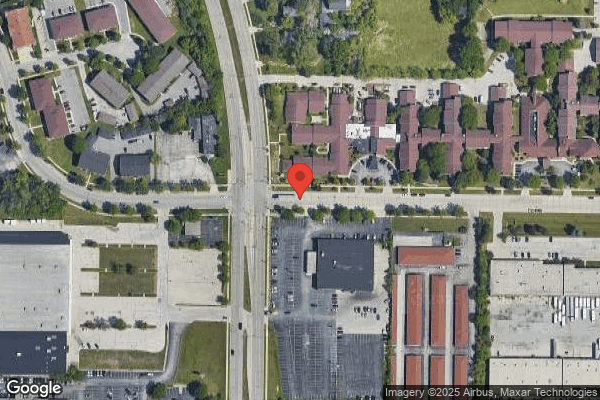
Understanding Severity Codes (click to expand)
Life-Threatening (Immediate Jeopardy)
J - Isolated K - Pattern L - Widespread
Actual Harm
G - Isolated H - Pattern I - Widespread
Potential for Harm
D - Isolated E - Pattern F - Widespread
No Harm (Minor)
A - Isolated B - Pattern C - Widespread

Questions to Ask on Your Visit

  • "What changes have you made since the serious inspection findings?"
  • "Can I speak with families of current residents?"
  • "What's your RN coverage like on weekends and overnight?"

Our Honest Assessment

Strengths
  • • Licensed and certified facility. Meets minimum state requirements.
Concerns
  • • Multiple safety concerns identified: 1 life-threatening violation(s), 4 harm violation(s), $375,410 in fines, Payment denial on record. Review inspection reports carefully.
  • • 65 deficiencies on record, including 1 critical (life-threatening) violation. These warrant careful review before choosing this facility.
  • • $375,410 in fines. Extremely high, among the most fined facilities in Wisconsin. Major compliance failures.
  • • Grade F (0/100). Below average facility with significant concerns.
Bottom line: Trust Score of 0/100 indicates significant concerns. Thoroughly evaluate alternatives.

About This Facility

What is Amethyst Health Of Brown Deer's CMS Rating?

CMS assigns AMETHYST HEALTH OF BROWN DEER an overall rating of 1 out of 5 stars, which is considered much below average nationally. Within Wisconsin, this rating places the facility higher than 0% of the state's 100 nursing homes. A rating at this level reflects concerns identified through health inspections, staffing assessments, or quality measures that families should carefully consider.

How is Amethyst Health Of Brown Deer Staffed?

CMS rates AMETHYST HEALTH OF BROWN DEER's staffing level at 2 out of 5 stars, which is below average compared to other nursing homes. Staff turnover is 54%, compared to the Wisconsin average of 46%.

What Have Inspectors Found at Amethyst Health Of Brown Deer?

State health inspectors documented 65 deficiencies at AMETHYST HEALTH OF BROWN DEER during 2022 to 2025. These included: 1 Immediate Jeopardy (the most serious level, indicating potential for serious harm or death), 4 that caused actual resident harm, 59 with potential for harm, and 1 minor or isolated issues. Immediate Jeopardy findings are rare and represent the most serious regulatory concerns. They require immediate corrective action.

Who Owns and Operates Amethyst Health Of Brown Deer?

AMETHYST HEALTH OF BROWN DEER is owned by a for-profit company. For-profit facilities operate as businesses with obligations to shareholders or private owners. The facility operates independently rather than as part of a larger chain. With 87 certified beds and approximately 58 residents (about 67% occupancy), it is a smaller facility located in MILWAUKEE, Wisconsin.

How Does Amethyst Health Of Brown Deer Compare to Other Wisconsin Nursing Homes?

Compared to the 100 nursing homes in Wisconsin, AMETHYST HEALTH OF BROWN DEER's overall rating (1 stars) is below the state average of 3.0, staff turnover (54%) is near the state average of 46%, and health inspection rating (1 stars) is much below the national benchmark.

What Should Families Ask When Visiting Amethyst Health Of Brown Deer?

Based on this facility's data, families visiting should ask: "What changes have been made since the serious inspection findings, and how are you preventing similar issues?" "Can you walk me through typical staffing levels on day, evening, and night shifts?" "Can I visit during a mealtime to observe dining assistance and food quality?" "How do you handle medical emergencies, and what is your hospital transfer rate?" These questions are particularly relevant given the facility's Immediate Jeopardy citations and the below-average staffing rating.

Is Amethyst Health Of Brown Deer Safe?

Based on CMS inspection data, AMETHYST HEALTH OF BROWN DEER has documented safety concerns. Inspectors have issued 1 Immediate Jeopardy citation (the most serious violation level indicating risk of serious injury or death). The facility has a 1-star overall rating and ranks #100 of 100 nursing homes in Wisconsin. Families considering this facility should ask detailed questions about what corrective actions have been taken since these incidents.

Do Nurses at Amethyst Health Of Brown Deer Stick Around?

AMETHYST HEALTH OF BROWN DEER has a staff turnover rate of 54%, which is 8 percentage points above the Wisconsin average of 46%. Moderate turnover is common in nursing homes, but families should still ask about staff tenure and how the facility maintains care continuity when employees leave.

Was Amethyst Health Of Brown Deer Ever Fined?

AMETHYST HEALTH OF BROWN DEER has been fined $375,410 across 3 penalty actions. This is 10.2x the Wisconsin average of $36,833. Fines at this level are uncommon and typically indicate a pattern of serious deficiencies, repeated violations, or failure to correct problems promptly. CMS reserves penalties of this magnitude for facilities that pose significant, documented risk to resident health or safety. Families should request specific documentation of what issues led to these fines and what systemic changes have been implemented.

Is Amethyst Health Of Brown Deer on Any Federal Watch List?

AMETHYST HEALTH OF BROWN DEER is not on any federal watch list. The most significant is the Special Focus Facility (SFF) program, which identifies the bottom 1% of nursing homes nationally based on persistent, serious quality problems. Not being on this list means the facility has avoided the pattern of deficiencies that triggers enhanced federal oversight. This is a positive indicator, though families should still review the facility's inspection history directly.