BRADLEY ESTATES NURSING AND REHAB LLC
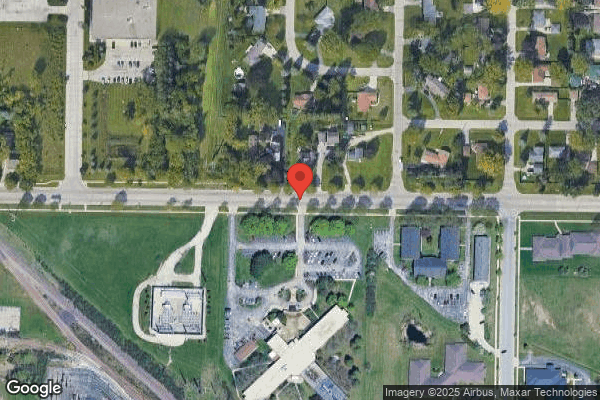
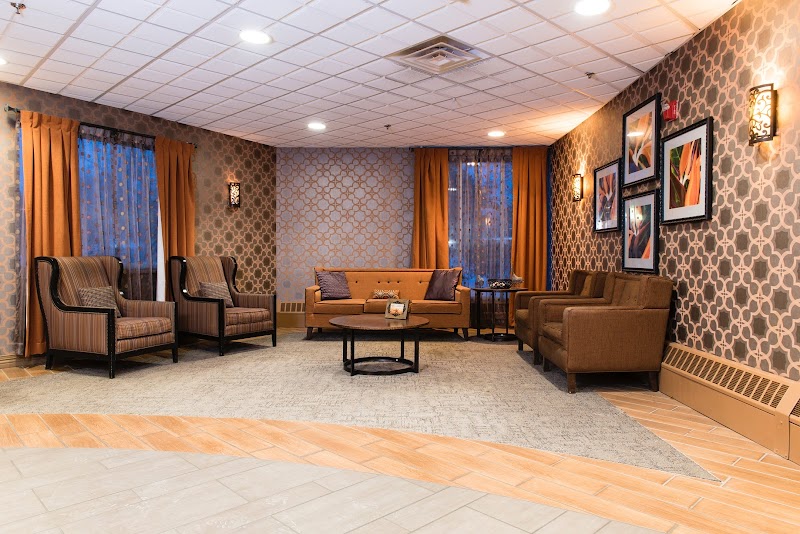
6735 W BRADLEY RD, MILWAUKEE, WI 53223 (414) 354-3300
For profit - Individual 198 Beds SHLOMO HOFFMAN Data: November 2025 3 Immediate Jeopardy citations
Trust Grade
0/100
#263 of 321 in WI
Last Inspection: July 2024

Within standard 12-15 month inspection cycle. Federal law requires annual inspections.

Overview

Bradley Estates Nursing and Rehab LLC has received a Trust Grade of F, indicating significant concerns about the facility's care and management. Ranking #263 out of 321 nursing homes in Wisconsin places it in the bottom half, and #21 out of 32 in Milwaukee County means there are only a few local options that perform better. Although the facility is improving - reducing issues from 64 in 2024 to 26 in 2025 - it still faces serious challenges, including a concerning staffing turnover rate of 74%, which is much higher than the state average. Additionally, the facility has accumulated a staggering $493,596 in fines, higher than 91% of homes in Wisconsin, indicating repeated compliance issues. Specific incidents include a resident accessing a loaded firearm that was mistakenly brought into the facility by staff and another resident sustaining serious injuries after attempting to escape through a window, highlighting significant safety and care deficiencies. Overall, while there are some signs of improvement, the facility's weaknesses in safety, staffing, and compliance are considerable and should be taken into account.

Trust Score
F
0/100
In Wisconsin
#263/321
Bottom 19%
Safety Record
High Risk
Review needed
Inspections
Getting Better
64 → 26 violations
Staff Stability
⚠ Watch
74% turnover. Very high, 26 points above average. Constant new faces learning your loved one's needs.
Penalties
✓ Good
$493,596 in fines. Lower than most Wisconsin facilities. Relatively clean record.
Skilled Nurses
⚠ Watch
Each resident gets only 29 minutes of Registered Nurse (RN) attention daily — below average for Wisconsin. Fewer RN minutes means fewer trained eyes watching for problems.
Violations
⚠ Watch
169 deficiencies on record. Higher than average. Multiple issues found across inspections.
★☆☆☆☆
1.0
Overall Rating
★★☆☆☆
2.0
Staff Levels
★☆☆☆☆
1.0
Care Quality
★☆☆☆☆
1.0
Inspection Score
Stable
2024: 64 issues
2025: 26 issues

The Good

  • Full Sprinkler Coverage · Fire safety systems throughout facility
  • No fines on record

Facility shows strength in fire safety.

The Bad

1-Star Overall Rating

Below Wisconsin average (3.0)

Significant quality concerns identified by CMS

Staff Turnover: 74%

28pts above Wisconsin avg (46%)

Frequent staff changes - ask about care continuity

Federal Fines: $493,596

Well above median ($33,413)

Significant penalties indicating serious issues

Chain: SHLOMO HOFFMAN

Part of a multi-facility chain

Ask about local staffing decisions and management

Staff turnover is very high (74%)

26 points above Wisconsin average of 48%

The Ugly 169 deficiencies on record

3 life-threatening 14 actual harm
Aug 2025 3 deficiencies
CONCERN (D) 📢 Someone Reported This

A family member, employee, or ombudsman was alarmed enough to file a formal complaint

Potential for Harm - no one hurt, but risky conditions existed

Free from Abuse/Neglect (Tag F0600)

Could have caused harm · This affected 1 resident

**NOTE- TERMS IN BRACKETS HAVE BEEN EDITED TO PROTECT CONFIDENTIALITY** Based on staff and resident interview and record review, the facility failed to prevent resident-to-resident abuse for 2 residen...

Read full inspector narrative →
**NOTE- TERMS IN BRACKETS HAVE BEEN EDITED TO PROTECT CONFIDENTIALITY** Based on staff and resident interview and record review, the facility failed to prevent resident-to-resident abuse for 2 residents (R) (R8 and R4) of 13 sampled residents.On 7/6/25, R3 hit R8 in the face in the dining room.On 7/14/25, R2 held R4's arm down and punched R4 in the face and hand.Findings include:Review of the facility's Abuse, Neglect, and Exploitation policy, with a revised date of 1/5/24, revealed it was the facility's policy to provide protections for the health, welfare, and rights of each resident by developing and implementing policies and procedures that prohibit and prevent abuse, neglect, exploitation, and misappropriation of resident property.1. A document titled Misconduct Incident Report, a State of Wisconsin Department of Health form signed by the Administrator, stated it was submitted to the State Agency (SA) on 7/11/25 at 3:21 PM. According to the report, on 7/6/25 at 9:30 AM, R3 was sitting in the dining room eating breakfast when the nurse noted R3 hit R8 in the face causing R8 to fall. R3 then became agitated and walked out of the dining room and stated R3 was going to walk out the door and did not care what anyone said. R3 was redirected and immediately removed from the incident. According to the report, R8 had severe advanced dementia. R8 was sent to the hospital, returned with no ill effects or injuries, ambulated through the unit per usual, and was redirectable. The Administrator, Director of Nursing (DON), police, and psychiatric services were notified. Review of R3's admission Record revealed R3 was admitted to the facility on [DATE]. R3's diagnoses included delusional disorder, mild neurocognitive disorder due to known physiological condition without behavioral disturbance, glaucoma, and insomnia.Review of R3's Annual Minimum Data Set (MDS) assessment, with an assessment reference date (ARD) of 4/23/25, revealed R3 had a Brief Interview for Mental Status (BIMS) score of 3 out of 15 indicating R3 had severe cognitive impairment. The MDS assessment stated R3 did not have any behaviors.Review of R3's plan of care revealed a care plan, with an initiation date of 6/18/25, that stated R3 used vulgar language and/or intimidation to express feelings toward other residents and staff. Interventions included to monitor status and psychosocial well-being, and offer R3 to go for a walk, listen to music, or watch television as a way to de-escalate. On 7/6/25, the following interventions were added: psychosocial assessment due to peer-to-peer for 72 hours, if reasonable, discuss R3's behavior and reinforce why the behavior is inappropriate and/or unacceptable, and determine and remove underlying cause. A progress note, dated 7/6/25 at 9:31 AM and written by Licensed Practical Nurse (LPN)2, stated R3 hit another resident in the face at 9:00 AM. The note stated R3 could be aggressive and had aggressive behavior before. R3 was currently agitated, pacing, and telling people not to touch R3. R3 was put on one-to-one supervision and monitored for increased behaviors. A progress note, dated 7/6/25 at 5:59 PM, stated R3 was being monitored one-to-one related to a physical altercation. R3 was verbally aggressive that shift and stated, Close my door so I don't have to hurt that man out there. Review of R8's admission Record revealed R8 was admitted to the facility on [DATE]. R8's diagnoses included dementia, insomnia, and anxiety.Review of R8's Quarterly MDS assessment, with an ARD of 6/5/25, revealed R8 had severely impaired cognitive skills. A progress note, dated 7/6/25 at 9:46 AM, stated R8 walked past another resident in the dining room who stood up from the table and hit R8 on the left side of the face which caused R8 to fall to the floor. R8 did not have any signs or symptoms of pain. The Nurse Practitioner (NP) was notified and R8 was sent to the emergency room (ER) for evaluation. A progress note, dated 7/6/25, stated R8 returned from the ER and had a computed tomography (CT) scan of the face and head with normal results. R8 did not appear in any pain/discomfort and there were new skin concerns. During a telephone interview with LPN2 on 8/18/25 at 5:07 PM, LPN2 stated LPN2 did not witness the incident but was in the dining room at the time of the altercation. LPN2 stated R8 walked to the dining room and R3 was sitting at a table. LPN2 heard R8 fall and hit R8's head. LPN2 stated R8 was sent to the hospital and returned the same day. LPN2 stated R8 walked up and down the halls all day and at times wandered into other residents' rooms. LPN2 indicated R8 did not go far into the rooms and then turned around and went back into the hall. LPN2 stated that was the only resident-to-resident altercation that LPN2 was aware of.On 8/19/25 at 4:03 PM, the DON verified R3 hit R8 which initiated a resident-to-resident incident report, dated 7/6/25. The DON stated because of the abuse, the facility put R3 on one-to-one observation until 7/7/25 when R3 was moved from the second floor to the first floor. The DON stated the residents on the first floor were more like R3. The DON stated staff did ongoing monitoring of R3's behaviors and educated R3 not to hit residents. The DON stated that was the first and the last time R3 hit a resident in the facility. 2. Review of an Alleged Nursing Home Resident Mistreatment, Neglect, and Abuse Report revealed on 7/14/25 at 12:25 PM, the facility submitted a report of resident-to-resident abuse involving R2 and R4 to the SA. Review of the Misconduct Incident Report (the facility's five-day report of a resident-to-resident altercation) signed by the Administrator and submitted to the SA on 7/18/25 at 6:27 PM revealed on 7/14/25 at 10:30 AM, R2 was sitting in a wheelchair in the dining room after eating breakfast when the nurse noticed R2 was holding R4's right arm down. With a closed left hand, R2 punched R4 in the face and hand. According to the report, R2 and R4 were separated and the police department, the DON, the ER, and R2 and R4's [NAME] of Attorney (POAs) were notified. An investigation was initiated. Further review of the report revealed R4 was sent to the ER for medical evaluation and returned with a new order for cephalexin for a urinary tract infection (UTI). R4 had increased confusion that day and refused to go to dialysis. R4 was interviewed when R4 returned from the ER. R4 could not recall the circumstances of the event but remembered that R4 was punched. R4 sustained bruising from the incident. The facility contacted psychiatric services for further recommendations and guidance. The Medical Director was also contacted. Pain evaluations and monitoring were completed for R2 and R4. R2 and R4 were interviewed by Social Services with no concerns identified. Staff statements were obtained and reviewed. Care conferences were held for R2 and R4 on 7/15/25 with no recommendations. Review of a Verification of Investigation document, signed by the Administrator and dated 7/18/25, included the following:Under Summary of Factual Investigative Findings it stated R2 was sitting in the dining room after eating breakfast when the nurse noticed R2 holding R4's arm down and punching R4 in the face and hand multiple times with R2's left fist. R2 and R4 had poor safety awareness and poor impulse control. The event was reactionary and there were no identifiable triggers. R2 and R4 were separated and kept within eyesight that day. There were no further altercations. Under Summary of the Finding or Allegation, the report indicated R2 was interviewed and stated R4 said, You have to move and then started bumping into R2. R2 said that made R2 anxious because R2 was blind and did not know where to go. R2 lashed out at R4. R4 was interviewed after R4 returned from the ER. R4 could not recall the circumstances of the incident but remembered that R4 was punched. Review of written statements revealed LPN1 and Certified Nursing Assistant (CNA)1 observed the resident-to-resident altercation. Review of a written statement, dated 7/24/25 and signed by CNA1, revealed CNA1 witnessed R2 punching R4 in the face and head. On 8/19/25 at 9:44 AM, the Surveyor attempted to call CNA1 who was no longer employed by the facility. A voice message was left requesting CNA1 call the Surveyor at the facility.An interview with LPN1 on 8/18/25 at 2:56 PM, revealed LPN1 was at the nursing station and witnessed R2 hit R4 multiple times in the face and head with a closed fist. LPN1 stated staff immediately separated R2 and R4 and sent R4 to the hospital. LPN1 stated R2 was new and LPN1 had never witnessed or heard that R2 was aggressive or hit residents prior to the incident. LPN1 stated R2 had not been aggressive or hit anyone since the incident. LPN1 stated LPN1 was behind the nursing station and could see the dining room. LPN1 stated R4 had a bump on the side of the head and redness on the side of the face that later turned into a bruise. LPN1 stated R2 said R4 kept bumping into R2's wheelchair and R2 kept telling R4 to stop. LPN1 stated R2 was blind and felt it made R2 anxious that R4 was going to hurt R2 so R2 punched R4 in self-defense. LPN1 stated R2 was sorry and remorseful after the incident.Review of R4's electronic medical record (EMR) revealed R4 was admitted to the facility on [DATE] and had diagnoses including end stage renal disease, dependence on renal dialysis, schizophrenia, chronic pain, major depressive disorder, generalized anxiety disorder, and Parkinson's disease with dyskinesia.According to R4's activities of daily living care plan, with an initiation date of 2/27/25, R4 was dependent on a wheelchair for mobility and required assistance with transfers, personal hygiene, toileting, and dressing. Review of R4's five-day MDS assessment, with an ARD of 7/1/25, revealed R4 had a BIMS score of 9 out of 15 indicating R4 had moderately impaired cognition. R4 was able to understand and be understood. A progress note, dated 7/14/25 at 11:22 AM, indicated R4 had a right side head hematoma and right cheek bruising. Review of R2's EMR revealed R2 was admitted to the facility on [DATE]. R2's admission MDS assessment, stated R2 had a BIMS score of 15 out of 15 indicating R2 was cognitively intact. The MDS assessment indicated R2 did not have any behaviors. During an interview on 8/18/25 at 11:30 AM, R4 said no when asked if a resident ever hit or punched R4.During an interview on 8/18/25 at 2:38 PM, R2 was asked if R2 had a problem with any residents. R2 stated R2 got into a fight a while back because some guy told R2 to move.
CONCERN (D) 📢 Someone Reported This

A family member, employee, or ombudsman was alarmed enough to file a formal complaint

Potential for Harm - no one hurt, but risky conditions existed

Report Alleged Abuse (Tag F0609)

Could have caused harm · This affected 1 resident

**NOTE- TERMS IN BRACKETS HAVE BEEN EDITED TO PROTECT CONFIDENTIALITY** Based on staff interview, record review, and policy review, the facility failed to ensure an allegation of missing money was rep...

Read full inspector narrative →
**NOTE- TERMS IN BRACKETS HAVE BEEN EDITED TO PROTECT CONFIDENTIALITY** Based on staff interview, record review, and policy review, the facility failed to ensure an allegation of missing money was reported to the State Agency (SA) for 1 resident (R) (R10) of 3 sampled residents. R10 reported $650 was missing from a pill bottle in R10's dresser drawer. The allegation of misappropriation was not reported to the SA.Findings include:Review of the facility's policy titled Abuse, Neglect, and Exploitation, with a revised date of 1/5/24, revealed it is the facility's policy to provide protections for the health, welfare, and rights of each resident by developing and implementing written policies and procedures that prohibit and prevent abuse, neglect, exploitation, and misappropriation of resident property. Under the reporting/response section of the policy it states alleged violations will be reported to the required agencies no later than 24 hours if the events do not involve abuse.Review of a grievance form for R10, dated 6/25/25, revealed R10 stated when R10 came back from dialysis on 6/23/25, R10 realized $650 that R10 had in a pill bottle in R10's dresser drawer was missing. R10 also stated R10 was removed from the 600 unit because R10 had $3900 missing. According to the grievance form, R10's room was searched but the money was not found. The Actions Taken section stated there was no evidence that R10 had $650 and no evidence that R10 had money when R10 resided on the 600 unit. The risks and benefits of locking up valuables or sending them home with family were discussed. According to the grievance form, R10 changed the amount of money several times and did not know the denominations. R10 was informed the facility was not responsible for the missing money.During an interview on 8/20/25 at 9:39 AM, R10 stated R10 twice had missing money while residing in the facility, once while residing on the second floor and once while residing on the first floor. R10 stated R10 reported the missing money but nothing was done. An admission Record located in R10's electronic medical record (EMR) revealed R10 was admitted to the facility on [DATE]. R10's diagnoses included end stage renal disease, schizophrenia, and blindness of the left and right eye.Review of R10's Quarterly Minimum Data Set (MDS) assessment, with an assessment reference date of 5/16/24, revealed R10 had a Brief Interview for Mental Status (BIMS) score of 13 out of 15 which indicated R10 had intact cognition. Review of R10's care plan, with an initiated date of 11/8/24, revealed R10 preferred to keep money on R10's person and declined the use of a lock box. The care plan contained an intervention, dated 6/24/5, to encourage R10 to keep money in a lockbox and continue to re-iterate the risks/benefits of using a lockbox for money and valuables or send them home with family and friends. R10's progress notes from 1/1/25 to the present did not refer to R10's complaint of missing money. During an interview with the Director of Nursing (DON) on 8/20/25 at 4:05 PM, the DON verified R10's allegation of missing money was not reported to the SA because there was no evidence that R10 ever had the money. The DON indicated R10 kept changing the amount of missing money and did not know the denominations of the missing money.
CONCERN (D) 📢 Someone Reported This

A family member, employee, or ombudsman was alarmed enough to file a formal complaint

Potential for Harm - no one hurt, but risky conditions existed

Investigate Abuse (Tag F0610)

Could have caused harm · This affected 1 resident

**NOTE- TERMS IN BRACKETS HAVE BEEN EDITED TO PROTECT CONFIDENTIALITY** Based on staff and resident interview, record review, and policy review, the facility failed to thoroughly investigate an allega...

Read full inspector narrative →
**NOTE- TERMS IN BRACKETS HAVE BEEN EDITED TO PROTECT CONFIDENTIALITY** Based on staff and resident interview, record review, and policy review, the facility failed to thoroughly investigate an allegation of missing money for 1 resident (R) (R10) of 3 sampled residents.R10 reported $650 was missing from a pill bottle in R10's dresser drawer. The allegation of misappropriation was not thoroughly investigated. Findings include:Review of the facility's policy titled Abuse, Neglect, and Exploitation, with a revised date of 1/5/24, revealed it is the facility's policy to provide protections for the health, welfare, and rights of each resident by developing and implementing written policies and procedures that prohibit and prevent abuse, neglect, exploitation, and misappropriation of resident property. Under the reporting/response section of the policy it states alleged violations will be reported to the required agencies no later than 24 hours if the events do not involve abuse.Review of a grievance form for R10, dated 6/25/25, revealed R10 stated when R10 came back from dialysis on 6/23/25, R10 realized $650 that R10 kept in a pill bottle in R10's dresser drawer was missing. R10 also stated R10 was removed from the 600 unit because R10 had $3900 missing. According to the report, R10's room was searched but the money was not found. The Actions Taken section stated there was no evidence that R10 had $650 and no evidence that R10 had money when R10 resided on the 600 unit. The risks and benefits related to locking up valuables or sending them home with family were discussed. According to the grievance form, R10 changed the amount of money several times and did not know the denominations. R10 was informed the facility was not responsible for the missing money.During an interview on 8/20/25 at 9:39 AM, R10 stated R10 twice had missing money while residing in the facility, once while residing on the second floor and once while residing on the first floor. R10 stated R10 reported the missing money but nothing was done. An admission Record located in R10's electronic medical record (EMR) revealed R10 was admitted to the facility on [DATE]. R10's diagnoses included end stage renal disease, schizophrenia, and blindness of the left and right eye.Review of R10's Quarterly Minimum Data Set (MDS) assessment, with an assessment reference date of 5/16/24, revealed R10 had a Brief Interview for Mental Status (BIMS) score of 13 out of 15 which indicated R10 had intact cognition. Review of R10's care plan, with an initiated date of 11/8/24, revealed R10 preferred to keep money on R10's person and declined the use of a lock box. The care plan contained an intervention, dated 6/24/25, to encourage R10 to keep money in a lockbox and continue to re-iterate the risks/benefits of locking up valuables or send them home with family and friends. R10's progress notes from 1/1/25 to the present did not mention R10's complaint of missing money.During an interview with the Director of Nursing (DON) on 8/20/25 at 4:05 PM, the DON verified R10's allegation of missing money was not investigated because there was no evidence that R10 ever had the money. The DON also indicated R10 kept changing the amount of the missing money and did not know the denominations of the missing money.
Jul 2025 3 deficiencies
CONCERN (D) 📢 Someone Reported This

A family member, employee, or ombudsman was alarmed enough to file a formal complaint

Potential for Harm - no one hurt, but risky conditions existed

Investigate Abuse (Tag F0610)

Could have caused harm · This affected 1 resident

**NOTE- TERMS IN BRACKETS HAVE BEEN EDITED TO PROTECT CONFIDENTIALITY** Based on observations, interviews and record review the facility did not ensure all alleged violations of misappropriation were ...

Read full inspector narrative →
**NOTE- TERMS IN BRACKETS HAVE BEEN EDITED TO PROTECT CONFIDENTIALITY** Based on observations, interviews and record review the facility did not ensure all alleged violations of misappropriation were thoroughly investigated for 1 (R1) of 1 residents reviewed.Findings include:R1 admitted to the facility on [DATE]. Diagnoses include Diabetes Mellitus Type 2, Atherosclerosis, morbid obesity, Congestive Heart Failure, lymphedema, Chronic Obstructive Pulmonary Disease, encephalopathy, femur fracture, Hypertension and Paraplegia.The facility policy titled Abuse, Neglect and Exploitation dated 1/5/24, documents (in part) . It is the policy of this facility to provide protections for the health, welfare and rights of each resident by developing and implementing written policies and procedures that prohibit and prevent abuse, neglect, exploitation and misappropriation of resident property. A. An immediate investigation is warranted when allegation or suspicion of abuse, neglect or exploitation, or reports of abuse, neglect or exploitation occur.B. Written procedures for investigations include:1. Identifying staff responsible for the investigation.3. Investigating different types of alleged violations.4. Identifying and interviewing all involved persons, including the alleged victim, alleged perpetrator, witnesses, and others who might have knowledge of the allegation(s).6. Providing complete and thorough documentation of the investigation.On 7/11/25, at 9:35 AM, Surveyor spoke with R1 and asked about the allegation of missing money. R1 reported she usually trusts the aides and nurses, and she has kept her purse on her bed for the last 2 years without any problem. R1 reported she understands anyone can come into her room, but if you're not my aide you got no business in here. R1 told Surveyor it was a Saturday, and she had $20.00 in her coin purse to give to her sister to buy cigarettes. She left her room to attend an activity and returned around suppertime approximately 5:00 PM. When she returned to her room the $20.00 was missing from her purple coin purse and her wallet was missing. R1 advised Surveyor she thought the money was stolen from an agency nurse she only saw that day and has not seen since. The police were notified and spoke with the resident. R1 reported the nurse (named) said she found the wallet in the drawer at the nurse's station and returned it to R1. R1 reported nothing was missing from the wallet, however she never got back the $20.00 that was missing from her coin purse. R1 reported she does not keep a lot of money in her purse; she uses the safe in her closet for larger amounts and her credit cards.Facility progress notes dated 6/7/25, at 8:39 PM, document: Risk/benefits reviewed regarding using facility provided lock box, personal lock box, resident trust or send valuables home with family. (R1) continues to exercise her right to self-determination in declining. The care team continues to encourage her to lock up any valuables, so items don't get lost. (R1) states understanding. Surveyor asked for and was provided the facility self-report investigation which contained the following: A typed interview (which was not dated) of R1, obtained by a Licensed Practical Nurse that documented R1 stated her wallet was missing, and a $20 bill was taken out of her coin purse. Resident stated her purse was on her bed and the last time she seen (sic) her wallet and the $20 was around 2:30-3:00 PM on 6/7/25. The room was searched but the missing items were not found. The police were notified. Other residents on the unit were interviewed, none reported concern with missing items. Surveyor noted there were no staff interviews included in the investigation provided and asked Nursing Home Administrator (NHA)-A if any staff were interviewed. NHA-A left the room and returned a short time later with 2 staff statements she reported were found in a folder. Surveyor asked why there was only 2 staff statements. NHA-A stated, I don't know - that was before I was here. Surveyor noted neither statement was dated, and 1 of the statements was signed with initials which Surveyor was unable to match to any staff member on the staffing list provided. Surveyor reviewed the facility schedule for 6/7/25. On the 200 unit (which R1 resides) scheduled were 1 nurse, and 3 Certified Nursing Assistants (CNA's) on the day shift. The same nurse and 1 CNA also worked PM shift with 2 other CNAs. Surveyor noted the nurse assigned on days and PM shift was the (named) nurse R1 reported to Surveyor that found her wallet and returned it to her.Surveyor noted of the 6 staff members working on R2's unit on the date and time R1 reported her missing wallet and money, only 1 staff member was interviewed.On 7/11/25, at 11:35 AM, Surveyor advised Director of Nursing (DON)-C of R1's statement that (named) nurse found her wallet in the nurse's station drawer and returned it to her. Surveyor asked if the nurse was interviewed. DON-C stated, I don't know. Surveyor showed DON-C the statement of the staff member signed with initials and asked who it was. DON-C stated she did not know. DON-C reported she would look to see if there were any other staff statements. No other staff statements were provided to Surveyor.On 7/11/25 at approximately 3:00 PM, during the daily exit meeting, Surveyor advised the facility of concern R1's allegation of misappropriation was not thoroughly investigated. There was no evidence interviews were conducted with all staff working on R1's unit on the date and time she reported her wallet and money was missing. No additional information was provided.
CONCERN (D) 📢 Someone Reported This

A family member, employee, or ombudsman was alarmed enough to file a formal complaint

Potential for Harm - no one hurt, but risky conditions existed

Accident Prevention (Tag F0689)

Could have caused harm · This affected 1 resident

**NOTE- TERMS IN BRACKETS HAVE BEEN EDITED TO PROTECT CONFIDENTIALITY** Based on interview and record review, the facility did not ensure each resident received adequate supervision and assistive devi...

Read full inspector narrative →
**NOTE- TERMS IN BRACKETS HAVE BEEN EDITED TO PROTECT CONFIDENTIALITY** Based on interview and record review, the facility did not ensure each resident received adequate supervision and assistive devices to prevent accidents for 1 (R2) of 2 residents reviewed for falls.*R2 was observed not wearing non-slip footwear during a transfer from R2's wheelchair into R2's bed. *R2 was observed to not have a scoop mattress which was documented on R2's care plan as a fall prevention intervention.*R2's Certified Nursing Assistant informed Surveyor R2 requires the assist of 2 staff and a stand pivot transfer using a gait belt and was transferred the morning of 07/11/2025 using this technique. R2's care plan documents R2 requires the use of a sit to stand device for transfers. Findings include:The Facility's Policy titled Sit to Stand Mechanical Lift Equipment and Guideline, with no revised date, documents, . Make sure the person has nonskid shoes on . R2 was admitted to the facility on [DATE] with diagnoses which include Dementia (the loss of cognitive function, including memory, thinking, and reasoning, that interferes with daily life).R2's Annual Minimum Data Set (MDS), dated [DATE], documents R2 has a Brief Interview for Mental Status score of 00, indicating R2 has severe cognitive impairment, and is dependent on staff for transfers.R2's document titled Care Plan Report, documents R2 has a focus area for Activities of Daily Living (ADL) self-care performance deficit with an intervention of Transfers: Sit to Stand with an initiated date of 8/01/2024.On 07/11/2025, at 09:35 AM, Surveyor interviewed Certified Nursing Assistant (CNA)-F. CNA-F indicated CNA-F got R2 out of bed this morning. Surveyor asked CNA-F how R2 transfers, CNA-F informed Surveyor R2 is an assist of two with a gait belt for transfers. Surveyor asked CNA-F if R2 uses a mechanical lift for transfers and CNA-F indicated no.Surveyor notes CNA-F was assigned to care for R2 on 7/11/25. On 07/11/2025, at 09:55 AM, Surveyor interviewed Licensed Practical Nurse (LPN)-D, who was assigned to care for R2 on this day. LPN-D indicated R2 transfers using a mechanical sit to stand lift. On 07/11/2025, at 10:51 AM, Surveyor observed CNA-F and Assistant Director of Nursing (ADON)-G transfer R2 from R2's wheelchair into R2's bed using a mechanical sit to stand lift. Surveyor asked CNA-F if R2 always uses the sit to stand lift. CNA-F informed Surveyor that it depends on R2's behaviors if R2 uses the mechanical sit to stand lift versus assist of 2 with a gait belt. Surveyor observed R2 to be wearing black socks during the transfer. Surveyor asked ADON-G if R2 has on the appropriate footwear to perform a transfer. ADON-G informed Surveyor R2 does not have gripper socks or shoes on and indicated R2 did not have the appropriate nonskid footwear on during the transfer. Surveyor observed R2 to have a regular mattress on R2's bed. Surveyor asked CNA-F and ADON-G where information regarding R2's transfer status and fall prevention interventions could be found. CNA-F indicated R2's Kardex has that information and is hanging in R2's closet on the inside door. ADON-G located R2's Kardex and informed Surveyor R2 requires the use of a sit to stand with transfers and should have a scoop mattress to prevent falls.On 07/11/2025, at 12:19 PM, Surveyor interviewed Director of Nursing (DON)-C regarding R2's transfer status and fall precautions. DON-C indicated R2 requires a sit to stand mechanical lift for transfers but was upgraded today to an assist of 2 using a gait belt. Surveyor asked DON-C if nursing staff can upgrade a resident's transfer status or if therapy would need to be involved. DON-C indicated staff cannot upgrade a resident's transfer status without therapy. DON-C indicated DON-C could not find any therapy notes or evaluation for R2 in R2's electronic health record. Surveyor asked DON-C what type of footwear would be appropriate during a transfer using a mechanical sit to stand lift. DON-C indicated proper footwear would be nonskid, and regular socks are not appropriate. DON-C informed Surveyor DON-C has been made aware R2 does not have a scoop mattress on R2's bed and is working on getting R2 a scoop mattress at this time.On 07/11/2025, at 01:05 PM, Surveyor informed Nursing Home Administrator (NHA)-A and Interim NHA-B of the above concerns. Interim NHA-B indicated therapy should be evaluating residents for transfer status and should be involved with the whole interdisciplinary team to make decisions regarding changes in transfer status.No further information was provided at time of write up.
CONCERN (E) 📢 Someone Reported This

A family member, employee, or ombudsman was alarmed enough to file a formal complaint

Potential for Harm - no one hurt, but risky conditions existed

Safe Environment (Tag F0584)

Could have caused harm · This affected multiple residents

Based on observation and interview, the facility did not provide a safe, clean, comfortable, and homelike environment for 4 (R2, R4, R5 and R6) of 6 residents reviewed for environment.Findings include...

Read full inspector narrative →
Based on observation and interview, the facility did not provide a safe, clean, comfortable, and homelike environment for 4 (R2, R4, R5 and R6) of 6 residents reviewed for environment.Findings include:On 7/11/25, at 9:45 AM, R2 and R5's room was observed. The window was observed to have a rolling window shade crooked and held up with 2 plastic hangers exposing half the window. The north wall, opposite the beds, had large patches of paint missing with one area being approximately 8 feet long by 6 inches. On 7/11/25, at 9:45 AM, Surveyor observed the bathroom shared by R2, R4, R5, and R6. A linen cart filled to the top, uncovered and a very strong smell of feces was present. There was also another linen cart and a large garbage can.On 07/11/2025, at 10:59 AM, Surveyor observed R2's wheelchair to have dried, crusty food particles and other unknown brown and crusty matter, on the seat, between the cushion, on the arm rests, by the lock handle and noted the left arm rest to be missing parts of the cushion beginning to expose the metal underneath. Surveyor asked Assistant Director of Nursing (ADON)-G if the cleanliness of R2's wheelchair was acceptable to ADON-G. ADON-G indicated R2's wheelchair needs to be sent down to be cleaned and sanitized and ADON-G would be making those arrangements as soon as possible.On 7/11/25, at 12:42 PM, Licensed Practical Nurse (LPN)-D accompanied the Surveyor to the bathroom of R2, R4, R5 and R6 and a linen cart and a large rolling garbage can were in the bathroom with a very foul odor. LPN-D indicated they are kept in there so the Certified Nursing Assistants (CNAs) can have easy access to the bins. LPN-D indicated the bins are used for all residents' linens and garbage. LPN-D then moved the 2 bins to the dirty linen room.On 7/11/25, at 12:50 PM, Acting Nursing Home Administrator-B was in R2's and R5's room with the Surveyor and indicated the rolling shade needs to be fixed, and hangers used to keep it up are not acceptable. Acting Nursing Home Administrator-B was shown the missing paint and indicated he was aware some painting needed to be done, and he was working on it. Acting Nursing Home Administrator-B was then told about R2, R4, R5 and R6's bathroom having several shared, rolling linen and garbage containers in their shared bathroom with the strong smell of feces present. Acting Nursing Home Administrator-B indicated that is not where the containers should be stored, and it could be an infection issue. The above findings were shared with Nursing Home Administrator-A, Acting Nursing Home Administrator-B and Director of Nurses-C on 7/11/25. Additional information was requested if available. None was provided as to why the proper storage of shared linen and garbage bins and maintenance hadn't been completed.
Jun 2025 4 deficiencies
CONCERN (D) 📢 Someone Reported This

A family member, employee, or ombudsman was alarmed enough to file a formal complaint

Potential for Harm - no one hurt, but risky conditions existed

Pharmacy Services (Tag F0755)

Could have caused harm · This affected 1 resident

**NOTE- TERMS IN BRACKETS HAVE BEEN EDITED TO PROTECT CONFIDENTIALITY** Based on observation, interview, facility policy review, and insulin pen manufacturer's instructions, the facility failed to ens...

Read full inspector narrative →
**NOTE- TERMS IN BRACKETS HAVE BEEN EDITED TO PROTECT CONFIDENTIALITY** Based on observation, interview, facility policy review, and insulin pen manufacturer's instructions, the facility failed to ensure 2 residents (R) (R6 and R7) of 2 residents observed during medication administration were provided insulin from an insulin pen per the manufacturer's instructions. This failure had the potential for R6 and R7 to receive an incorrect dose of their insulin. Findings include: The facility's Administering Medications policy, revised 5/2025, indicates: .Medications shall be administered in a safe and timely manner, and as prescribed . The insulin pen manufacturer's patient instructions, located at http://uspl.lilly.com/humalog/humalog.html#ug1, indicate: .Step 11: Insert the needle into your skin. Push the dose knob all the way in. Continue to hold the dose knob in and slowly count to 5 before removing the needle 1. R6's Annual Minimum Data Set (MDS) assessment, with an Assessment Reference Date (ARD) of 2/19/25, revealed R6 was admitted to the facility on [DATE] and had a diagnosis of diabetes mellitus. It was recorded R6 received insulin injections on 7 of 7 of the preceding days. R6 had a physician order, dated 3/7/25, that indicated: Humalog KwikPen subcutaneous solution pen injector 100 unit/ml (milliliter) (insulin lispro) inject as per sliding scale .subcutaneously before meals and at bedtime . During an observation on 6/10/25 at 5:29 PM, Licensed Practical Nurse (LPN) 2 administered four units of insulin lispro subcutaneously into R6's abdomen using a Humalog KwikPen subcutaneous solution pen injector. LPN 2 injected the insulin and immediately withdrew the pen needle. LPN 2 did not hold the pen for at least five seconds per manufacturer's guidelines before withdrawing the needle. During an interview on 6/10/25 at 5:28 PM, LPN 2 confirmed LPN 2 administered the insulin injection to R6 and immediately withdrew the needle. 2. R7's Quarterly MDS assessment, with an ARD of 4/28/25, revealed R7 was readmitted to the facility on [DATE] and had a diagnosis of type 2 diabetes mellitus. R7 had a physician order, dated 4/7/25, that indicated: Humalog KwikPen subcutaneous solution pen injector 100 unit/ml (insulin lispro) inject as per sliding scale .subcutaneously before meals for DM (diabetes mellitus) . During an observation on 6/10/25 at 5:54 PM, LPN 1 administered four units of insulin lispro subcutaneously in R7's right forearm using a Humalog KwikPen subcutaneous solution pen injector. LPN 1 injected the insulin and immediately withdrew the pen needle. LPN 1 did not hold the pen for at least five seconds per manufacturer's guidelines before withdrawing the needle. During an interview on 6/10/25 at 5:57 PM, LPN 1 confirmed LPN 1 did not hold the injection for R7 for five seconds before withdrawing the needle. During an interview on 6/10/25 at 6:43 PM, Unit Manager (UM) 1 was informed of the observations and was asked about the facility's policy for administering insulin with an insulin pen. UM 1 stated the instructions for the use of insulin pens could be found online on the manufacturer's website.
CONCERN (D) 📢 Someone Reported This

A family member, employee, or ombudsman was alarmed enough to file a formal complaint

Potential for Harm - no one hurt, but risky conditions existed

Deficiency F0761 (Tag F0761)

Could have caused harm · This affected 1 resident

Based on observation, interview, facility policy review, and manufacturer's instructions, the facility failed to ensure multi-dose insulin pens were labeled with the date and time when first opened fo...

Read full inspector narrative →
Based on observation, interview, facility policy review, and manufacturer's instructions, the facility failed to ensure multi-dose insulin pens were labeled with the date and time when first opened for 2 residents (R) (R6 and R7) of 2 residents observed during medication administration. This failure had the potential to expose R6 and R7 to expired medications. Findings include: The facility's Administering Medications policy, revised 5/2025, indicates: .Medications shall be administered in a safe and timely manner, and as prescribed .The expiration/beyond use date on the medication label must be checked prior to administration. When opening a multi-dose container, the date opened shall be recorded on the container . The facility's Insulin Administration policy, revised 9/2014, indicates: .Check expiration date if drawing from an opened multi-dose vial. If opening a new vial, record expiration date and time on the vial (follow manufacturer recommendations for expiration after opening) . The Humalog Pen manufacturer's patient instructions, located at https://uspl.lilly.com/humalog/humalog.html#ug1, indicate: .Throw away the Humalog pen you are using after 28 days, even if it still has insulin left in it . 1. During an observation on 6/10/25 at 5:27 PM, Licensed Practical Nurse (LPN) 2 retrieved a new Humalog KwikPen subcutaneous solution pen injector 100 unit/milliliter (ml) (insulin lispro) insulin pen from the medication cart and administered four units of insulin to R6. LPN 2 did not label the pen with the date opened. On 6/10/25 at 5:28 PM, LPN 2 returned the insulin pen to the medication cart. When asked how long the pen was good after being opened, LPN 2 stated, Twenty eight days. When LPN 2 was asked how the next nurse would know when the pen was opened, LPN 2 stated, It is the only pen in there that is open. 2. During an observation on 6/10/25 at 5:54 PM, LPN 1 withdrew an open Humalog KwikPen subcutaneous solution pen injector 100 unit/ml (insulin lispro) insulin pen from the medication cart and administered four units of insulin to R7. The insulin pen was not labeled with an open date. During an interview on 6/10/25 at 5:57 PM, LPN 1 was asked when the pen was opened. LPN 1 stated LPN 1 did not know and was just an agency nurse. When asked how long the pen was good after being opened, LPN 1 stated, Ninety days. During an interview on 6/10/25 at 6:43 PM, Unit Manager (UM) 1 stated insulin pens are good for twenty eight days after opening. UM 1 stated it is UM 1's expectation that once opened, each insulin pen is labeled with the open and discard dates.
CONCERN (D) 📢 Someone Reported This

A family member, employee, or ombudsman was alarmed enough to file a formal complaint

Potential for Harm - no one hurt, but risky conditions existed

Infection Control (Tag F0880)

Could have caused harm · This affected 1 resident

Based on observation, interview, and review of facility policy, the facility failed to perform hand hygiene and administer medications in a manner to prevent cross-contamination for 1 resident (R) (R6...

Read full inspector narrative →
Based on observation, interview, and review of facility policy, the facility failed to perform hand hygiene and administer medications in a manner to prevent cross-contamination for 1 resident (R) (R6) of 2 residents observed during medication administration. This failure had the potential to spread of pathogens in the facility. Findings include: The facility's Handwashing/Hand Hygiene policy, dated 8/2014, indicates: .Use an alcohol-based hand rub containing at least 62% alcohol; or, alternatively, soap (antimicrobial or non-antimicrobial) and water for the following situations .After removing gloves .Hand hygiene is the final step after removing and disposing of personal protective equipment . During an observation on 6/10/25 at 5:21 PM, Licensed Practical Nurse (LPN) 2 discarded a pair of gloves in the trash and immediately picked up a mouse on the medication cart and began to type on the computer. When asked if LPN 2 should have performed hand hygiene after discarding gloves, LPN 2 continued to chart and stated LPN 2 would after LPN 2 was done. When asked to provide LPN 2's name, LPN 2 indicated LPN 2 was an agency nurse and stated, I don't work here. During an observation and concurrent interview on 6/10/25 at 5:27 PM, LPN 2 retrieved a new Humalog KwikPen subcutaneous solution pen injector 100 unit/milliliter (ml) (insulin lispro) insulin pen from the medication cart. At 5:28 PM, LPN 2 accessed the insulin pen with a needle without first cleaning the pen's rubber septum. When asked the requirement for cleaning the pen hub before accessing it, LPN 2 stated it was a new pen and did not need to be cleaned. At 5:29 PM, LPN 2 administered four units of insulin to R6. During an interview on 6/10/25 at 6:43, Unit Manager (UM) 1 stated it is UM 1's expectation that staff sanitize their hands after removing gloves and clean an insulin pen's hub before accessing it with a needle, even if the pen is new.
CONCERN (E) 📢 Someone Reported This

A family member, employee, or ombudsman was alarmed enough to file a formal complaint

Potential for Harm - no one hurt, but risky conditions existed

Deficiency F0565 (Tag F0565)

Could have caused harm · This affected multiple residents

**NOTE- TERMS IN BRACKETS HAVE BEEN EDITED TO PROTECT CONFIDENTIALITY** Based on interview, record review, and review of resident council meeting minutes, the facility failed to act upon the grievance...

Read full inspector narrative →
**NOTE- TERMS IN BRACKETS HAVE BEEN EDITED TO PROTECT CONFIDENTIALITY** Based on interview, record review, and review of resident council meeting minutes, the facility failed to act upon the grievances raised during resident council and demonstrate their response and rationale for such response. This failure had the potential to affect the quality of life of more than 4 of the 132 residents residing in the facility. Findings include: 1. Resident Council Meeting Minutes, dated 1/22/25, indicated: .New Business and Concerns: a. Snacks not being passed; b. Call lights are not being answered on 1st and 3rd shift; c. Giving care while on the phone; d. Sitting in the hallway on the phone while call light on; e. Staff are rarely on the units . Resident Council Meeting Minutes, dated 2/20/25, indicated: .Old Business: a. Staff on the phone while giving care and passing food trays . Resident Council Meeting Minutes, dated 3/25/25, indicated: .Old Business: a. Staff are still on the phone while giving care or just sitting in room on phone . Resident Council Meeting Minutes, dated 4/28/25, indicated: .Old Business: a. Call lights are not being answered by staff sitting behind nurses' station talking with management . There was no documented evidence that the facility acted upon the residents' grievances and provided a response to the resident council concerns. Call light audits provided by the facility indicated: ~ 1/13/25 on unit 100 ~ 2/7/25 (did not reveal the unit audited) ~ 2/14/25 on unit 300 ~ 2/11/25 on hall 400 ~ 4/16/25 on hall 200 ~ 4/30/25 on hall 200 There was no documented evidence of the results of the call light audits. 2. R3's Quarterly Minimum Data Set (MDS) assessment, with an Assessment Reference Date (ARD) of 3/20/25, revealed R3 was admitted to the facility on [DATE]. R3 had a Brief Interview for Mental Status (BIMS) score of 15 out of 15 which indicated R3 was cognitively intact. During an interview on 6/10/25 at 5:09 PM, R3 stated the only ongoing problem was that staff always sit at the nursing station on their phones and do not respond to residents. R3 stated the majority of staff are always on their cell phones. R3 stated, It is horrible. R3 stated when R3 walks past the nursing station, R3 can see the lights on the board. R3 indicated once there were ten lights going off and staff were sitting there on their phones. R3 stated R3 and other residents had mentioned the issue of delayed call light response times during resident council and had told staff, but nothing was done and it was still happening. 3. R5's Annual MDS assessment, with an ARD of 3/02/25, revealed R5 was admitted to the facility on [DATE] and readmitted on [DATE]. R5 had a BIMS score of 14 out of 15 which indicated R5 was cognitively intact. Review of the facility's grievance log revealed R5 filed a grievance on 2/3/25 related to call lights. During an interview on 6/10/25 at 5:40 PM, R5 stated staff do not come right away and take a long time when R5 activates the call light. R5 stated sometimes staff come but do not change R5. R5 stated staff just pop in and they disappear again leaving R5 unchanged until the next shift comes. When asked if R5 reported the concern to anyone, R5 stated the head nurse knows but they do nothing. R5 stated, They come and ask questions but they do nothing. When asked if R5 or anyone else brought up call light issue during resident council, R5 said it was discussed and stated, Things have not changed. They sure take a long time before they respond. 4. R4's Quarterly MDS assessment, with an ARD of 2/20/25, revealed R4 was admitted to the facility on [DATE] and readmitted on [DATE]. R4 had a BIMS score of 15 out of 15 which indicated R4 was cognitively intact. Review of the facility's grievance log revealed R4 filed a grievance on 2/13/25 related to call lights. During an interview on 6/10/25 at 5:47 PM, R4 stated, Sometimes, the aides are very rude. They don't answer call lights in time. It takes forever. R4 stated the matter was discussed during resident council but it was still happening. 5. R9's Quarterly MDS assessment, with an ARD of 3/10/25, revealed R9 had a BIMS score of 9 out of 15 which indicated R9 was moderately cognitively impaired. During an interview on 6/10/25 at 5:51 PM, R9 stated R9 did not have a problem with call light response times because R9 was independent, however, R9's roommate's (R10's) light was not answered right away. During an interview on 6/10/25 at 4:22 PM, Nursing Home Administrator (NHA) A was asked how the facility addressed and resolved grievances raised during resident council. NHA A stated the way the facility responds to issues raised in resident council is to turn them into grievances and find a resolution that way. NHA A stated the grievance log demonstrated R4 and R5 had grievances for call lights, dated 2/13/25 and 2/3/25 respectively, that were addressed and resolved through call light audits and education. NHA A was asked to provide documentation that the facility had addressed the residents' concerns related to call lights and staff talking on their phones, including a response to the resident council. NHA A stated call light audits were completed. When asked about the results of the call light audits, NHA A stated the former NHA had completed the audits and NHA A had no further information to add.
Apr 2025 8 deficiencies
CONCERN (D) 📢 Someone Reported This

A family member, employee, or ombudsman was alarmed enough to file a formal complaint

Potential for Harm - no one hurt, but risky conditions existed

Notification of Changes (Tag F0580)

Could have caused harm · This affected 1 resident

**NOTE- TERMS IN BRACKETS HAVE BEEN EDITED TO PROTECT CONFIDENTIALITY** Based on staff and resident representative interview and record review, the facility did not ensure a Power of Attorney for Heal...

Read full inspector narrative →
**NOTE- TERMS IN BRACKETS HAVE BEEN EDITED TO PROTECT CONFIDENTIALITY** Based on staff and resident representative interview and record review, the facility did not ensure a Power of Attorney for Healthcare (POAHC) was notified of pharmacogenomic testing for 1 resident (R) (R1) of 25 sampled residents. POAHC-M was not notified of pharmacogenomic testing that was completed for R1. In addition, R1 signed a consent form which was obtained by Lab Company (LC)-P without POACH-M's knowledge. Findings include: The facility's Notification of Changes Guideline policy, revised 7/24/19, indicates: Nurses and other care staff are educated to identify changes in a resident's status and define changes that require notification of the resident and/or their representative and the resident's physician to ensure best outcomes of care for the resident. From 3/31/25 to 4/1/25, Surveyor reviewed R1's medical record. R1 was admitted to the facility on [DATE] and had diagnoses including anxiety disorder, major depressive disorder, psychosis, and insomnia. R1's Minimum Data Set (MDS) assessment, dated 1/4/25, had a Brief Interview for Mental Status (BIMS) score of 12 out of 15 which indicated R1 had moderately impaired cognition. R1 had an activated POAHC and discharged from the facility against medical advice (AMA) on 3/11/25. On 3/31/25 at 10:38 AM, Surveyor interviewed POAHC-M who indicated R1 discharged from the facility due to care concerns. POAHC-M indicated in the past, R1 received letters from R1's insurance company regarding pharmacogenomic testing. POAHC-M indicated POAHC-M was not told about the testing and did not give consent for the testing which was completed on 1/23/25. On 4/1/25, the facility provided an order for pharmacogenomic testing for R1. The order, dated 1/10/25, contained Medical Director (MD)-N's signature. The specimen was collected on 1/23/25. A progress note, dated 2/3/25, indicated R1 was screened for pharmacogenomic testing through LC-P for medication management on 1/23/25. On 4/1/25, Surveyor reviewed the informed consent for pharmacogenomic testing from LC-P. The consent form, dated 1/23/25, indicated R1 verbally approved the consent. Under patient information, a box was checked to bill R1's insurance (and required the patient's signature and an enlarged copy of both sides of the patient's insurance card(s)). The form did not contain a signature or acknowledgement from POAHC-M. On 4/1/25 at 1:04 PM, Surveyor interviewed MD-N who indicated MD-N was not aware of the testing for R1. MD-N indicated the facility had a blanket order they could put MD-N's name on like they would for standing orders. MD-N indicated R1 saw psych and one of the physicians may have requested the test. On 4/1/25 at 1:00 PM, Surveyor interviewed Nursing Home Administrator (NHA)-A who indicated the facility did not have documentation that POAHC-M was notified of the testing. NHA-A indicated the company that did the testing came in with the consent form. NHA-A confirmed the order contained MD-N's name, however, the facility could not determine which physician requested the testing. NHA-A confirmed R1 should not have given verbal consent and POAHC-M should have been notified of the request for testing.
CONCERN (D) 📢 Someone Reported This

A family member, employee, or ombudsman was alarmed enough to file a formal complaint

Potential for Harm - no one hurt, but risky conditions existed

ADL Care (Tag F0677)

Could have caused harm · This affected 1 resident

**NOTE- TERMS IN BRACKETS HAVE BEEN EDITED TO PROTECT CONFIDENTIALITY** Based on staff interview and record review, the facility did not ensure activities of daily living (ADLs) needs were met for 1 r...

Read full inspector narrative →
**NOTE- TERMS IN BRACKETS HAVE BEEN EDITED TO PROTECT CONFIDENTIALITY** Based on staff interview and record review, the facility did not ensure activities of daily living (ADLs) needs were met for 1 resident (R) (R9) of 22 sampled residents. R9 did not receive weekly showers as specified in R9's plan of care and was not regularly transferred to the toilet. In addition, R9's medical record did not contain consistent ADL documentation. Findings include: The facility's Activities of Daily Living (ADL) policy, dated 5/7/20, indicates: Our collaborative professional team, together with the resident and/or resident's representative: .2. Develop and implement interventions in accordance with the resident's evaluated need and goal for care preferences and will address the identified limitation in ability to perform ADLs . The facility's Shower/Tub Bath policy, revised 10/2010, indicates: The following information should be recorded on the resident's ADL record and/or in the resident's medical record: 1. The date and time the shower/tub was performed. 2. The name and title of the individual who assisted the resident with the shower/tub bath .5. If resident refused the shower/tub bath, the reason why and the interventions taken. 6. The signature and title of person recording the data. From 3/31/25 to 4/1/25, Surveyor reviewed R9's medical record. R9 was admitted to the facility on [DATE] and had diagnoses including spastic quadriplegic, cerebral palsy, and anxiety disorder. R9's Minimum Data Set (MDS) assessment, dated 2/7/25, had a Brief Interview for Mental Status (BIMS) score of 15 out of 15 which indicated R9 was not cognitively impaired. R9 was responsible for R9's healthcare decisions and was discharged from the facility on 3/7/25. R9's ADL self-care performance deficit care plan (initiated 2/7/25) indicated R9 was scheduled to shower/bathe on the Sunday AM shift and needed physical assistance for bathing (initiated 2/20/25). The care plan also indicated R9 required the assistance of one staff for transfers and required assistance with toileting (initiated 2/7/25). The care plan contained an intervention to offer toileting assistance upon rising, before and after meals, at HS (evening), and as needed. On 3/31/25 at 12:09 PM, Surveyor interviewed Certified Nursing Assistant (CNA)-H who indicated staff checked and changed R9 but did not take R9 to the toilet. On 4/1/25, Surveyor reviewed CNA charting for chair/bed transfers, bowel and bladder continence, daily routine activities, lower body dressing, toilet transfers, and toileting hygiene. Surveyor noted from 2/6/25 to 2/28/25, thirty of seventy one shifts contained documentation that each category was completed. Surveyor also noted no dates were initialed under bathing-Sunday AM. On 4/1/25, Surveyor reviewed a Skin and Bath Report provided by Nursing Home Administrator (NHA)-A. The report contained two sheets, dated 2/7/25, and another sheet dated 2/23/25. Surveyor noted R9 should have received four showers per R9's plan of care. The Skin and Bath Report indicated there were 16 days between R9's first and second shower and 12 days between R9's second shower and discharge date . On 4/1/25 at 9:20 AM, Surveyor interviewed NHA-A who confirmed NHA-A could only locate two shower sheets for R9. NHA-A confirmed if R9 refused a shower, there should be a shower sheet that indicated the refusal. On 4/1/25 at 11:52 AM, Surveyor interviewed Director of Nursing (DON)-B who indicated DON-B could only find two shower sheets for R9. DON-B indicated if documentation does not contain initials and a date, it means the CNA did not chart it. DON-B confirmed CNAs should complete charting and indicated if a CNA does not chart, the task either was not completed or the CNA did not take credit for what they did.
CONCERN (D) 📢 Someone Reported This

A family member, employee, or ombudsman was alarmed enough to file a formal complaint

Potential for Harm - no one hurt, but risky conditions existed

Infection Control (Tag F0880)

Could have caused harm · This affected 1 resident

Based on observation, staff interview, and record review, the facility did not maintain an infection prevention and control program designed to help prevent the development and transmission of communi...

Read full inspector narrative →
Based on observation, staff interview, and record review, the facility did not maintain an infection prevention and control program designed to help prevent the development and transmission of communicable disease and infection for 2 residents (R) (R22 and R23) of 3 residents observed during medication administration. On 4/1/25, staff did not complete hand hygiene during medication preparation and administration for R22 and R23. Findings include: The facility's Handwashing/Hand Hygiene policy, dated August 2014, indicates: This facility considers hand hygiene the primary means to prevent the spread of infections .7. Use an alcohol-based hand rub containing at least 62% alcohol; or, alternatively, soap (antimicrobial or non-antimicrobial) and water for the following situations: .c. Before preparing or handling medications . On 4/1/25 at 8:10 AM, Surveyor observed Licensed Practical Nurse (LPN)-F prepare medication for R22. Surveyor noted LPN-F did not complete hand hygiene prior to preparing and administering medication to R22. On 4/1/25 at 8:20 AM, Surveyor observed LPN-F prepare medication for R23. Surveyor noted LPN-F did not complete hand hygiene prior to preparing and administering medication to R23. On 4/1/25 at 8:23 AM, Surveyor interviewed LPN-F who indicated hand hygiene should be completed before preparing and administering medication. LPN-F verified LPN-F did not complete hand hygiene but should have. On 4/1/25 at 11:38 AM, Surveyor interviewed Director of Nursing (DON)-B who indicated DON-B expects staff to complete hand hygiene prior to preparing and administering medication to residents.
CONCERN (E) 📢 Someone Reported This

A family member, employee, or ombudsman was alarmed enough to file a formal complaint

Potential for Harm - no one hurt, but risky conditions existed

Pharmacy Services (Tag F0755)

Could have caused harm · This affected multiple residents

**NOTE- TERMS IN BRACKETS HAVE BEEN EDITED TO PROTECT CONFIDENTIALITY** Based on observation, staff interview, and record review, the facility did not provide pharmaceutical services to ensure the acc...

Read full inspector narrative →
**NOTE- TERMS IN BRACKETS HAVE BEEN EDITED TO PROTECT CONFIDENTIALITY** Based on observation, staff interview, and record review, the facility did not provide pharmaceutical services to ensure the accurate administration of medication for 9 residents (R) (R21, R24, R25, R18, R14, R17, R15, R16, and R9) of 11 sampled residents. R21, R24, and R25's controlled substance medications were not documented in the controlled substance log at the time the medications were administered on 3/31/25. R18, R14, and R17's 9:00 AM medications were not administered timely on 3/31/25. R21's tramadol was not administered in accordance with the physician order on 3/31/25. R14's bumetanide and carvedilol were not administered in accordance physician orders on 3/31/25. R15's Abilify, amlodipine, atorvastatin, lisinopril, sertraline, and hydralazine were not administered in accordance with physician orders on 3/31/25. R16's hydralazine and sodium chloride were not administered in accordance with physician orders on 3/31/25. R17's Lantus and Humalog were not administered in accordance with physician orders on 3/31/25. R9 did not receive multiple medications in a timely manner from 2/7/25 through 3/7/25. Findings include: The facility's Administering Medications policy, dated 12/2024, indicates: Medications shall be administered in a safe and timely manner and as prescribed .3. Medications must be administered in accordance with the orders, including any required time frame. 4. Medications must be administered within one hour of their prescribed time, unless otherwise specified . 1. On 3/31/25, Surveyor reviewed R21's medical record. R21 was admitted to the facility on [DATE] and had diagnoses including degenerative disease of nervous system, respiratory failure, and anxiety. R21's MDS assessment, dated 2/16/25, had a BIMS score of 0 out of 15 which indicated R21 had severe cognitive impairment. R21 had a Guardian for healthcare decisions. On 3/31/25, Surveyor reviewed R18's medical record. R18 was admitted to the facility on [DATE] and had diagnoses including alcoholic cirrhosis of liver, encephalopathy, and anoxic brain damage. R18's MDS assessment, dated 2/14/25, had a BIMS score of 15 out of 15 which indicated R18 was not cognitively impaired. R18 had an activated POAHC for healthcare decisions. On 3/31/25, Surveyor reviewed R14's medical record. R14 was admitted to the facility on [DATE] and had diagnoses including metabolic encephalopathy, end stage renal disease, and pulmonary hypertension. R14's Minimum Data Set (MDS) assessment, dated 3/4/25, had a Brief Interview for Mental Status (BIMS) score of 15 out of 15 which indicated R14 was not cognitively impaired. R14 was responsible for R14's healthcare decisions. On 3/31/25, Surveyor reviewed R17's medical record. R17 was admitted to the facility on [DATE] and had diagnoses including COPD, weakness, and asthma. R17's MDS assessment, dated 3/15/25, had a BIMS score of 15 out of 15 which indicated R17 was not cognitively impaired. R17 was responsible for R17's healthcare decisions. On 3/31/25, Surveyor reviewed R15's medical record. R15 was admitted to the facility on [DATE] and had diagnoses including diabetes, schizophrenia, hypertension, and major depression. R15's MDS assessment, dated 1/2/25, had a BIMS score of 12 out of 15 which indicated R15 had moderate cognitive impairment. R15 had a Guardian for healthcare decisions. On 3/31/25, Surveyor reviewed R16's medical record. R16 was admitted to the facility on [DATE] and had diagnoses including chronic obstructive pulmonary disease (COPD) and diabetes. R16's MDS assessment, dated 2/19/25, had a BIMS score of 3 out of 15 which indicated R16 had severe cognitive impairment. R16 had an activated Power of Attorney for Healthcare (POAHC) for healthcare decisions. On 3/31/25, Surveyor reviewed R9's medical record. R9 was admitted to the facility on [DATE] and had diagnoses including influenza, spastic quadriplegia, cerebral palsy, and anxiety disorder. R9's MDS assessment, dated 2/7/25, had a BIMS score of 15 out of 15 which indicated R9 was not cognitively impaired. R9 was responsible for R9's healthcare decisions. 1. On 3/31/25 at 10:41 AM, Surveyor observed Licensed Practical Nurse (LPN)-G prepare and administer medication for R18. R18 had physician orders for buspirone 7.5 milligrams (mg), pantoprazole 40 mg, zinc 50 micrograms (mcg), amlodipine 7.5 mg, aripiprazole 17 mg, furosemide 40 mg, spironolactone 50 mg, Xifaxan 550 mg, losartan 50 mg, carvedilol 6.25 mg, aspirin 81 mg, calcium carbonate 500 mg, lactulose 30 cubic centimeters (cc), and azelastine 0.1% to be administered at 9:00 AM. On 3/31/25 at 10:50 AM and 11:37 AM, Surveyor observed LPN-E administer medication. LPN-E indicated LPN-E was an agency nurse and Surveyor should not observe medication administration. LPN-E discontinued medication administration each time Surveyor attempted to observe. On 3/31/25 at 11:38 AM, Surveyor observed Licensed Practical Nurse (LPN)-C take LPN-E's medication cart and resume medication pass. LPN-E and LPN-C completed controlled substance medication counts and noted R21's tramadol 25 mg, R24's clobazam 10 mg, and R25's lacosamide 200 mg were not documented as administered by LPN-E. LPN-E indicated LPN-E forgot to sign the controlled substance logs after LPN-E administered the medications. LPN-C then completed medication administration for R14, R15, R16, and R17. On 3/31/25 1:48 PM, Surveyor interviewed. LPN-C who verified R18, R14, and R17's medications were administered late. LPN-C indicated the facility's policy is to administer medication within one hour before or after the prescribed time. 2. On 3/31/25 at 11:38 AM, Surveyor observed the controlled substance medication count between LPN-E and LPN-C and noted R21's tramadol 25 mg medication card in the controlled substance drawer was not signed. R21 had a physician order for tramadol 50 mg dated 3/19/25. Surveyor noted LPN-E provided 25 mg versus the ordered dose of 50 mg. On 3/31/25 at 1:48 PM, Surveyor interviewed LPN-C who verified R21 had an order for tramadol 50 mg, however, LPN-E had provided 25 mg. 3. On 3/31/25 at 1:48 PM, Surveyor interviewed LPN-C who indicated LPN-C could not administer the following medications due to the time: ~R14's bumetanide and carvedilol which were scheduled for 9:00 AM ~R15's Abilify, amlodipine, atorvastatin, lisinopril, sertraline, and hydralazine which were scheduled for 9:00 AM ~R16's hydralazine and sodium chloride which were scheduled for 9:00 AM ~R17's Lantus and Humalog which were scheduled for 7:00 AM LPN-C indicated the physician was notified that the medications were not administered. On 4/1/25 at 11:38 AM, Surveyor interviewed Director of Nursing (DON)-B who verified R18, R14, and R17's medications were administered late and an incorrect dose was administered to R21. DON-B also verified medications were missed for R14, R15, R16, and R17. DON-B indicated DON-B expects staff to administer medication as prescribed and in the dosage prescribed. 4. On 3/31/25 at 2:13 PM, Surveyor reviewed R9's medical record which contained the following physician orders: ~ Levothyroxine sodium 75 micrograms (mcg) once daily (scheduled at 6:00 AM) ~ Spironolactone 25 milligrams (mg) two times daily (scheduled at 8:00 AM and 5:00 PM) ~ Omeprazole 40 mg daily (scheduled at 9:00 AM) ~ Baclofen 20 mg three times daily (scheduled at 9:00 AM, 1:00 PM, and 5:00 PM) from 2/7/25 to 2/11/25. On 2/9/25, the 9:00 AM and 1:00 PM doses were changed to 7:00 AM and 11:00 AM. On 2/14/25, the 7:00 AM dose was changed to 6:00 AM. ~ Baclofen 20 mg (scheduled at 3:00 PM) from 2/9/25 to 2/12/25 ~ Bupropion 150 mg (scheduled at 7:00 PM) from 2/7/25 to 2/12/25 ~ Bupropion 150 mg (scheduled from 7:00 AM-10:00 AM) started on 2/13/25 ~ Lidocaine 4% patch apply to neck in the AM (scheduled from 7:00 AM-10:00 AM) ~ Triamcinolone acetone external cream 0.1% two times daily (scheduled at 9:00 AM and 6:00 PM) ~ Baclofen 30 mg once daily (scheduled at 11:00 PM) started on 2/14/25 On 4/1/25, Surveyor reviewed a Medication (Administration) Audit Report for R9 from 2/7/25 through 3/7/25 which indicated the following: ~ Four of twenty eight 6:00 AM levothyroxine doses were administered late on 2/7/25, 2/10/25, 2/14/25, and 2/21/25. ~ Thirteen of twenty eight 8:00 AM spironolactone doses were administered late on 2/7/25, 2/9/25, 2/10/25, 2/14/25, 2/15/25, 2/16/25, 2/17/25, 2/19/25, 2/22/25, 2/25/25, 3/2/25, 3/6/25, and 3/7/25. ~ Five of twenty eight 9:00 AM omeprazole doses were administered late on 2/7/25, 2/15/25, 2/16/25, 2/26/25, and 3/6/25. ~ One of three 9:00 AM baclofen doses was administered late on 2/7/25. ~ Five of five 7:00 AM baclofen doses were administered late on 2/9/25, 2/10/25, 2/11/25, 2/12/25, and 2/13/25. ~ Two of twenty two 6:00 AM baclofen doses were administered late on 2/14/25 and 2/21/25. ~ Twenty three of twenty eight 11:00 AM baclofen doses were administered late on 2/9/25, 2/10/25, 2/11/25, 2/14/25, 2/15/25, 2/17/25, 2/18/25, 2/19/25, 2/20/25, 2/21/25, 2/22/25, 2/23/25, 2/24/25, 2/25/25, 2/26/25, 2/27/25, 2/28/25, 3/2/25, 3/3/25, 3/4/25, 3/5/25, 3/6/25, and 3/7/25. ~ Two of twenty three 7:00 AM bupropion doses were administered late on 2/15/25 and 2/16/25. ~ Five of twenty three lidocaine patches scheduled for 7:00 AM-10:00 AM were administered late on 2/13/25, 2/15/25, 2/16/25, 2/18/25, and 3/2/25. ~ Fifteen of twenty eight 9:00 AM triamcinolone acetone doses were administered late on 2/7/25, 2/10/25, 2/11/25, 2/12/25, 2/13/25, 2/14/25, 2/15/25, 2/16/25, 2/18/25, 2/19/25, 2/21/25, 2/22/25, 2/25/25, 2/26/25, and 2/27/25. ~ Four of four 3:00 PM baclofen doses were administered late on 2/9/25, 2/10/25, 2/11/25, and 2/12/25. ~ Nineteen of twenty eight 5:00 PM baclofen doses were administered late on 2/9/25, 2/10/25, 2/11/25, 2/12/25, 2/13/25, 2/14/25, 2/15/25, 2/16/25, 2/17/25, 2/21/25, 2/22/25, 2/23/25, 2/24/25, 2/26/25, 2/28/25, 3/3/25, 3/4/25, 3/5/25, and 3/7/25. ~ Seventeen of twenty eight 5:00 PM spironolactone doses were administered late on 2/11/25, 2/12/25, 2/13/25, 2/14/25, 2/15/25, 2/16/25, 2/17/25, 2/21/25, 2/22/25, 2/23/25, 2/24/25, 2/26/25, 2/28/25, 3/3/25, 3/4/25, 3/5/25, and 3/7/25. ~ Sixteen of twenty eight 6:00 PM triamcinolone acetone doses were administered late on 2/9/25, 2/10/25, 2/12/25, 2/16/25, 2/20/25, 2/21/25, 2/23/25, 2/24/25, 2/25/25, 2/26/25, 2/28/25, 3/3/25, 3/4/25, 3/5/25, 3/6/25, and 3/7/25. ~ Two of six 5:00 PM bupropion doses were administered late on 2/11/25 and 2/12/25. ~ Eighteen of twenty one 11:00 PM baclofen doses were administered late on 2/14/25, 2/15/25, 2/16/25, 2/17/25, 2/19/25, 2/20/25, 2/21/25, 2/22/25, 2/23/25, 2/24/25, 2/25/25, 2/27/25, 2/28/25, 3/2/25, 3/3/25, 3/4/25, 3/5/25, and 3/6/25. In addition to the above late medications, Surveyor noted the following medications were not administered: ~ R9's 6:00 PM triamcinolone acetone dose was not administered on 2/14/25, 2/15/25, 2/18/25, and 3/2/25. ~ R9's 6:00 AM levothyroxine dose was not administered on 3/3/25. ~ R9's 6:00 AM baclofen dose was not administered on 3/3/25. Surveyor reviewed R9's baclofen dose times frames and noted on eighteen of twenty eight days (2/7/25, 2/8/25, 2/9/25, 2/10/25, 2/12/25, 2/13/25, 2/14/25, 2/15/25, 2/17/25, 2/18/25, 2/20/25, 2/24/25, 2/26/25, 2/27/25, 2/28/25, 3/3/25, 3/5/25, and 3/6/25), R9's baclofen administration did not allow the intended four hours between doses. On 4/1/25 at 9:26 AM, Surveyor interviewed DON-B who confirmed if medications are ordered for AM, Noon, PM, or HS (bedtime), the medications should be administrated in the time frame they are ordered. DON-B indicated if a medication is scheduled for a specific time, the medication can be administered one hour before or after the time indicated. DON-B also indicated there should be a six to eight hour window between some medications. On 4/1/25 at 9:41 AM, Surveyor interviewed Pharmacist (PH)-O who indicated there should be four to eight hours between the same medication doses which is a standard of practice in healthcare. PH-O confirmed R9's baclofen doses were timed and spaced accordingly since R9 received multiple doses of baclofen per day.
CONCERN (E) 📢 Someone Reported This

A family member, employee, or ombudsman was alarmed enough to file a formal complaint

Potential for Harm - no one hurt, but risky conditions existed

Deficiency F0761 (Tag F0761)

Could have caused harm · This affected multiple residents

Based on observation, staff interview, and record review, the facility did not ensure drugs and biologicals were stored in accordance with the facility's policy. This practice had the potential to aff...

Read full inspector narrative →
Based on observation, staff interview, and record review, the facility did not ensure drugs and biologicals were stored in accordance with the facility's policy. This practice had the potential to affect more than 4 of the 147 residents residing in the facility. The 100 wing medication cart was unlocked and unattended on 3/31/25. Medication stored in an unlabeled and uncovered medication cup was administered to R23 on 4/1/25. Findings include: The facility's Storage of Medications policy, dated 4/2007, indicates: .1. Drugs and biologicals shall be stored in the packaging, containers, or other dispensing system in which they are received. Only the issuing pharmacy is authorized to transfer medications between containers .7. Compartments (including, but not limited to, drawers, cabinets, rooms, refrigerators, carts, and boxes) containing drugs and biologicals shall be locked when not in use and trays or carts used to transport such items shall not be left unattended if open or otherwise potentially available to others . On 3/31/25 at 10:46 AM, Surveyor observed Licensed Practical Nurse (LPN)-D leave a medication cart unattended and unlocked on the 100 wing with the medication cart drawers facing the hallway. Surveyor observed two residents self-propel wheelchairs past the unlocked medication cart. On 3/31/25 at 10:46 AM, Surveyor interviewed LPN-D who verified the medication cart should not be left unlocked and unattended. LPN-D indicated LPN-D usually locks the cart but forgot. On 4/1/25 at 8:20 AM, Surveyor observed LPN-F prepare and administer medication. LPN-F removed a yellow pill from an unlabeled and uncovered medication cup in the top drawer of the medication cart that contained several pills. LPN-F added the pill to R23's medication cup and administered the medication to R23. On 4/1/25 at 8:20 AM, Surveyor interviewed LPN-F who indicated the yellow pill removed from the unlabeled and uncovered medication cup was enteric-coated aspirin 81 milligrams (mg). LPN-F indicated LPN-F's medication cart did not have enteric-coated aspirin so LPN-F obtained a medication cup full of enteric-coated aspirin from another cart. On 3/31/25 1:48 PM, Surveyor interviewed LPN-C who verified the medication cart was left unlocked and unattended and medication was stored in an unlabeled and uncovered medication cup. LPN-C indicated staff should lock the medication cart if they leave the cart unattended and all medications should be stored in the original packaging from the dispensing pharmacy. On 4/1/25 at 11:38 AM, Surveyor interviewed Director of Nursing (DON)-B who indicated medications carts should be locked when unattended and all medications should be stored in the original packaging dispensed by the pharmacy.
CONCERN (E) 📢 Someone Reported This

A family member, employee, or ombudsman was alarmed enough to file a formal complaint

Potential for Harm - no one hurt, but risky conditions existed

Menu Adequacy (Tag F0803)

Could have caused harm · This affected multiple residents

**NOTE- TERMS IN BRACKETS HAVE BEEN EDITED TO PROTECT CONFIDENTIALITY** Based on observation staff interview, and record review, the facility did not follow the menu for residents who ate in the dinin...

Read full inspector narrative →
**NOTE- TERMS IN BRACKETS HAVE BEEN EDITED TO PROTECT CONFIDENTIALITY** Based on observation staff interview, and record review, the facility did not follow the menu for residents who ate in the dining room or follow serving sizes for residents who ate in their rooms. This practice had the potential to affect more than 4 of the 147 residents residing in the facility. On [DATE], residents who ate in the dining room were not served cut potatoes that were on the lunch menu. On [DATE], residents who ate in their rooms on the first floor were not served the correct amount of potatoes. Findings include: The facility's Meal Distribution policy, dated [DATE], indicates: 1. All meals are assembled in accordance with the individualized diet order, plan of care, and preferences. On [DATE], Surveyor observed the lunch menu posted in the dining room. The menu contained herb roasted pork loin, candied sweet potatoes, buttered cabbage, apple cobbler, and a beverage. On [DATE], the facility provided the production sheet for the lunch menu. The menu indicated residents should receive 4 ounces of candied sweet potatoes. On [DATE] at 12:01 PM, Surveyor observed Dietary Aide (DA)-J serve lunch in the dining room. There were approximately fifteen residents in the dining room. Surveyor observed DA-J serve the residents pork with peppers and onions and mashed potatoes. When Surveyor asked about the cabbage, DA-J indicated there was cut cabbage mixed with the peppers and onions. On [DATE] at 12:18 PM, Surveyor observed [NAME] (CK)-L prepare lunch in the kitchen for residents who ate in their rooms on the first floor. Surveyor observed staff serve pork loin with peppers and onions and a cut potato medley that included sweet potatoes. Surveyor observed CK-L use a 2 ounce scoop for the cut potatoes. Surveyor observed CK-L put one scoop of potatoes on five plates. Surveyor interviewed CK-L who indicated residents should receive 4 ounces of potatoes. CK-L confirmed residents should receive two scoops from a two ounce scoop. Surveyor then observed staff bring CK-L a four ounce scoop to serve potatoes. On [DATE] at 12:35 PM, Surveyor interviewed DA-J who indicated DA-J did not have cut potatoes to serve to residents in the dining room and was not sure why. On [DATE] at 1:30 PM, Surveyor interviewed Dietary Manager (DM)-I who indicated cut potatoes should have been served to residents in the dining room. DM-I also indicated staff should follow the menu and should have used a 4 ounce scoop for potatoes.
CONCERN (E) 📢 Someone Reported This

A family member, employee, or ombudsman was alarmed enough to file a formal complaint

Potential for Harm - no one hurt, but risky conditions existed

Food Safety (Tag F0812)

Could have caused harm · This affected multiple residents

Based on observation, staff interview, and record review, the facility did not ensure food was stored and prepared in a safe and sanitary manner. This practice had the potential to affect more than 4 ...

Read full inspector narrative →
Based on observation, staff interview, and record review, the facility did not ensure food was stored and prepared in a safe and sanitary manner. This practice had the potential to affect more than 4 of the 147 residents residing in the facility. Dietary Aide (DA)-K did not follow hand hygiene and hairnet requirements while plating food on the second floor. Appropriate scoop sizes were not followed for residents residing on the first floor. Scoops were observed inside ice bin coolers on the first floor. Findings include: On 3/31/25 at 2:30 PM, Surveyor interviewed Dietary Manager (DM)-I who indicated the facility follows the State of Wisconsin Food Code. Hand Hygiene: The Wisconsin Food Code at Chapter 2 Personal Cleanliness 2-301.14 When to Wash indicates: Food employees shall clean their hands and exposed portions of their arms as specified under 2-301.12 immediately before engaging in food preparation including working with exposed food, clean equipment and utensils, and unwrapped single-service and single-use articles and: (A) After touching bare human body parts other than clean hands and clean, exposed portions of arms; .(E) After handling soiled equipment or utensils; (F) During food preparation as often as necessary to remove soil and contamination and to prevent cross-contamination when changing tasks; (G) When switching between working with raw food and working with ready-to-eat food; (H) Before putting on gloves to initiate a task that involves working with food; and After engaging in other activities that contaminate the hands. On 3/31/25 at 12:20 PM, Surveyor observed DA-K plate resident food on the second floor. With gloved hands, DA-K touched the table and countertops and touched ready-to-eat food on residents' plates. Surveyor did not observe DA-K change gloves or complete hand hygiene. DA-K touched the top of the counter, touched meal tickets, and removed dishes from the steamer and put them back in the cart. Without changing gloves, DA-K prepared more residents' plates and touched items on the plates with a gloved hand. On 3/31/25 at 12:26 PM, Surveyor observed DA-K change gloves. DA-K did not complete hand hygiene between glove changes. On 3/31/25 at 12:27 PM, Surveyor observed DA-K pick up a ready-to-eat sandwich with a gloved hand, put the sandwich on a plate, and continue to serve food. On 3/31/25 at 1:30 PM, Surveyor interviewed DM-I who confirmed DA-K should have completed hand hygiene during meal service. Hair Restraints: The Wisconsin Food Code at 2-402.11 indicates: Food employees shall wear hair restraints such as hats, hair coverings or nets, beard restraints, and clothing that covers body hair that are designed and worn to effectively keep their hair from contacting exposed food, clean equipment, utensils, linens, and unwrapped single-service and single-use articles. The facility's Quick Resource Tool: Cleaning and Sanitizing and Proper Hair Restraints policy, dated 9/1/21, indicates: .6. Employees must wear a hair restraint when in food preparation areas. On 3/31/25 at 12:20 PM, Surveyor observed DA-K plate food for residents on the second floor. DA-K wore a hair restraint, however, DA-K's hair was not contained in the hair restraint. The top of DA-K's hair was covered but an unrestrained portion of hair hair hung down DA-K's back. On 3/31/25 at 12:32 PM, Surveyor interviewed DA-K who indicated all of DA-K's hair should be in the hair restraint, however, DA-K's hair was too long. On 3/31/25 at 1:30 PM, Surveyor interviewed DM-I who confirmed DA-K's hair should be covered by a hair restraint. Ice Scoops: The Wisconsin State Food Code at 3-304.12 In-use utensils, between-use storage indicates: (E) In a clean, protected location if the utensils, such as scoops, are used only with a food that is not time/temperature control for safety food. On 3/31/25 at 11:34 AM, Surveyor observed the ice cooler on the 200 wing and observed a scoop on top of the ice. On 3/31/25 at 11:55 AM, Surveyor observed two coolers labeled 400 outside the first floor dining room. Both coolers had melted ice/water in the bottom and a plastic scoop inside. On 3/31/25 at 1:03 PM, Surveyor observed a cooler on the 300 wing in the storage area. The cooler contained fresh ice and a clear plastic scoop on top of the ice. On 3/31/25 at 1:30 PM, Surveyor interviewed DM-I who indicated the scoops should not have been left in the ice coolers. DM-I indicated kitchen staff clean the coolers daily and send the scoops to the units in plastic bags. DM-I indicated nursing staff use the ice and most likely leave the scoops in the coolers.
CONCERN (F) 📢 Someone Reported This

A family member, employee, or ombudsman was alarmed enough to file a formal complaint

Potential for Harm - no one hurt, but risky conditions existed

Deficiency F0801 (Tag F0801)

Could have caused harm · This affected most or all residents

Based on staff interview and record review, the facility did not designate a person to serve as the food and nutrition services director who was a certified Dietary Manager, had a national certificati...

Read full inspector narrative →
Based on staff interview and record review, the facility did not designate a person to serve as the food and nutrition services director who was a certified Dietary Manager, had a national certification for food service management and safety from a national accrediting body, or had an associates or higher level degree in food service management or hospitality. This had the potential to affect all 147 residents residing in the facility. Dietary Manager (DM)-I did not complete and was not enrolled in an approved dietary manager or food service manager certification course or other related education. Findings include: On 3/31/25 at 1:30 PM, Surveyor interviewed DM-I who indicated DM-I had worked at the facility for a little over a year and had completed ServSafe Managers training. DM-I indicated DM-I was not yet enrolled in an approved Dietary Manager course but was thinking about taking the Certified Dietary Manager (CDM) training. DM-I indicated DM-I had recently hired an Assistant Dietary Manager who had a State Food Safety Food Manager Certification. On 4/1/25 at 11:00 AM, Surveyor emailed information to Director of Nursing (DON)-B to share with Nursing Home Administrator (NHA)-A regarding approved Dietary Manager certification programs. The requirement was referred to in a previous conversation with NHA-A and DON-B. Surveyor confirmed that DON-B received the information.
Feb 2025 4 deficiencies 1 IJ (1 affecting multiple)
CRITICAL (K) 📢 Someone Reported This

A family member, employee, or ombudsman was alarmed enough to file a formal complaint

Immediate Jeopardy (IJ) - the most serious Medicare violation

Accident Prevention (Tag F0689)

Someone could have died · This affected multiple residents

**NOTE- TERMS IN BRACKETS HAVE BEEN EDITED TO PROTECT CONFIDENTIALITY** Based on staff and resident interview and record review, the facility did not ensure the resident environment remained as free o...

Read full inspector narrative →
**NOTE- TERMS IN BRACKETS HAVE BEEN EDITED TO PROTECT CONFIDENTIALITY** Based on staff and resident interview and record review, the facility did not ensure the resident environment remained as free of accident hazards as possible for 1 resident (R) (R3) of 1 resident (with the potential to affect 26 of 141 other residents) when R3 obtained a loaded firearm from a staff's bag and carried it onto a secured memory care unit and for 1 (R2) of 1 resident who incurred a third degree cryogenic burn from a portable oxygen tank that was placed on the foot pedals of the resident's wheelchair. R3 was on 1:1 supervision related to wandering and aggressive behavior toward staff. Certified Nursing Assistant (CNA)-C was assigned to complete 1:1 supervision for R3 on the 1/22/25 PM shift. CNA-C brought a loaded gun into the facility in a purse and brought the purse into R3's room. R3 removed the gun from CNA-C's purse and carried the gun onto a secured memory care unit. Staff intervened and removed the gun. In addition, Dialysis Registered Nurse (DRN)-R observed R2 in a wheelchair in the elevator on the way to a dialysis appointment. When R2 complained of pain, DRN-R observed a leaking portable oxygen tank on the foot pedals of R2's wheelchair that was placed there by staff. DRN-R noted a reddened area on R2's right foot and notified facility staff. The wound was not monitored or treated until 12/28/24 when staff discovered a full-thickness third degree cryogenic burn on R2's right lateral ankle/heel that required surgical debridement and antibiotic treatment for infection. The facility's failure to ensure a safe environment when staff placed a portable oxygen tank on the foot pedals of a resident's wheelchair led to a finding of immediate jeopardy that began on 12/24/24. The immediate jeopardy was removed and corrected on 12/28/24. Nursing Home Administrator (NHA)-A was notified of the immediate jeopardy on 2/21/25 at 4:15 PM. In addition, the facility's failure to ensure a safe environment when staff brought a loaded gun onto a secured memory care unit and a resident on 1:1 supervision retrieved the gun and carried it onto the unit led to a finding of immediate jeopardy that began on 1/22/25. NHA-A was notified of the immediate jeopardy on 1/29/25 at 4:14 PM. The immediate jeopardy was removed on 1/29/25, however, the deficient practice continues at a scope/severity level E (potential for more than minimal harm/pattern) as the facility continues to implement its action plan. Findings include: According to Mental Health America, exposure to violent events cause trauma and lasting changes in the nervous system in both children and adults. Exposure to all types of violence, and the toxic stress caused by fear of violence, are shown to negatively impact psychosocial engagement and increase the likelihood of a person developing mental health conditions at all stages of life. (https://www.mhanational.org/gun-deaths-violence-and-mental-health) According to the American Society on Aging, firearm violence or exposure to it can affect both physical and mental health. Some people with exposure to firearm violence may experience post-traumatic stress disorder (PTSD), anxiety, or other conditions as a result. Disability, both short-term and long-term, also may result from firearm violence and vary in severity and impact. Such disabilities affect family structure, family financial status and family health. (https://generations.asaging.org/firearm-violence-and-older-adults#:~:text=Some%20people%20who%20have%20been,vary%20in%20severity%20and%20impact.) 1. On 1/29/25, Surveyor reviewed R3's medical record. R3 was admitted to the facility on [DATE] and had diagnoses including dementia with agitation, metabolic encephalopathy, anxiety, and alcoholic cirrhosis. R3's most recent Minimum Data Set (MDS) assessment, dated 1/4/25, indicated R3's Brief Interview for Mental Status (BIMS) score was not assessed. A staff assessment indicated R3's memory and cognition were impaired. R3 had an activated Power of Attorney for Healthcare (POAHC) as of 1/14/25. R3's most recent comprehensive care plan, dated July 2024, indicated R3 had negative behavioral disturbances related to depression, insomnia, and general anxiety. R3's behaviors included verbal and physical aggression toward staff. R3's care plan did not contain an intervention for 1:1 supervision, however, progress notes stated to continue with 1:1 supervision and staff were specifically assigned 1:1 supervision for R3 on the schedule. On 1/29/25, Surveyor investigated an incident that occurred on 1/22/25 when CNA-C was assigned to provide 1:1 supervision to R3 on the secured memory care unit. During the shift, R3 retrieved a loaded gun from CNA-C's purse when CNA-C asked CNA-E to watch R3 while CNA-C took a break. R3 carried the gun onto the secured memory care unit where 26 other residents resided. On 1/29/25 at 9:45 AM, Surveyor interviewed CNA-F regarding residents who require 1:1 supervision. CNA-F indicated there was one resident who currently required 1:1 supervision (R4). When asked if there were any concerns with other residents who had been on 1:1 supervision, CNA-F stated there was an incident where R3 found a gun in R3's 1:1 staff's bag. On 1/29/25 at 10:51 AM, Surveyor interviewed CNA-E regarding the incident on 1/22/25. CNA-E verified CNA-E worked the 1/22/25 PM shift on the 500 unit. CNA-E stated CNA-E took over 1:1 supervision for R3 when CNA-C took a 15 minute break. CNA-E observed R3 in the dining room while CNA-E set up for dinner. CNA-E then observed R3 exit the dining room and walk toward R3's room (which was two doors down from the dining room). CNA-E followed R3 and observed from the hallway as R3 was rummaging through a black bag in the room. CNA-E then observed R3 walk out of the room with something in R3's hand. After approximately 30 seconds, CNA-E realized R3 was carrying a gun and immediately notified Licensed Practical Nurse (LPN)-D. CNA-E stated R3 was on 1:1 supervision related to aggressive behavior at that time. On 1/29/25 at 12:36 PM, Surveyor interviewed CNA-C regarding the incident on 1/22/25. CNA-C verified CNA-C was assigned to 1:1 supervision for R3 on the 1/22/25 PM shift. CNA-C stated CNA-C was sitting in the dining room with R3 just before dinner when CNA-C asked CNA-E to take over for 15 minutes so CNA-C could take a break. CNA-C was on break for approximately 10 minutes when CNA-C became aware of the incident. CNA-C verified the gun was in CNA-C's purse that was left in R3's room. CNA-C verified the gun was loaded and stated the safety was on. CNA-C indicated CNA-C was aware that guns were not allowed in the facility, however, CNA-C was in a hurry that morning and forgot about the gun. On 1/29/25 at 3:38 PM, Surveyor interviewed LPN-D regarding the incident on 1/22/25. LPN-D was checking on another resident on the unit when LPN-D observed R3 exit R3's room with something in R3's hand. At first LPN-D thought R3 was carrying a toy gun, but upon closer inspection noticed the gun was real. LPN-D asked R3 for the gun and put the gun back in a black bag in R3's room and closed the door. LPN-D then notified NHA-A and Director of Nursing (DON)-B. LPN-D stated LPN-D did not receive any training related to the incident. On 1/29/25 at 2:11 PM, Surveyor interviewed NHA-A regarding the incident on 1/22/25. NHA-A verified NHA-A was downstairs with administrative staff on 1/22/25 when NHA-A received a phone call that a resident had a gun upstairs. NHA-A instructed staff to notify the police and went upstairs to respond. By the time NHA-A arrived on the unit approximately 5 minutes later, LPN-D had retrieved the gun from R3. NHA-A verified camera footage showed R3 carried the gun onto the secured memory care unit. NHA-A indicated staff education was started on 1/22/25 regarding personal belongings in residents' rooms, active violence training, and active shooter drills. NHA-A indicated the police arrived and CNA-C was charged with bringing a firearm into the facility. NHA-A verified the police officer stated the gun was loaded and the safety was on. On 1/29/25, Surveyor reviewed a police report related to the incident. The report indicated police were dispatched for a subject with weapon complaint on the second floor of the facility on 1/22/25 at 4:05 PM. Officers made contact with NHA-A who informed them CNA-C came to work with a gun in CNA-C's purse despite the fact there was a sign on the front door that stated employees were prohibited from possessing firearms in the building. CNA-C was arrested and a black 9 mm gun was recovered. The failure to ensure the resident environment was as free from accident hazards as possible and prevent a cognitively impaired resident access to a loaded gun created a reasonable likelihood for serious harm which led to a finding of immediate jeopardy. The facility removed the jeopardy on 1/29/25 when it completed the following: 1. Notified the police and removed the employee and firearm from the building. 2. Educated all staff on personal belongings, active violence training, and active shooter drills. 3. Initiated psychosocial monitoring for all residents on the 500 unit. 4. Initiated audits to ensure weapons are not brought into the facility. 2. On 1/29/25, Surveyor reviewed R2's medical record. R2 was readmitted to the facility on [DATE] following hospitalization for chronic hypoxemic respiratory failure and had diagnoses including right ankle soft tissue infection, neuropathy, diabetes mellitus, coronary artery disease, and anemia. R2's MDS assessment, dated 1/15/25, had a BIMS score of 13 out of 15 which indicated R2 had intact cognition. R2 had an activated Power of Attorney (POA) who assisted with R2's healthcare decisions. A health status note, dated 12/20/24 at 5:58 AM, indicated a transport oxygen tank was placed on a blanket near R2's right leg when R2 was getting ready to go to dialysis. R2 complained of right ankle irritation. An assessment indicated a reddened area was present with no break in the skin. The note stated, Continued to be monitored. A skin issue observation, dated 12/20/24 at 6:09 AM, indicated R2 had a reddened area on the right inner ankle. A skin issue observation, dated 12/20/24 at 1:44 PM, indicated R2 had a pre-existing wound on the right lateral ankle. The observation did not include wound characteristics or measurements. A weekly skin review and a skin and bath report, both dated 12/24/24, as well as diabetic foot checks completed from 12/20/24 through 12/27/24 did not indicate there were any concerns with R2's right ankle/heel. A skin observation, dated 12/28/24, indicated R2 had a flat dark-colored blister on the right lateral heel and a pre-existing wound on the right lateral ankle. A health status note, dated 12/28/24 at 11:25 AM, indicated R2 had a flat blister with dark discoloration on the right heel. The peri-wound (surrounding skin) was peeling with no drainage or odor. The wound measured 5.6 centimeters (cm) x 4.9 cm. A Nurse Practitioner (NP) visit note, dated 12/28/24, indicated R2 had a flat right heel blister with dark discoloration to the tissue that measured 5.6 cm x 4.9 cm. A skin and wound evaluation, dated 12/30/24, indicated R2 had an in-house acquired third degree burn on the right medial malleolus (note: the wound was on the lateral side of the foot) that contained eschar, redness, inflammation, erythema (swelling), and light serous (clear or pale yellow) exudate (drainage). The wound had blistered surrounding tissue and measured 4.5 cm x 4.3 cm. An NP visit note, dated 12/30/24, indicated R2 had a right medial ankle wound (an addendum was added to indicate the wound was on the right lateral ankle) status-post cryogenic burn from liquid oxygen in a tank that was placed between R2's legs in a wheelchair. The wound measured 4.5 cm x 4.32 cm x depth unable to be determined. R2 reported moderate to severe pain. Doxycycline (an antibiotic used to treat infection) and hydrocodone-acetaminophen (Norco) (an opioid medication used to treat pain) were ordered. R2 stated the incident occurred the previous Tuesday (12/24/24). (R2's December 2024 Medication Administration Record (MAR) contained an order initiated on 12/30/24 for doxycycline hyclate 100 milligrams (mg) twice daily for wound infection for 14 days.) A wound physician initial visit note, dated 1/3/25, indicated R2 had a full thickness burn (a severe burn that destroys all three layers of the skin) on the right lateral heel that measured 5.0 cm x 5.0 cm x 0.1 cm with light serous exudate and 100% necrotic tissue. The wound physician ordered silver sulfadiazine with an ABD pad and gauze roll twice daily for 30 days. The note indicated debridement was attempted but aborted due to pain and debridement with sharps was contraindicated due to R2's risk of bleeding. R2 was hospitalized from [DATE] to 1/9/25 for issues related to respiratory failure. A hospital Discharge summary, dated [DATE], indicated R2 had a right ankle soft tissue infection from a burn caused by a frozen oxygen tank. The wound had eschar, surrounding erythema, and a foul odor. An infectious disease note, dated 1/8/25, indicated R2 had bedside mechanical debridement on 1/1/24 (note: should be 1/1/25) at the facility by an on-site wound care provider. The team was concerned about persistent and foul odor and a skin and soft tissue infection. On 1/29/25 at 10:23 AM, Surveyor interviewed Wound Care Consultant (WCC)-P who indicated R2's right heel wound was discovered on 12/28/24. WCC-P verified the wound on R2's right heel (which is the same wound that was described as a right lateral ankle wound) was a burn related to a portable oxygen tank. On 1/29/25 at 11:00 AM, Surveyor interviewed DON-B who indicated a new open area should be added to the 24-hour report board and the resident's physician and responsible party (if appropriate) should be updated. On 1/29/25 at 11:15 AM, Surveyor interviewed Registered Nurse (RN)-K who indicated when R2 was getting ready for dialysis on 12/20/24, a portable oxygen tank was put between R2's legs. R2 reported to RN-K that the skin on R2's right lower leg felt irritated. RN-K completed a skin check and observed a reddened area on R2's right ankle. RN-K indicated the change in R2's skin should have been documented on the 24-hour report and R2's physician and responsible party should have been notified. RN-K thought the proper documentation was completed but was later notified by DON-B that RN-K had not documented on the 24-hour report board. On 1/29/25, Surveyor reviewed the 24-hour report from 12/20/24. The 24-hour report did not contain documentation related to R2's right ankle irritation on 12/21/24, 12/22/24, 12/24/24, 12/25/24, 12/26/24, or 12/27/24. The 24-hour reports for 12/20/24, 12/23/24, and 12/28/24 were not provided. On 12/29/24, the 24-hour report indicated R2 had a right heel wound. On 1/29/25 at 11:45 AM, Surveyor interviewed R2 who indicated a portable oxygen canister was placed between R2's legs prior to dialysis. R2 reported to a nurse that R2's feet hurt. The nurse completed an assessment and told R2 there were no concerns. R2 reported the concern to a dialysis nurse as well. R2 indicated despite lower extremity neuropathy (a condition that damages the nerves), R2 could feel the increased pain. On 1/29/25 at 12:45 PM, Surveyor interviewed Licensed Practical Nurse (LPN)-Q who indicated R2 complained of foot pain on 12/28/24. LPN-Q observed a wound on R2's right lateral heel. LPN-Q indicated the wound had a blister-like appearance with a flat and hard wound bed. The facility's investigation indicated the area was likely first irritated on 12/20/24 despite R2's statement that the injury occurred on 12/24/24. Staff believe the area was reinjured on 12/24/24 on R2's way to dialysis. A statement by NHA-A, dated 12/31/24, indicated NHA-A was informed on 12/28/24 of an open area on R2's leg and it was bad. The note indicated R2 was going to be sent to the hospital but an on-call NP did not want R2 to go to the hospital and wanted to assess R2 in the facility. The on-call NP assessed R2 and indicated the area was a stage 2 pressure injury and not a burn. A statement by DRN-R, dated 12/31/24, indicated DRN-R saw R2 in the elevator (the statement did not contain the date) and noticed air coming from R2's portable oxygen tank. When R2 arrived on the unit, R2 complained of lower right leg pain. DRN-R assessed R2, observed a red spot (the note did not specify where the red spot was observed), and notified facility staff of the observation. A statement by LPN-Q, dated 12/31/24, indicated R2 asked LPN-Q to look at R2's feet on 12/28/24 because R2's feet were burning. LPN-Q observed a flat wound on R2's right foot that was peeling around the edges and appeared to be a popped blister. R2 indicated an oxygen tank was lying down there when R2 was at dialysis. R2 stated the tank leaked, R2's covers were wet, and R2's foot was burning. R2 told staff who stated they didn't see anything at that time. While LPN-Q was talking to R2, CNA-T indicated there was blood on R2's sheets the day before and CNA-T did not know where the blood came from. An undated statement by CNA-T indicated CNA-T found blood like discharge and coffee like stains in R2's bed under R2's foot on 12/28/24. R2 reported pain. CNA-T observed the bottom of R2's foot and notified a nurse. A statement by Unit Manager (UM)-M, dated 12/30/24, indicated UN-M assessed the right side of R2's foot just below the ankle on 12/28/24 after R2 reported pain. R2 indicated a CNA put a portable oxygen tank between R2's legs on 12/24/24 prior to transporting R2 to dialysis. R2 reported pain to DRN-R who removed the tank and notified a facility nurse of R2's complaint. The failure to ensure liquid oxygen did not come in contact with a resident's skin and the failure to assess and treat the skin following a cryogenic burn led to serious harm for R2 who developed a full-thickness third degree burn and required antibiotic treatment for infection. The facility removed the jeopardy on 12/28/24 when it completed the following: 1. Educated licensed and certified staff on the facility's Oxygen Usage policy and procedure. 2. Checked all resident and stock portable oxygen tanks to ensure proper function. 3. Completed skin assessments on all residents who use portable oxygen tanks. 4. Reviewed and/or revised the care plans of all residents at risk for oxygen burns.
CONCERN (D) 📢 Someone Reported This

A family member, employee, or ombudsman was alarmed enough to file a formal complaint

Potential for Harm - no one hurt, but risky conditions existed

Notification of Changes (Tag F0580)

Could have caused harm · This affected 1 resident

**NOTE- TERMS IN BRACKETS HAVE BEEN EDITED TO PROTECT CONFIDENTIALITY** Based on staff interview and record review, the facility did not notify a resident representative when 1 resident (R) (R3) of 1 ...

Read full inspector narrative →
**NOTE- TERMS IN BRACKETS HAVE BEEN EDITED TO PROTECT CONFIDENTIALITY** Based on staff interview and record review, the facility did not notify a resident representative when 1 resident (R) (R3) of 1 resident accessed a loaded gun from a staff's purse and carried the gun onto a secured memory care unit. In addition, the facility did not notify the physician of a new skin concern for 1 (R2) of 1 resident R3 was on 1:1 direct supervision for aggressive behavior. On 1/22/25, R3 gained access to a loaded gun in a staff's purse and carried the gun onto a secured memory care unit. R3's Power of Attorney (POA) was not updated following the incident. On 12/20/24, a portable oxygen tank was placed on a blanket near R2's right leg while R2 was getting ready for dialysis. R2 complained of irritation to the right ankle. An assessment indicated a reddened area was present. R2's physician was not notified. Findings include: The facility's Notification of Changes Guideline, revised 7/24/19, indicates: It is the practice of this facility that changes in a resident's condition or treatment are immediately shared with the resident and/or the resident's representative, according to their authority, and reported to the attending physician or delegate. The resident and/or their representative will be educated about treatment options available .All pertinent information will be made available to the provider by facility staff .1. Requirements for notification of resident, the resident representative, and the physician .1) An accident involving the resident, which results in injury and has the potential to require physician intervention. 2) A significant change in the resident's physical, mental, or psychosocial status .3) A need to alter treatment significantly . 1. On 1/29/25, Surveyor reviewed R3's medical record. R3 was admitted to the facility on [DATE] and had diagnoses including dementia with agitation, metabolic encephalopathy, anxiety, and alcoholic cirrhosis. R3's most recent Minimum Data Set (MDS) assessment, dated 1/4/25, indicated R3's Brief Interview for Mental Status (BIMS) score was not assessed. A staff assessment indicated R3's memory and cognition were impaired. R3 had an activated Power of Attorney for Healthcare (POAHC) as of 1/14/25. R3's medical record indicated R3 was on 1:1 supervision related to wandering and aggressive behaviors. Certified Nursing Assistant (CNA)-C was assigned to provide 1:1 supervision for R3 on the 1/22/25 PM shift. CNA-C brought a loaded gun into the facility in a bag in CNA-C's purse which CNA-C brought into R3's room. R3 removed the gun from CNA-C's purse and carried it onto the secured memory care unit. On 1/29/25 at 2:11 PM, Surveyor interviewed Nursing Home Administrator (NHA)-A who verified NHA-A was downstairs with administrative staff on 1/22/25 when NHA-A received a phone call that a resident had a gun upstairs. NHA-A instructed staff to notify the police and went upstairs to respond. NHA-A verified camera footage showed R3 carried the gun onto the secured unit. NHA-A indicated the police responded and CNA-C was charged with bringing a firearm into the facility. NHA-A indicated a police officer stated the gun was loaded and the safety was on. NHA-A verified R3's POAHC was not notified of the incident. 2. On 1/29/25, Surveyor reviewed R2's medical record. R2 was readmitted to the facility following hospitalization for chronic hypoxemia respiratory failure on 1/9/25 and had diagnoses including right ankle soft tissue infection, neuropathy, diabetes mellitus, coronary artery disease, and anemia. R2's MDS assessment, dated 1/15/25, contained a BIMS score of 13 out of 15 which indicated R2 had intact cognition. R2 had an activated Power of Attorney (POA) who assisted with healthcare decisions. A health status note, dated 12/20/24 at 5:58 AM, indicated while R2 was getting ready for dialysis, a transport oxygen tank was placed on a blanket near R2's right leg. R2 complained of irritation to the right ankle. An assessment indicated a reddened area was present. A new skin issue observation, dated 12/20/24 at 6:09 AM, indicated R2 had a reddened area on the right inner ankle. A new skin issue observation, dated 12/20/24 at 1:44 PM, indicated R2 had a pre-existing wound on the right lateral ankle. Documentation did not include wound characteristics. On 1/29/25 at 11:00 AM, Surveyor interviewed Director of Nursing (DON)-B who reviewed R2's health status note from 12/20/24. DON-B indicated a new skin concern area should be added to the 24-hour report board and the resident's physician and responsible party (if appropriate) should be notified. On 1/29/25 at 11:15 AM, Surveyor interviewed Registered Nurse (RN)-K who indicated when R2 was getting ready for dialysis on 12/20/24, a portable oxygen tank was placed between R2's legs. R2 reported to RN-K the skin on R2's right lower leg felt irritated. RN-K completed a skin check and observed a reddened area on R2's right ankle. RN-K indicated the change in R2's skin should have been documented on the 24-hour report board and R2's physician and responsible party should have been notified.
CONCERN (D) 📢 Someone Reported This

A family member, employee, or ombudsman was alarmed enough to file a formal complaint

Potential for Harm - no one hurt, but risky conditions existed

Deficiency F0625 (Tag F0625)

Could have caused harm · This affected 1 resident

**NOTE- TERMS IN BRACKETS HAVE BEEN EDITED TO PROTECT CONFIDENTIALITY** Based on staff and resident representative interview and record review, the facility did not ensure a bed hold notice was provid...

Read full inspector narrative →
**NOTE- TERMS IN BRACKETS HAVE BEEN EDITED TO PROTECT CONFIDENTIALITY** Based on staff and resident representative interview and record review, the facility did not ensure a bed hold notice was provided for 1 resident (R) (R1) of 6 sampled residents. R1 went to the emergency room (ER) with family on 1/8/25. The facility did not provide R1 with a bed hold notice. Findings include: The facility's Bed Hold and Return Guideline policy, dated 4/25/19, indicates: It is the practice of this facility that residents who are transferred to the hospital or go on a therapeutic leave are provided with written information about the state's bed hold duration and payment amount before the transfer. Residents and their representatives will be provided with bed hold and return information at admission and before a hospital transfer or therapeutic leave. The facility will maintain contact with the resident and representative while the resident is absent from the facility and arrange for their return if appropriate .The objective of the bed hold and return to facility guideline is to ensure the resident is informed of the state's bed hold and payment and their right to return to the facility from a hospitalization or therapeutic leave if appropriate. 1. On 2/6/25, Surveyor reviewed R1's medical record. R1 was admitted to the facility on [DATE] and had diagnoses including malignant neoplasm of the bone, malignant neoplasm of the salivary gland, and repeated falls. R1's Minimum Data Set (MDS) assessment, dated 1/7/25, had a Brief Interview for Mental Status (BIMS) staff assessment that indicated R1 had no memory impairment. R1 was R1's own decision maker. R1 was admitted from the hospital due to increased falls at home and was residing at the facility for rehab services. On 1/8/25 at approximately 3:30 PM, R1's Family Member ((FM)-H) took R1 to the ER after a phone call to R1's cancer care team at the hospital. R1 indicated to FM-H that R1 had been waiting to see a doctor all day and did not feel well. FM-H contacted FM-I who contacted R1's hospital care team who instructed R1 to go to the ER. On 1/29/25 at 10:32 AM, Surveyor interviewed R1 who indicated R1 was waiting to see a physician on 1/8/25 and nobody communicated to R1 that the physician had not been in the building yet. R1 stated when FM-H came to visit, R1 did not feel well and FM-H notified FM-I who called R1's care team who told R1 to go to the ER. R1 stated nobody at the facility asked R1 about a bed hold or told R1 or FM-H about a bed hold. On 1/29/25 at 10:40 AM, Surveyor interviewed FM-H who indicated it was R1's first time in a nursing home. FM-H indicated FM-H did not know how things worked and nobody had told FM-H or R1. When FM-H visited R1 on 1/8/25, R1 stated R1 did not feel well and had not seen a doctor yet. FM-H contacted FM-I who contacted R1's care team at the hospital and was instructed to bring R1 to the ER. FM-H talked to someone at the facility but could not remember who. FM-H said none of the staff asked or offered anything that sounded like a bed hold when R1 left. FM-H stated, Staff saw us leaving and no one said anything. On 1/29/25 at 11:50 AM, Surveyor interviewed Registered Nurse (RN)-K who worked the 1/8/25 PM shift. RN-K saw R1 leave the facility with FM-H in passing as RN-K walked onto the floor. RN-K indicated the AM nurse stated R1 had called R1's physician who indicated R1 should go to the ER. RN-K did not know when or if R1 would return. On 1/29/25 at 3:00 PM, Surveyor interviewed Licensed Practical Nurse (LPN)-L who worked the 1/8/25 AM shift. LPN-L saw FM-H take R1 out of the facility. LPN-L thought FM-H was upset about something and thought FM-H was taking R1 to the ER. LPN-L heard R1 left the facility against medical advice (AMA). LPN-L thought Unit Manager (UM)-O took care of the situation. LPN-L recalled that R1 had a walker and a wheelchair with R1. LPN-L did not talk to R1 or FM-H regarding a bed hold. On 1/29/25 at 3:30 PM, Surveyor interviewed UM-O who stated UM-O did not offer R1 a bed hold because UM-O was not aware of what was happening. UM-O could not recall for certain but thought the facility received a phone call later on that R1 went to the ER. Surveyor noted R1's medical record did not indicate a bed hold notice was provided to R1 or R1's family. On 1/29/25 at 3:11 PM, Surveyor interviewed Nursing Home Administrator (NHA)-A who indicated NHA-A was not sure if R1 should have received a bed hold notice because R1's family took R1 to the hospital. NHA-A agreed if a bed hold notice had been completed, staff would have known if R1 intended to come back to the facility after going to the ER.
CONCERN (D) 📢 Someone Reported This

A family member, employee, or ombudsman was alarmed enough to file a formal complaint

Potential for Harm - no one hurt, but risky conditions existed

Safe Transfer (Tag F0626)

Could have caused harm · This affected 1 resident

Based on staff, resident, and family interview and record review, the facility did not ensure 1 resident (R) (R1) of 6 sampled resident was permitted to return to the facility after a hospital visit. ...

Read full inspector narrative →
Based on staff, resident, and family interview and record review, the facility did not ensure 1 resident (R) (R1) of 6 sampled resident was permitted to return to the facility after a hospital visit. R1's Family Member ((FM)-H) took R1 to the emergency room (ER) on 1/8/25. When R1 returned to the facility on 1/9/25, the facility informed R1 that R1 had been discharged and could not return. The facility then contacted R1 on 1/10/25 and indicated R1 could return, however, R1 was eating dinner and was settled at FM-H's for house for the night. R1 returned to the facility on 1/11/25. Findings include: The facility's Bed Hold and Return Guideline policy, dated 4/25/19, indicates: Residents and their representatives will be provided with bed hold and return information at admission and before a hospital transfer or therapeutic leave. The facility will maintain contact with the resident and representative while the resident is absent from the facility and arrange for their return if appropriate .C. readmission or Return to the Facility: The facility will readmit or allow the opportunity for return to the facility when: Residents return to the facility after hospitalization or therapeutic leave if their needs can be met by the facility. 1. On 2/6/25, Surveyor reviewed R1's medical record. R1 was admitted to the facility for rehab on 1/3/25 due to increased falls at home. R1 had diagnoses including malignant neoplasm of the bone, malignant neoplasm of the salivary gland, and repeated falls. R1's Minimum Data Set (MDS) assessment, dated 1/7/25, had a Brief Interview for Mental Status (BIMS) score of 13 out of 15 which indicated R1 did not have memory impairment. R1 was R1's own decision maker. FM-I was listed as R1's Power of Attorney for Healthcare (POAHC) but was not activated. R1 had the following MDS assessments: ~1/3/25 - admission Entry ~1/8/25 - Discharge-Return Not Anticipated ~1/11/25 - Entry Tracking Record ~1/21/25 - Discharge-Return Not Anticipated A physician visit note, dated 1/7/25, indicated R1 did not feel well and had loose stools. Medication administration notes starting on 1/8/25 at 6:27 PM indicated R1 went to the ER accompanied by family at approximately 3:30 PM. (R1's medical record did not indicate R1 did not feel well and requested to see a physician on 1/8/25 and did not indicate a bed hold notice was provided when R1 was taken to the ER by family.) A progress note, dated 1/9/25 at 2:09 AM and written by Unit Manager (UM)-M, indicated family took R1 to the hospital with R1's belongings. A progress note, dated 1/9/25 at 4:24 PM and written by Director of Nursing (DON)-B, indicated R1 was discharged against medical advice (AMA) on 1/8/25 at 3:00 PM. R1 and FM-H attempted to return to the facility on 1/9/25 at 4:15 PM. DON-B explained why R1 was not being accepted back and indicated R1 and FM-H needed a new referral. R1 and FM-H were upset but understood the process and left the facility. R1 and FM-H said they had medication at home for R1 and would call R1's physician. DON-B indicated the facility would take R1 back with a proper referral. On 1/29/25 at 10:32 AM, Surveyor interviewed R1 who indicated R1 was waiting to see a doctor on 1/8/25 but nobody had communicated to R1 that the doctor had not been in the building yet. R1 stated when FM-H came to visit, R1 stated R1 did not feel well. FM-H called FM-I who called R1's care team who told R1 to go to ER. R1 and FM-H left the ER between 1:00 and 2:00 AM (on 1/9/25). FM-H and R1 were not sure if they could get back in the facility so R1 went home with FM-H. R1 returned to the facility later in the day on 1/9/25 but was sent home. R1 stated the facility called the following day (1/10/25) and said R1 could come back. R1 did not understand why that happened because R1 went to the ER based on instructions from the hospital. R1 stated when R1 left the facility, nobody told R1 about the process for leaving or returning. R1 stated R1 did not have a lot of personal items in R1's room because R1 had only been at the facility a few days. R1 took what R1 had to the ER (which was mostly bathroom items) because R1 did not know if R1 would be admitted to the hospital. On 1/30/25 at 10:40 AM, Surveyor interviewed FM-H who indicated it was R1 and R1's family's first time dealing with a nursing home. FM-H did not know how things worked and indicated nobody at the facility informed FM-H or R1 of the process for leaving or returning. FM-H visited R1 on 1/8/25 at approximately 3:00 PM. R1 stated R1 did not feel well, had not seen a doctor that day, and staff had not come in. FM-H contacted FM-I who contacted R1's care team at the hospital who instructed FM-H to bring R1 to the ER. FM-H talked to an unidentified person at the facility and stated staff at the front desk knew R1 and FM-H had left. FM-H told an unidentified staff that R1 would be back eventually. FM-H and R1 took R1's walker and wheelchair and the few personal items R1 had because they did not know if R1 would be admitted to the hospital. FM-H stated they left the ER between 1:00 and 2:00 AM (on 1/9/25). FM-H was not sure if staff would let R1 back in the facility that late so FM-H took R1 home. R1 slept in and returned to the facility in the afternoon with FM-H. When FM-H took R1 to R1's room, staff told R1 that R1 had been discharged and indicated R1 had to go back to the hospital and get another referral. FM-H and R1 left the facility. FM-H stated the facility called later in the day on 1/10/25 and said R1 could return. Since R1 was eating dinner and settled in for the night, R1 and FM-H told the facility R1 would return in the morning (on 1/11/25). On 1/29/25 at 10:00 AM, Surveyor interviewed FM-I who indicated FM-I received a phone call from FM-H that R1 did not feel well, wanted to see a doctor, and had been waiting all day. R1 requested to see a physician in the morning and staff indicated the physician would be in later that day. FM-I called R1's cancer care team who advised R1 to go to the ER. FM-I informed FM-H who informed staff and took R1 to the ER. FM-I indicated FM-H and R1 left the ER at 1:00 AM. FM-H was not sure if they could back get in the facility that late so FM-H took R1 to FM-H's house for the rest of the night. R1 slept in on 1/9/25 and returned to the facility in the afternoon. When R1 returned, staff indicated R1 had been discharged and needed to go back to the hospital to get another referral. FM-I indicated the facility did not give R1 or FM-H any discharge paperwork. FM-I made phone calls to several individuals including Ombudsman (OMB)-J who contacted Nursing Home Administrator (NHA)-A. FM-I indicated the facility contacted R1 at approximately 5:00 PM on 1/10/25 and said R1 could return. Since R1 was already eating dinner and had settled in for the evening, R1 returned to the facility on the morning of 1/11/25. On 1/29/25 at 10:55 AM, Surveyor interviewed OMB-J who confirmed FM-I contacted OMB-J and OMB-J contacted NHA-A. OMB-J indicated it sounded like there were miscommunications and verified the facility did not accept R1 back when R1 returned from the ER. NHA-A was told R1 left with FM-H, took all of R1's belongings, and was not coming back. OMB-J educated NHA-A that the facility needed to accept R1 back. OMB-J indicated NHA-A seemed to understand and ended up taking R1 back. OMB-J indicated it was an opportunity to provide education. On 1/29/25 at 11:50 AM, Surveyor interviewed Registered Nurse (RN)-K who worked the 1/8/25 PM shift. RN-K arrived on the floor late and saw R1 leave the facility in passing. RN-K indicated the AM shift nurse said R1 called R1's physician who told R1 to go to the ER. RN-K did not know when or if R1 would return. On 1/29/25 at 1:53 PM, Surveyor interviewed UM-M who documented on 1/9/25 at 2:09 AM that family took R1 and R1's belongings to the hospital. UM-M indicated the previous shift said FM-H had taken R1 and R1's belongings to the ER but did not provide any details. UM-M documented the information and indicated UM-M did not know if R1 left AMA since there was no discharge summary or interdisciplinary note that stated R1 discharged . On 1/29/25 at 2:20 PM, Surveyor interviewed DON-B who indicated FM-H packed R1 and took R1 to the hospital and R1 was not returning. DON-B indicated UM-O talked to FM-H and R1 when they returned on 1/9/25. DON-B indicated R1 and FM-H seemed to understand what they needed to do and left the facility. DON-B indicated the regional office made the decision not to accept R1 back at that time, however, R1 was accepted back after conversations with OMB-J. DON-B acknowledged there could have been more documentation or a phone call to R1 or R1's family about what was happening if staff were unsure. On 1/29/25 at 2:40 PM, Surveyor interviewed Receptionist (RCP)-N who worked the front desk on 1/8/25 when FM-H took R1 to the ER. RCP-N indicated FM-H took R1 out, brought R1 back the next day, and left with R1 again a short time later. RCP-N indicated FM-H stated FM-H was taking R1 to the ER because R1 did not feel well. RCP-N thought it was odd because residents were usually sent to the ER via ambulance. RCP-N asked if FM-H had signed R1 out or if FM-H had told anyone. FM-H indicated FM-H had spoken to a nurse. When Surveyor asked if R1 took R1's belongings, RCP-N could not recall but thought there was a wheelchair and a walker and thought R1 had a purse in R1's lap. On 1/29/25 at 3:00 PM, Surveyor interviewed Licensed Practical Nurse (LPN)-L who worked the 1/8/25 AM shift. LPN-L indicated FM-H took R1 to the ER. LPN-L did not know details but knew FM-H took R1's walker and wheelchair. LPN-L was not aware and was not told that R1 was waiting to see the physician and thought UM-O was handling the situation. On 1/29/25 at 3:30 PM, Surveyor interviewed UM-O who indicated UM-O did not know what occurred but heard FM-H took R1 and R1's belongings to the ER. UM-O indicated if R1 left AMA, the facility would not provide a bed hold notice. UM-O recalled that R1 did not feel well and FM-I wanted R1 to go to the hospital. On 1/29/25 at 3:11 PM, Surveyor interviewed NHA-A who indicated R1 was accepted back after a conversation with OMB-J. NHA-A was told that R1 was out on a pass with R1's belongings and did not return. NHA-A stated R1's personal belongings were gone and staff thought R1 left AMA since R1 did not return after midnight so R1 was discharged . NHA-A indicated when R1 showed up at the facility the next day, staff did not know what happened at the ER, did not have an updated medication list, and had already discharged R1. NHA-A indicated R1 was not told that R1 could not come back but was told that R1 had to go back to the ER and get the information the facility needed to be able to readmit R1. NHA-A explained to OMB-J why the facility made the decisions they did and indicated OMB-J stated the facility had to readmit R1 per the regulation. NHA-A verified there should have been more documentation in R1's medical record about what occurred. NHA-A again indicated NHA-A was not informed that R1 went to the ER with family.
Jan 2025 4 deficiencies 1 Harm
SERIOUS (G) 📢 Someone Reported This

A family member, employee, or ombudsman was alarmed enough to file a formal complaint

Actual Harm - a resident was hurt due to facility failures

Incontinence Care (Tag F0690)

A resident was harmed · This affected 1 resident

**NOTE- TERMS IN BRACKETS HAVE BEEN EDITED TO PROTECT CONFIDENTIALITY** Based on staff interview and record review, the facility did not ensure 1 resident (R) (R1) of 3 sampled residents with an indwe...

Read full inspector narrative →
**NOTE- TERMS IN BRACKETS HAVE BEEN EDITED TO PROTECT CONFIDENTIALITY** Based on staff interview and record review, the facility did not ensure 1 resident (R) (R1) of 3 sampled residents with an indwelling catheter received appropriate catheter care and services. R1 had a Foley catheter inserted on 11/21/24 due to urinary retention. From 11/21/24 to 12/7/24, staff did not monitor R1's urine output or assess for genitourinary changes. On 12/7/24, R1 complained of penile pain. Urinary and catheter assessments were not completed on 12/8/24 and 12/9/24. On 12/10/24, R1 had increased confusion, low urine output, and a large amount of pus at the catheter site. On 12/11/24, R1 was transferred to the hospital due to severe penile pain. R1's catheter was blocked and drained thick gray material. R1 returned to the facility on [DATE] with diagnoses of urinary retention, UTI, and acute kidney injury. Findings include: The facility's Urinary Indwelling Catheter Management Guideline, dated 11/28/17, indicates: Indwelling catheters may be associated with significant complications, including bacteremia, febrile episodes, bladder stones, fistula formation, and erosion of the urethra, epididymitis, chronic renal inflammation, and pyelonephritis. Indwelling catheters are also prone to blockage. Risk factors for catheter blockage include alkaline urine, impaired urine flow, proteinuria, and pre-existing bladder stones .Urinary retention that cannot be treated or corrected medically or surgically for which alternative therapy is not feasible and which is characterized by: 1. Documented post-void residual volumes in a range over 200 milliliters (ml). 2. Inability to manage the retention/incontinence with intermittent catheterization, and 3. Persistent overflow incontinence, symptomatic infections and/or renal dysfunction .Additional care practices should include: Educating the resident and/or resident representative on the risks and benefits of catheter use; Recognizing and evaluating for complications and the root cause analysis contributing factors; Every shift evaluation, during cares, of urine appearance for changes and indication of pain and/or genitourinary changes; Attempting to remove the catheter as soon as possible when no indications exist for justification of placement .Ensuring the catheter is secured to eliminate dislodgement or irritation resulting from tension or pulling on the tubing. Each resident may require an individualized approach. On 1/7/25, Surveyor reviewed R1's medical record. R1 was admitted to the facility on [DATE] and had diagnoses including urinary retention, urinary tract infection, diabetes mellitus, and benign prostatic hyperplasia (BPH). R1's admission Minimum Data Set (MDS) assessment, dated 11/2/24, had a Brief Interview for Mental Status (BIMS) score of 13 out of 15 which indicated R1 was not cognitively impaired. The MDS also indicated R1 was dependent on staff for toileting hygiene and transfers. A Hospital Discharge summary, dated [DATE], indicated a Genitourinary referral was completed due to concerns related to urinary retention and indicated R1 should be seen by R1's primary care provider (PCP) in 1-2 weeks for an evaluation of urinary retention. The discharge summary indicated R1 was unaware of urination and retention and Infectious Disease recommended a Urology consult. A Bladder Evaluation, dated 10/30/24, indicated R1 had urinary retention and difficulty during urination. R1's care plan initiated on 12/24/24, indicated R1 had increased risk for UTI related to a Foley catheter and catheter obstruction. (R1's Foley catheter was placed on 11/21/24). R1's care plan contained interventions to monitor and document output, monitor and document for pain/discomfort due to catheter, monitor for signs/symptoms of UTI, and monitor/record/report to Medical Doctor (MD) signs/symptoms of UTI including pain, burning, blood tinged urine, cloudiness, no output, deepening of urine color, increased pulse, increased temperature, foul smelling urine, fever, chills, altered mental status, change in behavior, and change in eating patterns. A Urology Clinic note, dated 11/21/24, indicated R1 was unable to urinate while at the clinic. A bladder scan indicated there were 1359 milliliters (mLs) of urine in R1's bladder. (Average bladder capacity is 400-500 mLs.) R1 was diagnosed with urinary retention. A 16 French (Fr) coude catheter (a catheter with a slight bend at the tip that helps navigate around blockages in the urethra or bladder neck) was inserted with 1300 mL of urine returned. An order to return to the clinic in 1 month was noted. A Health Status note, dated 12/7/24, indicated R1 complained of penile pain. A nursing assessment indicated a scant amount of yellow bloody drainage was present. Documentation indicated R1's catheter was patent, draining amber urine, and the area was tender to the touch. A Nurse Practitioner (NP) was contacted and ordered pain medication. A Fall Incident Report, dated 12/9/24, indicated R1 was found on the floor on R1's back. Documentation indicated R1 could not stand and was transferred back to bed via Hoyer lift. The note indicated R1's catheter was in place. R1's medical record did not contain documentation of urinary output, urine appearance, or genitourinary changes from 11/21/24 to 12/7/24 and did not contain urinary or catheter assessments on 12/8/24 and 12/9/24. A Health Status note, dated 12/10/24, indicated R1 had increased confusion, low urine output, and a large amount of pus from the catheter site. Antibiotics were ordered and pain medication was provided. On 12/11/24, R1 requested to be transferred to the hospital for severe penile pain. R1 was admitted to the hospital on [DATE] and returned to the facility on [DATE] with diagnoses of urinary retention, UTI, and acute kidney injury. Surveyor reviewed R1's Hospital History and Physical, dated 12/11/24, with Clinical Consultant (CC)-D. The History and Physical indicated R1 stated R1's catheter fell out during a fall and R1 re-inserted the catheter. CC-D was not aware R1 had stated R1's catheter fell out during a fall. A Discharge summary, dated [DATE], indicated R1's catheter was blocked upon arrival at the Emergency Department (ED) and drained thick gray material. The catheter was removed and R1 had a large urine output (the Discharge Summary did not indicate the amount of urine in mLs.) A new Foley catheter was inserted which drained clear urine until R1 was discharged from the hospital. On 12/31/24, R1 was hospitalized due to low hemoglobin and hematocrit and was not available for interview during the survey. On 1/7/25 at 10:30 AM, Surveyor interviewed Certified Nursing Assistant (CNA)-G who indicated catheter drainage bags are emptied every shift and as needed. CNA-G indicated nursing staff should document the amount of urine emptied in the resident's medical record. On 1/7/25 at 2:00 PM, Surveyor interviewed Licensed Practical Nurse (LPN)-E who indicated LPN-E was familiar with R1 but had not assisted R1 with catheter care. LPN-E indicated CNAs and nurses empty catheter bags and document the amount of urine in the resident's electronic medical record or Medication Administration Record (MAR). On 1/7/25 at 2:15 PM, Surveyor requested documentation of genitourinary assessments, including catheter care and urinary outputs, from 11/21/24 to 12/7/24. At 3:54 PM, CC-D indicated CC-D was unable to provide Surveyor with the requested documentation. On 1/7/25 at 4:30 PM, Surveyor interviewed [NAME] President of Clinical Operations (VPCO)-P who indicated several people assisted the facility with updating care plans which is why R1's care plan was revised on 12/24/24.
CONCERN (D) 📢 Someone Reported This

A family member, employee, or ombudsman was alarmed enough to file a formal complaint

Potential for Harm - no one hurt, but risky conditions existed

Free from Abuse/Neglect (Tag F0600)

Could have caused harm · This affected 1 resident

**NOTE- TERMS IN BRACKETS HAVE BEEN EDITED TO PROTECT CONFIDENTIALITY** Based on staff interview and record review, the facility did not ensure 1 resident (R) (R3) of 9 sampled residents was free from...

Read full inspector narrative →
**NOTE- TERMS IN BRACKETS HAVE BEEN EDITED TO PROTECT CONFIDENTIALITY** Based on staff interview and record review, the facility did not ensure 1 resident (R) (R3) of 9 sampled residents was free from verbal abuse. On 11/2/24, multiple staff witnessed Dietary Aide (DA)-H call R3 a derogatory name and threaten to take away and hit R3 with R3's walker. In addition, the facility did not ensure a thorough background check was completed for DA-H who had substantiated findings of caregiver misconduct and was prohibited from working as a caregiver in Department of Health Services (DHS) regulated facilities. Findings include: The facility's Abuse Neglect and Exploitation Policy, dated 1/5/24, indicates it is the policy of the facility to provide protections for the health, welfare, and rights of each resident by developing and implementing written policies and procedures that prohibit and prevent abuse, neglect, exploitation, and misappropriation of resident property .Screening: A. Potential employees will be screened for a history of abuse, neglect, exploitation, or misappropriation of resident property .1. Background, reference, and credentials checks shall be conducted on potential employees, contracted temporary staff, students affiliated with academic institutions, volunteers, and consultants. Background checks, including re-checks, will be completed consistent with applicable state laws and regulations. Responsibility of the performance of compliance checks for contracted temporary staff will be established via contractual agreement .3. The facility will maintain documentation of proof that the screening occurred. On 1/7/25, Surveyor reviewed R3's medical record. R3 was admitted to the facility on [DATE] and had diagnoses including joint replacement surgery, idiopathic aseptic necrosis of right femur, and history of alcohol abuse. R3's Minimum Data Set (MDS) assessment, dated 11/14/24, had a Brief Interview for Mental Status (BIMS) score of 15 out of 15 which indicated R3 was not cognitively impaired. R3's medical record indicated R3 made R3's own healthcare decisions. Surveyor reviewed a facility-reported incident (FRI) which stated staff witnessed DA-H yell at R3 and call R3 a motherfucker on 11/2/24. DA-H also threatened to beat up R3, take away R3's walker, and knock R3 down with the walker. Staff witness statements indicated DA-H continued to walk toward R3 which gave witnesses the impression that DA-H wanted to strike R3. Witness statements indicated it took several staff to intervene and remove DA-H from the dining room. No physical contact was made. DA-H was escorted out of the facility. R3 was interviewed and stated R3 was fine, but was shocked and taken off guard by the incident. The facility notified local law enforcement and reported the abuse to the State Agency (SA). The facility's investigation indicated the allegation of abuse was substantiated. Corrective Action Documentation stated the event was intentional misconduct on behalf of DA-H and a violation of the facility's policy which DA-H acknowledged. The document stated DA-H's behavior brought harm to DA-H's employer (Contracted Company (CCP)-O) by directly causing R3 mental and emotional distress. DA-H was placed on administrative leave on 11/2/24 and did not return to the facility. On 1/7/25 at 1:05 PM, Surveyor interviewed R3 who recalled the incident. R3 indicated DA-H was upset with R3, started yelling, and became verbally aggressive when R3 tried to use the microwave. R3 stated DA-H's actions felt unwarranted, but they did not affect R3. On 1/7/25, Surveyor reviewed DA-H's background check and noted the following: DA-H was hired by CCP-O (the facility's contracted third-party provider for dietary services) on 4/1/24. DA-H's responsibilities included direct contact with residents while performing dining room tasks and serving and preparing food. Surveyor reviewed DA-H's Background Information Disclosure (BID) form, dated 3/19/24, and noted the following questions and DA-H's answers: Section A - Acts, Crimes, and Offenses That May Act as a Bar or Restriction. 1. Do you have any criminal charges pending against you, including in federal, state, local, military, and tribal courts? No 2. Were you ever convicted of any crime anywhere, including in federal, state, local, military, and tribal courts? No 4. Has any government or regulatory agency (other than the police) ever found that you abused or neglected any person or client? No 5. Has any government or regulatory agency (other than the police) every found that you misappropriated (improperly took or used) the property of a person or client? No 6. Has any government or regulatory agency (other than the policy) ever found that you abused an elderly person? No 7. Do you have a government issued credential that is not current or is limited so as to restrict you from providing care to clients? No Section B - Other Required Information 1. Has any government or regulatory agency ever limited, denied, or revoked your license, certification, or registration to provide care, treatment, or educational services? No 2. Has any government or regulatory agency ever denied you permission or restricted your ability to live on the premises of a care providing facility? No 7. Have you ever requested a rehabilitation review with the Wisconsin Department of Health Services, a county department, a private child placing agency, school board, or DHS-designated tribe? No DA-H's Department of Justice (DOJ) letter, dated 3/27/24, indicated DA-H was convicted of 943.38(1)(A)-Forgery (a Class H felony) on 7/17/97 and convicted of 943.38(2)-Forgery-Uttering (a Class H felony) on 11/1/99 and had additional misdemeanor convictions. DA-H's Government Findings Report, dated 3/27/24, indicated DA-H had findings of misappropriation of client property, dated 12/20/06. The findings were also noted on the Wisconsin Test Master University (TMU) (the Wisconsin Nurse Aide Testing and Registry System). A State of Wisconsin document, dated 5/15/07, indicated DA-H filed a Rehabilitation Review Request which was denied. The document indicated DA-H did not show that DA-H had been rehabilitated as evidenced by DA-H's recent criminal history. The document stated denial of DA-H's rehabilitation request necessitated DA-H's continued ban from being employed by an entity where DA-H had access to clients. On 1/7/25 at 2:28 PM, Surveyor interviewed Nursing Home Administrator (NHA)-A and Dietary Manager (DM)-I. NHA-A stated CCP-O was responsible for completing background checks on their employees. DM-I stated background checks were done by CCP-O's corporate Human Resources department who then sent an email to DM-I with the results. DM-I provided Surveyor with an email, dated 3/28/24, with an attached DOJ file that stated DA-H was cleared to work. NHA-A and DM-I acknowledged the DOJ letter contained evidence of misappropriation and indicated further investigation should have been completed prior to employing DA-H.
CONCERN (D) 📢 Someone Reported This

A family member, employee, or ombudsman was alarmed enough to file a formal complaint

Potential for Harm - no one hurt, but risky conditions existed

Accident Prevention (Tag F0689)

Could have caused harm · This affected 1 resident

**NOTE- TERMS IN BRACKETS HAVE BEEN EDITED TO PROTECT CONFIDENTIALITY** Based on observation and staff interview, the facility did not provide adequate supervision for 1 resident (R) (R2) of 1 residen...

Read full inspector narrative →
**NOTE- TERMS IN BRACKETS HAVE BEEN EDITED TO PROTECT CONFIDENTIALITY** Based on observation and staff interview, the facility did not provide adequate supervision for 1 resident (R) (R2) of 1 resident who required direct supervision. R2 had a history of yelling, threatening, and hitting peers and staff. R2's care plan contained an intervention for 1:1 staff supervision. On 1/7/25, Surveyor observed R2 without 1:1 supervision on multiple occasions. Findings include: On 1/7/25, Surveyor reviewed R2's medical record. R2 was admitted to the facility on [DATE] and had diagnoses including dementia, congestive heart failure, insomnia, and atrial fibrillation. R2's most recent Minimum Data Set (MDS) assessment, dated 10/6/24, had a Brief Interview for Mental Status (BIMS) score of 3 out of 15 which indicated R2 had severely impaired cognition. R2's comprehensive care plan, revised 11/27/24, indicated R2 had a behavior problem related to yelling, threatening, and hitting peers and staff. Interventions included 1:1 supervision/monitoring for behaviors and to avoid triggers such as large groups and gesticulation. Surveyor reviewed the facility's nursing schedule for the AM and PM shifts and noted Certified Nursing Assistant (CNA)-C was assigned 1:1 supervision for R2 from 6:00 AM to 6:00 PM. On 1/7/25, Surveyor observed R2 without 1:1 supervision at the following times in the following places: ~ From 10:42 AM to 10:46 AM in R2's room ~ From 10:48 AM to 10:51 AM in R2's room ~ From 11:00 AM to 11:04 AM in the dining room with four other residents present ~ From 11:13 AM to 11:18 AM in the dining room with six other residents present On 1/7/25 at 10:57 AM, Surveyor interviewed CNA-C who verified R2 was on 1:1 supervision due to behaviors. Surveyor reviewed staff education, dated 11/19/24, regarding 1:1 supervision expectations. The education indicated a resident on 1:1 supervision should always be within arms length if the resident is being monitored for striking out at others, is at risk for falls, or pulls at tubes since staff at a distance would not be able to stop the action in time. The education indicated a resident on 1:1 supervision is never left alone because something could happen within the few seconds that staff walk away. Staff were directed to have another staff cover before leaving a resident on 1:1 supervision. The signature sheet indicated all staff, including CNA-C, received the education. On 1/7/25 at 1:52 PM, Surveyor interviewed Nursing Home Administrator (NHA)-A who verified R2 was on 1:1 supervision at all times and indicated R2 did well behaviorally when on 1:1 supervision. NHA-A verified the staff education on 11/19/24 was in response to an assigned staff member who left R2 alone for approximately 10 minutes on 11/17/24. NHA-A verified assigned 1:1 staff should never leave R2 out of eyesight.
CONCERN (E) 📢 Someone Reported This

A family member, employee, or ombudsman was alarmed enough to file a formal complaint

Potential for Harm - no one hurt, but risky conditions existed

Abuse Prevention Policies (Tag F0607)

Could have caused harm · This affected multiple residents

Based on staff interview and record review, the facility did not implement their written policies and procedures to prohibit and prevent abuse for 3 of 9 staff reviewed for caregiver background checks...

Read full inspector narrative →
Based on staff interview and record review, the facility did not implement their written policies and procedures to prohibit and prevent abuse for 3 of 9 staff reviewed for caregiver background checks. This practice had the potential to affect more than 4 of the 141 residents residing in the facility. The facility did not ensure a thorough background check was completed for Dietary Aide (DA)-H who had substantiated findings of caregiver misconduct on DA-H's record and was prohibited from working as a caregiver in Department of Health Services (DHS) regulated facilities. In addition, DA-H did not report felony convictions on DA-H's Background Information Disclosure (BID) form. The facility did not have a completed Department of Justice (DOJ) letter or Government Findings Report for Certified Nursing Assistant (CNA)-J. The facility did not ensure DA-L's BID, DOJ and Government Findings Report were completed timely. Findings include: The facility's Abuse Neglect and Exploitation Policy, dated 1/5/24, indicates it is the policy of the facility to provide protections for the health, welfare, and rights of each resident by developing and implementing written policies and procedures that prohibit and prevent abuse, neglect, exploitation and misappropriation of resident property .Screening: A. Potential employees will be screened for a history of abuse, neglect, exploitation, or misappropriation of resident property .1. Background, reference, and credentials checks shall be conducted on potential employees, contracted temporary staff, students affiliated with academic institutions, volunteers, and consultants. Background checks, including re-checks, will be completed consistent with applicable state laws and regulations. Responsibility of the performance of compliance checks for contracted temporary staff will be established via contractual agreement .3. The facility will maintain documentation of proof that the screening occurred. On 1/7/25, Surveyor reviewed background checks for 9 facility staff and noted the following: 1. DA-H was hired on 4/1/24 by CCP (Contracted Company)-O (the facility's third-party provider for dietary services). DA-H's responsibilities included direct contact with residents while performing dining room tasks and serving and preparing food. DA-H's BID form, dated 3/19/24, did not include 2 Class H felonies. DA-H's Government Findings Report, dated 3/27/24, indicated DA-H had findings of misappropriation of client property, dated 12/20/06, which was also noted on the Wisconsin Test Master University (TMU) (the Wisconsin Nurse Aide Testing and Registry System). A State of Wisconsin document, dated 5/15/07, indicated DA-H filed a Rehabilitation Review Request which was denied. The document indicated DA-H did not show that DA-H had been rehabilitated as evidenced by DA-H's recent criminal history. The document stated the denial of DA-H's rehabilitation request necessitated DA-H's continued ban from being employed by an entity where DA-H had access to clients. On 1/7/25 at 2:28 PM, Surveyor interviewed Nursing Home Administrator (NHA)-A and Dietary Manager (DM)-I. NHA-A stated CCP-O was responsible for completing background checks on their employees and CCP-O's Human Resources department emailed DM-I with the results. DM-I provided Surveyor with an email, dated 3/28/24, with an attached DOJ file that stated DA-H was cleared to work. NHA-A and DM-I acknowledged DA-H's DOJ letter contained findings of misappropriation and indicated further investigation should have been done prior to employing DA-H. 2. CNA-J was hired on 12/23/24. CNA-J's DOJ letter and Government Findings Report were dated 1/7/25 (the date of the survey). On 1/7/25 at 1:55 PM, Surveyor interviewed NHA-A who confirmed the facility did not have a DOJ letter or Government Findings Report for CNA-J prior to 1/7/25. NHA-A stated the facility's corporate office indicated their policy states they have 30 days to complete background checks. NHA-A acknowledged background checks should be completed prior to the employee's hire date. 3. DA-L was hired on 12/10/24. DA-L's BID form was dated 11/24/23. DA-L's DOJ letter and Government Findings Report were dated 12/1/23. The facility did not have a BID form, DOJ letter, or Government Findings Report for DA-L's most recent hire date. On 1/7/25 at 4:44 PM, Surveyor interviewed DM-I who stated DA-L's hire date must be a misprint. Surveyor requested documentation of DA-L's correct hire date. No additional information was provided to Surveyor.
Oct 2024 3 deficiencies
CONCERN (D) 📢 Someone Reported This

A family member, employee, or ombudsman was alarmed enough to file a formal complaint

Potential for Harm - no one hurt, but risky conditions existed

Transfer Requirements (Tag F0622)

Could have caused harm · This affected 1 resident

**NOTE- TERMS IN BRACKETS HAVE BEEN EDITED TO PROTECT CONFIDENTIALITY** Based on staff interview, resident interview, and record review, the facility did not allow 1 resident (R) (R1) of 1 resident to...

Read full inspector narrative →
**NOTE- TERMS IN BRACKETS HAVE BEEN EDITED TO PROTECT CONFIDENTIALITY** Based on staff interview, resident interview, and record review, the facility did not allow 1 resident (R) (R1) of 1 resident to remain in the facility after the resident returned from the hospital and planned to move into an apartment 11 days later. R1 was admitted to the hospital on [DATE] and returned to the facility on [DATE]. R1 planned to discharge to an apartment that was undergoing renovation and would be ready for move in on 10/20/24. Following an argument with staff on 10/9/24, R1 was told R1 had to leave the facility and was discharged to a relative's home without medication and a discharge plan. Findings include: On 10/28/24, Surveyor reviewed R1's medical record. R1 was admitted to the facility on [DATE] and had diagnoses including acute on chronic diastolic heart failure, cardiomegaly (an enlarged heart), chronic kidney disease stage 3, morbid obesity, diabetes, and non-pressure chronic ulcer other part of right foot. R1's admission Minimum Data Set (MDS) assessment, dated 7/25/24, had a Brief Interview for Mental Status (BIMS) score of 13 out of 15 which indicated R1 had intact cognition. A potential for activities of daily living (ADL) self-care performance deficit care plan, initiated on 7/18/24, indicated R1 was independent with self-care, dining, mobility, and transfers. A care plan, initiated on 7/29/24, indicated R1 wished to return to the community and would discharge home with home health services. Progress notes, dated 9/29/24, indicated Nurse Practitioner (NP)-Q stated R1's labs were very abnormal and R1 should be evaluated at the hospital. R1 was more short of breath than usual and R1's legs and abdomen were tight. R1 was sent to the hospital via ambulance. R1's medical record contained a Discharge Return Anticipated MDS, dated [DATE]. A physician Discharge summary, dated [DATE], indicated R1 was admitted to the hospital with congestive heart failure (CHF) and chronic obstructive pulmonary disease (COPD) exacerbations and had a right foot diabetic ulcer. The summary indicated R1 was stable for discharge and a basic metabolic panel (BMP) should be repeated in 1 week. A progress note, dated 10/8/24, indicated R1 returned from the hospital and was adjusting well to being back in the facility. Progress notes, dated 10/9/24, indicated R1 left the facility against medical advice (AMA) with R1's belongings at 2:05 PM. R1 was educated on appropriate behavior when talking with staff but continued to disrespect staff with vulgar language and refused to sign AMA paperwork. R1 was advised to follow-up with R1's primary care provider regarding medication. R1's medical record did not contain discharge planning paperwork. A Release of Responsibility for Discharge Against Medical Advice document, dated 10/9/24, indicated R1 discharged against medical advice. The document was not signed by R1 or a witness. On 10/28/24 at 9:48 AM and 10/29/24 at 12:02 PM, Surveyor interviewed R1 via phone. R1 indicated R1 was planning to discharge to an apartment on 10/1/24; however, R1 was hospitalized on [DATE] and returned to the facility on [DATE]. Nursing Home Administrator (NHA)-A entered R1's room on 10/9/24 and asked when R1 was leaving. R1 stated when R1's apartment was ready on 10/20/24. R1 was on the phone with Apartment Manager (AM)-I at the time and handed the phone to NHA-A who asked AM-I if R1 could move in sooner. When AM-I said no, NHA-A indicated R1 needed to find a shelter or somewhere to go in the meantime. R1 grabbed the phone from NHA-A and cussed (NHA-A) out. NHA-A told R1 that NHA-A wanted R1 out of the facility and the police would be called. A short time later, Maintenance Staff (MS)-H went to R1's room and said NHA-A wanted R1 out of the facility in 45 minutes. R1 asked for R1's medications which were not provided because R1 would not sign paperwork that indicated R1 was discharging AMA. R1 stated R1 would not sign paperwork that indicated they were doing me right when they were doing me wrong. MS-H and Van Driver (VD)-M drove R1 to R1's aunt's house where R1 was currently residing until R1's apartment was ready. On 10/28/24 at 11:47 AM, Surveyor interviewed Unit Manager (UM)-J who indicated R1 was escorted out of the facility on 10/9/24. UM-J was told R1 left AMA. When asked if R1 wanted to leave, UM-J indicated UM-J did not know if R1 wanted to leave and was told R1 would not sign AMA paperwork. UM-J indicated medications were not sent with a resident if they discharged AMA. When asked if R1 could have stayed in the facility until R1's apartment was ready, UM-J stated it was up to NHA-A. On 10/28/24 at 11:55 AM, Surveyor interviewed Health Unit Coordinator (HUC)-L who indicated NHA-A and Social Services (SS)-G told R1 that R1 had to leave. HUC-L indicated MS-H and VD-M left the facility with R1. On 10/28/24 at 11:58 AM, Surveyor interviewed SS-G who indicated R1 planned to discharge prior to R1's hospitalization. SS-G verified SS-G and NHA-A spoke with R1 about R1's discharge plan on 10/9/24 and talked to AM-I on the phone. SS-G stated R1 was swearing, hostile, and frustrated and SS-G and NHA-A were afraid R1 would hurt them. SS-G thought R1 was frustrated because NHA-A asked about R1's discharge plan. When asked if R1 was allowed to remain in the facility until R1's apartment was ready, SS-G was unsure. On 10/28/24 at 12:15 PM, Surveyor interviewed VD-M who verified VD-M and MS-H transported R1 to a residence on 10/9/24. VD-M stated R1 was being loud and indicated R1 was upset with NHA-A. VD-M stated R1 said R1 needed medication, however, Director of Nursing (DON)-B said R1 left AMA and would have to call R1's doctor. VD-M stated R1 said NHA-A and SS-G said R1 had to leave that day and R1's belongings were already packed. On 10/28/24 at 12:25 PM, Surveyor interviewed R12 (R1's former roommate) who indicated R1 was told R1 had to leave the facility. When asked who told R1 that R1 had to leave, R12 indicated R12 was unsure. R12 motioned toward a privacy curtain in the room and indicated the conversation occurred on the other side of the curtain. On 10/28/24 at 1:00 PM, Surveyor interviewed DON-B who indicated DON-B wasn't present for any conversations that occurred on 10/9/24 prior to R1's departure but was told R1 wanted to leave the facility. On 10/28/24 at 1:30 PM, Surveyor interviewed NHA-A who indicated R1 was supposed to discharge the day after R1's hospitalization on 9/29/24. NHA-A verified NHA-A and SS-G went to R1's room on 10/9/24 to talk about R1's discharge plan. NHA-A verified NHA-A spoke with AM-I who stated R1's apartment would be ready on 10/20/24. NHA-A asked if R1 could move in sooner because R1 was ready to discharge. NHA-A verified NHA-A stated NHA-A would look at other discharge options for R1 until R1's apartment was ready. NHA-A stated R1 then grabbed the phone and got in NHA-A's face as NHA-A backed out of the room. When NHA-A said the police would be called, R1 started packing R1's belongings. NHA-A stated MS-H and VD-M dropped R1 off at what NHA-A thought was R1's sister's house. NHA-A verified R1 refused to sign AMA paperwork. When asked if R1 could have remained in the facility until R1's apartment was ready, NHA-A indicated R1 could have stayed. When asked if R1 was told R1 could stay, NHA-A indicated NHA-A and R1 did not discuss it. NHA-A reiterated that R1 was supposed to discharge on [DATE] and NHA-A asked R1 to expedite the process on 10/9/24 since R1 was ready to discharge. NHA-A stated it didn't make sense that R1 had an apartment to discharge to prior to R1's hospitalization but the apartment wasn't ready on 10/9/24. When asked if NHA-A stated or implied that R1 might have to go to a homeless shelter between 10/9/24 and 10/20/24, NHA-A said NHA-A could have mentioned a homeless shelter. When Surveyor asked to see the discharge plan that was prepared prior to R1's hospitalization, NHA-A stated NHA-A would check with Social Services. On 10/29/24 at 1:45 PM, Surveyor received an email from NHA-A that indicated Social Services (SS)-N had not prepared discharge paperwork for R1, including a discharge order and signed medication list, prior to or after R1's hospitalization on 9/29/24. On 10/29/24 at 12:32 PM, Surveyor interviewed AM-I who verified AM-I spoke with R1 and NHA-A via phone on 10/9/24. When AM-I indicated R1's apartment would not be ready until 10/20/24, NHA-A asked if R1 could move in sooner and then stated the facility would find a shelter for R1. AM-I heard NHA-A tell R1 that R1 had to leave the facility and heard R1 and NHA-A arguing before the phone hung up. On 10/29/24 at 2:52 PM, Surveyor interviewed Anonymous Staff (AS) who heard R1 and NHA-A screaming and yelling on 10/9/24 and heard R1 tell NHA-A to leave (R1) alone and get out of (R1's) face. When R1 stated R1 wasn't going anywhere, NHA-A said R1 had until 2:30 (PM) to leave. R1 asked for R1's medications and was told medications were not provided if a resident left AMA. R1 stated R1 would not sign AMA paperwork because R1 was being kicked out. AS stated R1 had just returned from the hospital and AS tried to calm R1 so R1's blood pressure would not rise and R1 would not stroke out.
CONCERN (D) 📢 Someone Reported This

A family member, employee, or ombudsman was alarmed enough to file a formal complaint

Potential for Harm - no one hurt, but risky conditions existed

Deficiency F0685 (Tag F0685)

Could have caused harm · This affected 1 resident

**NOTE- TERMS IN BRACKETS HAVE BEEN EDITED TO PROTECT CONFIDENTIALITY** Based on observation, staff interview, and record review, the facility did not ensure 1 resident (R) (R2) of 1 resident received...

Read full inspector narrative →
**NOTE- TERMS IN BRACKETS HAVE BEEN EDITED TO PROTECT CONFIDENTIALITY** Based on observation, staff interview, and record review, the facility did not ensure 1 resident (R) (R2) of 1 resident received assistive devices to maintain vision. The facility did not ensure R2 obtained replacement glasses after R2's glasses were lost in the facility. Findings include: On 10/28/24, Surveyor reviewed the facility's grievance file which included a grievance, filed by R2's family member on 8/28/24, that stated R2's prescription glasses were missing. A follow-up grievance, filed by R2's family member on 8/29/24, asked for follow-up on the missing glasses. Surveyor noted the grievance did not include corrective action taken, resolution, or follow-up regarding R2's missing glasses. On 10/28/24, Surveyor reviewed R2's medical record. R2 was admitted to the facility on [DATE] and had diagnoses including dementia, type 2 diabetes, cataract, glaucoma, hyperopic astigmatism and presbyopia, retinopathy, and hypertension in both eyes. R2's Minimum Data Set (MDS) assessment, dated 9/3/24, had a Brief Interview for Mental Status (BIMS) score of 3 out of 15 which indicated R2 had severe cognitive impairment. R2's medical record indicated R2 had an activated Power of Attorney for Healthcare (POAHC) to assist with healthcare decisions. A HealthDrive Eye Care Group visit note, dated 5/20/24, indicated a plan for R2 to trial a frame prescription. Documentation in the Action Required by Nursing Home Staff section stated, Glasses Required: Yes, encourage full-time use for distance and reading. A health status note, dated 5/21/24, indicated R2 was seen by optometry. Glasses were required and would be sent after approval. On 10/28/24 at 4:23 PM, Surveyor observed R2 in the lounge area without glasses. On 10/28/24 at 3:05 PM, Surveyor interviewed Administrative Assistant (AA)-F who confirmed AA-F was the facility's Grievance Officer. AA-F acknowledged AA-F was aware R2's glasses were missing and R2's family member had filed a grievance. AA-F stated AA-F spoke with POAHC-R who reported R2's glasses had been missing for a long time. AA-F stated POAHC-R was not concerned with R2's missing glasses, therefore, replacement glasses were not obtained. On 10/28/24 at 4:15 PM, Surveyor interviewed Nursing Home Administrator (NHA)-A who stated if HealthDrive had ordered a trial frame, the Social Worker should have followed up on obtaining glasses. NHA-A indicated new glasses should have been obtained for R2. On 10/31/24 at 3:03 PM, Surveyor interviewed POAHC-R who stated the facility lost R2's glasses which had been missing for some time. POAHC-R stated POAHC-R had a meeting at the facility approximately 3 weeks ago and the missing glasses were discussed. POAHC-R stated the facility informed POAHC-R they would continue looking for the glasses, but offered no resolution. POAHC-R stated because of R2's diabetes, R2 needed glasses to see adequately and POAHC-R wanted R2 to have glasses.
CONCERN (D) 📢 Someone Reported This

A family member, employee, or ombudsman was alarmed enough to file a formal complaint

Potential for Harm - no one hurt, but risky conditions existed

Infection Control (Tag F0880)

Could have caused harm · This affected 1 resident

Based on observation, staff interview, and record review, the facility did not maintain an infection prevention and control program designed to prevent the development and transmission of communicable...

Read full inspector narrative →
Based on observation, staff interview, and record review, the facility did not maintain an infection prevention and control program designed to prevent the development and transmission of communicable disease and infection for 2 residents (R) (R4 and R13) of 27 residents. On 10/28/24, Certified Nursing Assistant (CNA)-O carried clean towels against CNA-O's scrub top and delivered the towels to R4. In addition, CNA-O carried clean towels into 2 residents' rooms before delivering them to R13. Findings include: The facility's Infection Prevention and Control Program policy, with a revision date of 7/25/23, indicates: This facility has established and maintains an infection prevention and control program designed to provided a safe, sanitary, and comfortable environment and to help prevent the development and transmission of communicable disease and infections as per accepted national standards of practice .11. Linens: Laundry and direct staff shall handle, store, process and transport linens to prevent the spread of infection. Standard Precautions Infection Control Protocol: Textiles and Laundry: Handle in a manner that prevents transfer of microorganisms to others and to the environment. On 10/28/24 at 10:19 AM, Surveyor observed CNA-O carry a stack of folded towels from the beginning of the 200 unit hallway to the last room in the hallway (there were eleven rooms on each side of the hall from beginning to end) with the towels pressed against CNA-O's scrub top. CNA-O delivered some of the towels to R4's room and left the room. Surveyor observed R4 use the towels to wash up at the sink near the door. On 10/28/24 at 10:20 AM, Surveyor observed Licensed Practical Nurse (LPN)-P approach CNA-O and discuss how CNA-O was handling the remaining stack of towels. CNA-O then returned to the top of the hallway and entered a room where linens were stored. Shortly after, CNA-O exited the room with folded towels in CNA-O's hand (not against CNA-O's clothing). CNA-O carried the towels into R14's room in one hand and removed a partially consumed breakfast tray from the room with the other hand. CNA-O put the tray in a cart in the hall, walked into R15's room which had an enhanced barrier precautions (EBP) sign on the door, and then walked back into the hallway still holding the towels with one hand. CNA-O then entered R13's room and dropped off the towels. On 10/28/24 at 11:00 AM, Surveyor interviewed CNA-O who confirmed CNA-O delivered towels to residents' rooms and was corrected by LPN-P for handling the towels incorrectly. CNA-O indicated CNA-O put the towels that were carried against CNA-O's scrub top that had not yet been delivered into a bag to be washed. CNA-O confirmed CNA-O then carried other towels down the hall and into other residents' rooms before CNA-O delivered towels to R13. On 10/28/24 at 12:40 PM, Surveyor interviewed LPN-P who was observed by Surveyor watching staff on the 200 wing during the survey. LPN-P indicated LPN-P was monitoring the 200 wing. LPN-P confirmed LPN-P alerted CNA-O that clean towels for resident use should not be carried against CNA-O's clothing. LPN-P indicated CNA-O needed more training as that was not the facility's protocol for handling linens/towels and stated, That is why we have a cart. Surveyor observed the room where CNA-O retrieved the linens and noted a wheeled cart that contained linens and towels with a cover that flipped up and down to protect the items.
Sept 2024 10 deficiencies 1 Harm
SERIOUS (G) 📢 Someone Reported This

A family member, employee, or ombudsman was alarmed enough to file a formal complaint

Actual Harm - a resident was hurt due to facility failures

Deficiency F0760 (Tag F0760)

A resident was harmed · This affected 1 resident

**NOTE- TERMS IN BRACKETS HAVE BEEN EDITED TO PROTECT CONFIDENTIALITY** 2.) R605 was admitted to the facility on [DATE] with diagnoses which include epilepsy, type 2 diabetes mellitus, and dementia. ...

Read full inspector narrative →
**NOTE- TERMS IN BRACKETS HAVE BEEN EDITED TO PROTECT CONFIDENTIALITY** 2.) R605 was admitted to the facility on [DATE] with diagnoses which include epilepsy, type 2 diabetes mellitus, and dementia. R605's Quarterly Minimum Data Set (MDS) with an assessment reference date of 7/19/2024 indicated R605 had a Brief Interview for Mental Status score of 10 (moderate cognitive impairment). R605 has an activated power of attorney. No behaviors were documented during the look back period of the assessment. R605's MDS showed that upper and lower extremities have no impairment. R605's care plan documents resident has a seizure disorder Date Initiated: 02/14/2024 Goal: The resident will be/remain free of seizure activity through review date. Date Initiated: 02/14/2024 Target Date: 07/01/2024 Interventions: Give medications as ordered. Monitor/document for effectiveness and side effects. Date Initiated: 02/14/2024 Obtain and monitor lab/diagnostic work as ordered. Report results to MD and follow up as indicated. Date Initiated: 02/14/2024 POST SEIZURE TREATMENT: Turn on side with head back, hyper-extended to prevent aspiration, Keep airway open, After seizure take vital signs and neuro check, Monitor for aphasia, headache, altered LOC, paralysis, weakness, pupillary changes. Date Initiated: 02/14/2024 SEIZURE DOCUMENTATION: location of seizure activity, type of seizure activity (jerks, convulsive movements, trembling), duration, level of consciousness, any incontinence, sleeping or dazed post-ictal state, after seizure activity. Date Initiated: 02/14/2024 SEIZURE PRECAUTIONS: Do not leave resident alone during a seizure, Protect from injury, If resident is out of bed, help to the floor to prevent injury, Remove or loosen tight clothing, Don't attempt to restrain resident during a seizure as this could make the convulsions more severe, Protect from onlookers, draw curtain etc. Date Initiated: 02/14/2024 R605 has a physician order that started 7/30/2024 for Clobazam Oral Tablet 10mg, give one tablet by mouth two times a day for seizures. Surveyor reviewed R605's Medication Administration Record (MAR) and saw that Clobazam was not given 13 times in August and 4 times in September through the 14th. Surveyor notes this is 17 out of 90 opportunities that the medication was not given. On 9/18/24, at 9:08 AM, Surveyor interviewed Unit Manager (UM)-P and asked about the Clobazam medication not being given multiple times in August and September. The UM-P asked to look into the issue and get back to Surveyor. Later UM-P followed up with Surveyor and stated that the pills were in the Facility. The best guess is that nurses didn't know what the medication was. It is a narcotic so kept in the locked narcotic drawer. UM-P will do follow up training as one was a staff person and the others were agency that did not administer the medication. On 9/18/24, at 11:30 AM, Surveyor interviewed Director of Nursing (DON)-B about the missing administrations of Clobazam and was told the medication was on the cart in a locked box and figured staff didn't know to look there. On 9/18/2024, at 3:03 PM, during the end of day meeting, Surveyor let the Nursing Home Administrator-A, DON-B, Regional Nurse-S and Regional Director of Clinical Operations-T know of the concern that R605's Clobazam was not being administered regularly. No further information was provided as to why the facility did not ensure that R605 was free from this significant medication error. Based on interview and record review, the facility did not ensure 2 (R607 & R605) of 3 residents were free of significant medication errors. * R607 did not receive Lacosamide for seizures 11 times in July. In August R607 did not receive Lacosamide 2 times & Keppra 3000 mg one time. On 9/1/24 & 9/4/24 R607 did not receive the 7:00 a.m. dose of Divalproex Sodium 1500 mg. On 9/8/24 R607 did not receive the 7:00 a.m. dose of Keppra 3000 mg and on 9/9/24 R607 did not receive the 7:00 a.m. dose of Lacosamide 200 mg & Keppra 3000 mg. On 9/9/24 R607 was transferred to the hospital for seizures. On 9/10/24 R607 did not receive the 7:00 a.m. dose of Lacosamide 200 mg. * R605's physician order includes with an order date of 7/30/24 documents Clobazam oral tablet 10 mg (milligram) with directions to give one tablet by mouth two times a day for seizures. R605 did not receive Clobazam 13 times in August and 4 times in September. Findings include: The facility's policy titled, Administering Medications revised December 2012 under Policy Statement documents Medications shall be administered in a safe and timely manner, and as prescribed. Under Policy interpretation and Implementation #3 documents Medications must be administered in accordance with the orders, including any required time frame. 1.) R607's diagnoses includes epilepsy. The resident has a seizure disorder r/t (related to) head injury care plan initiated 10/28/22 documents the following interventions: * Give medications as ordered. Monitor/document for effectiveness and side effects. Initiated 10/28/22. * Monitor labs and report any sub therapeutic or toxic results to MD (medical doctor). Initiated 10/28/22. * Obtain and monitor lab/diagnostic work as ordered. Report results to MD and follow up as indicated. Initiated 10/28/24. * Post Seizure Treatment: Turn on side with head back, hyper-extended to prevent aspiration. Keep airway open, After seizure take vital signs and neuro check, Monitor for aphasia, headache, altered LOC (level of consciousness), paralysis, weakness, pupillary changes. Initiated 10/28/22. * Seizure Documentation: location of seizure activity, type of seizure activity (jerks, convulsive movements, trembling), duration, level of consciousness, any incontinence, sleeping or dazed post-ictal state, after seizure activity. Initiated 10/28/22. * Seizure Precautions: Do not leave resident alone during a seizure, protect from injury, if resident is out of bed, help to the floor to prevent injury, remove or loosen tight clothing, don't attempt to restrain resident during seizure as this could make the convulsions more severe, protect from onlookers, draw curtains, etc. Initiated 10/28/22. The physician orders with an order date of 6/11/24 documents Keppra Oral Tablet 1000 mg (milligrams) with directions to give 3 tablet by mouth two times a day for seizure activity (3000 mg total). The physician orders with an order date of 6/11/24 documents Lacosamide Oral Tablet 100 mg. Give 2 tablet by mouth in the morning for seizure (200 mg total) and Give 3 tablet by mouth at bedtime for seizure (300 mg total). The physician orders with an order date of 9/3/24 documents Divalproex Sodium Oral Tablet Delayed Release 125 mg. Give 12 tablet by mouth two times a day for seizures. The July 2024 MAR (medication administration record) on 7/12/24 at 2100 (9:00 p.m.) for Lacosamide Oral Tablet 100 mg. Give 3 tablet by mouth at bedtime for seizure (300 mg total) is not checked & initialed as being administered. The July 2024 MAR on 7/13/24 at 0700 (7:00 a.m.) for Lacosamide Oral Tablet 100 mg. Give 2 tablet by mouth in the morning for seizure (200 mg total) is not checked & initial as being administered. The eMar (electronic medication administration record) dated 7/14/24, at 09:03 (9:03 a.m.), by LPN (Licensed Practical Nurse)-V documents Lacosamide Oral Tablet 100 mg. Give 2 tablet by mouth in the morning for seizure (200 mg total). Awaiting delivery. The eMar note dated 7/20/24, at 10:30 a.m., by LPN-W documents Lacosamide Oral Tablet 100 mg. Give 2 tablet by mouth in the morning for seizure (200 mg total). Only 1 tablet available - will call Pharm (pharmacy). The eMar note dated 7/20/24, at 20:07 (8:07 p.m.), by Med Tech-X documents Lacosamide Oral Tablet 100 mg. Give 3 tablet by mouth at bedtime for seizure (300 mg total). On order. The eMar note dated 7/21/24, at 14:47 (2:47 p.m.), by LPN-Y documents Lacosamide Oral Tablet 100 mg. Give 2 tablet by mouth in the morning for seizure (200 mg total). Medication in route from pharmacy. The eMar note dated 7/21/24, at 20:23 (8:23 p.m.), by Med Tech-X documents Lacosamide Oral Tablet 100 mg. Give 3 tables by mouth at bedtime for seizure (300 mg total). On orders. The eMar note dated 7/22/24, at 8:07 a.m., by LPN-V documents Lacosamide Oral Tablet 100 mg. Give 2 tablet by mouth in the morning for seizure (200 mg total). Awaiting delivery. The July 2024 MAR on 7/22/24, at 2100 (9:00 p.m.), for Lacosamide Oral Tablet 100 mg. Give 3 tablet by mouth at bedtime for seizure (300 mg total) is not checked & initialed as being administered. The eMar note dated 7/23/24, at 10:35 a.m., by LPN-Z documents Lacosamide Oral Tablet 100 mg Give 2 tablet by mouth in the morning for seizure (200 mg total). Not Available. The July 2024 MAR on 7/28/24, at 2100 (9:00 p.m.), for Lacosamide Oral Tablet 100 mg. Give 3 tablet by mouth at bedtime for seizure (300 mg total) is not checked & initialed as being administered. The eMar note dated 8/12/24, at 9:03 a.m., by LPN-AA documents Lacosamide Oral Tablet 100 mg. Give 2 tablet by mouth in the morning for seizure (200 mg total). Pharmacy is currently out of this medication. It will be delivered from [Pharmacy Name] 8/12/24. The eMar note dated 8/12/24, at 17:53 (5:53 p.m.), by Med Tech-X documents Keppra Oral Tablet 1000 mg. Give 3 tablet by mouth two times a day for Seizure Activity (3000 mg total). On order. The eMar note dated 8/12/24, at 21:46 (9:46 p.m.), by Med Tech-X documents Lacosamide Oral Tablet 100 mg. Give 3 tablet by mouth at bedtime for seizure (300 mg total). On order. The eMar note dated 9/1/24, at 17:47 (5:47 p.m.), by Med Tech-X documents Divalproex Sodium Oral Tablet Delayed Release 125 mg. Give 12 capsule by mouth two times a day for seizure. On order. The eMar note dated 9/4/24, at 10:01 a.m., by LPN-BB documents Divalproex Sodium Oral Tablet Delayed Release 125 mg. Give 12 capsule by mouth two times a day for seizure. On order. The eMar note dated 9/8/24, at 11:58 a.m., by RN (Registered Nurse)-CC documents Keppra Oral Tablet 1000 mg. Give 3 tablet by mouth two times a day for Seizure Activity (3000 mg total). 9/8/24: Medication not available. The nurses note dated 9/9/24, at 7:41 a.m., documents Writer was notified by roommate that resident was shaking. Resident had been given medication and had vitals taken 10 mins (minutes) prior vitals WNL (within normal limits). Resident turned to left side. Seizure lasted approximately 6 minutes. Writer notified [Name] NP (Nurse Practitioner) [Name] and received order to do neuro checks every hour for 4 hours. Vitals after seizure as followed BP (blood pressure) 127/62 pulse 116 temp (temperature) 98.3. Pupils equal and reactive. Resident returned to baseline. This nurses note was written by LPN-DD. The nurses note dated 9/9/24, at 8:26 a.m., documents Writer notified by wound nurse that resident was seizing. Resident had last been seen 15 mins prior for neuro check. Vitals WNL. Resident turned to left side. Seizure lasted approximately 6 minutes. Vitals taken after seizure BP 122/80 pulse 120 pupils equal and reactive spo2 97% room air respirations 16. Notified NP [Name] received order to send to hospital. [Name] ambulance called. Resident sent to [Name] hospital. POA (Power of Attorney) made aware. VM (voice mail) left for case manager. ADON (Assistant Director of Nursing) aware. This nurses note was written by LPN-DD. The eMar note dated 9/9/24, at 11:29 a.m., by LPN-DD documents Lacosamide Oral Tablet 100 mg. Give 2 tablet by mouth in the morning for seizure (200 mg total). On order NP aware of missed dose. The eMar note dated 9/9/24, 11:34 a.m., by LPN-DD documents Keppra Oral Tablet 1000 mg. Give 3 tablet by mouth two times a day for Seizure Activity (3000 mg total). On order NP aware of missed dose. The hospital ED triage note dated 9/9/24, at 9:50 a.m., documents Pt (patient) arrives via [Name] EMS (emergency medical services) coming from [Facility's name]. Pt (patient) has been out of seizure meds since Friday. Pt had seizure x2 today. Pt a+ox3 (alert and orientated times three) baseline, on RA (room air) baseline. Pt. awake and looking around answers yes/no questions. The hospital ED note dated 9/9/24, at 9:55 a.m., documents Pt. started seizing during triage. [Physician name] at bedside, airway protected. Pt with upper body shaking and right sided gaze. The hospital lab for Lacosamide (Vimpat) dated 9/9/24 at 10:09 a.m. has a result of 4.3 (reference range 10 to 20) and Keppra dated 9/9/24 at 10:09 a.m. has a result of <1.0 (reference range 6-20). The hospital neurology consult note dated 9/9/24 under History of Present Illness documents [R607's name] is a 65 Y (year) male with history of medically refractory epilepsy following TBI (traumatic brain injury) with ICH (intracerebral hemorrhage) s/p (status post) VPS (ventriculoperitoneal shunt) who presents with breakthrough seizure in the setting of medication regimen nonadherence. Unfortunately history limited as patient postictal at time of interview. On discussion with the ED (emergency department), he had been living in his group home and him (sic) and doing well when unfortunately he ran out of medications at the beginning of the weekend. He then went the next 2-3 days without his medications. Home regiment per chart review is Keppra 3000 mg BID (twice daily), Vimpat 300 mg BID, Depakote 1500 mg BID. He had 3 seizures total today and was given Keppra 4.5 g (gram) versed 4 mg x (times) 2. Per reprt (report), the facility had been out of medications all weekend so he has been at least 3 days without medication likely. The nurses note dated 9/9/24, at 16:21 (4:21 p.m.), documents MD (Medical Doctor) [Name] of [Name] Hospital contacted facility to obtain status of Keppra order r/t (related to) possible d/c (discharge) from hospital. Writer contacted [Name] pharmacy, pharmacy tech reported medication will be delivered on PM (evening) shift. Contacted MD [Name], provided update. This nurses note was written by LPN-EE. The nurses note dated 9/10/24, at 04:20 (4:20 a.m.), documents Resident returned from hospital to facility in stable condition transported via [Name] Ambulance. NNO (no new order) noted. Seizure medication arrived via pharmacy. This nurses note was written by LPN-FF. The eMar note dated 9/10/24, at 11:22 a.m., by LPN-AA documents Lacosamide Oral Tablet 100 mg. Give 2 tablet by mouth in the morning for seizure (200 mg total). Waiting on pharmacy [NAME] (delivery). No s/s (signs/symptoms) of distress. Vss (vital signs stable). On 9/18/24, at 9:14 a.m., Surveyor asked LPN-Q how medication is reordered in order for a resident not to run out of medication. LPN-Q explained they reorder on demand when there are 5 to 7 pills left or they get a normal cycle fill. Surveyor asked LPN-Q what she would do if there isn't a medication for a resident available. LPN-Q informed Surveyor she would go downstairs to contingency and would also call the pharmacy and ask if they can send out the medication. On 9/19/24, at 10:48 a.m., Surveyor asked DON (Director of Nursing)-B how residents medication are reordered. DON explained they have on demand or cycle fill. Surveyor informed DON-B there were multiple times when R607's Lacosamide and Keppra wasn't available. DON-B informed Surveyor Lacosamide is a narcotic and they have to order the medication on demand. DON-B informed Surveyor PCC (pointclickcare) will let them know when a script is needed. DON-B informed Surveyor when there are 5 to 7 pills they need to start reordering the medication. Surveyor asked DON-B if she could look into why R607 did not have Lacosamide and Keppra available multiple times and get back to Surveyor. On 9/19/24, at 12:03 p.m., DON-B provided Surveyor with delivery slips for R607's Lacosamide which showed the facility received this medication on 7/13/24 at 9:11 p.m., 7/26/24 at 2:25 p.m., and 9/10/24 at 1:51 p.m. No additional information was provided to Surveyor as to why R607 did not have Lacosamide & Keppra available to be administered per physician orders. On 9/19/24, at 1:20 p.m., Surveyor informed NHA (Nursing Home Administrator)-A, DON-B, Regional Nurse-S and Regional Director of Clinical Operations-T of the above. No additional information was provided as to why R607's seizure medication was not available.
CONCERN (D) 📢 Someone Reported This

A family member, employee, or ombudsman was alarmed enough to file a formal complaint

Potential for Harm - no one hurt, but risky conditions existed

Deficiency F0553 (Tag F0553)

Could have caused harm · This affected 1 resident

**NOTE- TERMS IN BRACKETS HAVE BEEN EDITED TO PROTECT CONFIDENTIALITY** 2.) R601 was admitted to the facility on [DATE] and discharged on 8/12/2024. R601 admitted with diagnoses which include chronic ...

Read full inspector narrative →
**NOTE- TERMS IN BRACKETS HAVE BEEN EDITED TO PROTECT CONFIDENTIALITY** 2.) R601 was admitted to the facility on [DATE] and discharged on 8/12/2024. R601 admitted with diagnoses which include chronic obstructive pulmonary disease, type 2 diabetes, phantom leg syndrome, and bipolar disorder. On R601's Quarterly Minimum Data Set (MDS) assessment, dated 6/6/2024, the Facility assessed R601 as having severe cognitive impairment with a Brief Interview for Mental Status (BIMS) score of 02. R601 was assessed to have clear speech and be usually understood and to usually understand others. R601 has adequate hearing and vision. No behaviors were exhibited during the look back period. R601 is always incontinent of bowel and bladder. No swallowing disorders were noted, R601 was coded to have a mechanically altered diet. Upper extremities have no impairment and lower extremities have an impairment on one side. R601 has an activated Power of Attorney (POA). Surveyor reviewed the electronic medical record and found a progress note dated 3/20/2024, type: care conference note, late entry. The care conference was held 3/19/2024. Note text: SS (social services) meet with residence and son. He requested that when his mother has a fall, can someone call him asap. His concern is that he's notified hours or a day after the fall. He's requesting that staff check on his mother more during 2nd shift. He also has concerns regarding his mother's snacks. Son reported that staff is taking his mother snacks that he brings for her. He also reported that staff is always on the phone - 2nd shift staff. SS did put in a Grievance regarding his concerns for his mother. She doesn't do much activities, she likes to watch TV. Therapy did speak with son and provided update. She was in a good mood and eating food that her son provided to her. No other issues or concerns at this time. No care conferences were documented in R601's medical record after 3/19/2024. R601's care plan had been revised multiple times since 3/19/2024. No documentation was found indicating the changes to the care plan had been discussed with R601 or with R601's POA. Surveyor interviewed Social Worker-D on 9/18/2024, at 8:05am, and was told that March was the last care conference for R601. Surveyor notes there were over four and a half months that went by before R601's discharge and care conferences should be held quarterly. On 9/18/2024, at 3:03 PM, during the end of day meeting, Surveyor let the Nursing Home Administrator-A, Director of Nursing-B, Regional Nurse-S and Regional Director of Clinical Operations-T know of the concern that R601 had not had a care conference since 3/19/2024. No further information was provided at this time. Based on interview and record review the facility did not provide the opportunity for 2 (R600 and R601) of 3 Residents reviewed to participate in the development and implementation of their person-centered plan of care by not facilitating the inclusion of R600 and R601 in the care planning process. *R600 was admitted on [DATE], and there is no documentation in R600's electronic medical record that R600 and/or representative participated in the development and implementation of R600's person-centered plan of care. *R601 did not have a care conference, that included R601 or R601's representative, in order to develop, implement, or revise a plan of care between 3/19/2024 and R601's discharge on [DATE]. Findings Include: The facility's undated policy Care Management Guideline documents: .Guideline: The purpose of the initial Care Management Meeting is to communicate to the patient and patient representative, within 48 hours of admission, the baseline plan of care, barriers to the discharge plan, and care and services to be provided. The Initial Care Management Meeting is an important part of establishing a partnership with the patient and patient representative which in turn contributes to achieving transitional care goals. Ongoing Care Management Meetings allows the Interdisciplinary(IDT) to communicate regarding the patient's progress and to adjust the plan of care should the patient's clinical status and/or stated discharge plans change. The patient and patient representative will be informed of any changes to the plan of care established at the Initial Care Management Meeting. Process: 1. Initial Care Management Meeting Scheduling Admissions staff will explain the Care Management process to the patient and the patient representative and invited them to the Initial Care Management Meeting. Initial Care Management Meetings scheduled for the day will be announced at the morning stand up. 2. Patient Evaluation Prior to the Initial Care Management Meeting, IDT members complete an evaluation of the patient to identify: -Discharge plans -Specific barriers to the discharge plan -Estimated length of stay IDT members should collaborate on evaluation findings prior to the Initial Care Management Meeting whenever possible 3. Initial Care Management Meeting Guideline: Attendees: Minimum Data Set(MDS) or Nurse Designee/Therapy/SS/Patient and Patient Representative MDS staff or nursing designee documents the meeting utilizing the Care Management Evaluation Initial Care Management Evaluation/baseline plan of care will be printed and given to the patient or patient representative 4. Ongoing Care Management Meeting Guideline: MDS staff or Nurse Designee/Therapy/SS/BOM/other IDT members as needed Ongoing Care Management Meetings occur until barriers are resolved and the transition to the discharge setting is completed. Frequency is dictated by the needs of the patient Should the IDT conclude that the discharge plan is clinically inconsistent with the patient's likely functional outcome, a Care Conference is scheduled with the patient and patient representative to provide education, and modify plans for discharge and ongoing care MDS staff or nursing designee will document the meeting utilizing the Care Management Evaluation . 1.) R600 was admitted to the facility on [DATE] with diagnoses of Generalized Abdominal Pain, Tachypnea, Retention of Urine, Type 2 Diabetes Mellitus, Chronic Kidney Disease, Hypothyroidism, Unspecified Psychosis, Anxiety Disorder, and Major Depressive Disorder. R600 has a Durable Power of Attorney from the State of Alabama signed and dated on April 12, 2022 which includes both financial and health care decisions. R600's Quarterly Minimum Data Set (MDS) completed on 7/4/24 documents R600's Brief Interview for Mental Status (BIMS) score to be 15, indicating R600 is cognitively intact for daily decision making. R600 has no documented mood or behavior issues. R600 has no range of motion impairment. R600 is independent for upper and lower body dressing and independent for mobility and transfers. On 9/17/24, at 3:07 PM, Surveyor requested at the daily facility exit meeting with Nursing Home Administrator (NHA)-A and Director of Nursing (DON-B) information on when R600 had scheduled care conferences. Surveyor shared that Surveyor was unable to locate documentation in R600's Electronic Medical Record (EMR) that R600 and/or R600's representative had been invited to participate in an interdisciplinary (IDT) meeting to discuss ongoing care with patient-centered interventions. On 9/18/24, at 8:10 AM, Social Worker (SW)-D informed Surveyor that the social worker responsible for care conferences no longer worked at the facility and that the facility discovered there was a problem with care conferences being completed for Residents in the facility. SW-D stated the facility is trying to catch up on care conferences and has developed a calendar for care conferences to be held on Tuesday and Thursday with the IDT in attendance. SW-D shared that NHA-A discovered that IDT meetings with Residents and/or representatives getting done was an issue. On 9/18/24, at 1:15 PM, Surveyor interviewed NHA-A regarding care conferences. NHA-A confirmed the previous social worker no longer worked at the facility as of the end of August. NHA-A completed an audit which revealed that care conferences had not been held on a quarterly basis. NHA-A tried to do a touch point care conference to quickly try and meet with everyone in the facility and discuss discharge plans and any concerns. NHA-A stated care conference meetings are in process of getting completed based on a Resident's MDS quarterly schedule. NHA-A understands the concern that R600 has had no documented care conferences since admission on [DATE]. On 9/18/24, at 3:03 PM, Surveyor shared the concern with NHA-A and Director of Nursing (DON)-B the concern that R600 has had no documented care conferences to discuss R600's ongoing plan of care. No further information was provided by the facility at this time.
CONCERN (D) 📢 Someone Reported This

A family member, employee, or ombudsman was alarmed enough to file a formal complaint

Potential for Harm - no one hurt, but risky conditions existed

Notification of Changes (Tag F0580)

Could have caused harm · This affected 1 resident

**NOTE- TERMS IN BRACKETS HAVE BEEN EDITED TO PROTECT CONFIDENTIALITY** Based on interview and record review the Facility did not ensure 1 (R600) of 1 Resident's representative was notified when there...

Read full inspector narrative →
**NOTE- TERMS IN BRACKETS HAVE BEEN EDITED TO PROTECT CONFIDENTIALITY** Based on interview and record review the Facility did not ensure 1 (R600) of 1 Resident's representative was notified when there was a need to alter treatment. R600's electronic medical record (EMR) has no documentation that R600's representative was notified of R600's colonoscopy being rescheduled to 1/3/25. On 8/28/24, R600 was sent to the emergency room (ER) for leg swelling and R600's representative was not notified. On 9/10/24, R600's physician was updated due to lab results and new order to discontinue Levothyroxine re-check TSH (thyroid stimulating hormone) and T4 (Thyroxine) in 5 weeks and Start Potassium (K+) 40Meq (milliequivalents) daily for 4 days due to decreased K+ re-check BMP (basic metabolic panel) and Mg in one week. On 9/12/24, R600's physician ordered new Lab TSH AND T4 and new orders for Levothyroxine 25 Mcg Daily. R600's representative was not notified about the labs and medication changes. Findings Include: The facility's policy Notification of Changes Guideline effective 11/28/17 and last revised on 7/24/19 documents: Purpose: .It is the practice of this facility that changes in a Resident's condition or treatment are immediately shared with the Resident and/or the Resident representative, according to their authority, and reported to the attending physician or delegate. The Resident and/or their representative will be educated about treatment options and supported to make an informed choice about care preferences when there are multiple care options available. All pertinent information will be made available to the provider by the facility staff. Nurses and other care staff are educated to identify changes in a Resident's status and define changes that require notification of the Resident and/or their representative, and the Resident's physician, to ensure best outcomes of care for the Resident. Centers for Medicaid and Medicare Services (CMS) Definitions -Significant alteration in treatment-A need to alter treatment significantly. A significant treatment alteration includes the need to discontinue an existing form of treatment due to adverse consequences, or to commence a new form of treatment. Objective of the Notification of Change Guideline The objective of the notification guideline is to ensure that the facility staff makes appropriate notification to the physician and delegated Non-Physician Practitioner and immediate notification to the Resident and/or Resident representative when there is a change in the Resident's condition, or an accident that may require physician intervention. The intent of the guideline is to provide appropriate and timely information about changes relevant to a Resident's condition or change in room or roommate to the parties who will make decisions about care, treatment and preferences to address the changes. Overview of Components of the Guideline 1. Requirements for notification of Resident, the Resident representative and their physician: 1.) An accident involving the Resident, which results in injury and has the potential for requiring physician intervention. 2.) A significant change in Resident's physical, mental, or psychosocial status 3.) A need to alter treatment significantly (i)A significant treatment alteration includes the need to discontinue an existing form of treatment due to adverse consequences, or to commence a new form of treatment. 2. Requirements for notification of Resident and/or Resident representative(s), consistent with their authority (i)A change in room or roommate assignment (ii)A change in Resident rights under Federal or State law regulations (iii)A decision to transfer or discharge the Resident from the facility as specified Notification is provided to Residents and/or Resident representative(s) to promote the Resident's right to make choices about care and treatment and to keep them informed of the Resident's current health status. Procedure For Notification of Changes For Resident Purpose The facility shall promptly notify the Resident and/or Resident representative and his or her physician or delegate of changes in the Resident's condition or status in order to obtain orders for appropriate treatment and monitoring and promote the Resident's right to make choices about treatment and care preferences. Procedure 1. The nurse will immediately notify the Resident, Resident's physician and the Resident representative(s) for the following: a. An accident involving the Resident, which results in injury and has the potential for requiring physician intervention. b. A significant change in the Resident's physical, mental, or psychosocial status that is a deterioration in the health, mental or psychosocial status in either life threatening conditions or clinical complication. d. A need to alter treatment significantly(a need to discontinue or change an existing form of treatment due to adverse consequences, or to commence a new form of treatment. e. A decision to transfer or discharge the Resident from the facility 3. Document the notification and record any new orders in the Resident's medical record. Additional Notification to the Resident and/or Resident Representative 1. In addition to a change in the Resident's condition, the Resident and/or representative(s) shall be notified promptly if there is: a. A decision to transfer or discharge the Resident from the facility. Notice must be given before the discharge occurs, and follow the requirements. b. A change in the Resident's room or roommate assignment c. A change in Resident rights under Federal or State law or regulations. 3. Document the notification and the Resident's response in the Resident's medical record. R600 was admitted to the facility on [DATE] with diagnoses of Generalized Abdominal Pain, Tachypnea, Retention of Urine, Type 2 Diabetes Mellitus, Chronic Kidney Disease, Hypothyroidism, Unspecified Psychosis, Anxiety Disorder, and Major Depressive Disorder. R600 has a Durable Power of Attorney from the State of Alabama signed and dated on April 12, 2022 which includes both financial and health care decisions. https://www.nolo.com documents for the state of Alabama: .Your durable power of attorney takes effect as soon as you've signed it. A durable power of attorney (POA) in Alabama is automatically activated when signed, unless the document states otherwise. A POA in Alabama can include a financial power of attorney and a health care power of attorney. The financial POA allows an agent to manage assets, write checks, and sell real estate. The health care POA is similar to a living will and can appoint an agent and inform a doctor of treatment preferences. https://wwwlawdistrict.com documents: .A durable power of attorney (POA) from Alabama is recognized in Wisconsin: Uniform Power of Attorney Act Wisconsin is one of 26 states that have adopted the Uniform Power of Attorney Act (UPOAA), which means that POAs from other UPOAA states are generally recognized in Wisconsin. Out-of-state POAs. A POA executed outside of Wisconsin is valid if it was executed in compliance with the law of the jurisdiction that determines its meaning and effect. Which states have adopted the Uniform Power of Attorney Act? 26 states have adopted the UPOAA: Alabama, Arkansas, Colorado, Connecticut, Georgia, Hawaii, Idaho, Iowa, Maine, Maryland, Montana, Nebraska, Nevada, New Hampshire, New Mexico, North Carolina, Ohio, Pennsylvania, South Carolina, Texas, Utah, Virginia, [NAME], [NAME] Virginia, Wisconsin, and Wyoming. On 9/17/23, at 1:02 PM, Surveyor reviewed R600's electronic medical record (EMR) which documents the following changes/altering R600's plan of care that would require notification to R600's POA. -R600's colonoscopy being rescheduled to 1/3/25. -On 8/28/24, R600 was sent to the emergency room (ER) for leg swelling and R600's representative was not notified. -On 9/10/24, physician was updated due to lab results and new order to discontinue Levothyroxine re-check TSH and T4 in 5 weeks and Start Potassium (K+) 40Meq daily for 4 days due to decreased K+ re-check BMP and Mg in one week. -On 9/12/24, R600's physician ordered new Lab TSH AND T4 and new orders for Levothyroxine 25 Mcg Daily. Surveyor notes there is no documentation that R600's representative (POA) was notified about the labs and medication changes, and the transfer to the emergency room. Further, Surveyor is unable to locate a documented hospital transfer form when R600 was transferred to the emergency room on 8/28/24. On 9/17/24, at 2:34 PM, Surveyor interviewed R600. R600 confirmed that R600's POA was not notified of R600's transfer to the emergency room and wants R600's POA to be involved in all decisions. On 9/17/24, at 3:07 PM, Surveyor requested from Nursing Home Administrator (NHA)-A and Director of Nursing (DON)-B R600's 8/28/24 transfer form to the emergency room. On 9/18/24, at 12:20 PM, Surveyor confirmed with R600, that R600 wants R600's POA to be notified of all medication changes, transfers to the hospital, significant labs, etc, and R600 stated that R600 wants R600's POA to be a part of any decisions for R600. On 9/18/24, at 1:15 PM, Surveyor interviewed NHA-A regarding R600's required notifications to R600's POA. NHA-A stated there was confusion about R600's POA, however, agreed that as R600's representative, should have been notified of any changes or to discontinue any form of treatment or in the event of being transferred to the hospital. On 9/18/24, at 3:03 PM, Surveyor shared the concern with NHA-A that R600's representative (POA) was not notified of labs, medication changes, and R600's transfer to the emergency room. No further information was provided by the facility at this time.
CONCERN (D) 📢 Someone Reported This

A family member, employee, or ombudsman was alarmed enough to file a formal complaint

Potential for Harm - no one hurt, but risky conditions existed

Grievances (Tag F0585)

Could have caused harm · This affected 1 resident

**NOTE- TERMS IN BRACKETS HAVE BEEN EDITED TO PROTECT CONFIDENTIALITY** Based on observation, interviews and record review the facility did not address and resolve grievances conveyed on behalf of 1 (...

Read full inspector narrative →
**NOTE- TERMS IN BRACKETS HAVE BEEN EDITED TO PROTECT CONFIDENTIALITY** Based on observation, interviews and record review the facility did not address and resolve grievances conveyed on behalf of 1 (R609) of 1 residents reviewed for grievances. On 9/3/24 a grievance was initiated for R609 related to wanting a comfortable mattress and/or a recliner for sleeping. The facility indicated the grievance was resolved when R609 was told the facility does not provide recliners for residents, but the resident could bring one from home and she could not have an air mattress because of a lack of wounds and R609 accepted the explanation. Part of the resolution of the grievance was telling R609 to pursue an air mattress on their own by contacting the Physician. The facility did not attempt to come up with an alternative option or resolution other than stating R609 does not have wounds, therefore, they cannot have an air mattress. R609 has a diagnosis of Amyotrophic Lateral Sclerosis (ALS). As of 9/17/24 R609 was still not provided a resolution to allow them to sleep in a comfortable chair or comfortable bed and was restricted to sitting and sleeping in a small wheelchair R609 described as uncomfortable and she can't move around at all because the space is narrow. On 9/18/24 R609 stated It's horrible being in this all day and night, I can't move at all, I can't turn on my sides or anything because it's too narrow. My legs go numb sometimes and I think they get frustrated when I call so much to change position. I would love to still try an air mattress if you could get them to agree. Findings include: R609 admitted to the facility on [DATE] and has diagnoses that include Amyotrophic Lateral Sclerosis (ALS), Anxiety Disorder, Adjustment Disorder with Depression, Gastro-Esophageal Reflux Disease, Hypertension and Insomnia. R609's admission Minimum Data Set (MDS) dated [DATE] documents: Mobility - roll left and right: The ability to roll from lying on back to left and right side and returning to lying on back on the bed - Dependent. R609's Braden dated 9/4/24 documents a score of 12, indicating high risk for pressure injuries. At present, R609 has no pressure injuries. On 9/17/24 at 9:00 AM, as Surveyor was walking in the hall, R609 asked to speak with Surveyor. Surveyor observed R609 sitting upright in a wheelchair with footrests and a high back which reclines. Surveyor observed soft blue arm rests on both sides and a blue cushion on the chair. R609 reported she complained to the facility that her bed was uncomfortable and asked for a new mattress. R609 reported she has been sleeping in her wheelchair because the facility has not provided a new mattress and she was told she can't have an air mattress because she doesn't have any wounds. R609 reported she has shared this concern with Assistant Nursing Home Administrator (ANHA)-U, but nothing has improved and she has not received a new mattress. R609 reports she is not comfortable sleeping in the chair and she can't move around at all because the space is narrow. Surveyor noted the wheelchair is narrow and does not allow room to shift from side to side. R609 reported she would prefer to sleep in a bed and would like to at least try an air mattress because the bed she has is way too uncomfortable. Surveyor reviewed a grievance filed by R609 dated 9/3/24. The grievance completed by ANHA-U documented: Describe the concern: Resident requested a recliner to sleep in; bed is not comfortable for her. Resolution Action Taken: How did we resolve the concern? 9/3/24 spoke with UM (Unit Manager) regarding bed/mattress - there are no other options available at this time; resident has no wounds to warrant air mattress. Explained this to resident who is accepting of explanation. Advised resident to discuss use of an air mattress with her MD (Medical Doctor). Date of resolution: 9/4/24. Followed up with resident who thanked me for the help and expressed her desire to be at home with significant other. On 9/18/24 at 10:30 AM, Surveyor interviewed ANHA-U. Surveyor asked what did the facility do in regards to R609's complaint and request for a different mattress and why is it R609's responsibility to call the doctor to discuss use of an air mattress. ANHA-U stated: To be honest, I did talk with the UM and the Wound Care Nurse (Wound RN-Q). I wanted her to try the air mattress, but I was told she doesn't qualify for an air mattress because she doesn't have any wounds. Basically all our other mattresses are the same. We did have one we were going to try, but the bed control is on the rail and we can't use rails because they're a restraint. Surveyor asked if R609 was provided a special cushion for the wheelchair, since she sleeps in the chair. ANHA-U reported she did not think so. Surveyor advised ANHA-U R609 still has complaint that she has to sleep in her wheelchair because she does not have a comfortable bed available. Surveyor asked ANHA-U how she determined the grievance to be resolved. ANHA-U stated: Because I spoke with her and explained she couldn't have an air mattress because she doesn't have any wounds, and she accepted the explanation. Surveyor asked what choice did R609 have? AHNA-U stated: I guess none. I did try to get an air mattress for her but was told no. Surveyor asked if anyone at the facility called the doctor to inquire about an air mattress. ANHA-U stated: I don't think so, because she doesn't have any wounds. Surveyor asked why she advised R609 to call the doctor. AHNA-U stated: I just thought that might be an option so she could get one. On 9/18/24 at 11:45 AM, Surveyor observed R609 sitting in her wheelchair in the hall. Surveyor asked if she was still sleeping in her wheelchair. R609 stated: Yes, they said they have no other bed or mattress for me. R609 stated: It's horrible being in this all day and night, I can't move at all, I can't turn on my sides or anything because it's too narrow. My legs go numb sometimes and I think they get frustrated when I call so much to change position. I would love to still try an air mattress if you could get them to agree. Surveyor noted R609's current care plan does not document that R609's sleeps in her wheelchair. In fact, the care plan documents: The resident has actual for an ADL (Activity of Daily Living) self-care performance deficit r/t (related to) ALS. Intervention - Bed Mobility: The resident uses bilateral enabler bars to maximize independence with turning and repositioning in bed - dated 8/16/24. On 9/18/24 at 3:00 PM the facility was advised of concern R609 filed a grievance that her bed is not comfortable. There is no evidence the facility attempted to replace the bed or mattress, thus R609 has been sleeping in her wheelchair. Nursing Home Administrator (NHA)-A reported the grievance was resolved because the resident did not complain about comfort, she reported the bed was broken and she has emails to prove it. Surveyor advised NHA-A the grievance R609 filed on 9/3/24 documents R609 requested a recliner to sleep in; bed is not comfortable for her. Surveyor was provided email chain between the facility and staff at Board of Aging & Long Term Care (BOALTC). BOALTC 8/30/24: I am writing on behalf of (R609). (R609) let me know she has been sleeping in her wheelchair because her bed is broken. She mentioned getting a more comfortable bed, but also indicated that even as she looks at other options she would like a bed to be able to sleep in. She was told one would be ordered but that was a while ago. She is unable to lay flat because she is aspirating. Surely there is another bed she can use for sleeping this weekend. BOALTC 9/3/24: Good afternoon. I am sure my email got buried over the long weekend. I tried calling the facility and was disconnected after the gal answered. I am following up regarding (R609). She currently does not have a bed to sleep in, reports her hospital bed is broken and is sleeping in her wheelchair. I know you all must be very busy. If you are not able to assist me please let me know, and could you connect me with a Director of Nursing (DON) or Social Worker there who would be able to assist? Having a resident without a bed is a huge concern. Facility 9/3/24: In response to your concerns .(R609)'s bed is not broken, the foot board is out of its bracket. I placed a maintenance request for this to be corrected, which should be completed today. (R609) explained to me that she is sleeping in her chair due to her breathing issues and not being comfortable in her bed. She originally requested a recliner to sleep in; however, we do not have recliners here for residents to sleep in, which I explained to (R609). I suggested perhaps we could look into an air mattress for her. I stand corrected on that - after speaking with nursing staff, I now understand (R609) does not require the use of an air mattress, as she has zero wounds at this time. R609 filed a grievance on 9/3/24 requesting a recliner to sleep in; bed is not comfortable for her. There were no attempts to provide R609 a new bed or mattress for comfort which resulted in R609 resorting to sleeping in her wheelchair. On 9/26/24 the facility submitted additional information for review which included the grievance dated 9/3/24 and notes to indicate the facility is not obligated to provide a recliner or air mattress to R609. The note from the facility implies the Ombudsman from the BOALTC agreed with the facility's position it did not have to provide such items and the grievance was resolved. As noted above the Ombudsman shared with the facility F609 was not comfortable in the wheelchair she is presently sitting and sleeping in each day and wants a bed with a different mattress for comfort. As of the time of exit from the survey (9/19/24) the facility had not resolved the grievance and followed through on discussing options with R609's physician or the medical durable products company to discuss options R609 may qualify for or options beyond the current wheelchair R609 is using.
CONCERN (D) 📢 Someone Reported This

A family member, employee, or ombudsman was alarmed enough to file a formal complaint

Potential for Harm - no one hurt, but risky conditions existed

Report Alleged Abuse (Tag F0609)

Could have caused harm · This affected 1 resident

**NOTE- TERMS IN BRACKETS HAVE BEEN EDITED TO PROTECT CONFIDENTIALITY** Based on record review and staff interviews, the facility did not ensure that 2 allegations of injuries of unknown origin involv...

Read full inspector narrative →
**NOTE- TERMS IN BRACKETS HAVE BEEN EDITED TO PROTECT CONFIDENTIALITY** Based on record review and staff interviews, the facility did not ensure that 2 allegations of injuries of unknown origin involving 2 Residents (R603 and R606) were reported immediately to the State Survey Agency. *R606 was noted to have bruising and swelling to right eye on 8/20/24. The injury of unknown origin was not immediately reported to Nursing Home Administrator (NHA)-A and to the State Survey Agency. *On 7/27/24, R603's x-ray results showed a left hand fracture which was not reported immediately to the State Survey Agency. Findings Include: The facility's Abuse, Neglect and Exploitation policy implemented 9/2020 and last revised on 1/5/24 documents: .III. Prevention of Abuse, Neglect and Exploitation B. Identifying, correcting and intervening in situations in which abuse, neglect, exploitation, and/or misappropriation of Resident property is more likely to occur with the deployment of trained and qualified, registered, licensed, and certified staff to meet the needs of Residents, and assure that the staff assigned have knowledge of the individual Residents' care needs and behavioral symptoms D. The identification, ongoing assessment, care planning for appropriate interventions, and monitoring of Residents with needs and behaviors which might lead to conflict or neglect IV. Identification of Abuse, Neglect, and Exploitation 3. Physical injury of a Resident, of unknown injury V. Investigation of Alleged Abuse, Neglect and Exploitation A. An immediate investigation is warranted when allegation or suspicion of abuse, neglect or exploitation, or reports of abuse, neglect, or exploitation occur VII. Reporting/Response A. The facility will have written procedures that include: 1. Reporting of all alleged violations to NHA-A, state agency, adult protective services and to all other required agencies within specified timeframe's: a. Immediately, but not later than 2 hours after the allegation is made, if the events that cause the allegation involve abuse or result in serious bodily injury b. Not later that 24 hours if the events that cause the allegation do not involve abuse and do not result in serious bodily injury . 1.) R606 was admitted to the facility on [DATE] with diagnoses of Vascular Dementia, Anxiety Disorder, Epilepsy, Hemiplegia and Hemiparesis, and Paroxysmal Atrial Fibrillation. R606 has an activated Health Care Power of Attorney (HCPOA). R606's admission Minimum Data Set (MDS) completed 8/13/24 documents R606 has both short and long term memory impairment and demonstrates severely impaired skills for daily decision making. R606's MDS documents that R606 has fluctuating inattention and disorganized thinking is continuously present. R606's Patient Health Questionnaire (PHQ-9) documents minimal depression. R606 has physical behaviors 1-3 days and other behaviors 1-3 days that significantly put R606 at risk for physical illness/injury, interferes with cares, participation in activities and social interactions. R606 also demonstrates a rejection of cares and wandering 1-3 days. R606's MDS also documents that R606 has range of motion impairment on 1 side for both upper and lower extremities. R606 is dependent for tub/shower transfers and upper and lower body dressing. R606 requires partial/moderate assistance for rolling left and right and substantial/maximum assistance for chair/bed to chair transfer. R606 is dependent on tube feeding for nutrition. On 8/21/24, at 7:30 AM, Licensed Practical Nurse (LPN)-G documented: .I was able to get a good look of right face and observed right eye is swollen and black. Assistant Director of Nursing (ADON) and Director of Nursing (DON)-B notified. On 8/21/24 at 3:34 PM, LPN-G documented: .Nurse Practitioner (NP) and Activated HCPOA made aware of swelling and discoloration to right eye. HCPOA reports nurse on 8/20/24 reported R606 may have fallen and sitter said the same thing. DON-B made aware of statement coming from activated HCPOA. On 9/17/24, at 1:18 PM, Surveyor reviewed R606's electronic medical record (EMR) and notes there is no documentation on 8/20/24 of R606 having a fall or any incident where R606 would have sustained an injury which would explain the bruised and swollen right eye of R606. Surveyor also notes that R606 has had a 1:1 assigned to R606 since admission to the facility. On 9/17/24, at 3:07 PM, at the daily facility exit with Nursing Home Administrator (NHA)-A and DON-B, Surveyor requested further information concerning R606's bruised and swollen right eye. DON-B reported that the facility believes (R606) was rolling around on the mat and hit head on the bed frame. Per DON-B, DON-B could not get the Certified Nursing Assistant who provided 1:1 to R606 on 8/20/24 to come into the building and provide a statement. DON-B stated that (LPN-E) who worked on 8/20/24 did not report to NHA-A or DON-B the incident or complete a fall packet. DON-B stated when LPN-G reported the bruised and swollen eye, neurochecks were initiated. DON-B stated there is risk management information that DON-B will provide to Surveyor. On 9/18/24, at 9:23 AM, Surveyor interviewed LPN-G regarding R606's injury. LPN-G stated LPN-G notified DON-B and ADON right away because LPN-G was very concerned how R606 would have gotten the bruised and swollen right eye. LPN-G stated that R606 is combative a lot. LPN-G is not aware of anytime that R606 has rolled out of bed. On 9/18/24, at 10:04 AM, Surveyor interviewed DON-B regarding R606's injury. DON-B stated that LPN-E worked on 8/20/24, and that LPN-E stated R606 slid off the mattress. DON-B stated LPN-E said LPN-E looked at R606 and saw nothing. DON-B confirmed that LPN-E did not have an RN do an assessment of R606 and did not report the incident to DON-B or NHA-A. DON-B stated DON-B obtained CNA-F's statement over the phone. CNA-F was the 1:1 assigned to R606 on 8/20/24. CNA-F informed DON-B that R606 was crawling around on the mat and did not slide off the mattress. DON-B does not know how LPN-E assumed that R606 slid off the mattress. Surveyor shared the concern with DON-B at this time that neither LPN-E or CNA-F reported an incident involving R606 which resulted in a bruised and swollen right eye, and both LPN-E and CNA-F provided conflicting statements. DON-B shared that DON-B provided a re-education to LPN-E on 9/17/24. On 9/18/24, at 3:03 PM, Surveyor shared the concern with NHA-A and DON-B that R606's injury of unknown injury was not reported immediately to NHA-A and the State Survey Agency. No further information was provided by the facility at this time. 2.) R603 admitted to the facility on [DATE] and has diagnoses that include Dementia, Cerebrovascular Disease, Hypertension, Anemia, Gastro-Esophageal Reflux Disease, Anxiety and Depression. On 9/17/24 at 1:02 PM Surveyor spoke with R603's daughter by phone. She reported a concern regarding a fracture that occurred to R603's finger. She reported it was initially thought the swelling may have been gout because she (R603) had that before, but it wasn't. R603's sister reported the facility did keep her updated, but she just wanted to try to find out what happened, like if she fell or something. She advised Surveyor she is aware R603's dementia is getting worse and she can be resistive and combative with cares. On 7/20/24 facility progress notes documented: Left hand swollen from finger tips to above wrist. Area warm, ROM (Range of Motion) limited to fingers. Denies pain. Advanced Practice Nurse Practitioner (APNP) will come early in AM to assess. On 7/21/24 NP note documented: Registered Nurse (RN) notified provider about left hand swelling which was first noted on 7/20/24. Left hand is warm to touch. Patient denies any pain, no fever noted, VSS (vital signs stable). Complete Blood Count (CBC) pending. Power of Attorney (POA) was notified and aware. On 7/24/24 NP note documented: Edema of left hand, common for pt (patient), will do uric acid to r/o (rule out). Surveyor noted R609's uric acid level result was 4.5 which was within normal limits (WNL) (reference range 2.5 - 6.2). On 7/25/24 NP note documented: Edema of left hand, common for pt. Uric acid WNL. Likely inflammation of arthritis. Today with warm to touch on left thumb. Tubigrips ordered. Pt is no acute distress. On 7/26/24 Facility progress notes document: POA called, concern about swelling not going down. NP in building assessed, reviewed labs, decided on X-ray of left hand/wrist. 7/26/24 Left hand 3+ view X-ray report findings: Oblique acute fracture of midshaft of 2nd metacarpal bone. Degenerative changes along carpometacarpal joint of 1st finger. Mild degenerative is noted along radioulnar joint. Tiny foci of calcification noted along the distal ulnar bone. There is no evidence of dislocation or osseous lesion. The carpal bones are well aligned. The soft tissues are unremarkable. The joint spaces are well-preserved. Surveyor noted R603 was seen by ortho and fitted for a splint, however she frequently removed the splint and was eventually casted. Surveyor noted the facility completed an investigation regarding the injury of unknown origin, but did not submit a Self Report to the State Agency. Director of Nursing (DON)-B reported the reason a Self Report was not filed was because the investigation of the injury led them to a probable cause. Surveyor advised DON-B that a Self Report should have been submitted for the injury of unknown origin before the investigation was initiated. On 9/18/24 at 3:00 PM, the facility was advised of the above concern. No additional information was provided.
CONCERN (D) 📢 Someone Reported This

A family member, employee, or ombudsman was alarmed enough to file a formal complaint

Potential for Harm - no one hurt, but risky conditions existed

Investigate Abuse (Tag F0610)

Could have caused harm · This affected 1 resident

**NOTE- TERMS IN BRACKETS HAVE BEEN EDITED TO PROTECT CONFIDENTIALITY** Based on record review and staff interviews, the facility did not ensure that 1 allegation of injury of unknown origin involving...

Read full inspector narrative →
**NOTE- TERMS IN BRACKETS HAVE BEEN EDITED TO PROTECT CONFIDENTIALITY** Based on record review and staff interviews, the facility did not ensure that 1 allegation of injury of unknown origin involving 1 Resident (R606) of 2 allegations of injury of unknown origin reviewed were thoroughly investigated. *R606 was noted to have bruising and swelling to R606's right eye on 8/20/24. The injury of unknown origin was not thoroughly investigated including obtaining statements from staff. Findings Include: The facility's Abuse, Neglect and Exploitation policy implemented 9/2020 and last revised on 1/5/24 documents: .III. Prevention of Abuse, Neglect and Exploitation B. Identifying, correcting and intervening in situations in which abuse, neglect, exploitation, and/or misappropriation of Resident property is more likely to occur with the deployment of trained and qualified, registered, licensed, and certified staff to meet the needs of Residents, and assure that the staff assigned have knowledge of the individual Residents' care needs and behavioral symptoms D. The identification, ongoing assessment, care planning for appropriate interventions, and monitoring of Residents with needs and behaviors which might lead to conflict or neglect IV. Identification of Abuse, Neglect, and Exploitation 3. Physical injury of a Resident, of unknown injury V. Investigation of Alleged Abuse, Neglect and Exploitation A. An immediate investigation is warranted when allegation or suspicion of abuse, neglect or exploitation, or reports of abuse, neglect, or exploitation occur B. Written procedures for investigations include: 1. Identifying staff responsible for the investigation 3. Investigating different types of alleged violations 4. Identifying and interviewing all involved person, including the alleged victim, alleged perpetrator, witnesses, and others who might have knowledge of the allegation(s) 5. Focusing the investigation on determining if abuse, neglect, exploitation, and/or mistreatment has occurred, the extent, and cause 6. Providing complete and thorough documentation of the investigation . R606 was admitted to the facility on [DATE] with diagnoses of Vascular Dementia, Anxiety Disorder, Epilepsy, Hemiplegia and Hemiparesis, and Paroxysmal Atrial Fibrillation. R606 has an activated Health Care Power of Attorney (HCPOA). R606's admission Minimum Data Set (MDS) completed 8/13/24 documents R606 has both short and long term memory impairment and demonstrates severely impaired skills for daily decision making. R606's MDS documents that R606 has fluctuating inattention and disorganized thinking is continuously present. R606's Patient Health Questionnaire (PHQ-9) documents minimal depression. R606 has physical behaviors 1-3 days and other behaviors 1-3 days that significantly put R606 at risk for physical illness/injury, interferes with cares, participation in activities and social interactions. R606 also demonstrates a rejection of cares and wandering 1-3 days. R606's MDS also documents that R606 has range of motion impairment on 1 side for both upper and lower extremities. R606 is dependent for tub/shower transfers and upper and lower body dressing. R606 requires partial/moderate assistance for rolling left and right and substantial/maximum assistance for chair/bed to chair transfer. R606 is dependent on tube feeding for nutrition. On 8/21/24, at 7:30 AM, Licensed Practical Nurse (LPN)-G documented: .I was able to get a good look of right face and observed right eye is swollen and black. Assistant Director of Nursing (ADON) and Director of Nursing (DON)-B notified. On 8/21/24 at 3:34 PM, LPN-G documented: .Nurse Practitioner (NP) and Activated HCPOA made aware of swelling and discoloration to right eye. HCPOA reports nurse on 8/20/24 reported R606 may have fallen and sitter said the same thing. DON-B made aware of statement coming from activated HCPOA. On 9/17/24, at 1:18 PM, Surveyor reviewed R606's electronic medical record (EMR) and notes there is no documentation on 8/20/24 of R606 having a fall or any incident where R606 would have sustained an injury which would explain the bruised and swollen right eye of R606. Surveyor also notes that R606 has had a 1:1 assigned to R606 since admission to the facility. On 9/17/24, at 3:07 PM, at the daily facility exit with Nursing Home Administrator (NHA)-A and DON-B, Surveyor requested further information concerning R606's bruised and swollen right eye. DON-B reported that the facility believes R606 was rolling around on the mat and hit head on the bed frame. Per DON-B, DON-B could not get the Certified Nursing Assistant who provided 1:1 to R606 on 8/20/24 to come into the building and provide a statement. DON-B stated that the (LPN)-E who worked on 8/20/24 did not report to NHA-A or DON-B the incident or complete a fall packet. DON-B stated when LPN-G reported the bruised and swollen eye, neurochecks were initiated. DON-B stated there is risk management information that DON-B will provide to Surveyor. DON-B confirmed there was no documented investigation submitted to the State Survey Agency. On 9/18/24, at 9:23 AM, Surveyor interviewed LPN-G regarding R606. LPN-G stated LPN-G notified DON-B and ADON right away because LPN-G was very concerned how R606 would have gotten the bruised and swollen right eye. LPN-G stated that R606 is combative a lot. LPN-G is not aware of anytime that R606 has rolled out of bed. On 9/18/24, at 10:04 AM, Surveyor interviewed DON-B regarding R606's injury. DON-B stated that LPN-E worked on 8/20/24, and that LPN-E stated R606 slid off the mattress. DON-B stated LPN-E said LPN-E looked at R606 and saw nothing. DON-B confirmed that LPN-E did not do an assessment of R606 and did not report the incident to DON-B or NHA-A. DON-B stated DON-B obtained CNA-F's statement over the phone. CNA-F was the 1:1 assigned to R606 on 8/20/24. CNA-F informed DON-B that R606 was crawling around on the mat and did not slide off the mattress. DON-B does not know how LPN-E assumed that R606 slid off the mattress. Surveyor shared the concern with DON-B at this time that neither LPN-E or CNA-F reported an incident involving R606 which resulted in a bruised and swollen right eye, and both LPN-E and CNA-F provided conflicting statements. Surveyor shared that the facility did not obtain statements from LPN-E, CNA-F, or staff who had contact with R606 before the discovery of the bruised and swollen right eye of R606 DON-B shared that DON-B provided a re-education to LPN-E on 9/17/24. On 9/18/24, at 3:03 PM, Surveyor shared the concern with NHA-A and DON-B that R606's injury of unknown injury was not thoroughly investigated as evidenced by conflicting information of how the injury occurred as well as the facility did not obtain statements from all staff who worked with R606 prior to the discovery of the right bruised and swollen eye. It is not clear if R606 rolled off the mattress and obtained the injury or was crawling around on the mat and hit head on the bed frame. Surveyor also shared the concern that there is no assessment of the injury. No further information was provided by the facility at this time.
CONCERN (D) 📢 Someone Reported This

A family member, employee, or ombudsman was alarmed enough to file a formal complaint

Potential for Harm - no one hurt, but risky conditions existed

Deficiency F0657 (Tag F0657)

Could have caused harm · This affected 1 resident

**NOTE- TERMS IN BRACKETS HAVE BEEN EDITED TO PROTECT CONFIDENTIALITY** 2.) R606 was admitted to the facility on [DATE] with diagnoses of Vascular Dementia, Anxiety Disorder, Epilepsy, Hemiplegia and ...

Read full inspector narrative →
**NOTE- TERMS IN BRACKETS HAVE BEEN EDITED TO PROTECT CONFIDENTIALITY** 2.) R606 was admitted to the facility on [DATE] with diagnoses of Vascular Dementia, Anxiety Disorder, Epilepsy, Hemiplegia and Hemiparesis, and Paroxysmal Atrial Fibrillation. R606 has an activated Health Care Power of Attorney (HCPOA). R606's admission Minimum Data Set (MDS) completed 8/13/24 documents R606 has both short and long term memory impairment and demonstrates severely impaired skills for daily decision making. R606's MDS documents that R606 has fluctuating inattention and disorganized thinking is continuously present. R606's Patient Health Questionnaire (PHQ-9) documents minimal depression. R606 has physical behaviors 1-3 days and other behaviors 1-3 days that significantly put R606 at risk for physical illness/injury, interferes with cares, participation in activities and social interactions. R606 also demonstrates a rejection of cares and wandering 1-3 days. R606's MDS also documents that R606 has range of motion impairment on 1 side for both upper and lower extremities. R606 is dependent for tub/shower transfers and upper and lower body dressing. R606 requires partial/moderate assistance for rolling left and right and substantial/maximum assistance for chair/bed to chair transfer. R606 is dependent on tube feeding for nutrition. Surveyor reviewed R606's [NAME] as of 9/18/24 which instructs Certified Nursing Assistants (CNAs) on how to best take care of R606. The following is documented: Safety *(R606) needs head of bed elevated 30-45 degrees during and thirty minutes after tube feed *9/3/24 fall new wheelchair for positioning properly *Striking out at staff, pulling at tube, cussing, laying on the mat next to bed, attempting to stand unassisted Skin *Wheelchair pressure reduction cushion Surveyor reviewed R606's comprehensive care plan. The following is documented: -(R606) has potential to be physically aggressive towards staff and others due to poor impulse control due a diagnosis of cerebral infarction. -Initiated 8/15/24 -(R606) has potential post trauma ineffective coping due to near death experience.-Initiated 8/15/24 -(R606) is an elopement risk/wanderer due to behaviors and cognitive impairment-Initiated 8/12/24 -(R606) chooses to remove clothing, lie on floor and bed mat, and has been known to strike out at staff and pulls G-tube due to cerebral infarction and a diagnosis of vascular dementia-Initiated 8/15/24 -(R606) is at risk for falls due to confusion, gait/balance problems, unaware of safety needs, incontinence, and medication usage-Initiated 8/30/24 -- .bed in lowest position . Surveyor notes that lowest bed, mat on floor, elopement risk, laying/crawling on mat was not documented on R606's [NAME] which instructs the CNAs on how best to take care of R606 as well as R606's comprehensive care plan was not updated with interventions for R606. Surveyor also notes that R606 has a continuous 1:1 which is not documented on R606's [NAME] or comprehensive care plan. On 9/17/24, at 10:30 AM, Surveyor was observing R606 in R606's Broda chair. Surveyor spoke to (CNA)-JJ . CNA-JJ stated that R606 has a 1:1 for safety reasons. R606 thinks R606 can walk, but can't. We don't want (R606) to fall and injure self. R606 also has a 1:1 because R606 will pull on R606's feeding tube. CNA-JJ stated that R606 is a handful. On 9/18/24, at 10:04 AM, Surveyor was interviewing Director of Nursing (DON)-B regarding R606's black eye. DON-B stated that the intervention for the incident was to offer to get R606 up off the mat when agitated. Surveyor notes that this intervention was not documented on R606's [NAME] or comprehensive care plan. On 9/18/24, at 10:19 AM, Surveyor interviewed the 1:1 staff for R606, CNA-KK. CNA-KK is agency but picks up a lot of hours. CNA-KK is not aware that R606 will crawl around on the mat. CNA-KK is aware that R606 may roll out of bed at night. Surveyor observed a mat propped up against the wall in R606's room and observed no padding on R606's bed. On 9/18/24, at 11:23 AM, Surveyor interviewed Unit Manager (UM)-H. UM-H stated that R606's bed should be in the lowest position, close to the mat. UM-H stated that R606 has not slept in a bed in a couple of years per family. UM-H stated to avoid increased agitation, it is best to keep R606 up as long as possible. UM-H confirmed there should be a mat on the floor when R606 is in bed. UM-H confirmed that any updates with interventions to R606's [NAME] and comprehensive care plan is completed by UM-H. On 9/18/24, at 11:37 AM, Surveyor interviewed CNA-KK again. CNA-KK stated that if CNA-KK had never taken care of a Resident, CNA-KK would go to the [NAME] to determine how to care for that Resident. On 9/18/24, at 12:31 PM, Surveyor reviewed with DON-B, R606's [NAME] not being person-centered with specific interventions. DON-B agreed it is a problem and should have been updated. On 9/18/24, at 3:03 PM, Surveyor shared the concern with Nursing Home Administrator (NHA)-A and DON-B the concern that R606's [NAME] and comprehensive care plan has not been revised with new interventions on how best to care for R606. No further information was provided by the facility at this time. Based on interview and record review the facility did not ensure 2 (R602 & R606) of 9 residents care plans were revised. * On 7/30/24 at 5:56 a.m. R602 was observed on the floor. The IDT (interdisciplinary team) determined an intervention of: If resident is awake offer resident to get up and dressed for the day. This intervention was not added to either R602's at risk for falls or had an actual fall care plan. * R606's care plan and [NAME] were not individualized to address R606's care needs. Additionally, items on the comprehensive care plan were not included on the [NAME]. R606's care plan was not updated with fall interventions including crawling on a mat. Findings include: The facility's policy titled, Careplan Standard Guideline with an effective date of 11/28/2017 documents under Procedure #6. The care plan is to be revised to reflect the current status of the resident and #7 The care plan will be reviewed throughout the resident's stay upon admission, quarterly and with changes in condition. 1.) R602's diagnoses include dementia. Care plans document: The resident is at risk for falls r/t (related to) weakness initiated 11/28/23 documents an intervention of Anticipate and meet the resident's needs. Initiated 11/28/23. The resident has had an actual fall with no injury, no minor injury, no serious injury care plan initiated 1/7/24 documents the following interventions: * Date and description of other interventions put in place after a fall: (specify). Initiated 1/7/24. * Continue interventions on the at-risk plan. Initiated 8/7/24. * For no apparent acute injury, determine and address causative factors of the fall. Initiated 8/7/24. * 8/22/24 fall Resident is to ambulate with staff and staff to encourage the utilization of walker. Initiated 8/22/24. The incident report for date of fall of 7/30/24, under conclusion documents Resident ambulating without assistance and wander (sic) into another resident's room where she fell onto the floor and sustained an injury. Resident was sent to the ED (emergency department) for evaluation, prior to been (sic) sent out resident received first aid at the facility. Resident appeared to be ready for the day ambulating without assistance naked but dry. Intervention: If resident is awake offer resident to get up and get dressed for the day. On 9/18/24, at 12:22 p.m., Surveyor asked DON (Director of Nursing)-B following a Resident's fall who is responsible for updating the falls care plan. DON-B informed Surveyor following a fall the IDT ( interdisciplinary team) comes up with an intervention. Surveyor informed DON-B following R602's fall on 7/30/24 the intervention was not added to R602's care plan. DON-B informed Surveyor the intervention should be on the care plan. On 9/18/24, at 3:18 p.m., during the end of the day meeting Surveyor informed NHA (Nursing Home Administrator)-A, DON-B, Regional Nurse-S and Regional Director of Clinical Operations-T regarding the above. No additional information was provided as to why R602's fall care plan was not revised after the fall on 7/30/24.
CONCERN (D) 📢 Someone Reported This

A family member, employee, or ombudsman was alarmed enough to file a formal complaint

Potential for Harm - no one hurt, but risky conditions existed

Deficiency F0692 (Tag F0692)

Could have caused harm · This affected 1 resident

**NOTE- TERMS IN BRACKETS HAVE BEEN EDITED TO PROTECT CONFIDENTIALITY** Based on interview and record review the Facility did not ensure residents maintained acceptable parameters of nutritional statu...

Read full inspector narrative →
**NOTE- TERMS IN BRACKETS HAVE BEEN EDITED TO PROTECT CONFIDENTIALITY** Based on interview and record review the Facility did not ensure residents maintained acceptable parameters of nutritional status for 1 (R601) of 1 residents reviewed for weight loss. R601 sustained severe weight loss over a period of 7 months. The Physician was not notified, weight loss was not prescribed and no new interventions were implemented. Findings include: The Facility Policy titled, Nutritional Status Management last revised 4/2/2018, documents, in part: Purpose: It is the practice, in accordance with advanced directives to provide interventions to maintain, improve and respond to nutritional needs. Measures will be taken to maintain acceptable parameters of nutritional status, such as usual body weight or desirable body weight range and electrolyte balances, unless the residents clinical condition demonstrates that this is not possible or resident preferences indicate otherwise . The interdisciplinary team together with the resident and/or resident representative will identify, evaluate risk factors and individualize interventions to meet the nutritional needs of the residents and determine through monitoring of health status the effectiveness . 6. Development and Implementation of individualized interventions based on interdisciplinary evaluations, resident and/or resident representative goals to promote the highest level of function and dignity which may include, but not limited to: *Encourage consumption of foods and fluids during meals . *Offer ethnic, cultural and religious food preferences *Provide food substitutions as needed . *Therapy evaluations and involvement *Determination of more frequent monitoring *Nutritional supplementation . *Liberalized diet . 8. Care planning: Must address, the extent possible, identified causes of impaired nutritional status, reflect the resident personal goals, preferences and identify specific interventions, timeframes and parameters for monitoring . The Facility Policy titled, Weight Monitoring Guideline last revised 7/1/2019, documents, in part: Purpose: The facility measures and records weights to ensure accuracy and provide information for the evaluation of clinical status unless clinically contraindicated with physician justification. To provide guidance on timely consultation and weight parameters . Guideline . The Licensed Nurse . *Consult with the physician and dietician/designee with a confirmed 5% weight variances in 30 days and 10% in 6 months and/or as ordered by the physician with weight parameters . *Monitor weight reports produced inside PCC for significant changes and for gradual insidious changes that may indicate a risk factor for nutrition or hydration status and/or clinical condition. Dietician: *Review significant weight change reports daily for review and evaluation *Review weight reports at least weekly to ensure residents with weight variances of 5% in 30 days and 10% in 6 months are reviewed and evaluations for nutritional risk and timely interventions is completed. *Review weight reports for significant weight changes following the 7th of the month. Refer residents with significant weight changes to the NAR (nutrition at risk) committee for review. The Facility Policy titled, Therapeutic Diets last revised November 2015, documents, in part: Policy Interpretation and Implementation Mechanically altered diets, as well as diets modified for medical or nutritional needs, will be considered 'therapeutic diets.' Examples of therapeutic diets include . d. Altered consistency diet . 3. The resident has the right not to comply with therapeutic diets . 5. The Clinical Dietitian, nursing staff, and Attending Physician will review, along with other orders, the need for, and resident acceptance of, prescribed therapeutic diets . 10. The interdisciplinary team may liberalize the diet if the resident is losing weight, not eating well, or if he or she requests a liberalized diet. 11. If the resident or the resident's representative declines the recommended therapeutic diet, the interdisciplinary team will collaborate with the resident or representative to identify possible alternatives. R601 was admitted to the facility on [DATE] and discharged on 8/12/2024. R601 admitted with diagnoses which include chronic obstructive pulmonary disease, type 2 diabetes (DM), phantom leg syndrome, and bipolar disorder. On R601's Quarterly Minimum Data Set (MDS) assessment, dated 6/6/2024, the Facility assessed R601 as having severe cognitive impairment with a Brief Interview for Mental Status (BIMS) score of 02. R601 was assessed to have clear speech and be usually understood and to usually understand others. R601 has adequate hearing and vision. No behaviors were exhibited during the look back period. R601 is always incontinent of bowel and bladder. No swallowing disorders were noted, R601 was coded to have a mechanically altered diet. Upper extremities have no impairment and lower extremities have an impairment on one side. R601 has an activated Power of Attorney (POA). R601's care plan documents resident has alteration in nutrition/hydration r/t (related to) she is at risk for malnutrition MNA (mini nutritional assessment)=8 aeb (as evidenced by) weight loss x 3mo, decreased mobility and dx (diagnoses) dementia and depression. Receives Mech Soft/CCHO (consistent carbohydrate diet)/NAS (no added salt)/Glucerna 8oz 1x day appropriate secondary to difficulty chewing, dx DM, HTN (hypertension) and to prevent malnutrition. BMI (body mass index): WNL (within normal limits) for age. Date Initiated: 06/06/2024 Goals: The resident will tolerate diet texture without s/s aspiration of choking. Date Initiated: 12/12/2023 Target Date: 06/24/2024 R601 will maintain adequate nutritional status as evidenced by maintaining weight within 1-3# (pounds), no s/sx (signs/symptoms) of malnutrition, and consuming at least (50-75)% of at least (3) meals daily through review date. Date Initiated: 03/07/2024 Target Date: 06/24/2024 Interventions (in part): Explain and reinforce to the resident the importance of maintaining the diet ordered. Encourage the resident to comply. Explain consequences of refusal such as obesity, malnutrition, or other risk factors. Date Initiated: 03/07/2024 Monitor/record/report to MD PRN (as needed) s/sx of malnutrition: Emaciation (Cachexia), muscle wasting, significant weight loss: 3lbs in 1 week, > (greater than) 5% in 1 month, >7.5% in 3 months, >10% in 6 months. Date Initiated: 03/07/2024 Provide food/fluids according to resident food preferences; No dislikes shared; Encourage adequate fluids intake. Date Initiated: 09/07/2021 Weigh at same time of day and record: monthly or as needed Date Initiated: 03/07/2024 R601's care plan documents The resident has an ADL (activities of daily living) self-care performance deficit. Date Initiated: 09/11/2020 Interventions (in part): -Dining: Resident is assisted with all meals Date Initiated: 09/11/2020 R601's care plan documents The resident is resistive to care at times and especially after visiting with family. Date Initiated: 03/01/2024 Goal: The resident will cooperate with care through next review date, Date Initiated: 03/01/2024, Target Date: 06/24/2024 Interventions: Allow the resident to make decisions about treatment regime, to provide sense of control. Date Initiated: 03/01/2024 Educate resident/family/caregivers of the possible outcome(s) of not complying with treatment or care. Date Initiated: 03/01/2024 Provide resident with opportunities for choice during care provision. Date Initiated: 03/01/2024 On 9/17/24, at 8:10 AM, Surveyor reviewed R601's weights while residing in the Facility. Surveyor noted R601 had progressively lost weight from 1/23/2024 to the last weight taken on 8/4/2024. On 1/23/24 R601's documented weight was 180.8 pounds. On 4/9/24 R601's documented weight was 170.2 pounds. On 5/5/24 R601's documented weight was 164.8 pounds. On 7/4/24 R601's documented weight was 160.6 pounds. On 7/25/24 R601's documented weight was 176.4 pounds; this was a reweigh requested by the Dietician. On 8/4/24 R601's documented weight was 157 pounds. Surveyor notes a severe weight loss of 13.16% from 1/23/24 to 8/4/24 and a 2.24% weight loss from 7/4/2024 to 8/4/2024. A review of the electronic medical record revealed R601 was reviewed on 3/7/2024, 4/19/2024 and 5/11/2024 by the previous Facility dietician and summary progress notes were written. Surveyor noted all 3 progress notes state Physician was not consulted for weight gain/loss. April and May notes have that Resident has 6 month weight gain or loss 10% or greater see below. 6 month weight loss was unplanned. In April the note includes that Sig (significant) wt loss x 6 months, likely rt (related to) medical conditions including dementia, depression, diuretic use. Goal for wt maintenance. In May the note includes Sig wt loss x3 and 6 months, likely rt medical pmh (past medical history) including dementia, depression, diuretic use. Goal for wt Maintenance. Surveyor notes no new interventions were added to R601's plan of care to address this weight loss and that the dietician did not alert the physician per progress notes. On 9/18/2024, at 11:35am, Surveyor interviewed Dietician-N regarding R601's weight decline. Dietician-N stated that they just took over the account in July. They requested the resident be reweighed in July and it was done 7/25/2024. The Nutrition High Risk Note written by Dietician-N was referred to as the dietician's analysis of the reweight. On 7/26/2024, the dietician completed Nutrition High Risk Progress Note. The Assessment reads 73yo (year old) female significant for weight gain. 9.8%-1 month; weight 7/25 176.4#, 7/4 160.6# comparative wg (weight), 4/6 170.2, 1/23 180.8# . Diet rx: CCD NAS Mech soft thin liquids - SLP (speech language pathologist) downgrade diet to Mech soft 11/29/23 per staff and resident dislikes it. Family brings in food routinely to resident which is preferred. Meal intake noted as fair with 17/21 meal reported intake >50% past 14 days. Feeds self with set up/supv, resident is at health risk r/t behaviors d/t refusing meds, cares and resistive to staff, desires to make own choices. Continue with current orders at this review and f/up (follow up) weight with 16# change over past month, consider verify wgt. Further weight gain is not desired. The nutrition intervention listed is verify weight. For nutrition monitoring and evaluation F/up weight change is listed. Surveyor notes dietician is not acknowledging the weight loss due to the reweight being higher than the previous weights. On 9/18/2024, at 11:59am, Surveyor interviewed Dietician-N again and asked about the weight going down for R601. Dietician-N referred to R601's history back in March and April when weight was around 170 pounds which was lower than the reweight of 176, indicating weight gain. Surveyor pointed out that on the Nutrition High Risk Note, completed 7/25/2024, the intervention was to verify weight and that all the other weights since January were going down except the one reweight. Dietician-N stated this reweight was done at the end of the month and was waiting for the August weights to be posted to see if there was decline. Surveyor notes previous dietician was noting the weight decline and new dietician used a reweight that was not in line with other weights as basis of analysis. On 9/18/2024, at 11:35am, during interview with Dietician-N, Surveyor asked about residents with mechanical soft diets and was told the dietician visits residents and asks what their preferences are. Dietician-N told Surveyor how son brings in food that is not mechanical soft. Dietician-N stated there is always a substitute menu available called the alternative menu and meat on that can be ground up to be mechanical soft. Dietician-N stated the intervention of Glucerna supplement was added in December for R601. On 9/17/2024, at 10:50am, Surveyor interviewed Certified Nursing Assistant (CNA)-L and asked how R601 eats meals and was told R601 was dependent unless it was finger food, then ate on own. CNA-L also stated that R601 would refuse to eat sometimes or refuse help, then CNA-L would have to sit and watch R601 do it. When asked if R601 got choices in food selection, CNA-L replied no because of being mechanical soft diet. CNA-L did state that R601's son sometimes brought in food and would feed mom it in regular form. On 9/17/2024, at 10:53am, Surveyor interviewed Assistant Director of Nursing (ADON)-O and asked about R601 eating meals and was told R601 needed to be set up to eat, but nobody was required to watch while eating. ADON-O stated R601 was a mechanical soft diet. ADON-O also told Surveyor that son would come and state how R601 did not like the seasoning used at Facility and menu changes were discussed. Surveyor asked if R601 was offered choices and was told there were options available, and staff would talk to R601 about them. On 9/17/2024, at 10:56am, Surveyor interviewed CNA-M and was told R601's eating went both ways, sometimes would need help, other times not. CNA-M stated that R601 did not refuse to eat but would sleep a lot and when woke up would eat 100% of tray left for them. When Surveyor asked about alternative choices, CNA-M showed a list of alternative options available at meals. Surveyor asked if R601 could get these since on mechanical soft diet and was told yes, the kitchen cuts up the food to accommodate. On 9/18/2024, at 2:12pm, Surveyor interviewed Speech Therapist-R about R601's altered diet. Surveyor was told R601 was continually screened and that when the speech therapist was available would observe R601 eat the food brought in by son. From these observations it was determined R601 was not appropriate for an upgrade in food consistency. Speech Therapist-R also stated that the son was educated on what Mom should eat, also staff and son were educated to not feed R601 when sleepy. Surveyor reviewed Referral to Rehab Services form provided by Facility which has section Therapy Follow-Up in which SLP is selected with Date of consult: 5/30/24. Form reads patient is able to feed self with meal tray set up. Patient was tolerating trial mechanical soft diet. Findings/observations are SLP recommends intermittent supervision due to lethargic behaviors. Staff should not attempt to feed patient when asleep. Surveyor notes that not to feed when sleepy was not implemented into R601's plan of care. Surveyor reviewed R601's Quarterly Minimum Data Set (MDS) assessment, dated 6/6/2024 and the Discharge MDS, dated [DATE]. For the question on weight loss of 5% or more in last month or loss of 10% or more in 6 months the answer was yes, not on physician-prescribed weight loss regimen on both MDS. Surveyor notes the weight loss was documented and not physician prescribed. On 9/18/2024, at 3:03 PM, during the end of day meeting, Surveyor let the Nursing Home Administrator-A, Director of Nursing-B, Regional Nurse-S and Regional Director of Clinical Operations-T know of the concern that R601 was not monitored to maintain acceptable parameters of nutritional status due to continued weight loss. No further information was provided at this time.
CONCERN (D) 📢 Someone Reported This

A family member, employee, or ombudsman was alarmed enough to file a formal complaint

Potential for Harm - no one hurt, but risky conditions existed

Medication Errors (Tag F0758)

Could have caused harm · This affected 1 resident

**NOTE- TERMS IN BRACKETS HAVE BEEN EDITED TO PROTECT CONFIDENTIALITY** Based on interview and record review, the facility did not ensure 1 (R606) of 3 Residents reviewed who was receiving a psychotro...

Read full inspector narrative →
**NOTE- TERMS IN BRACKETS HAVE BEEN EDITED TO PROTECT CONFIDENTIALITY** Based on interview and record review, the facility did not ensure 1 (R606) of 3 Residents reviewed who was receiving a psychotropic medication, was free from unnecessary medications. * R606 has a PRN (as needed) order for Ativan, an anti-anxiety medication that did not have a documented rationale in R606's medical record that indicated the duration for the PRN order beyond 14 days. Findings Include: The facility's policy 14 Day PRN Psychotropic Medication Guideline Effective 11/28/17 documents: .A psychotropic medication order with instructions for PRN dosing shall be discontinued after 14 days. For PRN non-antipsychotic psychotropic orders: The PRN order may be extended beyond 14 days if the prescriber believes it is appropriate to extend the order. The Prescriber must document the rationale for the extended treatment in the medical record and indicate a specific duration of therapy. The Director of Nursing (DON)-B or designee shall be responsible for ensuring the order discontinuation of any psychotropic medication with PRN dosing instructions on or before Day 14 of therapy. Guideline: Residents do not receive psychotropic drugs pursuant to a PRN order unless that medication is necessary to treat a diagnosed specific condition that is documented in the clinical record 1. PRN orders for psychotropic drugs are limited to 14 days 2. For non-antipsychotic orders: If the attending physician or prescribing practitioner believes that is is appropriate for the PRN order to be extended beyond 14 days, he/she should document their rational in the Resident's medical record and indicate the duration for the PRN order. 4. The facility does not utilize psychotropic medications to address behaviors without, first determining if there is a medical, physical, function, psychological, social or environment cause of the Resident's behaviors. Procedure -Prior to Day 14 of treatment, the DON-B/designee will contact prescriber to alert him/her of the imminent discontinuation of the PRN psychotropic medication order and will ask the prescriber to determine the patient's needs related to the psychotropic treatment R606 was admitted to the facility on [DATE] with diagnoses of Vascular Dementia, Anxiety Disorder, Epilepsy, Hemiplegia and Hemiparesis, and Paroxysmal Atrial Fibrillation. R606 has an activated Health Care Power of Attorney (HCPOA). R606's admission Minimum Data Set (MDS) completed 8/13/24 documents R606 has both short and long term memory impairment and demonstrates severely impaired skills for daily decision making. R606's MDS documents that R606 has fluctuating inattention and disorganized thinking is continuously present. R606's Patient Health Questionnaire (PHQ-9) documents minimal depression. R606 has physical behaviors 1-3 days and other behaviors 1-3 days that significantly put R606 at risk for physical illness/injury, interferes with cares, participation in activities and social interactions. R606 also demonstrates a rejection of cares and wandering 1-3 days. R606's MDS also documents that R606 has range of motion impairment on 1 side for both upper and lower extremities. R606 is dependent for tub/shower transfers and upper and lower body dressing. R606 requires partial/moderate assistance for rolling left and right and substantial/maximum assistance for chair/bed to chair transfer. R606 is dependent on tube feeding for nutrition. R606's comprehensive care plan documents that R606 uses psychotropic medications due to behavior management for a diagnosis of dementia, adjustment disorder, and anxiety disorder which was initiated on 8/15/24. R606's current and discontinued physician orders document: On 8/14/24 Ativan 0.5 mg; 1 tablet as needed for behaviors, 2 times daily was ordered. On 9/2/24, the Ativan order was changed to 0.5 mg; 1 tablet as needed for behaviors, agitation, anxiety. Surveyor reviewed R606's Medication Administration Record (MAR) which indicate that the Ativan, as needed, was being administered to R606 on a regular basis. On 9/17/24, at 1:18 PM, Surveyor reviewed R606's electronic medical record (EMR) and could not locate any documentation for the rationale, stop date, or for how long to extend R606's PRN Ativan order. Surveyor was only able to locate an order written by Psychiatric Mental Health Nurse Practitioner (PMHNP)-I on 8/13/24 for the PRN Ativan as needed for anxiety (0.5 mg 2 times daily PRN). On 9/17/24, at 3:07 PM, Surveyor shared the concern with Nursing Home Administrator (NHA)-A and Director of Nursing (DON-B) that R606's EMR has no documentation of the rationale for R606's PRN Ativan and no documented stop date or documented end date. On 9/18/24, at 10:04 AM, DON-B is aware that there needs to be documentation for R606's PRN Ativan order that there is a reason, stop date, or indication as to why and when there is an end date. On 9/18/24, at 11:41 AM, DON-B informed Surveyor that DON-B is trying to get in contact with PMHNP-I for documentation of R606's PRN Ativan order. On 9/18/24, at 12:31 PM, Surveyor reviewed PMHNP-I psychiatric evaluation notes that had been forward to the facility. PMHNP-I evaluated R606 on 8/13/24, 8/20/24, 9/2/24, 9/10/24, and 9/17/24. PMHNP-I documents that R606 continues to have behaviors related to dementia. R606 is very restless, agitated, confused, resistive to cares, difficult to redirect, pulls on peg tube, climbs out of chair/bed, combative with staff, and yells out. PMHNP-I evaluations do not document a stop date for R606's PRN Ativan or an end date and then a re-evaluation prior to the 14 day end date to determine the continued need and use of the PRN Ativan order. Surveyor reviewed the psychiatric evaluation notes with DON-B who agreed there is no documented stop date or end date for the PRN Ativan to be re-evaluated. On 9/18/24, at 3:03 PM, Surveyor shared the concern with NHA-A and DON-B that there is no documented stop date or end date for R606's PRN Ativan to be re-evaluated prior to day 14. Surveyor shared the concern that R606's documented psychiatric evaluations were not available as part of R606's EMR to Surveyor prior to Surveyor request. On 9/26/24 the facility submitted additional information for review. Surveyor noted the original order sheet provided by the facility notes the start order for the PRN Ativan with no end date noted. Review of the submitted psychiatric NP sheets indicate the same descriptors of R606's behaviors and does not document any behavior trends that would explain the rationale for the medication. The psychiatric evaluations notes do not identify an end date for the PRN orders or further explanation to explain when R606 should receive the PRN Ativan after the Ativan also became a scheduled medication.
CONCERN (D) 📢 Someone Reported This

A family member, employee, or ombudsman was alarmed enough to file a formal complaint

Potential for Harm - no one hurt, but risky conditions existed

Deficiency F0917 (Tag F0917)

Could have caused harm · This affected 1 resident

**NOTE- TERMS IN BRACKETS HAVE BEEN EDITED TO PROTECT CONFIDENTIALITY** Based on observation, interviews and record review the facility did not provide functional furniture appropriate to the resident...

Read full inspector narrative →
**NOTE- TERMS IN BRACKETS HAVE BEEN EDITED TO PROTECT CONFIDENTIALITY** Based on observation, interviews and record review the facility did not provide functional furniture appropriate to the resident's needs in each resident's room to attain or maintain his or her highest practicable level of independence and well-being, including a clean, comfortable mattress for 1 of 1 (R609) residents reviewed. R609 was not provided a comfortable mattress. Findings include: R609 admitted to the facility on [DATE] and has diagnoses that include Amyotrophic Lateral Sclerosis (ALS), Anxiety Disorder, Adjustment Disorder with Depression, Gastro-Esophageal Reflux Disease, Hypertension and Insomnia. R609's admission Minimum Data Set (MDS) dated [DATE] documents: Mobility - roll left and right: The ability to roll from lying on back to left and right side and returning to lying on back on the bed - Dependent. R609's Braden dated 9/4/24 documents a score of 12, indicating high risk for pressure injuries. At present, R609 has no pressure injuries. On 9/17/24 at 9:00 AM, as Surveyor was walking in the hall, R609 asked to speak with Surveyor. Surveyor observed R609 sitting upright in a wheelchair with footrests and a high back which reclines. Surveyor observed soft blue arm rests on both sides and a blue cushion on the chair. R609 reported she complained to the facility that her bed was uncomfortable and asked for a new mattress. R609 reported she has been sleeping in her wheelchair because the facility has not provided a new mattress and she was told she can't have an air mattress because she doesn't have any wounds. R609 reported she has shared this concern with Assistant Nursing Home Administrator (ANHA)-U, but nothing has improved and she has not received a new mattress. R609 reports she is not comfortable sleeping in the chair and she can't move around at all because the space is narrow. Surveyor noted the wheelchair is narrow and does not allow room to shift from side to side. R609 reported she would prefer to sleep in a bed and would like to at least try an air mattress because the bed she has is way too uncomfortable. Surveyor reviewed a grievance filed by R609 dated 9/3/24. The grievance completed by ANHA-U documented: Describe the concern: Resident requested a recliner to sleep in; bed is not comfortable for her. Resolution Action Taken: How did we resolve the concern? 9/3/24 spoke with UM (Unit Manager) regarding bed/mattress - there are no other options available at this time; resident has no wounds to warrant air mattress. Explained this to resident who is accepting of explanation. Advised resident to discuss use of an air mattress with her MD (Medical Doctor). Date of resolution: 9/4/24. Followed up with resident who thanked me for the help and expressed her desire to be at home with significant other. On 9/18/24 at 10:30 AM, Surveyor interviewed ANHA-U. Surveyor asked what did the facility do in regards to R609's complaint and request for a different mattress and why is it R609's responsibility to call the doctor to discuss use of an air mattress. ANHA-U stated: To be honest, I did talk with the UM and the Wound Care Nurse (Wound RN-Q). I wanted her to try the air mattress, but I was told she doesn't qualify for an air mattress because she doesn't have any wounds. Basically all our other mattresses are the same. We did have one we were going to try, but the bed control is on the rail and we can't use rails because they're a restraint. Surveyor asked if R609 was provided a special cushion for the wheelchair, since she sleeps in the chair. ANHA-U reported she did not think so. Surveyor advised ANHA-U R609 still has complaint that she has to sleep in her wheelchair because she does not have a comfortable bed available. Surveyor asked ANHA-U how she determined the grievance to be resolved. ANHA-U stated: Because I spoke with her and explained she couldn't have an air mattress because she doesn't have any wounds, and she accepted the explanation. Surveyor asked what choice did R609 have? AHNA-U stated: I guess none. I did try to get an air mattress for her but was told no. Surveyor asked if anyone at the facility called the doctor to inquire about an air mattress. ANHA-U stated: I don't think so, because she doesn't have any wounds. Surveyor asked why she advised R609 to call the doctor. AHNA-U stated: I just thought that might be an option so she could get one. On 9/18/24 at 11:45 AM, Surveyor observed R609 sitting in her wheelchair in the hall. Surveyor asked if she was still sleeping in her wheelchair. R609 stated: Yes, they said they have no other bed or mattress for me. R609 stated: It's horrible being in this all day and night, I can't move at all, I can't turn on my sides or anything because it's too narrow. My legs go numb sometimes and I think they get frustrated when I call so much to change position. I would love to still try an air mattress if you could get them to agree. Surveyor noted R609's current care plan does not document that R609's sleeps in her wheelchair. In fact, the care plan documents: The resident has actual for an ADL (Activity of Daily Living) self-care performance deficit r/t (related to) ALS. Intervention - Bed Mobility: The resident uses bilateral enabler bars to maximize independence with turning and repositioning in bed - dated 8/16/24. On 9/18/24 at 3:00 PM the facility was advised of concern R609 filed a grievance that her bed is not comfortable. There is no evidence the facility attempted to replace the bed or mattress, thus R609 has been sleeping in her wheelchair. Nursing Home Administrator (NHA)-A reported the grievance was resolved because the resident did not complain about comfort, she reported the bed was broken and she has emails to prove it. Surveyor advised NHA-A the grievance R609 filed on 9/3/24 documents R609 requested a recliner to sleep in; bed is not comfortable for her. Surveyor was provided email chain between the facility and staff at Board of Aging & Long Term Care (BOALTC). BOALTC 8/30/24: I am writing on behalf of (R609). (R609) let me know she has been sleeping in her wheelchair because her bed is broken. She mentioned getting a more comfortable bed, but also indicated that even as she looks at other options she would like a bed to be able to sleep in. She was told one would be ordered but that was a while ago. She is unable to lay flat because she is aspirating. Surely there is another bed she can use for sleeping this weekend. BOALTC 9/3/24: Good afternoon. I am sure my email got buried over the long weekend. I tried calling the facility and was disconnected after the gal answered. I am following up regarding (R609). She currently does not have a bed to sleep in, reports her hospital bed is broken and is sleeping in her wheelchair. I know you all must be very busy. If you are not able to assist me please let me know, and could you connect me with a Director of Nursing (DON) or Social Worker there who would be able to assist? Having a resident without a bed is a huge concern. Facility 9/3/24: In response to your concerns .(R609)'s bed is not broken, the foot board is out of its bracket. I placed a maintenance request for this to be corrected, which should be completed today. (R609) explained to me that she is sleeping in her chair due to her breathing issues and not being comfortable in her bed. She originally requested a recliner to sleep in; however, we do not have recliners here for residents to sleep in, which I explained to (R609). I suggested perhaps we could look into an air mattress for her. I stand corrected on that - after speaking with nursing staff, I now understand (R609) does not require the use of an air mattress, as she has zero wounds at this time. R609 filed a grievance on 9/3/24 requesting a recliner to sleep in; bed is not comfortable for her. There were no attempts to provide R609 a new bed or mattress for comfort which resulted in R609 resorting to sleeping in her wheelchair. On 9/26/24 the facility submitted additional information for review which included the grievance dated 9/3/24 and notes to indicate the facility is not obligated to provide a recliner or air mattress to R609. The note from the facility implies the Ombudsman from the BOALTC agreed with the facility's position it did not have to provide such items and the grievance was resolved. As noted above the Ombudsman shared with the facility F609 was not comfortable in the wheelchair she is presently sitting and sleeping in each day and wants a bed with a different mattress for comfort.
Jul 2024 21 deficiencies 1 IJ
CRITICAL (J) 📢 Someone Reported This

A family member, employee, or ombudsman was alarmed enough to file a formal complaint

Immediate Jeopardy (IJ) - the most serious Medicare violation

Deficiency F0745 (Tag F0745)

Someone could have died · This affected 1 resident

**NOTE- TERMS IN BRACKETS HAVE BEEN EDITED TO PROTECT CONFIDENTIALITY** Based on record review and interviews, the facility did not comprehensively provide medically related social services, to attain...

Read full inspector narrative →
**NOTE- TERMS IN BRACKETS HAVE BEEN EDITED TO PROTECT CONFIDENTIALITY** Based on record review and interviews, the facility did not comprehensively provide medically related social services, to attain the highest psychosocial well-being, of a resident for 1 (R124) of 30 residents reviewed. *R124 verbalized, and attempted, to leave the facility to go home. The facility did not look at whether R124 still needed activation of power of attorney for health care and could, thus make own health decisions, did not look at alternatives to Sertraline, an antidepressant that R124 refused to take, did not look at discharge alternatives, and did not develop a plan of care for supervising R124 when agitated and expressing a desire to leave. On 6/23/24 R124 verbalized a desire to leave the facility and kept setting off alarms on the unit trying to leave, R124 was not permitted to do so. R124 then utilized their bed sheets to climb out a second-story window. This resulted in R124 falling and fracturing both of their ankles and a leg. The facility failure to provide comprehensive social services created a finding of immediate jeopardy that began on 6/23/24. Surveyor notified (Nursing Home Administrator) NHA-A of the immediate jeopardy on 7/1/24 at 1:33 PM. The facility removed the immediate jeopardy on 7/12/24. The deficient practice continues at an E (potential for harm pattern) as the facility implements their action plan. Findings include: Reassessment of need for Power of attorney R124 is a 60 year that was admitted on [DATE] due to a stroke. R124 has diagnoses of anxiety and depression. R124's POA-HC (Power of Attorney for Healthcare) was activated 3/30/23. R124's POA-HC was activated in a hospital setting due to delirium. R124 does not have a diagnosis of dementia or indications of ongoing delirium. R124's admission MDS (minimum data set) assessment was completed on 5/22/23. The BIMS (Brief Interview for Mental Status) shows moderate cognitive impairment. R124's Annual MDS assessment was completed on 3/20/24. The BIMS shows no cognitive impairment. R124 requires set-up assist for activities of daily living. R124 is able to perform their own tasks. R124 had a BIMS (brief interview of mental status) completed on 6/20/24. This assessment documents no cognitive impairment. Despite assessments showing no cognitive impairment, the facility did not reassess R124 to determine if the power of attorney should or could be deactivated and if R124 could be allowed to make their own health care decisions. On 7/01/24, at 01:45 PM, Surveyor spoke with (Nurse Practitioner) NP-Q. NP-Q stated they were not asked about deactivating the POA-HC status. On 6/26/24, at 11:21 AM, Surveyor spoke with (Social Worker) SW-P. SW-P stated they did not discuss any POA-HC de-activations. SW-P shared R124 did not ask for de-activation. Reassessment of antidepressant R124's Psychiatric Progress Note documents the following: - 3/12/24 (R124) is tolerating taking Sertraline 100 mg every day. This provider called and spoke with the POA-HC, to discuss medication changes, due to increased agitation. The POA-HC did not want to start or change any medication at this time. The POA-HC stated (R124) is upset because they want to come home. and needs to stay on the antidepressant. The POA-HC stated (R124) has had depression their whole life. -3/18/24 (R124's) Sertraline was increased to 125 mg every day for depression. This provider received a phone call from the POA-HC to discuss medications. The POA-HC felt (R124's) antidepressant could be increased due to (R124) feeling down. - 4/2/24 (R124) stated Does not want to take the antidepressant and does not think they need it. No change in Treatment Plan. - 4/9/24 4/17/24 (R124) stated Does not want to take the antidepressant and does not think they need it. No change in Treatment Plan. - 4/17/24 (R124) stated Does not want to take the antidepressant and does not think they need it. No change in Treatment Plan. -4/23/24 (R124) stated does not want to take the antidepressant and does not think they need it. The Treatment Plan (sic) this provider called the POA-HC about refusing the medication and throwing the pill out. (R124) isolates in their room with the lights out. The POA-HC stated they will talk with (R124). - 4/30/24 R124 stated does not want to take the antidepressant and does not think they need it. The Treatment Plan (sic) this provider called the POA-HC last week. They discussed (R124) refusing to take the antidepressant and throws the pill out. (R124) keeps isolating in their room and keeps the lights out. Discussed with facility staff to monitor (R124) taking their pills. The POA-HC stated they would talk with (R124). - 5/7/24 (R124) stated does not want to take the antidepressant, does not need it and takes the antidepressant and throws it away. The Treatment Plan (sic) 2 weeks this provider spoke with the POA-HC. They discussed (R124) refusing medication most days and throwing it out. They talked about (R124) isolating in their room. The POA-HC will talk with (R124). The facility staff will monitor (R124) taking their medications. -5/14/24 (R124) stated does not want the antidepressant, does not need it' and takes the antidepressant and throws it away. The Treatment Plan (sic) discussed with facility staff to monitor (R124) taking medications. - 5/21/24 (R124) stated does not want to take the antidepressant, does not need it and takes the antidepressant and throws it away. The Treatment Plan (sic) facility staff to monitor (R124) taking their medications. - 5/29/24 (R124) stated does not want to take the antidepressant, does not need it and takes the antidepressant and throws it away. The Treatment Plan (sic) facility staff to monitor (R124) taking their medications. - 6/4/24 (R124) stated does not want to take the antidepressant, does not need it and takes the antidepressant and throws it away. The Treatment Plan (sic) facility staff to monitor R124 taking their medications. - 6/18/24 (R124) stated does not want to take the antidepressant, does not need it and takes the antidepressant and throws it away. The Treatment Plan (sic) facility staff to monitor R124 taking their medications. On 6/27/24, at 1:47 PM, Surveyor spoke with (Regional Nurse Consultant) RNC-O. RNC-O has overseen R124's unit the last few weeks. RNC-O stated R124 refused the Sertraline because they were not depressed. R124 stated they feel better and do not want the medication. RNC-O stated NP-Q comes in weekly. On 7/01/24, at 01:45 PM, Surveyor spoke with (nurse Practitioner) NP-Q, who took over R124's psych visits March 1st, at which time R124 was already on Sertraline 100 mg for a history of depression NP-Q stated R124 did not want to take the antidepressant and denied any anxiety or depression. R124 did mention they wanted to go home. NP-Q shared, a resident wanting to go home is a very common statement. NP-Q did talk with the POA-HC about going home. The POA-HC could not care for R124 at home. NP-Q did not do a cognitive or a living assessment. NP-Q was not involved in any Care Conferences to discuss R124's plan of care. NP-Q stated that R124 did not have suicidal thoughts or self-harm behaviors. R124 denied any negative behaviors. There was no collaboration to offer alternatives to antidepressant medication. Discharge planning R124 had 1 Care Conference on 10/11/23 for a Quarterly review. This included (Social Worker) SW-P and R124's POA-HC. The section for Discharge Plan states the resident will be long term care until an alternative and safe environment can be planned. There is no evidence the facility followed through on establishing an actual discharge plan and sought out an alternative and safe environment for R124 to discharge to. R124 has a Social Worker note on 2/2/24 that states Family members wanted to take the resident home for the evening, but were unable to reach the POA-HC. They were not able to reach the POA-HC. The family was asking questions regarding POA-HC and how to get a new one. The Writer informed them the POA-HC is a legal document and they couldn't do anything. There is no evidence R124's cognitive status was reassessed to assist in establishing an individualized discharge plan. R124 was not in protective placement nor did R124 have a Guardianship. R124 wanted to go home and was not permitted to do so. R124 has a Social Worker note on 2/5/24 that states Writer left a message with the POA-HC to discuss discharge planning. There was no documented discharge planning process. R124 has a Social Worker note on 3/12/24 that states Writer called POA-HC to schedule a care plan conference. On 7/01/24, at 9:06 AM, Surveyor spoke with SW-P. SW-P stated the only care plan conference that was completed was on 10/11/23. Surveyor noted the only individuals present at that conference were SW-P and POA-HC. R124 was not included. On 6/26/24, at 11:21 AM, Surveyor spoke with SW-P about R124's typical day in the facility. SW-P stated R124 would just walk around the unit, and would try to leave, to go home. R124 was aware their daughter placed them here. R124 wanted to leave the facility to go home. There was discharge planning discussed with another family member. The POA-HC stated that family member was not home to supervise resident. They did not discuss any alternative placements for R124. R124's POA-HC was working on taking R124 home and has not secured that yet. When discussing the level of supervision provided to R124, SW-P shared R124 has never been on 1:1 (one on one) supervision at the facility. R124 will try to leave to go home and is easily redirected. SW-P stated R124 was determined to leave and go home. R124 was frustrated with their family taking so long to decide. On 7/01/24, at 9:13 AM, (Regional Nurse Consultant) (RNC)-D and (Nursing Home Administrator) NHA-A spoke to Surveyor. They shared R124's POA-HC did not have the ability to take R124 home. RNC-D and NHA-A stated R124 would not be safe to discharge on their own. R124 agreed to stay at the facility and liked their room upstairs. RNC-D is aware R124 does not take their antidepressant and has a history of depression. R124 wants to go home but is content with staying at the facility. There was no collaboration to offer alternatives to antidepressant medication, discharge planning, and cognitive status. Elopement risk R124's Wander/Elopement Risk Evaluations document the following: - admission on [DATE], states there is no elopement history. There is no risk for elopement. - Quarterly on 8/17/23, states there is no elopement history. There is a risk to wander/elope. There are no behaviors triggered. - re-admission on [DATE], states there is no elopement history. There is no risk to wander/elopement. On 7/01/24, at 9:13 AM, RNC-D and NHA-A spoke to Surveyor. RNC-D stated that on 12/1/23 R124 was sitting outside the facility waiting for the POA-HC to pick them up. R124 decided to start walking from sitting outside. The facility treated it as an elopement just to be safe. They talked to R124 and the POA-HC to move R124 upstairs on the alarmed unit. This unit was also the dementia unit. R124's Wander/Elopement Risk Evaluations document the following: - (Untitled) on 12/4/23, states there is now a wander/elopement. (R124) does not accept placement, paces, attempt to exit facility, trying to find family and makes repetitive statements about going home. The Wander/Elopement Risk Care Plan added a secured unit and staff aware of wander risks. On 6/27/24, at 01:58 PM, Surveyor spoke with SW-P regarding R124's room change to a secured unit. SW-P stated R124 would pack their bags and voiced they wanted to leave. R124 agreed to move to the secured unit upstairs. The upstairs unit was quieter. R124's family would take them home to visit. R124 wanted to go home. R124 did not want to take any medication for depression. R124 would become anxious/ obsessive about leaving the facility. There is a phone for the residents to use on the unit. R124's POA-HC would be called at times to assist with redirection. SW-P shared R124 wanted to be alone even when they were on a different unit; R124 would sit by themselves. They were working with the POA-HC on going back home. R124's Wander/Elopement Risk Evaluations document the following: - Quarterly on 1/5/24, states is a wander/elopement history and risk. (R124) does not accept placement, paces, attempt to exit facility, trying to find family and makes repetitive statements about going home. The Wander/Elopement Risk Care Plan remains a secured unit, staff aware of wander risks. - Quarterly on 4/6/24, states is a wander/elopement history and risk. (R124) does not accept placement, paces, attempt to exit facility, trying to find family and makes repetitive statements about going home. The Wander/Elopement Risk Care Plan remains a secured unit, staff aware of wander risks. R124's plan of care states the resident is an elopement risk/wanderer with altered mental status. Date Initiated 08/17/2023, with a goal: resident's safety will be maintained through the review date of 9/15/2024. Interventions added: - Secured unit dated 12/04/2023. -Staff aware of resident's wander risk dated 8/17/2023. - WANDER ALERT Personal Safety Device: Right ankle dated 5/16/2024. R124's plan of care states - The resident wishes to return to the community. Date initiated 8/14/23, with a goal: the resident will verbalize an understanding of the discharge plan and describe the desired outcome, by the review date of 9/15/24. Interventions added: - Resident discharging home with community services dated 8/14/2023. R124's plan of care states - Supervise resident with administration of medications. Date initiated 5/2024, with a goal the resident will take medications safely and as prescribed, by the review date of 9/15/2024. Interventions added: - Discuss medications with each supervised administration dated 5/2/2024. - Encourage resident to take meds prescribed. May not want to take certain medications dated 5/2/2024. - Supervise resident taking their medications dated 5/2/2024. - update MD (Medical Doctor) with refusals dated 5/2/2024. On 6/27/24, at 1:47 PM, (Regional Nurse Consultant) RNC-O stated R124 was moved to the alarmed unit on 12/1/2024. This was because R124 was outside, and the upstairs is more secured. When asked about the creation of R124's care plans RNC-O stated there is not a designated staff that completes the resident plans of care. RNC-O stated the facility did complete a Facility Reported Incident for the 12/1/2023 occurrence. R124's Psychiatric Progress Notes document the following: -3/6/24 (R124) called 911, went to the hospital, and eloped from the hospital to their sister's house. (R124) has been more agitated and disoriented. (R124) has had verbal outbursts. (R124) continues on Sertraline 100 mg every day and tolerating well. This provider left a voice message for the POA-HC to discuss medication changes due to increased agitation. (Per R124's progress note by (Licensed Practical Nurse) LPN-N on 3/3/2024, at 11:35 PM Writer received a call from (Officer-V) regarding the resident's wear (sic) about. Writer was told that the resident was found safe at their sister's house, after the resident left the hospital on foot. (Officer-V) also stated that the resident had caught 3 buses from the hospital to arrive at her sister house. The (Officer-V) stated that he will transport the resident back to the facility.) R124's progress note by LPN-M states on 3/8/24, at 7:54 PM Resident noted wandering and trying to open exit doors. Redirected resident to their room. On 7/01/24, at 9:13 AM, RNC-D and NHA-A spoke to Surveyor. RNC-D and stated R124 left from the hospital and not the facility on 3/3/24. There is no additional documentation of an assessment or root cause about what happened to R124 on 3/3/24 and what services were provided to R124 upon their return to the facility. There is no individualized plan of care that identifies triggers, and appropriate interventions, to address R124's desire to leave the facility and live elsewhere. On 5/14/2024, at 9:32 PM R124's progress note by (Registered Nurse) RN-U states Resident did not try to leave unit all evening. Ate supper in their room. Writer placed a wander guard to resident's right ankle per order and resident did not refuse the placement. The wander guard was added to the plan of care as an intervention. There is not a correlating comprehensive assessment to determine the reason for this intervention/change in the plan of care. On 6/26/24, at 11:10 AM, Surveyor spoke with LPN-K. LPN-K is familiar with R124. LPN-K stated the wander guard was placed on R124 in May 2024 as a precaution. R124 had returned from a visit with the family and was agitated. R124 only attempted to leave through the alarmed doors and was easy to redirect. On 6/9/2024, at 10:23 PM R124's progress note by LPN-T states, At approximately 5:00 PM writer was in hallways and observed several Paramedics on unit. This writer was informed (R124) called 911 and stated they was (sic) having chest pain. (R124's) vital signs was (sic) taken and they were stable. This writer was informed resident would be transported to Hospital for Evaluation. POA-HC was informed and stated, this is not the first she done this (sic), am (sic) going to call this hospital to make sure they watch (R124). (R124) will escape. The facility did not send an escort to the hospital with R124. Surveyor noted R124 previously called 911 on 3/3/24 and left the hospital. R124 shows the cognitive ability to circumvent the alarmed doors on the unit by seeking 911 attention. This was demonstrated on 3/3/24 as well. On 6/26/24, at 11:30 AM, Surveyor spoke with Certified Nursing Assistant (CNA)-L. CNA-L worked the Day shift on 6/23/24. CNA-L stated the unit alarm was beeping towards the end of their shift. R124 stated someone was picking them up. CNA-L shared R124's family would sometimes take them out. R124 was always redirected when the doors alarms went off. R124 did not ever get to the elevators. CNA-L shared R124 preferred to stay in their room including eating in their room. On 6/23/24, at 11:49 PM R124's progress note by (Licensed Practical Nurse) LPN-E documents beginning of shift (R124) was anxious but easily redirected by PM staff. (R124) did not display further anxious behavior. (R124) was in good spirits for a while but (R124) did get upset later because (R124's) daughter wasn't answering the phone when (R124) was calling their daughter but (R124) didn't display any abnormal behaviors from that. (R124) tolerated meds well and ate 100% supper and (R124) was compliant with staff with directives. During the evening at approximately 2015 (8:15 pm) the two (Certified Nursing Assistants) CNAs came to writer while writer on the hall passing meds and asked writer would writer speak with (R124) regarding refusal to allow them to put bed linen on the bed. Writer approached (R124) and writer asked (R124) did (R124) refuse linen on their bed to the CNAs. (R124) stated No I didn't refuse, I do want linen on my bed. Staff then put linen on (R124's) bed after writer spoke with (R124). (R124) still showed no further behavior. CNAs put (R124's) roommate in bed then when CNAs were done (R124) was noticed by CNA assisting on their bed. Writer continued to pass meds Writer finished med pass at 2030 (8:30 pm) and came to check with med tech regarding a resident's issue on unit 600 When writer was checking on another resident's medication that is when writer was notified that (R124) had climbed out window and was outside sitting on buttocks talking to other staff that found (R124) outside on ground. Writer and the 2 CNAs inside building noticed (R124) had took (sic) the window out the frame (sic) and tied sheets together in knots and tied the sheets to the bed and climbed out the window with the sheets hanging out the window in knots. (R124) was being assessed immediately by the staff that were nurses outside. Writer then came out to further assess. Ambulance called and present and assessed (R124) head to toe. (R124) c/o (complained of) right lower leg pain to writer and ambulance. Daughter notified and aware of above findings Director of Nurses (DON-B) notified and (NHA-A) notified of above findings (Nurse Practitioner) NP notified and updated NP and daughter aware of resident going to hospital for further evaluation. On 6/27/24, at 11:42 AM, Surveyor spoke with CNA-J who worked the shift R124 exited through the window. CNA-J stated R124 made knots tying the sheets together. CNA-J is not sure where they got the bed sheets from. R124 was setting off the unit door alarms wanting to go home during the shift. They were redirected back to their room. CNA-J shared R124 typically does not come out of their room. After supper they had no linen on their bed. R124 did not want their bed made. CNA-J told the floor nurse R124 did not want their bed made. Then R124 stated they could make their own bed. R124 was provided bed sheets. There were pictures obtained of the bed sheets out the window. There were bed sheets on the bed. CNA-J thought R124 did not show any different behavior before the discovery outside. On 6/27/24, at 12:58 PM, Surveyor spoke with CNA-I who worked the evening shift on 6/23/24. CNA-I stated R124 was dressed, with their jacket on, trying to go out the unit door. R124 stated they wanted to go home. R124's family was not answering the phone. R124 was getting frustrated about not getting a hold of their daughter. CNA-I stated around 7:30 - 8:00 PM they were assisting R124's roommate to bed. They noticed R124 had no sheets on their bed. They offered to make their bed and she said no. They told the floor nurse about the sheets. The nurse talked to R124 about the bed sheets. CNA-I brought the bed linen in the room. R124 stated they will make their own bed. About 30 - 40 minutes later they heard from other staff that R124 fell outside. CNA-I stated R124 took the window out and tied the sheets together from the bed frame. On 6/27/24, at 03:26 PM, Surveyor spoke with LPN-E. LPN-E worked the evening shift on 6/23/24. LPN-E is from an Agency and 6/23/24 was their 1st time working on the unit. LPN-E shared they relied on the 2 CNAs who were regular staff. R124 talked to the CNAs and wanted their daughter to answer the phone. LPN-E found out later R124's daughter was supposed to pick them up. The CNAs told LPN-E that the resident typically stayed in their room. LPN-E stated that when R124 paces or gets angry it means they want to leave. LPN-E stated R124 was doing that before this happened. R124 was on the 24-hour board, because the Day shift noted they were anxious. LPN-E was told they should watch the unit doors - staff said resident is anxious; watch the doors. LPN-E shared another staff told LPN-E that there was a resident on the ground. They went into R124's room and they noticed the sheets through the window. LPN-E stepped on the window glass pane that was laying on the floor. LPN-E thought the glass was pushed out and did not see it. LPN-E did not expect R124 to go through a window, The staff indicated to just keep an eye on the doors and R124 typically stayed in their room alone with the door closed. On 6/27/24, at 3:46 PM, during the daily exit meeting, Surveyor notified NHA-A and RNC-D concerns with R124. R124 did not have any comprehensive assessments/root cause analysis completed after leaving the hospital on 3/3/24 to determine R124's care needs. R124 took 3 different buses to get to their sister's house. There was not a plan of care to determine supervision needs when expressing to leave. A wander guard was placed on 5/14/24 with no correlating assessment. There was not an individualized plan of care to address R124's desire to leave the facility and the consequent behaviors of leaving or trying to leave the facility and repeatedly verbalizing wanting to go home. There was not a comprehensive assessment or plan of care to direct discharge from the facility. The facility did not provide interdisciplinary care to address medication needs, discharge requests and anxious behaviors. There was no documentation of alternatives for discharge to the community. There was not documentation or discussions for de-activating the POA. R124 performed their own cares and determined what medications they wanted to take. The facility's failure to provide medically related social services to R124 to address her desire to live at home, to assess R124's ability to make her own decisions and direct her care led to R124 to experience increased anxiety, isolation, and behaviors to convey her desire to leave. This created a situation of immediate jeopardy for R124 that resulted in R124 taking the extreme action of tying bed sheets together and removing a window to leave the facility from the second floor resulting in her falling to the ground and sustaining bilateral ankle fractures and a broken leg. The facility removed the immediate jeopardy on 7/12/24 when they implemented the following action plan: 1. R124 sent out to hospital 2. MD and POA notified. 3. Complete investigation with full RCA (root cause analysis). 4. All interviewable residents who have a BIM score 9 and above who scored high risk for Elopement and express desire to leave the facility while showing any signs and symptoms of anxiety and depression may have the potential to be affected by this alleged deficient practice. 5. Check resident's wanderguard device and ensure it is functioning properly. 6. Check all wanderguards and wanderguard/alarm doors for functionality 7. Education provided to Social Service staff on Medical Social Services, Discharge Planning, Care Conference and POA activation. 8. Staff educated on Wandering and Elopement, and Behavior Monitoring. 9. All interviewable residents who have a BIM score 9 and above who scored high risk for Elopement and express desire to leave the facility while showing any signs and symptoms of anxiety and depression will be also assessed for psycho-social well-being abuse/neglect evaluation. Care plans will be reviewed and updated as needed. Care conferences addressing discharge planning will be scheduled for those who express desire to leave. 10. All interviewable residents who have a BIM score 9 and above who scored high risk for Elopement and express desire to leave the facility while showing any signs and symptoms of anxiety and depression will be reviewed by DON/designee to ensure accurate, appropriate plan of care in place. 11. Elopement and wandering binders were reviewed and updated as needed. 12. Residents who are not-interviewable are upset, anxious, and need increased supervision will be put on 24-hour board and monitored closely. 13. DON or designee will conduct audits to ensure care conferences were scheduled and held to discuss discharge planning on people who desire to leave once a week for 4 weeks. Bring results to QAPI and readdress and adjust the plan as needed. Ad hoc education to be provided as immediately as possible when indicated. 14. Audits will be reviewed at the monthly QAPI meeting to determine trends or patterns of concern and/or if further education is needed until substantial compliance has been achieved. No additional information was provided.
SERIOUS (G)

Actual Harm - a resident was hurt due to facility failures

Pressure Ulcer Prevention (Tag F0686)

A resident was harmed · This affected 1 resident

**NOTE- TERMS IN BRACKETS HAVE BEEN EDITED TO PROTECT CONFIDENTIALITY** Based on interview and record review, the facility did not ensure that residents with pressure injuries received the necessary t...

Read full inspector narrative →
**NOTE- TERMS IN BRACKETS HAVE BEEN EDITED TO PROTECT CONFIDENTIALITY** Based on interview and record review, the facility did not ensure that residents with pressure injuries received the necessary treatment and services consistent with professional standards of practice to promote healing and prevent new pressure injuries from developing for 1 (R109) of 5 residents reviewed for pressure injuries. On 05/29/2024, R109 developed a Deep Tissue Injury (DTI) and did not receive the care and treatment necessary for the healing of a pressure injury. Findings include: The facility's policy, titled Skin Management Guideline with an implementation date of 11/28/2017, documents: An individualized plan of care will be developed upon admission, reviewed and updated quarterly and with a change in condition as needed. The plan of care will identify impairment and predicting factors. Interventions for prevention, removing and reducing predicting factors and treatment for skin may include: .Elevating heels: floating devices may vary, may include pillows and should be selected based on resident comfort and positioning needs. Inspection of skin daily with cares and weekly by a licensed nurse. B. Monitoring of skin integrity skin will be observed daily during cares by the nursing assistants. If any skin concerns are noted, they are to be reported to the licensed nurse. Weekly skin observation on the bath/shower day will be performed by a licensed nurse. If a skin concern is noted, refer to the skin and wound care formulary. The care plan for skin integrity is to be evaluated and revised based on response, outcomes, and needs of the resident. The physician will be consulted with changes suggesting impairment in skin integrity. II. Treatment of pressure ulcers and lower extremity ulcers(arterial, [NAME], neuropathy/diabetic, or mixed) if a resident is admitted with or there is a new development of a pressure ulcer or lower extremity ulcer the following procedure is to be implemented: 1. Review the wound formulary for guidance 2. Consult with the physician/NP and resident representative 3. Notify a supervisor/designee as assigned .6. Reevaluate turning and repositioning interventions 8. Initiate Braden scale and initiate investigation process if new onset 9. Update the care plan for skin integrity and nursing assistant care cards with skin concern, appropriate risk factors turning intervals and interventions as appropriate. R109 was admitted to the facility on [DATE] with diagnoses to include traumatic spinal cord dysfunction, Paraplegia, and pressure ulcer of sacral region. R109's admission Minimum Data Set (MDS), dated [DATE] documents the following: R109 has an indwelling urinary catheter, is at risk of pressure ulcers and was admitted to the facility with a stage 2 pressure ulcer. R109's MDS documents behaviors not exhibited in regard to rejections of care. R109 has a Brief Interview for Mental Status (BIMS) score of 15, indicating R109 is cognitively intact. R109's functional limitation in range of motion indicates R109 has impairment on both sides of the lower extremity. R109's MDS Care Area Assessment (CAA) Summary documents Pressure Ulcer area triggered and addressed in R109's care plan. Surveyor reviewed the facility provided roster matrix, which documented that R109 has an unstageable pressure injury that was not present on admission. Survey reviewed R109's electronic health record and noted the following: R109's Medication Administration Record (MAR) and Treatment Administration Record (TAR) for March 2024 documents: Skin Checks Weekly - complete Skin Evaluation on admission and weekly, on assigned day, every evening shift, every Tuesday - Order Date - 02/22/2024 - Discontinue Date - 03/28/2024. Surveyor noted weekly skin checks were to be completed on 03/05/2024, 03/12/2024, 03/19/2024, and 03/26/2024. R109's MAR/TAR, documents that above weekly skin checks were not completed or documented as completed on any of the dates listed. R109's care plan on 03/26/2024 documents: R109 is choosing not to wear pressure relieving boots. However, Surveyor noted that R109's Quarterly MDS, dated [DATE], documents R109 does not exhibit behaviors related to rejection of care. On 03/27/2024, R109 was admitted to the hospital for Sepsis due to a Urinary Tract Infection (UTI) and discharged back to the facility on [DATE]. R109's Wound/Skin Specialist Consult dated 03/28/2024 documents: Coccyx with intact scar tissue, surrounded by hyperpigmented tissue. No open wounds to coccyx, sacrum, or buttocks at this time.Left lateral ankle with collapsing blister. Hyperpigmented with loose layer of epidermis. No open areas at this time. 3M barrier and protective heel mepilex applied for added protection. Heel lift boots reapplied, air mattress and bed extender ordered. Surveyor noted no assessment or interventions were documented as implemented by the facility for R109's left ankle after R109's readmission to the facility. Surveyor reviewed R109's MAR/TAR for April 2024 which documents: Skin Checks Weekly - complete Skin Evaluation in PCC on admission and weekly on assigned day every evening shift every Tue - Order Date 03/30/2024 1349 Surveyor noted that weekly skin checks were to be completed on 04/02/2024, 04/09/2024, 04/16/2024, 04/23/2024, and 04/30/2024. Weekly skin checks were not completed or documented on 04/02/2024, 04/16/2024, or 04/23/2024. Surveyor reviewed R109's MAR/TAR for May 2024 which documents in part: Skin Checks Weekly - complete Skin Evaluation in PCC on admission and weekly on assigned day every evening shift every Tue - Order Date - 03/30/2024 1349. Weekly skin checks were to be completed on 05/07/24, 05/14/24, 05/21/24, and 5/28/24. Surveyor noted skin checks were not completed or documented on 5/14/24, 5/21/24, or 5/28/24. Surveyor reviewed document titled Consultation/Clinic referral, dated 05/29/2024. Consultation/clinic referral documents: New diagnosis - Left ankle - deep tissue injury (DTI). Surveyor reviewed R109's MAR/TAR for June 2024 which documents in part: Skin Checks Weekly - complete Skin Evaluation in PCC on admission and weekly on assigned day every evening shift every Tue -Order Date - 03/30/2024 1349. Weekly skin checks were to be completed on 06/04/2024, 06/11/2024, 06/18/2024, and 06/25/2024. Surveyor noted skin checks were not completed or documented for any of the dates listed above. On 06/25/2024, Surveyor was unable to locate any assessment, physician orders, treatment plan, or care plan addressing R109's left ankle DTI. On 06/26/2024 at 09:30 AM, Surveyor requested 1 year of all wound notes, Nurse Practitioner notes, and care plan with revisions for R109 from NHA-A. On 06/26/2024 at 10:55 AM, RN-Y informed Surveyor that all wounds for R109 are resolved. Surveyor then requested last assessment of all healed wounds, last 3 months of skin/wound notes, and information related to 05/29/2024 wound consult note regarding DTI to left ankle. On 06/26/24, at 01:16 PM, Surveyor went to speak with RN-Y to request that Surveyor observe RN-Y assess R109's left ankle DTI. RN-Y informed Surveyor that he already assessed R109's left ankle DTI and states that R109 told RN-Y the wound has been there awhile. RN-Y provided Surveyor with a wound evaluation document, dated 06/26/2024, which documents in part: Pressure - Deep Tissue Injury Body Location: Left Lateral Acquired: In-house Acquired. The documented dimensions are as follows: Area - 2.8 cm (centimeters) Length - 2.43cm Width - 1.59cm. Surveyor asked wound RN-Y if Surveyor could watch wound care be performed the following day. Wound RN-Y stated that R109 receives wound care early in the morning around 04:00 AM. Surveyor planned with wound RN-Y to allow Surveyor to observe wound care the next day after 07:30 AM. On 06/27/2024, at 07:42 AM, Surveyor was informed that wound care had already been performed on R109 and stated R109 refused to allow Surveyor to observe wound care. Surveyor spoke with R109 shortly thereafter, R109 stated he was never asked if Surveyor could observe wound cares. R109 then attempted to show left ankle wound to Surveyor but was unable without assistance. Surveyor explained to R109 that Surveyor would attempt to observe wound care another time. On 07/01/2024, at 07:42 AM, Surveyor asked R109 if Surveyor could observe wound RN-Y perform wound cares, however R109 refused. The facility initiated a care plan dated 06/26/2024 that documents: The resident has actual impairment to skin integrity left lateral ankle r/t (related to) suspected deep tissue injury. The facility initiated orders on 06/26/2024 that document: Skin prep to left lateral ankle every day, one time a day for wound care. Surveyor noted that the facility did not assess or treat R109's left ankle DTI until time of 6/26/24. No further information was provided by the facility during survey.
CONCERN (D) 📢 Someone Reported This

A family member, employee, or ombudsman was alarmed enough to file a formal complaint

Potential for Harm - no one hurt, but risky conditions existed

Deficiency F0602 (Tag F0602)

Could have caused harm · This affected 1 resident

**NOTE- TERMS IN BRACKETS HAVE BEEN EDITED TO PROTECT CONFIDENTIALITY** Based on interview and record review the facility did not ensure resident was free from misappropriation of property for 1 (R64)...

Read full inspector narrative →
**NOTE- TERMS IN BRACKETS HAVE BEEN EDITED TO PROTECT CONFIDENTIALITY** Based on interview and record review the facility did not ensure resident was free from misappropriation of property for 1 (R64) of 1 residents reviewed for misappropriation. * R64 had eight (8) oxycodone tablets go missing when facility staff did not complete a shift change narcotic count on 6/10/2024. The facility did not thoroughly investigate the missing narcotic tablets and the investigation did not include a conclusion of where the missing 8 oxycodone tablets went. Findings include: The facility policy entitled Abuse, Neglect and Exploitation revised on 1/5/2024 documents It is the policy of this facility to provide protections for the health, welfare, and rights of each resident by developing and implementing written policies and procedures that prohibit and prevent abuse, neglect, exploitation, and misappropriation of resident property. Misappropriation of Resident Property means the deliberate misplacement, exploitation, or wrongful, temporary, or permanent, use of a resident's belongings or money without the resident's consent. Policy Explanation and Compliance Guidelines: 1. The facility will develop and implement written policies and procedures that: a. Prohibit and prevent abuse, neglect, and exploitation of residents and misappropriation of resident property. b. Establish policies to investigate any such allegations. 3. The facility will provide ongoing oversight and supervision of staff in order to assure that its policies are implemented as written. II. Employee Training A. New employees will be educated on abuse, neglect, exploitation, and misappropriation of resident property during initial orientation. C. Training topics will include: 1. Prohibiting and preventing all forms of abuse, neglect, misappropriation, of resident property, and exploitation. III. Prevention of Abuse, Neglect, and Exploitation- the facility will implement policies and procedures to prevent and prohibit all types of abuse, neglect, misappropriation of resident property, and exploitation that achieves: . G. Addressing features of the physical environment that may make abuse, neglect, exploitation, and misappropriation of resident property more likely to occur. H. Assigning responsibility for the supervision of staff on all shifts for identifying inappropriate staff behaviors. V. Investigation of Alleged Abuse, Neglect, and Exploitation: . B. Written procedures for investigations include: . 4. Identifying and interviewing all involved persons, including alleged victim, alleged perpetrator, witnesses, and others who might have knowledge of the allegations. 6. Providing complete and through documentation of the investigation. 1. ) R64 was admitted to the facility on [DATE] with a diagnosis that includes diabetes mellitus type 2, spinal stenosis, displaced comminuted fracture of right ankle anxiety disorder, vascular dementia, and major depressive disorder. R64's quarterly minimum data set (MDS) dated [DATE] indicated R64 had severely impaired cognition with a Brief Interview for Mental Status (BIMS) score of 5. Section H of the MDS- Pain Management, documents that R64 is on a scheduled pain medication regimen, receives PRN (as needed) pain medications and has pain assessments conducted. At the time of the assessment, the facility documented R64 did not have pain at any time in the last five days of when the assessment was conducted. The facility self-report documents that on 6/10/2024 the 3rd shift licensed practical nurse (LPN)-AA left the facility at shift change before counting narcotics with the oncoming first shift LPN-BB. The report documents the medication cart keys were left on the med cart in the nurse's station. When LPN-NN arrived to the facility to start 1st shift, LPN-BB did not count the narcotics with another nurse before starting the shift. The medication narcotics were not counted until 6/10/2024 at shift change for second shift. It was documented that R64 was missing 8 oxycodone 5 mg tablets from the medication card. The facility then started an investigation. Surveyor noted that other staff that worked on 6/10/2024 were not interviewed as part of the investigation. The facility self-report did not document when LPN-BB arrived at the facility and started to pass medications from the medication cart. On 6/26/2024, at 2:18 PM, Surveyor interviewed Director of Nursing (DON)-B. Surveyor asked DON-B if other staff were interviewed regarding R64's missing narcotics on 6/10/2024. DON-B stated that LPN-BB left the medication cart keys on the medication cart in the medication room, and that no one had access to the medication room. DON-B stated that the facility reviewed video footage and could not substantiate the medication card was removed. Surveyor asked DON-B what the time frame was between LPN-AA leaving the facility and LPN-BB arriving to the facility and starting medication pass. DON-B informed Surveyor she would review the investigation and let Surveyor know. Surveyor then requested the time slips for LPN-AA and LPN-BB. On 6/27/2024, at 8:00 AM, Surveyor interviewed LPN-CC who stated any nursing would have access to the medication rooms. LPN-CC stated that medication counts can be done with any nursing staff if the prior shift nurse is unavailable to count the narcotics with. On 7/1/2024, at 2:09 PM, Surveyor shared concerns with DON-B regarding the self- report for R64's missing 8 Oxycodone 5 mg tablets and that no other staff was interviewed to determine if they knew anything about the missing medications. No additional information was provided as to why the facility did that R64 was free from misappropriation of property after eight (8) oxycodone tablets went missing.
CONCERN (D) 📢 Someone Reported This

A family member, employee, or ombudsman was alarmed enough to file a formal complaint

Potential for Harm - no one hurt, but risky conditions existed

Report Alleged Abuse (Tag F0609)

Could have caused harm · This affected 1 resident

**NOTE- TERMS IN BRACKETS HAVE BEEN EDITED TO PROTECT CONFIDENTIALITY** Based on interview and record review the facility did not ensure 2 (R499 and R118) of 3 abuse allegations reviewed were reported...

Read full inspector narrative →
**NOTE- TERMS IN BRACKETS HAVE BEEN EDITED TO PROTECT CONFIDENTIALITY** Based on interview and record review the facility did not ensure 2 (R499 and R118) of 3 abuse allegations reviewed were reported to the State Agency. * On 4/16/2024, R499 filed a grievance indicating she did not receive care. R499 alleged she did not receive cares overnight on 4/16/2024. The facility did not report this allegation to the State Agency. * On 6/9/24, R188 was found with his hand down R73's pants. The facility failed to submit the initial self-report within the 2-hour timeframe for an allegation of sexual abuse to the state agency and the police were not notified of this allegation of sexual abuse until the next day. Findings include: The facility's policy Abuse, Neglect and Exploitation dated as last revised on 1/5/24 documents: Policy: It is the policy of this facility to provide protections for the health, welfare and rights of each resident by developing and implementing written policies and procedures that prohibit and prevent abuse, neglect, exploitation and misappropriation of resident property. Definition: Abuse means the willful infliction of injury, unreasonable, confinement, intimidation, or punishment with resulting physical harm, pain or mental anguish. Abuse also includes the deprivation by an individual, including a caretaker, of goods or services that are necessary to attain or maintain physical, mental, and psychosocial well-being. Instances of abuse of all residents, irrespective of any mental or physical condition, cause physical harm, pain or mental anguish. It includes verbal abuse, sexual abuse, physical abuse, and mental abuse including abuse facilitated or enabled through the use of technology. Neglect means failure of the facility, its employees, or service providers to provide goods and services to a resident that are necessary to avoid physical harm, pain, mental anguish, or emotional distress. The facility will develop and implement written policies and procedures that: 1. Prohibit and prevent abuse, neglect, and exploitation of residents and misappropriation of resident property. 2. Establish policies and procedures to investigate any such allegations. Identification of Abuse, Neglect and Exploitation: 1. Failure to provide care needs such as feeding, bathing, dressing, turning and positioning. Investigation of Alleged Abuse, Neglect and Exploitation: 1. An immediate investigation is warranted when allegation or suspicion of abuse, neglect or exploitation, or reports of abuse, neglect or exploitation occur. Reporting/Response: 1. The facility will have written procedures that include reporting of all alleged violations to the Administrator, state agency, adult protective services and to all other required agencies within specified timeframes. 1.) R499 was admitted to the facility on [DATE]. R499's diagnoses include encephalopathy, chronic obstructive pulmonary disorder, chronic kidney disease, gout, and osteoarthritis. R499's admission MDS (Minimum Data Set) completed on 4/24/24 documents that R499 is incontinent of urine and bowel and requires substantial/maximal assistance with toileting and bathing. R499 was also documented as having a BIMS (Brief Interview for Mental Status) score of 15, indicating that R499 is cognitively intact. R499's care plan, dated 4/15/24, documents: ~ R499 has actual impairment to the skin integrity right buttock, left buttock, right groin, left groin related to Moisture Associated Skin Damage (MASD). Date initiated 4/15/24. Interventions include: 1. Evaluate and treat per physicians orders. Date initiated 4/15/24. 2. Evaluate R499 for signs and symptoms of possible infections. Date initiated 4/15/24. 3. Apply barrier cream per facility protocol to help protect skin from excess moisture. Date initiated 4/29/24. 4. Avoid scratching and keep hands and body parts from excessive moisture. Keep fingernails short. Date initiated 4/29/24. 5. Educate R499/family/caregivers of causative factors and measures to prevent skin injury. Date initiated 4/29/24. 6. Follow facility protocols for treatment of injury. Date initiated 4/29/24. 7. Monitor/document location, size, and treatment of skin injury. Report abnormalities, failure to heal, signs and symptoms of infection, maceration to Medical Director (MD). Date initiated 4/29/24. 8. Weekly treatment documentation to include measurement of each area of skin breakdown's width, length, depth, type of tissue and exudate and any other notable changes or observations. Date initiated 4/29/24. 9. Dietary consult as needed. Date initiated 4/23/24. 10. Encourage/assist with turning and reposition every 2-3 hours. Date initiated 4/23/24. 11. Monitor skin when providing cares, notify nurse of any changes in skin appearance. Date initiated 4/15/24. 12. Encourage good nutrition and hydration in order to promote healthier skin. Date initiated 4/23/24. ~ R499 has incontinence of bowel and bladder. Risk for skin breakdown and signs and symptoms of Urinary Tract Infections (UTI)s. Date initiated 4/15/24. Interventions include: 1. Provide skin care with each incontinent episode. Date initiated 4/16/24. 2. Clean peri-area with each incontinence episode. Date initiated 4/15/24. 3. Ensure R499 has the unobstructed path to the bathroom. Date initiated 4/23/24. 4. Monitor/document for signs and symptoms of UTI: pain, burning, blood-tinged urine, cloudiness, no output, deepening of urine color, increased pulse, increased temperature, urinary frequency, foul smelling urine, fever, chills, altered mental status, change in behavior, change in eating patterns. Date initiated 4/23/24. ~ R499 has potential for Activities of Daily Living (ADL) self-care performance deficit related to generalized weakness and hospitalization for toxic encephalopathy and diverticulosis. Date initiated 4/15/24. Interventions include: 1. Bathing assist of one. Date initiated 4/15/24. 2. Bed mobility with moderate assist of one. Date initiated 4/17/24. 3. R499 is independent with dining and prefers to eat in room. Date initiated 4/17/24. 4. Dressing requires set up for upper body and moderate assist of one for lower body dressing. Date initiated 4/17/24. 5. R499 is independent with toileting. Date initiated 4/17/24. 6. R499 requires physical assistance with transfers. Date initiated 4/16/24. 7. Encourage R499 to use bell to call for assistance. Date initiated 4/15/24. 8. Monitor/document/report as needed (PRN) any changes, any potential for improvement, reasons for self-care deficit, expected course, declines in function. Date initiated 4/15/24. ~ R499 has limited physical mobility. Date initiated 4/15/24. Interventions include: 1. R499 uses a wheelchair. Date initiated 4/15/24. 2. Provide supportive care, assistance with mobility as needed. Date initiated 4/15/24. ~ R499 has nutritional problem or potential nutritional problem related to diet restrictions. Interventions include: 1. Obtain and document weights per MD orders and facility protocol. Date initiated 4/16/24. 2. Explain and reinforce to the resident the importance of maintaining the diet ordered. Encourage R499 to comply. Explain consequences of refusal such as obesity, malnutrition, or other risk factors. Date initiated 4/16/24. 3. Monitor/record/report to MD PRN signs and symptoms of malnutrition: Emaciation, muscle wasting, significant weight loss. Date initiated 4/16/24. 4. Obtain and monitor lab/diagnostic work as ordered. Report results to MD and follow up as indicated. Date initiated 4/16/24. 5. Provide and serve diet as ordered. Date initiated 4/16/24. 6. Provide, serve diet as ordered. Monitor intake and record every meal. Date initiated 4/16/25. 7. Registered Dietician (RD) to evaluate and make diet change recommendations PRN. Date initiated 4/16/24. 8. Weigh at same time of day and record: monthly or as needed. Date initiated 4/16/24. ~ R499 can be resistive to medications and meals at times. Date initiated 4/23/24. Interventions include: 1. Allow the resident to make decisions about treatment regime, to provide sense of control. Date initiated 4/23/24. 2. Educate R499/family/caregivers of the possible outcome(s) of not complying with treatment or care. Date initiated 4/23/24. 3. Provide R499 with opportunities for choice during care provision. Date initiated 4/23/24. On 6/26/24 at 7:55 AM, Surveyor reviewed the facility grievance log which included a grievance that was filed for R499 on 4/17/24. The grievance for R499 indicated there were care concerns on the night of 4/16/24. On 6/26/24, at 1:26 AM, Surveyor interviewed Assistant Administrator-DD who stated she has been working with the facility for approximately 3 months and is new to the grievance process. Assistant Administrator-DD states she completes and investigates the grievances for the facility. Assistant Administrator-DD will receive grievances by staff, residents talking to her in person, or the grievance may be written on the grievance form and placed in the grievance box located outside her office. Surveyor asked Assistant Administrator-DD what the process is for grievances received. Assistant Administrator-DD states she will review the grievance and if she doesn't understand the grievance, she will go to the person filing the grievance for clarification. Assistant Administrator-DD states she will then talk with the resident listed on the grievance and start an investigation by talking with staff, nursing, unit manager, and reviews video cameras. Assistant Administrator-DD states she always keeps the manager of the department involved in the grievance informed. Assistant Administrator-DD states she received an anonymous grievance the morning of 4/17/24 for R499. The grievance stated R499 did not receive cares overnight on 4/16/24 and was not offered to be taken to the bathroom nor was she changed. Assistant Administrator-DD indicates she looked at the schedule to determine who worked R499's unit the night of 4/16/24. She then interviewed the Licensed Practical Nurse (LPN) and Certified Nursing Assistant (CNA) who was assigned to R499. Assistant Administrator-DD states she notified leadership and discussed the grievance in daily stand-up meetings. Assistant Administrator-DD reported she spoke with R499 on 4/22/24 to follow up on care concerns. Surveyor asked Assistant Administrator-DD why she didn't talk with R499 on 4/17/24, and Assistant Administrator-DD indicated she was new to the role and learning and that now starts with the residents as part of her investigation. Surveyor asked Assistant Administrator-DD if the care concern was reported to the state agency. Assistant Administrator-DD indicated the care concern was not reported to the state agency and notified Surveyor she is new and to the facility and the grievance process. On 7/1/24, at 8:14 AM, Surveyor interviewed DON- B who stated Assistant Administrator-DD is responsible for grievances within the facility. DON-B indicated she is notified of grievances within the facility and provided updates throughout the grievance process. DON-B stated she does not recall R499's grievance and care concerns filed on 4/16/24. DON-B stated she did not see a proper investigation into the care concern and was unaware if the allegation was reported to the state agency. Surveyor notified DON-B of concerns with the care concern not being reported to the state agency. Surveyor requested additional information if available. No additional information was provided as to why the facility did not report R499's care concern to the state agency. 2.) Surveyor reviewed the facility's Abuse, Neglect and Exploitation policy dated 9/2020 with revised date of 1/5/24. The document indicates the following: . VII. Reporting/Response A. The facility will have written procedures that include: 1. Reporting of all alleged violations to the Administrator, state agency, adult protective services and to all other required agencies (e.g. law enforcement when applicable) within specified timeframes: a. Immediately, but no later than 2 hours after the allegation is made, if the events that cause the allegation involve abuse or result in serious bodily injury, or b. Not later than 24 hours if the events that cause the allegation doe not involve abuse and do not result in serious bodily injury Surveyor reviewed facility self report regarding alleged sexual abuse. The investigation revealed that on 6/9/24 R188 was found with his hand down R73 pants. The NHA-A was made aware of the incident immediately. The initial self report was submitted on 6/10/24 at 1:35 p.m. to the state agency. The police were called for the allegation of sexual abuse on 6/10/24. On 6/27/24 at 9:58 a.m. Surveyor interviewed NHA-A regarding the reporting of the alleged sexual abuse. NHA-A stated she was made aware of the allegation on 6/9/24. DON-B called NHA-A to inform her of the allegation. NHA-A stated she was initially told R118 was found to be touching R73 inappropriately. NHA-A stated she was not aware of the details until 6/10/24 when she read Medication Technicians-R's statement dated 6/9/24. NHA-A stated that on 6/10/24, she made the initial reporting to the state agency and the police were called. On 7/1/24 at 11:30 a.m. Surveyor met with NHA-A and DON-B regarding concerns with R118. Surveyor expressed concern the initial facility self report was not submitted within the 2 hour timeframe for an allegation of sexual abuse and the police were not notified of this allegation of sexual abuse until the next day. No additional information was provided as to why the facility did not report the allegations of potential sexual abuse to the state agency within the required 2 hours timeframe.
CONCERN (D) 📢 Someone Reported This

A family member, employee, or ombudsman was alarmed enough to file a formal complaint

Potential for Harm - no one hurt, but risky conditions existed

Transfer Requirements (Tag F0622)

Could have caused harm · This affected 1 resident

Based on record review and interview, the facility did not document in a resident's medical record the reason for a transfer to the hospital for 1 (R124) of 9 resident hospital transfers from the faci...

Read full inspector narrative →
Based on record review and interview, the facility did not document in a resident's medical record the reason for a transfer to the hospital for 1 (R124) of 9 resident hospital transfers from the facility that were reviewed. * R124 was transferred to the hospital on 3/3/24. There is no documentation in the medical record, of reason and location of what hospital R124 was transferred to. Findings include: The facility's policy Change in a Resident's Condition or Status, dated as revised 11/2015 documents: 7. The Nurse Supervisor/ Charge Nurse will record in the resident's medical record information relative to changes in the resident's medical/mental condition or status 1.) R124 progress note by (Licensed Practical Nurse) LPN-N on 3/3/24, at 11:35 PM, states Writer received a call from Officer-V regarding the resident's wear about. Writer was told that the resident was found safe at their sister's house, after the resident left the hospital on foot. the Officer-V also stated that the resident had caught 3 buses from the hospital to arrive at their sister house. The Officer-V stated that he will transport the resident back to the facility. There is not documentation in R124 medical record of the reason for going out to the hospital and the hospital visit itself. On 6/27/24, at 3:46 PM, during the facility exit meeting, Surveyor shared the concerns with R124 transfer with (Regional Nurse Consultant) RNC-D after R124 called 911 themselves. (Nursing Home Administrator) NHA-A and RNC-D stated they would look for additional information and let Surveyor know. On 7/01/24, at 9:13 AM, RNC-D and NHA-A, provided Surveyor with a facility incident report. This report states it is not part of the medical record and is private and confidential. The report documents R124 called 911, went to the hospital, and left the hospital on their own. The report does not indicate why 911 was called or what hospital. There was no documentation of R124 transfer to the hospital on 3/3/24. No additional information was provided as to why the facility did not document in R124's medical record the reason for a transfer to the hospital on 3/3/24.
CONCERN (D)

Potential for Harm - no one hurt, but risky conditions existed

Comprehensive Care Plan (Tag F0656)

Could have caused harm · This affected 1 resident

**NOTE- TERMS IN BRACKETS HAVE BEEN EDITED TO PROTECT CONFIDENTIALITY** Based on observation and staff interview the facility did not develop and implement a comprehensive person-centered care plan fo...

Read full inspector narrative →
**NOTE- TERMS IN BRACKETS HAVE BEEN EDITED TO PROTECT CONFIDENTIALITY** Based on observation and staff interview the facility did not develop and implement a comprehensive person-centered care plan for 1 (R72) of 29 residents to meet a resident's medical, nursing and mental and psychosocial needs that are identified in the comprehensive assessment. *R72 was assessed to be at high risk for falls and only had one intervention on his care plan to prevent falls. Findings include: On 6/27/24 the facilities policy and procedure titled Care Plans-Comprehensive dated 10/10 was reviewed and documented: each residents comprehensive care plan after each assessment is designed to: Incorporate identified problem areas, incorporate risk factor identified with problem areas, reflect currently recognized of practice for problem areas and conditions. 1. R72 was admitted to the facility on [DATE] with diagnoses that included Anxiety and Degenerative Disease of the Nervous system. R72's annual Minimum Data Set (MDS) dated [DATE] was reviewed and indicated R72 had a Brief Score for Mental Status score of 3 which indicates severe cognitive deficit. The care area assessment for falls indicated R72 was not assessed for falls and did not trigger a care area assessment as it was not applicable. R72's fall assessment dated [DATE] was reviewed and indicated R72 scored a 13 (any score over 5 is considered high risk for falls). Risks for R72 to fall included confusion, incontinence, receiving anti-epileptic and benzodiazepine medication, and receiving 9 or more medications. None of these risk factors were included or R72's fall risk care plan. R72's care plan titled Fall Risk Care Plan related to generalized weakness with a start date of 2/13/23 and a last revision date of 2/13/23 was reviewed and only included the intervention of anticipate and meet the resident's needs. R72's medical record was reviewed and no falls could be found for R72 since R72's admission to the facility on 2/9/24. On 7/1/14 at 2:10 PM, Surveyor interviewed Director of Nursing (DON)-B about R72's care plan. DON-B informed Surveyor that R72's care plan should have at least 3 interventions and is not comprehensive the way it is currently documented. DON-B indicated interventions like keeping R72's call light in reach should be added to his care plan. The above findings were shared with Administrator-A and DON-B at the daily exit meeting on 6/27/24. Additional information was requested if available. No further information was provided as to why R72 did not have a comprehensive care plan for falls.
CONCERN (D)

Potential for Harm - no one hurt, but risky conditions existed

ADL Care (Tag F0677)

Could have caused harm · This affected 1 resident

**NOTE- TERMS IN BRACKETS HAVE BEEN EDITED TO PROTECT CONFIDENTIALITY** Based on observation, interview and record review, the facility did not ensure 1 (R10) of 4 residents reviewed received ADLs (Ac...

Read full inspector narrative →
**NOTE- TERMS IN BRACKETS HAVE BEEN EDITED TO PROTECT CONFIDENTIALITY** Based on observation, interview and record review, the facility did not ensure 1 (R10) of 4 residents reviewed received ADLs (Activities of Daily Living) including personal hygiene per plan of care. *R10 was observed to be disheveled, having a strong body odor and untrimmed fingernails with a brown substance underneath R10's nails throughout the survey. Findings Include: R10 was admitted to the facility on [DATE] with diagnoses of cerebral vascular accident and left upper and lower extremity contractures. Surveyor reviewed R10's Quarterly MDS (Minimum Data Set) dated 5/15/24. R10 is rarely to never understood. R10 has limitations in range of motion to their left upper and lower extremities. R10 requires total assistance with personal hygiene and bathing. On 6/25/24 at 9:25 AM, Surveyor observed R10 in bed in a hospital gown. R10 was positioned on their back. R10 was non interviewable due to their cognitive status. R10 was noted to be disheveled with uncombed hair, body odor and untrimmed fingernails with a dark brown substance underneath fingernails On 6/25/24 at 11:15 AM, Surveyor observed R10 in bed in a hospital gown. R10 was positioned on their back. R10 was noted to be disheveled with uncombed hair, body odor and untrimmed fingernails with a dark brown substance underneath fingernails On 6/26/24 at 8:35 AM, Surveyor observed R10 in bed in a hospital gown. R10 was positioned on their right side. R10 was noted to be disheveled with uncombed hair, body odor and untrimmed fingernails with a dark brown substance underneath fingernails. R10's ADL care plan with an initiation date of 9/26/20 documents under the intervention for bathing section: bathing: physical assist of 2. R10's comprehensive care plan does not indicate how often R10 should receive baths or showers. R10's [NAME] indicates that R10 should receive bathing on Thursdays. R10's behavior care plan with an initiation date of 4/7/21 reads: R10 has a behavior problem of refusal of cares related to refusing nail care. Care plan goal reads: R10 will show a decrease in negative behaviors by next review date. Care plan intervention dated 4/7/21 reads: anticipate and meet each of R10's needs. Surveyor noted R10's behavior care plan has not been updated since 1/11/22. Surveyor attempted to interview R10's assigned CNA (Certified Nursing Assistant) on 6/25/24 and 6/26/24. CNA declined to be interviewed by Surveyor. On 6/26/24 at 10:30 AM, Surveyor requested bathing and therapy documentation for R10 . Facility provided Surveyor a form titled Referral to Rehab Services with a date of 4/12/24 for R10 reads the following: Bed rails .both sides .Hoyer at baseline, max (maximum assist) with all cares, able to feed self . Facility provided surveyor R10's skin and bath reports for June 2024. Surveyor reviewed R10's skin and bath reports for 6/6/24, 6/13/24 and 6/20/24. R10's skin and bath reports do not document any attempts at nail care for R10. On 6/27/24 at 8:20 AM, Surveyor interviewed NHA-A. Surveyor asked NHA-A how often comprehensive care plans should be updated. NHA-A responded that there should updates to care plans on at least a quarterly basis in accordance with MDS schedule and as needed Surveyor shared concern related to observations of R10's disheveled appearance, body odor and untrimmed fingernails with brown substance underneath. Surveyor shared concerns that there are no documented attempts to trim R10's nails during June 2024. Surveyor shared concerns that R10's ADL and behavior care plans are not being updated on a quarterly basis. No additional information was provided as to why the facility did not ensure R10 received ADLs (Activities of Daily Living) including personal hygiene per plan R10's care.
CONCERN (D) 📢 Someone Reported This

A family member, employee, or ombudsman was alarmed enough to file a formal complaint

Potential for Harm - no one hurt, but risky conditions existed

Quality of Care (Tag F0684)

Could have caused harm · This affected 1 resident

**NOTE- TERMS IN BRACKETS HAVE BEEN EDITED TO PROTECT CONFIDENTIALITY** Based on interview and record review the facility did not ensure 1 (R499) of 32 residents reviewed based on the comprehensive as...

Read full inspector narrative →
**NOTE- TERMS IN BRACKETS HAVE BEEN EDITED TO PROTECT CONFIDENTIALITY** Based on interview and record review the facility did not ensure 1 (R499) of 32 residents reviewed based on the comprehensive assessment of a resident, residents received treatment and care in accordance with professional standards of practice, the comprehensive person-centered care plan, and the residents' choices. R499 developed Moisture Associated Skin Disorder (MASD) while residing in the facility. The facility did not perform skin checks throughout R499's stay from 4/15/24 through 5/3/24. Findings include: The facility's policy Skin Management Guideline dated 11/28/17 documents: Purpose: To ensure residents that are admitted to the facility are evaluated to determine appropriate measures to be taken by the interdisciplinary care team to determine appropriate measures and individualized interventions to prevent, reduce and treat skin breakdown. Monitoring of Skin Integrity: Weekly skin observation on the bath/shower day will be performed by a Licensed Nurse. If a skin concern is noted, refer to the skin and wound care formulary. Resident Choice: In order for a resident to exercise his or her right to appropriately make informed choices about care and treatment or to refuse treatment, the facility and the resident (or the Resident Representative) will discuss the resident's condition, treatment options, expected outcomes, and consequences of refusing treatment. The facility will address the resident's concerns and offer relevant alternatives if the resident has refused treatments/interventions. This will be documented in Point Click Care (PCC) using the risk versus benefits to provide an opportunity to make an informed decision. R499 was admitted to the facility on [DATE]. R499's diagnoses include encephalopathy, chronic obstructive pulmonary disorder, chronic kidney disease, gout, and osteoarthritis. R499's admission MDS (Minimum Data Set) completed on 4/24/24 documents that R499 is incontinent of urine and bowel and requires substantial/maximal assistance with toileting and bathing. R499 was documented as having a BIMS (Brief Interview for Mental Status) score of 15, indicating that R499 is cognitively intact. R499's care plan, dated 4/15/24, documents: ~ R499 has actual impairment to the skin integrity right buttock, left buttock, right groin, left groin related to Moisture Associated Skin Damage (MASD). Date initiated 4/15/24. Interventions include: 1. Evaluate and treat per physicians orders. Date initiated 4/15/24. 2. Evaluate R499 for signs and symptoms of possible infections. Date initiated 4/15/24. 3. Apply barrier cream per facility protocol to help protect skin from excess moisture. Date initiated 4/29/24. 4. Avoid scratching and keep hands and body parts from excessive moisture. Keep fingernails short. Date initiated 4/29/24. 5. Educate R499/family/caregivers of causative factors and measures to prevent skin injury. Date initiated 4/29/24. 6. Follow facility protocols for treatment of injury. Date initiated 4/29/24. 7. Monitor/document location, size, and treatment of skin injury. Report abnormalities, failure to heal, signs and symptoms of infection, maceration to Medical Director (MD). Date initiated 4/29/24. 8. Weekly treatment documentation to include measurement of each area of skin breakdown's width, length, depth, type of tissue and exudate and any other notable changes or observations. Date initiated 4/29/24. 9. Dietary consult as needed. Date initiated 4/23/24. 10. Encourage/assist with turning and reposition every 2-3 hours. Date initiated 4/23/24. 11. Monitor skin when providing cares, notify nurse of any changes in skin appearance. Date initiated 4/15/24. 12. Encourage good nutrition and hydration in order to promote healthier skin. Date initiated 4/23/24. ~ R499 has incontinence of bowel and bladder. Risk for skin breakdown and signs and symptoms of Urinary Tract Infections (UTI)s. Date initiated 4/15/24. Interventions include: 1. Provide skin care with each incontinent episode. Date initiated 4/16/24. 2. Clean peri-area with each incontinence episode. Date initiated 4/15/24. 3. Ensure R499 has the unobstructed path to the bathroom. Date initiated 4/23/24. 4. Monitor/document for signs and symptoms of UTI: pain, burning, blood-tinged urine, cloudiness, no output, deepening of urine color, increased pulse, increased temperature, urinary frequency, foul smelling urine, fever, chills, altered mental status, change in behavior, change in eating patterns. Date initiated 4/23/24. ~ R499 has potential for Activities of Daily Living (ADL) self-care performance deficit related to generalized weakness and hospitalization for toxic encephalopathy and diverticulosis. Date initiated 4/15/24. Interventions include: 1. Bathing assist of one. Date initiated 4/15/24. 2. Bed mobility with moderate assist of one. Date initiated 4/17/24. 3. R499 is independent with dining and prefers to eat in room. Date initiated 4/17/24. 4. Dressing requires set up for upper body and moderate assist of one for lower body dressing. Date initiated 4/17/24. 5. R499 is independent with toileting. Date initiated 4/17/24. 6. R499 requires physical assistance with transfers. Date initiated 4/16/24. 7. Encourage R499 to use bell to call for assistance. Date initiated 4/15/24. 8. Monitor/document/report as needed (PRN) any changes, any potential for improvement, reasons for self-care deficit, expected course, declines in function. Date initiated 4/15/24. ~ R499 has limited physical mobility. Date initiated 4/15/24. Interventions include: 1. R499 uses a wheelchair. Date initiated 4/15/24. 2. Provide supportive care, assistance with mobility as needed. Date initiated 4/15/24. On 6/26/24, at 7:55 AM, Surveyor reviewed R499's Treatment Administration Record (TAR) and noted an order being placed on 4/15/24, for R499 to have weekly skin checks. Surveyor notes there is no entry on 4/20/24 for her weekly skin check and a check mark on 4/27/24. Surveyor requested from the facility, documentation of weekly skin checks for R499. Surveyor reviewed R499's skin and bath report dated 4/27/24 which documents R499 refused her shower/bed bath and 3 attempts were made by staff. Surveyor noted a signature by the Certified Nursing Assistant (CNA) and that the nurse signature line and management designee review signature lines were both blank with no signatures. On 6/27/24, at 9:20 AM, Surveyor interviewed Wound Registered Nurse (RN)- Y who indicated the wound care team typically is notified by staff verbally with any skin changes that are identified staff with residents residing within the facility. Wound RN- Y stated the wound care team was notified of R499 having skin changes but was unable to identify what day and how the wound care team was notified of R499's skin changes. Wound RN- Y stated wound care was performed on R499 on 4/29/24, and R499 was noted to have facility acquired MASD. Wound RN- Y stated R499's care plan was updated to include interventions. Surveyor asked Wound RN- Y why R499's care plan was dated 4/15/24 with facility acquired MASD. Wound RN- Y indicated he made changes to R499's original care plan and did not delete the original care plan causing a discrepancy in dates. Surveyor informed Wound RN- Y that there was documentation of R499 having buttocks pain on 4/27/24 and excoriation in perineum, on 4/28/24. Surveyor asked why there was a delay with wound care seeing R499. Wound RN- Y states he is unsure how and when wound care team was notified of R499's skin care changes and stated R499 was evaluated and treated on 4/29/24 by wound care. On 7/1/24, at 8:14 AM, Surveyor interviewed Director of Nursing (DON)- B who stated she does not recall R499. Surveyor asked DON- B to explain what 3 attempts made on R499's 4/27/24 bath report. DON- B indicates 3 attempts were made on the PM shift on 4/27/24 to bathe R499, and R499 declined 3 times on the PM shift. DON- B indicated there were no further skin checks or bath attempts made throughout R499's stay at the facility from 4/15/24 through 5/3/24. Surveyor notified DON- B of the above findings with R499 developing facility acquired MASD and no skin checks or baths throughout R499's stay at the facility. Surveyor requested additional information if available. No additional information on R499 was provided as to the comprehensive assessment of a resident, residents received treatment and care in accordance with professional standards of practice, the comprehensive person-centered care plan, and the residents' choices.
CONCERN (D)

Potential for Harm - no one hurt, but risky conditions existed

Deficiency F0700 (Tag F0700)

Could have caused harm · This affected 1 resident

**NOTE- TERMS IN BRACKETS HAVE BEEN EDITED TO PROTECT CONFIDENTIALITY** Based on observation, interview and record review, the facility did not assess the risk of entrapment and review the risk & bene...

Read full inspector narrative →
**NOTE- TERMS IN BRACKETS HAVE BEEN EDITED TO PROTECT CONFIDENTIALITY** Based on observation, interview and record review, the facility did not assess the risk of entrapment and review the risk & benefits for 1 (R10) of 1 residents observed having bilateral half bed rails. Findings include: R10 was admitted to the facility on [DATE] with diagnoses of cerebral vascular accident and left upper and lower extremity contractures. Surveyor reviewed R10's Quarterly MDS (Minimum Data Set) dated 5/15/24. R10 is rarely to never understood. R10 has limitations in range of motion to their left upper and lower extremities. Surveyor reviewed R10s medical record including physician orders, progress notes, therapy notes, and comprehensive care plan. On 6/25/24 at 9:25 AM, Surveyor observed R10 in bed in a hospital gown. R10 was positioned on their back with 2 half bed rails up. R10 was non interviewable due to their cognitive status. On 6/25/24 at 11:15 AM, Surveyor observed R10 in bed in a hospital gown. R10 was positioned on their back with 2 half bed rails up. On 6/26/24 at 8:35 AM, Surveyor observed R10 in bed in a hospital gown. R10 was positioned on their right side with 2 half bed rails up. Surveyor reviewed R10s medical record including physician orders, assessments, progress notes, therapy notes, and comprehensive care plan. Surveyor could not identify a physician order for R10's half bed rails. Surveyor reviewed R10's comprehensive care plan. R10's comprehensive care plan did not address use of R10's half bed rails. Surveyor could not identify any assessment addressing R10's bed rail usage. On 6/26/24 at 10:30 AM, Surveyor requested therapy documentation for R10. Facility provided Surveyor a form titled Referral to Rehab Services with a date of 4/12/24 for R10 reads the following: Bed rails .both sides .Hoyer at baseline, max (maximum assist) with all cares, able to feed self .Findings/observations: does not use bed rails to assist with bed mobility. On 6/26/24 at 3:15 PM, during the daily exit meeting, Surveyor requested additional information from NHA (Nursing Home Administrator)-A for R10 including physician orders, comprehensive care plan and risk versus benefit information for R10's bilateral half bed rails and a bed rail policy. On 6/27/24 at 8:20 AM, Surveyor conducted interview with NHA-A. NHA-A told Surveyor that they were unable to find additional requested information related to R10's bilateral half bed rails including bed rail policy. Surveyor asked NHA-A if there should be a physician's order and comprehensive care plan in place for residents who require bed rails. NHA-A responded that there should be an bed rail assessment, physician orders and care plan in place for residents that require bed rails. Surveyor shared concerns related to observations of R10's bilateral half bed rails on 6/25/24 and 6/26/24 that were deemed to be unnecessary by therapy on 4/12/24. Surveyor shared concerns that R10 did not have a physician's order in place for bilateral half bed rails, a completed bed rail assessment or comprehensive care plan reflecting bed rail usage. No additional information was provided as to why the facility did not assess the risk of entrapment and review the risk & benefits for R10.
CONCERN (D)

Potential for Harm - no one hurt, but risky conditions existed

Deficiency F0757 (Tag F0757)

Could have caused harm · This affected 1 resident

Based on interview and record review, the facility did not ensure each resident's drug regimen was free from unnecessary medication for 1 (R54) of 2 Residents reviewed. * R54 received an antibiotic bu...

Read full inspector narrative →
Based on interview and record review, the facility did not ensure each resident's drug regimen was free from unnecessary medication for 1 (R54) of 2 Residents reviewed. * R54 received an antibiotic but did not meet the facility's criteria for the administration of the antibiotic. R54 also did not receive final dose of an antibiotic after returning to the facility from the hospital. Findings include: R54's diagnosis includes acute and chronic respiratory failure, chronic obstructive pulmonary disease (COPD), asthma and sleep apnea. On 06/08/2024, R54 was admitted to the hospital and discharged on 06/10/2024. Per R54's Patient Discharge Summary, R54 discharge diagnoses documents, Acute hypoxic/hypercapnic respiratory failure 2/2 COPD exacerbation. R54's Discharge Medication List documents, continue these medications which have changed azithromycin 250 mg (milligrams) tablet Take 1 tablet (250 mg total) by mouth daily for 1 dose. Surveyor noted no orders documented on R54's Medication Administration Record (MAR) for R54 to receive azithromycin after returning from the hospital. R54 did not receive the medication. Surveyor reviewed NP-HH note dated 06/11/2024 which documents in part, R54 Continues to be on Zithromax until tomorrow and prednisone taper. Will start levofloxacin 750 mg daily x 7 days per pulmonology recommendation.Contingency Plan: Stat CBC, CMP and chest xray. Duonebs Q4 scheduled and albuterol Q4 prn. Start Prednisone 40 mg daily x 5 days. Doxycycline 100 mg BID x 5 days. Consider Levaquin 750 mg PO daily per review of chest xray. Send to ER if in respiratory distress per GOC. Contingency Plan: Stat labs and chest xray. Prednisone 40 mg daily x 5 days. Abx if indicated. R54 was started on an antibiotic, levofloxacin 750 mg. First dose given on 06/11/2024 at 10:00 am, per R54's MAR. Surveyor noted that R54 did not receive a chest x-ray or labs before receiving the antibiotic. On 06/27/24, at 10:09 AM, Surveyor spoke with NP-HH via phone. Surveyor asked NP-HH what a contingency plan is for residents and asked specifically regarding R54's contingency plan. NP-HH stated that x-rays and labs were not preformed prior to antibiotic therapy due to R54 enrolling in hospice services. NP-HH stated she would not be able to answer any specific questions unless Surveyor put them in writing. Surveyor thanked NP-HH for her time. receive final dose of an antibiotic after returning to the facility from the hospital. On 06/27/24, at 11:09 AM, Surveyor spoke with IP-F who stated, R54 did not meet criteria for antibiotic therapy, but IP-F will reach back out to NP-HH and look for documentation regarding risk/benefit, criteria used for prescribed therapy. On 06/27/24, at 11:19 AM, IP-F informed Surveyor she spoke to NP-HH who stated R54 was treated prophylactically due to the recommendation from pulmonology on 06/04/2024 prior to R54's hospitalization. No information was provided as to why R54 received an antibiotic without meeting the facility's infection control criteria. No additional information was provided as to why facility did not ensure R54's drug regimen was free from unnecessary medication.
CONCERN (D)

Potential for Harm - no one hurt, but risky conditions existed

Deficiency F0849 (Tag F0849)

Could have caused harm · This affected 1 resident

**NOTE- TERMS IN BRACKETS HAVE BEEN EDITED TO PROTECT CONFIDENTIALITY** Based on interview and record review, the facility did not ensure coordination of care and the hospice communication process was...

Read full inspector narrative →
**NOTE- TERMS IN BRACKETS HAVE BEEN EDITED TO PROTECT CONFIDENTIALITY** Based on interview and record review, the facility did not ensure coordination of care and the hospice communication process was followed for 1 (R119) of 4 residents reviewed for hospice services. The facility did not ensure hospice required documentation was maintained in R119's medical record. The facility did not have R119's hospice plan of care with the delineation of hospice's responsibilities and services provided, and communication process between the facility and hospice. Findings include: Surveyor reviewed the Nursing Facility Services Agreement with [hospice company] with the effective date of 7/20/2023. The agreement documents: . In consideration of the Recitals and mutual agreements that follow, the parties agree to the following terms and conditions: . 2. Responsibilities of the facility: (d) Coordination of Care: (i) General- Facility shall participate in any meetings, when requested, for the coordination, supervision, and evaluation by hospice of the provision of facility services. Hospice and facility shall communicate with one another regularly and as needed, via phone, fax, email, and/or in person, for each particular hospice patient. Each party is responsible for documenting such communications in its respective clinical records to ensure that the needs of hospice patients are being met 24 hours per day. (ii) Design of Plan of Care- In accordance with applicable federal and state laws and regulations, facility shall coordinate with hospice in developing a plan of care for each hospice patient. Hospice retains primary responsibility for development of the plan of care. 1.) R119 was admitted to the facility on [DATE] and has diagnoses that include end stage renal disease, Dementia, anxiety disorder, respiratory failure, encephalopathy, and atrial fibrillation. R119's Quarterly Minimum Data Set (MDS) dated [DATE] indicated R119 had severely impaired cognition with a brief interview for mental status (BIMS) score of 3. The MDS documents that R119 requires extensive assist with 1 staff member for toileting, bathing and transferring with a Hoyer lift and 2 staff members, and moderate assist with 1 staff member for personal hygiene and dressing. R119 was admitted to the facility with hospice services. Surveyor reviewed R119's hospice binder and noted the plan of care was last reviewed on 1/3/2024 and did not contain documentation of a schedule of hospice interdisciplinary team (IDT) visits. Surveyor observed the pages in R119's hospice binder pages were wet and cockled and the writing was blotched in some areas making it difficult to read. Surveyor reviewed R119's medical record and noted the facility did not initiate a comprehensive hospice care plan. On 7/1/2024, at 8:53 AM, Surveyor interviewed assistant director of nursing (ADON)-C regarding R119's hospice services. ADON-C informed Surveyor that she does not typically cover R119's unit or work with R119's hospice company and referred Surveyor to speak with regional nurse consultant (RNC)-O. Surveyor asked RNC-O about R119's hospice services to which RNC-O stated she not sure about R119's hospice services. Surveyor showed ADON-C and RNC-O R119's hospice binder and pointed out the care plan was last reviewed on 1/3/2024, there were not IDT progress notes, and the binder pages were all wet and blotched. RNC-O stated RNC-O never looks in the hospice binder and was unsure of how communication happened between the facility and hospice. ADON-C stated usually hospice will put notes in the binders, but ADON-C was not familiar with R119's hospice company. On 7/1/2024, at 9:00 AM, Surveyor interviewed licensed practical nurse (LPN)-K who stated R119's hospice nurse and hospice certified nursing assistant (CNA) make sure to report with nursing before hospice staff leave the facility and update facility staff on any concerns or cares that were completed during the visit. Surveyor asked how that information was documented. LPN-K stated that hospice staff write on their tablets and not sure what happens after that. Surveyor asked LPN-K if the hospice staff documented any information on the facility medical records or in the hospice binder for R119. LPN-K stated LPN-K does not look in the hospice binder so she was not sure, but that the hospice staff does not document on the medical record for R119. Surveyor asked how hospice communication is communicated to facility staff. LPN-K stated that it is all verbal communication. Surveyor asked how it gets documented what hospice staff did or what concerns hospice has for R119. LPN-K stated through shift report. Surveyor noted that when looking through R119's medical record, Surveyor did not locate any documentation from hospice or facility staff regarding R119's Hospice IDT visits. On 7/1/2024, at 9:13 AM, Surveyor interviewed Social Worker (SW)-P who stated the facility meets with hospice services quarterly for IDT meetings and any updates from hospice services gets sent to nursing and should be put in R119's hospice binder. Surveyor asked where communication from IDT visits with R119 would be located so it is accessible for facility staff to view. SW-P stated any communication from hospice IDT visits should be in point click care (PCC, healthcare software) for facility staff to review. On 7/1/2024, at 1:42 PM, Surveyor shared concerns with DON-B that R119 did not have a comprehensive care plan for hospice services, there was not hospice IDT visit documentation available for facility staff, and R119's hospice binder had a care plan from 1/3/2024 and had wet pages where the writing was blotched. DON-B stated DON-B does not go into the hospice binders and would look into how nursing staff and facility staff are documenting communications. DON-B stated that R119 should have a comprehensive care plan for hospice especially since she was admitted to the facility on hospice services. No additional information was provided as to why the facility did not ensure coordination of care and the hospice communication process was followed for R119.
CONCERN (E) 📢 Someone Reported This

A family member, employee, or ombudsman was alarmed enough to file a formal complaint

Potential for Harm - no one hurt, but risky conditions existed

Abuse Prevention Policies (Tag F0607)

Could have caused harm · This affected multiple residents

Based on record review, the facility did not properly complete a BID (Background Information Disclosure) form, DOJ (Department of Justice) form, and IBIS (Integrated Background Information System) for...

Read full inspector narrative →
Based on record review, the facility did not properly complete a BID (Background Information Disclosure) form, DOJ (Department of Justice) form, and IBIS (Integrated Background Information System) form for 2 of 8 employees reviewed for the sufficient and competent staffing tasks. This has the potential to affect a pattern of residents whom may recieve care from both staff members. Findings include: On 6/27/24 at 8:11 AM, Surveyor reviewed CNA-KK's and Activity Aide-LL's employee files to validate that the facility completed a BID (Background Information Disclosure) form, DOJ (Department of Justice) form, and IBIS (Integrated Background Information System) form for upon hire and within the last 4 years. Surveyor noted: CNA-KK was hired by the facility on 11/6/23. The facility completed the following for CNA-KK: The BID was completed on 2/12/24. The DOJ was completed on 6/26/24. The IBIS was completed on 6/26/24 Surveyor noted the facility did not complete a BID, DOJ, and IBIS upon hiring CNA-KK. Activity Aide-LL was hired by the facility on 8/19/18. The facility completed the following for Activity Aide-LL: The BID was completed on 6/18/18. The DOJ was completed on 7/31/18. The IBIS was completed on 7/31/18. Surveyor noted the facility did not complete a BID, DOJ, and IBIS for Activity Aide-LL in the last 4 years. On 6/27/24 at 10:30 AM, Surveyor interviewed Human Resources (HR)-MM who has been in the position since July of 2023. HR-K states if an employee is hiredby the facility, a BID, DOJ, and IBIS is reviewed. HR-K states they are aware the BID, DOJ, and IBIS is to be completed every 4 years. On 7/1/24 at 10:00 AM, Surveyor shared concerns with NHA (Nursing Home Administrator)-A and DON (Director of Nursing)-B regarding the facility not completing a BID, DOJ, and IBIS every for CNA-KK upon hire. Surveyor shared concerns with NHA-A and DON-B regarding the facility not completing a BID, DOJ and IBIS for Activity Aide-LL in the last 4 years. Surveyor asked NHA-A how often a BID, DOJ, and IBIS should be completed for employees. NHA-A reported that a BID, DOJ, and IBIS should be completed every 4 years for employees. No additional information was provided as to why the facility did not properly complete a BID (Background Information Disclosure) form, DOJ (Department of Justice) form, and IBIS (Integrated Background Information System) form for 2 staff members.
CONCERN (E)

Potential for Harm - no one hurt, but risky conditions existed

Investigate Abuse (Tag F0610)

Could have caused harm · This affected multiple residents

**NOTE- TERMS IN BRACKETS HAVE BEEN EDITED TO PROTECT CONFIDENTIALITY** Based on observation, interview and record review the facility failed to prevent further potential abuse for 1 (R118) of 2 resid...

Read full inspector narrative →
**NOTE- TERMS IN BRACKETS HAVE BEEN EDITED TO PROTECT CONFIDENTIALITY** Based on observation, interview and record review the facility failed to prevent further potential abuse for 1 (R118) of 2 residents reviewed. On 6/9/24, R118 was discovered with his hands down R73 pants. R118 and R73 are roommates. Med tech- R separated both residents and reported the incident immediately. The facility moved R73 to a different room and placed a different resident in the room with R118. NHA-A stated the reason for placing a different roommate with R118 is because the new roommate was more verbal and able to voice if R118 would touch him. R118's care plan was not updated to reflect the inappropriate sexual behavior. The facility did not have structured monitoring of R118 and no evidence of supervision of R118 after discovering his hands down R73 pants. The facility failed to prevent further potential abuse through supervision and structured monitoring which allowed R118 to act out sexually and touch R73 inappropriately. Findings include: Surveyor reviewed the facility's Abuse, Neglect and Exploitation policy dated 9/2020 with revision date of 1/5/24. The document includes: . III. Prevention of Abuse, Neglect and Exploitation A. Establishing a safe environment that supports, to the extend possible, a resident's consensual sexual relationship and by establishing policies and protocols for preventing sexual abuse, such as the identify when, how, and by whom determinations of capacity to consent to a sexual contact will be made and where this documentation will be recorded; and the resident's right to establish a relationship with another individual, which may include the development of or the presence of an ongoing sexually intimate relationship; . D. The identification, ongoing assessment, care planning for appropriate interventions, and monitoring of residents with needs and behaviors which might lead to conflict or neglect; . VI. Protection of Resident A. Responding immediately to protect the alleged victim and integrity of the investigation; B. Examining the alleged victim for any sign of injury, including a physical examination or psychosocial assessment if needed; C. Increase supervision of the alleged victim and residents; D. Room or staffing changes, if necessary, to protect the resident (s) from the alleged perpetrator; E. Protection from retaliation; F. Providing emotional support and counseling to the resident during and after the investigation, as needed; 1. R118 was admitted to the facility on [DATE] with diagnosis of dementia. R118 resides on unit 500, an alarmed all male unit, with a majority of the residents having dementia. R118 ambulates independently throughout the unit. The quarterly MDS (minimum data set) dated 4/10/24 indicates R118 has severe cognitive impairment. It also indicates R118 does not exhibit any verbal, physical or sexual behaviors. R73 was admitted to the facility on [DATE] with diagnosis of dementia. R73 resides on unit 500. R73 ambulates independently throughout the unit. The quarterly MDS dated [DATE] indicates R73 has severe cognitive impairment. The nurses note dated 6/9/24 at 16:07 (4:07 p.m.) documents, (R118) is being monitored for bx's (behaviors) due to abuse allegations. Residents' demeanor is within his normal baseline. No bx's noted this shift. Will continue to mx (monitor). Surveyor reviewed the facility's investigation into the abuse allegation. The self report documents the following: (R118) is an LTC resident who was admitted on [DATE]/2023. (R118) is an ad lib resident who walks the halls all day. He is very happy and likes to keep busy walking. (R73) is an LTC resident who was admitted on [DATE]. (R73) DOB (date of birth ) is 02/23/1943, [AGE] year male. The residents BIMs is a 99 with dx of dementia. (R73) is an ad lib resident who walks the halls all day. He is very happy and likes to keep busy walking, same as (R118). (R118) and (R73) were roommates and walk the halls together daily. They will guide each other down the halls all day grabbing each other's hands at times to go a different way. (R118) has been observed rubbing (R73) back at times when they stand around. (R118) also rubs employees back or arms at times as well. (R118) is easily redirected. On Sunday June 9th 2024, it was reported to (DON-B) that (R118) was inappropriately touching(R73). They described it that (R118) was rubbing (R73) arm and back but was easily redirected. A little later (Med Tech-R) was passing medications and passed (R188) and (R73) room , and she seen (R118) and (R73) sitting on one bed and (R118) was reaching to put his hand down (R73) pants (which were lose fitting and the brief was seen), and she stopped (R118) and removed (R73) from the room. (DON-B) notified (NHA-A) and they agreed to call the POAs and have (R73) move to a different room and update the MDs. The POA's were notified and they were fine with the room change and the room changed happened after the incident happened. (DON-B) asked the employee to write a statement of what happened. After further investigation, (NHA-A) and (RNC-O) called (Med tech-R) who reported the incident to get her statement. We interviewed her and found that there was more to the incident than initially reported. (Med Tech-R) stated she put her statement under (DON-B) door which matched her interview over the phone. After the interviews and investigating further, we found out from (Med Tech-R) that not only (R118) had his hand in (R73) pants as if he was fixing his pants, he had his hand inside his brief. (Med Tech-R) removed (R118) hand from (R73) pants and removed (R118) from the room and reported it to the nurse. The Milwaukee police were called, MD was called with updates and no new orders, POA's were updated with the new findings. An initial self-report was submitted. The police came to the facility and tried to interview the two residents and were not able to get any answers from them. (R118) and (R73) had no idea of remembering what happened the night before. The CAD # is C2406100108. The psych NP was called to see (R118) and she will see him when she returns to the building. (R118) and (R73) are being monitored daily. Resident interviews were conducted on the 500 unit where (R118) and (R73) reside, no reports of any sexual abuse or touching inappropriately were noted. No other behaviors from either resident noted. This appears to be an isolated resident. Care plans were reviewed. The residents can walk the halls during awake hours but are not to be in a room alone with each other. Findings: Per (Med Tech-R) observed an inappropriate touching of a resident and stopped it immediately. It is unknown which resident initiated the actions. Neither resident was able to answer what happened with the incident. Neither was in any distress. No other employee has seen any inappropriate behavior with these two residents in the past. There is no negative effect on either resident currently. Both are at their baseline with no new behaviors and continuing with their daily routine of walking the halls. (R118) has been known to look after (R73) and other residents and it is unclear if he was trying to help (R73) with his loose/soiled brief. Since both residents are ambulatory, cameras were also reviewed, and no inappropriate sexual behaviors were noted from either one of those residents. Med Tech-R statement dated 6/9/24 reveal around 6:00 p.m. Med Tech-R observed R118 and R73 in their room. Med Tech-R observed R118 touch R73 on his chest. Med Tech-R indicate she stopped R118 and had him leave the room. Med Tech-R continues to indicate she continued with her medication pass and when she completed the pass she looked in on R118 and discovered him in his room with his hands inside R73 brief. Med Tech-R separated them and notified a nurse. In Med Tech-R statement she indicates she spoke with a CNA (not named) about R118 behavior. The CNA told Med Tech-R that R118 use to rub R73 hands or legs sometimes on night shift. Surveyor attempted to interview Med Tech-R but she did not return Surveyor's call. The investigation reveals R118 and R73 POAs were notified of the incident and agreed on a room change. On 6/9/24 R73 was moved to a different room and and R118 received a new roommate. On 6/10/24 the facility called the police and the police tried to interview R118 and R73 but neither resident were able to remember what happened the day before. On 6/12/24 Social Service Director spoke with R118 and R73 and both residents had no psychosocial distress and appeared to have baseline behavior. On 6/18/24 Psych Np assessed R118 and R73 and no changes were noted. The nurses notes document R118 behaviors daily and no unusual behaviors were noted. The medical record has no evidence R118 has had previous inappropriate sexual behaviors. The care plan does not address any behaviors beside wandering. Elopement care plan reads as follows: The resident is an elopement risk/wanderer r/t dementia with date initiate 2/10/2023. The interventions include -secure unit -staff aware of residents wander risk -Wander Alert Personal Safety device: Nurse note dated 6/17/2024 indicates R118 had no behaviors noted at this time. resident (R118) pacing hallway per his normal. Nurse note dated 6/19/2024 indicates R118 had no behavioral issues noted or reported doing shift. Resident (R118) received a shower and continues to walk the hallway. Nurses note dated 6/20/2024 indicates R118 paced back and forth for hours straight and @ 224 (2:24 a.m.) sat down in the middle of the hallway, which was witnessed, he then got of the floor and began pacing, I escorted him to his room and in Spanish asked him to sit down in which he complied and he laid down and covered him up and the resident is sleeping. Nurses note dated 6/25/2024 indicates resident (R118) continues to pace up and down hallway. Nurses note dated 6/27/2024 indicates resident (R118) pacing up and down hallway redirected numerous times. On 6/27/24 at 9:47 a.m. Surveyor interviewed ADON (assistant director of nursing)- C regarding R118 behavior. ADON-C stated R118 has not had any sexual inappropriate behavior before 6/9/24. ADON-C stated R118 had been on the board to be monitored for his behavior. ADON-C stated R118 behavior has not changed. Surveyor asked ADON-C who is responsible for updating the care plan. ADON-C stated the interdisciplinary team discusses issues and the MDS nurse will update the care plan. ADON-C stated resident wanders the unit and at times wanders in other resident's room. ADON-C stated resident is redirected out of other resident's rooms. On 6/27/24 at 9:58 a.m. Surveyor interviewed NHA-A regarding the incident between R118 and R73. NHA-A stated on 6/9/24 she received a phone call from DON-B telling her R118 was witnessed touching R73 inappropriately. NHA-A stated R118 had no previous sexually inappropriate behavior. NHA-A stated R118 is like a father hen trying to take care of other people but no inappropriate touching was observed in the past. NHA-A stated they moved R73 because they were afraid if they moved R118 from his room, R118 wouldn't remember his new room and wander back into the previous room he shared with R73. NHA-A stated because the unit is full they just switched roommates. NHA-A stated R118 has a roommate that is more alert and verbal and would voice if he was inappropriately touched. NHA-A stated when they talked with Med Tech-R her story changed from inside the brief to outside the brief. NHA-A stated R118 and R73 have not acted differently and continue to wander the unit. NHA-A stated the facility did not have any other interventions to keep other residents safe, other than monitoring R118. On 7/1/24 at 9:13 a.m. Surveyor interviewed LPN-EE regarding R118. LPN-EE stated she's been working on the unit for 2 months and has not seen R118 have any sexual inappropriate behavior. LPN-EE stated she had not heard of R118 having any past sexual inappropriate behavior. LPN-EE indicates R118 does wander the unit and will need to redirected from other people's room During the survey, on 6/24/24 and 6/26 Surveyor observed R118 wandering the unit and being redirected when he would wander into someone else's room. Facility staff did not engage R118 in any activities to divert his wandering behavior. On 7/1/24 at 11:30 a.m. Surveyor met with NHA-A and DON-B regarding concerns with R118. Surveyor expressed concern R118 does not have structured monitoring for his inappropriate sexual behavior, the care plan does not address the inappropriate sexual behavior or his behavior regarding non sexual touching of other people, the concern another resident was placed in the same room with R118 and the lack of supervision and safety concerns for other residents. Surveyor also expressed concern with the lack of structured activities for residents with dementia and wandering behavior. Surveyor expressed concern R118 care plan was not updated to reflect R118 behavior or interventions to assist with R118 wandering behavior. No additional information was provided as to why the facility failed to prevent further potential abuse through supervision and structured monitoring which allowed R118 to act out sexually and touch R73 inappropriately.
CONCERN (E) 📢 Someone Reported This

A family member, employee, or ombudsman was alarmed enough to file a formal complaint

Potential for Harm - no one hurt, but risky conditions existed

Transfer Notice (Tag F0623)

Could have caused harm · This affected multiple residents

**NOTE- TERMS IN BRACKETS HAVE BEEN EDITED TO PROTECT CONFIDENTIALITY** 9.) R64 was admitted to the facility on [DATE] with diagnoses of repeated falls, anxiety disorder, vascular dementia, major depr...

Read full inspector narrative →
**NOTE- TERMS IN BRACKETS HAVE BEEN EDITED TO PROTECT CONFIDENTIALITY** 9.) R64 was admitted to the facility on [DATE] with diagnoses of repeated falls, anxiety disorder, vascular dementia, major depressive disorder, and cerebral infarction. R64 had an activated Power of Attorney (POA). On 3/20/2024, R64 was transferred and admitted to the hospital. On 3/27/2024, R64 was transferred and admitted to the hospital. Surveyor reviewed R64's medical record and could not find any documentation that a transfer notice had been given to R64 or R64's activated POA. On 6/26/2024, at 3:303 PM, Surveyors requested transfer notices for residents from the nursing home administrator (NHA)-A and Director of nursing (DON)-B. Surveyor requested to see transfer notice for R64's hospitalizations for 3/20/2024 and 3/27/2024. On 6/27/2024, at 3:46 PM, Surveyors requested transfer notices again for the residents. NHA-A and DON-B verified that they did not have transfer notices for the residents including R64's transfer to the hospital on 3/20/2024 and 3/27/2024. 10.) R27 was admitted to the facility on [DATE] with diagnoses of severe protein-calorie malnutrition, end stage renal disease with dependence on renal dialysis, anemia, mild cognitive impairment, and adult failure to thrive. R27 has a legal guardian. On 5/9/2024, R27 was transferred and admitted to the hospital. Surveyor reviewed R27's medical record and could not find any documentation that a transfer notice had been given to R27 or R27's legal guardian. On 6/26/2024, at 3:303 PM, Surveyors requested transfer notices for residents from the nursing home administrator (NHA)-A and Director of nursing (DON)-B. Surveyor requested to see transfer notice for R27's hospitalizations for 5/9/2024. On 6/27/2024, at 3:46 PM, Surveyors requested transfer notices again for the residents. NHA-A and DON-B verified that they did not have transfer notices for the residents including R27's transfer to the hospital on 5/9/2024. 7.) R13's medical record documents R13 was hospitalized on [DATE], 3/13/24 and 4/21/24. Surveyor reviewed R13's medical record. Surveyor could not identify documentation in R13's medical record R13 received the written transfer notice information for hospitalizations on 1/28/24, 3/13/24 or 4/21/24. On 6/26/24, at 3:00 PM, during the daily exit meeting with NHA-A, DON-B and RNC-D, Surveyor requested written transfer notice information for R13's hospitalizations on 1/28/24, 3/13/24 and 4/21/24. On 6/27/24 at 9:00 AM, Surveyor followed up with NHA-A regarding R13's written transfer notices for hospitalizations on 1/28/24, 3/13/24 and 4/21/24. No additional information was provided by the facility at this time. 8.) R15's medical record documents R15 was hospitalized on [DATE], 4/4/24 and 4/23/24. Surveyor reviewed R15's medical record. Surveyor could not identify documentation in R15's medical record R15 received the written transfer notice information for hospitalizations on 2/25/24, 4/4/24 and 4/23/24. On 6/26/24, at 3:00 PM, during the daily exit meeting with NHA-A, DON-B and RNC-D, Surveyor requested written transfer notice information for R15's hospitalizations on 2/25/24, 4/4/24 and 4/23/24. On 6/27/24 at 9:00 AM, Surveyor followed up with NHA-A regarding R15's written transfer notices for hospitalizations on 2/25/24, 4/4/24 and 4/23/24. No additional information was provided by the facility at this time. 6.) R110 was admitted to the facility on [DATE] with diagnoses of prostate cancer and anemia. R110 had an activated Power of Attorney (POA). On 4/18/2024, R110 was sent to the hospital and admitted with a diagnosis of anemia. No documentation was found of a transfer notice for R110's hospitalization on 4/18/2024 being provided to R110 or R110's POA. On 6/26/2024 at 3:03 PM at the daily exit with Nursing Home Administrator (NHA)-A and Director of Nursing (DON)-B, Surveyor shared the concern no documentation of a transfer notice was found that was provided to R110 or R110's POA. Surveyor requested a copy of the transfer notice for R110's hospitalization on 4/18/2024. On 6/27/2024 at 7:30 AM, Surveyor was provided a folder with copies of documents that had been requested on 6/26/2024, but R110's transfer notice were not included in the copied documents. On 6/27/2024 at 3:46 PM at the daily exit with NHA-A and DON-B, Surveyor shared R110's transfer notice was not included in the documents received at the beginning of the day. NHA-A stated if the documentation was not in the folder provided at the beginning of the day from the information requested yesterday, then there is nothing in the resident record to provide. Surveyor verified with NHA-A that R110 did not have a transfer notice provided to R110 or R110's POA on 4/18/2024. NHA-A stated that was correct. No further information was provided at that time. 5.) On 6/27/24 R81's medical record and it indicated R81 was transferred to the hospital on [DATE]. R81's medical record did not include documentation that a transfer notice had been given to the resident and/or representative for the hospitalization. On 6/27/24 at 11:57 AM, Nursing Home Administrator (NHA)-A was interviewed and indicated a transfer notice was not completed for R81 on 10/27/23 and should have been. On 6/27/24 at 3:00 PM, the above findings were shared with NHA-A and Director of Nursing-B. Additional information was requested if available. No further information was provided as to why R81 was not given a transfer notice on 10/27/23 when he was transferred to the hospital.Based on record review and interview, the facility did not ensure residents received the required transfer notices, in writing, with a transfer from the facility. This was observed with 10 (R31, R47, R124, R106, R13, R15, R27, R64, R110 and R81) of 10 resident transfer's reviewed. * R31, R47, R124, R106, R13, R15, R27, R64, R110 and R81, were transferred from the facility to a hospital. There was no documentation in the medical record of receiving the notice requirements. Findings include: There is not a facility policy and procedure for the written transfer notice information. On 6/26/24, at 1:07 PM, Surveyor spoke with (Assistant Director of Nurses) ADON-C. ADON-C stated the written transfer notice information does not get sent with the resident transfer. The written transfer notices are part of the bed-hold form. That form is not sent with the resident. 1.) R31 medical record documents a hospital visit from 1/31/24 - 2/3/24. There is no information in the medical record they received the written transfer notice information. On 6/26/24, at 3:00 PM, during the daily exit meeting with (Nursing Home Administrator) NHA-A, (Director of Nurses) DON-B and (Regional Nurse Consultant) RNC-D. Surveyor requested any addition information for R31 hospital transfer. On 6/27/24, there was no additional information provided as to why R31 did not get a writer transfer notice when transferred to the hospital on 1/31/24. 2.) R47 medical record documents a hospital stay's on 12/29/23 - 1/4/24; 3/15/24 - 3/18/24; 4/5/24 - 4/9/24. There is no information in the medical record they received the written transfer information. On 6/26/24, at 3:00 PM, during the daily exit meeting with (Nursing Home Administrator) NHA-A, (Director of Nurses) DON-B and (Regional Nurse Consultant) RNC-D. Surveyor requested any addition information for R47 hospital transfer. On 6/27/24, there was no additional information provided as why R47 did not get a written transfer notice when transferred to the hospital on the above dates. 3.) R124 medical record documents a hospital visit from 9/14/23 - 9/17/23. There is no information in the medical record they received the written transfer information. On 6/26/24, at 3:00 PM, during the daily exit meeting with (Nursing Home Administrator) NHA-A, (Director of Nurses) DON-B and (Regional Nurse Consultant) RNC-D. Surveyor requested any addition information for R124 hospital transfer. On 6/27/24, there was no additional information provided as to why R124 did not get a written transfer notice on 9/14/23. 4.) R106 nurses notes dated 6/22/24 documents R106 was sent to the hospital due to an unresponsive episode and seizure like activity. There is no evidence, in the medical record, of a transfer notice completed for R106. On 6/27/24 at 3:00 p.m. during the daily exit meeting with NHA-A and DON-B, Surveyor asked for the transfer notice for R106's transfer to the hospital on 6/22/24. As of 7/1/24 Surveyor did not receive any additional information regarding R106 transfer notice.
CONCERN (E) 📢 Someone Reported This

A family member, employee, or ombudsman was alarmed enough to file a formal complaint

Potential for Harm - no one hurt, but risky conditions existed

Deficiency F0625 (Tag F0625)

Could have caused harm · This affected multiple residents

**NOTE- TERMS IN BRACKETS HAVE BEEN EDITED TO PROTECT CONFIDENTIALITY** 9.) R64 was admitted to the facility on [DATE] with diagnoses of repeated falls, anxiety disorder, vascular dementia, major depr...

Read full inspector narrative →
**NOTE- TERMS IN BRACKETS HAVE BEEN EDITED TO PROTECT CONFIDENTIALITY** 9.) R64 was admitted to the facility on [DATE] with diagnoses of repeated falls, anxiety disorder, vascular dementia, major depressive disorder, and cerebral infarction. R64 had an activated Power of Attorney (POA). On 3/20/2024, R64 was transferred and admitted to the hospital. On 3/27/2024, R64 was transferred and admitted to the hospital. Surveyor reviewed R64's medical record and could not find any documentation that a bed hold had been given to R64 or R64's activated POA on 3/20/24 or 3/27/24. On 6/26/2024, at 3:303 PM, Surveyors requested transfer notices for residents from the nursing home administrator (NHA)-A and Director of Nursing (DON)-B. Surveyor requested to see the bed holds for R64's hospitalizations for 3/20/2024 and 3/27/2024. On 6/27/2024, at 3:46 PM, Surveyors requested bed holds again for the residents. NHA-A and DON-B verified that they did not have transfer notices for the residents including R64's bed holds for R64's hospitalizations on 3/20/2024 and 3/27/2024. 10.) R27 was admitted to the facility on [DATE] with diagnoses of severe protein-calorie malnutrition, end stage renal disease with dependance on renal dialysis, anemia, mild cognitive impairment, and adult failure to thrive. R27 has a legal guardian. On 5/9/2024, R27 was transferred and admitted to the hospital. Surveyor reviewed R27's medical record and could not find any documentation that a bed hold had been given to R27 or R27's legal guardian. On 6/26/2024, at 3:303 PM, Surveyors requested bed holds for residents from the nursing home administrator (NHA)-A and Director of nursing (DON)-B. Surveyor requested to see the bed hold for R27's hospitalization for 5/9/2024. On 6/27/2024, at 3:46 PM, Surveyors requested bed holds again for the residents. NHA-A and DON-B verified that they did not have bed holds for the residents including R27's bed hold for R27's hospitalization on 5/9/2024. 7.) R13's medical record documents R13 was hospitalized on [DATE], 3/13/24 and 4/21/24. Surveyor reviewed R13's medical record. Surveyor could not identify documentation in R13's medical record for completed bed hold policy information for hospitalizations on 1/28/24, 3/13/24 or 4/21/24. On 6/26/24, at 3:00 PM, during the daily exit meeting with NHA-A, DON-B and RNC-D, Surveyor requested completed bed hold policy information for R13's hospitalizations on 1/28/24, 3/13/24 and 4/21/24. On 6/27/24 at 9:00 AM, Surveyor followed up with NHA-A regarding R13's completed bed hold policy information for hospitalizations on 1/28/24, 3/13/24 and 4/21/24. No additional information was provided by the facility at this time. 8.) R15's medical record documents R15 was hospitalized on [DATE], 4/4/24 and 4/23/24. Surveyor reviewed R15's medical record. Surveyor could not identify documentation in R15's medical record for completed bed hold policy information for R15's hospitalizations on 2/25/24, 4/4/24 and 4/23/24. On 6/26/24, at 3:00 PM, during the daily exit meeting with NHA-A, DON-B and RNC-D, Surveyor requested completed bed hold policy information for R15's hospitalizations on 2/25/24, 4/4/24 and 4/23/24. On 6/27/24 at 9:00 AM, Surveyor followed up with NHA-A regarding R15's completed bed hold policy information on 2/25/24, 4/4/24 and 4/23/24. No additional information was provided by the facility at this time. 6.) R110 was admitted to the facility on [DATE] with diagnoses of prostate cancer and anemia. R110 had an activated Power of Attorney (POA). On 4/18/2024, R110 was sent to the hospital and admitted with a diagnosis of anemia. No documentation was found of a bed hold notice for R110's hospitalization on 4/18/2024 being provided to R110 or R110's POA. On 6/26/2024 at 3:03 PM at the daily exit with Nursing Home Administrator (NHA)-A and Director of Nursing (DON)-B, Surveyor shared the concern no documentation of a bed hold notice was found that was provided to R110 or R110's POA. Surveyor requested a copy of the bed hold notice for R110's hospitalization on 4/18/2024. On 6/27/2024 at 7:30 AM, Surveyor was provided a folder with copies of documents that had been requested on 6/26/2024, but R110's bed hold notice was not included in the copied documents. On 6/27/2024 at 3:46 PM at the daily exit with NHA-A and DON-B, Surveyor shared R110's bed hold notice was not included in the documents received at the beginning of the day. NHA-A stated if the documentation was not in the folder provided at the beginning of the day from the information requested yesterday, then there is nothing in the resident record to provide. Surveyor verified with NHA-A that R110 did not have a bed hold notice provided to R110 or R110's POA on 4/18/2024. NHA-A stated that was correct. No further information was provided at that time. 5.) R81's medical record was transferred to the hospital on [DATE]. R81's medical record did not include documentation that a bed hold notice had been given to the resident and/or representative for the hospitalization. On 6/27/24 at 11:57 AM, Nursing Home Adminstrator (NHA)-A was interviewed and indicated a bed hold notice was not completed for R81 on 10/27/23 and should have been. On 6/27/24 at 3:00 PM, the above findings were shared with NHA-A and Director of Nursing-B. Additional information was requested if available. No further information was provided as to why R81 was not given a bed hold notice on 10/27/23 when he was transferred to the hospital. Based on record review and interview, the facility did not ensure residents received the required bed-hold information, in writing, with a transfer from the facility. This was observed with 10 (R31, R47, R124, R106, R13, R15, R27, R64, R110 and R81) of 10 resident transfer's reviewed. * R31, R47, R124, R106, R13, R15, R27, R64, R110 and R81, were transferred from the facility to a hospital. There was no documentation in the medical record of receiving the required bed-hold information. Findings include: The facility's policy and procedures for Bed-Hold and Return Guidelines, dated 4/25/29, documents: A. The facility will provide written information to the resident or resident representative before the resident is transferred to the hospital. On 6/26/24, at 1:07 PM, Surveyor spoke with (Assistant Director of Nurses) ADON-C. ADON-C stated the written Bed-Hold information notice does not get sent with the resident transfer. In morning report they will receive who was in the hospital. They then call, the resident/ representative, and provide the bed-hold information. The bed-hold information is not sent with the resident. 1.) R31 medical record documents a hospital visit from 1/31/24 - 2/3/24. There is no information in the medical record they received the written Bed-Hold notice. On 6/26/24, at 3:00 PM, during the daily exit meeting with (Nursing Home Administrator) NHA-A, (Director of Nurses) DON-B and (Regional Nurse Consultant) RNC-D. Surveyor requested any addition information for R31 bed-hold information. On 6/27/24, at 7:30 AM, NHA-A provided a Bed-Hold notice, dated 2/2/24, of verbal notification. There was no additional information provided. 2.) R47 medical record documents a hospital stay's on 12/29/23 - 1/4/24; 3/15/24 - 3/18/24; 4/5/24 - 4/9/24. There is no information in the medical record they received the written Bed-Hold notice. On 6/26/24, at 3:00 PM, during the daily exit meeting with (Nursing Home Administrator) NHA-A, (Director of Nurses) DON-B and (Regional Nurse Consultant) RNC-D. Surveyor requested any addition information for R47 bed-hold's. On 6/27/24, at 7:30 AM, NHA-A provided a Bed-Hold notice, dated 12/29/23, of a verbal consent for a bed-hold. There was no additional information provided for any other transfer dates. 3.) R124 medical record documents a hospital visit from 9/14/23 - 9/17/23. There is no information in the medical record they received a Bed-Hold notice. R124 did return to the same room in the facility. On 6/26/24, at 3:00 PM, during the daily exit meeting with (Nursing Home Administrator) NHA-A, (Director of Nurses) DON-B and (Regional Nurse Consultant) RNC-D. Surveyor requested any addition information for R124 bed-hold. On 6/27/24 there was no additional information provided on why R124 did not recieve a bed hold notice on 9/14/23. 4.) On 6/22/24, R106 was sent to the hospital due to an unresponsive episode and seizure like activity. There is no evidence, in the medical record, of a bed hold notice completed for R106. On 6/27/24 at 3:00 p.m. during the daily exit meeting with NHA-A and DON-B, Surveyor asked for the bed hold policy for R106's transfer to the hospital on 6/22/24. As of 7/1/24 Surveyor did not receive any additional information regarding why R106 did not recieve a bed hold notice on 6/22/24 when he was transfered to the hospital.
CONCERN (E)

Potential for Harm - no one hurt, but risky conditions existed

Deficiency F0645 (Tag F0645)

Could have caused harm · This affected multiple residents

**NOTE- TERMS IN BRACKETS HAVE BEEN EDITED TO PROTECT CONFIDENTIALITY** Based on record review and interview, the facility did not ensure Preadmission Screening was completed or accurate for individua...

Read full inspector narrative →
**NOTE- TERMS IN BRACKETS HAVE BEEN EDITED TO PROTECT CONFIDENTIALITY** Based on record review and interview, the facility did not ensure Preadmission Screening was completed or accurate for individuals with a mental disorder for 6 (R102, R140, R31, R47, R54, and R91) of 9 residents reviewed for PASARR (Preadmission Screening and Resident Review). *R102, R140, R31, R47, R54, and R91 had diagnoses mental disorders and medications to treat those disorders. A Level I PASARR should have triggered a Level II PASARR to be completed by the State Agency, but no Level II PASARRs were completed for these residents. Findings include: The facility policy and procedure entitled PASARR Guideline dated 11/28/2017 documents: PROCEDURE: 1. admission and readmission: a. The facility will participate in or complete a Level I screen for all potential admissions regardless of payer source to determine if the individual meets the criterion for mental disorder (SMI/SMD), intellectual disability (ID) or related condition. b. Based upon the Level I screen, if an individual is determined to meet the above criterion, the facility will not admit an individual, the facility will refer the potential admission to the State PASARR representative for the Level II screening process. On 6/26/2024 at 3:24 PM, Surveyor spoke with Admissions-G. Admissions-G has only been at the facility for a month. They are aware of the process of a PASARR Level I and Level II screen. They have been starting this process with new admissions. Admission-G did not have information about residents prior to them starting this position. 1.) R102 was admitted to the facility on [DATE] with diagnoses of anxiety disorder, major depressive disorder, and delusional disorders. R102 was taking antipsychotic and antidepressant medications to treat the mental disorders. On 4/17/2023 a Level I PASARR was partially completed, answering the questions in Section A, but leaving Sections B and C blank. The form indicated R102 was referred to the Screening Agency on 4/17/2023. No Level II PASARR was found in R102's medical record. On 6/26/2024 at 3:03 PM, at the daily exit with Nursing Home Administrator (NHA)-A and Director of Nursing (DON)-B, Surveyor shared the concern no documentation of a Level II PASARR was found for R102. Surveyor requested a copy of the Level II PASARR for R102. On 6/27/2024 at 7:30 AM, Surveyor was provided a folder with copies of documents that had been requested on 6/26/2024, but R102's Level II PASARR was not included in the copied documents. On 6/27/2024 at 3:46 PM, at the daily exit with NHA-A and DON-B, Surveyor shared R102's Level II PASARR was not included in the documents received at the beginning of the day. NHA-A stated if the documentation was not in the folder provided at the beginning of the day from the information requested yesterday, then there is nothing in the resident record to provide. Surveyor verified with NHA-A that R102 did not have a Level II PASARR completed. NHA-A stated that was correct. On 6/27/2024 a new Level I PASARR was scanned into R102's medical record with accurate information to have a Level II PASARR completed. No further information was provided at that time. 2.) R140 was admitted to the facility on [DATE] with diagnosis of major depressive disorder. R140 was taking an antidepressant to treat the depression. On 5/18/2024 a Level I PASARR was completed but did not have accurate information documented on the form; R110 was taking Sertraline on admission and that was not documented on the Level I PASARR. On 6/26/2024 at 3:03 PM at the daily exit with Nursing Home Administrator (NHA)-A and Director of Nursing (DON)-B, Surveyor shared the concern no documentation of a Level II PASARR was found for R140. Surveyor requested a copy of the Level II PASARR for R140. On 6/27/2024 at 7:30 AM, Surveyor was provided a folder with copies of documents that had been requested on 6/26/2024, but R140's Level II PASARR was not included in the copied documents. On 6/27/2024 at 3:46 PM at the daily exit with NHA-A and DON-B, Surveyor shared R140's Level II PASARR was not included in the documents received at the beginning of the day. NHA-A stated if the documentation was not in the folder provided at the beginning of the day from the information requested yesterday, then there is nothing in the resident record to provide. Surveyor verified with NHA-A that R140 did not have a Level II PASARR completed. NHA-A stated that was correct. On 6/26/2024 a new Level I PASARR was scanned into R140's medical record with accurate information to have a Level II PASARR completed. No further information was provided at that time. 5.) R91 was admitted to the facility on [DATE] and has diagnoses that included schizophrenia and bipolar disorder. On 06/26/24 R91's Preadmission Screen and Resident Review (PASRR) Level one screen dated 04/28/23 was reviewed and read: R91 is suspected of having a serious mental illness and was on the psychotropic medications Seroquel and Buspar. On 06/27/24 at 11:57 AM, Nursing Home Administrator (NHA)-A was interviewed and indicated a level 2 PASRR could not be found and one should have been completed. On 6/27/24 at 3:00 PM, NHA-A and Director of Nursing (DON)-B were informed of the above findings. No additional information was provided as to why R91's level 1 PASRR was not submitted for a level 2 PASRR screen. 6.) R54 was admitted to the facility on [DATE] and has diagnosis of Bipolar II Disorder and Major Depression Disorder. R54 had a level I screen completed on 09/22/2023. There is no documentation a level II screen was conducted. On 09/22/2023, The Facility completed a level I preadmission screen and resident review (PASRR) for R54. The form titled: Preadmission Screen and Resident Review (PASRR) Level I Screen, dated 09/22/2023, documents in part: Section A Questions regarding mental illness 1. Current Diagnosis does the person have a major mental disorder under the diagnostic and statistical manual of mental disorders, 3rd edition, revised (DSMIII-R) or DSM 5? 2. Medications within the past six months, has this person received psychotropic medications to treat symptoms or behaviors of a major mental disorder under the diagnostic and statistical manual of mental disorders, 3rd edition, revised (DSMIII-R) or DSM 5? Surveyor noted, box checked Yes for both questions 1 and 2. Surveyor noted in Section D titled: referring a person for a level II screen documents, if you have answered yes to any questions in section A and no to all of the exemptions listed in section B follow these instructions: contact the PASRR contractor to notify them that the person is being considered for admission. Forward a copy of the level one screen to the PASRR contractor (a copy must also be maintained by the nursing facility). The PASRR contractor will perform a level II determine if the person has a developmental disability and/or he's serious mental illness defined by the federal PASRR regulations . On 09/26/2023, R54 had an admission Assessment MDS (minimum data set) completed and in the section titled: Preadmission Screening and Resident Review (PASRR) documents R54 was not evaluated by level II PASRR. On 11/21/2023, R54 had an admission Assessment MDS (minimum data set) completed and in the section titled: Preadmission Screening and Resident Review (PASRR) documents R54 was not evaluated by level II PASRR. On 6/26/24, at 3:24 PM, Survey team member spoke with Admissions-G. Admissions-G has only been at the facility for one month. They are aware of the process of a level I and level II screen. They have been starting this process now with new admissions. Admission-G did not have information about residents, prior to, starting this position. On 6/27/24, at 3:36 PM, during the facility exit meeting Survey team shared the level II screening concerns with (Nursing Home Administrator) NHA-A. No additioanl information was provided as to why R54 did not have level II PASRR screen completed. 3.) R31 was admitted to the facility on [DATE] and has diagnosis of schizophrenia and depression. R31 had a level I screen completed on 1/8/2018. There is not documentation the a level II screen was conducted. R31 had a Significant Change in Status MDS (minimum data set) assessment completed on 2/13/24. The section for the level II screen is not assessed. On 6/26/24, at 1:41 PM, Surveyor spoke with the MDS-H assessor. MDS-H indicated they did not see a level II screen in the medical record. On 6/26/24, at 3:24 PM, Surveyor spoke with Admissions-G. Admissions-G has only been at the facility for a month. They are aware of the process of a level I and level II screen. They have been starting this process with new admissions. Admission-G did not have information about residents, prior to, starting this position. On 6/27/24, at 3:36 PM, during the facility exit meeting Surveyor shared the level II screening concerns with (Nursing Home Administrator) NHA-A. No information was provided as to why R31 did not have a Level II PASARR completed. 4.) R47 was admitted on [DATE] with a diagnosis of bipolar and depression. R47 had a level I screen conducted on 11/6/23. There is no documentation of a level II screen being conducted. R47 had an admission MDS (minimum data set) assessment completed on 11/10/23. The section for the level II screen is not assessed. On 6/26/24, at 1:41 PM, Surveyor spoke with the MDS-H assessor. MDS-H indicated they did not see a level II screen in the medical record. On 6/26/24, at 3:24 PM, Surveyor spoke with Admissions-G. Admissions-G has only been at the facility for a month. They are aware of the process of a level I and level II screen. They have been starting this process with new admissions. Admission-G did not have information about residents, prior to, starting this position. On 6/27/24, at 3:36 PM, during the facility exit meeting, Surveyor shared the level II screening concerns with (Nursing Home Administrator) NHA-A.No information was provided as to why R47 did not have a Level II PASARR completed.
CONCERN (E) 📢 Someone Reported This

A family member, employee, or ombudsman was alarmed enough to file a formal complaint

Potential for Harm - no one hurt, but risky conditions existed

Deficiency F0657 (Tag F0657)

Could have caused harm · This affected multiple residents

**NOTE- TERMS IN BRACKETS HAVE BEEN EDITED TO PROTECT CONFIDENTIALITY** Based on interview and record review, the facility did not ensure comprehensive care plans were implemented and included partici...

Read full inspector narrative →
**NOTE- TERMS IN BRACKETS HAVE BEEN EDITED TO PROTECT CONFIDENTIALITY** Based on interview and record review, the facility did not ensure comprehensive care plans were implemented and included participation by the resident or resident representative for 2 (R102 & R124) of 32 resident care plans reviewed. *R102 did not have any documented care conferences since admission on [DATE] and did not have a care plan developed that included R102's preferences. *R124 did not have any care conferences to discuss discharge planning and the care plan was not revised after elopement attempts or refusals to take antidepressant medication. Findings include: The facility policy and procedure entitled Care Management Guideline undated documents: Guideline: Care Management is implemented when a qualifying change in condition occurs which require skilled services, interdisciplinary (IDT) collaboration, and timely proactive communication beyond the standard practices of communication established in the facility. Care Management is conducted upon admission or readmission from an acute setting. The purpose of the Initial Care Management meeting is to communicate to the patient and patient representative, within 48 hours of admission, the baseline plan of care, barriers to the discharge plan, and care and services to be provided. The initial care management meeting is an important part of establishing a partnership with the patient and patient representative which in turn contributes to achieving transitional care goals. Ongoing Care Management Meetings allows the IDT to communicate regarding the patient's progress and to adjust the plan of care should the patient's clinical status and/or stated discharge plans change. The patient and patient representative will be informed of any changes to the plan of care established at the initial Care Management Meeting. Process: 1. Initial Care Management Meeting Scheduling -Meetings are scheduled in 20 minute increments at established times in the facility. The established times allow completion of the meeting within 48 hours of admission. -Admissions staff will explain the Care Management process to the patient and the patient representative and invite them to the Initial Care Management Meeting. Attendance may be either in person or by phone. -Initial Care Management Meetings scheduled for the day will be announced at the morning stand up. 2. Patient Evaluation -Prior to the Initial Care Management Meeting, IDT members complete an evaluation of the patient to identify: discharge plans, specific barriers to the discharge plan, and estimated length of stay. -IDT members should collaborate on evaluation findings prior to the Initial Care Management meeting whenever possible. 3. Initial Care Management Meeting Guideline: -Attendees: MDS or Nurse Designee/Therapy/SS/Patient and Patient Representative -The MDS staff of nursing designee will facilitate the meeting . -MDS staff or nursing designee documents the meeting utilizing the Care Management Evaluation. -The Initial Care Management Evaluation/baseline plan of care will be printed and given to the Patient or Patient Representative. 4. Ongoing Care Management Meeting Guideline -MDS staff or Nurse Designee/Therapy/SS/BOM/other IDT members as needed -Ongoing Care Management Meetings occur until barriers are resolved and the transition to the discharge setting is complete. -Should the IDT conclude that the discharge plan is clinically inconsistent with the patient's likely functional outcome, a Care Conference is scheduled with the patient and patient representative to provide education, and modify plans for discharge and ongoing care. -MDS staff or nursing designee will document the meeting utilizing the Care Management Evaluation. The facility policy and procedure entitled Care Plan - Comprehensive from ©2001 MED-PASS revised 10/2010 documents: Policy Interpretation and Implementation 1.Our facility's Care Planning/Interdisciplinary Team including the physician, Registered Nurse, nurse aide, member of food and nutrition services staff and/or other appropriate staff or professionals in disciplines as determined by the resident's needs or as requested by the resident in coordination with the resident, his/her family or resident representative, develops and maintains a comprehensive persons-centered care plan consistent with resident rights for each resident that identifies the highest level of functioning the resident may be expected to attain. 2. The comprehensive care plan is based on a thorough assessment that includes strengths, goals, life history and preferences, but is not limited to, the MDS. 3. Each resident's comprehensive care plan after each assessment including both the comprehensive and quarterly review assessments is designed to: a. Incorporate identified problem areas and goals for desired outcomes; b. Incorporate risk factors associated with identified problems; c. Build on the resident's strengths; d. Reflect the resident's expressed preferences, wishes regarding care and treatment goals including a desire to return to the community; e. Reflect treatment goals, timetables and objectives in measurable outcomes; f. Identify the professional services that are responsible for each element of care; g. Aid in preventing or reducing declines in the resident's functional status and/or functional levels; h. Enhance the optimal functioning of the resident by focusing on a rehabilitative program; and i. Reflect currently recognized standards of practice for problem areas and conditions. j. Coordinate: Incorporating the recommendations from the PASARR level II determination and the PASARR evaluation report into a resident's assessment, care planning and transitions of care. l. Discharge needs of each resident will be identified and result in the development of a discharge plan for each resident. m. Include regular re-evaluation of resident to identify changes that require modification of the discharge plan. The plan will be updated as needed to reflect changes. n. Will include referrals to local contact agencies or other appropriate entities made for this purpose and update accordingly. 4. Areas of concern that are triggered during the resident assessment are evaluated using specific assessment tools (including Care Area Assessments) before interventions are added to the care plan. 5. Care plan interventions are designed after careful consideration of the relationship between the resident's problem areas and their causes. When possible, interventions address the underlying source(s) of the problem area(s), rather than addressing only symptoms or triggers. It is recognized that care planning individual symptoms or Care Area Triggers in isolation mat have little, if any, benefit for the resident. 6. Identifying problem areas and their causes, and developing interventions that are targeted and meaningful to the resident are interdisciplinary processes that require careful data gathering, proper sequencing of events and complex clinical decision making. No single discipline can manage the task in isolation. The resident's physician (or primary healthcare provider) is integral to this process. 7. The resident's comprehensive care plan is developed within seven (7) days of the completion of the resident's comprehensive assessment (MDS). 8. Assessments of residents are ongoing and care plans are revised as information about the resident and the resident's condition change. 9. The Care Planning/Interdisciplinary Team is responsible for the review and updating of care plans; a. When there has been a significant change in the resident's condition; b. When the desired outcome is not met; c. When the resident has been readmitted to the facility from a hospital stay; and d. At least quarterly. 10. The resident has the right to refuse to participate in the development of his/her care plan and medical and nursing treatments. When such refusals are made, appropriate documentation will be entered into the resident's clinical records in accordance with established policies. 1.) R102 was admitted to the facility on [DATE] with diagnoses of anxiety, depression, diabetes, delusional disorders, acquired hemophilia, chronic obstructive pulmonary disease, and atrial fibrillation. R102 did not have an activated Power of Attorney. On 6/25/2024 at 10:30 AM, Surveyor asked R102 if R102 had care conferences to discuss their plan of care and treatment. R102 stated they have never had any meetings to discuss care or discharge goals. R102 stated R102 had been asking since admission to see a psychologist but has not seen one. No documentation was found of care conferences being conducted for R102 since admission. On 6/26/2024 at 3:03 PM, at the daily exit, Surveyor informed Nursing Home Administrator (NHA)-A and Director of Nursing (DON)-B of the concern that there was no documentation of care conferences for R102. Surveyor requested a copy of any documentation showing R102 has had any care conferences since admission. On 6/27/2024 at 7:30 AM, Surveyor was provided a folder with copies of documents that had been requested on 6/26/2024. Surveyor noted the facility provided a copy of a progress note Social Worker (SW)-P. The progress note was dated 6/26/2024 at 4:44 PM, after Surveyor had brought the concern of no documentation of care conferences to the facility's attention. The progress note documented SW-P had met with R102 on 5/8/2024 to discuss R102's current plan of care, any concerns that R102 may have and to discuss R102's current discharge plans. R102's health was stable and there were no new updates at that time. R102 did not have any concerns at that time. R102 wished to remain in the facility for long-term care. On 6/27/2024 at 3:46 PM, at the daily exit with NHA-A and DON-B, Surveyor verified that a progress note by SW-P had been written the previous day about a care conference discussion on 5/8/2024 and asked if R102 had any other documentation of attending a care conference. NHA-A stated R102 would be able to tell Surveyor about care conferences. Surveyor shared with NHA-A and DON-B that R102 brought the lack of care conferences to Surveyor's attention and that was why Surveyor was asking for documentation of care conferences. NHA-A stated no other documentation was found for R102 care conferences. NHA-A stated NHA-A was sure care conferences were held and should have been held quarterly, but those conferences must not have been documented as they should have. On 7/1/2024 at 9:17 AM, Surveyor asked SW-P if SW-P was involved with R102's Care Conferences and if R102 had told Surveyor R102 requested to see a psychologist. SW-P stated no documentation was made of Care Conferences for R102. SW-P stated R102 sees a Psych Nurse Practitioner monthly or every other month for medication management. No additional information was provided at that time. 2.) R124 was admitted on [DATE] due to a stroke. R124 (Power of Attorney for Healthcare) POA-HC was activated prior to admission. R124's admission (minimum data set) MDS assessment completed on 5/22/23, indicates no wandering behavior with moderate cognitive impairment. R124 had verbalized they wanted to go home. R124 was moved to a alarmed unit on 12/1/24 due to R124 walking towards the sidewalk and away from the facility. On 3/3/24, R124 eloped from the hospital to her sister's house. There was no changes in the plan of care at that time of this elopement. On 5/14/24 the facility applied a wanderguard with no wandering/elopement assessment completed. The wanderguard was added as intervention however, there is not a plan of care for this device. R124 has been prescribed antidepressant medication. R124 does not want to take the medication. R124 isolates in their room and wants to go home. R124 progressed in cognition during their stay at the facility. R124 Annual MDS assessment, completed 3/20/24, shows no wandering behavior and no cognitive impairment. R124 requires set-up for activity of daily living and performs the tasks themselves. On 6/23/24 R124 verbalized they were being picked up and wanted to leave. The facility staff re-directed R124 back to their room. R124 then tied bed linens together and exited out their room window. R124 received bilateral ankle fracture requiring surgical intervention. There is not documentation of any care plan conferences with the resident, POA-HC and other disciplinary staff, to discuss R124 plan of care needs. This includes R124 verbalizations to be discharged , medication alternatives and cognitive status. On 6/27/24, at 1:58 PM, Surveyor spoke with (Social Worker) SW-P. SW-P stated they moved R124 upstairs to the alarmed unit. R124 was packing their bags, and verbalized, leaving the facility. SW-P stated R124 liked upstairs because it was more quite. R124 family would take them out for visits. R124 voiced they wanted to go home. The family was trying to work something out to bring R124 home. R124 was refusing their antidepressant medication. R124 stated they were not depressed and did not want medication. SW-P stated all staff do care planning. SW-P indicated they had talked to the POA-HC about discharge planning. SW-P has been waiting for the family to decide on discharge placement. R124 has a social service note, on 2/5/24, that states the POA-HC was called, message left, to discuss discharge planning. There was no additional documentation regarding discharge planning. R124 has a social service note, on 3/12/24, that states the POA-HC was called to schedule a care conference. On 6/27/24, at 3:46 PM, during the facility exit meeting, Surveyor shared concerns with (Nursing Home Administrator) NHA-A. R124 does not have documentation of care planning for elopements with desire to discharge home. On 7/01/24, at 9:06 AM, SW-P spoke with Surveyor. SW-P provided a care conference meeting form, dated 10/11/23, as a quarterly review. There was no other care plan conference's provided. On 7/01/24, 1:45 PM, Surveyor spoke with (Nurse Practitioner) NP-Q. NP-Q sees R124 weekly for psychiatric management. R124 does not feel they are depressed. They do want to take an antidepressant. They just want to go home. NP-Q stated they have not been asked to attend any care plan conferences or do any other assessments. No additional information was provided.
CONCERN (F)

Potential for Harm - no one hurt, but risky conditions existed

Infection Control (Tag F0880)

Could have caused harm · This affected most or all residents

Based on observations, interviews and record review, the facility did not establish and maintain an infection prevention and control program based upon current standards of practice, designed to provi...

Read full inspector narrative →
Based on observations, interviews and record review, the facility did not establish and maintain an infection prevention and control program based upon current standards of practice, designed to provide a safe environment and to help prevent the development and transmission of communicable diseases and infections. This deficient practice has the potential to affect all 148 residents. The facility's Water Management Plan (WMP) was not based on current standards of practice and did not: ~Reflect changes in program members. ~Include water management team members who were knowledgeable about the facility's water system. ~Identify control measures based on where Legionella could grow and spread and identify how to monitor the control measures and risks. ~Identify acceptable ranges of control limits (temperature ranges) and corrective actions to take when control limits are not met. The Facility's Infection and Control Program Surveillance did not have: ~ monthly infection percentage rates for each infection type. ~urinary tract infections (UTI) separated into catheter associated and non-catheter associated UTIs. ~surveillance documentation for October 2023, November 2023 and December 2023. ~ documentation for interventions implemented for UTI percentage increase. The Facility did not implement Enhanced Barrier Precautions (EBP) for residents requiring EBP as recommended by the Center for Disease Control (CDC) and per the Facility's policy. The Facility's laundry was observed to have: ~ washers coated in a white, brown crusty matter. ~water dripping from the ceiling. ~ water on the floor. ~ grease on the floor. Findings include: The 6/24/21 CDC Toolkit titled, Developing a Water Management Program to Reduce Legionella Growth & Spread in Buildings identifies the key elements of a water management program for healthcare facilities to include: 1. Establish a water management program team 2. Describe the building water systems using text and flow diagrams 3. Identify areas where Legionella could grow and spread 4. Decide where control measures should be applied and how to monitor them 5. Establish ways to intervene when control limits are not met 6. Make sure the program is running as designed and is effective 7. Document and communicate all the activities The CDC toolkit identifies locations in a buildings water system where Legionella can grow and spread to include but not limited to: ~Hot and cold-water storage tanks ~Water heaters ~Water Filters ~Electronic and manual faucets ~Aerators ~Shower heads and hoses ~Pipes, valves, and fittings ~Infrequently used equipment including eye wash stations. ~Ice machines ~Hot tubs Control Measures: Determine Locations Where control measures must be applied and maintained to stay in established control limits. Water Management Plan (WMP) not consistent with current standards of practice: The Facility's Policy, titled: Infection Prevention and Control Program, with a last revision date of 07/25/2023, documents in part: Policy explanation and compliance guidelines: 16. Water management: a. A water management program has been established as part of the overall infection prevention control program. b. Control measures and testing protocols are in place to address potential hazards associated with the facility's water systems. c. The maintenance director serves as the leader of the water management program. The Facility's policy, titled: Legionella Surveillance Policy, with an implementation date of 10/24/2022 and no last reviewed date, documents in part: Policy: it is the policy of this facility to establish primary and secondary strategies for the prevention and control of Legionella infections. Policy explanation and compliance guidelines: 1. Legionella surveillance is one component of the facility's water management plans for reducing the risk of Legionella and other opportunistic pathogens in the facility's water systems. 2. In the absence of Legionella infections for a period of at least one year, the facility shall implement primary prevention strategies. 5. Primary prevention strategies: c. Physical controls: i. Cooling towers and portable water system shall be routinely maintained. ii. At risk medical equipment shall be cleaned and maintained in accordance with manufacturer recommendations. iii. Non potable water systems shall be routinely cleaned and disinfected. iv. Nebulization devices shall be filled only with sterile fluid (e.g., sterile water or aerosol medication). d. Temperature controls: i. Cold water shall be stored and distributed below 68 degrees Fahrenheit. ii. Hot water shall be stored above 140 degrees Fahrenheit and circulated at a minimum return temperature of 124 degrees Fahrenheit. On 06/27/2024, at 09:36 AM, Surveyor reviewed the Facility's WMP with MA-W. Surveyor noted Nursing Home Administrator (NHA) information listed in the WMP was not current and the Infection Preventionist (IP) was not listed as part of the WMP team. Surveyor noted the Facility's WMP did not identify and include any control measures, control measure limits or ways to intervene when control limits are not met. MA-W informed Surveyor that control measures are not written down formally. MA-W states some tasks related to the WMP are done as maintenance tasks and are documented in the Facility's electronic system. Surveyor requested MA-W to provide relevant tasks associated with the Facility's WMP control measures. On 06/27/2024, at 03:19 PM, Surveyor requested the electronic system documentation for Maintenance tasks, related to the Facility's WMP, from NHA-A. Surveyor encouraged NHA-A to have the documents available for Surveyor to review on Monday when the Survey team returns to the Facility. On 07/01/2024, at 09:52 AM, MA-W provided Surveyor with documentation, titled: Logbook Report for eye wash stations and water temperatures. Surveyor reviewed the Facility's Logbook Report record, titled: Water Systems: Inspect eye wash stations. Last 24 months. Surveyor noted three areas listed for the locations of eye wash stations and noted pass documented under each location. Surveyor noted there to be no documentation of the frequency eye wash stations are to be inspected, control limits or ways to intervene when control limits are not met. Surveyor reviewed the Facility's Logbook Report record, titled: Water Temps: test and log the hot water temperatures. Surveyor noted no documentation of control limits for hot water or ways to intervene if control limits are not met. MA-W was not able to provide any further Maintenance task logs/records for the WMP control measures at time of survey. The Facility's Infection and Control Program Surveillance: The Facility's Policy, titled: Infection Prevention and Control Program, with a last revision date of 07/25/2023, documents in part: 3. Surveillance: a. A system of surveillance is utilized for prevention, identifying, reporting. investigating, and controlling infections and communicable diseases for all residents, staff, volunteers, visitors, and other individuals providing services under contractual agreement based upon a facility assessment and accepted national standards. On 06/26/2024, at 09:38 AM, Surveyor reviewed the Facility's infection control binder and noted surveillance logs missing for April 2023 through December 2023. Surveyor requested IP-F to provide dates of surveillance and line lists from time of last survey, April 2023 to current. On 06/26/2024, at 01:37 PM, IP-F informed Surveyor that IP began working at the Facility three months ago and would need to ask management for documents from April 2023 through December 2023. On 07/01/2024, at 08:16 AM, IP-F provided Surveyor with surveillance logs/line list for April 2023, May 2023, June 2023, July 2023, August 2023, and September 2023. IP-F stated no documents can be found for October 2023, November 2023 and December 2023. All provided documents did not include separate calculated percentages for monitoring of each infection type and identification of infection increases and implementation of interventions for increased infection rates. Surveyor noted an overall infection increase among residents as documented for the following: April 2023 to May 2023- 36% increase in infections. May 2023 to June 2023- 102.94% increase in infections. August 2023 to September 2023- 119% increase in infections. No information provided for October 2023, November 2023 and December 2023. Surveyor noted the most recent surveillance data, as of March 2024, have all UTIs in one category labeled GU. Surveyor noted for the category labeled GU, April 2024 to May 2024 had an increase in infection rate of 29.62%. No documentation provided at time of survey to show the Facility addressed and implemented interventions for this increased infection rate. EBP: The Facility's Policy, titled: Enhanced Barrier Precautions, with an implementation date of 04/01/2024, documents in part: Policy: it is the policy of this facility to implement enhanced barrier precautions for the prevention of transmission of multidrug-resistant organisms (MDRO). Definitions: enhanced barrier precautions (EBP) refer to an infection control intervention designed to reduce transmission of multidrug resistant organisms that employs targeted gown and gloves used during high contact resident care activities. Policy explanation and compliance guidelines: 1. Prompt recognition of need: . c. The facility will have the discretion on how to communicate to staff which residents require the use of EBP, as long as staff are aware of which residents require the use of EBP prior to providing high contact care activities. 2. Initiation of enhanced barrier precautions: a. The facility will have the discretion and using E BP for residents who do not have a chronic wound or indwelling medical device and are infected or colonized with an MDR O that is not currently targeted by CDC. B. An order for enhanced barrier precautions will be obtained for residents with any of the following: i. Wounds (e.g. Chronic wounds such as pressure ulcers, diabetic foot ulcers, surgical wounds, and chronic venous stasis ulcers) and/or indwelling medical devices (e.g., central lines, urinary catheters, feeding tubes, tracheostomy/ventilator tubes) even if the resident is not known to be infected or colonized with a MDRO. 3. Implementation of enhanced barrier precautions: a. Make gowns and gloves available immediately near or outside of the residence room. Note: face protection may also be needed if performing activity with risk of splash or spray. d. Position a trash can inside the resident's room and near the exit for discarding PPE after removal prior to exit of the room or before printing care for another resident in the same room. On 06/25/2024, at 10:06 AM, Surveyor was conducting initial interviews and observations on unit 300. Surveyor noted R109 to not have any precaution signs on or by R109s door. While speaking with R109, R109 disclosed to surveyor that R109 has a catheter, recently had a UTI and is being seen by the wound clinic. On 06/25/2024, at 09:44 AM, Surveyor was conducting initial interviews and observations on unit 300. Surveyor spoke with R11 who stated R11 has an implanted catheter for draining urine from R11's right kidney. Surveyor noted there was no EBP sign on R11's door, and no PPE outside R11s door. On 06/25/2024, at 12:22 PM, EBP sign and Personal Protective Equipment (PPE) now on/outside of R109's door. Paper on PPE cart documents, EBP-foley No further EBP signs or PPE were placed on unit 300 during survey. On 06/26/2024, at 01:53 PM, Surveyor spoke with IP-F regarding EBP. IP stated EBP is for any res that has an abnormal opening to body, wound(s), and any opening that would put resident at an increased risk for infection. Surveyor asked IP-F if there are any residents on EBP in the facility. IP-F stated the facility does not have enough trash bins to put everyone who meets criteria on EBP. IP stated only residents with foley catheters have EBP in place due to lack of bins. IP stated admin is aware of issue. Surveyor was provided with email documents. Email documents documents, IP-F sent out an email that included NHA-A, DON-B, ADON-C, MD-X, MA-W, and RN-D regarding the need for isolation and trash bins on 04/05/2024. It is documented that the Facility conducted an audit and concluded the Facility needs 160 trash bins and 80 isolation bins. On 04/29/2024, its documented that NHA-A did not have any luck with the Facility's supplier for trash bins. No further information was provided at time of survey. Laundry: environmental On 06/26/2024, at 10:58 AM, Surveyor toured the laundry area with EVS-Z. Surveyor noted two washers, both covered in a white, brown crusty matter. EVS-Z informed Surveyor that cleaning and maintaining of the washer is responsibility of maintenance and laundry attendant. Surveyor also noted water dripped from the ceiling onto Surveyors head. Surveyor noted water to be pooling under and to the side of the washer designated for residents personal clothing. In the dryer room, Surveyor noted there to be lint covering the floor behind the 3 dryers. In the same room, across from the dryers approximately 2 feet away from a dryer, there were 2 caution wet floor signs with a towel covering a yellow/brown substance. EVS-Z informed Surveyor that is from the grease tank that is leaking. EVS-Z stated maintenance is aware and waiting for the part to fix it. On 06/26/2024, at 11:29 AM, MA-W arrived in the laundry area. MA-W explained to Surveyor that the water dripping from the ceiling in the laundry area is from condensation. MA-W informed Surveyor that the residents' personal items washing machine has been leaking for about 1 week. Surveyor asked MA-W about the leaking grease tank by the dryers. MA-W stated that they have been unable to fix the grease tank because the tank needs to be emptied before they can change the part that is broken. MA-W stated they do not have a contract service to empty the tank due to contractor needing payment upfront. MA-W stated grease tank issue has been going on for several weeks. On 06/27/2024, at 03:19 PM, Surveyor requested the electronic system documentation for Maintenance tasks related to the washer and dryers. Surveyor was provided documents titled: Logbook documentation. Surveyor reviewed logbook documentation for Laundry: Check washers and Laundry: Check dryers marked done on 06/07/2024 by MA-W, and documents in part the following: Washers: - inspect for water leak - check for cleanliness The facility did not establish and maintain an infection prevention and control program based upon current standards of practice, designed to provide a safe environment and to help prevent the development and transmission of communicable diseases and infections. 2.) On 6/25/24 at 09:20 AM, Surveyor observed R33 in their bed. R33 stated they have a wound on their bottom. They have had this wound for a long time. There was no indication R33 was on enhanced barrier precautions for the wound. R33 has a physician order on 6/14/24 for wound care to the sacrum. There is not a physician order for enhanced barrier precautions. On 6/26/24, at 12:41 PM, Surveyor observed R33 in bed. R33 stated there wound treatment was completed today. There is no indicators for enhanced barrier precautions for the wound. 3.) On 6/27/24 at 7:51 a.m., Surveyor observed pressure injury treatment for R33. R33 had a pressure injury and was not placed in enhanced barrier precaution. Surveyor observed Wound RN-Y and Wound RN-GG perform the pressure injury treatment. Wound RN-Y and Wound RN-GG did not wear PPE (personal protective equipment) necessary for R33 who should be in enhanced barrier precaution based on the pressure injury. No additional information was provided.
CONCERN (F)

Potential for Harm - no one hurt, but risky conditions existed

Room Equipment (Tag F0908)

Could have caused harm · This affected most or all residents

Based on observation, interview, and record review the facility did not maintain mechanical and/or electrical equipment in safe operating condition. Surveyor observed the following: * A leaking, full ...

Read full inspector narrative →
Based on observation, interview, and record review the facility did not maintain mechanical and/or electrical equipment in safe operating condition. Surveyor observed the following: * A leaking, full grease tank from the kitchen next to the dryers in the laundry area. * Dryer vent with copious amounts of lint. * Washer for residents personal clothing leaking water. This deficient practice has the potential to affect all 148 residents residing in the facility. Findings include: On 06/26/24 11:31 AM, Surveyor observed towels and 2 caution wet signs on the floor in the dryer room. Surveyor was informed by Maintenance Assistant (MA)-W the kitchen grease trap tank is leaking as a result of staff hitting the pipe with carts. MA-W informed Surveyor that the tank needs to be emptied before it can be fixed, and that they are unable to get this fixed as the contractor requires immediate payment. MA-W stated this has been known for several weeks. On 06/26/24, at 12:00 PM, Surveyor asked MD-X about the grease tank leaking. MD-X stated he is calling around to get quotes and find a different company to get it cleaned out. Surveyor attempted to observe the facility's outside dryer vent, but it was located on the roof. Life Safety Engineer was able to view the Facility's outdoor dryer vent and took pictures of findings. Life Safety Engineer informed Surveyor that the outside vent had about 1 inch of accumulative debris covering the vent. The facility's maintenance task log, titled: Dryers, documents, lint removed from exhaust ducts. The log documents this task was competed on 06/07/2024 by MA-W. The facility's maintenance task log, titled: Washers, documents in part, Inspect for water leaks. The log documents this task was competed on 06/07/2024 by MA-W. On 06/26/24, at 11:31 AM, MA-W informed Surveyor that the leak on the residents personal washing machine has been going on for about 1 week and that the facility is working on getting it repaired. On 07/01/24, at 08:44 AM, Surveyor informed Nursing Home Administrator (NHA)-A of above concerns. No additional information was provided as to why the facility did not maintain mechanical and/or electrical equipment in safe operating condition.
CONCERN (F)

Potential for Harm - no one hurt, but risky conditions existed

Deficiency F0944 (Tag F0944)

Could have caused harm · This affected most or all residents

Based on interview and record review, the facility did not ensure that facility staff received required Quality Assessment and Performance Improvement (QAPI) program training for 2 of 5 sampled Certif...

Read full inspector narrative →
Based on interview and record review, the facility did not ensure that facility staff received required Quality Assessment and Performance Improvement (QAPI) program training for 2 of 5 sampled Certified Nursing Assistants (CNAs). This has the potential to affect the148 Residents who reside at the facility and have the potential to receive care from both CNAs. Findings Include: On 07/12/24 at 3:16 PM, Surveyor reviewed CNA-II and CNA-JJ's completed trainings for the past year and noted there was no documentation that CNA-II and CNA-JJ's received wertraining on the facility's QAPI program which outlined and informed staff of the elements and goals of the facility's QAPI program. On 7/12/24 at 4:02 PM, Surveyor requested documentation from NHA (Nursing Home Administrator)-A for CNA-II and CNA-JJ that included training of the facility's QAPI program which outlined and informed staff of the elements and goals of the facility's QAPI program. On 7/12/24 at 4:05 PM, Nursing Home Administrator (NHA)-A confirmed the facility has not provided CNA-II and CNA-JJ with the mandatory QAPI training. NHA-A informed Surveyor the facility was working on providing QAPI training to all CNAs. No additional information was provided as to why the facility did ensure that CNA-II and CNA-JJ received the required Quality Assessment and Performance Improvement program training.
CONCERN (F)

Potential for Harm - no one hurt, but risky conditions existed

Deficiency F0946 (Tag F0946)

Could have caused harm · This affected most or all residents

Based on interview and record review, the facility did not ensure that 2 of 5 sampled Certified Nursing Assistants (CNAs received annual training on the facility's compliance and ethics program. This ...

Read full inspector narrative →
Based on interview and record review, the facility did not ensure that 2 of 5 sampled Certified Nursing Assistants (CNAs received annual training on the facility's compliance and ethics program. This has the potential to affect the148 Residents who reside at the facility and have the potential to receive care from both CNAs. Findings Include: On 07/12/24 at 3:16 PM, Surveyor reviewed CNA-II and CNA-JJ's completed trainings for the past year and noted there was no documentation that CNA-II and CNA-JJ's received training of the facility's compliance and ethics program. On 7/12/24 at 4:02 PM, Surveyor requested documentation from NHA (Nursing Home Administrator)-A for CNA-II and CNA-JJ that included training of the facility's compliance and ethics program. On 7/12/24 at 4:05 PM, Nursing Home Administrator (NHA)-A confirmed the facility has not provided CNA-II and CNA-JJ with the facility's compliance and ethics program. NHA-A informed Surveyor the facility was working on providing training on the facility's compliance and ethics program to all CNAs. No additional information was provided as to why the facility did ensure that CNA-II and CNA-JJ received the required training on the facility's compliance and ethics program.
Mar 2024 20 deficiencies 4 Harm
SERIOUS (G) 📢 Someone Reported This

A family member, employee, or ombudsman was alarmed enough to file a formal complaint

Actual Harm - a resident was hurt due to facility failures

Quality of Care (Tag F0684)

A resident was harmed · This affected 1 resident

**NOTE- TERMS IN BRACKETS HAVE BEEN EDITED TO PROTECT CONFIDENTIALITY** UNCORRECTED AT REVISIT Based on interview, observation and record review, the facility did not ensure 4 (R24, R27, R20 and R4) o...

Read full inspector narrative →
**NOTE- TERMS IN BRACKETS HAVE BEEN EDITED TO PROTECT CONFIDENTIALITY** UNCORRECTED AT REVISIT Based on interview, observation and record review, the facility did not ensure 4 (R24, R27, R20 and R4) of 7 residents reviewed for quality of care, received treatment and care in accordance with professional standards of practice and a comprehensive plan of care. ~ R24 was a borderline diabetic with a HgA1c of 6.2 taken [DATE]. On [DATE] R24 was prescribed 60 mg Prednisone for scleritis for 4 weeks and then 6 weeks of tapering. (Prednisone raises blood glucose levels and should be monitored in long term use.) On [DATE] R24 was prescribed Seroquel for behaviors. R24 did not have an appropriate diagnosis for the medication, was not properly monitored for specific behaviors and did not have a care plan that address the psychotropic medication or any interventions for R24's behaviors. On [DATE] a Urinalysis (UA) with Culture and Sensitivity (C&S) was ordered for R24 for increased behaviors. The Nurse Practitioner (NP) prescribed Rocephin antibiotic for leukocytosis with no indication that it was effective against the infection because the C&S was not done due to sample being lost. The facility did not complete a McGeer's criteria sheet to verify that an antibiotic was warranted. During lab draws, R24's blood glucose levels rose in January to a 368 on [DATE] and neither the facility nor NP checked blood glucose levels on a regular basis for R24. No further labs were ordered. On [DATE] R24 had a change of condition and was hospitalized ; on admission R24's blood glucose level was critical, at 865. ~ R27 was admitted to the facility on [DATE] and had a history of uncontrolled Diabetes Mellitus II (DM). R27 had orders for 4 times daily blood glucose monitoring. This was not completed per order. On discharge from the hospital, it was recommended that R27 have Sliding Scale insulin ordered until diabetes was controlled, which was not completed. The resident also missed a dose of Janumet for blood glucose control. The resident's meal intake was also not accurately documented and blood glucose levels were in the 200's and 300's. The resident did not have a DM care plan addressing any blood glucose issues or monitoring. The resident was on a seizure medication with no care plan or seizure precautions in place. The resident missed two doses of seizure medication. The resident expired on [DATE] with cause of death as diabetic ketoacidosis. Examples regarding residents R24 and R27 are being cited at the scope and severity (s/s) of a G (actual harm/isolated). ~ R20 returned to the facility from a hospital stay on [DATE]. R20 experienced episodes of Hypoglycemia (low blood sugar) while in the hospital. The Discharge Summary from the hospital gave instructions to monitor R20's blood glucose [three times a day before meals]. The order was not transcribed by the facility. R20 was not monitored for hypoglycemia from [DATE] through [DATE]. ~ R4 was ordered a dental rinse and dental gel that were not ordered and not completed. Findings include: Surveyor reviewed facility's Behavioral Management Program with an effective date of [DATE]. Documented was: Purpose: The purpose of the Behavior Management Program is to promote and provide the highest practicable quality of life and a safe environment for residents and staff . b. For psychotherapeutic medications: - Orders contain diagnosis and symptoms, medication, dose, route, time, parameters as required - Complete Consent to explain risks and benefits to resident/responsible party - Gradual dose reduction is attempted per regulatory guidelines - If gradual dose reduction is not attempted, the physician completes the Psychotherapeutic Diagnosis and Risk vs. Benefit Form - Complete an AIMS for side effect monitoring form every 6 months, as needed and with changes in medication for residents receiving antipsychotic medications c. Continue or change and update care plans accordingly 8. Care plan interventions are updated and made available to care giving staff. Surveyor reviewed facility's Antibiotic Stewardship - Review and Surveillance of Antibiotic Use and Outcomes with a revised date of [DATE]. Documented was: Policy Statement Antibiotic usage and outcome data will be collected and documented using a facility-approved antibiotic surveillance tracking form. The data will be used to guide decisions for improvement of individual resident antibiotic prescribing practices and facility-wide antibiotic stewardship. Policy Interpretation and Implementation 1. As part of the facility Antibiotic Stewardship Program, all clinical infections treated with antibiotics will undergo review by the Infection Preventionist, or designee. 2. The IP, or designee, will review all antibiotic starts within 48 hours to determine if continued therapy is justified, justified with needed intervention, or not justified. a. Therapy is NOT justified if: (1) The organism is not susceptible to antibiotic chosen; (2) The organism is susceptible to narrower spectrum antibiotic; (3) Therapy was ordered for prolonged surgical prophylaxis; or (4) Therapy was started awaiting culture, but no organism was isolated after 72 hours. b. Interventions that may resolve unjustified therapy: (1) Dosage change; (2) Switch from IV to PO route; (3) Duration change; (4) Additional antibiotic added; (5) Obtain cultures; and (6) Check levels. c. If therapy remains NOT justified, proceed with: (1) Alternate antibiotic regimen; or (2) Discontinue therapy. 3. At the conclusion of the review, the provider will be notified of the review findings and recommendations. His or her response will be documented as follows: a. Agrees to make change; b. Needs to discuss with team before making change; or c. Will not make change because: (1) He or she does not agree with recommendations; and/or (2) Team does not agree with recommendations. 4. All resident antibiotic regimens will be documented on the facility -approved antibiotic surveillance tracking form. The information gathered will include: a. Resident name and medical record number; b. Unit and room number; c. Date symptoms appeared; d. Name of antibiotic (see approved surveillance list); e. Start date of antibiotic; f. Pathogen identified (see approved surveillance list); g. Site of infection; h. Date of culture; i. Stop date; j. Total days of therapy; k. Outcome; and l. Adverse events. Surveyor reviewed facility's Insulin Administration policy with a revision date of [DATE]. Documented was: Policy Statement Medications shall be administered in a safe and timely manner, and as prescribed. Policy Interpretation and Implementation Preparation 1. Only appropriately licensed or certified personnel shall draw and administer insulin. 2. Only the person who draws up the insulin for injection can inject it. 3. The type of insulin, dosage requirements, strength, and method of administration must be verified before administration, to assure that it corresponds with the order on the medication sheet and the physician's order . Surveyor reviewed facility's Administering Medications policy with a revision date of [DATE]. Documented was: Policy Statement Medications shall be administered in a safe and timely manner and as prescribed. Policy Interpretation and Implementation . 3. Medications must be administered in accordance with the orders, including any required time frame. 4. Medications must be administered within one (1) hour of their prescribed time, unless otherwise specified (for example, before and after meal orders) . Surveyor reviewed facility's Seizures and Epilepsy - Clinical Protocol policy with a revision date of [DATE]. Documented was: Assessment and Recognition 1. As part of the initial assessment, the physician and staff will help identify individuals who have had a seizure or epilepsy, and individuals who are receiving antiepileptic medications for any reason; for example, seizure prophylaxis after a recent stroke or treatment for behavioral symptoms related to dementia. a. Seizures and epilepsy are not identical, as seizures may occur in individuals without epilepsy. b. Acute seizures may occur in relation to a metabolic disturbance (for example, hypoglycemia, hypo-natremia, or hypocalcemia) or an acute central nervous system (CNS) illness such as a stroke or head injury. Epilepsy refers to repeated, unprovoked seizures. 2. In addition, the nurse shall assess and document/report the following: a. Vital signs: b. Neurological assessment; c. Change in level of consciousness; d. Any seizure activity in detail (location, duration, severity, recurrence, etc.): e. Injury occurring with seizure; f. Resident's age and sex; g. Whether resident has a known seizure disorder or history of actual seizure a h. Date of most recent actual seizure activity, if occurred; i. How current seizure activity relates to usual patterns; and j. Last blood level of any anticonvulsants being given. 1.) R24 was admitted to the facility on [DATE] with diagnoses that included Cerebral Infarction, Nontraumatic Intracerebral Hemorrhage, Spastic Hemiplegia Affecting Right Dominant Side and Other Speech and Language Deficits Following Cerebral Infarction. Surveyor reviewed R24's MDS (Minimum Date Set) annual assessment with an assessment reference date of [DATE]. Documented under Cognition was Staff Assessment for Mental Status which indicated severely impaired. Documented in R24's Progress Notes on [DATE] at 3:37 AM was Resident returned from ER in stable condition. New order for naproxen 250mg every 12 hours [related to (R/T)] scleritis of the right eye. Resident offers no [complaint of (c/o)] pain/discomfort. Will monitor. On [DATE] R24 had a change in condition. Documented in Progress Notes was: .[change of condition (COC)]: Behavioral (agitation, psychosis) and Wheezing Mental Status: Other [signs and symptoms (s/sx)] of delirium [Respiratory]: Abnormal lung sounds Summarize your [observations and evaluation]: [Nurse Practitioner (NP-D)] in this am shift and assessed resident wheezing noted. Resident also has been yelling out also new orders received Recommendations: see orders . labs . R24's lab results were sent to facility on [DATE] and contained results: HgA1C 6.2% Glucose 106 mg/dL The Reference Range for HgA1c is 4.6 to 6.2 noting R24 was a borderline diabetic. The Reference Range for Glucose was 64 - 112. Glucose was taken as part of routine Comprehensive Metabolic Panel (CMP) lab draw. Surveyor reviewed R24's Progress Notes. Documented on [DATE] at 3:30 PM was (NP-D) came to this writer and stated that she will start the pt (patient) on Prednisone 60 mg daily x4 weeks for bilateral eyes [both eyes]. Pt's eyes noted to be slightly reddened. Will monitor effect of prednisone. Surveyor reviewed R24's MD orders. Documented with a start date of [DATE] was predniSONE Oral Tablet (Prednisone); Give 60 mg by mouth one time a day for scleritis for 4 Weeks THEN Give 50 mg by mouth one time a day for scleritis for 1 Week THEN Give 40 mg by mouth one time a day for scleritis for 1 Week THEN Give 30 mg by mouth one time a day for scleritis for 1 Week THEN Give 20 mg by mouth one time a day for scleritis for 1 Week THEN Give 10 mg by mouth one time a day for scleritis for 1 Week THEN Give 5 mg by mouth one time a day for scleritis for 1 Week. Surveyor noted there were no orders for monitoring blood glucose levels. Documented in R24's Progress Notes on [DATE] at 6:22 AM was Resident awake in bed throughout the night, yelling out, calling her own name continuously. Trying to get out of bed, throwing her good leg over the side rail bar. Once resident gets into wheelchair she attempts to get on the elevator without assistance. Resident is non verbal but uses curse words to express self. No cough/congestion noted throughout shift. Will continue to monitor. Surveyor reviewed Nurse Practitioner (NP)-S visit note from [DATE]. Documented was: .[History of Present Illness (HPI)]: Nursing reports insomnia, [patient (pt)] not sleeping for over a week. Will initiate Seroquel short term . Assessment and Plan: Insomnia: reports from a nurse about pt not sleeping, monitor. Pt with behaviors and yelling frequently . Surveyor reviewed R24's MD Orders. Documented with a start date of [DATE] and was Seroquel Oral Tablet 50 MG (Quetiapine Fumarate), Give 1 tablet by mouth at bedtime for behaviors. Surveyor noted there was no appropriate diagnoses for Seroquel. Surveyor reviewed MD Orders and Attachments in the electronic medical record (EMR) for behavior monitoring. Surveyor could not find resident specific behavior monitoring for R24. Surveyor reviewed Comprehensive Care Plan for R24. There was no care plan addressing psychotropic medication use and any non-pharmacological interventions for behaviors. (Cross-reference F758). R24's CMP lab results were sent to facility on [DATE] and contained results: WBC 14.6 x10E3/uL Reference Range for WBC's is 4.8 - 10.8 Glucose 79 mg/dL On [DATE] R24 had an unwitnessed fall. Documented in Progress Notes at 4:16 AM was Resident found laying on bedroom floor next to the bed with head slightly under the bed, legs extended towards the door. Resident was unsure how she fell, denies any pain. Regular caregivers at facility state over the past approximate two weeks resident has been attempting to get out of bed into chair. At start of shift resident was found by aid near the edge of the bed and moved over to center of bed. Call light was verified to be within reach of bed, resident did not use call light throughout the night to ask for assistance. There is a small approximately 25mm raised lump on forehead without redness or pain. It is unclear if this was on her head prior to fall. Resident is unable to recall if head was hit. Post fall resident appears to be in a good mood, continues to deny pain but is attempting to elope . Surveyor reviewed R24's Progress Notes. Documented on [DATE] at 2:55 was resident continues to be monitored due to [unwitnessed fall] on 12/24, resident denies pain, very verbal and calling out even after needs were met. [NP-D] on site and ordered one time dose of Seroquel and also changed Seroquel dosing starting tomorrow. Seroquel administered and effective. resident no longer calling out. NP also ordered UA (urinanalysis) with culture and sensitivity unable to collect this shift. Surveyor reviewed R24's MD Orders. Documented with a start date of [DATE] and an end date of [DATE] was Seroquel Oral Tablet 25 MG (Quetiapine Fumarate); Give 1 tablet by mouth one time only for anxiety until [DATE] 23:59 AND Give 1 tablet by mouth in the morning for generalized anxiety. Surveyor noted Anxiety was not an appropriate diagnoses for Seroquel. Lab results were sent to facility on [DATE] and contained results: WBC 18.5 x10E3/uL R24's Progress Notes documented on [DATE] at 5:29 PM Labs/Diagnostics Note Text: sent to [NP-D] Progress Notes documented on [DATE] at 11:19 AM UA collected and lab contacted to pick up specimen, resident tolerated procedure well. writer updated [NP-D] with collection. Surveyor reviewed R24's Progress Notes. Documented on [DATE] at 1:37 was writer received orders for Rocephin due to residents elevated white count, first dose administered today but only partial dose (about half) partial administration syringe malfunctioned during IM administration and medication started to leak from plunger side of syringe, writer called and updated [Nurse Practitioner (NP)-D] regarding partial administration (about half) and NP will amend order to have stop date of 4 days. resident otherwise tolerated procedure well. Surveyor reviewed R24's MD Orders. Documented with a start date of [DATE] was cefTRIAXone Sodium Injection Solution Reconstituted 1 GM (Ceftriaxone Sodium); Inject 1 gram intramuscularly one time a day for Leukocytosis for 2 Days Reconstitute with 2.5ml of 1% Lidocaine Give first dose today AND Inject 1 gram intramuscularly one time only for Leukocytosis until [DATE] 11:29. Give first dose today. Reconstitute with 2.5ml of 1% Lidocaine. Surveyor reviewed R24's Medication Administration Record (MAR) and noted Rocephin medication was signed out as administered [DATE] and [DATE]. Surveyor noted neither UA nor C&S had been returned to facility to see if resident had a UTI and if Rocephin would be an effective antibiotic. Surveyor noted there was no McGeer's criteria sheet for R24 to see if the antibiotic met the criteria to be administered. R24's CMP lab results were sent to facility on [DATE] and contained results: WBC 14.2 x10E3/uL Glucose 247 mg/dL Surveyor noted R24's glucose was now rising and out of normal range for resident. There was no documentation in chart or new orders. Documented in Progress notes on [DATE] at 9:12 AM was Order to be discontinued for UA. [NP-D] to see patient and discuss with writer if a new sample needs to be collected. Surveyor noted there was not a new UA ordered or collected. Documented in Progress notes on [DATE] at 5:27 AM was Resident continues to yell out through the night. R24's CMP lab results were sent to facility on [DATE] and contained results: Glucose 262 mg/dL R24's CMP lab results were sent to facility on [DATE] and contained results: Glucose 358 mg/dL Surveyor reviewed NP-D's notes, Progress Notes and MD Orders. There was no documentation of the trending upward glucose levels and no orders for increased monitoring. There were no future CMP orders. Surveyor noted there was no assessment of resident behaviors and alternate assessments such as UTI or hyperglycemia as cause. On [DATE] the resident was transferred to the hospital for altered mental status and tachycardia and admitted . Documented under Hospital Course was: [R24] . presented on [DATE] for concern of [Hyperosmolar hyperglycemic state (HHS)] and UTI. Initial presentation concerning for HHS given extremely elevated glucose at 845, sodium of 168 (corrected for glucose [Sodium (Na) was 172), UA [concern for] UTI give positive leukocyte esterase. Patient was on prednisone 60 mg for Right eye scleritis since [DATE], which thought to be the precipitating factor alongside new onset UTI. Patient was admitted to the ICU and initiated on insulin [drip] . On [DATE] at 2:45 PM Surveyor requested McGeer's criteria sheet for R24's Rocephin. On [DATE] at 1:07 PM Regional Nurse-F reported to Surveyor there was no McGeer's sheet for R24 for her antibiotic in [DATE]. Surveyor asked if there should be one. Regional Nurse-F stated yes. On [DATE] at 10:52 AM Surveyor interviewed Psych Nurse Practitioner (NP)-DD. Surveyor asked if Seroquel is indicated for anxiety. NP-DD stated no. Seroquel is only for delusions, hallucinations, as a mood stabilizer or depression. NP-DD reviewed R24's diagnoses and also noted R24 does not even have a diagnosis of anxiety. On [DATE] at 1:08 PM Surveyor interviewed NP-S. Surveyor asked what the HgA1c of 6.2 would indicate for R24. NP-S stated she would be borderline diabetic. Surveyor asked if she would order anything to follow up on that. NP-S stated she would recheck it in 3 months and watch for any acute signs of hyper and hypoglycemia. Surveyor noted her trending upward glucose levels in January. NP-S stated she was not involved in her care at that point because she was on vacation and MD-II and NP-D were following and there were too many cooks in the kitchen. Surveyor asked if she would do any monitoring or new orders with the rising blood glucose levels. NP-S stated she would at least want to do a daily or twice daily blood glucose level. Surveyor discussed the effect of prednisone on blood glucose levels. NP-S indicated awareness Prednisone can raise blood glucose levels. NP-S stated she would order another weekly CMP as well. Surveyor noted the 865 blood glucose on admission to the hospital. NP-S stated that makes sense. 2.) R27 was admitted to the facility on [DATE] with diagnoses that included Wedge Compression Fracture of First Lumbar Vertebrae, Multiple Fractures of Ribs, Peripheral Vascular Disease, Type 2 Diabetic Mellitus (DM), Chronic Kidney Disease Stage 3, Cerebral Infarction, Hemiplegia and Hemiparesis and Keratoconjunctivitis Sicca. Surveyor reviewed R27's Hospital Discharge Summary with a date of [DATE]. Documented was: Discharge Medication Reconciliation: . LANTUS SOLOSTAR SC Inject 28 Units into the skin nightly. linaGLIPtin-metFORMIN HCI ER 5-1000 MG TABLET SR 24 HR Take 1 tablet by mouth daily (before breakfast). Topiramate 50 MG tablet Commonly known as: TOPAMAX Take 1 tablet by mouth every 12 hours. .Recommendations: Diabetes control Check glucose [before meals (a.c.)] and [bedtime (HS)] with sliding scale insulin until diabetes is controlled . Surveyor reviewed R27's MD Orders. An order with a start date of [DATE] documented Lantus SoloStar Subcutaneous Solution Pen-injector 100 UNIT/ML (Insulin Glargine); Inject 28 unit subcutaneously at bedtime for DM. An order with a start date of [DATE] documented Blood sugar checks four times a day for DM for 7 Days. An order with a start date of [DATE] documented Topiramate Oral Tablet 50 MG (Topiramate) Give 1 tablet by mouth every 12 hours for seizure precautions. An order with a start date of [DATE] documented The order for linagliptin-metformin was discontinued and changed to Janumet XR Oral Tablet Extended Release 24 Hour [PHONE NUMBER] MG (Sitagliptin-Metformin HCl); Give 1 tablet by mouth one time a day for DM with a start date of [DATE]. There was no order for sliding scale Insulin or documentation explaining reconciliation of the discharge recommendation. Surveyor reviewed R27's Care Plan. There was no care plan for seizure precautions or Diabetes Mellitus. Surveyor reviewed blood glucose for R27 from [DATE] through [DATE]. Documented was: [DATE] 8:36 PM 309.0 mg/dL [DATE] 8:46 PM 325.0 mg/dL [DATE] 8:49 AM 249.0 mg/dL [DATE] 12:39 PM 200.0 mg/dL [DATE] 9:16 PM 216.0 mg/dL [DATE] 10:09 PM 317.0 mg/dL [DATE] 12:18 PM 200.0 mg/dL [DATE] 12:35 PM 295.0 mg/dL There was no blood glucose taken on [DATE] before dinner or before bedtime. Surveyor reviewed meal intake and PM snack intake for R27 from [DATE] through [DATE]. Documented was: [DATE] Dinner 0 - 25% [DATE] PM Snack 0 - 25% [DATE] Breakfast 51 - 75% [DATE] Lunch 51 - 75% [DATE] Dinner BLANK [DATE] PM Snack BLANK [DATE] Breakfast BLANK [DATE] Lunch BLANK [DATE] Dinner BLANK [DATE] PM Snack BLANK Surveyor reviewed Medication Administration Record for R27. There was no Janumet XR medication administration on [DATE]. There was no Topiramate administration on [DATE] PM or [DATE] AM. Documented in R27's Progress Notes on [DATE] at 7:24 AM was At around 0620 the nurse on duty was called to resident's room by CNA (certified nursing assistant). When nurse arrived to the room, resident was found to be unresponsive. 911 was called at 0625. CPR was initiated at 0630. At 0635, CPR was in progress. At 0640 [MD-II/NP-D] were notified. At 0636 [Fire Department] arrived to take over. At 0738 [Police Officers] remain at facility awaiting medical examiner to arrive. Documented at 8:32 AM was Upon entering the [patient (pt)] room writer observed the pt lying in bed on his right side, and bed was observed in a low position. This writer called the pt name to alert him. No response was received. This writer and the [Certified Nursing Assistant (CNA)] turned the pt onto his back. Writer observed foam at the pt mouth, and jaw clenched. Bilateral hands were appeared to be clenched as well. The pt was then lowered to the floor by this writer and CNA to initiate CPR. On [DATE] at 12:10 PM Surveyor interviewed Medical Examiner Assistant (ME)-RR. Surveyor asked what the cause of death for R27 was. ME-RR stated the manner of death was natural causes and the specific first cause of death was diabetic ketoacidosis. On [DATE] at 9:58 AM Surveyor interviewed Director of Nursing (DON)-B. Surveyor asked how orders are entered into the resident record. DON-B stated the admitting nurse enters them and then a second nurse checks and then herself or the unit managers do a third check. DON-B stated for R27 he was admitted on a Friday so the third check would not have been completed until Monday because the unit managers and herself are not there on the weekends. Surveyor asked about the recommendations and sliding scale insulin. DON-B was unsure but stated someone should have verified what to do with an MD. Surveyor asked what should be done when a missed dose of medication or blood glucose happens. DON-B stated call the doctor. Surveyor asked if that happened in this situation with R27. DON-B stated she does not see anything charted. On [DATE] at 2:57 PM Surveyor interviewed MD-II. Surveyor asked about the recommendation for the sliding scale insulin and other insulin order for R27. MD-II stated he would have ordered a short acting insulin prior to meals, kept the long acting Lantus and the 4 time daily blood glucose levels. Surveyor asked if it is important to take a blood glucose prior to insulin administration. MD-II stated yes. Surveyor noted R27 had a history of uncontrolled diabetes. MD-II stated then it is especially important. Surveyor asked what is the expectation of the staff for insulin administration. MD-II stated follow the orders and take a blood glucose prior to administration. Surveyor asked what should happen if insulin is administered and a blood glucose is not taken. MD-II stated the NP should be updated, and if they are not available call him. On [DATE] at 3:45 PM Surveyor interviewed Nursing Home Administer (NHA)- A, Director Of Nursing (DON)-B, Regional Nurse-F and Corporate Personal-H. Surveyor asked for any additional information for R24 or R27. No additional information was supplied. 3.) R20 was admitted to the facility on [DATE] with pertinent diagnosis including: Vascular Dementia, Blindness, and History of Hypoglycemia. R20 was hospitalized from [DATE] until [DATE] with a pertinent discharge diagnosis of Hypoglycemia. On [DATE] at 2:49 PM, Licensed Practical Nurse (LPN)-E documented in an admission Summary Progress Note: Resident arrived to [name of facility] [at 1:30 PM] via [ambulance] from [local hospital]. [R20] returned to [R20's] room. [R20] educated on call light system. [R20's] vitals are within [R20's] baseline. [Power of Attorney] notified of return to facility. [NP-D] in facility examined patient and did [medication reconciliation] with MD. Complete skin assessment complete. No new findings. Surveyor reviewed R20's Hospital Discharge Summary. Listed beneath the title of Hypoglycemia was, in part: Monitor blood glucose [three times a day before meals] after discharge. Surveyor reviewed documentation that was completed in the facility on the day R20 returned from the hospital. Nurse Practitioner (NP)-D visit note dated [DATE]. NP-D documented, Will need to monitor for hypoglycemia within [Skilled Nursing Facility]. On [DATE], Surveyor reviewed R20's active MD (Medical Doctor) orders. Surveyor noted that R20 did not have an order for blood glucose monitoring. On [DATE] at 11:24 PM, R20 had a Basic Metabolic Panel (BMP) lab test completed at the facility. A BMP lab test includes glucose. R20's glucose was 64. According to the lab test documentation the reference range for glucose is 64-112. Surveyor noted that the glucose result of 64 on [DATE] was on the very low end of normal. On [DATE] at 12:08 PM, Assistant Director of Nursing (ADON)-C documented in a progress note: Treatment team made aware of resulted labs. NO critical values noted, and no new orders given at this time. Will continue to monitor as ordered. On [DATE] at 9:23 PM, R20 had a Comprehensive Metabolic Panel (CMP) lab test completed at the facility. A CMP lab test includes glucose. R20's glucose was 53. According to the lab test documentation the reference range for glucose is 64-112. Surveyor noted that the glucose result of 53 on [DATE] was low. The lab results were reviewed by NP-D on [DATE] at 8:35 AM. On [DATE] at 1:07 PM Surveyor interviewed NP-D. Surveyor asked if they had any concerns about the glucose result that she was aware of on [DATE]. NP-D stated Yes, we did an additional blood sugar, and it was normal. Surveyor reviewed R20's MD orders, Progress notes, MAR, Treatment Administration Record (TAR) and Lab results for documentation related to an additional blood sugar result on [DATE]. Surveyor noted that no new MD orders or documentation regarding the lab results were placed in the electronic medical record. On [DATE] at 11:50 PM, Surveyor interviewed ADON- C. Surveyor asked what the process is for entering orders when a resident is admitted back to the facility from the hospital. ADON-C indicated that a nurse on the unit will review the discharge paperwork from the hospital. After review, the nurse will enter orders and put a nursing note into the electronic medical record. After orders are placed, ADON-C, the Director of Nursing (DON)-B or the Unit Manager will review the orders to make sure they are correct. On [DATE] at 3:21 PM, Surveyor interviewed DON-B. Surveyor asked what the process is for entering orders when a resident is admitted back to the facility from the hospital. DON-B indicated that nurses on the unit will enter the orders. The unit nurse will notify the MD or NP to address if any changes need to be made to the orders. DON-B stated that 2 nurses are needed to verify the accuracy of the orders entered. After that process is complete, DON-B or ADON-C will review the Discharge Summary and the facility's orders to check for accuracy. Surveyor informed DON-B that R20's Discharge Summary indicated that R20's blood sugar should be monitored closely. DON-B pulled up the Discharge Summary on the computer and indicated that they saw this in the Discharge Summary. Surveyor asked if R20 has had any blood sugar monitoring completed since R20 was admitted back to the facility on [DATE]. DON-B could not find an order or any monitoring. Surveyor asked DON-B for contact information to speak to NP-D regarding the missing order and monitoring of blood glucose. DON-B stated that they would get back to Surveyor. Surveyor informed DON-B of the concern that R20 has not been monitored for hypoglycemia since they were admitted back to the facility when the Discharge Summary indicated that this should be completed. On [DATE] at 9:46 AM, Surveyor interviewed LPN-G. Surveyor asked if R20 has had any recent blood glucose monitoring completed. LPN-G stated that according to [the electronic medical record], the last blood glucose that was completed on R20 was on [DATE]. On [DATE] at 9:53 AM, Surveyor interviewed DON-B and Regional Nurse-F. Surveyor asked if there is any more information that could be provided for the concern of glucose monitoring not being completed as indicated on the Discharge Summary. DON-B stated that they had reached out to NP-D and were awaiting a reply. On [DATE] at 11:15, NP-D entered an order for glucose monitoring on R20. On [DATE] at 1:07 PM, Surveyor interviewed NP-D. Surveyor asked if there was a reason why the blood glucose order was not entered when R20 was admitted on [DATE]. NP-D stated she was not sure. Surveyor asked if [TRUNCATED]
SERIOUS (G) 📢 Someone Reported This

A family member, employee, or ombudsman was alarmed enough to file a formal complaint

Actual Harm - a resident was hurt due to facility failures

Deficiency F0688 (Tag F0688)

A resident was harmed · This affected 1 resident

**NOTE- TERMS IN BRACKETS HAVE BEEN EDITED TO PROTECT CONFIDENTIALITY** Based on observation, interview and record review the facility did not ensure that 1 (R25) of 1 Residents reviewed received appr...

Read full inspector narrative →
**NOTE- TERMS IN BRACKETS HAVE BEEN EDITED TO PROTECT CONFIDENTIALITY** Based on observation, interview and record review the facility did not ensure that 1 (R25) of 1 Residents reviewed received appropriate treatment and services to increase mobility and/or to maintain current mobility and/or prevent further decrease in mobility. *R25 was walking 10 feet with a walker and transferring from bed to chair with a walker in the hospital, prior to admission to the facility. R25 did not receive physical therapy (PT) and occupational therapy (OT) at the facility, which resulted in R25 being completely dependent for mobility and being transferred by a Hoyer lift from bed to chair. R25 was not placed in a restorative program to maintain mobility status while waiting for authorization for PT and OT. R25 became depressed with feelings of hopelessness. R25 was unable to tolerate being up in a wheelchair for more than 1/2 hour without getting dizzy. R25 had weight loss within one month and increased refusal of meals. Findings Include: R25 was admitted to the facility on [DATE] with diagnoses of Chronic Vascular Disorders of Intestine, Type 2 Diabetes Mellitus, Acquired Absence of Other Specified Parts of Digestive Tract, Edema, Old Myocardial Infarction, and Nontraumatic Hematoma of Soft Tissue. R25 is their own person. Surveyor reviewed R25's admission Minimum Data Set (MDS) dated [DATE] which documents R25's Brief Interview for Mental Status (BIMS) score to be a 10, indicating moderately impaired skills for daily decision making. R25's MDS documents R25 has no upper and lower range of motion impairment at time of admission. Surveyor reviewed section GG of R25's admission MDS including prior admission performance noting the following significant documentation: Self Care E. Shower/bathe self-Supervision or touching assistance-Helper provides verbal cues and/or touching/steadying and/or contact guard assistance as (R25) completes activity. Mobility A. Roll left and right-Setup or clean-up assistance-Helper sets up or cleans up; (R25) completed activity. Helper assists only prior to or following the activity. B. Sit to lying-Independent-(R25) completes the activity by self with no assistance from helper. D. Sit to stand-Supervision or touching assistance-Helper provides verbal cues and/or touching/steadying and/or contact guard assistance as (R25) completes activity. E. Chair/bed-to-chair-Supervision or touching assistance-Helper provides verbal cues and/or touching/steadying and/or contact guard assistance as (R25) completes activity. Tub/shower transfer-Supervision or touching assistance-Helper provides verbal cues and/or touching/steadying and/or contact guard assistance as (R25) completes activity. At time of the facility admission MDS, dated [DATE], R25 was requiring partial to moderate assistance for eating, substantial to maximum assistance for upper body dressing, dependent for lower body dressing, dependent for transfers, and rolling from side to side is set-up assistance. No mood or behavior issues are indicated, including no concerns regarding refusal of cares. R25's Self-Care and Mobility Care Area Assessment (CAA) documents R25 is dependent with bed mobility, transfer, bathing, grooming, and dressing. R25's comprehensive care plan addresses with the following focused problems with interventions: (R25) has actual/potential for ADL (activities of daily living) self care performance deficit due to (this is blank) Initiated 12/30/23 -Bathing-encourage (R25) to shower. (R25) often refuses Initiated 12/30/23 -Encourage (R25) to get up from bed to sit in wheelchair. Will refuse Initiated 2/26/24 -Encourage (R25) to use bell to call for assistance Initiated 12/30/23 -Monitor/document/report PRN (as needed) any changes, any potential for improvement, reasons for self care deficit, expected course, declines in function. Initiation 12/30/23 (R25) has limited physical mobility due to (this is blank) Initiated 12/30/23 -Uses wheelchair (ensure foot pedals are in place) Surveyor noted R25's physician orders do not have documentation that PT (physical therapy) and ST (speech therapy) were ordered. On 2/21/24, ST was ordered to assess for potential difficulty chewing/swallowing. R25 never received a ST evaluation. R25's hospital Discharge summary dated [DATE] documents that R25 was to have PT and OT. The note also documents that prior to R25's hospitalization, R25 was completely independent with mobility, transfers, ADLs . It is also documented in the hospital PT note dated 11/18/23 that R25 demonstrated gradual progression of mobility but remains well below R25's independent prior level of function. Continue to recommend post acute rehabilitation upon discharge. The note also stated that R25 tolerated the session fairly well and is progressing toward functional goals with cues and assist as needed. On 12/27/23, the hospital OT note documents that R25 tolerated the session well and is progressing toward functional goals with cues and assist as needed. The OT notes states that R25 required less physical assist for sit to stand compared to previous OT session. R25 would benefit from post acute rehabilitation to ensure optimal safety and independence with self cares and functional mobility upon discharge home. Surveyor reviewed the facility's PT evaluation and plan of treatment signed 2/15/24 for R25. It is documented that R25 demonstrates good rehab potential as evidenced by ability to follow 1-step directions, able to make needs known and high prior level of function. The evaluation also documents that R25 was walking 10 feet independently with a walker while in the hospital. 3 short term and 3 long term goals were documented for R25. The PT assessment summary states the following: (R25) requires PT services to assess functional abilities, enhance rehab potential, facilitate discharge planning, facilitate independence with all functional mobility, improve dynamic balance, increase functional activity tolerance, increase independence with gait, increase participation with functional daily activities, facilitate safe transition to next level of care and increase performance skills with functional skills. Due to the documented physical impairments and associated functional deficits, without skilled therapeutic intervention, (R25) is at risk for falls, further decline in function and compromised general health. Surveyor notes there is no documentation that OT and ST completed an evaluation and plan of treatment for R25. On 12/29/23 Former Social Worker (SW-SS) documented an initial care management meeting was held with R25 in attendance. R25's discharge plan is live in R25's home and will require no caregiver assistance. It is documented there is no medical or functional barriers to the discharge plan. It is also documented that physical therapy (PT) is to be provided to R25. Surveyor reviewed nurse practitioner's (NP-S) documented visits with R25: -1/11/24 States she has not started therapy yet due to insurance. Agitation is documented. -1/17/24 States she has not started therapy yet due to insurance, insurance approval pending per PT. R25 is upset that she has not had therapy. Agitation is documented. -1/23/24 Upset that therapy is delayed. Insurance approval pending per PT. (R25) is upset that (R25) has not had therapy. Discussed starting early with PT due to (R25) being here 4 weeks without any therapy. Agitation is documented. -1/25/24 Insurance approval pending per PT. (R25) is upset that she has not had therapy, discussed starting early with PT due to (R25) being here 4 weeks without any therapy. (R25) is still very upset and wants to leave. Agitation is documented. -2/22/24 Still very upset that (R25) hasn't started PT. Agitation is documented. NP-LL documents on 2/4/24 that part of the Assessment/Plan for R25 is: 3. Edema-monitor and work with PT/OT 4. Decreased mobility-follow up with PT/OT NP-LL documents on 2/8/24 that part of the Assessment/Plan for R25 is: 3. Edema-monitor and work with PT/OT 4. Decreased mobility-follow up with PT/OT 5. Discharge plan-plan to return home NP-LL documents on 2/4/24 that R25 has anxiety and on 2/8/24, R25 has both anxiety and agitation. On 2/27/24, the registered dietitian (RD-O), in R25's evaluation for significant change, indicates R25's current food intake is 26-50% and has had an unplanned weight loss. Surveyor reviewed R25's meal intake record for the past 30 days. R25 has 20 meal refusals. 6 meals where R25 only ate 0-25% and 7 meals where R25 ate 26-50%. On 3/4/24 at 9:05 AM, Surveyor observed R25 in bed, with head of bed elevated, talking on the phone and the room is completely dark. On 3/4/24 at 1:15 PM, Surveyor interviewed R25. R25 informed Surveyor that she has not been receiving therapy because R25 was told by the facility that the Medicaid insurance has not given authorization yet, making R25 feels hopeless. R25 stated that R25 feels dizzy when gotten up in the chair right now, so why get up? R25 indicated R25 has only been able to tolerate no more than 1/2 hour up in the wheelchair. On 3/5/24 at 8:10 AM, Surveyor interviewed Social Worker (SW-N) regarding R25. SW-N stated that SW-N's guess as to why (R25) is not receiving therapy is due to depression. On 3/5/24 at 11:18 AM, Surveyor interviewed Rehabilitation Director (RD-R) regarding R25's failure to receive therapy. RD-R stated there was a miscommunication with the prior Regional Director and that is why R25 did not get evaluated until 2/15/24, approximately 1 and a 1/2 months after admission to the facility. RD-R stated RD-R emailed the prior Regional Director 2 times prior to 2/15/24 but does not have the documentation this was completed. RD-R stated that RD-R was informed on 2/26/24 that Medicaid insurance needed additional information other than what the evaluation documented. RD-R stated that RD-R is working on making the adjusted changes to re-send back to Medicaid for authorization, but it will still take another couple of weeks for approval. RD-R can not explain R25 going approximately 1 and a 1/2 months until the 2/15/24 evaluation other than it was miscommunication with RD-R and RD-R's former Regional Director. On 3/5/24 at 12:32 PM, Surveyor interviewed R25 again. R25 focused on not getting therapy and the physical decline R25 has had. R25 stated she feels awful. R25 stated she feels flat with no emotion, nothing to be emotional about. I just want to go home. I have no appetite. Nobody cares about anything. On 3/6/24 at 1:40 PM, NP-S was interviewed by Surveyor regarding R25 and failure to receive therapy. NP-S stated R25 has been extremely upset that R25 has not received therapy. NP-S described R25 as depressed with a flat affect. NP-S stated NP-S has been asking for updates from therapy 3-4 times a week. NP-S requested therapy start treating and back bill. NP-S informed Surveyor that R25 was taking 10 steps in the hospital and is not physically doing anything right now. NP-S stated NP-S found R25 to be abrasive, extremely upset, very untrusting, and depressed with a flat affect during NP-S's visits. NP-S stated R25 is very upset with the American healthcare system. Surveyor reviewed R25's [NAME] as of 3/7/24 which does not document instructions for nursing staff on R25's level of mobility, transfer status, ADL required assistance. On 3/7/24 at 10:30 AM, Assistant Director of Nursing (ADON-C), who is the unit manager for R25, was unable to verbalize to Surveyor what the mobility, transfer, and ADL status is currently in place for R25. On 3/7/24 at 10:39 AM, Certified Nursing Assistant (CNA)-K informed Surveyor R25 needs a Hoyer lift for transfers, is dependent for everything except R25 can wash their upper body. On 3/7/24 at 10:40 AM, Surveyor interviewed R25 again. R25 stated to Surveyor: I'd rather be dead right now. I just want to go home. I've wasted 3 months here. I was walking with the walker in the hospital. Now I can't move at all. My leg is swollen. I am very angry, I just can't believe it. I don't know what to say. I told my son these people have let me die here. I haven't cried for 4 years, now look at me. I am crying. I was such a strong woman. R25 begged Surveyor to assist with discharge planning to get R25 home. I want to die at home. Surveyor notes that R25 is in the process of being sent to the emergency room due to abnormal labs and bleeding from an unknown source. Surveyor shared the concern with Administrator (NHA-A), Director of Nursing (DON-B), Regional Nurse (RN-F), and Corporate (CP-H) on 3/5/24 at 2:57 PM, R25 has not been receiving therapy services while residing at the facility and it resulted in a decline in mobility, overall function and mood for R25. No further information was provided by the facility at this time. On 3/7/24 at 12:25 PM, Surveyor discussed the concern with NHA-A and DON-B regarding the facility not ensuring R25's mobility did not decrease while at the facility. Surveyor expressed that R25 was walking with a walker 10 feet and transferring from bed to chair with a walker and now R25 is dependent and requires a Hoyer lift for transfers. R25 was to receive PT and OT to increase mobility status and did not. R25's decrease and/or lack of maintaining the current mobility status upon admission to the facility resulted in not ensuring the highest practicable physical, mental and psychosocial well-being of R25. R25 became depressed with feelings of hopelessness with the goal of wanting to get home so R25 could die at home. R25 lost their appetite, had many refusals of meals, and subsequently had a 1 month weight loss. Surveyor shared that NP-LL documented on 2 separate visits that R25 has had a decrease in mobility. The NP also documented R25 now has anxiety and agitation.
SERIOUS (G) 📢 Someone Reported This

A family member, employee, or ombudsman was alarmed enough to file a formal complaint

Actual Harm - a resident was hurt due to facility failures

Accident Prevention (Tag F0689)

A resident was harmed · This affected 1 resident

**NOTE- TERMS IN BRACKETS HAVE BEEN EDITED TO PROTECT CONFIDENTIALITY** UNCORRECTED AT REVISIT Based on observation, record review, and interview, the facility did not ensure adequate supervision and ...

Read full inspector narrative →
**NOTE- TERMS IN BRACKETS HAVE BEEN EDITED TO PROTECT CONFIDENTIALITY** UNCORRECTED AT REVISIT Based on observation, record review, and interview, the facility did not ensure adequate supervision and assistance devices, or ensure the environment remained free of accident hazards to prevent accidents for 3 (R30, R29, and R22) of 6 residents reviewed for accidents. *R30 had multiple falls where the root cause of the fall was not determined, and interventions were not observed to be in place to prevent future falls. R30 sustained a laceration to the scalp that required staples. The example regarding R30 rises to the scope and severity of actual harm. *R29 did not have a Smoking Care Plan in place until after multiple incidents of smoking in bed. R29 was observed to not have a smoking apron on per care plan when smoking in the designated smoking area. *R22 was observed to be transferred without the use of a gait belt as per care plan. Findings include: The facility policy and procedure entitled Falls Investigation Guideline undated states: It is the practice of this facility to complete a Post Fall Investigation on each resident after every fall. PROCEDURE: 1. The Post Fall Investigation will be initiated, after each fall in Risk Watch and any changes in interventions, based on the root cause analysis, will be inputted on the resident's care plan and nursing assistant care cards. 2. The licensed nurse will complete the Risk Watch with data collected from any staff or other witnesses involved. 3. The Post Fall Investigation, in Risk Watch, will be reviewed on a daily basis to determine if further investigation of the incident is needed and will be reviewed for appropriate interventions and IDT review. 4. The IDT will meet at least weekly to review new falls within the past week, follow-up to previous falls and determine if appropriate interventions have been put in place. 5. The IDT will evaluate the resident's fall risk in conjunction with the care plan to develop, review and revise at a minimum quarterly with increased frequency as needed to reduce resident falls. 6. The physician, resident and/or resident representative will be notified of the resident's fall and will be requested to participate in the planning for reduction of falls. 7. The data collected from the Post Fall Investigations will be reviewed as part of the facility QAPI process. 1.) R30 was admitted to the facility after hospitalization for an ileus on 1/25/2024 with diagnoses of chronic embolism and thrombosis, end stage renal disease requiring dialysis, renal osteodystrophy, diabetes, chronic obstructive pulmonary disease, chronic respiratory failure, viral hepatitis C, and heart disease. R30's admission Minimum Data Set (MDS) assessment dated [DATE] indicated R30 was cognitively intact with a Brief Interview for Mental Status (BIMS) score of 14 and the facility assessed R30 as being independent with bed mobility and needing supervision for transferring and walking. R30 had an activated Power of Attorney (POA). R30's Constipation Care Plan was initiated on 1/25/2024 with the intervention to record bowel movement pattern each day and describe amount, color, and consistency. On 1/31/2024, R30's Fall Risk Evaluation score was 10 indicating R30 was a high risk for falls. R30's At Risk for Falls Care Plan was initiated on 1/31/2024 with the intervention to anticipate and meet R30's needs. On 2/9/2024 at 3:31 PM in the progress notes, nursing charted R30 was sent to the hospital for possible embolism to the left arm. On 2/15/2024, R30 was readmitted to the facility. R30's Fall Risk Evaluation score was 7 indicating high risk for falls. R30's Bowel Incontinence Care Plan was initiated on 2/15/2024 with the following interventions: -Observe pattern of incontinence, and initiate toileting schedule if indicated. -Provide pericare after each incontinent episode. On 2/16/2024 at 3:17 AM in the progress notes, nursing charted a Post Fall Evaluation note indicating R30 had fallen with no injuries. New interventions put in place were the bed in low position, call light within reach, and a fall mat. At 6:42 AM in the progress notes, nursing charted a Certified Nursing Assistant (CNA) informed the nurse that R30 was on the floor. R30 was on the left side of the bed on the back with the legs on the bed. Oxygen cord was tangled and wrapped around the chest. R30 stated R30 was trying to get the blanket off the floor when R30 leaned over off the bed, R30 lost balance causing R30 to fall out of bed and onto the floor. Nursing charted the bed was lowered to the lowest position, the call light was in reach, and R30 did not sustain any injuries. Surveyor reviewed the Fall Packet associated with R30's fall on 2/15/2024 at 10:45 PM. The Interdisciplinary Team (IDT) reviewed R30's fall and determined R30 needed to be educated to use the call light for any assistance getting things off of the floor and at the beginning of night shift staff is to check on R30 for any needs. Surveyor noted the interventions listed were not added to the care plan until 2/17/2024, two days after the fall. R30's Actual Fall Care Plan was initiated on 2/16/2024 with the following interventions: -Date and description of other interventions put in place after fall. -Floor mat to side of bed. On 2/16/2024 at 5:42 PM in the progress notes, nursing charted R30 was found on the floor in the room sitting on the buttocks in front of the sink in front of the wheelchair. No injuries were noted. Surveyor reviewed the Fall Packet associated with R30's fall on 2/16/2024 at 5:00 PM. The IDT reviewed the fall and determined R30 was trying to pick up something off the floor in the bathroom and when R30 went to sit back down in the wheelchair, the locks were not engaged, and the wheelchair rolled back causing R30 to fall to the floor. The IDT concluded anti rollbacks were to be placed on the wheelchair and R30 was to use call light for assistance. R30's Actual Fall Care Plan was revised on 2/17/2024 with the following interventions: -Anti rollbacks to wheelchair. -Night staff to check on R30 at beginning of shift for any needs. -R30 educated on using call light for assistance and to lock wheelchair if need to stand up from chair. On 2/19/2024 at 12:20 AM in the progress notes, nursing charted R30 was found on the floor of the room stating R30 was trying to get up in the wheelchair and fell on the floor instead. R30 thought R30 could transfer by themselves. R30 did not sustain an injury. R30 was assisted into the wheelchair and transferred onto the toilet for a bowel movement. Surveyor reviewed the Fall Packet associated with R30's fall on 2/18/2024 at 11:30 PM. The IDT reviewed the fall and determined R30 needed to use the bathroom to have a bowel movement. R30 was noted to have a bowel movement earlier that day at 12:55 PM. The IDT concluded the PM shift was to ask R30 on last rounds if R30 needed to use the bathroom. R30's Actual Fall Care Plan was revised on 2/19/2024 with the intervention for PM shift to ask R30 on last rounds if R30 needs to use the toilet. On 2/19/2024 at 10:54 PM in the progress notes, nursing charted R30 had an unwitnessed fall. R30 had complained of constipation and around 9:50 PM, R30 was found on the floor by a CNA. R30 was observed lying on the floor with blood surrounding the head. Nursing charted vital signs were attempted to be obtained, but R30 refused and became argumentative about not wanting to move. Pressure was applied to the scalp laceration until ambulance personnel arrived. R30 stated R30 was trying to dig shit out of his butt. There were no visible signs of excrement on R30. R30 was transferred to the emergency room. On 2/20/2024 at 2:45 AM in the progress notes, nursing charted R30 returned to the facility. The CT scan was negative. Sutures, staples, and adhesive glue were used for the head laceration. Surveyor reviewed the Fall Packet associated with R30's fall on 2/19/2024 at 10:11 PM. Staff statements indicated the fall occurred at 9:50 PM. Per staff statements, the CNA had just completed cleaning R30 up from having a bowel movement when R30 complained of constipation. The CNA informed the nurse at 9:30 PM of R30's complaint and the nurse administered Senna S 8.6-50 mg at 9:30 PM, a laxative. The CNA stated the CNA heard R30 yell out and found R30 on the floor by the closet with the head bleeding at 9:50 PM. The nurse indicated R30 fell in the bathroom. Surveyor noted the conflicting reports. The IDT determined R30 fell due to trying to have a bowel movement after receiving Senna for constipation and attempting to self-transfer from the toilet. The IDT concluded a bedside commode should be used. R30's Actual Fall Care Plan was revised on 2/20/2024 with the intervention of a bed side commode with therapy to educate R30 on safety. Surveyor noted on 3/6/2024 at 9:59 AM that the commode in R30's room was against the wall across from the foot of the bed; the bathroom was closer in proximity than the commode to R30's bed. On 3/4/2024 at 11:13 PM in the progress notes, nursing charted at approximately 6:35 PM the nurse was alerted by the CNA that R30 was on the floor. R30 was observed to be in front of the wheelchair. R30 stated R30 fell but did not know how. On 3/5/2024 at 6:57 PM in the progress notes, Director of Nursing (DON)-B charted the IDT met to discuss R30's fall on 3/4/2024. R30 attempted to get out of bed without assistance and the wheelchair was not locked and it rolled away. The IDT determined antilock needed to be put on R30's wheelchair to keep it from rolling. R30's Actual Fall Care Plan was revised on 3/5/2024 with the intervention of antilock to wheelchair. Surveyor noted R30 had anti roll backs on the wheelchair added to the care plan on 2/17/2024. On 3/15/2024 at 3:40 PM, Surveyor observed R30 in bed independently washing themselves with a washcloth, towel, and basin of water. No staff were in the room. R30 stated R30 needed help. Surveyor talked to CNA-W about R30's request for help. CNA-W stated CNA-W had just brought R30 a water basin and washcloth and R30 had told CNA-W that R30 could do wash up by themselves. CNA-W stated CNA-W gave R30 the supplies and R30 said to close the door on the way out. CNA-W stated CNA-W would go and check on R30. Surveyor noted R30 had a fall mat on the floor next to the bed and the bed was in the lowest position. In an interview on 3/6/2024 at 9:28 AM, Surveyor asked DON-B for a clarification of the intervention for R30's Fall Care Plan of anti-rollbacks and antilocks for the wheelchair. DON-B stated those terms refer to the same device that is placed on a wheelchair so it will not go backwards when the brakes are not engaged preventing the wheelchair from rolling out of the way when a resident sits down. Surveyor shared with DON-B the anti-rollbacks were on R30's Fall Care Plan on 2/17/2024 and questioned DON-B why the same intervention would be put on R30's Fall Care Plan on 3/5/2024. DON-B stated R30 had anti rollbacks on the wheelchair on 2/17/2024 but the wheelchair was changed so the anti-rollbacks needed to be put on the new wheelchair. Surveyor asked DON-B who would be responsible for ensuring the anti-rollbacks were in place when a wheelchair is replaced. DON-B stated resident wheelchairs are cleaned once a week on their scheduled shower day and should be returned to the resident. DON-B stated the wheelchair is not always returned to the right resident. Surveyor asked DON-B what day of the week was R30's shower day. DON-B stated R30 is scheduled for showers on Thursday PM shift. Surveyor clarified that if R30 had anti rollbacks on the wheelchair on 2/17/2024, then the shower day would have been on 2/22/2024 or 2/29/2024 when the wheelchair would have been replaced with a wheelchair that did not have anti rollbacks in place. DON-B stated yes, R30 would not have had the anti-rollbacks in place after either of those dates. Surveyor asked DON-B who checks to make sure interventions are implemented after the IDT meeting. DON-B stated either DON-B or the Unit Managers check to make sure the new intervention is in place when it is put into the care plan. DON-B stated the CNA should make sure the anti-rollbacks are in place after the wheelchair is washed. Surveyor shared with DON-B that the fall on 3/4/2024 would have been prevented if R30 had the anti-rollbacks on the wheelchair as per care plan. DON-B agreed. On 3/6/2024 at 2:00 PM, Surveyor shared with Nursing Home Administrator (NHA)-A and DON-B the concern R30 had a fall on 2/18/2024 at 11:30 PM that the IDT determined was due to R30 needing to have a bowel movement. Surveyor shared with NHA-A and DON-B no changes were made to R30's Bowel Incontinence Care Plan or Constipation Care Plan that addressed those needs with no scheduling of toileting or increase in supervision when toileting. R30 sustained a scalp laceration requiring staples after a fall on 2/19/2024 at 9:50 PM that was due to constipation and receiving a laxative without increasing supervision or assistance with toileting. On 3/7/2024 at 10:24 AM, Surveyor observed R30 sleeping in bed with the bed in low position, a fall mat on the floor at bedside, and a commode chair across the room from the foot of the bed. Surveyor observed a wheelchair next to R30's bed that did not have anti rollbacks on the wheels. Surveyor asked CNA-X if CNA-X was familiar with R30. CNA-X stated yes, and asked if Surveyor had a question. Surveyor asked CNA-X if CNA-X could look at the wheelchair in R30's room and be able to tell if that wheelchair was R30's wheelchair. CNA-X stated yes, CNA-X would know which wheelchair belonged to R30. CNA-X looked in R30's room and verified that the wheelchair next to R30's bed was R30's wheelchair. Surveyor asked CNA-X if R30's wheelchair should have anti rollbacks on the wheels. CNA-X stated no, because R30 was not a fall risk. CNA-X stated some wheelchairs have anti rollbacks, but R30 was pretty good with the wheelchair so does not need them. CNA-X stated therapy determines which resident needs anti rollbacks. On 3/7/2024 at 1:56 PM, Surveyor shared with DON-B the conversation with CNA-X and the observation of R30's wheelchair with no anti rollbacks in place as per care plan. DON-B stated maintenance was told about putting the anti-rollbacks on R30's chair the day before. DON-B paged maintenance to put the anti-rollbacks on R30's chair. No further information was provided at that time. 2.) R29 was admitted to the facility on [DATE] with diagnoses of pancreatitis, traumatic brain injury with hemiplegia and hemiparesis, fibromyalgia, schizophrenia, depression, anxiety, and chronic viral hepatitis C. R29's admission Minimum Data Set (MDS) assessment dated [DATE] assessed R29 was cognitively intact with a Brief Interview for Mental Status (BIMS) score of 14 and the facility assessed R29 as needing total assistance with all mobility and cares. R29 did not have an activated Power of Attorney. On 11/21/2023 a Smoking Risk assessment was completed due to R29 being a smoker. The assessment determined R29 was not interested in smoking cessation and smokes five or more cigarettes daily in the afternoon, evening, and night. The assessment determined R29 did not require any adaptive equipment or assistance with smoking. The facility safe smoking policy was reviewed with R29 along with identification of where smoking materials are stored, the designated smoking areas, and disposal units. R29's Smoking Care Plan was initiated on 11/21/2023 and was resolved on 11/22/2023. R29 continued to smoke with no Smoking Care Plan in place. On 12/29/2023 at 10:05 PM in the progress notes, nursing charted R29 was in their room smoking a cigarette in bed. R29 was instructed by a manager and floor nurses to give up the cigarette lighter and other cigarettes that R29 had. R29 was educated on the risks of smoking in the facility and nursing staff explained the facility policy on smoking and smoking materials. R29 would be monitored for this activity. On 12/30/2023 a Smoking Risk assessment was completed due to R29 smoking in bed. The assessment indicated R29 had a history or current demonstration of unsafe smoking in unauthorized areas and was careless with smoking materials. The assessment determined R29 inappropriately provides smoking materials to others and refuses to follow facility policy. The assessment indicated R29 was unable to extinguish smoking materials properly and is safe to smoke with supervision. R29 was not safe to keep any/all smoking materials and all materials would be stored by staff, but R29 can keep lighter/matches. R29 needs staff to light smoking materials. R29's Smoking Care Plan was initiated on 1/1/2024 with the following interventions: -Conduct Smoking Safety Evaluation on admission and as needed. -Educate R29 on the facility's tobacco/smoking policy. -R29 requires supervision while smoking. -R29 must utilize a smoking apron. On 1/3/2024 at 4:08 PM in the progress notes, nursing charted the nurse was called to R29's room by a Certified Nursing Assistant (CNA) who smelled smoke coming from R29's room. The nurse went into the room and also smelled smoke. The nurse asked R29 for permission to check R29's purse and found five to six cigarette buds and illegal drug paraphernalia in R29's purse. R29 handed over a lighter R29 had hidden in R29's bra area. At 4:13 PM in the progress notes, Social Services charted nursing made Social Services aware of R29 smoking in the room. Social Services spoke with R29 and informed R29 of the smoking rules for the facility and a 30-day notice violation would be given if the behavior continued. Nursing staff did obtain cigarette and lighter from R29. R29 expressed understanding and informed Social Services that it would not happen again. On 1/5/2024 at 11:38 AM in the progress notes, Social Services charted they were notified by a nursing manager that R29 was caught smoking in their room again. Social Services charted they will confirm if a 30-day notification would be put in place, as R29 was made aware on 1/3/2024. Social Services attempted to contact R29's family to inform them not to bring cigarettes on site for R29 but was unable to reach them. R29's Non-compliant Smoking in Room Care Plan was initiated on 1/9/2024 with the following interventions: -R29's smoking material will be secured by facility. -R29 will be educated on facility smoking policies. -R29 is a supervised smoker. On 2/3/2024 at 8:31 AM in the progress notes, nursing charted the Risk vs Benefits for smoking in room was completed and R29's family member was aware and educated. The Nurse Practitioner was notified. Surveyor asked Director of Nursing (DON)-B on 3/5/2024 at 2:59 PM if this progress note indicated R29 was smoking in the room again. DON-B nodded agreement. On 3/5/2024 at 3:21 PM, Surveyor observed R29 in bed. Surveyor asked R29 if R29 had been up in a wheelchair. R29 stated R29 had just gotten back in bed. Surveyor asked R29 if staff had taken R29 outside to smoke. R29 stated yes, R29 does not do anything by themselves. In an interview on 3/6/2024 at 10:03 AM, Surveyor asked R29 how often R29 goes outside to smoke. R29 stated R29 goes outside once a day to smoke. R29 stated the desk (at the nurses' station) gives R29 two cigarettes when R29 goes outside. R29 stated they hold onto R29's cigarettes and lighter because R29 was smoking in bed and cannot have them in R29's room. R29 stated R29's family member brings R29 cigarettes. In an interview on 3/6/2024 at 10:40 AM, Surveyor asked Health Unit Coordinator (HUC)-Y what the facility policy was for smoking. HUC-Y stated unsupervised smokers can go out to the smoking area at any time and the supervised smokers have specific smoking times. HUC-Y showed Surveyor a letter indicating changes to the smoking policy as of 3/22/2024. Surveyor asked HUC-Y what the difference was from the old policy to the new policy. HUC-Y stated the smoking times for supervised smokers changed. HUC-Y stated the smoking area has a code on the door to open it both from the inside and the outside and all the independent smokers know the code to access the area. On 3/6/2024 at 11:18 AM, Surveyor saw R29's door was closed and could hear staff in the room with R29. When the door opened, R29 was in a wheelchair with a jacket on. R29 stated they wanted to go outside to smoke. CNA-Z pushed R29 in the wheelchair down the hallway, stopping at the nurses' station. R29 asked HUC-Y if R29 had any cigarettes. HUC-Y checked and indicated no. CNA-Z proceeded down the hallway to the exit door leading to the smoking area. Inside the entryway were two fire blankets in pouches, multiple smoking aprons hanging on hooks, and a fire extinguisher. CNA-Z punched in the code three times before the door opened. CNA-Z pushed R29 across the smoking area to where two other residents were sitting and smoking. Surveyor observed another resident light up and hand a cigarette to R29 who proceeded to smoke the cigarette. R29 did not have a smoking apron on. CNA-Z then left the area leaving no staff supervising the smoking area. Approximately one minute after CNA-Z left the area, Licensed Practical Nurse (LPN) Unit Manager (UM)-E came outside and stood behind R29. Surveyor asked LPN UM-E if there is always a staff member in the smoking area during supervised smoking times. LPN UM-E stated they try to have a CNA with available time to come out during smoking times but sometimes all the CNAs are busy so that was why LPN UM-E was out there at that time. Surveyor asked LPN UM-E if R29 uses a smoking apron. LPN UM-E stated LPN UM-E did not know if R29 needed one. Surveyor shared with LPN UM-E that use of a smoking apron was on R29's Smoking Care Plan. LPN UM-E saw CNA-AA enter the smoking area with another resident that was wearing a smoking apron and called out to CNA-AA to get a smoking apron for R29. CNA-AA brought a smoking apron over to R29 and put it on R29. Surveyor left the smoking area by punching in the code to open the door. It took three attempts at punching in the code before the door opened. Surveyor noted the delay in opening the door could cause a delay in retrieving either fire blankets or the fire extinguisher. On 3/6/2024 at 2:00 PM, Surveyor shared with Nursing Home Administrator (NHA)-A the concern R29 was observed smoking outside that day without a smoking apron on and another resident provided R29 with a lit cigarette with no staff assistance. Surveyor shared the concern R29 did not have a Smoking Care Plan in place until 1/1/2024 and the Non-complaint Smoking Care Plan in place until 1/9/2024 when R29 had been smoking since admission on [DATE] and was found smoking in the room multiple times from 12/29/2023 through 2/3/2024. No further information was provided at that time. 3.) The Gait Belt Use policy and procedure with an effective date of 11-28-17 under purpose documents A gait belt is a safety device made of cloth that buckles securely around a resident's waist. The device provides a secure grasping surface to aid during transfer and ambulation. Commonly used for residents who are at risk for falls and those who require assistance during transfer. A gait belt can support a lower to the floor if the resident begins to fall or loses balance during transfer or ambulation. When combined with proper body mechanics a gait belt improves caregiver safety and prevents back injury. Under the section Transferring the Resident documents: * If the resident has one-sided weakness, position the destination surface (wheelchair, commode or chair) on the resident's unaffected side. * Position yourself close to the resident to face each other. * Grasp both sides of the gait belt using an underhand grip. * While firmly gripping the gait belt, keep your back straight, bend your knees slightly, position your feet in a wide stance to maintain proper body mechanics and begin rocking back and forth to overcome forces resisting transfer. Instruct the resident on a count of three to push off of the surface to encourage independence. * Allow the resident to stand for a moment to ensure balance. * Instruct the resident to pivot and to bear as much weight as possible on the unaffected side. Support the affected side because the resident will tend to lean to this side. * Pivot your back foot, guiding the resident to the destination surface. Maintain contact between the destination surface and the resident's legs to ensure proper positioning prior to the resident sitting. * Flex your knees and hips while assisting the patient onto the destination surface. Using good body mechanics prevents back injury by supporting weight with large muscle groups. * After reaching the destination surface, keep a firm grip on the gait belt and gently lower the patient onto the surface. Tell the patient to reach and grasp the arm rests using them to bear some weight if possible. R22 was admitted to the facility on [DATE] with diagnoses which includes cerebral infarction, hypertension and chronic pain. The admission MDS (minimum data set) with an assessment reference date of 1/4/24 has a BIMS (brief interview mental status) score of 12 which indicates moderate cognitive impairment. R22 is assessed as being dependent for toileting hygiene & chair/bed to chair transfer and substantial/maximal assistance for rolling left to right, sit to lying, and lying to sitting on the side of the bed. R22 fell month prior to admission & two to six months prior to admission. Since admission R22 is assessed as having two or more falls with no injury. The actual fall care plan initiated 12/31/23 documents the following interventions: * Date and description of other interventions put in place after a fall: (specify). Initiated 12/31/23. * Concave mattress. Initiated 1/1/24. * Concave mattress and centered in the bed. Initiated 1/2/24. * Keep items in reach while resident in room. Initiated 1/30/24. The at risk for falls care plan initiated 1/15/24 documents the following interventions: * Anticipate and meet the resident's needs. Initiate 1/15/24. * Concave mattress. Initiated 1/30/24. * Educate staff to elevate feet while in recliner. Initiated 1/15/24. The fall risk evaluation dated 1/30/24 has a fall risk score of 16. A total score of 5 or above is high risk. The CNA (Certified Nursing Assistant) [NAME] as of 3/5/24 under the safety section documents concave mattress and centered in the bed, educate staff to elevate feet while in recliner, and keep items in reach while resident in room. Other sections on the [NAME] are skin, resident care, bathing and mobility. Surveyor noted the CNA [NAME] as of 3/5/24, R22's actual fall care plan initiated 12/31/23, at risk for falls care plan initiated 1/15/24 and R22's other care plans do not indicate how R22 should be transferred. On 3/6/24 at 9:01 a.m. Surveyor observed R22 sitting in a wheelchair with a half lap tray in her room. R22 informed Surveyor she had been to therapy doing the bike and will be going back to therapy. R22 informed Surveyor she wants to lay down, wheeled herself to the doorway and stated to LPN/UM (Licensed Practical Nurse/Unit Manager)-CC Do you see the girl with the colored braids? I want to lay down. On 3/6/24 at 9:05 a.m. LPN/UM-CC informed R22 the CNA went to laundry to get clothing labeled and then will be in to lay her down. On 3/6/24 at 9:12 a.m. R22 placed her call light on. On 3/6/24 at 9:14 a.m. CNA-BB entered R22's room asking R22 what she wants. R22 informed CNA-BB she wants to lay down. CNA-BB moved the blanket on R22's bed, placed gloves on, moved the left foot rest to the side of the wheelchair, and wheeled R22's wheelchair so R22 was facing the bed. CNA-BB stood on the left side of R22's wheelchair, put her arm under R22's left underarm, stating on three will stand up, and stood R22 up holding onto the back of R22's pants. CNA-BB stated to R22 I got you mamma, you're not going to fall. R22 was able to take a step and CNA-BB laid R22 on the bed. Surveyor observed R22 was placed at an angle on the bed with her right leg crossed over her left. CNA-BB picked up R22's legs, swung her legs so R22 was laying straight in the bed. CNA-BB removed R22's shoes, lowered and removed her pants. CNA-BB covered R22 with a sheet, placed the call light & bed control in R22's reach and moved the over bed table next to the bed. CNA-BB removed her gloves and left R22's room. Surveyor observed CNA-BB did not use a gait belt when she transferred R22 from the wheelchair into the bed. On 3/6/24 at 11:59 a.m. Surveyor asked Rehab Director-R if therapy makes recommendations on how a Resident should be transferred. Rehab Director-R replied yes. Surveyor asked Rehab Director-R how staff should be transferring R22. Rehab Director-R informed Surveyor she is still learning PCC (pointclickcare) and informed Surveyor she will get back to Surveyor. On 3/6/24 at 12:12 p.m. Rehab Director-R informed Surveyor R22 is an assist of one. Surveyor asked when a resident is an assist of one does staff use a gait belt with the transfer. Rehab Director-R replied yes, always use a gait belt even with supervision. On 3/6/24 at 12:42 p.m. Surveyor asked CNA-BB how she knows how to transfer a Resident. CNA-BB informed Surveyor she can look in the computer or she's new so she will ask other CNA's how a Resident transfers. CNA-BB informed Surveyor they help each other out. Surveyor asked CNA-BB how R22 transfers. CNA-BB she's a pivot like I did earlier. CNA-BB then informed Surveyor she just learned she's suppose to use a gait belt. CNA-BB informed Surveyor she didn't have a gait belt and haven't transferred [name of R22] before. Surveyor asked CNA-BB how she learned she was suppose to use a gait belt. CNA-BB informed Surveyor when she was getting R22 up for therapy R22 asked her about a gait belt. CNA-BB stated I didn't know had to use one and there wasn't one in her room. On 3/6/24 at 2:50 p.m. NHA (Nursing Home Administrator)-A, Regional Nurse-F and Corporate-H were informed of the above.
SERIOUS (G) 📢 Someone Reported This

A family member, employee, or ombudsman was alarmed enough to file a formal complaint

Actual Harm - a resident was hurt due to facility failures

Deficiency F0760 (Tag F0760)

A resident was harmed · This affected 1 resident

**NOTE- TERMS IN BRACKETS HAVE BEEN EDITED TO PROTECT CONFIDENTIALITY** Based on interview and record review the Facility did not ensure 2 (R32 & R23) 6 Residents were free from significant medication...

Read full inspector narrative →
**NOTE- TERMS IN BRACKETS HAVE BEEN EDITED TO PROTECT CONFIDENTIALITY** Based on interview and record review the Facility did not ensure 2 (R32 & R23) 6 Residents were free from significant medication errors. * R32 missed 15 doses of Divalproex Sodium during December 2023 and 5 doses during January 2024. On 1/3/24 the Facility was notified R32's Valproic acid level was low at 17 (reference range 50-100). On 1/4/24 R32 experienced two seizures and was transferred to the hospital. R32 did not return to the Facility. * R23 has a diagnosis of Crohn's disease. Crohn's disease causes inflammation in the digestive tract with symptoms that include diarrhea and cramping & pain in the abdomen. R23 missed 42 doses of Diphenoxylate-Atropine 2.5-0.025 mg (milligram), a medication to treat diarrhea, during October 2023 and 38 doses during November 2023. Findings include: 1.) R32 was admitted to the facility on [DATE] and discharged on 1/4/24. The hospital discharge summary for date of discharge 10/23/23 documents reason for hospitalization AMS (altered mental status) secondary to seizures. Under discharge diagnoses includes Seizure. The nurses note dated 10/23/23 at 14:47 (2:47 p.m.) documents [R32's name] arrived to facility around 14:20 (2:20 p.m.) via ambulance and transported to room [number]. Vital signs upon arrival T (temperature) 97.6, P (pulse) 72, R (respirations) 18, B/p (blood pressure) 133/94, & SpO2 96% RA (room air). Resident was admitted to facility for seizures, altered mental status and dislocation bilateral jaw. He is alert and orientated x (times) 2 with some confusion and can be combative during cares. Skin warm, dry and intact without injuries or open areas. Resident is a mechanical soft diet with thin liquids. Takes medications crushed in food, pudding or applesauce. Incontinent of bowel and bladder. Resident is now resting in bed with water and call light within reach. This nurses note was written by LPN (Licensed Practical Nurse)-NN. The physician order dated 11/14/23 documents Divalproex Sodium Oral Capsule Delayed Release Sprinkle 125 mg (Divalproex Sodium) Give 4 capsule by mouth two times a day related to Epilepsy, unspecified, not intractable, without status epilepticus (G40.909), unspecified dementia, unspecified severity, without behavioral disturbance, psychotic disturbance, mood disturbance, and anxiety (F03.90). This order was discontinued on 12/28/23. The eMar (electronic medication administration record) note dated 12/7/23 at 13:27 (1:27 p.m.) documents Divalproex Sodium Oral Capsule Delayed Release Sprinkle 125 mg (milligrams) Give 4 capsules by mouth two times a day for Epilepsy, unspecified, not intractable, without status epilepticus (G40.909), unspecified dementia, unspecified severity, without behavioral disturbance, psychotic disturbance, mood disturbance, and anxiety (F03.90) medication was not available for administration writer updated [Name of NP (Nurse Practitioner)-S] and writer refilled from pharmacy. The eMar note dated 12/13/23 at 22:48 (10:48 p.m.) documents Divalproex Sodium Oral Capsule Delayed Release Sprinkle 125 mg Give 4 capsules by mouth two times a day for Epilepsy, unspecified, not intractable, without status epilepticus (G40.909), unspecified dementia, unspecified severity, without behavioral disturbance, psychotic disturbance, mood disturbance, and anxiety (F03.90) Medication not available. Contacted pharmacy, unable to reorder at this time. Pharmacy tech stated to call back during regular business hours to reorder. Will follow up in am (morning). The eMar note dated 12/14/23 at 18:26 (6:26 p.m.) documents Divalproex Sodium Oral Capsule Delayed Release Sprinkle 125 mg Give 4 capsules by mouth two times a day for Epilepsy, unspecified, not intractable, without status epilepticus (G40.909), unspecified dementia, unspecified severity, without behavioral disturbance, psychotic disturbance, mood disturbance, and anxiety (F03.90) Medication not available. The physician orders dated 12/15/23 documents Divalproex Sodium Oral Capsule Delayed release Sprinkle 125 mg (Divalproex Sodium) Give 4 capsule by mouth two times a day for Epilepsy Give 4 capsule to = (equal) 500 mg. This order was discontinued 12/18/23. The eMar note dated 12/15/23 at 21:57 (9:57 p.m.) documents Divalproex Sodium Oral Capsule Delayed Release Sprinkle 125 mg Give 4 capsules by mouth two times a day for Epilepsy, unspecified, not intractable, without status epilepticus (G40.909), unspecified dementia, unspecified severity, without behavioral disturbance, psychotic disturbance, mood disturbance, and anxiety (F03.90) Medication not available. The eMar note dated 12/16/23 at 17:43 (5:43 p.m.) documents Divalproex Sodium Oral Capsule Delayed Release Sprinkle 125 mg Give 4 capsules by mouth two times a day for Epilepsy, unspecified, not intractable, without status epilepticus (G40.909), unspecified dementia, unspecified severity, without behavioral disturbance, psychotic disturbance, mood disturbance, and anxiety (F03.90) on order. The eMar note dated 12/16/23 at 17:43 (5:43 p.m.) documents Divalproex Sodium Oral Capsule Delayed Release Sprinkle 125 mg Give 4 capsule by mouth two times a day for Epilepsy Give 4 capsules to = (equal) 500 mg. on order. The eMar note dated 12/26/23 at 20:41 (8:41 p.m.) documents Divalproex Sodium Oral Capsule Delayed Release Sprinkle 125 mg Give 4 capsules by mouth two times a day for Epilepsy, unspecified, not intractable, without status epilepticus (G40.909), unspecified dementia, unspecified severity, without behavioral disturbance, psychotic disturbance, mood disturbance, and anxiety (F03.90) medication unavailable. The physician orders dated 12/28/23 documents Depakote Sprinkles Oral Capsule Delayed Release Sprinkles 125 mg (Divalproex Sodium) Give 250 mg by mouth two times a day for impulsive behaviors, sz (seizure) d/o (disorder) give with brk (breakfast) and after midday meal. This order was discontinued on 1/5/24. The physician orders dated 12/28/23 documents Divalproex Sodium Oral Capsule Delayed Release Sprinkle 125 mg (Divalproex Sodium) Give 4 capsule by mouth one time a day for sz d/o impulsive behavior related to Epilepsy, unspecified, not intractable, without status epilepticus (G40.909), unspecified dementia, unspecified severity, without behavioral disturbance, psychotic disturbance, mood disturbance, and anxiety (F03.90). This order was discontinued on 1/5/24. Review of R32's December 2023 MAR reveals R32 did not receive Divalproex Sodium delayed release sprinkles 500 mg on 12/7/23 at 0900 (9:00 a.m.), 12/13/23 at 1800 (6:00 p.m.), 12/14/23 at 6:00 p.m., 12/15/23 at 6:00 p.m., 12/16/23 at 6:00 p.m., 12/17/23 at 9:00 a.m., 12/18/23 at 6:00 p.m., 12/23/23 at 6:00 p.m., 12/26/23 at 9:00 a.m. & 6:00 p.m., 12/28/23 at 1900 (7:00 p.m.) and 12/31/23 at 7:00 p.m. and Divalproex Sodium delayed release sprinkles 250 mg on 12/30/23 at 1300 (1:00 p.m.) and on 12/31/23 at 0800 (8:00 a.m.) and 1:00 p.m. The eMar note dated 1/2/24 at 10:26 a.m. documents Depakote Sprinkles Oral Capsule Delayed Release Sprinkles 125 mg Give 250 mg by mouth two times a day for impulsive behaviors, sz (seizures) d/o give with brk (breakfast) and after midday meal Medication unavailable, will contact pharmacy. The eMar note dated 1/3/24 at 11:38 a.m. documents Depakote Sprinkles Oral Capsule Delayed Release Sprinkles 125 mg Give 250 mg by mouth two times a day for impulsive behaviors, sz (seizures) d/o give with brk (breakfast) and after midday meal Medication unavailable, will contact pharmacy. R32's lab report with a collection date of 1/3/24 and a reported date of 1/3/24 at 22:19 (10:19 p.m. ) for Valproic acid has a result of 17.3. The reference range is 50-100 which indicates the result is low. Review of R32's January 2024 MAR reveals R32 did not receive Divalproex Sodium delayed release sprinkles 500 mg on 1/2/24 & 1/3/24 at 1900 (7:00 p.m.), Depakote Sodium delayed release sprinkles 250 mg on 1/2/24 & 1/3/24 at 0800 (8:00 a.m.) and 1/4/24 at 1300 (1:00 p.m.). The nurses note dated 1/4/24 at 07:34 (7:34 a.m.) documents Resident had a seizure this am (morning), lasting about 2 mins (minutes) resident was stiff with arms and legs sticking straight out during the seizure. Staff remained with resident throughout the seizure. Window shades closed, resident made comfortable and safety ensured. Postictal state- Resident had increased confusion and stated he was going back to sleep. Family and NP (Nurse Practitioner) updated, Nurse manager made aware. This nurses note was written by LPN-OO. The nurses note dated 1/4/24 at 14:51 (2:51 p.m.) documents Resident being sent out. Floor manager came to get nurse stating resident having seizure. Resident had another seizure lasting 2-3 minutes, MD (medical doctor) wants resident sent out, family in room. This nurses note was written by LPN-OO. On 3/6/24 at 11:43 a.m. Surveyor asked LPN-QQ how Resident's medication are reordered. LPN-QQ informed Surveyor the medication is automatically reordered explaining they started a cycle fill for the last two months. Surveyor asked before the cycle fill how was medication being reordered. LPN-QQ informed Surveyor you had to click on each individual medication to reorder. Surveyor asked LPN-QQ if there was a certain number of pills left before the medication was ordered. LPN-QQ informed Surveyor he didn't think there were any guidelines and it was up to the nurses discretion when medication was reordered. LPN-QQ informed Surveyor he would order a week before the medication was going to run out. On 3/6/24 at 11:53 a.m. Surveyor asked LPN-JJ how Resident's medication are reordered. LPN-JJ informed Surveyor you click on the medication in the computer or put the sticker from the card and fax it to the pharmacy. Surveyor asked LPN-JJ if there is a certain number of pills left before the medication needs to be reordered. LPN-JJ informed Surveyor she goes by 7 pills left. At 11:57 a.m. ADON/RN (Assistant Director of Nursing/Registered Nurse)-C who was also in the nurses station informed Surveyor now the medication is being reordered on a cycle fill. On 3/7/24 at 7:43 a.m. Surveyor asked LPN-MM if a medication is not in the medication cart what does she do. LPN-MM informed Surveyor she will try to see if the medication is in the medication room and if its not in the medication room she will reorder the medication. LPN-MM informed Surveyor if it's a cardiac or seizure medication she will try to see if she can speak with upper management to get the medication right away. On 3/7/24 at 10:40 a.m. Surveyor met with DON (Director of Nursing)-B to discuss R32. Surveyor informed DON-B there are multiple days when R32's Divalproex Sodium was not available in December 2023 and January 2024 and inquired when should R32's medication be reordered so he would not miss any doses. DON-B informed Surveyor if there are 7 days left of the medication, the medication should be ordered. Surveyor informed DON-B R32 missed multiple doses, the Valproic acid lab reported on 1/3/24 was low at 17, R32 had two seizures on 1/4/24 was hospitalized on [DATE]. On 3/7/24 at 12:30 p.m. Surveyor informed NHA (Nursing Home Administrator)-A of the above. 2.) R23 was originally admitted to the facility on [DATE], discharged to the hospital on [DATE] and readmitted to the facility on [DATE]. R23 was discharged home on [DATE]. R23 has a diagnosis which includes Crohn's disease. Crohn's disease causes inflammation in the digestive tract with symptoms that include diarrhea and cramping & pain in the abdomen. R23's physician orders include with an order date of 10/19/23 & 11/3/23 Diphenoxylate-Atropine oral tablet 2.5-0.025 mg (milligram) (Diphenoxylate w/ (with) Atropine). Give 2 tablet by mouth four times a day for diarrhea. The nurses note dated 10/20/23 at 01:32 (1:32 a.m.) under GI/GU (gastrointestinal/genitourinary) Gastrointestinal alterations: Diarrhea Hyperactive bowel sounds. There is no change in GI status. The eMar (electronic medication administration record) note dated 10/20/23 at 13:08 (1:08 p.m.) Diphenoxylate-Atropine Oral Tablet 2.5-0.025 mg Give 2 tablet by mouth four times a day for diarrhea. not available, pharmacy and MD (medical doctor) updated. The eMar note dated 10/20/23 at 19:42 (7:42 p.m.) Diphenoxylate-Atropine Oral Tablet 2.5-0.025 mg Give 2 tablet by mouth four times a day for diarrhea. not available, pharmacy aware, and MD updated. The eMar note dated 10/20/23 at 20:47 (8:47 p.m.) Diphenoxylate-Atropine Oral Tablet 2.5-0.025 mg Give 2 tablet by mouth four times a day for diarrhea. not available, MD and pharmacy aware, awaiting medication run. The eMar note dated 10/21/23 at 10:20 (10:20 a.m.) Diphenoxylate-Atropine Oral Tablet 2.5-0.025 mg Give 2 tablet by mouth four times a day for diarrhea. not available, pharm (pharmacy) and MD aware. The eMar note dated 10/21/23 at 12:36 (12:36 p.m.) Diphenoxylate-Atropine Oral Tablet 2.5-0.025 mg Give 2 tablet by mouth four times a day for diarrhea. not available, awaiting pharmacy run. The eMar note dated 10/22/23 at 08:05 (8:05 a.m.) Diphenoxylate-Atropine Oral Tablet 2.5-0.025 mg Give 2 tablet by mouth four times a day for diarrhea. unavailable, MD and pharmacy AWARE. The nurses note dated 10/23/23 at 01:30 (1:30 a.m.) includes documentation of Residents atropine-diphenoxylate not available and resident having frequent loose mucousy stools. Buttocks excoriated. Resident peri care done, zinc oxide ointment applied. This nurses note was written by RN (Registered Nurse)-FF. The eMar note dated 10/23/23 at 11:03 (11:03 a.m.) Diphenoxylate-Atropine Oral Tablet 2.5-0.025 mg Give 2 tablet by mouth four times a day for diarrhea. Medication unavailable. The eMar note dated 10/23/23 at 22:07 (10:07 p.m.) Diphenoxylate-Atropine Oral Tablet 2.5-0.025 mg Give 2 tablet by mouth four times a day for diarrhea. med not available. The eMar note dated 10/25/23 at 12:33 (12:33 p.m.) Diphenoxylate-Atropine Oral Tablet 2.5-0.025 mg Give 2 tablet by mouth four times a day for diarrhea. not available The eMar note dated 10/26/23 at 12:44 (12:44 p.m.) Diphenoxylate-Atropine Oral Tablet 2.5-0.025 mg Give 2 tablet by mouth four times a day for diarrhea. not avail (available), pharm (pharmacy) and MD aware. The eMar note dated 10/26/23 at 13:07 (1:07 p.m.) Diphenoxylate-Atropine Oral Tablet 2.5-0.025 mg Give 2 tablet by mouth four times a day for diarrhea. not avail. MD and pharm aware. The eMar note dated 10/27/23 at 10:20 (10:20 a.m.) Diphenoxylate-Atropine Oral Tablet 2.5-0.025 mg Give 2 tablet by mouth four times a day for diarrhea. not avail, pharm and MD aware. The eMar note dated 10/27/23 at 20:02 (8:02 p.m.) Diphenoxylate-Atropine Oral Tablet 2.5-0.025 mg Give 2 tablet by mouth four times a day for diarrhea. med (medication) not available. The eMar note dated 10/28/23 at 11:06 (11:06 a.m.) Diphenoxylate-Atropine Oral Tablet 2.5-0.025 mg Give 2 tablet by mouth four times a day for diarrhea. not avail, pharm and MD aware. The eMar note dated 10/28/23 at 18:13 (6:13 p.m.) Diphenoxylate-Atropine Oral Tablet 2.5-0.025 mg Give 2 tablet by mouth four times a day for diarrhea. On order. The eMar note dated 10/28/23 at 20:56 (8:56 p.m.) Diphenoxylate-Atropine Oral Tablet 2.5-0.025 mg Give 2 tablet by mouth four times a day for diarrhea. On order. The eMar note dated 10/29/23 at 13:32 (1:32 p.m.) Diphenoxylate-Atropine Oral Tablet 2.5-0.025 mg Give 2 tablet by mouth four times a day for diarrhea. On order. The eMar note dated 10/29/23 at 18:03 (6:03 p.m.) Diphenoxylate-Atropine Oral Tablet 2.5-0.025 mg Give 2 tablet by mouth four times a day for diarrhea. On order. The eMar note dated 10/30/23 at 11:15 (11:15 a.m.) Diphenoxylate-Atropine Oral Tablet 2.5-0.025 mg Give 2 tablet by mouth four times a day for diarrhea. unavailable. The eMar note dated 10/30/23 at 14:07 (2:07 p.m.) Diphenoxylate-Atropine Oral Tablet 2.5-0.025 mg Give 2 tablet by mouth four times a day for diarrhea. unavailable. The eMar note dated 10/30/23 at 17:46 (5:46 p.m.) Diphenoxylate-Atropine Oral Tablet 2.5-0.025 mg Give 2 tablet by mouth four times a day for diarrhea. medi (medication) not available. The eMar note dated 10/31/23 at 06:22 (6:22 a.m.) Diphenoxylate-Atropine Oral Tablet 2.5-0.025 mg Give 2 tablet by mouth four times a day for diarrhea. NOT AVAILABLE. The eMar note dated 10/31/23 at 11:42 (11:42 a.m.) Diphenoxylate-Atropine Oral Tablet 2.5-0.025 mg Give 2 tablet by mouth four times a day for diarrhea. on order. The eMar note dated 10/31/23 at 12:33 (12:33 p.m.) Diphenoxylate-Atropine Oral Tablet 2.5-0.025 mg Give 2 tablet by mouth four times a day for diarrhea. on order. The eMar note dated 10/31/23 at 18:36 (6:36 p.m.) Diphenoxylate-Atropine Oral Tablet 2.5-0.025 mg Give 2 tablet by mouth four times a day for diarrhea. on order. The eMar note dated 10/31/23 at 20:26 (8:26 p.m.) Diphenoxylate-Atropine Oral Tablet 2.5-0.025 mg Give 2 tablet by mouth four times a day for diarrhea. on order. Surveyor reviewed R23's October 2023 MAR and noted on the follow up codes a check mark indicates the medication was administered. According to the October 2023 MAR R23 did not receive Diphenoxylate-Atropine Oral Tablet 2.5-0.025 on 10/20 at 0900 (9:00 a.m.), 1300 (1:00 p.m.), 1700 (5:00 p.m.) & 2100 (9:00 p.m.), 10/21 at 9:00 a.m. & 1:00 p.m., 10/22 at 9:00 a.m., 10/23 at 9:00 a.m., 1:00 p.m., 5:00 p.m. & 9:00 p.m., 10/24 at 9:00 a.m. & 1:00 p.m. and is blank at 5:00 p.m. & 9:00 p.m., 10/25 at 9:00 a.m. & 1:00 p.m. and is blank at 5:00 p.m. & 9:00 p.m., 10/26 at 9:00 a.m., 1:00 p.m., 5:00 p.m. & 9:00 p.m., 10/27 at 9:00 a.m., blank at 1:00 p.m., 5:00 p.m. & 9:00 p.m. 10/28 at 9:00 a.m., 1:00 p.m., 5:00 p.m., & 9:00 p.m., 10/29 at 9:00 a.m., 1:00 p.m., 5:00 p.m. & refused at 9:00 p.m., 10/30 at 9:00 a.m., 1:00 p.m., 5:00 p.m., & 9:00 p.m., and 10/31 at 9:00 a.m., 1:00 p.m., 5:00 p.m., & 9:00 p.m. R23 received Diphenoxylate-Atropine Oral Tablet 2.5-0.025 mg on 10/21 at 5:00 p.m. & 9:00 p.m. R23 missed 42 doses of Diphenoxylate-Atropine Oral Tablet 2.5-0.025 mg during October 2023. Surveyor reviewed R23's bowel report from 10/19/23 to 10/31/23 and noted R23 had loose/diarrhea on 10/21 two times, 10/24 two times, 10/25, 10/27, 10/28, & 10/29. The eMar note dated 11/1/23 at 21:00 (9:00 p.m.) Diphenoxylate-Atropine Oral Tablet 2.5-0.025 mg Give 2 tablet by mouth four times a day for diarrhea. Pharmacy aware. The eMar note dated 11/2/23 at 09:13 (9:13 a.m.) Diphenoxylate-Atropine Oral Tablet 2.5-0.025 mg Give 2 tablet by mouth four times a day for diarrhea. unavailable. The eMar note dated 11/2/23 at 12:52 (12:52 p.m.) Diphenoxylate-Atropine Oral Tablet 2.5-0.025 mg Give 2 tablet by mouth four times a day for diarrhea. unavailable. The eMar note dated 11/2/23 at 17:02 (5:02 p.m.) Diphenoxylate-Atropine Oral Tablet 2.5-0.025 mg Give 2 tablet by mouth four times a day for diarrhea. unavailable. The eMar note dated 11/2/23 at 20:28 (8:28 p.m.) Diphenoxylate-Atropine Oral Tablet 2.5-0.025 mg Give 2 tablet by mouth four times a day for diarrhea. unavailable. The eMar note dated 11/3/23 at 09:01 (9:01 a.m.) Diphenoxylate-Atropine Oral Tablet 2.5-0.025 mg Give 2 tablet by mouth four times a day for diarrhea. ordered. The eMar note dated 11/3/23 at 14:18 (2:18 p.m.) Diphenoxylate-Atropine Oral Tablet 2.5-0.025 mg Give 2 tablet by mouth four times a day for diarrhea. order updated. The eMar note dated 11/4/23 at 20:27 (8:27 p.m.) Diphenoxylate-Atropine Oral Tablet 2.5-0.025 mg Give 2 tablet by mouth four times a day for diarrhea. med unavailable. The eMar note dated 11/5/23 at 12:39 (12:39 p.m.) Diphenoxylate-Atropine Oral Tablet 2.5-0.025 mg Give 2 tablet by mouth four times a day for diarrhea. Medication unavailable. The eMar note dated 11/6/23 at 13:26 (1:26 p.m.) Diphenoxylate-Atropine Oral Tablet 2.5-0.025 mg Give 2 tablet by mouth four times a day for diarrhea. Pharmacy aware. The eMar note dated 11/16/23 at 20:26 (8:26 p.m.) Diphenoxylate-Atropine Oral Tablet 2.5-0.025 mg Give 2 tablet by mouth four times a day for diarrhea. Unavailable. Contacted pharmacy, new script needed from NP (Nurse Practitioner). The eMar note dated 11/17/23 at 12:43 (12:43 p.m.) Diphenoxylate-Atropine Oral Tablet 2.5-0.025 mg Give 2 tablet by mouth four times a day for diarrhea. on order. The eMar note dated 11/18/23 at 19:27 (7:27 p.m.) Diphenoxylate-Atropine Oral Tablet 2.5-0.025 mg Give 2 tablet by mouth four times a day for diarrhea. med not on cart. The eMar note dated 11/20/23 at 18:18 (6:18 p.m.) Diphenoxylate-Atropine Oral Tablet 2.5-0.025 mg Give 2 tablet by mouth four times a day for diarrhea. unable to give on order. The eMar note dated 11/20/23 at 21:51 (9:51 p.m.) Diphenoxylate-Atropine Oral Tablet 2.5-0.025 mg Give 2 tablet by mouth four times a day for diarrhea. unable to give on order. The eMar note dated 11/21/23 at 13:21 (1:21 p.m.) Diphenoxylate-Atropine Oral Tablet 2.5-0.025 mg Give 2 tablet by mouth four times a day for diarrhea. pharmacy aware. The eMar note dated 11/21/23 at 21:16 (9:16 p.m.) Diphenoxylate-Atropine Oral Tablet 2.5-0.025 mg Give 2 tablet by mouth four times a day for diarrhea. pharmacy aware. The eMar note dated 11/22/23 at 09:43 (9:43 a.m.) Diphenoxylate-Atropine Oral Tablet 2.5-0.025 mg Give 2 tablet by mouth four times a day for diarrhea. pharmacy aware. The eMar note dated 11/22/23 at 14:11 (2:11 p.m.) Diphenoxylate-Atropine Oral Tablet 2.5-0.025 mg Give 2 tablet by mouth four times a day for diarrhea. pharmacy aware. The eMar note dated 11/23/23 at 18:09 (6:09 p.m.) Diphenoxylate-Atropine Oral Tablet 2.5-0.025 mg Give 2 tablet by mouth four times a day for diarrhea. not available. The eMar note dated 11/23/23 at 20:06 (8:06 p.m.) Diphenoxylate-Atropine Oral Tablet 2.5-0.025 mg Give 2 tablet by mouth four times a day for diarrhea. medication not available. Surveyor reviewed R23's November 2023 MAR and noted on the follow up codes a check mark indicates the medication was administered. According to the November 2023 MAR R23 did not receive Diphenoxylate-Atropine Oral Tablet 2.5-0.025 on 11/1, 11/2, 11/3, 11/4 at 9:00 a.m., 1:00 p.m., 5:00 p.m., & 9:00 p.m., 11/3 at 9:00 a.m. 11/5 at 9:00 a.m., 11/6 at 9:00 a.m., 1:00 p.m., 5:00 p.m., & 9:00 p.m., 11/10 at 9:00 p.m., 11/16 at 9:00 p.m., 11/17 at 1:00 p.m., 11/20 at 5:00 p.m. & 9:00 p.m., 11/21 at 1:00 p.m., 5:00 p.m., & 9:00 p.m., 11/22 & 11/23 at 9:00 a.m., 1:00 p.m., 5:00 p.m. & 9:00 p.m. R23 missed 38 doses of Diphenoxylate-Atropine Oral Tablet 2.5-0.025 mg during November 2023. Surveyor reviewed R23's bowel report from 11/1/23 to 11/24/23 and noted R23 had loose/diarrhea on 11/1, 11/3, 11/4, 11/5, 11/11, 11/13, 11/16, 11/17, 11/18, 11/19, 11/20, & 11/21. On 3/6/24 at 11:43 a.m. Surveyor asked LPN-QQ when a Resident is admitted to the Facility how are their medications ordered. LPN-QQ informed Surveyor they do the orders, put the orders into the computer, and at this facility we don't have to confirm the orders with the doctor we confirm the order ourselves. Surveyor then asked LPN-QQ how Resident's medication are reordered. LPN-QQ informed Surveyor the medication is automatically reordered explaining they started a cycle fill for the last two months. Surveyor asked before the cycle fill how was medication being reordered. LPN-QQ informed Surveyor you had to click on each individual medication to reorder. Surveyor asked LPN-QQ if there was a certain number of pills left before the medication was ordered. LPN-QQ informed Surveyor he didn't think there were any guidelines and it was up to the nurses discretion when medication was reordered. LPN-QQ informed Surveyor he would order a week before the medication was going to run out. On 3/6/24 at 11:53 a.m. Surveyor asked LPN-JJ when a Resident is admitted to the Facility how are their medications ordered. LPN-JJ informed Surveyor when a Resident comes in from the hospital the hospital gives a print out of the medications, we put the medications into the computer, check with the doctor, and call pharmacy to let them know there is a new patient. Surveyor asked LPN-JJ how Resident's medication are reordered. LPN-JJ informed Surveyor you click on the medication in the computer or put the sticker from the card and fax it to the pharmacy. Surveyor asked LPN-JJ if there is a certain number of pills left before the medication needs to be reordered. LPN-JJ informed Surveyor she goes by 7 pills left. At 11:57 a.m. ADON/RN (Assistant Director of Nursing/Registered Nurse)-C who was also in the nurses station informed Surveyor now the medication is being reordered on a cycle fill. On 3/7/24 at 7:43 a.m. Surveyor asked LPN-MM if a medication is not in the medication cart what does she do. LPN-MM informed Surveyor she will try to see if the medication is in the medication room and if its not in the medication room she will reorder the medication. LPN-MM informed Surveyor if it's a cardiac or seizure medication she will try to see if she can speak with upper management to get the medication right away. On 3/7/24 at 10:27 a.m. Surveyor met with DON (Director of Nursing)-B to discuss R23. Surveyor informed DON-B R23 had a diagnosis of Crohn's disease and had an order for Diphenoxylate-Atropine Oral Tablet 2.5-0.025 mg. Surveyor informed DON-B R23 did not receive this medication multiple times and inquired when should the medication be ordered. DON-B informed Surveyor when there are 7 pills left. Surveyor inquired if this medication is in contingency. DON-B informed Surveyor she will have to look at the log and get back to Surveyor. DON-B did not inform Surveyor whether this medication was available in contingency.
CONCERN (D) 📢 Someone Reported This

A family member, employee, or ombudsman was alarmed enough to file a formal complaint

Potential for Harm - no one hurt, but risky conditions existed

Deficiency F0552 (Tag F0552)

Could have caused harm · This affected 1 resident

**NOTE- TERMS IN BRACKETS HAVE BEEN EDITED TO PROTECT CONFIDENTIALITY** Based on interview, observation and record review, the facility did not ensure 1 (R24) of 1 residents reviewed for planning and ...

Read full inspector narrative →
**NOTE- TERMS IN BRACKETS HAVE BEEN EDITED TO PROTECT CONFIDENTIALITY** Based on interview, observation and record review, the facility did not ensure 1 (R24) of 1 residents reviewed for planning and implementing care were given the right to be informed, in advance, of the care to be furnished and the type of care giver or professional that will furnish care and treatment. R24 had an activated Healthcare Power of Attorney (POA) for decision making. R24 was prescribed Seroquel (Antipsychotic medication) in December 2023 and R24's activated POA was not made aware of the prescribed medication and a consent for the medication was not signed by the activated POA. Findings include: Surveyor reviewed the facility's Change in Resident's Condition or Status policy with revised date of November 2015. Documented was: Policy Statement: Our facility shall promptly notify the resident, his or her Attending Physician, and representative (sponsor) of changes in the resident's medical/mental condition and/or status (e.g., changes in level of care, billing/payments, resident rights, etc.) . 6. Regardless of the resident's current mental or physical condition, the Nursing Supervisor/Charge Nurse will inform the resident of any changes in his/her medical care or nursing treatments. 7. The Nurse Supervisor/Charge Nurse will record in the resident's medical record information relative to changes in the resident's medical/mental condition or status . R24 was admitted to the facility on [DATE] with diagnoses that included Cerebral Infarction, Nontraumatic Intracerebral Hemorrhage, Spastic Hemiplegia Affecting Right Dominant Side and Other Speech and Language Deficits Following Cerebral Infarction. Surveyor reviewed R24's MDS (Minimum Date Set) Annual assessment with an assessment reference date of 1/28/24. Documented under Cognition was Staff Assessment for Mental Status which indicated severely impaired. R24 had an activated POA for daily decision making who was POA-U. Surveyor reviewed the Nurse Practitioner (NP)-S visit note from 12/15/23. Documented was: .[History of Present Illness (HPI)]: Nursing reports insomnia, [patient (pt)] not sleeping for over a week. Will initiate Seroquel short term . Assessment and Plan: Insomnia: reports from a nurse about pt not sleeping, monitor. Pt with behaviors and yelling frequently . Surveyor reviewed R24's MD Orders. Documented with a start date of 12/15/23 was Seroquel Oral Tablet 50 MG (milligrams) (Quetiapine Fumarate), Give 1 tablet by mouth at bedtime for behaviors. Surveyor reviewed R24's Electronic Medical Record. There was no Informed Consent for Seroquel signed and no documentation of POA-U being updated with the change in medication prescribed or the reason for the change. Surveyor reviewed a Grievance filed by POA-U related to R24 documented by Social Services Director (SSD)-N. Documented under Describe the Concern was Med (medication)change and resident acting different. Pulling hair and cursing . Documented under Resolution - Action Taken: What action was taken to resolve the concern? Discontinued 12/28/23 Seroquel . Surveyor reviewed R24's Seroquel order that was discontinued 12/28/23. On 3/6/24 on 8:09 AM, Surveyor interviewed POA-U. Surveyor asked about R24's Seroquel. POA-U stated she was not made aware R24 was started on the medication. POA-U stated it made her pull her hair out and as soon as she was aware of it she called SSD-N and had it discontinued. On 3/6/24 at 1:08 PM, Surveyor interviewed NP-S. Surveyor asked NP-S about R24's POA consent for the Seroquel. NP-S stated she was under the impression the nurses at the facility would update the POA. NP-S stated when she spoke to POA-U, sometime later after starting the medication, POA-U said she was never informed about the medication and never gave or signed a consent form. On 3/7/24 at 9:58 AM, Surveyor interviewed Director of Nursing (DON)-B. Surveyor asked if a resident's POA should be updated on a new medication or medication change. DON-B stated yes. Surveyor asked if an Informed Consent needs to be signed for a psychotropic medication to be administered. DON-B stated yes. Surveyor informed DON-B of the concern R24's activated POA was not informed of the order for Seroquel nor provided the ability to consent for the medication to be administered to R24. No additional information was provided.
CONCERN (D) 📢 Someone Reported This

A family member, employee, or ombudsman was alarmed enough to file a formal complaint

Potential for Harm - no one hurt, but risky conditions existed

Notification of Changes (Tag F0580)

Could have caused harm · This affected 1 resident

**NOTE- TERMS IN BRACKETS HAVE BEEN EDITED TO PROTECT CONFIDENTIALITY** Based on record review and interview the Facility did not ensure 2 (R32 & R23) of 4 Resident's reviewed had consultation with a ...

Read full inspector narrative →
**NOTE- TERMS IN BRACKETS HAVE BEEN EDITED TO PROTECT CONFIDENTIALITY** Based on record review and interview the Facility did not ensure 2 (R32 & R23) of 4 Resident's reviewed had consultation with a physician when a change in treatment and care occurred. * R32's physician was not consulted with when R32 missed multiple doses of Divalproex Sodium during December 2023 & January 2024. On 1/3/24 the Facility was consulted with R32's Valproic acid level was low at 17 (reference range 50-100). There is no evidence R32's physician was consulted with regarding this lab and on 1/4/24 R32 experienced two seizures and was transferred to the hospital. * R23's diagnosis includes Crohn's disease. R23's physician was not consulted with when R23 missed multiple doses of Diphenoxylate-Atropine, a medication to treat diarrhea, during October 2023 & November 2023. On 11/23/23 R23 was vomiting all evening shift and into the night shift. R23's physician was not consulted with. Findings include: 1.) R32 was admitted to the facility on [DATE] and discharged on 1/4/24. The hospital discharge summary for date of discharge 10/23/23 documents reason for hospitalization AMS (altered mental status) secondary to seizures. Under discharge diagnoses includes Seizure. The nurses note dated 10/23/23 at 14:47 (2:47 p.m.) documents [R32's name] arrived to facility around 14:20 (2:20 p.m.) via ambulance and transported to room [number]. Vital signs upon arrival T (temperature) 97.6, P (pulse) 72, R (respirations) 18, B/p (blood pressure) 133/94, & SpO2 96% RA (room air). Resident was admitted to facility for seizures, altered mental status and dislocation bilateral jaw. He is alert and orientated x (times) 2 with some confusion and can be combative during cares. Skin warm, dry and intact without injuries or open areas. Resident is a (sic) mechanical soft diet with thin liquids. Takes medications crushed in food, pudding or applesauce. Incontinent of bowel and bladder. Resident is now resting in bed with water and call light within reach. This nurses note was written by LPN (Licensed Practical Nurse)-NN. The physician order dated 11/14/23 documents Divalproex Sodium Oral Capsule Delayed Release Sprinkle 125 mg (Divalproex Sodium) Give 4 capsules by mouth two times a day related to Epilepsy, unspecified, not intractable, without status epilepticus (G40.909), unspecified dementia, unspecified severity, without behavioral disturbance, psychotic disturbance, mood disturbance, and anxiety (F03.90). This order was discontinued on 12/28/23. The physician orders dated 12/15/23 documents Divalproex Sodium Oral Capsule Delayed release Sprinkle 125 mg (Divalproex Sodium) Give 4 capsules by mouth two times a day for Epilepsy Give 4 capsule to = (equal) 500 mg. This order was discontinued 12/18/23. The physician orders dated 12/28/23 documents Depakote Sprinkles Oral Capsule Delayed Release Sprinkles 125 mg (Divalproex Sodium) Give 250 mg by mouth two times a day for impulsive behaviors, sz (seizure) d/o (disorder) give with brk (breakfast) and after midday meal. This order was discontinued on 1/5/24. The physician orders dated 12/28/23 documents Divalproex Sodium Oral Capsule Delayed Release Sprinkle 125 mg (Divalproex Sodium) Give 4 capsules by mouth one time a day for sz d/o impulsive behavior related to Epilepsy, unspecified, not intractable, without status epilepticus (G40.909), unspecified dementia, unspecified severity, without behavioral disturbance, psychotic disturbance, mood disturbance, and anxiety (F03.90). This order was discontinued on 1/5/24. The eMar note dated 12/13/23 at 22:48 (10:48 p.m.) documents Divalproex Sodium Oral Capsule Delayed Release Sprinkle 125 mg Give 4 capsules by mouth two times a day for Epilepsy, unspecified, not intractable, without status epilepticus (G40.909), unspecified dementia, unspecified severity, without behavioral disturbance, psychotic disturbance, mood disturbance, and anxiety (F03.90) Medication not available. Contacted pharmacy, unable to reorder at this time. Pharmacy tech stated to call back during regular business hours to reorder. Will follow up in am (morning). There is no evidence R32's physician/NP (nurse practitioner) was consulted with regarding the medication not being available. The eMar note dated 12/14/23 at 18:26 (6:26 p.m.) documents Divalproex Sodium Oral Capsule Delayed Release Sprinkle 125 mg Give 4 capsules by mouth two times a day for Epilepsy, unspecified, not intractable, without status epilepticus (G40.909), unspecified dementia, unspecified severity, without behavioral disturbance, psychotic disturbance, mood disturbance, and anxiety (F03.90) Medication not available. There is no evidence R32's physician/NP was consulted with regarding the medication not being available. The eMar note dated 12/15/23 at 21:57 (9:57 p.m.) documents Divalproex Sodium Oral Capsule Delayed Release Sprinkle 125 mg Give 4 capsules by mouth two times a day for Epilepsy, unspecified, not intractable, without status epilepticus (G40.909), unspecified dementia, unspecified severity, without behavioral disturbance, psychotic disturbance, mood disturbance, and anxiety (F03.90) Medication not available. There is no evidence R32's physician/NP was consulted with regarding the medication not being available. The eMar note dated 12/16/23 at 17:43 (5:43 p.m.) documents Divalproex Sodium Oral Capsule Delayed Release Sprinkle 125 mg Give 4 capsules by mouth two times a day for Epilepsy, unspecified, not intractable, without status epilepticus (G40.909), unspecified dementia, unspecified severity, without behavioral disturbance, psychotic disturbance, mood disturbance, and anxiety (F03.90) on order. There is no evidence R32's physician/NP was consulted with regarding the medication not being available. The eMar note dated 12/16/23 at 17:43 (5:43 p.m.) documents Divalproex Sodium Oral Capsule Delayed Release Sprinkle 125 mg Give 4 capsule by mouth two times a day for Epilepsy Give 4 capsules to = (equal) 500 mg. on order. There is no evidence R32's physician/NP was consulted with regarding the medication not being available. The eMar note dated 12/26/23 at 20:41 (8:41 p.m.) documents Divalproex Sodium Oral Capsule Delayed Release Sprinkle 125 mg Give 4 capsules by mouth two times a day for Epilepsy, unspecified, not intractable, without status epilepticus (G40.909), unspecified dementia, unspecified severity, without behavioral disturbance, psychotic disturbance, mood disturbance, and anxiety (F03.90) medication unavailable. There is no evidence R32's physician/NP was consulted with regarding the medication not being available. The eMar note dated 1/2/24 at 10:26 a.m. documents Depakote Sprinkles Oral Capsule Delayed Release Sprinkles 125 mg Give 250 mg by mouth two times a day for impulsive behaviors, sz (seizures) d/o give with brk (breakfast) and after midday meal Medication unavailable, will contact pharmacy. There is no evidence R32's physician/NP was consulted with regarding the medication not being available. The eMar note dated 1/3/24 at 11:38 a.m. documents Depakote Sprinkles Oral Capsule Delayed Release Sprinkles 125 mg Give 250 mg by mouth two times a day for impulsive behaviors, sz (seizures) d/o give with brk (breakfast) and after midday meal Medication unavailable, will contact pharmacy. There is no evidence R32's physician/NP was consulted with regarding the medication not being available. R32's lab report with a collection date of 1/3/24 and a reported date of 1/3/24 at 22:19 (10:19 p.m. ) for Valproic acid has a result of 17.3. The reference range is 50-100 which indicates the result is low. There is no evidence R32's physician/NP was consulted with regarding R32's low valproic acid level. On 3/6/24 at 12:52 p.m. Surveyor informed NP (Nurse Practitioner)-S Surveyor had noted multiple times when R32's Divalproex Sodium was not available and if she remembers being consulted with regarding R32's valproic acid being low on 1/3/24. NP-S informed Surveyor she honestly doesn't recall. NP-S informed Surveyor they have been working on how the nurses communicate, its better, but honestly doesn't remember. Surveyor asked NP-S if a medication isn't available should the nurse be notifying you and seeking consultation. NP-S replied yes, even if they refuse they are to contact me. On 3/7/24 at 10:40 a.m. Surveyor asked DON (Director of Nursing)-B if a Resident's medication is not available to be administered should the nurse consult with the physician/NP. DON-B replied yes. Surveyor asked if this should be documented in the Resident's medical record. DON-B replied yes. Surveyor informed DON-B R32's Divalproex Sodium was not available to be administered multiple times and Surveyor was unable to locate evidence R32's physician/NP was consulted with. Surveyor also informed DON-B R32's valproic acid level on 1/3/24 was low, there is no evidence R32's physician/NP was consulted with, R32 experienced two seizures on 1/4/24 and was transferred to the hospital. On 3/7/24 at 12:30 p.m. NHA (Nursing Home Administrator)-A was informed of the above. 2.) R23 was originally admitted to the facility on [DATE], discharged to the hospital on [DATE] and readmitted to the facility on [DATE]. R23 was discharged home on [DATE]. R23 has a diagnosis which includes Crohn's disease. Crohn's disease causes inflammation in the digestive tract with symptoms that include diarrhea and cramping & pain in the abdomen. R23's physician orders include with an order date of 10/19/23 & 11/3/23 Diphenoxylate-Atropine oral tablet 2.5-0.025 mg (milligram) (Diphenoxylate w/(with) Atropine). Give 2 tablet by mouth four times a day for diarrhea. The eMar note dated 10/21/23 at 12:36 (12:36 p.m.) Diphenoxylate-Atropine Oral Tablet 2.5-0.025 mg Give 2 tablet by mouth four times a day for diarrhea. not available, awaiting pharmacy run. There is no evidence R23's physician/NP (Nurse Practitioner) was consulted with regarding the medication not being available. The eMar note dated 10/23/23 at 11:03 (11:03 a.m.) Diphenoxylate-Atropine Oral Tablet 2.5-0.025 mg Give 2 tablet by mouth four times a day for diarrhea. Medication unavailable. There is no evidence R23's physician/NP was consulted with regarding the medication not being available. The eMar note dated 10/23/23 at 22:07 (10:07 p.m.) Diphenoxylate-Atropine Oral Tablet 2.5-0.025 mg Give 2 tablet by mouth four times a day for diarrhea. med not available. There is no evidence R23's physician/NP was consulted with regarding the medication not being available. The eMar note dated 10/25/23 at 12:33 (12:33 p.m.) Diphenoxylate-Atropine Oral Tablet 2.5-0.025 mg Give 2 tablet by mouth four times a day for diarrhea. not available. There is no evidence R23's physician/NP was consulted with regarding the medication not being available. The eMar note dated 10/27/23 at 20:02 (8:02 p.m.) Diphenoxylate-Atropine Oral Tablet 2.5-0.025 mg Give 2 tablet by mouth four times a day for diarrhea. med (medication) not available. There is no evidence R23's physician/NP was consulted with regarding the medication not being available. The eMar note dated 10/28/23 at 18:13 (6:13 p.m.) Diphenoxylate-Atropine Oral Tablet 2.5-0.025 mg Give 2 tablet by mouth four times a day for diarrhea. On order. There is no evidence R23's physician/NP was consulted with regarding the medication not being available. The eMar note dated 10/28/23 at 20:56 (8:56 p.m.) Diphenoxylate-Atropine Oral Tablet 2.5-0.025 mg Give 2 tablet by mouth four times a day for diarrhea. On order. There is no evidence R23's physician/NP was consulted with regarding the medication not being available. The eMar note dated 10/29/23 at 13:32 (1:32 p.m.) Diphenoxylate-Atropine Oral Tablet 2.5-0.025 mg Give 2 tablet by mouth four times a day for diarrhea. On order. There is no evidence R23's physician/NP was consulted with regarding the medication not being available. The eMar note dated 10/29/23 at 18:03 (6:03 p.m.) Diphenoxylate-Atropine Oral Tablet 2.5-0.025 mg Give 2 tablet by mouth four times a day for diarrhea. On order. There is no evidence R23's physician/NP was consulted with regarding the medication not being available. The eMar note dated 10/30/23 at 11:15 (11:15 a.m.) Diphenoxylate-Atropine Oral Tablet 2.5-0.025 mg Give 2 tablet by mouth four times a day for diarrhea. unavailable. There is no evidence R23's physician/NP was consulted with regarding the medication not being available. The eMar note dated 10/30/23 at 14:07 (2:07 p.m.) Diphenoxylate-Atropine Oral Tablet 2.5-0.025 mg Give 2 tablet by mouth four times a day for diarrhea. unavailable. There is no evidence R23's physician/NP was consulted with regarding the medication not being available. The eMar note dated 10/30/23 at 17:46 (5:46 p.m.) Diphenoxylate-Atropine Oral Tablet 2.5-0.025 mg Give 2 tablet by mouth four times a day for diarrhea. medi (medication) not available. There is no evidence R23's physician/NP was consulted with regarding the medication not being available. The eMar note dated 10/31/23 at 06:22 (6:22 a.m.) Diphenoxylate-Atropine Oral Tablet 2.5-0.025 mg Give 2 tablet by mouth four times a day for diarrhea. NOT AVAILABLE. There is no evidence R23's physician/NP was consulted with regarding the medication not being available. The eMar note dated 10/31/23 at 11:42 (11:42 a.m.) Diphenoxylate-Atropine Oral Tablet 2.5-0.025 mg Give 2 tablet by mouth four times a day for diarrhea. on order. There is no evidence R23's physician/NP was consulted with regarding the medication not being available. The eMar note dated 10/31/23 at 12:33 (12:33 p.m.) Diphenoxylate-Atropine Oral Tablet 2.5-0.025 mg Give 2 tablet by mouth four times a day for diarrhea. on order. There is no evidence R23's physician/NP was consulted with regarding the medication not being available. The eMar note dated 10/31/23 at 18:36 (6:36 p.m.) Diphenoxylate-Atropine Oral Tablet 2.5-0.025 mg Give 2 tablet by mouth four times a day for diarrhea. on order. There is no evidence R23's physician/NP was consulted with regarding the medication not being available. The eMar note dated 10/31/23 at 20:26 (8:26 p.m.) Diphenoxylate-Atropine Oral Tablet 2.5-0.025 mg Give 2 tablet by mouth four times a day for diarrhea. on order. There is no evidence R23's physician/NP was consulted with regarding the medication not being available. The eMar note dated 11/1/23 at 21:00 (9:00 p.m.) Diphenoxylate-Atropine Oral Tablet 2.5-0.025 mg Give 2 tablet by mouth four times a day for diarrhea. Pharmacy aware. There is no evidence R23's physician/NP was consulted with regarding the medication not being available. The eMar note dated 11/2/23 at 09:13 (9:13 a.m.) Diphenoxylate-Atropine Oral Tablet 2.5-0.025 mg Give 2 tablet by mouth four times a day for diarrhea. unavailable. There is no evidence R23's physician/NP was consulted with regarding the medication not being available. The eMar note dated 11/2/23 at 12:52 (12:52 p.m.) Diphenoxylate-Atropine Oral Tablet 2.5-0.025 mg Give 2 tablet by mouth four times a day for diarrhea. unavailable. There is no evidence R23's physician/NP was consulted with regarding the medication not being available. The eMar note dated 11/2/23 at 17:02 (5:02 p.m.) Diphenoxylate-Atropine Oral Tablet 2.5-0.025 mg Give 2 tablet by mouth four times a day for diarrhea. unavailable. There is no evidence R23's physician/NP was consulted with regarding the medication not being available. The eMar note dated 11/2/23 at 20:28 (8:28 p.m.) Diphenoxylate-Atropine Oral Tablet 2.5-0.025 mg Give 2 tablet by mouth four times a day for diarrhea. unavailable. There is no evidence R23's physician/NP was consulted with regarding the medication not being available. The eMar note dated 11/3/23 at 09:01 (9:01 a.m.) Diphenoxylate-Atropine Oral Tablet 2.5-0.025 mg Give 2 tablet by mouth four times a day for diarrhea. ordered. There is no evidence R23's physician/NP was consulted with regarding the medication not being available. The eMar note dated 11/3/23 at 14:18 (2:18 p.m.) Diphenoxylate-Atropine Oral Tablet 2.5-0.025 mg Give 2 tablet by mouth four times a day for diarrhea. order updated. There is no evidence R23's physician/NP was consulted with regarding the medication not being available. The eMar note dated 11/4/23 at 20:27 (8:27 p.m.) Diphenoxylate-Atropine Oral Tablet 2.5-0.025 mg Give 2 tablet by mouth four times a day for diarrhea. med unavailable. There is no evidence R23's physician/NP was consulted with regarding the medication not being available. The eMar note dated 11/5/23 at 12:39 (12:39 p.m.) Diphenoxylate-Atropine Oral Tablet 2.5-0.025 mg Give 2 tablet by mouth four times a day for diarrhea. Medication unavailable. There is no evidence R23's physician/NP was consulted with of the medication not being available. The eMar note dated 11/6/23 at 13:26 (1:26 p.m.) Diphenoxylate-Atropine Oral Tablet 2.5-0.025 mg Give 2 tablet by mouth four times a day for diarrhea. Pharmacy aware. There is no evidence R23's physician/NP was consulted with regarding the medication not being available. The eMar note dated 11/17/23 at 12:43 (12:43 p.m.) Diphenoxylate-Atropine Oral Tablet 2.5-0.025 mg Give 2 tablet by mouth four times a day for diarrhea. on order. There is no evidence R23's physician/NP was consulted with regarding the medication not being available. The eMar note dated 11/18/23 at 19:27 (7:27 p.m.) Diphenoxylate-Atropine Oral Tablet 2.5-0.025 mg Give 2 tablet by mouth four times a day for diarrhea. med not on cart. There is no evidence R23's physician/NP was consulted with regarding the medication not being available. The eMar note dated 11/20/23 at 18:18 (6:18 p.m.) Diphenoxylate-Atropine Oral Tablet 2.5-0.025 mg Give 2 tablet by mouth four times a day for diarrhea. unable to give on order. There is no evidence R23's physician/NP was consulted with regarding the medication not being available. The eMar note dated 11/20/23 at 21:51 (9:51 p.m.) Diphenoxylate-Atropine Oral Tablet 2.5-0.025 mg Give 2 tablet by mouth four times a day for diarrhea. unable to give on order. There is no evidence R23's physician/NP was consulted with regarding the medication not being available. The eMar note dated 11/21/23 at 13:21 (1:21 p.m.) Diphenoxylate-Atropine Oral Tablet 2.5-0.025 mg Give 2 tablet by mouth four times a day for diarrhea. pharmacy aware. There is no evidence R23's physician/NP was consulted with regarding the medication not being available. The eMar note dated 11/21/23 at 21:16 (9:16 p.m.) Diphenoxylate-Atropine Oral Tablet 2.5-0.025 mg Give 2 tablet by mouth four times a day for diarrhea. pharmacy aware. There is no evidence R23's physician/NP was consulted with regarding the medication not being available. The eMar note dated 11/22/23 at 09:43 (9:43 a.m.) Diphenoxylate-Atropine Oral Tablet 2.5-0.025 mg Give 2 tablet by mouth four times a day for diarrhea. pharmacy aware. There is no evidence R23's physician/NP was consulted with regarding the medication not being available. The eMar note dated 11/22/23 at 14:11 (2:11 p.m.) Diphenoxylate-Atropine Oral Tablet 2.5-0.025 mg Give 2 tablet by mouth four times a day for diarrhea. pharmacy aware. There is no evidence R23's physician/NP was consulted with regarding the medication not being available. The eMar note dated 11/23/23 at 18:09 (6:09 p.m.) Diphenoxylate-Atropine Oral Tablet 2.5-0.025 mg Give 2 tablet by mouth four times a day for diarrhea. not available. There is no evidence R23's physician/NP was consulted with regarding the medication not being available. The eMar note dated 11/23/23 at 20:06 (8:06 p.m.) Diphenoxylate-Atropine Oral Tablet 2.5-0.025 mg Give 2 tablet by mouth four times a day for diarrhea. medication not available. There is no evidence R23's physician/NP was consulted with regarding the medication not being available. On 3/6/24 at 12:53 p.m. Surveyor met with NP (Nurse Practitioner)-S. Surveyor informed NP-S Surveyor had noted multiple times when R23 missed his dose of Diphenoxylate-Atropine Oral Tablet 2.5-0.025 mg as the medication was not available. Surveyor inquired if she remembers being consulted with by nursing. NP-S informed Surveyor she honestly doesn't remember and doesn't remember him. NP-S then looked at the electronic medical record for R23's picture. On 3/7/24 at 10:27 a.m. Surveyor met with DON (Director of Nursing)-B to discuss R23. Surveyor asked DON-B if R23's diarrhea medication wasn't available should R23's physician or NP be consulted with. DON-B replied yes. Surveyor asked if this notification should be documented in the medical record. DON-B replied yes. Surveyor informed DON-B there were multiple times in October & November 2023 when R23's Diphenoxylate-Atropine Oral Tablet 2.5-0.025 mg was not available and there is no evidence the MD or NP was consulted with. The nurses note dated 11/24/23 at 03:28 (3:28 a.m.) documents Resident has been throwing up all of PM (evening) shift and so far all night. Resident unable to keep anything down including water. VS (vital signs) T (temperature) 97, R (respirations) 18, O2 (oxygen) 93% RA (room air) BP (blood pressure) 117/67. I asked resident if he wanted to go to the hospital he stated No, no, no, no. Will continue to monitor resident. This nurses note was written by LPN (Licensed Practical Nurse)-TT. There is no evidence LPN-TT consulted with R23's physician/NP regarding R23 throwing up all PM shift and into the night shift. The nurses note dated 11/24/23 at 06:38 (6:38 a.m.) documents Around 4am started giving resident small amount of water because he was thirsty. He was able to keep it down so I gave him a little more each time I went down to check on him. So far has been keeping the water down. This nurses note was written by LPN (Licensed Practical Nurse)-TT. On 3/4/24 at 2:46 p.m. during the end of the day meeting Surveyor informed NHA (Nursing Home Administrator)-A, DON (Director of Nursing)-B, Regional Nurse-F and Corporate-H Surveyor would like to speak with LPN-TT who is an agency nurse & requested her phone number. On 3/6/24 at 12:53 p.m. Surveyor met with NP (Nurse Practitioner)-S. Surveyor asked NP-S if she recalls being consulted with on 11/23/23 or 11/24/23 of R23 vomiting all of the evening shift and into the night shift. NP-S replied that I have no idea. NP-S informed Surveyor she saw R23 on 11/22/23. On 3/6/24 at 2:50 p.m. during the end of the day meeting Surveyor informed NHA-A, DON-B, Regional Nurse-F and Corporate-H Surveyor still has not received LPN-TT's phone number. On 3/7/24 at 10:27 a.m. Surveyor met with DON (Director of Nursing)-B to discuss R23. Surveyor informed DON-B on 11/23/23 R23 was throwing up all PM shift and into the night shift and unable to keep anything down including water. Surveyor asked if its the expectation the MD/NP be consulted with. DON-B replied yes. On 3/7/24 at 11:27 a.m. Surveyor was provided with LPN-TT's phone number. Surveyor left a message for LPN-TT requesting a return call. LPN-TT did not return Surveyor's call.
CONCERN (D) 📢 Someone Reported This

A family member, employee, or ombudsman was alarmed enough to file a formal complaint

Potential for Harm - no one hurt, but risky conditions existed

Grievances (Tag F0585)

Could have caused harm · This affected 1 resident

**NOTE- TERMS IN BRACKETS HAVE BEEN EDITED TO PROTECT CONFIDENTIALITY** UNCORRECTED AT REVISIT Based upon observation, interview, and record review, the facility did not ensure a grievance submitted ...

Read full inspector narrative →
**NOTE- TERMS IN BRACKETS HAVE BEEN EDITED TO PROTECT CONFIDENTIALITY** UNCORRECTED AT REVISIT Based upon observation, interview, and record review, the facility did not ensure a grievance submitted for 1 (R24) of 16 residents reviewed was resolved and the resolution was implemented. A grievance was filed on behalf of R24 indicating the facility staff do not get R24 out of bed. R24 was to be up and out of bed by 8:00 am. During the survey R24 was observed to not be up and out of bed throughout the day, including by 8:00 am. Facility staff indicated R24 refuses to get up, there is no indication this has been assessed as part of the grievance process or care planned if the behavior occurs. Findings include: R24 was admitted to the facility on [DATE] with diagnoses that included Cerebral Infarction, Nontraumatic Intracerebral Hemorrhage, Spastic Hemiplegia Affecting Right Dominant Side, and Other Speech and Language Deficits following Cerebral Infarction. Surveyor reviewed R24's MDS (Minimum Date Set) annual assessment with an assessment reference date of 1/28/24. Documented under Cognition was Staff Assessment for Mental Status which indicated severely impaired. The MDS does not indicate R24 refuses care as a behavior. R24 had an activated Power of Attorney (POA) for daily decision making who was POA-U. Surveyor reviewed R24's Comprehensive Plan of Care with an initiation date of 11/13/19. Documented was: Focus: The resident has an ADL self-care performance deficit [related to (r/t)] impaired mobility . Interventions: .Bed Mobility: Physical Assist (extensive) by 2 staff .Transfers: Hands on assist of 1 (extensive) . Surveyor reviewed a Grievance filed by POA-U about R24 documented by Social Services Director (SSD)-N. Documented under Describe the Concern was POA wants resident up at 8 AM daily . Documented under Resolution - Action Taken: What action was taken to resolve the concern? was, Called [POA-U] 1/15/24 @ 2:02 pm - no answer, resident confirmed she would like to get up at 8 am or close to . POA informed of the resident being put on an AM wake-up schedule . On 3/6/24 on 8:09 AM, Surveyor interviewed POA-U. Surveyor asked about R24 getting up at 8:00 AM. POA-U stated the facility still is not getting her up. POA-U stated R24 is stuck in her bed all day, every day. POA-U stated the staff tell her she refuses but she is sure R24 does not refuse every day. Surveyor noted there was no care plan or documentation for R24's refusal of cares if R24 refuses care. During survey, R24 was observed in bed on the following days and times: 3/4/24 at 9:24 AM 3/4/24 at 12:42 PM 3/4/24 at 1:20 PM 3/5/24 at 7:25 AM 3/5/24 at 10:32 AM 3/5/24 at 11:29 AM 3/5/24 at 1:59 PM 3/6/24 at 8:50 AM 3/6/24 at 10:30 AM 3/6/24 at 1:50 PM 3/6/24 at 3:02 PM 3/7/24 at 8:16 AM 3/7/24 at 12:40 PM R24 was not observed out of bed during survey at any time. Surveyor reviewed R24's Progress Notes for time of survey. There was no documentation as to why R24 was not out of bed for 4 days. On 3/7/24 at 7:47 AM, Surveyor interviewed SSD-N. Surveyor asked about the grievance filed by POA-U in regard to R24 getting up at 8:00 AM. SSD-N stated she spoke with POA-U about making sure R24 was up around 8:00 AM. SSD-N stated she updated Director of Nursing (DON)-B so she could let nursing know. On 3/7/24 at 12:48 PM, Surveyor interviewed Unit Manager (UM)-E. Surveyor asked when R24 gets up. UM-E stated she gets asked in the morning and then she gets up when she wants. Surveyor asked if R24 refuses, what happens. UM-E stated they should have a care plan and it should be in a Progress Note. Surveyor noted that R24 had not been out of bed in 4 days and there was no care plan and no Progress Note. UM-E stated, You are right, she has not gotten up. UM-E stated she would look into it but there is no reason she should not have gotten up. On 3/7/24 at 9:58 AM, Surveyor stated the concerns with R24 not getting out of bed to Nursing Home Administer (NHA)- A, DON-B, Regional Nurse-F, and Corporate Personnel-H. Surveyor asked for any additional information as to why R24 was in bed for 4 days and not gotten up. No additional information was provided.
CONCERN (D) 📢 Someone Reported This

A family member, employee, or ombudsman was alarmed enough to file a formal complaint

Potential for Harm - no one hurt, but risky conditions existed

Deficiency F0661 (Tag F0661)

Could have caused harm · This affected 1 resident

**NOTE- TERMS IN BRACKETS HAVE BEEN EDITED TO PROTECT CONFIDENTIALITY** Based on interview and record review the Facility did not ensure 1 (R23) of 1 Residents discharged to the community received a c...

Read full inspector narrative →
**NOTE- TERMS IN BRACKETS HAVE BEEN EDITED TO PROTECT CONFIDENTIALITY** Based on interview and record review the Facility did not ensure 1 (R23) of 1 Residents discharged to the community received a completed discharge summary. R23 was discharged on 11/24/23. The Facility did not complete a discharge summary including a recapitulation of R23's stay. Findings include: The Transfer and Discharge Guidelines with an effective date of 11-28-2017 under the section H. Documentation includes documentation of a. The resident's physician and facility staff will document in the resident's record: ii. Reason that the services provided by the facility are no longer needed; document discharge needs and discharge plan. Under section I Orientation for transfer/discharge includes documentation of : a. The facility will provide the resident with sufficient preparation and orientation to the upcoming discharge to ensure that the discharge is safe and orderly. The orientation will be provided to the resident and resident representative in a form and manner that can be understood. g. The facility will provide the appropriate education related to medication, treatments, medical care and services, psychosocial needs, care interventions and approaches and other applicable approaches for a safe care transition. R23 was originally admitted to the facility on [DATE], discharged to the hospital on [DATE] and readmitted to the facility on [DATE]. R23 was discharged home on [DATE]. R23's POA (power of attorney) for healthcare was activated on 10/12/23. Diagnoses includes sepsis, Crohn's disease, hypertension, altered mental status, anxiety disorder and epilepsy. The physician orders dated 11/23/23 documents Ok to discharge home on [DATE] with in home PT (physical therapy), OT (occupational therapy), & home health services. Surveyor reviewed R23's progress notes on 11/24/23 regarding any documentation for R23's discharge. Surveyor was only able to locate eMar (electronic medication administration record) notes on 11/24/23. There are no progress notes regarding R23's discharge. The eMar note at 11/24/23 at 09:29 (9:29 a.m.) documents resident discharged , at 16:13 (4:13 p.m.) documents Resident has been discharged from SNF (skilled nursing facility), at 22:49 (10:49 p.m.) discharged , at 22:50 (10:50 p.m.) Resident discharged . Surveyor reviewed the evaluation tab of R23's electronic record and was unable to locate a discharge summary for R23. Surveyor was unable to locate any evidence R23 &/or R23's representative was provided with R23's diagnosis, course of Resident's stay, any pertinent lab, radiology, consultation results, and any arrangements made for follow up care such as PT, OT, and home health services. On 3/6/24 at 2:28 p.m. Corporate-H informed Surveyor she was unable to find any discharge summary which would include a recapitulation of R23's stay. On 3/7/24 at 9:12 a.m. Surveyor spoke with SW (Social Worker)-N regarding R23. Surveyor asked SW-N about the discharge process. SW-N informed Surveyor she usually opens the recapitulation of stay, nursing closes it and gets it signed at discharge. Surveyor inquired if this was done for R23. SW-N informed Surveyor it should have been opened by herself or the previous social workers. SW-N informed Surveyor she's not sure who was R23's social worker at the time. SW-N looked at the evaluation section of R23's electronic medical record on Surveyor's computer and stated nope not there. Surveyor asked if it's not here does this mean one wasn't completed. SW-N informed Surveyor if it's not there it wasn't done. Surveyor asked SW-N if she has any idea why a discharge summary including the recapitulation of stay wasn't completed. SW-N replied I'm not sure. SW-N then asked Surveyor to open the census tab which indicated R23 resided on the (number of) unit. SW-N stated I'm a little confused as to why it wasn't done. On 3/7/24 at 12:30 p.m. Surveyor informed NHA (Nursing Home Administrator)-A of the above.
CONCERN (D) 📢 Someone Reported This

A family member, employee, or ombudsman was alarmed enough to file a formal complaint

Potential for Harm - no one hurt, but risky conditions existed

ADL Care (Tag F0677)

Could have caused harm · This affected 1 resident

**NOTE- TERMS IN BRACKETS HAVE BEEN EDITED TO PROTECT CONFIDENTIALITY** UNCORRECTED AT REVISIT Based on observation, interview, and record review, the facility did not ensure 1 (R4) of 4 residents rev...

Read full inspector narrative →
**NOTE- TERMS IN BRACKETS HAVE BEEN EDITED TO PROTECT CONFIDENTIALITY** UNCORRECTED AT REVISIT Based on observation, interview, and record review, the facility did not ensure 1 (R4) of 4 residents reviewed for Activities of Daily Living who was unable to conduct activities of daily living receives the necessary services to maintain good nutrition, grooming, personal and oral hygiene . R4 was not provided oral care while at the facility. Findings include: Surveyor reviewed facility's Activities of Daily Living (ADLs) policy with an effective date of 05/07/2020. Documented was: Purpose: Based on the comprehensive assessment of a resident and consistent with the resident's needs and choices, our facility provides necessary care and services to ensure that a resident's abilities in activities of daily living do not diminish unless circumstances of the individual's clinical condition demonstrate that such diminution was unavoidable. Responsible Party: All staff Guideline In accordance with the comprehensive assessment, together with respect for individual resident needs and choices our facility provides care and services for the following activities: - Hygiene: Bathing, dressing, grooming and oral care - Mobility: Transfer and ambulation, including walking - Elimination: Toileting - Dining: Eating, including meals and snacks - Communication: - Speech, - Language, - Other functional communication systems Our collaborative professional team, together with the resident and/or resident representative: 1. Will recognize and evaluate an inability to perform ADLs or a risk for decline in any ability to perform ADLs; 2. Develop and implement interventions in accordance with the resident's evaluated need, goals for care, preferences and will address the identified limitation in an ability to perform ADLs; 3. Monitor and evaluate the resident's response to care plan interventions and treatment; 4. Revise the approaches as appropriate R4 was admitted to the facility on [DATE] with diagnoses of Unspecified Atrial Flutter, Chronic Respiratory Failure, Type 2 Diabetes Mellitus, Cerebral Aneurysm, End Stage Renal Disease, Generalized Edema, Bells Palsy Bipolar, Depressive Disorder, and Anxiety Disorder. R4 currently has an activated health care power of attorney (HCPOA). R4's Quarterly Minimum Data Set(MDS) dated [DATE] documents R4's Brief Interview for Mental Status (BIMS) score to be a 15, indicating R4 is cognitively intact for daily decision making. R4's Patient Health Questionnaire (PHQ-9) score of 14 indicates R4 has moderate depression. R4's MDS also documents that R4 has both upper and lower range of motion impairment on both sides. R4 is dependent for mobility and transfers and requires substantial to maximum assistance with both upper and lower dressing. Surveyor reviewed R4's [NAME] as of 3/4/24 and notes that the [NAME] instructs nursing staff that R4 requires (extensive assistance) by (1) staff with personal hygiene and oral care. R4's comprehensive care plan contains a focused problem that R4 has actual Activities of Daily Living(ADL) self-care performance deficit due to muscle weakness, edema, gout-Initiated 10/18/21 with an intervention initiated on 3/6/23 that states R4 requires (extensive assistance) by (1) staff with personal hygiene and oral care. R4 also has a focused problem that states R4 has oral/dental health problems due to dentition initiated 3/15/23. The intervention documented is to provide mouth care as per ADL personal hygiene. On 3/4/24 at 12:28 PM, R4 informed Surveyor that R4's teeth are never brushed. R4 stated that if staff set R4 up with a toothbrush and basin, R4 may be able to brush R4's own teeth. Surveyor observed R4's toothbrush still in the original, sealed, plastic covering, in a plastic bag, located on R4's window ledge out of reach of R4. On 3/5/24 at 9:52 AM, R4 stated to Surveyor that R4 was not assisted with oral care last night or this morning. On 3/5/24 at 12:57 PM, Surveyor interviewed Certified Nursing Assistant (CNA-J) who stated that if a resident can brush their own teeth, the expectation is for the CNA to set up that resident with a basin and toothbrush. CNA-J would give water to the resident to rinse. CNA-J would put mouthwash in a cup for the resident. If a resident is total assistance for oral care then the CNA would be expected to brush the resident's teeth and tongue. CNA-J stated oral hygiene is typically performed on 1st shift. On 3/5/24 at 1:45 PM, Surveyor observed R4's toothbrush still enclosed in the sealed, plastic wrapping. R4 confirmed that R4's teeth have not been brushed nor was given any mouthwash to rinse with. On 3/5/24 at 2:03 PM, CNA-L stated that the task of oral care is documented when completed. It only comes up if the resident requires total assistance or set-up. On 3/6/24 at 12:40 PM, Surveyor interviewed R4. R4 stated that no one offered to brush R4's teeth last night or this morning. R4 confirmed that oral hygiene has not been done with ADL assistance and informed Surveyor that R4's teeth have not been brushed in a couple of years. R4 stated R4 tries to floss R4's teeth. Surveyor observed R4's toothbrush is still in a sealed, plastic wrap. On 3/6/24 at 2:31 PM, Surveyor shared with Administrator (NHA-A), Regional Nurse (RN-F), and Corporate (CP-H) that oral care has not been getting done for R4. No further information was provided at this time. On 3/7/24 at 1:57 PM, Surveyor spoke with R4 who stated that R4 got R4's teeth brushed last night. R4 stated, It was so nice to get my teeth brushed finally. Thank You.
CONCERN (D) 📢 Someone Reported This

A family member, employee, or ombudsman was alarmed enough to file a formal complaint

Potential for Harm - no one hurt, but risky conditions existed

Pressure Ulcer Prevention (Tag F0686)

Could have caused harm · This affected 1 resident

**NOTE- TERMS IN BRACKETS HAVE BEEN EDITED TO PROTECT CONFIDENTIALITY** 2.) R4 was admitted to the facility on [DATE] with diagnoses of Unspecified Atrial Flutter, Chronic Respiratory Failure, Type 2 ...

Read full inspector narrative →
**NOTE- TERMS IN BRACKETS HAVE BEEN EDITED TO PROTECT CONFIDENTIALITY** 2.) R4 was admitted to the facility on [DATE] with diagnoses of Unspecified Atrial Flutter, Chronic Respiratory Failure, Type 2 Diabetes Mellitus, Cerebral Aneurysm, End Stage Renal Disease, Generalized Edema, Bells Palsy Bipolar, Depressive Disorder, and Anxiety Disorder. R4 currently has an activated health care power of attorney (HCPOA). R4's Quarterly Minimum Data Set (MDS) dated [DATE] documents R4's Brief Interview for Mental Status (BIMS) score to be a 15, indicating R4 is cognitively intact for daily decision making. R4's Patient Health Questionnaire (PHQ-9) score of 14 indicates R4 has moderate depression. R4's MDS also documents that R4 has both upper and lower range of motion impairment on both sides. R4 is dependent for mobility and transfers and requires substantial to maximum assistance with both upper and lower dressing. R4's MDS documents that R4 is at risk to develop pressure areas. R4's most recent Braden Scale for predicting Pressure Sores dated 2/8/24 has a score of 16 which puts R4 at risk for developing pressure areas. R4's [NAME] which directs nursing staff in the care of R4, documents as of 3/4/24 that R4 has an air mattress and to ensure that R4's heels are elevated while R4 is lying in bed. Surveyor reviewed R4's comprehensive care plan and notes the following related to skin integrity dated 11/25/21 and interventions: -Apply barrier cream per facility protocol to help protect skin from excess moisture 11/25/21 -Ensure that heels are elevated while R4 is lying in bed 11/25/21 -Air mattress setting 220-290 lbs 5/18/23 -Do not allow linens to be creased/folded under R4, keep bedding as smooth as possible 11/25/21 -Educate R4/family the importance of changing positions for prevention of pressure ulcers, encourage small frequent position changes 11/25/21 -Encourage activity as tolerated 11/25/21-Encourage/assist R4 reposition when in wheelchair every 1-2 hours 11/25/21 -Encourage/assist with turning and repositioning every 2-3 hours; R4 has grab bars attached to improve bed mobility independence 11/25/21 -Keep head of bed at or below 30 degrees, may elevate for meals and then lower after 30 minutes-1 hour. When elevating head of bed, place pillow under knees 11/25/21 -Monitor skin when providing cares, notify nurse of any changes in skin appearance 3/15/23 R4 also has impaired circulation due to edema established 10/18/21 with an intervention dated 10/21/21 to elevate legs when resting. Surveyor notes that R4 had acquired a pressure area in the facility on the left foot, 5th digit which healed on 8/31/23. Surveyor observed R4 during the survey process: On 3/4/24 at 12:28 PM, R4 was in bed, head of bed was elevated. Surveyor observed wedges for the bed on the floor located between the bed and the window. R4's heels were not floated and there was no pillow under R4's knees. R4 confirmed this observation. Surveyor notes that the air mattress was functioning and set at 290 pounds. On 3/4/24 at 3:20 PM, Surveyor observed R4 sleeping in bed, head of bed elevated, left leg slightly hanging off of bed. Surveyor observed the wedges on the floor. R4's heels are not floated and there is no pillow observed under R4's knees. On 3/5/24 at 9:52 AM, Surveyor observed the wedges on the floor, and R4's heels are not floated and there is no pillow under R4's knees while R4 is in bed. R4 confirmed this observation. On 3/6/24 at 12:40 PM, Surveyor observed R4 in bed, head of bed elevated. Surveyor observed R4's heels to not be floated, no pillow or wedges are under R4's knees. R4 confirmed there was no device under R4's knees or heels. On 3/6/21 at 2:31 AM, Surveyor shared the concern with Administrator (NHA-A), Regional Nurse (RN-F), and Corporate (CP-H) that R4's heels have not been floated during the survey process per care plan. No further information was provided by the facility at this time. On 3/7/24 at 7:31 AM, Registered Nurse (RN-I) who does the wound treatments, confirmed that R4's heels should be floated when in bed. UNCORRECTED AT VERIFICATION VISIT Based on observation, interview, and record review, the facility did not ensure that residents with a pressure injury or at risk for pressure injuries received necessary treatment and services, consistent with professional standards of practice, to prevent the development of pressure injuries and to promote healing for 2 (R16 & R4) of 3 residents reviewed for pressure injuries. * The weight for R16's air mattress was not set according to physician orders. Treatment to R16's heel was not completed on 3/2/24 & 3/3/24. R16 developed a pressure injury above the right heel which was identified in a picture on 3/4/24. As of 3/7/24, this area was not comprehensively assessed and there was no treatment until 3/7/24. R16's sacrum pressure injuries were not comprehensively assessed individually but measured and assessed as one area. * R4's heels were not offloaded according to the plan of care. Findings include: The Skin Management Guidelines with an effective date of 11-28-17 under the section Treatment of Pressure Ulcers and Lower Extremity Ulcers (arterial, venous, neuropathy/diabetic or mixed) documents for 10. Initiate the Wound Initial Documentation Observation in PCC (pointclickcare) which will include: type of wound, location, date, stage (pressure ulcers only) or indicate partial of full thickness (arterial, venous, neuropathy/diabetic ulcers), length, width, drainage, odor, undermining, tunneling, and/or pain. The weekly wound documentation observation in PCC should only have one wound per observation. See Weekly wound documentation progress sheet & wound documentation guidelines for instructions. 1.) R16's diagnoses includes dementia, anxiety, peripheral vascular disease, hypertension, and Alzheimer's disease. The actual impairment to skin integrity care plan initiated 8/9/23 has the following interventions: * Evaluate and treat per physicians orders. Initiated 8/9/23. * Pain: Evaluate residents for changes in pain level and if appropriate request a scheduled pain medication from physician. Initiated 8/9/23. * Weekly treatment documentation to include measurement of each area of skin breakdown's width, length, depth, type of tissue and exudate and any other notable changes or observations Initiated 8/9/23. * Ensure that heels are elevated while resident is lying in bed as resident allows. Initiated 8/9/23. * Encourage good nutrition and hydration in order to promote healthier skin. Initiated 9/8/23. * The resident needs pressure relieving boots to protect the skin while in bed and up in w/c (wheelchair). Encourage resident to wear pressure relieving boots. Initiated 10/5/23. * Evaluate resident for s/sx (signs/symptoms) of possible infections. Initiated 12/27/23. * Identify/document potential causative factors and eliminate/resolve where possible. Initiated 12/27/23. * The resident needs pressure relieving/reducing mattress, while in bed set between 130-150 lbs (pounds). Initiated 12/27/23. * Educate resident/family/caregivers of causative factors and measures to prevent skin injury. Initiated 1/8/24. * Use caution during transfers and bed mobility to prevent striking arms, legs, and hands against any sharp or hard surface. Initiated 1/8/24. * Obtain blood work such as CBC (complete blood count) with Diff (differential), blood cultures and C&S (culture and sensitivity) of any open wounds as ordered by Physician. Initiated 2/6/24. * Use a draw sheet or lifting device to move resident. Initiated 2/6/24. The CNA (Certified Nursing Assistant) [NAME] as of 3/5/24 under the skin section documents * Ensure that heels are elevated while resident is lying in bed. * SKIN: Provide skin care with each incontinent episode. * Air mattress setting: 130-150 lbs (pounds). * Mattress: Air mattress for wound care. Check function every shift. resident weight 140 lbs. * Provide peri care after each incontinent episode. * The resident needs pressure relieving boots to protect the skin while IN BED and up in w/c. Encourage resident to wear pressure relieving boots. * The resident needs pressure relieving/reducing mattress, while in bed set between 130-150 lbs. R16's physician orders include: Order date 1/10/24 encourage resident to have right and left heel pressure relieving boot on at all times, every shift for wound care. Order date 2/6/24 Mattress: Air mattress for wound care. Check function every shift. resident weight 130-150 lbs every shift for wound care. Order date 1/17/24 wound care to sacrum clean with half strength Dakin's, apply nickel layer thick Santyl (may use medihoney if Santyl unavailable) followed by: lightly moisten border gauze with 1/2 Dakin's before application change daily and prn (as needed). Order date 3/4/24 wound care to right heel, wet to dry dressing with half strength Dakin's, cleanse with half strength Dakin's, protect peri wound skin skin prep, moisten gauze with Dakin's, followed by dry gauze, then ABD (abdominal) and secure with kerlix, change BID (twice daily) and prn. Order date 3/7/24 wound care instructions: Cleanse area with normal saline, pat dry, apply xerofoam, followed by ABD pad and kerlix one time a day. The Braden assessment dated [DATE] has a score of 11. A score of 10-12 indicates high risk. The annual MDS (minimum data set) with an assessment reference date of 2/13/24 has a BIMS (brief interview mental status) score of 10 which indicates moderate cognitive impairment. R16 is assessed as requiring supervision for eating and is dependent for toileting hygiene, rolling left to right, and chair/bed to chair transfer. R16 is assessed as always incontinent of urine and bowel. R16 is at risk for pressure injury development and is assessed as having pressure injuries, 2 unstageable - slough &/or eschar not present upon admission. The Pressure injury CAA (care area assessment) dated 2/26/24, under analysis of findings documents Resident currently has an unstable sacral and right heel pressure wounds. She is immobile and dependent on staff for all mobility. She is incontinent of bowel and bladder. R16's weight on 2/14/24 is documented as 129.2 pounds. On 3/4/24 at 9:26 a.m., Surveyor observed R16 in bed lying on her back with a breakfast plate on her chest. R16 was wearing pressure relieving boots and Surveyor observed the air mattress was set at 160 pounds. Surveyor noted R16's physician orders and care plan documents the mattress should be set between 130-150 pounds. The nurses note dated 3/4/24 at 0930 (9:30 a.m.) documents, Treatments completed as ordered. Patient complained of pain. Rated a 6. Pain was treated. Patient refused to reposition. Writer educated patient on the importance of repositioning as it pertains to wound healing. Patient voiced understanding but prefers to lay supine as it is more comfortable to her. Patient compliant with heel boots which are intact. Floating of the right heel indicated. This nurses note was written by LPN (Licensed Practical Nurse)-VV, who is one of the facility's wound nurses. On 3/4/24 at 11:14 a.m., Surveyor observed R16 in bed on her back with her eyes closed. R16 is wearing pressure relieving boots and the air mattress continues to be set at 160 pounds. On 3/4/24 at 12:42 p.m., Surveyor observed R16 continued to be in bed on her back. R16 is wearing pressure relieving boots with a pillow under R16's calves. Surveyor observed R16's air mattress continues to be set at 160 pounds. On 3/4/24 at 3:10 p.m., Surveyor observed R16 continued to be in bed on her back. R16 was wearing pressure relieving boots and R16's air mattress continued to be set at 160 pounds. Surveyor noted R16's physician orders and care plan documents the mattress should be set between 130-150 pounds. On 3/5/24 at 7:05 a.m., Surveyor spoke with RN (Registered Nurse)-UU regarding R16. RN-UU informed Surveyor R16 received a PRN (as needed) pain medication about 6:30 a.m. and will later get her scheduled pain medication. Surveyor observed R16's treatment supplies have already been set up on an over bed table covered with a barrier. RN-UU washed his hands and poured half strength Dakin's into a cup & medication cup informing Surveyor LPN-VV has been doing the treatments up here more than he has. RN-UU explained they do the treatments Monday to Friday. At 7:14 a.m., RN-UU and LPN-VV washed their hands. LPN-VV informed R16 they were going to do her treatments. R16's bedding was removed, LPN-VV removed R16's right pressure relieving boot and RN-UU informed R16 they were going to do her back first. R16's bed was moved towards the roommates bed and RN-UU unfastened R16's incontinence product. LPN-VV removed the pillow under R16's right and R16 was positioned on her left side. LPN-VV removed the dressing from R16's sacrum, removed her gloves, cleansed her hands, and placed gloves on. Surveyor observed there are two pressure injuries on R16's sacrum the approximate size of a quarter with a pinkish wound bed and slough. LPN-VV cleansed R16's sacrum pressure injuries with half strength Dakin's, applied Santyl with a cotton applicator on the wound beds, sprayed skin prep around the peri wound and covered the sacrum with a border gauze dressing. LPN-VV stated she went to the bathroom while we were doing this. RN-UU left R16's room and returned with an incontinence product. Using a disposable wipe, LPN-V wiped R16's rectal area, with another disposable wipe, and cleaned R16's frontal perineal area. The soiled incontinence product was removed and replaced with another incontinence product. RN-UU removed his gloves and cleansed his hands and LPN-VV removed her gloves and washed her hands. At 7:38 a.m. LPN-VV cut & removed the gauze wrap from R16's right foot. LPN-VV moved the over bed table with treatment supplies to the other side of R16's bed, removed her gloves, cleansed her hands, and placed new gloves on. LPN-VV poured Dakin's on the gauze which was stuck on R16's right heel, removed the dressing, removed her gloves, cleansed her hands and placed gloves on. Surveyor stated to LPN-VV R16 has the pressure injury on the heel and then pointed to the pressure injury approximately four to five inches above the heel. LPN-VV replied yes. LPN-VV applied gauze which was soaked in Dakin's on the right heel, covered with an ABD pad and then wrapped the right foot with gauze. R16 stated my ankle hurts. RN-UU asked which one. R16 indicated her left one. RN-UU informed R16 remember I told you your foot lays flat that's what causes pain and told R16 she was doing really good. LPN-VV removed her gloves, cleansed her hands, and placed gloves on. LPN-VV & RN-UU positioned R16 up in bed, and the pressure relieving boot with a piece of foam placed back on R16's right foot. R16 was covered with a blanket, the bed lowered all the way down, and the bed moved back. LPN-VV gave R16 her reacher. LPN-VV and RN-UU removed their gloves and washed their hands. During this observation, Surveyor did not observe LPN-VV complete a treatment to the pressure injury approximately four to five inches above the heel. On 3/5/24 at 9:43 a.m., Surveyor observed R16 in bed on her left side with a pillow under R16's right upper side. R16 is wearing pressure relieving boots. On 3/5/24 at 11:57 a.m., Surveyor observed R16 in a high back wheelchair alongside the bed with the back reclined back and legs extended. R16 is wearing bilateral pressure relieving boots. On 3/5/24 at 1:04 p.m., Surveyor met with LPN-VV to discuss R16. Surveyor inquired if Wound Doctor-WW is still at the facility. LPN-VV informed Surveyor he was coming in but after 30 days he's leaving. LPN-VV informed Surveyor he did not come in last week or the week before. Surveyor asked if the last time Wound Doctor-WW assessed resident's pressure injuries was February 12th. LPN-VV replied yes and explained they are to email him if they need to change orders or for any concerns. LPN-VV explained Wound Doctor-WW has a list of residents to see and as far as she knows they are supposed to do their weekly evaluations. Surveyor inquired who completes the weekly evaluations. LPN-VV replied [name of RN-UU] and I. Surveyor asked when Wound Doctor-WW wasn't on rounds did RN-UU accompany her to see R16. LPN-VV informed Surveyor he didn't go with her physically, he looked over the pictures taken and she lets him know what she observed including measurements and wound bed description. Surveyor inquired about the picture. LPN-VV explained she takes a picture of the pressure injuries with the phone, it automatically measures the wound but they have to measure depth and if there is any undermining. Surveyor stated to LPN-VV R16 has two pressure injuries on the sacrum. LPN-VV replied correct. Surveyor asked how the area is measured. LPN-VV explains it measures the longest length of a pressure injury and for the width it goes from one wound to the other across. Surveyor asked on the 2/19/24 assessment the wound bed is described as 50% slough and inquired how she determined this. LPN-VV informed Surveyor because the pressure injuries are measured as one, the right pressure injury has slough, so it would be 50%. LPN-VV informed Surveyor the next week both of them had slough so it's 100%. At 1:27 p.m., Surveyor asked LPN-VV about the pressure injury on the heel and above the heel. LPN-VV informed Surveyor she didn't see this area (above the heel) on 3/1/24 when she did the treatment. LPN-VV informed Surveyor she didn't notice the area until she saw the picture on 3/4/24. LPN-VV informed Surveyor when she took the picture of the heel she noticed the heel had changed, had gotten worse, and that was her focus. LPN-VV informed Surveyor as of right now there is no assessment of the area, referring to the pressure injury four to five inches above the heel. LPN-VV informed Surveyor R16 often won't reposition, has been wearing the pressure relieving boots, and has been floating the heels off and on for weeks. LPN-VV informed Surveyor the problem is the treatments were not being done. LPN-VV explained on Monday (3/4/24) she took off the treatment she did on Friday (3/1/24) and the treatment is suppose to be done daily. LPN-VV informed Surveyor the nurses check off the treatment is being done but it wasn't and it's very frustrating. Surveyor asked LPN-VV if she reported this to anyone. LPN-VV informed Surveyor she spoke to RN-UU, he updated the doctor and got a new order. Surveyor asked how R16's heel declined. LPN-VV informed Surveyor it's wider, there is slough, the peri area looks terrible and there is the new area. Surveyor asked LPN-VV if she let the DON know about the treatment not being done. LPN-VV replied they know it's an issue, so the DON knows its an issue. Surveyor asked LPN-VV why Wound Doctor-WW's assessment dated [DATE] for right heel documents Stage 4 and the facility's assessment is unstageable. LPN-VV explained once the stage is put in initially she's never made a change explaining once a picture is taken, it measures the wound, once we hit save it is uploaded into the computer. On 3/5/24 at 3:45 p.m., Surveyor observed R16 in bed on the left side wearing pressure relieving boots. Surveyor reviewed Wound Doctor-WW's assessment dated [DATE] for the right heel and noted Wound Doctor-WW stages the right heel as Stage 4 with exposed/palpable bone. Surveyor reviewed R16's weekly skin & wound evaluations for R16's right medial heel. Surveyor noted the facility's assessments dated 2/12/24, 2/19/24, 2/26/24, & 3/4/24 document the stage as unstageable. This is in conflict with Wound Doctor-WW's staging of the right heel. Surveyor reviewed R16's sacrum skin & wound evaluations dated 2/12/24, 2/19/24, 2/26/24, & 3/4/24. R16's sacrum evaluation dated 2/12/24 documents the stage as unstageable, measurements of 1.5 cm (centimeters) length, 5.0 width, and depth non applicable. Under notes documents saw wound MD wound measures 1.3 x 1.4 x 0.2 cm. Etiology pressure ulcer- Unstageable Margin detail attached edges wound bed assessment granulation 1-25%, slough 51-75%, drain amount small drain description serous odor normal periwound clean, dry, intact depth (cm) 0.20. R16's sacrum evaluation dated 2/19/24 documents the stage as unstageable, measurements of 2.1 cm length, 6.5 width, and depth non applicable. Wound bed is 50% epithelial and 50% slough. Under notes documents Resident refuses to reposition. Resident prefers to stay in bed lying supine. Writer offered to reposition patient after treatment but resident refused. R16's sacrum evaluation dated 2/26/24 documents the stage as unstageable, measurements of 2.4 cm length, 5.3 width, and depth non applicable. Wound bed is 100% slough. Under notes documents Treatment continues NNO (no new orders). R16's sacrum evaluation dated 3/4/24 documents the stage as unstageable, measurements of 2.1 cm length, 6.6 width, and depth non applicable. Wound bed is 100% slough. Under notes documents no new orders. On 3/5/24 at 3:07 p.m. during the end of the day meeting, NHA (Nursing Home Administrator)-A, DON (Director of Nursing)-B, Regional Nurse-F and Corporate-H were informed of the above. On 3/6/24 at 9:23 a.m., Surveyor met with RN-UU to inquire if R16 has two pressure injuries on her sacrum why are they assessed and measured as one. RN-UU informed Surveyor this is how Wound Doctor-WW does the measurements and they want to be consistent with the doctor. Surveyor informed RN-UU on 2/12/24 Wound Doctor-WW assessed R16's right heel as a stage 4 and inquired why the facility's assessment is unstageable. RN-UU replied that would be on me. RN-UU explained he put the Stage 4 on the wound log but did not go back and change it in the computer. Surveyor inquired when R16's heel declined to Stage 4. RN-UU reviewed R16's medical record and informed Surveyor he sees where Wound Doctor-WW documents a stage 4 on 1/17/24 and then stated I can't believe I didn't catch it for that long, referring to the facility's assessment as unstageable. Surveyor asked RN-UU who is responsible to ensure the weight for the air mattress is set according to physician orders. RN-UU informed Surveyor it is everyone's responsibility. Surveyor informed RN-UU of the observations on the first day (3/5/24) of the air mattress being on 160 pounds, not according to R16's physician orders and care plan. On 3/6/24 at 10:02 a.m., Surveyor asked Regional Nurse-F what standard of practice the facility utilizes for pressure injuries. Regional Nurse-F informed Surveyor she didn't know but would ask. On 3/6/24 at 10:09 a.m., Regional Nurse-F informed Surveyor the facility uses the National Pressure Injury Advisory Panel. On 3/6/24 at 11:51 a.m., Surveyor observed R16 in bed on her back with her eyes closed wearing pressure relieving boots. Surveyor observed R16's mattress is set according to physician's orders. On 3/7/24 at 7:24 a.m., Surveyor reviewed R16's medical record for an assessment of the area above R16's heel which was identified on 3/4/24. Surveyor was unable to locate an assessment. On 3/7/24 at 7:53 a.m., Surveyor asked RN-UU if LPN-VV was in the building. RN-UU informed Surveyor LPN-VV is going to be late. Surveyor informed RN-UU Surveyor is unable to locate an assessment for the area above R16's right heel. RN-UU informed Surveyor he doesn't know anything about it and will talk to LPN-VV when she comes in. On 3/7/24 at 7:55 a.m., Surveyor observed R16 in bed on her back wearing pressure relieving boots. R16's mattress is set according to physician's orders. On 3/7/24 at 8:12 a.m., Surveyor met with LPN-VV. Surveyor asked about an assessment for the pressure injury above R16's right heel. LPN-VV informed Surveyor she wrote down things about it, took notes and Wound Doctor-WW wanted it to be one area. LPN-VV informed Surveyor it's 100% granulation. Surveyor inquired about measurements. LPN-VV informed Surveyor .2 x .1 x 0.1. Surveyor informed LPN-VV the pressure injury appeared larger than these measurements. LPN-VV informed Surveyor she can get a picture of the area today which will give the measurements. Surveyor asked LPN-VV if she can use the picture when the area was identified on 3/4/24. LPN-VV informed Surveyor there has to be a sticker next to the area. On 3/7/24, Corporate-H informed Surveyor wounds can be clustered and measured as one. Corporate-H then provided Surveyor with copy of written communication between two individuals which is referenced in https://woundreference.com. This information includes the question in working with our patient relations staff in the quality department, they have posed questions regarding how a wound is determined to be clustered. I seem to remember reviewing the descriptions of when a wound can be clustered based on how far apart in cm (centimeter) the open wounds are from each other in a given location. I thought I remembered if they are 1 cm or less apart from each other and are all at the same depth, they can be clustered. I have reviewed the wound reference, the international guidelines 2019: CPGs prevention and treatment of pressure ulcers/injuries and various other searches through the wound institute, wound and ostomy etc. Can you point me to a resource that defines when a wound can be clustered? This information includes for pressure ulcers/injuries (PU/PI): >Usually, PU/PI don't present as clusters like other ulcers such as venous ulcers. However many other types of skin lesions of different etiology (i.e. not related to pressure/shear) may develop near a PU/PI, such as skin tears or maceration from friction/moisture. Even if those lesions appear in close proximity to the PU/PI, those wouldn't be clustered with the original PU/PI as they have a different etiology [2] >When a single skin damage is caused by MASD and PU/PI ( i.e. MASD and PU/PI merge) it can be reported as a PU/PI [3]. >If a medical device related PU/PI is in close proximity with another PU/PI that occurred due to pressure/shear over a bony prominence, those should not be grouped/clustered. Those are counted separately for incidence and prevalence [4]. >When deciding when to group ulcers and document as one ulcer, one might want to keep in mind that to be eligible for certain support surfaces, a large ulcer or multiple stage 3 or 4 ulcers are part of the requirements [5]. This information provided by Corporate-H does not change the deficient practice and R16's sacrum pressure injuries should have been measured and assessed individually. On 3/7/24 at 1:05 p.m., Surveyor asked RN-UU to pull up R16's sacrum picture and asked RN-UU what the distance is between the two sacrum pressure injuries. RN-UU informed Surveyor the width is approximately 6 cm (centimeters) and in between the area is approximately 2 cm. On 3/7/24 at 1:13 p.m., Surveyor noted a skin & wound evaluation in process for the area above the right heel. Surveyor noted currently there are only measurements of length 1.5 and width .8.
CONCERN (D) 📢 Someone Reported This

A family member, employee, or ombudsman was alarmed enough to file a formal complaint

Potential for Harm - no one hurt, but risky conditions existed

Incontinence Care (Tag F0690)

Could have caused harm · This affected 1 resident

**NOTE- TERMS IN BRACKETS HAVE BEEN EDITED TO PROTECT CONFIDENTIALITY** Based on interview and record review the Facility did not ensure 1 (R23) of 1 Residents reviewed for an indwelling catheter had ...

Read full inspector narrative →
**NOTE- TERMS IN BRACKETS HAVE BEEN EDITED TO PROTECT CONFIDENTIALITY** Based on interview and record review the Facility did not ensure 1 (R23) of 1 Residents reviewed for an indwelling catheter had a valid medical justification for continued use of the indwelling catheter and received the necessary services for monitoring of the indwelling catheter. R23 was originally admitted to the Facility with a Foley catheter on 10/19/23 & upon return from the hospital on [DATE]. There is no medical justification for the continued use of the indwelling catheter as Facility documentation indicates R23's Foley catheter is in place for healing of excoriation buttocks due to Crohn's disease. R23 had MASD (moisture associated skin damage) and did not have any pressure injuries. There was no physician order for the Foley catheter, no monitoring of R23's urinary output, and when R23 was transferred to the hospital on [DATE] following a fall, the hospital determined the Foley catheter balloon was in the prostrate. Findings include: The Urinary Indwelling Catheter Management Guidelines with an effective date of 11-28-17 under guidelines includes documentation of Determination of underlying factors to support medical justification will be determined: * Urinary retention that cannot be treated or corrected medically or surgically, for which alternative therapy is not feasible and which is characterized by: 1. Documented post void residual volumes in a range over 200ml (milliliter). 2. Inability to manage the retention/incontinence with intermittent categorization, and 3. Persistent overflow incontinence, symptomatic infections and/or rental dysfunction. * Contamination of a Stage III (3) or IV (4) pressure injury with urine that has impeded healing, despite appropriate personal care for the incontinent; * Terminal illness or severe impairment, which makes position or clothing changes uncomfortable, or which is associated with intractable pain; * For a critically ill patient when medical necessity warrants exact urinary output measurement for a short term specified period of time; * Strict immobilization due to significant lumbar and/or pelvic injuries or post surgical periods when frequent turning and repositioning are not recommended; * Intermittent catheterization is preferable to indwelling catheterization. Consult with the physician on providing intermittent catheterization when catheterization is medically justified. When indwelling catheterization is order request medical justification over intermittent catheterization. Medical justified indwelling catheters will require a physician diagnosis for conditions observed to support justification which may include, for example obstructive uropathy, neurogenic bladder. Medically justified indwelling catheters will require physician orders for: Catheter size and type- Current standards indicate catheterization should be accomplished with the narrowest, softest tube that will serve the purpose of draining the bladder Under additional care practices should include has documentation of Every shift evaluation, during cares, of urine appearance for changes and indication of pain and/or genitourinary changes The Catheter Care, Urinary policy and procedure 2001 Med Pass, Inc. (Revised September 2014) under the section Input/Output documents 1. Observe the resident's urine level for noticeable increases or decreases. If the level says the same, or increases rapidly, report it to the physician or supervisor. 2. Maintain an accurate record of the resident's daily output, per facility policy and procedure. R23 was originally admitted to the facility on [DATE], discharged to the hospital on [DATE] and readmitted to the facility on [DATE]. R23 was discharged home on [DATE]. R23's POA (power of attorney) for healthcare was activated on 10/12/23. Diagnoses includes dementia, Crohn's disease, hypertension, anxiety disorder, neuromuscular dysfunction of bladder, and epilepsy. The resident has (SPECIFY: urge, stress, functional, mixed) bladder incontinence r/t (related to) initiated 10/20/23 documents interventions of * Clean peri-area with each incontinence episode. Initiated 10/20/23. The resident has (SPECIFY: condom/intermittent/indwelling Suprapubic) catheter: initiated 10/20/23 documents interventions of: * Monitor/document for pain/discomfort due to catheter. Initiated 10/20/23. * Monitor/record/report to MD (medical doctor) for s/sx (signs/symptoms) UTI (urinary tract infection): pain, burning, blood tinged urine, cloudiness, no output, deepening of urine color, increased pulse, increased temp. (temperature), urinary frequency, foul smelling urine, fever, chills, altered mental status, change in behavior, change in eating patterns. Initiated 10/20/23. The nursing evaluation dated 10/19/23 at 19:53 (7:53 p.m.) under the section Bladder/Bowel/Dialysis documents Resident is incontinent of bladder. Resident does not have urinary symptoms/concerns. Resident has a urinary catheter or urostomy/nephrostomy: Type: Indwelling catheter. Size: (blank) The catheter is for (blank). Resident does not have S & S (signs and symptoms) and/or history of recent UTI's. This evaluation was completed by LPN (Licensed Practical Nurse)-EE. The bladder evaluation dated 10/19/23 at 21:40 (9:40 p.m.) documents Bladder evaluation: Reason for evaluation is Admission. Resident has a Urinary Catheter. Resident has a catheter, it is not leaking and no urine is touching the skin. The supporting diagnosis for the catheter is: (blank). This evaluation was completed by LPN-EE. The medical necessity of indwelling catheter dated 10/19/23 & completed by LPN-EE documents reason for evaluation is checked for admitted with a catheter. Diagnosis is blank. For condition is checked for other. Under other/describe conditions documents excoriation to groin and buttocks. Surveyor noted excoriation to groin & buttocks in not a valid medical justification for the continued use of the Foley catheter. The nurses note dated 10/20/23 at 01:32 (1:32 a.m.) includes documentation of The resident has an indwelling catheter. There are no concerns related to the Indwelling Catheter Evaluation. Education provided to resident on care of indwelling catheter and prevention of infection. Foley catheter in place during healing of excoriation and breakdown to buttocks due to Crohn's disease. This nurses note was written by RN (Registered Nurse)-FF. The nurses note dated 10/22/23 at 01:30 (1:30 a.m.) documents Resident sent to hospital s/p (status post) fall with c/o (complaint of) back and arm pain. Now returned. Per report Foley catheter was displaced in prostate not in bladder. Hospital had 1000 cc (cubic centimeters) of urine returned. Urine is clear yellow but resident has bloody show at meatus. No injury from fall This nurses note was written by RN (Registered Nurse)-FF. The hospital after visit summary dated 10/22/23 under diagnoses includes Malfunction of Foley catheter, initial encounter. The hospital discharge instruction at 10/22/23 at 11:49 p.m. documents Please observe patient for urine output. His catheter had been placed incorrectly and is now in better position. The hospital urology consult dated 10/22/23 at 10:43 p.m. under assessment/recommendations documents [R23's name] is a 67 Y (year) male with a history of Crohn's disease s/p (status post) multiple bowel surgeries, c diff (clostridium difficile colitis), anal fissure, DVT (deep vein thrombosis), early delirium, delusional thoughts, psychosis, SDH (subdural hematoma) s/p craniotomy, nephrolithiasis (kidney stone), who presents to the ED (emergency department) today from skilled nursing facility for evaluation after a fall out of bed. Patient came to the ED (emergency department) with a Foley in place from his previous admission. When he got a CT scan in the ED it was noted that the Foley balloon was in fact in the patients prostate. The ED team deflated the balloon and attempted to exchange the Foley but were unsuccessful. Urology consulted for difficult urethral catheterization. A 16F (french) urethral catheter was eventually placed over a wire with the use of bedside cystoscopy. Of note he was recently admitted at [hospital name] for sepsis evaluation. On 9/27/23 a Foley was placed due to urinary retention for which urology at [hospital name] was consulted and recommended a fill and void trial near discharge and follow up with them afterward. There does not seem to be any documentation of a void trial done and the patient was discharged with the Foley in place. Recommendations: --Keep urethral catheter to gravity for 7-10 days --Place Outpatient urology referral for fill and void if discharged before 7-10 days then. --Urology will sign off at this time feel free to call with questions or concerns. The SBAR (situation, background, assessment, response) note dated 11/16/23 at 05:35 (5:35 a.m.) under assessment includes documentation of During rounds res (resident) stated he did not feel well and that he had several emesis on second shift, res linen had dried emesis on it and urine, his brief was soiled with loose stool. Res Foley leg bag was not attached to the Foley, writer attached the current Foley bag on and later replaced it with a new one. LCTA (lungs clear to auscultation), BS (bowel sounds) x (times) 4, skin w/d (warm/dry), tugor tinting at 3 seconds, crt (capillary refill time) < (less) 3 sec (seconds), Foley patent with clear yellow urine, no s/s of pain/discomfort . This SBAR note was written by LPN-GG. The nurses note dated 11/17/23 at 03:32 (3:32 a.m.) documents Resident continues to be monitored for emesis; none noted or reported. No c/o pain or urinary discomfort, Foley patent and draining yellow urine. This nurses note was written by LPN-HH. Surveyor reviewed R23's order summary report which includes R23's physician orders for active, completed, and discontinued. Surveyor was unable to locate a physician order for R23's Foley catheter while R23 resided in the Facility. During R23's record review, Surveyor was unable to locate any output documented for R23's urine. The Facility assessed R23's MASD of the intergluteal cleft weekly. There is no evidence R23 developed any pressure injuries while at the Facility. On 3/4/24 at 2:46 p.m. during the end of the day meeting Surveyor informed NHA (Nursing Home Administrator)-A, DON (Director of Nursing)-B, Regional Nurse-F and Corporate-H Surveyor was unable to locate any I/O (input/output) for R23 and requested a copy. On 3/6/24 at 3:26 p.m. Surveyor informed NHA-A and Corporate-H Surveyor has still not received any I/O for R23 as requested on Monday (3/4/24). On 3/6/24 at 3:29 p.m. DON-B informed Surveyor they don't have any I/O for R23. Surveyor asked DON-B not even under the tasks tab. Surveyor can only view the past 30 days. DON-B informed Surveyor she didn't think to look for it there and will look. On 3/7/24 at 7:41 a.m. Surveyor asked CNA (Certified Nursing Assistant)-X what are her responsibilities for a Resident with an urinary catheter. CNA-X informed Surveyor she cleans it and empties the bag. Surveyor asked CNA-X if they are suppose to document I/O's. CNA-X replied yes and have to let the nurse know. On 3/7/24 at 7:43 a.m. Surveyor asked LPN-MM what is nursing responsibilities when a Resident has a Foley catheter. LPN-MM informed Surveyor the nurse is suppose to flush it and the CNA reports the output. LPN-MM informed Surveyor she checks to see if the catheter is patent and if not will get an order to flush the catheter. Surveyor asked where output is documented. LPN-MM replied in the computer system and explained she believes it's under vitals & some have it in their TAR (treatment administration record). On 3/7/24 at 7:48 a.m. Corporate-H informed a Surveyor they do not have any I/O for R23. On 3/7/24 at 8:28 a.m. Surveyor asked DON-B who Surveyor should speak to regarding residents who reside on the 400 unit. DON-B indicated Surveyor should speak with ADON/RN (Assistant Director of Nursing/Registered Nurse)-C. On 3/7/24 at 8:33 a.m. Surveyor met with ADON/RN-C to discuss R23. ADON/RN-C informed Surveyor he wouldn't know too much about R23 as he started working at the facility in the middle of November. ADON/RN-C looked at R23's picture in the electronic medical record and stated to Surveyor doesn't look super familiar. ADON/RN-C informed Surveyor they have a lot of agency and new staff and recommend Surveyor speak to LPN-JJ and CNA (Certified Nursing Assistant)-KK. At 8:37 a.m. Surveyor asked ADON/RN-C if a Resident has an indwelling urinary catheter do they monitor their I/O. ADON/RN-C replied not routinely, just follow MD orders. On 3/7/24 at 8:46 a.m. Surveyor asked LPN-JJ if she works on the 400 unit. LPN-JJ informed Surveyor not in a long time about two years ago. Surveyor informed LPN-JJ Surveyor wanted to know if she remembered R23 who resided on the 400 unit. LPN-JJ replied no and indicated the name is not familiar. On 3/7/24 at 8:57 a.m. Surveyor asked CNA-KK if she remembers R23 who resided in [room number]. CNA-KK informed Surveyor she doesn't remember him and explained she was on the front portion of the unit and he [R23] was on the back half. On 3/7/24 at 10:27 a.m. Surveyor asked DON-B what is the expectation when a Resident is admitted with a Foley catheter. DON-B informed Surveyor that there is an order and staff would provide Foley catheter care. Surveyor asked if staff should be monitoring I/O's. DON-B replied yes. Surveyor informed DON-B R23 did not have an order for the Foley catheter, there is no evidence I/O's were completed, and no medical justification for continued use of the Foley catheter as their assessment had excoriation. Surveyor asked DON-B if she was aware when R23 went to the hospital on [DATE] following a fall the catheter was in the prostate. DON-B informed Surveyor she wasn't aware. On 3/7/24 at 12:30 p.m. Surveyor informed NHA (Nursing Home Administrator)-A there were no physician order for R23's Foley catheter, no medication justification for the continued use of this catheter, no monitoring R23's I/O, and when R23 was transferred to the hospital on [DATE] following a fall the Foley was in the prostate.
CONCERN (D) 📢 Someone Reported This

A family member, employee, or ombudsman was alarmed enough to file a formal complaint

Potential for Harm - no one hurt, but risky conditions existed

Deficiency F0692 (Tag F0692)

Could have caused harm · This affected 1 resident

**NOTE- TERMS IN BRACKETS HAVE BEEN EDITED TO PROTECT CONFIDENTIALITY** 2) R21 was admitted to the facility on [DATE]m with diagnoses of End Stage Renal Disease, Epilepsy, Wernicke's Encephalopathy, H...

Read full inspector narrative →
**NOTE- TERMS IN BRACKETS HAVE BEEN EDITED TO PROTECT CONFIDENTIALITY** 2) R21 was admitted to the facility on [DATE]m with diagnoses of End Stage Renal Disease, Epilepsy, Wernicke's Encephalopathy, Hemiplegia and Hemiparesis Following Cerebral Infarction, and Schizoaffective. R21 discharged to the community on 2/16/24. R21 was his own person while at the facility. R21's admission Minimum Data Set (MDS) dated [DATE] documents R21's Brief Interview for Mental Status (BIMS) score to be a 15, indicating R21 was cognitively intact for daily decision making. R21's MDS indicates that R21 had no behavior concerns. R21's MDS documents R21 had no range of motion impairment. R21's MDS also documents that R21 required supervision for transfers, was independent for mobility, and required set-up for upper and lower dressing. R21's physician orders document the following for obtaining weights: -Every day shift for 3 days, 11/22/23-End Date 11/26/23. -Every day shift every 7 day(s) for 3 weeks, 11/22/23-End Date 11/29/23. -Every day shift starting on the 1st and ending on the 7th every month, 11/22/23 Surveyor reviewed R21's comprehensive care plan which includes R21 has potential for nutritional problem due to dependent on dialysis initiated 12/7/23. Interventions include, to obtain and document weights per physician orders and facility protocol. Surveyor reviewed the facility's Weight Monitoring Guideline revised 7/1/19 which states the following: .Residents will be weighed; documentation will be recorded in the electronic medical record: -Upon admission and re-admission. -Daily for 3 days -Weekly for 4 weeks post admission -Anytime as needed with a change of condition -As specified by the physician or mid-level practitioner . On 3/5/24 at 4:06 PM, Surveyor reviewed R21's Weights Summary and notes the following documentation: -Day of admission [DATE], 154.9 pounds (pds) -Daily for 3 Days-Was not completed on 11/23/23 and 11/24/23; 11/25/23 154.8 pds -Weekly for 4 weeks-1st week-no weight was obtained, 2nd week-12/6/23 158.3 pds, 3rd week-no weight was obtained, 4th week-no weight was obtained The next recorded weights are 1/2/24 157.5 pds and 2/7/24 153.4 pds On 3/6/24 at 10:49 AM, Surveyor interviewed Dialysis Registered Nurse (RN)-Q in regards to the importance of obtaining weights for R21 as R21 received dialysis 3 times a week. RN-Q stated getting consistent weights is extremely important in order to know how much fluid to take off in a dialysis patient. On 3/6/24 at 11:30 AM, Surveyor interviewed Registered Dietitian (RD)-O over the phone in regards to a facility obtaining weights. RD-O stated it is very important to obtain weights per physician orders, especially for high risk Residents with wounds, dialysis, tube feedings, and significant weight changes. RD-O informed Surveyor RD-O does not evaluate a Resident's weight upon admission that the Diet Tech does that. On 3/6/24 at 11:42 AM, Surveyor interviewed Diet Tech (DT)-P who stated DT-P does not know what the facility's guideline is for obtaining weights on Residents. On 3/6/24 at 2:31 PM, Surveyor shared the concern with Nursing Home Administrator (NHA)-A, Regional Nurse-F), and Corporate Personnel-H that R21's weights were not obtained and documented per facility guideline. Per CP-H, the expectation of obtaining weights will be reviewed. On 3/7/24, DON-B understands Surveyor's concern of R21 not being weighed per physician orders and facility's guideline and as a related health need due to dialysis. No further information was provided by the facility at this time. Based on interview and record review the Facility did not ensure 2 (R23 & R21) of 4 Residents reviewed for nutrition maintained acceptable parameters of nutritional status. * R23's nutritional needs were not assessed while R23 resided in the Facility, weights were not obtained per Facility guidelines and a nutritional care plan was not developed. * R21's weights were not obtained per Facility guidelines. Findings include: The Nutritional Status Management with an effective date of 11-28-17 under Purpose documents It is the practice, in accordance with advanced directives to provide interventions to maintain, improve and respond to nutritional needs. Measures will be taken to maintain acceptable parameters of nutritional status, such as usual body weight or desirable body weight range and electrolyte balances, unless the residents clinical condition demonstrates that this is not possible or resident preferences indicate otherwise. The facility with both evaluate and record meal intake and document within the medical record. The interdisciplinary team together with the resident and/or resident representative will identify, evaluate risk factors and individualize interventions to meet the nutritional needs of the residents and determine through monitoring of health status the effectiveness. Nutritional status will be evaluated, using the Comprehensive Nutritional Assessment, upon admission and with a significant change in condition. It will be reviewed quarterly and annually. The Mini Nutritional Assessment may be completed quarterly. The interdisciplinary team will collaborate to meet individualized goals with meeting nutritional needs. 1.) R23 was originally admitted to the facility on [DATE], discharged to the hospital on [DATE] and readmitted to the facility on [DATE]. R23 was discharged home on [DATE]. R23's POA (power of attorney) for healthcare was activated on 10/12/23. Diagnoses includes dementia, Crohn's disease, hypertension, anxiety disorder, and epilepsy. Under the evaluation tab documents Baseline Care plan 138 days overdue. Surveyor reviewed R23's comprehensive care plans and noted the following care plans: * AHCPOA (Activated Health Care Power of Attorney) desires for the resident to be a full code. Initiated 10/20/23. * The resident has little or no activity involvement. Initiated 10/20/23. * The resident leisure preferences are. Initiated 10/20/23. * The resident has actual/potential for an ADL (activities daily living) self-care performance deficit r/t (related to) general weakness. Initiated 10/20/23. * The resident has a behavior problem crawls on floor, fights staff r/t dementia. Initiated 10/23/23. * The resident wishes to (SPECIFY return/be discharged ) to (SPECIFY home, another facility). Initiated 10/20/23. * The resident is at risk for falls. Initiated 10/20/23. * The resident had had an actual fall with (SPECIFY: no injury, minor injury, serious injury). Initiated 10/22/23. * The resident has bowel incontinence. Initiated 10/20/23. * The resident uses psychotropic medications. Initiated 10/20/23. * The resident uses antidepressant medications. Initiated 10/20/23. * The resident has an alteration in neurological status (SPECIFY). Initiated 10/20/23 & 10/22/23. * The resident has actual impairment to skin integrity (SPECIFY location). Initiated 10/20/23. * The resident has potential for impairment to skin integrity. Initiated 10/20/23. * The resident has (SPECIFY: urge stress, functional, mixed) bladder incontinence. Initiated 10/20/23. * The resident has (SPECIFY: Condom/Intermittent/Indwelling Suprapubic) catheter. Initiated 10/20/23. * The resident has altered respiratory status/difficulty breathing. Initiated 10/20/23. Surveyor noted the Facility did not develop a comprehensive nutritional care plan. The admission MDS (minimum data set) with an assessment reference date of 10/26/23 has a BIMS (brief interview mental status) score of 3 which indicates severe cognitive impairment. R23 is assessed as requiring supervision or touching assistance for eating. R23 is assessed as not having any swallowing disorders. R23's nutritional physician orders documents the following: * Regular diet mechanical soft texture, thin consistency with an order & start date of 10/23/23. * House nutritional frozen pudding two times a day with an order & start date of 10/24/23. * House nutritional shake in the morning with an order date of 10/24/23 & start date 10/25/23. * Weights every day shift every 7 day(s) for wt (weight) for 1 day with an order date of 10/19/23 & start date of 11/2/23. * Weights every day shift for wt for 1 day with an order date of 10/19/23 and start date of 10/26/23. * Weights every day shift start on the 1st and ending on the 7th every month for wt with an order date of 10/19/23 and start date of 11/9/23. * Weights one time only for wt for 1 day with an order date of 10/19/23 and start date of 10/20/23. During R23's medical record review Surveyor noted there was only one weight obtained for R23 on 11/2/23. Weight was 138 lbs (pounds). On 3/6/24 at 2:50 p.m. during the end of the day meeting with NHA (Nursing Home Administrator)-A, Regional Nurse-F, and Corporate-H Surveyor asked according to physician order's when should staff have obtained weights for R23. Corporate-H informed Surveyor she will provide Surveyor with their weight guidelines which is when weights should be obtained. Surveyor also informed Facility staff Surveyor was unable to locate a nutritional assessment and requested copy of the assessment. The Weight Monitoring Guidelines revised July 1, 2019 under Guidelines documents Resident will be weighed; documentation will be recorded in PCC (pointclickcare): * Upon admission and re-admission. Hospital weights should be verified and compared to facility admission and/or re-admission weight. * Daily for three days. * Weekly for four weeks post admission and/or until the weight is determined to be stable. * Monthly by the 7th of each month. * Anytime as needed with a change in condition or specified by NAR (nutritional at risk) committee. * As specified by the physician or mid-level practitioner. Dietitian: * Review significant weight change reports daily for review and evaluation. * Review weight reports at least weekly to ensure residents with weight variances of 5% in 30 days and 10% in 6 months are reviewed and evaluations for nutritional risk and timely intervention is completed. * Review weight reports for significant weight changes following the 7th of the month. Refer residents with significant weight changes to the NAR committee for review. Surveyor noted the Facility did not obtain R23's weights according to the Facility's guidelines. On 3/7/24 at 8:36 a.m. Surveyor asked ADON/RN (Assistant Director of Nursing/Registered Nurse)-C when weights are obtained for new admissions. ADON/RN-C informed Surveyor they get an initial base weight when the Resident first gets here but sometimes there is a gap when agency staff are here. After the initial weight at the beginning of the month they get monthly weights unless there is an order for daily weights or the dietitian requests different weights. On 3/7/24 at 11:15 a.m. Surveyor spoke with Diet Tech-P on the telephone. Diet Tech-P informed Surveyor she works remote and does not come into the Facility. Surveyor informed Diet Tech-P it's Surveyor's understanding she completes initial nutritional assessments. Diet Tech-P replied correct. Surveyor asked Diet Tech-P if an initial nutritional assessment was completed for R23 who was at the Facility from 10/23/23 to 11/24/23. Diet Tech-P informed Surveyor they didn't take over this home (facility) until after this date. Surveyor inquired when Diet Tech-P started working at the Facility. Diet Tech-P informed Surveyor she would get back to Surveyor. On 3/7/24 at 11:23 a.m. Diet Tech-P called Surveyor back and informed Surveyor she and Dietitian-O didn't take over the home until December and wasn't sure who was covering prior. A comprehensive nutritional assessment and care plan wasn't completed for R23 and weights were not obtained according to the Facility's guidelines.
CONCERN (D) 📢 Someone Reported This

A family member, employee, or ombudsman was alarmed enough to file a formal complaint

Potential for Harm - no one hurt, but risky conditions existed

Deficiency F0698 (Tag F0698)

Could have caused harm · This affected 1 resident

**NOTE- TERMS IN BRACKETS HAVE BEEN EDITED TO PROTECT CONFIDENTIALITY** Based on interview, and record review, the facility failed to ensure hemodialysis care and services were provided consistent wit...

Read full inspector narrative →
**NOTE- TERMS IN BRACKETS HAVE BEEN EDITED TO PROTECT CONFIDENTIALITY** Based on interview, and record review, the facility failed to ensure hemodialysis care and services were provided consistent with professional standards of practice which included the development of policies and procedures, development of a comprehensive dialysis care plan, ongoing assessments, monitoring for complications before & after dialysis treatments received at a certified dialysis center, and ongoing communication and collaboration with the dialysis center for 2 (R4 & R21) of 2 Residents reviewed for dialysis. *R4 receives dialysis 3 times a week and did not have completed communication reports by the facility prior to going to dialysis. R4 does not have a person-centered focused care plan addressing then need for dialysis. *R21 received dialysis 3 times a week and did not have completed communication reports by the facility prior to going to dialysis. R21 did not have a person-centered care plan addressing the need for dialysis. Findings Include: Surveyor reviewed the facility's undated Dialysis policy and procedure which documented in part: . Guideline Statement: -Communication is essential for continuity of care. -Communication between outpatient dialysis provider and facility should include: Written communication form with review of daily weights, any changes in condition or mood -Pre Dialysis Protocol: 1. Be cognizant of medications ordered and timing of administration. 2. Be aware of any meals that may be missed and arrange for routine boxed lunches to be provided by dietary 3. Observe for lethargy, chest pain, headache, unsteady gait or nausea. 4. Communicate symptoms to outpatient dialysis center and physician. 5. Communicate/facilitate plan for preventative skin interventions. -Post Dialysis Protocol: 1. Review communication folder for any pertinent information. 2. Remove fistula/graft-dressing evening of dialysis treatment and/or as directed by nephrologist. * R21 was admitted to the facility on [DATE] with diagnoses of End Stage Renal Disease, Epilepsy, Wernicke's Encephalopathy, Hemiplegia and Hemiparesis Following Cerebral Infarction, and Schizoaffective. R21 discharged to the community on 2/16/24. R21 was his own person while at the facility. R21's admission Minimum Data Set (MDS) assessment dated [DATE] documents R21's Brief Interview for Mental Status (BIMS) score to be a 15, indicating R21 was cognitively intact for daily decision making. R21's MDS indicates R21 had no behavior concerns. R21's MDS documents R21 had no range of motion impairment. R21's MDS also documents R21 required supervision for transfers, was independent for mobility, and required set-up for upper and lower dressing. On 3/4/24 at 8:54 AM, Surveyor was only able to locate 1 documented dialysis communication report in R21's electronic medical record (EMR). * R4 was admitted to the facility on [DATE] with diagnoses of Unspecified Atrial Flutter, Chronic Respiratory Failure, Type 2 Diabetes Mellitus, Cerebral Aneurysm, End Stage Renal Disease, Generalized Edema, Bells Palsy Bipolar, Depressive Disorder, and Anxiety Disorder. R4 currently has an activated health care power of attorney (HCPOA). R4's Quarterly Minimum Data Set (MDS) dated [DATE] documents R4's Brief Interview for Mental Status (BIMS) score to be a 15, indicating R4 is cognitively intact for daily decision making. R4's Patient Health Questionnaire (PHQ-9) score of 14 indicates R4 has moderate depressive symptoms. R4's MDS also documents R4 has both upper and lower range of motion impairment on both sides. R4 is dependent for mobility and transfers and requires substantial to maximum assistance with both upper and lower dressing. On 3/5/24 at 11:33 AM, Surveyor noted that there was 28 missing dialysis communication reports from 12/1/23-present. The dialysis communication form for pre-dialysis, completed by the facility, consists of the following documentation: -Vital Signs Time Temp Pulse BP (Blood Pressure) Resp (Respiratory Rate) SpO2 (Oxygen Saturation level) Pre-Weight -Blood Glucose(if applicable) Time Food intake -Alert and Oriented -Pain -Any changes in condition since last dialysis -Precaution Type and Site: -COVID Status On 3/6/24 at 10:49 AM, Surveyor interviewed Dialysis Registered Nurse (RN)-Q in regards to the importance of the dialysis communication reports. RN-Q stated most times the dialysis communication reports are not filled out by the facility pre-dialysis. RN-Q stated the dialysis form is uploaded into the dialysis system, and staff from dialysis fill out the post-dialysis section. RN-Q is not sure if any recommendations documented by dialysis on the communication form post-dialysis is followed through by the facility. RN-Q stated the form usually addresses dietary issues. RN-Q stated the dialysis communication reports are very important and it has been a concern the data required for pre-dialysis has not been completed by the facility. RN-Q stated the blood pressure data and pre-weight is extremely important to know before dialysis can start. RN-Q indicated there needs to be a better process between the facility and the dialysis center. On 3/6/24 at 2:31 PM, Surveyor shared with Nursing Home Administrator(NHA)-A, Regional Nurse-F, and Corporate Personnel-H the concern that Surveyor was not able to find documentation in R21 and R4's EMR of completed dialysis communication reports. Surveyor shared only 1 dialysis report was located in R21's EMR and there are 28 missing dialysis reports in R4's EMR. No further information was provided by the facility at this time. On 3/6/24 at 3:33 PM, NHA-A requested from Surveyor the dates of R21's and R4's missing dialysis communication reports which Surveyor provided. On 3/7/24 at 7:49 AM, NHA-A provided dialysis communication reports on both R21 and R4. Surveyor asked NHA-A where the reports were located. NHA-A stated the communication reports had been located in the dialysis system. Surveyor reviewed the dialysis communication reports of R21 and notes the top portion of data to be completed pre-dialysis by the facility is either blank completely or contains limited documentation. On 3/7/24 at 8:02 AM, Surveyor confirmed that 14 of the 28 missing dialysis communication reports are blank or contains limited documentation for R4. On 3/7/24 at 10:26 PM, DON-B confirmed it is very important the top portion of the dialysis communication report should be filled out by the facility pre-dialysis and understands that it is still a concern that communication between the facility and dialysis center has not been thorough or consistent.
CONCERN (D) 📢 Someone Reported This

A family member, employee, or ombudsman was alarmed enough to file a formal complaint

Potential for Harm - no one hurt, but risky conditions existed

Deficiency F0711 (Tag F0711)

Could have caused harm · This affected 1 resident

**NOTE- TERMS IN BRACKETS HAVE BEEN EDITED TO PROTECT CONFIDENTIALITY** Based on interview, and record review the facility did not ensure the physician wrote, signed, and dated progress notes at each ...

Read full inspector narrative →
**NOTE- TERMS IN BRACKETS HAVE BEEN EDITED TO PROTECT CONFIDENTIALITY** Based on interview, and record review the facility did not ensure the physician wrote, signed, and dated progress notes at each visit for 2 (R24 and R4) of 2 residents reviewed for Medical Doctor (MD) visit notes. Resident visit notes for R24 and R4 were not available in Electronic Medical Records (EMR) for Nurse Practitioner (NP)-D. Findings include: R24 was admitted to the facility on [DATE] with diagnoses that included Cerebral Infarction, Nontraumatic Intracerebral Hemorrhage, Spastic Hemiplegia Affecting Right Dominant Side and Other Speech and Language Deficits Following Cerebral Infarction. Surveyor reviewed R24's Progress Notes. Documented on 12/13/2023 at 3:30 PM was NP-[D] came to this writer and stated that she will start the pt (patient) on Prednisone 60 mg (milligrams) daily x (for) 4 weeks for bilateral eyes . Surveyor noted there was no NP visit note in R24's chart. Surveyor reviewed R24's Progress Notes. Documented on 12/26/2023 at 2:55 PM, was resident continues to be monitored due to unwitnessed fall on 12/24, resident denies pain, very verbal and calling out even after needs were met. NP-[D] on site and ordered one time dose of Seroquel and also changed Seroquel dosing starting tomorrow . Surveyor noted there was no NP visit note in R24's chart. On 3/7/24 at 1:10 PM, Surveyor interviewed NP-D. Surveyor asked if she completes a visit note with each visit. NP-D stated yes, then she faxes it to the facility. Surveyor noted there were no visit notes in R24's chart for NP-D. NP-D stated they all should be there, she faxed all of them to the facility. On 3/7/24 at 9:58 AM, Surveyor interviewed Nursing Home Administer (NHA)- A, Director Of Nursing (DON)-B, Regional Nurse-F and Corporate Personal-H. Surveyor asked why NP-D's visit notes were not in the chart for R24. Corporate Personal-H stated NP-D e-faxes them and she is unsure where they go. Surveyor asked who is in charge of making sure the visit notes are in the chart and following up with NP-D. DON-B stated we followed up with her that day and they are looking into that now. Surveyor expressed concerns with visit notes not in R24's chart. 2) R4 was admitted to the facility on [DATE] with diagnoses of Unspecified Atrial Flutter, Chronic Respiratory Failure, Type 2 Diabetes Mellitus, Cerebral Aneurysm, End Stage Renal Disease, Generalized Edema, Bells Palsy Bipolar, Depressive Disorder, and Anxiety Disorder. R4 currently has an activated health care power of attorney (HCPOA). R4's Quarterly Minimum Data Set (MDS) dated [DATE] documents R4's Brief Interview for Mental Status (BIMS) score to be a 15, indicating R4 is cognitively intact for daily decision making. R4's Patient Health Questionnaire (PHQ-9) score of 14 indicates R4 has moderate depressive symptoms. R4's MDS also documents R4 has both upper and lower range of motion impairment on both sides. R4 is dependent for mobility and transfers and requires substantial to maximum assistance with both upper and lower dressing. Surveyor reviewed R4's electronic medical record (EMR) during the survey. Nurse Practitioner (NP)-D is documented on R4's facesheet as the assigned NP. On 3/5/24 at 9:52 AM, R4 confirmed to Surveyor that R4 receives regular visits from NP-D. In further review of R4's EMR, R4's EMR does not have any written, signed, and dated, progress notes documenting R4's current plan of care and condition, including medications and treatments provided by NP-D. On 3/7/24 at 4:23 PM, Surveyor shared the concern that R4's EMR has no documentation from NP-D's regular visits with R4. Nursing Home Administrator(NHA)-A, Director of Nursing (DON)-B, Regional Nurse-F), and Corporate Personnel-H) provided no further information at this time.
CONCERN (D) 📢 Someone Reported This

A family member, employee, or ombudsman was alarmed enough to file a formal complaint

Potential for Harm - no one hurt, but risky conditions existed

Deficiency F0745 (Tag F0745)

Could have caused harm · This affected 1 resident

**NOTE- TERMS IN BRACKETS HAVE BEEN EDITED TO PROTECT CONFIDENTIALITY** Based on interview and record review the facility did not ensure that 3 ( R21, R31 and R25) of 15 Residents reviewed were provid...

Read full inspector narrative →
**NOTE- TERMS IN BRACKETS HAVE BEEN EDITED TO PROTECT CONFIDENTIALITY** Based on interview and record review the facility did not ensure that 3 ( R21, R31 and R25) of 15 Residents reviewed were provided medically-related social services to attain or maintain the highest practicable physical, mental and psychosocial well-being. *R21 and R31 engaged in a Resident to Resident altercation on 1/13/23. The facility did not initiate behavior monitoring, psychiatric evaluations, follow up after the incident, or create person-centered care plans with individualized interventions keep all Residents in the facility safe. *The facility did not ensure R25 received therapy services upon admission, initiate ancillary referrals, initiate and update discharge planning which included options counseling for R25. The facility failed to monitor R25's mood status which includes updates to R25's care plan with person centered interventions. Findings Include: 1) R21 was admitted to the facility on [DATE] with diagnoses of End Stage Renal Disease, Epilepsy, Wernicke's Encephalopathy, Hemiplegia and Hemiparesis Following Cerebral Infarction, and Schizoaffective. R21 discharged to the community on 2/16/24. R21 was his own person while at the facility. R21's admission Minimum Data Set (MDS) dated [DATE] documents R21's Brief Interview for Mental Status (BIMS) score to be a 15, indicating R21 was cognitively intact for daily decision making. The MDS documents no behavior concerns. R21's MDS documents R21 had no range of motion impairment, required supervision for transfers, was independent for mobility, and required set-up for upper and lower body dressing. R21's care plan documents R21 has the potential to be physically aggressive towards staff due to outburst, cursing everyone and rude to them, initiated 11/24/23. Surveyor notes the interventions initiated on 11/24/23 is left blank for person-centered triggers to physical aggression and is blank for person-centered interventions to de-escalate R21. R21's care plan also documents R21 is/has potential to be verbally aggressive (specify) due to mental/emotional illness. Surveyor notes the intervention initiated on 11/24/23 is blank for person-centered triggers to verbal aggression and is blank for person-centered interventions to de-escalate R21. ~R31 was admitted to the facility on [DATE] with diagnoses of End Stage Renal Disease, Rhabdomyolysis, Chronic Obstructive Pulmonary Disease, Type 2 Diabetes Mellitus, and Ventricular Tachycardia. R31 is his own person at this time. R31's Quarterly MDS dated [DATE] documents R31 BIMS score to be a 15, indicating R31 is cognitively intact for daily decision making. R31's MDS also documents no behavior concerns. R31 is independent with upper and lower dressing, requires set-up for hygiene and is independent for mobility and transfers. R31's care plan has no behavior or mood care plan concerns documented. On 1/13/24, LPN-PP documented in R21's EMR that R21 became hostile and attempting to have a physical altercation with another Resident (R31) in hall on 300 unit. R21 stated R31 belched in R21's face. R21 then proceeded to use foul language and threaten R31. Both R21 and R31 were removed and went to their rooms where the second incident occurred in hall near room. Both R21 and R31 safe and separated. Surveyor notes there is no follow-up documentation in R21's EMR and no documentation indicating R31 was involved in an altercation in R31. On 3/5/24 at 8:10 AM, Surveyor interviewed Social Worker (SW)-N in regards to R21 and R31's altercation. SW-N stated she was unaware there was an altercation between R21 and R31. SW-N informed Surveyor that SW-N did not make changes to either R21 or R31's plan of care at the time due to being unaware of the altercation. 3.) R25 was admitted to the facility on [DATE] with diagnoses of Chronic Vascular Disorders of Intestine, Type 2 Diabetes Mellitus, Acquired Absence of Other Specified Parts of Digestive Tract, Edema, Old Myocardial Infarction, and Nontraumatic Hematoma of Soft Tissue. R25 is R25's own person. Surveyor reviewed R25's admission Minimum Data Set (MDS) assessment dated [DATE] which documents R25's Brief Interview of Mental Status (BIMS) score to be a 10, indicating moderately impaired skills for daily decision making. R25's MDS also documents R25 requires partial to moderate assistance for eating, substantial to maximum assistance for upper body dressing, dependent for lower body dressing, dependent for transfers, and rolling from side to side is set-up assistance. No mood or behavior concerns are documented. Surveyor reviewed R25's 12/29/23 hospital discharge paperwork which documents R25 had a medical emergency at a truck stop which resulted in the hospitalization. The daughter was consulted while R25 was in the hospital. R25's daughter stated R25's husband died in the hospital . and that may be why R25 is distrusting of hospitals and the medical system. Daughter does not feel there is a language barrier. Surveyor notes R25 was admitted to the hospital on [DATE] and has no family in the state of Wisconsin. Surveyor reviewed R25's comprehensive care plan and notes the following focused problems with relevant interventions: 1. [R25] wishes to be discharged to [R25]'s own home in Montana Initiated 12/29/23 -Establish a pre-discharge plan with [R25] and evaluate progress and revise plan Initiated 12/29/23. -Make arrangements with required community resources to support independence post-discharge home care, PT (Physical Therapy), or OT (Occupational Therapy) Initiated 12/29/23. Surveyor notes there are no other focused problems to address R25's psychosocial and mood state and their are no physician orders for an antidepressant medication. Surveyor reviewed all of R25's progress notes from day of admission [DATE] to present. On 12/29/23, Former Social Worker (SW)-SS documented an initial care management meeting was held with R25 in attendance. R25's discharge plan is live in R25's home and will require no caregiver assistance. It is documented there is no medical or functional barriers to the discharge plan. It is also documented that physical therapy (PT) is to be provided to R25. Surveyor notes that at this time of the care management meeting, R25 was requiring maximum assistance for transfers, mobility, and activities of daily living (ADLs) and R25's home is located in Montana. R25 was being monitored for vaginal and gastrointestinal bleeding of unknown source. Surveyor notes R25 was not provided PT during R25's stay at the facility. (Cross-Reference F825.) R25's discharge plan was never re-assessed and appropriate interventions put into place. There is no documentation in R25's EMR that R25 was offered Options Counseling to assist with discharge plans or support in returning to the community or any outside referrals made by social services to assist in discharge planning. Surveyor notes there is no further Social Service documentation for R25 until Surveyor brought concerns to Social Worker (SW)-N. There is no documentation R25 was approached about being referred to ancillary services such as eye, dental, hearing, psychotherapy. Surveyor also notes there is no documentation from SW-N related to followed up with R25 to assess her adjustment after a room change that occurred on 2/26/23 from a different unit and floor. Surveyor reviewed Nurse Practitioner (NP)-S progress notes related to R25 which document the following related to R25's Psych (psychological) status: 1/4/24-Agitation 1/11/24-Agitation 1/17/24-Agitation 1/23/24-Agitation 1/25/24-Agitation 2/22/24-Agitation Surveyor reviewed NP-LL's progress notes related to R25 which document the following related to R25's Psych status: 2/4/24- Anxiety 2/8/24- Has both anxiety and agitation. On 1/2/24, Diet (dietary) Tech (technician)(DT)-P documents in R25's initial nutrition assessment R25's current food intake is 51-75%. On 2/27/24, Registered Dietitian(RD)-O documents in R25's evaluation for significant change that R25's current food intake is 26-50% and has had an unplanned weight loss. Surveyor notes there is documentation R25 was refusing meals. -On 2/22/24-refusal of breakfast -On 2/25/24-refusal of supper -On 3/1/24-Assistant Director of Nursing (ADON)-C documents R25 is refusing to eat or eats very little. Surveyor reviewed R25's meal intake record for the past 30 days. R25 has 20 meal refusals. 6 meals where R25 ate 0-25% and 7 meals where R25 ate 26-50%. Surveyor notes there was no interdisciplinary (IDT) plan to assess R25's low food intake and implement person-centered interventions to prevent weight loss. There is no documentation there was any psychosocial assessment in February when it was first identified R25's food intake had significantly dropped. On 3/4/24 at 9:05 AM, Surveyor observed R25 in bed, with head of bed elevated, talking on the phone and the room is completely dark. On 3/4/24 at 1:15 PM, Surveyor spoke with R25. R25 informed Surveyor that R25 has not been receiving therapy and pushes all the food away. R25 stated R25 has not seen SW-N and SW-N has not been helping with discharge planning. R25 states R25 has been having problems with R25's hearing in the right ear and wears glasses. R25 confirmed R25 has not been offered ancillary services (dental, vision, hearing) while at the facility. R25 stated to Surveyor, I feel hopeless right now. On 3/5/24 at 12:32 PM, Surveyor interviewed R25 again. R25 focused on not getting therapy and the physical decline R25 has had. R25 stated R25 feels awful. R25 stated R25 feels flat with no emotion, nothing to be emotional about. I just want to go home. I have no appetite. Nobody cares about anything. On 3/5/24 at 8:10 AM, SW-N was interviewed by Surveyor. SW-N stated SW-N does not handle room changes and that the admission Director (AD)-M would have coordinated R25's room change. Surveyor asked SW-N why R25 has not been receiving therapy. SW-N responded, I would say depression is the reason. When Surveyor asked about ancillary services offered and arranged for R25, SW-N stated they would need to check on ancillary services being offered to R25. Surveyor notes SW-N documented after the interview that SW-N approached R25 and offered ancillary services. On 3/5/24 at 1:08 PM, Surveyor interviewed Admissions Director (AD)-M. AD-M informed Surveyor t AD-M coordinated R25's room change because AD-M was told that R25 was not wanting to get up and was self-isolating. AD-M thought moving R25 upstairs with a roommate would make R25 more sociable. On 3/6/24 at 1:40 PM, Surveyor interviewed NP-S in regards to R25. NP-S stated NP-S found R25 to be abrasive, extremely upset, very untrusting, depressed with a flat affect during NP-S's visits. NP-S stated R25 is very upset with the American healthcare system. NP-S never spoke to R25 about R25's depression and the idea of an antidepressant or appetite stimulant. NP-S stated NP-S thought that R25 had been evaluated by psych services. On 3/7/24 at 7:42 AM, SW-N confirmed there is no documentation that Social Services, as part of the IDT, has provided psychosocial assessment, support, or person-centered interventions in order to maintain R25's highest practicable physical, mental and psychosocial well-being. On 3/7/24 at 10:40 AM, Surveyor met with R25. R25 stated, I'd rather be dead right now. I just want to go home. I've wasted 3 months here. I was walking with the walker in the hospital. Now I can't move at all. My leg is swollen. I am very angry, I just can't believe it. I don't know what to say. I told my son these people have let me die here. I haven't cried for 4 years, now look at me. I am crying. I was such a strong woman. R25 begged Surveyor to assist with discharge planning to get R25 home. I want to die at home. Surveyor notes R25 is in the process of being sent to the emergency room due to a change of condition. Surveyor notes when R25 was in the hospital, documented in the 12/29/23 discharge summary, R25's mistrust of the healthcare system is attributed to R25's husband dying in the hospital 4 years ago. On 3/6/24 at 2:31 PM, Surveyor shared concerns in regards to R21, R31, and R25 with Nursing Home Administrator (NHA)-A, Regional Nurse (RN)-F, and Corporate(CP)-H. Surveyor expressed that R21, R31, and R25 were not provided medically-related social services to attain or maintain the highest practicable physical, mental and psychosocial well-being. Surveyor reviewed that R21 and R31 had an altercation and there was no follow-up/monitoring, no care plan updates with person-centered interventions, and no psychosocial monitoring. Surveyor expressed concern that R25 has had both physical and emotional indicators R25 required psychosocial interventions such a poor oral intake and verbalizations of sadness and frustration. R25's mood has not been assessed or addressed with person-centered interventions, did not receive consistent discharge planning, and no psychosocial follow-up regarding R25 not having therapy and the impact of R25's limited physical mobility and decreased independence. No further information was provided by the facility at this time. On 3/7/24 at 1:43 PM, Surveyor was informed by Nursing Home Administrator (NHA)-A the facility does not have a policy and procedure addressing the provision of medically related social services.
CONCERN (D) 📢 Someone Reported This

A family member, employee, or ombudsman was alarmed enough to file a formal complaint

Potential for Harm - no one hurt, but risky conditions existed

Deficiency F0757 (Tag F0757)

Could have caused harm · This affected 1 resident

**NOTE- TERMS IN BRACKETS HAVE BEEN EDITED TO PROTECT CONFIDENTIALITY** 3.) The facility policy and procedure titled Medication Reconciliation Upon Admission with a revision date of May 2017 documents...

Read full inspector narrative →
**NOTE- TERMS IN BRACKETS HAVE BEEN EDITED TO PROTECT CONFIDENTIALITY** 3.) The facility policy and procedure titled Medication Reconciliation Upon Admission with a revision date of May 2017 documents (in part) . Guideline: A complete list of discharge medications will be obtained from the patient's previous care setting and carefully compared to the prescriber-verified SNF (Skilled Nursing Facility) admission orders entered into the clinical software. Any irregularities between the two lists will be identified, discussed with the prescriber and either corrected with an order change/additional order or documented rationale for the change will be noted . R20 was admitted to the facility on [DATE] with pertinent diagnosis including: Vascular Dementia, Blindness, and Alzheimer's Disease, and History of Cerebral Vascular Infarction (CVA also known as Stroke). R20 was hospitalized from [DATE] until 2/14/2024 with a pertinent discharge diagnosis of Subdural Hemorrhage. On 2/14/2024 at 2:49 PM, Licensed Practical Nurse (LPN)-E documented in an admission Summary Progress Note: Resident arrived to [name of facility] at 1:30 PM via [name of ambulance company] from [local hospital]. [R20] returned to [R20's] room. [R20] educated on call light system. [R20's] vitals are within [R20's] baseline. [Power of Attorney] notified of return to facility. NP (Nurse Practitioner)-[D] in facility examined patient and did medication reconciliation with MD (Medical Doctor). Complete skin assessment complete. No new findings. Surveyor reviewed R20's Hospital Discharge Summary. Listed beneath the title of Subdural Hemorrhage was, in part: Started Keppra 500mg (milligrams) BID (by mouth two times a day) for 7 days. EOT [end of treatment] on 2/21/24. Surveyor reviewed documentation that was completed in the facility on the day R20 returned from the hospital. Nurse Practitioner (NP)-D visit note dated 2/14/24, documented, Started on Keppra 500mg BID (two times a day for 7 days) for seizure prophylaxis. Surveyor reviewed R20's MD (Medical Doctor) orders. With an order start date of 2/14/2024 was Levetiracetam Oral Tablet 500mg two times a day for seizure prevention. Surveyor noted that the order did not include the 7-day end of treatment direction given on the Discharge Summary and on NP-D's visit note. R20's February Medication Administration Record (MAR) documented that Keppra was given to R20 from admission on [DATE] until 9:00 AM on 2/27/24. On 2/27/24 at 1:57, R20's MD order for Keppra was discontinued by NP-D. Documented in the notes section for the discontinued order was, Duration was supposed to be for a total of 7 days. Surveyor noted that Keppra was given to R20 6 more days than necessary. On 3/5/24 at 11:50 PM, Surveyor interviewed Assistant Director of Nursing (ADON)- C. Surveyor asked what the process is for entering orders when a resident is admitted back to the facility from the hospital. ADON-C indicated that a nurse on the unit will review the discharge paperwork from the hospital. After review, the nurse will enter orders and put a nursing note into the electronic medical record. After orders are placed, ADON-C, the Director of Nursing (DON)-B or the unit manager will review the orders to make sure they are correct. On 3/5/24 at 3:21 PM, Surveyor interviewed DON-B. Surveyor asked what the process is for entering orders when a resident is admitted back to the facility from the hospital. DON-B indicated that nurses on the unit will enter the orders. The unit nurse will notify the MD or NP to address if any changes need to be made to the orders. DON-B stated that 2 nurses are needed to verify the accuracy of the orders entered. After that process is complete, DON-B or ADON-C will review the Discharge Summary and the facility's orders to check for accuracy. Surveyor informed DON-B that R20's Discharge Summary indicated that Keppra was to be given for 7 days. DON-B pulled up the Discharge Summary on the computer and indicated that they saw this in the discharge summary. DON-B continued and indicated that they only look at the bottom of the Discharge Summary to review orders and they wouldn't have looked further up in the Discharge Summary to see the instructions directing the facility to give the Keppra for 7 days. Surveyor asked DON-B for contact information to speak to NP-D regarding the order discrepancy. DON-B stated that they would get back to Surveyor. Surveyor informed DON-B of the concern that R20 was given more Keppra than originally indicated on the Discharge Summary. On 3/6/24 at 9:53 AM, Surveyor interviewed DON-B and Regional Nurse-F. Surveyor asked if there is any more information that could be provided for the concern of Keppra being given 6 days past what the Discharge Summary indicated. DON-B stated that they had reached out to NP-D and were awaiting a reply. On 3/7/24 at 1:07 PM, Surveyor interviewed NP-D. Surveyor asked if there was a reason that R20 received an additional 6 days of Keppra. NP-D stated that it was an error on the facility's part. The facility did not enter it correctly. NP-D indicated they caught the error and discontinued the order for Keppra. On 3/6/24 at 2:45 PM, at the daily exit meeting, Surveyor informed Nursing Home Administration (NHA)-A, Corporate Personnel-H and Regional Nurse-F of the concern R20 was given more Keppra than originally indicated on the Discharge Summary and on NP-D's visit note. No further information was provided. Based on interview and record review, the facility did not ensure that 3 (R24, R27 and R20) of 6 residents reviewed for medications were not adequately monitored for insulin administration. ~ R24 was receiving fast acting insulin prior to meals. The facility was not checking for therapeutic blood glucose (BG) levels before administering the fast acting insulin per documentation. Surveyor observed staff providing a meal prior to administration of insulin. ~ R27 had orders for 4 times daily BG monitoring. This was not completed per order. On discharge from the hospital, it was recommended R27 have Sliding Scale (SS) insulin ordered until diabetes was controlled which was not completed. ~ R20 was admitted with orders for three times daily blood glucose levels. The order was not transcribed into the orders and was not completed. ~R20 returned to the facility from a hospital stay on 2/14/24. The medication, Levetiracetam (Keppra), was started in the hospital for seizure prevention. The Discharge Summary from the hospital gave instructions for Keppra to be given for seven days. The Discharge Summary indicated that the last day that Keppra was to be given was 2/21/24. R20 received Keppra at the facility until 9:00 AM on 2/27/24. The facility gave R20 six days of unnecessary doses of Keppra. Findings include: Surveyor reviewed facility's Insulin Administration policy with a revision date of September 2014. Documented was: Policy Statement Medications shall be administered in a safe and timely manner, and as prescribed. Policy Interpretation and Implementation Preparation 1. Only appropriately licensed or certified personnel shall draw and administer insulin. 2. Only the person who draws up the insulin for injection can inject it. 3. The type of insulin, dosage requirements, strength, and method of administration must be verified before administration, to assure that it corresponds with the order on the medication sheet and the physician's order . Surveyor reviewed facility's Administering Medications policy with a revision date of December 2012. Documented was: Policy Statement Medications shall be administered in a safe and timely manner and as prescribed. Policy Interpretation and Implementation . 3. Medications must be administered in accordance with the orders, including any required time frame. 4. Medications must be administered within one (1) hour of their prescribed time, unless otherwise specified (for example, before and after meal orders) . 1.) R24 was admitted to the facility on [DATE] with diagnoses that included Cerebral Infarction, Nontraumatic Intracerebral Hemorrhage, Spastic Hemiplegia Affecting Right Dominant Side and Other Speech and Language Deficits Following Cerebral Infarction. Surveyor reviewed R24's MD (medical doctor) Orders. Documented with a start date of 1/24/24 was Insulin Glargine Subcutaneous Solution 100 UNIT/ML; (Insulin Glargine) Inject 7 unit subcutaneously at bedtime for DM (Diabetes Mellitus). Surveyor reviewed Medication Administration Record (MAR) for R24 for March 2024. There was no blood glucose charted prior to administration of Insulin Glargine from March 1st through March 6th. Surveyor reviewed R24's MD Orders. Documented with a start date of 3/1/24 was HumaLOG KwikPen - Subcutaneous (SubQ) Solution Pen-injector 100 UNIT/ML (Insulin Lispro) Alternate dose: 12 unit Inject Alternating Dose of 12 unit \ 14 unit subcutaneously with meals for DM subQ for breakfast; 12 units subQ for lunch; 12 units subQ for supper; Hold is BS < 100. Surveyor reviewed the March 2024 MAR for R24. Surveyor noted there was no BG documented prior to administration of Humalog for the following administration times: 3/3/24 Breakfast 3/3/24 Lunch 3/3/24 Dinner 3/4/24 Breakfast 3/4/24 Lunch 3/4/24 Dinner 3/5/24 Breakfast 3/5/24 Lunch On 3/7/24 at 8:50 AM, Surveyor observed Certified Nursing Assistant (CNA)-J deliver R24's breakfast tray to her. Surveyor observed R24 begin to eat. Surveyor walked to the end of the hall where Licensed Practical Nurse (LPN)-T was administering medications. Surveyor asked LPN-T what R24's BG was and what time she took it. LPN-T stated 116 and about 8:00 AM. Surveyor asked her what time she gave R24 her insulin. LPN-T stated I did not give it to her yet. Surveyor asked if she knew if she got her breakfast tray. LPN-T stated sometimes she does not know when the residents get their trays because the CNA's do not tell her. Surveyor informed LPN-T that Surveyor observed R24 receive her breakfast tray at 8:50 AM and R24 was observed eating. LPN-T stated OK. Surveyor asked her when she was going to administer R24's insulin. LPN-T stated she was going to start at the end of the hall and when she gets to her room she will administer it. At 8:58 AM and 9:01 AM, LPN-T administered insulin to 2 other residents. At 9:09 AM, R24 had her insulin administered by LPN-T. Surveyor noted this was 19 minutes after she began eating and observed her breakfast tray was 50% eaten at this time. On 3/7/24 at 2:57 PM, Surveyor interviewed Medical Doctor (MD)-II. Surveyor asked what is the expectation of the staff for insulin administration. MD-II stated follow the orders and take a blood glucose prior to administration. Surveyor asked if fast-acting insulin should be administered prior to meals. MD-II stated of course. Surveyor asked what should happen if insulin is administered and a a blood glucose is not taken. MD-II stated the NP (Nurse Practitioner) should be updated, and if they are not available call him. 2.) R27 was admitted to the facility 9/22/23 with diagnoses that included Wedge Compression Fracture of First Lumbar Vertebrae, Multiple Fractures of Ribs, Peripheral Vascular Disease, Type 2 Diabetic Mellitus, Chronic Kidney Disease Stage 3, Cerebral Infarction, Hemiplegia and Hemiparesis and Keratoconjunctivitis Sicca. Surveyor reviewed R27's Hospital Discharge Summary with a date of 9/22/23. Documented was: Discharge Medication Reconciliation: . LANTUS SOLOSTAR SC Inject 28 Units into the skin nightly. linaGLIPtin-metFORMIN HCI ER 5-1000 MG TABLET SR 24 HR Take 1 tablet by mouth daily (before breakfast). .Recommendations: Diabetes control Check glucose a.c.(before meals) and HS (bedtime) with sliding scale insulin until diabetes is controlled . Surveyor reviewed R27's MD (Medical Doctor) Orders. An order with a start date of 9/22/23 documented Lantus SoloStar Subcutaneous Solution Pen-injector 100 UNIT/ML (Insulin Glargine); Inject 28 unit subcutaneously at bedtime for DM (Diabetic Mellitus). An order with a start date of 9/22/23 documented Blood sugar checks four times a day for DM for 7 Days. The order for linagliptin-metformin was discontinued and changed to Janumet XR Oral Tablet Extended Release 24 Hour [PHONE NUMBER] MG (Sitagliptin-Metformin HCl); Give 1 tablet by mouth one time a day for DM with a start date of 9/23/24. Surveyor noted there was no order for sliding scale insulin as ordered in the hosptial discharge summary. Surveyor reviewed blood glucose monitoring for R27 from 9/22/24 through 9/24/24. There was no blood glucose taken on 9/24/24 before dinner or before bedtime. Surveyor reviewed Medication Administration Record for R27. There was no Janumet XR medication administration on 9/23/24. On 3/7/24 at 9:58 AM, Surveyor interviewed Director of Nursing (DON)-B. Surveyor asked how orders are entered into the resident record. DON-B stated the admitting nurse enters them and then a second nurse checks and then herself or the unit managers do a third check. DON-B stated for R27 he was admitted on a Friday so the third check would not have been completed until Monday because the unit managers and herself are not there on the weekends. Surveyor asked about the hospital recommendations and sliding scale insulin. DON-B was unsure but stated someone should have verified what to do with the MD. Surveyor asked what should be done when a missed dose of medication or blood glucose happens. DON-B stated call the doctor. Surveyor asked if that happened. DON-B stated she does not see anything charted. On 3/7/24 at 2:57 PM Surveyor interviewed Medical Doctor (MD)-II. Surveyor asked about the recommendation for the sliding scale insulin and other insulin order for R27. MD-II stated he would have ordered a short acting insulin prior to meals, kept the long acting Lantus and the 4 time daily blood glucose levels. Surveyor asked if it is important to take a blood glocose level prior to insulin administration. MD-II stated yes. Surveyor noted R27 had a history of uncontrolled diabetes. MD-II stated then it is especially important.
CONCERN (D) 📢 Someone Reported This

A family member, employee, or ombudsman was alarmed enough to file a formal complaint

Potential for Harm - no one hurt, but risky conditions existed

Medication Errors (Tag F0758)

Could have caused harm · This affected 1 resident

**NOTE- TERMS IN BRACKETS HAVE BEEN EDITED TO PROTECT CONFIDENTIALITY** Based on interviews and record review, the facility did not ensure that 1 (R24) of 6 sampled residents reviewed for medications ...

Read full inspector narrative →
**NOTE- TERMS IN BRACKETS HAVE BEEN EDITED TO PROTECT CONFIDENTIALITY** Based on interviews and record review, the facility did not ensure that 1 (R24) of 6 sampled residents reviewed for medications were free from unnecessary psychotropic medications. R24 was prescribed Seroquel for behaviors. R24 did not have an appropriate diagnosis for the medication, was not properly monitored for specific behaviors, did not have a care plan addressing the psychotropic medication or any interventions for R24's behaviors. Findings include: Surveyor reviewed facility's Behavioral Management Program policy and procedure with an effective date of 11/22/2017. Documented was: Purpose: The purpose of the Behavior Management Program is to promote and provide the highest practicable quality of life and a safe environment for residents and staff. Responsible Party: Nursing, Social Services, Activities, Therapy, Pharmacy Guideline This facility will maintain a strong commitment to the safety and welfare of all residents under our care. We will assess residents for risk factors for the development of mood and behavior symptoms according to established guidelines. Ongoing evaluation of potential risks and care plan effectiveness is part of the overall treatment plan for all residents. PROCEDURE 1. Complete the following forms for each resident requiring a behavioral management program: - Behavior and Psychotropic Medication Evaluation in EMR (electronic medical record) - Behavior Tracking Log - Depression screen- Cornell Depression in Dementia Screen - My Life Story in EMR a. If psychotherapeutic medications are needed when behaviors are harmful to self or others, or interfere with function or care, complete a risk and benefits to review with the resident and / or resident representative. b. Baseline assessment for abnormal involuntary movements, completed every 6 months, and with each dose reduction and cessation of psychotherapeutic medication: - AIMS . 2. Complete the Behavior and Psychotropic Medication Evaluation in [EMR] to identify behavior symptoms and possible influences. Use the Behavior and Psychotropic Medication Evaluation to develop the care plan according to the following guidelines: - Upon admission to screen for the need for a behavior program - Review Quarterly - Upon change of condition that changes behavior - When behavior symptoms occur that require intervention - Before getting orders for psychotherapeutic medications - For residents receiving psychotherapeutic medications . b. For psychotherapeutic medications: - Orders contain diagnosis and symptoms, medication, dose, route, time, parameters as required - Complete Consent to explain risks and benefits to resident/responsible party - Gradual dose reduction is attempted per regulatory guidelines - If gradual dose reduction is not attempted, the physician completes the Psychotherapeutic Diagnosis and Risk vs. Benefit Form - Complete an AIMS for side effect monitoring form every 6 months, as needed and with changes in medication for residents receiving antipsychotic medications c. Continue or change and update care plans accordingly 8. Care plan interventions are updated and made available to care giving staff. R24 was admitted to the facility on [DATE] with diagnoses that included Cerebral Infarction, Nontraumatic Intracerebral Hemorrhage, Spastic Hemiplegia Affecting Right Dominant Side and Other Speech and Language Deficits Following Cerebral Infarction. Surveyor reviewed R24's MDS (Minimum Date Set) annual assessment with an assessment reference date of 1/28/24. Documented under Cognition was Staff Assessment for Mental Status which indicated severely impaired. Surveyor reviewed Nurse Practitioner (NP)-S visit note from 12/15/23. Documented was: .HPI (History of Present Illness): Nursing reports insomnia, pt (patient) not sleeping for over a week. Will initiate Seroquel short term . Assessment and Plan: Insomnia: reports from a nurse about pt not sleeping, monitor. Pt with behaviors and yelling frequently . Surveyor reviewed R24's MD (medical doctor) Orders. Documented with a start date of 12/15/23 and was Seroquel Oral Tablet 50 MG (milligrams) (Quetiapine Fumarate), Give 1 tablet by mouth at bedtime for behaviors. Surveyor noted there was no appropriate indication/diagnoses for the use of Seroquel. Surveyor reviewed R24's Progress Notes. Documented on 12/26/2023 at 2:55 was resident continues to be monitored due to unwitnessed fall on 12/24, resident denies pain, very verbal and calling out even after needs were met. [NP]-D on site and ordered one time dose of Seroquel and also changed Seroquel dosing starting tomorrow . Surveyor reviewed R24's MD Orders. Documented with a start date of 12/26/2023 and an end date of 12/28/2024 was Seroquel Oral Tablet 25 MG (Quetiapine Fumarate); Give 1 tablet by mouth one time only for anxiety until 12/26/2023 23:59 (11:59 PM) AND Give 1 tablet by mouth in the morning for generalized anxiety. Surveyor noted Anxiety was not an appropriate indication/diagnoses for the use of Seroquel. Surveyor reviewed MD Orders and Attachments in R24's Electronic Medical Record (EMR) for behavior monitoring. Surveyor could not find resident specific behavior monitoring for R24. Surveyor reviewed Comprehensive Care Plan for R24. There was no care plan addressing psychotropic medication use or any non-pharmacological interventions for behaviors. On 3/6/24 at 10:52 AM, Surveyor interviewed Psych Nurse Practitioner (NP)-DD. Surveyor asked if Seroquel is indicated for use for anxiety. NP-DD stated no. Seroquel is only for delusions, hallucinations, as a mood stabilizer or depression. NP-DD reviewed R24's diagnoses and also noted R24 does not even have a diagnosis of anxiety. On 3/7/24 at 3:45 AM, Surveyor interviewed Nursing Home Administer (NHA)- A, Director Of Nursing (DON)-B, Regional Nurse-F and Corporate Personal-H. Surveyor asked if a resident on a psychotropic medication would need a care plan associated with that medication. DON-B stated yes. Surveyor asked if a resident on a psychotropic medication would need a diagnoses for that medication. DON-B stated yes. Surveyor asked if a resident on a psychotropic medication would need behavior monitoring to assess the effectiveness of the medication. DON-B stated yes. Surveyor explained concerns with R24 and Seroquel with no appropriate diagnoses, behavior monitoring or care plan.
CONCERN (D) 📢 Someone Reported This

A family member, employee, or ombudsman was alarmed enough to file a formal complaint

Potential for Harm - no one hurt, but risky conditions existed

Deficiency F0825 (Tag F0825)

Could have caused harm · This affected 1 resident

**NOTE- TERMS IN BRACKETS HAVE BEEN EDITED TO PROTECT CONFIDENTIALITY** Based on interview and record review the facility did not ensure that Residents received specialized rehabilitative services tha...

Read full inspector narrative →
**NOTE- TERMS IN BRACKETS HAVE BEEN EDITED TO PROTECT CONFIDENTIALITY** Based on interview and record review the facility did not ensure that Residents received specialized rehabilitative services that were ordered upon admission to the facility for 2 (R21 and R25) of 2 Residents reviewed for rehabilitation services. *R21 had physician orders upon admission dated 11/22/23 for physical (PT), occupational (OT), and speech (ST) therapy. R21 was admitted to the facility on [DATE] and discharged from the facility on 2/16/24 and did not receive PT, OT, and ST during their stay at the facility. *R25's hospital Discharge summary dated [DATE] documented R25 was to receive PT and OT and to be up in chair 3 times daily. On 2/21/24, ST was to evaluate R25 for potential difficulty with chewing and/or swallowing. R25 has not received PT, OT, or ST since their 12/29/23 admission. Findings Include: 1) R21 was admitted to the facility on [DATE] with diagnoses of End Stage Renal Disease, Epilepsy, Wernicke's Encephalopathy, Hemiplegia and Hemiparesis Following Cerebral Infarction, and Schizoaffective. R21 discharged to the community on 2/16/24. R21 was his own person while at the facility. R21's admission Minimum Data Set (MDS) dated [DATE] documents R21's Brief Interview for Mental Status (BIMS) score to be a 15, indicating R21 was cognitively intact for daily decision making. R21's MDS indicates R21 had no behaviors. R21's MDS documents R21 had no range of motion impairment. R21's MDS also documents R21 required supervision for transfers, was independent for mobility, and required set-up for upper and lower dressing. R21's physician orders documented PT, OT and ST were ordered on 11/22/23. Surveyor reviewed all of R21's therapy documentation and notes the following: -There was no documentation R21 was evaluated and treated by ST. -On 11/27/23, R21 was evaluated by PT. Per the 11/28/23 PT discharge summary, R21 had 5 short term goals and 5 long term goals. All goals stated that insurance authorization for treatment was not received. -The OT Discharge summary dated [DATE] documents R21 was seen for evaluation only as insurance did not give authorization for treatment. Surveyor also notes the evaluation for PT did not occur until 5 days after admission and for OT the evaluation did not occur until 4 days after admission. On 3/5/24 at 8:10 AM, Surveyor interviewed Social Worker (SW)-N who stated she was not aware of R21 refusing therapy. On 3/5/24 at 11:14 AM, Surveyor interviewed Rehabilitation Director (RD)-R in regards to R21 not receiving therapy services while a Resident at the facility. RD-R explained R21 was covered by Medicaid insurance and authorization needs to be obtained for services. RD-R stated RD-R was new to the role of obtaining authorization and was trying to understand the process. RD-R informed Surveyor R21's authorization got lost in the process and that is why R21 did not receive therapy services. RD-R stated the lapse in time and receiving authorization is on my end. RD-R stated they understand this Surveyor's concern R21 did not receive therapy services while at the facility. 2) R25 was admitted to the facility on [DATE] with diagnoses of Chronic Vascular Disorders of Intestine, Type 2 Diabetes Mellitus, Acquired Absence of Other Specified Parts of Digestive Tract, Edema, Old Myocardial Infarction, and Nontraumatic Hematoma of Soft Tissue. R25 is R25's own person. Surveyor reviewed R25's admission Minimum Data Set (MDS) assessment dated [DATE] which documents R25's Brief Interview of Mental Status (BIMS) score to be a 10, indicating moderately impaired skills for daily decision making. R25's MDS also documents R25 requires partial to moderate assistance for eating, substantial to maximum assistance for upper body dressing, dependent for lower body dressing, dependent for transfers, and rolling from side to side is set-up assistance. Surveyor notes R25's physician orders do not document Physical Therapy (PT) and Speech Therapy (ST) were ordered. On 2/21/24, ST was ordered to assess for potential difficulty chewing/swallowing. R25 never received a ST evaluation. R25's hospital Discharge summary dated [DATE] documents R25 was to have PT and Occupational Therapy (OT). The note also documents that prior to R25's hospitalization, R25 was completely independent with mobility, transfers, ADLs (Activities of Daily Living). It is also documented in the hospital PT note dated 11/18/23, that R25 demonstrated gradual progression of mobility but remains well below [R25's name] independent prior level of function. Continue to recommend post acute rehabilitation upon discharge. The note also stated that R25 tolerated the session fairly well and is progressing toward functional goals with cues and assist as needed. On 12/27/23, the hospital OT note documents R25 tolerated the session well and is progressing toward functional goals with cues and assist as needed. The OT notes states R25 required less physical assist for sit to stand compared to previous OT session. R25 would benefit from post acute rehabilitation to ensure optimal safety and independence with self cares and functional mobility upon discharge home. Surveyor reviewed the facility's documented PT evaluation and plan of treatment signed 2/15/24 for R25. It is documented that R25 demonstrates good rehab potential as evidenced by ability to follow 1-step directions, able to make needs known and high prior level of function. The evaluation also documents R25 was walking 10 feet independently with a walker while in the hospital. 3 short term and 3 long term goals were documented for R25. The PT assessment summary states the following: R25 requires PT services to assess functional abilities, enhance rehab potential, facilitate discharge planning, facilitate independence with all functional mobility, improve dynamic balance, increase functional activity tolerance, increase independence with gait, increase participation with functional daily activities, facilitate safe transition to next level of care and increase performance skills with functional skills. Due to the documented physical impairments and associated functional deficits, without skilled therapeutic intervention, R25 is at risk for falls, further decline in function and compromised general health. Surveyor notes there is no documentation that OT and ST completed an evaluation and plan of treatment for R25. Surveyor reviewed Nurse Practitioner's (NP)-S documented visits with R25: -On 1/11/24, documented was, States she has not started therapy yet due to insurance. -On 1/17/24, documented was States she has not started therapy yet due to insurance, insurance approval pending per PT. [R25's name] is upset that she has not had therapy. -On 1/23/24, documented was Upset that therapy is delayed. Insurance approval pending per PT. [R25] is upset that [R25] has not had therapy. Discussed starting early with PT due to [R25] being here 4 weeks without any therapy. -On 1/25/24, documented was Insurance approval pending per PT. [R25] is upset that she has not had therapy, discussed starting early with PT due to [R25] being here 4 weeks without any therapy. [R25] is still very upset and wants to leave. -On 2/22/24, documented was Still very upset that [R25] hasn't started PT. NP-LL documents on 2/4/24 that part of the Assessment/Plan for R25's: 3. Edema-monitor and work with PT/OT 4. Decreased mobility-follow up with PT/OT On 2/8/24, NP-LL documents that part of the Assessment/Plan for R25's is: . 3. Edema-monitor and work with PT/OT. 4. Decreased mobility-follow up with PT/OT. 5. Discharge plan-plan to return home. On 3/4/24 at 1:15 PM, Surveyor interviewed R25. R25 informed Surveyor that R25 has not been receiving therapy because R25 was told by the Facility that the Medicaid insurance has not given authorization yet. R25 reports feeling hopeless. R25 stated R25 feels dizzy when gotten up in the chair right now, so why get up? On 3/5/24 at 8:10 AM, Surveyor interviewed Social Worker (SW)-N in regards to R25. SW-N stated she guesses R25 is not receiving therapy is due to depression. On 3/5/24 at 11:18 AM, Surveyor interviewed Rehab Director (RD)-R in regards to R25's failure to receive therapy. RD-R stated there was a miscommunication with the prior Regional Director and that is why R25 did not get evaluated until 2/15/24, approximately 1 1/2 months after admission to the facility. RD-R stated RD-R emailed the prior Regional Director 2 times prior to 2/15/24 but does not have the documentation this was completed. RD-R stated RD-R was informed on 2/26/24 that Medicaid insurance needed additional information other than what the evaluation documented in order to provide authorization. RD-R stated RD-R is working on making the adjusted changes to resubmit information to Medicaid for authorization but it will still take another couple of weeks for approval. RD-R can not explain why R25 went approximately 1 1/2 months until the 2/15/24 evaluation occurred other than it was miscommunication with RD-R and RD-R's former Regional Director. On 3/6/24 at 1:40 PM, NP-S was interviewed by Surveyor in regards to R25 and the failure to receive therapy. NP-S stated R25 has been extremely upset that R25 has not received therapy. NP-S described R25 has depressed with a flat affect. NP-S stated NP-S has been asking for updates from therapy 3-4 times a week. NP-S requested therapy start treating and back bill. NP-S informed Surveyor that R25 was taking 10 steps in the hospital and is not physically doing anything right now. Surveyor reviewed R25's [NAME] dated 3/7/24 which does not document instructions for nursing staff as to R25's level of mobility, transfer status, ADL required assistance. On 3/7/24 at 10:30 AM, Assistant Director of Nursing (ADON)-C who is the unit manager for R25 was unable to verbalize to Surveyor what R25's mobility, transfer, and ADL status is currently. On 3/7/24 at 10:39 AM, Certified Nursing Assistant (CNA)-K informed Surveyor R25 requires a hoyer lift for transfers, is dependent on staff for everything except washing the upper body. On 3/5/24 at 2:57 PM , Surveyor shared the concern with Nursing Home Administrator (NHA)-A, Director of Nursing (DON)-B, Regional Nurse-F, and Corporate Personnel-H that both R21 and R25 did not receive therapy services while residing at the facility.
CONCERN (D) 📢 Someone Reported This

A family member, employee, or ombudsman was alarmed enough to file a formal complaint

Potential for Harm - no one hurt, but risky conditions existed

Antibiotic Stewardship (Tag F0881)

Could have caused harm · This affected 1 resident

**NOTE- TERMS IN BRACKETS HAVE BEEN EDITED TO PROTECT CONFIDENTIALITY** Based on interview and record review the facility did not establish an infection prevention and control program (IPCP) that incl...

Read full inspector narrative →
**NOTE- TERMS IN BRACKETS HAVE BEEN EDITED TO PROTECT CONFIDENTIALITY** Based on interview and record review the facility did not establish an infection prevention and control program (IPCP) that included an antibiotic stewardship program with protocols and a system to monitor antibiotic use for 1 (R24) of 1 resident reviewed for antibiotic use. R24 was prescribed Rocephin IM (intramuscularly) antibiotic for an infection without verification that the infection met McGeer's criteria per protocol. Findings included: Surveyor reviewed the facility's Antibiotic Stewardship - Review and Surveillance of Antibiotic Use and Outcomes policy and procedure with a revised date of July 2016. Documented was: Policy Statement Antibiotic usage and outcome data will be collected and documented using a facility-approved antibiotic surveillance tracking form. The data will be used to guide decisions for improvement of individual resident antibiotic prescribing practices and facility-wide antibiotic stewardship. Policy Interpretation and Implementation 1. As part of the facility Antibiotic Stewardship Program, all clinical infections treated with antibiotics will undergo review by the Infection Preventionist, or designee. 2. The IP (Infection Preventionist), or designee, will review all antibiotic starts within 48 hours to determine if continued therapy is justified, justified with needed intervention, or not justified. a. Therapy is NOT justified if: (1) The organism is not susceptible to antibiotic chosen; (2) The organism is susceptible to narrower spectrum antibiotic; (3) Therapy was ordered for prolonged surgical prophylaxis; or (4) Therapy was started awaiting culture, but no organism was isolated after 72 hours. b. Interventions that may resolve unjustified therapy: (1) Dosage change; (2) Switch from IV to PO (by mouth) route; (3) Duration change; (4) Additional antibiotic added; (5) Obtain cultures; and (6) Check levels. c. If therapy remains NOT justified, proceed with: (1) Alternate antibiotic regimen; or (2) Discontinue therapy. 3. At the conclusion of the review, the provider will be notified of the review findings and recommendations. His or her response will be documented as follows: a. Agrees to make change; b. Needs to discuss with team before making change; or c. Will not make change because: (1) He or she does not agree with recommendations; and/or (2) Team does not agree with recommendations. 4. All resident antibiotic regimens will be documented on the facility-approved antibiotic surveillance tracking form. The information gathered will include: a. Resident name and medical record number; b. Unit and room number; c. Date symptoms appeared; d. Name of antibiotic (see approved surveillance list); e. Start date of antibiotic; f. Pathogen identified (see approved surveillance list); g. Site of infection; h. Date of culture; i. Stop date; j. Total days of therapy; k. Outcome; and l. Adverse events. R24 was admitted to the facility on [DATE] with diagnoses that included Cerebral Infarction, Nontraumatic Intracerebral Hemorrhage, Spastic Hemiplegia Affecting Right Dominant Side and Other Speech and Language Deficits Following Cerebral Infarction. Surveyor reviewed R24's Medical Doctor (MD) Orders. Documented with a start date of 12/28/23 was cefTRIAXone Sodium Injection Solution Reconstituted 1 GM (Ceftriaxone Sodium); Inject 1 gram intramuscularly one time a day for Leukocytosis for 2 Days Reconstitute with 2.5ml of 1% Lidocaine. Give first dose today AND Inject 1 gram intramuscularly one time only for Leukocytosis until 12/29/2023 11:29. Give first dose today. Reconstitute with 2.5ml of 1% Lidocaine. Surveyor reviewed R24's Progress Notes. Documented on 12/28/23 at 1:37 PM, was writer received orders for Rocephin due to residents elevated white count, first dose administered today but only partial dose (about half) partial administration syringe malfunctioned during IM administration and medication started to leak from plunger side of syringe, writer called and updated NP (Nurse Practitioner )-[D] regarding partial administration (about half) and NP will amend order to have stop date of 4 days. resident otherwise tolerated procedure well. Surveyor reviewed R24's Medication Administration Record (MAR) and noted medication was administered 12/28/24 and 12/30/24. On 3/5/24 at 2:45 PM, Surveyor requested McGeer's criteria sheet for R24's Rocephin. On 3/6/24 at 1:07 PM, Regional Nurse-F reported to Surveyor there was no McGeer's sheet for R24 for the antibiotic in December 2023. Surveyor asked if there should be one. Regional Nurse-F stated yes. On 3/7/24 at 9:58 AM, Surveyor interviewed Director of Nursing (DON)-B. Surveyor asked if there was a reason there was not a McGeer's sheet for R24 related to the use of the antibiotic. DON-B stated she was not sure. Surveyor asked for any additional information about R24. No additional information was provided. Surveyor informed DON-B of the concern R24 was prescribed and antibotic and the facility did not identify if the antibotic use was justified.
CONCERN (F) 📢 Someone Reported This

A family member, employee, or ombudsman was alarmed enough to file a formal complaint

Potential for Harm - no one hurt, but risky conditions existed

Infection Control (Tag F0880)

Could have caused harm · This affected most or all residents

**NOTE- TERMS IN BRACKETS HAVE BEEN EDITED TO PROTECT CONFIDENTIALITY** Based on observations, interview, and record review, the facility did not help prevent the transmission of COVID-19, that had th...

Read full inspector narrative →
**NOTE- TERMS IN BRACKETS HAVE BEEN EDITED TO PROTECT CONFIDENTIALITY** Based on observations, interview, and record review, the facility did not help prevent the transmission of COVID-19, that had the potential to affect 161 of the 161 residents at the facility. The facility had a COVID-19 outbreak [DATE] to 3/2/ 2024 that caused positive test results for 40 residents and 8 staff members with one resident, R33, testing positive and passing away during the outbreak. Agency staff members were not fit-tested for N95 masks, and 57 agency staff members provided services at the facility from [DATE] to [DATE]. Residents that were COVID-19 positive continued to congregate in the smoking area, passing through the hallways with face masks not worn appropriately or at all per interview. Findings include: The facility policy and procedure entitled COVID-19 Prevention, Response and Reporting dated [DATE] states: Policy Explanation and Compliance Guidelines: . 14. Resident placement considerations: a. If possible, residents with suspected or confirmed SARS-CoV-2 infection should be placed in a single-person room with the door kept closed, if safe to do so, and a dedicated bathroom. b. The facility may consider designating entire units within the facility, with dedicated HCP (healthcare personnel) to care for residents with SARS-CoV-2 infection when the number of residents with SARS-CoV-2 infection is high. c. Limit transport and movement of the resident outside the room to medically essential purposes. 15. HCP who enter the room of a resident with suspected or confirmed SARS-CoV-2 infection should adhere to transmission-based precautions and use a NIOSH (National Institute for Occupational Safety and Health)-approved particulate respirator with N95 filters or higher, gown, gloves, and eye protection. Surveyor reviewed the facility timeline for the COVID-19 outbreak that started on [DATE]. Per the timeline, the following events occurred. On [DATE], a resident on the 300 unit with a cough and congestion tested positive for COVID-19. The roommate tested negative and both residents were placed on droplet and contact isolation. No other infection control measures were put in place. On [DATE], R34 on the 300 unit had a dry cough and tested positive for COVID-19. The roommate tested negative and both residents were placed on droplet and contact isolation. R34 continued to leave the room and go to the smoking area. R34 was non-compliant with keeping a mask on when out of the room. R34's room was at the far end of the hall and the smoking area was on the 200 unit so R34 had to go the entire length of the 300 unit to get to the smoking area, potentially exposing all residents on the 300 unit to COVID-19. On [DATE], Licensed Practical Nurse (LPN)-T who had been working at the far end of the 300 unit hallway for the last few days where R34 resided had a headache and tested positive for COVID-19. LPN-T was sent home. On [DATE], two additional residents had signs and symptoms of COVID-19 and tested positive. The facility tested all residents on the 300 unit on [DATE] due to R34, LPN-T, and two additional residents testing positive for COVID-19 within 72 hours. Two residents tested positive that were asymptomatic. Residents on the 300 unit were contained to the unit and residents ate in their rooms with no activities being held on the 300 unit. Residents that were not on isolation in their rooms were allowed to come off the 300 unit but were encouraged to wear a mask and wash their hands. The facility attempted to keep the same staff on the 300 unit and signs were posted at the front entrance and the entrance to the 300 unit that there was an outbreak. No new residents were allowed to be admitted to the 300 unit. On [DATE], one resident with symptoms on the 300 unit tested positive for COVID-19. The roommate tested negative and both residents were placed on droplet and contact isolation. The timeline indicated the dining services on the first floor were discontinued on [DATE] and on [DATE]. In an interview on [DATE] at 12:53 PM, Director of Nursing (DON)-B and Regional Nurse-F were not able to determine if the first floor dining room was closed to all residents on the 100, 200, and 300 units on [DATE] or [DATE]. Regional Nurse-F stated Regional Nurse-F created the timeline but could not decipher why the closure of the first floor dining room was on the timeline for two different dates. On [DATE], the 300 unit staff were tested, and all were negative. On [DATE] all staff on the first floor (100, 200, and 300 units) were tested and one staff member tested positive that worked on the 300 unit. At that time, all staff on the first floor were to wear masks. On [DATE], a resident on the 300 unit was symptomatic and tested positive for COVID-19. The roommate tested negative and both residents were placed on droplet and contact isolation. A resident on the 200 unit was lethargic with respiratory distress and was sent out to the hospital where they tested positive for COVID-19. All staff on the first floor were tested and one staff member who worked on the 300 unit tested positive for COVID-19 and was sent home. On [DATE], all residents on the 300 unit were tested. Seven residents tested positive for COVID-19. A staff member who worked on the 300 unit also tested positive on that date. On [DATE], two residents on the 100 unit had symptoms and tested positive for COVID-19. All residents on the 100 unit were then tested and three additional residents on the 100 unit tested positive. All residents on the 100 unit had private rooms. Residents on the 100 unit were contained to the unit and residents ate in their rooms with no activities being held on the 100 unit. Residents that were not on isolation in their rooms were allowed to come off the 100 unit but were encouraged to wear a mask and wash their hands. The facility attempted to keep the same staff on the 100 unit and signs were posted at the entrance to the 100 unit that there was an outbreak. No new residents were allowed to be admitted to the 100 unit. All residents on the 200 unit were tested with no positive results. All staff were tested with no positive results. One resident with symptoms on the 300 unit tested positive for COVID-19. The roommate tested negative and both residents were placed on droplet and contact isolation. On [DATE], a resident with symptoms on the 400 unit tested positive for COVID-19. The 400 unit is on the second floor. A staff member with symptoms on the 500 unit tested positive for COVID-19. The 500 unit is on the second floor. On [DATE], a resident with symptoms on the 600 unit tested positive for COVID-19. The 600 unit is on the second floor. Residents on the 300, 400, and 600 units were tested with negative results. A resident that had been sent to the hospital on [DATE] from the 200 unit tested positive in the hospital and the facility was notified of the positive test on [DATE]. On [DATE], one resident on the 200 unit tested positive for COVID-19. The roommate tested negative and both residents were placed on droplet and contact isolation. Residents on the 500 unit were tested with negative results. The second floor (400, 500, and 600 units) dining was stopped and residents were to eat in their rooms. Activities were stopped on the second floor and therapy was provided in resident rooms. All admissions to the facility were placed on hold. On [DATE], residents on the 100 and 200 units were tested. R33 on the 100 unit tested positive for COVID-19 and five residents on the 200 unit tested positive for COVID-19. One of the five positive residents on the 200 unit had symptoms. On [DATE], residents on the 300 and 400 unit were tested. One resident on the 300 unit tested positive for COVID-19. A resident who had been out of the facility from [DATE]-[DATE] on the 200 unit tested positive for COVID-19. On [DATE], residents on the 100, 200, and 500 unites were tested. Four residents on the 200 unit and one resident on the 500 unit tested positive for COVID-19. On [DATE], residents on the 200, 400, and 600 units were tested. One resident on the 200 unit tested positive for COVID-19. One staff member tested positive for COVID-19. On [DATE], one staff member tested positive for COVID-19. On [DATE], one staff member tested positive for COVID-19. From [DATE] to [DATE], all residents were tested periodically with no positive results. The outbreak ended on [DATE]. A total of 40 residents and 8 staff members tested positive for COVID-19 during this outbreak. A breakdown of residents by unit showed: 100 unit - 6 residents, 200 unit - 14 residents, 300 unit - 17 residents, 400 unit - 1 resident, 500 unit - 1 resident, 600 unit - 1 resident. Two residents were hospitalized and one resident, R33, passed away. R33 was admitted to the facility on [DATE] with diagnoses of acute on chronic right heart failure, chronic respiratory failure with hypoxia, diabetes, hypertension, constipation, osteoarthritis, hypothyroid, and obesity. R33's admission Minimum Data Set (MDS) assessment dated [DATE] indicated R33 had moderate cognitive impairment with a Brief Interview for Mental Status (BIMS) score of 12 and the facility assessed R33 as needing maximum assistance with dressing and was dependent for toileting. R33 had an activated Power of Attorney (POA). Review of R33's hospital discharge summary from [DATE] indicated R33's congestive heart failure exacerbation was likely due to noncompliance with medication. R33's POA was advised on palliative care due to multiple comorbidities and the POA decided at that time to continue active medical management despite R33's noncompliance and refusal with medication. On [DATE] at 5:59 PM, in the progress notes, nursing charted R33 was admitted with shortness of breath and lower extremity edema. R33 had oxygen at 2 liters per nasal cannula with stable vital signs. On [DATE] at 11:10 AM, in the progress notes, nursing charted R33 refused medications. On [DATE] at 6:34 PM, in the progress notes, nursing charted R33 was confused, alert and oriented to person only. R33 refused to wear pressure boots and refused cares. The nurse informed R33 their brief was soiled but R33 stated R33 did not want to be touched. At 7:59 PM, nursing charted R33 was noncompliant and refused medications. On [DATE] at 2:56 PM, in the progress notes, nursing charted R33 was educated on the importance of allowing staff to assist R33 with performing cares. R33 stated R33 had not refused any cares and that staff clean R33 up well. R33 stated R33 would continue to allow staff to help with cares. At 11:49 PM, nursing charted R33 refused to wear the pressure relieving boots. On [DATE] at 2:16 PM, in the progress notes, nursing charted R33 refused all morning medications. On [DATE] at 2:03 PM, in the progress notes, LPN Unit Manager (UM)-E charted the POA was updated about R33's change in medication from AM to PM due to refusals. R33's POA stated they would be in to see R33 the next day on [DATE]. On [DATE] at 10:30 AM, in the progress notes, LPN UM-E charted the physician was updated on R33's positive COVID-19 result. A message was left for R33's POA of the positive status and it was noted the POA was going to be visiting that day and the floor nurse would update the POA at that time. Isolation precautions were in place and orders were activated. At 1:26 PM in the progress notes, nursing charted R33 remained in droplet/contact precautions isolation for COVID-19. R33 had refused breakfast and lunch and taking sips of fluid with encouragement. R33 took medications after three attempts. R33's POA and the Nurse Practitioner were updated that R33 refused breakfast and lunch. At 2:06 PM in the progress notes, LPN UM-E charted R33's POA returned the call and was notified of R33's positive COVID-19 status. R33's POA would not come in due to the positive test result. R33 would continue to be monitored for fever and hypoxia. At 10:24 PM in the progress notes, nursing charted R33 was alert and verbally responsive with no complaints of pain or discomfort. No shortness of breath or respiratory distress was observed during the PM shift. Isolation precautions were maintained. R33's vital signs were stable: temp 97.2, respirations 18, pulse 85, blood pressure 114/71, and oxygen saturation 97% on oxygen. On [DATE] at 5:24 AM, in the progress notes, nursing charted R33 remained in contact isolation and droplet precautions due to COVID-19. R33's oxygen saturation was low at 82% because R33 had removed the oxygen. The oxygen tubing was reapplied, and the oxygen saturation went up to 90%. R33 denied having a headache, upset stomach, or cough. R33 was reminded not to take off the oxygen. At 9:18 PM in the progress notes, nursing charted R33 was sleeping with oxygen on. R33 had poor appetite due to COVID-19. Fluids were encouraged during the shift and while medications were administered. No cough, congestion, or runny nose were observed. R33's temperature was 97.4. On [DATE] at 5:02 AM, in the progress notes, nursing charted R33 remained in isolation for COVID-19. R33 had a productive cough present with no shortness of breath, fever, or headache. Oxygen was on per nasal cannula. R33's oxygen saturation was 93% and temperature was 98.3. At 5:41 AM in the progress notes, nursing charted the nurse was informed by the unit nurse that R33 was found unresponsive. R33 was lying in bed. Upon assessment, R33 was found void of all vitals. 911 was called and CPR was started until the fire department arrived. The fire department declared R33 passed away at 6:15 AM. The Medical Examiner's report dated [DATE] indicated R33 died of natural causes. The synopsis states R33 with COVID-19, and other extensive medical history at baseline, was found deceased in bed at the care facility. A description of the incident received by the medical examiner from the nurse at the facility stated due to R33's dementia, R33 was repeatedly removing the nasal cannula and the oxygen saturations would drop to the high 80s. R33 was found unresponsive with the nasal cannula off the face. R33 was pulseless and nonbreathing when found by the nurse. On [DATE] at 3:24 PM, Surveyor observed hand sanitizer pumps mounted on the walls of the 200 and 300 units. The 300 unit had a hand sanitizer bracket on the wall with no hand sanitizer in it. No other hand sanitizer pumps were noted on the 300 unit. The 200 unit had three sanitizer pumps mounted in the hallway; two pumps were empty. Hand sanitizer pumps were noted to be in resident rooms. On [DATE] at 10:16 AM, Surveyor observed rooms on the 100 and 200 unit that were in isolation. The residents in isolation rooms were in reverse precautions for chemotherapy effects. A staff member was restocking the isolation bins outside of the rooms with personal protective equipment (PPE). On [DATE] at 12:53 PM, Surveyor interviewed Director of Nursing (DON)-B and Regional Nurse-F about the COVID-19 outbreak that occurred [DATE]-[DATE]. Regional Nurse-F stated the Infection Preventionist that was working for the facility left employment less than two weeks prior and had only worked for the facility from [DATE]-[DATE]. Regional Nurse-F stated LPN UM-E and DON-B were covering as the Infection Preventionist during the COVID-19 outbreak with the assistance of Regional Nurse-F. Surveyor asked DON-B if there were any difficulties getting appropriate PPE for all the staff and residents. DON-B stated no, they had plenty of supplies. Surveyor asked DON-B if staff were wearing N95 masks for those residents that were COVID-19 positive and were staff fit-tested for the N95 masks. DON-B stated staff would wear a surgical mask for non-COVID-19 positive residents and then would put on an N95 mask, eye protection, and gowns before entering a room that was positive for COVID-19. DON-B stated staff were fit-tested for N95 masks in [DATE] and could not recall when the staff had been tested prior to then. Surveyor asked DON-B if agency staff had been used by the facility during that time and if they had been fit-tested for N95s. DON-B stated agency staff were used during that time but did not know the status of those staff regarding fit-testing. DON-B stated the facility used two or three different models of N95 masks but was not sure of the exact number or if all staff were fit-tested for all the models. Surveyor asked Regional Nurse-F why the 300 unit was not closed until [DATE]. Regional Nurse-F stated on [DATE] all residents on the 300 unit were tested and because three or more residents and staff tested positive within 72 hours, that was considered an outbreak. Regional Nurse-F stated R34 was non-compliant with smoking and would leave the room and unit to go outside to smoke. Regional Nurse-F stated R34 would not wear a mask and if R34 did have a mask on, it was not always worn correctly. Regional Nurse-F stated all the residents that smoked that resided on the 300 unit that were not positive for COVID-19 continued to go outside to smoke. Regional Nurse-F stated the residents on the 300 unit received their meals on trays in their room while the residents on the 100 and 200 units ate in the dining room until either [DATE] or [DATE]. DON-B stated they tried to have dedicated staff work on the 300 unit. Surveyor asked DON-B and Regional Nurse-F if they determined how the resident on the 200 unit contracted COVID-19 on [DATE]. Regional Nurse-F stated that resident had a friend on the 300 unit that they would visit. Surveyor asked if that resident was able to push open the closed doors that led to the 300 unit. DON-B stated that resident was very mobile, and they were not sure where the two residents met, if they were together on the 300 unit, the 200 unit, or outside. DON-B stated the resident on the 200 unit also went out into the community a lot and could have contracted COVID-19 there as well. Regional Nurse-F stated the residents continued to congregate in the smoking area outside of the 200 unit. Surveyor asked DON-B for a list of residents that smoked currently at the facility. DON-B provided a list of residents. 26 residents in the facility smoked and of those residents, 11 were positive with COVID-19 at some time during the outbreak. Surveyor shared with DON-B and Regional Nurse-F the concern R33 contracted COVID-19 on [DATE] and passed away on [DATE]. DON-B stated R33 had a productive cough and was afebrile on [DATE] and then passed away. Regional Nurse-F stated it did not look like R33 had any complications from COVID-19, just the productive cough and R33 was admitted with right-sided heart failure. On [DATE] at 2:31 PM, DON-B stated all facility staff were fit-tested for the three models of N95s in use at the facility. DON-B stated the agency staff were not fit-tested. Surveyor requested from DON-B the number of agency staff that worked in the facility from [DATE], just prior to the first positive case of COVID-19, until [DATE], just after the last resident tested positive for COVID-19. Surveyor shared with DON-B the concern agency staff were not wearing appropriate PPE to prevent the spread of COVID-19. On [DATE] at 4:48 PM, Nursing Home Administrator (NHA)-A informed Surveyor 57 agency staff members worked at the facility from [DATE]-[DATE]. Surveyor shared with NHA-A the concern the facility had a COVID-19 outbreak that affected 40 residents on all six units and 8 staff members with 2 residents going to the hospital and one resident passing away. Surveyor shared with NHA-A the concern agency staff were utilized throughout the facility that were not fit-tested for N95 masks and could have potentially spread COVID-19. No further information was provided at that time.
Jan 2024 10 deficiencies 1 IJ
CRITICAL (J) 📢 Someone Reported This

A family member, employee, or ombudsman was alarmed enough to file a formal complaint

Immediate Jeopardy (IJ) - the most serious Medicare violation

Accident Prevention (Tag F0689)

Someone could have died · This affected 1 resident

**NOTE- TERMS IN BRACKETS HAVE BEEN EDITED TO PROTECT CONFIDENTIALITY** R4 experienced a fall on 11/2/23 and the facility did not conduct a thorough investigation to identify an accurate root cause an...

Read full inspector narrative →
**NOTE- TERMS IN BRACKETS HAVE BEEN EDITED TO PROTECT CONFIDENTIALITY** R4 experienced a fall on 11/2/23 and the facility did not conduct a thorough investigation to identify an accurate root cause and fall interventions (dycem) were not observed for 3 days of survey. The facility policy, entitled Falls Investigation Guideline, dated 12.20.2022, states: Purpose It is the practice of this facility to evaluate a resident following every fall. #2 Following a fall or when a resident is found on the ground without a witness to the fall, a nurse should not position, record vital signs, perform ROM on all extremities to evaluate for upper or lower extremity injuries, and evaluate the patient for possible injuries to the head, neck, spine or hips. #7 Notify the interdisciplinary team and perform team huddle to discuss fall and possible causal factors to identify the root cause analysis to support determination of the intervention with modifying the plan of care. #10 Obtain witness summaries from all involved. Include interviews with direct caregivers to learn more regarding . R4 was admitted to the facility on [DATE] with diagnoses that include atrioventricular block, acute and chronic respiratory failure, biliary acute pancreatitis without necrosis or infection, end stage renal disease, type 2 diabetes, acute cholecystitis, heart failure, vascular dialysis, major depression, anxiety and Bell's palsy. R4 Annual Minimum Data Set, dated [DATE] documents that R4 has a Brief Interview of Mental Status (BIMS) of 15 indicating R4 is cognitively intact. R4 is assessed to have functional limitations in range of motion of both upper and lower extremities on both sides and is dependent on staff for transfers with Hoyer lift. R4 is assessed to use O2 therapy. R4's care plan document R4 is high risk for falls due to edema and muscle weakness. Interventions include to lock brakes when sitting in wheelchair, nonskid socks/footwear and anticipate and meet the resident needs, date 11/25/21. It also documents the resident had an actual fall with (specify: no injury, minor injury, serious injury) date initiated 11/20/23. Interventions include Dycem to wheelchair, educated staff to offer to lay down after supper, date initiated 11/3/23. Surveyor notes that the care plan is generic and does not specify the date and type of fall. On 12/28/23, at 09:44 AM, Surveyor spoke with R4. R4 pointed to the wheelchair that R4 uses. Surveyor was unable to locate the dycem in the wheelchair. At 12:06 PM Surveyor observed R4 up in the wheelchair sitting in the dining room. On 1/2/24, at 09:11 AM, R4 informed Surveyor that they experienced a fall back in November after CNA-Q brought R4 back to their room because R4 wanted to be transferred back to bed after dinner. R4 stated that CNA-Q brought R4 to the bedroom and then left R4 in their wheelchair because CNA-Q received a personal phone call. R4 explained that it was while CNA-Q was gone that R4 slipped out of their wheelchair and was found sometime later by staff. R4 stated that they were very upset by this incident and didn't want to have CNA-Q work with them anymore. R4 stated that they told the scheduler about this. R4 stated that the scheduler told them that CNA-Q wouldn't work with them anymore. This CNA still currently works with the resident and makes R4 uncomfortable. R4 stated that they told family members about this incident and that the family members have also reached out to the facility Director of Nursing about the fall on 11/2/23 and CNA-Q. R4 explained that no one has gotten back to them. Surveyor looked at R4's wheelchair and was unable to locate a dycem. On 1/2/24, at 1:29 PM, R4 was sitting in the dining room in the wheelchair. Surveyor then spoke with CNA-W at 1:34 PM, who stated that she did assist getting R4 into the wheelchair today and was not aware if R4 uses a dycem in the wheelchair. Surveyor reviewed the facility grievance log for November 2023. There is one grievance dated 11/9/23 which has care concerns, but nothing related to a fall. The date of 11/9/23 was found to be a transcription error and the actual date of the grievance is 11/1/23 which is prior to the alleged fall on 11/2/23. Surveyor review R4's progress notes. On 11/2/23 at 20:05 Licensed Practical Nurse (LPN) documents, witnessed fall. Resident slid out of wheelchair after asking CNA to put them to bed. Alert and oriented. Vital sign stable. Range of motion at baseline. No injuries. Denies pain. ADON and physician notified. Surveyor requested the fall investigation for the fall on 11/2/23. The facility provided a fall investigation for a fall on 11/2/23 at 20:34. This fall documents the fall as unwitnessed in the resident room where R4 was found lying on the floor next to bed. Resident states they slid out of wheelchair. Vital taken and assessed for injuries. No injuries noted and resident removed off the floor via Hoyer lift and placed in bed. No witnesses found. POA and Physician notified. Summary of fall states that resident slid out of wheelchair. Intervention includes assessed resident, placed in bed, educated staff to offer resident to go to bed after supper. Included in the investigation packet is one Certified Nursing Assistant (CNA) statement from CNA-V who was walking past the room and observed R4 on the floor. In her statement another resident informed her that R4 was on the floor. She looked in the room and saw R4 on the floor. She then went to get the nurse. CNA-V then wrote that CNA-Q assisted her and the nurse assist R4 back into bed. No other witness statements were gathered. Staff education was provided on 11/2/23 to use dycem in wheelchair and to offer resident to lie down after supper. On 1/3/24, at 11:44 AM, Surveyor interviewed CNA-X regarding the use of a dycem in R4's wheelchair. CNA-X stated that she wasn't sure if resident has one. She stated that if R4 does have one it would be under the cushion. CNA-X and Surveyor looked at the wheelchair in R4's room while R4 was at dialysis and CNA-X could not locate the dycem. On 1/3/24 at 1:35 PM, Surveyor interviewed Director of Nursing (DON)-B who explained that when a resident has a fall the expectation is that the resident be assessed for injuries, notify physician and POA and herself, get statements from all involved and find a root cause. From the root cause an immediate intervention should be put in place. Risk management started and neurochecks completed for unwitnessed falls. DON-B stated that she is usually the one who updates resident care plans. Surveyor explained concerns regarding R4's fall on 11/2/23 and whether this was a witnessed or unwitnessed fall as documentation referenced both. DON-B clarified that this was an unwitnessed fall. Surveyor asked if it was unwitnessed, should there have been statements taken by the staff working with R4 that evening? DON- B stated yes statements should be obtained by all staff working that unit as well as nursing staff and any others that may have information. Surveyor conveyed concern that the fall packet only included one statement from the CNA who found the resident. There are no additional statements provided by additional CNAs that were caring for the resident. The information collected identified that CNA-Q assisted in the transfer of resident however there is no statement. The nurse's documentation in a progress note references that R4 requested CNA to put them to bed. Why was R4 not transferred to bed? DON-B could not answer that question. Surveyor asked DON-B if CNA-Q was interviewed, and she stated no if the statement was not included in the fall information. Surveyor asked if there was any additional information provided by R4 in subsequent interviews of the fall. Don-B stated no, just that she slipped out of wheelchair. Surveyor informed DON-B of the alleged statement by R4 that CNA-Q transported R4 back to the room, however she left to take a personal phone call. While waiting for CNA-Q to return is when R4 states they fell. DON-B stated she was unaware of this information. Surveyor asked how the intervention for dycem and to be laid back into bed after dining was chosen for the intervention. DON-B stated that the resident wanted to be put back to bed so that is why it was chosen as well as the dycem to prevent R4 from slipping again. DON-B informed Surveyor that she placed a dycem in resident wheelchair after the intervention was chosen on 11/3/23. Surveyor communicated concerns of the lack of witness statements to accurately identify who was working with the resident, who transported the resident back to their room and why did the CNA not transfer R4 back to bed when requested. Without additional information it is unclear what the root cause of the fall was. Additionally, during three days of survey (12/28/23, 1/2/24, and 1/3/24) the dycem was not in place on the wheelchair and there were two observations of the resident up in the wheelchair during that time. DON-B understood the concerns and would look at speaking to CNA-Q. On 1/4/24 at 8:54 AM, Surveyor spoke with Scheduler-H who verified that CNA-Q did work on 11/2/23 and did leave her shift early at 8:06 PM. Surveyor asked if she was aware of any incident with R4 and CNA-Q. Scheduler-H informed Surveyor that back in November, CNA-Q apparently took R4 back to the room and something happened. She stated that R4 is particular in the care they receive and that R4 didn't want CNA-Q working with them anymore. So, I moved CNA-Q out of R4's section. I told CNA-Q that I was moving her out as it was the resident's preference. Scheduler-H stated that she did not tell anyone because it wasn't a big deal. The resident wasn't happy with something, so I made adjustments. I try to keep everyone happy. On 1/4/24, at 12:54 PM, Surveyor spoke to CNA-Q on the phone. CNA-Q recalled the day of R4's fall. She stated that R4 wanted to be transferred back into bed, so CNA-Q brought R4 to their room. CNA-Q stated that she got a personal phone call, so she left R4 in the room in the wheelchair. CNA-Q stated she informed her coworkers that she would be gone about 15 minutes. CNA-Q stated that she was gone for a period of at least 15 minutes, and it was during that time she was gone when R4 started slipping out of the wheelchair. No one told me or came to get me. When I got done with the call, I found out R4 had fallen and I assisted R4 back into be with the nurse and other CNA. CNA-Q stated she thinks the resident was wearing oxygen but wasn't sure. CNA-Q then stated that she knew R4 was upset with her and didn't want to work with her. She stated that Scheduler-H also contacted her to tell her she would not be working with R4 anymore. This made CNA-Q upset and feel overwhelmed and she recalls telling the Scheduler that she just wanted to leave and go home early. On 1/4/24, at 3:31 PM, at the end of the day meeting with NHA-A, DON-B and RDCO-C, Surveyor communicated concerns with R4's fall on 11/2/24 and the lack of thorough investigation which would include collecting statements from staff who were working with R4 as well as the resident who reported the fall and additional interview of R4 to accurately identify the root cause of the fall. Surveyor communicated that R4 expressed care concerns regarding CNA-Q who was the staff that left R4 in the room before the fall occurred. The facility did not interview this staff to find out that this staff left R4 to take a personal phone call. Surveyor also expressed concerns that during three days of survey fall interventions that include a dycem in wheelchair were not observed. No additional information was provided. Based on observation, interview and record review, the facility did not ensure that each resident receives adequate supervision and assistance devices to prevent accidents for 2 (R1 and R4) of 18 residents reviewed for accidents. R1, who is severely cognitively impaired, was assessed to be at risk for wandering/elopement upon admission to the facility. The facility implemented the use of a wander guard and R1 was placed on a secure unit on the second floor upon admission. R1 eloped from the facility on 9/30/20. R1 again eloped from the facility on 10/29/2023 around 3:28 AM. R1 was found outside the facility around 4:26 AM. When the door alarm sounded, staff did not immediately search the stairwell, even though it led to a area with an unsecured/unalarmed door to the outside. The facility did not thoroughly investigate the incident to identify a root cause or implement interventions to prevent another elopement. The Facility failure to ensure R1 received adequate supervision to prevent an elopement created a finding of immediate jeopardy that began on 10/29/23. On 1/4/24, at 1:21 PM, NHA (Nursing Home Administrator)-A, DON (Director of Nursing)-B, and Regional Director of Clinical Operations-C were notified of the immediate jeopardy. The immediate jeopardy was removed on 11/15/23. However, the deficient practice continues at a scope/severity of D (potential for harm/isolated) for R4 of 4 as the Facility continues to implement its action plan and as evidenced by; R4 experienced a fall on 11/2/23 and the facility did not conduct a thorough investigation to identify an accurate root cause and fall interventions (dycem) were not observed for 3 days of survey. Findings include: The facility's Policy and Procedure entitled; Wandering and Elopement Guideline, dated March 16, 2017, documents, Facility Procedures: Door security codes will be shared with staff members only. Security codes will not be shared with resident representatives or residents. It is the responsibility of staff to enter security codes to support with exiting the facility and/or units as indicated. Door Alarms: It is the Facility process to immediately investigate any activation of a door alarm. o When a door alarm is activated, the staff will immediately proceed to the door and investigate the cause. o If the cause cannot be determined, the staff member will exit through the door and search the surrounding area. (Emphasis added.) o If the search reveals no cause for the alarm, and immediate count of all residents will be conducted by the licensed staff. o Process: Bracelets will be checked for placement and functioning every shift look at policy. o Any suspected or confirmed malfunctioning of any door alarm will have an immediate 1:1 supervision of the exit until repairs can be made or alternate alarm accommodations can be applied. The facility's Elopement Evaluation Checklist policy and procedure, dated 03/14/2017, states: Purpose: The purpose of this process is to confirm the facts of the occurrence, to preserve the event accurately and completed, to identify opportunities and to have a standardized process for root cause analysis, communication, and plan for correction. Instructions: Immediately after the event, utilize the checklist to gather all the pertinent information related to the occurrence. The checklist will help guide you through the appropriate questions to evaluate the event. Once the checklist has been thoroughly completed, the Director of Nursing will assess and evaluate the findings determined what further actions to implement. In the event the Director of Nursing is not available, the designee will be able to utilize the checklist to obtain the standard relevant information. Interpreting the checklist information: 1. Understanding where the resident was found allows you to evaluate if the resident was in the correct location and determine if acceptable supervision was in place. 2. Evaluating the time, the resident was last seen will assist to determine if identification and monitoring were in place. 3. The evaluation of items that are related to the resident allows you to evaluate that the process for identifying an elopement or missing resident was in place, that it was executed, and addressed appropriately. Other aspects allow you to evaluate if your systems and process were in place. 4. Evaluating the competency of staff is important when identifying opportunities. Verify that they followed the correct steps prior to identifying that a resident was missing and that they responded appropriately thereafter. 5. The questions in the checklist will cue you to gather the facts of the event and all post occurrence action. 6. The communication to other health care providers and the resident's family or representative is a critical aspect of event management. Documentation of the time, content of communication and names of individuals involved in each communication should be included in the incident documentation. Additionally, the use of the checklist should provide you with they key facts that may be needed when engaging in such communications. 7. Factual, accurate, complete, and contemporaneous documentation of events, observations, and communications provides a clear picture of the even and support the identification of additional or alternative interventions, care and/or support to minimize the potential for a subsequent event or to minimize the potential for injury. The surveyor reviewed R1's medical record 12/28/2023-01/04/2024. R1 was admitted to the facility on [DATE]. R1's diagnoses include but are not limited to: Major Depressive Disorder, Anxiety Disorder, Cognitive Communication Deficit, Altered Mental Status, Chronic Obstructive Pulmonary Disease, Unspecified Severe Protein-Calorie Malnutrition, Chronic Kidney Disease stage 2, (Mild), Peripheral Vascular Disease. R1's Quarterly Minimum Data Set (MDS) assessment dated [DATE], documented a Brief Interview for Mental Status (BIMS) score of 4 indicating R1 has severely impaired cognition. No Patient Health Questionnaire (PHQ-9) assessment completed; exhibits behavioral symptoms that are not directed towards others, such as pacing, 1-3 days over the last 7 days; wandering 1-3 days over the last 7 days; no documentation if the wandering behavior places the resident at significant risk of getting into a potentially dangerous place or if it intrudes on others privacy or activities; there is no documentation if the wandering behavior has remained the same, worse or improved since the last assessment. R1's MDS also indicates R1 requires 1-person physical assist for transfers, dressing, eating, toileting, personal hygiene; for mobility: requires supervision or touching assistance. R1 is independent with walking 150 feet in a corridor or similar space. R1's care plan dated 2/07/2019 documents: The resident is an elopement risk/wanderer r/t (related to) dementia/confusion. Interventions include: -Secure unit, date initiated: 2/07/2019; -Frequent monitoring, date initiated, 2/07/2019; -Photo on wander list, date initiated: 2/07/2019; -Wander Alert personal safety device: left ankle, date initiated: 2/07/2019; -Staff to be aware of [R1's] wander risk, date initiated: 5/07/2019. The facility completed a Wander/Elopement Risk-Observation/assessment upon admission on [DATE] and identified R1 as being at risk to wander/elope with a score of 9. (A total score of equal to or greater than 6 is at risk.) R1's assessment documents R1 is physically able to leave the building on their own, is independently mobile, is ambulatory, and has a history of elopement/wandering off, getting lost. -R1's Wander/Elopement Risk Observation dated as completed on 7/10/2021, documents as score of 20. The assessment documents R1 has a history of wandering/elopement and has not made any recent attempts, however, will remain on the list through the next review date; Resident Representative reported yes, the resident has a history of attempts to wander/elope; resident exhibits behaviors of a perceived need to do something (i.e. go to work, get home, fix supper, do the chores) and exhibits signs of early evening confusion (sun downing); has a history of elopement/wandering off, getting lost, etc. and is at risk to wander/elope. -R1's Wander/Elopement Risk Observation dated as completed on 11/5/2021, documents a score of 8. The assessment documents Resident Representative reported the resident has a history of attempts to wander/elope; the resident doesn't have a history of elopement/wandering off, getting lost, etc.; is at risk to wander/elope. -R1's Wander/Elopement Risk Observation dated as completed on 8/6/2022, documents as score of 9 (at risk). The assessment documented R1 paces; Resident Representative reported no history of attempts to wander/elope; has a history of elopement/wandering off, getting lost, is at risk to wander/elope and R1is still an elopement risk/wanderer r/t cognitive deficit/confusion 9/30/2020, [R1's name] attempted to elope, he wanted to go home, left unit onto patio. Surveyor notes the facility did not assess R1's risk for wandering/elopement quarterly per their policy and procedure. The wander/elopement risk assessments that were completed documented conflicting information related to R1's history of wandering/elopement attempts however, all assessments identified R1 remained at risk for wandering/elopement. R1's care plan was revised on 7/10/21, which documented: 9/30/2020-[R1] attempted to elope, he wanted to go home, left unit onto patio. Interventions were revised to include: -Distract [R1] from wandering by offering pleasant diversions, structured activities, food, conversation, television, book. [R1] prefers: playing cards, date initiated: 9/30/2020. Surveyor notes R1's electronic medical record (EMR) documents R1's assigned room at the time of the 9/30/2020 elopement remained on the second floor of the facility on a secured unit. On 12/28/2023, at 10:47 AM, Surveyor observed R1 in dining room sitting at table with wander guard alert device on right wrist. Surveyor notes R1's care plan documents R1's wander guard is located on the left ankle. On 01/03/2024, at 9:34 AM, R1 is observed in the 500-unit dining room sleeping in a chair. Surveyor observed a wander guard on R1's right wrist. Surveyor reviewed the facility self-report submitted to the State Agency on 11/03/2023. The facility 24-hour report indicated Resident (R1) eloped on 10/29/23. R1 walked out the back patio doors and went through the back gate. The nurse found the resident in the front parking lot. The resident was assessed and okay. Admin (Administrator), DON (Director of Nursing), MD (Medical Doctor), and POA (Power of Attorney) were notified. The resident was placed on a 1:1 immediately. The completed facility self-report indicated R1 exited the building on 10/29/23. R1 had been a resident at the facility since 2/4/2019, had a BIMS of 4 and has and activated Health Care Power of Attorney. R1 had no history of exit seeking in the past that the facility was aware of. After reviewing the camera footage, on 10/29/2023 Resident set off the alarm system on the 500 unit that led him to the fire stairwell and outside at 0247 (2:47 AM) to the backyard of the building. The Certified Nursing Assistant (C.N.A.) was seen coming out of a resident's room about 15 seconds after the alarm sounded. The C.N.A. went to the door to turn off the alarm system. Two other staff members also reported to the sounding alarm system. They cleared the alarm, and they started looking in the rooms for a head count and noted [R1] was not in his room. The staff called other staff members to start looking for the resident and nurse called code. Half went outside and the other staff stayed in the building looking for resident. The charge nurse called 911, DON (Director of Nursing) and POA (Power of Attorney). The DON called Administrator. The resident was seen on the camera footage walking out the backyard doors and was wandering the walkway, then headed for the gate. The resident was seen wandering the parking lot of the building. There after the resident was not seen in any camera footage for a while until he was found. The staff found the resident about a block away walking on the sidewalk and returned into building at 3:42 a.m.The resident was placed on 1:1 until the alarm systems were checked and working properly and until we could figure out why the resident decided to exit the building to see if there are any other interventions that are needed for the residents (sic) safety. When asking the resident what he was doing, the resident stated that he wanted to go smoke. The resident hasn't smoked in years. The DON then called the POA to see if they had any idea why the resident would have wanted to leave the building. POA stated that they were visiting Saturday 10/28/23 and took the resident outside in the backyard and the resident was focused on the apartment buildings next door and tried to walk towards them. They were able to redirect the resident, but he kept heading in that direction when they were outside. The POA then brought the resident back into the building. The resident had a wander guard on and was working correctly. The alarm system worked correctly. The resident was wearing his jacket, jeans, and shoes. The temperature was around 43 degrees during the time the res was outside. No residents were interviewed due to the camera footage, there was no other resident seen during this time. Interviews with staff were conducted. Maintenance completed wander guard, alarm system checks, and they are working properly. Care plan was reviewed and there are no changes to the residents (sic) care plan. Wander guard will remain on the resident. Note: There are discrepancies in the times noted in the self-report as compared to times entered in the medical record and in the police logs. On 1/3/24, at 11:29 AM, Surveyor interviewed Maintenance Director-GG and asked if he could show Surveyor the path R1 used to leave the building. Maintenance Director-GG took Surveyor to the 500 wing on the second floor. Maintenance Director-GG informed Surveyor R1 left the unit through a stairwell exit door directly to the right of R1's room. Maintenance Director-GG stated the stairwell exit door is an emergency exit with an alarm that can be bypassed if a code is entered on the keypad prior to opening the door and if the code isn't entered an alarm will sound immediately. Maintenance Director-GG demonstrated the door alarm sound if the bypass code isn't entered. Maintenance Director-GG stated the exit door is not equipped with a wander guard system. Maintenance Director-GG then showed Surveyor R1 had to walk along the stairway landing to make it to the stairs, there are 16 concrete stairs to the lower level. R1 walked down the stairs then proceed straight out the smokers' door to the outdoor patio. Surveyor observed a keypad next to the smoking door. Maintenance Director-GG stated a code is not needed to open the outside door as the keypad/alarm does not work. Surveyor asked if the door has a wander guard system on the door. Maintenance Director-GG stated the door does not have a wander guard system only the door leading from the 1st floor unit (200 wing) to the stairwell area leading to the smoking door has a wander guard system. Surveyor noted the smoking door was slightly ajar and not latched closed. Maintenance Director-GG showed Surveyor how R1 walked across the cement patio, to a cement sidewalk that led to an uneven black top path around the side of the building, through a gate that cannot be locked (Per Maintenance Director-GG due to a prior Life Safety survey) and then out into a side parking lot. Surveyor notes had the staff that responded to the door alarm 15 seconds after it sounded, per the facility self-report documented, and gone out the door to see if anyone was visible, they would have observed R1 walking down the stairs or exiting the smokers' door. Surveyor notes the facility self-report does not document if R1's family had used the alarmed emergency exit door and stairs to go out to the patio for their visit before the elopement or if this was an exit door used frequently by staff, residents, or visitors. On 10/29/2023, at 04:45 AM, R1's medical record documents in the progress notes, Resident came up missing during bed checks at around 0345 (3:45 AM) after another resident was seen at the exit door on the 500 hallway and sounded the alarm. The patient seemed to have slipped past the door while the alarm was still sounding. Resident exited through the smoker's door and got outside through the open gate. Resident was found by the 600-hallway nurse. 600 hallway nurses got in his car and drove around and finally found the resident walking down the street after exiting the facility. Patient had no apparent injuries all his vitals were stable. Nurse manager was called and went straight to vm (voicemail), vm was left and no call was returned at this time. A phone call was made to the 1st contact (sister) she was also notified of his return to the facility. Patient is being kept in nurses' station to be kept an eye on. On 1/3/24, at 1:19 PM, Surveyor received a return call from CNA-HH who stated she worked the unit the night of the incident but doesn't remember a lot. CNA-HH stated she remembered the door alarms going off a lot that night with a lot of behaviors that night from other people pushing the doors. The last time CNA-HH checked on R1 was at beginning the shift at 11:00 P.M. and R1 was in bed. CNA-HH stated, we did not notice R1 was gone until we did bed checks around 3:45 A.M. I checked the first room, and the resident (R1) wasn't there. CNA-HH stated once they noticed R1 was gone they told the whole building, but no one could find him, a nurse looked in the neighborhood and a nurse called the police. On 1/4/24, at 10:53 AM, Surveyor interviewed Nursing Home Administrator (NHA)-A, who provided Surveyor with a tour of the path R1 took when exiting the building. NHA-A stated R1 left the unit by the exit door to the right of R1's room. NHA-A confirmed the exit door has an alarm that will sound if the code isn't entered on the keypad prior to opening the door. NHA-A confirmed the exit door does not have a wander guard system on the door. NHA-A then showed Surveyor how R1 walked down the 16 cement steps to the first floor. NHA-A confirmed the smoking door does not have a functioning alarm system or a wander guard system in place at this time. NHA-A stated the door can be open with a touch to the handicap button. Surveyor observed the door appeared to be slightly ajar and not closed all the way and latched. NHA-A stated the door does have an alarm system however it is not on due to it making too much noise every time someone went out to smoke, so it is not programmed. NHA-A confirmed R1 walked along the patio, to the cement path, to an uneven blacktop path and out the gate to a parking lot. NHA-A stated the video footage of R1 then cuts out from anywhere from 5 seconds to 5 minutes and R1 is then seen walking towards the front of the facility in the parking lot and then it isn't clear where R1 goes. NHA-A stated the facility is looking into better lighting in the parking lot as well. NHA-A stated the video then picks up again with the staff returning R1 to the facility in their car. Surveyor asked where staff found R1. NHA-A stated she wasn't sure, but the video footage shows the staff car returning to the facility from the east, so she believes R1 walked east of the facility. Surveyor asked NHA-A what time R1 left the building and when R1 was returned since the facility investigation and the staff statements and nursing documentation do not document the same time. NHA-A stated today she realized the time stamp on the video footage had to have been off by 1 hour and
SERIOUS (G) 📢 Someone Reported This

A family member, employee, or ombudsman was alarmed enough to file a formal complaint

Actual Harm - a resident was hurt due to facility failures

Quality of Care (Tag F0684)

A resident was harmed · This affected 1 resident

**NOTE- TERMS IN BRACKETS HAVE BEEN EDITED TO PROTECT CONFIDENTIALITY** 2.) R6 was admitted to the facility on [DATE] with diagnoses including acute cystitis with hematuria; generalized weakness and d...

Read full inspector narrative →
**NOTE- TERMS IN BRACKETS HAVE BEEN EDITED TO PROTECT CONFIDENTIALITY** 2.) R6 was admitted to the facility on [DATE] with diagnoses including acute cystitis with hematuria; generalized weakness and deconditioning; acute kidney injury and Lewy Body Dementia with mood disturbances. R6 discharged from the facility on 11/19/23. R6's Minimum Data Set assessment dated [DATE] documented R6 wished to discharge to the community and there was no active discharge planning at the time of the assessment. R6 did not have a discharge care plan. Surveyor noted in R6's Electronic Medical Record (EMR), R6 tested positive for Covid on 11/13/23. R6 had a care plan titled, Tested Positive for Covid, dated 11/14/23, and had interventions including, Hand sanitizer before and after leaving the resident's room and let your nurse know if resident shows any signs of symptoms [sic]. Surveyor noted this care plan did not mention how often assessments or vital signs should be done. Surveyor noted the last recorded vital signs in R6's Electronic Medical Record (EMR) were on 11/15/23. These vital signs were within defined limits with no abnormal values. There were no other vital signs recorded in R6's EMR from 11/15/23 to 11/19/23, when R6 discharged from the facility. Contrary to the Wisconsin Nurse Practice Act, there was no systemic and continual collection and analysis of data by an RN concerning the condition of R6 after R6 tested positive for COVID. R6 was seen by the Nurse Practitioner on 11/14, 11/15, and 11/16/23 who noted that R6 was not in acute distress. No vital signs or lung assessments were documented as having been done. Surveyor noted on 11/19/23, on dayshift, a nurse documented, No vaginal bleeding this shift. Patient's family states (they) have a cough. Writer did not observe cough upon assessment. Pulse Oximetry within normal limits on room air. Surveyor did not locate a comprehensive assessment nor vital signs on this date. The next progress note in R6's EMR was on 11/20/23 night shift when a nurse documented, out of building. Surveyor reviewed R6's EMR and could not locate documentation related to the events surrounding R6 leaving the facility. There was no documentation as to what happened to R6 and there was no discharge summary. R6 did not return to the facility after 11/19/23. Surveyor attempted to interview the nurses who worked on am shift, pm shift and night shift on 11/19/23; however, those nurses no longer worked at the facility. On 12/28/23 at 10:48 AM, Surveyor interviewed Nursing Home Administrator (NHA)-A and Regional Director of Clinical Operations (RDCO)-C. Surveyor asked for any information surrounding R6's discharge such as where R6 went to, why R6 left the facility and whether there was any discharge summary/planning. Surveyor received a hospital discharge summary for R6 with a date of service of 12/01/23. This hospital discharge summary documented R6 presented to the hospital for evaluation of lethargy and confusion; was diagnosed with Covid and a Urinary Tract Infection (UTI); was started on antibiotics; gabapentin was decreased, and encephalopathy has improved. The hospital also documented family is hoping to take R6 home. Surveyor did not receive any facility documentation regarding R6's transfer to the hospital. On 11/06/23 at 1:08 pm Surveyor interviewed Assistant Director of Nursing (ADON)-AA. ADON-AA remembered R6 and informed Surveyor R6 had Covid and so did R6's roommate. ADON-AA stated for some reason R6 had to go to the hospital, but ADON-AA could not remember why. ADON-AA informed Surveyor R6's family was not happy that R6 had Covid and once R6 was in the hospital R6 did not want to come back. ADON-AA informed Surveyor he was uncertain if R6 had a change in condition and he did not have documentation relating to R6's discharge. Per ADON-AA the nurses should assess a patient if there was a reported change in condition and a patient who is Covid positive should have vital signs taken twice a shift. ADON-AA stated the nursing assistants would alert the nurse if a resident had a change in condition. Per ADON-AA, the nurse should update the doctor if a family member wanted a resident to be sent out and that should be documented. Surveyor relayed the concern of a lack of documentation surrounding R6's discharge and a lack of vital signs/assessments form 11/15/23 to discharge on [DATE]. Surveyor asked for any additional information. On 12/28/23 at 1:40 PM, Surveyor interviewed Director of Nursing (DON)-B and Regional Nurse (RN)-D. DON-B informed Surveyor R6 went the hospital with something related to Covid or respiratory. DON-B reviewed her change of shift report from the weekend R6 went to the hospital and informed Surveyor R6's family took R6 to the hospital. Surveyor asked DON-B if she knew why R6's family wanted to take R6 to the hospital. DON-B informed Surveyor R6 was in isolation for Covid until 11/24/23 and DON-B stated she did not remember R6 have any symptoms of Covid. Surveyor asked if the nursing staff should document when a family takes a resident to the hospital. DON-B stated yes the nurses should document if a family takes a resident out to the hospital. Surveyor relayed the concern of a lack of documentation surrounding the events leading up to R6 going to the hospital, a lack of a discharge summary and a lack of vital signs/assessments from 11/15/23 to 11/19/23. DON-B stated she would look into it. On 12/28/23 at 2:30 PM during the end of the day meeting with NHA-A, DON-B, RDCO-C and RN-D, Surveyor relayed the concern of a lack of documentation surrounding R6's discharge and a lack of vital signs/assessments from 11/15/23-11/19/23. Surveyor asked for any additional information. No additional information was provided prior to exit from the facility. On 1/17/24 the facility submitted additional information to review that included notes from Nurse Practitioner (NP)-KK regarding R2's covid diagnosis. The notes dated 11/14/23, 11/15/23 and 11/16/23 indicate R6 tested positive for covid on 11/13/23 and R6 was not started on anti-virals due to mild symptoms. NP-KK's notes indicate the facility was to provide cough medicine as needed and to monitor R6. The notes indicate R6 denies bowel or bladder concerns however, it is also noted ROS (review of systems) is limited due to level of dementia. There is no information provided by the facility to show what R6's status was assessed as being on 11/19/23 when R6 was transferred by the family to the hospital and admitted with covid and a urinary tract infection. Based on observations, record review and staff interviews, the facility did not ensure they provided care and treatment, based on a comprehensive assessment and professional standards of practice, to 2 (R2 and R6) out of 18 residents who experienced changes in their condition and needed further evaluation. R2 began to experience symptoms of a cold with productive cough, secretions and wheezing. R2 began to have swallowing difficulties as a result and refused medications on 3 medication passes. The facility did not notify the Physician and did not provide further assessment of R2 until 4 days later when R2 requested to be sent to the hospital after having trouble breathing. R2 was diagnosed with Pneumonia. R6 tested positive for COVID-19 on 11/14/23. There was no monitoring of vital signs or lung assessments on subsequent days. On 11/20/23, R6's family transferred R6 to the hospital. There is no documentation in the record of this transfer. Findings include: According to N6.03(1), Wisconsin Nurse Practice Act, a registered nurse (RN) shall utilize the nursing process in the execution of general nursing procedures in the maintenance of health, prevention of illness or care of the ill. The nursing process consists of the steps of assessment, planning, intervention and evaluation. This standard is met through performance of each of the following steps of the nursing process: (a) Assessment. Assessment is the systematic and continual collection and analysis of data about the health status of a patient culminating in the formulation of a nursing diagnosis. (b) Planning. Planning is developing a nursing plan of care for a patient which includes goals and priorities derived from the nursing diagnosis. (c) Intervention. Intervention is the nursing action to implement the plan of care by directly administering care or by directing and supervising nursing acts delegated to L.P.N.'s or less skilled assistants. (d) Evaluation. Evaluation is the determination of a patient's progress or lack of progress toward goal achievement which may lead to modification of the nursing diagnosis. 1.) R2 was admitted to the facility on [DATE] and has diagnoses that included femur fracture (receiving therapy services), end stage renal disease, dependence on renal dialysis, congestive heart failure, chronic obstructive pulmonary disease and anemia. The admission MDS (minimum data set) dated 10/9/23 indicates R2 has a BIMs (brief interview for mental status) score of 15, indicating intact cognition. R2 is assessed to not have any behaviors, including rejection of cares. R2 is noted to not have any swallowing disorders. R2 receives dialysis treatments and is up-to date with immunizations including the Pneumococcal Vaccine. A review of the most current plan of care for R2 indicates that R2 has altered respiratory status/ difficulty breathing due to weakness and decreased stamina. This plan of care was initiated on 10/3/2023. Interventions include to monitor for signs/ symptoms of respiratory distress and report to MD as needed. Increased respirations; decreased pulse oximetry; increased heart rate; restlessness; diaphoresis; headaches; lethargy; confusion; hemoptysis (coughing up blood); cough; pleuritic pain (chest pain that worsens during breathing); accessory muscle usage; skin color changes to blue/ grey. Surveyor conducted a review of the nursing notes for R2 located in the EMR (electronic medical record). Nursing note dated 10/27/23 at 5:15 a.m.; (R2) complains of cold symptoms with productive cough, thick white secretions. Lungs are coarse with expiratory wheezing. Surveyor reviewed the vitals summary, located in the EMR for 10/27/23. It was noted that there was no data recorded for R2 for respiration, pulse, temperature, blood pressure or O2 (oxygen) stats. Surveyor also reviewed the MAR (medication administration record) for October 2023 and noted there was no documented vitals taken for R2 on 10/27/23. Contrary to the Wisconsin Nurse Practice Act, there was no systemic and continual collection and analysis of data by an RN concerning the condition of R2 on this date. Further review of the nursing notes did not indicate that R2's primary Physician or Nurse Practitioner was notified/consulted with regarding R2's change of condition. Nursing note dated 10/28/23 at 9:47 a.m., (R2) has refused all medications, states he can't swallow. There was no documentation that R2's primary Physician was notified of the refusal of medications and that R2 was having swallowing difficulty. Nursing note dated 10/28/23 at 7:53 p.m., (R2) has refused all medications. There was no documentation that R2's primary Physician or Nurse Practitioner was notified/consulted with the refusal of medications. Nursing note dated 10/29/23 at 9:53 p.m., (R2) has refused all medications. There was no documentation that R2's primary Physician or Nurse Practitioner was notified/consulted with the refusal of medications. Surveyor reviewed the vitals summary, located in the EMR for 10/28/23 and 10/29/23. It was noted that there was no data recorded for R2 for respiration, pulse, temperature, blood pressure or O2 stats. Contrary to the Wisconsin Nurse Practice Act, there was no systemic and continual collection and analysis of data by an RN concerning the condition of R2 on these dates. Nursing note dated 10/31/23 at 5:13 a.m., (R2) states he is having trouble breathing, O2 stats down to 84%. Lungs coarse throughout with wheeze, congested cough present. See Vital Signs. O2 2liters applied. R2 wants to be sent to the hospital, very anxious. Nursing note dated 10/31/23 at 5:47 a.m., (R2's) family and Physician informed of R2's transfer via ambulance to (name of) Hospital. Surveyor conducted a review of the hospital paperwork for R2's emergency room visit on 10/31/23. ED (emergency department) triage notes that per EMS (emergency medical services), (R2) coming from facility with complaints of shortness of breath this morning. Staff reports (R2) was found on 84 % room air with labored breathing, audible wheezing. Placed on 2 liters of oxygen and given duoneb. The HPI (history of present illness) states that (R2) was presenting with shortness of breath, and this started yesterday with a productive cough. (R2) was discharged on 10/31/23, back to the facility, with diagnosis of Pneumonia and fluid overload. (R2) received new medication orders for antibiotics and steroid. On 1/3/24 at 2:30 p.m., Surveyor interviewed Director of Nursing (DON)- B and asked if there was any evidence that R2's physician was notified of his change of condition on 10/27/23 when he presented with complaints of cold symptoms, productive cough with thick white secretions and lung sounds coarse with expiratory wheezing. DON- B stated she would have to review the record and get back to Surveyor. Surveyor also asked if the physician had been notified on 10/28/23 that R2 was having swallowing difficulties and refused his medications twice that day and the medication refusal on 10/29/23. DON- B stated she would review this concern. Surveyor attempted to interview the nurse who wrote the nursing note for 10/27/23 regarding the change in R2's condition. This person is no longer employed with the facility and could not be contacted. Entries made about the medication refusals were written by agency staff and no further contact was made with these nursing personnel. On 1/4/24 at 8:35 a.m., DON- B stated to Surveyor that she believed the Nurse Practitioner was made aware of the concerns about R2 but did not document anything in the medical record. DON- B stated that an interview conducted with the Nurse Practitioner would be able to verify this. DON- B stated that the Physician should have been made aware of the medication refusals and could not provide additional information that the facility attempted to notify the Physician. Surveyor asked Regional Director of Clinical Operations-C, 3 separate times to speak with the Nurse Practitioner to verify she was made aware of R2's change of condition on 10/27/23. As of the time of exit on 1/8/24, Surveyor was unable to speak with the Nurse Practitioner and the facility was not able to provide any additional evidence that the Physician or Nurse Practitioner was made aware of R2's change of condition and medication refusals. R2 could have been diagnosed and treated for the Pneumonia earlier than 10/31/23 when he requested to be sent to the hospital for evaluation. On 1/17/24 the facility submitted additional information regarding R2 and the change of condition that started on 10/27/23 with R2 having a cough and eventually leading to difficulty swallowing, medication refusal and a diagnosis of pneumonia. The facility indicated in their summary of the information that both the attending physician (JJ) and nurse practitioner (KK) were aware of R2's change in condition. Review of submitted documents indicate R2's physician was only notified of the situation on 10/31/23 as the nurses note indicates the physician and family were notified of the transfer to the hospital. There is no indication Physician-JJ was consulted with as R2 developed a change in condition. Addition review of information by the facility indicates Nurse Practitioner-KK was involved in seeing/assessing R2 on 11/1/23 and 11/3/23, Surveyor notes this is after the change of condition that led to R2 being diagnosed with antibiotics and steroids for pneumonia.
SERIOUS (G) 📢 Someone Reported This

A family member, employee, or ombudsman was alarmed enough to file a formal complaint

Actual Harm - a resident was hurt due to facility failures

Pressure Ulcer Prevention (Tag F0686)

A resident was harmed · This affected 1 resident

**NOTE- TERMS IN BRACKETS HAVE BEEN EDITED TO PROTECT CONFIDENTIALITY** Based on interview, observation and record review, the facility did not ensure 1 (R15) of 5 residents reviewed for pressure inju...

Read full inspector narrative →
**NOTE- TERMS IN BRACKETS HAVE BEEN EDITED TO PROTECT CONFIDENTIALITY** Based on interview, observation and record review, the facility did not ensure 1 (R15) of 5 residents reviewed for pressure injuries received necessary treatment and services, consistent with professional standards of practice, to promote healing, prevent infection and prevent new injuries from developing. R15 was admitted to the facility with a stage 3 pressure injury to their sacrum. admission orders included to assess R15 using a Braden Scale to assess for risk for developing pressure injuries. This was indicated as completed on the treatment administration records but there was not consistent indication this was completed. The facility assessments of R15's pressure injury did not include all details to show actual percentages of the wound bed tissue to help monitor for improvement or deterioration. Additionally the measurements taken by RN-E were different from the measurements of Wound MD-K's measurements of the same areas. R15 was observed during the survey to be lying on a mattress that provided increased pressure to R15 as it was at a higher weight setting than what R15 weighed. R15's sacral wound deteriorated but there were no revisions to the interventions for R15. R15 also developed bilateral pressure injuries to the front of the ear. R15 initially developed an area to the left front ear that was not addressed in R15's plan of care to prevent deterioration or further development of pressure injuries. R15 then developed a pressure injury to the right front ear that was staged as a stage 2 pressure injury despite the assessment indicating the presence of slough. Findings include: Surveyor reviewed facility's Skin Management Guidelines with an effective date of 11/28/17. Documented was: Purpose: To ensure residents that are admitted to the facility are evaluated to determine appropriate measures to be taken by the interdisciplinary care team to determine appropriate measures and individualized interventions to prevent, reduce and treat skin breakdown. It is the practice of this facility to properly identity and evaluate residents whose clinical conditions increase the risk for impaired skin integrity, and pressure ulcers, to implement preventative measures, and to provide appropriate treatment modalities for wounds according to industry standards of care. Responsible Party. Nursing, Therapy, Dietary Guideline Procedure: I. Prevention of Pressure Ulcers - All residents admitted to the facility will be evaluated for actual and potential skin integrity issues. - The admission Evaluation will be completed upon admission. - The skin and body check section should be completed within the first 2 hours. - The Pressure Injury Notice will be completed and provided for the resident and / or Resident Representative providing notice of predicting factors and baseline care plan interventions to support prevention, treatment and healing. A complete evaluation is essential for an effective skin prevention and treatment program. A comprehensive individual evaluation guides the: - Identification of residents at risk and factors predicting the risk for breakdown - Identification of the presence of skin impairment - Provides an ability for the facility to develop and implement a care plan that reflects each resident's identified needs - Identify interventions to stabilize, reduce or remove underlying risk factors - Evaluate the effectiveness of interventions - Modify the interventions as appropriate A standardized pressure ulcer risk evaluation, The Braden Scale should be: - Completed weekly for the first 4 weeks post admission - Quarterly - With a change in condition (i.e., pressure ulcer development, change in mobility, continence, status, nutrition, etc.). An individualized plan of care will be developed upon admission, reviewed and updated quarterly and with a change in condition as needed. The plan of care will identify impairment and predicting factors. Interventions for prevention, removing and reducing predicting factors and treatment for skin may include: - Pressure redistribution surface for bed and seating surfaces: - Specified through clinical evaluation and determination - Adaptive equipment and seating to support and encourage correct anatomical alignment - Elevating heels: - For residents that cannot turn and reposition themselves - For residents that have diminished sensory perceptions of the lower extremities that may affect and independent ability to turn, reposition and off load pressure - Offloading devices may vary, may include pillows and should be selected based on resident comfort and positioning needs. - Incontinence management - Specified through clinical evaluation and determination - Therapy as indicated after screening and / or evaluation - Dietary referral and interventions as determined for hydration and nutritional support - Inspection of skin daily with cares and weekly by a licensed nurse - Other as determined through evaluation for individualized care needs - Medication review - Specified turning and repositioning - Positioning - Exercise program and /or active and passive range of motion - Skin care - Pressure, friction, shear reduction Example of Care planning for Pressure Ulcer Prevention with Treatment Intervention Guidelines or Skin Risk Evaluation Interventions in Protocols & Interventions section . II. Treatment of Pressure Ulcers and Lower Extremity Ulcers (arterial, venous, neuropathy/diabetic, or mixed) If a resident is admitted with or there is a new development of a pressure ulcer or lower extremity ulcer the following procedure is to be implemented: 1. Review the wound formulary for guidance 2. Consult with the Physician/NP and Resident Representative . 7. Initiate Braden Scale and Initiate Investigation process if new onset 8. Evaluate interventions per risk factors identified and re-evaluate and modify the plan of care based on root cause analysis for new skin alterations. For intervention tips, see Pressure Ulcer Prevention & Treatment Interventions Guidelines or Skin Risk Assessment Interventions Suggestions in Protocols & Interventions section 9. Update the Care Plan for Skin Integrity and nursing assistant care cards with skin concern, appropriate risk factors, turning intervals and interventions as appropriate. 10. Initiate the Wound Initial Documentation Observation in PCC which will include: type of wound, location, date, stage (pressure ulcers only) or indicate partial of full-thickness (arterial, venous, neuropathy/diabetic ulcers), length, width and depth; wound base description, wound edge description and if present: drainage, odor, undermining, tunneling, and/or pain. The Weekly Wound Documentation Observation in PCC should only have ONE WOUND per observation. See Weekly Wound Documentation Progress Sheet & Wound Documentation Guidelines for instructions. 11. When a pressure ulcer is present, daily wound monitoring should include: - An evaluation of the ulcer, if no drainage is present - An evaluation of the status of the dressing, if present - The status of the area surrounding the ulcer (that can be observed without removing the dressing) - The presence of the possible complications, such as signs of infections - Whether pain, if present, is being adequately controlled Document on any changes or concerns in the nurse's notes and re-evaluate prior steps 1-9 as appropriate. 12. Consult with a Physician/NP, Family and Supervisor/Designee if the ulcer(s) has not shown progress in two weeks 13. Consult with the Physician/NP if the wound is deteriorating or increases in size. Reevaluate plan of care as appropriate R15 was admitted to the facility on [DATE] with diagnoses that included Nontraumatic Intracerebral Hemorrhage, Subdural Hemorrhage, Subarachnoid Hemorrhage, Compression of Brain, Epilepsy, moderate protein calorie malnutrition, and Cerebral Edema. R15 was admitted receiving hospice services. Surveyor reviewed the admission Minimum Data Set (MDS) with an assessment reference date of 12/13/23 for R15. Documented under Section C, Cognition was a Brief Interview for Mental Status (BIMS) score of 00 which indicated severe cognitive impairment. Documented under Skin Conditions was Risk of Pressure Ulcer/Injuries was 1. Yes. Documented under Current number of Unhealed Pressure Ulcers at each stage: Number of Stage 3 Pressure Ulcers that were present upon admit/reentry: 1. Care Plans were put in place for R15 for Actual Skin Impairment on 12/6/23 and 12/7/23. Documented was: Focus: The resident has actual impairment to skin integrity sacrum r/t [related to] stage 3, impaired mobility. Goal: The resident's (sic) will have no complications r/t documented skin impairment through the review date. Interventions: - Evaluate and treat per physician orders. - Evaluate resident for [signs and symptoms (S/SX)] of possible infections. - PAIN: Evaluate residents for changes in pain level and if appropriate request a scheduled pain medication from physician. - The resident needs pressure relieving/low air loss mattress to protect the skin while IN BED. - Weekly treatment documentation to include measurement of each area of skin breakdown's width, length, depth, type of tissue and exudate and any other notable changes or observations. Care Plans were put in place for R15 for Potential Skin Integrity on 12/6/23 and 12/7/23. Documented was: Focus: The resident has potential for impairment to skin integrity r/t impaired mobility. Goal: The resident will remain free of new skin impairment through the review date. Interventions: - Apply barrier cream per facility protocol to help protect skin from excess moisture. Surveyor reviewed R15's Braden Scale for Predicting Pressure Sore Risk with an assessment date of 12/6/23. Documented was a score of 6.0 which meant Very High Risk for pressure injuries. Surveyor reviewed R15's Braden Scale for Predicting Pressure Sore Risk with an assessment date of 12/7/23. Documented was a score of 6.0 which meant Very High Risk for pressure injuries. Surveyor reviewed R15's admission Skin & Wound Evaluation with a date of 12/7/23. Documented was: Type: Pressure Stage: Stage 3: Full-thickness skin loss Location: Sacrum Acquired: Present on Admission Wound Measurements: Length: 2.7 cm Width: 1.9 cm Depth: Not Applicable Notes: New admit with Stage 3 pressure site to left sacrum area, cleansed [with (w/)] normal saline, patted dry, Santyl applied and covered w/ border foam dressing. On right side of sacrum/upper Buttocks - noted newly healed area of well epithelialized pink tissue. No s/sx of infection or new breakdown. Zinc oxide applied to area. Surveyor reviewed R15's MD orders. Documented was: Start Date: 12/7/23 - End Date: 1/4/24. Braden Observation (to be completed in [Electronic Medical Record (EMR)]) one time a day every 7 day(s) for 4 Weeks. Start Date: 12/8/23 - End Date: None Skin Checks Weekly - complete Skin Evaluation in [EMR] on admission and weekly on assigned day in the morning every Fri. Start Date: 12/8/23 - End Date: None Mattress: Air mattress for wound care. Check function every shift, current 125 lbs. every shift for wound care impaired mobility. Start Date: 12/7/23 - End Date: 12/20/23. Wound care - sacrum - cleanse w/normal saline, pat dry. apply Santyl ointment to site and cover with border foam dressing every day and [as needed (prn)]. Surveyor reviewed R15's Skin Observation assessment with a date of 12/8/23. Documented was: Skin Observation 1. Does the Resident have any NEW Skin Issues Observed? b. No 3a. Skin Turgor a. Good Elasticity 3b. Skin Color a. Normal for ethnic group 3c. Skin temperature a. Warm (normal) 3d. Skin moisture a. Normal 3e. Skin Condition a. Normal 4. Other Observations Treatment in Place to coccyx Surveyor reviewed Wound MD-K's assessment of R15's sacral wound with an assessment date of 12/13/23. Documented was: Measurements Length: 1.04 cm Width: 1.04 cm Depth: 0.10 cm Etiology Pressure Ulcer - Stage 3 Margin Detail - Attached edges Wound Assessment Granulation 51-75% Slough 1-25% Drain Amount Moderate Drain Description Serous Odor Normal Odor Periwound Macerated Depth (cm) 0.10 Surveyor reviewed facility's Wound Evaluation with an assessment date of 12/13/23. Documented was: Pressure - Stage 3 Body Location: Sacrum Dimensions: Length: 1.96 cm Width: 1.22 cm Progress: Stable Notes: saw Wound MD wound measures 1.0 x 1.0 x 0.1cm Etiology Pressure Ulcer - Stage 3 Margin Detail Attached edges. Wounded Assessment Granulation 51-75% Slough 1-25% Drain Amount Moderate Drain Description Serous Odor Normal Odor Periwound Macerated derma [NAME] foam Surveyor noted that the facility's assessment measurements did not match Wound MD-K's measurements. Surveyor reviewed R15's Skin Observation assessment with a date of 12/14/23. Documented was: Skin Observation 1. Does the Resident have any NEW Skin Issues Observed? b. No 3a. Skin Turgor a. Good Elasticity 3b. Skin Color a. Normal for ethnic group 3c. Skin temperature a. Warm (normal) 3d. Skin moisture a. Normal 3e. Skin Condition a. Normal 4. Other Observations Treatment in Place to coccyx Surveyor reviewed the Treatment Administration Record (TAR) for R15 for December 2023. On 12/14/23 the Braden assessment is marked as completed but there is no Braden assessment in R15's EMR [electronic medical record] for 12/14/23. Surveyor reviewed Wound MD-K's assessment of R15's sacral wound with an assessment date of 12/20/23. Documented was: Measurements Length: 1.64 cm Width: 2.14 cm Depth: 0.30 cm Etiology Pressure Ulcer - Unstageable Margin Detail Attached edges. Wounded Assessment Granulation 1-25% Slough 51-75% Drain Amount Small Drain Description Serous Odor Normal Odor Periwound Excoriated Depth (cm) 0.30 Surveyor reviewed facility's Wound Evaluation with an assessment date of 12/20/23. Documented was: Pressure - Stage 3 Body Location: Sacrum Dimensions: Length: 2.31 cm Width: 1.45 cm Progress: Deteriorating Notes: saw Wound MD wound measures 1.6 x 2.1 x 0.3cm Etiology Pressure Ulcer - Unstageable Margin Detail Attached edges. Wounded Assessment Granulation 1-25% Slough 51-75% Drain Amount Small Drain Description Serous Odor Normal Odor Periwound Excoriated Continue Santyl Surveyor noted that the facility's assessment measurements did not match Wound MD-K's measurements, the facility did not measure the depth of the wound and indicated the pressure injury was both a stage 3 and unstageable in the documentation. Surveyor noted the wound is assessed as deteriorated and no added interventions were added to the care plan. Surveyor also noted this is the second week the assessments refer to the periwound as being macerated with no assessment of care plan to address possible factor causing increased moisture to the skin. Surveyor reviewed R15's MD orders. Documented was: Start Date: 12/20/23 - End Date: 1/3/24. Wound care - sacrum - cleanse w/normal saline, pat dry. apply Santyl ointment to site and cover with border foam dressing every day and prn. Surveyor reviewed R15's TAR for December 2023. On 12/21/23 the Braden assessment is marked as completed but there is no Braden assessment in R15's EMR for 12/21/23. The Skin Check Weekly form for 12/22/23 is Blank noting it was not completed. Surveyor reviewed the facility's Wound Evaluation with an assessment date of 12/21/23 noting a new wound for R15. Documented was: Open Lesion Body Location: Front Left Ear Dimensions: Length: 0.94 cm Width: 0.68 cm Wound Bed % Granulation 100% Evidence of infection warmth Other bleeding Exudate light serosanguineous no odor Surrounding tissue scarring Periwound temperature warm Additional care checked includes heel suspension/protection device, incontinence management, mattress with pump. Progress: New Notes: layer of skin removed while cleansing, small fluid blister on ear lobe Notification Practitioner Notified. Surveyor noted a treatment was not received until the next day. Surveyor reviewed MD orders for R15. Documented was: Start Date: 12/22/23 - End Date: 12/27/23. wound care to left ear, clean with saline, cover with band aid loosely, change daily and PRN. Surveyor noted there were no interventions in place to prevent R15's ears from breaking down. After the blister formed and opened the care plan was not updated and no new interventions were added to prevent further breakdown. Surveyor reviewed the facility's Wound Evaluation with an assessment date of 12/26/23. Documented was: Pressure - Stage 3 Body Location: Sacrum Dimensions: Length: 3.99 cm Width: 2.35 cm Progress: Deteriorating Notes: Increased amount of slough Surveyor noted the wound deteriorated and there is no indication R15's interventions were assessed for effectiveness to determine if interventions were needed to be added to the care plan. Surveyor noted there were no changes to treatment. Surveyor reviewed facility's Wound Evaluation with an assessment date of 12/27/23. Documented was: Open Lesion Body Location: Front Left Ear Dimensions: Length: 0.9 cm Width: 0.41 cm Progress Improving Surveyor noted there was no description of the wound bed or any other comprehensive assessment of the wound aside from measurements. Surveyor reviewed the facility's Wound Evaluation with an assessment date of 12/27/23 noting a new wound for R15. Documented was: Pressure - Stage 2 Body Location: Front Right Ear In house acquired Dimensions: Length: 1.2 cm Width: 0.6 cm Wound Bed slough % Slough 50% Other scab Exudate light serous Surrounding skin fragile: skin that is at risk for breakdown. Treatment indicates normal saline, autolytic debridement and band aid. Progress: New Surveyor noted when R15 developed the area to the left front ear, no interventions were established in the plan of care to address R15's risk for developing pressure injuries to their ear. The assessment of R15's right ear is noted to be a stage 2 despite the presence of slough. Surveyor noted this area is not correctly staged. R15's Comprehensive Care Plan for Actual Skin Impairment was updated on 12/27/23. Documented was: Focus: The resident has actual impairment to skin integrity sacrum r/t stage 3, impaired mobility, stage 2 right and left ear. Interventions: - The resident needs pressure relieving/reducing heel boots to protect the skin. pressure relieving padding (rolled) towels to protect the skin of bilateral ears. Surveyor noted the Care Plan referred to the left ear as a Stage 2 and not an open lesion. Surveyor also noted heel boots were added to the plan of care despite R15's risk for pressure injuries since admission. 12/27/23 is the first care plan that included an off-loading intervention for R15's ears - after R15 developed facility acquired pressure injuries to both ears with one being assessed to have slough. R15's Care Plan for Actual Skin Impairment was updated on 12/28/23. Documented was: Focus: The resident has potential for impairment to skin integrity r/t impaired mobility, incontinence, and alterative nutritional status. Interventions: -Air Mattress per MD orders -Dependent with turning and repositioning every 2-3 hours -Dietary Consult as needed Surveyor reviewed MD orders for R15. Documented was: Start Date: 12/27/23 - End Date: None wound care to left ear and right ear, clean with saline, cover with band aid loosely, change daily and PRN. Surveyor reviewed the TAR for R15 for December 2023. On 12/28/23 the Braden assessment is marked as completed but there is no Braden assessment in R15's EMR for 12/28/23. The Skin Check Weekly is marked as completed but there is no Skin Check Weekly assessment in R15's EMR for 12/29/23. Surveyor reviewed the facility's Wound Evaluation with an assessment date of 1/2/24. Documented was: Pressure - Stage 3 Body Location: Sacrum Dimensions: Length: 3.7 cm Width: 3.3 cm Deepest Point 1 cm Wound bed slough % of slough 40% of wound filled Other pink or red Exudate moderate serous Periwound macerated: wet, white, waterlogged tissue. Max Undermining 0.5 cm Undermining 0.5 cm from 3 to 5 o'clock Progress: Deteriorating Notes: As per above. Undermining 3 to 5 o'clock Surveyor noted the wound deteriorated including undermining and a depth of 1 cm. There were no added interventions to the care plan. Surveyor reviewed R15's Skin & Wound Evaluation with a date of 1/3/24. Documented was: Type: Pressure Stage: Stage 2: Partial-thickness skin loss with exposed dermis Location: Front Right Ear Acquired: In-House Acquired Wound Measurements: Length: 0.9 cm Width: 0.3 cm Depth: Not Applicable Surveyor reviewed R15's Skin & Wound Evaluation with a date of 1/3/24. Documented was: Type: Open Lesion Location: Front Left Ear Acquired: In-House Acquired Wound Measurements: Length: 0.9 cm Width: 0.3 cm Depth: Not Applicable On 1/2/24 at 8:53 AM and 12:45 PM, 1/3/24 at 9:05 AM and 1:05 PM and 1/4/24 at 10:57 AM Surveyor observed R15's air mattress set to 160 lbs. Surveyor noted MD orders stated mattress should be set to 125 lbs. Surveyor reviewed the TAR for R15. Documented on 1/1/24 all 3 shifts, 1/2/24 all 3 shifts, 1/3/23 AM and PM shifts and 1/4/24 AM shift the TAR was marked off as completed for check function every shift, current 125 lbs. Surveyor reviewed R15's weight with an assessment date of 12/6/23. Documented was 122.2 lb. Surveyor reviewed the Operations Manual for R15's air mattress. Documented under Operating Instructions was Determine the patient's weight and set the control knob to that weight setting on the control unit. On 1/4/24 at 10:57 AM Surveyor observed wound care for R15 performed by Registered Nurse (RN)-E. Surveyor noted the sacral wound was about the size of a quarter with depth. The wound bed was covered with 20% granulation, 80% slough and there were noted scattered spots of black necrotic tissue. Surveyor asked about the air mattress settings. RN-E stated the bed gets set according to R15's weight. Surveyor asked how much R15 weighs. RN-E stated he will have to check. Surveyor noted the bed has been set to 160 lbs. Surveyor asked who is responsible for checking to make sure the bed is functioning and set to the correct settings. RN-E stated it is everyone's responsibility. On 1/4/24 at 11:40 AM RN-E told Surveyor that R15 weighs about 130 lbs., so we set the bed to 125 lbs. On 1/8/24 at 10:21 AM Surveyor interviewed Wound MD-K by phone. Surveyor asked about R15's sacral wound. Wound MD-K stated it was superficial when he first assessed it when she was admitted . Wound MD-K stated he was told she wasn't getting up and to put offloading protocol in place. Wound MD-K stated then the wound turned unstageable. Surveyor asked if he was aware that R15 now has bilateral pressure injuries to her ears. Wound MD-K stated he was not aware. Surveyor asked if he was aware that the sacral wound was now at a depth of 1 cm and tunneling. Wound MD-K stated he was not aware. Wound MD-K stated he did not assess the wound because he was on vacation the week of 12/24/23 and 12/31/23. Surveyor noted the observations of depth, slough and some spots of necrosis on 1/8/24. Wound MD-K stated the wound may be infected and lab work may be needed. Wound MD-K stated he will be in to assess the wound this week. On 1/8/24 at 11:37 AM Surveyor reinterviewed RN-E. Surveyor noted the conversation with Wound MD-K. RN-E stated he had spoken to him after Surveyor did and they will discuss the possible lab work after Wound MD-K assesses the wound tomorrow. Surveyor asked why the wound measurements in RN-E's charting is different than Wound MD-K's assessment. RN-E stated when he takes the picture the measurements get uploaded, so they do not always match. Surveyor asked how staff or anyone else know what the actual measurements are. RN-E stated they use Wound MD-K's measurements and assessment. Surveyor asked on 12/20/23 when the wound deteriorated why there was no update to the care plan. RN-E was unsure. Surveyor asked if he was in charge of updating the wound care plan. RN-E stated yes. Surveyor asked if he added any interventions. RN-E stated he did not see anything according to the dates. Surveyor asked about the 12/26/23 assessment and 1/3/24 assessments. Surveyor noted Wound MD-K did not assess the wounds. RN-E stated Wound MD-E was on vacation. Surveyor asked what measurements are used then for assessment. RN-E stated they use his measurements then. Surveyor noted facility documentation still assessed the wound as a stage 3 while Wound MD-K has it as an unstageable. RN-E stated that was his fault, he forgot to change it. Surveyor noted the wound continued to deteriorate on 12/26/23 with no change in treatment and no update to the care plan and again on 1/3/24 including increased depth, tunneling and no update to the care plan. RN-E stated it looks that way. Surveyor asked if he knew how R15 got the ear wounds. RN-E stated he was not sure but R15 is dependent on staff for turning and repositioning. Surveyor asked if staff were not turning and repositioning R15. RN-E stated he could not speak to that. Surveyor asked if RN-E was putting the etiology of both ear wounds as pressure. RN-E stated yes. On 1/8/24 at 12:36 PM Surveyor interviewed Director of Nursing (DON)-B. Surveyor asked about the Braden assessments and Skin sheets in R15's EMR. Surveyor noted the TAR indicates Braden's and Skin Sheets were marked as completed or blank and there was nothing completed in R15's EMR. DON-B stated there should be a weekly Braden for 4 weeks and a weekly Skin Assessment Sheet. Surveyor shared the observations of the air mattress at 160 lbs. and the MD order for the setting to be 125 lbs. DON-B stated the bed should have been set at 125 lbs. Surveyor asked about R15's wounds and if they deteriorate what should happen. DON-B stated, update the MD, update the care plan and add new interventions. Surveyor noted the issues with no updates to the care plan. DON-B stated they will be doing education and updating the plan of care right away. On 1/17/24 the facility submitted additional information for Surveyor to review regarding R15's deteriorating sacral pressure injury and facility acquired bilateral ear pressure injuries. Included in the information was an Unavoidable Pressure Injury form with a date of 1/13/23. The form indicates R15 is on hospice services but whether R15 is at end of life is not indicated as either yes or no. R15 has a history of healed skin problems. The document asks if the resident has two or more of the following diagnosis . under other is written CVA, unresponsive and immobile. The document asks if the resident receives one or more of the following treatment and malnutrition/dehydration and whether secondary to poor appetite or another disease process. Both sections are blank. Clinical signs and symptoms of malnutrition/dehydration under other indicates tube feeding, dysphagia, moderate protein malnutrition. The section for noncompliant behavior is blank as well as what R15's Braden scale is. Surveyor noted this was signed by wound physician-K on 1/17/24.
SERIOUS (G) 📢 Someone Reported This

A family member, employee, or ombudsman was alarmed enough to file a formal complaint

Actual Harm - a resident was hurt due to facility failures

Deficiency F0697 (Tag F0697)

A resident was harmed · This affected 1 resident

**NOTE- TERMS IN BRACKETS HAVE BEEN EDITED TO PROTECT CONFIDENTIALITY** Based on observation, record review and interviews, the facility did not ensure they provided proper pain management for 1 (R16)...

Read full inspector narrative →
**NOTE- TERMS IN BRACKETS HAVE BEEN EDITED TO PROTECT CONFIDENTIALITY** Based on observation, record review and interviews, the facility did not ensure they provided proper pain management for 1 (R16) out of 3 residents reviewed for pain management. The facility did not ensure that they developed and implemented a plan of care, based on a comprehensive assessment, to assist in managing R16's pain during daily wound treatments and movement during cares. Staff was aware R16 experienced pain with movement but the plan of care had not been updated to reflect possible interventions to reduce or eliminate pain during treatments and cares and while moving R16. The plan of care did not indicate what is the level of pain that R16 can tolerate, what provides relief for the pain and if there is any non-pharmacological intervention to help with pain relief. Findings include: Review of policy: Pain Management: effective date 11/28/2017. (Villa Healthcare) Purpose: It is the facility practices to observe residents for pain upon admission, quarterly, with significant change in condition that may cause an onset or increase pain and any time it is suspected a resident is in pain. Residents are observed for pain regularly during daily care and interactions. To ensure adequate and individualized pain management interventions are identified and implemented to meet the acceptable comfort range. General Guidelines (includes) : Follow the medication administration guidelines when administering pain medications. Residents may be reluctant to report pain due to belief that [NAME] is a normal part of the aging process or because of reluctance to bother staff members. Pain in our residents will be evaluated and/ or observed as needed and: quarterly and annually with the MDS assessment process. Care Plan: The interdisciplinary team is responsible for developing a pain management regimen that is specific to each resident who has pain or potential for pain. They will adopt an interdisciplinary care plan after reviewing characteristics and causes for the resident's pain. R16 was originally admitted to the facility on [DATE] has diagnoses that include Dementia, Anxiety, other abnormalities of gait and mobility, osteoarthritis, age-related osteoporosis, and muscle weakness. The most recent, quarterly MDS (minimum data set), dated 11/13/2023, indicates that R16 has occasional pain, at a level 5 over the last 5 days of the assessment period and is receiving both scheduled and as needed pain medication. R16 has a BIMs (brief interview for mental status) score of 10 which indicates moderately impaired cognition. R16 is at risk for pressure injury development and currently has an unhealed area. R16 has adequate hearing and can make self-understood and can understand others. Surveyor conducted a review of R16's most recent plan of care and noted that R16 has an actual impairment to skin integrity including the right heel, left calf stage 3 which is due to limited mobility. This plan of care was initiated on 8/9/2023. Interventions include Pain- evaluate resident for changes in pain level and if appropriate request a scheduled pain medication from physician. This was initiated on 8/9/2023. The most recent plan of care also states that (R16) has potential for pain due to PVD (Peripheral Vascular Disease), arthritis and osteoporosis. This was initiated on 5/15/2019. Interventions included to anticipate (R16's) need for pain relief and respond immediately to any complaint of pain. Monitor/ record/ report to Nurse any signs/ symptoms of non-verbal pain: changes in breathing; vocalizations (grunting, moans, yelling out, silence); eyes (wide open/ narrow slits/shut, glazed, tearing, no focus); face (sad, crying, worried, scared, clenched teeth, grimacing). It was noted that the plan of care regarding pain had not been updated with any additional interventions since 5/15/2019. A Nurse Practitioner note dated 11/6/23 indicates: HPI (history of present illness): .Seen today for monthly follow up. Member currently resting comfortably in her wheelchair upon exam. States her chronic pain has been controlled at rest - increases with movement. Gabapentin was just recently increased to 200 mg po (by mouth) q (every) am - continues to be on 300 mg PO nightly. Currently being followed by wound MD/RN for ongoing right heel pressure injury . Review of systems: Pain Assessment: Pain assessment completed: verbal. Verbal Pain Scale: 6. Description of pain: Sharp. What eases the pain: Rest. Pain notes: left anterior knee pain with movement. Focused A&P (assessment & plan) details indicate: Chronic pain syndrome. Chronic pain - stable. Chronic pain caused by osteoarthritis and immobility. Pain has been controlled with gabapentin and Tylenol. Intermittent knee pain with movement. Continue PRN (as needed) pain mediation. Vicodin d/c'd (discontinued) 12/7/20. Goals: Member will state pain symptoms are at a manageable level for them by 12/31/24. Contingency plan: consider non-pharm and trial of low oxycodone .Surveyor noted the recommendation for non-pharm measures and possible trial of low dose oxycodone was not addressed further on R16's plan of care. On 12/4/2023, R16 was evaluated by the Nurse Practitioner for a monthly follow-up. The progress note indicates that R16 is noted to have increasing pain to the right heel with daily wound cares. Wound has overall declined. New order for Norco 5-325 milligrams every 8 hours as needed for moderate/ severe pain. Nursing staff updated to try and give pain medication 30 minutes prior to wound care. R16 currently resting comfortably in bed and denies any other complaints at this time. Pain Assessment: pain assessment completed: verbal pain scale - 5. Description of pain: my knee just hurts all the time. What eases the pain: rest. Pain notes: chronic bilateral knee pain left is greater than right. Focused A&P (assessment & plan) details indicate: Chronic pain syndrome. Plan: chronic/stable. Chronic pain caused by osteoarthritis and immobility. Pain has been controlled with gabapentin and Tylenol. Intermittent knee pain with movement. Continue PRN pain medication. Contingency plan: consider non-pharm and trial of low oxycodone .Surveyor noted the recommendation for non-pharm measures and possible trial of low dose oxycodone was not addressed further on R16's plan of care. Surveyor conducted further review of R16's medical record and noted that the last Pain evaluation that the facility conducted was a quarterly assessment dated [DATE] and indicates R16 has no pain. A review of R16's current physician orders noted the following medications for pain management: *Lidocaine External Patch 4% apply to bilateral knees topically as needed for pain each day, as needed. - ordered 7/24/23 *Norco Oral tablet 5-325 milligrams (Hydrocodone- Acetaminophen) give 1 tablet by mouth every 8 hours as needed for moderate/ severe pain. *Norco Oral tablet 5- 325 milligrams (Hydrocodone- Acetaminophen) give 1 tablet by mouth one time a day for moderate/ severe pain prior to wound care treatment. Order date 12/12/2023. *Tylenol Extra Strength tablet 500 milligrams- give 500 milligrams by mouth 2 times a day for pain. *Acetaminophen tablet 325 milligrams- give 2 tablets by mouth every 6 hours as need for pain scale 1-5. Document level of pain on a 1-10 scale. Not to exceed 3000 milligrams in 24 hours. Review of R16's December Treatment Administration Record (TAR) for December 2023 indicates as an order dated 2/9/18, evaluate pain every shift - every shift for pain evaluation. Review of the entries on the TAR indicate 0 as the pain level for most days/shifts with R16 have a pain level of 5 on day shift on 12/6/23 and a level of 10 on day shift on 12/17/23. Night shift indicates a level of pain of 5 on 12/31/23. Surveyor noted there is no documentation to show what time R16's pain was assessed, what the circumstances were when the pain was assessed, and no indication of frequency noted by other staff throughout a shift to truly evaluate the effectiveness of R16's pain management. R16 also had physician orders for the treatment of the pressure injury to the right heel and left calf and left plantar foot. These treatments were to be completed 1 time daily and as needed. On 1/3/24 at 8:10 a.m., Surveyor made an observation of Wound Registered Nurse (RN)- E preparing to complete R16's wound treatments to the left calf and right heel. RN- E stated that R16 has been pre-medicated as he enters R16's room to find R16 awake and lying in her bed. RN- E pulls back the blanket that was covering R16's lower extremities and at this time it was observed that R16 had a patch to her left knee and was dated 12/30. Surveyor asked RN- E what the patch was and RN- E stated that is a Lidocaine patch and that they really don't help R16. RN- E verified the patch was dated 12/30. RN- E gathers the treatment supplies and removes an old bandage that is to the left calf. RN- E cleanses the area. At this time, R16 begins to make facial grimacing. RN- E then lifts R16's left leg into the air to place phone under the calf to take a picture of the wound. R16 yells out in pain stating Oh, oh, oh. R16 is verbally voicing pain as her leg is raised and then becomes tearful. RN- E states to R16, I can stop and R16 does not respond. RN- E prepares the new dressing and raises R16's leg again to apply the Santyl to the calf wound. R16 yells out in pain again and becomes more tearful. RN- E than states to R16, I ask you everyday regarding your pain and I tell you we can stop or just get through it and get it over with. R16 responds, tearfully, get through it. RN- E again states I always ask you if you want to just get through the treatment and get it over with. RN- E completes the treatment to the left calf and then places R16's left foot on a pillow to elevate it. R16 screams out in pain, and yells my knee, my knee. RN- E asks R16 what he should do and R16 responds, I don't know. During this observation there was another facility staff member in the room (name unknown). When R16 began crying and expressing her pain, the staff member went to the right side of R16 and held R16's hand, assuring R16 everything would be alright. RN- E then begins to start the treatment to the right heel. RN- E starts to remove the pressure relieving boot and R16 yells loudly in pain and says my knee, my knee, it hurts. RN- E asks R16 where the pain is and R16 states the whole knee. RN- E asks R16 again, do you want me to stop? I always ask you this or keep going and get it over with. As R16 is very tearful she whispers, get it over with. Surveyor exited the room at 8:30 a.m. as R16 was visibly very upset and very tearful and Surveyor wanted to provide additional space for RN- E. Surveyor reviewed the Medication Administration Record (MAR) for January 2024. The MAR has the medication Norco Oral tablet 5- 325 milligrams give 1 tablet by mouth one time a day for Moderate/ Severe pain prior to wound care treatment. The time for administration is 5:00 a.m. The electronic medical record (EMR) note dated 1/3/24 at 4:19 a.m. documents that R16 received the Norco Oral Tablet. This was administered by RN-Y who worked the 3rd shift (10:30 p.m. to 6:30 a.m.). On 1/3/24 at 2:15 p.m., Surveyor interviewed Regional Director of Clinical Operations (RDCO)- C regarding R16's most current, comprehensive pain assessment. RDCO- C verified that the most recent comprehensive assessment is dated February 2023. At the daily exit on 1/3/2024 at 2:30 p.m., Surveyor shared the details of the observation of R16 receiving her treatments by RN- E. Surveyor shared that R16 was yelling out in pain, was tearful and was asked if the treatment should stop or just keep going and get it over with. Surveyor expressed concern that R16 was administered the pain medication at 4:19 a.m. on 1/3/24 and the treatment did not begin until 8:10 a.m. (According to the National Library of Medicine-, last updated November 17, 2023, after a single oral ingestion of Hydrocodone, it reaches maximum serum concentration within 1 hour.) Surveyor reviewed the comprehensive wound evaluations, dated 1/3/2024, that were completed by Wound RN- E. The assessment information for R16's left medial calf- middle states this area was first observed 8 days ago. The Pain section of the assessment documents that R16 is cognitively impaired. Negative vocalization- troubled. Facial Expression- grimacing. Body Language- tense. Consolability- voice or touch. Pain Score 7. Notes of pain: premedicated, pain in knee when lifting leg, stated to keep going, get it done. Another staff member was talking with R16. The comprehensive wound evaluation for R16's pressure ulcer to the right heel, dated 1/3/24 states that R16 has had this area for 5 months and the area is improving. The pain assessment documents that the negative vocalization- troubled. Facial expression- grimacing. Body language- tense. Consolability- voice or touch. Pain Score- 6. Notes on pain. Premedicated at dressing change, pain in knee when lift (sic). Nursing note dated 1/3/24 at 4:29 p.m. indicates; This nurse notified the Nurse Practitioner of (R16) pain increasing with wound care, new orders given for X-ray to bilateral knees, schedule Norco daily and keep as needed, schedule Lidocaine patch. Pain assessment completed per Assistant Director of Nursing. Nursing note dated 1/3/24 at 6:24 pm by Director of Nursing (DON)-B indicates .indicators of pain: non-verbal sounds. Indicators of pain: facial expressions. Pain issue: #001: New. Location: Right knee. Pain Score: 3. Resident position changed. Resident has pain only with movement of lower extremities. currently no pain at rest. A vitals and pain only evaluation dated 1/3/24 at 6:24 pm indicates for pain: Indicators of pain or possible pain in the last 5 days: BLANK Should pain assessment interview be conducted? Attempt to conduct interview with all resident. No is indicated Ask resident: Have you had pain or hurting at any time in the last five days? BLANK Ask resident: How much of the time have you experienced pain or hurting over the last 5 days? BLANK Ask resident: Over the past 5 days, how much of the time has pain made it hard for you to sleep at night? BLANK Ask resident: Over the past 5 days, how often have you limited your participation in rehabilitation therapy sessions due to pain? BLANK Ask resident: Over the past 5 days, how often have you limited your day to day activities (excluding rehabilitation therapy session) due to pain? BLANK Pain intensity: Ask resident: Please rate your worst pain over the last 5 days on a scale of 1-10, with 0 being no pain and 10 being the worst pain imaginable. Show pain scale. BLANK Numeric rating scale: BLANK Verbal descriptor scale: Ask resident: Please rate the intensity of your worst pain over the last 5 days. (Show resident verbal scale): BLANK Indicators of pain: non-verbal sounds, facial expressions. Pain Issue: New Issue Pain location: right knee - most recent pain level: mild Non-medication interventions: change in position. Pain note: resident has pain only with movement of lower extremities, currently no pain at rest. MDS responses: non-verbal sounds, facial expressions. Not checked includes: vocal complaints of pain and protective body movements or postures. Surveyor noted R16 was not directly spoken to regarding her pain despite observations of R16 being able to clearly state she is in pain and where it is located and why. Surveyor noted the assessment does not include an assessment of any other pain R16 may have including assessment of her left knee. Surveyor also noted this is not a new onset of pain as DON-B's assessment would indicate as review of R16's medical record indicates R16 has had pain for a period of time. On 1/4/24 at 10:45 a.m., Surveyor was making an observation outside R16's room when Surveyor could hear R16 yelling oh, oh, oh. Certified Nursing Assistant (CNA)- N then came out of room with a bag of soiled linens. Surveyor asked CNA- N if R16 was having pain and CNA- N stated yes, she was tearful and usually when you move R16 is when she has the pain. CNA- N then retrieved the Hoyer lift and the assistance of another CNA to transfer R16. CNA- N gets R16 situated in the sling and hooks the sling to the Hoyer lift. As the Hoyer lift begins to move R16 from the bed, R16 begins yelling, very loudly oh, Oh god and begins to cry. As the staff continue to raise R16 in the Hoyer lift they tell R16 to bear with them, it's almost over, just a few more minutes. R16 continues to yell and is tearful. CNA- N is able to maneuver R16 in the Hoyer and lowers R16 to her wheelchair. CNA-N states to R16 it's over, the hard part is over. R16 is asked about her pain, and she responds yes, it's my knee. CNA- N then tells Surveyor and R16 she will alert the nurse about R16's pain. On 1/4/24 at 11:58 a.m., Surveyor returned to R16's room to interview her about her pain. R16 stated that the pain is very bad when she is being moved. R16 stated she is no longer in pain, only when they move my knees. Surveyor asks R16 how this makes her feel. R16 responded it makes me upset when I hurt and that she doesn't mean to holler at the staff. On 1/4/24 at 12:05 p.m., Surveyor interviewed Med Tech- Z to ask if she was made aware of R16's earlier pain during the transfer. Med Tech- Z stated that yes, the aide had told her and when she went in by R16, R16 said she was no longer in pain. Med Tech- Z stated that she is aware that movement is what causes R16 the pain and that sometimes staff will ask if she wants pain medication before she receives cares and sometimes, they ask her after cares. On 1/4/24 at 1:00 p.m., Surveyor conducted a review of R16's plan of care for pain. It was noted that the plan of care had not been updated to reflect possible interventions to reduce or eliminate pain during treatments and cares and while moving R16. The plan of care did not indicate what is the level of pain that R16 can tolerate, what provides relief for the pain and if there is any non-pharmacological intervention to help with pain relief. As of the date of 1/7/24, the facility was unable to provide evidence that they had comprehensively assessed R16's pain level during treatments and cares when she is being moved. The facility staff continued to treat and provide cares to R16 while she vocally expressed, she was in pain, showed facial grimacing and was very tearful. The facility was unable to provide additional information as to why R16 was premedicated almost 4 hours before her treatment on 1/3/24, resulting in severe pain while RN- E continued the treatment to her wounds. The facility was also unable to provide additional information as to why the facility staff did not stop providing treatment or cares to R16 when she was expressing severe pain, alert the nurse for additional pain management interventions, and then return once R16's pain was under control. On 1/17/24 the facility submitted additional documentation for Surveyor to review regarding R16's pain. In the information, the facility contends that even though the comprehensive pain assessment is missing for R16, R16's pain was evaluated every shift, daily. The facility indicated physicians are hesitant to provide pain medications and R16 learned to live with this pain and accepts it the way it is. The facility also indicated there is no way to premedicate R16 for her pain as you do not know when you will need to move R16. Surveyor noted there were recommendations noted in R16's nurse practitioner assessments that have not been addressed by the facility to determine if it would provide further pain control to R16. Additionally, Surveyor noted R16 was premedicated as ordered however, it was not effectively implemented during observations of R1's wound care as it was administered on a previous shift and was past peak effectiveness by time wound care was completed.
CONCERN (D) 📢 Someone Reported This

A family member, employee, or ombudsman was alarmed enough to file a formal complaint

Potential for Harm - no one hurt, but risky conditions existed

Report Alleged Abuse (Tag F0609)

Could have caused harm · This affected 1 resident

**NOTE- TERMS IN BRACKETS HAVE BEEN EDITED TO PROTECT CONFIDENTIALITY** Based on interview and record review, the facility did not ensure all alleged violations involving abuse, neglect, exploitation ...

Read full inspector narrative →
**NOTE- TERMS IN BRACKETS HAVE BEEN EDITED TO PROTECT CONFIDENTIALITY** Based on interview and record review, the facility did not ensure all alleged violations involving abuse, neglect, exploitation or mistreatment, including injuries of unknown source and misappropriation of resident property, are reported immediately (but not later than 2 hours after the allegation is made if the events that cause the allegation involve abuse or result in serious bodily injury) to the administrator of the facility and to the State Survey Agency in accordance with State law through established procedures and report the investigation results within 5 working days of the incident. R9 and R10 were involved in an allegation of sexual assault on 12/18/23. The Director of Nursing was made aware of the incident and did not report the incident to administration. Multiple staff heard rumors of the incident and did not report it to the administration. The incident was not reported to the State Agency or the police until the Surveyor brought the concern to the Nursing Home Administrator's attention. R2 had missing money that was not reported to the police. Findings include: Surveyor reviewed Facility's Abuse, Neglect, Exploitation, Mistreatment and Misappropriation of Resident Property policy with an effective date of 9/11/2020. Documented was: Purpose: It is the practice of the facility to encourage and support all residents, staff, families, visitors, volunteers and resident representatives in reporting any suspected acts of abuse, neglect, exploitation, involuntary seclusion or misappropriation of resident property from abuse, neglect, misappropriation of resident property, and exploitation. This includes but is not limited to freedom from corporal punishment, involuntary seclusion and any physical or chemical restraint not required to treat the resident's medical symptoms. The term abuse (abuse, neglect, exploitation, involuntary seclusion or misappropriation of resident property from abuse neglect, misappropriation of resident property, and exploitation) will be used throughout this policy unless specifically indicated. Any nursing home employee or volunteer who becomes aware of abuse, mistreatment, neglect, exploitation or misappropriation shall immediately report to the Nursing Home Administrator. The Nursing Home Administrator or designee will report abuse to the state agency per State and Federal requirements immediately . G. REPORTING AND RESPONSE ABUSE POLICY REQUIREMENTS: It is the policy of this facility that abuse allegations (abuse, neglect, exploitation or mistreatment, including injuries of unknown source and misappropriation of resident property) are reported per Federal and State Law. The facility will ensure that all alleged violations involving abuse, neglect, exploitation or mistreatment, including injuries of unknown source and misappropriation of resident property, are reported immediately, but not later than 2 hours after the allegation is made, if the events that cause the allegation involve abuse or result in serious bodily injury, or not later than 24 hours if the events that cause the allegation do not involve abuse and do not result in serious bodily injury, to the administrator of the facility and to other officials (including to the State Survey Agency and adult protective services where state law provides for jurisdiction in long-term care facilities) in accordance with State law through established procedures. In addition, local law enforcement will be notified of any reasonable suspicion of a crime against a resident in the facility . PROCEDURE: INTERNAL REPORTING: a. Employees must always report any abuse or suspicion of abuse immediately to the Administrator. **Note: Failure to report can make employee just as responsible for the abuse in accordance with State Law b. The Administrator, will involve key leadership personnel as necessary to assist with reporting, investigation and follow up. c. The Administrator will report to the Medical Director. Each covered individual shall report to the State Agency and one or more law enforcement entities for the political subdivision in which the facility is located, any reasonable suspicion of a crime against any individual who is a resident of or is receiving care from, the facility, and each covered individual shall report immediately, but not more than 2 hours after forming the suspicion, if the events that cause the suspicion result in serious bodily injury or not later than 24 hours if the events that cause the suspicion do not result in serious bodily injury. Initial reporting of allegations: If an incident or allegation is considered reportable, the Administrator or designee will make an initial (immediate not to exceed within 24 hours) report to the State Agency. A follow up investigation will be submitted to the State Agency within five (5) working days. When making a report, the following information should be reported: - Name, age, diagnosis and mental status of the resident allegedly abused or neglected. - Type of abuse reported (physical, sexual, theft, neglect, verbal or mental abuse). - Date, time, location and circumstances of the alleged incident. - Any obvious injuries or complaints of injury. - Report/Notification to resident's attending physician - Steps the facility has taken to protect the resident. - Have evidence that all alleged violations are thoroughly investigated. - Prevent further potential abuse, neglect, exploitation, or mistreatment while the investigation is in progress. - Report the results of all investigations to the administrator or his or her designated representative and to other officials in accordance with State law, including immediate reporting to the State Survey Agency, law enforcement and the follow up report to the State Agency, within 5 working days of the incident, and if the alleged violation is verified appropriate corrective action must be taken. - Law Enforcement: - All reports of suspected crime and/or alleged sexual abuse must be immediately reported to local law enforcement to be investigated. Facility staff will fully cooperate with the local law enforcement designee. - The Administrator or designee will inform the resident or resident's representative of the report of an incident and that an investigation is being conducted. - Covered individuals are obligated to comply with reporting requirements. If uncertain whether or not to report an incident, call the State Agency for further direction - Employee rights will be posted (identify the conspicuous location) - The facility will protect reporting individuals from potential retaliation. For the protection of all individuals involved, copies of any internal reports, interviews and witness statements during the course of the investigation shall be released only with the permission of the Administrator or the facility attorney. Informing the Resident and/or Responsible Party: The Administrator or designee, will inform the resident and/or responsible party the results of the investigation. Inquiries about the Incident: Inquiries concerning the abuse reporting and investigation should be referred to the Administrator. On 1/2/24 at 10:52 AM Surveyor interviewed Former Employee-S. Former Employee-S stated that a few weeks prior, sometime between December 8th and 18th, 2023, R9 and R10 were found in the same room together and R9 had sexually assaulted R10. Former Employee-S stated it was not reported and multiple staff members were aware. On 12/28/23, Surveyor requested a list of all Facility Reported Incidents (FRI's) submitted to the State Agency from June 2023 through December 2023 from Nursing Home Administrator (NHA)-A. Surveyor noted there was no FRI completed related to the allegation of sexual assault between R9 and R10. On 1/2/24, at 12:50 PM, Surveyor interviewed Certified Nursing Assistant (CNA)-M. Surveyor asked if CNA-M had any knowledge of an alleged sexual situation between R9 and R10. CNA-M stated she did not know what happened but heard a rumor that something had happened between R9 and R10 2 or 3 weeks ago. On 1/2/24, at 12:52 PM, Surveyor interviewed CNA-L. Surveyor asked if CNA-L had any knowledge of an alleged sexual situation between R9 and R10. CNA-L stated she was not at the facility when it happened so she was not exactly sure because it happened on 2nd shift and she works 1st shift. On 1/2/24, at 2:45 PM, Surveyor interviewed CNA-P. Surveyor asked if CNA-P had any knowledge of an alleged sexual situation between R9 and R10. CNA-P stated she was not sure exactly what happened but she heard something inappropriate happened. On 1/3/24, at 9:22 AM, Surveyor interviewed Licensed Practical Nurse (LPN)-T. Surveyor asked if LPN-T had any knowledge of an alleged sexual situation between R9 and R10. LPN-T stated she heard R9 walked into R10's room, R10 had her shirt off or unbuttoned. LPN-T stated the staff took R9 out of the room and moved R9 to a different unit that night. Surveyor noted rumors of the alleged incident between R9 and R10 were not reported to administration as allegations of potential abuse that required further investigation. On 1/3/24, at 2:57 PM, Surveyor interviewed DON-B with Nursing Home Administrator (NHA)-A and Regional Director of Clinical Operations (RDCO)-C. Surveyor asked if she knew anything about an alleged sexual situation between R9 and R10. DON-B stated she knows that R10 walked into R9's room and said something like she wanted him. Surveyor asked if DON-B reported this the NHA-A. DON-B stated no because she did not think it was sexual abuse. On 1/3/24, at 3:02 PM, Surveyor interviewed NHA-A and RDCO-C. Surveyor asked if either of them were aware of the alleged incident between R9 and R10. NHA-A stated she was told R10 wandered into R9's room a couple times but that was because they were right next door to each other. Both said they were not aware of the sexual abuse allegation. NHA-A and RDCO-C stated they would have reported to it to the state agency if they had been aware of the allegation. On 1/4/24 NHA-A provided this Surveyor with a copy of the Alleged Nursing Home Resident Mistreatment, Neglect, and Abuse Report the Facility submitted to the State Agency on 1/3/24 related to the 12/18/23 incident between R9 and R10. On 1/8/24 NHA-A provided this Surveyor with a copy of the police case file number related to the FRI between R9 and R10. NHA-A reported the allegation to the local police department on 1/4/24. 2) On 12/28 /23, Surveyor conducted a review of the facility's self-report involving R2 's misappropriation of resident property. On 11/3/23, the Facility was made aware R2 had eighty-eight dollars and soda missing. The Facility spoke with R2 who stated he had some money but doesn't know how much and he drank some soda but not all of it. The Facility stated they started an investigation. At the beginning of the investigation, neither the money or soda had been found. The Facility's summary of the investigation indicates R2's Power of Attorney (POA) spoke with the Regional Nurse regarding R2 missing thirty-eight dollars in singles she gave to R2 for use in the vending machine. Also, R2's Power of Attorney indicated she gave R2 a fifty-dollar bill. R2's POA stated she did see the singles in his black jacket pocket and the fifty-dollar bill in his black cargo sweats pocket. R2's POA stated she has since laundered those items and no money was found in the pockets. The facility's investigation stated R2 was not able to be further interviewed because he was admitted to the hospital on [DATE]. R2's POA believes the fifty-dollar bill was brought to R2 around 10/16/23 as well as the thirty-eight single dollars. The soda was brought in included a 6-pack of Sunkist, a 6-pack of Root Beer, and an 8-pack of Diet Pepsi around 10/27/23 and by 10/30/23 there was only 2 bottles of soda left. The investigation stated that residents on the unit were interviewed by the Social Services Director and no one had concerns about missing items. On 1/3/24, at 8:30 a.m., Surveyor interviewed Nursing Home Administrator-A regarding the allegation of R2 missing both money and soda. Nursing Home Administrator- A stated she did prepare the report that was submitted to the State Agency regarding the misappropriation of R2's property. Department of Health Services form 62447, Section 5- Law Enforcement Involvement indicates law enforcement was not contacted or involved in the investigation of this incident. Surveyor asked Nursing Home Administrator-A why law enforcement was not notified. Administrator-A stated she could not remember if the police were notified and would call and see if there is a case number related to this incident. Nursing Home Administrator-A stated if the Milwaukee Police Department can provide a case number, then the facility must have called them to report the incident. Surveyor reviewed the forms submitted to the State Agency, which indicates law enforcement was not contacted or involved. Nursing Home Administrator-A stated she was aware of this but wanted to double check. As of the time of exit on 1/8/24, the Facility was not able to provide evidence law enforcement had been contacted regarding the allegation of R2's misappropriation of property and missing money.
CONCERN (D) 📢 Someone Reported This

A family member, employee, or ombudsman was alarmed enough to file a formal complaint

Potential for Harm - no one hurt, but risky conditions existed

Investigate Abuse (Tag F0610)

Could have caused harm · This affected 1 resident

**NOTE- TERMS IN BRACKETS HAVE BEEN EDITED TO PROTECT CONFIDENTIALITY** Based on interview and record review, the facility did not thoroughly investigate 2 of 6 reportable incidents reviewed for abuse...

Read full inspector narrative →
**NOTE- TERMS IN BRACKETS HAVE BEEN EDITED TO PROTECT CONFIDENTIALITY** Based on interview and record review, the facility did not thoroughly investigate 2 of 6 reportable incidents reviewed for abuse and misappropriation. R9 and R10 were alleged to have been involved in a sexual assault on 12/18/23. The Director of Nursing was made aware of the incident and did not notify Facility Administration or the State Agency and the incident was not investigated. R2's Power of Attorney reported R2 was missing eighty eight dollars and soda and the alleged misappropriation of resident property was not thoroughly investigated. Findings include: Surveyor reviewed facility's Abuse, Neglect, Exploitation, Mistreatment and Misappropriation of Resident Property policy with an effective date of 9/11/2020. Documented was: Purpose: It is the practice of the facility to encourage and support all residents, staff, families, Visitors, volunteers and resident representatives in reporting any suspected acts of abuse, neglect, exploitation, involuntary seclusion or misappropriation of resident property from abuse, neglect, misappropriation of resident property, and exploitation. This includes but is not limited to freedom from corporal punishment, involuntary seclusion and any physical or chemical restraint not required to treat the resident's medical symptoms. The term abuse (abuse, neglect, exploitation, involuntary seclusion or misappropriation of resident property from abuse neglect, misappropriation of resident property, and exploitation) will be used throughout this policy unless specifically indicated. An owner, licensee, Administrator, Licensed Nurse, employee or volunteer of a nursing home shall not physically, mentally or emotionally abuse, mistreat or neglect a resident. Any nursing home employee or volunteer who becomes aware of abuse, mistreatment, neglect, exploitation or misappropriation shall immediately report to the Nursing Home Administrator. The Nursing Home Administrator or designee will report abuse to the state agency per State and Federal requirements immediately . E. INVESTIGATION ABUSE POLICY REQUIREMENTS: It is the policy of this facility that reports of abuse (mistreatment, neglect, or abuse, including injuries of unknown source, exploitation and misappropriation of property) are promptly and thoroughly investigated. PROCEDURE: The investigation is the process used to try to determine what happened. The designated facility personnel will begin the investigation immediately. A root cause investigation and analysis will be completed. The information gathered is given to administration. a. Investigation of abuse: When an incident or suspected incident of abuse is reported, the Administrator or designee will investigate the incident with the assistance of appropriate personnel. The investigation will include: i. Who was involved ii. Residents' statements a. For non-verbal residents, cognitively impaired residents or reside refuse to be interviewed, attempt to interview resident first. If und observe resident, complete an evaluation of resident behavior, a response to interaction, and document findings. iii. Resident's roommate statements (if applicable) iv. Involved staff and witness statements of events v. A description of the resident's behavior and environment at the time of the incident vi. Injuries present including a resident assessment vii. Observation of resident and staff behaviors during the investigation viii. Environmental considerations *All staff must cooperate during the investigation to assure the resident is fully protected. On 1/2/24, at 10:52 AM, Surveyor interviewed Former Employee-S. Former Employee-S stated that a few weeks prior, sometime between December 8th and 18th, 2023 R9 and R10 were found in the same room together and R9 had sexually assaulted R10. Former Employee-S stated it was not reported and multiple staff members were aware. Former Employee-S stated R9 was moved off the unit that night with no documentation as to why but that was the reason. Surveyor reviewed R9's Progress Notes. Documented at 10:17 PM, on 12/18/23 by Licensed Practical Nurse (LPN)-F was Temporary room [change] to [room number]. On 1/3/24, at 11:47 AM, Surveyor interviewed LPN-F. Surveyor asked if she knew anything about an alleged sexual situation between R9 and R10. LPN-F stated she was the nurse who found R9 and R10 together on 12/18/23. LPN-F stated she walked into R9's room and R10 was sitting next to R9 on the bed and R10's blouse was unbuttoned. LPN-F stated she went down to the nurse's station and spoke with LPN-G. LPN-F stated she told LPN-G R9 and R10 were together in R9's room. LPN-G told LPN-F she was going to call someone and report it because R10 was very confused. LPN-F did not think that was necessary. LPN-G called Scheduler-H who came to the unit. Scheduler-H instructed them to move R9 to the 500 unit. Surveyor asked if anyone from the Facility followed up with her about the incident or asked her to write a statement about what happened. LPN-F stated no, this was the first she had heard about it since that night. On 1/3/24, at 1:20 PM, Surveyor interviewed LPN-G. Surveyor asked about the incident between R9 and R10 on 12/18/23. LPN-G stated LPN-F told her R9 and R10 were in the same room and R10 had made some sexual statements. LPN-G stated since R10's statements were sexual in nature and R10 was mentally compromised it should be reported. LPN-G stated she told Scheduler-H who called Director of Nursing (DON)-B. Scheduler-H told her DON-B instructed them to move R9 to the 500 unit. Surveyor asked if anyone from the Facility followed up with her about the incident or asked her to write a statement about what happened. LPN-G stated she gave a statement to DON-B. On 1/3/24, at 1:42 PM, Surveyor interviewed Scheduler-H. Surveyor asked about the incident between R9 and R10 on 12/18/23. Scheduler-H stated she went to R9's room where she saw R10's nightgown cut low where you could see R10's breasts but not her nipples and R10 had 3 cell phones and a couple of R9's shirts in her hands. Scheduler-H stated when she called DON-B she told her she thought it was a good idea to move R9. Scheduler-H stated they moved R9 because they had an open male room but not an open female room. Surveyor asked why R9 was moved at all. Scheduler-H stated it was preventative just in case for the night. Surveyor asked if anyone from the Facility followed up with her about the incident or asked her to write a statement about what happened. Scheduler-H stated she does not remember but if she did write a statement she gave it to DON-B. Surveyor noted as witnesses and staff with information related to the allegation, LPN-F, LPN-G and Scheduler-H should have written statements as part of the investigation. On 1/3/24, at 2:57 PM, Surveyor interviewed DON-B with Nursing Home Administrator (NHA)-A and Regional Director of Clinical Operations (RDCO)-C. Surveyor asked if she knew anything about an alleged sexual encounter between R9 and R10. DON-B stated she knows R10 walked into R9's room and said something like she wanted him. Surveyor asked if DON-B investigated the incident to find out what happened between R9 and R10. DON-B stated she got statements from Scheduler-H and another nurse working. Surveyor asked where the statements were located. DON-B stated on my desk. DON-B returned with a folder with multiple handwritten pages in it and provide 2 pages to this Surveyor. Surveyor reads the statements out loud. Statement 1 was written by Scheduler-H. Documented was: To whom it may concern: On 12/18/23, around 8:30 PM, when I went upstairs to do rounds I was told by [LPN-F] that [R10] was in [R9's] room and her breasts were showing. I immediately called [DON-B] and we moved [R9] to the 500 hall. Statement 2 was written by LPN-G. Documented was: [R10's] nurse came into the report room and stated [R10] and [R9] were in [R9's] room visiting each other. [LPN-F] stated she heard [R10] make some inappropriate comments and I reminded her that [R10] was disorientated and confused and they needed to separate them. She refused to separate them so I then reported the issue to staff, since I work thru agency, and the residents were separated on December 18th. Surveyor noted DON-B was made aware of the allegation of a sexual situation between R9 and R10 by Scheduler-H however, DON-B did not inform Administration, did not thoroughly investigate the allegation or submit the statements as part of an investigation. Surveyor also noted the inconsistant statements that required a thorough investigation to determine what actually happened between R9 and R10. On 1/3/24 Surveyor interviewed NHA-A and RDCO-C. Surveyor asked if either were aware of the alleged incident between R9 and R10. NHA-A stated she was told R10 wandered into R9's room a couple times but that was because they were right next door to each other. Both said they were not aware of the alleged sexual abuse. NHA-A and RDCO-C stated had they been aware they would have opened an investigation and followed all the procedures for an abuse allegation. On 1/4/24 NHA-A provided Surveyor with a copy of the Alleged Nursing Home Resident Mistreatment, Neglect, and Abuse Report related to the 12/18/23 incident between R9 and R10 sent to the State Agency on 1/3/24. Surveyor notes the Facility initiated and investigation into the allegation of sexual abuse between R10 and R9 on 1/3/24. 2) On 12/28 /23, Surveyor conducted a review of the facility's self-report involving R2's misappropriation of resident property. On 11/3/23, the Facility was made aware R2 had eighty-eight dollars and soda missing. The Facility spoke with R2 who stated he had some money but doesn't know how much and he drank some soda but not all of it. The Facility stated they started an investigation. At the beginning of the investigation, neither the money or soda had been found. The Facility's summary of the investigation indicates R2's Power of Attorney (POA) spoke with the Regional Nurse regarding missing thirty-eight dollars in singles she gave to R2 for use in the vending machine. Also, R2's Power of Attorney indicated she gave R2 a fifty-dollar bill. R2's POA stated she did see the singles in his black jacket pocket and the fifty-dollar bill in his black cargo sweats pocket. R2's POA stated she has since laundered those items and no money was found in the pockets. The Facility's investigation stated R2 was not able to be further interviewed because he was admitted to the hospital on [DATE]. R2's POA believes the fifty-dollar bill was brought to R2 around 10/16/23 as well as the thirty-eight dollars in singles. The soda was brought in included a 6-pack of Sunkist, a 6-pack of Root Beer, a 8-pack of Diet Pepsi around 10/27/23 and by 10/30/23 there was only 2 bottles of soda left. The investigation stated residents on the unit were interviewed by Social Services Director and had no concerns about missing items. Further review of the investigation did not indicate that any staff members, who may have knowledge of this incident, were interviewed. On 1/3/24, at 8:30 a.m., Surveyor interviewed Nursing Home Administrator-A regarding the allegation of R2 missing both money and soda. Nursing Home Administrator-A stated she did prepare the report that was submitted to the State Agency regarding the misappropriation of R2's property. Surveyor asked Nursing Home Administrator-A if any staff members had been interviewed regarding R2's missing money and sodas. Nursing Home Administrator-A stated she spoke with the Social Worker and Human Resources Director, and they stated they did talk with staff. Nursing Home Administrator-A stated she would need to find this information that was probably in their piles of papers. On 1/3/24, at approximately 3:00 p.m., Surveyor was provided with a copy of a written statement, from 2 Certified Nursing Assistants, regarding R2's missing money and soda. The written statement indicated they knew nothing about the missing items. The Facility did not provide information as to what days these individuals worked with R2 or what time frame they were even asking questions about. The facility was unable to provide any additional evidence they thoroughly investigated this allegation by talking with all staff that may have knowledge of this incident. As of the time of exit on 1/8/24, the Facility did not provide additional information as to why they did not conduct a thorough investigation into R2's missing money and soda.
CONCERN (D) 📢 Someone Reported This

A family member, employee, or ombudsman was alarmed enough to file a formal complaint

Potential for Harm - no one hurt, but risky conditions existed

ADL Care (Tag F0677)

Could have caused harm · This affected 1 resident

**NOTE- TERMS IN BRACKETS HAVE BEEN EDITED TO PROTECT CONFIDENTIALITY** Based on observation, record review and staff interviews, the facility did not ensure 1 (R16) out of 4 residents, who are unable...

Read full inspector narrative →
**NOTE- TERMS IN BRACKETS HAVE BEEN EDITED TO PROTECT CONFIDENTIALITY** Based on observation, record review and staff interviews, the facility did not ensure 1 (R16) out of 4 residents, who are unable to carry out activities of daily living, received assistance to maintain grooming and personal hygiene. Findings include: R16 was originally admitted to the facility on [DATE] and has diagnoses that include Dementia, Anxiety, and muscle weakness. The most recent, quarterly MDS (Minimum Data Set), dated 11/13/23, states that R16 has a BIMS (brief interview for mental status) score of 10. This indicates that R16 has modernly impaired cognition. The MDS also states that R16 does not display any behaviors and has not had any rejection of cares. R16 is said to need substantial/ maximal assist for shower and bathing and needs touching assistance for personal hygiene. R16's preference indicate that it is very important to choose between a tub bath, shower, bed bath or sponge bath. R16 also has adequate hearing, makes herself understood and able to understand others. A review of the current plan of care for R16 indicates that R16 has an ADL (activities of daily living) self- care performance deficit due to arthritis, impairment of both upper and lower extremities. Interventions included for bathing/ showering: check nail length and trim and clean on bath day and as necessary. Report any changes to the nurse. Surveyor conducted a review of the facility's shower schedule for the unit on which R16 resides on. The schedule was posted near the CNA (Certified Nursing Assistant) kiosk and stated R16 is to receive a shower on Thursdays- PM shift. A review of the CNA [NAME] does not indicate what day R16 is to receive a shower/ bath. It does indicate that R16 is totally dependent on (1) staff for personal hygiene. On 1/3/2024 at 8:15 a.m., Surveyor made observations of R16 laying in bed and being administered the treatment to her left calf. Surveyor observed that R16's fingernails were very long in length, ridged and had dirt under the nails. It was also observed that R16's lower legs were both covered in very dry, flaky skin. This appeared to be dry skin that has been like this for some time. Surveyor asked R16 when she last had her nails trimmed or a shower. R16 could not recall. Surveyor requested to review the bathing/ shower documentation for R16. For the month of November 2023, R16 received a bed bath on 11/8/23 and 11/22/23 and was said to refuse a bath/ shower on 11/29/23. The documentation for December 2023 indicates that R16 received only 1 bed bath on 12/13/23. The documentation does not indicate that R16 refused any other offers of a shower or bath for the month of December 2023. R16 also has a physician order for a weekly skin check every Wednesday evening with shower/ bath. A review of the December 2023 Treatment Medication Administration Record indicates this was not signed out as completed on 12/13/23, 12/20/23 and 12/27/23 (Wednesdays). At the daily exit meeting on 1/3/2024 at 2:30 p.m., Surveyor shared the observation of R16's long, dirty fingernails and accumulation of dry, flaky skin to both lower legs. Surveyor requested information as to why R16 had only 1 documented bed bath for the month of December 2023 and had very long dirty fingernails. No information was provided at this time. Following this discussion, Surveyor noted a nursing note dated 1/3/2024 at 4:29 p.m., stating that R16 received a bed bath and nails were cut and trimmed by CNA.
CONCERN (E) 📢 Someone Reported This

A family member, employee, or ombudsman was alarmed enough to file a formal complaint

Potential for Harm - no one hurt, but risky conditions existed

Grievances (Tag F0585)

Could have caused harm · This affected multiple residents

**NOTE- TERMS IN BRACKETS HAVE BEEN EDITED TO PROTECT CONFIDENTIALITY** Based on record review and interviews with staff and residents, the facility did not always ensure that they made prompt efforts...

Read full inspector narrative →
**NOTE- TERMS IN BRACKETS HAVE BEEN EDITED TO PROTECT CONFIDENTIALITY** Based on record review and interviews with staff and residents, the facility did not always ensure that they made prompt efforts to resolve grievances brought forward by residents or family members for 2 (R4 and R5) of 5 residents reviewed for grievances. The facility does not follow grievance policy and procedures to document, investigate and resolve grievance promptly. Grievance signage on first and second floor have incorrect contact information for the Grievance Official. R4 expressed concerns to Scheduler-H that they did not want to work with Certified Nursing Assistant (CNA)-Q anymore due to an incident that occurred on 11/2/23. This care concern was not documented, investigated and not resolved promptly by the facility. R3 has had missing clothing since admission. There is no documented grievance for R3 and the missing clothes. Findings Include: The facility policy, entitled Grievance Guideline, revised 4.23.2018, states: The intent of the grievance process is to support each resident's right to voice grievances (e.g., those about treatment, care, management of funds, lost clothing, or violation of rights) and to assure that after receiving a complaint/grievance, the facility actively seeks a resolution and keeps the resident appropriately appraised of its progress toward resolution. C. Resident and Resident Representative Notification The facility will inform residents orally and in writing of their right to make Complaints and Grievances and the process to do so during admission, readmission, readmission and the care planning process. The notice shall include: d. Contact information of the facility designated Grievance Official i. Name ii. Business address iii. Email iv. Business phone h. Additional notices of the facility grievance process will be displayed in prominent locations throughout the facility. 1.) Surveyor reviewed the grievance logs from July 2023 through January 2024. Surveyor notes that documentation for a grievance on 11/9/23 for R4 is incomplete. The type of grievance, POA (power of attorney) notification, outcome, follow up completed with resident or POA and resident and POA satisfied columns are left blank. The January grievance log documents a total of 3 grievances. Two of the grievances were dated 1/2/24 and the POA notified, outcome, follow up completed with resident or POA and resident and POA satisfied are left blank. The third grievance is incomplete as there is no date, and the POA notified, outcome, follow up completed with resident or POA and resident and POA satisfied are left blank. Surveyor requested information for R4's grievance on 11/9/23. The facility provided a grievance for R4 with date of 11/1/23. The grievance form documents concern with not receiving bed baths as regularly scheduled, supplies limited, wants to go to activities more, wants finger food before dialysis, dialysis wait time too long, staff keeping personal items in R4's room, air mattress not working properly, physical therapy to evaluate legs, staff not wearing name tags and care time to get back to room. Action taken: audits of showing being done, staff educated about shower schedule, we have enough supplies for resident and in stock, kitchen is giving an early finger food for breakfast on dialysis days, CNAs scheduled to pick up resident on days with dialysis. Air mattress works properly, PT (physical therapy) eval and treated resident. Staff wear name tags and random audits is also being completed. Response time to bring her back was educated to staff. Attached to this grievance is a shower audit that documents bed baths on 11/6, 11/20, 11/27, 12/4, 12/10, 12/12 and 12/26. No other investigation materials or audits present. On 1/3/24, at 2:33 PM, Surveyor interviewed Nursing Home Administrator (NHA)-A and Regional Director of Clinical Operations (RDCO)-C. NHA-A confirmed that she is the grievance official along with Social Services Director-R. NHA-A stated that the expectation when a resident or family member has a care concern or missing items that we immediately go and look for the items. We ask the resident or family member if they want us to fill out a grievance form or not if we find the missing items. If it is a care concern, then a grievance form would be filled out and we start to investigate it. Surveyor observed a box on a wall with blank grievance forms next to it. Signage on the box read, Please use forms below to share your thoughts, suggestions or concerns. Can be filled out anonymously. Please place forms in the suggestion box located in the corridor outside of the conference room on the first floor. Suggestions or concerns may also be communicated to any team member or discussed directly with the team leader for the department. Our primary grievance official is [name of former NHA-II], Administrator with back up being social workers for your specific area of concern. [first name of former NHA] information .Email [former NHA-II's email address]. Surveyor notes that this sign is inaccurate as [former NHA-II] is the prior Nursing Home Administration and NHA-A is the new Administrator and has been in the position since April 28, 2023. On 1/4/24, at 9:47 AM, Surveyor spoke with NHA-A and asked how often the grievance box in the hallway was emptied? NHA-A stated that those were blank grievance forms. Surveyor asked about the box that would hold completed grievance form and how often it was checked. NHA-A went into the hallway with Surveyor and stated that she had never seen the box before. NHA-A stated that she honestly didn't know the box was there and stated that she did not know where the key even was. Surveyor pointed out that inside the box was a form. NHA-A stated that she would look into this more. On 1/4/24, at 11:58 AM, Surveyor spoke with NHA-A and Regional Director of Clinical Operations (RDCO)-C regarding R4's grievance. Surveyor showed NHA-A and RDCO-C the grievance log for November 2023. NHA-A stated that she is responsible for completing the log and that all columns should be completed. NHA-A stated it was her fault that it was incomplete, and sections left blank. NHA-A did not know that the dates did not match. NHA-A did not know if the date on the log was the date the grievance was received or the day the grievance was resolved. After looking at the log she stated that it must have been a transcription error. Surveyor expressed concerns with the grievance process at the facility. Lack of consistency with documenting resident and or family member care concerns and missing items, lack of accurate information on signage on both floors regarding contacting the grievance official, incomplete documentation on grievance log and lack of investigation materials and audits completed for grievances and follow up with residents and family members. RDCO-C stated that yes the signage on both floors should be updated, however the email on them is forwarded to NHA-A's email and insists that no grievances have been missed. NHA-A then informed Surveyor that yesterday afternoon they began educating staff that all resident concerns need to be documents on a grievance form so it can be investigated. Surveyor did send an email to the prior NHA email address that was posted on the signage in hallway and the email came back as undeliverable. Surveyor did inform NHA-A that the email was undeliverable and NHA-A stated that there may have been a limited time frame for emails to be forwarded to her email. NHA-A also informed Surveyor that moving forward she modified the grievance log to include date received and date resolved so that their should not be any confusion. She also confirmed that all information from the investigation should be attached to the grievance form. This would include staff education, audits, statements, etc. No additional information was provided. 2.) R4 was admitted to the facility on [DATE] with diagnoses that include atrioventricular block, acute and chronic respiratory failure, biliary acute pancreatitis without necrosis or infection, end stage renal disease, type 2 diabetes, acute cholecystitis, heart failure, vascular dialysis, major depression, anxiety and Bell's palsy. R4's Annual Minimum Data Set, dated [DATE] documents that R4 has a Brief Interview of Mental Status (BIMS) of 15 indicating R4 is cognitively intact. R4 is assessed to have functional limitations in range of motion of both upper and lower extremities on both sides and is dependent on staff for transfers with Hoyer lift. R4 is assessed to use O2 (oxygen) therapy. On 1/2/24 R4 informed Surveyor that they experienced a fall back in November after Certified (CNA)-Q brought R4 back to their room because R4 wanted to be transferred back to bed after dinner. R4 stated that CNA-Q brought R4 to the bedroom and then left R4 in their wheelchair because CNA-Q received a personal phone call. R4 explained that it was while CNA-Q was gone that R4 slipped out of their wheelchair and was found sometime later by staff. R4 stated that they were very upset by this incident and didn't want to have CNA-Q work with them anymore. R4 stated that they told the scheduler about this. R4 stated that the scheduler told them that CNA-Q wouldn't work with them anymore. This CNA still currently works with the resident and makes R4 uncomfortable. R4 stated that they told family members about this incident and that the family members have also reached out to the facility Director of Nursing-B about the fall on 11/2/23 and CNA-Q. R4 explained that no one has gotten back to them. Surveyor reviewed the facility grievance log for November 2023. There is one grievance dated 11/9/23 which has care concerns, but nothing related to a fall. The date of 11/9/23 was found to be a transcription error and the actual date of the grievance is 11/1/23 which is prior to the alleged fall on 11/2/23. On 1/4/24, at 8:54 AM, Surveyor spoke with Scheduler-H who verified that CNA-Q did work on 11/2/23 and did leave her shift early at 8:06 PM. Surveyor asked if she was aware of any incident with R4 and CNA-Q. Scheduler-H informed Surveyor that back in November, CNA-Q apparently took R4 back to the room and something happened. She stated that R4 is particular in the care they receive and that R4 didn't want CNA-Q working with them anymore. So, I moved CNA-Q out of R4's section. I told CNA-Q that I was moving her out as it was the resident's preference. Scheduler-H stated that she did not tell anyone because it wasn't a big deal. The resident wasn't happy with something, so I made adjustments. I try to keep everyone happy. On 1/4/24, at 8:57 AM, Surveyor interviewed Director of Nursing (DON)-B who stated that she did speak to a female and male family member of R4 around thanksgiving, however, did not recall what their concern was. DON-B stated that she did not have any documentation regarding the concern. DON-B did confirm that if a resident or family expresses a care concern that it should go on a grievance form. She stated that the forms are located outside of her office. Surveyor inquired how often DON-B checks voicemail's and returns calls to family members and she stated, Honestly, when I'm so busy I often don't get to them. This week I have not checked my voicemail's yet. The DON continued to say that this particular resident has been in the facility for over 3 years and that they should know how to file a grievance themselves (sic) Surveyor informed DON-B of the care concerns R4 had on 11/2/23 which R4 believes contributed to the fall on 11/2/23. DON-B stated she was not aware. On 1/4/24, at 11:58 AM, Surveyor spoke with Nursing Home Administrator (NHA)-A and Regional Director of Clinical Operations (RDCO)-C regarding grievances for R4 in November. NHA-A confirmed they only had the one grievance for R4 dated 11/9/23 which included care concerns. Surveyor informed NHA-A and RDCO-C of R4's concerns regarding the fall on 11/2/23 and concerns with wanting to be laid back in bed and CNA-Q allegedly leaving R4 in her room in the wheelchair to go answer a phone call on her personal phone. It was during this time when R4 fell out of the wheelchair. NHA-A stated that she was not aware of this concern and would look into it. No additional information was provided. 3.) R3 was admitted to the facility on [DATE] with diagnoses that include cerebral infarction, dementia, ataxia, acute congestive heart failure, type 2 diabetes and vitreous hemorrhage of right eye. R3's Quarterly Minimum Data Set (MDS) dated [DATE] documents R3 to have a Brief Interview for Mental Status (BIMS) of 9 indicating R3 is moderately cognitively impaired. R3 requires moderate assistance with personal hygiene, dressing and maximum assistance with toileting. Surveyor received information that R3 has experience missing clothing on two separate occasions. Surveyor reviewed the facility grievance log from July 2023 through January 2024 and there are no documented grievances for R3. Surveyor reviewed R3's progress notes. On 9/19/23 a note by Social Services Director-R documents, Writer spoke with the resident's POA (power of attorney) regarding the resident's missing clothing .writer inform the resident's POA that housekeeping is in the process of doing a sweep for missing clothing items and she will be updated regarding the missing clothes after housekeeping has concluded their sweep. No additional progress notes on missing clothing items documented. On 1/3/24, at 9:40 AM, Surveyor spoke with Social Services Director (SSD)-R regarding any concerns with missing clothing for R3. SSD-R stated that she did speak with R3's Power of Attorney (POA) on the phone as she had a concern with missing clothing. I usually just bring up resident concerns at the next day morning meeting. Surveyor asked if the social worker write up concerns on grievance forms. SSD-R stated that sometimes she does, it just depends. SSD-R stated they were having a laundry issue with missing clothing, so I just mentioned it versus filling out a form. SSD-R could not recall if she provided follow up to the POA, but thought that the clothes were found. On 1/4/24, at 8:35 AM, Surveyor spoke with Laundry Supervisor-U who explained that she has been working at the facility for the past 6 months. She explained that one of their industrial washing machines has been not working since before she started working there 6 months ago. Administration is aware of the situation. Laundry Supervisor-U states that she is made aware of missing clothing usually at the morning meeting and then she will go and look for them. She explained that she has not seen grievance forms and that she recently created her own paperwork to document what went missing and on what day and when she finds the items. She stated she just started this a few weeks ago. Surveyor asked if she notifies anyone when clothes are found and she stated, not really. She just gets clothing back to resident. On 1/4/24, at 11:58 AM, Surveyor spoke with NHA-A and Regional Director of Clinical Operations (RDCO)-C regarding grievances for R3 and missing clothing. Surveyor explained concerns that on two occasions R3 has experience missing clothing and there are no documented grievances from July 2023 through January 2024 for R3. SSD-R was made aware and documented a progress note regarding missing clothing however did not provide any document follow up for missing items to POA or resident. Surveyor also has concerns that SSD-R does not document all resident grievances that are brought to her attention. Similarly, laundry supervisor is not aware of grievance forms that the facility uses and has created her own monitoring system. The facility policy on grievances does not appear to be consistently enforced. No additional information was provided.
CONCERN (E) 📢 Someone Reported This

A family member, employee, or ombudsman was alarmed enough to file a formal complaint

Potential for Harm - no one hurt, but risky conditions existed

Deficiency F0943 (Tag F0943)

Could have caused harm · This affected multiple residents

Based on record review and interview, the facility did not ensure training to their staff that at a minimum educates staff on- Activities that constitute abuse, neglect, exploitation, and misappropria...

Read full inspector narrative →
Based on record review and interview, the facility did not ensure training to their staff that at a minimum educates staff on- Activities that constitute abuse, neglect, exploitation, and misappropriation of resident property. Procedures for reporting incidents of abuse, neglect, exploitation, or the misappropriation of resident property. Dementia management and resident abuse prevention. During review of the facility's staff training, 1 of 5 Certified Nursing Assistants (CNAs) did not complete dementia training and 3 of 5 CNAs did not complete Abuse training. This had the potential to affect a pattern of the 155 residents in the facility based upon unit assigned. Findings include: Surveyor reviewed facility's Abuse, Neglect, Exploitation, Mistreatment and Misappropriation of Resident Property policy with an effective date of 9/11/2020. Documented was: Purpose: It is the practice of the facility to encourage and support all residents, staff, families, Visitors, volunteers and resident representatives in reporting any suspected acts of abuse, neglect, exploitation, involuntary seclusion or misappropriation of resident property from abuse, neglect, misappropriation of resident property, and exploitation. This includes but is not limited to freedom from corporal punishment, involuntary seclusion and any physical or chemical restraint not required to treat the resident's medical symptoms. The term abuse (abuse, neglect, exploitation, involuntary seclusion or misappropriation of resident property from abuse neglect, misappropriation of resident property, and exploitation) will be used throughout this policy unless specifically indicated. The facility does not discriminate in providing services on account of membership in any protected class, including, without limitation, race, color, creed, religion, national origin, sex, disability, or sexual orientation. An owner, licensee, Administrator, Licensed Nurse, employee or volunteer of a nursing home shall not physically, mentally or emotionally abuse, mistreat or neglect a resident. Any nursing home employee or volunteer who becomes aware of abuse, mistreatment, neglect, exploitation or misappropriation shall immediately report to the Nursing Home Administrator. The Nursing Home Administrator or designee will report abuse to the state agency per State and Federal requirements immediately . B. TRAINING COMPONENTS ABUSE POLICY REQUIREMENTS: It is the policy of this facility to train employees, through orientation and on-going sessions related to abuse and prohibition practices. PROCEDURE: Staff and volunteers will receive education about resident mistreatment, neglect, and abuse including injuries of unknown source, exploitation and misappropriation of property upon fu employment and annually after that, incorporating the following elements: - Orientation and ongoing programs - Training on the abuse policies and procedures - How to deal with aggressive and catastrophic reaction of residents - How to report abuse without fear of reprisal - Recognizing signs of burnout, frustration, and stress - Training about challenging behaviors and how to intervene - Communication of reports of resident mistreatment, neglect, and/or abuse, including injuries of unknown source, and misappropriation of property - The definition of what constitutes resident mistreatment, neglect, or abuse, including injuries of unknown source, exploitation and misappropriation of property - How to identify residents at risk for neglect or abuse - Resident [NAME] of Rights - Review of facility abuse policies and procedures - Annual notification of covered individuals of their obligation to comply with reporting requirements ABUSE POLICY REQUIREMENTS: The facility is to monitor staff for burnout, which could le to the potential maltreatment of residents. PROCEDURE: a. Staff and contracted individuals will be taught the signs and symptoms of staff burnout b. Staff should report any signs and symptoms of burnout to their supervisor. c. Department Manager may involve human resources designee, if necessary. d. Staff that are identified with burnout may require referral for assistance. If it is determined that a staff member requires special intervention such as training, time off work, or referral for assistance, this will be handled by the department manager and human resources. On 1/4/24 Surveyor requested information regarding Dementia and Abuse training within the past year for CNA-M, CNA-N, CNA-O, CNA-P and CNA-L. Training logs were provided by Human Resources (HR)-J on 1/4/24. CNA-M was hired on 2/14/23. Surveyor reviewed training and noted CNA-M did not receive any Abuse training since date of hire. CNA-N was hired on 11/8/23. Surveyor reviewed training and noted CNA-N did not receive any Abuse or Dementia training since date of hire. CNA-O was hired on 3/3/23. Surveyor reviewed training and noted CNA-O completed both Abuse and Dementia training 10/8/23. CNA-P was hired on 2/8/17. Surveyor reviewed training and noted CNA-P did not receive any Abuse training since 8/3/21. CNA-L was hired on 3/21/95. Surveyor reviewed training and noted CNA-L completed both Abuse and Dementia training 10/20/23. On 1/8/24 at 1:51 PM Surveyor interviewed HR-J. Surveyor asked who was in charge of making sure staff completed required training. HR-J stated she is. Surveyor asked how many hours of training CNAs and Nurses need to do a year. HR-J stated 15 hours. Surveyor asked what training's are mandatory. HR-J stated Abuse and Neglect and Dementia are the big ones. Surveyor asked if those 2 training's are required before working on the units with the residents. HR-J stated yes. Surveyor asked about CNA-N missing Abuse and Dementia training's. HR-J stated she had quit and was rehired and that was when HR-J was on leave and she thinks she just did not get a chance to catch back up with her. Surveyor asked about CNA-M and CNA-P missing Abuse training. HR-J stated they may have not gotten to it yet. HR-J stated she will have to follow up with the staff.
CONCERN (E) 📢 Someone Reported This

A family member, employee, or ombudsman was alarmed enough to file a formal complaint

Potential for Harm - no one hurt, but risky conditions existed

Deficiency F0947 (Tag F0947)

Could have caused harm · This affected multiple residents

Based on record review and staff interview, the facility did not ensure that 5 of 5, CNAs (Certified Nursing Assistants) reviewed completed the required annual 12 hours of educational training hours. ...

Read full inspector narrative →
Based on record review and staff interview, the facility did not ensure that 5 of 5, CNAs (Certified Nursing Assistants) reviewed completed the required annual 12 hours of educational training hours. Findings include: 1. On 1/17/24 at 11:30 a.m., Surveyor reviewed the required educational training hours for CNA-BB who was hired by the facility on 1/2/2021. Surveyor noted that CNA-BB had not completed the required 12 educational training hours in the last 12 months. Surveyor noted that CNA-BB had only completed 3.25 hours of educational training hours in the last 12 months. 2. Surveyor reviewed the required educational training hours for CNA-CC who was hired by the facility on 12/8/2021. Surveyor noted that CNA-CC had not completed the required 12 educational training hours in the last 12 months. Surveyor noted that CNA-CC had only completed 8.25 hours of educational training hours in the last 12 months. 3. Surveyor reviewed the required educational training hours for CNA-DD who was hired by the facility on 8/3/2022. Surveyor noted that CNA-DD had not completed the required 12 educational training hours in the last 12 months. Surveyor noted that CNA-DD had only completed 1 hour of educational training hours in the last 12 months. 4. Surveyor reviewed the required educational training hours for CNA-EE who was hired by the facility on 7/14/2021. Surveyor noted that CNA-EE had not completed the required 12 educational training hours in the last 12 months. Surveyor noted that CNA-EE had only completed 4.75 hours of educational training hours in the last 12 months. 5. Surveyor reviewed the required educational training hours for CNA-FF who was hired by the facility on 6/18/2019. Surveyor noted that CNA-FF had not completed the required 12 educational training hours in the last 12 months. Surveyor noted that CNA-FF had only completed 8 hours of educational training hours in the last 12 months. On 1/17/2024 at 12:05 p.m., Surveyor informed Administrator- A of the above findings. Surveyor asked Administrator - A if the above CNAs had completed the required educational training hours in the last 12 months. Administrator- A informed Surveyor that the above CNAs had not completed the required educational training hours in the last 12 months. No additional information was provided as to why the facility did not ensure that CNA-BB, CNA-CC, CNA-DD , CNA-EE and CNA- FF did not have the required annual 12 hours of educational training hours completed.
Nov 2023 24 deficiencies
CONCERN (D) 📢 Someone Reported This

A family member, employee, or ombudsman was alarmed enough to file a formal complaint

Potential for Harm - no one hurt, but risky conditions existed

Deficiency F0551 (Tag F0551)

Could have caused harm · This affected 1 resident

**NOTE- TERMS IN BRACKETS HAVE BEEN EDITED TO PROTECT CONFIDENTIALITY** Based on staff interview and record review, the facility did not ensure 1 Resident (R) (R2) of 1 resident who had a Guardian rec...

Read full inspector narrative →
**NOTE- TERMS IN BRACKETS HAVE BEEN EDITED TO PROTECT CONFIDENTIALITY** Based on staff interview and record review, the facility did not ensure 1 Resident (R) (R2) of 1 resident who had a Guardian received services to ensure court-ordered protective placement was obtained. R2's medical record indicated R2 was under guardianship. The facility did not ensure R2 had a court-order to be protectively placed at the facility. Findings include: On 10/16/23, Surveyor reviewed R2's medical record. R2 was admitted to the facility on [DATE] with diagnoses including multiple sclerosis (MS) (a disease in which the immune system damages nerve communication between the brain and body), and unspecified signs and symptoms involving cognitive functions and awareness. R2 was under the guardianship of a corporate Guardian since 7/16/18 (which was prior to R2's admission on [DATE]). R2's medical record did not contain evidence of court-ordered protective placement at the facility. On 10/17/23 at 5:15 PM, Surveyor interviewed Social Services Coordinator (SSC)-JJ who stated SSC-JJ was not aware residents with a Guardian had to have court-ordered protective placement at the facility to ensure the facility was the least restrictive environment for the resident, and indicated protective placement was optional based on the Guardian's preference. SSC-JJ was unable to provide further documentation.
CONCERN (D) 📢 Someone Reported This

A family member, employee, or ombudsman was alarmed enough to file a formal complaint

Potential for Harm - no one hurt, but risky conditions existed

Deficiency F0554 (Tag F0554)

Could have caused harm · This affected 1 resident

**NOTE- TERMS IN BRACKETS HAVE BEEN EDITED TO PROTECT CONFIDENTIALITY** Based on observation, staff and resident interview, and record review, the facility did not ensure 1 Resident (R) (R19) of 6 sam...

Read full inspector narrative →
**NOTE- TERMS IN BRACKETS HAVE BEEN EDITED TO PROTECT CONFIDENTIALITY** Based on observation, staff and resident interview, and record review, the facility did not ensure 1 Resident (R) (R19) of 6 sampled residents had a self-administration of medication assessment, or a physician's order to self-administer medication and keep medication at the bedside. R19 kept an inhaler and nasal spray on R19's bedside table and stated R19 self-administered both medications. R19 did not have a physician's order to self-administer medication or a self-administration of medication assessment that indicated R19 could safely and accurately self-administer medication. Findings include: The facility's Administering Medications policy, revised December 2012, indicated: Medications shall be administered in a safe and timely manner, and as prescribed .24. Residents may self-administer their own medications only if the Attending Physician, in conjunction with the Interdisciplinary Care Planning Team, has determined that they have the decision-making capacity to do so safely. 1. On 10/16/23, Surveyor reviewed R19's medical record. R19 was admitted to the facility on [DATE] and had diagnoses including acute and chronic respiratory failure, end stage renal disease, and diabetes. R19's Minimum Data Set (MDS) assessment, dated 7/5/23, contained a Brief Interview for Mental Status (BIMS) score of 15 out of 15 which indicated R19 had intact cognition. On 10/16/23 at 10:40 AM, Surveyor interviewed R19 and observed an albuterol inhaler and a bottle of flonase nasal spray on R19's bedside table. When asked if R19 had a lock box to store the medication and if R19 was assessed by staff to self-administer medication, R19 stated R19 could self-administer medication and the medications were kept on R19's bedside table. R19's medical record contained physician's orders for: ~Fluticasone Propinate Suspension 50 mcg (microgram)/act 1 spray each nostril once daily ~Albuterol Sulfate HRA Inhalation Aerosol 108/90 base mcg/act 2 puffs inhale every morning and at bedtime related to acute respiratory failure with hypoxia; may take 2 additional puffs every 6 hours as needed R19's medical record did not contain a physician's order to self-administer medication or a self-administration of medication assessment. R19's Treatment Administration Record (TAR) indicated R19's nasal spray and inhaler were administered by staff at various times from 10/10/23 through 10/16/23. On 10/16/23 at 2:25 and 3:12 PM, Surveyor interviewed R19 and observed the nasal spray and inhaler on R19's bedside table. R19 stated R19 self-administered the inhaler and nasal spray for years. When asked if staff asked R19 daily if R19 self-administered the medication, R19 stated, Some ask, some don't and said staff reorder the medications when R19 runs out. On 10/16/23 at 3:30 PM, Surveyor asked Director of Nursing (DON)-B if R19 was assessed and able to self-administer medication. DON-B stated if a self-administration of medication assessment was completed, the assessment would be in R19's medical record. DON-B also indicated residents without a self-administration of medication assessment and a physician's order to self-administer medication should not self-administer medication or keep medication at the bedside.
CONCERN (D) 📢 Someone Reported This

A family member, employee, or ombudsman was alarmed enough to file a formal complaint

Potential for Harm - no one hurt, but risky conditions existed

Deficiency F0558 (Tag F0558)

Could have caused harm · This affected 1 resident

Based on observation, resident and staff interview, and record review, staff did not ensure call lights were within reach for 3 Residents (R) (R25, R18, and R2) of 7 sampled residents. On 10/16/23, Su...

Read full inspector narrative →
Based on observation, resident and staff interview, and record review, staff did not ensure call lights were within reach for 3 Residents (R) (R25, R18, and R2) of 7 sampled residents. On 10/16/23, Surveyor observed R25's call light on the floor and not within reach. On 10/17/23, Surveyor observed R18's call light on the floor and not within reach. On 10/17/23, Surveyor observed R2's call light on the floor and not within reach. Findings include: The facility's undated Answering the Call Light policy indicated: The purpose of this procedure is to respond to the resident's requests and needs .5. When the resident is in bed or confined to a chair, be sure the call light is within easy reach of the resident. 1. On 10/16/23, Surveyor reviewed R25's medical record. R25's risk for falls care plan, dated 8/18/23, contained an intervention to ensure R25's call light was within reach and encourage R25 to use the call light for assistance. R25's activities of daily living (ADL) performance deficit care plan, dated 8/18/23, contained an intervention to encourage R25 to use the call light for assistance. On 10/16/23 at 11:20 AM, Surveyor entered R25's room and noted R25's call light was on the floor on the right side of R25's bed. Surveyor noted on overflowing garbage can near the call light and what appeared to be a sticky spill on the floor. At 11:28 AM, Certified Nursing Assistant (CNA)-LL entered the room to provide care. At 11:35 AM, CNA-MM entered the room to assist. R25's call light was still on the floor. At 11:53 AM, CNA-LL and CNA-MM finished providing care. Therapy staff entered the room and took R25 to therapy. R25's call light was still on the floor next to R25's bed. When Surveyor asked CNA-LL about the call light, CNA-LL picked the call light off the floor and placed it near R25's bed. 2. On 10/16/23, Surveyor reviewed R18's medical record. R18's activity of daily living (ADL) self-care performance deficit care plan, dated 6/1/23, contained an intervention to encourage R18 to use bell to call for assistance. R18's alteration in musculoskeletal status care plan, dated 9/8/23, contained an intervention to be sure R18's call light is within reach and respond promptly to all requests for assistance. On 10/17/23 at 4:28 PM, Surveyor interviewed R18 and noted R18's call light was on the floor and not within reach. Surveyor also observed an empty Styrofoam water cup without a lid on R18's bedside table. Surveyor exited the room and notified Licensed Practical Nurse (LPN)-V. At 4:30 PM, LPN-V entered R18's room and provided water and R18's call light. 3. On 10/17/23 at 1:20 PM, R2 motioned Surveyor from the hallway into R2's room. R2 was in a wheelchair next to R2's bed and indicated R2 wanted to get into bed. Surveyor noted R2's call light was on R2's bed and not within reach. LPN-DD then entered the room, administered R2's medication, and turned R2's wheelchair toward a TV on the wall and away from R2's bed. When LPN-DD started to exit the room, Surveyor asked LPN-DD if R2 could reach the call light. LPN-DD walked back and placed R2's call light within reach.
CONCERN (D) 📢 Someone Reported This

A family member, employee, or ombudsman was alarmed enough to file a formal complaint

Potential for Harm - no one hurt, but risky conditions existed

Abuse Prevention Policies (Tag F0607)

Could have caused harm · This affected 1 resident

Based on staff interview and record review, the facility did not ensure their abuse policy was implemented for 2 of 8 employees reviewed for background checks. Licensed Practical Nurse (LPN)-Z's last ...

Read full inspector narrative →
Based on staff interview and record review, the facility did not ensure their abuse policy was implemented for 2 of 8 employees reviewed for background checks. Licensed Practical Nurse (LPN)-Z's last completed background check forms were dated 4/13/18. Certified Nursing Assistant (CNA)-K's last completed background check forms were dated 6/11/19. Findings include: The facility's Abuse, Neglect, Exploitation, Mistreatment and Misappropriation Resident Property policy, dated 9/11/20, indicated: It is the policy of this facility to screen employees and volunteers prior to working with residents. Screening components include verification of references, certification and verification of license, and criminal background check. On 10/17/23, Surveyor reviewed a sample of employee background checks and noted LPN-Z's most recent Background Information Disclosure (BID) form was dated 3/21/14. LPN-Z's Department of Justice (DOJ) and Integrated Background Information System (IBIS) letters were dated 4/13/18. LPN-Z was hired by the facility on 12/2/94. On 10/17/23, Surveyor also noted CNA-K's most recent BID form, DOJ letter, and IBIS letter were dated 6/11/19. CNA-K was hired by the facility on 6/18/19. On 10/18/23 at 10:41 AM, Surveyor interviewed Human Resources (HR)-Y regarding how frequently background checks should be completed. HR-Y stated background checks, including the BID form, and DOJ and IBIS letters, should be completed upon hire and ever four years thereafter. HR-Y verified LPN-Z and CNA-K did not have a background check completed every four years.
CONCERN (D) 📢 Someone Reported This

A family member, employee, or ombudsman was alarmed enough to file a formal complaint

Potential for Harm - no one hurt, but risky conditions existed

Investigate Abuse (Tag F0610)

Could have caused harm · This affected 1 resident

Based on staff interview and record review, the facility did not ensure an allegation of abuse was thoroughly investigated for 1 Resident (R) (R5) of 22 sampled residents. R5 alleged a staff member h...

Read full inspector narrative →
Based on staff interview and record review, the facility did not ensure an allegation of abuse was thoroughly investigated for 1 Resident (R) (R5) of 22 sampled residents. R5 alleged a staff member hit R5 and stomped on R5's foot in March of 2023. The facility did not thoroughly investigate the allegation of abuse. Findings include: The facility's Abuse, Neglect, Exploitation, Mistreatment and Misappropriation Resident Property policy, dated 9/11/20, indicated: It is the policy of this facility that reports of abuse (mistreatment, neglect, or abuse including injuries of unknown source, exploitation and misappropriation of property) are promptly and thoroughly investigated. On 6/15/23, the facility submitted a facility-reported incident (FRI) to the State Agency (SA) regarding an allegation of abuse in which R5 reported staff hit R5 and stomped on R5's foot on 3/15/23. The FRI was submitted on 6/15/23 after the facility discovered Social Worker (SW)-DDD was aware of the allegation, but did not report the allegation to anyone else. A summary of events on 3/15/23 indicated a care conference was held for R5 due to R5's behaviors and anxiety. SW-DDD was in attendance when R5 stated R5 was abused by a staff member. SW-DDD stated SW-DDD did not report the incident because R5's wounds appeared to be self-inflicted and R5 could not provide a date, time or shift, and named an employee who was not on the employee list. The investigation indicated only SW-DDD was educated on reporting requirements and did not contain documentation of interviews with other residents and staff. On 10/18/23 at 2:42 PM, Surveyor interviewed Nursing Home Administrator (NHA)-A who indicated NHA-A educated SW-DDD on the reporting requirements related to allegations of abuse, but did not educate other staff. NHA-A also indicated NHA-A usually documents interviews with other residents and staff, but could not provide them for this investigation.
CONCERN (D) 📢 Someone Reported This

A family member, employee, or ombudsman was alarmed enough to file a formal complaint

Potential for Harm - no one hurt, but risky conditions existed

Deficiency F0625 (Tag F0625)

Could have caused harm · This affected 1 resident

Based on staff interview and record review, the facility did not ensure 1 Resident (R) (R14) of 1 resident reviewed for hospitalization received written information regarding the facility's bed hold p...

Read full inspector narrative →
Based on staff interview and record review, the facility did not ensure 1 Resident (R) (R14) of 1 resident reviewed for hospitalization received written information regarding the facility's bed hold policy, including the duration of the bed hold, the reserve bed payment policy, and the right to return to the facility. R14 was transferred to the hospital on 7/10/23 and was not provided a bed hold notice upon transfer. In addition, R14 could not return to R14's original room when R14 returned to the facility on 7/19/23. Findings include: The facility's Bed Hold and Return Guideline policy, dated 4/25/19, indicated: The facility will provide written information to the resident or resident representative before the resident is transferred to a hospital .If prior to discharge the resident resided within a composite distinct part of the facility, the resident will be permitted to return to an available bed in the particular location .in which he or she resided previously. The facility's Bed Hold Notice document indicated: Your bed will be held at no cost to you (your room/bed will be reserved upon your request) for a maximum of 15 days in a calendar month while you are hospitalized . On 10/17/23, Surveyor reviewed R14's medical record and noted R14 resided in a room on the 100 unit from 6/16/23 until R14 was transferred to the hospital on 7/10/23 following a change in condition. R14's Power of Attorney for Healthcare (POAHC) was not provided a copy of the facility's bed hold policy, including the duration of the bed hold, the reserve bed payment policy, and the right to return to the facility, upon R14's transfer. R14 returned to the facility on 7/19/23 and was placed in a room on the 300 unit. On 10/18/23, Surveyor reviewed a bed hold form for R14. The form was completed by nursing staff on 7/20/23(after R14 returned to the facility) and indicated R14 wished to reserve R14's room. The form also indicated verbal bed hold permission was obtained from R14's POAHC, but did not indicate when permission was obtained. On 10/16/23 at 12:34 PM, Surveyor interviewed R14's POAHC regarding the bed hold. R14's POAHC indicated the facility did not inform R14's POAHC about the bed hold policy upon R14's discharge and verified R14 could not return to R14's original room when R14 returned to the facility on 7/19/23. R14's POAHC stated R14 was disappointed with the room change and had concerns that some of R14's items were missing or not moved timely to the new room. On 10/18/23 at 10:48 AM, Surveyor interviewed Nursing Home Administrator (NHA)-A who verified a bed hold notice was not completed prior to R14's transfer to the hospital on 7/10/23. NHA-A also verified R14's POAHC was not updated regarding R14's pending room change until R14 returned to the facility on 7/19/23.
CONCERN (D) 📢 Someone Reported This

A family member, employee, or ombudsman was alarmed enough to file a formal complaint

Potential for Harm - no one hurt, but risky conditions existed

Comprehensive Care Plan (Tag F0656)

Could have caused harm · This affected 1 resident

**NOTE- TERMS IN BRACKETS HAVE BEEN EDITED TO PROTECT CONFIDENTIALITY** Based on observation, staff and resident interview, and record review, the facility did not follow an intervention on a skin int...

Read full inspector narrative →
**NOTE- TERMS IN BRACKETS HAVE BEEN EDITED TO PROTECT CONFIDENTIALITY** Based on observation, staff and resident interview, and record review, the facility did not follow an intervention on a skin integrity care plan for 1 Resident (R) (R19) of 6 sampled residents. R19 was at risk for impaired skin integrity. A care plan intervention indicated linens should not be creased or folded under R19 and staff should keep R19's bedding as smooth as possible. The intervention was not consistently implemented. Findings include: The facility's Skin Management Guideline policy, dated 11/28/17, indicated: It is the practice of this facility to properly identify and evaluate residents whose clinical conditions increase the risk for impaired skin integrity, and pressure ulcers; to implement preventative measures . A comprehensive individual evaluation guides the: ~ Identification of interventions to stabilize, reduce or remove underlying risk factors ~ Evaluate the effectiveness of interventions ~ Modify the interventions as appropriate 1. On 10/16/23, Surveyor reviewed R19's medical record. R19 was admitted to the facility on [DATE], received renal dialysis three times weekly, and had diagnoses including acute/chronic respiratory failure, end stage renal disease, and diabetes type 2. R19's Minimum Data Set (MDS) assessment, dated 7/5/23, contained a Brief Interview for Mental Status (BIMS) score of 15 out of 15 which indicated R19 had intact cognition. R19 required extensive assistance of staff for bed mobility, transfers, and personal hygiene, and was incontinent of bowel and bladder. The MDS also indicated R19 was at risk for pressure injuries and had pressure reducing devices for bed and chair. A care plan, dated 11/25/21, indicated R19 had the potential for impairment to skin integrity related to incontinence, limited mobility, edema, and obesity. The care plan contained an intervention for an air mattress (initiated 5/18/23)and instructed staff to not allow linens to be creased or folded under R19 and to keep R19's bedding as smooth as possible (initiated 11/25/21). R19 did not have any current skin impairments. On 10/16/23 at 2:25 PM, Surveyor observed R19 in bed on a bariatric air mattress. Surveyor noted R19's bottom sheet was not securely attached to the mattress at the head of the bed and was not flat behind R19's back. R19 stated the facility does not have sheets that fit the mattress and indicated the sheets on R19's bed pop off right away because they are meant for a smaller size mattress. On 10/16/23 at 2:56 PM, Certified Nursing Assistant (CNA)-XX entered R19's room with Surveyor. CNA-XX stated it was very difficult to find a sheet that fit R19's bed and attempted to straighten the sheets underneath R19. CNA-XX did not attempt to find a replacement sheet . On 10/17/23 at 8:35 AM, Surveyor observed R19 in bed and noted R19's bottom sheet was not securely attached to the top corners of the mattress, was too small for the mattress, and was not flat behind R19's back. On 10/18/23 at 8:54 AM, Surveyor again observed R19 in bed and noted R19's bottom sheet was not securely attached to the top corners of the mattress, was too small for the mattress, and was not flat behind R19's back.
CONCERN (D) 📢 Someone Reported This

A family member, employee, or ombudsman was alarmed enough to file a formal complaint

Potential for Harm - no one hurt, but risky conditions existed

Deficiency F0657 (Tag F0657)

Could have caused harm · This affected 1 resident

**NOTE- TERMS IN BRACKETS HAVE BEEN EDITED TO PROTECT CONFIDENTIALITY** Based on observation, staff interview, and record review, the facility did not review and revise the plan of care for 2 Resident...

Read full inspector narrative →
**NOTE- TERMS IN BRACKETS HAVE BEEN EDITED TO PROTECT CONFIDENTIALITY** Based on observation, staff interview, and record review, the facility did not review and revise the plan of care for 2 Residents (R) (R21 and R25) of 6 sampled residents. R21's plan of care indicated R21 had an unstageable pressure injury on the left heel and contained interventions for a left heel boot and to elevate heels while in bed. R21's right and left lower extremities were amputated. R25's plan of care indicated R25 had a pressure injury on the sacrum. R25's pressure injury was healed. Findings include: 1. On 10/16/23, Surveyor reviewed R21's medical record. R21 was readmitted to the facility on [DATE] and had diagnoses including diabetes with circulatory complications and peripheral vascular disease (PVD). A care plan, dated 5/19/23, indicated R21 had an unstageable pressure injury on the left heel and sacrum related to immobility, diabetes and PVD. The care plan contained a goal that indicated R21's pressure injury will show signs of healing and remain free from infection and contained an intervention for a heel lift boot to the left heel at all times while in bed (initiated 5/19/23). A care plan, dated 5/19/23, indicated R21 was at risk for impaired skin integrity related to incontinence and limited mobility and contained an intervention to ensure heels are elevated while R21 is in bed (initiated 5/19/23). A care plan, dated 9/6/23, indicated R21 had an unspecified amputation and contained an intervention to encourage compliance with treatment regimen. On 10/16/23 at 9:15 AM, Surveyor interviewed R21 and noted R21's heels were not elevated and R21 was not wearing a left heel boot because R21's right and left lower extremities were amputated. R21 verified both lower legs were amputated and stated R21 had a right lower leg prosthesis and was waiting for a left lower leg prosthesis. On 10/18/23 at 1:50 PM, Surveyor interviewed Wound Nurse (WN)-S who verified R21's right and left lower extremities were amputated. 2. On 10/16/23, Surveyor reviewed R25's medical record. R25 was admitted to the facility on [DATE] and had diagnoses including sepsis, and quadriplegia (incomplete). A care plan, dated 9/5/23, indicated R25 had a pressure injury on the sacrum. A skin and wound observation, dated 9/27/23, indicated R25 had a stage 2 pressure injury on the coccyx that was acquired in-house on 9/7/23. Surveyor noted the wound treatment for R25's sacrum was discontinued on 10/9/23. On 10/16/23 at 11:35 AM, Surveyor observed Certified Nursing Assistant (CNA)-LL and CNA-MM provide incontinence care for R25 who was incontinent of bowel and bladder. During the observation, Surveyor did not observe a pressure injury or dressing on R25's sacrum. On 10/18/23 at 1:50 PM, Surveyor interviewed WN-S who stated R25 was seen by a different wound nurse in the facility; however, WN-S thought R25's sacrum was healed.
CONCERN (D) 📢 Someone Reported This

A family member, employee, or ombudsman was alarmed enough to file a formal complaint

Potential for Harm - no one hurt, but risky conditions existed

ADL Care (Tag F0677)

Could have caused harm · This affected 1 resident

3. On 10/16/23 at 12:31 PM, Surveyor noted R28's call light was activated. On 10/16/23 at 12:57 PM, Surveyor interviewed R28 who indicated R28 was waiting for lunch, physical and occupational therapy...

Read full inspector narrative →
3. On 10/16/23 at 12:31 PM, Surveyor noted R28's call light was activated. On 10/16/23 at 12:57 PM, Surveyor interviewed R28 who indicated R28 was waiting for lunch, physical and occupational therapy, and needed both nephrostomy collection bags emptied. R28 stated, The problem is, I haven't really seen anyone. On 10/16/23 at 12:58 PM, Licensed Practical Nurse (LPN)-CC entered R28's room, spoke with R28, and emptied a total of 950 milliliters from R28's nephrostomy bags. Lunch was delivered and Surveyor and LPN-CC exited R28's room. Surveyor noted R28's call light was activated for 27 minutes before staff answered and provided care. Based on observation, staff and resident interview, and record review, the facility did not ensure call lights were answered and/or care was provided timely for 3 Residents (R) (R52, R34, and R28) of 4 sampled residents. On 10/16/23 at 6:02 AM, Surveyor noted R52's call light was activated. Staff answered the call light 30 minutes later at 6:32 AM and responded to R52's needs. On 10/17/23 at 9:09 AM, Surveyor noted R34's call light was activated. Staff entered the room and shut off R34's call light multiple times before care was provided 65 minutes later at 10:14 AM. On 10/16/23 at 12:31 PM, Surveyor noted R28's call light was activated. Staff answered the call light 27 minutes later at 12:58 PM and responded to R28's needs. Findings include: The facility's Answering the Call Light policy, last revised October 2010, indicates: General Guidelines: 8. Answer the resident's call as soon as possible. Steps in the Procedure: 1. Turn off the signal light. 3. Listen to the resident's request. 4. Do what the resident asks of you, if permitted . 5. If you have promised the resident you will return with an item or information, do so promptly. 6. If assistance is needed when you enter the room, summon help by using the call signal . On 10/16/23 at 8:50 AM, Surveyor interviewed R22 regarding call light response time. R22 stated, I have to sit in my pee I can't walk to the bathroom and indicated it took a long time for staff to answer R22's call light. On 10/16/23 at 9:17 AM, Surveyor interviewed R21 regarding call light response time. R21 stated, When I put my call light on, they don't come. On 10/16/23 at 11:20 AM, Surveyor interviewed R25 regarding call light response time. R25 stated, There's nobody to help. I've been waiting an hour or two to get up. 1. On 10/16/23 at 6:02 AM, Surveyor noted R52's call light was activated. Surveyor observed nursing staff answer R52's call light 30 minutes later at 6:32 AM. On 10/18/23 at 9:32 AM, Surveyor interviewed R52 who stated I laid in my filth for four hours and indicated staff either don't answer timely, or tell R52 to turn the call light off and say they'll be right back, but they don't come back. 2. On 10/17/23 at 9:09 AM, Surveyor noted R34's call light was activated. Surveyor observed Certified Nursing Assistant (CNA)-UU enter R34's room, turn off the call light, say CNA-UU would be back in a few minutes, and exit the room. Surveyor entered the room and observed R34 in bed. R34 indicated R34 wanted to be changed. On 10/17/23 at 9:20 AM, Surveyor noted R34's call light was activated again. Surveyor interviewed R34 who said staff hadn't returned to provide care. On 10/17/23 at 9:21 AM, Surveyor observed CNA-GG enter R34's room, turn off the call light, and exit the room. On 10/17/23 at 9:28 AM, Surveyor observed CNA-UU deliver R34's breakfast tray and exit the room. On 10/17/23 at 9:42 AM, Surveyor interviewed R34 who said R34 was not changed yet. On 10/17/23 at 9:48 AM, Surveyor noted R34's call light was activated again. Surveyor observed CNA-K enter the room, turn off the call light, and exit the room. On 10/17/23 at 9:57 AM, Surveyor noted R34 was still waiting to be changed. On 10/17/23 at 9:58 AM, Surveyor interviewed CNA-GG who stated CNA-GG changed R34 twice that morning and gave R34 a massage for leg pain. CNA-GG indicated when meal trays arrive on the unit, staff have to pass trays and are unable to do cares because the linen cart (with wash cloths and towels) can't be on the unit when meal carts are on the unit. On 10/17/23 at 10:14 AM, Surveyor observed CNA-GG enter R34's room and provide care which was 65 minutes after R34's call light was first activated.
CONCERN (D) 📢 Someone Reported This

A family member, employee, or ombudsman was alarmed enough to file a formal complaint

Potential for Harm - no one hurt, but risky conditions existed

Deficiency F0691 (Tag F0691)

Could have caused harm · This affected 1 resident

**NOTE- TERMS IN BRACKETS HAVE BEEN EDITED TO PROTECT CONFIDENTIALITY** Based on observation, staff interview, and record review, the facility did not provide nephrostomy care consistent with professi...

Read full inspector narrative →
**NOTE- TERMS IN BRACKETS HAVE BEEN EDITED TO PROTECT CONFIDENTIALITY** Based on observation, staff interview, and record review, the facility did not provide nephrostomy care consistent with professional standards of practice for 1 Resident (R) (R28) of 1 resident who required nephrostomy care. Staff did not follow R28's physician orders related to nephrostomy care which resulted in one missed left and right nephrostomy dressing change. In addition, staff incorrectly measured R28's left and right nephrostomy output. Findings include: The facility's Nephrostomy Tube, Care of policy, revised October 2010, indicated: .6. Measure output from the right and left kidneys separately . On 10/16/23, Surveyor reviewed R28's medical record. R28 was admitted to the facility on [DATE] with diagnoses including chronic kidney disease, urinary retention, and encounter for attention to other artificial openings of urinary tract (one right and one left nephrostomy tube). R28's hospital Discharge summary, dated [DATE], included the following orders: ~Discharge instructions from IR (Interventional Radiology) home nephrostomy drain care instructions: Drains to gravity. Empty and record outputs daily .dressing changes every 2-3 days and as needed. R28's Treatment Administration Record (TAR) contained the following orders for R28's nephrostomy care: ~Nephrostomy site dressing change every 2-3 days and PRN (as needed); order date 10/12/23. Surveyor noted R28's TAR did not contain documentation that indicated the dressings were changed. ~Record outputs daily every shift; order date 10/12/23. ~Record urine output every shift from left nephrostomy tube every shift for urine output; order date 10/13/23. R28's TAR included the following documentation: ~10/12/23 night (NOC) shift through 10/17/23 AM shift included completed documentation for 10 out of 14 shifts. The amount documented was a combined total output of urine, not separated between the left and right nephrostomy collection bags. On 10/16/23 at 8:11 AM, Surveyor observed Certified Nursing Assistant (CNA)-II clean R28's back and asked CNA-II to verify if there were dates written on R28's nephrostomy dressings. CNA-II verified with Surveyor that both dressings were dated 10/11/23. On 10/17/23 at 3:07 PM, Licensed Practical Nurse (LPN)-CC reviewed R28's medical record and verified R28's nephrostomy dressing change order was entered incorrectly. LPN-CC indicated there should be two separate orders; one scheduled every two to three days and the other as needed (PRN). LPN-CC verified the dressing change was not documented as completed because the order was entered as PRN instead of scheduled. On 10/18/23 at 3:30 PM, Surveyor interviewed Director of Nursing (DON)-B who verified R28's nephrostomy orders were not entered or carried out accurately.
CONCERN (D) 📢 Someone Reported This

A family member, employee, or ombudsman was alarmed enough to file a formal complaint

Potential for Harm - no one hurt, but risky conditions existed

Unnecessary Medications (Tag F0759)

Could have caused harm · This affected 1 resident

Based on observation, staff interview, and record review, the facility did not ensure it was free of a medication error rate of 5% or greater. During medication administration observations, 8 errors o...

Read full inspector narrative →
Based on observation, staff interview, and record review, the facility did not ensure it was free of a medication error rate of 5% or greater. During medication administration observations, 8 errors occurred during 32 opportunities which resulted in a 25% medication error rate affecting 1 Resident (R) (R29) of 5 residents observed during medication pass. On 10/17/23, R29's 9:00 AM medications were administered at 1:15 PM. Findings include: The facility's Administering Medications policy, revised December 2012, indicated: 3. Medications must be administered in accordance with the orders, including any required time frame. 4. Medications must be administered within one hour of their prescribed time, unless otherwise specified. 1. On 10/17/23 at 12:30 PM, Surveyor observed Licensed Practical Nurse (LPN)-H administer the following medications to R29: aspirin 81 mg (milligrams), losartan potassium 25 mg (high blood pressure medication), vitamin D 400 mcg (micrograms), gabapentin 300 mg (nerve pain medication), metoprolol ER 50 mg (high blood pressure medication), potassium chloride 10 mEQ (milliequivalents), vitamin B1 100 mg, and spironolactone 25 mg (water pill). On 10/17/23, Surveyor reviewed R29's medical record which contained the following orders: - Aspirin 81 mg one time a day for heart health at 9:00 AM. - Losartan Potassium 25 mg one time a day for hypertension (high blood pressure) at 9:00 AM. - Vitamin D 400 mcg one time a day for supplement at 9:00 AM. - Gabapentin 300 mg one time a day for pain at 9:00 AM. - Metoprolol ER 50 mg one time a day for hypertension at 9:00 AM. - Potassium Chloride 10 mEQ one time a day for supplement at 9:00 AM. - Vitamin B1 100 mg one time a day for supplement at 9:00 AM. - Spironolactone 25 mg one time a day for hypertension at 9:00 AM. Surveyor noted on 10/17/23, R29's 9:00 AM medications were administered at 1:15 PM, which was not within the facility's acceptable time frame between 8:00 AM and 10:00 AM. On 10/18/23 at 10:43 AM, Surveyor interviewed Director of Nursing (DON)-B who stated medications should be administered as ordered and within 1 hour before or 1 hour after the scheduled time. DON-B verified R29's 9:00 AM medications were not administered within the facility's acceptable time frame on 10/17/23.
CONCERN (D) 📢 Someone Reported This

A family member, employee, or ombudsman was alarmed enough to file a formal complaint

Potential for Harm - no one hurt, but risky conditions existed

Safe Environment (Tag F0921)

Could have caused harm · This affected 1 resident

Based on observation, staff interview, and record review, the facility did not ensure a safe and comfortable environment for multiple residents residing on both floors of the facility. The second floo...

Read full inspector narrative →
Based on observation, staff interview, and record review, the facility did not ensure a safe and comfortable environment for multiple residents residing on both floors of the facility. The second floor common area near the elevator contained missing ceiling tiles and two large biohazard pails with water in the middle of the hallway. The area was used by multiple residents to access the first and second floors of the facility. Findings include: The facility's undated Notice of Residents Rights document, contained in the facility's admission packet, indicated: Living Accommodations and Care: A safe, clean comfortable home-like environment. On 10/16/23 at 5:10 AM, Surveyor noted the second floor hallway near the reception desk contained approximately four missing ceiling tiles, brown stains on three surrounding tiles, and installation, duct work, and wires that were visible through the missing tiles. Surveyor observed two approximately 20 gallon red garbage pails labeled biohazard, a yellow caution sign folded in between the pails, and a wheelchair pushed against the pails that were located under the open ceiling tiles. Surveyor noted one pail was full of water approximately two inches from the top and the other pail was approximately three-quarters full. On 10/16/23 at 7:13 AM, Surveyor interviewed Housekeeper (HK)-J regarding the missing ceiling tiles and biohazard buckets. HK-J indicated the ceiling was in that condition since HK-J started at the facility approximately one year ago. HK-J indicated the pails were there because the ceiling leaks in a continuous slow drip whenever it rains or snows. During the interview, Surveyor observed a resident self-propel in a wheelchair toward the elevator. Surveyor noted the resident had to go around and navigate the hallway with two large pails that contained water. On 10/16/23 at 10:02 AM, Surveyor interviewed Nursing Home Administrator (NHA)-A who was aware the roof leaked. NHA-A stated in approximately June of 2023, the roof leaked and a roofing company patched the leaks. NHA-A indicated the roof did not leak again until August of 2023 when the roof leaked down to the basement during a heavy rain storm. The roofing company again patched the roof. NHA-A indicated it rained the past weekend and the roof continued to leak. NHA-A stated maintenance staff empty and remove the pails when it rains. NHA-A indicated the facility has obtained quotes for the roof to be fully fixed or replaced. On 10/16/23 at 10:30 AM, Surveyor noted the biohazard pails with water were not removed until 11:35 AM. On 10/16/23 at 2:30 PM, NHA-A provided Surveyor with two quotes. NHA-A stated when the new owner of the facility took over in January of 2023, the roof was inspected, and the facility obtained a quote to replace areas of the roof. NHA-A also provided an invoice from June of 2023 when the roofing company repaired a leak, and emails regarding the repair in August of 2023. NHA-A confirmed the roof was not replaced and continues to leak, and stated the facility is still obtaining quotes on the roof repair. On 10/17/23 at 1:23 PM, Surveyor interviewed Central Supply (CS)-C and noted CS-C's office had an open area with seven missing ceiling tiles that exposed wires and duct work. CS-C stated approximately one month ago during a heavy rain storm, the roof leaked water down to the basement and flooded CS-C's office. CS-C verified the roof was patched, but stated the roof needs to be replaced. On 10/17/23 at 1:38 PM, Surveyor interviewed Maintenance Director (MD)-D who was aware the roof leaked, was repaired, leaked again, and was patched by the roofing company approximately one month ago. MD-D indicated when it rains, the roof continues to leak at times and the facility obtained quotes to get the roof replaced. MD-D also indicated when it rains, ceiling tiles and areas of the facility are constantly repaired by MD-D. MD-D indicated the pails near the second floor reception area were put there to collect water when the roof leaks and water comes through the ceiling. On 10/18/23, NHA-A approached Surveyor with a third repair quote. Surveyor reviewed the repair quotes received from NHA-A and noted the original quote to install approximately 2,700 square feet of roofing was dated 1/26/23. Surveyor noted the roof was patched for repair on 6/22/23, and again on 8/3/23. Surveyor reviewed the next quote, dated 10/6/23, that indicated the roof should be torn down to the decking and fully replaced. An additional quote, dated 10/11/23, indicated the roof needed replacement in its entirety. As of 10/18/23, the roof was not repaired or replaced, or scheduled to be repaired or replaced.
CONCERN (E) 📢 Someone Reported This

A family member, employee, or ombudsman was alarmed enough to file a formal complaint

Potential for Harm - no one hurt, but risky conditions existed

Resident Rights (Tag F0550)

Could have caused harm · This affected multiple residents

Based on observation, staff and resident interview, and record review, the facility did not ensure staff wore name badges to identify themselves. This had the potential to affect multiple residents re...

Read full inspector narrative →
Based on observation, staff and resident interview, and record review, the facility did not ensure staff wore name badges to identify themselves. This had the potential to affect multiple residents residing in the facility. On 10/16/23, 10/17/23, and 10/18/23, multiple facility, agency, and contracted staff were observed on resident units, in resident rooms and/or providing care without name badges. Findings include: The facility's undated Acceptable Attire policy indicated: Authorized Company identification badges must be worn based on facility requirements. On 10/16/23 at 2:25 PM, Surveyor interviewed R19 regarding care and treatment in the facility. R19 stated a big issue for me is that staff don't wear name tags and sometimes they don't want to give your their name. On 10/16/23 at 2:20 PM, Surveyor interviewed Certified Nursing Assistant (CNA)-MM and CNA-SS who were not wearing name badges. CNA-MM and CNA-SS stated they did not receive new name badges when the facility changed ownership. On 10/16/23 at 2:22 PM, Surveyor interviewed contracted Dietary Staff (DS)-VV who was not wearing a name badge. DS-VV indicated DS-VV had a name badge, but forgot the badge at home that morning. On 10/16/23 at 2:26 PM, Surveyor interviewed CNA-WW who was not wearing a name badge. CNA-WW indicated CNA-WW received a new name badge when the facility changed ownership, but didn't have the name badge on. On 10/16/23 at 4:24 PM, Surveyor observed CNA-ZZ in R18's room and noted CNA-ZZ was not wearing a name badge. CNA-ZZ stated CNA-ZZ was hired in July of 2023, but was not provided a name badge. On 10/16/23 at 4:25 PM, Surveyor observed CNA-AAA in the 200 unit hallway and noted CNA-AAA was not wearing a name badge. CNA-AAA state CNA-AAA was hired in March of 2023, but was not provided a name badge. On 10/17/23 at 9:00 AM, Surveyor observed Certified Nursing Assistant (CNA)-GG and CNA-UU on the 200 unit and noted CNA-GG and CNA-UU were not wearing name badges. CNA-GG and CNA-UU indicated they were hired approximately two months earlier, and did not receive name badges. On 10/17/23 at 11:53 AM, Surveyor interviewed agency Licensed Practical Nurse (LPN)-DD who had a piece of making tape with LPN-DD's name on LPN-DD's top. LPN-DD indicated LPN-DD had a name badge, but didn't have the badge with LPN-DD. During an exit conference with the facility on 10/18/23 at 5:00 PM, Nursing Home Administrator (NHA)-A verified staff should be wearing name badges.
CONCERN (E) 📢 Someone Reported This

A family member, employee, or ombudsman was alarmed enough to file a formal complaint

Potential for Harm - no one hurt, but risky conditions existed

Grievances (Tag F0585)

Could have caused harm · This affected multiple residents

Based on staff interview and record review, the facility did not ensure grievances were documented, thoroughly investigated, and resolved for 4 Residents (R) (R19, R18, R21, and R20) of 4 sampled resi...

Read full inspector narrative →
Based on staff interview and record review, the facility did not ensure grievances were documented, thoroughly investigated, and resolved for 4 Residents (R) (R19, R18, R21, and R20) of 4 sampled residents. The facility's monthly grievance logs contained three grievances for R19 between 5/2/23 and 7/28/23. The grievances were not thoroughly investigated. The facility's monthly grievance logs contained two grievances for R18 between 7/6/23 and 8/1/23. The grievances were not thoroughly investigated. The facility's monthly grievance logs contained two grievances for R21 between 6/13/23 and 9/18/23. One grievance was not documented on a grievance form, and both grievances were not thoroughly investigated. The facility's monthly grievance logs contained one grievance for R20, dated 6/14/23. The grievance was not thoroughly investigated. Findings include: The facility's Grievance Guideline policy, dated 11/28/17, indicated: It is the right of this facility that each resident has the right to voice grievances to the facility .Such grievances include those with respect to care and treatment which has been furnished, as well as that which has not been furnished, the behavior of staff and of other residents, and other concerns regarding their facility stay .The facility will ensure prompt resolution to all grievances, keeping the resident and resident representative informed throughout the investigation and resolution process. The facility's grievance process will be overseen by the Administrator/designee who will be responsible for receiving and tracking grievances through to their conclusion, lead necessary investigations .communicate with residents throughout the process to resolution and coordinate with other staff . Procedure: B. Grievance Official. The facility will train and designate an individual who is responsible for: a. Overseeing the grievance process in conjunction with facility administration b. Receive and track all grievances through to their conclusion c. Lead any necessary investigations by the facility d. Work with facility staff utilizing root cause analysis processes for resolution of the grievance or concern f. Complete written grievance resolutions/decisions to the resident involved G. Response. The Grievance Official will initiate the appropriate notification and investigation processes per individual circumstances and facility guidelines. The investigation will consist of at least the following: - A review of the completed complaint report - An interview with the person or persons reporting the incident if possible - Interviews with any witnesses to the incident or concern - A review of the resident's medical record if indicated - A search of the residents' room (with resident's permission) - An interview with staff members having contact with the resident during the relevant periods or shifts - Interviews with the resident's roommate, family members, and visitors - A root-cause analysis of all circumstances surrounding the incident 1. On 10/17/23, Surveyor reviewed the facility's monthly grievance logs and noted three grievances for R19. A grievance form, dated 5/2/23, filed by Family Member (FM)-QQ indicated FM-QQ arrived at the facility on 5/2/23 and R19 was still in bed. When FM-QQ asked R19 why R19 was still in bed, R19 stated R19 told an aide at 9:30 AM that R19 wanted to get up. FM-QQ could not find the aide and was told the aide could have went to lunch. The Resolution section indicated the writer spike with the aide who indicated it was a mishap and since the incident, R19 has been getting up and in the dining room per R19's request. The grievance form indicated R19's Power of Attorney (POA) was updated and the facility will continue to monitor R19. The form did not contain the name of the person who documented the grievance, statements from R19 or the aide (who was not named on the form), interviews with other residents and staff, and a date of resolution. A grievance form, dated 7/4/23, indicated R19 expressed concerns that R19's aide was gone for long periods of time. The Resolution section indicated the writer did not have a phone number for the agency Certified Nursing Assistant (CNA) and could not get a statement. The CNA was put on a do not return list and R19 was cared for by the nurse and other aides. The form did not contain the name of the person who documented the grievance, a statement from R19, interviews with other residents and staff, and a date of resolution. A grievance form, dated 7/28/23, contained an email statement from NP (Nurse Practitioner)-RR that indicated when R19 was transported to an appointment on 7/27/23, R19 was not buckled in with a safety belt during transportation. NP-RR expressed concern since another resident fell out of their wheelchair during transportation in the past. NP-RR also stated R19's oxygen tank leaked during transportation and R19's appointment and was empty when R19 returned to the facility. The form indicated the grievance was filed by R19; however, NP-RR reported the concerns. The Resolution section indicated R19 was transported by a contracted company and Director of Nursing (DON)-B was made aware of the oxygen concern. The grievance form indicated R19's oxygen was fine and portable oxygen tanks were checked for leaks. The Resolution section also indicated Nursing Home Administrator (NHA)-A called the transportation company and reported the concern on 7/31/23. The form did not contain the name of the person who documented the grievance, a statement from R19, statements from the transportation company or driver, interviews with other residents and staff, or a resolution date. On 10/17/23 at 3:13 PM, Surveyor interviewed NHA-A who verified NHA-A did not have additional information for any of the grievances. NHA-A stated NHA-A called the transportation company on 7/31/23 to report the concern, but was unable to speak with the driver and did not know the driver's name. NHA-A was unsure if the transportation company educated the driver and was unsure if the driver was still transporting the facility's residents. 2. On 10/17/23, Surveyor reviewed the facility's monthly grievance logs and noted two grievances for R18. A grievance form, dated 7/6/23, indicated an unnamed Social Worker had unspecified care concerns following a discussion with R18's family. The form contained a crossed out and illegible sentence following the report of unspecified care concerns. The Resolution section indicated an unnamed Concierge spoke with R18's POA who voiced no concerns and indicated R18's family was incapable of taking care of R18. The form did not contain the name of the person who documented the grievance, a statement from R18 or R18's family members, the specific concerns that were reported during the discussion, interviews with other residents and staff, and a resolution date. A grievance, dated 8/1/23, indicated a family member reported R18's floor was dirty and sticky. The Resolution section indicated an unnamed Housekeeping Director was notified and R18's floor was swept and mopped on 8/3/23. The Resolution also indicated an unnamed Concierge would continue to follow up and check R18's room daily. The form did not contain the name of the person who documented the grievance, details regarding the condition of R18's floor prior to when it was cleaned on 8/3/23, an interview with R18, interviews with other residents and staff, and a resolution date. On 10/17/23 at 3:13 PM, Surveyor interviewed NHA-A who stated NHA-A did not have additional information related to either grievance. NHA-A verified there was a crossed out, illegible sentence on the 7/6/23 grievance form and stated NHA-A did not follow-up with R18's family or the person who documented the grievance to determine the nature of the care concerns. 3. On 10/17/23, Surveyor reviewed the facility's monthly grievance logs and noted two grievances for R21. The June 2023 log indicated a grievance was filed on 6/13/23 regarding a transportation issue for R21. The outcome indicated R21's appointment was rescheduled and follow-up was completed with R21 and R21's POA. On 10/17/23 at 2:05 PM, Surveyor interviewed NHA-A who indicated NHA-A was unsure what occurred regarding the transportation issue because NHA-A was unable to locate the grievance form related to the concern. A grievance form, dated 9/18/23, indicated R21 complained about the food quality and meals being served cold. The Resolution section indicated there was a weekly meeting with dietary staff, dietary staff were educated on 9/5/23 (which was 13 days prior to the grievance), and Regional Manager (RM)-F was working with dietary staff. The form did not contain details regarding R21's concerns, interviews with dietary staff, interviews with other residents and staff, or follow-up with R21. The form contained a resolution date of 9/27/23, but did not contain a name of the person responsible for the resolution. 4. On 10/17/23, Surveyor reviewed the facility's monthly grievance logs and noted one grievance for R20. A grievance, dated 6/14/23, indicated R20's family member had toileting concerns, R20's meal tray was still in the room, and R20 was sitting on the side of the bed which was unsafe. The Resolution section indicated after the concern was reviewed, an unnamed employee was terminated. CNAs were reminded to remove the tray and stated R20 was still eating when the trays were collected. The Resolution section did not include information related to the toileting or sitting on the edge of the bed concerns. The grievance form also did not contain the name of person who documented the grievance, an interview with R20, interviews with other residents and staff, the name of the CNA who was terminated, a statement from the CNA who was terminated, details regarding why the CNA was terminated, and a resolution date. On 10/17/23 at 3:13 PM, Surveyor interviewed NHA-A who indicated the grievance forms were filled out and investigated by the facility's former Concierge who wasn't trained properly by two former Social Services staff. NHA-A verified the grievance forms were incomplete and missing pertinent details, statements, and interviews as well as follow-up and resolution dates. NHA-A indicated the facility's former Concierge didn't do a good job and NHA-A took over the grievance process after the former Concierge left employment.
CONCERN (E) 📢 Someone Reported This

A family member, employee, or ombudsman was alarmed enough to file a formal complaint

Potential for Harm - no one hurt, but risky conditions existed

Quality of Care (Tag F0684)

Could have caused harm · This affected multiple residents

**NOTE- TERMS IN BRACKETS HAVE BEEN EDITED TO PROTECT CONFIDENTIALITY** 4. R4 was admitted to the facility on [DATE] with diagnoses that included closed fracture of right tibia, chronic obstructive pu...

Read full inspector narrative →
**NOTE- TERMS IN BRACKETS HAVE BEEN EDITED TO PROTECT CONFIDENTIALITY** 4. R4 was admitted to the facility on [DATE] with diagnoses that included closed fracture of right tibia, chronic obstructive pulmonary disease (COPD), peripheral vascular disease, gout, and diabetes mellitus type 2 with diabetic neuropathy and other specified complications. R4's MDS assessment, dated 9/25/23, contained a BIMS score of 15 out of 15 which indicated R4 had intact cognition. From 10/16/23 through 10/18/23, Surveyor reviewed R4's physician orders and TAR which included the following: - Change adaptic dressing, ABD pads & Kerlix (gauze dressing) over skin graft sites. Leave the bridal veil in place. R4's TAR indicated the treatment was not completed for 8 of 31 scheduled treatments in August of 2023 and 3 of 19 scheduled treatments in September of 2023. - Received call from surgical team: Okay to leave JP drain (closed-suction device that collects fluid from surgical sites) out. (Follow up) as scheduled. Monitor for drainage, redness, pain, heat. Please document drainage each shift. Three times a day for (right lower extremity) wound document drainage to (right lower extremity). R4's medical record indicated the facility did not document the drainage for 23 of 46 shifts in August of 2023 and 26 of 59 shifts in September of 2023. On 10/18/23 at 4:53 PM, Surveyor interviewed DON-B who stated DON-B expects staff to complete and document tasks and treatments. Based on observation, staff interview, and record review, the facility did not ensure residents received treatment and services in accordance with professional standards of practice for 4 Residents (R) (R8, R28, R29, and R4) of 7 sampled residents. R8's Treatment Administration Record (TAR) did not indicate surgical wound care was provided for 5 of 12 scheduled treatments. R28's and R29's blood pressure was not assessed in accordance with the facility's standard of practice. R4's TAR did not indicate wound care was provided for 11 of 50 scheduled treatments between August and September of 2023. In addition, R4's right lower extremity drainage was not documented for 49 of 105 shifts between August and September of 2023. Findings include: An article titled Wrist blood pressure cuffs, are they accurate? states: Using a wrist blood pressure monitor at home often gives falsely high readings due to poor positioning. If you use one, place it directly over the wrist (radial) artery, where you can feel the pulse. Don't place it over clothes. Keep your wrist at heart level. (https://www.mayoclinic.org/diseases-conditions/high-blood-pressure/expert-answers/wrist-blood-pressure-monitors/faq-20057802#:~:text=If%20you%20use%20one%2C%20place,don't%20bend%20the%20wrist.) 1. R8 was admitted to the facility on [DATE] with diagnoses that included left tibia (shin bone) fracture, anxiety, depression, and multiple sclerosis (MS). R8's most recent Minimum Data Set (MDS) assessment, dated 6/26/23, indicated R8 had a Brief Interview for Mental Status (BIMS) score of 15 out of 15 which indicated R8 had intact cognition. On 10/17/23, Surveyor reviewed R8's admission orders and TAR for June of 2023. R8's record contained an order, dated 6/23/23, that stated: Left Pin Site: Use wound cleaner to pin sites, use sterile gauze, clean in circular motions starting at pin site, moving outward. Remove crust/drainage. Apply dry gauze around pin sites for excess drainage. May wrap with ace bandage or Kerlix dressing every day and evening shift. R8's June 2023 TAR did not contain documentation for the following dates/times: - 6/24/23 - AM and PM shifts - 6/28/23 - PM shift - 6/29/23 - AM and PM shifts On 10/18/23 at 10:50 AM, Surveyor interviewed Director of Nursing (DON)-B who was unsure why the treatments were not signed out and could not verify if the treatments were completed. 2. On 10/17/23, Surveyor observed Licensed Practical Nurse (LPN)-H obtain R29's blood pressure with a wrist cuff. LPN-H did not ensure R29's wrist was at heart level during the measurement. 3. On 10/18/23, Surveyor observed LPN-BBB obtain R28's blood pressure with a wrist cuff. LPN-BBB did not ensure R28's wrist was at heart level during the measurement. On 10/18/23 at 11:01 AM, Surveyor interviewed DON-B regarding accurate assessment of blood pressure while using a wrist cuff. DON-B stated if using a wrist cuff, staff should ensure the resident's wrist is at heart level during the blood pressure reading. DON-B stated the facility expects nursing staff to use a manual arm blood pressure cuff to assess rather than a wrist cuff due to inaccuracies with the wrist cuff.
CONCERN (E) 📢 Someone Reported This

A family member, employee, or ombudsman was alarmed enough to file a formal complaint

Potential for Harm - no one hurt, but risky conditions existed

Accident Prevention (Tag F0689)

Could have caused harm · This affected multiple residents

**NOTE- TERMS IN BRACKETS HAVE BEEN EDITED TO PROTECT CONFIDENTIALITY** 2. On 10/16/23 at 5:30 AM, Surveyor observed the facility's secured dementia (500) unit. Surveyor walked through the unit and ch...

Read full inspector narrative →
**NOTE- TERMS IN BRACKETS HAVE BEEN EDITED TO PROTECT CONFIDENTIALITY** 2. On 10/16/23 at 5:30 AM, Surveyor observed the facility's secured dementia (500) unit. Surveyor walked through the unit and checked residents' rooms and the nurses' station, but did not observe any staff on the unit. Surveyor observed two residents wandering the hallway and watched one resident enter another resident's room and come back out. On 10/16/23 at 5:40 AM, Surveyor interviewed CNA-T who indicated there were only three staff on the second floor on night shift due to a staff call in. CNA-T indicated there should be one staff supervising each of the three units (400, 500, and 600) on the second floor and stated if there were no staff on the 500 unit, they must be on the 600 unit. On 10/16/23 at 5:50 AM, Surveyor observed Licensed Practical Nurse (LPN)-U and LPN-V enter the 500 unit. When Surveyor inquired why there were no staff on the 500 unit earlier, LPN-U stated LPN-U and LPN-V must have been in the nurses' station. LPN-U indicated there should be one staff supervising each unit at all times. On 10/18/23 at 3:00 PM, Surveyor interviewed Director of Nursing (DON)-B who confirmed the facility does not have a secured dementia unit monitoring policy. On 10/18/23 at 4:54 PM, Surveyor interviewed DON-B regarding how many staff should be on the second floor. DON-B confirmed there should be two CNAs on each unit with a total of six CNAs and two nurses. DON-B also confirmed the 400, 500, and 600 units should have staff supervision at all times. Based on observation, staff and resident interview, and record review, the facility did not ensure there was adequate supervision to prevent accidents and the environment was as free of accident hazards as possible for 1 Resident (R) (R25) of 5 residents reviewed as well as 29 out of 29 residents who resided on the secured dementia unit. R25 had a diagnosis of congestive heart failure (CHF) and used oxygen via nasal cannula. On 10/16/23 and 10/17/23, cigarettes, lighters and a vape pen were observed in R25's room which was not in accordance with the facility's smoking policy. The facility did not ensure 29 of 29 residents on the secured dementia unit were supervised at all times. Findings include: The facility's Smoking Guideline policy, dated 11/28/17, indicated: Residents who want to smoke are evaluated and assessed for smoking safety. Each resident will be informed prior to, or upon admission, about any limitations on smoking . Procedure: 1. The Social Worker or designee will complete the smoking evaluation form with input from the Interdisciplinary Team. 5. Residents will be informed of the need to comply with the smoking policy 8. Residents who do not comply with the smoking policy and do not adhere to their safety interventions, will be addressed according to policy and the resident bill of rights. 9. Smoking materials, including lighters and cigarettes, will be securely stored. 1. On 10/16/23, Surveyor reviewed R25's medical record. R25 was admitted to the facility on [DATE] with diagnoses including quadriplegia C1-C4 incomplete, chronic systolic congestive heart failure and epilepsy. R25's admission MDS assessment, dated 8/25/23, contained a Brief Interview for Mental Status (BIMS) score of 11 out of 15 which indicated R25 had moderately impaired cognition. The MDS also indicated R25 required staff assistance for personal hygiene and transfers. A care plan, initiated on 8/18/23, indicated R25 smoked and contained an intervention to instruct R25 about the facility's smoking policy, including locations, times, and safety concerns. A Smoking Safety Evaluation, dated 8/18/23, indicated R25 had dexterity problems that could affect smoking and staff should light R25's smoking materials. The evaluation indicated R25 could keep cigarettes and a vape pen in R25's room, but lighter/matches should be stored by staff. A Smoking Safety Evaluation, dated 10/11/23, indicated R25 did not smoke. A Smoking Safety Evaluation, dated 10/16/23 (after Surveyors entered the building), indicated R25 used tobacco and followed the facility's smoking policy. The evaluation also indicated supervision was required for all residents during designated smoking times. On 10/16/23 at 11:20 AM, Surveyor interviewed R25 (who used oxygen via nasal cannula) in R25's room. Surveyor observed 2 packs of cigarettes, 2 lighters and a vape pen and other items on R25's bedside table. At 11:28 AM, Certified Nursing Assistant (CNA)-LL entered the room to provide care. At 11:35 AM, CNA-MM entered the room to assist CNA-LL. Following the provision of care, CNA-LL and CNA-MM transferred R25 from bed to wheelchair and CNA-LL gave R25 a pack of cigarettes and a lighter. On 10/16/23 at 12:00 PM, Surveyor interviewed CNA-LL and CNA-MM who indicated lighters should be kept in the medication cart and should not be in residents' rooms. On 10/17/23 at 1:28 PM, Surveyor observed a pack of cigarettes and a lighter on R25's bed. On 10/17/23 at 4:10 PM, Surveyor interviewed Nursing Home Administrator (NHA)-A. When asked if residents can keep smoking materials in their rooms, NHA-A stated Infection Preventionist (IP)-FF did a sweep on 10/16/23 and removed cigarettes and lighters from residents' rooms. NHA-A stated keeping track of smoking materials is difficult because families bring them in and it's a constant battle. On 10/17/23 at 4:15 PM, Surveyor interviewed IP-FF who indicated the facility does not have lock boxes for residents to store smoking materials in their rooms, and stated residents shouldn't have cigarettes or lighters in their rooms. Surveyor and IP-FF entered R25's room and observed a pack of cigarettes and a lighter on R25's bedside table. R25 was in a wheelchair and also had a pack of cigarettes on R25's right side. R25 allowed IP-FF to take the cigarettes and lighter from the bedside table, but refused to give IP-FF the pack R25 had in the wheelchair. IP-FF educated R25 on the facility's smoking policy and R25's use of oxygen. On 10/17/23 at 4:51 PM, NHA-A approached Surveyor and stated NHA-A and IP-FF removed a vape pen and another lighter from R25's room and provided further education.
CONCERN (E) 📢 Someone Reported This

A family member, employee, or ombudsman was alarmed enough to file a formal complaint

Potential for Harm - no one hurt, but risky conditions existed

Incontinence Care (Tag F0690)

Could have caused harm · This affected multiple residents

Based on observation, staff interview, and record review, the facility did not provide services to prevent a urinary tract infection (UTI) for 5 Residents (R) (R2, R38, R39, R46, and R21) of 7 sampled...

Read full inspector narrative →
Based on observation, staff interview, and record review, the facility did not provide services to prevent a urinary tract infection (UTI) for 5 Residents (R) (R2, R38, R39, R46, and R21) of 7 sampled residents. R2's urinary catheter (a tube inserted into the bladder to drain urine into a collection bag) tubing was draped over R2's mattress and above the level of R2's bladder. On 10/16/23, 10/17/23, and 10/18/23, R38, R39, R46, and R21's catheter bags were uncovered, in contact with the floor, and visible from the hallway. Findings include: 1. On 10/16/23, Surveyor reviewed R2's medical record. R2 had diagnoses including multiple sclerosis (MS) (a disease where the immune system damages nerve communication between the brain and body), history of UTIs, malignant neoplasm of prostate, acute prostatitis, and epididymitis (inflammation of the tube at the back of the testicle that carries sperm and can cause a swollen scrotum, painful urination, blood in the semen, pain in the testicle and discharge from the penis). On 10/18/23 at 8:40 AM, Surveyor observed Certified Nursing Assistant (CNA)-R provide catheter care for R2. During the observation, Surveyor noted R2's catheter tubing was draped up and over the elevated edge of R2's mattress. The highest point of elevation was above the level of R2's bladder. After CNA-R completed catheter care, Surveyor asked CNA-R if R2's catheter tubing was appropriately placed to drain below the level of R2's bladder. CNA-R attempted to place the tubing below R2's bladder and then notified Licensed Practical Nurse (LPN)-DD. LPN-DD educated CNA-R on how to place the catheter tubing by adjusting R2's StatLock (Foley catheter stabilization device that adheres to a resident's leg and allows swivel of the tubing for best placement) so the tubing was below R2's bladder and hung over the middle and lowest section of the mattress. On 10/18/23 at 9:27 AM, Surveyor interviewed LPN-DD who verified R2's catheter tubing was incorrectly placed and should have been positioned to allow R2's bladder to drain. On 10/18/23 at 3:00 PM, Surveyor interviewed Director of Nursing (DON)-B and informed DON-B of Surveyor's observation. DON-B voiced understanding of the tubing's incorrect position. 2. On 10/16/23 at 7:28 AM, Surveyor observed R38's uncovered catheter bag on the floor in R38's room. Surveyor returned to R38's room at 8:45 AM and noted R38's uncovered catheter bag was hung up off the floor and visible from the doorway. 3. On 10/16/23 at 7:28 AM, Surveyor observed R39's uncovered catheter bag on the floor in R39's room. Surveyor returned to R39's room at 8:45 AM and noted the uncovered catheter bag was hung up off the floor and visible from the doorway. 4. On 10/18/23 at 11:26 AM, Surveyor noted R46's uncovered catheter bag was visible from the doorway. 5. On 10/16/23 at 7:28 AM, Surveyor observed R21's uncovered catheter bag on the floor in R21's room. Surveyor returned to R21's room at 8:45 AM and noted the uncovered catheter bag was hung up off the floor and visible from the doorway. On 10/17/23 at 8:02 AM, Surveyor observed R21's catheter bag on the floor next to R21's bed. Surveyor noted the bag was ball-shaped and completely full. Surveyor returned to R21's room at 9:32 AM and noted the catheter bag was still on the floor and full of urine. On 10/17/23 at 11:49 PM, Surveyor observed R21 in a wheelchair in R21's room. Surveyor observed CNA-SS place R21's catheter bag in a white pillow case, and attach the pillow case under R21's wheelchair. Immediately following the observation, Surveyor interviewed CNA-SS who indicated the facility was out of privacy bags and CNA-SS had to use a pillow case to provide privacy while R21 ate in the dining room.
CONCERN (E) 📢 Someone Reported This

A family member, employee, or ombudsman was alarmed enough to file a formal complaint

Potential for Harm - no one hurt, but risky conditions existed

Pharmacy Services (Tag F0755)

Could have caused harm · This affected multiple residents

**NOTE- TERMS IN BRACKETS HAVE BEEN EDITED TO PROTECT CONFIDENTIALITY** 9. On 10/16/23 at 1:23 PM, Surveyor noted the medication cart on the 200 unit was left unlocked and unattended by LPN-KK during ...

Read full inspector narrative →
**NOTE- TERMS IN BRACKETS HAVE BEEN EDITED TO PROTECT CONFIDENTIALITY** 9. On 10/16/23 at 1:23 PM, Surveyor noted the medication cart on the 200 unit was left unlocked and unattended by LPN-KK during an emergency on the unit. The medication cart was in close proximity of multiple staff, EMS (emergency medical services) personnel, and one resident who was in the hallway. Surveyor was unable to interview LPN-KK due to the emergency and LPN-KK did not return to the facility following the incident. 10. On 10/18/23 at 8:10 AM, Surveyor noted the medication cart on the 200 unit was unlocked and unattended by nursing staff. Surveyor observed the medication cart for three minutes and noted three residents and multiple staff were in the hallway either near the cart or moved past the cart. At 8:13 AM, LPN-H returned to the medication cart from a resident's room. Surveyor interviewed LPN-H who verified LPN-H left the medication cart unlocked and indicated the cart should have been locked. LPN-H also verified locking the medication cart ensures residents cannot remove and take medications from the cart. 11. On 10/18/23 at 9:06 AM, Surveyor noted the medication cart on the 300 unit was unlocked and unattended by nursing staff. At 9:08 AM, Surveyor observed agency LPN-I return to the medication cart. Surveyor interviewed LPN-I who verified LPN-I left the medication cart unlocked. LPN-I stated a resident requested water which LPN-I quickly provided and returned to the cart. LPN-I verified the medication cart should have been locked for residents' safety. 6. On 10/17/23 at 12:30 PM, Surveyor observed LPN-H administer medications to R29. LPN-H did not administer R29's furosemide because the medication was not in the medication cart. On 10/17/23 at 1:45 PM, Surveyor interviewed LPN-H regarding R29's missing furosemide. LPN-H stated night shift staff are supposed to restock the medication carts and prescription medications can be ordered through the electronic health record (EHR). LPN-H verified the facility had a contingency supply of prescription medications, but stated LPN-H did not have a way to access the supply. On 10/18/23, Surveyor reviewed the list of medications that were included in the facility's contingency supply. The contingency supply included furosemide 20 mg and 40 mg. 7. On 10/18/23 at 8:28 AM, Surveyor observed LPN-BBB administer medications to R28. LPN-BBB did not administer R28's vitamin D supplement because the medication was not in the medication cart. 8. On 10/18/23 at 8:28 AM, Surveyor observed LPN-BBB administer medications to R50. LPN-BBB did not administer R50's aspirin 81 mg because the medication was not in the medication cart. On 10/18/23 at 8:57 AM, Surveyor interviewed LPN-BBB regarding R28's missing vitamin D and R50's missing aspirin. LPN-BBB verified both medications were available over-the-counter and should be in the medication room; however, LPN-BBB did not check the medication room, other medication carts, or the central supply room and did not administer the medications. LPN-BBB also stated LPN-BBB did not have access to the facility's contingency supply of medications and did not know how to access the contingency supply. On 10/18/23 at 11:55 AM, Surveyor interviewed Director of Nursing (DON)-B regarding ordering medications, restocking medication carts, and staffs' access to the contingency supply. DON-B verified nursing staff can order prescription medications directly through the EHR and stated it is expected that medications are reordered within the last three days of supply. DON-B also stated all nursing staff are responsible for restocking the medication carts with over-the-counter medications. DON-B verified vitamin D and aspirin 81 mg are located in the facility's central supply and stated at least one staff person per shift has access to the contingency supply who other nurses should ask if they need anything. Based on observation, resident and staff interview, and record review, the facility did not provide pharmaceutical services to meet the needs of each resident for 6 Residents (R) (R21, R19, R22, R29, R28, R50) of 18 sampled residents reviewed for medications. On 10/16/23 at 9:15 AM, Surveyor observed an uncapped insulin pen on R21's bedside table which staff indicated was left there on the previous PM shift. On 10/16/23, Surveyor observed Licensed Practical Nurse (LPN)-KK administering AM medications on the 200 unit at 10:25 AM. LPN-KK indicated 4 residents on the unit had not yet received their AM medications. On 10/16/23, R19's AM and 12:00 PM medications were administered late and/or not provided with breakfast and lunch as indicated. In addition, LPN-H left the room before R19 took the 12:00 PM medications. R19 did not have a physician's order to self-administer medication. On 10/16/23, LPN-H gave R22 an inhaler to self-administer in LPN-H's presence. LPN-H did not encourage R22 to rinse or spit after R22 self-administered the inhaler. On 10/17/23 at 10:15 AM, Surveyor observed LPN-H administering medications on the 200 unit. LPN-H indicated 12 residents on the unit had not yet received their AM medications. On 10/17/23, R29 was not provided furosemide (a diuretic medication) as ordered. Staff did not reorder the medication or know how to access the facility's contingency supply of prescription medications. On 10/18/23, R28 was not provided a vitamin D supplement as ordered. The medication was not in the medication cart and staff did not know where to locate the facility's stock medication supply. On 10/18/23, R50 was not provided aspirin 81 mg (milligrams) as ordered. The medication was not in the medication cart and staff did not know where to locate the facility's stock medication supply. During multiple observations on 10/16/23 and 10/18/23, medication carts on the 200 and 300 units were left unlocked and unattended. Findings include: The facility's Administering Medications policy, revised December 2012, indicated: Medications shall be administered in a safe and timely manner, and as prescribed .3. Medications must be administered in accordance with the orders, including any required time frame. 4. Medications must be administered within one hour of their prescribed time, unless otherwise specified .16. During administration of medications, the medication cart will be kept closed and locked when out of sight of the medication nurse or aide .The cart must be clearly visible to the personnel administering medications, and all outward sides must be inaccessible to residents or others passing by .24. Residents may self-administer their own medications only if the Attending Physician, in conjunction with the Interdisciplinary Care Planning Team, has determined that they have the decision-making capacity to do so safely. 1. On 10/16/23, Surveyor reviewed R21's medical record and noted R21 had a diagnosis of diabetes and a physician's order, dated 10/10/23, for Novolog 100 unit/ml (milliliter) inject 5 units subcutaneously before meals for diabetes. On 10/16/23 at 9:15 AM, Surveyor interviewed R21 in R21's room. During the interview, Surveyor observed an uncapped insulin pen on R21's bedside table. R21 indicated R21 received an insulin injection that morning. On 10/16/23 at 9:20 AM, Certified Nursing Assistant (CNA)-LL and CNA-WW entered the room to provide care. CNA-LL verified there was an insulin pen on the bedside table and stated second shift staff must have left the pen. CNA-LL removed the insulin pen from the room and gave the pen to agency LPN-H. On 10/16/23 at 9:34 AM, Surveyor interviewed LPN-H who verified LPN-H was still administering AM medications on the 300 unit and stated LPN-H had approximately 15 residents left to administer medications to. LPN-H indicated 8:00 AM medications should be administered within one hour before or after 8:00 AM. LPN-H stated LPN-H was behind with the AM medication pass because LPN-H picked up a posted shift that morning and arrived at the facility after the start of the shift. When Surveyor asked if LPN-H administered insulin to R21 that morning, LPN-H indicated LPN-H administered Novolog from a second insulin pen that was in the medication cart and stated LPN-H did not leave the insulin pen in R21's room. LPN-H verified CNA-LL gave LPN-H the insulin pen that was left in R21's room and stated LPN-H gave the pen to management. 2. On 10/16/23 at 10:25 AM, Surveyor observed agency LPN-KK administer medications on the 200 unit. LPN-KK verified LPN-KK was still administering AM medications and stated LPN-KK had approximately 4 residents left to administer medication to. LPN-KK indicated LPN-KK was behind with the AM medication pass because LPN-KK had to do orientation and get situated before the start of LPN-KK's shift. 3. On 10/16/23, Surveyor reviewed R19's medical record. R19 was admitted to the facility on [DATE], readmitted on [DATE] following a hospital stay, and had diagnoses including acute respiratory failure and end stage renal disease. R19 received renal dialysis three times weekly. R19's Minimum Data Set (MDS) assessment, dated 7/5/23, contained a Brief Interview for Mental Status (BIMS) score of 15 out of 15 which indicated R19 was not cognitively impaired. A note in R19's medical record, dated 9/29/23, indicated R19's phosphorous level was increased because R19 did not receive Sevelamer (a medication used to control high levels of phosphorous for those on dialysis) with food during meals which was the only way to lower R19's phosphorous level. The note indicated the Medical Doctor (MD) stated to give R19 six Sevelamer Carbonate 800 milligram (mg) tablets at 6:00 AM to self-administer during meals, including 2 tabs at breakfast, lunch and dinner. Surveyor noted R19's medical record contained a physician's order for Sevelamer HCL oral tablet 800 mg 2 tabs with meals. The order did not instruct staff to provide R19 with the medication at 6:00 AM or indicate R19 could self-administer the medication. On 10/16/23 at 10:54, Surveyor interviewed R19 who stated, I don't get my meds when I should. I should get 2 binders (Sevelamer) with each meal. I don't always get those. I have to explain it all the time. R19 indicated R19 returned from dialysis at 9:45 AM and was still waiting for R19's AM medications. On 10/16/23 at 2:25 PM, Surveyor interviewed R19 who indicated R19 did not receive Sevelamer before lunch either and stated staff sometimes provide Sevelamer, but sometimes say they can't because it's too late. On 10/16/23 at 2:41 PM, Surveyor observed LPN-H administer R19's 12:00 PM medications. During the observation, R19 informed LPN-H that R19 did not receive Sevelamer before lunch. LPN-H handed R19 a cup of medication that contained fish oil, a multivitamin, and 2 Sevelamer tablets. LPN-H exited the room before R19 took the medication. R19 indicated it was too late to take the Sevelamer tablets and stated, I keep them for when I need them. On 10/17/23 at 10:15 AM, Surveyor interviewed LPN-H regarding leaving medications at the bedside. LPN-H stated, I usually stay with (residents) who need assistance. (R19) is pretty independent. LPN-H indicated R19 had a right to be upset, but was usually understanding of the fact that the facility was short staffed and R19 didn't always receive R19's medication before meals. 4. On 10/16/23, Surveyor reviewed R22's medical record and noted a physician's order, dated 4/25/23, for Wixela Inhub 250/50 one puff orally two times daily for chronic obstructive pulmonary disease (COPD)/inhale 1 blast with device by mouth twice daily. On 10/16/23 at 10:49 AM, Surveyor observed LPN-H enter R22's room and hand R22 a medication cup that contained 5 pills and a box with an inhaler. R22 removed the inhaler, inhaled one puff, exhaled, and put the inhaler back in the box. LPN-H exited the room and returned with a cup of water so R22 could take the remaining medications. Following R22's use of the inhaler, LPN-H did not encourage R22 to rinse or spit and Surveyor did not observe R22 do so. Following the observation, R22 confirmed the medications that LPN-H provided were R22's AM medications. 5. On 10/17/23 at 10:15 AM, Surveyor observed LPN-H preparing medication at the medication cart on the 200 unit. LPN-H verified LPN-H was still administering AM medications and stated approximately 12 residents on the unit had not yet received their AM medications. LPN-H indicated there were a number of new admissions and stated, I don't have all the meds I need. I have to get stuff from contingency.
CONCERN (E) 📢 Someone Reported This

A family member, employee, or ombudsman was alarmed enough to file a formal complaint

Potential for Harm - no one hurt, but risky conditions existed

Menu Adequacy (Tag F0803)

Could have caused harm · This affected multiple residents

6. On 10/18/23 at 9:13 AM, Surveyor observed R26's breakfast meal tray which contained egg and cheese casserole, and half a banana. Surveyor observed R26's meal ticket which indicated R26 was on a car...

Read full inspector narrative →
6. On 10/18/23 at 9:13 AM, Surveyor observed R26's breakfast meal tray which contained egg and cheese casserole, and half a banana. Surveyor observed R26's meal ticket which indicated R26 was on a carbohydrate controlled, regular texture, no added salt diet. The meal ticket also indicated R26 had a butter intolerance and should receive double protein. On 10/18/23 at 9:17 AM, Surveyor interviewed [NAME] (CK)-M who indicated if a resident's meal ticket indicates double protein, the resident should receive extra egg or meat or a protein Jell-O/pudding. CK-M indicated CK-M thought DM-G cut double portions of egg casserole for residents whose meal tickets indicated double portions or double protein. On 10/18/23 at 9:19 AM, Surveyor interviewed Dietary Manager (DM)-G who was not aware how double protein was provided at breakfast for residents whose meal tickets indicated they should receive double protein. Surveyor observed DM-G enter the kitchen and ask dietary staff what was done for double protein for the breakfast service. DM-G returned to Surveyor and indicated protein Jell-O/pudding was served to residents whose meal tickets indicated double protein. On 10/17/23 at 10:18 AM, Surveyor interviewed Registered Dietician (RD)-E who was employed full time at the facility since June of 2023. RD-E indicated residents' meal tickets are printed for each meal and used by dietary staff to serve residents the appropriate diet. RD-E confirmed double portions are added for those who request them and double protein is ordered to maximize wound healing. RD-E confirmed ordered supplements are indicated on the meal tickets along with therapeutic and modified food texture diets. RD-E indicated dietary staff are expected to follow the meal ticket for each resident. RD-E provided Surveyor with R26's meal ticket and confirmed R26's current diet order included double protein. 7. On 10/16/23 at 11:40 AM, Surveyor observed lunch service at the steam table and noted the meal included barbeque chicken, roasted potatoes, broccoli and corn bread. Surveyor observed DM-G slice a large tray of cornbread into the same size portions. During the meal service, Surveyor noted all trays had the same size corn bread portion that was approximately 3 inches by 2 inches in size. Surveyor did not observe smaller size portions served for residents on carbohydrate-controlled diets. Based on observation, staff and resident interview, and record review, the facility did not ensure menus and dietary instructions were followed for 6 Residents (R) (R21, R22, R36, R19, R56, and R26) and multiple residents who were prescribed carbohydrate-controlled diets. On 10/16/23 at 9:25 AM and 10/17/23 at 9:08 AM, Surveyor observed R21's breakfast room tray and noted R21's meal ticket was not followed. On 10/17/23 at 12:33 PM, Surveyor observed R22's lunch tray and noted R22's meal ticket was not followed. On 10/17/23 at 1:35 PM, Surveyor observed R36's lunch tray and noted R36's meal ticket was not followed. On 10/17/23 at 1:42 PM, Surveyor observed R19's lunch tray and noted R19's meal ticket was not followed. On 10/17/23 at 9:23 AM, Surveyor observed R56's breakfast tray and noted R56's meal ticket was not followed. On 10/18/23 at 9:13 AM, Surveyor observed R26's breakfast tray and noted R26's meal ticket was not followed. During a continuous observation of lunch service on 10/17/23, Surveyor noted all trays were served with the same size piece of corn bread and did not include a half piece for residents on carbohydrate-controlled diets. Findings include: The facility's undated Notice of Resident Rights document contained in the facility's admission packet indicates under Living Accommodations and Care: Receive care in a manner which promotes and enhances your quality of life. This includes food of the quantity and quality to meet your needs and preferences. The facility's Therapeutic Diets policy, with a revised date of 2015, indicated: Therapeutic diets shall be prescribed by the attending physician. The facility will strive for the fewest possible dietary restrictions .Mechanically altered diets, as well as diets modified for medical or nutritional needs, will be considered therapeutic diets .2. Diet will be determined in accordance with the resident's informed choices, preferences, treatment goals and wishes .6. Routine menus are planned by the food services manager and approved by a registered dietician for nutritional adequacy. The food service manager will establish and use a tray identification system to ensure that each resident receives his or her diet as ordered. The extended menu (menu with different diet types and textures outlining serving sizes and which items to serve in place of regular diet menu items for specialty diets) documented: Monday Day 16 week three of the menu lunch as barbeque chicken, roasted potatoes, broccoli and cornbread. Surveyor noted the menu indicated residents on carbohydrate-controlled diets should receive a half serving size of cornbread with a 3 inch by 2 inch piece as a regular serving size. The extended menu documented: Wednesday Day 18 week three of the menu breakfast as assorted juices, choice of hot or cold cereal, cheese and egg casserole, banana, and milk/beverage. The menu indicated the items were served for those on a regular diet and stated if a therapeutic or texture diet was ordered, residents may be served a different menu item, or a different portion of the menu item. 1. On 10/16/23 at 9:25 AM, Surveyor observed R21 eating breakfast in bed. R21's meal tray contained scrambled eggs, an English muffin and orange juice. On 10/17/23 at 12:39 PM, Surveyor observed R21 eating lunch in the first floor main dining room. Surveyor reviewed a meal ticket on R21's tray that indicated R21 was on a controlled carbohydrate, no added sodium, regular texture diet. The meal ticket stated to add oatmeal with breakfast. Surveyor recalled R21's breakfast tray on 10/16/23 did not contain oatmeal. On 10/18/23 at 9:08 AM, Surveyor observed R21's breakfast room tray which contained an apple, cheese and egg casserole, and juice. Surveyor reviewed a meal ticket next to R21's tray that indicated R21 should have received juice, a choice of hot or cold cereal, cheese and egg casserole, a banana, and milk or another beverage. The meal ticket also indicated to add oatmeal with breakfast. Surveyor noted R21 did not receive hot or cold cereal (including oatmeal) or a banana. R21 stated, Coffee would be good. On 10/18/23 at 9:14 AM, Surveyor informed Licensed Practical Nurse (LPN)-DD that R21 did not receive oatmeal and would like coffee. When LPN-DD asked R21 if R21 wanted oatmeal, R21 indicated R21 already ate the casserole and stated, If I had (oatmeal), I would've eaten it first, but now I don't want it. 2. On 10/17/23 at 12:33 PM, Surveyor observed R22 eating lunch in the first floor main dining room. R22's lunch tray contained ground baked ziti with Italian sausage, cooked carrots, a breadstick, cinnamon baked apples, and coffee. Surveyor observed a meal ticket on R22's tray that indicated R22 was on a no salt added, dental soft (mechanical soft), regular texture diet. The meal ticket stated to add high protein Jell-O with lunch which was not on R22's meal tray. On 10/17/23 at 12:44, Surveyor interviewed Certified Nursing Assistant (CNA)-WW who checked R22's meal ticket, entered the kitchen, and returned with a container of high protein gelatin for R22. 3. On 10/17/23 at 1:35 PM, Surveyor observed R36's lunch room tray which contained baked ziti, a bun, and a beverage. Surveyor reviewed a meal ticket on R36's tray that indicated R36 was on a controlled carbohydrate diet and should have received baked ziti, a tossed salad with dressing, cinnamon baked apples, and a breadstick. R36 indicated the baked ziti and bun was not enough food for R36 and R36 wanted the items that weren't provided. On 10/17/23 at 1:38 PM, CNA-TT observed R36's meal ticket and tray, verified R36 did not receive 2 of the 4 menu items, and went to the kitchen with Surveyor. When CNA-TT informed dietary staff that R36 didn't receive a salad or cinnamon apples, dietary staff provided the items which CNA-TT gave to R36. On 10/17/23 at 1:41 PM, Surveyor interviewed CNA-SS and CNA-TT who stated residents frequently indicate they don't receive what they are supposed to on their trays, and staff are constantly back and forth to the kitchen to retrieve meal items. 4. On 10/17/23 at 1:42 PM, Surveyor observed R19's lunch room tray which contained a beef patty, plain pasta noodles, and cooked carrots. Surveyor reviewed a meal ticket on R19's tray that indicated R19 was a on a liberal renal, regular texture diet and should have received a beef patty with noodles, a tossed salad with dressing, cinnamon baked apples, and a breadstick. The meal ticket also indicated R19 should receive double protein. On 10/17/23 at 1:44 PM, Surveyor interviewed CNA-SS who indicated R19 should have received a double beef patty to meet the double protein requirement. When Surveyor informed CNA-SS that R19 was missing meal items, including double protein, CNA-SS asked R19 if R19 wanted the additional items. R19 declined and stated R19 didn't want the items any more. 5. On 10/18/23 at 9:23 AM, Surveyor observed R56's breakfast room tray which contained cheese and egg casserole and a banana. A meal ticket next to R56's tray indicated R56 should have received a choice of hot or cold cereal also. On 10/18/23 at 9:25 AM, Surveyor interviewed CNA-X who verified R56 did not receive hot or cold cereal and stated the kitchen usually sends us enough cereal.
CONCERN (E) 📢 Someone Reported This

A family member, employee, or ombudsman was alarmed enough to file a formal complaint

Potential for Harm - no one hurt, but risky conditions existed

Deficiency F0804 (Tag F0804)

Could have caused harm · This affected multiple residents

Based on observation and staff and resident interview, the facility did not ensure food was palatable and served at an appetizing temperature for 6 Residents (R) (R37, R19, R40, R42, R41, and R52) of ...

Read full inspector narrative →
Based on observation and staff and resident interview, the facility did not ensure food was palatable and served at an appetizing temperature for 6 Residents (R) (R37, R19, R40, R42, R41, and R52) of 20 residents reviewed. R37, R19, R40, R42, R41, and R52 indicated the food was not palatable, appetizing, or served at a temperature they preferred. Findings include: The facility's undated Notice of Resident Rights document contained in the facility's admission packet indicates under Living Accommodations and Care: Receive care in a manner which promotes and enhances your quality of life. This includes food the quantity and quality to meet your needs and preferences. On 10/16/23 at 8:51 AM, Surveyor interviewed R37 who was in the small dining room waiting for breakfast. R37 indicated the food is not appetizing, does not taste good, does not have an appetizing texture, and is cold when served. At 9:24 AM, Surveyor observed staff serve R37's breakfast tray which contained one hard boiled egg, and an uncut, untoasted English muffin. R37 refused to eat the meal and stated the egg was overcooked, and the English muffin was not toasted. On 10/16/23 at 10:40 AM, Surveyor interviewed R19 who stated the food is cold and the facility serves eggs every day. On 10/17/23 at 1:52 PM, Surveyor interviewed R40 who indicated the food is not appetizing, and is not cooked or served at a temperature that is palatable. R40 stated R40 does not receive condiments, and the scrambled eggs taste like frozen eggs that are slightly warmed up. R40 also stated R40 received a cold, untoasted English muffin for breakfast. On 10/17/23 at 4:50 PM, Surveyor interviewed R42 who indicated the food is not palatable, does not taste good, and does not appear to be good quality. R42 indicated the food is served cold at times and R42 has to ask staff to reheat the food. On 10/18/23 at 9:22 AM, Surveyor interviewed R41 who indicated the food is disgusting. R41 stated the food does not appear appetizing, and at times is served at a colder temperature than R41 prefers. R41 stated R41 refuses a lot of meals due to the unappetizing texture and taste of the food. On 10/18/23 at 9:32 AM, Surveyor interviewed R52 who stated the food is inedible and cold. R52 stated R52 is usually served an ice cream scoop or less and has to use hot sauce to get it down. On 10/18/23 at 9:13 AM, Surveyor obtained a test tray from a meal cart on the 200 unit. The tray contained egg and cheese casserole and half a banana. Surveyor tasted the egg and cheese casserole, which was warm, had a spongy texture, and did not taste like egg. Surveyor tasted the banana which was hot, dark brown, and had a mushy texture. On 10/18/23 at 9:20 AM, Surveyor observed Certified Nursing Assistant (CNA)-L serve breakfast trays. CNA-L indicated residents do not eat the food a lot of times and do not eat breakfast most days. CNA-L stated residents have told CNA-L that the food is gross and confirmed the food does not appear appetizing.
CONCERN (E) 📢 Someone Reported This

A family member, employee, or ombudsman was alarmed enough to file a formal complaint

Potential for Harm - no one hurt, but risky conditions existed

Deficiency F0807 (Tag F0807)

Could have caused harm · This affected multiple residents

Based on observation, staff and resident interview, and record review, the facility did not ensure the provision of water in a timely manner for 6 Residents (R) (R22, R27, R25, R18, R33, and R40) of 1...

Read full inspector narrative →
Based on observation, staff and resident interview, and record review, the facility did not ensure the provision of water in a timely manner for 6 Residents (R) (R22, R27, R25, R18, R33, and R40) of 13 sampled residents. Staff did not ensure R22, R27, R25, R18, R33, and R40 were provided water in a timely manner. Findings include: The facility's undated Serving Drinking Water policy indicated: The purpose of this procedure is to provide the resident with a fresh supply of drinking water and to provide adequate fluids for the resident. Preparation: 6. Assemble the equipment and necessary supplies to perform the procedure. Arrange them on the rolling cart. The following equipment will be necessary: 1. Movable serving cart; 2. Ice chest and cover; 3. Ice; 4. Scoop; 5. Water pitcher and cup; 6. Flexible straw . Steps in the Procedure: 3. Go to the resident's bedside stand and pick up the water pitcher. 4. Take the water pitcher into the bathroom. Empty the contents in the commode . 5. Rinse the water pitcher with tap water. Pour the water down the sink. 6. Fill the water pitcher one-half full with tap water. 7. Unless the resident is in isolation, take the water pitcher to the ice cart outside the room. Fill the pitcher with ice . 8. Return the water pitcher to the resident's bedside stand. 9. Discard used paper cups .and other disposable items into designated container. 10. Offer the resident a fresh cup of water. 1. On 10/16/23 at 8:50 AM, Surveyor interviewed R22 in R22's room. Surveyor noted an empty Styrofoam cup with a lid and straw on R22's bedside table. R22 indicated staff filled the cup with water approximately 2 hours ago, but R22 asked for more water and hadn't received it yet. On 10/16/23 at 10:49 AM, Surveyor observed Licensed Practical Nurse (LPN)-H administer R22's AM medications. R22 indicated R22 was still waiting for water. LPN-H provided R22 with a small plastic glass of water from the medication cart. 2. On 10/16/23 at 11:17 AM, Surveyor and LPN-H entered R27's room and observed a Styrofoam cup on R27's bedside table. LPN-H verified R27's cup contained a handwritten date of 10/14 AM. When asked if there was water and ice on the unit, LPN-H indicated there was not a water cooler on the unit and stated administration removed a bucket of ice from the unit a couple days ago due to a contamination concern. 3. On 10/16/23 at 11:20 AM, Surveyor interviewed R25 and observed an empty Styrofoam cup without a lid on R25's bedside table. At 11:28 AM, Certified Nursing Assistant (CNA)-LL entered R25's room to provide care. When asked about water pass and cups, CNA-LL indicated CNA-LL usually refilled residents' cups in their rooms. At 11:30 AM, R25 stated R25 needed more liquid and the ice machine. At 11:35 AM, CNA-MM entered the room to assist CNA-LL with cares. At 11:53 AM, R25 stated, I need more water. CNA-LL stated the facility used to have ice and water on the floor and it was here last week. 4. On 10/17/23 at 8:15 AM, Surveyor observed R18 in a Broda chair in R18's room and noted an empty Styrofoam water cup without a lid on R18's bedside table. R18 indicated R18 was waiting for breakfast. On 10/17/23 at 4:28 PM, Surveyor again observed an empty Styrofoam water cup without a lid on R18's bedside table. Surveyor exited the room and notified LPN-V who provided R18 with water. 5. On 10/17/23 at 10:00 AM, Surveyor observed R33 approach CNA-UU with a Styrofoam cup and ask for water. CNA-UU stated CNA-UU would bring R33 water after CNA-UU provided care for another resident and R33 walked back to R33's room. At 10:10 AM, Surveyor interviewed R33 and asked if water was provided. R33 stated, No. At 10:22 AM, Surveyor observed an empty Styrofoam cup on R33's bedside table, but R33 was not in the room. On 10/17/23 at 10:23 AM, Surveyor interviewed CNA-UU who stated there used to be a bucket of ice on the unit. CNA-UU stated since the ice bucket was removed, staff have to leave the unit to get ice and water. CNA-UU verified R33 asked for water earlier, but it was not yet provided. 6. On 10/17/23 at 1:52 PM, Surveyor interviewed R40 who stated R40 receives a cup of water in the morning, but the cup is not refilled during the day unless R40 asks staff to refill it. R40 stated at times the same cup is refilled for more than one day and R40 is not given a new cup. On 10/17/23 at 8:22 AM, Surveyor interviewed CNA-K who indicated water pass is as needed and a water pass is not completed during the shift. CNA-K stated residents receive water cups from night shift staff and staff fill the cups when residents ask. CNA-K stated CNA-K thought CNAs were instructed to complete a water pass at 10:00 AM, but was not sure what time the task is supposed to be completed and just fills cups as residents ask.
CONCERN (E) 📢 Someone Reported This

A family member, employee, or ombudsman was alarmed enough to file a formal complaint

Potential for Harm - no one hurt, but risky conditions existed

Infection Control (Tag F0880)

Could have caused harm · This affected multiple residents

**NOTE- TERMS IN BRACKETS HAVE BEEN EDITED TO PROTECT CONFIDENTIALITY** Based on observation, staff interview, and record review, the facility did not provide a sanitary environment to help prevent th...

Read full inspector narrative →
**NOTE- TERMS IN BRACKETS HAVE BEEN EDITED TO PROTECT CONFIDENTIALITY** Based on observation, staff interview, and record review, the facility did not provide a sanitary environment to help prevent the transmission of communicable disease and infection for 4 Residents (R) (R55, R51, R2, and R19) as well as multiple other residents residing on the first floor of the facility. From 10/16/23 through 10/18/23, fruit flies were observed on multiple items in common areas, including trays of uneaten food and a bucket of snacks. In addition, fruit flies were observed on multiple items in R55, R51, and R2's rooms. On 10/16/23, Surveyor observed Licensed Practical Nurse (LPN)-H check R19's blood sugar with a glucometer. Following the accucheck, LPN-H placed the glucometer on R19's bedside table without a barrier and then placed the glucometer in the medication cart. When asked if the glucometer was shared among residents, LPN-H removed the glucometer from the medication cart, and cleansed the glucometer with a hand sanitizer wipe. Findings include: According to the Environmental Protection Agency (EPA) at https://www.epa.gov/ipm/flies-and-schools#basics: Flies are carriers and transmitters of numerous diseases as a result of breeding and feeding on animal waste, garbage, and human foods. Flies are most known for carrying bacteria and viruses that cause: Diarrhea, Cholera, Food poisoning, [NAME], Dysentery, and Eye infections. According to the University of Kentucky College of Agriculture (https://entomology.ca.uky.edu/ef621): Fruit flies are common in homes, restaurants, supermarkets and wherever else food is allowed to rot and ferment. Adults are about 1/8 inch long and usually have red eyes. The front portion of the body is tan and the rear portion is black. Fruit flies lay their eggs near the surface of fermenting foods or other moist, organic materials. Upon emerging, the tiny larvae continue to feed near the surface of the fermenting mass. This surface-feeding characteristic of the larvae is significant in that damaged or over-ripened portions of fruits and vegetables can be cut away without having to discard the remainder for fear of retaining any developing larvae. The reproductive potential of fruit flies is enormous; given the opportunity, they will lay about 500 eggs. The entire life cycle from egg to adult can be completed in about a week. Fruit flies are especially attracted to ripened fruits and vegetables in the kitchen. But they also will breed in drains, garbage disposals, empty bottles and cans, trash containers, mops and cleaning rags. All that is needed for development is a moist film of fermenting material. Infestations can originate from over-ripened fruits or vegetables that were previously infested and brought into the home. The adults can also fly in from outside through inadequately screened windows and doors. Fruit flies are primarily nuisance pests. However, they also have the potential to contaminate food with bacteria and other disease-producing organisms. The facility's Catheter Irrigation, Open System policy, revised October 2010, indicated: .Equipment and Supplies .1. Sterile catheter-irrigation tray .14. Discard disposable items into designated containers . The facility's Cleaning and Disinfection of Resident-Care Items and Equipment policy, last revised July 2014, indicated: Resident-care equipment, including reusable items and durable medical equipment, will be cleaned and disinfected according to current CDC (Centers for Disease Control and Prevention) recommendations for disinfection and the OSHA (Occupational Safety and Health Administration) Bloodborne Pathogens Standard. 1. The following categories are used to distinguish the levels of sterilization/disinfection necessary for items used in resident care: d. Reusable items are cleaned and disinfected or sterilized between residents (e.g., stethoscopes, durable medical equipment) .4. Reusable resident care equipment will be decontaminated and/or sterilized between residents according to manufacturers' instructions. 1. On 10/16/23 at 5:28 AM, Surveyor observed a tall, uncovered meal cart that contained seven trays of uneaten food in a small hallway near the kitchen behind the 100, 200, and 300 unit nurses' station. One tray contained a meal ticket that indicated the meal was a deli sandwich, cucumber and tomato salad, and banana pudding. Surveyor observed uneaten food on the meal trays and fruit flies crawling on the food, utensils, plates, and cups. Surveyor also observed fruit flies flying around the food and noted the meal trays were covered in flying or dead insects. A posted menu in the common area indicated the dinner meal for the previous night (10/15/23) was a deli sandwich, cucumber and tomato salad, and banana pudding. At 9:00 AM, Surveyor observed staff take the uncovered meal cart to the kitchen. 2. On 10/18/23 at 8:00 AM, Surveyor noted the 100, 200, and 300 unit nurses' station contained a large gray bucket with wrapped sandwiches, cookies and bananas that were prepared on 10/17/23 for the PM snack. Surveyor observed multiple fruit flies on, around, and inside the bucket. At 8:40 AM, Surveyor observed Regional Manager (RM)-F remove the bucket from the nurses' station and take the bucket to the kitchen. 3. On 10/16/23 at 5:28 AM, Surveyor noted R55's door was open and the light was on. From the doorway, Surveyor observed open containers of peanut butter and jelly on the bedside table and several fruit flies in the room. On 10/16/23 at 7:20 AM, Surveyor noted R55's room was in the same condition Surveyor observed earlier. On 10/17/23 at 9:35 AM, R26 approached Surveyor in the hallway and expressed concerns with cleanliness in the facility. R26 indicated R55's room was infested with fruit flies due to open food containers which was a health hazard. R26 stated there are fruit flies in the hallway and R26's room, even though R26 does not have open food containers. On 10/16/23 at 10:45 AM, Surveyor observed several open food items, a sticky substance on the bedside table, and multiple fruit flies in the room. On 10/17/23 at 12:20 PM, Surveyor observed fruit flies near and on uneaten food on a breakfast tray in R55's room. On 10/17/23 at 1:45 PM, Surveyor interviewed RM-F who indicated resident rooms should be cleaned in a combined effort of nursing and housekeeping staff. RM-F stated housekeeping staff should deep clean resident rooms every thirty days, but indicated cleaning R55's room was a challenge when R55 refused to allow staff to clean. 4. On 10/17/23 at 8:00 AM, R51 waved Surveyor into R51's room. The room contained a strong urine odor and Surveyor observed numerous (approximately more than 100) fruit flies on the walls, on items on the bedside table, and on a large clear plastic garbage bag on the floor at the foot of the bed that contained soiled clothing. There was an infestation of fruit flies on top of the bag. The fruit flies were concentrated on the bag, but were also in the air and on most surfaces, including the bed sheets on which R51 was sitting. R51's bedside table contained spilled french fries, and open and spilled chips and snacks. Surveyor also observed food debris on the floor. On 10/17/23 at 10:15 AM, Surveyor noted R51's room was in the same condition as Surveyor's prior observation. On 10/17/23 at 3:00 PM, Surveyor interviewed RM-F who stated R51's family was supposed to wash R51's laundry that was in the bag that contained fruit flies. On 10/18/23 at 8:33 AM, Surveyor observed R39 (R51's roommate) asleep in bed. Surveyor observed a house fly crawling on R39's left cheek near R39's open mouth and a house fly crawling on R39's pillow. Surveyor noted the bag of clothing at the end of R51's bed was gone, but the room still contained approximately half the amount of fruit flies. On 10/18/23 at 9:05 AM, Surveyor observed staff deliver breakfast trays on R51's unit and observed fruit flies in the hallway. On 10/18/23 at 3:53 PM, Surveyor and Director of Nursing (DON)-B entered R51's room. DON-B observed the fruit flies and verified it was not acceptable. On 10/18/23 at 3:57 PM, Surveyor and DON-B exited R51's room. Family Member (FM)-CCC exited the room and informed Surveyor and DON-B that there have been fruit flies all over the room since R39 was admitted to the facility in August (2023). 5. On 10/18/23 at 8:40 AM, Surveyor observed Certified Nursing Assistant (CNA)-R provide care for R2. During the observation, Surveyor observed fruit flies too numerous to count on and around a white bed sheet rolled into a ball on a night stand across the room. The sheet contained a large yellow stain where the fruit flies were most numerous. The night stand also had a lamp and a partially opened irrigation syringe and bottle (used to flush R2's urinary catheter three times a day with acetic acid) that contained fruit flies. Surveyor also observed a mounted wall container with an open box of gloves. Fruit flies were on the box and on the gloves. On the wall behind the night stand, Surveyor observed a shelf with a bottle and a syringe, dated 10/8/23, that was approximately 10% full of an unidentified, clear liquid. Fruit flies were on the irrigation bottle, syringe, and shelf. Surveyor also observed fruit flies on the privacy curtain, the wall next to R2's bed, and flying around the privacy curtain in R2's roommate's space. On 10/18/23 at 9:06 AM, Surveyor interviewed CNA-R who verified the facility has fruit flies. On 10/18/23 at 1:20 PM, Surveyor interviewed Infection Preventionist (IP)-FF who stated IP-FF was unsure how long the irrigation bottle and syringe were good for once opened and used, but stated they should be thrown away. IP-FF and Surveyor viewed R2's room and observed fruit flies on the open irrigation syringe and in the room. 6. On 10/16/23 at 10:51 AM, Surveyor observed agency LPN-H check R19's blood sugar with a glucometer. Following the accucheck, LPN-H placed the glucometer directly on R19's bedside table without a barrier. LPN-H then removed gloves, washed hands, gathered supplies, and exited R19's room. LPN-H open a medication cart drawer, placed the glucometer in a container on top of other items, and closed the drawer. When asked if the glucometer was used for multiple residents, LPN-H indicated most residents had their own glucometer, but R19 did not. LPN-H confirmed the glucometer LPN-H used to check R19's blood sugar was shared among residents. LPN-H then removed the glucometer from the medication cart, wrapped the glucometer in a Sani-Hands Instant Hand Sanitizer wipe and placed the glucometer and wipe in a plastic cup on top of the cart. LPN-H indicated the Instant Hand Sanitizer wipes were the only wipes in the medication cart and were sufficient to disinfect the glucometer. On 10/25/23 at 3:20 PM, Surveyor interviewed DON-B and administrative staff via phone who indicated staff should use purple top Super Sani-Cloth wipes to disinfect shared glucometers and verified it was not appropriate to sanitize a glucometer with a hand sanitizer wipe.
CONCERN (F) 📢 Someone Reported This

A family member, employee, or ombudsman was alarmed enough to file a formal complaint

Potential for Harm - no one hurt, but risky conditions existed

Safe Environment (Tag F0584)

Could have caused harm · This affected most or all residents

**NOTE- TERMS IN BRACKETS HAVE BEEN EDITED TO PROTECT CONFIDENTIALITY** 400 Unit: On 10/16/23 at 5:28 AM, Surveyor began an environmental tour of the facility and observed several brown stained ceilin...

Read full inspector narrative →
**NOTE- TERMS IN BRACKETS HAVE BEEN EDITED TO PROTECT CONFIDENTIALITY** 400 Unit: On 10/16/23 at 5:28 AM, Surveyor began an environmental tour of the facility and observed several brown stained ceiling tiles throughout the unit that were indicative of water damage. Approximately four ceiling tiles were painted over and contained brown stains that showed through. Surveyor also noted bubbled paint around one missing ceiling tile. On 10/17/23 at 10:05 AM, Surveyor interviewed R54 who lived on the unit and indicated R54 told maintenance staff approximately one month ago about a hole in R54's bathroom wall near the floor trim. R54 indicated the hole has spiders that crawl through the wall which upsets R54 and R54 plugged the hole with toilet paper. R54 showed Surveyor the hole which was approximately three inches in diameter and filled with balled-up toilet paper. On 10/17/23 at 1:38 PM, Surveyor and MD-D toured the 400 unit. MD-D confirmed Surveyor's observation of the stained, and missing ceiling tiles. Surveyor also informed MD-D of the hole in R54's bathroom wall. MD-D indicated MD-D was not aware of the areas that needed repair and stated when it rains, ceiling tiles and areas of the facility are constantly repaired. 100 Unit: On 10/16/23 at 5:28 AM, Surveyor began an environmental tour of the facility and observed gloves on the floor in the hallway that were turned inside out and appeared to be used and removed. On 10/17/23 at 4:50 PM, Surveyor interviewed R42 who was not sure if R42's wheelchair was cleaned since R42 was admitted to the facility. R42 indicated the wheelchair was very dirty and R42 didn't see anyone clean the chair. Surveyor observed grease marks, dust, and food particles on the handles of the wheelchair. The wheels and arm rests also contained food particles and dirt. On 10/18/23 at 9:10 AM, Surveyor noted R47's bedroom contained a large garbage bag full of pericare items, wet and feces-stained briefs on the floor of the room, and a bag of clothing on top of the bag of garbage. There were no housekeeping or nursing staff in the room at that time. On 10/18/23 at 10:30 AM, Surveyor noted the garbage and laundry bags were being removed by housekeeping staff. 200 Unit: On 10/16/23 at 5:28 AM, Surveyor began an environmental tour of the facility and noted the 200 unit hallway was sticky and contained several items on the floor, including two large bags of garbage, gummy bear candies (one of which appeared moldy), and two pairs of gloves turned inside out. The charting desk located in the hallway contained several pieces of paper, several small shreds of paper, and straw wrappers. Surveyor also observed used alcohol pads and wrappers in several areas of the hallway, a [NAME] hose stocking or gauze roll stuffed in the handrail, and two dusty oxygen concentrators stored underneath a fire extinguisher pushed out of the wall to accommodate the concentrators. Surveyor also noted a strong smell of urine throughout the hallway. On 10/16/23 at 7:20 AM, Surveyor noted the hallway was swept, but still sticky and the two oxygen concentrators were still under the fire extinguisher. On 10/16/23 at 10:45 AM, Surveyor noted a urine smell in the hallway. On 10/17/23 at 9:07 AM, Surveyor was in the hallway and noted a section of the privacy curtain in R34's room was not attached to the overhead track. Surveyor entered the room and noted approximately 7 rings on the curtain were not attached to the hooks in the track and the curtain contained multiple stains. On 10/17/23 at 9:11 AM, Surveyor interviewed CNA-UU who verified R34's privacy curtain was detached and stained and stated CNA-UU was unsure who repaired and laundered privacy curtains. On 10/17/23 at 9:35 AM, R26 approached Surveyor in the hallway and expressed concerns with cleanliness in the facility. R26 indicated R55's room was infested with fruit flies due to open food containers which was a health hazard. R26 stated there are fruit flies in the hallway and R26's room, even though R26 does not have open food containers. On 10/17/23 at 10:22 AM, Surveyor observed R33's room and noted what appeared to be used gloves and debris on the floor, a breakfast tray and empty water cup on the bedside table, and soiled bedding on the bed. Common Areas: On 10/16/23 at 5:28 AM, Surveyor began an environmental tour of the facility and observed a nurses' station in the common area between the 100, 200, and 300 units. Surveyor observed garbage bags with residents' garbage, three sharps dispensers, and other various boxes and items stacked on the ground on the left side of the nurses' station. At 9:00 AM, Surveyor observed staff remove the garbage and sharps container and sweep the area. On 10/16/23 at 7:15 AM, Surveyor observed food debris on the floor in the upstairs dining room, and two unmatched socks on the floor under a dining room table. On 10/16/23 at 7:17 AM, Surveyor interviewed Licensed Practical Nurse (LPN)-Q who indicated the facility's common areas and resident rooms are unclean and residents complain. LPN-Q stated the facility does not keep up with necessary cleaning which is not the standard of care residents deserve. (Refer to F921 for additional observations on the second floor). Supplies: On 10/16/23 at 7:02 AM, Surveyor interviewed Laundry Aide (LA)-P who indicated nursing staff are given supplies, including gowns, sheets, and towels to ensure residents receive cares as needed. LA-P indicated hand towels used during pericare run low because nursing staff use the hand towels and throw them away. LA-P indicated Central Supply (CS)-C orders hand towels and other supplies. LA-P informs CS-C of the need for supplies which are ordered when they are able to do so. On 10/16/23 at 9:58 AM, Surveyor interviewed CNA-X who indicated staff are always short of wash cloths and some staff throw wash cloths away. CNA-X indicated CNA-X was told the facility is ordering more, but CNA-X hasn't seen them. On 10/16/23 at 10:19 AM, Surveyor interviewed CNA-L who indicated the facility is always short of everything, including towels, linens, gowns, and wash cloths. CNA-L indicated staff scavenge for supplies, and search for supplies on other units. CNA-L indicated CNA-L and others can't always do their jobs, but they're expected to get it done. CNA-L indicated staff hide towels and other items so they don't run out on their shift. CNA-L stated each unit has a small cart with supplies, including wash cloths, towels, linens and gowns, and when the items are gone, staff have to scavenge. CNA-L showed Surveyor the 100 unit supply cart which contained approximately 5 wash cloths to last for the rest of the shift, and some towels, linens and gowns. On 10/16/23 at 10:49 AM, Surveyor observed LPN-H administer R22's AM medications. Surveyor noted R22's Styrofoam cup was empty and 10/5 NOC was written on the cup in pen. LPN-H verified the date on the cup, indicated the facility was out of Styrofoam cups and stated staff refill the same cups. On 10/16/23 at 11:17 AM, Surveyor interviewed LPN-H again who stated it was a known issue that the facility was out of cups for awhile. Surveyor and LPN-H entered R27's room and observed R27's cup. LPN-H verified R27's cup contained a date of 10/14 AM. On 10/17/23 at 9:58 AM, Surveyor interviewed CNA-K who indicated there aren't always enough towels and linens available. On 10/17/23 at 1:50 PM, Surveyor interviewed CNA-YY who indicated there are not enough towels and soap to wash residents. On 10/16/23 at 10:02 AM, Surveyor interviewed Nursing Home Administrator (NHA)-A who was aware nursing staff threw away a large amount of hand towels used to complete showers and pericare. NHA-A indicated staff were instructed not to throw away hand towels and educated on how to access supplies. NHA-A stated the facility ordered tons of hand towels to accommodate for the towels that were thrown away. NHA-A stated contracted housekeeping staff work seven days a week on the AM shift and the PM shift is staffed with floor cleaners. NHA-A indicated housekeeping staff have keys to the areas that contain supplies as well as the charge nurse in case staff require more than what is placed on the linen carts by CS-C. On 10/17/23 at 12:46 PM, Surveyor interviewed CNA-GG who indicated the facility doesn't have enough supplies, including wash cloths, towels, linens, and water cups. CNA-GG indicated CNA-GG was not told that the charge nurse has a key and can access extra supplies. On 10/16/23 at 12:00 PM and 10/17/23 at 1:23 PM, Surveyor interviewed Central Supply CS-C who showed Surveyor a supply cage in the basement. CS-C stated CS-C started in Central Supply approximately 3-4 weeks ago and showed Surveyor 2-1/2 cases of Styrofoam cups and lids that were stored in the cage. CS-C stated CS-C brought cups and lids to the units on Mondays, Wednesdays and Fridays. CS-C stated CS-C brought enough cups for 2 days plus extras on Mondays and Wednesdays and a larger supply on Fridays to last through the weekend. CS-C indicated hand towels, bath towels, gowns, sheets and other linens are provided to nursing staff via supply carts in the same manner. CS-C indicated the charge nurse knows where the key is located to access the supplies. CS-C indicated staff ran low on hand towels which were ordered several times because staff threw out the towels after use. CS-C stated staff indicated they were low on briefs, but briefs were on the unit and available. On 10/18/23, Surveyor reviewed the education provided to staff which was an agenda from a staff meeting on 8/9/23. Item #19 indicated Do not throw away towels. A sign in sheet contained 40 CNA signatures. Surveyor noted the education did not indicate how to obtain supplies when CS-C and other management staff were not in the building. Fruit Flies: On 10/16/23 at 5:28 AM, Surveyor began an environmental tour of the facility and observed a nurses' station in the common area between the 100, 200, and 300 units. Behind the nurses' station in a small hallway near the kitchen, Surveyor observed a tall, uncovered meal cart that contained seven trays of uneaten food. One tray contained a meal ticket that indicated the meal was a deli sandwich, cucumber and tomato salad, and banana pudding. Surveyor observed uneaten food on the meal trays and fruit flies crawling on the food, utensils, plates, and cups. Surveyor also observed fruit flies flying around the food and noted the meal trays were covered in flying or dead insects. A posted menu in the common area indicated the dinner meal for the previous night (10/15/23) was a deli sandwich, cucumber and tomato salad, and banana pudding. At 9:00 AM, Surveyor observed staff take the uncovered meal cart to the kitchen. On 10/18/23 at 8:00 AM, Surveyor noted the 100, 200, and 300 unit nurses' station contained a large gray bucket with wrapped sandwiches, cookies and bananas that were prepared on 10/17/23 for the PM snack. Surveyor observed multiple fruit flies on, around, and inside the bucket. At 8:40 AM, Surveyor observed Regional Manager (RM)-F remove the bucket from the nurses' station and take the bucket to the kitchen. On 10/17/23 at 1:45 PM, Surveyor interviewed RM-F who stated meal trays and resident rooms should be cleaned in a combined effort of nursing and housekeeping staff and indicated the two departments need to work together. 200 Unit: On 10/1/23 at 5:28 AM, Surveyor began an environmental tour of the facility and noted R55's door was open and the light was on. The floor of R55's room was barely visible from the doorway and was covered with garbage, wrappers, papers, gloves, black stains near the bed that covered an area approximately two feet long, chip bags, chip crumbs, unidentifiable food debris, eating utensils, and multiple personal items, including clothing and a watch. From the doorway, Surveyor observed open containers of peanut butter and jelly on R55's bedside table and several fruit flies in the room. On 10/16/23 at 7:20 AM, Surveyor noted R55's room was in the same condition Surveyor observed earlier that morning. On 10/16/23 at 10:45 AM, Surveyor noted R55's bedroom was swept and the garbage, wrappers, papers, gloves, chip crumbs, chip bags, eating utensils, unidentifiable food debris, clothing and watch were no longer on the floor. The room still contained clutter, and black stains on the floor near the bed. Surveyor observed several open food items, a sticky substance on the bedside table, and multiple fruit flies in the room. On 10/17/23 at 12:20 PM, Surveyor noted R55's room contained a breakfast tray with uneaten food, including a bowl of Cheerios, a half eaten piece of toast, and juice. Surveyor observed fruit flies near and on the food. On 10/17/23 at 1:45 PM, Surveyor interviewed RM-F who indicated resident rooms should be cleaned in a combined effort of nursing and housekeeping staff and indicated the two departments need to work together. RM-F indicated housekeeping staff should deep clean resident rooms every thirty days. RM-F verified cleaning R55's room can be a challenge because R55 at times refuses to allow staff to clean. On 10/17/23 at 3:30 PM, Surveyor reviewed a care plan, dated 7/5/23, that indicated R55 had difficulty keeping R55's room clean and hoarded items purchased in the community. The care plan contained an intervention for staff to assist R55 with keeping R55's living space clean by completing deep cleaning once per week (throwing away trash, and organizing shelves, magazines and stuffed animals). The care plan indicated R55 liked to keep R55's room messy and got upset if staff picked things up and moved them around. 300 Unit: 1. On 10/17/23 at 8:00 AM, R51 waved Surveyor into R51's room. R51 was sitting on R51's bed and asked to talk to Surveyor. The room contained a strong urine odor. Surveyor observed numerous (approximately more than 100) fruit flies on the walls, on items on the bedside table, and on a large clear plastic garbage bag on the floor at the foot of the bed that contained soiled clothing. There was an infestation of fruit flies on top of the bag. The fruit flies were concentrated on the bag, but were flying and on most surfaces, including the bed sheets on which R51 was sitting. R51's bedside table contained spilled french fries, and open and spilled chips and snacks. Surveyor also observed food debris on the floor. When Surveyor walked around R51's bed, the floor made audible sticking noises where Surveyor walked. Surveyor did not observe housekeeping staff on the unit at that time. On 10/17/23 at 10:15 AM, Surveyor noted R51's room was in the same condition as Surveyor's prior observation. On 10/17/23 at 3:00 PM, Surveyor interviewed RM-F who stated R51's family was supposed to wash R51's laundry that was in the bag that contained fruit flies. RM-F stated the facility would discuss laundry with R51's family or wash R51's laundry in the facility. On 10/18/23 at 8:33 AM, Surveyor observed R39 (R51's roommate) asleep in bed. Surveyor observed a house fly crawling on R39's left cheek near R39's open mouth and a house fly crawling on R39's pillow. Surveyor noted the bag of clothing at the end of R51's bed was gone, but the room still contained approximately half the amount of fruit flies. On 10/18/23 at 3:53 PM, Surveyor and Director of Nursing (DON)-B entered R51's room. DON-B observed the fruit flies and condition of R51's room and verified it was not acceptable. On 10/18/23 at 3:57 PM, Surveyor and DON-B exited R51's room. Family Member (FM)-CCC exited the room and informed Surveyor and DON-B that R39's room was filthy and smelled bad. FM-CCC stated there have been fruit flies all over the room since R39 was admitted to the facility in August (2023). 2. On 10/18/23 at 8:40 AM, Surveyor observed CNA-R provide care for R2. During the observation, Surveyor observed fruit flies too numerous to count on and around a white bed sheet rolled into a ball on a night stand across the room. The sheet contained a large yellow stain where the fruit flies were most numerous. The night stand also had a lamp and a partially opened irrigation syringe and bottle (used to flush R2's urinary catheter three times a day with acetic acid) that contained fruit flies. Surveyor also observed a mounted wall container with an open box of gloves. Fruit flies were observed on the box and on the gloves. On the wall behind the night stand, Surveyor observed a shelf with a bottle and a syringe, dated 10/8/23, that was approximately 10% full of an unidentified, clear liquid. Fruit flies were observed on the irrigation bottle, syringe, and shelf. Fruit flies were also observed on the privacy curtain, the wall next to R2's bed, and flying around the privacy curtain in R2's roommate's space. On 10/18/23 at 9:06 AM, Surveyor interviewed CNA-R who verified the facility has fruit flies and stated the rolled up sheet with yellow stains should definitely not be there. On 10/18/23 at 1:20 PM, Surveyor and Infection Preventionist (IP)-FF observed fruit flies on the irrigation bottle and syringe. IP-FF stated the irrigation bottle and syringe should be thrown away. The stained sheet was no longer in the room. Based on observation, staff and resident interview, and record review the facility did not provide a safe, clean, comfortable home-like environment which had the potential to affect all 167 residents residing in the facility. The 100, 200, 300, 400 unit hallways and multiple resident rooms contained damaged and missing ceiling tiles, dusty fans, dirty bedside tables, soiled privacy curtains, dirty wheelchairs, sticky floors, and urine odors. In addition, the floors in multiple hallways and resident rooms contained debris, clutter, used linens, and bags of garbage. Common areas on the first and second floors contained missing and stained ceiling tiles, bags of garbage, and clutter. Multiple staff and residents reported the facility did not have enough supplies, including Styrofoam cups, briefs, wash cloths, towels, and soap. The facility had extra supplies in a supply cage downstairs; however, staff did not know how to access the supplies when management was not in the building. Fruit flies were observed on a meal cart that contained meal trays and uneaten food, in a bucket that contained resident snacks, and in multiple residents' rooms. Findings include: The facility's undated Notice of Residents Rights document, contained in the facility's admission packet, indicated: Living Accommodations and Care: A safe, clean comfortable home-like environment. 300 Unit: On 10/16/23 at 5:28 AM, Surveyor began an environmental tour of the facility. Surveyor noted the 300 unit hallway contained a strong smell of urine and two ceiling tiles that were bowed/bubbled. Surveyor observed two test strips that contained an unknown red substance, three lancet caps, several food wrappers, a gum wrapper, a candy wrapper, a plastic spoon, a teal colored pill with the number 32, and a red sticky substance on the floor. Surveyor also observed a soiled Chux pad and a large bag of garbage with soiled briefs and other care items on the floor in the hallway. Surveyor noted R1's room contained gum wrappers, candy wrappers, chip crumbs, and a plastic spoon and fork on the floor. Surveyor noted R53 was awake in bed next to the window and observed a large open area on the ceiling that contained a brown stains and drywall that hung down. Surveyor interviewed R53 who stated R53 did not see water come from the ceiling, but knew there was a large hole, and reported the concern to staff with no resolution. On 10/16/23 at 7:23 AM, Surveyor noted the 300 unit hallway was swept, but still sticky. Surveyor observed a wheelchair that contained food debris and dust and noted a urine smell in the hallway. On 10/16/23 at 3:20 PM, Surveyor observed a dirty/dusty fan on the floor in the hallway between rooms [ROOM NUMBERS]. Surveyor also observed dust strings blowing out of a dirty/dusty fan on the floor in the hallway between rooms [ROOM NUMBERS]. At 3:24 PM, Surveyor and Wound Nurse (WN)-S observed the fans in the hallway. WN-S verified the fans were dusty. On 10/16/23 at 3:26 PM, Surveyor interviewed Maintenance Director (MD)-D who stated there was not a work order to clean the fans and removed the fans from the unit. On 10/17/23 at 12:15 PM, Surveyor noted R1's bedroom still contained gum and candy wrappers, chip crumbs, and a plastic spoon and fork on the floor. On 10/17/23 at 1:38 PM, Surveyor and MD-D toured the 300 unit. MD-D confirmed water leaks caused damage and verified Surveyor's observations of the damaged ceiling tiles in the hallway and R53's room. MD-D indicated MD-D was not aware of the areas that needed repair and indicated when it rains, ceiling tiles and areas of the facility are constantly repaired. On 10/16/23 at 9:15 AM, Surveyor observed R21 and R27's shared room and observed a snack dish, silverware,and crumbs on R21's bedside table. R21 asked Surveyor to pull the privacy curtain at the foot of R21's bed and stated, There's something on it. It doesn't look too good. Surveyor pulled the privacy curtain and observed what appeared to be a blood stain. Surveyor also noted R21 and R27's bathroom contained a urine odor and a large bag of soiled linens on the floor. Surveyor noted R27's bed contained a flat sheet that was ripped approximately one third of the way from the foot of the bed to the head of the bed. Surveyor also observed two empty soda cans in R27's bed and a plastic glove turned partially inside out on the floor nearby. On 10/16/23 at 9:33 AM, Surveyor interviewed Certified Nursing Assistant (CNA)-SS who stated the linens were left in the bathroom because linen carts weren't on the unit. On 10/16/23 at 11:10 AM, Surveyor noted the ripped sheet was still on R27's bed, the glove was still on the floor and one empty soda can was in R27's bed. The bag of used linens was removed from the bathroom. Surveyor observed a Styrofoam cup with a lid and straw on R27's bedside table with 10/14 AM written in pen on the cup. On 10/16/23 at 3:15 PM, Surveyor again observed R21 and R27's room. Surveyor noted R21's bedside table was dirty, R21's bed contained food debris, and the wall on the left side of R21's bed contained a large area of peeled paint. The floor was sticky and contained food crumbs. Surveyor noted the ripped flat sheet observed earlier on R27's bed was detached from both bottom corners of the mattress and was bunched up near the top of the bed. On 10/16/23 at 11:20 AM, Surveyor interviewed R25 who indicated R25 was admitted to the facility approximately 2 months prior. Surveyor observed bags of clothing on the floor on the left side of R25's bed, and an overflowing garbage can, dirty sock, and sticky spill on the floor on the right side of the bed. Surveyor also observed a straw, a wash cloth, a large plastic syringe, scraps of paper and wrappers on the floor, and noted the wall near the radiator contained an area of peeled paint. At 11:28 AM, CNA-LL entered the room. At 11:35 AM, CNA-MM entered the room to assist CNA-LL with cares. When asked if residents' rooms were cleaned daily, CNA-LL verified R25's room needed to be cleaned and stated, Housekeeping does what they want, when they want. After CNA-LL and CNA-MM completed cares, they transferred R25 via lift to R25's wheelchair. R25's wheelchair cushion contained visible stains. On 10/16/23 at 2:25 PM, Surveyor observed R22 and R19's shared room. Surveyor observed a Styrofoam cup with a plastic lid and straw on R22's bedside table that was dated 10/5 NOC in pen, and a muffin wrapper under R22's bed. Surveyor also observed a cup and a used wash cloth under R19's bed, a used napkin, a straw, and dirt on the floor, and a fan with black dust on the interior strings of dust that blew out from the grates. R19 stated R19 asked staff to clean the fan yesterday. R19 also stated the facility does not have enough supplies, including briefs, which R19 hides if staff bring extras in R19's room. On 10/17/23 at 8:35 AM, Surveyor noted R22's bedside table contained the same Styrofoam cup that was dated 10/5 NOC. Surveyor also observed debris on the floor in the room. On 10/17/23 at 11:22 AM, Surveyor observed CNA-LL and CNA-TT transfer R22 from bed to wheelchair via mechanical lift. During the observation, Surveyor noted R22's wheelchair cushion contained an area that appeared wet or stained. CNA-TT attempted to wipe the cushion. CNA-TT verified the cushion was dirty and stated night (NOC) shift staff were supposed to wash and clean residents' wheelchairs. Following the transfer, CNA-LL attached the left foot pedal to R22's wheelchair. When Surveyor inquired about the right foot pedal, CNA-LL stated the right foot pedal was broken. Surveyor also noted R22's bedside table was dirty and still contained the Styrofoam cup dated 10/5 NOC. CNA-LL verified the date on the Styrofoam cup and indicated NOC shift staff are supposed to provide new cups. Surveyor noted the linens were removed from R22's bed. At 12:51 PM, Surveyor noted R22's bed was still not made. On 10/17/23 at 3:05 PM, Surveyor interviewed R22 who stated R22's bed did not have wheels underneath the head of the bed which caused scratches on the floor when staff pulled out the bed to provide care. Surveyor observed the scratches on the floor and also noted a divot in the wall next to the bed. R22 stated R22 informed MD-D approximately one month ago and repeatedly asked staff to fix the bed. Surveyor also noted R22's bedside table contained spills and food debris. When asked if staff clean R19 and R22's bedside tables, R19 indicated staff only wipe the table if they're asked and stated, I use hand sanitizer on mine. Surveyor noted R19's fan still contained black dust in the interior and strings of dust that blew out through the grates. On 10/18/23 at 8:54 AM, Surveyor noted R22's bedside table contained the same Styrofoam cup dated 10/5 NOC and there were still no wheels at the head of R22's bed. On 10/17/23 at 3:26 PM, Surveyor interviewed MD-D who stated MD-D was not aware R22's bed was missing wheels and did not have a work order to fix R22's bed or clean R19's fan. On 10/17/23 at 11:18 AM, Surveyor interviewed agency Housekeeper (HK)-AA on the 300 unit who indicated HK-AA was called in to help for a few hours on 10/16/23 and again on 10/17/23. HK-AA indicated there were 6 housekeeping staff in the facility on 10/16/23 and stated HK-AA thought the facility had enough housekeeping staff. On 10/18/23 at 9:05 AM, Surveyor noted the 300 wing shower room contained a pink razor, unidentified clothing, and a wet, dirty towel on the floor. Surveyor also observed a wet towel on a handrail in the hallway.
CONCERN (F) 📢 Someone Reported This

A family member, employee, or ombudsman was alarmed enough to file a formal complaint

Potential for Harm - no one hurt, but risky conditions existed

Deficiency F0809 (Tag F0809)

Could have caused harm · This affected most or all residents

**NOTE- TERMS IN BRACKETS HAVE BEEN EDITED TO PROTECT CONFIDENTIALITY** Based on observation, staff and resident interview, and record review the facility did not ensure meals were served at regular t...

Read full inspector narrative →
**NOTE- TERMS IN BRACKETS HAVE BEEN EDITED TO PROTECT CONFIDENTIALITY** Based on observation, staff and resident interview, and record review the facility did not ensure meals were served at regular times. This practice had the potential to affect all 167 residents residing in the facility. On 10/16/23 and 10/17/23, the facility began the breakfast and lunch meal service more than 30 minutes after the posted meal time. On 10/17/23, the facility began the dinner meal service more than 40 minutes after the posted meal time. Findings include: On 10/16/23 at 5:20 AM, Surveyor observed a meal time posting outside the small dining room that contained the following meal and tray pass times: First floor small dining room: Breakfast 8:00 AM, Lunch 12:00 PM, Dinner 5:00 PM First floor large dining room: Breakfast 8:15 AM, Lunch 12:15 PM, Dinner 5:15 PM Second floor dining room: Breakfast 8:30 AM, Lunch 12:30 PM, Dinner 5:45 PM 100/200/300 unit room trays: Breakfast 8:30 AM, Lunch 12:30 PM, Dinner 5:00 PM 400 unit room trays: Breakfast 9:05 AM, Lunch 12:15 PM, Dinner 5:00 PM 500 unit room trays: Breakfast 8:15 AM, Lunch 12:15 PM, Dinner 4:45 PM 600 unit room trays: Breakfast 8:40 AM, Lunch 12:40 PM, Dinner 5:15 PM On 10/16/23 at 8:00 AM, Surveyor began a continuous observation of breakfast service on the first floor. Surveyor noted there were no residents in the large dining room and 3 residents were waiting for breakfast in the small dining room. At 8:51 AM, Surveyor noted room tray carts had not left the kitchen for service and the 3 residents in the small dining room were not served. Surveyor interviewed R37 who indicated R37 was still waiting for breakfast to be served and never knows what time it will be served. R37 indicated R37 had to wait until 10:00 AM for breakfast at times as well as very late dinners at 7:00 PM. On 10/16/23 at 8:56 AM, Surveyor observed the 300 unit meal cart with room trays leave the kitchen for the unit which was 26 minutes after the posted meal time of 8:30 AM. At 9:15 AM, Surveyor observed the 200 unit meal cart with room trays leave the kitchen for the unit which was 45 minutes past the posted meal time of 8:30 AM. At 9:19 AM, Surveyor observed the 400 unit meal cart with room trays leave the kitchen for the unit which was 10 minutes past the posted meal time of 9:05 AM. At 9:19 AM, Surveyor also observed the 500 and 600 unit meal carts with room trays leave the kitchen for the units which was one hour and four minutes past the posted meal time of 8:15 AM for the 500 unit and 39 minutes past the posted meal time of 8:40 AM for the 600 unit. Surveyor also noted the 3 residents in the small dining room were still not served. At 9:24 AM, Surveyor observed staff serve R37 breakfast in the small dining room which was one hour and 24 minutes past the posted meal time of 8:00 AM. On 10/16/23 at 9:25 AM, Surveyor observed staff deliver R21 and R27's breakfast trays on the 300 unit. On 10/16/23, Surveyor began a continuous kitchen observation beginning at 11:30 AM. Surveyor observed a document posted on the steam table titled tray service times that contained the following service times: 300 and 600 units: Breakfast 7:45 AM (8:00 AM for 600 wing), Lunch 11:45 AM (12:00 PM for 600 wing), Dinner 4:45 PM 200 and 500 units: Breakfast 8:00 AM, Lunch 12:00 PM, Dinner 5:00 PM 100 and 400 units: Breakfast 8:15 AM (8:30 AM for 400 unit), Lunch 12:15 PM (12:30 PM for 400 unit), Dinner 5:15 PM During the continuous observation, Surveyor interviewed Dietary Manager (DM)-G who indicated the posted tray service times are when the meal carts leave the kitchen and are delivered to the units to begin room tray service. DM-G stated the large dining rooms are used for lunch and dinner, and breakfast is served via room trays. DM-G stated the facility resumed service in the dining rooms approximately one month ago. Surveyor observed staff begin to plate meals from the steam table at 11:40 AM and noted the meal carts left the kitchen at the following times: 200 unit - 1:05 PM (which was 1 hour and five minutes after the posted meal time). 300 unit - 1:20 PM (which was 1 hour and 35 minutes after the posted meal time). 400 and 500 unit - 1:40 PM (which was 1 hour and 10 minutes past the posted meal time for the 400 unit and 1 hour and 40 minutes past the posted meal time for the 500 unit). 600 unit - 1:55 PM (which was 1 hour and 55 minutes past the posted meal time). Surveyor noted meal trays were not delivered to the large or small dining rooms for lunch service at that time and noted lunch service began approximately one hour or more past the posted meal time for the 200, 300, 400, 500, and 600 units. On 10/17/23 at 9:42 AM, Surveyor observed Certified Nursing Assistant (CNA)-GG deliver R34's breakfast tray. On 10/17/23 at 9:43 AM, Surveyor interviewed CNA-UU and CNA-GG who were passing breakfast trays on the 200 unit. CNA-UU stated we have this cart, and the other cart and indicated breakfast was late. When asked what time breakfast should be served, CNA-UU and CNA-GG indicated they were unsure because meals aren't served at the same time on a daily basis. On 10/17/23 at 10:00 AM, Surveyor observed CNA-K deliver a breakfast tray to room [ROOM NUMBER]. On 10/17/23 at 12:30 PM, Surveyor noted meal service had begun at the steam table in the kitchen. At 12:49 PM, Surveyor observed DM-G speak to nursing staff at the kitchen doorway who indicated R37 and R13 waited in the small dining room for a very long time for lunch and were being brought back to their rooms for lunch. DM-G indicated DM-G was unable to find R37 and R13's meal tickets, but would look for the meal tickets and make the change. DM-G indicated meals are served late because nursing staff are not in the dining rooms for meals to be served. When Surveyor interviewed DM-G regarding room trays, DM-G indicated meal trays typically leave the kitchen at the posted times on the steam table. Surveyor noted the 200 unit room trays were plated at the kitchen steam table starting at 12:50 PM and did not leave the kitchen until 1:20 PM. At 1:10 PM, DM-G indicated the 300 and 400 units had not been served. Surveyor noted the 300 unit meal cart left the kitchen over an hour late for tray service and the 400 unit meal cart for tray service was over a half hour from leaving the kitchen for the unit. On 10/17/23 at 1:03 PM, another Surveyor observed CNA-LL wheel R2 into R2's room. CNA-LL indicated CNA-LL brought R2 to the dining room at least 30 minutes prior, but brought R2 back to the unit because R2 was sick of waiting for lunch. CNA-LL stated I can feed (R2) in (R2's) room and indicated CNA-LL felt CNA-LL should help on the unit instead of sitting in the dining room not doing anything. On 10/17/23 at 1:28 PM, Surveyor interviewed R25 who stated R25 did not receive a lunch tray yet which was 55 minutes after the posted meal time. On 10/17/23 at 1:30 PM, Surveyor interviewed Regional Manager (RM)-F regarding meal service times. RM-F indicated meal service should begin at 8:00 AM for breakfast, 12:00 PM for lunch and 5:00 PM for dinner. RM-F stated room tray service is staggered 15 minutes after the beginning of service as service begins in the dining rooms, and indicated breakfast, lunch and dinner in both dining rooms and room tray service should be completed within an hour. RM-F verified breakfast is served by room tray service and is expected to begin at 8:00 AM with room tray service completed by 9:00 AM. RM-F indicated the kitchen was short staffed that day due to a call in. RM-F stated lunch service should be fully completed by 1:30 PM. RM-F also stated kitchen staff wait for nursing staff to inform them when meal service can begin in the dining rooms which is another reason meal service is late. RM-F did not indicate why meal trays were delivered to the units late. On 10/17/23 at 1:52 PM, Surveyor interviewed R40 who indicated R40 did not know what time meals would be served. R40 indicated R40 had to wait as late at 10:00 AM for breakfast and 7:30 PM for dinner. R40 indicated it was unacceptable to not know when meals would be delivered because mealtimes should be consistent and R40 has to the right to know when R40's next meal is. On 10/17/23 at 5:15 PM, Surveyor began an observation of the large downstairs dining room. At 5:25 PM, Surveyor observed dinner service begin which was 10 minutes after the posted meal time of 5:15. At 5:44 PM, Surveyor observed staff deliver the 100 unit dinner cart to the unit which was 29 minutes past the posted meal time. At 5:56 PM, Surveyor observed staff deliver the 200 unit dinner cart to the unit which was 56 minutes past the posted meal time. At 6:33 PM, Surveyor observed staff deliver the 300 unit dinner cart to the unit which was an hour and 48 minutes past the posted meal time. On 10/18/23 at 8:00 AM, Surveyor did not observe any meal carts leave the kitchen. Surveyor began a continuous room tray delivery observation and observed the meal carts leave the kitchen at the following times: 100 unit meal cart - 9:08 AM 200 unit meal cart - 8:36 AM 300 unit meal cart - 8:45 AM 400, 500, and 600 unit meal carts - 9:25 AM Surveyor noted the breakfast meal tray service began 36 minutes late.
Apr 2023 22 deficiencies 1 Harm
SERIOUS (G) 📢 Someone Reported This

A family member, employee, or ombudsman was alarmed enough to file a formal complaint

Actual Harm - a resident was hurt due to facility failures

Accident Prevention (Tag F0689)

A resident was harmed · This affected 1 resident

**NOTE- TERMS IN BRACKETS HAVE BEEN EDITED TO PROTECT CONFIDENTIALITY** 2. R88 was admitted to the facility on [DATE] with diagnoses of Alzheimer's disease. R88's Quarterly MDS (Minimum Data Set) asse...

Read full inspector narrative →
**NOTE- TERMS IN BRACKETS HAVE BEEN EDITED TO PROTECT CONFIDENTIALITY** 2. R88 was admitted to the facility on [DATE] with diagnoses of Alzheimer's disease. R88's Quarterly MDS (Minimum Data Set) assessment dated [DATE] shows a BIMS (Brief Interview for Mental Status) Score of 7, indicating R88 is not capable of daily decision making due to cognitive status. R88 requires extensive assistance of 2 staff members for transfers. Surveyor identified R88 had sustained unwitnessed falls on 3/22/23 and 4/4/23. Surveyor did not locate any root cause investigation/analysis of these 2 falls nor any collection of staff statements conducted by the facility to assist in determining a root cause analysis for R88's falls on 3/22/23 and 4/4/23. On 4/24/23, Surveyor shared with DON-B, they could not locate a through investigation related to R88's unwitnessed falls on 3/22/23 and 4/4/23 including a root cause analysis or staff statements. 4. R43 was admitted to the facility on [DATE] and has diagnoses that include vascular dementia, chronic kidney disease, cerebral infarction, major depressive disorder, weakness, chronic obstructive pulmonary disease, hemiplegia and hemiparesis of the left side, epilepsy, . and other abnormalities of gait and mobility. R43's quarterly minimum data set (MDS) dated [DATE] indicated R43 had intact cognition with a Brief Interview for Mental Status (BIMS) score of 15 and the facility assessed R43 needing supervision with bed mobility, transferring, dressing, hygiene, and bathing and independent with walking, eating, and toilet use. R43 had impairments to left upper and lower extremities, used a cane when ambulating, and was continent of bowel and urine. The facility assessed R43 fall risk on admission to be 11 indicating R43 was a high risk for falls. On 4/23/2023 at 1:45 PM Surveyor asked nursing where R43 was. Nursing replied that R43 was outside smoking. On 4/23/2023 during record review Surveyor noted on R43's admission MDS dated [DATE] the facility assessed R43's MDS section J1300 Current Tobacco use was checked 0. No. There was not an assessment for smoking done for R43. On 4/24/2023 at 9:00 AM Surveyor asked R43 how often R43 smokes. R43 stated R43 smokes 3-4 cigarettes a day, in the morning, noon, evening, and night. Surveyor asked R43 who holds onto R43's cigarettes and lighter. R43 replied R43 holds onto the cigarettes and lighter and no one ever asked about R43's smoking. R43 stated R43 has been a smoker for a long time and was a smoker when entered the facility. On 4/23/2023 at 2:58 PM Surveyor informed Director of Nursing (DON)-B and Nursing Home Administrator-A of Surveyors concern that R43 did not have an assessment done to assess if R43 was safe to smoke with or without supervision. No additional information was provided at this time. Based on observation, record review and interviews, the facility did not ensure 4 (R66, R88, R69, R43) of 5 residents reviewed for accidents received care and services to prevent accidents. * On 3/24/23, R66 fell out of bed and suffered a fractured right hip. R66's care plan intervention dated 2/11/23 indicated her bed should be in the low position and at the time of the fall her bed was not in the low position. A thorough investigations as to why her bed was not in the low position was not conducted. Interviews were not conducted with staff or the resident after the fall to see why her bed was not in the low position at the time of the fall. In addition the post fall report indicated it was possible R66 was playing with the bed controller and no intervention was provided to prevent this in the future and no evidence was provided this was a problem before the fall on 3/24/23. During 3 days of the survey R66 was observed in bed and her mat which was suppose to be next to her bed as per 3/24/23 care planned intervention, was observed behind her headboard. In addition R66 was observed to have a rail on her bed with no safety device assessment for its use completed. This example regarding R66 rises to a scope and severity level of G (harm/isolated). * R88 had two unwitnessed falls on 3/22/23 and 4/4/23. The facility did not conduct a root cause analysis after these two falls. * R69's smoking care plan was not updated after having 2 occasions where her coat was observed to be smoldering despite having a smoking assessment indicating she was to be supervised and not have any smoking materials with her. * R43 did not have a smoking safety assessment completed in regards to determining the type of supervision R43's requires in regards to safe smoking. Findings include: 1. On 4/24/23 R66's medical record was reviewed. R66 was admitted on [DATE] with diagnosis that included Encephalopathy. R66's 2/22/23 Quarterly MDS (Minimum Data Set) assessment indicates a brief interview for mental status score of 7 (severely impaired) and extensive 1 assist with bed mobility. On 4/24/23 Surveyor reviewed R66's falls care plan dated 12/22/22 which indicated: bed in lowest position (2/11/23), fall mat and scoop mattress (3/24/23). R66's full care plan was also reviewed and did not indicate R66 played with her bed controller. R66's care plan also did not include the use of a bed rail. Review of R66's fall report dated 2/11/23 at 8:30 PM indicated: R66 fell while trying to get into her wheelchair from her bed. No injuries to R66 were observed. The intervention after the fall was to have R66's bed in the lowest position. Review of R66's fall report dated 3/24/23 at 7:36 PM indicated: When nurse walked in the room, R66 was lying on her right side screaming and crying. The report indicates the bed was at the high level implying as if she had been playing with the bed controller. R66 stated she fell and hurt her hip. The report indicated on 4/1/23 a scoop mattress was added to R66's bed and a fall mat placed next to her bed. Review of R66's hospital documentation from 3/24/23 was reviewed and indicated R66 suffered a right hip fracture that required surgical intervention from a fall. R66 returned from the hospital on 4/1/23. On 4/23/23 at 09:09 AM R66 was observed lying in bed. R66's fall mat was observed folded up behind the head of her bed. A quarter bed rail was observed on the left side of her bed. On 04/24/23 at 12:08 PM R66 was observed lying in bed. R66's fall mat was observed folded up behind the head of her bed. A quarter bed rail was observed on the left side of her bed. On 04/25/23 09:05 AM R66 was observed sitting up on the side of her bed. R66's fall mat was observed folded up behind the head of her bed. A quarter bed rail was observed on the left side of her bed. On 4/25/23 at 10:30 AM Director of Nurses (DON)-B was interviewed and indicated no information could be found as to why they had concluded R66 has been playing with her bed controller on 3/24/23. DON-B indicated she had no staff interviews or an interview with R66 to determine this. DON-B indicated she didn't investigate further because R66 playing with a remote was not the cause of the fall. The Surveyor asked DON-G if that could be the cause of R66's right hip fracture and she said yes. DON-B indicated nothing was done or added to R66's care plan about her playing with the bed remote when she returned from the hospital. DON-B was then informed that the Surveyor has witnessed 3 days of R66 not having her fall mat in place and it was folded and placed behind her bed all 3 days of observation. DON-B indicated the fall mat should be in place next to R66's bed. DON-B indicated she did not know if bed rail assessments were required for use and did not know when R66's bed rail was placed. On 4/26/23 at 9:30 AM DON-B was interviewed and indicated the facility completed a safety assessment for R66's bed rail on 4/25/23 and it should have been completed before it was used as was not. On 4/25/23 the facility's policy titled Falls Evaluation Safety Guidelines dated 11/26/2017 was reviewed and read: Post fall action: Root cause analysis, determine causal factors of the fall. A through investigation into the cause of R66's fall was not completed after her 3/24/23 fall which resulted in a right hip fracture. Interviews were not conducted with staff or the resident after the fall to see why her bed was not in the low position at the time of the fall. In addition the post fall report indicated it was possible R66 was playing with the bed controller and no intervention was provided to prevent this in the future and no evidence was provided this was a problem before the fall on 3/24/23. On 4/25/23 the facility's policy titled Bed Rail Device Guidelines dated 11/28/2017 was reviewed and read: Bed entrapment occurs when a resident is caught between the mattress and bed rail or within the bed rail itself. It is the practice of this facility to identify and reduce safety risks and hazards commonly associated with bed rail use. The facility will ensure individual resident bed rail evaluations are preformed on a regular basis. Evaluate the residents risk for entrapment from bed rails prior to installation. Residents care plan will include use of bed rails as evaluated. The above findings were shared with the Administrator and DON on 4/25/23 at 3:00 PM at the daily exit conference. Additional information was requested if available. None was provided. Surveyor reviewed the facility policy Smoking Guideline, effective date 11/28/17. The Smoking Guideline indicates: Purpose: Residents who want to smoke are evaluated and assessed for smoking safety. Each facility establishes its own smoking policy that addresses how, when and where to allow smoking. Responsible Party: Clinical Procedure: (includes) 1.) The social worker or designee will complete the smoking evaluation form with input from the interdisciplinary team. 2.) The evaluation is to be used at the time of admission, annually, with quarterly review and with changes in condition. 6.) Interventions for safe smoking, such as a smoking apron, will be included in the resident individualized smoking care plan. 7.) Any resident with restrictions will have direct supervision during smoking unless contraindicated within the facility smoking policy. Surveyor reviewed an addtional facility policy Smoking Guideline revised on 9/24/20 which states, Residents who want to smoke are evaluated and assessed for smoking safety. Each resident will be informed prior to, or upon admission, residents shall be informed about any limitations in smoking including designated smoking areas, and the extent to which the facility can accommodate their smoking or non-smoking preferences. Procedure: 1. Nursing or designee will complete the smoking evaluation form with input for the interdisciplinary team. 2. The evaluation is to be used at the time of admission, annually, with quarterly review and with changes in condition. 4. Residents/ resident representatives will be informed prior to and upon admission of smoking policy, including any restrictions. 5. Residents/ resident representatives will be informed of the need to comply with the smoking policy, as well as any precautionary measures as determined necessary following evaluation. 6. Interventions for safe smoking, such as a smoking apron, will be included in resident the resident [sic] individualized smoking care plan. 7. Any resident with restrictions will have direct supervision during smoking unless contraindicated within the facility smoking policy. 3. R69 was originally admitted to the facility on [DATE] . The most recent quarterly Minimum Data Set (MDS) dated [DATE] indicates that R69 has a BIMS (brief interview for mental health) score of 14 indicating cognitively intact. On 10/30/2022 6:06p.m., Smoking Risk Obs Note Text: Reason for evaluation is: Patient (R69) placing lit cigarettes in pockets of her clothing. Visualized by staff, reported to day RN. Resident (R69) is a smoker. Resident is their own responsible party. Responsible Party is in agreement that the resident be allowed to smoke. The resident is NOT interested in smoking cessation. R69 uses cigarettes. Resident carries matches or lighter. R69 smokes 5 or greater times a day. R69 likes to smoke in the morning. R69 likes to smoke in the afternoon. R69 likes to smoke in the evening. R69 has known history of or current demonstration of unsafe smoking. R69 begs or steals smoking materials from others. R69 is unable to extinguish smoking material properly. R69 smokes cigarette butts from ash trays. R69 is unable to extinguish smoking material properly. R69 is safe to smoke with supervision. R69 is not safe to keep any/all smoking materials. All materials stored by staff. Cigarettes, cigarette material, cigars, pipe, etc. stored by staff. R69 does not require any adaptive equipment or assistance. Review of Facility Safe Smoking Policy, identification of where resident's materials will be stored, identification of designated smoking areas and disposal units, and review of smoking policy violations and risks vs. benefits was NOT discussed with R69 and/or Representative. Patient (R69) became defensive and uncooperative when approached about unsafe smoking noted 10/30 days. Refusal of body check to visualize skin for possible burn(s). Clothing noted to have burnt pocket x 1. A Smoking Risk Evaluation dated 11/13/22 documents; Reason for evaluation is Change in status. R69 is a smoker. R69 is their own responsible party. Responsible Party is in agreement that R69 be allowed to smoke. The [R69] is NOT interested in smoking cessation. R69 uses cigarettes. R69 carries matches or lighter. R69 smokes 5 or greater times a day. R69 likes to smoke in the morning. R69 likes to smoke in the afternoon. R69 likes to smoke in the evening. R69 likes to smoke at night. R69 has known history of or current demonstration of unsafe smoking. R69 is careless with smoking materials. R69 smokes cigarette butts from ash trays. R69 begs or steals smoking materials from others. R69 is unable to extinguish smoking material properly. Resident is careless with smoking materials. R69 smokes cigarette butts from ash trays. R69 begs or steals smoking materials from others. R69 is unable to extinguish smoking material properly. R69 is safe to smoke with supervision. R69 is not safe to keep any/all smoking materials. All materials stored by staff. Lighter/matches stored by staff. Cigarettes, cigarette material, cigars, pipe, etc. stored by staff. R69 requires: To make sure res cigarettes is all the way out before she puts them away in her pocket. Review of Facility Safe Smoking Policy, identification of where resident's materials will be stored, identification of designated smoking areas and disposal units, and review of smoking policy violations and risks vs. benefits was discussed with R69 and/or Representative. Facility Smoking Safe Smoking Policy reviewed with Resident. On 11/13/2022 at 10:24 a.m.; Nurse to Physician/NP/PA Notification (SBAR) Situation: Res coat jacket pocket was smoking from a lit cigarette in her cigarette box. Background: Type 2DM, muscle weakness, dementia, anxiety and hemiplegia and hemiparesis following cerebral infarction affecting right dominant side. Assessment: CNA noted res coat jacket pocket was smoking from a lit cigarette in her cigarette box. R69 alert and responsive, no injury noted to res. Response: Dr. aware DON (Director of Nursing) aware R69 is her own responsible party. Request: R69 needs supervision with smoking or needs to be checked once done from smoking. Surveyor conducted a review of R69's plan of care and noted that R69 is non-compliant with smoking in the designated smoking areas. Date Initiated: 09/20/2021. Interventions included: o R69 sustain no injuries related to unsafe smoking practices by next review. Date Initiated: 09/20/2021 o Encourage oral hygiene daily and between meals. Date Initiated: 09/20/2021 o Encourage resident to utilize smoking materials and return post smoking session. Date Initiated: 09/20/2021 o Instruct R69 about smoking risks and hazards and about smoking cessation aids that are available. Date Initiated: 09/20/2021 o Instruct R69 about the facility policy on smoking: locations, times, safety concerns. Date Initiated: 09/20/2021 o R69 is a safe smoker can smoke SUPERVISED. Date Initiated: 09/20/2021 Further review of the plan of care did not show that the facility addressed the concerns about R69 needing to be checked, once done smoking, that she has not placed a lit cigarette back into her cigarette box or pocket. On 4/25/23 at 3:00 p.m., Surveyor interviewed Administrator- A regarding R69 having 2 incidents where she entered the building, after smoking, and the smoking materials were not extinguished. Surveyor asked why, after the first incident on 10/30/22, the facility did not add additional interventions to the safe smoking plan of care to make sure R69 was safe to return into the building. Surveyor also asked Administrator- A if they had investigated to be certain that R69 was being supervised, while smoking on 11/13/23. No additional information was provided as of the time of exit on 4/26/23.
CONCERN (D)

Potential for Harm - no one hurt, but risky conditions existed

Resident Rights (Tag F0550)

Could have caused harm · This affected 1 resident

**NOTE- TERMS IN BRACKETS HAVE BEEN EDITED TO PROTECT CONFIDENTIALITY** Based on observation, interview and record reviewthe facility did not ensure 2 (R2 and R66) of 2 residents with catheters were t...

Read full inspector narrative →
**NOTE- TERMS IN BRACKETS HAVE BEEN EDITED TO PROTECT CONFIDENTIALITY** Based on observation, interview and record reviewthe facility did not ensure 2 (R2 and R66) of 2 residents with catheters were treated with dignity and respect. * R2's urinary catheter bag was left uncovered with yellow urine in the catheter bag visible to peers, staff, and visitors for 3 days of the survey. A strong odor of urine was smelled in R2's room on 4/24/23. * R66's urinary catheter bag was left uncovered with yellow urine in the catheter bag visible to peers, staff, and visitors for 3 days of the survey. Findings include: On 4/25/23 the facility policy titled, Urinary Indwelling Catheter Management Guideline dated 11/26/2017 was reviewed and read: Drainage collection devices will have a dignified intervention ensuring elimination is covered. 1. R2 was admitted to the facility on [DATE] with diagnosis that include Quadriplegia. R2 also developed a stage 4 pressure injury to her sacrum for which the urinary catheter was placed to promote healing. R2's Significant Change Minimum Data Set, dated [DATE] indicated R2 had a Brief Interview for Mental Status score of 9 (moderate impairment). On 04/23/23 at 12:44 PM R2's urinary catheter bag was observed from the hallway hanging from her bed, not covered with yellow urine visible. Staff, residents and visitors were observed walking by R2's room. On 04/23/23 at 1:09 PM R2's urinary catheter bag was observed from the hallway hanging from her bed, not covered with yellow urine visible. Staff, residents and visitors were observed walking by R2's room. There was also a strong odor of urine noted in R2's room. R2 was interviewed at the time of the observation and indicated she would like her catheter bag covered. On 4/24/23 R2's current physicians orders were reviewed and read: Foley catheter 16 french with 5 milliliter balloon with a start date of 1/19/23. On 04/25/23 1:15 PM Director of Nurses (DON)-B was interviewed and indicated she did not know if R2's catheter bag needed to be covered and that she would look into it. On 4/26/23 at 10:00 AM DON-B was interviewed and indicated catheter bags needed to be covered and then handed the Surveyor the policy that indicated this. The above findings were shared with the Administrator and Director of Nurses at the daily exit meeting on 6/25/19 at 2:30 PM. 2. On 4/24/23 R66's medical record was reviewed. R66 was admitted on [DATE] with diagnosis that included Neuromuscular dysfunction of the bladder. R66's 2/22/23 Quarterly Minimum Data Set assessment indicates A brief interview for mental status score of 7 (severely impaired). On 04/24/23 at 9:05 AM R66's urinary catheter bag was observed from the hallway hanging from her bed, not covered with yellow urine visible. Staff, residents and visitors were observed walking by R66's room. On 04/24/23 at 1:30 PM R66's urinary catheter bag was observed from the hallway hanging from her bed, not covered with yellow urine visible. Staff, residents and visitors were observed walking by R66's room. Surveyor asked R66 if she would like to have the catheter bag covered and she nodded yes. On 04/25/23 at 9:17 AM R66's urinary catheter bag was observed from the hallway hanging from her bed, not covered with yellow urine visible. Staff, residents and visitors were observed walking by R66's room. On 4/24/23 R2's current physicians orders were reviewed and read: Foley catheter 16 french with 10 milliliter balloon with a start date of 11/16/22. On 04/25/23 1:15 PM Director of Nurses (DON)-B was interviewed and indicated she did not know if R66's catheter bag needed to be covered and that she would look into it. On 4/26/23 at 10:00 AM DON-B was interviewed and indicated catheter bags needed to be covered and then handed the Surveyor the policy that indicated this. The above findings were shared with the Administrator and DON on 4/25/23 at 3:00 PM at the daily exit meeting. Additional information was requested if available. None was provided.
CONCERN (D)

Potential for Harm - no one hurt, but risky conditions existed

Deficiency F0553 (Tag F0553)

Could have caused harm · This affected 1 resident

**NOTE- TERMS IN BRACKETS HAVE BEEN EDITED TO PROTECT CONFIDENTIALITY** Based on record review and interview, the facility did not include resident participation in the development and implementation ...

Read full inspector narrative →
**NOTE- TERMS IN BRACKETS HAVE BEEN EDITED TO PROTECT CONFIDENTIALITY** Based on record review and interview, the facility did not include resident participation in the development and implementation of the person-centered plan of care for 1 (R112) of 33 sampled residents. R112 did not have a care conference, that included R112 or R112's representative, in order to develop, implement, or revise a plan of care since 2/11/2022 (over a year ago), the day after R112 was admitted to the facility. Findings: The facility policy and procedure entitled Care Management Guideline not dated states: Guideline: Care Management is implemented when a qualifying change in condition occurs which requires skilled services, interdisciplinary (IDT) collaboration, and timely proactive communication beyond the standard practices of communication established in the facility. Care Management is conducted upon admission or readmission from an acute setting. The purpose of the Initial Care Management Meeting is to communicate to the patient and patient representative, within 48 hours of admission, the baseline plan of care, barriers to the discharge plan, and care and services to be provided. The Initial Care Management Meeting is an important part of establishing a partnership with the patient and patient representative which in turn contributes to achieving transitional care goals. Ongoing Care Management Meetings allows the IDT to communicate regarding the patient's progress and to adjust the plan of care should the patient's clinical status and/or stated discharge plans change. The patient and patient representative will be informed of any changes to the plan of care established at the Initial Care Management Meeting. Process: . 4. Ongoing Care Management Meeting Guideline -MDS (Minimum Data Set) staff or Nurse Designee/Therapy/SS (Social Services)/BOM (Business Office Manager)/other IDT members as needed -Ongoing Care Management meetings occur until barriers are resolved and the transition to the discharge setting is complete. -Frequency is dictated by the needs of the patient. Example: A patient with an estimated length of stay of 6 days on admission would require an Ongoing Care Management Meeting on day 4 or 5 to complete discharge planning and education, while a patient with and [sic] estimated length of stay of greater than 7 days would have care planning needs met with a weekly meeting. -MDS staff will facilitate the meeting to guide the IDT through the following: Confirmation of discharge plans and caregivers available upon discharge; Identification of any new or remaining barriers to discharge; Estimated length of stay for resolution. -Should the IDT conclude that the discharge plan is clinically inconsistent with the patient's likely functional outcome, a Care Conference is scheduled with the patient and patient representative to provide education, and modify plans for discharge and ongoing care. -MDS staff or nursing designee will document the meeting utilizing the Care Management Evaluation. R112 was admitted to the facility on [DATE] with diagnoses of diabetes, encephalopathy, liver disease, hepatic fibrosis, and chronic viral hepatitis. On R112's Annual Minimum Data Set (MDS) assessment dated [DATE], the facility assessed R112 as having moderate cognitive impairment with a Brief Interview for Mental Statas (BIMS) score of 10 and as being independent with activities of daily living. R112 had an activated Power of Attorney (POA). On 2/11/2022 on the Care Management Evaluation form, nursing charted R112 had an Initial Care Conference and R112 was expected to remain in the facility for long term care due to wound care, diabetic management, and medication management. The form indicated R112 and R112's POA were present at the meeting along with a member of the nursing department and therapy department. R112 and the IDT agreed with the plan of care. No Care Conferences were documented in R112's medical record after 2/11/2022. R112's Care Plan had been revised multiple times since 2/11/2022. No documentation was found indicating the changes to the Care Plan had been discussed with R112 or with R112's POA. In an interview on 4/23/2023 at 1:12 PM, Surveyor asked R112 if R112 had any care conferences to discuss R112's plan of care, treatments, or goals while at the facility. R112 stated R112 did not think so, but R112 stated R112 really did not know. In an interview on 4/25/2023 at 3:46 PM, Social Services Assistant (SSA)-V stated SSA-V had started working in the facility in January 2023. Surveyor shared with SSA-V that no documentation was found in R112's medical record that a Care Conference had been held with R112 or R112's POA since 2/11/2022, the day after R112 was admitted . SSA-V stated SSA-V had not had a care conference with R112 yet and there was only one social worker at the facility for a period of time. SSA-V agreed that the last care conference R112 had was over a year ago on 2/11/2022. In an interview on 4/25/2023 at 3:54 PM, Social Service Director (SSD)-O stated SSD-O started working at the facility at the end of July 2022. Surveyor asked SSD-O who organized care conferences with residents and their representatives and how often they were expected to be completed. SSD-O stated they try to have care conferences quarterly and they are trying to catch up with all the residents because many had not been done due to lack of staff. Surveyor shared with SSD-O the concern R112 had not had a care conference for over a year with the only care conference occurring the day after admission on [DATE]. SSD-O stated they will make sure to prioritize R112's Care Conference. On 4/26/2023 at 11:22 AM, Surveyor shared with Nursing Home Administrator-A and Director of Nursing-B the concern R112 has not had a Care Conference for over a year. No further information was provided at that time.
CONCERN (D)

Potential for Harm - no one hurt, but risky conditions existed

Deficiency F0578 (Tag F0578)

Could have caused harm · This affected 1 resident

**NOTE- TERMS IN BRACKETS HAVE BEEN EDITED TO PROTECT CONFIDENTIALITY** Based on record review and interview, the facility did not formulate an advanced directive that the resident requested for 1 (R1...

Read full inspector narrative →
**NOTE- TERMS IN BRACKETS HAVE BEEN EDITED TO PROTECT CONFIDENTIALITY** Based on record review and interview, the facility did not formulate an advanced directive that the resident requested for 1 (R112) of 33 sampled residents. R112's Care Plan stated R112 had an advanced directive of being a full code; the electronic medical record indicated R112 had a status of Do Not Resuscitate (DNR). No DNR form had been completed with a physician signature indicating R112 was a DNR. Findings: The facility policy and procedure entitled CPR- Cardiopulmonary Resuscitation dated [DATE] states: Nursing staff are educated to initiate CPR, as recommended by the American Heart Association (AHA) unless: -A valid Do Not Resuscitate order is in place -Resident presents with obvious signs of clinical death (e.g. rigor mortis, dependent lividity, decapitation, transection or decomposition) are present -Initiating CPR could cause injury or peril to the rescuer . The objective of the CPR guideline is to provide basic life support based until emergency medical services arrives, consistent with the resident advance directives, in the absence of an advance directive or Do Not Resuscitate Order and if the resident does not show signs of clinical death. Prompt initiation of CPR is essential as brain death begins four to six minutes following cardiac arrest if CPR is not initiated within that time. On [DATE] at 8:20 AM, Surveyor reviewed R112's medical record. R112 was admitted to the facility on [DATE] with diagnoses of diabetes, encephalopathy, liver disease, hepatic fibrosis, and chronic viral hepatitis. On R112's Annual Minimum Data Set (MDS) assessment dated [DATE], the facility assessed R112 as having moderate cognitive impairment with a Brief Interview for Mental Status (BIMS) score of 10 and as being independent with activities of daily living. R112 had an activated Power of Attorney (POA). R112's Advance Directive Care Plan initiated on [DATE] stated R112 was a full code, the interventions was Social Services would review the advanced directives quarterly or as needed, and had a goal target date of [DATE], nine months after the care plan was initiated. No Advance Directive Care Plan was documented prior to [DATE]. R112's medical record included a dashboard which documented R112 was a DNR, and no physician signed DNR paperwork was found. No physician signed DNR paperwork was found. On [DATE] at 2:59 PM, after Surveyor requested R112's DNR paperwork, the facility provided a copy of a Code Status Elective Form that had R112's name handwritten on the top right corner and an X in front of the statement Do Not Resuscitate. The form had the definitions of the code status and DNR was hand circled. The form had the following statement: I have been provided the opportunity to ask questions with a licensed health professional and primary care physician and have made my decision as indicated above. I understand I may revoke the above at any time, in writing. The form indicated R112's POA agreed to the form and code status of DNR over the phone on [DATE] and the Witness #1 line was signed by an Assistant Director of Nursing on [DATE]. The Witness #2 line did not have a signature or date. This form was not signed by a physician. On [DATE] at 3:27 PM, Surveyor showed Director of Nursing (DON)-B the Code Status Elective Form that had been provided. DON-B did not recognize the form and did not know where it had come from. Surveyor shared with DON-B the concern R112's status on the dashboard of the electronic medical record indicated R112 was DNR while the Advanced Directive Care Plan stated R112 was a full code. DON-B stated the staff would look at the dashboard on the electronic medical record to see what the code status was if R112 would need CPR. Surveyor shared the concern R112 did not have a physician signed document stating R112 was a DNR yet that was what the staff would assume since that was what was on the electronic dashboard. DON-B stated DON-B would find out what the code status currently is or what it should be. In an interview on [DATE] at 8:36 AM, Surveyor asked R112 if anyone had talked to R112 about R112's wishes if their heart should stop, and would R112 like to have CPR or not. R112 did not think anyone had talked to R112 about that. Surveyor asked R112 what R112's wishes would be regarding CPR or DNR. R112 stated yes, R112 would think CPR would be the right thing to do. On [DATE] at 8:52 AM in the progress notes, Registered Nurse Unit Manager (RN UM)-E charted R112's POA was spoken to about R112's code status as R112 was requesting to be a full code. R112's POA agreed with R112 being a full code and R112's medical record was updated with this information. In an interview on [DATE] at 2:03 PM, RN UM-E stated RN UM-E had spoken to R112's POA that morning and clarified R112's wishes. Surveyor asked RN UM-E what paperwork the facility uses to show a resident's code status. RN UM-E stated the facility has a form for code status that states whether the resident wishes to be a full code with CPR or a DNR. RN UM-E stated if the resident wishes to be a DNR, they use the State form that has the doctor signature and POA signature on it and scan that into the resident record. In an interview on [DATE] at 3:54 PM, Social Services Director (SSD)-O stated the nurses on the floor get the initial code status when the resident is admitted and during an audit, the code status may be changed if that is the resident's preference. Surveyor showed SSD-O the Code Status Elective Form that was provided to Surveyor showing R112's preference for DNR. SSD-O stated this form was created by the previous Director of Nurses (DON) and Assistant DON (ADON) but the form is not in use at this time. SSD-O stated the facility uses the State form for DNR and there is a Full Code form that would be scanned into the medical record. On [DATE] at 11:22 AM, Surveyor shared with Nursing Home Administrator (NHA)-A and DON-B the concern R112 had DNR on R112's electronic medical record dashboard with no physician signature paperwork and full code on the Care Plan. Surveyor shared with NHA-A and DON-B that RN UM-E had called R112's POA and clarified their wishes to be a Full Code. No further information was provided at that time.
CONCERN (D)

Potential for Harm - no one hurt, but risky conditions existed

Abuse Prevention Policies (Tag F0607)

Could have caused harm · This affected 1 resident

Based on record review and staff interviews, the facility did not always ensure that they implemented their abuse policies by permitting 3 out of 8 employees reviewed, to work without being properly s...

Read full inspector narrative →
Based on record review and staff interviews, the facility did not always ensure that they implemented their abuse policies by permitting 3 out of 8 employees reviewed, to work without being properly screened by passing the criminal background check. In addition, the facility did not implement its abuse policies by conducting an updated background check on employees every four years. CNA- AA was originally hired on 3/1497. The facility did not complete all 3 components of an updated, every four-year, background check by obtaining Background Information Disclosure (BID) form from CNA- AA in 2021 or thereafter. CNA- BB was hired on 2/14/23. The facility did not obtain the BID form prior to CNA- BB being permitted to work with residents at the facility. CNA- CC was hired on 8/3/22. The facility did not obtain the BID form prior to CNA- CC being permitted to work with residents at the facility. This is evidenced by: Policy review: Abuse, Neglect, Exploitation, Mistreatment and Misappropriation of Resident Property. Effective date: 11/28/2017 It is the policy of this facility to screen employees and volunteers prior to working with residents. Screening components include verification of references, certification and verification of license and criminal background check. Procedure: a.) before new employees are permitted to work with residents, references provided by the prospective employee will be verified as well as appropriate board registries and certifications regarding the prospective employees' background. The facility will not employ or otherwise engage individuals who have been found guilty of abuse, neglect, exploitation, misappropriation of property, or mistreatment by court of law. Surveyor conducted a review of 8 randomly selected employees of the facility on 4/25/23. CNA- AA was originally hired on 3/14/1997. The facility provided updated background check information (department of justice and integrated background information system) from 1/11/2021, but this did not include an updated BID (Background Information Disclosure) form, signed by CNA- AA. CNA- DD was rehired on 2/14/23. The facility provided the background check information dated 11/16/21 (department of justice and integrated background information system) but this did not include a BID form signed by CNA- DD. CNA- EE was hired on 8/3/22. The facility provided the background check information dated 8/3/22 (department of justice and integrated background information system) but this did not include a BID form signed by CNA- DD. On 4/26/23 at 9:30 a.m., Surveyor conducted an interview with Human Resources Director- FF. HR Director- FF stated that there was some changes in the hiring process and obtaining background check information with the ownership changes. The process has since changed, and we send to corporate when someone is hired, and they obtain all of the background information. HR Director-FF stated that she will continue to look for the BIDS for the 3 employees identified by the Surveyor. As of the time of exit on 4/25/23, no additional information had been provided regarding the missing BID forms for the 3 employees identified.
CONCERN (D) 📢 Someone Reported This

A family member, employee, or ombudsman was alarmed enough to file a formal complaint

Potential for Harm - no one hurt, but risky conditions existed

Report Alleged Abuse (Tag F0609)

Could have caused harm · This affected 1 resident

**NOTE- TERMS IN BRACKETS HAVE BEEN EDITED TO PROTECT CONFIDENTIALITY** Based on record review and interview, the facility did not report an allegation of misappropriation to the police for 1 (R228) o...

Read full inspector narrative →
**NOTE- TERMS IN BRACKETS HAVE BEEN EDITED TO PROTECT CONFIDENTIALITY** Based on record review and interview, the facility did not report an allegation of misappropriation to the police for 1 (R228) of 1 Facility Reported Incidents reviewed. R228 alleged $120 was missing and the police were not called to investigate the allegation. Findings: The facility policy and procedure entitled Abuse, Neglect, Exploitation, Mistreatment and Misappropriation of Resident Property dated 11/28/2017 states: Each covered individual shall report to the State Agency and one or more law enforcement entities for the political subdivision in which the facility is located, any reasonable suspicion of a crime against any individual who is a resident of or is receiving care from, the facility, and each covered individual shall report immediately, and not more than 2 hours after forming the suspicion, if the events that cause the suspicion result in serious bodily injury or not later than 24 hours in the events that cause the suspicion do not result in serious bodily injury. Law Enforcement: All reports of suspected crime and/or alleged sexual abuse must be immediately reported to local law enforcement to be investigated. Facility staff will fully cooperate with the local law enforcement designee. R228 was admitted to the facility on [DATE] with diagnoses of a malleolar fracture, diabetes, depression, bipolar disorder, and anxiety. R228's admission Minimum Data Set (MDS) assessment dated [DATE] indicated R228 had moderate cognitive impairment with a Brief Interview for Mental Status (BIMS) score of 10 and the facility assessed R228 as needing extensive assistance with activities of daily living. R228 was resident-responsible and discharged from the facility on 3/21/2023 and was not a resident of the facility at the time of the survey. On 3/7/2023, the facility submitted a report to the State Agency regarding R228 reporting $120 was missing. Per the report, R228 was asked if R228 wanted the police to be called regarding the missing money. R228 refused to have the police called. Staff did not call the police to report this incident. Nursing Home Administrator (NHA)-A wrote a summary of the facility investigation which indicated, R228 was alert and oriented. R228 sold a computer for $120 to another resident at an unknown time, approximately one month prior and the money went missing at that time. R228's room and the laundry were searched, and no money was found. The resident that purchased the computer from R228 affirmed this transaction occurred and the computer was no longer in the facility due to being updated by the resident's family member. R228 was asked multiple times if R228 wanted the police to be contacted and R228 stated no each time R228 was asked. Other residents were interviewed during the investigation and no other residents were missing any items. Staff were interviewed and no staff ever saw R228 with a computer and did not witness R228 with any money in R228's room. Based on the investigation, the facility was unable to identify what happened to the money especially since R228 alleged the money was missing a month or so ago. The facility could not verify if the money was spent, lost, or stolen. In an interview on 4/25/2023 at 9:09 AM, NHA-A stated R228 was offered at least three times to have the police called when R228 reported the missing money and R228 did not want the police called. Surveyor shared the concern with NHA-A that calling the police was a regulatory requirment and not something R228 had the choice to make and that the police needed to be called by the facility. NHA-A stated NHA-A had found out after submitting a different Facility Reported Incident that the police had to be called whether that was wanted by the resident or not and would be calling the police with any further allegations of missing items or money. No further information was provided at that time.
CONCERN (D)

Potential for Harm - no one hurt, but risky conditions existed

ADL Care (Tag F0677)

Could have caused harm · This affected 1 resident

**NOTE- TERMS IN BRACKETS HAVE BEEN EDITED TO PROTECT CONFIDENTIALITY** Based on observation, record review and interviews, 1 Resident (R107) of 33 sampled residents reviewed did not receive required ...

Read full inspector narrative →
**NOTE- TERMS IN BRACKETS HAVE BEEN EDITED TO PROTECT CONFIDENTIALITY** Based on observation, record review and interviews, 1 Resident (R107) of 33 sampled residents reviewed did not receive required assistance with Activities of Daily Living (ADLs). * On 4/23 and on 4/24/23, R107 appeared disheveled, with unkempt hair, long facial hair and body odor. There was no indication R107 receive a shower in the past 30 days or that R107 was provided with services that maintained good grooming and personal hygiene. Findings include: R107 was admitted to the facility on [DATE] with a diagnosis of Dementia. R107's admission MDS (Minimum Data Set) assessment dated [DATE] indicates that R107 requires extensive assistance of 1 staff with bathing and personal hygiene. R107's admission MDS indicates that R107 did not receive any showers or bathing during the seven day look back period. R107 has a BIMS (Brief Interview of Mental Status) score of 06, indicating R107 is unable to participate in daily decision making and is not cognitively intact. Surveyor was not able to engage R107 in conversation. On 4/23/23 at 1:54 PM, Surveyor made observations of R107. R107 appeared disheveled, evidenced by her unkempt hair, long facial hair and body odor. R107 was not interviewable and unable to respond to Surveyor's questions regarding appearance due to cognitive status. On 4/24/23 at 8:55 AM, Surveyor made observations of R107. R107 appeared disheveled, evidenced by her unkempt hair, long facial hair and body odor. On 4/24/23, Surveyor reviewed R107's bathing documentation from 3/26/23-4/23/23. Surveyor could not identify documentation that R107 had received a shower during the past 30 days. On 4/24/23 at 3:30 PM, Surveyor shared their observation of R107 on 4/23/23 and 4/24/23 of their disheveled appearance including unkempt hair, long facial hair and body odor with DON (Director of Nursing)-B. Surveyor shared that they could not identify documentation the R107 had received assistance with bathing in the last 30 days. The facility did not provide any additional information at this time.
CONCERN (D)

Potential for Harm - no one hurt, but risky conditions existed

Quality of Care (Tag F0684)

Could have caused harm · This affected 1 resident

**NOTE- TERMS IN BRACKETS HAVE BEEN EDITED TO PROTECT CONFIDENTIALITY** Based on observation, record review and interviews, 1 Resident (R478) of 33 sampled residents reviewed did not receive quality o...

Read full inspector narrative →
**NOTE- TERMS IN BRACKETS HAVE BEEN EDITED TO PROTECT CONFIDENTIALITY** Based on observation, record review and interviews, 1 Resident (R478) of 33 sampled residents reviewed did not receive quality of care in accordance with their physician orders * R478 was not provided with elastic tubi-grip stockings to treat their lower extremity edema per physician orders. Findings include: R478 was admitted to the facility on [DATE] with diagnoses of chronic kidney disease, lymphedema and dementia. On 4/23/23 at 1:58 PM, Surveyor made observations of R478. R478 was observed in the doorway of their room in a wheelchair. Surveyor was not able to engage R478 in conversation. Surveyor noted R478's bilateral lower extremities to be edematous and reddened. Surveyor was unable to conduct an interview with R478 due to their diagnosis of dementia. On 4/24/23 at 9:02 AM, Surveyor made observations of R478. R478 was observed in the facility dining room in their wheelchair. Surveyor noted R478's bilateral lower extremities to be edematous and reddened. On 4/24/23, Surveyor reviewed R478's physician orders. On 4/19/23 a physician order was entered into the electronic health record reading: tubi-grips to bilateral lower extremity on in AM, off at HS (hours of sleep). On 4/24/23 at 3:30 PM, Surveyor shared concerns with DON (Director of Nursing)-B related to R478's edematous lower extremities and staff not applying R478's tubi-grip stockings per physician orders. No additional information was provided by facility at this time.
CONCERN (D) 📢 Someone Reported This

A family member, employee, or ombudsman was alarmed enough to file a formal complaint

Potential for Harm - no one hurt, but risky conditions existed

Pressure Ulcer Prevention (Tag F0686)

Could have caused harm · This affected 1 resident

**NOTE- TERMS IN BRACKETS HAVE BEEN EDITED TO PROTECT CONFIDENTIALITY** 2. R151 was admitted to the facility on [DATE] with diagnoses of dementia, metabolic encephalopathy and weakness. R151 was admit...

Read full inspector narrative →
**NOTE- TERMS IN BRACKETS HAVE BEEN EDITED TO PROTECT CONFIDENTIALITY** 2. R151 was admitted to the facility on [DATE] with diagnoses of dementia, metabolic encephalopathy and weakness. R151 was admitted to the facility with unstageable pressure areas to the sacrum. On 4/23/23 at 11:30 AM, Surveyor observed R151 in their bed. Surveyor was not able to engage R151 in conversation. Surveyor was unable to visualize R151's heels which were covered with a blanket. Surveyor noted R151 has a pressure relieving air mattress in place on their bed. Surveyor noted a setting of 210 mm/hg (millimeters/mercury) for R151's pressure relieving air mattress. On 4/24/23 at 10:30 AM, Surveyor observed R151 in their bed. Surveyor was unable to visualize R151's heels which were covered with a blanket. Surveyor noted R151 has a pressure relieving air mattress in place on their bed. Surveyor noted a setting of 210 mm/hg (millimeters/mercury) for R151's pressure relieving air mattress. On 4/25/23, Surveyor requested to observe facility staff conduct dressing change for R151's sacral pressure injury. Surveyor noted R151's pressure relieving air mattress setting was not changed and was now at 120 mm/hg. Surveyor requested the manufacturer's instruction manual for R151's pressure relieving air mattress. Surveyor noted that the pressure relieving air mattress is to be set according to a resident's weight. Surveyor reviewed R151's current weight and noted 151's current weight of 120 pounds. According to the manufacturer instructions the air mattress setting was to be set at 120 mm/hg. On 4/25/23 at 3:30 PM, Surveyor shared concerns with NHA-A and DON-B related to R151's pressure relieving air mattress settings being incorrectly set on 4/23/23 and 4/24/23 in accordance with manufacture instructions. The facility did not have any additional information to share at this time. Based on observation, record review and interview, the facility did not ensure pressure injury preventive measures were implemented. This was observed with 2 (R49 and R151) of 6 residents reviewed for pressure injury. * R49 was observed with their heels against the mattress and not off-loaded. * R151 was observed to have her air mattress at an improper setting for effectiveness. On 4/23 and 4/24/23, R151's air mattress was set incorrectly at 210 mm/hg (millimeters/mercury) rather than in accordance with manufacturer instructions which would have been according to R151's weight and which should have been set at 120 mm/hg. Findings include: The facility's policy and procedures for Skin Management dated 11/28/17 was reviewed by Surveyor. The policy for Interventions for prevention, removing and reducing predicting factors and treatment for skin may include: Elevating heels- for residents that cannot turn and reposition themselves; offloading devices based on resident comfort and positioning needs. Pressure redistribution surface for bed and seating surfaces as specified through clinical evaluation and determination. 1. R49's medical record was reviewed by Surveyor. R49's Quarterly MDS (Minimum Data Set) assessment completed on 2/24/23, indicates 2 staff assist for bed mobility, and is at risk for pressure injury. R49 had a Braden assessment completed on 2/20/23 and indicates a score of 13, which means they are at moderate risk for pressure injury. R49's plan of care addressing Potential for impairment/pressure injury to skin integrity related to incontinence and limited mobility was initiated 8/08/2018. The plan of care includes a preventive intervention, dated 8/8/2018 of Ensure that heels are elevated while resident is lying in bed. On 4/23/23 at 10:33 AM, Surveyor observed R49 in bed. R49's heels were observed not elevated or off loaded and were resting against a regular mattress. On 4/24/23 at 8:40 AM, Surveyor observed R49 in bed. R49's heels were not elevated or offloaded and were resting against a regular mattress. On 4/25/23 at 8:13 AM, Surveyor observed R49 in bed. R49's heels were not elevated or off loaded and were resting against a regular mattress. On 4/25/23 at 03:13 PM, Surveyor spoke with DON-B (Director of Nurses) and RD-J (Regional Director) about R49's heels were not elevated and were resting against the mattress. No additional information was provided.
CONCERN (D)

Potential for Harm - no one hurt, but risky conditions existed

Deficiency F0688 (Tag F0688)

Could have caused harm · This affected 1 resident

**NOTE- TERMS IN BRACKETS HAVE BEEN EDITED TO PROTECT CONFIDENTIALITY** Based on observation, record review, and interview, the facility did not ensure a resident with a limited range of motion receiv...

Read full inspector narrative →
**NOTE- TERMS IN BRACKETS HAVE BEEN EDITED TO PROTECT CONFIDENTIALITY** Based on observation, record review, and interview, the facility did not ensure a resident with a limited range of motion received appropriate equipment to maintain or improve mobility with the maximum practicable independence for 1 (R53) of 4 residents reviewed for limited range of motion. R53 had contractures to both hands and Occupational Therapy had recommended the use of a palm protector to the left hand, a rolled washcloth to the right hand, and red foam built up on feeding utensils to promote independence with eating. A palm protector, a washcloth, and the red foam adaptive device was not in use by R53 as recommended. Findings: The facility policy and procedure entitled Order Entry by Therapy Staff dated 8/1/2017 states: Purpose: To streamline the process of order entry for Therapy Orders. Trained therapy staff may complete order entry in (computer charting system) and enter clarification orders after the general order for therapy to evaluate and treat has been processed. These orders will export into the queue and require acknowledgement by a licensed nurse prior to the order processing. Responsible Party: Therapy & Nursing Guideline: The practice of this facility is to ensure the following process is followed: -Nursing receives an order from the Physician to have Therapy (PT/OT/ST) evaluate and treat the resident. -Therapy completes the initial evaluation to determine the treatment(s) that are indicated. -Therapy enters the treatment plan order into the (computer charting) system and adds it to the order queue of the resident chart. -Therapy verbally notifies nursing know [sic] of new orders in queue to be acknowledged. -Nursing acknowledges the treatment orders entered by the therapist for processing. Daily, at clinical startup, the Interdisciplinary Team will review all orders within the prior 24 hours and will be responsible to ensure this process is followed. R53 was admitted to the facility on [DATE] with diagnoses of dementia, congestive heart failure, left leg above the knee amputation, and cerebral infarction. R53's admission Minimum Data Set (MDS) assessment dated [DATE] indicated R53 was cognitively intact with a Brief Interview for Mental Status (BIMS) score of 15 and the facility assessed R53 as needing extensive assist with dressing, total assist for bed mobility, transfers, toilet use, and hygiene, and supervision with eating. The facility assessed R53 as having impairment to both upper extremities and the Activities of Daily Living (ADL) Care Area Assessment (CAA) stated R53 had bilateral hand contractures. On 2/21/2023, an order was put into the computer charting system by Occupational Therapist (OT)-Z that stated R53 was to wear a palm protector in the left hand 24/7 (every day, all day), remove for hygiene, and a rolled washcloth in the right hand prn (as needed) to maintain skin integrity. R53's ADL Care Plan was initiated on 1/25/2023 with the intervention on 3/5/2023 for eating indicating R53 was able to feed self with supervision and set-up. R53's Alteration in Musculoskeletal Status Care Plan was initiated on 1/25/2023 with the intervention to encourage/supervise/assist R53 with the use of supportive devices: splints, braces, canes, crutches, etc. as recommended. The Care Plan did not specify which, if any, supportive devices were in use by R53. Surveyor reviewed R53's [NAME] that is used by the Certified Nursing Assistants to care for R53. R53's [NAME] did not have any intervention or instruction that R53 had a palm protector, a washcloth, or adaptive eating utensils. On 2/21/2023 on the Occupational Therapy Discharge Summary, OT-Z charted R53 was able to feed self at least 50% of the time with a combination of finger feeding and the use of the red foam built up on utensils and with much encouragement, R53 allowed passive range of motion and some stretching to bilateral upper extremities; the splints had not arrived and R53 uses a rolled washcloth in the right hand at night and a palm protector in the left hand at all times. The OT charted an FMP was developed that date by the treating OT and to be carried over by the nursing staff. In an interview on 4/25/2023 at 11:09 AM, OT-Z stated an FMP was a Functional Maintenance Program of which nursing gets a copy to carry out the recommendations made by the therapy department. On 4/23/2023 at 1:32 PM, Surveyor interviewed R53. R53 stated R53 needed a special fork to help R53 eat and that was not provided to R53. Surveyor observed R53 had contractures to both hands with no splints or washcloths in place. R53 was attempting to eat with a fork in the right hand but had limited grip and could only hold the fork using the tip of the thumb and the side of the pointer finger. R53 gently picked up the fork and then had to put the prongs of the fork on the right thigh to push the fork further between the finger and thumb. In an interview on 4/25/2023 at 8:42 AM, Surveyor asked Certified Nursing Assistant (CNA)-X if R53 had a brace or splint for the hands. CNA-X went over to Licensed Practical Nurse (LPN)-W to ask if R53 should have a brace on the hands. LPN-W stated if R53 had a brace, it would be in the drawer in R53's room. LPN-W stated LPN-W would check and see if R53 had a brace and stated that was not on R53's profile. Surveyor asked LPN-W if R53 used an adaptive utensil for eating. LPN-W stated the kitchen would send up any adaptive fork or spoon and thought R53 should have a weighted utensil. In an interview on 4/25/2023 at 11:09 AM, Rehab Director-Y stated OT-Z assessed R53 for the palm protector and towel roll and R53 had a tendency to refuse to wear the equipment. Surveyor shared with Rehab Director and OT-Z the order OT-Z had put into the computer charting system on 2/21/2023 for the palm guard and washcloth was visible when orders were pulled up but was not visible when looking at the Medication Administration Record (MAR) or the Treatment Administration Record (TAR). OT-Z stated when the order was put in, it goes into the record, and it goes on the FMP paper that nursing gets a copy of. Surveyor shared with Rehab Director-Y and OT-Z that R53 did not have any adaptive equipment on the Care Plan. OT-Z stated OT-Z did not know what nursing did with the FMP that was provided. Surveyor asked OT-Z why the order for the palm guard and washcloth was written as PRN (as needed). OT-Z stated R53 had a tendency to refuse to wear the equipment so the PRN was meant to be if R53 was willing to have the devices put on. Surveyor shared with Rehab Director-Y and OT-Z that no palm guard, washcloth, or adaptive eating utensils were observed and R53 had specifically stated the special fork to help R53 eat had not been provided. OT-Z stated the red foam for the eating utensil should be kept in R53's room but recalled R53 had been resistant to use it and that R53 was getting finger foods at the time of discharge from OT. In an interview on 4/25/2023 at 1:57 PM, Surveyor asked Registered Nurse Unit Manager (RN UM)-E if R53 had any adaptive equipment for the hand contractures or to assist with eating. RN UM-E stated LPN-W was the nurse that worked full time with R53, and LPN-W would know about any splints or anything. Surveyor shared with RN UM-E that LPN-W did not know about any adaptive equipment. On 4/25/2023 at 3:13 PM, Surveyor shared with Nursing Home Administrator (NHA)-A, Director of Nursing (DON)-B, and incoming NHA-C the concern R53 had an order from OT on 2/21/2023 for a palm guard to the left hand and a washcloth to the right hand and a recommendation for adaptive food utensils as well as the conversation with R53 regarding the adaptive food utensils with none of them being observed in use. Surveyor shared with NHA-A, DON-B, and NHA-C no interventions for the use of the adaptive equipment was found in the Care Plan or on the [NAME]. On 4/26/2023 at 9:09 AM, NHA-C stated the red device for the eating utensil was now in R53's room as well as the palm protector. NHA-C stated the facility talked to Therapy the previous day and saw that the order for the equipment was PRN because R53 refused to use them. Surveyor shared with NHA-C the concern that if nothing was in the Care Plan or on the [NAME], staff would not know those items were to be offered and used. NHA-C agreed. On 4/26/2023 at 12:04 PM, Surveyor talked with R53 who stated R53 has the red adaptor for the utensils but has not used it yet. R53 stated R53 was told R53 was a semi-feeder and was glad because now R53 will get more assistance eating. Surveyor observed the palm protector in R53's left hand. No further information was provided at that time.
CONCERN (D) 📢 Someone Reported This

A family member, employee, or ombudsman was alarmed enough to file a formal complaint

Potential for Harm - no one hurt, but risky conditions existed

Pharmacy Services (Tag F0755)

Could have caused harm · This affected 1 resident

**NOTE- TERMS IN BRACKETS HAVE BEEN EDITED TO PROTECT CONFIDENTIALITY** Based on observation, interview, and record review the Facility did not ensure pharmaceutical services including accurate acquir...

Read full inspector narrative →
**NOTE- TERMS IN BRACKETS HAVE BEEN EDITED TO PROTECT CONFIDENTIALITY** Based on observation, interview, and record review the Facility did not ensure pharmaceutical services including accurate acquiring and timely administering of medications to meet the needs of each Resident for 1 (R130) of 33 Residents reviewed and 1 (R51) supplemental resident. *R130 did not receive their morning medications until 1:30pm on 04/24/2023 which resulted in a missed dose of at least one medication. *R51 returned from the hospital on [DATE] with an order for Hydralazine. The Medication Administration Record indicated the medication was administered on 4/23 and 4/24/23 at 12:00 am, 8:00 am and 4:00 pm however, the pharmacy never dispensed the medication due to a listed allergy which needed clarification, and the medication was not in contingency. R51's physician was not notified until 04/25/23. Findings include: Facility policy entitled, Administering Medications documented, .Medications must be administered within one hour of their prescribed time . 1. R130 was admitted to the facility on [DATE] and has diagnoses including, Spinal Fusion, Hypertension, Diabetes Mellitus type 2 and Depression. R130's most recent annual Minimum Data Set assessment dated , 03/07/2023, documented R130 had a Brief Interview for Mental Status of 15 indicating R130 was cognitively intact and R130 received insulin injections and antidepressant medication 7 out of 7 days. R130 had active physician's orders including: *Aripiprazole 5 mg (milligrams), give one tablet daily; scheduled for 9:00 AM *Aspirin 81 mg tablet, give one tablet daily; scheduled for 9:00 AM *Bupropion HCL ER 300 mg, give one tablet daily; scheduled for 9:00 AM *Ergocalciferol Capsule 1.25 mg, give one capsule daily on Mondays; scheduled for 9:00 AM every Monday *Ferrous Sulfate 325 mg, give one tablet daily; scheduled for 9:00 AM *Fluticasone Nasal Spray, one spray in each nostril daily; scheduled for 9:00 AM *Metformin MCL 500 mg, give one tablet daily; scheduled for 7:00 AM *Artificial Tears, one drop both eyes two times a day; scheduled for 9:00AM and 6:00 PM *Gabapentin 100 mg, give two capsules three times a day; scheduled for 7:00 AM, 1:00 PM and 9:00 PM *Humalog 100 unit/ML (milliliter), inject four units three times a day hold if blood sugar is less than 150; scheduled for 7:00 AM, 11:00 AM, and 5:00 PM. On 04/24/23 at 1:30 PM, R130 approached Surveyor in the hallway and informed Surveyor they had not received any of their morning medications nor had the nurse checked their blood sugar. Surveyor asked R130 if they had received any medications today? R130 clarified no medications had been given to them that day. R130 informed Surveyor they had just finished lunch. On 04/24/23 at 1:39 AM, Surveyor interviewed Agency Licensed Practical Nurse (LPN)-G. LPN-G informed Surveyor he was done with medication pass. Surveyor asked LPN-G if he had administered any medications to R130. LPN-G stated R130 went down the hallway so R130 did not receive any medications. LPN-G then informed Surveyor he did not think R130 was his resident and explained to Surveyor LPN-G had a split assignment which contained rooms on the 200 unit and some rooms on the 300 unit and LPN-G thought his assignment ended the room before R130's. LPN-G then reviewed his assignment on the Facility's charting system. LPN-G informed Surveyor, R130 is his patient but since R130 was not in his room, R130 would not receive their medications. LPN-G stated he had not seen R130 all day and did not administer medications to R130 nor had he checked R130's blood sugar. LPN-G stated he started his shift at 7:00 AM and he began on the 200 unit and then came over to the 300 unit, which he had just finished. LPN-G again informed Surveyor he had not seen R130 all day and was not sure if R130 was in dialysis or where R130 was located. LPN-G informed Surveyor he thought maybe the other nurse on the 300 unit checked R130's blood sugar and gave R130 their insulin earlier that morning. On 04/24/23 at 1:46 PM, Surveyor interviewed LPN-H. LPN-H informed Surveyor she had the back half of the 300 unit which did not include R130's room. LPN-H stated she did not administer any medications to R130 nor did she check R130's blood sugar that day. On 04/24/23 at 1:55 PM, Surveyor interviewed Registered Nurse Unit Manager (RN)-E. RN-E informed Surveyor R130's room was part of the split assignment, and the nurses should start their shifts at 6:00 AM. Surveyor relayed concerns regarding R130 not receiving their scheduled morning medications until 1:30 PM and not having their blood sugar checked until after lunch. RN-E thought R130 checked their blood sugar themselves, but would follow up with R130's nurse regarding the concerns. On 04/24/23 at 2:05 PM, Surveyor reviewed R130's Electronic Medication Administration Record (EMAR) and noted all R130's morning medications were marked off as given. There was no administration time documented on the EMAR. Surveyor noted R130's blood sugar was documented as 248 at 7:00 AM and 202 at 11:00 AM. R130's blood sugar documentation coincides with R130's insulin order for four units three times daily. On 04/24/23 at 02:12 PM, Surveyor interviewed Director of Nursing (DON)-B, Incoming Nursing Home Administrator (INHA)-C, and Regional Director (RD)-J. Surveyor relayed the concern R130 did not receive any medications or blood sugar checks prior to 1:30 PM when Surveyor spoke with the LPN-G. Surveyor relayed conversation with LPN-G regarding LPN-G's assignment and LPN-G at first informing Surveyor he did not have R130 on his assignment, but then stating he did. Surveyor relayed the concern LPN-G stating to Surveyor he had not seen R130 all day and therefore did not administer medications or check R130's blood sugar up to that point which was at 1:30 PM. Surveyor informed DON-B, INHA-C and RD-J there were two blood sugars documented for R130 today at 7:00 AM and 11:00 AM. Surveyor asked for clarification as to when R130 had their blood sugar checked and received their insulin and morning medications. On 04/25/23 at 3:49 PM, Surveyor interviewed DON-B. Surveyor relayed the above concerns with R130's medications again and asked for any clarification. DON-B informed Surveyor the medications were given after Surveyor spoke with LPN-G. Per DON-B, R130 has a machine and checks their blood sugar themselves, so the documented blood sugars came from R130's machine and were accurate. Surveyor asked for information on whether R130 received both breakfast and lunch insulin as was documented in R130's record and whether R130 received both 7:00 AM and 1:00 PM dose of Gabapentin. DON-B stated let me check and will get back to Surveyor. On 04/26/23 at 10:11 AM, Surveyor interviewed DON-B. Surveyor questioned documentation by ALPN-G R130's Gabapentin was given at 7:00 AM and 1:00 PM, but if LPN-G did not give R130 any medications until 1:30 PM did R130 receive one or two doses of Gabapentin and was the physician updated. Per DON-B, LPN-G held one dose of Gabapentin and updated R130's physician. Surveyor asked for documentation R130's physician was updated. Surveyor also asked how much insulin R130 received on 04/24/23. Surveyor explained LPN-G documented breakfast and lunch blood sugars which coincide with four units of insulin. Surveyor explained if LPN-G did not see R130 until 1:30PM, was the breakfast insulin administered and was R130's physician updated regarding the insulin? DON-B attempted to call LPN-G and stated she would need to check. On 04/26/23 at 10:49 AM, Surveyor interviewed DON-B. DON-B informed Surveyor LPN-G gave R130 the insulin. Surveyor asked which insulin the breakfast or the lunch? DON-B explained she needed to clarify and ask the LPN-G. DON-B informed Surveyor R130's physician was not updated. Per DON-B, R130's physician should have updated regarding the late and missed medications. Surveyor again asked for any additional information. As of Survey exit, DON-B did not clarify which or how much insulin R130 received on 04/24/23. 2. R51 was admitted to the facility on [DATE] and had diagnoses including, Encephalopathy, Heart failure, End Stage Renal Disease and Pleural Effusion. R51's physician's order included, Hydralazine HCL 50 mg (Milligrams), take one tablet by mouth every 8 hours; scheduled at 12:00 AM, 8:00 AM, and 4:00 PM. This order had a start date of 4/22/2023 and a hold date of 4/26/23 while Surveyor was onsite. On 04/25/23 at 7:31 AM, Surveyor observed Agency Licensed Practical Nurse (LPN)-I administer medications to R51. While preparing R51's medications, LPN-I came to the order for Hydralazine 50 mg. LPN-I informed Surveyor she did not see the medication in the cart and was going to call pharmacy to have them ship the medication. LPN-I continued with R51's medication pass. Surveyor did not note any other issues with this medication pass. On 04/25/23 at 1:15 PM, LPN-I approached Surveyor in hallway and informed Surveyor she had contacted the pharmacy regarding R51's Hydralazine and the pharmacy informed her R51 had a listed allergy to Hydralazine. LPN-I showed Surveyor a list of allergies for R51 faxed from the pharmacy documenting Hydralazine as an allergy. LPN-I stated she spoke with R51 and R51 stated they thought they remembered having an allergy to Hydralazine but could not remember what the allergy was. LPN-I informed Surveyor she contacted R51's physician for clarification and was awaiting a return call. Surveyor reviewed R51's medical record in the facility's charting system and noted R51 had a documented allergy only to Clindamycin, Hydralazine was not listed. Surveyor reviewed R51's hospital discharge summaries dated 03/09/23 and 03/31/23 from the same hospital which documented R51's allergy as: Chantix, Nitroglycerin, Adhesives, Amlodipine, Clindamycin, Lisinopril and Hydralazine. On 04 /26/23 at 12:00 PM, Licensed Practical Nurse Unit Manager (LPN)-Q showed Surveyor R51's hospital discharge instructions dated 04/22/23. During this hospital stay, R51 was at a different hospital system than in March. LPN-Q showed Surveyor this hospital system only had Clindamycin documented as an allergy for R51 and per LPN-Q staff doing R51's readmit would have gone off this form. Surveyor showed LPN-Q previous hospital records which documented R51 had multiple allergies and questioned how the pharmacy had those allergies listed as well. Surveyor stated clarification was needed and LPN-Q stated she would contact R51's physician for allergy clarification. Surveyor reviewed R51's Electronic Medication Administration Record which documented R51 received the Hydralazine on 4/23/23 and 4/24/23 at 12:00 AM, 8:00 AM, and 4:00 PM; and R51 did not receive the Hydralazine on 4/22/23 at 12:00 AM, and 4/25/23 at 8:00 AM. On 04/26/23 at 8:55 AM, Surveyor interviewed Registered Nurse Unit Manager (RN)-E. Surveyor asked about R51's Hydralazine order and where a nurse would receive medications if the pharmacy did not ship them. Per RN-E a nurse could get medications out of the contingency on the 1st floor. RN-E informed Surveyor maybe the nurse got the Hydralazine from a previous order of Hydralazine for R51. Per RN-E, nursing staff does not always discard resident's medications when they are sent to the hospital, so maybe R51 had left over Hydralazine from before the hospital admission on [DATE]. On 04/26/23 at 9:15 AM, Surveyor looked in the medication cart where R51's medications are stored. Surveyor noted there was not a card for the Hydralazine. On 04/26/23 at 10:14 AM, Surveyor interviewed Director of Nursing (DON)-B. Surveyor relayed the concerns regarding documentation of R51 receiving Hydralazine, but pharmacy did not send it due to an allergy. Surveyor asked if the medication would have been obtained from the contingency. DON-B informed Surveyor when she looked in the contingency machine the week prior, Hydralazine was not stocked. DON-B stated she would check again, but if the Hydralazine was not stocked then R51 probably did not receive the doses despite documentation otherwise. Per DON-B, sometimes staff get check happy and maybe it was documented as given even though it was not given. On 04/26/23 at 10:48 AM, DON-B informed Surveyor Hydralazine is not in the contingency machine and therefore DON-B would assume the Hydralazine was not given even though it was documented as given. DON-B did not provide Surveyor with any additional information.
CONCERN (D)

Potential for Harm - no one hurt, but risky conditions existed

Medication Errors (Tag F0758)

Could have caused harm · This affected 1 resident

**NOTE- TERMS IN BRACKETS HAVE BEEN EDITED TO PROTECT CONFIDENTIALITY** Based on record review and staff interviews, the facility did not always ensure that 1 out of 3 residents (R69) reviewed for the...

Read full inspector narrative →
**NOTE- TERMS IN BRACKETS HAVE BEEN EDITED TO PROTECT CONFIDENTIALITY** Based on record review and staff interviews, the facility did not always ensure that 1 out of 3 residents (R69) reviewed for the use of psychotropic drugs was assessed for adverse drug reactions and side effects. * R69 has received antipsychotics on a routine basis. The facility did not regularly conduct an AIMS (Abnormal Involuntary Movement Scale) assessment to measure for involuntary movements known as tardive dyskinesia, a possible side effect for the use of psychotropic medication. This is evidenced by: Review of facility policies; Behavior Management Program, effective date 11/28/2017 Purpose: The purpose of the Behavior Management Program is to promote and provide the highest practicable quality of life and a safe environment for residents and staff. Responsible party: Nursing, Social Services, Activities, Therapy, Pharmacy. Procedure: (includes) 1. Complete the following forms for each resident requiring a behavior management program: - Behavior Tracking Log - Behavior and Psychotropic Medication Evaluation in PCC (Point Click Care) - Depression screen- Cornell Depression in Dementia Screen - My life story in PCC b. Baseline assessment for abnormal involuntary movements, completed every 6 months; and with each dose reduction and cessation of psychotherapeutic medication: AIMS (abnormal involuntary movement scale). R69 was admitted on [DATE] with diagnosis that included Type 2 Diabetes Mellitus, Hemniplegia and Hemiparesis following Cerebral Infarction, Major Depressive order, Vascular Dementia, muscle weakness, anxiety disorder, hypertension and Anemia. A review of the last quarterly MDS (Minimum Data Set) dated 3/9/23 indicates that R69 has received antipsychotics on a routine basis. A gradual dose reduction was determined to be clinically contraindicated on 3/1/23. A review of the physician orders showed that R69 has an order for Abilify, 2 milligrams by mouth, once daily for obsessive behaviors. This order was originally written on 2/16/22. The facility conducted an annual AIMS assessment on 3/1/22. A quarterly AIMS assessment was conducted on 9/1/22. The facility was due to complete another AIMS assessment on 3/1/23 to determine if R69 is experiencing any side effects from the use of the psychotropic medications. On 4/25/23 at 3:00 p.m., Surveyor interviewed Director of Nursing- B and Administrator- A regarding the completion of the AIMS assessment every 6 months for R69. As of the time of exit, no further information was provided as to why the AIMS assessment was not completed in a timely manner. The facility did complete and AIMS assessment on 4/25/23 after Surveyor brought this concern to their attention.
CONCERN (D)

Potential for Harm - no one hurt, but risky conditions existed

Medical Records (Tag F0842)

Could have caused harm · This affected 1 resident

**NOTE- TERMS IN BRACKETS HAVE BEEN EDITED TO PROTECT CONFIDENTIALITY** Based on interview and record review, the facility did not ensure medical records were complete, and accurately documented for 1...

Read full inspector narrative →
**NOTE- TERMS IN BRACKETS HAVE BEEN EDITED TO PROTECT CONFIDENTIALITY** Based on interview and record review, the facility did not ensure medical records were complete, and accurately documented for 1 (R175) of 36 residents sampled. * On [DATE] R175 had a change in condition while at the inhouse dialysis. R175 coded while in dialysis with both dialysis and facility staff responding and providing CPR. The paramedics arrived and while in transport to the hospital, R175 expired. R175's medical record was not complete in that the facility staff did not document on R175's change of condition and their involvement with R175's change in condition prior to expiring on [DATE]. Findings include: The facility policy, entitled Charting and Documentation, dated [DATE], states: All services provided to the resident, or any changes in the resident's medical or mental condition, shall be documented in the resident's medical record. Policy Interpretation and Implementation 1. All observations, medications administered, services performed, etc. must be documented in the resident's clinical records. 3. All incidents, accidents, or changes in the resident's condition must be recorded. Surveyor reviewed R175's closed medical record which reflected the following: R175 was admitted to the facility on [DATE], with diagnoses that include end stage renal disease, dependence on renal dialysis, metabolic encephalopathy, chronic diastolic congestive heart failure and depression. R175 expired on [DATE]. R175's admission Minimum Data Set (MDS) dated [DATE] documents a Brief Interview for Mental Status (BIMS) score of 14 indicating R175 was cognitively intact and able to make daily decisions. The MDS documents R175 received dialysis. R175's Death in facility MDS dated [DATE] documents Section A: (F) Entry/discharge reporting: death in facility. discharged status documents deceased . R175's care plan dated [DATE] documents R175 was her own person and was full code status. The care plan also documented R175 needed hemodialysis related to end stage renal disease, date initiated [DATE] with interventions that included: monitor labs and report to doctor as needed, monitor/document/report as needed any signs and symptoms of infections to access site, redness, swelling, warmth or drainage and resident has hemodialysis in house on Mondays, Wednesday, and Friday with [name of] dialysis with a permcath in right upper chest. R175's physician orders document in house dialysis with [name of inhouse dialysis] every Monday, Wednesday and Friday, active date [DATE]. Surveyor reviewed the discharge summary from the Hospital dated [DATE] which documented discharge diagnoses: altered mental status/acute toxic/metabolic encephalopathy/uremic encephalopathy. chronic kidney disease stage 4 with acute kidney injury advanced to end stage renal disease. Healthcare associated pneumonia with probable sepsis, treated and cirrhosis concern. Hospital course/synopsis: Patient present to the hospital on [DATE] with altered mental status and edema. Patient was found to have progressed to end-stage renal disease. Nephrology was involved. Hemodialysis was initiated. Patient will require lifelong hemodialysis. GI was involved during the patients care due to cirrhosis suspicion. With initiation of hemodialysis the patents altered mental status improved. It was also concerning that the patient had healthcare associated pneumonia. This was treated with antibiotics during her inpatient stay. Patient's mentation is drastically improved at time of discharge. PT/OT recommended subacute rehabilitation. Patient agreeable. Rehab was obtained, which can accommodate hemodialysis sessions. Surveyor reviewed R175's progress notes. Health Status Note dated [DATE] 18:55 (6:55 pm) documents, Resident arrived to this facility per ambulance on a stretcher. Resident is alert and denies any pain. Vital Signs Stable. Health Status Note dated [DATE] 06:17 (6:17 am) documents F/U (follow up) admit: resident alert and responsive to verbal and tactile stimuli, has fistula to upper right jugular able to make needs known had no complaints of pain or discomfort and appears to be comfortable at this time. Care Management note dated [DATE] 14:05 (2:05 pm) documents An Initial Care Management meeting was held. Discharge Plan: Upon discharge the resident plans to live in their home. The resident will require homemaking assistance. A caregiver is required part-time. A caregiver is available part-time. The resident will receive home health assistance. Natural supports assist with caregiving services. There are a number of steps to enter the home where the resident will be residing which is impacting discharge planning. 6 stairs front entrance - 3 stairs back entrance - railings at each. Lives with husband. Medical Barriers: There are medical barriers to the resident's discharge plan which include: Diabetic management; Medication management; Husband manages/administers medication at home. There are no remaining medical education needs for the resident/caregiver. Functional Barriers: There are functional barriers to the resident's discharge plan which include: Walking; uses 2ww at home for assistance with mobility. Safety Awareness is an ADL barrier for the resident. Reports being independent with adls. There are no remaining education needs in functional barriers for the resident/caregiver. Interdisciplinary Care Management Summary: The Initial Care Conference Date was [DATE]. The resident and resident representative were invited to the initial Care Management Meeting the day of Admission. The Resident was in attendance. Nursing was in attendance. Social Services was in attendance. Therapy was in attendance. The anticipated discharge date is [DATE]. The resident's current diet is: Liberal renal - regular texture. Physician orders were reviewed with the resident. Occupational Therapy (OT) is to be provided to the resident. Speech Therapy (ST) is to be provided to the resident. The resident was provided with a baseline summary of their plan of care. The resident agrees with plan of care. The IDT Team agrees with plan of care. Health Status Note dated [DATE] 05:58 (5:58 am) documents New admission Day (3) Alert & responsive, able to verbally communication needs and knowns, anticipated via staff. No pain at this present time. Slept well. Adjusting to facility without problems, call light within reach at bedside, will continue to monitor. Health Status Note dated [DATE] 10:15 (10:15 am) documents F/U Admit Day 3: Res alert and oriented, LCTA (lungs clear to auscultation), no resp (respiratory) distress noted, res denies pain/discomfort, res up ad lib walking on unit, adjusting well to facility. Health Status Note dated [DATE] 01:13 (1:13 pm) documents F/U Admit Day 4: Res in bed asleep, easily aroused to verbal and tactile stimuli, LCTA, no resp distress noted, BS X4, skin w/d, res denies pain/discomfort, call light within reach. Health Status Note dated [DATE] 04:08 (4:08 am) documents F/U Admit; Res alert and oriented, was up ad lib walking on unit and talking with peers, no c/o pain/discomfort at this time. Health Status Note dated [DATE] 19:36 (7:36 pm) documents Patient is alert. Adjusting well to facility. VSS. Will continue to monitor. Nurse to Physician/NP/PA Notification (SBAR) dated [DATE] 02:42 documents, Situation: found sitting on floor. Background: ESRD, insomnia, depression, metabolic encephalopathy and acute embolism thrombosis. Assessment: Res found sitting on floor, back facing wall and feet facing foot of bed, res was sleeping on edge of bed and feet was hanging over bed and resident slipping out of bed and tried to push herself back in bed but said it was to slippery and landed on her butt. No bruises or injuries noted, res denies hitting her head. LCTA, BS X4, skin W/D, turgor elastic, CRT<3 sec, res denies pain/discomfort. Res assisted back to bed. Call light within reach. Response: Call placed to Dr. awaiting return call. Post-Fall Evaluations Neuro Observation dated [DATE] 14:26 (2:26 pm) documents, Resident is: alert. Resident is oriented x4 (person, place, time & situation). Pupils: no concerns noted. Eye evaluation is at resident baseline. Speech is clear. Responds to simple commands. Verbalizes appropriately. There are no noted changes in baseline speech clarity. Hand grasp equal bilaterally. There are no changes to the baseline hand grasp strength. Movement and sensation intact in all 4 extremities. Evaluation indicates no changes from baseline. Health Status Note dated [DATE] 05:39 (5:39 am) documents, Resident requested for Tylenol for back pain; Medication administered. Stated it is effective. No further complain. Resident has been up since 0400 am ambulating the hallway. Will monitor. The last progress note in R175's medical record is a Social Service Note dated [DATE] 12:29 (12:29 pm) that documents, Spoke to resident's husband preferred pharmacy is [name of pharmacy] on [NAME] Park Way. Dialysis flow sheets and labs requested from [name of dialysis]. Social Worker will continue to follow up. On [DATE] the facility has no facility staff documentation of R175's change of condition while in dialysis and transfer to Emergency Department (ED). The facility has no facility staff documentation of R175 expiring. Surveyor noted within R175's medical record there was a communication report from [name of dialysis] Services dated [DATE] which documents, Patient condition or events during/post dialysis: complained of SOB (shortness of breath), stop responding at 2:06, remain rinse back, CPR (cardiopulmonary resuscitation) started, code called, sent to [name of hospital] hospital. This note was completed by [name of dialysis] staff, Registered Nurse (RN)-K. Surveyor reviewed the facility's 24-hour nursing/change of condition report dated [DATE] for 300 unit and no documentation R175's change of condition while at dialysis is noted nor transfer to hospital. On [DATE] at 09:15 AM, Surveyor interviewed MDS Coordinator-L and MDS Coordinator-M regarding R175. MDS Coordinator-M confirmed that R175 had passed away either in transport to the Emergency Department (ED) or at the ED. She explained that if a resident passes away in transport to ED or in the ED and are not admitted to the hospital then they are still considered a resident of the facility, therefore they coded the MDS as death in facility. MDS Coordinator-L stated that when a resident is transferred to the ED there should be a note documented in the progress notes as to what the change of condition was and reason for being sent to ED. MDS Coordinator-M informed Surveyor that R175 was receiving dialysis when R175 coded and therefore R175 was sent out. On [DATE], at 09:23 AM, Surveyor interviewed the Assistant Director of Nursing (ADON)-N. ADON-N informed Surveyor that what ever nurse is working should be documenting a resident change of condition, event, vitals and who they notified of the change of condition. Surveyor asked what the expectation was for documentation when an event or change of condition occurs during inhouse dialysis. ADON-N stated if a resident has an event and is transferred to ED then there still should be at least something documenting that in the resident's record. On [DATE], at 09:27 AM, Surveyor interviewed RN Unit Manager-E who informed Surveyor that nurses are responsible to document when they see a change of condition in a resident. RN Unit Manager-E was familiar with R175 and explained that on [DATE] R175 was up and walking the unit in the morning before dialysis. She explained that R175 was planning on being discharge the following week. That day R175 went to dialysis and coded. There was a facility page to respond to dialysis. 911 was called and rescue was able to get a pulse and they headed to emergency room. RN Unit Manager-E was not aware of what happened after R175 left the facility but was aware that R175 had expired. RN Unit Manager-E explained that staff in dialysis center should have documented the change of condition, and that facility staff should have documented that a change of condition occurred in dialysis and that R175 was transferred to emergency room. Surveyor noted no facility staff documentation regarding R175's change in condition while at dialysis with R175 being transferred to the emergency room. On [DATE], at 09:44 AM, Surveyor interviewed Social Services Director (SSD)-O who informed Surveyor R175 was in admitted for less than 2 weeks and they were actively planning R175's discharge back home for that following Monday. SSD-O recalled R175 was medically stable and the last thing they were setting up was dialysis in the community. She stated the passing of R175 was very unexpected. On [DATE], at 12:40 PM, Surveyor interviewed Director of Nursing (DON)-B who explained when a resident has a change of condition, we notify the Medical Doctor, and if we can manage the change of condition in house we update family, physician and update any orders, put them on the 24-hour board and monitor them. If the change of condition requires a transfer to emergency department, then I'd expect the reason for the transfer to be documented in the record as well as a note that the MD and family were updated. DON-B informed Surveyor she was familiar with R175 and was aware of the event that occurred on [DATE] in dialysis. DON-B stated there was an overhead page for nurse's STAT to dialysis and facility nurses including herself responded. When she arrived, dialysis staff were already performing CPR on R175 and facility nurses took over CPR until the paramedics arrived with the LUCAS chest compression machine. (Surveyor noted facility staff involvement with R175's code was not documented by facility staff in R175's medical record). DON-B stated that the paramedics were able to get a heartbeat and they transferred R175 to emergency department (ED). DON-B stated she heard R175 passed away in the ED. Surveyor noted this information is not documented by facility staff in R175's medical record either. DON-B explained that since the event occurred in the dialysis center they should have documentation of the change of condition, however she would still expect the facility to have made a note in the resident chart that resident was a full code, coded in dialysis and was transferred to the hospital. Surveyor asked DON-B to review the progress notes for the resident and she could not locate any documentation indicating that R175 experienced an event/change of condition on [DATE] and was transferred to ED. Surveyor requested charting and documentation policy and procedures. On [DATE], at 08:12 AM, Surveyor interviewed Registered Nurse (RN)-K who works in the dialysis center within the facility. RN-K was the nurse present on [DATE] for the medical emergency for R175. RN-K stated she did not remember anything out of the ordinary when R175 came in. During the treatment R175 started complaining of shortness of breath. R175 became nonresponsive and CPR was performed. 911 was called. Facility staff came and responded. RN-K recalled that when the paramedics left with R175 they were trying to stabilize R175. RN-K stated that she heard R175 passed in the ambulance. RN-K stated that she documented the event on the Communication Report they use. On [DATE], at 08:27 AM, Surveyor interviewed Nursing Home Administrator (NHA)-A regarding documentation expectations. NHA-A confirmed that it is expected that the medical record contains an accurate representation of the actual experiences of the resident and include enough information to provide a picture of the resident's progress and changes in their condition. NHA-A also expects that if a resident has a change of condition that be documented as well. NHA-A confirmed that he was aware of the change of condition that R175 experienced while at dialysis at the facility. Surveyor informed NHA-A of concerns regarding the lack of documentation about the change of condition, transfer to ED and expiration of resident. NHA-A stated that if R175 had a pulse when leaving and was breathing, then he would not expect to see a note about R176 expiring in the chart. NHA-A stated that he would expect to see documentation about the change of condition in dialysis. NHA-A stated that they did have statements from staff that responded to the code in dialysis and that he would provide those to Surveyor. No additional information was provided to Surveyor at the time of exit from facility.
CONCERN (D)

Potential for Harm - no one hurt, but risky conditions existed

Deficiency F0849 (Tag F0849)

Could have caused harm · This affected 1 resident

**NOTE- TERMS IN BRACKETS HAVE BEEN EDITED TO PROTECT CONFIDENTIALITY** Based on observation, record review, and interview, the facility did not ensure collaboration with hospice representatives and f...

Read full inspector narrative →
**NOTE- TERMS IN BRACKETS HAVE BEEN EDITED TO PROTECT CONFIDENTIALITY** Based on observation, record review, and interview, the facility did not ensure collaboration with hospice representatives and facility staff to coordinate the care planning process and did not ensure hospice was notified of a significant change in the resident's physical status for 1 (R81) of 3 hospice residents reviewed. * R81 did not have any care conferences with the facility and the hospice agency to coordinate a plan of care between the two entities and when R81 developed COVID-19, no documentation was found showing the hospice agency was notified of the change in condition. Findings: The facility policy and procedure entitled Hospice Program from MED-PASS ©2001 with a revision date of 1/2014 states: 4. When a resident participates in the hospice program, a coordinated plan of care between the facility, hospice agency and resident/family will be developed and shall include directives for managing pain and other uncomfortable symptoms. The care plan shall be revised and updated as necessary to reflect the resident's current status. R81 was admitted to the facility on [DATE] with diagnoses of malignant neoplasm to the lung with metastases to the brain, anxiety, epilepsy, depression, and cerebral infarction. R81's admission Minimum Data Set (MDS) assessment dated [DATE] indicated R81 was severely cognitively impaired with a Brief Interview for Mental Status (BIMS) score of 00 and the facility assessed R81 as needing extensive assistance with activities of daily living. R81 was admitted on hospice service for lung cancer with metastases. R81 had an activated Power of Attorney (POA). On 2/4/2023 at 12:18 PM in the progress notes, Social Service Assistant (SSA)-V charted a late entry note that an Initial Care Management meeting was held with R81, R81's POA, nursing, and Social Services. SSA-V charted physical therapy, occupational therapy, and speech therapy was to be provided to R81. Surveyor noted therapy would not be available to R81 due to the election of the hospice benefit. SSA-V charted R81, R81's POA and the interdisciplinary team agreed to R81's plan of care. Surveyor noted the Hospice Agency was not in attendance at the care conference. Surveyor reviewed R81's Care Plan. Surveyor noted R81 did not have a Hospice plan of care initiated by the facility. Cross reference F656. On 2/4/2023 at 8:30 PM in the progress notes, nursing charted R81 was admitted to the facility accompanied by R81's POA around 3:30 PM. R81 was on hospice with a history of coronary artery disease, metastatic lung cancer to the brain and liver, pulmonary embolism, tumor to the left frontal mass, diabetes, altered mental status, right-sided paralysis, and was legally blind in the right eye. R81 was assessed by the hospice nurse with no order changes at that time. On 2/5/2023 at 3:55 PM in the progress notes, nursing charted a member of hospice had been in to visit R81 that day shift. On 2/6/2023 at 3:59 PM in the progress notes, nursing charted orders were received from hospice for the in-house speech therapy to evaluate R81 to determine the diet considering the hospital discharge papers stated R81 was a high risk for aspiration. Therapy gave an order for a mechanical soft diet with thick liquids until speech therapy could properly evaluate R81. Hospice was present and relayed all the new orders to R81's POA and spoke with the nurse on the unit. On 4/11/2023, R81 tested positive for COVID-19. No documentation was found indicating the hospice agency was notified of this change in condition. On 4/12/2023 on the Hospice Nursing Visit Note found in the hospice binder, the nurse charted vitals were not obtained that visit. R81 denied pain or shortness of breath. R81 was in COVID isolation. R81 was minimally responsive but cooperative with assessment. On 4/17/2023 at 12:16 PM in the progress notes, Social Services charted the hospice social worker went to visit R81, but R81 was in isolation due to being positive for COVID. The hospice social worker talked to the nurse on the floor to ask how R81 was doing, and the nurse stated R81 was at baseline. On 4/23/2023 at 2:00 PM, Surveyor observed R81 up in the resident's room in a Broda chair, dressed appropriately. The sign on the door stated droplet precautions were in place and to wear a mask and eye protection when entering the room. In an interview on 4/26/2023 at 10:59 AM, Surveyor asked Director of Nursing (DON)-B if hospice agencies was included in care conferences held at the facility for their residents. DON-B was not sure if care conferences included hospice staff. In an interview on 4/26/2023 at 11:17 AM, Surveyor asked Social Service Director (SSD)-O if hospice agencies were included in care conferences for residents. SSD-O stated hospice was not necessarily included in care conferences. Surveyor shared with SSD-O that no documentation was found indicating the hospice agency was notified when R81 tested positive for COVID-19. SSD-O stated nursing should notify the POA or Guardian and hospice when there is a change like that. On 4/26/2023 at 11:22 AM, Surveyor shared with Nursing Home Administrator (NHA)-A and DON-B the concern R81 has not had any care conferences where the hospice agency was included, and no documentation was found that indicated hospice had been notified when R81 tested positive for COVID-19. No further information was provided at that time.
CONCERN (D)

Potential for Harm - no one hurt, but risky conditions existed

Deficiency F0883 (Tag F0883)

Could have caused harm · This affected 1 resident

**NOTE- TERMS IN BRACKETS HAVE BEEN EDITED TO PROTECT CONFIDENTIALITY** Based on record review and interview, the facility did not offer the influenza and/or pneumococcal immunizations for 3 (R53, R93...

Read full inspector narrative →
**NOTE- TERMS IN BRACKETS HAVE BEEN EDITED TO PROTECT CONFIDENTIALITY** Based on record review and interview, the facility did not offer the influenza and/or pneumococcal immunizations for 3 (R53, R93, and R24) of 5 residents reviewed for immunizations. * R53 was not offered the influenza immunization on admission to the facility and did not document if the immunizations were offered and declined. * R93 was not offered the influenza immunization for the 2022 influenza season and did not document if the immunizations were offered and declined. * R24 was not offered the Prevnar 13 immunization on admission to the facility and did not document if the immunizations were offered and declined. Findings include: On 4/25/23 the facility policy and procedure entitled Influenza Vaccine dated 11/2012 was reviewed and read: 1. Between October 1st and March 31st each year, the influenza vaccine shall be offered to residents, unless the vaccine is medically contraindicated or the resident has already been immunized. 4. Prior to vaccination, the resident (or residents legal representative) will be provided education regarding the benefits and potential side effects of the influenza vaccine. Provision of such education will be documented in the resident's medical record. 5. For those who receive the vaccine, date of the vaccination, lot number, expiration date, person administering, and the site of the vaccination will be documented in the residents medical record. 6. A resident's refusal of the vaccine shall be documented in the resident's medical record. On 4/25/23 the facility policy and procedure entitled Guideline for AdministeringPneumococcal Vaccinations dated 4/1/22 was reviewed and read: Center for Disease Control (CDC) recommends pneumococcal vaccination for all adults 65 years or older. Administration must be documented in the Medication Administration Record and must reflect: immunization type, lot number, expiration date, site of administration. Provide the vaccination administration sheet to the resident/and or resident representative allowing for informed decision making and provision of associated risks and benefits. 1. R53 was admitted to the facility on [DATE] and is currently [AGE] years old. On 4/25/23 R53's immunization record was reviewed and no record of being offered or refusal of a influenza vaccination was found. On 4/25/23 R53's medical record was reviewed and no evidence could be found that R53 contracted influenza during his stay at the facility. On 4/25/23 at 9:30 AM Administrator-A was interviewed and indicated no record could be found that R53 was offered or administered the influenza vaccination and he should have been. The above findings were shared with Administrator and Director of Nurses on 4/25/23 at 3:00 PM at the daily exit meeting. Additional information was requested if available. None was provided. 2. R93 was admitted to the facility on [DATE] and is currently [AGE] years old. On 4/25/23 R93's immunization record was reviewed and no record of being offered or refusal of a influenza vaccination was found. On 4/25/23 R93's medical record was reviewed and no evidence could be found that R93 contracted influenza during her stay at the facility. On 4/25/23 at 9:30 AM Administrator-A was interviewed and indicated no record could be found that R93 was offered or administered the influenza vaccination and she should have been. The above findings were shared with Administrator and Director of Nurses on 4/25/23 at 3:00 PM at the daily exit meeting. Additional information was requested if available. None was provided. 3. R24 was admitted to the facility on [DATE] and is currently [AGE] years old. On 4/25/23 R24's immunization record was reviewed and no record of being offered or refusal of a Prevnar 13 vaccination was found. R24 was documented as receiving the Pneumococcal 23 immunization on 12/23/2012. On 4/25/23 R24's medical record was reviewed and no evidence could be found that R24 contracted pneumonia during her stay at the facility. On 4/25/23 at 9:30 AM Administrator-A was interviewed and indicated no record could be found that R24 was offered or administered the Prevnar vaccination and she should have been. The above findings were shared with Administrator and Director of Nurses on 4/25/23 at 3:00 PM at the daily exit meeting Additional information was requested if available. None was provided.
CONCERN (E)

Potential for Harm - no one hurt, but risky conditions existed

Transfer Notice (Tag F0623)

Could have caused harm · This affected multiple residents

**NOTE- TERMS IN BRACKETS HAVE BEEN EDITED TO PROTECT CONFIDENTIALITY** 4. The medical record indicated R151 was transferred to the hospital on 4/4/23 due to a change of condition. Surveyor requested ...

Read full inspector narrative →
**NOTE- TERMS IN BRACKETS HAVE BEEN EDITED TO PROTECT CONFIDENTIALITY** 4. The medical record indicated R151 was transferred to the hospital on 4/4/23 due to a change of condition. Surveyor requested evidence from the facility that a notice of transfer was provided when R151 was hospitalized . On 4/24/23 at 10:05 AM, Surveyor was informed that the facility did not have documentation of a transfer notice for R151. On 4/24/23 at 3:30 PM, Surveyor shared concerns regarding no evidence of a transfer notice for R151 with NHA- A and DON-B, No additional information was provided by the facility at this time. 2. On 4/24/23 R17's medical record was reviewed and it indicated R17 was transferred to the hospital on [DATE]. R17's medical record did not include documentation that a transfer notice had been given to the resident and/or representative for the hospitalization. On 4/25/23 at 9:30 AM, Administrator-A was interviewed and indicated a transfer notice was not completed for R17 on 03/02/23 and should have been. The above findings were shared with the Administrator and Director of Nursing on 4/24/23 at 3:00 PM at the daily exit meeting. Additional information was requested if available. None was provided. 3. On 4/24/23 R66's medical record was reviewed and it indicated R66 was transferred to the hospital on [DATE]. R66's medical record did not include documentation that a transfer notice had been given to the resident and/or representative for the hospitalization. On 4/25/23 at 9:30 AM, the Administrator-A was interviewed and indicated a transfer notice was not completed for R66 on 03/02/23 and should have been. The above findings were shared with the Administrator and Director of Nursing on 4/24/23 at 3:00 PM at the daily exit meeting. Additional information was requested if available. None was provided. Based on interview and record review, the facility did not ensure that 4 of 5 Residents (R128, R17, R66, R151) reviewed for hospitalizations received a notice of transfer which includes, reason for transfer, location of transfer, appeal rights and contact information of the State Long-Term Care Ombudsman. R128 was transferred to the hospital on 2/13/23, 2/22/23, 3/19/23 and 4/13/23. R128 and the legal representative was not provided with the transfer notice. R17 was transferred to the hospital on 3/2/23 and R17 and the legal representative was not provided with a transfer notice. R66 was transferred to the hospital on 3/24/23 and R66 and the legal representative was not provided with a transfer notice. R151 was transferred to the hospital on 4/4/23 and R151 and the legal representative was not provided with a transfer notice. This is evidenced by: Surveyor reviewed the facility policy: Transfer and Discharge Guideline. Effective date 11/28/2017 Purpose: It is the practice of this facility that each resident has the right to remain in the facility and not transfer or discharge a resident unless a transfer or discharge from the facility is: (includes) - Necessary for the resident's welfare and the resident's needs cannot be met in the facility. - The resident requires immediate transfer or discharge based on the resident's urgent medical need The resident and representative will receive timely notification, adequate preparation, orientation and information to make the transfer as orderly and safe as possible. The notice contains information about the transfer and information about the resident's appeal rights. 1. Surveyor conducted a review of R128's medical record on 4/25/23. The medical record indicated that R128 was transferred to the hospital on 2/13/23, 2/22/23, 3/19/23 and 4/13/23. R128's medical record did not include documentation that a transfer notice had been given to the resident and/or R128's representative for the hospitalization. On 4/25/23 at 3:00 PM, at the daily exit meeting, Surveyor asked if the facility if they had any evidence that a transfer notice had been provided to R128 on 2/13/23, 2/22/23, 3/19/23 and 4/13/23. On 04/26/23 at 10:52 AM, Surveyor conducted an interview with Director of Nursing (DON)- B in regard to who is responsible for providing the resident or responsible party with the transfer noticed when being transferred out of the facility. DON- B stated it is the responsibility of the nurse who is sending the resident out to provide the notices along with additional paperwork needed for the hospital. Surveyor shared that R128 had been out to the hospital 4 times since February and there was no evidence a transfer notice was provided to R128 and their her legal representative. No additional information had been provided as of the time of exit on 4/26/23.
CONCERN (E)

Potential for Harm - no one hurt, but risky conditions existed

Deficiency F0625 (Tag F0625)

Could have caused harm · This affected multiple residents

**NOTE- TERMS IN BRACKETS HAVE BEEN EDITED TO PROTECT CONFIDENTIALITY** 4. R151 was admitted to the hospital on [DATE]. Surveyor reviewed R151's medical record and no copy of a bed hold notice was fo...

Read full inspector narrative →
**NOTE- TERMS IN BRACKETS HAVE BEEN EDITED TO PROTECT CONFIDENTIALITY** 4. R151 was admitted to the hospital on [DATE]. Surveyor reviewed R151's medical record and no copy of a bed hold notice was found for the hospital transfer and admission on [DATE]. On 4/24/23 at 3:30 PM, Surveyor shared concerns regarding no evidence of a bed hold notice for R151 with NHA- A and DON-B. No additional information was provided by the facility at this time. 2. On 4/24/23 R17's medical record was reviewed and it indicated R17 was transferred to the hospital on [DATE]. R17's medical record did not include documentation that a bed hold notice had been given to the resident and/or representative for the hospitalization. On 4/25/23 at 9:30 AM, the Administrator-A was interviewed and indicated a bed hold notice was not completed for R17 on 03/02/23 and should have been. The above findings were shared with the Administrator and Director of Nursing on 4/24/23 at 3:00 PM at the daily exit meeting. Additional information was requested if available. None was provided. 3. On 4/24/23 R66's medical record was reviewed and it indicated R66 was transferred to the hospital on [DATE]. R66's medical record did not include documentation that a bed hold notice had been given to the resident and/or representative for the hospitalization. On 4/25/23 at 9:30 AM, the Administrator-A was interviewed and indicated a bed hold notice was not completed for R66 on 03/24/23 and should have been. The above findings were shared with the Administrator and Director of Nursing on 4/24/23 at 3:00 PM at the daily exit meeting. Additional information was requested if available. None was provided. Based on interview and record review, the facility did not ensure that 4 of 5 Residents (R17, R66, R151, R128) reviewed for hospitalizations received a written notice of the bed hold policy upon transfer to the hospital. R128 was transferred to the hospital on 2/13/23, 2/22/23, 3/19/23 and 4/13/23. R128 or the legal representative was not provided with a written copy of the bed hold notice. R17 was transferred to the hospital on 3/2/23 and R17 or the legal representative was not provided with a written copy of the bed hold notice. R66 was transferred to the hospital on 3/24/23 and R66 or the legal representative was not provided with a written copy of the bed hold notice. R151 was transferred to the hospital on 4/4/23 and R151 or the legal representative was not provided with a written copy of the bed hold notice. This is evidenced by: Surveyor reviewed the facility policy which indicated: Bed Hold and Return Guideline. Effective date: 4/25/2019 Purpose: It is the practice of this facility that residents who were transferred to the hospital or go on a therapeutic leave are provided with written information about the State's bed hold duration and payment before transfer. Residents and their representatives will be provided with the bed hold and return information at admission and before a hospital transfer or therapeutic leave. The facility will maintain contact with the resident and representative while the resident is absent from the facility and arrange for their return if appropriate. Procedure: (includes) A. The facility will provide written information to the resident or resident representative before the resident is transferred to a hospital or the resident goes on therapeutic leave that specified the follow: a.) The duration of the state bed-hold policy during which the resident is permitted to return and resume residence in the nursing facility. b.) The reserve bed payment policy in accordance with the state plan. c.) The facility's policies regarding bed-hold periods permitting resident to return. d.) readmission standards e.) admission standards. 1. Surveyor conducted a review of R128's medical record on 4/25/23. The medical record indicated that R128 was transferred to the hospital on 2/13/23, 2/22/23, 3/19/23 and 4/13/23. R128's medical record did not include documentation that a bed hold notice had been given to the resident and R128's representative for the hospitalization. On 4/25/23 at 3:00 PM, at the daily exit meeting, Surveyor asked if the facility had any evidence that a bed hold notice had been provided to R128 on 2/13/23, 2/22/23, 3/19/23 and 4/13/23. On 04/26/23 at 10:52 AM, Surveyor conducted an interview with Director of Nursing (DON)- B in regard to who is responsible for providing the resident and responsible party with the bed hold notice when being transferred out of the facility. DON- B stated it is the responsibility of the nurse who is sending the resident out to provide the notices along with additional paperwork needed for the hospital. Surveyor shared that R128 had been out to the hospital 4 times since February and there was no evidence a bed hold notice was provided to R128 or her legal representative. No additional information had been provided as of the time of exit on 4/26/23.
CONCERN (E)

Potential for Harm - no one hurt, but risky conditions existed

Comprehensive Care Plan (Tag F0656)

Could have caused harm · This affected multiple residents

**NOTE- TERMS IN BRACKETS HAVE BEEN EDITED TO PROTECT CONFIDENTIALITY** Based on observation, interview, and record review the facility did not develop and implement a comprehensive person-centered ca...

Read full inspector narrative →
**NOTE- TERMS IN BRACKETS HAVE BEEN EDITED TO PROTECT CONFIDENTIALITY** Based on observation, interview, and record review the facility did not develop and implement a comprehensive person-centered care plan for 4 (R43, R81, R25 and R95) of 33 residents reviewed. * R43 did not have a comprehensive plan of care addressing smoking. * R81 did not have a comprehensive plan of care addressing hospice services. * R24 did not have a comprehensive plan of care addressing the use of anticoagulant medication. * R95 did not have a comprehensive plan of care addressing pain. Findings include: The facility policy, entitled Smoking Guideline, revised on 9/24/2020, States: Residents who want to smoke are evaluated and assessed for smoking safety. Each resident will be informed prior to, or upon admission, residents shall be informed about any limitations in smoking including designated smoking areas, and the extent to which the facility can accommodate their smoking or non-smoking preferences. Procedure: 1. Nursing or designee will complete the smoking evaluation form with input for the interdisciplinary team. 2. The evaluation is to be used at the time of admission, annually, with quarterly review and with changes in condition. 6. Interventions for safe smoking, such as a smoking apron, will be included in resident the resident [sic] individualized smoking care plan. 7. Any resident with restrictions will have direct supervision during smoking unless contraindicated within the facility smoking policy. 1. R43 was admitted to the facility on [DATE] and has diagnoses that include vascular dementia, chronic kidney disease, cerebral infarction, major depressive disorder, weakness, chronic obstructive pulmonary disease, hemiplegia and hemiparesis of the left side, epilepsy, . and other abnormalities of gait and mobility. R43's quarterly minimum data set (MDS) dated [DATE] indicated R43 had intact cognition with a Brief Interview for Mental Status (BIMS) score of 15 and the facility assessed R43 needing supervision with bed mobility, transferring, dressing, hygiene, and bathing and independent with walking, eating, and toilet use. R43 had impairments to left upper and lower extremities, used a cane when ambulating, and was continent of bowel and urine. On 4/23/2023 at 1:45 PM Surveyor asked nursing where R43 was. Nursing replied that R43 was outside smoking. On 4/23/2023 during record review Surveyor noted on R43's admission MDS dated [DATE] the facility assessed R43's MDS section J1300 Current Tobacco use was checked 0. No and there was no comprehensive care plan in place for R43 addressing smoking. On 4/24/2023 at 9:00 AM Surveyor asked R43 how often R43 smokes. R43 stated R43 smokes 3-4 cigarettes a day, in the morning, noon, evening, and night. Surveyor asked R43 who holds onto R43's cigarettes and lighter. R43 replied R43 holds onto the cigarettes and lighter and no one ever asked about R43's smoking. R43 stated R43 has been a smoker for a long time and was a smoker when entered the facility. On 4/23/2023 at 2:58 PM Surveyor informed Director of Nursing (DON)-B and Nursing Home Administrator-A of Surveyors concern that R43 did not having a comprehensive care plan for smoking in place. No additional information was provided at this time. 2. R81 was admitted to the facility on [DATE] with diagnoses of malignant neoplasm to the lung with metastases to the brain, anxiety, epilepsy, depression, and cerebral infarction. R81's admission Minimum Data Set (MDS) assessment dated [DATE] indicated R81 was severely cognitively impaired with a Brief Interview for Mental Status (BIMS) score of 00 and the facility assessed R81 as needing extensive assistance with activities of daily living. R81 was admitted on hospice service for lung cancer with metastases. R81 had an activated Power of Attorney (POA). On 2/4/2023 at 12:18 PM in the progress notes, Social Service Assistant (SSA)-V charted a late entry note that an Initial Care Management meeting was held with R81, R81's POA, nursing, and Social Services. SSA-V charted physical therapy, occupational therapy, and speech therapy was to be provided to R81. Surveyor noted therapy would not be available to R81 due to the election of the hospice benefit. SSA-V charted R81, R81's POA and the interdisciplinary team agreed to R81's plan of care. Surveyor noted the Hospice Agency was not in attendance at the care conference. Surveyor reviewed R81's Care Plan. Surveyor noted R81 did not have a Hospice plan of care initiated by the facility. In an interview on 4/25/2023 at 3:13 PM, Surveyor shared with Nursing Home Administrator (NHA)-A, incoming NHA-C, and Director of Nursing (DON)-B the concern R81 did not have a Care Plan regarding hospice and R81 had been receiving hospice services since admission on [DATE]. On 4/26/2023 at 9:09 AM, incoming NHA-C stated a hospice Care Plan had been added to R81's plan of care. No further information was provided at that time. Cross reference F849. 3. R24 was admitted to the facility on [DATE] with diagnosis that included Chronic Atrial Fibrillation. On 4/25/23 R24's current physicians orders were reviewed and read: Apixaban 5 milligrams two times a day to help prevent blood clots. On 4/25/23 R24's care plan was reviewed and did not include use of anticoagulant therapy including interventions and risk factors for use of the anticoagulant. On 4/25/23 at 10:30 AM Director of Nurses (DON)-B was interviewed and indicated R24 should have a care plan for use of anticoagulants and did not. The above findings were shared with the Administrator and DON on 4/25/23 at 3:00 PM. Additional information was requested if available. None was provided. 4. R95 was originally admitted to the facility on [DATE] and readmitted to the facility on [DATE] with diagnosis that included repeated falls, depression, Hypertension, and alcohol abuse. R95 received therapy services in 2022 for left shoulder arthritis and lower back pain. On 1/24/23 a physician order was received to refer R95 to pain management for back pain. Surveyor conducted further review of R95's current physician orders and noted that on 7/8/2022 R95 received an order for Capsaicin External Cream 0.025 (Capsaicin), apply to Lt (left) shoulder/lower back topically every shift for pain. In addition, Pregabalin Capsule 75 milligrams, Give 1 capsule by mouth two times a day for Pain. This medication was ordered on 3/2/22. Pain - Evaluate Pain every shift for Pain Evaluation, ordered on 2/23/2022. A review of the annual MDS (Minimum Data Set), dated 3/3/23 states that R95 is on scheduled pain medication regimen. Pain has been present in the last 5 days and it has been hard for R95 to sleep. R95 also states that the pain has limited his day to day activities over the last 5 days. The pain level is moderate. A review of the pain CAA (Care Area Assessment), dated 3/17/23, indicates that R95 does have concerns about pain. Nature of the problem: chronic back pain. Pain effect on function, disturbs sleep, adversely affects mood and limits day-to-day activities. Will pain be addressed in care plan: yes. Overall objective is to avoid complications and minimize risks. Surveyor conducted a review of R95's individual plan of care and noted that R95's concerns with his pain had not been addressed. The plan of care did not have interventions, based on a comprehensive assessment, to assist with R95 with his pain management. Further review of R95's record showed that the last time the facility conducted a comprehensive pain assessment on R95 was 3/30/22 indicating no pain is present. On 4/25/23, Surveyor interviewed Director of Nursing (DON)- B in regard to R95 receiving a scheduled pain medication and the most recent MDS indicates he experiences moderate pain that disrupts sleep and limits day-to-day activities. Surveyor asked if the facility had developed a plan of care, based on a compressive assessment, to help manage R95's pain. As of the time of exit, no additional information had been provided.
CONCERN (E) 📢 Someone Reported This

A family member, employee, or ombudsman was alarmed enough to file a formal complaint

Potential for Harm - no one hurt, but risky conditions existed

Deficiency F0692 (Tag F0692)

Could have caused harm · This affected multiple residents

**NOTE- TERMS IN BRACKETS HAVE BEEN EDITED TO PROTECT CONFIDENTIALITY** 6.) R90 was admitted to the facility on [DATE] with diagnoses of metabolic encephalopathy, chronic obstructive pulmonary disease...

Read full inspector narrative →
**NOTE- TERMS IN BRACKETS HAVE BEEN EDITED TO PROTECT CONFIDENTIALITY** 6.) R90 was admitted to the facility on [DATE] with diagnoses of metabolic encephalopathy, chronic obstructive pulmonary disease and esophagitis. Surveyor reviewed R90's medical record including weights and nutrition progress notes. Surveyor identified R90's weight on 10/5/22 to be documented as 176.8 pounds. On 11/4/22, Surveyor noted R90's weight to be documented as 172.0 pounds. On 12/2/22, Surveyor noted R90's weight to be documented as 125.6 pounds. On 1/19/23, Surveyor noted R90's weight to be documented as 123.4 pounds. No weight recording was documented for February 2023. On 3/6/23, Surveyor noted R90's weight documented as 123.0 pounds which would equate to a 30.9 % weight loss from September 2022-March 2023. Surveyor could not identify a nutrition note or care plan related to R90's weight loss sustained from September 2022 to December 2022. Surveyor notes that R90 is receiving the dietary supplement med pass nutritional shake three times daily for nutritional support since 12/7/22. On 4/24/23 at 3:25 PM, Surveyor conducted an interview with RD (Registered Dietician)-R. RD-R told Surveyor that she is new to the facility and is getting to know R90 and their family. RD-R told Surveyor that they had reviewed R90's weights and have ensured that they are receiving a nutritional supplement for weight maintenance at this time. RD-R was not aware as to why the previous dietician was not addressing R90's weight loss or if it was a documentation error that was put into R90's medical record. No current weight for April 2023 is available at this time for review. On 4/24/23 at 3:50 PM, Surveyor shared concerns with DON-B related to R90's weights not being documented monthly. No additional information was provided by the facility at this time. 7.) R15 was admitted to the facility on [DATE] with diagnoses of Parkinson's disease and malnutrition. R15 no longer resides at the facility. Surveyor reviewed R15's medical record including weights and nutrition progress notes. On 10/20/22, Surveyor identified R15 weight to be documented as 135.9 pounds. On 11/4/22, Surveyor identified R15's weight to be documented as 133.5 pounds. On 12/2/22, Surveyor identified R15's weight to be documented as 127.6 pounds. On 1/8/23, Surveyor identified R15's weight to be documented as 128.6 pounds. On 4/23/23, Surveyor identified R15's weight to be documented as 125.0 pounds. No weights were noted to be documented in February or March 2023. Surveyor noted R15 had sustained an 8.2% weight loss from October 2022 to April 2023. Surveyor could not identify a nutrition note or care plan related to R15's weight loss sustained from October 2022 to April 2023. On 4/24/23 at 3:25 PM, Surveyor conducted an interview with RD (Registered Dietician)-R. RD-R told Surveyor that she is new to the facility and was not employed here while R15 resided at the facility. RD-R was not aware as to why the previous dietician was not addressing R15's weight loss or if it was a documentation error that was put into R15's medical record. On 4/24/23 at 3:50 PM, Surveyor shared concerns with DON-B related to R15's weights not being documented monthly and that their 8.2% weight loss was not addressed while R15 was residing at the facility. No additional information was provided by the facility at this time. 4.) R76's medical record was reviewed by Surveyor for nutrition. R76 had the following weights: 4/3/2023 115.8 Lbs 3/5/2023 115.0 Lbs 3/4/2023 115.4 Lbs 3/1/2023 115.8 Lbs 2/7/2023 128.0 Lbs 2/2/2023 128.0 Lbs On 02/07/2023, the resident weighed 128 lbs. On 03/01/2023, the resident weighed 115.8 pounds which is a 9.53 % Loss. R49's Progress Notes do not contain any documentation, or notification to the MD (Medical Doctor) or RD (Registered Dietitian), regarding this significant weight loss until 3/18/23. On 3/18/23 there is a RD Assessment for significant weight change and dialysis. This assessment includes the following: - Skin intact. Liberal house renal diet, regular texture, thin liquids. -Triggers for significant weight loss before initiation of HD (hemo dialysis) and continuing. - Current BMI (body mass index) 17.5, severely underweight. - Per intake record, consumes 76-100% of most meals. Based on nutrition profile of meals served and intake documentation, intake should be meeting needs alone. Weight loss continues. Reweigh requested to confirm 115# current weight. Recommendations: 1. Add 240 ml Nepro BID (twice a day) for weight maintenance/desirable gain. 2. Refer to HD/HD RD, continue with interventions in place while at dialysis. 2. Dietary to honor resident's food preferences within diet order as able and provide alternatives. Continue to monitor weight, intake, labs as ordered. RD available as needed. Nutritional interventions were not assessed until 18 days after weight loss was documented in R76 medical record. On 4/24/23 at 8:43 AM Surveyor spoke with R76. R76 indicates they are waiting for breakfast. They are a AKA (above knee amputee) and small framed. R76 eats independently and did not have any food concerns. R76 goes out to dialysis three times a week. On 4/24/23 at 12:09 PM Surveyor spoke with RD-R (Registered Dietitian). RD-R did not start working at the facility until 3/7/23. RD-R was not aware of R76 weight loss until 3/18/23. RD-R indicates the PCC (Point Click Care) electronic medical record system will self populate weight changes. RD-R did not receive notification when the weight loss occurred on 3/1/23. RD-R discovered the weight loss through PCC review. RD-R did not know what the policy was for weight loss notification. On 4/25/23 at the facility Exit Meeting with Administration Surveyor shared the concerns with R76 weight loss. No further information was provided. 5.) R140's medical record was reviewed by Surveyor for nutrition. R140 had the following weights documented: 4/24/2023 122.4 Lbs 4/14/2023 116.0 Lbs 3/6/2023 134.2 Lbs 2/1/2023 135.8 Lbs 1/16/2023 133.6 Lbs 12/7/2022 132.8 Lbs 12/7/2022 132.8 Lbs R140 had a 13.56 % weight loss from 3/6/23 - 4/13/23. On 03/06/2023, the resident weighed 134.2 lbs. On 04/24/2023, the resident weighed 122.4 pounds which is a 8.79 % Loss. R140's Progress Notes do not contain any documentation, or notification to the MD (Medical Doctor) or RD (Registered Dietitian), regarding this significant weight loss. The last Nutritional Assessment was completed on 2/9/23. This assessment includes the following: - is on a regular diet with regular texture and thin liquids. -resident requires supervision during mealtimes. -intake is ~50-100%. weight: 136, BMI: 22.6(normal). no significant weight change shown x4 months. weight maintenance is desired. On 4/24/23 at 12:11 PM Surveyor spoke with RD-R (Registered Dietitian). RD-R indicated on 4/14/23 R140 triggered for weight loss and re- weight on 4/24/23 is 122.4 lbs. RD-R indicated they are here twice a week on site. RD-R indicated when they are here on site they will pull up list of residents that triggered for weight loss. RD-R was gone all last week and not in the facility. This was their first day back since 4/14/23. RD-R did not have nay additional information related to this weight loss. R140 is currently receiving Speech Therapy from 4/17/23-5/16/23 from a qualified hospital stay. R140 is receiving puree with thin liquids currently, is able to feed themselves and has been observed eating in the dining room. On 4/25/23 at the facility Exit Meeting with Administration Surveyor shared the concerns with R140's weight loss. No further information was provided. Based on record review and staff interviews, the facility did not always ensure that 7 out of 11 residents (R95, R93, R130, R76, R140, R90, R15) reviewed for potential weight loss, received treatment and services to maintain acceptable parameters of nutritional status. R95, R93, R130, R76, R140, R90 and R15 were assessed to be at nutritional risk and had documented weight loss. The facility did not provide additional assessment or care plan interventions to assist in residents maintaining their nutritional status. This is evidenced by: Policy review: Weight Monitoring Guideline. Effective date 4/6/2018. Revised 7/1/2019. Purpose: The facility measures and records weights to ensure accuracy and provide information for the evaluation of clinical status unless clinically contraindicated with physician justification. To provide guidance on timely consultation and weight parameters. The licenses nurse: -Will verify the accuracy of the weight by comparing the weight with the most recently recorded weight - Direct a re-weight for variances greater or less than 5 pounds. - Consult with the physician and dietician with a confirmed 5% weight variances in 30 days and 10% in 6 months and/ or ordered by the physician with weight parameters. Dietitian: - Review significant weight change reports daily for review and evaluation. - Review weight records at least weekly to ensure residents with weight variances of 5% in 30 days and 10% in 6 months are reviewed and evaluations for nutritional risk and timely interventions is completed. -Review weight reports for significant weight changes following the 7th of the month. Refer residents with significant weight changes to the NAR committee for review. 1.) R95 was re-admitted to the facility on [DATE] with diagnosis that included repeated falls, Chronic Obstructive Pulmonary Disease, Depression, Hypertension, Hypotension, alcohol abuse. Surveyor conducted a review of the weights that were documented in R95's electronic medical record which indicated: (MDS dated [DATE] indicates weight is 264 pounds) 2/10/2023 08:07 263.8 Lbs 1/1/2023 14:35 273.0 Lbs 12/7/2022 13:02 272.2 Lbs 11/7/2022 08:12 274.7 Lbs 10/10/2022 14:41 278.3 Lbs 9/1/2022 12:03 261.0 Lbs 8/1/2022 11:50 265.4 Lbs The quarterly nutrition assessment dated [DATE] indicates that R95 weighs 274.7 pounds and this weight was obtained on 11/7/22. no weight loss or gain noted. The annual MDS (Minimum Data Set), dated 3/3/23, indicates that R95 is independent with most ADL's. Weight is 264 pounds, and no weight loss or gain is noted. The quarterly nutrition assessment, dated 3/20/23, indicates that R95's weight is 263.8 and uses this weight taken on 2/10/23. The assessment does not note any weight loss or gain although the weight was 273 pounds on 1/1/23 which represents a 3.37 % weight loss in 1 month. The Assessment indicates: the resident is on a NAS diet w/ regular texture and thin liquids. resident eats independently, PO intake varies. resident often refuses trays. spoke w/ resident regarding intake. resident states that he orders his own food through a meal service website. he is eating food from outside the facility. resident has new menu and alternate choice menu in room and knows to call dietary if needed. last weight recorded on 2/10/23 was 263, BMI: 39.0 (obese). goal of no sig weight gain. resident appears to have no sig weight change. no recent labs, skin is intact. Plan is to monitor weight, labs and intake. Surveyor conducted a review of R95's individual plan of care and the following was documented: R95 has an altered nutrition status r/t need for therapeutic diet. Date Initiated: 03/21/2022. o Resident will consume an average of at least 75% of food/beverages at meals. Date Initiated: 03/22/2022. o Obtain and document weights per MD orders and facility protocol. Date Initiated: 03/21/2022. o Provide, serve diet as ordered. Monitor intake and record q meal. Date Initiated: 03/22/2022. o RD to evaluate and make diet change recommendations PRN. Date Initiated: 03/21/2022. o Resident preference is to have only coffee for breakfast Date Initiated: 06/17/2022. Further review did not provide evidence that the plan of care had been updated to reflect R95's potential for further weight loss. Surveyor noted no request for a re-weight and the facility had not obtained a current weight as of the time of review on 4/24/23. On 04/24/23 at 03:23 p.m., Surveyor interviewed Registered Dietician (RD)- R regarding R95's weight loss. RD- R stated that she began working for the facility on 3/2/23 and is onsite at the facility 2 days a week. RD- R stated that the facility was without a RD for approximately 2 months prior to her being hired. Surveyor asked RD- R about assessing and notification of resident weight loss. RD- R stated that monitoring weight loss she will use the weights/ vitals tab in the electronic medical record. RD- R stated that she will then keep an updated list of those residents that are at high risk or experiencing significant weight changes. RD- R stated that she is primarily informed of weight loss when she is present at the facility. RD- R stated that previously there was a dietary technician and staff would alert them if there were weight loss concerns. RD- R stated that there has not been a concern about the scales not working properly or needing to be calibrated. RD- R stated that the expectation is to weight the resident in the same manner each time and staff should re-weigh residents if there is large discrepancies. Surveyor informed RD- R about the concerns that R95 had weight loss that had not been addressed. RD- R stated that she has not assessed R95 since she has started as he did not trigger for weight loss. As of the time of exit, the facility had not provided any further information regarding R95's weight loss and if the facility has reassessed R95's need for additional nutritional interventions. 2.) R93 was admitted to the facility on [DATE] with diagnosis that included muscle weakness, nontraumatic intracerebral hemorrhage, respiratory failure with hypoxia, heart failure, sleep apnea, hyperlipidemia, cognitive communication deficit, Hypertension, epilepsy and asthma. A review of R93's plan of care documents: R93 is at nutritional risk r/t CVA, HF, COPD, hx of dysphagia Date Initiated: 03/19/2018. o R93 will maintain hydration status as evidenced by good skin turgor and pink/moist mucous membranes. Date Initiated: 08/24/2018. o R93 will consume adequate energy to maintain weight. Date Initiated: 08/24/2018. o Obtain and document weights per MD orders and facility protocol. Date Initiated: 12/20/2017 o Monitor/record/report to MD PRN s/sx of malnutrition: Emaciation (Cachexia), muscle wasting, significant weight loss: 3lbs in 1 week, >5% in 1 month, >7.5% in 3 months, >10% in 6 months. Date Initiated: 12/20/201.7 o RD to evaluate and make diet change recommendations PRN. Date Initiated: 12/20/2017. MD order: Monthly Weight every day shift every 1 month(s) starting on the 1st for 1 day(s), Active 6/1/2022. Surveyor conducted a review of the weights documented in the Electronic Medical Record for R93 which indicated: 03/01/2023 11:43 132.1 Lbs 02/10/2023 08:07 179.2 Lbs 12/7/2022 13:02 180.0 Lbs 12/5/2022 10:14 180.0 Lbs 11/29/2022 11:03 180.0 Lbs 9/6/2022 11:13 152.0 Lbs On 1/23/2023, the quarterly nutrition assessment stated the following: R93 has a general diet, regular texture. R93 interviewed on Preferences & Dislikes. Food preferences: fruit. Food dislikes: none given. Anthropometric Measurements: H 63.0 in - 12/20/2017 11:02 Method: Lying down. W 180.0 lb - 12/7/2022 13:02 Scale: . Weight Changes % gain or loss Resident has not had 1 month gain or loss 5% or greater. Resident does not have 3-month weight gain or loss 7.5% or greater. Resident did not have 6-month weight gain or loss 10% or greater. Nutritional Needs, History, and Evaluation: Assessment: R93 is on a regular diet with regular texture and thin liquids. R93 can eat independently. PO intake varies with an average of 25-100%. food preferences are on tray tickets. resident often receives food from family members. weight on 12/7/22 was 180, BMI: 31.9 (obese). goal of no sig weight gain. resident refused most recent labs. skin intact. Nutrition Diagnosis: obese. Nutrition Intervention: continue regular diet. Nutrition Monitoring and Evaluation: will monitor weight, labs, and intake. Review of the quarterly MDS (Minimum Data Set), dated 1/24/23 indicates that R93 has a BIMS (brief interview for mental status) no score, memory problem for short and long term care, extensive assistance, 2 person physical assist. Weight is 180 pounds, no weight loss or gain noted. When the facility obtained R93's weight on 3/1/23, the weight was documented at 132.1 pounds. This would represent 47.1-pound weight loss. The facility staff did not re-weigh R93 to determine if it was an inaccurate weight that had been recorded or did R93 experience significant weight loss. When conducting the assessment on 1/23/23, the facility used a weight that was recorded over a month previously to conduct the assessment. On 04/24/23 at 03:23 p.m., Surveyor interviewed Registered Dietician (RD)- R regarding R93's weight loss. RD- R stated that she began working for the facility on 3/2/23 and is onsite at the facility 2 days a week. RD- R stated that the facility was without a RD for approximately 2 months prior to her being hired. Surveyor asked RD- R about assessing and notification of resident weight loss. RD- R stated that monitoring weight loss she will use the weights/ vitals tab in the electronic medical record. RD- R stated that she will then keep an updated list of those residents that are at high risk or experiencing significant weight changes. RD- R stated that she is primarily informed of weight loss when she is present at the facility. RD- R stated that previously there was a dietary technician and staff would alert them if there were weight loss concerns. RD- R stated that there has not been a concern about the scales not working properly or needing to be calibrated. RD- R stated that the expectation is to weigh the resident in the same manner each time and staff should re-weigh residents if there are large discrepancies. Surveyor told RD- R about the concerns that R93 had weight loss that had not been addressed. RD- R stated that she has not assessed R93 since she has started as he did not trigger for weight loss. As of the time of exit, the facility had not provided any further information regarding R93's potential weight loss and if the facility has- reassessed R93's need for additional nutritional interventions. 3.) Resident 130 was admitted on [DATE] with diagnosis that included alcohol abuse with withdrawal, Type 2 diabetes mellitus, depression, PTSD, acquired absence of left leg below knee, external prosthetic, acquired absence of right foot, Hypertension, mood disorder. A review of R130's plan of care indicated that R130 has nutritional problem or potential nutritional problem r/t hx of ETOH abuse, DM, HTN. Date Initiated: 08/16/2021 o R130 will tolerate current diet with PO intake 75-100%; no s/s of hypo- or hyperglycemia. Date Initiated: 08/16/2021. o Resident will maintain stable weight. Date Initiated: 08/16/2021 o Evaluate any weight changes. Determine percentage changed and follow facility protocol for weight change. Date Initiated: 08/16/2021 o Monitor/record/report to MD PRN s/sx of malnutrition: Emaciation (Cachexia), muscle wasting, significant weight loss: 3lbs in 1 week, >5% in 1 month, >7.5% in 3 months, >10% in 6 months. Date Initiated: 02/11/2021 o RD to evaluate and make diet change recommendations PRN. Date Initiated: 08/16/2021 A Quarterly nutrition assessment, dated 10/27/22 documents, R130's weight is 177.2 pounds dated 10/10/22. Ideal body weight is 172 pounds. Evaluation: the resident (R130) has a CHO controlled diet with regular texture and thin liquids. the resident is eating 75-100% of meals independently. weight: 177, BMI: 24.7(normal). no sig weight change x6 months. goal of no significant weight gain. labs noted above from 10/7. skin is intact. no intervention needed at this time. The Comprehensive Nutrition Assessment, dated 2/17/23 indicates that R130 Anthropometric Measurements: H 71.0 in - 11/28/2022 16:29 Method: Lying down . W 160.7 lb - 2/10/2023 08:07 Scale: . BMI is 22.4. BMI is not greater than 40 (morbid obesity). Usual Body Weight Range (pounds) is. Ideal Body Weight is 172. Adjusted BW is. Weight Changes % gain or loss 1 month weight gain/loss is unknown. 3-month weight gain/loss is unknown. 6-month weight gain/loss is unknown. Assessment: the resident (R130) has a CHO controlled diet with regular texture. R130 receives double portions. eating is done independently. PO intake is 50-100%. weight: 160 pounds on 2/10/23. Weight on 12/7/22 was 231 and 173 on 11/30/22. Will request reweight. BMI: 22.4(normal). Goal of no significant weight change. skin is intact. no recent labs. Intervention is not needed. Weights: 03/04/2023 11:13 159.8 Lbs Standing 02/10/2023 08:07 160.7 Lbs 12/07/2022 13:02 231.8 Lbs 12/05/2022 10:14 231.8 Lbs 11/30/2022 12:41 173.6 Lbs Wheelchair 11/28/2022 16:33 174.0 Lbs Hoyer 11/07/2022 08:12 174.7 Lbs 10/10/2022 14:41 177.2 Lbs A review of the quarterly MDS (Minimum Data Set), dated 4/5/23, indicates that R130's weight 160 pounds, no known weight loss or gain. The weight obtained on 3/4/22 was 159.8 pounds and compared to the weight obtained on 11/30/22 was 173.6 pounds which is a 7.95% weight loss. There is no indication that the Registered Dietician or Physician was made aware of this significant weight loss. There was no updates to the plan of care for R130's nutritional risks. On 04/24/23 at 03:23 p.m., Surveyor interviewed Registered Dietician (RD)- R regarding R130's weight loss. RD- R stated that she began working for the facility on 3/2/23 and is onsite at the facility 2 days a week. RD- R stated that the facility was without a RD for approximately 2 months prior to her being hired. Surveyor asked RD- R about assessing and notification of resident weight loss. RD- R stated that monitoring weight loss she will use the weights/ vitals tab in the electronic medical record. RD- R stated that she will then keep an updated list of those residents that are at high risk or experiencing significant weight changes. RD- R stated that she is primarily informed of weight loss when she is present at the facility. RD- R stated that previously there was a dietary technician and staff would alert them if there were weight loss concerns. RD- R stated that there has not been a concern about the scales not working properly or needing to be calibrated. RD- R stated that the expectation is to weight the resident in the same manner each time and staff should re-weigh residents if there are large discrepancies. Surveyor told RD- R about the concerns that R130 had weight loss that had not been addressed. RD- R stated that she has not assessed R130 since she has started as he did not trigger for weight loss. As of the time of exit, the facility had not provided any further information regarding R130's potential weight loss and if the facility has- reassessed R130's need for additional nutritional interventions.
CONCERN (E)

Potential for Harm - no one hurt, but risky conditions existed

Deficiency F0761 (Tag F0761)

Could have caused harm · This affected multiple residents

**NOTE- TERMS IN BRACKETS HAVE BEEN EDITED TO PROTECT CONFIDENTIALITY** Based on observation and interview the facility did not ensure drugs and biological's used in the facility were stored with curr...

Read full inspector narrative →
**NOTE- TERMS IN BRACKETS HAVE BEEN EDITED TO PROTECT CONFIDENTIALITY** Based on observation and interview the facility did not ensure drugs and biological's used in the facility were stored with currently acceptable principles, including proper temperature controls. This deficient practice has the potential to affect 83 of 83 residents residing on the 400, 500 and 600 unit. The facility did not ensure drugs and biological's used in the facility were labeled with an applicable expiration date and not used past the expiration date. This deficient practice affected 11 residents (R121, R92, R36, R32, R89, R87, R131, R2, R31, R136, R173). *The medication refrigerator in the second floor medication room did not have a thermometer or a temperature log. * R121, R92, R31, R87 and R36 had open and used eye drops which had expired. * R92, R131, R136, R173, R2, R32, and R89 had open and used eye drops that were not dated when opened. *The medication cart for the 500 unit contained an opened and used bottle of Fluticasone nasal spray which was not labeled and not dated. Findings include: Facility policy entitled, Administering Medications dated 12/2012 documented, .When opening a multi-dose container, the date opened shall be recorded on the container. Facility policy entitled, Storage of Medications, dated 4/2007 documented, The facility shall store all drugs and biologicals in a safe, secure, and orderly manner. On [DATE] at 8:44 AM, Surveyor and Registered Nurse Unit Manager (RN)-E observed the 2nd floor medication room medication refrigerator. The refrigerator contained three stock medications: a box of Bisacodyl Suppositories, Pneumovax solution and Tuberculin solution; and seven individual resident medications. Surveyor noted there was no thermometer in the fridge, nor was there a temperature log. On [DATE] at 8:50 AM, Surveyor interviewed RN-E. RN-E informed Surveyor she thought there was a temperature log but did not see it. RN-E stated staff should be checking the temperature and keeping track of it. RN-E confirmed there was not a thermometer in the fridge, but there should be one. On [DATE] at 10:20 AM, Surveyor interviewed Director of Nursing (DON)-B. DON-B stated there should be a thermometer and the temperature should be recorded. Surveyor relayed the concern of the observation of no thermometer in the medication room refrigerator and lack of temperature log. No additional information was provided. On [DATE] at 8:48 AM, Surveyor inspected the medication cart on the 500 unit. Surveyor noted multiple containers of eye drops located in the top drawer of the medication cart and noted the following: *R121 had a bottle of Dorzolamide HCC 2% eye drops which were opened and dated with an opened date of [DATE] and Latanoprost 0.005% eye drops which were opened and not dated. *R92 had one opened bottle of Latanoprost 0.005% eye drops which were opened and not dated and another bottle of opened Latanoprost 0.005% eye drops which were dated [DATE] and had an expiration date of [DATE]. *R36 had an opened bottle of Latanoprost 0.005% eye drops dated [DATE]. *R32 had one opened bottle of Latanoprost 0.005% eye drops which were opened and not dated. *R89 had one opened bottle of Latanoprost 0.005% eye drops which were opened and not dated. *R87 had an opened bottle of Polymixin B eye drops dated [DATE]. * There was an opened and used bottle of Fluticasone nasal spray which was not labeled and not dated. On [DATE] at 8:50 Surveyor interviewed the 500-unit nurse, Agency Licensed Practical Nurse (LPN)-G. LPN-G informed Surveyor he was uncertain of how long to keep opened eye drops or the policy on labeling opened eye drops. LPN-G stated he would have to get a supervisor to answer that question. On [DATE] at 9:55 AM, Surveyor showed Registered Nurse Unit Manager (RN)-E the 500-unit medication cart containing the unlabeled opened bottles of eye drops. RN-E stated the eye drops should be labeled with an opened date. On [DATE] at 7:35 AM Surveyor inspected the medication cart on the 200 unit and noted the following stored in the top drawer: *R131 had one opened bottle of Prednisone 1% eye drops, dated [DATE] and one opened bottle of Prednisone 1% eye drops not dated. *R2 had an opened bottle of Dorzolamide-timolol eye drops not dated. *R31 had one opened bottled of Brimonidine 0.2% eye drops dated [DATE] and one opened bottled of Brimonidine 0.2% eye drops not dated. R31 also had an opened bottle of Latanoprost 0.005% eye drops not dated. *R136 had an opened bottle of Refresh eye drops, not dated. *R173 had an opened bottle of Latanoprost 0.005% eye drops not dated. On [DATE] at 7:50 AM, Surveyor interviewed the 200-unit Med Tech (MT)-F. MT-F informed Surveyor she thought eye drops were kept until the expiration date which per MT-F was maybe 30 days after the eye drops were opened. MT-F stated the bottles of eye drops should be dated once they are opened. On [DATE] at 10:18 AM, Surveyor interviewed Director of Nursing (DON)-B. DON-B informed Surveyor eye drops should be labeled with an opened date and kept per pharmacy recommendations. Per DON-B, the pharmacy provided the facility with a chart explaining how long to keep opened mutli-dose containers of medications. Surveyor relayed concerns of observations in the medication carts of multiple containers of opened eye drops not dated and eye drops dated as far back as December of last year. DON-B confirmed again the eye drops should be dated with an opened date. Surveyor requested a copy of this chart. As of Survey exit, Surveyor was not provided a copy of this chart. No additional information was provided.
CONCERN (E)

Potential for Harm - no one hurt, but risky conditions existed

Infection Control (Tag F0880)

Could have caused harm · This affected multiple residents

**NOTE- TERMS IN BRACKETS HAVE BEEN EDITED TO PROTECT CONFIDENTIALITY** Based on observations, interview and record review, the facility did not maintain an infection prevention and control program to...

Read full inspector narrative →
**NOTE- TERMS IN BRACKETS HAVE BEEN EDITED TO PROTECT CONFIDENTIALITY** Based on observations, interview and record review, the facility did not maintain an infection prevention and control program to help prevent the development and transmission of commuicable disease and infection such as COVID-19, when facility staff did not follow standards of practice in the sanitizing a shared glucometer and when staff were not either wearing the appropriate Personal Protective Equipment (PPE) and/or was not wearing PPE correctly. This deficient practice had the potential to affect the 8 residents who share the glucometer on the 300 and the 2 residents who share a glucometer on the 500 unit, as well as those residents residing on the 300 and 600 units. *Surveyor noted facility staff not disinfecting shared glucometers at the facility for obtaining resident blood sugars. On 4/24/23 on the 300 unit, Licensed Practical Nurse (LPN) H did not properly sanitize the glucometer after taking R71's blood sugar and before taking R69's blood sugar. On 4/25/23, on the 500 unit, LPN-G did not properly sanitize the glucometer after taking R508's blood sugar. * The facility was inconsistent in reporting as to which Residents on the 600 unit were still in isolation for COVID-19. R81 and R53 were kept in isolation longer than necessary. The isolation sign on R81 and R53's door did not indicate the type of PPE to be worn, as it did not indicate the type of mask to be worn or the need to wear a gown. Certified Nursing Assistant (CNA) X was not wearing her PPE correctly when leaving R81's and R53's room. * On 4/23/23 the 300 unit was noted to have 5 residents who were on isolation for COVID-19. On 4/23/23 CNA AA and CNA BB were not wearing eye protection. On 4/24/23 in the 300 unit, CNA CC was not wearing eye protection. This deficient practice had the potential to affect the 8 residents who share the glucometer on the 300 and the 2 residents who share a glucometer on the 500 unit. This deficient practice also has the potential to affect residents residing on 2 (300 and 600) of the facility's 6 units. Findings include: The Facility policy entitled Blood Glucose Meter Cleaning, dated 10/5/2018, documents .If blood glucose meters must be shared, the device should be cleaned and disinfected after every use, per manufacturer's instructions, to prevent carry-over blood and infectious agents .The disinfectant recommended by our facility: Clorox Bleach Germicidal Wipes .Glucometers shared by multiple patients will be thoroughly wiped and allowed to air dry after every use and between every patient . Technical Information Clorox Healthcare Bleach Germicidal Wipes documents, These EPA (Environmental Protection Agency)-registered disinfectant wipes contain sodium hypochlorite and other ingredients to kill C. Difficile spores and other healthcare-relevant pathogens in 3 minutes or less on a variety of hard, non-porous healthcare surfaces. 1. On 04/24/23 at 11:52 AM on the 300 unit, Surveyor observed Licensed Practical Nurse (LPN)-H perform blood glucose monitoring on R71. LPN-H performed hand hygiene, donned gloves and grabbed the needed supplies including a glucometer. LPN-H informed Surveyor R71 has an order for sliding scale insulin. LPN-H checked R71's blood glucose level per standards, informed R71 their blood glucose level was 114 and no insulin was needed, doffed gloves and performed hand hygiene. LPN-H placed the glucometer on top of the medication cart. Surveyor asked if the residents have individual glucometers. LPN-H stated no, the glucometers are shared. LPN-H went to grab glucometer cleaning supplies. On 04/24/23 at 11:57 AM, LPN-H returned to the medication cart with a container of Clorox Bleach Germicidal Wipes. LPN-H performed hand hygiene, donned gloves, removed two bleach wipes and wiped the glucometer for 5 seconds. LPN-H placed the glucometer on top of the medication cart. Surveyor noted the glucometer was visibly wet with the disinfectant. At 11:58 AM, LPN-H took the same glucometer, which was still wet with disinfectant into R69's room and used the glucometer to check R69's blood sugar. LPN-H returned and wiped the glucometer with the bleach wipes and placed the glucometer on top of the medication cart. Surveyor asked LPN-H how long the glucometer should remain in contact with the disinfectant. LPN-H stated three minutes. Surveyor asked if the glucometer was in contact with the disinfectant for three minutes prior to LPN-H using the glucometer again. LPN-H stated, I'm not sure how long it was wet. Surveyor informed LPN-H the glucometer was wet for less than one minute. Surveyor was provided with a list of 8 residents who could potentially share a glucometer on the same unit as R71. Surveyor noted these residents did not have blood [NAME] infections/pathogens. On 04/25/23 at 9:09 AMm on the 500 unit, Surveyor observed LPN-G perform blood glucose monitoring on R508. LPN-G performed hand hygiene, donned gloves, gathered supplies and performed glucose monitoring on R508. Once completed, LPN-G then placed the glucometer on top of the medication cart. LPN-G doffed gloves performed hand hygiene, and then prepared R508's medication. While preparing medications, LPN-G placed the uncleaned glucometer in the top drawer of the medication cart. On 04/25/23 at 9:29 AM, Surveyor interviewed LPN-G. LPN-G stated he was not sure if residents shared glucometers, he thought so but then informed Surveyor he normally gets the glucometers from the front. LPN-G did not clarify what was meant by the front. Surveyor asked how many residents on the unit received blood glucose monitoring. LPN-G informed Surveyor he was not certain how many residents on the unit receive glucose monitoring but stated there were three or four glucometers in the medication cart. Surveyor only noted one glucometer in the medication cart. At this time, LPN-G walked to the nurses' station to contact the physician regarding a separate issue. LPN-G did not disinfect the glucometer. Surveyor noted only one other resident beside R508 on that unit receives blood glucose monitoring. Neither resident had a documented blood [NAME] pathogen/infection. On 04/25/23 at 3:49 PM Surveyor interviewed Director of Nursing (DON)-B. DON-B informed Surveyor the glucometers are shared amongst residents, and they should be cleaned after each use. Per DON-B the glucometers should be cleaned with wipes and the glucometers should remain wet for 3 minutes. Surveyor relayed observations of the glucometer not remaining in contact with the disinfectant for 3 minutes and the glucometer not being cleaned. No additional information was provided. 600 unit: 2. On 4/11/2023 at 11:14 AM in the progress notes, nursing charted R81 tested positive for COVID-19. R81 was afebrile with no cough. R81's roommate R53 was not removed from the room after R81 tested positive. On 4/14/2023 at 2:59 PM in the progress notes, nursing charted R53 tested positive for COVID-19. R53 was noted to have nasal drainage. On 4/23/2023 at 9:17 AM during the entrance conference with Nursing Home Administrator (NHA)-A, NHA-A stated there were residents in the facility on the 200 unit and the 600 unit that were positive for COVID-19 and were in isolation. Surveyors went to the units for observations and found COVID-19 positive residents on the 300 unit and the 600 unit. In an interview on 4/23/2023 at 12:57 PM, Surveyor asked Licensed Practical Nurse (LPN)-W on the 600 unit which residents on that unit were COVID-19 positive. LPN-W listed five residents that were in isolation, including R81 and R53. LPN-W stated all the residents on that unit had been in isolation for over ten days and should not be in isolation anymore, but the staff were continuing to put all Personal Protective Equipment (PPE) on until they get the all clear from the Director of Nursing (DON). On 4/23/2023 at 1:47 PM, Surveyor observed the isolation signs posted on R53 and R81's door. The signs stated droplet precautions were in place and the PPE required to enter the room was a face mask and eye protection. The sign did not indicate the type of mask, such as N95, and the sign did not state to have a gown on. On 4/23/2023 at 2:59 PM, DON-B stated there were six residents on the 300 unit and two residents on the 600 unit with active COVID-19 and were still on isolation. Surveyor noted the number of residents DON-B provided did not correlate with the number of isolation signs on the 600 unit and the interview with LPN-W. DON-B stated the residents that are positive for COVID-19 would have an isolation cart outside of the room and a sign on the door for contact and droplet precautions. DON-B stated gowns, gloves, N95 masks, and eye protection are to be worn in those rooms and the signs on the door would state that. Surveyor noted the sign on R81 and R53's door did not include contact isolation precautions. On 4/25/2023 at 8:06 AM, Surveyor observed the sign on R81 and R53's door that read anyone entering the room needed to wear a gown, mask, and eye protection for COVID or suspected COVID resident. The sign did not state the resident was in contact or droplet precautions. On 4/25/2023 at 8:45 AM, Surveyor observed Certified Nursing Assistant (CNA)-X come out of R81 and R53's room with an N95 mask on with one strap hanging over the nose piece and not securely around the back of the head. The mask nose piece was not centered over CNA-X's nose and the mask was at an angle on the face. CNA-X walked down the hallway, put a gown on, and went into a room with a sign on the door stating there was a COVID or suspected COVID resident in the room. On 4/26/2023 at 10:00 AM, Surveyor observed R81 and R53's room had a sign on the door indicating the room had a COVID or suspected COVID resident in the room. Surveyor noted R81 should have been out of isolation on 4/21/2023 and R53 should have been out of isolation on 4/24/2023, 10 days after the positive COVID-19 tests had been obtained per DON-B's statement during the survey that residents are kept in isolation for 10 days after testing positive. 300 unit: 3. On 4/23/23 at 9:30 a.m., Surveyor made general observations on the 300 unit. At this time, it was observed that CNA (Certified Nursing Assistant)- AA was only wearing a surgical mask and did not have any type of eye protection on while walking about the unit. At this time, it was verified there were currently 5 residents on this unit who were positive for Covid- 19. On 4/23/23 at 3:00 p.m., Surveyor interviewed DON- B regarding staff wearing personal protective equipment. DON- B stated the expectations are that staff are wearing gowns, N95 masks, eye protection and gloves when entering a resident's room who is on isolation. The expectation on the unit is eye protection and a well-fitting surgical mask. 4. On 04/24/23 at 8:58 AM, Surveyor made observations of CNA- BB and CNA- CC passing breakfast trays to the residents on the 300 unit. It was observed that CNA- BB and CNA- CC were only wearing masks and did not have any eye protection on.
CONCERN (F)

Potential for Harm - no one hurt, but risky conditions existed

Food Safety (Tag F0812)

Could have caused harm · This affected most or all residents

Based on observation, interview, and policy review, the facility did not store food in accordance with professional standards for food service safety. This deficient practice had the potential to effe...

Read full inspector narrative →
Based on observation, interview, and policy review, the facility did not store food in accordance with professional standards for food service safety. This deficient practice had the potential to effect 161 of the 166 residents who receive food from the facility kitchen. Facility kitchen observations include: Food in unsealed bags in which the food item was exposed to the air, and without an open or use by date label on bag. Packages of food that ripped open and debris fallen onto floor. Food in bags that had mold on it. Open cans of soda mixed in with facility food. Staff coat hanging on a rack with facility food. Shiny wet substance on floor under rack. Findings include: The facility policy, entitled Food and Nutrition Services: Nutrition Quality: Food Storage, dated 9/1/2021, states: All dry goods will be appropriately stored will be appropriately stored [sic] in accordance with the FDA (food and drug administration) Food Code. All time/ temperature control for safety (TCS) foods, frozen, and refrigerated, will be appropriately stored in accordance with guidelines of the FDA Food Code. Guidelines: . 5. All foods will be stored wrapped or in covered containers, labeled, dated, and arranged in a manner to prevent cross contamination. 10. All packaged and canned food items will be kept clean, dry, and properly sealed. 11. Storage areas will be neat, arranged for easy identification, and date marked as appropriate. ' On 4/23/2023 at 9:37 AM on the initial kitchen visit, the following was observed: PANTRY: - 3 packages of old fashioned grits with holes and contents of package fallen onto floor in a pile. - 3 packages of open pasta without open or use by dates on packages. FRIDGE: - orange gel in metal container that was not labeled or dated. - clear gel in a metal container that was not labeled or dated. - strawberries cut in half in a red liquid that was not dated. - unsealed bag (open to the air) of chicken legs sitting in a red liquid on the bottom shelf that was not dated. - unsealed (open to the air) bag of celery not dated. - unsealed bag (open to the air) with 3 red bell peppers, 2 peppers had green mold on them, bag was not dated. - unsealed bag (open to the air) of shredded cheese. - open can of Mountain Dew Energy drink on shelf with facility food. - open can of full throttle on top shelf in between mayonnaise containers. - unsealed bag (open to the air) of whipped topping that was not dated. - unsealed bag (open to the air) of processed cheese that was not dated. - unsealed bag (open to the air) of ham/ sliced ham that was not dated. - unsealed bag (open to the air) of bacon with the date 4/14/2023 on it. FREEZER: -open bag of white dough that was not dated. Outside of the Freezer area, there was an employee's green coat hanging on a shelving unit adjacent to a box of dry tea packets and packets of jellies. There was a shiny liquid on the floor under the rack across from the freezer. On 4/24/2023 at 8:30 AM on second visit to the kitchen Surveyor noted a number of the previous day observations were cleaned up. On 4/24/2023 at 8:30 AM, Surveyor observed: - There was an unsealed bag of pepperoni with red sauce all over the bag. - unsealed bag of chicken legs still on bottom shelf not dated. - The green coat was still hanging on the rack with the dry tea and jelly. - The floor was still wet in the corner across from the freezer. On 4/24/2024 at 12:09 PM, Surveyor interviewed Dietary Manager (DM)-U who stated DM-U was in the previous day and cleaned up the refrigerator. Surveyor confirmed DM-U saw the same things as Surveyor listed above and informed DM-U of other observations made in the kitchen. DM-U stated will re-educate staff on proper storage of facility food items and personal food items. On 4/24/2023 at 2:58 PM Surveyor informed the Nursing Home Administrator (NHA-A, Director of Nursing (DON)-B, the Regional Director and the incoming NHA of Surveyors concerns regarding the observations on day 1 and day 2 in the kitchen. No other information was provided at this time.
Mar 2023 4 deficiencies
CONCERN (D) 📢 Someone Reported This

A family member, employee, or ombudsman was alarmed enough to file a formal complaint

Potential for Harm - no one hurt, but risky conditions existed

Deficiency F0561 (Tag F0561)

Could have caused harm · This affected 1 resident

Based on observation, record review and staff and resident interview, the facility did not ensure that 1 (Resident 15) of 5 who requested to be out of bed 3 hours in the morning was allowed to determi...

Read full inspector narrative →
Based on observation, record review and staff and resident interview, the facility did not ensure that 1 (Resident 15) of 5 who requested to be out of bed 3 hours in the morning was allowed to determine his schedule and have his preferences honored. R15 has expressed multiple times to facility administration staff (Director of Nursing (DON-B) that he wants to get out of bed for three hours in the am because R15 is most alert and physically able to be up at that time of day. R15 stated if he is up later in the day R15 is too tired to get out of bed. During survey R15 and staff shared that R15's right to make decisions about his care have not been honored because there are not enough staff to transfer him from bed per his request and preference. Findings include: On 02/08/23, R15 filed a grievance indicating R15 had concerns of his times to be up. R15 requested to be up in his chair for a period of 3 hours. Follow up indicated the Director of Nursing (DON) B reminded staff of R15's request to get up daily. On 02/27/23, R15 filed another grievance regarding not getting assisted out of bed. Follow up indicated DON B verbally educated staff on the unit in regards to R15 getting up daily. This was not placed on R15's care plan. On 03/01/23, at 1:05 PM, the Surveyor interviewed Certified Nursing Assistant (CNA) N. CNA N stated that R15 wanted to get out of bed this morning for awhile, but could not get up because there was not enough staff to assist. CNA N indicated R15 required 2 staff with a total mechanical lift to get up and when R15 wanted to get up there was no staff available to assist. CNA N stated R15 not being able to get up around 10:00 AM per his request, happens frequently. On 03/01/23, at 1:15 PM, the Surveyor interviewed R15 while he was laying in bed. R15 stated he has not been out of bed for over a week as there is not enough staff to assist. R15 indicated he likes to get up at about 10:00 AM for about 3 hours. R15 stated that he is too tired later to get up. On 03/01/23, at 1:30 PM, the Surveyor interviewed CNA J. CNA J stated there were 3 CNAs scheduled on the unit, but one CNA called in. CNA J indicated there was an issue even before as staff were not asking R15 if he would like to get out of bed, but now staff do, but today we were so busy we did not get R15 out of bed today. CNA J stated it does happen that R15 can not get out of bed because there is not enough staff to assist. On 03/01/23, at 2:10 PM, the Surveyor interviewed CNA N. CNA N stated R15 did not get upset that he could not get up this AM, but R15 was excited and had happy expressions when I told him that staff could get him out of bed. CNA N indicated when the morning went by and R15 did not get out of bed, R15's facial expressions went from happy to sad. CNA N stated that R15 told her he would get out of bed more often but it has to be in the morning and staff never get him up.
CONCERN (D) 📢 Someone Reported This

A family member, employee, or ombudsman was alarmed enough to file a formal complaint

Potential for Harm - no one hurt, but risky conditions existed

Grievances (Tag F0585)

Could have caused harm · This affected 1 resident

Based on record review and staff interview, the facility did not ensure that all written grievances were thoroughly investigated for 2 (Resident (R) 52 and R15) of 5 grievances reviewed. R52's family ...

Read full inspector narrative →
Based on record review and staff interview, the facility did not ensure that all written grievances were thoroughly investigated for 2 (Resident (R) 52 and R15) of 5 grievances reviewed. R52's family member (FM)-O filed a grievance on behalf of R52. The facility did not investigate all of the concerns that were presented nor follow up was given to R52 or FM O. R15 has filed grievances expressing he wants to get out of bed in the morning for 3 hours. This has not been added to a care plan nor has the facility ensured the resolution to get R15 up is being carried out by staff. Findings include: 1.) On 01/05/23, R52's FM O had submitted a grievance to Admissions Coordinator (AC) E. The grievance indicated R52 is always in bed and receiving poor cares, in conjunction with pharmacy concerns. The pharmacy concerns were followed up on but the concerns for always in bed and poor cares were not addressed. On 03/01/23 at 12:30 PM, the Surveyor interviewed AC E regarding the grievance process. AC E stated she takes the grievances and writes up the written grievance and then gives the concern to Assistant Administrator (AA) L for follow up. On 03/01/23 at 12:45 PM, the Surveyor interviewed AA L regarding follow up to FM O's concern. AA L stated she did not know what poor cares meant and always in bed so she asked R52 about concerns and R52 did not verbalize specific concerns. AA L indicated since R52 did not give specific concerns, AA L did not follow up on the written concerns. There was no documentation located in the medical record that a conversation was conducted with AA L regarding the concerns. There was no documentation that FM O received follow up on any concerns that she had filed a grievance about. 2.) On 02/08/23, R15 filed a grievance indicating R15 had concerns of his times to be up. R15 requested to be up in his chair for a period of 3 hours. Follow up indicated the Director of Nursing (DON) B reminded staff of R15's request to get up daily. On 02/27/23, R15 filed another grievance regarding not getting assisted out of bed. Follow up indicated DON B verbally educated staff on the unit in regards to R15 getting up daily. This was not placed on R15's care plan. On 03/01/23, at 1:05 PM, the Surveyor interviewed Certified Nursing Assistant (CNA) N. CNA N stated that R15 wanted to get out of bed this morning for awhile, but could not get up because there was not enough staff to assist. CNA N indicated R15 required 2 staff with a total mechanical lift to get up and when R15 wanted to get up there was no staff available to assist. CNA N stated R15 not being able to get up around 10:00 AM per his request, happens frequently. On 03/01/23, at 1:15 PM, the Surveyor interviewed R15 while he was laying in bed. R15 stated he has not been out of bed for over a week as there is not enough staff to assist. R15 indicated he likes to get up at about 10:00 AM for about 3 hours. R15 stated that he is too tired later to get up. On 03/01/23, at 1:30 PM, the Surveyor interviewed CNA J. CNA J stated there were 3 CNAs scheduled on the unit, but one CNA called in. CNA J indicated there was an issue even before as staff were not asking R15 if he would like to get out of bed, but now staff do, but today we were so busy we did not get R15 out of bed today. CNA J stated it does happen that R15 can not get out of bed because there is not enough staff to assist. On 03/01/23, at 2:10 PM, the Surveyor interviewed CNA N. CNA N stated R15 did not get upset that he could not get up this AM, but R15 was excited and had happy expressions when I told him that staff could get him out of bed. CNA N indicated when the morning went by and R15 did not get out of bed, R15's facial expressions went from happy to sad. CNA N stated that R15 told her he would get out of bed more often but it has to be in the morning and staff never get him up.
CONCERN (D) 📢 Someone Reported This

A family member, employee, or ombudsman was alarmed enough to file a formal complaint

Potential for Harm - no one hurt, but risky conditions existed

Deficiency F0760 (Tag F0760)

Could have caused harm · This affected 1 resident

**NOTE- TERMS IN BRACKETS HAVE BEEN EDITED TO PROTECT CONFIDENTIALITY** Based on observation, record review and staff interview, the facility did not ensure 1 (Resident 58) of 4 sampled residents were...

Read full inspector narrative →
**NOTE- TERMS IN BRACKETS HAVE BEEN EDITED TO PROTECT CONFIDENTIALITY** Based on observation, record review and staff interview, the facility did not ensure 1 (Resident 58) of 4 sampled residents were free of a significant medication error. R58 was to receive scheduled and sliding scale insulin as ordered. The insulin was not administered. Findings include: R58 was admitted to the facility on [DATE]. According to the hospital Discharge summary dated [DATE], R58 had a diagnosis of Diabetes Mellitus and was to receive a sliding scale Novolog insulin to be administered 4 times daily as needed based on the results of the blood sugar. R58 was also to receive Levemir 34 units twice daily. On 03/01/23 at 8:45 AM, the Surveyor observed Registered Nurse (RN) M administer morning medications to R58. RN M took R58's blood sugar. The results were 349 milligrams/deciliter (mg/dl). The electronic physician's orders indicated R58 was to have been administered Novolog 52 units for a blood sugar of 301-350 mg/dl. The Novolog was not administered. The discharge summary also indicated R58 was to receive Levemir insulin, 34 units twice daily. This also was not administered. On 03/01/23 at 8:50 AM, the Surveyor interviewed RN M. RN M stated R58 had a sliding scale insulin order yesterday as she had administered the medication, but the order must have been changed as the specific dosing is no longer in the electronic medication administration record (EMAR). RN M and the Surveyor looked at the EMAR and the scheduled insulin was not listed on the EMAR to be administered. On 03/01/23 at 9:55 AM, the Surveyor interviewed Licensed Practical Nurse Unit Manager (LPN UM) C. LPN UM C stated R58 is a new admit and LPN UM C was uncomfortable administering the amount of sliding scale insulin as it was ordered. LPN UM C indicated she notified the physician to review and the physician indicated it was ok to use the hospital orders. LPN UM C stated she still was not comfortable with the administration and again asked the physician to review and awaiting the physician's response. The electronic physician orders had pending listed by the insulin orders. Since pending was indicated on the orders, the insulin orders did not show on the EMAR so R58 did not receive the scheduled insulin or the sliding scale insulin. The EMAR was reviewed and indicated R58 received the scheduled Levemir on the evening shift of 02/27/23, but had not received the insulin since that time. The EMAR indicated R58 received the sliding scale insulin four times daily per hospital dosing until the PM shift of 02/28/23 and was then held until confirmation was given by the physician which had been approved to administer the hospital dosing, but the insulin was still held until the physician can again review the insulin orders.
CONCERN (E) 📢 Someone Reported This

A family member, employee, or ombudsman was alarmed enough to file a formal complaint

Potential for Harm - no one hurt, but risky conditions existed

Unnecessary Medications (Tag F0759)

Could have caused harm · This affected multiple residents

Based on observation, record review, and staff interview, the facility did not ensure the medication error rate was below 5% for 4 (Residents 57, 58, 59, & 60) of 4 residents observed. There were 6 me...

Read full inspector narrative →
Based on observation, record review, and staff interview, the facility did not ensure the medication error rate was below 5% for 4 (Residents 57, 58, 59, & 60) of 4 residents observed. There were 6 medication errors out of 30 opportunities which was an error rate of 20%. R57 almost received a double dose of Sevelamer Carbonate 800 milligrams (mgs) until the Surveyor verified with the nurse regarding how much of the medication R57 was to be administered. The nurse removed one tablet from the medication cup before administration. R58 did not receive an Albuterol nebulizer treatment which was ordered by the physician. R58 also did not receive any ordered insulins as the facility indicated they wanted the physician to review the ordered doses. R59 did not receive a fast acting insulin prior to the breakfast meal. R60 did not receive a fast acting insulin prior to the breakfast meal. Findings include: On 03/01/23 at 7:50 AM, Surveyor observed Registered Nurse (RN) M prepare medications for R57. RN M verified she was ready to administer the medications. Surveyor asked how much Sevelamer Carbonate 800 mg R57 was to receive. RN M stated one tablet. Surveyor and RN M reviewed the medications that were placed in the medication cup. RN M verified she had placed two tablets of Sevelamer Carbonate 800 mg in the medication cup to be administered. RN M removed one tablet of Sevelamer Carbonate. The electronic physician orders indicated R57 was to be administered Sevelamer Carbonate 800 mg in the morning. On 03/01/23 at 8:45 AM, Surveyor observed RN M administer morning medications to R58. RN M took R58's blood sugar. The results were 349. The electronic physician's orders indicated R58 was to have been administered Ipratropium/Albuterol 0.5 mg/2.5 mg - Inhale 3 milliliters (ml.) This nebulizer treatment was not administered. According to the hospital discharge summary, R58 was to receive Novolog 52 units for a blood sugar of 301-350 milligrams/deciliter (mg/dl.) The Novolog was not administered. The discharge summary also indicated R58 was to receive Levemir insulin, 34 units twice daily. This also was not administered. On 03/01/23 at 8:50 AM, Surveyor interviewed RN M. RN M stated R58 had a sliding scale insulin order yesterday as she had administered the medication, but the order must have been changed as the specific dosing is no longer in the electronic medication administration record (EMAR.) RN M and Surveyor looked at the EMAR and the scheduled insulin was not listed on the EMAR to be administered. RN M and Surveyor reviewed the medication cart and the nebulizer medication could not be located. On 03/01/23 at 9:55 AM, Surveyor interviewed Licensed Practical Nurse Unit Manager (LPN UM) C. LPN UM C stated R58 is a new admit and LPN UM C was uncomfortable administering the amount of sliding scale insulin as it was ordered. LPN UM C indicated she notified the physician to review and the physician indicated it was ok to use the hospital orders. LPN UM C stated she still was not comfortable with the administration and again asked the physician to review and she was awaiting the physician's response. The electronic physician orders had pending listed by the insulin orders. Since pending was indicated on the orders, the insulin orders did not show on the EMAR so R58 did not receive the scheduled insulin or the sliding scale insulin. On 03/01/23 at 9:15 AM, Surveyor observed R59's breakfast tray had been consumed. RN M took R59's blood sugar which was 186 mg/dl. RN M prepared Lispro 100 units/ml and administered 7 units to R59 at 9:40 AM. According to the website Drugs.com, Lispro insulin should be given 15 minutes before a meal or immediately after a meal. Lispro takes effect within 15 minutes of administration. On 03/01/23 at 8:20 AM, Surveyor observed RN M take R60's blood sugar. The results were 220 mg/dl. R60 had consumed 100% of breakfast by 9:00 AM. On 03/01/23 at 9:40 AM, Surveyor observed RN M administer Lispro 100 units/ml, 24 units. On 03/01/23 at 9:45 AM, Surveyor interviewed RN M regarding Lispro administration for R59 & R60. RN M verified the medication is to be administered before a meal but stated sometimes it is and other times it is not because staff bring meal trays to the rooms and the nurse is busy and can not always administer the insulin as recommended.
Dec 2022 15 deficiencies 3 Harm
SERIOUS (G) 📢 Someone Reported This

A family member, employee, or ombudsman was alarmed enough to file a formal complaint

Actual Harm - a resident was hurt due to facility failures

Pressure Ulcer Prevention (Tag F0686)

A resident was harmed · This affected 1 resident

**NOTE- TERMS IN BRACKETS HAVE BEEN EDITED TO PROTECT CONFIDENTIALITY** Based on observation, interview, and record review, the facility did not ensure 2 (R10, R14) of 11 residents reviewed received t...

Read full inspector narrative →
**NOTE- TERMS IN BRACKETS HAVE BEEN EDITED TO PROTECT CONFIDENTIALITY** Based on observation, interview, and record review, the facility did not ensure 2 (R10, R14) of 11 residents reviewed received treatment and services to prevent the development of pressure injuries and promote healing for facility acquired pressure injuries. R10 developed multiple pressure injuries including a stage 3 and an unstageable pressure injury that were facility acquired. R10 was at risk for pressure injuries. R10's Minimum Data Set (MDS) assessments indicated R10 was able to complete some cares with assist of one staff when she in fact required extensive staff assistance and was described by the facility as essentially bed bound throughout her admission in the facility. R10 was entered into hospice care on 9/1/22 with a significant change MDS dated [DATE] indicating R10 has 3 stage 2 pressure injuries, 1 stage 3 pressure injury and 1 unstageable pressure injury all are facility acquired. R14 was observed during survey on 12/19/22 with a dressing that was loose/falling off on a stage 4 pressure injury. The dressing/treatment was to be completed every 3 days or as needed. On 12/19/22 the dressing was dated 12/13/22 indicating it was last changed 6 days before the observation. At the time of the observation, R14 was noted to have 10 exudate and be in pain during cares in the area where the wound was located. Findings include: The Interim Director of Nursing (DON-B) provided the following policy on 12/19/22. The facility policy titled, Villa Healthcare - Skin Management Guideline dated 11/28/17 was reviewed and indicated, When a pressure ulcer is present, daily wound monitoring should include: An evaluation of the ulcer, if no drainage present. An evaluation of the status of the dressing, if present 1.) According to records reviewed by Surveyor, R10 was admitted on [DATE] from an acute care hospital after a fall that resulted in a closed fracture of the resident's proximal end of the right fibula and an unspecified fracture morphology and closed fracture of the resident's distal end of the left fibula. Additional diagnoses included dementia, and difficulty walking. The admission Minimum Data Set (MDS) dated [DATE] indicates R10 has a brief interview of mental status score (BIMS) of a 3 indicating severe cognitive impairment. The MDS indicates R10 has little pleasure in doing things and no behavior of rejecting cares. R10 requires limited assist of 2 staff for bed mobility, and extensive assist of 2 plus staff for transfers, personal hygiene including bathing, she is not steady and has lower extremity impairments on both sides and is at risk for pressure injuries with no areas at the time of the assessment. The most recent Braden Scale score dated 06/22/22 was 18, indicated R10 was at mild risk for skin breakdown. The resident passed away at the facility on 09/24/22, after three days receiving hospice care. The resident's Care Plan dated 05/25/22 included three focus areas: * Focus: The resident has potential for pressure injury r/t [related to] decreased mobility and urinary incontinence. Date Initiated: 06/11/2022. Interventions included: * Administer treatments as ordered and monitor for effectiveness. Date Initiated: 06/11/2022 * Educate the resident/family/caregivers as to causes of skin breakdown; including transfer/positioning requirements; importance of taking care during ambulating/mobility, good nutrition and frequent repositioning. Date Initiated: 06/11/2022 * Follow facility policies/protocols for the prevention/treatment of skin breakdown. Date Initiated: 06/11/2022 * Instruct/assist to shift weight in W/C [wheel chair] q [every]15 minutes. Date Initiated: 06/11/2022 * Monitor nutritional status. Serve diet as ordered, monitor intake and record. Date Initiated: 06/11/2022 * Teach resident/family the importance of changing positions for prevention of pressure ulcers. Encourage small frequent position changes. Date Initiated: 06/11/2022 * Apply barrier cream per facility protocol to help protect skin from excess moisture. Date Initiated: 05/27/2022 * Monitor skin when providing cares, notify nurse of any changes in skin appearance Date Initiated: 05/25/2022 R10's Quarterly MDS dated [DATE] indicates R10's BIMS as 3 indicating severe cognitive impairment. This MDS indicates R10 requires extensive assist of 1 staff for bed mobility, personal hygiene, toileting and bathing. R10 is at risk for pressure injuries and has no pressure injuries or venous wounds at this time. Review of R10's physician/treatment orders include: 05/25/22 at 4:42 p.m.: May apply barrier cream to peri area for skin protection every shift. D/C on 06/21/22 at 2:17 p.m. Surveyor noted the application of barrier cream was not initialed as completed on the day shift on 05/27/22, 05/31/22, 06/10/22, 06/11/22, 06/15/22 and evening shift on 05/27/22 and 06/15/22. 05/25/22: Skin Checks Weekly - complete Skin Evaluation in PCC [Point Click Care] on admission and weekly on assigned day Every evening shift every Wed [Wednesday]. Surveyor noted weekly skin checks were not initialed as completed on 06/01/22, 07/20/22, 07/27/22, 08/03/22, and 08/10/22. Coccyx area: An 8/15/22 skin and wound evaluation indicated R10 was noted to have Moisture Associated Skin Damage (MASD) identified as Incontinence Associate Dermatitis on the coccyx. The document indicates it is in house acquired present since the exact date of 8/15/22. The evaluation indicates the wound bed is epithelial, 90% of wound bed covered, no signs or symptoms (s/s) of infection, there is no exudate or odor, periwound indicates edges are attached and flush with the wound bed or as a sloping edge, surrounding tissue is denuded. The evaluation does not include any measurements of the area or details regarding treatment or care plan changes recommended. Notes indicate: few scattered areas of irregular partial thickness skin loss throughout sacralooccygeal region from suspected IAD (incontinence associated dermatitis). Review of physician order/treatment records indicate on 08/17/22: Dermaseptin barrier cream (house-stock) to buttocks three times daily and as needed after incontinence three times a day. This order was discontinued on 09/01/22. Barrier cream was not initialed as completed at 7:00 a.m. on 8/19/22, 08/20/22, and 08/24/22; at 11:00 a.m. on 08/19/22, 08/20/22, 08/23/22, and 08/24/22; and at 5:00 p.m. on 08/18/22 and 08/25/22. Coccyx The 8/22/22 Skin and Wound Evaluation indicates R10 now has a pressure injury to the coccyx that is unstageable. The evaluation does not indicate why the area is unstageable. The evaluation indicates there is no exudate or odor. The periwound has edges that are attached. The details regarding treatments/dressings are blank. The evaluation does not include details on the measurement of the wound or who completed the evaluation. R10's Care Plan dated 8/22/22 includes a Focus indicating: *The resident has actual impairment to skin integrity to sacrum r/t (related to) limited mobility. Sacral unstageable pressure injury 8/22/22. Date Initiated: 08/23/2022. Interventions included: * PAIN: Evaluate residents for changes in pain level and if appropriate request a scheduled pain medication from physician. Date Initiated: 08/23/2022 * Apply barrier cream per facility protocol to help protect skin from excess moisture. Date Initiated: 08/23/2022 * Ensure that heels are elevated while resident is lying in bed Date Initiated: 08/23/2022 * The resident needs low pressure mattress and heel wedge to protect the skin while IN BED [emphasis not added]. Date Initiated: 08/23/2022 * The resident needs wheelchair cushion to protect the skin while up IN CHAIR [emphasis not added]. Date Initiated: 08/23/2022 * Use a draw sheet or lifting device to move resident. Date Initiated: 08/23/2022 * Weekly treatment documentation to include measurement of each area of skin breakdown's width, length, depth, type of tissue and exudate and any other notable changes or observations. Date Initiated: 08/23/2022. * SKIN [emphasis not added]: Provide skin care with each incontinent episode Date Initiated: 05/26/2022 * Clean peri-area with each incontinence episode. Date Initiated: 05/25/2022 An 08/26/22: Skin/Wound Note indicates: .Sacral unstageable pressure injury remains stable with 100% eschar, beginning to soften therefore will continue with barrier cream. Remainder of head-to-toe skin assessment completed with no new findings other than described above. Repositioned onto right side, body positioner used, heels elevated, LP [low pressure] mattress functioning[.] The 8/29/22 Skin and Wound Evaluation indicates R10 has a pressure injury on the coccyx, starting 8/15/22. 3.7 x 3.8x na (not applicable) 100% slough, no s/s infection, no exudate, edges are attached, surrounding skin is denuded, no induration or edema. Pain is rated as an 8. Progress is marked as stable. Notes indicate unstageable pressure injury that is beginning to soften to slough, remains adherent. Some extension of the wound into the right buttock. The 8/29/22 Skin and Wound Evaluation indicates R10 has a pressure injury on the coccyx, starting 8/15/22. 3.7 x 3.8x na (not applicable) 100% slough, no s/s infection, no exudate, edges attached, surrounding skin is denuded, no induration or edema. Pain is rated as an 8. Progress is marked as stable. Notes indicate unstageable pressure injury that is beginning to soften to slough, remains adherent. Some extension of the wound into the right buttock. An 8/31/22 skin & wound evaluation indicates R10 has a pressure injury on their coccyx that is facility acquired and unstageable - start date 8/15/22. Area is 3.4 cm, 4.2 x 1.9 x nay, 100% slough. Notes indicate unstageable pressure injury with softening of eschar now covered with yellow slough. No signs of infection, resident very thin with significant bony prominences. An 9/7/22 skin & wound evaluation indicates R10 has a pressure injury on their coccyx that is facility acquired and unstageable - start date 8/15/22. Area is 1.7 cm - 1.9 x 1.6 x na - 100% slough. Notes indicate wound measures smaller, the portion of the wound that extended onto the right buttock has epithelized. Adherent slough persists to wound bed. An 9/14/22 skin & wound evaluation indicates R10 has a pressure injury on their coccyx that is facility acquired and unstageable - start date 8/15/22. Area 1.9 cm - 2.2 x 1.2 x na 100% slough. Notes indicate stable wound, remains covered with 100% slough, no significant change. An 9/21/22 skin & wound evaluation indicates R10 has a pressure injury on their coccyx that is facility acquired and unstageable - start date 8/15/22. Area .9 cm - 1.5 x 0.8 - 100% slough. Notes indicate stable unstageable pressure injury remains slough covered. Right Buttock An 8/29/22 skin & wound evaluation indicates R10 has an open lesion on their right buttock that is facility acquired on 8/29/22. 4.3 x 1.8 x na - there is description of the wound bed. Notes state: `new open area adjacent to unstageable pressure injury. Appears to be friction shear with 100% pink dermal tissue. Surveyor noted this is referenced in the skin evaluations for the coccyx. Despite indicating they are caused by friction/shear the facility identified this as an open lesion. An 8/31/22 skin & wound evaluation indicates R10 has an open lesion on their right buttock that is facility acquired on 8/29/22. 4.5 x 12.0 x na - there is description of the wound bed. Notes state: Wound noted 2 days prior, suspected friction/shear however will continue to monitor as wound evolves. Small circular area of non-viable dark tissue suggestion (sic) wound may be full thickness. Surveyor noted there is no indication this area was considered to be a pressure injury despite noting it was caused by friction/shear. There are no additional facility evaluations of this area after this date. Left Thigh An 8/22/22 skin & wound evaluation indicates R10 has a facility acquired deep tissue pressure injury on the left front thigh, the start date indicates 8/22/22. 2.6 x 2.3 x na, no exudate or odor, surrounding tissue is intact. Notes indicate: New DTPI (deep tissue pressure injury) to medial left leg above the knee. Some amount of fluid noted superior to wound edge. The document does not indicate there were notifications regarding this area. An 08/26/22: Skin/Wound Note indicates: Routine wound follow up completed, noted the deep tissue pressure injuries located to the left and right medial thigh have ruptured revealing 100% pink dermal tissue. Now stage 2 pressure injury. Treatment plan modified . Remainder of head-to-toe skin assessment completed with no new findings other than described above. Repositioned onto right side, body positioner used, heels elevated, LP [low pressure] mattress functioning[.] Review of physician order/treatment records indicate on 08/26/22: wound care to the left and right medial thigh; cleanse area with wound cleanser or saline, pat dry, cut piece of oil emulsion to fit wound, apply, cover with a bordered foam dressing. Complete wound care and change dressing Tuesday, Thursday, Saturday.one time a day every Tue [Tuesday], Thu [Thursday], Sat [Saturday]. This order was discontinued on 09/01/22. An 8/29/22 skin & wound evaluation indicates R10 has a left front thigh facility acquired open lesion (Surveyor noted this is a change from the previous week where it was identified as a deep tissue injury). The start date indicates 8/29/22. 2.6 x 2.3 x na, no exudate or odor, surrounding tissue is intact. Notes indicate: New 100% dermal open area to thigh, just few cm from initial DTPI that evolved to stage 2 pressure injury. Total of 3 area to medial thigh, 2 left, 1 on the right. Area was open to air therefore unable to quantify amount and consistency of drainage. An 8/30/22 skin & wound evaluation indicates R10 has a left thigh (front) pressure injury that is a stage 2, facility acquired with a start date of 8/22/22. No measurements are indicated. Notes indicate: DTPI that evolved to stage 2 pressure injury with 100% pink dermal tissue. An 8/31/22 skin & wound evaluation indicates R10 has a left thigh (front) pressure injury that is a stage 2, facility acquired with a start date of 8/22/22. Measurements indicate 2.1 x 1.6 x na. Note indicates: Resident self-removes dressings therefore unable to quantify amount and consistency of drainage. Surveyor noted the care plan was not revised to address R10 removing this dressing or documentation to indicate an assessment/discussion was had with R10 regarding the removal of dressings. There is also a second skin & wound evaluation dated 8/31/22 indicating R10 has a stage 2 pressure injury to left front thigh - start date is 8/29/22 - this form indicates measurements of 4.0 x 2.1 x na. The notes indicate: Stage 2 pressure injury to thigh, dressing removed by resident. A 9/7/22 skin & wound evaluation indicates R10 has a left thigh (front) pressure injury that is a stage 2, facility acquired with a start date of 8/22/22. Measurements indicate 0 x 0 x na. Epithelial percentage is 100%. Note indicates fully epithelialized. There is also a second skin & wound evaluation date 9/7/22 that indicates R10 has a left thigh (front) pressure injury that is a stage 2, facility acquired with a start date of 8/29/22. Measurements indicate 0 x 0 x na. Epithelial percentage is 100%. Note indicates fully epithelialized. Right Thigh Review of skin & wound evaluations for the right thigh include: 8/22/22 pressure injury that is facility acquired deep tissue pressure injury - start date 8/22/22. This evaluation indicates the area is located at the right medial thigh2.1 x 1.7 x na. Notes indicate: New DTPI to medial thigh just above the knee, area with deep maroon pigmentation, warmth, remains intact. +1 LE (lower extremity) edema. 8/29/22 right thigh medial pressure injury - facility acquired now identified as a stage 2 dated 8/22/22. 4.2 x 2.8 x na. Wound bed tissue is not identified. Notes indicate: No change in wound characteristics since DTPI evolved to stage 2 pressure injury. Site open to air therefore unable to quantify amount and type of drainage. 8/31/22 right medial thigh facility acquired pressure injury. 1.4 x 1.4 x na. Wound bed tissue type is not identified. Notes indicate: Resident removes dressings therefore open to air and unable to quantify amount and consistency of drainage. Treatment plan modified. Surveyor noted the care plan was not revised to address R10 removing dressings. On 9/7/22 the skin & wound evaluation indicates the area measures 0 x 0 with epithelialization. Notes indicate: Fully epithelialized wound to right knee. Right knee Further review of the facility skin & wound evaluations indicates R10 on 9/7/22 was identified to have an open lesion to the right knee - 2 x 1.7. This area had light purulent exudate, the wound bed tissue type is not identified. The notes on this evaluation indicate: new wound to anterior right knee. Suspect pressure as etiology due to appearance of wound is similar to prior DTPI that evolved into a stage 2. Surveyor noted this evaluation does not include all the details to be a comprehensive evaluation. The skin & wound evaluation dated 9/14/22 continues to identify this area as an open lesion despite being identified in the previous evaluation as having pressure as the cause. No measurements are indicated. The notes just indicate fully epithelialized wounds to the knee. Left Buttock On 9/7/22 the skin & wound evaluation indicates a facility acquired pressure injury was noted to the left buttock. This area is identified as unstageable. 3.6 x 2.2 x na with 90% slough. The remaining 10% of the wound tissue type is not identified. This is identified as a deteriorating wound. Notes indicate: Originally suspected friction/shear injury however as the wound progresses appears full thickness likely from pressure. Surveyor noted R10 was identified as developing other areas from friction and shear however this is not addressed on R10 plans of care. The 9/14/22 evaluation of this area indicates it is not a facility acquired stage 3 with 100% eschar. 3.9 x 1.8 x na. The notes indicate: Left buttocks wound showing new epithelial tissue to wound edges resulting in a decrease of surface area. The 9/21/22 evaluation continues to identify this area as a stage 3 facility acquired pressure injury. 2.9 x 1 x na. Wound bed is identified as 20 % granulation, 70% slough 10% eschar. Light exudate of serosanguineous is noted, surrounding tissue is check as having scarring. Notes indicate: Wound continues to decrease in size with new epithelium seen to wound edge. Wound bed was 100% slough last week, now 20 gran, 10 eschar, 70 slough. Wound Physician Evaluations The 08/31/22 Specialty Physician Initial Wound Evaluation and Management Note: CHIEF COMPLAINT This patient has multiple wounds. At the request of the referring provider, Dr. [MD-WW], a thorough wound care assessment and evaluation was performed today. She has a stage 3 pressure wound of the left, medial knee for at least 7 days duration. There is light serous exudate (Site 1) STAGE 3 PRESSURE WOUND OF THE LEFT, MEDIAL KNEE FULL THICKNESS .Wound Size (L [length] x W [width] x D [depth]): 4.2 x 3.0 x 0.1 cm [centimeters,] Surface Area: 12.60 cm²[,] Exudate: Light Serous[,] Granulation tissue: 100 % .Tegaderm apply once daily for 30 days (Site 2) NON - PRESSURE WOUND OF THE LEFT, LATERAL THIGH FULL THICKNESS [,] Etiology (quality) Trauma/Injury .Wound Size (L x W x D): 2.2 x 2.3 x 0.1 cm[,] Surface Area: 5.06 cm²[,] Exudate: Light Serous[,] Granulation tissue: 100 % .Tegaderm apply once daily for 30 days (Site 3) NON - PRESSURE WOUND OF THE RIGHT THIGH FULL THICKNESS[,] Etiology (quality) Trauma/Injury .Wound Size (L x W x D): 2.0 x 2.0 x 0.1 cm[,] Surface Area: 4.00 cm²[,] Exudate: None[,] Granulation tissue: 100 % .Tegaderm apply once daily for 30 days Surveyor noted the facility referred to these areas as pressure and the wound physician is referring to them as non-pressure from trauma/injury. There is no explanation or indication of what the trauma/injury was that caused these areas. Surveyor noted the facility continued to refer to these areas as pressure injuries. (Site 4) STAGE 3 PRESSURE WOUND SACRUM FULL THICKNESS .Wound Size (L x W x D): 4.0 x 3.2 x 0.3 cm[,] Surface Area: 12.80 cm²[,] Exudate: Moderate Serous[,] Slough: 20 %[,] Granulation tissue: 80 % .Leptospermum honey apply once daily for 30 days; Alginate calcium w/silver apply once daily for 30 days .Gauze island w/ bdr [border] apply once daily for 30 days .Recommendations[:] Turn side to side and front to back in bed every 1-2 hours if able; Reposition per facility protocol[,] REASON FOR NO DEBRIDEMENT [emphasis not added][:] Unable to obtain consent from patient or surrogate and unable to contact primary physician at this time (Site 5) STAGE 3 PRESSURE WOUND OF THE LEFT BUTTOCK FULL THICKNESS .Wound Size (L x W x D): 5.5 x 2.1 x 0.2 cm[,] Surface Area: 11.55 cm²[,] Exudate: Light Serous[,] Granulation tissue: 100 % .Tegaderm apply once daily for 30 days[.] PREALBUMIN RECOMMENDED ON 8/31/2022 The 08/31/22 Specialty Physician Initial Wound Evaluation and Management Note included a wound care assessment summary and treatment plan for each wound. (SITE 1) STAGE 3 PRESSURE WOUND OF THE LEFT, MEDIAL KNEE .DRESSING TREATMENT PLAN .Add Tegaderm Once Daily 30[,] Discontinue Gauze .My goal for this wound is palliation as evidenced by a decrease in surface area of the wound and/or a decrease in the percentage of necrotic tissue within the wound bed. (SITE 2) NON - PRESSURE WOUND OF THE LEFT, LATERAL THIGH .DRESSING TREATMENT PLAN .Add Tegaderm Once Daily 30 .My goal for this wound is palliation as evidenced by a decrease in surface area of the wound and/or a decrease in the percentage of necrotic tissue within the wound bed. (SITE 3) NON - PRESSURE WOUND OF THE RIGHT THIGH .DRESSING TREATMENT PLAN .Add Tegaderm Once Daily 30 .My goal for this wound is palliation as evidenced by a decrease in surface area of the wound and/or a decrease in the percentage of necrotic tissue within the wound bed. (SITE 4) STAGE 3 PRESSURE WOUND SACRUM .DRESSING TREATMENT PLAN .Add Leptospermum Honey Once Daily 30[,] Alginate Calcium w/silver Once Daily 30 .Add Gauze Island w/ bdr Once Daily 30[,] RECOMMENDATIONS[:] Turn side to side and front to back in bed every 1-2 hours if able; Reposition per facility protocol .My goal for this wound is palliation as evidenced by a decrease in surface area of the wound and/or a decrease in the percentage of necrotic tissue within the wound bed. The best medical estimate of the time required for this wound to heal with continued physician evaluation and intervention is 63 days. This estimate is made with an 80% degree of certainty. (SITE 5) STAGE 3 PRESSURE WOUND OF THE LEFT BUTTOCK .DRESSING TREATMENT PLAN .Add Tegaderm Once Daily 30 .My goal for this wound is palliation as evidenced by a decrease in surface area of the wound and/or a decrease in the percentage of necrotic tissue within the wound bed. Surveyor noted R10's care plan was not updated to include the specific care plan/repositioning recommendations for R10 made by the wound physician. The 08/31/22 Specialty Physician Initial Wound Evaluation and Management Note included a summary for coordination of R10's care: History and information from the patient's chart reviewed: recommended Prealbumin on 8/31/2022. Data and history pertinent to this patient's care were obtained via nursing staff, patient, family member. This patient's care was discussed with another health care provider assigned nurse during this visit. Plan to discuss patient's abnormal BMI [body mass index] with current dietitian. If the patient does not currently have a dietitian following, recommend dietary consultation for abnormal BMI (see value above). The clinical documentation for this consultation was made available to the referring physician, Dr. [MD-WW]. This documentation has also been made available for access to the appropriate personnel and placement in the medical record. FOLLOW-UP: Evaluation by wound care specialist within 7 Day(s) with further intervention as indicated. An 08/31/22 Nutrition/Dietary Note indicates: Res [resident] cont [continues] w/wounds [with wounds]. Res is on a pureed diet with nutritional juice BID [twice daily] to provide additional kcal [kilocalories] and pro [protein] to help meet needs. Eating an average of ~ [approximately] 25-50% of meals. Will rec [recommend] increasing nutritional juice to TID [three times daily]. No sig [significant] wt [weight] changes. Will cont to monitor weight, intakes, labs, and wound healing. Review of physician orders/treatment orders dated 09/01/22 indicate: wound care to the left and right medial thigh (2 areas to left, 1 on right); cleanse area with wound cleanser or saline, pat dry, cover with transparent film dressing. Complete wound care and change dressing Monday, Wednesday, Friday one time a day every Mon [Monday], Wed, Fri [Friday]. This order was discontinued on 09/07/22. Also, on 09/01/22: wound care to sacrum; cleanse wound with normal saline or wound cleanser, pat dry, apply Medihoney gel followed by silver calcium alginate dressing, then bordered gauze. Complete wound care and change dressing daily one time a day. 09/01/22: wound wound [sic] care to the left buttock; cleanse area with wound cleanser or saline, pat dry, cover with transparent film dressing. Complete wound care and change dressing Monday, Wednesday Friday. one time a day every Mon, Wed, Fri. On 9/1/22 a significant change MDS was completed as R10 started hospice services. The MDS indicates A BIM score of 3 indicating R10 has severe cognitive impairment. This MDS indicates R10 has physical behaviors, but no rejection of care is indicated. The level of assist needed by R10 remains unchanged from the 7/20/22 MDS. The MDS indicates R10 is at risk for pressure injuries and has 3 stage 2 pressure injuries, 1 stage 3 pressure injury and 1 unstageable pressure injury. There is no indication R10's care plan was revised with this MDS. On 09/02/22: wound wound [sic] care to the right buttock; cleanse area with wound cleanser or saline, pat dry, cover with transparent film dressing. Complete wound care and change dressing Monday, Wednesday, Friday. one time a day every Mon, Wed, Fri. This order was discontinued on 09/06/22. Wound care was not initialed as completed on 09/02/22. The record indicates also on 09/02/22 at 7:54 a.m.: wound care to the sacrum; apply Zinc Oxide paste to wound twice daily and as needed after incontinence. Do not scrub off old zinc paste from skin. two times a day. This order was discontinued on 09/06/22. Wound care was not initialed as completed at 0700 (7:00 a.m.) on 09/05/22 and 09/06/22 and at 1700 (5:00 p.m.) on 09/02/22 and 09/04/22. 09/06/22: wound care to the sacrum and right buttock; apply Zinc Oxide paste to wound twice daily and as needed after incontinence. Do not scrub off old zinc paste from skin. two times a day for for [sic] wound management. This order was discontinued on 09/26/22. Wound care was not initialed as completed at 0700 (7:00 a.m.) from 09/10/22 through 09/14/22, 09/16/22, and from 09/19/22 through 09/21/22. Wound care was not initialed as completed at 1700 (5:00 p.m.) on 09/07/22, from 09/14/22 through 09/16/22, 09/19/22, 09/22/22, and 09/23/22. 09/07/22: wound care to the right knee; cleanse area with wound cleanser or saline, pat dry, cover with transparent film dressing Complete wound care and change dressing Monday, Wednesday, Friday. one time a day every Mon, Wed, Fri. This order was discontinued on 09/12/22. Wound care was not initialed as completed on 09/07/22. 09/07/22: Wound care to left medial thigh (2) and right medial thigh previous wounds; apply skin prep daily one time a day. A 09/12/22 Skin/Wound Note indicates: Head to toe skin evaluation completed during routine wound care. Pressure injuries to left and right thigh, knee have fully epithelized. Stage 3 pressure injury to the right buttock and unstageable sacral wound remain stable. No new wounds or pressure injuries present at this time. Surveyor noted the facility staff continued to refer to thigh wounds as pressure injuries despite the wound physician's evaluation. During interview on 12/28/22 at 12:46 p.m. with the Wound Services Director (RN-Q), RN-Q indicated, The resident has wounds on her butt, heel, thighs, and knee. Pressure ulcers were acquired here [at the facility]; 08/29 left buttock was Stage 2, on 08/15/22, coccyx wound began as MASD [moisture associated skin damage] at first due to incontinence and evolved into an unstageable wound by 08/22/22; within a week; the resident also developed a right knee wound on 09/07/22; a left thigh wound on 08/29/22, a right medial thigh wound on 08/22/22, and a left thigh wound on 08/22/22. All thigh wounds resolved prior to death. The resident was placed on hospice on 09/11/22. I [RN-Q] have 24 to 48 hours to evaluate wound after being notified; the resident was on a low air loss mattress on 08/26/22. I don't think there is a provider order for it. I've worked here since April 2022; I assess wounds weekly, and measurements are done at that time; coccyx wound deteriorated a week later but was slowly improving; the left buttock more partial thickness and was starting to get a little better. The Surveyor asked if she thought the wounds were unavoidable and RN-Q stated, I don't know, she was extremely cachectic and resistive to care. The Surveyor questioned the likelihood of the wounds being unavoidable if the wounds were able to be healed or were healing; RN-Q stated, Partial thickness wounds tend to heal quicker. It's hard to say, I've seen it go both ways. DON-B provided an Investigation Report on 12/28/22 after the daily debrief meeting at approx. 4:45 p.m. that showed an investigation was conducted for R10 to determine whether the resident's pressure ulcers were unavoidable. The document included the resident's hospice start date of 09/01/22. The document included when each of the five wounds developed and listed risk factors including: nutritional risk factors included an Albumin of 2.4g/dL (grams per deciliter), a weight loss of 2.9% in August (likely higher actual weight loss related to presence of edema), a house supplement was ordered upon admission with additional nutritious juice supplements added on 07/19/22 and increased on 08/31/22, the resident had chronic urinary and bowel incontinence and swelling noted to the resident's bilateral lower extremities in August, the resident's plan of care addressed her impaired circulation (no dopplers completed during stay), and R10's had a history of refusing care. The investigation did not include the review of Treatment Administration Records to determine if orders to prevent skin breakdown were followed and whether the care plan interventions were followed to prevent skin breakdown (i.e., incontinence care, repositioning, and wound care). During the exit meeting on 12/29/22, the Clinical Service Director (CSD-AA) did not have questions regarding the information shared by the Surveyor regarding the pressure ulcers and lack of investigation into whether the pressure ulcers were avoidable. On 1/5/23 the facility provided information that included the facility's rationale for why R10's pressure injuries are unavoidable based upon behaviors and co-morbidities. The facility summary states: These wounds were unavoidable based upon the resident's diagnosis,[TRUNCATED]
SERIOUS (G) 📢 Someone Reported This

A family member, employee, or ombudsman was alarmed enough to file a formal complaint

Actual Harm - a resident was hurt due to facility failures

Accident Prevention (Tag F0689)

A resident was harmed · This affected 1 resident

**NOTE- TERMS IN BRACKETS HAVE BEEN EDITED TO PROTECT CONFIDENTIALITY** Based on observation, interview, and record review, the facility did not provide an environment free of accidents and hazards by...

Read full inspector narrative →
**NOTE- TERMS IN BRACKETS HAVE BEEN EDITED TO PROTECT CONFIDENTIALITY** Based on observation, interview, and record review, the facility did not provide an environment free of accidents and hazards by leaving medicated lotions, and personal care products within reach and unsupervised for 3 (R20, R21, R22) of 3 residents reviewed in the secured 500 unit. Findings include: On 12/20/22 at 9:02 a.m., Surveyor observed an eight (8) fluid ounce tube of Dermasil® dry skin treatment on the top shelf of a bookcase in the TV room with no staff present. R20 and R21 were in the TV room, and at 9:03 a.m., R22 independently wheeled into the TV room and transferred themselves from the wheelchair to a stationary padded chair. R22 was able to state their name. On 12/20/22 at 9:08 a.m., Licensed Practical Nurse (LPN-J) said, that lotion [holding the tube of Dermasil®] is not supposed to be there [indicating the unsupervised bookcase in the TV room]. R20 was admitted on [DATE] with diagnoses including type 2 diabetes mellitus without complications, hemiplegia and hemiparesis following cerebral infarction affecting non-dominant side, dysarthria (difficulty with speech and language) and anarthria (lack of speech or language), and muscle weakness. A physician's note dated 09/14/22 showed that R20 had a diagnosis of vascular dementia. R20's last annual Minimum Data Set (MDS) dated [DATE] documented the resident's Brief Interview of Mental Status (BIMS) score was 7, suggesting a severe cognitive impairment. Physical functioning for transfer as needing extensive one-person physical assistance, with no limitation in range of motion. R20's MDS indicates they use a walker or wheelchair. Review of R20's Care Plan initiated 12/02/21 included the following: R20 has a communication problem related to cerebrovascular accident (CVA). The goal, initiated on 12/02/21 with a target date of 03/3/23 stated: R20 will be able to make basic needs known on a daily basis through next review date. Interventions initiated on 12/02/21 included: Anticipate and meet needs and to discuss with resident/family concerns or feelings regarding communication difficulty. Initiated 12/02/21. Review of a second Care Plan note initiated on 12/15/22 stated: (R20) has impaired cognitive function/dementia or impaired thought processes related to BIMS score seven (7). That goal initiated 12/15/22 with a target date of 03/03/23 stated: The resident will be able to communicate basic needs on a daily basis through next review date. Interventions initiated on 12/15/22 included: Encourage daily rest periods initiated on 12/15/22. Cues reorient and supervise as needed (12/15/22), monitor/document/report as needed any changes in cognitive function, specifically changes in: decision making ability, memory, recall and general awareness, difficulty expressing self, difficulty understanding others, level of consciousness, mental status (12/15/22). Use task segmentation to support short term memory deficits. Break tasks into one step at a time (12/15/22). R21 was admitted on [DATE] with diagnoses including cerebral infarction, hemiplegia and hemiparesis following cerebral infarction affecting right dominant side, vascular dementia without behavioral disturbance, psychotic disturbance, mood disturbance, anxiety, and major depressive disorder. R21's most recent quarterly MDS dated [DATE] identified a BIMS score was 15 suggesting intact cognition [the BIMS of 15 did not reflect the diagnosis of dementia]. Physical functioning was coded for transfers as extensive assistance, two-person assistance needed. Locomotion on unit was coded as supervision of one person assist. With limitation on one side of upper extremities and one side of lower extremities. R21's Care Plan initiated 05/18/20 with a target date of 02/27/23 included: The resident has an actual [facility did not insert word here] for ADL self-care performance deficit related to [facility did not insert word here to define deficit] initiated 05/18/2020. The goal initiated on 05/18/20 stated: The resident will maintain current level of function in (SPECIFY) [facility did not insert word here to specify level of function] through the review date. Interventions initiated on 05/18/20 included: Ambulation: Non-ambulatory: independent with wheelchair mobility- Initiated 5/20/2020. Transfers: hands on assist of one (extensive) initiated 5/20/2020. Transfers: Resident requires supervision initiated 05/23/2020. R22 last annual MDS dated [DATE] was coded for BIMS score of 9, suggesting the resident had a moderate cognitive impairment. Physical functioning was coded for mobility locomotion on unit as extensive one (1) person assist, transfer-extensive one-person assist, Surface to surface transfers was not steady-only able to stabilize with staff assistance. Functional limitation in range of motion was impaired on one side of upper extremity and one side of lower extremity. R22's Care Plan initiated on 10/27/21 included: Focus: The resident has actual activities of daily living (ADL) self-care performance deficit; unsteady gait and muscle weakness. Interventions initiated on 10/27/21 included: Transfers: resident requires physical assistance. Focus: the resident has limited physical mobility related to muscle weakness and gait and mobility abnormality. Goals initiated on 10/27/21 with a target date of 02/20/23 included: The resident will remain free of complications related to immobility, including contractures, thrombus formation, skin-breakdown, fall related injury through the next review date. Interventions include the following uses cane initiated 10/27/21 provide supportive care, assistance with mobility as needed, and document assistance as needed- initiated 10/27/21.[R22] has impaired cognitive function/dementia or impaired thought processes r/t dementia initiated 11/04/21. On 12/21/22 at 12:18 p.m., a room adjacent to the Spa had an open door. In the room on top of the counter were three (3) 7.5 ounces bottles of Derma Vera Skin and Hair Cleanser, two (2) 1.5-ounce tubes of Dawn Mist fluoride toothpaste, multiple packs of orange sticks, a pair of nail clippers, two (2) bottles of Osmolite 1.2 calorie 1000 milliliters, and a wooden handled plunger. In the same room a cabinet under the sink had seven (7) additional bottles of Skin and Hair cleanser. In a drawer there was 20 bottles of Dawn Mist toothpaste and three (3) tubes of petroleum jelly. On 12/21/22 at 12:28 p.m., Licensed Practical Nurse (LPN)-J stated that door should not be left open. It's not locked or anything. LPN-J closed door [the door did not have a locking mechanism] and walked away from the room. The items identified in the room were still in the same locations. The secured 500 unit had 30 residents with access to the space and items. On 12/21/22 at 12:35 p.m., the Interim Director of Nursing (DON-B) was brought to the room and stated, those things should not be open and within reach of residents who wander because it is a risk for accidents. She gathered the listed items but left the Osmolite in the room.
SERIOUS (G) 📢 Someone Reported This

A family member, employee, or ombudsman was alarmed enough to file a formal complaint

Actual Harm - a resident was hurt due to facility failures

Deficiency F0742 (Tag F0742)

A resident was harmed · This affected 1 resident

**NOTE- TERMS IN BRACKETS HAVE BEEN EDITED TO PROTECT CONFIDENTIALITY** Based on observation, interview, and record review, the facility did not ensure 1 (R15) of 1 resident reviewed who displayed or ...

Read full inspector narrative →
**NOTE- TERMS IN BRACKETS HAVE BEEN EDITED TO PROTECT CONFIDENTIALITY** Based on observation, interview, and record review, the facility did not ensure 1 (R15) of 1 resident reviewed who displayed or was diagnosed with a mental disorder or psychosocial adjustment difficulty, received appropriate treatment and services to correct the assessed problem or to attain the highest practicable mental and psychosocial well-being. R15 has diagnoses including depression and anxiety. Based on interview and record review, the facility did not have an interdisciplinary approach to care for the resident, specifically related to the resident's distressed behaviors including having conflicts with others and calling 911. R15 continues to exhibit a depressed mood as observed during an interview with facial grimacing and tears in his eyes when describing how the facility called the police on his mother, who was upset with the lack of cares provided. R15 was observed lying in bed with his blanket covering his head. R15 is noted to repeatedly call 911 with verbalizations of not being cared for. R15 expresses repeated care concerns of not being cleaned up in 4 days, not being showered, not getting out of bed. R15 repeatedly states, I want out of here .they know I want out of here. Surveyor noted Geropsychiatric follow-up and interdisciplinary team discussions did not include information about R15's plan of care. The facility did not assist R15 to attain the resident's highest practicable mental and psychosocial well-being while living in the facility. Findings include: According to records reviewed by Surveyor, R15 was admitted to the facility on [DATE] with diagnoses including multiple sclerosis (MS), anxiety, depression, neurogenic bladder, and history of pulmonary embolism. The most recent quarterly Minimum Data Set (MDS) dated [DATE] identified R15 with a Brief Interview for Mental Status (BIMS) score of 15 which suggested the resident's cognition was intact; the resident had no behavioral symptoms and did not reject care. The MDS indicated that the resident required assistance of one for bed mobility, which happened once or twice during the assessment period and required two or more staff persons for transfers, which happened once or twice during the assessment period; and was dependent upon one staff person for bathing. R15 required the use of an indwelling urinary catheter for a neurogenic bladder; bowel continence was not rated. The annual MDS dated [DATE] was essentially unchanged except R15 required extensive assistance for bed mobility from one staff person, required extensive assistance from two or more staff for transfers, and was always incontinent of bowel; bathing did not occur during the assessment period. R15's Initial Psychiatric Evaluation note dated 04/11/22 was completed by a Nurse Practitioner and documented chief complaint - nervousness, yelling, poor coping .irritability at times, verbal outbursts at times .Rapport: uncooperative, Facial expression: slightly angered. The note further indicated R15 stated, I have my own psychiatrist .would likely benefit from Buspar. No further recommendations were made. A Geropsychiatric Follow-Up note dated 07/26/22 was reviewed and indicated Major depressive disorder, anxiety, ADHD [attention deficit hyperactivity disorder]. Hospital 7/2 - 7/7 - sepsis (UTI [urinary tract infection]), Calling 911 to repeat [R15] isn't being cared for. False accusations persist. Inpatient with having needs met .Depressed, irritability, verbal outbursts frequently .Patient states has own psychiatrist and saw her last month! Not on record here! Patient refuses any med [medication] adjustments, especially to decrease Adderall which is likely increasing anxiety. Follow up 3 months. The note further indicated R15 stated, I hate it here. I don't want to change my meds. The note had no additional recommendations for facility staff to find strategies to assist R15 with effective coping skills etc. No further Geropsychiatric notes were provided indicating there was a follow up three months after 07/26/22. The Care Plan dated 09/28/22 identified problems as follows: The resident has a behavior problem of mocking other people with a goal that stated, Resident will show a decrease in negative behaviors by next review date. The approaches to reach the goal included, Provide a calm and safe environment to allow resident to express feelings as needed. Provide resident with area for decreased stimulation as needed for negative behaviors. The resident uses antidepressant medication [medication not specified] r/t [related to] Depression with a goal that stated, The resident will be free from discomfort or adverse reactions related to antidepressant therapy through the review date. The approaches to reach the goal included, Administer ANTIDEPRESSANT [emphasis not added] medications as ordered by physician .Monitor/document/report PRN [as needed] adverse reactions to ANTIDEPRESSANT therapy The Hospital Physician History and Physical note dated 12/03/22 indicated R15 was hospitalized for altered mental status, elevated temperature, influenza A, and urinary tract infection. A discharge note dated 12/07/22 indicated R15 was prescribed Bupropion 300 milligrams (mg) daily for major depressive disorder. Based upon a review of R15's medication orders, R15 was ordered Bupropion 300 milligrams extended release daily for depression. Physician Orders were reviewed and included the following: 12/07/22 - Bupropion XL [extended release], 300 milligrams (mg), give one tablet by mouth one time a day for depression. 12/08/22 - Methylphenidate 20 mg, give one tablet by mouth, three times a day for ADHD [attention deficit hyperactivity disorder]. 12/08/22 - Oxycodone 15 mg, give one tablet by mouth every 6 hours as needed for pain. R15's Nursing Progress Notes were reviewed from August to December 2022 to determine if there had been notes regarding R15's behavior symptoms. According to a note, On 08/28/22 at 9:57 a.m. - [R15] hit agency CNA [Certified Nursing Assistant] for trying to turn off [R15's] call light and address [R15's] need. 2nd time CNA responded .DON [Director of Nursing] involved. At 10:02 a.m. - Resident called ambulance to be sent out bc [because] med [medication] pass taking too long and [R15] wanted pain med right now. The Nursing Progress Note indicated that at 2:23 a.m. on 08/28/22 R15 had received Oxycodone 15 mg [milligrams] for pain in an unknown location and unknown intensity. R15 was due at approximately 9:23 a.m. for Oxycodone but chose to contact 911 to be transferred to the hospital for pain medication. On 12/21/22 the facility provided copies of Behavior Management Interdisciplinary Team Notes following the Surveyor's request to provide any notes regarding R15's behavior management plan with the interdisciplinary team. Notes were reviewed and included: 04/26/22 - Methylphenidate TID [three times a day] 10 milligrams [mg] - ADHD [attention deficit and hyperactivity disorder] start date 04/14/22. Bupropion QD [daily] 300 mg depression 04/01/22. BIM [Brief Interview for Mental Status] score 14 [indicated R15 had no cognitive impairment] 04/06/22. PHQ9 [Personal Health Questionnaire 9] score 7 [indicated mild depression] on 04/06/22. Extremely anxious, calls 911 nearly daily. The note had no further recommendations or revisions to R15's plan of care. July [no specific date] - Methylphenidate 20 mg TID, ADHD 07/07/22; bupropion QD 300 mg, anxiety 07/08/22. Decrease Adderall. The note had no further revisions to the plan of care. October [no specific date] - Methylphenidate 20 mg TID, ADHD 10/04/22; bupropion 300 mg QD, depression 09/16/22; Lamotrigine 25 mg QAM [every morning] depression 10/05/22. The note had no further revisions to the plan of care. On 12/19/22 at 9:55 a.m., R15 was observed lying in bed in a private bedroom and agreed to be interviewed. R15 explained, I want to get out of here .My medications are late sometimes. They don't have enough help here. My mom came in on Sunday [12/18/22] and lost it! She is a nurse and had to clean me up. I really stunk bad. I wasn't cleaned up in 4 days. My mom yelled at the staff and they called the police on her! I can't believe they called the police on my mom! She was doing their job, cleaning me up. My mom took pictures of me when I was a mess. During the time R15 described the event, he exhibited facial grimacing, had tears in his eyes, and repeated the same phrase more than three times, I can't believe they called the police on my mom! When asked if he had voiced his care concerns to the Director of Nursing, Social Worker, or Administrator, he responded They know I want out of here. I have complained, no one does anything! I have MS, I can't clean myself up. I haven't had a shower in weeks .They are too busy to get me up .they don't get me up for therapy. A manual standard wheelchair was observed in R15's room and when asked how R15 would transfer to the wheelchair to get out of bed and go to therapy or get to a shower, R15 responded, I can't sit in that wheelchair. They [nursing staff] don't get me up .I can't sit up straight by myself. When asked if R15 had been transferred to another supportive reclining chair, R15 responded, I only have that wheelchair, as R15 pointed to the manual wheelchair in the room. On 12/19/22 at 1:20 p.m., a Certified Nursing Assistant (CNA-S) was interviewed regarding R15's activities of daily living and CNA-S indicated, [R15] gets up with therapy after lunch .they get him up and we transfer [R15] back to bed. When CNA-S entered R15's room on 12/19/22 at approximately 1:25 p.m. R15 was lying flat in bed and had blankets covering the resident's head and face. R15 was interviewed by the Surveyor while CNA-S was present; the Surveyor then observed hygiene care and an indwelling urinary catheter was observed. When R15 was asked if therapy had come to provide treatment, R15 stated Not yet. CNA-S did not offer to get the resident out of bed prior to leaving the room. After CNA-S left the room at approximately 1:40 p.m., R15 indicated R15's mother wanted to tell the Surveyor what she observed on 12/18/22. R15 called R15's mother and her husband and she indicated [R15] was lying in stool, it was hard, it was on the sheets, the odor was so strong. [R15] told me there were not enough staff and [R15] doesn't get showers, doesn't get out of bed. I never see [R15] out of bed. On 12/19/22 at 3:45 p.m. an Occupational Therapist (OT-U) and a Physical Therapist (PT-BB) who were familiar with R15 were interviewed and each acknowledged that R15 was evaluated for therapy services and had a plan in place. When each were asked if staff caring for R15 were permitted and trained to get R15 out of bed, PT-BB indicated, Staff have to use a Hoyer lift [mechanical device] to get [R15] up to a high-back wheelchair or Broda [reclining chair]. When asked if staff were getting R15 up when therapy services interact with R15, each acknowledged R15 primarily remained in bed and PT-BB stated, I don't know why they don't get him up. On 12/20/22 at 9:00 a.m. R15 was not in bed and when staff were asked where R15 was, an Agency Registered Nurse (RN-NN) indicated, [R15] called the ambulance and left around 7:00 a.m. When asked what was wrong, RN-NN stated, I never saw [R15]; he was gone. I heard [R15] complained of the [urinary] catheter burning. When asked if R15 would refuse physical or occupational therapy or getting out of bed with staff assistance RN-NN stated, Yes. [R15] gets therapy .I've been here before and therapy works with [R15]. Staff try to get [R15] up, but [R15] refuses. On 12/20/22 at 10:00 a.m. the Interim Director of Nursing (DON-B) was interviewed and asked if the facility had conducted a comprehensive interdisciplinary meeting with R15 to discuss concerns regarding care to meet R15's needs and avoid conflict with staff. DON-B indicated being aware of R15's concerns and indicated R15 was difficult for staff to work with at times stating, [R15] is a very angry [person]. Has a chronic, debilitating disease. Wants to get out of here. Group home won't take him. Won't work with our Behavioral Health Nurse Practitioner, uses profanities, kicks staff out of room. When asked if DON-B had communicated with the Medical Director for guidance to care for R15's behavioral health needs, DON-B stated, He's aware [R15] does this On 12/20/22 at 2:30 p.m. the Social Services Director (SW-M) was interviewed to discuss R15 and whether the interdisciplinary team had conducted a comprehensive review to meet R15's psychosocial needs. SW-M indicated [R15] has been in and out of the hospital, not very nice to the staff, kicks staff out of room. [R15's] behaviors are escalating .mean to staff, swears at them, gives them the finger. When asked if the Facility Consultant Psychiatric Nurse Practitioner had offered staff and R15 any assistance to meet R15's needs in the most effective way possible and ultimately avoid further conflict, SW-M responded, We could Set up another meeting to talk with [R15] and invite the Psychiatric Nurse Practitioner. The SW-M indicated We don't know what else to do. On 12/21/22 at approximately 12:10 p.m. OT-U was interviewed and asked when R15's high-back wheelchair would have been ordered, since it was not observed in R15's room, shower/spa room, or storage room. OT-U provided a Physical Therapy Encounter Note dated 09/22/22 that indicated, Pt. [patient] in bed, stated [R15] wasn't changed at all yesterday, wants to get into the chair but needs to get changed .PT coordinated with CNAs to get patient changed and into chair. CNAs changed pt. then got pt. into chair .PT educated pt. on sitting with high back w/c [wheelchair] in most tolerable upright position Additional Physical Therapy notes were reviewed and indicated, 12/08/22 - Initial evaluation. 12/12/22 - refused therapy, upset re: Ocrevus [plasmapheresis services] appointment, upset not being dressed. 12/13 - mom visited and upset with care. 12/16/22 - participated and motivated. 12/16/22 - work on balance and trunk control. On 12/21/22 at 3:20 p.m. R15 was observed lying in bed with blankets over top of R15's head. R15 was interviewed and asked why [R15] had gone to the hospital on [DATE] at approximately 7:00 a.m. R15 responded, I had burning with the catheter. When asked if the Facility Nurse had evaluated R15's catheter, R15 acknowledged the Nurse had examined the catheter and urinary drainage bag. R15 indicated he did not want to wait for the Doctor .wanted it looked at right away. When asked when R15 last had a shower, R15 opened the cellphone and stated, It was 11/03/22 when I had a shower .They always give an excuse 'We're short [short staffed].' My shower day is Thursday. R15 indicated physical therapy was just in and worked on bedside strengthening. I sat on the edge of the bed. R15 was further interviewed and indicated, My Outpatient Psychiatrist sees me by telehealth every week. R15 was asked how R15's Outpatient Psychiatrist and Facility Nurse Practitioner communicated and shared information to help R15 most effectively. R15 responded, You'd be depressed too if you were here. I have my Psychiatrist to help me. What would the Nurse Practitioner do for me here? On 12/27/22 at 9:25 a.m. the Facility Resident Assessment Coordinator (RAC-DD) who is a Licensed Practical Nurse and Resident Assessment Coordinator (RAC-EE) who is a Registered Nurse were interviewed. Each acknowledged that R15 had diagnoses of depression and anxiety and was taking a daily antidepressant, bupropion, and had not refused taking bupropion. RAC-DD further indicated that we talk about [R15] at our morning meetings. RAC-DD and RAC-EE were asked if an interdisciplinary team meeting had occurred regarding care issues that included conflicts with other residents, conflicts with staff, calling 911 for pain medication, or complaints of urinary catheter burning and RAC-DD responded, No. We talk about him in the morning and further acknowledged no additional team meetings had occurred to review R15's plan of care to treat symptoms of distressed behavior. At approximately 1:44 p.m., DON-B stated that the facility did not document quarterly interdisciplinary team meeting notes to capture discussions regarding R15's care needs and concerns. On 12/27/22 at approximately 11:12 a.m. the Consultant Psychiatric Nurse Practitioner (PNP-KK) was telephonically interviewed regarding R15's behavioral health needs PNP-KK acknowledged R15 had diagnoses of depression and anxiety but did not believe R15 had an attention deficient disorder despite R15's personal Psychiatrist's order for Adderall medication; PNP-KK had no access to R15's Psychiatrist notes since R15 would not sign over permission for us to review. PNP-KK added, The Adderall will increase [R15's] anxiety .not recommended for [someone with a diagnosis of] MS [multiple sclerosis] .[R15] won't let me make changes in medications .refuses to talk to me, refuses to play ball. When asked if any recommendations had been made to the interdisciplinary team to assist R15 in managing the resident's anxiety and depression, PNP-KK indicated, No changes since our last behavior meeting [October 2022]. On 12/27/22 at approximately 4:00 p.m. DON-B, the Nursing Home Administrator (NHA-A), and the Director of Clinical Services (DCS-AA) were interviewed at the daily debriefing meeting and no new information was provided to assist R15 to attain the resident's highest practicable mental and psychosocial well-being while living in the facility.
CONCERN (D) 📢 Someone Reported This

A family member, employee, or ombudsman was alarmed enough to file a formal complaint

Potential for Harm - no one hurt, but risky conditions existed

Deficiency F0557 (Tag F0557)

Could have caused harm · This affected 1 resident

**NOTE- TERMS IN BRACKETS HAVE BEEN EDITED TO PROTECT CONFIDENTIALITY** Based on observation and interview the facility did not promote care for 1 (R25) of 1 resident reviewed in a manner and environm...

Read full inspector narrative →
**NOTE- TERMS IN BRACKETS HAVE BEEN EDITED TO PROTECT CONFIDENTIALITY** Based on observation and interview the facility did not promote care for 1 (R25) of 1 resident reviewed in a manner and environment that maintained or enhanced the resident's dignity. Findings include: According to records reviewed by Surveyor, R25 was admitted on [DATE] and most recently re-admitted on [DATE]. R25's diagnoses included Diabetes Mellitus Type 2, emphysema, polyarteritis with lung involvement, epilepsy, glaucoma, ocular hypertension (HTN), rheumatoid arthritis, HTN, Covid-19, osteoporosis, difficulty walking, weakness, depression, and neurogenic bladder. The resident's quarterly Minimum Data Set(MDS) dated [DATE] indicate R25 had a Brief Interview for Mental status (BIMS) of 13, suggesting the resident had intact cognition. The MDS indicated the resident was independent with Set up assistance with transfers, walking in room, walking in corridor eating and toilet use and required supervision with one assist for bed mobility, dressing, and personal hygiene. On 12/20/22 at 12:25 p.m., R25 was observed in his room sitting in a wheelchair, dressed in only a brief with the door wide open. R25's call light was on as evidenced by an illuminated globe light on the ceiling in front of room. R25 stood up and pulled down his adult brief and tried to transfer himself to the toilet. A staff member (unidentified) walked by R25's room while pushing another resident in a wheelchair; two additional staff members (unidentified) walked by R25's room along with two additional residents pushing themselves in a wheelchair. Staff did not stop to assist R25. An unidentified CNA went into R25's room at 12:31 p.m. and asked R25 what was needed. The room smelled of feces. The resident stated, I turned my call light on twice and someone came in and turned it off, left and never came back; they don't want me to use my call light. The CNA assisted the resident to sit on toilet and closed the door for privacy. R25 was observed in the resident's brief while the resident was sitting in his room with the door open; visible from the hallway. R25's call light was illuminated, as the resident needed assistance with toileting; R25 stood up and pulled down his adult brief and tried to transfer himself to the toilet. Staff and residents passed by the resident's room; several staff did not provide assistance or close the resident's door for privacy.
CONCERN (D) 📢 Someone Reported This

A family member, employee, or ombudsman was alarmed enough to file a formal complaint

Potential for Harm - no one hurt, but risky conditions existed

Deficiency F0558 (Tag F0558)

Could have caused harm · This affected 1 resident

**NOTE- TERMS IN BRACKETS HAVE BEEN EDITED TO PROTECT CONFIDENTIALITY** Based on observation, interview, and record review, the facility did not ensure 3 (R15, R25, R27) of 4 residents reviewed receiv...

Read full inspector narrative →
**NOTE- TERMS IN BRACKETS HAVE BEEN EDITED TO PROTECT CONFIDENTIALITY** Based on observation, interview, and record review, the facility did not ensure 3 (R15, R25, R27) of 4 residents reviewed received services to provide reasonable accommodation of resident needs and preferences; a resident was not consistently provided a specialized wheelchair and two residents' call lights were turned off without assistance provided to those residents. Findings include: 1.) According to records reviewed by Surveyor, R15 was admitted to the facility on [DATE] with diagnoses including multiple sclerosis (MS), neurogenic bladder, and history of pulmonary embolism. The most recent quarterly Minimum Data Set (MDS) dated [DATE] identified R15 with a Brief Interview for Mental Status (BIMS) score of 15 which suggested R15 was cognitively intact; R15 had no behavioral symptoms, and did not reject care; and required the assistance of one with bed mobility, which occurred only once or twice during the assessment period and required the assistance of two with transfers, which occurred only once or twice during the assessment period; and was dependent upon one staff person for bathing. R15 required the use of an indwelling urinary catheter for a neurogenic bladder and bowel continence was not rated. The annual MDS dated [DATE] was essentially unchanged except R15 required extensive assistance for bed mobility from one staff person, required extensive assistance from two or more staff for transfers, and was always incontinent of bowel; bathing did not occur during the assessment period. The MDS indicated R15 used a wheelchair as a mobility device. The ADL (activities of daily living) Care Plan dated 09/28/22 indicated .high-back wheelchair. The Physical Mobility Care Plan indicated, Uses wheelchair (ensure foot pedals are in place). On 12/20/22, R15's Electronic Medical Record was reviewed; a Tasks list which was completed by CNAs included assistance with High back wheelchair. Transfers: Resident requires Total/Hoyer mechanical lift. Encourage the resident to use bell to call for assistance. Monitor/document/report PRN [as needed] any changes, any potential for improvement, reasons for self-care deficit, expected course, declines in function. Physical Therapy (PT) Treatment Encounter notes were reviewed and included the following: o 09/22/22 - PT coordinated with CNAs to get patient changed and into chair .PT educated patient on sitting with high back w/c [wheelchair] in most tolerable upright position o 12/13/22 - PT tried coordinating with nursing to get patient up multiple times during the day but pt. remained in bed .PT discussed POC [plan of care] with pt., pts. Mom, and DOR [Director of Rehabilitation, (OT-U)] due to pt. and pt.'s mom's concerns about quality of care here and inability of pt. to receive consistent help getting into bed daily to progress .DOR to notify Social Worker to help pt. find alternative facility where pt. can receive better care On 12/19/22 at 9:55 a.m. R15 was observed lying in bed in a private bedroom, with a blanket covering R15's head, and agreed to be interviewed. R15 explained I want to get out of here .They don't have enough help here I have MS They are too busy to get me up .they don't get me up for therapy. I'm supposed to have a high-back wheelchair .have no idea where it is. On 12/19/22 at 1:20 p.m., Certified Nursing Assistant (CNA-S) was interviewed regarding R15's activities of daily living and CNA-S indicated, [R15] gets up with therapy after lunch .they get him up and we transfer [R15] back to bed. When CNA-S entered R15's room on 12/19/22 at approximately 1:25 p.m. R15 was lying flat in bed and had blankets covering the resident's head and face. CNA-S did not offer to get the resident out of bed prior to leaving the room. On 12/19/22 at 3:45 p.m. Occupational Therapist (OT-U) and a Physical Therapist (PT-BB) familiar with R15 were interviewed and each acknowledged that R15 was evaluated for therapy services and had a plan in place that included transfers out bed by staff. When each was asked if staff assigned to care for R15 were permitted and trained to get R15 out of bed, PT-BB indicated, Staff have to use a Hoyer lift [mechanical device] .they have all been trained to use a Hoyer. They should get [R15] up to a high-back wheelchair or Broda [reclining chair]. When asked if staff were getting R15 up when they interact with R15, each acknowledged R15 primarily remained in bed and PT-BB stated, I don't know why they don't get him up. On 12/21/22 at 3:20 p.m. R15 was observed lying in bed with blankets over top of R15's head. There was no high back wheelchair observed in R15's room and when R15 was asked if R15 had gotten out of bed today, R15 responded, No. Therapy came [and] help[ed] me in my bed. There was no observation of a high back wheelchair in the shower room or storage room. On 12/21/22 at approximately 3:45 p.m. a daily debriefing meeting was held with the Interim Director of Nursing (DON-B) and information was shared where R15 indicated there was no wheelchair available to get R15 out of bed. No further comments or information was provided. 2.) According to records reviewed by Surveyor, R25 was admitted to the facility on [DATE] and most recently re-admitted on [DATE]. R25's diagnoses included difficulty walking, weakness, and neurogenic bladder. A quarterly Minimum Data Set (MDS) was completed on 11/25/22 and indicated the resident had a Brief Interview of Mental Status (BIMS) score of 13, which suggested R25 had intact cognition. The MDS indicated R25 was independent with Set up assistance for transfers, walking in room, walking in corridor, and toilet use and required supervision with one assist for bed mobility, dressing, and personal hygiene. On 12/20/22 at 12:25 p.m., R25 was observed in his room sitting in his wheelchair, dressed in only a brief with door wide open. The resident's call light was on as evidenced by an illuminated globe light on the ceiling in front of the resident's room. The resident stated, I turned my call light on twice and someone came in and turned it off, left and never came back; they don't want me to use my call light. (Cross-reference F557) A staff member (unidentified) walked by R25's room while pushing another resident in a wheelchair; two additional staff members (unidentified) walked by R25's room along with two additional residents pushing themselves in a wheelchair. Staff did not stop to assist R25. An unidentified CNA went into R25's room at 12:31 p.m. and asked R25 what was needed. The room smelled of feces. The resident stated, I turned my call light on twice and someone came in and turned it off, left and never came back; they don't want me to use my call light. The CNA assisted the resident to sit on toilet and closed the door for privacy. 3.) On 12/20/22 at 2:48 p.m., Surveyor entered the 600 unit located on the second floor. A call light was on R27's room as signified by a bright illuminated globe light above the room entry door. The Surveyor did not observe staff in the area of the call light and searched for staff, observing a CNA sitting in dining area in the 600 Unit with residents. The Surveyor went into room and interviewed R27 at 2:50 p.m.; R27 was noted to be positioned low in the bed and was in need of repositioning. During interview, R27 stated, Call light has been on for about 30 minutes or longer, this happens all of the time. Third shift is worse. I've been here for two years [in nursing home]. I need to get changed; I'm starting to get a pressure ulcer. They [staff] don't like me to use call light, not sure why, they will come in and turn it off immediately and ask me not to use it. The Surveyor approached the CNA (unidentified) in the dining area of the 600 Unit on 12/20/22 at 2:57 p.m. and informed the CNA that R27's call light was on. The CNA stated, She wants to get changed, She wants to get changed, I have to watch them [residents in dining room], she [resident] knows she has to wait until staff get here [second shift staff]. She [R27] wants to know who is working with her [second shift staff]. The Surveyor asked if she was the only CNA at the time and the CNA stated, Yes, until they [second shift staff] get here; there are usually 3 aides here. I work 8 hours; second shift is 2:30 [p.m.] to 10:30 [p.m.] The CNA indicated, I am from agency. The CNA left the dining area on the 600 Unit immediately after the interview and walked into R27's room. The Surveyor overheard the CNA state, Don't put your light on, she [the Surveyor] will come in [if call light is used]. The CNA directed the resident to reposition herself and R27 attempted to repositioned herself. The CNA left R27's room and another staff member entered the 600 Unit.
CONCERN (D) 📢 Someone Reported This

A family member, employee, or ombudsman was alarmed enough to file a formal complaint

Potential for Harm - no one hurt, but risky conditions existed

ADL Care (Tag F0677)

Could have caused harm · This affected 1 resident

**NOTE- TERMS IN BRACKETS HAVE BEEN EDITED TO PROTECT CONFIDENTIALITY** Based on observation, interview, and record review, the facility did not ensure 2 (R15, R7) of 2 residents reviewed who were una...

Read full inspector narrative →
**NOTE- TERMS IN BRACKETS HAVE BEEN EDITED TO PROTECT CONFIDENTIALITY** Based on observation, interview, and record review, the facility did not ensure 2 (R15, R7) of 2 residents reviewed who were unable to carry out activities of daily living received the necessary services to maintain good grooming and personal and oral hygiene assistance. Findings include: The Activities of Daily Living (ADL) policy was provided on 12/27/22 at 10:04 a.m. by the Interim Director of Nursing (DON-B) and indicated, In accordance with the comprehensive assessment, together with respect for individual resident needs and choices our facility provides care and services for the following activities: hygiene - bathing Our collaborative professional team, together with the resident [will] 3. Monitor and evaluate the resident's response to care plan interventions and treatment 1.) According to records reviewed by Surveyor, R15 was admitted to the facility on [DATE] and had diagnoses including multiple sclerosis (MS), neurogenic bladder, and history of pulmonary embolism. The most recent quarterly Minimum Data Set (MDS) dated [DATE] identified R15 with a Brief Interview for Mental Status (BIMS) score of 15 which suggested the resident was cognitively intact; R15 had no behavioral symptoms and did not reject care. The MDS indicated R15 required extensive assistance of one with bed mobility, was dependent upon two or more staff for transfers, was dependent upon one staff person for bathing, and required the use of an indwelling urinary catheter for a neurogenic bladder; bowel continence was not rated. The annual MDS dated [DATE] was essentially unchanged except R15 required extensive assistance for bed mobility from one staff person, required extensive assistance from two or more staff for transfers, and was always incontinent of bowel; bathing did not occur during the assessment period. The most recent Care Plan dated 09/28/22 indicated R15 had an Actual/potential for an ADL self-care performance deficit r/t [related to] weakness. MS [multiple sclerosis]. The approaches to assist R15 included: o The resident has limited physical mobility r/t weakness, MS o The resident has a behavior problem of mocking other people o The resident is resistive to nursing care (repositioning, medications, ADL care, and fall precautions) such as refusal of tests. On 12/20/22, R15's Electronic Medical Record was reviewed; a Tasks section dated 09/28/22 stated the resident received assistance with Bathing: bed bath or shower per resident preference. A review of R15's Electronic Records indicated a CNA had charted R15 received a shower on 11/21/22. There were no Progress Notes that indicated if R15 received or refused showers. In addition, the Electronic Medical Record was reviewed for Weekly Skin Checks performed by Nurses, and there was no documentation that indicated R15 received a shower where a Nurse might examine R15's skin integrity. On 12/20/22 at approximately 12:00 p.m. a 3-ring binder book titled Shower book was located at the nursing station and when reviewed had no documentation as to when R15 had last received a shower. On 12/19/22 at 9:55 a.m. R15 was observed lying in bed in a private bedroom, with a blanket covering R15's head, and agreed to be interviewed. R15 explained I want to get out of here .They don't have enough help here. My mom came in on Sunday [12/18/22] and lost it! She is a nurse and had to clean me up. I really stunk bad. I wasn't cleaned up in 4 days .She was doing their job, cleaning me up. My mom took pictures of me when I was a mess. When asked if he had voiced his care concerns to the Director of Nursing, Social Worker, or Administrator, he responded .I have complained, no one does anything! I have MS, I can't clean myself up. I haven't had a shower in weeks . On 12/19/22 at 1:20 p.m. Certified Nursing Assistant (CNA-S) was interviewed regarding R15's activities of daily living and CNA-S indicated, [R15] gets up with therapy after lunch .they get him up and we transfer [R15] back to bed. When asked when R15 received a shower or bath, CNA-S indicated, Thursday. When CNA-S entered R15's room, R15 was lying flat in bed and had blankets covering over the head and face. R15 was interviewed and observed during hygiene care and an indwelling urinary catheter was observed. After CNA-S left the room at approximately 1:40 p.m., R15 indicated R15's mother wanted to tell the Surveyor what she observed on 12/18/22. R15 called R15's mother and her husband and she indicated [R15] told me there were not enough staff and [R15] doesn't get showers, doesn't get out of bed. On 12/21/22 at 3:20 p.m. R15 was observed lying in bed with blankets over top of R15's head. When asked when R15 last had a shower, R15 opened the cellphone and stated, I keep records on my phone. It was 11/03/22 was when I had a shower .They always give an excuse 'We're short.' My shower day is Thursday. R15 is dependent upon staff for bathing and staff and R15 indicated Thursdays were designated shower/bathing days; there was no evidence R15 refused showers/baths. The last documented bathing provided by staff was 11/21/22. 2.) According to records reviewed by Surveyor, R7 was admitted to the facility on [DATE] and discharged on 09/16/22; the resident had diagnoses including fracture of upper end of right humerus, specified congenital musculoskeletal deformities, right leg below the knee amputation (BKA), left leg BKA, muscle weakness, cervicalgia, reduced mobility, and a history of musculoskeletal system and connective tissue disease. R7's 5-day admission Minimum Data Set (MDS) dated [DATE] indicated the resident required extensive one-person physical assistance for bathing. Record review of the Progress Notes included the following information: o 8/18/2022 16:06 *Daily Skilled Note Reason for Skilled Services: Reason for skilled services: motor vehicle accident in electric w/c [wheelchair] causing fracture of right shoulder; chronic pain syndrome . [R7] requires supervision for safety. ADL Function: [R7] is 100% dependent while performing hygiene tasks . The [NAME] review with the Interim Director of Nursing (DON-B) on 12/28/22 at 9:47 a.m. revealed the following information: Bathing (specify type and schedule) Position: not applicable. Frequency: As necessary. DON-B said R7 had a bed bath on 08/20/22 and 08/21/22. DON-B said there was no shower or bed bath documented from 09/02/22 to 09/17/22 in the chart. DON-B said R7's shower day was written as necessary in the Task section of Point Click Care for the bathing frequency. DON-B provided the shower schedule which indicted R7 was supposed to receive a shower on Sunday evenings. DON-B stated, If it wasn't documented, it wasn't done. R7, who resided at the facility from 08/17/22 to 09/16/22 only received bathing (bed bath) on 08/20 and 08/21/22, according to records reviewed and confirmed by DON-B.
CONCERN (D) 📢 Someone Reported This

A family member, employee, or ombudsman was alarmed enough to file a formal complaint

Potential for Harm - no one hurt, but risky conditions existed

Tube Feeding (Tag F0693)

Could have caused harm · This affected 1 resident

**NOTE- TERMS IN BRACKETS HAVE BEEN EDITED TO PROTECT CONFIDENTIALITY** Based on record review and interview, the facility did not ensure that residents who were fed by enteral means received the appr...

Read full inspector narrative →
**NOTE- TERMS IN BRACKETS HAVE BEEN EDITED TO PROTECT CONFIDENTIALITY** Based on record review and interview, the facility did not ensure that residents who were fed by enteral means received the appropriate treatment and services to prevent potential complications; daily tube feeding/flushes and dressing changes were not consistently documented or monitored to ensure physician orders were followed for 2 (R1, R49) of 2 residents reviewed for tube feeding services and treatments. Findings include: On 12/19/22 at 3:21 p.m., the Interim Director of Nursing (DON-B) provided the 6.2 Medication Administration Times policy, dated 12/01/07 and revised on 05/01/10 and 01/01/22. The policy included the following: The facility should ensure that authorized personnel, as determined by Applicable Law, administer medications according to times of administration as determined by Facility's pharmacy committee and/or physician/prescriber. DON-B stated on 12/20/22 at 12:35 p.m., There is no specific policy for tube feeding and the physician's order provides guidance for nursing staff for tube feeding. 1.) According to records reviewed by Surveyor, R1 was admitted to the facility on [DATE]. R1's diagnoses included adult failure to thrive and unspecified severe protein-calorie malnutrition. According to the admission Minimum Data Set (MDS), dated [DATE], R1 scored a 15 on the Brief Interview for Mental Status (BIMS) which suggested the resident had intact cognition. The MDS indicated R1 had a feeding tube and had signs and symptoms of a possible swallowing disorder including coughing or choking during meals or when swallowing medications and complaints of difficulty or pain when swallowing. According to records reviewed, the resident was using the tube feeding supplementally, and also ate by mouth; the resident did not experience weight loss. R1's Care Plan dated 12/15/22 included: The resident requires tube feeding [due to the resident's diagnosis of adult failure to thrive]. The related goal stated, The resident will remain free of side effects or complications related to tube feeding through review date. Interventions included: Monitor/document/report as needed any s/sx [signs or symptoms] of aspiration, fever, SOB [shortness of breath], tube dislodged, infection at tube site, tube dysfunction or malfunction, abnormal breathing/lung sounds, abnormal lab values, abdominal pain, distension, tenderness, constipation or fecal impaction, diarrhea, nausea, vomiting, dehydration. The Physician Order Report Summary, with a start date of 09/16/22, included the following: Enteral Feed Order at bedtime Osmolite 1.5 @ [at] 80ml/hr [milliliters per hour] x 10 hrs [for ten hours] on at 2000 [8:00 p.m.] off at 0600 [6:00 a.m.]; Enteral Feed Order four times a day 150 ml water flush and Daily PEG [Percutaneous Endocscopic Gastrostomy] site care; cleanse around and under bumper daily with soap and water, rinse well, dry. Apply thin layer of Triamcinolone ointment to hypergranular tissue, cover with gauze dressing. Secure tube to skin level at all times one time a day and as needed. R1's Medication Administration Record (MAR) and Treatment Administration Record (TAR) for the resident's enteral feeding orders was reviewed from October to December 2022. According to Surveyor review, the MAR and TAR included the following chart codes: 4 = pulse below 60/min; 5 = Hold/See Nurses Note; 9 = Other/See Nurses Notes; 0 was not included in the chart codes. The following information was identified: October 2022: Enteral Feed Order at bedtime Osmolite 1.5 @ [at] 80ml/hr on at 2000 off at 0600: The MAR was coded 5 indicating hold/see nurses note on the following dates: 10/01, 10/02, 10/07, 10/10 and 10/13 at 2000 (8:00 p.m.). The MAR was coded 300 on 10/16 at 0600 (6:00 a.m.); it was unclear what 300 indicated. The MAR was blank (not initialed or coded) on 10/05 and 10/17 at 2000 (8:00 p.m.); it was unclear why the entries were left blank. Enteral Feed Order four times a day 150 ml water flush 0000 [12:00 a.m.], 0600 [6:00 am.], 1200 [12:00 p.m.], 1800 [6:00 p.m.]): The MAR was blank (not initialed or coded) on 10/03 at 0000 (12:00 a.m.), 10/05 at 1800 (6:00 p.m.), 10/17 at 1800 (6:00 p.m.) and 10/18 at 0000 (12:00 a.m.); it was unclear why the entries were left blank. The MAR was coded 5 indicating hold/see nurses note on 10/01, 10/02 10/07, 10/10, 10/11, and 10/13 at 1800 (6:00 p.m.). Daily PEG site care; cleanse around and under bumper daily with soap and water, rinse well, dry. Apply thin layer of Triamcinolone ointment to hyper granular tissue, cover with split gauze dressing. Secure tube to skin level at all times. One time a day and as needed. The TAR for daily PEG site care was blank (not initialed or coded) on 10/08, 10/21 to 10/23 and 10/25 to 10/26; it was unclear why the entries were left blank. November 2022 Enteral Feed Order at bedtime Osmolite 1.5 @ 80ml/hr on at 2000 off at 0600: The MAR was coded 0 (unclear what 0 means) on 11/09 at 0600 (6:00 a.m.); 9 indicating other/see nurses notes on 11/12, and 5 indicating hold/see nurses note on 11/10 at 2000 (8:00 p.m.). Enteral Feed Order four times a day 150 ml water flush (0000, 0600, 1200, 1800): The MAR was blank (not initialed or coded) on 11/03, 11/07, 11/20 and 11/26 at 0600 (6:00 a.m.); it was unclear why the entries were blank. The MAR was coded 5 indicating hold/see nurses note on 11/10 at 1800 (6:00 p.m.). Daily PEG site care; cleanse around and under bumper daily with soap and water, rinse well, dry. Apply thin layer of Triamcinolone ointment to hyper granular tissue, cover with split gauze dressing. Secure tube to skin level at all times. One time a day and as needed. The TAR for daily PEG site care was blank (not initialed or coded) on 11/03, 11/05, 11/06, 11/25, 11/26, 11/28 and 11/29; it was unclear why the entries were blank. December 2022 Enteral Feed Order at bedtime Osmolite 1.5 @ 80ml/hr on at 2000 off at 0600: The MAR was coded 4 indicating pulse below 60/min on 12/19 and 5 indicating hold/see nurses note on 12/20. Daily PEG site care; cleanse around and under bumper daily with soap and water, rinse well, dry. Apply thin layer of Triamcinolone ointment to hyper granular tissue, cover with split gauze dressing. Secure tube to skin level at all times. One time a day and as needed. The TAR for daily PEG site care was blank (not initialed or coded) on 12/02 to 12/04, 12/10 and 12/24; it was unclear why the entries were blank. The October 2022 to December 2022 Nurse Progress Notes, including the eMar Medication Administration notes, did not provide follow up or documentation related to codes such as hold/see nurses notes for example, or blanks. On 12/20/22 at 10:30 a.m., R1 was interviewed and stated, The dressings are not done every day sometimes and the tube feedings are sometimes started later then they are supposed to be given. R1 stated that he could not remember if the tube feedings were missed but thought they might have been a few times. According to observation, R1's PEG site was clean and dry with no signs or symptoms of infection. 2.) According to records reviewed by Surveyor, R49 was admitted to the facility on [DATE] and has diagnoses including dysphagia and oropharyngeal phase. According to the quarterly Minimum Data Set (MDS), dated [DATE], R49 had a Brief Interview for Mental Status (BIMS) score of 5 which suggested severely impaired cognition. The MDS indicated R49 had a feeding tube and had signs and symptoms of a possible swallowing disorder including coughing or choking during meals or when swallowing medications. R49's Care Plan dated 12/21/22 included the following: The resident requires tube feeding r/t [related to] dysphagia following CVA [cerebrovascular accident]. The related goal stated, The resident will remain free of side effects or complications related to tube feeding through review date. Interventions included: Monitor/document/report as needed any s/sx of aspiration, fever, SOB, tube dislodged, infection at tube site, self extubation or malfunction, abnormal breath/lung sounds, abnormal lab values, abdominal pain, distension, tenderness, constipation or fecal impaction, diarrhea, nausea, vomiting, dehydration. The Physician Order Report Summary, effective 03/05/21, included: Enteral feed - every night shift Wash G-tube site, every shift oral care q [every] shift, every shift HOB [head of bed] elevated 30 degrees, every shift Check Enteral Tube placement patency prior to EACH use per guidelines, and, every night Change TF [tube feeding] equipment q [every] NOC [nocturnal]. The order summary included: three times a day for enteral nutrition. Give Jevity 1.5 via PEG tube: 2 cartons TID [three times a day] at 0700 [7:00 a.m.], 1100 [11:00 a.m.], 1700 [5:00 p.m.] for a total of 6 cartons/day. Flush with 30 mL before and after each carton. The Physician Order Report Summary, effective 03/08/21, included Enteral feed - every shift for hydration Flush with 300 cc [cubic centimeters] H2O [water]. The Medication Administration Record (MAR) and Treatment Administration Record (TAR) were reviewed for R49's enteral feeding orders and care from October to December 2022. According to Surveyor review, the MAR and TAR included the following chart codes: 4 = pulse below 60/min; 5 = Hold/See Nurses Note; 9 = Other/See Nurses Notes; 0 was not included in the chart codes. The following information was identified: October 2022 On 10/30/22, the MAR/TAR was left blank (not initialed or coded) for Enteral Feed order Every night Change TF equipment q NOC; Enteral Feeding Tube placement and patency prior to each use per guidelines [for NOC]; Enteral Feed Order every shift for hydration Flush with 300 cc H20 [for NOC]; Enteral Feed Order Every shift HOB elevated 30 degrees [for NOC]; Enteral Feed Order Every night shift Change TF equipment q NOC; and Enteral Feed Order Every shift Oral care q shift [for NOC]; it was unclear why the entries were blank. November 2022 On 11/21 and 11/28 the MAR/TAR was left blank (not initialed or coded) for Enteral Feed Order Every night shift Change TF equipment q NOC; Enteral Feed Order Every shift Check Enteral Feeding Tube placement and patency prior to each per use per guidelines [for NOC]; Enteral Feed Order Every shift for hydration Flush with 300cc H20 [for NOC]; Enteral Feed Order Every shift HOB elevated 30 degrees [for NOC]; and Enteral Feed Order every shift Oral care q shift [for NOC]. On 11/28, the MAR/TAR was left blank (not initialed or coded) for Enteral Feed Order Every night shift Wash G-tube site. It was unclear why the entries were blank. December 2022 On 12/11 and 12/15 the MAR/TAR was left blank (not initialed or coded) for Enteral Feed Order Every night shift Change TF equipment q NOC and Enteral Feed Order Every night shift Wash G-tube site. It was unclear why the entries were blank. The October 2022 to December 2022 nurse's progress notes, including eMar Medication Administration Notes, did not provide follow up or documentation related to the blanks. Director of Nursing (DON)-B stated on 12/20/22 at 12:35 p.m. that the G-tube orders were handled the same as medications; if not administered, missed or late, the physician was contacted to determine if it was time sensitive and at that point the physician would direct staff. DON-B did not know why the documentation was not in R1 and R49's notes. There were no Nurses Notes located that were specific to the medication administrations or treatment administrations for either resident. According to the MAR and TAR review for R1 and R49, there were multiple administration dates and times that appeared to indicate the feeding, flush, or treatment were not completed and/or required further explanation. Review of Nurse Progress Notes did not include information regarding those administration dates and times.
CONCERN (D) 📢 Someone Reported This

A family member, employee, or ombudsman was alarmed enough to file a formal complaint

Potential for Harm - no one hurt, but risky conditions existed

Deficiency F0698 (Tag F0698)

Could have caused harm · This affected 1 resident

**NOTE- TERMS IN BRACKETS HAVE BEEN EDITED TO PROTECT CONFIDENTIALITY** Based on interview and record review, the facility did not provide 1 (R8) of 1 resident reviewed with appropriate dialysis treat...

Read full inspector narrative →
**NOTE- TERMS IN BRACKETS HAVE BEEN EDITED TO PROTECT CONFIDENTIALITY** Based on interview and record review, the facility did not provide 1 (R8) of 1 resident reviewed with appropriate dialysis treatment and services consistent with professional standards of practice, the comprehensive person-centered care plan, and the residents' goals and preferences. Findings include: The facility's policy titled, Clinical Guide: Dialysis: Guideline for Residents Receiving Hemodialysis, dated January 2007 was provided by the Interim Director of Nursing [DON-B] on 12/21/22 at 3:43 p.m. The policy/procedure indicated, Care interventions required when a resident is on hemodialysis may exceed the usual identified problems and interventions provided to residents in long-term care Setting. The following information will provide additional direction in assessment, planning and provision of care to our residents. Residents receiving hemodialysis are transported routinely out of the facility. Communication is essential for continuity of care. Education surrounding the care of the unique needs of the resident on hemodialysis is also important. Communication between outpatient dialysis provider and facility should include: Written communication form with review of daily weights, any changes in condition or mood. Pre Dialysis Protocol: 1. Be cognizant of medications ordered and timing of administration. 2. Be aware of any meals that may be missed and arrange for routine boxed lunches to be provided by dietary. 3. Observe for lethargy, chest pain, headache, unsteady gait or nausea. 4. Communicate symptoms to outpatient dialysis center and physician. 5. Communicate/facilitate plan for preventative skin interventions Post Dialysis Protocol: 1. Review Communication Folder for any pertinent information. 2. Remove fistula/graft-dressing evening of dialysis treatment and / or as directed by the nephrologist. Emergency Protocol; Fistula/Grafts Daily Fistula / Graft Checks Check for any signs of infection daily, these may appear as: redness, hardness, swelling, pain, drainage, and elevated temperature and body chills. Call physician promptly. If bleeding occurs at needle sites for 5-10 minutes, apply pressure with clean gauze for 5-10 minutes. Repeat until bleeding stops. If this intervention does not control the bleeding a physician should be notified. Documentation on Treatment Sheets Includes: Fistula checks daily: Monitoring for presence of bruit and thrill Checks for signs/symptoms of infection daily Care of the Fistula/Graft Resident should avoid lying or sleeping on the access arm. Avoid any tight clothing on the access arm. This may restrict the blood flow to the access and increase the risk of clotting. Resident should avoid carrying a purse or heavy items on that arm. Avoid wearing a watch or bracelets on access arm. No blood pressures are to be taken on the access arm. No blood is to be drawn from that arm or intravenous access to be placed in the access arm unless ordered by Dialysis Unit or resident's Physician. Keep dressings over exit sites clean, dry and in place. The Service and Coordination Agreement for Home Dialysis, dated 01/01/22 and provided by Director of Nursing (DON)-B on 12/19/22 included the following information: Section 3.6 Communication: Concerto and Facility staff must communicate regularly through defined and systematic processes. Facility staff shall inform Concerto staff of any event occurring after a Resident's treatment that may affect future administration of Dialysis Services to that Resident. In addition, Facility shall immediately inform Concerto of any changes in the Resident's medical condition relating to continued Dialysis Services. Facility staff shall participate in and have ultimate responsibility for Resident care planning. Ongoing communication, coordination and collaboration between the nursing home and the dialysis staff shall be administered as described below, through the following processes, ensuring the communication of: (a) Timely medication administration (initiated, administered, held or discontinued) by the nursing home and/or dialysis facility. Subsections (i)-(iii) of this Section 3.6(a) mandate how the parties shall ensure this. 1. Anytime a Resident is brought to the Dialysis Unit by a facility staff member, the Facility staff member must have a Concerto Communications Form (CCF) in their possession. This form requires the Facility staff to list the Resident's most recent vital signs, current weight, mental status, any change in condition previous dialysis treatment, and new medications. Concerto staff will fill out the remainder of the CCF, which includes adding information about the treatment duration, total fluid removed, medications administered, Resident condition or events during/after dialysis, post treatment vital signs, and any special instructions. The CCF will be given to the facility staff member(s) retrieving the Resident after Concerto staff scan it into the Resident's electronic chart. R8 was admitted on [DATE] and most recently admitted on [DATE]. R8's diagnoses included intradialytic hypotension, bleeding from fistula, and end stage renal disease (ESRD). A comprehensive Minimum Data Set (MDS) assessment was completed on 05/18/22 indicated the resident had a Brief interview for mental status (BIMS) of 15, suggesting the resident's cognition was intact. The MDS indicated the resident was totally dependent with assistance of one for bed mobility, dressing, toilet use, personal hygiene, and bathing; the MDS indicated transfers occurred a couple times with assistance of two. The MDS indicated the resident received dialysis. According to records reviewed, R8 passed away on 08/29/22. The resident's Care Plan dated 05/18/22 included the following: [R8] needs dialysis type hemo [hemodialysis] r/t [related to] ESRD. [R8] at times chooses not to go to dialysis. Risk Vs. [versus] Benefit explained to [R8]. MD [Medical Doctor] updated. Will continue to encourage compliance with dialysis. Date Initiated: 11/02/2021. The related goal stated, [R8] will have no s/sx [signs or symptoms] of complications from dialysis through the review date. Date Initiated: 05/11/2021 Target Date: 09/13/2022. Interventions included: Monitor labs and report to doctor as needed. Date Initiated: 05/11/2021 [and] Monitor/document/report PRN [as needed] any s/sx of infection to access site: Redness, Swelling, warmth or drainage. Date Initiated: 05/11/2021. The Care Plan did not include any of the pre or post dialysis protocol or treatment sheet documentation required that is included in the facility dialysis policy. Provider orders included the following: 07/15/22: No Blood Pressure, Lab Draws, Or IV's [intravenous therapy] on Extremity of AV [arteriovenous] Fistula. 08/23/22: In house dialysis q M-W-F [every Monday, Wednesday, and Friday] with Concerto. 08/23/22: Monitor Site for CMS [Circulatory Motor Sensory] of Extremity Distal to AV Fistula Every Shift-Lt [left] arm every shift. 08/23/22: Check Bruit/Thrill Every Shift-Lt arm every shift. 08/23/22: Monitor for Edema-Lt arm every shift. 08/23/22: Monitor for Signs/Symptoms of Infection (Lt arm) every shift R8's Medication Administration Record (MAR) for 08/01/22 to 08/29/22 was reviewed on 12/20/22. The following information identifies lack of staff initials on 08/27/22 indicating the order was not completed as prescribed: 08/23/22: Check Bruit/Thrill Every Shift-Lt [left] arm every shift. (not initialed as completed on night shift on 08/27/22) 8/23/22: Monitor for Edema-Lt arm every shift. (not initialed as completed on night shift on 08/27/22) 08/23/22: Monitor Site for CMS of Extremity Distal to AV Fistula Every Shift-Lt arm every shift. (not initialed as completed on 08/27/22) 08/23/22: Monitor for Signs/Symptoms of Infection (Lt arm) every shift (not initialed as completed on 08/27/22) Records regarding R8's dialysis treatments were reviewed in Point Click Care from 12/19/22 to 12/29/22. According to records reviewed by Surveyor, on 08/26/22, the resident's last dialysis treatment was provided according to the resident's Hemodialysis Treatment Flow Sheet. R8's left upper arm graft [AVG] access was used for dialysis; the AVG placement was on 02/04/20. The treatment started at 9:40 a.m. and ended early at 12:31 p.m. due to hypotension and the resident's request; R8's blood pressure was 71/20 mm Hg (millimeters of mercury) at 12:26 p.m. A note was made under the assessment section that indicated, [R8] Arrived without communication form, above EDW [estimated dry weight] by 5.2 KG [kilograms]. On 08/26/22's Communication Report, the report read, The resident's last dialysis treatment was received and indicated AMA [against medical advice] consent signed. [Down arrow/Decrease] BP [blood pressure] @ the end of Tx [treatment] rinse back given, UF [Ultrafiltration] not met Tx [treatment] shortened by hours PPR [per patient request]. According to the Surveyor's review, the pre-treatment section was not completed on the resident's Communication Report; the incomplete sections included: R8's Covid-19 status, code status, vital signs, blood glucose and time checked if applicable, food intake (prior to treatment), mental status, and pain (including pain medications and time administered). The report's pre-treatment areas that were also incomplete included whether R8 had any change in condition since the last dialysis treatment (including new medications or falls) and the precaution type and site and who it was completed by. The only information provided routinely was R8's weight. According to the Surveyor's review, the post-treatment section, which was completed by the dialysis staff following treatment, was completed on each form and indicated to the nursing home facility staff to Please complete the top portion of the form with current weight prior to Tx [treatment]. Thank you. This request is on each one of these forms. During an interview on 12/20/22 at 12:48 p.m., DON-B indicated there was tension between the dialysis center staff and the facility staff but did not indicate what the exact problem was. During interview on 12/28/22 at 8:49 a.m., DON-B stated, There are no notes in PCC [Point Click Care] to show when residents return from dialysis. A communication form is used between nursing home and dialysis staff for dialysis residents. Communication forms can be found under miscellaneous tab [in PCC]. Form shows pre and post dialysis assessments; we [nursing home] fill out pre-dialysis assessments portion and dialysis staff fill out post-dialysis assessments section of form. The Surveyor informed DON-B that the only information filled out on the pre-dialysis form was weight and the rest of pre-dialysis section was blank since May [2022]; dialysis staff repeatedly requested the nursing home facility staff to complete the rest of the information in the pre-dialysis section. DON-B stated, They [dialysis staff] call us for every little thing and that information is in PCC. The Surveyor asked if dialysis staff had access to the information in PCC and DON-B stated, No. The Surveyor informed DON-B that the lack of communication between the nursing home and dialysis center was a concern and DON-B stated, I understand.
CONCERN (D) 📢 Someone Reported This

A family member, employee, or ombudsman was alarmed enough to file a formal complaint

Potential for Harm - no one hurt, but risky conditions existed

Deficiency F0761 (Tag F0761)

Could have caused harm · This affected 1 resident

**NOTE- TERMS IN BRACKETS HAVE BEEN EDITED TO PROTECT CONFIDENTIALITY** Based on interview and observation, the facility did not ensure that medications were properly stored, accurately labeled, dispo...

Read full inspector narrative →
**NOTE- TERMS IN BRACKETS HAVE BEEN EDITED TO PROTECT CONFIDENTIALITY** Based on interview and observation, the facility did not ensure that medications were properly stored, accurately labeled, disposed of when expired, when discontinued, or when residents are discharged from the facility in 2 of 2 medication carts reviewed. Findings include: The following policy titled Policy 6.0 General Dose Preparation and Medication Administration, effective date [DATE], included, 3.12. Facility staff should enter the date opened on the label of medications with shortened expiration dates (e.g. insulins, irrigation solutions, etc.). The policy stated, 3.12.1 Facility staff may enter the expiration date based on date opened on the label of medications with shortened expiration dates. 6.2. Dispose of unused medication portions in accordance with Facility policy; 6.3 Discard used medication supplies (i.e. sharps, gaze pads, etc.) in accordance with Facility policy. During medication observation on [DATE] at 10:35 a.m., a Licensed Practical Nurse (LPN-F) opened the right side of the medication cart for rooms 218 through 309. The cart included nasal sprays, creams, eye drops, glucose gel, medicated powders and opened and undated insulin vials. LPN-F stated, all the drawers are unorganized and some of the medications are for residents who are no longer here. LPN-F checked on three insulin vials and stated that the resident who used the insulin vials was no longer at the facility. During medication observation on [DATE] at 11:30 a.m., LPN-E opened the right side of the medication cart for rooms 200 through 217. The cart included nasal sprays, creams, eye drops, glucose gel, medicated powders, and opened and undated insulin vials. LPN-E stated that a lot of these [medications] are for discharged residents or have been discontinued; the insulins that are not labeled when opened will have to be thrown away because I do not know if they are expired. LPN-E stated that these medications were not regularly checked. When interviewed on [DATE], the Interim Director of Nursing (DON-B) stated that The nurses are expected to pull medications that are expired or [pull medications for those residents that the resident has been discharged [pull medications that discharged residents had used] and put them in the return bin.
CONCERN (E) 📢 Someone Reported This

A family member, employee, or ombudsman was alarmed enough to file a formal complaint

Potential for Harm - no one hurt, but risky conditions existed

Safe Environment (Tag F0584)

Could have caused harm · This affected multiple residents

**NOTE- TERMS IN BRACKETS HAVE BEEN EDITED TO PROTECT CONFIDENTIALITY** Based on observation, interview and record review the facility did not ensure that residents were provided a clean, safe, comfor...

Read full inspector narrative →
**NOTE- TERMS IN BRACKETS HAVE BEEN EDITED TO PROTECT CONFIDENTIALITY** Based on observation, interview and record review the facility did not ensure that residents were provided a clean, safe, comfortable, and homelike environment. Adequate storage for resident belongings was lacking and rooms were cluttered, disorderly, and not clean for 2 (R23, R6) of 2 residents reviewed; however, the issue more broadly affected a larger number of residents (e.g., the 300 unit had 36 residents with many dirty resident rooms that were cluttered with personal items without adequate storage, and common areas were also not clean with visible dirt, build up, and stains on floors). Findings include: 1.) According to records reviewed by Surveyor, R23 was admitted to the facility on [DATE] with diagnoses that included difficulty walking and other abnormalities of gait and mobility. According to a quarterly Minimum Data Set (MDS), dated [DATE], R23 scored a 14 on the Brief Interview for Mental Status (BIMS) which suggested the resident was cognitively intact. R23's Care Plan initiated on 11/26/21, included the resident's risk for falls related to R23's cognitive deficits and poor safety awareness. Interventions included to anticipate and meet the resident's needs. The Care Plan included a fall that R23 had on 07/27/22 with interventions including reeducation to not look around curtain and remove things from roommate's side. An Incident Report included R23's unwitnessed fall on 07/27/22 in the resident's room with no injuries noted. On 12/28/22 at 10:30 a.m., Director of Nursing DON-B (via telephone) read the risk management report for the fall. DON-B stated that the resident had a history of reaching over to the other side of the room and taking roommate's items. The Care Plan was updated that the resident will call for assistance and not go to roommate's side of the room. DON-B added that she did not have information on R23's roommate's personal property in the room. The Social Services Director's (SW-M) progress note, dated 08/22/22, included information about R23's concern with her roommate. R23 reported that her roommate was verbally aggressive and spreads rumors about her personal health. Room move was discussed, resident states she would be willing to move. SW[-M] asked resident if she feels safe, R23 indicated that she does. SW[-M] spoke with staff who was able to confirm above. SW[-M] will continue to follow up. On 12/20/22 at 10:45 a.m., R23 was observed in her room seated on her bed. The roommate's side (curtain was not drawn) was noted to have three filled extra-large clear bags with clothing and other items that were unable to be identified and a large bin with loose clothing, loose papers/envelopes and personal items piled on the bin and bags or laying on the floor. Two clear trash bags with towels/sheets and waste (briefs) were observed on R23's side of the room across from her bed. A strong urine odor was noted, and various small areas of dirt/spillage was observed on the floor in R23's room; the Surveyor was unable to determine what the spillage was from. At the time of the observation, on 12/20/22 at 10:45 a.m., R23 stated, it's very messy and smelly; that's what I think. R23 stated, She's [the roommate] mean to me. R23 stated that she did not know why the trash bags were not taken out of her room and stated the bags had been there all morning after the CNAs got her roommate up. R23 stated that all the clutter up against the wall was not hers and pointed, stating that all that stuff is my roommate's stuff including the papers on the floor and they haven't swept yet today. R23 stated that her roommate's closet was also full and there was no room left in her roommate's closet for anything. R23 stated that her roommate was particular about her stuff and people touching or moving anything. On 12/28/22 at 11:07 a.m., SW-M stated that R23 and her roommate rekindled their relationship after the 08/22/22 incident and neither wanted to move to another room. SW-M stated that she was not aware that there was still an issue, adding that R23's roommate was usually out of the room in the hall during the daytime and the residents were separated except at night. SW-M stated that she would follow up with R23. 2.) On 12/20/22 at 8:49 a.m., Surveyor observed R6 in bed in the resident's room with the door open, watching television. The floor was soiled with debris and food particles. The floor also had an ammonia smelling puddle of approximately one foot wide by two feet long, near the resident's bed. On 12/20/22 at 3:00 p.m., R6 was dressed in a yellow sweater and sitting in a manual wheelchair. R6 said, The staff tell me that my room is messy, and I have to clean it up .my things can't be in there. On 12/27/22 at 10:00 a.m., R6 was seated in the manual wheelchair in the resident's room. The floor was littered with debris, cords, and eyeglasses. At the foot of bed, there were two six-inch long black streaks of dirt. 3.) Throughout the survey, the floors in resident rooms 300 to 321 were observed with ground-in dirt and many of the rooms were cluttered with personal items, with nowhere to store the items.
CONCERN (E) 📢 Someone Reported This

A family member, employee, or ombudsman was alarmed enough to file a formal complaint

Potential for Harm - no one hurt, but risky conditions existed

Pharmacy Services (Tag F0755)

Could have caused harm · This affected multiple residents

**NOTE- TERMS IN BRACKETS HAVE BEEN EDITED TO PROTECT CONFIDENTIALITY** Based on record review and interview, the facility failed to provide pharmacy services for 1 (R7) of 1 resident reviewed who was...

Read full inspector narrative →
**NOTE- TERMS IN BRACKETS HAVE BEEN EDITED TO PROTECT CONFIDENTIALITY** Based on record review and interview, the facility failed to provide pharmacy services for 1 (R7) of 1 resident reviewed who was a new admission. Findings include: A facility policy titled 5.2 Receipt of Interim/Stat/Emergency Deliveries last revised 01/01/22 provided by the Interim Director of Nursing (DON-B) on 12/27/22 at 4:47 p.m. stated: Procedure 1. Facility should immediately notify Pharmacy when Facility receives from a Physician/Prescriber a medication order that may require an interim/emergency supply, and Facility determines that an interim/stat/emergency delivery. 2. If a necessary medication is not contained within Facilities interim/stat/emergency supply, and Facility determines that an interim/stat/emergency delivery is necessary, Facility should arrange with Pharmacy for one of the following actions: 2.1 For Pharmacy to include the interim/stat/emergency medication (s) in an earlier scheduled delivery or a special delivery, as required, or 2.2 For Pharmacy delivery by contract courier, or 2.3 For Pharmacy to arrange for the medication to be dispensed and delivered by a Third Party Pharmacy to ensure timely receipt. R7 was admitted on [DATE] with diagnoses including fracture of upper end of right humerus (pedestrian injured in a traffic motor vehicle accident), chronic pain syndrome, specified congenital musculoskeletal deformities, right leg below the knee amputation (BKA), left leg BKA, muscle weakness, cervicalgia, reduced mobility, acute embolism and thrombosis of deep veins of upper extremity (not specified right or left), and a history of musculoskeletal system and connective tissue disease. According to nurse's note dated 08/17/22 She [R7] is A&O x4 [alert and oriented times four] and able to make her needs known. The 5-day admission minimum data set (MDS) dated [DATE] identified a Brief Interview for Mental Status (BIMS) score was 15, indicating R7 was cognitively intact. R7 was discharged on 09/16/22. R7's physicians orders stated the following information: 08/17/22 Ibuprofen oral tab [tablet] 600 mg [milligram] - give 1 tab by mouth for pain three times a day as needed. 08/17/22 Gabapentin oral tab 600 mg -give 1 tab by mouth three times a day for pain. 8/17/22 Senna Oral Tablet 8.6 milligram (MG) Give 1 tablet by mouth at bedtime for constipation. 8/18/22 Lidocaine External patch 4%- apply to back topically QD [once per day] for pain and remove per schedule. 8/18/22 hydrocodone bitartrate ER [extended release] oral tablet extended release 24-hour abuse deterrent 60 mg -give 1 tablet by mouth for lumbar spinal stenosis. Review of the progress notes provided the following documentation: 8/17/2022 20:17 [8:17 p.m.] *electronic medication administration record (eMar) - Medication Administration Note Text: Senna Oral Tablet 8.6 milligram (MG) Give 1 tablet by mouth at bedtime for constipation WAITING ON DELIVERY FROM PHARMACY [emphasis not added] 8/17/2022 20:17 [8:17 p.m.] *eMar [electronic Medication Administration Record] - Medication Administration Note Text: Gabapentin Oral Tablet 600 MG Give 1 tablet by mouth three times a day for pain WAITING ON DELIVERY FROM PHARMACY [emphasis not added] 8/17/2022 20:17 [8:17 p.m.] *eMar - Medication Administration Note Text: Triamcinolone Acetonide External Lotion 0.1 % Apply to affected areas topically two times a day for itching WAITING ON DELIVERY FROM PHARMACY [emphasis not added] 8/17/2022 20:16 [8:16 p.m.] *eMar - Medication Administration Note Text: Montelukast Sodium Oral Tablet 10 MG Give 1 tablet by mouth one time a day for asthma WAITING ON DELIVERY FROM PHARMACY [emphasis not added] 8/18/2022 04:17 [4:17 a.m.] *Health Status Note (nurses note) Note Text: Resident had a good evening and night. She [R7] complained of pain due to not having medications which resolved after pharmacy delivered them. No issues will continue to monitor. R7 did not receive the prescribed medications, including pain medications for over an eight-hour time period. Beginning 08/18/22, R7 received the prescribed medications. During an interview with Director of Nursing (DON)-B on 12/21/22 at 3:15 p.m., DON-B stated the facility has its own pharmacy inhouse, Omnicell is in the basement. All the staff must do is to call to order medications, and they are ready within an hour.
CONCERN (E) 📢 Someone Reported This

A family member, employee, or ombudsman was alarmed enough to file a formal complaint

Potential for Harm - no one hurt, but risky conditions existed

Unnecessary Medications (Tag F0759)

Could have caused harm · This affected multiple residents

**NOTE- TERMS IN BRACKETS HAVE BEEN EDITED TO PROTECT CONFIDENTIALITY** Based on observation and interview the facility did not ensure medication errors were not 5 percent or greater for 16 of 24 samp...

Read full inspector narrative →
**NOTE- TERMS IN BRACKETS HAVE BEEN EDITED TO PROTECT CONFIDENTIALITY** Based on observation and interview the facility did not ensure medication errors were not 5 percent or greater for 16 of 24 sampled residents. The medication error rate was 11 percent. Findings include: During interview, on 12/19/22 at 11:03 a.m. on 300 hall, licensed practical nurse (LPN-D) stated, Two nurses are here to pass meds [medications] on three [300s]; there should be three people here to pass medications; one for 300 cart, one for 200 cart, and one for split cart between 300 and 200 halls. The agency person would have had split cart. Agency nurse did not show up this morning; nurse is from (name of staffing agency); this is the only agency they [Administration] are dealing with; they [Agency staff] do not show up and they [administration] try to get coverage, not sure how hard they try. When they can't get anybody else to come in, I'm by myself with 40 people [residents]; it's always like this, it's been going on for a minute. I've been here since June 2020. I'm working on morning meds now for split cart. Everyone with meds in this cart [split cart] is getting their meds late. LPN-D indicated they have an hour before and an hour after scheduled medication time to give medications [per facility policy]. LPN-D indicated the split cart had medications for rooms 300 to 308 and rooms 217 to 220. LPN-F arrived during the interview with LPN-D and indicated she would pass medications on the split cart. LPN-F stated, I'm here to help; I usually workday shift. LPN-D indicated it (300 Unit) was staffed with four aides and 1.5 nurses. During interview on 12/19/22 at 11:15 a.m. R11 indicated, I'm just now getting my medicine; they [staff] did not let us know what was going on. The last time this happened [late medications] was last week. They are having a lot of staff turnover. There was only one person here on second shift for all of the people over here [300s] and on the 200s. Director of Nursing (DON)-B indicated the morning of 12/21/22 that the split cart had medications for residents in room [ROOM NUMBER]A through 309B. DON-B, during the morning meeting on 12/21/22, confirmed that medication can be passed an hour before and an hour after scheduled medication pass time before it is considered early or late. During interview on 12/27/22 at 9:46 a.m. Surveyor 03383 asked who was responsible for administering 6:00 a.m. and 7:00 a.m. medications and LPN-D stated, I do the 7:00 [a.m.] medications and night shift passes 6:00 [a.m.] medications. A document listing Medication Pass times was provided by DON-B the morning of 12/19/22. Medication Pass Times are Morning: 0600-0800 [6:00 a.m. - 8:00 a.m.]; Noon: 1100-1300 [11:00 a.m. - 1:00 p.m.]; Afternoon: 1600-1800 [4:00 p.m. - 6:00 p.m.]; and Night: 2000-2200 [8:00 p.m.-10:00 p.m.]. The medications listed below were administered after the 11:03 a.m. interview with LPN-D on 12/19/22. Resident's received time sensitive medications one to four hours late, one of the residents' insulin was administered in the absence of blood sugar monitoring, and the resident's a blood pressure medication was administered in the absence of blood pressure monitoring: 1.) R28 was admitted on [DATE] with diagnoses which included diabetes mellitus type two (DM2), paranoid schizophrenia, dementia, hyperlipidemia (HDL), hypertension (HTN), major depression, and obesity. The following 7:00: a.m. and 9:00 a.m. medications were administered late on 12/19/22: 7:00 p.m. Medications: 08/10/17: HumaLOG Solution (Insulin Lispro (Human)) Inject 10 unit subcutaneously in the morning for diabetes update MD [Doctor of Medicine] with blood sugars <60 and >400. The insulin was administered over four hours late. Placing the resident at risk for high blood sugar. 02/13/21: Lantus Solution 100 UNIT/ML [millimeter] (Insulin Glargine) Inject 16 unit subcutaneously one time a day related to TYPE 2 DIABETES MELLITUS WITHOUT COMPLICATIONS [emphasis not added]. The insulin was administered over four hours late. Placing the resident at risk for high blood sugar. 08/15/22: metFORMIN [sic] HCl Oral Tablet 850 MG (Metformin HCl) Give 1 tablet by mouth two times a day for DM. This medication for diabetes was administered over four hours late, placing the resident at risk of high blood sugar and possibly affecting the time when the next dose could be administered. 9:00 a.m. Medications: 08/30/22: Geodon Capsule 20 MG (Ziprasidone HCl) Give 20 mg by mouth two times a day for schizophrenia. This medication was given over two hours late and may affect the time when the next dose could be administered. 2.) R29 was admitted on [DATE] with diagnoses which included cardiac arrhythmias, epilepsy, atrioventricular first-degree block, peripheral vascular disease (PVD), HTN, HDL, depression, syncope and collapse, dizziness and giddiness, chronic obstructive lung disease (COPD), pain in right arm, muscle weakness, bradycardia, and falls. The following 9:00 a.m. medications were administered late on 12/19/22: 9:00 a.m. Medications: 11/29/22: lamoTRIgine [sic] Oral Tablet 100 MG (Lamotrigine) Give 1 tablet by mouth two times a day for seizures Take with 200 mg= 300 mg. This medication was given over two hours late and may affect the time when the next dose could be administered. 11/29/22: lamoTRIgine [sic]Oral Tablet 200 MG (Lamotrigine) Give 1 tablet by mouth two times a day for seizures take with 100 mg=300 mg. This medication was given over two hours late and may affect the time when the next dose could be administered. 3.) R31 was admitted on [DATE] with diagnoses which included right below the knee amputations (BKA), chronic kidney disease (CKD) Stage 3, BPH, DM2, atherosclerotic heart disease (ASHD), umbilical hernia, obstructive and reflux uropathy, morbid obesity, left BKA, reduced mobility, muscle weakness, and shoulder pain. The following 8:00 a.m., 9:00 a.m. and 10:00 a.m. medications were administered late on 12/19/22: 8:00 a.m. Medication: 09/16/22: HumaLOG Solution 100 UNIT/ML (Insulin Lispro) Inject as per sliding scale: if 81 - 99 = 4 unit; 100 - 149 = 6 unit; 150 - 199 = 7 unit; 200 - 249 = 8 unit; 250 - 299 = 9 unit; 300 - 349 = 10 unit > 350= 11 unit & call MD, subcutaneously three times a day for DM. This medication was potentially given over three hours late or not administered, placing the resident at risk of high blood sugar. Blood sugars were not obtained to determine if the sliding scale should be administered. The only blood sugar taken for 12/19/2022 was at 13:21 [1:21 p.m.], rather than three times as ordered. 9:00 a.m. Medication: 12/12/22: Metoprolol Tartrate Oral Tablet 50 MG (Metoprolol Tartrate) Give 1 tablet by mouth two times a day for HTN Monitor blood pressure prior administration. The resident's blood pressure record showed the last blood pressure recorded was 126/ 82 mmHg on 9/29/22 at 21:11 [9:11 p.m.]. The medication was administered over two hours late and blood pressures had not been taken prior to administration as ordered since September 2022. 10:00 a.m. Medication: 09/16/22: HumaLOG Solution 100 UNIT/ML (Insulin Lispro) Inject 5 unit subcutaneously after meals for DM 2 Base dose add to sliding scale. This medication was administered over an hour late and may affect subsequent insulin administrations. 4.) R32 was admitted on [DATE] with diagnoses which included fracture of shaft of left femur, cerebral infarction with left hemiplegia, muscle weakness, abnormalities of gait and mobility, abnormal posture, aphasia, morbid obesity, nausea, embolism and thrombosis of arteries of lower extremities, contracture left hand, tachycardia, osteoarthritis, chronic pain, PVD, cardiomyopathy, HDL, and erectile dysfunction (ED). The following 9:00 a.m. medications were administered late on 12/19/22: 9:00 a.m. Medications: 11/03/21: Metoprolol Tartrate Tablet 25 MG Give 0.5 tablet by mouth every 12 hours for HTN. This medication was given over two hours late and may affect the time when the next dose could be administered. 11/03/21: Topiramate Tablet 50 MG Give 1 tablet by mouth two times a day for pain. This medication was given over two hours late and may affect the time when the next dose could be administered. 11/03/21: Gabapentin Tablet 800 MG Give 1 tablet by mouth three times a day for pain. This medication was given over two hours late and may affect the time when the next dose could be administered. 11/03/21: Midodrine HCl Tablet 10 MG Give 1 tablet by mouth three times a day for hypotension. This medication was given over two hours late and may affect the time when the next dose could be administered. 11/03/21: tiZANidine [sic] HCl Tablet 2 MG Give 1 tablet by mouth three times a day for muscle spasms. This medication was given over two hours late and may affect the time when the next dose could be administered. 5.) R1 was admitted on [DATE] with diagnoses which included adult failure to thrive, severe protein calorie malnutrition, CKD Stage 3, COPD, CHF, dysphagia, and Covid-19. The following 9:00 a.m. medication was administered late on 12/19/22: 9:00 a.m. Medication: 09/16/22: Metoprolol Tartrate Oral Tablet 25 MG (Metoprolol Tartrate) Give 12.5 mg via G-Tube every 12 hours for HTN This medication was given over two hours late and may affect the time when the next dose could be administered. 6.) R33 was admitted on [DATE] with diagnoses which included DM2, chronic pain, hypertensive heart disease, cerebral infarction with left hemiplegia, major depressive disorder (MDD), BPH, encephalopathy, Covid-19, HTN, repeated falls, spinal stenosis, and muscle weakness. The following 9:00 a.m. medications were administered late on 12/19/22: 9:00 a.m. Medications: 10/31/22: Gabapentin Tablet 600 MG Give 1 tablet by mouth three times a day for neuropathy pain. This medication was given over two hours late and may affect the time when the next dose could be administered. 11/09/22: Baclofen Oral Tablet 10 MG (Baclofen) Give 1 tablet orally three times a day for muscle cramps and spasms give one tablet 3 times a day. This medication was given over two hours late and may affect the time when the next dose could be administered. 11/18/22: metFORMIN [sic] HCl Oral Tablet 1000 MG (Metformin HCl) Give 1 tablet by mouth every 12 hours for DM2 give 1 tablet equals 1000mg every 12 hours. This medication was given over two hours late and may affect the time the next dose could be administered. 6.) R34 was admitted on [DATE] with diagnoses which included adult failure to thrive, HDL, DM2, neoplasm of prostate, depression, pain, falls, weakness, hypothyroidism, dysphagia, GERD, HTN, abnormalities in gait and mobilities, and radiculopathy lumbar region. The following 7:00 a.m. medications were administered late on 12/19/22 include: 7:00 a.m. Medications: 12/13/22: metformin [sic] HCl Oral Tablet 1000 MG (Metformin HCl) Give 1 tablet by mouth two times a day for DM. This medication was given over four hours late and may affect the time when the next dose could be administered. 12/13/22: (0700) Meclizine HCl Oral Tablet 25 MG (Meclizine HCl) Give 1 tablet by mouth three times a day for vertigo for 10 Days. This medication was given over four hours late and may affect the time when the next dose could be administered. 7.) R35 was admitted on [DATE] with diagnoses which included amputation of the right great toe, weakness, dysphagia, biliary cirrhosis, interstitial pulmonary disease, systemic lupus erythematosus (SLE), rheumatoid arthritis, abnormalities of gait, HTN, and HDL. The following 7:00 a.m., 8:00 a.m., 9:00 a.m. medications were administered late on 12/19/22: 7:00 p.m. Medication: 12/08/22: Gabapentin Oral Capsule 300 MG (Gabapentin) Give 1 capsule by mouth three times a day for pain. This medication was given over four hours late and may affect the time when the next dose could be administered. 8:00 a.m. Medications: 11/30/22: Pilocarpine HCl Oral Tablet 7.5 MG (Pilocarpine HCl (Oral)) Give 1 tablet by mouth three times a day for Sjogren's syndrome with meals. This medication was given over three hours late and may affect the time when the next dose could be given. 9:00 a.m. Medications: 11/30/22: Methocarbamol Oral Tablet 500 MG (Methocarbamol) Give 1 tablet by mouth two times a day for muscle spasms/pain. This medication was given over two hours late and may affect the time the next dose could be given. 11/30/22: Mycophenolate Mofetil Oral Tablet 500 MG (Mycophenolate Mofetil) Give 2 tablet[s] by mouth two times a day for liver disease. This medication was given over two hours late and may affect the time the next dose could be given. 12/21/22: Voclosporin Oral Capsule 7.9 MG (Voclosporin) Give 1 capsule by mouth two times a day for SLE. This medication was given over two hours late and may affect the time the next dose could be given. 12/21/22: CellCept Oral Tablet 500 MG (Mycophenolate Mofetil) Give 3 tablet[s] by mouth two times a day for Prevent rejection. This medication was given over two hours late and may affect the time the next dose could be given. 8.) R36 was admitted on [DATE] with diagnoses which included cerebral vascular accident (CVA) with right spastic hemiplegia, deep vein thrombosis (DVT), depression, thrombocytosis, mild cognitive impairment, depression, DM2, HTN, aphasia, osteoarthritis, CKD, GERD, and tobacco use. The following 7:00 a.m. medication was administered late on 12/19/22: 7:00 a.m. Medication: 11/17/22: Insulin Lispro Injection Solution 100 UNIT/ML (Insulin Lispro) Inject 8 unit subcutaneously two times a day for DM q [every] am [morning]/pm [afternoon]. This insulin was given over four hours late, placing the resident at risk of high blood sugar. 9.) R12 was admitted on [DATE] with diagnoses which included right BKA, end stage renal disease (ESRD) and on dialysis, DM2, pulmonary embolism, atrial fib, GERD, HDL, insomnia, and left BKA. The following 7:00 a.m. medication was administered late on 12/19/22: 7:00 a.m. Medication: 12/14/22: SEVELAMER CARBONATE 800 MG TAB [emphasis not added] {270 EA} Give 1 tablet by mouth three times a day for esrd. The medication was administered over four hours late and could affect when the next dose of medication was administered. 10.) R11 was admitted on [DATE] with diagnoses which included chronic respiratory failure with hypoxia and hypercapnia, COPD, muscle weakness, CHF, chronic pancreatitis, BPH, and weakness. The following 9:00 a.m. medication was administered late on 12/19/22: 9:00 a.m. Medications: 10/03/21: Zenpep Capsule Delayed Release Particles 5000-24000 UNIT (Pancrelipase (Lip-Prot-Amyl)) Give 1 capsule by mouth three times a day for DIGESTIVE AIDS [emphasis not added]. This delayed medication was given over two hours late and could affect when the next dose was administered. 11.) R38 was admitted on [DATE] with diagnoses which included ESRD, CHF, cerebral infarction with hemiplegia and hemiparesis, DM2, gout, anemia, dependent on dialysis, OSA, chest pain, GERD, osteoarthritis, and abnormalities of gait. The following 7:00 a.m. medication was administered late on 12/19/22: 7:00 a.m. Medication: 08/05/22: Insulin Lispro Injection Solution 100 UNIT/ML (Insulin Lispro) Inject 6 unit subcutaneously three times a day for DM. The insulin was administered over four hours late, placing the resident at risk for high blood sugar and possibly affecting when subsequent scheduled insulins were administered. 12.) R39 was admitted on [DATE] with diagnoses which included metabolic encephalopathy, DM2, CKD stage 3, malnutrition, anxiety, depression, ASHD, GERD, cataract, and difficulty walking. The following 7:00 a.m. medications were administered late on 12/19/22: 7:00 a.m. Medications: 12/12/22: Insulin Lispro Injection Solution 100 UNIT/ML (Insulin Lispro) Inject as per sliding scale: if 70 - 90 = 2 un; 91 - 130 = 4 un; 131 - 150 = 5 un; 151 - 200 = 6 un; 201 - 250 = 7 un; 251 - 300 = 8 un; 301 - 350 = 9 un; 351 - 400 = 10 un; 401 - 450 = 11 un; 451 - 500 = 12 un > 500 Call Md, subcutaneously three times a day for DM. The resident's blood sugar on 12/19/2022 at 11:00 a.m. was 198.0 mg/dL and on 12/19/2022 at 12:53 p.m. was 310.0 mg/dL. The insulin was given over four hours late or not administered resulting in the resident's blood sugar being elevated. 12/12/22: Pancrelipase (Lip-Prot-Amyl) Oral Capsule Delayed Release Particles 12000-38000 UNIT (Pancrelipase (Lipase-Protease-Amylase)) Give 3 capsules by mouth three times a day for pancreatic insufficiency. This medication was given over four hours late and could affect when the next dose is administered. 13.) R13 was admitted on [DATE] with diagnoses which included DM2 with neuropathy, ESRD, vascular dementia, fistula of intestine, obstructive sleep apnea (OSA), cardiac arrest, congestive heart failure (CHF), muscle weakness, depression, cardiomyopathy, HTN, methicillin-resistant staphylococcus aureus (MRSA), osteoarthritis, HDL, glaucoma, chronic non-pressure ulcer left foot, and chronic pain. The following 7:00 a.m., 7:30 a.m., and 9:00 a.m. medications were administered late on 12/19/22: 7:00 a.m. Medications: 12/02/22: Insulin Lispro Injection Solution 100 UNIT/ML (Insulin Lispro) Inject 10 unit subcutaneously three times a day for DM. The insulin was given over four hours late, placing the resident at risk for elevated blood sugar. 7:30 a.m. Medication: 12/19/22: SEVELAMER CARBONATE 800 MG TAB {270 EA} Give 1 tablet by mouth with meals for kidney failure. This medication was administered over four hours late and not given with the breakfast meal. 9:00 a.m. Medication: 06/08/22: Gabapentin Capsule 100 MG Give 1 capsule by mouth every 12 hours for neuropathy. This medication was given over two hours late and could affect when the next dose is administered. 14.) R41 was admitted on [DATE] with diagnoses which included DM2, idiopathic peripheral autonomic neuropathy, muscle weakness, abnormalities of gait and mobility, left ankle, foot, joints, and shoulder pain, CKD Stage 3, PVD, CHF, difficulty in walking, chronic cough, HTN, GERD, adult failure to thrive, BPH, and lymphedema. The following 9:00 a.m. medication was administered late on 9:00 a.m. Medication: 03/04/20: Gabapentin Tablet 600 MG Give 1 tablet by mouth three times a day for Neuropathy. This medication was given over two hours late and could affect when the next doses were administered. 15.) R44 was admitted on [DATE] with diagnoses which included HTN, DM2, L-BKA and R foot amputation due to frost bite, and depression. The following 7:00 a.m. and 9:00 a.m. medications were administered late on 12/19/22: 7:00 p.m. Medications: 11/28/22: Insulin Lispro Injection Solution 100 UNIT/ML (Insulin Lispro) Inject 9 unit subcutaneously three times a day for DM related to TYPE 2 DIABETES MELLITUS WITHOUT COMPLICATIONS [emphasis not added]. The insulin was administered over four hours late, placing the resident at risk of elevated blood sugar. 11/28/22: Gabapentin Oral Capsule 100 MG (Gabapentin) Give 2 capsules by mouth three times a day for neuropathy. This medication was administered over four hours late and could affect when the next doses were administered. Resident #46, 300 Unit R46 was admitted on [DATE] with diagnoses which included CVA, HTN, HDL, DM2, Chronic pain, Anxiety, and depression. The following 7:00 a.m. medication was administered late on 12/19/22: 7:00 a.m. Medication: 11/17/22: Baclofen Oral Tablet 10 MG (Baclofen) Give 1 tablet by mouth three times a day for spasms. This medication was given four hours late and could affect with subsequent doses were administered. In summary, based on record review, the facility did not administer medications according to its policy resulting in medications being administered over one hour and up to over four hours late. Blood sugar and blood pressure monitoring did not occur to determine if insulin and blood pressure medications should be administered or held. The lateness of over four hours for some medications being administered put the residents at risk of adverse side effects if subsequent doses were administered in close proximity to the late dose.
CONCERN (F) 📢 Someone Reported This

A family member, employee, or ombudsman was alarmed enough to file a formal complaint

Potential for Harm - no one hurt, but risky conditions existed

Grievances (Tag F0585)

Could have caused harm · This affected most or all residents

**NOTE- TERMS IN BRACKETS HAVE BEEN EDITED TO PROTECT CONFIDENTIALITY** Based on observation, interview, and record review, the facility did not make prompt efforts to resolve grievances for 2 (R15, R...

Read full inspector narrative →
**NOTE- TERMS IN BRACKETS HAVE BEEN EDITED TO PROTECT CONFIDENTIALITY** Based on observation, interview, and record review, the facility did not make prompt efforts to resolve grievances for 2 (R15, R19) of 3 residents reviewed; Resident Council Meetings for 4 of 4 months reviewed did not include a response to the grievances provided by residents. This has the potential to affect all 167 residents in the facility as the resident council brings forward issues that affect all residents. Findings include: Resident Council Meeting Minutes Copies of the Resident Council Minutes from August 2022 to December 2022 were provided by the Assistant Administrator (AAD-C) on 12/27/22 at 1:55 p.m. The following was identified: o The minutes for the August 2022 meeting revealed grievances related to residents receiving medications late during the second shift, meals being served cold to residents, residents not being able to locate Certified Nursing Assistants (CNAs) during the second shift when needing assistance, and residents not receiving care during the third shift. o The minutes for the September 2022 meeting revealed grievances related to residents (again) receiving medications late during the second shift, staff not responding to call lights during the third shift, CNAs sleeping during the third shift, residents not getting care until the end of shifts, and residents not getting help with showers when requested. o The minutes for the October 2022 meeting revealed grievances related to medications not being ordered in a timely fashion and then running out of the medications, staff not getting a report regarding changes or updates with residents, resident beds not being made on first shift, and snacks not being available at night for residents. o The minutes for the November 2022 meeting revealed grievances related to residents (again) receiving medications late during the second shift, residents (again) not being able to locate CNAs during the second shift when needing assistance, and residents (again) not receiving care during the third shift. Based on Surveyor's review, Resident Council Meeting Minutes did not include resolutions offered in response to the grievances discussed at the meeting. The Grievance Logs from August 2022 to December 19, 2022 were provided by the Interim Director of Nursing (DON-B) on 12/19/22 at 11:33 a.m. Based on Surveyor review on 12/19/22 at approximately 12:00 p.m., the logs did not contain any grievances recorded from Resident Council Meetings. On 12/27/22 at 4:05 p.m., during the daily debrief meeting, Administrator (NHA-A) said the Social Worker runs the Resident Council Meetings. If I got an invitation to the meetings, I would address the concerns on the spot. Otherwise, I didn't hear about the concerns. He validated there were no grievances related to what was shared by residents during the Resident Council Meetings logged on the grievance log and there was no paperwork regarding how the facility was going to address the residents' concerns. NHA-A said, I can see why it looks like we didn't do anything about [Resident Council] grievances. 2.) According to records reviewed by Surveyor, R15 was admitted on [DATE] multiple sclerosis, neurogenic bladder, and a history of pulmonary embolism. The most recent quarterly Minimum Data Set (MDS) dated [DATE] identified R15 with a Brief Interview for Mental Status (BIMS) score of 15 which suggested R15 was cognitively intact; R15 had no behavioral symptoms and did not reject care. The MDS indicated R15 required assistance of one with bed mobility and assistance of two with transfers which occurred once or twice during the assessment period. The annual MDS dated [DATE] was essentially unchanged except R15 required extensive assistance for bed mobility from one staff person and required extensive assistance from two or more staff for transfers. On 12/19/22 at 9:55 a.m. R15 was observed lying in bed in a private bedroom and agreed to be interviewed. R15 explained I want to get out of here The resident proceeded to share concerns regarding lack of assistance with care at the facility. He exhibited facial grimacing and had tears in his eyes during the interview. When asked if he had voiced his care concerns to the Director of Nursing, Social Worker, or Administrator, he responded They know I want out of here. I have complained, no one does anything! (Cross-reference F558) Physical Therapy (PT) Treatment Encounter Notes were reviewed and include the following: o 12/12/22 - Pt. [patient] reported frustration due to not being dressed . o 12/13/22 - PT [Physical Therapy] tried coordinating with nursing to get patient up multiple times during the day but pt. remained in bed .PT discussed POC [plan of care] with pt., pts. mom, and DOR [Director of Rehabilitation, (OT-U)] due to pt. and pt.'s mom's concerns about quality of care here and inability of pt. to receive consistent help getting into bed daily to progress .DOR to notify Social Worker to help pt. find alternative facility where pt. can receive better care On 12/20/22 at 10:40 a.m. the Concierge Assistant [resident advocate] (CA-P) was interviewed and asked if R15 had ever shared concerns regarding care, and if grievances were filed. CA-P responded, Not that I know of and added, [R15] wants to be discharged .wants more freedom. Social work is trying to help [R15] find another place to live. On 12/20/22 at 2:30 p.m. the Social Services Director (SW-M) was interviewed regarding R15 and asked if she had met with R15 regarding care concerns and if those concerns were considered grievances; SW-M acknowledged that she had not reported those concerns in the form of a grievance. On 12/21/22 at approximately 9:30 a.m. the Interim Director of Nursing (DON-B) was interviewed and acknowledged there were no grievances filed for R15 despite knowledge of R15's care concerns among the interdisciplinary team. On 12/21/22 at approximately 3:45 p.m. the Nursing Home Administrator (NHA-A), DON-B, and Regional Director of Clinical Services (DCS-AA) were interviewed during the daily debriefing meeting and when asked, there was no acknowledgement that grievances were reported for R15 despite interviews and record review of staff knowledge of R15's care concerns. 3.) According to records reviewed by Surveyor, R19 was admitted to the facility on [DATE] and readmitted on [DATE]. R19's Care Plan dated 09/06/22 included R19's diagnoses of left lower leg fracture and muscle weakness. The focus section stated, The resident is at risk for falls. The related goal stated, The resident will be free of minor injury through the review date. Interventions stated, Anticipate and meet the resident's needs. An Incident Report documented a fall that R19 had on 10/14/22. According to the document, R19 was considered alert and oriented. During interview on 12/21/22 at 9:30 a.m. R19 stated, All meals are cold. I have a history of falling off of the bed and keep my bed in the lowest position; someone [staff] will come in and raise bed right back up; I have complained about this in Resident Council, and it may change for a little while, but they [staff] goes back to doing the same thing, it doesn't do any good.
CONCERN (F) 📢 Someone Reported This

A family member, employee, or ombudsman was alarmed enough to file a formal complaint

Potential for Harm - no one hurt, but risky conditions existed

Deficiency F0725 (Tag F0725)

Could have caused harm · This affected most or all residents

**NOTE- TERMS IN BRACKETS HAVE BEEN EDITED TO PROTECT CONFIDENTIALITY** Based on observation, interview and record review, the facility did not ensure there were a sufficient number of licensed nurses...

Read full inspector narrative →
**NOTE- TERMS IN BRACKETS HAVE BEEN EDITED TO PROTECT CONFIDENTIALITY** Based on observation, interview and record review, the facility did not ensure there were a sufficient number of licensed nurses, nurse aides, and other nursing personnel to provide care, including the timely administration of medications, and to respond to each resident's basic and individual needs as required by the resident's diagnoses, medical conditions, or plan of care. The allegation of short staffing was alleged and substantiated in 9 of 9 complaints investigated. The deficient practice had the potential to affect all 167 residents in the facility. Findings include: The Interim Director of Nursing (DON-B) provided the Resident Census Forms on 12/28/22 at 7:28 a.m. and highlighted the residents requiring assistance of two or total care for activities of daily living (i.e., bed mobility, transfers, incontinence care) for each unit. 100 Unit had 1 of 19 residents requiring two person assistance 200 Unit had 2 of 30 residents requiring two person assistance 300 Unit had 9 of 36 residents requiring two person assistance 400 Unit had 2 of 25 residents requiring two person assistance 500 Unit had 1 of 29 residents requiring two person assistance 600 Unit had 1 of 28 residents requiring two person assistance Staffing Forms were provided by DON-B on 12/19/22 for 12/05/22 through 12/19/22. The forms included the following: Certified Nursing Assistants (CNA) One certified nursing assistant (CNA) was on the 100 Unit during night shift on 12/05/22, 12/06/22, 12/11/22, and 12/12/22; One CNA was on the 100, 200, and 300 Units during the night shift on 12/20/22; One CNA was on the 400, 500, and 600 Units during the night shift on 12/18/22. Licensed Nurses Three Nurses were on the 100, 200, and 300 Units during the day shift without a fourth nurse for the split medication cart and three Licensed Practical Nurses (LPNs) were on 12/08/22; Two LPNs and one Medication Technician (Med Tech) were on 12/09/22 on the day shift on the 200 and 300 Units; One Registered Nurse (RN) and two LPNs on 12/19/22 on the day shift on the 200 and 300 Units;. One Nurse was on the 100 and 200 Units and another Nurse was on the 200 and 300 Units; Night shift on 100s, 200s, and 300s: 12/05/22 = two LPNs; 12/06/22 = two LPNs; 12/07/22 = two LPNs; 12/08/22 = two LPNs; 12/09/22 = two LPNs; 12/10/22 = one RN and one LPN; 12/11/22 = one RN and one LPN; 12/12/22 = two LPNs; 12/13/22 = two LPNs; 12/14/22 = two LPNs; 12/15/22 = two LPNs; 12/16/22 = one RN and one LPN; 12/17/22 = two LPNs; 12/18/22 = two LPNs; 12/19/22 = 2 LPNs Day shift 400s, 500s, and 600s: 12/05/22 = 3 LPNs; 12/06/22 = one LPN, one Med Tech, and discipline not listed for an agency staff; 12/07/22 = two LPNs and one Med Tech; 12/08/22 = one LPN and two Med Techs; 12/09/22 = Two LPNs and one Med Tech; 12/10/22 = one RN and two LPNs; 12/11/22 = three LPNs; 12/12/22 = two LPNs and one Med Tech; 12/13/22 = two LPNs and one Med Tech; 12/14/22 = two LPNs and one Med Tech; 12/15/22 = two LPNs and one Med Tech; 12/16/22 = three LPNs; 12/17/22 = one RN, one LPN, and one Med Tech; 12/18/22 = two LPNs and one Med Tech; 12/19/22 = three LPNs Night shift on 400s, 500s, and 600s: 12/05/22 = one RN and one LPN; 12/06/22 = one RN and one LPN; 12/07/22 = one RN and one LPN; 12/08/22 = one RN and one LPN; 12/09/22 = one RN and one LPN; 12/10/22 = one RN and one LPN; 12/11/22 = one RN and one LPN; 12/12/22 = one RN and one LPN; 12/13/22 = one RN and one LPN; 12/14/22 = one RN and one LPN; 12/15/22 = one RN and one LPN; 12/16/22 = one RN and one LPN; 12/17/22 = one RN and one LPN; 12/18/22 = one RN and one LPN; 12/19/22 = one RN and one LPN According to records reviewed by Surveyor, R15 was admitted on [DATE] and had diagnoses including multiple sclerosis (MS), neurogenic bladder, and history of pulmonary embolism. R15 required the use of an indwelling urinary catheter for a neurogenic bladder; bowel continence was not rated. The annual Minimum Data Set (MDS) dated [DATE] identified R15 with a Brief Interview for Mental Status (BIMS) score of 15 which suggested the resident's cognition was intact; the MDS indicated R15 required extensive assistance for bed mobility from one staff person, required extensive assistance from two or more staff for transfers, and required the use of an indwelling urinary catheter for a neurogenic bladder. Bathing did not occur during the assessment period. On 12/19/22 at 9:55 a.m. R15 was interviewed and indicated, I want to get out of here .They don't have enough help here. My mom came in on Sunday [12/18/22] and lost it! She is a nurse and had to clean me up. I really stunk bad. I wasn't cleaned up in 4 days . I have MS, I can't clean myself up. I haven't had a shower in weeks They are too busy to get me up During interview with Surveyor on 12/19/22 at 11:15 a.m. R11, who appeared alert and oriented to the Surveyor, indicated, I'm just now getting my medicine; they [staff] did not let us know what was going on. The last time this happened was last week. They are having a lot of staff turnover. There was only one person here on second shift for all the people over here [300 Unit] and on the 200s [200 Unit]. During interview on 12/20/22 at 8:43 a.m. in 300 Unit with Surveyor, R9, who appeared alert and oriented to the Surveyor, stated, I couldn't get up Sunday [12/18/22] because of short staffing; they use contracted staff, you know, Rent-a-Nurse, and they don't show up for work or they just leave once they get here. On dialysis days, I am supposed to be up at 5:30 a.m.; when staff is short, they [staff] get me up at 3:00 a.m. I go to dialysis on Mondays, Wednesdays, and Fridays. Short staffing is more noticeable on Friday, Saturday, and Sunday; they try to get people [residents] up for church and they [staff] kinda move things around to accomplish this. The last DON lasted 6 months; all of the good staff have left; some return to help out; some retirees come in to help. During a second interview requested by R9 in the 300 Unit on 12/21/22 at 10:32 a.m., R9 stated, the agency staff are always different, they don't know how to fill my oxygen tank when it runs out. I like to sit in the dining room and the small oxygen tank I use is good for six hours if filled completely, which it is not. Agency staff does not receive training to take care of us [residents] properly. Staff start at different times and do not always receive change of shift report. Aides come in for work and don't know where [which unit] they are working, it's complete chaos. I only get one bed bath once a week and there is only one aide that does a good job [with bed bath]. Everyone [residents] gets a shower once a week. Doesn't always happen. I am supposed to get binders [calcium binders related to dialysis] and don't always get them with meals as ordered. I end up getting them between 8:00 [p.m.] and 10:00 [p.m. at night. It happens often. I talked to the doctor about it; I can have them an hour before or after meals. During interview on 12/21/22 at 9:30 a.m. in 300 Unit with Surveyor, R19, who appeared alert and oriented to the Surveyor, stated, I don't get much help; I fell last month and busted my lip; it happened here in my room. I fell reaching for wheelchair. I can transfer myself now, this [fall] happened before I was able to transfer myself. I used my call light but nobody came. When I do use my call light, I'm told to turn it off; not quite sure why; they [staff] will come in and turn it right off. On 12/20/22 at 2:48 p.m., Surveyor entered the 600 Unit located on the second floor. The 600 Unit was noted to be clean and quiet. A call light was on [room [ROOM NUMBER]] as signified by bright illuminated globe light above the entry door. Surveyor did not observe staff in the area of call light. Surveyor searched for staff and observed an aide sitting in dining area in 600 Unit with residents. Surveyor went into room [ROOM NUMBER] where the call light was illuminated and interviewed R27 at 2:50 p.m.; R27 was noted to be positioned low in the bed and in need of repositioning. During the interview R27 stated, Call light has been on for about 30 minutes or longer, this happens all of the time. Third shift is worse. I've been here for two years [in nursing home]. I need to get changed; I'm starting to get a pressure ulcer. They [staff] don't like me to use call light, not sure why, they will come in and turn it off immediately and ask me not to use it. (Cross-reference F558) Surveyor approached a CNA in dining area in the 600 Unit on 12/20/22 at 2:57 p.m. and informed the CNA that R27's call light was on. The CNA [unidentified] stated, She wants to get changed, I have to watch them [residents in dining room], she [resident] knows she has to wait until staff get here [second shift staff]. She [R27] wants to know who is working with her [second shift staff]. Surveyor asked if she was the only CNA at the time and the CNA stated, Yes, until they [second shift staff] get here; there are usually three aides here. I work 8 hours; second shift is 2:30 [p.m.] to 10:30 [p.m.] The CNA indicated, I am from agency. The CNA left the dining area on the 600 Unit immediately after the interview and walked into R27's room. Surveyor overheard the CNA state, Don't put your light on, she [Surveyor] will come in [if call light is used]. The CNA directed the resident to reposition herself and R27 attempted to repositioned herself. The CNA left R27's room and another staff member entered the 600 Unit. During interview on 12/19/22 at 11:20 a.m. on the 600 unit with Surveyor, LPN-I stated, We don't got no staff; they [Administration] go through agency; people are quitting; I stopped working doubles, med [medication] techs [technicians] and nurses work doubles. I'm here on my day off. I work my butt off; this [short-staffing] started with COVID. During interview on 12/20/22 at 9:16 a.m. Registered Nurse Manager (RN-H) stated, I am the unit manager of unit 3[00] and 5[00]. The manager of unit 2[00] and 6[00] was just let go so we are covering until they recruit someone else. He didn't work out. Staffing is hit or miss; we can have call-ins; it is mostly with the aides [shortages]. Grievances are usually filed with [name of Concierge Assistant (CA-P)] our Concierge; If they tell me about it or tell [DON-B] but [CA-P] takes care of all of these [grievances]. I don't do staffing; my job is to make sure they [staff] are here on the floor. I oversee aides and med techs [medication technicians] on the floor. They do welcome workshops on Wednesdays for new staff. No one has left after they arrived for work. Meds [Medications] are late when someone calls in or don't come in for work. There are three Med Techs or Nurses that pass medications; one on each hall [200s and 300s] and one that splits the halls, the first 4 rooms on 300s and the last 4 rooms on 200s. When there is a call in or staff doesn't show up for work, the Nurses take the entire hall on 200s and 300s; meds will be late. During interview on 12/28/22 at 6:00 a.m., Surveyor asked about current staffing and a Licensed Practical Nurse (LPN-LL) provided the staffing form and stated, There was one aide on 100s [100 Unit], one aide on 200s, and one aide on 300s; and two LPNs; one LPN covers 300s and 200s even side and the other LPN covers 100s and odd side of 200s. It is impossible for one aide to take care of all of these residents by herself. LPN-LL also stated, Over 70% of staffing is agency staff; I have been training a new agency person every day since 07/13/22. There is no consistency. Leadership prefers to give hours to agency rather than staff who actually work here. LPN-LL stated, Aides must get residents up for dialysis, perform incontinence care on night shift. It is hard for one aide to get all of this done as soon as incontinence care is done, it's time to start over again plus get residents up for dialysis. There should be at least two aides on each unit. Prior to medication observations on 12/20/22, the following interviews took place with Surveyor: On 12/20/22 at 12:18 p.m., LPN-F who was working with the medication cart for rooms 200 to 217 stated, The nurse did not come in this morning and I was called in to help. LPN-F stated that When I came in at 11:00 a.m., the medications were already late and some of the medications are ordered three times a day and cannot be given now. LPN-F stated that They should know that the medications are late - they called me in. On 12/20/22 at 12:40 p.m., LPN-D who was working with the medication cart for rooms 218 to 309 stated, There was confusion with the medications carts this morning because no one showed up to pass medications. LPN-D stated (and pointed out on the E-Mar [Electronic Medication Administration Record]), Nine residents' medications are already late. (Cross-reference F759) On 12/19/22 at 11:03 a.m. during Surveyor interview with LPN-D it was determined medications scheduled to be administered between 7:00 a.m. and 10:00 a.m. had not been administered. LPN-D stated, Two nurses are here to pass meds [medications] on three [300s]; there should be three people here to pass medications; one for 300 cart, one for 200 cart, and one for split cart between 300 and 200 halls. The agency person would have had split cart. Agency nurse did not show up this morning; nurse is from Ship Key; this is the only agency they [Villa at [NAME] Administration] are dealing with; they [Agency staff] do not show up and they [administration] try to get coverage, not sure how hard they try. When they can't get anybody else to come in, I'm by myself with 40 people [residents]; it's always like this, it's been going on for a minute. I've been here since June 2020. I'm working on morning meds [medications] now for split cart. Everyone with meds in this cart [split cart] is getting their meds late. LPN-D indicated nurses have an hour before and an hour after the scheduled medication time to give medications [per facility policy]. DON-B, during the morning meeting on 12/21/22, confirmed that medication can be passed an hour before and an hour after the scheduled medication pass time before it is considered early or late. Record review following the interview with LPN-D determined, on 12/19/22, 344 medications had not been administered within one hour before or after the scheduled time per the facility policy. The lack of timeliness of administration of 39 of the medications resulted in a medication error rate of 11% due to the potential of residents experiencing elevated blood sugars because they did not receive insulin as prescribed or adverse side effects if subsequent medications doses were administered too soon after receiving the late medication. R31, who resided on Unit 200, did not receive a blood sugar check until 1:21 p.m. on 12/19/22. The resident had sliding scale insulin ordered three times a day with the first sliding scale to be done at 8:00 a.m. Additionally, blood pressure monitoring for this resident not been documented since September 2022 and was required before administering the resident's metoprolol. The lack of licensed nursing staff resulted in residents not receiving their medications in a timely manner and in accordance with the facility policy resulting in medication errors and placing the residents at risk of adverse outcomes. Staffing shortages also resulted in at least one resident not receiving necessary blood glucose monitoring and blood pressure monitoring to determine if medications should be administered or held.
CONCERN (F) 📢 Someone Reported This

A family member, employee, or ombudsman was alarmed enough to file a formal complaint

Potential for Harm - no one hurt, but risky conditions existed

Food Safety (Tag F0812)

Could have caused harm · This affected most or all residents

Based on observation and interview, the facility did not store, prepare, and serve food in a sanitary manner. This has the potential to affect all residents. Staff were observed not wearing proper hai...

Read full inspector narrative →
Based on observation and interview, the facility did not store, prepare, and serve food in a sanitary manner. This has the potential to affect all residents. Staff were observed not wearing proper hair restraints and/or face masks while preparing and serving food. This is evidenced by: On 12/20/22 at 11:40 a.m., the Dietary Aid (DA-X) was observed by Surveyor 35199 standing near the tray line in the kitchen with a face mask under nose and no hairnet. DA-RR) was standing in front of the tray line with long hair not secured in a hairnet. DA-SS was standing at the three (3) compartment sink washing dishes with a mustache visible because his face mask was under his nose, and his upper lip visible without beard/mustache guard. On 12/20/22 at 11:56 a.m., the Director of Dietary (DD-W) said DA-X should have hairnet on if in the kitchen and/or hair restraint for long hair like DA-RR who was placing food into the cart. On 12/20/22 at 12:19 p.m., Cook-Y was observed serving food from the steam table and between plating the food, D-Y used a green wet rag to wipe food particles and debris off the top of steam table cover towards the food with potential crumbs/debris falling into the food. On 12/20/22 at 12:03 p.m., Cook-Z showed Surveyor 35199 the dry storage room. Floors in kitchen and dry food storage were not clean or organized with cereal, opened sugar packets, packing tape, and food and dirt debris on the floor. Cook-Z validated the floor was dirty and said food deliveries are on Mondays and Wednesdays around noon. They sweep and mop before or after the deliveries are put away. The day of the observation was a Tuesday. On 12/20/22 at 12:16 p.m., DA-RR was observed placing uncovered desserts into a food cart. DA-RR was not wearing a facial hair restraint. DA-RR pulled up his pants with both hands and then continued handling the cherry crisp desserts without performing hand hygiene. On 12/21/22 at 2:15 p.m., three staff in kitchen were not wearing masks. On 12/21/22 at 3:20 p.m., DA-X was observed in the kitchen behind the serving tray line with mask down under her nose. DA-X mentioned DD-W and ADD-II were both gone for the day. On 12/27/22 at 10:20 a.m., the Dietary Tech (DT-FF) stated dietary staff should have masks on. If they don't have a vaccination, dietary staff should have goggles on. I don't know if they have a cleaning schedule, they might. DD-W would know that sort of thing. During a joint interview with DD-W and ADD-II, on 12/27/22 at 10:37 a.m., ADD-II stated all staff should have hairnets on and a beard [mustache] cover to cover facial hair .Long hair should be up . ADD-II stated they assign someone to do tasks and enter information into the computer to do that task (like cleaning). ADD-II continued Dietary staff sweeps and mops at the end of each shift. The staff know to do that by their position on the work schedule. Dry food storage is cleaned two times a week when deliveries are made the day before and the day of deliveries on Mondays and Wednesdays .The debris on the floor comes from staff going in there and we try to clean it up by the truck schedule . ADD-II stated that staff are supposed to wear masks in the kitchen. At the end of the interview the surveyor requested policies on hairnets, beard coverings, face masks, infection control, touching food and clothing while serving food, and dry food storage cleaning/storage. On 12/27/22 at 4:12 p.m., during the daily debrief with Administrator (ADM-A), the Interim Director of Nursing (DON-B), and the Regional Director of Clinical Services (DCS-S), ADM-A said his expectation is Men should wear beard guards. DON-B said, From an infection control standpoint, hair should be covered, and beard nets worn, all staff should wear a hair covering. The Surveyor again requested the policy for wearing face masks, hairnets, beard covers, touching food and clothing while serving food, and dry food storage cleaning/storage. The requested policies were not provided before the end of survey.
Feb 2022 14 deficiencies
CONCERN (D)

Potential for Harm - no one hurt, but risky conditions existed

PASARR Coordination (Tag F0644)

Could have caused harm · This affected 1 resident

**NOTE- TERMS IN BRACKETS HAVE BEEN EDITED TO PROTECT CONFIDENTIALITY** Based on interview and record review the facility did not ensure that the PASRR (Pre-admission Screen and Resident Review) Level...

Read full inspector narrative →
**NOTE- TERMS IN BRACKETS HAVE BEEN EDITED TO PROTECT CONFIDENTIALITY** Based on interview and record review the facility did not ensure that the PASRR (Pre-admission Screen and Resident Review) Level I screen for 3 of 7 residents (R162, R17, R103) reviewed was completed accurately for having mental illness and were not submitted for a Level II PASRR screening. * R162 was admitted with no diagnosis of mental illness. On 1/24/20, R163 was diagnosed with Schizophrenia and the facility did not submit for a Level II PASRR screen to be completed. * R17 had a diagnosis of bipolar on admission which was not included on the Level 1 PASRR so a Level II PASRR screen was not completed. * R103 did not have a Level 1 PASRR screen completed nor was R103 referred for a Level II PASRR screen even though R103 had a diagnosis of schizophrenia. Findings include: 1. R162 was admitted to the facility on [DATE] and a level one PASRR was completed. At that time R162 had no diagnosis of mental illness. On 2/9/22 R162's diagnosis list was reviewed and indicated R162 was diagnosed with Schizophrenia on 1/24/20. Another PASARR could not be found when R162 was diagnosed with Schizophrenia. On 2/9/22, R 162's PASRR Level one screen dated 8/8/19 was reviewed and read: R162 is not suspected of having a serious mental illness or developmental disability. On 2/10/11 at 9:30 AM Director of Nurses-B was interviewed and indicated a PASARR could not be found after R162 was diagnosed with Schizophrenia and should have been done. The above findings were shared with the Administrator and Director of Nurses on 2/9/22. Additional information was requested if available and none was provided. Based on interview and record review, the facility did not submit for a completion of a Level II Pre-admission Screening and Resident Review (PASRR) assessment for 2 (R17 and R103) of 5 residents reviewed for Level II PASRR screens. * R17 had a diagnosis of bipolar on admission which was not included on the Level 1 PASRR so a level 2 screen was not completed. * R103 did not have a Level 1 PASRR screen sent to the screening agency as referral for a Level II PASRR screen for residents with Mental Illness or Developmental Disability. Findings include: 2. R17 was admitted to the facility on [DATE] and had diagnoses that including bipolar disorder. On 2/9/22, R17's discharge summary from the hospital was reviewed dated 8/7/20 and read: discharge diagnosis bipolar disorder. On 2/9/22 R17's diagnosis list was reviewed and read: Bipolar disorder 8/7/20. On 2/9/22, R 17's PASRR Level one screen dated 8/7/20 was reviewed and read: R17 is not suspected of having a serious mental illness or developmental disability. On 2/10/11 at 9:30 AM Director of Nurses-B was interviewed and indicated R17's PASRR was completed inaccurately on admission and was being redone today. The above findings were shared with the Administrator and Director of Nurses on 2/9/22. Additional information was requested if available and none was provided. 3. R103 was admitted to the facility on [DATE] and had diagnoses that including schizophrenia disorder. On 2/9/22, R103's discharge summary from the hospital was reviewed dated 9/25/20 and read: discharge diagnosis schizophrenia disorder. On 2/9/22 R103's diagnosis list was reviewed and read: schizophrenia disorder 9/25/20. On 2/9/22, R 103's medical record was reviewed and no PASRR screening was found. On 2/10/11 at 9:30 AM Director of Nurses-B was interviewed and indicated no PASRR screening could be found for R103 and it was being completed today. The above findings were shared with the Administrator and Director of Nurses on 2/9/22. Additional information was requested if available and none was provided.
CONCERN (D)

Potential for Harm - no one hurt, but risky conditions existed

Deficiency F0657 (Tag F0657)

Could have caused harm · This affected 1 resident

**NOTE- TERMS IN BRACKETS HAVE BEEN EDITED TO PROTECT CONFIDENTIALITY** Based on interview, observation and record review, the facility did not ensure 2 (R38, R84) of 33 residents reviewed had a compr...

Read full inspector narrative →
**NOTE- TERMS IN BRACKETS HAVE BEEN EDITED TO PROTECT CONFIDENTIALITY** Based on interview, observation and record review, the facility did not ensure 2 (R38, R84) of 33 residents reviewed had a comprehensive care plan developed or updated to maintain the highest level of functioning and safety. *R38 was receiving an anticoagulant medication. R38's care plan did not address the high risk medication. *R84 did not have a revised care plan to indicate the changes to the resident's smoking goals and interventions after an updated smoking evaluation. Findings include: Surveyor reviewed the Facility's Careplan Standard Guideline policy with an effective date of November 28, 2017. Documented under guideline states All resident/clients will be evaluated for individual risk factors which may increase the chance of hospitalization. The resident care plan will incorporate risk factors identified in preadmission assessment, hospital records and admission evaluations, with changes in condition, reviewed and updated quarterly. 1. R38 was admitted to the facility on [DATE] with diagnoses that included dementia, cerebral infarction, other pulmonary embolism without acute cor pulmonale, anemia and hypertension. Surveyor reviewed R38's MD orders. R38 has orders for Apixaban (Anticoagulant) tablet 2.5mg. Give one tablet by mouth every 12 hours for anticoagulation. Order start date of 1/8/21 with no end date. Surveyor reviewed R38's Annual Minimum Data Set (MDS) assessment with an Assessment Reference Date (ARD) of 11/20/21, indicates the number of days the resident received an anticoagulant medication was 7 days or every day for that 7 day assessment period. Surveyor reviewed R38's Comprehensive care plan. There was no care plan goals or interventions for an anticoagulant medication. On 2/9/22 at 1:31 PM, Surveyor interviewed LPN (Licensed Practical Nurse)-Z. LPN-Z works with R38 regularly and stated there were no interventions to monitor R38 for anticoagulant concerns. LPN-Z said R38 does receive weekly skin checks as do all the residents, but that is not part of R38's care plan. On 2/10/22 at 10:20 AM , Surveyor interviewed DON (Director of Nursing)-B. DON-B confirmed there is no care plan in place for R38's anticoagulant medication use and have seen other residents with care plans for anticoagulant medications. DON-B was not sure why there was no care plan goal in place for R38's anticoagulant medication. No further information was provided. 2. R84 was admitted to the facility on [DATE] with diagnoses that includes type 2 diabetes, acquired absence of right leg, major depressive disorder, chronic kidney disease, cognitive communication deficient and nicotine dependence. Surveyor reviewed R84's Quarterly Minimum Data Set (MDS) assessment with an Assessment Reference Date (ARD) of 12/20/21, which indicates the resident has a Brief Interview for Mental Status (BIMS) score of 14 or cognitively intact. Surveyor reviewed R84's smoking risk evaluations completed by the Facility and indicate the following: 8/30/19: Smoking risk category listed as potentially unsafe smoker. Follow facility policy. Score of 2 equals potentially unsafe smoker. 7/28/21: Smoking risk category listed as safe smoker. Score of 0 equals safe smoker. 9/19/21: Smoking risk category listed as safe smoker. Score of 0 equals safe smoker. Surveyor reviewed R84's care plan which states the following: Focus: R84 is a smoker. R84 has chosen to exercise her right to smoke. R84 is currently refusing to follow facility smoking policy and must be supervised while smoking. Date initiated: 9/20/21 Goal: R84 will smoke with supervision as appropriate through the review date. Date initiated: 9/20/21. Target Date: 2/1/22. Interventions: Instruct R84 about the facility policy on smoking: locations, times, safety concerns. R84 is NOT allowed to keep smoking materials in room. R84 must be supervised since R84 refuses to follow the smoking policy by surrendering all of her materials. Date initiated: 9/20/21. On 2/7/22 at 12:56 PM, Surveyor observed and interviewed R84. R84 was observed in a motorized wheelchair with her purse in her front basket. R84 stated she is able to smoke independently and is able to keep her personal belongings, including smoking supplies, with her at all times. R84 showed her smoking materials in the motorized wheelchair basket to Surveyor. R84 indicated the facility has allowed her to smoke independently and has kept her smoking materials with her for awhile now, but does not recall for how long. R84 stated she follows all smoking policies and has not had any issues with her right to smoke. On 02/08/22 at 2:23 PM, Surveyor interviewed LPN (Licensed Practical Nurse)-Z. LPN-Z stated R84 has been smoking independently for awhile now and keeps the smoking materials in own room. LPN-Z was not aware of any smoking concerns and doesn't know if the care plan has been updated. LPN-Z indicated if there was a concern with a resident's safety for smoking, then the smoking materials are locked up at the first floor nursing station and they are supervised while smoking. On 02/10/22 at 10:11 AM, Surveyor interviewed Social Services Director (SSD)-GG. SSD-GG stated that nurses or a social worker would complete the smoking assessment then update the care plan after the evaluation. Everyone is deemed unsafe until they are re-evaluated. If residents are deemed a safe smoker, are alert/orientated, then can keep the smoking materials in the room and be unsupervised. SSD-GG indicated the social worker who did the assessment for R84 should have updated the care plan. On 02/10/22 at 10:24 AM, Surveyor interviewed DON (Director of Nursing)-B. DON-B stated the care plan for R84 should have been updated. DON-B was going to look for further information and get back to Surveyor. On 02/10/22 at 10:46 AM, Surveyor interviewed DON-B. DON-B stated the social worker who did the assessment no longer works here and the care plan should of been changed with the smoking evaluation. DON-B confirmed the care plan was not revised as it should read R84 is safe to smoke. No further information provided.
CONCERN (D)

Potential for Harm - no one hurt, but risky conditions existed

ADL Care (Tag F0677)

Could have caused harm · This affected 1 resident

**NOTE- TERMS IN BRACKETS HAVE BEEN EDITED TO PROTECT CONFIDENTIALITY** 2. R142 was admitted to the facility on [DATE] with diagnoses that included a hip fracture for which she was receiving rehabilit...

Read full inspector narrative →
**NOTE- TERMS IN BRACKETS HAVE BEEN EDITED TO PROTECT CONFIDENTIALITY** 2. R142 was admitted to the facility on [DATE] with diagnoses that included a hip fracture for which she was receiving rehabilitation services. On 2/7/22 at 11:10 AM R142 was interviewed and indicated she had not received a shower since admission and had requested one multiple times without success. On 2/8/22, R142's personal care documentation was reviewed for bathing and no entries were made that R142 ever received a shower or bath since admission. No days for showers were entered as were for other residents reviewed. R142's admission MDS (Minimum Data Set) assessment, with an assessment reference date of 1/19/22, documents a BIMS (Brief Interview Mental Status) score of 15 which indicates no cognitive impairment. The MDS also indicated R142 had not received any bathing during the assessment period and no interview for preferences with bathing was completed. On 2/10/22 at 9:30 AM Director of Nurses (DON)- B was interviewed and indicated she interviewed a couple of nursing assistants and that one nursing assistant said R142 refused a shower on one day because she was tired from therapy. DON-B indicated there is no documentation of the refusal and the date is unknown. DON-B indicated that refusals should be documented and reported to the nurse and were not. The above findings were shared with the Administrator and Director of Nurses on 2/9/22. Additional information was requested if available. No additional information was provided. Based on observation, interview and record review the facility did not ensure 2 (R18 and R142) of 2 Residents dependent for hygiene received scheduled bathing/showers. In an interview with Surveyor, R18 stated she would like showers and occasionally will receive a bed bath. R18 stated she has not had a shower since admission. R142 is dependent for hygiene and there is no evidence R142 received showers since her admission into the facility on 1/15/22. Findings include: R18 was admitted to the facility on [DATE] and the admission MDS (minimum data set) dated 11/15/21 indicates R18 is alert and oriented and able to make her needs known. It also indicates R18 needs extensive assistance with hygiene and frequently incontinent of bowel and bladder. Surveyor reviewed R18 care plans and it does not address R18 bathing or hygiene status, such as when she receives a shower, if she prefers bed baths to showers, and the type of assistance she needs for bathing/showers. On 2/7/22 at 2:57 p.m. Surveyor interviewed R18. R18 stated she would like to have showers so that she can wash her hair. R18 states occasionally the staff will give her a bed bath but she prefers showers. Surveyor asked her when is her shower day(s), R18 stated she didn't know. Surveyor observed R18 with her hair unkempt. On 2/9/22 at 1:32 p.m. Surveyor interviewed CNA (Certified Nursing Assistant) DD. CNA DD stated she regularly cares for R18. CNA DD stated R18 receives bed baths. On 2/9/22 at 3:00 p.m. during the daily exit meeting with NHA (Nursing Home Administrator) A and DON (Director of Nursing) B, Surveyor asked for R18 bathing schedule and any documentation that she has received a shower. Surveyor received the shower schedule by room number for R18's unit. The shower schedule, based on R18's room number, indicates R18 is to receive a shower on Mondays during the day shift and Thursdays on the PM shift. Surveyor received body/skin checks for bed baths given on 12/2/21, 1/17/22 and 1/31/22. There was no other evidence R18 received bathing/showers. On 2/10/22 at 2:00 p.m. Surveyor spoke with DON B and NHA A regarding R18's lack of showers and care plan not reflecting R18 bathing needs and wants. NHA A stated he understood and will speak with R18 to ask her preference regarding bathing.
CONCERN (D)

Potential for Harm - no one hurt, but risky conditions existed

Deficiency F0688 (Tag F0688)

Could have caused harm · This affected 1 resident

**NOTE- TERMS IN BRACKETS HAVE BEEN EDITED TO PROTECT CONFIDENTIALITY** Based on observation, interview and record review, the facility did not ensure 3 (R30, R50 & R85) of 5 residents reviewed with l...

Read full inspector narrative →
**NOTE- TERMS IN BRACKETS HAVE BEEN EDITED TO PROTECT CONFIDENTIALITY** Based on observation, interview and record review, the facility did not ensure 3 (R30, R50 & R85) of 5 residents reviewed with limited range of motion received appropriate treatment and services to increase range of motion and/or to prevent further decrease in range of motion. R30 did not receive consistent range of motion services to prevent a decrease in range in motion per their comprehensive plan of care. R50 did not receive range of motion services to prevent a decrease in range in motion per their comprehensive plan of care. R50 did not have documentation of application of a left elbow splint per their physician's orders and comprehensive care plan. R85 did not receive consistent range of motion services to prevent a decrease in range in motion per their comprehensive plan of care. Findings include: 1. R30 was admitted to the facility on [DATE] with Vascular Dementia, hemiplegia and left hand contracture. R30's Quarterly MDS (Minimum Data Set) assessment, dated 11/26/21, documents a BIMS (Brief Interview for Mental Status) score of 07, indicating that R30 is not able to participate in daily decision making due to cognitive status. Section G (Functional Status) documents that R30 requires total physical assistance of 2 staff members for bed mobility and transfers. Section G0400 (Functional Limitation in Range of Motion) documents that R30 has impairment to one side of their upper and lower extremities. Surveyor noted R30 was not interviewable. On 2/09/22 at 8:44 AM, Surveyor reviewed R30's comprehensive ADL (Activities of Daily Living) care plan with interventions including PROM (Passive Range of Motion): Maintain good body alignment. Provide PROM to left arm and left leg for 10 reps (repetitions) as tolerated. Perform in slow and smooth motion. Observe for signs of discomfort or distress, stop. Inform nurse if symptoms of pain noted or voiced or if decline in range noted. Pre-medicate as needed. Reposition for comfort. Perform PROM to each joint. On 2/9/22 at 3:35 PM, Surveyor requested DON (Director of Nursing)-B provide documentation of R30's PROM being performed by nursing staff. On 2/10/22 at 10:00 AM, DON-B provided Surveyor with R30's restorative documentation from 1/25/22 to 2/9/22. Surveyor reviewed R30's restorative documentation. Surveyor noted that R30 received PROM services on 1/25/22, 1/31/22, 2/1/22, 2/5/22, 2/6/22 and 2/7/22. Surveyor asked DON-B if R30 should be receiving restorative PROM on a daily basis. DON-B confirmed R30 should be receiving restorative PROM on a daily basis. On 2/10/22 at 1:40 PM, Surveyor shared concerns with DON-B that R30 did not receive consistent staff assistance with PROM per their comprehensive plan of care. No additional information was provided to the Surveyor at this time. 2. R50 was admitted to the facility 8/28/15 with diagnoses of Stroke, Hemiparesis and Dementia. R50's Significant Change MDS (Minimum Data Set) assessment, dated 11/29/21, documents a BIMS score of 10 indicating R50 has moderate ability to participate in daily decision making. Section G (Functional Status) documents R50 requires extensive physical assistance of 2 staff members for bed mobility and total assistance of 2 staff members for transfers. R50 requires total assistance of 1 staff member for dressing. Section G0400 (Functional Limitation in Range of Motion) documents that R50 has impairment to one side of their upper and lower extremities. R50's comprehensive care plan dated 4/14/21 reads Resident is at risk for impairment in functional joint mobility r/t generalized weakness, discomfort when moving, poor motivation/inactivity related to impaired cognition, neurological deficit). He has a contracture noted to (L CVA) and requires PROM. R50's care plan goal reads Resident will receive PROM to[L] [body part] [2x/day] [10 repetitions] or to tolerance to with Total assist] to [prevent contracture development/prevent pain] and allow participation in [ADLS/or list specific ADL if possible e.g. eating, dressing] by next review date. R50's care plan interventions read PROM: Maintain good body alignment. Provide PROM to Left arm and leg (10) reps as tolerated. Perform in slow and smooth motion. Observe for signs of discomfort or distress, stop. Inform nurse if symptoms of pain noted or voiced or if decline in range noted. Premedicate as needed. Reposition for comfort. Provide passive range of motion to joints of upper and lower extremities during cares. Surveyor reviewed R50's physician orders. On 5/29/19, Surveyor noted an order which reads: Beanbag splint to left elbow on 24/7 On 2/07/22 at 2:02 PM Surveyor observed R50 up in a wheelchair in the dining room. Surveyor did not observe a left elbow splint in place per order. Surveyor noted R50 was not interviewable. On 02/08/22 at 11:05 AM Surveyor observed R50 up in a wheelchair in the dining room. Surveyor did not observe a left elbow splint in place per order. On 2/9/22 at 3:35 PM, Surveyor requested DON-B provide documentation of R50's PROM being performed by nursing staff and documentation of R50's left elbow splint being applied by staff per physician order. On 2/10/22 at 10:00 AM, DON-B informed Surveyor that she was unable to provide any documentation that R50 was receiving restorative PROM or application of left elbow splint by staff per physician's order. On 2/10/22 at 1:40 PM, Surveyor shared concerns with DON-B that R50 did not receive consistent staff assistance with PROM and application of left elbow splint per their comprehensive plan of care. No additional information was provided to the Surveyor at this time. 3. R85 was admitted to the facility on [DATE] with diagnoses of Stroke and Hemiparesis. R85's Quarterly MDS (Minimum Data Set) assessment, dated 12/20/21, documents a BIMS (Brief Interview for Mental Status) score of 10, indicating R85 has a moderate ability to participate in daily decision making. Section G (Functional Status) documents that R85 requires extensive physical assistance of 1 staff member for bed mobility, transfers and dressing. Section G0400 (Functional Limitation in Range of Motion) documents that R85 has impairment to one side of their upper and lower extremities. Surveyor noted R85 was not interviewable. R85's comprehensive care plan reads PROM: Resident is at risk for developing impairment in functional joint mobility r/t generalized weakness, discomfort when moving, poor motivation/inactivity related to impaired cognition, neurological deficit). He requires PROM. Care plan goals include .Resident will receive PROM to [L] [body part] [2x/day] [10 repetitions] or to tolerance to with Total assist] to [prevent contracture development/prevent pain] and allow participation in [ADLS/or list specific ADL if possible e.g. eating, dressing] by next review date. Care plan interventions read PROM: Maintain good body alignment. Provide PROM to Left arm and leg (10) reps as tolerated. Perform in slow and smooth motion. Observe for signs of discomfort or distress, stop. Inform nurse if symptoms of pain noted or voiced or if decline in range noted. Pre-medicate as needed. Reposition for comfort. On 2/9/22 at 3:35 PM, Surveyor requested DON (Director of Nursing)-B provide documentation of R85's PROM being performed by nursing staff. On 2/10/22 at 10:00 AM, DON-B provided Surveyor with R85's documentation from 1/28/22 to 2/10/22. Surveyor reviewed R85's restorative documentation. Surveyor noted that R85 received PROM services on 1/28/22, 1/30/22, 2/1/22, 2/3/22, 2/5/22, 2/6/22, 2/7/22, 2/8/22 and 2/9/22. Surveyor asked DON-B if R85 should be receiving restorative PROM on a daily basis. DON-B confirmed R85 should be receiving restorative PROM on a daily basis. On 2/10/22 at 1:40 PM, Surveyor shared concerns with DON-B that R85 did not receive consistent staff assistance with PROM per their comprehensive plan of care. No additional information was provided to the Surveyor at this time.
CONCERN (D)

Potential for Harm - no one hurt, but risky conditions existed

Accident Prevention (Tag F0689)

Could have caused harm · This affected 1 resident

**NOTE- TERMS IN BRACKETS HAVE BEEN EDITED TO PROTECT CONFIDENTIALITY** 2.) R113 was admitted to the facility on [DATE], with diagnoses that include: vascular dementia, muscle weakness, cognitive comm...

Read full inspector narrative →
**NOTE- TERMS IN BRACKETS HAVE BEEN EDITED TO PROTECT CONFIDENTIALITY** 2.) R113 was admitted to the facility on [DATE], with diagnoses that include: vascular dementia, muscle weakness, cognitive communication deficient, hemiplegia and repeated falls. R113's Quarterly Minimum Data Set (MDS) assessment with Assessment Reference Date (ARD) of 1/11/22, documents R113 requires extensive assistance for bed mobility and transfers. R113 has a Brief Interview Mental Status (BIMS) score of 06 indicating severe cognitive impairment. R113's CAA (Care Area Assessment) for falls, dated 10/20/21, documents in the analysis of findings the following information, Resident is at risk for falls due to decrease strength, balance and endurance and history of falls. Requires assist to 1 with all ADL's (Activities of Daily Living) /mobility. R113 is hospice care for end of life. Will proceed to care plan to prevent falls/injuries. R113's Care Plan, date initiated on 9/14/20, documented: Focus - high risk for falls related to impulsivity. Interventions dated 9/14-12/30/20 include: ensure bed brakes are locked, ensure footwear fits properly, frequent assist to use restroom, monitor pain, non skid socks, PT (Physical Therapy) evaluation, when resident attempts to stand, ask what they would like to do and then assist them to complete the task, anticipate and meet the resident's needs, education the resident/family about safety reminders and what to do if a fall occurs, encourage reacher, encourage up in wheelchair for meals, ensure call light is within reach, encourage resident to use call light, prompt response when requested, follow fall protocol, signs in room to remind to ask for assistance, velcro to remote. Surveyor noted the following updates to R113's Fall Care plan in 2021-2022: On 2/9/21, two interventions were added. A scoop mattress to provide perimeter reminder. Fastened patient remote to bedside table to ensure remote stays in within reach. On 4/13/21, an intervention was added. Spill proof tumbler at bedside for hydration. On 5/31/21, an intervention was added. Review resident medications and discuss with MD (Medical Doctor) a dose reduction if appropriate. On 7/1/21, a new focus and intervention was added. The resident has had an actual fall with no injury and an actual fall with injury. Intervention was for a low bed, bolsters on bed and mats on floor. On 1/26/22, a new intervention was added. Medication review to ensure medications are not responsible for increased AMS (Altered Mental Status) and confusion overnight. Surveyor noted no updates or revisions to R113's Fall Care plan after the fall date of 12/14/21 until 1/26/22. On 12/14/21, at 10:38 PM, a facility fall risk evaluation form was completed post-fall by LPN-Z. Total score was 23 indicating high risk to fall. Post fall follow up states: no new pain, yes pattern to falls, resident attempts to get out of bed and helping self without asking for help. R113 has confusion, combativeness, resident will not call for assistance even though educated to do so. Resident uses bolster cushion, hoyer lift, non-skid pad bed in lowest position. Not receiving anti-coagulant medication, blood glucose within normal limits, no changes in medication, no cardiovascular factors, has gait/balance disorder, incontinence and seizure disorder. Injury: small bump to left forehead above the eye. New interventions for this fall that are being implemented: (left blank). Vitals taken. Surveyor noted no new interventions were listed as being implemented on the fall risk evaluation form to prevent future falls. Surveyor reviewed R113's progress notes dated 12/14/21, at 10:57 PM, by LPN-Z that documents a nurse to physician/NP (Nurse Practitioner) /PA (Physician Assistant) notification (SBAR) (Situation, Background, Assessment, Recommendation): Situation: called to resident room. resident was laying on floor on his right side on his floor mat. Background: vascular dementia, muscle weakness, cognitive communication deficit, type 2 diabetes, hypertension, repeated falls and seizure activities. Assessment: Vitals within normal limits. Small bump noted to left side forehead above the eye. Resident denies pain or discomfort at this time. Cran check negative, Resident transferred back to bed. Response: MD, holistic hospice, DON (Director of Nursing), and family updated. New order received to continue to monitor, update with any changes and give ativan 0.5mg (milligrams) by mouth twice a day for anxiety. Surveyor noted there was no interdisciplinary team or root cause analysis documented for R113's fall on 12/14/21. On 2/7/22, at 10:44 AM, Surveyor observed R113. The current care plan fall interventions were in place such as bed low, bed brakes on, everything was in reach, mattress, sign in room, and mat was on the floor next to the bed. On 02/09/22, at 1:22 PM, Surveyor interviewed LPN-Z. LPN-Z stated R113 did fall on 12/14/21. LPN-Z did the paperwork and notifications, but was not sure if the care plan was updated or if a post fall team meeting occurred as others handle that. LPN-Z commented that staff are quick to assist R113 when calls out to prevent more falls and feels that helps reduce the falls. On 02/9/22, at 3:30 PM, ADON (Assistant Director of Nursing)-HH gave Surveyor the fall investigation files for R113. There was no investigation for the fall on 12/14/21. ADON-HH stated since he was not here at the time of the fall, he was unsure why there is no file or if a post fall investigation/root cause analysis was done. ADON-HH would continue to look. On 2/10/22, at 8:30 AM, Surveyor advised DON-B of the concern that the facility did not complete an investigation to include a root cause analysis and care plan revision for R113's fall on 12/14/21. DON-B and ADON-HH stated they could not find anything further for R113's fall on 12/14/21 as there should be a file on all fall investigations so it is assumed there was no team post fall investigation. No care plan intervention(s) were added post fall on 12/14/21 to prevent future falls. ADON-HH confirmed R113 had another fall on 12/26/21 with laceration to the eye. ADON-HH gave Surveyor that fall investigation and notes on his follow up for the 12/26/21 fall, but did not find anything further on the 12/14/21 fall. Based on interview and record review the facility did not ensure that each resident received adequate supervision and assistance to prevent accidents for 2 of 5 (R169 and R113) residents reviewed for accidents. * R113 did not have an investigation following each fall to include a root cause analysis of the falls and the care plan was not revised with interventions to prevent future falls. *R169 did not have an investigation to include a root cause analysis of his fall and the care plan was not revised to include interventions to prevent future falls. Findings include: The Facility Policy and Procedure titled: Fall Evaluation Safety Guideline documented (in part) . .Purpose: To consistently identify and evaluate residents at risk for falls and those who have fallen to treat and refer for treatment appropriately and develop an organization-wide ownership for fall prevention to: - To achieve each resident's maximum potential of physical functioning. - To prevent or reduce injuries related to falls. - To enhance resident dignity and self-worth. - To rehabilitate residents to their fullest potential of function. Falling is an unintentional change in position coming to rest on the ground floor or onto the next lower surface. The fall may be witnessed, reported by the resident or an observer or identified when a resident is found on the floor or ground. Falls include any fall regardless which setting it may have occurred. An intercepted fall occurs when the resident would have fallen or if he or she or someone else had not caught him or herself. Any failure to maintain an appropriate lying, sitting or standing position resulting in a resident's sudden unintentional relocation either to the ground or into contact with another object below his or her starting point defines falling. The intent of this guideline is the ensure this facility provides an environment that is free from hazards over which the facility has control and provides appropriate supervision to each resident as identified through the following process: l. Identification of hazards and risks ll. Evaluation lll. Implementation lV. Monitoring V. Analysis Residents who are evaluated as being at risk for falls will be identified and individualized fall precautions will be developed for each resident. Preventative measures shall be taken to decrease the number of falls whenever possible. Initiate, review and revise the fall care plan as appropriate, with new or discontinued interventions. Post Fall Action - Team Huddle - a post fall gathering to review a fall. - Post Fall Investigation (review recent medications, vital signs, toileting schedule, changes in mood or behavior, s/sx (signs/symptoms) of infection, increase assistance with ADL's (Activity of Daily Living), footwear, environment, etc. (etcetera). - Root Cause Analysis - Determine causal factors of fall - Evaluate resident and re-evaluate risk - Evaluate effectiveness of interventions. R169 admitted to the facility on [DATE] and had diagnoses that included: Encephalopathy, non-traumatic intercerebral hemorrhage, acute kidney failure, hyperosmolality and hypernatremia, adult failure to thrive, Peripheral Vascular Disease, dysphagia, Atherosclerotic Heart Disease and flaccid neuropathic bladder. R169's admission fall risk assessment, dated 12/8/21, documented a score of 8 - indicating high risk for falls. R169's admission neurological observation evaluation, dated 12/8/21, documented he was alert and oriented x 1 (person). R169's Care Plan, dated initiated 12/8/21, documented: Focus - The resident is (Specify) risk for falls r/t (related to). Surveyor noted nothing was documented in regards to Specify or related to. Interventions - Anticipate and meet the resident's needs. R169's Care Plan, dated initiated 12/9/21, documented: Focus - The resident has had an actual fall with (Specify: no injury, minor injury, serious injury). Surveyor noted no documentation in regards to Specify. Interventions - Date and description of other interventions put in place after a fall: (specify). Surveyor noted no documentation in regards to specify. The care plan was not revised with interventions to prevent future falls. Surveyor review of R169's progress notes which document R169 sustained a fall on 12/9/21 with no apparent injury. The progress note documented: 12/9/2021, 15:40 (3:40 PM), Nurse to Physician/NP (Nurse Practitioner)/PA (Physician Assistant) Notification (SBAR) (Situation, Background, Assessment, and Recommendation) Situation: u\w (unwitnessed) fall. Background: htn (hypertension), glaucoma. Assessment: resident laying on floor next to w\c (wheelchair) when ask what happened he replied I don't know. t (temperature) 97.4 p (pulse) 72 r (respirations) 20 b\p (blood pressure 132\74 spo2 (oxygen saturation) 97% at room air. cran (craniological) check neg (negative), rom (range of motion) wnl (within normal limits), no injuries noted, denies any pain or discomfort at this time. Resident assisted back to w\c and put to bed. Response: m.d (medical doctor), family and supervisor updated, no new orders noted. Surveyor noted no revisions were made to R169's care plan following the fall and asked Director of Nursing (DON)-B for R169's fall investigation. On 2/10/22, at 10:30 AM, DON-B advised Surveyor the facility was unable to locate a fall investigation for R169's fall. On 2/10/22, at 11:13 AM, Surveyor spoke with Licensed Practical Nurse (LPN)-Z, who was the nurse assigned at the time of R169's fall. LPN-Z reported R169 fell from his wheelchair in the dining room. She reported the following: He was laying on his side. There was no injuries. He was dry/not incontinent of bowel. He had a Foley catheter. He was confused, but he was confused from day one. LPN-Z reported she did not remember doing the fall investigation, usually the supervisor does that. Surveyor noted R169 did not have any further falls while residing in the facility. On 2/10/22, at 11:24 AM, Surveyor advised DON-B of the concern the facility did not complete an investigation to include a root cause analysis to determine the cause of R169's fall, and no revisions were made to R169's care plan after the fall. DON-B reported the facility has looked everywhere, but were unable to locate a fall investigation. DON-B reported having worked for the facility for 1 week and recognizes work needs to be done regarding fall investigations and care plan revisions. No additional information was provided.
CONCERN (D)

Potential for Harm - no one hurt, but risky conditions existed

Deficiency F0692 (Tag F0692)

Could have caused harm · This affected 1 resident

**NOTE- TERMS IN BRACKETS HAVE BEEN EDITED TO PROTECT CONFIDENTIALITY** 2.) R50 was admitted to the facility 8/28/15 with diagnoses of Stroke, Hemiparesis and Dementia. R50's Significant Change MDS (...

Read full inspector narrative →
**NOTE- TERMS IN BRACKETS HAVE BEEN EDITED TO PROTECT CONFIDENTIALITY** 2.) R50 was admitted to the facility 8/28/15 with diagnoses of Stroke, Hemiparesis and Dementia. R50's Significant Change MDS (Minimum Data Set) assessment, dated 11/29/21, documents a BIMS (Brief Interview of Mental Status) score of 10 indicating that R50 has the moderate ability to participate in daily decision making. Section G (Functional Status) documents that R50 requires extensive physical assistance of 2 staff members for bed mobility and total assistance of 2 staff members for transfers. R50 requires extensive assist of 1 staff member for eating. Surveyor reviewed R50's monthly weights. On 12/6/2021 R50 weighed 150.4 pounds. On 1/12/22 R50 weighed 143.6 pounds. On 2/8/22, R50 weighed 143.6 pounds. Surveyor reviewed R50's progress notes. Surveyor did not identify documentation of Staff notifying R50's physician of their weight loss. On 2/8/22, Surveyor conducted interview with Dietician-FF. Surveyor asked Dietician-FF if they were aware of R50's weight loss and had any recommendations. Dietician-FF told Surveyor that they had not been in work status since R50 had lost weight as 2/8/21 was their first day back at facility since a personal leave of absence. On 2/10/22, at 10:00 AM, Surveyor conducted interview with DON-B. Surveyor asked DON-B if a resident's physician should be notified of weight loss. DON-B told Surveyor that there would likely be documentation in the medical record of weight loss by dietician or resident's physician. DON-B told Surveyor that they would look into R50's weight loss. On 2/10/22, at 1:40 PM, Surveyor shared concerns with DON-B that R50's physician was not notified of their weight loss from December 2021 to February 2022. No additional information was provided to the Surveyor at this time. Based on interview and record review the facility did not ensure 2 (R162 and R50) of 3 residents reviewed for weight loss received the necessary services to assist with nutritional maintenance. * R162 had a weight loss of 18.4 pounds (lbs) from 199 lbs. to 180.6 lbs. in less than 3 months. This is a 9.2% weight loss in less than 3 months. No assessment was conducted with the weight loss and R162's physician was not notified of the weight loss. * R50 had a 6.8 lbs. weight loss in a month and R50's physician was not notified or additional assessment completed. Findings include: R162 was admitted to the facility on [DATE] with diagnosis of diabetes type 2 and dementia. On 2/8/22 R162's facility weights were reviewed and were recorded as: 1/26/2022, 11:04 AM, 180.6 Lbs 1/24/2022, 18:49 (6:49 PM), 181.4 Lbs 12/5/2021, 13:38 (1:38 PM), 199.0 Lbs 11/1/2021, 10:52 AM, 199.0 Lbs This indicates a 18.4 lb weight loss or 9.2% in less than 3 months. 7.5 % or more weight loss within 3 months is considered severe weight loss. On 2/8/22, Dietician-FF was interviewed and indicated he had just returned yesterday from a 1 month leave. Dietician-FF indicated he was not aware of R162's weight loss. On 2/10/22, Dietician-FF wrote the following nutrition note: R162 triggered for a significant weight change. Current wt (weight): 180.6 lbs, BMI (Body Mass Index): 24.5 (normal). Res (Resident) was out of facility 1/5/22-1/24/22. Wt prior to discharge (12/5/21): 199.0# (pounds). R162 had been stable x (for) 6 months. Eating an average of ~ (approximately) 50-75% of meals. Will recommend liberalizing diet to regular to promote intakes and maintain stable weight. Most recent labs show HgbA1C 6.0 - good blood glucose control. Will continue to monitor weight, intakes, and labs. On 2/9/22, at 3:55 PM, R162 was observed to be weighed and the weight was 185.3 lbs. a 4.7 lb gain from 1/26/22. On 2/10/22, at 9:30 AM, Director of Nurses-B was interviewed and indicated that R162 was not reassessed and the physician not called with his weight loss on 1/24/22 and 1/26/22 and should have been. The above finding were shared with the Administrator and Director of Nurses on 2/9/22 at 3:00 PM. Additional information was requested if available. None was provided.
CONCERN (D)

Potential for Harm - no one hurt, but risky conditions existed

Unnecessary Medications (Tag F0759)

Could have caused harm · This affected 1 resident

Based on observation, interview and record review the facility did not ensure its medication error rate was below 5%. The facility error rate was 11.11% affecting 2 of 6 (R109 and R131) residents obse...

Read full inspector narrative →
Based on observation, interview and record review the facility did not ensure its medication error rate was below 5%. The facility error rate was 11.11% affecting 2 of 6 (R109 and R131) residents observed during the medication pass. R109 did not receive Miralax as ordered. R131 did not receive the correct dose of Vitamin D3 and Multivitamin plus iron. Findings include: The Facility Policy and Procedure titled: Medication Administration Guidelines (revised 10/15/18) documented (in part) . .4) Five rights - right resident, right drug, right dose, right route, and right time as applied for each medication being administered. A triple check of these 5 rights is recommended at three steps in the process of preparation of a medication for administration. 5) The medication administration record (MAR) is always employed during medication administration. Prior to administration of any medications, the medication and dosage schedule on the resident's MAR are compared with the medication label. If the label and MAR are different and the container has not already been flagged indicating a change in directions, or if there is any other reason to question the dosage or directions, the physician's orders are checked for the correct dosage schedule. On 2/9/22, at 7:58 AM, Surveyor observed Licensed Practical Nurse (LPN)-Z prepare the following medications for R131: Calcium Carbonate 500 mg (milligrams) - 1 tablet, Vitamin D 10 mcg (micrograms)/400 IU (international units) - 3 tablets; Aspirin EC (enteric coated) 81 mg - 1 tablet; Multivitamin with minerals - 1 tablet; Pentoxifylline ER (extended release) 400 mg - 1 tablet; Atenol-Chlorthalidone 50-25 mg - 1 tablet; Potassium Chloride ER 20 meq (milliequivallents) - 1 tablet. Surveyor verified the number of pills in the medication cup with LPN-Z. R131 swallowed the prepared medications followed by water. Surveyor reviewed the medications given to R131 with his active physician's orders as of 2/9/22. R131 physician's orders included: Multivitamins Plus Iron Child Tablet Chewable 18 MG (Pediatric Multivitamins-Iron) Give 1 tablet by mouth one time a day for supplement (order date 1/11/22) and Vitamin D3 Tablet 50 MCG (2000 UT) (Cholecalciferol) Give 3 tablets by mouth one time a day for supplement (order date 1/11/22). Surveyor noted the incorrect Multivitamin and Vitamin D doses were administered during observation of medication pass. On 2/9/22, at 11:44 AM, Surveyor asked LPN-Z to view R131's MAR together. Surveyor advised LPN-Z of observation Multivitamin with minerals given instead of the ordered Multivitamins Plus Iron child tablet 18 mg. LPN-Z stated: Why does it say that? We've always used this (LPN-Z showed Surveyor the multivitamin with minerals stock bottle used). Surveyor advised LPN-Z of observation Vitamin D 10 mcg given instead of the ordered Vitamin D3 50 mcg. LPN-Z showed Surveyor the stock bottle of Vitamin D and stated: We've always used this. I guess it's not the same. On 2/10/22, at 7:33 AM, Surveyor observed Med Tech-AA prepare the following medications for R109: Spiriva Handihaler 18 mcg capsule; Ferrous Sulfate 325 mg - 1 tablet; Potassium Chloride ER 20 meq - 1 tablet; Tamsulosin 0.4 mg - 1 capsule; Magnesium Oxide 400 mg - 1 tablet; Furosemide 40 mg - 1 tablet; Zenpep DR (delayed release) 5000 unit - 1 capsule; Tramadol 50 mg - 1 tablet; and Advair inhaler 500/50 mg. Surveyor verified the medications with Med Tech-AA. R109 swallowed the prepared medications followed by water. R109 administered the inhalers independently and rinsed his mouth after. Surveyor reviewed the medications given to R109 with his active physician's orders as of 10/1/21. R109's physicians orders included: Polyethylene Glycol 3350 Powder (Miralax) Give 17 gram by mouth one time a day for constipation mix 15 cc with 6 oz (ounce) liquid (order date 10/1/21). Surveyor noted Miralax was not observed to have been given during observation of medication pass. On 2/10/22, at 8:39 AM Surveyor asked Med Tech-AA to view R109's MAR together. Surveyor advised Med Tech-AA of the observation Miralax was not given and asked if she gave R109 Miralax this morning. Med Tech-AA stated: No, it's not on here (referring to the MAR). Med Tech-AA looked at the MAR closer, saw the order for Miralax and reported she didn't see it before. Med Tech-AA stated: I will go ask him if he wants it, but I know he won't take it. Med Tech-AA entered R109's room and asked him if he needed or wanted Miralax this morning to which he emphatically stated: No way. On 2/10/22, at 12:56 PM, Surveyor advised Director of Nursing (DON)-B of the above observed medication errors. No additional information was provided
CONCERN (D)

Potential for Harm - no one hurt, but risky conditions existed

Deficiency F0887 (Tag F0887)

Could have caused harm · This affected 1 resident

Based on record review and interview, the facility did not maintain documentation for 2 (R73 and R467) of 5 residents reviewed for COVID-19 vaccination status. The facility must make sure the resident...

Read full inspector narrative →
Based on record review and interview, the facility did not maintain documentation for 2 (R73 and R467) of 5 residents reviewed for COVID-19 vaccination status. The facility must make sure the resident's medical record includes documentation that indicates, at a minimum, the following: (A) That the resident or resident representative was provided education regarding the benefits and potential risks associated with COVID-19 vaccine; and (B) Each dose of COVID-19 vaccine administered to the resident, or (C) If the resident did not receive the COVID-19 vaccine due to medical contraindications or refusal. Findings include: Surveyor requested documentation of education and vaccination status or refusal form for 5 sampled residents (R73, R467, R158, R125 and R126) on 2/8/22. Surveyor was not given forms or proof of education for R73 and R467. Surveyor asked for the 2 missing refusal forms. Regional Consultant (RC)-C stated she was still looking for them. On 2/9/22, Surveyor requested the refusal or education forms for R73 and R467 from RC-C. RC-C stated she could not find them. On 2/9/22, Surveyor interviewed Director if Nursing (DON)-B. Surveyor asked what is done if a resident refuses a vaccination. DON-B stated they sign the refusal form and are reeducated. Surveyor asked for any additional documentation stating R73 and R467 received education and refused the COVID-19 vaccination. No other documentation was provided.
CONCERN (E)

Potential for Harm - no one hurt, but risky conditions existed

Transfer Notice (Tag F0623)

Could have caused harm · This affected multiple residents

**NOTE- TERMS IN BRACKETS HAVE BEEN EDITED TO PROTECT CONFIDENTIALITY** Based on interview and record review, the facility did not ensure 7 (R15, R30, R88, R94, R89, R103 and R162) of 7 residents revi...

Read full inspector narrative →
**NOTE- TERMS IN BRACKETS HAVE BEEN EDITED TO PROTECT CONFIDENTIALITY** Based on interview and record review, the facility did not ensure 7 (R15, R30, R88, R94, R89, R103 and R162) of 7 residents reviewed who required hospitalizations were provided with a written transfer notice which included in part, the date of the transfer, the reasons for the transfer with appeal rights. The facility did not ensure the resident's representative's received the transfer notice and the facility did not send these notifications to the Ombudsman. R15 was transferred to the hospital on [DATE] and 1/4/22 and did not receive written notification of transfer to the hospital, and the State Ombudsman was not sent a copy of this notice. R30 was transferred to the hospital on [DATE] and did not receive written notification of transfer to the hospital, and the State Ombudsman was not sent a copy of this notice. R88 was transferred to the hospital on [DATE] and did not receive written notification of transfer to the hospital, and the State Ombudsman was not sent a copy of this notice. R94 was transferred to the hospital on [DATE] and did not receive written notification of transfer to the hospital, and the State Ombudsman was not sent a copy of this notice. R89 was transferred to the hospital on [DATE] and 12/7/21 and R89 and their responsible representative did not receive written notification of transfer to the hospital. R103 was transferred to the hospital on [DATE] and R103 and their responsible representative did not receive written notification of transfer to the hospital. R162 was transferred to the hospital on [DATE] and 1/5/22 and R162 and their responsible representative did not receive written notification of transfer to the hospital. Findings include: 1. The medical record indicates R15 was transferred to the hospital on [DATE]-[DATE] and 1/4/22-1/6/22. On 2/09/22 at 3:29 PM Surveyor requested transfer notices for R15 from DON (Director of Nursing)-B. On 2/10/22 at 10:31 AM Surveyor conducted an interview with DON-B. DON-B notified surveyor that R15 was not given written notice of transfer to the hospital on [DATE] and 1/4/22. DON-B also indicated there was no documentation in R15's record indicating R15's responsible party was provided with a transfer notice. DON-B notified Surveyor that there was no evidence that the ombudsman was notified of the transfers to the hospital. 2. The medical record indicates R30 was transferred to the hospital on [DATE]-[DATE]. On 2/09/22 at 3:29 PM Surveyor requested Bed hold and transfer notices for R30 from DON-B. On 2/10/22 at 10:31 AM Surveyor conducted interview with DON-B. DON-B notified surveyor that R30 was not given written notice of transfer to the hospital on [DATE]. DON-B also indicated there was no documentation in R30's record indicating R30's responsible party was provided with a transfer notice. DON-B notified Surveyor that there was no evidence that the ombudsman was notified of the transfers to the hospital. 3. The medical record indicates R88 was transferred to the hospital on [DATE]. On 2/09/22 at 3:29 PM Surveyor requested Bed hold and transfer notices for R88 from DON-B. On 2/10/22 at 10:31 AM, Surveyor conducted interview with DON-B. DON-B notified surveyor that R88 was not given written notice of transfer to the hospital on [DATE]-[DATE]. DON-B also indicated there was no documentation in R88's record indicating R88's responsible party was provided with a transfer notice. DON-B notified Surveyor that there was no evidence that the ombudsman was notified of the transfers to the hospital. 4. The medical record indicates R94 was transferred to the hospital on [DATE]. On 2/09/22 at 3:29 PM Surveyor requested Bed hold and transfer notices for R94 from DON-B. On 2/10/22 at 10:31 AM Surveyor conducted interview with DON-B. DON-B notified surveyor that R94 was not given written notice of transfer to the hospital on [DATE]-[DATE]. DON-B also indicated there was no documentation in R94's record indicating R94's responsible party was provided with a transfer notice. DON-B notified Surveyor that there was no evidence that the ombudsman was notified of the transfers to the hospital. 5. On 2/8/22 R89's medical record was reviewed and it indicated R89 was transferred to the hospital on [DATE] and 12/7/21. R89's medical record did not include documentation that a transfer notice had been given to the resident and/or representative for the hospitalization. On 2/9/22 at 9:30 AM Director of Nurses -B was interviewed and indicated no transfer notices could be found for R89's hospitalizations on 10/12/21 and 12/7/21, and they should have been provided. 6. On 2/8/22 R103's medical record was reviewed and it indicated R103 was transferred to the hospital on [DATE]. R103's medical record did not include documentation that a transfer notice had been given to the resident and/or representative for the hospitalization. On 2/9/22 at 9:30 AM Director of Nurses -B was interviewed and indicated a transfer notice could not be found for R103's hospitalization on 10/14/21, and it should have been provided. 7. On 2/8/22 R162's medical record was reviewed and it indicated R162 was transferred to the hospital on [DATE] and 1/5/22. R162's medical record did not include documentation that a transfer notice had been given to the resident and/or representative for the hospitalization. On 2/9/22 at 9:30 AM Director of Nurses -B was interviewed and indicated no transfer notices could be found for R162's hospitalizations on 11/19/21 and 1/5/22, and they should have been provided.
CONCERN (E)

Potential for Harm - no one hurt, but risky conditions existed

Deficiency F0625 (Tag F0625)

Could have caused harm · This affected multiple residents

**NOTE- TERMS IN BRACKETS HAVE BEEN EDITED TO PROTECT CONFIDENTIALITY** Based on interview and record review, the facility did not ensure 7 (R15, R30, R88, R94, R89, R103 and R162) of 7 residents revi...

Read full inspector narrative →
**NOTE- TERMS IN BRACKETS HAVE BEEN EDITED TO PROTECT CONFIDENTIALITY** Based on interview and record review, the facility did not ensure 7 (R15, R30, R88, R94, R89, R103 and R162) of 7 residents reviewed who required hospitalizations received a written notice of the bed hold policy when they were transferred to the hospital. In addition, there was no evidence that the resident's responsible party received the bedhold notice. R15 was transferred to the hospital on [DATE] and 1/4/22. The facility did not provide R15 and R15's responsible party with a bedhold notice. R30 was transferred to the hospital on [DATE]. The facility did not provide R30 and R30's responsible party with a written bedhold notice when R30 transferred to the hospital. R88 was transferred to the hospital on [DATE]. The facility did not provide R88 and R88's responsible party with a written bedhold notice when R88 was transferred to the hospital. R94 was transferred to the hospital on [DATE]. The facility did not provide R94 and R94's responsible party with a written bedhold notice. R89 was transferred to the hospital on [DATE] and 12/7/21 and did not receive a written notice of the bed hold policy when they were transferred to the hospital. R103 was transferred to the hospital on [DATE]. The facility did not provide R103 and R103's responsible party with a written bedhold notice. R162 was transferred to the hospital on [DATE] and 1/5/22. The facility did not provide R162 and R162's responsible party with a written bedhold notice. Findings include: 1. The medical record indicates R15 was transferred to the hospital on [DATE]-[DATE] and 1/4/22-1/6/22. On 2/09/22 at 3:29 PM Surveyor asked if a written bedhold notice was provided to R15 when R15 was transferred to the hospital from DON (Director of Nursing)-B. On 2/10/22 at 10:31 AM Surveyor conducted interview with DON-B. DON-B notified Surveyor that R15 and R15's responsible party was not provided with a written bedhold notice when R15 was transferred to the hospital on [DATE] and 1/4/22. 2. The medical record indicates R30 was transferred to the hospital on [DATE]-[DATE]. On 2/09/22 at 3:29 PM Surveyor requested a written notice of the bed hold policy when R30 was transferred to the hospital from DON-B. On 2/10/22 at 10:31 AM Surveyor conducted and interview with DON-B. DON-B notified Surveyor that R30 and R30's responsible party was not given a written bedhold notice when R30 was transferred to the hospital. 3. The medical record indicates R88 was transferred to the hospital on [DATE]. On 2/09/22 at 3:29 PM Surveyor requested a written notice of the bed hold notice when R88 was transferred to the hospital from DON-B. On 2/10/22 at 10:31 AM Surveyor conducted an interview with DON-B. DON-B notified Surveyor that R88 and R88's responsible party was not given a written bedhold notice when R88 was transferred to the hospital. 4. The medical record indicates R94 was transferred to the hospital on [DATE]. On 2/09/22 at 3:29 PM Surveyor requested a written notice of the bed hold notice when R94 was transferred to the hospital from DON-B. On 2/10/22 at 10:31 AM Surveyor conducted an interview with DON-B. DON-B notified Surveyor that R94 and R94's responsible party was not given a written bedhold notice when R94 was transferred to the hospital. 5. On 2/8/22 R89's medical record was reviewed and it indicated R89 was transferred to the hospital on [DATE] and 12/7/21. R89's medical record did not include documentation that a bed notice had been given to the resident and/or representative for the hospitalization. On 2/9/22 at 9:30 AM Director of Nurses -B was interviewed and indicated no bed hold notices could be found for R89's hospitalizations on 10/12/21 and 12/7/21 and they should have been provided. 6. On 2/8/22 R103's medical record was reviewed and it indicated R103 was transferred to the hospital on [DATE]. R103's medical record did not include documentation that a bed hold notice had been given to the resident and/or representative for the hospitalization. On 2/9/22 at 9:30 AM Director of Nurses -B was interviewed and indicated a bed hold notice could be found for R103's hospitalization on 10/14/21 and it should have been provided. 7. On 2/8/22 R162's medical record was reviewed and it indicated R162 was transferred to the hospital on [DATE] and 1/5/22. R162's medical record did not include documentation that a bed hold notice had been given to the resident and/or representative for the hospitalization. On 2/9/22 at 9:30 AM Director of Nurses -B was interviewed and indicated no bed hold notices could be found for R162's hospitalizations on 11/19/21 and 1/5/22 and they should have been provided.
CONCERN (E)

Potential for Harm - no one hurt, but risky conditions existed

Deficiency F0729 (Tag F0729)

Could have caused harm · This affected multiple residents

**NOTE- TERMS IN BRACKETS HAVE BEEN EDITED TO PROTECT CONFIDENTIALITY** Based on interview and record review the facility did not verify a Certified Nursing Assistant's (CNA) current certification sta...

Read full inspector narrative →
**NOTE- TERMS IN BRACKETS HAVE BEEN EDITED TO PROTECT CONFIDENTIALITY** Based on interview and record review the facility did not verify a Certified Nursing Assistant's (CNA) current certification status for 1 of 5 CNA's reviewed for CNA certification. * Surveyor reviewed the background checks and CNA certifications for a sample of 5 CNAs. CNA EE's CNA certification expired on [DATE]. CNA EE continued to work after her certification expired. The facility was unable to find that CNA EE renewed her certification. CNA EE worked 5 days after the CNA certification expired. This deficient practice has the potential to affect the 52 residents residing on the two resident living units in which CNA EE continued to work with an expired certification. Findings include: On [DATE] Surveyor reviewed the background checks and CNA certification on 5 sampled CNAs. CNA EE's CNA certification expired on [DATE]. Surveyor checked the facility schedule and CNA EE continued to work on [DATE], [DATE], [DATE], [DATE] and [DATE]. During this schedule CNA EE worked on the 200 and 100 units which consists of 52 residents residing on these two units. On [DATE] at 9:30 a.m. Surveyor interviewed NHA (Nursing Home Administrator) A regarding CNA EE's current certification status. Surveyor explained CNA EE's CNA certification has expired and asked if CNA EE renewed her certification. NHA A stated he would look into it. On [DATE] at 2:00 p.m. NHA A explained to Surveyor he was unable to get a hold of CNA EE and they have no evidence CNA EE renewed her CNA certification.
CONCERN (E)

Potential for Harm - no one hurt, but risky conditions existed

Infection Control (Tag F0880)

Could have caused harm · This affected multiple residents

Based on observation, and interview the facility did not ensure proper cleaning and disinfecting of shared glucometers was completed which had the potential to impact 12 residents (R36, R72, R79, R69,...

Read full inspector narrative →
Based on observation, and interview the facility did not ensure proper cleaning and disinfecting of shared glucometers was completed which had the potential to impact 12 residents (R36, R72, R79, R69, R113, R84, R56, R137, R34, R10, R130 and R20) residing on the same unit sharing glucometers. On 2/9/22, Surveyor observed Licensed Practical Nurse (LPN)-Z obtain a blood sample from R36, and proceed to wipe the glucometer with an alcohol wipe, wrap the glucometer in a paper towel and place in a plastic cup. A short time later LNP-Z then placed the glucometer in the top drawer of the medication cart with 4 co-mingled glucometers, none of which were labeled with resident names. Findings include: The Facility Policy and Procedure titled: Blood Glucose Monitoring (dated 10/5/18) documents (in part) . . Purpose: To provide a standardized approach with cleaning and disinfection when shared glucometers are utilized. Guidelines: Whenever possible, blood glucose meters should be assigned to an individual person and not shared. If blood glucose meters must be shared, the device should be cleaned and disinfected after every use, per manufacturer's instructions, to prevent carry-over blood and infectious agents. Point of care devices, including blood glucose meters, can become contaminated with blood. Blood glucose meters, if used for multiple residents, must be cleaned and disinfected after each use according to manufacturer's instructions. Disinfection Protocol: The disinfectant recommended by our facility: Clorox Bleach Germicidal Wipes. Glucometers shared by multiple patients will be thoroughly wiped and allowed to air dry after every use and between every patient. a. Use a fresh wipe each time the glucometer is used b. Wipe all surfaces, top, bottom and sides c. Allow to air dry before use on the next patient iv. Ensure the meter stays wet for the contact time as directed. The Microdot bleach wipe label documented: Special instructions for cleaning and decontamination against HIV-1 (Human Immunodeficiency Virus), HBV (Hepatitis B) and HCV (Hepatitis C) on surfaces/objects soiled with blood/body fluids. Cleaning procedure: Blood/body fluids must be thoroughly cleaned from surfaces/objects before application of Microdot Bleach Wipe. Contact time: Allow surface to remain visibly wet for 30 seconds to kills bacteria and viruses on the label except a 1 minute contact time is required to kill Candida albicans and Trichophyton interdigitale, and a 3 minute contact time is required to kill Cdiff (Clostridium Difficile) spores. Decontamination against HIV (Human Immunodeficiency Virus)-1, HBV (Hepatitis B) and HCV (Hepatitis C) on surfaces/objects soiled with blood/body fluids. Kills Clostridium Difficile spores, Methicillin resistant Staphylococcus aureus, Hepatittis A virus, Influenza A virus, Hepatitis B virus, Hepatis C virus, Human Immunodeficiency Virus type 1. On 2/9/22, at 8:07 AM, Surveyor observed Licensed Practical Nurse (LPN)-Z perform blood sugar testing on R36, who resided on the 600 unit. After obtaining the blood sample from R36, LPN-Z placed the glucometer on a paper towel on top of the medication cart. LPN-Z removed her gloves, washed her hands, opened the top drawer of the medication cart and removed an alcohol wipe. LPN-Z opened the alcohol wipe and proceeded to wipe the glucometer with the alcohol wipe for approximately 5 seconds. LPN-Z then wrapped the glucometer in a paper towel and placed it in a plastic cup. A short time later, LPN-Z then placed the glucometer in the top drawer of the medication cart. Surveyor observed a total of 4 (co-mingled) glucometers, none of which were labeled with residents' names. Surveyor asked LPN-Z if residents have their own glucometers or if they are shared between residents. LPN-Z reported there were 4 diabetic residents on the unit with 4 glucometers. LPN-Z reported the glucometers should have the resident's names on them (which they did not) and she proceeded to write R36's name on one of the glucometers. Surveyor asked LPN-Z how she knew that particular glucometer belonged to R36. LPN-Z stated: I don't, but I will clean all of them and put names on them all. Surveyor asked LPN-Z if she always uses an alcohol wipe to clean the glucometer. LPN-Z stated: Yes. On 2/9/22, at 8:26 AM, Surveyor asked Regional Consultant-C what was the expectation for the facility to use to clean glucometers. Regional Consultant-C stated: They're supposed to use Sani cloth wipes with the purple top, the ones that kill everything. Surveyor advised Regional Consultant-C of observation LPN-Z used and alcohol wipe to clean the shared glucometer. Surveyor asked for a list of residents on the unit that used the shared glucometer and if any residents have bloodborne pathogens. On 2/9/22, at 8:30 AM, Surveyor asked LPN-Z how long she has worked for the facility. LPN-Z stated: 5 years. Surveyor again asked LPN-Z if she always uses an alcohol wipe to clean the glucometers. LPN-Z then stated: No, I have this solution to clean them, but I didn't have any so I used the next best thing, the alcohol wipe. Surveyor asked what solution LPN-Z was referring to. LPN-Z stated: It's a solution we pour onto a napkin and then clean the glucometer. Surveyor asked: So there's no special tub or wipes to use? LPN-Z stated: Not that I know of. On 2/9/22, at 8:35 AM, LPN-Z asked Surveyor to come to the medication cart. LPN-Z showed Surveyor a container of Micro Dot bleach wipes and stated: Correction, this is what we use to clean the glucometer. LPN-Z reported she would clean all of the glucometers according to directions and leave to air dry, then label them with residents' names. On 2/9/22, at 10:00 AM, Regional Consultant-C provided Surveyor a list of residents on the unit that utilize the shared glucometer. On 2/9/22, at 10:21 AM, Surveyor confirmed with Director of Nursing (DON)-B all residents on the list that was provided to Surveyor used the shared glucometer as: R36, R72, R79, R69, R113, R84, R56, R137, R34, R10, R130 and R20. Surveyor was advised R69 had a diagnosis of unspecified Viral Hepatitis C. On 2/9/22, at 11:00 AM, Surveyor interviewed LPN-BB, LPN-CC and Med Tech-AA all of whom reported using Micro Dot bleach wipes to clean glucometers. On 2/9/22, at 12:57 PM, Surveyor spoke with LPN-Z. She confirmed R36 was the first blood sugar she had taken on the unit. She reported after Surveyor asked about cleaning of the glucometers, all of the glucometers were cleaned with Micro Dot bleach wipes before obtaining any other resident's blood sugars. On 2/9/22, at 1:00 PM DON-B, and Regional Consultant-C were advised of the concern regarding cleaning of the shared glucometers. No additional information was provided.
CONCERN (F)

Potential for Harm - no one hurt, but risky conditions existed

Deficiency F0886 (Tag F0886)

Could have caused harm · This affected most or all residents

Based on interview and record review the facility did not ensure they completed COVID-19 testing of the residents and staff when the facility identified a new COVID-19 outbreak had occurred. This had ...

Read full inspector narrative →
Based on interview and record review the facility did not ensure they completed COVID-19 testing of the residents and staff when the facility identified a new COVID-19 outbreak had occurred. This had the potential to affect all residents in the facility. All staff and residents were not tested per policy and guidelines during an outbreak of COVID-19. All staff and residents that tested negative were not re-tested every 3-7 days until testing identified no new cases of COVID-19 among staff or residents for 14 days. Residents were only tested if they had signs and symptoms. There was no documentation or process to track testing of residents or staff that tested negative for COVID-19 during an outbreak. Findings include: Surveyor reviewed facility's COVID-19 Testing Interpretation Guideline Policy with a revision date of 1/31/22. Documented was: Purpose: To provide continued guidance on COVID-19 testing and interpretation of reported results . Asymptomatic Individuals: Negative Antigen testing . - Negative Antigen Tests . Outbreak facility OR close contact with individual who has COVID-19. Outbreak: Continue serial testing every 3-7 days until no new cases are identified for 14 days . - Positive Antigen Tests: Outbreak: Continue serial testing every 3-7 days until no new cases are identified for 14 days . Surveyor reviewed CMS's QSO-20-38-NH Memo with a revision date of 9/10/21 documenting guidance for COVID-19 testing. Documented was: .Documentation of Testing Facilities must demonstrate compliance with the testing requirements. To do so, facilities should do the following: - For symptomatic residents and staff, document the date(s) and time(s) of the identification of signs or symptoms, when testing was conducted, when results were obtained, and the actions the facility took based on the results. - Upon identification of a new COVID-19 case in the facility (i.e., outbreak), document the date the case was identified, the date that all other residents and staff are tested, the dates that staff and residents who tested negative are retested, and the results of all tests. All residents and staff that tested negative are expected to be retested until testing identifies no new cases of COVID-19 infection among staff or residents for a period of at least 14 days since the most recent positive result (see section Testing of Staff and Residents in response to an outbreak above). - For staff routine testing, document the facility's county positivity rate, the corresponding testing frequency indicated (e.g., every other week), and the date each positivity rate was collected. Also, document the date(s) that testing was performed for all staff, and the results of each test. - Document the facility's procedures for addressing residents and staff that refuse testing or are unable to be tested, and document any staff or residents who refused or were unable to be tested and how the facility addressed those cases . Surveyor reviewed COVID-19 line listing for December 2021, January 2022 and February 2022. Surveyor noted the first COVID-19 positive staff member was identified on 12/21/21. Surveyor noted a positive staff or resident on the line listing through 1/20/22 noting an outbreak and testing to be performed through 2/3/22. There were no positive cases during survey on 2/7/22 through 2/9/22. Surveyor requested documentation of testing for 5 sampled residents for December 2021 and January 2022 (R73, R467, R158, R125 and R126). On 2/9/22, Surveyor was provided Progress Notes for R158 which documented Covid test negative on 1/14/22. No other documentation was provided for the 5 residents that should have been included in the weekly testing for the outbreak starting 12/21/21 through 2/3/22. Surveyor requested documentation of COVID-19 testing for 5 sampled staff for December 2021 and January 2022 (CNA-Q, CNA-M, CNA-N, CNA-L and CNA-K). There was no documentation of twice weekly testing of CNA-Q, CNA-M, CNA-N, CNA-L and CNA-K during the outbreak starting 12/21/21 through 2/3/22. On 2/9/22, at 12:04 PM, Surveyor interviewed CNA-E. Surveyor asked how often he was being tested. CNA-E stated it should be twice a week but testing is very sparse and stated he went 3 weeks in January when he worked but was never tested. CNA-E stated resident testing does not happen unless the resident has symptoms. On 2/9/22, at 12:40 PM, Surveyor interviewed Infection Preventions (IP)-X. Surveyor asked how often staff were being tested at the facility. IP-X stated twice weekly for a couple months now. On 2/8/22, at 1:55 PM, Surveyor interviewed Nursing Home Administrator (NHA)-A. Surveyor asked if the facility should be testing all residents during an outbreak. NHA-A stated yes. Surveyor asked if the facility should be testing staff during an outbreak. NHA-A stated yes. Surveyor asked how often they are being tested. NHA-A stated twice weekly. Surveyor asked for the documentation that staff were being tested twice weekly. NHA-A stated honestly we were only testing non-vaccinated staff and staff with exemptions. Surveyor asked for documentation of non-vaccinated staff testing. NHA-A stated they only had documentation if the staff tested positive, then they were listed on the line listing. Surveyor asked how it was tracked and the facility knew each staff had been tested twice weekly. NHA-A was unsure.
MINOR (C)

Minor Issue - procedural, no safety impact

Deficiency F0888 (Tag F0888)

Minor procedural issue · This affected most or all residents

Based on observation, interview and record review the facility did not ensure all staff with COVID-19 vaccination exempt status followed the facility policy and procedure for additional precautions to...

Read full inspector narrative →
Based on observation, interview and record review the facility did not ensure all staff with COVID-19 vaccination exempt status followed the facility policy and procedure for additional precautions to be used to mitigate the transmission and spread of COVID-19. This had the potential to affect all residents in the facility. The facility was found to have a 100% staff COVID-19 vaccination rate. However, staff that were granted COVID-19 vaccination exemption were observed not following facility established additional precautions. Staff granted exemption from the COVID-19 vaccination were observed not of wearing N-95 face masks and eye protection at all times. Findings include: Surveyor reviewed facility's Guideline: COVID-19 Vaccine Mandate for Staff with a revision date of 1/14/22. Documented was: Purpose: To provide outlined guidance requiring COVID-19 vaccination for healthcare workers and to comply with the Centers for Medicare & Medicaid Services (CMS) Interim Final Rule which mandates COVID-19 vaccination for all staff, unless religious or medical exemptions are present . Documenting COVID-19 Vaccine for Staff: The facility will maintain documentation for staff on COVID-19 vaccination, including the primary series, boosters, and additional doses on a tracking tool that will include: - The staff person was provided education regarding the benefits and potential risks associated with COVID-19 vaccine. - The name of the vaccine administered and any additional doses or boosters. - Date of vaccination - If vaccine was not administered, reason for and documentation of medical or religious exemption . Surveyor reviewed the facility's non-medical exemption form for staff to be excluded from COVID-19 vaccine mandate. Documented was: .Approved with the following conditions: COVID-19 testing once every seven (7) days, unless otherwise specified for transmission-based testing and donning an N-95 respirator and face shield upon entrance to the facility and throughout your duration at the facility . On 2/8/22, at 9:02 AM, Surveyor asked the Director of Nursing (DON)-B about the facility's additional precautions put into place for staff that have received exemptions from the COVID-19 vaccination. DON-B stated such staff have to wear an N-95 face mask and a face shield at all times. This Surveyor was provided with a list of staff that have been granted a non-medical exemption from the COVID-19 vaccination for review. On 2/8/22, at 2:39 PM Surveyor observed Certified Nursing Assistant (CNA)-Y in the 100 unit hallway wearing a surgical mask. Surveyor asked as an employee with an exemption, what is she supposed to wear in the facility. CNA-Y stated a face shield or goggles and a facemask and if I have an N-95 I should be wearing it. CNA-Y stated she was not provided a new N-95 recently. CNA-Y stated I tried to get one but they said they didn't have any. On 2/8/22, at 2:46 PM, Surveyor observed CNA-M in the 500 unit hallway wearing a N-95 face mask. Surveyor asked as an employee with an exemption, what is she supposed to wear in the facility. CNA-M stated a face shield and an N-95 mask. CNA-M stated she was provided her first N-95 mask on [2/3/22]. Surveyor noted on CNA-M's exemption form she was granted exemption on 12/2/21. On 2/8/22, at 3:19 PM, Surveyor interviewed NHA-A. Surveyor asked what employees with an exemption are supposed to wear in the facility. NHA-A stated according to their guidelines, an N-95 and face shield.
Understanding Severity Codes (click to expand)
Life-Threatening (Immediate Jeopardy)
J - Isolated K - Pattern L - Widespread
Actual Harm
G - Isolated H - Pattern I - Widespread
Potential for Harm
D - Isolated E - Pattern F - Widespread
No Harm (Minor)
A - Isolated B - Pattern C - Widespread

Questions to Ask on Your Visit

  • "What changes have you made since the serious inspection findings?"
  • "Why is there high staff turnover? How do you retain staff?"
  • "Can I speak with families of current residents?"
  • "What's your RN coverage like on weekends and overnight?"

Our Honest Assessment

Strengths
  • • Licensed and certified facility. Meets minimum state requirements.
Concerns
  • • Multiple safety concerns identified: 3 life-threatening violation(s), Special Focus Facility, 14 harm violation(s), $493,596 in fines, Payment denial on record. Review inspection reports carefully.
  • • 169 deficiencies on record, including 3 critical (life-threatening) violations. These warrant careful review before choosing this facility.
  • • $493,596 in fines. Extremely high, among the most fined facilities in Wisconsin. Major compliance failures.
  • • Grade F (0/100). Below average facility with significant concerns.
Bottom line: This facility is on CMS's Special Focus list for poor performance. Consider alternatives strongly.

About This Facility

What is Bradley Estates Nursing And Rehab Llc's CMS Rating?

CMS assigns BRADLEY ESTATES NURSING AND REHAB LLC an overall rating of 1 out of 5 stars, which is considered much below average nationally. Within Wisconsin, this rating places the facility higher than 0% of the state's 100 nursing homes. A rating at this level reflects concerns identified through health inspections, staffing assessments, or quality measures that families should carefully consider.
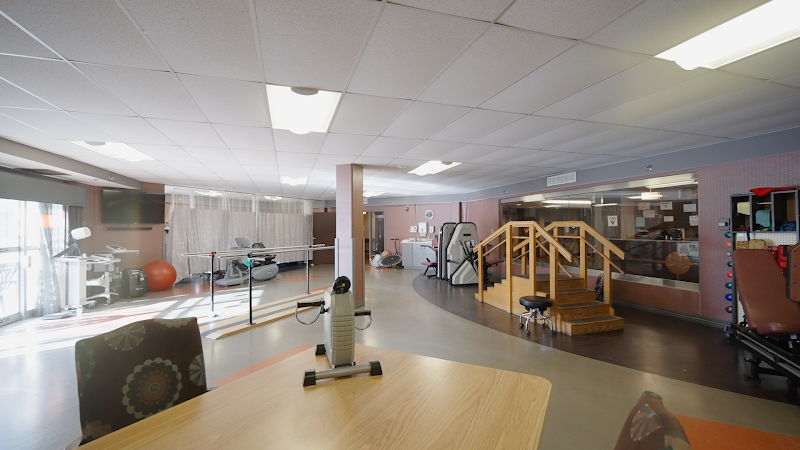
How is Bradley Estates Nursing And Rehab Llc Staffed?

CMS rates BRADLEY ESTATES NURSING AND REHAB LLC's staffing level at 2 out of 5 stars, which is below average compared to other nursing homes. Staff turnover is 74%, which is 28 percentage points above the Wisconsin average of 46%. High turnover can affect care consistency as new staff learn residents' individual needs. RN turnover specifically is 78%, which is notably high. RNs provide skilled clinical oversight, so turnover in this role can affect medical care quality.

What Have Inspectors Found at Bradley Estates Nursing And Rehab Llc?

State health inspectors documented 169 deficiencies at BRADLEY ESTATES NURSING AND REHAB LLC during 2022 to 2025. These included: 3 Immediate Jeopardy (the most serious level, indicating potential for serious harm or death), 14 that caused actual resident harm, 151 with potential for harm, and 1 minor or isolated issues. Immediate Jeopardy findings are rare and represent the most serious regulatory concerns. They require immediate corrective action.
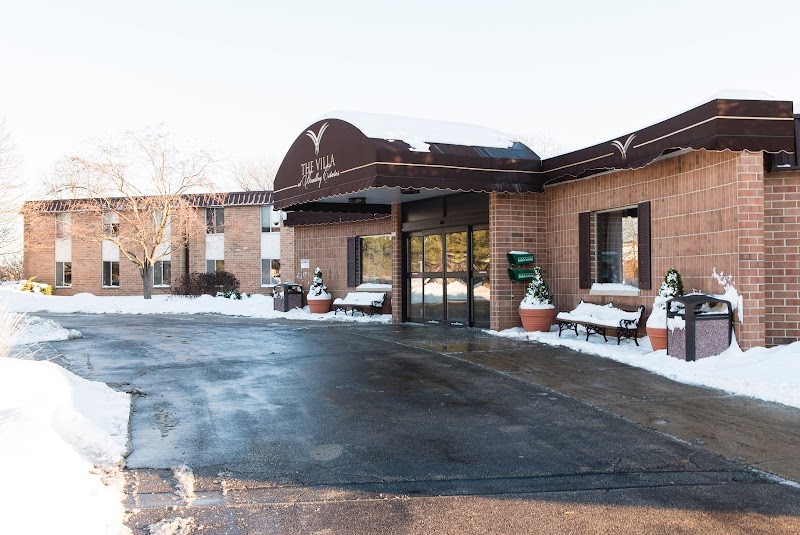
Who Owns and Operates Bradley Estates Nursing And Rehab Llc?

BRADLEY ESTATES NURSING AND REHAB LLC is owned by a for-profit company. For-profit facilities operate as businesses with obligations to shareholders or private owners. The facility is operated by SHLOMO HOFFMAN, a chain that manages multiple nursing homes. With 198 certified beds and approximately 139 residents (about 70% occupancy), it is a mid-sized facility located in MILWAUKEE, Wisconsin.
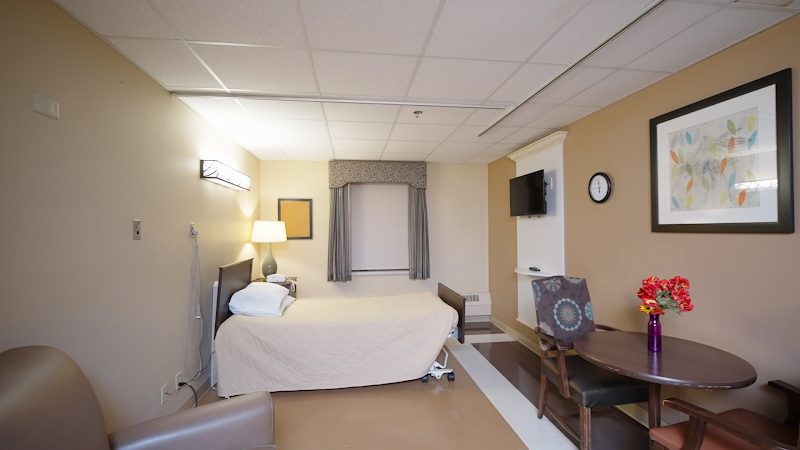
How Does Bradley Estates Nursing And Rehab Llc Compare to Other Wisconsin Nursing Homes?

Compared to the 100 nursing homes in Wisconsin, BRADLEY ESTATES NURSING AND REHAB LLC's overall rating (1 stars) is below the state average of 3.0, staff turnover (74%) is significantly higher than the state average of 46%, and health inspection rating (1 stars) is much below the national benchmark.

What Should Families Ask When Visiting Bradley Estates Nursing And Rehab Llc?

Based on this facility's data, families visiting should ask: "What changes have been made since the serious inspection findings, and how are you preventing similar issues?" "How do you ensure continuity of care given staff turnover, and what is your staff retention strategy?" "Can you walk me through typical staffing levels on day, evening, and night shifts?" "Can I visit during a mealtime to observe dining assistance and food quality?" These questions are particularly relevant given the facility's Immediate Jeopardy citations, the facility's high staff turnover rate, and the below-average staffing rating.

Is Bradley Estates Nursing And Rehab Llc Safe?

Based on CMS inspection data, BRADLEY ESTATES NURSING AND REHAB LLC has documented safety concerns. Inspectors have issued 3 Immediate Jeopardy citations (the most serious violation level indicating risk of serious injury or death). The facility is currently on the Special Focus Facility watch list (a federal program monitoring the lowest-performing 1% of nursing homes nationwide). The facility has a 1-star overall rating and ranks #100 of 100 nursing homes in Wisconsin. Families considering this facility should ask detailed questions about what corrective actions have been taken since these incidents.

Do Nurses at Bradley Estates Nursing And Rehab Llc Stick Around?

Staff turnover at BRADLEY ESTATES NURSING AND REHAB LLC is high. At 74%, the facility is 28 percentage points above the Wisconsin average of 46%. Registered Nurse turnover is particularly concerning at 78%. RNs handle complex medical decisions and coordinate care — frequent RN changes can directly impact care quality. High turnover means new staff may not know residents' individual needs, medications, or preferences. It can also be disorienting for residents, especially those with dementia who rely on familiar faces. Families should ask: What is causing the turnover? What retention programs are in place? How do you ensure care continuity during staff transitions?

Was Bradley Estates Nursing And Rehab Llc Ever Fined?

BRADLEY ESTATES NURSING AND REHAB LLC has been fined $493,596 across 6 penalty actions. This is 13.0x the Wisconsin average of $38,015. Fines at this level are uncommon and typically indicate a pattern of serious deficiencies, repeated violations, or failure to correct problems promptly. CMS reserves penalties of this magnitude for facilities that pose significant, documented risk to resident health or safety. Families should request specific documentation of what issues led to these fines and what systemic changes have been implemented.

Is Bradley Estates Nursing And Rehab Llc on Any Federal Watch List?

BRADLEY ESTATES NURSING AND REHAB LLC is currently an SFF Candidate, meaning CMS has identified it as potentially qualifying for the Special Focus Facility watch list. SFF Candidates have a history of serious deficiencies but haven't yet reached the threshold for full SFF designation. The facility is being monitored more closely — if problems continue, it may be added to the official watch list. Families should ask what the facility is doing to address the issues that led to this status.