JEWISH HOME AND CARE CENTER
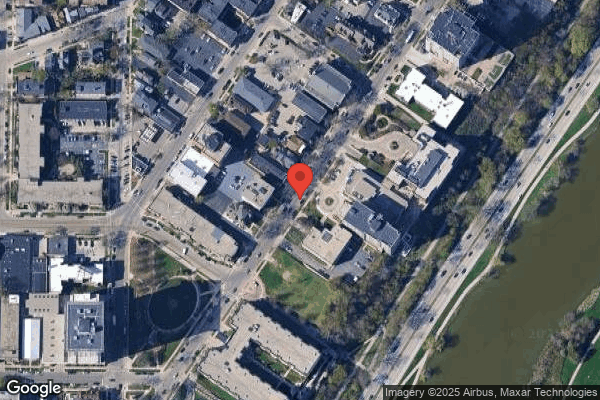

1414 N PROSPECT AVE, MILWAUKEE, WI 53202 (414) 276-2627
Non profit - Corporation 102 Beds Independent Data: November 2025
Trust Grade
48/100
#153 of 321 in WI
Last Inspection: January 2025

Within standard 12-15 month inspection cycle. Federal law requires annual inspections.

Overview

The Jewish Home and Care Center has a Trust Grade of D, which means it is below average and raises some concerns about the quality of care provided. It ranks #153 out of 321 facilities in Wisconsin, placing it in the top half, and #9 out of 32 in Milwaukee County, indicating there are only a few local options that are better. Unfortunately, the facility's trend is worsening, with issues increasing from 2 in 2024 to 5 in 2025, and it has reported serious incidents, including a resident receiving medication that was not prescribed and another resident experiencing multiple falls leading to serious injuries due to inadequate supervision. Staffing is a strength, earning a 5-star rating, with a turnover rate of 33%, which is lower than the state average, but the facility has less RN coverage than 90% of facilities in Wisconsin, which is concerning. Additionally, the facility has incurred average fines of $8,959, suggesting some compliance issues that need to be addressed.

Trust Score
D
48/100
In Wisconsin
#153/321
Top 47%
Safety Record
High Risk
Review needed
Inspections
Getting Worse
2 → 5 violations
Staff Stability
○ Average
33% turnover. Near Wisconsin's 48% average. Typical for the industry.
Penalties
✓ Good
$8,959 in fines. Lower than most Wisconsin facilities. Relatively clean record.
Skilled Nurses
✓ Good
Each resident gets 42 minutes of Registered Nurse (RN) attention daily — more than average for Wisconsin. RNs are trained to catch health problems early.
Violations
⚠ Watch
16 deficiencies on record. Higher than average. Multiple issues found across inspections.
★★★☆☆
3.0
Overall Rating
★★★★★
5.0
Staff Levels
★★★★☆
4.0
Care Quality
★★☆☆☆
2.0
Inspection Score
Stable
2024: 2 issues
2025: 5 issues

The Good

  • 5-Star Staffing Rating · Excellent nurse staffing levels
  • 4-Star Quality Measures · Strong clinical quality outcomes
  • Full Sprinkler Coverage · Fire safety systems throughout facility
  • No fines on record
  • Staff turnover below average (33%)

    15 points below Wisconsin average of 48%

Facility shows strength in staffing levels, quality measures, fire safety.

The Bad

3-Star Overall Rating

Near Wisconsin average (3.0)

Meets federal standards, typical of most facilities

Staff Turnover: 33%

13pts below Wisconsin avg (46%)

Typical for the industry

Federal Fines: $8,959

Below median ($33,413)

Minor penalties assessed

The Ugly 16 deficiencies on record

3 actual harm
Jun 2025 1 deficiency
CONCERN (F) 📢 Someone Reported This

A family member, employee, or ombudsman was alarmed enough to file a formal complaint

Potential for Harm - no one hurt, but risky conditions existed

Pharmacy Services (Tag F0755)

Could have caused harm · This affected most or all residents

Based on interviews, document review, and review of the facility policy, the facility failed to ensure narcotic counts were initialed by two nurses on all three shifts (7:00 AM to 3:00 PM, 3:00 PM to ...

Read full inspector narrative →
Based on interviews, document review, and review of the facility policy, the facility failed to ensure narcotic counts were initialed by two nurses on all three shifts (7:00 AM to 3:00 PM, 3:00 PM to 11:00 PM, and 11:00 PM to 7:00 AM) at the change of shift to ensure the narcotic count was accurate for six of six medication carts reviewed. This failure had the potential for drug diversion. Findings include: Review of the facility's policy titled, Medication Administration, revised in July 2024, indicated . (3) At the start of each shift two nurses must count and verify narcotic count is correct and sign out on Narcotic Count Sheets (nurse leaving and nurse coming on duty or Nurse Supervisor). Review of the medication cart identified as 500 South on 06/12/25 at 7:41 AM with Registered Nurse (RN) 1 revealed the following: -06/07/25 the counting nurse at 11:00 PM did not sign off indicating the narcotic count was correct. Review of the medication cart identified as 500 North on 06/12/25 at 7:50 AM, with Licensed Practical Nurse (LPN) 2 revealed the following: -06/03/25 the recording nurse at 3:00 PM did not sign off indicating the count was correct, -06/04/25 the recording nurse at 11:00 PM did not sign off indicating the narcotic count was correct, -06/07/25 the recording nurse at 11:00 PM did not sign off indicating the narcotic count was correct, -06/08/25 the counting and recording nurse at 7:00 AM did not sign off indicating the narcotic count was correct, -06/08/25 the counting nurse at 3:00 PM did not sign off indicating the narcotic count was correct. Review of the medication cart identified as the 400 North cart on 06/12/25 at 8:10 AM, with LPN5 revealed the following: -06/08/25 the counting and recording nurse at 7:00 AM did not sign off indicating the narcotic count was correct, -06/08/25 the recording nurse at 3:00 PM did not sign off indicating the narcotic count was correct, -06/08/25 the recording nurse at 11:00 PM did not sign off indicating the narcotic count was correct, -06/09/25 the recording nurse at 7:00 AM did not sign off indicating the narcotic count was correct. Review of the medication cart identified as 400 South on 06/12/25 at 8:15 AM, with LPN 4 revealed the following: -05/27/25 the recording nurse at 3:00 PM did not sign the narcotic count sheet indicating the count was correct, -05/27/25 the counting and recording nurse at 11:00 PM did not sign the narcotic count sheet indicating the count was correct, -05/28/25 the recording nurse at 11:00 PM did not sign the narcotic count sheet indicating the count was correct, -05/31/25 the recording nurse at 11:00 PM did not sign the narcotic count sheet indicating the count was correct, -06/01/25 the counting and recording nurse at 7:00 AM did not sign the narcotic count sheet indicating the count was correct, -06/01/25 the counting and recording nurse at 3:00 PM did not sign the narcotic count sheet indicating the count was correct, -06/01/25 the recording nurse at 11:00 PM did not sign the narcotic count sheet indicating the count was correct, -06/02/25 the counting nurse at 3:00 PM did not sign the narcotic count sheet indicating the count was correct, -06/02/25 the recording nurse at 11:00 PM did not sign the narcotic count sheet indicating the count was correct, -06/04/25 the recording nurse at 3:00 PM did not sign the narcotic count sheet indicating the count was correct, -06/05/25 the counting nurse at 7:00 AM did not sign the narcotic count sheet indicating the count was correct, -06/06/25 the counting nurse at 3:00 PM did not sign the narcotic count sheet indicating the count was correct, -06/07/25 the counting nurse at 11:00 AM did not sign the narcotic count sheet indicating the count was correct. Review of the medication cart identified as 300 North on 06/12/25 at 8:38 AM, with LPN1 revealed the following: -06/04/25 the recording nurse at 7:00 AM did not sign the narcotic count sheet indicating the count was correct, -06/07/25 the counting nurse at 11:00 PM did not sign the narcotic count sheet indicating the count was correct, -06/08/25 the counting nurse at 11:00 PM did not sign the narcotic count sheet indicating the count was correct, -6/09/25 the recording nurse at 7:00 AM did not sign the narcotic count sheet indicating the count was correct. Review of the medication cart identified as 300 South on 06/12/25 8:44 AM with LPN3 revealed the following: -05/27/25 the recording nurse at 7:00 AM did not sign the narcotic count sheet indicating the count was correct, -05/29/25 the recording nurse at 3:00 PM did not sign the narcotic count sheet indicating the count was correct, -05/29/25 the recording nurse at 11:00 PM did not sign the narcotic count sheet indicating the count was correct, -06/02/25 the recording nurse at 7:00 AM did not sign the narcotic count sheet indicating the count was correct, -06/04/25 the recording nurse at 7:00 AM did not sign the narcotic count sheet indicating the count was correct, -06/04/25 the recording nurse at 3:00 PM did not sign the narcotic count sheet indicating the count was correct, -06/07/25 the counting nurse at 3:00 PM did not sign the narcotic count sheet indicating the count was correct, -06/07/25 the counting and recording nurse at 11:00 PM did not sign the narcotic count sheet indicating the count was correct. During an interview on 06/12/25 at 7:41 AM, RN1 verified the narcotic count sheet was not signed on each shift for the 500 South cart. During an interview on 06/12/25 at 8:00 AM, LPN2 verified the narcotic count sheet was not signed on each shift for the 500 North cart. She stated the sheet should be signed with each narcotic count. During an interview on 06/12/25 at 8:10 AM, LPN5 verified the narcotic count sheet for the 400 North cart was not signed off by two nurses on each shift. During an interview on 06/12/25 at 8:15 AM, LPN4 verified the narcotic count sheet for the 400 South cart was not signed off by two nurses on each shift. She stated the count sheet was supposed to be signed during each narcotic count. During an interview on 06/12/25 at 8:39 AM, LPN1 confirmed the narcotic sheet for the 300 North cart was not signed by each nurse and that it should be. During an interview on 06/12/25 at 8:46 AM LPN3 confirmed the narcotic count sheet for the 300 South cart had not been signed on each shift for the 300 South cart. During an interview on 06/12/25 at 8:51 AM, the Director of Nursing (DON) confirmed the narcotic sheets were not signed off on each shift. She stated the nurses were supposed to sign the sheets during shift change when they counted the narcotics.
Jan 2025 4 deficiencies
CONCERN (D)

Potential for Harm - no one hurt, but risky conditions existed

Medication Errors (Tag F0758)

Could have caused harm · This affected 1 resident

**NOTE- TERMS IN BRACKETS HAVE BEEN EDITED TO PROTECT CONFIDENTIALITY** 2.) R18 was readmitted to the facility on [DATE] with a diagnoses include ankylosing spondylitis of unspecified sites in spine, ...

Read full inspector narrative →
**NOTE- TERMS IN BRACKETS HAVE BEEN EDITED TO PROTECT CONFIDENTIALITY** 2.) R18 was readmitted to the facility on [DATE] with a diagnoses include ankylosing spondylitis of unspecified sites in spine, obstructive sleep apnea, and major depressive disorder. R18's Significant Change Minimum Data Set (MDS) with an assessment reference date of [DATE] indicated R18 had a Brief Interview for Mental Status score of 15 (cognitively intact). R18 makes decisions for themselves. R18's MDS was marked as R18 having no behaviors during the look back period and always being incontinent of bowel and bladder. R18's physician orders dated [DATE] documents: Trazodone 50 mg (milligram) tablet as needed (PRN) every 24 hours was prescribed. Surveyor noted that R18's Trazadone physician's order did not have a stop date for the PRN medication. The order was not in place during R18's previous stay at Facility. Surveyor noted according to the State Operations Manual, the need to limit the timeframe for PRN psychotropic medications, which are not antipsychotic medications, to 14 days, unless a longer timeframe is deemed appropriate by the attending physician or the prescribing practitioner. Surveyor noted that a stop date was not documented. R18's Consultation Report dated [DATE], documents: Has a PRN order for a sedative/hypnotic, which has been in place for greater than 14 days without a stop date. The Consultation Report has the recommendation to discontinue PRN. The physician signed the report on [DATE] and the Director of Nursing (DON)-B signed the report on [DATE], the same day the PRN was discontinued. On [DATE], at 10:29 AM, Surveyor interviewed DON-B about the PRN trazadone order that was in place two months without a stop date and was told they would look into it. On [DATE], at 11:35 AM, Surveyor flowed up with Nursing Home Administrator (NHA)-A regarding the psychotropic PRN medication and asked for the policy. On [DATE], at 12:13 PM, the NHA-A reported to Surveyor that DON-B has no further information, and the policy was given to Surveyor. No additional information was provided. Based on interview and record review, the facility did not ensure residents who use psychotropic drugs have a comprehensive assessment and PRN (as needed) orders are limited to 14 days for 3 (R23, R18, and R9) of 7 residents reviewed for psychotropic medications. *R23 signed consent for Trazodone was expired and an assessment for sleep was not completed on a quarterly basis. *R18 Medication orders in Point Click Care (PCC) - Healthcare software, did not limit the timeframe for PRN psychotropic medications, to 14 days, unless a longer timeframe is deemed appropriate by the attending physician or the prescribing practitioner *R9 Medication orders in Point Click Care - Healthcare software, did not limit the timeframe for PRN psychotropic medications, to 14 days, unless a longer timeframe is deemed appropriate by the attending physician or the prescribing practitioner Findings include: The facility policy, titled Use of Psychotropic Medications, dated [DATE], documents, Procedure: 2. The indications for initiating, withdrawing, or withholding medication(s), as well as the use of non-pharmacological approaches, will be determined by: a. Assessing the resident's underlying condition, current signs, symptoms, expressions, and preferences and goals for treatment. 9. PRN orders for all psychotropic drugs shall be used only when the medication is necessary to treat a diagnosed specific condition that is documented in the clinical record, and for a limited duration (i.e. 14 days). 1.) R23 was admitted to the facility on [DATE] with pertinent diagnosis of dementia, anxiety, and insomnia. R23's Annual Minimal Data Set (MDS) dated : [DATE], documents a Brief Interview for Mental Status (BIMS) of 13, which indicates R23 is cognitively intact. R23's Cognitive Loss/Dementia Care Area Assessment (CAA) dated [DATE] documents: R23 is alert. Memory deficits noted. Cognitive skills for daily decision making are moderately impaired. Resident has health care power of attorney that is activated. Will proceed to plan of care at this time. Brief Interview for Mental Status (BIMS) of 13, which indicates cognitively intact. R23's depression and insomnia care plan documents: On medication for these disorders. Behavioral health solutions (BHS), a company that evaluates and treats R23's mental health diagnosis, visits every 3 months. BHS's last scanned in visit was dated: [DATE]. The follow up visit notes dated [DATE] documents: No medication changes currently. Current order for Trazodone found in during record review. Medication administration record documents: Trazodone Tablet 50 milligrams, Give 1 tablet by mouth at bedtime for sleep and major depressive disorder. R23's physician order dated [DATE] documents: Trazodone Tablet 50 milligrams, Give 1 tablet by mouth at bedtime for sleep and major depressive disorder. R23's MAR (Medication Administration Record) documents that R23 received Trazadone per the above physician order from [DATE] until [DATE]. Surveyor noted that the only signed consent for Trazodone that was scanned into PCC was dated for [DATE]. The dated signature on the consent was [DATE], and that was documented as: not to exceed fifteen (15) months from the date of signature. Surveyor asked NHA (Nursing Home Administrator)-A for any additional information related to current consent for R23's Trazodone. On [DATE], at 11:06 AM, Surveyor interviewed Social Worker-I regarding R23's Trazodone consent. Surveyor informed Social Worker-I that R23's Trazodone was expired and last signed, [DATE]. Social Worker-I acknowledged that R23's Trazodone consent form was expired. Social Worker-I stated the power of attorney for R23 was emailed a new consent form this morning to sign a new one. On [DATE], at 11:19 AM, Surveyor interviewed Registered Nurse (RN) Unit Manager-E, who stated a sleep assessment for R23 was to be completed quarterly. RN Unit Manager-E acknowledged that RN Unit Manager-E was the person that would complete the assessment. RN Unit Manager-E stated the sleep assessment was forgotten and that it needed to be completed, as the dated sleep assessment in PCC for R23 was [DATE]., Surveyor stated concerns to Unit Manager-E that the sleep assessment was not completed in a timely manner or every quarter. On [DATE], at 11:24 AM, Surveyor informed Nursing Home Administrator (NHA)-A of the above findings. Surveyor informed NHA-A that there was a concern with the completion of the quarterly sleep assessments for R23. Surveyor also informed NHA-A of the concern that R23's d consent for Trazodone was expired. No additional information was provided about why the facility did not ensure that R23's consent for Trazodone was expired and why the sleep assessments were not completed on a quarterly basis. Vohen, [NAME] E. 3.) R9 was admitted on [DATE] with the diagnosis chronic obstructive pulmonary disease (COPD), chronic kidney disease, and cognitive impairment. R9's Quarterly Minimum Daily Set (MDS) with the assessment reference date of [DATE], documents a Brief Interview for Mental Status (BIMS) score of 3, indicating that R9 is severely cognitively impaired. R9's significant change of condition MDS with an assessment reference date of [DATE]. R9 returned to the facility after a short hospital stay on [DATE] with diagnosis of COPD, acute respiratory failure with hypoxia, metabolic encephalopathy, bradycardia, and paroxysmal atrial fibrillation. R9's medical record documented that R9 was placed on hospice [DATE]. R9's mood interview in the [DATE] MDS indicated no response. R9's behavior assessment in the [DATE] MDS indicated no behavior symptoms present. R9's physician order dated [DATE] documents: Ativan oral tablet 0.5 MG (Lorazepam) give 1 tablet by mouth every 1 hours as needed for agitation/restlessness. The order did not have a stop date for the PRN (as need)medications. R9's pharmacy recommendation dated [DATE], documents: Physician declined the consultant pharmacist's recommendation for R9 from [DATE] to evaluated (evaluate?) ongoing PRN lorazepam use but did not provide the basis for disagreeing with the recommendation. Rationale for Recommendation: CMS requires that PRN orders of non-antipsychotic drugs be limited to 14 days ****unless the prescriber documents the diagnosed specific condition being treated, the rationale for the extended time period, and the duration for the PRN use**** Recommendation: Please follow up with to provide the basis for declining the recommendation. References: 42 CFR 483, Subpart B-Requirement for Long Term Care Facilities. Signed by the Consulting Pharmacist on [DATE]. Signature from DON-B on [DATE] with comment: MD updated will D/C (discontinue) PRN lorazepam at this time. On [DATE], at 11:38 AM, Surveyor interviewed NHA-A. Surveyor informed the NHA-A about R9's lorazepam order from [DATE] with no PRN stop date and pharmacist's comments in their recommendations. NHA-A informed Surveyor, that NHA-A was going to speak to DON-B about what was found out about a similar issue and why the Lorazepam order had no end date. Surveyor asked if DON-B who was looking into a similar issue could speak to the Surveyor. On [DATE], at 12:17 PM, NHA-A informed Surveyor, NHA-A had no other information related to R9's Ativan order.
CONCERN (D)

Potential for Harm - no one hurt, but risky conditions existed

Deficiency F0849 (Tag F0849)

Could have caused harm · This affected 1 resident

**NOTE- TERMS IN BRACKETS HAVE BEEN EDITED TO PROTECT CONFIDENTIALITY** 2.) R43 was admitted to the facility on [DATE], with a pertinent diagnosis of dementia. R43 was began hospice services on 12/19/...

Read full inspector narrative →
**NOTE- TERMS IN BRACKETS HAVE BEEN EDITED TO PROTECT CONFIDENTIALITY** 2.) R43 was admitted to the facility on [DATE], with a pertinent diagnosis of dementia. R43 was began hospice services on 12/19/2024, with a diagnosis of senile degeneration of the brain. R43's significant change in condition Minimum Data Set (MDS) dated [DATE] documents a Brief Interview of Mental Status (BIMS) a score of 00, indicating that R43 has severe cognitive impairment. Section C documents a score of 2, for R43's cognitive patters for ability to express self, which indicates sometimes R43 understands and sometimes is understood. On 01/14/2025, at 9:22 AM, Surveyor observed R43 in a common dining room. R43 was using repetitive words of: go to bed. Surveyor asked questions to R43, but R43 did not answer any questions appropriately when surveyor spoke to R43. On 01/16/2025, at 11:24 AM, Surveyor interviewed LPN (licensed practical nurse)-K about R43's hospice services. LPN-K informed Surveyor that facility staff only knows about R43's hospice visits when hospice staff verbalizes it, because R43's hospice company does not utilize the hospice binder to communicate with staff. LPN-K stated that the hospice nurse will come in one time a week and the aide will come in two times a week to see R43. LPN-K could not find any documentation in R43's hospice binder related to communication between the hospice and facility staff. LPN-K observed along with Surveyor that there were only 3 documents in R43's hospice binder. The 3 pieces of documentation for communication between hospice and the facility were: The order sheet, facility notification of admission, and the plan of care. LPN-K could not give any additional information or documentation that documented communication between hospice and facility staff. Surveyor noted that no additional documentation or dated visits were added since 12/19/2024, which was the date of admission for R43 onto hospice. On 01/16/2025, at 1:33 PM, Surveyor interviewed Registered Nurse (RN) Unit Manager-E about R43's hospice services. RN Unit Manager-E stated that R43's hospice staff will drop off weekly notes to be scanned in by Health Information Clerk (HIC)-F. Surveyor asked RN Unit Manager-E to look in Point Click Care (PCC) for any communication that was scanned in, as Surveyor was unable to locate any in R43's electronic medical record. RN Unit Manager-E could not find any documentation that was scanned into PCC regarding R43's hospice services communication. On 01/16/2025, at 1:37 PM, Surveyor interviewed Health Information Clerk (HIC)-F who stated she did not receive any consults or communication from R43's hospice services hospice because if documentation had been received HIC-F would have scanned them into PCC. On 01/16/2025, at 1:47 PM, Surveyor informed Nursing Home Administrator (NHA)-A and Director of Nursing (DON)-B of the above findings. Surveyor explained concerns to NHA-A and DON-B about the lack of communication between hospice and the care staff at the facility. NHA-A stated that they will get copies of the communication documents from R43's hospice and then will place them into the hospice binder and scan them into PCC. On 01/16/2025, at 2:53 PM, Surveyor interviewed DON-B who stated that after DON-B was talking with hospice, the facility would now be getting access to the hospice Electronic Medical Records (EMR) portal. DON-B stated that access to EMR will give staff real time access to R43's record and would set up for communication between hospice and staff at the facility. No additional information was provided as to why the facility did not ensure that communication of services between hospice and the facility for R43 occurred. Based on record review and interview, the facility did not ensure the communication of services between hospice and the facility for 2 (R9 & R43) of 3 residents reviewed for hospice care. The required hospice election statement, admissions agreement, recertification orders, communication notes from hospice nurses or certified nursing assistants were not available to the facility staff in the hospice binder or resident's medical records. * R9 was placed on hospice 8/3/24. Hospice provided no access to R9's hospice charting to facility staff, until Surveyor informed facility staff that all the documentation required by hospice was not found in the hospice binder or medical record for R9. The only document observed by the Surveyor in the hospice binder for R9 was a plan of care dated 9/4/24. *R43 was placed on hospice on 12/20/2024. The hospice binder for R43 had only 3 pieces of paper for communication in it: The order sheet, facility notification of admission, and the plan of care. The plan of care from hospice had no dates for team visits filled out. Findings include: The facility's hospice policy titled Hospice Services dated as last revised 11/4/24 documents: The facility staff will provide and arrange for hospice services for all patients deemed eligible and desiring hospice services. Procedure number 8: The facility staff will work with the hospice team in integrating the hospice practice with the delivery of care. The facility's hospice contract titled, {Company} Hospice and Palliative care and dated as revised 3/2022 documents: Section C. Hospice will furnish a copy of Patient's plan of care to the facility at the time of the resident's admission into the Hospice program. In addition, for patient residing in the facility, Hospice will also provide Facility with (i) a copy of the patient's hospice election form and any advance directives specific to patient. (ii) a copy of the physician's certification and recertification of the terminal illness specific to patient. (iii) instructions on how to access the Hospice's twenty-four (24) hour on-call system. (v) Hospice medication information specific to patient, and (vi) copies of Hospice physician and attending physician, if any, orders specific to patient. Part IV Quality Improvement Each part agrees to reasonably participate in the other's ongoing quality improvement and utilization review programs to the extent they relate to the hospice, and room and board services furnished pursuant to this Agreement. The ongoing evaluation of services provided by the facility hereunder will be accomplished by the joint quality improvement process, focused audits, provider and patient surveys, and Interdisciplinary Team meetings. In addition, Facility and Hospice shall each designate in writing a representative to communicate with each other verbally and/or in writing (only when immediate receipt of the written communication is possible) to ensure that the needs of the Patient are addressed and met twenty-four (24) hours a day. The Hospice and Facility representatives shall document and keep written records of all such communications and shall document that the services provided are furnished in accordance with the terms of this Agreement. In addition, such representatives shall also meet when appropriate to review working relationships between Hospice and the Facility and make recommendations for improving the contractual agreement between the parties. Discussions and recommendations regarding the parties' contractual agreement and working relationships shall be considered advisory to the Facility and Hospice and not binding on either party 1.) R9) was admitted to the facility on [DATE] with a diagnosis of chronic obstructive pulmonary disease (COPD), chronic kidney disease, and cognitive impairment. R9's Quarterly Minimum Daily Set (MDS) with an assessment reference date of 11/9/24 documents a Brief Interview for Mental Status (BIMS) was a score of 3, indicating that R3 is severely impaired. R9's medical record documented that R9 was placed on hospice services 8/3/24. On 01/16/25, at 12:38 PM, Surveyor interviewed Health Information Clerk (HIC)-G about R9's hospice services. Surveyor asked where R9's hospice binder is located so that facility staff can coordinate care for R9. HIC-G informed Surveyor that HIC-G is responsible for putting together hospice binders and filing paperwork that is provided from hospice services. HIC-G showed Surveyor the hospice chart for R9. On 01/16/25, at 12:46 PM, Surveyor reviewed R9's hospice chart. The last hospice plan of care or documentation in R9's hospice chart located by Surveyor was dated 09/04/24. On 01/16/25, at 12:48 PM, Surveyor showed HIC-G's R9's hospice chart and asked where the rest of the hospice documentation was located as Surveyor was unable to locate any communication documentation in R9's hospice chart. HIC-G informed Surveyor that R9's hospice company hasn't sent any documentation to scan into R9's hospice binder. Surveyor asked HIC-G how facility staff communicates with R9's hospice team. HIC-G informed Surveyor that R9's hospice team normally sends documentation so that it can be scanned into the medical record and printed out for the hospice chart. Surveyor asked HIC-G if the facility has any other documents besides the care plan and the order for a PRN medication in the miscellaneous section of R9's medical record. HIC-G informed Surveyor that the facility did not have any other additional documentation from R9's hospice company. HIC-G stated that other hospice providers send the facility documentation to scan into resident's medical records but that R9's hospice company does this differently. Surveyor asked HIC-G what that difference was. HIC-G informed Surveyor that R9's hospice staff do not chart at the nurse's station or even stop to drop off documentation like the other hospice companies do. Surveyor asked if HIC-G found more hospice documentation for R9 in the R9's paper hard chart. HIC-G informed Surveyor that there was no additional documentation in R9's paper hard chart. HIC-G informed Surveyor that the facility is going to have R9's hospice company fax over all their notes now. Surveyor asked HIC-G is this because R9's hospice does not have any information here since September 2024. HIC-G stated that all the hospice documentation that the facility has is what the Surveyor found in R9's chart. On 01/16/25, at 1:00 PM, Surveyor observed HIC-G and other staff looking through the hospice charts. Surveyor asked HIC-G if they found more information from R9's hospice. HIC-G informed Surveyor that the facility is having the hospice company send the information for R9's medical record over to the facility. urveyor asked HIC-G to clarify if there was no other hospice information for R9 in the R9's medical record. HIC-G informed Surveyor that there were no additional hospice records and that the facility is in the process of getting additional documentation. On 01/16/25, at 01:16 PM, Surveyor met with Nursing Home Administrator (NHA)-A. Surveyor informed NHA-A, that the Surveyor had concerns with the communication between R9's hospice company and the facility. Surveyor informed NHA-A, that the hospice chart and medical record was missing required documentation needed for collaborative care. NHA-A informed Surveyor that NHA-A would check with the nursing supervisor to find more information on the matter. On 01/16/25, at 01:51 PM, NHA-A and Director of Nursing (DON)-B brought R9's hospice chart into the conference room. DON-B showed the Surveyor there were plan of care updates in R9's hospice chart, current up to 01/2025. Surveyor asked DON-B, if there was any other communication documentation in the hospice binder. DON-B asked Surveyor to clarify, Surveyor informed DON-B, that the Surveyor found no other items or information such as visit summaries, communication from hospice nursing assistants or hospice nurses, coordination of care meetings, hospice election statement, admissions agreement, recertification orders. Surveyor informed DON-B that the certified nursing assistant plan of care was placed today and dated 1/16/25 at 1:20:05. DON-B informed the Surveyor that DON-B would investigate this. On 01/16/25, at 02:52 PM, Surveyor interviewed DON-B. DON-B informed the Surveyor the facility was getting access to the hospice portal from a director at R9's hospice company. DON-B informed Surveyor, that the facility did not currently have access to the hospice charting or communications in R9's hospice electronic medical record. DON-B informed the Surveyor, that R9's hospice binder has not been updated yet. DON-B informed the Surveyor that R9's hospice binder would be updated as soon as the facility obtained access to the hospice electronic medical record. On 01/16/25, at 03:02 PM, during the daily exit meeting, Surveyor informed Director of Nursing (DON)-B, Nursing Home Administrator (NHA)-A, Director of Social Services (DOSS)-J, and (President)-J of the above findings. Surveyor explained the concern about R9's hospice company and the lack of communication and information available to the facility staff. Surveyor asked DON-B who was the point of communication person with hospice for the facility. DON-B informed Surveyor that the point of communication person for hospice is social services. DOSS-J nodded in agreement. DON-B assured the Surveyor the facility was working on obtaining communication documentation into R9's facility hospice record. No additional information was provided to as to why the facility did not ensure that the communication of services between hospice and the facility for R9 was in place.
CONCERN (E)

Potential for Harm - no one hurt, but risky conditions existed

Infection Control (Tag F0880)

Could have caused harm · This affected multiple residents

Based on interview and record review, the facility did not ensure 34 staff received annual N95 respirator fit testing. Surveyor reviewed the facility's infection control program. On 1/21/25 at 8:27 a...

Read full inspector narrative →
Based on interview and record review, the facility did not ensure 34 staff received annual N95 respirator fit testing. Surveyor reviewed the facility's infection control program. On 1/21/25 at 8:27 a.m. Surveyor received a list of staff with the dates of their last N95 fit test. Surveyor noted staff members were overdue for their annual fit test. Findings include: The facility's Covid 19 Respiratory Protection Program policy dated 2/5/21 documents: . 2. Selection d. The program administrator will conduct a risk assessment to identify which workers are at risk of exposure to any airborne hazards (e.g. SARS-Co-V-2). Such workers could include: any staff (whether clinical or not_ in close contact (less than 6 feet) with patients or residents with confirmed or suspected COVID-19 (e.g. during bathing, dressing, toileting, and direct clinical care); clinical staff performing aerosol-generating procedures (e.g. respiratory therapy, open suctioning of airways, BiPaP and CPAP); cleaning staff; maintenance staff; and visiting practitioners (e.g. physicians or physical therapists who do not normally work at that facility). 4. Fit Testing a. All employees required to wear respirators must pass an initial fit test before using their respirator. Additionally, workers who are required to wear a respirator will be fit-tested: i. Annually. ii. When there are changes in the employee's physical condition that could affect respiratory fit (e.g. obvious change in body weight, facial scarring, etc). iii. When using a new make, model. or size of respirator. d. All fit tests will be documented and be retained until the next fit-test is administered. On 1/16/25 at 9:30 a.m. Surveyor interviewed IP (infection preventionist)-L and DON (Director of Nursing)-B regarding the infection control program. Surveyor asked to see a list staff and their respirator fit testing dates. DON-B stated the staff responsible for that document is out having surgery. DON-B stated she would look for the spreadsheet and provide it so Surveyor. On 1/16/25 at 3:00 p.m. during the daily exit meeting with the facility, DON-B provided Surveyor with a document with staff names and the dates of their last fit test. Surveyor noticed there were staff with no date of a fit test being performed and staff with overdue dates for fit testing. Surveyor explained to DON-B the concern with the missing dates or overdue dates and DON-B explained she would look into it. On 1/21/25 at 10:37 a.m. DON-B provided Surveyor with a document with list of staff and their fit test dates. The list was updated with new dates but Surveyor observed there to still be a concern with overdue dates. DON-B stated this is all the information she has. The document indicates two staff in the finance department have overdue dates, six staff in environmental services have overdue dates, twenty direct care staff (including CNA (certified nursing assistant)s and LPN (licensed practical nurse)s) have overdue dates, two kitchen staff have overdue dates, two staff in activity department have overdue dates and 2 staff in plant operation have overdue dates. On 1/21/25 at 10:38 a.m. Surveyor interviewed NHA (Nursing Home Administrator)-A regarding the concerns with the staff fit test dates. Surveyor explained to NHA-A the concern many staff are overdue for their fit test. NHA-A stated she understood the concern and had no additional information to provide.
CONCERN (F)

Potential for Harm - no one hurt, but risky conditions existed

Food Safety (Tag F0812)

Could have caused harm · This affected most or all residents

**NOTE- TERMS IN BRACKETS HAVE BEEN EDITED TO PROTECT CONFIDENTIALITY** Based on observation, interview, and record review, the facility did not store and prepare food in accordance with professional ...

Read full inspector narrative →
**NOTE- TERMS IN BRACKETS HAVE BEEN EDITED TO PROTECT CONFIDENTIALITY** Based on observation, interview, and record review, the facility did not store and prepare food in accordance with professional standards for food service safety potentially affecting all 74 residents that eat food prepared by the facility. * In the facility's main kitchen, observations of partially used and undated food were observed in the walk-in cooler. Food items observed in the facilities main kitchen's cooler were open to air. Open food was observed in the fridge on the 4th floor with no open or use by date. * [NAME] and hair restraints were not being utilized by kitchen staff, while they worked in the kitchen areas. * A large white scoop was observed in a bin holding sugar granules and not in the holder. Findings include: The facility policy and procedure titled Food Safety Requirements-Use and storage of food and beverage brought in for residents, food procurement, dated February 2024 documents: Centers for Medicaid and Medicare Services (CMS)- Definitions- D. Food Contamination refers to the unintended presence of potentially harmful substances, including, but not limited to microorganisms, chemicals or physical objects in the food. Food Storage Observations: On 1/14/2025, at 9:33 AM, Surveyor observed in the produce cooler tortilla shells and pie crust, both not labeled or dated with an open or used by date. Surveyor observed the tortilla shells package torn open on one side and open to the air. Surveyor interviewed Kitchen Manager-C, who observed that the package was open, and stated that the food is supposed to be wrapped and dated after opening. Kitchen Manager-C stated staff are educated on food storage and that the food should have been wrapped and dated. On 1/15/2025, at 12:13 PM, Surveyor made observations of the fourth-floor fridge that was in the kitchenette in the dining area. Surveyor observed butter in the fridge that was opened and partially used and not labeled or dated. A [NAME] was observed in the freezer that was opened and partially eaten with no open or used by date. On 1/15/2025, at 11:24 AM, Surveyor observed tortilla shells in the produce cooler that was not labeled or dated. Surveyor observed partially used sugar in a paper package that was opened, wrapped in saran wrap and located in the dry food storage area without a of open or used by date. On 1/14/2025, at 9:33 AM, Surveyor observed a scoop in a container that contained sugar granules. Surveyor interviewed Kitchen Manager-C, who observed and removed the scoop out of the sugar bin and stated that the scoop should be hung up. Kitchen Manager-C was observed to then place the sugar scoop in the scoop holder on the wall and out of the contained sugar granules. Hair Restraints: On 1/14/2025, Surveyor requested a policy on hair restraint use in the kitchen area from the facility. Surveyor was informed that the facility did not have a policy on the use of hair restraints in the kitchen. On 1/14/2025, at 9:28 AM, Surveyor observed a shelf hanging on the wall upon entry to the kitchen area with disposable hair nets and beard nets available. Surveyor observed a maintenance employee inside of the kitchen area with a ladder by the food preparation table area. Surveyor observed no hair restraint or beard restraint being worn by the maintenance employee. On 1/15/2025, at 11:02 AM, Surveyor observed Cook-D, with facial hair on Cook-D's chin and cheek areas, with growth noted with length past the stubble stage and hair on Cook-D's head. Surveyor observed Cook-D to not be wearing a hair restraint or a beard net. Surveyor observed Cook-D bring thickener over to the food preparation area where food was currently being used to prepare pureed for the lunch meal. On 01/16/2025, at 03:12 PM, Surveyor interviewed Nursing Home Administrator (NHA)-A, Director of Nursing (DON)-B and the Director of Food Services-M of the above concerns. No additional information received at this time.
Nov 2024 1 deficiency
CONCERN (D) 📢 Someone Reported This

A family member, employee, or ombudsman was alarmed enough to file a formal complaint

Potential for Harm - no one hurt, but risky conditions existed

Quality of Care (Tag F0684)

Could have caused harm · This affected 1 resident

Based on interview and record review the facility did not ensure residents received treatment and care in accordance with professional standards of practice to administer medications as ordered for 1 ...

Read full inspector narrative →
Based on interview and record review the facility did not ensure residents received treatment and care in accordance with professional standards of practice to administer medications as ordered for 1 (R1) of 1 residents. R1 received one tablet of Hydrocodone-Acetaminophen 5-325 mg (milligrams) prior to going to dialysis on 10/2/24. According to R1's physician orders, R1 should have received two tablets of Hydrocodone-Acetaminophen 5-325 mg. Findings include: R1's diagnoses includes COPD (chronic obstructive pulmonary disease), right & left above knee amputation, hypertension, congestive heart failure, diabetes mellitus, anxiety, depression and end stage renal disease. R1 receives hemodialysis three times a week on Monday, Wednesday, & Friday. R1's Pain CAA (Care Area Assessment) dated 4/2/24 under analysis of findings for nature of the problem/condition documents, At risk for complications related to pain. Under care plan considerations for describe impact of this problem/need on the resident and your rationale for care plan decision documents He requires assistance of staff for ADLS (activities daily living) and transfers. Has dx (diagnosis) of chronic resp (respiratory) failure, CHF (congestive heart failure), A fib (atrial fibrillation) COPD (chronic obstructive pulmonary disease), ASRD (acute respiratory distress syndrome)/dialysis, DM (diabetes mellitus) 2 PVD (peripheral vascular disease), GERD (gastroesophageal reflux disease), urinary retention, depression, HTN (hypertension) Recent hospitalization for bladder tumor s/p (status post) TURP (transurethral resection of the prostate). He is alert and oriented. Able to make his needs known. He had indwelling catheter and was incontinent of bowel during look back period. Requires assistance of staff for toileting needs. Had no recent falls. Has pressure area to coccyx. Follow up with wound MD (medical doctor). Takes antidepressant medication daily. Receives anticoagulation and diuretic therapy. ABT (antibiotic) therapy. Insulin/DM. O2 (oxygen) therapy. Reported having pain during look back period. Has scheduled and prn (as needed) analgesics ordered. Remains in LTC (long term care). R1's physician order with an order date of 6/17/24 documents HYDROcodone-Acetaminophen Oral Tablet 5-325 MG (milligram) (Hydrocodone-Acetaminophen) Give 1 tablet by mouth every 6 hours as needed for PAIN Management. R1's physician order with an order date of 9/4/24 documents HYDROcodone-Acetaminophen Oral Tablet 5-325 MG (Hydrocodone-Acetaminophen). Give 1 tablet by mouth one time a day every Mon (Monday), Wed (Wednesday), Fri (Friday) for PAIN MANAGEMENT PRN (as needed) CAN BE GIVEN WITH SCHEDULED DOSE. The quarterly MDS (minimum data set) with an assessment reference date of 9/28/24 has a BIMS (brief interview mental status) score of 13 which indicates cognitively intact. R1 is assessed as having scheduled pain medication regimen and received prn pain medications. Pain frequency is almost constantly. Pain effect on sleep is occasionally and pain interference with day to day activities is assessed as occasionally. Pain intensity on a scale of 0 to 10 is 8. The nurses note dated 10/2/24, at 04:45 (4:45 a.m.), documents Resident leaving at this time for Dialysis Schedule pain med (medication) given, A/O (alert oriented). Resident requested two pain pills. 1 given per order. Writer heard Resident stated as going onto elevator, Well then I will just lie about it. This nurses note was written by LPN (Licensed Practical Nurse)-D. Review of R1's October MAR (medication administration record) reveals R1 received the scheduled Hydrocodone Acetaminophen 5-325 one tablet on 10/2/24 at the scheduled time of 0400 (4:00 a.m.) but did not receive the PRN dose with the scheduled dose. On 11/6/24, at 9:32 a.m., Surveyor spoke with R1's resident representative on the telephone. During this conversation, R1's resident representative informed Surveyor on the morning of 10/2/24 R1 did not get the second dose of his pain medication before going to dialysis. On 11/6/24, at 11:06 a.m., Surveyor asked LPN-C if R1 had concerns regarding pain. LPN-C informed Surveyor R1 complained of pain on his bottom explaining he had an open area that would come and go. LPN-C informed Surveyor he has an order for Hydrocodone which R1 can receive every six hour as as needed and most of the time R1 asks for the medication. LPN-C informed Surveyor on dialysis days R1 receives two Hydrocodone, one scheduled & one PRN prior to leaving for dialysis. On 11/6/24, at 12:15 p.m., Surveyor interviewed LPN-E on the telephone regarding R1. LPN-E informed Surveyor she was supervising the night of 10/2/24 and there weren't any falls reported to her regarding R1 but the nurse (LPN-D) did call her because R1 wanted an extra Hydrocodone. LPN-E informed Surveyor she reviewed R1's MAR and informed the nurse he can't have another Hydrocodone. Surveyor informed LPN-E there are two orders for Hydrocodone for R1 one is every six hours as needed and the other documents can receive one Hydrocodone with the PRN dose on dialysis days. LPN-E informed Surveyor she just saw the order for every six hours as needed. On 11/6/24, at 1:36 p.m., Surveyor asked RN (Registered Nurse) Manager-F why R1 wasn't administered 2 Hydrocodone-Acetaminophen prior to going to dialysis on 10/2/24 and only received the schedule dose. RN Manager-F informed Surveyor they misread the order. Surveyor asked RN Manager-F should R1 have received two Hydrocodone-Acetaminophen tablets. RN Manager-F replied yes. On 11/6/24, at 2:00 p.m., Surveyor met with DON (Director of Nursing)-B to discuss R1. Surveyor asked DON-B if she knew why on 10/2/24 R1 received only one Hydrocodone-Acetaminophen tablet instead of two. DON-B informed Surveyor she received a text message in the morning around 5ish because R1 was upset with the nurse as R1 was suppose to get two pain pills and only got one. DON-B informed Surveyor she believes she received the text from [first name of LPN-E]. Surveyor asked DON-B did R1 receive two Hydrocodone-Acetaminophen tablets prior to leaving for dialysis. DON-B informed Surveyor he received the one scheduled as the nurse thought R1 had to wait six hours. On 11/6/24, at 2:42 p.m., Surveyor spoke with LPN-D on the telephone regarding R1. During this conversation, LPN-D informed Surveyor she gave R1 his pain pill (Hydrocodone-Acetaminophen 5-325 mg). After R1 was transferred into the electric scooter around 4:45 a.m. R1 came to the nurses station wanting another pain pill. LPN-D informed Surveyor she told R1 he couldn't have another pain pill and R1 got angry. LPN-D informed Surveyor she called the supervisor (LPN-E) on the 5th floor, placed the call on speaker and asked her to look at R1's orders. LPN-D informed Surveyor, LPN-E said R1 can't have another one, referring to Hydrocodone-Acetaminophen 5-325 mg. Surveyor informed LPN-D, R1 should have received a second tablet of Hydrocodone-Acetaminophen 5-325 mg prior to dialysis as there are two orders for this pain medication on dialysis days. On 11/6/24, at 3:47 p.m., NHA (Nursing Home Administrator)-A and DON (Director of Nursing)-B were informed of the above. No additional information was provided to Surveyor.
Aug 2024 1 deficiency 1 Harm
SERIOUS (G) 📢 Someone Reported This

A family member, employee, or ombudsman was alarmed enough to file a formal complaint

Actual Harm - a resident was hurt due to facility failures

Deficiency F0760 (Tag F0760)

A resident was harmed · This affected 1 resident

**NOTE- TERMS IN BRACKETS HAVE BEEN EDITED TO PROTECT CONFIDENTIALITY** Based on interview and record review, the facility did not ensure 1 of 3 sampled residents (R2) was free from significant medica...

Read full inspector narrative →
**NOTE- TERMS IN BRACKETS HAVE BEEN EDITED TO PROTECT CONFIDENTIALITY** Based on interview and record review, the facility did not ensure 1 of 3 sampled residents (R2) was free from significant medication errors. * R2 received a medication, Morphine, on 05/26/2024, which is not on R2's Medication Administration Record (MAR) and is not prescribed to R2. After administration, this medication required close monitoring of R2's physiological status. *R2 had orders for Clonazepam, oral tablet, 0.5mg to be given two times per day (AM and PM) for Anxiety. On 05/21/2024, R2 received 1 mg of Clonazepam during the PM medication pass instead of 0.5mg as prescribed. Findings include: The facility policy titled, Medication Administration with a last revision date of 05/10/2023, documents, in part: Policy: medications will be administered to residents as prescribed by persons lawfully authorized to do so in a manner consistent with the infection prevention and standards of practice. Personnel authorized to administer medications do so only after they familiarized themselves with the medication. The facility has sufficient staff to allow the administering of medications without unnecessary interruptions. Procedure: 3. Prior to administration, the medication and dosage schedule on the MAR is compared with the medication label. If the label and the MAR are different and the container is not flagged indicating a change in directions or if there is any other reason to question the dosage or directions, the physicians orders are checked for correct dosage schedule. Administration: 2. Medications are administered in accordance with written orders of the attending physician or physician extender. Medications are administered at the time they are prepared. Medications are not pre-poured. 5. Medications are administered without unnecessary interruptions. 7. Residents are identified before medication is administered. Methods of identification include: a. Checking identification band b. Tracking photograph attached to medical record. c. Asking resident to say and/or spell his/ her name d. If necessary, verify resident identification with other facility personnel. 11. Medications supplied for one resident are never administered to another resident. The facility policy, titled Medication Errors, with a last revision date of 05/10/2023, documents in part, Policy: it is the policy of this facility to provide protections for the health, welfare, and rights of each resident by ensuring residents receive care and services safely in an environment free of significant medication errors. Procedure: 1. The facility shall ensure medications will be administered as follows: a. According to physician's orders. b. Per manufacturer specifications regarding the preparation and administration of the drug or biological. c. In accordance with accepted standards and principles which apply to professionals providing services. 2. The facility must ensure that it is free of medication error rates of 5% or greater as well as significant medication error events. 3. Medication errors, once identified, will be evaluated to determine if considered significant or not by utilizing the following three general guidelines: a. Resident's Condition: if the resident's condition requires rigid control, such as strict intake and output measurement, daily weights, or monitoring of lab values. c. Frequency of Error: if an error is occurring repeatedly such as an omission of a resident's medication several times. 7. To prevent medication errors and ensure safe medication administration, nurses should verify the following information: a. Right medication, dose, route, and time of administration; b. Right resident and right documentation. 8. If a medication error occurs, the following procedure will be initiated: a. The nurse assesses and examines the resident's condition and notifies the physician or health care practitioner as soon as possible. b. Monitor and document the resident's condition, including response to medical treatment or nursing interventions. c. Document actions taken in the medical record. Per The National Institute of Health (NIH), National Library of Medicine (NLM), National Center for Biotechnology Information (NCBI), titled Morphine, with a last update of 05/22/2023, documents in part, Respiratory depression is among the more serious adverse reactions of Morphine and can also affect the cardiovascular system. Morphine can also affect the cardiovascular system and reportedly can cause flushing, bradycardia, hypotension, and syncope. Monitoring . Other essential parameters requiring monitoring include mental status, blood pressure, respiratory drive, and misuse/overuse. Although it may seem intuitive, it is also important to monitor what other medications a patient is taking. This list includes but is not limited to prescription medications. All patients taking morphine should understand the need to avoid any other substances that could lead to respiratory depression. These medications include but are not limited to alcohol, additional opioids, benzodiazepines, and barbiturates. Patients can become apneic at lower doses if combining morphine with any of these substances. Morphine (an opioid medication) is a Schedule II controlled substance, regulated by The Drug Enforcement Administration (DEA). Each category, of the five schedules of controlled substances, includes the substances' ability to cause harm. The schedules range from Schedule I (high) to Schedule V (low). The Food and Drug Administration (FDA) document, titled, Drug Safety Communications, dated 08/31/2016, documents in part, FDA warns about serious risks and death when combining opioid pain or cough medicines with benzodiazepines; requires its strongest warning. The FDA label for Morphine, titled, Highlights of prescribing information, MORPHINE SULFATE tablets, for oral use CII Initial U.S. Approval: 1941, documents in part, Contraindications- Significant respiratory depression. DRUG INTERACTIONS- Serotonergic Drugs: Concomitant use may result in serotonin syndrome. 1.) R2 was admitted to the facility on [DATE] with a diagnoses that includes heart failure, depression, schizoaffective disorder, anxiety, and respiratory failure. R2's most recent annual Minimum Data Set (MDS), dated [DATE], documents R2 requires oxygen therapy. R2 had the following medication orders in place for May of 2024: Celexa, Clonazepam, Ergocalciferol, Gabapentin, Lasix, Melatonin, Primidone, Risperdal, Seroquel, Tylenol, Depakote Sprinkles, and Acidophilus. Surveyor noted that R2's medications, Celexa, is a Selective Serotonin Reuptake Inhibitor (SSRI) and R2's Clonazepam is a benzodiazepines. First medication error: Surveyor reviewed R2's electronic health record (EHR) and noted a progress note for a medication error on 05/21/2024. The progress note documents that on 05/21/2024, R2 received a double dose of her ordered Clonazepam. R2's EHR, administration record for May 2024, documents R2 had an order for Clonazepam 0.5mg two times per day (AM and PM). Surveyor reviewed the document provided by NHA (Nursing Home Administrator)-A, titled, Drug Error Report, with no date that documents: R2 was given Clonazepam 1 mg instead of Clonazepam 0.5mg at 04:34 PM by LPN (Licensed Practical Nurse)-G. Notifications on 05/21/2024 were made to Supervisor at 08:30 PM, Physician notified at 09:30 PM and family notified at 09:40 PM. Explanation of event documented, checked dosage in MAR but pulled from wrong card. Both cards next to each other. Corrective action taken, Clonazepam 1 mg card will be marked HS ONLY. No new orders. Surveyor noted that after the medication error that was no documentation that R2's vitals were monitored. On 08/22/2024 at 08:44 AM, Surveyor interviewed UM (Unit Manager)-D. UM-D informed surveyor that she recalls the medication error on 05/21/2024 and stated LPN-C made a medication error with R2's Clonazepam at 04:34 PM and that she was notified of this error at 08:30 PM. UM-D stated she went and preformed a full assessment of R2 at that time she was notified. UM-D was unable to find documentation in the chart of UM-D full assessment. UM-D presented surveyor with the first set of full vitals obtained following the medication error. The full set of vitals that were obtained on 05/21/2024, at 09:55 PM were: temperature 97.5 degrees Fahrenheit (F), heart rate 75 beats per minute (bpm), respirations 18, oxygen saturation (sp02) 93% on nasal cannula and blood pressure (b/p) 120/69. UM-D informed Surveyor that R2 was then monitored for 3 days every shift. UM-D stated she performed verbal training with LPN-C as to paying better attention to the medication cards being pulled. UM-D stated yearly training is preformed to all nursing staff on medication administration and reporting of medication errors. Surveyor noted that R2 had no specific orders for monitoring of R2 and no orders to obtain vital signs, to monitor R2 were documented in R2's Medication Administration Record (MAR)/ Treatment Administration Record (TAR) or progress notes after this medication error occurred. Second medication error: Surveyor reviewed a progress noted, dated 05/27/2024, at 06:11 AM, that documents, Resident is alert and orient but drowsy. New order from [Nurse Practitioner] from Optum noted. Vital signs every hour X12 hours then q shift X 24 hours. Check neuro status at time of vital sign check. Resident noted to have decreased Bp and Spo2 R/T med error. [NAME] called 2 times this shift to check on resident's VS. verbal order to increase resident's oxygen via concentrator to 4 lpm d/t Spo2 @ 90% on 2L. O2 increased, and Pox increased to 94% via nasal cannula. Resident remained alert and responsive to verbal and tactile stimuli. Bp and Spo2 is within normal range at this time. Denies any pain or discomfort at this time. Surveyor reviewed the document provided by NHA-A, titled, Drug Error Report, with no date that documents in part: Date error occurred 05/26/2024 at 08:14 PM by Agency LPN-C. Supervisor notified on 05/26/2024 at 10:50 PM, Physician notified on 05/26/2024 at 11:30 PM and family notified on 05/27/2024 at 08:00 AM. Brief explanation or error- gave Morphine 30 mg instead of Clonazepam 1 mg in error. Explanation/statement of nurse making error- was pulling medications for another resident and needed to go to the restroom, then stopped and pulled medication for R2 and gave wrong medication. At the same time an ambulance was picking up another resident. Physician orders related to error: give 480 ml of fluid now, recheck vitals 30 mins and call Optum, vitals every hour for 12 hours then every shift for 24 hours. Corrective action documents see above. Date of counseling to nurse 05/31/2024 at 10:49 PM. Indicate how this error could have been prevented: complete one task at a time. Surveyor noted on R2's MAR/TAR the following order, 480 ml of fluid now. Recheck vital signs 30 min after and call Optum on call at [PHONE NUMBER] with update one time only for 1 Day -Start Date- 05/26/2024 2330 and documents, given at 03:16 AM b/p 94/59, temperature 97.3, pulse 80, respirations 18 and O2 90%. Surveyor noted the order was documented on R2's MAR/Tar as completed at 0316 hours. No documentation of Optum update, and no further new orders were located. Surveyor noted on R2's MAR/TAR the following order, Vital signs every hour X12 hours then q shift X 24 hours. Check neuro status at time of vital sign check every hour for 12 Administrations -Start Date- 05/27/2024 0000 and documents the following on 05/27/2024: 0000- b/p 79/50, temperature 97.4, pulse 76, respirations 19 and O2 92% 0100- b/p 88/42, temperature 97.1, pulse 85, respirations 19, and O2 93% 0200- b/p 85/51, temperature 96.9, pulse 90, respirations 18, and O2 91% 0300- b/p 94/59, temperature 97.3, pulse 80, respirations 18, and O2 90% 0400- b/p 98/63, temperature 97, pulse 75, respirations 18, and O2 91% 0500- b/p 98/58, temperature 97.6, pulse 77, respirations 19, and O2 94% 0600- b/p 108/69, temperature 97.7, pulse 75, respirations 19, and O2 95% 0700- b/p 112/64, temperature 98.3, pulse 82, respirations 18, and O2 92% 0800- b/p 126/69, temperature 98, pulse 85, respirations 20, and O2 92% 0900- b/p 130/74, temperature 98.1, pulse 83, respirations 18, and O2 92% 1000- b/p 119/64, temperature 98, pulse 82, respirations 18, and O2 91% 1100- b/p 122/62, temperature 98, pulse 82, respirations 18, and O2 92% Surveyor calculated the Mean Arterial Pressure (MAP) for R2, using the formula MAP= 2(DBP) + SBP/3, for the first 4 documented blood pressures. At 0000 hours, R2's MAP was 59 mmHg, 0100 was 57 mmHg, 0200 was 62 mmHg and at 0300 R2's MAP was 70 mmHg. According to The National Institute of Health (NIH), National Library of Medicine (NLM), National Center for Biotechnology Information (NCBI) document, titled Low Blood Pressure, documents low blood pressure is defined as a blood pressure reading less then 90/60 millimeters of mercury (mmHg). According to The National Institute of Health (NIH), National Library of Medicine (NLM), National Center for Biotechnology Information (NCBI) document, titled Physiology, Mean Arterial Pressure, documents, To perfuse vital organs requires the maintenance of a minimum MAP of 60 mmHg. Surveyor noted a progress note, dated 05/27/2024, at 10:19 PM, documents Resident being monitored for medication error. VSS. Very lethargic this shift. No c/o pain or discomfort. Appetite good. Will monitor. Surveyor noted a change in condition progress note, dated 05/28/2024, which documents in part. Situation: The Change In Condition/s reported on this CIC Evaluation are/were: Fever At the time of evaluation resident/patient vital signs, weight and blood sugar were: - Blood Pressure: BP 104/49 - 5/28/2024 20:20 Position: Sitting r/arm - Pulse: P 92 - 5/28/2024 20:20 Pulse Type: Regular - RR: R 22.0 - 5/28/2024 20:20 - Temp: T 99.3 - 5/28/2024 20:20 Route: Forehead (non-contact) - Weight: W 256.0 lb - 5/3/2024 13:34 Scale: Standing - Pulse Oximetry: O2 94.0 % - 5/28/2024 20:20 Method: Oxygen via Nasal Cannula . Nursing observations, evaluation, and recommendations are:Upon taking resident's vitals at dinner time, writer noticed that resident was febrile. After informing supervisor, writer was informed to remove resident from dinner table and to give her Tylenol after supper. An hour after Tylenol was administered, resident's temporal temperature decreased to 98.3. Primary Care Provider Feedback: Primary Care Provider responded with the following feedback: A. Recommendations: B. New Testing Orders: C. New Intervention Orders: - Other - Tylenol Surveyor noted a change in condition progress note dated 05/29/2024, at 11:55 AM, documents, Situation: The Change In Condition/s reported on this CIC Evaluation are/were: Abnormal vital signs (low/high BP, heart rate, respiratory rate, weight change)Seems different than usual Tired, Weak, Confused, or Drowsy At the time of evaluation resident/patient vital signs, weight and blood sugar were: - Blood Pressure: BP 86/58 - 5/29/2024 10:21 Position: Sitting l/arm - Pulse: P 103 - 5/29/2024 10:21 Pulse Type: Regular - RR: R 20.0 - 5/29/2024 10:21 - Temp: T 98.0 - 5/29/2024 10:21 Route: Forehead (non-contact) - Weight: W 256.0 lb - 5/3/2024 13:34 Scale: Standing - Pulse Oximetry: O2 86.0 % - 5/29/2024 10:20 Method: Oxygen via Nasal Cannula - Blood Glucose: BS 22.0 - 9/24/2022 08:14 . Outcomes of Physical Assessment: Positive findings reported on the resident/patient evaluation for this change in condition were: - Mental Status Evaluation: Increased confusion(e.g. disorientation) - Functional Status Evaluation: General weakness - Behavioral Status Evaluation: - Respiratory Status Evaluation: Other respiratory changes - Cardiovascular Status Evaluation: Resting pulse greater than 100 or less than 50 - Abdominal/GI Status Evaluation: - GU/Urine Status Evaluation: - Skin Status Evaluation: - Pain Status Evaluation: Does the resident/patient have pain? No - Neurological Status Evaluation: Nursing observations, evaluation, and recommendations are:after breakfast, res. noted to have increased lethargy, weakness. Leaning to R side of W/c, repositioned. Lungs clear. Abd. soft round with + BS. Res. denies pain. HR elevated, B/P decreased, POX decreased. Oxygen increased to 2.5 L/min. Ate fair for bkft. [NAME], NP updated. NOR. POA [NAME] updated. Primary Care Provider Feedback: Primary Care Provider responded with the following feedback: A. Recommendations: CXR, labs, UA C&S per [NAME], NP B. New Testing Orders: - Blood Tests Urinalysis or culture X-ray Surveyor noted orders placed to rule out an infectious process, but no documented evidence of infection process causing R2's change in condition. Surveyor noted that per Drugs.com, Morphine and Celexa(citalopram) has a moderate drug to drug interaction and documents the following, Applies to: Morphine Sulfate SR (morphine), Celexa (citalopram) Using morphine together with citalopram can increase the risk of a rare but serious condition called the serotonin syndrome, which may include symptoms such as confusion, hallucinations, seizures, extreme changes in blood pressure, increased heart rate, fever, excessive sweating, shivering or shaking, blurred vision, muscle spasm or stiffness, tremor, incoordination, stomach cramp, nausea, vomiting, and diarrhea. Severe cases may result in coma and even death. Surveyor noted per Drugs.com, Clonazepam and Morphine have a major drug to drug interaction and documents the following, Applies to: Clonazepam, Morphine Sulfate SR (morphine) Using narcotic pain or cough medications together with other medications that also cause central nervous system depression can lead to serious side effects including profound sedation, respiratory distress, coma, and even death. Surveyor noted that per Drugs.com, morphine and Gabapentin have a major drug to drug interaction and documents, Applies to: Morphine Sulfate SR (morphine), Gabapentin Using narcotic pain or cough medications together with other medications that also cause central nervous system depression such as Gabapentin can lead to serious side effects including respiratory distress, coma, and even death. Surveyor noted that per Drugs.com, Morphine and risperidone have major drug to drug interactions and documents, Applies to: Morphine Sulfate SR (morphine), Risperdal (risperidone) Using narcotic pain or cough medications together with other medications that also cause central nervous system depression can lead to serious side effects including profound sedation, respiratory distress, coma, and even death. Surveyor noted that per Drugs.com, morphine and quetiapine have a major drug to drug interaction and documents, Applies to: Morphine Sulfate SR (morphine), Seroquel (quetiapine) Using narcotic pain or cough medications together with other medications that also cause central nervous system depression such as quetiapine can lead to serious side effects including respiratory distress, coma, and even death. On 08/21/2024 at 10:46 AM Surveyor interviewed UM-E. UM-E stated in the event of a medication error the resident will be monitored for signs and symptoms, put on the 24 hour board monitor vitals update physician and family. UM-E stated that for R2, her vitals were monitored for both medication errors, and for the second medication error, R2 was given water and felt fine. UM-E stated the form for medication error reporting was filled out on PM shift. On 08/21/2024 at 10:55 AM, Surveyor interviewed DON (Director of Nursing)-B who stated the unit manager will notify the physician and family once a medication error has been reported. DON-B stated the medication error reports are brought to QAPI (Quality Assurance and Performance Improvement) and it will be discussed whether teaching needs to be completed. DON-B stated the 5 rights are expected to be completed prior to medication administration, which include right patient, right route, right dose, right time and expiration dates. On 08/21/2024 at 01:30 PM, Surveyor interviewed RN-F who stated she is unsure of how agency nursing staff is trained on medication administration and medication error reporting. RN-F stated she has worked at the Facility for 7 years and does not recall the new employee orientation and states they are retrained annually. RN-F stated, the Facility did not provide training or education after the medication errors for R2, that she recalls. On 08/22/2024 at 07:42 AM, Surveyor interviewed NHA-A. NHA-A stated hired employees will receive annual training on medication administration and medication error reporting. NHA-A stated agency nursing staff are not provided the policy and/or procedure for medication administration or medication error reporting with orientation packet. NHA-A states training after both medication errors was provided to the nurses who made the medication errors, and no other staff were trained. NHA-A informed Surveyor that she could not locate Agency LPN-C's orientation check list at that time. NHA-A provided Surveyor with a document titled, Agency RN/LPN Orientation Check List. Surveyor noted, the policy and/or procedure for medication administration and medication error reporting was not listed on the document check list. On 08/22/2024 at 08:44 AM, Surveyor interviewed UM-D. UM-D who states she was notified on 05/26/2024 at 10:50 PM by the Agency LPN-C that a medication error occurred. UM-D states Agency LPN-C stated she think she gave R2 Morphine instead of Clonazepam. UM-D states Agency LPN-C then went and checked the medication cards and confirmed she gave R2 the wrong medication. UM-D states Agency LPN-C then notified the physician and family while UM-D went to assess R2. UM-D states she preformed an assessment on R2 at 11:00 PM on 05/26/2024 and states orders were put in for R2 to receive 480 ml of oral fluids, which UM-D gave before she left her shift, between 10:30 PM and 11:00 PM. UM-D states orders were also to perform neuro checks, vitals every hour and R2 was put on the board for 72 hours. On 08/26/2024 at 01:08 PM, NHA-A sent an email to Surveyor with the following documentation, titled, Medication Error, dated 05/21/2024 at 09:15 PM. Surveyor noted Mental Status Assessment was not completed on the form. NHA-A also sent a document, titled, Skilled Charting, dated 05/21/2024 at 09:55 PM, surveyor noted the vital sign documented for most recent blood sugar is from 09/24/2022, and the respiratory assessment section documents WDL but with no indication R2 was on oxygen. On 08/26/2024 at 01:08 PM, NHA-A sent an email to Surveyor with the following documentation, titled, Medication Error, dated 05/26/2024, at 10:49 PM. Surveyor noted Mental Status Assessment was not completed on the form. NHA-A also sent a document, titled, Skilled Charting, dated 05/26/2024 at 10:50 with a lock date of 05/27/2024 at 10:23 PM. Surveyor noted under the respirations vital sign, documents O2 of 95% and respirations 18 on 05/27/2024 at 06:49 PM, blood glucose 22 on 09/04/2022. All other vital signs documented with a date of 05/26/2024 at 11:41 PM. Surveyor noted under Medicare Summary of report, documents R2 was given a wrong medication at 2014. Nurse noted at 2250 when doing shift count with night nurse. R2 easily arousable denied nausea and lightheadedness. Vitals stable. No additional information was provided as to why the facility did not administer medications in accordance with prescribers orders, manufactures specifications and professional standards which resulted in R2 requiring rigid control and monitoring of R2's level of consciousness, oxygen saturation, blood pressure, temperature, and lab values.
Oct 2023 7 deficiencies 2 Harm
SERIOUS (G)

Actual Harm - a resident was hurt due to facility failures

Accident Prevention (Tag F0689)

A resident was harmed · This affected 1 resident

**NOTE- TERMS IN BRACKETS HAVE BEEN EDITED TO PROTECT CONFIDENTIALITY** Based on observation, interview, and record review, the facility did not ensure each resident receives adequate supervision and ...

Read full inspector narrative →
**NOTE- TERMS IN BRACKETS HAVE BEEN EDITED TO PROTECT CONFIDENTIALITY** Based on observation, interview, and record review, the facility did not ensure each resident receives adequate supervision and assistance devices to prevent accidents and evaluate and analyze the risks and eliminate them for 1 of 4 (R61) residents reviewed for accidents. * R61 sustained 2 falls in which the facility identified toileting or need for toileting as the root cause. A thorough investigation of the falls was not completed as to when R61 was last seen or toileted and there was no evidence the facility completed a B&B (bowel and bladder) assessment to determine R61's toileting needs, or possible pattern of toileting needs. R61 sustained a 3rd fall resulting in rib fractures and a head injury requiring staples. Findings include: The facility policy titled Continence Management dated 2/24/20 documents (in part) . .B. Bladder management 1. Complete an initial interdisciplinary bladder assessment upon admission and with each comprehensive MDS (Minimum Data Set) assessment thereafter. a) interview the resident and/or family, significant other. b) complete a 3-day bladder diary. d) Complete a patterning summary to determine continence. e) develop a toileting plan based on the resident elimination pattern/type of incontinence *prompted *scheduled *check and change. f) Determine if eligible for bladder retraining The facility policy titled Fall Reduction Program revised 8/4/23 documents (in part) . .Post Fall 1. The charge nurse/designee will assess the resident and provide necessary first aid. 2. In the event of an unwitnessed fall, the nurse will initiate neurological checks as per protocol and document on the neurological flowsheet. 3. Appropriate unit staff will be provided with fall investigation statements to be completed immediately. 4. The charge nurse/designee will determine the root cause analysis of the fall and implement interventions to be placed. 5. The nurse will review and utilize the Interact Fall Care Path to ensure a complete clinical assessment. R61 admitted to the facility on [DATE] and has diagnoses that include dementia, anxiety, Congestive Heart Failure, Atherosclerotic Heart Disease and Glaucoma. R61's fall risk assessment Morse Fall Scale dated 2/22/23 documented a score of 65, indicating a high risk for falls. R61's Quarterly BIMS (Brief Interview for Mental Status) dated 5/2/23 documented a score of 0, indicating severe cognitive impairment. R61's BIMS score dated 7/26/23 documented a score of 2 indicating severe cognitive impairment. R61's Quarterly MDS dated [DATE] documented R61 as occasionally incontinent of bowel and bladder. Subsequent Quarterly MDS' dated 5/2/23 and 7/26/23 documented R61 as occasionally incontinent of bowel and bladder. Each of R61's above Quarterly MDS' documented: Section H0200 Urinary Toileting Program: Has a trial of a toileting program (e.g., scheduled toileting, prompted voiding, or bladder training) been attempted on admission/entry or reentry or since urinary incontinence was noted in this facility? NO. R61's Care Plan Focus area dated revised 1/26/23 documents: (R61) has an ADL (Activity of Daily Living) self-care performance deficit Activity Intolerance, Confusion, Fatigue, Impaired balance - Interventions include Toilet use: The resident requires extensive assistance by (1) staff for toileting - dated 1/21/22. Transfer: The resident requires extensive assistance by (1) staff to move between surfaces - dated 1/21/22. R61's Care Plan Focus area dated revised 1/26/23 documents: (R61) is at risk for falls r/t (related to) Confusion, Deconditioning, Gait/balance problems, Unaware of safety needs. Interventions include PT (Physical Therapy) evaluate and treat as ordered or PRN (as needed) - initiated 11/21/22. Encourage the resident to participate in activities that promote exercise, physical activity for strengthening and improved mobility such as: PT and OT (Occupational Therapy) exercises - initiated 11/21/22. Soft touch call light - initiated 1/20/23. Use pillows to elevate feet while in recliner. Do not use wedge in recliner, only when in bed - initiated 1/25/23. Weighted blanket to use throughout the day - initiated 2/15/23. R61's Care Plan Focus area dated revised 1/26/23 documents: (R61) has had an actual fall with pain to right hip. Poor Balance, Poor communication/comprehension, Unsteady gait. Interventions include: 15 minutes safety checks - initiated 7/03/23. Continue interventions on the at-risk plan - dated 11/9/22. Discussed with POA (Power of Attorney) that staff will put (resident) to bed at night - initiated 4/27/23. Dycem on wheelchair cushion - revised 1/30/23. Gripper socks at bedtime - initiated 11/17/22. NOCs (Night shift) will toilet (resident) at midnight and 5 AM - initiated 5/30/23. Use pillows to elevate feet while in recliner. Do not use wedge in recliner, only when in bed - revised 1/27/23. R61's CNA (Certified Nursing Assistant) care card dated 10/25/23 documents: Fall risk. Transfer 1p (person)/with pivot and cueing. Ambulates with RNA (Restorative Nursing Ambulation) and family. Offer toileting every 2-3 hours during waking hours. NOC (night) - toilet at 12 midnoc (midnight) and 5 AM. No incontinence products at this time/only regular panty. To wear gripper socks at HS (hour of sleep). Dycem on wheelchair cushion. Surveyor reviewed the facility fall investigations for R61's falls: Date/time of incident: 4/25/23 at 10:45 PM. Fall response checklist - Immediate intervention placed: Cares and back to bed. Fall investigation statement: FSI (Fall scene investigation report): Found on the floor (unwitnessed) in bathroom. Toilet contains urine/feces, floor. Gripper socks. Time last toileted: Blank (no documentation entered). Continence at above time - wet. Re-creation of last 3 hours before fall: The primary nursing assistant who observed and/or assisted the resident during the three hours prior to the fall will write a description to recreate the life of the resident before the fall. Surveyor noted this section was blank/no documentation entered. What appears to be the root cause of the fall? (R61) needed to go to the bathroom. CNA-N statement: Prior to fall when was last time you saw the resident? 10:50 PM. What was the resident doing when you saw them last? Sleeping. (Surveyor noted the time R61 was last seen that CNA-N indicated was after the time the fall occurred). When was the last time the resident was toileted? I'm not sure. IDT (Interdisciplinary Team) review dated 5/2/23 documents: Review of unwitnessed fall from 4/25/23 at 10:45 PM. (R61) found on the floor in the bathroom. Incontinent of urine. Was previously put to bed by daughter around 7:00 PM. Intervention is for staff to assist resident to bed at a later time. The facility identified the root cause of the R61's fall was the need for toileting. A thorough investigation of when R61 was last seen or toileted was not completed. The CNA statement of when R61 was last seen was after the fall occurred. There was no bowel and bladder assessment completed to determine R61's toileting needs or pattern for toileting completed. Date and time of incident: 5/30/23 at 6:50 AM. Fall response checklist - Immediate intervention placed: Toilet times during night shift. FSI - Found on the floor (unwitnessed). Urine on floor. Bare feet, gripper socks laying on floor next to bed. Time last toileted: 2:30 AM. Continence at above time: Wet. What appears to be the root cause of the fall? Resident attempting to self-transfer to toilet. Lost balance, slipped on urine on floor - incontinence. Recreation of last 3 hours before fall (completed and signed by Registered Nurse (RN)-H who worked 1st shift): 6:50 AM - shift started at 6:30 AM. Resident found sitting on floor doorway to bathroom. Urine on floor. Resident incontinent of urine. Statement of Rehab Tech-J (who worked 1st shift and found R61): During morning rounds saw resident sitting in the doorway of the bathroom. Prior to the fall when was the last time you saw the resident? 5/29/23 (day before the fall). When was the last time the resident was toileted? I don't know. IDT review dated 6/6/23 documents: Review of unwitnessed fall from 5/30/23. (R61) was found sitting on the floor in the doorway of her bathroom. Noted to be barefoot and incontinent of urine at time of fall. Previously toileted around 5 AM. Intervention is to toilet resident at midnight and 5 AM. The facility identified the root cause of R61's fall was R61 attempting to self-transfer to toilet, lost balance, slipped on urine on floor/ incontinence. A thorough investigation of the fall to include when R61 was seen or last toileted was not completed. The fall investigation did not include statements from the night shift staff to determine when R61 was last seen or toileted. The documentation of 2:30 AM was completed by RN-H who did not work the previous shift. There was no evidence R61 was toileted at 2:30 AM as per the fall report, or at 5:00 AM as indicated on the IDT review. There was no bowel and bladder assessment completed to determine R61's toileting needs or pattern for toileting completed. Date and time of incident: 7/1/23 at 3:15 PM. Fall response checklist -immediate intervention placed: Sent to ER (emergency room). FSI: Wheelchair/bed brakes unlocked. Resident was found lying on right side with right hand holding head. Blood noted from right side of head. Found on floor (unwitnessed) at nurses' station. Prior to fall: Sitting in recliner sleeping. Socks/shoes on. Time last toileted: Perhaps AM. Wet, soiled, dry: Not noted. Recreation of last 3 hours before fall (completed by CNA-T) documented: Wasn't here three hours prior to fall. She was sitting in her recliner with feet up. I clocked in, put my things up and my lights were ringing. I went to toilet (resident room number) when I came out, she (R61) was on the floor at nurses' station. What appears to be the root cause of the fall? (R61) attempted to stand up from recliner and fell. Surveyor noted the fall investigation does not indicate R61's continence at the time of fall or when the resident was last toileted. CNA-E statement (worked 1st and 2nd shift) documented: Last seen sleeping in recliner at the nurse's station (no time indicated). Last time resident was toileted? N/A Licensed Practical Nurse (LPN)-U statement (worked 2nd shift) documents: When last time seen resident: About 2:30 ish at the nurses' station. She was being fed ice cream by a CNA. Last time resident was toileted? I do not know. LPN statement (name not on facility staff list/worked 2nd shift) documented: Last time seen resident: 1 minute before the fall, sleeping in recliner. Last time toileted? If she was toileted, it must be during AM shift. CNA-T statement (worked 2nd shift) documented: I clocked in at 3:09 PM, she (R61) was at the nurse's station sitting in her recliner, laying back with feet up. When was the last time toileted? Unsure. Agency staff-V statement (worked 2nd shift) documented: Last time saw resident: at 2:30-2:40 when I clocked in. Sitting in nurse's station with nurses and CNA's getting fed ice cream by me, until the CNA on the shift came to show me around. Last toileted? N/A IDT review dated 7/5/23 documents: Prior to fall resident had been in recliner in nurses' station and had appeared to be sleeping with blanket covering her. Resident had been toileted 45 minutes prior to fall. Two nurses were back and forth through the nurses' station within the 15 minutes prior to the fall and observed resident with eyes closed and relaxed posture in reclining chair. Nurse went to medication cart located in hallway in front of nurses' station. While at the medication cart, nurse had her back to resident. Prior to fall nurse indicates resident did not make any sounds or call out for help. Immediate interventions upon return from hospital included 15 min checks and PT/OT (Physical and Occupational Therapy) eval. The facility did not complete a thorough investigation as to when R61 was last toileted. The only statement from 1st shift staff prior to the fall documented the time R61 was last toileted as N/A. All other statements were from the 2nd shift. There was no evidence R61 was toileted 45 minutes prior to the fall as indicated in the IDT review. The facility did not complete a bowel and bladder assessment to determine R61's toileting needs or pattern for toileting. R61 was sent to the ER following the fall. The hospital Discharge summary dated [DATE] documents (in part) .s/p (status post) fall on 7/1/23. Pt (patient) normally A&O (alert and oriented) x 1 only at baseline. Imaging showed right sided rib fractures. Scalp wound was closed at bedside. Major diagnostic studies: CT (Computerized Tomography) Trauma chest/abdomen/pelvis with spine result date 7/1/23 - acute nondisplaced or minimally displaced fractures of the right posterolateral fourth-seventh ribs. At the time of discharge the patient had: Abnormal physical findings: Scalp contusion/injury to superior aspect of scalp with one staple in place, tenderness to right chest wall. Surveyor observations while on survey: On 10/24/23 at 8:10 AM Surveyor observed R61 lying in bed on her back, slightly to right side. Pillow was under her head and on her right side and a bolster was on her left side. The bed was positioned next to the wall on her right side, in the lowest position. Call light in bed within reach. Surveyor observed a Roho type cushion in the wheelchair. No dycem on top or below the wheelchair cushion as per care plan intervention dated 1/30/23. On 10/25/23 at 10:48 AM Surveyor observed R61 sitting in her wheelchair at the nurses' station, asleep. R61 was wearing socks and shoes. Surveyor observed no dycem on top or below the wheelchair cushion. On 10/26/23 at 8:45 AM Surveyor observed R61 lying in bed on her back, slightly to the right side. Bolster was in place and call light within reach. Surveyor observed no dycem on top or below the wheelchair cushion. On 10/25/23 at 11:09 AM Surveyor spoke with Director of Nursing (DON)-B and Quality Improvement (QI) Coordinator-I about R61's falls. Surveyor advised R61 was identified to be incontinent with each fall. Surveyor asked where the IDT information regarding toileting times came from, as it did not match the fall investigation at the time of the fall. DON-B stated: I'm not sure, it must have been said at the IDT meeting. Surveyor advised DON-B the fall investigations document different times. Surveyor asked if the facility completed a root cause analysis related to R61's toileting needs and incontinence. DON-B stated: We have tried to put her on a toileting plan, it absolutely does not work. She will not go to the bathroom when we ask, she will only go when she wants. I want to say we've done 3-day B&B. Surveyor asked for evidence of a 3-day B&B assessment to assess for patterning - none was provided. DON-B reported after the 4/25/23 fall the facility thought because her daughter put her to bed so early, an intervention would be to put her to bed later. On 10/25/23 at 3:20 PM Nursing Home Administrator (NHA)-A and DON-B were advised of Surveyor concerns the facility identified the need for toileting and incontinence as the root cause of R61's two previous falls (4/25 and 5/30/23). A thorough investigation of when R61 was last toileted was not completed and a B&B assessment to determine toileting needs or patterning was not completed to prevent further falls. R61 sustained another fall on 7/1/23 which resulted in injuries requiring staples to her head and rib fractures. The facility did not complete a thorough investigation as to when R61 was last toileted or if she was continent or incontinent at the time of the fall. A B&B was not completed to determine R61's toileting needs or pattern for toileting. On 10/26/23 at 8:40 AM Surveyor spoke with Licensed Practical Nurse (LPN)-W who reported if R61 is not in bed or in activities, they like to keep her near the nurses station, maybe in the recliner so she's within view of people because she has had falls. On 10/26/23 at 10:06 AM Surveyor spoke with Staffing Coordinator-X who confirmed RN-H only works 1st shift and does not work night shift. Surveyor reviewed schedule for 5/29/23 - 5/20/23. RN-H was not on schedule for night shift. Surveyor reviewed the schedule for 5/30/2023 1st shift. RN-H and Rehab Tech-J were on the schedule for 1st shift. Surveyor verified CNA hours are 6:30 AM -2:30 PM and Nurse hours are 6:30 AM - 3:00 PM. On 10/26/23 at 8:49 AM Surveyor spoke with QI Coordinator-I who reported R61 is a busy person and likes to talk to everyone, that's why we keep her in view and interactive. Surveyor advised of concern related to toileting identified as root cause of falls and incontinence at time of falls prior to 7/1/23. She reported R61 isn't really incontinent, she doesn't even wear a brief, only underwear. I think she was incontinent at the time of the fall because she couldn't get to the bathroom in time. Surveyor advised of concern the facility did not complete a thorough investigation as to when she was last toileted and there was no B&B assessment to determine toileting needs or pattern of toileting need to prevent further falls. No additional information was provided. On 10/26/23 at 10:38 AM QI Coordinator-I asked to speak to Surveyor. She reported the facility did a continence evaluation in July when R61 came back from the hospital. Surveyor advised again of concern the facility identified toileting as root cause of 2 prior falls, there was no assessment to determine R61's toileting needs or pattern for toileting and R61 sustained another fall on 7/1/23 resulting in injuries. QI Coordinator-I stated: But she was seen literally minutes before she fell. Surveyor advised the investigation does not document if she was dry, incontinent or when she was last toileted. The investigation documented the fall occurred at 3:15 PM and the last time R61 was toileted documents perhaps AM. QI Coordinator-I reported she believed the facility did a B&B in May and would look to see what she could find. On 10/26/23 at 11:50 AM QI Coordinator-I returned to speak with Surveyor. She stated: Unfortunately I don't have much more information to be honest. We did a continence evaluation in July after her fall. She was at one time being toileted at 2 AM and 5 AM, but back in January her daughter asked that she not be woken at this time. We re-implemented the night toileting after the May fall. I'm not able to find anything regarding a B&B assessment to determine patterning related to her toileting needs following her falls. No additional information was provided. Surveyor reviewed R61's Quarterly Continence Evaluation dated 5/2/23 which documented: Continence history: Are you or have you ever been incontinent of bowel or bladder? Bladder Incontinence Onset: Gradual Duration of bladder incontinence: 6 months - 1 year Voiding patterns while awake - How frequently do you go to the toilet on average each day? 5-6 Symptoms of stress/urge incontinence: Unknown/unable to answer. Are you aware of the urge to void: Yes Surveyor review of R61's medical record revealed no documentation in progress notes and no care plan or interventions regarding R61's refusal or resistance to toileting as DON-B reported. No additional information was provided
SERIOUS (G)

Actual Harm - a resident was hurt due to facility failures

Deficiency F0692 (Tag F0692)

A resident was harmed · This affected 1 resident

**NOTE- TERMS IN BRACKETS HAVE BEEN EDITED TO PROTECT CONFIDENTIALITY** Based on observation, interview, and record review, the facility failed to ensure 1 (R55) of 4 residents reviewed for nutrition ...

Read full inspector narrative →
**NOTE- TERMS IN BRACKETS HAVE BEEN EDITED TO PROTECT CONFIDENTIALITY** Based on observation, interview, and record review, the facility failed to ensure 1 (R55) of 4 residents reviewed for nutrition and hydration had their nutritional care needs recognized, evaluated, and addressed to provide adequate parameters of nutritional status. * R55 was admitted to the facility on [DATE] weighing 122.5 lbs. R55 was put on weekly weights on 8/6/23 and weighed 118.0 lbs. on 8/14/23. The week of 8/20/23, R55's weight was not taken. Next weight taken was on 8/28/23 and was 111.0 lbs. noting a 11.5 lbs. or 9.4% loss in 3 months. Assistant Dietician (AD)-R assessed resident on 8/30/23 and used the previous weight of 118.0 lbs. and did not note the significant weight loss. The week of 9/5/23, R55's weight was not taken. Next weight taken was on 9/11/23 and was 105.0 lbs. noting a 16.5 lbs. or 13.5% loss in 3.5 months. R55 had been refusing food and fluids and no interventions were put in place or reassessments were completed by AD-R or Registered Dietician (RD)-Q. When R55 was reweighed on 9/11/23 at 105.0 lbs., she was also dehydrated needing a total of 4L of IV fluids and she had to be sent out to hospital to reinsert IV that could not be done at the facility. During survey, Surveyor had multiple observations of R55's meal card and meal assistance needs not being followed resulting in minimal intake of food and fluids. The intake was not charted correctly and thus falsely interpreted by RD-Q. R55 was also observed with minimal fluid intake which did not meet the daily intake basic needs calculated by RD-Q. Findings include: R55 was admitted to the facility on [DATE] with diagnoses that included Cerebral Infarction, Congestive Heart Failure (CHF), Chronic Obstructive Pulmonary Disease (COPD), Dysphagia and Gastro-Esophageal, Reflux Disorder without Esophagitis. Surveyor reviewed R55's weights. Documented weight on 5/23/23 was 122.5 lbs. Surveyor reviewed R55's admission Minimum Data Set (MDS) with an assessment reference date of 5/30/23. Documented under Staff Assessment for Mental Status was an assessment of severely impaired. Documented under Eating - how resident eats or drinks regardless of skill was 3/2 indicating Extensive assistance - resident involved in activity, staff provide weight-bearing support; One person physical assist. Surveyor reviewed R55's Comprehensive Care Plan with an initiation date of 5/31/23. Focus: Inadequate oral food/beverage intake related to decreased appetite as evidenced by: fluctuating oral intake; undesirable weight loss. Goal: 1) 50% or greater oral intake per most meals. 2) Weight maintenance, desirable weight gain. Interventions: 8oz Ensure/Ensure Plus [three times daily (tid)] Continue no added salt, dysphagia 3 diet. Modifications to diet consistency per Speech Therapist. Likes yogurt and ice cream Offer resident a bedtime snack daily. Weigh resident weekly, and document weight in the Electronic Medical Record (EMR). Notify MD of significant weight changes. Surveyor reviewed Nutrition/Dietary Note with an assessment date of 5/31/23 documented by AD-R. Documented was, Resident admitted following hospitalization due to cerebral infarction. Medical history includes CHF, COPD, [peripheral vascular disease (PVD)]. Resident is on a no added salt, dysphagia 2 diet, thin liquids, and uses a straw while drinking. Resident is eating 50% or less per most meals. Spoke with resident's daughter, who is the activated [power of attorney (POA)]. She agreed with supplementing diet with 4oz Ensure/Ensure Plus with each medication pass. Daughter stated that resident would sometimes drink the supplements at home. Medications: Ferrous gluconate; Apixaban; Folic acid; Multivitamin/mineral; Spironolactone; Lansoprazole; Vitamin B1; Carvedilol; Atorvastatin; Polyethylene glycol; Docusate sodium HT: 61 WT: 121# BMI: 22.9 Calculated daily energy needs: 1375-1650 kcals (25-30 kcals/kg) Calculated daily protein needs: 55-66 grams (1.0-1.2 grams/kg) Calculated daily fluid needs: 1375-1650ml (1ml/kcal) Nutrition Diagnosis: Inadequate oral food/beverage intake related to medical diagnosis/decreased appetite as evidenced by: oral intake of 50% or less per most meals; need for nutritional supplementation. Nutrition Interventions: 1) Continue no added salt, dysphagia 2 diet. 2) Will obtain order for 4oz Ensure/Ensure Plus with each medication pass. 3) Weigh resident weekly, and document weight in EMR. 4) Offer resident a bedtime snack daily. Nutrition Goals: 1) Oral intake trends 75% or greater per most meals. 2) Weight maintenance of 121# +/-5#. Surveyor reviewed Swallow Precautions/Guidelines for R55 documented by Speech Language Pathologist (SLP)-S. Documented with an updated date of 6/1/23 was: Diet Texture: Level 3 and soft foods Liquid Consistency: Thin [with] straw PRECAUTIONS AND ASSISTANCE REQUIRED: Upright for all meals and 30 minutes after Eat in supervised Set up tray (cut food, open containers and condiments) and position within reach of resident Small single sips Alternate solids and liquids every 2-4 bites Additional comments/guidelines: Patient likes bananas and can bite off [independently] You can offer if meal intake at meals is poor. Surveyor reviewed R55's MD orders. Documented with a start date of 6/1/23 and no end date was [No Added Salt (NAS)] diet, Dysphagia 3 texture, Thin consistency, STRAW WITH ALL LIQUIDS for Nutrition. Documented with a start date of 8/9/23 and no end date was Weight Monitoring: obtain weight WEEKLY. Update MD with significant changes. Surveyor reviewed R55's weights. Documented on 8/14/23 was 118.0 lbs. There was no weight taken the week of 8/20/23. Documented on 8/28/23 was 111.0 lbs. noting a 11.5 lbs. or 9.4% loss in 2 months. Surveyor noted (AD)-R assessed resident on 8/30/23 for a Quarterly Nutrition Assessment and used the previous weight of 118.0 lbs. and did not note the significant weight loss. Documented under Summary/Plan was, .Resident is aphasic. She is tolerating a NAS dysphagia level 3 diet and [oral intake (PO)]/Fluid intake at most meals: 51-75% (appetite and intake improved since admission). She needs total assist at meals and requires a straw for all beverages. [current body weight (CBW)] 118lbs w/ no significant weight changes x90 [days]. She receives Ensure 4oz w/each med pass with good acceptance per documentation. Will continue w/current diet order and regimen will weigh weekly to monitor for any weight loss. Nutrition Goals: Weight maintenance, (no weight loss) her BMI is currently 22.3 (normal) Intake at most meals 75% or greater. Skin will be intact, and lab will be [within normal limits (wnl)]. AD-R did not use the most current weight of 111.0 lbs. and did not address the significant weight loss. The week of 9/5/23 R55's weight was not taken. Surveyor reviewed Progress Notes for R55 and noted R55 was regularly refusing food and fluids. Documented on 9/1/23 at 11:30 AM was Refusing cares, crying episodes, refusing meals/Meds . Documented on 9/6/23 at 1:27 PM was Refusing meals/meds. Documented on 9/9/23 at 2:50 PM was Refused to eat even with encouragement but did accept fluids. Becomes angry when staff intervenes to assist with meal. Pushes food away. There were no reassessments of R55's weight, fluid or food intake or other interventions added by AD-R or RD-Q until 9/6/23 at 6:17 PM when RD-Q documented, Will decrease Ensure to 4oz bid to promote increased oral food/beverage intake at meals. Surveyor noted this did not address the significant weight loss. Surveyor reviewed R55's MD orders. On 9/10/23, an order of Mirtazapine Oral Tablet 7.5 MG (Mirtazapine) Give 1 tablet by mouth in the evening for appetite was added to stimulate appetite and a urinalysis (UA) was ordered to rule out a urinary tract infection. RD-Q and AD-R had yet to reassess R55 and address the weight loss and decreased intake. Next weight taken was on 9/11/23 and was 105.0 lbs. noting a 16.5 lbs. or 13.5% loss in 2.5 months. Documented in Progress Notes on 9/11/23 at 1:27 PM was, Results from UA negative. Res. oral intake [continue] to be poor as she refuses meals. Did accept small amts. of juice/ensure clear. POA in to visit and assist with meal but intake still poor. [Nurse Practitioner (NP)] also in and updated on [change in condition], wt. loss, appetite and UA result and behavior. [new order (NOR)] for IV hydration x 2 L and repeat labs on 9/13/23 . Documented in Progress Notes on 9/12/23 at 1:05 AM was, At approx. [11:10 PM] this Nurse assessed that resident's IV was leaking at site of insertion, and noted it was not positional. IV [discharge] L forearm and pressure dressing applied . send to [Hospital] for IV placement/hydration. [Ambulance] notified and returned immediately and transferred resident to [Hospital] . Documented in Progress Notes on 9/12/23 at 1:48 PM was, NOR to give [additional] L of IV hydration for total of 3 L and re-draw labs tomorrow per [NP]. Documented on 9/13/23 at 6:03 PM was, NOR to continue IV D5.45 for one more liter. Surveyor reviewed total fluid intake for days leading up to dehydration incident and IV fluids. Documented was: 9/1/23: 720 mL 9/2/23: 100 mL 9/3/23: 400 mL 9/4/23: 360 mL 9/5/23: 230 mL 9/6/23: 960 mL 9/7/23: 1020 mL 9/8/23: 600 mL 9/9/23: 700 mL 9/10/23: 1200 mL 9/11/23: 640 mL Surveyor noted RD-Q calculated total fluids needed daily was 1375 to 1650 mL per day. R55 did not receive close to that amount to the days leading up to becoming dehydrated. Surveyor reviewed R55's meal ticket which instructed staff under alerts. Documented was: > STRAW W/ALL DRINKS > TOTAL ASSIST WITH FEEDING During survey, Surveyor observed R55 at lunch on 10/24/23 and breakfast on 10/24/23 and 10/25/23. The following observations were made: On 10/24/23, R55 was in the dining area between 8:25 AM when resident was brought breakfast until 9:15 AM when she was assisted from the table in her wheelchair out of the dining area. At 8:37 AM, a staff member walked by and encouraged R55 to eat but does not assist her, all staff were assisting other residents. At 8:53 AM, R55 had eaten half of a cup of yogurt and drank half an 8 ounce glass of milk. The cream of wheat and water remained untouched. No other food or drink was consumed. At 9:11 AM, R55 fell asleep at table and at 9:15 AM staff took R55 out of dining area. At no point did R55 have total assist with feeding per her meal ticket and swallowing plan. R55 did not have straws in either of her beverages per order, and per 8/30/23 quarterly nutritional assessment and meal ticket. R55 took in 120 mL of fluids and 10% of her meal. On 10/24/23, R55 was in the dining area between 12:05 PM when resident was brought to dining area until 1:55 PM when she was assisted from the table in her wheelchair out of the dining area. At 12:30 PM, R55 was given a brown piece of bread, she picked at it with her fingers and took a couple very small bites. R55 also had an 8 oz. glass of cranberry juice and water. R55 drank half the glass of cranberry juice. At 12:35 PM, staff set soup in front of R55 and attempted to bring a spoon to her mouth. R55 put her hands up 3 times to block and the staff member walked away. R55 did not eat her soup. At 1:00 PM, staff brought a plate with mashed potatoes and gravy and a slice of enchilada that is not cut up. At 1:04 PM, R55 tried to pick the cheese off the enchilada with her fingers. At 1:15 PM, staff assisted to cut the enchilada into smaller pieces. At 1:35 PM, R55 had eaten 2 pieces and had gone back to picking at the brown bread. At 1:47 PM, staff put a fork in her hand and told R55 to eat the potatoes. R55 ate 3 bites. Staff returned to try to assist and R55 pushed the plate away. At 1:55 PM, staff assisted R55 out of the dining area. At no point did R55 have total assist with feeding per her meal ticket, and per 8/30/23 quarterly nutritional assessment and swallowing plan. R55 did not have straws in either of her beverages per order and meal ticket. R55 took in 120 mL of fluids and 15% of her meal. On 10/25/23, R55 was in the dining area between 8:21 AM when resident was at the dining table with food in front of her until 9:05 AM when she finished her meal. At 8:21 AM, R55 had taken a few bites of cream of wheat and drank half of the 8 oz. cranberry juice. At 8:30 AM, staff brought a glass of water to R55 who continued to sip on juice and pushed water away. At 8:40 AM, R55 finished her glass of juice. At 8:46 AM, staff brought a plate of food with French toast with syrup. R55 took bites of food with her fork and at times, using her hands. At 8:54 AM, staff encouraged resident to keep eating. Resident continued to eat the French toast. At 9:05, AM staff removed resident's plate. R55 ate all her French toast. At no point did R55 have total assist with feeding per her meal ticket, and per the quarterly nutritional assessment and swallowing plan. R55 did not have straws in either of her beverages per order and meal ticket. R55 took in 120 mL of fluids and 100% of her meal. Surveyor reviewed R55's Food and Fluid Intake charting. Documented under Nutrition - Amount eaten was: 10/24/23 Breakfast: 51-75% 10/24/23 Lunch: 51-75% 10/25/23 Breakfast: 51-75% Surveyor noted R55 only ate 10 to 15% for either breakfast or 100% of lunch noting mis- documentation. On 10/25/23 at 1:36 PM, Surveyor interviewed RD-Q. Surveyor asked if R55 should have assistance with eating. RD-Q stated Speech Therapy (SLP-S) could answer that. Surveyor asked if she has a change in assistance would she be aware. RD-Q stated yes. Therapy and Nursing would update her and she would update the Care Plan. Surveyor asked if there had been any recent changes in assistance. RD-Q stated not that she knew of. Surveyor asked about weekly weights and why there are weeks missing. RD-Q stated nursing should get the weights and if there is a discrepancy they will ask for a reweigh. Surveyor asked why there was no weight for the week of 8/20 and 9/4. RD-Q stated she will investigate that. Surveyor asked who required R55 to use straws. RD-Q stated that would have been SLP-S. On 10/26/23 at 10:13 AM, Surveyor interviewed SLP-S. Surveyor asked if R55 needs total assist with feeding. SLP stated she needs someone in the room. SLP-S stated from what she has noticed, R55 is feeding herself and picking at food, she does better with somebody there though. Surveyor asked what happens if there is a change in diet or eating. SLP-S stated she lets the dieticians know. She emails them, they change it on the care plan and meal tickets. SLP-S stated she does not have access to that. Surveyor asked what R55 is on now including any alerts or notes. SLP-S stated Dysphagia level 3, thin liquids, upright for all meals, constant supervision, (staff in the room around her), feeding assist as needed, set up tray, small bites, small single sips, alternate solids and liquids every 2-3 bites, check for pocketing and clear if necessary with liquid wash or finger sweep. If pocketing worsens downgrade to pureed. Surveyor noted the meal card stated total assist. SLP-S stated that is probably when she saw her the first time. Surveyor asked why is it not updated. Surveyor noted there is an order for total assist and an order that included straws with all beverages. SLP-S stated, Straws with all drinks? I am not sure about that. Maybe nursing? SLP-S asked Surveyor who put the order in. Surveyor stated, You did. Surveyor noted there was a revision done on 9/18 by AD-R. SLP-S stated she was totally unsure. Surveyor noted it was on the meal tickets too. SLP-S stated, I don't have access to meal tickets. I tell [AD-R] - she puts it in. Surveyor asked what the staff should be following. SLP-S stated the meal tickets, They get developed from the care plans, that is what they should be following. Surveyor reviewed R55's updated meal ticket provided by SLP-S on 10/26/23 which instructed staff under alerts to: > ASSIST W/FEEDING AS NEEDED > CUT UP FOOD INTO SMALL PIECES > FOLLOW SWALLOW GUIDELINES On 10/26/23 at 1:09PM and 2:15 PM, Surveyor interviewed RD-Q and AD-R. Surveyor asked AD-R why she did not use the 8/28/23 weight when she was doing her assessment on 8/30/23. AD-R stated, Not sure. Maybe I was waiting for a reweigh. Surveyor noted the next weight taken was not until 9/11/23 and a whole other week was missed and there was already a significant weight loss. Surveyor stated then there was an additional weight loss after that for a total of 17.5 lbs. or 14.3% weight loss. Surveyor asked how often residents at high risk for weight loss are assessed. RD-Q stated their weights are looked at weekly. Surveyor stated if they are looked at weekly why is there no weight for the week of 8/20/23 and 9/4/23 and no one addressed the significant weight loss found on 8/28/23. RD-Q and AD-R were unsure. Surveyor asked if they notice weight loss in a resident what is the process for assessment. RD-Q stated they look at how they are eating, assess the result of not eating, look for change in edema, involve nursing if needed, consider interventions, call Power of Attorney if needed. RD-Q stated, Really, you are looking for the cause. Surveyor asked if they look at hydration status and labs. RD-Q stated every time I see the resident I look at nutrition and I look at hydration. Surveyor asked how she calculated fluid intake. RD-Q stated it is a set of standards they follow and not necessarily calculated. RD-Q stated it is just a gauge. RD-Q stated if the resident is eating 75% it is common that they are drinking the same amount. Surveyor noted there are food and fluids documented for her and they are not accurate. RD-Q stated if there is a concern with fluid intake nursing will let me know. Surveyor stated R55 was dehydrated and was not even hitting the gauge. RD-Q stated that is why she was given fluids. Surveyor asked what interventions or other assessments were done prior to prevent the dehydration. RD-Q stated she had supplements and Ensure. Surveyor noted those were already in place. Surveyor also noted the Remeron for appetite was put in place by the NP. Surveyor asked if there were any other assessments of the weight loss or to prevent the dehydration. RD-Q stated, Just [AD-R's] on 8/30. Surveyor asked if they found a reason why that weight was used. AD-R stated, My best assumption is that we were waiting for a reweigh. On 10/26/23 at 1:46 PM, Surveyor interviewed Nursing Home Administrator (NHA)-A and Licensed Practical Nurse (LPN)-I. Surveyor asked if staff chart every meal and fluid intake for each resident. LPN-I stated yes, every meal, fluids, and bedtime snacks. Surveyor asked who reviews this documentation to see if there are trends or low numbers. NHA-A stated the Dieticians and Unit Managers do a review and let us know if any are missed. Surveyor asked should the dieticians and unit managers have caught the 8/28/23 11 pound weight loss? NHA-A stated yes. Surveyor asked if AD-R should have used an old weight for her 8/30/23 assessment? Surveyor asked about the documentation of intake at the 3 meals observed and charting not being accurate. NHA-A stated we will fix that. Surveyor asked for any additional information, no additional documentation was provided.
CONCERN (D)

Potential for Harm - no one hurt, but risky conditions existed

Notification of Changes (Tag F0580)

Could have caused harm · This affected 1 resident

Based on record review and interview, the facility did not ensure that staff promptly consulted with a physician when residents experienced significant changes of condition for 1 (R48) of 4 residents ...

Read full inspector narrative →
Based on record review and interview, the facility did not ensure that staff promptly consulted with a physician when residents experienced significant changes of condition for 1 (R48) of 4 residents reviewed for change of condition. R48 had change of condition with a high blood pressure (BP). Medical Director (MD)-P was updated and instructed staff to monitor BPs. The nurse did not inform MD-P of the consistently high BPs. Findings include: Surveyor reviewed facility's Notification of Changes policy with a revision date of 7/12/23. Documented was: .PROCEDURE 1. The nurse will notify the Resident, Resident Physician, and the Resident Representative of the following (list is not all inclusive) in a timely manner: a. An accident involving the resident, which results in injury and has the potential for requiring physician intervention. b. A significant change in the resident's physical, mental, or psychosocial status that is a deterioration in the health, mental or psychosocial status in either life threatening conditions or clinical complications. c. A need to alter treatment significantly (a need to discontinue or change existing form of treatment due to adverse consequences, or to commence a new form of treatment.) d. A decision to transfer or discharge the resident from the facility . Surveyor reviewed facility's Vital Signs policy with a revision date of 7/19/19. Documented was: Policy: The purpose of this policy is to provide guidelines for the measurement and reporting of vital signs. Definition: .3. Vital signs shall be obtained at least in the following circumstances: a. Upon admission/readmission. b. Before and after dialysis or other procedure. c. At least daily for a resident receiving skilled services. d. At least weekly for a resident receiving custodial care, or non-skilled services. e. When the resident's general condition changes. f. Following an accident, such as a fall or other incident. g. When a resident reports nonspecific symptoms of physical distress (e.g., feeling funny or different). 4. Acceptable ranges for adults: a. Temperature: 96.8° - 100.49F (averages: oral = 98.6°, rectal = 99.5°, axillary = 97.7°) b. Pulse: 60 - 100 beats per minute c. Respirations: 12 - 20 breaths per minute d. Blood pressure: average <120/<80 mm Hg e. Oxygen saturation: >90% . R48 was admitted to the facility with diagnoses that included Acute and Chronic Respiratory Failure, Unspecified Dementia, Atrial Fibrillation, Congestive Heart Failure, Glaucoma and Hypertension. On 6/13/23 at 11:15 PM R48 had a fall in the bathroom. Licensed Practical Nurse (LPN)-O found R48 on the floor and documented the following Progress Note on 6/14/23 at 2:00 AM Writer heard a loud thud coming from the resident's room. Rushed to the room and noted resident lying on the bathroom floor, lying on her left side with her head pointing towards the toilet. A small abrasion noted on resident's side of her left eye with a scant amount of bleeding noted. Resident was incontinent of urine and the bathroom floor was wet with urine. Resident told writer that she slipped and fell while trying to use the bathroom. Resident [complained of (c/o)] back pain and left foot pain when walking. Tylenol 1000mg administered with effective results noted. Neuro checks started and resident's blood pressure noted to be consistently high, 200/105 @ 00:30, 210/96 @ 00:45, 196/85 @ 02:45. On call Nurse updated @ 23:30 (11:30 PM) on 6/13/2023. Left a message for [family member] to call for update on resident's [change of condition] @ 00:05. Texted [MD-P] @ 00:24 to update on resident's fall, waiting for reply. Surveyor reviewed Fall Response Checklist for R48's fall on 6/13/23. Documented by LPN-O was MD/Designee Notified: Left message @ 0024 . RN on CALL notified: @2330 . Surveyor reviewed Neuro-Check Assessment Flow Sheet which included vital signs for R48. Documented was: 6/13/23 at 11:30 PM: 200/105 6/13/23 at 11:45 PM: 225/100 6/14/23 at 12:45 AM: 210/96 6/14/23 at 1:45 AM: 209/99 6/14/23 at 3:45 AM: 196/85 On 10/25/23 at 7:55 AM Surveyor interviewed LPN-O. Surveyor asked about R48's vital signs. R48 stated after an unwitnessed fall it is protocol to do neuro checks every 15 mins x2, 30 min x2, 1 hour x2, 4 hour x2 and take vital signs. Surveyor asked if he ever spoke with MD-P to update him on the high BPs. LPN-O stated no, he called Registered Nurse (RN)-F who was the nurse on-call that night to report the fall and told her about the first high BP but not the other ones until the morning. LPN-O stated he texted MD-P but never heard back. LPN-O stated at 5:00 AM R48 had increased pain so he called RN-F back and sent R48 to the hospital. LPN-O stated this is when he told RN-F about the high BPs. Surveyor asked if he ever tried to call MD-P back. LPN-O stated he was not sure but he does not think so, just RN-F at 5:00 AM. Surveyor asked if you do not hear back from an MD is there a timeframe that you follow up or call back to the MD. LPN-O stated he was not sure. On 10/26/23 at 8:02 AM Surveyor interviewed RN-F. Surveyor asked if she ever spoke to LPN-O after R48 fell on 6/13/23. RN-F stated yes, he called right after she fell. Surveyor asked what he reported to her. RN-F stated he said she fell, was not in pain, range of motion was fine, small cut was not bleeding much and her vital signs. Surveyor asked if she spoke to MD-P. RN-F stated yes, right after LPN-O called her. RN-F stated she texted MD-P about the fall and the first high BP. Surveyor asked if there were any orders. RN-F stated MD-P said to monitor BPs. Surveyor asked if she told LPN-O to monitor her BP. RN-F stated yes. Surveyor asked when was the next time RN-F spoke with LPN-O. RN-F stated about 5:00 AM when we sent her out because of her pain. Surveyor asked if he reported the consistently high BPs. RN-F stated no because the instructions were to monitor. RN-F stated they were consistent. Surveyor stated they were consistently high. Surveyor asked if she would expect LPN-O to update MD-P with these high BPs. RN-F stated not necessarily. Surveyor asked why not when the instructions were to monitor. RN-F stated [MD-P] would not have answered the text, he would be sleeping. Surveyor asked if there is a doctor on call 24/7. RN-F stated yes, MD-P. Surveyor asked at what point would you call instead of texting him. RN-F stated not with [R48] because he already said to monitor. Surveyor asked what parameters of blood pressures do you call for R48. RN-F stated R48 does not have parameters. Surveyor asked what standard of practice are you following if the BPs are this high and you are not updating the doctor who said to monitor. RN-F stated it is different for each person. Surveyor asked for the parameters for R48, who does not have parameters in her chart. On 10/26/23 at 8:29 AM Surveyor reinterviewed RN-F and Nursing Home Administrator (NHA)-A. NHA-A stated they do not have a policy specific for BPs and R48 does not have parameters in her chart. At 1:22 PM Surveyor was provided the Vital Signs policy stating specific parameters. On 10/25/23 at 11:51 AM Surveyor interviewed MD-P. Surveyor asked if there is an on-call MD 24/7. MD-P stated absolutely. Surveyor showed MD-P R48s BPs from that night and asked if he would have wanted to be updated. MD-P stated yes, those are consistently very high and I would probably want to be called.
CONCERN (D)

Potential for Harm - no one hurt, but risky conditions existed

Deficiency F0688 (Tag F0688)

Could have caused harm · This affected 1 resident

**NOTE- TERMS IN BRACKETS HAVE BEEN EDITED TO PROTECT CONFIDENTIALITY** Based on observation, interview and record review the facility did not ensure that residents who entered the facility with limit...

Read full inspector narrative →
**NOTE- TERMS IN BRACKETS HAVE BEEN EDITED TO PROTECT CONFIDENTIALITY** Based on observation, interview and record review the facility did not ensure that residents who entered the facility with limited range of motion received appropriate treatment and services to increase range of motion and/or to prevent further decrease in range of motion for 1 of 5 (R17) residents reviewed for limited range of motion and mobility. R17 had orders for Restorative Nursing to ambulate with parallel bars which was not implemented and followed. Findings include: R17 admitted to the facility on [DATE] and has diagnoses that include Cerebral Infarction with hemiplegia and hemiparesis affecting left non-dominant side 2/24/21, anxiety disorder, Type 2 Diabetes Mellitus, chronic Congestive Heart Failure and Osteoarthritis. R17's Quarterly Minimum Data Set (MDS) dated [DATE] documents: Transfer - how resident moves between surfaces including to or from bed, chair, wheelchair, standing position as extensive 2 person physical assist. Walk in room - how resident walks between locations in his/her room: Activity did not occur. Section O0500 Restorative Nursing Programs: Record the number of days each of the following restorative programs was performed (for at least 15 minutes a day) in the last 7 calendar days (enter 0 if none or less than 15 minutes daily) B. Range of motion (active) 2 R17's Care Plan Focus area documents: (R17) has an ADL (Activity of Daily Living) self-care performance deficit r/t (related to) Activity Intolerance, Hemiplegia, Limited Mobility, Limited ROM (Range of Motion), Stroke. Transfer: (R17) requires extensive assistance by (2) staff and sit to stand lift to move between surfaces. Ensure left arm is over sling and he is able to hold on with thumb/index finger - dated 3/31/22. On 10/23/23 at 10:05 AM Surveyor spoke with R17 who reported he recently had therapy. R17 reported he can't walk great, but was able to walk short distances and transfers with an EZ stand. Surveyor asked R17 why he transfers with an EZ stand if he can walk. R17 stated: I don't know, that's how they do it. On 10/24/23 at 11:00 AM Surveyor observed R17 sitting up in his wheelchair in his room watching TV. Surveyor asked if he was receiving therapy. R17 stated: Yes, restorative. I do the Omnicycle once in awhile, and I used to do the parallel bars. Surveyor asked R17 if he still does the parallel bars, to which he stated: No. On 10/24/23 at 11:11 AM Surveyor asked Nurse Manager-F how R17's transfers. She reported R17 transfers with the EZ stand and does not walk. On 10/24/23 at 11:25 AM Surveyor spoke with Therapy Director-D who reported R17 is not on case load for therapy and was last discharged on 8/24/23. Therapy Director-D reported R17 was utilizing the sit to stand on the unit. His goal is to improve standing and to start walking again. In therapy they utilized the parallel bar and 2 ww for gait training. Therapy Director-D stated: We set him up for restorative program - the omnicyle and parallel bar for walking and standing. We normally recommend 5-6 times a week, I'm not sure what his RNP (Restorative Nursing Program) was set up for. Therapy Director-D reported the facility has separate restorative aides which are not associated with the therapy department. We communicate restorative recommendation program with the facility through email to the MDS nurse and nurse managers. Therapy Director-D reported the goal for R17 is to maintain a safe environment and maintain his progress. R17's Physical Therapy Discharge summary dated [DATE] documents: Discharge - Pt (patient) currently amb (ambulates) 30' (feet) w (with)/2ww (wheeled walker) and CGA (contact guard assist) x 1 (person). Discharge recommendations: Recommendation to d/c (discharge) as LTC (long term care) resident under 24/7 supervision of staff at w/c (wheelchair) level. Pt to continue to utilize sit to stand lift for functional t/f (transfer). Physical therapy also recommends RNP (restorative nursing program) for transfer as well as ambulation in parallel bars with d/c. Restorative program established/trained: Pt will ambulate 10' x 3 in parallel bars with CGA x 1 and w/c to follow. Pt will perform 3 x 3 sit to stand t/f at hemi bar. Restorative Nursing Program Plan of Care dated 8/24/23 documents: Program One Title: Ambulation. Program goal: Resident will ambulate in parallel bars w/CGA x 1. Description of program (detail the activities to be performed and techniques to be used): 10' x 3 in parallel bars with gait belt, CGA x 1 and w/c follow. This restorative nursing program plan was developed by Physical Therapist (PT)-M. Surveyor noted there was no care plan initiated regarding R17's RNP program to ambulate with the parallel bars. Surveyor noted a second Restorative Nursing Program Plan of Care for R17 dated 8/30/23 which documents: Program One title: Sit to stands. Frequency: 3/wk. Program goal: Resident will gain lower extremity strength/power to improve transfers. Description of program (detail the activities to be performed and techniques to be used): After dressing/toilet, sit on edge of bed. Stand to 2ww with CGA. Elevate bed enough that he can complete 3-5 stands. Program Two title: Omnicycle. Frequency 4/week. Program goal: Resident will improve lower extremity strength and overall conditioning. Description of program (detail the activities to be performed and techniques to be used): Omnicycle, legs only. Light resistance, 20 RPMs or a difficulty that he can sustain for 15 minutes. Surveyor noted this Restorative Nursing Plan of Care developed by Physical Therapy Assistant (PTA)-L did not include a program to ambulate with the parallel bars. Surveyor noted PT-M's Restorative Nursing Plan of Care pertaining to the need for R17 to ambulate with the parallel bars never made it into the Restorative Nursing Plan of Care. On 10/24/23 at 1:00 PM Surveyor asked where to find orders and RNP documentation. Director of Nursing (DON)-B reported incorporation would be located in R17 care plan interventions, click on the question mark for POC (point of care) documentation. Surveyor review of R17's current plan of care POC Nursing rehabilitation/restorative program documents: AROM (Active Range of Motion) #2 Omnicycle 3 times a week to maintain current ROM. Surveyor noted 3 times a week was implemented, however the order was for 4 times a week which was not implemented and followed. Surveyor reviewed the amount of minutes spent providing Range of Motion (active) documented from 9/25/23 - 10/24/23: Week of 9/25/23: 15 minutes on 9/27/23 Week of 10/2/23: 15 minutes on 10/3/23 and 10/5/23 Week of 10/9/23: 15 minutes on 10/10/23, 10/11/23 and 10/12/23 Week of 10/16/23: 15 minutes on 10/17/23 R17 was documented as not available on 9/28/23 and refused on 9/26/23 Documentation indicated not applicable all other days. POC Restorative Nursing: Transfers using sit to stand 3x times a week to improve LE (lower extremity) strength to improve transfer status. Amount of minutes spent training and skill practice in transfer. Week of 9/25/23: 10 minutes on 9/26/23 and 9/27/23 Week of 10/2/23: 15 minutes on 10/3/23, 10 minutes on 10/4/23 and 15 minutes on 10/5/23 Week of 10/9/23: 15 minutes on 10/10/23, 20 minutes on 10/10/23, and 15 minutes on 10/11/23 and 10/12/23. Week of 10/16/23: 15 minutes on 10/17/23. Surveyor noted there was no documentation of RNP program regarding ambulation with parallel bars. On 10/24/23 at 3:00 PM during the daily exit meeting, Surveyor advised DON-B R17's therapy Discharge summary dated [DATE] documented he was able to ambulate 30 feet with 2ww and CGA. Therapy recommended RNP for ambulation with parallel bars which was not implemented, and recommendations on 8/30/23 did not include ambulation with the parallel bars. On 10/25/23 at 8:43 AM DON-B spoke to Surveyor regarding R17's RNP recommendations not implemented. DON-B reported Physical Therapy Assistant-L and Physical Therapist-M each did not realize they did a restorative plan. Physical Therapy Assistant-L saw R17 more and did a second 2nd RNP. Surveyor advised RNP recommendations for Omnicycle 4 times a week was not implemented, rather was entered as 3 times a week. On 10/25/23 at 8:52 AM Surveyor spoke with RN Manager-F who reported R17 does not walk on the unit and never has. R17 has always been an EZ stand transfer and does not walk. RN Manager-F reported she does not have anything to do with the restorative program. On 10/25/23 at 8:59 AM Surveyor spoke with Physical Therapy Assistant-L. Surveyor advised when R17 discharged from therapy on 8/24/23 he was able to ambulate 30' w/2ww and CGA x 1. A RNP was put in place on 8/24/23 to ambulate 10' x 3 in parallel bars w/CGA x 1 and w/c to follow. The RNP put in place on 8/30/23 is different and did not include ambulation with parallel bars. Physical Therapy Assistant-L stated: It was a miscommunication. The 1st one was from Physical Therapist-M. I didn't realize he put that in place. The 2nd one came from me. I felt like (R17's) ambulation was not very consistent, which is why I didn't include the parallel bars. I went with lower leg power/strengthening with the sit to stand and Omnicycle. Surveyor confirmed with Physical Therapy Assistant-L that Physical Therapist-M recommended the parallel bars for walking. Surveyor asked Physical Therapy Assistant-L when he realized Physical Therapist-M recommendation was not put in place. Physical Therapy Assistant-L stated: :Not until yesterday when we all talked about it. I think what happened was they (nursing) saw mine and they thought mine was the one to be put in place. Surveyor asked him to clarify: When R17 was discharged from therapy on 8/24/23 he was able to ambulate 30' and he is currently not ambulating. Physical Therapy Assistant-L stated: That is my understanding. We've all discussed it (myself, Physical Therapist-M and Director of Rehab-D) and I believe we're going to add the parallel bars again. Going forward I'm not going to put any restorative in place without running it by Physical Therapist-M, he's the point person. On 10/25/23 at 9:50 AM Surveyor spoke with Physical Therapist-M who stated: Physical Therapy Assistant-L was new and in training at that time. He happened to submit that RNP on 8/30/23 and I was not aware. We have now discussed going forward, all recommendations are to go through me. R17 has shown a lot of progress over the years, he's still at risk for falling, he is not consistent or safe enough and does not have the best safety awareness, which is why I didn't recommend ambulation on the unit, but rather only with restorative. I always set up a plan, and plan to pick him up again later in the year. The goal of restorative is to keep or maintain as much progress as possible so we're not starting from scratch. Surveyor asked Physical Therapist-M if he was aware his RNP recommendations for ambulation were not put in place and R17 has not been ambulating. Physical Therapist-M stated: Yes, I am now. We discussed it yesterday. We are re-submitting my RNP recommendations to include ambulation with the parallel bars. On 10/25/23 at 11:22 AM DON-B reported she was able to view POC documentation for R17's RNP program which documented more completion than viewed by Surveyor, but she was unable to print it. Surveyor advised DON-B of concern: Therapy confirmed PT recommendation for RNP ambulation with parallel bars on 8/24/23 was not implemented and followed. No additional information was provided.
CONCERN (E)

Potential for Harm - no one hurt, but risky conditions existed

Menu Adequacy (Tag F0803)

Could have caused harm · This affected multiple residents

Based on observation, record review and staff interviews, the facility did not always ensure that they followed the posted menus and meet the nutritional needs of residents who required an alternative...

Read full inspector narrative →
Based on observation, record review and staff interviews, the facility did not always ensure that they followed the posted menus and meet the nutritional needs of residents who required an alternative diet texture on 1 out of 3 units (3rd floor) . The facility did not provide the posted menus items during the lunch observation on 10/24/23. In addition on 10/24/23 during the lunch meal those residents who required an alternative texture for meal consumption were not provided with all of the listed menu items. This is evidenced by: On 10/24/23 at 12:15 p.m., Surveyor made observations of the lunch meal service on the 3rd floor. At this time, Dietary Aide (DA)- G was the only dietary staff working in the kitchenette area as food began to arrive to the unit via the service elevator from the main kitchen. At 12:25 p.m., a large kettle of soup arrives to the unit. DA- G takes temp of soup which is cream of spinach. The soup temp was 182 degrees. Staff began to pass salads, cinnamon rolls and soup out to the residents in the dining room. At this time, Surveyor observes that the posted menu in the dining room states that for lunch meal for Tuesday 10/24/23 is cream of spinach soup, garden salad, rosemary tilapia with pecans or smoked mac and cheese, glazed sweet potatoes, broccoli and sticky buns. This menu was posted on all 3 units as well as provided to the survey team on 10/23/23. Surveyor observed DA- G begin to remove trays from hot box and placed into the steam table. Surveyor observed that the first tray is not labeled. Surveyor asks DA- G what food item that was and DA- G stated, I'm not sure, let's look at menu. DA- G reviewed the posted menu and states maybe it's lasagna. DA- G then removes another pan from the hot box with corn and pepper mixture and placed into the steam table. At 12:35 p.m., DA- G placed separate trays with mashed potatoes, gravy, corn tortillas and refried beans into the steam table. In addition, there is what appears to be pureed corn mixture, but it is not labeled as such. A tray of meat was brought out of the hot box and staff were not aware what it is. DA-G stated he was not aware what it was and stated maybe impossible beef (meat alternative) . At 12:40 p.m., DA- G cut the pan of cheesy mixture into squares. Staff believed this is now enchiladas. Surveyor observed 3 additional staff now at the kitchen serving counter guessing what the meal is for lunch. All staff were in agreement it is not the posted tilapia or smoked mac and cheese. At 12:45 p.m., DA- G stated this must be tacos, staff then stated well where is the toppings. DA- G retrieves large tomato slices, chopped onion and sour cream brought from a dietary cart. DA- G began to plate the food as staff were bringing up the meal tickets. DA- G placed 1 small enchilada square and spoon full of corn mixture on the plates. Additional plates have 1 corn tortilla, spoon full of meat mixture, tomato slice, sour cream, and onion. In addition, a scoop of corn mixture is placed with 1 taco. DA- G was then observed preparing a plate for pureed meal. Staff realized there was no pureed entrée. DA-G scoops two spoonful of pureed corn mixture and 1 scoop of mashed potatoes and gravy on to a plate. Staff then served this to residents with pureed diets. Nursing Aide then went up to the counter and stated that a resident has requested tuna fish salad, which is an alternate and requested daily from this resident. DA- G stated the kitchen did not send any of that up. At 12:55 p.m., Surveyor observed a family member come up to the kitchen counter and request smoked mac and cheese. (This was on the posted menu). DA- G stated we are having tacos today. Surveyor observed that the portions of enchilada were small and had a lot of melted cheese on top. This would be difficult to eat for anyone with an altered diet texture. There were no mechanical soft items listed. The food that was brought up in the hot box was not clearly labeled. Staff would not have known if there were certain food dislikes, allergies etc. as they were not aware exactly what the menu was and how it was to be served. In addition, the tray of refried beans remained in the steam table, covered up, resulting in no residents receiving a serving. At 12:57 p.m., Food Services Director-C was alerted by Surveyor to come up to 3rd floor serving area. Surveyor explained that food was not clearly marked, the menu was not followed, servings were not portioned out, the Pureed entrée was not available as well as alternatives. Food Service Director- C looked at the posted menu and stated oh, that was for the Lakeside Dining. Food Service Director- C was unable to provided additional information as to how the meal was to be plated for lunch. Food Service Director- C stated he will have Operations Support Manager- K come up to answer questions about the meal service. Operations Support Manager- K arrived to the unit and was not able to provide additional guidance to the dietary staff and then left the unit. At 1:00 p.m., Surveyor observed a staff member feeding a resident a pureed lunch plate. The plate contained 2 scoops of pureed corn, mashed potatoes, and gravy. Staff then placed ketchup onto the corn mixture. On 10/24/23 at 2:00 p.m., Surveyor was provided a copy of a menu Spring/ Summer Ovation- Week 3 by Operations Support Manager- K. The menu stated that for Tuesday (no date) the lunch meal is Cheese enchiladas, beef soft taco, refried beans and calico corn. As of the time of exit, the facility was unable to provide additional information as to why the posted menu was not followed for the lunch meal on 10/24/23 and why those residents who required an alternative texture were offered the same food items as those with regular textured diets.
CONCERN (F)

Potential for Harm - no one hurt, but risky conditions existed

Food Safety (Tag F0812)

Could have caused harm · This affected most or all residents

Based on observation, record review and staff interviews, the facility did not always ensure that they stored, prepared and served food in accordance with professional standards for food service safet...

Read full inspector narrative →
Based on observation, record review and staff interviews, the facility did not always ensure that they stored, prepared and served food in accordance with professional standards for food service safety. This was observed in the main kitchen and 2 out of 3 unit kitchenettes. This had the capability of affecting all 69 residents based on the total census of 10/23/23. Surveyor made observations of the main kitchen as well a 2 smaller servings kitchens located on the 2nd and 5th floors. Observations were made of kitchen equipment such as ovens, meat slicer, stand mixer and coolers that had many areas of dried spillage and debris. Coolers located in the main kitchen container expired foods and foods that did not contain a label or date. The preparation areas located in the main kitchen had many areas where there was debris both on the floors surrounding equipment and dried spills on preparatory surfaces and cabinets. The facility failed to follow a daily cleaning schedule to ensure that the main kitchen and unit kitchenettes were sanitary and orderly. This is evidenced by: Policy Review: Master Cleaning Schedule, revised 3/18/20 Description: An outline of daily/ weekly cleaning tasks for each operation Responsible party: Hourly Associates. Chef, Chef Manager, Director/ General Manager Frequency: daily Method/ How to/ Procedure (includes) 3.) Print the newly customized Master Cleaning Schedule and review with each member of the staff individually. Ensure that there is a complete understanding of all responsibilities and there are no foreseen circumstances that will prevent the execution of the cleaning schedule. 5.) 15 minutes prior to the end of each shift review the cleaning checklist with each associate to ensure all tasks completed in a satisfactory manner. 6.) At the end of each week collect all completed sheets. Staple the weeks completed checklists together and file by week. 7.) RVP will inspect and request the prior week's log as needed. Review of the Daily Cleaning Schedule Kitchen Associate is responsible to complete each of the listed tasks. Once completed document the date and time each task was completed. Responsibilities: Clean as you go Remove all garbage Clean floors and baseboards Clean vents and ventilators Clean food carts Clean counter tops, legs, drawers and shelving Clean stove tops Clean steam kettles and steamers Clean ovens inside and out Refrigerator walls cleaned inside and out Refrigerator floors and baseboards cleaned All products labeled and dated Clean and sanitize tilt sink Sweep and mop kitchen floor including pass through areas All utensils cleaned and stored properly Clean all hand sinks. Check Out with manager before leaving. On 10/23/23 at 9:26 a.m., Surveyor conducted a general tour of the facility's kitchen with Director of Food Services - (DFS)- C. Surveyor was told that the facility receives deliveries twice weekly from 2 different purveyors. Observation of the diary cooler noted that there was 3 full gallons of milk with expiration date of 10/3/23. Surveyor shared this observation with DFS-C. In addition, there was an unlabeled, unidentifiable meat/ fish wrapped in saran wrap without a date. DFS- C stated he is guessing its some type of fish. Surveyor continued to make observations of the kitchen and preparation areas. It was noted that there were 8 large garbage cans, all without lids and all with discarded waste in them throughout the prep areas. Observations of the floors around and under the ovens showed several areas of debris and dried spillage. The rolling cart near the ovens, which held cooking trays, had many areas of dried spills and debris. The preparation area near the oven had many areas of dried spills and debris on the floor, the base of the cabinet and the tiled wall above the prep area. The crockpot had several dried spills on the inside and outside. Surveyor observed an additional preparation area where the open shelving underneath was very dirty with dried spills and debris. The shelves had an opened container of salsa with much spillage on the outside of the container. There was a large plastic container of gravy booster that was very sticky with spills on the outside of container as well as the area on the shelf in which the product was placed on. Surveyor made observations of the cooler which is used in the preparation area. The cooler had a large pan of mashed potatoes that was not dated. There was a pan of black beans with the date 10/18. Surveyor asked DFS- C how long the facility keeps leftovers. DFS- C stated that they do not use leftovers. Surveyor made observations of a 2nd Victory brand cooler in the preparation area that had cheese with an expiration date of 10/11. The cooler also had a large pastry bag of frosting that was opened with spillage on the outside with no date. There was a large block of butter that was opened and dried out and not dated. Surveyor continued the tour of the kitchen with DFS- C and noted that the large mechanical stand mixer had many areas of dried particles on the outside. The cart in which the mixer was on top of had many areas of dried spillage. Near the mixer was 2 large plastic containers of flour and sugar. Each container has a lot of dried spillages on the outside and each container had the hand scoop located inside on top of the sugar and flour. The area of the kitchen that had a second set of ovens and prep area was also observed. The floor was very dirty with spills and debris throughout the area. The top of the oven had much dried crumbs and debris. Surveyor observed the meat slicer and the stand in which the slicer was placed on. There were many areas of dried spillage. The cooler in this prep area contained a large pan of brownies that was half gone. The pan was uncovered and no label or date. There was a large pan with no label or date which held what looked like potatoes salad and staff guessed that maybe it was mashed potatoes or egg salad. The floor and shelves of the cooler had many areas of dried spillage. The was a pan with some type of meat in it that had saran wrap on it dated 10/22 and use by 10/27. There was no label to identify what was in the pan. There were 2 hand -washing sinks in the kitchen. 1 of the hand-washing sinks was out of order and the 2nd one did not have any type of garbage receptacle near it. The over all condition of the kitchen was not clean and sanitary. Most prep areas had built up of debris and spills as well as the ovens and additional equipment. The coolers contained several food items without labels and dates. Operations Support Manager- (OSM)- K was also part of the kitchen tour with Surveyor and DFS- C. Surveyor asked OSM- K if there was a cleaning schedule and he responded yes and would provide copies to the Surveyor. On 10/23/23, Surveyor was provided with a blank copy of the Daily Cleaning Schedule for the week starting 10/28/23. The facility was unable to provide a copy of the weekly cleaning schedule that had been signed and dated with the completion of the tasks. On 10/23/23 at 10:24 AM, Surveyor made observations of the 5th floor kitchenette/ serving area. Observations of the refrigerator were made, and it was noted that there were eggs in carton with no date, small chunk of cheese in saran wrap without a date or label, 1 loose egg inside compartment without a date, container with waffles dated 10/23/23, 2 bagels without a label or date. The vegetable compartment contained 4 yogurts and several sticky areas of spillage. There were 6 pitchers of various juices without labels or dates. The freezer had 2 loaves of bread without a date and 1 package bagels no date. The entire refrigerator was very dirty both inside and out with crumbs and spillages. The cabinet near the sink had a 4 pack of pudding, containing real milk, with an expiration date of 10/7/23. The pudding was a watery constancy and should have been refrigerated. The cabinet also had 3 individual prepared jello packages with an expiration date of 8/17/23. Surveyor also observed a garbage can without a lid near prep area/ refrigerator. The cabinet near the clothing protector contained a half opened single serving of ensure without a date or label. The cabinets in the kitchenette area were observed to have several areas of dried spillage and sticky to touch. On 10/23/23 at 10:40 AM, Surveyor made observations of the 3rd floor kitchenette area. It was noted that the refrigerator had muffins in the fruit compartment without a label or a date. There was also a half of a large butter that was opened to air without a label or date. As of the time of exit, the facility did not provide additional information as to why the main kitchen and 2 unit kitchenettes were not kept in a sanitary and orderly manner.
CONCERN (F)

Potential for Harm - no one hurt, but risky conditions existed

Infection Control (Tag F0880)

Could have caused harm · This affected most or all residents

**NOTE- TERMS IN BRACKETS HAVE BEEN EDITED TO PROTECT CONFIDENTIALITY** Based on interview and record review the facility did not follow its water management plan control measures which could affect a...

Read full inspector narrative →
**NOTE- TERMS IN BRACKETS HAVE BEEN EDITED TO PROTECT CONFIDENTIALITY** Based on interview and record review the facility did not follow its water management plan control measures which could affect all 69 residents residing in the facility. *The facility's water management plan did not address the second-floor closure as dead legs. The facility was flushing the second-floor faucets and running the toilets monthly; however, the facility follows the American National Standards Institute/American Society of Heating, Refrigerating and Air Conditioning Engineers, Inc (ANSI/ASHRAE) Standards which recommend flushing dead legs at least weekly. The facility water management plan states to inspect Hammer Arrestors in the facility's laundry room and mechanical room annually. There is no documentation regarding the last time the Hammer Arrestors were inspected. The Hammer Arrestor log was blank. The facility water management plan states to inspect the water heater and check the flow and return temperatures at the hot water heater. There is no documentation these control items were checked. The potable water heaters log was blank. Findings include: The facility's Water Management Plan updated 1/24/23, documented: This document was created with reference to: ANSI/ASHRAE [PHONE NUMBER] The purpose of this Water Management Plan (WMP) is to establish the minimum legionellosis risk management requirements by illustrating the procedures for minimizing the risk of Legionnaires' disease within the building water systems of one facility. Surveyor reviewed the facility's WMP and noted a section entitled Hammer Arrestor; Control Measure: Check for leaks, calcifications, and corrosion at fitting points, if any present replace. If the hammer arrestor is the old style with a drain, drain it and replace the drain .Frequency: Annually. The next page contained a log entitled, Hammer Arrestor Inspection and stated, Preventive Maintenance Procedure, Frequency Annual 1. Check all for leaks, 2. Inspect for corrosion, 3. Log temp at storage tank, 4. Document above. *The above chart is blank. Surveyor noted a section entitled Hot Water Systems, Risk Factor: Water Heater; Frequency: Monthly; Monitoring: Supply Temperature should be checked at the outlet of the hot Water Heater and should not be lower than 140 degrees. The return temperature should also be checked monthly and should not be lower than 122 degrees. The next page contained a log entitled, The Potable Water Heaters Log which stated Preventive Maintenance Procedure; Frequency: Monthly; 1. Temperature Check; 2. Supply temp not below 140 degrees; 3. Return temp not below 122 degrees; 4. Check for alarms on control par; 5. Check for leaks at boiler; 6. Check for leaks on all piping and 7. Log findings above. *The above log was blank. Surveyor noted a section entitled, Dead Runs, which documented: identification is key. *There were no areas of dead runs or dead legs identified in this part of the plan. There was no mention of how often to flush dead legs. On 10/25/23 at 1:43 PM, Surveyor interviewed Plant Operations Manager, (PM)-Y. PM-Y had overseen the WMP since July 2023. Surveyor asked PM-Y about the water heater temperature logs and the hammer arrestor checklist logs, both which were blank. Surveyor showed PM-Y the blank logs. Per PM-Y he thought [name of company] inspected those areas when they came to do their frequent inspections. PM-Y also thought maybe the water heater temperature logs were by the water heaters. Surveyor asked for any documentation relating to those areas. Surveyor asked PM-Y if the building had any closed units/rooms. Per PM-Y the second floor had been closed since Covid, but was unsure of the exact date. Surveyor asked what the facility was doing for water management on that floor since it was closed. PM-Y informed Surveyor he flushes the toilet and runs the hot and cold water in one room, leaves the water running and continues down the unit doing the same in each room. Per PM-Y he then goes back to first room and shuts the water off and continues until all the water is shut off. PM-Y informed Surveyor he does this flushing process monthly. Surveyor asked PM-Y why he decided to flush the water on the closed unit monthly. Per PM-Y when he took over, he was told to do it monthly. PM-Y showed Surveyor the flushing logs from the 2nd floor and they were dated monthly from January 2023 to October 2023. Surveyor asked what standard of practice the facility used for their WMP. PM-Y was unsure. Surveyor showed PM-Y the Center for Disease Control (CDC) toolkit for water management which documented: to control legionella in potable water systems: Flush low-flow piping runs and dead legs at least weekly and flush infrequently used fixtures (e.g., eye wash stations, emergency showers) regularly as-needed to maintain water quality parameters within control limits. PM-Y stated I guess I should be doing this weekly instead. Surveyor asked why the closed unit was not identified in the WMP? PM-Y stated I will have to add that in. On 10/25/23 at 3:21 PM, during the end of the day meeting with Nursing Home Administrator (NHA)-A, and Director of Nursing (DON)-B, Surveyor asked what standard of practice was used to formulate the facility's WMP. NHA-A was uncertain. Surveyor relayed the concern of PM-Y flushing the 2nd floors water faucets/toilets monthly and asked if the standard of practice used by the facility documented monthly flushes. Per NHA-A, they flush the 2nd floor water faucets/toilets weekly because she hears them. Surveyor informed NHA-A, PM-Y showed Surveyor the flushing logs were dated monthly. NHA-A stated she would look for the standard of practice the facility follows. On 10/26/23 at 10:09 AM, NHA-A informed Surveyor the standard of practice the facility followed for their WMP was ANSI/ASHRAE. Surveyor asked if there was anything stating to flush unused pipes monthly. Per NHA-A it is supposed to be done weekly. On 10/26/23 at 11:00 AM, Surveyor interviewed NHA-A. Surveyor showed NHA-A the sections of the WMP entitled Hammer Arrestors and Water Heater and the blank logs accompanying those sections. Surveyor asked if maybe those inspections were being recorded somewhere else? NHA-A was not sure. NHA-A stated maybe PM-Y had a log with those inspections documented. Surveyor explained the concern of the WMP stating to inspect these areas annually (Hammer Arrestors) and monthly (Water Heaters) with no documentation those inspections were being completed. NHA-A informed Surveyor she would speak with PM-Y and follow up with Surveyor. On 10/26/23 at 11:55 AM, NHA-A informed Surveyor PM-Y looked high and low for any documentation relating to the Hammer Arrestor and Water Heater inspections and could not find anything. No additional information was provided.
Jan 2023 2 deficiencies
CONCERN (D) 📢 Someone Reported This

A family member, employee, or ombudsman was alarmed enough to file a formal complaint

Potential for Harm - no one hurt, but risky conditions existed

Notification of Changes (Tag F0580)

Could have caused harm · This affected 1 resident

**NOTE- TERMS IN BRACKETS HAVE BEEN EDITED TO PROTECT CONFIDENTIALITY** Based on record review and interviews the facility did not immediately notify the Resident representative for 1 (R1) of 3 sample...

Read full inspector narrative →
**NOTE- TERMS IN BRACKETS HAVE BEEN EDITED TO PROTECT CONFIDENTIALITY** Based on record review and interviews the facility did not immediately notify the Resident representative for 1 (R1) of 3 sampled Residents reviewed for falls with injury which may have required the facility to alter treatment or commence a new form of treatment. *On 10/5/22, R1 fell at 1:10 A.M., R1's activated Health Care Power of Attorney (HCPOA) was not notified of the fall which resulted in a femur fracture until 6:50 AM. Findings Include: Surveyor reviewed the facility's Notification of Changes revised 8/19/20: Purpose Facility shall promptly notify the Resident and/or Resident Representative and his/her physician or delegate of changes in the Resident's condition or status in order to obtain orders for appropriate treatment and monitoring and promote the Resident's right to make choices about treatment and care preferences. Procedure The nurse will notify the Resident, Resident Physician , and the Resident Representative for the following(list is not all inclusive): a. An accident involving the Resident, which results in injury and has the potential for requiring Physician intervention. b. A significant change in the Resident's physical, mental, or psychosocial status that is a deterioration in the health, mental, or psychosocial status in either life threatening conditions or clinical complications. c. A need to alter treatment significantly (a need to discontinue or change an existing form of treatment due to adverse consequences, or to commence a new form of treatment). d. A decision to transfer or discharge the Resident from the facility. e. Promptly notify the Resident's representative of any significant non-medical changes in the Resident's status. R1 was admitted to the facility on [DATE] with diagnoses of Traumatic Subdural Hemorrage Without Loss of Consciousness, Rheumatoid Arthritis, Repeated Falls, Adult Failure to Thrive, and Chronic Obstructive Pulmonary Disease and discharged from the facility on 10/5/22. R1 had an activated HCPOA while at the facility. Surveyor reviewed R1's five day admission Minimum Data Set (MDS) and notes R1's Brief Interview for Mental Status (BIMS) score was 3, indicating R1 demonstrated severely impaired skills for daily decision making. R1's MDS documents that R1 required extensive assistance for bed mobility, transfers, and toileting. R1's MDS also documents that R1's balance during transitions of transfers and walking was not steady and only able to stabilize with staff assistance. R1's MDS documents that R1 has a fall history. On 10/5/22 at 1:10 AM, R1 was found on the floor in the hallway outside of R1's room. Injuries per fall scene investigation report were skin tear to right arm (12 centimeter). A 2 centimeter(cm) laceration to right back of head and a 2 cm laceration above the right eyebrow. First aid was provided to the lacerations. R1's physician was notified at 1:45 AM. On 10/5/22 at approximately 6:15 AM, Registered Nurse (RN-C) assessed R1 and found a large hematoma with laceration and bleeding noted to right side of forehead. RN-C updated R1's physician and received an order to send to the emergency room. R1's activated HCPOA was notified of the fall and order to send to the emergency room at 6:50 AM, per fall report. Surveyor reviewed R1's hospital paperwork dated 10/6/22 and notes that R1 subsequently was diagnosed with a closed fracture of neck of right femur as a result of the 10/5/22 fall. On 1/11/23, Surveyor interviewed RN-C in regards to R1's fall. RN-C stated that if a Resident has a fall resulting in serious injury, the physician and Resident Representative should be called immediately. RN-C stated that at the time of R1's fall, the injuries sustained were serious enough that R1's activated HCPOA should have been updated immediately. On 1/11/23, at 1:19 PM, Surveyor interviewed Director of Nursing (DON-B) who stated the expectation is that a Resident Representative should be called immediately at the time of a change of condition unless otherwise specified by family. DON-B agreed that R1's activated HCPOA should have been called at the time of R1's fall. On 1/11/23 at 1:33 PM, Licensed Practical Nurse (LPN-D), the nurse who initially assessed R1 does not recall why LPN-D would not have notified R1's activated HCPOA at the time of the fall. On 1/11/23 at 4:41 PM, Surveyor shared the concern with DON-B and Administrator that R1's activated HCPOA was not notified of R1's fall which resulted in injuries requiring first aid immediately. No further information was provided by the facility at this time.
CONCERN (D) 📢 Someone Reported This

A family member, employee, or ombudsman was alarmed enough to file a formal complaint

Potential for Harm - no one hurt, but risky conditions existed

Quality of Care (Tag F0684)

Could have caused harm · This affected 1 resident

**NOTE- TERMS IN BRACKETS HAVE BEEN EDITED TO PROTECT CONFIDENTIALITY** Based on interview and record review the facility did not ensure that 1 (R1) of 3 Residents reviewed for falls received treatmen...

Read full inspector narrative →
**NOTE- TERMS IN BRACKETS HAVE BEEN EDITED TO PROTECT CONFIDENTIALITY** Based on interview and record review the facility did not ensure that 1 (R1) of 3 Residents reviewed for falls received treatment and care based upon assessment of individual needs. * R1 had an unwitnessed fall with injury on 10/5/22 and neuro checks were not completed per policy and procedure. Findings include: Surveyor reviewed the facility's Fall Reduction Program revised 9/26/16 which also includes a Care Path for Falls: Procedure: Post Fall 10. Continue monitoring with appropriate documentation for a minimum of 72 hours. -Monitor neuro checks x 24-72 hours Neuro checks are to be performed with the following minimum frequency: Day 1 a. Every 15 minutes x 2 b. Every 1 hour x 2 c. Every 2 hours x 2 d. Every 4 hours x 2 Day 2 Every shift Day 3 Every shift R1 was admitted to the facility on [DATE] with diagnoses of Traumatic Subdural Hemorrage Without Loss of Consciousness, Rheumatoid Arthritis, Repeated Falls, Adult Failure to Thrive, and Chronic Obstructive Pulmonary Disease and discharged from the facility on 10/5/22. R1 had an activated Health Care Power of Attorney (POAHC) while at the facility. Surveyor reviewed R1's five day admission Minimum Data Set (MDS) and notes R1's Brief Interview for Mental Status (BIMS) score was 3, indicating R1 demonstrated severely impaired skills for daily decision making. R1's MDS documents that R1 required extensive assistance for bed mobility, transfers, and toileting. R1's MDS also documents that R1's balance during transitions of transfers and walking was not steady and only able to stabilize with staff assistance. R1's MDS documents that R1 has a fall history. On 10/5/22 at 1:10 AM, R1 was found on the floor in the hallway outside of R1's room. Injuries per fall scene investigation report were skin tear to right arm (12 centimeter). A 2 centimeter (cm) laceration to right back of head and a 2 cm laceration above the right eyebrow. First aid was provided to the lacerations. R1's physician was notified at 1:45 AM. On 10/5/22 at approximately 6:15 AM, Registered Nurse (RN-C) assessed R1 and found a large hematoma with laceration and bleeding noted to right side of forehead. RN-C updated R1's physician and received an order to send to the emergency room. R1's activated HCPOA was notified of the fall and order to send to the emergency room at 6:50 AM, per fall report. In review of the fall incident report investigation, R1's fall was unwitnessed with a laceration to the back of the head and laceration above the right eyebrow indicating that R1 most likely hit R1's head. Surveyor was unable to locate any neuro checks for R1's 10/5/22 fall in R1's medical chart and requested documentation of neuro-checks being completed from Director of Nursing (DON-B). On 1/11/23 at 1:19 PM, DON-B indicated that the facility was still trying to locate R1's completed neuro checks from the fall. On 1/11/23 at 4:36 PM, DON-B informed Surveyor that neuro checks should be completed for any unwitnessed fall and that R1 should have completed neuro checks for R1's fall on 10/5/22. DON-B stated, I remember doing them. On 1/11/23, Surveyor shared the concern with Administrator(NHA-A) and DON-B that there was no documentation that neuro checks were completed for R1's unwitnessed fall on 10/5/22. No further information was provided at this time by the facility. On 1/12/23 at 7:40 AM, Surveyor received a Neuro Check Assessment Flow Sheet from the facility with an initial date of 10/5/22 for R1. Surveyor notes that neuro-checks were completed on 10/5/22 at 1:30 AM and 1:45 AM. Surveyor notes that neuro checks were not completed on 10/5/22 at 2:45 AM, 3:45 AM, or 5:45 AM prior to the decision to send R1 to the emergency room.
Understanding Severity Codes (click to expand)
Life-Threatening (Immediate Jeopardy)
J - Isolated K - Pattern L - Widespread
Actual Harm
G - Isolated H - Pattern I - Widespread
Potential for Harm
D - Isolated E - Pattern F - Widespread
No Harm (Minor)
A - Isolated B - Pattern C - Widespread

Questions to Ask on Your Visit

  • "Can I speak with families of current residents?"
  • "What's your RN coverage like on weekends and overnight?"

Our Honest Assessment

Strengths
  • • 33% turnover. Below Wisconsin's 48% average. Good staff retention means consistent care.
Concerns
  • • Multiple safety concerns identified: 3 harm violation(s). Review inspection reports carefully.
  • • 16 deficiencies on record, including 3 serious (caused harm) violations. Ask about corrective actions taken.
  • • Grade D (48/100). Below average facility with significant concerns.
Bottom line: Trust Score of 48/100 indicates significant concerns. Thoroughly evaluate alternatives.

About This Facility

What is Jewish Home And's CMS Rating?

CMS assigns JEWISH HOME AND CARE CENTER an overall rating of 3 out of 5 stars, which is considered average nationally. Within Wisconsin, this rating places the facility higher than 0% of the state's 100 nursing homes. This mid-range rating indicates the facility meets federal standards but may have areas for improvement.

How is Jewish Home And Staffed?

CMS rates JEWISH HOME AND CARE CENTER's staffing level at 5 out of 5 stars, which is much above average compared to other nursing homes. Staff turnover is 33%, compared to the Wisconsin average of 46%. This relatively stable workforce can support continuity of care.

What Have Inspectors Found at Jewish Home And?

State health inspectors documented 16 deficiencies at JEWISH HOME AND CARE CENTER during 2023 to 2025. These included: 3 that caused actual resident harm and 13 with potential for harm. Deficiencies causing actual harm indicate documented cases where residents experienced negative health consequences.

Who Owns and Operates Jewish Home And?

JEWISH HOME AND CARE CENTER is owned by a non-profit organization. Non-profit facilities reinvest revenue into operations rather than distributing to shareholders. The facility operates independently rather than as part of a larger chain. With 102 certified beds and approximately 75 residents (about 74% occupancy), it is a mid-sized facility located in MILWAUKEE, Wisconsin.

How Does Jewish Home And Compare to Other Wisconsin Nursing Homes?

Compared to the 100 nursing homes in Wisconsin, JEWISH HOME AND CARE CENTER's overall rating (3 stars) matches the state average, staff turnover (33%) is significantly lower than the state average of 46%, and health inspection rating (2 stars) is below the national benchmark.

What Should Families Ask When Visiting Jewish Home And?

Based on this facility's data, families visiting should ask: "Can I visit during a mealtime to observe dining assistance and food quality?" "How do you handle medical emergencies, and what is your hospital transfer rate?" "Can I speak with family members of current residents about their experience?"

Is Jewish Home And Safe?

Based on CMS inspection data, JEWISH HOME AND CARE CENTER has a clean safety record: no substantiated abuse findings (meaning no confirmed cases of resident harm), no Immediate Jeopardy citations (the most serious violation level indicating risk of serious injury or death), and is not on the Special Focus Facility watch list (a federal program monitoring the lowest-performing 1% of nursing homes). The facility has a 3-star overall rating and ranks #1 of 100 nursing homes in Wisconsin. While no facility is perfect, families should still ask about staff-to-resident ratios and recent inspection results during their visit.

Do Nurses at Jewish Home And Stick Around?

JEWISH HOME AND CARE CENTER has a staff turnover rate of 33%, which is about average for Wisconsin nursing homes (state average: 46%). Moderate turnover is common in nursing homes, but families should still ask about staff tenure and how the facility maintains care continuity when employees leave.

Was Jewish Home And Ever Fined?

JEWISH HOME AND CARE CENTER has been fined $8,959 across 1 penalty action. This is below the Wisconsin average of $33,168. While any fine indicates a compliance issue, fines under $50,000 are relatively common and typically reflect isolated problems that were subsequently corrected. Families should ask what specific issues led to these fines and confirm they've been resolved.

Is Jewish Home And on Any Federal Watch List?

JEWISH HOME AND CARE CENTER is not on any federal watch list. The most significant is the Special Focus Facility (SFF) program, which identifies the bottom 1% of nursing homes nationally based on persistent, serious quality problems. Not being on this list means the facility has avoided the pattern of deficiencies that triggers enhanced federal oversight. This is a positive indicator, though families should still review the facility's inspection history directly.