MERCY HEALTH SERVICES
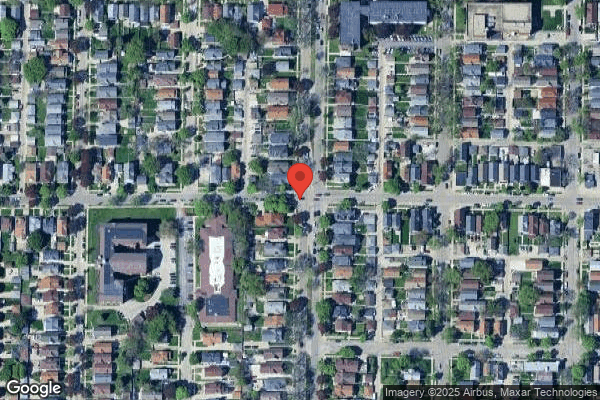
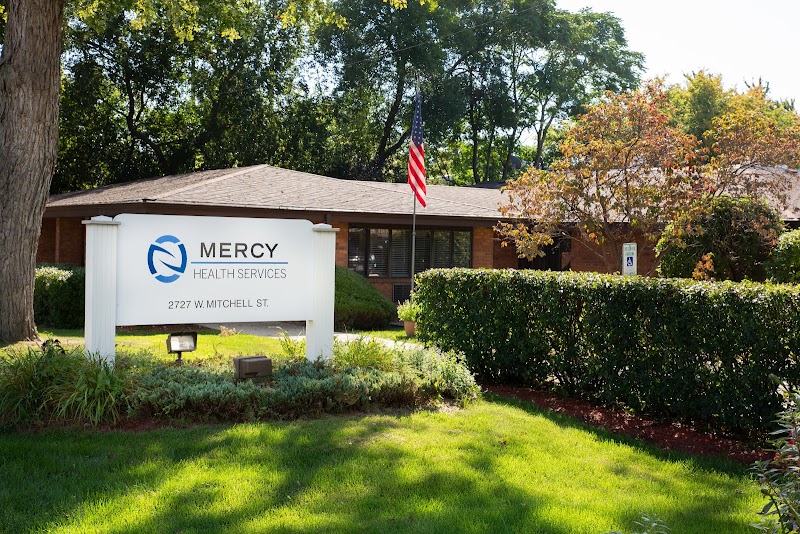
2727 W MITCHELL ST, MILWAUKEE, WI 53215 (414) 383-3699
For profit - Corporation 60 Beds NORTH SHORE HEALTHCARE Data: November 2025 1 Immediate Jeopardy citation
Trust Grade
13/100
#224 of 321 in WI
Last Inspection: May 2025

Inspected within the last 6 months. Data reflects current conditions.

Overview

Mercy Health Services has received a Trust Grade of F, indicating poor overall performance with significant concerns. They rank #224 out of 321 nursing homes in Wisconsin, placing them in the bottom half of facilities in the state, and #17 out of 32 in Milwaukee County, suggesting only a few local options are better. The facility is improving, having reduced critical issues from 15 in 2024 to just 3 in 2025. Staffing is a mixed bag, with a 3 out of 5 rating but a concerning turnover rate of 64%, significantly higher than the state average of 47%. However, the facility has accumulated fines totaling $63,259, which is higher than 81% of Wisconsin facilities, raising red flags about compliance issues. Specific incidents have raised serious concerns, such as inadequate infection control measures during a COVID-19 outbreak, resulting in 24 residents testing positive. Additionally, two residents were not provided the necessary supervision and assistance to prevent falls, leading to serious injuries, including fractures. While there are some strengths, such as an average level of RN coverage, these serious issues indicate that families should proceed with caution when considering this facility for loved ones.

Trust Score
F
13/100
In Wisconsin
#224/321
Bottom 31%
Safety Record
High Risk
Review needed
Inspections
Getting Better
15 → 3 violations
Staff Stability
⚠ Watch
64% turnover. Above average. Higher turnover means staff may not know residents' routines.
Penalties
✓ Good
$63,259 in fines. Lower than most Wisconsin facilities. Relatively clean record.
Skilled Nurses
✓ Good
Each resident gets 55 minutes of Registered Nurse (RN) attention daily — more than average for Wisconsin. RNs are trained to catch health problems early.
Violations
⚠ Watch
32 deficiencies on record. Higher than average. Multiple issues found across inspections.
★★☆☆☆
2.0
Overall Rating
★★★☆☆
3.0
Staff Levels
★★☆☆☆
2.0
Care Quality
★★☆☆☆
2.0
Inspection Score
Stable
2024: 15 issues
2025: 3 issues

The Good

  • Full Sprinkler Coverage · Fire safety systems throughout facility
  • No fines on record

Facility shows strength in fire safety.

The Bad

2-Star Overall Rating

Below Wisconsin average (3.0)

Below average - review inspection findings carefully

Staff Turnover: 64%

18pts above Wisconsin avg (46%)

Frequent staff changes - ask about care continuity

Federal Fines: $63,259

Above median ($33,413)

Moderate penalties - review what triggered them

Chain: NORTH SHORE HEALTHCARE

Part of a multi-facility chain

Ask about local staffing decisions and management

Staff turnover is elevated (64%)

16 points above Wisconsin average of 48%

The Ugly 32 deficiencies on record

1 life-threatening 2 actual harm
May 2025 3 deficiencies
CONCERN (D) 📢 Someone Reported This

A family member, employee, or ombudsman was alarmed enough to file a formal complaint

Potential for Harm - no one hurt, but risky conditions existed

Deficiency F0757 (Tag F0757)

Could have caused harm · This affected 1 resident

**NOTE- TERMS IN BRACKETS HAVE BEEN EDITED TO PROTECT CONFIDENTIALITY** 2.) R5 was admitted to the facility on [DATE] with diagnosis that included Dementia with Behavioral Disturbance, Schizophrenia a...

Read full inspector narrative →
**NOTE- TERMS IN BRACKETS HAVE BEEN EDITED TO PROTECT CONFIDENTIALITY** 2.) R5 was admitted to the facility on [DATE] with diagnosis that included Dementia with Behavioral Disturbance, Schizophrenia and Anxiety. On 5/19/25, R5's physician orders were reviewed and documented R5 was on the medication olanzaphine (antipsychotic) for Schizophrenia since 6/21/23 and Seroquel (antipsychotic) since 5/19/23 for Schizophrenia. On 5/19/24, R5's Abnormal Involuntary Movement Assessment (AIMS) dated 1/2/25 was reviewed and indicated a score of 3 due to irregular movements in her upper extremities. The scoring section documented a score of 3 in only one body area requires a referral for a complete neurological exam. On 5/19/24, R5's medical record was reviewed and no neurological exam was found from 1/2/25 to present. On 5/20/25, at 12:03 PM, [NAME] President of Success-D was interviewed and indicated R5 should have had a referral for neurological exam after her score of 3 on the AIMS on 1/2/25 and this was not completed. On 5/20/25, at 3:00 PM, the above findings were shared with Nursing Home Administrator-A and Director of Nurses-B. Additional information was requested if available. None was provided as to why R5 was not referred for a complete neurological exam after her AIMS score of 3 on 1/2/25. Based on interview and record review the facility did not ensure adequate monitoring for unnecessary medications for 2 (R26 and R5) of 2 residents requiring neurological testing related to Abnormal Involuntary Movement Scale (AIMS). * R26 had an AIMS assessment score requiring a referral for a complete neurological exam, was not followed through. * R5 had an AIMS assessment score requiring a referral for a complete neurological exam, was not followed through. Findings: R26 was admitted to the facility on [DATE] with diagnoses which include, dementia (the loss of cognitive function, including memory, thinking, and reasoning, that interferes with daily life), Schizophrenia (a chronic mental disorder that affects how a person thinks, feels, and behaves), Anxiety (an emotional state characterized by feelings of unease, worry, or fear, often related to anticipated danger or misfortune) and Bipolar Disorder (a mental health condition characterized by extreme mood swings between periods of high energy and productivity (mania or hypomania) and periods of low energy and depression). R26's most recent, Quarterly Minimum Data Set (MDS), dated [DATE], documents R26 is able to understand and be understood, with a Brief Interview for Mental Status (BIMS) score of 13 indicating R26 is cognitively intact, R26 does not exhibit any behavior concerns or rejection of care, has impairment in upper extremities (Shoulder, elbow, wrist, hand) range of motion on both sides, dependent on staff for upper and lower body dressing. Surveyor reviewed R26's Electronic Health Record and noted R19 had an AIMS assessment completed on 03/24/2025, documenting a score of 5. Surveyor reviewed the Facility provided document, titled AIMS- Abnormal Involuntary Movement NSHC (National Health Service Corps) for R19. Surveyor noted, G. SCORING .1. No single score exceeding 1 (in items 1 to 10), LOW RISK OF MOVEMENT DISORDER. 2. A score of 2 in only one of the 7 body areas (items 1 to 7), BOARDERLINE, OBSERVE CLOSELY. 3. A score of 2 in 2 or more of the 7 body areas (items 1 to 7), REFERRAL FOR NEUROLOGICAL EXAM. 4. A score of 3 or 4 in only one of the 7 body areas (items 1 to 7), REFERRAL FOR COMPLETE NEUROLOGICAL EXAM. On 05/20/2025, at 08:55 AM, Surveyor interviewed [NAME] President (VP) of Success- D regarding R26's AIMS. VP of Success-D indicated that VP of Success-D will do more digging, and the only neurological exam that was preformed for R26 was during full head to toe at the hospital. VP of Success-D indicated R26 was readmitted to the facility on [DATE] and that is when the AIMS assessment was conducted. On 05/20/2025, at 09:30 AM, Surveyor interviewed Registered Nurse (RN)-J. RN-J indicated nurses do the AIMS assessments for residents receiving psychotropic medications. Surveyor asked RN-J by looking at R26's AIMS dated 03/24/2025, what would the nurse do. RN-J indicated with a score of 5- refer for complete assessment, need to be evaluated more closely and notify the physician. On 05/20/2025, at 11:22 AM, Surveyor interviewed Director of Nursing (DON)-B regarding R26's AIMS conducted on 03/24/2025. DON-B indicated that triggers every quarter and the nurse on days or PM is supposed to complete them but sometimes DON-B will complete the AIMS. For the AIMS dated 03/24/2025, DON-B indicated she would expect nurses to put in a note, notify the provider and management. DON-B informed Surveyor DON-B started re-education beginning today. On 05/21/2025, at 01:24 PM, Surveyor informed the Facility of the above concerns. No further information was provided at time of write up.
CONCERN (D)

Potential for Harm - no one hurt, but risky conditions existed

Deficiency F0805 (Tag F0805)

Could have caused harm · This affected 1 resident

Based on observation, record review and staff interviews, the facility did not ensure food was mechanically altered per provided recipe for 3 (R1, R11 & R19) of 3 sampled residents with puree textured...

Read full inspector narrative →
Based on observation, record review and staff interviews, the facility did not ensure food was mechanically altered per provided recipe for 3 (R1, R11 & R19) of 3 sampled residents with puree textured diet orders. On 5/19/25, Surveyor observed Dietary Aide-M not preparing pureed breakfast sausage links according to a recipe to provide the highest level of nutrition to residents receiving a puree diet. Findings include: On 5/19/25 at 7:22 AM, Surveyor began a continuous observation of kitchen breakfast food preparation and service. Surveyor observed Dietary Aide-M preparing breakfast sausage link puree. Surveyor noted the kitchen's robot coupe (a blending device for preparing pureed foods) contained approximately 25 breakfast sausage links. Surveyor asked Dietary Aide-M how many portions of puree breakfast sausage they would be preparing. Dietary Aide-M responded There should be six. Dietary Manager-N who was observing Dietary Aide-M then told Surveyor they actually believe there are 3 or 4 residents who are receiving a puree diet at this time. Surveyor observed preparation of the breakfast sausage link puree. Surveyor observed Dietary Aide-M pouring 3 unmeasured spoonfuls of thickening powder to the robot coupe and an unmeasured amount of boiling water to the breakfast sausage mixture which they pureed at this time. On 5/19/25 at 8:35 AM, Surveyor completed observations of dining room breakfast service and requested facility menus and puree recipe for breakfast sausage links from Dietary Manager-N. Dietary Manager-N told Surveyor they would print out the menus and recipes for Surveyor to review. On 5/19/25 at 9:12 AM, Surveyor returned to the facility's kitchen to observe dishwashing service. At 5/19/25 at 9:28 AM, Surveyor followed up with Dietary Manager-N to request the puree recipe for breakfast sausage links for a second time. On 5/19/25 at 9:35 AM, Dietary Aide-M approached Surveyor. Dietary Aide-M told Surveyor they had meant to add gravy to the breakfast sausage puree this morning and had forgotten to add the gravy to the recipe instead of boiling water to make the breakfast sausage puree more nutritious. On 5/19/25 at 10:05 AM, Dietary Manager-N provided Surveyor with a recipe for pureed breakfast sausage patties. On 5/19/25 at 10:35 AM, Surveyor spoke to [NAME] President (VP) of Success-D to request the proper puree recipe for breakfast sausage links in lieu of puree breakfast sausage patties. On 5/19/2025 3:55 PM at the daily exit meeting, Surveyor was told by VP of Success-D that there was no current recipe in place for puree breakfast sausage links. On 5/21/2025 at 12:35 PM, Surveyor conducted interview with Director of Nursing (DON)-B, VP of Success-D and VP of Clinical-K. Surveyor shared concerns regarding the observations of Dietary Aide-M not following a recipe during preparation of the puree breakfast sausage links and adding unmeasured amounts of thickener and water that could impact the nutritive value of the puree food. Surveyor also voiced concerns related to dietary staff not having awareness of how many portions of puree to prepare for residents who are in need of a puree diet. VP of Success-D confirmed with Surveyor that as of the start of the recertification and complaint survey on 5/18/25 that there were 3 residents at the facility that required a puree diet. No additional information was shared by the facility at this time.
CONCERN (E)

Potential for Harm - no one hurt, but risky conditions existed

Deficiency F0628 (Tag F0628)

Could have caused harm · This affected multiple residents

**NOTE- TERMS IN BRACKETS HAVE BEEN EDITED TO PROTECT CONFIDENTIALITY** 3) Surveyor reviewed R2's medical record. On 12/16/24 the nurses note indicate R2 had a change of condition and experiencing che...

Read full inspector narrative →
**NOTE- TERMS IN BRACKETS HAVE BEEN EDITED TO PROTECT CONFIDENTIALITY** 3) Surveyor reviewed R2's medical record. On 12/16/24 the nurses note indicate R2 had a change of condition and experiencing chest pain and shortness of breath. R2 was sent to the hospital with an admitting diagnoses of exacerbation CHF (congestive heart failure) and UTI (urinary tract infection). On 5/19/25 during the daily exit meeting with DON (director or nursing)-B and NHA (nursing home administrator)-A, Surveyor asked for the transfer and bed hold notice for R2's hospitalization on 12/16/24. On 5/20/25, at 12:00 p.m., VP (Vice President) of Success D explain to Surveyor they have no bed hold and transfer notice for any resident. 4) Surveyor reviewed R10's medical record. On 2/24/25 R10's medical record documents: was experiencing seizures and was sent to the hospital. R10 was admitted for seizures. On 5/19/25 during the daily exit meeting with DON-B and NHA-A, Surveyor asked for the transfer and bed hold notice for R10 hospitalization on 2/24/25. On 5/20/25, at 12:00 p.m., VP of Success D explain to Surveyor they have no bed hold and transfer notice for any resident. 5) Surveyor reviewed R15's medical record. On 2/19/25 R15 was experiencing a change in altered mental status and was sent to the hospital. R15 was admitted for altered mental status. On 5/19/25 during the daily exit meeting with DON-B and NHA-A, Surveyor asked for the transfer and bed hold notice for R15 hospitalization on 2/19/25. On 5/20/25, at 12:00 p.m., VP of Success D explain to Surveyor they have no bed hold and transfer notice for any resident. 6) Surveyor reviewed R22's medical record. On 4/10/25 R22 was vomiting coffee brown emesis and was sent to the hospital. R22 was admitted due to vomiting coffee brown emesis. On 5/5/25 R22 was experiencing a change in altered mental status. R22 was admitted to the hospital. On 5/19/25 during the daily exit meeting with DON-B and NHA-A, Surveyor asked for the transfer and bed hold notice for R22 hospitalization on 4/10/25 and 5/5/25. On 5/20/25, at 12:00 p.m., VP of Success D explain to Surveyor they have no bed hold and transfer notice for any resident Based on staff and resident interview and record review, the facility did not ensure 9 resident's (R4, R5, R2, R10, R15, R22, R26, R31 and R233) of 9 resident's reviewed for hospitalization received the proper notice of transfer, reason for transfer, location of transfer, appeal rights, and name and address (mailing and email) with telephone number of the Office of the State Long-Term Care Ombudsman. In addition, the facility did not ensure R4, R5, R2, R10, R15, R22, R26, R31, R233 and/or their representative received written information on the duration of the bed hold policy, the reserve bed payment policy, and the right to return to the facility. *R2 was transferred to the hospital on [DATE] and a transfer and bed hold notice were not given to R2 and/or R2's representative. *R4 was transferred tot he hospital on 1/26/25 and a transfer and bed hold notice were not given to R4 and/or R4's representative. *R5 was transferred to the hospital on 2/1/25 and a transfer and bed hold notice were not given to R5 and/or R5's representative. *R10 was transferred to the hospital on 2/24/25 and a transfer and bed hold notice were not given to R10 and/or R10's representative. *R15 was transferred to the hospital on 2/19/25 and a transfer and bed hold notice were not given to R15 and/or R15's representative. *R22 was transferred to the hospital on 4/10/25 and 5/5/25 and a transfer and bed hold notice were not given to R22 and/or R22's representative. *R26 was transferred to the hospital on 3/20/25 and a transfer and bed hold notice were not given to R26 and/or R26's representative. *R31 was transferred to the hospital on 4/23/25 and a transfer and bed hold notice were not given to R31 and/or R31's representative. *R233 was transferred to the hospital on 2/17/25 and a transfer and bed hold notice were not given to R233 and/or R233's representative. Findings include: On 5/20/25 at 12:11 PM, [NAME] President of Success-D was interviewed and indicated the business manager was doing the bed hold and transfer notices and went on leave and it fell by the wayside and wasn't being done. [NAME] President of Success-D indicated R2, R4, R5, R10, R15, R22, R26, R31, R233 and/or their representative did not receive transfer/bed hold notices for the above hospitalizations. On 5/20/25, the facilities policy titled Bed Hold Notice dated 4/23/25 was reviewed and documented: It is the policy of this facility to provide written information to the resident and/or the resident representative regarding bed hold practices at the time of a transfer of hospitalization. The facility will keep a signed and dated copy of the bed hold notice information given to the resident and/or resident representative in the resident's file and/or medical record. On 5/20/25, the facilities policy titled Transfer and Discharge dated 7/15/22 was reviewed and documented: Provide transfer notice as soon as practicable to resident and representative. 1.) On 5/20/25, the Surveyor reviewed R4's medical record and it indicated R4 was transferred to the hospital on 1/26/25. R4's medical record did not include documentation that a transfer notice had been given to the resident and/or their representative for the hospitalization. On 5/20/25 at 3:00 PM, the above findings were shared with Nursig Home Administrator-A and Director of Nurses-B. Additional information was requested if available. None was provided as to why a transfer and bed hold notice were not given to R4 and/or their representative for their hospitalization on 1/26/25. 2.) On 5/20/25, the Surveyor reviewed R5's medical record and it indicated R5 was transferred to the hospital on 2/1/25. R4's medical record did not include documentation that a transfer notice had been given to the resident and/or their representative for the hospitalization. On 5/20/25 at 3:00 PM, the above findings were shared with Nursing Home Administrator-A and Director of Nurses-B. Additional information was requested if available. None was provided as to why a transfer and bed hold notice were not given to R4 and/or their representative for their hospitalization on 2/1/25. 9) R233 was admitted to the facility on [DATE]. Surveyor reviewed R233's Electronic Medical Record (EMR) and noted R233 was hospitalized on [DATE]. R233 has not returned to the facility. On 5/20/25, at 3:35 PM, during the daily exit meeting with the facility, Surveyor requested the bed hold and transfer notice from R233's discharge to the hospital from [NAME] President (VP) of Success-D. On 05/21/2025, at 10:35 AM, VP of Success-D informed Surveyor there is no bed hold or transfer notice regarding R233's hospitalization on 2/17/25. No additional information was provided by the facility at this time. 7) R26 was admitted to the facility on [DATE]. Surveyor reviewed R26's Electronic Health Record and noted R26 was transferred to the hospital on [DATE] and returned to the facility on [DATE]. Surveyor requested the bed hold and transfer notice from R26's transfer to the hospital. On 05/20/2025, at 09:07 AM, [NAME] President (VP) of Success-D informed Surveyor there is no bed hold notice for R26 in March and the transfer notice is part of bed hold. 8) R31 was admitted to the facility on [DATE]. Surveyor reviewed R31's Electronic Health Record and noted R26 was transferred to the hospital on [DATE] and returned to the facility on [DATE]. On 05/19/2025, at 03:12 PM, VP of Clinical-K could not find bed hold/transfer notice for R31 for the 4/23/2025 transfer to the hospital. On 05/20/2025, at 12:00 PM, VP of Success-D informed Surveyor the Business Office Manager was responsible for the bed hold/transfer notifications, but the Facility will now go back to nurses doing them, to ensure they are to be done in real time. On 05/21/2025, at 01:24 PM, Surveyor informed the Facility of the above concerns. No further information was provided at time of write up.
Sept 2024 3 deficiencies
CONCERN (D) 📢 Someone Reported This

A family member, employee, or ombudsman was alarmed enough to file a formal complaint

Potential for Harm - no one hurt, but risky conditions existed

Safe Environment (Tag F0584)

Could have caused harm · This affected 1 resident

**NOTE- TERMS IN BRACKETS HAVE BEEN EDITED TO PROTECT CONFIDENTIALITY** Based on interview, record review, and facility policy review, the facility failed to exercise reasonable care for the protectio...

Read full inspector narrative →
**NOTE- TERMS IN BRACKETS HAVE BEEN EDITED TO PROTECT CONFIDENTIALITY** Based on interview, record review, and facility policy review, the facility failed to exercise reasonable care for the protection of personal items for one of one sampled resident (Resident (R) 3) reviewed for protection of personal property out of a total sample of 11 residents. Specifically, when R3 was discharged from his five-day respite stay, the facility was unable to provide him with all of the personal items he had admitted to the facility with. This failure has the potential to cause undue stress and expense to the family and/or resident. Findings include: Review of the Resident Rights policy, revised 07/2022, revealed, . The resident has the right to retain and use personal possessions, including furnishings and clothing, as space permits . Review of R3's admission Record, located in the electronic medical record (EMR) under the Profile tab, revealed R3 was admitted to the facility on [DATE] for a five-day respite state. R3 had a diagnosis of Alzheimer's disease. Review of R3's discharge Minimum Data Set (MDS), with an Assessment Reference Date (ARD) of 08/20/24, located in the EMR under the MDS tab, revealed R3 had a Brief Interview for Mental Status (BIMS) score of 2/15, which indicated the resident was severely cognitively impaired. Review of the Grievance/Complaint Report. provided by the facility and dated 09/06/24, revealed R3's family member had contacted the Administrator regarding R3's personal belongings of clothing and a back scratchier. During an interview on 09/18/24 at 12:45 PM, R3's family member said when she brought R3 home, the facility did not give her all of his clothes that he had admitted with. She said after she brought him home, she called the Administrator to report her concerns. She said she did receive a few of his items in the mail but received clothing that belonged to another resident because their name was written on the collar. During an interview on 09/19/24 at 7:30 PM, Certified Nurse Aide (CNA) 1, CNA2 and CNA3 said whenever they assist a resident with their discharge, they use the inventory sheet to compare what personal items the resident had when they admitted and what personal items the resident leaves with to ensure they have all of their personal items. All agreed this was very important because residents' items are important to the residents. During an interview on 09/19/24 at 8:15 PM, the Administrator said that when R3 discharged on 08/20/24, facility staff were unable to give him all clothes he had admitted with. She said after hearing from R3's family regarding the missing clothes, she sent the family some of his additional clothing via certified mail. The Administrator said they had not been able to provide everything to R3 at that time. During the survey, the Administrator said she had found more of R3's additional items and would contact the family to determine what else was missing and what the facility could purchase to ensure R3 had everything he had admitted with.
CONCERN (D) 📢 Someone Reported This

A family member, employee, or ombudsman was alarmed enough to file a formal complaint

Potential for Harm - no one hurt, but risky conditions existed

Pharmacy Services (Tag F0755)

Could have caused harm · This affected 1 resident

**NOTE- TERMS IN BRACKETS HAVE BEEN EDITED TO PROTECT CONFIDENTIALITY** Based on interview, record review, and policy review, the facility failed to clarify a physician's order for as needed (PRN) lor...

Read full inspector narrative →
**NOTE- TERMS IN BRACKETS HAVE BEEN EDITED TO PROTECT CONFIDENTIALITY** Based on interview, record review, and policy review, the facility failed to clarify a physician's order for as needed (PRN) lorazepam (Ativan, a controlled anti-anxiety medication) for one of 11 sampled resident (Resident (R) 3) reviewed for medication administration out of a total sample of 11. Specifically, the failure to clarify the order caused confusion in medication administration for R3. Findings include: Review of the facility provided policy titled, Medication Orders Controlled Substance Medication Orders, dated 01/2023, revealed . Dosage form . Time and frequency of administration . Elements of a valid controlled substance prescription PRN (as needed) orders clearly delineate the condition for which they are being administered . Review of R3's admission Record, located in the electronic medical record (EMR) under the Profile tab, revealed R3 was admitted to the facility on [DATE] for a five-day respite stay. R3 had a diagnosis of Alzheimer's disease. Review of R3's discharge Minimum Data Set (MDS), with an Assessment Reference Date (ARD) of 08/20/24 and located in the EMR under the MDS tab, revealed R3 had a Brief Interview for Mental Status (BIMS) score of 2/15, which indicated the resident was severely cognitively impaired. Per the MDS, the resident exhibited delusions during the assessment period. Review of R3's Medication Administration Record (MAR), located in the EMR under the Orders tab, revealed R3 had an order for lorazepam oral tablet 0.5mg (milligrams), one tablet by mouth every four hours as needed for anxiety or restlessness with a start date of 08/15/24. Review of R3's Medication Administration Record (MAR), located in the EMR under the Orders tab, revealed R3 also had an order for lorazepam oral tablet 0.5mg (milligrams), two tablets by mouth every four hours as needed for anxiety or restlessness. It was recorded, If 1 (one) tab is ineffective second tab can be administered two hours before next dose. During an interview on 09/18/24 at 5:22 PM, the Director of Nursing (DON) stated R3's family member had contacted the facility regarding the amount of lorazepam R3 had received during his stay, and when the facility began an investigation into the concern, they had identified the orders for the lorazepam were confusing. The DON stated the order should have been clarified upon R3's admission. She said she and the Assistant Director of Nursing (ADON) had received education, and she had sent a text to all nurses with the guidance. During an interview on 09/19/24 at 9:18 AM, the Regional Nurse Consultant (RNC) confirmed the order should have been clarified upon R3's admission. The RNC said she had provided the DON and the ADON with education on 09/06/24, when they started their investigation, regarding the importance of clarifying Range Orders and a Standard Dose Order should be obtained.
CONCERN (E) 📢 Someone Reported This

A family member, employee, or ombudsman was alarmed enough to file a formal complaint

Potential for Harm - no one hurt, but risky conditions existed

Investigate Abuse (Tag F0610)

Could have caused harm · This affected multiple residents

**NOTE- TERMS IN BRACKETS HAVE BEEN EDITED TO PROTECT CONFIDENTIALITY** Based on interview, record review, and policy review, the facility failed to investigate a potential misappropriation of medicat...

Read full inspector narrative →
**NOTE- TERMS IN BRACKETS HAVE BEEN EDITED TO PROTECT CONFIDENTIALITY** Based on interview, record review, and policy review, the facility failed to investigate a potential misappropriation of medication for one of one resident (Resident (R) 3) reviewed for misappropriation of medication out of total sample of 11. Specifically, the failure to ensure misappropriation had not occurred, had the potential to allow one nurse to continue to pass medications to residents for an indefinite period. Findings include: Review of the facility provided policy titled, Medication Administration General Guidelines, dated 01/2024, revealed . Medications are to be administered at the time they are prepared . The individual who administered the medication dose records the administration on the resident's MAR (Medication Administration Record) immediately following the medication being given. In no case should the individual who administered the medication report off-duty without first recording the administration of any medications . Review of the facility provided policy titled, Abuse, Neglect and Exploitation, dated 07/15/22, revealed an immediate investigation is warranted when allegations or suspicion of abuse . occur . Providing complete and thorough documentation of the investigation . Review of R3's admission Record, located in the electronic medical record (EMR) under the Profile tab, revealed R3 was admitted to the facility on [DATE] for a five-day respite stay. R3 had a diagnosis of Alzheimer's disease. Review of R3's discharge Minimum Data Set (MDS), with an Assessment Reference Date (ARD) of 08/20/24 and located in the EMR under the MDS tab, revealed R3 had a Brief Interview for Mental Status (BIMS) score of 2/15, which indicated the resident was severely cognitively impaired. Per the MDS, the resident exhibited delusions during the assessment period. Review of R3's Medication Administration Record (MAR), located in the EMR under the Orders tab, revealed R3 had an order for Lorazepam (also known as Ativan, an anti-anxiety medication) oral tablet 0.5mg (milligrams), one tablet by mouth every four hours as needed for anxiety or restlessness with a start date of 08/15/24. R3 received one tablet of the medication on 08/15/24 at 10:42 PM, 08/16/24 at 12:29 AM, 3:45 AM and 12:22 PM, and 08/17/24 at 8:14 PM. Review of R3's Medication Administration Record (MAR), located in the EMR under the Orders tab, revealed R3 also had an order for Lorazepam oral tablet 0.5mg (milligrams), two tablets by mouth every four hours as needed for anxiety or restlessness If 1 (one) tab is ineffective second tab can be administered two hours before next dose. R3 received two tablets on 08/16/24 at 8:19 AM, 08/17/24 at 8:12 PM, 08/18/24 at 9:06 PM, 08/19/24 at 7:48 AM and 8:28 PM, and 08/20/24 at 8:31 AM. Review of the Resident Controlled Substance Record, revealed on 08/18/24 seven Lorazepam were signed out, however, according to the MAR and the Progress Notes, only four tablets were given. Review of the Progress Notes under the Progress Notes tab revealed R3 received four 0.5mg tablet of Lorazepam on 08/18/24. The Resident Controlled Substance Record, the Progress Notes and the MAR revealed seven Lorazepam were signed out on 08/18/24, but only four were documented on the MAR as being administered to R3. During an interview on 09/18/24 at 5:22 PM, the Director of Nursing (DON) said they had begun their investigation 09/06/24 when R3's family member contacted the facility concerned about how much medication R3 received during his five-day respite stay. The DON confirmed Registered Nurse (RN) 1, who administered the medication on 08/17/24, 08/18/24 and 08/19/24 did not document in the MAR on 08/18/24 that the Lorazepam had been administered to the resident. She said the nurse had documented on the Resident Controlled Substance Record that she had removed three 0.5mg Ativan on 08/18/24 and two 0.5mg Ativan on 08/19/24. The DON said when they completed the investigation, they were investigating whether the resident had received too much Ativan. The DON stated they did not investigate whether the medication had been misappropriated. The DON said RN1 received education to ensure administered medication was documented on the MAR. She said RN1 did not receive education until 09/16/24, 10 days after the investigation started, because that was the first day they had worked together. RN1 worked four shifts prior to education. During an interview on 09/19/24 at 9:18 AM, the Regional Nurse Consultant (RNC) confirmed Registered Nurse (RN) 1, who administered the medication on 08/17/24, 08/18/24 and 08/19/24 did not document in the MAR on 08/18/24 that the Lorazepam had been administered to R3. The RNC said it had never occurred to her that the medication had been misappropriated, just that RN1 had not documented. During an interview on 09/19/24 at 5:51 PM, the Assistant Director of Nursing (ADON) said when a narcotic was administered, it was important to sign the medication out in the Resident Controlled Substance Record and the MAR at the same time. He said that if it was only documented in the Resident Controlled Substance Record and not in the MAR, he would contact the nurse for the previous shift to verify whether the medication had been administered to avoid a double dose, which could increase sedation and risk of falls for the resident.
Aug 2024 2 deficiencies
CONCERN (D) 📢 Someone Reported This

A family member, employee, or ombudsman was alarmed enough to file a formal complaint

Potential for Harm - no one hurt, but risky conditions existed

Report Alleged Abuse (Tag F0609)

Could have caused harm · This affected 1 resident

**NOTE- TERMS IN BRACKETS HAVE BEEN EDITED TO PROTECT CONFIDENTIALITY** Based on record review and staff interview, the facility did not ensure that 1 allegation of a Resident to Resident altercation ...

Read full inspector narrative →
**NOTE- TERMS IN BRACKETS HAVE BEEN EDITED TO PROTECT CONFIDENTIALITY** Based on record review and staff interview, the facility did not ensure that 1 allegation of a Resident to Resident altercation involving 2 Residents (R2 and R9) was reported immediately to the State Survey Agency. * On 7/14/24, R2 received a closed fist hit to the left forearm resulting in a bruise which was not reported to the State Survey Agency. Findings Include: The facility's policy Abuse, Neglect, and Exploitation policy and procedure implemented 3/2018 and last reviewed/revised on 7/15/2022 documents: Policy: It is the policy of this facility to provide protections for the health, welfare and rights of each Resident by developing and implementing written policies and procedures that prohibit and prevent abuse, neglect, exploitation and misappropriation of Resident property. V. Investigation of Alleged Abuse, Neglect and Exploitation A. An immediate investigation is warranted when allegation or suspicion of abuse, neglect or exploitation, or reports of abuse, neglect or exploitation occur. B. Written procedures investigations include: 1. Identifying staff responsible for the investigation 3. Investigating different types of alleged violations 4. Identifying and interviewing all involved persons, including the alleged victim, alleged perpetrator, witnesses, and others who might have knowledge of the allegation(s) 5. Focusing the investigation on determining if abuse, neglect, exploitation, and/or mistreatment has occurred, the extent, and cause 6. Providing complete and thorough documentation of the investigation VII. Reporting Response A. The facility will have written procedures that include: 1. Reporting of all alleged violations to the Administrator, state agency, adult protective services and to all other required agencies within specified timeframes: a. Immediately, but not later than 2 hours after the allegation is made, if the events that cause the allegation involve abuse or result in serious bodily injury b. Not later than 24 hours if the events that cause the allegation do not involve abuse and do not result in serious bodily injury 4. Taking all necessary actions as a result if the investigation, which may include, but are not limited to, the following: a. Analyzing the occurrence(s) to determine why abuse, neglect, misappropriation of Resident property or exploitation occurred, and what changes may be needed to prevent further occurrences b. Defining whether care provision should be changed and/or improved to protect Residents receiving services c. Training of staff on changes made and demonstration of staff competency after training is implemented d. Identification of staff responsible for implementation of corrective actions e. The expected date for implementation f. Identification of staff responsible for monitoring the implementation of the plan B. The Administrator will follow up with government agencies to report the results of the investigation when final within 5 working days of the incident, as required by state agencies. 1) R2 was admitted to the facility on [DATE] with diagnoses of Hemiplegia and Hemiparesis Following Cerebral Infarction Affecting Right Dominant Side, Generalized Idiopathic Epilepsy, Hypothyroidism, Anxiety, Major Depressive Disorder, Schizophrenia, and Pervasive Developmental Disorder. R2's Quarterly Minimum Data Set (MDS) completed on 5/4/24 documents that R2 has both short and long term memory impairment and demonstrates severely impaired skills for daily decision making. R2 has a Patient Health Questionnaire(PHQ-9) score of 0 and no behaviors are documented. R2 is dependent on staff for mobility, transfers, dressing, and toileting needs. R2's comprehensive care plan documents the following applicable focused problems with interventions: 1. Behavior monitoring due to anxiety, cognitive impairment, schizophrenia, history of verbal/physical agitation/aggression, yelling out, calling out, grabbing at others, hitting self and other Residents, lack of response to interventions/becomes combative/agitation, history of picking at skin and putting objects in mouth, history of taking food from other Resident, history of wandering and pacing. Initiated 10/3/19, Revised 7/9/24 -May be physically abusive-11/4/20 -May be verbally abusive-11/4/20 -Verbal/Physical Aggression-11/5/20 1. Provide consistent staff 2. Anticipate and meet needs in a timely manner 3. Provide music for R2 -Encourage R2 to propel wheelchair in areas where there is more personal space-7/9/24 2. Episodes of anxiety as evidenced by (yelling out, calling out, hitting at self) due to cognitive impairment, impaired communication, loss of control-11/4/20 -Target Behavior-calling out/yelling out, hitting at self-11/5/20 1. Provide reassurance 2. Provide comfort items 3. Provide music 4. Anticipate and meet needs in a timely manner -Target Behavior-throwing self on floor-11/5/20 1. Allow for R2 to sit in common areas with other Residents 2. Give positive praise 3. Provide R2 comfort with stuffed animals/music -Target Behavior-yelling out/calling out, grabbing at others-11/5/20 1. Family visits/calls 2. Address pain, toileting needs, and other caregiver needs in a timely manner 3. Keep hands occupied with stuffed animals 3. Vulnerability: R2 is a vulnerable adult and is at risk for potential abuse due to cognitive deficit, ability to communicate, inappropriate behavior, wandering-2/10/24 -Facility staff educated on reporting abuse-2/10/24 -Facility staff will follow facility policy and procedure-2/10/24 -Facility staff will observe for changes in mood, behavior, psychological needs and cognition-2/10/24 -Redirect from potentially dangerous situations-2/10/24 -Redirect when around others that disturb me or that I disturb-2/10/24 -R2 will be free of retaliation if alleged abuse is reported-2/10/24 2) R9 was admitted to the facility on [DATE] with diagnoses of Hemiplegia and Hemiparesis Following Cerebral Infarction Affecting Left On-Dominant Side, Dyspagia, Chronic Obstructive Pulmonary Disease, Adult Failure to Thrive, Chronic Systolic Heart Failure, and Dementia. Surveyor noted that that R9's comprehensive care plan was not updated with interventions after the Resident to Resident altercation on 7/14/24. On 7/14/24 at 10:48 AM, Licensed Practical Nurse (LPN)-C documented: R2 received aggression(closed fist hit) to the right forearm by another Resident. No apparent injury noted at this time. Residents immediately separated. Notifications to Director of Nursing (DON)-B, physician, HCPOA, and caseworker. On 7/14/24 at 10:51 AM, LPN-C documented: The current status is Resident to Resident altercation. Monitor right forearm for bruising entered. On 7/15/24 at 2:43 AM, Registered Nurse (RN)-D documented: Current status is R2 remains on 24 hour board for peer-to-peer incident that leg to a bruise right forearm. R2 is resting in bed with eyes closed and doesn't appear to be in any pain or discomfort. Right forearm bruise is more in AC area which is pinkish in color. R2 can move right forearm without any limitations. On 7/15/24 at 2:52 AM, RN-D documented: Current status is R9 remains on 24 hour board for peer to peer behavioral incident. On 7/15/24 at 6:49 AM, LPN-E documented: Current status is peer to peer altercation. Bruise to left forearm continue to resolve. On 7/15/24 at 10:50 AM, LPN-C documented: Correction: Bruise is to the left forearm. On 7/16/24 at 10:55 AM, LPN-C documented: The current status is Post Resident to Resident: R2 sustained a left forearm bruise. Bruise remains no signs/symptoms of bleeding/infection. No signs/symptoms of pain/discomfort. On 7/16/24 at 12:47 AM, DON-B documented: Bruise/redness to the left forearm is resolved. All parties of the care team and HCPOA notified. On 7/18/24 at 11:25 AM, LPN-C documented: Current status is post new left forearm bruise. Bruise has no signs/symptoms of bleeding/infection. Nursing staff continue to monitor behaviors. Surveyor noted R9's nursing progress notes located in R9's medical record document that R9 is being monitored for aggressive behavior due to Resident to Resident altercation. On 8/1/24 at 3:01 PM, DON-B informed Surveyor that the team did not feel R9 hitting R2 with a closed fist was an intent to harm R2. DON-B explained that R2 can get very loud, vocal, and gets too close to other Residents. Surveyor shared the concern that this altercation was not submitted to the State Survey Agency within the required reporting time frame. No further information was provided by the facility at this time. On 8/5/24 at 11:37 AM, Surveyor again shared the concern that R2's progress notes contain documentation that R2 was hit with a closed fist by R9 resulting in a bruise to the left forearm. DON-B stated, the team did not feel there was intent and there actually was no bruise on R2. Surveyor informed DON-B that R2's progress notes document R2 had a bruise and was being monitored for the bruise. Surveyor shared that R9 was being monitored for aggressive behaviors. Surveyor asked to the facility if there is any additional information to provide that explained why the facility did not report this incident to the State Survey Agency within the required timeframes. No additional information was provided as to why the Resident to Resident altercation involving R2 and R9 was not reported immediately to the State Survey Agency.
CONCERN (D) 📢 Someone Reported This

A family member, employee, or ombudsman was alarmed enough to file a formal complaint

Potential for Harm - no one hurt, but risky conditions existed

Investigate Abuse (Tag F0610)

Could have caused harm · This affected 1 resident

**NOTE- TERMS IN BRACKETS HAVE BEEN EDITED TO PROTECT CONFIDENTIALITY** Based on record review and staff interview, the facility did not ensure that 2 allegations of Resident to Resident altercations ...

Read full inspector narrative →
**NOTE- TERMS IN BRACKETS HAVE BEEN EDITED TO PROTECT CONFIDENTIALITY** Based on record review and staff interview, the facility did not ensure that 2 allegations of Resident to Resident altercations involving 4 Residents(R2 and R3 and R2 and R9) were thoroughly investigated. *On 7/12/24 the facility submitted a Misconduct Incident Report describing an altercation of R2 scratching R3 on 7/5/24. The facility did not complete a thorough investigation including staff statements, other resident statements, and a root/cause analysis of the altercation. *On 7/14/24 the facility did not complete a thorough investigation of the altercation between R9 and R2. R9 hit R2 with a closed fist on the left forearm resulting in a bruise. The facility did not obtain staff statements, other resident statements, and a root/cause analysis of the altercation. Findings Include: The facility's policy Abuse, Neglect, and Exploitation policy and procedure dated as last reviewed/revised on 7/15/2022 documented: Policy: It is the policy of this facility to provide protections for the health, welfare and rights of each Resident by developing and implementing written policies and procedures that prohibit and prevent abuse, neglect, exploitation and misappropriation of Resident property. V. Investigation of Alleged Abuse, Neglect and Exploitation A. An immediate investigation is warranted when allegation or suspicion of abuse, neglect or exploitation, or reports of abuse, neglect or exploitation occur. B. Written procedures investigations include: 1. Identifying staff responsible for the investigation 3. Investigating different types of alleged violations 4. Identifying and interviewing all involved persons, including the alleged victim, alleged perpetrator, witnesses, and others who might have knowledge of the allegation(s) 5. Focusing the investigation on determining if abuse, neglect, exploitation, and/or mistreatment has occurred, the extent, and cause 6. Providing complete and thorough documentation of the investigation VII. Reporting Response A. The facility will have written procedures that include: 1. Reporting of all alleged violations to the Administrator, state agency, adult protective services and to all other required agencies within specified timeframes: a. Immediately, but not later than 2 hours after the allegation is made, if the events that cause the allegation involve abuse or result in serious bodily injury b. Not later than 24 hours if the events that cause the allegation do not involve abuse and do not result in serious bodily injury 4. Taking all necessary actions as a result if the investigation, which may include, but are not limited to, the following: a. Analyzing the occurrence(s) to determine why abuse, neglect, misappropriation of Resident property or exploitation occurred, and what changes may be needed to prevent further occurrences b. Defining whether care provision should be changed and/or improved to protect Residents receiving services c. Training of staff on changes made and demonstration of staff competency after training is implemented d. Identification of staff responsible for implementation of corrective actions e. The expected date for implementation f. Identification of staff responsible for monitoring the implementation of the plan B. The Administrator will follow up with government agencies to report the results of the investigation when final within 5 working days of the incident, as required by state agencies. 1) R2 was admitted to the facility on [DATE] with diagnoses of Hemiplegia and Hemiparesis Following Cerebral Infarction Affecting Right Dominant Side, Generalized Idiopathic Epilepsy, Hypothyroidism, Anxiety, Major Depressive Disorder, Schizophrenia, and Pervasive Developmental Disorder. R2's Quarterly Minimum Data Set (MDS) completed on 5/4/24 documented R2 has both short and long term memory impairment and demonstrates severely impaired skills for daily decision making. R2 has a Patient Health Questionnaire(PHQ-9) score of 0 and no behaviors are documented. R2 is dependent on staff for mobility, transfers, dressing, and toileting needs. R2's comprehensive care plan documented the following applicable focused problems with interventions: 1. Behavior monitoring due to anxiety, cognitive impairment, schizophrenia, history of verbal/physical agitation/aggression, yelling out, calling out, grabbing at others, hitting self and other Residents, lack of response to interventions/becomes combative/agitation, history of picking at skin and putting objects in mouth, history of taking food from other Resident, history of wandering and pacing. Initiated 10/3/19, Revised 7/9/24 -May be physically abusive-11/4/20 -May be verbally abusive-11/4/20 -Verbal/Physical Aggression-11/5/20 1. Provide consistent staff 2. Anticipate and meet needs in a timely manner 3. Provide music for R2 -Encourage R2 to propel wheelchair in areas where there is more personal space-7/9/24 2. Episodes of anxiety as evidenced by (yelling out, calling out, hitting at self) due to cognitive impairment, impaired communication, loss of control-11/4/20 -Target Behavior-calling out/yelling out, hitting at self-11/5/20 1. Provide reassurance 2. Provide comfort items 3. Provide music 4. Anticipate and meet needs in a timely manner -Target Behavior-throwing self on floor-11/5/20 1. Allow for R2 to sit in common areas with other Residents 2. Give positive praise 3. Provide R2 comfort with stuffed animals/music -Target Behavior-yelling out/calling out, grabbing at others-11/5/20 1. Family visits/calls 2. Address pain, toileting needs, and other caregiver needs in a timely manner 3. Keep hands occupied with stuffed animals 3. Vulnerability: R2 is a vulnerable adult and is at risk for potential abuse due to cognitive deficit, ability to communicate, inappropriate behavior, wandering-2/10/24 -Facility staff educated on reporting abuse-2/10/24 -Facility staff will follow facility policy and procedure-2/10/24 -Facility staff will observe for changes in mood, behavior, psychological needs and cognition-2/10/24 -Redirect from potentially dangerous situations-2/10/24 -Redirect when around others that disturb me or that I disturb-2/10/24 -R2 will be free of retaliation if alleged abuse is reported-2/10/24 2) R3 was admitted to the facility on [DATE] with diagnoses of Parkinsons Disease, Chronic Kidney Disease, Stage 3, Cardiomyopathy, Malignant Neoplasm of Liver, Dementia, and Bipolar. R3's Quarterly Minimum Data Set (MDS) completed on 7/15/24 documented R3 has a Brief Interview for Mental Status(BIMS) score of 9, which means R3 demonstrates moderately impaired skills for daily decision making. R3's MDS does not document any mood or behavior issues. R3 is dependent for mobility. transfers, and dressing. R3's comprehensive care plan documented: -R3 is at risk for changes in mood due to anxiety, depression, psychiatric illness, history of peer-to-peer altercation Initiated 11/8/23 Revised 7/17/24 -Vulnerability: R3 is a vulnerable adult and is at risk for potential abuse due to cognitive deficit-3/4/24 3) R9 was admitted to the facility on [DATE] with diagnoses of Hemiplegia and Hemiparesis Following Cerebral Infarction Affecting Left On-Dominant Side, Dyspagia, Chronic Obstructive Pulmonary Disease, Adult Failure to Thrive, Chronic Systolic Heart Failure, and Dementia. R9's Quarterly Minimum Data Set (MDS) completed on 5/3/24 documented R9 has a Brief Interview for Mental Status(BIMS) score of 9, which means R9 demonstrates moderately impaired skills for daily decision making. R9 has no mood issues and delusions is documented for R9. R9 is dependent for mobility, transfers, and dressing. Surveyor notes that R9's comprehensive care plan was not updated with interventions after the Resident to Resident altercation on 7/14/24. On 7/14/24 at 10:48 AM, Licensed Practical Nurse (LPN)-C documented R2 received aggression(closed fist hit) to the right forearm by another Resident. No apparent injury noted at this time. Residents immediately separated. Notifications to Director of Nursing (DON)-B, physician, HCPOA, and caseworker. On 7/14/24 at 10:51 AM, LPN-C documented the current status is Resident to Resident altercation. Monitor right forearm for bruising entered. On 7/15/24 at 2:43 AM, Registered Nurse (RN)-D documented current status is R2 remains on 24 hour board for peer-to-peer incident that leg to a bruise right forearm. R2 is resting in bed with eyes closed and doesn't appear to be in any pain or discomfort. Right forearm bruise is more in AC area which is pinkish in color. R2 can move right forearm without any limitations. On 7/15/24 at 2:52 AM, RN-D documented: Current status is R9 remains on 24 hour board for peer to peer behavioral incident. On 7/15/24 at 6:49 AM, LPN-E documented: Current status is peer to peer altercation. Bruise to left forearm continue to resolve. On 7/15/24 at 10:50 AM, LPN-C documented: Correction:bruise is to the left forearm. On 7/16/24 at 10:55 AM, LPN-C documented The current status is Post Resident to Resident: R2 sustained a left forearm bruise. Bruise remains no signs/symptoms of bleeding/infection. No signs/symptoms of pain/discomfort. On 7/16/24 at 12:47 AM, DON-B documented: Bruise/redness to the left forearm is resolved. All parties of the care team and HCPOA notified. On 7/18/24 at 11:25 AM, LPN-C documented: Current status is post new left forearm bruise. Bruise has no signs/symptoms of bleeding/infection. Nursing staff continue to monitor behaviors. Surveyor noted that R9's nursing progress notes located in R9's medical record document that R9 is being monitored for aggressive behavior due to Resident to Resident altercation. On 7/5/24 the facility submitted an Alleged Nursing Home Resident Mistreatment, Neglect, and Abuse Report to the State Survey Agency documenting R2 was observed reaching out and scratching R3 on the right forearm measuring 11x0.5x0.1. The facility submitted the Misconduct Incident Report on 7/12/24. The report was submitted along with 1 staff statement from the Social Worker (SW)-F who witnessed it. Education on how to recognize behaviors to help prevent incident from recurring was given to the staff. Surveyor noted the Misconduct Incident Report was missing a page. On 8/1/24 at 3:01 PM, DON-B informed Surveyor that the team did not feel R9 hitting R2 with a closed fist was an intent to harm. DON-B explained that R2 can get very loud, vocal, and gets too close to other Residents. Surveyor shared the concern that this altercation was not submitted to the State Survey Agency with-in the required reporting time-frame. No further information was provided by the facility at this time. Surveyor shared the concern that a thorough investigation was not completed with staff statements, Resident interviews, and a root/cause analysis completed for each of R2 peer to peer altercation with R3 and R9 peer to peer altercation with R2. No further information was provided at this time by the facility. On 8/5/24 at 11:37 AM, Surveyor again shared the concern that R2's progress notes contain documentation that R2 was hit with a closed fist by R9 resulting in a bruise to the left forearm. DON-B stated, the team did not feel there was intent and there actually was no bruise on R2. Surveyor shared R2's progress notes document R2 had a bruise and was being monitored for the bruise. Surveyor shared that R9 was being monitored for aggressive behaviors. Surveyor shared again the concern that R2 and R3's altercation investigation did not contain staff statements, Resident interviews, and a root/cause analysis was identified. Surveyor expressed to the facility if there is any additional information to provide it for Surveyor to review. No additional information was provided as to why the facility did not ensure that the two allegations of Resident to Resident altercations involving R2 and R3 and R2 and R9 were thoroughly investigated.
May 2024 1 deficiency 1 Harm
SERIOUS (G) 📢 Someone Reported This

A family member, employee, or ombudsman was alarmed enough to file a formal complaint

Actual Harm - a resident was hurt due to facility failures

Accident Prevention (Tag F0689)

A resident was harmed · This affected 1 resident

**NOTE- TERMS IN BRACKETS HAVE BEEN EDITED TO PROTECT CONFIDENTIALITY** Based on observation, interview, and record review the Facility did not ensure each Resident received adequate supervision and a...

Read full inspector narrative →
**NOTE- TERMS IN BRACKETS HAVE BEEN EDITED TO PROTECT CONFIDENTIALITY** Based on observation, interview, and record review the Facility did not ensure each Resident received adequate supervision and assistance devices to prevent accidents for 2 (R1 & R2) of 3 Residents reviewed for accidents. *R1 was assessed to require one-to-one staff supervision. R1 was left unattended and sustained a fall on 04/16/2024 that resulted in multiple fractures. Surveyor had observations of R1 not having fall prevention interventions in place of antiroll back equipment or a fall mat in place as documented in the care plan. *R2 was observed to not have current fall prevention interventions of auto lock brakes and Dycem in place. Findings include: The facility's policy titled:NSG (nursing) Accidents and Supervision with a last revision date of 07/04/2022, documents, . 3. Implementation of Interventions-Using specific interventions to try to reduce a resident's risks from hazards in the environment. The process includes: e. Ensuring that the interventions are put into action. 5. Supervision-supervision is an intervention and a means of mitigating accident risk. The facility will provide adequate supervision to prevent accidents. Adequacy of supervision: a. Defined by type and frequency b. Based on the individual resident's assessed needs and identified hazards in the resident environment. Surveyor reviewed the one-to-one training provided to staff for R1, titled 1:1 (one-to-one) Caregiver Basics which documents . Under no circumstance is the resident to be left unattended (unless otherwise specified in the care plan). Even if the resident is sleeping the assigned one-to-one staff must be present. -If providing one-to-one supervision and the assigned staff needs to be relieved for any reason, the assigned staff must utilize the call light and wait for another staff member to respond and provide supervision of the resident. - If the resident has a need (food, water, etc.) the assigned one-to-one staff should utilize the call light so that another staff member can respond and retrieve the needed items. R1 was initially admitted to the facility on [DATE] with diagnoses of Parkinson's disease, Alzheimer's disease, weakness, and moderate dementia. R1's annual Minimum Data Set (MDS), dated [DATE], indicates R1 is severely impaired cognitively with no BIMS (Brief Interview of Mental Status) score. Per R1's MDS, R1 experiences hallucination, delusions, and behavioral symptoms. Section GG0170 (Mobility) of R1's MDS indicates R1 requires partial/moderate assistance with roll left to right, sit to lying, lying to sitting, and sit to stand. Section E0200 (Behavior Symptoms) indicates behavior occurred daily for physical behavioral symptoms directed toward others, verbal behavior symptoms directed toward others, and other behavioral symptoms not directed toward others. Section E0500 (Impact on Resident) indicated Yes for, put the resident at significant risk for physical illness or injury, significantly interfere with the resident's care, and significantly interferes with the resident's participation in activities or social interactions. R1's Risks For Falls care plan, with an initiation date of 01/31/2024, documents in part interventions of, [R1] is to have anti roll back on wheelchair. R1's Risk For Fall Care Plan revised on 02/07/2024, documents an intervention of a fall mat for comfort and as fall intervention. The interventions were revised on 04/22/2024, to include bed to be in low position. R1's Behavior Care Plan, with an initiation date of 02/15/2024, documents in part the intervention of, one-to-one will be provided by staff unless family is present and provide mat or covering on floor for resident to sit on. On 4/16/2024, the Facility submitted a Facility Reported Incident (FRI), Misconduct Incident Report, to the State Agency regarding R1 being found lying on the floor next to the bed. R1 was sent to the hospital for further evaluation and found to have a right hip fracture. Surveyor reviewed R1's hospital Discharge summary dated [DATE]. R1 was discharged from the hospital with a right hip fracture, right femur fracture and multiple right rib fractures. R1 required surgical intervention and had a right intramedullary nailing by orthopedics on 04/17/2024. The Facility investigated R1's fall and found on 04/16/2024, Certified Medication Aide (CMA)-F was assigned to provide one-to-one care to R1. Per the FRI, CMA-F stated R1 was sleeping, and CMA-F left R1's room to use the restroom. The Facility's Investigation Summary documents Staff educations [sic] was initiated immediately following the incident to ensure all care plan interventions are in place. Audit completed on all residents to ensure that care plan information was accurate and reflective interventions listed on the [NAME]. On 05/13/2024, at 09:37 AM, Surveyor observed R1 in R1's room. Certified Nursing Assistant (CNA)-C was providing one-to-one supervision. R1 was sitting in the wheelchair eating chips from the bedside table. Surveyor noted R1 did not have anti rollback device on the wheelchair as indicated in R1's care plan. On 05/13/2024, at 09:59 AM, CNA-C left the room with R1 and returned to the room at 10:26 AM. Surveyor noted R1 to now have anti tip back device on the wheelchair. Surveyor noted R1's At Risk for Falls Care Plan did not have anti tip back devices listed as an intervention, rather anti roll back devices were to be on the wheelchair. CNA-C informed Surveyor R1 is on one-to-one supervision due to falls and behaviors. On 05/13/2024, at 10:30 AM, Surveyor interviewed Registered Nurse (RN)-D. RN-D informed Surveyor RN-D works as needed and started working at the facility in February of 2024. RN-D informed Surveyor R1 has been on one-to-one supervision since RN-D started working at the Facility. RN-D states RN-D was working the day of R1's fall. RN-D states she was in a treatment room at the time when she was informed of the fall. RN-D states she went to R1's room, assessed R1, and ultimately sent R1 to the hospital for hip pain. RN-D indicated R1 had not been moved prior to transport arriving. RN-D informed Surveyor if a resident requires one-to-one supervision it is relayed in the daily report between shifts and a CNA is assigned to the one-to-one on the schedule. RN-D states if the assigned one-to-one CNA needs a break, the CNA's will work that out between the CNA's to relieve each other. On 05/13/2024, at 10:35 AM, Surveyor interviewed Social Services Director (SSD)-E. SSD-E states she was working the day R1 was found on the floor and was in the conference room across the hall from R1's room. SSD-E states she heard something across the hall and went to see what happened. SSD-E states she saw R1 on the floor. SSD-E verified CMA-F was to be a one-to-one with R1 and was not present in the room with R1 at that time. On 05/13/2024, at 11:10 AM, Surveyor interviewed the Maintenance Director (MD)-G. MD-G states Nursing staff will put in a request for wheelchair equipment for residents through a computer maintenance request system. MD-G informed Surveyor anti tip back equipment prevents resident's wheelchair from tipping backwards and anti-roll back equipment prevents residents' wheelchairs from rolling backwards. MD-G states he will print out a report once a month to check equipment. Surveyor asked MD-G if there is antiroll back equipment on R1's wheelchair. MD-G states no, there is not antiroll back equipment on R1's wheelchair. MD-G informed Surveyor he had just installed anti tip back equipment to R1's wheelchair today. Surveyor asked MD-G if there was an order put into a computer maintenance request system for R1's wheelchair equipment, MD-G states no, he received a verbal order to equip R1's wheelchair with anti-tip back equipment today. On 05/13/2024, at 12:20 PM, Surveyor called CMA-F confirmed being the one-to-one staff assigned to R1 on 04/16/2024 when R1 was found on the floor. CMA-F states while supervising R1, CMA-F needed to use the restroom. CMA-F indicated R1 was sleeping in bed and CMA-F looked into the hall but did not see anyone to ask for assistance. CMA-F states she went to the bathroom and when she came out, she saw staff members by R1's room. CMA-F states once she got to R1's room, R1 was on the floor. CMA-F informed Surveyor she received training on the Facility one-to-one policy immediately during the investigation and after the investigation. CMA-F states during a one-to-one supervision, the resident is not to be left alone and to ensure staff is always with one-to-one resident. On 05/13/2024, at 12:28 PM Surveyor observed R1 in bed, with a family member in the room. Surveyor noted R1's bed was not in the low position and a fall mat was not on the floor as per R1's care plan. On 05/13/2024, at 12:58 PM, Surveyor interview MDS Coordinator, Licensed Practical Nurse (LPN)-I. LPN-I states on 04/16/2024, LPN-I was coming from the front office when she heard a staff member say, Call 911. LPN-I states R1 was found on the floor in R1's room. LPN-I informed Surveyor R1 was to have a mat on the floor but did not at the time she was found on the floor. LPN-I also states, R1's bed was at the height of LPN-I's hip, about 30 inches from the ground at that time. LPN-I states reeducation on one-to-one supervision was provided to all CNA's after the incident. On 05/13/2024, at 01:15 PM, Surveyor interviewed [NAME] President of Success (VP)-J. VP-J states there is no Facility policy for one-to-one supervision and states the training provided for one-to-one supervision is specific for R1 only. On 05/13/2024, at 01:39 PM, Surveyor shared with the Nursing Home Administrator (NHA)-A and VP-J the concern R1 was assessed to require one-to-one supervision, was left unattended and sustained a fall on 04/16/2024 which resulted in multiple fractures. Surveyor shared the concern R1 was observed to not have antiroll back equipment or a fall mat in place as care planned. No further information was provided at that time. 2) R2 was admitted to the facility on [DATE] with diagnoses of hemiplegia and hemiparesis of the right side due to a cerebral infarction, dysphagia, pervasive developmental disorder, congestive heart failure, epilepsy, anxiety, depression, and schizophrenia. R2's Quarterly Minimum Data Set (MDS) assessment dated [DATE] indicated R2 had severe cognitive impairment per staff assessment. R2 had a Legal Guardian. R2's Activities of Daily Living Care Plan interventions stated R2 needed assistance of one for bed mobility, dressing, personal hygiene, toileting, and transfers. R2 had an At Risk for Falls Care Plan initiated 9/19/2019 and had been last revised on 6/5/2023. The interventions in place on 5/13/2024 during the survey included: -Anticipate and meet R2's needs; encourage R2 to always call for assistance; keep frequently used items within reach. -Auto lock brakes to wheelchair. -Dycem for wheelchair cushion. -Follow therapy recommendations for transfers, mobility and ambulation. -Frequent rounds on [R2]. -Nurse Practitioner to follow for anxiety diagnosis. -Once [R2] is awake, after morning ADL (Activities of Daily Living) cares, offer to assist into wheelchair. -Reclining back wheelchair. -Saddle gel cushion in wheelchair. On 5/13/2024, at 9:59 AM, Surveyor observed R2 lying awake in bed. The bed was in a low position. R2's reclining back wheelchair was on R2's side of the room across from the bed. The wheelchair had a gel saddle cushion in place. Auto lock brakes were not observed to be on the wheelchair and Dycem was not under the wheelchair cushion as per care plan. In an interview on 5/13/2024, at 11:11 AM, Surveyor asked Maintenance Director-G what the facility process was for a resident to have a device put on a resident wheelchair. Maintenance Director-G stated a request is entered by the nurse into a computer maintenance request system and Maintenance Director-G then completes the request and signs out the work order is completed in the system. Surveyor asked Maintenance Director-G what the difference was between anti-tippers and anti-rollbacks for a wheelchair. Maintenance Director-G stated the anti-tippers keep the chair from tipping over backwards and the anti-rollbacks keep the chair from going backwards. Surveyor asked Maintenance Director-G if R2 had any devices on the wheelchair. Maintenance Director-G was not able to recall R2 having any devices. Surveyor asked Maintenance Director-G if Maintenance Director-G had a list of all the resident wheelchairs that had devises on them. Maintenance Director-G stated once a month a list is printed to check the equipment on the wheelchairs. Surveyor requested that list from Maintenance Director-G. Review of the list did not show R2 had any device on the wheelchair. R2's CNA (Certified Nursing Assistant) [NAME], which provides interventions that should be in place per the care plan, listed the following interventions: -Auto lock brakes to wheelchair. -Saddle gel cushion in wheelchair. -Once R2 is awake, after morning ADL cares, offer to assist into wheelchair. -Reclining back wheelchair. In an interview on 5/13/2024, at 12:24 PM, Surveyor asked Certified Nursing Assistant (CNA)-H if CNA-H was familiar with R2. CNA-H stated CNA-H was caring for R2 that day. Surveyor asked CNA-H if R2 had any interventions to keep R2 safe or to keep from falling. CNA-H stated R2 did not have any specific interventions. Surveyor asked CNA-H if R2 had a special cushion in the wheelchair or Dycem that needed to be placed under the wheelchair cushion. CNA-H stated no. On 5/13/2024, at 1:15 PM, Surveyor shared with Nursing Home Administrator (NHA)-A the observation of R2's wheelchair that did not have auto lock brakes in place and no Dycem was under the wheelchair cushion. Surveyor shared with NHA-A the interview Surveyor had with CNA-H and CNA-H not being aware of any interventions for R2's safety. NHA-A did not have any further information at that time.
Feb 2024 9 deficiencies 1 Harm
SERIOUS (G)

Actual Harm - a resident was hurt due to facility failures

Pressure Ulcer Prevention (Tag F0686)

A resident was harmed · This affected 1 resident

**NOTE- TERMS IN BRACKETS HAVE BEEN EDITED TO PROTECT CONFIDENTIALITY** Based on observations, interviews, and record review, the facility did not ensure residents received care consistent with profes...

Read full inspector narrative →
**NOTE- TERMS IN BRACKETS HAVE BEEN EDITED TO PROTECT CONFIDENTIALITY** Based on observations, interviews, and record review, the facility did not ensure residents received care consistent with professional standards of practice to prevent pressure ulcers and to ensure residents do not develop new pressure ulcers unless the individual's clinical condition demonstrates that they were unavoidable. This affected 2 of 4 residents (R23 and R12) reviewed for pressure injuries. *R23 was admitted to the facility with hospital discharge documents indicating R23 was being discharged with three stage 3 pressure injuries: one to the left and right buttock and one to the coccyx. The facility did not comprehensively assess these areas upon admission. The facility did not take note of the pressure injuries on R23's buttocks upon admission. The admission evaluation identifies R23 as having a pressure injury on the sacrum - stage 2 - with no comprehensive details of the wound bed or characteristics of the wounds. The sacral wound deteriorated to a facility acquired unstageable pressure injury that became a stage 4 pressure injury due to the continual need for debridement. The facility did not comprehensively assess R23's wounds to show the characteristics of the wound beds or details of the wound(s). The facility did not make timely revisions to R23's care plans to address the ongoing deterioration of R23's sacral pressure injury and to assist in healing. *R12 developed two facility acquired pressure injuries that were not comprehensively assessed. The facility assessed one area to be a stage two pressure injury with the presence of granulation, which would be an incorrect stage. During observations of R12's pressure injury, it was noted R12 had two open areas on the buttocks that were not comprehensively assessed or properly treated. The areas were observed with one large piece of gauze covering both areas, which is not what the physician ordered. Surveyor shared her observation and concerns with facility administration and noted the areas still were not comprehensively assessed or had clarified treatment orders for each of the areas of pressure injury on R12's buttocks. Findings include: The facility policy titled Pressure Injuries and Non pressure Injuries revised 7/20/22 documents (in part) . .This center will complete a comprehensive assessment to identify risk factors for the development of pressure injuries and put in place measures intended to achieve the goal of prevention of pressure injuries in our residents. For those residents admitted with, or who subsequently developed a pressure injury or impaired skin integrity, they will receive care, treatment and services that seek to promote healing, prevent infection, and prevent further development of pressure injuries/impaired skin integrity. Policy Explanation and Compliance Guidelines: 1. Upon admission: a. A head to toe body evaluation will be completed on every resident upon admission/readmission and will be documented on the Admission/readmission Evaluation UDA. If skin is compromised: i. If pressure injury: Initiate the Pressure Injury Weekly Tracker UDA - one per wound. ii. If non pressure: Initiate the Non-Pressure Injury tracker UDA - one per wound. iii. Ensure primary care physician (PCP) is aware of wounds/location of wounds and current treatment orders. iv. Ensure appropriate treatment orders for each wound area, as needed. 1. R23 admitted to the facility on [DATE] and has diagnoses that include Chronic Kidney Disease stage 3, dependence on renal dialysis, Type 2 Diabetes Mellitus, Thrombocytopenia, and Lymphedema. R23 receives dialysis three times a week. On 2/27/24 at 9:38 AM, Surveyor spoke with R23. He reported he was down at home for 3 days before his neighbor alerted his family and police. He reported he does not remember anything, was in the hospital for weeks, and only remembers waking up in the facility. R23 reported he developed a pressure injury on his butt. R23 stated, It was pretty bad, but they're taking good care of it now. R23 reported he still goes to the wound clinic. When asked how he thought the wound developed, he stated probably from lying in bed. R23 reported he was not sure if the wound developed in the hospital or after admission to the facility. R23's Annual Brief Interview for Mental Status (BIMS) dated 2/10/24 documents a score of 15 indicating no cognitive impairment. R23's Hospital Discharge Summary included documentation dated 1/30/23 of: Stage 3 left buttock, right buttock, coccyx. Facility progress note on 2/3/23 at 22:17 (10:17 pm) documents: admission Summary Note Text: Resident is alert and orientated, able to make all needs known. Resident is aware of situation and is responsible for self. Resident complains of chronic pain to knees from arthritis. Denies needing pain medication at this time. Resident has pressure sore to coccyx area which the hospital was packing with Dakin's and covered with gauze. Surveyor noted there is no reference to the possible stage 3 areas on R23's left and right buttocks. R23's admission evaluation dated 2/3/23 documents: - Sacrum. Pressure stage II. There were no measurements or description of the wound and no documentation about the right and left buttock pressure injuries. Surveyor noted the admission evaluation references a sacrum wound vs. the coccyx as noted by facility staff in progress notes. Surveyor also noted the change in staging of the wounds from the hospital discharge summary without a full assessment to show how the wounds were downstaged. R23's ADL (Activities for Daily Living) care plan initiated 2/4/23 indicates R23 requires assist of 2 staff for bed mobility. R23's admission Minimum Data Set (MDS) dated [DATE] documents: R23 requires substantial/maximal assistance for rolling left and right, sitting to lying requires substantial/maximal assist with helper doing more than half of the effort. The MDS also indicates R23 has a stage 1 or greater pressure injury and is at risk for pressure injuries. Current Number of Unhealed Pressure Ulcers/Injuries at Each Stage - Number of Stage 3 pressure ulcers (2). Number of these Stage 3 pressure ulcers that were present upon admission/entry or reentry (2). Unstageable - Slough and/or eschar - Number of unstageable pressure ulcers due to coverage of wound bed by slough and/or eschar (1). Number of these unstageable pressure ulcers that were present upon admission/entry or reentry (1). Surveyor noted the reference to 2 stage three areas is possibly consistent with the hospital discharge summary, however the facility had not assessed the pressure areas on R23's right and left buttocks upon admission to include staging or characteristics of the wounds. Surveyor noted the facility staged R23's sacrum to be a stage 2 on 2/3/23 without measurements or description of the wound bed. The MDS assessment of R23 having an unstageable pressure injury would be considered a decline in a pressure injury possibly since admission and would no longer be a wound present upon admission. This would now be a facility acquired unstageable pressure injury. The facility's Pressure Injury Weekly Tracker dated 2/10/23 is the first documentation of an assessment and measurements of R23's wounds which documented: Sacrum unstageable 4.5 x 2.6 x 0.1 cm (centimeters) 20% gran, 30% slough, 50% necrotic. Right buttock stage 3 - 1.9 x 4 x 0.1 cm. Left buttock stage 3 - 4 x 1.9 x 0.1 cm. Specialty mattress. Surveyor noted there were no details of the tissue type for the right and left buttock pressure injuries despite being stage 3 areas. R23's wounds were followed by the (name of contracted wound group) wound Physician. The (name of contracted wound group) Wound evaluation & management summary dated 2/10/23 documents: Sacrum: Unstageable (due to necrosis) sacrum full thickness 4.5 x 2.6 x 0.1 cm Right buttock: Stage 3 pressure wound of the right buttock full thickness 1.9 x 4 x 0.1 cm. Left buttock: Stage 3 pressure wound of the left upper buttock full thickness 4 x 1.9 x 0.1 cm. Surgical excisional debridement procedure. Remove Necrotic Tissue and Establish the Margins of Viable Tissue. On 3/30/23, the facility revised R23's ADL care plan to indicate R23 needs the assistance of 1 staff for bed mobility. R23's nutrition care plan dated 3/30/23 included intervention to provide supplements QD (each day) as ordered to aid in wound healing. Surveyor noted R23's nutritional care plan focus area to increase nutritional needs related to wound healing occurred after R23's sacral/coccyx wound had already declined. R23's at risk for skin integrity care plan initiated 3/30/23 indicates R23 is at risk for alteration in skin integrity related to impaired mobility. Goals initiated 3/30/23 include decrease/minimize skin breakdown risks. Interventions initiated 3/30/23 include barrier cream to peri area/buttocks as needed, diet and supplements per MD orders, Encourage fluids, Observe skin condition with ADL care daily, report abnormalities, Pressure redistributing device on bed/chair, Provide preventative skin care routinely and PRN (as needed), Use pillows/positioning devices as needed. On 4/7/23, the (name of contracted wound group) wound Physician evaluation documents: Sacrum: Stage 3 pressure wound 4.3 X 2.5 X 0.2 cm Right buttock: Stage 3 pressure wound 0.5 X 0.5 X 0.1 cm Left buttock: resolved. Surveyor noted there are no details identifying tissue type within the wound or other characteristics of the remaining wounds. Surveyor noted the sacral pressure injury was previously an unstageable area. On 4/20/23, the (name of contracted wound group) wound Physician evaluation documents: Sacrum: Stage 4 pressure wound sacrum full thickness 4 x 1.9 x 0.6 cm. Remove Necrotic Tissue and Establish the Margins of Viable Tissue. Post debridement - stage: 4. Right buttock: Stage 3 pressure wound of right buttock 1.5 x 1 x 0.1 cm. Surveyor noted there are no details describing the wound bed or other characteristics of the wound that would constitute a full assessment of the wound. There are no details identifying the characteristics of the sacral pressure injury prior to debridement. Surveyor noted there were no changes to R23's care plan to address R23 having a stage 4 facility acquired pressure injury. R23's care plan was not updated to reflect R23 having a stage 4 pressure injury until 10/25/23 when the facility initiated a care plan with a focus of: Actual stage IV (4) pressure wound injury to sacrum. Goals initiated 10/25/23 include: will show continual signs of healing, will develop no new areas of skin breakdown, will heal within limits of the disease process, will heal without complication, and resident/representative will perform wound care procedure correctly by discharge date . Interventions initiated 10/25/23 include: Administer treatment per MD orders, Diet and supplements per MD orders, Follow up care with MD as ordered, Obtain labs as ordered and notify MD of results, Report evidence of infection such as purulent drainage, swelling, localized heat, increased pain etc. Notify MD PRN. Surveyor noted there was no review of R23's support surfaces or assessment of need for repositioning leading to a care plan intervention. The care plan for actual stage 4 pressure wound injury to sacrum care plan was revised on 11/1/23 to include an intervention to add an air mattress to R23's bed and check for proper function/inflation every shift. On 11/22/23, R23's at risk for alteration in skin integrity related to impaired mobility care plan had a revised intervention dated 11/22/23 stating to reposition every 2 hours. Surveyor noted these added interventions to R23's plan of care are months after R23 developed a facility acquired stage 4 pressure injury. Surveyor noted through review of R23's plan of care there is no intervention to address R23 attending dialysis three times a week and the increased risk this may pose to R23's skin integrity. At some point, which the facility was unable to definitively provide, R23 began to be followed by the hospital wound clinic versus the (name of contracted wound group) wound Physician. R23's stage 3 pressure injuries to the right and left buttock healed and only the sacrum pressure injury remains. R23's Outpatient wound care progress note dated 12/28/23 states - Pressure ulcer stage (4) sacrum. Coccyx wound base with moist viable granulation tissue to base today. Some slough visible in wound bed at 12 o'clock debrided today. Still some gray necrosis on underside of undermining at 12 o'clock - this is not visible on examination but through exploratory curetting of the tissue here. Debrided today. Palpates near bone but covered by soft tissue at 12 o'clock. Periwound with dull erythema without warmth. Previous posterior thigh wounds bilateral ischial healed. See back in wound clinic 2 weeks. Outpatient wound care note dated 1/18/24 documents: Sacrum with small opening with undermining circumferentially. 2 x 0.5 x 2.7 cm. Not conducive to bedside debridement. Patient does not appear septic or ill today. Review of R23's plan of care for actual stage 4 pressure wound injury to sacrum initiated 10/25/23 included a revised intervention dated 1/8/24 stating: encourage resident to offload area of pressure injury every 2-3 hours. Roho cushion to wheelchair. R23's 2/10/24 annual MDS indicates R23 is independent at rolling left to right however needs supervision or touching assistance as R23 completes other mobility actions such as sit to lying, lying to sitting on edge of bed etc. Actions that can be related to repositioning. R23's MDS indicates R23 does not demonstrate behaviors including the rejection of care. The MDS indicates R23 does not have a stage 1 or greater pressure injury but is at risk for pressure injuries. The MDS indicates R23 has no unhealed pressure injuries. Review of R23's care plan for at risk for alteration in skin integrity related to: impaired mobility initiated 3/30/23 included an intervention dated 2/12/24 stating: risk vs benefit in place d/t (due to) resident not wanting to reposition self, continue to encourage resident to reposition. Review of R23's plan of care for actual stage 4 pressure wound injury to sacrum initiated 10/25/23 included a revised intervention dated 2/12/24 stating: risk vs benefit in place d/t (due to) resident not wanting to reposition self, continue to encourage resident to reposition. On 2/27/24 at 2:02 PM, Surveyor spoke with Director of Nursing (DON)-B who reported RN-G does wound rounds with the wound doctor every week. Surveyor asked who is responsible for completing an assessment and measurements of new wounds. DON-B reported all nurses are responsible to assess, measure, and document any new wounds. Surveyor asked what happens if the wound physician is unable to come to the facility for scheduled wound rounds. DON-B reported he sends a replacement. Surveyor was advised R23 currently has only 1 wound, on the coccyx. Surveyor advised unable to locate a comprehensive assessment and measurement of R23's coccyx wound upon admission to the facility on 2/3/24 and the first documentation was completed on 2/10/23 by the wound physician. DON-B reported she would get the information for Surveyor. DON-B informed Surveyor R23 began going out to the wound clinic a few months ago and is no longer seen by the facility wound Physician. On 2/28/24 at 10:02 AM, Surveyor spoke with DON-B and RN-G. Surveyor asked who is responsible to complete an assessment and measurements on residents that admit with wounds or when wounds are found. DON-B reported the nurse doing the admission is supposed to measure the wound and describe what it looks like. RN-G added: Then we rely on the doctor to stage it. I am not wound certified, and we don't have anyone here that is wound certified, so we have the doctor look at it and go by what he says. Surveyor asked what happens if the doctor doesn't come until the following week. RN-G stated: Well, we have the documentation of the measurements and what it looked like when first seen, so he can see that. I know he (R23) came in with wounds, so he was put on the list to be seen by the wound doctor. Surveyor advised DON-B and RN-G that R23's admission assessment on 2/3/23 documents only the sacral pressure injury as a stage 2 and there was no comprehensive assessment, description of the wound, or measurements. One week later on 2/10/23 the wound Physician documented the unstageable sacral pressure injury and stage 3 pressure injuries to right and left buttock. DON-B reported the assessment and measurements should be on the admission assessment, adding: We'll have to do education with the nurse responsible for doing the admission. I think the admission skin assessment was not accurately completed. DON-B reported it is the expectation the nurses are supposed to measure and describe what the wound looks like, and the doctor will stage it. Surveyor asked when R23's stage 3 buttocks pressure injuries healed. RN-G reported she did not remember, I know his sacral wound got worse and deteriorated really quick, that's when he started to go to the wound clinic. On 2/28/24 at 3:15 PM, Nursing Home Administrator (NHA)-A and DON-B were advised of the concerns related to R23's pressure injury care. No additional information was provided. 2. R12 admitted to the facility on [DATE] and has diagnoses that include hemiplegia and hemiparesis following Cerebral Infarction affecting right dominant side, Gastrostomy, Epilepsy, and Dementia. R12's Brief Interview for Mental Status (BIMS), dated 1/13/24, documented a score of 0 indicating severe cognitive impairment. R12's Care plan focus area revised 3/7/23 documents: Resident is at risk for skin integrity condition, or pressure sores r/t (related to): Impaired mobility, incontinence, thin/fragile skin, dementia, rt (right) side cva (Cerebral Vascular Accident), epilepsy - revised 3/7/23. The resident has potential for pressure ulcer development r/t Imp (impaired) mobility; incontinence; dementia - revised 8/22/19. The resident has pressure ulcer right buttock r/t Immobility initiated 1/15/24, revised 1/18/24. Interventions include Administer treatments as ordered and monitor for effectiveness. On 2/27/24 at 9:56 AM, Surveyor observed R12 lying in bed on her back with a pillow under her head. R12's legs were turned toward the left side, she was wearing fuzzy socks on her feet, which were not offloaded. Surveyor observed an air mattress on the bed and the head of her bed was elevated 30 degrees. Facility progress notes dated 1/15/24 at 2:05 AM document: Clinical Follow Up Note Text: Resident is on follow up for 1/14 nights superficial O/A (open area). The current status is Writer received report from pm (evening) nurse that pm CNA (Certified Nursing Assistant) reported the O/A right buttock, but pm nurse didn't proceed with tx (treatment). 1 cm (centimeter) x 1 cm superficial pink wound distal end of Right buttock as well as 2 superficial scratches 1 cm and 2 cm long that are scabbed from self-infliction. Writer left scratches OTA (open to air), cleansed wound with NS (normal saline) applied medihoney on wound, applied skin prep around wound and apply borderline drsg (dressing) over wound. R12's current February 2024 Treatment Administration Record (TAR) documents: Cleanse O/A with NS apply skin prep surrounding skin and apply medi honey to wound, apply borderline drsg (dressing) every 3 days and prn (as needed) one time a day every 3 day(s) for wound Right buttock - start Date 1/15/24, discontinue date 2/7/24. Surveyor noted the (name of contracted wound group) Physician notes dated 1/19/24 documents: Signing off on patient who remains in the facility - no open wound. Surveyor noted although the wound physician documented no open wounds on 1/19/24, the ordered treatment for R12's right buttock pressure injury had been signed out as completed in the TAR through 1/30/24. Surveyor noted R12's current February 2024 TAR documents 9 for 2/2/24 and 2/5/24 which indicates other/see progress notes. There was no documentation in R12's progress notes on these dates related to the right buttock wound or treatment. Facility progress note dated 2/5/24 at 10:28 AM documents: Skin/Wound Note Text: Patient received a bed bath this am shift. Wound to right buttock and gastric tube site remains. There were no new skin issues noted or reported at this time. Will continue to monitor. The Facility Pressure Injury Weekly Tracker dated 2/13/24 documents: Right buttock stage II. 1.5 x 0.5 cm (centimeters) 100% granulation. Surveyor noted this is not correctly staged as a stage 2 pressure injury would not include a wound with granulation. According to the National Pressure Injury Advisory Panel (NPIAP) the definition of a Stage 2 Pressure Injury is: Partial-thickness skin loss with exposed dermis Partial-thickness loss of skin with exposed dermis. The wound bed is viable, pink or red, moist, and may also present as an intact or ruptured serum-filled blister. Adipose (fat) is not visible and deeper tissues are not visible. Granulation tissue, slough and eschar are not present. These injuries commonly result from adverse microclimate and shear in the skin over the pelvis and shear in the heel. This stage should not be used to describe moisture associated skin damage (MASD) including incontinence associated dermatitis (IAD), intertriginous dermatitis (ITD), medical adhesive related skin injury (MARSI), or traumatic wounds (skin tears, burns, abrasions). R12's February 2024 TAR included an order: Provide wound care to right buttock as follows: Cleanse wound with soap and water, rinse with water and pat dry. Skin prep peri-wound followed by Medihoney and bordered gauze dressing until healed. Wound care daily and as needed. one time a day for wound care to right buttock. Wound Doctor to assess - start date 2/14/2024 - signed out as completed through 2/28/24. The (name of contracted wound group) Physician note dated 2/23/24 documents: Non-pressure wound of the right buttock etiology (quality) trauma/injury 1 x 4.1 x 0.1 cm. The Facility Skin Review Weekly dated 2/26/24 documents: Pressure injury right and left buttock treatment noted. Surveyor noted there was no comprehensive assessment or measurements of the left buttock pressure injury, and no treatment was ordered or implemented on the TAR. On 2/28/24 at 9:15 AM, Surveyor observed R12's pressure injuries with assistance of Certified Nursing Assistant (CNA)-H. Surveyor observed both of R12's buttock cheeks covered together with the same large white gauze dressing and tape. Surveyor observed an opening at the inferior aspect of the dressing. CNA-H pulled back the dressing revealing 2 separate pressure injuries, 1 on her left buttock and 1 on her right buttock. Surveyor noted there was not a separate dressing on each pressure injury. Both pressure injury wound beds were shallow and pink with no active drainage or signs of infection noted. On 2/28/24 at 10:02 AM, Surveyor spoke with Director of Nursing (DON)-B and Registered Nurse (RN)-G about R12's pressure injuries. RN-G reported she has been doing wound rounds with the wound doctor as of Friday, which was the last time. Surveyor advised of facility progress notes which documented a pressure injury on R12's right buttock was noted 1/15/24. Treatment was implemented for medihoney and border dressing which was signed out as completed through 1/30/24, however wound Physician note on 1/19/24 documented no wounds. RN-G stated: That treatment should have been discontinued. Surveyor advised the treatment was being signed out in the TAR as having been completed. RN-G stated: They're probably just signing it out without reading it, that happens sometimes. Surveyor looked at DON-B and clarified: So you are saying the nurses are signing out treatments in the TAR without having completed them? DON-B stated: Probably. We'll have to do education. Surveyor asked RN-G why the (name of contracted wound group) Physician note on 2/23/24 note documents non-pressure wound of the right buttock etiology (quality) trauma/Injury 1 x 4.1 x 0.1 cm. RN-G stated: I don't know, maybe he was referring to the scratches. Surveyor advised R12's weekly skin review dated 2/26/24 documents pressure injury to right and left buttock with no documentation of an assessment or measurements of the left buttock pressure injury, and no treatment for the left buttock pressure injury implemented on the TAR. RN-G reported she was only aware of the right buttock pressure injury. Surveyor asked what a border dressing is. RN-G reported it is a 1-piece dressing with gauze in the center and an adhesive border surrounding it. Surveyor advised of observations of R12's pressure injuries, 1 on each buttock covered with 1 large piece of gauze dressing secured with several pieces of tape covering both buttocks with opening at inferior dressing/buttocks cheeks. RN-G stated: So there wasn't a border dressing on each wound? Surveyor replied no. RN-G stated: OK, well that's not right, there should be a border dressing on each one if there is (sic) 2 separate wounds. On 2/28/24 at 3:14 PM, Surveyor advised Nursing Home Administrator (NHA)-A and DON-B of concerns: Nurses signed out treatment for R12's right buttock pressure injury on the TAR as completed after the wound allegedly was healed per Physician, and statement that facility aware nurses sign out treatments without completing them. R12's weekly wound tracker dated 2/26/23 documents pressure injuries right and left buttock. The left buttock pressure injury has no treatment ordered or implemented and there are no comprehensive assessments or measurements of the pressure injury. In addition, Surveyor observed the ordered treatment for R12's right buttock pressure injury was not in place. No additional information was provided. On 2/29/24 at 11:52 AM, Surveyor review of R12's TAR revealed there was still no treatment implemented for her left buttock pressure injury. In addition, there was no documentation of a comprehensive assessment or measurements of the left buttock pressure injury. Surveyor advised the facility. No additional information was provided.
CONCERN (D) 📢 Someone Reported This

A family member, employee, or ombudsman was alarmed enough to file a formal complaint

Potential for Harm - no one hurt, but risky conditions existed

Deficiency F0578 (Tag F0578)

Could have caused harm · This affected 1 resident

**NOTE- TERMS IN BRACKETS HAVE BEEN EDITED TO PROTECT CONFIDENTIALITY** Based on interview and record review the facility did not ensure residents the right to refuse and/or discontinue treatment for ...

Read full inspector narrative →
**NOTE- TERMS IN BRACKETS HAVE BEEN EDITED TO PROTECT CONFIDENTIALITY** Based on interview and record review the facility did not ensure residents the right to refuse and/or discontinue treatment for 1 of 12 (R33) residents reviewed for choices. * R33 was forced by facility staff to get out of bed against his wishes. Findings include: R33 was admitted to the facility on [DATE] and has diagnoses that include hemiplegia and hemiparesis following Cerebral Infarction, Congestive Heart Failure and Atherosclerotic Heart Disease. R33's Quarterly Brief Interview for Mental Status dated 2/26/24 documents a score of 4, indicating severe cognitive impairment. R33's Quarterly Minimum Data Set (MDS) dated [DATE] documents bed mobility, transfer, dressing and personal hygiene as extensive 2 person physical assist. Section E - Behavior documented: None exhibited. R33's Quarterly MDS dated [DATE] documented: Physical behavioral symptoms directed towards others (e.g., hitting, kicking, pushing, scratching, grabbing, abusing others sexually). Verbal behavioral symptoms directed towards others (e.g., threatening others, screaming at others, cursing at others) - behavior occurred 1-3 days. R33's Quarterly MDS dated [DATE] documented no behaviors. Surveyor review of a Facility Reported Incident documented on 10/12/23 at 11:00 AM R33 reported to his granddaughter that the night before 2 caregivers sat on him to hold him down. Police were called, did not come out to investigate. Skin assessment OK. Daughter/Physician notified. Residents on assignments of Certified Nursing Assistants (CNA)'s interviewed - no other concerns reported. Roommate reported they were forcing the resident to get up. Re-education initiated with employees on abuse. Employee files were reviewed - neither had been disciplined, both had background checks completed, both had completed orientation education on abuse. The statements from the 2 CNA's indicated they held down the resident to change him and were argumentative with him. Based on these actions, the 2 CNA's are no longer employed with the facility. The investigation included the following statements: R33: I was in my bed asleep and the Fat (expletive) [NAME] got on top of me and held my arms down so I couldn't get up. Then the other skeleton looking (expletive) was laughing so I kicked her. She said it didn't hurt so I kicked her again. She lied and said my legs were hanging out of the bed and they were not. I really don't need anyone's help. I can get out of the bed and walk over to the chair on my own. They harass me every night. They come in and wake me up to (expletive) with me. Roommate of R33: On the evening of 10/11 (CNA-I and CNA-J) came into the room and woke (R33) up to get him up into the Broda chair. (R33) told them no, he didn't want to get into the chair because he was sleeping and the aides continued to force (R33) to get up. The roommate stated when (R33) kicked the aide she got mad with him (roommate) and replied what are you laughing at. CNA-I: Observed (R33)'s feet hanging out of the bed, went to get help, CNA-J entered the room. (R33) became verbally abusive calling CNA-J anorexia and CNA-I a [NAME]. CNA-J was kicked by (R33) and responded didn't hurt. (R33) became more upset and agitated, continued to use expletives, CNA-I is holding arm/leg alongside of the bed to prevent (R33) from hitting/kicking. Eventually got resident up into Broda chair, pushed resident outside into corridor. Resident continued with physical and verbal abuse. CNA-J: CNA-I went into (R33)'s room to check on him and he was kicking his legs off the side of the bed and threatening to throw himself on the floor, so CNA-I went and told (nurse) and she said to get him up. As soon as we came in he started cursing us out for no reason. He called me a skinny anorexic .(expletive) and called CNA-I a fat (expletive) [NAME] and said he was going to kick our (expletive). (Nurse) told us to just go ahead and get him up into the Broda chair. I was on the side of the bed nearest the window at the top of the bed and CNA-I was on the other side. (R33) then kicked me three times and I told him that didn't hurt. I told CNA-I to grab his hands so that we can get him dressed. (R33) was trying to punch CNA-I so she held his right arm and leg. We rolled him from side to side to get the sling under him to lift him with the hoyer. He then grabbed onto the Broda chair arm to try and prevent us from transferring him from the bed to the chair. He finally let go and we got him into the Broda chair. On 2/28/24 at 9:07 AM Surveyor spoke with [NAME] President of Excellence-C about the facility self report. VP of Excellence-C reported based on the investigation it was determined action would be taken against the two CNA's and training was provided for all staff on abuse. On 2/28/24 at 2:13 PM Surveyor reviewed the employee files of both CNA-I and CNA-J. No substantiated findings of abuse, neglect or misappropriation on the Wisconsin Caregiver Misconduct Registry. Background checks completed. Surveyor review of the education provided included the facility policy Neglect and exploitation revised 7/15/22, which included definitions of abuse. On 2/29/24 at 8:07 AM Surveyor spoke with Social Services Director-D who reported she was familiar with the incident and investigation involving R33. Surveyor asked about the education provided to staff following the incident. Surveyor noted education included providing the policy on abuse and asked if any other education was completed. Social Services Director-D stated: Yes, we also did an in depth power point presentation in conjunction with providing the policy. It was more specific. Surveyor was provided a copy of the power point education provided to all staff following the incident involving R33. The content included reporting allegations, what do I have to report, how do I know if its abuse, who do I tell, who do I call, what happens if I don't report it, etc. Surveyor noted the training provided to staff was not specific to the incident involving R33. No education was provided on dementia, dealing with difficult behaviors, re-approaching at a later time or residents' right to refuse treatment and care. On 2/29/24 at 9:43 AM Surveyor spoke with R33 who was sitting in his Broda chair, well groomed, no odors or signs/symptoms of pain. R33 reported feeling fine today. R33 stated staff treats him fine no-one talks mean to him, they're nice and denied being hit or abused. When asked if he is able to get up when he wants to, R33 replied yes. Surveyor asked if anyone ever makes him get up when he doesn't want to, R33 replied no. Surveyor asked R33 to talk about his care and the staff. R33 stated: They're nice, they help me. On 2/29/24 at 11:28 AM Surveyor advised Social Services Director-D of concern regarding respect and dignity. Surveyor advised of concern regarding R33's right to refuse treatment and the incident involving CNA's forcing him to get out of bed against his wishes. Surveyor acknowledged training was completed on abuse, recognizing and reporting - however training specific to the incident was not completed. Social Services Director-D reported she understood and has power points more specific to the concerns involving the incident with R33. Social Services Director-D thanked Surveyor. On 2/29/24 at 12:55 PM Surveyor verified with Nursing Home Administrator-A that the admission packet provided to residents upon admission includes packet titled Board on Aging and LTC (Long Term Care) Ombudsman Program Advocates for the Long Term Care Consumer [AGE] years of age or older which documents: SELF-DETERMINATION - Every resident has the right to make choices about aspects of their life in the facility that are significant to the resident. This includes choosing activities, schedules and healthcare consistent with personal beliefs, interests, assessments and plans of care. Each resident has the right to participate in planning their care and treatment, including the right to refuse care and treatment. Even residents who are confused or have difficulty expressing themselves should have the opportunity to give input about care and treatments to the extent they are able.
CONCERN (D) 📢 Someone Reported This

A family member, employee, or ombudsman was alarmed enough to file a formal complaint

Potential for Harm - no one hurt, but risky conditions existed

Deficiency F0604 (Tag F0604)

Could have caused harm · This affected 1 resident

**NOTE- TERMS IN BRACKETS HAVE BEEN EDITED TO PROTECT CONFIDENTIALITY** Based on interviews and record review the facility did not ensure residents the right to be treated with respect and dignity, in...

Read full inspector narrative →
**NOTE- TERMS IN BRACKETS HAVE BEEN EDITED TO PROTECT CONFIDENTIALITY** Based on interviews and record review the facility did not ensure residents the right to be treated with respect and dignity, including the right to be free from any physical restraints imposed for purposes of discipline or convenience, and not required to treat the resident's medical symptoms for 1 of 1 (R33) reviewed. * R33 was physically held down by facility staff to get dressed against his wishes. Findings include: R33 admitted to the facility on [DATE] and has diagnoses that include hemiplegia and hemiparesis following Cerebral Infarction, Congestive Heart Failure and Atherosclerotic Heart Disease. R33's Quarterly Brief Interview for Mental Status dated 2/26/24 documents a score of 4, indicating severe cognitive impairment. R33's Quarterly Minimum Data Set (MDS) dated [DATE] documents bed mobility, transfer, dressing and personal hygiene as extensive 2 person physical assist. Section E - Behavior documented: None exhibited. R33's Quarterly MDS dated [DATE] documented: Physical behavioral symptoms directed towards others (e.g., hitting, kicking, pushing, scratching, grabbing, abusing others sexually). Verbal behavioral symptoms directed towards others (e.g., threatening others, screaming at others, cursing at others) - behavior occurred 1-3 days. R33's Quarterly MDS dated [DATE] documented no behaviors. Surveyor review of a Facility Reported Incident documented on 10/12/23 at 11:00 AM R33 reported to his granddaughter that the night before 2 caregivers sat on him to hold him down. Police were called, did not come out to investigate. Skin assessment OK. Daughter/Physician notified. Residents on assignments of Certified Nursing Assistants (CNA)'s interviewed - no other concerns reported. Roommate reported they were forcing the resident to get up. Re-education initiated with employees on abuse. Employee files were reviewed - neither had been disciplined, both had background checks completed, both had completed orientation education on abuse. The statements from the 2 CNA's indicated they held down the resident to change him and were argumentative with him. Based on these actions, the 2 CNA's no longer work for the facility. The investigation included the following statements: R33: I was in my bed asleep and the Fat (expletive) [NAME] got on top of me and held my arms down so I couldn't get up. Then the other skeleton looking (expletive) was laughing so I kicked her. She said it didn't hurt so I kicked her again. She lied and said my legs were hanging out of the bed and they were not. I really don't need anyone's help. I can get out of the bed and walk over to the chair on my own. They harass me every night. They come in and wake me up to (expletive) with me. Roommate of R33: On the evening of 10/11 (CNA-I and CNA-J) came into the room and woke (R33) up to get him up into the Broda chair. (R33) told them no, he didn't want to get into the chair because he was sleeping and the aides continued to force (R33) to get up. The roommate stated when (R33) kicked the aide she got mad with him (roommate) and replied what are you laughing at. CNA-I: Observed (R33)'s feet hanging out of the bed, went to get help, CNA-J entered the room. (R33) became verbally abusive calling CNA-J anorexia and CNA-I a [NAME]. CNA-J was kicked by (R33) and responded didn't hurt. (R33) became more upset and agitated, continued to use expletives, CNA-I is holding arm/leg alongside of the bed to prevent (R33) from hitting/kicking. Eventually got resident up into Broda chair, pushed resident outside into corridor. Resident continued with physical and verbal abuse. CNA-J: CNA-I went into (R33)'s room to check on him and he was kicking his legs off the side of the bed and threatening to throw himself on the floor, so CNA-I went and told (nurse) and she said to get him up. As soon as we came in he started cursing us out for no reason. He called me a skinny anorexic .(expletive) and called CNA-I a fat (expletive) [NAME] and said he was going to kick our (expletive). (Nurse) told us to just go ahead and get him up into the Broda chair. I was on the side of the bed nearest the window at the top of the bed and CNA-I was on the other side. (R33) then kicked me three times and I told him that didn't hurt. I told CNA-I to grab his hands so that we can get him dressed. (R33) was trying to punch CNA-I so she held his right arm and leg. We rolled him from side to side to get the sling under him to lift him with the hoyer. He then grabbed onto the Broda chair arm to try and prevent us from transferring him from the bed to the chair. He finally let go and we got him into the Broda chair. On 2/28/24 at 9:07 AM Surveyor spoke with [NAME] President of Excellence-C about the facility self report. VP of Excellence-C reported based on the investigation it was determined action would be taken against the two CNA's and training was provided for all staff on abuse. On 2/28/24 at 2:13 PM Surveyor reviewed the employee files of both CNA-I and CNA-J. No substantiated findings of abuse, neglect or misappropriation on the Wisconsin Caregiver Misconduct Registry. Background checks completed. Surveyor review of the education provided included the facility policy Neglect and exploitation revised 7/15/22, which included definitions of abuse. On 2/29/24 at 8:07 AM Surveyor spoke with Social Services Director-D who reported she was familiar with the incident and investigation involving R33. Surveyor asked about the education provided to staff following the incident. Surveyor noted education included providing the policy on abuse and asked if any other education was completed. Social Services Director-D stated: Yes, we also did an in depth power point presentation in conjunction with providing the policy. It was more specific. Surveyor was provided a copy of the power point education provided to all staff following the incident involving R33. The content included reporting allegations, what do I have to report, how do I know if its abuse, who do I tell, who do I call, what happens if I don't report it, etc. Surveyor noted the training provided to staff was not specific to the incident involving R33. No education was provided on dementia, dealing with difficult behaviors, re-approaching at a later time or residents' right to refuse treatment and care. On 2/29/24 at 9:43 AM Surveyor spoke with R33 who was sitting in his Broda chair, well groomed, no odors or signs/symptoms of pain. R33 reported feeling fine today. R33 stated staff treats him fine no-one talks mean to him, they're nice and denied being hit or abused. When asked if he is able to get up when he wants to, R33 replied yes. Surveyor asked if anyone ever makes him get up when he doesn't want to, R33 replied no. Surveyor asked R33 to talk about his care and the staff. R33 stated: They're nice, they help me. On 2/29/24 at 11:28 AM Surveyor advised Social Services Director-D of concern regarding respect and dignity and the right to be free from any physical restraints. Surveyor advised of concern regarding incident involving CNA's holding R33 down to get him dressed against his wishes. Surveyor acknowledged training was completed on abuse, recognizing and reporting - however training specific to the incident was not completed. Social Services Director-D reported she understood and has power points more specific to the concerns involving the incident with R33. Social Services Director-D thanked Surveyor. On 2/29/24 at 12:55 PM Surveyor verified with Nursing Home Administrator-A that the admission packet provided to residents upon admission includes packet titled Board on Aging and LTC (Long Term Care) Ombudsman Program Advocates for the Long Term Care Consumer [AGE] years of age or older which documents: DIGNITY - Every facility resident has the right to be treated as an individual, with courtesy, respect and dignity. The facility must maintain or enhance each resident's dignity and self-worth. no one should humiliate, harass or threaten a resident. The resident has the right to be free from any physical or chemical restraints imposed for purposes of discipline or convenience.
CONCERN (D) 📢 Someone Reported This

A family member, employee, or ombudsman was alarmed enough to file a formal complaint

Potential for Harm - no one hurt, but risky conditions existed

Report Alleged Abuse (Tag F0609)

Could have caused harm · This affected 1 resident

**NOTE- TERMS IN BRACKETS HAVE BEEN EDITED TO PROTECT CONFIDENTIALITY** Based on interview and record review the facility did not ensure 1 (R24) of 5 allegations of abuse and injuries of unknown sourc...

Read full inspector narrative →
**NOTE- TERMS IN BRACKETS HAVE BEEN EDITED TO PROTECT CONFIDENTIALITY** Based on interview and record review the facility did not ensure 1 (R24) of 5 allegations of abuse and injuries of unknown source were reported to the state agency. * On 12/18/23 the nurses note indicate R24 was holding her right wrist and crying out in pain. R24 was unable to say what happened. R24 was transferred to the emergency department for evaluation of the right wrist pain. The hospital x-ray report of the right wrist reveals an acute displaced intra-articular fracture of the distal radius. The facility did not report this injury of unknown source to the state agency. Findings include: The facility's Abuse, Neglect and Exploitation policy dated 7/15/22 indicate: VII. Reporting/response . 1. Reporting of all alleged violations to the Administrator, state agency, adult protective services and to all other required agencies (e.g. law enforcement when applicable) within specified timeframes: a. Immediately, but not later than 2 hours after the allegation is made, if events that cause the allegation involve abuse or result in serious bodily injury, or b. Not later than 24 hours if the events that cause the allegation do not involve abuse and do not result in serious bodily injury. R24 was admitted to the facility on [DATE] with diagnoses of dementia, morbid obesity and osteoporosis. The MDS (minimum data set) dated 11/30/23 indicate R24 has moderate cognitive impairment. The nurses note dated 12/18/23 indicate R24 was holding her right wrist and crying out in pain, requesting to go to the emergency department. The nurses note indicate R24 cannot tell them what happened to cause the right wrist pain. The hospital record dated 12/18/23 indicate R24 told the hospital staff she fell and landed on her outstretched hand. The x-ray result of the right wrist indicate an acute nondisplaced intra-articular fracture of the distal radius. The hospital record also indicate hospital staff called the facility staff to let them know of R24's finding of a new distal radius fracture and R24 will be splinted. On 2/27/24 at 3:00pm during the daily exit meeting with Nursing Home Administrator (NHA)-A and Director of Nursing (DON)-B, Surveyor explained R24 sustained a right wrist fracture on 12/18/23 and if Surveyor can review the facility investigation into the fracture. On 2/28/24 at 7:50 a.m. Surveyor asked NHA-A for the investigation into R24's wrist fracture and NHA-A stated they were gathering the information. On 2/28/24 at 3:15 p.m. NHA-A provided Surveyor with a typed up statement with no date that indicates Upon residents return form the emergency room, discharge notes stated resident fell and landed on her outstretched hand. Resident would not be capable of getting herself off the floor and would require staff assistance. Staff observed resident making multiple attempts to exit building and was banging on the doors which each attempt. Resident has an old healed fracture of the right wrist so wrist was compromised. Surveyor asked NHA-A if this injury was self reported to the state agency and NHA-A stated it was not and that the previous NHA would have been responsible for reporting it to the state agency. On 2/29/24 at 8:00 a.m. Surveyor explained to NHA-A the concern R24 wrist fracture was an injury of unknown source and it was not reported to the state agency. NHA-A understood the concern and had no additional information.
CONCERN (D) 📢 Someone Reported This

A family member, employee, or ombudsman was alarmed enough to file a formal complaint

Potential for Harm - no one hurt, but risky conditions existed

Investigate Abuse (Tag F0610)

Could have caused harm · This affected 1 resident

**NOTE- TERMS IN BRACKETS HAVE BEEN EDITED TO PROTECT CONFIDENTIALITY** 3. R20 was admitted to the facility on [DATE] with a diagnosis of cerebrovascular accident affecting the right side. R20's admis...

Read full inspector narrative →
**NOTE- TERMS IN BRACKETS HAVE BEEN EDITED TO PROTECT CONFIDENTIALITY** 3. R20 was admitted to the facility on [DATE] with a diagnosis of cerebrovascular accident affecting the right side. R20's admission Minimum Data Set (MDS) assessment dated [DATE] indicated R20 was cognitively intact with a Brief Interview for Mental Status (BIMS) score of 15. R20 had an activated Power of Attorney (POA). A Facility Reported Incident was submitted to the State Agency with the following information: R20 reported on 12/16/2023 that money was missing from R20's locked drawer on the night of 12/15/2023 or the early morning of 12/16/2023. The facility initiated an investigation at that time by interviewing R20 and the Certified Nursing Assistant (CNA) that R20 reported the missing money to. R20 stated the money had been in the locked drawer of the bedside table with a wheelchair in front of the drawer. There was enough space between the wheelchair and the bedside table that the drawer was able to be opened. R20 stated to the administrator that R20 had forgotten to lock the drawer and the key to the drawer was on a string around R20's neck. R20 indicated the CNA that had worked the night shift was who R20 suspected of taking the money. Surveyor reviewed the investigation file. No other staff members were interviewed that worked the night of 12/15/2023 or the morning of 12/16/2023. The CNA that R20 alleged took the money was not interviewed. No other residents were interviewed to determine if there were any other items or money missing. On 2/28/2024 at 9:37 AM, Surveyor interviewed R20 about the reported missing money. R20 stated the missing money was R20's fault because R20 had forgotten to lock the drawer. R20 had a key visible hanging on a string around R20's neck. R20 stated the facility did not reimburse R20 for the money and stated R20 understood that it is hard to prove someone took anything. R20 stated R20 should have locked the drawer and was not concerned or upset with the outcome of the incident. In an interview on 2/29/2024 at 9:22 AM, Social Services Director (SSD)-D stated the Nursing Home Administrator (NHA) submits the Facility Reported Incident to the State Agency and SSD-D interviews staff that may have information about the incident and interviews residents that may have been affected on the unit where the money had gone missing. Surveyor asked SSD-D where those statements from staff and residents would be found. SSD-D stated all interviews would have been included in the report. Surveyor shared with SSD-D that only one statement from the CNA that R20 reported the missing money to and two interviews with R20 were included in the report. SSD-D stated SSD-D would look for related information. At 10:30 AM, SSD-D provided a statement that R20 found the money in R20's hat. Surveyor shared with SSD-D that the statement provided was dated one month after the reported missing money. SSD-D stated that statement must have been about a different report of missing money. SSD-D did not provide any other interview statements from staff or residents concerning the report of missing money on 12/16/2023. On 2/29/2024 at 12:58 PM, Surveyor shared with NHA-A the concern the report filed with the State Agency for R20's report of missing money on 12/16/2023 was not a thorough investigation. The file on the investigation did not include any interviews with staff that were working at the time the money went missing or any interviews with other residents. NHA-A stated NHA-A was not employed at the facility at the time of the report but would look to see if any more information could be found. At 1:36 PM, NHA-A stated no more information was found regarding R20's missing money on 12/16/2023. Based on interview and record review the facility did not ensure 3 (R24, R101 and R20) of 5 residents reviewed had thorough investigations into allegations of misappropriation and injuries of unknown source. * On 12/18/23 R24 was discovered with a wrist fracture and a thorough investigation into the injury was not conducted. * On 11/18/23 R101 was complaining of neck pain and was sent to the hospital for evaluation. While at the hospital they discovered R101 had a hematoma to the scalp. R101 alleges he was injured during a transfer while at the facility. The facility did not conduct a thorough investigation into the hematoma to the scalp. * R20 alleged missing money and a thorough investigation was not conducted. Findings include: The facility's Abuse, Neglect and Exploitation policy dated 7/15/22 indicate: V. Investigation of Alleged abuse, neglect and exploitation A. An immediate investigation is warranted when allegation or suspicion of abuse, neglect or exploitation, or reports of abuse, neglect or exploitation occur. B. Written procedures for investigations include: 1. Identifying staff responsible for the investigation; 2. Exercising caution in handling evidence that could be used in a criminal investigation (e.g not destroying evidence); 3. Investigating different types of alleged violations; 4. Identifying and interviewing all involved persons, including the alleged victim, alleged perpetrator, witnesses and others who might have knowledge of the allegation(s); 5. Focusing the investigation on determining if abuse, neglect, exploitation, and/or mistreatment has occurred, the extent, and cause; and 6. Providing complete and thorough documentation of the investigation. 1. R24 was admitted to the facility on [DATE] with diagnoses of dementia, morbid obesity and osteoporosis. The MDS (minimum data set) dated 11/30/23 indicate R24 has moderate cognitive impairment. The nurses note dated 12/18/23 indicate R24 was holding her right wrist and crying out in pain, requesting to go to the emergency department. The nurses note indicate R24 cannot tell them what happened to cause the right wrist pain. The hospital record dated 12/18/23 indicate R24 told the hospital staff she fell and landed on her outstretched hand. The x-ray result of the right wrist indicate an acute nondisplaced intra-articular fracture of the distal radius. The hospital record also indicate hospital staff called the facility staff to let them know of R24 finding of a new distal radius fracture and R24 will be splinted. On 2/27/24 at 3:00pm during the daily exit meeting with Nursing Home Administrator (NHA)-A and DON-B, Surveyor explained R24 sustained a right wrist fracture on 12/18/23 and if Surveyor can review the facility investigation into the fracture. On 2/28/24 at 7:50 a.m. Surveyor asked NHA-A for the investigation into R24 wrist fracture and NHA-A stated they were gathering the information. On 2/28/24 at 3:15 p.m. NHA-A provided Surveyor with a typed up statement with no date that indicates Upon residents return form the emergency room, discharge notes stated resident fell and landed on her outstretched had. Resident would not be capable of getting herself off the floor and would require staff assistance. Staff observed resident making multiple attempts to exit building and was banging on the doors which each attempt. Resident has an old healed fracture of the right wrist so wrist was compromised. Surveyor asked NHA-A if this statement is the completed investigation, NHA-A stated they have no further information regarding the unknown injury sustained to R24 right wrist. 2. R101 was admitted to the facility on [DATE] with diagnoses of quadriplegia and neurogenic bowel and bladder. The nurses note dated 11/17/23 indicate R101 wanted to go to the emergency department because he had back and neck pain. While at the emergency department, R101 was discovered to have a hematoma to the scalp. R101 alleged the facility staff hitting his head on the headboard and baseboard during transfers. The facility conducted an investigation and reported this allegation of abuse to the state agency. The police were notified. When R101 returned to the facility the previous NHA (nursing home administrator) interviewed R101 regarding him allegeding staff hit his head on the headboard. The investigation indicates R101 stated staff had the bed too high when they transferred him to bed that when staff lowered the bed he hit his head on the headboard. R101 was unable to give a specific day or date and was unable to indicate which Certified Nursing Assistants (CNAs) were involved. The investigation revealed staff were not interviewed regarding how R101 sustained a hematoma to the head. On 2/28/24 at 9:07 a.m. Surveyor interviewed NHA-A and [NAME] President (VP) of Excellence-C. Surveyor explained the concern R101 sustained a hematoma to the head during a transfer and there were no interviews with staff regarding this incident. NHA-A stated the previous NHA was responsible for the investigation. VP of Excellence-C stated she would look for more information. As of 2/29/24 the facility had no further information regarding the investigation into R101 hematoma to the head.
CONCERN (D)

Potential for Harm - no one hurt, but risky conditions existed

Pharmacy Services (Tag F0755)

Could have caused harm · This affected 1 resident

Based on observation, record review, and interview, the facility did not ensure medications were administered to meet the needs of 1 (R32) of 2 residents observed receiving as needed medications. * R3...

Read full inspector narrative →
Based on observation, record review, and interview, the facility did not ensure medications were administered to meet the needs of 1 (R32) of 2 residents observed receiving as needed medications. * R32 was administered Furosemide, a diuretic, with no assessment to determine if the medication was indicated, and the order to administer Furosemide did not have any parameters or physical indicators of when the medication should be administered. Findings: The facility policy and procedure entitled Medication Administration General Guidelines dated 1/2023 states: Documentation: 5. When PRN (as needed) medications are administered, the following documentation is provided: a. Date and time of administration, dose, route of administration (if other than oral), and, if applicable, the injection site. b. Complaints or symptoms for which the medication was given. c. Results achieved from giving the dose and the time results were noted. d. Signature or initials of person recording administration and signature or initials of person recording effects. R32 had an order on 2/8/2024 for Furosemide 40 mg every 24 hours as needed for edema. The order did not include how to assess R32 for edema or what would indicate the administration of Furosemide. R32 had an order on 2/9/2024 for Furosemide 40 mg twice daily for three days 2/9/2024 through 2/11/2024. On 2/28/2024 at 7:43 AM, Surveyor observed Licensed Practical Nurse (LPN)-F passing medications to R32. LPN-F assembled all the morning medications, including Furosemide 40 mg. LPN-F walked into R32's room, gave some medications orally and some medications crushed and liquified through the gastrostomy tube, and left the room. R32 had a right below the knee amputation. LPN-F did not request to see R32's left leg or R32's right stump. Both extremities were covered. In an interview on 2/28/2024 at 10:02 AM, Surveyor asked LPN-F how often R32 received Furosemide. LPN-F stated R32 gets Furosemide once a day and is a scheduled medication. LPN-F stated LPN-F did not know why R32 was getting Furosemide because R32 was on hospice. LPN-F then stated the Furosemide was a PRN (as needed) medication given for edema to the leg and stump. LPN-F stated R32's leg gets swollen at the ankle and the other leg, even though there is not an ankle, the area below the knee at the stump gets swollen. Surveyor noted LPN-F did not assess R32 for swelling or edema prior to administering the Furosemide. Surveyor reviewed the Medication Administration Record (MAR) on 2/28/2024 at 10:55 AM and on 2/29/2024 at 7:54 AM. LPN-F did not sign out the Furosemide 40 mg PRN as being administered on 2/28/2024 at 7:43 AM. On 2/28/2024 at 11:21 AM, Surveyor shared with Director of Nursing (DON)-B the observation of LPN-F administering Furosemide 40 mg to R32 at 7:43 AM that morning without assessing R32 for edema prior to giving the diuretic. Surveyor shared with DON-B the concern the medication was not signed out in the MAR and the order did not have specific indicators for use other than edema, which could be interpreted in different ways. DON-B stated DON-B would have to do some education of staff regarding the administration of medications. On 2/28/2024 at 3:08 PM, Surveyor shared with Nursing Home Administrator (NHA)-A the concern LPN-F administered Furosemide 40 mg PRN to R32 without doing an assessment for edema, and the order did not have any parameters or signs/symptoms to determine if the medication should be administered. No further information was provided at that time.
CONCERN (D)

Potential for Harm - no one hurt, but risky conditions existed

Medication Errors (Tag F0758)

Could have caused harm · This affected 1 resident

**NOTE- TERMS IN BRACKETS HAVE BEEN EDITED TO PROTECT CONFIDENTIALITY** Based on record review and interview, the facility did not ensure residents on psychotropic medications have a diagnosis for the...

Read full inspector narrative →
**NOTE- TERMS IN BRACKETS HAVE BEEN EDITED TO PROTECT CONFIDENTIALITY** Based on record review and interview, the facility did not ensure residents on psychotropic medications have a diagnosis for the use of the medication and is being followed for medication management for 1 (R20) of 5 residents reviewed for unnecessary medications. * R20 had an order for Buspirone, an antianxiety medication, with no diagnosis of anxiety. The order stated the medication was for depressive disorder. R20 was seen on 8/31/2023 at an outpatient mental health clinic and the progress note indicated R20 would not be followed by the clinic physician due to mental health services that were available to R20 at the facility. The facility was not aware R20 was not being seen by the outpatient mental health clinic until Surveyor during the survey brought this to their attention. Findings: R20 was admitted to the facility on [DATE] with diagnoses of cerebrovascular accident affecting the right side, seizures, diabetes, depression, and alcohol and tobacco abuse. R20's admission Minimum Data Set (MDS) assessment dated [DATE] indicated R20 was cognitively intact with a Brief Interview for Mental Status (BIMS) score of 15 and the Care Area Assessment (CAA) for psychotropic medication use stated R20 uses psychotropic medications for mood and behavior sleep disorder and R20 medication use was being monitored by nursing staff with no adverse reactions or complications. R20 had the following orders on admission: -Duloxetine delayed release 120 mg daily for depression. -Trazodone 100 mg daily for antidepressant. -Buspirone 10 mg twice daily for depressive disorder. (Buspirone is an antianxiety medication.) On 8/31/2023 at 4:06 PM in the progress notes, nursing charted R20 was seen at the outpatient mental health clinic and a call was received from the physician regarding R20. The physician had concerns with polypharmacy and would fax over a treatment plan for consideration and agreed to the facility service provider to follow R20 while R20 was a resident of the facility. The physician confirmed the psychotropic medications and dosages and the physician agreed with the current medications. On 9/1/2023, the outpatient mental health clinic faxed over a progress note dated 8/31/2023 from R20's visit with outpatient psychiatry. The note stated R20 had the following diagnoses and problems: anxiety, depression, and alcohol use. The note stated R20 came for follow up due to anxiety issues. R20 had been taking Cymbalta, Buspirone, and Trazodone with the same dosages since the last visit on 7/25/2022. The physician documented R20 should be followed by the facility psychological services to avoid multiple prescribers. The physician made the following recommendations: -Taper down Duloxetine from 120 mg daily to 90 mg daily as this dose might be too high for R20's age and by itself can cause anxiety. -Buspirone can be increased form 10 mg twice daily to 10 mg three times daily for anxiety as it is short acting. -Continue Trazodone 100 mg at bedtime as needed for sleep. On 9/13/2023, R20 had an order to increase Buspirone 10 mg three times daily for depressive disorder. In an interview on 2/29/2024 at 8:57 AM, Surveyor asked Social Services Director (SSD)-D who does medication management for R20. SSD-D stated SSD-D watches the psychotropic medications to be aware of the need for a Gradual Dose Reduction of those medications, but R20 goes to an outpatient psychiatric clinic. Surveyor asked SSD-D how often R20 was seen at the psychiatric clinic. SSD-D stated SSD-D would have to check and get back to Surveyor because R20 is also seen at an outside clinic for physical and occupational therapy so was not sure when R20 was going to what type of appointment. Surveyor shared with SSD-D the outpatient psychiatric clinic note dated 8/31/2023 that R20 was no longer being seen there due to not wanting multiple prescribers. SSD-D checked the list of residents that were being seen by the facility psych services and R20 was not on that list. SSD-D stated SSD-D was not aware R20 was not being seen at the outpatient clinic and would add R20 to the list of residents being seen in-house. Surveyor shared with SSD-D the diagnosis listed for the use of Buspirone was depression, including the medication consent form and the psych note from 8/31/2023 indicated R20 had anxiety yet that is not listed on R20's diagnosis list. SSD-D stated nursing puts in diagnoses for residents so was not sure why that was not listed. At 10:33 AM, SSD-D stated R20 did not have any indication of anxiety as a diagnosis yet that is what Buspirone is used for. SSD-D stated SSD-D would follow up with the psych Nurse Practitioner. In an interview on 2/29/2024 at 11:02 AM, Surveyor asked Director of Nursing (DON)-B how diagnoses were entered into residents' medical charts. DON-B stated MDS nurses enter the diagnoses. Surveyor shared the concern with DON-B that R20 was receiving Buspirone and did not have a diagnosis of anxiety. DON-B stated DON-B was not aware R20 was taking any psychotropic medications. In an interview on 2/29/2024 at 11:11 AM, Surveyor asked Licensed Practical Nurse (LPN) MDS-E where LPN MDS-E gets information for diagnoses that are added to resident records. LPN MDS-E stated LPN MDS-E reviews hospital discharge summaries and then orders and if the medication and indications for use do not match, the physician is called to clarify the proper indication for use of the medication. LPN MDS-E was not employed at the time R20 was admitted to the facility. LPN MDS-E stated R20 was taking Duloxetine for depression, Buspirone for anxiety, and Trazadone for depression and for sleeping. Surveyor agreed those were the medications R20 was taking, but shared with LPN MDS-E that R20 did not have a diagnosis listed of anxiety and the indication for use of the Buspirone was depression. Surveyor shared the psychiatric note from 8/31/2023 listed R20 as having anxiety. LPN MDS-E stated LPN MDS-E will follow up to see why anxiety was not listed as a diagnosis. At 12:21 PM, LPN MDS-E stated LPN MDS-E was not able to find any more information regarding the diagnosis of anxiety with the use of Buspirone. On 2/29/2024 at 1:00 PM, Surveyor shared with Nursing Home Administrator (NHA)-A the concerns R20 was receiving Buspirone with an inappropriate diagnosis for use of depression when it is an anxiolytic and SSD-D was not aware R20 was not being followed by any psychiatric services until SSD-D was informed by Surveyor. No further information was provided at that time.
CONCERN (D)

Potential for Harm - no one hurt, but risky conditions existed

Unnecessary Medications (Tag F0759)

Could have caused harm · This affected 1 resident

Based on observation, record review, and interview, the facility did not ensure the medication error rate was below 5 percent in 1 (R32) of 3 resident observed receiving medications. The facility medi...

Read full inspector narrative →
Based on observation, record review, and interview, the facility did not ensure the medication error rate was below 5 percent in 1 (R32) of 3 resident observed receiving medications. The facility medication error rate was 6.9 percent. * R32 received a crushed Omeprazole delayed release tablet, making the medication ineffective, and Licensed Practical Nurse (LPN)-F would have administered an inhaler that was ordered for a different resident if Surveyor had not intervened. Findings: The facility policy and procedure entitled Medication Administration General Guidelines dated 1/2023 states: Medication Preparation: 5. b. Long-acting, extended release or enteric-coated dosage forms should generally not be crushed; an alternative should be sought. Medication Administration: 9. Verify medication is correct three (3) times before administering the medication. a. when pulling medication package from med cart; b. When dose is prepared; c. Before dose is administered . 16. Medications supplied for one resident are never administered to another resident. On 2/28/2024 at 7:43 AM, Surveyor observed LPN-F preparing medications for R32's morning medication pass. LPN-F placed oral medications into a med cup. LPN-F placed Omeprazole delayed release 20 mg into a plastic sleeve and crushed the medication. LPN-F placed the crushed Omeprazole into a cup, added water, and administered the medication through R32's gastrostomy tube. LPN-F removed a different resident, R11's Anoro Ellipta 62.5-25 mcg inhaler from the medication cart, took the inhaler out of the package and handed the package to Surveyor to note the medication and dose. Surveyor noted the name on the package was R11 and not R32. Surveyor pointed out the name on the package to LPN-F and LPN-F stated R32's inhaler must not be in the med cart. LPN-F put R11's inhaler back into the package and into the med cart. R32's order read Omeprazole oral suspension 2 mg/ml (liquid): give 10 ml via G-tube two time a day for GERD (gastroesophageal reflux disorder). In an interview on 2/28/2024 at 10:02 AM, Surveyor asked LPN-F to see R32's Omeprazole medication card. LPN-F provided the card and agreed the medication stated delayed release. Surveyor asked LPN-F why the liquid Omeprazole was not used as ordered. LPN-F stated they do not have the oral suspension and will have to call the pharmacy to get R32's inhaler so will ask about the liquid Omeprazole at the same time. On 2/28/2024 at 11:21 AM, Surveyor shared with Director of Nursing (DON)-B the observation of LPN-F administering R32's medication and the concerns LPN-F was going to administer R11's inhaler to R32 if Surveyor had not intervened and LPN-F crushed R32's delayed release Omeprazole. DON-B stated DON-B will have to do education to the nurses about medication administration. No further information was provided at that time.
CONCERN (D)

Potential for Harm - no one hurt, but risky conditions existed

Infection Control (Tag F0880)

Could have caused harm · This affected 1 resident

Based on observation, record review, and interview, the facility did not ensure sanitary practices were maintained during medication pass for 1 (R32) of 3 residents observed during medication pass. Li...

Read full inspector narrative →
Based on observation, record review, and interview, the facility did not ensure sanitary practices were maintained during medication pass for 1 (R32) of 3 residents observed during medication pass. Licensed Practical Nurse (LPN)-F touched each medication administered to R32 with LPN-F's bare hands before placing them into a medication cup. Findings: On 2/28/2024 at 7:43 AM, Surveyor observed LPN-F prepare R32's morning medications. LPN-F popped each medication out of the blister pack into LPN-F's bare hand and then placed the medication into the med cup. LPN-F took Senna 8.6 mg stock med bottle out of the cart, opened the bottle, and shook the medications into LPN-F's bare hand, replacing extra doses back into the bottle, and put one pill into the med cup. At 10:08 AM, Surveyor asked LPN-F why LPN-F popped R32's medications into LPN-F's hand instead of directly into the med cup. LPN-F stated LPN-F's hand hurts due to trigger thumb so sometimes it is hard to punch the med out. LPN-F stated LPN-F should be putting the meds into the med cup right from the card. On 2/28/2024 at 11:21 AM, Surveyor shared with Director of Nursing (DON)-B the observation of LPN-F touching each of R32's medications with LPN-F's bare hands during medication pass that morning. DON-B stated DON-B will have to do education with the nurses on medication pass. No further information was provided at that time.
Feb 2023 3 deficiencies 1 IJ (1 facility-wide)
CRITICAL (L)

Immediate Jeopardy (IJ) - the most serious Medicare violation

Infection Control (Tag F0880)

Someone could have died · This affected most or all residents

⚠️ Facility-wide issue

**NOTE- TERMS IN BRACKETS HAVE BEEN EDITED TO PROTECT CONFIDENTIALITY** Based on observations, interviews and record review, the facility did not implement an effective infection control and preventio...

Read full inspector narrative →
**NOTE- TERMS IN BRACKETS HAVE BEEN EDITED TO PROTECT CONFIDENTIALITY** Based on observations, interviews and record review, the facility did not implement an effective infection control and prevention program before, and during a COVID outbreak in the facility. This deficient practice has the potential to affect all 49 residents who reside in the facility. As of 2/22/23 the facility was having a COVID-19 outbreak with 10 staff and 24 of their 49 residents positive for COVID-19. The outbreak began on 2/9/23 with 2 residents (R2 and R3) testing positive. R2 and R3 ate in the communal dining room until they tested positive for COVID-19. On 2/9/23, the facility did not implement infection control measures to stop the transmission of COVID-19. The facility did not conduct contract tracing of those residents who were in the dining room seated near R2 and R3 to determine their risk of getting COVID-19. The facility did not implement measures to reduce the spread of COVID-19 in the communal dining and activities such as identifying which residents were vaccinated against COVID-19, residents wearing face masks, 6-foot distancing, ensuring hand hygiene. The facility did not limit other residents who had been in close contact with R2 and R3 from attending group dining or any other group activities until 2/12/23, potentially spreading the virus. During the survey, staff were observed entering and exiting resident rooms who had COVID-19 and going into resident rooms with no COVID-19 without wearing appropriate personal protective equipment (PPE), wearing the PPE incorrectly, and without disinfecting their eye protection. The facility did not implement policy and procedures related to staff fit testing for N95 masks, staff wearing appropriate personal protective equipment (PPE), surveillance of staff wearing appropriate PPE and following infection control policy and procedures. There was no staff education with the onset of the COVID-19 outbreak to discuss interventions to control the spread of COVID-19. The facility's failure to implement an effective infection control and prevention program to prevent the transmission of COVID-19 resulted in an immediate jeopardy which began on 2/9/23 with a COVID outbreak. Surveyor notified Administrator-A and DON-B of the immediate jeopardy on 2/22/23 at 4:35 PM. The immediate jeopardy was not removed at the time of the facility exit on 2/22/23. Findings include: Surveyor reviewed the facility's policy and procedure for Coronavirus Prevention and Response dated 10/11/22. The policy indicates the facility will respond promptly upon suspicion of illness associated with COVID infection in efforts to identify, treat and prevent the spread of the virus. The procedures include: -Residents are placed in empiric transmission-based precautions based on close contact with someone with COVID infection should be maintained in transmission-based precautions for the following time periods: - Residents can be removed from transmission-based precautions after day 7 following the exposure if they do not develop symptoms and all viral testing as per CDC (Centers for Disease Control) guidance is negative. - The facility may consider designated units with dedicated HCP (Health Care Personnel) to care for residents with COVID infections. - HCP who enter the room of a resident with suspected or confirmed COVID infection should adhere to standard precautions and use a NIOSH-approved particulate respirator with N95 filters or higher, gown, gloves, and eye protection. - Respirators should be used in the context of a comprehensive respiratory protection program in accordance with OSHA Respiratory Protection Standard. Surveyor reviewed the facility's policy and procedure for COVID-19 Visitation and Communal Activities/ Dining dated 10/4/22. The procedures for Communal activities (including activity and dining groups) indicate: Communal activities and dining do not have to be paused during an outbreak, unless directed by the state or local health department. Residents who are on transmission-based precautions should not participate in communal activities and dining until the criteria to discontinue transmission-based precautions are met. On 2/22/23 at 8:40 AM Surveyor met with Administrator-A and DON-B. DON-B is also the Infection Preventionist for the facility and has been the Infection Preventionist since August 2022. DON-B has a certificate of completion of an Infection Control program. On 2/22/23, Surveyor noted the facility currently has a COVID-19 outbreak which began on 2/9/23. Surveyor was informed the facility does not have a designated COVID unit, and the units are mixed with residents who are positive for COVID-19 and residents who are not positive for COVID-19. The facility does not have designated staff specifically for Residents who have COVID. In an interview on 2/22/2023 at 9:15 AM, Nursing Home Administrator (NHA)-A stated the COVID-19 outbreak started with two residents (R2 and R3) on 2/9/2023 when both residents tested positive for COVID 19. NHA-A stated a nurse came in for work on 2/9/2023 and was told everyone was being tested for COVID-19. NHA-A stated the intent was for all the employees to be tested, but not the residents. NHA-A stated the nurse misunderstood and tested all the residents on the unit. NHA-A stated it was a good mistake because that was how they discovered COVID-19 was in the building. NHA-A stated once they had the two positive residents on the one unit, all residents were tested, and no other residents were positive for COVID-19. NHA-A stated one of the residents (R2) was a dialysis resident so went out into the community on a regular basis and the other resident (R3) had recently had out-of-state visitors, so they determined that was where the COVID-19 came from. NHA-A stated R3 kept close company with another resident so they monitored that resident closely, along with their roommate, and on 2/12/2023, both of those residents (R8 and R11) tested positive for COVID-19. R8 was unvaccinated for COVID-19. R8 had symptoms of a sore throat. No antiviral was given due to hospice status per the line list. R11 was unvaccinated for COVID-19. R11 had symptoms of a cough. An antiviral was given per the line list. Surveyor reviewed a facility summary of events which indicated: On 2/9/23 after R2 and R3 tested positive for COVID-19, the facility did not limit other residents who had been in close contact with R2 and R3 from attending group dining or any other group activities until 2/12/23, potentially spreading the virus. Surveyor noted on 2/9/23, the facility did not implement infection control measures to stop the transmission of COVID-19 in regard to the other residents who ate in the communal dining room and participated in group activities. The facility did not conduct contract tracing of those residents who were in the dining room seated near R2 and R3 to determine their risk of getting COVID-19. The facility did not implement measures to reduce the spread of COVID-19 in the communal dining and activities such as identifying which residents were vaccinated against COVID-19, residents wearing face masks, 6-foot distancing, ensuring hand hygiene The facility did not limit other residents who had been in close contact with R2 and R3 from attending group dining or any other group activities until 2/12/23, potentially spreading the virus. On 2/12/23 there was 2 additional residents who tested positive for COVID who had contact with the 2 residents on 2/9/23. On 2/13/23 an additional 5 residents were positive for COVID with 1 resident going to the hospital. On 2/14/23 1 additional resident tested positive. On 2/15/23 there was an additional 7 residents who tested positive for COVID. There was 3 symptomatic staff who tested positive for COVID. The COVID Line List indicates 1 resident was sent to the hospital. On 2/16/23 there was an additional 7 residents who tested positive for COVID. The COVID Line List indicates 5 residents. There was 2 symptomatic staff tested positive for COVID. On 2/17/23 there was 2 residents (R11) who tested positive for COVID and 1 staff. The Covid Line List indicates 3 residents with COVID. On 2/18/23 3 staff tested positive for COVID. The COVID Line List indicates 1 resident went out to the hospital. On 2/21/23 2 residents tested positive for COVID and 1 staff. This COVID-19 summary was not consistent with the facilities COVID-19- out break line list provided to Surveyors. On 2/9/2023 at 11:00 AM in the progress notes, nursing charted R2 tested positive for COVID-19 using a rapid test. A viral respiratory panel was ordered to confirm the result. At 1:39 PM nursing charted an SBAR (Situation, Background, Assessment, Recommendation) was completed with the onset of a respiratory infection and respiratory isolation was implemented. R2 was vaccinated for COVID-19 with two initial doses and one booster dose. On 2/10/2023 at 11:32 AM in the progress notes, nursing charted R2 remained asymptomatic for COVID-19 and would be starting a medication for COVID-19 in the morning. On 2/22/2023 at 12:44 PM, Surveyor observed R2's door closed. Signs were posted on the door for contact and droplet isolation as well as a sign that stated to keep door closed. An isolation bin was outside of the room with personal protective equipment (PPE) in the drawers. Surveyor noted R2's roommate, R11, was being monitored for COVID-19 as of 2/14/2023 per the surveillance line list provided of the COVID-19 outbreak. R11 tested positive for COVID-19 on 2/17/2023. R11 was unvaccinated for COVID-19. On 2/9/2023 at 10:59 AM in the progress notes, nursing charted R3 tested positive for COVID-19 using a rapid test. A viral respiratory panel was ordered to confirm the result. At 1:04 PM nursing charted R3 was in respiratory isolation pending final results for COVID-19 test. R3 was short of breath at times but takes oxygen off frequently. The head of the bed was elevated, vital signs were stable, and no cough was present. R3 was vaccinated for COVID-19 with two initial doses and one booster dose. On 2/10/2023 at 11:25 AM in the progress notes, nursing charted R3 had oxygen on at 2 liters per nasal cannula with an oxygen saturation of 95%. R3 was asymptomatic but positive for COVID-19. R3 would be starting a medication for COVID-19 in the morning. On 2/22/2023 at 12:45 PM, Surveyor observed R3 sitting in their room in a wheelchair with oxygen on. R3 was no longer in isolation for COVID-19. The facility line list for the COVID-19 outbreak indicated R3 was symptomatic with shortness of breath yet nursing charted R3 was asymptomatic. In an interview on 2/22/2023 at 1:45 PM, DON-B stated on 2/9/2023, all communal activities were still going on including communal dining. Surveyor noted R8 and R11 were not restricted after 2/9/2023 after having close contact with R2 and R3. DON-B stated residents and staff were tested, but visitors were not tested so they must have brought COVID-19 into the building. DON-B stated on 2/12/2023, when two more residents tested positive, was when they shut down, stopping communal dining and activities. Surveyor asked DON-B if education was done with staff when the outbreak started on how to stop or contain the spread of COVID-19. DON-B stated no formal education was given to staff. NHA-A stated general conversations were had, but nothing was formally documented regarding specific education. Surveyor reviewed the resident COVID-19 outbreak line list. The line list did not include date isolation started or ended. Surveyor noted discrepancies between what was entered onto the line list and what was documented in resident records. *R3 had shortness of breath per the line list. Progress notes stated R3 was asymptomatic. *R4, unvaccinated for COVID-19, had a positive rapid test on 2/16/2023 per the line list. Progress notes stated R4 tested positive on 2/18/2023. *R7, unvaccinated for COVID-19, tested negative on 2/16/2023 and tested positive on 2/21/2023 per the line list. Progress notes stated R7 tested positive on 2/16/2023. In an interview on 2/22/2023 at 10:58 AM, Surveyor asked NHA-A about the line list and progress notes for R7 on 2/16/2023 because they did not match. NHA-A stated DON-B was not in the facility at that time and NHA-A and DON-B went through the line list when DON/IP-B returned and separated the residents from the staff, so they created two-line lists. NHA-A stated DON-B would be able to answer Surveyor's question about R7 better than NHA-A. On 2/22/2023 at 11:05 AM, Surveyor asked DON-B for clarification of the discrepancy with the line list and the progress notes for R7 on 2/16/2023. DON-B stated the line list was correct and the documentation in the progress notes was inaccurate. DON-B stated R7 tested negative on 2/16/2023 and then when retested on [DATE], R7 was positive. R1, vaccinated for COVID-19 with the first two initial doses and no boosters, tested positive on 2/13/2023 and was hospitalized on [DATE] per the line list. Progress notes are as follows: On 2/13/2023 at 6:46 PM in the progress notes, a physician telehealth visit was documented by the physician. The physician charted R1 presented with a one-day history of respiratory concerns including: loose cough, white sputum, and the need for supplemental oxygen. The physician charted per the nurse, R1 had worsening of symptoms. The physician charted R1 stated they were short of breath and nursing reported R1 was requiring more supplemental oxygen. The physician charted R1 was receiving oxygen at 2 liters per nasal cannula with an oxygen saturation of 92-93% with a baseline of less than 95%. The physician charted the nurse informed the physician the facility was in an outbreak of COVID-19, however R1 had tested negative twice that day. The physician charted a conversation was had with the nurse that despite a negative COVID-19 test, R1 could still have a positive COVID-19 PCR and ordered R1 to be sent to the hospital. On 2/13/2023 at 7:15 PM in the progress notes, nursing charted R1 tested negative for COVID-19 but spoke to physician via telehealth to update on R1's change in condition of lethargy, complaints of not being able to breathe, and sore throat. R1 was sent to the emergency room. On 2/14/2023 at 4:07 AM in the progress notes, nursing charted R1 had been admitted to the hospital with COVID-19. Surveyor noted the physician documented on 2/13/2023 that R1 had a one-day history of symptoms. No documentation was found of symptoms on 2/12/2023 and the line list indicated symptoms started on 2/13/2023. If symptoms were present on 2/12/2023, Surveyor could not determine what interventions were put in place to contain COVID-19 or any other respiratory virus. R1 was sent and admitted to the hospital on [DATE]; the line list indicated R1 was sent to the hospital on 2/14/2023. In an interview on 2/22/2023 at 1:44 PM, Surveyor shared with NHA-A and DON-B the concern R1's physician progress note on 2/13/2023 indicated R1 had a history of respiratory symptoms for one day and Surveyor did not see anything was done for R1 on 2/12/2023. NHA-A stated the physician writes their note at the end of the day so R1's symptoms were only there for the day the physician saw R1, which was 2/13/2023. DON-B stated DON-B was not aware of R1 having any symptoms prior to 2/13/2023. Surveyor shared the line list stated R1 went to the hospital on 2/14/2023 when in fact R1 went to the hospital on 2/13/2023. DON-B stated that was just a data entry error. Surveyor shared the concern with NHA-A and DON-B that the line list was inaccurate with the data that was entered for some residents and did not show the complete picture to help with the tracking and trending of the outbreak. On 2/22/2023 at 8:59 AM, Surveyor observed Housekeeper-L cleaning a room with a contact and droplet precaution sign posted on the door. The door to the room was wide open while Housekeeper-L was cleaning the room. Housekeeper-L removed her gown when leaving the room but did not clean the eye protection Housekeeper-L was wearing before entering another non-COVID room. On 2/22/23 at 11:25 AM, Surveyor observed and spoke with HK-K (Housekeeper). HK-K has cleaning responsibility for both the COVID rooms and non-COVID rooms. HK-K indicated she has filled out the medical form however has not been fit tested for an N95. HK-K uses a cleaner for the rooms and has not received any different information related to the outbreak. HK-K indicated she uses the N95 mask that is in the isolation cart outside the room. HK-K was wearing eye protection glasses. On 2/22/23 at 11:35 AM Surveyor observed HK-K in room [ROOM NUMBER] with the door open and a N95 mask over her surgical mask. room [ROOM NUMBER] is a COVID positive room. HK-K did not sanitize her eye wear after leaving the room. HK-K removed her N95 mask however she left her surgical mask on. On 2/22/23 at 12:00 PM, Surveyor observed and spoke with LPN-C (Licensed Practical Nurse). LPN-C has not been fit tested at the facility and brings her own N95 mask to the facility. LPN-C is a contracted Agency staff who was administering medications to residents that were COVID positive. The isolation carts have general N95 masks that do not fit. LPN-C wears a surgical mask over her own N95 mask when she goes into COVID positive rooms. Surveyor noted the isolation carts outside the COVID positive rooms to do not contain extra eye protection or disinfectant products for eye protection. In an interview on 2/22/2023 at 12:34 PM, Licensed Practical Nurse (LPN)-D stated LPN-D was fit-tested for an N95 mask about two years ago at another facility, but had never been fit-tested at this facility. LPN-D stated staff use the N95 masks provided by the facility and are in each bin outside of a room that is COVID-19 positive. Surveyor asked LPN-D if the facility N95 masks were the same brand and model that LPN-D had been fit-tested for. LPN-D did not know. LPN-D was wearing a surgical mask and eye protection. LPN-D prepared to go into a COVID-19 positive room. LPN-D removed the surgical mask and applied the N95 mask from the bin outside of the room. LPN-D did not put both straps of the N95 around her head; the bottom strap was hanging down in front of LPN-D. LPN-D put on a gown and gloves and then entered the room. LPN-D removed the gown, gloves, and N95 mask when exiting the room, performed hand hygiene, and put on a surgical mask. LPN-D did not clean the eye protection after leaving the room. On 2/22/23 at 12:35 PM Surveyor observed CNA-G (Certified Nursing Assistant) in the hallway. CNA-G has a surgical mask on and regular eye wear. CNA-G indicates they use the N95 mask when they go into the COVID rooms. CNA-G assignment includes COVID and non-COVID rooms. In an interview on 2/22/2023 at 12:40 PM, Certified Nursing Assistant (CNA)-F stated CNA-F had been fit-tested for an N95 mask at the beginning of COVID-19 pandemic, over two years ago. CNA-F was wearing a surgical mask with an N95 mask over the top of the surgical mask. Surveyor asked CNA-F what kind of N95 masks were used in the facility. CNA-F went over to a bin outside of COVID-19 positive room and showed Surveyor the mask. The N95 mask was Honeywell DC300. The mask did not have a metal nose piece for ensuring proper fit. Surveyor noted a blue cupped mask in the bin as well as the Honeywell DC300 masks. The blue mask did not have any markings on it to say what brand, model, or type of mask it was. In an interview on 2/22/2023 at 2:52 PM, Nursing Home Administrator (NHA)-A did not know where the blue unmarked masks that was in a bin outside of a COVID-19 positive room came from because they did not have any blue masks in the building. NHA-A stated NHA-A removed them from the isolation bin. NHA-A stated they checked their stock of masks, and they did not have any blue masks like that. NHA-A stated the resident that had the blue masks in their bin was on hospice so thought maybe the hospice agency put them in the bin but did not have confirmation of that. On 2/22/23 at 12:41 PM Surveyor observed and spoke with CNA-E. CNA-E was wearing eye protection and a surgical mask. CNA-E does not recall when they were last fit tested for an N95 or what type of mask she was fit tested for. CNA-E indicated they have COVID and non-COVID residents on their assignment. On 2/22/23 at 12:45 PM Surveyor observed CNA-H with a N95 mask on with the lower strap under the chin in the hallway and no eye protection. CNA-H then donned an isolation gown and gloves and entered a COVID positive room (21). At 1:05 PM, CNA-H removed their gown at the threshold and asked LPN-C for a blanket and a linen sheet. CNA-H came further into the hallway with their gloves still on, no gown and no eye protection, CNA-H obtained the bed linens and returned into the COVID positive room without a gown or eye wear and the N95 mask not utilized correctly. CNA-H then exited the room with a meal tray and placed in a cart down the hallway. CNA-H in the hallway removed their gloves and placed in the medication cart waste bag. CNA-H then used hand sanitizer in the hallway. CNA-H did not have any eye protection and went into the Staff Lounge off the hallway. On 2/22/2023 at 12:50 PM, Surveyor noted R9 sitting in the hallway in a chair with a mask down below the chin. R9 was singing and talking to no one in particular. LPN-D stated R9 sits there every day all day and sings. On 2/22/2023 at 12:52 PM, Surveyor observed CNA-I wearing an N95 mask with a surgical mask over the top. Surveyor observed CNA-I going into a COVID-19 positive room. When CNA-I came out of the room, CNA-I pulled the surgical mask down below the chin, removed the N95 mask, put a new N95 mask on, and pulled the surgical mask back over the N95 mask. CNA-I was observed going into multiple rooms, COVID-19 positive and non-COVID rooms using the same technique with the masks. CNA-I did not clean the eye protection between rooms. On 2/22/23 at 1:08 PM Surveyor observed CNA-G don an isolation gown, a N95 mask upside down and had eyeglasses on, and donned gloves. CNA-G entered room [ROOM NUMBER] non-COVID room. CNA-G exited the room with a meal tray and removed her gown and mask outside the room with glasses. CNA-G utilized hand sanitizer. CNA-G then donned an isolation gown, N95 mask upside down and utilize the same eyeglasses and enter a different resident's room (room [ROOM NUMBER]) to obtain meal tray. CNA-H then placed the meal tray on cart outside the room. CNA-H then removed their gown, gloves, glasses, and mask. CNA-H then used hand sanitizer from the hallway. CNA-H then had no PPE on in the hallway of a mask or eye protection. In an interview on 2/22/2023 at 1:02 PM, Surveyor asked Occupational Therapist (OT)-M if OT-M had ever been fit-tested for an N95 mask. OT-M stated OT-M used to be the one that did the fit-testing for staff but that had been a while ago now. Surveyor asked OT-M when the last time OT-M was fit-tested. OT-M could not recall when OT-M had been last fit-tested but it had been a while. Surveyor observed OT-M changing from a surgical mask to an N95 mask from the bin outside of R1's room. R1 was COVID-19 positive. Surveyor noted OT-M had facial hair making the N95 mask not tight-fitting. Surveyor asked OT-M if OT-M had been fit-tested for the N95 mask OT-M was currently wearing. OT-M did not know. OT-M put on a gown and gloves and went into R1's room. On 2/22/23 at 12:05 PM Surveyor met with Administrator-A, DON-B and HS (housekeeping Supervisor)-J. The facility Housekeeping is a contracted company. HS-J had completed medical forms for N95 mask fit testing for HK (housekeeping)-K and HK-L. These medical forms were completed on 4/5/22. HK-K and HK-L were observed not wearing PPE correctly and going into COVID positive and non-COVID resident rooms to clean. Administrator-A indicated the DON-B and themselves were trained to perform fit testing on 12/14/22. Administrator-A indicated they have not started any employee fit testing yet. The employees should be fit tested every 2 years. Administrator-A indicated there was no fit testing conducted in 2022 and have not started employee fit testing yet. Surveyor noted staff fit testing every 2 years is not consistent with current standards of practice in which N95 fit testing is to be done yearly. The facility provided a list of employees currently working with residents today with their N95 fit test status: -LPN-C and CNA-H are Agency staff with no documentation of being fit tested. -LPN-D and CNA-I are staff that have no record of being fit tested. - CNA-E was fit tested on [DATE], however type of N95 was not provided. -CNA-F and CNA-G was fit tested on [DATE], however type of N95 was not provided. Administrator-A indicated they had a CMS (Centers for Medicare and Medicaid) survey in December 2022. (Surveyor later clarified the survey in December was a Infection Control Assessment & Response (ICAR) resource visit involving public health.) This ICAR survey suggested they receive training to be fit testers for N95 masks. Administrator-A indicated the facility was not in an outbreak during that time. There was no suggestions for PPE or outbreak measures. Administrator-A and DON-B did not have definitive responses to not implementing fit testing for N95 masks promptly, educating and surveillance of staff PPE use and outbreak preventive measures to prevent spread of infection. DON-B indicated they did not do any staff surveillance regarding PPE use during the COVID outbreak, nor infection prevention education. DON-B indicated they did not do any staff surveillance regarding PPE use during the COVID outbreak, nor infection prevention education On 2/22/23 at 9:08 AM Surveyor spoke with MD-N (Medical Director) who was visiting residents. MD-N indicated the facility has been keeping them updated. MD-N indicated they review policies to keep up with CDC (Centers for Disease Control) guidelines. MD-N indicated there has been no shortage of PPE (personal protective equipment) supplies. The COVID outbreak was a lot worse and feels it's going down now. MD-N indicated there was a QAPI (Quality Assurance Performance Improvement) meeting scheduled today to discuss the outbreak. MD-N was not sure if the meeting was still going to take place since there is a survey. Surveyor reviewed the Facility Assessment Tool, dated 1/18/23 (revised) which does not include the role of an Infection Preventionist and does not address the responsibilities or allocated hours for an Infection Preventionist. Surveyor met with Administrator-A and DON-B on 2/23/23 at 4:35 PM. Administrator-A did not have definitive responses regarding the role of the Infection Preventionist in the facility. On 2/22/23 at 4:35 PM Surveyor met with Administrator-A and DON-B. There was no additional information provided related to the staff PPE observations and interviews. There was no additional information related to the outbreak outline. The immediate jeopardy was not removed upon facility exit on 2/22/23.
CONCERN (F)

Potential for Harm - no one hurt, but risky conditions existed

Deficiency F0838 (Tag F0838)

Could have caused harm · This affected most or all residents

Based on observation, interview and record review, the facility did not assess the role of the IP (Infection Preventionist) in the facility assessment. This had the potential to affect all 49 resident...

Read full inspector narrative →
Based on observation, interview and record review, the facility did not assess the role of the IP (Infection Preventionist) in the facility assessment. This had the potential to affect all 49 residents in the facility. * The Facility Assessment Tool, dated 1/18/23, did not include information to identify that the facility needed an Infection Preventionist in the facility as part of the facility assessment. The facility assessment did not identify an Infection Preventionist position as part of the resources needed to provide competent support; including how many and the time needed by the facility to fulfill the role of the infection preventionist to ensure care to the resident population. The facility assessment also did not identify the staff education and competencies needed for the infection preventionist. The facility assessment included the need for an Infection Prevention and Control program, however it does not include the role of the infection preventionist and their role in the infection prevention and control program. The facility utilizes the full time Director of Nurses as the Infection preventionist in the facility. Regulations require the Director of Nurses to be a full time position (40 hours). The facility policy and procedure for the Infection Preventionist dated 9/22/22 indicates the facility will employ one or more qualified individuals with responsibility for implementing the facility's infection prevention and control program. The policy indicates the IP must be employed at least part-time. Designated IP hours per week may vary based on the facility and its resident population. This role/policy is not reflected in the facility The IP is responsible for managing the facility's Infection Prevention and Control Program. This also includes any Outbreaks of infection in the facility. The facility is currently in a Covid Outbreak that resulted in Immediate Jeopardy at F880 and F882. (Cross-reference F880 and F882). Findings include: On 2/22/23 at 8:40 AM Surveyor met with Administrator-A and DON (Director of Nurses)-B to obtain information related to the FICS (Focused Infection Control Survey). DON-B indicated they are also the IP (Infection Preventionist) in the facility. The facility is currently in a Covid outbreak effecting 24 residents and 10 staff. The facility census is 49, including 2 bed-holds. The Survey Team observed staff not implementing effective measures related to infection control and preventing spread of infection. This included: -Staff were not fit tested for wearing an N95 mask. -Staff were observed wearing PPE (personal protective equipment) ineffectively and/or not at all. -Staff were not designated to care for Covid residents to prevent spread throughout a shift. -Staff did not have supplies available for sanitizing eye protection after exiting a Covid positive room. -The facility did not implement outbreak measures in the facility upon an onset of Covid positive residents. On 2/22/23 at 12:05 PM Surveyor met with Administrator-A, DON-B and HS (housekeeping Supervisor)-J. The facility Housekeeping is a contracted company. HS-J had completed medical forms for N95 mask fit testing for HK (housekeeping)-K and HK-L. These medical forms were completed on 4/5/22. HK-K and HK-L were observed not wearing PPE correctly and going into Covid positive and non-Covid resident rooms to clean. Administrator-A indicated the DON-B and themselves were trained to perform fit testing on 12/14/22. Administrator-A indicated they have not started any employee fit testing yet. On 2/22/23 at 1:45 PM Surveyor spoke with Administrator-A and DON-B. DON-B indicated when the facility outbreak began on 2/9/23 they were not in the facility. DON-B indicated they did not do any staff surveillance regarding PPE use during the Covid outbreak, nor infection prevention education. Administrator-A indicated they were going to have the MDS (minimum data set) Nurse cover, however they had cold symptoms and stayed home. Administrator-A indicated they had a CMS (Centers for Medicare and Medicaid) survey in December 2022. NHA-A shared the CMS survey suggested they receive training to be fit testers for N95 masks. Administrator-A indicated the facility was not in an outbreak during that time. There was no suggestions for PPE or outbreak measures. (Surveyor later clarified the survey in December was a Infection Control Assessment & Response (ICAR) resource visit involving public health.) Administrator-A shared the residents in the facility were tested for Covid on 2/9/23 by accident. There were 2 residents testing positive on 2/9/23. The facility did not implement outbreak measures for the other residents with potential contact until 2/12/23. On 2/12/23 there were 2 additional residents that tested positive for Covid who had contact with the residents on 2/9/23. On 2/13/23 an additional 5 residents were positive for Covid with 1 resident going to the hospital. On 2/14/23 1 additional positive resident. On 2/15/23 there were an additional 7 residents positive for Covid. Additionally, there were 3 symptomatic staff that tested positive for Covid. The Covid Line List indicates 1 resident was sent to the hospital. On 2/16/23 there were an additional 7 residents positive for Covid. Surveyor noted the Covid Line List indicates 5 residents. There were 2 symptomatic staff tested positive for Covid. On 2/17/23 there were 2 residents that tested positive for Covid and 1 staff. The Covid Line List indicates 3 residents with Covid. On 2/18/23 3 staff tested positive for Covid. The Covid Line List indicates 1 resident went out to the hospital. On 2/21/23 2 residents tested positive for Covid and 1 staff. Surveyor noted during interview, Administrator-A and DON-B did not have definitive responses to not implementing fit testing for N95 masks promptly, educating and surveillance of staff regarding PPE use and outbreak preventive measures to prevent spread of infection. The Covid Line List does not correlate with the Covid Outbreak Assessment information. Surveyor noted the Facility Assessment Tool, dated 1/18/23 (revised) does not include an infection preventionist as part of the resources needed by the facility to meet resident population need. The facility assessment did not indicate the competencies needed surrounding the infection preventionist role or that the infection preventionist role is part of the infection prevention and control program that is identified as being needed in the facility assessment. On 2/22/23 at 4:35 PM Surveyor met with Administrator-A and DON-B. Administrator-A did not have definitive responses to the role of the IP in the facility. There was no information related to the details of the IP role not being included in the Facility Assessment.
CONCERN (F)

Potential for Harm - no one hurt, but risky conditions existed

Deficiency F0882 (Tag F0882)

Could have caused harm · This affected most or all residents

**NOTE- TERMS IN BRACKETS HAVE BEEN EDITED TO PROTECT CONFIDENTIALITY** Based on observations, interviews and record review, the facility did not ensure the Infection Preventionist had adequate time t...

Read full inspector narrative →
**NOTE- TERMS IN BRACKETS HAVE BEEN EDITED TO PROTECT CONFIDENTIALITY** Based on observations, interviews and record review, the facility did not ensure the Infection Preventionist had adequate time to fulfill the responsibilities of the position. DON-B (Director of Nurses) is designated as the facility's Infection Preventionist (IP) in addition to performing full-time DON duties which resulted in the inability to implement an effective Infection Control and Prevention Program. The Infection Preventionist did not implement, monitor, and manage the Infection Control program's policy and procedures related to transmission of COVID-19. On 2/9/23 the facility had an initial onsite of a COVID-19 outbreak. As of 2/22/23, 10 staff and 24 of 49 residents residing in the facility were positive for COVID-19. The Infection Preventionist did not ensure infection control measures were implemented to stop the transmission of COVID on 2/9/23. The Infection Preventionist did not ensure staff were test fitted for N95 masks. The Infection Preventionist did not perform outcome surveillance related to staff adherence to the facility's infection control policy and procedures such as wearing appropriate Personal Protective Equipment (PPE), wearing PPE correctly and to ensure staff were taking infection control measures when exiting a COVID-19 positive room and entering a non-COVID-19 resident room. The Infection Preventionist did not ensure process surveillance such as COVID-19-line listing was accurate. This deficient practice had the potential to affect all 49 residents who reside in the facility. Findings include: Surveyor reviewed the facility policy and procedure dated 9/22/22 titled Infection Preventionist. The policy and procedure indicated: Policy: The facility will employ one or more qualified individuals with responsibility for implementing the facility's infection prevention and control program. Definitions: Infection Preventionist is defined as the individual (s) designated by the facility to be responsible for the infection prevention and control program. Policy Explanation and Compliance Guidelines indicate: 1. The facility will designate a qualified individual as Infection Preventionist (IP) whose role is to coordinate and be actively accountable for the facility's infection prevention and control program to include the antibiotic stewardship program. 2. The facility (ED/DON) will ensure the Infection Preventionist is qualified by education, training, experience or certification. 3. The IP must be professionally-trained in nursing, medical technology, microbiology, epidemiology, or other related field . 4. The IP will have the knowledge to perform the role and remain current with infection prevention and control issues and be aware of guidelines from national/state/local public health authorities. 5. The facility will ensure that the individual selected as the IP has the background and ability to carry out the requirements of the IP based on the need of the resident population, such as interpreting clinical and laboratory data. 6. The IP must be employed at least part time. Designated IP hours per week will vary based on the facility and its resident population. 7. The IP must have the time necessary to properly assess, develop, implement, monitor, and manage the IPCP (Infection Prevention and Control Program) for the facility, address training requirements, and participate in required committees such as QAA (Quality Assessment and Assurance). 8. The IP will physically work onsite in the facility. He/she cannot be an off-site consultant or perform the IP work at a separate location such as at a corporate office. 9. The IP should be sufficiently trained in infection prevention and control . 10. The IP must have obtained specialized IPC training beyond initial professional training or education prior to assuming the role and must provide evidence of training through a certificate (s) of completion or equivalent documentation. Specialized training should include the following topics: a. Infection prevention and control overview; b. Infection preventionist role; c. Infection surveillance d. Outbreaks; e. Principles of standard precautions (eg., content on hand hygiene, personal protective equipment, injection safety, respiratory hygiene and cough etiquette, environmental cleaning and disinfection, and reprocessing resident care equipment); f. Principles of transmission-based precautions; g. Resident care activities .; h. Water management; i. Linen Management; j. Preventing respiratory infections (eg. Influenza, Pneumonia); k. Tuberculosis prevention; l. Occupational health considerations eg. Employee vaccinations, exposure control plan and work exclusions); m. Quality assurance and performance improvement (QAPI); n. Antibiotic stewardship; and o. Care transitions 11. Responsibilities of the Infection Preventionist include but are not limited to: a. Develop and implement an ongoing infection and control program to prevent , recognize and control the onset and spread of infections in order to provide a safe, sanitary and comfortable environment. b. Establish facility-wide systems for the prevention, identification, reporting, investigation and control of infections and communicable diseases of residents, staff and visitors. c. Develop and implement written policies and procedures in accordance with current standards of practice and recognized guidelines for infection and control. d. Oversight of and ensuring the requirements are met for the facility's antibiotic stewardship program. e. Oversight of resident care activities . f. Review and/or revise the facility's infection prevention and control program, its standards, policies and procedures annually and as needed for changes to the facility assessment to ensure they are effective and in accordance with current standards of practice for preventing and controlling infections. g. Review/revise and approve infection prevention and control training topics and content, and ensure facility staff are trained on IPCP. The infection preventionist is not necessarily required to perform IPCP training if the facility has designated staff development personnel. 12. The Infection Control Preventionist will participate on and is part of the quality assessment and assurance committee (QAA/QAPI) and will report regularly on the infection prevention and control program activities. Surveyor noted the facility's policy and procedure for the Infection Preventionist defines this role as the individual designated by the facility to be responsible for the infection prevention and control program. The facility procedures includes: The Infection Preventionist must have the time necessary to properly assess, develop, implement, monitor, and manage the Infection Prevention and Control Program for the facility, address training requirements and participate in the Quality Assurance committee. The policy indicates the IP must be employed at least part time. Designated IP hours per week will vary based on the facility and its resident population. Surveyor reviewed the Facility Assessment Tool, dated 1/18/23 (revised) which does not address the Infection Preventionist's role and responsibilities or allocated hours. On 2/22/23 at 4:35 PM Surveyor met with Administrator-A and DON/IP-B. The Administrator-A did not have definitive responses to the role of the IP in the facility. There was no additional information provided related to the shared staff PPE observations and interviews. There was no additional information related to the outbreak outline. On 2/22/23 at 8:40 AM Surveyor met with Administrator-A and DON-B. Surveyor was informed DON-B is also the facility's Infection Preventionist (IP) and has been the IP since August 2022 and has a certificate of completion in an Infection Control program. On 2/22/23, Surveyor noted the facility currently has a COVID-19 outbreak which began on 2/9/23. According to Administrator-A and DON-B, as of 2/22/23, 10 staff and 24 of 49 residents residing in the facility were positive for COVID-19. Surveyor was informed the facility does not have a designated COVID unit, and the units are mixed with residents who are positive for COVID-19 and residents who are not positive for COVID-19. The facility does not have designated staff specifically for Residents who have COVID. In an interview on 2/22/2023 at 9:15 AM, Nursing Home Administrator (NHA)-A stated the COVID-19 outbreak started with two residents (R2 and R3) on 2/9/2023 when both residents tested positive for COVID 19. NHA-A stated a nurse came in for work on 2/9/2023 and was told everyone was being tested for COVID-19. NHA-A stated the intent was for all the employees to be tested, but not the residents. NHA-A stated the nurse misunderstood and tested all the residents on the unit. NHA-A stated it was a good mistake because that was how they discovered COVID-19 was in the building. NHA-A stated once they had the two positive residents on the one unit, all residents were tested, and no other residents were positive for COVID-19. NHA-A stated one of the residents (R2) was a dialysis resident so went out into the community on a regular basis and the other resident (R3) had recently had out-of-state visitors, so they determined that was where the COVID-19 came from. NHA-A stated R3 kept close company with another resident so they monitored that resident closely, along with their roommate, and on 2/12/2023, both of those residents (R8 and R11) tested positive for COVID-19. R8 was unvaccinated for COVID-19. R8 had symptoms of a sore throat. No antiviral was given due to hospice status per the line list. R11 was unvaccinated for COVID-19. R11 had symptoms of a cough. An antiviral was given per the line list. Surveyor reviewed a facility summary of events which indicated: On 2/9/23 after R2 and R3 tested positive for COVID-19, the facility did not limit other residents who had been in close contact with R2 and R3 from attending group dining or any other group activities until 2/12/23, potentially spreading the virus. Surveyor noted on 2/9/23, the facility did not implement infection control measures to stop the transmission of COVID-19 in regard to the other residents who ate in the communal dining room and participated in group activities. The facility did not conduct contract tracing of those residents who were in the dining room seated near R2 and R3 to determine their risk of getting COVID-19. The facility did not implement measures to reduce the spread of COVID-19 in the communal dining and activities such as identifying which residents were vaccinated against COVID-19, residents wearing face masks, 6-foot distancing, ensuring hand hygiene The facility did not limit other residents who had been in close contact with R2 and R3 from attending group dining or any other group activities until 2/12/23, potentially spreading the virus. On 2/12/23 there was 2 additional residents who tested positive for COVID who had contact with the 2 residents on 2/9/23. On 2/13/23 an additional 5 residents were positive for COVID with 1 resident going to the hospital. On 2/14/23 1 additional resident tested positive. On 2/15/23 there was an additional 7 residents who tested positive for COVID. There was 3 symptomatic staff who tested positive for COVID. The COVID Line List indicates 1 resident was sent to the hospital. On 2/16/23 there was an additional 7 residents who tested positive for COVID. The COVID Line List indicates 5 residents. There was 2 symptomatic staff tested positive for COVID. On 2/17/23 there was 2 residents (R11) who tested positive for COVID and 1 staff. The Covid Line List indicates 3 residents with COVID. On 2/18/23 3 staff tested positive for COVID. The COVID Line List indicates 1 resident went out to the hospital. On 2/21/23 2 residents tested positive for COVID and 1 staff. This COVID-19 summary was not consistent with the facilities COVID-19- out break line list provided to Surveyors. On 2/9/2023 at 11:00 AM in the progress notes, nursing charted R2 tested positive for COVID-19 using a rapid test. A viral respiratory panel was ordered to confirm the result. At 1:39 PM nursing charted an SBAR (Situation, Background, Assessment, Recommendation) was completed with the onset of a respiratory infection and respiratory isolation was implemented. R2 was vaccinated for COVID-19 with two initial doses and one booster dose. On 2/10/2023 at 11:32 AM in the progress notes, nursing charted R2 remained asymptomatic for COVID-19 and would be starting a medication for COVID-19 in the morning. On 2/22/2023 at 12:44 PM, Surveyor observed R2's door closed. Signs were posted on the door for contact and droplet isolation as well as a sign that stated to keep door closed. An isolation bin was outside of the room with personal protective equipment (PPE) in the drawers. Surveyor noted R2's roommate, R11, was being monitored for COVID-19 as of 2/14/2023 per the surveillance line list provided of the COVID-19 outbreak. R11 tested positive for COVID-19 on 2/17/2023. R11 was unvaccinated for COVID-19. On 2/9/2023 at 10:59 AM in the progress notes, nursing charted R3 tested positive for COVID-19 using a rapid test. A viral respiratory panel was ordered to confirm the result. At 1:04 PM nursing charted R3 was in respiratory isolation pending final results for COVID-19 test. R3 was short of breath at times but takes oxygen off frequently. The head of the bed was elevated, vital signs were stable, and no cough was present. R3 was vaccinated for COVID-19 with two initial doses and one booster dose. On 2/10/2023 at 11:25 AM in the progress notes, nursing charted R3 had oxygen on at 2 liters per nasal cannula with an oxygen saturation of 95%. R3 was asymptomatic but positive for COVID-19. R3 would be starting a medication for COVID-19 in the morning. On 2/22/2023 at 12:45 PM, Surveyor observed R3 sitting in their room in a wheelchair with oxygen on. R3 was no longer in isolation for COVID-19. The facility line list for the COVID-19 outbreak indicated R3 was symptomatic with shortness of breath yet nursing charted R3 was asymptomatic. In an interview on 2/22/2023 at 1:45 PM, DON-B stated on 2/9/2023, all communal activities were still going on including communal dining. Surveyor noted R8 and R11 were not restricted after 2/9/2023 after having close contact with R2 and R3. DON-B stated residents and staff were tested, but visitors were not tested so they must have brought COVID-19 into the building. DON-B stated on 2/12/2023, when two more residents tested positive, was when they shut down, stopping communal dining and activities. Surveyor asked DON-B if education was done with staff when the outbreak started on how to stop or contain the spread of COVID-19. DON-B stated no formal education was given to staff. NHA-A stated general conversations were had, but nothing was formally documented regarding specific education. Surveyor reviewed the resident COVID-19 outbreak line list. The line list did not include date isolation started or ended. Surveyor noted discrepancies between what was entered onto the line list and what was documented in resident records. *R3 had shortness of breath per the line list. Progress notes stated R3 was asymptomatic. *R4, unvaccinated for COVID-19, had a positive rapid test on 2/16/2023 per the line list. Progress notes stated R4 tested positive on 2/18/2023. *R7, unvaccinated for COVID-19, tested negative on 2/16/2023 and tested positive on 2/21/2023 per the line list. Progress notes stated R7 tested positive on 2/16/2023. In an interview on 2/22/2023 at 10:58 AM, Surveyor asked NHA-A about the line list and progress notes for R7 on 2/16/2023 because they did not match. NHA-A stated DON-B was not in the facility at that time and NHA-A and DON-B went through the line list when DON/IP-B returned and separated the residents from the staff, so they created two-line lists. NHA-A stated DON-B would be able to answer Surveyor's question about R7 better than NHA-A. On 2/22/2023 at 11:05 AM, Surveyor asked DON-B for clarification of the discrepancy with the line list and the progress notes for R7 on 2/16/2023. DON-B stated the line list was correct and the documentation in the progress notes was inaccurate. DON-B stated R7 tested negative on 2/16/2023 and then when retested on [DATE], R7 was positive. R1, vaccinated for COVID-19 with the first two initial doses and no boosters, tested positive on 2/13/2023 and was hospitalized on [DATE] per the line list. Progress notes are as follows: On 2/13/2023 at 6:46 PM in the progress notes, a physician telehealth visit was documented by the physician. The physician charted R1 presented with a one-day history of respiratory concerns including: loose cough, white sputum, and the need for supplemental oxygen. The physician charted per the nurse, R1 had worsening of symptoms. The physician charted R1 stated they were short of breath and nursing reported R1 was requiring more supplemental oxygen. The physician charted R1 was receiving oxygen at 2 liters per nasal cannula with an oxygen saturation of 92-93% with a baseline of less than 95%. The physician charted the nurse informed the physician the facility was in an outbreak of COVID-19, however R1 had tested negative twice that day. The physician charted a conversation was had with the nurse that despite a negative COVID-19 test, R1 could still have a positive COVID-19 PCR and ordered R1 to be sent to the hospital. On 2/13/2023 at 7:15 PM in the progress notes, nursing charted R1 tested negative for COVID-19 but spoke to physician via telehealth to update on R1's change in condition of lethargy, complaints of not being able to breathe, and sore throat. R1 was sent to the emergency room. On 2/14/2023 at 4:07 AM in the progress notes, nursing charted R1 had been admitted to the hospital with COVID-19. Surveyor noted the physician documented on 2/13/2023 that R1 had a one-day history of symptoms. No documentation was found of symptoms on 2/12/2023 and the line list indicated symptoms started on 2/13/2023. If symptoms were present on 2/12/2023, Surveyor could not determine what interventions were put in place to contain COVID-19 or any other respiratory virus. R1 was sent and admitted to the hospital on [DATE]; the line list indicated R1 was sent to the hospital on 2/14/2023. In an interview on 2/22/2023 at 1:44 PM, Surveyor shared with NHA-A and DON-B the concern R1's physician progress note on 2/13/2023 indicated R1 had a history of respiratory symptoms for one day and Surveyor did not see anything was done for R1 on 2/12/2023. NHA-A stated the physician writes their note at the end of the day so R1's symptoms were only there for the day the physician saw R1, which was 2/13/2023. DON-B stated DON-B was not aware of R1 having any symptoms prior to 2/13/2023. Surveyor shared the line list stated R1 went to the hospital on 2/14/2023 when in fact R1 went to the hospital on 2/13/2023. DON-B stated that was just a data entry error. Surveyor shared the concern with NHA-A and DON-B that the line list was inaccurate with the data that was entered for some residents and did not show the complete picture to help with the tracking and trending of the outbreak. On 2/22/2023 at 8:59 AM, Surveyor observed Housekeeper-L cleaning a room with a contact and droplet precaution sign posted on the door. The door to the room was wide open while Housekeeper-L was cleaning the room. Housekeeper-L removed her gown when leaving the room but did not clean the eye protection Housekeeper-L was wearing before entering another non-COVID room. On 2/22/23 at 11:25 AM, Surveyor observed and spoke with HK-K (Housekeeper). HK-K has cleaning responsibility for both the COVID rooms and non-COVID rooms. HK-K indicated she has filled out the medical form however has not been fit tested for an N95. HK-K uses a cleaner for the rooms and has not received any different information related to the outbreak. HK-K indicated she uses the N95 mask that is in the isolation cart outside the room. HK-K was wearing eye protection glasses. On 2/22/23 at 11:35 AM Surveyor observed HK-K in room [ROOM NUMBER] with the door open and a N95 mask over her surgical mask. room [ROOM NUMBER] is a COVID positive room. HK-K did not sanitize her eye wear after leaving the room. HK-K removed her N95 mask however she left her surgical mask on. On 2/22/23 at 12:00 PM, Surveyor observed and spoke with LPN-C (Licensed Practical Nurse). LPN-C has not been fit tested at the facility and brings her own N95 mask to the facility. LPN-C is a contracted Agency staff who was administering medications to residents that were COVID positive. The isolation carts have general N95 masks that do not fit. LPN-C wears a surgical mask over her own N95 mask when she goes into COVID positive rooms. Surveyor noted the isolation carts outside the COVID positive rooms to do not contain extra eye protection or disinfectant products for eye protection. In an interview on 2/22/2023 at 12:34 PM, Licensed Practical Nurse (LPN)-D stated LPN-D was fit-tested for an N95 mask about two years ago at another facility, but had never been fit-tested at this facility. LPN-D stated staff use the N95 masks provided by the facility and are in each bin outside of a room that is COVID-19 positive. Surveyor asked LPN-D if the facility N95 masks were the same brand and model that LPN-D had been fit-tested for. LPN-D did not know. LPN-D was wearing a surgical mask and eye protection. LPN-D prepared to go into a COVID-19 positive room. LPN-D removed the surgical mask and applied the N95 mask from the bin outside of the room. LPN-D did not put both straps of the N95 around her head; the bottom strap was hanging down in front of LPN-D. LPN-D put on a gown and gloves and then entered the room. LPN-D removed the gown, gloves, and N95 mask when exiting the room, performed hand hygiene, and put on a surgical mask. LPN-D did not clean the eye protection after leaving the room. On 2/22/23 at 12:35 PM Surveyor observed CNA-G (Certified Nursing Assistant) in the hallway. CNA-G has a surgical mask on and regular eye wear. CNA-G indicates they use the N95 mask when they go into the COVID rooms. CNA-G assignment includes COVID and non-COVID rooms. In an interview on 2/22/2023 at 12:40 PM, Certified Nursing Assistant (CNA)-F stated CNA-F had been fit-tested for an N95 mask at the beginning of COVID-19 pandemic, over two years ago. CNA-F was wearing a surgical mask with an N95 mask over the top of the surgical mask. Surveyor asked CNA-F what kind of N95 masks were used in the facility. CNA-F went over to a bin outside of COVID-19 positive room and showed Surveyor the mask. The N95 mask was Honeywell DC300. The mask did not have a metal nose piece for ensuring proper fit. Surveyor noted a blue cupped mask in the bin as well as the Honeywell DC300 masks. The blue mask did not have any markings on it to say what brand, model, or type of mask it was. In an interview on 2/22/2023 at 2:52 PM, Nursing Home Administrator (NHA)-A did not know where the blue unmarked masks that was in a bin outside of a COVID-19 positive room came from because they did not have any blue masks in the building. NHA-A stated NHA-A removed them from the isolation bin. NHA-A stated they checked their stock of masks, and they did not have any blue masks like that. NHA-A stated the resident that had the blue masks in their bin was on hospice so thought maybe the hospice agency put them in the bin but did not have confirmation of that. On 2/22/23 at 12:41 PM Surveyor observed and spoke with CNA-E. CNA-E was wearing eye protection and a surgical mask. CNA-E does not recall when they were last fit tested for an N95 or what type of mask she was fit tested for. CNA-E indicated they have COVID and non-COVID residents on their assignment. On 2/22/23 at 12:45 PM Surveyor observed CNA-H with a N95 mask on with the lower strap under the chin in the hallway and no eye protection. CNA-H then donned an isolation gown and gloves and entered a COVID positive room (21). At 1:05 PM, CNA-H removed their gown at the threshold and asked LPN-C for a blanket and a linen sheet. CNA-H came further into the hallway with their gloves still on, no gown and no eye protection, CNA-H obtained the bed linens and returned into the COVID positive room without a gown or eye wear and the N95 mask not utilized correctly. CNA-H then exited the room with a meal tray and placed in a cart down the hallway. CNA-H in the hallway removed their gloves and placed in the medication cart waste bag. CNA-H then used hand sanitizer in the hallway. CNA-H did not have any eye protection and went into the Staff Lounge off the hallway. On 2/22/2023 at 12:50 PM, Surveyor noted R9 sitting in the hallway in a chair with a mask down below the chin. R9 was singing and talking to no one in particular. LPN-D stated R9 sits there every day all day and sings. On 2/22/2023 at 12:52 PM, Surveyor observed CNA-I wearing an N95 mask with a surgical mask over the top. Surveyor observed CNA-I going into a COVID-19 positive room. When CNA-I came out of the room, CNA-I pulled the surgical mask down below the chin, removed the N95 mask, put a new N95 mask on, and pulled the surgical mask back over the N95 mask. CNA-I was observed going into multiple rooms, COVID-19 positive and non-COVID rooms using the same technique with the masks. CNA-I did not clean the eye protection between rooms. On 2/22/23 at 1:08 PM Surveyor observed CNA-G don an isolation gown, a N95 mask upside down and had eyeglasses on, and donned gloves. CNA-G entered room [ROOM NUMBER] non-COVID room. CNA-G exited the room with a meal tray and removed her gown and mask outside the room with glasses. CNA-G utilized hand sanitizer. CNA-G then donned an isolation gown, N95 mask upside down and utilize the same eyeglasses and enter a different resident's room (room [ROOM NUMBER]) to obtain meal tray. CNA-H then placed the meal tray on cart outside the room. CNA-H then removed their gown, gloves, glasses, and mask. CNA-H then used hand sanitizer from the hallway. CNA-H then had no PPE on in the hallway of a mask or eye protection. In an interview on 2/22/2023 at 1:02 PM, Surveyor asked Occupational Therapist (OT)-M if OT-M had ever been fit-tested for an N95 mask. OT-M stated OT-M used to be the one that did the fit-testing for staff but that had been a while ago now. Surveyor asked OT-M when the last time OT-M was fit-tested. OT-M could not recall when OT-M had been last fit-tested but it had been a while. Surveyor observed OT-M changing from a surgical mask to an N95 mask from the bin outside of R1's room. R1 was COVID-19 positive. Surveyor noted OT-M had facial hair making the N95 mask not tight-fitting. Surveyor asked OT-M if OT-M had been fit-tested for the N95 mask OT-M was currently wearing. OT-M did not know. OT-M put on a gown and gloves and went into R1's room. On 2/22/23 at 12:05 PM Surveyor met with Administrator-A, DON-B and HS (housekeeping Supervisor)-J. The facility Housekeeping is a contracted company. HS-J had completed medical forms for N95 mask fit testing for HK (housekeeping)-K and HK-L. These medical forms were completed on 4/5/22. HK-K and HK-L were observed not wearing PPE correctly and going into COVID positive and non-COVID resident rooms to clean. Administrator-A indicated the DON-B and themselves were trained to perform fit testing on 12/14/22. Administrator-A indicated they have not started any employee fit testing yet. The employees should be fit tested every 2 years. Administrator-A indicated there was no fit testing conducted in 2022 and have not started employee fit testing yet. Surveyor noted staff fit testing every 2 years is not consistent with current standards of practice in which N95 fit testing is to be done yearly. The facility provided a list of employees currently working with residents today with their N95 fit test status: -LPN-C and CNA-H are Agency staff with no documentation of being fit tested. -LPN-D and CNA-I are staff that have no record of being fit tested. - CNA-E was fit tested on [DATE], however type of N95 was not provided. -CNA-F and CNA-G was fit tested on [DATE], however type of N95 was not provided. Administrator-A indicated they had a CMS (Centers for Medicare and Medicaid) survey in December 2022. (Surveyor later clarified the survey in December was a Infection Control Assessment & Response (ICAR) resource visit involving public health.) This ICAR survey suggested they receive training to be fit testers for N95 masks. Administrator-A indicated the facility was not in an outbreak during that time. There was no suggestions for PPE or outbreak measures. Administrator-A and DON-B did not have definitive responses to not implementing fit testing for N95 masks promptly, educating and surveillance of staff PPE use and outbreak preventive measures to prevent spread of infection. DON-B indicated they did not do any staff surveillance regarding PPE use during the COVID outbreak, nor infection prevention education. DON-B indicated they did not do any staff surveillance regarding PPE use during the COVID outbreak, nor infection prevention education On 2/22/23 at 9:08 AM Surveyor spoke with MD-N (Medical Director) who was visiting residents. MD-N indicated the facility has been keeping them updated. MD-N indicated they review policies to keep up with CDC (Centers for Disease Control) guidelines. MD-N indicated there has been no shortage of PPE (personal protective equipment) supplies. The COVID outbreak was a lot worse and feels it's going down now. MD-N indicated there was a QAPI (Quality Assurance Performance Improvement) meeting scheduled today to discuss the outbreak. MD-N was not sure if the meeting was still going to take place since there is a survey. On 2/22/23 at 1:45 PM, Surveyor spoke with Administrator-A and DON-B. DON-B stated she was not in the building when the COVID-19 outbreak began on 2/9/23. Administrator-A indicated they were going to have the Minimum Data Set nurse cover in DON-B's absence however the MDS nurse was not able to do so. On 2/22/23 at 4:35 PM Surveyor met with Administrator-A and DON-B. There was no additional information provided related to the staff PPE observations and interviews regarding fit testing of N95s. There was no additional information related to the outbreak outline.
Dec 2022 11 deficiencies
CONCERN (D)

Potential for Harm - no one hurt, but risky conditions existed

Deficiency F0554 (Tag F0554)

Could have caused harm · This affected 1 resident

**NOTE- TERMS IN BRACKETS HAVE BEEN EDITED TO PROTECT CONFIDENTIALITY** Based on observation, interviews, record review, and facility policy review, it was determined that the facility failed to ensur...

Read full inspector narrative →
**NOTE- TERMS IN BRACKETS HAVE BEEN EDITED TO PROTECT CONFIDENTIALITY** Based on observation, interviews, record review, and facility policy review, it was determined that the facility failed to ensure that before allowing a resident to self-administer medications, the interdisciplinary team (IDT) completed an assessment to determine if the resident could safely and accurately do so for 1 (R32) of 1 sampled resident reviewed for self-administration of medications. Findings included: A review of a facility policy titled, Medication Administration Self-Administration by Resident, dated November 2017, revealed, Residents who desire to self-administer medications are permitted to do so with a prescriber's order and if the nursing care center's interdisciplinary team has determined that the practice would be safe, and the medications are appropriate and safe for self-administration. Procedures 1. If the resident desires to self-administer medications, an assessment is conducted by the interdisciplinary team of the resident's cognitive, physical, and visual ability to carry out this responsibility, during the care planning process. The policy also indicated, 3. The results of the interdisciplinary team assessment are recorded on the Medication Self-Administration Assessment, which is placed in the resident's medical record. A review of an admission Record revealed R32 had diagnoses that included type 2 diabetes mellitus, depression, hypertension, atrial fibrillation, acute kidney failure, and sudden cardiac arrest. The annual Minimum Data Set (MDS), dated [DATE], revealed R32 had a Brief Interview for Mental Status (BIMS) score of 15, which indicated the resident was cognitively intact. The MDS indicated the resident required extensive assistance with bed mobility and transfer and had functional limitation in range of motion in the upper extremities on both sides. According to the MDS, the resident's vision was adequate. On 12/19/2022 at 10:11 AM, a medication dosage cup was observed on R32's bedside table. The cup contained medications. During an interview at this time, the resident stated staff left medications all the time for the resident to take later. A review of an Order Summary Report dated 12/20/2022 revealed no physician order for R32 to self-administer medications. A review of R32's medical record revealed no documentation of a medication self-administration assessment. During an interview on 12/20/2022 at 1:46 PM, Licensed Practical Nurse (LPN) C confirmed that she was assigned as R32's nurse on 12/19/2022. LPN C indicated the medications that had been left at the resident's bedside were the resident's morning medications. LPN C indicated the resident did self-administer medications, but she did not know if there was a physician's order for the resident to do so. LPN C indicated the normal process to self-administer medications was to have a physician's order and an assessment. LPN C said she did not know if R32 had an assessment to self-administer medications. LPN C indicated the medications should not have been left unattended in R32's room. During an observation and interview on 12/20/2022 at 3:15 PM, R32 was sitting in a wheelchair in the resident's room. The resident indicated that some nurses would just leave the medications and some nurses would ensure the resident woke up to take them. R32 indicated staff left medications frequently. During an interview on 12/20/2022 at 3:16 PM, LPN D indicated she did not know if R32 had an assessment to self-administer medications. During an interview on 12/20/2022 at 4:35 PM, Director of Nursing (DON) B indicated R32 did not have a medication self-administration assessment. DON B stated medications should not have been left in the resident's room. During an interview on 12/21/2022 at 1:54 PM, the DON B revealed the expectation was for an assessment for self-administration of medication be completed. The DON B indicated none of the residents should be self-administering medications. During an interview on 12/21/2022 at 2:23 PM, NHA A (Nursing Home Administrator) stated she expected the policy to be followed.
CONCERN (D)

Potential for Harm - no one hurt, but risky conditions existed

Deficiency F0645 (Tag F0645)

Could have caused harm · This affected 1 resident

**NOTE- TERMS IN BRACKETS HAVE BEEN EDITED TO PROTECT CONFIDENTIALITY** Based on interviews, record review, and facility policy review, it was determined that the facility failed to ensure a Preadmiss...

Read full inspector narrative →
**NOTE- TERMS IN BRACKETS HAVE BEEN EDITED TO PROTECT CONFIDENTIALITY** Based on interviews, record review, and facility policy review, it was determined that the facility failed to ensure a Preadmission Screening and Resident Review (PASARR) level I and level II screening were completed for 1 (R37) of three residents reviewed for PASARR. Findings included: Review of a facility policy titled, Resident Assessment-Coordination with PASARR Program, dated 07/22/2022, specified, Policy Explanation and Compliance Guidelines: 1. All applicants to the facility will be screened for serious mental disorders or intellectual disabilities and related conditions in accordance with the State's Medicaid Rules for screening. 2. The facility will only admit individuals with a mental disorder or intellectual disability who the State mental health or intellectual disability authority has determined as appropriate for admission. 3. A record of the pre-screening shall be maintained in the resident's medical record. Review of an admission Record revealed the facility admitted R37 on 08/08/2022 with diagnoses that included psychological developmental disorder, anxiety disorder, and dementia without behavioral disturbance. The quarterly Minimum Data Set (MDS) dated [DATE] revealed R37 was severely impaired in cognitive skills for daily decision-making per a staff assessment of mental status. The MDS indicated the resident was rarely or never able to understand others or make themselves understood. According to the MDS, the resident required extensive assistance with all activities of daily living (ADLs). A review of R37's care plan, dated as initiated 08/29/2022, revealed the resident was at risk for behavioral symptoms and had cognitive loss related to an intellectual/developmental disability. A review of R37's medical record revealed no evidence the resident received a level I or level II PASARR screening. The screenings were requested from the facility on 12/20/2022, and during an interview at 3:31 PM, the Social Service Director (SSD) stated she was unable to find any documentation of a PASARR being completed when R37 was admitted to the facility. She stated she was not at the facility at the time the resident was admitted and did not know why a level I PASARR was not completed. She stated the facility normally did a level I PASARR on the day of admission for all residents. She stated if the resident had a mental illness or an intellectual disability disorder diagnosis, then she would submit all the required documentation to the state to determine if a level II PASARR was needed. During an interview on 12/20/2022 at 3:52 PM, NHA A (Nursing Home Administrator) stated level I PASARRs should be completed prior to admission. She stated the hospital usually would do the level I but if the resident came from home, then the facility would need to complete the level I PASARR prior to the resident being admitted . During an interview on 12/21/2022 at 12:34 PM, the Director of Nursing (DON) B stated she did not know anything about the PASARR process or what criteria necessitated a PASARR. During an interview on 12/212022 at 12:40 PM, the Director of Clinical Services (DCS) P stated DON B did not handle PASARRs. She stated the level 1 PASARRs were done on or prior to admission and the SSD was responsible to determine if the residents met the criteria for further recommendations. During an interview on 12/21/2022 at 1:54 PM, NHA stated the resident was admitted to the facility prior to when she and the SSD started their employment. She stated she had a hard time believing the facility admitted the resident without a level I PASARR, but the facility had not been able to locate it. She stated she noticed a lot of paperwork in the social service office that needed to be scanned into the records and indicated the resident's level 1 PASARR may have been among those records.
CONCERN (D)

Potential for Harm - no one hurt, but risky conditions existed

Comprehensive Care Plan (Tag F0656)

Could have caused harm · This affected 1 resident

**NOTE- TERMS IN BRACKETS HAVE BEEN EDITED TO PROTECT CONFIDENTIALITY** 2. A review of an admission Record indicated the facility admitted R16 with diagnoses that included chronic obstructive pulmonar...

Read full inspector narrative →
**NOTE- TERMS IN BRACKETS HAVE BEEN EDITED TO PROTECT CONFIDENTIALITY** 2. A review of an admission Record indicated the facility admitted R16 with diagnoses that included chronic obstructive pulmonary disease (COPD), lung involvement in systemic lupus erythematosus, acute and chronic respiratory failure with hypoxia, and asthma with dependence on oxygen. The significant change in status Minimum Data Set (MDS), dated [DATE], revealed R16 had a Brief Interview for Mental Status (BIMS) score of 5, which indicated severe cognitive impairment. The MDS indicated the resident required extensive assistance with all activities of daily living (ADLs). According to the MDS, the resident received oxygen therapy. Observations on 12/19/2022 at 11:01 AM, 12/20/2022 at 12:55 PM, and 12/21/2022 at 11:16 AM revealed R16 sitting on the side of the bed wearing an oxygen nasal cannula. The oxygen tubing was connected directly to an oxygen concentrator, bypassing the humidifier bottle, and the flow meter was set to deliver oxygen at 4 liters per minute (LPM). A review of an Order Summary Report revealed R16 had the following physician's orders: - An order dated 10/24/2022 indicated the resident was to receive oxygen at 2 LPM via nasal cannula for a diagnosis of COPD. Additionally, the resident's oxygen saturation (measure of how much oxygen is traveling through the body via the red blood cells) was to be checked every shift and supplemental oxygen at 2 LPM was to be administered to maintain an oxygen saturation of greater than 90%. - An order dated 10/24/2022 indicated if the resident was experiencing shortness of breath (SOB) while lying flat, interventions were to be documented in a progress note every shift. - An order dated 11/02/2022 indicated the resident was to receive nebulizer treatments with ipratropium-albuterol solution 0.5-2.5 milligrams (mg) per 3 milliliters (mL). The directions were to inhale 3 mL orally every 6 hours as needed for COPD. - An order dated 11/02/2022 indicated the resident was to receive humidified oxygen. - An order dated 11/03/2022 indicated the resident was to receive a respiratory assessment prior to nebulizer treatments. The nurse was to document the respiratory rate, pulse, oxygen saturation, and lung sounds prior to administering nebulizer treatments every 6 hours as needed (PRN). A review of R16's Care Plan, last revised 12/16/2022, revealed the resident did not have a plan of care to address respiratory status or oxygen use. During an interview on 12/21/2022 at 10:25 AM, LPN E (Licensed Practical Nurse) stated a resident's care plan should include treatment for pertinent diagnoses, including a respiratory diagnosis. She stated R16 should have a care plan to address their respiratory diagnosis and use of oxygen. During an interview on 12/21/2022 at 10:50 AM, Certified Nursing Assistant (CNA) F stated the amount of oxygen a resident should be on was on the care plan. She stated the care plan told them how to care for the residents. During an interview on 12/21/2022 at 10:58 AM, LPN C stated items that should be on the care plan included if the resident had falls, or if they were on oxygen or had a feeding tube. She stated she just learned to update a resident's care plan that day. She stated R16's use of oxygen should be care planned. During an interview on 12/21/2022 at 12:34 PM, Director of Nursing (DON) B stated a resident's respiratory diagnosis, use of breathing treatments, and use of oxygen should be care planned. She stated she was responsible for ensuring the care plans were accurate, and she did not realize R16's care plan did not include their oxygen use. During an interview on 12/21/2022 at 1:54 PM, NHA A (Nursing Home Administrator) stated she expected the staff to follow the facility's policies and procedures and regulations when providing care to the residents. Based on observations, record reviews, interviews, and facility policy review, it was determined that the facility failed to ensure care plans were developed to address residents' individual concerns and care needs for 2 (R16 and R32) of 16 sampled residents whose care plans were reviewed. Specifically, the facility failed to ensure a care plan for diabetes management was developed for R32 and failed to ensure care plans for management of respiratory diagnoses and oxygen therapy were developed for R16. Findings included: A review of a facility policy titled, Comprehensive Care Plan, revised 09/23/2022, revealed the Policy Explanation and Compliance Guidelines included, 3. The comprehensive care plan will describe, at a minimum, the following: a. The services that are to be furnished to attain or maintain the resident's highest practicable physical, mental, and psychosocial well-being. 1. A review of an admission Record indicated the facility admitted R32 with a diagnosis of type 2 diabetes mellitus with hyperglycemia. The annual Minimum Data Set (MDS), dated [DATE], revealed R32 had a Brief Interview for Mental Status (BIMS) score of 15, which indicated the resident was cognitively intact. The MDS indicated the resident had an active diagnosis of diabetes mellitus and received insulin injections. A review of an Order Summary Report revealed R32 had the following physician's orders: - An order dated 11/03/2021 indicated the resident was to receive blood glucose monitoring three times a day before meals for diabetes mellitus. - An order dated 11/05/2021 indicated the resident was to receive metformin hydrochloride (oral medication to lower blood glucose levels) extended release 1000 milligram (mg) two times a day for diabetes mellitus. - An order dated 02/01/2022 indicated the resident was to receive Levemir insulin (long-acting insulin), 60 units via subcutaneous injection one time a day for diabetes mellitus. - An order dated 02/07/2022 indicated the resident was to receive Novolog insulin (fast-acting insulin), 10 units via subcutaneous injection before meals for diabetes mellitus. A review of R32's care plan, dated 08/25/2022, revealed diabetes mellitus was not addressed on the care plan. During an interview on 12/21/2022 at 12:10 PM, Director of Nursing (DON) B acknowledged the resident should have had a diabetic care plan. DON B stated she was ultimately responsible to ensure the diabetes diagnosis made it onto the care plan. During an interview on 12/21/2022 at 1:54 PM, DON B indicated she expected diagnoses that warranted any further monitoring to be addressed on the care plan. During an interview on 12/21/2022 at 2:23 PM, the NHA A (Nursing Home Administrator) indicated she expected the policy to be followed.
CONCERN (D)

Potential for Harm - no one hurt, but risky conditions existed

Respiratory Care (Tag F0695)

Could have caused harm · This affected 1 resident

**NOTE- TERMS IN BRACKETS HAVE BEEN EDITED TO PROTECT CONFIDENTIALITY** Based on observations, interviews, record review, and facility policy review, it was determined that the facility failed to prov...

Read full inspector narrative →
**NOTE- TERMS IN BRACKETS HAVE BEEN EDITED TO PROTECT CONFIDENTIALITY** Based on observations, interviews, record review, and facility policy review, it was determined that the facility failed to provide necessary respiratory services in accordance with professional standards of practice for 1 (R16) of 2 sampled residents reviewed for respiratory services. Specifically, the facility failed to ensure R16 received oxygen that was humidified and administered at the physician-ordered flow rate. Findings included: Review of a facility policy titled, Oxygen Concentrator, dated 06/27/2022, revealed, To provide oxygen for therapeutic use by utilizing a concentrator that converts ambient air to a higher concentration level of oxygen. The Policy Explanation and Compliance Guidelines included the following: - 1) Verify and understand the physician's order. 2) Know the flow rate and duration of use. - 8) If prescribed attach the humidifier bottle to the oxygen outlet connection and ensure there is water in the bottle. 9) Adjust the flow meter control knob to the flow setting prescribed by the physician. 10) Attach the oxygen tubing to the small port on the humidifier or nipple adapter and fit the nasal cannula. A review of an admission Record indicated the facility admitted R16 with diagnoses that included chronic obstructive pulmonary disease (COPD), lung involvement in systemic lupus erythematosus, acute and chronic respiratory failure with hypoxia, and asthma with dependence on oxygen. The significant change in status Minimum Data Set (MDS), dated [DATE], revealed R16 had a Brief Interview for Mental Status (BIMS) score of 5, which indicated severe cognitive impairment. The MDS indicated the resident required extensive assistance with all activities of daily living (ADLs) and received oxygen therapy and hospice care. A review of R16's care plan, last revised 12/16/2022, revealed no care plan for oxygen use. A review of an Order Summary Report revealed R16 had the following physician's orders: - An order dated 10/24/2022 indicated the resident was to receive oxygen at 2 liters per minute (LPM) via nasal cannula for a diagnosis of COPD. Additionally, staff were to check the resident's oxygen saturation every shift and apply the supplemental oxygen at 2 LPM to maintain an oxygen saturation of greater than 90%. - An order dated 11/02/2022 indicated the resident's oxygen was to be humidified. A review of R16's December 2022 Medication Administration Record (MAR) revealed nurses' initialed the MAR every shift to indicate the resident was receiving oxygen. The flow rate was documented as being anywhere from 2 LPM to 4 LPM, instead of 2 LPM as ordered by the physician. Observations on 12/19/2022 at 11:01 AM, 12/20/2022 at 12:55 PM, and 12/21/2022 at 11:16 AM revealed R16 sitting on the side of the bed wearing an oxygen nasal cannula. The oxygen tubing was connected directly to a concentrator, bypassing the humidifier bottle, and the flow meter was set to deliver the oxygen at 4 liters per minute (LPM) instead of 2 LPM as ordered by the physician. During an interview on 12/21/2022 at 10:25 AM, Licensed Practical Nurse (LPN) E stated she would only know how many liters of oxygen a resident was supposed to be on because it would be on the resident's physician orders. She stated R16 should be on 2 LPM of oxygen according to the orders. She indicated usually, if the order was for more than 2 LPM, a humidifier was placed on the concentrator. LPN E stated she tried to put a humidifier on R16's concentrator because the resident's nose was dry, but the humidifier would not work with the resident's concentrator. She stated she would call the hospice company to get a concentrator that would allow the humidifier. During an interview on 12/21/2022 at 10:50 AM, Certified Nursing Assistant (CNA) F stated the amount of oxygen a resident should be on was on the care plan, but she did not adjust the oxygen or add the humidifier. She stated she would let the nurse know if it needed to be adjusted. CNA F went into R16's room and confirmed that the oxygen was set at 4 LPM with no humidification. During an interview on 12/21/2022 at 10:58 AM, LPN C stated the physician's order specified the rate at which the oxygen was to be administered. She stated she thought R16's oxygen order was for 3 LPM, but after checking the chart she realized the order was for 2 LPM. LPN C stated if the physician ordered humidified oxygen, the resident should be receiving humidified oxygen. During an interview on 12/21/2022 at 12:34 PM, Director of Nursing (DON) B stated the physician order specified the oxygen flow rate. She stated after looking at R16's orders the resident should be on 2 LPM, and the oxygen should be humidified. During an interview on 12/21/2022 at 1:54 PM, Administrator A stated she expected the staff to follow the facility's policies and procedures and regulations when providing care to the residents.
CONCERN (D)

Potential for Harm - no one hurt, but risky conditions existed

Deficiency F0698 (Tag F0698)

Could have caused harm · This affected 1 resident

**NOTE- TERMS IN BRACKETS HAVE BEEN EDITED TO PROTECT CONFIDENTIALITY** Based on record review, interviews, and facility policy review, it was determined that the facility failed to ensure consistent ...

Read full inspector narrative →
**NOTE- TERMS IN BRACKETS HAVE BEEN EDITED TO PROTECT CONFIDENTIALITY** Based on record review, interviews, and facility policy review, it was determined that the facility failed to ensure consistent communication between the facility and the dialysis center for 1 (R19) of 1 sampled resident reviewed for dialysis. Findings included: Review of a facility policy titled, Hemodialysis, revised 07/21/2022, revealed, The center will utilize the Dialysis Communication UDA (user defined assessment) for continuity of care between the facility and dialysis unit. A review of an admission Record indicated the facility admitted R19 with diagnoses that included end state renal disease and dependence on renal dialysis. The quarterly Minimum Data Set (MDS), dated [DATE], revealed R19 had a Brief Interview for Mental Status (BIMS) score of 14, which indicated the resident was cognitively intact. The MDS indicated the resident required dialysis services. A review of an Order Summary Report, revealed R19 had a physician's order dated 06/07/2021 for hemodialysis three times weekly on Mondays, Wednesdays, and Fridays. Additionally, the resident had an order dated 06/07/2021, to complete section 1 of the Dialysis UDA, print the form, and send it with the resident to dialysis every Monday, Wednesday, and Friday. A separate order dated 06/07/2021 indicated to complete sections 2 and 3 of the Dialysis UDA every Monday, Wednesday, and Friday. A review of R19's medical record revealed no completed Dialysis UDA (communication) forms. During an interview on 12/20/2022 at 1:27 PM, Registered Nurse (RN) G stated there was a UDA form in the system that she had just learned about. RN G indicated the nurse was to complete the form before R19 went to dialysis. The dialysis staff filled out the form and the facility nurse completed it upon the resident's return. In an interview on 12/20/2022 at 1:41 PM, Licensed Practical Nurse (LPN) C stated the communication sheet was filled out in the computer and sent with the resident but dialysis never sent the form back completed. LPN C indicated that she had called the dialysis center and told them the form was needed. During an interview on 12/20/2022 at 4:38 PM, Director of Nursing (DON) B indicated there were multiple missing dialysis communication forms. DON B said the facility had a problem with the dialysis center not completing the forms and sending them back. During an interview on 12/21/2022 at 1:58 PM, DON B indicated the purpose of the dialysis communication form was to know the resident's status before, during, and after dialysis. DON B stated the dialysis communication form should be completed by the nursing home and the dialysis center. DON B indicated her expectation was for the nurse to start the UDA form, send it to dialysis, dialysis to complete their portion, and the form to come back with the resident so the facility nurse could complete the assessment. During an interview on 12/21/2022 at 2:19 PM, Administrator A indicated her expectation was for the policy to be followed.
CONCERN (D)

Potential for Harm - no one hurt, but risky conditions existed

Deficiency F0700 (Tag F0700)

Could have caused harm · This affected 1 resident

**NOTE- TERMS IN BRACKETS HAVE BEEN EDITED TO PROTECT CONFIDENTIALITY** Based on observations, interviews, record review, and facility policy review, it was determined that the facility failed to comp...

Read full inspector narrative →
**NOTE- TERMS IN BRACKETS HAVE BEEN EDITED TO PROTECT CONFIDENTIALITY** Based on observations, interviews, record review, and facility policy review, it was determined that the facility failed to complete an assessment and obtain consent for the use of side rails for 1 (R37) of 2 sampled residents reviewed for the use of side rails. Findings included: Review of a facility policy titled, Proper Use of Side Rails, dated 09/23/2022, specified, The facility will attempt to use alternatives prior to using side/bedrails. Consider referral to therapy for bed mobility assessment. If after an attempted alternative to side/bed rails has been made, and the alternatives do not meet the resident's needs, the facility shall: a. Evaluate the alternatives and document how these alternatives failed to meet the resident's assessed needs. b. Assess the resident for risks of entrapment, and other risks associated with the use of side/bed rails. c. Determine whether or not the side/bed rail is a restraint. d. Document the medical diagnosis, condition, symptom, or functional reason for the use of the side/bed rail. The use of side rails will be specified in the resident's care plan. The policy also indicated, 6. The facility will provide ongoing monitoring and supervision of side rail/bed rail use for effectiveness, assessment of need and determination when or if the side rail/bed rail will be discontinued. A review of an admission Record revealed R37 had diagnoses that included palliative care (treatment of the discomfort, symptoms, and stress of serious illness), adult failure to thrive, and psychological development disorder. The quarterly Minimum Data Set (MDS), dated [DATE], revealed R37 was severely impaired in cognitive skills for daily decision-making per a staff assessment of mental status. The MDS indicated the resident required extensive assistance with all activities of daily living (ADLs). According to the MDS, the resident did not have side rails in use as a physical restraint. A review of R37's care plan, dated as initiated 08/29/2022, revealed the resident was at risk for falls due to impaired balance and poor coordination. The resident's use of side rails was not care planned. Observations on 12/19/2022 at 11:20 AM, 12/20/2022 at 9:46 AM, and 12/20/2022 at 2:08 PM revealed R37 lying in bed with a half side rail raised on one side of the bed. A review of R37's medical record revealed no evidence to indicate an assessment was completed or consent obtained for the use of a side rail. A review of R37's physician orders revealed no orders for the use of side rails. During an interview on 12/21/2022 at 10:25 AM, Licensed Practical Nurse (LPN) E stated she thought R37's use of side rail was different because the resident was on hospice; however, she stated she did not know what the difference was. She stated the resident should still have an assessment done with a consent and a physician order for the use of the side rails. LPN E stated R37 held onto the side rail during care to hold a side-lying position in bed. She stated the use of side rails should be care planned. During an interview on 12/21/2022 at 10:50 AM, Certified Nursing Assistant (CNA) F stated if a resident used a side rail, it should be on the care plan. She stated R37 used the side rail to hold their position in bed. LPN C stated in an interview on 12/21/2022 at 10:58 AM, that she would know if a resident was using side rails if she went into a room and saw the side rails. She stated the residents used them to adjust their positions in bed. She stated a resident must have therapy to complete an assessment to determine if the side rails were needed. She stated the resident could not have side rails just because the resident requested them. LPN C stated the resident would need an order and a consent, and the side rails should be care planned. She stated she did not even realize R37 had side rails. On 12/21/2022 at 12:34 PM in an interview, Director of Nursing (DON) B stated if a resident needed side rails, the nurse would do a side rail assessment after therapy assessed the type of rail needed. DON B stated that when the need for side rails was identified, they would need a consent, which was part of the assessment, and a physician's order. She stated therapy should make recommendations and the provider should write the order. DON B stated she thought the rails were already on the bed and R37 had not been assessed for the side rails after they were recently moved to that room. During an interview on 12/21/2022 at 1:54 PM, NHA (Nursing Home Administrator) A stated she expected the staff to follow the facility's policies and procedures and regulations when providing care to the residents. She stated she believed that when the resident was moved to that room recently, they were placed in a bed that had a rail on it. She believed the need for the assessment slipped through the cracks because she felt like the facility had a good process for assessing side rail use.
CONCERN (D)

Potential for Harm - no one hurt, but risky conditions existed

Infection Control (Tag F0880)

Could have caused harm · This affected 1 resident

Based on observations, interviews, document review, and facility policy review, it was determined that the facility failed to ensure staff cleaned and disinfected glucometers (machines used to monitor...

Read full inspector narrative →
Based on observations, interviews, document review, and facility policy review, it was determined that the facility failed to ensure staff cleaned and disinfected glucometers (machines used to monitor blood sugars) after each use by 1 of 2 nurses observed during medication pass. This had the potential to affect the 8 of 8 sampled residents with orders for blood sugar monitoring. Findings included: A review of the facility's policy titled, Glucometer Disinfection, dated 11/11/2022, revealed, Policy Explanation and Compliance Guidelines 1. The facility will ensure blood glucometers will be cleaned and disinfected after each use and according to manufacturer's instructions for multi-resident use. The policy also indicated, 4. Glucometers will be cleaned and disinfected after each use and according to manufacturer's instructions regardless of whether they are intended for single resident or multiple resident use. A review of the User Manual for the glucometers used in the facility revealed, Disinfecting Guidelines: To disinfect the meter, use an EPA [Environmental Protection Agency] approved, commercially available 1:10 [one-to-ten] quaternary/alcohol wipe or bleach wipe and thoroughly wipe down the meter and follow the manufacturer recommendations for contact time. Super Sani-Cloth Germicidal Wipes were included as an example of an approved disinfecting wipe that could be used. During medication pass observations conducted on 12/20/2022 at 8:28 AM, Registered Nurse (RN) G was observed obtaining a blood glucose level for R13. RN G performed the procedure correctly; however, she did not disinfect the glucometer after the procedure was completed. RN G walked out of R13's room, placed the glucometer on top of the medication cart, pushed the cart to the next resident's room, and then placed the glucometer in the top drawer of the medication cart without disinfecting it. During an interview on 12/20/2022 at 9:30 AM, Licensed Practical Nurse (LPN) C stated she cleaned the glucometer after every use by wrapping the glucometer in a wipe from the purple top container and let it sit for a few minutes. The purple top container was confirmed to be Super Sani-Cloth Germicidal Wipes. During an interview on 12/20/2022 at 9:16 AM, RN G stated some of the residents had their own glucometers and others did not, so they had to share but the glucometers were cleaned with bleach wipes. She stated she forgot to clean the glucometer after checking R13's blood glucose. During an interview on 12/21/2022 at 10:25 AM, LPN E stated each resident had their own glucometer and they had extra if needed. She stated the glucometer needed to be disinfected using the purple top wipes. She stated she would wipe the glucometer for 30 seconds and then leave it wrapped up in the wipe for a few minutes. She stated it was important for infection control and to prevent the spread of blood and germs. During an interview on 12/21/2022 at 12:34 PM, Director of Nursing (DON) B stated each resident in the facility should have their own glucometer, and she was not sure what happened to R13's glucometer. She indicated all glucometers should be cleaned and disinfected between uses with the Sani-Cloth Wipes to prevent infection and cross-contamination. During an interview on 12/21/2022 at 1:54 PM, Administrator A stated she expected the staff to follow the facility's policy and the regulations when providing care to the residents.
CONCERN (E)

Potential for Harm - no one hurt, but risky conditions existed

Unnecessary Medications (Tag F0759)

Could have caused harm · This affected multiple residents

Based on observations, interviews, record reviews, and facility policy review, it was determined that the facility failed to maintain a medication error rate of less than 5% for 2 (R13 and R36) of 3 r...

Read full inspector narrative →
Based on observations, interviews, record reviews, and facility policy review, it was determined that the facility failed to maintain a medication error rate of less than 5% for 2 (R13 and R36) of 3 residents observed during medication administration. Medication errors were made by 2 of 2 licensed nursing staff observed during medication administration, with a total of 4 medication errors detected out of 28 opportunities for error, which resulted in a medication error rate of 14.28%. Findings included: Review of a facility policy titled, Medication Administration, dated 01/2021, revealed, 3. Prior to administration, review and confirm medication orders for each individual resident on the Medication Administration Record [MAR]. Compare the medication and dosage schedule on the resident's MAR with the medication label. The policy also indicated, 9. Verify medication is correct three (3) times before administrating the medication. a. When pulling medication package from medication cart. b. When the dose is prepared. c. Before the dose is administered. 1. Review of an Order Summary Report revealed R13 had physician's orders for medications, including the following: - An order dated 01/26/2022 indicated the resident was to receive sennosides-docusate sodium (Senna-S, a laxative with stool softener) 8.6-50 milligrams (mg) two tablets by mouth three times a day. - An order dated 01/28/2022 indicated the resident was to receive Humalog Mix 75/25 suspension (a mixture of rapid-acting insulin and intermediate-acting insulin) 100 units per milliliter (mL). The directions were to inject 90 units subcutaneously in the morning. During a medication pass observation conducted on 12/20/2022 at 8:28 AM, Registered Nurse (RN) G was observed preparing and administering medications for R13, as follows: - RN G prepared and administered two tablets of Senna 8.6 mg instead of Senna S with docusate sodium. - RN G administered R13's Humalog Mix 75/25 insulin via an insulin pen. The pen would only dial up 60 units at a time to administer, so the resident required two injections from the pen. RN G applied the needle to the pen and dialed up 60 units of insulin without priming the pen with 2 units to remove any air from the needle and ensure the correct dose. RNG attempted to administer the insulin in the resident's right upper arm. However, after 13 units were administered, the pen malfunctioned. RN G removed the needle and placed a new needle on the pen, dialed up 47 units of insulin without priming the pen with 2 units, and administered the injection in the resident's right upper arm. RN G then dialed up 30 units of insulin and administered it in the resident's right upper arm. A review of a facility policy titled, Medication Administration Subcutaneous Insulin, dated 01/2022, revealed, Always perform the safety test before each injection. Performing the safety test ensures that you get an accurate dose by: - ensuring that the pen and needle work properly - removing air bubbles. A review of Humalog Mix 75/25 KwikPen Insulin manufacturer's instructions for use, last revised 04/2020, revealed, Prime the pen before each injection. Priming the pen means removing the air from the Needle and Cartridge that may collect during normal use and ensures that the Pen is working correctly. If you do not prime before each injection, you may get too much or too little insulin. The instructions also indicated, Step 8: To prime the Pen, turn the Dose Knob to select 2 units. Step 9: Hold the Pen with the needle pointing up. Tap the Cartridge Holder gently to collect air bubbles at the top. Step 10: Continue holding your Pen with the Needle pointing up. Push the Dose Knob in until it stops, and '0' is seen in the Dose Window. Hold the Dose Knob in and count to 5 slowly. You should see insulin at the tip of the needle. During an interview on 12/20/2022 at 9:16 AM, RN G stated she did not know insulin pen needles needed to be primed. During an interview on 12/21/2022 at 10:25 AM, Licensed Practical Nurse (LPN) E stated she knew the insulin pens should be primed with two units of insulin before dialing up the ordered dose. During an interview on 12/21/2022 at 12:34 PM, Director of Nursing (DON) B stated after a nurse ensured they had the correct insulin, they should prime the insulin pen's needle prior to dialing up the ordered dose so there was no air in the needle. 2. A review of an Order Summary Report revealed R36 had physician's orders for medication, including: - An order dated 10/24/2022 indicated the resident was to receive Glucophage XL extended release 500 milligrams (mg) tablets. The directions were to administer four tablets by mouth one time per day with breakfast, ordered 10/24/2022. - An order dated 12/07/2022 indicated the resident was to receive Toprol XL extended release 100 mg tablets. The directions were to administer two tablets by mouth one time per day. During a medication pass observation conducted on 12/20/2022 at 8:58 AM, Licensed Practical Nurse (LPN) C was observed preparing and administering medications for R36, as follows: - LPN C prepared and administered Glucophage 500 mg two tablets instead of the ordered four tablets - LPN C prepared and administered Toprol 100 mg one tablet instead of the ordered two tablets. During an interview on 12/21/2022 at 10:25 AM, LPN E stated the five rights of medication administration were to ensure the right resident, the right medication, the right dose, and the right route at the right time to ensure medication errors did not occur. She stated a nurse should pull out the medication card and compare it with the MAR. She stated she put away the medication cards she did not need and, as she punched each medication out of the medication card, she would ensure it matched the order. During an interview on 12/21/2022 at 10:58 AM, LPN C stated the five rights of medication administration were the right route, dose, patient, medication, and time. She indicated in order to avoid medication errors, the medication should be checked three times by comparing the medication with the MAR. During an interview on 12/21/2022 at 12:34 PM, Director of Nursing (DON) B stated the nurses should follow the five rights of medication administration to avoid medication errors and this included the right medication, the right route, the right dose, the right time, and the right resident. She stated the nurse should be checking the MAR and comparing it with the medication that was removed from the medication cart. She indicated the nurse should look at the resident to identify whether they were the right resident. DON B stated there should be at least three checks before a medication was given. During an interview on 12/21/2022 at 1:54 PM, Administrator A stated she expected the staff to follow the facility's policy and the regulations when providing care to the residents.
CONCERN (F)

Potential for Harm - no one hurt, but risky conditions existed

Deficiency F0727 (Tag F0727)

Could have caused harm · This affected most or all residents

Based on interviews, document review, and facility policy review, it was determined that the facility failed to ensure a registered nurse (RN) was scheduled seven days a week for eight consecutive hou...

Read full inspector narrative →
Based on interviews, document review, and facility policy review, it was determined that the facility failed to ensure a registered nurse (RN) was scheduled seven days a week for eight consecutive hours per day for 1 (second quarter of 2022) of 4 quarters reviewed. This deficient practice has the potential to affect all 46 residents residing in the facility at the time of survey. Findings included: Review of a facility policy titled, Nursing Services-Registered Nurse (RN), dated 07/22/2022, revealed, Policy: It is the intent of the facility to comply with Registered Nurse staffing requirements. The Policy Explanation and Compliance Guideline specified, 1. The facility will utilize the services of a Registered Nurse for at least 8 consecutive hours per day, 7 days per week. Review of quarterly staffing records revealed the following: - Review of a daily nursing staffing sheet revealed that there was no RN scheduled on 06/04/2022. A review of the timecards for 06/04/2022 revealed no RN timecard. - Review of a daily nursing staffing sheet revealed that there was no RN scheduled on 06/05/2022. A review of the timecards for 06/05/2022 revealed no RN timecard. - Review of a daily nursing staffing sheet revealed that there was no RN scheduled on 06/22/2022. A review of the timecards for 06/22/2022 revealed no RN timecard. - Review of a daily nursing staffing sheet revealed that there was no RN scheduled on 06/29/2022. A review of the timecards for 06/29/2022 revealed no RN timecard. During an interview on 12/21/2022 at 2:23 PM, Director of Nursing (DON) B indicated that it was her expectation that the facility followed the facility policy and procedures by providing RN coverage seven days a week for eight consecutive hours per day. During an interview on 12/21/2022 at 3:45 PM, Administrator A indicated it was her expectation that the facility would have RN coverage on a daily basis for eight consecutive hours per day.
CONCERN (F)

Potential for Harm - no one hurt, but risky conditions existed

Food Safety (Tag F0812)

Could have caused harm · This affected most or all residents

Based on observation, interviews, and document review, it was determined the facility failed to ensure staff were operating the dish machine in the kitchen at the required rinse temperature of 180 deg...

Read full inspector narrative →
Based on observation, interviews, and document review, it was determined the facility failed to ensure staff were operating the dish machine in the kitchen at the required rinse temperature of 180 degrees Fahrenheit (F) or above for 1 of 1 high temperature dish machine. This had the potential to affect all residents and staff who received food from the kitchen. Findings included: Review of the Hobart Model AM14 & AM14C Dishwasher Instructions, revised October 2000, revealed on page 6, Sanitizing Mode - Hot water; wash - 150 degrees F; rinse - 180 degrees F. On 12/19/2022 at 10:11 AM, an observation was made of the dish machine in operation. The wash temperature was 160 degrees F and the final rinse temperature was 172 degrees F. On 12/19/2022 at 10:12 AM, an observation was made of Dietary Aide (DA) H pulling the dish rack with dishes forward to the clean side of the dish machine, with a final rinse temperature of 172 degrees F. The DA continued running other dishes through the dish machine until the surveyor intervened with the Dietary Manager (DM) I. During an interview on 12/19/2022 at 10:11 AM, DA H indicated that on some days, the dish machine rinse cycle had been under 180 degrees F. DA H indicated the dish machine had been doing this for the past two to three weeks. She indicated that DM I was aware the dish machine final rinse cycle was under 180 degrees F. DA H further indicated that if she waited for the temperature to reach 180 degrees F, she would not have clean dinnerware ready for lunch. DA H indicated that she ran the dishes through two times when the final rinse temperature did not reach 180 degrees F. DA H was aware of what the wash and rinse cycle temperatures should be on the high-temp dish machine. During an interview on 12/19/2022 at 10:14 AM, DM I indicated that she was unaware that the dish machine was running under 180 degrees F for the last two to three weeks. DM I further indicated that the dish machine was repaired at the beginning of November 2022. A review of the November 2022 dish machine log revealed the following occasions when the wash temperature was less than 150 degrees F or the rinse temperature was less than 180 degrees F: - 11/01/2022 lunch (rinse - 174 degrees F) - 11/02/2022 breakfast (rinse - 177 degrees F); lunch (rinse - 175 degrees F); dinner (rinse - 176 degrees F) - 11/03/2022 breakfast (rinse - 178 degrees F); dinner (rinse - 177 degrees F) - 11/04/2022 dinner (rinse - 178 degrees F) - 11/05/2022 lunch (rinse - 178 degrees F); dinner (rinse - 176 degrees F) - 11/06/2022 lunch (rinse - 178 degrees F) - 11/07/2022 breakfast (rinse - 173 degrees F); lunch (rinse - 175 degrees F); dinner (rinse - 175 degrees F) - 11/08/2022 dinner (rinse - 172 degrees F) - 11/09/2022 lunch (rinse - 175 degrees F); dinner (rinse - 175 degrees F) - 11/10/2022 breakfast (rinse - 175 degrees F); lunch (rinse - 175 degrees F) - 11/11/2022 breakfast (rinse - 175 degrees F); dinner (rinse - 175 degrees F) - 11/12/2022 breakfast (wash - 147; rinse - 147 degrees F); lunch (wash - 147; rinse - 135 degrees Fahrenheit) - 11/13/2022 breakfast (wash - 149; rinse - 109 degrees F); lunch (wash - 148; rinse - 112 degrees F) - 11/14/2022 breakfast (wash - 145; rinse - 113 degrees F); lunch (rinse - 172 degrees F); dinner (rinse - 175 degrees F) - 11/15/2022 breakfast (rinse - 175 degrees F); lunch (rinse - 175 degrees F) - 11/16/2022 lunch (rinse - 175 degrees F) - 11/17/2022 dinner (rinse - 178 degrees F) - 11/18/2022 breakfast (wash - 139; rinse - 172 degrees F); lunch (rinse - 175 degrees F); dinner (rinse - 178 degrees F) - 11/19/2022 dinner (rinse - 178 degrees F) - 11/20/2022 breakfast (rinse - 175 degrees F) - 11/21/2022 breakfast (rinse - 172 degrees F); lunch (rinse - 175 degrees F) - 11/22/2022 dinner (rinse - 172 degrees F) - 11/23/2022 lunch (rinse - 175 degrees F); dinner (rinse - 170 degrees F) - 11/24/2022 breakfast (rinse - 178 degrees F); dinner (rinse - 174 degrees F) - 11/25/2022 lunch (rinse - 179 degrees F); dinner (rinse - 174 degrees F) - 11/27/2022 breakfast (rinse - 175 degrees F); lunch (rinse - 174 degrees F) - 11/28/2022 breakfast (rinse - 174 degrees F); lunch (rinse - 173 degrees F) - 11/29/2022 breakfast (rinse - 175 degrees F); lunch (rinse - 175 degrees F) - 11/30/2022 breakfast (rinse - 175 degrees F); lunch (rinse - 175 degrees F) A review of the December 2022 dish machine log revealed the following occasions when the rinse temperature was less than 180 degrees F: - 12/01/2022 dinner (rinse - 172 degrees F) - 12/02/2022 breakfast (rinse - 172 degrees F); lunch (rinse - 172 degrees F); dinner (rinse - 175 degrees F) - 12/02/2022 breakfast (rinse - 172 degrees F); lunch (rinse - 172 degrees F); dinner (rinse - 175 degrees F) - 12/03/2022 dinner (rinse - 175 degrees F) - 12/04/2022 dinner (rinse - 175 degrees F) - 12/05/2022 breakfast (rinse - 174 degrees F); lunch (rinse - 174 degrees F); dinner (rinse - 176 degrees F) - 12/06/2022 breakfast (rinse - 174 degrees F); lunch (rinse - 174 degrees F); dinner (rinse - 172 degrees F) - 12/07/2022 dinner (rinse - 175 degrees F) - 12/08/2022 dinner (rinse - 172 degrees F) - 12/09/2022 dinner (rinse - 175 degrees F) - 12/15/2022 breakfast (rinse - 177 degrees F); lunch (rinse - 178 degrees F) - 12/16/2022 breakfast (rinse - 172 degrees F); lunch (rinse - 179 degrees F) - 12/19/2022 breakfast (rinse - 172 degrees F); lunch (rinse - 170 degrees F) During an interview on 12/21/2022 at 10:00 AM, DM I indicated it was her expectation that staff kept running the dishes back through the dish machine until it reached 180 degrees F or above. DM I indicated she expected staff to let her know if the dish machine was not working at the appropriate temperatures. DM I indicated that she reviewed the dish machine logs daily to see if they were being completed but was not looking at the actual temperatures that were documented. DM I stated that on Monday (12/19/2022), the dish machine was delimed (acidic product designed to remove calcium lime and rust). DM I indicated that if the dishwasher was not operating at the appropriate temperature, the facility would use paper products to serve the residents their meals. During an interview on 12/21/2022 at 10:05 AM, Maintenance Director P indicated that the circuit board was replaced on the dish machine at the beginning November 2022. During an interview on 12/21/2022 at 2:20 PM, Director Nursing (DON) B indicated it was her expectation that staff followed the dish machine manufacturer's temperature guidelines and reported to the Administrator and the Maintenance Director if the dish machine was not working at the required temperatures. During an interview on 12/21/2022 at 2:23 PM, Administrator A indicated that it was her expectation that the staff followed the dish machine manufacturer's temperature guidelines and reported to the Maintenance Director if the dish machine was not working at the required temperatures.
CONCERN (F)

Potential for Harm - no one hurt, but risky conditions existed

Deficiency F0947 (Tag F0947)

Could have caused harm · This affected most or all residents

Based on interviews and document review, it was determined that the facility failed to ensure certified nursing assistants (CNAs) received at least 12 hours of training per year to ensure continuing c...

Read full inspector narrative →
Based on interviews and document review, it was determined that the facility failed to ensure certified nursing assistants (CNAs) received at least 12 hours of training per year to ensure continuing competence for 4 (CNA J, CNA L, CNA N, and CNA O) of 6 CNAs whose training records were reviewed. This deficient practice has the potential to affect all 46 residents residing in the facility. Findings included: Review of CNA training records on 12/21/2022 revealed the following: - A review of CNA J's training records revealed the CNA was hired on 10/01/2017 and had a total of 2.5 training hours since October 2021. Review of CNA's J's personnel file revealed there was no performance review on file for 2021; therefore, it was not possible to determine whether any training to address the CNA's areas of weakness had been provided. - A review of CNA L's training records revealed the CNA was hired on 10/01/2017 and had a total of 6 training hours since October 2021. Review of CNA L's personnel file revealed there was no performance review on file for 2021; therefore, it was not possible to determine whether any training to address the CNA's areas of weakness had been provided. - A review of CNA N's training records revealed the CNA was hired on 09/03/2019 and had a total of 6 training hours since September 2021. Review of CNA N's personnel file revealed there was no performance review on file for 2021; therefore, it was not possible to determine whether any training to address the CNA's areas of weakness had been provided. - A review of CNA O's training records revealed the CNA was hired on 04/27/2021 and had a total of 5.5 training hours since April 2021. During an interview on 12/21/2022 at 10:15 AM, Administrator A indicated that the facility did not have a policy for CNAs to receive 12 hours of training per year. During an interview on 12/21/2022 at 2:26 PM, Director of Nursing (DON) B indicated that it was her expectation that the CNAs received the required 12 hours of training per year. During an interview on 12/21/2022 at 3:45 PM, Administrator A indicated that it was her expectation that the CNAs would receive 12 hours or more of training per year.
Understanding Severity Codes (click to expand)
Life-Threatening (Immediate Jeopardy)
J - Isolated K - Pattern L - Widespread
Actual Harm
G - Isolated H - Pattern I - Widespread
Potential for Harm
D - Isolated E - Pattern F - Widespread
No Harm (Minor)
A - Isolated B - Pattern C - Widespread

Questions to Ask on Your Visit

  • "What changes have you made since the serious inspection findings?"
  • "Why is there high staff turnover? How do you retain staff?"
  • "Can I speak with families of current residents?"
  • "What's your RN coverage like on weekends and overnight?"

Our Honest Assessment

Strengths
  • • Licensed and certified facility. Meets minimum state requirements.
Concerns
  • • Multiple safety concerns identified: 1 life-threatening violation(s), 2 harm violation(s), $63,259 in fines, Payment denial on record. Review inspection reports carefully.
  • • 32 deficiencies on record, including 1 critical (life-threatening) violation. These warrant careful review before choosing this facility.
  • • $63,259 in fines. Extremely high, among the most fined facilities in Wisconsin. Major compliance failures.
  • • Grade F (13/100). Below average facility with significant concerns.
Bottom line: Trust Score of 13/100 indicates significant concerns. Thoroughly evaluate alternatives.

About This Facility

What is Mercy Health Services's CMS Rating?

CMS assigns MERCY HEALTH SERVICES an overall rating of 2 out of 5 stars, which is considered below average nationally. Within Wisconsin, this rating places the facility higher than 0% of the state's 100 nursing homes. A rating at this level reflects concerns identified through health inspections, staffing assessments, or quality measures that families should carefully consider.
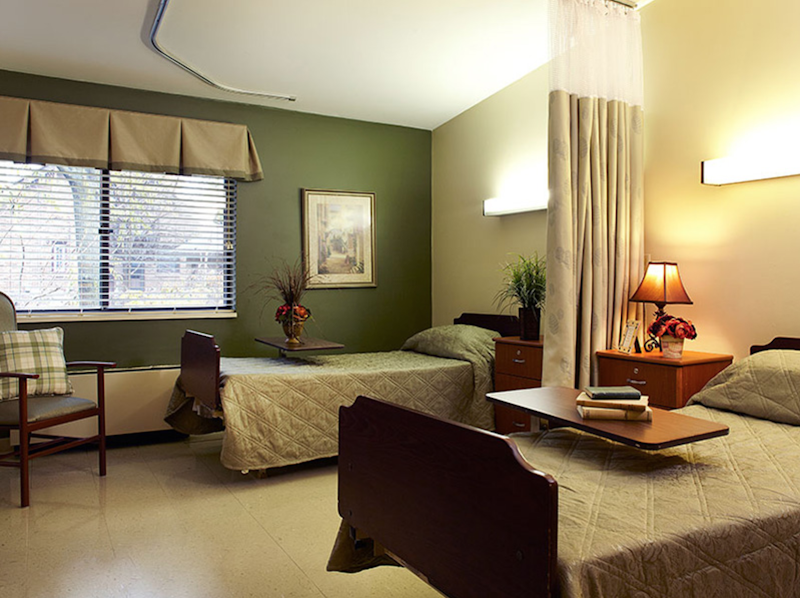
How is Mercy Health Services Staffed?

CMS rates MERCY HEALTH SERVICES's staffing level at 3 out of 5 stars, which is average compared to other nursing homes. Staff turnover is 64%, which is 18 percentage points above the Wisconsin average of 46%. High turnover can affect care consistency as new staff learn residents' individual needs. RN turnover specifically is 67%, which is notably high. RNs provide skilled clinical oversight, so turnover in this role can affect medical care quality.

What Have Inspectors Found at Mercy Health Services?

State health inspectors documented 32 deficiencies at MERCY HEALTH SERVICES during 2022 to 2025. These included: 1 Immediate Jeopardy (the most serious level, indicating potential for serious harm or death), 2 that caused actual resident harm, and 29 with potential for harm. Immediate Jeopardy findings are rare and represent the most serious regulatory concerns. They require immediate corrective action.
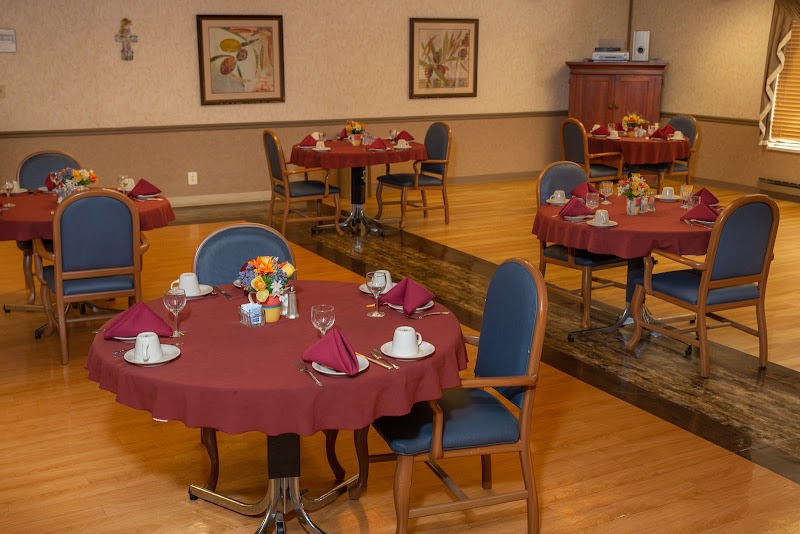
Who Owns and Operates Mercy Health Services?

MERCY HEALTH SERVICES is owned by a for-profit company. For-profit facilities operate as businesses with obligations to shareholders or private owners. The facility is operated by NORTH SHORE HEALTHCARE, a chain that manages multiple nursing homes. With 60 certified beds and approximately 30 residents (about 50% occupancy), it is a smaller facility located in MILWAUKEE, Wisconsin.
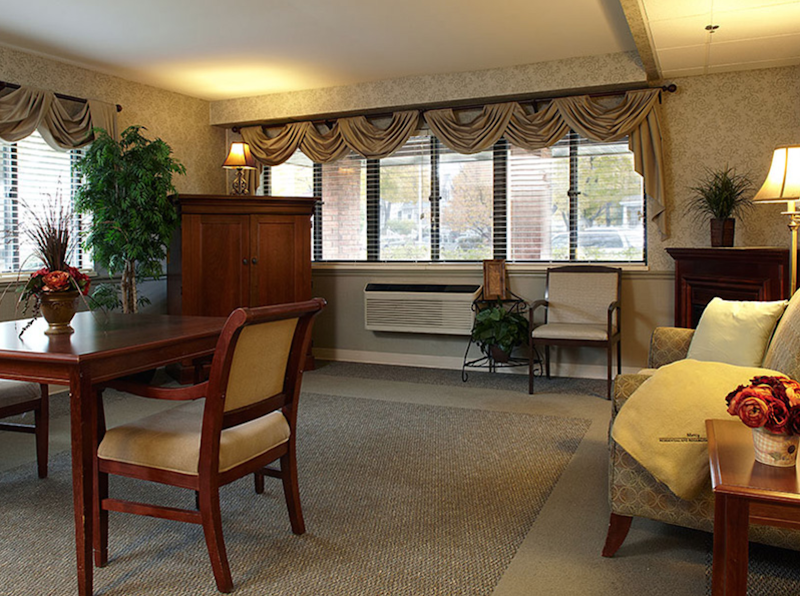
How Does Mercy Health Services Compare to Other Wisconsin Nursing Homes?

Compared to the 100 nursing homes in Wisconsin, MERCY HEALTH SERVICES's overall rating (2 stars) is below the state average of 3.0, staff turnover (64%) is significantly higher than the state average of 46%, and health inspection rating (2 stars) is below the national benchmark.

What Should Families Ask When Visiting Mercy Health Services?

Based on this facility's data, families visiting should ask: "What changes have been made since the serious inspection findings, and how are you preventing similar issues?" "How do you ensure continuity of care given staff turnover, and what is your staff retention strategy?" "Can I visit during a mealtime to observe dining assistance and food quality?" "How do you handle medical emergencies, and what is your hospital transfer rate?" These questions are particularly relevant given the facility's Immediate Jeopardy citations and the facility's high staff turnover rate.

Is Mercy Health Services Safe?

Based on CMS inspection data, MERCY HEALTH SERVICES has documented safety concerns. Inspectors have issued 1 Immediate Jeopardy citation (the most serious violation level indicating risk of serious injury or death). The facility has a 2-star overall rating and ranks #100 of 100 nursing homes in Wisconsin. Families considering this facility should ask detailed questions about what corrective actions have been taken since these incidents.

Do Nurses at Mercy Health Services Stick Around?

Staff turnover at MERCY HEALTH SERVICES is high. At 64%, the facility is 18 percentage points above the Wisconsin average of 46%. Registered Nurse turnover is particularly concerning at 67%. RNs handle complex medical decisions and coordinate care — frequent RN changes can directly impact care quality. High turnover means new staff may not know residents' individual needs, medications, or preferences. It can also be disorienting for residents, especially those with dementia who rely on familiar faces. Families should ask: What is causing the turnover? What retention programs are in place? How do you ensure care continuity during staff transitions?

Was Mercy Health Services Ever Fined?

MERCY HEALTH SERVICES has been fined $63,259 across 4 penalty actions. This is above the Wisconsin average of $33,711. Fines in this range indicate compliance issues significant enough for CMS to impose meaningful financial consequences. Common causes include delayed correction of deficiencies, repeat violations, or care failures affecting resident safety. Families should ask facility leadership what changes have been made since these penalties.

Is Mercy Health Services on Any Federal Watch List?

MERCY HEALTH SERVICES is not on any federal watch list. The most significant is the Special Focus Facility (SFF) program, which identifies the bottom 1% of nursing homes nationally based on persistent, serious quality problems. Not being on this list means the facility has avoided the pattern of deficiencies that triggers enhanced federal oversight. This is a positive indicator, though families should still review the facility's inspection history directly.