Milwaukee Health and Rehab
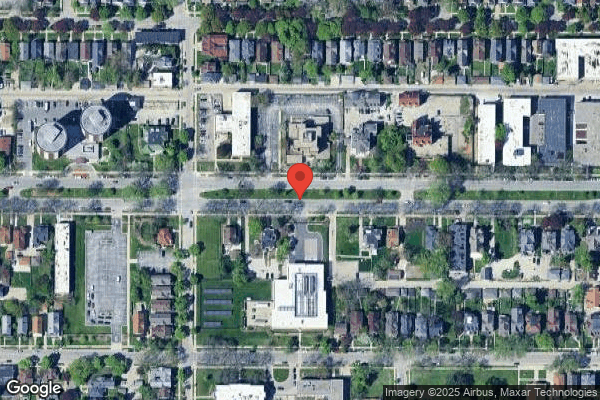
3216 W HIGHLAND BLVD, MILWAUKEE, WI 53208 (414) 344-6515
For profit - Limited Liability company 95 Beds AVINA HEALTHCARE Data: November 2025 3 Immediate Jeopardy citations
Trust Grade
14/100
#226 of 321 in WI
Last Inspection: July 2024

Within standard 12-15 month inspection cycle. Federal law requires annual inspections.

Overview

Milwaukee Health and Rehab has received a Trust Grade of F, which indicates significant concerns with the facility's care and operations. Ranking #226 out of 321 facilities in Wisconsin places it in the bottom half, while its county rank of #18 out of 32 suggests that there are better local options available. The facility is showing signs of improvement, reducing its issues from 7 in 2024 to 2 in 2025, but it has a concerning staffing situation with only 2 out of 5 stars and a turnover rate of 53%, which is average for the state. Notably, there were critical incidents where staff failed to provide necessary CPR for a resident in distress and did not ensure proper monitoring for another resident with severe behavioral issues, resulting in a serious fall. While the absence of fines is a positive aspect, the facility's overall performance remains below average, raising concerns about the quality of care residents may receive.

Trust Score
F
14/100
In Wisconsin
#226/321
Bottom 30%
Safety Record
High Risk
Review needed
Inspections
Getting Better
7 → 2 violations
Staff Stability
⚠ Watch
53% turnover. Above average. Higher turnover means staff may not know residents' routines.
Penalties
✓ Good
No fines on record. Clean compliance history, better than most Wisconsin facilities.
Skilled Nurses
○ Average
Each resident gets 30 minutes of Registered Nurse (RN) attention daily — about average for Wisconsin. RNs are the most trained staff who monitor for health changes.
Violations
⚠ Watch
33 deficiencies on record. Higher than average. Multiple issues found across inspections.
★★☆☆☆
2.0
Overall Rating
★★☆☆☆
2.0
Staff Levels
★★★★☆
4.0
Care Quality
★★☆☆☆
2.0
Inspection Score
Stable
2024: 7 issues
2025: 2 issues

The Good

  • 4-Star Quality Measures · Strong clinical quality outcomes
  • Full Sprinkler Coverage · Fire safety systems throughout facility
  • No fines on record

Facility shows strength in quality measures, fire safety.

The Bad

2-Star Overall Rating

Below Wisconsin average (3.0)

Below average - review inspection findings carefully

Staff Turnover: 53%

Near Wisconsin avg (46%)

Higher turnover may affect care consistency

Chain: AVINA HEALTHCARE

Part of a multi-facility chain

Ask about local staffing decisions and management

The Ugly 33 deficiencies on record

3 life-threatening
Jul 2025 2 deficiencies
CONCERN (D) 📢 Someone Reported This

A family member, employee, or ombudsman was alarmed enough to file a formal complaint

Potential for Harm - no one hurt, but risky conditions existed

Report Alleged Abuse (Tag F0609)

Could have caused harm · This affected 1 resident

**NOTE- TERMS IN BRACKETS HAVE BEEN EDITED TO PROTECT CONFIDENTIALITY** Based on interviews and record review, the facility did not ensure allegations of verbal abuse were immediately reported to the ...

Read full inspector narrative →
**NOTE- TERMS IN BRACKETS HAVE BEEN EDITED TO PROTECT CONFIDENTIALITY** Based on interviews and record review, the facility did not ensure allegations of verbal abuse were immediately reported to the Administrator. This was observed with 1 (R1) of 1 resident reviewed for allegations of verbal abuse.On 6/29/2025 staff and R1 heard Registered Nurse (RN)-D call R1 a dizzy bitch around 9:30pm. The verbal abuse was observed by other staff but not reported to Nursing Home Administrator (NHA)-A until the following morning on 6/30/2025. RN-D continued to finish RN-D's shift which ended at 11:00pm. Findings include:The facility policy titled ABUSE POLICY no initiation or revision date documents: This facility affirms the right of our residents to be free from abuse, neglect, exploitation, misappropriation of property or mistreatment. This facility therefore prohibits abuse, neglect, exploitation misappropriation of property, and mistreatment of residents. In order to do so, the facility has attempted to establish a resident sensitive and resident secure environment. The purpose of this policy is to assure that the facility is doing all that is within its control to prevent occurrences of abuse, neglect, exploitation, misappropriation of property and mistreatment of residents. IV. Internal Reporting Requirements and Identification of Allegations. Employees are required to report any incident, allegation or suspicion of potential abuse, neglect, exploitation, mistreatment or misappropriation of resident property they observe, hear about, or suspect to the administrator immediately, to an immediate supervisor who must then immediately report it to the administrator or to a compliance hotline or compliance officer. Upon learning of the report, the administrator or a designee shall initiate an incident investigation. Any allegation of abuse or any incident that results in serious bodily injury will be reported to the required regulatory agencies immediately, but not more than two hours of the allegation of abuse. Any incident that does not involve abuse and does not result in serious bodily injury shall be reported within 24 hours. V. Protection of Residents . Employees of this facility who have been accused of abuse, neglect, exploitation, mistreatment or misappropriation of resident property will be removed from resident contact immediately. The employee shall not be permitted to return to work until the results of the investigation have been reviewed by the administrator and it is determined that any allegation of abuse, neglect, exploitation mistreatment or misappropriation of resident property is unsubstantiated.R1 was admitted to the facility on [DATE] and has diagnoses that include anxiety disorder, and paraplegia. R1's admission minimum data set (MDS) dated [DATE] indicates R1 had moderately impaired cognition with a Brief Interview for Mental Status (BIMS) score of 11 and the facility assessed R1 to require total assist with 2 staff members for dressing, transferring, and repositioning. R1's MDS documents at the time of assessment R1 did not have mood or behavior symptoms. R1 has a urostomy and is always incontinent of bowel. R1 was their own person and did not have an activated power of attorney (POA).Surveyor reviewed the facility self-report that was initially submitted to the State Agency on 6/30/2025, at 9:57 AM. A brief summary of incident documents R1 reported yesterday evening (6/29/25) RN-D called R1 a bitch at the nurse's station. RN-D is not on duty at the time of report. Facility initiated an investigation. R1 states feels safe in building. The final submission of the facility self-report was submitted to the State Agency on 7/3/2025, at 7:10 PM, which documents on 6/29/2025, at 9:30 PM, RN-D was overheard saying loudly enough for R1 to hear (R1's name) is such a dizzy bitch. The staff members present heard RN-D make this statement and R1 acknowledged hearing RN-D.Surveyor notes the shift ends at 11:00 PM. Staff members were aware of the verbal abuse by RN-D towards R1 but did not report the allegation immediately to NHA-A. RN-D remained in the facility until 11:00 PM, allowing RN-D to have contact with R1 and other residents in the facility. RN-D was not immediately removed from the resident care areas pending further investigation of the situation.On 7/10/2025, at 10:00 AM, Surveyor interviewed licensed practical nurse (LPN)-C who stated LPN-C was sitting next to RN-D at the nurse's station on 6/29/2025 and heard RN-D call R1 a name when R1 came off the elevator. Surveyor asked why they thought RN-D called R1 a name. LPN-C stated they just think RN-D had had it with R1 being rude to the staff that day. Surveyor asked if R1 was RN-D's patient on 6/29/2025. LPN-C stated R1 was LPN-C's patient that day. Surveyor asked if LPN-C reported RN-D calling R1 a name. LPN-C stated LPN-C did not tell anyone and stated LPN-C is aware that it should have been reported right away. LPN-C stated someone reported it because LPN-C was questioned the next day, and a statement was taken. Surveyor asked if RN-D continued to work the rest of the shift the night of 6/29/25. LPN-C stated LPN-C and RN-D both finished their shifts around 11:00 PM on 6/29/2025. On 7/10/2025, at 11:15 AM, Surveyor interviewed NHA-A who stated NHA-A found out about the verbal abuse towards R1 from RN-D in the morning meeting the next day. NHA-A stated that NHA-A went to talk with R1 about the incident and then an investigation began. Education with staff that such accusations need to be reported to administration right away. On 7/11/2025, at 11:45 AM, Surveyor observed R1 sitting up in bed getting ready for the day. Surveyor asked if there were any concerns with staff. R1 stated not much, and that R1 could handle themself. R1 mentioned a staff member called her a bitch but could not remember who and has not seen them for a while. Surveyor asked if R1 told anybody. R1 stated that someone did because NHA-A came to talk to her about it and took care of it. Surveyor asked how R1 felt about the situation. R1 stated R1 could handle their own and feels fine. Surveyor asked if R1 had concerns with other staff members. R1 stated as long as they do what R1 wants and gets care by the staff R1 likes, everything will be fine. R1 stated NHA-A and R1 came up with a personalized schedule that staff follow and has been fine so far. Surveyor asked R1 if R1 was cared for by the staff member the day R1 was verbally abused. R1 stated that staff took R1 to R1's bedroom and got ready for bed and has not seen them since. On 7/10/2025, at 12:14 PM Surveyor interviewed RN-D who acknowledged calling R1 a bitch and meant to say under breath, but it just came out. Surveyor asked RN-D about the situation. RN-D stated R1 was being rude to staff all day calling staff names. RN-D stated RN-D was charting at the desk and R1 came off the elevator and started yelling at LPN-C and RN-D had just had it and called R1 a ‘bitch but did not realize it came out loudly until staff said that RN-D cannot say that. Surveyor asked if RN-D finished working the shift. RN-D stated that R2 was not on RN-D's assignment and RN-D completed the shift and went home about 11:00 PM. RN-D stated RN-D was called the next morning pending an investigation into the verbal abuse against R1 and RN-D had to do some education before returning to work and the facility also took a statement from RN-D. On 7/10/2025, at 1:17 PM Surveyor interviewed LPN unit manager (LPNUM)-G who stated that she reported the incident in the morning meeting the next day. LPNUM-G stated she heard from certified nursing assistant (CNA) about the incident, but RN-D's shift already ended and R1 was fine.On 7/10/2025, at 1:28 PM, Surveyor interviewed CNA-H who also works in the facility as a med-tech and scheduler. CNA-H stated R1 is also CNA-H's great aunt. CNA-H stated staff called CNA-H at home that night and stated R1 was being mean to staff and calling them names and R1 wanted CNA-H to come help her. CNA-H talked with R1 and agreed to go into the facility later that night and assist with getting R1 ready for bed. CNA-H stated that when CNA-H got off the elevator with R1 to get R1 ready for bed. R1 started yelling and calling the nursing staff names and that is when RN-D called R1 ‘bitch. CNA-H stated that CNA-H took R1 to R1's bedroom and got R1 ready for bed. CNA-H stated that R1 was upset at first then calmed down and settled in for bed. CNA-H stated that CNA-H left the facility around 11:00 PM and called LPNUN-G and reported the verbal abuse towards R1 by RN-D. On 7/10/2025, at 2:20 PM. Surveyor shared concerns with NHA-A that the verbal abuse made against R1 by RN-D was not reported to the Nursing Home Administrator or the State Agency in a timely manner and RN-D was able to continue working with residents after the incident since it was not reported timely.
CONCERN (D) 📢 Someone Reported This

A family member, employee, or ombudsman was alarmed enough to file a formal complaint

Potential for Harm - no one hurt, but risky conditions existed

Accident Prevention (Tag F0689)

Could have caused harm · This affected 1 resident

**NOTE- TERMS IN BRACKETS HAVE BEEN EDITED TO PROTECT CONFIDENTIALITY** Based on interview and record review, the facility did not ensure the safety and supervision of 1 (R1) of 1 resident reviewed fo...

Read full inspector narrative →
**NOTE- TERMS IN BRACKETS HAVE BEEN EDITED TO PROTECT CONFIDENTIALITY** Based on interview and record review, the facility did not ensure the safety and supervision of 1 (R1) of 1 resident reviewed for supervision and accidents. On 6/28/2025 while sitting outside R1 asked another resident to push them to the store. The other resident began to push R1's wheelchair to the store. The facility did not re access R1 for elopement risk, ability to leave the facility unsupervised, or initiate a care plan to prevent future incidents from happening. Findings include:The facility policy titled Elopements and Wandering Residents reviewed/revised 5/8/2025 documents: This facility ensures that residents who exhibit wandering behavior and/or are at risk for elopement receive adequate supervision to prevent accidents and receive care in accordance with their person-centered plan of care addressing the unique factors contributing to wandering or elopement risk. Policy Explanation and Compliance Guidelines: . 3. The facility shall establish and utilize a systemic approach to monitoring and managing residents at risk for elopement or unsafe wandering, including identification and assessment of risk, evaluation and analysis of hazards and risks implementing interventions to reduce hazards and risks, and monitoring for effectiveness and modifying interventions when necessary. 4. Monitoring and Managing Residents at Risk for Elopement or Unsafe Wandering. a. Residents will be assessed for risk of elopement and unsafe wandering upon admission and throughout their stay by the interdisciplinary care plan team (IDT). b. IDT will evaluate the unique factors contributing to risk in order to develop a person-centered care plan. R1 was admitted to the facility on [DATE] and has diagnoses that include type 2 diabetes with foot ulcer, peripheral vascular disease, anxiety disorder, and paraplegia. R1's admission minimum data set (MDS) dated [DATE] indicated R1 had moderately impaired cognition with a Brief Interview for Mental Status (BIMS) score of 11 and the facility assessed R1 needing total assist with 2 staff members for dressing, transferring, and repositioning. R1's MDS documents at time of assessment that R1 did not have mood or behavior symptoms. R1's admission elopement risk assessment dated [DATE] indicated R1 was not at risk for elopement. R1 was their own person and did not have an activated power of attorney (POA). On 6/28/2025, at 2302 (11:01 PM) in the progress notes nursing documented (R1) was outside today and asked another resident to push (R1) to the store. Facility staff were able to catch up to R1 and the other resident and bring back to the facility.Surveyor reviewed R1's medical record and noted that there was not an elopement assessment done on R1 to indicate if R1 was an elopement risk after R1 was brought back to the facility.Surveyor reviewed R1's comprehensive care plan and noted there was not a care plan initiated to indicate a risk/concern R1 would ask another resident to assist R1 away from the facility or interventions in place to prevent further incidences from re-occurring.On 7/10/2025, at 2:20 PM, Surveyor shared concern with Nursing Home Administrator (NHA)-A and Director of Nursing (DON)-B that R1 was not reassessed for elopement risk after R1 left the facility without staff knowledge on 6/28/2025 and that there was not a care plan initiated to indicate R1's risk/potential to ask peers for assistance with leaving the facility without staff knowledge. DON-B stated that R1 is R1's own person and that R1 is not an elopement risk and that R1 can leave the facility. NHA-A stated staff interfered because they thought R1 was going to get alcohol. Surveyor shared concern there are no interventions or concerns in R1's care plan related to alcohol seeking behaviors. Surveyor asked if R1 signed out from the facility on 6/28/2025 when R1 left the facility. DON-B stated R1 had not signed out and would agree maybe a community safety/awareness assessment should have been completed but did not think an elopement assessment should have been completed. Surveyor shared that a concern remained as R1's ability to leave the facility unknown and unassisted by staff was not assessed by the facility and a care plan was not initiated with interventions so staff are made aware and can act if R1 leaves the facility again without signing out.
Oct 2024 3 deficiencies
CONCERN (D) 📢 Someone Reported This

A family member, employee, or ombudsman was alarmed enough to file a formal complaint

Potential for Harm - no one hurt, but risky conditions existed

Quality of Care (Tag F0684)

Could have caused harm · This affected 1 resident

**NOTE- TERMS IN BRACKETS HAVE BEEN EDITED TO PROTECT CONFIDENTIALITY** Based on record review, staff interview, and facility policy review, the facility failed to ensure hospital physicians orders we...

Read full inspector narrative →
**NOTE- TERMS IN BRACKETS HAVE BEEN EDITED TO PROTECT CONFIDENTIALITY** Based on record review, staff interview, and facility policy review, the facility failed to ensure hospital physicians orders were implemented for one of one resident (Resident (R) 1) reviewed for implementation of physician orders out of a survey sample of nine. Specifically, the facility failed to obtain a laboratory blood test for vitamin D (to determine low bone density, fatigue, bone pain). In addition, the facility failed to coordinate services with R1's responsible party to ensure that one medical appointment was to be scheduled after the resident was discharged by the hospital and readmitted back to the facility. This failure had the potential for the resident to not receive appropriate continuum of care. (Cross Reference F690 and F692) Findings include: Review of a facility policy titled Physician Orders, dated 01/31/18, indicated .To provide general guidelines when receiving, entering, and confirming physician or prescriber's order. The policy failed to address following physician orders from another medical system when a resident was admitted or readmitted to the facility. Review of R1's electronic medical records (EMR) titled admission Record, located under the Profile tab, indicated the resident was admitted to the facility on [DATE] with diagnoses that included post stroke, anxiety disorder, and vascular dementia. Review of R1's EMR titled admission Minimum Data Set (MDS), with an Assessment Reference Date (ARD) of 05/24/24, indicated the resident had a Brief Interview of Mental Status (BIMS) score of six out of 15, which revealed the resident was severely cognitively impaired. Review of R1's EMR titled Care Plan, located under the Care Plan tab and dated 05/29/24, indicated the resident had impaired memory with decision-making and had a legal guardian who was the decision-maker for the resident. Review of R1's EMR titled nursing Progress Notes, located under the Prog (Progress) Note tab and dated 08/02/24, indicated the facility received a call from R1's physician's office. The office called the facility to notify them that the resident was being transported to the emergency room due to low blood pressure and dizziness. Review of R1's EMR titled hospital Discharge Summary, located under the Misc (Miscellaneous) tab and dated 08/14/24, indicated R1 arrived at the hospital, directly from a medical appointment due to being hypotensive (low blood pressure). The physician who wrote the discharge summary also indicated the resident had an elevated PSA (prostate-specific antigen blood test to identify possible cancer), and a referral was made to a urologist. Finally, the physician indicated the resident had a low vitamin D level and was treated with supplements and recommended a blood level to be drawn on 10/01/24, to determine if the resident required additional supplements to treat his low vitamin D level. Review of R1's EMR titled SNF (Skilled Nursing Facility) progress notes, located under the Prog Note tab and dated 09/17/24, indicated the Nurse Practitioner (NP) mentioned the resident had an outpatient appointment for urology for an elevated PSA. Review of R1's EMR titled SNF progress notes, located under the Prog Note tab and dated 09/19/24, 09/26/24, 10/01/24, and 10/08/24, indicated the NP mentioned on each date that the resident had an outpatient appointment for urology for an elevated PSA. A review was conducted of R1's EMR, and there was no evidence the resident received a physician's order for a blood draw to check his vitamin D level. There was no evidence in the clinical record that the facility had followed up on the hospital referrals for a follow-up urology appointment. During an interview on 10/29/24 at 3:39 PM, Licensed Practical Nurse (LPN)1, who was also the Unit Manager for the third floor, stated she reviewed the records for R1 and could not locate a physician order for the vitamin D level or the follow-up appointments for urology. LPN1 stated typically when a resident was readmitted to the facility, the admissions nurse will transcribe the hospital physician orders and enter them into the EMR. LPN1 stated that any follow-up medical appointments would then be scheduled. During a subsequent interview on 10/30/24 at 8:33 AM, LPN1 confirmed again there was not an order for a vitamin D level for R1. LPN1 stated the physician hospital orders carry over to the facility to implement. LPN1 stated all the medical appointments were then placed in an appointment book, and since R1's family member was involved in his care, the facility coordinated with the family since the family member typically met the resident at his medical appointments and the facility provided the transportation. During an interview on 10/30/24 at 3:07 PM, Registered Nurse (RN) 2 stated he did not remember the readmission of R1 on 08/14/24. The Director of Nursing (DON) was present during this interview and stated she was confused about the orders from R1's hospitalization upon readmission. She stated she just made the urology appointment for R1 for 11/05/24. The DON stated it was her error in the interpretation of the hospital discharge summary. During an interview on 10/31/24 at 9:08 AM, the DON stated her expectation was for the admitting nurse to review the hospital discharge summary, to schedule the appointments for a resident, and place this information in the schedule book. The DON stated the management team would then ensure the appointments were scheduled and discussed in the morning meetings.
CONCERN (D) 📢 Someone Reported This

A family member, employee, or ombudsman was alarmed enough to file a formal complaint

Potential for Harm - no one hurt, but risky conditions existed

Incontinence Care (Tag F0690)

Could have caused harm · This affected 1 resident

**NOTE- TERMS IN BRACKETS HAVE BEEN EDITED TO PROTECT CONFIDENTIALITY** Based on record review, interviews, and review of the facility's policy, the facility failed to ensure one of nine sampled resid...

Read full inspector narrative →
**NOTE- TERMS IN BRACKETS HAVE BEEN EDITED TO PROTECT CONFIDENTIALITY** Based on record review, interviews, and review of the facility's policy, the facility failed to ensure one of nine sampled residents (Resident (R)1) had a bowel program implemented. This deficient practice may result in bloating, pain, and general discomfort. Findings include: Review of a facility policy titled, Bowel Elimination Protocol, dated 09/2024, indicated, .CNAs [Certified Nurse Aides] are responsible for documenting bowel movements and for asking alert residents who toilet themselves about their elimination each shift . Residents who have had no BM (bowel movement) for 72 hours will be considered for pharmacological intervention or increased non-pharmacological intervention. Additional information related to elimination may need to be gathered . e.g. bowel sounds. Review of R1's electronic medical records (EMR) titled admission Record, located under the Profile tab, indicated the resident was admitted to the facility on [DATE]. Review of R1's EMR titled Clinical Physician Orders, located under the Orders tab, indicated physician ordered Senna Oral Tablet 8.6 milligrams (mg), give two tablets by mouth every 12 hours as needed for constipation. In addition, the physician ordered MiraLax oral powder 17 grams (gm) per scoop every 24 hours as needed for constipation. Review of R1's EMR titled admissions Minimum Data Set (MDS), with an Assessment Reference Date (ARD) of 05/24/24, indicated the resident had a Brief Interview for Mental Status (BIMS) score of six out of 15, which revealed the resident was severely cognitively impaired. The assessment indicated the resident had an impairment on one side of his upper and lower extremities. The assessment indicated the resident required substantial/maximal assistance from staff for toileting. The assessment indicated the resident was always incontinent of bowel. Review of R1's EMR titled Care Plan, located under the Care Plan tab and dated 05/17/24, indicated the resident had a deficit with activities of daily living, specifically with toileting and required staff to provide the resident with extensive assistance. Review of a document provided by the facility titled, Bowel Function, for the month of 07/2024, failed to contain evidence that R1 had a bowel movement from 07/20/24 through 07/24/14. There was no evidence that the resident had a bowel movement from 07/28/24 through 07/31/24. Review of R1's EMR titled, Medication Administration Record (MAR), for the month of 07/2024, indicated the resident was not administered the bowel protocol from 07/20/24 though 07/31/24 and from 07/28/24 through 07/31/24. During an interview on 10/30/24 at 8:33 AM, Licensed Practical Nurse (LPN) 1, who was also the Unit Manager for the Third Floor, stated the facility was to provide the bowel protocol after three days. LPN1 stated R1 was incontinent of bowel and bladder. LPN1 reviewed the EMR for R1 and verified the bowel protocols orders were not implemented. An interview was conducted on 10/30/24 at 9:21 AM with the Director of Nursing (DON) and Regional Nurse Consultant. The DON stated the CNAs' s documentation was not accurate. The DON stated the CNAs were not documenting accurate information on R1's BMs. During an interview on 10/30/24 at 2:51 PM, LPN3 stated it was important for staff to document a resident's BMs to address the potential of a bowel obstruction.
CONCERN (D) 📢 Someone Reported This

A family member, employee, or ombudsman was alarmed enough to file a formal complaint

Potential for Harm - no one hurt, but risky conditions existed

Deficiency F0692 (Tag F0692)

Could have caused harm · This affected 1 resident

**NOTE- TERMS IN BRACKETS HAVE BEEN EDITED TO PROTECT CONFIDENTIALITY** Based on record review, observation, staff interviews, and facility policy review, the facility failed to assess nutritional sta...

Read full inspector narrative →
**NOTE- TERMS IN BRACKETS HAVE BEEN EDITED TO PROTECT CONFIDENTIALITY** Based on record review, observation, staff interviews, and facility policy review, the facility failed to assess nutritional status after a significant weight gain and loss and failed to take corrective action after the facility determined the weight gain and loss was an error for one of one resident (Resident (R) 1) reviewed for nutrition in a total sample of nine residents. Findings include: Review of a facility policy titled, Weight Monitoring Program, dated 09/29/23 indicated . Each resident's weight will be monitored consistently and closely by the interdisciplinary team. All residents with patterned or significant weight changes will be assessed by the facility's interdisciplinary team as indicated. Interventions to address nutritional issues will be initiated and incorporated into the resident's care plan and re-evaluated on a timely and periodic basis . The IDT is responsible for reviewing weights, notifying appropriate disciplines of significant changes, initiating corrective actions and completing documentation . If the resident's significant weight loss/gain is explainable (i.e. weight reduction program, dialysis, diuretic therapy), documentation must be entered into the resident's medical record to support this determination, with appropriate revisions to the care plan and addressed with the IDT team . Review of R1's electronic medical records (EMR) titled admission Record, located under the Profile tab, indicated the resident was admitted to the facility on [DATE]. Review of R1's EMR titled hospital Discharge Summary, located under the Misc (Miscellaneous) tab and dated 05/17/24, revealed the resident's weight was 159.2. Review of R1's EMR titled Weights Summary, located under Weights & Vitals tab and dated 05/17/24, indicated the resident weighed 159.2. Review of R1's EMR titled Care Plan, located under the Care Plan tab and dated 05/23/24, indicated the resident was at risk for alterations in nutrition, and the intervention directed the facility to weigh the resident every month or per physician/Registered Dietician (RD) order and to document and notify the physician or RD of any significant weight changes Review of R1's EMR titled Mini Nutritional Assessment, located under the Note tab and dated 05/23/24, indicated the resident scored eight out of 14 and determined the resident was at risk of malnutrition. Review of R1's EMR titled Nutritional Assessment, located under the Note tab and dated 05/23/24, indicated the RD indicated the facility was to monitor weights as ordered. Review of R1's EMR titled Clinical Physician Orders, located under the Orders tab and dated 05/24/24, indicated the physician ordered to weigh the resident once a week for four weeks and then monthly. Review of R1's EMR titled, Weights & Vitals, located under the Weights & Vitals tab, indicated the following resident's weights: on 05/17/24 he weighed 159.2; on 05/24/24 he weighed 161.2; there were no weights taken for the month of 06/2024; 07/11/24 he weighed 152.0; on 07/21/24 he weighed 156.2; on 08/14/24 he weighed 173.0 and next to this weight it stated that it was the resident's hospitalization weight. On 09/19/24, RD1 crossed this weight out, due to the weight being inaccurate. The resident was then reweighed at 164.5 and was weighed in his wheelchair. Finally, on 10/18/24, the resident weight was 148.7 pounds. This was a 9.6 percent weight loss (15.8 pounds) in one month, from 09/19/24 through 10/18/24. Review of R1's EMR titled quarterly Minimum Data Set (MDS), with an Assessment Reference Date (ARD) date of 08/23/24, indicated the resident had a Brief Interview for Mental Status (BIMS) score of six out of 15, which revealed the resident was severely cognitively impaired. The assessment indicated the resident had an impairment on one side of his upper extremity. The assessment revealed the resident weighed 173 pounds. The assessment indicated the resident had a significant weight gain. There was not a corrected assessment completed after this date. Review of R1's EMR titled Mini Nutritional Assessment, located under the Note tab and dated 08/24/24, indicated the resident scored eight out of 14 and determined the resident was at risk of malnutrition. During an observation on 10/29/24 at 12:14 PM, R1 was in the dining room. There were multiple staff present. R1 stated the food was very good. At 12:21 PM, the resident was served his regular meal of baked chicken thigh with a leg, steak fries, bread, canned fruit, and a glass of lemonade. At 12:55 PM, the resident completed his entire meal. During an interview on 10/30/24 at 8:33 AM, Licensed Practical Nurse (LPN) 1, who was also the Unit Manager for the Third Floor, stated R1 was a good eater, and weights were to be done on a monthly basis. LPN1 confirmed the resident was not on a diuretic. LPN1 reviewed the resident's EMR during this interview and stated the resident was not re-weighed when there was a change in his weight. LPN1 stated more than likely, the staff did not subtract the weight of the resident's wheelchair during the weight taken on 09/19/24. LPN1 confirmed she took the resident's weight and recorded it on 10/18/24. LPN1 stated she subtracted the weight of the wheelchair, so he had an accurate body weight. During an interview on 10/30/24 at 10:19 AM, RD1 stated she came to the facility one time per week. RD1 stated she typically did not reference the hospital weight on a resident since hospitals tend to use bed scales and there can be a 30-pound variance. RD1 stated she was not the person who placed R1's weight of 173 pounds in the EMR. RD1 stated the quarterly assessment for nutrition was completed by RD2, and she was a subcontractor. RD1 stated she was the person who crossed out R1's weight on 08/14/24. RD1 stated RD2 was responding to a significant weight gain for the resident per the quarterly assessment. As for the resident's weight loss, the RD1 stated if the resident had an actual weight loss, she would have recommended a supplement, and these recommendations would be placed in the resident's progress notes. A telephone message was left on 10/30/24 at 12:01 PM for RD2, and there was no return call received prior to the exit of the survey. During an interview on 10/30/24 at 1:45 PM, the Administrator stated the RD sends over a report of any outrageous weight changes. The Administrator stated the facility was still old school and was trying to get staff to enter the weights in the EMR and not document weights on paper. During an interview on 10/31/24 at 9:08 AM, the Director of Nursing (DON) stated her expectation was for the staff to re-weigh a resident if there was a weight different. The DON confirmed the weights varied for R1 and stated re-weights should have been done. She stated if there was an accurate weight loss, then staff would contact the RD, and the RD would make recommendations such as supplements or double portions of food. The DON stated the physician or the Nurse Practitioner (NP) would then be contacted.
Aug 2024 1 deficiency
CONCERN (F) 📢 Someone Reported This

A family member, employee, or ombudsman was alarmed enough to file a formal complaint

Potential for Harm - no one hurt, but risky conditions existed

Infection Control (Tag F0880)

Could have caused harm · This affected most or all residents

**NOTE- TERMS IN BRACKETS HAVE BEEN EDITED TO PROTECT CONFIDENTIALITY** Based on interviews and record review, the facility did not implement their water management plan based upon current standards o...

Read full inspector narrative →
**NOTE- TERMS IN BRACKETS HAVE BEEN EDITED TO PROTECT CONFIDENTIALITY** Based on interviews and record review, the facility did not implement their water management plan based upon current standards of practice, designed to provide a safe environment and to help prevent the development and transmission of waterborne pathogens. This deficient practice has the potential to affect all 64 residents. The facility's water heating system stopped working on 8/10/2024. The facility was without hot water from 8/10/2024 - 8/15/2024. ~The facility did not call a contracted company to come to the facility to assess the concern until 8/12/2024 and the contracted company did not get to the facility until 8/14/2024 to assess and fix the concern. ~Water temperatures and testing were not completed during the time the water heater system was not working (8/10/2024 - 8/14/2024) and the facility did not take corrective actions when control limits were not met. Findings include: The 7/6/18 revised CMS (Centers for Medicaid and Medicare Services) Quality, Safety and Oversight Letter 17-30 titled, Requirement to Reduce Legionella Risk in Healthcare Facility Water Systems to Prevent Cases and Outbreaks of Legionnaires' Disease (LD) states: Facilities must have water management plans and documentation that, at a minimum, ensure each facility: - Conducts a facility risk assessment to identify where Legionella and other opportunistic waterborne pathogens (e.g. Pseudomonas, Acinetobacter, Burkholderia, Stenotrophomonas, nontuberculous mycobacteria, and fungi) could grow and spread in the facility water system. - Develops and implements a water management program that considers the ASHRAE (American Society of Heating, Refrigerating and Air-Conditioning Engineers) industry standard and the CDC (Centers for Disease Control) toolkit - Specifies testing protocols and acceptable ranges for control measures, and document the results of testing and corrective actions taken when control limits are not maintained. - Maintains compliance with other applicable Federal, State and local requirements The 6/24/21 CDC Toolkit titled Developing a Water Management Program to Reduce Legionella Growth & Spread in Buildings identifies the key elements of a water management program for healthcare facilities to include: 1. Establish a water management program team 2. Describe the building water systems using text and flow diagrams 3. Identify areas where Legionella could grow and spread 4. Describe where control measures should be applied and how to monitor them 5. Establish ways to intervene when control limits are not met 6. Make sure the program is running as designed and is effective 7. Document and communicate all the activities The facility policy entitled Water Management Plan (WMP)- Legionella Bacteria Risk Management dated 8/22/2023 documents: . To ensure the safety of [Facility name] patients, visitors, and employees by defining the processes by which [Facility name] manages the safety of its building water systems, the plan is inclusive of all requirements associated with industry best practice for safely managing portable and utility water systems. Verification of plan execution and environmental sampling validation will be reported though the water management team recurring meetings. EXECUTION of HACCP (Hazard Analysis and Critical Control Points) WATER MANAGEMNT PROGRAM PRINCIPALS . 2- Identify critical control points (CCP). 3- Establish control limits for each CCP. 4- Establish a monitoring plan for each CCP. 5- Establish corrective actions for each CCP. Processing step: . 2. Hot water tank and /or hot water storage, mixing valve: Potential growth of microorganisms in heating systems. HIGH RISK: There is potential for microbial growth at the heating step. This is reduced at temperatures > (greater than) 124 degrees Fahrenheit. Adjust temperature to provide further microbiological control 4. Hot water distribution-manual and electronic faucets/showers and hoses / water hammer arrestors / pipes, valves, and fittings / aerators / faucet flow restrictors: Microbial growth in the potable water distribution system which could be transmitted by sink faucets and showers. HIGH RISK: The hot water system is extensive and complex. There is potential for 15-20 degree Fahrenheit temperature drops after the hot water supply leaves the hot water heaters which can bring the water into prime temperature ranges for microbial growth (105 - 112 degree Fahrenheit). Along with these favorable temperatures for microbial growth, there is potential for free chlorine residuals to dissipate and leave the hot water system with low level of control. The factors for growth in conjunction with the potential for water to be aerosolized present a high risk at this processing step. On 8/19/2024, at 9:21 AM, Surveyor interviewed Nursing Home Administrator (NHA)-A who stated when NHA-A came back from vacation on 8/12/2024 the facility did not have hot water. NHA-A contacted an outside company via email on 8/13/2024 because the outside company was not coming to the facility per phone request. NHA-A stated the outside company was not aware the facility was without hot water and the outside company came to the facility on 8/14/2024 and 8/15/2024. NHA-A stated the facility had hot water again the morning of 8/15/2024. Surveyor asked NHA-A what was control measures were implemented once the facility was without hot water for staff and residents. NHA-A stated residents got sponge baths with body wipes or water from the faucets, residents were able to choose which they preferred. NHA-A stated that heating up the water in the microwave was encouraged, but not always feasible. Surveyor asked NHA-A when the loss of hot water was reported. NHA-A stated NHA-A was on vacation, but it was reported to maintenance on 8/10/2024. Surveyor requested to review the facility's water management plan, and maintenance logs for water monitoring/testing. On 8/19/2024, at 12:00 PM, NHA-A stated the facility's boiler system gets inspected every three years and the last it was inspected was 6/28/2023 and due next around 7/31/2025. NHA-A stated on 8/5/2024 maintenance was alerted by staff regarding a smell of gas in the facility. [gas company] was called out and the gas was turned off by [gas company] for inspection. NHA-A stated it was noted there was not a concern of a gas leak but a venting issue in the pipes due to corrosion. NHA-A state the [gas company] turned the facility's gas back on and no further concerns were noted. Surveyor asked how often water temperatures are checked. NHA-A stated NHA-A believed water temps are checked weekly and random rooms are tested. Surveyor reviewed the logbook for water temperatures and noted water temperatures were last tested on [DATE] and not again until 8/16/2024, before the loss of hot water and not until after the hot water was restored. Surveyor reviewed the logs for temperature monitoring of the water heaters (5 water heater tanks, 3 tanks for the facility and 2 for the kitchen and laundry) and noted temperatures were not documented for 8/11/2024 - 8/14/2024. The last recorded temperature for the facility's water heaters (all 5 water heaters) was 80 degrees Fahrenheit on 8/10/2024. Surveyor noted that there was no additional testing done during the timeframe the hot water was noted to be off. On 8/19/2024, at 1:12 PM, Surveyor interviewed Maintenance Director (MD)-C who stated MD-C was not made aware that the facility did not have hot water until 8/10/2024. MD-C stated MD-C monitors and documents temperatures for the water heaters everyday Monday through Friday, and tests water temperatures in random rooms biweekly so water temperatures would not have been due during the time the hot water was not working. Surveyor asked MD-C if any monitoring was being done for the hot water during the time the hot water was off. MD-C stated MD-C was not sure why temperatures would have to be monitored because the hot water was not working, it was going to be cold. MD-C stated there was not really anything the facility could do, just call [outside company] company, the facility does not have back up water heaters. MD-C stated no additional temperatures were taken, the water would have been around 70 degrees Fahrenheit. Surveyor notes the Facility did not increase control measures such as increased flushing of the water system when they were made aware the hot water heaters were not maintaining temperatures. Surveyor requested a timeline of when the [outside company] first came to the facility for the hot water concern. On 8/19/2024, at 3:00 PM, NHA-A stated the following timeline: - On 8/5/2024, there was smell of potential gas in the facility, [gas company] came out to assess. Noted no gas leak concern, but concern noted in venting. - On 8/9/2024, [outside company] came to assess and gave a quote to fix the venting/pipe issues that were found by [gas company]. NHA-A stated at that time, there were no concerns regarding issues with the hot water and temperature logs documented all temperatures were within range. - On 8/10/2024, MD-C was notified the facility did not have hot water. - On 8/12/2024, [outside company] was contact via phone and message left about facility concern with having no hot water. - On 8/13/2024, [outside company] contacted via e-mail by NHA-A regarding the immediate need of [outside company] needing to go to facility and assess due to no hot water in the facility. [Outside company] notified NHA-A they were not aware of the immediacy and would be out to facility on 8/14/2024. - On 8/14/2024, [outside company] at facility to assess and noted will need to work on water system 8/15/2024 as well due to issue being more extensive. - On 8/15/2024 on the AM, the facility had hot water again. On 8/19/2024, at 3:30 PM, Surveyor shared concerns with NHA- A that the [outside company] was not contact until 8/12/2024 (2 days after the facility was without hot water) and [outside company] did not get into the building to assess the concern until 8/14/2024 (4 days later) and hot water was not restored until 8/15/24. Surveyor also shared the concern the facility did not identify the increased risk for waterborne pathogens due to the drop in water temperatures which can be favorable for microbial growth, or the potential for chlorine residuals to dissipate and leave the hot water system with low level of risk control.
Jul 2024 3 deficiencies
CONCERN (D) 📢 Someone Reported This

A family member, employee, or ombudsman was alarmed enough to file a formal complaint

Potential for Harm - no one hurt, but risky conditions existed

Incontinence Care (Tag F0690)

Could have caused harm · This affected 1 resident

**NOTE- TERMS IN BRACKETS HAVE BEEN EDITED TO PROTECT CONFIDENTIALITY** Based on observation, interview, and record review the facility did not ensure that residents who enter the facility with an ind...

Read full inspector narrative →
**NOTE- TERMS IN BRACKETS HAVE BEEN EDITED TO PROTECT CONFIDENTIALITY** Based on observation, interview, and record review the facility did not ensure that residents who enter the facility with an indwelling catheter are assessed for removal of the catheter as soon as possible unless the resident's clinical condition demonstrates that catheterization is necessary and residents received appropriate treatment and services to restore continence to the extent possible for 1 of 2 (R55) residents reviewed for catheters. R55 had Urologist orders that were not followed. Findings include: R55 admitted to the facility on [DATE] and has diagnoses that include Transverse Myelitis in Demyelinating Disease of Central Nervous System, Neuromuscular Dysfunction of Bladder and Paraplegia. R55's admission Minimum Data Set (MDS) dated [DATE] documents: Indwelling catheter (including suprapubic catheter and nephrostomy tube) - Yes. The Care Area Assessment (CAA) worksheet documents (in part) . Triggered Indwelling Catheter: Current Dx (diagnosis) of acute transverse myelitis in demyelinating disease, pressure ulcer of sacral region, neuromuscular dysfunction of bladder, paraplegia, need for assistance with personal care. Does have an indwelling catheter in place. His catheter is managed by staff. Will continue to monitor. Continue with POC (Plan of Care). R55's Care Plan Focus Area revised 5/1/2024 documents: The resident has Urinary Catheter. Neurogenic bladder. Goal: The resident will be/remain free of complications from catheter-related use through review date. Interventions include: The resident has 16 Fr (French) 10 cc (cubic centimeter). Position catheter bag and tubing below the level of the bladder and away from entrance room door. Monitor for s/sx (signs/symptoms) of discomfort on urination and frequency. Monitor s/sx of catheter complications i.e. (example) leaking, obstruction, etc (etcetera). Monitor/document for pain/discomfort due to catheter. On 7/22/24, at 10:20 AM, Surveyor spoke with R55 who reported he has had a catheter since he was hospitalized and thinks they're going to take it out soon. Surveyor observed a catheter bag hanging on the right side of the bed. The hospital Physician note dated 4/17/24 documents: Neurogenic bladder. AKI (Acute Kidney Injury) likely multifactorial w (with)/ATN component and obstruction in setting of neurogenic bladder - improving. Pt (patient) on Bethanechol PTA (prior to admission). Discussed w/urology, OK with discontinuing. Patient will discharge with Foley. Foley placed by urology, will continue Foley throughout admission and will schedule urology follow up. R55's Urology consult dated 5/21/24 documents: Pt unable to empty his bladder. Foley catheter replaced. FU (follow up) w/(named doctor) 5/30/24. Foley catheter change 4 weeks. R55's Urology consult dated 5/30/24 documents: Neurogenic bladder. Will continue Foley for now. Will start Vesicare 10 mg (milligrams) q (every) HS (hour of sleep). Return 3 weeks for cath change and renal US (ultrasound). If all is well res (resident) can start by cycling his bladder by capping/uncapping Foley. Once his bladder can hold 250-300 of urine he may begin CIC (clean intermittent catheterization). R55's Physician order dated 6/3/24 documents: Every day and every shift every 4 hours empty Foley bag and clamp Foley until pt feels pressure and can no longer handle Foley being clamped. Unclamp and measure output. Goal is to have pt able to hold 250-300 cc in bladder every 4 hours for Foley. R55's Urology consult dated 6/28/24 documents: (R55) is hoping to get the catheter out and start CIC. He understands his bladder capacity and compliance will need to improve significantly. If not, he would consider a SPT (Suprapubic catheter). Plan - Continue Vesicare 10 mg. Cycle bladder BID (two times a day). If spasms are better and hydro has resolved can consider cycling his bladder by capping/uncapping the SPT. If he can safely store urine in his bladder for about 3 hours we can consider Foley removal and start CIC. Surveyor noted this order was not transcribed. R55's July, 2024 Medication Administration Record (MAR) documented the 6/3/24 Physician's order every day and every shift every 4 hours empty Foley bag and clamp Foley until pt feels pressure and can no longer handle Foley being clamped. Unclamp and measure output. Goal is to have pt able to hold 250-300 cc in bladder every 4 hours for Foley with times starting at midnight and every 4 hours thereafter - which were signed out as having been completed. Surveyor noted there was no documentation of urine output in on the MAR or in R55's progress notes. Surveyor noted there was no documentation in the progress notes indicating the outcome of the ordered procedure every 4 hours. There was no documentation staff performed the ordered procedure or if it is effective (ie: feeling pressure/can no longer handle Foley being clamped) or if the resident is meeting goal of holding urine in his bladder. Surveyor reviewed of Point of Care (POC) documentation of fluid output for the past 30 days documented: Only 1 entry of output daily 6/25-6/28, 7/1, 7/5, 7/7, 7/8, 7/11, 7/13, 7/16, 7/18, 7/19 and 7/20/24. There was no entry of urine output on 6/29, 6/30, 7/2-7/4, 7/6, 7/9, 7/10, 7/12, 7/14 and 7/17/24. There were 2 entries of urine output on 7/15/24. Surveyor noted the Physician's order was to clamp the Foley every 4 hours until the resident can no longer handle Foley being clamped, unclamp and measure output. The POC documentation of urine output reveals the order was not followed as evidenced by only daily or no urine output documented. The Nurse Practitioner progress noted dated 7/2/24 documents: Abdominal ultrasound unremarkable besides moderate gas noted. On 7/23/24, at 9:48 AM, Surveyor spoke with the Unit Manager, Licensed Practical Nurse (LPN)-F. Surveyor advised LPN-F of the Urology consult and Physician's order dated 6/3/24 regarding clamping of catheter every 4 hours. Surveyor asked how staff is assessing or monitoring if this procedure is effective or working, as there is no documentation. LPN-F reported she was not aware of the order for clamping of the catheter, so she is not sure about the results. Surveyor advised the order was obtained on 6/3/24 and is signed out on the MAR as having been completed every 4 hours. Surveyor advised there is no documentation of R55's tolerance, reaction or if he is meeting the goal to hold 250-300 cc in bladder. LPN-F stated I did not even know this was being done. Let me look into it. LPN-F reported R55's next urology appointment is 8/5/24. On 7/23/24, at 10:03 AM, Surveyor spoke with LPN-G and asked what catheter care she provides for R55. LPN-G stated We clean it and flush it with acetic acid liquid. We usually empty his bag twice a shift because it fills up so fast, we don't want urine backing up into the tubing or his bladder. Surveyor asked if she does anything else specific with his catheter like clamping it throughout the day. LPN-G stated No, we just empty it. Surveyor read the Physicians' order on the MAR aloud regarding every 4 hours clamping the Foley until pt feels pressure and can no longer handle, unclamping and measuring output, with the goal to have pt able to hold 250-300 cc in his bladder. LPN-G stated I don't remember ever seeing that. Surveyor asked, so you've never done this? LPN-G stated No, I don't remember seeing that. On 7/23/24, at 2:40 PM, MDS-C and Director of Nursing (DON)-B asked to provide additional information to Surveyor. MDC-C read the 5/30/24 urologist documentation if all is well res can start by cycling his bladder by capping/uncapping Foley. MDS-C reported staff is not doing it because the resident is still having spasms. Surveyor advised the Physician's order on 6/3/24 does not include instructions to not perform the procedure if the resident is having spasms and there is no documentation staff is not performing the ordered procedure because resident is having spasms. MDS-C reported the 6/3/24 order was the clarification order. Surveyor advised again that the order does not indicate the procedure is not to be done if the resident is having spasms. In addition, staff is signing it out as having been completed every 4 hours. There is no documentation the procedure was attempted and/or not completed due to spasms and no documentation of R55's reaction, tolerance or effectiveness of the procedure. Surveyor advised nurses are signing the order as completed, although LPN-G interview reported she was not even aware of the order. MDS-C stated That's because they're not doing it because he is still having spasms. Surveyor advised staff is signing the procedure as completed and there is no documentation anywhere that it is not being completed due to spasms. In addition, there is no documentation the urologist was notified the procedure is not being done due to spasms. On 7/24/24, at 11:57 AM, Surveyor advised DON-B of the above concern. DON-B reported she understood and no additional information was provided.
CONCERN (E) 📢 Someone Reported This

A family member, employee, or ombudsman was alarmed enough to file a formal complaint

Potential for Harm - no one hurt, but risky conditions existed

Safe Environment (Tag F0584)

Could have caused harm · This affected multiple residents

Based on observation and interview the facility did not ensure residents had a safe, clean, comfortable and homelike environment for 1 of 2 shower rooms observed in the facility. On 7/23/24, at 10:55...

Read full inspector narrative →
Based on observation and interview the facility did not ensure residents had a safe, clean, comfortable and homelike environment for 1 of 2 shower rooms observed in the facility. On 7/23/24, at 10:55 AM, Surveyor observed the 2nd floor shower room had yellow tape across the door and a sign that read out of order. All facility residents that required showers had to use the 3rd floor shower room which was not maintained in a hygienic manner. Findings include: The facility did not have a policy and procedure specific to cleaning of shower rooms. Surveyor was provided a sheet of paper titled Daily Room Cleaning checklist which addressed cleaning of resident rooms only. On 7/23/24, at 10:55 AM, Surveyor observed the 2nd floor shower room had yellow tape across the door and a sign that read out of order. On 7/23/24, at 11:00 AM, Certified Nursing Assistant (CNA)-H showed Surveyor the shower room on the 3rd floor. CNA-H confirmed the 3rd floor shower room is working and staff is using it for residents' showers because the 2nd floor shower room is broken. Surveyor observed the following in the 3rd floor shower room: The sink contained 3 dirty, gray-colored wet washcloths, 4 empty skin/hair cleanser bottles, a bottle of Dove micro moisture and the shower head was resting in the sink with the hose extending to the floor. There was a pink basin which contained approximately an inch of water under the sink with an empty bottle of moisture lotion on the floor. Surveyor observed the shower pipe extending out of the wall was dripping constant water with standing water on the floor that extended approximately 5 feet in length from the sink to shower drain. The drain was covered with dirt, debris and hair. The entire floor of the shower area was dirty with a black substance and there was dirt and hair in the shower drain under the shower chair. Surveyor observed a brown, slimy film covering 4 tiles along the base of the wall under the shower. Surveyor observed the shower room appeared to be used for storage as well. The room contained a hoyer lift, 2 shower chairs, 4 bedside commodes, a broda chair, a wheelchair, 2 mechanical lift chargers (1 on the floor, 1 on a shower chair) and a bed bolster labeled Integra equipment. Inside the tub was a bedside commode bucket which was dirty on the inside with brown and yellow stains resembling stool and urine. On 7/23/24, at 11:13 AM, Registered Nurse (RN)-E accompanied Surveyor to the 3rd floor shower room. Surveyor asked RN-E if the room is used for residents' showers. RN-E stated Yes, the other one is broken, so we're using this one. Upon entering the shower room, RN-E stated Oh wow, I didn't realize it was like this. Surveyor asked if the area is used for storage. RN-E stated It looks like it. Surveyor asked if staff cleans equipment before storing it in the shower room. RN-E stated Yes. I think they're just keeping stuff in here because there's nowhere else to go with it. Surveyor showed RN-E the dirty bedside commode inside the tub. RN-E reported she didn't know how long it had been there, as the tub has not been used for years. Surveyor showed RN-E the other concerns in the shower room as observed above. RN-E stated Wow. I don't think I'm the person to talk to, maybe you should talk to maintenance. On 7/24/24, at 9:33 AM, Maintenance-D accompanied Surveyor to the 3rd floor shower room. Surveyor noted the sink faucet was now dripping water. The same empty bottles and dirty washcloths were in the sink. Surveyor observed several wet towels and a wet incontinence bed bad on the floor and the pipe for the shower was no longer dripping water. Maintenance-D reported he saw the shower room yesterday with the Life Safety Surveyor and discussed the leak which is believed to be from pipes involving the sink. Maintenance-D reported he noticed water dripping from the shower pipe and that someone forgot to turn the water off all the way. Maintenance-D reported he saw the shower head in the sink and that it must have broken off in the morning. Maintenance-D confirmed he was not notified of the broken shower head, but has ordered a new one. Maintenance-D reported housekeeping is responsible for cleaning the shower room. Surveyor showed Maintenance-D all the above observations and concerns, including (but not limited to) the standing water, dirty wet linen, floor drain containing dirt and hair, and the brown slimy film covering the tile. Maintenance-D stated It doesn't look like mold. Maintenance-D wiped the area with his finger and stated I think it's scum, I'll have housekeeping come clean this room. On 7/24/24, at 10:05 AM, Surveyor informed Nursing Home Administrator (NHA)-A and Director of Nursing (DON)-B of the above concerns regarding the dirty shower room. No additional information was provided.
CONCERN (F) 📢 Someone Reported This

A family member, employee, or ombudsman was alarmed enough to file a formal complaint

Potential for Harm - no one hurt, but risky conditions existed

Deficiency F0725 (Tag F0725)

Could have caused harm · This affected most or all residents

Based on observation, interview, and record review, the facility did not ensure sufficient nursing staff was provided to attain or maintain the highest practicable physical, mental, and psychosocial w...

Read full inspector narrative →
Based on observation, interview, and record review, the facility did not ensure sufficient nursing staff was provided to attain or maintain the highest practicable physical, mental, and psychosocial well-being of each resident. This deficient practice has the potential to affect all 66 residents residing in the facility at the time of this survey. *On 7/23/24 at 11:07 AM, Surveyors conducted the resident council interview task. R58 shared with surveyors that night shift at the facility is like a ghost town due to lack of staff. R58 shared that they have had their call light unanswered for almost an hour at times. R58 told Surveyor that they have been afraid at times that they would be incontinent of bladder due to waiting for toileting assistance but were able to hold their bladder. The facility triggered for low weekend staffing for Fiscal Year Quarter 2 (January 1st 2024-March 31st 2024.) Findings include: On 7/23/24 at 8:30 AM, Surveyor reviewed facility's CASPER PBJ (Payroll Based Journal) report. Surveyor noted the facility triggered for low weekend staffing for Fiscal Year Quarter 2 (January 1st 2024-March 31st 2024.) Surveyor requested staffing schedules for Fiscal Year Quarter 2 and the previous 30 days. On 7/23/24 at 12:40 PM, Surveyor reviewed the Facility Assessment Tool with a initiation date of 8/2022 and review date of 2/21/24. The facility's staffing plan indicates the following: Licensed Nurses providing direct care .Total Number Needed or Average or Range: Licensed Staff: Days & PMs - 1:20-24, NOCs (Night Shift) - 1:35-45 .Certified Nurse Aides .Total Number Needed or Average or Range: Days and PMs - 1:12-18 residents, NOCs 1:15-22 residents. Surveyor reviewed Fiscal Year Quarter 2 staffing schedules. On 1/19/24, there was 1 Certified Nurse Aide scheduled on NOC shift with a facility census of 64. On 1/22/24, there was no Certified Nurse Aide scheduled on NOC shift with a facility census of 64. On 1/27/24, there was 1 Certified Nurse Aide scheduled and 1 licensed nurse on NOC shift with a facility census of 64. On 2/7/24, there was 1 licensed nurse scheduled on NOC shift with a facility census of 64. On 2/10/24, there was 1 licensed nurse scheduled on NOC shift with a facility census of 60. On 2/14/24, there was 1 licensed nurse scheduled on NOC shift with a facility census of 57. On 3/20/24, there was 1 Certified Nurse Aide scheduled on NOC shift with a facility census of 63. On 3/9/24, there was 1 Certified Nurse Aide scheduled on NOC shift with a facility census of 63. On 3/20/24, there was 1 Certified Nurse Aide and 1 licensed nurse scheduled on NOC shift with a facility census of 63. On 3/24/24, there was 1 Certified Nurse Aide and 1 licensed nurse scheduled on NOC shift with a facility census of 63. On 3/25/24, there was 1 licensed nurse scheduled on NOC shift with a facility census of 63. On 3/28/24, there was 1 licensed nurse scheduled on NOC shift with a facility census of 63. Surveyor reviewed staffing schedules for the previous 30 days. On 6/25/24, there was 1 Certified Nurse Aide scheduled on NOC shift with a facility census of 63. On 6/28/24, there was 1 Certified Nurse Aide scheduled on NOC shift with a facility census of 63. On 6/30/24, there was 1 Certified Nurse Aide and 1 licensed nurse scheduled on NOC shift with a facility census of 63. On 7/3/24, there was 1 Certified Nurse Aide and 1 licensed nurse scheduled on NOC shift with a facility census of 63. On 7/5/24, there was 1 Certified Nurse Aide and 1 licensed nurse scheduled on NOC shift with a facility census of 63. On 7/8/24, there was 1 Certified Nurse Aide scheduled on NOC shift with a facility census of 63. On 7/9/24, there was 1 Certified Nurse Aide scheduled on NOC shift with a facility census of 63. On 7/11/24, there was 1 Certified Nurse Aide scheduled on NOC shift with a facility census of 63. On 7/24/24 at 9:05 AM, Surveyor conducted interview with Scheduler-I. Surveyor asked Scheduler-I how staffing levels are determined. Scheduler-I told Surveyor they staff the facility by census. Surveyor asked Scheduler-I if facility utilizes agency staff to address short staffing. Scheduler-I told Surveyor the facility does not utilize agency staff. Surveyor asked Scheduler-I if they are aware of the staffing shortages occurring on NOC shift based off of the facility assessment tool. Scheduler-I responded they try to over staff on NOCs to anticipate call ins but sometimes it is challenging to address shortages. On 7/24/24 at 12:50 PM, Surveyor met with NHA (Nursing Home Administrator)-A, Corp Consultant-J, and Corp Consultant-K. Surveyor shared concern that facility had triggered for low weekend staffing during Fiscal Year Quarter 2. Surveyor shared that after reviewing staffing schedules it was noted that multiple NOC shifts did not have adequate staffing for Certified Nurse Aides and licensed nurse staff in accordance with the facility assessment tool's proposed staffing ratios. The facility did not provide any further information regarding Surveyor's staffing concern at this time.
Oct 2023 2 deficiencies
CONCERN (D) 📢 Someone Reported This

A family member, employee, or ombudsman was alarmed enough to file a formal complaint

Potential for Harm - no one hurt, but risky conditions existed

Report Alleged Abuse (Tag F0609)

Could have caused harm · This affected 1 resident

**NOTE- TERMS IN BRACKETS HAVE BEEN EDITED TO PROTECT CONFIDENTIALITY** Based on interviews and record review, the facility failed to implement policies and procedures for ensuring the reporting of a ...

Read full inspector narrative →
**NOTE- TERMS IN BRACKETS HAVE BEEN EDITED TO PROTECT CONFIDENTIALITY** Based on interviews and record review, the facility failed to implement policies and procedures for ensuring the reporting of a reasonable suspicion of a crime in accordance with section 1150B of the Act by reporting 3 of 5 allegations of abuse (slap in face, kicked, and slapped) to law enforcement and immediately reporting 5 of 5 allegations of abuse to the State Survey Agency for 1 of 5 (R1) residents reviewed for abuse. * On 10/8/2023, R1 and R1's family member made an allegation of R1 being slapped on the face. Registered Nurse (RN-C) did not immediately notify the Administrator of this allegation of abuse. This allegation of abuse was not reported to the State Survey Agency until 10/9/2023. This allegation of abuse should have been reported to the State Survey Agency no later than 2 hours after the allegation was made. Law Enforcement was not contacted immediately after allegation of R1 being slapped. * On 10/10/2023, an allegation was made that R1 was kicked because of a bruise on R1's leg and slapped on 9/21/2023. The allegations of abuse were not reported to the State Survey Agency no later than 2 hours after the allegation was made. Law Enforcement was not contacted immediately after allegations of R1 being slapped on 9/21/2023 or kicked on 10/10/2023. * On 10/11/2023, an allegation was made that R1 was beat up 11 out of 15 days at the facility and made an allegation of R1 potentially being raped. The allegations of abuse were not reported no later than 2 hours after the allegation was made to the State Survey Agency. Law enforcement was notified of these allegations but chose not to come to the facility as there was no accused perpetrator identified in regards to these allegations of abuse. * On 10/12/2023, Law Enforcement arrived at the facility due to an allegation made by the hospital of R1 arriving to the emergency room from the facility with bruising on R1's face, chest, and leg. The facility did not report the allegation of abuse involving injuries of unknown origin immediately to the State Survey Agency. Findings include: The facility policy entitled Abuse Policy, with no implementation date, states: The facility affirms the right of our residents to be free from abuse, neglect, exploitation, misappropriation of property, or mistreatment of residents. This facility prohibits abuse, neglect, exploitation, misappropriation of property, and mistreatment of residents. In order to do so, the facility has attempted to establish a resident sensitive and resident secure environment. The purpose of this policy is to assure that the facility is doing all that is within its control to prevent occurrences of abuse, neglect, exploitation, misappropriation of property, and mistreatment of residents. This will be done by: . - Orienting new employees . on how to recognize and report occurrences of abuse, neglect, exploitation, and misappropriation of property. - Identifying occurrences and patterns of potential mistreatment, - Immediately protecting residents involved in identified reports of possible abuse, neglect, exploitation, mistreatment, and misappropriation of property. - Filing accurate and timely investigative reports. II. Orientations and Training of Employees During orientation of new employees, the facility will cover at least the following topics: . - What constitutes abuse, neglect, exploitation, and misappropriation of resident property. - Procedures for reporting incidents of abuse, neglect, exploitation, or the misappropriation of resident property. IV. Internal Reporting Requirements and Identification of Allegations Employees are required to report any incident, allegation or suspicion of potential abuse, neglect, exploitation, mistreatment, or misappropriation of resident property they observe, hear about, or suspect to the administrator immediately, to an immediate supervisor who must then immediately report it to the administrator or to a compliance hotline or compliance officer. If there is a reasonable suspicion that a crime has been committed that results in serious bodily harm, a report shall be made to local law enforcement and Division of Quality Assurance (DQA) immediately. R1 was admitted to the facility on [DATE] and has diagnoses that include Dementia with other behavioral disturbance, muscle weakness, anxiety disorder, Alzheimer's disease, and cognitive communication deficit. R1's admission Minimum Data Set (MDS) dated [DATE] indicated R1 had severely impaired cognition with a Brief Interview for Mental Status (BIMS) score of 3 and the facility assessed R1 as needing extensive assist with 1 person for bed mobility, transferring, dressing, toileting, hygiene, and bathing. R1 has an indwelling catheter and was always incontinent of bowel. R1 has behaviors of wandering and had a one to one during the day, evening, and when awake and staff did fifteen minute checks on R1 during the night when in room sleeping. Surveyor reviewed the facility self-report. On 10/8/2023, R1's family notified Certified Nursing Assistant (CNA)-E that R1 alleged R1 was slapped on the cheek. On 10/18/2023 at 10:04 AM, Surveyor interviewed CNA-E who stated CNA-E was walking into the facility to start CNA-E's shift and R1's family member was also walking into the facility and asked CNA-E who to report abuse of R1 to. CNA-E replied to R1's family member to report to the nurse, fill out a form, or let the administrator know. CNA-E stated R1's family member stated R1 mentioned someone with a pony tail slapped R1 and that it could be the other CNA on duty which was CNA-D. CNA-E stated she told CNA-D to stay away from the family and told the nurse on duty which was Registered Nurse (RN)-C. On 10/18/2023 at 10:30 AM, Surveyor interviewed CNA-D who stated CNA-D did not know about any accusations of R1 being slapped until CNA-E told CNA-D to stay away from R1's family. CNA-D stated CNA-D did not have R1 on CNA-D's task load for that day because R1 is a one to one and is assigned a CNA specifically to R1. CNA-D stated CNA-D had no contact with R1 or R1's family members during CNA-D's shift on 10/8/2023. CNA-D mentioned CNA-D reported the allegation and situation to the nurse on duty. CNA-D could not recall who the nurse on duty was. On 10/18/2023 at 11:32 AM, Surveyor interviewed RN-C who stated R1's family was at the facility to celebrate a birthday. RN-C stated CNA-E reported that family stated someone was beating up their grandmother. RN-C stated RN-C told CNA-E to stay away from family. Surveyor asked RN-C if RN-C reported the allegation of abuse to anyone, RN-C replied no. Surveyor asked RN-C what the policy was for reporting abuse? RN-C replied that the family appeared drunk, so what the policy for drunken people was, I don't know. According to the facility self-report on 10/9/2023, Nursing Home Administrator (NHA)-A was made aware of R1's allegation of being slapped on the cheek from RN-K and the facility initiated an investigation and submitted a report to Division of Quality Assurance (DQA.) On 10/16/2023 at 12:46 PM, Surveyor interviewed RN-K who stated RN-K was notified by the night nurse that R1's family caused issues the day prior. RN-K stated when RN-K saw R1 in the private room R1 stated R1 was slapped on the cheek the day prior. RN-K stated RN-K performed a skin assessment and reported the accusation to NHA-A and Director of Nursing (DON)-B. RN-K stated RN-K was not told about any other accusations or talk with R1's family. Surveyor noted that law enforcement was not contacted by the facility on 10/8/2023 or 10/9/2023 with R1's allegations that R1 was slapped on the cheek. According to the facility self-report on 10/10/2023 the Social Service Director (SSD)-H spoke with R1's family and another allegation of R1 being slapped on R1's day of admission [DATE]) and being kicked on 10/10/2023 was made because R1 had a bruise on R1's leg/injury of unknown origin. Surveyor noted that the facility did not file a self-report or add an addendum to the report already submitted with the new abuse allegations on R1 from R1's family member. Surveyor also noted law enforcement was not contacted about the new allegations of R1 being slapped on 9/21/2023 and a bruise/injury of unknown origin on 10/10/2023. According to the facility self-report on 10/11/2023 SSD-H spoke with R1's family member and R1's family member made an allegation that R1 has been beat up 11 out of 15 days of R1 being in the facility and that R1 had said something about rape but the family member stated they did not believe this (allegation of rape) as it could have been someone doing peri-care. Surveyor noted that the facility did not file a self-report or add an addendum to the report already submitted with the new abuse allegation from R1's family member. Surveyor noted that law enforcement was not called until 10/11/2023 which was 3 days after the initial allegation of abuse on 10/8/2023 from R1. On 10/11/2023, the facility contacted the police regarding the allegation of R1 possibly being raped however the police did not come to the facility as there was no accused perpetrator. On 10/12/2023, R1 was to be discharged back to R1's home. R1 developed abdominal pain and low blood pressure while in the facility. The nurse practitioner wrote an order to be sent to the emergency room via ambulance. R1's family was present and agreeable to R1 being transferred. On 10/12/2023 around 10:00 PM, Law Enforcement showed up at the facility due to the hospital reporting a potential abuse to R1 with bruising to the right eye, sternum, and R1's right leg upon arrival to the hospital. Surveyor noted that the facility did not file a self-report with the State Agency on 10/12/2023 with the new allegation of abuse involving injuries of unknown origin for R1's bruised right eye, sternum, and right leg. On 10/18/2023 at 12:46 PM, Surveyor interviewed NHA-A and DON-B. Surveyor asked NHA-A when NHA-A found out about the initial allegation of R1 being slapped on the cheek? NHA-A replied NHA-A found out on 10/9/2023, reported right away, and started the investigation. NHA-A said expectations of staff would have been to notify NHA-A right away on 10/8/2023 and submit a self-report on 10/8/2023. Surveyor asked NHA-A when law enforcement was contacted for the abuse allegations? NHA-A replied law enforcement was not notified until 10/11/2023 because the facility was not able to get information from R1's family right away. Surveyor noted regulatory requirements indicate law enforcement should be called when there is any reasonable suspicion of a crime involving a resident. Surveyor asked NHA-A why the allegations made by R1's family regarding the slap to R1's face on 9/21/2023, bruise to R1's right leg on 10/10/2023, allegation made on 10/11/2023 that R1 has been beat up 11 out of 15 days while in the facility, R1's allegation of potential rape, and allegation of abuse made from the hospital on [DATE] were not reported to the state agency as separate allegations of abuse and/or addendums to the first abuse allegation, and why allegations were not always reported to the police as reasonable suspicion of a crime? NHA-A replied she (NHA-A) thought she could put all the allegations into one report (within their initial investigation) since the allegations were all made within a five day investigation window with the initial allegation made on 10/8/23. Surveyor informed NHA-A and DON-B that new facility self-reports should be filed with each abuse allegation or at the minimum an addendum added to the open investigation so each allegation can be investigated separately. Surveyor expressed concerns the abuse allegation made by R1 on 10/8/2023 was not immediately reported to the State Survey Agency, that each abuse allegation made by R1's family during investigation was not reported to the State Survey Agency, and that law enforcement was not contacted until 10/11/2023, three days after the initial allegation of abuse made from 10/8/2023. No further information was provided at this time.
CONCERN (D) 📢 Someone Reported This

A family member, employee, or ombudsman was alarmed enough to file a formal complaint

Potential for Harm - no one hurt, but risky conditions existed

Investigate Abuse (Tag F0610)

Could have caused harm · This affected 1 resident

**NOTE- TERMS IN BRACKETS HAVE BEEN EDITED TO PROTECT CONFIDENTIALITY** Based on staff interviews and record review the facility did not ensure allegations involving abuse were thoroughly investigated...

Read full inspector narrative →
**NOTE- TERMS IN BRACKETS HAVE BEEN EDITED TO PROTECT CONFIDENTIALITY** Based on staff interviews and record review the facility did not ensure allegations involving abuse were thoroughly investigated for 1 (R1) or 5 residents reviewed for abuse. On 10/12/2023 Law Enforcement arrived at the facility due to the hospital reporting potential abuse to R1 upon arrival to the emergency room with bruising to R1's eye, sternum, and leg. The abuse allegation was not in itself investigated by the facility but instead was mentioned within an investigation pertaining to a different allegation made on 10/8/23 regarding R1 being slapped. There was no staff interviews pertaining to the R1 having been identified on 10/12/23 with bruising of unknown orgin to the right eye, sternum, and R leg upon arrival to the hospital. Findings include: The facility policy, entitled Abuse Policy, with no implementation date, states: The facility affirms the right of our residents to be free from abuse, neglect, exploitation, misappropriation of property, or mistreatment of residents. This facility prohibits abuse, neglect, exploitation, misappropriation of property, and mistreatment of residents. In order to do so, the facility has attempted to establish a resident sensitive and resident secure environment. The purpose of this policy is to assure that the facility is doing all that is within its control to prevent occurrences of abuse, neglect, exploitation, misappropriation of property, and mistreatment of residents. This will be done by: . -Implementing systems to promptly and aggressively investigate all reports and allegations of abuse, neglect, exploitation, misappropriation of property and mistreatment, and making the necessary changes to prevent future occurrences promptly and aggressively. VI. Internal Investigation 1. All incidents will be documented whether or not abuse . was alleged or suspected. 2. Any incident or allegation involving abuse . will result in a thorough and concise investigation. 4. Investigation Procedures: the appointed investigator will, at a minimum, attempt to interview the person who reported the incident, anyone likely to have direct knowledge of the incident and the resident, if interviewable. If there is a reasonable suspicion that a crime has been committed that results in serious bodily harm, a report shall be made to . the Division of Quality Assurance (DQA) immediately. R1 was admitted to the facility on [DATE] and has diagnoses that include Dementia with other behavioral disturbance, muscle weakness, anxiety disorder, Alzheimer's disease, and cognitive communication deficit. R1's admission Minimum Data Set (MDS) dated [DATE] indicated R1 had severely impaired cognition with a Brief Interview for Mental Status (BIMS) score of 3 and the facility assessed R1 needing extensive assist with 1 person for bed mobility, transferring, dressing, toileting, hygiene, and bathing. R1 has an indwelling catheter and was always incontinent of bowel. R1 has behaviors of wandering and had a one to one during the day, evening, and when awake and staff did fifteen minute checks on R1 during the night when in room sleeping. On 10/12/2023 R1 was to be discharged back to R1's home. R1 developed abdominal pain and low blood pressure while in the facility. The nurse practitioner wrote an order for R1 to be sent to the emergency room via ambulance. R1's family was present and agreeable to R1 being transferred. On 10/12/2023 around 10:00 PM Law Enforcement showed up at the facility due to the hospital reporting potential abuse to R1 with bruising to the right eye, sternum, and R leg upon arrival to the hospital. Surveyor noted that the facility did not file a self-report on 10/12/2023 with the new allegation of abuse involving injuries of unknown origin for R1's bruised right eye, sternum, and right leg. On 10/18/2023 at 12:46 PM Surveyor interviewed Nursing Home Administrator (NHA)-A and Director of Nursing (DON)-B. Surveyor asked NHA-A why a report was not filed with the State Survey Agency when an allegation of potential abuse to [R1] was made by the hospital on [DATE]. NHA-A replied NHA-A thought NHA-A could include the new allegation into the investigation that was already open for [R1]. Surveyor informed NHA-A and DON-B that a new report should have been filed and a new investigation conducted due to the new allegation made by the hospital on behalf of [R1] regarding potential abuse from the facility upon [R1's] arrival to the hospital. Surveyor expressed concern that the allegation of abuse from the hospital involving [R1] was not fully investigated when brought to the facility's attention from law enforcement on 10/12/2023. NHA-A and DON-B stated they have reached out to the law enforcement, ambulance service, and adult protective services to get more information regarding the accusations made regarding R1's bruising to R1's face, sternum, and leg, but have not received call backs from either entity yet. No further information was provided at this time.
Sept 2023 1 deficiency
CONCERN (D) 📢 Someone Reported This

A family member, employee, or ombudsman was alarmed enough to file a formal complaint

Potential for Harm - no one hurt, but risky conditions existed

Report Alleged Abuse (Tag F0609)

Could have caused harm · This affected 1 resident

**NOTE- TERMS IN BRACKETS HAVE BEEN EDITED TO PROTECT CONFIDENTIALITY** Based on interview, record review, and facility policy review, the facility failed to ensure timely reporting of an allegation o...

Read full inspector narrative →
**NOTE- TERMS IN BRACKETS HAVE BEEN EDITED TO PROTECT CONFIDENTIALITY** Based on interview, record review, and facility policy review, the facility failed to ensure timely reporting of an allegation of verbal abuse to facility administration related to one (Resident (R) 15) of 17 residents reviewed in the sample. Findings include: Review of the facility's undated policy titled, Abuse Policy indicated, This facility affirms the right of our residents to be free from abuse, neglect, exploitation, misappropriation of property, and mistreatment of residents; and Internal Reporting Requirements: Employees are required to report any incident, allegation or suspicion of potential abuse, neglect, exploitation, mistreatment or misappropriation of resident property they observe, hear about, or suspect to the administrator, immediately, to an immediate supervisor who must then immediately report it to the administrator or to a compliance hotline or compliance officer. In the absence of the administrator, reporting can be made to an individual who has been designated to act in the administrator's absence. Review of R15's admission Record, dated 09/21/23 and found in the EMR under the Profile tab, indicated the resident was admitted to the facility on [DATE] with diagnoses including history of right knee replacement. Review of R15's admission Minimum Data Set (MDS) with an Assessment Reference Date (ARD) of 07/07/23 indicated a Brief Interview for Mental Status (BIMS) score of 15 out of 15 which indicated the resident had intact cognition. Review of R15's Progress Notes, indicated no progress notes were entered for the resident between 08/03/23 and 08/07/23. The facility's reportable occurrences/investigation documentation related to R15 was requested by the survey team. The facility's Verification of Investigation Report, dated 08/07/23 and provided directly to the survey team, indicated, On Monday Aug [August] 7, [R15] reported to social services about an interaction that took place on the evening of Saturday [DATE]th with [Registered Nurse (RN)1]. Social Services notified DON [Director of Nursing] and NHA [Nursing Home Administrator]. [R15] stated she had put her call light on for a pain pill, a staff member stated they would inform the nurse. [R15] stated she noticed [RN1] walking back and forth down the hall so she called his name. [RN1] responded with you can walk. I'm not bringing you your meds [medications]. [R15] states an hour passed and still no medication, [R15] admits becoming angry and yelling down the hall calling [RN1] a prick. [R15] states that [RN1] was very rude to her calling her lazy white trash, an allegation that [RN1] denies. Pain medication was provided by another staff member and not (sic) further issues with medication. Further review of the investigation documentation revealed interviews with two staff members, Certified Nursing Assistant [CNA2] and Medication Aide/Certified Nursing Assistant [CNA1] were aware of the reported allegation of potential abuse and did not report the potential abuse to the Administrator. [CNA2] Witness Statement dated 08/07/23 indicated, I went in to her [R15's] room to get laundry, I saw that she was upset and her roommate was comforting her. I asked her what was wrong. She stated that her and nurse [RN1] got into it. I told her I was sorry and to let me know if she needed anything and then I left the room. When asked if she reported the incident to anyone, [CNA2] indicated, Yes I told [RN1] she was upset, and saying they had got into it. CNA1's Witness Statement dated 08/07/23 indicated, [R15] was upset with [RN1] because he did not bring her PRN [as needed] pain pill right away when her alarm went off. She always turns on her alarm for the next time her PRN is due. I heard [RN1] tell her she needed to wait he was in the middle of something but she could come to the desk and meet him there for it. After a while I heard her coming down the hall yelling and asking me where that prick was. She came up to the desk calling [RN1] a prick and demanding her pain pill. She attempted to get behind the desk kind of blocking [RN1] from getting out and I have (sic) to step in between them. I took [R15] back to her room and got the pill for her soon after. I made sure I brought her pain pills for the rest of the night and the time she want to keep the peace (sic). There was no indication on the statement that [CNA1] reported the incident to the Administrator. The survey team was not able to reach CNA2 or CNA1 for interview. During an interview conducted with the Administrator on 09/21/23 at 9:30 AM, she confirmed allegations of abuse were to be reported to her. She confirmed the allegation of potential abuse had not been reported to her by CNA2 or CNA1 and stated her expectation was all allegation of potential abuse be reported to her immediately so a timely investigation could be initiated.
Apr 2023 6 deficiencies
CONCERN (D)

Potential for Harm - no one hurt, but risky conditions existed

Deficiency F0688 (Tag F0688)

Could have caused harm · This affected 1 resident

**NOTE- TERMS IN BRACKETS HAVE BEEN EDITED TO PROTECT CONFIDENTIALITY** Based on observation, interview, and record review the facility did not ensure residents with limited mobility received appropri...

Read full inspector narrative →
**NOTE- TERMS IN BRACKETS HAVE BEEN EDITED TO PROTECT CONFIDENTIALITY** Based on observation, interview, and record review the facility did not ensure residents with limited mobility received appropriate services, equipment, and assistance to maintain or improve mobility for 1 (R9) of 2 residents reviewed for range of motion. R9 was observed not wearing left hand palm splint for three days of survey. Findings include: R9 admitted to the facility on [DATE] and has diagnoses that include major depressive disorder, hemiplegia and hemiparesis following cerebrovascular disease affecting left dominant side, vascular dementia and end stage renal disease. R9's Quarterly Minimum Data Set (MDS) dated [DATE] section G0400-Functional Limitation in Range of Motion documents: Upper extremity (shoulder, elbow, wrist, hand) Impairment on one side. R9's care plan focus area revised 5/1/21 documents; The resident has an ADL (Activity of Daily Living) self-care performance deficit r/t (related to) Dementia, Hemiplegia, Limited Mobility. Interventions include: Left hand palm splint for 8-12 hours or per tolerance initiated 4/30/21. R9's CNA (Certified Nursing Assistant) [NAME] as of 4/12/23 documents: Dressing/splint care - left hand palm splint for 8-12 hours or per tolerance. Skin checks q (every) shift. On 4/10/23 at 10:38 am during initial tour, Surveyor observed R9 to have a left hand contracture and not wearing splint. Surveyor asked R9 if he can open his hand, R9 stated Sure, but don't feel like it right now. On 4/11/23 at 9:45 am Surveyor spoke with CNA-G and asked if R9 wears a splint or brace on his left hand. CNA-G reported R9 does have a hand split, He is supposed to wear it every morning when he gets dressed. I believe it went down to the wash and it never came back up. On 4/11/23 at 9:50 am Surveyor asked Licensed Practical Nurse (LPN)-F about R9's left hand splint. LPN-F stated He doesn't have his splint right now. It has been lost. Another will have to be ordered from OT (Occupational Therapy). On 4/12/23 at 7:45 AM Surveyor observed R9 laying in bed, the left hand splint was not on. Surveyor reviewed R9's medical record. OT Notes dated 3/9/21 document: Short Term Goal-The therapist will assess appropriate splint for pt (patient) with therapist able to donning/doffing splint within Left hand following PROM (passive range of motion). Goal - The caregiver/therapist will donning/doffing soft comfort [NAME] splint within Left hand following PROM. With pt able to tolerate for 2 hours with no skin irritation/redness in order to reduce risk for joint/muscular contracture. On 4/12/23 at 9:06 AM Surveyor spoke with Therapy Director-H. Therapy Director-H reported R9 has a left palm splint that he is supposed to wear everyday. Therapy Director-H reported that R9 does not want to wear it at times, often pulls it apart and it takes a lot of encouragement to get him to wear it. Surveyor asked if therapy was notified the splint was missing. Therapy Director-H stated, No. We usually have two so there is one to replace when the other goes down to laundry. Therapy Director-H walked into the therapy room and brought another splint to show Surveyor there were extra splints available. On 4/12/23 at 10:47 AM Surveyor observed R9 sitting up in his Broda chair in the hallway near the nurses' station. Surveyor noted he was not wearing the left hand splint. Facility Progress Notes dated 4/12/23 at 11:08 AM document: Resident allowed writer and therapy to don left hand splint. Skin was cleansed and is intact. Offered to trim resident fingernails x 3 with different staff and resident adamantly refused stating I don't want anyone to touch my nails. On 4/12/23 During the daily exit meeting the facility was notified of Surveyor's concern related to observations R9 not wearing a palm splint during survey. Surveyor asked for facility policy and procedures regarding splints. On 4/13/23 at 8:01 AM Nursing Home Administrator (NHA)-A advised Surveyor the facility does not have policy and procedure for splints. No additional information was provided. On 4/13/23 at 8:09 AM Surveyor observed resident sitting up in the Broda chair wearing new clean palm protector in left hand.
CONCERN (D) 📢 Someone Reported This

A family member, employee, or ombudsman was alarmed enough to file a formal complaint

Potential for Harm - no one hurt, but risky conditions existed

Deficiency F0692 (Tag F0692)

Could have caused harm · This affected 1 resident

**NOTE- TERMS IN BRACKETS HAVE BEEN EDITED TO PROTECT CONFIDENTIALITY** Based on record record review and staff interviews, the facility did not ensure that 1 (R8) out of 1 resident 's reviewed with s...

Read full inspector narrative →
**NOTE- TERMS IN BRACKETS HAVE BEEN EDITED TO PROTECT CONFIDENTIALITY** Based on record record review and staff interviews, the facility did not ensure that 1 (R8) out of 1 resident 's reviewed with significant weight loss were provided with nutritional care and services to maintain acceptable parameters of nutritional status based on a comprehensive assessment. On 12/9/22, R8 weighed 212 pounds. On 1/6/23, R8 weighed 198 pounds, which was a significant weight loss of 14 pounds in 1 month. On 2/23/23, R8 was documented to weigh 179. This further weight loss of 19 pounds is a significant weight loss. As of 4/13/23, R8 weighed 178 pounds and did not have any further comprehensive assessment of their significant weight loss. The facility did not revise the plan of care to identify if this weight loss was desirable or physician prescribed or identify additional interventions to help R8 maintain weight if the weight loss was not desired. R8 experienced a severe weight loss of 16.04% over 4 months. This is evidenced by: Review of facility policy titled, Weight Monitoring Program, revised 9/29/2008, and 9/1/2022 documents in part, . Each resident's weight will be monitored consistently and closely by the interdisciplinary team. All residents with patterned or significant weight changes will be assessed by the facility's interdisciplinary team as indicated. Interventions to address nutritional issues will be initiated and incorporated into the resident's care plan and re-evaluated on a timely and periodic basis. Procedure: (includes) 2.) Weights are to be taken (by nursing staff) at least monthly or as ordered by the physician. If a patterned or significant weight loss/gain of at least 5% in 30 days, 7.5 % in 90 days or 10% in 180 days, the following interventions will be carried out: - Notification of attending physician by the nursing staff - Notification of Dietician. The Dietician will assess the resident, document the assessment, and make recommendations. Orders may be obtained for nutritional supplements or other interventions. -Notification of family member/responsible party and physician -Revision to the care plan as needed. 4.) If the resident's significant weight loss/gain is explainable (i.e , weight reduction program, dialysis, diuretic therapy), documentation must be entered into the resident's medical record to support this determination with appropriate revisions to the care plan as needed. R8 was re-admitted to the facility on [DATE] with diagnosis that included Hypertension, Type 2 Diabetes, Hyperlipidemia, Bipolar Disorder, Anxiety Disorder, Dementia and Schizoaffective Disorder, Bipolar type. MD ( Medical Doctor) Order, dated 10/29/22 documents, Diet orders, including supplements, hydration, and enteral nutrition, may be delegated to the Registered Certified Dietitian. MD order dated 11/4/2022 documents, Weekly weights x (for) 4 weeks then monthly, every day shift, every Fri (Friday) for 4 Weeks AND every day shift starting on the 2nd and ending on the 2nd every month. Nutritional Assessment (re-admission), dated 11/3/2022 documents R8's weight at 217 pounds and a BMI (body mass index) at 39.6 - Obese category. No weight changes have been noted, mechanical soft diet texture, thin liquids eating refused 100% at meals, averaging 60% at meals. R8 feeds herself once tray is set-up, without reported tolerance issues at meals per CNA (Certified Nursing Assistant) documentation. [R8] does have bilateral lower edema. Current diet order appropriate to meet estimated nutritional needs as provided. Plan: continue with current diet order and plan of care and monitor weights as resident allows offer snacks between meals. Surveyor conducted a review of R8's plan of care and noted R8's plan of care documents a potential nutritional problem r/t (related to) need for mech (mechanically) altered texture (edentulous (lacking teeth)), Obesity with BMI>30, history DM (diabetes), history tardive dyskinesia, dementia, bipolar. Date Initiated: 03/08/2019, revision on: 11/03/2022 Interventions include: *[R8] will maintain adequate nutritional status as evidenced by maintaining stable weight, no s/sx (signs/symptoms) of aspiration, and consuming at least 75% of at least 2 meals daily through review date. Date Initiated: 03/08/2019, Revision on: 05/02/2022; *Administer medications as ordered. Monitor/Document for side effects and effectiveness. Currently on diuretic and was readmitted with edema from hospital 10/2022, has potential for weight loss d/t (due to) diuresis. Date Initiated: 03/08/2019 Revision on: 11/03/2022; *Monitor/record/report to MD (Medical Doctor) PRN (as needed) s/sx of malnutrition: Emaciation (Cachexia), muscle wasting, significant weight loss: 3 lbs in 1 week, > (greater than) 5% in 1 month, >7.5% in 3 months, >10% in 6 months. Date Initiated: 03/08/2019; *RD (Registered Dietitian) to evaluate and make diet change recommendations PRN. Date Initiated: 03/08/2019. R8's weights documented in the EMR (Electronic Medical Record) 4/5/2023 183.0 Lbs Wheelchair 3/27/2023 181.0 Lbs Wheelchair 3/24/2023 257.5 Lbs Wheelchair 3/1/2023 198.0 Lbs Manual Incorrect Documentation 2/20/2023 179.5 Lbs Manual 1/6/2023 198.0 Lbs Manual 12/9/2022 212.0 Lbs Manual 11/3/2022 216.5 Lbs Wheelchair 10/29/2022 212.0 Lbs Wheelchair Quarterly Mini Nutritional Assessment 2/2/23 weight 217# (pounds) at risk for malnutrition. Summary: Qtr (Quarterly) RD (Registered Dietician) note: [R8] scored 10/14 MNA (Mini Nutritional Assessment) screening, indicating res (resident) could be at risk for malnutrition. [R8] continues LCS, mech soft, thin liquid diet, eating 50-100% at meals. [R8] is able to tell staff her needs. No reported tolerance issues at meals per CNA (Certified Nursing Assistant) documentation. No reported skin issues. Chronic BLE (bilateral lower extremity) pitting edema per MD progress note. Last available wt: 216.5#-11/3, using this wt (weight), no sig (significant) wt changes in 6 mo (months); BMI: 39.6, considered obese. Last labs 12/28: H BUN-poss. r/t renal status, H alk phos and H LFTs-indicating liver dysfunction and could be reason for low alb 3.5. No noted recent med changes. Plan: continue w/ current diet order and POC (plan of care) request updated weight when res will allow. The most current, quarterly MDS ( Minimum Data Set), dated 2/3/23 documents R8 weighs 217 pounds and there is no noted weight loss or gain. Nutrition Dietary note dated 3/5/2023, at 2:19 p.m., 2/20 wt: 179.5#, if all the weights are correct, this would be a sig. wt loss of 9.3% in 1 mo (month), sig. wt loss of 17.1%/3 mo, sig wt loss of 14.9% in 6 mo.BMI: 32.6, considered obese. Question if decreased po (oral) intake and wt loss r/t behaviors of occ (occasionally) refusing cares, not coming out of her room often, see SW (Social Work) notes re: med (medication) changes. Plan: request to update MD re: wt change follow for med changes and meal acceptances monitor wts as ordered. Surveyor conducted further review of the medical record and did not find evidence that the Physician or R8's guardian was made aware of the significant weight loss. A review of the weights taken after the nutritional note indicated that RD (Registered Dietician)-E entered a weight of 257.8 pounds on 3/24/23 and did not document this weight as being an error. R8's weight was taken again on 3/27/23 noted to be 181 pounds and again on 4/5/23 R8 weighed 183 pounds. Both of these weights were obtained by facility staff, and they did identify that this was a significant weight loss for R8 since 2/2/23 when R8's weight was 217 pounds. Surveyor interviewed RD- E on 4/12/23, at 1:00 p.m. Surveyor asked RD-E how she is made aware of resident weights and if there has been any weight loss/gain. RD-E stated that she is at the facility 1 day a week and has access to the electronic medical records. RD- E will request staff to weigh residents or re-weigh if needed. If it is noted that a resident has lost/gained weight, RD- E will send out a fax form to the facility and the facility is then responsible for forwarding the information onto the resident's primary physician. RD- E stated she will cut and paste what she wrote in note and have them send it. Surveyor asked RD- E if she was aware of R8's significant weight loss. RD- E stated she has been waiting on these weights. RD- E stated that in one week, the facility scale had to be recalibrated 3 times. Surveyor asked RD- E about the nutrition note dated 3/5/23 where she documents that R8 may have significant weight loss if the weights are correct. RD- E stated she didn't know what weight was right and indicated this in her report to the facility. RD- E stated that Administrator- A is aware that the scale was not working and have been conducting audits. RD- E stated that she did not always have access to all the weights because sometimes the weights were documented on paper and this paper was lost. RD- E stated that R8 does have some behaviors that includes refusals. Surveyor asked if RD- E had re-assessed R8 since 3/5/23 when the significant weight was noted. RD- E stated that she did observe R8 last time she was here and R8 looks the same in face. RD- E stated she didn't notice muscle wasting. RD- E stated that she did not document any of this about R8 that it was an informal assessment. RD- E was asked if she was aware if the facility had notified the Physician. RD- E stated that she is not sure if they did or not, her job is to offer suggestions and she suggested the facility notify the physician. RD- E stated that she assumed if the physician wanted anything done differently, the facility would have followed up- on that order. RD- E stated that every week she comes in she provides a list of residents that need re-weights on and looks in the electronic medical record for any updates. RD- E stated that she does not only go by weights, but she will also review meal intakes and talk with staff. Surveyor asked if she had identified any new interventions for R8 due to the weight loss. RD- E stated that she had not, and she can only recommend interventions due to her contract with the facility. Surveyor asked RD- E if she had a current weight for R8, RD- E stated she did not. Surveyor requested to see of R8's weight being taken to verify if there had been any additional loss. Surveyor conducted a review of the meal intakes for R8 for the months of February, March and April 2023. It was noted that the facility staff did not always document, 3 times daily with each meal served, the percentage that R8 consumed. For those meals that were documented on, R8 varied between 51-75% of the meal consumed to 76%-100% meal consumed. On 04/12/23, at 3:00 p.m , Surveyor conducted an interview with Administrator- A and RN (Registered Nurse)Consultant- D regarding R8's significant weight loss. Surveyor shared concerns that weights have been obtained inaccurately by not using the same method to weigh R8. Surveyor spoke about the large discrepancies and questioned how the staff can conduct comprehensive assessment without the correct weights. Surveyor stated that R8's significant weight loss should have been addressed on 1/6/2023 when the weight was 198 which was down 14 pounds from 12/9/22 weight of 212 pounds. Surveyor expressed concerns that the potential significant weight loss was not addressed until March 5, 2023, and recommendation was to alert the physician. The facility has not provided evidence that the MD was made aware of the weight loss. Surveyor asked Administrator- A was asked if she was aware of the facility scales were not working correctly. Administrator -A stated that she did know about an issue with the scale on the 2nd floor being off by 20 pounds and has since put an audit in place by placing a 5-pound weight on the scale after it was calibrated. Administrator- A stated that there were no concerns brought forth about the scale on the 3rd floor and it has been working correctly. It is noted that R8 would have been weighed by the scale on the 3rd floor. On 04/13/23, at 09:37 am, Surveyor followed up to see if R8 had been weighed. Surveyor was told that R8 is refusing at this time but Social Services obtained a weight on R8 last evening (4/12/23) Social Services verified that R8 weighs 178 pounds and that the weight showed 216.5 pounds and they subtracted the weight of the wheelchair which is 38.5 pounds On 04/13/23, at 9:50 a.m., Surveyor interviewed Administrator- A and RN Consultant- D and Social Worker (SW) - K about R8's continued significant weight loss. RN Consultant- D stated that R8's percentage of eating is on average 76-100 % and a few entries where it is 51-75% of the meal consumed. RN- D stated that they would like for the staff to document on all meals. Administrator- A stated she was aware there was a weight discrepancy and she spoke with RD- E about the documented weight of 257.5 pounds. RD- E stated she got the number off a piece of paper, and it didn't have the wheelchair weight subtracted. RN- D stated that R8 is still considered obese according to her BMI. Surveyor stated that R8 has lost 15.67% of her weight in the past 2 months and nobody has re-assessed her as to why she is losing this significant amount of weight. Surveyor stated that R8 was also noted to have edema in her lower extremities and wondered if anyone considered this when evaluating the weight loss. RN- D stated that she is not aware of an assessment being conducted but RD- E did visually see R8 and determined that she was not malnourished or experiencing muscle wasting. RN- D stated that R8 has had labs that have been abnormal, and this is due to liver functioning concerns. R8 has also had adjustments to her psych medications. SW - K stated that R8 believes her weight loss is related to her psych issues and medication adjustments. R8 has had refusals of meals, or she may choose not to eat the entire meal. R8 eats better when out in the dining room. When R8 is feeling well she eats 100% of her meal. Surveyor asked if R8's Guardian was aware of the significant weight loss. SW- K stated she speaks with the Guardian regularly and would have discussed it although it has not been documented in the record. SW- K stated that R8 has told her that she feels too large and desired to lose eight. Surveyor asked if this had been addressed any where with the Physician or Dietician and then care planned for. SW- K stated she was not sure. Surveyor spoke about the physician progress notes from the visits on 12/16/22 where the physician references a weight of 216.5 pounds on 1/23/23. It was noted this is a future weight from the date in which the MD had a virtual encounter with R8. It was also discussed that the MD had another virtual, monthly encounter with R8 on 2/20/23 where the MD references R8's weight to be 179.5 with a date of 3/13/23. Again, it was noted that this was a future weight. The facility was not able to provide any information as to why the MD did not have the weights at the time of the monthly visit as he has access to the electronic record. Further review of the MD progress notes does not indicate he was made aware of the significant weight loss and ordered any further interventions. The MD does indicate on the 2/20/23 progress note that R8 is morbidly obese that is likely hereditary with the effect of psychotropic medications and also the effect of insulin and sedentary lifestyle. Monitor labs pertinent to obesity. Whenever possible, R8 should receive weight neutral medications, provided psychiatry concurs. Encourage physical activity. R8 diet will be adjusted according to dietary recommendations. It was noted that R8 weighed 179.5 pounds on 2/20/23 which was 18 pounds less than the weight on 1/6/23 of 198 pounds. The MD did not address this weight loss as being desired by both R8 and/or Guardian or the physician. As of the time of exit, the facility did not provide any additional information as to why R8 had experienced a significant amount of weight loss without being further assessed by the Dietician and additionally did not update the plan of care to indicate that the weight loss was desirable or further interventions to assist R8 in not losing additional weight.
CONCERN (D)

Potential for Harm - no one hurt, but risky conditions existed

Deficiency F0883 (Tag F0883)

Could have caused harm · This affected 1 resident

**NOTE- TERMS IN BRACKETS HAVE BEEN EDITED TO PROTECT CONFIDENTIALITY** Based on record review and interview, the facility did not offer the influenza and/or pneumococcal immunizations for 3 (R10, R15...

Read full inspector narrative →
**NOTE- TERMS IN BRACKETS HAVE BEEN EDITED TO PROTECT CONFIDENTIALITY** Based on record review and interview, the facility did not offer the influenza and/or pneumococcal immunizations for 3 (R10, R15 and R29) of 5 residents reviewed for immunizations. * R10 was not offered the pneumococcal immunization on admission to the facility and the facility did not document if the immunizations were offered and declined. * R15 was not offered the influenza immunization on admission to the facility and the facility did not document if the immunizations were offered and declined. * R29 was not offered the Prevnar 13 immunization on admission to the facility and the facility did not document if the immunizations were offered and declined. Findings include: The facility policy and procedure entitled Influenza (Flu) Vaccination of Residents, Staff, and Volunteers Guideline and Procedure dated 10/10/2006 states: Administration Procedure: A. Current and newly admitted residents, all staff and volunteers will be offered the influenza vaccine from October of each year through the end of March the following year. B. Each Resident's, staff's and volunteer's immunization status will be determined prior to vaccination, and will be documented in either the resident's medical record or staff/volunteer's immunization record. C. Informed consent in the form of a discussion regarding risks and benefits of vaccination will occur prior to vaccination. (In the case of some residents, this may be with their authorized representative when appropriate.) D. Residents, staff, and volunteers may refuse vaccination. Vaccination refusal and reasons why (e.g., allergic, contraindicated, did not want vaccine, etc.) should be documented by the facility. The facility policy and procedure entitled Pneumococcal Vaccination (PPV) of Residents Guideline and Procedure dated 7/2/2016 states: Administration Procedure: A. Each resident's pneumococcal immunization status will be determined upon admission or soon afterwards, and will be documented in the resident's medical record. Current residents will have their immunization status determined by reviewing available past and present medical records and by requesting vaccination information from the resident and/or family members. B. Informed consent in the form of a discussion regarding risks and benefits of vaccination will occur prior to vaccination utilizing the appropriate Vaccination Information Sheet (VIS). (In the case of some residents, this may be with their authorized representative when appropriate.) C. Residents, staff, and volunteers may refuse vaccination. Vaccination refusal and reasons why (e.g., allergic, contraindicated, did not want vaccine, etc.) should be documented by the facility. 1) R10 was admitted to the facility on [DATE] and is currently [AGE] years old. On 4/12/23 R10's immunization record was reviewed and no record of being offered or refusal of a pneumococcal 23 vaccination was found. On 4/12/23 R10's medical record was reviewed and no evidence could be found that R10 contracted pneumonia during his stay at the facility. On 4/12/23, at 10:30 AM, Corporate Consultant-D was interviewed and indicated no record could be found that R10 was offered or administered the pneumococcal 23 vaccination and he should have been. The above findings were shared with Administrator and Director of Nurses on 4/12/23, at 3:00 PM, at the daily exit meeting. Additional information was requested if available. None was provided. 2) R15 was admitted to the facility on [DATE] and is currently [AGE] years old. On 4/12/23 R15's immunization record was reviewed and no record of being offered or refusal of a influenza vaccination was found. On 4/12/23 R15's medical record was reviewed and no evidence could be found that R15 contracted influenza during her stay at the facility. On 4/12/23, at 10:30 AM, Corporate Consultant-D was interviewed and indicated no record could be found that R15 was offered or administered the influenza vaccination and she should have been. The above findings were shared with Administrator and Director of Nurses on 4/12/23, at 3:00 PM, at the daily exit meeting. Additional information was requested if available. None was provided. 3) R29 was admitted to the facility on [DATE] and is currently [AGE] years old with diagnosis of diabetes, nicotine dependence and ischemic cardiomyopathy. On 4/12/23 R29's immunization record was reviewed and no record of being offered or refusal of a Prevnar 13 vaccination was found. R29 was documented as receiving the Pneumococcal 23 immunization on 12/16/2013. On 4/12/23 R29's medical record was reviewed and no evidence could be found that R29 contracted pneumonia during his stay at the facility. On 4/12/23, at 10:30 AM, Corporate Consultant-D was interviewed and indicated no record could be found that R29 was offered or administered the Prevnar 13 vaccination and he should have been. The Centers for Disease Control recommendations for those age [AGE]-64 to receive the Prevnar 13 vaccination were reviewed and indicated those individuals with diabetes, nicotine dependence and chronic heart disease should receive the vaccine 1 year apart from any other pneumococcal vaccines. The above findings were shared with Administrator and Director of Nurses on 4/12/23, at 3:00 PM, at the daily exit meeting. Additional information was requested if available. None was provided.
CONCERN (E) 📢 Someone Reported This

A family member, employee, or ombudsman was alarmed enough to file a formal complaint

Potential for Harm - no one hurt, but risky conditions existed

Transfer Notice (Tag F0623)

Could have caused harm · This affected multiple residents

**NOTE- TERMS IN BRACKETS HAVE BEEN EDITED TO PROTECT CONFIDENTIALITY** Based on interview and record review, the facility did not ensure 5 (R26, R47, R33, R17, and R48) of 5 residents reviewed that r...

Read full inspector narrative →
**NOTE- TERMS IN BRACKETS HAVE BEEN EDITED TO PROTECT CONFIDENTIALITY** Based on interview and record review, the facility did not ensure 5 (R26, R47, R33, R17, and R48) of 5 residents reviewed that required hospitalizations were given a written reason for transfer to the hospital. Before being transferred to the hospital, the facility did not notify the resident and/or the resident's representative(s) of the transfer or discharge and the reasons for the move in writing and in a language and manner they understand. The facility did not record the reasons for the transfer or discharge in the resident's medical record. R33, R17, R26, R47 and R48 and/or their resident representative did not receive written notice of the reason for transfer prior to their transfer to the hospital. Findings include: R33 was admitted to the facility on [DATE] with diagnoses that included Unspecified Dementia with Behaviors, Heart Failure, Chronic Kidney Disease, Unspecified Psychosis and Muscle Weakness. The medical record indicated R33 was transferred to the hospital 2/12/23 due to a change in condition. Surveyor reviewed R33's medical record and was not able to locate documentation of the transfer notice for the 2/12/23 hospitalization. R17 was admitted to the facility on [DATE] with diagnoses that included Unspecified Dementia with Behaviors, Hypertensive Heart Failure without Heart Disease, Peripheral Vascular Disease and Muscle Weakness. The medical record indicated R17 was transferred to the hospital 12/20/22 due to a change in condition. Surveyor reviewed R17's medical record and was not able to locate documentation the transfer notice for the 12/20/22 hospitalization. On 4/11/23 Surveyors requested copies of R33's, and R17's transfer notice documentation for transfer to the hospital from the facility. No documentation was provided. On 4/12/23 at 9:07 AM Surveyor interviewed Consultant-D. Surveyor asked if any transfer notices had been found for R33 and R17. Consultant-D stated no. Consultant-D stated the facility was cited for not having transfer notices on a past survey and had put a Performance Improvement Plan in place. Consultant-D stated she was not sure what happened. Consultant-D stated they should have been completed. Consultant-D stated the nurses who send the resident out to the hospital should send them with the resident. Consultant-D stated they have an audit tool to fill out the next day and follow up with the hospital if needed. Consultant-D stated it got missed and no one was following up to make sure they were completed. 5) R48 admitted to the facility on [DATE] and has diagnosis that include Acute Respiratory Failure with hypoxia, Chronic Obstructive Pulmonary Disease, Chronic Kidney Disease stage 3, Spondylosis lumbar region, Adult Failure to Thrive and Atherosclerotic Heart Disease. R48's Brief Interview for Mental Status score dated 3/27/23 documented a score of 13 indicating R48 as cognitively intact. R48 has a Health Care Power of Attorney (POA) which is not activated and her daughter is listed as responsible party. R48's medical record indicated she was transferred to the hospital on [DATE] due to a change in condition. Surveyor was unable to locate the transfer notice in R48's medical record. Facility progress notes documented: 12/14/22, at 6:26 AM, Resident not responding in normal manner. Unable to get up through night, c/o (complained of) severe headache. Unable to transfer self. Daughter called and writer left message. 6:40 AM paramedics transfer resident to (hospital). 12/14/22, at 1:30 PM, Writer received a call from RN (Registered Nurse) at (hospital) with an update on resident's status. Per RN, resident is positive for Influenza and Covid-19, and troponin levels elevated at 59. Resident placed on oxygen due to SpO2 (blood oxygen level) not maintaining. Resident will be kept overnight. Resident's daughter is aware. R48 readmitted to the facility on [DATE] with diagnosis Acute Hypoxic Respiratory Failure secondary to Covid and Influenza. Surveyor unable to locate documentation the resident and the resident's representative was notified of the transfer/discharge and the reasons for the transfer in writing. On 4/11/23, at 12:23 PM, Surveyor spoke with Social Worker (SW)-K. SW-K reported the facility left a message with R48's daughter regarding transfer to the hospital. Surveyor asked for evidence of transfer notice provided to the resident or resident representative in writing. SW-K reported transfer paperwork is sent to the hospital with the resident. SW-K was unable to locate documentation in R48's medical record indicating the resident or representative was provided a transfer notice in writing. 4) On 4/11/23 R47's medical record and it indicated R47 was transferred to the hospital on [DATE]. R47's medical record did not include documentation that a transfer notice had been given to the resident and/or representative for the hospitalization. On 4/12/23 at 10:30 AM, the Corporate Consultant-D was interviewed and indicated a transfer notice was not completed for R47 on 04/05/23 and should have been. The above findings were shared with the Administrator and Director of Nursing on 4/12/23 at 3:00 PM at the daily exit meeting. Additional information was requested if available. None was provided. 3) Surveyor conducted a review of R26's medical record on 4/11/23. The medical record indicated R26 was transferred to the hospital on 3/29/23. R26's medical record did not include documentation that a transfer notice had been given to the resident and/or representative for the hospitalization. On 4/12/23, at 10:30 AM, the Corporate Consultant-D was interviewed and indicated a transfer notice was not completed for R26 on 3/29/233 and should have been. The above findings were shared with the Administrator and Director of Nursing on 4/12/23, at 3:00 PM, at the daily exit meeting. Additional information was requested if available. None was provided.
CONCERN (E) 📢 Someone Reported This

A family member, employee, or ombudsman was alarmed enough to file a formal complaint

Potential for Harm - no one hurt, but risky conditions existed

Deficiency F0625 (Tag F0625)

Could have caused harm · This affected multiple residents

**NOTE- TERMS IN BRACKETS HAVE BEEN EDITED TO PROTECT CONFIDENTIALITY** Based on interview and record review the facility did not ensure 5 (R33, R17, R26, R47, and R48) of 5 residents reviewed receive...

Read full inspector narrative →
**NOTE- TERMS IN BRACKETS HAVE BEEN EDITED TO PROTECT CONFIDENTIALITY** Based on interview and record review the facility did not ensure 5 (R33, R17, R26, R47, and R48) of 5 residents reviewed received a written notice of the bed hold policy when they were transferred to the hospital. The facility did not provide written information to the resident (R33,R17, R26, R47, or R48) or resident representative that specifies (i) The duration of the state bed-hold policy, if any, during which the resident is permitted to return and resume residence in the nursing facility; (ii) The reserve bed payment policy in the state plan; (iii) The nursing facility's policies regarding bed-hold periods permitting a resident to return before a nursing facility transfers a resident to a hospital. Findings include: Surveyor reviewed the facility's Bed Hold Notification policy with no review date. Documented was: Guideline: The facility resident is transferred to a hospital or requests a therapeutic leave, the center will provide written notice to the resident and/or resident representative regarding the resident's bed hold rights and the center's bed hold policy. Bed Hold - Temporary Leave: When hospitalization or a therapeutic leave is necessary, the Resident's bed will be held automatically for 15 days at a rate of 100% of the Resident's current daily rate, unless the Resident or Resident Representative notifies the Facility's Business Office or Social Work Department or unless a condition of involuntary removal has been met. A statement will be given to the Resident outlining the Facility's bed hold policy at the time of transfer to the hospital or at the beginning of a leave. The Medical Assistance program may cover, up to the extent provided by law, the bed hold for those Residents eligible for Medical Assistance/T19/Medicaid. In the case of a Medical Assistance Resident whose hospitalization or therapeutic leave extend beyond the bed hold period (15 days), the Resident will be readmitted to the Facility to their previous room if available or immediately upon the first availability of a bed in a semi private room if the resident (A) requires the services provided by the facility; and (B) Is eligible for Medicare skilled nursing facility services or Medicaid nursing facility services and (C) the facility is able to provide the services required and (D) the resident desires to return to the facility. Residents whose stay is covered by Medicare are not eligible for bed hold benefits payable by the Medicare program. For a Resident whose stay is being paid for privately, the Facility will hold the Resident's bed in the absence of instructions not to do so, provided the Resident continues to be responsible for payment for the 15 day bed hold period. The Facility will release the bed hold when the Facility's Business Office or Social Worker Department is notified that the Resident no longer wishes the Facility to hold the bed or the bed hold period is exceeded. Should a Resident/Resident's Representative choose to continue to pay privately to hold the bed beyond the 15-day bed hold, the Resident will be readmitted to the Facility to their previous room if the resident (A) requires the services provided by the facility; and (B) Is eligible for nursing facility services and (C) the facility is able to provide the services required and (D) the resident desires to return to the facility. Charges for the room will be the same as 100% of the Resident's daily room rate existing at the time of hospitalization. Charges for the room will be made up to and including the date of notification that the Resident no longer wishes to hold the bed. In the event of a temporary absence, charges shall be made in the same manner. When a Resident leaves the Facility, and indicates that he or she does not intend to return, the Facility may make arrangements to release the Resident's bed immediately after the scheduled day of departure. The Facility cannot guarantee a bed will be available for the Resident in the event the decision to leave the Facility is rescinded. 1. R33 was admitted to the facility on [DATE] with diagnoses that included Unspecified Dementia with Behaviors, Heart Failure, Chronic Kidney Disease, Unspecified Psychosis and Muscle Weakness. The medical record indicated R33 was transferred to the hospital 2/12/23 due to a change in condition. Surveyor reviewed R33's medical record and was not able to locate the bed hold notice for the 2/12/23 hospitalization. 2. R17 was admitted to the facility on [DATE] with diagnoses that included Unspecified Dementia with Behaviors, Hypertensive Heart Failure without Heart Disease, Peripheral Vascular Disease and Muscle Weakness. The medical record indicated R17 was transferred to the hospital 12/20/22 due to a change in condition. Surveyor reviewed R17's medical record and was not able to locate the bed hold notice for the 12/20/22 hospitalization. On 4/11/23 Surveyors requested copies of R26, R47, R33, R17, and R58's bed hold notices and documentation that bed hold was provided. No documentation was provided. On 4/12/23 at 9:07 AM Surveyor interviewed Consultant-D. Surveyor asked if any bed hold notices had been found for the 5 residents. Consultant-D stated no. Consultant-D stated the facility was cited for not having bed hold notices on a past survey and had put a Performance Improvement Plan in place. Consultant-D stated she was not sure what happened. Consultant-D stated they should have been completed. Consultant-D stated the nurses who send the resident out to the hospital should send them with the resident. Consultant-D stated they have an audit tool to fill out the next day and follow up with the hospital if needed. Consultant-D stated it got missed and no one was following up to make sure they were completed. 5. R48 admitted to the facility on [DATE] and has diagnosis that include Acute Respiratory Failure with hypoxia, Chronic Obstructive Pulmonary Disease, Chronic Kidney Disease stage 3, Spondylosis lumbar region, Adult Failure to Thrive and Atherosclerotic Heart Disease. R48's Brief Interview for Mental Status score dated 3/27/23 documented a score of 13 indicating R48 as Cognitively Intact. R48 has a Health Care Power of Attorney (POA) which is not activated and her daughter is listed as responsible party. R48's medical record indicated she was transferred to the hospital on [DATE] due to a change in condition. Surveyor was unable to locate the bed hold notice in R48's medical record. Facility progress notes documented: 12/14/22, at 6:26 AM, Resident not responding in normal manner. Unable to get up through night, c/o (complained of) severe headache. Unable to transfer self. Daughter called and writer left message. 6:40 AM paramedics transfer resident to (hospital). 12/14/22 at 1:30 PM Writer received a call from RN (Registered Nurse) at (hospital) with an update on resident's status. Per RN, resident is positive for Influenza and Covid-19, and troponin levels elevated at 59. Resident placed on oxygen due to SpO2 (blood oxygen level) not maintaining. Resident will be kept overnight. Resident's daughter is aware. R48 readmitted to the facility on [DATE] with diagnosis Acute Hypoxic Respiratory Failure secondary to Covid and Influenza. Surveyor was unable to locate evidence the resident or resident's representative was provided written notice of bed hold. On 4/11/23 at 12:23 PM Surveyor spoke with Social Worker (SW)-K. SW-K reported the facility notifies the Ombudsman regarding discharges monthly, per their request. SW-K reported bed hold information would be in paper chart or medical records and she would look for information. Surveyor verified the Ombudsman was notified. On 4/12/23 at 10:05 AM SW-K advised Surveyor the facility did not have evidence the resident and/or the resident representative was provided written notice bed hold information. 4. On 04/11/23, Surveyor reviewed R47's medical record and it indicated R47 was transferred to the hospital on [DATE]. R47's medical record did not include documentation that a written notice of the bed hold policy had been given to the resident and/or representative for the hospitalization. On 4/12/23. at 10:30 AM, the Corporate Consultant-D was interviewed and indicated a bed hold notice was not completed for R47 on 04/05/23 and should have been. The above findings were shared with the Administrator and Director of Nursing on 4/12/23 at 3:00 PM at the daily exit meeting. Additional information was requested if available. None was provided. 3. Surveyor conducted a review of R26's medical record on 04/11/23. The medical record indicated R26 was transferred to the hospital on 4/5/23. R26's medical record did not include documentation that a written notice of the bed hold policy had been given to the resident and/or representative for the hospitalization. On 4/12/23, at 10:30 AM, the Corporate Consultant-D was interviewed and indicated a bed hold notice was not completed for R26 on 3/29/23 and should have been. The above findings were shared with the Administrator and Director of Nursing on 4/12/23 at 3:00 PM at the daily exit meeting. Additional information was requested if available. None was provided.
CONCERN (E)

Potential for Harm - no one hurt, but risky conditions existed

Deficiency F0804 (Tag F0804)

Could have caused harm · This affected multiple residents

**NOTE- TERMS IN BRACKETS HAVE BEEN EDITED TO PROTECT CONFIDENTIALITY** Based on observation and interviews the facility did not ensure each resident received food that is palatable and at an appetizi...

Read full inspector narrative →
**NOTE- TERMS IN BRACKETS HAVE BEEN EDITED TO PROTECT CONFIDENTIALITY** Based on observation and interviews the facility did not ensure each resident received food that is palatable and at an appetizing temperature for 4 of 4 (R28, R36, R48 and R53) R48 reported they receive cold eggs with breakfast. Resident Council participants (R28, R36 and R53) reported room meal trays are served cold. Findings Include: R48 admitted to the facility on [DATE] and has a Brief Interview for Mental Status (dated 3/27/23) of 13, indicating no cognitive impairment. On 4/10/23, at 9:43 AM, R48 reported she eats breakfast in her room and sometimes eats in the dining room for other meals. R48 reported she eats eggs every day and they are always cold. Surveyor asked if staff will reheat food. R48 stated: I suppose so, but they have a lot of people, it would take too long. On 4/12/23 at 11:00 AM during the resident council meeting with facility residents, R28, R36 and R53 reported food is cold, concern is realted to meals being delivered to floor/units and then it cools down before delivered. The Facility Policy and Procedure titled Food Temperatures which was not dated, documents (in part) . Policy: The temperatures of all food items will be taken and properly recorded prior to service of each meal. 4. Foods should be transported as quickly as possible to maintain temperatures for delivery and service. If food transportation time is excessive, food should be transported using a method that maintains temperatures (i.e. (for example) hot/cold carts, pellet systems, insulated plate bases and domes, etc. (etcetera). 6. Foods sent to the units for distribution (such as meals, snacks, nourishments, oral supplements) will be transported and delivered to unit storage areas to maintain temperatures at or below 41 degrees F (Fahrenheit) for cold foods and at or above 135 degrees F for hot foods. On 4/13/23, at 8:30 AM, Surveyor observed 2 metal meal carts delivered to the 3rd floor dining room. On 4/13/23, at 8:50 AM, Surveyor observed staff passing out fluids to residents in the dining room and no meal trays had been served. On 4/13/23, at 8:52 AM, Surveyor obtained a test tray from the meal cart. The breakfast meal consisted of scrambled eggs, hot cereal (cream of wheat) and toast. Surveyor noted the food is served on a white porcelain plate on a plastic maroon plate holder, covered with a plastic maroon cover. Surveyor noted there was no hot plate (pellet system) underneath the porcelain plate. The toast was lukewarm and palatable. The scrambled eggs were cold to the touch and taste. The cream of wheat was cold to the touch and taste. On 4/13/23, at 9:08 AM, Surveyor spoke with Dietary Manager-L regarding tray meal service to units. Dietary Manager-L reported the facility does not use metal hot plates for food service to units. Dietary Manager-L reported the facility uses a plate warmer which is plugged in at 6:00 AM for breakfast service and 10:30 AM for lunch service. Surveyor observed a metal cart containing white porcelain plates in the dishwashing room. Dietary Manager-L reported the cart is stored and then brought into the kitchen area and plugged in before meal service. Dietary Manager-L reported she was not aware of any residents complaining of cold food. On 4/13/23, at 10:34 AM, Surveyor advised the facility of residents concerns regarding cold food and observation of test tray containing cold food. No additional information was provided.
Jan 2023 2 deficiencies 1 IJ (1 affecting multiple)
CRITICAL (K) 📢 Someone Reported This

A family member, employee, or ombudsman was alarmed enough to file a formal complaint

Immediate Jeopardy (IJ) - the most serious Medicare violation

Deficiency F0678 (Tag F0678)

Someone could have died · This affected multiple residents

**NOTE- TERMS IN BRACKETS HAVE BEEN EDITED TO PROTECT CONFIDENTIALITY** Based on interview and record review, the Facility did not ensure staff provided basic life support to 1 (R15) of 3 Residents wh...

Read full inspector narrative →
**NOTE- TERMS IN BRACKETS HAVE BEEN EDITED TO PROTECT CONFIDENTIALITY** Based on interview and record review, the Facility did not ensure staff provided basic life support to 1 (R15) of 3 Residents who required Cardiopulmonary Resuscitation (CPR.) The facility currently has 49 out of 62 residents who desire CPR (Full Code.) The failure of staff to immediately call a code for R15 on the over head page system, the failure to not start CPR immediately, the failure to have the required supplies on the crash cart, and the failure of the facility to ensure there was an AED (Automated External Defibrillator) when an AED had been used in a code a month earlier created a finding of immediate jeopardy that began on [DATE]. Administrator-A, DON (Director of Nursing)-B, & Nurse Consultant-C were notified of the immediate jeopardy on [DATE] at 4:30 p.m. The immediate jeopardy was removed on [DATE]. The deficient practice continues at a scope/severity of E (potential for more than minimal harm/pattern) as the facility continues to implement and monitor their action plan. Findings include: The Cardiopulmonary Resuscitation - CPR policy & procedure with an effective date of [DATE] documents under guidelines, This facility will provide basic life support including CPR - Cardiopulmonary Resuscitation, when a resident requires such emergency care, prior to the arrival of emergency medical services, subject to physician order and resident choice indicated in the resident's advanced directives. Under CPR Procedure documents: 1. Employee to verify safety of the scene/environment. 2. Check for resident response. Tap or shake shoulder of resident asking, Are you okay. 3. Simultaneously assess the resident for breathing and pulse for 10 seconds. If necessary, open the airway: Head-tilt/chin-lift technique. If a head, neck, or spinal injury is suspected, utilize the modified jaw-thrust maneuver. 4. Shout for nearby help or pull the call light for assistance. Activate emergency response System by announcing overhead, 3 times CODE BLUE and LOCATION. 5. Staff immediately instructed to retrieve emergency cart/equipment. If collapse was witnessed and staff member alone, leave resident to activate the emergency response system and retrieve emergency cart (unless another staff member is able to retrieve device) before beginning CPR. 5. Identify code status/advance directive preferences. If the resident has a valid advance directive, indicating Do Not Resuscitate, DO NOT PERFORM CPR: ILLINOIS - a POLST (Physician Orders for Life-Sustaining Treatment Form that indicates that resuscitation is not desired.) WISCONSIN - a POST (Physician Orders for Scope of Treatment form that indicates that resuscitation is not desired). 6. If a DNR order/Advanced Directive does NOT exist or if Advance Directive does not indicate DO Not Resuscitate, begin resuscitation efforts. 7. If Resident does not exhibit normal breathing and has a pulse, begin rescue breathing. 1 breath every 5-6 seconds (10-12 per minute) using face mask or Resuscitator Bag. If resident is presenting with agnal breaths, continue as if resident is not breathing. 8. Check pulse approximately every 2 minutes. 9. If no pulse, begin CPR. Place backboard under resident in bed or assist resident to a firm, flat surface if possible. Compress chest compressions at a rate of 100-200 per minute (place 2 hands on the lower half of the sternum). Compress to a depth of at least 2 (inches). Ensure full recoil following each compression. Minimize any pauses in compressions. Ventilate 2 breaths after 30 compressions, each breath to be delivered over 1 second, causing chest to rise (30:2 Ration for both 1 or 2 rescuers). Use face mask or resuscitator bag. 10. Continue resuscitation efforts until one of the following occurs: Resident presents with effective, spontaneous circulation. Care is transferred to emergency responders to provide advanced life support. The rescuer is not able to continue due to exhaustion, dangerous environmental hazards or efforts to resuscitate places others in danger. Reliable and valid criteria that indicates irreversible death are met, criteria of obvious death are identified or criteria for termination of resuscitation is met. 11. Turn CPR over to emergency personnel upon arrival and prepared to take over. R15 was readmitted to the facility on [DATE] with diagnoses which included acute kidney failure, chronic kidney disease, diabetes mellitus, cocaine abuse, asthma, peripheral vascular disease, hypertension, and major depressive disorder. The physician orders dated [DATE] document Full code provide CPR. The nurses note dated [DATE] at 1:58 p.m. documents Resident alert responsive. Remains on abt/uti (antibiotic/urinary tract infection). No adverse reactions noted. Foley patent. The nurses note dated [DATE] at 5:05 p.m. documents NP (Nurse Practitioner) [first name] in to see resident, NOR (new order received) probiotic bid (twice daily) po (by mouth) x (times) 1 wk (week), zofran 4 mg (milligrams) prn (as needed) q (every) 8 hrs (hours) po x 1 wk. The nurses note dated [DATE] at 5:56 p.m. documents Resident on ABT/UTI, no adverse effects, Foley patent draining yellow urine. The next nurses note is dated [DATE] at 5:00 a.m. which documents, Writer went in room [number] to give resident a prn (as needed) pain medication and found resident unresponsive, CPR initiated, 911 called, Emergency contacts #1 and #2 called, unable to talk with either one, [first name] or [first & last name], message left for contacts to call the facility ASAP (as soon as possible), emergency contact #3 called, writer spoke with [first & last name] and updated him on resident's change of condition, and that resident is being worked on by fire dept (department)/paramedics, will update as soon as the fire department/paramedics are through. [Name] RN (Registered Nurse) DON (Director of Nursing) and [name] administrator called, message left on answering service to call facility. 0520 (5:20 a.m.) [name] returned call and writer updated him on resident's changed of condition and will update as soon as fire dept/paramedics are through. 05:35 (5:35 a.m.) Lt (lieutenant) [name] from fire dept, Med 3 Engine 32 Doc 0134, pronounced resident expired, [name] stated that it's a standard protocol. 05:45 (5:45 a.m.) writer called [name] and updated him that resident did not make it, death was pronounced at 05:35 (5:35 a.m.). Writer asked [name] if any family members want to come out and view the body? [Name] stated that he will call back and let the facility (know). 06:02 (6:02 a.m.) [name] on call for [Physician's name], updated resident expired, Lt. [name] pronounced death at 05:35 (5:35 a.m.). This nurses note was written by LPN (Licensed Practical Nurse)-M. The nurses note dated [DATE] at 7:07 a.m. documents Writer spoke with Medical examiner, [name] wants the funeral home to stop by the medical office for blood work. The nurses note dated [DATE] at 8:24 a.m. documents May release body to funeral home. The nurses note dated [DATE] at 1:57 p.m. documents [Name of] funeral home came approx (approximately) 1200 (12:00 p.m.) to pick up body. On [DATE] at 10:28 a.m., Surveyor asked LPN (Licensed Practical Nurse)-K if there is an AED (automated external defibrillator) on the 3rd floor. LPN-K informed Surveyor there isn't one on the third floor and doesn't know if there are any in the building. Surveyor asked LPN-K if there is a crash cart on the 3rd floor. LPN-K replied yes, it's in the medication room. LPN-K then unlocked the medication room and showed Surveyor the crash cart. Surveyor asked LPN-K if she could remove the crash cart from the medication room in order for Surveyor to check the cart. LPN-K removed the crash cart from the locked medication room. At 10:33 a.m., Surveyor noted there is list of items for the crash cart which consists of: 1 resuscitation bag, 1 suction pump, 1 suction plastic bottle, 1 short suction tubing, 1 long suction tubing, 1 yankaur, 1 nasal cannula, 1 oxygen mask, 1 5:1 connector, 1 oxygen tubing 7 (inch), 1 nebulizer kit, 1 Christmas tree, 1 airway channel, 1 disposable stethoscope, 1 CPR board, 1 sharps disposal, 4 by 4 gauze, 1 spill clean up kit, 1 roll tape, 1 flash pen light, 1 box gloves, isolation gowns, eye protection, and face mask. Surveyor observed there is not a disposable stethoscope or face mask in the crash cart. On [DATE] at 10:51 a.m., Surveyor spoke with LPN-D & LPN-N who were at the nurses station. Surveyor asked if there is a crash cart and AED on the 2nd floor. LPN-N informed Surveyor the AED is with the crash cart. Surveyor went with LPN-D & LPN-N to a small room inside the dining room where staff showed Surveyor the crash cart. Surveyor inquired if the crash cart is usually in this room. LPN-N replied yes. Surveyor asked about the AED. LPN-N informed Surveyor it is usually with the cart and doesn't know where it is. Surveyor asked what would happen if someone went into cardiac arrest. LPN-N informed Surveyor they would probably have to go up to the 3rd floor to see if they have it. At 10:52 a.m. Surveyor checked the 2nd floor crash cart. Surveyor noted the list for the items to be in the crash cart are the same as the 3rd floor with the exception of the 2nd floor list also has glucometer, test strips, basin, emesis basin, & towel. Surveyor noted the oxygen mask, 5:1 connector, Christmas tree, airway channel, spill kit, and flash light are not in the 2nd floor crash cart. At 11:20 a.m. Surveyor informed LPN Manager-H Surveyor was unable to locate the oxygen mask, 5:1 connector, Christmas tree, airway channel, spill kit, and flash light in the 2nd floor crash cart. LPN Manager-H looked in the 2nd floor crash cart and informed Surveyor she doesn't see these items either. On [DATE] at 11:23 a.m., Surveyor asked LPN Manager-H if there is an AED on the 2nd floor. LPN Manager-H informed Surveyor it is usually sitting on top of the crash cart. Surveyor asked LPN Manager-H if she knows where the AED is. LPN Manager-H replied, I do not. Surveyor asked if there is an AED on the 3rd floor or just on the 2nd floor. LPN Manager-H informed Surveyor there is supposed to be one on each floor, 1st, 2nd, & 3rd. LPN Manager-H informed Surveyor she thinks on Friday one the nurses noted the AED was missing and it is going to be replaced. Surveyor asked if there is a crash cart on the first floor. LPN Manager-H replied yes, in the copier room. On [DATE] at 11:29 a.m., Surveyor checked the first floor crash cart located in the copier room. Surveyor observed the nasal cannula and disposable stethoscope are not in the first floor crash cart. On [DATE] at 11:35 a.m., Surveyor informed MDS/CPC (minimum data set/care plan coordinator)-I Surveyor is unable to locate the nasal cannula and disposable stethoscope which should be in the 1st floor crash cart according to the list. MDS/CPC-I checked the 1st floor crash cart and informed Surveyor she doesn't see the nasal cannula or stethoscope either. At 11:37 a.m., Surveyor asked MDS/CPC-I if there are AEDs in the building. MDS/CPC-I informed Surveyor she thinks they are on the emergency cart but hasn't seen one for the first floor. On [DATE] at 11:47 a.m., Surveyor met with DON (Director of Nursing)-B and NC (Nurse Consultant)-C. Surveyor asked if the Facility has AED machines. DON-B replied we do not, found out recently they are unavailable. Surveyor inquired about the AEDs being unavailable. DON-B informed Surveyor they don't have any here currently. Surveyor asked if there were AEDs in the building. DON-B informed Surveyor at one point they did. NC-C explained they searched the building and were unable to locate any AEDs so she reached out to their supplier. NC-C informed Surveyor no one in the building is able to tell them where the AEDs went. NC-C informed Surveyor she called CNA (Certified Nursing Assistant)/Central Supply-P to see if he knew where the AEDs were and he told her he throws them away after they are used. NC-C informed Surveyor they do CPR, call 911, and are actively working on getting AEDs but there is a problem with sourcing. NC-C informed Surveyor she was working with DON-B to look at crash carts, the process of who is checking them, etc. Surveyor asked DON-B if anyone informed her the AEDs were missing. DON-B replied no. Surveyor inquired when she became aware there were no AEDs. DON-B informed Surveyor last week. NC-C informed Surveyor they also reached out to the previous DON and he said CNA/Central Supply-P reorders supplies. NC-C informed Surveyor they developed a four point plan which NC-C provided to Surveyor. Surveyor noted this ad hoc QAPI (Quality Assurance Performance Improvement) meeting/four point plan of correction and summary dated [DATE] includes under root cause AEDs were not on the crash carts. The QAPI summary reflects, after investigation, no staff member was able to identify where the AEDs were located. One staff member stated he thought the AEDs were disposed of after each code. No one is assigned to manage the crash cart process and AED maintenance. Nurse consultant emailed facility supply company to have them order (2) AEDs for the facility. The nurses are trained to perform CPR with or without an AED. An updated list of employees certified to perform CPR will be maintained by HR (Human Resources.) On [DATE] at 2:00 p.m., Surveyor asked LPN-K if she checks the crash carts to ensure all the required items are in the cart. LPN-K replied no and informed Surveyor she really doesn't know who is responsible. On [DATE] at 2:29 p.m., Surveyor asked NC-C if there is an AED policy. NC-C informed Surveyor regulations don't require them to have AED. Surveyor informed NC-C that is true, but if the Facility is using AEDs there should be a policy. NC-C informed Surveyor they don't have an AED policy. On [DATE] at 4:25 p.m., Surveyor spoke with CNA (Certified Nursing Assistant)-O on the telephone regarding R15. Surveyor asked CNA-O if she was working the night R15 passed. CNA-O informed Surveyor she was. Surveyor asked CNA-O to explain what happened. CNA-O informed Surveyor she saw R15 eating a hostess cake around 11:30 p.m. or so. CNA-O explained she was the only CNA working this night along with the nurse. Surveyor asked CNA-O if she went into R15's room between the time she saw R15 eating a hostess cake and when LPN-M found R15 unresponsive. CNA-O replied no, and stated she was the only CNA working on the floor. CNA-O informed Surveyor she was charting and LPN-M came up to her stating the name of R15 is unresponsive and asked her to go to the room with her. CNA-O informed Surveyor LPN-M didn't do anything right away and thinks the nurse was looking for the crash cart. CNA-O informed Surveyor she stayed in the room and checked her (R15's) pulse and under her neck. Surveyor asked CNA-O what she found. CNA-O replied nothing, the nurse was saying she was going to look for the crash cart. Surveyor asked CNA-O if anyone called a code over the loud speaker. CNA-O informed Surveyor she didn't know but the ambulance was called. Surveyor asked CNA-O if the nurse brought the crash cart into the room. CNA-O informed Surveyor shortly before the EMTs (emergency medical technicians) came. Surveyor asked if the nurse performed CPR before the EMTs came. CNA-O replied no, didn't perform CPR. Surveyor asked if anyone else other than herself and LPN-M came into R15's room. CNA-O replied no. CNA-O informed Surveyor LPN-M went to look for the crash cart and something happened to the crash cart. Surveyor inquired what CNA-O meant by something happened to the crash cart. CNA-O informed Surveyor she was looking for it. Surveyor asked CNA-O if LPN-M left her alone with R15. CNA-O replied yes, she had to, I was the only one there. CNA-O informed Surveyor when the EMTs came they started doing CPR in the bed but apparently it was too soft so they put her on the floor and did it there. Surveyor asked CNA-O if she stayed in the room when EMS was there. CNA-O replied no, it was a bit much. Surveyor asked if anyone called code blue. CNA-O informed Surveyor she didn't know. Surveyor asked CNA-O if she did CPR for R15. CNA-O replied no, and explained she is not CPR certified but can assist. Surveyor asked again if LPN-M started CPR on R15 before EMS arrived. CNA-O replied I don't remember, don't want to get 2 stories mixed up. CNA-O informed Surveyor she knows LPN-M started CPR on R13 (a different resident who had a code the previous month) and then stated, I don't think so. Surveyor asked CNA-O if any staff from the 3rd floor came down to help. CNA-O replied no. CNA-O informed Surveyor R15 was pretty independent, got herself dressed. Surveyor asked CNA-O if anyone from administration talked to her about what happened during R15's code. CNA-O replied no. Surveyor asked CNA-O if the Facility has AEDs. CNA-O informed Surveyor they have one and that it comes in a case. Surveyor asked CNA-O if she knows where the AED is located. CNA-O replied no, I don't. On [DATE] at 5:55 p.m., Surveyor spoke with LPN-M on the telephone regarding R15. LPN-M informed Surveyor she found R15 when she went in to give her prn (as needed) pain medication early in the morning. LPN-M indicated she went into the room and found her (R15) unresponsive. LPN-M indicated R15 wasn't breathing, there was no pulse and she tried to wake her. Surveyor then asked LPN-M what she did. LPN-M replied, we started CPR on her. Surveyor asked LPN-M if she was the only staff on the floor. LPN-M informed Surveyor it was herself and 2 CNAs. Surveyor informed LPN-M there was only one CNA on the floor that night. LPN-M then informed Surveyor she thinks there was just the 2 of them and it's hard to remember. LPN-M informed Surveyor she started CPR, called 911, & called the family. Surveyor asked LPN-M how she was doing CPR. LPN-M informed Surveyor she had the ambu bag and chest compressions. Surveyor asked if LPN-M had the crash cart. LPN-M replied yes, in the room. Surveyor inquired where the crash cart was. LPN-M informed Surveyor it was in the small room off the dining room. Surveyor inquired if she had problems locating the crash cart. LPN-M replied no. Surveyor asked LPN-M if she called a code on the over head page system. LPN-M replied no, it's a small building and she could go upstairs. Surveyor informed LPN-M Surveyor was informed she did not do CPR on R15. LPN-M then informed Surveyor the crash cart did not have an ambu bag so she went upstairs to get the bag & the aide went to get oxygen. LPN-M indicated she got the stuff together and then did CPR. Surveyor asked LPN-M if she went to get the ambu bag first and then started CPR. LPN-M informed Surveyor she found R15 unresponsive, got the crash cart but there was no ambu bag, put oxygen on R15, went to get the ambu bag, got the bag & started CPR. Surveyor asked LPN-M if she took the stairs or elevator. LPN-M informed Surveyor she took the stairs. LPN-M informed Surveyor the other nurse was on the floor with her. Surveyor asked who the other nurse was. LPN-M informed Surveyor the first name of LPN-L. Surveyor asked if LPN-L did CPR for R15. LPN-M replied she thinks she was the only one doing it and LPN-L made calls. LPN-M informed Surveyor when the paramedics came they took over CPR. Surveyor asked LPN-M if there are AEDs in the facility. LPN-M replied there are but I couldn't find one, one wasn't on my cart. Surveyor asked if there is usually an AED on the crash cart. LPN-M replied yes, there was one in there doesn't know if someone used it. LPN-M informed Surveyor there was an AED when she did the code for R13 (a different resident) & it said no shock required. On [DATE] at 7:31 a.m., Surveyor asked LPN-J who checks the crash carts to ensure all the required items are in the cart. LPN-J informed Surveyor the night shift. On [DATE] at 7:39 a.m., Surveyor asked LPN-D who checks the crash carts to ensure all the required items are in the cart. LPN-D informed Surveyor it used to be central supply but now 3rd shift does. On [DATE] at 9:56 a.m., Surveyor spoke with LPN-L on the telephone regarding the night R15 on the 2nd floor was found unresponsive. Surveyor asked LPN-L if there was a code announced on the over head page system. LPN-L replied no and explained the nurse came up to the floor and wanted to see her crash cart. LPN-L indicated she went to the medication room, LPN-M took the ambu bag and asked about an AED. LPN-L informed Surveyor she asked LPN-M what she could do. LPN-L informed Surveyor she went to the first floor, stayed on the first floor to let the fire department in. Surveyor asked LPN-L if she went to 2nd floor. LPN-L indicated she didn't and that she went to the first floor. LPN-L informed Surveyor LPN-M came up to get the ambu bag and asked about the AED. LPN-L informed Surveyor she has never seen an AED machine on the 3rd floor and the AED on the 2nd floor wasn't working. LPN-L informed Surveyor the last time the AED machine on the 2nd floor was used was for name of R13 (different resident.) Surveyor asked LPN-L how she knew there was an emergency on the 2nd floor. LPN-L replied because the nurse came up to the floor. On [DATE] at 12:03 p.m., Surveyor spoke with CNA-Q on the telephone regarding R15. CNA-Q was a CNA assigned to the 3rd floor. Surveyor asked CNA-Q if she went downstairs to the 2nd floor to help with R15. CNA-Q replied no. CNA-Q informed Surveyor she saw LPN-M come on their floor (3rd floor) to get the nurse and the crash cart as there was an emergency downstairs. Surveyor inquired if LPN-M said what the emergency was. CNA-Q replied no, she was in a room and when she came out of the patient's room, she saw the two nurses going into the elevator with the crash cart. Surveyor asked CNA-Q if there are AEDs in the Facility. CNA-Q replied I think, I'm not so sure, I think they do. On [DATE] at 12:23 p.m., Surveyor informed NC-C Surveyor needed clarification regarding the AEDs and inquired if only the pads were thrown away after a code or was the machine. NC-C informed Surveyor he, referring to CNA/Central Supply-P, said the whole thing. NC-C informed Surveyor she didn't believe it and had people search for the AEDs. On [DATE] at 8:15 a.m., Surveyor asked Administrator-A after there has been a code for a Resident, do they discuss the code. Administrator-A informed Surveyor they kind of discuss it in clinical meeting. They briefly discuss the code, review the notes, was CPR initiated, and was EMS here. Administrator-A informed Surveyor her thing is were they alive when they left. Administrator-A informed Surveyor it was unexpected for R15, she was alert & orientated. On [DATE] at 9:18 a.m., Surveyor asked DON-B after a code, does she speak with the staff involved in the code. DON-B informed Surveyor they have conversations as part of the interdisciplinary team meeting but doesn't think there has been a code since she has been at the facility. Surveyor inquired about R15's code on [DATE]. DON-B explained she started at the Facility on [DATE], the previous DON was at the Facility until [DATE] and the week after the previous DON left she was out sick. Surveyor noted DON-B was out sick during R15's code. On [DATE] at 10:56 a.m., Surveyor met with Administrator-A, Nurse Consultant-C, and DON-B. Surveyor shared Surveyor's concerns regarding R15's code. Surveyor informed Administrator A, Nurse Consultant-C, and DON-B there were only two staff, a nurse and CNA on the floor. Surveyor spoke with both staff members regarding the code. Surveyor informed Administrator A, Nurse Consultant-C, and DON-B no code was announced overhead so the third floor staff would become aware there was an emergency on the 2nd floor. The CNA (O) informed Surveyor the nurse didn't do CPR but then stated maybe she did. LPN-M first informed Surveyor she started CPR with two aides present then corrected herself, stating there was herself and a CNA. LPN-M informed Surveyor there was no ambu bag on the 2nd floor crash cart, went upstairs to find the nurse for an ambu bag on the 3rd floor crash cart which is locked in the medication room. There was no AED which LPN-M had previously used on a code for R13. Surveyor informed staff of the crash carts on the 1st, 2nd, & 3rd floor which were missing supplies. Administrator-A informed Surveyor they discussed R15's code but were not aware supplies were missing, they just read the note, and didn't know details about the nurse having to go upstairs for an ambu bag. Nurse Consultant-C informed Surveyor they checked all carts & revamped the check list and indicated previous administration may not have done this. Nurse Consultant-C informed Surveyor they are trying to fix things as they find them and are trying as fast as they can to fix things. The facility removed the immediate jeopardy on [DATE] when it had completed the following: * All departments received and are receiving re-education on basic life support including CPR policy in the form of verbal education with verification of competency. Training will be provided by NHA (Nursing Home Administrator), DON (Director of Nursing), and Nurse Managers. Training was initiated on [DATE] and is ongoing. The training occurs both individually and in small groups. Staff are receiving training prior to the beginning their next shift. * Education includes: How to respond in the event someone is found unresponsive. Location of Crash Carts. Activation of Emergency Response. Identification of Code Status. * The facility is not using AEDs (automated external defibrillator), therefore a policy has not been developed. * Review of CPR policy by IDT (interdisciplinary team) team completed on [DATE]. * Crash Cart inventory audit was in place on [DATE] to be completed daily. * Facility has developed a process for internal review of code status events to be completed by IDT team following a Code event. The IDT team will Audit Post Code Forms following each code event. This is ongoing. * Crash Cart Inventory Forms are being audited and will be audited by Unit Managers Weekly and following a code event. This is ongoing. * All Audits will be reviewed during QAPI as an ongoing component of QAPI.
CONCERN (D) 📢 Someone Reported This

A family member, employee, or ombudsman was alarmed enough to file a formal complaint

Potential for Harm - no one hurt, but risky conditions existed

Notification of Changes (Tag F0580)

Could have caused harm · This affected 1 resident

**NOTE- TERMS IN BRACKETS HAVE BEEN EDITED TO PROTECT CONFIDENTIALITY** Based on interview and record review, the Facility did not ensure that 1 (R14) of 1 physician was notified when R14 did not retu...

Read full inspector narrative →
**NOTE- TERMS IN BRACKETS HAVE BEEN EDITED TO PROTECT CONFIDENTIALITY** Based on interview and record review, the Facility did not ensure that 1 (R14) of 1 physician was notified when R14 did not return to the Facility from a therapeutic pass & had not been receiving his medication. Findings include: The Leave of Absence Guideline dated 12/10/11 under procedure documents; 4. The resident or responsible party signs out on the sign out sheet. If the resident is going to be gone during a timeframe in which medication is required, the nurse should make arrangements for sending medications with the resident or responsible party. The resident or responsible party then assumes responsibility for the resident's health and safety needs (including administration of medications). 6. If the resident does not return during the anticipated timeframe, the staff will try to contact the resident or their responsible party. 7. If the nurse cannot get a hold of the resident or responsible party, then the DON (Director of Nursing) and/or Administrator are notified and make a determination regarding alerting the authorities. 8. If the resident or responsible party does not return the resident to the facility as planned, the resident is considered AMA (against medical advice) and the physician is notified. R14 is a [AGE] years old with diagnoses which includes absence of left toes, diabetes mellitus, heart failure, chronic kidney disease, hypertension, and depressive disorder. The quarterly MDS (Minimum Data Set) with an assessment reference date of 11/18/22 documents a BIMS (Brief Interview Mental Status) score of 15 which indicates cognitively intact. R14 is independent with his activities of daily living. Review of R14's physician orders document the following: * Atorvastatin Calcium 80 mg (milligrams) with directions to give 1 tablet by mouth at bedtime for hyperlipidemia. * Ergocalciferol 1.25 mg with directions to give 1 capsule by mouth in the morning every Monday related to iron deficiency anemia secondary to blood loss chronic. * Ferrous Sulfate 325 (65 Fe (iron) mg with directions to give 1 tablet by mouth one time a day in the afternoon for low iron. * Lisinopril 2.5 mg with directions to give 1 tablet by mouth one time a day for hypertension. * Nifedipine ER (extended release) 30 mg with directions to give 1 tablet by mouth at bedtime related to essential hypertension. * Senna-Docusate sodium 8.6-50 mg with directions to give 1 tablet by mouth in the morning for constipation. * Terbinafine HCL 250 mg with directions to give 1 tablet by mouth in the morning for severe toenail fungal infection. * Wellbutrin XL tablet 150 mg with directions to give 150 mg by mouth one time a day for depression. * Apixaban 5 mg with directions to give 1 tablet by mouth two times a day related to peripheral vascular disease. * Mucinix extended release 12 hour 600 mg with directions to give 1 tablet by mouth every 12 hours for congestion. * Gabapentin 400 mg with directions to give 1 capsule by mouth three times a day for pain related to shingles. * Pentoxifylline ER 400 mg with directions to give 1 tablet by mouth with meals related to peripheral vascular disease. * Proventil HFA Aerosol solution 108 mcg (micrograms)/act (airway clearance therapy) with directions to give 1 puff inhale orally four times a day for shortness of breath. The nurses note dated 12/18/22 at 6:05 p.m. documents Drsng (dressing) to left foot C/D/I (clean/dry/intact). The order administration note dated 12/19/22 at 4:02 a.m. documents oop (out on pass). The nurses note dated 12/19/22 at 11:05 a.m. documents resident remains oop at this time. The order administration note dated 12/19/22 at 3:38 p.m. documents oop. The nurses note dated 12/19/22 at 7:04 p.m. documents resident remains oop. The order administration note dated 12/19/2 at 9:34 p.m. documents oop. The nurses note dated 12/20/22 at 12:17 a.m. documents Resident remains OOP. The orders administration note dated 12/20/22 at 9:06 a.m. documents out on pass. The order administration note dated 12/20/22 at 5:43 p.m. documents out on pass. The nurses note dated 12/21/22 at 5:55 a.m. documents Resident remains OOP. The order administration note dated 12/21/22 at 11:49 a.m. documents oop. The nurses note dated 12/21/22 at 2:03 p.m. documents Resident alert responsive. Resident remains oop. The nurses note dated 12/21/22 at 6:20 p.m. documents Resident remains out on pass. The nurses note dated 12/22/22 at 6:11 a.m. document Resident remains out on pass. The order administration note dated 12/22/22 at 8:24 p.m. documents oop. The nurses note dated 12/22/22 at 10:22 p.m. documents Resident remains oop. The nurses note dated 12/23/22 at 2:16 p.m. documents Resident remains oop. The nurses note dated 12/23/22 at 7:54 p.m. documents Resident remains oop. The order administration note dated 12/23/22 at 9:55 p.m. documents oop. The nurses note dated 12/24/22 at 5:49 a.m. documents Resident remains out on pass. The nurses note dated 12/24/22 at 1:41 p.m. documents Resident remains oop. The order administration note dated 12/25/22 8:32 a.m. documents oop. The nurses note dated 12/25/22 at 7:30 p.m. documents Resident remains OOP. Will continue to monitor PPOC (personal plan of care). The order administration note dated 12/26/22 at 5:03 p.m. documents oop. The order administration note dated 12/26/22 at 5:04 p.m. documents oop. The order administration note dated 12/26/22 at 8:43 p.m. documents oop. The social service note dated 12/27/22 at 10:18 a.m. documents Writer received a text from [first name of R14] yesterday evening stating that he was not planning to return to [facility's name] and that he will come on January 2nd to pick up his belongs. The order administration note dated 12/27/22 at 12:00 p.m. documents oop. Surveyor was unable to locate evidence R14's physician was notified R14 had not returned from pass and had not received medication ordered. On 1/11/23 at 12:44 p.m. Surveyor met with Social Services Designee-F to discuss R14 and the first nurses note dated 12/19/22 at approximately 4:00 a.m. which documented R14 was out on pass. Social Service Designee-F explained to Surveyor this particular time R14 did not clear with him to go out and found out on 12/19/22 by LPN (Licensed Practical Nurse)-D. Social Service Designee-F informed Surveyor when R14 did not return to the facility he made an online referral to APS (adult protective services) and went to the casino on Tuesday & Wednesday to look for R14. Surveyor asked if R14's physician would be notified R14 didn't return from pass. Social Service Designee-F informed Surveyor nursing would notify R14's physician. Surveyor inquired about R14's medication. Social Service Designee-F informed Surveyor R14 left out on pass so he wouldn't of taken his medication. On 1/11/23 at 1:11 p.m. Surveyor met with Social Service Director-G to discuss R14. Surveyor informed Social Service Director-G R14 had been out on pass with the first nurses note dated 12/19/22 at approximately 4:00 a.m. and inquired if Social Service Director-G was aware if R14's physician had been notified he had not returned from pass and had not been taking his medication. Social Service Director-G informed Surveyor she's not sure if R14's physician was notified. On 1/11/23 at 3:12 p.m. Surveyor asked Med Tech-E when R14 went out on pass did he take his medication with him. Med Tech-E informed Surveyor not that she is aware of. On 1/11/23 at 3:22 p.m. Surveyor asked LPN-D if R14 was given his medication to take with him when he went out on pass. LPN-D replied no and explained R14 usually came back at night but this last time he never came back. Surveyor asked LPN-D if R14's physician was notified R14 did not return and had not been receiving his medication. LPN-D informed Surveyor she told the social worker but not the doctor. On 1/11/23 at 3:23 p.m. Surveyor asked LPN Manager-H if she notified R14's physician R14 had not returned to the facility and had not received his medication. LPN Manager-H informed Surveyor she did not call as she was out on vacation during this time.
Nov 2022 4 deficiencies 2 IJ (1 affecting multiple)
CRITICAL (J) 📢 Someone Reported This

A family member, employee, or ombudsman was alarmed enough to file a formal complaint

Immediate Jeopardy (IJ) - the most serious Medicare violation

Deficiency F0741 (Tag F0741)

Someone could have died · This affected 1 resident

**NOTE- TERMS IN BRACKETS HAVE BEEN EDITED TO PROTECT CONFIDENTIALITY** Based on observation, record review, and interview, the facility did not have sufficient staff with appropriate competencies and...

Read full inspector narrative →
**NOTE- TERMS IN BRACKETS HAVE BEEN EDITED TO PROTECT CONFIDENTIALITY** Based on observation, record review, and interview, the facility did not have sufficient staff with appropriate competencies and skill sets to provide direct nursing and related services to assure resident safety and for each resident to attain or maintain their highest practicable physical, mental, and psychosocial well-being for 2 of 3 residents (R) reviewed (R1 and R2) who have a history and/or diagnosis of a mental and psychosocial disorder, as well as a history of trauma and/or post-traumatic stress disorder as identified in the facility assessment. *R2 leaped from a second story window after experiencing delusions and hallucinations. Prior to this, R2 had been on 15 minute checks for wandering in/out of other Resident rooms, and was not on behavioral monitoring for being on Seroquel, an anti-psychotic, or for the wandering behavior. R2 sustained a hip fracture and was hospitalized for status seizures. *On [DATE], R1 was screaming, hitting, biting staff, and attempting to leave the Facility. The Milwaukee police crisis team was notified and R1's physician ordered Seroquel 50 mg (milligrams). On [DATE], R1 was screaming, kicking, hitting, pulling hair, and biting staff & herself. R1 was slamming her head, kicking at and pounding her fists on the dining room doors in an attempt to break the glass. This behavior occurred over a period of 3 hours. Police were notified and R1 was transferred to the hospital, returning the next day. On [DATE], R1 was outside attempting to hit the Certified Nursing Assistant (CNA) who was with her. R1 was brought back inside the Facility and taken to a small room located inside the dining room. CNA P placed R1 on the floor. CNA P informed Surveyor she (R1) was dangerous to staff & residents when she was in the wheelchair. CNA P stated R1 was hitting her head on the windows & heater inside the dining room so CNA P placed two chairs in the doorway to prevent R1 from scooting into the dining room. R1 wriggled her way through the chairs and entered the dining room, turning over tables & chairs. R1 then started banging her head on the glass panels of the doors leading into the dining room. CNA P stated she didn't know what to do so she grabbed R1's feet and dragged her on the floor back into the small dining room in order to prevent R1's face from going through the glass. Licensed Practical Nurse (LPN) S indicated the police were called as staff did not know what to do. R1's physician was notified and ordered Seroquel PRN (as needed) by mouth and Haldol IM (intramuscular). In order to administer R1's Haldol, R1 was held down by CNA P & LPN S. On [DATE], R1 was taken outside to the smoking area. R1 then attempted to go into the parking lot and was yelling that she wanted to leave. R1 was taken to the social service office where she attempted to throw the phone and attempted to destroy other things in the social service office. According to the social service notes, this behavior continued for more than 2 hours. On [DATE], R1 hit & scratched R4 in his head along with hitting staff. R1 was brought to the social service office where she continued to yell, throw things, and attempted to place herself on the floor. R1 started screaming she wants to die, grabbed a trash can, pulled out a plastic garbage bag, and placed the garbage bag over her head. The garbage bag was removed by social service staff and R1 then proceeded to bang her head against the concrete floor. R1's physician was contacted and R1 was transferred to the hospital returning later that same day ([DATE].) After R1 returned from the hospital, R1 flipped over the TV & dresser in her room. R1 was transferred to another room with the furniture being removed except for a closet. Surveyor observed that after R1's suicide attempt, the window blind cord in her room was hanging down, along with the call light cord and light string. R1's behavior care plan did not include specific interventions for R1's behavior and was not updated to include R1's suicide attempt. Multiple staff interviewed revealed staff had been educated on how to deescalate Residents behavior in August but did not know how to handle R1's behavior and had not been trained on her behavior. The facility's failure to follow through on their facility assessment to have the Interdisciplinary Team (IDT) review R1 to determine the feasibility of R1's admission and competency needed by staff to provide care and staff not implementing person-centered care approaches designed to meet the individual needs of R1 and R2, including developing and implementing non-pharmacological interventions created a finding of immediate jeopardy that began on [DATE]. Administrator A was notified of the immediate jeopardy on [DATE] at 4:50 pm. At the time of exit on [DATE], the immediate jeopardy was not removed. Findings include: Surveyors reviewed the facility's assessment last reviewed [DATE] to determine the need for staff with skills and competencies in order to provide nursing and related behavioral health services to maintain safety for R1 and R2. .Purpose The purpose of the assessment is to determine what resources are necessary to care for Residents competently during both day-to-day operations and emergencies. Use this assessment to make decisions about your direct care staff needs, as well as your capabilities to provide services to the Residents in your facility. Using a competency-based approach focuses on ensuring that each Resident is provided care that allows the Resident to maintain or attain the highest practicable physical, mental, and psychosocial well being. The intent of the facility is for the facility to evaluate its Resident population and identify the resources needed to provide the necessary person-centered care and services the Residents require. The assessment is organized in three parts: 1. Resident profile including numbers, diseases/conditions, physical and cognitive disabilities, acuity, and ethnic/cultural/religious factors that impact care 2. Services and care offered based on Resident needs(includes types of care your Resident population requires) 3. Facility resources needed to provide competent care for Residents, including staff, staffing plan, staff training/education and competencies, education and training, physical environment and building needs, and other resources, including agreements with third parties, health information technology resources and systems, a facility-based and community-based risk assessment, and other information that you may choose The facility assessment indicated that the facility accepts Residents with Psychiatric/Mood Disorders such as Psychosis (Hallucinations/Delusions), Impaired Cognition, Mental Disorder, Depression, Bipolar Disorder (Mania/Depression), Schizophrenia, Post-Traumatic Stress Disorder, Anxiety Disorder, Behavior that Needs Interventions. The facility is also able to accept Residents with Parkinson's Disease, Hemiparesis, Hemiplegia, Paraplegia, Quadriplegia, Multiple Sclerosis, Alzheimer's Disease, Non-Alzheimer's Dementia, Seizure Disorder, CVA, TIA, Stroke, Traumatic Brain Injuries, Neuropathy, Down's Syndrome, Autism, Huntington's Disease, Tourette's Syndrome, Aphasia, Cerebral Palsy. The Interdisciplinary Team (IDT) meets to review referrals to determine feasibility of the admission. Disease processes and the need for staff education is reviewed. Policies and procedures are reviewed for staff education when new clinical techniques are needed for deliverance of Resident's care. Staffing patterns are considered. When additional or specialized education and/or resources are needed, the facility may consult with ancillary providers for support. There is a higher manifestation of mental health, substance abuse, and other psycho-social issues in our present (and past) Resident population due to the inner city setting of the facility. The average age of the facility's Resident population is younger than most other nursing homes. Combining these factors with significant co-morbidities resulting from life style choices results in unique staffing challenges. Manage the medical conditions and medication-related issues causing psychiatric symptoms and behavior, identify and implement interventions to help support individuals with issues such as dealing with anxiety, care of someone with cognitive impairment, care of individuals with depression, trauma/PTSD, other psychiatric diagnoses, intellectual or developmental disabilities. The Resident population and census is routinely reviewed for sufficient staffing. Resident behaviors can require constant monitoring and reporting. Alcohol use by the Residents (despite being heavily discouraged) continues to be an ongoing issue. 483.70(e) Facility Assessment Behavioral Health Services 483.40(a) The facility must have sufficient staff who provide direct services to Residents with the appropriate competencies and skills sets to provide nursing and related services to assure Resident safety and attain or maintain the highest practicable physical, mental and psychosocial well-being of each Resident, as determined by Resident assessments and individual plans of care and considering the number, acuity and diagnoses of the facility's Resident population in accordance with 483.70(e) -These competencies and skills include, but are not limited to knowledge of and appropriate training and supervision for:483.40(a)(1) Caring for Residents with mental and psychosocial disorders, as well as Residents with a history of trauma and/or post-traumatic stress disorder, that have been identified in the facility assessment conducted pursuant to 483.70(e). 483.95(i) Behavioral Health. A facility must provided behavioral health training consistent with the requirements at 483.40 and as determined by the facility assessment at 483.70(e) . Surveyor reviewed the facility's Elopement Prevention policy and procedure dated [DATE] and noted the following: .Purpose: To create an environment that is as safe as possible for Residents that are at risk for elopement, while allowing them to move about the facility freely. Policy Statement: It is a policy of this facility that all Residents are afforded adequate supervision to meet each Resident's nursing and personal care needs. All Residents will be assessed for behaviors or conditions that could potentially place them at risk for elopement. All Residents so identified will have these issues addressed in their plan of care. Routine Procedures for the Prevention of Missing Residents and Elopements: Upon admission, re-admission or the development of elopement behaviors, all Residents will be assessed for elopement risk utilizing the Elopement Risk Assessment form. Residents identified as at risk for elopement will be reassessed quarterly and with a significant change of condition in conjunction with the MDS schedule . 1. Surveyor reviewed R2's hospital Discharge summary dated [DATE] and noted that R2 was originally admitted to the hospital with behavioral concerns. On this hospital admission, R2 had a very prolonged and complicated hospital course. R2 had severe encephalopathy and agitation for which multiple adjustments were made with R2's psychiatric medication. At time of discharge ([DATE]) R2 was showing evidence of being very improved. Additionally, Surveyor reviewed an undated hospital Social History and Psychosocial Assessment which documents that R2 was having hallucinations and delusions and was on Seroquel to assist in the management of behavior symptoms. R2 admitted to the facility on [DATE] with diagnoses of Encephalopathy, Type 2 Diabetes Mellitus, Peripheral Vascular Disease, Other Seizures, Essential Hypertension, and Chronic Respiratory Failure. On [DATE], R2's Health Care Power of Attorney (HCPOA) was activated. Surveyor reviewed R2's nursing progress notes and noted the following: [DATE], 4:36 PM-Attempting to get out of bed [DATE], 7:46 PM-Remains impulsive and needs redirection as he is unsteady on his feet. Needed reorientation to his room frequently when up in wheelchair [DATE], 8:03 AM-R2 had to be redirected and reintroduced on how to utilize call light [DATE], 5:41 PM-R2 remains impulsive, attempting to get out of bed but is too weak to follow through. [DATE], 6:34 PM-Alert at times and will follow directions but remains somewhat impulsive with periods of lethargy. [DATE], 9:13 PM-R2 observed roaming in other Residents rooms. Placed on 15-minute checks. [DATE], 2:47 PM -15-minute checks were started today. Surveyor reviewed R2's admission Data Collection and Baseline Care Plan dated [DATE], noting the baseline care plan was not completed within 48 hours of admission. Surveyor noted the following on the admission Data Collection and Baseline Care Plan: 11. Did a complete drug regimen review identify potential clinically significant medication issues? -Not assessed/no information 9. What Mood best describes the Resident? -Wanders mentally 10-f Anti-Convulsant/Mood Stabilizer Planning: Interventions: Monitor side effects and effectiveness every shift. Monitor: May cause dizziness, drowsiness, sedation, fatigue, confusion, impaired cognition, agitation, dry mouth, nausea, vomiting, constipation, anorexia, tremor, incoordination, blurred vision, worsening of mood, emotional lability, depression, suicidal thoughts, hallucinations, psychosis, bruising, fever, liver and blood abnormalities, rash, pancreatitis, ataxia, possible falls, subdued behavior, withdrawal compared to baseline. An admission Summary Progress Note dated [DATE] and located in the admission Data Collection and Baseline Care Plan Tool documented: Alert at times with transient ability to follow direction and periods of lethargy. Surveyor reviewed the facility Social History and assessment dated [DATE] which documents that R2 in the past has had depression and has taken medications. Surveyor reviewed the facility Screening for Aggressive/Harmful Behavior dated [DATE] and noted the following was documented as being a moderate problem: 1. General awareness, insight, judgment, reasoning, memory and orientation. 2. Diagnosis(es) of severe mental illness, e.g., schizophrenia, major depressive disorder, psychosis, antisocial personality disorder, etc. 3. History of substance abuse. Substance abuse with recent relapse. 4. History of criminal behavior with coding of moderate problem for felony arrest, serious infractions, h/o of incarceration, etc. Surveyor reviewed the facility Brief Trauma Questionnaire dated [DATE] and noted that R2 answered yes to the question: Have you ever been in any other situation in which you were seriously injured, or have you ever been in any other situation in which you feared you might seriously injured or killed. Review of R2's comprehensive care plan notes the following applicable to R2 and behavior management: R2 is on a mood stabilizer/anti-convulsant therapy due to seizure Initiated: [DATE] -Administer mood stabilizer/anti-convulsant medication(s) as ordered by physician. Monitor side effects and effectiveness every shift. Initiated: [DATE] -Monitor: May cause dizziness, drowsiness, sedation, fatigue, confusion, impaired cognition, agitation, dry mouth, nausea, vomiting, constipation, anorexia, tremor, incoordination, blurred vision, worsening of mood, emotional lability, depression, suicidal thoughts, hallucinations, psychosis, bruising, fever, liver and blood abnormalities, rash, pancreatitis, ataxia, possible falls, subdued behavior, withdrawal compared to baseline. Initiated: [DATE] Potential for anxiety due to traumatic life event (Specify: delusions of being shot by a famous rapper T.I.) Initiated: [DATE] -Administer medications appropriately and monitor the side effects or dependence Initiated: [DATE] -Assess anxiety level to determine severity of condition and course of treatment or therapy Initiated: [DATE] -Determine other psychological effects, change in mood/affect Initiated: [DATE] Surveyor reviewed the facility Elopement Risk Evaluation dated [DATE] which documents R2 was not risk for elopement. However, Surveyor notes that R2 was put on 15-minute checks on [DATE] for wandering in/out of other Resident rooms. An Elopement Risk Evaluation was not completed given the new behavior of wandering. The facility did not assess R2's wandering behaviors to determine a root cause analysis as to the reasoning for R2's wandering. Surveyor reviewed R2's active physician orders during R2's stay at the facility and noted the following applicable: -Lacosamide Tablet 200 mg every 12 hours by mouth related to seizures. Side effects: May cause blurred vision, double vision, clumsiness, unsteadiness, dizziness, drowsiness, sleepiness, or trouble sleeping -Levetiracetam Tablet 750 mg every morning and bedtime related to other seizures. This medication is prescribed for mood and behavior changes and irritability. -Melatonin Tablet 3 mg Give 1 tablet at bedtime for sleep aid (The facility was unable to provide documentation that a sleep study was implemented.) -Seroquel-25 mg-Give 1 tablet in the morning related to encephalopathy (No behavior monitoring was completed as the medication was being tapered down.) **Of note, Seroquel is used to treat certain mental/mood conditions (such as schizophrenia, bipolar disorder, sudden episodes of mania or depression). This medication can decrease hallucinations and improve concentration. -Controlled substances: -Clonazepam 1 mg 3 times a day -Clobazam 10 mg every 12 hours -Diazepam 0.5 mg 1 time a day All 3 medications can cause paranoid or suicidal ideation and impair memory, judgment, and coordination. -Clonidine 0.1 mg 1 tablet by mouth 3 times a day-side effect is anxiety. Surveyor noted there is no facility documentation that behavior monitoring for any side effects of the above medications was being completed for R2. On [DATE], R2 was discharged from the facility to the hospital and admitted with diagnoses of a left hip fracture and seizures. Surveyor reviewed the facility's self-report for R2. According to the facility's self report, on [DATE] at 11:40 PM, the following is documented: R2 climbed out of the window of R2's bedroom on the second floor of the facility. Despite staff attempting to grab R2 to prevent R2 from climbing out, he fell to the ground. R2 was attempting to crawl away from staff and made the statement that R2 had to 'get out of the place' because R2 did not know what they were going to do to R2. The facility initiated a self-report based on the statement R2 made about needing to leave the building for unknown reasons. R2's demeanor demonstrated a paranoid appearance at the time of the event. The initial report documents that at 11:30 PM, R2 jumped out of his 2nd floor bedroom window. Surveyor reviewed the hospital Discharge summary dated [DATE] which documents that R2 was admitted with new onset psychosis and paranoia and encephalopathy. R2 stated to the hospital that he went out the 2nd story window after feeling he was going to get shot and someone was after him. While at the hospital, R2 had stated that R2 felt the staff was trying to kill him. On [DATE], R2 returned to the facility with diagnoses of Paranoid Personality Disorder, Unspecified Psychosis Not Due To a Substance or Known Physiological Condition, Displaced Transverse Fracture of Left Acetabulum, and Localization-Related (Focal) (Partial) Symptomatic Epilepsy and Epileptic Syndromes with Complex Partial Seizures. R2 expired in the facility on [DATE]. Surveyor reviewed R2's admission Minimum Data Set (MDS) dated [DATE] and noted the MDS documents that R2 had both short and long term memory impairment and demonstrated moderately impaired skills for daily decision making. R2's Patient Health Questionnaire (PHQ-9) score was 5, indicating R2 had some mild depression. R2's MDS does not document any behaviors, however, it is noted the MDS assessment was completed after R2 returned from the hospital on [DATE]. R2 did not transfer out of bed. R2 required extensive assistance for bed mobility and total assistance for dressing. R2's care plan was updated on [DATE] to include: R2 demonstrates movement behavior that may be interpreted as wandering, pacing, or roaming into and out of Resident rooms related to diagnosis of Encephalopathy. Problems understanding the immediate environment and delusions. Symptoms are manifested by wandering/going in and out of other patient rooms. Initiated: [DATE] Interventions: -15-minute checks to be done on-going until R2 is adjusted, and behaviors have improved. Initiated: [DATE] -Assess for potential elopement/unauthorized departure risk Initiated: [DATE] -Make rounds/room checks per facility protocol to minimize chances of authorized leave Initiated: [DATE] -Post a picture of the Resident at/near the front desk and/or nursing station in a discrete place identifying possible elopement risk. Notify staff of risk potential Initiated: [DATE] -Use apply electronic monitoring device with appropriate consent (wanderguard) Initiated: [DATE] Surveyor reviewed R2's Bedside Kardex Report as of [DATE] and noted R2 was not being monitored for any behavioral signs and symptoms other than to determine other psychological effects, change in mood/effect which the facility was not documenting. Surveyor conducted the following interviews in regard to R2 and R2's behavior: On [DATE] at 11:40 AM, Surveyor spoke to social service designee (SS I) who stated that R2 had reported R2 had been shot by a famous rapper. SS I confirmed R2 had been shot at 1 point in R2's life. SS I stated that when R2 returned from the hospital to the facility after jumping from the window, R2 was a completely different person and was always sedated. On [DATE] at 12:13 PM, Surveyor interviewed Certified Nursing Assistant (CNA) G who tried to stop R2 from jumping from the 2nd floor window. CNA G stated that on [DATE], CNA G took R2 to his room and put R2 to bed at approximately 10:45 PM. R2 requested that he get laid down on the mattress on the ground next to the bed. CNA G stated that while CNA G was getting R2 ready for bed, R2 had a look of distance. CNA G described it as a wild look about him. CNA G stated that R2 did not speak and CNA G asked R2 if he was okay. CNA G stated CNA G got no answer. CNA G stated, Had a wild stare about him. CNA G stated CNA G went to take care of another Resident and heard a commotion and found R2 on top of the windowsill. CNA G went to grab for R2 and was trying to hold on to R2's ankles but R2 slipped out of CNA G's hands as R2 leaped out the window. CNA G stated CNA G looked outside the window but could not find R2. R2 was found crawling towards the busy street behind the facility. CNA G stated that CNA G had heard several times that CNA G had wanted to leave the facility. CNA G heard R2 tell the ambulance drivers that night, I have to go. CNA G stated that CNA G will never forget the look in R2's eyes when R2 leaped from the window. A look that will never go away. On [DATE] at 2:34 PM, Surveyor interviewed Registered Nurse (RN) F. RN F was aware that R2 was on 15-minute checks due to wandering in and out of other Resident rooms and stated it was a constant thing on RN F's shift which is second shift (2:30PM-10:30PM). RN F also stated that R2 had stated to staff when R2 returned (from the hospital) that R2 would jump out of the window again if R2 could. On [DATE] at 2:51 PM, CNA H informed Surveyor that R2 had talked about wanting to leave on a regular basis before the incident. On [DATE] at 11:10 AM, Surveyor interviewed Social Service Director (SSD) J. SSD J stated that during the initial interview, R2 stated R2 had been shot by a famous rapper. SSD J spoke to the hospital after R2 had jumped from the facility window and was informed that R2 stated R2 jumped from the window because people were after him. On [DATE] at 12:24 PM, Surveyor spoke to Licensed Practical Nurse (LPN) E who stated LPN E knew R2 well and worked with R2 on a regular basis. LPN E also worked the night that R2 leaped from the window ([DATE].) LPN E stated R2 had delusions and hallucinations from the day R2 arrived at the facility. LPN E stated LPN E was familiar with R2 going in/out of other Resident rooms and stated it was because R2 was having delusions and hallucinations that someone was after R2. LPN E stated R2 was anxious. LPN E stated R2 was hiding in other Resident rooms to get away from the person after R2. LPN E stated on [DATE], prior to R2 leaping from the window, R2 had been saying people were after him. On [DATE] at 12:28 PM, Surveyor spoke with Corporate Consultant (CC) C and shared the concern that there was no behavior monitoring for R2. Surveyor had requested documentation multiple times and the facility was unable to provide any behavior monitoring documentation. CC C stated that the facility was not doing any behavior monitoring for the Seroquel because the facility was tapering down the Seroquel which was the plan from the beginning. Based on facility assessment, the facility did not conduct behavior monitoring of R2's delusions/hallucinations or reasons for wandering despite staff knowing that R2 had delusions of the paranoid type. Staff did not have the training to identify signs and symptoms of delusions/hallucinations and thus put interventions in place to keep R2 safe and for R2 to attain or maintain their highest practicable physical, mental and psychosocial well being. 2. R1 is a [AGE] year old female admitted to the facility on [DATE] with diagnoses which includes other toxic encephalopathy, cerebral palsy, bipolar disorder, depressive disorder and post traumatic stress disorder. R1 has a Legal Guardian. The hospital referral information dated [DATE] includes a physician note dated [DATE] which documents Patient seen examined. Was very agitated and trying to bite scratching and spitting on staff. 5 mg (milligram) Haldol was given. The resident demonstrates behavioral distress Physical and Verbal aggression care plan initiated & revised [DATE] has the following interventions: * Allow a cool down period and return later. Initiated [DATE]. * Ask the resident to calmly explain what is causing this upsetting behavior. Praise the resident for speaking calmly and appropriately. Initiated [DATE] & revised [DATE]. * Assist her with calling family. Initiated [DATE] & revised [DATE]. * Explain to resident the obligation to treat others with dignity and respect at all times. Ask the resident to treat others as he/she would like to be treated. Initiated [DATE]. * If talking to the resident is not successful in stopping the behavior, try to walk with the resident to a quiet area, away from other individuals. Initiated [DATE] & revised [DATE]. * Include her Psychotherapist [name] for additional support. Initiated [DATE]. * Offer music when [R1] is feeling agitated. Initiated [DATE]. * Offer one to one time playing cards such as Uno, and listen to music. Initiated [DATE] & revised [DATE]. * Offer to take her outdoors when the weather permits. Initiated [DATE] & revised [DATE]. * Private room with minimal objects to destroy or throw. Initiated [DATE]. * When she is having aggressive behaviors, keep a safe distance of at least arms length between her and other residents. Initiated & revised [DATE]. The resident has a behavior problem Confabulations care plan initiated & revised [DATE] has the following interventions: * Administer medications as ordered. Monitor/document for side effects and effectiveness. Initiated [DATE]. * Anticipate and meet the resident's needs. Initiated [DATE]. * Assist the resident to develop more appropriate methods of coping and interacting such as talk therapy, one to one visits, music. Encourage the resident to express feelings appropriately. Initiated & revised [DATE]. * Caregivers to provide opportunity for positive interaction, attention. Stop and talk with him/her as passing by. Initiated [DATE]. * Coordinate consistent team staff responses with the interdisciplinary team. Initiated [DATE]. * If reasonable, discuss the resident's behavior. Explain/reinforce why behavior is inappropriate and/or unacceptable to the resident. Initiated [DATE]. * Intervene as necessary to protect the rights and safety of others. Approach/Speak in a calm manner. Divert attention. Remove from situation and take to alternate location as needed. Initiated [DATE]. * Provide a program of activities that is of interest and accommodates residents status. Initiated [DATE]. The resident has a history of self-harmful ideation and/or behavior care plan initiated & revised [DATE] has the following interventions: * As warranted conduct a room check/search and remove: Any sharp objects or similar contraband (razor blades, razor, knives, scissors, hammer, nails, screw driver, screws, needles, etc.). Alcohol/drugs including over the counter medications. Cleaning supplies (potentially poisonous solutions). Any other object that (in the opinion of health care professionals) may pose a threat to safety. Initiated [DATE]. * As warranted conduct/carry out (as situations occur): Daily monitoring and supervision of the resident. Room safety checks, personal wellness check. Mouth check during medication pass. Behavior monitoring of the resident, look especially for any change. Evaluation of mental status, mood state, thought content. Initiated [DATE]. * Conduct a psychiatric evaluation. Review the persons risk for harm. Initiated [DATE]. * Notify psychiatrist of any remarks made by resident regarding suicide. Initiated [DATE]. * S/S (social service) to meet with resident as needed. Initiated [DATE]. The admission MDS (Minimum Data Set) with an assessment reference date of [DATE] documents a BIMS (brief interview mental status) score of 8 which indicates moderately impaired. The total severity mood score is 10 which indicates moderate depression. R1 is coded as not having any behavior. R1 answered very important to the questions how important is it to you to listen to the music you like, how important is it to you to do your favorite activity, & how important is it to you to go outside to get fresh air when the weather is good. R1 requires extensive assistance with two plus person physical assist for bed mobility & toilet use, dependent with two plus person physical assist for transfers, does not ambulate and requires limited assistance with one person for eating. R1 is frequently incontinent of urine and always incontinent of bowel. The Behavior CAA (care area assessment) did not trigger. The Mood CAA dated [DATE] under analysis of findings is blank. Under care plan considerations documents Please see SS (social service) notes. The care conference summary dated [DATE] under Social Service review Mood/Affect/Behavior/Cognition/Communication, D/C (discharge) Plans, Concerns & goals documents Alert and oriented times 2. She has a BIMS (brief interview mental status) score of 8 and PHQ-9 score of 10. She has good long term memory recall. She understands that she is in a rehab facility. She has had some behaviors over the past 90 days both of verbal and physical aggression. Since her admission she has not shown any negative behaviors. She will be monitored in the behavior binder. Under Psychotropic Regimen (if applicable). Med (medication)/Dose/Purpose/Efficacy/Side Effects: Currently taking Prolixin, Depakote, and Trazodone. She will be followed by the Psych NP (nurse practitioner). She has her own Psychotherapist that will visit 2 times a week.
CRITICAL (K) 📢 Someone Reported This

A family member, employee, or ombudsman was alarmed enough to file a formal complaint

Immediate Jeopardy (IJ) - the most serious Medicare violation

Administration (Tag F0835)

Someone could have died · This affected multiple residents

**NOTE- TERMS IN BRACKETS HAVE BEEN EDITED TO PROTECT CONFIDENTIALITY** 3. Surveyor reviewed R2's hospital Discharge summary dated [DATE] and notes that R2 was originally admitted to the hospital with...

Read full inspector narrative →
**NOTE- TERMS IN BRACKETS HAVE BEEN EDITED TO PROTECT CONFIDENTIALITY** 3. Surveyor reviewed R2's hospital Discharge summary dated [DATE] and notes that R2 was originally admitted to the hospital with behavioral concerns. On this hospital admission, R2 had a very prolonged and complicated hospital course. R2 had severe encephalopathy and agitation for which multiple adjustments were made with R2's psychiatric medication. At time of discharge (9/16/22), R2 was showing evidence of very improved. Additionally, Surveyor reviewed an undated hospital Social History and Psychosocial Assessment which documents that R2 was having hallucinations and delusions and was on Seroquel to assist in the management of behavior symptoms. R2 was admitted to the facility on [DATE] with diagnoses of Encephalopathy, Type 2 Diabetes Mellitus, Peripheral Vascular Disease, Other Seizures, Essential Hypertension and Chronic Respiratory Failure. On 7/11/22, R2's Health Care Power of Attorney (HCPOA) was activated. Surveyor reviewed R2's nursing progress notes and notes the following applicable: 9/16/22, 4:36 PM-Attempting to get out of bed 9/16/22, 7:46 PM-Remains impulsive and needs redirection as he is unsteady on his feet. Needed reorientation to his room frequently when up in wheelchair 9/17/22, 8:03 AM-R2 had to be redirected and re-introduced on how to utilize call light 9/17/22, 5:41 PM-R2 remains impulsive, attempting to get out of bed but is too weak to follow through. 9/18/22, 6:34 PM-Alert at times and will follow directions but remains somewhat impulsive with periods of lethargy. 9/19/22, 9:13 PM-R2 observed roaming in other Residents rooms. Placed on 15-minute checks. 9/20/22, 2:47 PM -15-minute checks was started today. Surveyor reviewed R2's admission Data Collection and Baseline Care Plan dated 9/19/22, noting the baseline care plan was not completed within 48 hours of admission. Surveyor noted the following on the admission Data Collection and Baseline Care Plan: 11. Did a complete drug regimen review identify potential clinically significant medication issues? -Not assessed/no information 9. What Mood best describes the Resident? -Wanders mentally 10-f Anti-Convulsant/Mood Stabilizer Planning: Interventions: Monitor side effects and effectiveness every shift. Monitor: May cause dizziness, drowsiness, sedation, fatigue, confusion, impaired cognition, agitation, dry mouth, nausea, vomiting, constipation, anorexia, tremor, incoordination, blurred vision, worsening of mood, emotional lability, depression, suicidal thoughts, hallucinations, psychosis, bruising, fever, liver and blood abnormalities, rash, pancreatitis, ataxia, possible falls, subdued behavior, withdrawal compared to baseline. An admission Summary Progress Note dated 9/19/22 and located in the admission Data Collection and Baseline Care Plan Tool documented, Alert at times with transient ability to follow direction and periods of lethargy. Surveyor reviewed the facility Social History and assessment dated [DATE] which documents that R2 in the past has had depression and has taken medications. Surveyor reviewed the facility Screening for Aggressive/Harmful Behavior dated 9/19/22 and notes the following was documented as being a moderate problem: 1. General awareness, insight, judgment, reasoning, memory and orientation. 2. Diagnosis(es) of severe mental illness, e.g., schizophrenia, major depressive disorder, psychosis, antisocial personality disorder, etc. 3. History of substance abuse. Substance abuse with recent relapse. 4. History of criminal behavior with coding of moderate problem for felony arrest, serious infractions, h/o of incarceration, etc. Surveyor reviewed the facility Brief Trauma Questionnaire dated 9/19/22 and notes that R2 answered yes to the question: Have you ever been in any other situation in which you were seriously injured, or have you ever been in any other situation in which you feared you might seriously injured or killed. R2's comprehensive care plan and notes the following applicable to R2 and behavior management: R2 is on a mood stabilizer/anti-convulsant therapy due to seizure Initiated: 9/19/22 -Administer mood stabilizer/anti-convulsant medication(s) as ordered by physician. Monitor side effects and effectiveness every shift. Initiated: 9/19/22 -Monitor: May cause dizziness, drowsiness, sedation, fatigue, confusion, impaired cognition, agitation, dry mouth, nausea, vomiting, constipation, anorexia, tremor, incoordination, blurred vision, worsening of mood, emotional lability, depression, suicidal thoughts, hallucinations, psychosis, bruising, fever, liver and blood abnormalities, rash, pancreatitis, ataxia, possible falls, subdued behavior, withdrawal compared to baseline. Initiated: 9/19/22 Potential for anxiety due to traumatic life event (Specify: delusions of being shot by a famous rapper T.I.) Initiated: 9/20/22 -Administer medications appropriately and monitor the side effects or dependence Initiated: 9/20/22 -Assess anxiety level to determine severity of condition and course of treatment or therapy Initiated: 9/20/22 -Determine other psychological effects, change in mood/affect Initiated: 9/20/22 Surveyor reviewed the facility Elopement Risk Evaluation dated 9/19/22 which documents R2 was not risk for elopement. However, Surveyor notes that R2 was put on 15-minute checks on 9/20/22 for wandering in/out of other Resident rooms. An Elopement Risk Evaluation was not completed given the new behavior of wandering. The facility did not assess R2's wandering behaviors to determine a root cause analysis as to the reasoning for R2's wandering. Surveyor reviewed R2's active physician orders during R2's stay at the facility and noted the following applicable: -Lacosamide Tablet 200 mg every 12 hours by mouth related to seizures. Side effects: May cause blurred vision, double vision, clumsiness, unsteadiness, dizziness, drowsiness, sleepiness, or trouble sleeping -Levetiracetam Tablet 750 mg every morning and bedtime related to other seizures. This medication is prescribed for mood and behavior changes and irritability. -Melatonin Tablet 3 mg Give 1 tablet at bedtime for sleep aid-The facility was unable to provide documentation that a sleep study was implemented. -Seroquel-25 mg-Give 1 tablet in the morning related to encephalopathy-No behavior monitoring was completed as the medication was being tapered down. Of note, Seroquel is used to treat certain mental/mood conditions(such as schizophrenia, bipolar disorder, sudden episodes of mania or depression). This medication can decrease hallucinations and improve concentration. -Controlled substances: -Clonazepam 1 mg 3 times a day -Clobazam 10 mg every 12 hours -Diazepam 0.5 mg 1 time a day All 3 medications can cause paranoid or suicidal ideation and impair memory, judgment, and coordination. -Clonidine 0.1 mg 1 tablet by mouth 3 times a day-side effect is anxiety. Surveyor notes there is no facility documentation that behavior monitoring of any side effects of the above medications was being completed for R2. On 9/22/22, R2 was discharged from the facility to the hospital and admitted with diagnoses of a left hip fracture and seizures. Surveyor reviewed the facility's self-report for R2. According to the facility's self report, on 9/22/22 at 11:40 PM, the following is documented, R2 climbed out of the window of R2's bedroom on the second floor of the facility. Despite staff attempting to grab R2 to prevent R2 from climbing out, he fell to the ground. R2 was attempting to crawl away from staff and made the statement that R2 had to 'get out of the place' because R2 did not know what they were going to do to R2. The facility initiated a self-report based on the statement R2 made about needing to leave the building for unknown reasons. R2's demeanor demonstrated a paranoid appearance at the time of the event. The initial report documents that at 11:30 PM, R2 jumped out of his 2nd floor bedroom window. Surveyor reviewed the hospital Discharge summary dated [DATE] which documents that R2 was admitted with new onset psychosis and paranoia and encephalopathy. R2 R2 stated to the hospital that he went out the 2nd story window after feeling he was going to get shot and someone was after him. While at the hospital, R2 had stated that R2 felt the staff was trying to kill him. On 10/6/22, R2 returned to the facility with diagnoses of Paranoid Personality Disorder, Unspecified Psychosis Not Due To a Substance or Known Physiological Condition, Displaced Transverse Fracture of Left Acetabulum, and Localization-Related(Focal)(Partial) Symptomatic Epilepsy and Epileptic Syndromes with Complex Partial Seizures. R2 expired in the facility on 10/16/22. Surveyor reviewed R2's admission Minimum Data Set (MDS) dated [DATE] and notes the MDS documents that R2 had both short and long term memory impairment and demonstrated moderately impaired skills for daily decision making. R2's Patient Health Questionnaire (PHQ-9) score was 5, indicating R2 had some mild depression. R2's MDS does not document any behaviors, however, it is noted the MDS assessment was completed after R2 returned from the hospital on [DATE]. R2 did not transfer out of bed. R2 required extensive assistance for bed mobility and total assistance for dressing. R2's care plan was updated on 9/23/22 to include: R2 demonstrates movement behavior that may be interpreted as wandering, pacing, or roaming into and out of Resident rooms related to diagnosis of Encephalopathy. Problems understanding the immediate environment and delusions. Symptoms are manifested by wandering/going in and out of other patient rooms. Initiated: 9/23/22 Interventions: -15-minute checks to be done on-going until R2 is adjusted, and behaviors have improved. Initiated: 9/23/22 -Assess for potential elopement/unauthorized departure risk Initiated: 9/23/22 -Make rounds/room checks per facility protocol to minimize chances of authorized leave Initiated: 9/23/22 -Post a picture of the Resident at/near the front desk and/or nursing station in a discrete place identifying possible elopement risk. Notify staff of risk potential Initiated: 9/23/22 -Use apply electronic monitoring device with appropriate consent (wanderguard) Initiated: 9/23/22 Surveyor reviewed R2's Bedside Kardex Report as of 9/30/22 and notes R2 was not being monitored for any behavioral signs and symptoms other than to determine other psychological effects, change in mood/effect which the facility was not documenting. Surveyor conducted the following interviews in regard to R2 and R2's behavior. On 11/11/22 at 11:40 AM, Surveyor spoke to social service designee (SS-I) who stated that R2 had reported R2 had been shot by a famous rapper. SS-I confirmed R2 had been shot at 1 point in R2's life. SS-I stated that when R2 returned from the hospital to the facility after jumping from the window, R2 was a completely different person and was always sedated. On 11/11/22 at 12:13 PM, Surveyor interviewed the Certified Nursing Assistant (C N A-G) who tried to stop R2 from jumping from the 2nd floor window. C NA -G stated that on 9/22/22, C NA -G took R2 to his room and put R2 to bed at approximately 10:45 PM. R2 requested that he (R2) get laid down on the mattress on the ground next to the bed. C NA -G stated that while C NA-G was getting R2 ready for bed, R2 had a look of distance. C NA -G described it as a wild look about him. C NA -G stated that R2 did not speak and C NA -G asked R2 if R2 was okay. C NA-G stated C NA-G got no answer. C NA-G stated, Had a wild stare about him. C NA-G stated C NA-G went to take care of another Resident and heard a commotion and found R2 on top of the windowsill. C NA-G went to grab for R2 and was trying to hold on to R2's ankles but R2 slipped out of C NA-G's hands as R2 leaped out the window. C NA-G stated C NA-G looked outside the window but could not find R2. R2 was found crawling towards the busy street behind the facility. C NA-G stated that C NA-G had heard several times that C NA-G had wanted to leave the facility. C NA-G heard R2 tell the ambulance drivers that night that R2 stated, I have to go. C NA-G stated that C NA-G will never forget the look in R2's eyes when R2 leaped from the window. A look that will never go away. On 11/11/22 at 2:34 PM, Surveyor interviewed Registered Nurse (RN-F). RN-F was aware that R2 was on 15-minute checks due to wandering in and out of other Resident rooms and stated it was a constant thing on RN-F's shift which is second shift (2:30PM-10:30PM). RN-F also stated that R2 had stated to staff when R2 returned (from the hospital) that R2 would jump out of the window again if R2 could. On 11/11/22 at 2:51 PM, C NA-H informed Surveyor that R2 had talked about wanting to leave on a regular basis before the incident. On 11/12/22 at 11:10 AM, Surveyor interviewed Social Service Director (SSD-J). SSD-J stated that during the initial interview, R2 stated R2 had been shot by a famous rapper. SSD-J spoke to the hospital after R2 had jumped from the facility window and was informed that R2 stated R2 jumped from the window because people were after him. On 11/12/22 at 12:24 PM, Surveyor spoke to Licensed Practical Nurse (LPN-E) who stated LPN-E knew R2 well and worked with R2 on a regular basis. LPN-E also worked the night that R2 leaped from the window (9/22/22). LPN-E stated R2 had delusions and hallucinations from the day R2 arrived at the facility. LPN-E stated LPN-E was familiar with R2 going in/out of other Resident rooms and stated it was because R2 was having delusions and hallucinations that someone was after R2. LPN-E stated R2 was anxious. LPN-E stated R2 was hiding in other Resident rooms to get away from the person after R2. LPN-E stated on 9/22/22, prior to R2 leaping from the window, R2 had been saying people were after him. On 11/12/22 at 12:28 PM, Surveyor spoke with Corporate Consultant (CC-C) and shared the concern that there was no behavior monitoring for R2. Surveyor had requested multiple times documentation and the facility was unable to provide any behavior monitoring documentation. CC-C stated that the facility was not doing any behavior monitoring for the Seroquel because the facility was tapering down the Seroquel which was the plan from the beginning. The facility did not conduct behavior monitoring of R2's delusions/hallucinations, reasons for R2 wandering despite staff knowing that R2 had delusions of the paranoid type. Staff did not have the training to identify signs and symptoms of delusions/hallucinations and thus put interventions in place to keep R2 safe and to attain or maintain his highest practicable physical, mental and psychosocial well-being. The facility's failure to administer the facility in a manner that enables it to use its resources effectively and efficiently to attain or maintain the highest practicable physical, mental and psychosocial well-being fo R2 & R1 led to a finding of an immediate jeopardy that was not removed at the time of exit on 11/14/22. Based on interview and record review, the facility was not administered in a manner that enables it to use its resources effectively and efficiently to attain or maintain the highest practicable physical, mental, and psychosocial well-being for 2 of 3 residents (R2 & R1) reviewed with a history and/or diagnosis of a mental and psychosocial disorder, as well as a history of trauma and/or post-traumatic stress disorder. * The facility was not administered in a manner that enables it to use its resources effectively and efficiently to attain or maintain the highest practicable physical, mental, and psychosocial well-being of each resident when the facility did not follow their facility assessment by screening R1 for behavioral issues prior to admission, did not develop a person centered care plan for behavioral and suicide attempts, and did not train staff on how to handle R1's behavior after de-escalation did not work for R1. * The facility was not administered in a manner to use its resources effectively and efficiently when the facility did not ensure staff competency on how to provide direct services to R2 to assure R2's safety and highest practible physical, mental and psychosocial well-being based on history of psychosis and delusions. Facility staff members did not implement person-centered care approaches designed to meet the individual needs of R2 including developing and implementing non-pharmacological interventions for R2's behavioral needs. This deficient practice has the potential to affect a pattern of residents residing at the facility with mental and psychosocial disorders, history of trauma, and/or post-traumatic stress disorder with behavioral issues. The Facility's failure to administer the Facility in a manner that enables it to use its resources effectively and efficiently to attain or maintain the highest practicable physical, mental, and psychosocial well-being of each resident led to a finding of immediate jeopardy which started on 9/16/22. On 11/14/22 at 4:50 p.m., Administrator A was informed of the immediate jeopardy. The immediate jeopardy was not removed at the time of exit from the facility on 11/14/22. Findings include: Since the last recertification survey, the facility received the following high-level citations; F600 (J) immediate jeopardy cited on 9/1/22 F745 (J) immediate jeopardy cited on 9/1/22 The Facility Assessment Tool reviewed & accepted 8/26/22 under the section Diseases/conditions, physical and cognitive disabilities for category documents Psychiatric/Mood Disorders. Under common diagnoses documents Psychosis (Hallucinations, Delusions, etc.), Impaired Cognition, Mental Disorder, Depression, Bipolar Disorder (i.e., Mania/Depression), Schizophrenia, Post-Traumatic Stress Disorder, Anxiety Disorder, Behavior that Needs Interventions. Under 1.4 Describe the process to make admission or continuing care decisions for persons that have diagnoses or conditions that you are less familiar with and have not previously supported. For example, how do you determine, if you have the opportunity to admit a person with a new diagnosis to your facility, or to continue caring for a person that has developed a new diagnosis, condition or symptom, if you have the resources, or how you might secure resources, to provide care and support for the person? documents, The Interdisciplinary Team meets to review referrals to determine feasibility of the admission. Disease processes and the need for staff education is reviewed. Policies and procedures are reviewed for staff education when new clinical techniques are needed for deliverance of resident's care. Staffing patterns are considered. When additional or specialized education and/or resources are needed, the facility may consult with ancillary providers for support. Under 1.7 Describe other pertinent facts or descriptions of the resident population that must be taken into account when determining staffing and resource needs (e.g. residents' preferences with regard to daily schedules, waking, bathing, activities, naps, food, going to bed, etc) documents, There is a higher manifestation of mental health, substance abuse, and other psycho-social issues in our present (and past) resident population due to the inner city setting of the facility. The average age of the facility's resident population is younger than most other nursing homes. Combining these factors with significant co-morbidities resulting from life style choices results in unique staffing challenges. Under 2.1 for General Care documents Mental health and behavior. Under Specific Care or Practices documents Manage the medical conditions and medication-related issues causing psychiatric symptoms and behavior, identify and implement interventions to help support individuals with issues such as dealing with anxiety, care of someone with cognitive impairment, care of individuals with depression, trauma/PTSD, other psychiatric diagnoses, intellectual or developmental disabilities. R1 is a [AGE] year old female admitted to the facility on [DATE] with diagnoses which include other toxic encephalopathy, cerebral palsy, bipolar disorder, depressive disorder, and post traumatic stress disorder. R1 has a Legal Guardian. The hospital referral information dated 9/28/22 includes a physician note dated 9/26/22 which documents Patient seen examined; was very agitated and trying to bite, scratching and spitting on staff. 5 mg (milligram) Haldol was given. The nurses note dated 10/23/22 documents, Upon entering unit, resident in hallway screaming, hitting and biting staff, resident bit security guard (name) right hand drawing blood, Writer attempted to calm resident attempted to bite writer, resident taken outside to calm down, resident attempted to leave property numerous times, Milwaukee police crisis team called, social worker (name) called, (name) unit manager updated MD [name] updated on incident, NOR (new order received) Seroquel 50 mg (milligrams) po (by mouth) now. Resident placed in bed by social worker [name], after intervention with crisis team and medication administration. Resident sleeping at present. The social service note dated 10/23/22 documents Writer received a call from the facility stating that they were having trouble with R1 being combative and wheeling herself down the parking lot. Upon arrival to the building R1 was wheeling her wheelchair down the parking lot saying that she wanted to leave. Writer was able to get her to come inside to try to talk with her to see what was upsetting her. Once inside, she refused to answer any questions, she kept saying, I want to leave, I don't want to be here. Writer continued to try to get [R1] to explain what caused her to become upset and she eventually stated, They don't like me. Writer assured her that the staff does care for her and that she was safe. She became more agitated and yelling louder that she wanted to leave to go stay with her sister. Writer along with security assisted her to the day room to keep the hallways clear for residents and visitors to pass through without fear of [R1] striking out. Once in the day room she continued to get loud and attempted to hit, bite, and scratch the security guard as he sat in the doorway. Writer continued to attempt to redirect. Writer then contacted the Crisis team for assistance. Writer continued to try to calm [R1] and let her know that in the morning we would contact her case manager to start working on discharge options if she did not want to stay at [name of facility] any longer. [R1] continued to yell and scream and started to bang on the glass windows of the dayroom door. Writer would pull her wheelchair away from door and she continued to try to fight scratch and bite. Writer and security transferred her to a standard chair to attempt to prevent the repeated attempts to bang the doors. Once in the standard chair she slid herself to the floor and started to scoot across the floor. Once Officers arrived she calmed down rather quickly and began to be remorseful. She asked to call her mother and was very apologetic to both writer and security guard. During this time, MD (medical doctor) was being updated and had given the order for a one time dose of Seroquel to help calm her down. She initially refused but once officers were present she did agree to take the medication. RN (Registered Nurse) [name] came down to assist with getting her back in her chair and giving her the medication. [R1] allowed writer to put her to bed without incident. Officers exited the building once she was in bed. The nurses note dated 10/24/22 documents [R1] continues to make attempts to leave the facility, stating that she doesn't want to be here because, they called the cops on me yesterday. One to one being provided at this time. Case Manager [name] contacted, no answer and message left. Psychologist [name] called. He attempted to redirect the behavior as well but was unsuccessful. [Name] states that he will come to the building as soon as possible. Call placed to Guardian [name], no answer, message left. MD contacted and updated. The social service note dated 10/24/22 documents Writer observed [R1] yelling and attempting to leave the unit. Extremely difficult to redirect. Combative with staff during redirection. Refusing oral medications. One to one attempted throughout the day. She had pockets of calm and then back to anger and combativeness. Her Psychotherapist [name] did visit this morning and he too had difficulty with redirection. The Crisis team was called and is going to bring in a Psychologist that is familiar with her from the Milwaukee County Mental Health that is familiar with her to come over assist the facility with redirection. The nurses note dated 10/24/22 documents Milwaukee County Crisis Team onsite with resident earlier in the shift. Resident once again began to escalate shortly after Crisis Team left the facility. Resident once again screaming, kicking, hitting and biting staff and herself. Resident making numerous attempts to leave the facility and go out into the street. Very difficult to redirect. Activity distractions, offers of snacks/treats, verbal cues ineffective. Resident continues to physically attack staff who are attempting to take her back to the 2nd floor. Resident putting her hands in between the closing elevator doors and grabbing onto the doors, putting herself at risk for smashing her hands. Staff had to pry her hands off of the doors. Resident moved to the 2nd floor dining room in attempts to keep her and other residents safe. Resident had grabbed a large handful of the ST's (speech therapist) hair and was pulling hard, along with pummeling her in the face. This writer intervened to loosen her grip on the ST's hair. Resident bit this writer 2 times on the right forearm and both times breaking the skin and causing severe bruising. Resident's mouth had to be pried off this writer's arm. Resident slamming her head, kicking at, and pounding with her fists at the dining room doors, in attempts to break the glass. Resident continues screaming and cursing. Resident noted to be biting herself and tearing at her skin. Pea sized open area noted to her left forearm. Resident trying to slide her fingernail under the open skin in order to tear her skin off her arm. Security guard on site and in to assist this writer with resident. Resident continues aggressively striking out and attempting to bite staff. Resident did intentionally put herself onto the floor from her wheelchair. Wheelchair removed from the room for her safety. Resident now crawling on the floor and again pounding her fists against the glass doors in attempts to break the glass. Resident also grabbing at guard's ankles and trying to trip him and bite him. MPD (Milwaukee Police Department) & paramedics on site and in with resident to assess her. Was informed by MPD that she will be removed and taken to [name of hospital] for evaluation and treatment. Resident removed from the facility shortly before 5 pm. The whole incident occurred over the course of about 3 hours. [Name of physician] updated. The nurses note dated 10/24/22 documents Late entry: (1600) (4:00 p.m.) Resident con't (continued) yelling and being disruptive. Staff was unable to redirect resident. Constantly making an attempt to get on elevator. Eventually resident took meds after refusing several times. Noted physical aggression towards staff scratching and hitting staff. Resident was transferred to [name of hospital] ER (emergency room). Report given. The nurses note dated 10/25/22 documents Resident returned to facility by [name of] Transportation via w/c (wheel chair). Resident unable to redirect upon admission, insisting on going outside. Resident was taken to room and transferred to bed for body check. Skin intact with bruising or swelling noted. Resident c/o (complained of) pain to left arm. No further bx (behavior) noted at this time. 132/100 100 24 T (temperature) 98. The nurses note dated 10/29/22 documents Writer was called to the dining area at 0920 (9:20 a.m.) and noted resident rolling in w/c trying to grab and bite CNA (Certified Nursing Assistant) who was working with the resident 1:1. Resident attempted to grab other residents as they passed by. All resident were removed from the dining room and resident was taken out of the W/C to sit on the floor. Resident then scooted on buttocks to writer, a resident and another CNA swiped at all with both arms. Resident then was noted scooting to dining room doors pounding on the glass panels. Writer then proceeded to call 911 to report residents uncontrollable behavior. Writer went back to dining room noting the resident trying to kick CNA. Writer stated the police was called and resident replied I don't give a [expletive]. Resident then scooted to the window dragging a dining chair and began pounding the glass windows. Resident screaming I don't want to be here. Writer notified the Director of Nursing as well. Police arrive and noted resident hitting the writer, the glass window, and tried to scoot to the elevator sating she was leaving. Officer [name] stated there was nothing that they can do because resident has not committed a crime. The officers left at 0941 (9:41 a.m.). Writer contacted Dr. [name] and updated on the events. Dr. [name] stated staff should not give the resident the attention that she is seeking with the negative behavior displayed. MD ordered to administer PRN (as needed) Seroquel that is ordered and NOR (new order received) for one time dose of Haldol 2 mg (milligram)/ml (milliliter) via IM (intramuscular). Writer contacted the guardian and updated on events and NOR (new order received). Guardian, [name] stated she doesn't know what to do but to let resident know that she isn't mad and to try to calm down and look forward to the birthday celebration next week. Writer stated to resident what [name of Guardian] stated on phone. Resident agreed to take PRN Seroquel by mouth. The nurses note dated 10/29/22 documents Resident continue to try to scoot to the elevator to leave. Writer administered the one time dose of Haldol via IM. Will continue to monitor PPOC (per plan of care). The nurses note dated 10/29/22 documents Resident was noted to calm down and take a nap between 1245 and 1315 (1:15 p.m.). Resident awakened and began to scream I want to leave and attempted to go to the elevator. Resident continues to swing at staff who are redirecting. Writer received a follow up call from Dr. [name]. Dr. [name] was updated. Writer was directed to have staff not give attention to the negative behavior. Writer explained to the resident that because staff cannot redirect her while she is outside that she cannot be taken outside for the next day. Dr. [name] also suggested offering PRN (as needed) Seroquel 30 mins (minutes) before the resident has to come back in. Staff will try the intervention given. Will monitor PPOC. The nurses note dated 11/8/22 documents Resident alert responsive. Remains on 1:1. Resident began yelling at the beginning of the shift, requesting to get up. After resident was up in w/c she attempted to get on the elevator, screaming at staff, and unable to redirect. Resident then preceded to get on elevator and went down ramp. Resident was assisted back to floor. The social service note dated 11/8/22 documents, As writer entered the facility this morning around 8 a.m., [R1] was observed at the front desk attempting to leave the building. The activity staff member was trying to calm her down and told her that she would take her outside but she needed to work on one thing first and she would take her in about 5 minutes. [R1] began to yell and scream and started bucking in her chair, almost causing the chair to tip backwards. Writer intervened and allowed [R1] to go outdoors, Writer assisted her down the ramp and into the smoking area. At this time there
CONCERN (D) 📢 Someone Reported This

A family member, employee, or ombudsman was alarmed enough to file a formal complaint

Potential for Harm - no one hurt, but risky conditions existed

Deficiency F0604 (Tag F0604)

Could have caused harm · This affected 1 resident

**NOTE- TERMS IN BRACKETS HAVE BEEN EDITED TO PROTECT CONFIDENTIALITY** Based on staff interview and record review the Facility did not ensure 1 (R1) of 1 Residents reviewed for restraints was free fr...

Read full inspector narrative →
**NOTE- TERMS IN BRACKETS HAVE BEEN EDITED TO PROTECT CONFIDENTIALITY** Based on staff interview and record review the Facility did not ensure 1 (R1) of 1 Residents reviewed for restraints was free from physical restraints. On 10/29/22 R1 was held down by CNA (Certified Nursing Assistant)-P and LPN (Licensed Practical Nurse)-S in order for R1 to receive Haldol IM (intramuscular medication-injection). There was not a physician's order for any type of restraint, R1's Guardian was not notified of R1 having to be held down, a restraint assessment was not completed and there is no restraint care plan. Findings include: The Restraints policy revised 8/4/22 under Purpose documents: To ensure that each residents attain and maintain his/her highest practicable well-being in an environment that prohibits the use of restraints for discipline or convenience and limits restraint use to circumstances in which the resident has medical symptoms that warrant the use of restraints. To ensure residents are provided a safe environment and the use of restraints is carefully monitored to protect resident rights, personal comfort, and safety, assuring the least restrictive means are used. Under Definitions documents Physical restraints may include but are not limited to leg restraints, arm restraints, hand mitts, soft ties, or vests, lap cushions, and lap trays the resident cannot remove easily. Also included as restraints are facility practices that meet the definition of a restraint, such as: Holding down a resident in response to a behavioral symptom or during the provision of care if the resident is resistive or refusing the care. R1 is a [AGE] year old female admitted to the facility on [DATE] with diagnoses which includes other toxic encephalopathy, cerebral palsy, bipolar disorder, depressive disorder and post traumatic stress disorder. R1 has a Guardian. R1's physician orders does not include orders for any type of restraints. The nurses note dated 10/29/22 documents: Writer was called to the dining area at 0920 (9:20 a.m.) and noted resident rolling in w/c trying to grab and bite CNA (Certified Nursing Assistant) who as working with the resident 1:1. Resident attempted to grab other residents as they passed by. All resident were removed from the dining room and resident was taken out of the W/C to sit on the floor. Resident then scooted on buttocks to writer, a resident and another CNA swiped at all with both arms. Resident then was noted scooting to dining room doors pounding on the glass panels. Writer then proceeded to call 911 to report residents uncontrollable behavior. Writer went back to dining room noting the resident trying to kick CNA. Writer stated the police was called and resident replied I don't give a f--k. Resident then scooted to the window dragging a dining chair and began pounding the glass windows. Resident screaming I don't want to be here. Writer notified the Director of Nursing as well. Police arrive and noted resident hitting the writer, the glass window, and tried to scoot to the elevator stating she was leaving. Officer [name] stated there was nothing that they can do because resident has not committed a crime. The officers left at 0941 (9:41 a.m.). Writer contacted Dr. [name] and updated on the events. Dr. [name] stated staff should not give the resident the attention that she is seeking with the negative behavior displayed. MD ordered to administer PRN (as needed) Seroquel that is ordered and NOR (new order received) for one time dose of Haldol 2 mg (milligram)/ml (milliliter) via IM (intramuscular). Writer contacted the guardian and updated on events and NOR. Guardian, [name] stated she doesn't know what to do but to let resident know that she isn't mad and to try to calm down and look forward to the birthday celebration next week. Writer stated to resident what [name of Guardian] stated on phone. Resident agreed to take PRN Seroquel by mouth. The nurses note dated 10/29/22 documents Resident continue to try to scoot to the elevator to leave. Writer administered the one time dose of Haldol via IM. Will continue to monitor PPOC (per plan of care). On 11/11/22 at 12:02 p.m. Surveyor spoke with CNA-P regarding R1. CNA-P informed Surveyor she used to take care of R1 when R1 was in elementary school. CNA-P informed Surveyor on Saturday R1 was assigned to CNA-T. Surveyor inquired if this was on Saturday, October 29th. CNA-P indicated it was. CNA-P explained CNA-T took R1 outside and MRD (Medical Records Director)-U was at the front desk. CNA-P indicated she heard MRD-U say she's fighting her. CNA-P informed Surveyors she went outside as she's had special needs training. CNA-P informed Surveyor after she went outside and wheeled R1 backwards into the building. There was another Resident outside the elevator who she told not to come into the elevator but the resident did. CNA-P informed Surveyor after she got to the floor she took R1 into the small room inside the dining room as there were residents eating. Surveyor asked CNA-P to show Surveyor this small room. Surveyor then accompanied CNA-P into the small room inside the dining room. CNA-P informed Surveyor she took R1 out of her wheelchair and put R1 onto the floor because when R1 is in her wheelchair she is dangerous, very dangerous. CNA-P then indicated she got two chairs and placed them in front of the door so R1 couldn't get out and get to the other residents. CNA-P informed Surveyor R1 started beating her head on the windows in the small room and was hitting her head on the heater. Surveyor observed this heater which has a large metal cover. CNA-P informed Surveyor she removed R1's glasses so they wouldn't break. CNA-P informed Surveyor LPN-S came in and said she called DON (Director of Nursing )-B and explained to him what was happening. CNA-P informed Surveyor she along with another resident were sitting in the two chairs she placed in front of the door way but R1 managed to wiggle through the chairs. Once in the dining room R1 started turning over tables, dragging chairs and was biting on the leg of a chair. CNA-P informed Surveyor the police came and said they were not taking her. CNA-P informed Surveyor R1 was banging her head on the dining room door windows so she took her feet and pulled her back into the small room where she started to bang her head on the heater & windows. CNA-P informed Surveyor she ask staff to move the residents in the dining room so R1 wouldn't hurt any residents. CNA-P showed Surveyor the windows on the dining room doors R1 was banging her head on. Surveyor observed there are two french style doors with wood panels which go across and the length with glass panes inside the wood panels. CNA-P informed Surveyor she didn't grab R1 by her shoulders but grabbed her ankles and pulled her into the small room leaving R1 on the floor in the small room. CNA-P informed Surveyor she didn't know what to do but didn't want R1's face going through the glass on the door. CNA-P informed Surveyor this went on from 9:00 a.m. until about 3:30 p.m. CNA-P informed Surveyor they haven't had any training and she did go down to speak with DON-B about R1's behavior telling him someone is going to get hurt. CNA-P informed Surveyor the only thing she knew was that she didn't want R1's face or hands going through the glass and she didn't know how to stop it. Surveyor asked if the nurses were there when she dragged R1. CNA-P replied no. Surveyor asked CNA-P after she dragged R1 into the small room, did she place R1 in her wheelchair. CNA-P replied no that's when she is dangerous. CNA-P informed Surveyor there is no training her that's why we got scratched and they have residents admitted to the facility without any training to the staff. CNA-P informed Surveyor CNA-T was suppose to have R1 but she was scared. CNA-P informed Surveyor the nurse called the Social Worker, the Social Worker said what do you want me to do, I could just sit with her but nobody came. CNA-P then informed Surveyor she and the nurse had to hold R1 down because the nurse gave her a shot in the hip. CNA-P informed Surveyor she didn't know what kind of a short but they had to restrain her. Surveyor inquired who the nurse was that administered the shot to R1. CNA-P stated the first name of LPN-S. Surveyor asked how they restrain R1. CNA-P informed Surveyor she held her hands and LPN-S held onto her ankles because she had to give it in her hip. Surveyor asked CNA-P how LPN-S administered the shot if she was holding onto both ankles. CNA-P explained when LPN-S was giving the shot she held onto one of R1's ankles. CNA-P informed Surveyor R1 said she hit her and she was suspended for 2 days. Surveyor asked CNA-P if she hit R1. CNA-P replied no I didn't hit her, I dragged her by the ankles so her face wouldn't go through the glass. CNA-P informed Surveyor R1 told her she was going to tell SSD (Social Service Director)-J she hit her. CNA-P informed Surveyor she did the best she could do to prevent R1 from hurting her, other residents and herself that's why she placed R1 on the floor. Surveyor asked CNA-P if she has received any training on how to handle R1 when she is having behaviors. CNA-P replied absolutely not. On 11/12/22 at 9:18 a.m. Surveyor spoke with LPN-S regarding R1. LPN-S explained to Surveyor she works weekends at the Facility and R1 seemed to be pretty happy. LPN-S informed Surveyor the last weekend or maybe it was on the 29th (October) at the beginning of her shift there were no issues with R1, she went into her room administered her medication and R1 wanted to get dressed. LPN-S indicated towards the end of her medication pass she was called to the dining room where R1 was grabbing at people. R1 was scooting out the door and couldn't be controlled. LPN-S informed Surveyor R1 had gone outside earlier, staff was trying to get her back in and R1 started to get upset & combative. LPN-S informed Surveyor she has never seen R1 act out like this and LPN-L told her when R1 acts like this they were told to call 911 if staff can't control R1. LPN-S informed Surveyor she text DON-B who said it was fine to call 911. LPN-S informed Surveyor she called 911 and was informed they would send the police. LPN-S informed Surveyor R1 was trying to break the glass and at one time CNA-P and herself each took an arm and pulled R1 away from the dining room doors. LPN-S informed Surveyor two officers came and one said they were here the previous Monday and there was really nothing they can do as R1 did not do anything criminal and it was behavior. LPN-S informed Surveyor she called Medical Director-V and R1's guardian. LPN-S informed Surveyor Medical Director-V gave an order for PRN (as needed) Seroquel and 2 mg of Haldol IM. LPN-S informed Surveyor R1 had scooted out by the elevator so CNA-P and herself put R1 in a wheelchair and rolled her back to the dining room where she thought it would be safest for R1. LPN-S informed Surveyor they then placed R1 on the floor as R1 was trying to rock her wheelchair. LPN-S informed Surveyor at this point she didn't know what to do to keep R1 safe. LPN-S informed Surveyor at first R1 wouldn't take the PRN Seroquel but after she spoke to the Guardian and told R1 what the Guardian said she then took the PRN Seroquel. LPN-S informed Surveyor when R1 saw the Haldol injection she started to fight. Surveyor inquired what happened as CNA-P had told Surveyor she held R1's hands. LPN-S informed Surveyor CNA-P had R1's arms and she kind of leaned with her arm on R1's leg and was able to give the injection. LPN-S informed Surveyor she gave R1 the injection in the small room of the dining room. LPN-S informed Surveyor R1 was on the floor and she had her arm on R1's thigh in order to get to her hip. Surveyor asked LPN-S if she & CNA-P were on the floor. LPN-S replied we were on the floor as well. Surveyor asked LPN-S if she notified Medical Director-V she had CNA-P had to hold R1 down in order to administer the Haldol IM. LPN-S informed Surveyor she did not. LPN-S informed Surveyor she did tell Medical Director-V the medication didn't do to much for R1. LPN-S informed Surveyor Medical Director-V told her basically not to give her too much attention. LPN-S informed Surveyor that it's to say but they needed to make sure R1 was safe. Surveyor asked LPN-S if she informed DON-B she had to restrain R1 in order to give her the Haldol. LPN-S informed Surveyor she didn't know she needed to tell anyone that she had to hold R1 down. Surveyor noted LPN-S did not obtain a physician order's to hold R1 down in order to administer Haldol IM and did not notify the guardian of R1 having to be held down. A restraint assessment was not completed nor was there a care plan for restraints. On 11/12/22 at 1:22 p.m. Administrator-A, Corporate Consultant-C and Regional Clinical of Operations-D were informed of the above.
CONCERN (D) 📢 Someone Reported This

A family member, employee, or ombudsman was alarmed enough to file a formal complaint

Potential for Harm - no one hurt, but risky conditions existed

Transfer Notice (Tag F0623)

Could have caused harm · This affected 1 resident

**NOTE- TERMS IN BRACKETS HAVE BEEN EDITED TO PROTECT CONFIDENTIALITY** Based on record review and interview the Facility did not ensure 1 (R1) of 1 Residents who received a 30 day discharge notice in...

Read full inspector narrative →
**NOTE- TERMS IN BRACKETS HAVE BEEN EDITED TO PROTECT CONFIDENTIALITY** Based on record review and interview the Facility did not ensure 1 (R1) of 1 Residents who received a 30 day discharge notice included all the required information in this 30 day notice. R1's 30 day notice did not include the location of where R1 would be discharged to, the email address for the Ombudsman & Disability Rights of Wisconsin, and the name, phone number, & email address for the Division of Quality Assurance Southeastern Regional Office Director. Findings include: R1 is a [AGE] year old female admitted to the facility on [DATE] with diagnoses which includes other toxic encephalopathy, cerebral palsy, bipolar disorder, depressive disorder and post traumatic stress disorder. R1 has a Guardian. The social service note dated 10/25/22 documents Writer contacted Guardian [name], to inform her that the facility is issuing a 30 day notice for discharge based on the recent violent behaviors. [Guardian's name] will be in tomorrow to sign the document. A call was also placed to her case manager [name] and there was no answer. A message was left. Writer contacted her supervisor [name] and left her a message also related to the 30 day notice for discharge as well as requesting a meeting. The social service note dated 10/26/22 documents Writer received a call from [name], lead supervisor for [name] Family Care. She was updated on the recent behaviors and the facilities decision to issue a 30-day notice of discharge. [name] will be initiating placement referrals today with the placement team and marking them Urgent, based on the 30 day notice. Writer was also provided with the number for her RN (Registered Nurse) case manger [name] on the case and attempted to call to set up a care conference. [name] did not answer and a message was left. The 30 day notice will be faxed to [name] once Guardian has signed the forms today. The social service note dated 10/26/22 documents Guardian [name] and Psychotherapist [name] in to visit this morning. Guardian signed 30 day notice of discharge as well as the Medication consent for the Haldol IM (intramuscular) [R1] remains on one to one at this time. No concerns after her guardian or therapist left. The social service note dated 10/26/22 documents Writer received a return call from RN case manager [name]. She was updated on [R1's] recent behaviors and the 30 day notice. A care conference is scheduled for tomorrow at 12:30 Via the conference call line. The social service note dated 10/28/22 documents Writer along with DON (Director of Nursing) and SSA (Social Service Assistant) had a phone conference with Family Care Supervisors [name], [name], and RN case manager [name] to discuss the facilities (sic) decision to give [R1] a 30 day notice of discharge. The DON also updated the ladies with the new medication adjustments given by the MD (medical doctor) to try to help manage the behaviors while we are waiting for transition. Both [name] and [name] expressed that they will proceed with urgency in order to find appropriate placement. [R1] will continue on 1:1 until the behaviors are more controlled. On 11/11/22 Surveyor was provided with R1's discharge notice dated 10/25/22 and signed on 10/26/22 by R1's guardian and SSD (Social Service Director)-J. Surveyor noted this discharge notice does not include the location where R1 is being discharged to. The discharge notice documents The location to which you'll be moving is TBD (to be determined). The discharge notice does not include an email for the Ombudsman & Disability Rights Wisconsin. The discharge notice also does not include the name, phone number, & email address for the Division of Quality Assurance Southeastern Regional Office Director as required for appeal. The discharge notice has the incorrect Administrator's name. On 11/12/22 at 1:22 p.m. Administrator-A, Corporate Consultant-C and Regional Clinical of Operations-D were informed of the above.
Mar 2022 9 deficiencies
CONCERN (D)

Potential for Harm - no one hurt, but risky conditions existed

Transfer Requirements (Tag F0622)

Could have caused harm · This affected 1 resident

**NOTE- TERMS IN BRACKETS HAVE BEEN EDITED TO PROTECT CONFIDENTIALITY** Based on interview and record review the facility did not ensure a resident could stay at the facility and not discharge. The re...

Read full inspector narrative →
**NOTE- TERMS IN BRACKETS HAVE BEEN EDITED TO PROTECT CONFIDENTIALITY** Based on interview and record review the facility did not ensure a resident could stay at the facility and not discharge. The resident's discharge was not documented by the resident's physician to include the resident's needs that cannot be met by the facility, the attempts by the facility to meet the resident's needs, and the services available where the resident will be discharged to for 1 of (R170) 2 residents who were involuntarily discharged from the facility. On 1/11/22, R170 was removed from the facility by the police. The facility notified R170 and his representative on 1/11/22 that he would not be permitted to return to the facility. R170's medical record did not include the required regulatory documentation from R170's physician that included the following information: The specific needs that the facility could not meet for R170, the facility's attempt to meet R170's needs, and the services available at the receiving facility to meet the needs of R170. R170's medical record did not include documentation from R170's attending physician that R170's welfare and/or needs could not be met in the facility or that the safety and health of other residents was endangered. Findings include: The facility policy dated 10/15/20 titled: Discharge Planning Procedure documents (in part) . .This requirement intends to ensure the facility has a discharge planning process in place, which addresses each residents discharge goals and needs, including care giver support, and referrals to local contact agencies, as appropriate, and involves the resident and if applicable, the resident representative and the interdisciplinary team in developing the discharge plan. The discharge plan is part of a comprehensive care plan and must: Identify needs that must be addressed prior to discharge such as resident education, rehabilitation, and care giver support and education. Document the resident's interest in, and any referrals made to the local contact agency. Identify post discharge needs such as nursing and therapy services, medical equipment or modification to the home for ADL (activity of daily living) assistance. R170 was admitted to the facility (from another facility due to resident's preferred location) on 9/20/21 following hospitalization for amputation of gangrenous toes. Prior to hospitalization R170 was homeless and living in his sister's garage. Facility progress notes documented: On 1/11/2022, at 12:36 AM, Both noc (night) CNAs (Certified Nursing Assistants) entered patient room to do rounds shortly before 12:30 AM which angered patient. He followed them down the hall with a bell in his hand scolding them for disturbing him ringing the bell and continued to follow them past the nurses station when told by the writer he cold not go down the north hall and assured him they would not bother him. He then returned to his room. On 1/11/2022, at 5:45 AM, In room to pass medication to resident. Strong smell of fresh cigarette smoke noted. Resident had window open. Denied smoking. Refused to give up his smoking materials. Reinforced to resident that smoking in his room will be grounds for discharge to another level of care. resident responded, I don't care . On 1/11/2022, at 6:50 AM, Resident down by nurse's station, verbally and physically threatening this writer with violence. Resident had his walker folded up and held in the air, threatening to club this writer in the head. Resident upset and not redirectable. Resident believes this writer stole personal property from him. Numerous staff attempted to reassure him that no property was stolen w/o (without) effect. This writer did leave the floor in hopes that resident would be distracted and calm down. On 3/9/22, at 8:06 AM, Surveyor interviewed Nursing Home Administrator (NHA)-A about R170's behavior on 1/11/22. NHA-A reported after smelling smoke from R170's room he approached the resident in his room R170 denied smoking and refused to give up his materials. NHA-A stated: At that time I noticed the bell R170 used earlier when R170 was following the aides. It was a metal bell with a metal spike handle. Knowing (now) his history of violence, the escalating behavior, and concern for the safety of staff and residents, I informed R170 he could not have this item and removed it from R170's room. R170 became angry, threatening myself and staff and it escalated from that point. At one point I had to lock my office door and R170 was outside of it banging on it. NHA-A stated: In retrospect, I know taking it away from R170 made R170 angry and worse, but I didn't feel I could leave that weapon in R170's possession, when I could already see behavior escalating. NHA-A reported after the incident, he advised the night shift staff they should have called the police earlier, when R170 was following the aides down the hall shaking the bell/weapon at staff. NHA-A stated: He was not just ringing it, he was angrily shaking it at the aides, in their faces in a threatening manner. On 1/11/2022, at 7:20 AM, R170's medical record documents: Writer came out of office and noticed resident walking from elevator with walker folded up in one hand carrying it towards staff hallway. When asked what he was doing he stated he was hunting the asshole that stole my stuff. Writer tried to redirect resident to place walker on floor and use it correctly as it was not a weapon. Resident refused. Writer continued to educate resident that he was not going to fight anyone here in the building and he needed to return upstairs to his unit. Resident did turn around and go back to the elevator still holding the walker in his hand, and mumbling to himself. On 1/11/2022, at 7:25 AM, R170's medical record documents: Resident now on 1st floor hunting this writer. Continues to carry his folded-up walker to use as a weapon. Continues to make threats of physical harm to this writer. Other staff did redirect him back to the 2nd floor. On 1/11/2022, at 7:50 AM, R170's medical record documents: Nurse manager called writer stating that resident was threatening staff and peers with 2 butter knives. Nurse manager had called 911 for assistance. Resident refused to give the butter knives to anyone. On 1/11/2022, at 8:00 AM, R170's medical record documents: Police arrived to unit. Resident still standing in front of nurses station with walker folded up and butter knives in his hands. Resident talking with police and telling them he is mad about his bells being stolen by an employee. Writer explained to police that resident was threatening staff with the bells on night shift and that is why the bells were taken from him. Resident did deny this. Nurse manager was able to get SSD (Social Service Director) on phone so that she could tell police everything that has been done with resident and what he has done as far as behaviors. Police then decided that they were going to take the butter knives from resident. Resident did try to resist giving the butter knives up. Police did get them away. When police stated they were going to search residents pockets resident stated that they better not and started to ball his fists. Police then started to [NAME] him and resident started to resist again. Police then handcuffed resident. The police took resident into the day room for privacy away from other residents. They had resident in there for quite a while. Writer had all staff involved write statements on what resident had stated. Police talked with staff that were involved. Police then asked writer what I wanted done with resident. Writer stated that I would like him taken in. Police stated that it would only be for a few hours and he would be let go and free to come back here. Writer stated that he can not stay here threatening staff and peers with his walker, butter knives and words. He needs to be taken. Police agreed to take him. All statements from staff retrieved and kept for future reference. Resident in Police car a while later and eventually left premises. On 1/11/2022, at 8:00 AM, R170's medical record documents: MPD (Milwaukee Police Department) contacted and onsite r/t (related to) resident brandishing knives and threatening to slaughter everyone on the 2nd floor. Resident continues belligerent, threatening, and not redirectable. Resident continues to verbally threaten staff despite the presence of police. On 1/11/2022, at 9:02 AM, R170's medical record documents: Resident being removed from facility by MPD. According to officers, he was placed under arrest for disorderly conduct and would be taken to be charged. Confirmed with officers that the facility would be pressing charges. On 1/11/2022 at 10:30 AM, R170's medical record documents: Writer came on unit at 7:45 AM at start of shift, as writer walked to the office writer observed the day shift CNA's in charting room, they stopped writer before entering the office and stated that resident was treating them and had chased the night staff, writer turned around and seen resident standing near the nurses station in front of the fire extinguisher resident stated yeah, I'm going to kill all of you except for (writer). Writer observed resident had 2 butter knives in his hand, resident refused to turn over the knives, and kept repeating it's going to be a killing and they are going to make a movie of the [NAME]. Writer informed NHA (Nursing Home Administrator) and DON (Director of Nursing) that the police was called by writer. Police arrived, able to remove the knives from resident after a short scuffle, resident was handcuff and taken to the 3rd district police station. Surveyor review of documentation revealed after R170 was released from the police department, he returned to the facility to retrieve his vaccination card. The facility provided his vaccination card and did not permit R170 to enter the facility. R170 subsequently took a taxi to the Milwaukee Rescue Mission. R170's progress notes on 1/11/22, at 3:26 PM, documented: NP (Nurse Practitioner) was notified of residents behavior and that resident is being detained by MPD 3rd district and that charges are being filed. NP is aware that resident will not be allowed to return to the facility. Surveyor located no documentation by the Physician or Nurse Practitioner regarding specific needs the facility could not meet for R170 or the facility's attempts to meet R170's needs and the service available at the receiving facility to meet the needs. There was no documentation by the physician regarding R170's behavior endangering himself or others in R170's medical record. On 3/10/22, at 3:00 PM, Surveyor advised NHA-A and Director of Nursing (DON)-B of the above findings. No additional information was provided.
CONCERN (D)

Potential for Harm - no one hurt, but risky conditions existed

Transfer Notice (Tag F0623)

Could have caused harm · This affected 1 resident

**NOTE- TERMS IN BRACKETS HAVE BEEN EDITED TO PROTECT CONFIDENTIALITY** Based on record review and interviews, the facility did not ensure that 1 (R170) of 2 residents reviewed for facility initiated ...

Read full inspector narrative →
**NOTE- TERMS IN BRACKETS HAVE BEEN EDITED TO PROTECT CONFIDENTIALITY** Based on record review and interviews, the facility did not ensure that 1 (R170) of 2 residents reviewed for facility initiated discharges, received a written transfer notice with the date of transfer, reason for transfer, location of transfer and appeal rights within 30 days of the planned discharge or as soon as practicable . On 1/11/22, R170 was removed from the facility by the police. The facility verbally notified R170 on 1/11/22 upon return to the facility from the police station that R170 would not be permitted to return to the facility. The facility notified R170's responsible party on 1/11/22 that R170 would not be permitted to return to the facility. R170 was not provided a 30 day written notice of the facility's decision to involuntarily discharge R170. Findings include: The facility policy dated 10/15/20 titled: Discharge Planning Procedure documents (in part) . .This requirement intends to ensure the facility has a discharge planning process in place, which addresses each residents discharge goals and needs, including care giver support, and referrals to local contact agencies, as appropriate, and involves the resident and if applicable, the resident representative and the interdisciplinary team in developing the discharge plan. The discharge plan is part of a comprehensive care plan and must: Identify needs that must be addressed prior to discharge such as resident education, rehabilitation, and care giver support and education. Document the resident's interest in, and any referrals made to the local contact agency. Identify post discharge needs such as nursing and therapy services, medical equipment or modification to the home for ADL (activity of daily living) assistance. R170 admitted to the facility (from another facility due to R170's preferred location) on 9/20/21 following hospitalization for amputation of gangrenous toes. Prior to hospitalization R170 was homeless and living in his sisters' garage. Facility progress notes documented: On 1/11/2022, at 10:30 AM, R170's medical record documents: Writer came on unit at 7:45 AM at start of shift, as writer walked to the office writer observed the day shift CNAs in charting room, they stopped writer before entering the office and stated that resident was treating them and had chased the night staff, writer turned around and seen resident standing near the nurses station in front of the fire extinguisher resident stated yeah, I'm going to kill all of you except for (writer). Writer observed resident had 2 butter knives in his hand, resident refused to turn over the knives, and kept repeating it's going to be a killing and they are going to make a movie of the [NAME]. Writer informed NHA (Nursing Home Administrator) and DON (Director of Nursing) that the police was called by writer. Police arrived, able to remove the knives from resident after a short scuffle, resident was handcuff and taken to the 3rd district police station. Surveyor review of documentation revealed after R170 was released from the police department, he returned to the facility to retrieve his vaccination card. The facility provided his vaccination card and did not permit R170 to enter the facility. The facility arranged for R170 to take a taxi to the Milwaukee Rescue Mission. On 1/13/2022, at 2:02 PM, R170's medical record documents: Social Service Note: Writer received a call from [name of project manager] who is a project manager for the Milwaukee Rescue Mission. He is currently [R170's name] advocate and will be working with him while he is a resident of the Mission. He was contacting the facility to see about getting medications for (R170). Writer informed him that due to the involuntary discharge [name of resident] was not provided with his medications upon discharge. He would need to go to the ER (Emergency Room) to get prescriptions. Writer also shared the name of his case manager with [name of project manager at mission] to communicate with her on discharge planning. On 3/8/22, at 10:20 AM Surveyor spoke with Social Service Director (SSD)-O. SSD-O stated: He (R170) was not issued a 30 day notice of discharge. The situation was that he was violent and threatening staff and the police were called and he was arrested. Prior to this, the case manager was in process of finding new placement. He had no episodes of violence prior to this. I called his case manager and sister right away. I spoke to his sister and told her what was going on. The case manager did not call back until after he was arrested and out of the facility. SSD-O reported R170 returned to the facility after release from the police station to retrieve his vaccination card. SSD-O reported the card was given to R170 and she called the Milwaukee rescue mission, got him a taxi and gave the address to the driver. SSD-O stated: After his case manager called back, I told them he was sent to the Milwaukee mission. Later, they called and asked about his medications, I informed them I could not release his meds and he would need to go to the emergency room if he wanted his medications. I spoke to (R170's Physician). He agreed to follow the resident in the community and said he could come to the office the next day - so I let the mission know. The facility Letter of Involuntary Discharge dated 1/12/22 documented: [Resident name] This letter is a written communication to inform you that [Facility name] has issued an involuntary discharge to you based on the multiple behaviors in which you engaged that endangered the safety and well-being of others here at the facility. Your most recent offense resulted in you being arrested and removed from the facility by law enforcement officers. We regret to inform you that at this time the facility is not willing to welcome you back as a resident here at [Facility name]. Your right to appeal this decision by contacting the Long Term Care Ombudsman program for information, support and advocacy in appealing the discharge and/or assistance finding legal assistance providers. You can call [phone number provided]. Surveyor interview with Social Service Director (SSD)-O revealed the above letter was sent to R170's sister the day after R170 was discharged from the facility (1/12/22). The facility was aware of the location R170 discharged to, however did not deliver the letter to R170 or the the Milwaukee Rescue Mission. On 3/10/22, at 3:00 PM, Surveyor advised NHA-A and Director of Nursing (DON)-B of the above findings. No additional information was provided.
CONCERN (D)

Potential for Harm - no one hurt, but risky conditions existed

ADL Care (Tag F0677)

Could have caused harm · This affected 1 resident

**NOTE- TERMS IN BRACKETS HAVE BEEN EDITED TO PROTECT CONFIDENTIALITY** Based on observation, interview and record review, the facility did not ensure that 1 (R23) of 3 residents reviewed for Activiti...

Read full inspector narrative →
**NOTE- TERMS IN BRACKETS HAVE BEEN EDITED TO PROTECT CONFIDENTIALITY** Based on observation, interview and record review, the facility did not ensure that 1 (R23) of 3 residents reviewed for Activities of Daily Living (ADLs) were given the appropriate treatment and services to maintain or improve their ability to carry out the activities of daily living for hygiene. R23 did not receive showers per Plan of Care. Findings include: Surveyor reviewed facility's Activities of Daily Living policy with a revised date of 1/1/21. Documented was: POLICY STATEMENT: It is the policy of the facility to specify the responsibility to create and sustain an environment that humanizes and individualizes each resident's quality of life by ensuring all staff, across all shifts and departments, understand the principles of quality of life, and honor and support these principles for each resident; and that the care and services provided are person-centered, and honor and support each resident's preferences, choices, values and beliefs. Procedure: . 3. The facility will provide care and services for the following activities of daily living: a. Hygiene - bathing, dressing, grooming, and oral care . 4. A resident who is unable to carry out activities of daily living will receive the necessary services to maintain good nutrition, grooming, and personal and oral hygiene. R23 was admitted to facility on 12/9/20 with diagnoses that included: Hemiplegia and Hemiparesis Following Cerebral Infarction, Dementia with Vascular Disturbances and Type 2 Diabetes Mellitus. Surveyor reviewed R23's MDS (Minimum Data Set) Annual Assessment with an assessment reference date of 12/17/21. Documented under Cognition was a BIMS (brief interview mental status) score of 11 which indicated moderate impairment for daily decision making. Documented under Functional Status for Transfer was 4/3 which indicated Total dependence - full staff performance every time during entire 7-day period; Two+ persons physical assist. Documented under functional status for bathing was 4/2 which indicated Total dependence; One person physical assist. Surveyor reviewed R23's Care Area Assessment (CAA) for ADL Functional/Rehabilitation Potential. Documented was Nature of the problem/condition: ADL Function CAA triggered secondary to assistance required in ADLs, impaired balance and transition during transfers, and functional impairment in activity. Contributing factors include generalized weakness, and decreased safety awareness. Risk factors include further ADL decline, falls, incontinence, skin breakdown, and pain. Care plan will be reviewed to maintain current ADL status and functional ability, maintain continence status, decrease pain, and decrease fall and pressure ulcer risk. Surveyor reviewed R23's Certified Nursing Assistant (CNA) [NAME] for R23 which documented BATHING: [every (q)] Monday and Thursday day shift. Notify nurse of any refusals. BATHING/SHOWERING: The resident requires total assistance by 1 staff with bathing/showering. Shower q Mon (Monday) and Thru (Thursday) day shift. Notify nurse of any refusals. Surveyor reviewed R23's Comprehensive Plan of Care with an initiation date of 12/9/20. Documented was: Focus: The resident has an ADL self-care performance deficit [related to (r/t)] left hemiparesis. Goal: The resident will improve current level of function in at least some ADL's through the review date. Interventions: . BATHING/SHOWERING: Check nail length and trim and clean on bath day and as necessary. Report any changes to the nurse. Shower q Mon and Thru day shift. Notify nurse of any refusals . Surveyor reviewed facility's Grievance Log and noted 3 grievances about R23's bathing and hygiene. Documented on 11/28/21 was Family concerned with her strong urine odor and wants to be informed when she is getting her showers . Investigation: [R23] gets showers Mon and Thurs on PM shifts. Resolution: Educated staff to fill out shower sheets for proof of showers . Documented on 12/12/21 was Family has been visiting [R23] . [family] has stated she smells of urine . hair is greasy and matted . Investigation: . I went to check on [R23] several times to see if she smelled of urine or needed to be changed. I did not notice a smell of urine from her . [R23's] hair was combed . Shower days are Mon and Thurs. Resolution: . Shower 12/14/21 . Documented on 2/1/22 was [R23's family] was in to visit and stated she had a foul odor . Surveyor reviewed R23's shower documentation and shower sheets from December 2021, January 2022, February 2022 and March 1st through 9th, 2022. Documented for December 2021 was no shower or bed bath on 12/2/21, 12/20/21, 12/27/21 and 12/30/21. Documented for January 2022 was no showers, only bed baths. There was no bathing documented on 1/3/22 and 1/6/22. There was no documented shower or bed bath from 12/23/21 through 1/10/22. Documented for February 2022 was no shower or bed bath on 2/3/22, 2/10/22, 2/14/22, 2/21/22, 2/24/22 and 2/28/22. Documented for March 1st through 9th, 2022 was no shower 3/3/22. There was no documented shower or bed bath from 2/17/22 through 3/7/22. On 3/10/22, at 9:00 AM, Surveyor interviewed Certified Nursing Assistant (CNA)-I. Surveyor asked how CNA's know what days R23's showers are. CNA-I showed Surveyor the unit shower book. Surveyor asked when R23's showers were. CNA-I stated according to the book Thursday on PM shift and Monday on PM shift. Surveyor reviewed the sheet in front of shower book that documented R23's showers were on Monday and Thursday PM shift which contradicted [NAME] and Plan of Care. Surveyor asked how CNA's know how showers are completed. CNA-I stated when a shower is completed you fill out a shower sheet and put it in the book. Surveyor asked to see Monday, 3/7/22. CNA-I stated she could not find it. Surveyor asked what the expectation is for next shift if there is no shower sheet. CNA-I stated the following shift would give a shower. Surveyor asked if R23 had received a shower on 3/8/22, 3/9/22 or 3/10/22. CNA-I stated she was unsure but R23 stated she should receive one on PM shift. Surveyor asked if she was aware the [NAME] stated her shower is on AM shift. CNA-I was unaware of this. Surveyor asked if R23 ever refused her shower. CNA-I stated no. On 3/10/22, at 9:39 AM, Surveyor interviewed Director of Nursing (DON)-B. Surveyor asked how often R23 was getting a shower. DON-B stated it should be twice a week. DON-B stated, I am not sure where the documentation is. Surveyor asked for additional shower sheets for R23. DON-B stated she cannot find the shower sheets besides the 4 sheets provided from December 2021. Surveyor noted that the shower book and [NAME] had conflicting shifts and staff were unaware. Surveyor also noted the blank charting and that CNA-I stated she would look for the shower sheets to know shower was given. DON-B stated she will look for the shower sheets for R23. No further documentation was provided.
CONCERN (D)

Potential for Harm - no one hurt, but risky conditions existed

Deficiency F0698 (Tag F0698)

Could have caused harm · This affected 1 resident

Based on observation, interview and record review, the facility did not ensure a resident's dialysis shunt was assessed per standards of practice. This was observed in 1(R38) of 3 resident's reviewed ...

Read full inspector narrative →
Based on observation, interview and record review, the facility did not ensure a resident's dialysis shunt was assessed per standards of practice. This was observed in 1(R38) of 3 resident's reviewed receiving dialysis. R38 did not have documentation that their dialysis shunt was assessed daily nor physician orders that reflect current dialysis schedule. Findings include: Surveyor reviewed the facility's policy and procedure for Dialysis Management, dated May 2017. The procedures includes daily assessment and documentation of fistula or graft site. 1.) 03/07/22 (Monday), at 11:10 AM Surveyor was unable to locate R38. Surveyor was informed R38 was out to dialysis. On 03/08/22, at 08:26 AM, Surveyor spoke with R38. R38 has no concerns with dialysis transportation. R38 has a dialysis shunt in their right arm that is checked daily. R38 was at Dialysis yesterday (Monday). Surveyor reviewed R38 medical record. The physician orders indicate Dialysis Tuesday, Thursday and Saturday. There is no documentation of an order for R38's dialysis shunt being assessed. On 03/08/22, at 09:43 AM, Surveyor spoke with the DON-B (Director of Nurses). DON-B indicated R38 switched her dialysis days to Monday, Wednesday and Friday themselves. DON-B reviewed R38's physician orders and Administration records at this time. Surveyor reviewed R38's TAR (Treatment Administration Record) for the last 2 months. There is no documentation of an assessment noted, or documented, of R38's shunt site to ensure there are no complications. R38's physician orders indicate dialysis occurs on Tuesday, Thursday and Saturday. On 03/08/22, at 10:16 AM , DON-B presented to Surveyor a revised physician order reflecting the actual dialysis days for R38 of Monday, Wednesday and Friday and and order to assess the R38's dialysis shunt every shift was documented in R38's TAR.
CONCERN (D)

Potential for Harm - no one hurt, but risky conditions existed

Deficiency F0729 (Tag F0729)

Could have caused harm · This affected 1 resident

**NOTE- TERMS IN BRACKETS HAVE BEEN EDITED TO PROTECT CONFIDENTIALITY** Based on interview and record review the facility did not verify a Certified Nursing Assistant's (CNA) current certification sta...

Read full inspector narrative →
**NOTE- TERMS IN BRACKETS HAVE BEEN EDITED TO PROTECT CONFIDENTIALITY** Based on interview and record review the facility did not verify a Certified Nursing Assistant's (CNA) current certification status for 1 of 5 CNA's reviewed for CNA certification. The facility did not verify a Licensed Practical Nurse (LPN) current certification status for 1 of 2 Licensed Nurses reviewed for certification. 1. Surveyor reviewed the background checks and State of Wisconsin CNA registry certifications for a sample of 5 CNA's. CNA-J's certification expired on [DATE]. CNA-J continued to work after her certification expired. 2. Surveyor reviewed the State of Wisconsin Nurse registry certifications for a sample of 2 Licensed Nurses. LPN-F's certification was not renewed after [DATE]. RN-F continued to work at the facility after his certification had expired. Findings include: 1. On [DATE] Surveyor reviewed the background checks and CNA certification on 5 sampled CNAs. CNA-J's CNA certification expired on [DATE]. Surveyor checked the facility schedule and CNA-J continued to work on [DATE], [DATE], [DATE], [DATE], [DATE], [DATE] and [DATE]. On [DATE], at 10:59 AM, Surveyor interviewed Human Resources (HR)-E. Surveyor asked if there were missing forms or certifications anywhere else besides the employee files provided. HR-E stated I took over the position on October, if it is not in the file, I do not have it anywhere else. No additional documentation was provided. On [DATE], at 12:55 PM Surveyor interviewed Nursing Home Administrator (NHA)-A. Surveyor asked who would be responsible for making sure licenses are not expired. NHA-A stated HR-E. Surveyor asked if a CNA should be working with an expired license. NHA-A stated no, they should not be working, and they realized CNA-J's license had lapsed this morning. 2.) On [DATE], at 12:50 PM, Surveyor interviewed Human Resources (HR)-E. HR-E reported Licensed Practical Nurse (LPN)-F worked in the facility from [DATE] - [DATE]. HR-E reported when LPN-F was hired, his license was current through [DATE]. HR-E reported she began working for the facility on [DATE]. I went through all the nurses license checks, that's when I noticed his (LPN-F) license wasn't active. HR-E stated: So, sometime between [DATE] and [DATE] something happened. After I checked and realized his license had not been renewed, I spoke to him. He said it was because of a tax issue - he owed back taxes to the IRS. HR-E reported LPN-F was taken off the schedule and told he would need to provide proof of reinstatement or he would be terminated. HR-E reported LPN-F did not provide proof his license was current and was terminated [DATE]. HR-E reported she could not recall exactly when she spoke to LPN-F, but it was sometime between [DATE] and [DATE]. Surveyor asked HR-E who was responsible for making sure nurses renewed their license. HR-E stated: When it comes time for LPN and RN (Registered Nurse) renewal dates, HR is supposed to check and make sure they are renewed, and they're required to provide proof. Surveyor asked, so the HR person before you didn't verify LPN-F's license had been renewed? HR-E stated: Apparently not. On [DATE], at 3:00 PM, Nursing Home Administrator (NHA)-A and Director of Nursing (DON)-B were advised of the above concern. No additional information was provided.
CONCERN (D)

Potential for Harm - no one hurt, but risky conditions existed

Medication Errors (Tag F0758)

Could have caused harm · This affected 1 resident

**NOTE- TERMS IN BRACKETS HAVE BEEN EDITED TO PROTECT CONFIDENTIALITY** 3. R44 admitted to the facility on [DATE] and had diagnoses that include Dementia without behavioral disturbance, Psychotic diso...

Read full inspector narrative →
**NOTE- TERMS IN BRACKETS HAVE BEEN EDITED TO PROTECT CONFIDENTIALITY** 3. R44 admitted to the facility on [DATE] and had diagnoses that include Dementia without behavioral disturbance, Psychotic disorder, Anxiety and Depression. R44's current Physicians orders included: Buspirone HCl Tablet 10 MG (milligrams) by mouth two times a day for anxiety, Lurasidone (Latuda) HCl 40 MG by mouth once daily for psychotic disorder and Sertraline HCl 100 MG once daily for Depression. R44's current Care Plan documented: The resident has a behavior problem of repetitive chanting and calling out r/t (related to) her dementia and Psychosis. Surveyor reviewed R44's medical record for facility monitoring of R44's specific behaviors related to the use of psychotropic medications, no documentation was found. Psychiatrist-P notes on 3/29/21 documented: Follow up. DX (Diagnosis): Organic mood disorder with features of bipolar depression with psychotic and psychotiform features secondary to static congenital encephalopathy. (R44) shares the severe dysphoria, anhedonia, melanchlia, wide mood libility, agitation, paranoia and denigratory noncommand halluninosis that so troubled her in the past are well controlled at present. On 3/8/22 at 3:00 PM Surveyor advised Nursing Home Administrator (NHA)-A of concern the facility is not monitoring specific targeted behaviors related to the use of psychotropic medications. NHA-A stated: She came in on those medications. We have done dose reduction on Buspar, but haven't changed anything on Latuda. She's been on the medication for years prior to admission and is a long standing patient of (Psychiatrist-P). Surveyor asked NHA-A if R44's has specific behaviors related to the use of psychotropic medication use. NHA-A stated: Well, she will just yell out at random for no reason. When asked what's wrong, says nothing like she's not aware she's doing it. As for why she was originally prescribed the medication, I don't know. Her doctor said this is the best he's seen her in years. NHA-A reported he is aware of the concern related to the facility not monitoring specific targeted behaviors with use of psychotropic medications for R44. No additional information was provided. Based on observation, interview and record review the facility did not ensure residents receiving psychotropic medications were adequately monitored. Based on 3 (R46, R69 and R44) of 5 residents reviewed for unnecessary medication. R46, R69 and R44 are receiving psychotropic medications without specific behavior monitoring for continued use. Findings include: Surveyor reviewed the facility's policy and procedure for Psychotropic Drug Use dated 6/10/19. The policy includes, based on a comprehensive assessment of a resident, the facility will assure that residents are not given psychotropic medications unless psychotropic drug therapy is necessary to treat a specific condition and residents who use psychotropic drugs receive gradual dose reductions and behavioral interventions unless clinically contraindicated, with the ultimate goal to discontinue these drugs as appropriate. 1. Surveyor reviewed R46 medical record. The admission MDS (minimum data set) assessment completed on 7/7/21, indicates R46 was admitted on antidepressant medication. The Quarterly MDS assessment, completed on 10/5/21, indicates daily use of antidepressant and antipsychotic medication. There is no GDR (gradual dose reduction) completed. The Quarterly MDS assessment, completed on 1/18/22, indicates daily use of antianxiety, antidepressant and antipsychotic medication. There is no GDR completed. R46's current physician orders include: Buspirone 5 mg (milligrams) two times a day for anxiety with a start date of 12/17/21; Paxil 10 mg daily for anxiety/sexual behaviors with a start date of 12/17/21; Seroquel 25 mg daily for psychosis with a start date of 1/29/22. R38 received psych consults. On 7/8/21 the Psych Consult indicates R46 receives Seroquel 25 mg daily and Zoloft 50 mg daily. On 10/25/21 the Psych Consult indicates Zoloft 50 mg daily; Seroquel 25 mg daily and to add Buspar for anxiety. On 12/17/21 the Psych Consult indicates Buspar 2.5 mg twice a day; Zoloft 50 mg every day; Seroquel 25 mg twice a day and every 4 hours as needed; Tagament 400 mg twice a day for sexual behaviors. The recommendations on 12/17/21 indicate to change Zoloft to Paxil; discontinue the Tagament; discontinue as needed Seroquel and also decreased the Seroquel. On 1/28/21 the Psych Consult indicates Paxil 10 mg every day; Buspar 5 mg twice a day; Seroquel 25 mg twice a day. The recommendations indicate to add Depakote and decrease Seroquel. The facility's Behavior Management/ Review dated 2/7/2022 indicates the following: Seroquel25 mg every day for psychosis; Paxil 10 mg every day for anxiety/sexual behaviors; Buspirone 2.5 mg twice a day for anxiety/impulsiveness; Depakote 250 mg for impulsive behaviors. The medical record does not have documentation of targeted behaviors related to psychosis, anxiety and sexual behaviors, which would include quantitive documentation of individual specific behaviors. On 03/08/22 at 12:08 PM Surveyor spoke with [NAME] SW (Social Worker). SW indicated the Paxil was started for sexual behavior by the Psych NP(Nurse Practitioner). On 1/28/22 Depakote was added to decrease R46 off of Seroquel. R46 had an adverse reaction to the Depakote so they had to restart Seroquel for impulsive behaviors. The typical process for psychotropic drug use is to have targeted behaviors for the medications. The facility does conduct behavior management meetings. R46 was admitted on Seroquel and this was not a medication started at the facility. The MDS(minimum data set) staff usually finds out the reason for a new admission resident admitted on a psychotropic medication. There was a change in staff and thinks this was missed. SW also did not catch that R46 did not have documented targeted behaviors. On 03/10/22 at 08:21 AM Surveyor spoke with Administrator-A and the facility has monthly behavior meetings. They review medications, and GDR, and behaviors. The facility population is higher on the psych. There is no formal process of behavior documentation. They have psych staff that talk to staff and residents as anecdotal instead of numbers. They do not document specific behaviors related to medication use. There is not documentation of non-pharmalogical approaches to determine care plan effectiveness. 2. R69 was admitted to the facility on [DATE] with diagnoses of depression, anxiety, hallucinations and delusions. The medical record indicates R69 has cognitive impairment. The medical record indicates R69 has the following psychotropic medications ordered: Ability 5mg daily for depression history of delusions, buspirone 10mg BID (twice a day) for anxiety. Escitalopram 10 mg daily for depression and mirtazipine 7.5 mg at bedtime for depression. The geropsych note dated 2/23/22 indicate R69 symptoms are stable and no changes to the medications were needed. R69 care plan indicates resident displays symptoms of hallucinations/delusions. Symptoms are evidenced by: hearing voices telling her to kill herself. Strengths and abilities: Strong spiritual background. R69 also has a care plan that indicates potential for anxiety r/t (related to) traumatic life event: Sexual abuse as well as physical abuse. Surveyor reviewed R69 medical record for any monitoring of R69 behaviors related to the use of the psychotropic medications. Surveyor unable to find any documented monitoring of R69 behaviors and any nonpharmalogical interventions used for any behaviors exhibited. On 3/08/22 at 3:12 PM Surveyor interviewed NHA (nursing home administrator) A regarding R69 behavior monitoring. NHA A states he understands the concern and doesn't believe the targeted behaviors are being documented along with any nonpharmalogical interventions.
CONCERN (E)

Potential for Harm - no one hurt, but risky conditions existed

Abuse Prevention Policies (Tag F0607)

Could have caused harm · This affected multiple residents

Based on interview and record review, the facility did not ensure that it implemented written policies and procedures the prohibit and prevent abuse, neglect, and exploitation of residents as evidence...

Read full inspector narrative →
Based on interview and record review, the facility did not ensure that it implemented written policies and procedures the prohibit and prevent abuse, neglect, and exploitation of residents as evidenced by not completing background checks on 4 of 8 facility staff. Facility did not maintain updated background checks for facility staff, including the DOJ (Department of Justice), BID (Background information Disclosure) and the IBIS (Integrated background information system) checks. Complete background checks are required for all caregivers initially upon hire and again every 4 years. Findings include: Surveyor reviewed the facility's Abuse Prevention Program policy with a revised date of 2/7/17. Documented was: The facility affirms the right of our residents to be free from abuse, neglect, exploitation, misappropriation of property or mistreatment. This facility therefore prohibits abuse, neglect, exploitation, misappropriation of property and mistreatment of residents . The facility will not knowingly employ individuals who have been found guilty of abuse, neglect, exploitation, misappropriation of property or mistreatment by a court of law; or have disciplinary action against their license by a state licensing body as the result of finding abuse, neglect, exploitation, misappropriation of property or mistreatment . On 3/8/22, a sample of employees to review for background check compliance was selected by this Surveyor. The sample included (Registered Nurse)-G, CNA (Certified Nursing Assistant)-H, CNA-J, and CNA-K. Background information provided to this Surveyor by the facility documents: RN-G was hired by the facility on 8/12/15. Surveyor noted the last DOJ and IBIS letters obtained by the facility were dated 1/18/16 and the BID form was not dated noting the forms and background checks were not updated in the last four years to disclose the proper updated background information. Background information provided to this Surveyor by the facility documents: CNA-H was hired on 8/20/21. Surveyor noted there was no DOJ or IBIS later in the employee file and the BID form was not dated to disclose the proper background information. Background information provided to this Surveyor by the facility documents: CNA-J was hired on 7/25/17. Surveyor noted the last DOJ and IBIS letters were dated 7/18/17 and were not updated in the last four years and there was no BID form in the employee file to disclose the proper updated background information. Background information provided to this Surveyor by the facility documents: CNA-K was hired on 3/31/17. Surveyor noted the last DOJ and IBIS letters were dated 3/31/17 and the BID form was dated 4/13/17 noting the forms and background checks were not updated in the last four years to disclose the proper background information. On 3/08/22, at 10:59 AM, Surveyor interviewed Human Resources (HR)-E. Surveyor asked where the missing DOJ, IBIS and BID forms were. HR-E stated I took over the position in October 2021, if it is not in the file, I do not have it anywhere else. No additional documentation was provided. On 3/08/22, at 12:55 PM, Surveyor interviewed Nursing Home Administrator (NHA)-A. Surveyor asked who would be responsible for completing updated background checks on facility staff. NHA-A stated HR-E. Surveyor asked NHA-A when background checks should be performed. NHA-A stated upon hire and every 4 years. NHA-A stated the background checks were not completed properly or timely for the 4 staff members identified by Surveyor.
CONCERN (E)

Potential for Harm - no one hurt, but risky conditions existed

Menu Adequacy (Tag F0803)

Could have caused harm · This affected multiple residents

Based on observation, record review and interview of 2 residents (R10 and R63), the facility did not follow the menus resulting in repetitive breakfast meals and did not provide alternatives to breakf...

Read full inspector narrative →
Based on observation, record review and interview of 2 residents (R10 and R63), the facility did not follow the menus resulting in repetitive breakfast meals and did not provide alternatives to breakfast items to 67 of 73 residents receiving food from the kitchen. Findings include: On 3/7/22 at 10:25 AM and 3/10/22 at 8:47 AM Surveyor interviewed R10. R10 had concerns that there was little variety in food options. R10 stated especially for breakfast and there are lots of days of scrambled eggs. On 3/7/22 at 10:36 AM and 3/9/22 at 8:56 AM Surveyor interviewed R63. R63 had concerns that the food was horrible and usually the same thing. On 3/7/22 Surveyor reviewed breakfast menu for Week 2 at facility. Surveyor noted menu consisted of choice of Vitamin C juice, cereal of the day, a fruit, a protein, a starch and 2% milk. Documented on 3/6/22 breakfast menu for protein was Scrambled Eggs with Cheese. Documented on 3/7/22 breakfast menu for protein was Scrambled Eggs. Documented on 3/8/22 breakfast menu for protein was Egg of the Day. On 3/8/22 at 8:46 AM Surveyor observed breakfast trays on the 2nd floor. Surveyor observed the protein served on the 2nd floor and noted scrambled eggs being served as the protein. Documented on 3/9/22 breakfast menu for protein was Garden Egg Bake. On 3/9/22 at 9:00 AM Surveyor ate a test tray of breakfast. The test trays protein was scrambled eggs and not a garden egg bake. Documented on 3/10/22 breakfast menu for protein was Egg of the Day. On 3/10/22 at 8:47 AM Surveyor observed breakfast trays on the 2nd floor. Surveyor observed the protein served on the 2nd floor and noted scrambled eggs being served as the protein. Documented on 3/11/22 breakfast menu for protein was Scrambled Eggs with Cheese. Documented on 3/12/22 breakfast menu for protein was Scrambled Eggs with Ham. Surveyor reviewed facility's Always Available Menu that documented The following items are always available as substitutes for our Lunch and Dinner meals if you choose not to receive the posted meal . There were no available substitutes for breakfast. On 03/10/22 at 10:02 AM Surveyor interview Dietary Manager (DM)-D. Surveyor asked was the Egg of the Day is. DM-D stated it depends on the cook's choice. Sometimes it is boiled eggs, sometimes it is scrambled. Surveyor noted scrambled eggs had been and are scheduled to be served all week. DM-D could not explain why. DM-D stated she knows boiled eggs were served once last week. Surveyor asked what was in the garden egg bake. DM-D stated veggies, such as peppers, onions and tomatoes and eggs. Surveyor noted test tray for 3/8/22 that was supposed to be the garden egg bake was again scrambled eggs. DM-D stated the cook said we needed to do a day ahead for the menu for lunch but she was not sure why he did it for breakfast. Surveyor stated if he was doing a day ahead for the menu, the garden egg bake should have been served 3/9/22 but it was still scrambled eggs. DM-D was unsure why. Surveyor asked if there was an alternate menu for breakfast. DM-C stated we do not offer a breakfast alternate but we should. DM-C stated we have cold cereal and cottage cheese on request but not another option for eggs. DM-D provided the facility's Menu Substitution Log for March 2022. Documented by Cook-C on 3/9/22 for breakfast was Planned Menu Item: Egg Bake. Substituted Item: Scrambled Eggs. Reason for Sub/Other Notes: Menu confusion. On 3/10/22 at 10:53 AM Surveyor interviewed Cook-C. Surveyor asked why the garden egg bake was not served 3/9/22. Cook-C stated I glanced as that menu, I did not see it. Surveyor asked was the Egg of the Day is. Cook-C stated the egg of the day is scrambled or boiled. Surveyor asks how he decides what egg to pick as the egg of the day. Cook-C stated I mix it up. If I do boiled eggs 2 days in a row, I will do scrambled the next. I have both on my line. Surveyor asked why scrambled eggs have been served all week and were the substitute for the garden egg bake. Cook-C stated I can mix it up some more.
CONCERN (E)

Potential for Harm - no one hurt, but risky conditions existed

Deficiency F0804 (Tag F0804)

Could have caused harm · This affected multiple residents

Based on observation, interview of residents (R10 and R63) and breakfast test tray, the facility did not ensure that food served to residents was served at the appropriate temperature potentially effe...

Read full inspector narrative →
Based on observation, interview of residents (R10 and R63) and breakfast test tray, the facility did not ensure that food served to residents was served at the appropriate temperature potentially effecting 67 of 73 residents receiving food from the kitchen. Breakfast was served late resulting in cold food over 2 days on survey. Findings include: On 3/7/22, at 10:25 AM, Surveyor interviewed R10. R10 had concerns that food was not served hot, especially breakfast. On 3/7/22, at 10:36 AM, Surveyor interviewed R63. R63 had concerns that the food was not served hot. Surveyor asked which meals were not served hot. R63 said most of the meals were not served hot and usually late. Surveyor reviewed Resident Meal Times provided by facility. Documented was Breakfast: 7:30am to 8:10am. On 3/09/22, at 8:38 AM, the metal hot food cart arrived on unit. The first tray was delivered to resident at 8:48 AM. The cart doors remained open while staff delivered food trays. At 8:50 AM R63 received his tray in his room that contained scrambled eggs, toast and oatmeal. At 8:56 AM Surveyor interviewed R63. Surveyor asked how breakfast was. R63 stated it was cold and there was not enough food on plate. R63 stated someone went to get him another oatmeal. At 9:00 AM the last resident on the 2nd floor was served and Surveyor took a test tray out of the metal food cart. On 3/9/22 at 9:02 AM, Surveyor sampled the test tray of the breakfast meal. The test tray contained, scrambled eggs, toast with cinnamon flavor and oatmeal. All 3 items on the plate were cold as well as the plate itself. On 3/10/22, at 8:24 AM, Surveyor entered the 2nd floor. Surveyor observed there were no breakfast trays delivered to rooms and no metal hot food carts on the unit. Food carts arrived at 8:34 AM and R10 received his tray. At 8:47 AM Surveyor interviewed R10. Surveyor asked how breakfast was. R10 stated it was ok but it was kind of cold. At 8:52 AM the last resident on the 2nd floor was served their food tray. On 03/10/22, at 10:02 AM, Surveyor interview Dietary Manager (DM)-D. Surveyor asked what time breakfast should be served. DM-D stated by 8:30 AM at the latest. Surveyor noted the 2nd floor cart went up at 8:00 AM on 3/9/22 and the last resident was served at 9:00 AM. DM-D that was a pretty long time. DM-D states she expected the trays to be off the cart at 8:30 AM. Surveyor noted the last tray served on 3/10/22 at 8:52 AM. DM-D stated that was also too late. Surveyor noted the cold test tray and resident concerns with cold food. DM-D stated they are working on it. On 3/08/22, at 12:55 PM, Surveyor interviewed Nursing Home Administrator (NHA)-A. Surveyor asked who what time breakfast should be served. NHA-A stated between 7:45 AM and 8:15 AM. Surveyor noted the times trays were delivered on 2nd floor on 3/9/22 and 3/10/22 and Surveyor's cold test tray. NHA-A stated, We need to do better than that.
Understanding Severity Codes (click to expand)
Life-Threatening (Immediate Jeopardy)
J - Isolated K - Pattern L - Widespread
Actual Harm
G - Isolated H - Pattern I - Widespread
Potential for Harm
D - Isolated E - Pattern F - Widespread
No Harm (Minor)
A - Isolated B - Pattern C - Widespread

Questions to Ask on Your Visit

  • "What changes have you made since the serious inspection findings?"
  • "Can I speak with families of current residents?"
  • "What's your RN coverage like on weekends and overnight?"

Our Honest Assessment

Strengths
  • • No fines on record. Clean compliance history, better than most Wisconsin facilities.
Concerns
  • • Multiple safety concerns identified: 3 life-threatening violation(s). Review inspection reports carefully.
  • • 33 deficiencies on record, including 3 critical (life-threatening) violations. These warrant careful review before choosing this facility.
  • • Grade F (14/100). Below average facility with significant concerns.
Bottom line: This facility has 3 Immediate Jeopardy findings. Serious concerns require careful evaluation.

About This Facility

What is Milwaukee Health And Rehab's CMS Rating?

CMS assigns Milwaukee Health and Rehab an overall rating of 2 out of 5 stars, which is considered below average nationally. Within Wisconsin, this rating places the facility higher than 0% of the state's 100 nursing homes. A rating at this level reflects concerns identified through health inspections, staffing assessments, or quality measures that families should carefully consider.

How is Milwaukee Health And Rehab Staffed?

CMS rates Milwaukee Health and Rehab's staffing level at 2 out of 5 stars, which is below average compared to other nursing homes. Staff turnover is 53%, compared to the Wisconsin average of 46%.

What Have Inspectors Found at Milwaukee Health And Rehab?

State health inspectors documented 33 deficiencies at Milwaukee Health and Rehab during 2022 to 2025. These included: 3 Immediate Jeopardy (the most serious level, indicating potential for serious harm or death) and 30 with potential for harm. Immediate Jeopardy findings are rare and represent the most serious regulatory concerns. They require immediate corrective action.

Who Owns and Operates Milwaukee Health And Rehab?

Milwaukee Health and Rehab is owned by a for-profit company. For-profit facilities operate as businesses with obligations to shareholders or private owners. The facility is operated by AVINA HEALTHCARE, a chain that manages multiple nursing homes. With 95 certified beds and approximately 61 residents (about 64% occupancy), it is a smaller facility located in MILWAUKEE, Wisconsin.

How Does Milwaukee Health And Rehab Compare to Other Wisconsin Nursing Homes?

Compared to the 100 nursing homes in Wisconsin, Milwaukee Health and Rehab's overall rating (2 stars) is below the state average of 3.0, staff turnover (53%) is near the state average of 46%, and health inspection rating (2 stars) is below the national benchmark.

What Should Families Ask When Visiting Milwaukee Health And Rehab?

Based on this facility's data, families visiting should ask: "What changes have been made since the serious inspection findings, and how are you preventing similar issues?" "Can you walk me through typical staffing levels on day, evening, and night shifts?" "Can I visit during a mealtime to observe dining assistance and food quality?" "How do you handle medical emergencies, and what is your hospital transfer rate?" These questions are particularly relevant given the facility's Immediate Jeopardy citations and the below-average staffing rating.

Is Milwaukee Health And Rehab Safe?

Based on CMS inspection data, Milwaukee Health and Rehab has documented safety concerns. Inspectors have issued 3 Immediate Jeopardy citations (the most serious violation level indicating risk of serious injury or death). The facility has a 2-star overall rating and ranks #100 of 100 nursing homes in Wisconsin. Families considering this facility should ask detailed questions about what corrective actions have been taken since these incidents.

Do Nurses at Milwaukee Health And Rehab Stick Around?

Milwaukee Health and Rehab has a staff turnover rate of 53%, which is 7 percentage points above the Wisconsin average of 46%. Moderate turnover is common in nursing homes, but families should still ask about staff tenure and how the facility maintains care continuity when employees leave.

Was Milwaukee Health And Rehab Ever Fined?

Milwaukee Health and Rehab has no federal fines on record. CMS issues fines when nursing homes fail to meet care standards or don't correct problems found during inspections. The absence of fines suggests the facility has either maintained compliance or corrected any issues before penalties were assessed. This is a positive indicator, though families should still review recent inspection reports for the full picture.

Is Milwaukee Health And Rehab on Any Federal Watch List?

Milwaukee Health and Rehab is not on any federal watch list. The most significant is the Special Focus Facility (SFF) program, which identifies the bottom 1% of nursing homes nationally based on persistent, serious quality problems. Not being on this list means the facility has avoided the pattern of deficiencies that triggers enhanced federal oversight. This is a positive indicator, though families should still review the facility's inspection history directly.