MONROE HEALTH SERVICES
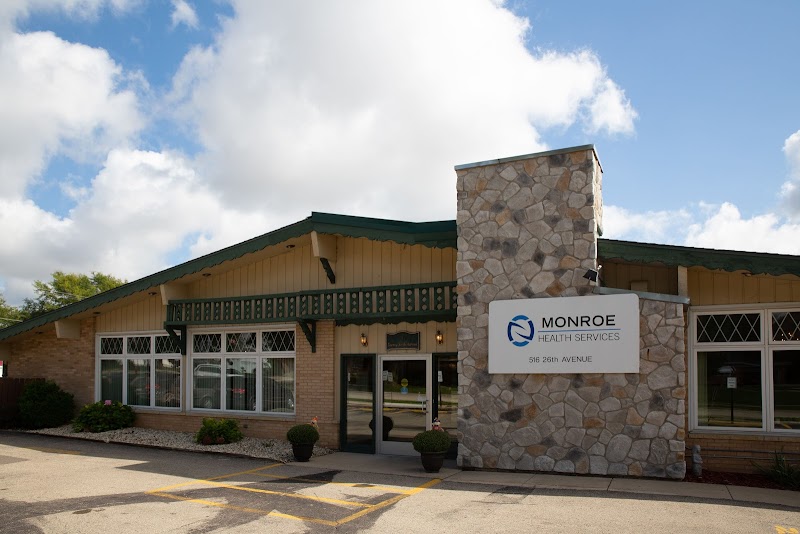
516 26TH AVE, MONROE, WI 53566 (608) 325-9141
For profit - Corporation 50 Beds NORTH SHORE HEALTHCARE Data: November 2025 1 Immediate Jeopardy citation
Trust Grade
43/100
#158 of 321 in WI
Last Inspection: August 2024

Within standard 12-15 month inspection cycle. Federal law requires annual inspections.

Overview

Monroe Health Services has received a Trust Grade of D, indicating below-average performance with some notable concerns. They rank #158 out of 321 nursing homes in Wisconsin, placing them in the top half, and are the only facility ranked #1 out of 3 in Green County. The facility is improving, with issues decreasing significantly from 12 in 2024 to just 1 in 2025. Staffing is a strong point, earning a 4 out of 5 stars, and they have good RN coverage, exceeding 78% of state facilities, which is beneficial for resident care. However, there are serious concerns as a critical incident involved residents smoking while on oxygen, which posed immediate jeopardy, and issues with food preparation cleanliness were also noted, highlighting the need for improvement in safety and sanitation practices.

Trust Score
D
43/100
In Wisconsin
#158/321
Top 49%
Safety Record
High Risk
Review needed
Inspections
Getting Better
12 → 1 violations
Staff Stability
⚠ Watch
56% turnover. Above average. Higher turnover means staff may not know residents' routines.
Penalties
✓ Good
No fines on record. Clean compliance history, better than most Wisconsin facilities.
Skilled Nurses
✓ Good
Each resident gets 63 minutes of Registered Nurse (RN) attention daily — more than 97% of Wisconsin nursing homes. RNs are the most trained staff who catch health problems before they become serious.
Violations
⚠ Watch
26 deficiencies on record. Higher than average. Multiple issues found across inspections.
★★★☆☆
3.0
Overall Rating
★★★★☆
4.0
Staff Levels
★★★☆☆
3.0
Care Quality
★★★☆☆
3.0
Inspection Score
Stable
2024: 12 issues
2025: 1 issues

The Good

  • 4-Star Staffing Rating · Above-average nurse staffing levels
  • Full Sprinkler Coverage · Fire safety systems throughout facility
  • No fines on record

Facility shows strength in staffing levels, fire safety.

The Bad

3-Star Overall Rating

Near Wisconsin average (3.0)

Meets federal standards, typical of most facilities

Staff Turnover: 56%

Near Wisconsin avg (46%)

Frequent staff changes - ask about care continuity

Chain: NORTH SHORE HEALTHCARE

Part of a multi-facility chain

Ask about local staffing decisions and management

Staff turnover is elevated (56%)

8 points above Wisconsin average of 48%

The Ugly 26 deficiencies on record

1 life-threatening
Jan 2025 1 deficiency
CONCERN (D) 📢 Someone Reported This

A family member, employee, or ombudsman was alarmed enough to file a formal complaint

Potential for Harm - no one hurt, but risky conditions existed

Deficiency F0602 (Tag F0602)

Could have caused harm · This affected 1 resident

**NOTE- TERMS IN BRACKETS HAVE BEEN EDITED TO PROTECT CONFIDENTIALITY** Based on interviews, record review, facility document review, and review of the facility's policy, the facility failed to ensure...

Read full inspector narrative →
**NOTE- TERMS IN BRACKETS HAVE BEEN EDITED TO PROTECT CONFIDENTIALITY** Based on interviews, record review, facility document review, and review of the facility's policy, the facility failed to ensure residents were free from misappropriation of property for one of three sample residents (Resident (R) 1) reviewed for misappropriation. Findings include: Review of the facility's policy titled, Abuse, Neglect and Exploitation, revised 07/15/22, revealed It is the policy of this facility to provide protections for the health, welfare and rights of each resident by developing and implementing written policies and procedures that prohibit and prevent abuse, neglect, exploitation and misappropriation of resident property . Misappropriation of resident property means the deliberate misplacement, exploitation, or wrongful, temporary or permanent, use of a resident's belongings or money without the resident's consent .The facility will have written procedures that include .analyzing the occurrence to determine why abuse, neglect, misappropriation of resident property or exploitation occurred, and what changes may be needed to prevent further occurrences .training of staff on changes made and demonstration of staff competency after training is implemented. Review of R1's undated Resident Face Sheet located in the electronic medical record (EMR) under the Face Sheet tab, revealed the resident was admitted to the facility on [DATE] with diagnosis that included chronic respiratory failure, muscle weakness, and diabetes mellitus. Review of R1's annual Minimum Data Set (MDS) with an Assessment Reference Date (ARD) of 12/13/24 revealed the facility assessed the resident to have a Brief Interview for Mental Status (BIMS) score of 14 out of 15 indicating the resident was cognitively intact. Review of the Misconduct Incident Report provided by the facility, documented that the incident was discovered 12/24/24, that R1's phone was missing and said that a housekeeper took it. Patient was worried about her phone. Police were called and [R1] did not want to pursue it with the police. The Administrator was called immediately, and the housekeeper was suspended immediately. Police called. Certified Nursing Assistant (CNA) 1 wrote a witness statement on 12/24/24 that stated, R1 turned her call light on and I answered it .she then asked about her phone saying the house keeper put her phone in her pocket. The actions taken by the Administrator stated, On 12/24/2024 at 1300 [1:00 PM], the administrator was notified that [R1's] phone was missing. [R1] made a comment that she thought it might be the [Housekeeper (HSK) 2] as she thinks she saw her put it in her pocket. [HSK2] was immediately suspended. Staff immediately started searching for it and the police were called. The police started interviewing [R1]. [R1] told the police officer that she did not want anything done. Police Officer . called the administrator and stated that, 'he would not proceed because [R1] did not want anything done' .The Assistant Director of Nursing (ADON) was interviewing staff and searching for the phone. Staff searched the grounds and around cars and saw the phone in [HSK3's] passenger seat. [HSK2] was outside waiting for a ride from [HSK3] and walked with staff to her co-worker's [HSK3] vehicle because she received rides to work and saw the phone was under a package of Kleenex in the front seat, she asked that we not tell [HSK3]. The phone was returned to [R1] immediately. The conclusion documented that, Between staff and resident interviews .[HSK2] was scheduled in [R1's] hallway .[R1] saw housekeeper put it in her pocket. The phone was found with staff and [HSK2] present, in the car that she rode in. [Facility] and the .police department are unable to substantiate the theft of the phone, but due to the evidence provided in the investigation, we are terminating [HSK2]. During an interview on 01/17/25 at 9:45 AM, CNA1 said that she remembered R1 was upset about someone who had cleaned her room and had taken and put something into her pocket, and now she could not find her phone. She said she helped the resident search her room, but it could not be found. She said a lot of staff were looking in her room to find it, but they could not. CNA1 said she reported it and wrote her statement and gave it to management. She said it was the end of her shift and went home. She said she heard the phone was found in the housekeeper's car. She stated she was not aware of any other residents expressing similar concerns. During an interview on 01/17/25 at 10:10 AM, HSK1 said that she completed a regular background check when she applied to the housekeeping company and had received abuse training. She could not recall if she had received any after the incident with R1, but believed it was after the last facility survey. During an interview on 01/17/25 at 10:26 AM, the Housekeeping Manager (HSKM) said she did the hiring for the housekeeping staff. She said the process to check for references, and background checks were done by her company, which was separate from the facility itself. She said she was not at the facility that day, but the Administrator told her what happened. She said she called HSK2 who said she did not do it. HSKM said R1 had stated she saw HSK2 take her phone. She said the District Manager of her company had called her to discuss the situation, and that they were doing their own investigation. She stated that since the incident she did not believe there had been any reeducation or training on abuse that she could recall. She stated the facility used Relias and her company used a separate system, but she could not recall any since the misappropriation of property. During an interview on 01/17/25 at 11:36 AM, the Director of Nursing (DON) said that although he was not at the facility during the incident, he was informed. He said the facility did the self-report and education. He confirmed they interviewed other residents, and none had concerns. He said they sent the report to the contracted housekeeping company that HSK2 worked for, since she was not a direct employee. During an interview on 01/17/25 at 11:39 AM, the Regional Administrator said he was involved in the termination of the employee. He stated they could not 100% confirm she took the phone, but the evidence suggested that she took it. He confirmed that the contract company she worked for was now handling it. During an interview on 01/17/25 at 12:05 PM, R1 said that she saw HSK2 in her room and put her cell phone into HSK2's pocket. She said she told the staff, and they found the phone in HSK2's friend's car. She said she knew HSK2 took it, but she did not know why. She said the police came in and asked her if she wanted to press charges. She stated she did not. She said she wanted the housekeeper to come and apologize, but she did not. R1 said it was an unfortunate situation, and she just wished she knew why HSK2 did it. During an additional interview on 01/17/25 at 12:20 PM, the Regional Administrator said there were no additional findings of missing property, and if there was it would be on the grievance log. There were none reported. During an interview on 01/17/25 at 12:27 PM, the ADON said it was Christmas Eve in the afternoon and the girls reported to her that R1 could not find her cell phone. She stated they looked everywhere in her room. She stated staff came back and said they could not find it. She stated R1 was very adamant that she saw HSK2 take it. She said she talked to HSK2 who swore she did not take it. She stated HSK2 was carpooling with HSK3. She said she called the Director of Nursing then to see what to do, because she knew there had to be an investigation, and get statements. She stated HSK2 finished her work before HSK3 and went to the car she was carpooling with HSK3, because she had access to it when she was on breaks. She stated that HSK2 came and told her that she saw a phone on the car seat and had taken a picture of it. ADON said she did not know what R1's phone looked like, so another staff member validated that it was hers. She said she had brought HSK3 into the office and asked her about the phone and said she had not taken it; it was not hers. She stated she was not aware of what had happened. ADON said she told the Administrator and Director of Nursing, and they told her to call the police, and get statements. ADON stated when the police came, they interviewed R1, and she said the same thing. She stated R1 got her phone back and identified HSK2 because she could recall what she looked like. She said that the Housekeeping Manager was their supervisor, and she was told to handle it on her end. She said that since then there had been additional education on abuse, and they had the nursing staff sign and review. During an interview on 01/17/25 at 12:40 PM, the Administrator said the Director of Nursing had nursing meetings, talked with every new hire, and that there was also online training that the staff received to go over all the abuse training. He said they also did in-services for abuse and talked about it, that it was ongoing. He confirmed that housekeeping services was a contracted company and that the Housekeeping Manager was to provide abuse education to her staff as well. A review of the abuse training on 12/26/24 revealed the HSKM had attended, but not the housekeeping staff. During an interview on 01/17/25 at 12:49 PM, HSKM said she had brought in the available training that was completed for her housekeeping staff. She confirmed that none of the housekeeping staff had received abuse reeducation since the incident. A review of the housekeeping staff training revealed none of the staff had received abuse training since the incident with HSK2 and R1. During a concurrent interview on 01/17/25 at 12:52 PM with the Administrator, Regional Administrator, and DON, they confirmed the misappropriation of R1's property had occurred, and that they had provided retraining on abuse to the facility staff. They confirmed HSKM had attended this reeducation, and that she would have been responsible for educating the housekeepers since they were a contracted company.
Nov 2024 1 deficiency
CONCERN (D) 📢 Someone Reported This

A family member, employee, or ombudsman was alarmed enough to file a formal complaint

Potential for Harm - no one hurt, but risky conditions existed

Notification of Changes (Tag F0580)

Could have caused harm · This affected 1 resident

**NOTE- TERMS IN BRACKETS HAVE BEEN EDITED TO PROTECT CONFIDENTIALITY** Based on interview and record review, the facility did not immediately consult with the resident's physician when there was a ne...

Read full inspector narrative →
**NOTE- TERMS IN BRACKETS HAVE BEEN EDITED TO PROTECT CONFIDENTIALITY** Based on interview and record review, the facility did not immediately consult with the resident's physician when there was a need to alter treatment for 1 of 3 residents (R1) reviewed for physician notification. R1's provider was not notified of abnormal lab results. This is evidenced by: The facility policy titled, Change in Condition of the Resident, reviewed/revised 9/20/22, indicates, in part: Policy: A facility should immediately inform the resident; consult with the resident's physician .when there is .a need to alter treatment significantly (that is, a need to discontinue an existing form of treatment due to adverse consequences, or to commence a new form of treatment) .3. Notify resident's physician - Use Interact Change in condition: When to report to the MD/NP/PA (Medical Doctor/Nurse Practitioner/Physician Assistant) as a guideline . The facility Interact Version 4.5 Tool - Change in Condition: When to report to the MD/NP/PA, indicates, in part, the following lab results should be reported immediately: .Chemistry: Blood/Urea/Nitrogen (BUN) >60mg/dl . R1 was admitted to the facility on [DATE] with diagnoses that include, in part: Chronic Kidney Disease, Stage 4 (Severe), Anemia in Chronic Kidney Disease, Malignant Neoplasm of Overlapping Sites of Left Female Breast, Type 2 Diabetes, Chronic Heart Failure and Metabolic Encephalopathy (when the brain is not functioning properly because of an imbalance in the body's chemicals). R1's most recent MDS (Minimum Data Set), dated 10/29/24, indicates a BIMS (Brief Interview for Mental Status) score of 9, indicating R1's cognitive status is moderately impaired. R1's physician orders indicate the following: BMP (Basic Metabolic Panel) and CBC (Complete Blood Count) without diff one time only for Lab Monitoring until 10/28/24. Order date: 10/26/24. Start Date: 10/28/24. Surveyors reviewed the lab results from 10/28/24, which included, in part: --BUN: 83 (Blood Urea Nitrogen) Normal Range: 7-19mg/dl --Creatinine: 4.17 Normal Range: 0.57 - 1.11 mg/dl --GFR: 10 (Glomerular Filtration Rate -- a measure of how well your kidneys are working) Normal Range: >=60 ml/min/1.73m2) Of note, surveyors could not find evidence in R1's medical record that the lab results were called to nor reviewed by a provider. On 11/25/24 at 3:00 PM, Surveyor interviewed NP (Nurse Practitioner) C who indicated she saw R1 once, on the day of admission [DATE]. NP C indicated she ordered labs for 10/28/24 and that they were completed. NP C indicated her notes show that there was not a provider who reviewed the results. NP C indicated she was on vacation and there was another NP taking her calls. NP C indicated if the facility would have notified her or the on-call provider of the lab results they would have discussed options of sending to the hospital versus remaining at the facility. NP C reviewed with Surveyor R1's previous labs and noted that they were trending down prior to admission. On 11/25/24 at 3:12 PM, Surveyor interviewed DON B who indicated that when an order is received for labs it is put into the system and put into a file box at the nurse's station. DON B indicated usually he, ADON E (Assistant Director of Nursing), or the lab will come and complete the draw and take the sample(s) to the hospital. DON B indicated, usually UM D (Unit Manager) pulls up the lab results and either her or the nurse call the provider or NP C. If NP C is not at the facility then we contact (Physician Name) or whoever is on call. DON B indicated they do not have an exact timeframe for how long they wait to check for lab results and that there are always outliers but would expect within that day. On 11/25/24 at 3:30 PM, Surveyor interviewed UM (Unit Manager) D who indicated she is responsible for ensuring orders are completed for labs and that the results are taken off the fax and follow up occurs. UM D indicated she will make sure NP C reviews the results because NP C is often in the building. UM D indicated she does not recall R1's labs for 10/28/24. UM D indicated she would look into the follow up for R1's labs on 10/28/24. It is important to note no further documentation was provided by UM D. On 11/25/24 at 3:40 PM, DON (Director of Nursing) B indicated if UM D is not in facility any of the nurses can take lab results off of the fax machine. DON B indicated staff know if they take something off the printer they should give it to the nurse or the DON. DON B indicated he does not see anything in the documentation regarding results for R1's labs on 10/28/24. DON B indicated he would expect someone at the facility to follow up with the provider once the lab results are received. DON B indicated if the lab results were not received he would expect someone at the facility to follow up. R1's provider was not contacted regarding R1's Lab results from 10/28/24.
Aug 2024 8 deficiencies
CONCERN (D) 📢 Someone Reported This

A family member, employee, or ombudsman was alarmed enough to file a formal complaint

Potential for Harm - no one hurt, but risky conditions existed

Report Alleged Abuse (Tag F0609)

Could have caused harm · This affected 1 resident

**NOTE- TERMS IN BRACKETS HAVE BEEN EDITED TO PROTECT CONFIDENTIALITY** Based on interview and record review, the facility failed to develop and/or implement policies and procedures for ensuring the r...

Read full inspector narrative →
**NOTE- TERMS IN BRACKETS HAVE BEEN EDITED TO PROTECT CONFIDENTIALITY** Based on interview and record review, the facility failed to develop and/or implement policies and procedures for ensuring the reporting of a reasonable suspicion of a crime in accordance with section 1150B of the Act to ensure that all alleged violations involving abuse, neglect, exploitation, or mistreatment are reported immediately, no later than 24 hours if the events that cause the suspicion do not result in serious bodily harm for 1 of 3 sampled residents reviewed (R10). R10 was found to have a injury of unknown origin (bruise) on her upper right arm on 7/7/24. This was not reported to the State Agency until 7/11/24. This is evidenced by: According to §483.12(c)(1) of the State Operations Manual; all alleged violations involving abuse, neglect, exploitation or mistreatment, including injuries of unknown source and misappropriation of resident property, are reported immediately, but not later than 2 hours after the allegation is made, if the events that cause the allegation involve abuse or result in serious bodily injury, or not later than 24 hours if the events that cause the allegation do not involve abuse and do not result in serious bodily injury, to the administrator of the facility and to other officials (including to the State Survey Agency and adult protective services where state law provides for jurisdiction in long-term care facilities) in accordance with State law through established procedures. The facility policy entitled, Abuse, Neglect, and Exploitation, dated 7/15/22, includes in part: IV. Identification of Abuse, Neglect, and Exploitation . B. Possible indicators of abuse include, but are not limited to: . 2. Physical marks such as bruises or patterned appearances . 3. Physical injury of a resident, of unknown source . VII. Reporting/Response A. The facility will have written procedures that include: 1. Reporting of all alleged violations to the Administrator, state agency, adult protective services and to all other required agencies (e.g., law enforcement when applicable) within specified timeframes: a. Immediately, but not later than 3 hours after the allegation is made, if the vents that cause the allegation involve abuse or result in serious bodily injury, or b. Not later than 24 hours if the event that causes the allegation do not involve abuse and do not result in serious bodily injury . R10 was admitted to the facility on [DATE], with diagnosis that include, in part: Alzheimer's disease, osteoporosis, dementia, generalized anxiety disorder, and major depressive disorder. Review of R10's Quarterly Minimum Data Set (MDS) with an Assessment Reference Date (ARD) of 5/23/24 indicates R10 has no Brief Interview for Mental Status (BIMS) score due to the resident is rarely or never understood. Progress note dated 7/7/24 at 10:07 PM states: [CNA] reported to this writer that resident was in pain every time[sic] she/they repositioned her. Noted bruise on her right upper arm 3.5cm x 8.5cm. This writer lift [sic] resident's arm slowly and she flinched[sic], with facial grimacing noted. This writer notified hospice and talked to [Nurse], and that she will send someone tomorrow morning to assess her, to notify her family since its not urgent, and to update her medications; to give her some tylenol for now for pain prn (as needed). Progress note dated 7/11/24 at 8:19 AM, states: This writer heard resident's daughter [Name], in resident's room talking loudly towards staff doing cares. This writer asked her to come to SS (Social Services) office to discuss further. Daughter continued to express her frustrations to SS; Admin. also introduced himself to daughter; offered care conference with family. SS will contact APOA (Activated Power of Attorney) [Name] to schedule. The Alleged Nursing Home Resident Mistreatment, Neglect, and Abuse Report was initially submitted by NHA A (Nursing Home Administrator) on 7/11/24 at 9:56 AM. The Allegation type is listed as injury of unknown source: injury was not observed and is suspicious because of the extent or location. (of note, this is over the required reporting time) The final investigation was submitted on 7/17/24 at 3:00 PM. R10's Physician Progress note, dated 7/16/24, indicates an x-ray was conducted on 7/12/24 that indicates a fracture with displacement of the humeral head with osteoporosis. The note also states, She has contractures. I suspect that during routine care (dressing/bathing), the upper arm may have been manipulated to change her clothing or provide hygiene and she developed a pathological fracture due to osteoporosis. On 8/8/24 at 1:43 PM, Surveyor interviewed NHA A. Surveyor asked NHA A what his process is for reporting and investigating injuries of unknown origin. NHA A states that if we suspect anything we suspend employees as necessary and notify family. NHA A also states he could guess what I was referring to and states that R10's family did not want anything done at first, and when they did the facility started with x-ray and labs. The Physician then ordered R10 adaptive clothing due to the discovery of a pathologic fracture. Surveyor asked NHA A how soon injuries of unknown origin should be reported to the State Agency. NHA A states as soon as we know there was an injury, NHA A also states that he did report it and DON B (Director of Nursing) also knew about it right away and when he assessed it, DON B determined that the bruise was from changing R10's clothing so it was not an injury of unknown origin. Surveyor asked NHA A when the injury was discovered. NHA A stated 7/7/24, but DON B determined that the injury was not of unknown origin as it came from changing R10's clothes. Surveyor asked NHA A when his initial report was submitted. NHA A states, 7/11/24. NHA A also states the only reason he reported this incident at all was because R10's family came in and was yelling at facility staff, alleging abuse. On 8/8/24 at 4:02 PM, Surveyor interviewed DON B (Director of Nursing). Surveyor asked DON B how he was notified about R10's bruise. DON B states he was called immediately after the injury was discovered. DON B states that a CNA found the bruise and that it was small, about the size of a 50-cent coin. DON B gestured a small circle with his hand, roughly the same size as a 50-cent coin. Surveyor asked DON B if he would consider this bruise an injury of unknown origin. DON B states, I guess I would call it that. The next day when I came back in to reassess the resident the bruise was halfway down her arm. DON B gestures from the middle of his upper arm down to just below the elbow area. DON B also states that R10 has a long history of osteoporosis. Surveyor asked DON B what made the facility decide to further pursue an x-ray after the family initially denied it. DON B states because the bruise got bigger. DON B also states that he has seen multiple injuries in the past where a shoulder can be injured that can also cause these types of bruises to grow. Surveyor asked DON B when the decision was made to report this injury to the State Agency. DON B states when a family member came in screaming and alleging abuse. Surveyor asked DON B how soon abuse or injuries of unknown origins need to be reported. DON B states, immediately, especially when alleging physical harm. Of note, according to DON B, the bruise became significantly bigger on 7/8/24 and the injury was still not reported until 7/11/24, after R10's family member alleged abuse. R10's injury of unknown origin was not reported within the required timeframe.
CONCERN (D) 📢 Someone Reported This

A family member, employee, or ombudsman was alarmed enough to file a formal complaint

Potential for Harm - no one hurt, but risky conditions existed

Comprehensive Care Plan (Tag F0656)

Could have caused harm · This affected 1 resident

**NOTE- TERMS IN BRACKETS HAVE BEEN EDITED TO PROTECT CONFIDENTIALITY** Based on interview and record review, the facility did not develop a comprehensive person-centered care plan for 1 sampled resid...

Read full inspector narrative →
**NOTE- TERMS IN BRACKETS HAVE BEEN EDITED TO PROTECT CONFIDENTIALITY** Based on interview and record review, the facility did not develop a comprehensive person-centered care plan for 1 sampled resident (R35) of 5 reviewed for unnecessary medications. Surveyor reviewed R35's comprehensive care plan. There is no care plan indicating the use of Melatonin for insomnia. The facility does not have a sleep assessment or sleep tracking for R35's Melatonin use. Evidenced by: The facility policy, entitled Comprehensive Care Plan, dated 9/23/22, states, in part: . POLICY: It is the policy of this facility to develop and implement a comprehensive person-centered care plan for each resident, consistent with resident rights, that includes measurable objectives and timeframes to meet a resident's medical, nursing, and mental and psychosocial needs that are identified in the resident's comprehensive assessment. Definitions: .Person-centered care means to focus on the resident as the locus of control and support the resident in making their own choices and having control over their daily lives . Policy Explanation and Compliance Guidelines: . 1. The care planning process will include an assessment of the resident's strengths and needs and will incorporate the resident's personal and cultural preferences in developing goals of care . 3. The comprehensive care plan will describe, at a minimum, the following: a. The services that are to be furnished to attain or maintain the resident's highest practicable physical, mental, and psychosocial well-being . f. Resident specific interventions that reflect the resident's needs and preferences . R35 admitted to the facility on [DATE], and has diagnoses that include weakness, obstructive sleep apnea (intermittent airflow blockage during sleep), and depression. R35's Minimum Data Set (MDS) Quarterly Assessment, dated 5/10/24, shows R35 has a Brief Interview of Mental Status (BIMS) score of 14, indicating R35 is cognitively intact. R35's Physician's Orders, dated 6/4/24 and 5/14/24, states, in part: . Melatonin Oral Tablet 3 MG (milligrams) (Melatonin) Give 2 tablets by mouth one time a day for Sleep . Order Status: Active Order Date: 3/28/24 Start Date: 3/28/24 . R35's Care Plan, dated 2/11/24, states, in part: . Focus: Sleep cycle issues as evidenced by poor sleep r/t (related to) depression. Date Initiated: 2/11/24. Revision on: 2/11/24. Goal: Resident will exhibit fewer signs of adequate sleep by review date. Date Initiated: 2/11/24. Target Date: 11/3/24. Interventions: Administer medications as ordered. Date Initiated: 2/11/24 . Surveyor reviewed R35's electronic health record and there is no documented sleep assessment from February 2024. Surveyor reviewed R35's Medication Administration Record (MAR) from May 2024 through July 2024 and there is no sleep tracking or effectiveness of Melatonin documented. On 8/8/24 at 1:15 PM, Surveyor interviewed VPS F (Vice President of Success). VPS F informed Surveyor the facility does not have a sleep assessment for R35. On 8/8/24 at 3:05 PM, Surveyor interviewed DON B (Director of Nursing) and asked if DON B would expect a sleep assessment for a resident on Melatonin for sleep. DON B indicated probably so. Surveyor asked DON B if a resident receiving Melatonin for sleep, would you expect sleep monitoring. DON B indicated yes; you would want to see if the Melatonin was effective.
CONCERN (D) 📢 Someone Reported This

A family member, employee, or ombudsman was alarmed enough to file a formal complaint

Potential for Harm - no one hurt, but risky conditions existed

Deficiency F0658 (Tag F0658)

Could have caused harm · This affected 1 resident

**NOTE- TERMS IN BRACKETS HAVE BEEN EDITED TO PROTECT CONFIDENTIALITY** Based on interview and record review, the facility failed to meet professional standards of quality for 1 of 1 Residents (R40) r...

Read full inspector narrative →
**NOTE- TERMS IN BRACKETS HAVE BEEN EDITED TO PROTECT CONFIDENTIALITY** Based on interview and record review, the facility failed to meet professional standards of quality for 1 of 1 Residents (R40) reviewed for weights out of a total sample of 16. R40 had an order for daily weights for seven (7) days. Weights were not completed 3 out of 7 days. Evidenced by: The facility policy, entitled Weight Monitoring, dated 12/21/22, states, in part: .The interdisciplinary team will strive to prevent, monitor, and intervene for undesirable weight change for our residents.routine weights will be measured montly thereafter, unless ordered more frequently by the physician. Weights will be recorded in the individual's electronic health record. The nursing staff will notify the individual or responsible party, physician, and RDN (Registered Dietician Nutritionist) or designee of any individual with an unintended significant weight change. R40 was admitted to the facility on [DATE] with diagnoses that includes in part, essential hypertension (high blood pressure). R40's Minimum Data Set (MDS) dated [DATE], shows that R40 has a Brief Interview of Mental Status (BIMS) score of 12, indicating that R40's cognition is moderately impaired. R40's physician orders, dated 7/24/24, state; *Daily weights for next 7 days R40's Medication Administration Record (MAR) states, in part: daily weights for next 7 days, notify MD if > (greater than) 3# (pounds) in 1 day or 5# in 1 week . start 7/25/24. R40's Weights and Vitals Summary shows: *7/26/24 268 Lbs (pounds) *7/27/24 267 Lbs *7/30/24 266.8 Lbs *7/31/24 265.6 Lbs Important to note: There is no documentation of weight for 7/25/24, 7/28/24, or 7/29/24 though the MAR has signatures for the 7 dates of 7/25/24 through 7/31/24. On 8/7/24 at 4:33 PM, Surveyor interviewed RN C (Registered Nurse) and asked where weights are documented. RN C stated on the MAR or under vitals in PCC (Point Click Care--facility's electronic health record system). On 8/8/24 at 8:06 AM, Surveyor interviewed DON B and asked where weights are documented. DON B stated in PCC, as a rule; the CNAs (certified nursing assistants) write the weight on a weight sheet and the nurses document in PCC. Surveyor asked when the nurse is to document the weight in PCC. DON B stated same day. Surveyor asked if daily weights should be documented in PCC every day. DON B stated yes. Surveyor asked if staff would be aware of need to update the physician regarding change in weight if the weight was not documented in PCC. DON B stated no. Surveyor showed DON B that weights had not been documented in PCC for 3 of the 7 ordered dates. Surveyor asked DON B if facility would expect that all weights be documented in PCC to ensure that nurses would know when to update the physician. DON B stated yes. DON B asked if the facility expected that weights be documented in PCC if staff have signed for them on the MAR. DON B stated yes. The facility did not ensure that physician orders were followed for R40's daily weights.
CONCERN (D) 📢 Someone Reported This

A family member, employee, or ombudsman was alarmed enough to file a formal complaint

Potential for Harm - no one hurt, but risky conditions existed

Quality of Care (Tag F0684)

Could have caused harm · This affected 1 resident

**NOTE- TERMS IN BRACKETS HAVE BEEN EDITED TO PROTECT CONFIDENTIALITY** Based on observation, interview, and record review, the facility did not ensure that residents (R) receive treatment and care in...

Read full inspector narrative →
**NOTE- TERMS IN BRACKETS HAVE BEEN EDITED TO PROTECT CONFIDENTIALITY** Based on observation, interview, and record review, the facility did not ensure that residents (R) receive treatment and care in accordance with professional standards of practice, the comprehensive person-centered care plan, or per resident's choice for 2 of 5 residents (R35 & R11) reviewed for non-pressure wounds and 1 of 5 residents (R15) reviewed for change in condition out of a total sample of 16 Residents. R35 has blanks on his Treatment Administration Record (TAR) indicating R35's wound care had not been completed. R35 sees the wound doctor weekly. On 5/2/24 the wound doctor had ordered a treatment to R35's left shin and the order did not get transcribed onto the TAR or completed. R11 had blanks on his TAR indicating R11's wound care was not completed on those days. R15 sustained a fall. R15 was moved off the floor, after a fall, without a thorough assessment by an RN (Registered Nurse) and was later found to have a fracture. Evidenced by: The facility's policy, entitled Pressure Injuries and Non pressure Injuries, dated 7/20/22, states, in part: .Policy: . For those residents admitted with, or who subsequently developed a pressure injury or impaired skin integrity, they will receive care, treatment, and services that seek to promote healing, prevent infection, and prevent further development of pressure injuries/impaired skin integrity . Policy Explanation and Compliance Guidelines: .2. Weekly: .iii. Initiate treatment per order . The facility policy, entitled Non-Controlled Medication Orders, dated 1/23, states, in part: .Policy: Medications are administered only upon the receipt of a clear, complete and signed order by a person lawfully authorized to prescribe . Documentation of the Medication Order: . 2. Each medication order is documented in the resident's medical record . a. New orders . -Order is recorded on the MAR (Medication Administration Record)/TAR (Treatment Administration Record) . d. Orders faxed from the prescriber's office. -The nurse on duty at the time the faxed order is received notes the order and enters it into the medical record . -Order is recorded on the MAR/TAR . Example 1: R35 admitted to the facility on [DATE], and has diagnoses that include Encounter for orthopedic aftercare following surgical amputation, Type 2 Diabetes Mellitus with Diabetic Polyneuropathy (a long-term condition in which the body has trouble controlling blood sugar and using it for energy. Polyneuropathy is a complication of type 2 diabetes mellitus that occurs when the body's peripheral nerves malfunction). R35's Minimum Data Set (MDS) Quarterly Assessment, dated 5/10/24, shows R35 has a Brief Interview of Mental Status (BIMS) score of 14, indicating R35 is cognitively intact. R35's Specialty Physician (wound physician) Initial Wound Evaluation and Management Summary, dated 5/2/24, includes: Non-Pressure Wound of the Left Shin . Dressing Treatment Plan: Primary Dressing: Leptospermum (flower from the manuka plant) Honey apply once daily for 30 days. Secondary Dressing: Gauze island with border once daily for 30 days. R35's May 2024 TAR includes the following: -Wound Care to blister on LLE (left lower extremity): Paint intact blister on LLE with betadine daily. One time a day for wound care- blister Start Date: 5/7/24 . D/C (discontinue) Date: 5/17/24 . Dates 5/8/24, 5/12/24, 5/13/24, 5/14/24 and 5/16/24 are left blank/not signed out on the TAR for this order. -Wound Care to LLE: Cleanse open wounds to LLE with soap and water, pat dry, then apply Foam dressing with border. Change every 3 days, and PRN (as needed) until healed one time a day every 3 days for wound care. Start Date: 5/7/24 . D/C Date: 5/17/24 . Dates: 5/13/24 and 5/16/24 are left blank/not signed out on the TAR for this order. Note: There is no order on TAR for the ordered Primary Dressing: Leptospermum honey apply once daily for 30 days. Secondary Dressing: Gauze island with border once daily for 30 days to Left Shin as ordered on 5/2/24. R35's July TAR includes the following: Apply skin prep to areas on left toe once daily one time a day for skin. (Start Date: 6/14/24.) Dates 7/12/24 and 7/17/24 are left blank/not signed out on the TAR for this order. R35's Care Plan, dated 2/2/24, states, in part: .Focus: At risk for alteration in skin integrity related to: recent surgery, decreased mobility, diabetes .Interventions: . Treatment as ordered per MD (medical doctor). See wound MD as needed. Date Initiated: 5/2/24. No documentation was provided to show that R35's wound care treatments were done on the dates that were left blank/not signed out on the TAR. On 8/8/24 at 1:22 PM, Surveyor interviewed IP D (Infection Preventionist/Wound Nurse). Surveyor asked IP D what the process is when the wound doctor comes to the facility and writes new orders for wound care. IP D indicated she does rounds with him. The wound doctor's notes go under the miscellaneous tab in PCC (Point Click Care). The next day IP D looks at the orders and if there are changes IP D updates the TAR. IP D indicated she took over as wound care nurse in June and she is responsible for entering orders into the TAR. On 8/8/24 at 3:10 PM, Surveyor interviewed DON B (Director of Nursing) and asked what the process is when the wound doctor comes to the facility and writes new orders for wound care and who is responsible. DON B indicated IP D is responsible for entering the orders into the TAR. DON B indicated at the end of the day when the wound doctor is at facility, IP D is responsible for entering the new orders into the TARS. DON B indicated the new orders are expected to be started the next day. Surveyor asked DON B, looking at the wound doctor's orders dated 5/2/24, were these orders entered into the TAR and completed. DON B looked through the TAR in the computer and indicated no, the orders are not in the TAR and were not completed. Surveyor asked if the orders should have been entered into the TAR on 5/2/24 and DON B indicated yes. DON B indicated he would have expected the orders to be started the next day on 5/3/24. Surveyor asked DON B if there are blanks on the TAR what does that indicate. DON B indicated if not documented it is not done. Surveyor showed DON B the blanks on R35's TAR (5/8, 5/12, 5/13, 5/14, 5/16) and asked if these treatments were completed and DON B indicated if not documented it is not done. R35's wound treatments were not completed per MD orders. Example 3 The facility policy, titled Fall Prevention and Management Guidelines, with a reviewed/revised date of 7/18/24, indicates, in part: .Policy Explanation and Compliance Guidelines: .7. When any resident experiences a fall, the facility will: a. Complete a post-fall assessment and review: 1) Physical assessment with vital signs . 4) Resident and/or witness statements regarding fall .e. Document all assessments and actions . R15 was admitted to the facility on [DATE], diagnoses include, in part: Hemiplegia (one sided paralysis) and Hemiparesis (one sided partial weakness) following cerebral infarction (stroke) affecting right dominant side, difficulty in walking, age-related osteoporosis (a bone disease that develops when bone mineral density and bone mass decreases and can increase the risk of fractures), and Parkinsonism. R15's Minimum Data Set (MDS) with a target date of 5/21/24 indicates a Brief Interview for Mental Status (BIMS) summary score of 12, indicating R15's cognition is moderately impaired. R15's Nursing Progress Notes indicate the following, in part: --5/9/24 12:47 PM - Clinical Follow-up: Note Text: The current status is sitting in w/c (wheelchair) eating lunch. monitor per policy. --5/9/24 1:44 PM - Communication with Physician: Situation: recent fall at 11AM - c/o (complains of) right hip pain. Background: reaching for snack and fell out of w/c. Assessment (RN)/Appearance(LPN): right hip swollen. Assessment: requesting to go to ER (Emergency Room). Recommendations: Response: Order received to send to ER. --5/9/24 2:00 PM - General Note: Note Text: requesting to be sent to ER d/t (due to) c/o right hip/leg pain .EMS (Emergency Medical Services) arrived at 1:50 PM . On 8/8/24 Surveyor was unable to locate a Fall Report/Investigation for R15 in the medical record and requested this from the facility. On 8/8/24 the facility provided the following, in part, and indicated it was from their risk management documentation: The document indicates Risk Management at the top of the document with an effective date of 5/9/24. There is no complete patient name on the document, only a first name in the note text and there is no documentation of who the author is. Note Text indicates: R15's family brought in cupcakes for his birthday. R15 was eating one and dropped it on the floor. Patient reached for cupcake on the floor and fell. Resident States, I was reaching for a cupcake that my brother brought me for my birthday. Patient showed no signs or symptoms of pain or discomfort and was transferred back to wheel chair. Education on call light was given immediately. Patient stated I know I should of used by call light to ask for help Patient transferred back to bed with 2 person full body lift where he started to complain of pain in hip. Orders to send to ER for eval (evaluation). R15's Post Fall Assessment, with an effective date and time of 5/9/24 at 12:38 PM, includes, in part: Date and Time of Fall 5/9/24 00:00 (Of note, this time differs from the 5/9/24 1:44 PM nursing progress note that indicated the fall occurred at 11:00 AM) .Current vitals: Blood Pressure 175/79, Pulse 61, Respiration 20 . The document is electronically signed by RN E (Registered Nurse) It is important to note, this document does not include a full physical assessment such as range of motion, shortening of extremity concerns, internal or external rotation concerns, level of pain in general or pain with palpation, obvious signs of injury, etc. R15's Post Event Observation, with an effective date and time of 5/9/24 at 12:47 PM, includes, in part: A. Focus 1. Reason. 2. Fall . A. Focus 6. Most Recent Pain Level: Pain Level: 0 Date: 5/9/24 6:39 AM (Of note, this time is prior to the time the fall was documented as occurring.) 6a. Pain location: right leg. 7. Current status: sitting in w/c eating lunch. 8. Action taken: monitor per policy. This document is electronically signed by RN E. R15's Hospital Discharge Summary for admission dates 5/9/24 to 5/15/24 indicate, in part: Clinical Resume: R15 .was admitted with Right Intertrochanteric Fracture due to a combination of osteoporosis and trauma, as trauma alone would not have caused the fracture . On 8/8/24 at 9:57 AM, Surveyor interviewed RN E via telephone regarding R15's fall on 5/9/24. During the interview RN E indicated that if the facility had not provided the risk management documentation to us that some of her documentation would be in there. RN E indicated R15's brother had brought him cupcakes and R15 reached over to get one, the container was closed, and he ended up tipping out of his chair when he went to get one. RN E indicated she was up by the nurse's station assisting another resident when someone alerted there was a resident on the floor. RN E indicated that she saw NHA A (Nursing Home Administrator), who she states is also an LPN (Licensed Practical Nurse), go down and that as soon as she was done assisting the resident she was with she went down to the room. RN E indicated that NHA A cannot do an assessment because he is an LPN. RN E indicated by the time she got to the room R15 had already been picked up off the floor so she did not know what position he was in and couldn't assess him on the floor as he had already been moved. RN E indicated R15 had been moved into a wheelchair and that a CNA (Certified Nursing Assistant) and NHA A were in the room when she arrived. RN E could not recall who the CNA was. RN E indicated she brought the vitals machine and completed neuro checks per protocol but did not complete a full assessment. RN E indicated that she asked R15 if he was having pain and he said a little bit in his right leg. RN E indicated R15 said he just wanted to go to lunch and to get him to lunch and refused further assessment. RN E indicated she told R15 she needed to assess him but he didn't want to and kept saying just get me to lunch. RN E indicated after lunch he started to complain of more pain in the right leg and so she messaged the provider and got an order to send him out for evaluation to the ER. Surveyor asked RN E if she was able to assess R15's leg after lunch. RN E indicated she was not able to assess his leg after lunch either because he was sitting in the w/c and she asked him and he refused for her to assess the hip and so she asked him if he wanted an x-ray and he said yes. Surveyor asked RN E if R15 stayed in his w/c until EMS (Emergency Medical Services) arrived. RN E indicated they put him in bed as EMS was getting there. Surveyor asked RN E if she recalled how they got R15 into bed. RN E indicated she did not remember and that she may not have been there because she may have been getting paperwork ready. Surveyor asked RN E if she would have given approval for staff to move R15 from the w/c to the bed. RN E indicated she did not recall if she did or not. Surveyor asked RN E with the amount of pain R15 was in if he should have been moved or left in the w/c for EMS to assist. RN E indicated, they should have left him in the w/c where he was. It is important to note that R15 was moved, after a fall, on two separate occasions without evidence of a complete RN assessment. On 8/8/24 at 10:36 AM, Surveyor interviewed R15 regarding the fall on 5/9/24. R15 was not able to provide details from the fall or post fall other than that he recalled he was reaching for a cupcake and fell out of his w/c and broke his hip. R15 indicated he could not recall staff assisting him after the fall or recall being moved or refusing to allow staff to physically assess him. On 8/8/24 at 3:51 PM, Surveyor interviewed DON B (Director of Nursing) and asked what the expectation of nursing staff is immediately after a resident has a fall. DON B indicated: Risk management documentation and follow-up; An assessment, to included: vital signs, a head to toe assessment, and depending on the incident, range of motion; Contact physician, DON, family, MCO (Managed Care Organization). Surveyor asked DON B if any staff member should move a resident prior to a RN assessment. DON B indicated, no. Surveyor asked DON B what he knew of R15's fall on 5/9/24. DON B indicated it was reported to him that it was R15's birthday and he dropped a cupcake on his floor and was reaching for it, slid out of his w/c, and landed on his bottom. They put R15 into his bed, he had no complaints of pain or injury. DON B indicated he could not give an exact time but he thought about 2 hours later he began complaining of right leg pain. DON B indicated he went in and assessed R15's leg and he had pain in the pelvis area and 911 was called and he was transported. Surveyor asked DON B if as far as he was aware R15 went directly to his bed after the fall. DON B indicated he was aware of RN E doing an assessment and then her and the CNA laying R15 back in bed. Surveyor asked DON B if he documented his assessment or if he had documentation of RN E's assessment. DON B indicated he was not sure and began looking in the facility EHR (Electronic Medical Record). DON B indicated he was unable to locate documentation of the assessments and that they should be documented in the medical record. On 8/8/24 at 4:18 PM Surveyor interviewed NHA A and asked what he knew of R15's fall on 5/9/24. NHA A indicated that R15 was reaching for a cupcake because it was his birthday and he fell reaching for it. NHA A indicated he assisted with the post fall risk management information. Surveyor asked NHA A if he went to R15's room when he fell. NHA A indicated he thought he went after the fact, just to see where it happened. Surveyor asked NHA A if he cared for R15 at anytime between the fall and when he was moved. NHA A indicated, not that he recalled. Surveyor asked NHA A if he recalled what nurse went to take care of R15 after the fall. NHA A indicated, I believe it was RN E, the documentation I saw was her. Surveyor asked NHA A if he knew who moved R15 after the fall. NHA A indicated he believed it was a CNA and RN E. Surveyor asked NHA A if he was able to find documentation of an RN assessment prior to R15 being moved. NHA A indicated he could not see one and there should have been one completed. Surveyor asked NHA A if he, at any time, moved R15. NHA A indicated, no. There is no evidence documented of a complete physical assessment by a Registered Nurse prior to R15 being moved from the floor to the w/c after a fall. Example 2: R11 was admitted on [DATE] with diagnoses of orthopedic aftercare following surgical amputation, acute osteomyelitis (right hand,) and peripheral vascular disease. July 2024 Treatment of Administration (TAR) record indicates the following: Arterial wound left 2nd finger, full thickness, apply iodosorb gel and cover with bordered gauze once daily for 30 days (start 7/13/24, D/C (discontinue) date 7/19/24) is blank/not signed out on the TAR for night shift on 7/19/24. Arterial wound left 2nd finger, full thickness, apply iodosorb gel and cover with bordered gauze once daily for 30 days (start 7/20/24, D/C (discontinue) date 7/30/24) Wound care: Monitor left hand tip of thumb and thumb nail is necrotic. Apply betadine once daily, leave open to air one time a day for wound care (start date 7/14/24) is blank/not signed out on the TAR for PM shift on 7/17/24. Wound care: Right hand, daily dressing changes. Cleanse with normal saline, pat dry, apply xeroform over the sutures, and wrap with a rolled gauze followed by ace wrap one time a day for wound care (start date: 7/3/24) is blank/not signed out on AM shift on 7/17/24 and 7/24/24. No documentation was provided to show that R11's wound care treatments were done on the dates that were blank/not signed out on the TAR. On 8/8/24 at 3:18 PM, Surveyor interviewed DON B (Director of Nursing) regarding R11's treatments. When informed that R11 has blanks/dates not signed out for treatments on his TAR, DON B stated, If it's not documented it's not done.
CONCERN (D) 📢 Someone Reported This

A family member, employee, or ombudsman was alarmed enough to file a formal complaint

Potential for Harm - no one hurt, but risky conditions existed

Pressure Ulcer Prevention (Tag F0686)

Could have caused harm · This affected 1 resident

**NOTE- TERMS IN BRACKETS HAVE BEEN EDITED TO PROTECT CONFIDENTIALITY** Based on observation, interview, and record review, the facility did not implement professional standards of practice to promote...

Read full inspector narrative →
**NOTE- TERMS IN BRACKETS HAVE BEEN EDITED TO PROTECT CONFIDENTIALITY** Based on observation, interview, and record review, the facility did not implement professional standards of practice to promote healing or prevent pressure injury (PI) development for 1 of 2 residents reviewed for PIs out of a sample of 16 residents (R147). On 5/23/24 the wound doctor ordered Leptospermum honey (honey from the flowers of the Manuka bush) apply once daily for 23 days. Secondary Dressing: Gauze island with border apply once daily for 23 days for R147. This order did not get entered/transcribed onto R147's Treatment Administration Record (TAR) and was not completed as ordered on multiple days. Evidenced by: The facility's policy, entitled Pressure Injuries and Non pressure Injuries, dated 7/20/22, states, in part: .Policy: . For those residents admitted with, or who subsequently developed a pressure injury or impaired skin integrity, they will receive care, treatment, and services that seek to promote healing, prevent infection, and prevent further development of pressure injuries/impaired skin integrity . Policy Explanation and Compliance Guidelines: . 2. Weekly: . iii. Initiate treatment per order . The facility policy, entitled Non-Controlled Medication Orders, dated 1/23, states, in part: .Policy: Medications are administered only upon the receipt of a clear, complete and signed order by a person lawfully authorized to prescribe .Documentation of the Medication Order: .2. Each medication order is documented in the resident's medical record . a. New orders . -Order is recorded on the MAR (Medication Administration Record)/TAR (Treatment Administration Record) . d. Orders faxed from the prescriber's office. -The nurse on duty at the time the faxed order is received notes the order and enters it into the medical record . -Order is recorded on the MAR/TAR . R147 admitted to the facility on [DATE], and has diagnoses of osteoarthritis (type of arthritis that occurs when flexible tissue at the ends of bones wears down), paraplegia (a chronic condition that causes a loss of muscle function in the lower half of the body, including the legs, feet, toes, and sometimes abdomen), and weakness. R147's Specialty Physician Wound Evaluation and Management Summary, dated 5/23/24, states, in part: .Stage 3 Pressure Wound of the Left Calf . Dressing Treatment Plan: Primary Dressing: Leptospermum honey apply once daily for 23 days. Secondary Dressing: Gauze island with border apply once daily for 23 days. (until 6/14/24) . R147's Care Plan, dated 4/16/24, states, in part: . Focus: The resident has healing pressure ulcer Right and Left Calf r/t (related to) paraplegia .Interventions: .Administer treatments as ordered and monitor for effectiveness. Date Initiated: 4/16/24 .Weekly treatment documentation to include measurement .Date Initiated: 4/16/24 . R147's May TAR includes: Wound Care to left calf. Cleanse area and pat dry. Apply medihoney and cover with bordered gauze daily. One time a day. Start Date: 4/19/24 . D/C (discontinue) Date: 5/21/24 . Note: TAR shows no treatment to left calf from 5/21/24 through 5/31/24. R147's June TAR includes: Left Calf- Cleanse wound and apply medihoney and cover with bordered gauze once daily one time a day. Start Date: 6/7/24. D/C Date: 6/28/24. Note: TAR shows no treatment to the left calf from 6/1/24 - 6/6/24. (Of note: R147's wound was present upon admit and did not worsen during the time frames that the wound care was not completed.) On 8/8/24 at 3:35 PM, Surveyor interviewed DON B (Director of Nursing). Surveyor reviewed the wound doctor orders dated 5/23/24 with DON B and asked if these orders were entered onto R147's TAR and completed as ordered. DON B indicated the orders were not on R147's TAR from 5/21/24- 6/6/24. Surveyor asked DON B if these orders should be on R147's May TAR and DON B indicated yes, he would expect them to be on the TAR and completed. Surveyor asked DON B if these orders had been completed and DON B indicated if it was not documented it was not done. Treatment to R147's pressure injury was not completed per physician orders on multiple days.
CONCERN (D) 📢 Someone Reported This

A family member, employee, or ombudsman was alarmed enough to file a formal complaint

Potential for Harm - no one hurt, but risky conditions existed

Unnecessary Medications (Tag F0759)

Could have caused harm · This affected 1 resident

Based on observation, interview, and record review, the facility did not ensure that it was free of medication error rates of 5% or greater. There were 2 errors out of 34 opportunities that affected 2...

Read full inspector narrative →
Based on observation, interview, and record review, the facility did not ensure that it was free of medication error rates of 5% or greater. There were 2 errors out of 34 opportunities that affected 2 out of 2 residents (R12 and R35) included in the medication pass task, which resulted in an error rate of 5.88%. RN C (Registered Nurse) did not assess the resident's heart rate or blood pressure prior to administration according to physician orders. LPN G (Licensed Practical Nurse) administered a medication with breakfast instead of one hour before breakfast according to physician orders. This is evidenced by: Facility policy entitled, Medication Administration, dated 01/2023, states in part: Policy: Medications are administered as prescribed in accordance with manufacturers' specifications . Procedures: Medication Preparation: . 3. Prior to administration, review and confirm medication orders for each individual resident on the Medication Administration Record .Medication Administration: 1. Medications are administered in accordance with written orders of the prescriber . 2. Obtain and record any vital signs as necessary prior to medication administration. 3. Medication administration timing parameters include the following: a. Medications to be given on an empty stomach or before meals are to be scheduled for administration 30 minutes to 2 hours prior to meals . 14. Medication are administered within 60 minutes of scheduled time, except before or after meal orders, which are administered based on mealtimes . Example 1: R12's Physician Orders state, in part: Lisinopril Oral Tablet 10 MG (milligram) (Lisinopril) Give 1 tablet by mouth one time a day related to HYPERTENSIVE HEART DISEASE WITHOUT HEART FAILURE (I11.9) hold if SBP (systolic blood pressure) <100 (less than 100) or DBP (diastolic blood pressure) <60 or HR (heart rate) <60 and notify MD (medical doctor). (Start date: 7/20/2024) On 8/7/24 at 8:00 AM, Surveyor observed RN C prepare 22 medications for R12, including one Lisinopril 10 MG tablet. Surveyor observed this medication be added to the small, plastic medication cup and administered to the resident. After reviewing R12's physician orders, it was found that R12's Lisinopril order included parameters to hold the medication for a blood pressure under 100 systolic and 60 diastolic, as well as orders to hold for a heart rate less than 60. Of note: Surveyor did not observe R12 assess the resident's vital signs prior to medication administration. The last vital signs recorded for R12 were taken on 8/5/24. On 8/7/24 at 11:38 AM, Surveyor interviewed RN C. Surveyor asked RN C how often R12's vital signs should be taken. RN C states that it used to be daily, but about a month ago that was discontinued, and RN C believes that now it is once a week. Surveyor asked RN C if she took R12's vital signs this morning. RN C states no, she did not. Surveyor asked RN C to review R12's Lisinopril order and asked what the order indicates. RN C states that there are hold orders for vital sign parameters. Surveyor asked RN C, knowing this, should R12's vital signs been taken this morning prior to the Lisinopril being administered. RN C stated, yes, absolutely. Example 2: R35's Physician Orders state, in part: Omeprazole Oral Tablet Delayed Release 20 MG (Omeprazole) Give 1 tablet by mouth one time a day for GERD (Gastroesophageal Reflux Disease) Give one hour before breakfast. On 8/7/24 at 8:14 AM, Surveyor observed LPN G prepare 12 medications for R35, including one Omeprazole 20 MG tablet. Surveyor observed this medication be added to the small, plastic medication cup and administered to the resident. While in R35's room, Surveyor observed the resident sitting upright in a wheelchair in front of a bedside table with his breakfast tray on top and uncovered. After reviewing R35's physician orders, it was found that R35's Omeprazole order included instructions that the medication be administered 1 hour before breakfast. On 8/7/24 at 11:47 AM, Surveyor interviewed LPN G. Surveyor asked LPN G if I what R35's Omeprazole order states. LPN G states that the Omeprazole should be administered one hour before breakfast. Surveyor asked LPN G if R35 had his breakfast tray when the medications were administered. LPN G states, yes. Surveyor asked LPN I if R35 was administered his omeprazole one hour before he ate breakfast. LPN G states, no. Surveyor asked LPN G if R35's Omeprazole should have been administered one hour before he ate breakfast. LPN G states, yes. On 8/7/24 at 12:55 PM, Surveyor interviewed DON B (Director of Nursing). Surveyor asked DON B if it is his expectation that medications be administered as ordered. DON B states, yes. Surveyor asked DON B if he would expect vital signs to be taken if medication have a hold order with vital sign parameters. DON B states, yes. Surveyor asked DON B if he would expect a medication with orders to be given one hour before breakfast to be administered as ordered. DON B states, yes. Surveyor asked DON B if he would consider administering the lisinopril without taking vital signs and administering omeprazole with breakfast instead of one hour before medication errors. DON B states, yes and that he has already started the facility medication error process including notifying the physician. Surveyor asked DON B if vital signs should have been taking prior to administering lisinopril. DON B states, yes. Surveyor asked DON B if omeprazole should have been given an hour before breakfast. DON B states, yes. R12 and R35's medications were not administered per physician orders.
CONCERN (D) 📢 Someone Reported This

A family member, employee, or ombudsman was alarmed enough to file a formal complaint

Potential for Harm - no one hurt, but risky conditions existed

Medical Records (Tag F0842)

Could have caused harm · This affected 1 resident

**NOTE- TERMS IN BRACKETS HAVE BEEN EDITED TO PROTECT CONFIDENTIALITY** Based on interview and record review the facility did not maintain medical records on each resident that are complete; accuratel...

Read full inspector narrative →
**NOTE- TERMS IN BRACKETS HAVE BEEN EDITED TO PROTECT CONFIDENTIALITY** Based on interview and record review the facility did not maintain medical records on each resident that are complete; accurately documented; readily accessible, and systematically organized for 1 of 16 sampled residents (R39) reviewed for fall risk. R39's medical record contains inaccurate fall risk assessments following five (5) falls within the facility over the span of three (3) months. This is evidenced by: R39 was admitted to the facility on [DATE] with diagnosis that include in part: encephalopathy (brain disease or dysfunction that causes and altered mental state), vascular dementia, and polyneuropathy (peripheral nerve damage causing weakness, numbness, and pain). R39's most recent Minimum Data Set (MDS), with Assessment Reference Date (ARD) of 7/25/24, indicates a Brief Interview of Mental Status (BIMS) of 3 out of 15, indicating R39 is severely cognitively impaired. Section GG indicates the resident utilizes a wheelchair for mobility. GG0170: Mobility indicates R39 requires partial/moderate assistance to move from sitting to standing. It also indicates R39 requires substantial/maximal assistance for chair/bed-to-chair transfers, toilet transfers, and tub/shower transfers. GG0170 also indicates that the facility could not attempt to have R39 walk 10 feet due to a medical condition or safety concerns. R39's Comprehensive Care Plan indicates, in part: Focus: R39 is a high risk for falls due to a history of falls, medications, weakness, decreased mobility, and a recent hospitalization. Date initiated: 4/19/24. Interventions include: room move if family is ok, lay down after meals, toilet after meals, bed in low position, dycem in w/c (wheelchair). Focus: R39 will use w/c while eating and in activities. Date initiated: 4/19/24. Interventions include: encourage to transfer and change positions slowly, FALL RISK (FYI), Have commonly used articles within easy reach, reinforce need to call for assistance, reinforce w/c safety as needed such as locking brakes, report development of pain, bruises, change in mental status, ADL (activities of daily living) function, appetite or neurological status post fall, sign to ask for help when getting up by recliner. R39's falls include: Post Fall assessment dated [DATE] at 12:00 PM. Assessment indicates that a fall occurred on 5/9/24 at 11:40 AM. Progress notes indicate that the fall was unwitnessed, and resident was found on the floor. The Fall Risk Assessment, which is included with the Post Fall Assessment, indicates a score of 22 indicating high fall risk. Post Fall assessment dated [DATE] at 11:42 PM. Assessment indicates a fall occurred on 5/9/24 at 7:00 PM. Progress notes indicate a second unwitnessed fall that was believed to have occurred when R39 attempt to use the bathroom by himself. The Fall Risk Assessment, which is included with the Post Fall Assessment, indicates a score of 10 indicating low fall risk. Post Fall assessment dated [DATE] at 2:40 AM. Assessment indicates a fall occurred on 5/10/24 at 7:10 PM. Progress note indicates that this is the third unwitnessed fall. The Fall Risk Assessment, which is included with the Post Fall Assessment, indicates a score of 15 indicating moderate fall risk. Post Fall assessment dated [DATE] at 2:11 PM. Assessment indicates a fall occurred on 6/5/24 at 1:00 PM. Assessment indicates that this is the fourth unwitnessed fall. The Fall Risk Assessment, which is included with the Post Fall Assessment, indicates a score of 9 indicating low fall risk. Of note: This Fall Risk Assessment indicates that R39 had no falls in the past 30 days and 1-2 falls in the past 90 days, when they actually had 3 falls. Additionally, it does not indicate the medications that R39 is has physician orders for that increase fall risk including a diuretic, a laxative, a psychotropic medication, and an antidepressant that are indicated on some prior assessments. Post Fall assessment dated [DATE] at 6:01 PM. Assessment indicates a fall occurred on 8/1/24 at 6:00 PM. Assessment indicates that this is the fifth unwitnessed fall. The Fall Risk Assessment, which is included with the Post Fall Assessment, indicates a score of 10 indicating low fall risk. Of note: This Fall Risk Assessment indicates that R39 had 1-2 falls in the past 90 days and 1-2 falls in the past 180 days, when the resident actually had 4 falls in the past 90 days. Additionally, it does not indicate the medications that R39 is has physician orders for that increase fall risk including a diuretic, a laxative, a psychotropic medication, and an antidepressant that are indicated on some prior assessments. On 8/8/24 at 8:44 AM, Surveyor interviewed LPN H (Licensed Practical Nurse). Surveyor asked LPN H what the process is after a resident falls. LPN H states, we get vitals, do an assessment, make sure nothing is hurting, utilize a hoyer lift to get them back up. Once the resident is off the floor, we ask them what happened, ask witnesses what happened, do notifications for the physician and HCPOA (Healthcare Power of Attorney), and then we do the fall risk assessment and continue neurological checks. Surveyor asked LPN H if recent falls increase someone's fall risk. LPN H states of course they do, along with a resident BIMS and medications. Surveyor asked LPN H if R39 is a high fall risk. LPN H states yes, due to his BIMS score, he has a sore ankle, and his recent intervention of the sign next to his chair is hit or miss for effectiveness. On 8/8/24 at 8:55 AM, Surveyor interviewed RN C (Registered Nurse). Surveyor asked RN C what the process is after a resident falls. RN C states, after I am notified, I go right to the room, assess for injury, ask what happened and if the resident hit their head. After that, RN C would start neurologic checks, assess vital signs, assist the resident off the floor, notify the physician and HCPOA, assess for skin issues, notify DON (Director of Nursing) and NHA (Nursing Home Administrator), and do a post fall and risk assessment. Surveyor asked RN C if previous falls increase resident fall risk. RN C states, absolutely. Surveyor asked RN C if R39 was a high fall risk. RN C states, yes. On 8/8/24 at 3:52 PM, Surveyor interviewed DON B (Director of Nursing). Surveyor asked DON B what his expectations were for staff after a resident falls. DON B states staff are to do an incident report, risk management, document the fall, notify family, the physician, and himself. Surveyor asked DON B what the assessment includes. DON B states vital signs, head-to-toe assessment, and range of motion. Surveyor asked if this would also include a fall risk assessment. DON B states, yes, I would expect them to be filled out. Surveyor discussed with DON B that 3 out of 5 of R39's post fall assessments, R39 was determined to be a low fall risk. Surveyor then asked DON B if he would consider these to be accurate fall risk assessments. DON B states, no. Surveyor asked DON B if these assessments should be accurate. DON B states, yes.
CONCERN (D) 📢 Someone Reported This

A family member, employee, or ombudsman was alarmed enough to file a formal complaint

Potential for Harm - no one hurt, but risky conditions existed

Antibiotic Stewardship (Tag F0881)

Could have caused harm · This affected 1 resident

**NOTE- TERMS IN BRACKETS HAVE BEEN EDITED TO PROTECT CONFIDENTIALITY** Based on interview and record review, the facility did not ensure they followed their antibiotic stewardship program that includ...

Read full inspector narrative →
**NOTE- TERMS IN BRACKETS HAVE BEEN EDITED TO PROTECT CONFIDENTIALITY** Based on interview and record review, the facility did not ensure they followed their antibiotic stewardship program that includes antibiotic use protocols and a system to monitor antibiotic use for 1 of 1 (R2) supplemental residents reviewed for antibiotic stewardship. R2 was given an antibiotic before all test results were returned and continued to take it after results despite lack of appropriate indications for its use. This is evidenced by: The facility policy titled, Antibiotic Stewardship Program, with a reviewed date of 1/24/24, indicates, in part: Policy: It is the policy of this facility to implement an Antibiotic Stewardship Program as part of the facility's overall infection prevention and control program. The purpose of the program is to optimize the treatment of infections while reducing the adverse events associated with antibiotic use. Policy Explanation and Compliance Guidelines: .4. The program includes antibiotic use protocols and a system to monitor antibiotic use. a. Antibiotic use protocols: ii. Laboratory testing shall be in accordance with current standards of practice. iii. The facility uses the updated McGeer criteria to define infections .b. Monitoring antibiotic use: i. Monitor response to antibiotics, and laboratory results when available, to determine if the antibiotic is still indicated or adjustments should be made . On 8/7/24 and 8/8/24 Surveyor reviewed the facility's Infection Control Line List documentation as part of the facility's Infection Control Program review. R2 was admitted to the facility on [DATE] and the July 2024 Infection Control Line List indicated the following for R2: Type of Infection: UTI (Urinary Tract Infection) .Signs and Symptoms: dysuria, urgency and abdominal pain. Criteria Met: Yes. Date of Onset: 7/12/24. Results/Organism: >=100,000 mixed flora .Treatment: Cefuroxime .Notes: UTI treated with cefuroxime x 7 days. An electronic encounter (a communication with the provider via electronic messaging), electronically signed by the physician on 7/12/24 at 2:31 PM, indicates the following: Looks like a UTI. Until culture is back, let's treat with cefuroxime 250 mg bid (twice a day) x 7 days with 0 refills. A Urine Culture Order with a collected date of 7/12/24 and a last resulted date of 7/13/24 indicates the following: Result Note: Urine Culture >= 100,000 CFU/ml (colony forming units/ml). No further workup performed. Mixed multiple morphologies present including potential uropathogens; suggest recollection if clinically indicated. R2's Medication Administration Record (MAR) indicates the following: Cefuroxime Axetil .Give 250mg (milligrams) by mouth two times a day for UTI until 7/19/24 .Start Date: 7/13/24. This medication is marked as administered twice daily from 7/13/24 through 7/18/24 and once in the AM of 7/19/24. On 8/8/24 at 8:59 AM, Surveyor interviewed ADON/IP D (Assistant Director of Nursing/Infection Preventionist) and DON B (Director of Nursing). Surveyor reviewed the above information regarding R2 and asked if it met criteria for treating with an antibiotic. ADON/IP indicated that she just went by the >100,000 for treatment. Surveyor reviewed the note on the urine culture indicating: No further workup performed. Mixed multiple morphologies present including potential uropathogens; suggest recollection if clinically indicated, with ADON/IP D and DON B. DON B indicated in the interview that his expectation with this culture result would have been for the physician to be contacted to discuss the results and to collect a new urine sample if needed. R2 was started on an antibiotic for suspected UTI prior to urine culture results being finalized. R2 was kept on an antibiotic after urine culture results indicated mixed flora (no specific bacteria was isolated) and that no further work-up would be performed. Therefore, a sensitivity, which would determine the effectiveness of the antibiotic against the microorganisms (germs) such as bacteria, was not performed. A recollection was not obtained or discussed with the Physician.
Feb 2024 3 deficiencies
CONCERN (D) 📢 Someone Reported This

A family member, employee, or ombudsman was alarmed enough to file a formal complaint

Potential for Harm - no one hurt, but risky conditions existed

Grievances (Tag F0585)

Could have caused harm · This affected 1 resident

Based on staff/resident interview and record review, the facility did not make prompt efforts to resolve grievances for 1 of 3 sampled residents (R1). R1 reported to DON B (Director of Nursing) multi...

Read full inspector narrative →
Based on staff/resident interview and record review, the facility did not make prompt efforts to resolve grievances for 1 of 3 sampled residents (R1). R1 reported to DON B (Director of Nursing) multiple times regarding call light wait times and being left wet for long periods of time, as well as concerns regarding demeanor of two (2) staff members. DON B did not report these grievances to NHA A (Nursing Home Administrator), the Grievance Officer. Therefore, the grievances were not documented on the grievance log, and there is no documented follow-up with R1. The facility did not ensure prompt resolution of voiced grievances. As evidenced by: The facility's policy Grievance Policy, revised 7/2022, states as follows: The facility will seek to resolve concerns, complaints or grievances and provide residents, responsible parties, staff and other feedback and resolution in a timely manner per 483.10 (J)(1). The resident has a right to voice grievances without fear or retaliation. Residents, residents' families and responsible parties, facility staff and facility contractors will be in-serviced on the Grievance procedure, how to initiate a grievance, who the Grievance Officer is and how resolutions will be communicated. When a Complaint/Grievance Report is initiated: A copy of the initiated concern form will be placed in the Grievance Notebook as a reminder that the Grievance is still being investigated and resolved. The original form will then be forwarded to the department head for which the Grievance pertains to (i.e. Dietary Manager for food and dining related issues, DON for any nursing or clinical related issues The Department Head that is assigned the concern form is responsible for investigating the issue and following up to provide a resolution to the issue within 72 hours of being assigned the grievance. The Grievance Officer will ensure: During the investigation, the Grievance Officer will prevent any potential or further violation of resident rights. The receipt of the concern will immediately report allegation or neglect and/or abuse . Once resolution of the grievance is achieved, the Grievance Officer will ensure that follow up with the concerned party, explanation of the investigation and the resolution and document of the concerned party's response to the resolution take place. The Grievance Officer will ensure .written grievance resolution decisions include the date when the original concern was received, a summary statement of concern, steps taken to investigate, a summary of findings or conclusions regarding the concern, whether the concern was confirmed or not, any corrective action taken and the date the written decision was issued. By using the Grievance Report form - these action items should be achieved. On 2/7/24 at 9:10 AM and 11:35 AM, Surveyor spoke with R1. Surveyor asked R1, are staff taking good care of you. R1 stated, she thinks there are a lot of good CNA's (Certified Nursing Assistants) here. R1 stated she has concerns regarding her call light response time and being left soiled. R1 stated sometimes she waits around 40 minutes. R1 was unable to recall further details. Surveyor asked R1, did you you tell anybody regarding your concerns. R1 stated, she spoke with DON B. R1 stated she also had a concern regarding a staff member and shared that concern with DON B. Surveyor asked R1, do you feel safe at the facility. R1 stated, Yes. On 2/7/24 at 10:34 AM, Surveyor spoke to NHA A (Nursing Home Administrator). Surveyor asked NHA A, are there any grievances, investigations or a soft file for R1. NHA A stated, No. (Note there is only 1 grievance for R1 regarding food). Surveyor asked NHA A, does the facility have call light wait time logs. NHA A stated, no. On 2/7/24 at 4:23 PM, Surveyor spoke with DON B (Director of Nursing). DON B stated, R1 and I (DON B) are friends, she tells me everything that's going on with her. DON B stated, he talks with R1, 2-3 times per week or more. Surveyor asked DON B, has R1 shared concerns with you regarding the facility. DON B stated, Yes, everything about A to Z. Surveyor asked DON B, has she voiced concerns to you. DON B stated, Yes. Surveyor asked DON B, who is the Grievance Officer. DON B stated, NHA A is the Grievance Officer. Surveyor asked DON B, did R1 share concerns with you regarding a staff member. DON B stated, R1 shared concerns regarding the demeanor of two (2) staff members. DON B added, R1's concerns were regarding the way the staff members talked and interacted. DON B stated, it was residents rights and customer service concerns. Surveyor asked DON B, what date(s) did R1 voice the concerns regarding staff. DON B stated, he is unsure as he did not document the information, and did not document when he followed up with R1. Surveyor asked DON B, did R1 voice concerns regarding call light response time and being left soiled. DON B stated, yes, R1 voiced concerns regarding call light response time and being left wet, not soiled. Surveyor asked DON B, what date did R1 voice the concerns call lights and being left wet. DON B stated, he is unsure as he did not document the information, and did not document when he followed up with R1. DON B stated, R1 has reported multiple concerns to him regarding call light response time. DON B stated, R1 did not want to file a grievance and stated, she doesn't want to get anybody in trouble. On 2/7/24 at 4:40 PM, Surveyor spoke with R1. Surveyor asked R1, when you shared your concerns regarding call light wait times and a staff member, did DON B ask if you wanted to file a grievance. R1 stated, No. R1 asked Surveyor, what is a grievance? R1 asked, is it like suing? Surveyor explained what a grievance is and the process to file a grievance. R1 was not offered to file a grievance for her concerns, the grievance officer was not made aware of R1's concerns and there is no evidence of facility staff following up with R1 with a resolution to her concerns that were voiced to DON B.
CONCERN (D) 📢 Someone Reported This

A family member, employee, or ombudsman was alarmed enough to file a formal complaint

Potential for Harm - no one hurt, but risky conditions existed

Pressure Ulcer Prevention (Tag F0686)

Could have caused harm · This affected 1 resident

Based on observation, interview, and record review, the facility did not ensure 1 of 1 sampled residents (R1) reviewed for pressure injuries received the necessary care and services to promote healing...

Read full inspector narrative →
Based on observation, interview, and record review, the facility did not ensure 1 of 1 sampled residents (R1) reviewed for pressure injuries received the necessary care and services to promote healing and/or prevent pressure injuries from developing. R1 was admitted with an unstageable pressure injury (PI) to her right heel. Treatment orders were not completed as ordered. Findings include: R1 was admitted to the facility 1/2/24 with diagnoses including, but not limited to: acute on chronic congestive heart failure, chronic respiratory failure, acute kidney failure, and chronic kidney disease (CKD) stage 3. R1's Minimum Data Set (MDS) with an Assessment Reference Date of 1/9/24 indicates a Brief Interview of Mental Status score of 14 indicating she is cognitively intact. Section GG of the MDS indicates R1 requires supervision or touching assistance to roll left and right. Section M of the MDS indicates R1 has a unstageable PI due to coverage of wound bed by slough and/or eschar upon admission to the facility. R1 is at risk for pressure injuries. R1's comprehensive care plan, dated 1/11/24, indicates, in part, as follows: The resident has pressure ulcer to right heel r/t (related to) decreased mobility. Goal: The resident's pressure ulcer will show signs of healing and remain free from infection by/through review date. The resident will have intact skin, free of redness, blisters or discoloration by/through review date. Interventions: .Administer treatments as ordered and monitor of effectiveness. The wound physician assessed R1 for the first time on 1/4/23. On 1/11/24 the wound physician assessed R1 and documented the following: Unstageable (Due to Necrosis) of the Right Heel, Full Thickness Wound Size: 2.5 x 3.0 x Not Measurable cm (centimeters) (Length x width x depth) - Depth is unmeasurable due to presence of nonviable tissue and necrosis. Stage: Unstageable Necrosis Stage: Unstageable Necrosis Duration: Greater than 17 days Exudate (drainage): Moderate Sero-Sanguineous (composed of red blood cells and serous fluid, known as blood serum) Thick adherent devitalized necrotic (dead) tissue: 10% Granulation tissue: 90% Wound Progress: Not at Goal Dressing Treatment Plan: Primary Dressing: Alginate calcium with silver apply once daily for 30 days. Secondary Dressing: Gauze island with bdr (border) apply once daily for 23 days. R1's Treatment Administration Record (TAR) indicates the following: (Start Date 1/11/24) Wound care to right heel. Cleanse wound with gentle soap and water, rinse thoroughly and gently dry area. Apply calcium alginate with silver to wound bed and cover with bordered gauze daily and as needed. R1's TAR indicates R1's treatment was not completed on 1/15/24. On 2/7/24 at 3:19 PM, Surveyor spoke with DON B (Director of Nursing). Surveyor asked DON B, do you expect staff to follow physician orders. DON B stated, Yes. Surveyor shared with DON B that R1's dressing change to her right heel was not completed on 1/15/23 per physician orders. Surveyor asked DON B, should staff have documented and completed R1's treatment per R1's physician orders. DON B stated, Yes. DON B added, As we know, if it's not documented it's not done.
CONCERN (D) 📢 Someone Reported This

A family member, employee, or ombudsman was alarmed enough to file a formal complaint

Potential for Harm - no one hurt, but risky conditions existed

Pharmacy Services (Tag F0755)

Could have caused harm · This affected 1 resident

Based on interview and record review, the facility did not provide pharmaceutical services, including procedures that assure the accurate acquiring, receiving, dispensing, and administering of all dru...

Read full inspector narrative →
Based on interview and record review, the facility did not provide pharmaceutical services, including procedures that assure the accurate acquiring, receiving, dispensing, and administering of all drugs and biologicals, to meet the needs of each resident for 1 of 3 residents (R1). R1's Physician Orders dated 1/17/24 indicate the following order: Decrease lasix to 20 mg (milligrams) twice daily. The facility did not enter the updated order nor administer the updated lasix dose until 1/19/24. This is a medication error. Evidenced by: The facility policy, Medication Administration, dated 1/2023, indicates, in part, as follows: Medications are administered as prescribed in accordance with manufacturers' specifications, good nursing principles and practices Medications are administered in accordance with written orders of the prescriber. R1 was admitted to the facility 1/2/24 with diagnoses including, but not limited to: acute on chronic congestive heart failure, chronic respiratory failure, acute kidney failure, and CKD (chronic kidney disease) stage 3b (moderate to severe loss of kidney function). On 1/17/24, R1 had an appointment with a Nephrologist (a Physician that specializes in kidney disease). The Physician documented the following order: Decrease lasix to 20 mg (milligrams) twice daily. Note, this order was in bold with a large font on R1's physician orders to emphasize the medication order change. R1's visit diagnosis: Stage 4 chronic kidney disease - Acute renal failure superimposed on stage 3b chronic kidney disease. R1's Medication Administration Record (MAR) documents the following medication administration: Furosemide Oral Tablet 20 mg (milligrams) (Start Date: 1/19/24) - Give 1 tablet by mouth two times a day for edema (AM and PM). R1's MAR indicates Furosemide 20 mg was not administered until 1/19/24 (2 days after it was prescribed). Furosemide Oral Tablet 40 mg (Start Date: 1/2/24 Discontinue Date: 1/18/24) - Give 1 tablet by mouth two times a day for edema (AM and PM). It is important to note, R1 did not receive any furosemide on 1/18/24. On 2/7/24 at 4:23 PM, Surveyor spoke with DON B (Director of Nursing). Surveyor asked DON B, is it your expectation that staff follow Physician orders. DON B stated, Yes. Surveyor asked DON B, does the facility have any medication errors. DON B stated, no. Surveyor shared R1's physician orders on 1/17/24 with DON B. Surveyor stated that R1's lasix order was changed on 1/17/24 and the new order was not entered or administered until 1/19/24. Surveyor asked DON B, would you have expected R1's order for lasix to be entered and administered prior to 1/19/24. DON B stated, Yes. Surveyor asked DON B, how soon would you have expected staff to enter and start administering the new order. DON B stated, Within a 24 hour period or before. DON B was unaware of this medication error.
Dec 2023 1 deficiency
CONCERN (D) 📢 Someone Reported This

A family member, employee, or ombudsman was alarmed enough to file a formal complaint

Potential for Harm - no one hurt, but risky conditions existed

Deficiency F0825 (Tag F0825)

Could have caused harm · This affected 1 resident

**NOTE- TERMS IN BRACKETS HAVE BEEN EDITED TO PROTECT CONFIDENTIALITY** Based on record review and interviews, the facility did not ensure therapy services were provided for 1 of 6 residents (R1) revi...

Read full inspector narrative →
**NOTE- TERMS IN BRACKETS HAVE BEEN EDITED TO PROTECT CONFIDENTIALITY** Based on record review and interviews, the facility did not ensure therapy services were provided for 1 of 6 residents (R1) reviewed for therapy services. R1 had an order for physical therapy (PT) and occupational therapy (OT) evaluation and treatment on discharge orders from hospital on 9/7/23. R1 was not evaluated and did not receive PT/OT services. This is evidenced by: R1 was admitted to the facility on [DATE] with diagnoses that include Calcinosis Cutis (a condition in which calcium salts are deposited in the skin and subcutaneous tissue), Type 2 Diabetes Mellitus (a condition that affects the way the body processes blood sugar. The body either doesn't produce enough insulin, or it resists it.), and Varicose Veins (gnarled, enlarged veins, most commonly appearing in the legs and feet) of Right Lower Extremity. R1's Hospital Discharge summary, dated [DATE], states, in part: . Ambulatory Referral to occupational eval (evaluation) and treat . Ambulatory Referral to physical therapy eval and treat . R1's September 2023 Physician's Orders includes: *OT (Occupational Therapy) eval and treat as indicated *PT (Physical Therapy) eval and treat as indicated. R1's Client Coordination Note Report from Hospice, dated 9/8/23, states, in part: . Note: 1. Reason admission did not occur: Patient/Family wanting to pursue therapy and further extensive evaluation of current conditions . Of note: There are no PT/OT notes around 9/7/23 or after. There was no evidence of an evaluation assessment being completed for R1. On 12/5/23, at 3:45 PM, Surveyor interviewed DON B (Director of Nursing) and NHA A (Nursing Home Administrator) and asked if they would expect physician orders to be followed. DON B indicated yes. Surveyor asked, when R1 returned to facility from hospital with discharge orders for physical and occupational therapy eval and treat on 9/7/23 would you expect those orders to be carried out. DON B and NHA A indicated yes. NHA A indicated he would look for documentation and consult with corporate and get back to Surveyor. No documentation was provided regarding therapy evaluation and treatment being completed for R1.
Apr 2023 4 deficiencies
CONCERN (D)

Potential for Harm - no one hurt, but risky conditions existed

Deficiency F0557 (Tag F0557)

Could have caused harm · This affected 1 resident

**NOTE- TERMS IN BRACKETS HAVE BEEN EDITED TO PROTECT CONFIDENTIALITY** Based on observation, interview, and record review, the facility failed to treat a resident with dignity and respect for 1 of 2 ...

Read full inspector narrative →
**NOTE- TERMS IN BRACKETS HAVE BEEN EDITED TO PROTECT CONFIDENTIALITY** Based on observation, interview, and record review, the facility failed to treat a resident with dignity and respect for 1 of 2 Residents (R5) reviewed for dignity out of a total of 16 residents sampled. R5 required staff assistance to meet her needs in toileting and her commode was left in her room with feces on and in the commode. R5 stated she was embarrassed when Surveyors conducted an interview. The findings included: Facility's policy, entitled Resident Rights, includes, in part: Residents do not leave their individual personalities or basic human rights behind when they move to a long term care facility. Residents will be treated with respect and dignity. Care for each resident will be given in a manner and in an environment that promotes maintenance or enhancement of his/her quality of life and recognizes each resident's individuality . R5 was admitted to the facility on [DATE] with diagnoses including: chronic respiratory failure with hypoxia, morbid obesity, unsteady on feet, abnormal gait and mobility, muscle weakness, neuromuscular dysfunction of bladder, acute kidney failure, anxiety, and demyelinating disease (condition that results in damage to the protective covering (myelin sheath) that surrounds nerve fibers) of the central nervous system. R5's Minimum Data Set (MDS), with Assessment Reference Date (ARD) of 4/2/23, indicates R5 is cognitively intact with a Brief Interview For Mental Status (BIMS) score of 15 out of 15. R5's MDS also indicates she requires extensive physical assistance of 2 or more staff to meet her needs in the following areas: bed mobility, transfer, toileting, dressing, and personal hygiene. R5's Care Plan, initiated on 1/12/23, includes: bed mobility: 2 assist with four wheeled walker toileting: 2 assist transfer: 2 assist stand pivot with gait belt, walker, and dycem under feet On 4/23/23 at 11:21 AM Surveyor knocked on R5's door. R5 invited Surveyor into her room. Surveyor observed R5's commode to be in the middle of her room with a large amount of feces on the seat and hanging on the edge of the commode bucket. R5 indicated she was a Certified Nursing Assistant (CNA) for years and she had high expectations of the care she is in need of. R5 indicated she was sorry for the dirty commode left in her room and she was embarrassed by the mess. On 4/23/23 at 11:30 AM RN C (Registered Nurse) entered R5's room. R5 indicated again she was embarrassed by the unclean commode in the center of her room while all of this company is here. Surveyor asked RN C if the commode could be cleaned up. During an interview RN C indicated R5 needs assistance by 1 to 2 staff members to meet her toileting needs and those staff are to clean up after the task is completed and didn't. RN C indicated she would flag down another staff member to clean the commode. On 4/25/23 at 2:30 PM during an interview R5 apologized for the messy commode in her room again indicating she should have tried to hide it before letting Surveyor and other guests in her room. R5 stated, I am embarrassed. R5 and Surveyor reviewed R5's care plan together, focusing on the care level required to meet R5's needs at this moment. R5 voiced understanding that 2 staff are to assist to meet her needs in toileting and the task includes clean up. On 4/25/23 at 2:38 PM during an interview, DON B indicated staff are to clean R5's commode after each use and it will be stored in the corner of her room covered when not in use.
CONCERN (D)

Potential for Harm - no one hurt, but risky conditions existed

Notification of Changes (Tag F0580)

Could have caused harm · This affected 1 resident

**NOTE- TERMS IN BRACKETS HAVE BEEN EDITED TO PROTECT CONFIDENTIALITY** Based on interview and record review, the facility did not consult with the Resident's physician for 1 of 2 residents (R13) revi...

Read full inspector narrative →
**NOTE- TERMS IN BRACKETS HAVE BEEN EDITED TO PROTECT CONFIDENTIALITY** Based on interview and record review, the facility did not consult with the Resident's physician for 1 of 2 residents (R13) reviewed for hospitalization of 16 sampled residents. R13 reported signs and symptoms of a Urinary Tract Infection (UTI) such as hematuria (blood in urine) and urgency to void to facility staff, and facility staff did not make attempts to contact the physician after the initial call was not returned. R13's Physician was not updated/consulted when R13 was not given all doses of her antibiotic. This is evidenced by: Facility policy titled Change in Condition of the Resident last reviewed on 9/20/22 states in part, .When a resident presents with a possible change of condition, after a fall or other possible trauma, or noted changes in mental or physical functioning:1. Assess the resident's need for immediate care/ medical attention .2. Assess/ evaluate the resident. This assessment/ evaluation could include, but is not limited to, the following: a. Vital signs, oxygen saturation, blood glucose level .c. Pain- location, type, intensity, duration, causative factors .o. Bleeding .Active bleeding from any location .3. Notify resident's physician- Use INTERACT Change in Condition: When to report to the MD (Medical Doctor)/ NP (Nurse Practitioner)/ PA (Physician's Assistant) as a guideline. a. Immediate notification: Immediate notification for any symptom, sign or apparent discomfort that is: i. Acute or sudden in onset, and: ii. A marked change (i.e., more severe) in relation to unusual symptoms and signs .If no response from provider and condition warrants, call the center medical director. If no response from the center medical director, contact the DON (Director of Nursing) for further guidance . R13 was admitted to the facility on [DATE] with diagnoses that include Type 2 Diabetes Mellitus, Chronic Obstructive Pulmonary Disease (COPD), Congestive Heart Failure (CHF), and chronic kidney disease, stage 3. R13's most recent Minimum Data Set (MDS) dated [DATE] states that R13 has a Brief Interview of Mental Status (BIMS) of 15/15 indicating that R13 is cognitively intact; it also states that R13 currently requires extensive 2 assist for toileting and transfers. The MDS dated [DATE] states the R13 requires supervision and set up assistance for toileting and transfers. Nurse's notes state the following: 12/18/22 1:37 AM: Resident called nurse to bathroom resident has slight blood-tinged urine. No c/o (complaints of) pain. Stated small urge to go to the bathroom even though just urinating. Resident vss (vital signs stable). This nurse called on call, awaiting phone call back in regards . 12/18/22 5:40 AM: this nurse has not received call back from dr (doctor). Pt (patient) is aware and stable, with no c/o at this time. Urine remains the same. VSS. Will pass along to AM (morning) nurse. 12/20/22 12:43 PM: Resident c/o blood in urine. I encouraged her to call staff so we could visualize it to report to physician. Urine was obtained and appears cloudy. No hematuria at this time. Resident reports frequency and burning with urination. Vitals obtained and remain WNL (Within normal limits). 12/21/22 5:12 PM: Resident starting ABT (antibiotic) for UTI. Culture with 50,000-100, 000 CFU (colony forming unit)/ml(milliliter) of E. Coli (Escherichia coli (bacteria)). Due to symptoms MD ok to start ABT for 5 days. Updated resident. Updated MAR (Medication Administration Record). It is important to note that facility staff did not attempt to contact R13's physician or the on-call physician after the initial attempt on 12/18/22. On 12/20/23, R13 was visited by her physician. The physician notes states in part, .presents with dysuria (painful or difficult urination), urgency, and frequency for a few days .having gross hematuria with clots .Patient does not have a history of UTI. On 12/21/22 at 3:02 PM, the facility received an order to start nitrofurantoin 100mg for 5 days for UTI. This order was noted by DON B (Director of Nursing). Surveyor reviewed R13's December 2022 MAR and found that the antibiotic was scheduled to start on 12/22/22. Surveyor reviewed the facility's contingency medication list and it indicated that R13's antibiotic is available in the box. DON B provided Surveyor with documentation that inticated that facility nurses used the contingency antibiotic for 2 doses on 12/22/23. On 4/25/23 at 9:49 AM, Surveyor interviewed DON B. Surveyor asked DON B what the process is for when a resident reports signs and symptoms (s/sx) of a UTI, DON B stated that the nurse should do an assessment, notify the MD, and follow McGeer's Criteria. Surveyor asked DON B if she would expect staff to document what they did, DON B stated yes. Surveyor asked DON B if she would expect staff to follow up with the physician prior to his visit on 12/20/22 when R13's initial report of symptoms was on 12/18/22, DON B stated that she was not sure if she was even aware and would get back to Surveyor with the answer. Surveyor asked DON B if not following up with the physician would be considered a delay in treatment, DON B stated that R13 was barely symptomatic and that she didn't have a fever. Surveyor asked DON B why R13's antibiotic was not scheduled until the day after the order was received, DON B stated that she didn't know why it wouldn't have been started and that they may not have had any in contingency. Surveyor asked DON B if she would expect the nurses to document if a medication was unavailable, DON B stated yes. Surveyor asked DON B why R13 was not given the last dose of her antibiotic, DON B stated that she would look into it. It is important to note that Surveyor was not supplied additional documentation or rationale as to why the physician was not notified, why the medication was not scheduled to start on 12/21/22, or why R13's Physician was not updated on R13 not receiving her last dose of antibiotics.
CONCERN (D)

Potential for Harm - no one hurt, but risky conditions existed

ADL Care (Tag F0677)

Could have caused harm · This affected 1 resident

**NOTE- TERMS IN BRACKETS HAVE BEEN EDITED TO PROTECT CONFIDENTIALITY** Based on observation, interview, and record review, the facility did not ensure that residents who are unable to carry out activ...

Read full inspector narrative →
**NOTE- TERMS IN BRACKETS HAVE BEEN EDITED TO PROTECT CONFIDENTIALITY** Based on observation, interview, and record review, the facility did not ensure that residents who are unable to carry out activities of daily living (ADLs) receive the necessary services to maintain grooming or personal hygiene for 1 of 3 residents (R3) that were reviewed for ADLs, out of a total sampled of 16. R3 did not have fingernail care completed and nails were noted to be long and sharp; food particles were observed on R3's face and R3's face was not shaved. This is evidenced by: The facility policy, entitled Activities of Daily Living (ADLs), dated 7/26/22, states in part: . Care and services will be provided for the following activities of daily living: 1. Bathing, dressing, grooming and oral care . Policy Explanation and Compliance Guidelines: . 3. A resident who is unable to carry out activities of daily living will receive the necessary services to maintain good nutrition, grooming, and personal and oral hygiene. R3 is a long-term resident of the facility with admission date of 3/29/19. R3 has the following diagnosis: Multiple Sclerosis (a disease that damages the nerve cells in the brain and spinal cord), Contracture of muscle multiple sites (a condition that shortens and hardens the muscles, tendons or other tissue often leading to deformity and rigidity of the joints), Dysphagia (difficulty swallowing), Functional Quadriplegia (the complete inability to move due to severe disability), and Major Depressive Disorder. R3's most recent Minimum Data Set (MDS) dated [DATE], documents that he is moderately impaired cognitively and R3 requires total dependence for personal hygiene. R3's Care Plan dated 6/18/20, I have an ADL self-care deficit r/t (related to) physical limitations d/t (due to) Dx (diagnosis) of MS (Multiple Sclerosis), documents in part: I will be clean, dressed, and well groomed daily to promote dignity and psychosocial wellbeing through the review date. ADL preference: Resident is particular about who he will allow to provide his ADLs . Bathing/Showering: Assist of 1 to 2. Resident prefers showers or bed baths, Personal Hygiene: Assist of 1. Note: Bathing/Showering and Personal Hygiene was initiated on 4/23/23 in the care plan. The facilities shower schedule indicates R3 is scheduled for weekly showers on Sunday morning. Surveyor reviewed the personal hygiene documentation that indicated there are no refusals of care in the last 30 days. On 4/23/23 at 10:20 AM, Surveyor observed R3 returning from his Sunday morning shower in his room, with white and brown substances around his mouth, unshaven, and with long, sharp fingernails. On 4/24/23 at 10:36 AM, Surveyor observed R3 with yellow and brown substances around his mouth to his chin, unshaved and nails long and appeared sharp. On 4/25/23 at 10:44 AM, Surveyor interviewed CNA F (Certified Nursing Assistant). Surveyor asked CNA F when nail care is done and CNA F indicated on his shower day. Surveyor asked CNA F if R3's hand is moist and if the nails are digging into his skin. CNA F indicated to the Surveyor that the left hand is moist and one of the nails is digging into R3's skin. CNA F asked R3 if he wanted his nails cut, R3 stated you bet. Surveyor asked CNA F to describe the substance on R3's face, CNA F indicated it was food from breakfast and his face should be wiped. CNA F asked R3 if she could wipe his face, R3 indicated yes. On 4/25/23 at 10:59AM, Surveyor interviewed CNA G in R3's room together. Surveyor asked CNA G to describe what is on R3's face. CNA G indicated it was probably food particles from this morning's feeding and indicated it should be wiped. Surveyor asked CNA G to describe his nails, CNA G indicated R3's nails are sharp, and they should be cut. Surveyor asked CNA G how often nail care is done, she indicated the nails get checked twice per week. Surveyor asked CNA G if R3 should be shaved, CNA G indicated to the Surveyor that R3 will resist cares and then we inform the DON (Director of Nursing). On 4/25/23 at 2:54 PM, Surveyor interviewed LPN H (Licensed Pracitcal Nurse). Surveyor asked LPN H to describe the procedure for showers for R3. LPN H indicated the CNAs wash the resident's hair, face, do a head-to-toe wash, clean nails if R3 allows, a shower sheet is filled out and the CNAs inform us if R3 refuses. Surveyor asked LPN H to describe the process if R3 refuses, LPN H indicated the CNAs try more than once to approach, explain to R3 the reasoning and then a shower sheet is filled out whether the cares are completed or not. Surveyor asked LPN H if R3 has concerns with shaving, LPN H indicated she has not heard complaints regarding shaving. Surveyor asked LPN H if R3 has had any change in his ADLs and indicated that R3 has had no changes and is stable. On 4/25/23 at 2:56 PM, Surveyor interviewed DON B (Director of Nursing) regarding ADL cares. DON B indicated to the Surveyor that a resident's mouth should be wiped after meals and as needed, nails should be trimmed to avoid scratches and pressure to the skin, and residents should be shaved by their preference. Surveyor asked DON B to explain the cares performed. DON B indicated hair washing, cleaning the body, check skin, shave and nails are cut after the shower. Surveyor discussed observations of R3 of food particles around the mouth, unshaved, and long sharp nails. DON B indicated R3 should receive the necessary services to maintain good nutrition, grooming, and personal and oral hygiene.
CONCERN (F)

Potential for Harm - no one hurt, but risky conditions existed

Food Safety (Tag F0812)

Could have caused harm · This affected most or all residents

Based on observation, interview, and record review, the facility did not ensure the preparation of food in a clean and sanitary environment with the potential to affect all 33 residents residing in th...

Read full inspector narrative →
Based on observation, interview, and record review, the facility did not ensure the preparation of food in a clean and sanitary environment with the potential to affect all 33 residents residing in the facility. Surveyor observed dust collecting on piping above food preparation area in the facility's stove hood unit. Surveyor observed a dust covered fan within 6 inches of food preparation area while food was being prepared. Surveyor observed a dust covered radio and desk top file folder holder above open prepared food. This is evidenced by: The facility policy, entitled Nutrition Services Practice Manual dated July 2015, states: .Promote a clean and sanitary environment for its employees, residents, and visitors. The entire nutrition services team maintains clean and sanitary kitchen centers and equipment. Walls, floors, ceilings, equipment, and utensils are clean, sanitized, and in good working order .Procedure 1. Complete the nutrition services cleaning schedule (copy form) to ensure equipment and kitchen cleanliness . (It is important to note the Facility Dining services daily opening checklist, Dining services daily closing checklist, and Daily cleaning log failed to include the cleaning of fan and items stored on the kitchen shelfing, above the food preparation area, including the radio and desktop file folder to the facility's nutrition services cleaning schedules.) Example 1 Stove Hood On 4/23/23 at 10:16 AM Surveyor observed dust collecting on loose plumber's tape at the joints of the pipes located in the facility's stove hood unit directly above where food was being prepared and behind the stove unit. Surveyor also observed dust on shelving connected to the stove, electrical cords hanging above the food prep table. On 4/23/23 at 10:16 AM during an interview, DM D (Dietary Manager) indicated there is dust that has attached itself to the plumber's tape that was used to seal the joints and there is potential for the dust to fall into food being prepared on the stove. DM D also indicated the dust behind the stove unit and on the hanging electrical cords could dislodge and contaminate the food being prepared under them. Example 2 Fan On 4/23/23 at 10:16 AM Surveyor observed an oscillating pedestal fan placed within 6 inches of the stove. Dust was visible on the plastic covering of the engine, the cage, and fan blades. Surveyor also observed food particles speckled throughout the unit. On 4/25/23 at 4:13 PM DM D (Dietary Manager) indicated the fan has dust and food particles on it. DM D also indicated the facility does not have a schedule for cleaning the fan and they should. Example 3 Radio/File Folder Holder On 4/25/23 at 10:15 AM Surveyor observed an uncovered cake cooling on a food prep work surface below a grated wire shelfing with openings. On the shelf was a radio with visible dust on the topside and a desktop file folder holder with visible dust on the base. On 4/25/23 at 10:29 AM Surveyor interviewed [NAME] E who indicated there is a potential for the dust to fall off the radio and onto the food below. On 4/25/23 at 04:13 PM Surveyor interviewed DM D who indicated that there is potential for the dust to fall on food being prepared on the surface below the radio and file folder holder.
Mar 2022 8 deficiencies 1 IJ
CRITICAL (J)

Immediate Jeopardy (IJ) - the most serious Medicare violation

Accident Prevention (Tag F0689)

Someone could have died · This affected 1 resident

**NOTE- TERMS IN BRACKETS HAVE BEEN EDITED TO PROTECT CONFIDENTIALITY** Based on observation, interview and record review, the facility did not ensure all residents who smoke did so safely and did not...

Read full inspector narrative →
**NOTE- TERMS IN BRACKETS HAVE BEEN EDITED TO PROTECT CONFIDENTIALITY** Based on observation, interview and record review, the facility did not ensure all residents who smoke did so safely and did not take immediate action when a resident was identified as smoking while wearing oxygen for 2 of 2 residents reviewed for smoking (R2 and R7). The facility's failure to implement safety and accident prevention measures for residents that smoke created a finding of immediate jeopardy that began on 12/11/21. The nursing Home Administrator (NHA A) was notified of the immediate jeopardy on 3/16/22 at approximately 2:15 PM. The immediate jeopardy was removed by the facility on 3/16/22. The deficient practice continues at a scope and severity of a D (potential for harm/isolated) as the facility continues to implement its action plan. Findings include The facility's smoking policy, effective 5/9/19, includes the following: *Smoking use includes the use of smokeless tobacco, cigarettes, e-cigarettes, and vaping *Residents who smoke shall have a nicotine assessment completed upon admission, quarterly annual and PRN. *Residents or visitors who do not comply with procedure may be asked to restrict or relinquish smoking privileges *A resident is determined to be a hazardous smoker if he/she demonstrates one or more of the following risk factors and will have a care plan developed that may also include room and pocket searches: smoke in unauthorized areas, give cigarettes or lighting materials to others *Residents who smoke will keep nicotine materials in a locked box in a secure designated area when not in use *There will be no sharing of nicotine products and/or lighters *Residents are not to maintain items in their rooms *Oxygen tanks are not allowed in nicotine use areas and must be removed and maintained in the center prior to exiting the building for smoking. According to information from OSHA, a normal environment is one that is comprised of 16.5 - 23% oxygen. This level changes to one of oxygen-enrichment both around the oxygen tank, because of the venting that occurs, and around the nasal cannula. An oxygen-enriched environment makes the air highly combustible and makes burning more efficient. A spark from a match, a lighter, or a cigarette, could cause lit materials to combust and burn more vigorously and hotter (between 1500 - 3000 degrees F.) As a result, various sources advise keeping flames five to six feet away from anyone receiving oxygen. About 45 people die each year in the United States, and more than 1,000 are burned from fires fueled by home oxygen equipment, mostly caused by smoking, according to the National Fire Protection Association. BOC Home Health Care writes, Smoking around oxygen is extremely dangerous and may cause clothing and hair to catch fire and burn much more vigorously than in air. Never smoke or allow someone else to smoke nearby whilst using your oxygen equipment .Your clothing could become enriched with oxygen as you use your medical oxygen. Clothing and materials which become enriched with oxygen will burn vigorously if ignited. Your clothing will continue to be enriched, even after you have turned off your oxygen supply. This company recommends that oxygen users ventilate their clothing for 20 minutes in open air before smoking. (www.bochomeoxygen.co.uk) The New York State Office of Fire Prevention and Control gives these warnings: Stay at least five feet from gas stoves, candles, lighted fireplaces and other heat sources. Keep oxygen cylinders and vessels in a well-ventilated area (not in closets, behind curtains, or other confined space). The small amount of oxygen gas that is continually vented from these units can accumulate in a confined space and become a fire hazard. (https://www.health.ny.gov/prevention/injury_prevention/children/toolkits/fire/docs/home_oxygen_fire_safety.pdf) An online demonstration by Vitas Healthcare shows how much more quickly a fire ignites and burns, and burns hotter, in an oxygen-enriched environment. (https://www.vitas.com/family-and-caregiver-support/caregiving/providing-care-at-home/demonstrations-the-dangers-of-oxygen-and-smoking) Example 1 R2 was admitted to the facility on [DATE] and has diagnoses that include COPD (Chronic Obstructive Pulmonary Disease), chronic respiratory failure and chronic heart failure. Her most recent MDS (Minimum Data Set), dated 12/9/21, shows a BIMS (Brief Interview for Mental Status) score of 8, indicating R2 is moderately cognitively impaired. R2 has orders to use oxygen every shift for COPD. The facility conducted a nicotine assessment for R2 on 12/3/21 that states R2 does not currently smoke. A facility progress note dated 12/11/21 at 12:03 PM states, Found patient lying in bed smoking. This writer turned oxygen off and took cigarette away from patient and placed in sink. R2 told Surveyor on 3/16/22 at 3:33 PM that she bought the cigarettes before she was admitted to the facility and brought them with her. R2 stated she had been smoking her whole life. The facility did not complete a nicotine assessment for R2 until 1/16/22. This assessment noted that R2 currently smokes, has been smoking for 40 years and smokes 1-2 times per day. The assessment also stated R2 was assessed to be able to smoke independently. Additionally, the facility added smoking to R2's care plan on 1/16/22. The care plan states, Focus: At risk for smoking related injury related to smoking independently .Goal: Maintain independence safely while smoking .Interventions: Remove supplemental oxygen device prior to entering designated smoking area. A facility progress note on 3/13/22 at 12:43 PM states, Resident was observed outside with stepdaughter and was smoking a cigarette while she had her oxygen tank on back of wheelchair. When they came in, I reminded her and her stepdaughter that if resident wants to go outside to smoke, she must leave her oxygen tank at the nurse's station, and we will put it back on her when she comes back in. Resident stated, I'm not doing that. The facility presented R2 with a risks vs benefits on 3/14/22, which stated R2 was to leave her oxygen in the building and if not could result in Catching on fire, blowing self-up, blowing others up, leading to death. On 03/16/22 at 12:03 PM, Surveyor interviewed LPN C (Licensed Practical Nurse), who wrote the note detailing R2 smoking outside with oxygen tank. LPN C stated she was passing medications in the hallway when CNA D (Certified Nursing Assistant) came up to her and said R2 was outside smoking with her oxygen on. LPN C stated she was unsure of how long it was between when she was told of the event and when R2 came back in the building, but thought it was 5-10 minutes. LPN C stated she did not go outside when she was notified but waited until R2 came back into the building. When R2 entered the building, LPN C was then at the nurse's station and notified R2 and her family that R2 needed to leave her oxygen tank at the nurse's station before leaving the building to smoke. LPN C stated she had seen R2 outside earlier sitting around with her family but didn't think anything of it because she (R2) had agreed in the past to turn her oxygen off. When asked if she should have intervened immediately upon being notified of R2 smoking outside, LPN C stated, It was the weekend, and I was so busy in here. Additionally, LPN C stated she had not received any education after the event on the smoking policy or the need to intervene when a resident is smoking while wearing or near oxygen. On 3/16/22 at 11:34 AM, Surveyor interviewed CNA D who stated staff usually help R2 outside to smoke and that she is supposed to leave her oxygen tank inside but sometimes she doesn't. When asked how she goes outside and smokes if she has her oxygen, CNA D stated, Well she (R2) said she turned it off. On 3/17/22 at 2:31 PM, CNA D told Surveyor that she had told LPN C on 3/13/22 about R2 being outside while wearing her oxygen and LPN C told her (CNA D) that it was OK as R2 was instructed to turn her oxygen off. CNA D also stated that she had not received any education on the smoking policy following the observation of R2. No evidence was found or provided that the facility provided any education to staff regarding the facility's smoking policy or the need to act when a resident is observed smoking with oxygen on or nearby. On 3/17/22 at 9:00 AM, Surveyor interviewed FM E (Family Member) who stated that some of the nurses and aides at the desk had told her that R2 needs to take her oxygen tank off before she could go outside and smoke. FM E went on to say, So one day I went up to the desk and asked if as long as I'm with her (R2), can I just keep her tank on her wheelchair but turn the oxygen off and the staff told me that was OK. FM E was unable to remember who the staff was but stated this happened some time in February. Additionally, FM E stated it became a hassle to continually look for staff to get R2's smoking materials at the desk, so she would simply bring materials for R2. FM E stated that perhaps that was not the best idea. FM E stated the facility should have talked to her sooner about the oxygen, the policy, and their expectations to leave the oxygen tank inside the building. FM E stated, Certain staff will allow me to take her out smoking with the oxygen tank and others will not. On 3/16/22 at 1:18 PM, Surveyor interviewed DON B, who stated LPN C should have been more proactive about R2 smoking outside with her oxygen and should have intervened as soon as it was known R2 was smoking while wearing or near oxygen. Example 2 R7 was admitted to the facility on [DATE] and has diagnoses that include heart failure. Her most recent MDS, dated [DATE], shows a BIMS score of 15, indicating R7 is cognitively intact. R7 has orders for oxygen as needed. R7 stated to Surveyors on 3/14/22 at 7:25 PM that she only wears her oxygen when in bed, but does so every night. The facility documented the following progress notes for R7: 4/15/21 at 1:09 AM: This writer went and check, and we could smell the smoke going in her room. Resident denies that she smoked, and said she was just watching television. This writer asked resident where her cigarettes were and she said, I don't have any! This writer asked resident if I can look inside her bag and she said yes. This writer found 1 pack of cigarette and a lighter, oxygen is on; after a long talk and education with her she states I am sorry I lied to you! You don't know what I am feeling right now, I just want to go home! per statement. Will contact DON (Director of Nursing) in the morning. 4/22/21 at 3:30 PM: Executive Director was notified by CNA that she saw an e-cigarette on resident's bed while turning her and the e-cigarette was warm. It was immediately removed from resident's room and stored away appropriately. 5/18/21 at 8:35 PM: Resident has been in and out facility to smoke, she wakes up around midnight wanting to go outside to smoke. This writer told resident No! the cut off time was 10:00 PM and it's facility policy for safety purposes. Resident begging this writer to go out, told resident that she just has to wait until the morning. 5/23/21 at 10:45 PM: Resident went out to smoke and told CNAs that this writer said okay for her to go out at this time. This writer approached resident by the entry door as to why she's going out to smoke at this time when she has been told about the facility policy about smoking schedule, and she said, You told me I can go out, and nobody talked to me about the policy you're talking about!. DON was notified and aware. Resident refusing to come back inside and still pursuing to go out and smoke. 7/28/21 at 5:43 AM: Resident was informed and educated about smoking times. 3:30 AM resident came out and asked to go smoke. She was told no; it is not a smoking time. She said well I want to go out please. She then headed for the door. This nurse told her she cannot be physically stopped. She continued outside to smoke. 7/28/21 at 10:36 PM: Resident is insisting to go out to smoke, she said she was asleep since 8pm. This writer re-oriented and re-educated resident about smoking schedule and that she was awake at 2100 because she asked for Norco and went outside to smoke. Resident did not remember that she went outside and said she's been in bed. 7/31/21 at 4:41 AM: Resident was educated on smoking times. She went outside twice this NOC shift following a warning that she needs to not go out since it is not an authorized smoking time. 8/12/21 at 12:21 AM: Resident went out to smoke after smoking hours. She stays by the building for safety. 8/9/21 at 11:21 PM: Resident went out to smoke and states the facility has been letting her out to smoke now. 8/30/21 1:36 AM: Resident went out to smoke again. This writer told her it's not scheduled to go out, and she states I can go out whenever I want now 1/18/22 10:55 AM: Resident made aware of our smoking policy. Resident has been non-compliant with smoking in designated smoking area. Placing rock in door. Not having nicotine locked up. Sharing cigarettes and not putting cigarette butts in the proper place. All these concerns discussed with resident. Gave copy of smoking policy. Discussed smoking cessation. Resident denies wanting to quit smoking. All smoking materials locked in nurse's station room. R7's care plan for smoking, dated 4/22/21 states, Focus: Resident is a smoker. History of smoking in community/inappropriate smoking related to non-compliance with policy. On 3/14/22 at 7:25 PM, Surveyor interviewed R7 who stated she had been rolling her own cigarettes since October of 2021. She lent a cigarette to R2 on 1/14/22 and as a result, the facility confiscated all her cigarette supplies. R7 stated that she could get her supplies from the nurse and roll cigarettes in the activity room. R7 stated she did this a few times, but then due to the hassle of getting into the activity room, she decided to keep her supplies. R7 was not sure the exact date she did not give her supplies back but it was within a few days of being confiscated. R7 stated that nobody had taken the supplies back since that time in January. R7 also stated that she regularly rolls cigarettes in her room and has not tried to hide it. R7 was sure staff had seen her rolling cigarettes in her room since January. On 3/15/22 at 3:54 PM, Surveyor observed R7's smoking supplies in her room. R7 pulled her lighter out of her pocket when asked if she had one. R7 then stated she doesn't have anything at the desk where the supplies are supposed to be kept. On 3/15/22 at 3:50 PM, Surveyor asked LPN C where resident smoking supplies were, to which she replied she did not know. At 4:10 PM, Surveyor observed CNA F and CNA G at the nurse's station. When asked where the smoking supplies were at, CNA F stated R7 does not keep her stuff at the desk, she keeps them in her room. CNA F stated she did not know R7 smoked. On 3/16/22 at 11:30 AM, Surveyor interviewed CNA H, who primarily works the night shift. CNA H stated R7 does go out to smoke at night, but that she (CNA H) doesn't ever pay any attention to where she (R7) gets her smoking supplies. CNA H stated she knows what R7 is supposed to do, but wants to treat R7 with respect. CNA H stated the smoking supplies are supposed to be locked up at the desk, but staff doesn't keep track because R7 is so independent. On 3/16/22 at 11:34 AM Surveyor interviewed CNA D and CNA I, both of whom stated R7 did not keep her smoking supplies at the nurse's station, and they had seen R7 rolling cigarettes in her room within the last few weeks (unable to recall specific dates). On 3/16/22 at 12:39 PM, Surveyor interviewed DON B who stated R7's smoking materials should be locked up in the medication room behind the nurse's station. Surveyor and DON B went to med room and unlocked the metal case where resident smoking supplies are to be locked up. Only R2's smoking materials were in the case. Nothing for R7 was in the case. When asked if there was anywhere else R7's smoking supplies would be stored, DON B stated no. On 3/16/22 at 4:21 PM, Surveyor interviewed RN J (Registered Nurse), who stated DON B took R7's smoking materials earlier in the year. RN J stated R7 goes out whenever she wants to smoke, and she (RN J) doesn't get any supplies for R7 when she goes out and has stuff in her room. Additionally, RN J stated R7 doesn't follow the facility's smoking policy. On 3/16/22 at 1:18 PM, Surveyor interviewed DON B who confirmed that R7 had lent a cigarette to R2, had had her cigarette supplies confiscated as a result and could only access them from the nurse's station. DON B also stated the facility should have had a more proactive approach to keeping the smoking supplies out of her room. The facility was aware R2 and R7 had a history of non-compliance with the facility's smoking policy and did not ensure the residents and staff understood and implemented the facility's smoking policy to ensure R2's and R7's safety. R2 was observed smoking with oxygen on 12/11/21 and the facility did not complete a smoking assessment or care plan for R2's smoking use until 1/16/22. When R2 was observed smoking while wearing her oxygen again on 3/16/22, the facility did not intervene as they believed the oxygen was simply off. R7 was observed, and admitted to, smoking with oxygen on inside the building and was also observed with a hot e-cigarette on a later date. Although the facility tried to confiscate R7's smoking materials in January 2022, R7 was able to get them back within a few days and, although the facility care planned R7's non-compliance with the smoking policy, continued to allow R7 to smoke independently and did not take steps to ensure she did not have smoking materials in her possession. The facility's failure to implement safety and accident prevention measures for residents that smoke created a reasonable likelihood that serious harm could occur. This led to a finding of immediate jeopardy. The facility removed the immediate jeopardy on 3/16/22 when it implemented the following: ~All staff educated prior to their next working shift on the following ~Facility smoking policy ~Secure smoking materials from residents that smoke ~Timely completion of nicotine assessment ~Removing oxygen tanks prior to allowing residents to smoke ~Family Member educated that oxygen tanks must be removed by staff prior to resident smoking. ~Smoking materials were secured by NHA and DON ~Interdisciplinary team completed full house sweep for any unsecured smoking materials. ~DON completed a new nicotine assessment on residents. ~DON/designee will audit residents for securement of smoking materials every shift for 4 weeks. ~DON/designee will audit staff removal of oxygen tanks every shift for 4 weeks. ~Results of audits will be brought to monthly Quality Assurance and Performance Improvement meeting for review and recommendations until compliance is achieved.
CONCERN (D)

Potential for Harm - no one hurt, but risky conditions existed

Notification of Changes (Tag F0580)

Could have caused harm · This affected 1 resident

**NOTE- TERMS IN BRACKETS HAVE BEEN EDITED TO PROTECT CONFIDENTIALITY** Based on interview and record review, the facility did not immediately notify a resident's representative when an incident in th...

Read full inspector narrative →
**NOTE- TERMS IN BRACKETS HAVE BEEN EDITED TO PROTECT CONFIDENTIALITY** Based on interview and record review, the facility did not immediately notify a resident's representative when an incident in the facility may have required the facility to alter treatment for 1 of 5 residents (R33) involved in 1 of 1 allegations of abuse. R33's breast was touched by another resident and the facility did not immediately notify R33's representative. Findings include The facility's abuse policy includes the following: *The facility will assume for the safety of a resident deemed incapable of decision making that the resident is incapable of declining to participate in the sexual act or lacks the ability to understand the nature of the sexual act and therefore, the act would constitute sexual abuse. *Staff will respond immediately to protect the alleged victim .the resident will be assessed, examined (if necessary) and interviewed to determine any injury and clinical interventions needed, and MD and family will be notified. A medical, evidentiary or sexual assault exam will be completed if necessary. Follow-up counseling will be made available as needed. R33 was admitted to the facility on [DATE] and has diagnoses that include Alzheimer's Disease. Her most recent MDS (Minimum Data Set), dated 3/19/22, shows a BIMS (Brief Interview for Mental Status) of 0, indicating R33 is severely cognitively impaired. A facility progress note in R33's record, dated 3//8/22 states, Resident on follow up for: resident had another resident touch her boob. The current status is resident has no bruising to chest area. Resident has had no changes in behavior. On 3/29/22 at 11:14 AM, Surveyor interviewed CNA M (Certified Nursing Assistant). CNA M stated she was at the nurse's station and could see R33 sitting in a chair a few feet in front of the nurse's station. CNA M could see R30 moving toward R33 and got close to her. CNA M stated she began to approach to intervene, but by the time she got there, R30 had his had on R33's breast. CNA M separated the residents and notified RN D (Registered Nurse), who then notified both NHA A (Nursing Home Administrator) and DON B (Director of Nursing). CNA M stated R33 had no reaction to being touched. A facility progress note for R30, dated 3/6/22 at 10:15 AM states, R30 approached R33 and placed his arm around her shoulder touching her head then proceeded to touch her left breast and his face next to her head. Another resident then stopped him until CNA M was able to get R30 away from R33. On 3/29/22 at 3:20 PM, Surveyor interviewed RN N who stated she recalled the night, 3/6/22, when R30 touched R33's breast. RN N stated she did contact NHA A and DON B but did not contact R33's family as she did not want R30 to get in trouble or have to go to jail because he is demented and didn't know what he was doing. The facility assessed R33 for any signs of physical or psychological harm and monitored R33 for 3 days, with no change in behaviors and no bruising or physical harm noted. On 3/29/22 at 1:40 PM, Surveyor interviewed NHA A who stated the facility did contact R33's family on 3/8/22. At 4:18 PM, Surveyor interviewed APOA O (Activated Power of Attorney) via telephone. APOA O acts as power of attorney for R33. APOA O stated she had not received any call from the facility regarding any other resident touching R33. APOA O also stated she absolutely would expect immediate notification if R33's breast had been touched. The facility was aware R33's breast had been touched, and felt the need to assess the resident and monitor her for any potential changes to her psychological and physical well-being, but did not contact R33's power of attorney immediately after the event to ensure APOA O was aware that R33 may experience distress requiring a change to her treatment and plan of care.
CONCERN (D)

Potential for Harm - no one hurt, but risky conditions existed

Free from Abuse/Neglect (Tag F0600)

Could have caused harm · This affected 1 resident

**NOTE- TERMS IN BRACKETS HAVE BEEN EDITED TO PROTECT CONFIDENTIALITY** Based on interview and record review, the facility did not immediately notify a resident's representative when an incident in th...

Read full inspector narrative →
**NOTE- TERMS IN BRACKETS HAVE BEEN EDITED TO PROTECT CONFIDENTIALITY** Based on interview and record review, the facility did not immediately notify a resident's representative when an incident in the facility may have required the facility to alter treatment for 1 of 5 residents (R33) involved in 1 of 1 allegations of abuse. R33's breast was touched by another resident and the facility did not immediately notify R33's representative. Findings include The facility's abuse policy includes the following: *The facility will assume for the safety of a resident deemed incapable of decision making that the resident is incapable of declining to participate in the sexual act or lacks the ability to understand the nature of the sexual act and therefore, the act would constitute sexual abuse. *Staff will respond immediately to protect the alleged victim .the resident will be assessed, examined (if necessary) and interviewed to determine any injury and clinical interventions needed, and MD and family will be notified. A medical, evidentiary or sexual assault exam will be completed if necessary. Follow-up counseling will be made available as needed. R33 was admitted to the facility on [DATE] and has diagnoses that include Alzheimer's Disease. Her most recent MDS (Minimum Data Set), dated 3/19/22, shows a BIMS (Brief Interview for Mental Status) of 0, indicating R33 is severely cognitively impaired. A facility progress note in R33's record, dated 3//8/22 states, Resident on follow up for: resident had another resident touch her boob. The current status is resident has no bruising to chest area. Resident has had no changes in behavior. On 3/29/22 at 11:14 AM, Surveyor interviewed CNA M (Certified Nursing Assistant). CNA M stated she was at the nurse's station and could see R33 sitting in a chair a few feet in front of the nurse's station. CNA M could see R30 moving toward R33 and got close to her. CNA M stated she began to approach to intervene, but by the time she got there, R30 had his had on R33's breast. CNA M separated the residents and notified RN N (Registered Nurse), who then notified both NHA A (Nursing Home Administrator) and DON B (Director of Nursing). CNA M stated R33 had no reaction to being touched. A facility progress note for R30, dated 3/6/22 at 10:15 AM states, R30 approached R33 and placed his arm around her shoulder touching her head then proceeded to touch her left breast and his face next to her head. Another resident then stopped him until CNA M was able to get R30 away from R33. On 3/29/22 at 3:20 PM, Surveyor interviewed RN N who stated she recalled the night, 3/6/22, when R30 touched R33's breast. RN N stated she did contact NHA A and DON B but did not contact R33's family as she did not want R30 to get in trouble or have to go to jail because he is demented and didn't know what he was doing. The facility assessed R33 for any signs of physical or psychological harm and monitored R33 for 3 days, with no change in behaviors and no bruising or physical harm noted. On 3/29/22 at 1:40 PM, Surveyor interviewed NHA A who stated the facility did contact R33's family on 3/8/22. At 4:18 PM, Surveyor interviewed APOA O (Activated Power of Attorney) via telephone. APOA O acts as power of attorney for R33. APOA O stated she had not received any call from the facility regarding any other resident touching R33. APOA O also stated she absolutely would expect immediate notification if R33's breast had been touched. The facility was aware R33's breast had been touched, and felt the need to assess the resident and monitor her for any potential changes to her psychological and physical well-being, but did not contact R33's power of attorney immediately after the event to ensure APOA O was aware that R33 may experience distress requiring a change to her treatment and plan of care.
CONCERN (D)

Potential for Harm - no one hurt, but risky conditions existed

Report Alleged Abuse (Tag F0609)

Could have caused harm · This affected 1 resident

**NOTE- TERMS IN BRACKETS HAVE BEEN EDITED TO PROTECT CONFIDENTIALITY** Based on record review and interview, the facility did not ensure that all alleged violations involving abuse, neglect, exploita...

Read full inspector narrative →
**NOTE- TERMS IN BRACKETS HAVE BEEN EDITED TO PROTECT CONFIDENTIALITY** Based on record review and interview, the facility did not ensure that all alleged violations involving abuse, neglect, exploitation or mistreatment are reported immediately, but no later than 2 hours after the allegation is made, if the events that cause the allegation involve abuse to the appropriate agencies for 1 of 1 abuse allegations involving 2 of 5 residents reviewed for abuse (R30 and R33). R30 touched R33's breast and the facility did not report the incident to the state survey agency. Findings include The facility's abuse policy includes the following: *The facility will assume for the safety of a resident deemed incapable of decision making that the resident is incapable of declining to participate in the sexual act or lacks the ability to understand the nature of the sexual act and therefore, the act would constitute sexual abuse. *The facility must report alleged violations related to mistreatment, exploitation, neglect or abuse: including injuries of unknown source and misappropriation of resident property and report the results of all investigations to the proper authorities within the prescribed timeframes. *Allegations must be reported to the Administrator/designee immediately. The administrator/designee will ensure that all alleged violations involving abuse, neglect, exploitation or mistreatment, including injuries of unknown source and misappropriation of resident property are reported no later than 2 hours after the allegation is made, if events that cause the allegation abuse or result in serious bodily injury or no later than 24 hours if the events that cause the allegation do not involve abuse and do not result in serious bodily injury, to the state survey agency and other officials/authorities as needed. R33 was admitted to the facility on [DATE] and has diagnoses that include Alzheimer's Disease. Her most recent MDS (Minimum Data Set), dated 3/19/22, shows a BIMS (Brief Interview for Mental Status) of 0, indicating R33 is severely cognitively impaired. R30 was admitted to the facility on [DATE] and has diagnoses that include Dementia with behavioral disturbance. His most recent MDS, dated [DATE], shows a BIMS was unable to be completed due to cognition. The facility documented the following progress notes in R30's record: *3/6/22 at 8:42 AM: R30 attempted to kiss female resident on the mouth in the dining upon exiting. I can kiss her if I want. She's my daughter. He then proceed to chase another female resident [NAME] ,[NAME] down the hall she's my wife. R30 started yelling at staff when attempted to redirect becoming angry, hostile. He then went into another resident's room and started yelling at them. *3/6/22 at 10:15 AM: R30 approached R33 and placed his arm around her shoulder touching her head then proceeded to touch her left breast and his face next to her head. Another resident then stopped him until a CNA was able to get R30 away from R33. The facility assessed R33 for any signs of physical or psychological harm and monitored R33 for 3 days, with no change in behaviors and no bruising or physical harm noted. On 3/29/22 at 1:40 PM, Surveyor interviewed NHA A (Nursing Home Administrator) who stated the facility did not report the incident to the state agency because R30 and R33 were confused. Additionally, NHA A stated she would be upset if she were grabbed the way R33 was grabbed but, to her (NHA A) recollection, R30 was confused.
CONCERN (D)

Potential for Harm - no one hurt, but risky conditions existed

Investigate Abuse (Tag F0610)

Could have caused harm · This affected 1 resident

**NOTE- TERMS IN BRACKETS HAVE BEEN EDITED TO PROTECT CONFIDENTIALITY** Based on interview and record review, the facility did not have evidence that all alleged violations are thoroughly investigated...

Read full inspector narrative →
**NOTE- TERMS IN BRACKETS HAVE BEEN EDITED TO PROTECT CONFIDENTIALITY** Based on interview and record review, the facility did not have evidence that all alleged violations are thoroughly investigated and did not report the results of all investigations to officials in accordance with State law, including to the State Survey Agency, within 5 working days of the incident for 1 of 1 allegations of abuse involving 2 of 5 residents reviewed for abuse (R30 and R33). R30 touched R33's breast and the facility did not conduct a thorough investigation and report the results to the state survey agency. Findings include The facility's abuse policy includes the following: *The facility will assume for the safety of a resident deemed incapable of decision making that the resident is incapable of declining to participate in the sexual act or lacks the ability to understand the nature of the sexual act and therefore, the act would constitute sexual abuse. *The facility must report alleged violations related to mistreatment, exploitation, neglect or abuse: including injuries of unknown source and misappropriation of resident property and report the results of all investigations to the proper authorities within the prescribed timeframes. *Allegations must be reported to the Administrator/designee immediately. The administrator/designee will ensure that all alleged violations involving abuse, neglect, exploitation or mistreatment, including injuries of unknown source and misappropriation of resident property are reported no later than 2 hours after the allegation is made, if events that cause the allegation abuse or result in serious bodily injury or no later than 24 hours if the events that cause the allegation do not involve abuse and do not result in serious bodily injury, to the state survey agency and other officials/authorities as needed. *The facility's immediate response is to protect the alleged victim. To protect the alleged victim, the facility has clear delineated roles of those responsible for investigating and will respond to ensure protection of the alleged victim, identify any other alleged victims, ensure the safety of all other residents and the integrity of the investigation. *The components of an internal investigation will be initiated immediately and may include a) an initial evaluation and interview, b) a clinical history (if needed), c) a physical examination (if needed), d) a psychosocial evaluation (if needed), and interviews with potential witnesses e) search of the premises f) collecting of evidence and g) documentation *Collection of evidence and documentation will be ongoing until determination is made. All involved persons will be identified including the victim, alleged perpetrator, witness(es) and others with any information about the incident. Caution will be exercised in handling evidence that could be used in a criminal investigation. R33 was admitted to the facility on [DATE] and has diagnoses that include Alzheimer's Disease. Her most recent MDS (Minimum Data Set), dated 3/19/22, shows a BIMS (Brief Interview for Mental Status) of 0, indicating R33 is severely cognitively impaired. R30 was admitted to the facility on [DATE] and has diagnoses that include Dementia with behavioral disturbance. His most recent MDS, dated [DATE], shows a BIMS was unable to be completed due to cognition. The facility documented the following progress notes in R30's record: *3/6/22 at 8:42 AM: R30 attempted to kiss female resident on the mouth in the dining upon exiting. I can kiss her if I want. She's my daughter. He then proceed to chase another female resident [NAME] ,[NAME] down the hall she's my wife. R30 started yelling at staff when attempted to redirect becoming angry, hostile. He then went into another resident's room and started yelling at them. *3/6/22 at 10:15 AM: R30 approached R33 and placed his arm around her shoulder touching her head then proceeded to touch her left breast and his face next to her head. Another resident then stopped him until a CNA was able to get R30 away from R33. Although R30 had documented exit-seeking behaviors before 3/6/22, he had not displayed any sexually inappropriate behavior toward other residents. The facility assessed R33 for any signs of physical or psychological harm and monitored R33 for 3 days, with no change in behaviors and no bruising or physical harm noted. R30's care plan was updated on 3/10/22 to inlcude behaviors as manifested by Alzheimer's Disease and inappropriate sexual behavior. On 3/29/22 at 11:14 AM, Surveyor interviewed CNA M (Certified Nursing Assistant), who witnessed R30 touch R33's breast. CNA M stated she was at the nurse's station and could see R33 sitting in a chair a few feet in front of the nurse's station. CNA M could see R30 moving toward R33 and got close to her. CNA M stated she began to approach to intervene, but by the time she got there, R30 had his hand on R33's breast. CNA M separated the residents and notified RN N (Registered Nurse), who then notified both NHA A (Nursing Home Administrator) and DON B (Director of Nursing). CNA M stated R33 had no reaction to being touched. Additionally, CNA M stated R30 did try to kiss another resident in the dining earlier in the morning on 3/6/22, but staff intervened. CNA M stated there was no guidance for R30's care between the attempted kiss incident and the touching of R33's breast. CNA M also stated she did not give a statement or was asked for any follow up for the incident. On 3/29/22 at 3:20 PM, Surveyor interviewed RN N who stated she recalled the night, 3/6/22, when R30 touched R33's breast. RN N stated she did contact NHA A and DON B after the touching of the breast but did not contact anybody regarding the attempted kiss and behaviors earlier in the morning. Further interviews with RN N, CNA M, CNA D and CNA P revealed that, since 3/6/22, R30 had entered the rooms of R9 and R35. On 3/29/22, Surveyors observed a stop sign attached to the door frame of R35, which CNA M stated was due to R30 entering her room. Surveyors attempted to interview R12, R9 and R35, but none were able to answer or recall any unwanted visitors in their room. No evidence was found or provided by staff that R30 had sexually touched resident other than R33. No documentation was found in R12, R9, or R35's records indicating they had experienced any change of condition. It should be noted that R9 and R35's rooms are both across the hall from R30's room. On 3/29/22 at 1:40 PM, Surveyor interviewed NHA A who stated she did not receive any notification about the attempted kiss by R30, nor the behaviors that followed, but did receive a call regarding the touching of R33's breast. NHA A also stated the facility did not interview staff and other residents to ascertain if R30 had attempted to pursue any other residents. The facility was unable to provide any evidence or documentation to surveyors that it had conducted an internal investigation that included any attempt to gather additional evidence and/or interviews to further develop a plan of care for R12, R33, R9, R35 and any other potentially affected resident. The facility was aware that R30 had been witnessed touching R33's breast and did not report the abuse to the state survey agency. The facility did not conduct a thorough investigation that would have made the facility aware of other residents/potential victims that were pursued by R30, thereby allowing the facility to provide further protection to those residents and develop a plan of care for each resident to ensure all residents were safe.
CONCERN (D)

Potential for Harm - no one hurt, but risky conditions existed

Pressure Ulcer Prevention (Tag F0686)

Could have caused harm · This affected 1 resident

**NOTE- TERMS IN BRACKETS HAVE BEEN EDITED TO PROTECT CONFIDENTIALITY** Based on observation, interview, and record review, the facility did not provide care consistent with professional standards of ...

Read full inspector narrative →
**NOTE- TERMS IN BRACKETS HAVE BEEN EDITED TO PROTECT CONFIDENTIALITY** Based on observation, interview, and record review, the facility did not provide care consistent with professional standards of practice to prevent pressure injuries (PI) from developing or worsening for 1 of 1 resident reviewed for PIs, out of a sample of 14 residents (R21). R21 developed a DTI (Deep Tissue Injury) to his left heel and the facility did not implement offloading for R21 until after the DTI developed. This is evidenced by: The Facility's Policy and Procedure entitled Pressure Ulcer/Injury, Prevention of, with an effective date of June 2017, documents, in part: Purpose To prevent skin breakdown and development of pressure ulcers/injuries . -Procedure 1. Assess for risk of pressure ulcer/injury development. a. Identify high and low risk residents. 2. Assess and identify complicating conditions that may contribute to pressure ulcer/injury development. 3. Develop care plan to eliminate or minimize risk factors including: d. Pressure relief measures. e. Resistance or refusal of care: *Explain care plan approaches to resident . 7. Use appropriate support surface in the resident's bed and chair . -Assessment Guidelines May include, but are not limited to: *Comorbid conditions . *Mobility status, including bed mobility. *Limitation in range of motion and deformities. *Refusing or resisting care . *Pressure ulcer/injury risk assessment tools per facility policy. These assessment tools may be included in the facility electronic medical record (EMR/EHR) . -Equipment . Appropriate support surface for bed. Appropriate support surface for chair. Foot Cradle. Pillows. Other positioning devices as necessary . Care plan documentation guidelines . Approaches: *Identify responsible discipline for each approach. *Record instructions unique to this resident . *Record all pressure reducing or relieving surfaces. *Identify frequency of positioning. *Record behavior management if appropriate. NOTE: Inspect skin upon admission and once a shift, particularly over bony prominences. Heels and sacrum are most common areas for skin breakdown . R21 was admitted to the facility on [DATE] with diagnoses that include, in part: Displaced intertrochanteric fracture of right femur .; Parkinson's Disease; Muscle Weakness; and Difficulty in Walking . R21's most recent MDS (Minimum Data Set) dated 2/27/22 documents a BIMS (Brief Interview of Mental Status) Score of 8, which indicates moderate impairment. R21's Admission/readmission Evaluation-V4, dated 2/21/22, indicates, in part: Section D. Skin Integrity/Braden Scale Score: 17 At Risk A. Braden Scale -Sensory Perception A. Ability to respond meaningfully to pressure-related discomfort . 4. No Impairment: Responds to verbal commands. Has no sensory deficit which would limit ability to feel or voice pain or discomfort. -Activity C. Degree of physical activity --2. Chairfast: Ability to walk severely limited or non-existent. Cannot bear own weight and/or must be assisted into chair or wheelchair . -Mobility D. Ability to change and control body position --3. Slightly limited: Makes frequent though slight changes in body or extremity position independently . -Nutrition Usual food intake pattern --3. Adequate: Eats over half of most meals. Eats a total of 4 servings of protein . -Friction and Shear F. Potential for skin injury from friction and shearing --3. No Apparent Problem: Moves in bed and in chair independently and has sufficient muscle strength to lift up completely during move. Maintains good position in bed or chair at all times . C. Integrity -1.Are any skin impairments present? a. Yes. Site: Right trochanter (hip) Type: Surgical Incision Of note: No other skin integrity impairments are noted. R21's Braden Scale for Predicting Pressure Sore Risk-V2, dated 2/28/22, type: Re-Admission, indicates the following: Score: 15 At Risk 1. Sensory Perception Ability to respond meaningfully to pressure-related discomfort . --3. Slightly Limited: Responds to verbal commands, but cannot always communicate discomfort or the need to be turned. OR has some sensory impairment which limits ability to feel pain or discomfort in 1 or 2 extremities . 3. Activity Degree of physical activity --2. Chairfast: Ability to walk severely limited or non-existent. Cannot bear own weight and/or must be assisted into chair or wheelchair . 4. Mobility Ability to change and control body position --3. Slightly limited: Makes frequent though slight changes in body or extremity position independently . 5. Nutrition Usual food intake pattern --3. Adequate: Eats over half of most meals. Eats a total of 4 servings of protein . 6. Friction and Shear --2. Potential Problem: Moves feebly or requires minimum assistance. During a move skin probably slides to some extent against sheets, chair, restraints or other devices. Maintains relatively good position in chair or bed most of the time but occasionally slides down . On 3/2/22, Skin/Wound Note indicates .Wound MD here for Wound Rounds .Check of bilateral feet shows DTI to left heel, measures 1.5 x 3.4 x NM. Area is red/purple in color and does not blanche. There is no drainage or odor. Surrounding skin is pink, warm and dry. Dr . gave orders to cleanse and apply skin prep daily and for pressure relieving boots to bilateral feet . R21's Pressure Injury Weekly Tracker, dated 3/2/22, indicates, Suspected Deep Tissue Injury measuring 1.5 x 3.4 x NM to Left Heel. Plan/Treatment indicates .float heels off bed, heel lift boot, pressure reduction device for chair, pressure reduction device for bed . On 3/9/22, Skin/Wound Note indicates .Wound MD here for Wound Rounds. Left heel DTI improving, measures 1.5 x 3.5 x NM. Area is red in color and does not blanche, the purple/maroon color is no longer present. There is no drainage or odor. Surrounding skin is pink, warm, and dry. will [sic] continue orders to cleanse and apply skin prep daily and for pressure relieving boots to bilateral feet . R21's Pressure Injury Weekly Tracker, dated 3/9/22, indicates, Suspected Deep Tissue Injury measuring 1.5 x 3.5 x NM to Left Heel. Plan/Treatment indicates .heel lift boot, pressure reduction device for chair, pressure reduction device for bed . On 3/16/22, Skin/Wound Note, completed by RN, indicates, In to assess left heel DTI and complete treatment. Left heel DTI is improving, measures 1.5 x 2.9 x NM. Skin remains intact . R21's Pressure Injury Weekly Tracker, dated 3/16/22, indicates, Suspected Deep Tissue Injury measuring 1.5 x 2.9 x NM to Left Heel. Plan/Treatment indicates .heel lift boot, pressure reduction device for chair, pressure reduction device for bed . R21's TAR (Treatment Administration Record) for 3/1/22 to 3/31/22 indicates the following: Pressure relieving boots to bilateral feet when in bed. May wear boots when up in w/c one time a day for wound prevention. Start date: 3/2/22 .AM and PM. Of note, all AM dates for 3/2 through 3/17 are initialed as completed. All PM dates for 3/3 to 3/17 are initialed as completed. R21's Care Plan indicates the following: Focus: -Resident has actual skin integrity break due to incontinence and decreased mobility - See wound assessment - Right surgical hip incision, left heel Deep Tissue Injury. Date initiated: 2/17/22. Revision on: 3/2/22. Goal: -The skin integrity areas will show signs of progressive healing without signs of infection or complication through review date. Date initiated: 2/17/22. Target Date: 6/2/22. Interventions: -Assess and measure all skin integrity areas per policy. Date Initiated: 2/17/22. -Follow pressure ulcer prevention guidelines to prevent additional skin problems, promote healing and prevent complications. Date Initiated: 3/2/22. -Initiate skin monitoring forms per facility policy. Date Initiated: 2/17/22. -Initiate treatment per Physician Order. Date Initiated 2/17/22. -Monitor and report any new open areas, drainage, increased drainage or pain to nurse immediately. Date Initiated: 2/17/22 . -Profore Boots to bilateral heels while in bed or recliner. Date Initiated: 3/2/22 . R21's [NAME], with an as of date of 3/17/22, indicates the following: Skin: Profore Boots to bilateral heels while in bed or recliner. It is important to note that the TAR does not match the care plan and [NAME] for when the Profore Boots should be in place. On 3/17/22 at 9:40AM RN K (Registered Nurse) accompanied Surveyor to R21's room to observe left heel DTI. Wound care had already been completed per RN K, however, heel is open to air with skin prep. Upon entry to R21's room, surveyor noted R21 was not wearing heel boots and that a pair of heel boots were laying on a nearby bed. R21 was in his recliner and had his left leg bent so that his knee was facing the ceiling and his left heel was touching the surface of the recliner. RN K showed Surveyor the left heel. Surveyor observed that the skin is intact, the area of the DTI has some light and dark red noted and the peri-wound has some dry skin noted. Surveyor asked R21 if he likes to have his knee bent at times, like he is sitting now, and he indicated yes. RN K noted the heel boots on the other bed and indicated that R21 kicks them off frequently. RN K did not attempt to put the heel boots on prior to leaving the room. On 3/17/22 at 12:27PM, Surveyor interviewed LPN C (Licensed Practical Nurse) and asked what interventions are supposed to be done for R21's heels. LPN C indicated, skin prep to the left heel and bilateral boots. Surveyor asked LPN C when the heel boots should be on. LPN C indicated, he should have then on all day. I noticed this morning that they weren't on and so I put them on. Surveyor asked LPN C, if she is aware of R21 removing them himself at times. LPN C indicated, I'm not sure, I heard that there are times when he doesn't want them on. Surveyor asked LPN C, if he refuses to wear the heel boots, is that documented. LPN C indicated, yes, it comes up in the TAR. LPN C referenced the TAR and indicated, actually, it says pressure relieving boots while in bed, may wear boots when up in w/c. Surveyor asked LPN C if there was anything referenced about the recliner. LPN C indicated, no, it's on the TAR for every day and PM. Surveyor asked LPN C if R21 let her put the heel boots on this morning. LPN C indicated, he said no, but I told him he needed them on and then he let me. On 3/17/22 at 2:53PM, Surveyor interviewed CNA F (Certified Nursing Assistant) and asked what types of PI interventions they do for residents. CNA F indicated if a resident is immobile, they are on a turning schedule every two hours, pillow behind their back, for some of our residents, we try to put pillows in between their legs and use the heel boots. For those with PI in heels we try to use the heel boots and keep them on as long as tolerated. Floating heels with pillows. Surveyor asked CNA F what they do for residents when they are in a recliner. CNA F indicated we try to get them into bed if we can, also, we can float heels on the recliner as well. Surveyor asked CNA F if floating heels would be on a resident's [NAME] so they knew to perform the intervention. CNA F indicated, floating heels is an expectation so it is not on the [NAME] all the time, it's just an expectation. Surveyor asked CNA F if she is familiar with R21's care. CNA F indicated, yes. Surveyor asked CNA F if she knew what types of things they were doing for R21 prior to the DTI starting. CNA F indicated, before his fractured femur, he was completely independent. CNA F indicated, she only worked weekends after he came back and that she didn't care for him between the fracture and when the DTI occurred. Surveyor asked CNA F if she recalled anything being done for interventions on R21's heels prior to the fracture. CNA F indicated, not really because he was independent. He never c/o pain to his feet. He doesn't like to tell you he has pain. Surveyor asked CNA F, what is currently being done for R21's heels. CNA F indicated, we put the heel boots on him but sometimes he kicks them off because they make him sweaty. I try to educate him. Surveyor asked CNA F if she told anyone that he kicks them off because of this. CNA F indicated, yes, we let the nurses know. Surveyor asked CNA F if she had ever seen R21 laying in bed or sitting in his recliner where he pulls his knees up. CNA F indicated, yes, that is common for him, even before the fracture. Surveyor asked if R21 prefers his recliner over his bed even at night. CNA F indicated, yes. Surveyor asked CNA F if she was aware of any other interventions being attempted other than the boots. CNA F indicated, I have tried to float his heels, but he mainly tolerates the boots. Surveyor asked CNA F, if she documents when R21 removes or refuses the heel boots. CNA F indicated, no, we don't have anywhere to document that, we just tell the nurse. On 3/17/22 at 4:14PM, Surveyor interviewed DON B (Director of Nursing) and asked what the facility pressure injury prevention protocol is when they have a new resident or a change in condition that affects their risk for a pressure injury. DON B indicated, we do a screening and look at the Braden score and depending on mobility we put interventions in place. Surveyor asked DON B if there are any blanket intervention protocols for everyone. DON B indicated, no, if someone is mobile I wouldn't just put floating heels in place, but if they are on their butt a lot then I might do an air mattress, turning program. Surveyor asked DON B, what information she could share about the DTI on R21's heel. DON B indicated, I don't really know because he is really active and he moves himself. After he came back from his surgery, he was still trying to move himself around and trying to get up on his own. I really don't know how he got it. Surveyor asked DON B, if after R21 came back from the hospitalization for the right femur fracture if a reassessment was completed. DON B indicated, yes. He spends most of the time in the recliner and we do a check and change every two hours because he is incontinent. When he came back he was able to stand with one to two assist and transfer with one assist. He often likes to sit in his recliner with his knees up. Surveyor asked DON B, if when he pulls his knees up, then his heel is touching the recliner. DON B indicated, yes. DON B indicated, R21 usually has his heel hanging over the end of the recliner. Surveyor asked DON B, so when R21 came back, there were no prevention measures for his heels. DON B indicated, I didn't think it was necessary at the time due to his mobility. Surveyor asked now, with the DTI, what are the interventions. DON B indicated, heel boots. Surveyor asked DON B, when the heel boots should be in place. DON B indicated, every time he is in his recliner and bed. Surveyor asked DON B, how to tell when the [NAME] intervention was put into place as there are not dates by the individual interventions. DON B indicated, the information pulls from care plan so you can see dates from care plan and assume that is when [NAME] was changed. Surveyor noted to DON B that on the care plan it notes on 3/2/21 profore boots to bilateral heels while in bed or recliner was initiated. However, the TAR indicates, pressure relieving boots to bilateral feet when in bed. May wear boots when up in w/c one time a day for wound prevention. Start Date, 3/2/22. Surveyor asked DON B, how staff would know the correct thing to do for R21's heels. DON B indicated, good question, I guess I didn't realize my wound care nurse entered it on the TAR that way. Surveyor asked DON B if the care plan and the TAR should match. DON B indicated, yes. Surveyor asked DON B, if she would expect the boots to be on any time R21 is in the bed or recliner. DON B indicated, yes. Surveyor asked DON B, if she is aware of R21 refusing to wear them. DON B indicated, yes. Surveyor asked DON B where she would expect refusals to be documented. DON B indicated, probably the TAR, I would expect the nurse to make a note or something. Surveyor asked DON B if they had completed risk and benefits with R21 or his POAHC (Power of Attorney for Health Care). DON B indicated, no, because we had a care conference a week or so ago and he said he would wear them. Surveyor asked DON B if they had tried any other interventions knowing he doesn't always keep the heel boots on. DON B indicated, I know his foot is getting better, it is healing.
CONCERN (D)

Potential for Harm - no one hurt, but risky conditions existed

Medication Errors (Tag F0758)

Could have caused harm · This affected 1 resident

**NOTE- TERMS IN BRACKETS HAVE BEEN EDITED TO PROTECT CONFIDENTIALITY** Based on record review and interview, the facility did not ensure drug regimens are free from unnecessary psychotropic medicatio...

Read full inspector narrative →
**NOTE- TERMS IN BRACKETS HAVE BEEN EDITED TO PROTECT CONFIDENTIALITY** Based on record review and interview, the facility did not ensure drug regimens are free from unnecessary psychotropic medications for 1 out of 5 residents (R9) reviewed for unnecessary medications out of a total sample of 14. R9 has anxiety and depression and receives Olanzapine. Olanzapine is an antipsychotic medication that is used to treat psychotic conditions such as schizophrenia and bipolar disorder (manic depression) in adults. R9 was prescribed an antipsychotic medication without documentation of appropriate targeted behaviors that are persistent and harmful to self and others. This is evidenced by: Facility policy entitled Psychoactive Medication, dated February 2017, states, in part: . Policy . the facility will document the necessity of the order in the resident's clinical record in specific medical and behavioral terms and the treatment will be provided in a manner that is consistent with clinically appropriate medical care, least restrictive of the residents' personal liberty .Procedure .3. Implement the behavior monitoring form with targeted behavior on the form for why the resident is receiving the medication ordered. Initial appropriate observed behaviors or no behaviors observed . R9 was admitted to the facility on [DATE], with diagnoses that include, Major Depressive Disorder, Single Episode and Anxiety Disorder. R9's behavior documentation shows R9 had no behaviors from 3/1/22 through 3/17/22. R9's behavior documentation shows R9 had no behaviors in the month of February 2022. R9's behavior documentation listed wandering nine times in the month of January 2022 and one time in the month of December 2021. This is not harmful and persistent behavior and an inappropriate reason for the use of an antipsychotic medication. R9's most recent Quarterly MDS (Minimum Data Set) Assessment, dated 01/18/22, Section C: Cognitive Pattern indicates R9 has a BIMS (Brief Interview of Mental Status) score of 00 indicating R9 is severely cognitively impaired. Section E: Behavior indicates R9 displays no physical, verbal, or other behaviors. Psychosis: indicates R9 has delusions and hallucinations. R9's Physician Orders state, in part: Olanzapine Tablet 2.5 mg (milligram) Give 1 tablet by mouth one time a day for delusions/anxiety that are concerning to resident. On 03/17/22 at 9:45 AM, Surveyor interviewed CNA F (Certified Nursing Assistant) and asked if R9 has behaviors that are persistent and harmful. CNA F indicated yes, R9 can be combative and R9 sleeps a lot. Surveyor asked CNA F if R9 if those behaviors that are harmful to self or others and CNA F indicated no. Surveyor asked CNA F if R9 has delusions and hallucinations and CNA F indicated sometimes R9 sees past relatives that have passed away. Surveyor asked CNA F if these times are documented and CNA F indicated yes, on night shift it happens maybe 2 times a month. On 03/17/22 at 4:40 PM, Surveyor interviewed DON B (Director of Nursing) and asked when looking at the behavior documentation DON B supplied Surveyor with, does R9 have persistent and harmful behaviors and DON B indicated no. Surveyor asked DON B when looking at documentation on behaviors would you say R9 has delusions and hallucinations and DON B indicated no. Surveyor asked DON B if R9 has behaviors persistent and harmful to support the Zyprexa ordered and DON B indicated no. Surveyor asked DON B looking at R9's diagnosis list what is the diagnosis for Olanzapine and DON B looked and did not find diagnosis there. DON B pulled up an order with delusions/anxiety for Olanzapine.
CONCERN (E)

Potential for Harm - no one hurt, but risky conditions existed

Deficiency F0710 (Tag F0710)

Could have caused harm · This affected multiple residents

**NOTE- TERMS IN BRACKETS HAVE BEEN EDITED TO PROTECT CONFIDENTIALITY** Based on record review and interview the facility did not ensure that a physician personally approved in writing a recommendatio...

Read full inspector narrative →
**NOTE- TERMS IN BRACKETS HAVE BEEN EDITED TO PROTECT CONFIDENTIALITY** Based on record review and interview the facility did not ensure that a physician personally approved in writing a recommendation that an individual be admitted to a facility, this affected 4 of 14 sampled residents. R7, R16, R19 and R125 were all admitted to the facility by a NP (Nurse Practitioner). This is evidenced by: Example 1 R7's Hospital Discharge summary dated [DATE] documents, in part: .General Discharge Information .Discharge Disposition: Discharge to Skilled Nursing Facility, Discharge Provider .DNP (Doctor of Nursing Practice- which means the holder of this title is a Nurse Practitioner with a master's degree) . Example 2 R16's Hospital Discharge summary dated [DATE] documents, in part: .General Discharge Information .Discharge Disposition: Discharge to Skilled Nursing Facility, Discharge Provider .DNP (Doctor of Nursing Practice- which means the holder of this title is a Nurse Practitioner with a master's degree) . Example 3 R19's History and Physical dated 11/26/19 documents, in part: .From surgical standpoint patient may be discharged with vac changes as outpatient or SNF (Skilled Nursing Facility) .APNP (Advanced Practical Nurse Practitioner) . Example 4 R125's Hospital Discharge summary dated [DATE] documents, in part: .General Discharge Information .Discharge Disposition: Discharge to Skilled Nursing Facility, Discharge Provider .DNP (Doctor of Nursing Practice- which means the holder of this title is a Nurse Practitioner with a master's degree) . On 3/29/22 at 4:04 PM, Surveyor interviewed NHA A (Nursing Home Administrator). Surveyor asked NHA A if the facility has a process to ensure that the residents being admitted are admitted by a Physician, NHA A replied I don't get involved in the admission process. On 3/29/22 at 4:06 PM, Surveyor interviewed DCS L (Director of Clinical Services- Corporate). Surveyor asked DCS L if the facility has a process to ensure that the residents being admitted are admitted by a Physician, DCS L said we just get orders from the hospital.
Understanding Severity Codes (click to expand)
Life-Threatening (Immediate Jeopardy)
J - Isolated K - Pattern L - Widespread
Actual Harm
G - Isolated H - Pattern I - Widespread
Potential for Harm
D - Isolated E - Pattern F - Widespread
No Harm (Minor)
A - Isolated B - Pattern C - Widespread

Questions to Ask on Your Visit

  • "What changes have you made since the serious inspection findings?"
  • "Why is there high staff turnover? How do you retain staff?"
  • "Can I speak with families of current residents?"
  • "What's your RN coverage like on weekends and overnight?"

Our Honest Assessment

Strengths
  • • No fines on record. Clean compliance history, better than most Wisconsin facilities.
Concerns
  • • Multiple safety concerns identified: 1 life-threatening violation(s). Review inspection reports carefully.
  • • 26 deficiencies on record, including 1 critical (life-threatening) violation. These warrant careful review before choosing this facility.
  • • Grade D (43/100). Below average facility with significant concerns.
  • • 56% turnover. Above average. Higher turnover means staff may not know residents' routines.
Bottom line: Trust Score of 43/100 indicates significant concerns. Thoroughly evaluate alternatives.

About This Facility

What is Monroe Health Services's CMS Rating?

CMS assigns MONROE HEALTH SERVICES an overall rating of 3 out of 5 stars, which is considered average nationally. Within Wisconsin, this rating places the facility higher than 0% of the state's 100 nursing homes. This mid-range rating indicates the facility meets federal standards but may have areas for improvement.
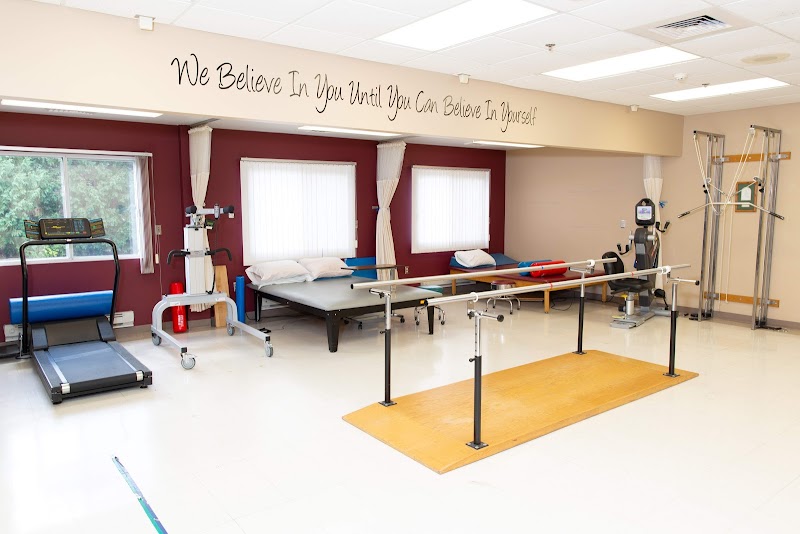
How is Monroe Health Services Staffed?

CMS rates MONROE HEALTH SERVICES's staffing level at 4 out of 5 stars, which is above average compared to other nursing homes. Staff turnover is 56%, which is 10 percentage points above the Wisconsin average of 46%. High turnover can affect care consistency as new staff learn residents' individual needs.

What Have Inspectors Found at Monroe Health Services?

State health inspectors documented 26 deficiencies at MONROE HEALTH SERVICES during 2022 to 2025. These included: 1 Immediate Jeopardy (the most serious level, indicating potential for serious harm or death) and 25 with potential for harm. Immediate Jeopardy findings are rare and represent the most serious regulatory concerns. They require immediate corrective action.
Who Owns and Operates Monroe Health Services?

MONROE HEALTH SERVICES is owned by a for-profit company. For-profit facilities operate as businesses with obligations to shareholders or private owners. The facility is operated by NORTH SHORE HEALTHCARE, a chain that manages multiple nursing homes. With 50 certified beds and approximately 40 residents (about 80% occupancy), it is a smaller facility located in MONROE, Wisconsin.
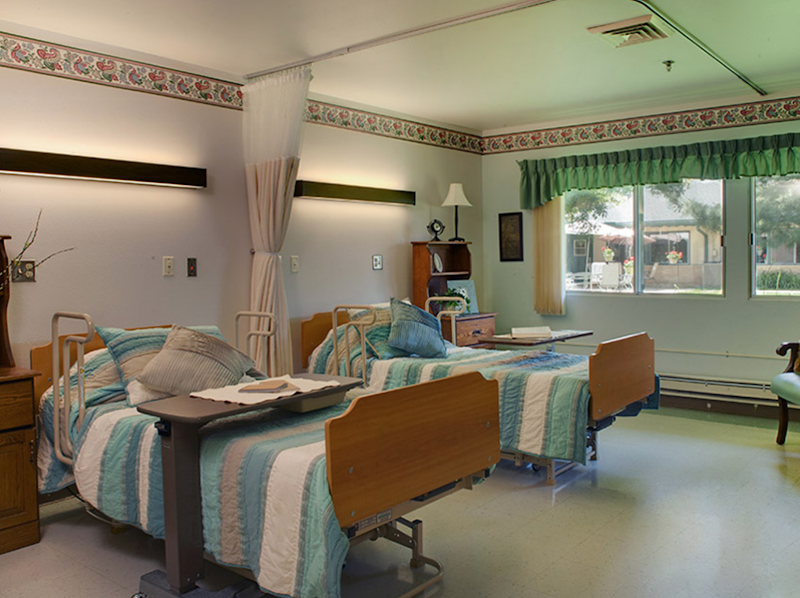
How Does Monroe Health Services Compare to Other Wisconsin Nursing Homes?

Compared to the 100 nursing homes in Wisconsin, MONROE HEALTH SERVICES's overall rating (3 stars) matches the state average, staff turnover (56%) is near the state average of 46%, and health inspection rating (3 stars) is at the national benchmark.

What Should Families Ask When Visiting Monroe Health Services?

Based on this facility's data, families visiting should ask: "What changes have been made since the serious inspection findings, and how are you preventing similar issues?" "How do you ensure continuity of care given staff turnover, and what is your staff retention strategy?" "Can I visit during a mealtime to observe dining assistance and food quality?" "How do you handle medical emergencies, and what is your hospital transfer rate?" These questions are particularly relevant given the facility's Immediate Jeopardy citations and the facility's high staff turnover rate.

Is Monroe Health Services Safe?

Based on CMS inspection data, MONROE HEALTH SERVICES has documented safety concerns. Inspectors have issued 1 Immediate Jeopardy citation (the most serious violation level indicating risk of serious injury or death). The facility has a 3-star overall rating and ranks #1 of 100 nursing homes in Wisconsin. Families considering this facility should ask detailed questions about what corrective actions have been taken since these incidents.

Do Nurses at Monroe Health Services Stick Around?

Staff turnover at MONROE HEALTH SERVICES is high. At 56%, the facility is 10 percentage points above the Wisconsin average of 46%. High turnover means new staff may not know residents' individual needs, medications, or preferences. It can also be disorienting for residents, especially those with dementia who rely on familiar faces. Families should ask: What is causing the turnover? What retention programs are in place? How do you ensure care continuity during staff transitions?

Was Monroe Health Services Ever Fined?

MONROE HEALTH SERVICES has no federal fines on record. CMS issues fines when nursing homes fail to meet care standards or don't correct problems found during inspections. The absence of fines suggests the facility has either maintained compliance or corrected any issues before penalties were assessed. This is a positive indicator, though families should still review recent inspection reports for the full picture.

Is Monroe Health Services on Any Federal Watch List?

MONROE HEALTH SERVICES is not on any federal watch list. The most significant is the Special Focus Facility (SFF) program, which identifies the bottom 1% of nursing homes nationally based on persistent, serious quality problems. Not being on this list means the facility has avoided the pattern of deficiencies that triggers enhanced federal oversight. This is a positive indicator, though families should still review the facility's inspection history directly.