PLEASANT VIEW NURSING HOME
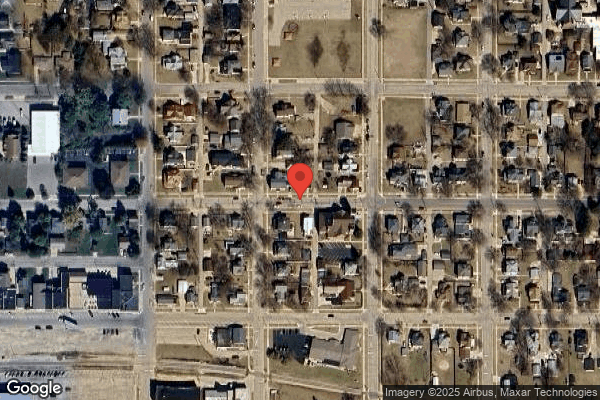
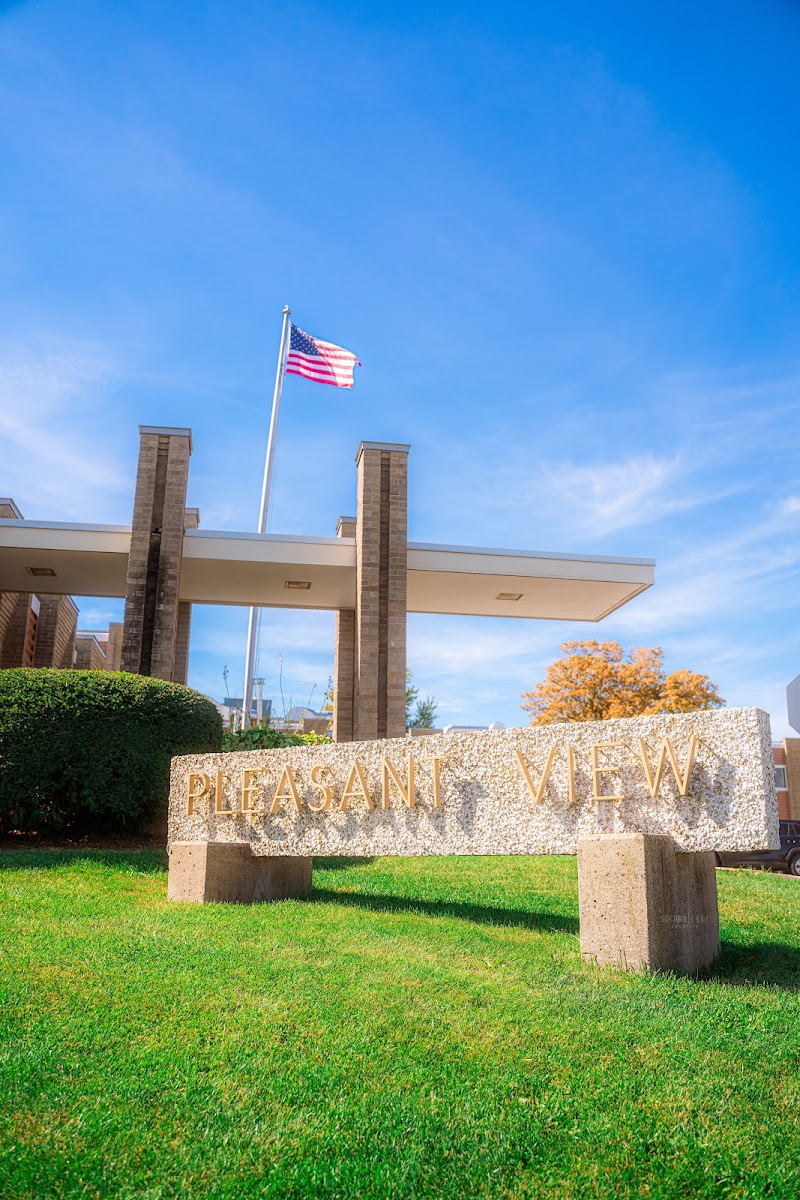
N3150 WI-81, MONROE, WI 53566 (608) 325-2171
Government - County 96 Beds Independent Data: November 2025 3 Immediate Jeopardy citations
Trust Grade
0/100
#234 of 321 in WI
Last Inspection: September 2025

Inspected within the last 6 months. Data reflects current conditions.

Overview

Pleasant View Nursing Home in Monroe, Wisconsin, has received a Trust Grade of F, indicating significant concerns and a poor overall assessment. It ranks #234 out of 321 facilities in the state, placing it in the bottom half, but it is #2 out of 3 in Green County, showing that only one local option is better. The facility is improving, with issues decreasing from 25 in 2024 to 8 in 2025, but it still has serious problems, including $67,298 in fines, which is concerning as it is higher than 75% of Wisconsin facilities. Staffing is a strength, with a 5/5 star rating and a turnover rate of 41%, which is below the state average. However, there have been critical incidents, such as a failure to provide CPR to an unresponsive resident and inadequate supervision leading to a resident exiting through an alarmed door, raising serious safety concerns.

Trust Score
F
0/100
In Wisconsin
#234/321
Bottom 28%
Safety Record
High Risk
Review needed
Inspections
Getting Better
25 → 8 violations
Staff Stability
○ Average
41% turnover. Near Wisconsin's 48% average. Typical for the industry.
Penalties
⚠ Watch
$67,298 in fines. Higher than 81% of Wisconsin facilities, suggesting repeated compliance issues.
Skilled Nurses
✓ Good
Each resident gets 50 minutes of Registered Nurse (RN) attention daily — more than average for Wisconsin. RNs are trained to catch health problems early.
Violations
⚠ Watch
40 deficiencies on record. Higher than average. Multiple issues found across inspections.
★★☆☆☆
2.0
Overall Rating
★★★★★
5.0
Staff Levels
★★★☆☆
3.0
Care Quality
★☆☆☆☆
1.0
Inspection Score
Stable
2024: 25 issues
2025: 8 issues

The Good

  • 5-Star Staffing Rating · Excellent nurse staffing levels
  • Full Sprinkler Coverage · Fire safety systems throughout facility
  • No fines on record
  • Staff turnover below average (41%)

    7 points below Wisconsin average of 48%

Facility shows strength in staffing levels, fire safety.

The Bad

2-Star Overall Rating

Below Wisconsin average (3.0)

Below average - review inspection findings carefully

Staff Turnover: 41%

Near Wisconsin avg (46%)

Typical for the industry

Federal Fines: $67,298

Well above median ($33,413)

Moderate penalties - review what triggered them

The Ugly 40 deficiencies on record

3 life-threatening 2 actual harm
Aug 2025 3 deficiencies 1 IJ (1 affecting multiple)
CRITICAL (K) 📢 Someone Reported This

A family member, employee, or ombudsman was alarmed enough to file a formal complaint

Immediate Jeopardy (IJ) - the most serious Medicare violation

Deficiency F0678 (Tag F0678)

Someone could have died · This affected multiple residents

**NOTE- TERMS IN BRACKETS HAVE BEEN EDITED TO PROTECT CONFIDENTIALITY** Based on observation, interview, and record review, the facility failed to immediately provide basic life support, including car...

Read full inspector narrative →
**NOTE- TERMS IN BRACKETS HAVE BEEN EDITED TO PROTECT CONFIDENTIALITY** Based on observation, interview, and record review, the facility failed to immediately provide basic life support, including cardiopulmonary resuscitation (CPR) to a resident requiring emergency care for 1 of 3 residents (R1) reviewed for code status. This has the potential to affect 12 full code residents that reside in the facility. R1 is a full code and was found on the floor of his room unresponsive on [DATE]. A Registered Nurse (RN) failed to initiate CPR immediately, the facility failed to ensure that staff were competent in using basic life support equipment, and failed to ensure that there was always a CPR-certified staff member in the building.The facility's failure to provide immediate life saving measures to a resident who wished to have basic life support measures initiated such as CPR, failure to ensure that a CPR certified staff member was in the building at all times, failure to ensure all staff were aware of where lifesaving equipment was located and were able to demonstrate competency of basic lifesaving equipment in a code blue situation created a finding of immediate jeopardy that began on [DATE]. Surveyors notified NHA A (Nursing Home Administrator) and DON B (Director of Nursing) of the immediate jeopardy on [DATE] at 4:33 PM. The immediate jeopardy was removed on [DATE]; however, the deficient practice continues at a severity/scope level of E (potential for more than minimal harm/pattern) as the facility continues to implement its action plan. This is evidenced by:Per CMS (Centers for Medicare and Medicaid Services) Cardiopulmonary resuscitation (CPR) memo 14-01 revised [DATE], CPR refers to any medical intervention used to restore circulatory and/or respiratory function that has ceased. When addressing full-code residents: If a resident experiences a cardiac or respiratory arrest and the resident does not show obvious clinical signs of irreversible death (e.g., rigor mortis, dependent lividity, decapitation, transection, or decomposition,) facility staff must provide basic life support, including CPR, prior to the arrival of emergency medical services.Facility policy titled, Cardiopulmonary Resuscitation (CPR), dated [DATE] with revision date of [DATE], states in part, .1. The facility will follow current American Heart Association (AHA) guidelines regarding CPR. 2. If a resident experiences a cardiac arrest, facility staff will provide basic life support, including CPR, prior to the arrival of emergency medical services, and. 3. CPR certified staff will be available at all times. R1 was admitted to the facility on [DATE] with diagnoses that include Pneumonia due to Pseudomonas, Other Non-specific Abnormal finding of lung field, Chronic Obstructive Pulmonary Disease unspecified, Weakness Unspecified, Essential Primary Hypertension, Malignant Neoplasm of the Prostate, and Anemia.R1's most recent Minimum Data Set (MDS) dated [DATE] states that R1 has a Brief Interview for Mental Status (BIMS) of 13, indicating that R1 was cognitively intact. The MDS also indicates that R1 required substantial/maximum assistance for all mobility and transfer needs.R1's Advance Directives dated [DATE] state that R1 chose to remain a full code. If found unresponsive, pulseless and not breathing, R1 wished to have CPR performed.R1's Care Plan dated [DATE] with revision date of [DATE] states, in part: I have emphysema/COPD (Chronic Obstructive Pulmonary Disease) related to history of smoking. Interventions include: Monitor for signs/symptoms of acute respiratory insufficiency, Anxiety, confusion, restlessness, Shortness of Breath (SOB) at rest, cyanosis (bluish discoloration of the skin), somnolence (excessive drowsiness) . I have oxygen therapy related to acute hypoxic respiratory failure (lack of oxygen), history of mass of right lung and COPD. Interventions include: Monitor for signs/symptoms of respiratory distress and report to MD (Medical Doctor) PRN (as needed): Respirations, Pulse oximetry, increased heart rate, restlessness, diaphoresis (sweating), headaches, lethargy, confusion, atelectasis (collapsed lung), hemoptysis (coughing up blood), pleuritic pain (chest pain due to inflammation of the lining of the lung), cough accessory muscle usage, skin color. Oxygen settings: O2 via nasal cannula at 1L/min at rest and 3L/min with activity. R1's Physician Orders include, in part:--CPR (Cardiopulmonary Resuscitation). Order Date: [DATE]. No end date.--Facility parameters for vital signs include O2 less than 88%. Order Date [DATE]. No end date.--Oxygen 1L/min at rest and 3L/min with activity via nasal cannula every shift. Order Date: [DATE]. No end date.--Portable oxygen for activities as tolerated. Order Date: [DATE]. No end date. R1's Progress Notes include:On [DATE] at 1:40 PM, RN/NCC M (Registered Nurse/Nursing Care Coordinator) Nursing Note: Per NP (Nurse practitioner): Resident at (Facility name). Resident developed hypoxemia while working with therapy today. He reported shortness of breath with standing and pivoting. Therapy checked his oxygen level and it was 73%. Oxygen via nasal cannula was increased to 4L, but still stating 74-76% . He denies any dizziness, lightheadedness, chest pain. He does have wheezing and edema. He has an appointment with oncology today and both resident and son really want to get him there. Ordered a one-time DuoNeb treatment and sats (oxygen saturation in blood) improved to 92%. Son transported him to appointment with portable oxygen. Electronically signed by NP G (Nurse Practitioner) on [DATE] at 12:10 PM. On [DATE], Physical Therapy Note: . Pt attempts stand transfer X2 (times two) attempts however pt. (patient) unable to come to full stand. Writer retrieves second assist. On 3rd stand pt. performs sit to stand moderate Assist X2 with pt. putting hands on walker. Pt stands with BUE (bilateral upper extremity) support on walker CGA (contact guard assist) while CNA (Certified Nursing Assistant) holds urinal for pt. to urinate. When pt. is done urinating writer cues pt. to pivot to w/c (wheelchair) with 4WW (four wheeled walker), pt. has difficulty picking up and pt. reports having a hard time breathing. Writer has pt. sit down in recliner chair. SPO2 (saturation of peripheral oxygen) taken 72%-76% on 3.5 L increased to 4L (liters oxygen). Writer does not leave pts room and asks CNA to notify NCC (Nursing Care Coordinator) regarding low O2 sats NP and NCC enter pts room. NP assess pt., son enters room while assessing pt. NP explains to son regarding O2 sats and offers breathing treatment before leaving for doctor appointment. Pt agreeable. Response to Tx: Pt reports severe exertion with transfers and standing. Pt assessed by NP during session for low O2 sats. Electronically signed by PTA P (Physical Therapist Assistant) at 3:54 PM. On [DATE], Occupational Therapy Note: Pt (patient) on 4L O2, had just received a breathing tx. (treatment) which increased his PO2 (pulse oximetry) from 72% to 92%. Pt required AX 2-3 (assist of 2-3) to transfer into vehicle with his son to go to oncology appointment. Electronically signed by OT Q (Occupational Therapist) at 2:41 PM. On [DATE], R1 was seen for an office visit at the (Name of oncology clinic.) R1's Oncology Note includes, in part: . Exam: Lungs have decreased air filling in the right upper lobe otherwise with good breath sounds bilaterally on 4L (4 liters) NC (nasal cannula) O2 (supplemental oxygen). Assessment: RUL (right upper lobe) bronchial narrowing that is likely the source of his respiratory difficulties and increased O2 needs. tenuous respiratory status. Vital signs: SpO2 87% .On [DATE] at 8:24 AM, Surveyor interviewed NP G (Nurse Practitioner) and asked if R1's hypoxic episode on [DATE] was a change in condition. NP G stated yes, R1 had not been that hypoxic before. Surveyor asked if an assessment should have been done following R1's return from oncology appt. NP G stated that NP G had not ordered further assessments, as NP G did not believe that R1 would return to the facility following the appointment. Surveyor asked if NP G felt that an assessment should have been performed by staff when R1 did return from the appointment. NP G stated yes, given what R1 was like before R1 left, NP G would hope so.Of note: There is no documentation of what time R1 arrived back to the facility after his oncology appointment. There is no documentation that any respiratory assessments or monitoring was completed upon R1's return to the facility.On [DATE] at 5:07 AM (Late Entry), RN D (Registered Nurse) Nursing Note: I last saw resident when I came over to. unit at 11:30 PM on [DATE]th. Around 2:00 AM-2:30 AM, CNAs answered residents call light he needed to use the bathroom. He sat on the edge of the bed and used his urinal. I was on break from 2:30AM - 3:00 AM. I started passing meds at 4:15 AM. I got to R1's room at 5:07 AM, his door was shut. I walked in to him face down laying right next to his bed on the floor. His head was at the base of the bed and feet at the top of the bed. He was slightly turned on his left shoulder. Arms were straight down next to his side. I walked over to him yelling his name and tried to flip him over onto his back. I noticed right away he had a laceration on his forehead. His face was slightly blueish in color. I immediately yelled for help. CNA R (Certified Nursing Assistant) came from another resident's room. I then ran to LPN E (Licensed Practical Nurse) who was the supervisor. to come up because the resident was on the floor and not breathing. As she ran down to his room I looked up on the computer his code status which was CPR. LPN E started CPR right away, CNA F dialed 911, the call went out at 5:13 AM. We did CPR until the police, fire dept, and ambulance showed up around 5:22 AM.Of note: per RN D's documentation above, RN D did not check R1's code status or initiate CPR immediately upon finding R1 down with his face slightly blueish in color. On [DATE] at 10:04 PM, LPN E (Licensed Practical Nurse) Nursing Note: Late entry for [DATE] at 0500 (5:00 AM). Writer was. starting 0600 (6:00 AM) medication pass. Second Floor RN (Registered Nurse) came to writer frantically stating that resident was on the floor in his room unresponsive. Writer immediately locked medication cart and came to the resident's room. Resident was face down on floor with top of head towards window next to his bed. Writer felt for a pulse. No pulse was found. Second Floor RN stated that he was a full code. Writer immediately rolled patient from prone to supine position and initiated CPR. CNA called 911 about PNB (pulseless non-breather) with CPR in progress. (Town name) . EMT (Emergency Medical Team) entered room and began prepping resident. [NAME] Deputy immediately followed EMT and took over compressions from writer. EMS (Emergency Medical Services) followed within 2 minutes. EMS continued lifesaving efforts. Writer let the EMS and (Town name) Fire Department continue with life saving measures at that time. Writer went to first floor and contact [sic] DON B (Director of Nursing) at 0536 (5:36 AM) to inform her of PNB and CPR in progress for resident. Efforts to continue lifesaving efforts for resident were ceased. Coroner called. On [DATE] at 2:20 PM, Surveyor interviewed CNA F who indicated that on [DATE] at a little past 5:00 AM, CNA F was working with a resident when RN D came to the room and said that R1 was on the floor. CNA F indicated leaving the resident and going to R1's room and noting R1 on the floor face down. CNA F indicated RN D stated RN D needed to get LPN E and left the room. Surveyor asked if RN D gave any instructions prior to leaving the room. CNA F stated no. CNA F indicated CNA F remained with R1, checking for responsiveness by rubbing R1's back. CNA F indicated CNA F recalls hearing that R1 was a full code, turning R1 over onto his back, and LPN E starting compressions. CNA F called 911. Surveyor asked CNA F who can perform CPR. CNA F stated everyone is supposed to, but staff looks to the nurses to do it. CNA F stated CNA F is not current in CPR certification. Surveyor asked how much time elapsed between CNA F arriving in R1's room and LPN E starting compressions. CNA F stated about 4-5 minutes.On [DATE] at 12:11 PM, Surveyor interviewed LPN E and asked about low oxygen levels. LPN E stated LPN E would check orders, turn up the oxygen level and notify the provider. LPN E indicated need to go back and recheck oxygen levels within 30 minutes to ensure resident is doing OK and then performing follow up assessments. Surveyor asked about R1. LPN E stated on [DATE], LPN E was the supervisor and RN D was working on the second floor. LPN E stated RN D came to the first floor where LPN E was about to pass medications, and RN D stated R1 was on the floor and unresponsive. LPN E indicated both nurses went up to the second floor to R1's room and LPN E checked for a carotid pulse and found none, then asked for R1's code status. LPN E stated RN D left the room to go to the computer and returned stating full code. LPN E then began compressions and told a CNA in the doorway to call 911. LPN E stated they needed an ambu bag, so RN D took over compressions. LPN E stated LPN E couldn't recall where the ambu bag would be, so looked around and found one in the locked medication room. LPN E stated on return to R1's room, LPN E tried giving breaths, but it wasn't working properly, so they did another switch and LPN E resumed compressions. LPN E stated EMS arrived and took over care. LPN E left the room, called DON B to report, and went back to first floor. Surveyor asked about emergency supplies. LPN E stated LPN E did not call for or obtain the AED or the emergency bag by elevator 2. LPN E indicated having no knowledge of what is contained in the emergency bag and stated there was never really any education on that.On [DATE] at 10:25 AM, DON B (Director of Nursing) Nursing Note: Resident was found by nursing staff on the floor next to his bed around 5:00 AM this morning. Resident was unresponsive, CPR was initiated, and 911 was notified. Coroner was contacted, investigated, and pronounced death at 0642 (6:42 AM) . The Emergency Medical Services (EMS) report dated [DATE] states in part: Response Time: EMS notified at 5:15 AM, the unit was enroute to the facility at 5:18 AM, arrived at the facility at 5:20 AM, was with the patient at 5:23 AM, and conducted first exam of patient at 5:24 AM. Resuscitation efforts were discontinued at 5:49 AM. The EMS Note states, in part: EMS responded immediately to a 911 call for an [AGE] year-old male found pulseless and not breathing by staff at 5:02 AM. Last known well time was 1:30 AM. The pt. was found in a supine position on the floor with bystander CPR in progress. CPR was continued by (Town name) Rural First Response throughout the call. There is dried blood on the patient's head appears he fell where found and hit his head. The defibrillator was placed on the pt. The rhythm was interpreted as asystole by paramedic. Possible lividity was noted. No vital signs noted. Assessment Summary, Skin Description: cold, lividity, dry. Mental status: unresponsive. Disposition: Dead at Scene.On [DATE] at 2:44 PM, Surveyor interviewed EMSC I (Emergency Medical Services Chief) and asked about the EMS report comment of possible lividity. EMSC I stated it means that it could have been lividity, but it could have been something else. CPR was active on arrival and we continued. Surveyor asked, if CPR had not already been started, would EMS have started CPR. EMSC I stated yes. R1's Death Notification Note, states, in part: Resident was found unresponsive and bleeding from the right side of his forehead, on the floor of his bedroom this morning around 5:00 AM when nursing staff went to give him his medication. Resident was last seen around 3:00 AM by CNA and he was sleeping at that time. CPR was initiated due to resident's full code status and 911 contacted. (county name) Coroner came, investigated, and pronounced death at 0642. Coroner advised that it appeared to be an accidental death related to unwitnessed fall.On [DATE] at 10:36 AM, Surveyor interviewed RN D (Registered Nurse) and asked about residents with low oxygen levels. RN D indicated that oxygen would be applied / turned up, a nebulizer treatment would be given per order, and oxygen level would be rechecked. If the resident's level was back up to 90%, the oxygen level would be lowered and the resident would be reassessed in a couple of hours to ensure their level was sufficient. Surveyor asked how staff was aware of a resident's code status. RN D stated that recently the room name plate was changed to green for a full code. RN D stated that some of the DNRs (Do Not Resuscitate) wear bracelets, otherwise the information was in the computer in the banner of the electronic health record. Surveyor asked who is able to perform CPR (cardiopulmonary resuscitation) in the facility. RN D stated that anyone who is certified can perform CPR; all of the nurses have to be certified. Surveyor asked about R1's status on [DATE]. RN D indicated that RN D had walked into R1's room about 5:10 AM and found R1 face down on the floor, parallel to the bed, with feet by the head end of bed. RN D rolled him over and R1 was limp. RN D felt R1's neck for a carotid pulse for about 5 seconds and watched R1's chest for breaths for about 5 seconds and determined R1 was pulseless and non-breathing. RN D yelled for the CNAs on the unit, and when they arrived, RN D left R1's room, took the elevator at the far end of the hall down to level 1 and found LPN E (Licensed Practical Nurse) midway up the hallway. RN D told LPN E that R1 was on the floor pulseless, and they went back up the elevator to level 2 to R1's room. RN D indicated that LPN E asked about R1's code status and RN D went into the computer to find the information. RN D noted that R1 was a full code and yelled the information to LPN E. RN D indicated that LPN E initiated compressions and told a CNA to call 911. RN D told LPN E that RN D could take over compressions. RN D indicated that LPN E then left to get an Ambu bag (artificial manual breathing unit). RN D indicated that compressions were done for about 5 minutes prior to EMS (Emergency Medical Services) arrival and on arrival, EMS took over and RN D went back to passing morning medications. RN D stated that following the event, the facility provided RN D with education on CPR and disciplined RN D for going to get LPN E.On [DATE] at 2:19 PM, Surveyor interviewed CNA S and asked if she had received any education on code status or CPR. CNA S indicated that they had received education after the incident with R1, but that was the first time receiving education that she could remember. Surveyor asked CNA S if she was aware of where the bag with emergency supplies for a code blue was located. CNA S stated no, she did not know where the emergency supplies were kept.On [DATE] at 2:03 PM, Surveyor interviewed LPN U, who reviewed the contents of the emergency supply bag with Surveyor on the 1st floor. Surveyor asked LPN U where additional emergency supplies were located, such as oxygen and suctioning. LPN U stated she wasn't 100% sure, but that she didn't believe that they did those things at the facility, that they would have to wait for EMS to arrive. Surveyor asked LPN U if she had done any code drills prior to the incident involving R1. LPN U stated she had not done any code drills.On [DATE] at 9:46 AM, Surveyor interviewed DON B (Director of Nursing) and asked who can perform CPR. DON B stated anyone that is certified. Surveyor asked when CPR is to be started. DON B stated if the resident is a full code, CPR is started as soon as they are found unresponsive. Surveyor asked how help is summoned in an emergency. DON B stated call light activation and unit cell phones carried by nurses. Surveyor asked if there is emergency equipment for use in a code. DON B stated yes, an AED (Automated External Defibrillator) and an emergency bag. DON B indicated there is oxygen in the storage room. Surveyor asked if CPR was expected to be initiated at the time that R1 was found unresponsive. DON B stated if the code status was known. DON B indicated the code status was located in the computer.On [DATE] at 10:43 AM, Surveyor interviewed NHA A (Nursing Home Administrator) and asked who is expected to perform CPR. NHA A stated anyone who is CPR certified. Surveyor asked if any staff are required to have certification. NHA A stated no, the policy states that someone who is certified needs to be on duty. Surveyor asked how the facility ensures that a CPR certified staff member is on duty. NHA A stated when making the schedule, the scheduler looks. Surveyor asked when CPR is expected to begin. NHA A stated as soon as they realize the code status. Surveyor asked if staff is expected to know the code status. NHA A stated staff should be knowledgeable of the code status. Surveyor asked about emergency equipment. NHA A stated staff are shown the location of the equipment during orientation, and they are expected to know where it is located. Surveyor asked if there was a delay in starting CPR for R1. NHA A stated cannot confirm nor deny. Surveyor asked if RN D was expected to know R1's code status prior to leaving R1 and getting LPN E. NHA A stated yes, RN D should have known. Surveyor asked if facility would expect RN D to begin CPR when finding R1 unresponsive and pulseless. NHA A stated would expect someone who is CPR certified to start CPR upon finding the code status.On [DATE] at 10:55 AM, Surveyor interviewed SC H (Staffing Coordinator) and asked if SC H completes the nursing schedule. SC H stated yes. Surveyor asked if SC H considers CPR certification when making the schedule. SC H stated no, I don't look at that. Surveyor asked about CPR certifications at the facility. SC H stated the nurses are certified and some of the CNAs. Surveyor asked for documentation of certification for LPN K and ADON L (Assistant Director of Nursing). SC H stated ADON L did at times work PM shift but has been off work since [DATE]. LPN K was on schedule for [DATE]. No documentation of certification for LPN K or ADON L was provided. Of note, per Scheduler H she does not look at CPR certification when scheduling staff, though NHA A indicated the scheduler ensures a CPR certified staff member is always on duty. Therefore, there is no system in place to ensure there is a CPR certified staff member on duty each shift in case of an emergency. On [DATE] at 11:03 AM, Surveyor interviewed DON B and CCO J (Corporate Compliance Officer) about their mock code drills. DON B stated that they were not able to find any documentation of the previous administration doing mock drills. Surveyor asked when she started in the DON role. DON B stated she started in [DATE] as the DON. Surveyor asked DON B if there had been any mock code drills from [DATE] to the incident with R1 on [DATE]. DON B stated there had not been any mock code drills since she had been the DON. CCO J indicated that they are conducting mock code drills routinely now, and that they did one on [DATE], one on [DATE], and one today ([DATE]).Surveyor reviewed the Mock Code Evaluation Checklist provided by the facility and noted that CNA/CMA V had indicated on her evaluation form, no oxygen tank in the building.On [DATE] at 2:04 PM, Surveyor interviewed CCO J (Corporate Compliance Officer) and asked if when completing the facility PIP (Performance Improvement Plan), if the facility found there was a delay in treatment / delay in starting CPR for R1. CCO J stated yes, we did.On [DATE] at 4:33 PM, Surveyor interviewed DON B and EVS T (Environmental Services). Surveyor asked DON B about the Mock Code Evaluation Checklists that were provided to Surveyor, noting that 5 of them had the date of survey ([DATE]) but were only signed by one participant. Surveyor asked DON B if all the things indicated on the mock code checklist had included a return demonstration to ensure skills competency. DON B stated those were skills evaluations, that they had discussed all the items on the list and answered questions, but there had been no return demonstration. Surveyor asked DON B about CNA/CMA V's checklist form that indicated no oxygen tank in the building. DON B stated they have oxygen concentrators. Surveyor asked DON B what oxygen source had been used in R1's incident. DON B stated R1 had an oxygen concentrator. Surveyor asked DON B if an oxygen concentrator could be used with an Ambu bag. DON B stated she would have to get back to Surveyor on that. EVS T confirmed they did not have any oxygen cylinders in the building but they had them at the HR (Human Resources) building and he could get one.On [DATE] at 4:34 PM, Surveyor interviewed RN M and asked about training on codes. RN M stated a mock code had been completed and RN M had to check the scene, check pulse and respirations, call for help, check the code status, start compressions, call for 911 and AED/code bag, and call the DON. RN M stated the Ambu bag was used, but that in a real code there are masks for mouth to mask respirations. Surveyor asked about supplemental oxygen. RN M stated there was no discussion or demonstration of use of oxygen with the Ambu bag. Surveyor noted that the Mock Code Evaluation Checklist provided by the facility stated, Handheld resuscitation bag attached to oxygen source (O2 concentration minimum flow rate of 10 to 12 L/min). A review of the oxygen concentrators used by the facility indicated a maximum flow rate of 5L/min.Of note, the oxygen concentrators used by the facility would not provide a high enough flow rate to be used with an Ambu bag in an emergency situation. The facility did not have any oxygen cylinders in the building that have the capacity to go to 10 to 12L/min. On [DATE] at 5:03 PM, EVS T brought an oxygen cylinder to Surveyor and indicated he would be keeping it at the facility to be used in emergency situations.The failure to provide life saving measures immediately to a resident who wished to be provided with CPR, the failure to ensure that a CPR certified staff member was in the building at all times, and the failure to ensure all staff were aware of where lifesaving equipment was located and able to demonstrate competency of basic lifesaving equipment in a code blue situation, led to serious harm for R1 which created a finding of Immediate Jeopardy. The facility removed the jeopardy on [DATE], when it completed the following: Staff across all departments to receive education on the location of suction machine; date initiated [DATE], percentage completed: 55% Staff across all departments to receive education on location of crash cart, date initiated [DATE], percentage completed: 1% Staff across all departments to receive education on the CPR policy and Communication of Code Status policy which includes, but is not limited to, the expectation that CPR is to be conducted immediately upon discovery of a resident in cardiac arrest who is full code, CPR staff will be available at all times, checking code status utilizing new color-coded system; date initiated [DATE], percentage completed: 56% Pleasant View Nurses will complete a competency for initiating CPR per current standards of practice which includes, but is not limited to, checking code status, grabbing the emergency cart, calling 911, conducting chest compressions, utilizing the AED machine and Ambu bag, and conducting compressions until EMS arrive; date imitated [DATE], percentage completed: 45% All IDT staff received education on updated system to ensure CPR certified staff are available at all times. This system entails the scheduler to have access to a list of individuals who are CPR certified and, while creating schedules, accessing the list and ensuring everyone listed is CPR certified. Additionally, the facility has ensured every working nurse has their CPR certification ; date initiated [DATE], percentage completed: 100% Nurses who did not have an active CPR on record with the facility received education that they would be unable to return to work without an active CPR certification, ensuring all nurses are certified; date initiated [DATE], percentage complete: 100%. On [DATE], facility implemented a new color-coded system which ensured the code status of each resident was communicated to staff in an expedited manner. This entails each resident's nameplate displaying either a red (DNR) or green (Full-code) color. Additionally, assistive devices (if applicable) also have tags with the associated colors. Code status is still located under Special Instructions in the facility's EMAR for reference. On [DATE], system was updated to ensure CPR staff are available at all times and education provided. On [DATE], crash carts equipped with oxygen tanks and additional items potentially needed in an emergency were established on both the first and second floors. On [DATE], the facility implemented an assigned individual to frequently check the crash carts to confirm adequate supplies available and functionality of equipment. On [DATE], the facility implemented regular Code Blue drills with staff across all three shifts. On [DATE], CPR and CPR Communication Policies were reviewed and updated as needed to ensure appropriateness. On [DATE], the CPR and CPR Communication Policies were uploaded to the agency portal, prohibiting agency staff from working at the facility unless the policies are signed by the agency staff member. The Medical Director was updated about the incident on [DATE] DON and/or designee will complete audits daily x 2 weeks, weekly x 5 weeks and monthly x 3 months confirming that new staff have reviewed / signed off on the CPR and Communication of Code Status policies and that all Nurses have completed a competency training prior to their first shift of work. Code blue drills across all three shifts will occur weekly x5 weeks. A performance improvement plan was created on [DATE] and brought to the QAPI committee for review. As part of that performance improvement plan, audits were being conducted to ensure staff were knowledgeable regarding the color-coded system that was implemented and that the color coded system was effectively implemented. Those audits will continue on a weekly basis x 5 weeks. On [DATE], an audit was completed of all residents in-house verifying code status was correct in the medical record. All results of audits will be submitted to QAPI for review and determination of substantial compliance.
CONCERN (D) 📢 Someone Reported This

A family member, employee, or ombudsman was alarmed enough to file a formal complaint

Potential for Harm - no one hurt, but risky conditions existed

Report Alleged Abuse (Tag F0609)

Could have caused harm · This affected 1 resident

Based on interview and record review the facility failed to ensure all alleged violations involving mistreatment, neglect, or abuse were reported to other officials in accordance with State law throug...

Read full inspector narrative →
Based on interview and record review the facility failed to ensure all alleged violations involving mistreatment, neglect, or abuse were reported to other officials in accordance with State law through established procedures for 1 of 3 residents (R2) reviewed for abuse/neglect. A staff member was aware of a potential allegation of abuse, and it was not immediately reported to the administrator or designee.This is evidenced by:The Facility Policy, titled, Abuse, Neglect, and Exploitation, indicates, in part: Policy: It is the policy of this facility to provide protections for the health, welfare and rights of each resident by developing and implementing written policies and procedures that prohibit and prevent abuse, neglect, exploitation and misappropriation of resident property.VII. Reporting/Response. A. The facility will have written procedures that include: 1. Reporting of all alleged violations to the Administrator, state agency, adult protective services and to all other required agencies (e.g., law enforcement when applicable) within specified timeframes: a. Immediately, but not later than 2 hours after the allegation is made, if the events that cause the allegation involve abuse or result in serious bodily injury.Review of the Alleged Nursing Home Resident Mistreatment, Neglect, and Abuse Report, with a Report Submitted Date of 5/27/25, indicates the following:.Summary of Incident: Allegation Type: Abuse: Hitting, slapping, threats of harm, assault, humiliation.Name - Affected Person: R2.Is date and time when occurred known? YesDate occurred: 5/23/25Time occurred: 3:46PMIs occurred date and time estimated: YesDate discovered: 5/27/25Brief Summary of Incident: A staff member was in the restroom assisting a resident use [sic] the bathroom. The resident's wife was in the room as well. It was reported that the wife was yelling at him and slapped his bare bottom. The wife also grabbed his face and said they can't slap you, but I can. Staff wrote a statement and put it under the supervisors [sic] door.The supervisor didn't work until 4 days later.On 7/22/25 at 11:23 AM, Surveyors interviewed CNA C (Certified Nursing Assistant) via telephone. During the interview CNA C indicated if she has a concern for abuse she is to contact her supervisor and fill out a statement. Surveyors reviewed with CNA C her written statement, found in the self-report involving R2, provided by the facility. CNA C confirmed it was her statement, and she had written it about an hour after witnessing the above incident with R2. CNA C indicated that she had talked to her supervisor who told her to write it up and to leave it, she believes, in the social worker's office. Of note, surveyors attempted to contact the supervisor CNA C indicated in her interview without success. On 7/22/25 at 12:00 PM, Surveyors interviewed SSS N (Social Services Supervisor) about the allegation noted above involving R2. During the interview SSS N indicated that CNA C reported the incident by putting a note under the NCC's (Nursing Care Coordinator) office door. SSS N indicated she provided 1:1 training via a phone call with CNA C and reviewed the reporting policy of calling a supervisor or administrator immediately. SSS N indicated that if a supervisor is notified of an allegation by a CNA they should call the NHA (Nursing Home Administrator), DON (Director of Nursing), or herself. SSS N indicated she did not document the education provided to CNA C.On 7/22/25 at 1:25 PM, Surveyors interviewed Consultant O, who was the INHA (Interim Nursing Home Administrator) at the time of the incident with R2. Surveyors asked how the facility ensured agency staff received the abuse education after the incident with R2. Consultant O indicated the education was left by the time clock for review, however, they did not have any type of sign off sheet for staff to sign off they completed the education. Surveyors requested a list of agency staff that have worked since the incident with R2. On 7/23/25 at 9:58 AM, NHA A provided a list of agency staff that he indicated had not received the abuse education after the above incident with R2. There are 103 names on the document provided. On 7/23/25 at 8:52 AM, Surveyors interviewed NHA A who indicated he is the abuse officer for the facility, and he works with SSS N and the DON as a team on investigations. NHA A indicated that staff are to report allegations of abuse to himself, the DON, or SSS N. Surveyor asked NHA A how they ensured agency staff received the education that was provided on reporting after the incident with R2. NHA A indicated they leave the education by the time clock for them to read. Surveyor asked NHA A how they ensure that the staff read the information. NHA A indicated they check it as best they can. Surveyor asked NHA A if the facility should be ensuring that all staff have had the education prior to working their next shift. NHA A indicated, yes. NHA A indicated he was not working in the facility during the incident with R2 and requested to have Consultant O, join the interview. Consultant O joined the interview and confirmed he was the INHA during the incident with R2. Surveyors asked Consultant O if there was a concern with the way the incident with R2 was reported. Consultant O indicated, yes, it should have been reported to him and not put under a door.
CONCERN (F) 📢 Someone Reported This

A family member, employee, or ombudsman was alarmed enough to file a formal complaint

Potential for Harm - no one hurt, but risky conditions existed

Deficiency F0730 (Tag F0730)

Could have caused harm · This affected most or all residents

Based on interview and record review, the facility did not complete a performance review of every nurse aide at least once every 12 months for 5 of 5 Certified Nursing Assistants (CNAs) reviewed.CNA F...

Read full inspector narrative →
Based on interview and record review, the facility did not complete a performance review of every nurse aide at least once every 12 months for 5 of 5 Certified Nursing Assistants (CNAs) reviewed.CNA F did not have an annual performance evaluation completed timely. CNA W did not have an annual performance evaluation completed timely. CNA X did not have an annual performance evaluation completed timely. CNA Y did not have an annual performance evaluation completed timely.CNA Z did not have an annual performance evaluation completed timely. This is evidenced by:The Facility's policy titled Performance Evaluations revised September 2020 states, in part: Policy Statement: The job performance of each employee shall be reviewed and evaluated at least annually.Example 1CNA F's hire date was 5/9/23. CNA F's previous annual performance evaluation was completed on 5/9/24. CNA F did not have an annual performance evaluation completed until 8/4/25.Example 2CNA W's hire date was 7/16/96. CNA W's previous annual performance evaluation was completed on 7/10/24. CNA W did not have an annual performance evaluation completed until 8/4/25.Example 3CNA X's hire date was 12/27/21. CNA X's previous annual performance evaluation was completed on 2/26/24. CNA X did not have an annual performance evaluation completed until 8/4/25.Example 4CNA Y's hire date was 2/9/23. CNA Y's previous annual performance evaluation was completed on 3/11/24. CNA Y did not have an annual performance evaluation completed until 8/4/25.Example 5CNA Z's hire date was 4/1/24. CNA Z did not have an annual performance evaluation completed until 8/4/25.On 8/4/25, Surveyor requested and reviewed annual performance evaluations for CNA F, CNA W, CNA X, CNA Y, and CNA Z. Surveyor noted that all the performance evaluations were completed on that day.On 8/4/25 at 2:20 PM, Surveyor interviewed DON B (Director of Nursing). Surveyor asked DON B how often annual performance evaluations should be completed, DON B stated every 12 months. Surveyor stated that after reviewing the evaluations provided, Surveyor noted that they all were completed on this day, DON B stated they were all completed today. Surveyor asked DON B if the evaluations were completed before or after Surveyors entered the facility, DON B stated after.
May 2025 1 deficiency
CONCERN (D) 📢 Someone Reported This

A family member, employee, or ombudsman was alarmed enough to file a formal complaint

Potential for Harm - no one hurt, but risky conditions existed

Deficiency F0603 (Tag F0603)

Could have caused harm · This affected 1 resident

**NOTE- TERMS IN BRACKETS HAVE BEEN EDITED TO PROTECT CONFIDENTIALITY** Based on interviews, record review, and policy review, the facility failed to ensure 2 of 9 residents (R) sampled for review of ...

Read full inspector narrative →
**NOTE- TERMS IN BRACKETS HAVE BEEN EDITED TO PROTECT CONFIDENTIALITY** Based on interviews, record review, and policy review, the facility failed to ensure 2 of 9 residents (R) sampled for review of Abuse (R1 and R2) were free from involuntary seclusion. Findings include: Review of the facility's undated Abuse, Neglect, and Exploitation Policy and Procedure, provided by the Administrator, noted Involuntary Seclusion refers to the separation of a resident from other residents or from his/her room or confinement to his/her room against the resident's will or the will of the resident's legal representative. Emergency or short term monitored separation from other residents will not be considered involuntary seclusion and may be permitted if used for a limited time as a therapeutic intervention to reduce agitation until professional staff can develop a plan of care to meet the resident's needs as long as the least restrictive approach is used for the minimum amount of time. Example 1 Review of the Face Sheet located in the electronic medical record (EMR) under the Profile tab revealed R1 was admitted [DATE] with diagnoses that included unspecified dementia with agitation and sleep disorder. Review of the quarterly Minimum Data Set (MDS) located under the MDS tab in the EMR with an assessment reference date (ARD) of 05/06/25 revealed a Brief Interview for Mental Status (BIMS) score of 0 out of 15 which indicated R1 was severely cognitively impaired. The MDS indicated R1 could ambulate independently and wore a wander guard alarm daily. Review of the comprehensive care plan, provided by the Social Services Supervisor (SSS) dated 04/16/25 revealed that R1 was an elopement risk and wandered related to dementia, disorientation, wandering aimlessly, and impaired safety awareness. Interventions included to distract me from wandering by offering pleasant diversions, structured activities, food, conversation, walking and identify my pattern and purpose of wandering, provide structured activities, toileting, walking inside and outside, reorientation strategies including signs, pictures, and memory boxes. R1 wears a wander guard. Review of the facility's investigation, provided by the Administrator, dated 03/13/25 revealed on 03/06/25 at 6:30 AM, the Maintenance Assistant (MA) observed a mechanical lift impeding an egress as the lift blocked one side of the fire door and the other side of the fire door was closed between rooms [ROOM NUMBERS]. The investigation summarized that an agency Certified Nursing Assistant (ACNA) closed one fire door and blocked the other fire door with an unlocked mechanical lift, placed for convenience to deter (R1) from going into other resident's room. The incident was identified as an intentional act of involuntary seclusion. The ACNA was removed from the facility and terminated from employment in the facility. During an interview on 05/28/25 at 2:25 PM, the MA confirmed that between 6:00 and 6:30 AM on 03/06/25, he saw one side of the fire door blocked, and the other fire door closed on the View unit. The fire doors were located between rooms [ROOM NUMBERS]. The MA said he removed the mechanical lift, opened the fire door, and immediately notified his supervisor. The MA stated, I reported it right away because that's what you do when something isn't right. On 05/29/25 at 9:40 AM, the Administrator provided all staff training records from 10/30/24, 10/31/24, and 11/07/24 for Abuse prevention training which included involuntary seclusion The Administrator stated, The staff were trained, they should have known better. Interview on 05/29/25 at 1:00 PM, the SSS confirmed that this was involuntary seclusion. Example 2 Review of the Face Sheet located in the EMR under the Profile tab identified R2 was admitted [DATE] with diagnoses that included Alzheimer's disease, and dementia with agitation. R2 died on [DATE]. Review of the annual MDS located under the MDS tab in the EMR with an ARD of 03/25/25 revealed a BIMS score of 0 out of 15 which indicated R2 was severely cognitively impaired. The MDS indicated R2 could ambulate independently and wore a wander guard alarm daily. Review of the comprehensive care plan dated 02/05/25 revealed that R2 has the potential to be physically aggressive related to dementia and poor impulse control. R2 communicates with others by striking out due to not aware how to communicate. Interventions included give me as many choices as possible about care and activities; require increased supervision by one staff member through investigation of resident-to-resident altercation that occurred on 08/12/24; if agitated please distract me with an activity such as offer me a washcloth to wipe down railings in hallways; and that my behaviors can be decreased by walking outside, doing meaningful activities such as cleaning, wiping hand railings, folding clothes, and helping staff. I feel like I work here. Review of the behavior tracking logs located under the Tasks tab in the EMR dated 01/03/25 revealed R2 was identified to have no behaviors, grabbing others, hitting others, pushing others, physically aggressive toward others, accusing of others, expressing frustration at others, screaming at others, and threatening others. Review of the facility's investigation, provided by the Administrator, dated 01/06/25, revealed On January 4th, 2025, staff contacted the Interim Administrator and informed them that Resident Assistant (RA1) was seen by two staff members putting R2 into her room and shutting the door . Review of RA1's statement, located within the facility investigation, read, During dinner, [R2] was kind of walking around and not staying in her seat. When we directed her to eat, she didn't. Throughout the night she was trying to go into other rooms, and she didn't like being redirected. Toward the end of my shift, when she got very violent with me, she picked up (staff) sweatshirt. She flipped her switch on me and started hitting me while we were in her room and picked up her water mug and tried to hit me with it. I closed the door for my safety so I wouldn't get hit and that's when [CNA2] came in and took over. [R2] tried to swing the mug .sat on her bed, I shut the door, and that's when she started yelling help. Interview on 05/27/25 at 3:20 PM, CNA2 stated, I came onto the unit after my break and saw [RA1] taking [R2] with her arm on the resident's back, to her room and shutting the door. [R2] was yelling for help so I went to her room and helped her out. I was able to calm her down and then help her to bed. Interview on 05/29/25 at 1:00 PM, the SSS stated, During her investigation of this incident, R2 was identified to have been sitting quietly at the nurses' station prior to the incident. RA1 should not have made R2 go to her room. RA1 was angry with R2 for her earlier behaviors. RA1 was terminated.
Jan 2025 4 deficiencies
CONCERN (D) 📢 Someone Reported This

A family member, employee, or ombudsman was alarmed enough to file a formal complaint

Potential for Harm - no one hurt, but risky conditions existed

Free from Abuse/Neglect (Tag F0600)

Could have caused harm · This affected 1 resident

**NOTE- TERMS IN BRACKETS HAVE BEEN EDITED TO PROTECT CONFIDENTIALITY** Based on interview, record review, and facility policy review, the facility failed to ensure residents were free from physical a...

Read full inspector narrative →
**NOTE- TERMS IN BRACKETS HAVE BEEN EDITED TO PROTECT CONFIDENTIALITY** Based on interview, record review, and facility policy review, the facility failed to ensure residents were free from physical abuse for three of four (Residents (R) R2, R11, and R8) residents reviewed for physical abuse. The facility failed to put consistent interventions into place to prevent one resident (R3) from repeated physical violence towards other residents. Findings include: Review of the facility's undated policy titled, Abuse, Neglect and Exploitation, revealed, It is the policy of this facility to provide protections for the health, welfare and rights of each resident by developing and implementing written policies and procedures that prohibit and prevent abuse, neglect, exploitation and misappropriation of resident property . Instances of abuse of all residents, irrespective of any mental or physical condition . Possible indicators of abuse include, but are not limited to . physical abuse of a resident observed . The facility will make efforts to ensure all residents are protected from physical and psychosocial harm, as well as additional abuse . Increased supervision of the alleged victim and residents . Reporting of all alleged violations to the Administrator, state agency, adult protective services and to all required agencies . within specified timeframes . Immediately, but not later than 2 hours after the allegation is made, if the events that cause the allegation involve abuse or result in serious bodily injury, or not later than 24 hours if the events that cause the allegation do not involve abuse and do not result in serious bodily injury. Facility provided documentation and resident record review revealed three incidents of resident-to-resident aggression with R3 as the assailant. On 11/12/24, R3 was reported to have struck out at R2; on 12/06/24, R3 was reported to have struck out at R11; and on 01/12/25, R3 was reported to have struck out at R8. Review of R3's electronic medical record (EMR) Profile tab revealed R3 was admitted to the facility on [DATE] with diagnoses of Alzheimer's disease, anxiety disorder, dementia in other diseases severe with agitation, and insomnia. Review of R3's quarterly Minimum Data Set (MDS), located under the MDS tab of the EMR and with an Assessment Reference Date (ARD) of 12/17/24, revealed R3 had a Brief Interview for Mental Status (BIMS) score of 00 out of 15, which indicated significant cognitive impairment. Further review revealed R3 wandered one to three days during the assessment period, used a walker and wheelchair for mobility, and was supervision or touching assistance when walking ten feet, fifty feet with two turns, and walking 150 feet. Review of R3's Care Plan, located in the EMR under the Care Plan tab and initiated 06/17/23, revealed R3 had the potential to be physically aggressive (hitting others) related to dementia and poor impulse control. Interventions identified prior to the incidents below were, if R3 becomes agitated (targeting with her walker or yelling at other residents, visitors, staff) assign a staff member to stay with resident and intervene before agitation escalates, guide her away from source of distress, complete frequent checks throughout the day when out of her room, and an alarm on her to notify staff when she comes out into the hallway. Example 1: R3 to R2 on 11/12/24: Review of R2's Profile tab of the EMR revealed R2 was admitted to the facility on [DATE] with diagnoses of dementia, hypertension, and major depressive disorder. Review of R2's quarterly MDS, located under the MDS tab of the EMR and with an ARD of 11/19/24, revealed a BIMS score of 00 out of 15, which indicated significant cognitive impairment. Further review revealed R2 had no behaviors, did not wander, and required substantial/maximal assistance when walking ten feet, fifty feet with two turns, and walking 150 feet. Review of a facility provided Misconduct Incident Reporting, dated 11/12/24 at 2:45 PM, revealed that residents were coming back from an event down in the club 48 for a birthday bingo bash. Five residents who were all in wheelchairs were taken up to the second floor. R3 came up also and was attempting to get through the wheelchairs in the lobby to get to her unit. She used a walker and could not get around the residents' wheelchairs. R3 walked toward R2 in the chair and could not get past her. R3 used a closed fist and firmly banged R2 on the right shoulder three times to get her to move. A Certified Nursing Assistant (CNA8) saw it occurring and was walking over to help when the hit occurred. CNA8 helped support R3 around the wheelchairs so she could get to her unit and remove her from the area and have supervision on her unit. CNA8 checked on R2 and the Registered Nurse (RN) on staff checked R2 for bruising and injury. No bruising or injury were present. Staff also checked with R2 who did not remember anything happening. CNA8, who witnessed the incident, walked over immediately to help R3 get through and take her to the unit. Review of R3's Care Plan, located in the EMR under the Care Plan tab and initiated 03/12/24, revealed R3 was dependent on staff for meeting emotional, intellectual, physical, and social needs related to dementia and cognitive deficits. Interventions were revised on 11/19/24 after the incident between R3 and R2 to include providing one on one supervision when going to and from activities not on her unit. During an interview on 01/16/25 at 4:33 PM, CNA8 stated that the residents were returning from an activity, and R3 wandered to where R2 and other residents were, and the area was crowded. CNA8 stated that when people are in R3's way she will ram her walker or hit people on the shoulder. She stated this was common for her when she was in a mood and would hit shoulders. Example 2: R3 to R11 on 12/06/24: Review of R11's Profile tab of the EMR revealed R11 was admitted to the facility on [DATE], with a last readmittance of 11/15/24, with diagnoses of anemia, depression, atrial fibrillation, and dysphagia. Review of R11's admission MDS, located under the MDS tab of the EMR and with an ARD of 11/19/24, revealed R11 had a BIMS score of 03 out of 15, which indicated severe cognitive impairment. Further review revealed R11 required partial/moderate assistance with mobility to walk ten feet. Review of R11's Progress Note, located under the Progress Note tab in the EMR and dated 12/06/24 at 4:52 PM, indicated R11 was .involved in a resident-to-resident incident. Resident was struck by another resident on her right arm when they weren't able to get their walker around this residents (sic) wheelchair in the hallway . No apparent injuries noted at this time. Resident is able to move her right upper extremity at baseline. Resident denies any pain at this time. Resident stated she feels safe living here at this facility . Review of the facility's Physical Aggression Initiated form, dated 12/06/24, revealed, Resident [R3] was seen walking down the hallway with her FWW (four-wheel walker). Resident came up behind another resident wheelchair [R11]. Resident was unable to maneuver her walker around the other residents (sic) wheelchair . strike resident on their arm . Resident was placed on 1:1 with designated staff . Residents agitation improved after those interventions . Immediate intervention: Staff will offer toileting and check for incontinence frequently and as needed as this is a known agitation. A written statement by Life Enrichment (LE) documented, On Friday, December 6, 2024 at 9:50 AM, I was returning two residents . from the craft fair in the community room .coming down the hall and [R3] bumped her walker into [R11] and before I could get to [R3] she struck [R11] with the side of her fist. [R3] struck [R11] in the right shoulder . I checked on [R11] to see that she was ok. She stated she was. I told her I would let staff know what occurred and she said ok . [R11] appeared fine but had an upset look on her face. The report documented that the physician and family were informed. It was not reported to the state agency or investigated. It was recorded R3 was placed on 1:1 with designated staff to ensure the safety of other residents. Review of R3's Care Plan, located in the EMR under the Care Plan tab and initiated 06/17/23, revealed R3 had the potential to be physically aggressive (hitting others) related to dementia and poor impulse control. Interventions were revised on 12/06/24 after the incident between R3 and R11 to check frequently and as needed for incontinence as that is a known trigger for agitation. During an interview on 01/16/25 at 9:30 AM, the Social Services Director (SSD) stated that the incident on 12/06/24 with R3 and R11 was not abuse due to no willful intent and no concern from R11. During an additional interview at 11:00 AM, SSD stated R11 had short-term memory which was not as good as her long-term memory. She confirmed that R11 was not interviewable. She confirmed the resident-to-resident incident on 12/06/24 was witnessed by staff. During an interview on 01/16/25 at 1:40 PM, LE stated that she was coming through the double doors with two different residents and observed R11 down the hallway. She stated she observed R3 going towards R11 with her walker. She stated that R11 was in her wheelchair going to the dayroom, and R3 was going towards R11, and she observed R3 strike R11 with the back of her hand like a swipe. She stated she reported it and filled out a statement right away. LE stated she knew it needed to be reported. LE stated she figured the management was supposed to report it, and since she filled out the information, she believed they had reported. Example 3: R3 to R8 on 01/12/25: Review of R8's Profile tab of the EMR revealed R8 was admitted to the facility on [DATE] with diagnoses of anxiety, dementia, and major depressive disorder. Review of R8's quarterly MDS, located under the MDS tab of the EMR and with an ARD of 11/12/24, revealed R8 had a BIMS score of three out of 15, which indicated severe cognitive impairment. Further review revealed R8 required partial/moderate assistance with wheel 50 feet with two turns, wheel 150 feet. Review of the facility's Physical Aggression Initiated form, dated 01/12/25, revealed, Staff reported that [R3] was standing next to a resident after the resident [R8] yelled 'ow get away . The resident reported that [R3] had struck her left shoulder. Residents separated immediately following incident one to one supervision for R3 while out of her room initiated. The resident-to-resident incident of aggression between R3 and R8 was submitted to the state agency, and still within the window of investigation. Review of R3's Care Plan in the EMR under the Care Plan tab, initiated 06/17/23, revealed R3 had the potential to be physically aggressive (hitting others) related to dementia and poor impulse control. Interventions were revised on 01/13/25 after the incident between R3 and R8 to offer for the resident to sit in her chair or lay down on her bed if it seems like she is getting tired from walking. During an interview on 01/16/25 at 2:35 PM, Registered Nurse (RN) 1 said that she was familiar with R3. She stated staff were at the nurse station, getting a resident's vitals, with other residents bunched around the nurse station as well. R3 had come down the hall and the Certified Nursing Assistants had heard that's enough or ow that's enough. They turned around and they saw R8 saying that R3 had hit her in the shoulder. RN1 stated she did not see any injury during the shift. She stated she reported the incident to Quality Improvement (QI) and the QI told her that she would handle the reporting. She stated that R3 had hit other people in the past. She stated if someone was in R3's way, she might act out in the moment. During an interview on 01/16/25 at 4:33 PM, CNA8 stated R3 had hit R8 on 01/12/25. CNA8 said she was charting and observed R3 was pacing, and then she heard R8 say that was not nice. She said R3 was placed on one-to-one supervision that night and had to have someone with her all the time when she was out of her room. CNA8 said that she had not heard about any day shift problems. She stated that staff had provided her soda and pudding, and that they were trying to find her patterns. She said no one at the facility had contacted her to follow-up, but she had received reeducation on resident abuse. During an interview on 01/13/25 at 11:35 AM, the Administrator stated that the facility had been doing a lot more education on abuse lately. He said that they had restated to the staff that it was not their decision to decide if something was abuse or not. During an interview on 01/15/25 at 8:40 AM, CNA5 stated that when R3 was out of her room, if she started to wander, the staff would put the chair alarm on her resident room door. She stated that R3 pats other residents when she is trying to get around them in the hallway. She stated R3 was not verbal. CNA5 stated that the facility would only put the resident on one to one when they see the behaviors. They would not put her on one-to-one supervision until they thought she might have a behavior. She stated the facility had regular inservicing but could not recall when the most recent education on how to care for R3 was. During an interview on 01/15/25 at 8:53 AM, CNA4 stated that the facility kept the chair alarm on R3's room door so they could know if she was exiting her room because she had a tendency to walk without her walker. CNA4 stated R3 also had behaviors and could get aggressive with residents or staff. She stated she believed the chair alarm would be put on her door at night and when she was observed having behaviors. During an interview on 01/15/25 at 9:26 AM, Licensed Practical Nurse (LPN) 2 stated that the facility had an alarm on R3's door, and when she left her room, it would indicate to staff that she had left her room. LPN2 stated R3 did have behaviors, was rarely verbal, and walked up and down the halls because she used to work at this facility. LPN2 confirmed R3 could become aggressive using her walker as she bumped and hit people as she goes around them. She stated that when the alarm on her door went off, she would be on one-to-one supervision. During an interview on 01/15/25 at 10:32 AM, the Director of Nursing (DON) stated that R3 had some behaviors such as pacing in the hall, refusing care, combativeness with staff, and some resident-to-resident altercations. She stated R3 had some worsening dementia. During an interview on 01/16/25 at 12:50 PM, CNA7 stated the facility had been doing abuse training. She stated that anything could be abuse, including resident to resident or staff to resident. During a concurrent interview on 01/16/25 at 4:50 PM with the Administrator, Registered Nurse Supervisor (RNS), and SSD, it was stated that the facility had believed they had increased education and retraining to improve abuse reporting and investigating. They stated that they believed that following the resident-to-resident abuse guidance, that R3, who had dementia, was not willful in her attempt to hit out at other residents in abusive intent, which they concluded indicated they could not substantiate abuse on the 11/12/24 incident between R3 and R2. They stated that they had continued to develop revisions to her care to prevent ongoing behaviors and had seen improvement. Facility staff were aware that when other residents are in R3's way, R3 has behaviors such as R3 will ram her walker into other Residents or hit other Residents on the shoulder. There is no indication that R3's care plan was updated to include this trigger or interventions to prevent this, resulting in R3 having multiple resident to resident altercations with other residents.
CONCERN (D) 📢 Someone Reported This

A family member, employee, or ombudsman was alarmed enough to file a formal complaint

Potential for Harm - no one hurt, but risky conditions existed

Report Alleged Abuse (Tag F0609)

Could have caused harm · This affected 1 resident

**NOTE- TERMS IN BRACKETS HAVE BEEN EDITED TO PROTECT CONFIDENTIALITY** Based on interviews, record review, and facility policy review, the facility failed to ensure an allegation of resident-to-resid...

Read full inspector narrative →
**NOTE- TERMS IN BRACKETS HAVE BEEN EDITED TO PROTECT CONFIDENTIALITY** Based on interviews, record review, and facility policy review, the facility failed to ensure an allegation of resident-to-resident abuse for one of four residents (R11) reviewed for abuse out of a total sample of 11 was reported to the state survey agency (SSA) within the required time frame. Findings include: Review of the facility's undated policy titled, Abuse, Neglect and Exploitation, The facility will make efforts to ensure all residents are protected from physical and psychosocial harm, as well as additional abuse . Reporting of all alleged violations to the Administrator, state agency, adult protective services and to all required agencies . within specified timeframes . Immediately, but not later than 2 hours after the allegation is made, if the events that cause the allegation involve abuse or result in serious bodily injury, or not later than 24 hours if the events that cause the allegation do not involve abuse and do not result in serious bodily injury. Review of R3's electronic medical record (EMR) Profile tab revealed R3 was admitted to the facility on [DATE] with diagnoses of Alzheimer's disease, anxiety disorder, dementia in other diseases severe with agitation, and insomnia. Review of R3's quarterly Minimum Data Set (MDS), located under the MDS tab of the EMR and with an Assessment Reference Date (ARD) of 12/17/24, revealed R3 had a Brief Interview for Mental Status (BIMS) score of 00 out of 15, which indicated significant cognitive impairment. Further review revealed R3 wandered one to three days during the assessment period. It was recorded R3 used a walker and wheelchair for mobility and was supervision or touching assistance when walking ten feet, fifty feet with two turns, and walking 150 feet. Review of R11's EMR Profile tab, revealed R11 was admitted to the facility on [DATE], with a last readmittance of 11/15/24, with diagnoses of anemia, depression, atrial fibrillation, and dysphagia. Review of R11's admission MDS, located under the MDS tab of the EMR and with an ARD of 11/19/24, revealed R11 had a BIMS score of 03 out of 15, which indicated significant cognitive impairment. Further review revealed R11 required partial/moderate assistance with mobility to walk ten feet. Review of the facility's Physical Aggression Initiated form, dated 12/06/24, revealed, Resident [R3] was seen walking down the hallway with her FWW (four-wheel walker). Resident came up behind another resident wheelchair [R11]. Resident [R3] was unable to maneuver her walker around the other residents (sic) [R11] wheelchair . strike resident on their arm . Resident was placed on 1:1 with designated staff . Residents agitation improved after those interventions . Immediate intervention: Staff will offer toileting and check for incontinence frequently and as needed as this is a known agitation. The report documented that the physician and family were informed. It was not reported to the state agency or investigated. A written statement by Life Enrichment (LE) documented, On Friday, December 6, 2024 at 9:50 AM, I was returning two residents . from the craft fair in the community room . coming down the hall and [R3] bumped her walker into [R11] and before I could get to [R3] she struck [R11] with the side of her fist. [R3] struck [R11] in the right shoulder . I checked on [R11] to see that she was ok. She stated she was. I told her I would let staff know what occurred and she said ok . [R11] appeared fine but had an upset look on her face. The report documented that the physician and family were informed. It was not reported to the state agency or investigated. During an interview on 01/13/25 at 11:35 AM, the Administrator stated that the facility had been doing a lot more education on abuse lately. He stated that they had told the staff that it was not their decision to decide if something was abuse or not. During an interview on 01/15/25 at 3:42 PM, the Administrator stated that the allegation of resident-to-resident abuse between R3 and R11 was not reported because there was no report that R11 had pain. During an interview on 01/16/25 at 9:30 AM, the Social Services Director (SSD) stated that the incident on 12/06/24 with R3 and R11 was not abuse due to no willful intent and no concern from R11. An additional interview at 11:00 AM, SSD stated R11 had short-term memory which was not as good as her long-term memory. She confirmed that R11 was not interviewable. She confirmed the resident-to-resident incident on 12/06/24 was witnessed by staff. SSD stated that the facility wanted staff to report potential abuse with any touching, patting, or if they felt something was wrong. She stated, We have been pushing for that with staff. She stated that they did not report the incident on 12/06/24 between R3 and R11 because they did not feel there were any observable changes in R11 after the incident. During an interview on 01/16/25 at 11:40 AM, Certified Nursing Assistant (CNA) 1 stated that she reported potential allegations of abuse if anyone reports to her or if she sees anything. She stated that resident to resident confrontations could include talking, yelling, pushing, or hitting someone. CNA1 stated if she observed R3 hit anyone, she would consider it a reportable incident. During an interview on 01/16/25 at 12:50 PM, CNA 7 stated the facility had been doing abuse training. She stated that anything could be abuse, including resident to resident or staff to resident. CNA7 stated staff were to report even potential abuse of residents, including those with dementia. During an interview on 01/16/25 at 1:40 PM, LE stated that she was coming through the double doors with two different residents and observed R11 down the hallway. She stated she observed R3 going towards R11 with her walker. She stated that R11 was in her wheelchair going to the dayroom, and R3 was going towards R11. She observed R3 strike R11 with the back of her hand like a swipe. She stated she reported it and filled out a statement right away. LE stated she knew it needed to be reported. She stated she did not believe R11 was injured. LE stated she figured the management was supposed to report it, and since she filled out the information, she believed they had reported it. During an interview on 01/16/25 at 2:35 PM, Registered Nurse (RN) 1 stated that the process for reporting was to notify the Director of Nursing or the Administrator to let them know. She stated they knew to report anything that is abuse, misappropriation of property, or neglect. RN1 stated it was not her job to determine whether it was or was not abuse. She stated they report it so it can be investigated. She stated that if someone was in R3's way, it may not have rhyme or reason, but in the spur of the moment, R3 may hit out. The potential resident-to-resident abuse between R3 and R11 was not reported to the state agancy or reported within the required time frames.
CONCERN (D) 📢 Someone Reported This

A family member, employee, or ombudsman was alarmed enough to file a formal complaint

Potential for Harm - no one hurt, but risky conditions existed

Investigate Abuse (Tag F0610)

Could have caused harm · This affected 1 resident

**NOTE- TERMS IN BRACKETS HAVE BEEN EDITED TO PROTECT CONFIDENTIALITY** Based on staff interviews, record review, and facility policy review, the facility failed to conduct a thorough investigation fo...

Read full inspector narrative →
**NOTE- TERMS IN BRACKETS HAVE BEEN EDITED TO PROTECT CONFIDENTIALITY** Based on staff interviews, record review, and facility policy review, the facility failed to conduct a thorough investigation for an incident of potential resident-to-resident abuse for one of four residents (R11) reviewed for abuse out of eleven sampled residents. Findings include: Review of the facility's undated policy titled, Abuse, Neglect and Exploitation, revealed, . An immediate investigation is warranted when suspicion of abuse, neglect or exploitation, or reports of abuse, neglect or exploitation occur .Identifying staff responsible for the investigation .Investigation different types of alleged violations .Identifying and interviewing all involved persons, including the alleged victim, alleged perpetrator, witnesses, and others who might have knowledge of the allegations .Focusing the investigation on determining if abuse, neglect, exploitation, and/or mistreatment has occurred, the extend, and cause .Providing complete and thorough documentation of the investigation .The facility will make efforts to ensure all residents are protected from physical and psychosocial harm, as well as additional abuse Review of R3's electronic medical record (EMR) Profile tab revealed R3 was admitted to the facility on [DATE] with diagnoses of Alzheimer's disease, anxiety disorder, dementia in other diseases severe with agitation, and insomnia. Review of R3's quarterly Minimum Data Set (MDS), located under the MDS tab of the EMR and with an Assessment Reference Date (ARD) of 12/17/24, revealed R3 had a Brief Interview for Mental Status (BIMS) score of 00 out of 15, which indicated significant cognitive impairment. Further review revealed R3 wandered one to three days during the assessment period, used a walker and wheelchair for mobility, and was supervision or touching assistance when walking ten feet, fifty feet with two turns, and walking 150 feet. Review of R11's Profile tab of the EMR revealed R11 was admitted to the facility on [DATE], with a last readmittance of 11/15/24, with diagnoses of anemia, depression, atrial fibrillation, and dysphagia. Review of R11's admission MDS, located under the MDS tab of the EMR and with an ARD of 11/19/24, revealed R11 had a BIMS score of 03 out of 15, which indicated severe cognitive impairment. Further review revealed R11 required partial/moderate assistance with mobility to walk ten feet. Review of the facility's Physical Aggression Initiated form, dated 12/06/24, revealed, Resident [R3] was seen walking down the hallway with her FWW (four-wheel walker). Resident came up behind another resident wheelchair [R11]. Resident was unable to maneuver her walker around the other residents (sic) wheelchair . strike resident on their arm . Resident was placed on 1:1 with designated staff . Residents agitation improved after those interventions . Immediate intervention: Staff will offer toileting and check for incontinence frequently and as needed as this is a known agitation. A written statement by Life Enrichment (LE) documented, On Friday, December 6, 2024 at 9:50 AM, I was returning two residents . from the craft fair in the community room .coming down the hall and [R3] bumped her walker into [R11] and before I could get to [R3] she struck [R11] with the side of her fist. [R3] struck [R11] in the right shoulder . I checked on [R11] to see that she was ok. She stated she was. I told her I would let staff know what occurred and she said ok . [R11] appeared fine but had an upset look on her face. It was recorded R3 was placed on 1:1 with designated staff to ensure the safety of other residents. Review of the facility's Physical Aggression Received form, dated 12/06/24, revealed, Resident [R11] was seen self-propelling in her wheelchair down the hallway when another resident came .resident was unable to get her walker around the residents (sic) wheelchair. The other resident .struck this resident with her arm on her right arm .Immediate intervention: other resident was placed on 1:1 with designated staff to ensure safety of other residents. The report documented that the physician and family were informed. Record review revealed there was an incomplete investigation of the resident-to-resident abuse incident between R3 and R11. A written witness statement from Life Enrichment (LE) was completed and placed in the report, without follow-up. There were no additional staff interviews regarding the behaviors of R3, nor if they had witnessed a similar concern. There were no witness statements from other residents or visitors as it occurred in a common hallway. Residents from the facility were not interviewed to determine if they felt safe residing on the same unit with R3, or if they had experienced similar incidents. During an interview on 01/13/25 at 11:35 AM, the Administrator stated that the facility had been doing a lot more education on abuse lately. He said that they had told the staff that it was not their decision to decide if something was abuse or not. During an interview on 01/15/25 at 10:32 AM, the Director of Nursing stated that R3 had some behaviors such as pacing in the hall, refusing care, combativeness with staff, and some resident-to-resident altercations. She stated R3 had some worsening dementia. During an interview on 01/16/25 at 2:35 PM, Registered Nurse (RN) 1 said that the process for reporting was to notify the Director of Nursing or the Administrator to let them know. She said they knew to report anything that is abuse, misappropriation of property, or neglect. RN1 said it was not her job to determine whether it was or was not abuse. She stated they report it so it can be investigated. She confirmed R3 had hit other people. She stated that if someone was in R3's way, it may not have rhyme or reason, but in the spur of the moment, may hit out. The potential resident-to-resident abuse was not thoroughly investigated.
CONCERN (D) 📢 Someone Reported This

A family member, employee, or ombudsman was alarmed enough to file a formal complaint

Potential for Harm - no one hurt, but risky conditions existed

Pharmacy Services (Tag F0755)

Could have caused harm · This affected 1 resident

**NOTE- TERMS IN BRACKETS HAVE BEEN EDITED TO PROTECT CONFIDENTIALITY** Based on interview, record review, and facility policy review, the facility failed to contact the pharmacy to ensure medications...

Read full inspector narrative →
**NOTE- TERMS IN BRACKETS HAVE BEEN EDITED TO PROTECT CONFIDENTIALITY** Based on interview, record review, and facility policy review, the facility failed to contact the pharmacy to ensure medications were available for administration for two of three residents (Resident (R) 6 and R9) reviewed for medication administration out of a sample of eleven residents. Findings include: Review of the facility's undated policy titled, Pharmacy Policy and Procedure Omnicell Manual, revealed Nursing Home staff and HealthDirect Pharmacy will use the Omnicell System as an inventory, charging, and information system for the control and distribution of medications for Continuous Dosing, Emergency, and First-Dose use . All licensed staff nurses will have access privileges to controlled medications pursuant to a valid prescription order . All licensed staff nurses will have access privileges to non-controlled medications . Charge Nurses, Director of Nursing, and some Pharmacy personnel may have some of the following privileges . Refilling of non-controlled and controlled medications . Head nurses are able to create a transaction slip that assigns a visiting nurse a Temporary I.D. and Password. This temporary I.D. and password will give the visiting nurse access to the non-controlled medications in the Omnicell System for a timeframe of 1 to 5 days . The nursing home should have at least one resource nurse on each shift. The resource nurse will assist other nurses and will act as the liaison with the Omnicell customer support team . Example 1 Review of R6's admission Record, found in the Profile tab of the electronic medical record (EMR), revealed he was admitted to the facility on [DATE]. R6 was admitted with diagnoses including chronic obstructive pulmonary disease, abdominal aortic aneurysm without rupture, anxiety, and cerebral infarction. Review of R6's Care Plan, located in the EMR under the Care Plan tab and initiated 04/24/23, revealed R6 had emphysema/chronic obstructive pulmonary disease related to smoking. Interventions included giving aerosol or bronchodilators as ordered and nursing staff will consider awakening the resident in the morning to administer inhalers as ordered, in order to attempt being proactive with his feelings of shortness of breath. Review of R6's quarterly Minimum Data Set (MDS), located in the MDS tab in the EMR and with an Assessment Reference Date (ARD) of 11/05/24, revealed R6 had a Brief Interview for Mental Status (BIMS) assessment with a score of six out of 15, which indicated significant cognitive impairment. It was documented R6 received hospice services. Review of R6's EMR under the Orders tab revealed an order, dated 12/31/23, for Combivent Respimat Inhalation Aerosol Solution 20-100 MCG/ACT (microgram) one puff inhale orally four times a day for SOB [shortness of breath]/Wheeze related to Chronic Obstructive Pulmonary Disease. The Combivent was to be administered at 7:00 AM, 12:00 PM, 4:00 PM, and 8:00 PM. Review of R6's Medication Administration Record (MAR), located under the Orders tab of the EMR and dated January 2025, revealed no documentation to show the Combivent Respimat Inhalation Aerosol Solution 20-100 MCG/ACT was administered on 01/05/25 at 4:00 PM and 8:00 PM, on 01/06/25 at 7:00 AM, 12:00 PM, and 4:00 PM, and on 01/07/25 at 4:00 PM. Review of R6's Progress Notes tab of the EMR revealed the following documentation related to the Combivent Respimat Inhalation Solution: 01/05/25 at 4:12 PM - no inhaler found. 01/01/25 at 8:26 PM - Med (medication) not available. 01/06/25 at 8:47 AM - resident is out of his Combivent inhaler .was reordered on 12/30/24 and .reordered it today .so he missed yesterday doses and this morning dose. 01/06/25 at 11:38 AM - no supply here pharmacy called and they will be sending it today. 01/06/25 at 4:39 PM - not available. 01/07/25 at 6:30 PM - no med (medicine) available. Review of R6's clinical record revealed an identified concern in an email correspondence on 01/13/25 by R6's power of attorney (POA), with documentation that R6's Combivent inhaler Rx (prescription) was not available. He has missed 5 dosages, 1/5-1/6 and didn't get the RX [prescription] till 1/7. Example 2 Review of R9's admission Record, found in the Profile tab of the electronic medical record (EMR), revealed she was admitted to the facility on [DATE]. R9 was admitted with diagnoses including essential hypertension, depression, osteoporosis/polymyalgia rheumatica, gastroesophageal reflux disease, heart failure, and anxiety. Review of R9's Care Plan in the EMR under the Care Plan tab and initiated 12/26/24, revealed R9 had osteoporosis/polymyalgia rheumatica. Interventions included administering analgesia as per orders, anticipating her need for pain relief and responding immediately to any complaint of pain. It was also recorded that R9 had anxiety and took sertraline. Interventions included administering medications as ordered. Review of R9's Care Plan in the EMR under the Care Plan tab, initiated 12/26/24, revealed R9 had anxiety and took Sertraline. Interventions included administering medications as ordered. Review of R9's admission (MDS, located under the MDS tab in the EMR and with an Assessment Reference Date (ARD) of 12/31/24, revealed R9 had a BIMS score of 15 out of 15, which indicated no cognitive impairment. It was documented that R9 received an antidepressant, anticoagulant, and diuretics. a Review of R9's EMR under the Orders tab revealed an order dated 12/26/24 for Famotidine Oral tablet 20 MG (milligram), give one table by mouth at bedtime related to gastroesophageal reflux disease without esophagitis. The famotidine was to be administered daily at 8:00 PM. Review of R9's MAR, dated 01/2025 and located under the Orders tab of the EMR, revealed R9 was not administered the famotidine 01/03/25, 01/05/25, and 01/06/25. Review of R9's Progress Notes tab of the EMR revealed the following documentation related to the famotidine: 12/30/24 at 9:02 PM - n/a (not available). 01/03/25 at 8:14 PM - on order. 01/05/25 at 8:26 PM - medication not available. On order. 01/06/25 at 9:10 PM - medication not available; waiting for delivery from pharmacy. Review of R9's EMR under the Orders tab revealed an order dated 12/27/24 for Prednisone Oral Tablet 2.5 MG, give one tablet by mouth one time a day related to polymyalgia rheumatica. The Prednisone was to be administered daily at 8:00 AM. Review of R9's MAR, dated 01/2025 and located under the Orders tab of the EMR, revealed no documentation that R9's prednisone was administered on 01/01/25 and 01/02/25. Review of R9's Progress Notes tab of the EMR revealed the following documentation related to the prednisone: 01/01/25 at 9:08 AM - on order. 01/02/25 at 8:59 AM - on order. Review of R9's EMR under the Orders tab revealed an order dated 12/27/24 for Sertraline HCl Oral Tablet 50 MG, give one tablet by mouth one time a day related to generalized anxiety disorder. The sertraline was to be administered daily at 8:00 AM. Review of R9's MAR, dated 01/2025 and located under the Orders tab of the EMR, revealed no documentation that R9's sertraline was administered on 01/01/25 and 01/02/25. Review of R9's Progress Notes tab of the EMR revealed the following documentation related to the sertraline: 01/01/25 at 9:08 AM - on order. 01/02/25 at 9:00 AM - on order. Facility provided documentation of the Omnicell Medication contents revealed that famotidine 20 mg, prednisone 1 mg, 10 mg, and 20 mg, and sertraline 50 mg were all available in the onsite system. During an interview on 01/15/25 at 9:26 AM, Licensed Practical Nurse (LPN) 2 stated that she was an agency nurse but worked at the facility as needed. LPN2 stated she could reorder medications in the EMR, and she could fax if she needed a new prescription. She stated she did not know if the facility had given her access to the Omnicell system, but if she knew she could, she would go to management to get permission to use it. She stated as an agency nurse, she was not given permission to access the medications in the Omnicell. During an interview on 01/15/25 at 9:33 AM, Registered Nurse (RN) 3 stated she was an agency nurse. She stated that if a resident needed medication that was not available, she would call the pharmacy or contact them through the EMR. She stated she was not aware of an Omnicell system at the facility to access medications onsite. During an interview on 01/15/25 at 10:17 AM, LPN1 stated she was not aware that the facility had an Omnicell system to access medications. She stated that she would contact the pharmacy if a medication was not found. During a concurrent interview on 01/15/25 at 10:24 AM with the Pharmacist and the Director of Nursing, the Director of Nursing stated that the facility had an Omnicell system, or nurses could call pharmacy for an order, or use the EMR to order medications. She confirmed the facility nurses had access to the Omnicell and that the regular nurses had access to. She stated that they were looking to get more frequent agency staff access to it as well. The Pharmacist stated the Omnicell was stocked very robustly with medications. The DON stated that if the facility identified that a medication had been coded as not given to a resident, they should contact the pharmacy, contact a local pharmacy, or look into getting a different medication. She stated that they would alert the provider and pharmacy if the resident had gone multiple days without medication. She stated that for new admit residents, the medications would be faxed to the pharmacy and should arrive by night shift. She stated if a medication was pertinent or needed to be given immediately, after reviewing the medication reconciliation, they look to see if it was in their contingency supply to provide them. The DON confirmed she would not expect residents to go multiple days without medications. She also confirmed that R6's Combivent was reordered but was missed by pharmacy and sent at a later date. She stated the resident should not have missed his Combivent. During an interview on 01/15/25 at 11:33 AM, Quality Improvement (QI) and the Administrator stated that they had identified that medication orders were not placed correctly into the system for R6 to get his Combivent and that he did miss a number of doses of it. The Administrator stated that they had developed a performance improvement plan (PIP) to work on getting medications in from pharmacy, as staff have realized they are at the end of the pharmacy's run. During an interview on 01/16/25 at 10:28 AM, R9 stated that when she was admitted to the facility there had been a real problem in getting her medication in from pharmacy. She said she was not aware of why there was a delay in providing the medicine. During an interview on 01/16/25 at 4:30 PM, RN2 stated that she was an agency nurse. She stated that she had to reorder medications through the EMR but was told by another nurse that the system did not work very well. She stated that the other nurse told her that she faxed the reorders to the pharmacy, but it did not seem to work as well as it should. RN2 stated the agency nurses were told that they did not get access to the Omnicell and that none of the staff nurses had volunteered to help them get access to the system. RN2 stated that if a resident's medication was not available, some nurses did not have time to hunt down a way to get the orders filled. She stated that was why she believed there are a lot of progress notes indicating the medication was on order and not available. RN2 stated access to the Omnicell would help considerably. During a concurrent interview on 01/16/25 at 4:50 PM with the Administrator, Registered Nurse Supervisor (RNS), and Social Services Director (SSD), RNS confirmed that the facility believed it was possible the nurses were not hitting receive on the EMR when requesting medications from the pharmacy so that medications would be processed and submitted. RNS also stated that some of the agency nurses had come to her the other day to ask for help getting into the Omnicell. It was confirmed in the interview that they did not want residents to go without medications. The Administrator stated he wanted to see the attempts to get the medications documented and they have put notes on the medication carts to let nurses know if they need medications from the Omnicell, they can get help accessing it.
Oct 2024 7 deficiencies 1 Harm
SERIOUS (G) 📢 Someone Reported This

A family member, employee, or ombudsman was alarmed enough to file a formal complaint

Actual Harm - a resident was hurt due to facility failures

Deficiency F0603 (Tag F0603)

A resident was harmed · This affected 1 resident

**NOTE- TERMS IN BRACKETS HAVE BEEN EDITED TO PROTECT CONFIDENTIALITY** Based on observation, interview, and record review the facility failed to ensure 3 of 3 residents (R1, R2, and R3) were free fro...

Read full inspector narrative →
**NOTE- TERMS IN BRACKETS HAVE BEEN EDITED TO PROTECT CONFIDENTIALITY** Based on observation, interview, and record review the facility failed to ensure 3 of 3 residents (R1, R2, and R3) were free from involuntary seclusion. The facility moved R1, R2, and R3 from the unit they resided on and placed them on a different unit within the facility. Facility staff erected a wall and placed R1, R2, and R3 behind this wall. R1, R2, and R3's families were not aware R1, R2, and R3 were being secured behind a wall isolating the residents from others in the facility. Using the reasonable person concept a resident would be fearful, anxious and feel dehumanized, when not afforded the individuality, compassion and civility as others who reside at the facility. As the Psychosocial Outcome Severity Guide, located in the Nursing Home Survey Resources Folder, describes, to apply the reasonable person concept, the survey team should determine the severity of the psychosocial outcome or potential outcome the deficiency may have had on a reasonable person in the resident's position (i.e., what degree of actual or potential harm would one expect a reasonable person in the resident's similar situation to suffer as a result of the noncompliance). Generally, when applying the reasonable person concept, the survey team should consider the following as it determines the outcome to the resident, which include, but is not limited to: · The resident may consider the facility to be their home, where there is an expectation that he/she is safe, has privacy, and will be treated with respect and dignity. · The resident trusts and relies on facility staff to meet his/her needs. · The resident may be frail and vulnerable. This is evidenced by: The State Operations Manual states in part: Involuntary seclusion is defined as separation of a resident from other residents or from her/his room or confinement to her/his room (with or without roommates) against the resident's will or the will of the resident representative. NOTE: During a situation in which a resident's behavior has escalated and immediate interventions are required for the safety of the resident, staff and/or other residents, the facility must immediately consult with the resident's physician about the behavioral symptoms and the resident's designated representative; and provide necessary supervision of the resident to ensure that the resident and other residents are protected. Involuntary seclusion may take many forms, including but not limited to the confinement, restriction, or isolation of a resident. Involuntary seclusion may be a result of staff convenience, a display of power from the caregiver over the resident or may be used to discipline a resident for wandering, yelling, repeatedly requesting care or services, using the call light, disrupting a program or activity, or refusing to allow care or services such as showering or bathing to occur. Involuntary seclusion includes, but is not limited to, the following: A resident displays disruptive behaviors, such as yelling, screaming, distracting others (such as standing and obstructing others viewing abilities for the TV or programs) and staff remove and seclude the resident in a separate location such as in an office area or his/her room, leaving and closing the door and without providing interventions to address the behavioral symptoms. In an attempt to isolate a resident to prevent him/her from leaving an area, the resident(s) is involuntarily confined to an area by staff placing furniture, carts, chairs in front of doorways or areas of egress. Staff place a resident in a darkened room, office, or area secluded from other staff and residents for convenience or as punishment. A resident placed in a secured area of the facility but does not meet the criteria for the unit and is not provided with access codes or other information for independent egress. Considerations Involving Secured/Locked Areas If a resident resides in a secured/locked area that restricts a resident's movement throughout the facility, the facility must ensure that the resident is free from involuntary seclusion. The facility involves the resident/representative in care planning, including the decision for placement in a secured/locked area and the development of interventions based upon the resident's comprehensive assessment and needs; and the facility provides immediate access and visitation by family, resident representative, or other individuals, subject to reasonable clinical and safety restrictions and the resident's right to deny or withdraw consent. It is expected that each resident's record would include: documentation of the clinical criteria met for placement in the secured/locked area by the resident's physician along with information provided by members of the interdisciplinary team; documentation that reflects the resident/representative's involvement in the decision for placement in the secured/locked area; documentation that reflects whether placement in the secured/locked area is the least restrictive approach that is reasonable to protect the resident and assure his/her health and safety; documentation by the interdisciplinary team of the impact and/or reaction of the resident, if any, regarding placement on the unit; and ongoing documentation of the review and revision of the resident's care plan as necessary, including whether he/she continues to meet the criteria for remaining in the secured/locked area, and if the interventions continue to meet the needs of the resident. NOTE: A resident who chooses to live in the secured/locked unit (e.g., the spouse of a resident who resides in the area), and does not meet the criteria for placement, must have access to the method of opening doors independently. The chosen method for opening doors (e.g., distribution of access code information) is not specified by the Center of Medicare and Medicaid Services. The facility posted a sign dated 9/30/24 for all staff, the sign states in part; In response to the last survey visit on 9/16/24. The only way to guarantee other residents are safe; we have issued a 30-day notice to (R1) and (R2). (R1), (R2) and (R3) will be housed in the Way unit. Not ideal but for us to have a chance of being cleared, this needs to happen. The Division of Quality Assurance is in receipt of photos of a large blue wall that appears affixed to the cement wall. Additionally, DQA received photos of yellow accordion floor signs and an armed chair that are placed in front of the fire doors in what appears an effort to block exit through these doors. On 10/8/24 at 6:00 PM, Surveyor entered the lobby area on the main floor of the facility. Surveyor walked down the hall and immediately observed a large blue paneled wall erected across the hallway on the Way unit. The wall was approximately 6 feet high and secured to the cement wall with a metal bracket. The hallway where the wall was erected was very gloomy and dark. Surveyor could hear a staff member speaking to a resident but could not see a way to open the wall or get onto the Way unit. Surveyor walked down the hall and found a nurse who called the nurse manager. On 10/8/24 at 6:10 PM, Surveyor interviewed NM M (Nurse Manager) regarding the wall. Surveyor asked NM M what the purpose of the wall was. NM M stated 3 residents were moved to the unit and the wall was erected to keep the residents on the hall so they would not wander off the unit. Surveyor asked NM M how families get behind the wall to see their loved ones. NM M stated families would let someone know they are coming or are here and staff can assist them to get onto the unit. Surveyor asked NM M what would staff do in the event of an emergency or fire. NM M stated someone would be at the front of the building and let EMS (Emergency Medical Services) or fire in to the building and behind the wall. Staff can open the wall and residents can walk off the unit. Surveyor asked NM M if she was aware if families were upset by this move. NM M stated she had not heard families were upset. On 10/8/24 at 6:30 PM, Surveyor met DON B (Director of Nursing) and asked how Surveyor could get onto the Way unit. DON B took Surveyor onto the elevator and went up to the DSU (Dementia Stabilization Unit), Surveyor and DON walked through the DSU and down the stairs and onto the Way unit. Surveyor asked DON B how family members get to the Way unit. DON B stated family members can take the same route we just did. It should be noted two of the residents on the Way unit have elderly spouses who visit. On 10/8/24 at 6:33 PM, Surveyor entered the Way unit with DON B. The Way unit had one CNA, CNA N (Certifed Nursing Assistant) on the unit. R3 was up in her wheel chair and R1 and R2 were in bed. Surveyor noted the fire doors at the end of the hall were open and the blue wall was just beyond the fire doors. Surveyor noticed a tab alarm affixed to the door jamb of R1's door with a string attached to the magnet affixed to the alarm box. Surveyor asked DON B what the tab alarm was for. DON B stated we can pull R1's door shut and attach the string to the door and then leave the door slightly ajar. If R1 gets up and opens the door the alarm will sound, and we know R1 is up. It should be noted the string was not attached to the door and R1 was in her bed at the time of this observation. DON B walked down the hall with Surveyor and showed Surveyor if you close the fire doors there was a box affixed to the fire doors and a string that attached to the fire door handles. If the string is attached to the handles and the door is opened a call alarm goes off at the kiosk at the end of the hall indicating the fire doors have been opened. Surveyor asked CNA N if she was aware if families were upset by this move. CNA N stated she had not heard families were upset. On 10/8/24 at 6:35 PM, Surveyor interviewed CNA N (Certified Nursing Assistant) regarding the residents on the Way unit. Surveyor asked CNA N if she knew why the residents were on the Way unit behind the wall. CNA N stated the 3 residents R1, R2, and R3 had been involved in several resident-to-resident incidents and they were moved to the Way unit for their safety and other residents safety. Surveyor asked CNA N if the residents are able to go off the unit for activities. CNA N stated there is a few things here we can do with the residents. CNA N pointed to a book case with coloring books, books, a radio and stated there is TV. Surveyor asked how the residents families get on to the unit to visit. CNA N stated families do not have to do the stairs there is a way to open the wall up from the middle to let staff and visitors on and off the unit. Surveyor asked CNA N what she would do in the event of an emergency. CNA N stated she has a phone and can call for assistance. Surveyor asked what you would do in the event of a fire or an emergency requiring EMS. CNA N stated she can open the wall and let EMS or fire onto the unit, or she can take the residents off the unit. Example 1 R1 was admitted to the facility on [DATE] with diagnoses including Alzheimer's Disease, Seizure disorder, Depression, and Insomnia. R1's Quarterly MDS (Minimum Data Set) dated 9/18/24 indicates R1 has a BIMS (Brief Interview of Mental Status) of 0 out of 15, indicating R1 is severely cognitively impaired Section E indicates that out of the last 7 days R1 has behavioral symptoms toward others 1-3 days, Verbal Symptoms toward others 1-3 days, behavioral symptoms not directed toward other 1-3 days, rejection of care 1-3 days and wanders 1-3 days. Impact to Resident and other residents is blank. Section GG indicates R1 is dependent for toileting hygiene, showers, upper and lower body dressing, and personal hygiene. R1's care plan states in part; Focus: Daily preferences of care. Goal: I will be satisfied with care provided. Interventions: Interventions it is very important to me to have my husband and my daughter involved in care and discussions. R1's care plan states in part; Focus: I am dependent on staff for meeting my emotional, intellectual, physical, and social needs related to dementia and cognitive deficits. Goal: I will maintain involvement in cognitive stimulation, social activities as desired. Interventions: I need assistance with ADLs (activities of daily living) as required during the activity. I need escort to activity functions. I prefer activities which do not involve overly demanding cognitive tasks. Engage in simple, structured activities such as music, crafts, and baking. Introduce me to residents with similar background, interests, and encourage/facilitate interaction. Invite me to scheduled activities. R1's care plan states in part; Focus: I have the potential to be physically aggressive (hitting other) related to dementia, poor impulse control. Goal: I will not harm self or others. Interventions: Ask resident what can be done to help her feel better. Make sure resident feels reassured and in a safe environment where she can feel comfortable in her surroundings. Allow 15 minutes for resident to calm herself, rest in bed if tired, or all ow time for as needed work. Provide calm environment. I require frequent checks throughout the day and an alarm on my door to notify staff when I come out into the hallway. Monitor each shift and as needed, document observed behavior and attempted interventions in behavior log. Monitor/document/report as needed any signs and symptoms of me posing danger to self and others, If I am posing a threat to other residents have a staff member assigned to monitor me or spend time with me. Resident has shown increased confusion and wandering into peers rooms, particularly after experiencing a sleepless night, absence seizure, pain, that she is unable to express, or concerns with constipation, if increased restlessness and wandering consider providing reassurance, acknowledge feelings, ensure safety of peers if wandering into other rooms or off unit. Staff should be calm and polite in redirectable attempt. If resident is not responding, use positive excitement to have resident follow you to a safe area rather than trying to physically redirect resident. Physically redirecting resident when she is in heightened state may exacerbate defensive response and lead to resident being more resistant to go in your direction, or even strike out. When I become agitated assign a staff member to staff with resident. R1's care plan states in part; Focus: I need placement in dementia specific facility to meet my needs of safety. Goal: My discharge goals are dementia specific facility. Interventions: Social Services to coordinate discharge to dementia specific placement. Support to be provided to family regarding changes occurring. R1's progress notes state the following: 10/2/2024 15:47 (3:47 PM) Facility initiated room change form and facility-initiated discharge notices were emailed to (Ombudsman Name) this date. On 9/27/24 the facility issued a document to R1's husband that states in part: Facility-Initiated Room Transfer. Resident Name: (R1). Date of written notice given or mailed: 9/27/24 (per phone). Resident Representative Name: FM S (Family Member) name, R1's AHCPOA (Activated Health Care Power of Attorney). This is to notify you of an upcoming move within the facility to another room with the facility. You will be moved from Room Number (room number) on Lane Unit to Room Number (Room Number) on the Way unit. The expected move date is 9/30/24. Family friends are welcome to assist with the move, but staff are available to move belongings as needed. The purpose of the move: Smaller unit to control behaviors affecting others and allow wandering. (Facility Name) understand that moving rooms can be a big change for some individuals, and every care is taken in making the right decision for all of our residents. However, you do have the right to contest this decision and contact your local Ombudsman about this move. The Ombudsman covering this area is: The Ombudsman for [NAME] County is: (Ombudsman C's Name) Email: (Email address) and Phone (Phone Number). On 10/8/24 at 8:12 PM Surveyor interviewed FM J (Family Member) regarding R1's FIRC (Facility-Initiated Room Change). FM J stated on Friday 9/27/24, the facility contacted (R1's) AHCPOA FM S regarding the FIRC. FM S was told that R1 and two other residents would be moving to a different part of the facility. FM J stated FM S was not given and explanation for the reason for the transfer and the family did not know why this was occurring. Surveyor asked FM J if the family was aware R1 was going to be housed behind a wall and placed in a location without contact with others in the facility. FM J stated the facility did not share there would be a wall erected and (R1) would be housed behind the wall. FM J stated her, and her sister came to visit on Saturday 9/28/24, and they were absolutely mortified this was a huge shock to see the location (R1) was being housed. FM J stated it was dark back on the hall and they had no idea a large wall was up and (R1) was being kept behind a wall. FM J stated my sister, and I just could not believe what we were seeing. Surveyor asked how you and your sister got back onto the Way unit. FM J stated she was aware of how these partitions work and she kept looking for a place to pull the partition apart FM J stated she finally found a place and opened it up and her and her sister walked back on to the Way unit. FM J stated (R1) seemed very withdrawn she was not herself. FM J stated R1 was on her bed looking up at the ceiling and just staring this was very unlike her she is almost always up and out of her room. FM J stated we were just so shocked when we saw this unit and were very concerned about the lack of interaction and activity stimulation. It was all just so shocking I really don't have words for how we felt about the situation except completely saddened and shocked. On 10/9/24 at 8:15 AM Surveyor observed R1 to be in her room lying on her bed and looking up at the ceiling. R1 received her meal about 8:25 AM and was lying in bed and would lean over and fed herself bites at a time. On 10/9/24 at 8:40 AM Surveyor observed R1 up in the hall ambulating with her walker. Example 2 R2 was admitted on [DATE] with diagnosis that include Alzheimer's, Dementia, muscle weakness and unsteadiness on feet. R2's Quarterly MDS (Minimum Data Set) dated 10/1/24 indicates R2 has a BIMS (Brief Interview of Mental Status) of 0 out of 15, indicating R2 is severely cognitively impaired. Section B indicates R2 hears adequately, has clear speech, usually makes self-understood, and usually understands others. Section E indicates that R2 has not had rejection of cares, physical, verbal, or other behavioral symptoms, or wandering in the last 7 days. Impact to Resident and other residents is blank. Section GG indicates R2 needs supervision or touching assistance with toileting hygiene, showers, lower body dressing and personal hygiene. R2 is independent with sitting to lying, lying to sitting, sitting to standing and transferring from chair to bed or bed to chair, toileting, and walking. On 9/27/24 the facility issued a document to R2's responsible party that states in part: Facility-Initiated Room Transfer. Resident Name: (R2). Date of written notice given or mailed: 9/27/24 (per phone). Resident Representative Name: FM K (Family Member) name, R2's Guardian. This is to notify you of an upcoming move within the facility to another room with the facility. You will be moved from Room Number (room number) on Lane Unit to Room Number (Room Number) on the Way unit. On 10/9/24 at 8:55 AM Surveyor interviewed FM K regarding R2's FIRC (Facility-Initiated Room Change). FM K stated she received a call on Friday 9/27/24 at approximately 3:30. FM K stated she was on vacation up north when she received the call from SW R (Social Worker). FM K stated she was told the facility was moving (R2) to see how that would work to prevent incidents. FM K stated I thought this was awful (R2) has severe dementia and moving her would likely make things worse not better. FM K stated she was also told on Friday if this did not work the facility would be requesting the family look at moving (R2) elsewhere. Surveyor asked FM K if she was aware R2 would be housed behind a wall. FM K stated I was not aware and was beside myself when I saw the wall, it's just terrible. Surveyor asked FM K how you were able to get back on the unit. FM K stated a staff member helped her onto the unit and now she knows how to separate the wall and does it herself. FM K stated there is not enough staff back on the unit, little stimulation and it is terrible how they are back on this unit alone. FM K stated she came to the facility on Monday morning after the move and R2 was beside herself, very disoriented to her new surroundings. FM K stated we were told that (R2) needed to move as the facility was unhappy about the number of incidents (R2) was involved in. The facility stated they were providing 1:1 staffing to prevent the incidents, but I never saw that. We were told the facility was receiving too many citations. This is all just very upsetting and wrong. Example 3 R3 was admitted to the facility on [DATE] with diagnoses including Alzheimer's Disease, chronic pain, delusional disorders, major depression, anxiety, and adjustment disorder. R3's Quarterly MDS (Minimum Data Set) dated 9/10/24 indicates R3 has a BIMS (Brief Interview of Mental Status) of 0 out of 15, indicating R3 is severely cognitively impaired Section E indicates that out of the last 7 days 1-3 days, behavioral symptoms not directed toward other. Section GG indicates R3 is supervision/maximum assistance for toileting hygiene, showers, dressing, and personal hygiene. R3's care plan states in part; Focus: daily Preferences of Activities. Goal: I will be satisfied with activities provided. Inteventions: It is important to me, but I am unable to do my favorite activities due to Alzheimer's. It is important to me, but I am unable to go outside to get fresh air when the weather is good due to Alzheimer's. R3's care plan states in part; Focus: I am dependent on staff for meeting my emotional, intellectual, physical, and social needs related to advanced Alzheimer's. Goal: I will attend/ participate in activities as able. Interventions: I need escort to activity functions. I prefer activities which do not involve overly demanding cognitive tasks. Engage in simple, structured activities. Invite me to scheduled activities. My preferred activities are 1:1, sitting gin the common area with groups of people, listening to music, walking with a staff member, rolling a yarn ball, caring for baby doll. R3's care plan states in part; Focus: I have the potential to be physically aggressive (hitting, pinching, grabbing, running into staff with my wheelchair) related to dementia, history or harm to others, poor impulse control. Goal: I will not harm others. Interventions: Analyze times of day, places, circumstances, triggers, and what de-escalates behavior and document. Assess contributing sensory deficits. Assess and anticipate my needs. Complete frequent checks. Modify environment, adjust room temperature to comfortable level, reduce noise, dim lights, place familiar objects in room keep door closed. Monitor and document me posing harm to self or others. When starts grabbing for others' we will provide something for her to do with her hands i.e. hold our hands, stuffed animal, baby. When I appear distressed ex. self-propelling in the hallways steadily or reaching out to others, the floor nurse will assign a staff member to stay with her and keep others out of the way. When I become agitated intervene before agitation escalates guide me away from source of distress engage me calmly in conversation. When I have increased anxiety and agitation pleas try to redirect me to my room so I can lay down for a little while then reassess anxiety/agitation after that. On 9/27/24 the facility issued a document to R3's AHCPOA (Activated Health Care Power of Attorney) FM L (Family Member) that states in part: Facility-Initiated Room Transfer. Resident Name: (R3). Date of written notice given or mailed: 9/27/24 (per phone). Resident Representative Name: FM L (name). This is to notify you of an upcoming move within the facility to another room with the facility. You will be moved from Room Number (room number) on Lane Unit to Room Number (Room Number) on the Way unit. The expected move date is 9/30/24. On 10/9/24 at 2:30 PM Surveyor interviewed FM L regarding R3's room transfer and if she was aware the facility was placing R3 behind a wall. FM L stated the facility was upfront with her and she did not have a concern with the R3's room transfer or where R3 was being housed. On 10/9/24 at 6:30 AM Surveyor interviewed CNA P regarding her knowledge of moving R1, R2 and R3 to the Way unit. CNA P stated she was told there were safety concerns with resident-to-resident incidents and wandering. This area would have less activity, be a calmer environment and would allow R1, R2 and R3 the freedom to wander. Surveyor asked CNA P what she would do in the event of an emergency. CNA P stated she has a phone and can call for assistance. Surveyor asked what you would do in the event of a fire or an emergency requiring EMS. CNA P stated she can open the wall and let EMS or fire onto the unit, or she can take the residents off the unit. Surveyor asked CNA P if families were supportive of the move or the wall. CNA P stated she has not heard families had a concern with the move or the wall. On 10/9/45 at 6:45 AM Surveyor interviewed RA/CNA Q (Resident Assistant/Certified Nursing Assistant) regarding her knowledge of moving R1, R2 and R3 to the Way unit. RA/CNA Q stated she was told there were behavior issues on the other unit the R1, R2 and R3 resided on before the move to the Way unit. RA/CNA Q stated the thought was moving the 3 residents to this unit would allow for closer observation and hope to reduce behaviors. Surveyor asked RA/CNA Q what she would do in the event of an emergency. RA/CNA Q stated she has a phone and can call for assistance. Surveyor asked what you would do in the event of a fire or an emergency requiring EMS. RA/CNA Q stated she can open the wall and let EMS or fire onto the unit, or she can take the residents off the unit. Surveyor asked RA/CNA Q if families were supportive of the move or the wall. RA/CNA Q stated she knows that R2's husband was very upset about the entire situation, and she referred him to social services. On 10/9/24 at 8:35 AM Surveyor interviewed SW R (Social Worker) regarding the room changes for R1, R2 and R3. SW R stated she called the families on Friday 9/27/24 and told them the residents would be moved on Monday. Surveyor asked were families made aware the residents would be isolated on the unit behind a wall. SW R stated the wall was not initially put up; it was felt the residents needed more room to wander so the wall was put up to allow the residents more freedom. Surveyor asked SW R whose decision was it to erect the wall. SW R stated the IDT (Interdisciplinary Team) met and it was discussed, and the team all agreed this would allow the residents more freedom to wander. Surveyor asked SW R did anyone discuss the wall being erected with the families. SW R stated I am not sure. On 10/9/24 at 5:50 PM Surveyor interviewed NHA A (Nursing Home Administrator) regarding the room changes and the wall. NHA A stated the room changes were necessary as there were gaps in staff supervision of the three residents. NHA A stated the IDT met and decided to make the room changes to lower the ratio from staff to resident and try to protect the residents. Surveyor asked NHA A who decided to erect the wall. NHA A stated initially the staff had the fire doors closed and it was not allowing the residents enough space to wander. I ultimately made the decision; however, the IDT discussed the issue and we decided this would allow a safe space for the residents to walk and give them more freedom to walk the hall. We were acting on the best interest of the residents we did this to allow them more freedom. I feel like we just cannot make the right decision we need to protect residents but now are being told they cannot be in the space; I have no idea what we should do anymore. Surveyor asked NHA A if the families were told their loved ones would be behind the wall, NHA A stated yes. Surveyor asked NHA A if anyone had discussed their concerns about the wall or the space R1, R2 and R3 resided. NHA A stated all families were understanding and we are supporting them through this transition. R1, R2, and R3 have a history of resident-to-resident incidents, in effort to decrease the number of resident-to-resident incidents the facility relocated R1, R2 and R3 to a different location within the facility. The facility then erected an approximately six-foot wall and affixed the wall with brackets to the cement wall. This wall involuntarily secluded R1, R2, and R3 from the rest of the building and did not afford R1, R2, or R3 the same liberties and rights as all other residents in the facility. R1, R2, and R3 are not able to attend group activities or participate in other day to day activities in the facility. A reasonable person would be fearful, anxious, and feel dehumanized, when not afforded the individuality, compassion, and civility as others who reside at the facility.
CONCERN (D) 📢 Someone Reported This

A family member, employee, or ombudsman was alarmed enough to file a formal complaint

Potential for Harm - no one hurt, but risky conditions existed

Deficiency F0560 (Tag F0560)

Could have caused harm · This affected 1 resident

**NOTE- TERMS IN BRACKETS HAVE BEEN EDITED TO PROTECT CONFIDENTIALITY** Based on interview and record review the facility did not afford the resident or resident's representative the right to refuse t...

Read full inspector narrative →
**NOTE- TERMS IN BRACKETS HAVE BEEN EDITED TO PROTECT CONFIDENTIALITY** Based on interview and record review the facility did not afford the resident or resident's representative the right to refuse to transfer to another room in the facility for 3 of 3 residents (R1, R2 and R3) reviewed for room transfers. R1, R2, and R3 received room change notices and the facility did not afford the residents' representatives the opportunity to refuse the room change. This is evidenced by: The facility's policy titled Room Change/Roommate Assignment revised 3/2021 states in part; changes in room or roommate assignment are made when the facility deems it necessary or when the resident requests the change. 1. Resident room or roommate assignment may change if the facility deems it necessary. Resident preferences are taken into account when such changes are considered. 2. Room changes initiated by the facility are limited to moves with the same building in which the resident currently resident resides unless the resident voluntarily agrees to move to another building within the same facility. Prior to changing a room or roommate assignment all parties involved in the change/ assignment (e.g., residents and their representatives) are given at least a 4-hour advance notice of such change. 5. Residents have the right to refuse to move to another room in the facility if the purpose of the move is: a. to relocate a resident of a skilled nursing unit within the facility to one that is not a skilled nursing unit; b. to relocate a resident of a nursing unit with the facility to one that is a skilled nursing unit; or solely for the convenience of staff. The facility posted a sign dated 9/30/24 for all staff the sign states in part; In response to the last survey visit on 9/16/24. The only way to guarantee other residents are safe; we have issued a 30-day notice to (R1) and (R2). (R1), (R2) and (R3) will be housed in the Way unit. Not ideal but in order for us to have a chance of being cleared, this needs to happen. Example 1 R1 was admitted to the facility on [DATE] with diagnoses including Alzheimer's Disease, Seizure disorder, Depression, and Insomnia. R1's Quarterly Minimum Data Set (MDS) dated [DATE] indicates R1 has a Brief Interview of Mental Status (BIMS) of 0 out of 15, indicating R1 is severely cognitively impaired Section E indicates that out of the last 7 days R1 has behavioral symptoms toward others 1-3 days, Verbal Symptoms toward others 1-3 days, behavioral symptoms not directed toward other 1-3 days, rejection of care 1-3 days and wanders 1-3 days. Impact to Resident and other residents is blank. Section GG indicates R1 is dependent for toileting hygiene, showers, upper and lower body dressing, and personal hygiene. On 9/27/24, the facility issued a document to R1's husband that states in part: Facility-Initiated Room Transfer. Resident Name: (R1). Date of written notice given or mailed: 9/27/24 (per phone). Resident Representative Name: FM S (Family Member) name, R1's AHCPOA (Activated Health Care Power of Attorney). This is to notify you of an upcoming move with the facility to another room within the facility. You will be moved from Room Number (room number) on Lane Unit to Room Number (Room Number) on the Way unit. The expected move date is 9/30/24. Family friends are welcome to assist with the move, but staff are available to move belongings as needed. The purpose of the move: Smaller unit to control behaviors affecting others and allow wandering. (Facility Name) understand that moving rooms can be a big change for some individuals, and every care is taken in making the right decision for all of our residents. However, you do have the right to contest this decision and contact your local Ombudsman about this move. The Ombudsman covering this area is: The Ombudsman for [NAME] County is: (Ombudsman C's Name) Email: (Email address) and Phone (Phone Number). On 10/8/24 at 8:12 PM, Surveyor interviewed FM J (Family Member) regarding R1's FIRC (Facility-Initiated Room Change). FM J stated on Friday 9/27/24, the facility contacted (R1's) AHCPOA FM S regarding the FIRC. FM S was told that R1 and two other residents would be moving to a different part of the facility. FM S received this call late in the afternoon on Friday 9/27/24. FM J stated FM S was not given an explanation for the reason for the transfer and the family did not know why this was occurring. Surveyor asked FM J if she or FM S were given the right to refuse the room transfer and FM J stated I did not hear we had that right. It happened quickly and (R1) was moved early Monday morning. On 10/9/24 at 10:00 AM, Surveyor met with FM S and FM J. FM S stated he received a call on Friday that they were moving (R1); I do not recall if they stated why. I was told I had to come in and sign a paper before Monday which I did. Surveyor asked FM S do you recall the facility mentioning to you, you could refuse the transfer. FM S stated he was not aware he could refuse. FM J stated it all happened so fast we wouldn't have known we had the right to refuse. Example 2 R2 was admitted on [DATE] with diagnosis that include Alzheimer's, Dementia, muscle weakness and unsteadiness on feet. R2's Quarterly Minimum Data Set (MDS) dated [DATE] indicates R2 has a Brief Interview of Mental Status (BIMS) of 0 out of 15, indicating R2 is severely cognitively impaired. Section B indicates R2 hears adequately, has clear speech, usually makes self-understood, and usually understands others. Section E indicates that R2 has not had rejection of cares, physical, verbal, or other behavioral symptoms, or wandering in the last 7 days. Impact to Resident and other residents is blank. Section GG indicates R2 needs supervision or touching assistance with toileting hygiene, showers, lower body dressing and personal hygiene. R2 is independent with sitting to lying, lying to sitting, sitting to standing and transferring from chair to bed or bed to chair, toileting, and walking. On 9/27/24, the facility issued a document to R2's responsible party that states in part: Facility-Initiated Room Transfer. Resident Name: (R2). Date of written notice given or mailed: 9/27/24 (per phone). Resident Representative Name: FM K (Family Member) name, R2's Guardian. This is to notify you of an upcoming move with the facility to another room within the facility. You will be moved from Room Number (room number) on Lane Unit to Room Number (Room Number) on the Way unit. The expected move date is 9/30/24. Family friends are welcome to assist with the move, but staff are available to move belongings as needed. The purpose of the move: Smaller unit to control behaviors affecting others and allow wandering. (Facility Name) understand that moving rooms can be a big change for some individuals, and every care is taken in making the right decision for all of our residents. However, you do have the right to contest this decision and contact your local Ombudsman about this move. The Ombudsman covering this area is: The Ombudsman for [NAME] County is: (Ombudsman C's Name) Email: (Email address) and Phone (Phone Number). On 10/9/24 at 8:55 AM, Surveyor interviewed FM K regarding R2's FIRC (Facility-Initiated Room Change). FM K stated she received a call on Friday 9/27/24 at approximately 3:30. FM K stated she was on vacation up north when she received the call from SW R (Social Worker). FM K stated she was told the facility was moving (R2) to see how that would work to prevent incidents. FM K stated I thought this was awful (R2) has severe dementia and moving her would likely make things worse not better. FM K stated she was also told on Friday if this did not work the facility would be requesting the family look at moving (R2) elsewhere. Surveyor asked FM K if she was told she had the right to refuse the room change and FM K stated she did not receive that information. I was only told I needed to sign the paper by Monday. I came in Sunday night and signed the paperwork. FM K stated I came in very, early Monday morning and was shocked they had already moved (R2) to the other unit. I wouldn't even have had time to refuse the move. Example 3 R3 was admitted to the facility on [DATE] with diagnoses including Alzheimer's Disease, chronic pain, delusional disorders, major depression, anxiety, and adjustment disorder. R3's Quarterly Minimum Data Set (MDS) dated [DATE] indicates R3 has a Brief Interview of Mental Status (BIMS) of 0 out of 15, indicating R3 is severely cognitively impaired Section E indicates that out of the last 7 days 1-3 days, behavioral symptoms not directed toward other. Section GG indicates R3 is supervision/maximum assistance for toileting hygiene, showers, dressing, and personal hygiene. On 9/27/24 the facility issued a document to R3's AHCPOA (Activated Health Care Power of Attorney) FM L (Family Member) that states in part: Facility-Initiated Room Transfer. Resident Name: (R3). Date of written notice given or mailed: 9/27/24 (per phone). Resident Representative Name: FM L (name). This is to notify you of an upcoming move with the facility to another room within the facility. You will be moved from Room Number (room number) on Lane Unit to Room Number (Room Number) on the Way unit. The expected move date is 9/30/24. Family friends are welcome to assist with the move, but staff are available to move belongings as needed. The purpose of the move: Smaller unit to control behaviors affecting others and allow wandering. (Facility Name) understand that moving rooms can be a big change for some individuals, and every care is taken in making the right decision for all of our residents. However, you do have the right to contest this decision and contact your local Ombudsman about this move. The Ombudsman covering this area is: The Ombudsman for [NAME] County is: (Ombudsman C's Name) Email: (Email address) and Phone (Phone Number). On 10/9/24 at 2:30 PM, Surveyor interviewed FM L regarding R3's room transfer. FM L stated the facility was upfront with her and she did not have a concern with the R3's room transfer. On 10/9/24 at 8:35 AM, Surveyor interviewed SW R (Social Worker) regarding the room changes for R1, R2, and R3. SW R stated she called the families on Friday 9/27/24 and told them the residents would be moved on Monday and families needed to come in and sign paperwork. Surveyor asked SW R did the facility give the resident representatives the right to refuse the room transfer. SW R stated it was on the paperwork, Surveyor asked if this was relayed to the families and SW R stated it was. On 10/9/24 at 5:50 PM, Surveyor interviewed NHA A (Nursing Home Administrator) regarding the room changes. NHA A stated the room changes were necessary as there were gaps in staff supervision of the three residents. NHA A stated the IDT (Interdisciplinary Team) met and decided to make the room changes to lower the ratio from staff to resident and try to protect the residents. Surveyor asked if the families had the right to refuse the room transfer NHA A stated it was written on the form. We told families on Friday afternoon, left papers at the front desk for the families to sign, and moved the residents on Monday.
CONCERN (D) 📢 Someone Reported This

A family member, employee, or ombudsman was alarmed enough to file a formal complaint

Potential for Harm - no one hurt, but risky conditions existed

Safe Environment (Tag F0584)

Could have caused harm · This affected 1 resident

Based on observation and interview, the facility did not ensure that each resident has a safe, clean, comfortable, and homelike environment, including, but not limited to receiving treatment and suppo...

Read full inspector narrative →
Based on observation and interview, the facility did not ensure that each resident has a safe, clean, comfortable, and homelike environment, including, but not limited to receiving treatment and supports for daily living for 1 (R2) of 3 resident rooms observed. R2's bathroom toilet was soiled with stool and family reported it had been soiled for several days. This is evidenced by: On 10/8/24 at 6:45 PM, Surveyor observed R2's room and bathroom. R2's toilet was soiled with stool. On 10/9/24 8:20 AM, Surveyor observed R2's room and bathroom. R2's toilet was soiled with stool. On 10/9/25 at 8:15 AM, Surveyor met R2's Guardian FM K (Family Member) and Spouse. R2's guardian asked Surveyor if she had observed R2's bathroom. Surveyor observed R2's bathroom and noted the bathroom remained dirty with stool observed around and in the stool. FM K stated this has been like this for several days; the facility does not clean R2's bathroom or room. FM K stated she has had to clean R2's room because the facility does not. On 10/9/24 at 8:30 AM, Surveyor interviewed Hskp BB (Housekeeping) regarding cleaning of resident rooms. Hskp BB stated rooms are usually cleaned daily. Surveyor asked Hskp BB if she was aware R2's bathroom needed cleaning. Hskp BB stated she was not but would clean it if necessary. On 10/9/24 at 5:50 PM, Surveyor interviewed NHA A (Nursing Home Administrator) regarding R2's bathroom. NHA A stated it has been cleaned.
CONCERN (D) 📢 Someone Reported This

A family member, employee, or ombudsman was alarmed enough to file a formal complaint

Potential for Harm - no one hurt, but risky conditions existed

Transfer Notice (Tag F0623)

Could have caused harm · This affected 1 resident

**NOTE- TERMS IN BRACKETS HAVE BEEN EDITED TO PROTECT CONFIDENTIALITY** Based on interview and record review, the facility failed to notify the Office of the State Long-Term Care Ombudsman of a facili...

Read full inspector narrative →
**NOTE- TERMS IN BRACKETS HAVE BEEN EDITED TO PROTECT CONFIDENTIALITY** Based on interview and record review, the facility failed to notify the Office of the State Long-Term Care Ombudsman of a facility-initiated discharge, failed to ensure the written notice contained all pertinent information for a discharge notice including the location to which the resident is transferred or discharged ; a statement of the resident's appeal rights, and the name and address of the Office of the State Long-Term Care Ombudsman for 2 of 2 facility-initiated discharges reviewed involving 2 Resident (R1 and R2). R1 and R2 received involuntary discharge notices; however, the notices did not contain all necessary information. This is evidenced by: The facility's Transfer and/or Discharge Policy revised 3/2021 states in part: (2) residents are permitted to stay in the facility, and not be transferred or discharged unless: a. The transfer or discharge is necessary for the resident's welfare and the resident's needs cannot be met in the facility . (3) except as specified below, the resident and his or her representative are given thirty day advance written notice of an impending transfer or discharge from the facility. (5) The resident and representative are notified in writing of the following information: a. the specific reason for transfer or discharge; b. the effective date of transfer or discharge; c. the location to which the resident is transferred or discharged ; d. an explanation of the resident's right to appeal the transfer or discharge to the state, including; (1) the name, address (mailing and email), and telephone number of the entity which receives such requests; (2) information on how to obtain, complete, and submit an appeal request; and how to get assistance completing the appeal process; f. the name, address, email and telephone number of the Office of the State Long-Term Care Ombudsman; i. the name, address, and telephone number of the state health department agency that has been designated to handle appeals of transfers and discharge notices. 6. A copy of the notice is to be sent to the Office of the State Long-Term Care Ombudsman at the same time the notice of transfer or discharge is provided to the resident and representative. 7. Residents have the right to appeal a facility-initiated discharge or discharge through a state agency that handles appeals. A. If a resident chooses to appeal a discharge, the facility will not discharge residents while the appeal is pending. The facility posted a sign dated 9/30/24 for all staff. The sign states in part; In response to the last survey visit on 9/16/24. The only way to guarantee other residents are safe; we have issued a 30-day notice to (R1) and (R2). (R1) and (R2) will be housed in the Way unit. Not ideal but in order for us to have a chance of being cleared, this needs to happen. Example 1 R1 was admitted to the facility on [DATE] with diagnoses including Alzheimer's Disease, seizure disorder, depression, and insomnia. R1's Quarterly Minimum Data Set (MDS) dated [DATE] indicates R1 has a Brief Interview for Mental Status (BIMS) of 0 out of 15, indicating R1 is severely cognitively impaired. Section E indicates that out of the last 7 days R1 has behavioral symptoms toward others 1-3 days, Verbal Symptoms toward others 1-3 days, behavioral symptoms not directed toward other 1-3 days, rejection of care 1-3 days, and wanders 1-3 days. Impact to resident and other residents is blank. Section GG indicates R1 is dependent for toileting hygiene, showers, upper and lower body dressing, and personal hygiene. On 10/2/24, the facility issued R1's family a document titled Facility-Initiated Discharge which states in part; this is to notify you of an upcoming move and your rights. Date written notice mailed/Given: 10/2/24. Resident Representative Name: FM S (Family Member/legal name). You will be moved from: (Facility Name). To: To be determined. The expected move date/time is: 11/7/24. The purpose of the move: Under CFR (s): 483:14 © (1) Facility requirements-(i) The facility must permit each resident to remain in the facility, and not transfer or discharge the resident from the facility unless, the facility entered, unable to safely care for resident. (Facility Name) understands that moving can be a big change for some individuals, and every care is taken in making the right decision for all our residents. However, you do have the right to contest this decision and contact your local ombudsman about this move. The Ombudsman Contact Information is Email: BOALTC@wisconsin.gov. Phone: [PHONE NUMBER]. Staff Certifying resident/resident representative understanding prior to discharge: Name Printed: FM S signed the document. Signature: FM S Date copy of notice sent to Ombudsman: 10/2/24. Of note the above document does not contain the following: A copy of the notice to a representative of the Office of the State Long-Term Care Ombudsman. Although the document states it was sent to the Ombudsman, interview with the Ombudsman states the BOALTC (Board on Aging and Long-term Care) office did not receive the notice. The location to which the resident is transferred or discharged ; a statement of the resident's appeal rights, including the name, address (mailing and email), and telephone number of the entity which receives such requests; and information on how to obtain an appeal form and assistance in completing the form and submitting the appeal hearing request; the name, address (mailing and email) and telephone number of the Office of the State Long-Term Care Ombudsman. (Emphasis intended). R1's progress notes state the following: 10/2/2024 14:41 (2:41 PM) Meeting this date with resident's husband to discuss that placement is needed in a more dementia specific placement due to unable to meet her needs safely. 30-day notice given this date including ombudsman contact information. (Resident Husband) requests that transfer plans be completed with (R1's) daughter (daughter's name). 10/2/2024 15:47 (3:47 PM) Facility initiated room change form and facility-initiated discharge notices were emailed to (Ombudsman Name) this date. 10/2/2024 15:48 (3:48 PM) This writer spoke with resident's daughters per phone to discuss 30-day notice and what facilities they would like contacted for placement. Facility that (daughter's name) works at does not have dementia care. (Daughter's name) will investigate facilities in [NAME] County so referrals can be made. Placement needs to accept medical assistance for payment. 10/4/2024 13:22 (1:22 PM) Epic sent to Dr. (name) I am writing to inform you about an important development regarding resident, who has been under our care at (facility name). After careful evaluation, we have determined that she will be receiving a facility-initiated 30-day discharge notice due to a lack of appropriateness for skilled nursing care. Throughout resident's stay, our interdisciplinary team has closely monitored her clinical needs and progress. While we have made every effort to provide the necessary support, it has become increasingly evident that she no longer meets the criteria for skilled nursing facility placement. This decision was reached based on observations and assessments which indicate that she would be better served in a different care setting such as an Alzheimer's/Dementia facility. We are committed to ensuring a smooth transition for resident. During the 30-day notice period, we will work collaboratively with you, resident's case worker, the resident, and any involved family members to develop a comprehensive discharge plan that prioritizes her health and well-being. Please let us know if you have any questions or concerns about this decision or if you would like to discuss potential options for next steps. Could you please write a discharge order and statement of support of this plan? On 10/8/24 at 8:12 PM, Surveyor interviewed FM J (Family Member) regarding R1's 30-day FID (Facility-Initiated Discharge). FM J stated on 10/2/24, FM J and her sister were looped into a meeting with SW R (Social Worker) and FM S. SW R told us a 30-day notice was being given to (R1) due to her aggression and going into other residents' rooms. The facility felt (R1) would be better off if she was on a memory care unit. This was a huge shock, we understand R1 has confusion with her dementia and wanders. We were just shocked they were making us find another place for (R1). We were told it was our responsibility to find a suitable place for (R1). Surveyor asked FM J if she or FM S received a written notice. FM J stated FM S has the written notice. Surveyor asked if the written notice contained information on how to appeal the 30-day notice? FM J stated she did not think there was any information regarding appeal rights or how to appeal the FID/30-day IVDN (involuntary discharge notice). FM J stated no one discussed that the family had the right to appeal. FM J stated this is just so hard and devastating, FM S visits (R1) every day, if we have to move (R1) FM S will not be able to visit her daily. FM J stated everyone knows moving a person with dementia can be so devastating to them and their quality of life, I just don't understand this, I thought all nursing homes cared for residents with dementia. FM J stated have you looked at the facility website, they advertise they have a Dementia Stabilization Unit, I know this is not part of the nursing home, but they have this unit and can care for dementia residents, but they can't in the nursing home; it doesn't make sense. On 10/9/24 at 8:35 AM, Surveyor interviewed SW R (Social Worker) regarding the 30-day IVDN for R1. Surveyor asked SW R what she knew regarding the 30-day notice for R1. SW R stated R1 was involved in multiple resident-to-resident incidents, R1 had 1:1 staffing on the previous unit and even with the individualized staffing R1 was ambulatory and fast enough to still have incidents with other residents. Surveyor asked SW R if she was involved in creating and giving the 30-day IVDN; SW R stated the IDT (Interdisciplinary Team) met to discuss R1 and it was agreed upon that R1 would need a 30-day IVDN. SW R stated the IVDN was being given with hopes R1 could be discharged to a dementia specific placement and smaller environment. SW R stated she met with R1's husband, and via phone with R1's daughters to discuss the 30-day discharge. SW R stated R1's husband did ask that we get R1's daughter involved as he stated he was not young and R1 should be discharged closer to where the daughters live. SW R stated she met with R1's husband at least once after the call as R1's husband was concerned R1 would be kicked out of the facility. Surveyor asked SW R who is making discharge arrangements for R1? SW R stated the facility would assist but R1's daughter was interested in assisting with the arrangements. On 10/9/24 at 10:00 AM, Surveyor met with FM S and FM J. FM S stated he was upset about (R1) receiving the discharge notice. FM S began to get tearful and stated I feel like I failed (R1) I just can't take care of her. FM S stated I visit her every day; I will not be able to do that if she moves. Can they just kick her out, what if she goes somewhere else can they give us a 30-day notice then where will she go. Surveyor interviewed NHA A (Nursing Home Administrator) regarding the 30-day IVDN for R1. NHA A stated she made the decision to give the 30-day IVDN as R1 is stable and no longer in need of skilled nursing care. NHA A stated R1 wants to touch people, she worked here, and it is very difficult for her adjusting to not working here. Surveyor asked NHA A who crafted the 30-day IVDN? NHA A stated she went line by line with the regulation when preparing the document. Surveyor asked NHA A did the 30-day IVDN include where the resident would be discharged to, the resident's appeal rights, including the name, address (mailing and email), and telephone number for DQA and the Regional Director, information on how to obtain an appeal form and assistance in completing the form and submitting the appeal hearing request; the name, address (mailing and email) and telephone number of the Office of the State Long-Term Care Ombudsman. NHA A stated, I followed the regulation, and the information was on the form for the Ombudsman, and we did send it. On 10/9/24 at 9:15 AM, Surveyor spoke with Ombudsman C. Ombudsman C indicated she did not receive notice of R1 and R2's 30-day involuntary discharge notices. Ombudsman C indicated she received an email from SW R (Social Worker) on 9/27/24 around 4:41PM indicating they had 2 dementia residents that SW R issued notice of a move to another hall. Ombudsman C indicated she did not receive correspondence on which hall or where the residents were moved to. Ombudsman C indicated she received a call from SW R on 10/1 regarding residents not being qualified for the DSU (Dementia Stabilization Unit) and was asking for assistance. Ombudsman C indicated she referred them to the Alzheimer's Association for ideas. Example 2 R2 was admitted on [DATE] with diagnoses that include Alzheimer's, dementia, muscle weakness, and unsteadiness on feet. R2's Quarterly Minimum Data Set (MDS) dated [DATE] indicates R2 has a Brief Interview for Mental Status (BIMS) of 0 out of 15, indicating R2 is severely cognitively impaired. Section B indicates R2 hears adequately, has clear speech, usually makes self-understood, and usually understands others. Section E indicates that R2 has not had rejection of cares, physical, verbal, or other behavioral symptoms, or wandering in the last 7 days. Impact to Resident and other residents is blank. Section GG indicates R2 needs supervision or touching assistance with toileting hygiene, showers, lower body dressing, and personal hygiene. R2 is independent with sitting to lying, lying to sitting, sitting to standing and transferring from chair to bed or bed to chair, toileting, and walking. On 10/2/24, the facility issued R2's family a document titled Facility-Initiated Discharge which states in part; this is to notify you of an upcoming move and your rights. Date written notice mailed/Given: 10/2/24. Resident Representative Name: FM K (Family Member/legal name). You will be moved from: (Facility Name). To: To be determined. The expected move date/time is: 11/7/24. The purpose of the move: Under CFR (s): 483:14 © (1) Facility requirements-(i) The facility must permit each resident to remain in the facility, and not transfer or discharge the resident from the facility unless, the facility entered, unable to safely care for resident. (Facility Name) understands that moving can be a big change for some individuals, and every care is taken in making the right decision for all our residents. However, you do have the right to contest this decision and contact your local ombudsman about this move. The Ombudsman Contact Information is Email: BOALTC@wisconsin.gov. Phone: [PHONE NUMBER]. Staff Certifying resident/resident representative understanding prior to discharge: Name Printed: FM K signed the document. Signature: FM K Date copy of notice sent to Ombudsman: 10/2/26. Of note the above document does not contain the following: A copy of the notice to a representative of the Office of the State Long-Term Care Ombudsman. Although the document states it was sent to the Ombudsman, interview with the Ombudsman states the BOALTC (Board on Aging and Long-term Care) office did not receive the notice. The location to which the resident is transferred or discharged ; a statement of the resident's appeal rights, including the name, address (mailing and email), and telephone number of the entity which receives such requests; and information on how to obtain an appeal form and assistance in completing the form and submitting the appeal hearing request; the name, address (mailing and email) and telephone number of the Office of the State Long-Term Care Ombudsman. (Emphasis intended). Progress notes dated Facility-initiated Room Transfer, states in part: Resident name: (R2). Date written Notice Given or mailed (circle one): 9-27-24 per phone. Resident Representative Name (if applicable): (FM K (Family Member)). This is to notify you of an upcoming move within the facility to another room within the facility. You will be moved from: Room number (number) on View unit to Room Number (number) on way unit. The expected move date/time is: 9-30-24. Date, (time is blank).The purpose of the move: Smaller unit to control behaviors affecting others and allow wandering . Progress notes dated 10/4/2024 13:23 (1:23PM) Epic sent to Dr. (name) I am writing to inform you about an important development regarding resident, who has been under our care at (facility name). After careful evaluation, we have determined that she will be receiving a facility-initiated 30-day discharge notice due to a lack of appropriateness for skilled nursing care. Throughout resident's stay, our interdisciplinary team has closely monitored her clinical needs and progress. While we have made every effort to provide the necessary support, it has become increasingly evident that she no longer meets the criteria for skilled nursing facility placement. This decision was reached based on observations and assessments which indicate that she would be better served in a different care setting such as an Alzheimer's/Dementia facility. We are committed to ensuring a smooth transition for resident. During the 30-day notice period, we will work collaboratively with you, resident's case worker, the resident, and any involved family members to develop a comprehensive discharge plan that prioritizes her health and well-being. Please let us know if you have any questions or concerns about this decision or if you would like to discuss potential options for next steps. Could you please write a discharge order and statement of support of this plan? On 10/9/24 at 8:55 AM, Surveyor interviewed FM K (Family Member) regarding R2's 30-day FID (Facility-Initiated Discharge). FM K stated on 10/1/24, FM K had a meeting with the SW R (Social Worker), SW R stated they were moving (R2) elsewhere, and a 30-day involuntary discharge notice (IVDN) was being given to (R2). FM K stated she was told they reason for the 30-day IVDN was because (R2) was causing the facility to receive too many citations. FM K stated I was so upset; I could not believe this was happening. FM K stated I know (R2) touches people and then (R2) will get hit or R2 will want to hug someone, and the other person does not like it and then there is slaps exchanged. FM K stated the facility told her they were doing 1:1 with (R2) and it was not working, I never saw staff doing 1:1 and I am here a lot. FM K stated the facility stated (R2) would be better off if she was on a memory care unit. I was beside myself and just completely shocked to hear they were making us find another placement for (R2). Surveyor asked FM K if she received a written notice. FM K stated she has the written notice. Surveyor asked if the written notice contained information on how to appeal the 30-day notice? FM K stated she did not think there was any information regarding appeal rights or how to appeal the FID/30-day IVDN. FM K stated no one discussed that the family had the right to appeal. FM K stated what nursing home doesn't care for a resident with dementia, this just does not seem right to me. On 10/9/24 at 8:35 AM, Surveyor interviewed SW R (Social Worker) regarding the 30-day IVDN for R2. Surveyor asked SW R what she knew regarding the 30-day notice for R2. SW R stated R2 was involved in multiple resident-to-resident incidents, R2 had 1:1 staffing on the previous unit and even with the individualized staffing R2 was ambulatory and fast enough to still have incidents with other residents. Surveyor asked SW R if she was involved in creating and giving the 30-day IVDN? SW R stated the IDT (Interdisciplinary Team) met to discuss R2 and it was agreed upon that R2 would need a 30-day IVDN. SW R stated the IVDN was being given with hopes R2 could be discharged to a dementia specific placement and smaller environment. SW R stated she met with R2's daughter to discuss the 30-day discharge. Surveyor asked SW R who is making discharge arrangements for R2? SW R stated the facility will assist and work with R2's managed care organization. Surveyor interviewed NHA A (Nursing Home Administrator) regarding the 30-day IVDN for R2. NHA A stated she made the decision to give the 30-day IVDN as R2 is stable and no longer in need of skilled nursing care. NHA A stated R2 has been here a long time and the amount of supervision needed would be very restrictive for R2. Surveyor asked NHA A who crafted the 30-day IVDN? NHA A stated she went line by line with the regulation when preparing the document. Surveyor asked NHA A did the 30-day IVDN include where the resident would be discharged to, the resident's appeal rights, including the name, address (mailing and email), and telephone number for DQA and the Regional Director, information on how to obtain an appeal form and assistance in completing the form and submitting the appeal hearing request; the name, address (mailing and email) and telephone number of the Office of the State Long-Term Care Ombudsman. NHA A stated I followed the regulation, and the information was on the form for the Ombudsman, and we did send it. On 10/9/24 at 9:15 AM, Surveyor spoke with Ombudsman C. Ombudsman C indicated she did not receive notice of R1 and R2's 30-day involuntary discharge notices. Ombudsman C indicated she received an email from SW R (Social Worker) on 9/27/24 around 4:41 PM indicating they had 2 dementia residents that SW R issued notice of a move to another hall. Ombudsman C indicated she did not receive correspondence on which hall or where the residents were moved to. Ombudsman C indicated she received a call from SW R on 10/1/24 regarding residents not being qualified for the DSU (Dementia Stabilization Unit) and asking for assistance. Ombudsman C indicated she referred them to the Alzheimer's Association for ideas.
CONCERN (D) 📢 Someone Reported This

A family member, employee, or ombudsman was alarmed enough to file a formal complaint

Potential for Harm - no one hurt, but risky conditions existed

Deficiency F0679 (Tag F0679)

Could have caused harm · This affected 1 resident

**NOTE- TERMS IN BRACKETS HAVE BEEN EDITED TO PROTECT CONFIDENTIALITY** Based on observation, interview, and record review, the facility failed to provide an ongoing program to support resident choice...

Read full inspector narrative →
**NOTE- TERMS IN BRACKETS HAVE BEEN EDITED TO PROTECT CONFIDENTIALITY** Based on observation, interview, and record review, the facility failed to provide an ongoing program to support resident choice of activities, based on the comprehensive assessment and care plan and the preferences of each resident for 3 of 3 Residents (R1, R2, R3) residing on the Way Unit. Activity staff and staff working on the Way Unit were not providing or offering activities for R1, R2, and R3. There is no documentation of R1, R2, and R3 participating or being offered activities since they were moved to the Way Unit. This is evidenced by: Facility Policy entitled 'Individual Activities and Room Visit program,' states in part: .Individual activities will be provided for those residents whose situation or condition prevents participation in other types of activities and for those residents who do not wish to attend group activities. Residents who are able to maintain an independent program will have supplies available to them.1. individual activities are provided for individuals who have conditions or situations that prevent them from participating in group activities, or who do not wish to do so. 2. For those residents whose condition or situation prevents participation in group activities, and for those who do not wish to participate in group activities, staff provides individualized activities consistent with the overall goals of an effective activities program. 3. Individualized activities offered are reflective of the resident's comprehensive care plan. 4. it is recommended that residents with in-room activity programs receive, at a minimum, three in -room visits per week. A typical in-room visit is ten to fifteen minutes in length but may be longer if appropriate for the resident. 5. Activities for residents with behavioral or emotional problems who cannot participate in group activities include: a. uncomplicated activities that can be adapted to the level of the individual's attention span and function; b. activities requiring short periods of concentration to reduce frustration; and c. activities tailored to address specific underlying causes of the individuals behavioral or attention limitations (e.g.; familiar occupation-related activities, exercise and movement activities, engaging the resident in conversation, and using one-to-one activities such as looking at familiar pictures and photo albums). 6. Residents who choose not to attend group activities are encouraged to participate in independent activities. It is the responsibility of the facility and the activity staff to make regular contact with residents who choose to pursue independent activities, maintain appropriate records and offer supplies, as needed. Example 1 R1 was admitted to the facility on [DATE] with diagnoses including Alzheimer's Disease, Seizure disorder, Depression, and Insomnia. R1's Quarterly Minimum Data Set (MDS) dated [DATE] indicates R1 has a Brief Interview of Mental Status (BIMS) of 0 out of 15, indicating R1 is severely cognitively impaired Section E indicates that out of the last 7 days R1 has behavioral symptoms toward others 1-3 days, Verbal Symptoms toward others 1-3 days, behavioral symptoms not directed toward other 1-3 days, rejection of care 1-3 days and wanders 1-3 days. Impact to Resident and other residents is blank. Section GG indicates R1 is dependent for toileting hygiene, showers, upper and lower body dressing, and personal hygiene. R1's Activity Care Plan, states in part: I am dependent on staff for meeting emotional, intellectual, physical and social needs r/t (related to) dementia and cognitive deficits . Goal: I will maintain involvement in cognitive stimulation, social activities as desired through review date .Interventions/Tasks: All staff to converse with me while providing care .Establish and record my prior level of activity involvement and interests by talking with me, caregivers, and family on admission and as necessary. Read my background sheet with my history . I need assistance with ADL's as required during the activity .I needs [sic] assistance/escort to activity functions . I prefer activities which do not involve overly demanding cognitive tasks. Engage in simple, structured activities such as music, crafts, baking .introduce me to residents with similar background, interests and encourage/facilitate interaction .invite the me [sic] to scheduled activities .my preferred activities are: Crafts, baking, laundry, music, old movies, old shows [NAME] and Waltons, watching sports (basketball and football), casino games, cats and dogs .Provide a program of activities that is of interest and empowers me by encouraging/allowing choice, self-expression and responsibility. I was a caregiver and enjoy helping others .Provide me with materials for individual activities as desired. I like the following independent activities. Combining material pieces into a quilt pattern, sorting items, creating a design .when I choose not to participate in organized activities, I prefers [sic] to visit for social and sensory stimulations . On 10/9/24, during record review, Surveyor was unable to locate documentation of activity attendance or declination, in R1's Record. Example 2 R2 was admitted on [DATE] with diagnoses that include Alzheimer's, restless leg syndrome, Dementia, muscle weakness, and unsteadiness on feet. R2's Quarterly Minimum Data Set (MDS) dated [DATE] indicates R2 has a Brief Interview of Mental Status (BIMS) of 0 out of 15, indicating R2 is severely cognitively impaired. Section B indicates R2 hears adequately, has clear speech, usually makes self-understood, and usually understands others. Section E indicates that R2 has not had rejection of cares, physical, verbal, or other behavioral symptoms, or wandering in the last 7 days. Impact to Resident and other residents is blank. Section GG indicates R2 needs supervision or touching assistance with toileting hygiene, showers, lower body dressing and personal hygiene. R2 is independent with sitting to lying, lying to sitting, sitting to standing and transferring from chair to bed or bed to chair, toileting, and walking. R2's Activity Care plan states in part: I have impaired cognitive function/dementia or impaired thought process r/t (related to) dementia .Goal: I will maintain current level of decision making ability by choosing my meals, clothing and bedtime by review date .I will be able to communicate basic needs on a daily basis through the review date . interventions/tasks: .engage me in simple, structured activities that avoid overly demanding tasks. I prefer to fold towel and napkins and sorting items like buttons (4/4/23). I need assistance with all decision making . Present just one thought, idea, question, or command at a time . provide a program of activities that accommodates my abilities .provide me with a homelike environment: likes to talk about her quilts she made, and her pictures of family on bulletin board .Reminisce with me using photos of family and friends . On 10/9/24, during record review, Surveyor was unable to locate documentation of activity attendance or declination, in R2's Record. Example 3 R3 was admitted to the facility on [DATE] with diagnoses including Alzheimer's Disease, chronic pain, delusional disorders, major depression, anxiety, and adjustment disorder. R3's Quarterly Minimum Data Set (MDS) dated [DATE] indicates R3 has a Brief Interview of Mental Status (BIMS) of 0 out of 15, indicating R3 is severely cognitively impaired Section E indicates that out of the last 7 days 1-3 days, behavioral symptoms not directed toward other. Section GG indicates R3 is supervision/maximum assistance for toileting hygiene, showers, dressing, and personal hygiene. R3's Activity Care plan states in part: I am dependent on staff for meeting emotional, intellectual, physical, and social needs r/t (related to) Advanced Alzheimer's. (date initiated: 2/28/23, revision on: 9/6/24). Goal: I will attend/participate in activities as able through review date as I have advanced Alzheimer .target date 12/10/2024.Interventions/tasks: All staff to converse with me while providing care (2/28/23). Encourage ongoing family involvement. invite my family to attend special events, activities, meals .I needs [sic] assistance/escort to activity functions .I prefer activities which do not involve overly demanding cognitive tasks. Engage in simple, structured activities (Revision 9/6/24) .Invite the me [sic] to scheduled activities. I may not stay at activities long as I have advanced Alzheimer and inattention. I like to be moving. (Revision 9/6/24). My preferred activities are 1:1, sitting in the common area with groups of people, listening to music, walking with a staff member, rolling a yarn ball, caring for baby doll. I also enjoy having snacks and drinks between meals. I like comfort care from the staff such as warm blankets, hand holding, massages. I enjoy when my family comes to visit. (revision 9/6/24). R3's Activities - Quarterly/annual participation review form indicates: Attendance and participation summary. 1. Described the residents attendance preferences and participation [sic] level with activities (group, event, 1:1). Resident does not attend many activities. Staff tries to bring her to them, but she usually leaves. Activity plan review: Describe changes to interventions/approaches: We're trying to do new activities and approaches [sic] with resident. On 10/9/24, during record review, Surveyor was unable to locate documentation of activity attendance or declination, in R3's record. On 10/9/24 at 8:40 AM, Surveyor interviewed ACT F (Activity Staff) regarding the way unit. ACT F indicated R1, R2, and R3 were moved for the safety of other residents. ACT F indicated she has not been on the unit other than she (ACT F) took down activities for them to do such as sensory items, puzzles, coloring items, and a large balloon ball. ACT F is unaware if someone is doing activities with them on the unit and to ask ACT G. On 10/9/24 at 8:44 AM, Surveyor interviewed ACT G regarding activities for R1, R2, and R3. ACT G indicated she is the Life Enrichment Director. ACT G indicated they have coloring, music, Lego's, puzzles, and items to keep their hands busy down on the unit available. Surveyor asked ACT G if anyone from activities is doing activities with R1, R2, and R3 on that unit, ACT G stated, No. ACT G indicated she was told they're not responsible for activities on the way unit, and she can only assume the CNAs are doing activities with them. ACT G indicated they do an activity from 10 AM to 11 AM and 2 PM to 3 PM on other units each day. Surveyor asked ACT G who would be documenting participation of activities or if they were offered for R1, R2, and R3. ACT G indicated she was not aware if the CNAs were told they are to do activities with the residents or if they are documenting it. On 10/9/24 at 9:00 AM, Surveyor interviewed CNA V regarding the way unit. Surveyor asked about activities and CNA V indicate she was not sure if they're being done or if doing 1:1 like upstairs. (Of note: R1, R2, and R3 were previously on a unit that offered 1:1 with residents.) On 10/9/24 at 8:56 AM, Surveyor interviewed RA/CNA Q (Resident Assistant/Certified Nursing Assistant) about activities on the unit. RA Q indicated staff do some activities like coloring. RA Q indicated she is not aware of any activity staff coming down to the unit. RA Q indicated that R2 will color with staff, R1 will listen to music in her room and R3 is more 1:1 as she's up and down a lot. RA Q indicated she's alone on the unit and the nurse comes with medications and when needed. RA Q indicated she is not able to do 1:1 activity with all three Residents. On 10/9/24 at 10:20 AM, Surveyor interviewed NHA A (Nursing Home Administrator). Surveyor asked NHA A if activity staff are doing activities on the unit, NHA A indicated they are. Surveyor asked for activity documentation prior to today (10/9/24) for R1, R2, and R3. On 10/9/24 at 4:15 PM, Surveyor interviewed RA H regarding the way unit. RA H indicated she works the way unit and works three times per week. RA H stated, I'm just an RA, I can't do physical care, and indicated she has access to a unit phone. RA H indicated she passes out the meals and does 15-minute checks on R1, R2, and R3. Surveyor asked RA H about activities, RA H indicated during the day shift they (R1, R2, and R3) usually sleep and that RA H hasn't done activities with them. RA H indicated she was not sure if anyone does activities with them. RA H indicated she leaves at 3pm On 10/9/24 at 6:24 PM, Surveyor interviewed BOM Z (Business Office Manager), who over sees the activity department. Surveyor asked BOM Z if there is documentation of activities being offered, declined or how much R1, R2, and R3 participated in the activity, BOM Z indicated that staff chart under a progress note in the computer under activities. Surveyor brought up R1, R2, R3's notes. No daily documentation was documented from 10/1 to current. BOM Z indicated in the last 6 weeks or so staff started putting notes in regarding 1:1, if any concerns are expressed or if it was a good visit etc., Surveyor asked what staff are to do if a resident declines/refuses an activity, BOM Z indicated document it. BOM Z indicated they had three activity staff working daily. BOM Z indicated the activity calendar is put together based on resident input. Surveyor asked if R1, R2, and R3 are offered the same activities as the other residents, BOM Z indicated they don't sit down and participate as they're antsy. BOM Z indicated that ACT F brought items down. BOM Z indicated she is not sure if CNA's document activities being provided or if they're aware how to document activity participation. On 10/9/24 at 6:45 PM, Surveyor asked NHA A again for documentation for activity participation or documentation that activities are being offered to R1, R2, and R3 from 10/1/24 to current. Two staff statements dated 10/9/24 were provided to Surveyor indicating the following: Employee CNA N, I provided the following activities with R3, R2, and R1: I walked with R3, R1 and I colored together; I walked with R2 and colored with her. Signature: verbal statement obtained from CNA N on 10/9/24 at 10:30 (am) date: 10/9/24, signed by DON B (Director of Nursing) (of note the statement does not indicate what day or shift this occurred, and it was not documented in their medical record) Staff statement: Employee: CNA Y, I provided the following activities with R3, R2, and R1 on 10/4/24 night shift: R3 went to the bathroom and slept all night. R1 slept all night; I walked with R2 and watched the movie Friday with her. (Of note: no documentation was provided from 10/1/24 to 10/9/24 to show R1, R2, and R3 are receiving activities daily or if they did/did not participate in the activity that was offered or if 1:1 activity was provided.)
CONCERN (D) 📢 Someone Reported This

A family member, employee, or ombudsman was alarmed enough to file a formal complaint

Potential for Harm - no one hurt, but risky conditions existed

Deficiency F0725 (Tag F0725)

Could have caused harm · This affected 1 resident

Based on interview and record review, the facility failed to assure that there is sufficient, qualified nursing staff available at all times to provide nursing and related services to meet the residen...

Read full inspector narrative →
Based on interview and record review, the facility failed to assure that there is sufficient, qualified nursing staff available at all times to provide nursing and related services to meet the residents' needs safely and in a manner that promotes each resident's rights, physical, mental, and psychosocial well-being for 3 of 3 Residents (R1, R2, & R3). RA (Resident Assistants), who are not Certified Nursing Assistants, were working on the Way Unit alone with R1, R2 and R3 who require increased supervision. This is evidenced by: Facility Employee list shows RA H, RA CC, RA X, and RA AA as being RA's and CNA (Certified Nursing Assistant) Facility staffing schedule indicates the following: On 10/1/24, RA H worked 6:30 AM to 3:00 PM, on the Way Unit and RA CC worked the Way Unit from 3:00 PM to 4:00 PM with another RA training. On 10/2/24, RA CC worked 1:30 PM to 10:00 PM on the Way Unit. No indication on the schedule of a CNA being assigned to the Way Unit during this time. On 10/5/24, RA H worked from 6:30 AM to 3:00 PM, no indication on the schedule who was assigned to the Way Unit or if a CNA worked on the Way Unit during this time. (Per RA H's interview RA H worked on the Way Unit on 10/5/24). RA X and RA AA (training) worked 2:30 PM to 7:00 PM indicated as being on the Way Unit. On 10/6/24, RA H worked 6:30 AM to 3:00 PM, per the schedule on the Way Unit. RA X worked 2:30 PM to 9:00 PM on the Way Unit while training RA AA who worked 2:30 PM to 11:00 PM. No indication on the schedule of a CNA being assigned to the Way Unit during that time. On 10/7/24, RA H worked on the Way Unit from 6:30 AM to 3:00 PM, no indication on the schedule of CNA working the Way Unit during that time. Way is hand written next to RA H's time on the schedule. On 10/9/24 at 8:55 AM, Surveyor interviewed FM K (Family Member) regarding the Way Unit. FM K indicated RA H worked alone on the unit on Saturday (10/5) and Sunday (10/6). FM K indicated other RA's have also worked alone on the Way Unit. On 10/9/24 at 10:20 AM, Surveyor interviewed NHA A (Nursing Home Administrator). Surveyor asked NHA A for RA H, RA X, and RA AA's CNA registry as of today. NHA A indicated those three are not CNA's. Surveyor asked how RA's get help on the unit, NHA A indicated they have a phone and call the View Unit for assistance. NHA A indicated just this week they have a full time CNA on the unit for safety reasons. NHA A indicated RAs are not able to do hands on care. Surveyor asked if one the residents on the Way Unit were falling or had an emergency could the RA help them, NHA A indicated no. NHA A indicated there are no RAs on that unit now. On 10/9/24 at 4:15 PM, Surveyor interviewed RA H regarding the Way Unit. RA H indicated she works the Way Unit and works three times per week. RA H stated, I'm just an RA, I cannot do physical care, RA H indicated she had access to a unit phone to get assistance if needed. RA H indicated she passes out the meals and does 15-minute checks on R1, R2 and R3. RA H indicated she cannot put her hands on the residents but would try to reroute them or try to distract them if an incident were to occur. RA H indicated when all three residents (R1, R2, and R3) are awake they need to be line of sight and that RA H is only one person and doesn't feel it's safe to have just one person/RA on the Way Unit. RA H indicated they keep the double doors shut and alarms on R1, R2 and R3's bedroom doors. RA H indicated she would prefer a CNA to be down on the unit so there are 2 people. RA H indicated that the View nurse came down Saturday (10/5) and on Sunday (10/6), R2 became physical and verbal towards her. RA H indicated she called the nurse for help, and no one answered the phone. Surveyor asked RA H if she's received training on dementia care or behaviors, RA H indicated no. RA H indicated they are short of staff, and she feels management is testing the waters on RA's being alone on the unit. RA H indicated she was to be done at 3:00 PM; however, there was not a designated person to cover the unit on Sunday or Monday as they didn't have coverage. RA H expressed that if there is only one person on the unit and that person is in a room, who's watching the other two residents. Calls placed to RA X and RA AA; Surveyor was unable to reach them for an interview. The facility is not ensuring a Certified Nursing Assistant is assigned each shift to provide cares for R1, R2, and R3.
CONCERN (F) 📢 Someone Reported This

A family member, employee, or ombudsman was alarmed enough to file a formal complaint

Potential for Harm - no one hurt, but risky conditions existed

Food Safety (Tag F0812)

Could have caused harm · This affected most or all residents

Based on observation and interview, the facility did not maintain a safe and sanitary environment in which food is prepared, stored, and distributed. This has the potential to affect all 64 Residents ...

Read full inspector narrative →
Based on observation and interview, the facility did not maintain a safe and sanitary environment in which food is prepared, stored, and distributed. This has the potential to affect all 64 Residents who reside in the facility. Kitchen floor was unclean with visible dirt and food debris on the floor. Dish machine rinse temperature did not reach the 180-degree rinse requirement. Evidenced by: Facility Policy titled 'Sanitization,' states in part: .The food service area shall be maintained in a clean and sanitary manner . 1. All kitchens, kitchen areas and dining areas shall be kept clean, free from litter and rubbish and protected from rodents, roaches, flies, and other insects. 4. Sanitizing of environmental surfaces must be performed with one of the following solutions: a. 50-11 ppm chlorine solution; 150-200ppm quaternary ammonium compound (QAC); or c. 12.5ppm iodine solution.15. Kitchen and dining room surfaces not in contact with food shall be cleaned on a regular schedule and frequently enough to prevent accumulation of grime. 16. the food services manager will be responsible for scheduling staff for regular cleaning of kitchen and dining areas. Food service staff will be trained to maintain cleanliness throughout their work areas during all tasks, and to clean after each task before proceeding to the next assignment. Facility policy titled 'Dishwashing Machine Use,' states in part: .2 Dishwashing machines that use hot water to sanitize must maintain the following wash solution temperatures: a. 150 F (degrees Fahrenheit) for stationary rack, dual temperature machines or multi-tank, conveyor, multi-temperature machines. b. 160 F (degrees Fahrenheit) for single tank, conveyor, dual temperature machines. c. 165 F for stationary rack, single temperature machines. d. if the temperature for the rinse is under 150 F, all dishes are to be washed twice. 3. Dishwashing machine hot water sanitation rinse temperatures may not be more than 194 F, or less than: a. 165 F for stationary rack, single temperature machines. b. 180 F for all other machines.7.The operator will check temperatures using the machine gauge with each dishwashing machine cycle and will record the results in a facility approved log. The operator will monitor the gauge frequently during dishwashing machine cycle. Inadequate temperatures will be reported to the supervisor and corrected immediately.9. If hot water temperatures or chemical sanitation concentrations do not meet requirements, cease use of dishwashing machine immediately until temperatures or PPM are adjusted. Manufacturer information, titled Technical Data High Temp Rinse, indicates in part: Directions for use: Final Rinse temperature should be maintained as close to the 180 degrees Fahrenheit minimum as possible, and should not exceed 190 degrees, in any case. October 2024 Sanitizer test log indicates the following: 10/3 AM shift is blank indicating the sanitizer was not tested 10/5 AM shift is blank indicating the sanitizer was not tested 10/6 AM shift is blank indicating the sanitizer was not tested 10/7 PM shift is blank indicating the sanitizer was not tested 10/8 PM shift is blank indicating the sanitizer was not tested October 2024 Dishwasher temp log indicates the following: 10/1 10:00 am Final rinse was 152 degrees, internal disk temp was 144.1, corrective action ran two times. PM (evening) final rinse was 156 degrees and internal disk temp 145.7, corrective action ran twice. 10/2 11:00 am Final rinse was 151.2 degrees, internal disk temp was 148.2, corrective action ran two times. PM (evening) final rinse was 156 degrees and internal disk temp 140, corrective action ran twice. 10/3 10:00 am Final rinse was 140.7 degrees, internal disk temp was 145, corrective action ran two times. PM (evening) final rinse was 159 degrees and internal disk temp 144, corrective action ran twice. 10/4 9:47 am Final rinse was 147 degrees, internal disk temp was 146.8, corrective action ran two times. PM (evening) final rinse was 136 degrees and internal disk temp 149, corrective action ran twice. 10/5 for day shift it's blank. PM (evening) final rinse was 159 degrees and internal disk temp 147, corrective action ran twice. 10/6 for day shift it's blank. PM (evening) final rinse was 149 degrees and internal disk temp 146, corrective action ran twice. 10/7 10:00 am Final rinse was 151 degrees, internal disk temp was 150.8, corrective action ran two times. PM is blank. 10/8 10:00 am Final rinse was 149 degrees, internal disk temp was 150.4, corrective action ran two times. PM is blank. On 10/9/24 at 6:44 AM, Surveyor observed the Kitchen with DA I (Dietary Aide). DA I indicated the kitchen is mopped and swept on Tuesdays and Thursdays. Surveyor observed the kitchen floor to have brownish black areas all over the floor along with food debris under prep stations, oven, three compartment sink and warming carts. The tile flooring near the drain had cracks in the tiles and a gouge in the tile near the dishwashing room door. DA I indicated the floors are not clean. On 10/9/24 at 7:04 AM, Surveyor interviewed DA E regarding the dish machine. DA E indicated the dish machine has a problem with filling and doesn't want to work right away. DA E indicated they test the temperatures in the middle after two carts go in. DA E indicated they use a temp disk in the middle of the rack. DA E indicated they have been running the dishes twice due to not reaching temperature. Surveyor observed the temperature log with DA E, and DA E indicated No, when Surveyor asked if the Dish machine was temping to 180 degrees for a rinse temp. DA E indicated the dish machine issue has been going on for about two weeks or so and maintenance is aware. DA E indicated they need more dietary staff, and the floors need to be cleaned more often. Surveyor observed the dish room floor to be dirty with brown and black discolored areas and debris. On 7/10/24 at 7:10 AM, Surveyor interviewed MNT T (Maintenance) regarding the dish room floor and kitchen floor. Surveyor asked MNT T if the floors looked clean, MNT T indicated the floor could be swept. On 10/9/24 at 7:40 AM, Surveyor observed the dish room, kitchen, and temperature logs with NHA A (Nursing Home Administrator). NHA A indicated based on the temperature log/form the dish machine was not temping correctly. Surveyor asked NHA A if the dishes were being sanitized properly if the dish machine temperature is not reaching the correct temperature, NHA A stated no. NHA A indicated they have had water heater issues recently. Surveyor reviewed temp log and sanitizer log noting blanks on the form, NHA A indicated the temperature log and sanitizer log are incomplete and should be completed. On 10/9/24 at 10:30 AM, Surveyor interviewed MNT U (Maintenance) regarding the water temps. MNT U indicated a boiler has been down and if the water is not 140 degrees when it hits the dish machine heat exchange, the exchange is not able to heat the water up the additional 40 degrees that is required, resulting in water temps not reaching the 180-degree rinse temperature. On 10/9/24 at 10:40 AM, Surveyor interviewed DM W regarding the dishwasher temperatures. DM W indicated they do dishes twice if the dish machine doesn't meet the 150-degree wash temperature. DM W indicated she has acknowledged that the floors haven't been getting done, usually (Staff Members Name) is here Tuesday and Thursday. DM W indicated she is working with a new staff member on deep cleaning tasks. DM W indicated if staff notice the kitchen is dirty, they should clean it.
Sept 2024 3 deficiencies
CONCERN (D) 📢 Someone Reported This

A family member, employee, or ombudsman was alarmed enough to file a formal complaint

Potential for Harm - no one hurt, but risky conditions existed

Quality of Care (Tag F0684)

Could have caused harm · This affected 1 resident

**NOTE- TERMS IN BRACKETS HAVE BEEN EDITED TO PROTECT CONFIDENTIALITY** Example 2 R4 was admitted to the facility on [DATE], with diagnoses, including, but not limited to, abnormal weight loss, chroni...

Read full inspector narrative →
**NOTE- TERMS IN BRACKETS HAVE BEEN EDITED TO PROTECT CONFIDENTIALITY** Example 2 R4 was admitted to the facility on [DATE], with diagnoses, including, but not limited to, abnormal weight loss, chronic diastolic (congestive) heart failure, COPD (chronic obstructive pulmonary disease), hypertensive heart disease with heart failure, and chronic pain. R4's most recent quarterly Minimum Data Set (MDS) with Assessment Reference Date (ARD) of 9/10/24 indicates R4 is cognitively intact with a Brief Interview for Mental Status (BIMS) score of 15 out of 15. R4's care plan states in part . Focus: I have Congestive Heart Failure Interventions: Weight daily. Date Initiated: 7/10/24. Focus: I have coronary artery disease (CAD) r/t (related to) lifestyle choices, hx. (history) of smoking. Interventions: Weight daily. Date Initiated: 6/06/24. Focus: I have potential fluid volume overload r/t CHF. Interventions: Weight daily. Notify MD (Medical Doctor), RD (Registered Dietician) of sudden wt. (weight) changes. R4's physician orders, states in part . Weigh daily one time a day for CHF (Congestive Heart Failure), CHF patient, notify provider if weight gain > (greater) 3 lbs. (pounds) in one day, >5 lbs. in one week, or increased leg pain/swelling or SOB (Shortness of Breath); AND notify monthly if weight loss/gain is >5% (percent) in one month, >7% in three months, >10% in 6 months. R4's weights are documented from 7/6/24 until present as follows: 7/06/24 - 251.8 lbs. 7/09/24 - 248.6 lbs. 7/13/24 - 249.6 lbs. 7/21/24 - 241.6 lbs. 7/24/24 - 238.6 lbs. 7/26/24 - 237.6 lbs. 8/12/24 - 246.2 lbs. (increase of 8.6 lbs., NP (Nurse Practitioner) updated 8/13/24 of weight increase) 8/19/24 - 243.4 lbs. 8/22/24 - 237.1 lbs. 8/24/24 - 237.5 lbs. 8/26/24 - 246.2 lbs. (increase of 8.7 lbs., NP updated on weight increase) 8/29/24 - 251.6 lbs. (increase of 5.4 lbs., NP updated on weight increase) 9/02/24 - 248 lbs. 9/07/24 - 248.3 lbs. 9/10/24 - 257.6 lbs. (increase of 9.3 lbs., NP updated on weight increase) 9/11/24 - 257.6 lbs. 9/12/24 - 255.8 lbs. 9/13/24 - 255.2 lbs. 9/16/24 - 257.4 lbs. Note: Weights were not obtained as ordered on the following dates, 7/04, 7/08, 7/10, 7/11, 7/12, 7/14, 7/15, 7/16, 7/17, 7/18, 7/19, 7/20, 7/22, 7/23, 7/25, 7/27, 7/28, 7/29, 7/30, 7/31, 8/01, 8/02, 8/03, 8/04, 8/05, 8/06, 8/07, 8/08, 8/09, 8/10, 8/11, 8/13, 8/14, 8/15, 8/16, 8/17, 8/18, 8/21, 8/23, 8/25, 8/27, 8/28, 8/30, 8/31, 9/01, 9/03, 9/04, 9/05, 9/06, 9/08, 9/09, 9/14, and 9/15. On 9/16/24 at 3:05 PM, Surveyor interviewed DON B (Director of Nursing). Surveyor asked DON B what standard of practice the facility uses. DON B stated, AMDA (The American Medical Directors Association) guidelines. Surveyor asked DON B the facility procedure for obtaining weights. A weight should be obtained weekly on admission for 4 weeks, then monthly. If there is a physician's order for something different, that should be followed weights should be done daily if they are ordered that way. If a resident refuses the staff will try again later or wait until the next day. Staff should be documenting any resident's refusal to have weight obtained. Refusals should also be reported to the nurse. CNA's (Certified Nursing Assistants) put weights in the computer system. Surveyor asked DON B what happens if weight is off or is significantly higher or lower. The computer charting system will trigger the nurse if weight is off and the floor nurses should be reviewing daily weights. On 9/16/24 at 3:45 PM, Surveyor interviewed CNA L and CNA O. Surveyor asked CNA L and CNA O about the facility process for obtaining weights. CNA L stated resident weights are obtained on bath days. The nurse will let us know any weights and vital signs that need to be taken. Then we either write them down and put them in the computer or give them to the nurse. CNA O indicated she would follow the same process as what CNA L had stated. On 9/17/24 at 6:30 AM, Surveyor interviewed CNA M. Surveyor asked CNA M the facility process for obtaining resident weights. CNA M stated, the nurse tells us who is a weight that day. We obtain the weight then give the weight to the nurse and chart it in the medical record. Surveyor asked CNA M if there is anything that triggers to let them know that the weight is off. CNA M stated, it does not trigger us that I have noticed in the CNA charting. The nurse should look and see if there is an issue with the weight that was obtained. Surveyor asked CNA M how they obtain a re-weight. CNA M stated if a re-weight is needed the nurse lets us know. On 9/17/24 at 6:35 AM, Surveyor interviewed RN N (Registered Nurse). Surveyor asked RN N facility process for obtaining weights. RN N stated, we do our weights weekly on admit for 1 month then monthly, if a resident has CHF, they are daily weights. If a resident gains >3 lbs. in a day or >5 lbs. in a week we would need to update the physician. Staff would also update the physician if gain of 5% in a month, 7% in 3 months, and/or 10% in 6 months. RN N stated the CNA's would update the nurse if R4 or another resident is still refusing. R4 refuses a lot due to pain. Surveyor asked RN N if she updates the physician when R4 refuses. RN N stated, I don't update every time R4 refuses. R4 is doing better now and back in therapy. The facility failed to obtain daily weights for R4 as ordered and update the physician when daily weights could not be obtained. Based on interview and record review, the facility failed to ensure residents receive the care and treatment in accordance with professional standards of practice and the comprehensive person-centered care plan for 2 of 2 residents reviewed (R8 and R4). R8 did not have neurological checks completed after a fall per facility protocol. R4 was admitted with orders to weigh daily and update the Physician with a weight increase or decrease by 3 lbs. (pounds) in a day or 5 lbs. in a week. R4's weights were not completed daily, and the physician was not always informed when weights fell outside the given parameters. This is evidenced by: The facility has an Unwitnessed Fall Checklist, undated, which state in part; if resident is unable to tell you if they hit their head, assume they did and do neuro (Neurological) checks with vital signs. Neuro checks are to be completed in PCC (Point Click Care/Electronic Health Record) under the assessment tab. Vital signs/Neuro Checks at time of fall and fifteen minutes after fall, 1 hour after fall and each shift for 24 hours after fall for 72 hours. Facility policy titled, Weight and Measuring the Resident, last reviewed, 3/2011, states in part . Purpose: The purposes of this procedure are to determine the resident's weight and height, to provide a baseline and ongoing record of the resident's body weight as an indicator of the nutritional status and medical condition of the resident, and to provide a baseline height in order to determine the ideal weight of the resident. Preparation: 5. When weighing the resident, the following guidelines will promote accurate weight assessment across time: a. If practical, weigh at the same time of day each day. b. If the resident's condition permits, use the same scale for weighing the resident each time. Interact Version 4.5 Tool for Change in Condition: When to report to the MD/NP/PA (Medical Doctor/Nurse Practitioner/Physician Assistant), states in part . Immediate Notification: Any symptom, sign or apparent discomfort that is: Acute or Sudden in onset, and: A Marked Change (i.e., more severe) in relation to usual symptoms and signs, or Unrelieved by measures already prescribed. Weight Loss: Report Immediately: 5% (percent) or more within 30 days. Weight Gain: > (greater than) 5 lbs (pounds) in one week in resident with CHF (congestive heart failure), chronic renal failure, other volume overload state. Example 1 R8 was admitted to the facility on [DATE] with diagnoses that include Alzheimer's Dementia, Aphasia, Seizure Disorder and Weight Loss. R8's Minimum Data Set (MDS) with an Assessment Reference Date (ARD) of 7/16/24 indicated R8 had severe cognitive impairment and R8 was dependent on staff for transfers. R8's Activities for Daily Living (ADL) care plan, states in part; Goal: I will maintain current level of function in dependence through 8/18/24. Interventions: Transfer: I use a medium (Beige colored) EZ Lift Hoyer sling. Progress Note dated 7/20/24 at 6:59 PM states in part; Taken to room after supper resident in wheelchair when CNA (Certified Nursing Assistant) went in to room found resident on the floor on right side. Reddened area on right cheek and small bruise forming on left hand by her middle finger. Unwitnessed fall neuros (Neurological Checks) started. R8 has the following neurological checks noted: 7/20/24 at 7:18 PM pupils were equal and reactive to light indicating neurological functions intact. 7/20/24 at 7:35 PM pupils were equal and reactive to light indicating neurological functions intact. Of note, the next set of Neuro checks should have been around 8:35 PM. 7/20/24 at 9:43 PM pupils were equal and reactive to light indicating neurological functions intact. 7/21/24 at 6:30 AM pupils were equal and reactive to light indicating neurological functions intact. 7/21/24 at 10:54 pupils were equal and reactive to light indicating neurological functions intact. There were no further neurological checks. R8 should have had neurological checks on 7/22/24 and again on 7/23/24 per facility protocol. On 9/17/24 at 9:00 AM, Surveyor interviewed DON B (Director of Nursing) regarding R8's neuros checks and facility protocol. DON B stated she would review the record and get back to Surveyor. On 9/17/24 at 10:10 AM, DON B stated there were no further neuro checks for R8 and the facility did not follow their protocol.
CONCERN (D) 📢 Someone Reported This

A family member, employee, or ombudsman was alarmed enough to file a formal complaint

Potential for Harm - no one hurt, but risky conditions existed

Infection Control (Tag F0880)

Could have caused harm · This affected 1 resident

**NOTE- TERMS IN BRACKETS HAVE BEEN EDITED TO PROTECT CONFIDENTIALITY** Based on observation, interview, and record review, the facility did not ensure hand hygiene and infection control practices wer...

Read full inspector narrative →
**NOTE- TERMS IN BRACKETS HAVE BEEN EDITED TO PROTECT CONFIDENTIALITY** Based on observation, interview, and record review, the facility did not ensure hand hygiene and infection control practices were performed to prevent the spread of infection for 1 of 4 residents (R11) observed for hand hygiene and infection control opportunities. Staff were observed not completing hand hygiene per standards of practice, placing dirty washcloths in the wash basin, placing dirty washcloths on the bedside table, not disinfecting the bedside table or mechanical lift. This is evidence by: The facility policy titled Handwashing/Hygiene dated revised 8/2019 states in part; the facility considers hand hygiene the primary means to prevent the spread of infections. Policy Interpretation and Implementation: 2. All personnel shall follow the handwashing/hand hygiene procedures to help prevent the spread of infection to other personnel, residents, and visitors. 3. Hand hygiene products and supplies shall be readily accessible and convenient for staff use to encourage compliance with hand hygiene polices. 6. Wash hands with soap and water for the following situations: a. When hands are visibly soiled. 7. Use an alcohol-based hand rub containing at least 62 % alcohol; or alternatively, soap (antimicrobial or non-antimicrobial) and water for the following situations: a. before and after coming on duty. b. before and after direct contact with residents. h. before moving from a contaminated body site to a clean body site during resident care. i. after contact with residents intact skin j. after contact with blood or bodily fluids k. after handling used dressings or contaminated equipment. l. after contact with objects (e.g., medical equipment) in the immediate vicinity of the resident. m. after removing gloves. 8. Hand hygiene is the final step after removing and disposing of personal protective equipment. Applying and removing gloves: 1. Perform hand hygiene before applying non-sterile gloves. 2. When applying, remove one glove from the dispensing box at a time, touching only the top of the cuff. 3. When removing gloves, pinch the glove at the wrist and peel away from the hand, turning the glove inside out. 4. Hold the removed glove in the gloved hand and remove the other glove by rolling it down the hand and folding it into the first glove. 5. Perform hand hygiene. R11 was admitted to the facility on [DATE] with diagnoses including hemiplegia secondary to Cerebrovascular Accident (paralysis after stroke). R11's Minimum Data Set (MDS) with an Assessment Reference Date (ARD) of 9/3/24 indicates R11 is dependent on staff for care and transfers. On 9/16/24 at 10:30 AM, Surveyor observed personal care being provided to R11 by DON B (Director of Nursing) and CNA H (Certified Nursing Assistant). CNA H entered the room and did not perform Hand Hygiene (H/H) CNA H applied gloves and began performing peri care. R11 stated to CNA H, I am wet. CNA H used a clean washcloth from the wash basin and began providing peri care with soap and water. Once CNA H was completed peri care washing CNA H did not remove her gloves or perform H/H. With the same dirty gloves CNA H reached into the clean water basin to grab a washcloth to rinse R11, CNA H rinsed R11 with the washcloth and laid the wash cloth on the bedside stand. CNA H took a dry towel and patted R11 dry. DON B and CNA H rolled R11 on her side and R11 had visible stool on her bottom. CNA H with the same dirty gloves went into the wash basin and washed R11's bottom and removed the stool. CNA H threw the dirty wash cloth into the clean basin and with the same gloves took a washcloth out of now the soiled basin to rinse R11's bottom. CNA H at no time removed her gloves or performed H/H. CNA H with the same gloves grabbed a tube of barrier cream and placed on R11's bottom. CNA H then removed her right glove although did not perform H/H. DON B requested a clean washcloth for R11, and CNA H entered the bathroom did not remove her soiled glove or perform H/H wet a wash cloth, wrung the washcloth out and handed the washcloth to DON B and DON B used the wash cloth to wash R11's back. CNA H and DON B transferred R11 to her wheel chair. CNA H continued to have the soiled glove on her left hand. Once R11 was in the chair CNA H went to R11's bedside stand and grabbed R11's brush and began to brush R11's hair. CNA H was brushing R11's hair with her right hand and using her soiled, gloved left hand to run her fingers through R11's hair. CNA H put the brush back on the bedside stand removed her glove did not perform H/H. CNA H removed the wash basin helped R11 get settled into her chair and exited the room without performing H/H. CNA H did not disinfect the bedside stand despite having soiled washcloths on the bedside stand and did not disinfect the lift after use. On 9/16/24 at 10:55 AM Surveyor spoke with CNA H regarding infection control practices and hand hygiene. Surveyor asked CNA H when she should wash her hands. CNA H stated when entering a room, when visibly soiled, after removing gloves and when ever dirty. Surveyor asked CNA H if she washed her hands upon entering R11's room CNA H stated she did not. Surveyor asked CNA H if she removed her gloves or performed H/H after providing peri care CNA H stated she did not. Surveyor asked CNA H if she disinfected the bedside stand of lift after use CNA H stated she did not and she should have. On 9/17/24 at 9:00 AM Surveyor interviewed DON B regarding the H/H opportunities with CNA H. DON B stated she did realize CNA H placed a dirty washcloth in the wash basin and asked CNA H to get a clean washcloth. DON B did not realize there were missed H/H opportunities. Surveyor shared the observations made and DON B stated she would have expected H/H when going from dirty to clean and when removing gloves or whenever soiled. DON B stated she would expect the bedside table and lift to be disinfected after use.
CONCERN (E) 📢 Someone Reported This

A family member, employee, or ombudsman was alarmed enough to file a formal complaint

Potential for Harm - no one hurt, but risky conditions existed

Accident Prevention (Tag F0689)

Could have caused harm · This affected multiple residents

**NOTE- TERMS IN BRACKETS HAVE BEEN EDITED TO PROTECT CONFIDENTIALITY** Example 4: R4 was admitted to the facility on [DATE] with diagnoses including, but not limited to, abnormal weight loss, chronic...

Read full inspector narrative →
**NOTE- TERMS IN BRACKETS HAVE BEEN EDITED TO PROTECT CONFIDENTIALITY** Example 4: R4 was admitted to the facility on [DATE] with diagnoses including, but not limited to, abnormal weight loss, chronic diastolic (Congestive) heart failure, COPD (Chronic Obstructive Pulmonary Disease), hypertensive heart disease with heart failure, and chronic pain. R4's most recent quarterly Minimum Data Set (MDS) with Assessment Reference Date (ARD) of [DATE] indicates R4 is cognitively intact with a Brief Interview for Mental Status (BIMS) score of 15 out of 15. R4 requires substantial/maximum assistance with shower/bath, toileting hygiene, upper body dressing, lower body dressing, personal hygiene, roll left to right, lying to sitting, sit to stand, chair/bed-to-chair transfers, and toilet transfers. R4 does not ambulate and is always continent of bowel and bladder. R4's care plan, dated [DATE], states, in part . Focus: I have an ADL (Activities of Daily Living) self-care performance deficit r/t (related to) right tibia fracture. Interventions: Transfer: I require assistance of 2 staff using mechanical lift to transfer from surface to surface. On [DATE] at 12:50 PM, Surveyor observed CNA M (Certified Nursing Assistant) and CNA P transfer R4 from bed to wheelchair with full body lift. R4 had the full body lift sling under her when Surveyor entered R4's room. CNA M hooked the sling to the full body lift as CNA P assisted in guiding R4 to wheelchair. Surveyor had no initial concerns with R4's transfer. Surveyor asked CNA M how staff determine what sling they are to use with each resident. CNA M stated it is based off weight. Surveyor asked CNA M what size sling is used for R4. CNA M stated I believe it is a large sling. Surveyor asked CNA M to show Surveyor how she would know that. CNA M took Surveyor over to R4 and pulled back the label on the sling which indicated the sling used for R4 was a Medium. CNA M stated, this is a medium sling, and we should have been using the large sling based off R4's weight. CNA M pulled out the document titled, EZ Way Sling Sizing Chart to show Surveyor how a sling size is determined. Surveyor asked CNA M how much R4 weighs. CNA M approached RN N to ask what R4's most current weight was. RN N stated, R4's weight on [DATE] was 255.2. Note: According to the facility document titled, EZ Way Sling Sizing Chart a resident weighing 255 lbs. should use a size large sling. The medium sling being used was for weight 90-220 lbs. R4 exceeds the weight for the medium sling. On [DATE] at 3:05 PM, Surveyor interviewed DON B (Director of Nursing). Surveyor asked DON B how staff determine which sling is to be used with a full body lift. DON B stated it is based off the resident's weight. There is a sheet in a bag on each full body lift that shows the color of the sling based on the residents weight. The facility failed to ensure that staff were using the appropriate sling for lifts based on resident body weight. Example 3: R7 was admitted on [DATE] with diagnosis that include hemiplegia (partial or total paralysis of one side) of right side and epilepsy (seizure disorder.) R7's Care Plan states in part: I have an ADL (activity of daily living) self-care performance deficit r/t (related to) hemiplegia d/t (due to) stroke with right side weakness. date initiated: [DATE] . interventions: Toilet use: I require min. (minimal) assistance by 1 staff for toileting. Use gait belt & stand pivot transfer [[DATE]]. Transfer: I require min. assistance SPT (stand pivot transfer), FWW (front wheeled walker) & gait belt by 1 staff to move between surfaces daily every shift and as necessary .I am unaware of my safety limitations and frequently self-transfer .revision on [DATE]. Focus: I am high risk for falls r/t gait/balance problems, worry about incontinence, unaware of safety d/t confusion/impulsive .revision [DATE] .ensure that I am wearing appropriate footwear non-skid socks or non-skid footwear when ambulating or mobilizing in w/c (wheel chair) . revision on: [DATE] . On [DATE] at 12:47 PM, Surveyor observed R7 to be in her bathroom alone using the restroom. R7 had her wheelchair parked in front of her facing the toilet and her shoes were off her feet and were under her wheelchair. Surveyor left R7's room to stand in the hallway to observe if staff were going to come assist R7. At 12:53 PM, Surveyor heard water running in R7's bathroom and Surveyor went to observe R7. R7 was now sitting in her wheelchair at the sink washing her hands. R7 did not have shoes or gripper socks on at this time, and her shoes were by the toilet. R7 propelled herself in her wheelchair back to her bed. R7 then self- transferred from her wheelchair to her bed. R7's call light was bumped when R7 returned to bed and RN C (Registered Nurse) came into R7's room at 12:56 PM and asked R7 if she needed anything, R7 shook her head no. RN C removed the foot pedals off R7's wheelchair. On [DATE] at 12:58 PM, Surveyor interviewed RN C regarding R7's self-transfer. RN C indicated R7 is not supposed to be up on her own and that even if you go in to offer help, she will still get up on her own. RN C indicated R7 should have gripper socks on. On [DATE] at 2:55 PM, Surveyor observed CNA D (Certified Nursing Assistant) pushing R7 down the hallway to activities in her wheelchair. R7 did not have gripper socks or non-skid footwear on her feet. R7 had Tubi grips on with normal socks over them. Surveyor asked CNA D if R7 had gripper socks on, CNA D stated regular socks. On [DATE] at 2:59 PM, CNA D indicated to Surveyor that she put gripper socks on R7 and that she should have had them on. On [DATE] at 9:00 AM, Surveyor interviewed DON B (Director of Nursing) regarding observations with R7. DON B indicated she would expect R7 to have appropriate footwear or gripper socks on and would expect CNAs to follow the care plan related to nonskid footwear. UNCORRECTED AT VERIFICATION VISIT. See SOD for Event ID #MK7V11 Based on observation, interview, and record review, the facility did not ensure adequate supervision and safety to prevent accidents for 4 of 4 residents (R8, R10, R4, and R7) reviewed for falls/accidents and 4 of 4 residents (R1, R6, R2, and R5) reviewed for resident to resident/supervision. R8 required a two-person transfer with a full body lift, a staff member completed the transfer independently and R8 fell out of the lift. Staff did not follow R10's care plan when they transferred R10 to the restroom. Staff did not have foot pedals on R10's chair and Surveyor observed staff pushing R10 down the hall with his left leg dragging under the wheelchair seat. R7 was observed self transferring without gripper socks. R4 was transferred with the incorrect sling. R1 has the potential to be physically aggressive related to dementia and has a recent history of having resident to resident interactions at the facility. R1's care plan has an intervention that R1 is to be monitored every shift. R1 was observed in a common area with another resident and in an activity with other residents with no staff within line of sight or in the immediate area. R2 has the potential to be physically and or verbally aggressive related to dementia. R2's care plan has an intervention that R2 is to be monitored. R2 was observed in a common area with other residents with no staff within line of sight or in the immediate area. R6 has the potential to be physically aggressive related to dementia with a history of harm to others. R6 was observed in a hallway with other residents with no staff within line of sight or in the immediate area. R5 was not monitored per plan of care and was involved in a resident-to-resident incident with R1. This is evidenced by: Facility Falls-Clinical Protocol Policy, dated 2001 with last revision date of [DATE], states in part: As part of the initial assessment, the physician will help identify individuals with a history of falls and risk factors for subsequent falling .The staff will document risk factors for falling in the resident's record and discuss the resident's fall risk .For an individual who has fallen, staff will attempt to define possible cause within 24 hours of the fall .Based on the preceding assessment, the staff and physician will identify pertinent interventions to try to prevent subsequent falls and to address risks of serious consequences of falling .If underlying causes cannot be readily identified or corrected, staff will try various relevant interventions .The staff and physician will monitor and document the individual's response to interventions intended to reduce falling .If the individual continues to fall, the staff and physician will re-evaluate the situation and consider other possible reasons for the resident's falling and will re-evaluate the continued relevance of current interventions . The facility policy titled, Lifting Machine, Using a Mechanical, last revised, [DATE], states in part . Purpose: The purpose of this procedure is to establish the general principles of safe lifting using a mechanical lifting device. General Guidelines: 1. At least two (2) nursing assistants are needed to safely move a resident with a mechanical lift. Steps in the Procedure: 2. Measure the resident for proper sling size and purpose, according to manufacturer's instructions. 13. Lift the resident 2 inches from the surface to check the stability of the attachments, the fit of the sling and the weight distribution. Facility document titled, EZ Way Sling Sizing Chart, states in part . Sling Color Coding System: Gray, Small; Beige, Medium; Burgundy, Large; Green, XL (extra-large). Sling Size and Weight of Patient: Small, 70-100 lbs (pounds); Medium, 90-220 lbs; Large, 190-320 lbs, XL, 280-450 lbs. Example 1: R8 was admitted to the facility on [DATE] with diagnoses that include Alzheimer's Dementia, Aphasia, Seizure Disorder, and Weight Loss. R8 expired on [DATE]. R8's Minimum Data Set (MDS) with an Assessment Reference Date (ARD) of [DATE] indicated R8 had severe cognitive impairment and R8 was dependent on staff for transfers. R8's Activities for Daily Living (ADL) care plan states in part; Goal: I will maintain current level of function in dependence through [DATE]. Interventions: Transfer: I use a medium (Beige colored) EZ Lift Hoyer sling. Progress Note dated [DATE] at 6:59 PM, states in part; Taken to room after supper resident in wheelchair when CNA (Certified Nursing Assistant) went in to room found resident on the floor on right side. Reddened area on right cheek and small bruise forming on left hand by her middle finger. Unwitnessed fall neuros (neurological checks) started. The FRI (Facility Reported Incident) states in part; found on floor at 6:59 PM. Given (resident name) R8 would not be able to move without assistance, an investigation was initiated to determine if misconduct occurred. A statement from CNA E indicated that she went in to put R8 to bed at 6:45 PM and found R8 on the floor. CNA E was interviewed again and reported that she was walking by R8's room on her way to do something else and she saw R8 on the floor. A statement from CNA F was told by CNA E that she thought she set up the Hoyer wrong and she made R8 fall but didn't know and then walked in and found R8 on the floor and was scared it was her fault. A statement from LPN G (Licensed Practical Nurse) resident was in her room after supper. Resident was in her w/c (wheelchair) when CNA went into the room, she found the resident on the floor on her right side. Reenactment of event: (Resident name) R8 is in a modified Broda chair with armrest. R8 lacks the ability to move her body in such a way that she would have been able to fall out of the chair on her own. The reports indicate that R8 was seen on her right side, and the chair would have been blocking the view of her being on the floor if she had fallen out of it. The chair had to be pulled away from view. The Hoyer lift and sling were inspected for rips or malfunction, and none were found. Multiple versions of how the fall occurred were reenacted to recreate how she would have ended up on her right side. All scenarios were ruled out but improper use of the sling hooks. Any other possibility would have resulted in R8 being on her back or the error being too obvious during the slow ascent from the chair. Conclusion: CNA E did not follow facility policy and attempted to transfer R8 without the required second person. CNA E did not properly hook R8 up with the sling when transferring her. R8 fell out of the Hoyer lift sling as a result of CNA E not following facility policy. On [DATE], CNA E's employment was terminated. On [DATE] at 2:40 PM, Surveyor interviewed CNA F regarding R8's fall on [DATE]. CNA F stated she was not working the night of the fall however CNA E told her, a few days after the incident, that she thought she put the Hoyer sling under R8 wrong, and she thought it was her fault that R8 fell. On [DATE] at 2:50 PM, Surveyor interviewed LPN G regarding R8's fall. LPN G stated she was the nurse on the floor that night. LPN G stated there is no way R8 fell out of the chair she had to have fallen from the Hoyer. LPN G stated when she entered the room R8 was lying on her right side with her head facing the window and her legs were toward the bed. The chair was facing the closet on the right side of the room and the lift was pushed into the bathroom with the lift legs facing toward the door. LPN G stated it would be impossible for R8 to have fallen from the chair and be in the position she was found. LPN G stated the sling was all bunched up and, in the chair, and just looked off. LPN G stated it was my conclusion CNA E transferred R8 by herself and R8 fell from the Hoyer. LPN G stated CNA E never admitted to this. Surveyor attempted to contact CNA E; however, CNA E did not return the call. On [DATE] at 9:00 AM, Surveyor interviewed DON B (Director of Nursing) regarding R8's fall. DON B stated R8 was found on the floor and based on the investigation it was concluded CNA E transferred R8 by herself and did not hook up the Hoyer sling correctly causing the fall. DON B stated the conclusion was made based on the position of R8 on the floor. We could not get CNA E to admit to it, but it is believed this was the case. Surveyor asked DON B if CNA E followed R8's care plan, DON B stated No, it would be expected staff follow the care plan and residents should be transferred with two staff when using a Hoyer lift. On [DATE], the facility did complete education on using a Hoyer lift which states in part; 2 staff members must be present. The second person is there to prevent serious injury to the resident. Although the facility started the education, only a small number of staff received this training. Example 2: R10 was admitted to the facility on [DATE] with diagnoses that include Parkinson's with dyskinesia (involuntary movements) and repeated falls. R10's Minimum Data Set (MDS) with an Assessment Reference Date (ARD) of [DATE] indicated R10 has a Brief Interview of Mental Status (BIMS) score of 3 indicating R10 has severe cognitive impairment. Section GG indicates R10 requires substantial assistance with sit to stand, personal hygiene, toilet transfer, and toilet hygiene. R10's Activities of Daily Living (ADL) care plan states in part; I will maintain current level of function through the review date of [DATE]; Interventions: Date initiated: [DATE] and revised [DATE] Transporting: I need to have foot pedals applied when transporting me in my w/c, but I like to self-propel intermittently on the unit. Date Initiated: [DATE] Transfer: I am able to transfer with help of 1 person, gait belt and U-Step walker if allow. I frequently transfer by myself, keep my U-step walker and or wheelchair within hands reach. Tell me to give you a hug and I will help with transfers. On [DATE] at 1:05 PM, Surveyor observed R10 in the dining room, R10 was had his head bent down and appeared to be sleeping in his wheelchair. CNA J (Certified Nursing Assistant) approached R10 and told R10 she was going to take him to his room. CNA J began to transport R10 to his room in his wheelchair without the use of his foot pedals. Surveyor observed R10's left foot dragging under the seat of the wheelchair which was pitching R10 forward in his chair. Surveyor stopped CNA J and pointed out R10's left foot. CNA J stated, come on (resident name) R10 pick up your feet, CNA J moved R10's foot in front of the chair. CNA J continued transporting R10 to his room and once again R10's foot started to drag under the wheelchair seat pitching R10 forward. Surveyor stopped CNA J and pointed out R10's foot. CNA J again stated to R10 to pick up his feet. At no time during the transport from the dining room to R10's room did CNA J stop and get R10's footrest. CNA J pushed R10 in to the bathroom and locked the brakes to the wheelchair. R10 continued to have his head hung down and appeared sleepy. Surveyor observed a gait belt hanging on the bathroom door. CNA K entered the room to assist CNA J with transferring R10 to the toilet R10 became resistive to the transfer and CNA J stated to R10, You know (resident name) if you would assist us, it would not be so hard. CNA J and CNA K lifted R10 under his arms and transferred R10 to the toilet. It should be noted R10's care plan indicates R10 should be transferred with a gait belt and his U-step walker; neither CNA placed a gait belt on R10. Once R10 was standing, R10 was having difficulty sitting and CNA J began using her arms and body weight to push R10 into a seated position on the toilet, R10 continued to resist this attempt placing R10 at greater risk for a fall. Once R10 was seated, CNA K exited the room. When R10 was finished using the restroom CNA J asked R10 to stand and R10 was resistive. CNA J stated to R10, I am going to get the lift, and stated to R10 to quit being so stubborn are you going to sit here all day? CNA I entered R10's room and saw CNA J struggling to transfer R10. CNA I stated let me show you a trick that always works for R10. CNA I got down to R10's level and stated (resident name) can you give me a hug. CNA I reached out her hands to R10 and R10 grabbed her hands began to stand and gave CNA I a hug allowing CNA J to provide personal care and clothing adjustments. CNA I sat R10 into his chair and stated, let's get your foot pedals so we can get you to the recliner safely. Surveyor observed a plastic card just inside the doorway with symbols and text indicating R10 is to transfer with a gait belt, U-step walker, and wheelchair to follow. On [DATE] at 1:20 PM, Surveyor interviewed CNA I regarding transfers for R10. CNA I stated she has found asking R10 to give her a hug is the most effective. Surveyor asked R10 should R10 have a gait belt on with transfers and CNA I stated yes we should have had a gait belt. Surveyor asked about the symbol and text card in R10's room CNA J stated that is an at -a - glance on how the resident (R10) transfers. CNA I stated R10 is not always able to use the walker so using a gait belt and the asking for a hug seems to be the best method. Surveyor asked CNA I if R10 should use the foot rest for transport in the wheelchair and R10 stated yes. On [DATE] at 1:40 PM, Surveyor interviewed CNA J regarding transfers for R10. Surveyor asked CNA J about transporting R10 from the dining room to R10's room Surveyor asked CNA J if she should have used R10's foot rests; CNA J stated yes. Surveyor asked CNA J about the observation of transferring R10 to the toilet and assisting R10 to sit on the toilet. Surveyor asked CNA J how she knows how to transfer a resident. CNA J stated there are cards in the room and the resident's care plan. Surveyor asked CNA J does R10's care plan state to use a gait belt. CNA J stated yes. Surveyor asked CNA J if she used a gait belt and CNA J stated no. Surveyor asked CNA J about assisting R10 to sit on the toilet; Surveyor asked CNA J if pushing on R10 to sit could increase R10's risk of falling CNA J stated yes, R10 was not cooperative today. Surveyor asked if R10's care plan states to use foot pedals for transportation should foot pedals be used when transporting R10? CNA J stated yes and I did not use them. On [DATE] at 9:00 AM, Surveyor interviewed DON B (Director of Nursing) regarding R10's transfers and fall interventions. Surveyor asked DON B if R10 has a care planned intervention and appears sleepy should staff utilize foot rest to transport R10. DON B stated, yes. Surveyor asked DON B if a care plan intervention is to use a gait belt would you expect staff to use a gait belt and DON B stated yes. Surveyor asked DON B about staff assisting R10 to sit on the toilet and DON B stated staff are taught if a resident is resistive to either try another staff member or reapproach. I would have expected the CNA to stop and reapproach. Example 5: R1 was admitted on [DATE]. R1's diagnoses include Alzheimer's, Behavioral Disturbances, and glaucoma. R1's most recent Minimum Data Set (MDS) with an Assessment Reference Date (ARD) of [DATE] includes, in part, the following: R1 has severe cognitive impairment and can independently ambulate. R1's care plan Focus: I have the potential to be physically aggressive r/t (related to) Dementia, poor impulse control. I may communicate with others by striking out due to not aware how to communicate someone maybe endangering me (if someone is about to run over my feet over, I will draw attention by striking out, no initiation date, includes, in part, the following interventions: Continue monitoring my direction in care I turn around, [sic] Frequent checks. Document in (facility's charting system). If I am agitated, please distract me with an activity i.e., (such as) offer me a washcloth to wipe down railings in hallways. Monitor every shift. Document observed behavior and attempted interventions in behavior log. Monitor/document/report PRN (as needed) any s/sx (signs/symptoms) of me posing danger to self and others. My triggers for physical aggression are frustration or inability to communicate safely. My behaviors are (sic) de-escalated by walking outside, doing meaningful activities, such as cleaning, wiping hand rails, folding clothes, helping staff. I feel like I work here. Request I stop pushing residents in their wheelchairs and redirect me to another activity . When I become agitated: Intervene before agitation escalates. Guide me away from source of distress; Engage me calmly in conversation; if my response is aggressive staff to walk calmly away and approach me later. When (R1) starts grabbing for others; we will provide something for her to do with her hands i.e. Hold our hands, stuffed animal, baby. The facility's Alleged Nursing Home Resident Mistreatment, Neglect and Abuse Report, dated [DATE], 10:00 AM, includes, in part, the following: (R2) was in her wheelchair sitting in the doorway between Lane and View unit. Staff member was walking with (R1) through the doorway. Staff member positioned herself between the residents as they walked through. (R1) stopped to fix her shoe and (R2) reached around a staff member and hit (R1) on the face and across the shoulder. Neither (R2) or (R1) due to cognition were able to describe what happened to instigate the resident-to-resident altercation. The facility's Alleged Nursing Home Resident Mistreatment, Neglect and Abuse Report, dated [DATE], 1:36 PM, includes, in part, the following: On [DATE] (CNA T) (Certified Nursing Assistant) was exiting a resident's room down the hall. (CNA T) saw (R1) trying to push (R2) down the hallway. (CNA T) asked (R1) to let go of the wheelchair, when she let go, she grabbed the railing with her right hand and grabbed (R2's) right arm with her left hand for stabilizations. (R2) started yelling and hit (R1) 3 times on left arm. (CNA T) separated residents immediately and (R2) was put in line of sight. Neither (R2) or (R1) recall the incident. Both denied pain, appeared calm sitting in the lounge area and no evidence of bruising at this time. The facility's Alleged Nursing Home Resident Mistreatment, Neglect and Abuse Report, dated [DATE], 4:00 PM, includes, in part, the following: (R12) reported to AA Q (Activity Aide) that (R1) pinched her in the left upper arm while in an activity. (R1) was seated next to (R12) at the activity and when AA Q turned around (R12) said (R1) pinched her. When AA Q turned back around (R1) was standing walking. It is believed that (R1) grabbed (R12's) arm when standing up possibly to stabilize herself. On [DATE] at 1:38 PM, CNA P (Certified Nursing Assistant) accompanied R1, who ambulated independently, to an activity in a common room at the end of Hill View unit. CNA P left R1 sitting at the table with other residents within reach. AA Q was in the room. 1:47 PM, AA Q left the room. R1 was left unsupervised with a resident on either side of her, sitting at the table within reach. 1:52 PM, AA Q returned to the room. On [DATE] at 3:20 PM, R1 was observed sitting in a common area in the middle of the units with another resident within reach of R1. There were no staff within line of sight or in the immediate area to monitor R1. On [DATE] at 3:30 PM, Surveyor interviewed DT R (Dementia Technician). DT R stated that R1 paces and can get agitated and weepy. When R1 shows behaviors of being agitated staff have to stay with R1. DT R stated she is aware of this happening two to three times a week. DT R states as long as staff know where R1 is staff do not have to be with her unless she is agitated. On [DATE] at 3:50 PM, Surveyor interviewed RN S (Registered Nurse). RN S stated R1 does not have a set time or a specific thing that sets off R1's agitation. Staff keep an eye on her and report to me when she becomes agitated. Example 6: R2 was admitted to the facility on [DATE]. R2's diagnosis include dementia, depression, and chronic pain. R2's most recent Minimum Data Set (MDS) with an Assessment Reference Date (ARD) of [DATE] includes, in part, the following: R2 has severe cognitive impairment and wanders. R2's Care Plan Focus: I have the potential to be physically and/or verbally aggressive r/t (related to) Dementia, Date Initiated: [DATE], Revised on: [DATE], includes, in part, the following interventions: Document observed behavior and attempted interventions. Monitor/document/report PRN (As Needed) any s/sx (Signs/Symptoms) of me posing danger to self and others. When I become agitated: Intervene before agitation escalates, guide me away from source of distress, engage me calmly in conversation, if my response is aggressive, staff to walk calmly away while continuing to ensure safety of myself and others, and approach me later. When resident showing signs of increased agitation including, but not limited to, elevated tone and volume of voice, negative vocalization, speech regarding her farm or money, violent speech, pacing, or clenching fists, nurse will implement frequent checks to ensure resident and other residents' safety. On [DATE] at 9:05 AM, R2 was observed in her wheelchair, in an activity on the unit, sitting within arm's reach of other residents. Activity staff were in and out of the room, leaving R2 unmonitored. On [DATE] at 6:30 AM, R2 was observed sitting in her wheelchair, other residents were in the area, no staff were within eyesight to monitor R2. Example 7: R6 was admitted [DATE]. R6's diagnosis include Alzheimer's, delusional disorder, depression, and chronic pain. R8's most recent MDS (Minimum Data Set) with an ARD (Assessment Reference Date) of [DATE], includes, in part, the following: R6 has severe cognitive impairment. R6's Care Plan Focus: I have the potential to be physically aggressive (hitting, pinching, grabbing, running into staff with my wheelchair) r/t (related to) Dementia. History of harm to others. Poor impulse control. Date Initiated: [DATE], Revision on [DATE], includes, in part, the following interventions: When (R6) starts grabbing for others, we will provide something for her to do with her hands is hold our hands, stuffed animal, baby. Date initiated: [DATE]. When I appear distressed ex (example) Self propelling in the hallways steadily or reaching out to others, the floor nurse will assign a staff member to stay with her and keep others out of the way. Date initiated [DATE], Revision on: [DATE]. When I become agitated: Intervene before agitation escalates. Guide me away from source of distress. Engage me calmly in conversation. Date Initiated: [DATE], Revision on [DATE]. When I have increased anxiety and agitation, please try to redirect me to my room so I can lay down for a little while then reassess anxiety/agitation after that. Date Initiated: [DATE], Revision on: [DATE]. The facility's Alleged Nursing Home Resident Mistreatment, Neglect and Abuse Report, dated [DATE], 4:05 PM includes, in part, the following: (R6) grabbed (R1's) sleeve. Staff intervened and asked (R6) to let go of (R1's) sleeve. When (R6) let go; (R1) lost her balance and went down on left knee. (R6) will be checked by staff every 15 minutes to ensure that she is not near other residents at this time. The facility's Alleged Nursing Home Resident Mistreatment, Neglect and Abuse Report, dated [DATE], 11:57 AM, includes, in part, the following: (R6) was reaching for (R1) as she walked by. CNA (Certified Nursing Assistant) was there to intervene and stop (R6) before could make contact with (R1). CNA was thinking it was resolved. (R1) then turned and grabbed (R6's) shirt and scratched her on the left shoulder. On [DATE] at 4:30 PM, R6 was observed sitting up in her wheelchair in the hallway with other residents near R6. There were no staff in the hallway to monitor R6. Example 8: R5 was admitted on [DATE]. R5's diagnosis include dementia, anxiety, and depression. R5's most recent Minimum Data Set (MDS) with an Assessment Reference Date (ARD) of [DATE] includes, in part, the following: R5 has severe cognitive impairment, physical behaviors towards others and verbal behaviors towards others. R5's Care Plan Focus: I have the potential to be physically aggressive (hitting others) r/t (related to) Dementia, Poor impulse control, Date Initiated: [DATE], includes, in part, the following interventions: Monitor each shift and as needed. Document observed behavior and attempted interventions in behavior log. Monitor/document/report PRN (as needed) any s/sx of me posing danger to self and others. If I am posing a threat to other residents have a staff member assigned to monitor or spend time with me. Resident has shown increased confusion and wandering into peers rooms, particularly after experiencing a sleepless night, absence seizure, pain that she is unable to express, or concerns with constipation. When I become agitated assign a staff member to stay with resident and intervene before agitation escalates. Guide me away from source of distress. Engage me calmly in conversation. If my response is aggressive, staff to walk calmly away, and approach me later. Initiating playing music will sooth me at times. Date initiated: [DATE]. Revision on: [DATE]. The facility's Alleged Nursing Home Resident Mistreatment, Neglect and Abuse Report, dated [DATE], includes, in part, the following: Date occurred: [DATE]. Time occurred: 12:45 PM. Brief Summary of Incident: (R1) were (sic) passing each other in the hallway when both (R1 and R5) started to slap each other and (R1) pull (sic) (R5's) hair. Staff intervened immediately and each resident was taken to their home area. Both (R1 and R5) have dementia and severe impairment. Both residents were assessed for injury and psychosocial effects. Neither resident had any indication of injury or effect, but they will continue to receive assessments for the next 7 days. Both residents will remain with staff on their respective units as this investigation continues. (County) Sheriff department notified of incident. On [DATE] at 9:30 AM, Surveyor interviewed DON B (Director of Nursing). Surveyor asked DON B what she
Jul 2024 8 deficiencies 1 IJ
CRITICAL (J) 📢 Someone Reported This

A family member, employee, or ombudsman was alarmed enough to file a formal complaint

Immediate Jeopardy (IJ) - the most serious Medicare violation

Accident Prevention (Tag F0689)

Someone could have died · This affected 1 resident

**NOTE- TERMS IN BRACKETS HAVE BEEN EDITED TO PROTECT CONFIDENTIALITY** Based on observation, interview, and record review, the facility did not ensure adequate supervision and safety to prevent accid...

Read full inspector narrative →
**NOTE- TERMS IN BRACKETS HAVE BEEN EDITED TO PROTECT CONFIDENTIALITY** Based on observation, interview, and record review, the facility did not ensure adequate supervision and safety to prevent accidents from occurring for 1 of 1 residents reviewed for elopement (R58), 6 of 17 sampled residents (R2, R40, R59, R1, R66, R48) and 6 of 13 supplemental residents (R10, R31, R39, R45, R35, R50) reviewed for wandering, and 1 of 13 supplemental residents reviewed for accidents (R6). R58 has a history of multiple falls, exit seeking behaviors, and elopement. Facility staff did not provide adequate supervision to prevent elopement when R58 was exit seeking. R58 exited through an alarmed door, took his wheelchair down a stairwell, and was found at the bottom of a flight of stairs. Although the door alarm activated and would have sounded for 15 seconds before the stairwell door opened, staff did not respond because there was no staff in the immediate area. When a staff person heard the alarm, the alert board, which indicates to staff which door was alarming, was not functioning, leading to a delay in locating R58. The facility's failure to provide adequate supervision and maintain a functioning alarm system created a finding of Immediate Jeopardy that began on 5/13/2024. Surveyor notified the NHA A (Nursing Home Administrator) and DON B (Director of Nursing) of the Immediate Jeopardy on 6/27/2024 at 2:25 PM. The Immediate Jeopardy was removed on 6/27/24; however, the deficient practice continues at a scope/severity of an E (potential for minimal harm/pattern) as evidenced by the following examples: R51 wanders into other resident rooms. R1, R66, R39, R45, and R35 stated they did not want R51 in their room. The facility provided them with stop signs across their doors, but did not care plan these, nor did they monitor them for effectiveness. R1 stated that she was afraid of R51. R48, who is not cognitively intact and unable to voice concerns, was not offered a stop sign or other protections from R51 entering her room. R31, R39, R10, and R40 voiced concerns at a Resident Council meeting regarding wandering residents entering their room uninvited. R2, R50, and R59 voiced concerns during individual interviews regarding wandering residents entering their room uninvited. Staff reported they were aware of concerns voiced by R2, R50, R59, R40, R10, R39, and R31 and aware the interventions in place were not working to keep uninvited wandering residents out of their rooms. Staff did not place foot pedals on R6's wheelchair causing R6's leg to get caught under the wheelchair. This is evidenced by: Facility Falls-Clinical Protocol Policy, dated 2001 with last revision date of September 2012, states in part: As part of the initial assessment, the physician will help identify individuals with a history of falls and risk factors for subsequent falling .The staff will document risk factors for falling in the resident's record and discuss the resident's fall risk .For an individual who has fallen, staff will attempt to define possible cause within 24 hours of the fall .Based on the preceding assessment, the staff and physician will identify pertinent interventions to try to prevent subsequent falls and to address risks of serious consequences of falling .If underlying causes cannot be readily identified or corrected, staff will try various relevant interventions .The staff and physician will monitor and document the individual's response to interventions intended to reduce falling .If the individual continues to fall, the staff and physician will re-evaluate the situation and consider other possible reasons for the resident's falling and will re-evaluate the continued relevance of current interventions . Facility Wandering and Elopements Policy, dated 2001 with last revision date of March 2019, states in part: The facility will identify residents who are at risk of unsafe wandering and strive to prevent harm while maintaining the least restrictive environment for residents .If identified as at risk for wandering, elopement, or other safety issues, the resident's care plan will include strategies and interventions to maintain the resident's safety . R58 was admitted to the facility on [DATE] with diagnoses to include Alzheimer's disease, adjustment disorder with anxiety, chronic pain, other lack of coordination, repeated falls, vascular dementia unspecified. R58's most recent MDS (Minimum Data Set) dated 3/5/2024 states that R58 has a BIMS (Brief Interview of Mental Status) of 8/15 indicating that R58 has moderate cognitive impairment. R58's baseline care plan dated 5/30/2023 states in part, . I am an elopement risk/wanderer related to disoriented to place, impaired safety awareness. Distract me from wandering into other resident rooms by offering pleasant diversions, structured activities, food, conversation, television, book. I prefer country music, working on a horse ranch . I have limited physical ability related to Alzheimer's and frequent falls. I am able to move about the unit with an assistance of 1 person in my wheelchair. I can propel by wheelchair independently but do need supervision to prevent exit seeking. R58 had a wander guard bracelet placed on 6/23/2023. R58's care plan was updated on 8/14/2023 to include the intervention: When wandering and busy on the unit, keep me active and in dayroom for closer supervision to prevent attempts of self-transfers. R58's progress notes list the following: 1/2/2024 at 9:04 PM: Resident busy this pm, exit seeking. Unable to redirect with conversation, 1:1, food, toileting, or snacks. Resident did eventually settle down and is sitting in wheelchair, no distress observed. Resident was offered a non-alcoholic beer and resident appeared to content with that and a tractor book, 1:1 with staff. 1/3/2024 at 07:21 AM: Resident did not sleep this NOC (overnight) shift. Resident was adamant to go pick up [NAME]. Resident was exit seeking from 1:00 AM to 4:30 AM. 1/6/2024 at 9:27 PM: Resident busy this pm, intermittent exit seeking, redirectable this pm. Compliant with medications. R58's care plan was updated on 1/30/2024 to include the intervention: Do not leave resident alone if he verbalizes the need to move. R58's progress notes list the following: R58's care plan was updated on 3/6/2024 to include the intervention: Distract me from wandering into other resident rooms by offering pleasant diversions, structured activities, food, conversation, television, book. I prefer country music, working on a horse ranch. R58's progress notes list the following: 3/7/2024 at 7:22 PM: Exit seeking, just going to the exits not through them or setting off alarms at this time. Resident is re directable at this time. No behaviors observed. R58's Elopement assessment dated [DATE] with score 4, meaning at risk for elopement is as follows: History of elopement while at home: Yes. History of attempting to leave the facility without informing staff: Yes. Verbally expressed the desire to go home, packed belongings to go home or stayed near an exit door: Yes. Wanders: Yes. Wandering behavior, a pattern or goal-directed: Yes. Wanders aimlessly or non-goal-directed: No. Wandering behavior likely to affect the safety or well-being of self/others: No. Wandering behavior likely to affect the privacy of others: Yes. Recently admitted or re-admitted (within the past 30 days) and has not accepted the situation: No. R58's Wandering assessment dated [DATE] scored him at an 11, meaning High risk to Wander. R58's progress notes list the following: 4/14/2024 at 10:31 PM: Resident was actively exit seeking this pm, not going through the doors, but setting the alarms off and when staff attempted to redirect resident became agitated and attempted to swing hands at staff. No contact with staff made. Resident was re-directed finally with snacks and activities. 4/22/2024 at 2:12 PM: Epic (electronic record system) sent to Doctor of Nursing Practice (DNP) notifying of resident's unwitnessed fall this morning at 7:25 AM Resident has been awake for over 24 hours straight and is not redirectable. Resident found sitting on floor in his room with many of his clothes packed since he is leaving. No injuries noted. Vital signs stable and neurological checks normal. R58's care plan was updated on 4/23/2024 to include the intervention: Provide structured activities: toileting, reorientation strategies including signs, pictures and memory boxes. R58's progress notes list the following: 4/26/2024 at 9:23 PM: Resident exit seeking and looking for my car. Staff attempted to redirect resident; resident became agitated with staff, swinging arms at staff. Resident was redirected with balloon game briefly. Resident is watching a movie and 1:1 with Resident Assistant (RA) at this time. 5/4/2024 at 8:41 PM: Resident exit seeking after supper. Needed frequent redirection. I have livestock to care for. RA sitting with resident part of shift attempting to redirect him. 5/13/2024 at 6:45 PM: Elopement attempt made by resident; alarms sounded. Staff reported a 911 situation, resident had gone through door and down one flight of stairs in wheelchair; chair was on stairway tilted, resident was standing at bottom of landing holding onto both railings; staff assisted resident to chair on landing. Resident description: adamant several times that he did not fall, did not hit anything; denies pain. Immediate action taken: Assisted with 3 staff to bottom of 2nd stairs, then to wheelchair and back to unit via elevator; 1:1 staff assistance at this time, administrator Power of Attorney (POA) and Director of Nursing (DON) updated. Predisposing factors: Door alarm sounding light up alert board not functioning, staff found resident at bottom of 1st stairwell, standing on landing with wheelchair on stairs behind him. (It is important to note: There is a kiosk at both ends of the hallway which displays call lights and door alarms that have been activated. There are doors at both ends of the hallway leading to the stairs. The door is alarmed, but it does not have a wander guard unit on it. When the door is pressed an alarm will sound and then the after 15 seconds the door releases and opens. This means the alarm sounded for 15 seconds before the stairwell door opened, during which time staff did not respond.) R58 had a new wander guard placed on 5/27/2024 with expiration date of 3/19/2025. R58's care plan was updated on 5/27/2024 to include the following: Goal: I will not leave facility unattended through the review date. Interventions: My safety will be maintained through the review date. I will demonstrate happiness with daily routine through the review date. If I am talking about leaving the building. Try the following interventions, in part: Explain I do not have to work today. Try calling significant other .line of sight staff attendance when exit seeking .Provide structured activities: toileting, reorientation strategies including signs, pictures and memory boxes. R58's progress notes list the following: On 6/24/24 from 4:03PM-4:05 PM, Surveyors observed R58 by an exit door, running his hand along it, running his hand along the wall, and trying to stand up independently. R58 was stating he had to get out of here and had to get to his truck. Surveyors tried to interview resident about waiting for a staff member to help. Surveyor looked down hallway to find a staff member but did not see one. Resident insisted, stating he has his truck parked outside and needed to get home. Life Enrichment Aide came down the length of the hallway and intervened with conversation and they went together to the center of the hallway. On 6/26/2024 at 08:52 AM, Surveyors observed R58 on the end of the hall in dining room sitting in his wheelchair at the table. There were no staff present and he could not be seen coming down the hallway. Surveyors greeted resident and looked his wheelchair over for anti-tip bars. On 6/26/2024 at 2:38 PM, RN K (Registered Nurse) indicated R58 was known to exit seek and try to self-transfer. She stated on 5/13/2024 there were 2 CNAs (Certified Nursing Assistant) in the two farthest rooms down the hall providing cares while the nurse on the unit went down to the kitchen to take the dirty dishes, leaving R58 unsupervised. One CNA came out of the room and heard the door alarm. When she looked at the lighted alarm system it was blank. This means the door that was activated did not read across the lighted board. The CNA went to the center of the two halls and listened where the sound was coming from. She went toward the sound. CNA found the R58 and his wheelchair at the bottom of the flight of stairs. RN K indicated staff are to have R58 in line of sight so they can supervise him when he is out of his room. RN K indicated resident still talks about leaving and still tries to self-transfer. On 6/26/2024 at 2:44 PM, CNA L indicated that from time-to-time R58 has exit seeking behaviors. On 5/13/2024 at approximately 3:30 PM, R58 was exhibiting exit seeking behaviors, but he calmed down and ate supper. CNA L stated she and her partner thought the nurse was supervising him, but she left the unit to take down the dirty dishes and did not communicate this. CNA L indicated staff were to supervise him and she thinks this means he should have been in a staff member's line of sight. CNA L stated since the incident R58 still tries to self-transfer and still tries to elope. CNA L stated staff are to keep him in the line of sight, but they can't always if they are in a room. On 6/26/2024 at 3:40 PM, LPN J (Licensed Practical Nurse) indicated resident R58 is to be in line of sight of staff at all times, but no one staff is assigned to him. They all just try to keep him in the common areas. On 6/26/2024 3:59 PM, CNA G indicated she is supposed to make sure R58 is always within where staff can see him, but no one staff is specifically assigned to supervise him. CNA G indicated she works night shift, and they can't always keep an eye on him because they have others to attend to. Sometimes they have an RA who will sit with him and do activities. On 6/26/2024 at 4:04 PM, RA H indicated she tries to meet R58 where he is and talk about things that are important to him like farming, tractors, and milking cows. RA H indicated resident is to be supervised. RA H indicated to supervise you have to have your eyes on him and be near him to make sure he is safe. On 6/26/2024 at 4:10 PM, Life Enrichment Aide I indicated on Monday 6/24/2024 around 4:00 PM she was gathering residents for an activity when she saw R58 near an exit door on the opposite end of the hallway from where he lives. Resident was trying to self-transfer and was talking about leaving, finding his truck, and going home. Life Enrichment Aide I stated she knows he is supposed to be supervised or in the line of sight of someone, but it was not her and she did not see staff around. Life Enrichment Aide I indicated she intervened, so he did not attempt to go out the exit door or fall. On 6/26/2024 at 5:07 PM, NHA A (Nursing Home Administrator) stated on 5/13/2024 they were changing their call light system out. NHA A indicated the lighted alert board malfunctioned, but the door functioned appropriately. NHA A indicated staff were to supervise R58 and didn't, they knew he was exit-seeking, and the plan was to have someone with him. The nurse was supposed to be in the lobby, and she went to the kitchen to drop off dishes and came back up, leaving R58 unattended. NHA A stated it is her expectation that there would always be someone on the floor with R58 in their line of sight. NHA A indicated since the event, R58 continues to exit seek, talk about leaving, talk about getting to his truck, and tries to self-transfer. NHA A indicated R58 is to be in the line of sight of a staff member but no one staff is specifically assigned to this task. The facility's failure to adequately supervise a resident who had been identified as a high risk for elopement and had a known history of exit-seeking behaviors created a reasonable likelihood for serious harm, thus leading to a finding of immediate jeopardy. The facility removed the immediate jeopardy on 6/27/24 when they completed the following: - On 6/26/24, staff in nursing, life enrichment, housekeeping, and maintenance were educated regarding the intervention to have line of sight supervision when resident indicates that he is exit-seeking and the need to call maintenance immediately if there are issues identified with the Wander Guard or call light system prior to their next shift. -On 6/26/24, all resident care plans were reviewed for individuals with identified wandering/elopement concerns. All elopement assessments are up to date as are all of the assessments for new residents that would have put them into this category. -On 6/26/24, the interventions were reviewed for adequacy to meet safety needs and to determine if all increased supervision needs were being met. No other care plans were identified where increased supervision was listed as an intervention. -On 6/26/24, the policy for managing care plan interventions regarding wandering and exit-seeking was changed to include monthly reviews of all plans, or sooner if elopement occurs, by the clinical team which includes DON, nursing management, and social services. -As of 6/26/24, daily audits of the delayed egress door system functionality were implemented. -As of 6/26/24, the procedure for notifying maintenance regarding the failure of the elopement prevention system has been updated to include notification immediately to prevent elopement. On 6/27/24, education was provided on the facility has an elopement prevention program listing the names and pictures of the individuals who are high risk for elopement on each unit. Staff have been educated/reeducated on the program and their roles. -DON or DON designee will audit the care plan interventions for proper practice and implementation on a daily basis for one week, then weekly for a month, then monthly for three months, then quarterly. -Action and reeducation will take place promptly upon discovery if it is discovered that interventions are not being properly employed. -Maintenance supervisor will review the WorxHub system for work orders regarding the elopement prevention system that are not being reported promptly on a daily basis for one week, then weekly for one month, and monthly for three months, then quarterly. Action and education will take place promptly if policy is not followed. -Results will be presented to QAPI. Example 15: R6 admitted to the facility on [DATE]. R6 has diagnosis including emphysema, chronic obstructive pulmonary disease (COPD), type 2 diabetes, chronic heart failure (CHF), atrial fibrillation, and malignant neoplasm of bladder. R6's Annual Minimum Data Set (MDS) with Assessment Reference Date (ARD) of 5/14/24, indicates a Brief Interview of Mental Status (BIMS) of 15, indicating R6 is cognitively intact. Section GG indicates he utilizes a walker and wheelchair for mobility, he is dependent on staff for putting on and taking off footwear, supervision or touching assistance to walk 10 feet, supervision or touching assistance to walk 50 feet with two turns, and R6 could not attempt walking 50 feet due to safety concerns. Section GG also indicates the resident requires supervision or touching assistance to wheel 50 feet with two turns in a manual wheelchair, and partial/moderate assistance to wheel 150 feet in a manual wheelchair. On 6/25/24 at 1:35 PM, Surveyor was standing in the hallway of the Sugar River Trail unit, in the middle of the hallway between two nurses' stations. Surveyor observed a resident, later identified as R6, roll past in a wheelchair with no foot pedals. R6 was holding his legs up while PTA O (Physical Therapy Assistant) pushed his wheelchair. Surveyor heard R6 yell out. PTA O immediately stopped the wheelchair and stated, Why did you put your foot down on me, [Resident Name]?. PTA O ensured clinical staff were aiding the resident. Surveyor observed several other staff members approach the resident to assist. On 6/25/24 at 3:48 PM, Surveyor interviewed LPN T (Licensed Practical Nurse) and MT U (Medication Technician). Surveyor asked if anything had happened with R6 earlier today. LPN T and MT U state that R6 has knee pain due to an incident earlier with his foot dropping while someone was pushing him. LPN T and MT U state that a therapist was pushing him down the hallway without his foot pedals. LPN T and MT U don't know why the therapist was not using the foot pedals because they should have been using the foot pedals. On 6/25/24 at 4:09 PM, Surveyor interviewed OT Q (Occupational Therapist). OT Q reports that she is familiar with R6. Surveyor asked OT Q who was working with R6 today. OT Q reported that PTA O was working with him today. Surveyor asked OT Q if PTA O should have foot pedals on his wheelchair. OT Q states that he should have had foot pedals on his wheelchair and did not know why he didn't. On 06/26/24 at 9:45 AM, Surveyor interviewed PTA O with DOR P (Director of Rehab) also present. Surveyor asked PTA O if she was working with R6 yesterday (6/25/24). PTA O confirms that she was working with R6 and was the one pushing R6 in his wheelchair down the hall. PTA O reports that she was pushing R6 down the hall when R6 put his foot down and she didn't notice and kept pushing the wheelchair and he yelled out and his leg was under the wheelchair. R6 reported pain so PTA O notified UM D (Unit Manager) immediately to assess the patient. PTA O reports that following the incident, PTA O also states that R6 never has his foot pedals on as he is able to self-propel when his wheelchair is not getting pushed by a staff member. Surveyor asked PTA O if R6 refused or has ever refused to have his foot pedals placed on his wheelchair. PTA O reports that he has not and that he has never put his feet down before yesterday. DOR P states that PTA O offered them to him today and he was agreeable to having his foot pedals on his wheelchair. DOR P reports that R6 was ordered physical therapy for strengthening after an RSV (respiratory syncytial virus) diagnosis that caused a significant physical decline. Surveyor asked PTA O and DOR P if foot pedals are readily available in the facility. PTA O and DOR P confirm that foot pedals are readily available in the facility. Surveyor asked PTA O if she should have used foot pedals while pushing R6 down the hallway. PTA O states that she should have had the foot pedals attached to the wheelchair. DOR P and PTA O state that they are changing the policy to ensure all residents have foot pedals attached to wheelchairs prior to transporting residents. Example 8: R31 admitted to the facility on [DATE]. R31's most recent MDS (Minimum Data Set) with ARD (Assessment Reference Date) of 4/23/24 indicates R31's cognition is intact with a BIMS (Brief Interview for Mental Status) score of 13 out of 15. On 6/24/24 at 1:30 PM during the Resident Council Meeting, R31 indicated R24 enters his room uninvited and at times takes his belongs out of his room. Example 9: R10 admitted to the facility on [DATE]. R10's most recent MDS with ARD of 4/23/24 indicates R10's cognition is intact with a BIMS score of 15 out of 15. On 6/24/24 at 1:30 PM during the Resident Council Meeting, R10 indicated R24 comes into her room uninvited. R10 indicated staff sometimes come in and redirect her but not always. R10 also indicated that at times R24 takes her belongings with her when she exits her room. R10 stated that she voices concerns to the nurses and the CNAs (Certified Nursing Assistant) about R24. On 6/25/24 at 3:48 PM LPN T (Licensed Practical Nurse) indicated R10 has voiced concerns of R24 coming in her room and taking her things. Example 10: R39 admitted to the facility on [DATE]. R39's most recent MDS with ARD of 5/14/24 indicates R39's cognition is moderately impaired with a BIMS score of 9 out of 15 and it indicates R39 makes herself understood and understands others. On 6/24/24 at 1:30 PM during Resident Council Meeting, R39 indicated she has reported to staff that R24 comes in and uses her bed. R39 indicated this has happened more than once and the staff are doing nothing about it. Example 11: R2 admitted to the facility on [DATE]. R2's most recent MDS with ARD of 5/21/24 indicate R2's cognition is intact with a BIMS score of 14 out of 15. On 6/25/24 at 11:14 AM Surveyor observed a hanging stop sign next to R2's door. R2 indicated the stop sign is supposed to be strung across the door and secured with Velcro straps, but the staff do not always remember to put it up. R2 indicated the sign's purpose is to keep R24 out of her room. R2's eyes began to drop tears and she bowed her head as she explained, (Named wandering resident) comes in my room. She bothers me a lot. She was in my room a couple days ago. She taunts me, saying I can lift this up and just come in when I want to (referring to the stop sign). She goes in the fridge and gets whatever she wants. She takes things out of my room. She bothers me a lot. Surveyor observed R2 visibly crying. R2's shoulders were moving up and down as she cried with a Kleenex covering her face. R2 continued, She has to go pass my door how many times a day and just stops in my doorway to taunt me. I can see her socks and legs when she is just parked outside of the doorway, and she sits there and listens in when I am on the phone. Surveyor asked if R2 has told anyone about this. R2 stated, I am reporting this to nurses, CNA, Social Services Supervisor V, life enrichment department and everyone knows I am upset about this. I always have my eyes open. I can't get up to defend my things. I can't even get up to shut the door. I use a machine to get up. All I can do is sit here and watch her. I use the call light, but staff can't come right away. Surveyor asked R2, How does this make you feel? R2 replied, I would feel safe and happy if she wasn't coming in my bedroom or sitting by my doorway. This is my home. I don't have a home anywhere else. This is it. Upon exiting the room Surveyor observed R24's and R2's rooms were next to each other on a dead-end hallway. R24 would have to pass R2's room to go to the dining room, to the kitchenette, to the activity room, and to the nurse's station. On 6/25/24 at 3:48 PM LPN T (Licensed Practical Nurse) indicated R24 goes into other people's rooms all the time . LPN T indicated R2 has voiced concerns about R24 coming into her room uninvited. LPN T indicated they put up stop signs on some of the doors of residents who have voiced concerns, but they don't work as R24 just lifts them up or removes them altogether and enters. LPN T indicated she has observed R24 yell through R2's door to her and that R24 is light fingered, meaning she takes things that do not belong to her from R2's room and others. On 6/25/24 at 3:52 PM Medication Technician U indicated R2 has voiced concerns to her related R24 coming in her room uninvited and removing items from her room. Medication Technician U indicated she has observed R24 in R2's room despite the stop sign being up. Medication Technician U indicated R24 removes the sign or goes underneath it. Medication Technician U stated, The stop sign is not working. On 6/26/24 at 7:58 AM CNA W (Certified Nursing Assistant) indicated she has observed R24 in R2's room and she has observed R24 take items out of R2's room. CNA W indicated she has found R2's items in the R24's room too. CNA W indicated R2 has voiced concerns to her related to R24 entering her room without being invited and removing items from her room. On 6/26/24 at 8:01 AM CNA R stated, The stop signs are not working always. I have seen her in rooms, especially R2's room. She does what she wants, and she takes items out of the rooms. CNA R indicated R2 has voiced concerns related to R24 coming in her room uninvited and removing items from her room. Example 12: R40 admitted to the facility on [DATE]. R40's most recent MDS with ARD of 6/4/24 indicates R40's cognition is intact with a BIMS score of 15 out of 15. On 6/24/24 at 1:30 PM during the Resident Council Meeting, R40 voiced concerns related to R24 coming in her room uninvited. R40 indicated the wandering resident removes items from her room and she has voiced her concerns to staff, and they aren't doing anything about it. Example 13: R50 admitted to the facility on [DATE]. R50's most recent MDS (Minimum Data Set) with an ARD (Assessment Reference Date) of 6/11/24 indicate R50's has a BIMS (Brief Interview of Mental Status) score of 11 out of 15 indicating moderate cognitive impairment. On 6/26/24 at 1:57 PM, Surveyor observed R50 tell CNA N to close her door if there's someone crazy walking around out there. CNA N indicated that R50 was referring to R56 who frequently wanders into her room uninvited. Example 14: R59 was admitted to the facility on [DATE]. R59's most recent MDS (Minimum Data Set) with ARD (Assessment Reference Date) of 6/4/24, indicates R59 has a BIMS (Brief Interview of Mental Status) score of 9 out of 15 indicating R59 is moderately cognitively impaired. On 6/24/24 at 11:11 AM, Surveyor interviewed R59 who indicated that there R56 who often wanders into her room uninvited and takes her belongings. R59 stated she had told Life Enrichment Assistant I about the missing items. On 6/26/24 at 08:13 AM, Surveyor interviewed CNA N (Certified Nursing Assistant) who indicated she was aware R56 wanders into R59 and other resident's rooms and takes their belongings. CNA N indicated that the items are always found and returned. On 6/26/24 at 8:16 AM, Surveyor interviewed CNA M who stated she was aware of another resident who wandered into R59's room uninvited and takes items. On 6/26/24 at 2:05 PM, R59 said R56 came into R59's room [ROOM NUMBER] days prior, and she feels it is invasive. R59 stated that when she tells Life Enrichment Assistant I about this invasion of her privacy, she was told that she should just put up with it. On 6/26/24 at 2:42 PM, Surveyor interviewed Life Enrichment Assistant I who stated that R59 had told her about R56 who came into her room uninvited and took her belongings. On 6/26/24 at 4:19 PM DON B (Director of Nursing) refused to be interviewed. On 6/26/24 at 6:22 PM NHA A (Nursing Home Administrator) and Social Services Supervisor V indicated residents can voice concerns to staff and staff who receive these concerns should be following up on concerns and re-evaluating interventions that are not working. Example 2: R51 was admitted to the facility on [DATE] with the following diagnoses of Alzheimer's disease (the most common type of dementia, a progressive disease beginning with mild memory loss and possibly leading to loss of the ability to carry on a conversation and respond to the environment), unspecified, delusional disorders (a type of psychotic disorder that is an unshakable belief in something that's untrue), major depressive disorder (a severe and persistent low mood, profound sadness, or a sense of despair), generalized anxiety disorder (extremely worried or nervous more frequently even when there is little or no reason to worry about them), and adjustment disorder (an emotional or behavioral reaction to a stressful event or change in a person's life) with mixed anxiety and depressed mood. R51's most recent MDS (Minimum Data Set) dated 6/11/24, states that R51 has a BIMS (Brief Interview of Mental Status) score was not conducted indicating seve[TRUNCATED]
CONCERN (D) 📢 Someone Reported This

A family member, employee, or ombudsman was alarmed enough to file a formal complaint

Potential for Harm - no one hurt, but risky conditions existed

Resident Rights (Tag F0550)

Could have caused harm · This affected 1 resident

**NOTE- TERMS IN BRACKETS HAVE BEEN EDITED TO PROTECT CONFIDENTIALITY** Based on observation, interview, and record review, the facility did not ensure residents choices were honored in meal substitut...

Read full inspector narrative →
**NOTE- TERMS IN BRACKETS HAVE BEEN EDITED TO PROTECT CONFIDENTIALITY** Based on observation, interview, and record review, the facility did not ensure residents choices were honored in meal substitutions and an environment that promotes an enhanced quality of life which affected 1 of 1 resident (R59) out of a total sample of 17 residents. R59 voiced concerns her bed was not always made and her choice to have her bed made was not always honored. R59 also expressed concerns her meal choices were not honored. As evidenced by: Example 1 R59 was admitted to the facility on [DATE] with a diagnosis including paresthesia of skin, which is a tingling or prickly sensation in the arms, hands, legs, or feet. R59's most recent MDS (Minimum Data Set) with ARD (Assessment Reference Date) of 6/4/24, indicates R59 has a BIMS (Brief Interview for Mental Status) score of 9 out of 15 indicating R59 is moderately cognitively impaired. R59's MDS indicates the need for some help with self-care and mobility, as well as partial/moderate assistance with all ADLs (Activities of Daily Living). R59's MDS indicates that taking care of her personal belongings is very important to her. On 6/24/24 at 11:11 AM AM R59 expressed concerns to Surveyor that her bed was often left unmade by staff for several days. On 6/26/24 at 8:05 AM Surveyor observed R59's bed was unmade. On 6/24/24 at 8:45 AM R59 indicated that she is unable to make it herself, as she is in a wheelchair and unable to reach across the bed. R59 stated it upset her to have an unmade bed when she has visitors, and her bed is messy. R59 indicated that when she asks staff to make her bed, sometimes they make it and sometimes they say they will come back later and then she never sees them again. R59's environment is important to her, and she depends on facility staff to help keep her room tidy. R59 is especially proud of the various pictures and belongings in her room that remind her of her loved ones, including the handmade blankets on her bed. Staff did not always honor and respect choices that are important to R59. Example 2 On 6/26/24 at 8:02 AM Surveyor observed R59 in the dining room. R59 expressed that she did not care for the blueberry muffin on her tray. R59 stated she had notified staff, who removed the blueberry muffin but had not brought anything to replace it. R59 indicated to Surveyor that she would like a piece of toast as a replacement. On 6/26/24 at 8:19 AM, Surveyor observed R59 self-propel her wheelchair back to her room without having received a replacement item. On 6/26/24 at 8:21 AM, Surveyor interviewed RN K (Registered Nurse) who stated that residents can get a substitution if they choose. RN K replied that they had not called and got a replacement for R59's blueberry muffin. On 6/26/24 at 8:24 AM, Surveyor interviewed CNA M (Certified Nursing Assistant) who stated that she had delivered the meal tray to R59 and removed the blueberry muffin per request. CNA M indicated that she had not offered R59 a replacement. On 6/26/24 at 8:46 AM, Surveyor observed CNA M deliver a banana muffin to R59 in her room. On 6/26/24 at 9:57 AM, Surveyor interviewed DON B (Director of Nursing) who indicated that if an item is removed from a resident's tray and they are not given a replacement item, it does alter the nutritional value of the meal. It is important to note that R59's blueberry muffin was replaced with a banana muffin only after Surveyor intervened with staff and resident had waited 40 minutes for a replacement without staff checking back. Staff did not respect or honor R59's meal replacement choice.
CONCERN (D)

Potential for Harm - no one hurt, but risky conditions existed

Deficiency F0554 (Tag F0554)

Could have caused harm · This affected 1 resident

**NOTE- TERMS IN BRACKETS HAVE BEEN EDITED TO PROTECT CONFIDENTIALITY** Based on observation, interview and record review, the facility did not ensure that all residents are clinically appropriate to ...

Read full inspector narrative →
**NOTE- TERMS IN BRACKETS HAVE BEEN EDITED TO PROTECT CONFIDENTIALITY** Based on observation, interview and record review, the facility did not ensure that all residents are clinically appropriate to self-administer medications for 1 of 1 resident's (R30) out of a total sample of 17 residents observed for self- administration of medications. R30 was observed to have medications on the floor and an empty medication cup on her bedside table. This is evidenced by: The facility's policy titled Administering Medications dated April 2019, states in part, .27. Residents may self- administer their own medications only if the attending physician, in conjunction with the interdisciplinary care planning team has determined that they have the decision-making capacity to do so safely . The facility policy titled Self-Administration of Medications dated February 2021, states in part, .1. As part of the evaluation comprehensive assessment, the interdisciplinary team (IDT) assesses each resident's cognitive and physical abilities to determine whether self- administration of medications is safe and clinically appropriate for the resident. 2. The IDT considers the following factors when determining whether self- administration of medications is safe and appropriate for the resident: a. The medication is appropriate for self- administration, b. The resident is able to read and understand medication labels, c. The resident can follow directions and tell time to know when to take the medications, d. The resident comprehends the medication's purpose, proper dosage, timing, signs of side effects and when to report these to the staff, e. The resident has the physical ability to open medication bottles, remove medications from a container and to ingest and swallow (or otherwise administer) the medication, and f. The resident is able to safely and securely store the medication . R30 was initially admitted to the facility on [DATE] and a readmission date of 11/4/22 with diagnoses that include anxiety disorder, Parkinsonism, chronic kidney disease, and osteoarthritis. R30's most recent MDS (Minimum Data Set) dated 4/30/24 states that R30 has a BIMS (Brief Interview of Mental Status) of 15 out of 15, indicating that R30 is cognitively intact. The MDS also indicates that R30 requires set up assistance with eating, partial/ moderate assistance with dressing and toileting. R30's Self Administration of Medication assessment dated [DATE] indicates, in part, the following: Administration of medications: Capable of storing medications in a secure location- assistance required. Capable of opening/ closing medication containers- assistance required. Administration of medication by route: Eye drops- assistance required. Topical medications (including patches)- assistance required. Ear drops- assistance required. Suppositories- n/a (not applicable). Inhalants/ inhalers- assistance required. Subcutaneous injections- n/a . It is important to note the facility's Self Administration of Medication assessment does not assess R30's ability to take oral medications safely and without incidents. Surveyor reviewed R30's physician's orders. R30 does not have an order to self- administer medications. On 6/24/24 at 9:38 AM, Surveyor interviewed R30 for routine screening. Surveyor noted that R30 had 4 pills on the floor- 2 white capsules, 1 round white pill (whole), and 1 white pill (crushed). Surveyor asked R30 if the nurses leave her medications in the room for her to take, R30 stated sometimes. Surveyor asked R30 if she had any trouble taking medications, R30 reported that she had recently started taking the medications with applesauce because they were easier to swallow. On 6/24/24 at 9:52 AM, Surveyor interviewed LPN C (Licensed Practical Nurse). Surveyor asked LPN C if she had administered medications to R30, LPN C stated yes. Surveyor asked LPN C if R30 had a self- administration order, LPN C stated that she was not sure and would have to look; LPN C confirmed that there was not a self- administration order for R30. Surveyor asked LPN C if she left the medications in R30's room, LPN C stated yes. Surveyor requested that LPN C goes to R30's room. Upon entry to R30's room, the medications on the floor were gone. Surveyor asked R30 if someone had picked up the pills that were on the floor, R30 stated that she picked them up. Surveyor asked R30 what she did with the medications, R30 reported that she took them. Surveyor asked LPN C if residents should be taking medications off the floor, LPN C stated no. Surveyor asked LPN C if she had gone back to check on R30 after leaving the medications in the room, LPN C stated no. Surveyor asked LPN C if R30 is dropping her medications, is she safe to be taking her medications independently, LPN C stated no. On 6/24/24 at 9:52 AM, Surveyor interviewed UM D (Unit Manager). Surveyor asked UM D if she would expect nurses to leave medications in a resident's room or would she expect the nurse watch residents take their medications, UM D stated that nurses should be watching residents take the medications. Surveyor asked UM D if R30 had a self- administration order, UM D stated that she did not see one. Surveyor asked UM D if R30 is dropping pills on the floor, is she safe to self- administer medications, UM D stated no. Surveyor asked UM D if R30 should be taking medications off the floor, UM D stated no. On 6/24/24 at 2:12 PM, Surveyor interviewed DON B (Director of Nursing). Surveyor asked DON B what the process was for determining if a resident can self- administer medications, DON B reported that the medications should not have been left in R30's room. Surveyor asked DON B if the facility should have obtained a physician's order before leaving the medications in R30's room, DON B stated of course.
CONCERN (D)

Potential for Harm - no one hurt, but risky conditions existed

Deficiency F0757 (Tag F0757)

Could have caused harm · This affected 1 resident

**NOTE- TERMS IN BRACKETS HAVE BEEN EDITED TO PROTECT CONFIDENTIALITY** Based on record review, the facility did not ensure adequate indications for use prior to the administration of a high-risk medi...

Read full inspector narrative →
**NOTE- TERMS IN BRACKETS HAVE BEEN EDITED TO PROTECT CONFIDENTIALITY** Based on record review, the facility did not ensure adequate indications for use prior to the administration of a high-risk medication for 1 resident of 5 residents reviewed for unnecessary medications out of a total sample of 17 residents (R40). R40 receives Lemborexant (sedative/hypnotic) for insomnia. The facility failed to complete a sleep assessment for R40 prior to prescribing and administering a hypnotic medication. Evidenced by: Facility policy, entitled Psychotropic Medication Use, dated July 2022, states: Policy Statement: Residents will not receive medications that are not clinically indicated to treat a specific condition. Policy interpretation and implementation: A psychotropic medication is any medication[sic] that affects brain activity associated with mental processes and behavior. Drugs in the following categories are considered psychotropic medications and are subject to prescribing, monitoring, and review requirements specific to psychotropic medications: a. anti-psychotics; b. anti-depressants; anti-anxiety medications; and d. hypnotics . Consideration of the use of any psychotropic medication is based on comprehensive review of the resident. This includes evaluation of the resident's signs and symptoms in order to identify underlying causes . R40 was admitted on [DATE], with diagnosis that include hemiplegia and hemiparesis following a cerebrovascular accident (one-sided paralysis or weakness after a stroke), type 2 diabetes mellitus, bipolar disorder (mental illness characterized by extreme mood swings), visual hallucinations, major depressive disorder, generalized anxiety disorder, and insomnia. R40's Annual Minimum Data Set (MDS) with Assessment Reference Date (ARD) of 6/4/24, indicates a Brief Interview of Mental Status (BIMS) of 15, indicating R40 is cognitively intact. Section D indicates that the interview question asking if R40 was having trouble sleeping was not triggered for this assessment. However, the two previous MDS assessments with ARDs of 3/5/24 and 12/5/23 indicate that R40 was having trouble falling asleep, staying asleep, or sleeping too much. Section E indicates no changes in behaviors since the previous MDS assessment. Section N does not indicate that the resident is taking a hypnotic, even though her Lemborexant order started 4/22/24. R40's Physician Orders indicate she receives Lemborexant Oral Tablet 5 MG (Lemborexant) Give 5 mg by mouth at bedtime for insomnia. This order has a start date of 4/22/24. R40's MAR (Medication Administration Record) from April 2024 through June 2024 indicates she has received Lemborexant daily for insomnia. No sleep tracking was included in MAR documentation. No sleep documentation was included in the Treatment Administration Record (TAR) over the same time period. R40's Care Plan dated 2/20/24 with a target date of 9/10/24 indicates, Goal: I will have improved sleep pattern by reporting adequate rest or fewer documented episodes of insomnia through the review date . Interventions: . Observe resident for . marked change in sleep . Of note: this is the only mention of sleep within the resident's care plan. Both other high-risk medications prescribed to this resident have specific care plans (one antipsychotic and one antidepressant). R40's care plan does not address non-pharmacological interventions, sleep monitoring, and monitoring for adverse medication reactions. Surveyor requested any sleep assessments the facility had for R40. Facility provided a document titled, Long Term Care Evaluation V 5.0. Surveyor reviewed the document, noting that the sleep assessment included a single question stating, Sleep with a response of Sleeps Intermittently. Record review indicates that these evaluations occur monthly. Surveyor asked again for any sleep-specific assessments that the facility may possess. Facility staff indicated to Surveyor that the assessment provided was the only assessment they had available. DON B (Director of Nursing) was not available for interview regarding this concern. R40 is prescribed a hypnotic medication to treat insomnia and the facility did ensure adequate indications for its use through adequate sleep assessment prior to prescribing and administering a hypnotic medication.
CONCERN (D)

Potential for Harm - no one hurt, but risky conditions existed

Deficiency F0883 (Tag F0883)

Could have caused harm · This affected 1 resident

**NOTE- TERMS IN BRACKETS HAVE BEEN EDITED TO PROTECT CONFIDENTIALITY** Based on interview and record review, the facility did not ensure that before offering the influenza and/or pneumococcal immuniz...

Read full inspector narrative →
**NOTE- TERMS IN BRACKETS HAVE BEEN EDITED TO PROTECT CONFIDENTIALITY** Based on interview and record review, the facility did not ensure that before offering the influenza and/or pneumococcal immunizations, each resident or the resident's representative receives education regarding the benefits and potential side effects of the immunization, and the resident's medical record includes documentation that indicates, at a minimum, the following: that the resident or resident's representative was provided education regarding the benefits and potential side effects of influenza and/or pneumococcal immunizations; and that the resident either received the influenza and/or pneumococcal immunizations or did not receive the influenza and/or pneumococcal immunizations due to medical contraindications or refusal. This affected 1 of 5 residents (R40) reviewed for immunizations. R40 was not offered pneumococcal vaccines. Facility does not have a declination or consent for the pneumococcal vaccine. The facility policy entitled Pneumococcal Vaccine, revised 5/22/24, states, in part: . Policy Statement: All residents are offered pneumococcal vaccines to aid in preventing pneumonia/pneumococcal infections. Policy Interpretation and Implementation: 1. Prior to or upon admission, residents are assessed for eligibility to receive the pneumococcal vaccine series, and when indicated, are offered the vaccine series following admission to the facility unless medically contraindicated or the resident has already been vaccinated. 2. Assessments of pneumococcal vaccination status are conducted upon admission. 3. Before receiving a pneumococcal vaccine, the resident or legal representative receives information and education regarding the benefits and potential side effects of the pneumococcal vaccine . Provision of such education is documented in the resident's medical record. 4. Pneumococcal vaccines are administered to residents (unless medically contraindicated, already given, or refused) per our facility's physician-approved pneumococcal vaccination protocol. 5. Residents/representatives have the right to refuse vaccination. If refused, appropriate information is documented in the resident's medical record indicating the date of refusal of the pneumococcal vaccination . 7. Administration of the pneumococcal vaccines are made in accordance with current Centers for Disease Control and Prevention (CDC) recommendations at the time of the vaccination. R40 admitted to the facility on [DATE]. R2 is [AGE] years old. R40 had a Pneumovax Vaccine documented as follows: Prevnar 13 10/19/2011 Pneumovax 23 12/22/2016 Pneumovax 23 9/2/1997 R40 was not offered the PCV20 per CDC recommendations. There is no documentation that R40 was offered the next pneumococcal vaccine. Facility could not provide a declination or consent for R40. Per Pneumo Recs VaxAdvisor, the recommendation for R40 to give 1 dose of PCV20 at least 5 years after the last pneumococcal vaccine dose OR give 1 dose of PPSV23 at least 1 year after PCV13 and at least 5 years after previous PPSV23. R40 did not receive PCV20 therefore R2's Pneumococcal vaccinations are not complete. On 6/26/24, at 8:50AM, Surveyor interviewed IP E (infection preventionist) and asked if R40 should have been offered the PCV20 and IP E indicated yes and had not been.
CONCERN (E) 📢 Someone Reported This

A family member, employee, or ombudsman was alarmed enough to file a formal complaint

Potential for Harm - no one hurt, but risky conditions existed

Grievances (Tag F0585)

Could have caused harm · This affected multiple residents

**NOTE- TERMS IN BRACKETS HAVE BEEN EDITED TO PROTECT CONFIDENTIALITY** Example 6 CNA N (Certified Nursing Assistant) was aware that R50 had a concern about another resident wandering in her room and ...

Read full inspector narrative →
**NOTE- TERMS IN BRACKETS HAVE BEEN EDITED TO PROTECT CONFIDENTIALITY** Example 6 CNA N (Certified Nursing Assistant) was aware that R50 had a concern about another resident wandering in her room and did not report this to the grievance official. R50 admitted to the facility on [DATE]. R50's most recent MDS of 6/11/24 indicate R50's has a BIMS (Brief Interview of Mental Status) score of 11 out of 15 indicating moderate cognitive impairment. On 6/26/24 at 1:57 PM, Surveyor observed R50 tell CNA N to close her door if there's someone crazy walking around out there. CNA N indicated that R50 was referring to R56 who frequently wanders into her room uninvited. CNA N stated she had not told anyone about R50's voiced concern. Example 7 (Minimum Data Set) with ARD (Assessment Reference Date) R59 has voiced concerns of R56 who wanders into her room and has taken pictures and other items out of her billfold, as well as lip balm and other small items. R59's concerns have not been reported to management, addressed, or followed up on, nor have these items been located. R59 was admitted to the facility on [DATE]. R59's most recent MDS (Minimum Data Set) with ARD (Assessment Reference Date) of 6/4/24, indicates R59 has a BIMS (Brief Interview of Mental Status) score of 9 out of 15 indicating R59 is moderately cognitively impaired. On 6/24/24 at 11:11 AM, Surveyor interviewed R59 who indicated that there R56 who often wanders into her room uninvited and takes her belongings. R59 stated she had told Life Enrichment Assistant I about the missing items. On 6/26/24 at 08:13 AM, Surveyor interviewed CNA N (Certified Nursing Assistant) who indicated she was aware R56 wanders into R59 and other resident's rooms and takes their belongings. CNA N indicated that the items are always found and returned. CNA N said that she had not told anyone about R59's voiced concern. Of note: CNA N knew of this concern and had not reported it to anyone; therefore, no grievance was completed and no follow up was done relating to R59's concern. On 6/26/24 at 8:16 AM, Surveyor interviewed CNA M who stated she was aware of another resident who wandered into R59's room uninvited and takes items. CNA M said she had not told anyone about R59's voiced concerns. Of note: CNA M knew of this concern and had not reported it to anyone; therefore, no grievance was completed and no follow up was done relating to R59's concern. On 6/26/24 at 2:05 PM, R59 said R56 came into R59's room [ROOM NUMBER] days prior, and she feels it is invasive. R59 stated that when she tells Life Enrichment Assistant I about this invasion of her privacy, she was told that she should just put up with it. On 6/26/24 at 2:42 PM, Surveyor interviewed Life Enrichment Assistant I who stated that R59 had told her about R56 who came into her room uninvited and took her belongings. Life Enrichment Assistant I stated that she had never told anyone in management about these concerns or filled out a grievance. Life Enrichment Assistant I stated yes, she should have filled out a grievance and informed management of R59's concerns. Based on interview and record review the facility did not ensure prompt resolution of all grievances for 3 of 14 residents reviewed (R2, R40, and R59) for grievances out of a total sample of 17 residents and 5 of 5 supplemental residents reviewed for grievances (R31, R6, R10, R39 and R50). R31, R39, R10, R40 voiced concerns at the Resident Council Meeting regarding the facility not following up on concerns/grievances. R2, R6, R50, and R59 voiced concerns during individual interviews regarding the facility not following up on voiced concerns/grievances. Staff reported they were aware of concerns voiced by R2, R50, R59, R40, R10, R39, R6, and R31 and did not report to the Grievance Official and did not follow the facility's grievance process. Evidenced by: Facility policy, entitled Grievance/Complaint Filing, revised 4/2017, includes, in part: Residents and their representatives have the right to file grievances, either orally or in writing, to the facility staff or to the agency designated to hear grievances. The administrator and the staff will make prompt efforts to resolve grievances to the satisfaction of the resident and/or representative . any resident, family member, or appointed resident representative may file a grievance or complaint concerning care, treatment, behavior of other residents, staff members, theft of property, or any other concerns regarding his or her stay at the facility. Grievances also may be voiced or filed regarding care that has not been furnished . Residents, family, and resident representatives have the right to voice or file grievances without discrimination or reprisal in any form, and without fear of discrimination or reprisal . grievances and/or complaints may be submitted orally or in writing and may be filed anonymously . Upon receipt of a grievance and or complaint, the grievance officer will review and investigate the allegations and submit a written report of such findings to the administrator within 5 working days of receiving the grievance and/or complaint. The resident, or person filing the grievance on behalf of the resident, will be informed verbally and in writing of the findings of the investigation and the actions that will be taken to correct the identified problem . a written summary of the investigation will also be provided to the resident, and a copy will be filed in the business office. The results of all grievances filed . will be maintained on file for a minimum of three years from issuance of the grievance decision. Example 1 R31 admitted to the facility on [DATE]. R31's most recent MDS (Minimum Data Set) with ARD (Assessment Reference Date) of 4/23/24 indicates R31's cognition is intact with a BIMS (Brief Interview for Mental Status) score of 13 out of 15. On 6/24/24 at 1:30 PM during the Resident Council Meeting, R31 indicated there is a wandering resident (R24) residing in the home who enters his room uninvited and at times takes his belongs out of his room. R31 indicated he has voiced this concern to staff with no follow up. On 6/26/24 at 4:19 PM DON B (Director of Nursing) refused to be interviewed. On 6/26/24 at 6:22 PM NHA A (Nursing Home Administrator) and Social Services Supervisor V indicated residents can voice concerns to staff and staff who receive these concerns should be following the grievance process and reporting to their supervisors. Example 2 R10 admitted to the facility on [DATE]. R10's most recent MDS with ARD of 4/23/24 indicates R10's cognition is intact with a BIMS score of 15 out of 15. On 6/24/24 at 1:30 PM during the Resident Council Meeting, R10 indicated there is a wandering resident (R24) who comes into her room uninvited. R10 indicated staff sometimes come in and redirect her but not always. R10 also indicated that at times R24 takes her belongings with her when she exits her room. R10 stated that she voices concerns to the nurses and the CNAs (Certified Nursing Assistant) about R24. On 6/25/24 at 3:48 PM LPN T (Licensed Practicing Nurse) indicated R10 has voiced concerns regarding R24 coming in her room and taking her things. LPN T indicated she did not fill out a grievance related to R10's concern and she did not document these incidents. On 6/26/24 at 4:19 PM DON B refused to be interviewed. On 6/26/24 at 6:22 PM NHA A and Social Services Supervisor V indicated residents can voice concerns to staff and staff who receive these concerns should be following the grievance process and reporting to their supervisors. Example 3 R39 admitted to the facility on [DATE]. R39's most recent MDS with ARD of 5/14/24 indicates R39's cognition is moderately impaired with a BIMS score of 9 out of 15 and it indicates R39 makes herself understood and understands others. On 6/24/24 at 1:30 PM during Resident Council Meeting, R39 indicated she has reported to staff that R24 comes in and uses her bed. R39 indicated this has happened more than once and the staff are doing nothing about it. On 6/26/24 at 4:19 PM DON B refused to be interviewed. On 6/26/24 at 6:22 PM NHA A and Social Services Supervisor V indicated residents can voice concerns to staff and staff who receive these concerns should be following the grievance process and reporting to their supervisors. Example 4 R2 admitted to the facility on [DATE]. R2's most recent MDS with ARD of 5/21/24 indicate R2's cognition is intact with a BIMS score of 14 out of 15. On 6/25/24 at 11:14 AM Surveyor observed a hanging stop sign next to R2's door. R2 indicated the stop sign is supposed to be strung across the door and secured with Velcro straps, but the staff do not always remember to put it up. R2 indicated the sign's purpose is to keep R24 out of her room. R2's eyes began to drop tears and she bowed her head as she explained, R24 comes in my room. She bothers me a lot. She was in my room a couple days ago. She taunts me, saying I can lift this up and just come in when I want to (referring to the stop sign). She goes in the fridge and gets whatever she wants. She takes things out of my room. She bothers me a lot. Surveyor observed R2 visibly crying. R2's shoulders were moving up and down as she cried with a Kleenex covering her face. R2 continued, She has to go pass my door how many times a day and just stops in my doorway to taunt me. I can see her socks and legs when she is just parked outside of the doorway, and she sits there and listens in when I am on the phone. Surveyor asked if R2 has told anyone about this. R2 stated, I am reporting this to nurses, CNAs, social worker, life enrichment and everyone knows I am upset about this. I always have to have my eyes open. I can't get up to defend my things. I can't even get up to shut the door. I use a machine to get up. All I can do is sit here and watch her. I use the call light, but staff can't come right away. Surveyor asked R2, How does this make you feel? R2 replied, I would feel safe and happy if she wasn't coming in my bedroom or sitting by my doorway. This is my home. I don't have a home anywhere else. This is it. Upon exiting the room Surveyor observed the R24's room and R2's rooms were next to each other on a dead-end hallway. R24 has to pass R2's room to go to the dining room, to the kitchenette, to the activity room, and to the nurse's station. On 6/25/24 at 3:48 PM LPN T (Licensed Practical Nurse) indicated R24 goes into other people's rooms all the time . LPN T indicated R2 has voiced concerns about R24 coming into her room uninvited. LPN T indicated they put up stop signs on some of the doors of residents who have voiced concerns, but they don't work as R24 just lifts them up or removes them altogether and enters. LPN T indicated she has observed R24 yell through R2's door to her and that R24 is light fingered, meaning she takes things that do not belong to her from R2's room and others. LPN T indicated she did not document these incidents, never reported it to the management, and never filled out a grievance related to R2's concern. On 6/25/24 at 3:52 PM Medication Technician U indicated R2 has voiced concerns to her related to R24 coming in her room uninvited and removing items from her room. Medication Technician U indicated she has observed R24 in R2's room despite the stop sign being up. Medication Technician U indicated R24 removes the sign or goes underneath it. Medication Technician U stated, The stop sign is not working. On 6/26/24 at 7:58 AM CNA W (Certified Nursing Assistant) indicated she has observed R24 in R2's room and she has observed the wandering resident take items out of R2's room. CNA W indicated she has found R2's items in R24's room. CNA W indicated R2 has voiced concerns to her related to R24 entering her room without being invited and removing items from her room. CNA W indicated she did not fill out a grievance form related to R2's concern and she did not document the incidents she observed. On 6/26/24 at 8:01 AM CNA R stated, The stop signs are not working always. I have seen her in rooms, especially R2's room. She does what she wants, and she takes items out of the rooms. CNA R indicated R2 has voiced concerns related to the wandering resident coming in her room uninvited and removing items from her room. On 6/26/24 at 4:19 PM DON B (Director of Nursing) refused to be interviewed. On 6/26/24 at 6:22 PM NHA A (Nursing Home Administrator) and Social Services Supervisor V indicated residents can voice concerns to staff and staff who receive these concerns should be following the grievance process and reporting to their supervisors. Example 5 R40 admitted to the facility on [DATE]. R40's most recent MDS with ARD of 6/4/24 indicates R40's cognition is intact with a BIMS score of 15 out of 15. On 6/24/24 at 1:30 PM during the Resident Council Meeting, R40 voiced concerns related to R24 coming in her room uninvited. R40 indicated R24 removes items from her room, and she has voiced her concerns to staff, and they aren't doing anything about it. On 6/26/24 at 4:19 PM DON B refused to be interviewed. On 6/26/24 at 6:22 PM NHA A and Social Services Supervisor V indicated residents can voice concerns to staff and staff who receive these concerns should be following the grievance process and reporting to their supervisors.
CONCERN (E)

Potential for Harm - no one hurt, but risky conditions existed

Deficiency F0761 (Tag F0761)

Could have caused harm · This affected multiple residents

**NOTE- TERMS IN BRACKETS HAVE BEEN EDITED TO PROTECT CONFIDENTIALITY** Based on observation, interview and record review, the facility did not ensure that all medications were stored and labeled in a...

Read full inspector narrative →
**NOTE- TERMS IN BRACKETS HAVE BEEN EDITED TO PROTECT CONFIDENTIALITY** Based on observation, interview and record review, the facility did not ensure that all medications were stored and labeled in accordance with standard of practice for 3 of 3 (R25, R8, and R422) supplemental resident's, 2 of 4 medication storage rooms, and 3 of 5 medication carts reviewed. Surveyor observed expired eye drop administration to R25 during medication pass. Surveyor observed expired facility stock supply of acetaminophen 325 mg (milligram) tablets of the 300 wing medication cart during the medication storage task on [DATE]. This medication was previously administered to R8 and R422 on [DATE] morning doses. Surveyor observed an opened multidose vial of Tubersol in the medication room refrigerator located on the 300 wing with an unreadable partial date of unknown identification if the partial date is for the date of opening the vial or the expiration date. Evidenced by: The facility policy Administering Medications, revision date [DATE], states in part, . 12. The expiration/beyond use date on the medication label is checked prior to administering. When opening a multi-dose container, the date opened is recorded on the container . Expired Eye Drops: R25 was admitted to the facility on [DATE] with the diagnosis of primary open-angle glaucoma. Physician Orders state, in part, Betaxolol Solution 0.5% OP (Ophthalmic), instill 1 drop in left eye two times a day related to Primary Open-angle Glaucoma, bilateral, severe stage . start date [DATE] . On [DATE] at 9:22 AM, Surveyor observed RN AA (Registered Nurse) administer Betaxolol solution 0.5% to R25. On [DATE] at 9:26 AM, Surveyor interviewed RN AA and asked the process for an opened multidose vial, she indicated she did not know, and advised eye drops can be used for 28 days once opened. RN AA then read the dates on the Betaxolol eye drops to the Surveyor stating, opened [DATE], expired [DATE]. Surveyor asked RN AA if the medication is expired, she indicated yes, and it should not have been administered. Expired Acetaminophen Stock Supply: R8 was admitted to the facility on [DATE] with the diagnosis of chronic pain. R8's Physician Order state, in part, . Acetaminophen 325mg (milligrams), give 2 tablets by mouth two times a day for chronic pain, start date [DATE] . On [DATE] at 1:34 PM, Surveyors inspected the medication cart on the 300 wing with RN K. Surveyor observed house stock supply of acetaminophen, 325mg with a manufacturer expiration date of 5/24, opened date of [DATE]. On [DATE] at 1:34 PM, Surveyor interviewed RN K. Surveyor asked RN K the process of administering medications, she indicated the patient, the dose, the expiration date, the route, and the drug are checked. Surveyor asked RN K if acetaminophen should have been administered, she indicated no and that it was expired. Surveyor asked RN K if this acetaminophen was administered to a resident today, she indicated she administered it to R8 this morning. Surveyor asked RN K if this expired acetaminophen was a medication error, she indicated yes and would contact the provider. R422 was admitted to the facility on [DATE] with the diagnosis of chronic pain. R422's Physician Order state, in part, . Acetaminophen 325mg, give 2 tablets by mouth four times a day for pain . start date [DATE] . R422's EHR (Electronic Health Record) nursing progress notes written by RN K: ~ On [DATE] at 2:18 PM, . Called and spoke with [R422's medical provider name], updating of medication error-Acetaminophen 325mg 2 tablets administered this AM (morning) house stock Acetaminophen bottle expired on 5/24. Resident not experiencing any adverse effects from expired medication. New Acetaminophen bottle put into med cart. No new orders . ~ On [DATE] at 2:23 PM, . Notified resident that expired Acetaminophen was administered this AM. Resident received expired Acetaminophen 325mg 2 tablets administered this AM. Acetaminophen bottle expired on 5/24. Resident not experiencing any adverse effects from expired medication. New Acetaminophen bottle put into med cart . On [DATE] at 3:00 PM, Surveyor interviewed RN UM BB (RN Unit Manager). Surveyor asked RN UM BB to verify if R422 was administered acetaminophen 325mg tablets, she indicated he did and repeated the order to the Surveyor while viewing R422's MAR (Medication Administration Record). Surveyor asked RN UM BB the process for opening a bottle and administering medication, she indicated checking the right person, right medication, right dose, right time, expiration and the right route. Unknown partial date of Tubersol: Evidenced by the manufactures' recommendation entitled Package Insert, undated, states in part, . A vial of TUBERSOL which has been entered and in use for 30 days should be discarded . https://www.fda.gov/media/74866/download?attachment On [DATE] at 1:34 PM, Surveyors inspected the medication room refrigerator located in the medication room on the 300 wing with RN K. Surveyors observed Tubersol multidose vial, opened, and unable to read the date. Surveyors interviewed RN K to read the date of the Tubersol multidose vial, she indicated 6/3 and unable to read the year. RN K further indicated the date was very hard to read and advised she would get a new one. Note: No documentation on the vial to determine if the date of 6/3 was an opened date or expired date and no year is documented on the vial. On [DATE] at 9:36 AM, Surveyor interviewed DON B (Director of Nursing). Surveyor asked DON B what is checked prior to medication administration, she indicated the 5 rights plus expiration and would expect that to be checked. Surveyor explained R25's Betaxolol Solution 0.5% OP expired eye drop administration. DON B indicated that R25's eye drops should not have been administered, staff should take it out of the drawer and request a replacement. Surveyor asked DON B if the expired eye drop administration was a medication error, she indicated it was and has filled out the associated form. Surveyor asked DON B what the process is for checking the medication carts, medication storage rooms, expirations or multidose vials, she indicated that pharmacy comes quarterly, staff should be checking weekly and prior to administration. Surveyor discussed with DON B expired acetaminophen in the medication cart stock supply, DON B indicated the medication should not have been administered and expects staff to ask for a refill from the pharmacy. Surveyor discussed the Tubersol multiuse dose vial solution found in the medication room's refrigerator that is opened with the plastic top off, a possible open date of 6/3 and no expiration date. DON B indicated she was not able to recall the policy during the interview. Surveyor provided the manufacturer's guidelines to DON B. DON B acknowledged expiration of 30 days after opening and acknowledged the inability to accurately read the open the date to determine the expiration when physically looking at the vial together with the Surveyor.
CONCERN (F) 📢 Someone Reported This

A family member, employee, or ombudsman was alarmed enough to file a formal complaint

Potential for Harm - no one hurt, but risky conditions existed

Infection Control (Tag F0880)

Could have caused harm · This affected most or all residents

Based on interview and record review, the facility has not established an infection prevention and control program designed to provide a safe, sanitary, and comfortable environment and to help prevent...

Read full inspector narrative →
Based on interview and record review, the facility has not established an infection prevention and control program designed to provide a safe, sanitary, and comfortable environment and to help prevent the development and transmission of communicable diseases and infections. This has the potential to affect all 69 residents. Staff returned to work to soon after signs and symptoms of GI (gastrointestinal illness). Surveyors observed R24 reach in the kitchenette's ice machine with her bare hands. The facility policy entitled Communicable/Contagious Diseases, Employee, with a revision date of 1/24, states in part: . Policy Statement: Personnel with active communicable infections may not be in contact with residents, resident-care items and equipment, or resident environments (e.g., common areas or resident rooms) until they are no longer clinically infectious or contagious. Work restrictions and return to work criteria for specific illnesses are determined by the infection preventionist based on the risk of transmission. Policy Interpretation and Implementation: . 2. Personnel may not come in contact with residents, resident food, medication, equipment/supplies, clean linen, or resident environments while actively infected with a communicable disease . 4. Examples of communicable or infectious diseases that personnel must report and that may result in work restrictions include (but are not limited to) the following: . f. Norovirus (or other viral gastroenteritis); . 7. The infection preventionist is responsible for overseeing the employee health practices, including work restrictions and return to work criteria for specific illnesses . The facility policy entitled Surveillance for Infections, revised 5/22/24, states in part: . Policy Statement: The infection preventionist will conduct ongoing surveillance for healthcare-associated infections (HAIS) and other epidemiologically significant infections that substantial impact on potential resident outcome and that may require transmission-based precautions and other preventative interventions. Policy Interpretation and Implementation: 1. The purpose of the surveillance of infections is to identify both individual cases and trends of epidemiologically significant organisms and healthcare-associated infections, to guide appropriate interventions, and to prevent future infections. 2. The criteria for such infections are based on the current standard definitions of infections. 3. Infections that will be included in routine surveillance include those with: a. evidence of transmissibility in a healthcare environment. b. available processes and procedures that prevent or reduce the spread of infection; . d. pathogens associated with serious outbreaks. (e.g., .norovirus .influenza) . The facility policy entitled Infection Prevention and Control Program, revised 5/22/24, states in part: . Policy Statement: An infection prevention and control program (IPCP) is established and maintained to provide a safe, sanitary and comfortable environment and to help prevent the development and transmission of communicable diseases and infections. Policy Interpretation and Implementation: . 2. The program is based on accepted national infection prevention and control standards . 4. The elements of the infection prevention and control program consists of coordination/oversight, policies/procedures, surveillance, data analysis, antibiotic stewardship, outbreak management, prevention of infection, and employee health and safety . Surveillance: . b. Surveillance tools are used for recognizing the occurrence of infections, recording their number and frequency, detecting outbreaks and epidemics, monitoring employee infection, monitoring adherence to infection prevention and control practices, and detecting unusual pathogens with infection control implications . Data Analysis: a. Data gathered during surveillance is used to oversee infections and spot trends . 11. Prevention of Infection: a. Important facets of infection prevention include: . (8) following established general and disease-specific guidelines such as those of the Centers for Disease Control (CDC) . 13. Monitoring Employee Health and Safety a. The facility has established policies and procedures regarding infection control among employees, contractors, vendors, visitors, and volunteers, including: 1. situations when these individuals should report their infections or avoid the facility (for example, . frequent diarrheal stools) . Example 1: The March 2024 staff line list contains 26 staff call ins. Five staff with diarrhea and/or emesis symptoms. The 5 staff returned to work on the last symptom date. Of Note: Per CDC guidelines staff with GI (gastrointestinal) symptoms such as diarrhea and emesis should return to work 48 to 72 hours after date of last symptom. The April 2024 staff line list contains 27 staff call ins. Ten staff with diarrhea and/or emesis symptoms. The 10 staff returned to work on the last symptom date. Of Note: Per CDC guidelines staff with GI symptoms such as diarrhea and emesis should return to work 48 to 72 hours after date of last symptom. The May 2024 staff line list contains 4 staff call ins. One staff with diarrhea and/or emesis symptoms. The 1 staff returned to work on the last symptom date. Of Note: Per CDC guidelines staff with GI symptoms such as diarrhea and emesis should return to work 48 to 72 hours after date of last symptom. The June 2024 staff line list contains 3 staff call ins. One staff with diarrhea and/or emesis symptoms. The 1 staff returned to work on the last symptom date. Of Note: Per CDC guidelines staff with GI symptoms such as diarrhea and emesis should return to work 48 to 72 hours after date of last symptom. On 6/26/24 at 8:50AM, Surveyor interviewed IP E (Infection Preventionist) and asked how return to work dates are determined for GI (Gastroenteritis) symptoms and IP E indicated 24 hours without fever without fever reducing medication. Surveyor asked if this was the facility policy or where she got that guidance from, and IP E indicated she would have to research that. Surveyor informed IP E per CDC guidelines staff with GI symptoms should be off at least 48 hours after last symptom. IP E indicated she will need to update the facility policy. Surveyor asked if staff should be returning on the same date as the last symptom date? IP E indicated she must be completing the well dates incorrectly. IP E indicated she needs a new process. IP E indicated based off the information that was entered on the line lists, the well dates and return to work dates are incorrect. Example 2: On 6/24/24 at 1:30 PM during a group interview, R40 indicated R24 goes into the facility's kitchenette and helps herself to food in the refrigerator and ice from the ice bin. On 6/25/24 at 11:25 AM, Surveyor observed the facility's kitchenette. In the kitchenette was an ice machine at an accessible level for someone in a wheelchair. On the wall next to the ice machine was a sign that read, Please ask staff for assistance . On 6/26/24 at 10:12 AM, Surveyors observed R24 open the lid of the ice machine and reach in with her bare hand. On 6/26/24 at 10:13 AM, UN D (Unit Manager) indicated R24 should not be in the ice bin with her bare hands.
Mar 2024 7 deficiencies 1 IJ
CRITICAL (J) 📢 Someone Reported This

A family member, employee, or ombudsman was alarmed enough to file a formal complaint

Immediate Jeopardy (IJ) - the most serious Medicare violation

Free from Abuse/Neglect (Tag F0600)

Someone could have died · This affected 1 resident

**NOTE- TERMS IN BRACKETS HAVE BEEN EDITED TO PROTECT CONFIDENTIALITY** Based on observation, interview, and record review, the facility failed to protect a resident's right to be free from physical a...

Read full inspector narrative →
**NOTE- TERMS IN BRACKETS HAVE BEEN EDITED TO PROTECT CONFIDENTIALITY** Based on observation, interview, and record review, the facility failed to protect a resident's right to be free from physical abuse by a resident (R1). This affected 3 of 6 residents (R4, R5, and R6) reviewed for abuse. R1 has a history of resident-to-resident incidents including punching a resident in the back (R4), punching a resident in the face, putting a resident in a choke hold and banging her head on the wall, hitting the resident in the head and chest and pushing her into a chair and grabbing her wrist. The facility failed to update R1's care plan with new interventions after the incidents to prevent further abuse. The facility failed to ensure that R1's line of sight monitoring was completed to prevent further incidents. The facility was aware of R1's behaviors of hitting, punching, grabbing, yelling, and swearing at other residents and staff. The facility's failure to care plan interventions and ensure that increased supervision was completed resulted in R1 abusing R5 and R6 creating a finding of Immediate Jeopardy (IJ) that began on 2/3/24. Staff report that R6 comes out of her room less frequently now. Surveyor notified NHA A (Nursing Home Administrator) and DON B (Director of Nursing) of the Immediate Jeopardy on 3/1/24 at 2:00 PM. The immediate jeopardy was removed on 3/1/24; however, the deficient practice continues at a scope/severity of D (no actual harm with potential for more than minimal harm, isolated) as the facility continues to implement its action plan. Evidenced by: The facility's Abuse, Neglect, Exploitation and Misappropriation Prevention Program policy, revised April 2021, includes, in part, the following: Policy Statement: Residents have the right to be free from abuse, neglect, misappropriation of resident property and exploitation. This includes but is not limited to freedom from corporal punishment, involuntary seclusion, verbal, mental, sexual, or physical abuse, and physical or chemical restraint not required to treat the resident's symptoms. Policy Interpretation and Implementation: 5. Establish and maintain a culture of compassion and caring for all residents and particularly those with behavioral, cognitive, or emotional problems. 6. Provide staff orientation and training/orientation programs that include topics such as abuse prevention, identification and reporting of abuse, stress management, and handling verbally or physically aggressive resident behavior. 10. Protect residents from any further harm during investigations. Interventions can include increased supervision. The lowest level supervision should be used to meet immediate safety needs. b. 1:1 line of sight This means that the resident is in sight and the staff is able to intervene if necessary. R1 was admitted [DATE]. R1's diagnoses include late onset dementia/mixed dementia and traumatic brain injury (TBI). R1's Minimum Data Set (MDS), dated [DATE], indicates R1 has severe cognitive impairment, has delusions, and no identified behaviors. R1 ambulates with supervision. R1's Care Plan includes, in part, the following: Focus: I am dependent on staff for meeting emotional, intellectual, physical, and social needs, initiated 2/7/24. Interventions: All staff to converse with me. Encourage ongoing family involvement. Invite my family to attend special events, activities, meals. Establish and record my prior to level of activity involvement and interests by talking with me, caregivers, and family on admission and as necessary. I need assistance/escort to activity functions. Invite me to scheduled activities. My preferred activities are: small group activities, visiting with my family, talking about being an iron worker, walking outside when the weather is good, musical activities, etc. Provide me with materials for individual activities as desired. I like the following independent activities: 1 on 1 visits with staff and residents, looking through fishing, hunting and animal books/magazines, watching hunting, fishing and animals on the television/iPad, listening to music (country western, piano, soft music), enjoys the cast on the unit, etc. Provide with activities calendar. Notify me of any changes to the calendar of activities. Review my activity needs with the family/representative. Thank me for attendance at activity function, all care plan interventions initiated 2/7/24. Focus: The resident is/has potential to be physically aggressive towards staff r/t (related to) dementia, TBI (traumatic brain injury), History of harm to others, initiated 1/18.24, revised 2/12/24. Inventions: Analyze times of day, place, circumstances, triggers, and what de-escalates behavior and document. This may include sleep amount, previous negative contacts, pain in legs, initiated 1/18/24, revised 2/12/24. Assess and address for contributing sensory deficits, initiated 1/18/24. Give me as many choices as possible about care and activities, initiated 1/18/24. I will remain in the DSU (dementia stabilization unit) area for smaller area monitoring until I am able to transfer to a facility that is more appropriate for me with my brain injury. When I come out of the DSU to the larger part of the facility I can come out with 1:1 with staff member or family. I will be brought out of my room on the unit each night where I will sleep. If I get up during the night to wander, I will be returned to the DSU at that time. I will have my room door alarmed to notify staff of my awakening, initiated 2/26/24, revised 2/27/24. Monitor each shift. Document observed behavior and attempted interventions in behavior log, initiated 1/18/24. Monitor/document/report PRN (as needed) and s/sx (signs or symptoms) of me posing danger to self and others, initiated 1/18/24. Psychiatric/Psychogeriatric consult as indicated, initiated 1/18/24. Review behavior summary including triggers and approaches to be utilized. These may include but are not limited to: residents approaching him fast or in a manner that he feels he needs to protect self or persons who move fast or are loud, initiated 2/5/24, revised 2/23/24. When I become agitated: Intervene before agitation escalates; Guide me away from source of distress; Engage me calmly in conversation; If my response is aggressive, staff to walk calmly away, and approach me later, initiated 1/18/24. I can have a delusion that someone has hit me and that I should to [sic] retaliate physically. This may occur the first moments when I wake up before I am fully awake, initiated 1/19/24. Interventions: Assist me to develop more appropriate methods of coping and interacting seeking out staff. Encourage me to express feelings appropriately, initiated 2/23/24. Educate me/family/caregivers on successful coping and interaction strategies such as removed from environment and return to room. I need encouragement and active support by family/caregivers when I use these strategies, initiated 1/19/24, revised 2/21/24. If reasonable, discuss my behavior. Explain/reinforce why behavior is inappropriate and/or unacceptable to me, initiated 2/23/24. Intervene as necessary to protect the rights and safety of others. Approach/Speak to me in a calm manner. Divert attention. Remove from situation and take to alternate location as needed, initiated 2/23/24. Minimize potential for my disruptive behaviors striking out by offering tasks which divert attention such as visiting with staff, initiated 2/23/24. Monitor behavior episodes and attempt to determine underlying cause. Consider location, time of day, persons involved, and situations. Document behavior and potential causes, initiated 2/23/24. My triggers for striking out is belief someone is trying to harm me. My behavior is de-escalated by talking about where he is, initiated 2/23/24. Praise any indication of my progress/improvement in behavior, initiated 2/23/24. Provide a program of activities that is of interest and accommodates my status, initiated 2/23/24. Focus: I have impaired cognitive function/dementia or impaired thought process r/t (related to) brain surgery, initiated 1/18/24, revised 2/5/24. Communication: Use my preferred name Identify yourself at each interaction. Face me when speaking and make eye contact. Reduce any distractions - turn off TV (television), radio, close door, etc. I understand consistent, simple, directive sentences. Provide me with necessary cues - stop and return if agitated, initiated 1/18/24. Cue, reorient, and supervise as needed, initiated 1/18/24. Engage me in simple, structured activities that avoid overly demanding tasks, initiated 1/18/24. I need assistance with all decision making, initiated 1/18/24. Present just one thought, idea, question, or command at a time, initiated 1/18/24. Focus: I use Seroquel and Citalopram, r/t poor adjustment to communication deficits, psychosis (delusions/hallucinations, initiated 1/18/24, revised 2/5/24. Interventions: Administer ANTIDEPRESSANT medications as ordered by physician. Monitor/document side effects and effectiveness Q-SHIFT (every shift) initiated 1/18/24. Monitor/document/report PRN (as needed) adverse reactions to ANTIDEPRESSANT therapy: change in behavior/mood/cognition; hallucinations/delusions; social isolation, suicidal thoughts, withdrawal, decline in ADL (activities of daily living) ability, continence, no voiding; constipation, fecal impaction, diarrhea; gait changes, rigid muscles, balance probs (problems), movement problems, tremors, muscle cramps, falls; dizziness/vertigo; fatigue, insomnia; appetite loss, wt. (weight) loss, n/v (nausea/vomiting), dry mouth, dry eyes, initiated 1/18/24. R1's Certified Nursing Assistant (CNA) Kardex states in part . Behavior/Mood: If reasonable, discuss my behavior. Explain reinforce why behavior is inappropriate and/or unacceptable to me. Intervene as necessary to protect the rights and safety of others. Approach/speak to me in a calm manner. Divert attention. Remove from situation and take to alternate locations as needed. Monitor each shift. Document observed behavior and attempted interventions in behavior log. My triggers for striking out is belief someone is trying to harm me. My behavior is de-escalated by talking about where he is. Praise any indication of my progress/improvement in behavior. When I become agitated: Intervene before agitation escalates; Guide me away from source of distress; Engage me calmly in conversation; If my response is aggressive, staff to walk calmly away, and approach me later. R1's behavior monitoring states in part . 1/19/24 - Entering other resident's rooms/personal space, repetitive motions, anxious/restless, wandering. 1/20/24 - Grabbing others, pushing others, disrobing in public, entering other resident's rooms/personal space, rummaging, agitated, elopement/exit seeking, repetitive movements. 1/24/24 - disrobing in public, entering other resident's rooms/personal space, repetitive motions, rummaging, agitated, anxious, restless, elopement/exit seeking, insomnia/not sleeping, refusing care, wandering. 1/25/24 - Grabbing others, pushing others, physically aggressive towards others, express frustration/anger at others, entering other resident's room/personal space, agitated, pacing. 1/26/24 - entering others resident's rooms/personal space, rummaging, anxious, restless, elopement/exit seeking. 1/27/24 - entering others resident's rooms/personal space, refusing care. 1/28/24 - physically aggressive towards others, pacing, refusing care, disrobing in public, entering other residents' rooms/personal space, insomnia/not sleeping. 1/29/24 - physically aggressive towards others, anxious/restless, pacing, hitting others, physically aggressive towards others, agitated. 2/1/24 - pushing others, physically aggressive towards others, cursing at others, express frustration/anger at others, threatening others, agitated, anxious/restless, pacing and wandering. 2/7/24 - physically aggressive towards others, pacing and wandering. 2/8/24 - Express frustration/anger at others, agitated, anxious, restless, hallucinations. 2/9/24 - agitation, elopement/exit seeking, pacing, and wandering. 2/12/24 - wandering, withdrawn/isolating. 2/15/25 - anxious, restless, and pacing. 2/21/24 - hitting others and agitation. R1's Nurse's Note from 1/23/24 at 12:18 PM states, Behavior Note: Resident had a phone call with an attorney regarding a court proceeding that was occurring tomorrow. Resident was able to answer the attorney's questions but then became frustrated when he was trying to ask a question but couldn't find the words to say. Resident ended the conversation promptly and walked into the hallway. Resident was noted to be pacing up and down the hallway still frustrated. DON (Director of Nursing) walked with the resident and provided 1:1 conversation. This writer offered the resident a snack or something to eat and he responded, yeah I'll give you this kind of snack and put his fist up. Nursing staff tried calling the residents wife, and while it was ringing the residents was noted to be crying and put his head down on the nurses station. Resident them spoke with his wife, but then continued to be frustrated while he was listening then hung up the phone during the conversation. DON continued to provide 1:1 interaction with the resident as he started to pace the hall again but then he did sit down and eat lunch. Resident seemed to less frustrated after he was done eating lunch. R1's Nurses Note from 1/23/24 at 21:49 (9:49 PM) states, wandering in and out of rooms. Staff report did strike out at CNA. R1's Nurses Note from 1/23/24 at 21:49 (9:49 PM) states, Behavioral Note: After supper resident wandering and going in and out of other residents rooms. He was walking faster and faster, putting his body in front of other staff. Staff reports he did try to strike at CNA. He did not with this writer, I kept distance away from him, called supervisor. CNA familiar with resident did one on one with resident. Administrator came in and spent time with him. Now resident resting quietly. R1's Nurses Note from 1/24/24 at 22:37 (10:37 PM) states, wandering going in other resident rooms. Stop signs put up but he still going into resident rooms. Some other residents yelling at him to get out of room. Staff assisting him out. Ice cream offered. R1's Nurses Note from 1/25/24 at 11:59 AM states, R1 moved to Lane unit on admission. Room coming available on View unit and scheduled to move 1/29/24. Example 1 (This example does not rise to the level of immediate jeopardy): R4 was admitted to the facility on [DATE] with diagnoses of dementia, anxiety and depression, and severe cognitive impairment. R4's care plan states in part . Focus: I have the potential to be physically aggressive r/t dementia, initiated 4/24/23, revised 8/15/23. Interventions: Monitor each shift. Document observed behavior and attempted interventions in behavior log, initiated 8/15/23. Monitor/document/report PRN any s/sx of me posing danger to self or others, initiated 8/15/23. When I become agitated: Intervene before agitation escalates; Guide me away from source of distress; Engage me calmly in conversation; If my response is aggressive staff to walk calmly away, and approach me later, initiated 8/15/23. Focus: I may have a history of behaviors of striking out at bedtime r/t dementia, initiated 4/24/23, revised 4/25/23. Interventions: I like my stuffed animal with me, initiated 8/08/23. R4's CNA Kardex states in part . Resident Care: Ensure I am safe from abuse due to being a vulnerable adult. If concerned abuse may have occurred I require a skin check to identify any signs of physical abuse. If I have a change in emotion evaluate for possible abuse. Monitor my whereabouts in relation to any individuals that may harm me or upset me. Behavior/Mood: When I become agitated: Intervene before agitation escalates; Guide me away from source of distress; Engage me calmly in conversation; If my response is aggressive staff to walk calmly away, and approach me later. The facility's Misconduct Incident Report includes in part the following: Date occurred, 1/29/24. Briefly Describe the incident: R1 came into the lounge on the Lane unit and walked by R4 striking her on the back. He then struck out at staff member hitting her on the back when she was trying to redirect him. He was running around the tables in the lounge and grabbed a can off of the housekeepers cart from behind the housekeeper throwing it across the room. He was then removed back to the View unit where his room is located and was watched by staff until he calmed down. Describe the Effect: No effect of R4. She was not injured and had no psychosocial affects. Repeated skin checks continued to show no injury. Explain what steps the entity took upon learning of the incident to protect the affected person(s) and others from further potential misconduct: Staff removed R1 back to the View unit and staff on the View unit supervised him until he calmed down. A write up was completed stating what his triggers are and signs of anxiousness that will escalate to striking out. A list of interventions and approaches were completed, and care planned to help staff identify problems before they escalate to his striking out. The facility document titled Follow-up Investigation Report for Resident-to-Resident R1 and R4, undated, states in part . 4. Corrective Action(s) Taken. Describe any action(s) taken as a result of the investigation or allegation. Staff were provided with a write up discussing the interventions needed to help calm R1 and how to approach him to reduce his aggression. He is redirected to the View unit when he enters the Lane unit, and it appears he has been receptive to this. He has had no other incidents on the lane unit. The information sheet also includes triggers for R1 and what to watch for and when to intervene. Note: Care plan was not updated following this incident to prevent further abuse. R1's Nurses Note from 1/29/24 at 10:54 AM states, assisted with move from Lane to View unit. R1's Nurses Note from 1/29/24 at 22:53 (10:53 PM), Wandering on view unit at times this shift redirects but at times will show flashes of irritation towards staff - turns away suddenly, frowns, did raise arm x1 (times 1) to nurse. R1's Nurses Note dated 1/29/24 at 14:10 (2:10 PM) states, Following R1's move to the View unit this morning he was witnessed going into the lane unit lounge and running around tables and striking another resident on the back and striking a staff member on the back. He was also witnessed throwing a spray can. There were no injuries, and he was calmed down. Guardian was notified. R1's Nurse's Note dated 1/30/24 at 12:04 PM states, Note Text: Follow up to resident-to-resident concern. Staff has been monitoring residents behavior since knowing of incident. Resident did come over on the lane unit today, 1/30/24. However, the view unit was able to redirect resident back to the view unit successfully. R1's Nurses Note from 2/1/24 at 8:02 AM, Resident was up all night shift this NOC. He was trying to hit staff, throw objects at staff, pacing back and forth down halls, exit seeking, swearing at staff, trying to bite and elbow staff. He was also trying to pull the shadow boxes off the walls and banging on the windows. On 2/29/24 at 3:30 PM, Surveyor interviewed CNA O (Certified Nursing Assistant). Surveyor asked CNA O about any incidents she witnessed with R1. CNA O stated, I was in the dining room with the residents. R1 came by R4 and turned around and hit R4 in the back. I then went to redirect R1, and he turned on me and punched me in the back. R1 ran around the table and went after the housekeeper. I was able to intervene before R1 could hit the housekeeper. R1 then took an aerosol can off the housekeeping cart and threw it across the room. R1 then tried to get the broom off of the cart and I was able to redirect him from the unit. R1 was taken back to the view unit where his room was. There were 3 other residents in the dining room at the time of this incident. R4 did nothing to provoke R1 and I didn't see it coming. I have seen him angry before but never have seen him go after a resident before or after that. R1 still wanders the units a lot. There has been no education on R1's behaviors or dementia care. Surveyor asked CNA O if she has seen the document about R1's diagnoses, interventions, likes and dislikes. CNA O stated, I have not seen that document. CNA O stated it would have been good for both units to see. On 2/29/24 at 11:15 AM, Surveyor interviewed HSK J. Surveyor asked HSK J if she ever saw any resident-to-resident interaction involving R1. HSK J stated R1 was on the Lane Unit and one morning HSK J came around the corner by the Lane Unit common area with her housekeeping cart; R1 was in a bad mood, a CNA was trying to get R1 away from the common area. R1 grabbed a can from HSK J's housekeeping cart and R1 threw the can at a door. The CNA told HSK J to keep going and R1 grabbed a mop handle, the CNA got the mop handle from R1 and HSK J moved on down the hall. Example 2: R5 was admitted to the facility on [DATE] with diagnoses that include acute respiratory failure with hypoxia, anxiety, trans ischemic attack (TIA), and congestive heart failure (CHF). R5 has a Brief Interview of Mental Status (BIMS) of 14 indicating she is cognitively intact. R5's care plan states in part . Focus: I have an ADL (activities of daily living) self-care performance deficit r/t (related to) impaired balance. Interventions: It is recommended that 2 staff care for me at all times, to help decrease risk of unjust accusations towards staff. Focus: I have a mood problem r/t I am ready to die, and it is not happening fast enough for me. This causes me anxiety at times. I will refuse care frequently which may cause me pain and discomfort which will increase my anxiety. Due to my anxiety, I have a history of getting upset with the staff and will at times yell at them due to things I perceive they have done to me. This at times will manifest as accusations against staff and at other times I will just yell at them. Interventions: Allow me to feel I have control of the conversation we are having, keep interactions brief if I am feeling tired or overwhelmed. Follow my lead for conversations. This helps me feel a sense of control and decreases my anxiety, initiated 4/27/23. Behavioral health consults as needed (psycho-geriatric team, psychiatrist etc.), initiated 4/22/23. Encourage her to take pain medication to keep pain under control and reduce anxiety feelings, initiated 10/17/23. I need support to maintain as much independence and control as possible. My strengths can ask for help, can express feelings, initiated 4/22/23, revised 4/22/23. I need time to talk upon request. Encourage me to express feelings, initiated 4/22/23, revised 4/22/23. Observe for signs and symptoms of mania or hypomania racing thoughts or euphoria; increased irritability; frequent mood changes; pressured speech; flight of ideas; marked change in need for sleep; agitation or hyperactivity, initiated 10/17/23. R5's CNA Kardex states in part . Monitors: Monitor/record/report to MD prn (as needed) risk for harming others: increased anger, labile mood or agitation, feels threatened by others or thoughts of harming someone, possession of weapons or objects that could be used as weapons. Observe and report changes in usual routine, sleep patterns, decrease in functional abilities, decrease ROM (range of motion), withdrawal or resistance of care. Resident care: 2 staff must be present for all personal care. Encourage me to participate to the fullest extent possible with each interaction. Allow me to feel I have control of the conversation we are having, keep interactions brief if I am feeling tired or overwhelmed. Follow my lead for conversations. This helps me feel a sense of control and decreases my anxiety. I show this by: exhibiting fluctuations in my ability to perform ADL (activities of daily living), memory loss, appetite, pain and health status. It is recommended that 2 staff care for me at all times, to help decrease risk of unjust accusations towards staff. Behavior/Mood: I need support to maintain as much independence and control as possible. My strengths are: can ask for help, can express feelings. The facility's Misconduct Incident Report includes, in part the following: Date occurred 2/3/24. Briefly Describe the incident: R1 was witnessed striking R5 with an open hand on the right side of her head. Describe the Effect that the incident had on the affected person, the person's reaction to the incident, and the reaction of others who witnessed the incident. R5 was startled and had some tenderness on her jaw area following the incident. She was angry with the incident but has seemed to resolve her feeling with it due to it being addressed. Explain what steps the entity took upon learning of the incident to protect the affected person(s) and others from further potential misconduct. Immediately following the event R1 was taken to the DSU for 1:1 with staff. He remained 1:1 with DSU staff through the weekend and continues to work with them on addressing behaviors. Staff Statement, dated 2/3/24 written by CNA D states in part . As I got off the elevator around 6:30 AM on the View unit, I saw R1 have a tight hold on the NOC RA (Resident Assistant) (name unknown) arm, wouldn't let go and yelling in her face. Once he let go, she went back to Lane (unit). R1 walked down the halls on the View unit punching the wall and mailbox. That's when the NOC (night) CNA walked near him and tried redirecting him back to his room, as this was happening, I was getting report on residents from the NOC CNA, soon after we heard R1 yelling at NOC CNA and her telling him to let go. He had a tight hold on her arms, tried tripping her, and then R1 stuck the NOC CNA with a closed fist in the face. As the NOC CNA finally got let go, he started chasing towards us and the residents while his pants and brief were down by his ankles. Then a CNA from Lane unit came over to help and got him in his room for a few minutes. As I was getting residents up for breakfast, R1 was pacing the View unit, going into other residents' rooms playing with their belongings. As I was exiting a room, I heard a resident yell, when I ran over, the nurse was leading R1 out of R5's room, yelling and trying to fight against the nurse, then I was told to call the DON (Director of Nursing) and notify her. That's when she came up and R1 was lead [sic] back into the DSU. The facility document titled Follow-up Investigation Report for Resident-to-Resident R1 and R5, undated, states in part .Corrective Action(s) Taken. Immediately following the event R1 was taken to DSU for 1:1 treatment with staff. R1 is fully in agreement with working on the goals of 1) resisting the temptation to go into people's rooms and 2) learning the keys to calm down after getting angry. R1 remains living in the nursing home but received 1:1 treatment as well. Staff will receive further training as more successful interventions are discovered. R5 was offered support and an opportunity to move off of the dementia unit to a unit with less activity and fewer residents that wander. R5 again has refused to move at this time and wants to be left alone. R5 is angry and has refused traditional means of counseling or treatment, but it appears that by making a report and talking to family she is coming to peace with the event. R5 has a supportive family that talks with her frequently, and their talks help her with her anger and feelings of injustice over this event. R5 has felt validation by giving a report to the [County Name] Sheriff's Department. While she has no expectations of punishment, it was helpful for her to see that it was treated as an unacceptable event. R1's Nurses Note from 2/3/24 at 9:05 AM: Resident will stay in the DSU for a 2:1 with staff through the weekend. R1's Nurses Note from 2/3/24 at 10:04 AM: Resident punched another resident. Resident immediately removed from the unit and placed on DSU. Resident will stay in DSU for a 2:1 with staff through the weekend. On 2/28/24 at 3:30 PM, Surveyor interviewed R5. Surveyor asked R5 about an incident that happened a few weeks prior. R5 stated, I was in my room, R1 took down the Velcro stop sign across the doorway. R1 came in walked over to me and punched me on the right side of the face with a closed fist. There were no staff around when this happened. I did not yell or scream, I just said, Hey, and he came over and punched me one time. R1 just stood there and then 2 staff showed up and walked R1 away. I sat there stunned I couldn't get up and go after him, I was scared. I am scared of him and have had nightmares since this happened. No staff came in and talked with me or asked if anything happened until later. My niece and nephew came in later and I told them what happened. My niece left and went to the police station. When I asked why R1 was still walking around unsupervised I was told, He lives here. I would like to move back to my room on the second floor if R1 won't be able to come in again; I don't like this room. On 2/28/24 at 4:28 PM, Surveyor interviewed FM K (Family Member). Surveyor asked FM K about incident that happened with R5 that was reported to him by the facility. FM K stated, I was notified by the DON that R5 was hit, and they were still trying to get information. It was a very basic notification. I was assured that R5 had no injury but was offered pain medication and ER (emergency room) evaluation. I was also told that R1 was on a locked unit. I felt that this was just reassuring me. I contacted SW H to inquire about what the plan was, and SW H indicated that he had not seen anything about the incident yet and would get back to me. I went to the facility to visit R5 on Monday and SW H came in and indicated that R1 had other incidents needing to be looked at. SW H brought up R5 moving to another unit which R5 did not want to discuss at the time. R5 then later brought up moving, so staff moved her to the 1st floor. Since the move R5 has brought up wanting to move back to her old room. I let SW H know that we were concerned that R1 was still able to roam around freely. On 2/29/24 at 8:35 AM, Surveyor interviewed FM L. Surveyor asked FM L about the incident with R5. FM L stated, I was out of town. I was in meetings and my phone was ringing. I didn't answer the call, so they called FM K. When I came back to town, I talked with R5 and asked if she wanted to press charges and R5 stated, yes. I then called the police from home, no one called back so I went to the Sheriff's Department who then came to the facility and took pictures and R5's statement. On 2/29/24 at 9:20 AM, Surveyor interviewed SW H (Social Worker). Surveyor asked SW H about the incident between R1 and R5. SW H stated, I want to say that happened over the weekend and I was told on Monday. I then talked with R5. The IDT (Interdisciplinary Team) came up with a plan to move R5 to 1st floor to prevent this from happening again. Initially R5 refused to be moved but was later receptive. Surveyor asked SW H if he follows up with R5. SW H stated, I follow up with her on occasion. Surveyor asked SW H if he was aware that R5 was interested in moving back to her old room. SW H stated, I have heard she wants to move again but I have not asked her about wanting to move, she will tell you. I was not really involved with the aggressor but with R5 and the move. On 2/29/24 at 10:10 AM, Surveyor interviewed SSS C (Social Services Supervisor). Surveyor asked SSS C about the incident between R1 and R5. SSS C stated, R1 was seen by the RN going into the room but the RN never saw the incident with R5. R5 had been asked about moving in the past, would agree, then would cancel the move the day she was scheduled to move. Following the incident with R1, I took a video of the new room that we were considering moving R5 into, but she did not want to look at it and told me to get out. R5 then reported to staff that she wanted to move. SW H had been talking to R5, I had not. R5 was afraid R1 was going to come ba[TRUNCATED]
CONCERN (D) 📢 Someone Reported This

A family member, employee, or ombudsman was alarmed enough to file a formal complaint

Potential for Harm - no one hurt, but risky conditions existed

Deficiency F0559 (Tag F0559)

Could have caused harm · This affected 1 resident

**NOTE- TERMS IN BRACKETS HAVE BEEN EDITED TO PROTECT CONFIDENTIALITY** Based on interview and record review, the facility changed R1's living area for staff convenience and did not ensure that R1's r...

Read full inspector narrative →
**NOTE- TERMS IN BRACKETS HAVE BEEN EDITED TO PROTECT CONFIDENTIALITY** Based on interview and record review, the facility changed R1's living area for staff convenience and did not ensure that R1's representative was notified in writing of the room change for 1 of 1 residents (R1) out of a total sample of 7 residents. R1 was moved back and forth on the View unit and the Dementia Stabilization Unit (DSU) for staff convenience and without giving written notice of the change to R1's representative. This is evidenced by: Facility Policy entitled Room Change/Roommate Assignment, revised March 2021, states, in part: . Policy Statement: Changes in room or roommate assignment are made when the facility deems it necessary or when the resident requests the change. Policy Interpretation and Implementation: 2. Room changes initiated by the facility are limited to moves within the same building in which the resident currently residents, unless the resident voluntarily agrees to move to another building within the same facility (composite distinct part). 4. Prior to changing room or roommate assignment all parties involved in the change/assignment (e.g., residents and their representatives) are given at least a 4-hour advance notice of such change. a. Advance written notice of a roommate change includes why the change is being made and any information that will assist the roommate in becoming acquainted with his or her new roommate. 5. Residents have the right to refuse to move to another room in the facility if the purpose of the move is: a. to relocate the resident from a skilled nursing unit within the facility to one that is not a skilled nursing unit. c. solely for the convenience of staff. 7. Documentation of a room change is recorded in the resident's medical record. R1 was admitted on [DATE], with diagnoses of dementia/mixed dementia and traumatic brain injury (TBI). R1 was admitted to the facility on [DATE]. On 2/3/24, R1 was moved from the facility to the DSU. On 2/17/24, R1 was moved from the DSU back to the facility. On 2/22/24, R1 was moved back to the DSU unit for the weekend, then back to the View. On 2/28/24, R1 was moved back to the DSU until alternate placement could be established. On 2/28/24 at 2:20 PM, Surveyor interviewed FM E (Family Member) on the telephone. FM E stated she was R1's permanent Guardian. On 2/22/24, FM E and R1's children had a meeting with facility staff, including NHA A (Nursing Home Administrator) and SSS C (Social Services Supervisor). FM E was informed R1's behaviors were worsening and R1 would have to go to the DSU for the weekend of 2/24/24 - 2/25/24 and then, starting 2/26/24, R1 would return to the facility to sleep and go to the DSU when he was out of his room. On 2/22/24, later in the afternoon and after FM E returned home, SSS C called FM E and stated that plans for R1 had changed and R1 had to stay in the DSU until alternate placement was found due to another resident's family turning R1 into the Sheriff's Department, and the District Attorney was now involved and we cannot have that here. FM E was not given a choice regarding R1's room changes or provided anything in writing. On 2/29/24 at 1:20 PM, Surveyor interviewed NHA A. Surveyor asked NHA A what interventions were put into place when R1 began to have behaviors. NHA A stated the plan is to keep R1 away from other residents and use the DSU for R1's safety when R1's behaviors/anger increase. R1 would go to the DSU for up to three hours a day for 30 days for lower stimulation and then be re-evaluated. Then after another resident interaction, R1 was to go to the DSU when awake and sleep in the Skilled Nursing Facility. Surveyor was not provided documentation to show R1's Guardian was given written notification for R1 to be moved on 1/29/24 from the Lane unit to the View unit, on 2/3/24 from the View unit to the DSU, on 2/17/24 from the DSU unit back to the View unit, and again on 2/23/24 from the View unit to the DSU unit.
CONCERN (D) 📢 Someone Reported This

A family member, employee, or ombudsman was alarmed enough to file a formal complaint

Potential for Harm - no one hurt, but risky conditions existed

Transfer Requirements (Tag F0622)

Could have caused harm · This affected 1 resident

**NOTE- TERMS IN BRACKETS HAVE BEEN EDITED TO PROTECT CONFIDENTIALITY** Based on interview and record review, the facility did not permit 1of 1 residents (R1) reviewed for transfer and discharge to st...

Read full inspector narrative →
**NOTE- TERMS IN BRACKETS HAVE BEEN EDITED TO PROTECT CONFIDENTIALITY** Based on interview and record review, the facility did not permit 1of 1 residents (R1) reviewed for transfer and discharge to stay in the facility and did not transfer a resident from the facility unless the transfer was necessary and the residents needs could not be met by the facility. R1 was transferred to and from the skilled nursing facility to the community based residential facility within the facility campus without giving R1's family proper notice and without proper documentation justifying the transfer. Findings include: The facility policy titled, Transfer or Discharge, Preparing a Resident for, states in part . Policy Statement: Resident will be prepared in advance for discharge. Policy Interpretation and Implementation: 1. When a resident is scheduled for transfer or discharge, the business office will notify nursing services of the transfer or discharge so that appropriate procedures can be implemented. 2. A post-discharge plan is developed for each resident prior to his or her transfer or discharge. This plan will be reviewed with the resident, and/or his or her family, at least twenty-four (24) hours before the resident's discharge or transfer from the facility. 3. Nursing services is responsible for: a. obtaining orders for discharge or transfer, as well as recommended discharge services and equipment; b. preparing the discharge summary and post-discharge plan; h. completing discharge note in the medical record. 4. The business office is responsible for: b. informing the resident, or his or her representative (sponsor) of out facility's readmission appeal rights, bed-holding policies, etc. c. others as appropriate or as necessary. R1 was admitted on [DATE]. R1's Care Plan states in part . Focus: I wish to remain long term at the facility but will need to transition to brain injury facility to provide me a smaller setting with less people that may trigger my behaviors, initiated 1/18/24, revised 2/23/24. Interventions: Provide me support and reassurance over changes that have occurred. Social worker will review and recommend brain injury facility for my family to review for transfer. On 2/3/24 and 2/23/24, R1 was moved from the Skilled Nursing Facility (SNF) to the Community Based Residential Facility/Dementia Stabilization Unit (CBRF/DSU). The reason for the discharge was related to the R1's behaviors in the SNF. On 2/28/24 at 2:20 PM, Surveyor interviewed FM E (Family Member) on the telephone. FM E stated she was R1's permanent Guardian. FM E stated R1 would have interactions with other residents, and staff would send R1 to the DSU. FM E was informed that R1 would have to be one on one when he was out of his room if he stayed in the nursing facility and staff explained that it would be better if R1 would go into the DSU when he was up because it was quieter. On 2/22/24, FM E and R1's children had a meeting with facility staff, including NHA A (Nursing Home Administrator) and SSS C (Social Services Supervisor). FM E was informed that R1's behaviors were worsening and R1 would have to go to the DSU for the weekend of 2/24/24 - 2/25/24 and then, starting 2/26/24, R1 would return to the facility to sleep and go to the DSU when he was out of his room. On 2/22/24 later in the afternoon, SSS C called FM E and stated that plans for R1 had changed and R1 had to stay in the DSU unit until alternate placement was found due to another resident's family turning R1 into the Sheriff's Department, and the District Attorney was now involved and we cannot have that here. FM E stated she was given no option but to have R1 moved to a different facility. Surveyor asked FM E if she had ever received any discharge notice in writing. FM E stated she had not received any notification in writing. The facility was not consistently implementing its plan of care intervention to keep R1 in line of sight when up. Cross reference F600. On 2/29/24 at 1:20 PM, Surveyor interviewed NHA A (Nursing Home Administrator) regarding what interventions were put into place when R1 began to have behaviors. NHA A stated the plan is to keep R1 away from other residents and use the DSU for R1's safety when R1's behaviors/anger increase. R1 would go to the DSU for up to three hours a day for 30 days for lower stimulation and then be re-evaluated. Then after R1 had another resident interaction we decided R1 was to go to the DSU when awake and sleep in the Skilled Nursing Facility. Surveyor asked NHA A who initiated R1's discharge plan? NHA A stated the facility initiated the transfer/disharge conversation with FM E. Although R1 was admitted to the SNF and assessed to need skilled care R1 was not permitted to stay in the SNF and was transfered to DSU.
CONCERN (D) 📢 Someone Reported This

A family member, employee, or ombudsman was alarmed enough to file a formal complaint

Potential for Harm - no one hurt, but risky conditions existed

Transfer Notice (Tag F0623)

Could have caused harm · This affected 1 resident

**NOTE- TERMS IN BRACKETS HAVE BEEN EDITED TO PROTECT CONFIDENTIALITY** Based on interview and record review, the facility failed to provide written notification to the resident, resident representati...

Read full inspector narrative →
**NOTE- TERMS IN BRACKETS HAVE BEEN EDITED TO PROTECT CONFIDENTIALITY** Based on interview and record review, the facility failed to provide written notification to the resident, resident representative and the Office of the State Long-Term Care Ombudsman of a transfer for 1 of 1 residents (R1) reviewed for transfer/discharge out of a total sample of 7. The facility failed to notify R1's representative and the Ombudsman in writing of the reason for transfer to the Dementia Stabilization Unit (DSU). This is evidenced by: The facility policy titled, Transfer or Discharge, Preparing a Resident for, states in part . Policy Statement: Resident will be prepared in advance for discharge. Policy Interpretation and Implementation: 1. When a resident is scheduled for transfer or discharge, the business office will notify nursing services of the transfer or discharge so that appropriate procedures can be implemented. 2. A post-discharge plan is developed for each resident prior to his or her transfer or discharge. This plan will be reviewed with the resident, and/or his or her family, at least twenty-four (24) hours before the resident's discharge or transfer from the facility. 3. Nursing services is responsible for: a. obtaining orders for discharge or transfer, as well as recommended discharge services and equipment; b. preparing the discharge summary and post-discharge plan; h. completing discharge note in the medical record. 4. The business office is responsible for: b. informing the resident, or his or her representative (sponsor) of out facility's readmission appeal rights, bed-holding policies, etc. c. others as appropriate or as necessary. R1 was admitted to the facility on [DATE]. On 2/3/24, R1 was moved from the Skilled Nursing Facility (SNF) to the facility's Community Based Residential Facility/Dementia Stabilization Unit (CBRF/DSU). On 2/17/24, R1 was moved from the DSU back to the SNF. On 2/22/24, R1 was moved back to the DSU unit for the weekend, then back to the SNF. On 2/28/24, R1 was moved back to the DSU until alternate placement could be established. R1's Care Plan states in part . Focus: I wish to remain long term at the facility but will need to transition to brain injury facility to provide me a smaller setting with less people that may trigger my behaviors, initiated 1/18/24, revised 2/23/24. Interventions: Provide me support and reassurance over changes that have occurred. Social worker will review and recommend brain injury facility for my family to review for transfer. R1's Minimum Data Set (MDS) was reviewed on 2/28/24 which noted no discharges from the facility. On 2/28/24 at 2:20 PM, Surveyor interviewed FM E (Family Member) on the telephone. FM E stated she was R1's permanent Guardian. FM E stated R1 would have interactions with other residents and staff would send R1 to the DSU. FM E was informed that R1 would have to be one on one when he was out of his room if he stayed in the nursing facility and staff explained that it would be better if R1 would go into the DSU when he was up because it was quieter. On 2/22/24, FM E and her and R1's children had a meeting with facility staff, including NHA A (Nursing Home Administrator) and SSS C (Social Services Supervisor). FM E was informed that R1's behaviors were worsening and R1 would have to go to the DSU for the weekend of 2/24/24 - 2/25/24 and then, starting 2/26/24, R1 would return to the facility to sleep and go to the DSU when he was out of his room. On 2/22/24 later in the afternoon after FM E returned home SSS C called FM E and stated that plans for R1 had changed and R1 had to stay in the DSU unit until alternate placement was found due to another resident's family turning R1 into the Sheriff's Department, and the District Attorney was now involved and we cannot have that here. FM E alleges she was given no option but to have R1 moved to a different facility. Surveyor asked FM E if she had ever received any discharge notice in writing. FM E stated, she had not received any notification in writing. The facility did not notify the Office of the State Long-Term Care Ombudsman of R1's transfer to the DSU. On 2/29/24 at 1:20 PM, Surveyor interviewed NHA A (Nursing Home Administrator). Surveyor asked what interventions were put into place when R1 began to have behaviors. NHA A stated the plan is to keep R1 away from other residents and use the DSU for R1's safety when R1's behaviors/anger increase. R1 would go to the DSU for up to three hours a day for 30 days for lower stimulation and then be re-evaluated. Then, after another resident interaction, R1 was to go to the DSU when awake and sleep in the Skilled Nursing Facility. Surveyor asked NHA Surveyor asked NHA A who initiated R1's discharge plan? NHA A stated the facility initiated the transfer/discharge conversation and FM E. The facility failed to provide written notification to the resident, resident representative and the Office of the State Long-Term Care Ombudsman of a transfer/discharge from the SNF to the DSU.
CONCERN (D) 📢 Someone Reported This

A family member, employee, or ombudsman was alarmed enough to file a formal complaint

Potential for Harm - no one hurt, but risky conditions existed

Deficiency F0624 (Tag F0624)

Could have caused harm · This affected 1 resident

**NOTE- TERMS IN BRACKETS HAVE BEEN EDITED TO PROTECT CONFIDENTIALITY** Based on interview and record review, the facility failed to provide and document sufficient preparation and orientation to ensu...

Read full inspector narrative →
**NOTE- TERMS IN BRACKETS HAVE BEEN EDITED TO PROTECT CONFIDENTIALITY** Based on interview and record review, the facility failed to provide and document sufficient preparation and orientation to ensure safe and orderly transfer or discharge from the facility for 1 (R1) of 1 resident reviewed for discharge. Evidenced by: The facility policy titled, Transfer or Discharge, Preparing a Resident for, states in part . Policy Statement: Resident will be prepared in advance for discharge. Policy Interpretation and Implementation: 1. When a resident is scheduled for transfer or discharge, the business office will notify nursing services of the transfer or discharge so that appropriate procedures can be implemented. 2. A post-discharge plan is developed for each resident prior to his or her transfer or discharge. This plan will be reviewed with the resident, and/or his or her family, at least twenty-four (24) hours before the resident's discharge or transfer from the facility. 3. Nursing services is responsible for: a. obtaining orders for discharge or transfer, as well as recommended discharge services and equipment; b. preparing the discharge summary and post-discharge plan; h. completing discharge note in the medical record. 4. The business office is responsible for: b. informing the resident, or his or her representative (sponsor) of out facility's readmission appeal rights, bed-holding policies, etc. c. others as appropriate or as necessary. Example 1: R1 was admitted to the facility on [DATE] with diagnoses of dementia/mixed dementia and traumatic brain injury (TBI). R1 had a guardian in place at time of admission. On 2/3/24, R1 was moved from the Skilled Nursing Facility (SNF) to the facility's Community Based Residential Facility/Dementia Stabilization Unit (DSU/CBRF). On 2/17/24, R1 was moved from the DSU back to the SNF. On 2/22/24, R1 was moved back to the DSU unit for the weekend then back to the SNF on 2/25/24. On 2/28/24, R1 was moved back to the DSU until alternate placement could be established. R1's Care Plan states in part . Focus: I wish to remain long term at the facility but will need to transition to brain injury facility to provide me a smaller setting with less people that may trigger my behaviors, initiated 1/18/24, revised 2/23/24. Interventions: Provide me support and reassurance over changes that have occurred. Social worker will review and recommend brain injury facility for my family to review for transfer. R1's Nurse's Note from 2/3/24 at 10:04 AM, states, Resident punched another resident. Resident was immediately removed from unit and placed on DSU. Resident will stay in DSU for a 2:1 (two to one) with staff through weekend. Administrator aware and behavior plan started. R1's Nurse's Note from 2/5/24 at 16:55 (4:55 PM), states, R1 continues to be in the DSU 1:1 with staff. R1's Nurse's Note from 2/22/24 at 19:05 (7:05 PM), states, IDT (interdisciplinary team) met this date to review incident that occurred 2/21. Resident continued with Line-of-Sight observation through the evening and was transitioned to the separate are [sic] of the facility to remove him from contact with the nursing home population and to provide a safe zone for him. This writer and IDT met with residents wife and daughters to review the incidents and needed precautions to be taken to ensure all resident safety. He voluntarily moved to the DSU hall with plan of review again of plan on Monday. This writer will assist family with locating brain injury facility to move him to facility with residents with same brain issues, so he is not put into situations that are not within his control. Wife is agreeable with current plan. Note: R1 has a guardian and is not his own person. R1's Nurse's Note from 2/27/24 at 16:06 (4:06 PM), states, IDT met this date to review plan for R1 in the DSU. Plan is starting this evening that R1 will come out of the DSU at 8:00 PM and return to his room to sleep for the night. If resident wakes up and leaves room staff will be returning him at that time to the DSU to be able to move around in there. Alarm to be provided to door to notify staff if resident opens door so they can take him back to DSU. This writer notified residents wife about this change in plan. The facility was unable to provide Surveyor with any documentation that they provided preparation and orientation to ensure R1's transfers were safe and orderly. On 2/28/24 at 2:20 PM, Surveyor interviewed FM E (Family Member) on the telephone. FM E stated she was R1's permanent Guardian. FM E stated R1 would have interactions with other residents and staff would send R1 to the DSU. FM E was informed that R1 would have to be one on one when he was out of his room if he stayed in the nursing facility and staff explained that it would be better if R1 would go into the DSU when he was up because it was quieter. During this interview, FM E stated that on 2/22/24, FM E and R1's children had a meeting with facility staff, including NHA A (Nursing Home Administrator) and SSS C (Social Services Supervisor). FM E was informed that R1's behaviors were worsening and R1 would have to go to the DSU for the weekend of 2/24/24 - 2/25/24 and then, starting 2/26/24, R1 would return to the facility to sleep and go to the DSU when he was out of his room. On 2/22/24 later in the afternoon, SSS C called FM E and stated that plans for R1 had changed and R1 had to stay in the DSU unit until alternate placement was found due to another resident's family turning R1 into the Sheriff's Department, and the District Attorney was now involved and we cannot have that here. FM E alleges she was given no option but to have R1 moved to a different facility. On 2/29/24 at 1:20 PM, Surveyor interviewed NHA A (Nursing Home Administrator). Surveyor asked NHA A what interventions were put into place when R1 began to have behaviors. NHA A stated the plan is to keep R1 away from other residents and use the DSU for R1's safety when R1's behaviors/anger increase. R1 would go to the DSU for up to three hours a day for 30 days for lower stimulation and then be re-evaluated. Then after another resident interaction, R1 was to go to the DSU when awake and sleep in the Skilled Nursing Facility. Surveyor asked NHA Surveyor asked NHA A who initiated R1's discharge plan? NHA A stated the facility initiated the discharge conversation and FM E should have been given a 30-day involuntary discharge notice. R1 was transfered from the SNF to the DSU multiple times abruptly without an orderly plan for transfer and to continue resident directed care.
CONCERN (D) 📢 Someone Reported This

A family member, employee, or ombudsman was alarmed enough to file a formal complaint

Potential for Harm - no one hurt, but risky conditions existed

Deficiency F0730 (Tag F0730)

Could have caused harm · This affected 1 resident

Based on record review and staff interviews, the facility did not provide evidence that Certified Nursing Assistants (CNAs) had 12 hours of in-service training per year for 1 of 5 CNA's reviewed for i...

Read full inspector narrative →
Based on record review and staff interviews, the facility did not provide evidence that Certified Nursing Assistants (CNAs) had 12 hours of in-service training per year for 1 of 5 CNA's reviewed for in-service training. The survey team randomly selected five (5) facility CNAs who have been employed at the facility for longer than one (1) year. CNA W did not have 12 hours of in-service training. Findings include: Surveyor provided NHA A (Nursing Home Administrator) with a list of five CNA names the Surveyor had randomly selected and requested their in-service records. PAA Y (Payroll/Accounting Assistant) stated that Facility Educator X is out today and they do not have access to her files. PAA Y stated, she has only access to Relias training but no other training files. Surveyor reviewed the in-service records and noted the following: Surveyor reviewed CNA W's in-service records from 1/20/22 - 1/20/23. During this time, CNA W completed zero (0) hours of in-service for the year 1/20/22 - 1/20/23. The facility did not provide any documentation for training hours 1/20/23 - 1/20/24. CNA W did not complete 12 hours of in-service as required. On 3/12/24 at 2:00 PM, Surveyor spoke with NHA A (Nursing Home Administrator). Surveyor asked NHA A, how many hours of in-service CNA's are to have for the year. NHA A stated 12 hours annually. NHA A stated that Facility Educator X is out ill today. NHA A added, Facility Educator X filled this new position at the facility. NHA A stated, Facility Educator is off today and they will forward the training documentation to Surveyor. On 3/13/24 at 5:07 PM, Facility Educator X faxed the requested training hours to Surveyor. Facility Educator X indicated, We acknowledge that CNA W is deficient. Note, CNA W has zero (0) in-service records.
CONCERN (E) 📢 Someone Reported This

A family member, employee, or ombudsman was alarmed enough to file a formal complaint

Potential for Harm - no one hurt, but risky conditions existed

Deficiency F0838 (Tag F0838)

Could have caused harm · This affected multiple residents

Based on record review and interview, the facility's assessment, last reviewed/updated on 8/18/23, does not address the competencies to care for residents with behaviors or what the facility is doing ...

Read full inspector narrative →
Based on record review and interview, the facility's assessment, last reviewed/updated on 8/18/23, does not address the competencies to care for residents with behaviors or what the facility is doing to work with residents with behavioral needs. The facility assessment does not address the number of residents with traumatic brain injuries (TBIs), the resources required for those residents, or the number of staff necessary to care for these residents. The deficient practice has the potential to affect 19 of the 20 residents with dementia on the View Unit. Findings include: NHA A (Nursing Home Administrator) provided Surveyor a copy of a document titled, Facility Wide Resource Assessment, which states in part . Purpose: The purpose of the assessment is to determine what resources are necessary to care for residents competently during both day-to-day operations and emergencies. The assessment will be used to make decision about the direct care staff needs, as well as the capabilities to provide services to the residents at [Facility Name] Nursing Home. Using a competency-based approach focuses on ensuring that each resident is provided care that allows the residents to maintain or attain their highest practicable physical, mental, and psychosocial well-being. Part 1: Our Resident Profile B. Four Units 2. Trail Unit: 26 Residents - Long Term Care / Rehabilitation 3. View Unit: 20 Residents - Long Term Care 4. Lane Unit: 26 Residents - Long Term Care G. Referrals that involve Conditions or Diagnosis that we identify as new, as an area that we would prepare for prior to admission, and as an area that we have limited experience with would involve the following: 1. DON (Director of Nursing) will schedule education for the staff and competency testing. 2. When appropriate, DON will call upon outside resources to consult with and/or to provide training for the care and service requirements. These outside services may include: Hospitals, ADRC (Aging and Disability Resource Center), Pharmacy and Technical College. 3. The DON and the Nurse Care Coordinators/RN Supervisors will monitor the care and service for residents with atypical conditions and diagnosis. H. Conditions provided for at [Facility Name] Neurological System: Alzheimer's Disease, Non-Alzheimer's Dementia, and Traumatic Brain Injury (TBI). Conditions of Residents Report Mental Status: Developmental Disability and Dementia: The information in this section is not completed and left blank. Part 2: Services and Care We Offer Based on our Residents' Needs General Care: Mental health and behavior. Specific Care or Practices: Manage the medical conditions and medication-related issues causing psychiatric symptoms and behavior, identify and implement interventions to help support individuals with issues such as dealing with anxiety, care of someone with cognitive impairment, care of individuals with depression, trauma/PTSD (post traumatic stress disorder), other psychiatric diagnoses, intellectual or developmental disabilities. Part 3: Facility Resources Needed to Provide Competent Support and Care for out Resident Population Every Day and During Emergencies. Nursing Staffing Plan by Unit The services provided are required for each unit and staffing is planned to address those needs. Special care needs may require more nurse time and monitoring until that resident is stable. The staffing of Nursing Assistant may vary depending upon the amount of assistance required, and the amount of support and supervision that may be required. Unit Three: View Unit occupancy of 20 residents - The majority of the residents who reside on this unit have no plans to return home. They require 24-hour care and support. There are many residents on this unit who have some form of dementia. There is one who does not have dementia. During this onsite complaint investigation, the survey team identified one resident on the View Unit with significant behaviors related to dementia and a recent TBI. The facility utilized the Dementia Stabilization Unit (DSU) to assist with R1's care when he exhibited behaviors and aggression towards other residents. Note: The DSU is licensed as a Community Based Residential Facility (CBRF) and is not part of the Skilled Nursing Facility (SNF). R1 was noted to have been moved to the DSU from the View Unit from 2/3/24 to 2/17/24, 2/23/24 to 2/25/24 and then again on 2/28/24 for 1:1 (one on one) supervision and additional treatment until alternate placement could be established. On 2/29/24 at 3:00 PM, Surveyor interviewed SSS C (Social Services Supervisor) about R1's behaviors and use of the DSU unit. SSS C stated when it was decided R1 needed to be removed from the View Unit due to behaviors R1 was sent to the DSU for less stimulation but was still going to be considered a resident in the Skilled Nursing Facility. SSS C stated the plan was to have R1 sleep in the Skilled Nursing Facility and then go to the DSU when he was up. SSS C stated R1 did sleep in the Skilled Nursing Facility on 2/27/24 and since the morning of 2/28/24 has been staying full time on the DSU. SSS C stated she asked FM E if permission would be given to send referrals to other facilities that specialized in taking care of traumatic brain injury residents, SSS C stated FM E stated yes. Surveyor asked SSS C what interventions were put in place when R1 was having behaviors. SSS C stated on 2/20/24 R1 was to be in line of sight after an incident with R6. On 2/29/24 at 1:20 PM, Surveyor interviewed NHA A (Nursing Home Administrator). Surveyor asked NHA A what interventions were put into place when R1 began to have behaviors. NHA A stated R1 has a lack of impulse control and R1 agreed to not go into other resident's rooms. Surveyor asked NHA A if R1 would remember to not go into other resident's rooms. NHA A stated no, R1 does not remember. NHA A stated the plan is to keep R1 away from other residents and use the DSU for R1's safety when R1's behaviors/anger increase. R1 would go to the DSU for up to three hours a day for 30 days for lower stimulation and then be re-evaluated. Then after another resident interaction R1 was to go to the DSU when awake and sleep in the Skilled Nursing Facility. Surveyor asked NHA A if R1's care plan was updated after each resident interaction. NHA A stated R1's care plan should have been updated after each incident. NHA A stated R1 is a constantly moving target and she thought interventions were verbalized to staff but unsure if they were documented on the care plan. The facility's assessment does not address the competencies to care for residents with behaviors or what the facility is doing to work with residents with behavioral needs. The facility assessment does not address the number of residents with TBI's, the resources required for those residents, or the number of staff necessary to care for these residents. The facility does not include in their facility assessment the number of residents with dementia, TBI's, or other significant diagnoses that affects the staffing ratio and resident care needs.
Mar 2023 7 deficiencies 1 Harm
SERIOUS (G) 📢 Someone Reported This

A family member, employee, or ombudsman was alarmed enough to file a formal complaint

Actual Harm - a resident was hurt due to facility failures

Accident Prevention (Tag F0689)

A resident was harmed · This affected 1 resident

**NOTE- TERMS IN BRACKETS HAVE BEEN EDITED TO PROTECT CONFIDENTIALITY** Based on observation, interview, and record review, the facility did not ensure adequate supervision and safety to prevent accid...

Read full inspector narrative →
**NOTE- TERMS IN BRACKETS HAVE BEEN EDITED TO PROTECT CONFIDENTIALITY** Based on observation, interview, and record review, the facility did not ensure adequate supervision and safety to prevent accidents from occurring for 1 of 5 residents reviewed (R35) of a total sample of 21. R35 has a history of multiple falls. Facility staff did not implement fall interventions. R35 had a fall that resulted in a right pubic rami fracture (pelvic fracture). This is evidenced by: R35 was admitted to the facility on [DATE] with diagnoses that include Alzheimer's Disease, Chronic Kidney Disease stage 4, Major Depressive Disorder, Anxiety Disorder, Spinal Stenosis, and Osteoporosis. R35's most recent MDS (Minimum Data Set) dated 12/13/22 states that R35 has a BIMS (Brief Interview of Mental Status) of 4/15 indicating that R35 is severely cognitively impaired. Section G states that R35 requires extensive assist of 2 staff for bed mobility and transfers. R35's care plan dated 5/26/22 states in part, I: am at risk to fall down and hurt myself .I like a low bed with cushion, keep personal items within reach .when I'm up in my chair, keep me where you can see me. R35's care plan dated 1/31/23 states in part, I am high risk for falls r/t (related to) confusion, gait/balance problems, poor communication/comprehension, psychoactive drug use, unaware of safety needs .Interventions .Ensure that I am wearing appropriate footwear non-skid shoes or non-slip socks when ambulating or mobilizing in w/c. R35's fall risk assessments are documented as follows: 5/2/22: score 21 - at risk 12/10/22: score 13 - at risk The facility did not complete a fall risk assessment with each fall, nor did they complete them quarterly. R35's fall reports list the following falls: 4/8/22 - unwitnessed fall in the bathroom - Resident was ambulating independently in her bathroom. This fall resulted in hematoma to left occipital (back of head,) resident was sent to the Emergency Room. The facility fall report documents Measures to prevent falls as: She has a walker and was dressed with appropriate footwear, resident is independent in bathroom. Plan for safety was documented as: We are getting her a pendant to wear so that she can call for assistance with ease, will do PT (Physical Therapy) Eval and Treat order to see if resident is still appropriate to be independent in bathroom, we will give cues/reminders to resident to always use walker when ambulating even in bathroom for stability. 4/21/22 - unwitnessed fall in room, no apparent injury - resident dropped remote and bent down to pick it up and slid out of recliner. The facility fall report documents Measures to prevent falls as: She has pendant call light, PT has evaluated her, we give cues/reminders. Plan for safety was documented as: Will put a clip on recliner remote to hold it in place. 4/24/22 - unwitnessed fall in room - slid out of recliner d/t (due to) restless legs. The facility fall report documents Measures to prevent falls as: Call light in reach, call pendant on res.(resident), walker locked in front of res. Plan for safety was documented as: Dycem grip to recliner chair, w/c (wheelchair) seats, gripper socks. 4/28/22 - unwitnessed fall in room - found on floor by staff. The facility fall report documents Measures to prevent falls as: Keep recliner remote clipped to arm of recliner. Plan for safety was documented as: Assisted resident to bed. Offer recliner by nurses [sic] station, dycem in recliner in her room. 4/29/22 - unwitnessed fall in room - resident was sitting in recliner, staff found on floor by dresser and television. The facility fall report documents Measures to prevent falls as: Now repositioned in recliner at nursing station so staff can closely monitor her. Plan for safety was documented as: Will call Hospice about her terminal restlessness. 4/29/22 - unwitnessed fall in room - was in recliner, restless and slid out of recliner. The facility fall report documents Measures to prevent falls as: Dycem was present in the recliner- a bigger piece would be appropriate. Plan for safety was documented as: Relaxation music, fidget toy, medications started for UTI (Urinary Tract Infection) and Restless Legs, and lap buddy request to MD (Medical Doctor) for w/c to help with sliding when restless, out in common area while awake. 5/26/22 - unwitnessed fall in room - attempted to self-transfer out of geri-chair. The facility fall report documents Measures to prevent falls as: Low bed with cushion, geri chair, personal items in reach. Plan for safety was documented as: When up in geri chair, keep resident where she can readily be observed by staff. 5/27/22 - unwitnessed fall - resident had a fall from bed, attempting to go to the bathroom. The facility fall report documents Measures to prevent falls as: Matt to floor, frequent checks, keep within sight when up. Plan for safety was documented as: Up earlier and toilet/toilet on night shift? 7/12/22 - unwitnessed fall due to transferring self from Broda chair. Resident was found sitting on her right hip/buttock on the floor in her room between the Broda chair and the open bed. This fall resulted in a right pubic rami fracture (pelvic fracture). The facility fall report documents Measures to prevent falls as: Broda chair with legs elevated, dysum [sic] on the chair seat, gripper socks, bed at low hight [sic], call light at residents [sic] side. Plan for safety was documented as: Talk to NCC (Nurse Care Coordinator) about a self release [sic] belt. It is important to note that the fall report for 7/12/22 indicates that R35 was alone in her room in her Broda chair. On 3/15/23 at 11:20 AM, Surveyor observed R35 in the unit's dining area sitting in her wheelchair, not wearing shoes or gripper socks; R35 was wearing regular socks. On 3/21/23 at 9:43 AM, Surveyor interviewed CNA J (Certified Nursing Assistant). Surveyor asked CNA J if she was able to recall R35's falls? CNA J stated that she did remember them and that R35 mostly fell out of her wheelchair and her bed. Surveyor asked CNA J if she recalled any of the interventions that were put into place? CNA J stated that they could not leave her alone in her room and staff had to be able to see her, she was kept within eyesight. On 3/21/23 at 10:10 AM, Surveyor interviewed DON B (Director of Nursing). Surveyor asked DON B what her expectations were regarding R35 and her falls? DON B stated that she expected staff to keep R35 safe. DON B reported that R35 was on hospice, and they were trying to keep her comfortable and safe. Surveyor asked DON B if prior to her fall on 7/12/22, should R35 have been left in her room alone? DON B stated at that time, I would say yes; she liked to listen to polka music. Surveyor asked DON B if R35's care plan stated, in line of sight, should she have been alone in her room? DON B stated that intervention was not in place at the time of the fall. Surveyor reviewed R35's care plan with DON B. Surveyor asked DON B after reviewing the care plan, should R35 have been in line of sight? DON B stated yes. It is important to note that Surveyor requested a Fall Prevention policy and one was not provided.
CONCERN (D)

Potential for Harm - no one hurt, but risky conditions existed

Deficiency F0554 (Tag F0554)

Could have caused harm · This affected 1 resident

**NOTE- TERMS IN BRACKETS HAVE BEEN EDITED TO PROTECT CONFIDENTIALITY** Based on observation, interview and record review, the facility did not ensure that all residents are clinically appropriate to ...

Read full inspector narrative →
**NOTE- TERMS IN BRACKETS HAVE BEEN EDITED TO PROTECT CONFIDENTIALITY** Based on observation, interview and record review, the facility did not ensure that all residents are clinically appropriate to self-administer medications for 1 of 1 supplemental resident's (R26) observed during medication pass. R26 was observed to have her medications left at bedside. This is evidenced by: The facility's policy titled Medication Administration Policy dated 9/6/19, states in part, .10. Self- Administration of Medications .a. For a resident to administer their own medications, the resident needs to have completed and passed a nursing assessment that will aid in determining if this resident is capable of self- administering their own medications including leaving medications to be taken at their own determined time, completing their own nebulizer treatments, and applying an ointment or cream where and when ordered. b. A medical provider will need to order meds to be at bedside or to administer own medications. The resident must provide ability to self- administer their own medications prior to leaving medications in the room. R26 was admitted to the facility on [DATE] with diagnoses that include chronic kidney disease (CKD), hypertension, gout, and nerve root and plexus disorder. R26's most recent Minimum Data Set (MDS) dated [DATE] states that R26 has a Brief Interview of Mental Status (BIMS) of 15/15, indicating that R26 is cognitively intact. On 3/16/23 at 7:31 AM, Surveyors observed med pass with MT H (Med Tech). MT H prepared medications for R26 that included acetaminophen, omeprazole, gabapentin, losartan, tramadol, and miralax. MT H entered R26's room, set cup of medications on R26's tray table, and walked away, closing the door behind her. Surveyor observed R26 to be lying in bed and had not gotten up. On 3/16/23 at 7:37 AM, Surveyor reviewed R26's Self- Medication Assessment dated 12/19/22 that states in part .resident does not meet criteria for safely self-administering[sic] medications. The form was signed by R26's physician and a facility RN (Registered Nurse). On 3/16/23 at 8:04 AM, Surveyor interviewed MT H. Surveyor asked MT H how she knows if a resident can self- administer medications, MT H stated that it should say in the MAR (Medication Administration Record). Surveyor asked MT H how she knows if residents are competent to take medications on their own, MT H stated that she always stays in the room until the residents take the medications. Surveyor asked MT H if R26 can self-administer her medications, MT H stated we are using a new EHR (Electronic Health Record), so it might not be in yet, but it should say in her paper chart. On 3/21/23 at 9:29 AM, Surveyor interviewed NCC G (Nurse Care Coordinator). Surveyor asked NCC G what her expectation was for nurses and med techs when administering medications, NCC G stated that they obtained an order to leave R26's medications at bedside on 3/17/23 but prior to that, nursing staff was to make sure she takes them. Surveyor asked NCC G if she expected nursing staff to stay with the resident until they take their medications, NCC G stated yes.
CONCERN (D)

Potential for Harm - no one hurt, but risky conditions existed

Deficiency F0604 (Tag F0604)

Could have caused harm · This affected 1 resident

**NOTE- TERMS IN BRACKETS HAVE BEEN EDITED TO PROTECT CONFIDENTIALITY** Based on observation, interview and record review, the facility failed to ensure that each resident is free from physical restra...

Read full inspector narrative →
**NOTE- TERMS IN BRACKETS HAVE BEEN EDITED TO PROTECT CONFIDENTIALITY** Based on observation, interview and record review, the facility failed to ensure that each resident is free from physical restraints that are not required to treat the resident's medical symptoms for 2 of 5 residents reviewed for restraints (R35 and R29). R35 had a pommel cushion without an assessment for its use. The facility did not consider this device a restraint. R29 had a wheelchair seatbelt she could not be easily removed by the resident. The facility did not consider this device a restraint. Evidenced by: The facility's policy titled Use of Restraints last revised April 2017, states in part: Restraints shall only be used for the safety and well-being of the resident(s) and only after other alternatives have been tried unsuccessfully. Restraints shall only be used to treat the resident's medical symptom(s) and never for discipline or staff convenience, or for the prevention of falls. When the use of restraints is indicated, the least restrictive alternative will be used for the least amount of time necessary, and the ongoing re-evaluation for the need for restraints will be documented. Policy Interpretation and Implementation1. Physical Restraints are defined as any manual method or physical or mechanical device, material or equipment attached or adjacent to the resident's body that the individual cannot remove easily, which restricts freedom of movement or restricts normal access to one's body. 2. The definition of a restraint is based on the functional status of the resident and not the device. If the resident cannot remove the device in the same manner in which the staff applied it given that resident's physical condition (i.e., side rails are put back down, rather than climbed over), and this restricts his/ her typical ability to change position or place, that device is considered a restraint .6. Prior to placing a resident in restraints, there shall be a pre-restraining assessment and review to determine the need for restraints .9 .Restraints shall only be used upon the written order of a physician and after obtaining consent from the resident and/ or representative . Example 1 R35 was admitted to the facility on [DATE] with diagnoses that include Alzheimer's Disease, Chronic Kidney Disease stage 4, Major Depressive Disorder, Anxiety Disorder, Spinal Stenosis, and Osteoporosis. R35's most recent Minimum Data Set (MDS) dated [DATE] states that R35 has a Brief Interview of Mental Status (BIMS) of 4/15 indicating that R35 is severely cognitively impaired. Section G states that R35 requires extensive assist of 2 staff for bed mobility and transfers. Section P states that R35 does not have any restraints. R35 has had a series of unwitnessed falls: 4/8/22- unwitnessed fall in the bathroom- Resident was ambulating independently in her bathroom. This fall resulted in hematoma to left occipital (back of head), resident was sent to the Emergency Room. 4/21/22- unwitnessed fall in room, no apparent injury- resident dropped remote and bent down to pick it up and slid out of recliner. 4/24/22- unwitnessed fall in room- slid out of recliner d/t (due to) restless legs. 4/28/22- unwitnessed fall in room- found on floor by staff. 4/29/22- unwitnessed fall in room- resident was sitting in recliner, staff found on floor by dresser and television. 4/29/22- unwitnessed fall in room- was in recliner, restless and slid out of recliner. 5/26/22- unwitnessed fall in room- attempted to self-transfer out of geri-chair. 5/27/22- unwitnessed fall- resident had a fall from bed, attempting to go to the bathroom. 7/12/22- unwitnessed fall due to transferring self. Resident was found sitting on her right hip/ buttock on the floor in her room between the Broda chair and the open bed. This fall resulted in a right pubic rami fracture (pelvic fracture). R35's care plan dated 9/6/22 states in part: I am at risk to fall down and hurt myself .I need my aides to--- WBAT (Weight Bearing as Tolerated) BLE (Bilateral Lower Extremities). Inform nurse of increased pain/ restlessness .when I'm up in my chair, keep me where you can see me. I use a pummel [sic] cushion in my wheelchair . It is important to note that R35 does not have a restraint assessment, a positioning assessment, a care plan for a restraint, and does not have a physician's order for a restraint. On 3/15/23 at 11:20 AM, Surveyor observed R35 sitting in a reclining wheelchair, self- propelling around the day room. On 3/15/23 at 11:36 AM, Surveyor observed that R35 was sitting in the wheelchair with a pommel cushion. R35 was not self-propelling currently. On 3/20/23 at 11:22 AM, Surveyor observed CNA I (Certified Nursing Assistant) transfer R35 from the wheelchair to the bathroom. Surveyor asked CNA I why R35 has the pommel cushion in her wheelchair, CNA I reported that R35 tends to lean forward, and the cushion keeps her in place. Surveyor asked CNA I if R35 can get out of her wheelchair with the cushion in place, CNA I stated that the cushion keeps her in there pretty good. Surveyor asked CNA I without the cushion in place could R35 get out of her wheelchair? CNA, I stated I would think she could; yes. On 3/20/23 at 11:43 AM, Surveyor interviewed NCC G (Nurse Care Coordinator). Surveyor asked NCC G if R35 can get out of her wheelchair with the cushion in it, NCC G stated that R35 is a stand-up lift transfer. Surveyor asked NCC G if R35 is unable to get out of her wheelchair with the pommel cushion present, would that be considered a restraint, NCC G stated that if she can't get up on her own and is unable to navigate it then it would be considered a restraint. Surveyor asked NCC G how often restraint assessments are completed, NCC G stated every quarter. On 3/21/23 at 9:24 AM, Surveyor interviewed NCC G. Surveyor asked NCC G if an assessment was completed prior to initiating the pommel cushion for R35, NCC G stated that there was not a formal assessment completed, and that the pommel cushion was put in place when they switched R35 from a Broda chair to a high back wheelchair. Surveyor asked NCC G if she would have expected a restraint assessment to have been completed, NCC G stated that she would have expected a supportive device assessment to have been completed. Surveyor asked NCC G if therapy assessed R35 for positioning, NCC G stated that she was not able to see therapy notes but would check. Surveyor asked NCC G if the pommel cushion is preventing R35 from rising, leaning forward or freedom of movement NCC G stated the cushion aides in keeping R35 positioned in her chair. It is important to note that therapy notes/assessments were not provided. R35 does not have an assessment for the pommel cushion per interview the pommel cushion is limiting R35's freedom of independent movement thus meeting the definition of a restraint. The facility failed to assess R35 for restraint use. Example 2 R29 was admitted to the facility on [DATE] with diagnoses that include, in part: Personal History of Traumatic Brain Injury; Anxiety Disorder; Alzheimer's Disease with Late Onset; and Dementia . R29's most recent Minimum Data Set (MDS) with a target date of 2/3/23, indicates the following: -A BIMS (Brief Interview for Mental Status) should not be conducted with R29 as the resident is rarely/never understood. Indicating Severe Cognitive Impairment. -Section G: Functional Status indicates R29 requires the following: * Limited assistance with two plus person physical assist for transfers. * Indicates the activity only occurred once or twice and requires two plus person physical assist for Locomotion on and off the unit. -Section P: Restraints indicates not used for all categories of restraints and alarms. R29's Current Comprehensive Care Plan indicates, in part: -Focus: I have limited physical mobility r/t (related to) Alzheimer's. Date Initiated: 1/30/23. Revision on 1/30/23. -Goal: I will remain free of complications related to immobility, including contractures, thrombus formation, skin-breakdown, fall related injury through the next review date. -Interventions: Locomotion: I am able to self-propel [sic] in my wheelchair [sic]. Make sure my safety belt, which I am able to remove, is on, and if not stay at my side. Date initiated: 1/30/23. Revision on: 1/30/23 . R29's Discontinued Comprehensive Care Plan indicates, in part: -Need/Preference: I am at risk for injuring myself. Because I have dementia/Alzheimer's disease and run into things while I am self-propelling [sic] in my wheelchair [sic]. I show this by bumping into things being impulsive. -Approach: I need my nurses to .use an alarm on my chair to help remind me that I need help to get up .I need my aides to use an alarm on my chair to help remind me that I need help to get up. Do not leave my side if I am restless and my seat belt is off . R29's Certified Nursing Assistant (CNA) Care Card indicates, in part: Mobility: Locomotion: I am able to self-propel [sic] in my wheelchair. Make sure my safety belt, which I am able to remove, is on, and if not stay at my side. R29's Physician orders include, in part: 11/17/22: Restraint: Seat belt in wheelchair - has been effective in decrease of falls resident is able to undo if desired will continue for 70 days - renew with every 60-day review . 1/31/23: Use of Seatbelt Restraint in W/C (Wheelchair) continues to be effective in decreasing falls, resident able to self-release, continue for 70 days - renew with every 60-day review. Of note, R29's Safety Risk assessment dated [DATE] provided by the facility does not include information related to an alarmed seat belt. 03/16/23 2:59 PM Surveyor observed R29 with seatbelt in place during the initial screening process. 03/20/23 at 2:37 PM Surveyor observed R29 in her w/c (wheelchair) with seatbelt in place. R29 was resting with eyes closed and was self-propelling and moving w/c in short forward and back motions like a rocking motion. On 3/20/23 at 3:22 PM R29 was observed in the hall by a fish tank and her seat belt was in place. Surveyor interviewed RN C (Registered Nurse) and asked if she would assist in an observation of whether R29 can independently remove her seat belt. RN C indicated she could but that R29 may or may not remove it. RN C asked R29, with Surveyor present, if she would remove her seat belt. R29 did not respond to RN C and did not attempt to remove the seat belt. RN C indicated that R29 seemed tired today and that she frequently removes it on her own. Surveyor asked RN C if an assessment is completed for the use of seat belts. RN C indicated, yes but that she was unsure who completes them. During this time RCC F (Resident Care Coordinator) approached and RN C indicated that we were requesting R29 to remove her seat belt. RCC F indicated, she does that all the time. Surveyor asked RCC F when assessments for seat belt use are completed. RCC F indicated that he will be involved in that in the future, he has been with the facility since August; however, R29's was completed prior to him starting. Surveyor asked RCC F if assessments are completed quarterly. RCC F indicated he was not sure if the nurses are doing them. Surveyor requested the policy regarding assessments/seat belts from RCC F. On 3/21/23 at 10:02 AM, Surveyor went to R29's room. R29 was in her wheelchair with seat belt in place. R29 is alert and moving her wheelchair back and forth in her room and seems more alert this morning. Surveyor asked CNA D (Certified Nursing Assistant) if she would accompany Surveyor to R29's room to see if R29 is able to independently remove her seat belt. CNA D asked R29 to remove her seatbelt. R29 did not make any attempt to remove the seat belt. During this interaction RN E approached and asked R29 to remove her seatbelt. RN E did assist in bringing R29's hand to the belt, held up the strap and asked if she could tear the two straps apart. R29 did not try to remove the seatbelt. RN E indicated that R29 does take it off frequently and that the seatbelt is alarmed. Surveyor asked RN E why R29 has the seatbelt. RN E indicated that they asked for it because she had multiple falls and that a lap buddy was tried but that made R29 more agitated. She was originally admitted with a traumatic brain injury and so there is a concern with falls and head injuries and so this was kind of a last resort. Her last fall was 8/17/22. Surveyor asked who is responsible for completing the restraint/seat belt assessments. RN E indicated it would be completed between the Nurse Care Coordinators and the Floor Nurses. RN E indicated at the time R29's was completed they were in the previous EHR (Electronic Health Record) System and there should be one in there. RN E indicated that number of falls and what is being done are reviewed and discussed with the provider during visits to reassess need for the seatbelt. RN E pulled up a note from their current EHR and read out loud that the NP (Nurse Practitioner) saw R29, and use of seatbelt is due to history of falls and that resident can remove independently. RN E then stated, it may not be easily removed by the resident, but she does it frequently. Surveyor asked RN E if she agreed that R29 was not able to remove the seat belt. RN E indicated, she couldn't this morning. I would contribute that to her dementia getting worse, but there are times where she has it off every five minutes. She has it off in bed and if someone is with her 1:1 then she can take it off if it's agitating her. Of note, no assessment specific to the seatbelt was provided by the facility. Review of NP (Nurse Practitioner) note from 3/15/23 indicates, in part: .Nursing is needing a new order for self-releasing [sic] seatbelt. This has been effective at preventing falls. Her last fall was 8/17/22. Resident can release herself from the seatbelt and does so often. On 3/21/23 at 2:36 PM Surveyor interviewed DON B (Director of Nursing) and asked when initial and re-assessments are completed for seat belt use. DON B indicated they are assessed by the NP (Nurse Practitioner) who does the documentation to continue to use the seat belt. Surveyor clarified with DON B and asked if she was saying that the facility itself doesn't do an assessment of the seat belt. DON B indicated that was correct and that they are re-assessed by the NP every 30 days, every time they are seen. Surveyor asked DON B how it is determined if a seat belt is a restraint. DON B indicated if they are unable to take it off by themselves. If we assess that they can take it off, and we see R29 do it all the time. Surveyor asked DON B if she has asked R29 to remove her seatbelt and if she has been able to do this on easily and independently when requested. DON B indicated, I have not done that, but I have been up there, and she has done it on her own. It's a daily thing. Surveyor asked DON B, if a resident cannot remove a seatbelt on readily and easily, is it a restraint. DON B indicated, I would say no, if they typically remove it on their own. R29 has a self-release wheelchair alarm belt in place. R29 is unable to release the belt intentionally when requested. There is no evidence the facility has completed a comprehensive restraint assessment for R29.
CONCERN (D) 📢 Someone Reported This

A family member, employee, or ombudsman was alarmed enough to file a formal complaint

Potential for Harm - no one hurt, but risky conditions existed

Pressure Ulcer Prevention (Tag F0686)

Could have caused harm · This affected 1 resident

**NOTE- TERMS IN BRACKETS HAVE BEEN EDITED TO PROTECT CONFIDENTIALITY** Based on observation, interview, and record review the facility did not ensure 1 resident (R1) of 1 sampled residents reviewed f...

Read full inspector narrative →
**NOTE- TERMS IN BRACKETS HAVE BEEN EDITED TO PROTECT CONFIDENTIALITY** Based on observation, interview, and record review the facility did not ensure 1 resident (R1) of 1 sampled residents reviewed for pressure injuries received the necessary care and services to promote healing and/or prevent pressure injuries from developing. R1 was at risk for pressure injury (PI) development. R1 developed a deep tissue injury (DTI) to the left heel. Facility staff did not ensure PI interventions were in place and did not implement an appropriate offloading device for the left (L) heel. Treatment orders were not completed as ordered. Findings include: R1 was admitted to the facility on [DATE] with diagnoses that include congestive heart failure, chronic kidney disease stage 4, Alzheimer's, and osteoporosis. R1's Minimum Data Set (MDS) with an Assessment Reference Date of 3/14/23 indicates a Brief Interview of Mental Status score of 00 indicating severe cognitive impairment. Section G of the MDS indicates R1 requires extensive assistance of 1 staff for bed mobility and transfers. Section M indicates R1 is at risk for pressure injuries. R1's Braden Scale (scale used to determine risk of skin impairment) indicates a score of 15 which indicates at risk for skin impairment. R1's skin care plan dated 1/31/23 potential for skin integrity related to fragile skin, cannot move well on my own, and previous history of deep tissue injury on right buttock. Goal: Maintain or develop clean and intact skin free from injury. Intervention: Keep body parts from excessive moisture. Keep fingernails short. Encourage good nutrition/hydration. Pressure reducing cushion in wheelchair. I need a pillow to float heels to protect my heal from skin breakdown. 4/13/23- I wear a cushioned bootie on my left to protect my heel from skin breakdown. Progress notes dated 4/13/23 at 14:51 (2:51 PM) states in part; communication with physician, situation: resident has intact blister to left heel, background: comfort care, end of life, Assessment: foam boot applied for skin protection, Recommendation: skin prep BID (twice a day) and foam boot. Progress notes dated 4/14/23 at 00:12 (12:12 AM) Late Entry: state in part; blister-bruise on left heel. Shower was given to resident. Resident has a new blister-bruise on left heel. Special device on foot now. When in bed heel is elevated off bed on pillows. Physician orders dated 4/14/23 state apply skin prep BID to left heel and foam boot for protection. Two times daily for an intact blister to the left heel. Of note, R1 developed the blister on 4/13/23 but orders were not written until 4/14/23. R1's Treatment Administration Record (TAR) states in part 4/14/23 2000 (8:00 PM) apply skin prep BID to left heel and foam boot for protection. Two times daily for an intact blister to the left heel. This treatment is not signed out until the PM shift on 4/15/23. Of note staff discovered the blister on R1's left heel on 4/13/23 albeit orders were not written until 4/14/23 and treatment was not signed out until the PM shift of 4/15/23. On 4/19/23 at 10:15 AM Surveyor observed R1 lying in bed, R1 had a black boot on the left foot but heels were not offloaded on pillows. R1 did not have a pillow or other offloading device on bed. On 4/20/23 at 10:20 AM Surveyor requested Registered Nurse C (RN) to come into R1's room. RN C agreed R1's heels were not offloaded. Surveyor asked RN C if R1's treatment had been completed to the L heel. RN C stated she would complete it now. RN C removed R1's left boot Surveyor noticed the boot did not have a space to offload the heel. Surveyor observed R1's L heel and noted a 50-cent piece sized suspected deep tissue injury to the L heel. Surveyor observed RN C place skin prep to the heel. Surveyor asked to view R1's boot closer. The label on R1's boot stated Heal Well Cub orthotic. Surveyor asked RN C about the boot. RN C stated she did not know anything about the boot that she thought therapy supplied the boot. Surveyor asked RN C if the boot was an offloading boot. RN C stated I am used to seeing an offloading hole or space in the boot, this one does not have that. On 4/20/23 at 10:45 AM Surveyor asked Nursing Home Administrator A (NHA) for manufacturers recommendations for the Heal Well Cub orthotic. On 4/20/23 at 11:05 Surveyor received the manufacturers recommendations from Environmental Supervisor I (ES). ES I stated he looked at the boot and this was the manufacturers recommendations for the boot R1 is wearing. The manufacturer's recommendations state in part: Heal Well Cub Plantar Fasciitis Night Splint a night splint comfortable enough to sleep in! Made of cool, breathable foam material, this plantar fasciitis night splint is lightweight with less bulk than other night splint devices for superior comfort. The inner shell provides lateral side support with an opening at the ankle to prevent irritation on the sensitive ankle bone. An adjustable hinge adjusts the amount of dorsiflexion from 0 to 10 degrees, and a built-in toe wedge gives an additional 5 degrees plane for even greater stretch across the plantar fascia. Easy and quick to apply and comfortable enough to sleep in. The Heal Well Cub Plantar Fasciitis Night Splint is designed to comfortably position the foot in a controlled amount of dorsiflexion to provide a gentle stretch to the plantar fascia and Achilles Tendon. This gentle stretch helps reduce the ligamentous contracture, inflammation, and associated pain, and helps promote healing of the injured soft tissues. Night splints have been clinically proven to reduce symptoms of plantar fasciitis. Easy and quick to apply Cool, breathable foam material Low profile, lightweight with less bulk for superior comfort Lateral side support with opening ensures no pressure on the sensitive heel, Achilles tendon, or bony ankle malleolus Open toe slipper is comfortable against the foot and easy to sleep in. Of note, there is no evidence this boot provides offloading of the heel for pressure injuries. On 4/20/23 at 12:40 PM Surveyor observed R1 with heels directly on bed. Surveyor asked Certified Nursing Assistant D (CNA) regarding R1's heels. CNA D stated R1's heels were directly on the bed and should have been offloaded with a pillow. On 4/20/23 at 2:10 PM Surveyor interviewed Director of Nursing B (DON) regarding R1's heel. Surveyor asked DON B who is responsible to implement interventions for PI's. DON B stated the nurse who discovers the injury. Surveyor asked DON B if she was aware the device for R1's heel was an orthotic for plantar fasciitis. DON B stated she was not aware of this. Surveyor asked DON B if she would expect R1's heels to be offloaded as noted in R1's plan of care. DON B stated yes. Surveyor asked DON B if she would expect treatments to be transcribed once the order was received and signed out and implemented as ordered. DON B stated yes. R1 developed a deep tissue injury. The facility did not ensure care plan interventions were carried out as implemented, did not implement an appropriate intervention to offload the heel, and did not ensure orders were transcribed when received, and signed out and completed as ordered.
CONCERN (D)

Potential for Harm - no one hurt, but risky conditions existed

Deficiency F0697 (Tag F0697)

Could have caused harm · This affected 1 resident

**NOTE- TERMS IN BRACKETS HAVE BEEN EDITED TO PROTECT CONFIDENTIALITY** Based on staff interview and record review, the facility did not ensure that pain management was provided consistent with standa...

Read full inspector narrative →
**NOTE- TERMS IN BRACKETS HAVE BEEN EDITED TO PROTECT CONFIDENTIALITY** Based on staff interview and record review, the facility did not ensure that pain management was provided consistent with standards of practice for 1 of 2 residents reviewed (R42) out of a total sample of 21. R42 had an order for scheduled and PRN (as needed) pain medication. R42 has chronic pain and feels pain is not controlled. Facility had not been assessing pain with scheduled pain medication to track effectiveness of medications. Evidenced by: The facility policy, entitled Administering Pain Medications, with a revision date of March 2020, states, in part: . Purpose: The purpose of this procedure is to provide guidelines for assessing the resident's level of pain prior to administering analgesic pain medication . General Guidelines: 1. The pain management program is based on a facility-wide commitment to appropriate assessment and treatment of pain, based on professional standards of practice, the comprehensive care plan, and the resident's choices related to pain management. 2. Pain management is defined as the process of alleviating the resident's pain based on his or her clinical condition and established treatment goals. 3. Pain management is a multidisciplinary care process that includes the following: a. Assessing the potential for pain. b. Recognizing the presence of pain . c. Monitoring for the effectiveness of interventions . 9. Re-evaluate the resident's level of pain 30-60 minutes after administering. Documentation: Document the following in the resident's medical record: . 5. Results of the medication (adverse or desired) . R42 was admitted to the facility on [DATE], and has diagnoses that include fibromyalgia, polyneuropathy, Sjogren syndrome, spondylosis, and chronic pain. R42's Quarterly MDS (Minimum Data Set) Assessment, dated 3/7/23, shows R42 has a BIMS (Brief Interview of Mental Status) score of 13 indicating R42 is cognitively intact. Section J . Pain Assessment Interview: Pain Presence- yes, Pain Frequency- Frequent. Has pain made it hard for you to sleep at night? Yes. Have you limited your daily activity because of pain? Yes. Verbal Descriptor Scale: Moderate. R42's EMAR (electronic medication administration record) for March 2023, states, in part: . Hydrocodone/APAP (acetaminophen) Tablet 5-325 mg (milligrams) Give 1 tablet by mouth at bedtime for pain. Start Date: 2/1/23 Important to Note: There is no pain assessment with each administration or a pain assessment for the effectiveness of the pain medication. Acetaminophen Tablet 325 mg Give 2 tablets by mouth every 4 hours as needed for pain/fever 3000mg/24 hours from all sources of acetaminophen. Start Date: 2/7/23 . Hydrocodone/acetaminophen tablet 5/325mg Give 1 tablet by mouth every 12 hours as needed for pain .Start Date: 2/1/23 . R42's Care Plan states, in part: . Focus: I have a mood problem r/t (related to) Disease Process pain, depression. Bipolar disorder, anxiety. I am grieving because I cannot do what I want due to pain . Interventions: Administer medications as ordered. Monitor/document for side effects and effectiveness. Date Initiated: 2/20/23 . On 3/21/23, at 2:50 PM, Surveyor interviewed R42 and asked if R42 has pain. R42 indicated she is always in pain. R42 indicated she has pain in her spine and everywhere in her body. Surveyor asked what R42 would rate her pain at and R42 indicated 10+ out of 10. R42 indicated she took pain medication at 2:00 PM. Surveyor asked R42 if her pain is generally controlled and R42 indicated no. R42 indicated her pain medications, Sombra cream, hot/cold packs don't help the pain. On 3/21/23, at 1:08 PM, DON B (Director of Nursing) indicated the facility does not do pain assessments with administration of scheduled pain medication. DON B indicated the facility only does pain assessments with the administration of PRN medications. It should be noted there is no evidence the facility is able to assess the effectiveness of as needed pain medications without completing a pain assessment prior to administration and the effectiveness after administration.
CONCERN (D)

Potential for Harm - no one hurt, but risky conditions existed

Deficiency F0757 (Tag F0757)

Could have caused harm · This affected 1 resident

**NOTE- TERMS IN BRACKETS HAVE BEEN EDITED TO PROTECT CONFIDENTIALITY** Based on interview and record review, the facility did not ensure 1 of 4 residents (R64) of a total of 21 residents reviewed had...

Read full inspector narrative →
**NOTE- TERMS IN BRACKETS HAVE BEEN EDITED TO PROTECT CONFIDENTIALITY** Based on interview and record review, the facility did not ensure 1 of 4 residents (R64) of a total of 21 residents reviewed had a drug regimen free from unnecessary drugs. R64 did not meet criteria for antibiotic therapy. As evidenced by The facility policy, Antibiotic Stewardship & MDROs (Multi Drug Resistant Antibiotics), dated 2020, indicates in part, the following: Antibiotic stewardship refers to systemic efforts to optimize the use of antibiotics - not just reduce the total volume used - to maximize their benefits to patients, while minimizing both the rise of antibiotic resistance as well as adverse effects to patients from unnecessary antibiotic therapy. The CDC (Centers for Disease Control) indicates that antibiotics are among the most frequently prescribed medications in nursing homes with up to 70% of residents receiving at least one antibiotic when followed for over one ear. The CDC defines Antibiotic Stewardship as a set of commitments and actions designed to optimize the treatment of infections when reducing the adverse events associated with antibiotic use. Stewardship involves identifying the microbe responsible for disease, utilizing evidence-based definitions when indicated; selecting the appropriate antibiotic along with documentation indicating rationale for use, appropriate dosing, route, and duration of antibiotic therapy; and to ensure discontinuation of antibiotics when they are no longer needed. Accountability: DON (Director of Nursing) Responsible for ensuring proper Policies, Procedures and Protocols for care are in place to include the entire nursing process (assessment, plan, implementation, and follow-up) for use of antibiotics in the care of the residents. The role of the DON will include adequate education and monitoring, to ensure the process is implemented, proper communication, evidence-based standards of practice vs. perceptions and expectations of staff in their respective roles. The policy indicates the facility follows CDC Guidelines, AHRQ (Agency for Healthcare Research and Quality) guidelines and McGeer's Criteria. Per McGeer Criteria (Surveillance Definitions of Infections in Long-Term Care Facilities: Revisiting the McGeer Criteria on JSTOR) McGeer's criteria indicates the following: . Urinary Tract Infection (UTI) Surveillance Definitions. UTI without indwelling catheter. Criteria: Must fulfill both 1 AND 2. 1. At least one of the following sign or symptoms - Acute dysuria (painful urination) or pain, swelling, or tenderness of testes, epididymis, or prostate - Fever or leukocytosis, and 1 of the following: Acute costovertebral angle pain (pain in the kidney area) or tenderness; Suprapubic pain; Gross hematuria (bloody urine); New or marked increase in incontinence; New or marked increase in urgency; New or marked increase in frequency; If no fever or leukocytosis, then 2 of the following: Suprapubic pain; Gross hematuria; New or marked increase in incontinence; New or marked increase in urgency; New or marked increase in frequency. - 2. At least one of the following microbiologic criteria > 105 cfu/mL of no more than 2 species of organisms in a voided urine sample > 102 cfu/mL of any organism(s) in a specimen collected by an in-and-out catheter. (Fever is defined as single oral temp greater than 100 degrees Fahrenheit or repeated oral temp of 99 degrees or a temperature 2 degrees above normal. Leukocytosis is greater than 14,000 white blood cells present in blood work. acute mental status changes, acute onset and fluctuating course, and inattention and either disorganized thinking or altered level of consciousness.) R64 was admitted to the facility [DATE] with diagnoses including, but not limited to, chronic respiratory failure with hypoxia, chronic obstructive pulmonary disease, chronic lymphocytic leukemia of B-cell not having achieved remission, congestive heart failure, hypertensive heart disease, diabetes mellitus type 2 and dementia with behavioral disturbance. R64's MDS (Minimum Data Set) indicates R64 has a BIMS (Brief Interview of Mental Status) of 5/15 indicating she is severely cognitively impaired. R64 was receiving comfort cares and nearing end of life. On [DATE] at 1:18 PM, R64's Progress Note indicates the following: Temp (Temperature) 96.9 HR (Heart Rate) 90, regular RR (Respiration Rate) 24, unlabored POX (pulse oximeter) 88% ra (room air); yelling out at times, which is not unusual for her; dozing off in between, eyes droopy (physician indicates possible stroke) . (Staff not able to obtain blood pressure as R64 was refusing.) The Infection Control line list documents the following: Infection Type: UTI; Surveillance Definition met: Yes; Symptoms: foul odor, pain, drainage (note the electronic charting system also documents a change in mentation and activities of daily living) On [DATE] at 6:58 PM, R64's Progress Note documents the following: At 6:15 PM: straight cath for urine, tolerated procedure well; only 3-5 cc pale yellow, cloudy urine returned; to lab at hospital On [DATE] at 9:35 PM, R64's Progress Note documents the following: ua (urinalysis) returned + (positive); was set up for culture On [DATE] at 8:40 AM, R64's Physician documented the following note: UA is abnormal. Please see Urology for next steps. On [DATE] at 10:34 AM, R64's Progress Note documents the following: Physician contact: Computerized charting (name) message sent to Physician Abnormal UA (urinalysis) LTC (long term care) resident Resident is comfort focused care, and no longer sees Urology On [DATE] you treated resident with Nitrofurantoin 100 mg BID (twice daily) for 5 days for abnormal UA (urinalysis). Can you please treat again? On [DATE] at 11:57 AM, R64's Physician electronically signed the following order: Treat with nitrofurantoin 100 mg bid for 5 days. On [DATE] at 1:33 PM, R64's Progress Note documents the following: Physician replied. New orders received and noted, [DATE] treat with Nitrofurantoin 100 mg BID for 5 days. R64's APOAHC (Activated Power of Attorney for Health Care) agrees to continue with comfort focused treatment only. On [DATE] at 3:41 PM, R64's Progress Note documents the following: Started antibiotic for abnormal UA Start Date: [DATE] End Date: [DATE] On [DATE] at approximately 6:00 PM, R64 received one dose of nitrofurantoin. On [DATE] at 1:34 AM, R64 expired at the facility. On [DATE] at 8:40 AM, R64's culture and sensitivity was complete with the following information: 10,000-25,000 CFU/ml Escherichia coli and 5,000-10,000 CFU/ml Yeast. Note, there is no evidence of a conversation with the nurse nor prescribing Physician regarding ordering an antibiotic that is not indicated. R64 does not meet McGeers criteria to obtain an UA or to be treated with an antibiotic. On [DATE] at 10:42 AM, Surveyor spoke with DON B (Director of Nursing). Surveyor asked DON B if a resident did not meet McGeer criteria should they be treated with an antibiotic. DON B reviewed R64's medical record to review the documentation. DON B stated, no. Surveyor asked DON B, did the facility have a conversation with the nurse and Physician. DON B stated, there is no documentation of a conversation. Surveyor asked DON B, what would you expect staff to do. DON B stated, Not treat with an antibiotic. Surveyor asked DON B, why is this important. DON B stated, for antibiotic stewardship and resistance. DON B agreed that R64 should not have been treated with an antibiotic.
CONCERN (D) 📢 Someone Reported This

A family member, employee, or ombudsman was alarmed enough to file a formal complaint

Potential for Harm - no one hurt, but risky conditions existed

Deficiency F0883 (Tag F0883)

Could have caused harm · This affected 1 resident

Based on interview and record review, the facility did not ensure the resident's medical record includes documentation that indicates, at a minimum, the following: that the resident or resident's repr...

Read full inspector narrative →
Based on interview and record review, the facility did not ensure the resident's medical record includes documentation that indicates, at a minimum, the following: that the resident or resident's representative was provided education regarding the benefits and potential side effects of pneumococcal immunization; and that the resident either received the influenza and/or pneumococcal immunization or did not receive the pneumococcal immunization due to medical contraindications or refusal, this affected 3 of 5 residents (R10, R44, R59) reviewed for immunizations. R10 had no documentation of pneumococcal immunizations in their medical record. R44 had no documentation of pneumococcal immunizations in their medical record. R59 had no documentation of pneumococcal immunizations in their medical record. The facility has not updated their pneumococcal policy to reflect the Centers for Disease Control's (CDC) recommendations to include PCV15: 15-valent pneumococcal conjugate vaccine (Vaxneuvance) and PCV20: 20-valent pneumococcal conjugate vaccine (Prevnar20). The facility has not been offering these to residents. This is evidenced by: The Facility's Pneumococcal Vaccine Program Policy and Procedure, dated 2020, documents in part: Residents will be offered immunization(s) against pneumococcal disease in accordance with the Advisory Committee on Immunization Practices (ACIP) recommendations. Pneumococcal disease is a serious illness that can cause sickness and even death. Every admission is screened, orders for PCV-13 obtained following the shared-decision making with the physician and resident/resident representative and given the vaccines if indicated, after receiving education regarding the vaccine. A record of vaccination will be placed in the resident's medical record and in their vaccination record. If resident is eligible and orders obtained, provide education to the resident or the resident's representative regarding the benefits and potential side effects of the immunization(s). Offer the immunization(s). The resident or the resident's representation has the opportunity to refuse the immunization(s). If immunization is refused, document the education and refusal in the medical record. Surveyor requested documentation for R10 for administration of or declination of pneumococcal immunizations several times with no documentation being provided. Surveyor requested documentation for R44 for administration of or declination of pneumococcal immunizations several times with no documentation being provided. Surveyor requested documentation for R59 for administration of or declination of pneumococcal immunizations several times with no documentation being provided. On 3/21/23 at 10:42 AM, Surveyor interviewed DON B (Director of Nursing). Surveyor asked DON B if the facility had any pneumococcal immunization documentation for R10. DON B stated, no. Surveyor asked DON B if the facility had any pneumococcal immunization documentation for R44. DON B stated, no. Surveyor asked DON B if the facility had any pneumococcal immunization documentation for R59. DON B stated, no. DON B stated R10, R44 and R59 should have been offered the pneumococcal immunizations. Surveyor asked DON B if R10, R44 and R59 should have documentation of either the administration of the vaccine or the declination of the vaccine. DON B stated yes, it should be documented. Surveyor asked DON B if the facility offers PCV15 and PCV20 to their residents. DON B stated, no, but they should have updated their policy and procedure and should be offering these vaccinations to residents. DON B stated she will revise the policy and procedure to include the PCV15 and PCV20.
Understanding Severity Codes (click to expand)
Life-Threatening (Immediate Jeopardy)
J - Isolated K - Pattern L - Widespread
Actual Harm
G - Isolated H - Pattern I - Widespread
Potential for Harm
D - Isolated E - Pattern F - Widespread
No Harm (Minor)
A - Isolated B - Pattern C - Widespread

Questions to Ask on Your Visit

  • "What changes have you made since the serious inspection findings?"
  • "What safeguards are in place to prevent abuse and neglect?"
  • "Can I speak with families of current residents?"
  • "What's your RN coverage like on weekends and overnight?"

Our Honest Assessment

Strengths
  • • 41% turnover. Below Wisconsin's 48% average. Good staff retention means consistent care.
Concerns
  • • Multiple safety concerns identified: Federal abuse finding, 3 life-threatening violation(s), 2 harm violation(s), $67,298 in fines, Payment denial on record. Review inspection reports carefully.
  • • 40 deficiencies on record, including 3 critical (life-threatening) violations. These warrant careful review before choosing this facility.
  • • $67,298 in fines. Extremely high, among the most fined facilities in Wisconsin. Major compliance failures.
  • • Grade F (0/100). Below average facility with significant concerns.
Bottom line: This facility has a substantiated abuse finding. Extreme caution advised. Explore alternatives.

About This Facility

What is Pleasant View's CMS Rating?

CMS assigns PLEASANT VIEW NURSING HOME an overall rating of 2 out of 5 stars, which is considered below average nationally. Within Wisconsin, this rating places the facility higher than 0% of the state's 100 nursing homes. A rating at this level reflects concerns identified through health inspections, staffing assessments, or quality measures that families should carefully consider.
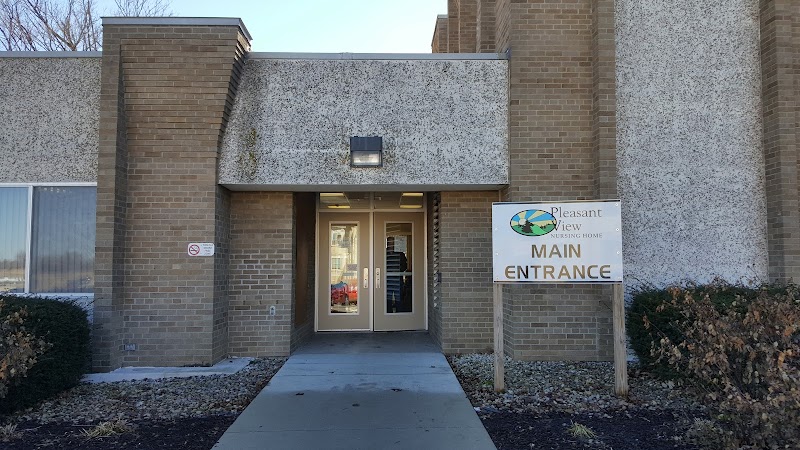
How is Pleasant View Staffed?

CMS rates PLEASANT VIEW NURSING HOME's staffing level at 5 out of 5 stars, which is much above average compared to other nursing homes. Staff turnover is 41%, compared to the Wisconsin average of 46%. This relatively stable workforce can support continuity of care.

What Have Inspectors Found at Pleasant View?

State health inspectors documented 40 deficiencies at PLEASANT VIEW NURSING HOME during 2023 to 2025. These included: 3 Immediate Jeopardy (the most serious level, indicating potential for serious harm or death), 2 that caused actual resident harm, and 35 with potential for harm. Immediate Jeopardy findings are rare and represent the most serious regulatory concerns. They require immediate corrective action.
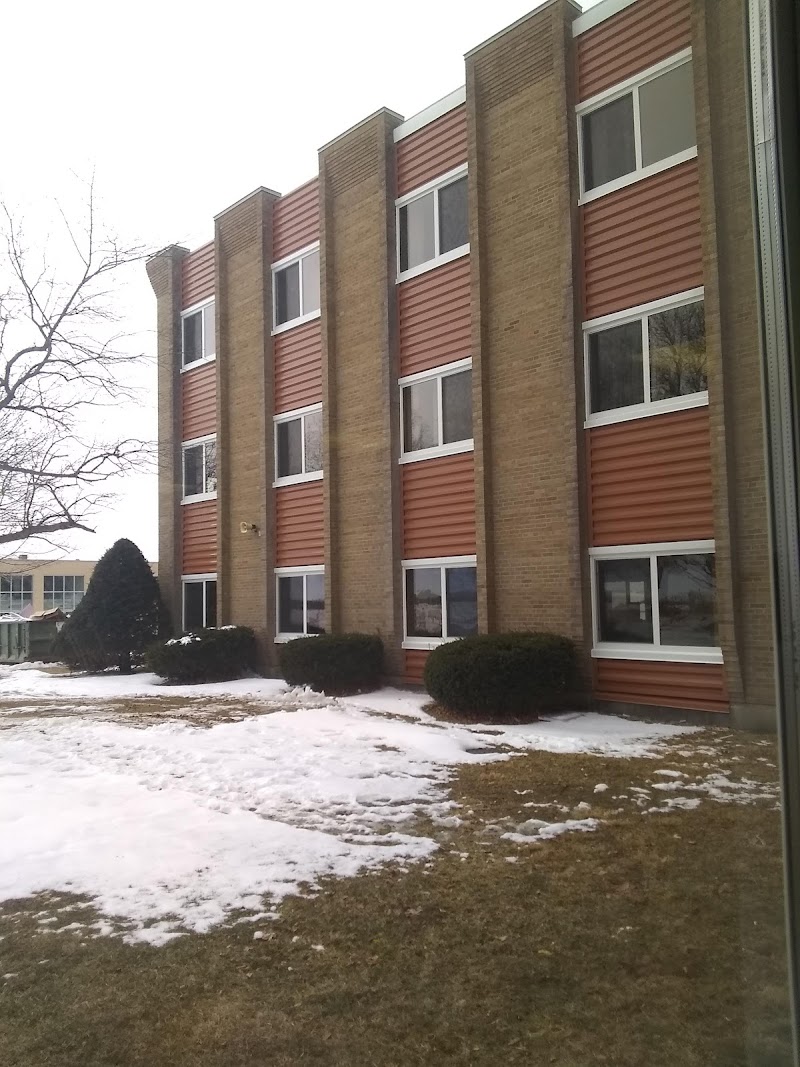
Who Owns and Operates Pleasant View?

PLEASANT VIEW NURSING HOME is owned by a government entity. Government-operated facilities are typically run by state, county, or municipal agencies. The facility operates independently rather than as part of a larger chain. With 96 certified beds and approximately 75 residents (about 78% occupancy), it is a smaller facility located in MONROE, Wisconsin.
How Does Pleasant View Compare to Other Wisconsin Nursing Homes?

Compared to the 100 nursing homes in Wisconsin, PLEASANT VIEW NURSING HOME's overall rating (2 stars) is below the state average of 3.0, staff turnover (41%) is near the state average of 46%, and health inspection rating (1 stars) is much below the national benchmark.

What Should Families Ask When Visiting Pleasant View?

Based on this facility's data, families visiting should ask: "What changes have been made since the serious inspection findings, and how are you preventing similar issues?" "What safeguards and monitoring systems are in place to protect residents from abuse or neglect?" "Can I visit during a mealtime to observe dining assistance and food quality?" "How do you handle medical emergencies, and what is your hospital transfer rate?" These questions are particularly relevant given the facility's Immediate Jeopardy citations and the substantiated abuse finding on record.

Is Pleasant View Safe?

Based on CMS inspection data, PLEASANT VIEW NURSING HOME has documented safety concerns. The facility has 1 substantiated abuse finding (meaning confirmed case of resident harm by staff or other residents). Inspectors have issued 3 Immediate Jeopardy citations (the most serious violation level indicating risk of serious injury or death). The facility has a 2-star overall rating and ranks #100 of 100 nursing homes in Wisconsin. Families considering this facility should ask detailed questions about what corrective actions have been taken since these incidents.

Do Nurses at Pleasant View Stick Around?

PLEASANT VIEW NURSING HOME has a staff turnover rate of 41%, which is about average for Wisconsin nursing homes (state average: 46%). Moderate turnover is common in nursing homes, but families should still ask about staff tenure and how the facility maintains care continuity when employees leave.

Was Pleasant View Ever Fined?

PLEASANT VIEW NURSING HOME has been fined $67,298 across 2 penalty actions. This is above the Wisconsin average of $33,752. Fines in this range indicate compliance issues significant enough for CMS to impose meaningful financial consequences. Common causes include delayed correction of deficiencies, repeat violations, or care failures affecting resident safety. Families should ask facility leadership what changes have been made since these penalties.

Is Pleasant View on Any Federal Watch List?

PLEASANT VIEW NURSING HOME is not on any federal watch list. The most significant is the Special Focus Facility (SFF) program, which identifies the bottom 1% of nursing homes nationally based on persistent, serious quality problems. Not being on this list means the facility has avoided the pattern of deficiencies that triggers enhanced federal oversight. This is a positive indicator, though families should still review the facility's inspection history directly.