Riverdale Health Care Center
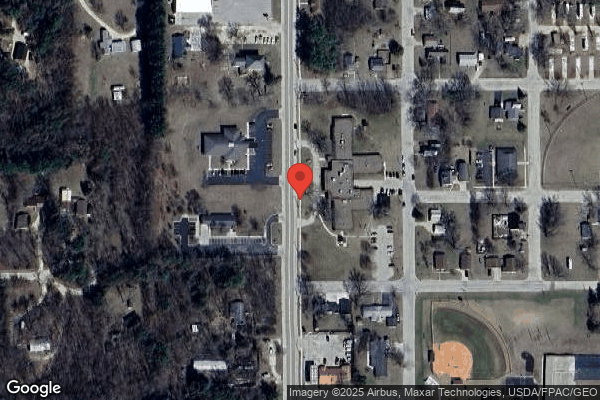
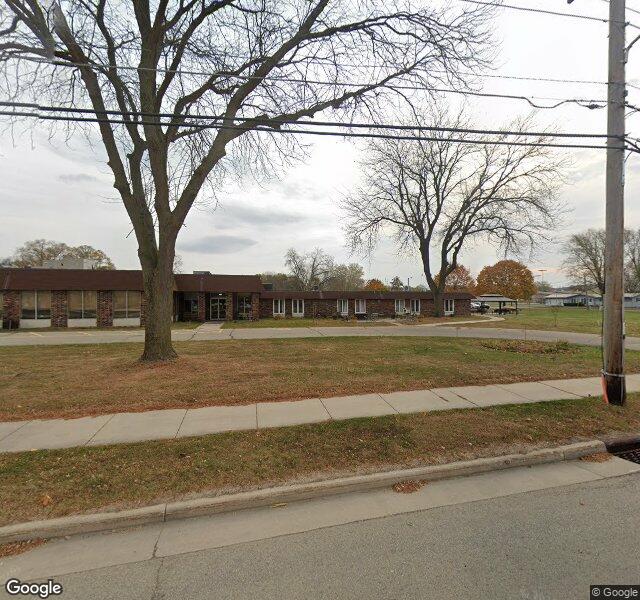
1000 N. Wisconsin Ave., Muscoda, WI 53573 (608) 739-3186
For profit - Limited Liability company 58 Beds BEDROCK HEALTHCARE Data: November 2025 3 Immediate Jeopardy citations
Trust Grade
0/100
#307 of 321 in WI
Last Inspection: July 2024

Within standard 12-15 month inspection cycle. Federal law requires annual inspections.

Overview

Riverdale Health Care Center in Muscoda, Wisconsin, has received a Trust Grade of F, indicating significant concerns about its operations and care quality. Ranking #307 out of 321 facilities in the state places it in the bottom half, and #6 of 7 in Grant County shows limited local options for better care. Although the facility is improving, reducing issues from 41 in 2024 to 36 in 2025, it still faces serious challenges, including a high staffing turnover rate of 76%, which is concerning compared to the state average of 47%. The facility has incurred $178,622 in fines, which is higher than 95% of Wisconsin facilities, suggesting ongoing compliance issues. Specific incidents include a resident's critical decline due to inadequate monitoring, and another resident was able to leave the facility unnoticed, creating a significant safety risk. While there are areas for improvement, families should weigh these serious concerns against the facility’s positive trend in reducing overall issues.

Trust Score
F
0/100
In Wisconsin
#307/321
Bottom 5%
Safety Record
High Risk
Review needed
Inspections
Getting Better
41 → 36 violations
Staff Stability
⚠ Watch
76% turnover. Very high, 28 points above average. Constant new faces learning your loved one's needs.
Penalties
✓ Good
$178,622 in fines. Lower than most Wisconsin facilities. Relatively clean record.
Skilled Nurses
⚠ Watch
Each resident gets only 18 minutes of Registered Nurse (RN) attention daily — below average for Wisconsin. Fewer RN minutes means fewer trained eyes watching for problems.
Violations
⚠ Watch
104 deficiencies on record. Higher than average. Multiple issues found across inspections.
★☆☆☆☆
1.0
Overall Rating
★☆☆☆☆
1.0
Staff Levels
★★★☆☆
3.0
Care Quality
★☆☆☆☆
1.0
Inspection Score
Stable
2024: 41 issues
2025: 36 issues

The Good

  • Full Sprinkler Coverage · Fire safety systems throughout facility
  • No fines on record

Facility shows strength in fire safety.

The Bad

1-Star Overall Rating

Below Wisconsin average (3.0)

Significant quality concerns identified by CMS

Staff Turnover: 76%

30pts above Wisconsin avg (46%)

Frequent staff changes - ask about care continuity

Federal Fines: $178,622

Well above median ($33,413)

Significant penalties indicating serious issues

Chain: BEDROCK HEALTHCARE

Part of a multi-facility chain

Ask about local staffing decisions and management

Staff turnover is very high (76%)

28 points above Wisconsin average of 48%

The Ugly 104 deficiencies on record

3 life-threatening 5 actual harm
Aug 2025 6 deficiencies 1 IJ
CRITICAL (J) 📢 Someone Reported This

A family member, employee, or ombudsman was alarmed enough to file a formal complaint

Immediate Jeopardy (IJ) - the most serious Medicare violation

Quality of Care (Tag F0684)

Someone could have died · This affected 1 resident

**NOTE- TERMS IN BRACKETS HAVE BEEN EDITED TO PROTECT CONFIDENTIALITY** Based on interview and record review, the facility failed to ensure that each resident received treatment and care in accordance...

Read full inspector narrative →
**NOTE- TERMS IN BRACKETS HAVE BEEN EDITED TO PROTECT CONFIDENTIALITY** Based on interview and record review, the facility failed to ensure that each resident received treatment and care in accordance with professional standards of practice (N6, Wisconsin Nurse Practice Act) for 2 of 7 sampled residents (R4 and R5) reviewed for change of condition. R4 experienced a change in condition as evidenced by a change in mental status, decrease in intake, and change in urine color and output. Certified Nursing Assistants (CNAs) reported these changes to nursing staff. R4’s nurse did not complete an assessment, monitor resident, or report change in condition to the provider. R4 continued to deteriorate over the weekend and was found to be unarousable and then sent to ER. R4 was admitted to the hospital on [DATE] with bacteremia UTI (bacteremia presence of bacteria in the blood stream; if left untreated it can progress to sepsis), Urinary tract infection (UTI), severe sepsis (life threatening condition that occurs when the body responds to an infection leading to organ dysfunction/failure and can progress to shock if not treated), catheter-associated urinary tract infection, acute respiratory distress, and chronic indwelling foley catheter. R4 passed away at the hospital on 8/1/25 due to severe sepsis, bacteremia, acute respiratory distress, and UTI. The facility failed to provide care consistent with professional standards of practice for R4 when the facility failed to recognize a change of condition, failed to complete an RN assessment, failed to monitor R4's condition, failed to consult with the physician timely, and failed to monitor/document R4's intake and output. These failures created a finding of immediate jeopardy that began on 7/26/25. The Nursing Home Administrator (NHA) was notified of the immediate jeopardy on 8/14/25 at 2:45 PM. The immediate jeopardy was removed on 8/18/25; however, the deficient practice continues at a scope and severity of D (Potential for more than minimal harm/Isolated) as evidenced by the following example: R5 had a change of condition on 7/23/25. LPN K (Licensed Practical Nurse) utilized a straight catheterization (an invasive medical device used to drain urine from the bladder) without a Physician’s Order to obtain a urine sample. R5 has wounds to her left hip, left shoulder, right great toe, and right second toe that have not been consistently measured or assessed by staff since admission. The facility did not complete an admission skin assessment, did not complete treatments per physician orders, and no documentation was located indicating the classification or cause of R5’s wounds (e.g. pressure, diabetic, etc.). Evidenced by: The facility policy, “Notification of Changes Policy,” dated 3/19, states in part:…It is the policy of this facility that changes in a resident’s condition or treatment are immediately shared with the resident and/or the resident representative, according to their authority, and reported to the attending physician or delegate….Requirements for notification of resident, the resident representative and their physician:…A significant change includes deterioration in health, mental, or psychosocial status in either life-threatening conditions or clinical complications… According to the Wisconsin Nurse Practice Act, N6.03(1), An R.N. (Registered Nurse) shall utilize the nursing process in the execution of general nursing procedures in the maintenance of health, prevention of illness or care of the ill. The nursing process consists of the steps of assessment, planning, intervention, and evaluation. This standard is met through performance of each of the following steps of the nursing process: (a) Assessment. Assessment is the systematic and continual collection and analysis of data about the health status of a patient culminating in the formulation of a nursing diagnosis. (b) Planning. Planning is developing a nursing plan of care for a patient which includes goals and priorities derived from the nursing diagnosis. (c) Intervention. Intervention is the nursing action to implement the plan of care by directly administering care or by directing and supervising nursing acts delegated to L.P.N.s (Licensed Practical Nurse) or less skilled assistants. (d) Evaluation. Evaluation is the determination of a patient's progress or lack of progress toward goal achievement which may lead to modification of the nursing diagnosis. According to N6.04(1), In the performance of acts in basic patient situations, the L.P.N. shall, under the general supervision of an R.N. or the direction of a provider . (b) Provide basic nursing care. (c) Record nursing care given and report to the appropriate person changes in the condition of a patient . (e) Perform the following other acts when applicable: 1. Assist with the collection of data . 1.R4 was admitted to the facility on [DATE] with diagnoses including Alzheimer’s disease, kidney disease, dysphagia (difficulty swallowing), unsteadiness on feet, dementia, weakness, obstructive and reflux uropathy (blockage in the urinary tract), and neurocognitive disorder. R4’s most recent Minimum Data Set (MDS) dated [DATE] indicates R4 had a Brief Interview for Mental Status (BIMS) of 00 indicating R4 was severely cognitively impaired. R4 had an activated power of attorney. R4’s Comprehensive Care Plan, stated, in part: “…5/6/22…Focus: Alteration in elimination of bowel and bladder Indwelling Urinary Catheter DX (diagnosis) obstructive uropathy, pyelitis cystica (multiple small cysts in the renal pelvis area). Bowel incontinence…Goal: I will be free of UTI. I will have no complications from use of my indwelling catheter such as pain, infection, obstruction…Interventions: Anchor catheter, avoid excessive tugging on the catheter during transfer and delivery care…Change catheter bag…change foley catheter monthly and PRN (as needed) per MD (Medical Doctor) order. 20Fr (French) coude (type of catheter)10ml (milliliter) balloon…Check catheter tubing for proper drainage and positioning…Encourage fluids…Indwelling catheter care every shift and as needed…Irrigate catheter as ordered…Keep drainage bag of catheter below the level of the bladder at all times and off floor…Labs as ordered…Monitor and report S&S (signs and symptoms) of UTI: changes in color, odor, or consistency of urine, dysuria, frequency, fever, pain… … Urinary Tract Infection (UTI), potential due to: recurrent urinary tract infections, indwelling foley catheter 7/7/22…Goal: will remain free of urinary tract infections…Interventions: Encourage fluids unless contradicted…Encourage fluids until urine is light yellow in color…Enhance barrier precautions…monitor and record foley output every shift…Notify practitioner if symptoms worsen or do not resolve…Observe and report signs and symptoms of UTI: changes in color, odor or consistency of urine, dysuria, frequency, fever, pain…Provide indwelling catheter care every shift and as needed. Secure catheter and tubing appropriately…” R4’s Kardex states, in part:…Monitor foley output, if reduced, change PRN (as needed) to decrease feelings of urgency…Monitor and report S & S (signs and symptoms) of UTI: changes in color, odor, or consistency of urine, dysuria, frequency, fever, pain… R4’s July 2025 output on Treatment Administration Record (TAR) states in part:…21st DAY: plus sign, EVENING: plus sign, NIGHT: plus sign. 22nd DAY: plus sign, EVENING: Blank, NIGHT: 50. 23rd DAY: 350, EVENING: 900, NIGHT: 420. 24th DAY: 550, EVENING: plus sign, NIGHT: plus sign. 25th DAY: 700, EVENING: Blank, NIGHT: Blank. 26th DAY: plus sign, EVENING: 450, NIGHT: 120. 27th DAY: Blank, EVENING: 300, NIGHT: 200. 28th DAY: 250, EVENING: plus sign, NIGHT: 400…R4’s documentation on task charting states in part:…23rd, 24th, 25th, 26th, and 28th are double documented showing an incorrect total. R4’s documentation for the 27th is Blank. Of note, staff were charting plus signs instead of an output amount, therefore it is unknown how much urine R4 had out each day. There is no documented nursing assessment of R4’s urine output. On 8/13/25 at 8:52 AM, NHA A (Nursing Home Administrator) indicated the plus signs on R4’s output documentation indicates positive output. NHA A indicated the documentation should have an actual amount for output. NHA A indicated they have started education with staff on correctly documenting on the output forms. R4’s July 2025 intake documentation states in part:…23rd Total 750cc, 24th Total 640cc, 25th 900cc, 26th 240cc, 27th 360cc, and 28th 600cc… R4’s July 2025 meal intake indicates in part:…26th Breakfast NPO (which indicates nothing by mouth.) Breakfast and Lunch documentation shows that R4 needed full staff assistance for meals. It is important to note this is a change from the rest of the month. Supper: blank. July 27th Breakfast 50%, Lunch and Supper Blank. July 28th Breakfast 75%, Lunch 25% with full assistance needed, Supper Blank…. R4’s Progress notes, state, in part:…7/26/25, Author LPN L (Licensed Practical Nurse) …Foley catheter patent with 600 cc (cubic centimeters) dark yellow urine, staff report concern “he’s been more sleepy lately.” He has remained in bed with the exception of ADLs (activities of daily living) and bed sheets being changed. Arouses easily. At meals in bed with HOB (head of bed) elevated. Fluids encouraged. Staff report concern of his left elbow, PROM (passive range of motion) with c/o (complaints of) discomfort and facial grimacing when left arm extended away from his body. Elbow appears swollen. Resident has advanced dementia and unable to indicate any cause of injury, harm, or recent fall/incident. Does not appear fearful of staff during assessment. Call placed to [Physician name] with an order for an x-ray to r/o (rule out) injury… On 8/12/25 at 11:20 AM, in interview with Surveyor, LPN L (Licensed Practical Nurse) indicated a Certified Nursing Assistant (CNA) had reported R4 was lethargic and staying in bed more. LPN L indicated that the noc (night) nurse on 7/25/25 would have been the nurse to report the concerns if they were reported to the doctor. LPN L indicated she requested an x-ray on R4’s elbow and that was what her message was to the doctor on the 26th. LPN L indicated the Registered Nurse (RN) on 7/29/25 sent R4 out by ambulance. LPN L indicated notifications and assessments should be completed if there is a change in condition with a resident. There was no documented RN assessment of R4’s condition on 7/26, 7/27, or 7/28/25. Facility documentation states in part:…On 7/29/25 vitals were taken on resident on 7/29/25, showing a slight temperature of 99.6F (Fahrenheit), blood pressure 141/81. Resident was lethargic (lack of energy/decreased alertness) and appeared unwell. POA (Power of Attorney) was contacted, and it was determined that resident should go to the emergency room. Resident was transported via ambulance and was seen in emergency room and admitted to the hospital. Resident passed on 8/1/25 due to sepsis. Hospital notes state: R4 presented to the hospital on 7/29 with bacteremia UTI, severe sepsis, catheter associated urinary tract infection, acute respiratory distress, chronic indwelling foley catheter. Can not talk and history is very limited…. R4 hospital course included antibiotics for bacteremia and urinary tract infection. Patient initially presented with confusion and lethargy from [Name of facility]. Patient remained relatively unresponsive despite treatment of severe sepsis. Decision made to withdraw care on 7/31. Patient expired on 8/1. Comfort measures including morphine and Ativan. MD notes state: in my opinion, R4’s cause of death was severe sepsis, bacteremia, acute respiratory distress, UTI… On 8/14/25 at 8:20 AM, in interview with Surveyor, RN R indicated she was the nurse working on 7/29/25 and she sent out R4 by ambulance. RN R indicated staff told her that R4 “didn’t look right.” RN R indicated she took R4’s vitals. R4 had a slight temperature, but everything else looked fine. RN R indicated it also concerned her because R4 had a catheter, and it was always dragging on the ground or wrapped around a wheel because R4 had advanced dementia. RN R indicated she also decided to send R4 out because of the wound on his toe. RN R indicated she was not familiar with R4 because she had only worked with him a couple times. On 8/12/25 at 11:45 AM, in interview with Surveyor, CNA M indicated she noticed changes in R4 prior to 7/29/25. CNA M indicated she noticed that R4 was sleeping more, lethargic, urine was not as clear, and that he was just staying in bed more. CNA M indicated she did report these changes. CNA M indicated on 7/29/25, R4 was not responding, was having difficulty breathing, and he just didn’t seem to be himself. CNA M indicated she reported on the 29th as well. CNA M indicated she also reported the concern with the band aid on R4’s toe and that the toe was red. CNA M indicated prior to the changes with R4 he was up and down a lot, self-transferring and he would be out in the common area. On 8/12/25 at 2:00 PM, in interview with Surveyor, CNA N indicated she was told by her coworker that R4 was more lethargic and just not himself around 5 days before being sent out on the 29th. CNA N indicated a coworker that had worked the weekend prior told her R4 was lethargic all weekend. CNA N indicated she saw R4 on 7/29/25 because she was helping down his hallway. CNA N indicated R4 had labored breathing and was not responding to staff on the 29th. On 8/12/25 at 3:20 PM, in interview with Surveyor, CNA O indicated she was probably the first person to notice a change in R4. CNA O indicated she believed it was around the middle or end of July. CNA O indicated she has worked with R4 for a few years now. CNA O indicated R4’s norm was he would wander all over the building, he would be in and out of bed, sit at the nurses’ station, and was very happy. CNA O indicated R4 was very tough on his catheter and tubing. CNA O indicated R4 would forget about it and end up tugging it hard. CNA O indicated she noticed R4 wouldn’t get out of bed, had loose stools, not responding when staff would say his name, not eating as well, and face was flushed. CNA O indicated she saw his elbow and foot as well. CNA O indicated both had been reported to nursing timely. CNA O indicated she reported R4’s changes to the previous DON (Director of Nursing), LPN L, and LPN E. On 8/13/25 at 10:00 AM, in interview with Surveyor, LPN E indicated he had multiple days off prior to R4 being sent out on the 29th. LPN E remembers CNA O reporting that R4 had been tugging at his catheter tubing. LPN E indicated R4 would self-transfer, was very pleasant, was on 15-minute checks, would eat well, hang out at the nurses’ station, and was easy to care for. On 8/13/25 at 10:15 AM, in interview with Surveyor, CNA P indicated when she first started working at the facility R4 was in and out of his room and self-transferring. CNA P indicated she noticed a change in him around 7/23/25 and over the weekend (which would be 7/25 and 7/26/25) prior to R4 being sent out on the 29th. CNA P indicated R4 had loose bowel movements for 3 days prior to being sent out, declined, appetite changed, needed more assistance, urine was a red/brown tint color, and a decline in output. CNA P indicated she did report the change in condition to LPN L. CNA P indicated she felt like staff were making R4 get up in his wheelchair and go to activities. CNA P indicated, “I felt like it was not appropriate to keep getting him up.” On 8/13/25 at 10:47 AM, in interview with Surveyor, PA Q (Physician Assistant) indicated she saw R4 on 7/28/25 for his toe. PA Q indicated staff did not report any other changes in condition to her. PA Q indicated she had only seen R4 once or twice before the visit on 7/28/25. PA Q indicated she would expect staff to report all changes in condition. On 8/14/25 at 12:16 PM, in interview with Surveyor, NP S (Nurse Practitioner) indicated she does not remember being notified of any changes of condition with R4. NP S indicated she would expect to be notified of a change of condition with a resident. On 8/13/25 at 11:53 AM, in interview with Surveyor, NHA A (Nursing Home Administrator) indicated she had known about the concern with R4’s elbow. NHA A indicated she was on vacation from 7/19/25-7/27/25. NHA A indicated RN R sent R4 out on 7/29/25, NHA A indicated Power of Attorney stopped at the facility after R4 went out and indicated R4 was not doing well. NHA A indicated she called the hospital Friday, and hospital returned her call on Saturday. NHA A indicated the hospital told her R4 had passed away due to sepsis. NHA A indicated she started a self-report investigation because R4 was diagnosed with sepsis and passed away. NHA A indicated she did not interview any staff and did not complete any audits. NHA A indicated she would look for any more documentation regarding MD notifications during R4’s change in condition and prior to being sent out on 7/29/25. NHA A indicated she would expect nursing to report changes in condition to primary physician and complete assessments. On 8/13/25 at 3:00 PM, in interview with Surveyor, DON B (Director of Nursing) indicated they will be doing education on documenting input and output. DON B indicated moving forward DON B will be the one responsible to review totals and documentation. DON B and NHA A indicated they do not know who is responsible right now for reviewing daily output totals and input documentation. DON B indicated output documentation should be an actual amount and not a plus sign or blank. DON B indicated if there is a change in a resident’s appetite and how much they are eating/drinking it should be documented, and proper notifications should be made to primary physician. DON B indicated nursing assessments should be completed timely as well. DON B indicated she would look for any documentation for physician notification prior to 7/29/25. DON B indicated an appropriate daily fluid intake would be 2,000ml unless the resident is on a fluid restriction. DON B indicated this could be found in the resident dietary assessment. It is important to note, DON B provided Surveyor with R4’s dietary assessment. The document does not include R4’s recommended daily fluid intake. On 8/13/25 at 5:00 PM, in interview with Surveyor, NHA A (Nursing Home Administrator) indicated understanding of the above concerns. NHA A indicated they would start change of condition education with staff immediately. The facility’s failure to ensure each resident received the necessary care and services in accordance with professional standards of practice when R4 experienced a change in condition created a reasonable likelihood for serious harm, thus leading to a finding of immediate jeopardy that began on 7/26/25. The facility removed the immediate jeopardy on 8/18/25 when the facility implemented the following action plan: -All nursing staff to be educated prior to next working shift, including agency on the following: 1) On 8/14/25 and 8/15/25 DON completed education on recognition of change of condition. If a resident is found to have a COC (Change of Condition), the staff will immediately report the COC to the nurse. The nurse will immediately perform a head to toe assessment and immediately notify the PCP of the findings. 2) On 8/14/25 and 8/15/25 DON completed education to staff on how to recognize a change of condition including changes in mental status, decreased intake or output, changes in urine color or output, talks or communicates less, pain, which is new or worsening, swollen legs/feet, tired, weak, changes in skin color. Use the stop and watch warning tool. 3) On 8/14/25 and 8/15/25 DON provided education when staff have recognized a possible COC they will report it to the nurse immediately. The nurse will do a full assessment including vitals, pain, GI (Gastrointestinal), respiratory symptoms, cardiac symptoms, GU (Genital Urinary) symptoms, call the MD immediately, follow directions of MD, document the change of condition, notify the POA/MCO (Power of attorney/Manage Care Organization), continue to monitor until resident returns to baseline or is sent for further evaluation. Complete documentation needs to be in resident’s charting, as well as in the 24-hour board binder and reported off to next shift. 4) On 8/14/25 and 8/15/25 DON provided education to the nurses on how to complete an assessment, including a head to toe review that includes vitals, pain, GI, respiratory, cardiac, GU symptoms, and immediately notify the MD regarding assessment. Continue to monitor until resident returns to baseline or is sent for further evaluation. Complete documentation needs to be in resident’s charting, as well in the 24-hour board binder and given in report to next shift. 5) On 8/14/25 and 8/15/25 DON provided training on properly recording the fluid cc’s of each resident on each shift including the intake of food %. CNA that is assigned to the dining room will record all the intakes on the clipboard and will then record any residents who have chosen to eat in their rooms or ask designee to record. CNA is responsible for charting this information into the resident’s chart on each shift. 6) On 8/14/25 and 8/15/25 DON provided education on recording the intakes by using the spreadsheet for each meal. Properly documenting in the residents chart and noting through out the day if the amount is off baseline and immediately report that to the nurse. 7) On 8/14/25 and 8/15/25 DON provided education to report immediately to the nurse if the resident’s intake or output has decreased. 8) On 8/14/25 and 8/15/25 DON provided education on the 24-hour board binder and the proper recording of COC of resident to be reviewed during report off. -8/14/25 completed a sweep of the building for any changes in condition. -8/14/25 reviewed policy related to changes of condition, notification of changes policy. -8/14/25 24-hour board binder implemented for monitoring. This binder will be collected and brought into stand up and reviewed. -8/14/25 implement process for monitoring fluid intake and output and when to notify MD/NP. -8/14/25 head to toe and system specific system reviewed for I and O. -8/14/25 implemented system to report off resident COC to next shift. -Audits: 1) The DON or designee will conduct 4 audits weekly for 4 weeks, then review at QAPI (Quality Assurance Performance Improvement) for ongoing monitoring of charting for COC, documentation. 2) The DON or designee will conduct 4 audits weekly for 4 weeks of the 24 hour report for properly completed and documented assessments and MD notification immediately. 3) The DON or designee will conduct 4 audits weekly for 4 weeks on the audit charting to ensure COC are recognized, assessments completed, and MD notification. 4) The DON or designee will conduct 4 audits weekly for 4 weeks on the intake sheets and proper documentation in charts. 5) The DON or designee will conduct 4 audits weekly for 4 weeks of output documentation and proper reporting of inadequate output. 6) The DON or designee will conduct 4 audits weekly for 4 weeks of the intake sheet and proper documentation and proper reporting of decreased intake. 7) The DON or designee will conduct 4 audits weekly for 4 weeks on proper reporting the COC to the next shift. -All facility actions, education and audits will be reviewed at QAPI. 2. R5 was admitted to the facility on [DATE] with diagnoses including, but not limited to, cystitis (inflammation of the bladder often caused by a urinary tract infection), muscle wasting and atrophy (decrease in size and wasting of muscle tissue). On 7/22/25, the physician ordered a urinalysis culture and sensitivity (UAC&S) for dysuria f/u (follow up) recent UTI (urinary tract infection). On 7/23/25 the physician examined R5. Reason for visit: Anemia, Multiple wounds, self-neglect, failure to thrive. No complaints apart from patient concerned that she has another UTI. On 7/23/25 LPN K (Licensed Practical Nurse) obtained R5’s urine sample via straight catheterization and sent the sample to the hospital laboratory for testing. The physician did not order a straight catheter urine sample. Of note, RN’s (Registered Nurses) and LPN’s (Licensed Practical Nurses) may not perform a straight catheterization without a physician’s order. On 7/24/25, the physician ordered the following medication: Macrobid oral capsule 100 mg (milligrams) – Give 1 capsule by mouth two times a day for UTI for 7 days. On 7/24/24 at 4:00 PM, R5 received the first dose of Macrobid. On 7/25/25, R5’s UAC&S results documented the following: Colony count > (greater than) 100,000 CFU/ml (colony forming units per milliliter) gram negative rods isolated. See ID (Infectious Disease) and sensitivity. On 8/12/25 at 10:05 AM, Surveyor spoke with R5. During the conversation R5 stated, LPN K (Licensed Practical Nurse) straight catheterized her to obtain a urine sample. R5 stated, “It was so painful and caused a fierce burning.” R5 stated, LPN K attempted to obtain a urine sample twice. R5 stated, the first time there was a very small amount of urine. R5 stated, the second sample contained bowel movement and was contaminated. R5 stated, after the second attempt, LPN K straight catheterized her to obtain the urine sample. On 8/13/25 at 12:00 PM, Surveyor spoke with DON B (Director of Nursing). Surveyor asked DON B, is it your expectation that staff obtain a physician order before performing a straight catheterization on a resident. DON B stated, yes. Surveyor stated, LPN K obtained R5’s urine sample via straight catheter. Surveyor asked DON B, would you expect LPN K to have a physician’s order to straight catheterize a resident. DON B stated, yes. DON B stated, LPN K should not be utilizing straight catheterization to obtain a urine sample without a physician’s order. Facility policy entitled 'Wound Management,' undated, states in part: To promote wound healing of various types of wounds, it is the policy of this facility to provide evidence-based treatments in accordance with current standards of practice and physician orders. Wound treatments will be provided in accordance with the physician orders…, Treatment decisions will be based on etiology of the wound. i. pressure injuries will be differentiated from non-pressure ulcers, such as arterial, venous, diabetic, moisture or incontinence related skin damage. ii. Surgical iii. Incidents (i.e. skin tear, medical adhesive related skin injury) iv. Atypical (i.e. dermatological or cancerous lesion, pyoderma (skin disease caused by bacteria) Characteristics of the wound: i. Pressure injury stage (or level of tissue destruction if not a pressure injury) ii. Size – including shape, depth, and presence of tunneling and/or undermining iii. Volume and characteristics of exudate iv. Presence of pain v. Presence of infection or need to address bacterial bioburden vi. Condition of the tissue in the wound bed vii. Condition of peri-wound skin. The facility will follow specific physician orders for providing wound care. Treatments will be documented on the Treatment Administration Record. The effectiveness of treatments will be monitored through ongoing assessment of the wound. Considerations for needed modifications include: Lack of progression towards healing. Changes in the characteristics of the wound. On 7/2/25, R5’s hospital discharge paperwork documents she has chronic wounds. There is no further detail. The facility did not complete an admission skin assessment. R5’s Certified Nursing Assistant (CNA) Kardex indicates, in part, as follows: Mobility: I am unable to walk; I need limited assistance of 1 and help lifting legs in and out of bed and rolling. I use a wheelchair for locomotion, and I am independent to get around the facility. ADL’S (Activities of Daily Living) I need limited assist of 1 for lower and upper dressing. I need set-up to perform my personal hygiene. The facility has no documentation of an initial care plan prior to 7/21/25. R5’s comprehensive care plan indicates, in part, as follows: (Date Initiated: 7/21/25) Pressure ulcer at risk due to: Assistance required in bed mobility, bowel incontinence, Braden Score 18. Goal: Will remain free from further breakdown. Interventions: Complete Braden Scale; Provide pressure reducing wheelchair cushion; Provide pressure reduction/relieving mattress; Provide thorough skin care after incontinent episodes and apply barrier cream; Referral to Therapy; Skin assessment to be completed per Living Center policy; Treatments as ordered. Note, all interventions were added 7/21/25. R5’s Braden scores are as follows: On 7/27/25, R5’s Braden score: 18 (Mild risk for pressure injury development) It is important to note, an agency nurse, that is no longer employed at the facility, was previously completing weekly wound measurements and assessments. It is important to note, weekly measurements and assessments were not being completed. There is no assessment of R5’s wounds, only periodic hand-written measurements that do not clarify tunneling from depth. R5's weekly wound measurements and assessments are as follows: Left Thigh Hip 7/7/25: 5.5 x 1.7 x 2.6 tunneling 7/14/25: 2.4 x 0.5 x 0.3 7/21/25: 3.0 x 1.5 x tunnel (no measurement) Left Thigh 7/7/25: 3.2 x 0.7 x 0.5 tunnel 7/14/25: 3.2 x 1.0 x 2.0 7/21/25: 0.5 x 0.5 x 0.1 Left Shoulder 7/14/25: 2.5 X 1.5 Right Second Toe 7/14/25: 0.2 x 0.2 7/21/25: 0.5 x 0.3 Right Great Toe 7/14/25: 0.5 x 0.3 R5’s physician orders for wounds are as follows: 7/5/25 Wound Care Left Posterior Shoulder – Cleanse wound, and peri wound area with wound cleanser, pat dry; Paint wound with betadine; Leave OTA (open to air) – every day shift 7/5/25 Wound Care Right Foot – First/Second Toe – Cleanse wound with wound cleaner. Pat dry; Paint with Betadine; Leave OTA (open to air) – every day shift 7/7/25 Wound Care Left Lateral Hip – Cleanse wound, and peri wound with wound cleanser. Pat dry: Pack wound with iodoform gauze packing strips or sterile gauze FLUFFED; Cover with gauzed border dressing – island dressing - every day shift 7/31/25 Referral to wound care clinic. *Left hip wound with tunneling 8/8/25 Change wound dressing to 3x (times) week. Cleanse wound and apply dressing such as Mepilex – every day shift Monday, Wednesday, Friday for wound care On 7/31/25 R5 was seen by a PA (Physician Assistant). The PA documented Reason for visit: Advanced Directives Plans: Anemia, Multiple wounds,
CONCERN (D) 📢 Someone Reported This

A family member, employee, or ombudsman was alarmed enough to file a formal complaint

Potential for Harm - no one hurt, but risky conditions existed

Report Alleged Abuse (Tag F0609)

Could have caused harm · This affected 1 resident

**NOTE- TERMS IN BRACKETS HAVE BEEN EDITED TO PROTECT CONFIDENTIALITY** Based on interview and record review, the facility did not ensure that all alleged violations involving abuse, neglect, exploita...

Read full inspector narrative →
**NOTE- TERMS IN BRACKETS HAVE BEEN EDITED TO PROTECT CONFIDENTIALITY** Based on interview and record review, the facility did not ensure that all alleged violations involving abuse, neglect, exploitation, or mistreatment, are reported immediately to the administrator of the facility and to other officials, including the State Survey Agency, in accordance with State law through established procedures for 1 of 16 residents (R10) reviewed for abuse.Multiple staff made an allegation that a staff member was mentally abusing R10, and the facility did not report the allegation to the State Survey Agency.evidenced by:According to the State Operations Manual, as described in S483.70(o)(2)(ii)(J), The nursing home must follow all of the requirements within S483.12(a)(b) and (c), Free From Abuse.for the prevention, identification, protection, reporting and investigation of allegations of abuse, neglect, verbal, mental, sexual abuse, mistreatment and injuries of unknown source. This also includes prohibiting taking and/or posting photos or recordings that are demeaning and or humiliating to a nursing home resident or the use of an authorized photo or recording in a demeaning/humiliating manner.The facility's abuse policy states, Abuse includes verbal abuse, sexual abuse, physical abuse, and mental abuse including abuse facilitated or enabled through the use of technology. The facility will have written procedures that include: reporting of all alleged violations to the administrator, state agency, adult protective services and to all other required agencies within specified timeframes.R10 was admitted to the facility on [DATE] and has diagnoses that include Parkison's disease. R10 has a guardian in place.An anonymous complaint was received by the state agency stating that CNA O (Certified Nursing Assistant) had been taking videos and pictures of R10. Documentation received from the facility on 8/25/25 includes statements from staff CNA C, CNA T, LPN G (License Practical Nurse), and LPN U. Statements from these staff all indicated that they had seen CNA O taking videos and pictures with R10 at the nurse's station in the evening on 8/12/25. CNA C's statement states, in part, She (CNA O) was telling R10 to work it and dance baby dance. CNA C's statement goes on to say that he, LPN G and LPN U had seen this and felt they needed to contact NHA A (Nursing Home Administrator), who then requested that they write statements.Surveyors were unable to get into contact with CNA C or CNA T.On 8/25/25 at 11:46 AM, Surveyor interviewed LPN G who stated that R10 does like to dance, and he has some very spastic-like movements due to his Parkinson's. LPN G stated that when she saw CNA O recording R10, she thought it was inappropriate and demeaning to R10.On 8/25/25 at 2:31 PM, Surveyor interviewed LPN U who stated that she witnessed CNA O recording R10 for 5 minutes. LPN U then showed Surveyor a picture she took of CNA O taking a selfie of herself and R10. LPN U stated she did not want to get in trouble, so she did not share the picture with administration. LPN U stated she believed CNA O was taking Snapchats of R10 dancing.On 8/25/25 at 2:15 PM, CNA O denied recording R10.R10 refused to speak with Surveyors.On 8/25/25 at 3:30 PM, Surveyor interviewed NHA A (Nursing Home Administrator) who stated that she was unable to prove that any abuse had happened. When asked if an allegation that a staff member was recording a resident would be considered potential abuse, NHA A stated, Yes. When asked why she did not submit an initial abuse report to the State Survey Agency, NHA A stated that she investigated the allegation and could not substantiate the allegation, so she did not report it.The facility did not submit a report to the State Survey Agency.
CONCERN (D) 📢 Someone Reported This

A family member, employee, or ombudsman was alarmed enough to file a formal complaint

Potential for Harm - no one hurt, but risky conditions existed

Investigate Abuse (Tag F0610)

Could have caused harm · This affected 1 resident

**NOTE- TERMS IN BRACKETS HAVE BEEN EDITED TO PROTECT CONFIDENTIALITY** Based on observation, interview, and record review, the facility did not ensure that in response to allegations of abuse, neglec...

Read full inspector narrative →
**NOTE- TERMS IN BRACKETS HAVE BEEN EDITED TO PROTECT CONFIDENTIALITY** Based on observation, interview, and record review, the facility did not ensure that in response to allegations of abuse, neglect, exploitation, or mistreatment, that alleged violations are thoroughly investigated for 2 of 4 residents reviewed for abuse (R4 & R6). CNA C (Certified Nursing Assistant) reported an allegation of verbal and sexual abuse to NHA A (Nursing Home Administrator). The facility failed to conduct a thorough investigation of the allegations made regarding R6. R4 experienced a change in condition that resulted in his unexpected death. The facility failed to conduct a thorough investigation to rule out neglect of R4. Evidenced by: Facility policy, titled Abuse Neglect Exploitation, undated, includes: It is the policy of the facility to provide protection for the health, welfare, and rights of each resident by developing and implementing written policies and procedures that prohibit and prevent abuse, neglect, exploitation, and misappropriation of resident property… Establish policies and procedures to investigate any such allegations… Investigations of alleged abuse, neglect, and exploitation: An immediate investigation is warranted when suspicion of abuse, neglect, or exploitation, or reports of abuse, neglect, or exploitation occur. Written procedures for investigations include: Identifying staff responsible for the investigation… Identifying and interviewing all involved persons, including the alleged victim, alleged perpetrator, witnesses, and others who might have knowledge of the allegations… Focusing the investigation on determining if abuse, neglect, exploitation, and/or mistreatment has occurred, the extent, and cause… Providing complete and thorough documentation of the investigation. Example 1: R6 admitted to the facility on [DATE] with the following diagnoses: Chronic Respiratory Failure, Type 2 Diabetes Mellitus, Anxiety disorder, and depression. His most recent Minimum Data Set (MDS) with Assessment Reference Date (ARD) of 5/28/25, indicates R6 is cognitively intact with a Brief Interview for Mental Status (BIMS) score of 13 out of 15. Text message, dated 8/5/25 at 10:04 PM, from CNA C (Certified Nursing Assistant) to NHA A (Nursing Home Administrator), includes in part: Ok, we need to do something about CNA F. This is absolutely ridiculous and I am getting sick of the way she has been treating the other CNA H [sic] myself, … and even some of the residents. She is abusive towards the resident. She doesn’t care. There is sexual conductivity going on in the resident’s room. Her and R6 flirt so she brought it [sic] so R6 buys her (local restaurant named). There’s so many sexual disgusting activities that is going on in this facility that no one is talking about and I’m sick of just hiding all of this away. …. please, please, please do something about this. (It is important to note the allegation of sexual abuse and the allegation of verbal abuse within this text message.) Facility Self-Reported Initial Report, dated 8/6/25, includes: Brief description of the incident: Writer was texted regarding an allegation of abuse from the evening of 8/5/25. Director of Nursing (DON B) was in the building, so she asked the accused employee to leave, pending the investigation. Called and message left for CNA C, who sent the text and was the accuser. Also sent him a text to call me. Accused employee, CNA C, was immediately asked to leave the facility. DON B was in the facility at the time, so she asked the accused to leave the facility… Describe the effect that the incident had on the affected person: R6 stated he liked to purchase extra food and offer it to the staff as a thank you. He stated that no staff has ever asked him to buy them food. He likes to get extra some times so he can share it. He did not want any staff member to get in trouble, he truly appreciates all the care and help they provide to him and it makes him feel good to offer them food. No harm to resident or other residents. …Explain what steps the entity took upon learning of the incident to protect the affected person: Accused was removed from the facility immediately upon writer being informed. Interviews started of all involved. Police report filed… Date and time of occurrence: 8/5/25 at 10:00 PM… Date and time discovered: 8/6/25… Brief summary of incident: PM CNA sent a text message to (NHA A) at 10:04 PM on 8/5/25, received at 4:48 AM, stating that an employee is verbally abusive to residents and staff. CNA reported that there is sexual conduct going on in the resident room. Accused flirts with resident and he buys her food. Also stated that there is other sexual activities going on. NHA A immediately sent a text and asked for a phone call back. Also, called the accuser and left a message. No return call at this time. Facility’s Investigation, dated 8/6/25, includes: CNA C written interview, includes: Was there garbage and dirty depends left in the garbages? I was charting and had not done my final rounds so yes. What sexual activity is going on? CNA F is flirting with R6 to get him to buy her food. Have you witnessed any other residents this has occurred with? No, but it happens all of the time. What happens all of the time? She just telling me what to do. She thinks she is the boss. This is ridiculous and I will not tolerate it. Tolerate what? Being pushed around by a mean CNA. Do something or I will quit and call the state. CNA I written interview, includes: No sexual activity witnessed. No concerns . LPN G written interview, includes: Has not heard any inappropriate comments. Would address if sees anything. Summary, 8/6/25, includes: Writer was texted regarding an allegation of abuse from the evening of 8/5/25. DON B was in the building, so she asked the accused employee to leave, pending the investigation. Called and message left for CNA C, who sent the text and was the accuser. Also sent him a text to call me. Accused employee, CNA F was immediately asked to leave the facility. Interviewed LPN E regarding accusations. LPN E stated that CNA F is an exceptional CNA. She has high expectations and expects others to do their jobs. Can sometime come off harsh but it is only if someone is not doing their job correctly. On a previous night LPN E was brought in to help diffuse a situation between CNA F and CNA C… He stated that there was trash left in the rooms, and this upset CNA F. He pulled them together and did education on the importance of rounding together and taking out the trash timely. CNA C is a new CNA and LPN E stated that he just needs some more training, which he has provided. Nurse was asked if residents ever eat resident food, he said no. Do staff ever flirt or tell the resident they will do something for them if they get them food. No. Spoke with CNA F. She states that she has high expectations and when they are not being met, she can come across harsh. CNA F stated R6 did order food, but that she has never eaten his food. She has never asked him to order her food or pay for her food. CNA F stated her and another CNA did become verbal and the other CNA did become verbally aggressive towards each other but not in front of any residents. She stated that she felt they were out to get her because she wants the work done well and when it is not, she gets frustrated. All CNAs have spoken with their nurse and it has already been settled. DO staff ever eat resident food, she said no. Do staff flirt or tell the resident they will do something for them if they get them food? No. R6 was interviewed. Do you ever purchase food and have it delivered? Yes. Do you purchase food for employees? R6 stated he likes to order extra so he can share with the staff. He said he likes to offer them some of his fries. R6 was asked if staff ever asked him to order them food and pay for it. He said no. He said, “ I just like to be nice and offer them, they are so good to me and I want to thank them.” (It is important to note the facility’s investigation is not thorough as it does not contain interviews of other residents who would maybe have information regarding the allegations, and it does not include an interview with the second CNA who was working on the PM shift at the time the allegation was made.) On 8/12/25 at 11:48 AM, NHA A indicated the text message contains an allegation of verbal abuse and sexual abuse. NHA A indicated she conducted an investigation and the staff interviewed were LPN E, CNA F, CNA C, CNA I, LPN G, and R6. NHA A indicated she did not interview CNA H because she could not get ahold of her. NHA A indicated she should have kept trying to get a statement from CNA H, because she was working when the allegation was made. NHA A indicated [NAME] H has worked since this date and is on the floor today. NHA A indicated she did not interview any other residents regarding the allegation. NHA A indicated this would have helped her understand the scope of the allegation and collect any additional information other residents had. The facility did not thoroughly investigate an allegation of abuse involving R6. Example 2: R4 was admitted to the facility on [DATE] with a diagnosis including, Alzheimer’s disease, kidney disease, dysphagia (difficulty swallowing), unsteadiness on feet, dementia, weakness, obstructive and reflux uropathy (blockage in the urinary tract), neurocognitive disorder. R4’s most recent Minimum Data Set (MDS) dated [DATE] indicates R4 had a Brief Interview for Mental Status (BIMS) of 00 indicating R4 was severely cognitively impaired. R4 had an activated power of attorney. Facility Misconduct Incident Report, states, in part: … Date occurred: 8/1/25…Date Discovered: 8/2/25…On 7/29/25 vitals were taken on resident on 7/29/25, showing a slight temperature of 99.6F, blood pressure 141/81. Resident was lethargic and appeared unwell. POA (Power of Attorney) was contacted, and it was determined that resident should go to the emergency room. Resident was transported via ambulance and was seen in emergency room and admitted to the hospital. Resident passed on 8/1/25 due to sepsis…Describe the effect, Staff reported that resident had a swollen elbow with pain on 7/26/25. Nurse assessed and requested x-rays to rule out fracture. X-rays were taken with the findings that the elbow joint is intact. No fracture or dislocation is seen…Resident was diagnosed with cellulitis of toe… It is important to note there are no staff interviews or other resident care interviews. On 8/13/25 at 11:53 AM, NHA A (Nursing Home Administrator) indicated she had known about the concern with R4’s elbow. NHA A indicated she was on vacation from 7/19/25-7/27/25. NHA A indicated RN R (Registered Nurse) sent R4 out on 7/29/25, NHA A indicated Power of Attorney stopped at the facility after R4 went out and indicated R4 was not doing well. NHA A indicated she called the hospital Friday, and hospital returned her call on Saturday. NHA A indicated the hospital told her R4 had passed away due to sepsis. NHA A indicated she started a self-report investigation because R4 was diagnosed with sepsis and passed away. NHA A indicated she did not interview any staff, did not complete any house audits, and did not provide any education regarding this incident. NHA A indicated she would expect nursing to report changes in condition to primary physician and complete assessments. It is important to note that Surveyors discovered through staff interviews and record review concerns with change of condition, assessments, and physician notification. The facility failed to complete a thorough investigation for the reported incident involving R4.
CONCERN (D) 📢 Someone Reported This

A family member, employee, or ombudsman was alarmed enough to file a formal complaint

Potential for Harm - no one hurt, but risky conditions existed

Accident Prevention (Tag F0689)

Could have caused harm · This affected 1 resident

**NOTE- TERMS IN BRACKETS HAVE BEEN EDITED TO PROTECT CONFIDENTIALITY** Based on interview, and record review, the facility did not ensure adequate supervision and safety to prevent accidents from occ...

Read full inspector narrative →
**NOTE- TERMS IN BRACKETS HAVE BEEN EDITED TO PROTECT CONFIDENTIALITY** Based on interview, and record review, the facility did not ensure adequate supervision and safety to prevent accidents from occurring for 1 of 12 sampled residents (R9). R9 voiced concern of being transferred with a Hoyer lift and only one staff present. This is evidenced by: Facility policy titled, Transfer Status dated 1/2025, states in part: It is a policy to ensure safe, consistent, and resident-centered transfer practices for all long-term care residents, minimizing risk of injury to residents, staff, and visitors, while maintaining dignity and compliance .Hoyer Lift - A mechanical lift used when resident requires full or partial support.All mechanical lifts require the assistance of 2. Example 1: R9 was admitted to the facility on [DATE] with diagnoses that include: Spina bifida, Type 2 Diabetes Mellitus without complications, asthma, chronic systolic (congestive) heart failure, and cardiomyopathy (heart muscle disease). R9's most recent Minimum Data Set (MDS) dated [DATE] indicates a staff assessment was conducted for a Brief Interview of Mental Status (BIMS). Staff assessment indicated that R9's memory was OK. Section GG of the MDS, states that R9 requires total dependence on staff for toileting, showering, and transfers. R9's Comprehensive Care Plan states, in part: Focus: I have a physical functioning deficit related to: mobility impairment, self care impairment, DX (diagnosis) spina bifida, DM (diabetes mellitus), asthma, OA (osteoarthritis), migraine, muscle weakness, TBI (traumatic brain injury) obesity, hx (history) falls.date initiated 9/26/2021. Interventions: .Hoyer to Broda chair, ensure patient and staff safety. 2 assist.date initiated 12/9/24, revision on 5/1/2025. On 8/12/25 at 10:45 AM, Surveyor interviewed R9 and asked about her care at the facility. R9 stated sometimes only 1 CNA (Certified Nursing Assistant) uses the Hoyer lift with her and this happens on PM shift. R9 stated she knows there are supposed to be 2 people when using the lift. On 8/12/25 at 2:20 PM, Surveyor interviewed CNA C (Certified Nursing Assistant), who usually works PM shift, about transferring residents with a Hoyer lift. Surveyor asked CNA C if he uses one or two staff with the Hoyer lift in this facility. CNA C indicated there's not always enough staff and stated he tries to have 2 people with a Hoyer transfer, tries to get help but can't, and sometimes he uses it alone. CNA C stated, It depends on the resident. We can use it with one or two. Surveyor asked CNA C who he can transfer with the Hoyer alone and CNA C stated R9. CNA C indicated he has transferred R9 with the Hoyer alone. It is important to note R9's care plan states R9 is a Hoyer transfer with 2 assist and facility transfer policy states all transfers with a mechanical lift are to be with 2 people. On 8/13/25 at 1:38 PM, Surveyor interviewed DON B (Director of Nursing) and asked her if she expected staff to follow the transfer policy and follow resident care plans. DON B stated yes, she expected staff to follow the facility policy for safe transfers using the Hoyer with two staff members and would expect staff to follow resident care plans. On 8/13/25 at 2:50 PM, Surveyor interviewed NHA A (Nursing Home Administrator) and asked her if she expected staff to follow facility policies regarding safe transfers. NHA A stated yes, she expected the policy to be followed for Hoyer transfers and that they should always have two staff members to assist when using the Hoyer.
CONCERN (D) 📢 Someone Reported This

A family member, employee, or ombudsman was alarmed enough to file a formal complaint

Potential for Harm - no one hurt, but risky conditions existed

Unnecessary Medications (Tag F0759)

Could have caused harm · This affected 1 resident

Based on observation, interview and record review, the facility did not ensure that its medication error rate was 5% or less for 24 medication pass opportunities and 2 of 2 residents observed (R12 and...

Read full inspector narrative →
Based on observation, interview and record review, the facility did not ensure that its medication error rate was 5% or less for 24 medication pass opportunities and 2 of 2 residents observed (R12 and R5).The facility's medication error rate was 100% with 24 errors observed for R12 and R5.This is evidenced by:The facility policy, Medication Administration, dated 3/1/19, states in part, as follows: Compare medication source (bubble pack, vial, etc.) with MAR (Medication Administration Record) to verify resident name, medication name, dose, route, and time. Administer within 60 minutes prior to or after scheduled time unless otherwise ordered by physician.Example 1R12's Physician Orders, signed 8/7/25, include, in part, the following medications:1. Vitamin C (Ascorbic Acid) - Give 500 mg (milligrams) by mouth two times a day to promote wound healing.R12's Medication Administration Record (MAR) indicates Vitamin C is scheduled to be administered at 7:00 AM and 4:00 PM. 2. Multivitamin-Minerals - Give 1 tablet by mouth one time a day to promote healingR12's MAR indicates Multivitamin-Mineral is scheduled to be administered at 7:30 AM. 3. Vitamin B12 (Cyanocobalamin) - Give 1,000 mcg (micrograms) by mouth one time a day related to anemia.R12's MAR indicates Vitamin B12 is scheduled to be administered at 7:30 AM. 4. Aspirin 81 mg (milligrams) Delayed Release - Give 1 tablet by mouth two times a day for prophylaxis CV (cerebrovascular/stroke) risk reduction R12's MAR indicates Aspirin is scheduled to be administered at 8:00 AM and 5:00 PM. 5. Famotidine 20 mg (milligrams) - Give 1 tablet by mouth in the morning for GERD (Gastroesophageal Reflux Disease)R12's MAR indicates Famotidine is scheduled to be administered at 8:00 AM. 6. Magnesium Oxide 400 mg (milligrams) - Give 1 tablet by mouth in the morning for supplement. R12's MAR indicates Magnesium Oxide is scheduled to be administered at 8:00 AM. 7. Sodium Chloride 1 gm (gram) - Give 1 ablet by mouth in the morning related to schizophreniaR12's MAR indicates Sodium Chloride is scheduled to be administered at 8:00 AM. 8. Vitamin D3 25 mcg (micrograms) - Give 2 tablets by mouth in the morning for Vit (Vitamin) D levelR12's MAR indicates Vitamin D3 is scheduled to be administered at 8:00 AM. 9. Benztropine 0.5 mg (milligrams) - Give 1 tablet by mouth two times a day for EPS (Extrapyramidal symptoms)R12's MAR indicates Benztropine is scheduled to be administered at 8:00 AM and 7:00 PM. 10. Cinacalcet - Give 30 mg (milligrams) - Give 2 tablets by mouth in morning related to Type 2 diabetes mellitus without complicationsR12's MAR indicates Cinacalcet is scheduled to be administered at 8:00 AM and 5:00 PM. 11. Doxycycline Hyclate 100 mg (milligrams) - Give 1 tablet by mouth two times a day for prophylactic for chronic knee infection R12's MAR indicates Doxycycline is scheduled to be administered at 8:00 AM and 5:00 PM. 12. Farxiga (Dapagliflozin) 10 mg (milligrams) - Give 1 tablet by mouth in the morning for diabetes. R12's MAR indicates Farxiga is scheduled to be administered at 8:00 AM.13. Metformin 500 mg (milligrams) - Give 1 tablet by mouth in the morning related to type 2 diabetes mellitusR12's MAR indicates Metformin is scheduled to be administered at 8:00 AM.14. Methenamine Hippurate 1 gm (gram) - Give 1 tablet by mouth two times a day for prophylaxis for UTI (urinary tract infection)R12's MAR indicates Methenamine Hippurate is scheduled to be administered at 8:00 AM and 5:00 PM. 15. Metoprolol Succinate ER 25 mg (milligrams) - Give 1 tablet by mouth in the morning related to hypertensionR12's MAR indicates Metoprolol Succinate is scheduled to be administered at 8:00 AM. 16. Movantik (Naloxegol Oxalate) 25 mg (milligrams) - Give 1 tablet by mouth in the morning related to Type 2 diabetes mellitus without complicationsR12's MAR indicates Movantik is scheduled to be administered at 8:00 AM. 17. Risperidone 4 mg (milligrams) - Give 1 tablet by mouth in the morning related to schizophreniaR12's MAR indicates Risperidone is scheduled to be administered at 8:00 AM. 18. Venlafaxine HCL ER (extended-release) 150 mg (milligrams) - Give 1 capsule by mouth in the morning related to depression. R12's MAR indicates Venlafaxine HCL ER (extended release) is scheduled to be administered at 8:00 AM. On 8/13/25 at 10:20 AM, Surveyor observed RN J (Registered Nurse) administer the eighteen (18) medications above to R12. This resulted in 18 medication errors due to timing (late administration). Example 2R5's Physician Orders, signed 8/7/25, include, in part, the following medications:19. Aspirin 81 mg (milligrams) - Give 1 tablet by mouth in the morning related to peripheral vascular disease R5's Medication Administration Record) indicates Aspirin is scheduled to be administered at 8:00 AM.20. Divalproex ER (extended-release) 250 mg (milligrams) - Give 1 capsule by mouth in the morning related to depression. R5's MAR indicates Divalproex ER is scheduled to be administered at 8:00 AM.21. Levetiracetam Oral tablet 500 mg - Give 2 tablets by mouth two times a day for seizuresR5's MAR indicates Levetiracetam is scheduled to be administered at 8:00 AM and 8:00 PM.22. Potassium Chloride ER (extended release) - Give 2 capsules by mouth two times a day for K replacementR5's MAR indicates Potassium Chloride ER is scheduled to be administered at 8:00 AM and 5:00 PM. 23. Sodium Chloride 1 gm (gram) - Give 1 tablet by mouth three times a day for supplement.R5's MAR indicates Sodium Chloride is scheduled to be administered at 8:00 AM, Noon, and 5:00 PM.24. Lisinopril 20 mg - Give 1 tablet by mouth by mouth in the morning for hypertensionR5's MAR indicates Lisinopril is scheduled to be administered at 8:00 AM. On 8/13/25 at 11:00 AM, Surveyor observed RN J (Registered Nurse) administer the six (6) medications above to R5. This resulted in 6 medication errors due to timing (late administration).On 8/14/25 at 12:00 PM, Surveyor spoke with DON B (Director of Nursing). Surveyor informed DON B of the medication error rate of 100.00% due to late medication administration. Surveyor asked DON B, if she expects staff to follow Physician orders. DON B stated, Yes. Surveyor asked DON B, if a medication is scheduled to be administered at 7:00 AM, when would you expect staff to administer the medication. DON B stated, between 6:00 AM - 8:00 AM. Surveyor asked DON B, if a medication is scheduled for 7:30 AM, when would you expect staff to administer the medication. DON B stated, 6:30 AM - 8:30 AM. Surveyor asked DON B, if a medication is scheduled to be administered at 8:00 AM, when would you expect staff to administer the medication. DON B stated, between 7:00 AM - 9:00 AM. DON B stated, when medications are scheduled for a specific time on the MAR (Medication Administration Record) staff have 1 hour before and 1 hour after the scheduled time to administer the medication. DON B stated, R12 and R5's medications should be administered within 1 hour before and 1 hour after the scheduled time on the MAR.
CONCERN (D) 📢 Someone Reported This

A family member, employee, or ombudsman was alarmed enough to file a formal complaint

Potential for Harm - no one hurt, but risky conditions existed

Deficiency F0760 (Tag F0760)

Could have caused harm · This affected 1 resident

Based on observation, interview, and record review, the facility did not ensure Residents are free of significant medication errors, for 1 of 2 residents reviewed for significant medication errors (R5...

Read full inspector narrative →
Based on observation, interview, and record review, the facility did not ensure Residents are free of significant medication errors, for 1 of 2 residents reviewed for significant medication errors (R5).Surveyor observed RN J (Registered Nurse) crush R5's Divalproex (Depakote) extended- release and administered it to R5. Evidenced by:The facility policy, entitled, Medication Administration, dated 3/1/19, states in part: Administer medication as ordered in accordance with manufacturer specifications.Crush medications as ordered. Do not crush medications with do not crush instructions.R5's Physician Orders, signed 8/7/25, include, in part, the following medication:Divalproex Sodium ER (Extended Release) Oral Tablet 24-hour 250 mg (milligrams) - Give 1 tablet by mouth in the morning for seizures. Divalproex Sodium ER (Extended Release) Oral Tablet 24-hour 250 mg (milligrams) - Give 2 tablets by mouth in the evening for seizures. On 8/13/25 at 11:00 AM, Surveyor observed RN J (Registered Nurse) crush R5's Divalproex Extended-Release 250 mg tablet and administer it to R5. It is important to note, extended-release medications are not to be crushed.On 8/13/25 at 12:00 PM, Surveyor spoke with DON B (Director of Nursing). Surveyor asked DON B, if she expects staff to follow Physician orders. DON B stated, Yes. Surveyor asked DON B, is it acceptable for Divalproex extended release to be crushed. DON B stated, It should not be crushed or chewed. Surveyor asked DON B if there is a physician order to crush R5's Divalproex. DON B reviewed R5's physician orders. DON B stated, R5 does not have a physician order to crush Divalproex extended release. Surveyor asked DON B, is it acceptable for nurses to crush R5's Divalproex extended-release tablet. DON B stated, No. On 8/13/25 at 12:45 PM, DON B (Director of Nursing) stated, the MD (Medical Doctor) will order liquid Divalproex ER (extended release) for R5.
Jul 2025 2 deficiencies
CONCERN (E) 📢 Someone Reported This

A family member, employee, or ombudsman was alarmed enough to file a formal complaint

Potential for Harm - no one hurt, but risky conditions existed

Pharmacy Services (Tag F0755)

Could have caused harm · This affected multiple residents

Based on interview, and record review the facility did not provide pharmaceutical services (including procedures that assure the accurate acquiring, receiving, dispensing, and administering of all dru...

Read full inspector narrative →
Based on interview, and record review the facility did not provide pharmaceutical services (including procedures that assure the accurate acquiring, receiving, dispensing, and administering of all drugs and biologicals) to meet the needs of each resident, this affected 5 of 5 sampled residents (R1, R2, R3, R4, R5).R1 had medications not documented as administered.R2 had medications not documented as administered.R3 had medications not documented as administered.R4 had medications not documented as administered. R5 had medications not documented as administered.This is evidenced by:The Facilities Policy and Procedure entitled Medication Administration dated 3/1/19 documents in part: .17. Sign MAR (Medication Administration Record) after administered .Example 1R1 is long resident of the facility. R1 has the following diagnoses: multiple sclerosis (disease in which the immune system eats away at the protective covering of nerves which disrupts communication between the brain and the body), type 2 diabetes mellitus without complications, muscle spasm of back, anxiety disorder, constipation, essential hypertension (high blood pressure), and pain.R1's MAR documents the following medications were not signed out on 7/23/25 for 0800 (8:00 AM) administration:Acetaminophen 500 mg (milligrams) for painBisacodyl 5 mg for constipationMetformin 500 mg for diabetes mellitusMiralax 17 GM (Grams) for constipationMultivitamin with minerals for wound healingAscorbic acid 500 mg for wound healingBuspirone 15 mg for anxietyChlorhexidine gluconate solution 0.12% 15 ml (milliliters) for gingivitisCholecalciferol 25 mcg (micrograms) for supplementOmeprazole 40 mg for acid refluxSenna plus 50-8.6 mg for constipationBaclofen 10 mg for muscle spasms Example 2R2 is a recent admission to the facility. R2 has the following diagnoses: chronic diastolic (congestive) heart failure (heart's left ventricle becomes still and cannot relax properly to fill with enough blood between beats), chronic obstructive pulmonary disease (group of lung diseases that block airflow and make it difficult to breathe), lymphedema (buildup of lymph fluid causing swelling), stage 3 pressure injury to left buttock, stage 2 pressure injury to right buttock, convulsions, paroxysmal atrial fibrillation (irregular heart rhythm), chronic pain, and asthma.R2's MAR documents the following medications were not signed out on 7/25/25 for 0800 (8:00 AM) administration:Farxiga 10 mg for diabetes mellitusMultivitamin Women for wound healingAbixaban 5 mg for atrial fibrillationFluticasone-Salmeterol 115-21 mcg/act for COPDGuaifenesin 600 mg for COPDNystatin 100000 units/GM for skinOxcarbazepine 300 mg for convulsions Example 3R3 is a long-term resident of the facility. R3 has the following diagnoses: intracranial (within the skull) injury with loss of consciousness status, chronic pain d/t (due to) trauma, type 2 diabetes mellitus, polyneuropathy (symmetrical numbness, burning, and pain), dementia, anxiety disorder, essential hypertension (high blood pressure), edema (swelling) and depression.R3's MAR documents the following medications were not signed out on 7/25/25 for 1200 (12:00 PM) administration:Potassium Chloride ER (Extended Release) 20 MEQ (milliequivalent) for edemaFurosemide 40 mg for edemaGabapentin 1200 mg for polyneuropathyLyrica 200 mg for painSimethicone 80 mg for gasBaclofen 20 mg for painTylenol Extra Strength 500 mg for pain Example 4 R4 is a long-term resident of the facility. R4 has the following diagnoses: frontotemporal neurocognitive disorder (progressive degeneration of the frontotemporal lobes of the brain), type 2 diabetes mellitus with diabetic autonomic (poly)neuropathy, chronic pain syndrome, chronic atrial fibrillation, dementia mild with agitation, chronic systolic (congestive) heart failure (heart's left ventricle is weakened and enlarged making it unable to pump enough blood to meet the body's needs), diverticulitis of small intestine with perforation and abscess with bleeding (small bulging pouches in the wall of the small intestine become inflamed or infected), low back pain, essential (primary) hypertension (high blood pressure), atherosclerosis (buildup of cholesterol in the arteries), and constipation.R4's MAR documents the following medications were not signed out on 7/14/25 and 7/23/25 for 0800 (8:00 AM) administration:Allopurinol 100 mg for gout (complex form of arthritis)Atorvastatin 20 mg for hyperlipidemia (high cholesterol)Farxiga 10 mg for diabetes mellitusFurosemide 40 mg for fluid overloadMultivitamin for supplementCiprofloxacin HCl 500 mg for intra-abdominal infection- this was only not signed out on 7/14/25Gabapentin 400 mg for back pain/neuropathic painR4's MAR documents the following medications were not signed out on 7/14/25 and 7/23/25 for 0800 (8:00 AM) and 1200 (12:00 PM) administration:Buspirone 5 mg for anxietyMetronidazole 500 mg for intra-abdominal infection Example 5R5 is a long-term resident of the facility. R5 has the following diagnoses: type 2 diabetes mellitus with foot ulcer, non-pressure chronic ulcer of the other part of left foot with fat layer exposed, stage 3 pressure ulcer of other site, hyperlipidemia, polyneuropathy, essential (primary) hypertension (high blood pressure), and constipation.R5's MAR documents the following medications were not signed out on 7/10/25 for 0800 (8:00 AM) administration:Acetaminophen 650 mg for pain managementAtorvastatin 40 mg for hyperlipidemiaClopidogrel Bisulfate 75 mg for circulationEmpagliflozin 10 mg for diabetes mellitusMultivitamin with minerals for supplementR5's MAR documents the following medications were not signed out on 7/14/25 for 1600 (4:00 PM) administration:Metformin 500 mg for diabetes mellitus On 7/30/25 at 1:24 PM, Surveyor interviewed LPN C (Licensed Practical Nurse). Surveyor asked LPN C what a blank box on the MAR would indicate, LPN C said not signed out, not done, or overlooked accidentally. Surveyor asked LPN C if it's not documented was it done, LPN C replied can't be sure of that. Surveyor asked LPN C should all medications be signed out if administered or have a number present from key on MAR, LPN C stated yes. Surveyor asked LPN C could a resident have a negative outcome if their medications aren't administered as ordered, LPN C replied yes. On 7/30/25 at 3:17 PM, Surveyor interviewed DON B (Director of Nursing). Surveyor asked DON B what a blank box on the MAR would indicate, DON B replied someone didn't mark it, didn't give it, or the resident refused it and then they didn't go back to document. Surveyor asked DON B if it's not documented was it done, DON B stated no. Surveyor asked DON B if she would expect all medications to be signed out if administered or have a number present from key on MAR, DON B replied yes. Surveyor asked DON B could a resident have a negative outcome if their medications aren't administered as ordered, DON B said yes.No further documentation was provided to show that R1, R2, R3, R4 and R5 received their scheduled medications.
CONCERN (E) 📢 Someone Reported This

A family member, employee, or ombudsman was alarmed enough to file a formal complaint

Potential for Harm - no one hurt, but risky conditions existed

Deficiency F0760 (Tag F0760)

Could have caused harm · This affected multiple residents

**NOTE- TERMS IN BRACKETS HAVE BEEN EDITED TO PROTECT CONFIDENTIALITY** Based on observation, interview, and record review the facility failed to ensure residents are free of any significant medicatio...

Read full inspector narrative →
**NOTE- TERMS IN BRACKETS HAVE BEEN EDITED TO PROTECT CONFIDENTIALITY** Based on observation, interview, and record review the facility failed to ensure residents are free of any significant medication errors, this affected 4 of 5 sampled residents (R1, R2, R4, R5).R1 had medications not documented as administered which resulted in a significant medication error.R2 had medications not documented as administered which resulted in a significant medication error.R4 had medications not documented as administered which resulted in a significant medication error.R5 had medications not documented as administered which resulted in a significant medication error.This is evidenced by:The Facilities Policy and Procedure entitled Medication Administration dated 3/1/19 documents in part: .17. Sign MAR (Medication Administration Record) after administered . Example 1R1 is long term resident of the facility. R1 has the following diagnoses type 2 diabetes mellitus without complications and essential hypertension (high blood pressure). Observation of conversation between LPNs (Licensed Practical Nurses) 7/30/25 at 11:09 AM. LPN's were discussing a missing injection for a resident. This was identified as a weekly Trulicity injection (for diabetes mellitus to improve blood sugar control) for R1.R1's MAR documents the following significant medications were not signed out on 7/23/25 for 0800 (8:00 AM) administration:Lisinopril 20 mg (milligrams) for hypertension (Lisinopril is an ace inhibitor managing high blood pressure and heart failure.)Coreg 6.25 mg for hypertension (Coreg is a beta-blocker that is used for high blood pressure by affecting specific receptors in the body.)Insulin glargine 10 units for diabetes (Glargine insulin is a long-acting insulin used to manage blood sugar over time.)R1's MAR documents the following significant medications were not signed out on 7/23/25 for 1200 (12:00 PM) administration:Trulicity injection 4.5 mg/ 0.5 ml (milliliters) for diabetes (Trulicity is a medication used to manage blood sugar to maintain consistency.)R1's MAR documents the following significant medication was marked 7 on 7/30/25 for 1200 administration:Trulicity injection 4.5 mg/ 0.5 ml for diabetes Example 2R2 is a recent admission to the facility. R2 has the following diagnoses: chronic diastolic (congestive) heart failure (heart's left ventricle becomes still and cannot relax properly to fill with enough blood between beats) and paroxysmal atrial fibrillation (irregular heart rhythm).R2's MAR documents the following significant medications were not signed out on 7/25/25 for 0800 administration:Metoprolol Succinate ER (Extended Release) 100 mg for hypertension(Metoprolol is a beta-blocker that is used to treat high blood pressure by slowing the heart rate and relaxing the blood vessels which helps to reduce the workload on the heart and lower blood pressure.) Example 4 R4 is a long-term resident of the facility. R4 has the following diagnoses: type 2 diabetes mellitus with diabetic autonomic (poly)neuropathy and essential (primary) hypertension. R4's MAR documents the following significant medications were not signed out on 7/14/25 and 7/23/25 for 0800 administration:Metoprolol Succinate ER 25 mg for hypertensionR4's MAR documents the following significant medications were not signed out on 7/14/25 and 7/23/25 for 0730 (7:30 AM) administration:Insulin Deglu[DATE] units for diabetes mellitus- 7/14/25 (Degludec insulin is a long-acting insulin used to manage blood sugar over time.)Insulin Deglu[DATE] units for diabetes mellitus- 7/23/25R4's MAR documents the following significant medications were not signed out on 7/27/25 for 0800 administration:Insulin Deglu[DATE] units for diabetes mellitus- 7/27/25R4's MAR documents the following significant medications were not signed out on 7/27/25 for 0800 and 1200 administration:Insulin Lispro 5 units for diabetes mellitus (Lispro insulin is a short-acting insulin used to treat high blood sugar.) Example 5R5 is a long-term resident of the facility. R5 has the following diagnoses: type 2 diabetes mellitus with foot ulcer and essential (primary) hypertension.R5's MAR documents the following medications were not signed out on 7/10/25 for 0800 (8:00 AM) administration:Amlodipine 5 mg for hypertension(Amlodipine is a calcium channel blocker medication which blocks calcium from collecting in the blood vessels.)R5's MAR documents the following medications were not signed out on 7/14/25 and 7/16/25 for 2000 (8:00 PM) administration:Insulin Glargine 70 units for diabetes mellitusR5's MAR documents the following medications were not signed out on 7/10/25 for 0700 (7:00 AM) administration:Novolog sliding scale insulin based off blood sugar which is also not documented.R5's MAR documents the following medications were not signed out on 7/10/25, 7/17/25, 7/18/25, 7/23/25, and 7/29/25 for 1100 (11:00 AM) administration:Novolog sliding scale insulin based off blood sugar which is also not documented.R5's MAR documents the following medications were not signed out on 7/14/25 and 7/16/25 for 1600 (4:00 PM) administration:Novolog sliding scale insulin based off blood sugar which is also not documented. (Novolog sliding scale insulin is a short-acting insulin used to treat high blood sugar.)Of note: By not taking medication for blood pressure the resident is at risk for elevated blood pressure which could cause serious consequences such as heart attack and by not taking medication for blood sugar the resident is at risk for hyperglycemia (high blood sugar) which could cause DKA (Diabetic Ketoacidosis- acids buildup in the blood to levels that can be life-threatening). On 7/30/25 at 1:24 PM, Surveyor interviewed LPN C (Licensed Practical Nurse). Surveyor asked LPN C what a blank box on the MAR would indicate, LPN C said not signed out, not done, or overlooked accidentally. Surveyor asked LPN C if it's not documented was it done, LPN C replied can't be sure of that. Surveyor asked LPN C should all medications be signed out if administered or have a number present from key on MAR, LPN C stated yes. Surveyor asked LPN C could a resident have a negative outcome if their medications aren't administered as ordered, LPN C replied yes. Surveyor asked LPN C what does 7 on MAR indicate, LPN C stated other/see nurses notes.On 7/30/25 at 3:17 PM, Surveyor interviewed DON B (Director of Nursing). Surveyor asked DON B what a blank box on the MAR would indicate, DON B replied someone didn't mark it, didn't give it, or the resident refused it and then they didn't go back to document. Surveyor asked DON B if it's not documented was it done, DON B stated no. Surveyor asked DON B if she would expect all medications to be signed out if administered or have a number present from key on MAR, DON B replied yes. Surveyor asked DON B could a resident have a negative outcome if their medications aren't administered as ordered, DON B said yes. Surveyor asked DON B what does 7 on MAR indicate, DON B stated other.No further documentation was provided to show that R1, R2, R4 and R5 received their scheduled medications.
Jul 2025 9 deficiencies
CONCERN (D) 📢 Someone Reported This

A family member, employee, or ombudsman was alarmed enough to file a formal complaint

Potential for Harm - no one hurt, but risky conditions existed

Report Alleged Abuse (Tag F0609)

Could have caused harm · This affected 1 resident

Based on interview and record review, the facility did not ensure that all alleged violations involving abuse, neglect, exploitation, or mistreatment, are reported immediately to the administrator of ...

Read full inspector narrative →
Based on interview and record review, the facility did not ensure that all alleged violations involving abuse, neglect, exploitation, or mistreatment, are reported immediately to the administrator of the facility and to other officials, including the State Survey Agency, in accordance with State law through established procedures for 1 of 9 abuse investigations reviewed regarding misappropriation of medications. The facility submitted a Facility Reported Incident to the State Agency involving misappropriation of medications, but did not notify the police. Evidenced by: The facility's policy titled Abuse, Neglect, and Exploitation, dated 10/1/22, states in part POLICY: It is the policy of this facility to provide protections for the health, welfare and rights of each resident by developing and implementing written policies and procedures that prohibit and prevent abuse, neglect, exploitation and misappropriation of resident property . Abuse means the willful infliction of injury, unreasonable confinement, intimidation, or punishment with resulting physical harm, pain or mental anguish, which include staff to resident abuse and certain resident to resident altercation . It includes verbal abuse, sexual abuse, physical abuse, and mental abuse . Policy Explanation and Compliance Guidelines: . VII. Reporting/Response A. The facility will have written procedures that include: 1. Reporting of all alleged violations to the Administrator, state agency, adult protective services and to all other required agencies (e.g. law enforcement when applicable) within specified timeframes: a. Immediately, but no later than 2 hours after the allegation is made, if the events that cause the allegation involve abuse or result in serious bodily injury . On 5/14/24, the facility was made aware of an allegation of a nurse signing out a resident's narcotic medication and putting the pill in her pocket. The facility immediately started an investigation and submitted a report to the State Agency. On 6/24/25, Surveyor reviewed the facility's investigation regarding the misappropriation of medication for R9. Surveyor noted that staff was educated, and an investigation was performed. Surveyor noted that the facility did not notify the police about the incident. On 6/24/25 at 3:37 PM, Surveyor interviewed NHA A (Nursing Home Administrator). Surveyor asked NHA A what the process is for when a staff member reports misappropriation of a resident's medication, NHA A stated that the staff member should notify herself, the DON (Director of Nursing), suspend the accused, interview residents and staff, and after the investigation is complete, convene with the DON to determine the outcome. Surveyor asked NHA A if misappropriation of medications should be reported to the police, NHA A stated yes. Surveyor reviewed the self- report regarding R9 with NHA A. Surveyor asked NHA A if law enforcement should have been contacted regarding this incident, NHA A stated yes.
CONCERN (D) 📢 Someone Reported This

A family member, employee, or ombudsman was alarmed enough to file a formal complaint

Potential for Harm - no one hurt, but risky conditions existed

Deficiency F0628 (Tag F0628)

Could have caused harm · This affected 1 resident

**NOTE- TERMS IN BRACKETS HAVE BEEN EDITED TO PROTECT CONFIDENTIALITY** Based on interview and record review, the facility did not provide the proper discharge documentation for 3 of 4 residents revie...

Read full inspector narrative →
**NOTE- TERMS IN BRACKETS HAVE BEEN EDITED TO PROTECT CONFIDENTIALITY** Based on interview and record review, the facility did not provide the proper discharge documentation for 3 of 4 residents reviewed for discharge (R8, R12, and R13). R8 and R12 transferred out of the facility (resident-initiated discharge) and both residents had incomplete discharge documentation. R8's discharge was delayed. R13 was transferred to the hospital and had incomplete discharge documentation. Findings include: The facility policy, titled Transfer and Discharge, dated 10/1/22, states in part: .10. For a transfer to another provider, for any reason, the following information must be provided to the receiving provider: a. Contact information of the practitioner who was responsible for the care of the resident; b. Resident representative information, including contact information; c. Advance directive information; d. All other information necessary to meet the resident's needs, which included, but may not be limited to: i. Resident status, including baseline and current mental, behavioral, and functional status, reason for transfer, recent vital signs; ii. Diagnoses and allergies; iii. Medications (including when last received); and iv. Most recent relevant labs, other diagnostic tests, and recent immunizations. e. All special instructions and/or precautions for ongoing care, as appropriate .f. The resident's comprehensive care plan goals; g. All other information necessary to meet the resident's needs . 12. Emergency Transfer/Discharges - initiated by the facility for medical reasons to an acute care setting such as a hospital, for the immediate safety and welfare of a resident .a. Obtain physicians' orders for emergency transfer or discharge, stating the reason the transfer or discharge is necessary on an emergency basis .f. Document assessment findings and other relevant information regarding the transfer in the medical record. g. Provide a notice of transfer and the facility's bed hold policy to the resident and representative as indicated . 14. Anticipated Transfers or Discharges - resident-initiated discharges. a. Obtain physician's orders for transfer or discharge and instructions or precautions for ongoing care. b. A member of the interdisciplinary team completes relevant sections of the Discharge Summery. The nurse caring for the resident at the time of discharge is responsible for ensuring the Discharge Summary is complete and includes, but limited to, the following: i. A recap of the resident's stay that includes diagnoses, course of illness/treatment or therapy, and pertinent lab, radiology and consultation results. ii. A final summary of the resident's status. iii. Reconciliation of all pre-discharge medications with the resident's post-discharge medications (both prescribed and over the counter). iv. A post discharge plan that is developed with the participation of the resident, and the resident's representative(s) which will assist the resident to adjust to his or her new living environment d. Assist with transportation arrangements to the new facility and any other arrangements as needed. Example 1 R8 was admitted to the facility on [DATE] and discharged to an ALF (Assisted Living Facility) on 5/21/25. R8's quarterly Minimum Data Set (MDS) assessment, dated 3/13/25, had a Brief Interview for Mental Status (BIMS) score of 15 out of 15, which indicated R8 was not cognitively impaired. Surveyor reviewed R8's progress notes and physician orders. A general note dated 5/1/25 at 1526 (3:26 PM) states: New written orders received [Physician Name] to facility transfer to ALF .[R8] aware. [SSD N] (Social Services Director) aware. A discharge order request was faxed to R8's primary physician on 4/30/25. R8's primary physician ordered a bariatric bed for the ALF transfer on 5/1/25. R8's primary physician met with her at the facility on 5/9/25 for a discharge planning meeting. SSD N only wrote one progress note relating to R8's discharge on [DATE]: Sent order for bariatric bed to case manager so she [R8] can be moved to assisted living. A durable medical equipment prescription was electronically signed by R8's primary physician on 5/13/25. The remaining orders from R8's primary physician were documented on 5/20/25 and 5/21/25. On 6/24/25 at 3:40 PM, Surveyor interviewed DON B (Director of Nursing) and asked who handles discharges in the facility. DON B indicated the social worker mainly handles discharges, but everyone handles a few pieces of it. The facility does not currently have a social worker on staff. On 6/24/25 at 4:15 PM, Surveyor interviewed DON B about R8's discharge. DON B indicated she was out of the facility when R8 discharged . SSD N was handling the discharge. Of note, SSD N no longer works at the facility. Surveyor asked if there was a delay with R8's discharge. DON B noted R8's discharge was delayed by one to two weeks. SSD N kept coming to her (DON B) and asking what kind of language was needed for certain forms. Orders had to be written a certain way. The equipment and medication orders kept needing to be changed. DON B stated R8's discharge summary looks terrible. SSD N didn't make any notes pertaining to the discharge. DON B indicated SSD N did not even know which facility R8 was transferring to. Surveyor reviewed R8's Interdisciplinary Discharge Summary, which was incomplete. The following sections were not completed: care during stay, recapitulation of stay (including course of illness, treatment, and therapy during nursing center stay), functional status (activities of daily living, self-performance and support), continence, skin review, dental status, and pre-discharge preparation of resident. Example 2 R12 was admitted to the facility on [DATE] and discharged home on 5/16/25. R12's Minimum Data Set (MDS) assessment, dated 4/17/25, had a Brief Interview for Mental Status (BIMS) score of 11 out of 15, which indicated R12 was moderately cognitively impaired. Surveyor reviewed R12's Progress Notes, which include: -5/16/25 at 1359 (1:59 PM): Resident was discharged to home at 1400 [2:00 PM]. Family/son [son's name] accompanied her with all her belongings and suitcase. Resident received all medications from cart. Resident dressing on left leg changed and intact. No c/o (complaints of) pain at time of discharge. Social worker helped with discharge. On 6/24/25 at 3:40 PM, Surveyor interviewed DON B (Director of Nursing) and asked who handles discharges in the facility. DON B indicated the social worker mainly handles discharges, but everyone handles a few pieces of it. The facility does not currently have a social worker on staff. On 6/24/25 at 4:10 PM, Surveyor interviewed DON B about R12's discharge. DON B indicated she was out of the facility when R12 discharged , and SSD N (Social Services Director) should have been handling the discharge planning. DON B indicated she attended a discharge planning meeting with R12 when SSD N was out. DON B stated R12's Interdisciplinary Discharge Summary looks pretty empty. DON B showed Surveyor that SSD N had started working on the document but never completed it. Notes for the Discharge Summary state: In Progress as of 5/14/25. R12's Care Plan does not discuss discharge planning. DON B indicated SSD N should have addressed that. The Interdisciplinary Discharge Summary was never given to R12 when she left the facility; instead, she received a printout of her order summary, which included an active medication list without the date and times of the last medication administration at the facility. The Order Summary Report was signed by R12, R12's son, SSD N, and R12's physician. R12 did not receive a complete recapitulation of her stay, which should have included: diagnoses, course of illness/treatment or therapy, pertinent labs, radiology, and consultation results. Example 3 R13 was admitted to the facility on [DATE] and discharged to the hospital on 4/15/25. R13's Minimum Data Set (MDS) assessment, dated 3/12/25, had a Brief Interview for Mental Status (BIMS) score of 5 out of 15, which indicated R13 was severely cognitively impaired. Surveyor reviewed R13's Progress Notes and Orders, which include: -4/12/25 at 10:03 AM: Physician Note / Discharge planning - The discharge planning has urgency to it as patient is eligible for discharge to a facility that can take him at the short notice but requires ruling out TB (tuberculosis) . -Chest x-ray was ordered and completed on 4/14/25 -Physician order 4/15: Please arrange visiting nurse/home health for wound care on resident. Of note: The progress notes fail to address R13 being discharged from the facility. R13's face sheet indicates he was discharged to an acute hospital. On 6/24/25 at 3:40 PM, Surveyor interviewed DON B (Director of Nursing) and asked who handles discharges in the facility. DON B indicated the social worker mainly handles discharges, but everyone handles a few pieces of it. The facility does not currently have a social worker on staff. On 6/24/25 at 4:03 PM, Surveyor interviewed DON B about R13's discharge, as there was minimal discharge information in his chart. R13 discharged from the facility before DON B worked here. Looking through R13's chart, DON B indicated there was no documentation in there and said she was pretty sure he went to the hospital. She indicated, there are no progress notes saying what happened, and said, I'm sorry. DON B recalled being told R13 was planning on discharging to another facility but ended up being sent to the hospital because of a wound that was getting worse. DON B pulled up R13's Interdisciplinary Discharge Summary, which had never been completed. SSD N (Social Services Director) had started working on the document but never completed it. Notes for the Discharge Summary state, In Progress as of 4/14/25. The facility did not ensure this transfer was documented and appropriate information was communicated to the receiving provider, such as a copy of R13's discharge summary - including a recapitulation of his stay: diagnoses, course of illness/treatment or therapy, and pertinent lab, radiology, and consultation results. No reason for the hospital transfer was recorded in R13's chart, and there was no bed-hold notice or explanation if R13 was planning on returning to this facility or discharging to the new one after his hospital stay. The facility did not provide the proper discharge documentation to R8, R12 and R13 upon discharge.
CONCERN (D) 📢 Someone Reported This

A family member, employee, or ombudsman was alarmed enough to file a formal complaint

Potential for Harm - no one hurt, but risky conditions existed

Incontinence Care (Tag F0690)

Could have caused harm · This affected 1 resident

**NOTE- TERMS IN BRACKETS HAVE BEEN EDITED TO PROTECT CONFIDENTIALITY** Example 2: R6 was admitted to the facility on [DATE] and has diagnoses that include infection and inflammatory reaction due to i...

Read full inspector narrative →
**NOTE- TERMS IN BRACKETS HAVE BEEN EDITED TO PROTECT CONFIDENTIALITY** Example 2: R6 was admitted to the facility on [DATE] and has diagnoses that include infection and inflammatory reaction due to indwelling urethral catheter, hydronephrosis (condition characterized by excess fluid in the kidney due to a backup of urine) and type 2 diabetes mellitus (a long-term condition in which the body has trouble controlling blood sugar and using it for energy). R6's Minimum Data Set Quarterly Assessment, dated 3/25/25, shows R6 has a brief interview if mental status score of 14 indicating R6 is cognitively intact. R6's physician's orders, dated 6/25/25, states, in part: .Perform foley catheter care every shift. Order Date: 2/07/2024 03:39 . Enhanced Barrier Precautions (EBP) in place for indwelling urinary catheter every shift. Order Date: 5/22/2025 10:16 . On 6/25/25 at 10:25 AM, Surveyor observed CNA C (certified nursing assistant) perform catheter cares on R6. CNA C reached into the wash basin for a clean washcloth to rinse R6 after cleansing R6's suprapubic catheter without perfoming hand hygiene and did not change gloves when going from dirty to clean. CNA C had opened R6's nightstand drawer, reached in and opened up wipes, CNA C retrieved wipes from the package and used them to cleanse R6's catheter tubing. CNA C cleansed R6's peri area and then reached into the clean wash basin with the same pair of gloves on and retrieved a new washcloth to rinse without performing hand hygiene in between going from dirty to clean. CNA C placed the wash basin on R6's nightstand without a barrier underneath it. DON B (director of nursing) then placed the wash basin on R6's bed, next to R6 without a barrier underneath it. On 6/25/25, at 11:00AM, Surveyor interviewed CNA C and asked when should hand hygiene be performed during catheter/peri cares. CNA C indicated when gloves are changed. CNA C indicated gloves and hand hygiene should be completed when going from dirty to clean. Surveyor asked CNA C if hand hygiene was completed after cleansing catheter site to reaching into basin for a rinse wash cloth and CNA C indicated no, she had not performed hand hygiene, and she should have as she contaminated the basin of water. CNA C indicated she should have performed hand hygiene after opening R6's nightstand drawer. Surveyor asked CNA C if there should be a clean barrier placed under the basin. CNA C indicated yes she should have had one under the wash basin and did not. On 6/25/25, at 11:12 AM, Surveyor interviewed DON B and asked when hand hygiene should be completed while providing catheter cares/peri cares. DON B indicated before and after cares and in between going from dirty to clean. Surveyor asked if a barrier should be placed under wash basin and DON B indicated yes. Based on observation, interview, and record review the facility did not ensure that residents with an indwelling catheter received the appropriate care and services to prevent infections or complications for 2 of 2 Residents (R1 and R6) reviewed for catheters. R1 has a history of UTI (Urinary Tract Infection) and bladder retention. LPN D (Licensed Practical Nurse) did not fully utilize standard precautions during catheter care to prevent further CAUTI (Catheter Associated Urinary Tract Infections) from occurring. Staff did not use proper hand hygiene per standards of practice during R6's suprapubic catheter care. Evidenced by: The facility's policy, Catheter Care undated; states, in part: It is the policy of this facility to provide catheter care to all residents that have an indwelling catheter in an effort to reduce bladder and kidney infections . Policy Explanation and Compliance Guidelines: . 8. Perform hand hygiene. 9. [NAME] gloves . 20. Bag and gather all supplies used, discarding disposable items in the trash can . 24. Perform hand hygiene . The CDC (Centers for Disease Control) Guidelines for Prevention of Catheter Associated Urinary Tract Infections (2009) state, in part: . III. Proper Techniques for Urinary Catheter Maintenance . C. Use Standard Precautions, including the use of gloves and gown as appropriate, during any manipulation of the catheter or collecting system . Example 1 R1 was admitted to the facility on [DATE] with diagnosis that include, in part: Chronic Kidney Disease, Stage 3, unspecified, Pyelitis Cystica (a rare situation of the renal pelvis and ureters, characterized by cystical formations of the epithelium (layers of cells)), and Obstructive and Reflux Uropathy unspecified (a disorder of the urinary tract that occurs when urine cannot drain through the urinary tract). R1's Comprehensive Care Plan dated 5/6/22 states, in part: . Focus: Alteration and elimination of bowel and bladder, indwelling urinary catheter diagnosis obstructive uropathy, pyelitis cystica, bowel incontinence. Date initiated: 5/6/22. Goal: I will be free of UTI (Urinary Tract Infection). Date initiated: 5/6/22. Revision on: 10/26/24. Target date: 7/30/25. I will have no complications from use of my indwelling catheter such as pain, infection, obstruction. Date initiated: 5/6/22. Revision on: 10/26/24. Target date: 7/30/25. Interventions: Anchor catheter, avoid excessive tugging on the catheter during transfer and delivery of care. Date initiated: 5/6/22. Revision on: 5/6/22 . Check catheter tubing for proper drainage and positioning. Date initiated: 5/6/22. Revision on: 5/6/22 . Indwelling catheter care every shift and as needed. Date initiated: 5/6/22. Revision on: 5/6/22 . Focus: Urinary tract infection, potential due to: Recurrent urinary tract infections, indwelling Foley catheter. Date initiated: 7/7/22. Goal: Will remain free of urinary tract infection. Date initiated: 7/7/22. Revision on: 10/26/24. Target date: 7/30/25. Interventions: . Enhanced barrier precautions. Date initiated: 8/23/23 . Provide indwelling catheter care every shift and as needed. Secure catheter and tubing appropriately. Date initiated: 7/7/22. Revision on: 8/22/23. R1's Physician's Orders include, in part: Change stat lock (device which secures a Foley catheter in place, stabilizes the catheter and reduces the likelihood of a sudden pull) for Foley catheter once every seven days. Date the stat lock one time a day every seven days for [sic] to avoid tension against penis. Order date: 6/4/25. Check that resident's catheter is draining Q (every) shift. Every shift. Order date: 7/30/23 . Enhanced Barrier Precautions (EBP) in place for indwelling urinary catheter and wound care. Every shift. Order date: 10/6/22. Enhanced Barrier Precautions. Order date: 7/22/24 . Keep Foley tubing attached to leg at all times to avoid tension against penis. Every day and evening shift for Foley catheter. Order date: 6/4/25 . May use urinary leg bag on AM/PM shifts two times a day for urine bag. Order date: 4/12/25 . Perform catheter care every shift every shift for catheter care. Order date: 2/15/24. On 6/24/25 at 10:58 AM, Surveyor observed LPN D (Licensed Practical Nurse) provide catheter care on R1. LPN D stated that she does not normally do catheter care, as the CNAs (Certified Nursing Assistants) usually do it. LPN D washed her hands and put on gloves, but did not don a gown. R1 was resting in bed and LPN D noted that R1's clothing was soaked. LPN D assisted R1 to the bathroom and noted that R1's catheter was not hooked up to the leg bag, resulting in urine-soaked pants and shirt. LPN D began to assist R1 in getting cleaned up. LPN D dropped a cleansing wipe in the toilet, picked it up and threw it away in the garbage can, but did not change gloves or perform hand hygiene. LPN D continued in cleaning stool off R1's bottom and stated that the stool was dried on. LPN D washed her hands and donned new gloves. LPN D assisted R1 with removing his wet clothes, washed R1 with a washcloth and dried R1. LPN D then began to clean the hub of R1's catheter with an alcohol wipe, but did not change gloves or perform hand hygiene. After cleaning the hub of the catheter, LPN D changed gloves and washed her hands. LPN D stated that the stat lock was missing and that R1 was supposed to have one, and that the extension tubing was also missing and that was why R1 was soaked. LPN D stated she did not know how long R1's catheter had been unhooked. (of note: LPN D did not perform hand hygiene or change her gloves at the appropriate times while doing cares.) On 6/24/25 at 12:47 PM, Surveyor interviewed LPN D and asked her about the catheter care performed with R1. Surveyor asked LPN D about the facility's catheter care policy. LPN D stated that she had never been told where to find the policy and procedure. Surveyor asked LPN D when it is appropriate to change gloves and perform hand hygiene. LPN D stated anytime you get the gloves dirty. Surveyor asked LPN D if a cleansing wipe had fallen in the toilet. LPN D stated yes, she had grabbed the wipe and thrown it away. Surveyor asked LPN D if that would have been an opportunity to change gloves and perform hand hygiene. LPN D stated yes that she should change her gloves after that. On 6/24/25 at 1:14 PM, Surveyor interviewed DON B (Director of Nursing) about the observation of R1's catheter care with LPN D. DON B stated that she was aware that R1 had an order for a stat lock and that she realized that he did not have one on earlier. DON B stated she did not know why R1 did not have a stat lock on or why there was no extension tubing attached to the catheter. Surveyor shared with DON B her observation of the cleansing wipe falling in the toilet and LPN D not changing gloves or performing hand hygiene after she picked the cleansing wipe out of the toilet and threw it in the garbage can. DON B stated, that was just sloppy and that she teaches the staff to triple glove and just pull one set of gloves off when they become soiled. Surveyor asked DON B if that was a CDC recommendation. DON B stated that she wasn't sure, but that was how she had always done it. Cross Reference: F880.
CONCERN (D) 📢 Someone Reported This

A family member, employee, or ombudsman was alarmed enough to file a formal complaint

Potential for Harm - no one hurt, but risky conditions existed

Pharmacy Services (Tag F0755)

Could have caused harm · This affected 1 resident

**NOTE- TERMS IN BRACKETS HAVE BEEN EDITED TO PROTECT CONFIDENTIALITY** Based on staff interview and record review, the facility did not ensure the accurate administration of medication for 1 of 3 sam...

Read full inspector narrative →
**NOTE- TERMS IN BRACKETS HAVE BEEN EDITED TO PROTECT CONFIDENTIALITY** Based on staff interview and record review, the facility did not ensure the accurate administration of medication for 1 of 3 sampled residents (R8). R8 did not receive her morning medications on a day she left the facility for a pre-scheduled appointment, was missing documentation for medications on her Medication Administration Record (MAR) in May 2025, received a dose of her morning and afternoon medications at the same time, and received medications outside of the recommended time window. Findings include: The facility's medication administration policy, provided by DON B (Director of Nursing), is not titled or dated. The policy states: 3. Best practices in timely medication administration and steps to address potentially late administration. Timely medication administration is essential for ensuring therapeutic effectiveness, preventing complications, and maintaining patient safety. -Administer medications within the recommended time window (usually within 1 hour before or after the scheduled time.) . -Immediately document medication administration in the eMAR. (electronic medication administration record) -For any delays or omissions, record the reason. .4. Steps to take for an untimely medication administration .-Take immediate action - notify the prescribing provider .-Document the actual time given, reason for the delay, and any patient impact in the patient's medical record -Follow the facility's chain of reporting (i.e. nurse manager, DON/ADON (Assistant Director of Nursing)). .5. Appropriate documentation of medication administered. Once confirmation of the medication administered to the patient you must immediately document the administration in your MAR. Example 1 R8 was admitted to the facility on [DATE] with diagnoses including type 2 diabetes without complications, neoplasm-related pain (pain caused by a tumor), acute kidney failure, secondary malignant neoplasm of breast (secondary breast cancer), malignant neoplasm of bone (a cancerous growth in a bone), depression, and anxiety disorder. R8's quarterly Minimum Data Set (MDS) assessment, dated 3/13/25, had a Brief Interview for Mental Status (BIMS) score of 15 out of 15, which indicated R8 was not cognitively impaired. R8 discharged from the facility on 5/21/25. Surveyor reviewed the facility's Resident Appointment Log. Documentation indicated R8 had an appointment at 9:45 AM on 4/10/25. Documentation indicated R8 would be picked up at 7:45 AM. Surveyor reviewed R8's April 2025 and May 2025 MAR (Medication administration Record). Documentation of administration was missing for the following morning medication orders on 4/10/25, 5/1/25, and 5/2/25: -Anastrozole oral tablet 1 mg (miligram) / Give 1 tablet by mouth in the morning for cancer / Scheduled time: 8:00 AM -Cetirizine HCl (hydrochloride) oral tablet 10 mg / Give 1 tablet by mouth one time a day for seasonal allergies / Scheduled time: 8:00 AM -Fluticasone Propionate Nasal Suspension / 2 spray [sic] in both nostrils one time a day for allergies / Scheduled time: 8:00 AM -Furosemide oral tablet 40 mg / Give 1 tablet by mouth in the morning for edema / Scheduled time: 8:00 AM -Omeprazole oral capsule delayed release 20 mg / Give 1 capsule by mouth in the morning for indigestion / Scheduled time: 8:00 AM -Potassium chloride oral solution 20 mEq (milliequivalent) / 15 mL (mililiter) / Give 15 mL by mouth in the morning for Diuretic (medication that helps the body eliminate excess salt and water through urine) / Scheduled time: 8:00 AM -Vitamin B12 oral tablet extended release 1000 mcg (micrograms)/ Give 1 tablet by mouth in the morning for Vit B12 deficiency / Scheduled time: 8:00 AM -Buspirone HCl oral tablet 7.5 mg / Give 1 tablet by mouth two times a day related to anxiety disorder, unspecified / Scheduled time: 8:00 AM -Senna-Docusate Sodium oral tablet 8.6-50 mg / Give 2 tablet [sic] by mouth two times a day for constipation / Scheduled time: 8:00 AM -Acetaminophen oral tablet 500 mg / Give 2 tablet [sic] by mouth three times a day related to neoplasm related pain (acute) (chronic) / Scheduled times: 7:40 AM, 12:00 PM *Missed scheduled dose at 7:40 AM and 12:00 PM on 4/10 and 5/2 and missed the 7:40 AM dose on 5/1 -Gabapentin oral capsule / Give 400 mg by mouth three times a day for neuropathy pain / Scheduled times: 7:00 AM, 12:00 PM *7:00 AM dose is documented as given and 12:00 PM dose is missing on 4/10 *7:00 AM dose is missing on 5/1 and 5/2 and 12:00 PM dose is missing on 5/2 -Methadone HCl oral tablet 10 mg / Give 1 tablet by mouth three times a day for pain related to neoplasm related pain (acute) (chronic) (Order changed on 5/1 to: Give 1 tablet by mouth every 8 hours) / Scheduled time: 8:00 AM -Diclofenac Sodium external gel 1% / Apply to left hip topically four times a day for pain related to neoplasm related pain (acute) (chronic) / Scheduled times: 7:30 AM, 12:00 PM *7:30 AM dose is documented as given and 12:00 PM dose is missing on 4/10 *7:30 AM dose is missing on 5/1 and 5/2 and 12:00 PM dose is missing on 5/2 *Additional medications not signed out on 5/1/25 and 5/2/25: -Lidoderm external patch 5% / Apply to right hip topically one time a day for pain related to neoplasm related pain (acute) (chronic) / Scheduled time: 7:30 AM -Metolazone oral tablet 2.5 mg / Give 1 tablet by mouth one time a day for edema / Scheduled time: 8:00 AM -Spironolactone oral tablet 50 mg / Give 50 mg by mouth one time a day for edema / Scheduled time: 7:30 AM *It should be noted that there was no documentation indicating that R8 was out of the facility on 5/1 or 5/2 and no progress notes indicating why she did not receive her medications on these days. On 6/23/25 at 4:25 PM, DON B (Director of Nursing) indicated medication audits are performed frequently to check for missing medications. At 1:50 PM, DON B stated, I have not documented any medication errors since I've been here. DON B previously indicated she has worked at the facility for approximately two months. On 6/25/25 at 9:01 AM, Surveyor interviewed MT F (Medication Technician) and asked what should happen when there is no documentation listed for a medication. MT F indicated the staff member who didn't document should be found and followed up with. Surveyor also asked how staff members know when a resident is leaving the facility for an appointment and needs medications before leaving. MT F indicated there is a book with appointments that should be checked along with the MAR. The book states what time transport is picking the resident up and how long the appointment is. On 6/25/25 at 9:35 AM, Surveyor interviewed DON B and asked how staff members know when a resident is leaving the facility for an appointment and needs medications before leaving. DON B indicated there is a 24-hour report board, a communication board, and an appointment itinerary that talks about medications and food posted every day and staff members should look at these every morning before beginning a shift. Surveyor pointed out the missed medications for R8 on 4/10, 5/1, and 5/2. DON B agreed that R8 did not get her medications on those days and said a progress note should have documented the reason. Surveyor did not see any progress notes regarding the appointment on 4/10 or missing medications. DON B indicated she would look into it. No additional documentation was provided. Example 2 Surveyor reviewed R8's May 2025 MAR, checked medication administration times on 5/5/25, and noted the following: Order: Gabapentin oral capsule / Give 400 mg by mouth three times a day for neuropathy -Scheduled for 7:00 AM ----- Administration time: 11:20 AM -Scheduled for 12:00 PM ----- Administration time: 11:20 AM -Scheduled for 1700 (5:00 PM) ---- Administration time: 2351 (11:51 PM) Order: Acetaminophen oral tablet 500 mg / Give 2 tablet [sic] by mouth three times a day related to neoplasm related pain (acute) (chronic) -Scheduled for 7:40 AM ---- Administration time: 11:11 AM -Scheduled for 12:00 PM ---- Administration time: 11:10 AM -Scheduled for 1700 (5:00 PM) ---- Administration time: 2351 (11:51 PM) *Note: several other medications were documented as being administered four to seven hours after their scheduled time on this date. On 6/25/25 at 9:20 AM, Surveyor interviewed DON B regarding medication administration issues. DON B stated, Oh, I'm sure we have med errors. She indicated the med pass can take four hours for one person and if any issue comes up, medications are administered even later. She acknowledged medications should be given within an hour before or after the scheduled administration time. Surveyor asked about R8's morning and afternoon medications being given at the same time on 5/5. DON B agreed that the administration times show double dosing, but indicated, I'm sure she only got one dose when she was supposed to and both doses were documented at the same time. DON B agreed that medication administration times should reflect when medications were actually administered. No additional documentation was provided regarding R8's medication errors.
CONCERN (D) 📢 Someone Reported This

A family member, employee, or ombudsman was alarmed enough to file a formal complaint

Potential for Harm - no one hurt, but risky conditions existed

Deficiency F0760 (Tag F0760)

Could have caused harm · This affected 1 resident

**NOTE- TERMS IN BRACKETS HAVE BEEN EDITED TO PROTECT CONFIDENTIALITY** Based on interview and record review, the facility did not ensure residents are free of any significant medication errors for 1 ...

Read full inspector narrative →
**NOTE- TERMS IN BRACKETS HAVE BEEN EDITED TO PROTECT CONFIDENTIALITY** Based on interview and record review, the facility did not ensure residents are free of any significant medication errors for 1 of 3 residents (R3) reviewed for medications. R3 did not receive his time sensitive medication timely 83 times, received 2 doses at once on 10 occasions, and was given doses too close together 8 times between the dates of 6/1/25 and 6/15/25. This is evidenced by: The facility's provided an untitled and undated document covering their medication policy. The document includes: 3. Best practices in timely medication administration and steps to address potentially late administration. Timely medication administration is essential for ensuring therapeutic effectiveness, preventing complications, and maintaining patient safety. Administer medications within the recommended time window . Prioritize time-critical medications . Ensure all orders are given at appropriate times . Immediately document medication administration in the eMAR (Electronic Medication Administration Record). For any delays or omissions, record the reason. 5. Appropriate documentation of medication administration. Once confirmation of the medication administration to the patient you must immediately document the administration in your MAR. According to the National Institutes of Health National Library of Medicine (www.nih.gov), patients with Parkinson's disease require strict adherence to an individualized, timed medication regimen . Dosing intervals are specific to each individual patient because of the complexity of the disease. When medications are not administered on time and according to the patient's unique schedule, patients may experience an immediate increase in symptoms. Delaying medications . can cause patients with Parkinson's disease to experience worsening tremors, increased rigidity, loss of balance, confusion, agitation, and difficulty communicating. R3 admitted to the facility on [DATE] with a diagnosis of Parkinson's Disease (a disorder of the central nervous system that affects movement, often including tremors). R3's physician orders, printed 6/24/25, include: Carbidopa-Levodopa Oral Tablet 25-100 MG Give 2.5 tablets by mouth every 2 hours related to Parkinson's Disease. R3's comprehensive care plan, printed 6/24/25, includes Focus: Impaired neurological status related to: Parkinson's disease .Interventions/Tasks: Medication as ordered by physician R3's MAR (Medication administration record) includes Carbidopa-Levodopa Oral Tablet 25-100 MG (milligrams) Give 2.5 tablets by mouth every 2 hours scheduled at 12:00 AM, 2:00 AM, 4:00 AM, 6:00 AM, 8:00 AM, 10:00 AM, 12:00 AM, 2:00 PM, 4:00 PM, 6:00 PM, 8:00 PM, 10:00 PM each day. R3's MAR indicates his Carbidopa-Levodopa Oral Tablet 25-100 MG Give 2.5 tablets by mouth every 2 hours doses were administered as follows: On 6/1/25 12:00 PM dose was given at 1:01 PM 2:00 PM dose was given at 1:58 PM8:00 PM dose was given at 9:37 PM10:00 PM dose was given at 9:37 PM Of note, the 2:00 PM dose was given 57 minutes apart from the 12:00 PM dose. The 8:00 PM and 10:00 PM doses were given at the same time. 3 doses were not given timely. On 6/2/2512:00 PM dose was given at 11:10 AM6:00 PM dose was given at 5:30 PM8:00 PM dose was given at 7:13 PM10:00 PM dose was given at 9:00 PM Of note, these 4 doses were not given timely. On 6/3/252:00 AM dose was given at 3:18 AM4:00 AM dose was given at 4:10 AM4:00 PM dose was given at 3:19 PM6:00 PM dose was given at 6:36 PM8:00 PM dose was given at 9:26 PM10:00 PM dose was given at 9:26 PM Of note, the 2:00 AM and 4:00 AM doses are only 52 minutes apart. The 8:00 PM and 10:00 PM doses were given at the same time. 5 doses were not given timely. On 6/4/252:00 AM dose was given at 2:29 AM10:00 AM dose was given at 10:41 AM4:00 PM dose was given at 4:39 PM10:00 PM dose was given at 9:44 PM Of note, these 4 doses were not given timely. On 6/5/2512:00 AM dose was given at 12:35 AM2:00 AM dose was given at 2:45 AM4:00 AM dose was given at 4:30 AM6:00 AM dose was given at 5:39 AM10:00 AM dose was given at 11:03 AM4:00 PM dose was given at 3:42 PM10:00 PM dose was given at 9:43 PM Of note, these 7 doses were not given timely. On 6/6/258:00 AM dose was given at 8:54 AM10:00 AM dose was given at 9:51 AM4:00 PM dose was given at 4:38 PM8:00 PM dose was given at 8:54 PM10:00 PM dose was given at 9:00 PM Of note, the 8:00 AM and 10:00 AM doses are only 57 minutes apart. The 8:00 PM and 10:00 PM doses are only 6 minutes apart. These 5 doses were not given timely. On 6/7/252:00 AM dose was given at 2:38 AM4:00 AM dose was given at 4:24 AM4:00 PM dose was given at 3:16 PM6:00 PM dose was given at 6:50 PM8:00 PM dose was given at 8:43 PM10:00 PM dose was given at 10:19 PM Of note, these 6 doses were not given timely. On 6/8/252:00 AM dose was given at 2:24 AM4:00 AM dose was given at 5:18 AM6:00 AM dose was given at 5:18 AM12:00 PM dose was given at 11:18 AM2:00 PM dose was given at 1:06 PM4:00 PM dose was given at 4:21 PM6:00 PM dose was given at 5:32 PM8:00 PM dose was given at 9:16 PM10:00 PM dose was given at 9:16 PM Of note, the 4:00 AM and 6:00 AM doses were given at the same time. The 8:00 PM and 10:00 PM doses were given at the same time. These 9 doses were not given timely. On 6/9/2512:00 AM dose was given on 6/8/25 at 11:01 PM4:00 AM dose was given at 5:06 AM6:00 AM dose was given at 5:06 AM2:00 PM dose was given at 1:07 PM4:00 PM dose was given at 5:56 PM6:00 PM dose was given at 5:56 PM8:00 PM dose was given at 9:47 PM Of note, the 4:00 AM and 6:00 AM doses were given at the same time. The 4:00 PM and 6:00 PM doses were given at the same time. 6 doses were not given timely. On 6/10/2512:00 AM dose was given at 12:30 AM2:00 AM dose was given at 2:30 AM4:00 AM dose was given at 4:45 AM8:00 AM dose was given at 9:12 AM12:00 PM dose was given at 1:23 PM2:00 PM dose was given at 1:53 PM6:00 PM dose was given at 6:34 PM8:00 PM dose was given at 7:35 PM10:00 PM was given at 9:02 PM Of note, the 12:00 PM and 2:00 PM doses are only 30 minutes apart. 8 doses were not given timely. On 6/11/252:00 AM dose was given at 2:20 AM4:00 AM dose was given at 4:32 AM4:00 PM dose was given at 5:27 PM6:00 PM dose was given at 5:27 PM8:00 PM dose was given at 7:38 PM Of note, the 4:00 PM and 6:00 PM doses were given at the same time. 5 doses were not given timely. On 6/12/252:00 PM dose was given 3:07 PM4:00 PM dose was given at 3:07 PM6:00 PM dose was given at 5:03 PM8:00 PM dose was given at 8:30 PM10:00 PM dose was given at 9:03 PM Of note, the 2:00 PM and 4:00 PM doses were given at the same time. The 8:00 PM and 10:00 PM doses were given only 33 minutes apart. 5 doses were not given timely. On 6/13/254:00 AM dose was given at 4:26 AM10:00 AM dose was given at 9:16 AM8:00 PM dose was given at 7:28 PM10:00 PM dose was given at 9:13 PM Of note, 4 doses were not given timely. On 6/14/256:00 AM dose was given at 5:19 AM10:00 AM dose was given at 9:28 AM12:00 PM dose was given at 12:14 PM2:00 PM dose was given at 1:16 PM4:00 PM dose was given at 5:02 PM6:00 PM dose was given at 5:03 PM10:00 PM dose was given at 9:00 PM Of note, the 12:00 PM and 2:00 PM doses were given only 62 minutes apart. The 4:00 PM and 6:00 PM doses were given at the same time. 6 doses were not given timely. On 6/15/2512:00 AM dose was given at 12:25 AM4:00 AM dose was given at 4:32 AM6:00 AM dose was given at 7:54 AM8:00 AM dose was given at 7:54 AM6:00 PM dose was given at 6:52 PM8:00 PM dose was given at 8:38 PM10:00 PM dose was given at 9:05 PM Of note, the 6:00 AM and 8:00 AM doses were given at the same time. The 8:00 PM and 10:00 Pm doses were given only 27 minutes apart. 6 doses were not given timely. Of note, R3 did not receive his time sensitive Carbidopa-Levodopa Oral Tablet 25-100 MG 2.5 tablets timely 83 times, received 2 doses at once on 10 occasions, and was given doses too close together 8 times. On 6/25/25 at 8:23 AM, Surveyor interviewed LPN E (Licensed Practical Nurse) regarding medication administration. LPN E indicated when administering medications, the nurse checks the resident's MAR (Medication Administration Record), prepares the medication, gives the medication to the resident, and then signs out the medication in the MAR. LPN E indicated for R3's two-hour Carbidopa-levodopa medication, administration and documentation should be within a few minutes of the scheduled time. LPN E indicated administering medication late is a medication error. On 6/25/25 at 8:25 AM, Surveyor interviewed MT F (Medication Tech, a certified nursing assistant who is certified to administer medications) regarding medication administration. MT F indicated she signs out the medication as soon as she gives it to the resident. On 6/25/25 at 8:30 AM, Surveyor interviewed LPN G regarding medication administration. LPN G indicated staff are to sign out the medication after the resident has taken the medication. LPN G indicated medication administered late is a medication error. LPN G stated R3 has medication scheduled for every 2 hours. LPN G indicated since the medication is time sensitive, it should be given right away every 2 hours. LPN G indicated a 5-minute window for R3's medication due to how time sensitive R3's medication is. On 6/25/25 at 9:13 AM, Surveyor interviewed DON B (Director of Nursing) regarding medication administration. DON B indicated real-time documentation should occur when administering medications. DON B indicated late administration of medication is a medication error. DON B indicated she can tell when R3's medication administration for his Carbidopa-levodopa is on track because he has a better day. DON B indicated R3 should have his Carbidopa-levodopa administered timely and agrees the documentation shows R3 has not received the medication timely.
CONCERN (D) 📢 Someone Reported This

A family member, employee, or ombudsman was alarmed enough to file a formal complaint

Potential for Harm - no one hurt, but risky conditions existed

Infection Control (Tag F0880)

Could have caused harm · This affected 1 resident

**NOTE- TERMS IN BRACKETS HAVE BEEN EDITED TO PROTECT CONFIDENTIALITY** Based on observations, interviews, and record review, the facility failed to establish and maintain an infection prevention and ...

Read full inspector narrative →
**NOTE- TERMS IN BRACKETS HAVE BEEN EDITED TO PROTECT CONFIDENTIALITY** Based on observations, interviews, and record review, the facility failed to establish and maintain an infection prevention and control program designed to provide a safe, sanitary, and comfortable environment and to help prevent the development and transmission of communicable diseases and infections, for 1 of 1 resident (R1) reviewed for transmission-based precautions. R1 had a sign posted on his door that he was under Enhanced Barrier Precautions (EBP), however a staff member entered R1's room and performed personal cares without following the EBP protocol or wearing the appropriate PPE (Personal Protective Equipment). This is evidenced by: The facility policy, titled Enhanced Barrier Precautions dated 3/25/24, with no revision or review date, states, in part: Policy: It is the policy of this facility to implement enhanced barrier precautions for the prevention of transmission of multidrug-resistant organisms. Definitions: Enhanced Barrier Precautions (EBP) refer to an infection control intervention designed to reduce transmission of multidrug-resistant organisms that employs targeted gown and glove use during high contact resident care activities. Policy Explanation and Compliance Guidelines . 2. Initiation of Enhanced Barrier Precautions .b. An order for enhanced barrier precautions (in accordance with physician-approved standing orders will be initiated for residents with any of the following: . i. indwelling medical devices . 3. Implementation of Enhanced Barrier Precautions: b. PPE for enhanced barrier precautions is only necessary when performing high-contact care activities (described below) and may not need to be donned prior to entering the resident's room . 4. High-contact resident care activities include: . f. Changing briefs or assisting with toileting; g. Device care of use: . urinary catheters . 9. Enhanced barrier precautions should be used for the duration of the affected resident's stay in the facility or until resolution of the wound or discontinuation of the indwelling medical device that placed them at higher risk . The CDC (Centers for Disease Control) Guidelines for Prevention of Catheter Associated Urinary Tract Infections (2009) state, in part: . III. Proper Techniques for Urinary Catheter Maintenance . C. Use Standard Precautions, including the use of gloves and gown as appropriate, during any manipulation of the catheter or collecting system . The CDC Implementation of Personal Protective Equipment (PPE) Use in Nursing Homes to Prevent Spread of Multidrug-resistant Organisms (MDROs), revised July 12, 2022, states, in part: 1. Multidrug-resistant organism (MDRO) transmission is common in skilled nursing facilities, contributing to substantial resident morbidity and mortality and increased healthcare costs. 2. Enhanced Barrier Precautions (EBP) are an infection control intervention designed to reduce transmission of resistant organisms that employs targeted gown and glove use during high contact resident care activities. 3. EBP may be indicated (when Contact Precautions do not otherwise apply) for residents with any of the following: . indwelling medical devices, regardless of MDRO colonization status. 4. Effective implementation of EBP requires staff training on the proper use of personal protective equipment (PPE) and the availability of PPE and hand hygiene supplies at the point of care. 5. Standard Precautions, which are a group of infection prevention practices, continue to apply to the care of all residents, regardless of suspected or confirmed infection or colonization status . R1 was admitted to the facility on [DATE] with diagnosis that include, in part: Chronic Kidney Disease, Stage 3, unspecified, Pyelitis Cystica (a rare situation of the renal pelvis and ureters, characterized by cystical formations of the epithelium (layers of cells)), and Obstructive and Reflux Uropathy unspecified (a disorder of the urinary tract that occurs when urine cannot drain through the urinary tract). R1's Comprehensive Care Plan dated 5/6/22 states, in part: . Focus: Urinary Tract Infection, potential due to: Recurrent Urinary tract infections, indwelling foley catheter. Date initiated: 7/7/22. Goal: Will remain free of Urinary Tract Infection. Date initiated: 7/7/22. Revision on: 10/26/24. Target date: 7/30/25. Interventions: . Enhanced barrier precautions. Date initiated: 8/23/23 . Focus: Infection actual or at risk for related to enhanced barrier precautions (indwelling Foley). Date initiated: 7/22/24. Goal: Patients will be free from signs and symptoms of infection. Date initiated: 7/22/24. Revision on: 10/26/24. Target date: 7/30/25. Interventions: Wear appropriate PPE. Date initiated: 7/22/24 . R1's Physician's Orders include, in part: . Enhanced Barrier Precautions (EBP) in place for indwelling urinary catheter and wound care. Every shift. Order date: 10/6/22. Enhanced Barrier Precautions. Order date: 7/22/24 . On 6/24/25 at 10:58 AM, Surveyor observed that R1 had an Enhanced Barrier Precaution sign on his door that indicated providers and staff must wear gloves and a gown for the following high-contact resident care activities: Providing hygiene, changing briefs or assisting with toileting, device care or use: urinary catheter. Surveyor observed LPN D (Licensed Practical Nurse) enter R1's room and observed LPN D complete cares, including changing brief, toileting, and catheter care, without donning a gown. On 6/24/25 at 12:47 PM, Surveyor interviewed LPN D about what staff should be doing if a resident is on EBP. LPN D stated that she knew she was supposed to wear a gown to perform catheter care but had not. On 6/24/25 at 1:14 PM, Surveyor interviewed DON B (Director of Nursing) and asked her if it was her expectation that staff utilize EBP when performing high-contact resident care activities such as catheter care. DON B stated yes, that was her expectation. DON B stated that they had educated staff that anyone with a catheter or wounds should have EBP. DON B stated she had gone over that with staff, and they had signed it. Cross Reference: F690.
CONCERN (F) 📢 Someone Reported This

A family member, employee, or ombudsman was alarmed enough to file a formal complaint

Potential for Harm - no one hurt, but risky conditions existed

Free from Abuse/Neglect (Tag F0600)

Could have caused harm · This affected most or all residents

Based on interview and record review, the facility failed to protect residents' right to be free from neglect. This had the potential to affect all affected 43 residents who reside in the building. CN...

Read full inspector narrative →
Based on interview and record review, the facility failed to protect residents' right to be free from neglect. This had the potential to affect all affected 43 residents who reside in the building. CNA M (Certified Nursing Assistant) stated she was the only CNA for PM shift on 6/20/25. Residents did not receive care on 6/20/25 between the hours of 2:00 PM and 9:00 PM. R16, R18, R14, R15, and R17 voiced concerns regarding care. This is evidenced by:The facility's policy titled Abuse, Neglect, and Exploitation, dated 10/1/22, states in part; it is the policy of this facility to provide protections for the health, welfare and rights of each resident by developing and implementing written policies and procedures to prohibit and prevent abuse, neglect, exploitation and misappropriation of resident property. Neglect means failure of the facility, its employees, or service providers to provide goods and services to a resident that are necessary to avoid physical harm, pain, mental anguish, or emotional distress. III. Prevention of Abuse, Neglect and Exploitation B. Identifying, correcting and intervening in situations in which abuse, neglect, exploitation and/or misappropriation of resident property is more likely to occur with the deployment of trained and qualified, registered, licensed, and certified staff on each shift in sufficient numbers to meet the needs of the residents, and assure that the staff assigned have knowledge of the individual residents' care needs and behavioral symptoms. IV. Identification of Abuse, Neglect and Exploitation. B. Possible indicators of abuse include but are not limited to 8. Failure to provide care needs such as comfort, safety, feeding, bathing, dressing, turning & positioning. The facility's policy titled Activities of Daily Living (ADLs), Supporting, dated 1/25, includes: Residents will provide [sic] with care, treatment and services as appropriate to maintain or improve their ability to carry out activities of daily living (ADLs). Residents who are unable to carry out activities of daily living independently will receive the services necessary to maintain good nutrition, grooming and personal and oral hygiene. 2. Appropriate care and services will be provided for residents who are unable to carry out ADLs independently, with the consent of the resident and in accordance with the plan of care, including appropriate support and assistance with: a. Hygiene (bathing, dressing, grooming, and oral care); b. Mobility (transfer and ambulation, including walking); c. Elimination (toileting); d. Dining (meals and snacks); Example 1 The facility document titled Punched in and out, dated 6/20/25, indicates CNA M was the only CNA working on 6/20/25 for the evening shift.The facility Staff Posting, dated 6/20/25, indicates the resident census was 43. On 6/23/25 at 12:05 PM, R15 requested Surveyor to come to the table. R15 indicated a CNA, CNA M, quit over the weekend because they had her working alone. On 6/24/25 at 4:41 PM, Surveyor interviewed CNA M regarding staffing. CNA M indicated on Friday, 6/20/25, she was the only CNA in the building for all the residents. CNA M said when she came to work at 2:00 PM, the schedule was not posted and there was no one to work with her. CNA M stated she finished her shift and quit. CNA M indicated she stayed on the 100 hallway and cared for those residents. CNA M said she did not give any showers, did not perform oral care on the residents, was unable to perform 2 hours checks and change the incontinent residents, and was unable to give repositioning to the residents who are at risk for pressure injuries. CNA M said she could not say how long call lights were on for. CNA M indicated she believed all the residents received their meal trays but could not be certain. CNA M stated, I can't even tell you everything I didn't get done. CNA M stated she did not go down the 200 hallway the entire shift. CNA M indicated there were residents who were not touched from the start of her shift at 2:00 PM until CNA O came in around 9:00 PM. On 6/25/25 at 1:05 PM, Surveyor interviewed MT F (Medication Tech) regarding the evening shift she worked on Friday, 6/20/25. MT F stated she has weight restrictions for how much she can lift along with a bad back and hip. MT F indicated she tried to help CNA M with transfers, but she was working as the med tech for the 100 hallway. MT F indicated she did not go down the 200 hallway or assist with any residents on the 200 hallway. On 6/24/25 at 1:56 PM, Surveyor interviewed LPN H (Licensed Practical Nurse) regarding the evening shift she worked on Friday, 6/20/25. LPN H indicated she was working with MT F and CNA M that shift. LPN H indicated when she is the only nurse in the building, she is responsible for all the assessments, any change in condition, all wound care and treatments and anything else that may come up. LPN H indicated she is unable to assist the CNAs when LPN H is only working with a med tech. LPN H did indicate she assisted 2 residents with toileting needs on Friday 6/20/25. LPN H indicated due to her workload as a nurse, she was unable to ensure cares, toileting, and repositioning were done for the residents on the 200 hallway. LPN H indicated she was not aware CNA M had not assisted or provided any cares to any of the residents on the 200 hallway. On 6/24/25 at 8:44 AM, Surveyor interviewed DON B (Director of Nursing). DON B indicated having only one CNA in the building has happened on multiple occasions. DON B indicated on 6/20/25, CNA M was the only CNA in the building. DON B indicated she came to work on Friday, 6/20/25, at 6:00 AM because there was no nurse to relieve the previous shift. DON B indicated she worked the day shift as a floor nurse and had to come back on Saturday, 6/21/25 at 2:00 AM until 7:30 PM to work as a floor nurse. DON B indicated with the staffing levels; the staff are not able to meet the residents' needs. On 6/23/25 at 7:53 AM, Surveyor interviewed NHA A (Nursing Home Administrator) regarding the staffing levels in the facility. NHA A indicated for 43 residents a bare minimum for CNA staffing would be 4 CNAs on day shift, 4 CNAs on the evening shift, and 3 CNAs on the night shift. NHA A stated to ensure the facility meets the needs of the residents, the staffing should not go below 3 CNAs on day shift, 3 CNAs on the evening shift, and 2 CNAs on the night shift. Surveyor asked NHA A about the facility assessment's hours per resident day. NHA A was unaware of the hours per resident day to ensure adequate staffing to meet the residents' needs. Surveyor reviewed the actual hours per resident day versus the facility assessment's hours per resident day with NHA A. NHA A indicated she was not aware they were so low on their hours per resident day. NHA A indicated she sent out a mass text message through the facility's messaging app to see if any CNAs would pick up the shift. NHA A indicated she did not contact the nurses to see if they would come in to assist as a CNA. NHA A indicated she did not think about asking a nurse to work as a CNA at the time. NHA A indicated she stayed until the night CNA arrived on Friday, 6/20/25. NHA A indicated she did not provide any cares because she is not certified. NHA A indicated she had answered some call lights and told CNA M what the resident needed. NHA A indicated she did not really talk to CNA M about how things were going or what was needed or being missed. NHA A stated she was not told the residents on 200 hallway did not receive cares. NHA A indicated she is aware CNA M could not provide adequate care to the residents being the only CNA in the building. NHA A stated, They can't get the care if there isn't enough staff. NHA A indicated the residents should have received care. NHA A indicated the staffing level on Friday, 6/20/25, was not safe and that is why she did not leave the building until the night shift CNA came in at 9:00 PM. NHA A indicated after being informed the residents on the 200 hallway did not receive cares on the evening shift of 6/20/25, she did initiate a self-report for neglect to the state agency. On 6/25/25 at 11:12 AM, Surveyor interviewed VPOC I (Vice President of Clinical) regarding staffing. VPOC I stated the company has a set standard ratio for staffing but then adjusts the ratio based on acuity such as behaviors, Hoyer's (full body lifts), and 2 assist residents versus independent residents. VPOC I indicated she believed the ratio was 1 CNA for 14 residents. Surveyor asked VPOC I about a ratio of 1 CNA to 43 residents. VPOC I indicated they would not leave one CNA alone to care for 43 residents. VPOC I stated it is not acceptable. Example 2 R3, R4, R9, R10, R17, R18, R19, R20, R21, R22, R23, R24, and R25 reside on the 200 hallway and have bowel and/or urinary incontinence. Facility documentation regarding incontinent care was reviewed for R3, R4, R9, R10, R14, R15, R16, R17, R18, R19, R20, R21, R22, R23, R24, and R25 for the evening shift of 6/20/25. There is no documented incontinent care for these residents for the evening shift of 6/20/25. On 6/24/25 at 4:41 PM, Surveyor interviewed CNA M (Certified Nursing Assistant) regarding staffing. CNA M indicated on Friday, 6/20/25, she was the only CNA in the building for all the residents. CNA M stated she did not go down the 200 hallway the entire shift. CNA M indicated there were residents who were not touched from the start of her shift at 2:00 PM until CNA O came in around 9:00 PM. Of note: The residents rely on facility staff to meet their needs. A reasonable person would feel embarrassment or humiliation due to the failure of staff to provide incontinence care as needed to meet their needs. Example 3 On 6/24/25 at 1:03 PM, Surveyor interviewed R16 about the facility staffing and her cares. R16 explained she is on an air mattress because she has a history of pressure injuries. R16 stated the facility is understaffed. R16 stated on Friday, 6/20/25, she did not receive any cares on the PM shift (evening shift). R16 stated she was not repositioned, not provided incontinent care, and was not provided oral care on the PM shift of 6/20/25. R16 indicated there was only one CNA in the building. R16 indicated she's afraid of getting another pressure injury because there is not enough staff to care for her properly. On 6/25/25 at 1:18 PM, Surveyor interviewed R18 regarding the care she receives in the facility. R18 stated when she uses her call light, it takes too long for someone to come in and help. R18 indicated she is incontinent and stated she feels the staff think Oh, she's just wet again when she uses her call light. R18 indicated she needs help to get around her room and is supposed to have help because she doesn't want to fall. R18 indicated she is afraid of falling again. R18 stated It's like you're not important. It feels like they just don't care. On 6/24/25 at 12:44 PM, Surveyor interviewed R14 regarding the staffing levels and the cares she receives in the facility. R14 indicated the staffing is short that there is not enough help. R14 indicated there have been a couple of times where there was only one CNA working to cover the whole building. R14 indicated on Friday, 6/20/25, only one CNA, CNA M, was working the evening shift for the whole building. R14 indicated she usually eats in the dining room for dinner. R14 indicated she was obese, even though she has lost weight, and requires a lot of assistance when getting up. R14 indicated she stayed in bed on Friday to provide CNA M some relief. R14 indicated she should not have to make those kinds of adjustments to her lifestyle because the facility does not have enough staff. R14 said she was concerned for CNA M and the whole situation has me upset. On 6/24/25 at 12:54 PM, Surveyor interviewed R15 regarding her cares. R15 indicated the facility is short staffed most of the time. R15 indicated her call light is frequently not answered timely. R15 indicated on Friday, 6/20/25, there was only one CNA, CNA M, on the evening shift for the entire building. R15 indicated she had to wait over 30 minutes to be assisted from the dining room back to her room after dinner. R15 stated she is not able to move her wheelchair on her own. R15 indicated CNA M used the Hoyer lift by herself because CNA M did not have anyone who could help her, and she had no choice. R15 expressed she was very upset about the events that happened the evening shift on Friday, 6/20/25. On 6/24/25 at 1:22 PM, Surveyor interviewed R17. R17 indicated the facility is short staffed. R17 stated on Friday, 6/20/25, CNA M was the only CNA in the building to care for all the residents. R17 stated CNA M was passing herself in the hallway and is really dedicated to the patients. R17 stated one CNA for 42 patients pushed her over the edge. R17 was upset about the situation but stated she is grateful she does most of her own cares and does not require that much assistance from the staff. R17 indicated she worries about the other residents and the type of care they are getting. On 6/23/25 at 12:17 PM, Surveyor interviewed DON B (Director of Nursing) regarding 6/20/25. DON B stated the building is short staffed and we need help. DON B indicated she had requested the use of agency staff from the corporate entity and was denied. DON B indicated she has been working long hours on the floor and on Friday, 6/20/25, CNA M was the only CNA in the building. DON B stated it is impossible to do anything if you don't have the staff. DON B stated it is a nightmare for the residents and the staff. DON B stated the acuity is high here, we have more than half our residents that are dependent with their cares. CNA M was the only CNA for PM shift on 6/20/25 resulting in multiple residents not receiving the cares they require to meet their needs between the hours of 2:00 PM and 9:00 PM. Cross Reference: F725
CONCERN (F) 📢 Someone Reported This

A family member, employee, or ombudsman was alarmed enough to file a formal complaint

Potential for Harm - no one hurt, but risky conditions existed

Deficiency F0725 (Tag F0725)

Could have caused harm · This affected most or all residents

**NOTE- TERMS IN BRACKETS HAVE BEEN EDITED TO PROTECT CONFIDENTIALITY** Based on observation, interview, and record review, the facility failed to have sufficient staffing to ensure resident safety an...

Read full inspector narrative →
**NOTE- TERMS IN BRACKETS HAVE BEEN EDITED TO PROTECT CONFIDENTIALITY** Based on observation, interview, and record review, the facility failed to have sufficient staffing to ensure resident safety and attain or maintain each resident's highest practicable physical, mental, and psychosocial well-being as determined by resident assessments and individual plans of care and considering the number, acuity, and diagnoses of the facility's resident population in accordance with the required facility assessment. This has the potential to affect all 43 residents residing in the facility. R16 stated she did not receive any cares on a PM shift (evening shift). R18 stated she had concerns regarding the long wait times when using the call light. R14 did not get up for dinner due to low staffing. R15 complained of long wait times when using her call light and her plan of care was not followed due to low staffing. CNA M (Certified Nursing Assistant) stated she was the only CNA for PM shift on 6/20/25. R17 and R7 voiced concerns with the facility's lack of staff. Facility staff stated they are short staffed and unable to meet the resident's needs. Staff Postings and schedules indicate the facility is staffed significantly lower than what the facility assessment indicates is required to provide adequate care to the residents. This is evidenced by: The facility assessment, dated June 2025, includes the following:This facility assessment will be used to: Inform staffing decisions to ensure that there are a sufficient number of staff with the appropriate competencies and skill sets necessary to care for its residents' needs as identified through resident assessments and plans of care.Information about our staffing patterns:Registered Nurse Hours per Resident Day 0.49Licensed Nurse Hours per Resident Day 0.73Nurse Aide Hours per Resident Day 2.25Total Nursing Hours per Resident Day 3.47Staffing as described above is adequate as evidenced by: cares completed, documentation completed, and lack of resident grievance/concerns regarding cares provided. The facility's policy titled Activities of Daily Living (ADLs), Suppoorting [sic], dated 1/25, includes: Residents will provided [sic] with care, treatment and services as appropriate to maintain or improve their ability to carry out activities of daily living (ADLs). Residents who are unable to carry out activities of daily living independently will receive the services necessary to maintain good nutrition, grooming and personal and oral hygiene. 2. Appropriate care and services will be provided for residents who are unable to carry out ADLs independently, with the consent of the resident and in accordance with the plan of care, including appropriate support and assistance with: a. Hygiene (bathing, dressing, grooming, and oral care); b. Mobility (transfer and ambulation, including walking); c. Elimination (toileting); d. Dining (meals and snacks); Example 1 R16 admitted to the facility on [DATE] with diagnoses including morbid obesity, functional urinary incontinence, major depressive disorder, and muscle wasting. R16's comprehensive care plan printed 6/24/25 includes the following: Focus: I have a physical functioning deficit .Interventions/Tasks: Dressing assistance: dependent. I am dependent on staff for personal hygiene, grooming, sponge bathing and showering. I am dependent on staff for toileting. I need assistance of 1 for Bed mobility. I need assistance of 1 for oral cares. Focus: I am risk for skin alteration for pressure ulcer . Assistance required in bed mobility. Interventions/Tasks: Encourage offloading side to side as res (resident) tolerates every 2 hours for skin protection. Float heels. Provide thorough skin care after incontinent episodes and apply barrier cream. Turning and repositioning every 2-3 hours . On 6/24/25 at 1:03 PM, Surveyor observed R16 in her room. R16 was in bed with her lunch tray in front of her on her overbed table. She was slouched down in bed. Her feet were against the foot board of the bed and her heels were on the mattress. R16's head of the bed was elevated, and the bend of her mattress was aligned with the middle of her ribs. On 6/24/25 at 1:03 PM, Surveyor interviewed R16 about the facility staffing and her cares. R16 stated she was not comfortable with the position she was lying in, and it was making it difficult for her to eat lunch. R16 indicated she had been in that position when the staff delivered her lunch tray. R16 explained she is on an air mattress because she has a history of pressure injuries. R16 stated the facility is under staffed. R16 stated on Friday, 6/20/25, she did not receive any cares on the PM shift (evening shift). R16 stated she was not repositioned, not provided incontinent care, and was not provided oral care on the PM shift of 6/20/25. R16 indicated there was only one CNA in the building. R16 indicated she's afraid of getting another pressure injury because there is not enough staff to care for her properly. Example 2 R18 admitted to the facility on [DATE] with diagnoses including anxiety disorder, depression, and a history of falls. R18's comprehensive MDS (Minimum Data Set) assessment, dated 6/1/25, includes Frequently incontinent of urine and bowel. Toileting hygiene: Substantial/maximal assistance. Personal hygiene: partial/moderate assistance. On 6/25/25 at 1:18 PM, Surveyor interviewed R18 regarding the care she receives in the facility. R18 states when she uses her call light, it takes too long for someone to come in and help. R18 indicated she is incontinent and stated she feels the staff think, Oh, she's just wet again when she uses her call light. R18 indicated she needs help to get around her room and is supposed to have help because she doesn't want to fall. R18 indicated she is afraid of falling again. R18 stated It's like you're not important. It feels like they just don't care. Example 3 R14 admitted to the facility on [DATE] with diagnoses including morbid obesity, type 2 diabetes, depression, and chronic respiratory failure. R14's comprehensive care plan, printed 6/24/25, includes Focus: I have a physical functioning deficit .Interventions/Tasks: I use the EZ stand (mechanical lift) and assist of 2 for transfers. I use a wheelchair to navigate the facility. I need assist of 1 to get around. On 6/24/25 at 12:44 PM, Surveyor interviewed R14 regarding the staffing levels and the cares she receives in the facility. R14 indicated the staffing is short that there is not enough help. R14 indicated there have been a couple of times where there was only one CNA working to cover the whole building. R14 indicated on Friday, 6/20/25, only one CNA, CNA M, was working the evening shift for the whole building. R14 indicated she usually eats in the dining room for dinner. R14 indicated she is obese, even though she has lost weight, and requires a lot of assistance when getting up. R14 indicated she stayed in bed on Friday to provide CNA M some relief. R14 indicated she should not have to make those kinds of adjustments to her lifestyle because the facility does not have enough staff. R14 said she was concerned for CNA M and the whole situation has me upset. Example 4 R15 admitted to the facility on [DATE] with diagnoses including spina bifida (a condition that occurs when the spine and spinal cord don't form properly), repeated falls, and generalized anxiety disorder. R15's comprehensive care plan, printed 6/24/25, includes Hoyer (mechanical lift) . ensure patient and staff safety 2 assist. I use a geri-chair (special wheelchair) and require assist of 1 for locomotion. On 6/23/25 at 12:05 PM, Surveyor was observing the dining room. R15 requested Surveyor to come to the table. R15 indicated a CNA, CNA M, quit over the weekend because they had her working alone. On 6/24/25 at 12:54 PM, Surveyor interviewed R15 regarding her cares. R15 indicated the facility is short staffed most of the time. R15 indicated her call light is frequently not answered timely. R15 indicated on Friday, 6/20/25, there was only one CNA, CNA M, on the evening shift for the entire building. R15 indicated she had to wait over 30 minutes to be assisted from the dining room back to her room after dinner. R15 stated she is not able to move her wheelchair on her own. R15 indicated CNA M used the Hoyer by herself because CNA M did not have anyone who could help her, and she had no choice. R15 expressed she was very upset about the events that happened the evening shift on Friday, 6/20/25. Example 5 On 6/24/25 at 4:41 PM, Surveyor interviewed CNA M regarding staffing. CNA M indicated on Friday, 6/20/25, she was the only CNA in the building for all the residents. CNA M said when she came to work at 2:00 PM, the schedule was not posted and there was no one to work with her. CNA M stated she finished her shift and quit. CNA M indicated she stayed on the 100 hallway and cared for those residents. CNA M said she did not give any showers, did not perform oral care on the residents, was unable to perform 2 hours checks and change the incontinent residents, and was unable to give repositioning to the residents who are at risk for pressure injuries. CNA M said she could not tell how long call lights were on for. CNA M indicated she believed all the residents received their meal trays but could not be certain. CNA M stated, I can't even tell you everything I didn't get done. CNA M stated she did not go down the 200 hallway the entire shift. CNA M indicated there were residents who were not touched from the start of her shift at 2:00 PM until CNA O came in around 9:00 PM. On 6/25/25 at 1:05 PM, Surveyor interviewed MT F (Med Tech, a CNA who can administer medications) regarding the evening shift she worked on Friday, 6/20/25. MT F stated she has weight restrictions for how much she can lift along with a bad back and hip. MT F indicated she tried to help CNA M with transfers, but she was working as the med tech for the 100 hallway. MT F indicated she did not go down the 200 hallway or assist with any residents on the 200 hallway. On 6/24/25 at 1:56 PM, Surveyor interviewed LPN H (Licensed Practical Nurse) regarding the evening shift she worked on Friday, 6/20/25. LPN H indicated she was working with MT F and CNA M that shift. LPN H indicated when she is the only nurse in the building she is responsible for all the assessments, any change in condition, all wound care and treatments, and anything else that may come up. LPN H indicated she is unable to assist the CNAs when LPN H is only working with a med tech. LPN H did indicate she assisted 2 residents with toileting needs on Friday 6/20/25. LPN H indicated due to her workload as a nurse, she was unable to ensure cares, toileting, and repositioning were done for the residents. LPN H indicated she was not aware CNA M had not assisted any residents on the 200 hallway. On 6/24/25 at 8:44 AM, Surveyor interviewed DON B (Director of Nursing). DON B indicated having only one CNA in the building has happened on multiple occasions. DON B indicated on 6/20/25, CNA M was the only CNA in the building. DON B indicated she came to work on Friday, 6/20/25, at 6:00 AM because there was no nurse to relieve the previous shift. DON B indicated she worked the day shift as a floor nurse and had to come back on Saturday, 6/21/25 at 2:00 AM until 7:30 PM to work as a floor nurse. DON B indicated with the staffing levels; the staff are not able to meet the resident's needs. On 6/23/25 at 7:53 AM, Surveyor interviewed NHA A (Nursing Home Administrator) regarding the staffing levels in the facility. NHA A indicated for 43 residents a bare minimum for CNA staffing would be 4 CNAs on day shift, 4 CNAs on the evening shift, and 3 CNAs on the night shift. NHA A stated to ensure the facility meets the needs of the residents, the staffing should not go below 3 CNAs on day shift, 3 CNAs on the evening shift, and 2 CNAs on the night shift. NHA A indicated she sent out a mass text message through the facility's messaging app to see if any CNAs would pick up the shift. NHA A indicated she did not contact the nurses to see if they would come in to assist as a CNA. NHA A indicated she did not think about asking a nurse to work as a CNA at the time. NHA A indicated she stayed until the night CNA arrived on Friday, 6/20/25. NHA A indicated she did not provide any cares because she is not certified. NHA A indicated she had answered some call lights and told CNA M what the resident needed. NHA A indicated she did not really talk to CNA M about how things were going or what was needed or being missed. NHA A stated she was not told the residents on 200 hallway did not receive cares. NHA A indicated she is aware CNA M could not provide adequate care to the residents being the only CNA in the building. NHA A stated, They can't get the care if there isn't enough staff. NHA A indicated the residents should have received care. NHA A indicated the staffing level on Friday, 6/20/25, was not safe and that is why she did not leave the building until the night shift CNA came in at 9:00 PM. On 6/25/25 at 11:12 AM, Surveyor interviewed VPOC I (Vice President of Clinical) regarding staffing. VPOC I stated the company has a set standard ratio for staffing but then adjusts the ratio based on acuity like, behaviors, Hoyer's, and 2 assist residents versus independent resident. VPOC I indicated she believed the ratio was 1 CNA for 14 residents. Surveyor asked VPOC I about a ratio of 1 CNA to 43 residents. VPOC I indicated they would not leave one CNA alone to care for 43 residents. VPOC I stated it is not acceptable. Example 6 On 6/24/25 at 1:17 PM, Surveyor interviewed R7. R7 indicated the facility is light on staff. R7 indicated there is no staff in the dining room to supervise or assist residents when they need help. R7 stated there are residents who need to go back to their room and there is no staff to take the residents back. R7 stated he is concerned about what would happen if there was an emergency, like if a resident started to choke. He is worried about what would happen or who would help. Example 8 On 6/24/25 at 1:22 PM, Surveyor interviewed R17. R17 indicated the facility is short staffed. R17 stated on Friday, 6/20/25, CNA M was the only CNA in the building to care for all the residents. R17 stated CNA M was passing herself in the hallway and is really dedicated to the patients. R17 stated, one CNA for 42 patients pushed her over the edge. R17 was upset about the situation but stated she is grateful she does most of her own cares and does not require that much assistance from the staff. R17 indicated she worries about the other residents and the type of care they are getting. Example 9 On 6/23/35 at 3:06 PM, Surveyor interviewed CNA L regarding staffing. CNA L indicated she has not had to work alone but is aware other staff have. CNA L indicated she cannot complete all the resident care during her shift and will frequently have to stay 2 hours after her shift to complete the cares for her assigned residents. CNA L stated her workload is approximately 22 residents for the evening shift. CNA L indicated the call lights are on for long periods of time because there is not enough staff to meet the needs of the residents. CNA L indicated 11 of her 22 residents must be checked for incontinence every 2 hours and changed if they have a soiled brief. CNA L stated between showers, check and changes for the incontinent residents, feeding at dinner, getting everyone ready for bed, and 4 behavioral residents on my assignment, I can't accomplish all this for these residents. On 6/23/25 at 3:12 PM, Surveyor interviewed LPN H regarding staffing. LPN H indicated the facility does not have enough staff. LPN H indicated there are times where there is only one CNA for the evening shift. LPN H indicated she tries to help the CNAs but it makes it a nightmare for me. LPN H stated, I don't have time to help and it's a burden to get my work done. LPN H stated you basically get mandated to stay over to get the work done or if there is no nurse to follow you. LPN H stated, They (the CNAs) are doing the best they can, but you feel bad for the residents. They (the residents) aren't getting what they deserve. On 6/23/25 at 2:54 PM, Surveyor interviewed LPN K regarding staffing. LPN K stated, staffing sucks. LPN K indicated the facility does not have the staff for the care these residents need. LPN K indicated there are times she in not able to complete treatments and wound care for residents on her shift. LPN K indicated she is not capable of helping the CNAs do their work because she can barely get her work done. LPN K indicated cares are not getting done. LPN K indicated some of the resident have behaviors and it's hard to manage with no staff. On 6/23/25 at 3:20 PM, Surveyor interviewed MT P regarding staffing. MT P indicated he is frequently pulled from the med tech position to work as a CNA. MT P indicated ideally there should be 3 CNAs, but it is usually 2 and sometimes just 1 CNA. MT P indicated call lights will be on for greater than 20 minutes and staff just try to prioritize whose call light to answer based on what they have needed in the past. MT P gave the example of a resident who likes to talk, staff will answer that call light last so the staff can get more residents taken care of, regardless of how long the resident's light had been on. MT P also indicated due to the physical layout of the building and the call light system, the residents on the 400 hallway may have longer wait times since the staff cannot see the call lights and only hear the beep. MT P stated staff will hear the beep, see the lights on their hall, and assume the call light beeping is for their hallway and not think to go to 400 to see if a resident has their light on. On 6/23/25 at 12:17 PM, Surveyor interviewed DON B (Director of Nursing) regarding staffing. DON B stated the building is short staffed and we need help. DON B indicated she had requested the use of agency staff from the corporate entity and was denied. DON B indicated she has been working long hours on the floor and on Friday, 6/20/25, CNA M was the only CNA in the building. DON B stated it is impossible to do anything if you don't have the staff. DON B stated it is a nightmare for the residents and the staff. DON B stated the acuity is high here, we have more than half our residents that are dependent with their cares. Example 10 Hours per resident day are calculated by taking the total hours the staff has worked for the day and dividing it by the number of residents in the facility on that day. The resulted number is average time each resident would receive care. The facility assessment indicates the facility should be providing 3.47 total nursing hours per resident per day. On 6/24/25, Surveyor received updated Staff Postings to review for the hours per resident day. On 6/10/25, the facility provided 2.96 hours of care per resident per day for a total of 42 residents. This was 0.51 hours per resident per day below the facility's assessed requirement to adequately meet resident needs. Based on this shortfall, the facility was understaffed by the equivalent of 2.6 staff members for that day. On 6/11/25, the facility provided 2.81 hours of care per resident per day for a total of 42 residents. This was 0.66 hours per resident per day below the facility's assessed requirement to adequately meet resident needs. Based on this shortfall, the facility was understaffed by the equivalent of 3.4 staff members for that day. On 6/12/25, the facility provided 2.71 hours of care per resident per day for a total of 43 residents. This was 0.76 hours per resident per day below the facility's assessed requirement to adequately meet resident needs. Based on this shortfall, the facility was understaffed by the equivalent of 4 staff members for that day. On 6/13/25, the facility provided 2.8 hours of care per resident per day for a total of 43 residents. This was 0.67 hours per resident per day below the facility's assessed requirement to adequately meet resident needs. Based on this shortfall, the facility was understaffed by the equivalent of 3.6 staff members for that day. On 6/14/25, the facility provided 2.62 hours of care per resident per day for a total of 43 residents. This was 0.85 hours per resident per day below the facility's assessed requirement to adequately meet resident needs. Based on this shortfall, the facility was understaffed by the equivalent of 4.5 staff members for that day. On 6/15/25, the facility provided 2.52 hours of care per resident per day for a total of 43 residents. This was 0.95 hours per resident per day below the facility's assessed requirement to adequately meet resident needs. Based on this shortfall, the facility was understaffed by the equivalent of 5.1 staff members for that day. On 6/16/25, the facility provided 2.57 hours of care per resident per day for a total of 43 residents. This was 0.9 hours per resident per day below the facility's assessed requirement to adequately meet resident needs. Based on this shortfall, the facility was understaffed by the equivalent of 4.8 staff members for that day. On 6/17/25, the facility provided 2.83 hours of care per resident per day for a total of 43 residents. This was 0.64 hours per resident per day below the facility's assessed requirement to adequately meet resident needs. Based on this shortfall, the facility was understaffed by the equivalent of 3.4 staff members for that day. On 6/18/25, the facility provided 2.35 hours of care per resident per day for a total of 43 residents. This was 1.12 hours per resident per day below the facility's assessed requirement to adequately meet resident needs. Based on this shortfall, the facility was understaffed by the equivalent of 6 staff members for that day. On 6/19/25, the facility provided 2.64 hours of care per resident per day for a total of 43 residents. This was 0.83 hours per resident per day below the facility's assessed requirement to adequately meet resident needs. Based on this shortfall, the facility was understaffed by the equivalent of 4.4 staff members for that day. On 6/20/25, the facility provided 2.15 hours of care per resident per day for a total of 43 residents. This was 1.32 hours per resident per day below the facility's assessed requirement to adequately meet resident needs. Based on this shortfall, the facility was understaffed by the equivalent of 7 staff members for that day. On 6/21/25, the facility provided 2.09 hours of care per resident per day for a total of 43 residents. This was 1.38 hours per resident per day below the facility's assessed requirement to adequately meet resident needs. Based on this shortfall, the facility was understaffed by the equivalent of 7.4 staff members for that day. On 6/22/25, the facility provided 2.14 hours of care per resident per day for a total of 43 residents. This was 1.33 hours per resident per day below the facility's assessed requirement to adequately meet resident needs. Based on this shortfall, the facility was understaffed by the equivalent of 7.1 staff members for that day. On 6/23/25, the facility provided 2.05 hours of care per resident per day for a total of 43 residents. This was 1.42 hours per resident per day below the facility's assessed requirement to adequately meet resident needs. Based on this shortfall, the facility was understaffed by the equivalent of 7.6 staff members for that day. On 6/23/25 at 7:53 AM, Surveyor interviewed NHA A regarding the staffing levels in the facility. Surveyor asked NHA A about the facility assessment's hours per resident day. NHA A was unaware of the hours per resident day to ensure adequate staffing to meet the residents' needs. Surveyor reviewed the actual hours per resident day versus the facility assessment's hours per resident day with NHA A. NHA A indicated she was not aware they were so low on their hours per resident day. The facility failed to have sufficient staffing to ensure resident safety and attain or maintain each resident's highest practicable physical, mental, and psychosocial well-being. Cross reference: F600
MINOR (C) 📢 Someone Reported This

A family member, employee, or ombudsman was alarmed enough to file a formal complaint

Minor Issue - procedural, no safety impact

Staffing Information (Tag F0732)

Minor procedural issue · This affected most or all residents

Based on interview and record review, the facility did not ensure staff postings were accurate which has the potential to affect 43 out of 43 residents residing at the facility. Review of staffing sch...

Read full inspector narrative →
Based on interview and record review, the facility did not ensure staff postings were accurate which has the potential to affect 43 out of 43 residents residing at the facility. Review of staffing schedules and required staff postings revealed discrepancies between the documents. This resulted in inaccuracies with the total number and the actual hours worked for licensed and non-licensed staff directly responsible for resident care each shift. This is evidenced by: Surveyor reviewed the schedules and staff postings from 6/10/25 thru 6/23/25 and noted the following inaccuracies: On 6/10/25, the Staff Posting indicates for AM shift, 4 CNAs (Certified Nursing Assistant), 2 Med Techs (Medication Technician), and 1 RN (Registered Nurse). The schedule indicates 3 CNA's, and 2 LPNs (Licensed Practical Nurse) worked. Of note, the Staff Posting indicates the RN was DON B (Director of Nursing). The Staff Posting is to include direct patient care staff. On 6/11/25, the Staff Posting indicates on AM shift, 4 CNAs, 1 LPN, 1 Med Tech, and 1 RN. The schedule indicates 4 CNAs, 2 LPNs, and DON B worked. On 6/12/25, the Staff Posting indicates on AM shift 3 CNAs, 1 LPN, 1 Med Tech, and 1 RN. The schedule indicates 3 CNAs, 1 LPN, 1 Med Tech, and DON B worked. The Staff Posting on PM shift indicates 2 CNA's, and the schedule indicates 2 CNAs, 2 LPNs, and 1 LPN in training worked. On 6/13/25, the Staff Posting indicates on AM shift, 3 CNAs, 1 LPN, 1 Med Tech, and 1 RN (DON B). The schedule indicates 3 CNAs, 1 LPN, 1 Med Tech, 1 RN for 6:00 AM - 10:00 AM, and DON B worked. On 6/14/25, the Staff Posting indicates on AM shift, 3 CNAs and 2 Med Techs. The schedule indicates 3 CNA's, and 2 LPNs worked. On 6/15/25, the Staff Posting indicates on AM shift, 3 CNAs and 2 Med Techs. The schedule indicates 3 CNA's, and 2 LPNs worked. On 6/17/25, the Staff Posting indicates on AM shift, 5 CNAs, 1 LPN, 2 Med Techs, and 1 RN (DON B). The schedule indicates 4 CNAs, 1 LPN, 2 Med Techs, and DON B worked. On 6/18/25, the Staff Posting indicates on AM shift, 3 CNAs, 2 LPNs, and 1 RN (DON B). The schedule indicates 4 CNAs, 2 LPNs, and DON B worked. On 6/19/25, the Staff Posting indicates on AM shift, 3 CNAs, 2 LPNs, and 1 RN (DON B). The schedule indicates 4 CNAs, 2 LPNs, and 1 Med Tech worked. On 6/20/25, the Staff Posting indicates on AM shift, 3 CNAs, 2 Med Techs, and 1 RN. The schedule indicates 5 CNAs, 1 LPN and 1 Med Tech worked. The Staff Posting on PM shift indicates 2 CNAs and 2 LPNs. The schedule indicates 1 CNA, 2 LPNs, and 1 Med Tech. On 6/21/25, the Staff Posting indicates on PM shift, 2 CNAs and 2 LPNs. The schedule indicates 1 CNA, 2 Med Techs, and 1 RN. On 6/22/25, the Staff Posting indicates on PM shift, 2 CNAs and 2 LPNs. The schedule indicates 1 CNA, 3 LPNs, and 1 Med Tech. The staffing total hours for all the dates indicated above are also inaccurate due to the discrepancies in the schedules and staff postings. On 6/24/25 at 11:03 AM, Surveyor interviewed MDR J (Medical Records) regarding the Staff Postings. MDR J indicated she is responsible for the Staff Postings. MDR J indicated she completes the Staff Postings from the printed schedule. MDR J indicated she includes DON B's hours even if she is not working direct patient care. Surveyor reviewed the Staff Postings and schedules with MDR J and NHA A (Nursing Home Administrator). MDR J and NHA A indicated the Staff Postings and schedules are not accurate and do not match each other. NHA A indicated the Staff Postings and schedules should match and be accurate.
Apr 2025 11 deficiencies 1 IJ
CRITICAL (J) 📢 Someone Reported This

A family member, employee, or ombudsman was alarmed enough to file a formal complaint

Immediate Jeopardy (IJ) - the most serious Medicare violation

Quality of Care (Tag F0684)

Someone could have died · This affected 1 resident

**NOTE- TERMS IN BRACKETS HAVE BEEN EDITED TO PROTECT CONFIDENTIALITY** Example 3 The facility's policy titled Wound Management, undated, states in part: To promote wound healing of various types of w...

Read full inspector narrative →
**NOTE- TERMS IN BRACKETS HAVE BEEN EDITED TO PROTECT CONFIDENTIALITY** Example 3 The facility's policy titled Wound Management, undated, states in part: To promote wound healing of various types of wounds, it is the policy of this facility to provide evidenced-based treatments in accordance with current standards of practice and physician orders. Wound treatments will be provided in accordance with physician orders, including the cleansing method, type of dressing, and frequency of dressing change. In the absence of treatment orders, the licensed nurse will notify physician to obtain treatment orders. Dressing changes may be provided outside the frequency parameters in certain situations: feces has seeped underneath the dressing, the dressing has dislodged, the dressing is soiled otherwise or is wet. Treatment decisions will be based on a. etiology of the wound: i. Pressure injuries will be differentiated from non-pressure ulcers, such as arterial, venous, diabetic, moisture or incontinence related skin damage. ii. Surgical. iii. Incidental (i.e. Skin tear, medical adhesive related skin injury). iv. Atypical (i.e. dermatological or cancerous lesion, pyoderma, calciphylaxis). b. Characteristics of the wound: i. Pressure injury stage. ii. Size - including shape, depth, and presence of tunneling and/or undermining. iii. Volume and characteristics of exudate. iv. Presence of pain. v. Presence of infection or need to address bacterial bioburden. vi. Condition of the tissue in the wound bed. vii. Condition of peri-wound skin. c. Location of the wound. d. Goals and preferences of the resident/representative. Treatments will be documented on the Treatment Administration Record. The effectiveness of treatments will be monitored through ongoing assessment of the wound. The facility's policy titled Non-Controlled Medication Order Documentation dated 10/25/14 states in part; Documentation of Medication Order: Each medication order is documented in the resident's medical record with the date, time, and signature of the person receiving the order. The order is recorded on the physician order or the telephone order or entered into the electronic medical records system, if it is a verbal order, and on the Medication Administration Record (MAR) or Treatment Administration Record (TAR) or electronic medical records system. New Handwritten Orders: The nurse on duty at the time the order is received enters it on the physician order sheet/telephone order sheet or enters the order into the electronic medical records system if not written there by the prescriber. New Verbal Orders: The nurse documents the verbal order and the reason for its use on the telephone order sheet/physician's order sheet or enters the order into the electronic medical system. Transcribe newly prescribed medications on the MAR or TAR. R18 was admitted to the facility on [DATE] with diagnoses that include nonrheumatic aortic (stiffening of valves of heart), cerebral infarct (blockage of blood supply in brain), periprosthetic fracture around other internal prosthetic joint (fracture around previous joint replacement), anemia, and hyperlipidemia (high cholesterol). On 3/12/25 R18 had a Brief Interview for Mental Status (BIMS) score of 5 indicating R18 was severely cognitively impaired. A Minimum Data Set (MDS) with an Assessment Reference Date (ARD) of 3/18/25, Section GG of the MDS indicated R18 required partial to moderate assistance with sit to stand transfers, substantial to maximum assistance with rolling left to right, sitting to lying and lying to sitting at side of bed. Section M of the MDS indicated R18 was at risk for pressure injuries and had 1 venous/arterial ulcer. On 12/31/24, R18 had a Braden Skin Assessment (a tool to score the risk of developing a PI). R18's Braden score was an 18 indicating mild risk. R18's care plan date initiated 12/10/24 included: Focus: Pressure ulcer at risk due to left lower extremity hinged brace must be worn continuously. Resident also has redness that is blanchable to sacrum due to moisture due to incontinency. Goal: Skin will remain intact. Interventions: Date initiated for all interventions 12/10/24. Complete Braden Scale. Conduct weekly skin inspection. Monitor skin under braces, prosthetics, splints, cast for breakdown, treatment as ordered. On 2/17/25, [NAME] wound physician documented the following for R18. Venous wound of the right calf full thickness. Etiology: Venous. Duration: >2 days. Objective: Healing/Maintain Healing. Wound Size: 3 centimeters (cm) x 2.5 cm X 0.1 cm. Exudate: (leaking of fluid) moderate sero-sanguinous (drainage containing serum and blood), Granulation tissue: 100% (connective tissue as a wound fills in). The development of this wound and the context surrounding the development were considered in greater detail today. Counseling offered to optimize wound healing and relevant conditions (or possible conditions) were addressed through management changes or investigations regarding conditions including venous insufficiency and anemia. Reviewed off-loading surfaces and discussed surfaces care plan. Discussed wound healing trajectory and expectations with patient and/or family. Through review of history performed, including review of nursing facility records, primary team note, and through speaking with nursing assistant coordination of care and plan for this wound discussed with nursing staff for further information. Dressing Treatment Plan: Alginate calcium apply three times per week for 30 days. Secondary Dressing: Foam silicone border apply three times per week for 30 days. Plan of Care Reviewed and Addressed: Recommendations: Off-load wound, reposition per facility protocol. On 2/17/25, [NAME] wound documentation for Site 2 - Venous wound of the right calf full thickness. - Initial Evaluation: Full Thickness; Debridement History: The wound is undergoing autolytic debridement. Dressing Treatment Plan: Alginate calcium apply three times per week for 30 days. Secondary Dressing: Foam silicone border apply three times per week for 30 days. Plan of Care Reviewed and Addressed: Recommendations: Off-load wound, reposition per facility protocol. Progress note dated 2/17/2025 17:13 (5:13 PM) Late Entry: Note Text: Resident seen by wound MD d/t (due to) Left buttock excoriation, and right calf venous wound. Right calf venous wound size (3.0x2.5x0.1), moderate serosanguinous exudate 100% granulation wound care to Right Calf wound: Cleanse with NS and/or wound cleanser, apply Calcium Alginate cover with Foam silicone border dressing every day shift every Mon, Wed, Fri. Reposition per facility protocol, bed: Group 1, chair reduction cushion, to feet pillow and non-skid socks, offload. (Of note this information comes from [NAME] wound physician's note). R18's February MAR states in part; Hydrophor ointment apply to legs topically every shift for skin care, 6:00 AM, 2:00 PM and NOCs. Order Date: 12/10/24. This order is signed out on all 3 shifts for the month of February. It should be noted despite this treatment being signed out every shift there is no evidence or documentation in R18's medical record regarding R18's right lower extremity (RLE) ulceration until it is noted on 2/17/25 by the wound physician. The [NAME] wound note states duration > 2 days. It is also noteworthy the facility completes a skin UDA (User Defined Assessment) on shower days. The facility was unable to provide evidence of an UDA regarding R18's RLE ulceration once it was identified by the wound physician. On 2/24/25, [NAME] wound physician documents the following for R18: Venous wound of the right calf full thickness. Etiology: Venous. Duration: >9 days. Objective: Healing/Maintain Healing. Wound Size: 6 cm x 2.5 cm X 0.1 cm. Exudate: moderate sero-sanguinous. Granulation tissue: 100%. The development of this wound and the context surrounding the development were considered in greater detail today. Reviewed off-loading surfaces and discussed surfaces care plan. Discussed wound healing trajectory and expectations with patient and/or family. Thorough review of history performed, including review of nursing facility records, primary team note, and through speaking with nursing assistant coordination of care and plan for this wound discussed with nursing staff for further information. Dressing Treatment Plan: Alginate calcium apply three times per week for 23 days. Secondary Dressing: Foam silicone border apply three times per week for 23 days. Plan of Care Reviewed and Addressed: Recommendations: Off-load wound, reposition per facility protocol. On 2/24/25, [NAME] wound documentation for Site 2 - Venous wound of the right calf full thickness. - Initial Evaluation: Full Thickness; Debridement History: The wound is undergoing autolytic debridement. Dressing Treatment Plan: Alginate calcium apply three times per week for 23 days. Secondary Dressing: Foam silicone border apply three times per week for 23 days. Plan of Care Reviewed and Addressed: Recommendations: Off-load wound, reposition per facility protocol. Factors complicating wound healing: Disorder of the veins, chronic venous hypertension (increased pressure in the veins of the lower legs), with ulcer of the RLE, Cerebrovascular disease, anemia. It is noteworthy on 2/25/25 the facility changed wound care companies. WCPA R (Wound Care Physician Assistant) wound assessment and physician orders dated 2/25/25 state in part: orders: Vascular leg ulcer (VLU) - right lateral leg (RLL). Chronic venous hypertension, with ulcer of other part of RLL with fat layer exposed. Onset: 2/15/25 - First Noted: 2/25/25. The VLU measures 6.8 cm x 3.8 cm x 0.1 cm. The VLU has moderate amount of serosanguineous exudate. The VLU has exposed subcutaneous tissue (layer of skin). The plan for the VLU is to cleanse area with Vashe wound solution and the periwound (outer area of wound) with Vashe wound solution. Primary Dressing: Calcium Alginate. Secondary dressing: Optifoam - this treatment will be done daily for 1 month. Today's treatment will be performed by the wound care team and other care performed by the staff, The VLU was not debrided. As needed (PRN) dressing change okay if dislodged or soiled between dressing changes. Of note, this order is signed off by the former DON B (Director of Nursing) in March. This order appears on the March TAR (Treatment Administration Record) with an order date of 3/1/25 and signed out as completed on 3/2/25. However, it should be noted this order was written on 2/25/25 and does not appear on the February TAR. WCPA R's assessment dated [DATE] states in part: Right lateral leg - VLU measurements 6.8 cm x 3.8 cm x 0.1 cm. Moderate serosanguineous exudate, not malodorous (no odor), periwound dry, scaly with hemosiderin stained (protein build-up under skin makes skin discolored - typically found in residents with venous insufficiency (poor blood flow in the veins of the leg), necrotic tissue between 0-25%, granulation tissue over 50%-beefy red, tissue exposed subcutaneous, not debrided. Patient does not need compression on right VLU. Wound does not look infected. States he tries to change position in bed regularly. It should be noted R18's February MAR/TAR (Medication Administration Record/Treatment Administration Record) was reviewed by Surveyor. The Dressing Treatment Plan: Alginate calcium apply three times per week for 30 days. Secondary Dressing: Foam silicone border apply three times per week for 30 days was not transcribed on the MAR or TAR for February. The order dated 2/25/25 of cleanse area with Vashe wound solution and the periwound (outer area of wound) with Vashe wound solution. Primary Dressing: Calcium Alginate. Secondary dressing: Optifoam - this treatment will be done daily for 1 month. There is no evidence the facility completed this treatment. Treatments were completed on the days of wound care physician/physician assistants visits however these orders were not transcribed to the February TAR. On 4/21/25 at 3:00 PM, Surveyor interviewed WCPA R regarding completing prescribed treatments as ordered. WCPA R stated she would expect the facility to complete the wound treatments as ordered. Progress Note dated 3/7/2025 at 10:12 AM, Care Conference Note: Late Entry: Had care conference on Friday March 7th at 2 pm. Therapy talked about how R18 is lying in bed for 23 hours and is only getting up out of bed while he is doing therapy. CNAs do ask resident if he would like to get up during the day and is refusing. WCPA R's Assessment and Physician orders dated 3/4/25 state in part: orders: Vascular leg ulcer (VLU) - right lateral leg (RLL). Chronic venous hypertension, with ulcer of other part of RLL with fat layer exposed. Onset: 2/15/25 - First Noted: 2/25/25. The VLU has moderate amount of sanguineous (bloody) exudate. The VLU has exposed partial thickness tissue. The plan for the VLU is to cleanse area with Vashe wound solution and the periwound with Vashe wound solution. Wound filler: Medihoney gel. Primary Dressing: Border gauze. This treatment will be done daily for 1 month. Today's treatment will be performed by the wound care team and other care performed by the staff, The VLU was debrided using mechanical debridement. As needed (PRN) dressing change for soiled or dislodgement. Wound Location: Right lateral leg (RLL). Wound Type: VLU. Wound Status: improving. Exudate Amount: moderate sanguinous. Odor: not malodorous. Wound Margin: well-defined. Periwound: erythematous, hemosiderin stained. Necrotic Material: between 0-25%. Granulation: Over 50%, confluent, beefy, red. Tissue Type: partial thickness. Vascular: Needs ABI (Arterial Brachial Index- test used to test the for arterial disease in the lower extremities) next visit. Offloading: Discussed pressure relief and redistribution strategies-patient has pillow under legs currently. Consider LAL (low air loss) mattress if wound does not improve. Moisture Balance: The balance of moisture is critical to wound healing. Alginate used to control moisture. It should be noted there are no measurements for the VLU the week of 3/4/25. On 4/21/25 at 3:00 PM, Surveyor interviewed WCPA R regarding weekly wound assessments. Surveyor asked WCPA R if she would expect the facility to complete the wound assessment including measurements if she is unable to complete them during her visit. WCPA R stated she would expect staff to complete the weekly assessment and notify her if any significant changes were noted in the wound. WCPA R's Assessment and Physician orders dated 3/11/25 state in part: orders: Vascular leg ulcer (VLU) - right lateral leg (RLL). Chronic venous hypertension, with ulcer of other part of RLL with fat layer exposed. Onset: 2/15/25 - First Noted: 2/25/25. The VLU measures 9.0 cmx 4.5 cm x 0.1 cm. The VLU has large amount of sanguineous (bloody) exudate. The VLU has exposed partial thickness tissue. The VLU was debrided with silver nitrate. The plan for the VLU is to cleanse with wound cleanser and the periwound with wound cleanser. Wound filler: Medihoney gel. Primary Dressing: Calcium Alginate. Secondary Dressing: Optilock, roll gauze. The VLU was treated with silver nitrate (cauterizing action of silver nitrate sticks are considered an effective and rapid means of accelerating the clotting process to achieve hemostasis) Wound Location: RLL. Wound Type: VLU. Wound Status: Worsening. Measurements: 9.0 cm x 4.5 cm x 0.1. Exudate Amount: Large. Exudate Type: Sanguinous. Odor: Not malodorous. Wound Margin: well-defined. Periwound: erythematous, hemosiderin stained. Necrotic Material: between 0-25%. Granulation: Over 50%, confluent, beefy, red. Tissue Type: partial thickness. Treatment Recommendations: Non-Invasive Vascular: Doppler Arterial (a non-invasive imaging technique that uses sound waves to assess blood flow in arteries and veins, particularly in the arms and legs). Vascular: Needs doppler studies. Debridement: None indicated today, consider biofilm (microorganisms, including bacteria, fungi, and others, that attach to a surface) management pending vascular studies. Bacterial Burden: minimal slough. Edema: Wound does not look infected. Offloading: Discussed pressure relief and redistribution strategies-patient has pillow under legs currently. Consider LAL (low air loss) mattress if wound does not improve. Moisture Balance: The balance of moisture is critical to wound healing. Alginate used to control moisture. Orders: Doppler Arterial: chronic venous hypertension (idiopathic-high blood pressure with no identifiable cause) with ulcer of other part of right lower leg with fat layer exposed. Progress note dated 3/12/2025 15:45 (3:35 PM): Call to [MD Name] to update on wound care team new order of Doppler on right lower leg considering poor healing of area. WCPA R's Assessment and Physician orders dated 3/17/25 state in part; orders: Vascular leg ulcer (VLU)- right lateral leg (RLL). Chronic venous hypertension, with ulcer of other part of RLL with fat layer exposed. Onset: 2/15/25 - First Noted: 2/25/25. The VLU measures 10.4 cm x 4.9 cm x 0.1 cm. The VLU has large amount of serosanguineous exudate. The VLU has exposed partial thickness tissue. The plan for the VLU is to cleanse with wound cleanser and the periwound with wound cleanser. Wound filler: Santyl. Primary Dressing: Calcium Alginate. Secondary Dressing: ABD Pad, roll gauze. This treatment will be done daily for one month. The VLU was not debrided. Wound Location: RLL. Wound Type: VLU. Wound Status: Worsening. Measurements: 10.4 cm x 4.9 cm x 0.1. Exudate Amount: Large. Exudate Type: Sanguinous. Odor: Not malodorous. Wound Margin: well-defined. Periwound: erythematous, hemosiderin stained. Granulation: Over 100%, confluent, beefy, red. Tissue Type: partial thickness. Treatment Recommendations: Pending Referrals/studies: Dopplers pending. Edema: Wound does not look infected. Offloading: Discussed pressure relief and redistribution strategies-patient has pillow under legs currently. Consider LAL (low air loss) mattress if wound does not improve. Moisture Balance: The balance of moisture is critical to wound healing. Alginate used to control moisture. WCPA R's Assessment and Physician orders dated 3/24/25 state in part: orders: Vascular leg ulcer (VLU)- right lateral leg (RLL). Chronic venous hypertension, with ulcer of other part of RLL with fat layer exposed. Onset: 2/15/25 - First Noted: 2/25/25. The VLU measures 10.4 cm x 4.9 cm x 0.1 cm. The VLU has large amount of serosanguineous exudate. The VLU has exposed subcutaneous tissue. The VLU was debrided using enzymatic debridement. The plan for the VLU is to cleanse with wound cleanser and the periwound with wound cleanser. Wound filler: Santyl. Primary Dressing: Calcium Alginate. Secondary Dressing: roll gauze. This treatment will be done daily for one month. Wound Location: RLL. Wound Type: VLU. Wound Status: Unchanged. Measurements: 10.4 cm x 4.9 cm x 0.1. Exudate Amount: Large. Exudate Type: Serosanguinous. Odor: Not malodorous. Wound Margin: well-defined. Periwound: erythematous, hemosiderin stained. Granulation: Over 100%, confluent, beefy, red. Tissue Type: subcutaneous. Treatment Recommendations: Pending Referrals/ studies: Dopplers pending scheduled for 3/25/25. Debridement: Not indicated today consider biofilm management pending vascular studies. Bacterial Burden: minimal slough. Edema: Wound does not look infected. Offloading: Discussed pressure relief and redistribution strategies-patient has pillow under legs currently. Consider LAL (low air loss) mattress if wound does not improve. Moisture Balance: The balance of moisture is critical to wound healing. Alginate used to control moisture. Radiology notes dated 3/25/25 state in part: Procedure: duplex lower extremity arterial unilateral (doppler study). Reason: peripheral vascular disease. Duplex lower extremity unilateral, right. Findings: RLE arterial duplex ultrasound: no significant stenosis (normal test). WCPA R's Assessment and Physician orders dated 3/31/25 state in part: orders: Vascular leg ulcer (VLU)- right lateral leg (RLL). Chronic venous hypertension, with ulcer of other part of RLL with fat layer exposed. Onset: 2/15/25 - First Noted: 2/25/25. The VLU measures 11.5 cm x 6 cm x 0.1 cm. The VLU has large amount of serosanguineous and yellow or brown exudate. The VLU has exposed subcutaneous tissue. The VLU was debrided using silver nitrate debridement. The plan for the VLU is to cleanse with wound cleanser and the periwound with wound cleanser. Wound filler: Santyl. Primary Dressing: Calcium Alginate. Secondary Dressing: Nonbordered SAP (Super absorbent polymer/helps absorb moisture), (Optilock or equivalent) or ABD if SAP unavailable. This treatment will be done daily. Wound Location: RLL. Wound Type: VLU. Wound Status: Worsen. Measurements: 11.5 cm x 6.0 cm x 0.1. Exudate Amount: Large. Exudate Type: Serosanguinous, yellow or brown. Odor: Not malodorous. Wound Margin: well-defined. Periwound: erythematous, hemosiderin stained. Granulation: Over 100%, confluent, beefy, red. Tissue Type: subcutaneous. Debridement: Silver Nitrate. Treatment Recommendations: Wound culture. Pending studies/orders: Culture results-PCR completed today. (Lab used to show inflammation and indicator for infection or nonhealing). Chemical Cauterization of granulation tissue performed of VLU RLL of granulation tissue (proud flesh, sinus or fistula). Physician Orders dated 3/31/25 wound culture. Surveyor reviewed R18's March TAR which included the following treatment orders: VLU RLL cleanse the area with Vashe wound solution and the periwound area with Vashe wound solution. Primary Dressing: Calcium Alginate. Secondary Dressing: Optifoam. This treatment will be done daily for 1 month. PRN (As needed) dressing change okay if dislodged or soiled between dressing changes every day shift for wound treatment. Order date: 3/1/25 10:23 AM. Discontinue date: 3/5/25 at 15:37 (3:37 PM). It should be noted there is no treatment orders signed out for the month of February or March 1, 2025. VLU RLL cleanse the area with Vashe wound solution and they periwound area with Vashe wound solution. Wound Filler: Medihoney Gel. Primary Dressing: Border Gauze. This treatment will be done daily for 1 month. PRN (As needed) dressing change okay if dislodged or soiled between dressing changes every day shift for wound treatment. Order date: 3/5/25 15:37 (3:37 PM). Discontinue date: 3/12/25 at 12:45. Of note this treatment is not signed out on the TAR for 3/8/25 or 3/12/25. VLU RLL cleanse the area with wound solution and they periwound area with wound solution. Wound Filler: Medihoney Gel. Primary Dressing: Calcium Alginate. Secondary Dressing: Optilock, SAP, or ABD if others unavailable, Roll gauze. This treatment will be done daily for 1 month. PRN (As needed) dressing change okay if dislodged or soiled between dressing changes every day shift for wound treatment. Order date: 3/12/25 12:45 PM. Discontinue date: 3/18/25 at 12:41. This order was not signed out on 3/13/25 or 3/18/25. VLU RLL cleanse the area with wound solution and they periwound area with wound solution. Wound Filler: Santyl. Primary Dressing: Calcium Alginate. Secondary Dressing: ABD pad, Roll gauze. This treatment will be done daily for 1 month. PRN (As needed) dressing change okay if dislodged or soiled between dressing changes every day shift for wound treatment. Order date: 3/18/25 12:41 PM. Discontinue date: 4/1/25 at 14:41 (2:41 PM). Multi wound chart details dated 4/7/25 state in part; Wound Location: RLL. Wound Type: VLU. Measurements: No measurements taken. Patient not seen today -out of the facility. Culture was positive for E. coli (bacteria) prescription for Ciprofloxacin (antibiotic) for 500 milligrams (mg) BID (Twice a day) to be started for this. Discussed with ADON (Assistant Director of Nursing) to initiate. It should be noted the facility did not complete a wound assessment for R18's VLU the week of 4/7/25. Additionally, the April TAR (Treatment Administration Record) indicates R18 did not have his treatment signed out or completed on 4/7/25. On 4/21/25 at 3:00 PM, Surveyor interviewed WCPA R regarding 4/7/25 weekly wound assessment. WCPA R stated R18 was out of the facility at a court hearing and was unable to be seen by her on 4/7/25. Surveyor asked WCPA R if she would expect the facility to complete the wound assessment including measurements if she is unable to complete them during her visit. WCPA R stated she would expect staff to complete the weekly assessment and notify her if any significant changes were noted in the wound. R18's care plan date initiated 4/8/25 included: Focus: Infection actual or at risk for related to potential exposure to communicable disease. Has wound infection to right lower leg. Date Initiated: 4/8/25. Goal: Patient will be free from signs and symptoms of infection revised: 4/9/25. Interventions: Observe for runny nose, fever, cough, short periods without breathing, trouble eating, drinking, or swallowing, wheezing, flaring of the nostrils or straining of the chest or stomach while breathing, and breathing faster than normal or trouble breathing. Date initiated: 4/8/25. It should be noted despite the care plan noting an infection to the right lower leg there is no care plan for R18's RLE (right lower extremity) VLU (venous leg ulcer). The care plan regarding infection of the right leg does not mention monitoring the right leg for signs and symptoms of infection such as redness, pain, swelling, increased warmth, and drainage. Nursing progress note dated 4/10/2025 at 19:25 (7:25 PM) states in part: Ciprofloxacin HCl Oral Tablet 500 MG give 500 mg by mouth two times a day for wound infection until 04/25/2025. R18's April MAR (Medication Administration Record) states: Ciprofloxacin HCl Oral Tablet 500 MG give 500 mg by mouth two times a day for wound infection until 04/25/2025. Order Date: 4/10/25 at 1918 (7:19 PM). Ciprofloxacin was signed out for the first time on 4/11/25 at 7:00 AM. It should be noted Ciprofloxacin was ordered to be started on 4/7/25 for right VLU wound infection. This order was not started until 4/11/25, 4 days after it was ordered. On 4/7/25 at 3:00 PM, Surveyor interviewed WCPA R regarding R18's Ciprofloxacin order. Surveyor asked WCPA R if she was aware the antibiotic was not started when ordered on 4/7/25. WCPA R stated she was aware and she had spoken with the ADON (Assistant Director of Nursing who is now Interim DON X) regarding initiating the antibiotic on 4/7/25. WCPA R stated she followed up with an email to DON B (Director of Nursing) and found out the order had not been started; this was on 4/10/25. Surveyor asked WCPA R if not starting the antibiotic timely could be a factor in R18's wound deteriorating. WCPA R stated it was hard to say, however based on additional factors including assessments not being completed, treatments not completed, and antibiotic not started timely, all could contribute to R18's failure to progress toward healing. R18's April TAR (Treatment Administration Record) states VLU RLL cleanse the area with wound solution and the periwound area with same. Wound filler: Santyl. Primary Dressing: Calcium Alginate. Secondary Dressing: non bordered SAP (Optilock) or ABD pad, paper tape or gauze. This treatment will be done daily for 1 month. PRN (As needed) dressing change okay if dislodged or soiled between dressing changes. Every shift for wound treatment. Order date: 4/1/25 Discontinue date: 4/15/25. It should be noted this treatment was not signed out on the TAR on 4/7/25, 4/12/25, and 4/13/25. On 4/10/2025 05:19 AM R18's progress note states in part: Wound has bled through dressing. Wound area is increased in size. Tissue appears torn, possibly from dressing changes. Resident reports they are often painful when removed. Will continue to monitor and change dressing daily. WCPA R's Assessment and Physician orders dated 4/14/25 state in part: orders: Vascular leg ulcer (VLU)-right lateral leg (RLL). Chronic venous hypertension, with ulcer of other part of RLL with fat layer exposed. Onset: 2/15/25 - First Noted: 2/25/25. The VLU measures 16.9 cm x 9.0 cm x 0.1 cm. The VLU has large amount of sanguineous (bloody) exudate. The VLU has exposed subcutaneous tissue. The VLU was debrided with silver nitrate. The plan for the VLU is to cleanse the area with wound cleanser and the periwound with wound cleanser. The plan for the VLU is to cleanse the area with wound cleanser and the periwound with wound cleanser. Primary Dressing: Xeroform. Secondary Dressing: Calcium Alginate with silver. The VLU was treated with silver nitrate. Tertiary Dressing: ABD plus roll gauze. This treatment is to be done daily by facility staff. Wound Location: RLL. Wound Type: VLU. Wound Status: Worsening. Measurements: 16.9 cm x 9.0 cm x 0.1 cm. Exudate Amount: Large. Exudate Type: Sanguinous (bloody). Odor: Not malodorous. Wound Margin: poorly defined. Periwound: erythematous, hemosiderin stained. Granulation: Over 100%, confluent, beefy, red. Tissue Type: subcutaneous. Debridement: Silver Nitrate. Treatment Recommendations: This treatment will be done daily. General: Vascular Surgeon. Pending studies/orders: Vascular referral. Dopplers were negative but patients wound is highly suspicious for vascular involvement and CTA (CT angiogram- diagnostic imaging technique that uses CT scans and contrast dye to visualize blood vessels. It helps doctors detect problems like aneurysms, blockages, and other vascular issue) recommended. Chemical Cauterization of granulation tissue performed of VLU RLL of granulation tissue (proud flesh, sinus or fistula). Orders: Vascular Surgeon. Nursing progress notes dated 4/15/25 at 15:24 (3:24 PM): Dressing change completed; right calf area appears improved since writer saw 4/14. No bleeding, minimal drainage. Resident denies pain. On 4/21/25 at 11:10 AM, Surveyor interviewed R18's Guardian C regarding R18's wound. Guardian C stated the wound was initially found about the size of a quarter and now has become significantly bigger. Guardian C stated she was not confident in the wound care provided by the facility and the rapid deterioration of R18's wound prompted her to take R18 to the emergency room for a comprehensive review of the wound. Guardian C stated she knows R18 missed some visits with the traveling wound nurse. R18 stated she did not understand why DON B or the Interim DON X were not more involved with the wound care especially if the wound was rapidly deteriorating. Guardian C stated R18 is now at the hospital receiving IV antibiotics to help promote healing. Hospital notes dated 4/15/25 state in part: ED CC (Emergency Department/Chief Complaint) presents for evaluation of leg wound. Guardian feels patient developed wound that was not being attended to at care facility and when this was not improving wanted him to be seen and evaluated in the ED for further workup and management. Lab: ESR and CRP (ESR - erythrocyte sedimentation rate- lab measures amount of inflammation in body and CRP-C reactive protein- lab measures amount of inflammation in body) elevated indicating increased inflammation. [NAME] blood cell counts normal (used to check for infection). Right tibia/fibula (lower leg) x-ray: no evidence to suggest osteomyelitis (infection of bone). No subcutaneous gas on x-ray (if gas present can indicate infection). ED Course: I am concerned patient has developed cellulitis around this wound and he is given Ceftriaxone (antibiotic) here in the ED. Lab work overall reassuring. admission for treatment of cellulitis and wound. Impression: Cellulitis of wound grade 2 decubitus ulcer. A wound culture was obtained and R18's wound culture grew out MRSA (Methicillin Resistant Staph Aureus). X-ray results 4/15/25 - Right tibia/fibula (lower leg) x-ray: no evidence to suggest osteomyelitis. History and Physical dated 4/15/25: Leg ulcer (acute). Plan: Right leg ulcerations: Cellulitis. Chronic appearing ulcerations, history of venous insufficiency, however, appearance more arterial. Erythema (red), plus warmth around ulcerations, received Rocephin in ED will continue, afebrile (no fever) and normal white blood cell count (no showing acute systemic infection). Arterial ultrasound normal, will benefit from vascular surgeon evaluation. Physician note dated 4/1[TRUNCATED]
SERIOUS (G) 📢 Someone Reported This

A family member, employee, or ombudsman was alarmed enough to file a formal complaint

Actual Harm - a resident was hurt due to facility failures

Accident Prevention (Tag F0689)

A resident was harmed · This affected 1 resident

**NOTE- TERMS IN BRACKETS HAVE BEEN EDITED TO PROTECT CONFIDENTIALITY** Based on observation, interview, and record review, the facility did not ensure each resident received adequate supervision to e...

Read full inspector narrative →
**NOTE- TERMS IN BRACKETS HAVE BEEN EDITED TO PROTECT CONFIDENTIALITY** Based on observation, interview, and record review, the facility did not ensure each resident received adequate supervision to ensure each residents' environment remains free of accidents and hazards for 2 of 5 sampled residents (R17 and R1.) R17 is being cited at a scope and severity level 3 (actual harm.) R17 requires staff assistance to, in part, stand, transfer, and toilet. On 2/5/25, PT Y (Physical Therapist) recommended R17 be provided with: 1:1 supervision required due to falls and history of seizures. The facility did not implement 1:1 supervision. On 3/2/25, R17 fell and fractured his hip while self transferring from his wheelchair to bed. Surveyor observed R1's motorized wheelchair charging in his room and not behind a fire safe door. As evidenced by: The facility's policy, Falls Management Process, undated, indicates in part as follows: .The nurse will complete an event documentation report, fall risk assessment, pain assessment, and obtain witness statements. The nursing supervisor will determine the most appropriate intervention, implement and update care plan.American Medical Directors Association (AMDA.) Falls and Fall Risk Clinical Practice Guideline [NAME], MD: AMDA 2011 Example 1: R17 was admitted to the facility with diagnoses including, but not limited to, Parkinson's disease (a disorder of the central nervous system that affects movement), traumatic brain injury with loss of consciousness (a complex injury to the brain), epilepsy (seizure disorder), difficulty walking, generalized anxiety disorder (severe ongoing anxiety that can interfere with daily life), and major depressive disorder (persistently depressed mood). R17's Significant Change Minimum Data Set (MDS) dated [DATE] indicates R17 scored 9 out of 15 on his Brief Interview for Mental Status (BIMS) indicating he is moderately cognitively impaired. R17 has a guardian. R17's comprehensive care plan documents, in part: (Date Initiated: 11/16/22) (R17) has a physical functioning deficit related to: Mobility impairment, self care impairment, need for assistance with personal care. Goal: I will improve my current level of physical functioning; receiving PT (Physical Therapy) OT (Occupational Therapy) ST (Speech Therapy). (Date Initiated: 6/16/23, Revised on 3/8/25) Toileting assistance of 2 with hoyer. R17's comprehensive care plan documents, in part: Focus: At risk for falls related to: history of falls, fall 3/2/25 with right femur fx (fracture). DX (diagnoses) including parkinson's (a disorder of the central nervous system that affects movement), a-fib (an irregular rapid heart rate that causes poor blood flow), epilepsy (seizure disorder), difficulty walking, weakness, TBI (Traumatic Brain Injury) (a complex injury to the brain) .Date Initiated: 11/16/22 Goal: No Falls No serious fall related injuries Interventions: (8/19/24) Anti roll backs applied to wheelchair; (Date initiated: 11/16/22) Assess for pain; (Date Initiated: 11/16/22) Call light and personal items available an in easy reach or provide reacher; (Date Initiated: 4/20/24) Clear and monitor environmental obstacles (tubing, cords, etc.); (Date Initiated : 11/6/24) Dycem placed in wheelchair .(Date Initiated: 11/16/22) Encourage to wear footwear to prevent slipping including grippy socks to bed. (Date Initiated: 4/20/24) Keep bed locked; (Date Initiated: 4/20/24) Keep personal items in reach; (Date Initiated: 1/10/25) Placed new non-skid strips on floor at bedside; (Date Initiated: 11/8/24) Placed signage in room to remind resident to call for assist for help don't fall; (Date Initiated: 9/27/24) Scoop mattress; (Date Initiated: 10/23/24) Therapy to work with resident with reinforcing safe self transfer techniques. On 9/11/24, PT Y (Physical Therapist) documented the following for R17: Functional Skills Assessment: Sit to stand = Supervision or touching assistance; Chair/bed-to-chair transfer=Supervision or touching assistance; Toilet Transfer = Supervision or touching assistance; Justification for Continued Skilled Services: Remaining impairment. Subject (R17) sudden outbursts of frustration and struggles to transfer in a consistent manner. Prior to falling and fracturing his hip, R17 would transfer independently without having the staff assistance that he needed. R17's most recent falls are documented as follows: R17's three (3) most recent falls are as follows: R17 fell on [DATE] at 8:50 PM. The fall investigation includes the following: Incident Location: Resident's Bathroom Person Preparing the Report: A nurse (title unknown) that no longer works at the facility Incident Description: Resident found on bathroom floor after attempting to ambulate self from wheelchair to toilet. Resident is not compliant with calling for assistance when he needs help. Resident did hit head on bathroom floor, so he was immediately sent out to ED (emergency department) further evaluation being that is his second fall this week with him hitting his head. Resident had minor contusion on r (right) side of forehead when assessed skin. Resident state that there was pain all over his body when asked about where his pain was coming from. Resident Description: Resident unable to give description Was the incident witnessed: No Immediate Action Taken: Blank Resident Taken to Hospital: Yes Injuries Observed at Time of Incident: Bruise/Contusion Face Level of Pain: 10 Mental Status: Blank Injuries Report Post Incident: No injuries observed post incident Predisposing Environmental Factors: Blank Predisposing Physiological Factors: Gait Imbalance Predisposing Situation Factors: Blank Statements: No statements found Notes: Resident found down in bathroom. Nurse completed assessment and vitals. Resident was sent to ER (emergency room) due to he hit his head during fall. Resident attempted to self transfer and fell in bathroom (root cause). Signage placed in room to remind resident to call for assist don't fall. Care plan reviewed and updated. R17 fell on 1/10/25 at 1:53 PM. The fall investigation includes the following: Incident Location: Resident's room Person Preparing the Report: (A nurse (title unknown) that no longer works at the facility) Incident Description: Paged to room, resident on floor sitting upright bedside bed, no apparent injuries noted, bed lowered and locked, floor free of spills and clutter, room well lit. When asked pt what happened he stated, he was trying to get up out of bed to transfer and lost his balance, pt denies pain or any discomfort, assisted off floor by CNA and DON and placed back in bed, pt was given verbal education of importance of call light usage and risks of attempting to transfer without assistance, pt verbalized understanding, will continue to observe for remainder of shift. Was the incident witnessed: No Immediate Action Taken: Resident assisted off of floor by staff and placed back in bed Resident Taken to Hospital: No Injuries Observed at Time of Incident: No injuries observed at time of incident Level of Pain: Blank Level of Consciousness: Alert Mobility: Wheelchair Mental Status: Oriented to person Injuries Report Post Incident: No injuries observed post incident Predisposing Physiological Factors: Confused, mental illness Predisposing Situation Factors: Ambulating without assist Statements: No statements found Notes: Found resident on the floor. Pain indicators noticed such as grimacing, moaning and guarding of Rt (right) hip. His Rt leg was stabilized while vital signs was taken. He was alert and oriented x2 which is his baseline. Skin was intact. Resident said he was transferring from wheelchair to bed. Provider was notified and an order was given to send resident to hospital. During questioning of CNA (Certified Nursing Assistant) on that hall resident was noted to be sitting in his wheelchair with feet elevated on his bed around 2:10 PM. Nurse helping with assessment and CNA noted wheelchair was locked and resident was not incontinent of bowel of bladder [sic]. Resident was assisted off floor with hoyer lift and more than 2 nursing staff. MD (Medical Doctor) notified and new orders received to send to ER (Emergency Room) for further evaluation. 911 was called. Care plan reviewed and current interventions remain appropriate. On 2/5/25, PT Y (Physical Therapist) documented in part the following in R17's Physical Therapy note: Summary of Daily Skilled Services - Precautions: 1:1 Supervision required (falls) and history of seizures The facility did not implement 1:1 supervision for R17 or add new interventions to ensure R17's safety. R17 fell on 3/2/25 at 2:45 PM. The fall investigation includes the following: Incident Location: Resident's room Person Preparing the Report: (An RN (Registered Nurse) that no longer works at the facility) Incident Description: Found resident on the floor. Pain indicators noticed such as grimacing, moaning and guarding of Rt (right) hip. His Rt leg was stabilized while vital signs was taken. He was alert and oriented x2 which is his baseline. Skin was intact. Resident said he was transferring from wheelchair to bed. Was the incident witnessed: No Immediate Action Taken: Provider was notified and an order was given to send resident to hospital. Level of Pain: Negative Vocalization: Repeated Troubled Calling Out. Loud Moaning or Groaning, Crying Facial Expression: Facial Grimacing Body Language: Tensed, Distressed Pacing Consolability: Unable to Console, Distract or Reassure Mental Status: Oriented to person and place Injury: Abrasion and other Predisposing Situation Factors: Ambulating without assist Statements: No statements found Notes: Found resident on the floor. Pain indicators noticed such as grimacing, moaning and guarding of Rt (right) hip. His Rt leg was stabilized while vital signs was [sic] taken. He was alert and oriented x2 which is his baseline. Skin was intact. Resident said he was transferring from wheelchair to bed. Provider was notified and an order was given to send resident to hospital. During questioning of CNA (Certified Nursing Assistant) on that hall resident was noted to be sitting in his wheelchair with feet elevated on his bed around 2:10 PM. Nurse helping with assessment and CNA noted wheelchair was locked and resident was not incontinent of bowel of bladder [sic]. Resident was assisted off floor with hoyer lift and more than 2 nursing staff. MD (Medical Doctor) notified and new orders received to send to ER (Emergency Room) for further evaluation. 911 was called. Care plan reviewed and current interventions remain appropriate. On 3/2/25, R17's hospital report documents, in part: Principal diagnosis: Hip fracture; Major Procedures: 3/3/25 R (Right) IM (Intramedullary nailing is a surgical procedure used to treat femoral fractures) nail fixation femur. R17 was hospitalized from 3/2 - 3/6/25. Of note, staff present at the time of these falls are no longer employed at the facility. Of note, PT Y recommended R17 be on 1:1 supervision. The facility did not implement 1:1 supervision or any increased supervision despite R17 self-ambulating repeatedly. On 4/17/25 at 3:10 PM, Surveyor spoke with NHA A (Nursing Home Administrator). NHA A started working as the NHA on 3/3/25 (the day after R17's fall with fracture). Surveyor asked NHA A if the facility provided education to staff following R17's fall with fracture on 3/2/25. NHA A stated he does not know what was done. NHA A stated he does not see that education was done from the documentation. Surveyor asked NHA A, would you expect education to be done with all staff. NHA A stated, With any injury, yes. Surveyor asked NHA A if therapy is recommending 1:1 supervision for R17 do you expect the facility to provide 1:1. NHA A stated yes. Surveyor asked NHA A, why would 1:1 be important. NHA A stated, if R17 gets up independently staff could redirect him to sit back down or fall softer to the ground. NHA A added, staff would redirect him to sit down before he would hurt himself. On 4/17/25 at 3:30 PM, Surveyor spoke with CNA AA (Certified Nursing Assistant). Surveyor asked CNA AA how long she has worked at the facility. CNA AA stated 3.5 years. Surveyor asked CNA AA, has R17 ever been on 1:1 supervision. CNA AA stated no. Surveyor asked CNA AA does R17 self transfer. CNA AA stated, not so much now since breaking his hip but before his fall with fracture yes he would self transfer and self ambulate. CNA AA stated, since the hip fracture R17 now transfers with a hoyer (full body lift). CNA AA stated, R17 transferred with a stand lift prior to the fall with fracture. Surveyor asked CNA AA, do you recall if the facility provided education regarding falls to you as well as other staff after R17's fall with fracture. CNA AA stated no. On 4/17/25 at approximately 4:00 PM, Surveyor spoke with CNO Z (Chief Nursing Officer). CNO Z stated, We're not accustomed to providing 1:1. CNO Z stated, we'll do it if we have to for the safety of the resident. CNO Z stated there needs to be a discussion with IDT (Interdisciplinary Team) before 1:1 is implemented. There is no further documentation as to why 1:1 was not implemented as recommended by PT Y (Physical Therapist). On 4/22/25 at 2:00 PM, Surveyor called PT Y (Physical Therapist). PT Y was not available to speak with Surveyor on 4/17/25. Surveyor has not received a return phone call. PT Y recommended R17 be provided with 1:1 supervision due to falls and history of seizures. The facility did not implement 1:1 supervision or any additional interventions to increase supervision for R17, resulting in R17 having a fall with fracture while self transferring from his wheelchair to bed. Example 2: The facility did not provide a policy and procedure for power wheelchair charging. R1 was admitted to the facility on [DATE] with diagnoses that include Type 2 diabetes mellitus with foot ulcer, muscle weakness, morbid obesity, dysphagia, pressure ulcer stage 3, nicotine dependence, mild cognitive impairment, and polyneuropathy. R1's most recent MDS (Minimum Data Set) dated 2/16/25 states R1 has a BIMS (Brief Interview for Mental Status) score of 15 out of 15, indicating R1 is cognitively intact. On 4/3/25 at 10:43, AM Surveyor observed R1's power wheelchair to be charging in R1's room. R1 disconnected his powerchair and indicated he charges his chair over there as he pointed to the outlet with the charging cord hanging from it. On 4/3/25 at 11:41 AM, NHA A and Surveyor observed R1's room where his wheelchair had been charging and where now only the charging cord was attached to the outlet. NHA A stated, The chair should not be charging in here. It should be in the charging room. NHA A disconnected the cord from the outlet and removed it from R1's room. NHA A indicated the facility does not have a policy related to power wheelchair charging.
CONCERN (D) 📢 Someone Reported This

A family member, employee, or ombudsman was alarmed enough to file a formal complaint

Potential for Harm - no one hurt, but risky conditions existed

Grievances (Tag F0585)

Could have caused harm · This affected 1 resident

**NOTE- TERMS IN BRACKETS HAVE BEEN EDITED TO PROTECT CONFIDENTIALITY** Based on interview and record review, the facility did not make prompt efforts to document, investigate, and resolve grievances ...

Read full inspector narrative →
**NOTE- TERMS IN BRACKETS HAVE BEEN EDITED TO PROTECT CONFIDENTIALITY** Based on interview and record review, the facility did not make prompt efforts to document, investigate, and resolve grievances a resident may have for 1 of 1 resident's reviewed for grievances (R10). R10 voiced a grievance to the facility regarding a missing clothing item. The facility did not document the grievance or follow through with their grievance policy. This is evidenced by: The facility's policy entitled Grievance Policy, dated 3/1/19, states in part .F. Grievances may be given to any staff member who will forward the grievance to the Grievance Official. G. Response Any Employee of this facility who receives a complaint shall immediately attempt to resolve the complaint within their role and authority. If a complaint cannot be immediately resolved the employee shall escalate that complaint to their supervisor and the facility Grievance Official . The facility's new admission packet, dated 1/2023, states in part, page 52 .Storage options for Resident's Personal Belongings .Policy Explanation and Compliance Guidelines: .6. The facility will ensure Resident belongings are kept in a neat and orderly fashion and maintained in each Resident's room. 7. The facility will exercise reasonable care for the protection of the Resident's property from loss or theft . Surveyor requested a specific policy for lost or missing resident items, facility did not provide one. R10 was admitted to the facility on [DATE] with diagnoses that include muscle wasting and atrophy, neoplasm related pain (neoplasm is an abnormal growth of tissue that forms a mass or tumor), type 2 diabetes mellitus, morbid obesity, immunodeficiency, chronic respiratory failure, breast and bone cancer, and acute kidney failure. R10's most recent Minimum Data Set (MDS) dated [DATE] states R10 has a Brief Interview for Mental Status (BIMS) score of 15 out of 15, indicating R10 is cognitively intact. On 4/3/25 at 10:02 AM, Surveyor interviewed R10. R10 stated she has been missing a gray scrub top for about two months now and indicated she was frustrated about it. Surveyor asked R10 if she told anyone and remembered who she reported this to. R10 indicated she reported this to laundry staff a couple months ago, doesn't remember a name, and scrub top is still missing. On 4/3/25 at 10:50 AM, Surveyor interviewed LA O (Laundry Aide)about R10's missing scrub top. LA O stated R10 did tell her about the missing gray scrub top a couple months ago. Surveyor asked LA O if she documented this anywhere, kept a record of when R10 told her about the missing top, or reported this to anyone else. LA O indicated she did not report this to anyone else or write it down anywhere. LA O stated they don't have a log of lost or missing items. LA O stated she tries to remember when a resident says they are missing something and keeps looking for it. LA O indicated they haven't found the missing top yet for R10, stated it could be in someone else's closet. LA O stated she hasn't had time to go in all the resident closets and look for the gray top. Surveyor asked what the process is if a resident's clothing item isn't found, and LA O stated she doesn't know what the process is. It's important to note LA O knew of the missing gray scrub top for about 2 months and did not tell anyone else or report it to the supervisor until recently. On 4/7/25 at 10:30 AM, Surveyor interviewed HKL P (Housekeeping/Laundry Manager) regarding R10's missing gray scrub top. HKL P indicated she first heard about R10's missing top from LA O last week. Surveyor asked what the process is for lost or missing items. HKL P stated they go around and search, if they can't find it, the facility replaces it. Surveyor asked how long they wait before telling someone else about the missing item and HKL P stated about 2 weeks. HKL P stated they will let medical records know after a couple weeks so the facility can replace the item. Of note, neither staff stated they would document the incident, file a grievance or report the missing item to the Grievance Official. On 4/7/25 at 2:40 PM, Surveyor interviewed NHA A (Nursing Home Administrator) and asked what the expectation is for staff if a resident says they're missing a clothing item. NHA A indicated he would expect staff to tell the Social Worker to report it, search for the item, look throughout the building, ask staff to help look for the item, fill out a grievance, and the facility will replace it if not found.
CONCERN (D) 📢 Someone Reported This

A family member, employee, or ombudsman was alarmed enough to file a formal complaint

Potential for Harm - no one hurt, but risky conditions existed

Pressure Ulcer Prevention (Tag F0686)

Could have caused harm · This affected 1 resident

**NOTE- TERMS IN BRACKETS HAVE BEEN EDITED TO PROTECT CONFIDENTIALITY** Based on observation, interview, and record review, the facility did not ensure that a resident with pressure ulcers receives ne...

Read full inspector narrative →
**NOTE- TERMS IN BRACKETS HAVE BEEN EDITED TO PROTECT CONFIDENTIALITY** Based on observation, interview, and record review, the facility did not ensure that a resident with pressure ulcers receives necessary treatment and services, consistent with professional standards of practice, for 1 of 3 sampled residents (R15). R15 was hospitalized from [DATE] through 4/4/25 and from 4/7/25 through 4/9/25, and did not have a skin assessment completed by the facility upon return from these hospitalizations. Evidenced by: The facility's Skin Assessment policy, dated 3/1/29, states, in part: It is our policy to perform a full body skin assessment as part of our systematic approach to pressure injury prevention and management. This policy includes the following procedural guidelines in performing the full body skin assessment. Policy Explanation and Compliance Guidelines: 1. A full body, or head to toe, skin assessment will be conducted by a licensed or registered nurse upon admission/readmission, daily for three days, and weekly thereafter. R15 was admitted to the facility on [DATE] and has diagnoses that include type 2 diabetes mellitus with diabetic polyneuropathy (a chronic condition characterized by high blood sugar levels which can cause poor circulation leading to slow healing of wounds); pressure ulcer of right heel (localized injury to the skin and underlying tissue caused by prolonged pressure); chronic venous hypertension with ulcer of right lower extremity (a condition where the veins in the legs have consistently high pressure, which can lead to swelling, skin changes and leg ulcers/wounds); varicose veins of unspecified lower extremity with ulcer other part of lower leg (swollen, twisted veins that prevent blood from flowing back to the heart effectively, which can cause swelling and skin discoloration or ulcers/wounds. R15's Minimum Data Set (MDS) with Target Date 4/7/25 states a Brief Interview of Mental Status (BIMS) score of 13 indicating that R15 is cognitively intact. R15's Braden Scale (assessment for risk of developing pressure ulcer) is listed as follows: *1/30/25 score 12, indicating high risk *2/25/25 score 15, indicating mild risk *3/18/25 score 15, indicating mild risk *4/16/25 score 12, indicating high risk R15's Care Plan states, in part: Focus-Pressure ulcer risk due to : diagnosis of diabetes .venous insufficiency, hx (history of) pressure ulcers . Interventions/Tasks .Skin assessment to be completed per Living Center Policy. Date initiated 6/24/24. R15's Progress Notes state, in part: *3/31/25 11:10 AM .emergency services called resident POA (Power of Attorney) aware resident will be sent to hospital . *4/5/25 11:22 AM .returned last evening around 6:30 PM from hospital stay report from hospital includes .coccyx (tailbone) reddened and scrotal area. Will have wound care readdress areas. *4/7/25 2:06 PM .son gave consent to go to the emergency department for eval .resident left the building .en route to [Town name]. *4/9/25 2:21 PM .returned from [Town name] area Hospital . R15's Wound Visit Reports state, in part: *3/24/25 .Right heel pressure ulcer 0.5x0.5x0.1 (length by width by depth in centimeters) . unstageable *3/31/25 .No measurements obtained today for wounds. Patient's wound evaluation was abbreviated due to acute respiratory distress.decision was made to transport the patient to [Emergency department] for further eval *4/7/25 .No measurements obtained today for wounds. Patient's wound evaluation was abbreviated due to respiratory distress. *4/14/25 .Right heel pressure ulcer 4.5x11.2x0.1 unstageable Important to note: there is no documentation of wound assessments for 4/4/25 and/or 4/9/25 when R15 returned from the hospital. On 4/17/25 at 8:13 AM, Surveyor interviewed RN BB (Registered Nurse) and asked how often wounds are assessed. RN BB stated weekly by the charge nurse. Surveyor asked about skin protocol when a resident returns from the hospital. RN BB stated there is a skin assessment and wound evaluation completed. On 4/17/25 at 8:25 AM, Surveyor interviewed IDON X (Interim Director of Nursing) and asked how often wounds are to be assessed. IDON X stated that the assessments occur weekly with wound consultant and facility nurse. Surveyor asked what happens if a resident is not available/in house when the wound consultant rounds. IDON X stated the care continues as ordered and the consultant will assess the following week. Surveyor asked about skin protocol when a resident returns from the hospital. IDON X stated a skin assessment is completed when the resident returns. Surveyor asked if there was a skin assessment on 4/4/25 and/or 4/9/25 when R15 returned from the hospital. IDON X reviewed the chart and stated that there was no assessment documented. Surveyor asked if staff was expected to perform a skin assessment for R15 when he returned from the hospital. IDON X stated yes. On 4/17/25 at 9:16 AM, Surveyor observed R15's right heel with IDON X. Wound bed measured 5 cm (centimeter) length by 2.5 cm width with pale center of wound bed and slough around the edges. On 4/17/25 at 3:20 PM, Surveyor interviewed NHA A (Nursing Home Administrator) and asked if staff is expected to complete a skin assessment when a resident returns from the hospital. NHA A stated yes.
CONCERN (D) 📢 Someone Reported This

A family member, employee, or ombudsman was alarmed enough to file a formal complaint

Potential for Harm - no one hurt, but risky conditions existed

Deficiency F0687 (Tag F0687)

Could have caused harm · This affected 1 resident

**NOTE- TERMS IN BRACKETS HAVE BEEN EDITED TO PROTECT CONFIDENTIALITY** Example 2 R16 admitted to the facility on [DATE] with diagnoses including diabetes type 2, closed fracture of the right tibia, f...

Read full inspector narrative →
**NOTE- TERMS IN BRACKETS HAVE BEEN EDITED TO PROTECT CONFIDENTIALITY** Example 2 R16 admitted to the facility on [DATE] with diagnoses including diabetes type 2, closed fracture of the right tibia, fibula, and medial malleolus, (a serious ankle fracture) and dementia. R16's 3/24/25 Brief Interview for Mental Status (BIMS) score is a 15, indicating R16 is cognitively intact. R16's Physician orders include diabetic foot check nightly at bedtime for diabetes. Start date 7/10/24. R16's Treatment Administration Record (TAR) indicates diabetic foot check nightly at bedtime for diabetes. Diabetic foot checks were not completed on the following days based on R16's TARs. R16's January 2025 TAR indicated on January 16, 17, and 18, R16's diabetic foot checks were not completed. R16's February 2025 TAR indicated on February 7, 8, 9, 10, 24, and 27, R16's diabetic foot checks were not completed. R16's March 2025 TAR indicated on March 5, 8, 12, and 13, R16's diabetic foot checks were not completed. On 4/16/25 at 3:15 PM, Surveyor interviewed LPN W (Licensed Practical Nurse) regarding diabetic foot checks. LPN W indicated if the order was on the TAR she would have completed a diabetic foot check. Surveyor asked LPN W if she had completed a diabetic foot check for R16, and LPN W indicated she had completed diabetic foot checks for R16. LPN W indicated she could not recall anything in particular with R16's foot checks. When asked if LPN W could recall wounds or open areas to R16's feet, LPN W could not recall. LPN W indicated R16 would become agitated if staff approached him when he was in bed, so many times the diabetic foot check would be rushed and not as thorough as it should be. Of note, Podiatry had placed a gauze dressing to R16's foot on 3/14/25 and the same dressing was on R16's foot on 3/18/25 during the follow up appointment with podiatry. LPN W signed out the TAR as completing a diabetic foot check for R16 on 3/15/25 and 3/16/25 and was unable to recall any concerns about R16's foot. On 4/17/25 at 10:19 AM, Surveyor interviewed IDON X (Interim Director of Nursing) regarding diabetic foot checks. IDON X indicated she would expect diabetic foot checks to be completed as ordered and to be signed out in the TAR. IDON X indicated if there was an abnormality found or something unusual, there would be a progress note indicating what was found/observed. Based on interview and record review, the facility did not ensure that residents are provided foot care and treatment, in accordance with professional standards of practice, including to prevent complications from the resident's medical condition(s) for 2 of 2 residents (R15 and R16) reviewed for diabetic foot checks. R15 was not provided routine diabetic foot checks. R16 was not provided routine diabetic foot checks. Evidenced by: The facility's Skin Integrity-Foot Care policy, dated 10/1/24, states, in part: It is the policy of this facility to ensure residents receive proper treatment and care within professional standards of practice and state scope of practice, as applicable, to maintain mobility and good foot health. This policy pertains to maintaining the skin integrity of the foot.2. Assessment of Risk . e. Diabetic foot checks will be performed daily by the licensed nurse. Example 1 R15 was admitted to the facility on [DATE] and has diagnoses that include type 2 diabetes mellitus with diabetic polyneuropathy (a chronic condition characterized by high blood sugar levels which can cause poor circulation leading to slow healing of wounds); pressure ulcer of right heel (localized injury to the skin and underlying tissue caused by prolonged pressure); chronic venous hypertension with ulcer of right lower extremity (a condition where the veins in the legs have consistently high pressure, which can lead to swelling, skin changes and leg ulcers/wounds) R15's Care Plan states, in part: Focus-Pressure ulcer risk due to : diagnosis of diabetes .venous insufficiency, hx (history of) pressure ulcers . Interventions/Tasks .Diabetic foot monitoring. Date initiated 5/30/24. R15's Physician's Orders state, in part: Diabetic foot check daily at HS (bedtime) Order date 4/4/25 R15's Treatment Administration Record (TAR) states, in part: Diabetic foot check daily at HS. Order date 4/4/25. Diabetic foot checks on April 8, 9, 10, and 13, 2025 are not signed off as completed. On 4/17/25 at 8:13 AM, Surveyor interviewed RN BB (Registered Nurse) and asked if there are skin assessments completed for diabetic residents. RN BB stated yes, foot checks are completed nightly for all diabetic residents. On 4/17/25 at 8:25 AM, Surveyor interviewed IDON X (Interim Director of Nursing) and asked if there are skin assessments completed for diabetic residents. IDON X stated that diabetic foot checks are completed nightly and documented on the TAR. Surveyor asked if foot checks were completed for R15 prior to 4/4/25. IDON X stated there is no documentation of foot checks prior to 4/4/24. Surveyor asked if foot checks were completed on April 8, 9, 10, or 13. IDON X stated if it wasn't documented it wasn't done. Surveyor asked if the facility is expected to perform nightly foot checks for R15. IDON X stated yes. On 4/17/25 at 3:20 PM, Surveyor interviewed NHA A (Nursing Home Administrator) and asked if staff is expected to perform nightly foot checks for diabetic resident. NHA A stated yes.
CONCERN (D) 📢 Someone Reported This

A family member, employee, or ombudsman was alarmed enough to file a formal complaint

Potential for Harm - no one hurt, but risky conditions existed

Deficiency F0760 (Tag F0760)

Could have caused harm · This affected 1 resident

**NOTE- TERMS IN BRACKETS HAVE BEEN EDITED TO PROTECT CONFIDENTIALITY** Based on interview and record review, the facility did not ensure residents are free of any significant medication errors for 1 ...

Read full inspector narrative →
**NOTE- TERMS IN BRACKETS HAVE BEEN EDITED TO PROTECT CONFIDENTIALITY** Based on interview and record review, the facility did not ensure residents are free of any significant medication errors for 1 of 1 residents (R16) reviewed for medications. R16 was prescribed an antibiotic for right third toe cellulitis. The facility delayed entering the order into R16's Medication Administration Record (MAR) and delayed starting the antibiotic. This is evidenced by: The facility's policy titled Non-Controlled Medication Order Documentation dated 10/25/14 states in part; Documentation of Medication Order: Each medication order is documented in the resident's medical record with the date, time, and signature of the person receiving the order. The order is recorded on the physician order or the telephone order or entered int o the electronic medical records system, if it is a verbal order, and on the Medication Administration Record (MAR) or Treatment Administration Record (TAR) or electronic medical records system. New Handwritten Orders: The nurse on duty at the time the order is received enters it on the physician order sheet/telephone order sheet or enters the order into the electronic medical records system if not written there by the prescriber. New Verbal Orders: The nurse documents the verbal order and the reason for its use on the telephone order sheet/physician's order sheet or enters the order into the electronic medical system. Transcribe newly prescribed medications on the MAR or TAR. R16 admitted to the facility on [DATE] with diagnoses including diabetes type 2, closed fracture of the right tibia, fibula, and medial malleolus, (a serious ankle fracture) and dementia. On 3/6/25, R16 went to the ER (Emergency Room). R16's ER report states in part: R16 came in via ambulance from local nursing home with a complaint of right sided .abdominal pain .Right third toe redness and swelling for the last 1 week patient denies any trauma. Currently not on any treatment for the toe. Right third toe redness and swelling with bruising seems early cellulitis to the dorsum (back) of the right foot .Impression: right foot third toe cellulitis. Disposition: Follow-up with podiatrist in 1 week, return if problem worsening or change symptoms, follow-up with primary care doctor in 3 to 5 days for recheck of abdominal pain and right foot. New prescription Keflex (antibiotic) 500 mg capsule 4 times a day for 7 days, quantity 28. R16's Physician orders include Cephalexin (antibiotic) 500 mg four times a day for infection for 7 days. Order was entered on 3/7/25 with a start date of 3/8/25. R16's March Medication Administration Record (MAR) indicates Cephalexin (antibiotic) 500 mg by mouth for times a day for infection for 7 days. Order date on 3/7/25 at 9:50 AM. First dose of R16's antibiotic was given on 3/8/25. Of note, R16 was seen in the ER on [DATE] and was prescribed an antibiotic for cellulitis of his right third toe. On 4/17/25 at 10:19 AM, Surveyor interviewed IDON X (Interim Director of Nursing) regarding medication orders and implementing physician orders. IDON X stated any physician order should be processed within 24 hours even though that is not considered very expedient. IDON X indicated new orders are not always seen right away by facility staff. On 4/17/25 at 12:04 PM, Surveyor interviewed MD V (Physician) regarding antibiotic orders and processing times for new orders. MD V indicated any order placed in the system by 5:00 PM, the pharmacy will have the new order delivered that night, any time after 5:00 PM, the pharmacy would deliver the medication the next day. Of note, the order received on 3/6/25 was not placed into the system until 3/7/25 and R16s first dose of antibiotics was not given until 3/8/25.
CONCERN (D) 📢 Someone Reported This

A family member, employee, or ombudsman was alarmed enough to file a formal complaint

Potential for Harm - no one hurt, but risky conditions existed

Infection Control (Tag F0880)

Could have caused harm · This affected 1 resident

**NOTE- TERMS IN BRACKETS HAVE BEEN EDITED TO PROTECT CONFIDENTIALITY** Based on observation, interview, and record review, the facility did not establish and maintain an infection prevention and cont...

Read full inspector narrative →
**NOTE- TERMS IN BRACKETS HAVE BEEN EDITED TO PROTECT CONFIDENTIALITY** Based on observation, interview, and record review, the facility did not establish and maintain an infection prevention and control program designed to provide a safe, sanitary and comfortable environment and to help prevent the development and transmission of communicable diseases and infection for 2 of 2 residents (R2 and R15) reviewed for enhanced barrier precautions. Staff did not follow Enhanced Barrier Precautions (EBP) of wearing personal protective equipment (PPE) when providing high-contact resident care activities for R2. Staff did not follow EBP of wearing a gown when removing a wound dressing for R15. This is evidenced by: The facility's policy titled Enhanced Barrier Precautions, dated 3/25/24, states, in part: It is the policy of this facility to implement enhanced barrier precautions for the prevention of transmission of multidrug-resistant organisms. Enhanced barrier precautions (EBP) refer to an infection control intervention designed to reduce transmission of multidrug-resistant organisms that employs targeted gown and gloves use during high contact resident care activities. An order for enhanced barrier precautions .will be initiated for residents with any of the following: .wounds .indwelling medical devices . High-contact resident care activities include: dressing, bathing, transferring, providing hygiene, changing linens, changing briefs or assisting with toileting, device care or use: central lines, urinary catheters, feeding tubes, tracheostomy/ventilator tubes, wound care . R2 admitted to the facility on [DATE] with diagnoses including muscle weakness and indwelling urethral catheter (a type of catheter used for continuous drainage of urine from the bladder). R2's physician orders include Enhanced Barrier Precautions start date 7/22/24. R2's comprehensive care plan printed on 4/17/25 includes Focus: Infection actual or at risk for related to enhanced barrier precautions (foley). Interventions/Tasks: Wear appropriate PPE date initiated 7/22/24. On 4/16/25 at 9:51 AM, Surveyor observed R2 sitting in her wheelchair in her room. R2's room is a double occupancy, and she does have a roommate. R2 has a sign on her door indicating EBP (Enhanced Barrier Precautions) and a bin outside her door in the hallway containing PPE (Personal Protective Equipment). R2's catheter bag was hanging under her wheelchair. R2 had her call light on, and 2 CNAs (Certified Nursing Assistants) came to R2's room to transfer R2 from wheelchair to the bathroom. R2 requires a sit to stand machine for transfers. CNA U pushed the sit to stand in front of R2. CNA T assisted with the sling placement and moved R2's catheter bag from the wheelchair to the sit to stand. CNA U raised the sit to stand and CNA T maneuvered R2 to the toilet. R2's pants were pulled down and brief was removed. CNA U lowered R2 to the toilet. Both CNAs washed their hands. Of note, CNA U and CNA T did not wear gloves or a gown during this process. On 4/16/25 at 9:59 AM, Surveyor interviewed CNA T regarding R2. Surveyor asked which resident was on EBP per the sign on the door. CNA T indicated R2 is on EBP because of her catheter. CNA T then stated, we messed up. CNA T indicated she should have worn gloves and a gown when providing close contact cares like moving the catheter and transferring R2. On 4/16/25 at 10:00 AM, Surveyor interviewed CNA U regarding R2. CNA U indicated R2 is on EBP for her catheter. CNA U stated she should have worn PPE when providing cares for R2 including during transfers and did not. On 4/17/25 at 2:10 PM, Surveyor spoke with VPC S (Vice President of Clinical) regarding infection control. VPC S indicated staff should wear PPE for residents that have EBP. Example 2 R15 was admitted to the facility on [DATE] and has diagnoses that include pressure ulcer of right heel (localized injury to the skin and underlying tissue caused by prolonged pressure); chronic venous hypertension with ulcer of right lower extremity (a condition where the veins in the legs have consistently high pressure, which can lead to swelling, skin changes and leg ulcers/wounds); varicose veins of unspecified lower extremity with ulcer other part of lower leg (swollen, twisted veins that prevent blood from flowing back to the heart effectively, which can cause swelling and skin discoloration or ulcers/wounds. R15's Care Plan states, in part: Focus-Infection actual or at risk for related to: enhanced Barrier Precautions (wounds) .Interventions/Tasks .Wear appropriate PPE date initiated 7/22/24. On 4/17/25 at 9:16 AM, Surveyor observed R15's wound with IDON X (Interim DON). IDON X picked up R15's right leg and removed the bandage wrap. IDON X set down R15's leg, went into the bathroom, applied a set of gloves, returned to R15 and removed the border dressing to observe the wound. Surveyor asked IDON X about the cart sitting outside of R15's room. IDON X stated it was there to hold a supply of PPE for residents with wounds or catheters. Surveyor asked when the PPE would be used for R15. IDON X stated it would be used for any wound care. Surveyor asked if PPE is required when removing a dressing. IDON X stated yes, gloves. Surveyor asked if a gown is required. IDON X stated no, unless the resident has a positive wound culture or excessive drainage. On 4/17/25 at 9:49 AM, Surveyor interviewed VPC S (Vice President of Clinical) and asked if any precautions are required when working with wounds. VPC S stated EBP; gowns and gloves when touching the resident. Surveyor asked if gown and gloves are required for removal of R15's wound dressing. VPC S stated yes. On 4/17/25 at 3:20 PM, Surveyor interviewed NHA A (Nursing Home Administrator) and asked if staff is expected to wear a gown and gloves for removal of a wound dressing while on EBP. NHA A stated yes.
CONCERN (E) 📢 Someone Reported This

A family member, employee, or ombudsman was alarmed enough to file a formal complaint

Potential for Harm - no one hurt, but risky conditions existed

Safe Environment (Tag F0584)

Could have caused harm · This affected multiple residents

**NOTE- TERMS IN BRACKETS HAVE BEEN EDITED TO PROTECT CONFIDENTIALITY** Example 8 On 4/3/25 at 8:30 AM, Resident Representative Q indicated R3's wheelchair is often observed unclean with food crumbs a...

Read full inspector narrative →
**NOTE- TERMS IN BRACKETS HAVE BEEN EDITED TO PROTECT CONFIDENTIALITY** Example 8 On 4/3/25 at 8:30 AM, Resident Representative Q indicated R3's wheelchair is often observed unclean with food crumbs and dried dripping marks on it. Resident Representative Q indicated she does not think staff have a system in place for upkeeping the cleanliness of the wheelchairs. Example 9 R3 admitted to the facility on [DATE] with diagnoses including Parkinson's Disease with Dyskinesia, Fibromyalgia, spinal stenosis, bipolar disorder, abnormal posture, age-related osteoporosis .Her most recent Minimum Date Set (MDS) with Assessment Reference Date (ARD) of 2/21/25 indicates she is dependent on staff assistance to meet her activities of daily living (ADL) needs. On 4/3/25 at 10:43 AM, Housekeeper L indicated she is not sure who is responsible for cleaning wheelchairs, but she knows it is not the housekeeping department. On 4/3/25 at 2:40 PM CNA/MT E (Certified Nursing Assistant/Medication Technician) indicated he does not think there is a set schedule for wheelchair cleaning, and he is not sure who is responsible for cleaning wheelchairs. On 4/3/25 at 2:43 PM CNA F indicated she is not sure how often wheelchairs get cleaned and she is unsure who is responsible for cleaning wheelchairs. On 4/3/25 at 2:46 PM CNA G indicated she is not sure how often wheelchairs get cleaned. CNA G indicated a long time ago there was a book with a schedule for wheelchair cleaning, but she does not know what happened to the book. On 4/7/25 at 4:52 PM DON B (Director of Nursing) indicated anyone can wash a wheelchair and they should be being washed on the same day as the residents' scheduled bath day. Based on observation, interview, and record review, the facility did not ensure each resident had the right to a safe, clean, comfortable, and homelike environment for 8 of 14 sampled Residents (R1, R3, R8, R9, R10, R11, R12, R13). Surveyor observed in R1's room visibly soiled linens on the bed, dirty towels and washcloths on the floor, food, clothing, and other items scattered on the floor. Surveyor observed R3's wheelchair to be dirty. Resident Representative Q voiced concerns of R3's wheelchair being unclean. Surveyor observed dried food particles, a white chalk-like substance, and 2 different colors of dried drips on the seat and arms of R3's wheelchair. Surveyor observed a used Kleenex and a piece of gauze on the floor by the head of R8's bed. Surveyor observed food, other items, footprints and wheelchair marks on the floor in R9's room. Surveyor observed water stains and a cut out square on the ceiling in R10's room. Surveyor observed straw wrappers as well as footprints and wheelchair marks on the floor in R11's room. Surveyor observed cobwebs in the corner above R12's bed as well as a straw and hair tie on the floor behind the bed. Surveyor observed a pile of crumbs at the door entrance of R13's room on the carpet. Surveyor also observed several boxes, plastic tubing and other items on the floor. This is evidenced by: Facility New admission Packet dated 1/2023, states in part, on page 70: .(i) Safe environment. The resident has a right to a safe, clean, comfortable and homelike environment, including but not limited to receiving treatment and supports for daily living safely. The facility must provide - (1) A safe, clean, comfortable, and homelike environment, allowing the resident to use his or her personal belongings to the extent possible. (i) This includes ensuring that the resident can receive care and services safely and that the physical layout of the facility maximizes resident independence and does not pose a safety risk. (ii) The facility shall exercise reasonable care for the protection of the resident's property from loss or theft. (2) Housekeeping and maintenance services necessary to maintain a sanitary, orderly, and comfortable interior; (3) Clean bed and bath linens that are in good condition . Example 1 R1 was admitted to the facility on [DATE] with diagnoses that include Type 2 diabetes mellitus with foot ulcer, muscle weakness, morbid obesity, dysphagia, pressure ulcer stage 3, nicotine dependence, mild cognitive impairment, and polyneuropathy. R1's most recent Minimum Data Set (MDS) dated [DATE] states R1 has a Brief Interview for Mental Status (BIMS) score of 15 out of 15, indicating R1 is cognitively intact. On 4/3/25 at 10:43 AM, Surveyor interviewed R1. Surveyor observed R1's sheets and pillowcase to have yellowish/brown stains on them. Surveyor observed several items on the floor including opened loaf of bread, Ritz cracker packages, air freshener cans, sock, fly swatter, papers, soiled towel and washcloth, blanket, duffle bag, water cup, and Tupperware lids in a bucket. Surveyor asked R1 how often his room gets cleaned and R1 stated once a day but indicated he would like it cleaned better. R1 indicated he wishes staff could get some things off the floor. Surveyor observed R1 transfer himself to the floor and begin to pick things up off the floor and behind a chair. On 4/3/25 at 10:45 AM, Surveyor brought NHA A (Nursing Home Administrator), DON B (Director of Nursing), and Housekeeper L over to look at R1's room. Surveyor interviewed NHA A, DON B, and Housekeeper L regarding the cleanliness of R1's room. All indicated the room was unclean and not homelike. DON B stated they would send someone to the room to deep clean right away and change the linens. Example 2 R8 was admitted to the facility on [DATE] with diagnoses that include Sequelae of cerebral infarction (consequence of previous injury of blood flow being blocked to the brain), encephalopathy (brain disease that alters brain function), Chronic Obstructive Pulmonary Disease, asthma, type 2 diabetes mellitus, and dysphagia. R8's most recent Minimum Data Set (MDS) dated [DATE] states R8 has a Brief Interview for Mental Status (BIMS) score of 8 out of 15, indicating R8's cognition is moderately impaired. On 4/3/25 at 9:27 AM, during an initial tour of the facility, Surveyor observed a crumpled up used Kleenex and a square piece of gauze on the floor by the head of the bed in R8's room. Resident was not in the room at the time. On 4/3/25 around 11:10 AM, Surveyor asked NHA A to walk to R8's room with Surveyor and asked NHA A if the floor and room was clean. NHA A indicated those items on the floor by the bed should not be on the floor, should be cleaned, wasn't homelike. On 4/3/35 around 11:35 AM, Surveyor asked Housekeeper N to walk to R8's room with Surveyor and asked Housekeeper N if the room was clean. Housekeeper N indicated those items on the floor should have been picked up and it wasn't clean. Example 3 R9 was admitted to the facility on [DATE] with diagnoses that include encounter for orthopedic aftercare following surgical amputation, chronic atrial fibrillation, acute and chronic respiratory failure with hypoxia, muscle wasting and atrophy, and peripheral vascular disease. R9's most recent MDS dated [DATE] states R9 has a BIMS score of 15 out of 15, indicating R9 is cognitively intact. On 4/3/25 at 9:17 AM, during an initial tour of the facility, Surveyor observed several items on the floor in R9's room including: a cookie, popcorn pieces, empty gift bags, Bears [NAME], clear sandwich bag, and footprints and wheelchair marks on the floor. R9 voiced he wished his room was cleaner. On 4/3/25 around 11:10 AM, Surveyor asked NHA A to walk to R9's room with Surveyor and asked NHA A if the floor and room were clean. NHA A indicated the items on the floor should not be there, floor should be cleaned, room wasn't clean and homelike. On 4/3/35 around 11:35 AM, Surveyor asked Housekeeper N to walk to R9's room with Surveyor and asked Housekeeper N if the room was clean. Housekeeper N indicated those items on the floor should have been picked up and it wasn't clean. Example 4 R10 was admitted to the facility on [DATE] with diagnoses that include muscle wasting and atrophy, neoplasm related pain (neoplasm is an abnormal growth of tissue that forms a mass or tumor), type 2 diabetes mellitus, morbid obesity, immunodeficiency, chronic respiratory failure, breast and bone cancer, and acute kidney failure. R10's most recent MDS dated [DATE] states R10 has a BIMS score of 15 out of 15, indicating R10 is cognitively intact. On 4/3/25 at 10:02 AM, Surveyor interviewed R10 about the cleanliness and environment of her room. R10 stated her room gets cleaned daily and mentioned to Surveyor she has a hole in the ceiling that she doesn't like. R10 stated maintenance is aware of the hole and water stains on the ceiling above her bed. Surveyor observed multiple water stains on the ceiling and the cut square on the ceiling, approximately 6in x 6in. On 4/3/25 at 11:00 AM, Surveyor asked Maintenance Director M to walk to R10's room with Surveyor and interviewed Maintenance Director M regarding the hole and water stains on the ceiling in R10's room. Maintenance Director M stated he cut the hole in the ceiling on 4/2/25 because he noticed paint peeling in that spot, it was dripping water, wanted to check for mold. Maintenance Director M indicated he's been watching that spot for a while due to the water stains. He indicated he sprayed a bleach solution around the cut-out spot on ceiling to protect it from mold. Maintenance Director M stated R10 was not in the room when he sprayed the bleach solution. He stated the roof has been repaired in the past in that spot and it needs to be repaired again. Maintenance Director M stated NHA A recently got permission from Corporate to fix the roof, unsure when the roof will get fixed. On 4/3/25 at 11:05 AM, Surveyor interviewed NHA A regarding the leaking roof and hole in the ceiling in R10's room. NHA A indicated he has seen the hole and water stains on the ceiling. Surveyor asked if he knew when the roof was going to get fixed as R10 doesn't like the hole or water stains on the ceiling. NHA A indicated he wasn't sure when it was going to get fixed. NHA A stated he reached out to someone today, but they couldn't come out and fix it. NHA A stated he will continue to call and keep trying to find someone to fix the roof. Example 5 R11 was admitted to the facility on [DATE] with diagnoses that include hyperlipidemia, nicotine dependence, major depressive disorder, anxiety disorder, and insomnia. R11's most recent MDS dated [DATE] states R11 has a BIMS score of 12 out of 15, indicating R11's cognition is moderately impaired. On 4/3 25 at 8:45 AM, Surveyor interviewed R11 about the cleanliness of the room and observed straw wrappers on the floor as well as footprints and wheelchair marks on the floor. R11 stated he wished his room was cleaner. On 4/3/25 around 11:10 AM, Surveyor asked NHA A to walk to R11's room with Surveyor and asked NHA A if the floor and room were clean. NHA A indicated the items on the floor should not be there, floor should be cleaned, room wasn't clean and homelike. On 4/3/35 around 11:35 AM, Surveyor asked Housekeeper N to walk to R11's room with Surveyor and asked Housekeeper N if the room was clean. Housekeeper N indicated those items on the floor should have been picked up and floor wasn't clean. Example 6 R12 was admitted to the facility on [DATE] with diagnoses that include muscle wasting and atrophy, encephalopathy, cirrhosis of liver, type 2 diabetes mellitus, dysphagia, and major depressive disorder. R12's most recent MDS dated [DATE] states R12 has a BIMS score of 2 out of 15, indicating R12's cognition is severely impaired. On 4/3/25 at 8:52 AM, during an initial tour of the building, Surveyor observed cobwebs above R12's bed in the corner, a straw and hair tie on the floor behind the bed. On 4/3/25 around 11:10 AM, Surveyor asked NHA A to walk to R12's room with Surveyor and asked NHA A if the floor and room were clean. NHA A indicated the items on the floor and cobwebs should not be there, floor should be cleaned, room wasn't clean and homelike. On 4/3/35 around 11:35 AM, Surveyor asked Housekeeper N to walk to R12's room with Surveyor and asked Housekeeper N if the room was clean. Housekeeper N indicated cobwebs shouldn't be there, the items on the floor should have been picked up and floor wasn't clean. Example 7 R13 was admitted to the facility on [DATE] with diagnoses that include muscle wasting and atrophy, chronic respiratory failure with hypoxia, chronic obstructive pulmonary disease, type 2 diabetes mellitus, sepsis, nicotine dependence, and secondary parkinsonism. R13's most recent MDS dated [DATE] states R13 has a BIMS score of 15 out of 15, indicating R13 is cognitively intact. On 4/3/25 at 9:05 AM, Surveyor interviewed R13 and observed a pile of crumbs on the carpet at the door entrance of R13's room. Surveyor observed several items on the floor which include: a Kleenex box and plastic tubing on the floor by R13's bed, empty cardboard boxes under the TV as well as another Kleenex box and an empty foam wound dressing box on the floor, a pink piece of paper on the floor, and an opened plastic gallon water jug by the door. R13 stated he would prefer his room to be cleaner. On 4/3/25 around 11:10 AM, Surveyor asked NHA A to walk to R13's room with Surveyor and asked NHA A if the floor and room were clean. NHA A indicated the items on the floor shouldn't be there, room wasn't clean and homelike. On 4/3/35 around 11:35 AM, Surveyor asked Housekeeper N to walk to R13's room with Surveyor and asked Housekeeper N if the room was clean. Housekeeper N indicated the items on the floor should have been picked up and room wasn't clean.
CONCERN (E) 📢 Someone Reported This

A family member, employee, or ombudsman was alarmed enough to file a formal complaint

Potential for Harm - no one hurt, but risky conditions existed

Deficiency F0700 (Tag F0700)

Could have caused harm · This affected multiple residents

**NOTE- TERMS IN BRACKETS HAVE BEEN EDITED TO PROTECT CONFIDENTIALITY** Based on observation, interview, and record review, the facility failed to ensure other alternatives were tried prior to install...

Read full inspector narrative →
**NOTE- TERMS IN BRACKETS HAVE BEEN EDITED TO PROTECT CONFIDENTIALITY** Based on observation, interview, and record review, the facility failed to ensure other alternatives were tried prior to installing/utilizing side rails. The facility failed to have a system in place to assess for risk of entrapment between the mattress and side rail and failed to identify and recognize that the use of side rails with an air mattress increases the risk for entrapment for 6 of 6 (R3, R7, R10, R6, R5, and R4) residents reviewed for bed rails. R4, R5, and R6 have an air mattress with enabler bars/bedrails. The facility did not complete all requirements as listed in F700 of the State Operations Manual prior to installing bed rails/enabler bars. The facility failed to re-assess R3's risk of entrapment, complete a safety/gap test with the air mattress, provide written documentation of ongoing monitoring of bed rails, and provide documentation of alternatives tried prior to installing bed rails. The facility failed to re-assess R7's risk of entrapment, complete safety/gap tests with the air mattress, provide written documentation of ongoing monitoring of bed rails, provide documentation of alternatives tried prior to installing bed rails, and provide evidence of the individual risk and benefits that were reviewed. The facility failed to assess R10's risk of entrapment, complete safety/gap tests with the air mattress, provide written documentation of ongoing monitoring of bed rails, provide documentation of alternatives tried prior to installing bed rails, and provide evidence of the individual risk and benefits that were reviewed. Evidenced by The facility policy, Proper Use of Bed Rails, dated 10/1/22, states, in part: Policy: It is the policy of this facility to utilize a person-centered approach when determining the use of bed rails. Appropriate alternative approaches are attempted prior to installing or using bed rails. If bed rails are used, the facility ensures correct installation, use, and maintenance of the rails. Definitions: Bed Rails .Examples of bed rails include, but are not limited to side rails, bed side rails, safety rails, grab bars and assist bars . Policy Explanation and Compliance Guidelines: Resident Assessment: 1. As part of the resident's comprehensive assessment, the following components will be considered when determining the resident's needs, and whether or not the use of bedrails meets those needs: a. Medical diagnosis, conditions, symptoms, and/or behavioral symptoms b. Size and weight c. Sleep habits d. Medications e. Acute medical or surgical interventions f. Underlying medical conditions g. Existence of delirium h. Ability to toilet self safely i. Cognition j. Communication k. Mobility l. Risk of falling. 2. The resident assessment must include an evaluation of the alternatives that were attempted prior to the installation or use of a bed rail and how these alternatives failed to meet the resident's assessed needs. 3. The resident assessment must also assess the resident's risk from using bed rails .4. The resident assessment should assess the resident's risk of entrapment between the mattress and bed rail or in the bed rail itself .Informed Consent: 6. Informed consent from the resident or resident representative must be obtained after appropriate alternatives have been attempted prior to installation and use of bed rails .Installation and Maintenance of Bed Rails: 12. The facility will assure the correct installation and maintenance of bed rails, prior to use. This includes: a. Checking with the manufacturer(s) to make sure the bed rails, mattress, and bed frame are compatible. Rails should be selected and placed to discourage climbing over rails. b. Ensuring that the bed's dimensions are appropriate for the resident by: i. Confirming that the bed rails are appropriate for the size and weight of the resident using the bed; .iii. Inspecting and regularly checking the mattress and bed rails for areas of possible entrapment; iv. Ensuring the bed frame, bed rail and mattress do not leave a gap wide enough to entrap a resident's head or body, regardless of mattress width, length, and/or depth. v. Checking bed rails regularly to make sure they are still installed correctly, and have not shifted or loosened over time .d. Conducting routine preventative maintenance of beds and bed rails to ensure they meet current safety standards and are not in need of repair .Ongoing Monitoring and Supervision: .16. Responsibilities of ongoing monitoring and supervision are specified as follows: .b. A nurse assigned to the resident will complete reassessments in accordance with the facility's assessment schedule, but not less than quarterly, upon a significant change in status, or a change in the type of bed/mattress/rail .d. The maintenance director, or designee, is responsible for adhering to a routine maintenance and inspection schedule for all bed frames, mattresses, and bed rails. According to the Food and Drug Administration (FDA), The FDA recommends the following actions to prevent deaths and injuries from entrapment and falls from adult portable bed rails: . When installing and using bed rails: *Confirm that the age, size, and weight of the person using the bed rails are appropriate for the bed rails used. *Install bed rails using the manufacturer's instructions to ensure a proper fit. *Ensure that the safety strap or bed rail retention system is permanently attached to the rail and secured to the bed frame according to the manufacturer's instructions. *Regularly inspect the mattress and bed rails for gaps and areas of possible entrapment. *Regardless of mattress width, length, and depth, the bed frame, bed rail and mattress should leave no gap wide enough to entrap a patient's head or body. *Use caution when using bed rails with a soft mattress as this may increase risk of entrapment between the mattress and bed rail. *Be aware that gaps can be created by movement or compression of the mattress which may be caused by patient weight, patient movement or bed position, or by using a specialty mattress, such as an air mattress, mattress pad or waterbed. *Check bed rails regularly to make sure they are still installed correctly as rails may shift or loosen over time. *When in doubt, call the manufacturer of the bed rails for assistance. https://www.fda.gov/medical-devices/adult-portable-bed-rail-safety/recommendations-consumers-and-caregivers-about-adult-portable-bed-rails Example 1 R3 was admitted to the facility on [DATE] with diagnoses that include, in part: Parkinson's Disease with Dyskineasia: Fibromyalgia; Spinal Stenosis; Abnormal Posture; and Age-Related Osteoporosis. R3's most recent Minimum Data Set (MDS) with a target date of 2/21/25, indicates R3 had a Brief Interview for Mental Status (BIMS) of 03, indicating R3 has a severe cognitive impairment. R3's Physician orders include, in part: bilateral ¼ enabler bars: used to assist with repositioning and transfers. Order Date: 5/17/24. Air Mattress for wound care. Order Date: 4/11/23. R3's most recent Bed Rail Assessment was completed on 5/17/24. R3 was assessed on 2/3/25 to be At Risk for falls. R3's Comprehensive Care Plan, indicates, in part: .Bed Mobility: Assist of 1, may use 2 assist as needed. Revision on 7/13/21 .Bilateral ¼ enabler bars: used to assist with repositioning and transfers. Date Initiated: 6/20/24 .Transfer with assist of Hoyer (Full Body Lift) and 2 assist. Revision on: 6/15/23 .At Risk for Falls .Date Initiated: 1/5/17 .Provide Pressure reduction/relieving mattress. Revision on: 4/25/21 . Of note, R3's Post Fall Evaluation on 8/3/24 indicates, in part: Fall Details: .Date/Time of Fall: 8/3/24 1:31AM .Activity at the time of fall: resident rolled out of bed . There is no evidence that R3 had the following: measurements completed for a safety/gap test with the air mattress; an updated bed rail assessment for entrapment; written documentation of ongoing monitoring of bed rails or audits of bed rails; and documentation of alternatives tried prior to installing bed rails. Example 2 R7 was admitted to the facility on [DATE] with diagnoses that include, in part: Osteoarthritis (a degenerative joint disease where the protective cartilage that cushions the ends of bones wears down over time, leading to pain, stiffness, and reduced joint function); muscle wasting, and difficulty in walking. R7's most recent MDS with a target date of 12/30/24 indicates R7 has a BIMS score of 15, indicating R7 is cognitively intact. R7's physician orders include, in part: bilateral ¼ enabler bars: used to assist with repositioning and transfers in/out of bed. Order Date: 5/17/24. Pressure redistribution mattress (Air Mattress). Order Date: 4/18/22. R7's most recent Bed Rail Assessment was completed on 5/17/24. R7 was assessed on 2/5/24 to be At Risk for falls R7's Comprehensive Care Plan, indicates, in part: .Bed Mobility: Assistance of (one). Revision on: 4/21/22 .Positioning bar to be placed on right side of bed to enable repositioning. Revision on: 5/20/23 .Transfer to Broda Chair with Hoyer .EZ Stand with assist of 2 for sitting balance support. Revision on: 2/16/24 .Provide pressure reduction/relieving mattress low air loss mattress. Revision on: 9/30/22 .At Risk for Falls .Date Initiated: 4/21/22 . On 4/3/25 at 1:50PM Surveyors interviewed R7 and asked if she recalled receiving any education and/or risk and benefits regarding the use of bedrails. R7 indicated she did not. There is no evidence R7 had the following: measurements completed for a safety/gap test with the air mattress; an updated bed rail assessment for entrapment; written documentation of ongoing monitoring of bed rails or audits of bed rails; documentation of alternatives tried prior to installing bed rails; and evidence of what individual risks and benefits were reviewed. Example 3 R10 was admitted to the facility on [DATE] with diagnoses that include, in part: Secondary Malignant Neoplasm (Cancer that has the potential to spread to other parts of the body) of Breast; Secondary Malignant Neoplasm of Bone; Muscle Wasting and Atrophy; and Unsteadiness on Feet. R10's most recent MDS with a target date of 3/13/25 indicates, R10 has a BIMS of 15, indicating R10 is cognitively intact. R10's Physician orders include, in part: bilateral enabler bars to assist with bed mobility and transfers in and out of bed. Order Date: 12/9/24. Of note, no order for an air mattress was noted in the physician orders provided by the facility. R10's Comprehensive Care Plan, indicates, in part: .Bed Mobility: assistance of (1) assist as needed when feeling fatigued .Revision on: 7/18/24 .1/4 enabler bars to assist with repositioning and transfers in/out bed. Date Initiated: 8/9/24 .Transfer assistance of (1) as needed when feeling fatigued. Revision on: 7/18/24 .At Risk for Falls .Date Initiated: 7/5/24 .Air Mattress .Revision on: 3/31/25. Of note, no evidence of a bed rail assessment was noted in R10's medical record and no further documentation was provided by the facility when requested. R10 was assessed on 12/9/24 to be At Risk for falls. On 4/3/25 at 1:50 PM, Surveyors interviewed R10 and asked if she recalled receiving education and/or risk and benefits for bed rail use. R10 indicated she couldn't recall due to memory issues with her current treatment regimen and requested we contact Family Member R who may have more information. On 4/3/25 at 2:54 PM, Surveyors contacted Family Member R who indicated that she did not receive education and/or risk and benefits in regard to bed rails. There is no evidence R10 had the following: measurements completed for a safety/gap test with the air mattress; a bed rail assessment for entrapment; written documentation of ongoing monitoring of bed rails or audits of bed rails; documentation of alternatives tried prior to installing bed rails; and evidence of what individual risks and benefits were reviewed. Example 4 R6 was admitted to the facility on [DATE] with diagnoses that include, in part, Multiple Sclerosis, Morbid Obesity, Type 2 Diabetes Mellitus, Muscle wasting and atrophy, Paraplegia, Unspecified lack of coordination, Muscle weakness generalized, Unspecified abnormalities of gait and mobility, anxiety disorder unspecified, Major depressive disorder unspecified and Pain unspecified. R6's most recent Minimum Data Set (MDS) with Assessment Reference Date (ARD) of 3/19/25 indicates R6 has a Brief Interview for Mental Status (BIMS) score of 14 out of 15 indicating, R6 is cognitively intact. R6's physician orders include, in part: Bilateral ¼ enabler bars: used to assist in repositioning and transfers in/out of bed. Start Date: 5/17/24. R6's Comprehensive Care Plan, states, in part; .Bed mobility moderate to max assistance of (2) staff. Start Date: 8/22/16 . Transfer assistance of three with Hoyer. Start Date: 8/22/16 . Bilateral ¼ side rails on bed to promote independent bed mobility. Start Date: 8/22/16 At risk for falls. Start Date: 2/17/25 . Provide pressure reduction/relieving mattress. Start Date: 8/16/21. R6's MDS Section GG indicates the following: Mobility: The resident is totally dependent on staff for rolling in bed, sitting to lying and lying to sitting on the side of the bed, and for transferring in/out of bed. R6 was assessed on 2/17/25 to be at risk for falls. R6 did not have measurements for gaps with the mattress and bed rails, did not have an updated bed rail assessment for entrapment, no written proof of risk vs. benefits for bed rails, no ongoing monitoring or audits of bed rails, no alternatives tried prior to installing bed rails, and no written proof of consent for bed rails. On 4/3/25 at 1:41 PM, Surveyor interviewed R6, who stated he had never signed a consent or been provided education on the risks and benefits of the use of side rails. Example 5 R5 was admitted to the facility on [DATE] with diagnoses that include, in part, Cerebral infarction d/t (due to) unspecified occlusion of middle cerebral artery, Type 2 diabetes mellitus, Acute respiratory failure, Morbid obesity, Central auditory processing disorder, Depression unspecified and Metabolic encephalopathy R5's most recent MDS with ARD of 1/10/25 indicates R5 has a BIMS score of 15 out of 15, indicates that R5 is cognitively intact. R5's physician orders include, in part: Bilateral ¼ enabler bars: used for repositioning and transfers in/out of bed. Start Date: 5/17/24. R5's Comprehensive Care Plan, states, in part; .Bed mobility: assistance of (total assist of 2 staff). Start Date: 7/18/23 . Transfer assistance: assistance of (total assist of 2 staff). Start Date: 7/18/23 . Bilateral ¼ side rails on bed to promote independent bed mobility. Start Date: 1/30/24 At risk for falls. Start Date: 7/18/23 . Provide pressure reduction/relieving mattress. Start Date: 1/10/24. R5's MDS Section GG indicates the following: Mobility: The resident needs substantial/maximum assistance of staff for rolling in bed, sitting to lying and lying to sitting on the side of the bed, and dependent on staff for transferring in/out of bed. R5 was assessed to be a high risk for falls. R5 did not have measurements for gaps with the mattress and bed rails, did not have an updated bed rail assessment for entrapment, no written proof of risk vs. benefits for bed rails, no ongoing monitoring or audits of bed rails, no alternatives tried prior to installing bed rails, and no written proof of consent for bed rails. On 4/3/25 at 1:39 PM, Surveyor interviewed R5, who stated he had never signed a consent or been provided education on the risks and benefits of the use of side rails. Example 6 R4 was admitted to the facility on [DATE] with diagnoses that include, in part, Muscle wasting and atrophy, Morbid obesity, chronic kidney disease stage 3, Atrial fibrillation, Chronic pain syndrome, Acute kidney failure, other abnormalities of gait and mobility, Encephalopathy unspecified, Difficulty in walking, Weakness, Depression unspecified and Muscle weakness generalized. R4's most recent MDS with ARD of 1/10/25 indicates R4 has a BIMS score of 15 out of 15, indicates that R4 is cognitively intact. R4s's physician orders include, in part: ¼ enabler bars: use for repositioning and assist with transfers. Start Date: 5/17/24. R4's Comprehensive Care Plan, states, in part; .Bed mobility: independent. Start Date: 1/10/23 . Transfer assistance: independent with walker or wheelchair. Start Date: 1/13/24 . ¼ enabler bars: use for repositioning and assist with transfers. Start Date: 6/21/24 At risk for falls. Start Date: 1/10/23 . Provide pressure reduction/relieving mattress. Start Date: 1/10/23 . Air Mattress. Start Date: 4/19/24. R4's MDS Section GG indicates the following: Mobility: Independent for rolling in bed, sitting to lying and lying to sitting on the side of the bed, and independent on staff for transferring in/out of bed. R4 was assessed on 1/10/23 to be a high risk for falls. R4 did not have measurements for gaps with the mattress and bed rails, did not have an updated bed rail assessment for entrapment, no written proof of risk vs. benefits for bed rails, no ongoing monitoring or audits of bed rails, no alternatives tried prior to installing bed rails, and no written proof of consent for bed rails. On 4/3/25 at 1:34 PM, Surveyor interviewed R4, who stated he had never signed a consent or been provided education on the risks and benefits of the use of side rails. On 4/3/25 at 2:55 PM, Surveyor interviewed MD M (Maintenance Director) and asked how he assessed the resident for risk of entrapment prior to installing or using bed rails. MD M stated that it would be the nursing department that does that assessment. Surveyor asked MD M if he had done any gap measurements to ensure there would be no entrapments with the air mattresses and bed rails. MD M stated he had never measured the gaps for the mattresses. Surveyor asked MD M how he ensured that the dimensions of the bed were appropriate for the resident's size and weight. MD M indicated that would be therapy or nursing that would do that. Surveyor asked MD M how often was scheduled maintenance or audits completed on the bed rails already in use. MD M stated that he completes a walk around inspection of the facility weekly and tries to check the bed rails at that time to make sure they are working properly. Surveyor asked MD M if he had documentation of bed rail maintenance. MD M indicated that information was all kept in their online maintenance system, and he did not have any logs or documentation of that. On 4/3/25 at 3:49 PM, Surveyor interviewed DON B (Director of Nursing) and asked how she assessed the resident for risk of entrapment prior to installing or using bed rails. DON B stated that it was maintenance that would go around and do measurements. Surveyor asked DON B how often maintenance should be doing measurements and completing audits on the bed rails. DON B indicated that their policy stated they should be done quarterly. Surveyor asked DON B how often bed rail assessments should be completed on the bed rails already in place. DON B stated those should be done quarterly also, but that they hadn't been completed since last May. Surveyor asked DON B if it was her expectation that they be completed quarterly. DON B stated yes, that would be her expectation. Surveyor asked DON B if the resident or family representative actually signs the bed rail assessment. DON B indicated that residents and/or family members don't physically sign, but when they have the discussion with them, they just type in their name. Surveyor asked DON B if there were any entrapment assessments. DON B indicated no; she did not see an assessment for that. Surveyor asked DON B what kind of education or risk, and benefits was completed with the residents and or family members for the use of side rails with air mattresses. DON B stated that they were told of the risks and benefits, but that she did not have any documentation of it. DON B pulled up a bed rail assessment on her computer and expanded field 3A, which indicated the following, The positive and negative aspects of side rail/assist bar have been discussed with the resident and/or family, and the resident and/or responsible parties are aware of the risk involved with the side rail use. Surveyor asked DON B if she had any documentation that listed what those risks were. DON B stated that she thought there was something but that she couldn't find it. Surveyor asked DON B if any alternatives are tried before installing the bed rails. DON B indicated that they use the assessments, such as the bed rail assessment, fall risk assessment, Braden scale, a lift transfer evaluation, fall risk assessment, elopement assessment and ADL (Activities of Daily Living) assessment. Surveyor asked DON B how she would ensure the correct use of an installed bed rail. DON B said that would be the maintenance department. Surveyor asked DON B who would be responsible for measuring the gap between the side rail and the air mattress to reduce the risk of entrapment. DON B said that would be maintenance. Surveyor asked DON B who assesses to determine that the bed dimensions are appropriate for the resident size and weight. DON B said that would be maintenance too. Surveyor asked DON B if the measurements for gaps with the mattress and bed rails, a bed rail assessment that the resident or family signed, and written proof of risk vs. benefits for bed rails should be part of the resident's electronic medical record. DON B stated yes, it should all be included in the medical record.
CONCERN (E) 📢 Someone Reported This

A family member, employee, or ombudsman was alarmed enough to file a formal complaint

Potential for Harm - no one hurt, but risky conditions existed

Deficiency F0804 (Tag F0804)

Could have caused harm · This affected multiple residents

Based on observation, interview, and policy review, the facility did not ensure that each resident receives food and drink that is palatable and at a safe and appetizing temperature. This has the pote...

Read full inspector narrative →
Based on observation, interview, and policy review, the facility did not ensure that each resident receives food and drink that is palatable and at a safe and appetizing temperature. This has the potential to affect more than a minimal number of Residents (R). 2 of 2 test trays were served outside of temperature range. Evidenced by: The facility policy, titled Food Safety Requirements, dated 10/1/22, includes in part: .Food will also be stored, prepared, distributed and served in accordance with professional standards for food service safety . Police Explanation and Compliance Guidelines . 4. When preparing food, staff shall take precautions in critical control points in the food preparation process to prevent, reduce, or eliminate potential hazards . d. Holding - staff shall monitor food temperatures while holding for delivery to ensure proper hot and cold holding temperatures are maintained. Staff shall refer to the current FDA (Food and Drug Administration) Food Code and facility policy for food temperatures as needed . 5. Foods and beverages shall be distributed and served to residents in a manner to prevent contamination and maintain food at the proper temperature and out of the Danger Zone. Strategies include, but are not limited to: . f. Timely distribution of all meals/snacks . Facility policy, titled Date Marking for Food Safety, undated, includes in part: . refrigerated, ready to eat, TCS (time/temperature control for safety) food shall be held at a temperature of 41°F (Fahrenheit) or less . Example 1 On 4/3/25 at 8:45 AM, Surveyor received a breakfast test tray after all the dining room and hall trays had been served. (Of note, plates were being covered by plastic tops and bottoms, but no plate warmers were being used. The milk was poured into glasses and covered but were being kept on a tray without ice). Surveyor took the temperatures of the food that was served, including scrambled eggs, oatmeal, milk and coffee. Surveyor noted that the milk was in the temperature danger zone (temperature of 53.2 degrees F) and tasted warm. Example 2 On 4/3/25 at 12:35 PM, Surveyor received a lunch test tray. Surveyor took the temperatures of the food that was served, including Salisbury steak, mashed potatoes and gravy, beets and milk. Surveyor noted again that the milk was in the temperature danger zone (temperature 48 degrees F) and tasted warm. (It is important to note the milk should be held at 41 degrees F or less.) On 4/3/25 at 8:54 AM, Surveyor interviewed DM D (Dietary Manager) and asked what the safe temperature was for serving hot and cold foods. DM D stated that hot foods should be served between 135 - 160 degrees F. DM D stated that cold foods should be served between 40 - 55 degrees F. Surveyor explained that cold foods should be kept below 41 degrees F and asked if she would expect food to be served at a safe and palatable temperature. DM D stated yes, that would be her expectation.
CONCERN (F) 📢 Someone Reported This

A family member, employee, or ombudsman was alarmed enough to file a formal complaint

Potential for Harm - no one hurt, but risky conditions existed

Food Safety (Tag F0812)

Could have caused harm · This affected most or all residents

Based on observation. interview, and record review, the facility did not maintain a safe and sanitary environment in which food is prepared, stored, and distributed. This has the potential to affect a...

Read full inspector narrative →
Based on observation. interview, and record review, the facility did not maintain a safe and sanitary environment in which food is prepared, stored, and distributed. This has the potential to affect all 41 residents who reside in the facility. Surveyor observed food that had been removed from the original box to be undated and unlabeled. Surveyor observed milk to be opened with no open date. Surveyor observed magic cups to be thawed and without a thaw date. Evidenced by: Facility policy titled Date Marking for Food Safety, undated, includes: the food shall be clearly marked to indicate the date or day by which the food shall be consumed or discarded. The individual opening or preparing a food shall be responsible for date marking the food at the time the food is opened or prepared. The head cook or designee shall be responsible for checking the refrigerator daily for food items that are expiring and shall discard accordingly. On 4/3/25 at 8:30 AM, Surveyor observed 3-gallon size white milks to be opened without an open date, mandarin oranges to have been removed from the original container without an open date or an expiration date, barbecue sauce opened with no open date, and 5 thawed magic cups with no thaw dates on them. On 4/3/25 at 9:00 AM, DM D (Dietary Manager) indicated magic cups need to be labeled with thaw dates and all food or drink that is opened needs to be labeled with open dates. DM D indicated she was unsure when the milk was opened, when the mandarin oranges were opened, when the barbecue was opened, and when the magic cups were pulled from the freezer. On 4/3/25 at 9:10 AM, NHA A (Nursing Home Administrator) and DON B (Director of Nursing) indicated food removed from the manufacturer's packaging needs to be labeled with a use by date or an opened date, opened milk needs to be labeled with an open date, and magic cups need a thaw date on them.
Mar 2025 3 deficiencies
CONCERN (D) 📢 Someone Reported This

A family member, employee, or ombudsman was alarmed enough to file a formal complaint

Potential for Harm - no one hurt, but risky conditions existed

Grievances (Tag F0585)

Could have caused harm · This affected 1 resident

**NOTE- TERMS IN BRACKETS HAVE BEEN EDITED TO PROTECT CONFIDENTIALITY** Based on interview and record review the facility did not document a thorough investigation and did not resolve grievances as ou...

Read full inspector narrative →
**NOTE- TERMS IN BRACKETS HAVE BEEN EDITED TO PROTECT CONFIDENTIALITY** Based on interview and record review the facility did not document a thorough investigation and did not resolve grievances as outlined in the facility policy for 1 of 1 Residents (R1) reviewed for grievances. R1's Activated Power of Attorney voiced concerns via email. Facility failed to follow their grievance policy by thoroughly investigating, following up, and documenting the concerns. Evidenced by: The facility policy, Grievance, dated 3/19, states, in part; .b. The Grievance Official will complete a written response to the resident or resident representative which includes: 1. Date of grievance/concern. ii. Summary of grievance. iii. Investigation steps. iv. Findings. v. Resolution outcome and actions taken and date decision was issued. I. The Grievance Officer will maintain a log of all grievances for a period of 3 years including: i. Date of the Grievance ii. Tracking number or identification iii. Type of Grievance iv. Location/Department v. Person assigned to investigate vi. Date response letter sent vii. Comments/ Actions . R1 was admitted to the facility on [DATE] with a diagnoses including Parkinson's Disease (a disorder of the central nervous system that affects movement.), Dementia (a group of thinking and social symptoms that interferes with daily functions), Dysphagia (difficulty swallowing), and Moderate Protein-Calorie Malnutrition (a person does not consume enough protein and calories to meet body's need). R1's most recent MDS (Minimum Data Set) with ARD (Assessment Reference Date) of 2/21/25, indicates R1 has a BIMS (Brief Interview for Mental Status) score of 03 indicating R1 is severely cognitively impaired. R1 has an activated power of attorney. On 3/26/25 at 3:15 PM, Nursing Home Administrator A (NHA) and Director of Nursing B (DON) indicated they found a grievance binder, but it was empty. DON B indicated the past NHA's were the Grievance Officers. DON B indicated there has been several NHA's recently. DON B and NHA A indicated they did not think there was any grievances for the month of February. Current NHA started 3/4/25. Facility provided surveyor the Grievances for March but was unable to provide anything prior. On 3/27/25 at 9:35 AM, Power of Attorney C (POA) indicated she has voiced many concerns regarding overall care. POA C indicated she is concerned her mother is not being offered enough to drink. POA C indicated this has been an ongoing concern. POA C indicated she sent an email on 3/4/25 with concerns. Surveyor reviewed email. On 3/27/25 at 1:58 PM, NHA A indicated facility should be following their Grievance Policy. NHA A indicated POA C's concern should have been documented and followed through as a grievance. The facility did not document a thorough investigation and did not resolve grievances as outlined in the facility policy.
CONCERN (D) 📢 Someone Reported This

A family member, employee, or ombudsman was alarmed enough to file a formal complaint

Potential for Harm - no one hurt, but risky conditions existed

Investigate Abuse (Tag F0610)

Could have caused harm · This affected 1 resident

**NOTE- TERMS IN BRACKETS HAVE BEEN EDITED TO PROTECT CONFIDENTIALITY** Based on interview and record review, the facility did not complete a thorough investigation in response to allegations of abuse...

Read full inspector narrative →
**NOTE- TERMS IN BRACKETS HAVE BEEN EDITED TO PROTECT CONFIDENTIALITY** Based on interview and record review, the facility did not complete a thorough investigation in response to allegations of abuse and/or did not report the results of all investigations to the State Agency (SA) within 5 working days of the incident for 2 of 4 (R3 and R2) residents reviewed for abuse. On 2/13/25, the facility became aware of an alleged violation of abuse between R3 and R4. The facility did not interview other residents about the allegation and did not report the results of investigation timely to SA. On 2/16/25, the facility became aware of an alleged violation of abuse between CNA E and R2. The facility did not complete an assessment of R2 and did not report the results of investigation timely to SA. On 3/12/25, the facility became aware of an alleged violation of abuse between a staff member and R2. The facility report the results of the investigation timely to the SA. Evidenced by: The facility's Abuse, Neglect, and Exploitation policy, dated 10/1/22, states, in part: .V. Investigation of Alleged Abuse, Neglect and Exploitation A. An immediate investigation is warranted when suspicion of abuse, neglect, or exploitation, or reports of abuse, neglect or exploitation occur. B.4. Identifying and interviewing all persons, including the alleged victim, alleged perpetrator, witnesses, and others who might have knowledge of the allegations; .6. Providing complete and thorough documentation of the investigation. VI. Protection of Resident The facility will make efforts to ensure all residents are protected from physical and psychosocial harm, as well as additional abuse, during and after the investigation. Examples include, but are not limited to: .B. Examining the alleged victim for any sign of injury, including a physical examination or psychosocial assessment if needed; .VII.B. The administrator will follow up with the government agencies, during business hours, to confirm the initial report was received, and to report the results of the investigation when final within 5 working days of the incident, as required by state agencies. Example 1 R3 admitted to the facility on [DATE] and has diagnoses that include, in part: intracranial injury with loss of consciousness (an injury to the brain that causes a temporary or permanent loss of awareness and responsiveness); chronic pain due to trauma; dementia (a decline in mental ability severe enough to interfere with daily life, affecting memory, thinking, and behavior); depression (a mental health condition characterized by persistent feelings of sadness, loss of interest, and low energy levels); anxiety disorder (a group of mental health conditions characterized by excessive and persistent fear or worry, significantly impacting daily life and functioning). R3's MDS (Minimum Data Set), dated 2/28/25, indicates a BIMS (Brief Interview of Mental Status) score of 9, indicating R3 has moderate cognitive impairment. R4's MDS, dated [DATE], indicates a BIMS score of 15, indicating R4 is cognitively intact. A facility self-report indicates that on 2/3/25, R3 reported that R4 called R3 a bitch. The report states that the Date Discovered was 2/3/25 and the Report Submitted Date was 2/11/25. The Abuse Investigation's Executive Summary states, in part: On 2/3/25, at approximately 8:00 AM, a verbal altercation occurred in the facility dining room during breakfast time. R3 entered the dining room and was immediately called a bitch by R4 . The investigation was conducted between February 3-7, 2025, and substantiated verbal abuse due to the use of derogatory language and reliable witness accounts.Immediate actions taken: 1. Residents separated immediately 2. Statements obtained 3. Care plan interventions implemented 4. Education provided to R4 5.All required notifications completed. Important to note: the investigation does not show that the facility interviewed other residents to ensure that other residents were not affected by R4's comments. On 3/27/25 at 10:17 AM, Surveyor interviewed SSD D (Social Services Director) and asked if it is considered abuse when a resident calls another resident a name. SSD D stated yes. Surveyor asked what is done when there is an allegation of abuse from a resident. SSD D stated the residents are separated and statements are taken, a self report is started, the police are notified, the affected resident is assessed, staff and other residents are interviewed. Surveyor asked if other residents were interviewed following the incident between R3 and R4. SSD D stated yes, the interviews would be in the file. Surveyor requested the documentation of interviews with other residents. No documentation was provided. On 3/27/25 at 1:58 PM, Surveyor interviewed NHA A (Nursing Home Administrator) and asked if other residents are interviewed when there has been an allegation of resident to resident abuse. NHA A stated yes. NHA A stated that no additional documentation had been found for this incident. Surveyor asked when does the final investigation report need to be submitted following an allegation of abuse. NHA A stated either 7 or 5 days, the computer system tells the date. Surveyor reviewed the facility policy and Misconduct Incident Report instructions and asked if the incident was reported within 5 days. NHA A stated no. Surveyor asked if the facility was expected to submit the final investigation within 5 days. NHA A stated yes. Example 2 R2 admitted to the facility on [DATE] and has diagnoses that include, in part; chronic pain syndrome (a condition characterized by persistent pain); depression. R2's MDS (minimum data set), dated 2/27/25, states a BIMS (Brief interview of mental status) score of 15, indicating R2 is cognitively intact. A facility self-report indicates that on 2/16/25, CNA E (Certified Nursing Assistant) called R2 a dope fiend. The report states that psych social support was offered to the resident affected. The report states the Date Discovered was 2/16/25 and the final Report Submitted Date was 2/26/25. Important to note: The report does not indicate that R2 was assessed for psychosocial harm. On 3/27/25 at 8:10 AM, Surveyor interviewed SSD D (Social Services Director) and asked if it is considered abuse when a staff member calls a resident a name. SSD D stated yes. Surveyor asked what is done when there is an allegation of abuse from a staff member. SSD D stated the staff member is suspended, the police are notified, a self-report is started, the situation is investigated. Surveyor asked if anything is done for the affected resident. SSD D stated that SSD D talks with them and completes a trauma assessment and a PHQ2-9 (Patient Health Questionnaire-a screening tool for depressed mood and inability to feel pleasure). Surveyor requested documentation of assessments. No documentation was provided. Example 3: R2 admitted to the facility on [DATE] and has diagnoses that include, in part; chronic pain syndrome (a condition characterized by persistent pain); depression. R2's MDS (minimum data set), dated 2/27/25, states a BIMS (Brief interview of mental status) score of 15, indicating R2 is cognitively intact. A facility self-report indicates that R2 is alleging accused employee of hearing the staff member statethey will eat what I give them occurred on 3/11/25. The Report states the date of discovery was 3/12/25 and the final report submitted date was 3/21/25. (of note, the final report should have been submitted on 3/19/25.) On 3/27/25 at 1:58 PM, Surveyor interviewed NHA A (Nursing Home Administrator) and asked if residents are to be assessed at the time of an allegation of abuse. NHA A stated yes. Surveyor asked when does that final investigation report need to be submitted following an allegation of abuse. NHA A stated either 7 or 5 days, the computer system tells the date. Surveyor reviewed facility policy and Misconduct Incident Report instructions and asked if the incident was reported within 5 days. NHA A stated no. Surveyor asked if the facility was expected to submit the final investigation within 5 days. NHA A stated yes.
CONCERN (D) 📢 Someone Reported This

A family member, employee, or ombudsman was alarmed enough to file a formal complaint

Potential for Harm - no one hurt, but risky conditions existed

Deficiency F0760 (Tag F0760)

Could have caused harm · This affected 1 resident

Based on interview and record review the facility did not ensure that residents are free of significant medication errors for 1 of 3 residents (R5) reviewed for medication administration. R5 did not ...

Read full inspector narrative →
Based on interview and record review the facility did not ensure that residents are free of significant medication errors for 1 of 3 residents (R5) reviewed for medication administration. R5 did not have all her medications administered to her in February and March. This is evidenced by: The facility's policy entitled, Administration Procedures for all Medications, states, in part: .Oral Medication AdministrationPurpose: To administer oral medications in a safe, accurate, and effective manner .Procedures: .I. Chart medication administration on Medication Administration Record Immediately following each resident's medication administration . R5 has the following diagnoses: neoplasm related pain (acute)(chronic), type 2 diabetes mellitus, morbid (severe) obesity due to excess calories, immunodeficiency (weakened immune system), pathological fracture left femur bone break caused by an underlying disease that weakens the bone structure), secondary malignant neoplasm of breast and bone, acute kidney failure, depression, symbolic dysfunctions (social impairment), anxiety disorder, and muscle wasting and atrophy (loss of muscle mass and strength). R5's Physician Orders include: Anastrozole 1 mg (milligram) give 1 tablet by mouth in the morning for cancer. Methadone HCl (hydrochloride) 10 mg given 1 tablet by mouth three times a day for pain. Of note, R5 is on several scheduled medications for pain and has PRN (as needed) medications for pain. R5's February 2025 and March 2025 MAR (Medication Administration Record) indicates the following: Dates with Blanks: Anastrozole- 2/2/25, 2/5/25, 2/7/25, 2/10/25, 2/14/25, 2/18/25, 2/24/25, 3/4/25, 3/10/25, 3/19/25, 3/20/25, and 3/26/25. Methadone- 1400 (2:00 PM) dose- 2/15/25, 2/21/25, 2/24/25, 3/6/25, 3/11/25; and 2000 (8:00 PM) dose- 3/4/25. Marked with a 7- Methadone- all 3 doses- 3/15/25, 3/16/25, 3/17/25, 3/18/25, and 3/19/25. Of note: the MAR Key for 7 is Other/See Nurse Notes. On 3/26/25 at 4:00 PM, Surveyor interviewed LPN F (Licensed Practical Nurse). Surveyor asked LPN F in the MAR what does a 7 indicate for medication administration, LPN F said see nurse's note. Surveyor asked LPN F should there be a nurse's note, LPN F replied yes, there should be a note indicating what was going on. Surveyor asked LPN F in the MAR, what does a blank box indicate for medication administration, LPN F stated medication wasn't given. On 3/27/25 at 11:43 AM, Surveyor interviewed LPN G. Surveyor asked LPN G in the MAR what does a 7 indicate for medication administration, LPN G replied see nurses note. Surveyor asked LPN G should there be a nurse's note, LPN G said yes. Surveyor asked LPN G if there isn't a nurse's note, would one suspect that the medication was given, LPN G said no, not technically. Surveyor asked LPN G in the MAR what does a blank box indicate for medication administration, LPN G explained it wasn't signed out, maybe it didn't save. Surveyor asked LPN G if there is a blank box in the MAR do we know if the medication was given or not, LPN G stated no, you are unable to say if given or not. Surveyor asked LPN G have there ever been issues with not having R5's Anastrozole (cancer medication), LPN G said no, we normally have that. Surveyor asked LPN G could there be a negative outcome to R5 if she doesn't receive Anastrozole, LPN G replied I'm sure there could be. Surveyor asked LPN G have there ever been issues with not having R5's Methadone, potentially 3/15/25-3/19/25, LPN G stated yes, we had an issue with her needing prior authorization this month. Surveyor asked LPN G could there be a negative outcome to R5 if she doesn't receive Methadone, LPN G stated it is possible for her to have increased pain, but we offered her the PRN medications she has in place of that and seemed fine. On 3/27/25 at 11:49 AM, Surveyor interviewed RN H (Registered Nurse). Surveyor asked RN H in the MAR what does a 7 indicate for medication administration, RN H said progress note. Surveyor asked RN H should there be a nurse's note, RN H said yes. Surveyor asked RN H if there isn't a nurse's note, would one suspect that the medication was given, RN H replied probably not. Surveyor asked RN H in the MAR what does a blank box indicate for medication administration, RN H stated I don't think it was given. Surveyor asked RN H have there ever been issues with not having R5's Anastrozole, RN H replied maybe run out or need new script. Surveyor asked RN H could there be a negative outcome to R5 if she doesn't receive Anastrozole, RN H said I would assume so. Surveyor asked RN H have there ever been issues with not having R5's Methadone, potentially 3/15/25-3/19/25, RN H stated yes, this needed prior authorization, and we offered her the PRN medication options she has in place. Surveyor asked RN H could there be a negative outcome to R5 if she doesn't receive Methadone, RN H stated potentially for her mental health, but pain-wise she was covered with her PRN medications, they were a good substitute. On 3/27/25 at 2:29 PM, Surveyor interviewed DON B (Director of Nursing). Surveyor asked DON B in the MAR what does a 7 indicate for medication administration, DON B said medication wasn't in, resident decided not to take it, or the medication couldn't be found, there should be a note. Surveyor asked DON B would you expect there to be a nurse's note, DON B stated yes. Surveyor asked DON B if there isn't a nurse's note, what would that indicate for that medication, DON B replied can't really say why not given or if medication was not available. Surveyor asked DON B in the MAR what does a blank box indicate for medication administration, DON B stated, you have to assume they didn't give it. Surveyor asked DON B have there ever been issues with not having R5's Anastrozole, DON B said no issues with that, that I am aware of; DON B asked Surveyor if that medication was scheduled at 5:30 AM, Surveyor replied yes; DON B explained that sometimes R5 doesn't want to take medications that early, so DON B believes that AM shift is administering this medication once R5 is awake but not signing it out. Surveyor asked DON B could there be a negative outcome to R5 if she doesn't receive Anastrozole, DON B said I don't know, I'd have to look it up. Surveyor asked DON B have there ever been issues with not having R5's Methadone, potentially 3/15/25-3/19/25, DON B stated yes, that's the one I thought you were going to ask about; insurance requires a prior authorization, where the Provider must call the pharmacy. Surveyor asked DON B could there be a negative outcome to R5 if she doesn't receive Methadone, DON B said R5 didn't go without pain medication, I looked it up, her PRNs were used. R5 did not receive her Anastrozole (cancer medication) and Methadone per Physician orders in February or March.
Jan 2025 5 deficiencies
CONCERN (D) 📢 Someone Reported This

A family member, employee, or ombudsman was alarmed enough to file a formal complaint

Potential for Harm - no one hurt, but risky conditions existed

Deficiency F0555 (Tag F0555)

Could have caused harm · This affected 1 resident

**NOTE- TERMS IN BRACKETS HAVE BEEN EDITED TO PROTECT CONFIDENTIALITY** Based on interview and record review, the facility did not ensure 1 of 4 residents (R2) reviewed was able to choose their physic...

Read full inspector narrative →
**NOTE- TERMS IN BRACKETS HAVE BEEN EDITED TO PROTECT CONFIDENTIALITY** Based on interview and record review, the facility did not ensure 1 of 4 residents (R2) reviewed was able to choose their physician. R2 was not given the right to select a new physician due to the facility's lengthy requirements requested from the new physician which prohibited R2's choice in a physician. Evidenced by: The facility policy entitled Choosing a Personal Attending Physician, dated 3/26/19, states, in part: . Policy: It is the policy of the facility to support the resident's right to choose his or her attending physician. All physicians treating residents within the facility must meet requirements set forth by State and Federal laws to guarantee provision of appropriate and adequate care and treatments. Definition: Attending Physician refers to the primary physician who is responsible for managing the resident's medical care . Policy Explanation and Compliance Guidelines: 1. Each resident has a right choose his or her attending physician. 2. The facility will ensure that each resident remains informed of the name, specialty, and way of contacting the physician and other primary care professionals. 3.The physician chosen must be licensed to practice and provide the facility with necessary copies of licensure(s) for facility records and agree to follow the resident at the facility . 7. if the resident's physician becomes unable or unwilling to continue providing care to the resident, the facility must assist the resident . in finding a replacement. R2 was admitted to the facility on [DATE] and has diagnoses that include secondary malignant neoplasm of bone (a condition where cancer cells from another part of the body (primary tumor) spread to the bones), neoplasm related pain (acute) (chronic) and type two diabetes mellitus (a long-term condition in which the body has trouble controlling blood sugar and using it for energy). R2's Quarterly Minimum Data Set (MDS) Assessment, dated 12/11/24 shows R2's Brief Interview of Mental Status (BIMS) score of 15 indicating R2 is cognitively intact. On 1/29/25, Surveyor observed R2's medical record which lists the facility's medical director as R2's primary care physician (PCP). R2's progress notes by SCH G (scheduler) dated 1/21/25, at 3:54 PM, states, in part: . Writer received an email on [DATE]th stating from FM D (Family Member) that this resident has an appointment on January 22nd with MD I (Medical Doctor) in [[NAME]] and that MD I has agreed to follow this resident as her primary care physician (PCP) . R2's progress notes by SCH G dated 1/22/25, at 8:38AM, states, in part: . This writer did not receive a return call or email from any of the transportation companies contacted to transport this resident to her January 22nd appointment that her family set up for her. Writer text FM D this morning to let her know the above information at 7:47 AM, to which FM D responded that she herself will be coming to get this resident for her appointment . This appointment is to have a consult with MD I whom FM D states will become this resident's PCP (Primary Care Provider). Former NHA (Nursing Home Administrator) stated she will write up a letter to send with in her appointment packet, explaining what is needed such as the credentials, and guidelines that must be met in order for MD I to be able to take over being this resident's PCP. R2's Progress Note dated 1/23/25, at 7:05AM, states, in part: . Resident returned from appointment with MD I with new orders . R2's Progress Note dated 1/23/25, at 11:48AM, Type: Physician Note, states, in part: . Reason for the visit: Outside prescriptions . Subjective: No complaints apart from stating that she has primary care provider in the community that she would like to have takeover her case in the nursing home . On 1/28/25, at 9:20 AM, Surveyor interviewed R2 and asked if R2 was in process of changing physicians. R2 indicated yes, she wanted to go to a physician at the [[NAME] Clinic] which is outside of the facility. R2 indicated it is her preference to change physicians. R2 indicated she does not care for the facility physician and wants a physician with more hands on and availability. R2 indicated she felt her pain was not being managed with the facility physician and this was main reason for change. On 1/28/25, at 3:17 PM, Surveyor spoke with FM D (Family Member) who indicated the plan is to switch R2's PCP to MD I who has agreed to become R2's PCP. FM D indicated she and R2 informed the facility of wanting to switch PCPs. The facility sent with R2 paperwork to provide to MD I which was needed to switch physicians. R2 had taken it to MD I. MD I had agreed to see R2 every 60 days and had someone to back him when he was not available. FM D indicated on 1/23/25 MD I phoned and stated the facility was requesting a lot of information he felt was not necessary and he was uncomfortable with, such as personal cell number, medical license and other things. FM D indicated the facility was to contact MD I and never did. FM D indicated she does not know at this time if the paperwork was received or where the process is to switch PCPs. On 1/28/25, at 4:00PM, Surveyor interviewed SSD E (Social Service Director). Surveyor asked SSD E what the process is for a resident to change PCPs. SSD E stated she is unaware as she indicated no resident has changed since May when she started. Surveyor asked SSD E if R2 saw MD I on 1/22/25 and requested to change PCPs when she would expect PCPs to be changed. SSD E indicated it should change the day of request or day after. SSD E indicated the new physician would have to speak with DON (Director of Nursing) to take over care. The DON would ask details of the acceptance, the responsibilities the new physician would be agreeing to, who would take on call for him when not available, and there would be a form or can be verbal that would go to medical records. Medical Records would enter the new PCP into PCC (Point Click Care/Electronic Health Record). SSD E indicated there has been nothing received back from MD I at this time. SSD E indicated the DON has been out sick. Surveyor asked who would follow up on this with the DON being out, SSD E indicated not knowing. On 1/29/25, at 11:26AM, Surveyor interviewed DON B and asked what the process is for a resident to change providers. DON B indicated it is allowed as it is the resident's right. The facility must verify the new provider will be on call or have someone to cover if a resident has a change of condition. The facility would have to verify the provider's license. The provider must be accepting of the resident and agree to follow the resident. Surveyor asked where the process is with R2 changing providers. DON B indicated SCH G sent paperwork with R2 to her appointment with MD I on 1/22/25 for MD I to complete. DON B indicated she did not know if the paperwork was received back as she has been out of the facility sick. DON B indicated she let the facility's medical director know that R2 was requesting to change providers. The medical director would continue as R2's PCP until paperwork received back from MD I. Surveyor asked if DON B or anyone has followed up with MD I and DON B indicated she had not had any communication with this MD. DON B indicated that SCH G had been calling for the follow ups. Surveyor asked if follow up calls should be documented, and DON B indicated yes. Surveyor asked how long you would expect to see a change of PCPs to take place and DON B indicated as soon as we get the information needed. On 1/29/25, at 1:45 PM, Surveyor interviewed SCH G and asked what is required for a resident to change providers. SCH G indicated the facility would need to verify the new providers credentials, their malpractice insurance, phone numbers, their license and where they work. Surveyor asked what form was typed up and sent with R2 to her appointment with MD I. SCH G indicated the former NHA was to type it up but did not, so she had to type it up and the former NHA approved it. Surveyor asked if Surveyor could see a copy of the form. SCH G indicated she did not keep a copy of it. SCH G indicated the form was sent with R2 on 1/22/25 and R2 returned without the form. SCH G indicating she called the clinic that day or possibly early the next week and verified by the medical assistant it was given to MD I and MD I will get back to us. Until the form is received the facility medical director will continue as R2's PCP. SCH G indicated the medical assistant at the clinic phoned SCH G this week and informed her MD I was out of the clinic for the week doing rotation at the hospital and would not be able to get back to SCH G this week. Surveyor asked SCH G if this was documented, and SCH G indicated no. SCH G indicated calling the clinic on 1/28/25 to inquire about the form and was informed MD I was to be in office today. SCH G indicated she has not heard back. Surveyor asked if this was documented, and SCH G indicated no. On 1/29/25, at 2:26PM, Surveyor interviewed MD I. MD I indicated he had seen R2 one time and R2 had concerns with medications, the facility not having the medications at times, and how R2 would go days without the medications. R2 and R2's family spoke with MD I about taking her on as a new patient. MD I indicated he would be happy to see R2 at the clinic. MD I indicated the facility had sent a very long form requesting information such as, if MD I would see R2 every 30 days, MD I's medical school attended and residency certificates, after hour calls, and who would take on call for him. MD I indicated he could not recall everything on the list, but it was very long and extremely prohibiting. MD I indicated he threw the form away and it seemed to him that the facility was making it very hard for R2 to change providers. MD I indicated he informed R2 that he could not be her PCP if this is what is expected on the form.
CONCERN (D) 📢 Someone Reported This

A family member, employee, or ombudsman was alarmed enough to file a formal complaint

Potential for Harm - no one hurt, but risky conditions existed

Free from Abuse/Neglect (Tag F0600)

Could have caused harm · This affected 1 resident

**NOTE- TERMS IN BRACKETS HAVE BEEN EDITED TO PROTECT CONFIDENTIALITY** Based on interview and record review, the facility failed to protect 1 of 3 residents (R1) right to be free from verbal abuse fr...

Read full inspector narrative →
**NOTE- TERMS IN BRACKETS HAVE BEEN EDITED TO PROTECT CONFIDENTIALITY** Based on interview and record review, the facility failed to protect 1 of 3 residents (R1) right to be free from verbal abuse from a housekeeper. R1 was verbally abused by a housekeeper and facility staff did not intervene and protect the resident. Evidenced by: The facility policy titled Abuse, neglect, and Exploitation, dated 10/1/2022, states, in part: .It is the policy of this facility to provide protections for the health, welfare and rights of each resident . to prohibit and prevent abuse, neglect, exploitation and misappropriation of resident property . Definitions: 1. Abuse: means the willful infliction of injury, unreasonable confinement, intimidation or punishment with resulting physical harm, pain, or mental anguish . It includes verbal abuse, sexual abuse, physical abuse, and mental abuse including abuse facilitated or enabled through the use of technology . Willful: means the individual must have acted deliberately, not that the individual must have intended to inflict injury or harm . Mental Abuse: includes, but is not limited to, humiliation, harassment, threats of punishment or deprivation. Mental abuse also includes abuse that is facilitated or caused by nursing home staff taking or using photographs or recording in any manner that would demean or humiliate a resident(s) . Exploitation: means taking advantage of a resident . Mistreatment means inappropriate treatment or exploitation of a resident . II. Employee Training. A. New employees will be educated on abuse, neglect, exploitation, and misappropriation of resident property . C. Training topics will include . 2. Identifying what constitutes abuse, neglect, exploitation, and misappropriation of resident property . IV. Identification of Abuse, Neglect and Exploitation. A. The facility will have written procedures to assist staff in identifying the different types of abuse - mental/verbal abuse, sexual abuse, physical abuse, and the deprivation of an individual of goods and services. This includes staff to resident abuse . B. Possible indicators of abuse include but are not limited to. 9. Evidence of photographs or videos of a resident that are demeaning or humiliating in nature, regardless of whether the resident provided consent and regardless of the resident's cognitive status . VI. Protection of Resident. The facility will make efforts to ensure all residents are protected from physical and psychosocial harm, as well as additional abuse, during and after the investigation. Examples include but are not limited to: A. Responding immediately to protect the alleged victim and integrity of the investigation; . F. Providing emotional support and counseling to the resident during and after the investigation, as needed . R1 was admitted to the facility on [DATE] with diagnoses that include traumatic brain injury, dementia, and diabetes mellitus. R1's most recent MDS (Minimum Data Set) dated 11/27/24 states that R1 has a BIMS (Brief Interview of Mental Status) of 9 out of 15, indicating that R1 is moderately cognitively impaired. Nurse's note written by RN L (Registered Nurse) dated 1/19/25 at 1:05 PM states Employee reported verbal disagreement between resident and one of the housekeeping employees [Employee initials]. Resident has verbally insulted employee with cuss words and derogatory statements. Employee was upset and returned comments including cuss words to the resident to stop being a f**king a**hole. One of the staff reported the incident to RN (Registered Nurse) on duty (writer of statement). Writer reported incident to DON (Director of Nursing). Per her instruction sent employee home pending investigation of the incident. Left message for administrator, awaiting return call. Spent time with employee educating on possible ways to cope with situations where a resident is verbally assaulting you. Such as walking away or requesting help from another employee. It is important to note that Surveyor called RN L for an interview, no return call was received. The facility submitted a self-report regarding this incident. Statement from MT K (Med Tech) states While passing noon meds, was at the end of the hall with [R1 and another resident name]. Hskp N (Housekeeper) walked up to R1 and told him she didn't like the way he had talked to her earlier. She was swearing at him a lot. At first I thought she was joking with him because she often does. But I was shocked that she was swearing. She got in his face and stated that if he apologised[sic] for swearing at her earlier she might apologise[sic] for swearing at him. I tried to get her away from him by calling her name. She said to me I know and walked away into a room. But came right back out, got in his face again and told him F**k you! I'm a firecracker and I won't take s**t from you. Do you understand me? Then she walked back down the hall. I was not aware of the incident she had earlier with him till[sic] I was informed by laundry dept (department). On 1/28/25 at 9:19 AM, Surveyor interviewed R1. Surveyor asked R1 if he recalls the incident with the housekeeper, R1 stated yes. R1 reported that he was sitting in the hallway talking to another resident when the housekeeper came up and started yelling and screaming. Surveyor asked R1 how that made him feel, R1 reported that he just sat there and took it. On 1/28/25 at 12:58 PM, Surveyor interviewed MT K. Surveyor asked MT K about the incident between R1 and Hskp N. MT K reported that R1 and another resident were sitting in the hallway and Hskp N came up to R1, inches from his face, and said, f**k you too and was cussing and swearing at him. MT K stated that Hskp N was pacing the hallway and then came back and told R1 that if you apologize to me, I will apologize to you and then Hskp N went into another room to clean. MT K reported that she tried to intervene by calling Hskp N's name, and Hskp N stated I know. MT K reported that Hskp N came back to R1 and started yelling at him, stating that she didn't have to put up with that and then started cussing and swearing. MT K reported that R1 did not reply to Hskp N. Surveyor asked MT K if she removed or protected R1, MT K stated that she was standing at her medication cart in the hallway. Surveyor asked MT K if, during the first incident, did she get in between R1 and Hskp N, MT K stated no. Surveyor asked MT K if Hskp N's behavior would be considered abuse, MT K stated absolutely. On 1/29/25 at 8:00 AM, Surveyor interviewed LA O (Laundry Aide). Surveyor asked LA O about the incident regarding R1 and Hskp N. LA O stated that she walked past it, and that she heard a little bit of yelling, but really didn't know what was taking place. LA O reported that MT K stated that she was going to have to call [Director of Nursing]. Surveyor asked LA O if she intervened, LA O stated no, because they were at the end of the hallway. On 1/29/25 at 11:25 AM, Surveyor interviewed DON B (Director of Nursing). Surveyor asked DON B what the process is when a staff member witnesses abuse, DON B stated that they staff member should protect the resident. Surveyor asked DON B if she would have expected MT K to get between R1 and Hskp N, DON B stated yes. Surveyor asked DON B if staff should have been educated on abuse, DON B stated yes.
CONCERN (D) 📢 Someone Reported This

A family member, employee, or ombudsman was alarmed enough to file a formal complaint

Potential for Harm - no one hurt, but risky conditions existed

Report Alleged Abuse (Tag F0609)

Could have caused harm · This affected 1 resident

**NOTE- TERMS IN BRACKETS HAVE BEEN EDITED TO PROTECT CONFIDENTIALITY** Based on interview and record review, the facility did not ensure that all alleged violations involving abuse, neglect, exploita...

Read full inspector narrative →
**NOTE- TERMS IN BRACKETS HAVE BEEN EDITED TO PROTECT CONFIDENTIALITY** Based on interview and record review, the facility did not ensure that all alleged violations involving abuse, neglect, exploitation, or mistreatment, are reported immediately to the administrator of the facility and to other officials, including the State Survey Agency, in accordance with State law though established procedures for 2 of 4 abuse investigations reviewed involving (R3 and R4). Facility became aware of an abuse allegation involving R3 on 1/23/25 at 11:36 PM and did not report it to the State Agency until 1/24/25 at 4:53PM. The facility was aware of an allegation of abuse involving R4 and the facility failed to report it to the State Agency. Evidenced by: The facility policy, entitled Abuse, Neglect, and Exploitation, dated 10/1/22, states, in part: . POLICY: It is the policy of this facility to provide protections for the health, welfare and rights of each resident by developing and implementing written policies and procedures that prohibit and prevent abuse, neglect, exploitation and misappropriation of resident property . Abuse means the willful infliction of injury, unreasonable confinement, intimidation, or punishment with resulting physical harm, pain or mental anguish, which include staff to resident abuse and certain resident to resident altercation . It includes verbal abuse, sexual abuse, physical abuse, and mental abuse . Policy Explanation and Compliance Guidelines: . VII. Reporting/Response A. The facility will have written procedures that include: 1. Reporting of all alleged violations to the Administrator, state agency, adult protective services and to all other required agencies (e.g. law enforcement when applicable) within specified timeframes: a. Immediately, but no later than 2 hours after the allegation is made, if the events that cause the allegation involve abuse or result in serious bodily injury . Example 1 R3 admitted to the facility on [DATE] and has diagnoses that include schizoaffective disorder (a mental health condition including schizophrenia (a disorder that affects a person's ability to think, feel, and behave clearly) and mood symptom, such as depression or bipolar disorder (a disorder associated with episodes of mood swings ranging from depressive lows to manic highs). R3's admission Minimum Data Set (MDS) Assessment, dated 11/21/24, shows that R3 has a Brief Interview of Mental Status (BIMS) score of 11 indicating R3 has moderate cognitive impairment. Facility Grievance/Concern Form with incident regarding CNA and R3 is dated 11/23/25 at 11:36PM. Facility Initial Self Report states in part: . dated 1/24/25, at 3:00 PM, states, in part: . Summary of Incident: . Is date and time when occurred known? Yes. Date occurred . 1/24/25. Time Occurred: 3:00PM. Is occurred date and time estimated? No. Date discovered . 1/24/25. Briefly Describe the incident . Resident made an allegation that CNA (certified nursing assistant) threatened him. Resident made an allegation that CNA (certified nursing assistant) threatened him . Explain what steps the entity took upon learning of the incident to protect the affected person(s) and others from further potential misconduct . The alleged staff member has been suspended investigation initiated . Report Submitted Date: 1/24/25 4:53:02PM. On 1/29/25, at 11:26AM, Surveyor interviewed DON B (Director of Nursing) and asked what the allegation of abuse was made by R3 and if it was reported timely. DON B indicated she received a call from R3's social worker from Inclusa who had reported to her R3 informed the social worker that a CNA threatened R3 with a gun. Surveyor asked if DON B had this documented with a date and time and DON B indicated not knowing if DON B had put in a progress note or not. Of note: No progress note was entered into R3's medical record regarding the time DON B spoke with social worker. Example 2 R4 was initially admitted to the facility on [DATE] with a readmission date of 12/7/24. R4 has diagnoses that include muscle wasting and atrophy, encephalopathy (brain disease that alters brain function or structure), chronic kidney disease stage 3, and depression. R4's most recent Minimum Data Set (MDS) assessment dated [DATE] shows R4 has a Brief Interview of Mental Status (BIMS) score of 15 indicating R4 is cognitively intact. On 1/28/25 at 1:00 PM, Surveyor interviewed R4. R4 stated to Surveyor about a week ago, a nurse threw an empty water cup at him. R4 stated after taking his medication and drinking water, he put the empty water cup on the medication cart. R4 indicated the nurse threw the empty water cup at him, hitting him on the back with the empty cup. R4 was not able to recall the nurse's name and stated the nurse was a black one. R4 stated he told the NHA (Nursing Home Administrator) and DON B (Director of Nursing) about this incident. The NHA R4 mentioned is no longer at the facility. On 1/29/25 at 9:15 AM, Surveyor reviewed resident interviews completed regarding abuse from a Facility Reported Incident (FRI) involving a different resident and incident dated 1/19/25. R4 was one of the completed interviews. When asked if R4 was ever abused by anyone in the facility, R4 answered Yes. Underneath this response, it reads Nurse throwing cup at him. It is important to note the resident interview does not say which staff person completed the interview. Of note, the facility was aware per interview of an allegation of abuse and the facility failed to report it to the State Agency. On 1/29/25 at 11:25 AM, Surveyor interviewed DON B (Director of Nursing). DON B indicated she was not aware of R4's abuse allegation. DON B stated no one reported this to her and she did not read the completed interviews regarding abuse from the FRI which involved a different resident, was not aware of R4's response about answering he was abused by someone in the facility and mentioning a nurse throwing a cup at him. DON B indicated she did not report or investigate this allegation and stated she should have. The facility did not follow their policy and did not report this allegation of abuse to the state reporting agencies and did not investigate the abuse allegation. Cross Reference F610.
CONCERN (D) 📢 Someone Reported This

A family member, employee, or ombudsman was alarmed enough to file a formal complaint

Potential for Harm - no one hurt, but risky conditions existed

Investigate Abuse (Tag F0610)

Could have caused harm · This affected 1 resident

**NOTE- TERMS IN BRACKETS HAVE BEEN EDITED TO PROTECT CONFIDENTIALITY** Example 2 R3 admitted to the facility on [DATE] and has diagnoses that include schizoaffective disorder (a mental health conditi...

Read full inspector narrative →
**NOTE- TERMS IN BRACKETS HAVE BEEN EDITED TO PROTECT CONFIDENTIALITY** Example 2 R3 admitted to the facility on [DATE] and has diagnoses that include schizoaffective disorder (a mental health condition including schizophrenia (a disorder that affects a person's ability to think, feel, and behave clearly) and mood symptom, such as depression or bipolar disorder (a disorder associated with episodes of mood swings ranging from depressive lows to manic highs). R3's admission Minimum Data Set (MDS) Assessment, dated 11/21/24, shows that R3 has a Brief Interview of Mental Status (BIMS) score of 11 indicating R3 has moderate cognitive impairment. The facility's Grievance/Concern Form, dated Thursday January 23, 2025, states, in part: . Date of Occurrence: January 23, 2025, 11:36PM. Location of Occurrence: Nurse Station. Staff or Residents Involved: CNA M (certified nursing assistant) and R3 Summary of Concern: Resident came up to nurses' station. Writer along with staff seated at station charting. Resident came up to station. CNA M asked what do you need, R3, the radio? R3 then replied I don't talk to you, you don't talk to me and put his hand up to his mouth. Then proceeded to call staff a [derogatory name.] Staff went and got him ice and asked him to go back to his room or go down to puzzle room. R3 was so disrespectful he said over and over what do they say about blacks? R3 called [derogatory] over and over and made jesters with his fingers opening up his nostrils asking, have you seen your nostrils? We asked him to go to his room. He demanded said he'd sit here, and you want me to stay. He also just kept death staring and kept running his mouth. Facility Initial Self Report states in part: . dated 1/24/25, at 3:00 PM, states, in part: . Summary of Incident: . Is date and time when occurred known? Yes. Date occurred . 1/24/25. Time Occurred: 3:00PM. Is occurred date and time estimated? No. Date discovered . 1/24/25. Briefly Describe the incident . Resident made an allegation that CNA (Certified Nursing Assistant) threatened him. Resident made an allegation that CNA threatened him . Explain what steps the entity took upon learning of the incident to protect the affected person(s) and others from further potential misconduct . The alleged staff member has been suspended investigation initiated . Report Submitted Date: 1/24/25 4:53:02PM. Facility conducted interviews on 1/24/25 with 20 residents asking: 1) Has CNA M ever been unprofessional while providing cares? 2) Has any staff member made threatening comments? 3) Are staff professional while providing cares? 4) Do you feel safe at our facility? 5) Do you know who to report abuse to? No concerns were noted. Facility interviewed 4 staff from the night shift that worked the night of 1/23/25. Facility did not interview R3. On 1/29/25, at 11:26 AM, Surveyor interviewed DON B (Director of Nursing) and asked what the allegation of abuse was made by R3 and if it was reported timely. DON B indicated she received a call from R3's social worker from Inclusa who had reported to her R3 informed the social worker that a CNA threatened R3 with a gun. Surveyor asked if DON B had this documented with a date and time and DON B indicated not knowing if DON B had put in a progress note or not. DON B indicated investigation was initiated after call received. DON B indicated 4 staff was interviewed that had witnessed the incident and residents. The staff stated R3 was racial slurring at CNA M. CNA M was kind and did not make any derogatory remarks to R3 per staff interviews. DON B indicated CNA M was suspended 1/24/25. DON B found the investigation to be unsubstantiated based on those interviews with staff and residents and CNA M returned to work that night on 1/24/25. Surveyor asked DON B if R3 was interviewed, and DON B indicated she did not interview R3 as she did not want to bring it to his attention again and get R3 going again. Surveyor asked if R3 should have been interviewed for a thorough investigation. DON B indicated yes. Based on interview and record review, the facility did not ensure a thorough investigation of abuse/exploitation was completed for 1 of 3 Residents (R1, R3, and R4) reviewed for abuse. R1 was observed being verbally abused by a staff member, the facility did not complete a full investigation. R3 reported an allegation of abuse that was not completely investigated. R4 reported an allegation of abuse that was not investigated. Evidenced by: Facility policy entitled Abuse, neglect, and Exploitation, dated 10/1/2022, states, in part: .It is the policy of this facility to provide protections for the health, welfare and rights of each resident . to prohibit and prevent abuse, neglect, exploitation and misappropriation of resident property . Exploitation: means taking advantage of a resident . Mistreatment means inappropriate treatment or exploitation of a resident . Policy Explanation and Compliance Guidelines . IV. Identification of Abuse, Neglect and Exploitation. A. The facility will have written procedures to assist staff in identifying the different types of abuse - mental/verbal abuse, sexual abuse, physical abuse, and the deprivation of an individual of goods and services. This includes staff to resident abuse . B. Possible indicators of abuse include but are not limited to. 9. Evidence of photographs or videos of a resident that are demeaning or humiliating in nature, regardless of whether the resident provided consent and regardless of the resident's cognitive status . V. Investigation of Alleged Abuse, Neglect, and Exploitation . A. An immediate investigation is warranted when suspicion of abuse, neglect or exploitation, or reports of abuse, neglect or exploitation occur . B. Written procedures for investigations include: . 3. Investigating different types of alleged violations . 6. Providing complete and thorough documentation of the investigation . Example 1 R1 was admitted to the facility on [DATE] with diagnoses that include traumatic brain injury, dementia, and diabetes mellitus. R1's most recent MDS (Minimum Data Set) dated 11/27/24 states that R1 has a BIMS (Brief Interview of Mental Status) of 9 out of 15, indicating that R1 is moderately cognitively impaired. Nurse's note written by RN L (Registered Nurse) dated 1/19/25 at 1:05 PM states Employee reported verbal disagreement between resident and one of the housekeeping employees [Employee initials]. Resident has verbally insulted employee with cuss words and derogatory statements. Employee was upset and returned comments including cuss words to the resident to stop being a fucking asshole. One of the staff reported the incident to RN (Registered Nurse) on duty (writer of statement). Writer reported incident to DON (Director of Nursing). Per her instruction sent employee home pending investigation of the incident. Left message for administrator, awaiting return call. Spent time with employee educating on possible ways to cope with situations where a resident is verbally assaulting you. Such as walking away or requesting help from another employee. It is important to noted that Surveyor called RN L for an interview, no return call was received. Statement from MT K (Med Tech) states While passing noon meds, was at the end of the hall with [R1 and another resident name]. Hskp N (Housekeeper) walked up to R1 and told him she didn't like the way he had talked to her earlier. She was swearing at him a lot. At first I thought she was joking with him because she often does. But I was shocked that she was swearing. She got in his face and stated that if he apologised[sic] for swearing at her earlier she might apologise[sic] for swearing at him. I tried to get her away from him by calling her name. She said to me I know and walked away into a room. But came right back out, got in his face again and told him Fuck you! I'm a firecracker and I won't take shit from you. Do you understand me? Then she walked back down the hall. I was not aware of the incident she had earlier with him till[sic] I was informed by laundry dept (department). It is important to note that there is no statement from LA O (Laundry Aide), Hskp N, or RN L (other than the nurse's note documented). The facility submitted a self-report regarding this incident. On 1/28/25, Surveyor reviewed the facility's self-report. The facility provided education, with a subsequent quiz, titled Handling Challenging Behaviors. Out of 16 quizzes taken by staff, 4 had wrong answers; there is no evidence that staff was re-educated. It is important to note that there was no education provided on abuse and the steps to take when witnessing abuse occur. On 1/20/25, resident interviews were completed, 1 resident reported an allegation of abuse that was not investigated by the facility (refer to example 3). On 1/29/25 at 11:25 AM, Surveyor interviewed DON B (Director of Nursing). Surveyor asked DON B what the process is when a staff member witnesses abuse, DON B stated that they staff member should protect the resident. Surveyor asked DON B if she would have expected MT K to get between R1 and Hskp N, DON B stated yes. Surveyor asked DON B if staff should have been educated on abuse, DON B stated yes. Surveyor asked DON B if she would expect a statement to be obtained from LA O, Hskp N, and RN L, DON B stated yes. Surveyor asked DON B who reviews the results from the quizzes for correctness, DON B stated that she will upon her return and will re-educate as needed. Example 3 R4 was initially admitted to the facility on [DATE] with a readmission date of 12/7/24. R4 has diagnoses that include muscle wasting and atrophy, encephalopathy (brain disease that alters brain function or structure), chronic kidney disease stage 3, and depression. R4's most recent Minimum Data Set (MDS) assessment dated [DATE] shows R4 has a Brief Interview of Mental Status (BIMS) score of 15 indicating R4 is cognitively intact. On 1/28/25 at 1:00 PM, Surveyor interviewed R4. R4 stated to Surveyor about a week ago, a nurse threw an empty water cup at him. R4 stated after taking his medication and drinking water, he put the empty water cup on the medication cart. R4 indicated the nurse threw the empty water cup at him, hitting him on the back with the empty cup. R4 was not able to recall the nurse's name and stated the nurse was a black one. R4 stated he told the NHA (Nursing Home Administrator) and DON B (Director of Nursing) about this incident. The NHA R4 mentioned is no longer at the facility. On 1/29/25 at 9:15 AM, Surveyor reviewed resident interviews completed regarding abuse from a Facility Reported Incident (FRI) involving a different resident and incident dated 1/19/25. R4 was one of the completed interviews. When asked if R4 was ever abused by anyone in the facility, R4 answered Yes. Underneath this response, it reads Nurse throwing cup at him. It is important to note the interview does not say which staff person completed the interview. On 1/29/25 at 11:25 AM, Surveyor interviewed DON B (Director of Nursing). DON B indicated she was not aware of R4's allegation of abuse. DON B stated no one reported this to her and she did not read the completed interviews regarding abuse from the FRI which involved a different resident, was not aware of R4's response about answering he was abused by someone in the facility and mentioning a nurse throwing a cup at him. DON B indicated she did not investigate this allegation and stated she should have. The facility did not follow their policy and did not investigate the allegation of abuse.
CONCERN (D) 📢 Someone Reported This

A family member, employee, or ombudsman was alarmed enough to file a formal complaint

Potential for Harm - no one hurt, but risky conditions existed

Deficiency F0760 (Tag F0760)

Could have caused harm · This affected 1 resident

**NOTE- TERMS IN BRACKETS HAVE BEEN EDITED TO PROTECT CONFIDENTIALITY** Based on interview and record review the facility did not ensure residents are free of any significant medication errors for 1 o...

Read full inspector narrative →
**NOTE- TERMS IN BRACKETS HAVE BEEN EDITED TO PROTECT CONFIDENTIALITY** Based on interview and record review the facility did not ensure residents are free of any significant medication errors for 1 of 4 residents (R2) reviewed for medications. R2 had 9 medications not administered for 2 days in month of January, and 1 medication not administered on 1 day in the month of January including a cancer medication and pain medication. This is evidenced by: The facility's policy entitled, Administration Procedures for all Medications, dated 10/25/14, states, in part: . Oral Medication Administration Purpose: To administer oral medications in a safe, accurate, and effective manner . Procedures: . I. Chart medication administration on Medication Administration Record Immediately following each resident's medication administration . R2 was admitted to the facility on [DATE] and has diagnoses that include secondary malignant neoplasm of bone (a condition where cancer cells from another part of the body (primary tumor) spread to the bones), neoplasm related pain (acute) (chronic) and type two diabetes mellitus (a long-term condition in which the body has trouble controlling blood sugar and using it for energy). R2's Quarterly Minimum Data Set (MDS) Assessment, dated 12/11/24 shows R2's Brief Interview of Mental Status (BIMS) score of 15 indicating R2 is cognitively intact. R2's Care Plan states, in part: . Focus: Needs pain management and monitoring related to: Cancer . Date Initiated: 7/5/24. Goal: .Patient will achieve acceptable pain level goal. Date Initiated: 7/5/24 . Interventions/Tasks: Administer pain medication as ordered. Date Initiated: 7/5/24 . Focus: Alteration in Blood Glucose due to: Insulin Dependent Diabetes Mellitus. Date Initiated: 7/5/24 . Interventions/Tasks: Administer medications as ordered. Date Initiated: 7/5/24 . Focus: Chemotherapy Treatment Cancer. Date Initiated: 7/5/24 . Interventions/Tasks: Administer medications prior to treatment to minimize side effects, per provider order. Date Initiated: 7/5/24 . R2's January Medication Administration Record (MAR) shows on 1/20/25 & 1/22/25 the following medications were not administered by blanks on MAR: -Anastrozole (breast cancer medication) oral tablet 1 milligram (mg). Give 1 tablet by mouth in the morning for cancer. Order Date: 12/9/24. -Cetirizine HCL (hydrochloride) (medication for allergies) Oral Tablet 10 mg. Give 1 tablet by mouth one time a day for seasonal allergies. Order Date: 12/9/24. -Farxiga Oral Tablet 10 mg (Dapagliflozin Propanediol). Give 1 tablet by mouth in the morning related to Type 2 Diabetes Mellitus (DM). Order Date: 12/9/24. -Metformin HCI (hydrochloride) ER (extended release) oral tablet Extended Release 24-hour 500 mg. Give 1 tablet by mouth in the morning for DM 2 . Order Date: 12/9/24. -Omeprazole Oral Capsule Delayed Release 20 mg. Give 1 capsule by mouth in the morning for indigestion. Order Date: 12/9/24. -Buspirone HCI Oral Tablet 7.5 mg. Give 1 tablet by mouth two times a day related to anxiety disorder . Order Date: 12/9/24. -Furosemide Oral Tablet 20 mg. Give 1 tablet by mouth two times a day for edema. Order Date: 12/9/24. -Gabapentin Oral Capsule 300 mg. Give 1 capsule by mouth every morning and at bedtime for pain related to Neoplasm related pain . Order Date:12/9/24. -Senna-Docusate Sodium Oral Tablet 8.6-50mg. Give 2 tablets by mouth two times a day for constipation. Order Date: 12/9/24. R2's January MAR shows on 1/25/25 R2's Methadone HCI Oral Tablet 10 mg. Give 1 tablet by mouth three times a day for pain. Order Date: 1/16/25 was not administered. R2's Physicians Orders for January 2025, states, in part: . Anastrozole oral tablet 1 milligram (mg). Give 1 tablet by mouth in the morning for cancer . Buspirone HCI Oral Tablet 7.5 mg. Give 1 tablet by mouth two times a day related to anxiety disorder Cetirizine HCL Oral Tablet 10 mg. Give 1 tablet by mouth one time a day for seasonal allergies. Furosemide Oral Tablet 20 mg. Give 1 tablet by mouth two times a day for edema . Gabapentin Oral Capsule 300 mg. Give 1 capsule by mouth every morning and at bedtime for pain related to Neoplasm related pain . Methadone HCI Give 1 tablet by mouth three times a day for pain . Omeprazole Oral Capsule Delayed Release 20 mg. Give 1 capsule by mouth in the morning for indigestion . Senna-Docusate Sodium Oral Tablet 8.6-50mg. Give 2 tablets by mouth two times a day for constipation . On 1/28/25, at 9:20 AM, Surveyor interviewed R2 who indicated there has been times she had to wait a day or two to get medications due to pharmacy. On 1/28/25, at 12:40PM, Surveyor interviewed LPN J (Licensed Practical Nurse) and asked what a blank on the MAR indicates and LPN J indicated the medication was not administered. Surveyor asked if a medication is not given should it be documented, and LPN J indicated yes. Documentation in progress notes should show if the medication was not available, pending, or resident refusal and the nurse would notify physician. Surveyor asked if it is acceptable for a resident to not receive ordered medications. LPN J indicated no. Of note: No documentation was put into the Progress Notes for 1/20/25, 1/22/25 and 1/25/25 regarding the medications why these medications were not administered and reason. On 1/28/25, at 2:01 PM, Surveyor interviewed CND C (Chief Nursing Officer) and asked what would blanks on the MAR indicate. CND C indicated the medication was not given. Surveyor asked if CND C would expect to see documentation in progress notes that a medication was not administered and reason. CND C indicated yes. Surveyor asked CND C if it is acceptable for a resident to not receive medications and CND C indicated no. CND C indicated if a medication is not available the pharmacy should be called to inquire about the medication, check the contingency for the medication, and if not available the nurse should call physician for direction and document.
Dec 2024 15 deficiencies 1 IJ
CRITICAL (J) 📢 Someone Reported This

A family member, employee, or ombudsman was alarmed enough to file a formal complaint

Immediate Jeopardy (IJ) - the most serious Medicare violation

Accident Prevention (Tag F0689)

Someone could have died · This affected 1 resident

**NOTE- TERMS IN BRACKETS HAVE BEEN EDITED TO PROTECT CONFIDENTIALITY** Based on observation, record review, and interviews, the facility did not ensure each resident received adequate supervision to ...

Read full inspector narrative →
**NOTE- TERMS IN BRACKETS HAVE BEEN EDITED TO PROTECT CONFIDENTIALITY** Based on observation, record review, and interviews, the facility did not ensure each resident received adequate supervision to prevent accidents from elopements for 1 of 3 residents (R8) reviewed for accidents. R8 has a guardian and is protectively placed at the facility. R8 has a history of dementia and made comments about his desire to leave the facility. R8 left the faciity on [DATE] and hitch hiked from the facility to Prairie [NAME] and then to La [NAME]. La [NAME] is approximately 70 miles away from the facility. Facility staff were not aware R8 left the building until R8's guardian notified the facility. R8 left the building around 2:00 PM and was not located until around 7:30 PM by law enforcement. The facility's failure to provide adequate supervision created a reasonable likelihood for serious injury or harm leading to a finding of immediate jeopardy that began on 10/30/24. NHA A (Nursing Home Administrator) and DON B (Director of Nursing) were notified of the immediate jeopardy on 12/4/24 at 12:20 PM. The immediate jeopardy was removed on 10/31/24 and corrected on 11/4/24. This is being cited as past noncompliance. Findings: The facility policy, Elopement, no date, states, in part; .This facility ensures that residents who exhibit wandering behavior and/or are at risk for elopement receive adequate supervision to prevent accidents and receive care in accordance with their person-centered plan of care addressing the unique factors contributing to wandering or elopement risk .6. Monitoring and Managing Residents at Risk for Elopement or Unsafe Wandering a. Residents will be assessed for risk of elopement and unsafe wandering upon admission and throughout their stay by the interdisciplinary care plan team . R8 was protectively placed at the facility on 8/8/24 with diagnoses including dementia with mood disturbance, respiratory failure, pulmonary disease, alcohol use, tobacco use, pneumonia, depression, and anxiety. Guardianship paperwork indicates incompetent because (of) degenerative brain disorder, unable to make medical and personal decisions on his own behalf. R8's admission Minimum Data Set (MDS) with an Assessment Reference Date (ARD) of 8/14/24 indicates R8 has a Brief Interview for Mental Status (BIMS) score of 8, indicating R8 is moderately impaired. R8's most recent MDS with ARD of 11/12/24, indicates R8 has a (BIMS score of 11 indicating R8 is moderately impaired. R8 has an Activated Power of Attorney and is protectively placed. On 12/4/24 at 8:30 AM, SSD Q indicated a few weeks after R8 was admitted to the facility R8 kept saying he wanted to leave and that he was going to leave. SSD Q indicated R8 was put on 30-minute checks at that time. SSD Q indicated it was 9/6/24 and through the weekend. SSD Q indicated they wanted to put the extra support in place because it was a weekend and there were staff that were not as familiar with R8. SSD Q indicated on that Monday, 9/9/24, SSD Q called the guardian and guardian gave the OK to take R8 off 30-minute checks and that he could go outside alone. Surveyor asked SSD Q if any sort of assessment was completed or if the care plan was updated. SSD Q indicated these would be questions for DON B (Director of Nursing). SSD Q indicated the 30-minute checks were discontinued because they thought R8 was doing very good and not attempting to leave. SSD Q indicated R8 just wants to leave and not be at the facility anymore and the entire team is trying to find an appropriate placement. R8's progress notes, state, in part; .9/9/24 .Called Guardian to see if she would be comfortable discharging the 30 min checks we had for elopement she has agreed. She also has agreed to let him go outside by himself to smoke and to be out. It is important to note, despite the facility putting R8 on 30-minute checks for elopement, the facility did not complete a smoking or elopement assessment for R8 until after the elopement incident on 10/30/24. Facility's report to the State agency, states, in part; .date occurred 10/30/24 .Briefly describe the incident .The resident was authorized to and often sat outside in the designated smoking areas or enjoyed the resident gazebo. On October 30, 2024, at approximately 4:30pm, the facility received a call from resident guardian. Guardian stated that a bank contacted her claiming the resident was attempting to withdraw funds. The facility's corporate regional team and administrator were notified. Both the [Town name] and [City Name] police were immediately notified to assist in locating the resident. Additionally, the facility's Interdisciplinary team (IDT), [managed care organization], the medical director, and Ombudsman were informed. All contacts listed in the resident's record were contacted to determine if they knew of the resident's location. The police located the resident near his{sic} single-family residence at a friend's house about 2 hours later. The friend is caring for the resident's dog. The police transported the resident to local hospital for examination .Describe the effect .The resident was not harmed during his trip. The resident claims he was happy to see his dog and his friends. The resident claims he hitch hiked to [City name] and used a bus to get to his area where his home and friend's home located in [name of town] or [Name area], which is on the border of [City name]. The resident's purpose for going to the bank was to get funds so he can get minutes for his cell phone. The guardian had refused to allow the resident to purchase minutes for his phone. However, after this incident, guardian put funds into the resident's trust account to purchase phone minutes .explain what steps entity took .An emergency elopement drill was performed to ensure the location of all current residents who were all located. The administrator, DON, and MDS were gathering information for the police and communicating with a sergeant at [City name]. The DON and MDS nurse left the facility at approximately 5:30pm to head to [City name] to assist in the search. The team picked up the resident from the hospital and transported him back to the facility. The resident's vital signs were taken, and skin assessed. An elopement assessment was completed, the care plan was updated, a change of condition was noted. 15-minute checks were initiated, a new smoking assessment, and a wander guard was placed on the resident. Elopement drills were initiated, staff received education, and other residents were asked to use resident logbook when exiting the building. The weather on 10/30/24 was a high of 79 degrees and a low of 61 degrees. R8's current care plan, states, in part; .Initiated 10/30/24 . Focus: At risk for elopement related to anger at placement in living center, attempts to leave living center, Resident states I am leaving, going home .Goal: Will remain safe during placement at living center. Interventions: Assess for risk of elopement per living center policy. Check function and battery percentage of wander guard on NOC shift daily. Front door function is checked daily. Check placement of wander guard every shift. Redirect patients from doors. Resident will smoke with staff supervision only at this time at designated smoking time, as he is unsafe to go outside alone. Take picture of patient upon admission for identification for updating elopement book. Wander guard placement on right ankle. Surveyor reviewed R8's 15-minute check documentation, smoking and elopement assessments, Medication Administration Record/Treatment Administration Record (MAR/TAR), hospital discharge paperwork from 10/30/24, and facility's check in/check out binder. Surveyor observed R8 multiple times on 12/3/24 and 12/4/24. R8 was assisted by staff on cigarette breaks, participating in activities, and discussing medications and plan of care with nursing staff. Surveyor interviewed CNA's, activities, housekeeping, LPN/RN staff and all staff indicated receiving education after elopement incident, knew R8 was at risk for elopement, has wander guard, is on 15-minute checks, and knows what R8 enjoys doing and behavior support that R8 may need. All documentation and observations corroborated facility self-report investigation and plan moving forward after incident. On 12/3/24 at 12:00 PM, R8 stated to Surveyor he will leave again. R8 indicated he does not want to stay here and that he might as well be in prison. R8 indicated to Surveyor that he will break his window and get out the next time he tries to leave. R8 indicated staff now sit with him when he smokes. R8 indicated he has a wander guard bracelet on his ankle. R8 indicated he remembers the incident from 10/30/24. Surveyor observed R8 raising his voice, talking fast, and rubbing his head. R8 indicated he was frustrated and anxious. On 12/3/24 at 1:00 PM, NHA A (Nursing Home Administrator) indicated understanding when Surveyor shared with NHA A that R8 voiced R8's plan is to break window and leave. NHA A indicated R8 will say things about wanting to leave but does not act on them. Surveyor asked if R8 is at risk for elopement. NHA A indicated yes, R8 is at risk for elopement. NHA A indicated facility, [managed care organization], and guardian are working for R8 to discharge to a less restrictive setting such as a group home. On 12/3/24 at 2:20 PM, R8 indicated R8 is sick of this shit and R8 indicated he will just go play bingo. R8 voiced frustration and not wanting to be at facility. On 12/3/24 at 3:20 PM, SSD Q (Social Service Director) indicated facility is working with R8 for discharge. R8 is ready for discharge. SSD Q indicated there have been several group homes that have denied R8 due to history of alcohol abuse and elopement. SSD Q indicated there is a referral for a group home and they are setting up a meeting. Surveyor reviewed SSD Q documentation regarding possible placements and follow up. SSD Q followed back up with Surveyor and indicated the meeting with possible group home is set for 12/4/24. On 12/4/24 at 8:49 AM, DON B (Director of Nursing) indicated on 10/30/24 the facility was notified of R8's elopement at 4:30 PM by guardian. DON B indicated it did not seem out of the norm that the staff wouldn't have known R8 was not there because R8 sat outside for hours at a time. DON B indicated guardian had approved of R8 being outside alone. DON B indicated elopement drills were completed and continue weekly. Surveyor reviewed documentation of elopement drills. DON B indicated R8 is on 15-minute checks and provided the documentation. DON B indicated the last time someone saw R8 at facility was another resident around 2:05 PM. DON B indicated there were no staff that observed R8 leaving or had any additional information. R8 left facility right at shift change, so elopement did not occur on first shift and second shift never saw R8 because he was gone. DON B indicated all notifications were made immediately once facility knew R8 was gone. DON and MDS nurse left at 5:30 PM to La [NAME] to assist in looking for R8. DON B indicated they were talking with the police multiple times while they were driving there. Police went to the bank, Kwik Trip, and then finally found R8 at R8's friend's house. The police brought R8 to the emergency room. DON and MDS nurse went directly to the hospital. R8 was discharged around 9:00 PM from the hospital. DON B indicated R8 was not harmed, and they talked about the incident on the way back to facility. DON B indicated education was provided and R8 expressed understanding. DON B indicated R8 was wearing a coat, pants, shoes and was appropriately dressed. DON B indicated once they returned to facility vitals and a skin check was completed. DON B indicated education was started immediately with staff, elopement drills conducted, wander guard was ordered, assessments completed, 15-minute checks completed, supervised smoking, and R8's care plan updated. DON B indicated the facility now has a check in/check out binder for residents and agreement documentation completed and signed for residents who can leave facility on their own. DON B indicated the facility previously had R8 on 30-minute checks in September because he was saying he was going to leave the facility. DON B indicated an assessment was not completed at that time to determine 30-minute checks were not needed. DON B indicated the care plan was not updated at that time. DON B indicated SSD Q called and talked to the guardian on 9/9/24, and the guardian felt the 30-minute checks and supervision with smoking could be discontinued. Surveyor asked DON B to provide any further elopement and smoking assessments. No further documentation was provided for assessments. The facility's failure to provide adequate supervision for R8 who voiced repeatedly wanting to leave this created a reasonable likelihood for serious harm, thus leading to a finding of Immediate Jeopardy. The facility removed the immediate jeopardy on 10/31/24 and corrected the deficient practice on 11/4/24 when it completed the following: An initial Elopement Drill was conducted to ensure all residents were accounted for at the facility on 10/30/24. Elopement drills immediately conducted on all three shifts. Elopement drills now completed weekly and documented. R8 vitals and skin check was completed. R8's wander guard placement. R8 Elopement and Smoking assessments were completed. R8 now has supervised designated smoking times. R8 is on 15-minute checks and checks are documented. R8's care plan has been updated to reflect plan of care. All staff educated: R8's risk for elopement, elopement policy, elopement drills, and behaviors to watch for in residents. Facility now has a check in/check out binder for residents. Residents who are able to safely go out on their own have signed and reviewed agreement form.
CONCERN (D) 📢 Someone Reported This

A family member, employee, or ombudsman was alarmed enough to file a formal complaint

Potential for Harm - no one hurt, but risky conditions existed

Free from Abuse/Neglect (Tag F0600)

Could have caused harm · This affected 1 resident

**NOTE- TERMS IN BRACKETS HAVE BEEN EDITED TO PROTECT CONFIDENTIALITY** Based on interview and record review, the facility failed to ensure 1 of 5 residents (R1) reviewed was free from abuse/exploitat...

Read full inspector narrative →
**NOTE- TERMS IN BRACKETS HAVE BEEN EDITED TO PROTECT CONFIDENTIALITY** Based on interview and record review, the facility failed to ensure 1 of 5 residents (R1) reviewed was free from abuse/exploitation by a Certified Nursing Assistant (CNA). CNA C took humiliating and exploitative pictures on her phone of R1 and other unidentified residents without their knowledge or consent and sent or showed them to other staff members. Using the reasonable person concept a resident would feel humiliated and dehumanized to have someone take embarrassing and degrading pictures of them and send or show them to another staff member. According to the Social Security Act [Sections §§1819(c)(1)(A)(ii) and 1919(c)(1)(A)(ii)], every resident has the right to be free from mental or physical abuse. A reasonable person would not expect that they would be harmed in his/her own home or a health care facility and would experience a negative psychosocial outcome (e.g. fear, anxiety, anger, humiliation, a decline from former social patterns). According to the Psychosocial Outcome Severity Guide located in the State Operations Manual, describes that to apply the reasonable person concept, the survey team should determine the severity of the psychosocial outcome or potential outcome the deficiency may have had on a reasonable person in the resident's position (i.e., what degree of actual or potential harm would one expect a reasonable person in the resident's similar situation to suffer as a result of the noncompliance). Generally, when applying the reasonable person concept, the survey team should consider the following as it determines the outcome to the resident, which include, but is not limited to: -The resident may consider the facility to be their home, where there is an expectation that he/she is safe, has privacy, and will be treated with respect and dignity. -The resident trusts and relies on facility staff to meet his/her needs. ·The resident may be frail and vulnerable. Evidenced by: Facility policy entitled Abuse, neglect, and Exploitation, dated 10/1/2022, states, in part: .It is the policy of this facility to provide protections for the health, welfare and rights of each resident . to prohibit and prevent abuse, neglect, exploitation and misappropriation of resident property . Definitions: 1. Abuse: means the willful infliction of injury, unreasonable confinement, intimidation or punishment with resulting physical harm, pain, or mental anguish . It includes verbal abuse, sexual abuse, physical abuse, and mental abuse including abuse facilitated or enabled through the use of technology . Willful: means the individual must have acted deliberately, not that the individual must have intended to inflict injury or harm . Mental Abuse: includes, but is not limited to, humiliation, harassment, threats of punishment or deprivation. Mental abuse also includes abuse that is facilitated or caused by nursing home staff taking or using photographs or recording in any manner that would demean or humiliate a resident(s) . Exploitation: means taking advantage of a resident . Mistreatment means inappropriate treatment or exploitation of a resident . II. Employee Training. A. New employees will be educated on abuse, neglect, exploitation, and misappropriation of resident property . C. Training topics will include . 2. Identifying what constitutes abuse, neglect, exploitation, and misappropriation of resident property . IV. Identification of Abuse, Neglect and Exploitation. A. The facility will have written procedures to assist staff in identifying the different types of abuse - mental/verbal abuse, sexual abuse, physical abuse, and the deprivation of an individual of goods and services. This includes staff to resident abuse . B. Possible indicators of abuse include but are not limited to. 9. Evidence of photographs or videos of a resident that are demeaning or humiliating in nature, regardless of whether the resident provided consent and regardless of the resident's cognitive status . VI. Protection of Resident. The facility will make efforts to ensure all residents are protected from physical and psychosocial harm, as well as additional abuse, during and after the investigation. Examples include but are not limited to: A. Responding immediately to protect the alleged victim and integrity of the investigation; . F. Providing emotional support and counseling to the resident during and after the investigation, as needed . R1 was admitted to the facility on [DATE]. Her most recent Minimum Data Set (MDS), with an Assessment Reference Date (ARD) of 10/29/24, indicates R1 has a Brief Interview of Mental Status (BIMS) of 5 out of 15, indicating R1 has severe cognitive impairment. R1's diagnosis include in part: (Idiopathic) Normal Pressure Hydrocephalus (a condition where too much cerebrospinal fluid builds up on the brain), Depression unspecified, and Alzheimer's disease unspecified. On 11/21/24 at 10:45 AM, CNA H wrote a statement for the facility investigation that included in part: On 11/20/24 at the end of PM shift . reporting was being done between shifts . CNA C came out of (a resident's) room . she described things about conditions of residents, their rooms . she stated, 'I took photos if you'd like to see'? She began to show me the photos . of a resident's peritoneal area. It viewed an undergarment (brief) laid flat underneath (R1) . and extended out from her genital area . (CNA C) then said, 'As you see here on (R1) . the outside of the brief' . I said, 'I've seen enough . On 11/22/24, CNA C wrote a statement for the facility investigation that included in part: I'm sorry I took photos for the proof of miscare {SIC} of residents and made sure not to include faces or private material. You're always telling us you need proof . It is my understanding as long as no face or private areas identifying markers are in the picture, for instance the resident's neck was to show the hazard of laying down eating chips could choke, and this resident is unable to sit up or turn over on their own. Took picture of resident's bed rail . with only resident's leg showing . On 11/27/24 at 4:16 PM, NHA A (Nursing Home Administrator) submitted a Misconduct Incident Report, which included in part: . On November 21, 2024, (CNA H) came to the administrator's office at approximately 10:30 AM, claiming there was a sexual assault. CNA H described that another employee, (CNA C) had taken several photos she was showing CNA H. CNA H mistakenly assumed a photo of a chin was a woman's peri (genital) area . Please note: The pictures reviewed by Surveyor did not include any genitalia. However, the side of R1's buttock is observed, along with her outer thigh, on top of the wet brief. On 12/3/24 at 2:50 PM, Surveyor interviewed former CNA L (Certified Nursing Assistant), who said he was working the night shift on 11/21/24 when another staff member, CNA C showed him photographs she had taken on her phone of residents and their rooms. CNA L stated several of the photographs had resident arms and legs in the pictures. CNA L stated that CNA C had taken the pictures of the residents while they slept. CNA L stated he told CNA C that it was a crime to take pictures of the residents, and that he didn't want to see anymore. CNA L indicated he went to see NHA A (Nursing Home Administrator) and DON B (Director of Nursing) the next day to report the abuse. On 12/3/24 at 3:06 PM, Surveyor interviewed RN D (Registered Nurse), who had been working at the time of the incident on 11/21/24. RN D stated that CNA C sent her pictures that she had taken on her phone of residents and their rooms. RN D indicated this was not the first time that CNA C had shown her pictures of residents or their rooms. RN D indicated she notified DON B the next day about the pictures. Surveyor asked RN D if this could be considered abuse. RN D replied that she knew they were not supposed to take pictures of the residents, but she did not consider this abuse. On 12/3/24 at 4:48 PM, Surveyor interviewed LPN E (Licensed Practical Nurse). LPN E stated that she wasn't working the night of 11/21/24 but she heard that a staff member had taken pictures of the residents. LPN E indicated she did not think taking photos of the residents was appropriate, as that was a violation of their rights. On 12/3/24 at 4:53 PM, Surveyor interviewed CNA F who stated she had heard of staff taking pictures of residents with no clothes on and wet diapers (adult undergarments) on them. Surveyor asked CNA F if she would consider that abuse. CNA F stated yes, she would consider that abuse. On 12/4/24 at 7:48 AM, Surveyor interviewed CNA C who confirmed that she worked the night of 11/21/24. CNA C stated that she took the pictures as proof for management of poor resident care on the previous shift. CNA C said she took pictures of residents that were soaked with urine in their beds, a picture of a resident with chips all over their neck in bed, a pillow on the floor, and an overflowing garbage can. CNA C said the pictures were of R1, but they only showed her leg and neck. CNA C stated she showed the pictures to former CNA L and RN D, as well as sending them to NHA A. Surveyor asked CNA C if she had taken pictures of residents or their rooms previously. CNA C replied that she had taken pictures before and sent them to management, but only of overflowing garbage cans and food on a desk in a resident's room. On 12/4/24 at 10:05 AM, Surveyor interviewed CNA G, who indicated she had knowledge of the pictures taken by CNA C but had not seen them. CNA G stated she heard from a co-worker that management had advised night shift to take pictures of things not being done as proof because it was happening a lot. CNA G said she would consider taking pictures of residents without their permission as a violation of their privacy and abuse. On 12/4/24 at 10:17 AM, Surveyor interviewed CNA H, who stated she had heard of staff taking pictures of residents and their rooms. CNA H stated she had not seen the pictures herself, but that DON B (Director of Nursing) had talked about pictures of residents wearing soaked briefs (adult undergarments) at a staff meeting. On 12/4/24 at 10:27 AM, Surveyor interviewed CNA I, who stated she would consider abuse anything that harmed the resident rather than helping them. CNA I indicated she was not aware of the pictures, but that she would consider pictures taken of the residents as a violation of their privacy. On 12/4/24 at 10:46 AM, Surveyor reviewed the pictures of the incident with DON B. DON B indicated that one picture was of a resident's outer thigh on top of a soiled brief, and another one was of a resident's neck with chips scattered on them. DON B stated she did not know who the residents were in the pictures, as there were no identifying markers. DON B indicated this was an isolated incident, and that CNA C had not sent them to her, she had only seen them on CNA C's phone the next day when she came in to write a statement. Surveyor asked DON B if the pictures could be considered exploitation, as a reasonable person would feel a picture of their outer thigh with buttock or a picture of their neck with chips all over it to be humiliating and degrading. DON B indicated that she did not think that the pictures that CNA C took would qualify as abuse, because they were not taken with malicious intent. DON B stated she has told staff that cell phones are not allowed in resident care areas, and now all staff know not to take pictures at all. Surveyor asked DON B if it was her expectation that staff not take any pictures of residents. DON B indicated that the staff did not follow their policy on abuse, and she would expect them to follow the policy. Surveyor reviewed documentation of all staff education, entitled Freedom from Abuse, Neglect, Misappropriation and Exploitation for Direct Caregivers that occurred on 11/21/24. Forty-seven staff members signed the in-service attendance sheet. On 12/4/24 at 1:45 PM, Surveyor interviewed DON B. Surveyor asked DON B what the facility's plan was to educate the remaining staff that did not attend the training in-service. DON B replied that all but one staff member had not worked since the incident. DON B indicated her plan was to educate staff before they returned to work. Surveyor reviewed the timecard punches of the staff members who had not attended the facility's training in-service. Six staff members had worked in the days following 11/21/24 and had not received the training on abuse. Please note: The facility started education of staff but did not complete facility wide education to all staff on abuse prevention, identification, and reporting. It is important to note that there was no documentary evidence of this incident in R1's medical record and no follow up after the incident. The facility did not follow their policy to keep residents safe from exploitation. A reasonable person would expect to be safe in their home and free from abuse, neglect, or exploitation. Cross Reference F609, F610.
CONCERN (D) 📢 Someone Reported This

A family member, employee, or ombudsman was alarmed enough to file a formal complaint

Potential for Harm - no one hurt, but risky conditions existed

Report Alleged Abuse (Tag F0609)

Could have caused harm · This affected 1 resident

Based on interview and record review, the facility did not ensure that all alleged violations involving abuse, neglect, exploitation, or mistreatment are reported immediately, but no later than 2 hour...

Read full inspector narrative →
Based on interview and record review, the facility did not ensure that all alleged violations involving abuse, neglect, exploitation, or mistreatment are reported immediately, but no later than 2 hours after the allegation is made, if the events that cause the allegation involve abuse to the appropriate agencies for 1 of 5 Residents (R1) reviewed for abuse/exploitation. Several staff were aware of an allegation of abuse/exploitation and did not immediately report it to the Nursing Home Administrator (NHA) or the State Agency within the required time frames. Evidenced by: Facility policy entitled Abuse, neglect, and Exploitation, dated 10/1/2022, states, in part: .It is the policy of this facility to provide protections for the health, welfare and rights of each resident . to prohibit and prevent abuse, neglect, exploitation and misappropriation of resident property . Reporting/Response. 1. Reporting of all alleged violations to the Administrator, state agency, adult protective services and to all other required agencies (e.g., law enforcement when applicable) within specified timeframes . a. Immediately, but not later than 2 hours after the allegations made, if the events that cause the allegation involve abuse . b. Not later than 24 hours if the events that cause the allegation do not involve abuse and do not result in serious bodily injury . On 11/21/24 at 10:45 AM, CNA H wrote a statement for the facility investigation that included in part: On 11/20/24 at the end of PM shift . reporting was being done between shifts . CNA C came out of (a resident's) room . she described things about conditions of residents, their rooms . she stated, 'I took photos if you'd like to see'? She began to show me the photos . of a resident's peritoneal area. It viewed an undergarment (brief) laid flat underneath (R1) . and extended out from her genital area . (CNA C) then said, 'As you see here on (R1) . the outside of the brief' . I said, 'I've seen enough . Of note, CNA H did not report this to the NHA or other management within required timeframes. On 12/3/24 at 2:50 PM, Surveyor interviewed former CNA L (Certified Nursing Assistant), who said he was working the night shift on 11/21/24 when another staff member, CNA C showed him photographs she had taken on her phone of residents and their rooms. CNA L stated several of the photographs had resident arms and legs in the pictures. CNA L stated that CNA C had taken the pictures of the residents while they slept. CNA L stated he told CNA C that it was a crime to take pictures of the residents, and that he didn't want to see anymore. CNA L indicated this happened at the end of his shift, at 10:00 PM. CNA L stated he went home but was so disturbed by the pictures that he couldn't sleep. CNA L stated he went to see NHA A (Nursing Home Administrator) and DON B (Director of Nursing) on 11/22/24 at around 9:00 AM to report the abuse. CNA L said that at first NHA A did not take him seriously and thought the allegation was a joke. CNA L stated DON B had him write a statement and told him he should have reported the abuse to management within 2 hours. CNA L indicated this was the first time he had seen pictures on a staff member's phone, but that he had heard several months prior that this was being done, as proof of tasks not being completed and poor resident care. On 12/3/24 at 3:06 PM, Surveyor interviewed RN D (Registered Nurse), who had been working at the time of the incident on 11/21/24. RN D stated that CNA C sent her pictures that she had taken on her phone of residents and their rooms, at around 11:00 PM. RN D indicated this was not the first time that CNA C had shown her pictures of residents or their rooms. RN D told CNA C she would look into it, and she notified DON B the next day about the pictures. RN D stated CNA C told her the facility was investigating the pictures as abuse and they would be submitting a self-report. RN D indicated she assisted DON B with completing resident skin checks as part of the abuse investigation. Surveyor asked RN D if this could be considered abuse. RN D replied that she knew they were not supposed to take pictures of the residents, but she did not consider this abuse. Of note, RN D did not report this to the NHA or State Agency within the required timeframes. On 12/3/24 at 3:40 PM, Surveyor interviewed COP P (Chief of Police), who indicated that he did not do a law enforcement investigation, as the facility stated they would investigate, as the pictures were a violation of their policy, but not criminal in nature. On 12/3/24 at 4:48 PM, Surveyor interviewed LPN E (Licensed Practical Nurse). LPN E stated that she wasn't working the night of 11/21/24 but she heard that a staff member had taken pictures of the residents. LPN E indicated she did not think taking photos of the residents was appropriate, as that was a violation of their rights. Surveyor asked LPN E what she would do if she suspected abuse of the residents. LPN E replied she would protect the resident and contact management immediately. On 12/3/24 at 4:53 PM, Surveyor interviewed CNA F who stated she had heard of staff taking pictures of residents with no clothes on and wet diapers (adult undergarments) on them. Surveyor asked CNA F if she would consider that abuse. CNA F stated yes, she would consider that abuse. Surveyor asked CNA F what she would do if she suspected abuse of the residents. CNA F replied she would protect the residents, then report it to the charge nurse, DON, and NHA. On 12/4/24 at 10:05 AM, Surveyor interviewed CNA G, who indicated she had knowledge of the pictures taken by CNA C but had not seen them. CNA G stated she heard from a co-worker that management had advised night shift to take pictures of things not being done as proof because it was happening a lot. CNA G said she would consider taking pictures of residents without their permission as a violation of their privacy and abuse. Surveyor asked CNA G what she would do if she suspected abuse of the residents. CNA G said she would ensure the resident was safe and then tell the charge nurse, DON, and NHA. On 12/4/24 at 10:46 AM, Surveyor reviewed the pictures of the incident with DON B. DON B indicated that she did not think that the pictures that CNA C took would qualify as abuse, because they were not taken with malicious intent. DON B stated she has told staff that cell phones are not allowed in resident care areas, and now all staff know not to take pictures at all. Surveyor asked DON B if it was her expectation that staff not take any pictures of residents. DON B indicated that the staff did not follow their policy on abuse, and she would expect them to follow the policy. DON B stated that they had educated the whole house on abuse prevention, identification, and reporting on 11/21/24. Of note not all staff were educated prior to working; please see F600 regarding staff education. The facility did not follow their policy to report all allegations of abuse to the State reporting agencies within the regulatory timeframes. Several staff members had knowledge of inappropriate pictures being taken of residents and their rooms, and either didn't recognize it as abuse or didn't report it to facility management. Cross Reference F600, F610.
CONCERN (D) 📢 Someone Reported This

A family member, employee, or ombudsman was alarmed enough to file a formal complaint

Potential for Harm - no one hurt, but risky conditions existed

Investigate Abuse (Tag F0610)

Could have caused harm · This affected 1 resident

Based on interview and record review, the facility did not ensure a thorough investigation of abuse/exploitation was completed for 1 of 5 Residents (R1) reviewed for abuse/exploitation. On 11/21/24, t...

Read full inspector narrative →
Based on interview and record review, the facility did not ensure a thorough investigation of abuse/exploitation was completed for 1 of 5 Residents (R1) reviewed for abuse/exploitation. On 11/21/24, the facility became aware of an allegation of abuse/exploitation by a Certified Nursing Assistant (CNA). The facility did not ask residents questions related to the allegation of taking pictures of residents without their consent. Evidenced by: Facility policy entitled Abuse, neglect, and Exploitation, dated 10/1/2022, states, in part: .It is the policy of this facility to provide protections for the health, welfare and rights of each resident . to prohibit and prevent abuse, neglect, exploitation and misappropriation of resident property . Exploitation: means taking advantage of a resident . Mistreatment means inappropriate treatment or exploitation of a resident . Policy Explanation and Compliance Guidelines . IV. Identification of Abuse, Neglect and Exploitation. A. The facility will have written procedures to assist staff in identifying the different types of abuse - mental/verbal abuse, sexual abuse, physical abuse, and the deprivation of an individual of goods and services. This includes staff to resident abuse . B. Possible indicators of abuse include but are not limited to. 9. Evidence of photographs or videos of a resident that are demeaning or humiliating in nature, regardless of whether the resident provided consent and regardless of the resident's cognitive status . V. Investigation of Alleged Abuse, Neglect, and Exploitation . A. An immediate investigation is warranted when suspicion of abuse, neglect or exploitation, or reports of abuse, neglect or exploitation occur . B. Written procedures for investigations include: . 3. Investigating different types of alleged violations . 6. Providing complete and thorough documentation of the investigation . On 11/21/24 at 10:45 AM, CNA H wrote a statement for the facility investigation that included in part: On 11/20/24 at the end of PM shift . reporting was being done between shifts . CNA C came out of (a resident's) room . she described things about conditions of residents, their rooms . she stated, 'I took photos if you'd like to see'? She began to show me the photos . of a resident's peritoneal area. It viewed an undergarment (brief) laid flat underneath (R1) . and extended out from her genital area . (CNA C) then said, 'As you see here on (R1) . the outside of the brief is discolored with urine' . I said, 'I've seen enough . On 11/22/24, CNA C wrote a statement for the facility investigation that included in part: I'm sorry I took photos for the proof of miscare {SIC} of residents and made sure not to include faces or private material. You're always telling us you need proof . It is my understanding as long as no face or private areas identifying markers are in the picture, for instance the resident's neck was to show the hazard of laying down eating chips could choke, and this resident is unable to sit up or turn over on their own. Took picture of resident's bed rail . with only resident's leg showing . On 12/4/24 at 7:48 AM, Surveyor interviewed CNA C who confirmed that she worked the night of 11/21/24. CNA C stated that she took the pictures as proof for management of poor resident care on the previous shift. CNA C said she took pictures of residents that were soaked with urine in their beds, a picture of a resident with chips all over their neck in bed, a pillow on the floor, and an overflowing garbage can. CNA C said the pictures were of R1, but they only showed her leg and neck. CNA C stated she showed the pictures to former CNA L and RN D, as well as sending them to NHA A. Surveyor asked CNA C if she had taken pictures of residents or their rooms previously. CNA C replied that she had taken pictures before and sent them to management, but only of overflowing garbage cans and food on a desk in a resident's room. On 12/4/24 at 10:46 AM, Surveyor reviewed the pictures of the incident with DON B (Director of Nursing). DON B indicated that one picture was of a resident's outer thigh on top of a soiled brief, and another one was of a resident's neck with chips scattered on them. DON B indicated that she did not think that the pictures that CNA C took would qualify as abuse, because they were not taken with malicious intent. DON B stated she has told staff that cell phones are not allowed in resident care areas, and now all staff know not to take pictures at all. Surveyor asked DON B if it was her expectation that staff not take any pictures of residents. DON B indicated that the staff did not follow their policy on abuse, and she would expect them to follow the policy. Please note: The pictures reviewed by Surveyor did not include any genitalia. However, the side of R1's buttock is observed, along with her outer thigh, on top of the wet brief. Surveyor reviewed the documentation the facility provided of the investigation, including staff and resident interviews. Twenty-four of the facility's 44 residents were interviewed. The interview questions include: 1) Do you feel safe at Riverdale facility? 2) Has an employee ever been sexually inappropriate during your stay? 3) Do you know who to report any concerns/grievances to? No questions were asked of residents if a staff member had ever taken any inappropriate or dehumanizing pictures of them with or without their consent. Forty-two of the facility's 78 staff members were interviewed. The interview questions include: 1) Have you ever saw a staff member being sexually inappropriate with a resident? 2) Has any resident every reported sexual abuse to you? 3) When do you report any kind of suspected abuse? 4) Who do you report any concerns of abuse to? No questions were asked of staff members if they had seen or heard of inappropriate and dehumanizing pictures being taken of the residents, and if that constitutes as abuse. The facility did not follow their policy to complete a thorough investigation, as neither the resident or staff interviews including questions about taking inappropriate and humiliating pictures of the residents and their rooms. Cross Reference F600, F609.
CONCERN (D) 📢 Someone Reported This

A family member, employee, or ombudsman was alarmed enough to file a formal complaint

Potential for Harm - no one hurt, but risky conditions existed

Deficiency F0660 (Tag F0660)

Could have caused harm · This affected 1 resident

**NOTE- TERMS IN BRACKETS HAVE BEEN EDITED TO PROTECT CONFIDENTIALITY** Based on interview and record review, the facility did not develop and implement a discharge planning process ensuring discharge...

Read full inspector narrative →
**NOTE- TERMS IN BRACKETS HAVE BEEN EDITED TO PROTECT CONFIDENTIALITY** Based on interview and record review, the facility did not develop and implement a discharge planning process ensuring discharge needs are identified and incorporated into a discharge planning care plan for 1 of 4 residents (R7) reviewed for discharge planning. R7 does not have discharge care plan. This is evidenced by: The facility policy titled, Discharge Planning Process, undated, states in part: It is the policy of this facility to develop and implement an effective discharge planning process that focuses on the resident's discharge goals, the preparation of residents to be active partners and effectively transition them to post-discharge care, and the reduction of factors leading to preventable readmissions . Discharge planning is a process that generally begins on admission and involves identifying each resident's discharge goals and needs, developing and implementing interventions to address them, and continuously evaluating them throughout the resident's stay to ensure a successful discharge . 2. The facility will determine the resident's expected goals and outcomes regarding discharge upon admission, routinely in accordance with the MDS (Minimum Data Set) assessment cycle, and as needed. a. Initial information and discharge goals will be included in the resident's baseline care plan. b. Subsequent assessment information and discharge goals will be included in the resident's comprehensive plan of care . An active individualized discharge care plan will address, at a minimum: a. Discharge destination, with assurances the destination meets the resident's health/safety needs and preferences. b. Identified needs, such as medical, nursing, equipment, educational, or psychosocial needs. c. Caregiver/support person availability and the resident's or caregiver's/support person's capacity and capability to perform required care. d. Resident's goals of care and treatment preferences. The ongoing process of developing the discharge plan will include a regular re-evaluation of the resident to identify changes that require modification of the discharge plan, and updating of the discharge plan, as needed, to reflect the modifications .The facility will update a resident's comprehensive care plan and discharge plan, as appropriate, in response to information received from referrals to local contact agencies or other appropriate entities. R7 admitted to the facility on [DATE] with diagnoses including secondary malignant neoplasm (a cancerous tumor), neoplasm related pain, type 2 diabetes, morbid obesity, depression, muscle wasting, and hypertension. R7's Social Service Initial Evaluation dated 6/30/24 Section E. Discharge Plan at admission includes the resident's current discharge plan is unknown at this time. R7's admission Minimum Data Set (MDS) dated [DATE] contains the following information: R7's Brief Interview for Mental Status (BIMS) score is 13 indicating R7 is cognitively intact. Section Q - states in part; Q0110. Participation in Assessment and Goal Setting: Resident. Q0310. Resident's Overall Goal: Resident's overall goal for discharge established during the assessment process: Discharge to the community. Q0400. Discharge Plan. Is there an active discharge plan in place for the resident to return to the community? Yes. Q0610. Referral. Has a referral been made to the Local Contact Agency (LCA)? No. Q062. Reason Referral to Local Contact Agency (LCA) Not Made: discharge date 3 or fewer months away. R7's Social Services Quarterly Note dated 9/28/24 states in part; R7 would like to go back to [City Name] area closer to her family. R7's Social Services progress note dated 11/6/24 states in part; at discharge planning meeting R7 will be discharging Wednesday November 13th in the afternoon to go to an assisted living in [City Name]. R7's Social Services progress note dated 11/13/24 states in part; discharge date was moved to November 21. R7's Social Services progress note dated 11/18/24 states in part; R7 has a meeting with the ADRC (Aging and Disability Resource Center) this afternoon to see if she can stay at the facility. R7's comprehensive care plan printed on 12/4/24 does not include a discharge plan section. There is no discharge planning focus, goal, or intervention/tasks. On 12/4/24 at 10:40 AM, Surveyor interviewed DON B (Director of Nursing) regarding R7's discharge plan, goals, and care plan. DON B indicated R7's discharge on [DATE] was pushed back until 11/21/24 because R7 required a bariatric bed and other durable medical equipment that was not set up and in place at the accepting facility. DON B indicated R7 then met with the ADRC and decided to stay here. DON B indicated the facility should have ensured R7 had a comprehensive discharge care plan focused on R7's discharge plan, goals, and updated it with changes but did not.
CONCERN (D) 📢 Someone Reported This

A family member, employee, or ombudsman was alarmed enough to file a formal complaint

Potential for Harm - no one hurt, but risky conditions existed

Quality of Care (Tag F0684)

Could have caused harm · This affected 1 resident

**NOTE- TERMS IN BRACKETS HAVE BEEN EDITED TO PROTECT CONFIDENTIALITY** Based on interview and record review, the facility did not ensure that residents (R) receive treatment and care in accordance wi...

Read full inspector narrative →
**NOTE- TERMS IN BRACKETS HAVE BEEN EDITED TO PROTECT CONFIDENTIALITY** Based on interview and record review, the facility did not ensure that residents (R) receive treatment and care in accordance with professional standards of practice, the comprehensive person-centered care plan and the resident's physician orders for 1 of 1 resident (R7) reviewed for treatments. R7 did not have her tubigrips (elasticated tubular bandage used for edema) applied daily per her physician orders and comprehensive care plan. This is evidenced by: The facility policy titled, Comprehensive Care Plans, dated 3/1/19, states, in part: It is the policy of this facility to develop and implement a comprehensive person-centered care plan for each resident, consistent with resident rights, that includes measurable objectives and timeframes to meet a resident's medical, nursing, and mental and psychosocial needs that are identified in the resident's comprehensive assessment . The care planning process will include an assessment of the resident's strengths and needs . The comprehensive care plan will describe, at a minimum, the following: the services that are to be furnished to attain or maintain the resident's highest practicable physical, mental, and psychosocial well-being .Qualified staff responsible for carrying out interventions specified in the care plan will be notified of their roles and responsibilities for carrying out the interventions, initially and when changes are made. R7 admitted to the facility on [DATE] with diagnoses including type 2 diabetes, morbid (severe) obesity, and hypertension. R7's comprehensive person-centered care plan printed on 12/4/24 includes a focus of impaired cardiovascular status related to hypertension with and intervention of treatments as ordered, initiated on 7/5/24. R7's physician orders for November 2024 includes place tubigrips on in AM, may remove in the evening with a start date of 8/15/24. R7's Medication Administration Record (MAR) for November 2024 includes the order tubigrips on in AM, may remove in the evening. The MAR's AM slot for applying R7's tubigrips is blank on 11/6, 11/11, 11/21, and 11/29. On 11/4/24 at 7:40 AM, Surveyor interviewed LPN M (Licensed Practical Nurse) regarding documentation on the MAR. LPN M indicated if the MAR is blank, it means the treatment was not completed. LPN M indicated treatments should be completed as ordered. On 11/4/24 at 10:05 AM, Surveyor interviewed LPN I regarding documentation on the MAR. LPN I indicated if the MAR is blank, the treatment was not signed out, meaning it was not done. On 11/4/24 at 2:59 PM, Surveyor interviewed RN D (Registered Nurse) regarding physician orders and MAR documentation. RN D indicated physician orders should be completed as ordered. RN D indicated tubigrips should be applied and removed as ordered. On 11/4/24 at 10:40 AM, Surveyor interviewed DON B (Director of Nursing) regarding physician orders and MAR documentation. DON B indicated the facility should follow and complete physician orders. DON B stated if the MAR is blank, then the treatment was not completed. DON B indicated R7 should have had her tubigrips applied and removed per physician orders. DON B agreed the blank dates indicate the facility did not ensure the tubigrips were applied.
CONCERN (D) 📢 Someone Reported This

A family member, employee, or ombudsman was alarmed enough to file a formal complaint

Potential for Harm - no one hurt, but risky conditions existed

Deficiency F0730 (Tag F0730)

Could have caused harm · This affected 1 resident

Based on interview and record review, the facility did not complete a performance review at least every 12 months for 1 (CNA S) of 5 staff reviewed for performance reviews. CNA S (Certified Nursing As...

Read full inspector narrative →
Based on interview and record review, the facility did not complete a performance review at least every 12 months for 1 (CNA S) of 5 staff reviewed for performance reviews. CNA S (Certified Nursing Assistant) was hired on 9/21/23 and has not had a performance review in the last year. This is evidenced by CNA S was hired on 9/21/23. The facility has no evidence of a performance review being completed in the last year. On 12/16/24 at 12:20 PM, Surveyor interviewed DON B (Director of Nursing) regarding performance evaluations. DON B stated she did not recall completing a performance evaluation for CNA S in the last year.
CONCERN (D) 📢 Someone Reported This

A family member, employee, or ombudsman was alarmed enough to file a formal complaint

Potential for Harm - no one hurt, but risky conditions existed

Pharmacy Services (Tag F0755)

Could have caused harm · This affected 1 resident

**NOTE- TERMS IN BRACKETS HAVE BEEN EDITED TO PROTECT CONFIDENTIALITY** Example 2 R8 was admitted to the facility on [DATE] with diagnoses which include, in part: dementia in other diseases classified...

Read full inspector narrative →
**NOTE- TERMS IN BRACKETS HAVE BEEN EDITED TO PROTECT CONFIDENTIALITY** Example 2 R8 was admitted to the facility on [DATE] with diagnoses which include, in part: dementia in other diseases classified elsewhere, moderate, with mood disturbance; depression, unspecified; and anxiety disorder, unspecified. R8's Physician Orders state, in part: Divalproex Sodium Delayed Release 250 mg - Give 1 tablet by mouth three times a day for mood. Lorazepam 0.5 mg - Give 0.5 tablet by mouth three times a day related to anxiety disorder. Risperidone 1 mg - Give 1 tablet by mouth two times a day for mood. Sertraline HCl 100 mg - Give 2 tablets by mouth in the morning related to depression. On 12/3/24 at 11:44 AM, Surveyor observed R8 asking LPN J (Licensed Practical Nurse) for his morning Lorazepam. LPN J told resident that this had already been discussed and his next dose would be at 4:00 PM. On 12/3/24 at 11:45 AM, Surveyor interviewed LPN J who stated that she had attempted to wake R8 for his 8:00 AM medications, but he didn't wake up. LPN J stated that he had awoken at 11:00 AM and asked for his medication, but she told him that the time had passed for administration. LPN J stated she couldn't give the Lorazepam because it is scheduled for 8:00 AM, 4:00 PM, and 8:00 PM and he doesn't have a PRN (as needed) order. Surveyor asked if other medications had been scheduled for 8:00 AM. LPN J indicated there were additional 8:00 AM meds and they were not administered. On 12/3/24 at 12:42 PM, Surveyor interviewed R8 and asked about his morning medications. R8 stated, This is bulls*** that I have to wait! That med (medication) calms me down and now I don't have it. On 12/3/24 at 12:50 PM, Surveyor interviewed LPN J and asked about procedure when a resident's medication is not administered. LPN J stated that the medication administration record is marked with 7 and a progress note is made. Surveyor asked if anyone is updated about the missed medications. LPN J stated the DON is updated if the medication is a narcotic, and the POA (Power of Attorney) may be notified if it is a frequent refusal. Surveyor asked if the physician is updated, and LPN J stated no. On 12/3/24 at 2:39 PM, Surveyor interviewed DON B (Director of Nursing) and if a resident is sleeping during medication pass what is the expectation regarding administering the schedule medication. DON B stated she expects the nurses to attempt to wake the resident; if not arousable, ensure they are stable; reapproach at least 3 times; update the physician. DON B stated that the physician can give approval to give the medication at a time other than when the medication is ordered. Surveyor asked if staff would be expected to contact the physician when R8 asked for his morning medications at 11:00 AM. DON B stated yes, the physician would likely approve the administration of the once daily medication and may alter the times of the medications given more than once a day. Based on interview and record review, the facility did not provide pharmaceutical services including procedures that assure the accurate acquiring, receiving, dispensing, and administering of all drugs and biologicals to meet the needs of each resident (R) for 2 of 2 residents (R7 and R8). In November, R7 did not receive: Nystatin Powder 1 time; B12, Cetirizine, Farxiga, Metformin, Azelastine nasal spray, Buspirone, Potassium Chloride, and Senna-Docusate Sodium 4 times each; Lidocaine patch 5 times; and Lasix and Gabapentin 6 times. R7 did not receive medications timely in November 2024. R8 did not receive his scheduled medications. This is evidenced by: The facility policy titled, Medication Administration, dated 3/1/20, states, in part: Medications are administered by licensed nurses, or other staff who are legally authorized to do so in this state, as ordered by the physician and in accordance with professional standards of practice, in a manner to prevent contamination or infection . Review MAR (Medication Administration Record) to identify medication to be administered . Administer within 60 minutes prior to or after scheduled time . Sign MAR after administered . The facility policy titled, Medication Error, undated, states, in part: It is the policy of this facility to provide protections for the health, welfare, and rights of each resident by ensuring residents receive care and services safely in an environment free of significant medication errors . Medication error means the observed or identified preparation or administration of medications or biologicals which is not in accordance with the prescriber's order; manufacturer's specifications (not recommendations) regarding the preparation and administration of the medication or biological; or accepted professional standards and principles which apply to professionals providing services . The facility shall ensure medications will be administered as follows: a. According to physician's orders . c. In accordance with accepted standards and principles which apply to professionals providing services . 4. The facility will consider factors indicating errors in medication administration, including, but not limited to, the following: a. Medication administered not in accordance with the prescriber's order. Examples include, but not limited to: i. Incorrect dose, route of administration, dosage form, time of administration; ii. Medication omission .7. To prevent medication errors and ensure safe medication administration, nurses should verify the following information: a. Right medication, dose, route, and time of administration; b. Right resident and right documentation . Example 1 R7 admitted to the facility on [DATE] with diagnoses including secondary malignant neoplasm of unspecified site (a cancerous tumor), neoplasm related pain, type 2 diabetes, depression, anxiety disorder, and hypertension. R7's November 2024 Medication Administration Record (MAR) includes the following: Nystatin powder (Nystatin (Bulk)) apply to skin folds topically one time a day with an administration time of 7:30 AM. On 11/6/24, Nystatin is not signed out for the 7:30 AM medication administration. The MAR is blank for that administration. B12-active oral tablet chewable 1 mg by mouth in the morning with an administration time of 5:30 AM. Cetirizine oral tablet 10 mg give 1 tablet by mouth one time a day with an administration time of 5:30 AM. Farxiga oral tablet 10 mg give 1 tablet by mouth in the morning with an administration time of 5:30 AM. Metformin oral tablet extended release 500 mg give 1 tablet by mouth in the morning with an administration time of 5:30 AM. Azelastine nasal solution 137 mcg/spray 1 spray in both nostrils two times a day with an administration time of 5:30 AM and 4:00 PM. Buspirone tablet 7.5 mg give 1 tablet by mouth two times a day with an administration time of 5:30 AM and 4:00 PM. Potassium chloride powder give 20 meq by mouth two times a day with an administration time of 5:30 AM and 4:00 PM. Senna-Docusate Sodium oral tablet 8.6-50 mg give 2 tablets by mouth two times a day with administration times of 5:30 AM and 4:00 PM. On 11/13/24, 11/23/24, 11/29/24, and 11/30/24, B12, Cetirizine, Farxiga, Metformin, Azelastine nasal spray, Buspirone, Potassium chloride powder, Senna-Docusate Sodium were not signed out for the 5:30 AM medication administration. The MAR is blank for those administrations. Lidocaine external patch 4% apply to area of pain in the morning with an administration time of 5:30 AM. On 11/2/24, 11/12/24, and 11/23/24, Lidocaine external patch 4% was not signed out for the 5:30 AM medication administration. The MAR is blank for those administrations. Lasix oral tablet 80 mg give 1 tablet by mouth two times a day with administration times of 5:30 AM and 12:00 PM. Gabapentin 600 mg give 2 tablets by mouth three times a day with administration times of 5:30 AM, 12:00 PM, and 5:00 PM. On 11/13/24, 11/23/24, 11/29/24, and 11/30/24, Lasix and Gabapentin were not signed out for the 5:30 AM medication administration. The MAR is blank for those administrations. Lasix oral tablet 80 mg give 1 tablet by mouth two times a day with administration times of 5:30 AM and 12:00 PM. Gabapentin 600 mg give 2 tablets by mouth three times a day with administration times of 5:30 AM, 12:00 PM, and 5:00 PM. On 11/6/24 and 11/21/24, Lasix and Gabapentin were not signed out for the 12:00 PM medication administration. The MAR is blank for those administrations. On 12/4/24 at 9:30 AM, Surveyor interviewed MD K (Medical Director) regarding medication administration. MD K indicated if a medication is prescribed to a resident, the resident should receive the medication. On 12/4/24 at 7:40 AM, Surveyor interviewed LPN M (Licensed Practical Nurse) regarding medication administration documentation. LPN M indicated if the MAR is blank, it means the medication was not administered. LPN M indicated the MAR should be signed out at the time the medication is administered. On 12/4/24 at 10:05 AM, Surveyor interviewed LPN I regarding medication administration and documentation. Surveyor asked LPN I, if the MAR is blank for a specific medication administration time, does that mean the medication was not given? LPN I indicated that is accurate. LPN I indicated documentation for medication administration is completed at the time of administration and if it is not signed out it means it was not done. On 12/4/24 at 9:55 AM, Surveyor interviewed DON B (Director of Nursing) regarding medication administration and documentation. DON B indicated if the MAR is not signed out, then the medication was not given. DON B indicated medication should be administered per the physician orders. DON B indicated omitted medications are a medication error and the facility should notify the physician of such. Surveyor reviewed R7's Medication Admin Audit Report for November 2024. R7's Spironolactone 25 mg is scheduled for 8:00 AM. This medication was administered over 2 hours after the scheduled time of 8:00 AM on the following days: 11/2/24 at 10:37 AM 11/5/24 at 10:23 AM 11/6/24 at 11:22 AM 11/11/24 at 12:18 PM 11/12/24 at 12:33 PM 11/17/24 at 10:43 AM 11/19/24 at 10:04 AM 11/20/24 at 12:27 PM 11/28/24 at 13:21 PM R7's Gabapentin 600 mg and Lasix 80 mg is scheduled for 12:00 PM. These medications were administered over 2 hours after their scheduled time of 12:00 PM on the following day: 11/15/24 at 2:47 PM R7's Gabapentin 600 mg, Lisinopril 10 mg, and Sertraline 50 mg is scheduled for 5:00 PM. These medications were administered over 2 hours after the scheduled time of 5:00 PM on the following days: 11/2/24 at 7:05 PM 11/8/24 at 10:18 PM 11/12/24 at 10:48 PM 11/15/24 at 9:50 PM 11/17/24 at 7:34 PM 11/21/24 at 9:39 PM 11/25/24 at 7:31 PM 11/30/24 at 7:48 PM R7's Azelastine nasal solution 137 mcg/spray is scheduled for 4:00 PM. This medication was administered over 2 hours after the scheduled time of 4:00 PM on the following days: 11/5/24 at 6:42 PM 11/10/24 at 6:05 PM 11/13/24 at 6:04 PM 11/21/24 at 9:39 PM 11/28/24 at 6:30 PM 11/29/24 at 6:32 PM R7's Potassium 20 meq, Buspirone 7.5 mg, and Senna-Docusate 8.6-50 mg is scheduled for 4:00 PM. These medications were administered over 2 hours after the scheduled time of 4:00 PM on the following days: 11/10/24 at 6:05 PM 11/13/24 at 6:05 PM 11/21/24 at 9:39 PM 11/28/24 at 6:30 PM 11/29/24 at 6:31 PM R7's B12 1 mg, Cetirizine 10 mg, Potassium Chloride 20 meq, Buspirone 7.5 mg, Gababpentin 600 mg, Farxiga 10 mg, Lasix 80 mg, Senna-Docusate 8.6-50 mg, Azelastine nasal solution 137 mcg/spray, Lidocaine patch, Anastrozole 1 mg, and Metformin is scheduled for 5:30 AM. These medications were administered over 2 hours after the schedule time of 5:30 AM on the following days: 11/22/24 at 7:30 AM 11/24/24 at 9:07 AM On 12/4/24 at 10:05 AM, Surveyor interviewed LPN M (Licensed Practical Nurse) regarding medication administration documentation. LPN M indicated the MAR should be signed out at the time the medication is administered. On 12/4/24 at 10:05 AM, Surveyor interviewed LPN I regarding medication administration and documentation. LPN I indicated documentation for medication administration is completed at the time of administration and if it is not signed out it means it was not done. On 12/4/24 at 9:55 AM, Surveyor interviewed DON B (Director of Nursing) regarding medication administration and documentation. DON B indicated medication should be administered per the physician orders. DON B indicated the facility has an hour before and an hour after the scheduled time and all medications should be signed out when administered. DON B indicated medications that are not administered timely is considered a medication error and the physician should be notified of such.
CONCERN (D) 📢 Someone Reported This

A family member, employee, or ombudsman was alarmed enough to file a formal complaint

Potential for Harm - no one hurt, but risky conditions existed

Unnecessary Medications (Tag F0759)

Could have caused harm · This affected 1 resident

Based on observation, interview, and record review, the facility did not ensure that it was free of medication error rates of 5% or greater. There was 1 error out of 6 opportunities that affected 1 ou...

Read full inspector narrative →
Based on observation, interview, and record review, the facility did not ensure that it was free of medication error rates of 5% or greater. There was 1 error out of 6 opportunities that affected 1 out of 4 residents (R10) observed for medication administration, which resulted in an error rate of 16.67%. LPN I (Licensed Practical Nurse) did not prime R10's insulin pen before administration. (Of note, if insulin pens are not primed the resident may not receive the correct dose of insulin.) This is evidenced by: The facility policy entitled, Medication Administration, dated 3/1/19, states, in part: Medications are administered by licensed nurses, or other staff who are legally authorized to do so in this state, as ordered by the physician and in accordance with professional standards of practice . (Of note, the facility policy did not contain information on priming of insulin pens) The facility policy entitled, Medication Error, undated, states, in part: It is the policy of this facility to provide protections for the health, welfare, and rights of each resident by ensuing residents receive care and services safely in an environment free of significant medication errors. 1. The facility shall ensure medications will be administered as follows: . b. Per manufacturer's specifications regarding the preparation, and administration of the drug or biological. c. In accordance with accepted standards and principles which apply to professionals providing services. 2. The facility must ensure that it is free of medication error rates of 5% or greater as well as significant medication error events. Manufacturer's recommendations for administration of Novolog (insulin Aspart) Injection Flexpen, from the manufacturer's website (https://www.novomedlink.com/diabetes/patient-support/product-education/library/novolog-flexpen-instructions-for-use.html) notes in part: Instructions for use.Giving the airshot before each injection. Before each injection small amounts of air may collect in the cartridge during normal use. To avoid injecting air and to ensure proper dosing: E. Turn the dose selector to select 2 units. F. Hold your NovoLog FlexPen with the needle pointing up. Tap the cartridge gently with your finger a few times to make any air bubbles collect at the top of the cartridge. G. Keep the needle pointing upwards, press the push-button all the way in. The dose selector returns to 0. A drop of insulin should appear at the needle tip. If not, change the needle and repeat the procedure no more than 6 times. If you do not see a drop of insulin after 6 times, do not use the NovoLog FlexPen . R10's Physician Orders state, in part: Insulin Aspart Subcutaneous Solution Pen-injector 100 unit/ml Inject 15 unit subcutaneously before meals for DMII (Diabetes Type 2), call MD (Medical doctor) if blood sugar below 60 or greater than 400. Insulin Aspart Subcutaneous Solution Pen-injector 100 unit/ml Inject as per sliding scale: if 70-150=0; 151-200=4; 201-250=5; 251-300=7; 301-350=9; 351-400=12. Subcutaneously before means for DM Inject 15 unit subcutaneously before meals for DMII plus SS (sliding scale), call provider if blood sugar below 60 or greater than 400. On 12/3/24 at 12:05 PM, Surveyor observed LPN I prepare insulin Aspart FlexPen (short acting insulin) for R10. LPN I applied the needle to the insulin pen and dialed the pen to 19 units (15-unit initial dose plus 4 units for blood glucose of 184), then set the insulin pen on the medication cart. LPN I swabbed resident's abdomen with alcohol wipe and grabbed the pen from the cart. Surveyor stopped LPN I and asked if the pen was ready for administration. LPN I stated yes. Surveyor asked if anything else needed to be done to the pen prior to administration. LPN I stated no. Surveyor asked if anything need to be done regarding the needle prior to administration. LPN I stated no, not that I know of. Surveyor asked if insulin pens need to be primed prior to administration to ensure proper dosing. LPN I stated she was unaware of need to prime an insulin pen prior to administering the insulin and LPN I would need to ask another staff member. LPN I asked LPN J if insulin pens need to be primed. LPN J indicated that she was unaware of the need to prime an insulin pen. LPN I asked DON B (Director of Nursing), who indicated that insulin pens do need to be primed. On 12/3/24 at 12:35 PM, Surveyor interviewed DON B and asked if it is expected staff prime insulin pens prior to dosing for administration. DON B stated yes.
CONCERN (D) 📢 Someone Reported This

A family member, employee, or ombudsman was alarmed enough to file a formal complaint

Potential for Harm - no one hurt, but risky conditions existed

Infection Control (Tag F0880)

Could have caused harm · This affected 1 resident

Based on observation, interview and policy review, the facility did not ensure that staff followed standards of practice for infection prevention and hand hygiene during 2 of 3 hand hygiene observatio...

Read full inspector narrative →
Based on observation, interview and policy review, the facility did not ensure that staff followed standards of practice for infection prevention and hand hygiene during 2 of 3 hand hygiene observations for 2 (R6 and R9) of a total sample of 11 residents. On 12/3/24, R6's cares were not conducted in a manner to prevent cross contamination. Hand hygiene was not completed according to standards of practice. On 12/3/24, R9's cares were not conducted in a manner to prevent cross contamination according to standards of practice. This is evidenced by: The facility's Handwashing/Hand Hygiene Policy, implemented 10/1/23, includes, in part: . Policy: All staff perform proper hand hygiene procedures to prevent the spread of infection to other personnel, residents, and visitors. This applies to all staff working in all locations within the facility. Policy Explanation and Compliance Guidelines: 1. Staff will perform hand hygiene when indicated, using proper technique consistent with accepted standards of practice. 2. Hand hygiene is indicated and will be performed under the conditions listed in, but not limited to, the attached hand hygiene table. Hand Hygiene Table: After handling contaminated objects; before applying and after removing personal protective equipment (PPE), including gloves; Before performing resident care procedures; After handling items potentially contaminated with blood, body fluids, secretions, or excretions; After assistance with body functions (e.g., elimination, hair grooming, smoking). 6. Additional considerations: a. The use of gloves does not replace hand hygiene. If your task requires gloves, perform hand hygiene prior to donning gloves, and immediately after removing gloves. The facility's Peri-Care Policy, implemented 7/27/23, includes, in part: Policy: It is the practice of this facility to provide perineal care to all incontinence residents during routine bath and as needed in order to promote cleanliness and comfort, prevent infection to the extent possible, and to prevent and assess for skin breakdown. Policy Explanation and Compliance Guidelines: 9. If perineum is grossly soiled, turn resident on side, remove any fecal material with toilet paper, then remove and discard. a. Cleanse buttocks and anus, front to back; vagina to anus in females, scrotum to anus in males, using a separate washcloth or wipes. 11. Females: c. Separate the resident's labia with one hand, and cleanse perineum with the other hand by wiping in direction from front to back (from pubic area toward anus). d. Repeat on opposite side using separate section of washcloth or new disposable wipe. e. Clean urethral meatus and vaginal orifice using clean portion of washcloth or new disposable wipe with each stroke. Findings: Example 1 On 12/3/24 at 11:10 AM, Surveyor observed CNA O (Certified Nursing Assistant) and CNA H complete peri care on R6. Surveyor observed CNA O and CNA H in R6's bathroom complete hand hygiene with soap and water then each applied exam gloves. CNA H had a wash basin with soapy water, clean washcloths, and a hand towel. Three washcloths were placed in the wash basin with the soapy water. R6's brief was removed, and CNA H washed R6's peri area, cleaning each side of the groin and the labia, using different portions of the washcloth with each pass. CNA H used another wet washcloth to rinse the groin and labia, again using a different area of the washcloth with each pass. CNA H had R6 roll onto her left side and used a clean washcloth to wash R6's buttocks. CNA H got out a clean wet washcloth and rinsed R6's buttocks. CNA H then placed soiled washcloths into a disposable bag. CNA H then used the hand towel to dry R6's peri area and bottom. CNA H did not remove her gloves or complete hand hygiene at any time during peri care. Example 2 On 10/3/24 at 11:50 AM, Surveyor observed CNA H complete peri care on R9. Upon entry into R9's room it was noted that R9 was on the bedpan. CNA H washed hands upon entering R9's room and applied exam gloves. CNA H removed the bedpan from underneath R9 noting that R9 had had a large bowel movement. CNA H used disposable wipes to clean R9's bottom disposing of wipes following each pass. Once CNA H had completed cares on R9's bottom she removed her gloves and washed her hands. CNA H then brought over a basin with soapy water to complete peri care on R9. CNA H placed a single washcloth into soapy water and used it to cleanse R9's peri area. CNA H used the same portion of the washcloth with each pass. CNA H placed soiled washcloths into a disposable bag, removed her gloves, washed her hands, and applied clean gloves. CNA H then used a clean wet washcloth to rinse R9's peri area. CNA H used the same portion of the washcloth with each pass. CNA H placed soiled washcloth used to rinse R9's peri area into the disposable bag. CNA H then removed her gloves, washed her hands, applied clean gloves, and used a hand towel to dry R9's buttocks and peri area. CNA H then changed bedding of R9 and placed a new brief on R9. On 12/3/24 at 11:17 AM, Surveyor interviewed CNA H. Surveyor asked CNA H when she is to complete hand hygiene when performing cares. CNA H stated, when I enter or leave a room, before and after completing cares, when visibly soiled, after using the bathroom, before and after eating. Surveyor asked CNA H if hand hygiene should be completed when going from dirty to clean. CNA H stated, I am not up to date on all that stuff. Surveyor asked CNA H if she has ever been observed completing hand hygiene during cares. CNA H stated, I have never been observed providing peri care. On 12/3/24 at 12:05 PM, Surveyor interviewed CNA H. Surveyor asked CNA H if she can explain the process for completing peri care. CNA H stated soapy water is used to clean the peri area. Washcloth is used and you should change area of washcloth when changing the area you are cleaning. Surveyor asked CNA H if she did that while completing R9's peri care. CNA H stated, I know to, but I am nervous. I will keep doing it until I get it right. On 12/3/24 at 3:20 PM, Surveyor interviewed DON B (Director of Nursing) about her expectations for hand hygiene and glove use during peri care. DON B indicated the facility policy should be followed, gloves should be changed between clean and dirty procedures with appropriate hand hygiene after removal of gloves. Surveyor asked if any hand hygiene or peri care audits had been completed recently, DON B stated no hygiene audits or peri care audits have been done that I am aware of.
CONCERN (D) 📢 Someone Reported This

A family member, employee, or ombudsman was alarmed enough to file a formal complaint

Potential for Harm - no one hurt, but risky conditions existed

Deficiency F0942 (Tag F0942)

Could have caused harm · This affected 1 resident

Based on interview and record review, the facility did not ensure CNA C received education on resident rights and the responsibilities of a facility to properly care for its residents. CNA C (Certifi...

Read full inspector narrative →
Based on interview and record review, the facility did not ensure CNA C received education on resident rights and the responsibilities of a facility to properly care for its residents. CNA C (Certified Nursing Assistant) did not have resident rights education in the last year. This is evidenced by: On 12/16/24, Surveyor reviewed CNA C's annual education. CNA C did not have evidence of completing resident rights education in the last year. On 12/16/24 at 12:20 PM, Surveyor interviewed DON B (Director of Nursing) and NHA A(Nursing Home Administrator) regarding CNA C's annual education. DON B stated they have sent information to the staff regarding completing their annual education and CNA C was one who had not yet completed the required training.
CONCERN (D) 📢 Someone Reported This

A family member, employee, or ombudsman was alarmed enough to file a formal complaint

Potential for Harm - no one hurt, but risky conditions existed

Deficiency F0945 (Tag F0945)

Could have caused harm · This affected 1 resident

Based on interview and record review the facility did not ensure CNA C completed mandatory infection control training which includes the written standards, policies, and procedures for the program. CN...

Read full inspector narrative →
Based on interview and record review the facility did not ensure CNA C completed mandatory infection control training which includes the written standards, policies, and procedures for the program. CNA C (Certified Nursing Assistant) did not complete the required annual infection control training in the last year. This is evidenced by: On 12/16/24 Surveyor reviewed CNA C's annual training. CNA C did not complete infection control training. On 12/16/24 at 12:20 PM Surveyor interviewed DON B (Director of Nursing) and NHA A(Nursing Home Administrator) regarding CNA C's annual education. DON B stated they have sent information to the staff regarding completing their annual education and CNA C was one who had not yet completed the required training.
CONCERN (D) 📢 Someone Reported This

A family member, employee, or ombudsman was alarmed enough to file a formal complaint

Potential for Harm - no one hurt, but risky conditions existed

Deficiency F0949 (Tag F0949)

Could have caused harm · This affected 1 resident

Based on interview and record review, the facility did not ensure CNA R received behavioral health training. CNA R (Certified Nursing Assistant) did not have evidence of completing annual behavioral h...

Read full inspector narrative →
Based on interview and record review, the facility did not ensure CNA R received behavioral health training. CNA R (Certified Nursing Assistant) did not have evidence of completing annual behavioral health training in the last year. This is evidenced by: On 12/16/24, Surveyor reviewed CNA R's annual training. There was no evidence CNA R had completed behavioral health training. On 12/16/24 at 12:20 PM, Surveyor interviewed DON B (Director of Nursing) and NHA A(Nursing Home Administrator) regarding CNA R's annual education. DON B stated she was not aware CNA R did not complete behavioral training in the last year.
CONCERN (E) 📢 Someone Reported This

A family member, employee, or ombudsman was alarmed enough to file a formal complaint

Potential for Harm - no one hurt, but risky conditions existed

Deficiency F0760 (Tag F0760)

Could have caused harm · This affected multiple residents

**NOTE- TERMS IN BRACKETS HAVE BEEN EDITED TO PROTECT CONFIDENTIALITY** Example 3 R8 was admitted to the facility on [DATE] with diagnosis which include, in part: alcohol use, unspecified with unspeci...

Read full inspector narrative →
**NOTE- TERMS IN BRACKETS HAVE BEEN EDITED TO PROTECT CONFIDENTIALITY** Example 3 R8 was admitted to the facility on [DATE] with diagnosis which include, in part: alcohol use, unspecified with unspecified alcohol-induced disorder; dementia in other diseases classified elsewhere, moderate, with mood disturbance; depression, unspecified; and anxiety disorder, unspecified. R8's physician orders state, Suboxone Sublingual Film 8-2 mg - Give 1 film sublingually (under the tongue) in the morning for pain related to alcohol use, unspecified with unspecified alcohol-induced disorder. R8's MAR (Medication Administration Record) for November 2024 shows Suboxone marked as not administered 11/9/24 through 11/16/24 and 11/18/24 through 11/29/24. Suboxone is marked as administered on 11/17/24 and 11/30/24. R8's MAR for December 2024 shows Suboxone marked as not administered 12/1 through 12/3/24. On 12/3/24 at 2:39 PM, Surveyor interviewed DON B (Director of Nursing) and asked if medications should be administered per physician order. DON B stated yes. Surveyor asked if R8's Suboxone was administered on 11/17/24 and 11/30/24. DON B stated that it couldn't have been administered as it is not in the building. DON B stated there was an issue with the insurance due to need for authorization from the physician. DON B stated that the physician was faxed the pharmacy request for authorization on 11/10/24 and 11/20/24 with no response. Surveyor asked if it was the facility's responsibility to call the physician to facilitate pharmacy delivery of the medication. DON B stated yes. Surveyor requested documentation of call(s) to physician to update on status of suboxone. No documentation provided. On 12/4/24 at 9:15 AM, Surveyor interviewed MD K (Medical Director) and asked if residents should receive medications per physician's orders. MD K stated yes. Example 4 R3 was admitted to the facility on [DATE] with diagnosis that include attention and concentration deficit and adjustment disorder with depressed mood. R3's physician orders state, in part: -Amphetamine-dextroamphet ER (extended release) 24 hour 30 mg - give 1 capsule by mouth in the morning for mood. -Amphetamine-dextroamphet 20 mg - Give 1 tablet by mouth in the afternoon for mood. R3's MAR for October 2024 shows Amphetamine-dextroamphet ER marked as not administered at 8:00 AM on 11/19/24 and 11/20/24. R3's MAR for October 2024 shows Amphetamine-dextroamphet marked as not administered at 2:00 PM on 10/18/24, 10/19/24, and 10/20/24. On 12/4/24 at 9:15 AM, Surveyor interviewed MD K and asked if medications should be administered per physician orders. MD K stated yes. Surveyor asked if MD K would have expected facility to administer R8's amphetamine-dextroamphet from 10/18/24 through 10/21/24. MD K stated if the medication is prescribed it should be administered. On 12/4/24 at 12:20 PM, Surveyor interviewed DON B and asked if medications should be administered per physician orders. DON B stated yes. Surveyor asked about procedure for obtaining medications at time of admission. DON B stated that orders are faxed to pharmacy, medications are pulled from in house contingency, as able, and pharmacy delivers medications between 4:00 AM and 7:00 AM the following day. DON B stated if there is an immediate need, the pharmacy can have medications delivered STAT (as soon as 4 hours). DON B stated that amphetamine-dextroamphet is not in contingency. Surveyor asked if DON B would expect resident to have the medication no later than the next day. DON B stated yes, as long as there is no insurance issue. Surveyor asked if R3 should be without his medication. DON B stated no. DON B asked if facility is responsible to ensure that residents have their prescribed medications. DON B stated yes. Based on interview and record review, the facility did not ensure residents are free of significant medication errors for 4 of 6 total sampled residents (R5, R7, R8 and R3). R5 received Milk of Magnesia 296 ml instead of Magnesium Citrate 296 ml. R7 did not receive Anastrozole (a hormone-based chemotherapy) 4 days in November and Ribociclib (a cancer growth blocker) 1 day in November. R8 did not receive ordered Suboxone Sublinqual Film as ordered from 11/9/24 through 12/4/24 (total of 26 days/doses). R3 did not receive amphetamine-dextroamphet (Adderall) until 3 days after admission (missed 5 doses). This is evidenced by: The facility policy titled, Medication Administration, dated 3/1/20, states, in part: Medications are administered by licensed nurses, or other staff who are legally authorized to do so in this state, as ordered by the physician and in accordance with professional standards of practice, in a manner to prevent contamination or infection . Review MAR (Medication Administration Record) to identify medication to be administered . Administer within 60 minutes prior to or after scheduled time . Sign MAR after administered . The facility policy titled, Medication Error, undated, states, in part: It is the policy of this facility to provide protections for the health, welfare, and rights of each resident by ensuring residents receive care and services safely in an environment free of significant medication errors . Medication error means the observed or identified preparation or administration of medications or biologicals which is not in accordance with the prescriber's order; manufacturer's specifications (not recommendations) regarding the preparation and administration of the medication or biological; or accepted professional standards and principles which apply to professionals providing services . The facility shall ensure medications will be administered as follows: a. According to physician's orders . c. In accordance with accepted standards and principles which apply to professionals providing services . 4. The facility will consider factors indicating errors in medication administration, including, but not limited to, the following: a. Medication administered not in accordance with the prescriber's order. Examples include, but not limited to i. Incorrect dose, route of administration, dosage form, time of administration; ii. Medication omission .7. To prevent medication errors and ensure safe medication administration, nurses should verify the following information: a. Right medication, dose, route, and time of administration; b. Right resident and right documentation . Example 1 R5 admitted to the facility on [DATE] with diagnoses including acute and chronic respiratory failure, encephalopathy, and constipation. R5's physician orders includes: Magnesium Citrate give 296 ml by mouth every 24 hours as needed for constipation. Give if no BM (Bowel Movement) in 5 days. Start date 7/10/24 and discontinued on 11/19/24. Milk of Magnesia Oral suspension give 30 ml by mouth every 24 hours as needed for constipation. Start date 11/19/24. Of note, the Milk of Magnesia was ordered after staff had administered the medication on 11/19/24. On 12/3/24 at 10:44 AM, Surveyor interviewed R5 regarding medications. R5 indicated on 11/19/24 she complained of stomach pain and asked for medication to help with constipation. R5 stated she was given 2 Styrofoam cups filled with Milk of Magnesia. R5 stated she questioned the medication aide and asked if this was the correct medicine, and the medication aide assured her it was correct. R5 stated she drank both cups of the Milk of Magnesia. R5 stated she was later sent to the hospital for an evaluation after drinking the medication. R5's medication error report dated 11/19/24 2:02 PM states, in part: Resident requested something for constipation. Resident had order for magnesium citrate 296 ml po (By Mouth) every 5 days due to constipation. Resident was given 296 ml of milk of magnesia instead . Milk of Magnesia label under the directions for use section states for an adult the maximum recommended dose is not to exceed 4 tablespoons in a 24-hour period. Four (4) tablespoons are equivalent to 60 ml. Of note, R5 received 236 ml more than the maximum recommended dose for a 24-hour period. On 12/3/24 at 3:35 PM, Surveyor interviewed DON B (Director of Nursing) regarding R5's medication error. DON B indicated on 11/19/24, R5 received the wrong medication resulting in R5 being sent to the emergency room for evaluation. Example 2 R7 admitted to the facility on [DATE] with diagnoses including secondary malignant neoplasm of unspecified site and neoplasm related pain. R7 physician orders including the following: Anastrozole oral tablet 1 mg give 1 tablet by mouth in the morning for cancer. Start date 6/28/24. Ribociclib Succ (600 mg dose) oral tablet therapy pack 200 mg. Give 3 tablets by mouth at bedtime for cancer. Start date 10/18/24. Discontinue date 11/19/24. R7's November Medication Administration Record (MAR) includes: Anastrozole oral tablet 1 mg with an administration time of 5:30 AM. On 11/13/24, 11/23/24, 11/29/24, and 11/30/24, Anastrozole was not signed out for the 5:30 AM medication administration. The MAR is blank for those administrations. Ribociclib Succ (600 mg dose) oral tablet therapy pack 200 mg. Give 3 tablets by mouth at bedtime with an administration time of 8:00 PM. On 11/7/24, Ribociclib Succ was not signed out for the 8:00 PM medication administration. The MAR is blank for that administration. On 12/4/24 at 9:30 AM, Surveyor interviewed MD K (Medical Director) regarding medication administration. MD K indicated if a medication is prescribed to a resident, the resident should receive the medication. On 12/4/24 at 7:40 AM, Surveyor interviewed LPN M (Licensed Practical Nurse) regarding medication administration documentation. LPN M indicated if the MAR is blank, it means the medication was not administered. LPN M indicated the MAR should be signed out at the time the medication is administered. On 12/4/24 at 10:05 AM, Surveyor interviewed LPN I regarding medication administration and documentation. Surveyor asked LPN I, if the MAR is blank for a specific medication administration time, does that mean the medication was not given? LPN I indicated that is accurate. LPN I indicated documentation for medication administration is completed at the time of administration and if it is not signed out it means it was not done. On 12/4/24 at 9:55 AM, Surveyor interviewed DON B (Director of Nursing) regarding medication administration and documentation. DON B indicated if the MAR is not signed out, then the medication was not given. DON B indicated medication should be administered per the physician orders. DON B indicated omitted medications are a medication error and the facility should notify the physician of such.
CONCERN (E) 📢 Someone Reported This

A family member, employee, or ombudsman was alarmed enough to file a formal complaint

Potential for Harm - no one hurt, but risky conditions existed

Deficiency F0804 (Tag F0804)

Could have caused harm · This affected multiple residents

Based on observation, interview, and record review, the facility did not ensure that each resident receives food and drink that is palatable and at a safe and appetizing temperature. This affected 1 o...

Read full inspector narrative →
Based on observation, interview, and record review, the facility did not ensure that each resident receives food and drink that is palatable and at a safe and appetizing temperature. This affected 1 of 3 halls and 1 of 1 test tray. Surveyor requested a test tray. Hot foods tempted cold and cold foods tempted warm. This is evidenced by: The facility policy titled, Food Safety Requirements, dated 10/1/22, states, in part: .Food will also be stored, prepared, distributed and served in accordance with professional standards for food service safety .staff shall monitor food temperatures while holding for delivery to ensure proper hot and cold holding temperatures are maintained . food that is cooked and cooled must be reheated so that all parts of the food reach an internal temperature of 165oF. Ready-to-eat foods that require heating before consumption must be heated to at least 135oF. Foods and beverages shall be distributed and served to residents in a manner to prevent contamination and maintain food at the proper temperatures . On 12/4/24 at 12:55 PM, Surveyor received a meal tray for the 200-hall. Surveyor tempted the food as follows: Hot roast beef sandwich tempted at 136.2F which should have a temperature of at least 165F. Peas tempted at 132.4F which should have a temperature of at least 135F. Tater tots tempted at 117.1F which should have a temperature of at least 135F. Juice tempted at 64.4F which should have a temperature of 41F or below. Of note, the hot foods were served cold and the cold beverage was served warm. On 12/4/24 at 1:05 PM, Surveyor interviewed DM N (Dietary Manager) regarding the food temperatures of the test tray. Surveyor shared the observed food temperatures of the test tray with DM N. DM N indicated the hot food temperatures were too cold and the cold food temperature was too warm. DM N indicated she expects the meal trays to be delivered at the correct temperatures required.
Aug 2024 2 deficiencies
CONCERN (D) 📢 Someone Reported This

A family member, employee, or ombudsman was alarmed enough to file a formal complaint

Potential for Harm - no one hurt, but risky conditions existed

Deficiency F0658 (Tag F0658)

Could have caused harm · This affected 1 resident

**NOTE- TERMS IN BRACKETS HAVE BEEN EDITED TO PROTECT CONFIDENTIALITY** Based on interviews and record review, the facility did not ensure that the services provided by nursing personnel met the profe...

Read full inspector narrative →
**NOTE- TERMS IN BRACKETS HAVE BEEN EDITED TO PROTECT CONFIDENTIALITY** Based on interviews and record review, the facility did not ensure that the services provided by nursing personnel met the professional standards of quality for 1 of 3 residents (R1) reviewed. R1 received an order for bilateral ankle-foot orthotics and the facility did not promptly facilitate the procurement of the orthotics. Evidenced by: The facility's policy titled Physician/ Practitioner Orders dated 3/1/20, states in part .2. For consulting physician/ practitioner orders received in writing or via fax, the nurse in a timely manner will: a. Call the attending physician to verify the order. b. Follow the facility procedures for verbal or telephone orders including noting the order, submitting to pharmacy, and transcribing to medication or treatment administration record . R1 was admitted to the facility on [DATE] with diagnoses that include Guillain-Barre Syndrome (a disorder of the immune system where the nerves are attacked by immune cells that cause weakness and tingling in the arms and legs), polyneuropathy (damage or disease affecting peripheral nerves in roughly the same areas on both sides of the body, featuring weakness, numbness, and burning pain. Several different disorders may cause polyneuropathy including diabetes and Guillain-Barre Syndrome), and bipolar disorder (a mental health condition that causes extreme mood swings between depression and mania or hypomania). R1's most recent Minimum Data Set (MDS) dated [DATE] states that R1 has a Brief Interview of Mental Status (BIMS) of 15 out of 15, indicating that R1 is cognitively intact. On 7/18/24, R1 had an appointment with her neurologist. R1 received an order for bilateral ankle- foot orthotics. R1 returned to the facility with the order printed at the top of the After Visit Summary (AVS). The AVS was documented with a checkmark and date of 7/18/24 with RN C's (Registered Nurse) initials/ signature. On 8/22/24 at 11:13 AM, Surveyor interviewed R1. R1 reported to Surveyor that she had an appointment with her neurologist a month or two ago and was supposed to have new braces ordered for her feet. R1 reported that she had not had any appointments scheduled to facilitate her getting the braces and had not been updated regarding the process. It is important to note that Surveyor reviewed R1's physician orders and Medication Administration Record/Treatment Administration Record (MAR/TAR) for July 2024 and August 2024, and there were no orders placed for R1's orthotics. On 8/22/24 at 2:15 PM, Surveyor interviewed ADON D (Assistant Director of Nursing) and CC E (Corporate Consultant). Surveyor asked ADON D and CC E what the process is when a resident returns from an appointment with orders. ADON D stated that the visit notes are generally in a folder, and if not, Scheduler F will call and get the AVS. Surveyor asked ADON D and CC E if the facility should get a copy of the actual visit note, CC E stated that they should. Surveyor asked who reviews visit notes for changes or new orders, CC E stated that the nurses do. Surveyor stated that R1 had received an order for ankle- foot orthotics, and asked if the facility had that order prior to today, CC E stated that she did not see the order in PCC (Point Click Care; electronic health record). ADON D stated that she had called neurology clinic today to clarify the order. Surveyor asked ADON D if the order was transcribed or clarified prior to today, ADON D stated no. It is important to note that the facility did not obtain a copy of R1's neurology appointment notes until 8/22/24. On 8/26/24 at 10:44 AM, Surveyor interviewed RN C. Surveyor asked RN C what she does when a resident returns from physician visit with orders on the AVS, RN C stated that she looks for new orders and then reviews the visit notes later. Surveyor asked what steps she took regarding R1's orthotics, RN C stated that if there were orders that could be implemented right away, she would put those orders in PCC, but if there were orders for therapy, she would put those in later. Surveyor asked RN C how therapy and referrals get made, RN C stated that she would alert the scheduler and therapy and then they go in PCC and look. On 8/26/24 at 11:20 AM, Surveyor interviewed Scheduler F. Surveyor asked Scheduler F when she was made aware of R1's order for orthotics, Scheduler F stated that she believed she was made aware on 7/18/24 or a few days later. Surveyor asked Scheduler F what she did with the information, Scheduler F stated that she sent an email. Surveyor asked Scheduler F if she called the neurology office for clarification, Scheduler F stated that she did not know. Scheduler F reported to Surveyor that DOR G (Director of Rehab) emailed her on August 5th with an update. Surveyor asked Scheduler F what was done with the order between July 18th and August 5th, Scheduler F stated that she did not know. On 8/26/24 at 11:33 AM, Surveyor interviewed DOR G. Surveyor asked DOR G when she was made aware of R1's orthotics order, DOR G stated that the nurse from the clinic called and asked about the orthotics. DOR G stated that she called the clinic nurse back on August 5th, clarified that R1 was on the therapy caseload, and was updated that the clinic had sent the orthotics order to another clinic. DOR G reported that that she never knew that R1 was receiving orthotics and requested that the order be faxed to the facility. The facility failed to promptly follow up on physician's orders and assist R1 with obtaining the ordered orthotics.
CONCERN (D) 📢 Someone Reported This

A family member, employee, or ombudsman was alarmed enough to file a formal complaint

Potential for Harm - no one hurt, but risky conditions existed

Accident Prevention (Tag F0689)

Could have caused harm · This affected 1 resident

**NOTE- TERMS IN BRACKETS HAVE BEEN EDITED TO PROTECT CONFIDENTIALITY** Based on interview and record review, the facility did not ensure each resident received adequate supervision to prevent acciden...

Read full inspector narrative →
**NOTE- TERMS IN BRACKETS HAVE BEEN EDITED TO PROTECT CONFIDENTIALITY** Based on interview and record review, the facility did not ensure each resident received adequate supervision to prevent accidents for 1 of 1 residents (R1) reviewed for suicidal ideations out of a total sample of 3. R1 was noted to have suicidal ideations and was placed on 15-minute checks. The 15-minute check log was incomplete. Findings include: The facility's policy titled, Accidents and Supervision, dated 3/1/2023, states in part: . Each resident will receive adequate supervision and assistive device to prevent accidents. This includes: 1. Identifying hazard(s) and risk(s). 2 Evaluating and analyzing hazard(s) and risk(s). 3. Implementing interventions to reduce hazard(s) and risk(s). 4. Monitoring for effectiveness and modifying interventions when necessary . 5. Supervision- Supervision is an intervention and a means of mitigating accident risk. The facility will provide adequate supervision to prevent accidents. Adequacy of supervision: a. Defined by type and frequency. b. Based on the individual resident's assessed needs and identified hazards in the resident environment . R1 was admitted to the facility on [DATE] with diagnoses that include Guillain-Barre Syndrome (a disorder of the immune system where the nerves are attacked by immune cells that cause weakness and tingling in the arms and legs), polyneuropathy (damage or disease affecting peripheral nerves in roughly the same areas on both sides of the body, featuring weakness, numbness, and burning pain; several different disorders may cause polyneuropathy, including diabetes and Guillain-Barre Syndrome), and bipolar disorder (a mental health condition that causes extreme mood swings between depression and mania or hypomania). R1's most recent Minimum Data Set (MDS) dated [DATE] states that R1 has a Brief Interview of Mental Status (BIMS) of 15 out of 15, indicating that R1 is cognitively intact. On 8/14/24 at 11:21 PM, Nurse's note states the following: The patient arrived via EMS (Emergency Medical Services) around 11:00 AM. The writer entered the room after being informed by EMS that the patient had expressed suicidal thoughts. The writer overheard the patient saying, I'm going to kill myself here. The writer immediately informed the Director of Nursing (DON) and Regional Manager. Approximately 45 seconds later, the writer re-entered the room and witnessed the patient with her head inside a plastic bag, claiming she was trying to throw up. However, the patient was seen coughing and hyperventilating into the bag .The room was thoroughly checked for any items that could be used for self-harm, including the call light, which was replaced with a bell. And 15-minute checks were initiated. On 8/14/24 at 9:45 AM, R1 was placed on 15-minute checks for suicidal ideations. Surveyor reviewed documentation with ADON D (Assistant Director of Nursing), and identified the following missing documentation: 8/17/24: no documentation from 6:00 AM- 10:00 PM. 8/18/24: no documentation from 6:00 AM- 10:08 AM. 8/20/24: no documentation from 2:30 PM- 10:00 PM. 8/22/24: no documentation from 11:15 AM- 2:15 PM, when Surveyor requested a copy of the documentation. On 8/22/24 at 2:15 PM, Survey interviewed ADON D. Surveyor asked ADON D what the expectation is when residents are placed on 15-minute checks, ADON D stated the checks should be completed and documented. Surveyor asked who is responsible for ensuring that the checks are completed, ADON D stated that it is the nurse who is caring for the resident.
Jul 2024 17 deficiencies 2 Harm
SERIOUS (G)

Actual Harm - a resident was hurt due to facility failures

Quality of Care (Tag F0684)

A resident was harmed · This affected 1 resident

**NOTE- TERMS IN BRACKETS HAVE BEEN EDITED TO PROTECT CONFIDENTIALITY** Based on interview and record review, the facility did not ensure that a resident received treatment and care in accordance with...

Read full inspector narrative →
**NOTE- TERMS IN BRACKETS HAVE BEEN EDITED TO PROTECT CONFIDENTIALITY** Based on interview and record review, the facility did not ensure that a resident received treatment and care in accordance with professional standards of practice for 2 (R46 and R32) of 16 residents reviewed for change of condition. R46 is being cited at severity level 3 (actual harm). R32 is being cited at severity level 2 (potential for more than minimal harm). R46 experienced a change of condition on 4/27/24 and received STAT (urgent or rush) orders for ultrasound (diagnostic testing which shows the structures inside the body). The facility failed to notify the physician when the STAT testing was not completed timely. Two days later, while still waiting for testing, the resident was taken to the hospital by family. R46 was admitted to the hospital from [DATE] through 5/2/24 with treatment of IV (intravenous) antibiotics for diagnosis of cellulitis of the left arm. R32 has an order for weekly weights. The facility was not weighing R32 weekly. Evidenced by: Facility policy titled, Notification of Changes Policy dated 3/1/19, states in part; It is the policy of this facility that changes in a resident's condition or treatment are immediately shared with the resident and/or the resident representative, according to their authority, and reported to the attending physician or delegate (hereafter designated as the physician). The resident and/or their representative will be educated about treatment options and supported to make an informed choice about care preferences when there are multiple care options available. All pertinent information will be made available to the provider by the facility staff. Nurses and other care staff are educated to identify changes in a resident's status and define changes that require notification of the resident and/or their representative, and the resident's physician, to ensure best outcomes of care for the resident. Example 1 R46 was admitted to the facility on [DATE] with diagnoses that include in part, cellulitis of right upper limb. R46's Minimum Data Set (MDS), dated [DATE], states that R46 has a Brief Interview for Mental Status (BIMS) of 14, indicating the resident is cognitively intact. R46's Progress Note, dated 4/27/24 3:10 PM, states: Pt (patient) had complaints of pain in left elbow, and stated it hurts to touch and it is swollen. Writer had looked at Pt's left elbow, and upon visual inspection, it was larger than contralateral (opposite side) elbow. Upon palpation, calor (heat) present, along with swelling and touch produced tenderness. Pt describes the pain as throbbing and sharp. STAT ultrasound ordered . R46's Progress Note, dated 4/29/24 4:34 AM, states: resident continues to complain of pain to her left hand. Ultrasound was ordered 4/27/24 STAT from (Mobile x-ray company name). They were contacted again today by pm nurse and no answer, test has not been completed. R46's Progress Note, dated 4/29/24 8:49 AM, states: . (Mobile x-ray company name) does not provide STAT services on the weekend for ultrasound .R46 wanted it canceled as her sister was going to take her to (Clinic Name) . R46's Progress Note, dated 4/29/24 11:29 PM, states: Resident admitted to hospital (Clinic Name), diagnosis cellulitis. R46's Hospital Inpatient Discharge summary, dated [DATE] states, in part; admission Date 4/29/24 discharge date [DATE] Principle Diagnosis: Cellulitis of the left arm .patient presented with left elbow swelling, erythema (abnormal redness of skin) and warmth x5 (for 5) days .Did have elevated CRP (C-Reactive Protein; blood test indicative of inflammation from injury, infection, or other disease) .Patient hospitalized with IV Ancef (intravenous antibiotic) . On 7/25/24 at 4:27 PM, Surveyor interviewed MD C (Medical Director) and asked when a STAT ultrasound is expected to be complete. MD C stated within 4 hours. Surveyor asked MD C if the STAT order is not completed within 4-6 hours, would MD C expect to be updated? MD C stated, yes, it would be better to send resident out to emergency room. On 7/25/24 at 4:37 PM, Surveyor interviewed DON B (Director of Nursing) and asked if a resident is experiencing a COC (change of condition), and a STAT ultrasound is ordered when you would expect it to be completed. DON B stated same day. Surveyor asked DON B if the resident is presenting with a change from baseline and the STAT order is not completed within same day, would DON B expect that the physician be updated? DON B stated yes and ask the physician if they want the resident to be transferred to emergency room for further evaluation. R46 presented with a change of condition on 4/27/24 and the facility received orders to perform a STAT ultrasound. The facility failed to complete the STAT order and failed to notify the physician the order could not be obtained which delayed treatment for R46. On 4/29/24, family transported R46 to the clinic and R46 was hospitalized with cellulitis requiring IV antibiotics. Example 2 The facility policy, Weight Monitoring, dated 9/21/20, states, in part; .5. A weight monitoring schedule will be developed upon admission for all residents .7. Documentation: a. The physician should be informed of a significant change in weight and may order nutritional interventions . R32 was admitted to the facility on [DATE] with diagnoses including encounter for other orthopedic aftercare, muscle weakness, abnormalities of gait and mobility, weakness, difficulty in walking, insomnia, chronic pain syndrome, depression, and kidney disease. R32's current order, states, in part: .Weekly weight 2/15/24 .in the morning every Mon for significant weight changes weigh weekly BEFORE BREAKFAST . R32's care plan, states, in part; .Weights per orders .date initiated 1/11/23 . Surveyor reviewed R32's weight documentation .6/10/24 285.8 lbs., 7/11/24 292 lbs.Of note, there were no documented weekly weights for 3 weeks. On 7/25/24 at 9:39 AM, RD Z (Registered Dietician) indicated if a resident has an order for a weekly weight, staff should weigh resident weekly. RD Z indicated if a resident refuses, staff should document refusal in progress notes. RD Z indicated if she notices weights are not being completed, she will send out an email. RD Z indicated R32 should have weekly weights completed per order. Surveyor asked RD Z if weekly weights have been completed for R32? RD Z stated, So, yeah he missed a couple of weeks there . At 10:05 AM, RD Z indicated she reviewed R32's documentation and could not find any other weights taken during time frame. RD Z indicated she will follow up on concern. On 7/25/24 at 4:10 PM, DON B (Director of Nursing) indicated if a resident has an order for weekly weights staff should weigh resident weekly. DON B indicated R32 should have had weights completed weekly. The facility failed to ensure weekly weights were completed as per order.
SERIOUS (G)

Actual Harm - a resident was hurt due to facility failures

Antibiotic Stewardship (Tag F0881)

A resident was harmed · This affected 1 resident

**NOTE- TERMS IN BRACKETS HAVE BEEN EDITED TO PROTECT CONFIDENTIALITY** Based on interview and record review, the facility did not establish an Infection Prevention and Control Program (IPCP) that mus...

Read full inspector narrative →
**NOTE- TERMS IN BRACKETS HAVE BEEN EDITED TO PROTECT CONFIDENTIALITY** Based on interview and record review, the facility did not establish an Infection Prevention and Control Program (IPCP) that must include, at a minimum, the following elements: An Antibiotic Stewardship Program that includes antibiotic use protocols and a system to monitor antibiotic use for 1 resident (R37) of 9 sampled residents reviewed. The facility did not thoroughly review R37's culture and sensitivities, and therefore, did not recognize R37 had resistance to antibiotics ordered for Urinary Tract Infections (UTIs). The facility did not follow Standards of Practice (SOP) for Antibiotic Stewardship. R37 was treated for a urinary tract infection three times within 6 weeks according to the Culture and Sensitivity (C&S; a lab test that distinguishes the bacteria in the urine and the appropriate antibiotic to use.) R37's C&S indicated R37 had resistance to two different antibiotics. R37 was prescribed an antibiotic which was resistant to the organism in the urine, meaning this antibiotic would not work to treat the infection. The facility did not recognize R37 was being treated with a resistant antibiotic. R37 began to grow resistance organisms towards Ciprofloxacin a broad-spectrum antibiotic. Evidenced by: The facility policy entitled Antibiotic Stewardship Program, dated 10/22, states, in part: . POLICY: It is the policy of this facility to implement an Antibiotic Stewardship Program as part of the facility's overall infection prevention and control program. The purpose of the program is to optimize the treatment of infections while reducing the adverse events associated with antibiotic use. Policy Explanation and Compliance Guidelines: . 1a. Infection Preventionist- coordinates all antibiotic stewardship activities, maintains documentation, and serves as a resource for all clinical staff . 2c. Attending Physicians- prescribe appropriate antibiotics in accordance with standards of practice and facility protocols . 4. The program includes antibiotic use protocols and a system to monitor antibiotic use. a. Antibiotic use protocols: . i. Nursing staff shall assess residents who are suspected to have an infection and complete an SBAR (Situation, Background, Assessment, and Recommendation) form prior to notifying the physician. ii. Laboratory testing shall be in accordance with current standards of practice. iii. The facility uses the (CDC'S (Centers for Disease Control) NHSN (National Healthcare Safety Network) Surveillance Definitions) to define infections. iv. Criteria specific to each state are used to determine whether or not to treat an infection with antibiotics . vi. Reassessment of empiric antibiotics is conducted after 2-3 days for appropriateness and necessity, factoring in results of diagnostic tests, laboratory reports, and/or changes in the clinical status of the resident. vii. Whenever possible, narrow-spectrum antibiotics that are appropriate for the condition being treated shall be utilized. b. Monitoring antibiotic use: i. Antibiotic orders obtained upon admission, whether new admission or readmission, to the facility shall be reviewed for appropriateness. ii. Antibiotic orders obtained from consulting, specialty, or emergency providers shall be reviewed for appropriateness. iii. Random audits of antibiotic prescriptions shall be performed to verify completeness and appropriateness (process measure) 8. Documentation related to the program is maintained by the Infection Preventionist, including, but not limited to: . b. Assessment forms. c. Antibiotic use protocols/algorithms. d. Data collection forms for antibiotic use, process, and outcome measures . g. Records related to education of physicians, staff, residents, and families . The facility policy entitled Infection Surveillance, dated 10/22, states, in part: POLICY: A system of infection surveillance serves as a core activity of the facility's infection prevention and control program. Its purpose is to identify infections and to monitor adherence to recommended infection prevention and control practices in order to reduce infections and prevent the spread of infections . Definitions: Infection surveillance refers to an ongoing systemic collection, analysis, interpretation, and dissemination of infection-related data. Outcome measure is a mechanism for evaluating outcomes or results, such as tracking specific infection events. Process measure is a mechanism for evaluating specific steps in a process that lead, either positively or negatively, to a particular outcome metric. Also known as performance monitoring, a process measure is used to evaluate whether infection prevention and control practices are being followed. Policy Explanation and Compliance Guidelines: 1. The Infection Preventionist serves as the leader in surveillance activities, maintains documentation of incidents, findings, and any corrective actions made by the facility . 2. The RNS (Registered Nurses) and LPNS (Licensed Practical Nurses) participate in surveillance through assessment of residents and reporting changes in condition to the resident's physicians and management staff, per protocol for notification of changes and in-house reporting of communicable diseases and infections. Examples of notification triggers include, but are not limited to: . e. Microbiology test results show drug resistance . 4. The CDC's NHSN (National Healthcare Safety Network) Long Term Care Criteria, updated McGeer criteria or other nationally recognized surveillance criteria will be used to define infections. 5. Surveillance activities will be monitored facility wide, and may be broken down by department or unit, depending on the measure being observed. A combination of process and outcome measures will be utilized . R37 was admitted to the facility on [DATE] and has diagnoses that include Rhabdomyolysis (a breakdown of muscle tissue that releases a damaging protein into the blood) and Urinary Tract Infection (UTI; often starts when bacteria that gets into the tube through which urine leaves the body, the urethra). R37's Quarterly Minimum Data Set (MDS) assessment dated [DATE] shows that R37 has a Brief Interview of Mental Status (BIMS) score of 9 indicating R37 has moderate cognitive impairment. Section GG shows for toileting R37 is dependent on staff. Helper does all the effort to complete the activity and R37 does none of the effort to complete the activity. R37's Care Plan states, in part: Focus: Infection actual or at risk for related to history of UTI . (1/9/24). UTI with ABT (antibiotic therapy) 6/19/24. Chronic UTI ABT 7/1/24. Date initiated: 1/12/24. GOAL: Infection will resolve without complication. Date Initiated: 1/12/24 Revision on: 7/16/24 Target Date: 10/11/24. Interventions: -Administer antibiotics and treatments as ordered. Date Initiated: 1/12/24 . -Labs as ordered. Date Initiated: 1/12/24 . -Notify practitioner if symptoms worsen or do not resolve. Date Initiated: 7/3/24 . R37's Physician Orders for May 2024, states, in part: . Laboratory: urinalysis with culture ordered by NP G (Nurse Practitioner) Order Date: 4/24/24 . 4/29/24 Urine Culture and Sensitivity Report shows: Proteus Mirabilis greater than 100,000 colonies. Resistant Trimethoprim/Sulfamethoxazole (Bactrim DS) and Nitrofurantoin/Macrobid. R37's Medication Administration Record (MAR) dated 4/30/24, states, in part: . Macrobid Oral Capsule 100 mg (milligrams) (Nitrofurantoin Monohyd Macro). Give 100 mg by mouth two times a day for UTI until 5/6/24 . R37's MAR shows that R37 was administered Macrobid 100 mg twice a day from 5/1/24 through 5/6/24. Of note, R37 was started on an antibiotic: Macrobid which Proteus Mirabilis is resistant to. The use of Macrobid would not be effective in treating the UTI due to antibiotic resistance. The facility did not recognize this antibiotic was resistant to the organism in R37's urine. R37's Physician Orders for June 2024, states, in part: . Laboratory: urinalysis with C&S (culture and sensitivity) (ordered by NP G) for continued hematuria Order date: 5/9/24 . 5/13/24 Urine Culture and Sensitivity Report shows: Proteus Mirabilis greater than 100,000 colonies. Resistant to Nitrofurantoin/Macrobid and Trimethoprim/Sulfamethoxazole (Bactrim DS). Escherichia Coli greater than 100,000 colonies. Resistant to ampicillin, ampicillin/sulbactam (Unasyn), and Ciprofloxacin (cipro), which was ordered to treat UTI. R37's MAR dated 5/11/24, states, in part: . Cipro Oral Tablet 500 mg (Ciprofloxacin HCL (hydrochloride)). Give 1 tablet by mouth two times a day for UTI until 5/18/24 . R37's MAR shows that R37 was administered Cipro 500 mg on 5/11/24 and Cipro 500 mg twice a day from 5/12/24 through 5/18/24. Of note, R37 has now grown out two organisms. R37 was started on a broad-spectrum antibiotic: Cipro, which one of the organisms, E. Coli was resistant to. The use of Cipro would not be effective in treating the UTI due to antibiotic resistance. The facility did not recognize this antibiotic was resistant to the organism in R37's urine. 6/13/24 Urine Culture and Sensitivity Report shows: Proteus Mirabilis greater than 100,000 colonies. Resistant to Nitrofurantoin/Macrobid and Trimethoprim/Sulfamethoxazole (Bactrim DS). It now shows R37's sensitivity to cefazolin (Ancef), cipro, and levofloxacin is now intermediate (implies that the organisms are inhibited only by the maximum recommended dosage). Escherichia Coli greater than 100,000 colonies. Resistant to ampicillin, ampicillin/sulbactam (Unasyn), cefazolin (Ancef), cefoxitin (Mefoxin), cefuroxime axetil (ceftin), ciprofloxacin, and levofloxacin. It now shows R37's sensitivity to cefuroxime (ceftin), and piperacillin/tazobactam (zosyn) is now intermediate. R37's MAR dated 6/17/24, states, in part: . ceftriaxone sodium Injection Solution Reconstituted 1 GM (gram) (ceftriaxone sodium) Inject 1 dose intramuscularly one time only for UTI for 1 day . Cephalexin Oral Capsule 500 mg (Cephalexin) Give 1 dose by mouth two times a day for UTI for 7 days . R37's MAR shows R37 was administered the ceftriaxone injection 1 gm one time on 6/18/24 and cephalexin 500 mg twice a day from 6/19/24 through 6/25/24. Of note, R37 is now being treated for the third time for the same organism within six weeks. it should also be noted R37's organisms are leaning toward resistance to a broad-spectrum antibiotic Cipro. This can be caused when an antibiotic is used unnecessarily and frequently. 7/5/24 Urine Culture and Sensitivity Report shows: Enterococcus Faecalis greater than 100,000 colonies. Resistant to ciprofloxacin, gentamicin, Levofloxacin, and tetracycline. Of Note, R37 is now resistant to ciprofloxacin to another organism. On 7/25/24 at 9:17 AM, Surveyor interviewed DON B (Director of Nursing). DON B indicated she was not aware of the UA (urinalysis) and C&S dated 4/27/24 with R37 being treated with Macrobid, which the organism, Proteus Mirabilis was resistant to. DON B indicated R37 should not have been on Macrobid since Proteus Mirabilis was resistant to Macrobid. DON B indicated the NP (Nurse Practitioner) should have been phoned back with the C&S results and the C&S results reviewed for appropriate changes. DON B indicated she was not aware of the UA and C&S dated 5/13/24 with R37 being treated with Cipro, which one of the organisms, E. Coli was resistant to. DON B indicated R37 should not have been administered Cipro since it was resistant to the organism E Coli. DON B indicated the NP should have been phoned back with the C&S results and the C&S results reviewed for appropriate changes. DON B indicated the concern of R37 now growing out two organisms and being treated with inappropriate antibiotics. DON B indicated she was not aware of the UA and C&S dated 6/13/24 with R37 being treated with Rocephin. Surveyor asked DON B if there is concern R37 is now being treated a third time for Proteus Mirabilis plus another organism, E Coli and DON B indicated yes. DON B indicated the C&S results should have been reviewed with the NP for appropriate antibiotics. On 7/25/24 at 10:05 AM, Surveyor interviewed NP G. NP G indicated with C&S showing resistance to the antibiotics ordered she would have expected the antibiotics to be adjusted accordingly. Surveyor asked if NP G was aware of the lab results from 4/29/24 and 5/13/24. NP G indicated no as the MD would follow up on these issues. Surveyor asked NP G if C&S indicates 2 organisms grew out would you expect an antibiotic to be ordered to cover both organisms and NP G indicated yes. On 7/25/24 at 10:36 AM, Surveyor interviewed IP R (Infection Preventionist). Surveyor asked IP R if R37 should have been on the Macrobid for the UA and C&S dated 4/29/24 when the organism, Proteus Mirabilis showed resistance to the Macrobid. IP R indicated no; the C&S should have been followed up on with the physician. Surveyor asked if R37 should have been on Cipro for the UA and C&S dated 5/13/24 with Cipro being resistant to the E Coli and IP R indicated no, she should have followed up with the physician on the results of the C&S. Surveyor asked if IP R there is a concern with R37 being treated three times for the same organism and now growing out another organism, Enterococcus Faecalis IP R indicated yes. The facility did not ensure Antibiotic Stewardship was implemented for R37. R37 was treated unnecessarily with antibiotics that were resistant to organisms in R37's urine. R37 received full courses of antibiotics despite resistance and R37's C&S reports indicate resistance to broad spectrum antibiotics.
CONCERN (D)

Potential for Harm - no one hurt, but risky conditions existed

Deficiency F0551 (Tag F0551)

Could have caused harm · This affected 1 resident

**NOTE- TERMS IN BRACKETS HAVE BEEN EDITED TO PROTECT CONFIDENTIALITY** Based on interview and record review, the facility did not assist in the facilitation of a new Power of Attorney document when o...

Read full inspector narrative →
**NOTE- TERMS IN BRACKETS HAVE BEEN EDITED TO PROTECT CONFIDENTIALITY** Based on interview and record review, the facility did not assist in the facilitation of a new Power of Attorney document when one was requested for 1 of 13 Residents (R35) reviewed for Advanced Directives. R35 requested to change her Power of Attorney. Findings include: The facility's policy titled Resident's Rights Regarding Treatment and Advanced Directives no date, states in part: .Policy Explanation and Compliance Guidelines: . 7. During the care planning process, the facility will identify, clarify, and review with the resident or legal representative whether they desire to make changes to any advance directives. 8. Decisions regarding advance directives and treatment will be periodically reviewed as part of the comprehensive care planning process, the existing care instructions and whether the resident wishes to change or continue these instructions. 9. Any decision making regarding the resident's choices will be documented in the resident's medical record and communicated to the interdisciplinary team and staff responsible for the resident's care . R35 was admitted to the facility on [DATE] with diagnoses that include Guillain- Barre Syndrome (a disorder of the immune system where the nerves are attacked by immune cells that cause weakness and tingling in the arms and legs), polyneuropathy (damage or disease affecting peripheral nerves in roughly the same areas on both sides of the body, featuring weakness, numbness, and burning pain. Several different disorders may cause polyneuropathy including diabetes and Guillain- Barre Syndrome), and bipolar disorder (a mental health condition that causes extreme mood swings between depression and mania or hypomania). R35's most recent Minimum Data Set (MDS) dated [DATE] states that R35 has a Brief Interview of Mental Status (BIMS) of 15 out of 15, indicating that R35 is cognitively intact. Prior to admission to the facility, R35 was deemed incapacitated on 11/9/2023 during her hospitalization. R35's Power of Attorney (POA) paperwork deemed R35's husband as her 1st agent, and her mother as her 2nd agent. On 6/17/24, NP G's (Nurse Practitioner) note states in part, [R35] begins to state that she would like her [husband's name] discontinued as the POA. She states that it was not legal and what they are doing is illegal, so I don't want him as POA anymore. I explained to her that he was her activated POA as a result of her hospitalization when she was in a coma for multiple months . In discussion with DON (Director of Nursing) about this issue, she states that [R35's] PCP (Primary Care Provider) is not willing to allow her to make her own medical decisions. I concur with his assessment of the patient. Social Services Director (SSD) notes state in part: 7/10/24 at 4:05 PM: .BIMS Summary Score: 15. 7/16/24 at 3:02 PM: Sent out physicians[sic] report to [doctor] for him to sign, for us to move forward with Guardianship, husband would like to have us look into guardianship and protective placement to. Caseworker contacted me via email and I printed and faxed paperwork for [doctor] to fill out and sign, will be getting that sent back to caseworker as soon as I get it back from dr (doctor). 7/19/24 at 2:18 PM: Tried to call [husband's name] to ask him if its ok if I give R35 some phone numbers that she is requesting. On 7/22/24 at 11:17 AM, Surveyor interviewed R35. Surveyor asked R35 if the facility allows her to make any decisions about her care, R35 stated no. Surveyor asked R35 if anyone has looked into reversing her incapacitation, R35 states no. R35 reported to Surveyor that she did not want her husband to make decisions for her anymore. Surveyor asked R35 if she wanted to fill out a new POA document, R35 stated that she did not know. Surveyor asked R35 if she had anyone else that could make healthcare decisions for her, R35 stated that she feels like she should be able to make decisions herself. On 7/23/24 at 1:16 PM, Surveyor interviewed DON B (Director of Nursing). Surveyor asked DON B if she was aware that R35 wanted to change her POA, DON B stated yes, and that's why the guardian is going in place. Surveyor asked DON B if changing a legal document is the same as not being able to make medical decisions, DON B stated yes. On 7/23/24 at 1:39 PM, Surveyor interviewed SSD F. Surveyor asked SSD F what the status is with R35's POA, SSD F reported that R35's husband reached out saying that he did not want to be R35's POA. Surveyor asked SSD F if she had reached out to R35's second agent, SSD F stated no. Surveyor asked SSD F if there was any reason why R35 couldn't change her POA document, SSD F stated that she was not aware of any reason and that she could help R35 with that. Surveyor asked SSD F why there was an immediate move to guardianship, instead of exploring other options, SSD F stated that she had not looked at R35's POA paperwork and did not realize that there was a second agent listed. SSD F reported that R35's managed care organization had initiated the guardianship. Surveyor asked SSD F if she had communicated with the managed care organization to discuss the POA paperwork or the pursuit of guardianship, SSD F stated no.
CONCERN (D)

Potential for Harm - no one hurt, but risky conditions existed

Grievances (Tag F0585)

Could have caused harm · This affected 1 resident

**NOTE- TERMS IN BRACKETS HAVE BEEN EDITED TO PROTECT CONFIDENTIALITY** Based on observation, interview, and record review, the facility did not ensure grievances were documented and thoroughly resolv...

Read full inspector narrative →
**NOTE- TERMS IN BRACKETS HAVE BEEN EDITED TO PROTECT CONFIDENTIALITY** Based on observation, interview, and record review, the facility did not ensure grievances were documented and thoroughly resolved for 1 (R25) of 13 sampled residents. R25 reported a missing key to staff and the concern was not documented and thoroughly resolved. Evidence by The facility policy, Grievance, dated 3/1/19, states, in part; .The facility will ensure prompt resolution to all grievances, keeping the resident and resident representative informed throughout the investigation and resolution process .G. Any employee of this facility who received a complaint shall immediately attempt to resolve the complaint within their role and authority . R25 was admitted to the facility on [DATE]. On 7/24/24 at 1:00 PM, R25 indicated R25 has a locked drawer on her bedside table. R25 is able to put important items in the locked drawer and has a key that R25 keeps in her purse. R25 indicated that the key has gone missing, so she is unable to access items in locked drawer. R25 indicated she reported her concern last week to staff. On 7/25/24 at 12:40 PM, Surveyor observed R25's drawer locked. Surveyor reviewed grievance log and maintenance log. R25's missing key was not on either document. On 7/25/24 at 12:50 PM, CNA T (Certified Nursing Assistant) indicated she reported R25's missing key to Social Service Director last week. On 7/25/24 at 1:10 PM, MD Q (Maintenance Director) indicated it was not reported to him that R25 was missing key to locked drawer. MD Q indicated it is not written down on the maintenance log and he does not recall staff reporting this to him. On 7/25/24 at 1:30 PM, SSD F (Social Service Director) indicated she does remember R25's missing key being reported to her. SSD F remembers it was reported to her sometime last week. SSD F indicated she worked with MD Q on this. SSD F indicated she left MD Q a message last week and was going to follow up with him this week, but she forgot. On 7/25/24 at 1:45 PM, MD Q indicated he did not receive a message from SSD F on the missing key. MD Q listened to messages, and there was not a message from SSD F on phone. On 7/25/24 at 4:10 PM, DON B (Director of Nursing) indicated R25's missing key should have been followed up on as a grievance. The facility failed to ensure all grievances were documented and resolved.
CONCERN (D)

Potential for Harm - no one hurt, but risky conditions existed

Comprehensive Care Plan (Tag F0656)

Could have caused harm · This affected 1 resident

**NOTE- TERMS IN BRACKETS HAVE BEEN EDITED TO PROTECT CONFIDENTIALITY** Based on interview and record review, the facility did not develop a comprehensive, person-centered care plan for 2 (R32 and R25...

Read full inspector narrative →
**NOTE- TERMS IN BRACKETS HAVE BEEN EDITED TO PROTECT CONFIDENTIALITY** Based on interview and record review, the facility did not develop a comprehensive, person-centered care plan for 2 (R32 and R25) of 16 sampled residents reviewed for person-centered care plans. R32's care plan states R32 may yell and have outbursts. R32's care plan does not include person-centered interventions for when R32 becomes anxious and has outbursts towards staff. R25 has an indwelling urinary catheter. R25 is not care planned for an indwelling urinary catheter. Evidence by The facility policy, Comprehensive Care Plans, dated 10/1/22, states, in part; .It is the policy of this facility to develop and implement a comprehensive person-centered care plan for each resident, consistent with resident rights, that include measurable objectives and timeframes to meet a resident's medical, nursing, and mental and psychosocial needs that are identified in the resident's comprehensive assessment .f. Resident specific interventions that reflect the resident's needs and preferences . Example 1 R32 was admitted to the facility on [DATE] with diagnoses including encounter for other orthopedic aftercare, muscle weakness, abnormalities of gait and mobility, weakness, difficulty in walking, insomnia, chronic pain syndrome, depression, and kidney disease. R32's care plan, states, in part; .Focus I get nervous and anxious in new situations and changes in situations related to anxiety. Date initiated 6/13/24 .Goal I will attempt to have fewer outbursts of yelling/calling out each day. Date initiated 6/13/24 .Interventions If I'm upset, please redirect the conversation or task. Medications as ordered. Offer things that are soothing to me. Date initiated 6/13/24 . On 7/23/24 at 4:51 PM, CNA Y (Certified Nursing Assistant) indicated R32 will scream at staff. CNA Y indicated R32 usually targets younger staff. CNA Y indicated CNA Y will step in and have a conversation with R32 when he is yelling at staff. CNA Y indicated when R32 has a challenging behavior it should be reported to the RN on duty and the RN will document. On 7/23/24 at 4:56 PM, RN O (Registered Nurse) indicated R32 will yell and scream at staff. RN O indicated he recently had to redirect R32 because he gets really mad at staff and it is usually regarding R32's medications. RN O indicated he tries to remember to document when R32 has a challenging behavior. RN O indicated having a conversation with R32 usually helps to calm R32 down. On 7/24/24 at 3:00 PM, DON B (Director of Nursing) indicated staff should be documenting in progress notes when R32 has a challenging behavior and what interventions were utilized. Surveyor asked if R32 has challenging behaviors care planned and person-centered interventions noted in his care plan, so staff know how to best support R32. DON B indicated challenging behavior of yelling is care planned. Surveyor asked DON B if offer things that are soothing to me, person-centered and individualized? DON B indicated it was not personalized. DON B indicated R32 enjoys watching shows and playing games on R32's phone. DON B indicated these things work to calm R32 down. DON B indicated she will update R32's care plan to include personalized interventions. The facility failed to create a person-centered care plan with interventions that are tailored to the specific individual. Example 2 R25 was admitted to the facility on [DATE], and has diagnoses that include Dementia without Behavioral Disturbance, Psychotic Disturbance, Mood Disturbance, and Anxiety (a group of thinking and social symptoms that interferes with daily functioning), Acute Vaginitis (a vaginal infection that can cause severe discomfort and irritation), and Urinary Tract Infection (an illness in any part of the urinary tract, the system of organs that makes urine). R25's Quarterly Minimum Data Set (MDS) Assessment, dated 5/31/24 shows R25 has a Brief Interview of Mental Status (BIMS) score of 15 indicating R25 is cognitively intact. Section GG shows R25 is dependent on staff for toileting needs. R25 has a foley catheter. R25's Care Plan, dated 9/14/23, with a target date of 9/2/24, states, in part: . Focus: Alteration in elimination of bowel and bladder Functional Incontinence. Date Initiated: 9/2/23 . Goal: I will be free of UTI (Urinary Tract Infection). Date Initiated: 9/14/23. Revision on: 6/21/24. Interventions: . -Call bell within reach and reminders to use call bell as needed. Date Initiated: 9/14/23. -Encourage fluids. Date Initiated: 9/14/23 . -Give medications/treatments as ordered per provider. Date Initiated: 6/23/24. -Monitor and report S&S (signs and symptoms) of UTI: changes in color, odor, or consistency of urine, dysuria, frequency, fever, pain. Date Initiated: 9/14/23. Revision on: 9/14/23 . -Use of briefs/pads for incontinence protection. Date Initiated: 9/14/23. Revision on: 1/19/24 . Note: No mention of indwelling urinary catheter. R25's Certified Nursing Assistant (CNA) [NAME] dated 7/24/24, states, in part: . Elimination/Toileting: My wish is to be changed from soiled incontinent products in the shower room if possible. This provides more room and a quick cleanse using water if needed to keep me free from being soiled . Skin Integrity: Please make sure that my incontinent pads fit me properly . Resident Care: Monitor and report S&S of UTI: changes in color, odor, or consistency of urine, dysuria, frequency, fever, pain . Use of briefs/pads for incontinence protection . ADLs (Activities of Daily Living): . Toileting assistance of (2 staff) . Bladder/Bowel: My preference is to be woken up to be checked and changed at 1 AM. I do not want to be checked and changed every two hours. Note: No mention of an indwelling catheter or catheter cares. R25's Physician's Orders dated 7/24/24, states, in part: . Foley Catheter care every shift- every shift for foley maintenance. Order Date: 6/28/24 Start Date: 6/28/24. Foley output every shift- every shift for foley maintenance. Order Date: 6/28/24. Start Date: 6/28/24 . R25's July 2024 Treatment Administration Record (TAR) shows R25 received 7/1/24 through 7/24/24 every shift- -Foley Catheter care every shift- every shift for foley maintenance. Order Date: 6/28/24. - Foley output every shift- every shift for foley maintenance. Order Date: 6/28/24. Start Date: 6/28/24 . On 7/25/24 at 11:33 AM, Surveyor interviewed DON B (Director of Nursing) and asked if a resident has an indwelling urinary catheter, should that resident be care planned for it and DON B indicated yes. Surveyor asked DON B for a resident with an indwelling urinary catheter, should that information be on the CNA [NAME] for that resident. DON B indicated yes.
CONCERN (D)

Potential for Harm - no one hurt, but risky conditions existed

Accident Prevention (Tag F0689)

Could have caused harm · This affected 1 resident

**NOTE- TERMS IN BRACKETS HAVE BEEN EDITED TO PROTECT CONFIDENTIALITY** Based on interview and record review, the facility did not ensure each resident received adequate supervision to prevent acciden...

Read full inspector narrative →
**NOTE- TERMS IN BRACKETS HAVE BEEN EDITED TO PROTECT CONFIDENTIALITY** Based on interview and record review, the facility did not ensure each resident received adequate supervision to prevent accidents for 1 of 12 sampled residents (R38). R38 left the facility without his Healthcare Power of Attorney's (HCPOA) notification or permission. R38's friend did not sign R38 per facility policy. This is evidenced by: The facility's policy entitled, Accidents and Supervision, dated 3/1/2023, states in part: . Each resident will receive adequate supervision and assistive device to prevent accidents. This includes: 1. Identifying hazard(s) and risk(s). 2 Evaluating and analyzing hazard(s) and risk(s). 3. Implementing interventions to reduce hazard(s) and risk(s). 4. Monitoring for effectiveness and modifying interventions when necessary . 5. Supervision- Supervision is an intervention and a means of mitigating accident risk. The facility will provide adequate supervision to prevent accidents. Adequacy of supervision: a. Defined by type and frequency. b. Based on the individual resident's assessed needs and identified hazards in the resident environment. The facility's policy entitled, Leave of Absence, dated 3/1/2019, states in part: It is the policy of this facility to encourage outside socialization for the resident/patient when appropriate. A cognitively intact resident/patient may leave the facility independently. Families and/or friends may take the cognitively impaired resident/patient from the facility. The facility will track the departure and return of a resident on the Release of Responsibility for LOA (Leave of Absence) form. 1. Obtain a physician's order for the resident/patient to leave the facility with medications, when applicable. 2. Ensure the resident/patient and/or responsible party agrees to the outing . 4. Obtain signature of the resident/patient or the responsible party taking the resident/patient from the facility on the Release of Responsibility for LOA form. This is a part of the medical record. 5. Request the resident/patient or responsible party enter the destination and the date and anticipated time of return to the facility on the form . 8. Record the date and time on the form when the resident/patient returns and enter staff signature. 9. Attempt to contact the resident or responsible party if the resident has not returned within one hour of the anticipated time. R38 was admitted to the facility on [DATE], with diagnoses that include unspecified displaced fracture of seventh cervical vertebra (neck fracture), encephalopathy, diffuse traumatic brain injury without loss of consciousness, traumatic subarachnoid hemorrhage without loss of consciousness (brain bleed), other abnormalities of gait and mobility, other seizures, and diabetes mellitus. R38's Quarterly Minimum Data Set (MDS) assessment, with an Assessment Reference Date (ARD) of 5/29/2024, indicates that R38 has a Brief Interview for Mental Status (BIMS) of 3 indicating severe cognitive impairment. E0100. Psychosis indicates R38 is experiencing delusions. E0800. Rejection of Care-Presence & Frequency indicates R38 rejects care daily. E0900. Wandering-Presence & Frequency indicates R38 wanders daily. P0200. Alarms indicates that wander/elopement alarms are used daily. R38's Care Plan states in part: Focus: at risk for elopement, date initiated 2/21/2024. Goal: resident will not leave facility without staff knowledge, Interventions/Tasks: involve in activities as resident is interested and willing and Wanderguard placed on right arm. Both interventions were initiated on 2/22/2024. Focus: I forget things and due to my traumatic brain injury, it creates possible safety risks for me as I don't believe I fell and had a cervical fracture or brain injury. Goal: I want to continue to do things within my current abilities through my next review. Interventions/Tasks: Help me with reminders and cues as needed. Offer me the opportunity to interact with others at my level. Please allow me to do what I am capable of doing, at my own pace in my own way even if it doesn't make sense to you. Please help me make safe choices. All interventions were initiated on 6/11/2024. R38's Visual/Bedside [NAME] Report dated 7/25/2024 indicates no interventions for the prevention or redirection of wandering or elopement. R38's Physician Orders state in part: Wanderguard placed on wheelchair. Check placement and function every shift for elopement risk. Start date: 3/24/2024. R38's Elopement Evaluation, dated 2/21/2024, is scored 2 indicating that R38 is at risk for wandering and elopement. The only intervention indicated on the evaluation states: Engage Resident in purposeful activity. On 3/15/2024 at 10:54 AM, a Progress Note written by MT H states, Resident removed the wander guard today and eloped from the facility. Had a friend come pick him up after telling friend and staff that he had a funeral to attend. Resident had the friend take him to his girlfriend's[sic] residence. She then called the facility stated he had no funeral to go to. The friend[sic] then brought him back to the facility, and a new Wanderguard was placed on his[sic] wheelchair and he will be on 15-minute checks. On 7/24/2024 at 8:08 AM, Surveyor interviewed MT H (Medication Technician), Surveyor asked if MT H was present when R38 left the building around March 2024. MT H states that she was here and that R38 told everyone he was leaving the building to go to a funeral. MT H also states that a truck pulled up outside to pick up R38 and MT H punched the code for the Wanderguard to let R38 out of the building. Surveyor asked MT H if she knew who picked him up or saw him get into the truck. MT H states she assumed it was his friend but did not see R38 get into the truck since it was busy with lunch service going on. Surveyor asked MT H if R38 had his Wanderguard on that day. MT H states that she thought he had it on, but later found that he cut it off. Surveyor asked MT H if she knew where R38 went. MT H states that R38 went with his friend to R38's girlfriend's house. The facility received a call from R38's girlfriend upon his arrival to her house and advised the facility that R38 did not have a funeral to go to and was being brought back to the facility. Surveyor asked MT H if R38 frequently removes his Wanderguard. MT H states that he has cut it off several times that she is aware of, and now it is placed on the back of his wheelchair. On 7/24/2024 at 1:33 PM, Surveyor observed a binder located at the nurse's station near the front door exit to the facility. The binder is labeled Resident Sign-Out. Pages inside labeled with different resident names, with details including sign in and out times, contact information, expected return, and responsible party signatures. Pages in the binder date back to February 2024. No sign-out sheet is labeled with R38's name. On 7/24/2024 at 1:39 PM, Surveyor interviewed CNA D (Certified Nursing Assistant). Surveyor asked CNA D what the process is for residents who want to leave the facility. CNA D states that residents sign out in the sign-out binder and include time they are going, when they are going to return, and contact information in case the facility needs to contact them. Surveyor asked CNA D if there was any reason a resident could leave the facility without signing out in the binder. CNA D states no. On 7/24/2024 at 1:43 PM, Surveyor interviewed SSD F (Social Services Director) Surveyor asked SSD F what the process was for residents who wanted to leave the facility. SSD F states that residents or responsible party needs to sign out in the binder, nurses get meds ready for however long the resident will be gone, and contact information needs to be provided. Surveyor asked SSD F if there was any reason a resident could leave the facility without signing out in the binder. SSD F states no. Surveyor asked SSD F if residents can sign themselves out. SSD F states yes, but only if they are their own person. On 7/24/2024 at 1:47 PM, Surveyor interviewed LPN I (Licensed Practical Nurse). Surveyor asked LPN I what the process is for residents who want to leave the facility. LPN I states that residents or family members need to notify the floor nurse, sign out in the binder, including their name, when they are coming back, where they are going, and their contact information. Surveyor asked LPN I if R38 can sign himself out. LPN I states no, R38 cannot sign himself out. Surveyor asked LPN I if there was any reason a resident could leave the facility without signing out in the binder. LPN I states no. On 7/24/2024 at 2:53 PM, Surveyor interviewed DON B (Director of Nursing). Surveyor asked DON B what the process is for a resident wanting to leave the facility. DON B states, if the resident is not under guardianship or HCPOA by a non-family member they can go. Residents can still go with non-family we just need to check to see if it is okay with the responsible party. Resident or responsible party needs to sign out in the binder with their name and contact information. Surveyor asked DON B if residents can sign themselves out. DON B states if they are their own person. Surveyor asked DON B if R38 can sign himself out. DON B states that his HCPOA is in the court system right now and R38's significant other is going to be his new HCPOA. R38 cannot sign himself out as he does not make safe decisions and he would not be safe without someone with him. Surveyor asked DON B if there is any reason a resident can leave the facility without signing out. DON B states no, because we need to know where they are, when they are returning, and who is with them. Surveyor asked DON B how R38 was able to leave the facility around March 2024. DON B states that R38's friend did not realize that he could not just come pick R38 up and take him. R38's significant other called the facility and told them R38 was at her house and needs to be returned to the facility. R38 was returned in the same truck less than an hour after he left.
CONCERN (D)

Potential for Harm - no one hurt, but risky conditions existed

Respiratory Care (Tag F0695)

Could have caused harm · This affected 1 resident

**NOTE- TERMS IN BRACKETS HAVE BEEN EDITED TO PROTECT CONFIDENTIALITY** Based on interview and record review, the facility did not ensure 1 (R2) of 4 residents reviewed for oxygen use received such re...

Read full inspector narrative →
**NOTE- TERMS IN BRACKETS HAVE BEEN EDITED TO PROTECT CONFIDENTIALITY** Based on interview and record review, the facility did not ensure 1 (R2) of 4 residents reviewed for oxygen use received such respiratory services consistent with professional standards of practice, comprehensive person-centered care plan, and the resident's goals and preferences. R2 has orders to administer oxygen if her oxygen saturation is below 90%. However, the facility continuously administered oxygen and failed to assess R2's oxygen saturation on room air. This led to a failure to properly assess the resident's oxygen level. This is evidenced by: The facility policy entitled, Oxygen Administration, undated, states in part: Oxygen is administered to residents who need it, consistent with professional standards of practice, the comprehensive person-centered care plans, and the residents' goals and preferences . 1. Oxygen is administered under orders of a physician, except in the case of an emergency. In such case, oxygen is administered and orders for oxygen are obtained as soon as practicable when the situation is under control . 3. Staff shall document the initial and ongoing assessment of the resident's condition warranting oxygen and the response to oxygen therapy. 4. The resident's care plan shall identify the interventions for oxygen therapy, based upon the resident's assessment and orders, such as, but not limited to: a. The type of oxygen delivery system. b. When to administer, such as continuous or intermittent and/or when to discontinue. c. Equipment setting for the prescribed flow rates. d. Monitoring of SpO2 (oxygen saturation) level and/or vital signs, as ordered. e. Monitoring for complications associated with the use of oxygen . R2 was admitted to the facility on [DATE] with diagnoses that include, in part: chronic obstructive pulmonary disease, essential hypertension (high blood pressure), paroxysmal atrial fibrillation (intermittent irregular heart rhythm), obstructive sleep apnea, and chronic respiratory failure with hypercapnia (high levels of carbon dioxide). R2's Quarterly Minimum Data Set (MDS) assessment, with an Assessment Reference Date (ARD) of 7/14/2024, indicates R2 has a Brief Interview for Mental Status (BIMS) score of 15 out of 15, which indicates R2 is cognitively intact. The MDS also indicates that R2 is not receiving any oxygen therapy. R2's care plan states, in part, Focus: Risk for COPD complication chronic obstructive pulmonary disease (COPD). Goal: Resident will remain free of secondary complications. Interventions/Tasks: administer inhalers per PCP (primary care provider) order, administer oxygen as ordered, monitor for signs/symptoms of infection. All interventions/tasks initiated on 9/19/2023. Of note: In reference to facility policy, R2's care plan does not include oxygen therapy interventions including the oxygen delivery system, when to administer (continuous or intermittent), equipment setting and flow rates, monitoring SpO2 (oxygen) levels or vital signs, or monitoring for complications related to oxygen use. R2's visual/bedside [NAME] report does not indicate any interventions related to R2's oxygen administration. Physician orders dated 10/24/2023, state in part, initiate oxygen 1-2 Liters per nasal cannula for oxygen saturation <90% every shift related to CHRONIC OBSTRUCTIVE PULMONARY DISEASE . Physician orders dated 10/1/2023, state in part, Change oxygen tubing with date every night shift every Sunday[sic] for O2 maintenance related to CHRONIC OBSTRUCTIVE PULMONARY DISEASE, UNSPECIFIED, OBSTRUCTIVE SLEEP APNEA (ADULT)(PEDIATRIC), CHRONIC REPSIRATORY FAILURE WITH HYPERCAPNIA (too much [NAME] dioxide in blood) . In review of R2's Medication Administration Record (MAR), the facility was checking R2's oxygen saturation every shift but was not checking R2's oxygen saturation on room air as ordered. Between 6/1/2024 and 7/23/2024, the facility assessed R2's room air oxygen on 6 shifts out of a total of 159 shifts. On all the other shifts R2's oxygen saturation was assessed while her oxygen was already being administered. R2's Lab report, dated 5/19/2024 indicate a normal carbon dioxide level of 31 with a range of 22-32. R2's lab report dated 7/19/2024 indicates a high carbon monoxide level of 34 with a range of 22-32. On 07/25/2024 at 9:40 AM, Surveyor interviewed LPN I (Licensed Practical Nurse). Surveyor asked LPN I if R2 is always on oxygen. LPN I stated she does not know. LPN I checked the order in the Electronic Medical Record (EMR) and stated that R2 has an order to check oxygen saturation every shift and administer oxygen if R2's oxygen saturation is less than 90%. Surveyor asked LPN I if, according to physician order, R2 should have a room air oxygen saturation checked every shift. LPN I stated, yes. On 7/25/2024 at 9:47 AM, Surveyor interviewed NM M (Nurse Manager). Surveyor asked NM M, if R2 is always on oxygen. NM M stated yes, and they are checking oxygen saturation every shift. Surveyor asked if those oxygen saturation assessments are conducted on room air. NM M stated no, they are not. Surveyor asked NM M, if R2 has an order for continuous oxygen. NM M stated, no she does not. Surveyor asked NM M, if, according to physician order, they should be checking a room air oxygen saturation level every shift. NM M stated, yes. On 7/25/2024 at 10:07 AM, Surveyor interviewed DON B (Director of Nursing). Surveyor asked DON B, if R2 had an order for continuous oxygen. DON B looked up the order, confirming that R2's order is for 1-2 liters of oxygen for oxygen saturation less than 90%. Surveyor asked DON B how often she expects R2's oxygen saturation to be assessed. DON B stated every shift and rechecked to ensure that R2 is maintaining oxygen saturation levels. Surveyor asked DON B if she would expect R2's oxygen saturation to be checked on room air, according to physician order. DON B stated, if we get less than 90% on room air oxygen, then she should be administered oxygen. If she is maintaining at a higher level, she should be trialed at room air. I'll request a change for the order. Surveyor asked DON B if, according to current physician orders, R2 should have her oxygen saturation assessed on room air. DON B stated, yes, obviously.
CONCERN (D)

Potential for Harm - no one hurt, but risky conditions existed

Deficiency F0697 (Tag F0697)

Could have caused harm · This affected 1 resident

**NOTE- TERMS IN BRACKETS HAVE BEEN EDITED TO PROTECT CONFIDENTIALITY** Based on observation, interview, and record review, the facility did not ensure that pain management was provided to residents w...

Read full inspector narrative →
**NOTE- TERMS IN BRACKETS HAVE BEEN EDITED TO PROTECT CONFIDENTIALITY** Based on observation, interview, and record review, the facility did not ensure that pain management was provided to residents who require such services, consistent with professional standards of practice, the comprehensive person-centered care plan, and the resident's goals and preferences for 1 of 13 residents (R35) reviewed for pain. R35 had consistent complaints of pain and the facility failed to incorporate non-pharmacological interventions, assess R35's pain accurately, and did not address scheduling her pain medications or make a referral to pain management. This is evidenced by: The facility's Policy titled Pain Management dated 10/1/22, states in part, The facility must ensure that pain management is provided to residents who require such services, consistent with professional standards of practice, the comprehensive person- centered care plan, and the residents' goals and preferences .1. In order to help a resident attain or maintain his/ her highest practicable level of physical, mental, and psychosocial well- being and to prevent or manage pain, the facility will: a. Recognize when the resident is experiencing pain and identify circumstances when pain can be anticipated. b. Evaluate the resident for pain and the cause(s) upon admission, during ongoing scheduled assessments, and when a significant change in condition or status occurs .c. Manage or prevent pain, consistent with the comprehensive assessment and plan of care, current professional standards of practice, and the resident's goals and preferences. 2. The facility will observe for nonverbal indicators which may indicate the presence of pain. These indicators include but are not limited to: .d. Facial expressions (e.g. grimacing, frowning, fright, or clenching of the jaw). e. Behaviors such as: resisting care, distressed pacing, irritability, depressed mood, or decreased participation in usual physical and/ or social activities .i. Negative vocalizations (e.g. groaning, crying, whimpering, or screaming) . 3. Facility staff will be aware of verbal descriptors a resident may use to report or describe their pain. Descriptors include but are not limited to a. Heaviness or pressure b. Stabbing c. Throbbing d. Hurting or aching e. Gnawing f. Cramping g. Burning h. Numbness, tingling, shooting, or radiating .Pain Assessment: .e. Identifying key characteristics of the pain: i. Duration of pain ii. Frequency iii. Location iv. Timing v. Pattern (e.g. constant or intermittent) vi. Radiation of pain . R35 was admitted to the facility on [DATE] with diagnoses that include Guillain-Barre Syndrome (a disorder of the immune system where the nerves are attacked by immune cells that cause weakness and tingling in the arms and legs), polyneuropathy (damage or disease affecting peripheral nerves in roughly the same areas on both sides of the body, featuring weakness, numbness, and burning pain - several different disorders may cause polyneuropathy including diabetes and Guillain-Barre Syndrome), and bipolar disorder (a mental health condition that causes extreme mood swings between depression and mania or hypomania). R35's most recent Minimum Data Set (MDS) dated [DATE] states that R35 has a Brief Interview of Mental Status (BIMS) of 15 out of 15, indicating that R35 is cognitively intact. Section J of R35's MDS states the following: At any time in the last 5 days has the resident: A. Been on a scheduled pain medication regimen? Yes. B. Received PRN (As Needed) pain medications? Yes. C. Received non-medication intervention for pain? No. Should a pain assessment interview be conducted? Yes. Pain Assessment interview: Pain presence: Yes. Pain frequency: Frequently. Pain effect on sleep: Occasionally .Pain interference with day-to-day activities: Frequently. Pain intensity: 8. R35's care plan dated 3/28/24 states in part: Needs pain management and monitoring related to: Migraine Headache, polyneuropathy, other inflammatory polyneuropathies, psoriasis. Interventions/ Tasks: o Patient will achieve acceptable pain level goal o Administer medications, treatments and labs as ordered o Dim lighting/quiet environment o Evaluate and Establish level of pain on numeric scale/evaluation tool o Evaluate characteristics and frequency/pattern of pain o Evaluate need for bowel management regimen o Evaluate need for routinely scheduled medications rather than PRN pain med administration o Evaluate need to provide medications prior to treatment or therapy o Evaluate what makes the patient's pain worse o Implement the patient's preferred non-pharmacological pain relief strategies o Observe for potential medication side effects o relaxation techniques o Repositioning o rest o Utilize pain monitoring tool to evaluate effectiveness of interventions . It is important to note that there is no documentation indicating that facility staff have implemented any non-pharmacological interventions to relieve R35's pain, nor is there documentation indicating that scheduling R35's pain medications have been discussed with the provider. R35's Physician's orders for pain medications include: *Gabapentin 800mg (milligrams) three times a day related to polyneuropathy. Start date 3/28/24. *Diclofenac Sodium gel 1%. Apply to bilateral hands topically four times a day for pain. Start date 3/28/24. *Acetaminophen oral tablet. Give 650mg by mouth every 6 hours as needed for pain. Start date 4/22/24. *Cyclobenzaprine HCl oral tablet 5mg. Give 1 tablet by mouth every 8 hours as needed for muscle spasms. Start date 4/25/24. *Hydrocodone-Acetaminophen 5/325mg. Give 1 tablet by mouth every 4 hours as needed for moderate to severe pain. Start date 3/30/24. *Asper flex Lidocaine External cream 4%. Apply to bilateral feet topically every 8 hours as needed for pain. Start date 5.10/24, discontinued 7/10/24. *Lidocaine External Gel 4%. Apply to bilateral feet topically every 8 hours as needed for pain. Start date 7/10/24. R35's PRN medication use is as follows: June: Acetaminophen: 6/9/24 - pain rating 2, 6/10/24 - pain rating 7 Cyclobenzaprine: 35 doses administered out of 90 opportunities. Asperflex: 0 doses administered. Hydrocodone-Acetaminophen: 80 doses administered out of 180 opportunities. R35 reported the following numeric pain scales: 4: 6 times 5: 24 times 6: 4 times 7: 23 times 8: 18 times 9: 3 times 10: 2 times It is important to note that there was no change made in R35's pain regimen in June, despite the frequent use of PRN medications. July: Acetaminophen: 7/20/24- pain rating 2, 7/21/24 - pain rating 7 Cyclobenzaprine: 18 doses administered out of 71 opportunities. Asperflex: 0 doses administered. Lidocaine: 0 doses administered. Hydrocodone-Acetaminophen: 53 doses administered out of 142 opportunities (this time frame included 2 hospitalizations). R35 reported the following numeric pain scales: 2: 1 time 4: 6 times 5: 6 times 6: 4 times 7: 13 times 8: 14 times 9: 4 times 10: 5 times It is important to note that there was no change made in R35's pain regimen in July, despite the frequent use of PRN medications. R35's pain assessments are as follows: 3/28/24: Indicators of pain: none 3/31/24: MDS Numeric rating scale: 4 4/1/24: Indicators of pain: none 4/6/24, 4/7/24: Indicators of pain: Vocal complaints of pain, new issue, Pain location: Generalized, Most recent pain level: 5, Frequency: Daily 4/9/24, 4/10/24: Indicators of pain: Vocal complaints of pain, no change, Pain location: Generalized, Most recent pain level: 5, Description: numbness, Frequency: Daily. 5/9/24: Indicators of pain: none 6/30/24: MDS Numeric rating scale: 8 7/10/24: Indicators of pain: none It is important to note that on 6/30/24, R35 reported pain levels of 6, 8, 8, 7, 7 and received hydrocodone-acetaminophen 5/325mg each time. Additionally, on 7/10/24, R35 reported a pain level of 8, and received a PRN hydrocodone-acetaminophen 5/325mg tablet at 7:31 PM. MD C's (Medical Director) notes are as follows: 7/10/24: .Regarding chronic pain, patient still wants to continue oxycodone 5mg every 4 hours as needed even though she cannot tell me whether it is for the abdominal pain that was started or whether it actually helps with the abdominal pain . 4/30/24: .Increasing Norco without fracture or surgery in the lack of cancer is inappropriate . Nurse's notes state the following: 7/2/24: .Pt. (patient) was brought in from the hall, crying and calling for help regarding her stomach pain .Notably, when someone passed by and asked the Pt a question, she would stop sobbing and converse normally, only to resume her behavior once they left. At one point, the Pt. persuaded another resident to give her the cordless phone (resident phone) and called 911, claiming neglect and expressing a desire to die .When the ambulance arrived, writer and MD explained the situation to the EMS (Emergency Medical Service) crew, and the POA (Power of Attorney) informed them that she did not require hospital transport. The patient became belligerent, yelling that she was dying and that we were refusing to care for her . 7/3/24: At around 11:00 AM Pt was crying and bellowing in the hallway, complaining of stomach pain and claiming that no one was caring for her .Pt then asked for pain medication, which was administered as needed . On 7/24/24 at 10:11 AM, Surveyor interviewed R35. R35 was sitting in a Broda chair, crying as she spoke with Surveyor about her pain. Surveyor asked R35 how often she was having pain, R35 reported that she has pain every day, at all times of the day. Surveyor asked R35 what she takes for pain, R35 stated hydrocodone, 1 tablet every four hours but she has to ask for it. Surveyor asked R35 if facility staff has talked to her about scheduling her pain medications, R35 stated no. Surveyor asked R35 how it makes her feel when she is in pain all the time, R35 reported that she doesn't even want to be alive. Surveyor asked R35 what her pain level is on most days, R35 stated it was a 9. Surveyor asked R35 what her pain goal was, R35 stated 0. Surveyor asked R35 where her pain is, R35 stated that her pain is in her hands, feet, and legs. R35 also reported that she can't even stand on her feet because of the pain. On 7/24/24 at 1:51 PM, Surveyor interviewed CNA D (Certified Nursing Assistant). Surveyor asked CNA D if R35 ever complains of pain during cares. CNA D stated yes, and that she asked R35 if she wants the nurse. CNA D also reported that the nurses don't always go in to R35's room right away because of her behaviors, sometimes they wait 10-20 minutes before going to see her. Surveyor asked CNA D if staff provide any non-pharmacological interventions for R35? CNA D stated no, not that she was aware of. On 7/24/24 at 2:09 PM, Surveyor interviewed MD C. Surveyor asked MD C if he had ever considered scheduling R35's pain medication. MD C stated that R35 does not have a reason for pain. MD C stated that R35 does not have cancer, a broken bone; therefore, no reason for pain. MD C stated that he was not going to change anything because R35 is a psych (psychiatric) patient. On 7/24/24 at 2:11 PM, Surveyor interviewed CNA E. Surveyor asked CNA E if R35 ever complains of pain during cares? CNA E stated yes and that she tells the nurse. Surveyor asked CNA E if she has implemented any non-pharmacological interventions with R35. CNA E stated that sometimes she offers for R35 to get out of bed. On 7/24/24 at 2:34 PM, Surveyor interviewed DON B (Director of Nursing). Surveyor asked DON B what the process is for a resident with pain. DON B stated that staff should ask the resident where the pain is and what kind of pain it is, administer PRN medications as indicated, and if the resident's pain is reassessed and it's not at an acceptable level, they should call and update the doctor. Surveyor asked DON B how often the nurses should be assessing a resident with pain? DON B stated that it depends on what the resident was admitted for , but it should be happening at least once a shift. Surveyor asked DON B if a resident is using PRN pain medications 3-5 times a day, is the resident's pain managed? DON B stated that she updates the doctor and what he orders, is what we do. Surveyor asked DON B if the resident has unmanaged pain and the doctor refuses to manage the pain, what are the next steps? DON B stated that she would ask for a referral to pain management. Surveyor asked DON B if she had requested a referral to pain management for R35? DON B stated yes, MD C made the referral today. Surveyor asked DON B if she would expect non-pharmacological interventions to be documented, DON B she was not sure. Surveyor asked DON B if she was aware that R35 has been reporting that her pain is so bad that she wished she would die, DON B stated that she was not aware.
CONCERN (D)

Potential for Harm - no one hurt, but risky conditions existed

Deficiency F0740 (Tag F0740)

Could have caused harm · This affected 1 resident

**NOTE- TERMS IN BRACKETS HAVE BEEN EDITED TO PROTECT CONFIDENTIALITY** Based on observation, interview, and record review, the facility did not provide the necessary behavioral health care and servic...

Read full inspector narrative →
**NOTE- TERMS IN BRACKETS HAVE BEEN EDITED TO PROTECT CONFIDENTIALITY** Based on observation, interview, and record review, the facility did not provide the necessary behavioral health care and services to attain or maintain the highest practicable physical, mental, and psychosocial well-being, in accordance with the comprehensive assessment and plan of care for 1 (R2) of 3 out of a sample of 16 reviewed for behavioral health. R2 has a history of bipolar disorder and depression. Staff report R2 has periods of highs and lows related to her diagnosis of bipolar disorder and R2 has made statements of wanting to die. The facility did not develop and implement a person-centered care plan that include and support R2's behavioral health care needs, did not develop individualized interventions related to R2's bipolar disorder, identify individual resident responses to stressors, and utilize person-centered interventions developed by the Interdisciplinary Team (IDT) to support R2. This is evidenced by: The facility police entitled, Trauma Informed Care, dated 10/1/2022, states in part: It is the policy of this facility to provide care and services which, in addition to meeting professional standards, are delivered using approaches which are culturally competent, account for experience and preferences, and address the needs of trauma survivors by minimizing triggers and/or re-traumatization. The facility policy entitled, Behavior Monitoring dated 3/1/2019, states in part: Specialized monitoring for behaviors on residents that are on antipsychotic medication or have behaviors upon assessment. Behavior monitoring will be completed each shift specific to resident behaviors. Procedure: Review interdisciplinary assessments and place on behavior monitoring if indicative of behavior . 3. Review for purpose of behavior and medication management. 4. Assess effectiveness of behavior interventions and adjust as needed. R2 was admitted to the facility on [DATE] with diagnoses that include, in part: chronic obstructive pulmonary disease, bipolar disorder, insomnia, and depression. R2's Quarterly Minimum Data Set (MDS) assessment, with an Assessment Reference Date (ARD) of 7/14/2024, indicates R2 has a Brief Interview for Mental Status (BIMS) score of 15 out of 15, which indicates R2 is cognitively intact. E0100 indicates the resident is not experiencing symptoms of hallucinations and delusions and she does not refuse care. R2's Comprehensive Care Plan states, in part: Focus: I find strength and comfort in my religious beliefs. Goal: I will continue to be able to express that my religious needs are being met through practices of my beliefs which are of the [Religion] faith. Interventions/Tasks: Give me the opportunity to gather with other residents, staff, or volunteers with similar religious interests. Inform me of religious services and activities held in the facility (Date initiated: 4/21/2023) . R2's Visual/Bedside [NAME] Report does not indicate any interventions related to R2's trauma assessment, mood, or behavior. R2's only Trauma Informed Care Assessment-PTSD 5, dated 4/20/2023 has a score of 5 out of 5, indicating she has a history of trauma and possible PTSD (post-traumatic stress disorder). R2's PHQ 9 (patient health questionnaire regarding depression) dated 2/9/2024, reports a score of 3 indicating minimal depression. R2's PHQ 9 dated 7/24/2024, reports a score of 6 indicating mild depression. On 7/22/2024 at 2:16 PM, Surveyor was screening R2's roommate. R2 was speaking with NP G (Nurse Practitioner). Surveyor noted R2 began to become verbally upset with NP G, eventually shouting, I just want to die! I don't want to be here anymore! NP did not conduct a suicide risk assessment and stated to R2 that she did not really mean what she said. NP G provided a few words of comfort and exited the room. Several moments later, HA K (Hospitality Aide) entered the room and offered to sit with the resident, provide her with snacks, provide her with some of her word searches, all of which the resident refused. HA K left the room shortly after. On 7/22/2024 at 2:27 PM, Surveyor walked around the curtain to find R2 facing away from the curtain opening with her head in her hands, crying, and rocking back and forth in her wheelchair. Surveyor attempted to converse with R2, who was noted to be very withdrawn and speaking in 1-2-word sentences. Eventually, R2 turned around in her wheelchair to face her table and the curtain opening. R2 had a word search puzzle open in front of her. As Surveyor spoke with R2 about how she was feeling and what activities she liked to participate in, R2 attempted 3 separate times to interact with her word search. However, each time she would pick up her pencil, she would hold the pencil for a few seconds, before putting it back down again to wipe away tears and attempt to calm herself. Of note: The facility failed to conduct a suicide risk assessment or implement immediate interventions to support R2 despite her suicidal ideations. On 7/22/2024 at 2:39 PM, Surveyor interviewed HA K (Hospitality Aide). Surveyor asked HA K how R2's mood has been lately. HA K states that R2's mood can be up and down and that she can go from 0-100 really quick. Surveyor asked HA K if outbursts like the one that occurred today were common for R2. HA K states, no, it is unexpected because she has been in a good mood for the past month. HA K also states that she has never been concerned that R2 would harm herself. On 7/23/2024 at 8:29 AM, Surveyor interviewed CNA J (Certified Nursing Assistant). Surveyor asked CNA J how R2's mood has been lately. CNA J states R2's mood alternates but has been having good days recently. Surveyor asked CNA J if she has ever heard R2 make any self-harm statements. CNA J said she has never heard R2 make suicidal or self-harm statements. CNA J where she would look for interventions for resident's behavior. CNA E states she would look at the [NAME] or care plan. On 7/23/2024 at 1:32 PM, Surveyor interviewed CNA E. Surveyor asked CNA E how R2's mood has been lately. CNA E states that R2's mood has been pretty good lately. R2 likes to buy soda and give them out to her friends and likes to work on her word search books. Surveyor asked CNA E if she has ever heard R2 make any suicidal or self-harm statements. CNA E says she has not. Surveyor asked CNA E what she would do if she were to hear any resident make suicidal or self-harm statements. CNA E states that she would immediately tell the floor nurse, and if they are unavailable to address the situation, she would tell the DON B (Director of Nursing) or SSD F (Social Services Director). CNA E also states that if she was aware of R2's mood being down she would inform AD L (Activities Director) to recommend some one-on-one activities or to ensure the resident is able to attend more group activities. Surveyor asked CNA E where she would look for interventions for resident's behavior. CNA E states she would look at the [NAME] or care plan. On 7/23/2024 at 1:40 PM, Surveyor interviewed AD L (Activity Director). Surveyor asked AD L if R2 participates in activities. AD L states R2 used to participate more but has narrowed down to a few activities. R2 loves to play bingo, do word searches, and attend Chapel. AD L states R2's brother is a Chaplin that comes in once a month to provide Chapel services. Surveyor asked AD L how R2's mood has been lately. AD L states sometimes it's good and sometimes R2 can be hard on herself. For example, R2 will make statements such as I can't do this right. AD L states that she just tries to give R2 encouragement. Surveyor asked AD L if she has been approached recently regarding R2's mood, AD L states she has not, but AD L always checks in with R2 to see if she wants to participate in activities. R2 also comments that R2's brother is her HCPOA (Healthcare Power of Attorney) and R2 sometimes becomes disappointed if he is not able to visit. On 7/24/2024 at 2:20 PM, Surveyor interviewed SSD F (Social Services Director). Surveyor asked SSD F who completes trauma assessments. SSD F states that she completes the trauma assessments. Surveyor asked SSD F how trauma assessments are utilized to add interventions to the care plan. SSD F states that the clinical team will meet to add interventions to the care plan. Surveyor asked SSD F if R2 is receiving mental health services. SSD F says she does not know as nursing is in charge of mental-health care. Surveyor asked SSD F if she would expect to be notified of any major mood or behavior changes. SSD F says she would expect to be notified and would then notify proper people and complete a PHQ-9 and a trauma assessment. SSD F also stated that she would inform the physician to add R2 to the psychiatrist visit list. Surveyor asked SSD F if she had been notified of any changes in mood or behavior with R2. SSD F states she had not been notified of any changes with R2. Surveyor asked SSD F if she would expect to be notified of any changes with R2's mood or behavior. SSD F states she would expect to be notified of any changes. Surveyor asked SSD F who implements safety checks when suicidal or self-harm comments are made. SSD F states that nursing implements safety checks as needed. Surveyor informed SSD F about suicidal statements R2 made and SSD F confirms she would expect to be notified of these statements. On 7/24/2024 at 4:46 PM, Surveyor interviewed DON B (Director of Nursing). Surveyor asked DON B who is responsible for behavior tracking. DON B states that the nurses chart behaviors and that CNAs need to be charting and letting nurses know about resident behaviors. Surveyor asked DON B how interventions are chosen for behaviors. DON B states in IDT meetings facility staff discuss if there is a need to adjust medications or if other interventions are needed. Surveyor asked DON B how interventions are chosen for the care plan. DON B states that the nurses or the MDS nurse are notified, and they are responsible for adding interventions to the care plan. Surveyor asked DON B how psychiatric progress notes are reviewed for interventions. DON B states any recommendations are discussed on the phone or over telehealth for recommendations from the mental health provider. Surveyor asked DON B what the process is for a resident who makes a self-harm or suicidal statement. DON B states staff need to make sure the resident is safe, that there is not a viable plan, they need to update the physician, and update family. Surveyor asked DON B to explain what she means by make sure the resident is safe. DON B states, staff need to remove tools or anything that would put the resident at risk and if the statement is deemed viable then staff should implement safety checks. DON B explains that safety checks occur every 15 to 30 minutes depending on what is appropriate for the situation. Surveyor informed DON B about the statement made by R2 and asked DON B if she had been informed of this statement. DON B states that no one informed her about R2's statement and that she would have expected to be informed, as she would have gone down to R2's room to speak with her herself. Surveyor asked DON B if R2 has ever made these comments before. DON B states she has not. DON B immediately went to speak with R2 regarding these statements. On 7/24/2024 at 5:05 PM, DON B notified Surveyor that she has spoken with R2 who denied any intent of self-harm or suicidal ideation. DON B also states she directed SSD F to conduct a new PHQ-9 and trauma assessment. Additionally, R2 has been placed on a 24-hour watch. On 7/25/2024 at 10:30 AM, Surveyor interviewed NP G (Nurse Practitioner). Surveyor asked NP G about what occurred on 7/22/2024 when she met with R2. NP G states that she saw R2 that day for a routine visit. NP G has made R2 a referral to mental health services before and has ongoing issues with labile moods. NP G states that R2 made statements such as I want to die before and are usually related to her brother not being able to visit. R2's brother tries to visit her on a weekly basis but has a busy home life as well. NP G also states that R2 has recently had a sertraline (antidepressant) adjustment. Surveyor asked NP G how R2's mood has been recently. NP G states she has only seen her one other time in the past few months, but R2 did have an episode during her last visit that was similar to this one. NP G states that R2 just shut down and started crying. NP G also believes that some of this may be due to having a roommate pass away recently that R2 was very close to and that was hard on R2. Surveyor asked NP G if she performed a suicide risk assessment after hearing these statements. NP G states she did not as R2 has had big, emotional reactions in the past and has a history of bipolar disorder. Surveyor asked NP G if a suicide risk assessment should have been done. NP G states that a suicide risk assessment should have been done, and that a suicide risk assessment should always be done with any sort of statements such as the ones R2 made. Surveyor asked NP G if she is aware if R2 has any history of trauma. NP G states no as a different specialty provider provides treatment for mental health conditions. Surveyor asked NP G if she would expect to be made aware of a history of trauma. NP G states it would depend on when the trauma occurred and if it was relevant to the resident's current medical condition. NP G also states that if she was made aware her only involvement would be to make referrals to mental health services. On 7/25/2024, Surveyor was given permission by R2 and R2's roommate to check their closets. Surveyor observed no care cards or intervention notices for either resident in their closets or labeled on the back of their room door. On 7/25/2024 at 2:15 PM, Surveyor interviewed CNA E. Surveyor asked CNA E if she received anything in report from the previous shift regarding R2. CNA E states she did not think so but would ask NM M (Nurse Manager). On 7/25/2024 at 2:23 PM, Surveyor interviewed NM M. Surveyor asked NM M if anything was passed down in report regarding R2. NM M confirms that R2's 24-hour watch was extended to a 72-hour watch and her PHQ-9 from yesterday was increased from the previous assessment from a 3 to a 6. R2 has a diagnosis of bipolar disorder with a history of mood changing from high to low. R2 has made statements of wanting to die. The facility did not develop and implement a person-centered care plan that include and support R2's behavioral health care needs, did not develop individualized interventions related to R2's bipolar disorder even after suicidal ideations, identify individual resident responses to stressors and utilize person-centered interventions developed by the IDT to support R2.
CONCERN (D)

Potential for Harm - no one hurt, but risky conditions existed

Deficiency F0745 (Tag F0745)

Could have caused harm · This affected 1 resident

**NOTE- TERMS IN BRACKETS HAVE BEEN EDITED TO PROTECT CONFIDENTIALITY** Based on observation, interview, and record review, the facility did not provide medically related social services to attain or ...

Read full inspector narrative →
**NOTE- TERMS IN BRACKETS HAVE BEEN EDITED TO PROTECT CONFIDENTIALITY** Based on observation, interview, and record review, the facility did not provide medically related social services to attain or maintain the highest practicable physical, mental, and psychosocial well-being of each resident for 1 of 3 residents (R35) reviewed out of a total sample of 16 residents. R35 reported that she wanted to change her Power of Attorney (POA) paperwork and was documented to have several behavior concerns. Social Services Director (SSD) did not follow up with R35 to ensure that her needs were met. This is evidenced by: The facility policy titled Social Services dated 3/1/23 states in part, .2. The facility, regardless of size, will provide medically related social services to each resident, to attain or maintain the resident's highest practicable physical, mental, and psychosocial well-being. 3. The social worker, or social service designee, will complete an initial and quarterly assessment of each resident, identifying any need for medically related social services of the resident. Any need for medically related social services will be documented in the medical record. 4. The social worker, or social services designee, will pursue the provision of any identified need .Services to meet the resident's need may include: a. Advocating for residents and assisting them in assertion of their rights within the facility .e. Maintaining contact with the facility (with the resident's permission) to report on changes in health, current goals, discharge planning, and encouragement to participate in care planning .h. Assisting resident with financial and legal matters .k. Identifying and seeking ways to support residents' individual needs through the assessment and care planning process .m. Assisting residents with advance care planning, including but not limited to completion of advance directives. n. Identifying and promoting individualized, non-pharmacological approaches to care the meet the mental and psychosocial needs of the resident .6. The resident's plan of care will reflect any ongoing medically-related social service needs, and how these needs are being addressed. 7. The social worker, or social service designee, will monitor the resident's progress in improving physical, mental, and psychosocial functioning. R35 was admitted to the facility on [DATE] with diagnoses that include Guillain- Barre Syndrome (a disorder of the immune system where the nerves are attacked by immune cells that cause weakness and tingling in the arms and legs), polyneuropathy (damage or disease affecting peripheral nerves in roughly the same areas on both sides of the body, featuring weakness, numbness, and burning pain. Several different disorders may cause polyneuropathy including diabetes and Guillain- Barre Syndrome), and bipolar disorder (a mental health condition that causes extreme mood swings between depression and mania or hypomania). R35's most recent Minimum Data Set (MDS) dated [DATE] states that R35 has a Brief Interview of Mental Status (BIMS) of 15 out of 15, indicating that R35 is cognitively intact. Prior to admission to the facility, R35 was deemed incapacitated on 11/9/2023 during her hospitalization. R35's POA paperwork deemed R35's husband as her 1st agent, and her mother as her 2nd agent. R35's care plan dated 3/28/24 states in part .Focus: I sometimes have behaviors which include refusing assist with feeding, refusing cares, yelling, crying, storytelling, refusing my medication related to encephalopathy, bipolar disorder .Interventions/ Tasks: 2 persons in room at all times during direct cares. Give me my medications, treatments and labs as my doctor has ordered. Let my physician know if my behaviors are interfering with my daily living .Focus: At times I feel sad and irritable, lonely due to everything I have gone through these last few months related to bipolar disorder, abuse of other non-psychoactive substances .Interventions/ Tasks: Encourage me to get involved in activities related to my interests. Help me keep in contact with family and friends. Please tell my doctor if my symptoms are not improving. Take time to discuss my feelings when I'm feeling sad .Focus: Behavior management .Interventions/ Tasks: 2 persons in room at all times during direct care. Attempt an alternate time to provide care refused, per resident's preference. Monitor signs/ symptoms of infection . It is important to note, that while R35's care plan addresses her behaviors, it does not provide resident centered and individualized interventions. On 6/17/24, NP G's (Nurse Practitioner) note states in part, [R35] begins to state that she would like her [husband's name] discontinued as the POA. She states that it was not legal and what they are doing is illegal, so I don't want him as POA anymore. I explained to her that he was her activated POA as a result of her hospitalization when she was in a coma for multiple months . In discussion with DON (Director of Nursing) about this issue, she states that [R35's] PCP (Primary Care Provider) is not willing to allow her to make her own medical decisions . Social Services Director (SSD) state in part: 7/10/24 at 4:05 PM: .BIMS Summary Score: 15. 7/16/24 at 3:02 PM: Sent out physicians report to [doctor] for him to sign, for us to move forward with Guardianship, husband would like to have us like into guardianship and protective placement to. Casework contacted me via email and I printed and faxed paperwork for [doctor] to fill out and sign, will be getting that sent back to caseworker as soon as I get it back from dr. (doctor). 7/19/24 at 2:18 PM: Tried to call [husband's name] to ask him if its ok if I give R35 some phone numbers that she is requesting. On 7/22/24 at 11:17 AM, Surveyor interviewed R35. Surveyor asked R35 if the facility allows her to make any decisions about her care, R35 stated no. Surveyor asked R35 if anyone has looked into reversing her incapacitation, R35 states no. R35 reported to Surveyor that she did not want her husband to make decisions for her anymore. Surveyor asked R35 if she wanted to fill out a new POA document, R35 stated that she did not know. Surveyor asked R35 if she had anyone else that could make healthcare decisions for her, R35 stated that she feels like she should be able to make decisions herself. Surveyor asked R35 if the Social Services Director has ever come and spoken with her, R35 stated no. On 7/23/24 at 1:39 PM, Surveyor interviewed SSD F. Surveyor asked SSD F what the status is with R35's POA, SSD F reported that R35's husband reached out saying that he did not want to be R35's POA. Surveyor asked SSD F if she had reached out to R35's second agent, SSD F stated no. Surveyor asked SSD F if there was any reason why R35 couldn't change her POA document, SSD F stated that she was not aware of any reason and that she could help R35 with that. Surveyor asked SSD F if she had ever met with R35 to discuss her behaviors, mental health or psychosocial well-being, SSD F stated that the only time she has spoken with R35 was during R35's care conference on 6/20/24. Surveyor asked SSD F if she reviews or monitors R35's behaviors and behavior documentation, SSD F stated no, nursing looks at that. Surveyor asked SSD F if she was aware that R35 reported that she was in so much pain that she wished that she could die, SSD F stated that she knew R35 was in pain but did not know that she wanted to die. Surveyor asked SSD F when she started working at the facility, SSD F stated that she had started on April as the scheduler. Surveyor asked SSD F when she took over the role as SSD, SSD F stated that it was in May. SSD F reported that the previous social worker had taken a different role and that she was interested in the position. Surveyor asked SSD F if she had any experience or training for this new role, SSD F reported that she used to be a CNA (Certified Nursing Assistant) a while ago and that she has received 2 days of training for the Social Services Director position from the facility.
CONCERN (D)

Potential for Harm - no one hurt, but risky conditions existed

Unnecessary Medications (Tag F0759)

Could have caused harm · This affected 1 resident

Based on observation, interview, and record review, the facility did not ensure that it was free of medication error rates of 5% or greater. There were 4 errors out of 37 opportunities that affected 2...

Read full inspector narrative →
Based on observation, interview, and record review, the facility did not ensure that it was free of medication error rates of 5% or greater. There were 4 errors out of 37 opportunities that affected 2 out of 3 residents (R1 and R98) included in the medication pass task, which resulted in an error rate of 10.81%. CNA J (Certified Nursing Assistant), acting as a Med Tech, without proper licensure from the State of Wisconsin, crushed 3 of R1's extended-release medications. LPN I (Licensed Practical Nurse) omitted R98's B-12 medication. This is evidenced by: Facility policy entitled, Medication Administration, dated 3/1/20, states in part: Medications are administered by licensed nurses, or other staff who are legally authorized to do so in this state, as ordered by the physician an in accordance with professional standards of practice . 14. Administer medication as ordered in accordance with manufacturer specifications . c. Crush medications as ordered. Do not crush medications with do not crush instructions. R1's Physician Orders indicate, in part: Guaifenesin ER Oral Tablet Extended Release 12 Hour 600 MG (Guaifenesin) Give 1 tablet by mouth three times a day for Congestion for two weeks. (Start date: 7/15/24) Metoprolol Succinate ER Oral Tablet Extended Release 24 Hour 25 MG (Metoprolol Succinate), Give 1 tablet by mouth one time a day for HTN (hypertension). (Start date: 1/14/24) Sinemet CR (Complete Response) Tablet Extended Release 50-200 MG (Carbidopa-Levodopa ER), Give 1 tablet by mouth two times a day for Parkinsonism. (Start date: 2/18/20). R98's Physician Orders indicate, in part: B12-Active Oral Tablet Chewable 1 MG (Methylcobalamin) Give 1 tablet by mouth in the morning for metformin therapy. (Start date: 7/11/24). Example 1 On 7/23/24 at 8:31 AM, Surveyor observed CNA J, prepare the following medications for R1: Guaifenesin tablet ER (extended-release) 12 Hour 600 MG (milligram) ordered to be administered as one tablet by mouth three times a day, Metoprolol Succinate ER tablet 24 Hours 25 MG ordered to be administered as one tablet by mouth one time a day, Gabapentin Capsule 400 MG ordered to be administered as one capsule by mouth four times a day, Sinemet CR Tablet Extended Release 50-200 MG (Carbidopa-Levodopa ER ordered to be administered as one tablet by mouth three times a day) ordered to be administered as 1 tablet by mouth two times a day, and Aripiprazole Tablet 5 MG ordered to be administered as one tablet by mouth in the morning. Surveyor observed CNA J place all the medications into a small plastic bag, crush the medications, then stir all medications into a cup of applesauce. Surveyor then observed CNA J administer the applesauce with medications to R1. Of note: CNA J crushed three extended-release medications, which according to current standards of practice should not be crushed because it allows all of the medication to be absorbed at once instead of gradually, or over time, as the manufacturer intended. On 7/23/24 at 1:38 PM, Surveyor interviewed CNA J. Surveyor asked CNA J what their process is for determining which residents' pills get crushed. CNA J states that they are told in report, who is included in a written report, and through physician orders. Surveyor asked CNA J what ER or extended-release medications are. CNA J states that they are medicines that react or extend their affects. Surveyor asked CNA J if ER or extended-release medications are supposed to be crushed. CNA J states, no. Surveyor asked CNA J if she crushed all of R1's medications this morning. CNA J states, yes. Surveyor asked CNA J if she should have crushed the medications that she administered to R1 this morning. CNA J states, no, not the extended-release medications. Example 2 On 7/23/24 at 9:10 AM, Surveyor observed LPN I prepare sixteen medications and administer the medications to R98. After reviewing R98's physician orders, it was found that R98 had a physician order for B12-Active tablet chewable 1 MG (Methylcobalamin), ordered to be administered as one tablet by mouth in the morning. This medication was not administered as ordered. On 7/23/24 at 1:21 PM, Surveyor interviewed LPN I, Surveyor asked LPN I if R98's B12 medication was administered that morning. LPN I stated no because she did not have the chewable B12 in her cart. Surveyor asked LPN I if the B12 chewable tablets were kept in contingency. LPN I stated they are not. On 7/24/24 at 12:45 PM, Surveyor interviewed DON B (Director of Nursing). Surveyor asked DON B what the medication administration process is for extended-release medications. DON B states, these medications need to be given whole, and they cannot be cut or crushed. Surveyor asked DON B if extended-release medications should ever be crushed. DON B states, no, not unless there is a specific order for that medication. Surveyor asked DON B, if the facility would consider crushing an extended-release medication a medication error. DON B states, yes. Surveyor asked if DON B had provided any education to staff regarding medication administration. DON B states, no. Surveyor asked DON B if she would expect staff to document if a medication or vitamin supplement is not given. DON B states, yes, they also need to call the physician and update for any medication or supplement that is not given or that is not available.
CONCERN (D)

Potential for Harm - no one hurt, but risky conditions existed

Deficiency F0760 (Tag F0760)

Could have caused harm · This affected 1 resident

**NOTE- TERMS IN BRACKETS HAVE BEEN EDITED TO PROTECT CONFIDENTIALITY** Based on observation, interview, and record review, the facility did not ensure residents are free of significant medication err...

Read full inspector narrative →
**NOTE- TERMS IN BRACKETS HAVE BEEN EDITED TO PROTECT CONFIDENTIALITY** Based on observation, interview, and record review, the facility did not ensure residents are free of significant medication errors for 1 of 3 residents reviewed in the medication pass task (R1). R1 has an order for Metoprolol Succinate (medication used to lower blood pressure by decreasing how strong the heart contracts and lowers the heart rate) and Sinemet CR (Complete Response; medication used to treat symptoms of Parkinson's Disease such as tremors, stiffness, difficulty moving). Both medications are labeled and ordered as extended-release medications and they were both crushed prior to administration to the resident. This is evidenced by: The facility policy entitled, Medication Administration, dated 3/1/2020, states in part: Medications are administered by licensed nurses, or other staff who are legally authorized to do so in this state, as ordered by the physician an in accordance with professional standards of practice . 14. Administer medication as ordered in accordance with manufacturer specifications . c. Crush medications as ordered. Do not crush medications with do not crush instructions. R1 was initially admitted to the facility on [DATE], with the most recent admission date being 1/13/2024. R1 has diagnosis that include Parkinson's Disease without Dyskinesia (uncontrolled, involuntary movements of the face or extremities), Moderate protein-calorie malnutrition, fibromyalgia, paroxysmal atrial fibrillation (intermittent irregular heart rhythm), unspecified dementia, bipolar disorder, muscle weakness, and dysphagia (difficulty swallowing). R1's Quarterly Minimum Data Set (MDS) assessment, with an Assessment Reference Date (ARD) of 4/12/2024, indicates that R1 has a Brief Interview for Mental Status (BIMS) of 0 indicating severe cognitive impairment, and that she is not able to be interviewed. R1's Physician Orders state, in part: Metoprolol Succinate ER Oral Tablet Extended Release 24 Hour 25 MG (Metoprolol Succinate), Give 1 tablet by mouth one time a day for HTN (hypertension). (Start date: 1/14/24) Sinemet CR Tablet Extended Release 50-200 MG (Carbidopa-Levodopa ER), Give 1 tablet by mouth two times a day for Parkinsonism. (Start date: 2/18/2020). On 7/23/24 at 8:31 AM, Surveyor observed CNA J (Certified Nursing Assistant), acting as a Med Tech, without proper licensure from the State of Wisconsin, prepare the following medications for R1: Guaifenesin tablet ER (extended-release) 12 Hour 600 MG (milligram) ordered to be administered as one tablet by mouth three times a day, Metoprolol Succinate ER tablet 24 Hours 25 MG ordered to be administered as one tablet by mouth one time a day, Gabapentin Capsule 400 MG ordered to be administered as one capsule by mouth four times a day, Sinemet CR Tablet Extended Release 50-200 MG (Carbidopa-Levodopa ER ordered to be administered as one tablet by mouth three times a day) ordered to be administered as 1 tablet by mouth two times a day, and Aripiprazole Tablet 5 MG ordered to be administered as one tablet by mouth in the morning. Surveyor observed CNA J place all the medications into a small plastic bag, crush the medications, then stir all medications into a cup of applesauce. Surveyor then observed CNA J administer the applesauce with medications to R1. Of note: CNA J crushed three extended-release medications, which according to current standards of practice should not be crushed because it allows all the medication to be absorbed at once instead of gradually, over time as the manufacturer intended. Additionally, these are significant medications errors due to the potential to lower blood pressure beyond safe measures and to potentially cause significant Parkinson's symptoms due to medication being absorbed quickly instead of throughout the day. On 7/23/24 at 1:38 PM, Surveyor interviewed CNA J. Surveyor asked CNA J what their process is for determining which residents' pills get crushed. CNA J states that they are told in report, who is included in a written report, and through physician orders. Surveyor asked CNA J what ER or extended-release medications are. CNA J states that they are medicines that react or extend their affects. Surveyor asked CNA J if ER or extended-release medications are supposed to be crushed. CNA J states, no. Surveyor asked CNA J if she crushed all of R1's medications this morning. CNA J states, yes. Surveyor asked CNA J if she should have crushed the medications that she administered to R1 this morning. CNA J states, no, not the extended-release medications. On 7/24/24 at 12:45 PM, Surveyor interviewed DON B (Director of Nursing). Surveyor asked DON B what the medication administration process is for extended-release medications. DON B states, these medications need to be given whole, and they cannot be cut or crushed. Surveyor asked DON B if extended-release medications should ever be crushed. DON B states, no, not unless there is a specific order for that medication. Surveyor asked DON B, if the facility would consider crushing an extended-release medication a medication error. DON B states, yes. Surveyor asked if DON B had provided any education to staff regarding medication administration. DON B states, no.
CONCERN (D)

Potential for Harm - no one hurt, but risky conditions existed

Deficiency F0917 (Tag F0917)

Could have caused harm · This affected 1 resident

**NOTE- TERMS IN BRACKETS HAVE BEEN EDITED TO PROTECT CONFIDENTIALITY** Based on observation and interview, the facility did not provide a bed and mattress of proper size to ensure the safety and conv...

Read full inspector narrative →
**NOTE- TERMS IN BRACKETS HAVE BEEN EDITED TO PROTECT CONFIDENTIALITY** Based on observation and interview, the facility did not provide a bed and mattress of proper size to ensure the safety and convenience of the resident for 1 (R98) of 1 resident reviewed out of a total sample of 12. R98 slept in a recliner, which was too small for her size, for the first 7 nights after admission to the facility, as the facility did not place the bariatric bed and air mattress in R98's room. R98 was admitted to the facility on [DATE] with diagnoses which include, in part: secondary malignant neoplasm (a cancer that has spread from where it first started to another part of the body), neoplasm related pain, morbid obesity due to excess calories, and muscle wasting and atrophy (decrease in size). R98's Minimum Data Set (MDS) dated [DATE] states Brief Interview for Mental Status (BIMS) of 13, indicating R98 is cognitively intact. Continued Care and Service Coordination Request faxed to the facility on 6/20/2024 states in Problem List: Class 3 severe obesity with body mass index (BMI) of 50.0 to 59.9 in adult; Vitals states, in part; height 5'1 (5-foot 1 inch), weight 298 lb. (pounds). On 7/25/2024 at 8:49 AM, Surveyor interviewed R98. R98 stated, when I got here (admission 6/28/2024) there was a standard bed and mattress which I couldn't use due to the cancer in my spine. I needed a bariatric bed and an air mattress. I took about 7 days to get those. I slept in the recliner, which is too small for me, for 7 nights. Surveyor observed R98 sitting in recliner; hips pressed in on both sides of recliner. Surveyor asked R98 about quality of sleep in the recliner. R98 stated, I slept the best I could, a few hours here and there. The chair was not comfortable. Once the bed arrived, I slept much better. Surveyor asked R98 if staff had been asked about the bed. R98 stated that she asked staff and did not get updates about expected arrival for the bariatric bed and mattress. On 7/25/2024 at 8:55 AM, Surveyor interviewed CS P (Central Supply) and asked when CS P is made aware of need for DME (durable medical equipment-bed/air mattress). CS P stated that DON B (Director of Nursing) updates on new admissions needs, generally the day prior to arrival. Surveyor asked CS P how long it takes for DME to arrive. CS P stated, usually if I say STAT (urgent), it will arrive the same day or next. Surveyor asked CS P if a bariatric bed and air mattress had been ordered for R98. CS P stated she would need to check. On 7/25/2024 at 9:07 AM, CS P stated that she did not order a bariatric bed and air mattress for R98 as they had been provided by facility. CS P stated that MNT Q (Maintenance Director) would have additional information. On 7/25/2024 at 9:12 AM, Surveyor interviewed MD Q and asked if a bariatric bed and air mattress had been provided for R98. MD Q stated, yes, they were there on admission. Surveyor stated that R98 had indicated the bed and air mattress did not arrive for 7 days. MD Q stated, I can check my documentation log. On 7/25/2024 at 1:08 PM, MD Q stated that there was still a standard bed in R98's room on 7/3/2024. The bariatric bed and air mattress were delivered to R98 within the last few weeks. Surveyor asked MD Q if the bed and air mattress were being used by another resident. MD Q stated, they were in another room and just needed to be moved into R98's room. On 7/25/2024 at 1:18 PM, Surveyor interviewed DON B (Director of Nursing) and asked when DME would be expected for a new resident. DON B stated, we try to have it upon admission. Depending on what it is, could be 3-7 days from the vendor. Surveyor asked DON B how soon DME would be expected if provided by facility. DON B stated same day. Surveyor asked DON B if bed and air mattress should have been present for R98 upon admission. DON B stated, if we had it in house, it should've been in her room at time of admission.
CONCERN (F)

Potential for Harm - no one hurt, but risky conditions existed

Pharmacy Services (Tag F0755)

Could have caused harm · This affected most or all residents

**NOTE- TERMS IN BRACKETS HAVE BEEN EDITED TO PROTECT CONFIDENTIALITY** Based on interview and record review, the facility did not provide pharmaceutical services including procedures that assure the ...

Read full inspector narrative →
**NOTE- TERMS IN BRACKETS HAVE BEEN EDITED TO PROTECT CONFIDENTIALITY** Based on interview and record review, the facility did not provide pharmaceutical services including procedures that assure the accurate acquiring, receiving, dispensing, and administering of all drugs and biologicals to meet the needs of each resident. This has the potential to affect all 46 residents residing in the facility. CNA J (Certified Nursing Assistant) worked at the facility as a Medication Technician (MT), administering medications to residents on both units of the facility, from 10/31/2023 through 7/23/2024 without having the certification required of a MT for the state of Wisconsin. The facility did not verify eligibility to work as a MT. R98 had an order for oxycodone as needed; the facility did not have the hard copy prescription needed to acquire the medication from the pharmacy, therefore the facility obtained the medication from R98's family, then dispensed and administered the medication without the hard copy prescription. This is evidenced by: Facility job description (undated) titled, Medication Technician / Aide states in part: Required Qualifications .Must have medication aide certification or specific state acceptable criteria met. Facility policy titled, Medication from Outside Pharmacy, dated 3/1/19, states in certain instances, specialty medications may be brought in from outside pharmacies in order to ensure the medications can be obtained as ordered. Example 1 The Wisconsin Nurse Aide registry does not list completion of a medication aide program for CNA J. On 7/24/2024 at 9:46 AM, Surveyor interviewed CNA J and asked where in the facility had CNA J been assigned to work as a MT. CNA J stated that she alternated between halls, dependent on the need of the building. On 7/23/2024 at 3:50 PM, Surveyor interviewed BOM N (Business Office Manager) and asked how the facility verifies that a CNA has completed the medication assistant course. BOM N stated we check the CNA registry website. Surveyor showed BOM N the registry print out for CNA J and asked if CNA J would be eligible to work as a MT. BOM N stated, I don't see anything that would say that they can be a MT. Surveyor asked BOM N if CNA J should be working as a MT. BOM N stated, I would not think so. On 7/23/2024 at 3:59 PM, Surveyor interviewed DON B (Director of Nursing) and asked how the facility verifies that a CNA has completed the medication assistant course. DON B stated, I assume that as a CNA it is on their certification. It should say that they are MT certified. I would expect that HR (human resources) would be checking licensure, certificates, all of the above. Surveyor asked DON B, if the certification is not listed on the registry for CNA J, should CNA J be working as MT. DON B stated no. Example 2 R98 was admitted to the facility on [DATE] with diagnoses which include, in part: secondary malignant neoplasm (a cancer that has spread from where it first started to another part of the body) and neoplasm related pain. R98's Minimum Data Set (MDS) dated [DATE] states resident has a Brief Interview for Mental Status (BIMS) of 13, indicating R98 is cognitively intact. On 7/24/2024 at 2:56 PM, Surveyor interviewed R98 and asked about pain management. R98 stated that on 7/4/2024, staff said they were administering her last oxycodone and R98's family would need to bring in R98's oxycodone from home in order to continue coverage. R98 stated that FM S (Family Member) would have additional information. On 7/24/2024 at 4:27 PM, Surveyor interviewed FM S and asked if facility had requested for her to bring R98's oxycodone to facility. FM S stated, yes, RN O (Registered Nurse) had told her that MD C (Medical Director) had not written a hard copy script to have the medications filled and therefore, RN O could not obtain the medication. FM S stated she brought 75 pills of oxycodone to the facility on 7/4/2024. On 7/24/2024 at 5:19 PM, Surveyor interviewed DON B (Director of Nursing) and asked if the facility allowed residents to bring in their own medications. DON B stated there are some special medications, cancer medications; if we are unable to get these medications, we allow the resident to bring them in, as we don't want them to be without the medication. Surveyor asked DON B if the facility allows narcotics to be brought into facility. DON B stated, no, we wouldn't know if that medication was accurate. If a family member takes a resident out on pass, the resident might get a narcotic from the family while they are home. We would not accept the medication here. On 7/25/2024 at 7:23 AM, Surveyor interviewed RN O and asked how medications are reordered. RN O stated, take the reorder sticker from the pack, place it on the order sheet, and fax to the pharmacy or go to the contingency medication machine and get the medication out. If medication is urgent, call the pharmacy. Surveyor asked RN O if procedure is different for narcotics. RN O stated no. Surveyor asked RN O if R98's family had brought oxycodone into the facility for administration. RN O stated, yes; we need a signed prescription to get a narcotic and we didn't have one, so we utilized R98's medication until we could get something else in. RN O provided copy of narcotic count sheet showing that 75 oxycodone had been counted on 7/4/2024. Those medications were signed out (administered) through 7/11/2024 when count reached zero. On 7/25/2024 at 8:30 AM, Surveyor interviewed NM M (Nurse Manager) and asked if NM M was aware of R98's family bringing oxycodone into facility for staff to administer. NM M stated that LPN U (Licensed Practical Nurse) had been attempting to get the hard copy prescription from MD C and there had been a miscommunication. The miscommunication made MD C uneasy about writing the prescription, so FM S said she would bring the medication in, as the facility didn't have the hard copy prescription. Important to note, facility did not have a hard copy prescription for the oxycodone obtained from FM S on 7/4/2024, which was administered by facility staff to R98 from 7/5/2024 through 7/11/2024.
CONCERN (F)

Potential for Harm - no one hurt, but risky conditions existed

Deficiency F0804 (Tag F0804)

Could have caused harm · This affected most or all residents

**NOTE- TERMS IN BRACKETS HAVE BEEN EDITED TO PROTECT CONFIDENTIALITY** Based on observation, interview, and record review, the facility did not ensure that all residents receive food at a palatable t...

Read full inspector narrative →
**NOTE- TERMS IN BRACKETS HAVE BEEN EDITED TO PROTECT CONFIDENTIALITY** Based on observation, interview, and record review, the facility did not ensure that all residents receive food at a palatable temperature. This has the potential to affect all 46 residents residing at the facility. R32 voiced concern that the food is served cold. On Surveyor's test tray, hot food was served cold and cold food was served warm. Evidenced by: The facility policy, Food Safety Requirements, dated 10/1/22, states in part: .It is the policy of this facility to procure food from sources approved or considered satisfactory by federal, state, and local authorities. Food will also be stored, prepared, distributed and served in accordance with professional standards for food service safety .d. Holding-staff shall monitor food temperatures while holding for delivery to ensure proper hot and cold holding temperatures are maintained. Staff shall refer to current FD Food Code and facility policy for food temperatures as needed .5. Foods and beverages shall be distributed and served to residents in a manner to prevent contamination and maintain food at the proper temperature and out of the danger zone . Example 1 R32 was admitted to the facility on [DATE] with diagnoses including encounter for orthopedic aftercare, muscle weakness, weakness, difficulty in walking, chronic pain, kidney disease, and depression. R32's most recent Minimum Data Set (MDS) with Assessment Reference Date (ARD) of 5/17/24, indicates R32 has a Brief Interview for Mental Status (BIMS) score of 15 indicating R32 is cognitively intact. On 7/22/24 at 1:38 PM, R32 indicated meals are often served cold. R32 indicated he has reported concern to staff. Example 2 On 7/24/24 at 8:49 AM, Surveyor received test tray. Test tray consisted of scrambled eggs, two sausage patties, red juice, and milk. Scrambled eggs temped at 112.4 F, sausage patties 111 F, milk 56.1 F, and red juice 58.8. The scrambled eggs and sausage patties were cold and not palatable. The milk and red juice were warm. On 7/25/24 at 4:10 PM, DON B (Director of Nursing) indicated she would expect hot foods to be served hot and cold foods to be served cold. The facility failed to ensure meals are palatable and served at appropriate temperatures.
CONCERN (F)

Potential for Harm - no one hurt, but risky conditions existed

Food Safety (Tag F0812)

Could have caused harm · This affected most or all residents

Based on interview and record review, the facility did not store, prepare, distribute, and serve food in accordance with professional standards for food service safety. This has the potential to affec...

Read full inspector narrative →
Based on interview and record review, the facility did not store, prepare, distribute, and serve food in accordance with professional standards for food service safety. This has the potential to affect all 46 residents residing at the facility. Staff reported the facility dishwasher was not reaching correct temperatures a few months ago due to issues with the boiler. Staff was instructed by previous administrator to wash pots and pans 3 times through the dishwasher, even if it was not reaching correct temperature, and that would suffice. Evidence by The facility policy, Dishwasher Temperature, dated 3/1/23, states, in part; .It is the policy of this facility to ensure dishes and utensils are cleaned under sanitary conditions through adequate dishwasher temperatures .1. All items cleaned in the dishwasher will be washed in water that is sufficient to sanitize any and all items. 2. For high temperature dishwashers (heat sanitization): a. The wash temperatures shall be 150-165 F .b. The final rinse temperature shall be 180 F or above but not to exceed 194 F . On 7/24/24 at 10:08 AM, Surveyor observed dishwashing. DM V (Dietary Manager) indicated the facility has a high temperature dishwasher. DM V and [NAME] W indicated several months ago they had issues with the dishwasher reaching correct temperature. DM V indicated it was incredibly frustrating and they were constantly calling for the dishwasher to be serviced. DM V and [NAME] W indicated the issues were from around February-April 2024. DM V indicated there were issues with the boiler and needing parts for the dishwasher. DM V indicated the previous NHA (Nursing Home Administrator) instructed the kitchen to use throw away plates and silverware. DM V indicated the previous NHA instructed them to wash all pots and pans through the dishwasher three times. DM V indicated the dishwasher never reached the correct temperatures, even with the items going through three times. DM V indicated they were instructed to lie on the temperature logs during this time. DM V indicated they did not falsify documentation. Surveyor reviewed Machine Temperature Logs from February-April 2024. February 2024 log, states, in part; .out of 90 documented wash/final rinse temperatures 24 were not within the appropriate temperature range. March 2024 log, states, in part; .out of 93 documented wash/final rinse temperatures 63 were not within the appropriate temperature range. April 2024 log, states, in part; .out of 90 documented wash/final rinse temperatures 72 were not within the appropriate temperature range. On 7/24/24 at 11:00 AM, MD Q (Maintenance Director) indicated he remembers the issues with the dishwasher. MD Q indicated they were constantly calling and having it serviced. MD Q indicated there were boiler issues and the dishwasher needed some new parts during the time frame of February-April 2024. MD Q indicated the kitchen was instructed to use throw away items during this time frame. MD Q indicated it would not be appropriate to send items through the dishwasher if it wasn't reaching proper wash and final rinse temperatures. On 7/25/24 at 4:10 PM, DON B (Director of Nursing) indicated she would expect the dishwasher to reach appropriate temperatures when being used. DON B indicated if temperatures were not reaching correct temperatures the dishwasher should not be used and should be serviced. The facility continued to use the dishwasher, even when it was not reaching correct temperatures. The facility failed to follow professional standards for food service safety.
CONCERN (F)

Potential for Harm - no one hurt, but risky conditions existed

Infection Control (Tag F0880)

Could have caused harm · This affected most or all residents

**NOTE- TERMS IN BRACKETS HAVE BEEN EDITED TO PROTECT CONFIDENTIALITY** Based on observation, interview, and record review, the facility does not have a system for preventing, identifying, reporting, ...

Read full inspector narrative →
**NOTE- TERMS IN BRACKETS HAVE BEEN EDITED TO PROTECT CONFIDENTIALITY** Based on observation, interview, and record review, the facility does not have a system for preventing, identifying, reporting, investigating, and controlling infections and communicable disease for all residents. This has the potential to affect the census of 46 residents. The staff surveillance lists contain vague symptoms or no symptoms (sx), unknown infections, and no return to work (RTW) dates. All staff call-ins are not on the staff surveillance lists. Staff calling in with symptoms of COVID are not being tested. Resident surveillance lists vague sx or does not include sx. Facility did not have documentation for urinalysis (UAs) and culture and sensitivities (C&S) for all residents. During COVID outbreak the facility did not ensure all staff were fit tested for N95 masks. Facility did not follow their process to ensure all new staff and current staff were fit tested. Proper signage was not posted on all 4 COVID positive rooms during the outbreak. Staff, therefore, did not have all required Personal Protective Equipment (PPE) on upon entering COVID positive rooms. Evidenced by: The facility policy entitled Infection Prevention and Control Program, dated 10/22, states, in part: POLICY: This facility has established and maintains an infection prevention and control program designed to provide a safe, sanitary, and comfortable environment and to help prevent the development and transmission of communicable diseases and infections as per accepted national standards and guidelines . Policy Explanation and Compliance Guidelines: 3. Surveillance: a. A system of surveillance is utilized for prevention, identifying, reporting, investigating, and controlling infections and communicable diseases for all residents, staff, volunteers, visitors, and other individuals providing services under a contractual arrangement based upon a facility assessment and accepted national standards. b. The Infection Preventionist serves as the leader in surveillance activities, maintains documentation of incidents, findings, and any corrective actions made by the facility . 4. Standard Precautions: c. All staff shall use personal protective equipment (PPE) according to established facility policy governing the use of PPE . 5. Isolation Protocol (Transmission-Based Precautions): a. A resident with an infection or communicable disease shall be placed on transmission-based precautions as recommended by current CDC (Center Disease Center) guidelines . The facility policy entitled Infection Surveillance, dated 10/22, states, in part: POLICY: A system of infection surveillance serves as a core activity of the facility's infection prevention and control program. Its purpose is to identify infections and to monitor adherence to recommended infection prevention and control practices in order to reduce infections and prevent the spread of infections . Definitions: Infection surveillance refers to an ongoing systemic collection, analysis, interpretation, and dissemination of infection-related data. Outcome measure is a mechanism for evaluating outcomes or results, such as tracking specific infection events. Process measure is a mechanism for evaluating specific steps in a process that lead, either positively or negatively, to a particular outcome metric. Also known as performance monitoring, a process measure is used to evaluate whether infection prevention and control practices are being followed. Policy Explanation and Compliance Guidelines: 1. The Infection Preventionist serves as the leader in surveillance activities, maintains documentation of incidents, findings, and any corrective actions made by the facility . 2.The RN's (Registered Nurses) and LPN's (Licensed Practical Nurses) participate in surveillance through assessment of residents and reporting changes in condition to the resident's physicians and management staff, per protocol for notification of changes and in-house reporting of communicable diseases and infections. Examples of notification triggers include, but are not limited to: a. Resident develops signs and symptoms of infection. b. A resident is started on an antibiotic. c. A microbiology test is ordered. d. A resident is placed on isolation precautions, whether empirically or by physician order. e. Microbiology test results show drug resistance . 4. The CDC's NHSN Long Term Care Criteria, updated McGeer criteria or other nationally recognized surveillance criteria will be used to define infections . 5. Surveillance activities will be monitored facility wide, and may be broken down by department or unit, depending on the measure being observed. A combination of process and outcome measures will be utilized. 6. The facility will collect data to properly identify possible communicable diseases or infections before they spread by identifying: a. Data to be collected, including how often and the type of data to be documented, including: i. The infection site, pathogen (if available), signs and symptoms, and resident location . 9. All resident infections will be tracked. Separate, site-specific measures may be tracked as prioritized from the infection control risk assessment . 10. Employee, volunteer, and contract employee infections will be tracked, as appropriate, such as influenza or gastrointestinal infection outbreaks. 11. Data to be used in the surveillance activities may include, but are not limited to: . b. Lab reports . i. Documentation of signs and symptoms in clinical record . Example 1 April 2024 Staff Line List: - does not include return to work (rtw) dates for 12 out of 12 staff that called in. - 10 staff that called in with COVID symptoms such as diarrhea, vomiting, and migraine were not tested for COVID. - One staff was on the line list with no symptoms listed or well date. - Two staff that called in were not added to the staff line list. Both had a call-in slip filled out but not added to line list. May 2024 Staff Line List shows: -Three staff called in and had no RTW dates listed on the line list. -Two of three staff were on the line list with no symptoms listed. -One staff had symptoms of COVID: diarrhea, vomiting, cough, and sore throat and did not get tested for COVID. June 2024 Staff Line List shows: -Three staff call-ins with no RTW dates. -Two staff with COVID symptoms of diarrhea and vomiting and did not get tested for COVID. July 2024 Staff Line List shows: -Ten staff call-ins with no RTW dates listed. -Five staff with COVID symptoms such as cough, sore throat, and diarrhea did not get tested for COVID. -Three staff on the line list did not have any symptoms recorded. On 7/24/24 at 1:25 PM, Surveyor interviewed IP R (Infection Preventionist). IP R indicated the well dates on the staff line lists suggest the staff is 48-hour symptom free and it is the date the staff can return but not indicative of when the staff actually returned to work. Surveyor asked IP R if the RTW dates should be on the staff line lists and IP R indicated yes. Surveyor asked IP R if she had the RTW dates documented somewhere, and IP R indicated she would have to call HR (Human Resources) and get the RTW dates. Surveyor asked IP R if the RTW dates are something she should know, and IP R indicated yes. Surveyor asked IP R if symptoms such as diarrhea, vomiting, migraine, cough, or sore throat could be COVID symptoms and IP R indicated yes. Surveyor asked if staff with those symptoms were tested for COVID prior to their return to work and IP R indicated none of the staff on all the line lists with those symptoms were tested but should have been. Surveyor asked IP R if all symptoms should be on the staff line list for all staff call ins. IP R indicated yes. April 2024 Resident Line List shows: -Facility did not have UA and C&S in the medical record for three residents. IP R had to call the lab to have UA C&S faxed to facility on 7/23/24 when Surveyor requested them. -One resident did not have a C&S completed but was on antibiotic. -One resident had a C&S completed but it did not grow out an organism and the resident was still administered an antibiotic. -One resident did not have any symptoms listed on the resident line list. Two residents had vague symptoms listed such as urinary complaints and vaginal symptoms. May 2024 Resident Line List shows: -One resident did not have symptoms listed on the resident line list. Seven residents had vague symptoms listed such as urinary complaints and vaginal symptoms. -One resident did not have C&S results in medical record. IP R had to call over to lab to get them upon Surveyor request. June 2024 Resident Line List shows: -Six residents had vague symptoms listed such as urinary complaints and vaginal symptoms. July 2024 Resident Line List shows: -Three residents listed with unknown infection. -One resident has no symptoms. Two residents have vague symptoms such as pain localized and urinary complaints. On 7/24/24, at 1:25 PM, Surveyor interviewed IP R and asked for UA and C&S for residents on the line list. IP R indicated she will have to call the lab to have them fax the lab results over. Surveyor asked IP R if the lab results should be in the residents' medical records and IP R indicated yes. Surveyor asked IP R if symptoms should be listed on the resident line list for all residents listed. IP R indicated yes. Surveyor asked if urinary complaints, pain localized, and vaginal symptoms are specific symptoms and IP R indicated no. IP R indicated symptoms should be more specific such as dysuria and hematuria. IP R indicated the computer gives those options as choices and not specific symptoms. Example 2 Employee contact list shows 55 staff work at facility. Respiratory Fit Test Forms completed in March 2024 shows only 32 staff out of 55 were fit tested for a N95. Facility entered an outbreak July 13, 2024, without all staff being fit tested for proper N95. On 7/22/24 at 11:04 AM, Surveyor interviewed CNA T (Certified Nursing Assistant). CNA T indicated all staff use the same type of N95 that are kept in the PPE (Personal Protective Equipment) bins outside COVID positive rooms. Surveyor asked CNA T what PPE is required in COVID positive rooms and CNA T indicated N95, gown, and gloves. Surveyor observed CNA T don gloves, N95, and gown before entering a positive COVID room. Note: CNA D did not don protective eyewear per Centers of Disease Control and Prevention (CDC) recommendations for droplet precautions for positive COVID rooms. Surveyor observed the following for COVID positive rooms: On 7/22/24 at 11:18 AM, Surveyor observed contact precautions signage on room [ROOM NUMBER]'s door. This room had a COVID positive resident. There was no droplet precautions sign on the door or near the door. Room door was open. On 7/22/24 at 1:45 PM, Surveyor observed rooms [ROOM NUMBER] with no droplet precaution signage on doors. All three rooms had positive COVID residents. On 7/22/24 at 1:45 PM, Surveyor interviewed CNA D. CNA D indicated she has worked at facility since April of 2024 and has never been fit tested for a N95 mask. CNA D donned N95, gown, and gloves before entering room. Note: CNA D did not don protective eyewear per CDC recommendations for droplet precautions for positive COVID rooms. On 7/24/24 at 1:25 PM, Surveyor interviewed IP R and asked what signage should be on the doors of residents that are COVID positive. IP R indicated contact precautions. Surveyor asked if COVID positive residents should be on droplet precautions and IP R indicated yes. Surveyor asked if staff should wear protective eyewear when entering and providing care with a COVID positive resident and IP R indicated yes. Surveyor asked IP R if all staff should be fit tested for a N95, and IP R indicated yes. IP R indicated she has not had time with working the floor, being MDS (Minimum Data Set) nurse, and the IP. IP R indicated the facility process normally is to fit test annually and new hires get fit tested within a week of hire.
Jul 2024 5 deficiencies
CONCERN (D) 📢 Someone Reported This

A family member, employee, or ombudsman was alarmed enough to file a formal complaint

Potential for Harm - no one hurt, but risky conditions existed

Free from Abuse/Neglect (Tag F0600)

Could have caused harm · This affected 1 resident

**NOTE- TERMS IN BRACKETS HAVE BEEN EDITED TO PROTECT CONFIDENTIALITY** Based on interview and record review, the facility failed to protect 1 of 10 residents (R13's)right to be free from verbal/menta...

Read full inspector narrative →
**NOTE- TERMS IN BRACKETS HAVE BEEN EDITED TO PROTECT CONFIDENTIALITY** Based on interview and record review, the facility failed to protect 1 of 10 residents (R13's)right to be free from verbal/mental abuse by a CNA (Certified Nursing Assistant). The facility's current NHA A (Nursing Home Administrator) previously worked as the SW (Social Worker) prior to becoming the current NHA A. While in the role of SW, NHA A verbally reported observing two (2) allegations of abuse to the previous NHA. There is no documentation that the previous NHA documented or investigated the allegations. The previous NHA A did not protect R13 as well as other residents. R13 stated, CNA D (Certified Nursing Assistant) Didn't treat me bad at first, but then it got bad. and He threw me in bed and treated me bad. R13 added, CNA D would call me names. R13 is severely cognitively impaired and has difficulty remembering events. This is evidenced by: The facility's policy and procedure, Abuse/Neglect/Exploitation, undated, documents in part, the following: It is the policy of this facility to provide protections for the health, welfare, and rights of each resident by developing and implementing written policies and procedures that prohibit and prevent abuse, neglect, exploitation, and misappropriation. Definitions: Abuse: means the willful infliction of injury, unreasonable confinement, intimidation or punishment with resulting physical harm, pain, or mental anguish. Abuse also includes the deprivation by an individual, including a caretaker, of goods or services that are necessary to attain or maintain physical, mental, and psychosocial well-being. Instances of abuse of all residents, irrespective of any mental or physical condition, causes physical harm, pain, or mental anguish. It includes verbal abuse, sexual abuse, physical condition, cause physical harm, pain, or mental anguish Willful means the individual must have acted deliberately, not that the individual must have intended to inflict injury or harm. Mental Abuse includes, but is not limited to, humiliation, harassment, threats of punishment or deprivation. R13 was admitted to the facility on [DATE] with diagnoses including, but not limited to, dementia and cerebral vascular accident (stroke). R13's admission MDS (Minimum Data Set) dated 5/10/24 indicates R13 has a BIMS (Brief Interview of Mental Status) of a 7 out of 15, which indicates he is severely cognitively impaired. R13 has a APOAHC (Activated Power of Attorney for Health Care). CNA D (Certified Nursing Assistant) was employed as an agency staff member from 2/3/24 - 5/30/24. On 5/30/24 the facility notified the agency to make CNA D a DNR (Do Not Return) to the facility. There is no documentation regarding the reason. On 7/10/24 at 4:00 PM, Surveyor spoke with R13. Surveyor asked R13, how do staff treat you. R13 stated, The real bad ones are gone. R13 stated, CNA D (Certified Nursing Assistant) didn't treat me bad at first, but then it got bad. and He threw me in bed and treated me bad. R13 added, CNA D would call me names. It is important to note, R13 is severely cognitively impaired and has difficulty remembering events that were observed by the NHA A, when she was in the SW role, and reported to NHA A by R13's family member. On 7/10/24 at 11:00 AM and 3:16 PM, Surveyor spoke with NHA A. Surveyor asked NHA A if she had any concerns regarding CNA D (Certified Nursing Assistant) during his employment. NHA A stated, Yes. NHA A stated, when she was working as the Social Worker, she observed CNA D egging on R13. Note, Egging on is defined as follows: Incite, urge ahead, provoke and To urge or encourage (someone) to do something that is usually foolish or dangerous. Note NHA A added, CNA D would set off R13 and NHA A observed CNA D to have fun upsetting R13. NHA A stated, R13 gets upset easily and CNA D would say things such as, Are you mad again? NHA A stated, R13's family reported the same concern to her (while she was the Social Worker) which she reported to the previous NHA. Surveyor asked NHA A, would you consider this abuse. NHA A stated, I would. NHA A added, It falls under the definition of humiliation. NHA A observed R13 being abused by CNA D and R13's family observed and verbally reported the same concern to NHA A. The previous NHA did not remove CNA D (Certified Nursing Assistant) from resident care or take any steps to protect R13 or other residents. Surveyor asked NHA A, was CNA D educated. NHA A stated, no. Surveyor asked NHA A, should CNA D have been removed from resident care and all staff educated following these these allegations of abuse. NHA A stated, yes. Cross Reference: F609, F610
CONCERN (D) 📢 Someone Reported This

A family member, employee, or ombudsman was alarmed enough to file a formal complaint

Potential for Harm - no one hurt, but risky conditions existed

Investigate Abuse (Tag F0610)

Could have caused harm · This affected 1 resident

**NOTE- TERMS IN BRACKETS HAVE BEEN EDITED TO PROTECT CONFIDENTIALITY** Example 3 R2 admitted to the facility on [DATE]. He has diagnoses, including Type 2 Diabetes Mellitus, Chronic Kidney stage 4, m...

Read full inspector narrative →
**NOTE- TERMS IN BRACKETS HAVE BEEN EDITED TO PROTECT CONFIDENTIALITY** Example 3 R2 admitted to the facility on [DATE]. He has diagnoses, including Type 2 Diabetes Mellitus, Chronic Kidney stage 4, metabolic encephalopathy, congestive heart failure, and on 7/3/24 he was diagnosed with a fracture of shaft of humerus left arm. R2's most recent MDS (Minimum Data Set) with ARD (Assessment Reference Date) of 6/18/24 indicates R2's cognition is severely impaired with a BIMS (Brief Interview for Mental Status) score of 7 out of 15. Facility policy, entitled Abuse, Neglect, Exploitation, undated, includes: . Protection of resident: the facility will make efforts to ensure all residents are protected from physical and psychosocial harm during and after the investigation . responding immediately to protect the alleged victim and integrity of the investigation . room or staffing changes if necessary to protect the residents from the alleged perpetrator . protection from retaliation . Facility policy, entitled Compliance with reporting allegations of abuse/neglect/exploitation, dated 10/1/2022, includes protection: the facility will protect residents from harm during an investigation . R2's Grievance/Concern Form, dated 6/29/24, includes Resident complained that CNAs (Certified Nursing Assistant) were rough during the night, during cares. Written statements were collected including: 6/29/24 Patient interviewed regarding concern. When initial questioning regarding said concern commenced, patient stated, Well it was like 5:00 AM. I was plopped back and forth. They were rougher than they should have been. When interviewer asked who the two were in this concern, patient could not give a detailed description and only described one of the plurals . calling the one person, Like a big Amazon. When asked what was hurting, patient stated and pointed to left shoulder, adding, My arm is hurting like a b**ch. When interviewer asked a more detailed timeline of events, patient stated, I don't know. It's been hurting all night. Then added, It wasn't nice. It wasn't fun. 6/29/24 R2 was reporting that the night shift girls were being rough with him last night. He said the girls just picked him up and threw him in bed and rolled him. He is in a lot of pain. 6/29/24 Went into resident's room to answer his call light. I (CNA M) helped the resident sit up. R2 told me, almost immediately, that last night he was pulled around every which way in bed and was upset about it as he has left shoulder pain . and he repeated the same complaint to CNA O when she came into resident's room. 7/3/24 On Sunday June 30th I (Minimum Data Set Nurse R) came into finish some admission paperwork. When I was getting ready to leave CNA O came to talk to me about R2's arm. She stated that CNA N was rough with R2 and said she threw him on the bed, and she then said he can barely move his arm. I then told her I would go down and talk to him . Went down to talk to R2. He stated that one of the girls was a little rough with him. I asked him what he meant by a little rough. He stated the tall girl threw him on the bed. I went to the dining room and then started telling the Manager on Duty about what I heard . and before I told her what happened she looked at me and said yes, we know about the pain, and I told her okay thinking she knew that it was already reported to her. Then I called NHA A (Nursing Home Administrator) when I was walking out to go home at 12:43 PM to ask her if she heard about R2 and she stated yes. I know he has an x ray scheduled for Monday July 1, 2024. Facility staffing schedule, dated 6/29/24, indicates CNA N worked on R2's hallway from 2 PM to 10 PM and as a float CNA from 10PM to 6:30 AM. The schedule also indicates CNA P worked on a different hallway from 2 PM to 10 PM and on R2's hallway from 10 PM to 6:30 AM. Facility staffing schedule, dated 6/30/24, indicates CNA N worked on a different hallway from 2 PM to 10 PM and on R2's hallway from 10 PM to 6:30 AM. The schedule indicates CNA P worked on R2's hallway from 2 PM to 10 PM and as a float CNA from 10 PM to 6:30 AM. (It is important to note R2 voiced allegations of CNA N and CNA P being rough with him while providing cares and the facility did not ensure residents were protected during the investigation as CNA N and CNA P were allowed to work without added supervision. On 7/9/24 at 4:00 PM DON B (Director of Nursing) indicated R2 reported staff were rough with him during the night on 6/28/24-6/29/24. DON B indicated during interviews R2 stated staff plopped him back and forth, were rougher than they should have been, it wasn't nice, and his shoulder hurts like a b**ch. DON B indicated these are allegations of abuse. DON B stated CNA N was allowed to work after the incident was reported, thus not protecting R2 and other residents from further incidents. Based on interview and record review, the facility did not ensure that in response to allegations of abuse, neglect, exploitation, or mistreatment all alleged violations were thoroughly investigated, and that steps were taken to prevent further potential abuse for 3 of 5 residents (R13, R7, and R2) reviewed for abuse. The current NHA A (Nursing Home Administrator) verbally reported two (2) allegations of abuse towards R13 to the previous NHA. The previous NHA did not document the allegations, investigate the incidents, and educate all staff to prevent future reoccurrence. R7 told staff he had been raped by two black women on 6/27/24. The allegation was not fully investigated. R2 told staff that two staff members on the night shift were rough with him and now he has pain in his right shoulder. The alleged staff members were not suspended pending investigation and remained working with R2 without additional supervision. Evidenced by: The facility's policy, Abuse/Neglect/Exploitation, undated, states, in part, as follows: Policy: It is the policy of this facility to provide protections for the health, welfare and rights of each resident by developing and implementing policies and procedures that prohibit and prevent abuse, neglect, exploitation Identification of Abuse, Neglect and Exploitation: .Psychological abuse of a resident observed; Verbal abuse of a resident overheard. Investigation of Alleged Abuse, Neglect and Exploitation: An immediate investigation is warranted when suspicion of a crime, neglect, or exploitation, or reports of abuse, neglect or exploitation occur. Investigating different types of alleged violations; Identifying and interviewing all involved persons, including the alleged victim, alleged perpetrator, witnesses, and others who might have knowledge of the allegations; Focusing the investigation on determining if abuse, neglect, exploitation, and/or mistreatment has occurred, the extent, and cause and providing complete and thorough documentation of the investigation. Reporting/Response: Taking all necessary actions as a result of the investigation, which may include, but are not limited to, the following: Analyzing the occurrence(s) to determine why abuse, neglect, misappropriation of resident property or exploitation occurred, and what changes are needed to prevent further occurrences. Defining how care provision will be changed and/or improved to protect residents receiving services; Training of staff on changes made a demonstration of staff competency after training is implemented . Example 1 R13 was admitted to the facility on [DATE] with diagnoses including, but not limited to, dementia and cerebral vascular accident (stroke). R13's admission MDS (Minimum Data Set) dated 5/10/24 indicates R13 has a BIMS (Brief Interview of Mental Status) of a 7 out of 15, which indicates he is severely cognitively impaired. R13 has a APOAHC (Activated Power of Attorney for Health Care). CNA D (Certified Nursing Assistant) was employed as an agency staff member from 2/3/24 - 5/30/24. On 5/30/24 the facility notified the agency to make CNA D a DNR (Do Not Return) to the facility. There is no documentation regarding the reason. The facility's current NHA A (Nursing Home Administrator) previously worked as the SW (Social Worker) from 2/26/24 - 5/1/24 prior to becoming the current NHA A. NHA A verbally reported two (2) allegations of abuse to the previous NHA. There is no documentation that the previous NHA documented or investigated the allegations. The previous NHA A did not document the allegations, investigate the incidents nor educate all staff to prevent reoccurrence. On 7/10/24 at 11:00 AM and 3:16 PM, Surveyor spoke with NHA A. Surveyor asked NHA A if she had any concerns regarding CNA D (Certified Nursing Assistant) during his employment. NHA A stated, Yes. NHA A stated, when she was working as the Social Worker, she observed CNA D egging on R13. Note, Egging on is defined as follows: Incite, urge ahead, provoke and To urge or encourage (someone) to do something that is usually foolish or dangerous. Note NHA A added, CNA D would set off R13 and NHA A observed CNA D having fun upsetting R13. NHA A stated, R13 gets upset easily and CNA D would say things such as, Are you mad again? NHA A stated, R13's family reported the same concern to her (while she was the Social Worker) which she verbally reported to the previous NHA. Surveyor asked NHA A, would you consider this abuse. NHA A stated, I would. NHA A added, It falls under the definition of humiliation. NHA A observed R13 being abused by CNA D and R13's family observed and verbally reported the same concern to NHA A while she was the acting Social Worker. The previous NHA did not document the allegations, investigate the incidents, and educate all staff to prevent future reoccurrence. Surveyor asked NHA A, should the previous NHA have documented these allegations of abuse. NHA A stated, Yes. Surveyor asked NHA A, should the previous NHA have investigated these allegations of abuse NHA A stated, Yes. Surveyor asked NHA A, should the previous NHA have educated all staff following these observed allegations of abuse. NHA A stated, yes. On 7/10/24 at 4:00 PM, Surveyor spoke with R13. Surveyor asked R13, how do staff treat you. R13 stated, The real bad ones (staff/agency staff) are gone. R13 stated, CNA D (Certified Nursing Assistant) didn't treat me bad at first, but then it got bad. and He threw me in bed and treated me bad. R13 added, CNA D would call me names. It is important to note, R13 is severely cognitively impaired and has difficulty remembering events that were observed by the current NHA A and reported by family to NHA A. The previous NHA did not document the allegations, investigate the incidents, and educate all staff to prevent future reoccurrence. Cross Reference: F600, F609 Example 2 On 6/27/24 at 10:00 AM, R7 informed staff he had been Raped by two black women. *On 7/10/24 at 4:30 PM, Surveyor asked NHA A (Nursing Home Administrator) for the full investigation of R7's allegation of being raped by two black women. NHA A stated she had consulted with Corporate Staff and was informed that the allegation did not need to be fully investigated and should be put into a soft file. NHA A stated R7's allegation should have been fully investigated.
CONCERN (D) 📢 Someone Reported This

A family member, employee, or ombudsman was alarmed enough to file a formal complaint

Potential for Harm - no one hurt, but risky conditions existed

Accident Prevention (Tag F0689)

Could have caused harm · This affected 1 resident

**NOTE- TERMS IN BRACKETS HAVE BEEN EDITED TO PROTECT CONFIDENTIALITY** Based on observation, interview, and record review, the facility failed to provide adequate supervision to ensure safety and pre...

Read full inspector narrative →
**NOTE- TERMS IN BRACKETS HAVE BEEN EDITED TO PROTECT CONFIDENTIALITY** Based on observation, interview, and record review, the facility failed to provide adequate supervision to ensure safety and prevent accidents for 2 of 4 residents (R1, R8) reviewed for resident-to-resident incidents out of a total sample of 13. At the time R1 and R8 were roommates, R1 struck R8 on the head, unprovoked. R1 is able to propel his wheelchair while R8 is in a Broda chair and unable to lift his arms. CNA C (Certified Nursing Assistant) stated to Surveyor she observed R1 attempt to hit R8 prior to the resident-to-resident altercation that took place on 7/8/24. CNA C stated, during the initial altercation she moved R1 away from R8 and she was struck by R1. The facility failed to provide supervision to prevent resident-to-resident incidents from occurring. Evidenced by: The facility's policy and procedure, Abuse/Neglect/Exploitation, undated, documents in part, the following: It is the policy of this facility to provide protections for the health, welfare, and rights of each resident by developing and implementing written policies and procedures that prohibit and prevent abuse, neglect, exploitation, and misappropriation. Definitions: Abuse: means the willful infliction of injury, unreasonable confinement, intimidation or punishment with resulting physical harm, pain, or mental anguish. Abuse also includes the deprivation by an individual, including a caretaker, of goods or services that are necessary to attain or maintain physical, mental, and psychosocial well-being. Instances of abuse of all residents, irrespective of any mental or physical condition, causes physical harm, pain, or mental anguish. It includes verbal abuse, sexual abuse, physical condition, cause physical harm, pain, or mental anguish Willful means the individual must have acted deliberately, not that the individual must have intended to inflict injury or harm. Physical Abuse includes, but is not limited to, hitting, slapping, punching, biting, and kicking Employee Training: Prohibiting and preventing all forms of abuse, neglect, misappropriation of resident property, and exploitation; Identifying what constitutes abuse .; Recognizing signs of abuse ., Understanding behavioral symptoms of residents that may increase the risk of abuse and neglect such as: Aggressive and/or catastrophic reactions of residents; Resistance to care; Outbursts or yelling out; Difficulty in adjusting to new routines or staff. Prevention of abuse: .The identification, ongoing assessment, care planning for appropriate interventions, and monitoring of residents with needs and behaviors which might lead to conflict or neglect. R1 admitted to the facility 4/11/24 with diagnoses including, but not limited to, the following: Parkinson's Disease with dyskinesia with fluctuations, parkinsonism resting tremor, anxiety, visual hallucinations, paranoid behavior, and adult failure to thrive. R1 was hospitalized in May with additional diagnoses of restlessness and agitation, anxiety disorder and delusional disorder. On 4/12/24 at 8:05 PM, R1's Physician documented, in part, the following Physician Note: Medical History: Anxiety .paranoid behavior, parkinsonism resting tremor, tobacco abuse and visual hallucinations. R1's Physician documented: Collaborated with the Psychiatry services on Behavioral issues. R1's Minimum Data Set (MDS), dated [DATE], indicated R1's cognition is severely impaired with a BIMS (Brief Interview for Mental Status) score of 6 out of 15. R1 is protectively placed at the facility and has a corporate guardian. R1's Visual/Bedside [NAME] Report indicates R1 requires 1 assist with bed mobility, eating, hygiene, locomotion on and off the unit, toileting, and transferring. R1 requires 2 assist with dressing. R1's comprehensive care plan indicates the following: (Date Initiated: 4/11/24) Focus: I get nervous and anxious in new situations. In new surroundings related to my anxiety I also have episodes of sadness, anger related to my depression, and I have behavior and verbal episodes related to my psychosis that comes with my Parkinson's. (Date Initiated 4/11/24, Revision on: 6/20/24) Goal: I will attempt to have fewer outbursts of yelling/calling out each day, decreased episodes of anger, sadness, and hallucinations/delusions each day. Interventions: Give me medications, treatments and labs as ordered, If I'm upset, please re-direct the conversation or ask, offer things that are soothing to me. (Date Initiated 4/14/24) Focus: I sometimes have behaviors which include Hitting during care, Kicking, Shouting, yelling during care, I may say sexually explicit comments/actions (Date Initiated: 4/14/24, Revision on: 6/20/24) Goal: I will calm down with staff intervention. Interventions: Attempt interventions before my behaviors begin; Give me my medications as my doctor has ordered; Help me to avoid situation or people that are upsetting to me; Let my physician known if my behaviors are interfering with my daily living; Make sure I am not in pain or uncomfortable; Please tell me what you are going to do before you begin; Redirection in calm voice if resident is being acting inappropriate; Speak to me unhurriedly and in a calm voice. Note, all interventions are dated 4/14/24. R1's Progress Notes document, in part, the following behaviors: On 4/23/24 at 6:51 AM, R1's Progress Notes, document, in part, the following: Resident has been complaints with med on the hours for this shift did because verbally abusive at 4:00 AM with staff member on duty threatening her that he would fight her . On 4/30/24 at 8:01 AM, R1's Progress Notes document, in part, the following: R1 was awake 3/4 of this night shift, acting out, screaming, unplugging the bed outlets, scraping/clawing staff members On 5/1/24 at 10:12 AM, R1's Progress Notes document, in part, the following: Resident hitting staff, biting, spitting water, apple juice, going into other resident's rooms. NP (Nurse Practitioner) gave orders to transfer to ER (emergency room) On 5/1/24 at 3:31 PM, R1's Progress Notes document the following: Writer was called down the 200 hall and was called into residents room as he was uncontrollably swinging/flaring {sic} his arms and legs. R1 was seen by several staff members (CNA's, LPN NP) (Certified Nursing Assistants, Licensed Practical Nurse, and Nurse Practitioner) and others striking out, swinging, punching, flaring, scraping uncontrollably his arms, legs at staff/residents and spitting uncontrollably. On 5/2/24 at 8:12 AM, R1's a physician note documents, in part, the following: .Documentation and staff behaviorally difficult and dangerous. Patient to himself and others. On 5/9/24 at 10:32 AM, R1's Progress Notes document, in part, the following: .now resident has started to become inappropriate attempting to touch staff members and trying to take his pants down in the hallway. Resident spitting at staff and disrupting other residents. On 5/9/24 at 10:53 AM, R1's Progress Notes document, in part, the following: Resident suddenly became increasingly agitated, multiple staff remembers attempted to redirect resident to no avail. Resident inappropriately touching staff members, taking pants down in hall, touching items on the nurses cart. Unable to redirect. Attempting to touch other residents making them agitated. Standing up in the hall, yelling. The facility submitted a self-report to the State Agency for a resident-to-resident incident between R1 and R8. The investigation is not yet complete. Summary of Incident: Abuse: Hitting, slapping, threats of harm, assault, humiliation Affected Person: R8 Accused Person: R1 Date and Time occurred: 7/8/24 at 10:40 AM Brief Summary of Incident: R1 struck R8 on the top of the head. DON B (Director of Nursing) documented the following interview with R8. DON B asked R8, what happened? R8 stated, R1 was trying to get over on his (R8's) side (of the room). R8 told R1 that is my stuff and my side. R1 then told R8 turn it down referring to his television. R1 then hit R8 on top of the head. R8 stated, it really didn't hurt. When questioned by this writer R8 was asked by this writer was his (R1) fist (closed hand) or open handed when he hit you. R8 stated, I don't know. it was the top of my head, and he was behind me. This writer had neuro checks initiated. No redness bruising or elevated area noted on top of head at this time. Call placed to POA (Power of Attorney) to update POA (Guardian) for R1 updated on incident. 7/8/24 12:23 PM police contacted updated about resident to resident. 7/8/24 R8's POA updated that room change occurred and R8 has a new roommate. DON B (Director of Nursing) documented the following interview with R1. What happened; why did you hit R8. R1 stated, He swung at me first and spit at me. DON B stated, That is not possible as R8 can't move arms and you were behind him. DON B asked R1, did you hit R8 with your fist or open hand? R8 showed this writer his open hand. R1 expressed that R8's T.V. was loud. On 7/9/24 Surveyor attempted to speak with R1. R1 declined to speak with Surveyor. On 7/10/24 at 8:46 AM, Surveyor spoke with R1. R1 discussed unrelated concerns with Surveyor and then ended the conversation before the incident between R1 and R8 could be discussed. On 7/10/24 at 8:55 AM, Surveyor spoke with CNA D. Surveyor asked CNA D, does R1 have any behaviors. CNA D stated, yes, R1 is aggressive at times he hits and strikes out. Surveyor asked CNA D, does R1 target residents or staff. CNA D stated, R1 is aggressive toward everybody (clarified residents and staff) and has no preference. CNA D stated, R1 has hit her multiple times in the past. Surveyor observed a bruise on CNA D's right forehead. CNA D stated the bruise is from R1 hitting her. CNA D stated, When R1 is trying to hit another resident and I separate the residents I end up getting hit. CNA D stated, R8 cannot physically pick up his hand to hit anybody. Surveyor asked CNA D, when R1 hit R8 on the head on 7/8/24 was this the first time. CNA D stated, No and R1 tried to hit R8 before. CNA D stated, R1 and R8 are roommates CNA D stated, prior to 7/8/24 she observed R1 attempt to hit R8. CNA D intervened and got hit herself. Surveyor asked CNA D, what is the facility doing to keep residents safe. CNA D stated, R1's Sinemet (Parkinson's disease medication) has been adjusted, R1 is now taking Seroquel, was moved to a private room, we provide 1:1 when R1 is agitated and that usually calms him down. Surveyor asked CNA D, are there any other residents afraid of R1. CNA D stated, No. On 7/10/24 at 9:40 AM, Surveyor spoke with R8. Surveyor asked R8, do you have any concerns with other residents at the facility. R8 stated, yes, R1. R8 stated a couple days ago his roommate, R1, didn't like the volume of the T.V. so he decided to Pound me on the top of my head. Surveyor asked R8 how that made him feel. R8 stated, More scared and it hurt. R8 stated, the facility moved R1 to a different room. R8 stated, he felt unsafe being in the room with R1. Surveyor asked R8, do you feel safe now that R1 is no longer your roommate. R8 stated, Yes. R8 stated, I was scared of what he was going to do. and I heard he can really hit hard. On 7/10/24 at 4:39 PM, Surveyor spoke with NHA A (Nursing Home Administrator). Surveyor asked NHA A, does R1 have behaviors. NHA A stated yes, acting out, shouting out, and when incidents occur, she puts out a call to APS (Adult Protective Services) and R1's Guardian, as R1 is protectively placed. NHA A stated, I feel R1 is not properly placed because of his behaviors. NHA A stated staff have been educated on how to approach R1. NHA A stated, they (clarified corporate) make us take heavy referrals and we don't have the staff. NHA A added, They (corporate) just want the beds at 50. NHA A stated, staff are burnt out she tells them she appreciates them every day. NHA A stated, How do we get normalcy when we get this (behaviors) all over the place. Surveyor asked NHA A, has R1 hit or attempted to hit another resident. NHA A stated, Yes. NHA A added, we had to do a room change and immediate interviews (when R1 hit R8). NHA A stated, R1 is private pay, and he was moved to a private room following the incident between R1 and R8. NHA A stated, We can't provide the care he needs. NHA A stated, with regards to his Parkinson's disease and dementia. NHA A stated, she is not allowed to give him a 30-day notice. Surveyor asked NHA A, who did R1 hit. NHA A stated, R1 hit R8 on top of the head. NHA A stated, DON B (Director of Nursing) interviewed and R8 stated he didn't get hurt. NHA A stated, the facility moved R1 to a different room in less than 1 hour and they were moved away from each other. NHA A stated, R1 is combative with staff and hits them. NHA A stated, R1 will make inappropriate comments to her such as, I like your body. NHA A stated, R1 touched her inappropriately. Surveyor asked NHA A, where did R1 touch you. NHA A stated, the crotch area (perineal area/private). Surveyor asked NHA A, when did R1 touch your inappropriately. NHA A stated, In May. NHA A stated, there was another occasion when R1 entered her office and asked to Smell her rose. NHA A stated, she thought he meant her plug in (air freshener) and then realized he was referring to her private area and not the plug in. NHA A stated, she made the team aware. Surveyor asked NHA A if these incidents are documented. NHA A stated, I don't think there's any (documentation). NHA A added, communication does lack in this building. Surveyor asked NHA A, what steps is the facility taking to protect other residents. NHA A stated, R1 has been moved to a private room, medication adjustments, reporting, stopping things when they happen (note, this is reactive Vs proactive.) NHA A added, It's hard to report (to the State Agency) when I'm told not to. NHA A added, I need to ask (corporate) about every single thing I do in this building. Surveyor shared R8's interview with NHA A. NHA A stated, she will follow up with R8. On 7/10/24 at 5:19 PM, Surveyor spoke with DON B (Director of Nursing). Surveyor asked DON B, does R1 have behaviors. DON B stated, Yes. Surveyor asked DON B, what are R1's behaviors. DON B stated, Punching, kicking, spitting water, running down the hall he's very agile, rolled up a washable pad (similar to a Chux) and started swinging at us. DON B added, R1 has thrown a whole glass of water on me. DON B stated, R1's abuse is almost always on (directed at) caregivers. DON B stated, after R1 hit R8, R9 put on his call to notify staff. Surveyor asked DON B, was R1 exhibiting these behaviors at the time he was admitted . DON B stated, yes, he has been having behaviors since he got here and is being seen by Psychiatric services. DON B stated, R1 has never made contact with another resident other than 7/8/24. (Note, per CNA D's interview R1 has attempted contact with R8 prior to the 7/8/24 incident.) Surveyor asked DON B, what is the facility doing to protect R8 and the other residents. DON B stated, R1 has had his medication adjusted, receiving Psychiatric services, has been sent to hospital on more than 2 occasions. DON B added, when R1 is agitated we change his surroundings, do 1:1. DON B added, that person (doing 1:1) Needs to be willing to be stomped. Surveyor asked DON B, what do you mean by stomped. DON B stated, Hit, struck and He's going to be abusive towards us. Surveyor asked DON B, has R1 attempted to his R8 previously. DON B stated, Not that I'm aware of at all. Surveyor shared CNA D's observation described above. DON B stated, I don't recall that at all.
CONCERN (E) 📢 Someone Reported This

A family member, employee, or ombudsman was alarmed enough to file a formal complaint

Potential for Harm - no one hurt, but risky conditions existed

Report Alleged Abuse (Tag F0609)

Could have caused harm · This affected multiple residents

**NOTE- TERMS IN BRACKETS HAVE BEEN EDITED TO PROTECT CONFIDENTIALITY** Example 4 R2 admitted to the facility on [DATE]. He has diagnoses, including Type 2 Diabetes Mellitus, Chronic Kidney stage 4, m...

Read full inspector narrative →
**NOTE- TERMS IN BRACKETS HAVE BEEN EDITED TO PROTECT CONFIDENTIALITY** Example 4 R2 admitted to the facility on [DATE]. He has diagnoses, including Type 2 Diabetes Mellitus, Chronic Kidney stage 4, metabolic encephalopathy, congestive heart failure, and on 7/3/24 he was diagnosed with a fracture of shaft of humerus left arm. R2's most recent MDS (Minimum Data Set) with ARD (Assessment Reference Date) of 6/18/24 indicates R2's cognition is severely impaired with a BIMS (Brief Interview for Mental Status) score of 7 out of 15. Facility policy, entitled Abuse, Neglect, Exploitation, undated, includes: . reporting of all alleged violations to the administrator, state agency, adult Protective Services, and to all other required agencies within specified time frames: immediately but not later than two hours after the allegation is made, if the events that caused allegation involve abuse or result in serious bodily injury . not later than 24 hours if the events that caused the allegation do not involve abuse and do not result in serious bodily injury . Facility policy, entitled Compliance with reporting allegations of abuse/neglect/exploitation, dated 10/1/2022, includes: the facility will protect residents from harm during an investigation . the facility will report all alleged violations and all substantiated incidences to the state agency and to all other agencies as required . notify the appropriate agencies immediately as soon as possible but no later than 24 hours after discovery of the incident . in the case of serious bodily injury no later than two hours after discovery or forming the suspicion . R2's Grievance/Concern Form, dated 6/29/24, includes Resident complained that CNAs (Certified Nursing Assistant) were rough during the night, during cares. Written statements were collected including: 6/29/24 Patient interviewed regarding concern. When initial questioning regarding said concern commenced, patient stated, Well it was like 5:00 AM. I was plopped back and forth. They were rougher than they should have been. When interviewer asked who the two were in this concern, patient could not give a detailed description and only described one of the plurals . calling the one person, Like a big Amazon. When asked what was hurting, patient stated and pointed to left shoulder, adding, My arm is hurting like a b***h. When interviewer asked a more detailed timeline of events, patient stated, I don't know. It's been hurting all night. Then added, It wasn't nice. It wasn't fun. 6/29/24 We, CNA N (Certified Nursing Assistant) and CNA P, went in doing our usual rounds with R2 . on 6/28/24 at 10 PM last night shift we did our usual rounds with R2, and he has been complaining of his shoulder since he was admitted , and he be confused no matter what time of the night it may be . We just did our usual change for all our residents. Since he admitted no matter how we may twist or turn or guide him, even right out of his chair he is in pain. CNA P and I both changed R2 together and he was soiled first round and he complained and the next rounds he had large bowel movements. We had to do a bed change for him because he soils really bad. Other than us having to turn him multiple times and R2 being confused . that was all the encounter we had far as R2 night shift. {sic} 6/29/24 CNA N and I (CNA P) went in during all three rounds together to change him. He complained about his left arm while being changed a couple of times. I let him know that he was being changed because he can't be left in bowel movement, but he still continued to ask why. 6/29/24 R2 was reporting that the night shift girls were being rough with him last night. He said the girls just picked him up and threw him in bed and rolled him. He is in a lot of pain. 6/29/24 Went into resident's room to answer his call light. I (CNA M) helped the resident sit up. R2 told me, almost immediately, that last night he was pulled around every which way in bed and was upset about it as he has left shoulder pain . and he repeated the same complaint to CNA O when she came into resident's room. 7/3/24 On Sunday June 30th I (MDS Nurse R) came into finish some admission paperwork. When I was getting ready to leave CNA O came to talk to me about R2's arm. She stated that CNA N was rough with R2 and said she threw him on the bed, and she then said he can barely move his arm. I then told her I would go down and talk to him . Went down to talk to R2. He stated that one of the girls was a little rough with him. I asked him what he meant by a little rough. He stated the tall girl threw him on the bed. I went to the dining room and then started telling the Manager on Duty about what I heard . and before I told her what happened she looked at me and said yes, we know about the pain, and I told her okay thinking she knew that it was already reported to her. Then I called NHA A (Nursing Home Administrator) when I was walking out to go home at 12:43 PM to ask her if she heard about R2 and she stated yes. I know he has an x ray scheduled for Monday July 1, 2024. Investigation Report, dated 7/3/24, includes date of incident 7/3/24 . Facility was notified via hospital that resident had a left humerus fracture facility-initiated investigation. Timeline of events: 7/3/24 the facility notified that resident had a humerus fracture and investigation initiated. 7/3/24 employee statements were reviewed. 7/3/24 skin assessments on residents with BIMS (Brief Interview for Mental Status) of 12 or less completed. 7/3/24 resident interviews completed . Summary of critical information: Grievance was regarding CNA N being rough during cares on 6/29/24. CNA N suspended 7/3/24 . Conclusion: resident was admitted to the facility 6/12/24 post hospitalization from a fall from his truck. Resident had reported left arm pain since admission to facility. On 6/28/24 the nurse practitioner ordered an X-ray of resident's left arm for complaints of chronic pain. X-ray was not obtained as resident was transferred to the hospital for hypoglycemia. Upon return to the facility an interview was completed with the resident. He stated that he felt safe at the facility. When interviewed about CNA N being rough with cares resident reported although she was rough with cares it did not worsen his arm pain. A pain assessment was completed upon return and resident did not report any discomfort. Resident has as needed Tylenol available. No new concerns identified during investigation per residence and staff interviews. Primary care physician reviewed X-ray results and stated that the fracture was most likely spontaneous and pathological as there was no major injury. This is suggestive there may be a possibility of underlying cancer. Although resident reports that staff were rough with cares, indicating poor customer service, I am unable to substantiate abuse at this time based on the investigation completed . On 7/9/24 at 10:25 AM during an interview, CNA M indicated when a resident voices concern such as staff being rough, or staff threw me on the bed are allegations of abuse and should be reported immediately. On 7/9/24 at 4:00 PM DON B (Director of Nursing) indicated R2 reported staff were rough with him during the night on 6/28/24-6/29/24. DON B indicated during interviews R2 stated staff plopped him back and forth, were rougher than they should have been, it wasn't nice, and his shoulder hurts like a b**ch. DON B indicated these are allegations of abuse and should be reported immediately to the state agency within 2 hours or within 24 hours. DON B indicated she was responsible for reporting to the state agency, and she did not do it until x ray results showed a fracture on 7/3/24. DON B indicated she should have filed an initial allegation report on 6/29/24. Example 3 R3 and R4 had a verbal altercation that turned into a physical altercation on 5/4/24. All appropriate actions were taken at the time of the incident. The facility's 5-day self-report was not submitted to the State Agency timely. It was submitted on 5/30/24. On 7/10/24 at 4:27 PM, Surveyor interviewed NHA A (Nursing Home Administrator). Surveyor asked NHA A should the 5-day self-report be submitted timely, NHA A stated yes, it should be. Surveyor asked NHA A the resident-to-resident incident with R3 and R4 occurred on 5/4/24 at 11:30 PM, the 5-day completed self-report was submitted on 5/30/24, is that timely; NHA A said no it is not, it was not submitted timely, that is correct. Surveyor received additional information 7/11/24 from NHA A. NHA A provided emails that she had submitted the 5-day completed self-report to OCQ (Office of Caregiver Quality) on 5/15/24. OCQ responded to NHA A on 5/16/24 instructing her that the 5-day completed self-report must be submitted via the MIR (Misconduct Incident Reporting) system. Per emails between NHA A and her Regional Corporate Consultant, NHA A didn't have access to the MIR system initially. Given this additional information, incident occurred on Saturday 5/4/24. The 5-day completed self-report was due on 5/10/24. Despite additional information, the 5-day completed self-report was still not submitted timely. Based on record review and interview, the facility failed to ensure that all alleged violations involving abuse, neglect, exploitation, or mistreatment are reported immediately, but no later than 2 hours after the allegation is made, if the events that cause the allegation involve abuse to the appropriate agencies for 5 of 5 allegations involving residents (R13, R2, R3, R7 and R4) and failed to implement policies and procedures for ensuring the reporting of a reasonable suspicion of a crime in accordance with section 1150B of the Act for 1 of 5 allegations involving resident (R7). The current NHA A (Nursing Home Administrator) verbally reported two (2) allegations of abuse towards R13 to the previous NHA. The previous NHA did not report the allegations of abuse to the State Agency. R7 told staff he had been raped by two black women on 6/27/24. Law Enforcement was not contacted, and the allegation was not reported to the State Agency. R3 and R4 had an altercation on 5/4/24, the 5-day self-report was not submitted timely. R2 told staff that two staff members on the night shift were rough with him and now he has pain in his right shoulder. This allegation was not reported to the State Agency timely and in accordance with the facility's abuse policy. Evidenced by: The facility's policy, Abuse/Neglect/Exploitation, undated, states, in part, as follows: Policy: It is the policy of this facility to provide protections for the health, welfare and rights of each resident by developing and implementing policies and procedures that prohibit and prevent abuse, neglect, exploitation Reporting of all alleged violations to the Administrator (NHA), state agency, adult protective [NAME] and to all other required agencies (e.g. law enforcement when applicable) within specified time frames. a. Immediately, but no later than 2 hours after the allegation is made, if the events that cause the allegation involved abuse or result in serious bodily injury, or b. Not later than 24 hours if the events that cause the allegation do not involve abuse and do not result in serious bodily injury. Definitions: Abuse: means the willful infliction of injury, unreasonable confinement, intimidation or punishment with resulting physical harm, pain or mental anguish. Abuse also includes the deprivation by an individual, including a caretaker, of goods or services that are necessary to attain or maintain physical, mental, and psychosocial well-being. Instances of abuse of all residents, irrespective of any mental or physical condition, causes physical harm, pain or mental anguish. It includes verbal abuse, sexual abuse, physical condition, cause physical harm, pain or mental anguish Willful means the individual must have acted deliberately , not that the individual must have intended to inflict injury or harm. Mental Abuse includes, but is not limited to, humiliation, harassment, threats of punishment or deprivation. Example 1 R13 was admitted to the facility on [DATE] with diagnoses including, but not limited to, dementia and cerebral vascular accident (stroke). R13's admission MDS (Minimum Data Set) dated 5/10/24 indicates R13 has a BIMS (Brief Interview of Mental Status) of a 7 out of 15, which indicates he is severely cognitively impaired. R13 has a APOAHC (Activated Power of Attorney for Health Care). CNA D (Certified Nursing Assistant) was employed as an agency staff member from 2/3/24 - 5/30/24. On 5/30/24 the facility notified the agency to make CNA D a DNR (Do Not Return) to the facility. There is no documentation regarding the reason. The facility's current NHA A (Nursing Home Administrator) previously worked as the SW (Social Worker) from 2/26/24 - 5/1/24 prior to becoming the current NHA A. NHA A verbally reported two (2) allegations of abuse to the previous NHA. There is no documentation that the previous NHA reported these allegations to the State Agency or other entities. R13 stated, CNA D (Certified Nursing Assistant) Didn't treat me bad at first, but then it got bad. and He threw me in bed and treated me bad. R13 added, CNA D would call me names. On 7/10/24 at 11:00 AM and 3:16 PM, Surveyor spoke with NHA A. Surveyor asked NHA A if she had any concerns regarding CNA D (Certified Nursing Assistant) during his employment. NHA A stated, Yes. NHA A stated, when she was working as the Social Worker, she observed CNA D egging on R13. Note, Egging on is defined as follows: Incite, urge ahead, provoke and To urge or encourage (someone) to do something that is usually foolish or dangerous. Note NHA A added, CNA D would set off R13 and NHA A observed CNA D having fun upsetting R13. NHA A stated, R13 gets upset easily and CNA D would say things such as, Are you mad again? NHA A stated, R13's family reported the same concern to her (while she was the Social Worker) which she verbally reported to the previous NHA. Surveyor asked NHA A, would you consider this abuse. NHA A stated, I would. NHA A added, It falls under the definition of humiliation. NHA A observed R13 being abused by CNA D and R13's family observed and verbally reported the same concern to NHA A while she was the acting Social Worker. On 7/10/24 at 4:00 PM, Surveyor spoke with R13. Surveyor asked R13, how do staff treat you. R13 stated, The real bad ones (staff/agency staff) are gone. R13 stated, CNA D (Certified Nursing Assistant) didn't treat me bad at first, but then it got bad. and He threw me in bed and treated me bad. R13 added, CNA D would call me names. It is important to note, R7 is severely cognitively impaired and has difficulty remembering events that were observed by the current NHA A and report by family to NHA A. The facility failed to immediately report an allegation of abuse, protect their residents, and immediately educate CNA D. Cross Reference: F600, F610 Example 2 On 6/27/24 10:00 AM, R7 informed staff he had been Raped by two black women. On 7/10/24 at 4:30 PM, Surveyor asked NHA A (Nursing Home Administrator) if Law Enforcement was contacted when R7 had made the allegation of being raped by two black women. NHA A stated no, Law Enforcement had not been contacted. Surveyor asked NHA A if the allegation had been reported to the State Agency. NHA A stated no, the allegation had not been reported to the State Agency. NHA A stated she had consulted with Corporate Staff and was informed that Law Enforcement did not need to be called and the allegation did not need to be reported to the State Agency. NHA A was to put the information in a soft file. NHA A stated that Law Enforcement should have been contacted when R7 made the allegation and the allegation should have been reported to the State Agency.
CONCERN (F) 📢 Someone Reported This

A family member, employee, or ombudsman was alarmed enough to file a formal complaint

Potential for Harm - no one hurt, but risky conditions existed

Deficiency F0837 (Tag F0837)

Could have caused harm · This affected most or all residents

**NOTE- TERMS IN BRACKETS HAVE BEEN EDITED TO PROTECT CONFIDENTIALITY** Based on record review and staff and vendor interview, the Bedrock corporation governing body did not ensure adequate funds were...

Read full inspector narrative →
**NOTE- TERMS IN BRACKETS HAVE BEEN EDITED TO PROTECT CONFIDENTIALITY** Based on record review and staff and vendor interview, the Bedrock corporation governing body did not ensure adequate funds were made available to provide for the safe and efficient management of the facility. The failure to maintain current payment status with service providers and vendors has the potential to affect all 45 residents in the facility. The Bedrock corporate governing body failed to maintain current payment status with several service providers and vendors that resulted in delays in getting equipment being fixed, vendors holding facility property after service work and declining to provide additional service work due to (d/t) outstanding bills, vendors refusing to provide further service until payment is received, and the facility aquarium/fish and aviary birds were removed d/t non-payment. The governing body has not paid State bed tax or federal Civil Money Penalties (CMPs), the facility staff have been forced to utilize personal funds as the facility credit card was declined to supplement a resident Christmas party, and the facility pharmacy provider was abruptly terminated after a past due notice was issued including potential of disruption of service. The facility is predominately staffed with agency staff requiring the facility to use vendor contracts which are past due. The failure of the Bedrock governing body to maintain current contract payments has resulted in loss of service and notice of disruption of service. Bedrock corporation's failure to provide sufficient funding to maintain service/vendor contracts has resulted in decreased options for services to the facility and has the potential to negatively impact resident quality of care and quality of life. Findings as follows: On 7/10/24 at 11:15 AM, Surveyor spoke to BOM E (Business Office Manager) regarding the facility's accounts payable. BOM E stated the facility utilizes a contracted accounts payable (AP) company. When the facility receives an invoice, she or NHA A (Nursing Home Administrator) signs off on the invoice indicating the service was provided and billing is accurate and scans the bill to the AP company. BOM E stated it is then the AP company's responsibility to ensure bills are paid on time. When surveyor asked BOM E if she had heard any concerns regarding the facility's financial state, BOM E stated it is well-known the facility is in litigation for several non-payment issues, items in the building are not being fixed, staff have paid out of pocket for items and have not been reimbursed, that the facility's van was held by a local vendor and would not be released until they received payment, and the van needs repairs again and the vendor will not fix it as they are still owed money. On 7/10/24, Surveyor received an aging vendor report which was eight pages long with multiple vendors listed. The aging vendor report, dated 7/9/24, indicated financing being owed from 30 days to greater than 151 days and totaling in the millions of dollars. On 6/3/24, the facility received a letter from Alixa Rx pharmacy. The letter states in part, Re: Notice of Past Due Balance. Alixa is providing the facility with notice of past due balance of $200,400.32 including interest accrued from delinquent balances. No payment on pharmacy balances has been paid since September 15, 2023. Pursuant to Section 7.2.1 of the agreement, pharmacy, at its option with three days written notice to facility has the right to declare all invoices immediately due and payable in full; require facility to pay on a cash in advance basis for all facility-pay product, services and house stock until all invoices are current according to payment terms. Pharmacy also has the right to terminate this agreement and charge interest pursuant to the terms of the agreement. As referenced above, pharmacy is providing 3-day notice that all outstanding invoices are immediately due and payable in full. We request that facility pay the past due balance immediately. Failure to do so will force pharmacy to exercise contractual rights and pursue legal action to recover the outstanding money that is owed. Please provide prompt response to avoid disruption of services provided by pharmacy. An account statement dated 5/31/24 from Alixa Rx states in part, your account is past due. Please remit $200,400.32 to bring your account current. Current balance 31-60 days - $10,269.08, 61-90 days $16,535.00, 91-120 days $11,055.33, over 120 days $172,809.99, total outstanding balance $224,844.52. On 7/10/24 at 3:45 PM, Surveyor spoke to a Confidential Employee regarding the pharmacy. The confidential employee stated about 30 days ago, the facility abruptly stopped using Alixa pharmacy and started with a different pharmacy. The Confidential Employee stated, I assume it was due to outstanding funds owed to Alixa pharmacy. Surveyor reviewed the vendor aging report for Sysco (a food service provider). According to the aging report dated 7/9/24, Sysco is owed $31,407.12. The aging vendor report shows the facility owes out greater than 151 days. On 7/10/24 at 12:30 PM, Surveyor spoke to CSR G (Customer Service Representative) from Sysco. CSR G indicated the facility has 25 outstanding invoices currently totaling $25,382.85. Surveyor asked CSR G if Sysco is continuing to provide service to the facility. CSR G stated Sysco is continuing service currently and working with the company. On 7/19/24 at 4:30 PM Surveyor interviewed DOC S (Director of Credit) regarding the facility's line of credit at Sysco. DOC S stated the corporation owes $600,000 for past due invoices from December 2023 and January 2024 for the Wisconsin buildings, the corporation is paying $66,000 a month to get back in good standing. DOC S stated the corporation is delinquent in two out of state buildings and was in talks with the corporation on a resolution for these facility's. DOC S stated the representative from the corporation is no longer responding to calls from Sysco, DOC S stated Sysco will make one final attempt on 7/22/24, to reach the corporation if they do not talk with someone from the corporation or agree upon a resolution for the delinquent accounts Sysco will be forced to stop shipments to all of Bedrock corporation including the Wisconsin facility's. On 7/10/24 at 12:45 PM, Surveyor interviewed APR H (Accounts Payable Representative) from Synapse Health, the facility's Durable Medical Equipment (DME) provider. Surveyor asked APR H what type of DME is provided to the facility. APH R stated oxygen concentrators, CPAP (Continuous Positive Airway Pressure) supplies, respiratory supplies, mattresses, and Broda chairs. APR H stated the facility owes the company $15,111.49 plus June billing which will be roughly an additional $3.000.00. APR H stated the facility was told the company would stop providing service on 7/9/24; however, we are giving the facility more time to make a payment - if no payment is received, we will stop providing service. Surveyor reviewed the vendor aging report for [NAME], Chevrolet Car Dealer, and auto repair shop. According to the aging report dated 7/9/24, [NAME] is owed $1,279.76. The aging vendor report states, they claim we owe more waiting for an email from them with the correct amounts owed, the vendor report shows the facility owes out greater than 151 days. On 7/10/24 at 10:10 AM, Surveyor interviewed APR I (Accounts Payable Representative) from [NAME] Chevrolet. Surveyor asked APR I what service they provide for the facility. APR I stated [NAME] Chevrolet provides auto repair work on the facility van. Surveyor asked APR I if the facility owes the company money, APR I stated the facility has several outstanding bills dating back as far as 2022. Surveyor asked APR I if the company is continuing to provide work for the facility. APR I stated not at this time - unless the facility pays up front, we are not performing service. Surveyor asked APR I what the facility owes the company? APR I stated $2,218.05 which is greater than 120 days old. On 7/10/24, Surveyor spoke to BOM E at 11:15 AM. BOM E confirmed the facility van is in need of current service and cannot be repaired at [NAME] Chevrolet unless paid up front d/t (due to) outstanding bills. Surveyor asked BOM E if the facility utilizes the van to transport residents, BOM E stated yes. BOM E stated, I know they have to pull over at times to rev the engine to keep it going. On 7/10/24 at 3:45 PM, Surveyor spoke with Confidential Employee regarding facility finances. Confidential Employee stated the company that provided the fish and birds removed them due to non-payment and residents miss the fish and birds. Surveyor reviewed the vendor aging report for Serenity Aquarium. According to the aging report dated 7/9/24, Serenity is owed $4,083.54. The aging vendor report shows the facility owes out greater than 151 days. The facility utilizes an electronic health record company Point Click Care (PCC). According to the aging report dated 7/9/24, PCC is owed $13,152.83 with bills greater than 150 days out. The facility's accounts payable firm provided an invoice dated 6/1/24; the terms of the invoice state net 30, meaning the bill is due in 30 calendar days after being billed, due date 7/1/24. The accounts payable provided a check payable to PCC dated 7/1/24 in the amount of $1,937.10 - this check was for invoice dated 1/1/24; additionally, a second check was provided in the amount of $3,874.20 dated 3/21/24 for invoices from 11/1/23 and 12/1/23. On 7/10/24 at 11:45 AM, Surveyor spoke with AR L (Accounts Receivable) at Point Click Care. A representative was to return Surveyor's call. This call has not been returned. On 7/15/24 at 8:15 AM, Surveyor received a call from AR L. AR L stated the company owes $276,700.70 in outstanding service. The company last paid a bill in March for services rendered in November and December of 2023. On 7/15/24 at 9:51 AM Surveyor received an email from PCC stating a payment was received on 7/16/24 for $1,937.10. A demand letter has expired, and next step is to issue a termination letter. Non-payment is putting the account, as a whole, at risk for service disruption. On 7/10/24 at 4:45 PM, Surveyor spoke with DM F (Dietary Manager). DM F stated the facility was not able to get the stove hood in the kitchen cleaned timely d/t concerns regarding payment. DM F stated they did finally come and complete it. DM F stated the robot coupe needed parts the facility was unable to get the parts as the facility credit card was declined. DM F stated she had to purchase a blender using her personal funds so she could blend resident foods. DM F stated another dietary staff member purchased a blender as well with personal funds. DM F stated neither she nor the dietary staff were reimbursed for their purchases. DM F stated they would not have been able to puree foods for residents needing a pureed diet if they did not purchase the blenders. On 7/10/45 at 11:15 AM, Surveyor asked BOM E regarding the use of agency staff. BOM E confirmed the facility is predominately staffed with agency employees. BOM E stated the facility is in litigation d/t non-payment with a staffing agency. Surveyor reviewed the vendor aging report for Primetime Staffing, a staffing agency. According to the aging report dated 7/9/24, Primetime staffing is owed $672,085.06. The aging vendor report states, attorney is handling. The vendor report shows the facility owes out greater than 151 days. On 7/10/24 at 11:20 AM, Surveyor attempted to contact Primetime Staffing; Surveyor left a message with no return call. Surveyor reviewed the vendor aging report for Twin Med, a medical supply company. According to the aging report dated 7/9/24, Twin Med is owed $27,045.14. The aging vendor report shows the facility owes out greater than 151 days. The facility's AP provided a check dated 6/27/24 showing Twin Med was paid $7,182.09. On 7/10/24 at 9:45 AM, Surveyor placed a call to Twin Med and is waiting a return call. Surveyor made several attempts to contact this Vendor on 7/10, 7/11, and 7/15 with no return call. Surveyor reviewed the vendor aging report for Southwest Community Action Program (SWCAP), which provides LIFT transportation arrangements for facility residents. According to the aging report dated 7/9/24, SWCAP is owed $14,463.54. The aging vendor report shows the facility owes out greater than 151 days. On 7/10/24 at 5:00 PM, Surveyor asked SD J (Senior Director) what service SWCAP provides the facility. SD J stated SWCAP provides transportation van services through the LIFT company. Surveyor asked SD J if the facility owes SWCAP outstanding bills. SD J stated there is outstanding bill of roughly $14,000 owed. SD J stated SWCAP has spoken with the facility and stated the facility needs to pay their outstanding invoices; the company is no longer providing rides that are billed directly to the nursing home or residents that do not have a payment source due to outstanding bills owed by the company. Surveyor reviewed the vendor aging report for Comprehensive Therapy Specialist, a pharmacy consulting agency. According to the aging report dated 7/9/24, Comprehensive Therapy Specialist is owed $9,778.50. The aging vendor report shows the facility owes out greater than 151 days. An invoice provided to Surveyor dated 4/15/24 states in part, due to the delinquent payment status for this facility, medical record reviews were performed through March 7, 2024, and no fall reviews were performed. Payment is due no later than 15 days after invoice date. Payments more than 30 days past due are subject to a 10% late fee. We appreciate your prompt payment. On 7/10/24 at 12:55 PM, Surveyor left a message with Comprehensive Therapy Specialist. On 7/12/24 at 4:30 PM, Pharmacist Q returned the call to Surveyor. Pharmacist Q stated the facility does have an outstanding bill; however, the company called them today and is scheduling payment for all outstanding costs. Surveyor reviewed the vendor aging report for Centers of Medicare and Medicaid Services (CMS). According to the aging report, the facility owes CMS $83,888.88 for CMPs. According to CMS, they last sent a notice to the facility on 2/8/24 with a total amount due of $180,056.04 with a due date of 2/23/24 with an amount offset of $38,704.38 which was sent on 6/4/24. According to Wisconsin Division of Medicaid Service (DMS), the facility has a monthly bed tax assessment of $9,860.00 with a total owed of $427,784. The corporation utilizes MetLife dental and vision benefits. The facility's accounts payable shows the corporation owes $102,147.27 as of 6/14/24. The corporation paid $34,222.40 toward this balance on 7/1/24. On 7/10/24 at 4:45 PM, when Surveyor spoke with DM F and asked if she had the facility's vision and dental insurance, DM F stated she did and recently used the service without concern. On 7/10/24 at 4:15 PM, Surveyor spoke to NHA A (Nursing Home Administrator) regarding the facility's financial situation. Surveyor asked NHA A if she was aware of financial issues, delinquent bills, or companies discontinuing services to the facility due to non-payment concerns. NHA A stated there are some concerns with bills not being paid and some companies, such as [NAME] Chevrolet, are refusing to provide service d/t delinquency. NHA A stated the company credit card has been declined and staff have used their own funds to provide a Christmas party for the residents or to buy equipment needed in the kitchen. NHA A stated she currently is owed $140.00 for mileage from several months ago. NHA A stated there is some concerns companies may not want to continue to provide service d/t non-payment. On 7/10/24 at 4:40 PM, Surveyor asked the Confidential Employee if any residents or residents have been impacted regarding money issues. The Confidential Employee indicated at this point the Confidential Employee is not aware of a negative outcome however the potential is there. The facility is making abrupt changes in providers which appears to be related to payment concerns. It is well-known the company owed Alixa Rx a large sum of money. The van needs repairs and is used to transport residents and there is a risk this may breakdown completely. The company credit card is declined frequently, and equipment is not getting repaired timely forcing staff to buy equipment out of their own pocket. On 7/11/24 at 1:10 PM, Surveyor received a call from FO K (Facility Owner), FO K stated he is paying his bills, and he would never do anything to harm the residents. FO K stated many of the companies Surveyor is looking at the facility has stopped using their service as they were not providing the services or charging ridiculous amounts of money. FO K stated I know the issues with Sysco were a big deal and I am working on that. FO K also stated Twin Med account was automatically delinquent; now he pays on order. Surveyor asked FO K what the company is doing to pay their bills, FO K stated he is working with AP and getting the company bills paid.
Jan 2024 2 deficiencies
CONCERN (D) 📢 Someone Reported This

A family member, employee, or ombudsman was alarmed enough to file a formal complaint

Potential for Harm - no one hurt, but risky conditions existed

Deficiency F0602 (Tag F0602)

Could have caused harm · This affected 1 resident

Based on interviews, record review, document review, and facility policy review, the facility failed to ensure money that belonged to 1 (Resident #2) of 4 sampled residents reviewed for misappropriati...

Read full inspector narrative →
Based on interviews, record review, document review, and facility policy review, the facility failed to ensure money that belonged to 1 (Resident #2) of 4 sampled residents reviewed for misappropriation of resident property was not misappropriated by the facility. Findings included: A review of the facility's undated policy titled, Abuse/Neglect/Exploitation revealed It is the policy of this facility to provide protections for the health, welfare and rights of each resident by developing and implementing written policies and procedures that prohibit and prevent abuse, neglect, exploitation and misappropriation of resident property. The policy revealed, Misappropriation of Resident Property means the deliberate misplacement, exploitation, or wrongful, temporary or permanent, use of a resident's belongings or money without the resident's consent. A review of Resident #2's admission Record revealed the facility admitted the resident on 09/06/2023, with diagnosis to include acute and chronic respiratory failure, cirrhosis of the liver and congestive heart failure. A review of Resident #2's admission Minimum Data Set (MDS), with an Assessment Reference Date (ARD) of 09/13/2023, revealed the resident had a Brief Interview for Mental Status (BIMS) score of 14, which indicated the resident was cognitively intact. A review of a [name of the city] Police Report, dated 10/03/2023 at 4:10 PM, revealed money was stolen from Resident #2 between 09/07/2023 and 10/03/2023 in the amount of $2,9040.00. Facility management reported the resident came to the facility the previous month and had a large amount of cash in their wallet which was counted and placed in a safe for keeping. The wallet was placed in a safe in a room that was frequently locked, and two business staff employees had the code for the safe. The report revealed the officer was also informed the code to the safe was written on top of the safe. The report indicated on 10/03/2023, facility staff found there was only $86.00 in the resident's wallet. A review of a facility document titled Theft Incident 10/03/2023, revealed the Interim Administrator placed Resident #2's wallet in a facility safe in the office of the business office manager (BOM). He reported there was $3026.00 in the resident's wallet at that time. He also reported he made a note in the resident's medical record about the placement of the money in the safe. The facility was unable to determine whether someone took the money or who may have taken the money. Further review revealed the Administrator told the resident the facility would give the resident's money back. During an interview on 12/07/2023 at 9:36 AM, Resident #2 stated they had $3,000 missing from the facility safe. The resident stated the room where the safe was located was not locked and the combination to the safe was written on top of the safe. Resident #2 stated a police report was made and the facility kept telling the resident they would give the money back; however, the facility had not given the resident their money. During an interview on 12/07/2023 at 1:11 PM, the Social Service Director (SSD), who was the former BOM, confirmed when the facility admitted Resident #2, the resident had a large sum of money, and the Interim Administrator placed the resident's money in the facility's safe. The SSD stated there were no surveillance cameras near the safe. Per the SSD, the room where the safe was located had a keypad for entry; however, if someone knew the master code, they could get into the office. The SSD stated a lot of people had the combination to the safe. The SSD stated she did not know why Resident #2's money had not been refunded. During an interview on 12/07/2023 at 1:30 PM, the Administrator stated the police closed Resident #2's case because there was no way to determine what happened to the resident's money. The Administrator stated everyone had the combination to the safe and there were no cameras. The Administrator stated she sent an email to the regional director of operations on 10/04/2023 requesting Resident #2's money be refunded but had not followed up on the email. The Administrator stated two months had passed and the resident's money should have been refunded.
CONCERN (D) 📢 Someone Reported This

A family member, employee, or ombudsman was alarmed enough to file a formal complaint

Potential for Harm - no one hurt, but risky conditions existed

Accident Prevention (Tag F0689)

Could have caused harm · This affected 1 resident

Based on record review, interviews, and facility policy review, the facility failed to complete a fall risk assessment (evaluation) after 1 (Resident #3) of 3 sampled residents reviewed for falls had ...

Read full inspector narrative →
Based on record review, interviews, and facility policy review, the facility failed to complete a fall risk assessment (evaluation) after 1 (Resident #3) of 3 sampled residents reviewed for falls had a fall. Findings included: A review of a facility policy titled, Falls Management Process, dated 2011, revealed 1. In the event a resident has fallen and/or is found on the ground, a complete head-to-toe assessment must be performed prior to moving the resident unless life-threatening safety concerns are present. The policy specified 11. The nurse will complete an event documentation report, fall risk assessment, pain assessment, and obtain witness statements. A review of Resident #3's admission Record revealed the facility admitted the resident on 06/30/2023 with diagnoses that included cerebral infarction (a stroke), chronic obstructive pulmonary disease, paralytic gait (to walk differently than most people), and unsteadiness on feet. A review of Resident #3's quarterly Minimum Data Set (MDS), with an Assessment Reference Date (ARD) of 09/30/2023, revealed Resident #3 had a Brief Interview for Mental Status (BIMS) score of 2, which indicated the resident had severe cognitive impairment. The MDS revealed Resident #3 required limited assistance with transfers and locomotion on the unit. The MDS revealed Resident #3 was not steady, only able to stabilize with staff assistance while moving from seated to standing position, moving on and off a toilet, and surface-to-surface transfers. The MDS revealed the resident had impairment on one side of their body in their upper and lower extremities. The MDS revealed the resident used a walker and a wheelchair for mobility devices. The MDS revealed the resident had two or more falls with no injuries and two or more falls with injury (except major injury) since their last MDS assessment. A review of Resident #3's care plan, initiated on 07/02/2023, revealed the resident was at risk for falls related to a new environment and the resident's confusion. A review of a fall report dated 08/14/2023 at 9:42 AM, revealed Resident #3 was found on the floor in their room in front on their wheelchair. Per the fall report, the resident stated they tried to get into their wheelchair from their bed when their shoes got hung up and made them fall. A review of a fall report dated 10/28/2023 at 12:40 AM, revealed staff found Resident #3 on their back near their bed. A review of a fall report dated 11/10/2023 at 11:15 PM, revealed Resident #3 was found on the floor in their room. A review of Resident #3's medical record revealed no evidence to indicate a fall risk evaluation was completed when the resident sustained falls on 08/14/2023, 10/282023, and 11/10/2023. During an interview on 01/02/2024 at 3:26 PM, the Director of Nursing stated she expected the nurse to complete a fall risk assessment (evaluation) when a resident experienced a fall. During an interview on 01/02/2024 at 3:42 PM, the Administrator stated a fall risk assessment should be completed when a resident had a fall.
Sept 2023 4 deficiencies
CONCERN (D) 📢 Someone Reported This

A family member, employee, or ombudsman was alarmed enough to file a formal complaint

Potential for Harm - no one hurt, but risky conditions existed

Abuse Prevention Policies (Tag F0607)

Could have caused harm · This affected 1 resident

Based on interview and record review, the facility did not implement their written policies and procedures to prohibit and prevent abuse, neglect, injuries of unknown origin, and misappropriation of r...

Read full inspector narrative →
Based on interview and record review, the facility did not implement their written policies and procedures to prohibit and prevent abuse, neglect, injuries of unknown origin, and misappropriation of resident property by conducting a thorough background check for 1 Certified Nursing Assistant (CNA H) of 1 employee reviewed for background checks. CNA H was hired on 6/27/23. CNA H's National Background Screen Report revealed CNA H was convicted of disorderly conduct on 6/11/2022. The facility did not have additional information from the County Clerk of Courts regarding the disposition of the case and the facts of the incident. Findings include: The Wisconsin Caregiver Program Manual section 4.2.0, dated 12/2020, contains the following information: Additional information must be obtained when .3. The BID (Background Information Disclosure) or DOJ response indicates a conviction of .Disorderly conduct Wis. Stat. 947.01 .when the conviction occurred five years or less from the date on which the information was obtained. Section 4.2.1.1 states: When a person has a conviction record listed in 4.2.0, the criminal complaint and judgment of conviction must be obtained from the County Clerk of Courts or Tribal Courts office in the county where the person was convicted. The facility policy titled, Abuse/Neglect/Exploitation, with no date, states, in part; .1. Screening A. Potential employees will be screened for a history of abuse, neglect, exploitation, or misappropriation of resident property. 1. Background, reference, and credentials' checks shall be conducted on potential employees, contracted temporary staff, students affiliated with academic institutions, volunteers, and consultants. 2. Screenings may be conducted by the facility itself, third-party agency, or academic institution. 3. The facility will maintain documentation of proof that the screening occurred On 9/12/23, Surveyor reviewed CNA H's National Background Screening Report with the following results: CNA H was hired on 6/27/23. CNA H's National Background Screen Report, dated 5/23/23, indicated CNA H had a disorderly conduct conviction dated 6/11/22. The facility did not have additional information from the County Clerk of Courts regarding the disposition of the case and facts of the incident. On 9/12/23 at 11:00AM, RDOC E (Regional Director of Clinical) and NHA A (Nursing Home Administrator) indicated understanding on the need to have the judgement of conviction. Facility has now started a Personal Improvement Plan (PIP) regarding concern. Cross Reference: F609
CONCERN (D) 📢 Someone Reported This

A family member, employee, or ombudsman was alarmed enough to file a formal complaint

Potential for Harm - no one hurt, but risky conditions existed

Report Alleged Abuse (Tag F0609)

Could have caused harm · This affected 1 resident

**NOTE- TERMS IN BRACKETS HAVE BEEN EDITED TO PROTECT CONFIDENTIALITY** Based on interview and record review, the facility did not ensure that alleged violations involving abuse are reported immediate...

Read full inspector narrative →
**NOTE- TERMS IN BRACKETS HAVE BEEN EDITED TO PROTECT CONFIDENTIALITY** Based on interview and record review, the facility did not ensure that alleged violations involving abuse are reported immediately, but not later than 2 hours after the allegation is made, for 1 of 7 Residents (R2) reviewed for abuse. The facility failed to report an abuse allegation timely to the state agency. Evidenced by: The facility policy titled, Abuse/Neglect/Exploitation, with no date, states, in part; V11. Reporting/Response A. The facility will have written procedures that include: 1. Reporting of all alleged violations to the Administrator, state agency, adult protective services and to all other required agencies (e.g., law enforcement when applicable) within specific timeframes: a. Immediately, but no later than 2 hours after the allegation is made, if the events that cause the allegation involve abuse or result in serious bodily injury, or b. Not later than 24 hours if the events that cause the allegation do not involve abuse and do not result in serious bodily injury B. The Administrator should follow up with government agencies, during business hours, to confirm the initial report was received, and to report the results of the investigation when final within 5 working days of the incident, as required by state agencies. R2 was admitted to the facility on [DATE] with diagnoses including: heart failure, obesity, non-pressure chronic ulcer, adult failure to thrive, weakness, hypothyroidism, major depressive disorder, cellulitis, and pressure ulcer stage 2. R2's most recent Minimum Data Set (MDS) with Assessment Reference Date (ARD) of 8/4/23, indicates R2 has a Brief Interview for Mental Status (BIMS) score of 15 indicating R2 is cognitively intact. R2 is her own person. The facility July 2023 Grievance log, states, in part; .7/17/23 R2 Complaint type reportable. Location R. Room. Person Filing Report Resident. Date of Grievance 7/15/23. Abuse/Neglect/Exploitation/Injury of Unknown Origin if Yes-Follow Abuse P&P (policy and procedure) Y .Date Parties informed of Findings Response Letter 7/15/23. Comments Actions provided education Of note, despite the grievance stating the incident is a reportable the facility did not file a self-report. The facility concern form dated 7/17/23 for R2 states, in part; .Location of occurrence RM (room) (resident room number) Staff or Residents Involved R2. Summary of Concern .During Angel Run (facility meets with resident) Resident points out yellow bruise on right chin as well as left knee pain and hard to move. Writer asked when and how and who, but resident did not have any recollection. See Self Report .{sic} Of note there is no self-report for 7/17/23 filed for R2. On 9/11/23 at 12:05 PM, AD F (Activity Director) indicated she was the staff that met with R2 on 7/17/23. AD F indicated she does not recall a bruise on the chin, but rather a bruise on the shin. AD F indicated the resident was unable to give further information regarding the pain and the bruise. AD F indicated that this form goes to the Social Worker and that most of the time it is the same day. AD F indicated the Social Worker is no longer employed at the facility. AD F indicated she was not the staff that wrote, See Self Report. R2's Progress Note from 7/18/23 states, in part; Resident states that when being changed on Sunday 7/16/23 that her leg got twisted and that she would like an x-ray of the knee. Resident also has an old, yellowed bruise on her right shin that she states she believes she got when she was being changed at an earlier time. Called NP (Nurse Practitioner) and received orders for a two-view x-ray. Called resident's daughter and left a message regarding possible injury, bruise, and plan for x-ray. The facility self-report to state agency, states, in part; .Date occurred 7/27/23 .Date discovered 7/28/23 .Briefly describe the incident .This writer was informed today by resident that a PM staff member last night was rough with her when she was getting changed. Describe the effect .Patient was upset that staff member went to quick and did not allow for her to assist and moved to quickly causing pain .Explain what steps the entity took upon learning of the incident .PM staff member was placed on suspension pending the investigation. The facility interview with R2 states, in part; This writer talked to R2 regarding the grievance she submitted .R2 stated that CNA H (Certified Nursing Assistant) was rough with her on 7/27/23 evening/Noc shift when changing her. She stated this to writer, that he was not patient and grabbed her leg and it hurt. She does not want him in her room again. Completed by Business Office Manager G. Business Office Manager G is no longer employed at the facility. On 9/11/23 at 2:15 PM, RDOC E (Regional Director of Clinical) indicated she will try to find more documentation regarding this investigation. RDOC E indicated she is new to her position at this facility. At 3:00 PM, RDOC E indicated the bruise and concern that was noted on 7/18/23 from Progress Note and Grievance is the same concern that was self-reported on 7/28/23. RDOC E indicated they are looking for additional information. On 9/11/23 at 3:30 PM, DON B (Director of Nursing) indicated she was working at the facility during the time of the investigation. DON B indicated she was the staff that wrote the Progress Note on 7/18/23 and that AD F reported the concerns to her immediately. DON B indicated they had been asking R2 if she could recall who the staff person was. DON B indicated R2 told them three different female CNA names and then eventually told them it was CNA H. DON B indicated they did not find R2 to be truthful when reporting the three other CNA names and that the story kept changing. DON B indicated R2 told them it was CNA H on 7/27/23 because it was the same movement that had happened earlier in the month. Surveyor asked DON B if any of the conversations they had with R2 had been documented. Surveyor asked DON B to provide any further documentation regarding investigation. No further documentation was provided to Surveyor. R2's Progress Note from 8/2/23 states, in part: R2 was asked by facility administrator and social worker if she would prefer that males do not provide cares to her based on her history of being an abuse victim and allegations made against a male CNA. R2 stated that she does not care if male CNA's provide her cares as long as it isn't CNA H . On 9/11/23 at 4:00 PM, NHA A (Nursing Home Administrator) indicated it would be her expectation that an investigation would be started immediately for an allegation of abuse, staff in question would be suspended immediately, police notified, and education provided. NHA A indicated education would be provided to all staff. NHA A indicated residents and staff would be interviewed as well. NHA A indicated body checks would be conducted for residents who are unable to verbally communicate. NHA A indicated they will continue to look and provide additional information regarding the investigation as they find it. NHA A was not employed at the facility at the time of the investigation. It is important to note no other documentation regarding discussions with R2 was provided to Surveyor. The facility learned about a possible abuse allegation on 7/17/23 and did not start a thorough investigation until 7/28/23. On 7/17/23 R2 reported an allegation to facility staff the facility did not immediately report the incident to the State Agency or ensure R2 and other residents were protected after the allegation was made. Cross Reference: F607
CONCERN (D) 📢 Someone Reported This

A family member, employee, or ombudsman was alarmed enough to file a formal complaint

Potential for Harm - no one hurt, but risky conditions existed

Investigate Abuse (Tag F0610)

Could have caused harm · This affected 1 resident

**NOTE- TERMS IN BRACKETS HAVE BEEN EDITED TO PROTECT CONFIDENTIALITY** Based on interview and record review, the facility did not have evidence that all alleged violations including injuries of unkno...

Read full inspector narrative →
**NOTE- TERMS IN BRACKETS HAVE BEEN EDITED TO PROTECT CONFIDENTIALITY** Based on interview and record review, the facility did not have evidence that all alleged violations including injuries of unknown origin (IUO) and allegations of mistreatment are thoroughly investigated for 1 of 7 residents reviewed for abuse (R2). The facility was made aware of an IUO and allegation of mistreatment on 7/17/23. The facility failed to complete a timely investigation into this allegation. Evidenced by: The facility policy titled, Abuse/Neglect/Exploitation, with no date, states, in part; Policy: It is the policy of this facility to provide protections for the health, welfare and rights of each resident by developing and implementing written policies and procedures that prohibit and prevent abuse, neglect, exploitation and misappropriation of resident property .V. Investigation of Alleged Abuse, Neglect and Exploitation A. An immediate investigation is warranted when suspicion of abuse, neglect, or exploitation, or reports of abuse, neglect or exploitation occur .1. Identifying staff responsible for the investigation; 3. Investigating different types of alleged violations; 4. Identifying and interviewing all involved persons, including the alleged victim, alleged perpetrator, witnesses, and others who might have knowledge of the allegations; .6. Providing complete and thorough documentation of the investigation. R2 was admitted to the facility on [DATE] with diagnoses including: heart failure, obesity, non-pressure chronic ulcer, adult failure to thrive, weakness, hypothyroidism, major depressive disorder, cellulitis, and pressure ulcer stage 2. R2's most recent Minimum Data Set (MDS) with Assessment Reference Date (ARD) of 8/4/23, indicates R2 has a Brief Interview for Mental Status (BIMS) score of 15 indicating R2 is cognitively intact. R2 is own person. The facility July 2023 Grievance log, states, in part; .7/17/23 R2 Complaint type reportable. Location R. Room. Person Filing Report Resident. Date of Grievance 7/15/23. Abuse/Neglect/Exploitation/Injury of Unknown Origin if Yes-Follow Abuse P&P (policy and procedure) Y .Date Parties informed of Findings Response Letter 7/15/23. Comments Actions provided education Of note, despite the grievance stating the incident is a reportable the facility did not file a self-report or complete a thorough investigation into this allegation. The facility concern form dated 7/17/23 for R2 states, in part; .Location of occurrence RM (room) (resident room number) Staff or Residents Involved R2. Summary of Concern .During Angel Run (facility meets with resident) Resident points out yellow bruise on right chin as well as left knee pain and hard to move. Writer asked when and how and who, but resident did not have any recollection. See Self Report .{sic} Of note there is no investigation into this allegation. On 9/11/23 at 12:05 PM, AD F (Activity Director) indicated she was the staff that met with R2 on 7/17/23. AD F indicated she does not recall a bruise on the chin, but rather a bruise on the shin. AD F indicated the resident was unable to give further information regarding the pain and the bruise. AD F indicated that this form goes to the Social Worker and that most of the time it is the same day. AD F indicated the Social Worker is no longer employed at the facility. AD F indicated she was not the staff that wrote, See Self Report. The facility did not complete interviews with residents to ensure other residents did not experience abuse and/or have concerns with cares being provided. The facility failed to complete body checks with the residents who are unable to verbally communicate. The facility did not have written evidence they interviewed R2 after R2 reported the IUO and allegation of mistreatment on 7/17/23. The facility failed to interview staff that may have additional information to provide. On 9/11/23 at 2:15 PM, RDOC E (Regional Director of Clinical) indicated she will try to find more documentation regarding this investigation. RDOC E indicated she is new to her position at this facility. Surveyor inquired about staff interviews and body checks for the residents who were unable to verbally communicate. On 9/11/23 at 3:30 PM DON B (Director of Nursing) indicated she was at the facility and assisted with the investigation. DON B indicated Business Office Manager G would have been the person who completed staff interviews. Surveyor inquired about staff interviews and body checks for the residents who were unable to verbally communicate. On 9/11/23 at 4:00 PM, NHA A (Nursing Home Administrator) indicated it would be her expectation that for an investigation of possible abuse the staff in question would be suspended immediately, police notified, and education provided. NHA A indicated education would be provided to all staff. NHA A indicated residents and staff would be interviewed as well. NHA A indicated body checks would be conducted for residents who are unable to verbally communicate. NHA A indicated they will continue to look and provide additional information regarding the investigation as they find it. The facility did not provide additional documentation regarding the investigation, interviews with R2, staff interviews, and resident body checks.
CONCERN (E) 📢 Someone Reported This

A family member, employee, or ombudsman was alarmed enough to file a formal complaint

Potential for Harm - no one hurt, but risky conditions existed

ADL Care (Tag F0677)

Could have caused harm · This affected multiple residents

**NOTE- TERMS IN BRACKETS HAVE BEEN EDITED TO PROTECT CONFIDENTIALITY** On 9/11/23 at 2:10 PM Surveyor interviewed CNA C (Certified Nursing Assistant) asked if she ever shuts off the call light before...

Read full inspector narrative →
**NOTE- TERMS IN BRACKETS HAVE BEEN EDITED TO PROTECT CONFIDENTIALITY** On 9/11/23 at 2:10 PM Surveyor interviewed CNA C (Certified Nursing Assistant) asked if she ever shuts off the call light before the resident has been assisted. CNA C indicated that she does shut the call light off and explain to the resident that she will be back and explains the situation. Surveyor asked CNA C how she remembers to go back to assist the resident. CNA C indicated, just my memory and that hopefully the resident will put the light back on if she forgets. Surveyor asked CNA C if she has been trained by the facility to do this or if this is her process. CNA C indicated it is just what she does. On 9/11/23 at 2:27 PM Surveyor interviewed CNA D and asked if she ever shuts off the call light before the resident has been assisted. CNA D indicated she does and that she will let the resident know that she will be back, unless it is an emergency, then she would get the nurse or another CNA. Surveyor asked CNA D how she ensures that she remembers to go back into the resident's room to assist them. CNA D indicated if she is concerned, she might forget she has post its in her pocket and will write herself a note. CNA D added that most residents will put the light back on as soon as she leaves the room. Surveyor asked CNA D if she was trained by the facility to shut the call light off prior to the resident needs being met. CNA D indicated that is something she was trained on when she became a CNA. Based on interview and record review, the facility failed to provide dependent residents with activities of daily living (ADL) assistance when residents used their call lights to signal for staff to come assist, affecting 4 of 7 sampled residents (R1, R4, R6, and R7). R4 filed a grievance related to his concern of staff deactivating his call light and exiting room without assisting him with ADL cares. R1 filed a grievance regarding putting her call light on, staff entering the room and deactivating her call light, then exiting the room without meeting her ADL needs. R6 voiced concerns related to staff coming in to answer his call light and then leaving his room without providing the needed services to meet his ADL needs. R7 voiced concerns of staff deactivating her call light and leaving the room without meeting her ADL needs and then having to call over and over. This is evidenced by: Facility policy, entitled Call Lights: Accessibility and Timely Response, dated 10/1/22, includes, in part: . All staff will be educated on the proper use of the resident call system . All residents will be educated on how to call for help by using the resident call system . Ensure the call system alerts staff members directly or goes to a centralized staff work area. All staff members who see or hear a call light are responsible for responding. If the staff members cannot provide what resident desires, the appropriate personnel should be notified. Process for responding to call lights: Turn off the signal light in resident's room. Identify yourself and call the resident by name. Listen to the resident's request and respond accordingly. Inform the resident if you cannot meet the need and assure him/her that you will notify the appropriate personnel. Inform the appropriate personnel of resident's need. Do not promise something you cannot deliver. If assistance is needed with a procedure, summon help by using the call light. Stay with the resident until help arrives . Example 1 R4 admitted to the facility on [DATE]. R4's most recent Minimum Data Set (MDS), with Assessment Reference Date (ARD) of 7/13/23, indicates R4's cognition is fully intact with a Brief Interview for Mental Status (BIMS) score of 15 out of 15. R4's MDS also indicated he requires the physical assistance of one staff member to meet his needs in bed mobility and dressing, and set up assistance with transfer, eating, toilet use, and personal hygiene. R4's Grievance Form, dated 7/5/23, includes CNAs (Certified Nursing Assistants) turn off his call light and leave. R4 states at times CNAs will come in and turn my call light off and do not help me . CNA reports that she turns call light off and tells resident, I'm coming right back. Summary of investigation: CNA does turn call light off . Action taken to resolve grievance/complaint: CNA will leave call lights on until resident is helped . Summary of resolution: CNA to leave call light on until cares/needs are met. Example 2 R1 admitted to the facility on [DATE]. Her most recent Minimum Data Set (MDS) with Assessment Reference Date (ARD) of 8/1/23, indicates R1 requires the physical assistance of 2 staff members to meet her needs in bed mobility and toilet use. R1's MDS indicates she requires the physical assistance of 1 staff member to meet her needs in transfer, eating, dressing, and personal hygiene. R1's Grievance Form, dated 7/31/23, includes Resident upset stating that she has been lying in bowel movement filled depends for 40 minutes. Also states that light had been turned off. Example 3 R6 admitted to the facility on [DATE]. His most recent Minimum Data Set (MDS) with Assessment Reference Date (ARD) of 6/16/23, indicates R6's cognition is moderately impaired with a Brief Interview for Mental Status (BIMS) score of 9 out of 15. R6's MDS also indicates he requires assistance by one staff member to meet his needs in dressing, toileting, and personal hygiene. On 9/12/23 at 10:30 AM, R6 indicated he has a concern of staff coming into his room to answer his call light and then turning the call light off without meeting his needs. R6 indicated he does not see a lot of people passing by his doorway and he must put the light on again to get help. Example 4 R7 admitted to the facility on [DATE]. R7's most recent minimum Data Set (MDS), with Assessment Reference Date (ARD) of 8/28/23, indicates R7 is cognitively intact with a Brief Interview for Mental Status (BIMS) score of 13 out of 15. R7's MDS indicates she requires the physical assistance of 2 or more staff to meet her needs in bed mobility, transfer, dressing, and toilet use. R7's MDS also indicates she requires the physical assistance of one staff to meet her needs in eating and personal hygiene. On 9/12/23 at 10:42 AM, R7 voiced concerns with staff turning her call light off and exiting the room without addressing her needs. R7 indicated this happened around 10:00 AM that staff came in and answered her call light. She wanted to get out of bed. R7 indicated the staff member told her she would be back but did not return. R7 indicated she understands staff can be busy or in the middle of something, but when they turn the light off other staff cannot see that she needs assistance. On 9/12/23 at 2:06 PM, DON B (Director of Nursing) indicated it is her expectation that staff do not deactivate the call light until the resident's care needs are being met. DON B indicated if staff cannot assist at that moment that the call light is on, they are to leave the light activated until they are able to care for the resident.
Jun 2023 2 deficiencies
CONCERN (D) 📢 Someone Reported This

A family member, employee, or ombudsman was alarmed enough to file a formal complaint

Potential for Harm - no one hurt, but risky conditions existed

Deficiency F0773 (Tag F0773)

Could have caused harm · This affected 1 resident

**NOTE- TERMS IN BRACKETS HAVE BEEN EDITED TO PROTECT CONFIDENTIALITY** Based on record review and interview, the facility did not ensure laboratory services were obtained as ordered by the physician ...

Read full inspector narrative →
**NOTE- TERMS IN BRACKETS HAVE BEEN EDITED TO PROTECT CONFIDENTIALITY** Based on record review and interview, the facility did not ensure laboratory services were obtained as ordered by the physician for 1 of 1 resident's (R7) reviewed for laboratory services. R7's laboratory orders were not carried out as ordered. Findings Include: R7 was admitted to the facility on [DATE] and has diagnoses that include Hemiplegia and Hemiparesis following cerebral vascular accident (CVA), Chronic Obstructive Pulmonary Disease (COPD), CVA, Type 2 Diabetes Mellitus (DM). On 6/15/23, MD H (Medical Doctor) placed lab orders for R7 to be conducted on 6/16/23 and weekly to 6/20/23 that included: complete blood count w/differential (lab which can indicate infection), comprehensive metabolic panel (lab which can indicate electrolytes and kidney function), and C-reactive protein (lab which can indicate inflammation/infection). Facility documentation shows the facility did not conduct these labs until 6/19/23. Nurses Note from 6/16/23 at 14:30 (2:30 PM) states, Resident sitting up in his w/c (wheelchair), states he's tired. PICC (peripherally inserted central catheter) line flushed easily, unable to get blood return. Attempted to draw blood from left upper arm AC (antecubital) and forearm without success. Will attempt on Monday. Resident tolerated procedure well. Nurses Note from 6/17/23 at 12:01 PM states, MD called and requested resident to be taken to lab to receive blood work. Message to be passed along to night nurse for blood to be drawn Monday morning. Nurses Note from 6/19/23 at 13:25 (1:25 PM) states, Client out of facility to [Hospital Name] hospital to due labs. On 6/28/23 at 1:22 PM, Surveyor asked RN D (registered nurse) about labs drawn in the facility and expectations. RN D stated, If unable to draw labs should notify the MD to get direction. You must notify the MD. Labs have been an issue here. On 6/28/23 at 2:56 PM, Surveyor asked LPN I (Licensed Practical Nurse) about labs drawn in the facility and expectation. LPN I stated, I don't draw labs so I would contact an RN to draw them. If unable to complete them successfully would send resident to the clinic to get drawn and notify the MD. On 6/28/23 at 6:46 PM, Surveyor interviewed DON B (Director of Nursing) who stated that she would expect that the MD be notified if unable to complete ordered labs. Surveyor asked DON B is she contacted the MD to update him that she was unable to obtain labs. DON B stated, No, I didn't update the MD when I couldn't get them drawn. The following day the MD called the nurse on duty about drawing labs. That nurse should have clarified with him on getting the labs drawn. The facility did not complete labs as ordered by the physician or notify the physician that lab draws were unsuccessful for direction.
CONCERN (E) 📢 Someone Reported This

A family member, employee, or ombudsman was alarmed enough to file a formal complaint

Potential for Harm - no one hurt, but risky conditions existed

Deficiency F0825 (Tag F0825)

Could have caused harm · This affected multiple residents

**NOTE- TERMS IN BRACKETS HAVE BEEN EDITED TO PROTECT CONFIDENTIALITY** Based on resident and staff interviews and record review, the facility did not ensure therapy services were provided for 5 of 6 ...

Read full inspector narrative →
**NOTE- TERMS IN BRACKETS HAVE BEEN EDITED TO PROTECT CONFIDENTIALITY** Based on resident and staff interviews and record review, the facility did not ensure therapy services were provided for 5 of 6 residents (R7, R1, R8, R11, and R12) reviewed for therapy services. R7 had an order for physical therapy (PT) evaluation on admission. R7 was not evaluated and did not receive PT services. R8 had an order for PT evaluation and treament for transfer and wheelchair safety. R8 was not evaluated and did not receive PT services. R11 had an order for PT treatment 5 times a week. R11 did not receive PT services 5 times a week. R12 had an order for PT treatment 5 times a week. R12 did not receive PT services 5 times a week. R1 had an order for PT treatment 5 times a week. R1 did not receive PT services 5 times a week. This is evidenced by: Example 1 R7 was admitted to the facility on [DATE] for rehabilitation services after hospitalization for Hemiplegia and Hemiparesis following cerebral vascular accident (CVA). R7's After Visit Summary, dated 6/13/23, states, in part: Therapy/Ancillary Orders: Occupational Therapy, evaluation and treat and Physical Therapy (PT), evaluation and treatment. R7's plan of care (POC), dated 6/13/23, states, in part: I have a physical functioning deficit related to: Mobility Impairment, Self-care impairment . an intervention to this POC states, in part: Rehab therapy services as ordered. On 6/28/23 at 12:30 PM, Surveyor interviewed RN D (registered nurse) regarding therapy services. RN D stated, As of 6/26/23 we were supposed to have therapy- PT. Not sure how long we haven't had one but the last one has been gone for weeks. On 6/28/23 at 1:34 PM, Surveyor interviewed COTA E (Certified Occupational Therapy Assistant) regarding therapy services. COTA E stated, Right now I am only here in the afternoon but when I am done with my resignation from my former position, I will be here full-time. I have not seen any PT (Physical Therapy) in the building. I am currently working with R7 but unsure of about other disciplines. On 6/28/23 at 2:35 PM, Surveyor interviewed RDCO C (Regional Director of Clinical Operations) regarding therapy services. RDCO C stated, Previous therapy company was done 5/14/23. At that time, we switched to in house therapy. It has a different name but is managed by the corporation that owns the facility. On 6/28/23 at 3:06 PM, Surveyor interviewed PT F (Physical Therapist) regarding therapy services. PT F stated, I have been getting there about once a week, but I have been on vacation since 6/12/23. I started with the current company on 5/15/23 but worked for the previous company sporadically as they had a couple that worked here full-time. Currently I have 9 residents on case load, 7 Medicare A, 5 Medicare B across all disciplines, and 4 Medicaid. I often have to apologize to residents for them not getting therapy they have ordered and need. When I first started there was a PTA (Physical Therapy Assistant), but she has not been there in several weeks. I did contact the rehab manager today to let her know that I can start coming to the facility twice a week. On 6/28/23 at 3:46 PM, Surveyor interviewed RDCO C and DON B (Director of Nursing) regarding therapy services. RDCO stated, Therapy evaluation for new admission have not been completed. We are working on finding staff to fill those positions. Surveyor asked DON B and RDCO C if they had made families, residents, hospitals, and physicians aware they are not able to provide these services. RDCO C stated, as far as I know we haven't made them aware of not having PT available. Surveyor asked DON B and RDCO C what they are doing for residents who have orders for PT 5 times a week. RDCO C stated, we have OT (occupational therapy) here daily this week. Surveyor asked DON B and RDCO C about any restorative programs. RDCO C stated, we don't have official restorative program, nothing that meets the criteria. The facility failed to provide therapy services as ordered by the physician and did not notify the resident, resident representative, hospital or physician that these services were not available. Example 5 R1 was admitted to the facility on [DATE] with diagnoses of Parkinson's and Falls. R1's Minimum Data Set with an Assessment Reference Date of 5/19/23 indicates R1 had a Brief Interview of Mental Status score of 3 indicating R1 was severely cognitively impaired. R1 required extensive assistance of two staff with bed mobility, transfers, dressing, toileting, and personal hygiene. R1 did not ambulate. R1 had a physician order dated 5/15/23 for Physical Therapy (PT)/Occupational Therapy evaluation and treatment. On 5/18/23 PT evaluated R1. R1's Physical Therapy Evaluation and Plan of Treatment, signed 5/18/23, includes, in part, the following: Start of care: 5/18/23. Plan of Treatment: Frequency: 5 times a week. Duration 30 days 5/18/23 - 6/15/23. Intensity: Daily. Surveyor reviewed R1's therapy notes there was no evidence R1 received PT on the following dates: Monday 5/22/23 Wednesday 5/24/23 Wednesday 5/31/23 Friday 6/2/23 Monday 6/5/23 Tuesday 6/6/23 Wednesday 6/7/23 Thursday 6/8/23 Friday 6/9/23 Monday 6/12/23 Thursday 6/15/23 The facility failed to provide PT to R1 as ordered by the physician. Example 2 On 6/28/23 at 10:25 AM Surveyor interviewed RN R (Registered Nurse). RN R is R8's hospice nurse. RN R stated R8 needed a Physical Therapy evaluation for decreased trunk control and sliding down in her wheelchair. RN R stated R8 had an order for Physical Therapy written on 6/14/23. RN R stated she was informed that R8 had not been evaluated by Physical Therapy since receiving the order. RN R stated she had been asking staff every time she came to see R8, but no one knew when R8 would be seen as there was no Physical Therapy staff in the facility. R8's medical record contained the following order: 6/14/23, Physical Therapy. Frequency, eval (evaluation) and treat one time for transfer and wheelchair safety evaluation. Related/covered; call (Hospice Name) RN at (Hospice phone number) w/ (with) update on recommendations post treat/eval. On 6/28/23 at 5:10 PM RDCO C (Regional Director of Clinical Operations) stated she could not find any documentation that R8 was seen by Physical Therapy as ordered. Example 3 On 6/28/23 at 1:30 PM Surveyor interviewed R11. R11 stated he was told that Physical Therapy staff was on vacation so he would not be receiving therapy. R11 stated he is supposed to have Physical Therapy five times a week, however there is no set schedule for the Physical Therapy and does not know when he will have Physical Therapy. R11's Physical Therapy Evaluation and Plan of Treatment, signed 5/25/23, includes, in part, the following: Start of care: 5/25/23. Plan of Treatment: Frequency: 5 times a week. Duration 30 days. Intensity: Daily. R11's Physical Therapy Treatment Encounter Notes indicate R11 was seen by Physical Therapy for treatment on the following dates: 5/25/23, 5/26/23, 5/30/23, 6/1/23, 6/6/23, and 6/14/23. There is no further documentation to show R11 was seen by Physical Therapy. On 6/28/23 at 3:32 PM, Surveyor interviewed CNA G (Certified Nursing Assistant) regarding therapy services. CNA G stated, R11 often complains of not getting his therapy or that it is not consistent. There have been some changes in the therapy department, and we probably don't see them as much as we used too. I did walk R11 today. We also don't have structured restorative therapy. Example 4 On 6/28/23 at 10:00 AM Surveyor interviewed R12. R12 stated she was admitted to the facility for rehabilitation services following back surgery. R12 stated she had not been receiving Physical Therapy as ordered. R12's Hospital Discharge summary, dated [DATE], included, in part, the following: She has improved in her functional status and will greatly benefit from continued therapy at a skilled nursing facility. R12's Physical Therapy Transitional Evaluation and Plan of Treatment, signed 5/17/23, includes, in part, the following: Start of care: 5/11/23. Plan of Treatment: Frequency: 5 times a week. Duration: 30 days. Intensity: Daily. R12's Physical Therapy Treatment Encounter Notes indicate R12 was seen by Physical Therapy for treatment on the following dates: 5/17/23, 5/18/23, 5/19/23, 5/23/23, 5/24/23, 5/25/23, 5/26/23, 5/30/23, 6/6/23, 6/13/23, and 6/14/23. There is no further documentation to show R12 was seen by Physical Therapy.
May 2023 2 deficiencies 2 Harm
SERIOUS (G) 📢 Someone Reported This

A family member, employee, or ombudsman was alarmed enough to file a formal complaint

Actual Harm - a resident was hurt due to facility failures

Quality of Care (Tag F0684)

A resident was harmed · This affected 1 resident

**NOTE- TERMS IN BRACKETS HAVE BEEN EDITED TO PROTECT CONFIDENTIALITY** Based on interview and record review, the facility did not ensure residents receive treatment and care in accordance with profes...

Read full inspector narrative →
**NOTE- TERMS IN BRACKETS HAVE BEEN EDITED TO PROTECT CONFIDENTIALITY** Based on interview and record review, the facility did not ensure residents receive treatment and care in accordance with professional standards of practice for 1 of 4 residents reviewed (R1). R1 experienced a fall with fracture and the facility did not send the resident to the hospital for 2 days. Findings include: R1 was admitted to the facility on [DATE] and has diagnoses that include adult failure to thrive. R1 has been taking 81 mg of aspirin daily since his admission for heart failure. The facility's policy titled Notification of Changes states the following: * It is the policy of this facility that changes in a resident's condition or treatment are immediately shared with the resident and/or the resident's representative, according to their authority, and reported to the attending physician or delegate. The resident and/or their representative will be educated about treatment options and supported to make an informed choice about care preferences when there are multiple care options available. All pertinent information will be made available to the provider by the facility staff. * The facility shall promptly notify the resident and/or the resident representative and his or her physician or delegate of changes in the resident's condition or status in order to obtain orders for appropriate treatment and monitoring and promote the resident's right to make choices about treatment and care preferences. * The nurse will immediately notify the resident, resident's physician and the resident representatives for the following: 1) An accident involving the resident which results in injury and has the potential for requiring physician intervention. 2) A need to alter treatment significantly (a need to discontinue or change an existing form of treatment due to adverse consequences or to commence a new form of treatment). 3) A decision to transfer or discharge the resident from the facility. The facility's Fall Management Process states the following: * Upon arrival of the nurse a quick head to toe scan will be performed without unnecessary movement, palpating and examining all areas for breaks in the skin and or other abnormal findings. * Resident fall will be noted on 24 hour report for 3 days for post fall monitoring, assessing for injury, full vital signs every 8 hours, and pain assessment. The Board of Nursing's N6 states: N 6.04 Standards of practice for licensed practical nurses (LPN). (1) PERFORMANCE OF ACTS IN BASIC PATIENT SITUATIONS. In the performance of acts in basic patient situations, the L.P.N. shall, under the general supervision of an R.N. or the direction of a provider: (a) Accept only patient care assignments which the L.P.N. is competent to perform. (b) Provide basic nursing care. (c) Record nursing care given and report to the appropriate per[1]son changes in the condition of a patient. (d) Consult with a provider in cases where an L.P.N. knows or should know a delegated act may harm a patient. (e) Perform the following other acts when applicable: 1. Assist with the collection of data. 2. Assist with the development and revision of a nursing care plan. 3. Reinforce the teaching provided by an R.N. provider and provide basic health care instruction. A fall report, documented by LPN C (Licensed Practical Nurse), dated 4/29/23 at 10:35 AM states: *Nursing description: Found resident sitting on side of bed with cheek bleeding, stated he fell trying to walk around the foot of his bed. There was a small amount of frank blood on the floor at the bottom of the bed. Resident description: I fell, I didn't think I hit my face, but my hip (left hip) is achy, doesn't think he hit that side of his body though. *Immediate action taken: skin check for other areas of injury, nothing noted. No redness, scrapes or abrasions found. Cheek laceration, very little bleeding. Cleansed with soap and water. Vital signs taken within normal limits, neurochecks started. Gripper socks placed on resident, with verbal reminder to call for help and to not ambulate without assistance. A facility progress note, documented by LPN C and dated 4/29/23 states, Resident sitting in bed stating he fell, right cheek bleeding. Stated he was walking around the end of his bed and fell over, didn't think he hit his face, no pain to his face, complained of some right hip discomfort, able to move all extremities well. Alert. Vital signs and neuro checks started. Facial laceration cleansed with water, resident adamant about not going to the hospital. LPN C then placed an order for an x-ray of R1's left hip. A mobile x-ray company conducted an x-ray in the facility on R1 on 4/29/23, with results of a left femoral neck fracture (acute left hip fracture). The final report was documented as having been completed on 4/30/23 at 5:38 AM. This was also documented in the facility's electronic health records (EHR) system. (Of note, the mobile x-ray company can directly submit the x-ray into the facility's EHR, however, staff at the facility had not reviewed the x-ray results. R1 had a hip fracture and remained at the facility until 5/2/23 when staff following up on R1's complaints of pain reviewed the x-ray and noted R1 had a hip fracture). A physician's assistant conducted a telehealth visit with R1 on 5/1/23, which was documented in R1's record on 5/1/23 at 8:30 AM. The note states that DON B (Director of Nursing) was present during the visit and that R1 had an x-ray conducted on 4/29/23 after a fall and the results were negative for acute abnormalities. Additional progress notes for R1: 5/1/23 at 10:07 AM: Pain rating 3-4 out of 10. Location: resident states pain is in L (left) knee from fall over the weekend. Non-pharmalogical interventions: ice pack 5/1/23 at 1:57 PM: Therapy is requesting an x-ray of the affected limb. 5/1/23 at 2:53 PM: Pain issue, needs review .Left hip .Pain score 6 (note by LPN D) 5/2/23 at 11:35 AM: During skilled nursing assessment at 8:35 AM, resident denied any pain or discomfort. It was later reported that he had an unwitnessed fall on 4/29/23 and report from x-ray of left femoral fracture of neck with no displacement on 4/30/23. 5/2/23 at 11:40 AM: Client left the facility via ambulance enroute to the hospital On 5/2/23 at 11:54 AM, the physician's assistant added an addendum to her original note from her telehealth visit with R1 on 5/1/23. The addendum reads, Correction: x-ray did show nondisplaced left femur fracture on reevaluation. Orthopedic surgery consulted since pain is well controlled. If unable to be seen in the next day or 2, will need to send to ER for follow-up. On 5/2/23, the hospital performed 3 screw fixation surgery on R1 to repair his fractured left hip. It should be noted that between 4/29/23 when an x-ray was ordered for R1's hip and when R1 was sent to the hospital on 5/2/23, the facility was not conducting any additional assessments on R1 outside of the Advanced Skilled Nursing Assessments that the facility does on all Medicare residents daily. On 5/16/23 at 10:18 AM, Surveyor interviewed LPN D, who stated that she did not see the need to notify anyone on 5/1/23 when she documented R1's left hip pain as 6. LPN D also stated that on the morning of 5/2/23 at approximately 7:30 AM, she assisted therapy with providing needed cares on R1 in order to get him up and ready for therapy. At that time, as she and the therapist moved R1 around his bed, he said ouch and said his left knee hurt. LPN D stated that the therapist told her at that time that therapy had requested an order for an x-ray of R1's left knee the previous day (5/1/23) as R1 had been complaining of pain since yesterday. LPN D stated they finished cares and got R1 up out of bed and into his wheelchair, using stand-pivot assistance with R1 to be mindful of his sore knee. LPN D stated that after getting R1 into his wheelchair, she approached LPN C and asked her what was going on with R1's left knee x-ray request. LPN D stated that LPN C then told her that they were still waiting on x-ray results from 4/29/23 when she (LPN C) had received an order for R1's left hip. LPN D stated that her and LPN C then began searching to see if there was a fax received from the mobile x-ray company, as they typically fax a report once the results are found. They could not find a fax, but were able find results in a section of the facility's EHR system. According to LPN D, the mobile x-ray company has access to the facility's EHR system in order to quickly provide results. LPN D stated that once she had found the hip x-ray results, she immediately notified DON B. LPN D also stated that had she known that there were pending results for R1's left hip, she would never have moved him around in bed, nor gotten him up into his chair. On 5/16/23 at 11:10 AM, Surveyor interviewed LPN C, who stated that when she found R1 in his bed on 4/29/23, his legs were just hanging off the foot of the bed and he had blood on his face. LPN C stated she did not do an assessment on R1 as that was outside of her scope of practice, but did collect data and called R1's physician. Additionally, LPN C stated that she checked R1's range of motion and conducted neuro checks. Additionally, LPN C stated that she contacted DON B to notify her of the fall and also that she had gotten an order for an x-ray of R1's hip. LPN C stated DON B did not have any further comments or direction for her. On 5/16/23 at 12:01 PM, Surveyor interviewed DON B, who stated that she did not assess R1 and that somebody should have at some point. DON B stated that the facility was having a hard time ensuring that faxes sent over from different providers get saved and directed immediately. Additionally, DON B stated that pain assessments should have been done on R1 each shift knowing that there was a concern that warranted an x-ray. The facility identified that there was an issue with collecting faxes and put a plan into place to educate staff. The facility was aware that R1 had fallen and was complaining of pain first in his left hip, then his left knee. No complete assessment was conducted on R1 post-fall, nor were frequent pain assessments or monitoring of R1's hip conducted while the facility waited for x-ray results. Facility staff were aware on 5/1/23 that R1 was having more pain in his knee and hip, the latter being rated as a 6, and no additional assessing or reporting was done to alter R1's treatment in a timely manner.
SERIOUS (G) 📢 Someone Reported This

A family member, employee, or ombudsman was alarmed enough to file a formal complaint

Actual Harm - a resident was hurt due to facility failures

Accident Prevention (Tag F0689)

A resident was harmed · This affected 1 resident

**NOTE- TERMS IN BRACKETS HAVE BEEN EDITED TO PROTECT CONFIDENTIALITY** Based on interview and record review, the facility did not ensure that each resident receives adequate supervision and assistanc...

Read full inspector narrative →
**NOTE- TERMS IN BRACKETS HAVE BEEN EDITED TO PROTECT CONFIDENTIALITY** Based on interview and record review, the facility did not ensure that each resident receives adequate supervision and assistance devices to prevent accidents for 1 of 4 residents reviewed for falls. R2 fell multiple times and the facility staff did not investigate the root cause of R2's falls, did not evaluate current fall interventions, or implement robust care plan interventions to prevent falls. R2 continued to fall and fractured her hip. Findings include: The facility's policy titled Notification of Changes states the following: * It is the policy of this facility that changes in a resident's condition or treatment are immediately shared with the resident and/or the resident's representative, according to their authority, and reported to the attending physician or delegate. The resident and/or their representative will be educated about treatment options and supported to make an informed choice about care preferences when there are multiple care options available. All pertinent information will be made available to the provider by the facility staff. * The facility shall promptly notify the resident and/or the resident representative and his or her physician or delegate of changes in the resident's condition or status in order to obtain orders for appropriate treatment and monitoring and promote the resident's right to make choices about treatment and care preferences. * The nurse will immediately notify the resident, resident's physician and the resident representatives for the following: 1) An accident involving the resident which results in injury and has the potential for requiring physician intervention. 2) A need to alter treatment significantly (a need to discontinue or change an existing form of treatment due to adverse consequences or to commence a new form of treatment). 3) A decision to transfer or discharge the resident from the facility. The facility's Fall Management Process states the following: *Upon arrival of the nurse a quick head to toe scan will be performed without unnecessary movement, palpating and examining all areas for breaks in the skin and or other abnormal findings. *The nurse will complete an event documentation report comma fall risk assessment comma pain assessment comma and obtain witness statements. *The nurse will determine the most appropriate intervention, implement, and update care plan. *Resident fall will be noted on 24 hour report for 3 days for post fall monitoring, assessing for injury, full vital signs every 8 hours, and pain assessment. *Obtain finger-stick blood sugar if known diabetic. The facility's Falls Review Process states: *Director of nursing/designee will assess the resident and review fall documentation, including witness statements, resident interview, environment review of area where fall occurred, and equipment inspection. *The event will be discussed and event documentation reviewed for completion and IDT meeting. Compare data from previous assessments. Discuss identified trends. *Therapy referral and medication review initiated. *Other referrals if applicable. Neurological, vision, hearing, psyche, etcetera. Bye *Review fall risk assessment for any potential new risk factors. *Review plan of care/interventions to ensure all prior interventions are in place and still appropriate. *Adjust add interventions on the plan of care. Update and communicate interventions. Provide appropriate training for caregivers if appropriate. Educate residents/family if appropriate period *Discuss findings and interventions with the resident/patient/family for inclusion in the interdisciplinary plan of care (IPOC). R2 was admitted to the facility on [DATE] and has diagnoses that include: Alzheimer's Disease, Type II Diabetes, and atrial fibrillation. She currently takes Apixaban 2.5 mg twice daily and receives insulin daily. R2's most recent Minimum Data Set (MDS), dated [DATE], shows a Brief Interview for Mental Status (BIMS) score of 8, indicating R2 is moderately cognitively impaired. The facility documented the following falls for R2: *2/7/23 at 3:00 AM: Resident found on floor by staff. Resident was sitting on buttocks next to bed. Backwards against bed. No injuries noted. Resident stated, I was trying to get up. I couldn't find my call light. I'm not hurt and I don't want to go to the hospital. Resident was assisted to bed, skin assessed, vitals, neuro checks completed, pain assessed. *4/4/23: Approximately 4:45 PM, resident was observed on floor requesting someone to help her. She was found lying on her left side near her wheelchair. Resident originally denied hitting her head and reported when asked regarding if she had any areas of pain or discomfort that she was having a little pain in her left hip, but was unable to rate her pain. She was able to turn from her left side off of her left arm and was assessed up into wheelchair with assistance of this writer and CNA (Certified Nursing Assistant). Resident was able to move with both lower extremities once in wheelchair. Vital signs were obtained lying and sitting. Director of Nursing completed assessment of both lower extremities noting resident complained of pain during extension and flexion of left hip. Physician was called at 5:05 PM and provided information concerning resident. Orders to transfer to emergency department for post fall evaluation, CT scan (Computed Tomography) of head to rule out intracranial bleed as resident is on Eliquis blood thinner, rule out left hip fracture. Note: no remarkable findings were revealed through these tests. *5/1/23 at 12:29 AM: CNA notified writer that resident was found sleeping on the floor. Resident stated she didn't know how she ended up on the floor and was cold. Writer and 2 CNAs got resident off the floor with a Hoyer lift. Vitals assessed and neuro checks started for unwitnessed fall. Skin assessed for bruising. *5/2/23 at 6:01 AM: this nurse made aware that resident was on floor in her room, entered room to find resident sitting on the floor on her buttocks feet straight out in front of her facing the wall. No complaints of pain with no visible injuries at this time. Resident stated that she just slid out of bed. Vital signs completed at time of the fall, head to toe assessment performed with no immediate injuries found, aide assist with total lift to get resident up off from the floor back into her bed. Once in bed again aide assisted resident with ADLs to get ready for the day. R2's physician and DON B (Director of Nursing) were notified after each fall. A fall risk evaluation conducted on 5/1/23 at 1:36 AM states that R2 has had no falls in the past 3 months and gives R2 a fall risk of 3.0, indicating she is at low risk for falls. Additionally, LPN E (Licensed Practical Nurse), who wrote the fall report, did not mark anticoagulant in the 5/1/23 fall report. No interventions, clinical suggestions, or plan of action is mentioned or documented in any of R2's falls from 2/7/23 to 5/2/23. R2's care plan indicates that she has a history of falls and forgets to use her call light. On 5/4/23, the facility added a contour mattress and floor mat next to the bed as fall interventions. The most recent intervention before 5/4/23 was on 1/18/23 when the facility added to ensure that the bathroom floor is free of clutter to prevent resident from leaning to pick up items while sitting on the toilet. Additional nursing notes for R2: *5/10/23 at 1:18 PM: client complaints of right leg pain when moving. Client denies pain with range of motion completed by writer. No limitation with range of motion. Gave client PRN Tylenol and ice applied to leg. *5/11/23 at 10:58 AM: phoned hospital for an order for X-ray for right hip and ice therapy. Left message with triage nurse to return call. Will follow by end of shift. *5/11/23 at 4:02 PM: Received call from doctor's nurse, order received for right hip X-ray 2 view and pelvic X-ray one view, ice to right hip every 4 hours PRN for pain. *5/12/23 at 4:46 AM: Received results for X-ray of hip. Conclusion of right hip femoral neck fracture. Updated doctor suggestion to send resident to ER (emergency room) for pain management and for ortho review on scans to determine whether fracture is surgical or non. R2 was taken to the ER on [DATE] and later transferred to another hospital for surgical intervention (right hip closed reduction with percutaneous pinning). On 5/16/23 at 2:53 PM, Surveyor interviewed LPN D who stated that CNAs had come to her on 5/11/23 and stated R2 did not want to get out of bed, so she (LPN D) went to R2's room and did range of motion with her. LPN D stated R2 made a small grimace but did not complain of much pain, but she (LPN D) had a bad feeling as there had been so many falls in the facility lately that she requested an x-ray. LPN D stated that generally R2 does not have much pain and had not been complaining of pain recently and that it was like she couldn't feel pain or was unaware of her pain. LPN D stated that she does not put interventions on the care plan or recommend them as that is a task for the RNs (Registered Nurses). LPN D also stated that R2 is mostly confused and it is hard to get information from her. On 5/16/23 at 11:10 AM, Surveyor interviewed LPN C, who stated that she does not put interventions on the care plan or make suggests for care plans, as that is a job for the RNs. On 5/16/23 at 3:30 PM, Surveyor interviewed LPN E who stated that she did the best she could to assess R2 on the night/morning of 5/1/23 as she was the only nurse available. LPN E stated that she knows she is not to assess, but stated she had no choice. LPN E also stated that she called DON B after the fall and left a message and since DON B never replied to her or followed up with her, she thought that she had done everything right. Additionally, LPN E stated that she did not know R2 was on a blood thinner at the time of the fall. On 5/16/23 at 3:45 PM, Surveyor interviewed CNA F who stated that she has worked recently when R2 falls. CNA F states she will walk by R2's room and she will be sleeping and then a few minutes later she will walk by and her legs are hanging off the bed, but the resident is still sleeping. CNA F stated it always looks like she is out but somehow her legs get off the bed. CNA stated she has no idea how R2 does it. On 5/16/23 at 3:20 PM, Surveyor interviewed RN G, along with NHA A (Nursing Home Administrator) and DON B. RN G stated that the facility doesn't have an IDT team but meets about falls every morning for standup. When asked what the facility has done to try and prevent additional falls for R2 RN G stated, The DON would be notified of all falls and would give further direction. NHA A then stated the facility has a risk management team that meets about falls. Surveyor asked DON B what she has done for interventions when staff called her/notified her regarding R2's falls? DON B could not recall, but referred to the risk management team. Surveyor requested all of the facility's risk management documentation that includes what the facility has done and what they are currently doing to help prevent falls for R2. Surveyor was provided with a single piece of paper, titled Daily Management, and highlights a number of staffing concerns and changes of condition with certain residents. The information regarding R2 states, .fall 5/2 - review of times of falls. No other information was provided. The facility was aware that R2 was falling frequently, but did not investigate, seek a root cause analysis of why she was falling, create and/or discontinue interventions, or describe why the facility's current plan was appropriate. On 5/1/23 when R2 fell, nursing staff was unaware she was on a blood thinner, nor did the subsequent post fall evaluation show that R2 had multiple falls in the previous months. No interventions or plan of action was created after 4 falls and R2 was found to have a fractured hip on 5/12/23, which required surgical intervention.
Apr 2023 8 deficiencies
CONCERN (D)

Potential for Harm - no one hurt, but risky conditions existed

Assessment Accuracy (Tag F0641)

Could have caused harm · This affected 1 resident

**NOTE- TERMS IN BRACKETS HAVE BEEN EDITED TO PROTECT CONFIDENTIALITY** Based on interviews, record reviews, and facility policy review, it was determined that the facility failed to accurately code a...

Read full inspector narrative →
**NOTE- TERMS IN BRACKETS HAVE BEEN EDITED TO PROTECT CONFIDENTIALITY** Based on interviews, record reviews, and facility policy review, it was determined that the facility failed to accurately code a Minimum Data Set (MDS) for 1 (Resident 27) of 24 residents reviewed for MDS accuracy. Specifically, Resident 27 received dialysis treatment while residing in the facility and their admission MDS did not reflect this treatment. Findings included: A review of the facility's undated MDS 3.0 Completion policy revealed, Residents are assessed, using a comprehensive assessment process, in order to identify care needs and to develop an interdisciplinary care plan. The policy further indicated, According to federal requirements, the facility conducts initially and periodically a comprehensive, accurate and standardized assessment of each resident's functional capacity, using the RAI [Resident Assessment Instrument] specified by the State. The policy indicated, Persons completing part of the assessment must attest to the accuracy of the section they completed by signature and indication of the relevant sections. A review of Resident 27's admission Record revealed the facility admitted the resident with diagnoses that included pneumonia, congestive heart failure, end stage renal disease (ESRD), and dependence on renal dialysis. A review of the admission MDS, dated [DATE], revealed Resident 27 had a Brief Interview for Mental Status (BIMS) score of 13, indicating the resident was cognitively intact. Further review revealed the MDS indicated Resident 27 did not receive dialysis while a resident or while not a resident (Section O0100J). Registered Nurse (RN) D electronically signed that she completed Section O of Resident 27's MDS. A review of Resident 27's CAA (Care Area Assessment) Worksheet, dated 03/7/23, revealed Resident 27 had diagnoses of renal disease and dialysis. A review of Resident 27's Kardex from a local dialysis provider revealed Resident 27 had been dependent on renal dialysis since 9/13/21. A review of Resident 27's Progress Notes, dated 3/6/23, revealed Resident 27 had a diagnosis of ESRD and was on hemodialysis with a port to the right chest. Further review revealed Resident 27 received dialysis services for fluid management. During an interview on 4/5/23 at 1:50 PM, RN D stated she was a remote MDS coordinator and provided coverage with the facility's MDS assessments when someone was out. RN D stated she completed a full chart review which included physician orders and hospital paperwork, which informed her if a resident received dialysis treatments. RN D stated if Resident 27's MDS section for dialysis (Section O0100J) indicated that Resident 27 did not receive dialysis treatment, then that was a coding error on her part. During an interview on 4/6/23 at 10:12 AM, the Director of Nursing (DON) stated when a resident received dialysis services, she expected the MDS to accurately reflect the resident's care and status. During an interview on 4/6/23 at 12:07 PM, the Administrator stated the facility had been without an MDS Coordinator for a while and he expected the MDS to be accurate and completed timely.
CONCERN (D)

Potential for Harm - no one hurt, but risky conditions existed

Deficiency F0645 (Tag F0645)

Could have caused harm · This affected 1 resident

**NOTE- TERMS IN BRACKETS HAVE BEEN EDITED TO PROTECT CONFIDENTIALITY** Example 2 A review of an admission Record indicated the facility admitted Resident 10 from another nursing home or swing bed wi...

Read full inspector narrative →
**NOTE- TERMS IN BRACKETS HAVE BEEN EDITED TO PROTECT CONFIDENTIALITY** Example 2 A review of an admission Record indicated the facility admitted Resident 10 from another nursing home or swing bed with diagnoses that included delusional disorders, Alzheimer's disease, severe dementia with behavioral disturbance, psychotic disturbance, mood disturbance, and anxiety. A review of the quarterly Minimum Data Set (MDS), dated [DATE], revealed Resident 10 was unable to complete a Brief Interview for Mental Status (BIMS) due to being rarely or never understood. The Staff Assessment for Mental Status indicated the resident had both short-term and long-term memory problems. The MDS indicated the resident required extensive assistance from staff with bed mobility, transfers, dressing, toilet use, and personal hygiene. A review of Resident 10's care plan, initiated 8/25/21, revealed the resident had a potential for drug-related complications associated with the use of psychotropic medications related to anti-anxiety medication, anti-psychotic medications, and hypnotic medications. Interventions directed staff to monitor for side effects and report these to the physician. A review of Resident 10's Order Summary Report revealed orders that included: - Risperidone (an anti-psychotic) 0.25 milligrams (mg), one tablet by mouth two times a day for delusional disorder, ordered 08/25/2021. - Escitalopram Oxalate (an anti-depressant) 10 mg, one tablet by mouth one time a day for anxiety, ordered 05/27/2022. - Lorazepam (an anti-anxiety medication) 0.5 mg, one half tablet (0.25 mg) by mouth in the morning for anxiety, ordered 04/06/2023. - Lorazepam 0.5 mg, one tablet by mouth at bedtime for anxiety, ordered 04/06/2023. - Melatonin 3 mg, one tablet by mouth at bedtime for insomnia, ordered 08/25/2021. - Monitor for behaviors related to delusions and anxiety every shift, ordered 01/15/2022. - May have a psychiatric consultation, ordered 11/09/2021. A review of Resident 10's electronic health record (EHR) revealed no Level I or Level II PASARR screens had been completed prior to or after the resident was admitted to the facility. A copy of Resident 10's Level I PASARR screen was requested from the facility on 4/5/23. At 11:38 AM on 4/5/23, the Administrator stated they were unable to locate Resident 10's Level I and Level II PASARR screens. During an interview on 4/6/23 at 10:12 AM, the Director of Nursing (DON) stated a Level I PASARR screen should have been completed before Resident 10 was admitted to the facility to determine if they needed to be screened for a Level II. During an interview on 4/6/23 at 12:21 PM, the Administrator stated a Level I PASARR should be completed prior to admission. He stated he expected a Level I to be completed before the resident arrived. He stated preferably the discharging facility would do it, but if not then they needed to get one before they admitted the resident. He again stated they were unable to locate Resident 10's PASARR. Based on interviews, record reviews, and facility policy review, it was determined the facility failed to ensure a Level I Preadmission Screening and Resident Review (PASARR) was completed prior to admission for 2 (Resident 9 and Resident 10) of 5 residents reviewed for PASARR. Findings included: A review of the facility's Resident Assessment - Coordination with PASARR Program policy, with a copyright date of 2022, revealed, This facility coordinates assessments with the preadmission screening and resident review (PASARR) program under Medicaid to ensure that individuals with a mental disorder, intellectual disability, or a related condition receives care and services in the most integrated setting appropriate to their needs. The policy indicated, PASARR Level 1 - initial pre-screening that is completed prior to admission. The policy further indicated, The Social Services Director shall be responsible for keeping track of each resident's PASARR screening status and referring to the appropriate authority. 1. A review of Resident #9's admission Record, revealed the facility admitted the resident on 02/27/2023 with a diagnosis that included alcoholic cirrhosis of the liver without ascites (a condition where fluid fills up the abdomen) and bipolar disorder. According to the admission Record, the diagnosis of bipolar disorder was present upon admission. A review of the admission Minimum Data Set (MDS), dated [DATE], revealed Resident 9 had a Brief Interview for Mental Status (BIMS) score of 14, indicating the resident was cognitively intact. The MDS indicated Resident 9 had a diagnosis of bipolar disorder. A review of Resident 9's Preadmission Screen and Resident Review (PASRR) Level I Screen, revealed the screening was completed on 3/13/23 (following the resident's admission to the facility). The PASARR revealed Resident 9 was suspected of having a serious mental illness, had displayed symptoms of severe and extraordinary thought or mood disorders, and had severe alcohol related cognitive deficits. Further review revealed the facility was required to send to the PASRR contractor the Level I Screen along with documentation, such as tests, other evaluations, and pertinent progress notes to verify the medical or cognitive condition and the severity of impact the condition has on the person's independent functioning. A review of the electronic medical record revealed Resident 9 resided in the facility for more than 30 days with no physician documentation indicating Resident 9 needed less than 30 days of services. During an interview on 4/5/23 at 10:57 AM, the Director of Social Work (DSW) stated she was just notified the Level I PASARR screen should be completed and submitted to the behavioral science screening facility prior to admission. Previously, the Director of Social Work (DSW) completed the Level I PASARR screen after a resident admitted and then submitted it. The DSW further stated moving forward, she planned to review a new admission's referral information and complete the Level I PASARR screen prior to the resident's admission. The DSW then stated she completed and submitted Resident 9's Level I PASARR screen after they admitted and was still waiting to hear back from the behavioral science screening facility on whether Resident 9 required a Level II PASARR screen and additional services. During an interview on 4/6/23 at 10:12 AM, the Director of Nursing (DON) stated she expected a new admission's Level I PASARR screen to be completed and submitted prior to admission. The DON further stated there were no instances where a resident's Level I PASARR screen should be done after admission to the facility. During an interview on 4/6/23 at 12:07 PM, the Administrator stated he expected a Level I PASARR screen to be completed and submitted prior to a resident's admission to the facility. The Administrator then stated the DSW did not know she was supposed to submit the Level I PASARR screen prior to a resident being in the building and they were still waiting to hear on Resident #9's possible Level II PASARR screen results.
CONCERN (D)

Potential for Harm - no one hurt, but risky conditions existed

Comprehensive Care Plan (Tag F0656)

Could have caused harm · This affected 1 resident

**NOTE- TERMS IN BRACKETS HAVE BEEN EDITED TO PROTECT CONFIDENTIALITY** Example 2 A review of an admission Record indicated the facility admitted Resident 1 with diagnoses that included morbid obesity...

Read full inspector narrative →
**NOTE- TERMS IN BRACKETS HAVE BEEN EDITED TO PROTECT CONFIDENTIALITY** Example 2 A review of an admission Record indicated the facility admitted Resident 1 with diagnoses that included morbid obesity and acute and chronic respiratory failure with hypoxia (a low blood oxygen level). The quarterly Minimum Data Set (MDS), dated [DATE], revealed Resident 1 had a Brief Interview for Mental Status (BIMS) score of 15, which indicated the resident was cognitively intact. The MDS indicated the resident required extensive assistance of two or more staff with bed mobility, transfers, dressing, toilet use, and personal hygiene. The MDS indicated the resident had an indwelling catheter and received oxygen therapy. A review of Resident 1's Order Summary Report, with active orders as of 4/4/23, revealed the resident had a physician order, dated 2/24/23, for continuous oxygen at three liters per minute per nasal cannula, and a physician order, dated 8/5/22, for catheter care every shift. The Order Summary Report did not include orders for the use of a BiPAP (bi-level positive airway pressure) machine (a machine used for non-invasive ventilation) or for an indwelling urinary catheter. Observations of Resident 1's room on 4/4/23 at 10:47 AM revealed a BiPAP mask was connected to the BiPAP machine on the over-the-bed table. A review of a Skilled Evaluation progress note, dated 3/20/23, indicated Resident 1's urinary catheter was intact. A review of Resident 1's current comprehensive care plans revealed the care plan did not address the resident's respiratory issues, the use of respiratory equipment such as oxygen or a BiPAP machine. Further review of the care plan revealed the care plan also did not address the use of an indwelling urinary catheter. During an interview on 4/4/23 at 11:12 AM, Certified Nurse Aide (CNA) A stated prior to going into a resident's room she would know how to care for the resident by looking at the resident's care plan. She stated if a resident had a catheter, a BiPAP machine, or a continuous positive airway pressure device (CPAP), it would be on the care plan. During an interview on 4/5/23 at 1:51 PM, Licensed Practical Nurse (LPN) B stated the use of oxygen, BiPAP machines, and CPAP machines should be addressed on the respiratory care plan. She stated the use of a catheter would be care planned and should be triggered off the bladder incontinence Care Area Assessment (CAA) from the MDS. During an interview on 4/6/23 at 9:40 AM, LPN F stated the use of respiratory equipment and indwelling urinary catheters should be included on the resident's care plan. During an interview on 4/6/23 at 10:12 AM, the Director of Nursing (DON) stated the use of respiratory equipment and an indwelling urinary catheter should be care planned. During an interview on 4/6/23 at 12:21 PM, the Administrator stated if a resident was using a CPAP or BiPAP machine, it should be care planned. He stated if a resident had an indwelling urinary catheter, it should also be care planned. Based on interviews, record reviews, and facility policy review, it was determined the facility failed to develop a care plan that accurately and comprehensively addressed the resident's medical and physical needs for 2 (Resident 27 and Resident 1) of 24 residents reviewed for care plans. Specifically, the facility failed to develop a care plan for dialysis services for Resident 27 and failed to develop a care plan for the use of a bi-level positive airway pressure (BiPAP) machine (a machine used for non-invasive ventilation) and catheter use for Resident 1. Findings included: A review of the facility's Comprehensive Care Plans policy, dated 10/01/2022, revealed, It is the policy of this facility to develop and implement a comprehensive person-centered care plan for each resident, consistent with resident rights, that includes measurable objectives and timeframes to meet a resident's medical, nursing, and mental and psychosocial needs that are identified in the resident's comprehensive assessment. The policy further indicated, All Care Assessment Areas (CAAs) triggered by the MDS [Minimum Data Set] will be considered in developing the plan of care. Example 1 A review of Resident 27's admission Record revealed the facility admitted the resident with diagnoses that included pneumonia, congestive heart failure, end stage renal disease (ESRD), and dependence on renal dialysis. A review of the admission MDS, dated [DATE], revealed Resident 27 had a Brief Interview for Mental Status (BIMS) score of 13, indicating the resident was cognitively intact. Further review revealed the MDS indicated Resident 27 did not receive dialysis while a resident or while not a resident (Section O0100J). Registered Nurse (RN) D electronically signed that she completed Section O of Resident 27's MDS. A review of Resident 27's care plan, initiated on 3/3/23, revealed the resident had a diet alteration related to ESRD. An intervention, initiated on 3/8/23, directed staff to communicate with the dialysis center's registered dietitian (RD) as needed. Resident 27's care plan did not address Resident 27's dialysis treatment otherwise. During an interview on 4/5/23 at 1:50 PM, RN D stated she was a remote MDS coordinator and provided coverage with the facility's MDS assessments when someone was out. RN D then stated she completed a full chart review which included physician orders and hospital paperwork, which informed her if a resident received dialysis treatments. RN D stated she expected there to be a care plan for dialysis that included which days the resident was scheduled, and expectations for facility staff when a resident received dialysis treatments. During an interview on 4/6/23 at 10:12 AM, the Director of Nursing (DON) stated that when a resident received dialysis services, she expected staff guidance to be included in the care plan. During an interview on 4/6/23 at 12:07 PM, the Administrator stated he expected there to be a physician's order for dialysis when a resident was receiving services, and staff guidance for resident care should be included in the resident's care plan.
CONCERN (D)

Potential for Harm - no one hurt, but risky conditions existed

ADL Care (Tag F0677)

Could have caused harm · This affected 1 resident

**NOTE- TERMS IN BRACKETS HAVE BEEN EDITED TO PROTECT CONFIDENTIALITY** Based on observations, interviews, record review, and facility policy review, it was determined that the facility failed to assi...

Read full inspector narrative →
**NOTE- TERMS IN BRACKETS HAVE BEEN EDITED TO PROTECT CONFIDENTIALITY** Based on observations, interviews, record review, and facility policy review, it was determined that the facility failed to assist dependent residents with activities of daily living (ADLs) for 2 (Resident 1 and Resident 34) of 3 residents reviewed for ADL care. Specifically, the facility failed to assist Resident 1 and Resident 34 with removing their facial hair. Findings included: Review of facility policies titled, Shaving with an Electric Razor, and Shaving with a Disposable Razor, both dated 3/1/19, revealed, It is the practice of this facility to assist residents with grooming facial hair to help maintain proper hygiene. Example 1 A review of an admission Record indicated the facility admitted Resident 1 with diagnoses that included morbid obesity due to excess calories and acute and chronic respiratory failure with hypoxia (low blood oxygen level). Review of a quarterly Minimum Data Set (MDS), dated [DATE], revealed Resident 1 had a Brief Interview for Mental Status (BIMS) score of 15, which indicated the resident was cognitively intact. The MDS indicated the resident required extensive assistance with personal hygiene, which included shaving. Review of Resident 1's Care Plan, initiated 5/18/22, revealed the resident had a physical functioning deficit related to mobility impairment, limited range of motion in both shoulders, self-care impairment, and morbid obesity. Interventions directed one staff to provide extensive assistance with personal hygiene. A review of personal hygiene documentation for Resident 1, dated 3/8/23 through 4/6/23, indicated personal hygiene included shaving, hair combing, teeth brushing, and washing/drying face and hands. According to the documentation, staff assisted the resident with personal hygiene on 4/4/23 and 4/5/23; however, the type of personal hygiene was not documented. Further review revealed that, even though the resident's care plan indicated staff had to provide personal hygiene, staff documented Resident 1 was independent and required no help or staff oversight at any time on ten days, including 4/3/23. Observation on 4/5/23 at 2:22 PM revealed Resident 1 had several days of hair growth on the face. An interview with the resident revealed they were unable to shave themselves. Resident 1 stated staff did not shave the resident unless the resident requested. The resident stated they would prefer to be shaved routinely. Example 2 A review of an admission Record indicated the facility admitted Resident 34 with diagnoses that included traumatic brain injury and epilepsy (seizures). Review of a quarterly Minimum Data Set (MDS), dated [DATE], revealed Resident 34 had a Brief Interview for Mental Status (BIMS) score of 13, which indicated the resident was cognitively intact. The MDS indicated the resident required extensive assistance with ADLs, including personal hygiene. Review of Resident 34's Care Plan, initiated 11/16/22, indicated the resident had a physical functioning deficit related to mobility and self-care impairment. There were no documented interventions related to the resident's personal hygiene needs. A review of personal hygiene documentation for Resident 34, dated 3/8/23 through 4/6/23, indicated personal hygiene included shaving, hair combing, teeth brushing, and washing/drying face and hands. According to the documentation, staff provided extensive assistance with personal hygiene for Resident 34 from 4/2/23 through 4/5/23; however, the type of personal hygiene provided was not documented. Further review revealed staff also documented Resident #34 was independent and required no help or staff oversight at any time on 4/2/23, 4/3/22, or three other times during the review period. Observation on 4/4/23 at 1:10 PM revealed Resident 34 was propelling a wheelchair from the dining room. The resident had several days' worth of hair growth on their face. Observation on 4/5/23 at 2:18 PM revealed Resident 34 sat in a wheelchair in their room. The resident had several days' worth of hair growth on their face. An interview with the resident revealed they would prefer to be clean shaven. The resident stated they would like to be shaved routinely but staff only shaved the resident when staff had time. The resident stated they felt like if they pushed the issue, staff would assist the resident. However, the resident stated they had not pushed the issue. During an interview on 4/6/23 at 9:40 AM, Licensed Practical Nurse (LPN) F stated staff should shave male and female residents with an electric razor daily upon request. During an interview on 4/6/23 at 9:49 AM, Certified Nurse Aide (CNA) G stated residents were shaved every day if she had time. She stated if a resident had a razor in their room and they wanted to be shaved, she would shave the resident. During an interview on 4/6/23 at 10:12 AM, the Director of Nursing (DON) stated male and female residents should be shaved daily or according to their preference. She stated if the resident had noticeable hair growth, staff should ask if they wanted to shave because some residents may not want to shave. During an interview on 4/6/23 at 12:21 PM, the Administrator stated residents, male and female, should be shaved when they requested. Per the Administrator, for residents who were unable to request assistance with shaving, staff should assist them when they were looking scraggly or when their Power of Attorney (POA) requested shaving. He stated staff should be offering to shave the residents. The Administrator stated residents' care plans should also be updated with their preferences regarding shaving.
CONCERN (D)

Potential for Harm - no one hurt, but risky conditions existed

Incontinence Care (Tag F0690)

Could have caused harm · This affected 1 resident

**NOTE- TERMS IN BRACKETS HAVE BEEN EDITED TO PROTECT CONFIDENTIALITY** Based on record review, interviews, and facility policy review, it was determined that the facility failed to ensure the use of ...

Read full inspector narrative →
**NOTE- TERMS IN BRACKETS HAVE BEEN EDITED TO PROTECT CONFIDENTIALITY** Based on record review, interviews, and facility policy review, it was determined that the facility failed to ensure the use of an indwelling urinary catheter was medically necessary and physician orders were obtained prior to the use an indwelling urinary catheter for 1 (Resident 1) of 2 residents reviewed for indwelling urinary catheters. Findings included: Review of an undated facility policy titled, Catheter Care, specified, It is the policy of this facility to provide catheter care to all residents that have an indwelling catheter in an effort to reduce bladder and kidney infection. The facility's Catheter Care policy did not address the need for justification of insertion of an indwelling catheter or a requirement for physician orders for the use of an indwelling urinary catheter. Review of an admission Record indicated the facility admitted Resident #1 with diagnoses that included diabetes mellitus, morbid obesity, chronic kidney disease, and urinary tract infection. Further review of the admission Record revealed the resident did not have a diagnosis to indicate a need for an indwelling urinary catheter. The quarterly Minimum Data Set (MDS), dated [DATE], revealed Resident 1 had a Brief Interview for Mental Status (BIMS) score of 15, which indicated the resident was cognitively intact. The resident required extensive assistance of two or more staff with bed mobility, transfers, dressing, toilet use, and personal hygiene. The resident was always incontinent of bladder and had an indwelling urinary catheter. Review of Resident 1's Care Plan, revised 5/18/22, revealed the resident had a focus area of urinary tract infections due to a history of chronic urinary tract infections. Interventions directed staff to assist the resident with toileting or incontinence care as needed, to encourage fluids, and to monitor the resident's vital signs. Review of the Care Plan revealed there were no directions for the insertion or care of an indwelling urinary catheter. Review of Resident 1's Order Summary Report, with active orders as of 4/4/23, revealed the resident had physician orders, dated 8/5/22, for catheter care and urine output every shift. The resident had verbal physician orders, dated 10/6/22, for enhanced barrier precautions to be in place for an indwelling urinary catheter and a protective wound covering every shift per the resident's request. Review of the Order Summary Report, with active orders as of 4/4/23, revealed there were no physician orders for insertion of an indwelling urinary catheter, nor for the size of the catheter to be used for Resident 1. There were no orders as to the type of drainage to be used or the frequency the resident's indwelling urinary catheter and drainage bag were to be changed. The report contained no reason or diagnosis to justify the use of an indwelling urinary catheter for Resident 1. Review of a hospital progress note, dated 02/28/2023, revealed the resident had no skin breakdown, the resident preferred to have their catheter stay in to prevent skin breakdown from being soaked with urine, and the resident wanted the catheter as a long-term option. Review of a hospital Discharge Summary, dated 03/01/2023 revealed Resident #1 had an indwelling urinary catheter and preferred the catheter because they had breakdown with a decubitus pressure ulcer related to incontinence. The resident understood the risk of keeping an indwelling urinary catheter but felt the benefit outweighed the risk in terms of avoiding skin breakdown and the resident preferred to keep the indwelling urinary catheter in. Review of Resident #1's Progress Notes, dated 03/09/2023, revealed the resided had a urinary catheter to prevent soiling of a stage three or four pressure ulcer and the catheter was draining clear yellow urine. The resident had redness to their right and left lower quadrant and chest area. The note contained no mention of any skin issues to Resident #1's peri-area or the presence of any pressure area. Review of Resident #1's Progress Notes, dated 03/11/2023 at 3:36 PM, revealed the resident's catheter was replaced due to leaking. Resident #1 had soaked through twice that shift and it had been reported that the resident had been wet three times the day before. The catheter was patent, and the writer was unsure of the cause for the repeated leakage. The note indicated the catheter was assessed for kinks and none were found. Review of Resident #1's Progress Notes, dated 03/12/2023, revealed the resident's urinary catheter was in place due to urinary retention and the catheter was last changed on 03/11/2023. There was no documentation of the presence of a pressure area. Review of Resident #1's electronic medical record revealed no other documentation of the resident having urinary retention. Review of Resident #1's Progress Notes, dated 03/20/2023, revealed Resident #1's urinary catheter size was 16 French. The note indicated the resident had new moisture associated skin damage to their left posterior thigh. During an interview on 04/04/2022 at 11:12 AM, Certified Nurse Aide (CNA) A stated the CNAs did all cleaning of urinary catheters and emptied the drainage bags. She stated they would let the nurse know if a catheter was leaking, if there was little or no drainage, and if the urine had an odor. She stated they kept track of the resident's output during the shift and documented it in the resident's record. She stated she would know a resident had a catheter prior to going into the room because it would be on the care plan. During an interview on 04/06/2023 at 9:40 AM, Licensed Practical Nurse (LPN) F stated a resident must have physician orders for the use of a urinary catheter and the orders would include the size, how often to change the catheter, recording of the resident's output, the type of drainage bag to be used, and cleaning of the catheter. She stated the resident needed to have justification for the catheter which could include urinary retention, prostrate issues, or for wounds that were a stage two or higher in the coccyx or perineal area. LPN F stated she thought Resident #1 had the catheter because they had wounds. She stated the use of a urinary catheter should be care planned. During an interview on 04/06/2023 at 9:49 AM, CNA G stated catheter care was done by the CNAs and they changed the resident's drainage bags. During an interview on 04/06/2023 at 10:12 AM, the Director of Nursing (DON) stated a resident with an indwelling urinary catheter would need to have a physician order for the catheter that included the size French and balloon size and how often the catheter should be changed. She stated they had to have justification for the use of a catheter and the order should include the diagnosis that made the catheter necessary. She stated some reasons for a catheter could include urinary retention, wound healing, and obstruction. She stated the use of a catheter should be care planned. During an interview on 04/06/2023 at 12:21 PM, the Administrator stated there should be justification for the use of an indwelling urinary catheter with physician orders and urinary catheters should be care planned.
CONCERN (D)

Potential for Harm - no one hurt, but risky conditions existed

Respiratory Care (Tag F0695)

Could have caused harm · This affected 1 resident

**NOTE- TERMS IN BRACKETS HAVE BEEN EDITED TO PROTECT CONFIDENTIALITY** Based on observations, interviews, record review, and facility policy review, it was determined that the facility failed to prov...

Read full inspector narrative →
**NOTE- TERMS IN BRACKETS HAVE BEEN EDITED TO PROTECT CONFIDENTIALITY** Based on observations, interviews, record review, and facility policy review, it was determined that the facility failed to provide respiratory care according to standards of practice for 1 (Resident 1) of 3 residents reviewed for respiratory care. Specifically, the facility failed to have physician's orders for the use of a bi-level positive airway pressure (BiPAP) machine (a machine used for non-invasive ventilation) for Resident 1. Findings included: Review of an undated facility policy titled, Oxygen Administration, indicated, Oxygen is administered to residents who need it, consistent with professional standards of practice, the comprehensive person-centered care plans, and the resident's goals and preferences. The policy also indicated, Oxygen is administered under orders of a physician, except in the case of an emergency. A policy specific to the use of BiPAP machines was requested from the facility on 4/4/23 and was not provided by the end of the survey. A review of an admission Record indicated the facility admitted Resident 1 with diagnoses that included morbid obesity and acute and chronic respiratory failure with hypoxia (a low blood oxygen level). Review of a quarterly Minimum Data Set (MDS), dated [DATE], revealed Resident 1 had a Brief Interview for Mental Status (BIMS) score of 15, which indicated the resident was cognitively intact. The MDS indicated the resident required extensive assistance of two or more staff with bed mobility, transfers, dressing, toilet use, and personal hygiene. According to the MDS, the resident received oxygen therapy while a resident. During an observation and interview with Resident 1 on 4/3/23 at 1:05 PM, a BiPAP machine was on the bedside table next to Resident 1's bed. The BiPAP mask was hanging behind the bedside table and near the wall. Resident 1 stated staff had not rinsed the mask since they received it and the staff did not store the mask in a plastic bag or other container in between uses. During an observation and interview with Resident 1 on 4/5/23 at 9:50 AM, a BiPAP mask was observed on the overbed table in the resident's room. Resident 1 stated she used the BiPAP machine every night and could not sleep without it. A review of Resident 1's current comprehensive care plans revealed that the use of a BiPAP machine was not addressed. A review of a hospital Discharge Summary, dated 3/1/23, indicated Resident 1 had obesity hypoventilation syndrome, asthma, and obstructive sleep apnea, and the resident benefits greatly from the use of a BiPAP with oxygen to maintain oxygen saturations between 89-93%. The summary indicated the resident benefited from the BiPAP with improvement in their respiratory acidosis as well as in ventilation of carbon dioxide. A review of a physician progress note, dated 3/6/23, indicated Resident 1 was admitted to the hospital on [DATE] and was treated for hypoxia related to pulmonary hypertension, asthma, obstructive sleep apnea, and morbid obesity with hypoventilation. The note indicated the resident was now on continuous oxygen by nasal cannula, and also using BiPAP during the night. A review of Resident 1's Order Summary Report, with active orders as of 4/0/23, indicated the resident had a physician order, dated 2/24/23, for continuous oxygen at three liters per minute per nasal cannula. The resident also had physician's orders, dated 12/3/21, related to cleaning a nebulizer machine and routine replacement of the tubing and mouthpiece. The resident did not have an order for the use of a BiPAP machine, including the required settings. During an interview on 4/4/23 at 11:12 AM, Certified Nursing Aide (CNA) A stated the second shift usually dealt with the CPAP (continuous positive airway pressure) and BiPAP machines. She stated if a resident needed assistance with their machine, then she would help and then have the nurse check on it. She stated she thought it was cleaned on the night shift. She stated if a resident still had it on in the morning when she came in, then she would turn the machine off, and put the mask in a bag and put it in the drawer of the bedside table. She stated most of the residents could tell them how to use the machine, but she would ask the nurse if she needed to know how to use it. During an interview on 4/6/23 at 9:40 AM, Licensed Practical Nurse (LPN) F stated a resident using a CPAP or BiPAP machine needed to have a physician's order that included the settings of the machine, cleaning and application of the mask if needed, and instructions related to the use of water for humidification. During an interview on 4/6/23 at 9:49 AM, CNA G stated the CPAP/BiPAP machines were usually off when she came in to work her shift and the nurse cleaned them. During an interview on 4/6/23 at 10:12 AM, the Director of Nursing (DON) stated a resident who used a CPAP or BiPAP machine should have physician's orders that included the type of machine and the settings. During an interview on 4/6/23 at 12:21 PM, the Administrator stated a resident with a BiPAP or CPAP machine should have a physician's order for its use and use of the equipment should be included in the care plan.
CONCERN (D)

Potential for Harm - no one hurt, but risky conditions existed

Deficiency F0761 (Tag F0761)

Could have caused harm · This affected 1 resident

**NOTE- TERMS IN BRACKETS HAVE BEEN EDITED TO PROTECT CONFIDENTIALITY** Based on observations, record review, interviews, and facility policy review, it was determined that the facility failed to stor...

Read full inspector narrative →
**NOTE- TERMS IN BRACKETS HAVE BEEN EDITED TO PROTECT CONFIDENTIALITY** Based on observations, record review, interviews, and facility policy review, it was determined that the facility failed to store medications in a secured manner for 2 (Resident 1 and Resident 6) of 3 residents reviewed who had medications in their rooms. Specifically, the facility failed to ensure staff did not leave medications unsecured and unattended in resident rooms. Findings included: A review of the facility's policy, titled, Self-Administration of Medications, dated December 2017, specified, Bedside medication storage is permitted only when it does not present a risk to confused residents who wander into the rooms, or room with, residents who self-administer. A review of the facility's policy, titled, Medication Storage, with an implementation date of 3/1/19, indicated, It is the policy of this facility to ensure all medications housed on our premises will be stored in the pharmacy and/or medication rooms according to the manufacturer's recommendations and sufficient to ensure proper sanitation, temperature, light, ventilation, moisture control, segregation, and security. Example 1 A review of an admission Record indicated the facility admitted Resident #1 with a diagnosis that included unspecified pain. Review of a quarterly Minimum Data Set (MDS), dated [DATE], revealed Resident 1 had a Brief Interview for Mental Status (BIMS) score of 15, which indicated the resident was cognitively intact. The MDS indicated the resident required extensive assistance from staff with bed mobility, transfers, dressing, toilet use, and personal hygiene. According to the MDS, Resident 1 received a scheduled pain medication regimen. Review of Resident 1's current comprehensive care plans revealed there was no care plan indicating the resident self-administered medications or kept medications at their bedside. During an observation on 4/5/23 at 9:50 AM, a tube of diclofenac topical gel (used to treat pain and swelling) was lying on Resident 1's desk next to their computer. During an observation on 4/5/23 at 2:20 PM, a tube of diclofenac topical gel, a bottle of ammonium lactate lotion (used to treat dry, scaly, itchy skin), and a bottle of nystatin powder (an antifungal) were sitting on Resident 1's desk. During an interview on 4/5/22 at 2:22 PM, Resident 1 stated the staff put the diclofenac gel on their joints at night when the resident went to bed. The resident stated they were not aware that the medications should not be kept in their room. A review of Resident 1's Order Summary Report revealed an order, dated 8/22/22, for diclofenac sodium gel 1% to be applied to the resident's bilateral shoulders and left knee, topically, every day and evening shift, and every six hours as needed for pain. The resident had another order, dated 9/15/22, for nystatin powder to be applied to the abdominal folds, two times a day, for yeast. The resident did not have an order for the ammonium lactate lotion. The resident did not have an order indicating the resident could self-administer medications or could keep medications at the bedside. A review of Resident 1's electronic health record revealed no assessment for self-administration of medication had been completed. During an interview on 4/6/23 at 9:40 AM, Licensed Practical Nurse (LPN) F stated staff needed to have an order to keep medications at a resident's bedside. During an interview on 4/6/23 at 9:49 AM, Certified Nurse Aide (CNA) G stated medications should not be left at a resident's bedside. During an interview on 4/6/23 at 10:12 AM, the Director of Nursing (DON) stated medication could be stored at the bedside if a resident was capable of self-medication administration and the medication was kept in a locked drawer. She stated no residents currently had locked boxes in their rooms for medication storage. She stated that even creams used for treatments should be locked up if the medication was prescribed. During an interview on 4/6/23 at 12:21 PM, the Administrator stated medication was allowed at the bedside if the resident had been assessed for self-administration and there was a specific order. He stated the medication should be stored preferably where another resident did not have access to it, and ideally, it should be locked up. Example 2 A review of an admission Record indicated the facility admitted Resident 6 with diagnoses that included multiple sclerosis and morbid obesity. Review of an annual Minimum Data Set (MDS), dated [DATE], revealed Resident 6 had a BIMS score of 14, which indicated the resident was cognitively intact. The MDS indicated the resident required extensive to total assistance from staff with bed mobility, transfers, dressing, toilet use, and personal hygiene. Review of Resident 6's current comprehensive care plans revealed there was no care plan indicating the resident self-administered medication or kept medications at the bedside. During an observation on 4/3/23 at 11:42 AM, a bottle of nystatin powder (an antifungal), that did not include a label with the resident's name, was sitting on top of Resident 6's bedside table. During an observation on 4/4/23 at 11:10 AM, a bottle of nystatin powder was lying in a tub on Resident 6's bedside table. During an observation on 4/5/23 at 12:18 PM, a bottle of nystatin powder was sitting on top of Resident 6's bedside table. A review of Resident 6's Order Summary Report revealed the resident had an order for nystatin powder to be applied to the skin folds topically every shift for cutaneous candidiasis (a yeast infection of the skin). The resident did not have an order to self-administer medications or to keep medications at the bedside. A review of a Self-Administration of Medication form, dated 8/4/21, indicated the resident was not capable of self-administering medications including topical medications. During an interview on 4/6/23 at 9:40 AM, Licensed Practical Nurse (LPN) F stated they needed to have an order to keep medications at the bedside. During an interview on 4/6/23 at 9:49 AM, Certified Nurse Aide (CNA) G stated medications should not be left at a resident's bedside. During an interview on 4/6/23 at 10:12 AM, the DON stated medication could be stored at the bedside if the resident was doing self-medication administration and the medication was kept in a locked drawer. She stated no residents currently had locked boxes in their rooms. She stated even creams used for treatments should be locked up if they were a prescription. During an interview on 4/6/23 at 12:21 PM, the Administrator stated medication was allowed at the bedside if the resident had been assessed for it and there was a specific order. He stated medication should be stored preferably where another resident did not have access to it and, ideally, it should be locked up.
CONCERN (D)

Potential for Harm - no one hurt, but risky conditions existed

Infection Control (Tag F0880)

Could have caused harm · This affected 1 resident

**NOTE- TERMS IN BRACKETS HAVE BEEN EDITED TO PROTECT CONFIDENTIALITY** Based on observations, interviews, record review, and facility policy review, it was determined that the facility failed to have...

Read full inspector narrative →
**NOTE- TERMS IN BRACKETS HAVE BEEN EDITED TO PROTECT CONFIDENTIALITY** Based on observations, interviews, record review, and facility policy review, it was determined that the facility failed to have an effective infection control program to prevent the spread of infection for 3 (Residents 1, 6, and 22) of 3 residents reviewed for respiratory services. Specifically, the facility failed to clean/store Resident #1's BiPAP (bilevel positive airway pressure) tubing and mask and oxygen tubing after use, and clean/store Resident 6 and Resident 22's CPAP (continuous positive airway pressure) tubing and mask after use. Findings included: A review of the facility's undated policy titled, Oxygen Administration, specified, 5.a. Follow manufacturer recommendations for the frequency of cleaning equipment filters. e. Keep delivery devices covered in plastic bag when not in use. 7. Cleaning and care of equipment shall be in accordance with facility policies for such equipment. 11. Staff shall monitor for complications associated with the use of oxygen and take precautions to prevent them. Possible risks and complications include but are not limited to: b. Respiratory infections related to contaminated humidification systems. A policy specific to the use of BiPAP and CPAP machines was requested from the facility on 4/4/23 and was not provided by the end of the survey. During an interview on 4/6/23 at 10:12 AM, the Director of Nursing (DON) stated the CPAP and BiPAP machines should be cleaned daily. She stated BiPAP machines should be cleaned daily, and the tubing and mask should be cleaned daily with a mild detergent and allowed to air dry. Example 1 A review of an admission Record indicated the facility admitted Resident #1 with diagnoses that included morbid obesity and acute and chronic respiratory failure with hypoxia (a low blood oxygen level). The quarterly Minimum Data Set (MDS), dated [DATE], revealed Resident #1 had a Brief Interview for Mental Status (BIMS) score of 15, which indicated the resident was cognitively intact. The MDS indicated the resident required extensive assistance with their activities of daily living (ADLs). The MDS also revealed the resident utilized oxygen and BiPAP/CPAP use was not an option on the quarterly MDS. Observations on 4/3/23 at 1:05 PM revealed a BiPAP machine on the nightstand in Resident 1's room with the mask hanging down between the stand and the wall. Another part of the mask was on the nightstand with the face part of the mask lying on the surface of the stand. During an interview at that time, Resident #1 stated no one had rinsed the mask or tubing since they had gotten it, and the staff did not store them. Observations on 4/4/23 at 10:47 AM revealed Resident 1's BiPAP mask was lying on the over-the-bed table next to the machine. The tubing was still connected to the machine. Neither the mask nor tubing were stored in a plastic bag, as required by facility policy. Resident 1's oxygen tubing was observed wadded up on top of personal items in the corner of the room and the cannula was touching the floor. Observations on 4/5/23 at 9:50 AM revealed Resident #1's BiPAP mask was lying on the over-the-bed table, not attached to the tubing, and neither was stored appropriately. Resident 1 stated the staff did not clean or store the mask or tubing after they used it every night. Example 2 A review of an admission Record indicated the facility admitted Resident 6 with a diagnosis that included adult obstructive sleep apnea. The annual Minimum Data Set (MDS), dated [DATE], revealed Resident 6 had a Brief Interview for Mental Status (BIMS) score of 14, which indicated the resident was cognitively intact. The MDS indicated the resident required extensive assistance with their activities of daily living (ADLs). The MDS did not indicate the use of a non-invasive mechanical ventilator (BiPAP/CPAP) was being used at the time of the assessment. A review of Resident 6's care plan, last revised 1/21/22, revealed the resident was at risk for sleep pattern disturbance with a diagnosis of sleep apnea. The care plan indicated the resident had a CPAP on at night and was off upon waking. A review of Resident #'s physician Order Summary Report indicated orders included: - Hand wash CPAP/BiPAP headgear with mild detergent and allow to air dry every Sunday on evening shift, ordered 1/10/22. - Wash CPAP/BiPAP tubing with mild detergent every evening shift, ordered 1/10/22. Observations on 4/3/23 at 11:42 AM revealed a CPAP mask lying on Resident 6's mattress next to the pillow at the head of the bed. The mask and tubing were not stored in a plastic bag, as required by facility policy. Observations on 4/4/23 at 11:10 AM revealed Resident 6's CPAP mask lying in a tub on top of personal care items on top of the nightstand. The mask was still connected to the tubing, and neither were stored in a plastic bag, as required by facility policy. Observations on 4/5/23 at 12:18 PM revealed the CPAP mask lying in a tub on top of personal care items on top of the nightstand. The mask was still connected to the tubing, and neither were stored appropriately. Example 3 A review of an admission Record indicated the facility admitted Resident 22 with a diagnosis of acute respiratory failure with hypoxia. The quarterly Minimum Data Set (MDS), dated [DATE], revealed Resident 22 had a Brief Interview for Mental Status (BIMS) score of 15, which indicated the resident was cognitively intact. The MDS indicated the resident required extensive assistance with their ADLs. A review of Resident 22's care plan, revised 5/3/22, revealed the resident had an alteration in respiratory status due to sleep apnea. The care plan did not address the use of a CPAP machine. A review of Resident 22's physician Order Summary Report indicated orders included: - Handwash CPAP/BiPAP headgear with mild detergent and allow to air dry every Saturday during day shift, ordered 5/22/22, - Wash CPAP/BiPAP tubing with mild detergent every Saturday during day shift, ordered 5/22/22. Observations on 4/3/23 at 12:40 PM revealed a CPAP mask lying on Resident #22's mattress next to the pillow at the head of the bed, not stored in a plastic bag, as required by facility policy. Observations on 4/4/23 at 10:46 AM revealed the CPAP mask was still connected with the tubing to the machine that was sitting on the nightstand. The mask was lying on top of the nightstand. There was also a CPAP mask lying in the partially opened drawer of the nightstand. Neither mask was stored in a plastic bag, as required per facility policy. During an interview on 4/4/23 at 11:12 AM, Certified Nursing Assistant (CNA) A stated the second shift usually dealt with the CPAP/BiPAP machines. She stated she thought it was cleaned on night shift. She stated if they still had it on in the morning when she came in, then she would turn the machine off, put the mask in a bag, and place it in the drawer. She stated most of the residents could tell them how to use the machine, but she would ask the nurse if she needed to know how to do it. During an interview on 4/6/23 at 9:40 AM, Licensed Practical Nurse (LPN) F stated when oxygen equipment was not being used it should be wrapped up and stored in a bag. She stated the mask should be soaked in soap and water in the sink every day to prevent bacteria from forming. During an interview on 4/6/23 at 9:49 AM, CNA G stated the CPAP/BiPAP machines were usually off when she came on shift and the nurse cleaned them. She stated oxygen tubing, when not in use, was rolled up and hung on the oxygen tank. During an interview on 4/6/23 at 10:12 AM, the DON stated she was not sure how CPAP/BiPAP masks/tubing were supposed to be stored. The DON stated when oxygen tubing was not being used, it should be coiled up and Velcroed to the concentrator or at least with the concentrator. She stated respiratory equipment was maintained by the nurse, and the tubing, along with the filter, was changed weekly by the nurse. During an interview on 4/6/23 at 12:21 AM, the Administrator stated CPAP and BiPAP machines should be cleaned according to the facility policy.
Jan 2023 3 deficiencies
CONCERN (D) 📢 Someone Reported This

A family member, employee, or ombudsman was alarmed enough to file a formal complaint

Potential for Harm - no one hurt, but risky conditions existed

Comprehensive Care Plan (Tag F0656)

Could have caused harm · This affected 1 resident

**NOTE- TERMS IN BRACKETS HAVE BEEN EDITED TO PROTECT CONFIDENTIALITY** Based on observation, record review, and resident and staff interviews, the facility did not develop and implement a Comprehensi...

Read full inspector narrative →
**NOTE- TERMS IN BRACKETS HAVE BEEN EDITED TO PROTECT CONFIDENTIALITY** Based on observation, record review, and resident and staff interviews, the facility did not develop and implement a Comprehensive Resident-Centered Care Plan for 1 of 1 (R1) residents reviewed for resident rights, out of 14 sampled residents reviewed. The facility did not develop a Care Plan for honoring R1's choice of being in her room with the door shut. This is evidenced by: The facility policy titled, Comprehensive Care Plan, dated 10/1/22, states in part . Policy: It is the policy of this facility to develop and implement a comprehensive person-centered care plan for each resident, consistent with resident rights, that includes measurable objectives and timeframes to meet a resident's medical, nursing, and mental and psychosocial needs that are identified in the resident's comprehensive assessment. Policy Explanation and Compliance Guidelines: 1. The care planning process will include an assessment of the resident's strengths and needs and will incorporate the resident's personal and cultural preferences in developing goals of care. Services provided or arranged by the facility, as outlined by the comprehensive care plan, shall be culturally competent and trauma informed. 3. The comprehensive care plan will describe, at a minimum, the following: b. Any services that would otherwise be furnished but are not provided due to the resident's exercise of his or her right to refuse treatment. R1 was admitted to the facility on [DATE] with diagnoses of respiratory failure, end stage renal disease on dialysis, non-ST elevation myocardial infarction, and BKA (below knee amputation). Review of R1's Comprehensive Care Plan does not include any reference or interventions related to honoring R1's choice to be in her room with door shut for extended periods of time and not being woken during the night. On 11/26/22 at 8:00 AM, Nurses Note states . Writer and another RN (Registered Nurse) called to resident's room. Resident lying supine in bed with HOB (head of bed) elevated. Resident not breathing, no pulse, no heartbeat auscultated. Resident's body was very cold, stiff, with some mottling noted to extremities, pupils were fixed and dilated. On call provider notified of resident's condition. Call place to resident's sister [Name] and she was informed of resident's condition. Coroner [Name] notified and said okay to release the body. On 1/24/23 at 3:04 PM, Surveyor interviewed DON B (Director of Nursing). Surveyor asked DON B if she had documentation of interviews with staff regarding the last time, they had been in R1's room. DON B stated, I had asked the night CNA (Certified Nursing Assistant) and he had said 4:00 AM. He also stated R1 had requested her door to be closed. On 1/24/23 at 3:45 PM, Surveyor interviewed Agency RN H. Surveyor asked RN H if she had been in R1's room on 11/26/22 prior to 8:00 AM. Agency RN H stated, I had come in the that morning, R1 usually rings when she is ready. I was in her room around 8:00 PM on 11/25/22 giving her medications. She appeared to be okay at that time. On 11/27/22 when I came into work, I asked the CNA's who were working on the night shift on 11/26/22 when the last time they had looked in on R1. The CNA told me that R1 rang about midnight to be repositioned and changed. The CNA stated that they did not go into her room after that. On 1/25/23 at 7:35 AM, Surveyor interviewed CNA D. Surveyor asked CNA D what the facility policy was for checking on residents. CNA D stated, We are to check residents every 2 hours at least. On1/25/23 at 7:40 AM, Surveyor interviewed CNA F. Surveyor asked CNA F what the facility policy was for checking on residents. CNA F stated, Every 2 hours. On 1/25/23 at 7:42 AM, Surveyor interviewed RN G. Surveyor asked RN G about the facility policy on checking residents. RN G stated, Minimum of every 2 hours. On 1/25/23 at 10:04 AM, Surveyor interviewed Agency CNA E. Surveyor asked CNA E when the last time she had been in R1's room. CNA E stated, Last time in her room was about 4:00 AM. R1 would get on her light if she needed something, otherwise she liked her door shut. On 1/25/23, DON B brought Surveyor documentation of an interview she had conducted with CNA I on 1/25/23. The DON's statement of her interview with CNA I states, The last time I was in R1's room was on 11/26/22 at 4:00 AM. R1 had her light on and then she wanted to sleep and did not want to be woken up. On 1/26/23 at 3:10 PM, Surveyor received a return call from MD K (Medical Doctor). Surveyor asked MD K if he had any concerns with passing of R1 he would like to share. MD K indicated that the only concern he had was that no one had checked on R1 for a significant length of time.
CONCERN (D) 📢 Someone Reported This

A family member, employee, or ombudsman was alarmed enough to file a formal complaint

Potential for Harm - no one hurt, but risky conditions existed

Quality of Care (Tag F0684)

Could have caused harm · This affected 1 resident

**NOTE- TERMS IN BRACKETS HAVE BEEN EDITED TO PROTECT CONFIDENTIALITY** Based on observation, interview, and record review the facility failed to ensure 1 of 5 residents (R11) received wound care acco...

Read full inspector narrative →
**NOTE- TERMS IN BRACKETS HAVE BEEN EDITED TO PROTECT CONFIDENTIALITY** Based on observation, interview, and record review the facility failed to ensure 1 of 5 residents (R11) received wound care according to the physician orders. R11 had orders to complete treatments to open wounds on the coccyx, posterior thigh, and right foot. RN G (Registered Nurse) did not complete the treatments per physician orders. Additionally, RN G did not complete hand hygiene per acceptable standard of practice during wound care. (Cross reference F880) This is evidenced by: The facility's undated Clean Dressing Change Policy states in part: It is the policy of this facility to provide wound care in a manner to decrease potential for infection and cross contamination. Physician's orders will specify type of dressing and frequency of changes . 15. Apply topical ointments or creams and dress as ordered . The facility's Clean Dressing Competency document states in part: Adhering to POC (Plan of Care), Verifies Orders for wound treatment . Applies dressings, per MD (Medical Doctor) order . Findings: R11 was admitted to the facility on [DATE] with diagnoses including, Type 2 Diabetes Mellitus with Neuropathy, Morbid Obesity, Chronic Kidney Disease Stage 3, Chronic Venous Hypertension (with ulcer and inflammation of left lower extremity). R11 was in Enhanced Barrier Precautions for indwelling urinary catheter and open wounds. R11 was receiving hospice services. R11 is seen weekly by a wound physician and wound nurse. On 1/23/23, R11 physician orders include in part: 1/17/23: Apply Zinc oxide to inner thighs and reddened posterior areas until resolved 2 times a day. 1/17/23: Apply medi-honey, collagen, calcium alginate, bordered foam to ulcer on right side of foot/toes. 1/17/23: Cleanse wound to coccyx, apply medi-honey, calcium alginate, and cover with border dressing every day shift. On 1/23/23 at 11:00 AM, Surveyor observed RN G (Registered Nurse) complete R11's wound treatments. RN G donned (put on) an isolation gown and gloves before starting treatments to R11's open areas on R11's coccyx, left posterior thigh, and right lateral foot. Surveyor observed RN G clean R11's coccyx wound with spray bottle of wound cleanser and gauze, then without changing gloves or completing hand hygiene, RN G cleansed R11's left thigh wound, and then RN G cleansed R11's right lateral foot wound using the same gloves. RN G wearing the same gloves worn for cleaning the wounds, proceeded to apply Medi-honey ointment to border foam dressings and applied dressings to each of the wounds without changing gloves or completing hand hygiene between each wound. Surveyor asked RN G what are you applying to those wounds?, RN G stated Medi-honey with border dressing. On 1/24/23 at 8:58 AM, Surveyor interviewed RN J (Registered Nurse, Regional Director of Wound Management) and reviewed treatment orders for R11 coccyx wound, thigh wound and foot wound. Surveyor reported observation of RN G applying Medi-honey and border foam to all R11's open areas. RN J stated the orders had been updated by the wound physician on 1/17/23 and RN G was not following the current treatment orders for R11 and should have been.
CONCERN (D) 📢 Someone Reported This

A family member, employee, or ombudsman was alarmed enough to file a formal complaint

Potential for Harm - no one hurt, but risky conditions existed

Infection Control (Tag F0880)

Could have caused harm · This affected 1 resident

**NOTE- TERMS IN BRACKETS HAVE BEEN EDITED TO PROTECT CONFIDENTIALITY** Based on observation, interview, and policy review, the facility did not ensure that staff followed standards of practice for in...

Read full inspector narrative →
**NOTE- TERMS IN BRACKETS HAVE BEEN EDITED TO PROTECT CONFIDENTIALITY** Based on observation, interview, and policy review, the facility did not ensure that staff followed standards of practice for infection prevention and hand hygiene during 1 of 5 (R11) hand hygiene observations during wound care of a total sample of 14 residents. On 1/23/23, R11's wound treatments were observed to not be completed in a manner to prevent cross contamination and staff failed to complete hand hygiene according to standards of practice during wound care. This is evidenced by: The facility's undated hand Hygiene Policy includes in part: All staff will perform proper hygiene procedures to prevent the spread of infection to other personnel, residents and visitors . 1. Staff will perform hand hygiene when indicated, using proper techniques consistent with accepted standards of practice. 2. Hand hygiene is indicated and will be performed under the conditions listed in, but not limited to, the attached hand hygiene table . 3. Alcohol-based hand rub is the preferred metho for cleaning hands in most clinical situations . 7. Hand hygiene technique when using soap and water: a. Wet hands . rub hand vigorously together for at least 15 seconds . Rinse hands with water . Dry thoroughly with a single use towel . Use towel to turn off the faucet. 8. Additional considerations: a. The use of gloves does not replace hand hygiene. If your task requires gloves, perform hand hygiene prior to donning gloves, and immediately after removing gloves . (Of note: current hand hygiene guidelines recommend washing hands with soap and water for at least 20 seconds. Reference: Hand Hygiene in Healthcare Settings, CDC (Center for Disease Control) 7/28/22. The facility's Hand Hygiene Table notes in part, hand hygiene should be completed: Before applying and after removing personal protective equipment . Before and after handling clean or soiled dressings . The facility's undated Clean Dressing Change Policy states in part: It is the policy of this facility to provide wound care in a manner to decrease potential for infection and cross contamination . 3. Each wound will be treated individually . 9 . remove existing dressing . 10. Remove gloves . 11. Wash hand and put on clean gloves. 12. Cleanse the wound as ordered . 14. Wash hands and put on clean gloves. 15. Apply topical ointments or creams and dress as ordered . 17. Discard disposable items and gloves . and wash hands . Findings: R11 was admitted to the facility on [DATE] with diagnoses including, Type 2 Diabetes Mellitus with Neuropathy, Morbid Obesity, Chronic Kidney Disease Stage 3, Chronic Venous Hypertension (with ulcer and inflammation of left lower extremity.) R11 was in Enhanced Barrier Precautions for indwelling urinary catheter and open wounds. R11 was receiving hospice services. On 1/23/23 at 11:00 AM, Surveyor observed RN G (Registered Nurse) complete R11's wound treatments. RN G donned (put on) an isolation gown and gloves before starting treatments to R11's open areas on her buttocks, left posterior thigh and right lateral foot. Surveyor observed RN G clean R11's buttock wound with spray bottle of wound cleanser and gauze, then without changing gloves or completing hand hygiene, RN G cleansed R11's left thigh wound, and then RN G cleansed R11's right lateral foot wound using the same gloves. RN G wearing the same gloves worn for cleaning the wounds, proceeded to apply Medi-honey ointment to border foam dressings, and applied to each of the wounds without changing gloves or completing hand hygiene between each wound. Surveyor observed RN G remove her gown and gloves and left R11's room without completing hand hygiene. Surveyor followed RN G to the nurse's station, and interviewed RN G, Surveyor asked RN G if she completed hand hygiene. RN G stated oh, when I came out of the room? RN G then went to the sink at the nurse's station and washed her hands. Surveyor asked RN G if she should have removed her gloves and completed hand hygiene after cleaning each of R11's open areas and before applying clean dressings to each open area area. RN G stated she didn't and should have. On 1/23/23 at 3:00 PM, Surveyor interviewed RN J (Registered Nurse, Regional Director of Wound Management) about expectations for staff completing hand hygiene during wound care, RN J stated gloves should be removed and hand hygiene completed, and new gloves donned after cleaning each wound and before completing each new wound treatment. Surveyor explained the observation of RN G during R11's treatment. RN J stated RN G should have completed hand hygiene when caring for R11's wounds, and education would be completed with RN G for hand hygiene. On 1/25/23, when meeting the NHA A (Nursing Home Administrator) and DON B (Director of Nursing), Surveyor asked if the facility completed hand hygiene audits, NHA A stated hand hygiene audits are usually completed at the facility weekly by Infection Preventionist. RN G failed to complete hand hygiene according to basic standards of care for R11 during wound care on multiple wounds, which could potentially cross contaminate R11's wounds. R11 was in Enhanced Barrier Precautions and RN G left R11's room after removing gown and gloves without performing hand hygiene which could spread germs to the environment.
Jan 2022 8 deficiencies
CONCERN (D)

Potential for Harm - no one hurt, but risky conditions existed

Deficiency F0554 (Tag F0554)

Could have caused harm · This affected 1 resident

**NOTE- TERMS IN BRACKETS HAVE BEEN EDITED TO PROTECT CONFIDENTIALITY** Based on observation, interview and record review, the facility did not ensure a resident that was assessed to self-administer a...

Read full inspector narrative →
**NOTE- TERMS IN BRACKETS HAVE BEEN EDITED TO PROTECT CONFIDENTIALITY** Based on observation, interview and record review, the facility did not ensure a resident that was assessed to self-administer a medication had properly secured the medication for 1 of 1 residents (R6). R6 was observed to have a container of sublingual nitroglycerin tablets on top of the night stand in his room. R6 nor staff were present in the room at the time. It was later noted R6 was transferred to the hospital and the nitroglycerin was left at R6's bedside. This is evidenced by: The facility's policy, Resident Self Administration of Medication, with an implementation date of 3/1/19, notes, in part: .Policy Explanation and Compliance Guidelines: 3. When determining if self-administration is clinically appropriate for a resident, the interdisciplinary team should at a minimum consider the following: . g. The resident's ability to ensure that medication is stored safely and securely . 7. Bedside medication storage is permitted only when it does not present a risk to confused residents who wander into the other resident's rooms or to confused roommates of the resident who self-administers medication. The following conditions are met for bedside storage to occur: a. The manner of storage prevents access by other residents. Lockable drawers or cabinets are required only if locked storage is ineffective. R6 was admitted to the facility on [DATE], with diagnoses that include, in part: Atherosclerotic Heart Disease of Native Coronary Artery without Angina Pectoris; Chronic Systolic (Congestive) Heart Failure, Dependence on Renal Dialysis . R6's current Physician Orders, for January 2022, include an order for Nitroglycerin Tablet Sublingual 0.4mg Give 1 tablet sublingually as needed for Angina Pectoris 1 tablet under tongue every 5 minutes as needed. Of note, an order for self-administration was not present on these orders. R6's has a Self-Administration of Medication Assessment, with an Effective Date of 6/13/21, which indicates that R6 was assessed in regard to capability of storing medications in a secure location and was deemed, Fully Capable. Of note, R6's nitroglycerin was not stored in a secure location but observed at the bedside accessible to others. R6's current plan of care does not indicate that R6 is to self-administer any medications. On 1/10/22 at approximately 10:00AM, Surveyor was performing resident screening and noted a medication container with no lid, which contained a nitroglycerin glass bottle inside, sitting on R6's night stand next to his bed. Neither R6 nor staff were present in the room. On 1/10/22 at 12:52PM, Surveyor interviewed LPN G (Licensed Practical Nurse) and asked if she knew where R6 was. LPN G stated that R6 went into the hospital over the weekend. Surveyor asked if the nitroglycerin should be on his night stand. LPN G indicated, no, it would be on his person, he usually keeps it with him. Surveyor asked what the process is for the medication when he goes to the hospital. LPN G indicated she wasn't sure and that she thought it would go with him. On 1/12/22 at 4:30PM, Surveyor interviewed, Director of Clinical Operations (DOCO) C, and asked if a resident wants to self-administer medications what is the process? DOCO C, indicated, we would do a self-administration assessment and obtain a physician's order. Surveyor asked where the medications are kept/secured and if a resident can keep medications in their room? DOCO C indicated, if a resident truly wants to self-administer, there should be a locked drawer or some way of keeping them secured. If they will keep it locked in that drawer and are able to identify the medication and they know when to take them and what they are for then they could. Surveyor asked DOCO C, if a resident goes to the hospital, what should happen to the self-administered medications kept in their room. DOCO C indicated, if the plan is to return to the facility, then they could remain in their lock box in their room. Surveyor asked DOCO C, if a medication should be left out on a nightstand in a room when the resident is not present. DOCO C indicated, no. Surveyor asked DOCO C if a physician's order is needed to self-administer medications. DOCO C indicated, I am not sure, to me it would be best practice, but I will have to check the policy and get back to you. On 1/13/22 at 9:32AM, Surveyor interviewed DOCO C and asked if she had any further information regarding the need for a physician order for self-administration. DOCO C indicated, according to our policy we do not need one.
CONCERN (D)

Potential for Harm - no one hurt, but risky conditions existed

Report Alleged Abuse (Tag F0609)

Could have caused harm · This affected 1 resident

Based on record review and interview, the facility did not ensure that all alleged violations involving abuse, neglect, exploitation or mistreatment, including injuries of unknown source are reported ...

Read full inspector narrative →
Based on record review and interview, the facility did not ensure that all alleged violations involving abuse, neglect, exploitation or mistreatment, including injuries of unknown source are reported immediately, but not later than 2 hours after the allegation is made, if the events that cause the allegation involve abuse or result in serious bodily injury, or not later than 24 hours if the events that cause the allegation do not involve abuse and do not result in serious bodily injury, to the appropriate agencies for 1 of 1 residents reviewed (R10). On 12/30/21 the facility identified a resident allegation of resident to resident abuse in conjunction with the finding of an open area on R10's scalp. The facility did not report this allegation to the state agency timely. This is evidenced by: The facility policy, Abuse/Neglect/Exploitation, which is undated, includes, in part: Policy: It is the policy of this facility to provide protections for the health, welfare and rights of each resident by developing and implementing written policies and procedures that prohibit and prevent abuse, neglect, exploitation and misappropriation of resident property. Definitions: Abuse means the willful infliction of injury, unreasonable confinement, intimidation, or punishment with resulting physical harm, pain or mental anguish . Instances of abuse of all residents, irrespective of any mental or physical condition, cause physical harm, pain or mental anguish. It includes verbal abuse, sexual abuse, and physical abuse .IV. Identification of Abuse, Neglect and Exploitation .B. Possible indicators of abuse include, but are not limited to: 1. Resident, staff or family report of abuse .3. Physical injury of a resident, of unknown source .V. Investigation of Alleged Abuse, Neglect and Exploitation. A. An immediate investigation is warranted when suspicion of abuse neglect or exploitation, or reports of abuse, neglect or exploitation occur .VII. Reporting/Response. A. The facility will have written procedures that include: 1. Reporting of all alleged violations to the Administrator, state agency, adult protective services and to all other required agencies (e.g., law enforcement when applicable) within specified timeframes: a. Immediately, but no later than 2 hours after the allegation is made, if the events that cause the allegation involve abuse or result in serious bodily injury, or b. Not later than 24 hours if the events that cause the allegation do not involve abuse and do not result in serious bodily injury .B. The administrator should will [sic] follow up with government agencies, during business hours, to confirm the initial report was received, and to report the results of the investigation when final within 5 working days of the incident, as required by state agencies. R10 was admitted to the facility 1/4/21 with diagnoses that include, in part: Epilepsy; Atrial Fibrillation; Type II Diabetes; and Syncope . R10's MDS (Minimum Data Set) assessment, with a target date of 11/01/21, Section C indicates a BIM's (Brief Interview of Mental Status) of 11, indicating Moderate Impairment. On 1/10/22 at approximately 10:20AM, Surveyor was interviewing R10 for the initial screening process. R10 reported to Surveyor that a few weeks ago a man came in his room and he asked him to leave and he said he didn't have to. R10 stated he was in bed and the man opened his top drawer and he told him to get out of there. R10 stated it was dark and he didn't know he had the cane and then he hit him on the head with the cane. R10 showed Surveyor a bump to the posterior scalp that currently has a scab present as well. Surveyor asked R10 to clarify when this occurred. R10 stated this happened a few weeks ago. Surveyor asked R10 if reported the incident. R10 stated the man left on his own and that he was stunned when it happened and that he reported it in the morning. R10 then added that he remembered a nurse came by right after it happened and gave him a Kleenex and said she would check into it. R10 could not identify the nurse. Surveyor asked R10 if he knew who the man was and he indicated it was R42. Surveyor asked if he had to go to the hospital or emergency room to be evaluated and R10 stated no, the doctor came here to examine me. R10's Late Entry Progress Note dated 12/30/2021 at 11:03AM includes the following: Open area noted on resident scalp. When asked resident stated we [sic] wasn't sure how it happened. At a later time resident alleged another resident hit him in the head with a cane. DON (Director of Nursing), md [sic], and administrator notified. Will continue to monitor. The note is signed by RN D (Registered Nurse). The morning of 1/11/22, Surveyor asked NHA A (Nursing Home Administrator) if he had any information/investigation on R10 making an accusation about another resident hitting him on the head with a cane. NHA A indicated he would check. On 1/11/22 at 1:25PM, Surveyor interviewed RN D and asked if she wrote the note in R10's chart from 12/30/21 regarding his statement that he had been hit in the head with a cane. RN D, indicated, yes. Surveyor asked RN D if she could explain what happened when R10 reported this to her. RN D, indicated, I was called down to look at it by LPN G (Licensed Practical Nurse) that was working and he had a large scab on his head and it was raised a little bit. I asked him what happened and he was like, I don't know. Surveyor asked RN D, if the area was actively bleeding. RN D indicated, no, it did not look new by any means. Dr. (MD Name) was rounding and so we had him look at it he said it was an abscess so we put him on an antibiotic. Then about an hour later, R10 called me back down and said R42 hit me in the head with a cane. I said when it happened, he said night before last. No one saw anything on his head before that. I asked CNA H (Certified Nursing Assistant) and she said she saw a small scab the day before, but it was not as big as when I assessed it and that R10 kept picking at it. Surveyor asked RN D what she did once R10 made the accusation. RN D indicated, she reported it to the DON and had her come look at it. RN D indicated that RN E informed the administrator and MD who was rounding. On 1/11/22 at 1:37 PM Surveyor interviewed LPN G (Licensed Practical Nurse) and asked if she would walk us through what happened when she found the spot on R10's head. LPN G indicated, I know that CNA H (Certified Nursing Assistant) had him in the bathroom and called me in and said did you see this thing on R10's head. I said I hadn't and when I first saw it, it looked like it may be a skin cancer or like a keratin, it didn't look like a laceration. It looked like something was erupting. RN D was there and she kind of took over from there. On 1/11/22 at 1:52PM NHA A, approached Surveyor and stated that he spoke with DON B, and it should be in the doctor's notes that the area on R10's head was an abscess. Surveyor asked NHA A if an investigation had been done because R10 made an accusation that another resident hit him in the head with a cane. NHA A indicated DON B (Director of Nursing) would be the best person to talk to and provided her phone number. On 1/11/22 at 2:28PM Surveyor placed a phone call to DON B. Surveyor asked DON B what she did after she received the information about the accusation of abuse R10 had made. DON B indicated, I don't recall him being hit in the head, let me look him up. DON B indicated, there is a note on 12/30 at 12:32pm seen during nursing home rounds. I recall that and he had been put on a series of antibiotics so he was on our IP (Infection Prevention) list for infection. I think they were doing hot compresses to the abscess. There is a late entry note from 1/9/22 post dating to 12/30, DON B read note, and indicated, to my knowledge I was not aware and NHA A didn't tell me. I was not aware that he was hit in the head. He does have Alzheimer's and dementia. Surveyor asked DON B, if you have a resident accusation like this, what you would normally do. DON B indicated, I would start an investigation, interview residents, ensure safety, call Dr. (MD Name), I would follow up with R10 and the nursing staff and seek out any witnesses that may have seen it. Surveyor asked DON B if she was indicating that she was finding out about this accusation today. DON B indicated, I'm saying that until this call today I thought it was an abscess. On 1/11/22 at 2:38PM: Surveyor asked RN D if she could help me understand why she entered the 12/30/21 note as a late entry on 1/9/21 in regard to R10's accusation. RN D indicated, I just noticed I hadn't put it in when I was doing his antibiotic follow-up note. I realized I didn't put anything in so I entered it. Surveyor asked RN D, you said you reported this to DON B. RN D, indicated, yes. Surveyor asked RN D if she spoke to her face to face that day. RN D, indicated, yes, like I said I had her come look at it. Surveyor asked RN D, if she told DON B about R10's accusation of being hit at that time. RN D indicated, yes. On 1/11/22 at 2:42PM Surveyor interviewed NHA A and asked when he became aware that R10 was making the accusation that someone had hit him in the head. NHA A indicated, right now, when you asked for the information. NHA A stated that DON B was currently on the phone as well. Surveyor asked DON B if she went to look at the area on his head. DON B indicated, yes, but at that time no one had told me that he had said someone hit him. On 1/11/22 at 4:20PM Surveyor interviewed RN E and asked if she was here the day that R10 made the accusation about being hit with a cane. RN E indicated she was and that RN D came out of R10's room and said come here and take a look at R10's head. So, I went down there and looked and asked R10 what happened and he said R42 came in here and hit me in the head with his cane. R42 used to be R10's roommate. The only person walking around this area with a cane would be R42, but we didn't say that to R10. We told him we would have Dr. (MD Name) come look at it when he came on rounds that day. We came back up to the desk and we weren't up her for like 10 minutes and R10 started coming down the hall and he was upset with himself because he gave R42's name and he said, no, no, I gave you the wrong name, it was R42. When DON B came in I went with RN D to talk to her and we told her about his head and his statements. Surveyor asked RN E, so you both were present with DON B when RN D told her that F10 made the statement that R42 had hit him in the head with a cane. RN E indicated, yes. RN E added, on the 30th I told NHA A as well that R10 made the claim about R42 hitting him in the head with a cane on the 30th too. Surveyor asked RN E what she has been taught to do if a resident makes an accusation of abuse. RN E indicated, tell our DON, NHA, MD, POA, and this was done. We let them know the accusation. Surveyor asked RN E, who she specifically told. RN E indicated, I told Dr. (MD Name) about the accusation when I took him to look at it. I also told NHA A that day. RN E asked if I wanted to see Dr. (MD Name) progress note and provided two progress notes, dated 12/30/21 and 1/4/22, to Surveyor. Surveyor reviewed both notes with RN E. Physician note dated 12/30/21 for R10 includes the following: .CC/HPI: Patient has developed a sore spot over the left side of the occiput. It is unclear if he was struck by another resident with a cane. Physician note dated Physician note dated 1/4/22 for R10 includes the following: .CC/HPI: Patient is seen for routine rounds .Of most acute concern is an area over the central occiput which is inflamed and very sore. He reports that another resident at the nursing home hit him with a cane and that that [sic] started the inflammation . Surveyor asked RN E who is responsible for reviewing the physician's notes when they come in. RN E indicated, RN D and myself do it for all residents. Surveyor asked RN E if went to anyone after she reviewed these notes. RN E indicated, no, because we had already notified administration.
CONCERN (D)

Potential for Harm - no one hurt, but risky conditions existed

Investigate Abuse (Tag F0610)

Could have caused harm · This affected 1 resident

Based on record review and interview, the facility did not ensure that all alleged violations involving abuse, neglect, exploitation or mistreatment were thoroughly investigated for 1 of 1 residents (...

Read full inspector narrative →
Based on record review and interview, the facility did not ensure that all alleged violations involving abuse, neglect, exploitation or mistreatment were thoroughly investigated for 1 of 1 residents (R10). RN D (Registered Nurse) documented in R10's medical record on 12/30/21 R10 made an allegation that another resident hit him in the head with a cane and an investigation was not completed by the facility. This is evidenced by: The facility policy, Abuse/Neglect/Exploitation, which is undated, includes, in part: Policy: It is the policy of this facility to provide protections for the health, welfare and rights of each resident by developing and implementing written policies and procedures that prohibit and prevent abuse, neglect, exploitation and misappropriation of resident property. Definitions: Abuse means the willful infliction of injury, unreasonable confinement, intimidation, or punishment with resulting physical harm, pain or mental anguish . Instances of abuse of all residents, irrespective of any mental or physical condition, cause physical harm, pain or mental anguish. It includes verbal abuse, sexual abuse, physical abuse .Policy Explanation and Compliance Guidelines: 1. The facility will develop and implement written policies and procedures that .b. Establish policies and procedures to investigate any such allegations IV. Identification of Abuse, Neglect and Exploitation .B. Possible indicators of abuse include, but are not limited to: 1. Resident, staff or family report of abuse .3. Physical injury of a resident, of unknown source .V. Investigation of Alleged Abuse, Neglect and Exploitation. A. An immediate investigation is warranted when suspicion of abuse neglect or exploitation, or reports of abuse, neglect or exploitation occur. B. Written procedures for investigations include: 1. Identifying staff responsible for the investigation; .4. Identifying and interviewing all involved persons, including the alleged victim, alleged perpetrator, witnesses, and others who might have knowledge of the allegations; 5. Focusing the investigation on determining if abuse, neglect, exploitation, and/or mistreatment has occurred, the extent, and cause; and 6. Providing complete and thorough documentation of the investigation. VI. Protection of the Resident: The facility will make efforts to ensure all residents are protected from physical and psychosocial harm during and after the investigation. Examples include but are not limited to: A. Responding immediately to protect the alleged victim and integrity of the investigation; B. Examining the alleged victim for any sign of injury, including a physical examination or psychosocial assessment if needed; C. Increased supervision of the alleged victim and residents; . R10 was admitted to the facility 1/4/21 with diagnoses that include, in part: Epilepsy; Atrial Fibrillation; Type II Diabetes; and Syncope . R10's MDS (Minimum Data Set) assessment, with a target date of 11/01/21, Section C indicates a BIM's (Brief Interview of Mental Status) of 11, indicating Moderate Impairment. R10's Late Entry Progress Note dated 12/30/2021 at 11:03AM includes the following: Open area noted on resident scalp. When asked resident stated we [sic] wasn't sure how it happened. At a later time resident alleged another resident hit him in the head with a cane. DON, md [sic], and administrator notified. Will continue to monitor. The note is signed by RN D. The morning of 1/11/22, Surveyor asked NHA A (Nursing Home Administrator) if he had any information/investigation on R10 making an accusation about another resident hitting him on the head with a cane. NHA A indicated he would check. On 1/11/22 at 1:25PM, Surveyor interviewed RN D (Registered Nurse) and asked if she wrote the note in R10's chart from 12/30/21 regarding his statement that he had been hit in the head with a cane. RN D, indicated, yes. Surveyor asked RN D what she did once R10 made the accusation. RN D indicated, she reported it to the DON (Director of Nursing) and had her come look at it. RN D indicated that RN E informed the administrator and MD who was rounding. Surveyor asked RN D if anyone interviewed her after she reported the allegation. RN D indicated, no. Surveyor asked if any interviews with residents were completed by her for any concerns from others or to see if resident's felt safe. RN D indicated, no. On 1/11/22 at 1:37 PM Surveyor interviewed LPN G (Licensed Practical Nurse) and asked if she would walk me through what happened when she found the spot on R10's head. LPN G indicated, I know that CNA H (Certified Nursing Assistant) had him in the bathroom and called me in and said did you see this thing on R10's head. I said I hadn't and when I first saw it, it looked like it may be a skin cancer or like a keratin, it didn't look like a laceration. It looked like something was erupting. RN D was there and she kind of took over from there. Surveyor asked LPN G if anyone interviewed her about the area on R10's head. LPN G indicated, no. Surveyor asked if anyone requested she assist with resident interviews regarding safety or if they had concerns about other residents coming into their rooms. LPN G indicated, no. On 1/11/22 at 1:52PM NHA A, (Nursing Home Administrator) approached Surveyor and stated that he spoke with DON B, and it should be in the doctor's notes that the area on R10's head was an abscess. Surveyor asked NHA A if an investigation had been done since R10 made an accusation that another resident hit him in the head with a cane. NHA A indicated DON B (Director of Nursing) would be the best person to talk to. On 1/11/22 at 2:28PM Surveyor placed a phone call to DON B. Surveyor asked DON B what she did after she received the information about the accusation of abuse R10 had made. DON B indicated, I don't recall him being hit in the head, let me look him up. DON B indicated, there is a note on 12/30/21 at 12:32pm seen during nursing home rounds. I recall that and he had been put on a series of antibiotics so he was on our IP (Infection Prevention) list for infection. I think they were doing hot compresses to the abscess. There is a late entry note from 1/9/22 post dating to 12/30/21, DON B read note, and indicated, to my knowledge I was not aware and NHA A didn't tell me. I was not aware that he was hit in the head. He does have Alzheimer's and dementia. Surveyor asked DON B, if you have a resident accusation like this, what you would normally do. DON B indicated, I would start an investigation, interview residents, ensure safety, call the physician I would follow up with R10 and the nursing staff and seek out any witnesses that may have seen it. Surveyor asked DON B if she was indicating that she was finding out about this accusation today. DON B indicated, I'm saying that until this call today I thought it was an abscess. On 1/12/22 at 4:36PM DOCO C (Director of Clinical Operations), informed Surveyor that an investigation was completed yesterday that included a house wide skin sweep on un-interviewable residents and interviews with staff and interviewable residents. The initial report was submitted yesterday as well.
CONCERN (D)

Potential for Harm - no one hurt, but risky conditions existed

Deficiency F0678 (Tag F0678)

Could have caused harm · This affected 1 resident

**NOTE- TERMS IN BRACKETS HAVE BEEN EDITED TO PROTECT CONFIDENTIALITY** Based on interview and record review, the facility did not ensure each resident's Advance Directive Preferences, including DNR (...

Read full inspector narrative →
**NOTE- TERMS IN BRACKETS HAVE BEEN EDITED TO PROTECT CONFIDENTIALITY** Based on interview and record review, the facility did not ensure each resident's Advance Directive Preferences, including DNR (Do Not Resuscitate), were signed by the resident or resident representative for 1 of 14 sampled residents (R45). R45 did not have a signed consent for DNR. This is evidenced by: Facility policy entitled CPR During COVID, dated [DATE] states in part, .If a resident experiences a cardiac arrest, facility staff will provide basic life support, including CPR, prior to the arrival of emergency medical services, and: a. in accordance with the resident's advance directives, and: b. in the absence of advance directives or a Do Not Resuscitate order . Example 1 R45 was admitted to the facility on [DATE], with diagnoses including atrial fibrillation, heart failure, and respiratory failure. R45's EHR (Electronic Health Record), care plan, and signed physician's orders state that he is a DNR. There is no evidence showing that R45 signed a form giving consent to be a DNR. On [DATE] at 10:03 AM Surveyor interviewed DOCO C (Director of Clinical Operations). Surveyor asked DOCO C what the expectation are for Advance Directives, DOCO stated that she makes sure that they are present on admission and that they have been verified. Surveyor asked how they can be certain that R45 has consented to be a DNR, DOCO C stated that there should be something in his chart. Surveyor asked DOCO C to look for any documentation, DOCO C reported that there was nothing in R45's chart. Surveyor asked DOCO C if she would expect that there be a POLST (Physician Orders for Life Sustaining Treatment) form, DOCO C stated that if R45 is a DNR, she would expect some form or documentation to have been filled out. On [DATE] at 10:21 AM, Surveyor interviewed R45. Surveyor asked R45 if anyone from the facility has discussed his code status with him. R45 stated that he has never filled out the paperwork at the facility, but is unsure of his wishes it would depend on the circumstances and the response time as he doesn't want to be brain dead. Surveyor asked R45 if the facility had provided him with any education regarding code status, R45 stated it was probably on his desk in a pile and he is not interested in reading it now. On [DATE] at 1:02 PM, Surveyor interviewed RN D (Registered Nurse). Surveyor asked RN D where they find the code status for residents, RN D stated that code status can be located on the POLST form and in the EHR. Surveyor asked RN D to see if she could locate the code status for R45, RN D stated that the EHR indicates that R45 is a DNR, but there was no POLST form in the binder. Surveyor asked RN D if she could determine what R45's code status is, RN D stated no. On [DATE] at 1:15 PM, Surveyor interviewed RN E. Surveyor asked RN E where she would find a resident's code status. RN E stated that she would look in their charts and the residents with a DNR are color coded on the care sheets. Surveyor asked RN E to look at R45 and see if she could determine his code status, RN E looked in the POLST binder and in the EHR, and then stated that she could not determine R45's code status due R45 did not have a POLST in the binder and his EHR stated DNR. On [DATE] at 2:37 PM, Surveyor asked RN D where the first place she would look for code status was, she stated the EHR. Surveyor asked RN D if the EHR stated DNR what would she do, RN D stated that she would not resuscitate. On [DATE] at 2:40 PM, Surveyor interviewed RN E. Surveyor asked RN E where the first place she would look for code status was, RN E stated that she would look in the POLST binder. Surveyor asked RN E if a resident does not have a form in the POLST binder what would you do, RN E stated that if there is no form, the resident is a full code and would start resuscitation immediately.
CONCERN (D)

Potential for Harm - no one hurt, but risky conditions existed

Unnecessary Medications (Tag F0759)

Could have caused harm · This affected 1 resident

**NOTE- TERMS IN BRACKETS HAVE BEEN EDITED TO PROTECT CONFIDENTIALITY** Based on observation, interview and record review, the facility did not ensure that its medication error rate was 5 percent or l...

Read full inspector narrative →
**NOTE- TERMS IN BRACKETS HAVE BEEN EDITED TO PROTECT CONFIDENTIALITY** Based on observation, interview and record review, the facility did not ensure that its medication error rate was 5 percent or less for 26 medication pass opportunities and 1 supplemental resident (R31) of 4 residents observed for medication pass. The facility's medication error rate was 7.69 percent with 2 errors observed for R31. R31 received two types of insulin during medication observation pass. The facility staff member did not properly prime the insulin pens before administration. Of note, if insulin pens are not primed the resident may not receive the correct dose of insulin. This is evidenced by: The facility's policy Insulin Pen, with an implementation date of 5/1/21, includes, in part: Policy It is the policy of this facility to use insulin pens in order to improve the accuracy of insulin dosing, provide increased resident comfort, and serve as a teaching aid to prepare residents for self-administration of insulin therapy upon discharge. Policy Explanation and Compliance Guidelines: 6. Insulin pens will be primed prior to each use to avoid collection of air in the insulin reservoir . 11. Procedure: a. Gather supplies needed: i. Disposable, correctly labeled insulin pen ii. Alcohol preps iii. Sterile insulin pen needle . g. Attach pen needle: i. Remove the pen cap from the insulin pen. Ii.Wipe the rubber seal with an alcohol pad. Iii. Screw the pen needle onto the insulin pen. Iv. Twist open and remove outer cover from the pen needle. h. Prime the insulin pen: i. Dial 2 units by turning the dose selector clockwise. Ii. With the needle pointing up, push the plunger, and watch to see that at least one drop appears. i. Set the insulin dose: R31 was admitted on [DATE] with a diagnoses that include, in part: Type 2 Diabetes Mellitus, Long Term (Current) Use of Insulin . R31's Physician orders include, in part: Insulin Glargine Pen-injector Solution 100 UNIT/ML (Milliter) -- Inject 40 unit subcutaneously in the morning for diabetes. Insulin Lispro (1 Unit Dial) Solution Pen-injector 100 UNIT/ML Inject as per sliding scale: if 60-399 = 6 units; 400-500 = 12 units, subcutaneously with meals for diabetes. On 01/11/22 at 8:41AM, Surveyor observed LPN G (Licensed Practical Nurse) improperly prime both the Insulin Glargine Pen and the Insulin Lispro Pen by priming without the pen needle in place. LPN G then dialed in the appropriate dose for both insulin pens and administered the insulins to R31. Surveyor interviewed LPN G and asked if she had primed the pen without the needle in place. LPN G indicated she was not trained to prime the pen with the needle in place, and generally she primes with 1 -2 units prior to putting on the needle. Surveyor asked LPN G if she cleansed the rubber seal on the insulin pen prior to applying the pen needle. LPN G indicated, no, that she was not taught to do that. On 1/11/22 at 3:20PM Surveyor interviewed DOCO C (Director of Clinical Operations) and asked what her expectation was of how staff should prep the insulin pen prior to administration to the resident. DOCO C requested to have time to review the policy prior to responding. On 1/11/22 at 3:26PM DOCO C approached Surveyor and provided the following information in regard to correct insulin pen administration. I would verify the order, check dates, swab the rubber stopper with alcohol, place the needle, prime the needle with 2 units and then administer.
CONCERN (D)

Potential for Harm - no one hurt, but risky conditions existed

Deficiency F0883 (Tag F0883)

Could have caused harm · This affected 1 resident

**NOTE- TERMS IN BRACKETS HAVE BEEN EDITED TO PROTECT CONFIDENTIALITY** Based on record review and interview, the facility did not offer each resident influenza and pneumococcal immunizations, and the...

Read full inspector narrative →
**NOTE- TERMS IN BRACKETS HAVE BEEN EDITED TO PROTECT CONFIDENTIALITY** Based on record review and interview, the facility did not offer each resident influenza and pneumococcal immunizations, and the resident's medical record does not include documentation the resident either received or refused the influenza and pneumococcal immunization for 2 sampled residents (R20 and R23) and 1 supplemental resident (R45) reviewed for immunizations. R20 was not offered and did not receive Prevnar 13 (PCV13) vaccine. R23 was not offered and did not receive Pneumovax 23 (PPSV23) vaccine. R45 was not offered the influenza or PCV13 vaccine. This is evidenced by: The facility's Influenza Vaccination policy dated 3/1/19 states, in part, . Influenza vaccinations will be routinely offered annually per current CDC (Center for Disease Control) recommendation unless such immunization is medically contraindicated, the individual has already been immunized during this time period or refuses to receive the vaccine .The resident's medical record will include documentation that the resident and/ or resident's representative was provided education regarding the benefits and potential side effects of immunization, and that the resident received or did not receive the immunization due to medical contraindication or refusal. The facility's policy titled Pneumococcal Vaccine dated 3/1/19 includes, in part: . Each resident will be offered a pneumococcal immunization unless it is medically contraindicated or the resident has already been immunized . The resident's medical record shall include documentation that indicates at a minimum, the following: a. the resident or resident's representative was provided education regarding the benefits and potential side effects of pneumococcal immunization b. the resident received the pneumococcal immunization or did not receive due to medical contraindication or refusal. Example 1 R20 was admitted to the facility on [DATE]. R20's record shows that R20 has not received any pneumococcal immunizations. There is no evidence in R20's medical record that a pneumococcal immunization was offered, received or declined. Example 2 R23 was admitted to the facility on [DATE]. R23's record shows that R23 received PCV13 on 1/14/16.There is no evidence in R23's medical record that a PPSV23 immunization was offered, received or declined. Example 3 R45 was admitted to the facility on [DATE]. R45's record shows that R45 has not received any pneumococcal or influenza immunizations. There is no evidence in R45's medical record that a pneumococcal or influenza immunization was offered, received or declined. On 1/11/22 at 3:56 PM, Surveyor interviewed IP F (Infection Preventionist). Surveyor asked IP F to provide documentation that R23, R20, and R45 received the appropriate immunizations, that education was provided, and/or the resident or resident representative declined the immunization. IP F stated that R45 was not offered the vaccinations and that she would look for R23 and R20's forms. On 1/12/22 at 10:11 AM IP F reported to Surveyor that she did not have the declinations for R23, R20, or R45. On 1/12/22 at 4:04 PM, Surveyor interviewed DOCO C (Director of Clinical Operations). Surveyor asked DOCO C was her expectations were for the administration of influenza and pneumococcal vaccinations. DOCO C stated that they should be offered on admission and education should be provided.
CONCERN (D)

Potential for Harm - no one hurt, but risky conditions existed

Deficiency F0887 (Tag F0887)

Could have caused harm · This affected 1 resident

**NOTE- TERMS IN BRACKETS HAVE BEEN EDITED TO PROTECT CONFIDENTIALITY** Based on interview and record review, the facility did not ensure that a resident's medical record included documentation that i...

Read full inspector narrative →
**NOTE- TERMS IN BRACKETS HAVE BEEN EDITED TO PROTECT CONFIDENTIALITY** Based on interview and record review, the facility did not ensure that a resident's medical record included documentation that indicates the resident or resident representative was provided education regarding the benefits and potential side effects of the COVID-19 vaccine, and that the resident (or representative) either accepted, received or declined the COVID-19 vaccine for 1of 5 supplemental residents (R45) reviewed for COVID-19 vaccinations. This is evidenced by: The Centers for Medicare and Medicaid Services (CMS) Quality, Safety & Oversight Group (QSO) Memo (Ref: QSO-21-19-NH) released on May 11, 2021 addresses the Interim Final Rule related to COVID-19 Vaccine Immunization Requirements for Residents and Staff, which includes requirements for educating residents or resident representatives and staff regarding the benefits and potential side effects associated with the COVID-19 vaccine, and offering the vaccine. Additionally, the facility must maintain appropriate documentation to reflect that the facility provided the required COVID-19 vaccine education, and whether the resident or staff member received the vaccine. According to: https://www.cdc.gov/coronavirus/2019-ncov/vaccines/faq.html?s_cid=10482:vaccine%20after%20covid:sem.ga:p:RG:GM:gen:PTN:FY21 People with COVID-19 who have symptoms should wait to be vaccinated until they have recovered from their illness and have met the criteria for discontinuing isolation. People who have had a known COVID-19 exposure should not seek vaccination until their quarantine period has ended to avoid potentially exposing healthcare personnel and others during the vaccination visit. This recommendation also applies to people with a known COVID-19 exposure who have received their first dose of an mRNA vaccine but not their second According to the facility's vaccination tracking log, R45 is unvaccinated for COVID-19. R45 was admitted to the facility on [DATE], after recovery of COVID-19 and COVID pneumonia and was unvaccinated for COVID-19. R45's medical record does not indicate that R45 or his representative received education regarding the benefits and potential side effects associated with the COVID-19 vaccine, nor does it indicate that the resident or resident representative declined the vaccination. On 1/11/22 at 3:56 PM, Surveyor interviewed IP F (Infection Preventionist). Surveyor asked IP F if R45 or his representative was provided education regarding COVID-19. IP F stated that R45 was admitted after having COVID-19 and COVID pneumonia, and she did not offer the vaccine per the guidance. Surveyor asked IP F if R45 was offered, received education, or declined the COVID-19 vaccination IP F stated the COVID-19 vaccination was not offered to R45.
CONCERN (E)

Potential for Harm - no one hurt, but risky conditions existed

Medication Errors (Tag F0758)

Could have caused harm · This affected multiple residents

**NOTE- TERMS IN BRACKETS HAVE BEEN EDITED TO PROTECT CONFIDENTIALITY** Based on interview and record review, the facility did not ensure that residents who have not used psychotropic drugs are not gi...

Read full inspector narrative →
**NOTE- TERMS IN BRACKETS HAVE BEEN EDITED TO PROTECT CONFIDENTIALITY** Based on interview and record review, the facility did not ensure that residents who have not used psychotropic drugs are not given these drugs unless the medication is necessary to treat a specific condition as diagnosed and documented in the clinical record for 4 of 5 residents (R22, R23, R29 and R30) reviewed for unnecessary medications. R22 was prescribed psychotropic medications without indications for its use or adequate monitoring or non-pharmacological approaches/interventions utilized. R23 was prescribed psychotropic medications without indications for its use, adequate monitoring or non-pharmacological approaches/interventions utilized. R29 was prescribed psychotropic medications, including an anti-psychotic, without indications for its use, adequate monitoring or non-pharmacological approaches/interventions utilized. R30 was prescribed psychotropic medications without indications for its use, adequate monitoring or non-pharmacological approaches/interventions utilized. Findings include: Example 1 R22 was admitted to the facility on [DATE] and has diagnoses of Major Depressive Disorder and Anxiety Disorder. He has the following orders: *Aripiprazole 5 mg once daily for Major Depressive Disorder/Anxiety (start date 7/2/21) *Duloxetine 40 mg by mouth at bedtime for Major Depressive Disorder (start date 7/2/21) *Trazodone 75 mg at bedtime for depression/insomnia (start date 9/17/21) R22's care plan does not address his Major Depressive Disorder or Anxiety Disorder, psychotropic medication use, its potential side effects or non-pharmalogical approaches. Additionally, R22's care plan doesn't address how his diagnoses manifest themselves and what behaviors to monitor. The facility lists behaviors being monitored in R22's EHR (Electronic Health Record) that include: frequent crying, repeats movement, yelling/screaming, kicking/hitting, pushing, grabbing, pinching/screaming/spitting, biting, wandering, abusive language, threatening behavior, sexually inappropriate, and rejection of care. None of these behaviors have been care planned or associated with R22's diagnoses or the indication for the use of his psychotropic medications there is no evidence the facility is attempting non-pharmalogical approaches for R22. Example 2 R23 was admitted to the facility on [DATE] and has diagnoses that include Major Depressive Disorder. He was prescribed Escitalopram 20 mg daily for Major Depressive Disorder on 4/17/21. R23's care plan does not address his Major Depressive Disorder, psychotropic medication use, its potential side effects or non-pharmalogical approaches. Additionally, R23's care plan doesn't address how his diagnoses manifest themselves and what behaviors to monitor. R23's care plan does state, I sometimes have behaviors which include playing unresponsive when wanting to ignore staff but it is not documented if this behavior is related to his diagnoses nor is there any documentation showing that this specific behavior is being monitored. There is no evidence the facility is attempting non-pharmalogical approaches for R23. The facility lists behaviors being monitored in R23's EHR that include: frequent crying, repeats movement, yelling/screaming, kicking/hitting, pushing, grabbing, pinching/screaming/spitting, biting, wandering, abusive language, threatening behavior, sexually inappropriate, and rejection of care. None of these behaviors have been care planned or associated with R23's diagnoses or the indication for the use of his psychotropic medications. Example 3 R29 was admitted to the facility on [DATE] and has diagnoses including Alzheimer's, Delusional Disorders, and Anxiety Disorder. She has the following orders: *Escitalopram 5 mg daily for dementia without behavioral disturbance (start date 1/8/22) *Lorazepam .5 mg at bedtime for Anxiety Disorder (start date 8/27/21) *Risperdal .25 mg twice daily for Delusional Disorders (start date 8/25/21) R29's care plan does not address her diagnoses, what behaviors are manifested by those diagnoses or any specific behaviors to monitor. Her care plan does address psychotropic medication use and its potential side effects, but does not suggest any non-pharmalogical approaches. The facility lists behaviors being monitored in R29's EHR that include: frequent crying, repeats movement, yelling/screaming, kicking/hitting, pushing, grabbing, pinching/screaming/spitting, biting, wandering, abusive language, threatening behavior, sexually inappropriate, and rejection of care. None of these behaviors have been care planned and there is no evidence the facility is attempting non-pharmacological approaches for R29. Example 4 R30 was admitted to the facility on [DATE] and has diagnoses that include Major Depressive Disorder. She was prescribed the following medications upon admission: *Escitalopram Oxalate Tablet 10 MG once daily for Depression *Bupropion 300 MG once daily for depression R30's care plan does not address her diagnoses, what behaviors are manifested by those diagnoses or any specific behaviors to monitor. Her care plan does address psychotropic medication use and its potential side effects, and does not suggest any non-pharmalogical approaches. The facility lists behaviors being monitored in R30's EHR that include: frequent crying, repeats movement, yelling/screaming, kicking/hitting, pushing, grabbing, pinching/screaming/spitting, biting, wandering, abusive language, threatening behavior, sexually inappropriate, and rejection of care. None of these behaviors have been care planned or associated with R30's diagnoses or the indication for the use of her psychotropic medications. On 1/12/22 at 9:47 AM, Surveyor interviewed DOCO C (Director of Clinical Operations) who stated the facility has no specific behaviors documented or listed in their system to monitor for those R22, R23, R29 and R30. DOCO C stated the facility identified in November 2021 that they needed to address their behavior monitoring and track resident specific behaviors but so far has only addressed those residents with the most aggressive and problematic behaviors, which does not include R22, R23, R29 and R30. DOCO C also stated the behaviors listed in the EHR for these residents are not specific, but rather default behaviors in their EHR system.
Understanding Severity Codes (click to expand)
Life-Threatening (Immediate Jeopardy)
J - Isolated K - Pattern L - Widespread
Actual Harm
G - Isolated H - Pattern I - Widespread
Potential for Harm
D - Isolated E - Pattern F - Widespread
No Harm (Minor)
A - Isolated B - Pattern C - Widespread

Questions to Ask on Your Visit

  • "What changes have you made since the serious inspection findings?"
  • "What safeguards are in place to prevent abuse and neglect?"
  • "Why is there high staff turnover? How do you retain staff?"
  • "Can I speak with families of current residents?"
  • "What's your RN coverage like on weekends and overnight?"

Our Honest Assessment

Strengths
  • • Licensed and certified facility. Meets minimum state requirements.
Concerns
  • • Multiple safety concerns identified: Federal abuse finding, 3 life-threatening violation(s), Special Focus Facility, 5 harm violation(s), $178,622 in fines, Payment denial on record. Review inspection reports carefully.
  • • 104 deficiencies on record, including 3 critical (life-threatening) violations. These warrant careful review before choosing this facility.
  • • $178,622 in fines. Extremely high, among the most fined facilities in Wisconsin. Major compliance failures.
  • • Grade F (0/100). Below average facility with significant concerns.
Bottom line: This facility has a substantiated abuse finding. Extreme caution advised. Explore alternatives.

About This Facility

What is Riverdale Health Care Center's CMS Rating?

CMS assigns Riverdale Health Care Center an overall rating of 1 out of 5 stars, which is considered much below average nationally. Within Wisconsin, this rating places the facility higher than 0% of the state's 100 nursing homes. A rating at this level reflects concerns identified through health inspections, staffing assessments, or quality measures that families should carefully consider.

How is Riverdale Health Care Center Staffed?

CMS rates Riverdale Health Care Center's staffing level at 1 out of 5 stars, which is much below average compared to other nursing homes. Staff turnover is 76%, which is 30 percentage points above the Wisconsin average of 46%. High turnover can affect care consistency as new staff learn residents' individual needs. RN turnover specifically is 83%, which is notably high. RNs provide skilled clinical oversight, so turnover in this role can affect medical care quality.

What Have Inspectors Found at Riverdale Health Care Center?

State health inspectors documented 104 deficiencies at Riverdale Health Care Center during 2022 to 2025. These included: 3 Immediate Jeopardy (the most serious level, indicating potential for serious harm or death), 5 that caused actual resident harm, 95 with potential for harm, and 1 minor or isolated issues. Immediate Jeopardy findings are rare and represent the most serious regulatory concerns. They require immediate corrective action.

Who Owns and Operates Riverdale Health Care Center?

Riverdale Health Care Center is owned by a for-profit company. For-profit facilities operate as businesses with obligations to shareholders or private owners. The facility is operated by BEDROCK HEALTHCARE, a chain that manages multiple nursing homes. With 58 certified beds and approximately 41 residents (about 71% occupancy), it is a smaller facility located in Muscoda, Wisconsin.

How Does Riverdale Health Care Center Compare to Other Wisconsin Nursing Homes?

Compared to the 100 nursing homes in Wisconsin, Riverdale Health Care Center's overall rating (1 stars) is below the state average of 3.0, staff turnover (76%) is significantly higher than the state average of 46%, and health inspection rating (1 stars) is much below the national benchmark.

What Should Families Ask When Visiting Riverdale Health Care Center?

Based on this facility's data, families visiting should ask: "What changes have been made since the serious inspection findings, and how are you preventing similar issues?" "What safeguards and monitoring systems are in place to protect residents from abuse or neglect?" "How do you ensure continuity of care given staff turnover, and what is your staff retention strategy?" "Can you walk me through typical staffing levels on day, evening, and night shifts?" These questions are particularly relevant given the facility's Immediate Jeopardy citations, the substantiated abuse finding on record, the facility's high staff turnover rate, and the below-average staffing rating.

Is Riverdale Health Care Center Safe?

Based on CMS inspection data, Riverdale Health Care Center has documented safety concerns. The facility has 1 substantiated abuse finding (meaning confirmed case of resident harm by staff or other residents). Inspectors have issued 3 Immediate Jeopardy citations (the most serious violation level indicating risk of serious injury or death). The facility is currently on the Special Focus Facility watch list (a federal program monitoring the lowest-performing 1% of nursing homes nationwide). The facility has a 1-star overall rating and ranks #100 of 100 nursing homes in Wisconsin. Families considering this facility should ask detailed questions about what corrective actions have been taken since these incidents.

Do Nurses at Riverdale Health Care Center Stick Around?

Staff turnover at Riverdale Health Care Center is high. At 76%, the facility is 30 percentage points above the Wisconsin average of 46%. Registered Nurse turnover is particularly concerning at 83%. RNs handle complex medical decisions and coordinate care — frequent RN changes can directly impact care quality. High turnover means new staff may not know residents' individual needs, medications, or preferences. It can also be disorienting for residents, especially those with dementia who rely on familiar faces. Families should ask: What is causing the turnover? What retention programs are in place? How do you ensure care continuity during staff transitions?

Was Riverdale Health Care Center Ever Fined?

Riverdale Health Care Center has been fined $178,622 across 4 penalty actions. This is 5.1x the Wisconsin average of $34,865. Fines at this level are uncommon and typically indicate a pattern of serious deficiencies, repeated violations, or failure to correct problems promptly. CMS reserves penalties of this magnitude for facilities that pose significant, documented risk to resident health or safety. Families should request specific documentation of what issues led to these fines and what systemic changes have been implemented.

Is Riverdale Health Care Center on Any Federal Watch List?

Riverdale Health Care Center is currently an SFF Candidate, meaning CMS has identified it as potentially qualifying for the Special Focus Facility watch list. SFF Candidates have a history of serious deficiencies but haven't yet reached the threshold for full SFF designation. The facility is being monitored more closely — if problems continue, it may be added to the official watch list. Families should ask what the facility is doing to address the issues that led to this status.