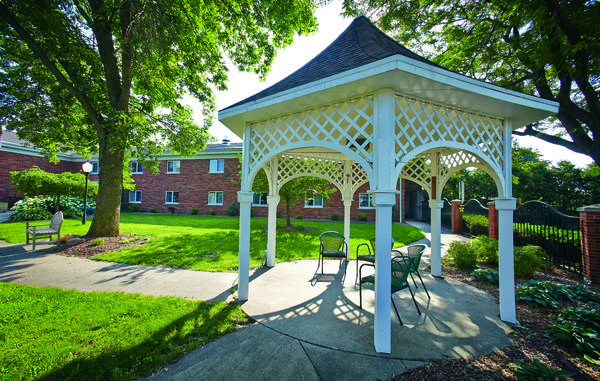
ST JOSEPH RESIDENCE

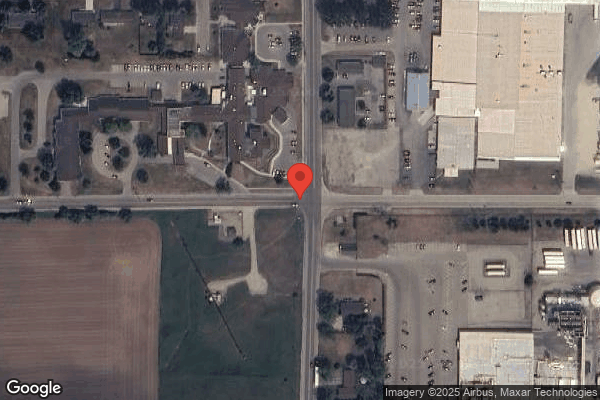
107 E BECKERT RD, NEW LONDON, WI 54961 (920) 982-5354
Non profit - Church related 50 Beds Independent Data: November 2025
Trust Grade
90/100
#70 of 321 in WI
Last Inspection: August 2024

Within standard 12-15 month inspection cycle. Federal law requires annual inspections.

Overview

St. Joseph Residence in New London, Wisconsin, has received a Trust Grade of A, indicating excellent quality and high recommendations for families considering this facility. It ranks #70 out of 321 nursing homes in Wisconsin, placing it in the top half of facilities in the state, and #2 out of 8 in Waupaca County, showing that only one local option is better. The facility is improving, as it has reduced its issues from five in 2024 to just one in 2025. Staffing is a strength, with a perfect 5/5 rating and a turnover rate of 37%, which is below the state average. However, there are concerns regarding RN coverage, as it is less than 95% of Wisconsin facilities, which could impact overall care. Recent inspections revealed some troubling incidents, including failures to properly implement infection prevention protocols, such as not using protective gear during wound care for residents with chronic conditions. Additionally, there were issues with reporting suspected abuse when a family member struck residents, indicating a need for better adherence to safety policies. While the facility has no fines on record and maintains a very good overall rating, these specific incidents highlight areas needing improvement.

Trust Score
A
90/100
In Wisconsin
#70/321
Top 21%
Safety Record
Low Risk
No red flags
Inspections
Getting Better
5 → 1 violations
Staff Stability
○ Average
37% turnover. Near Wisconsin's 48% average. Typical for the industry.
Penalties
✓ Good
No fines on record. Clean compliance history, better than most Wisconsin facilities.
Skilled Nurses
✓ Good
Each resident gets 49 minutes of Registered Nurse (RN) attention daily — more than average for Wisconsin. RNs are trained to catch health problems early.
Violations
○ Average
10 deficiencies on record. Average for a facility this size. Mostly minor or procedural issues.
★★★★★
5.0
Overall Rating
★★★★★
5.0
Staff Levels
★★★★★
5.0
Care Quality
★★★★☆
4.0
Inspection Score
Stable
2024: 5 issues
2025: 1 issues

The Good

  • 5-Star Staffing Rating · Excellent nurse staffing levels
  • 5-Star Quality Measures · Strong clinical quality outcomes
  • Full Sprinkler Coverage · Fire safety systems throughout facility
  • No fines on record
  • Staff turnover below average (37%)

    11 points below Wisconsin average of 48%

Facility shows strength in staffing levels, quality measures, fire safety.

The Bad

Staff Turnover: 37%

Near Wisconsin avg (46%)

Typical for the industry

The Ugly 10 deficiencies on record

Aug 2025 1 deficiency
CONCERN (D) 📢 Someone Reported This

A family member, employee, or ombudsman was alarmed enough to file a formal complaint

Potential for Harm - no one hurt, but risky conditions existed

Report Alleged Abuse (Tag F0609)

Could have caused harm · This affected 1 resident

Based on staff interview and record review, the facility failed to develop and/or implement policies and procedures for ensuring the reporting of a reasonable suspicion of a crime in accordance with s...

Read full inspector narrative →
Based on staff interview and record review, the facility failed to develop and/or implement policies and procedures for ensuring the reporting of a reasonable suspicion of a crime in accordance with section 1150B of the Act for 2 residents (R) (R1 and R2) of 8 sampled residents.On 6/27/25, R1 and R2 were struck by Family Member (FM)-C) in the dining room. FM-C aggressively grabbed at R1, pulled R1 in, and hit R1 in the mid-section with a closed fist. FM-C also slapped R2 on the right hand, grabbed R2's left hand, and pulled R2's wheelchair toward FM-C. The facility did not notify local law enforcement of the abuse.Findings include:The facility's Abuse Prevention and Response policy, revised 1/1/25, indicates: 1. Upon receipt of an allegation or report of an incident, the licensed staff and/or Social Services will .1.3 Contact the police department if there is a suspected crime against a resident. (The facility's policy did not include examples of crimes that should be reported, including but not limited to assault and battery, and did not indicate the facility consulted with local law enforcement to discuss what to report or not report.)On 8/15/25, Surveyor reviewed a facility-reported incident that indicated FM-C was in the dining room with R1 and R2 on 6/27/25 and became upset when R1 did not eat beans that FM-C brought from home. The investigation indicated Certified Nursing Assistant (CNA)-D witnessed FM-C aggressively grab at R1, pull R1 in, and swing at R1's mid-section with a closed fist. Staff also witnessed FM-C swat at and hit R2's right hand, grab R2's left hand, and pull R2's wheelchair toward FM-C as R2 attempted to roll away. Staff removed R1 and R2 from FM-C's vicinity following the incidents.The facility completed resident interviews, psychosocial assessments, and psychosocial monitoring on 6/27/25. The facility also completed psychosocial monitoring for R1 and R2 for 3 days post-incident. Nursing Home Administrator (NHA)-A spoke to FM-C about the incidents which did not appear to have affected R1 or R2. On 8/15/25 at 10:34 AM, Surveyor interviewed NHA-A who indicated R1 and R2's [NAME] of Attorney (POA) did not want to proceed with charges regarding the incidents. NHA-A did not feel the abuse should be reported to local law enforcement. NHA-A also confirmed the facility had not had a formal discussion with local law enforcement to determine what local law enforcement wanted the facility to report and/or what was considered a crime.
Nov 2024 1 deficiency
CONCERN (D) 📢 Someone Reported This

A family member, employee, or ombudsman was alarmed enough to file a formal complaint

Potential for Harm - no one hurt, but risky conditions existed

Report Alleged Abuse (Tag F0609)

Could have caused harm · This affected 1 resident

**NOTE- TERMS IN BRACKETS HAVE BEEN EDITED TO PROTECT CONFIDENTIALITY** Based on staff interview and record review, the facility did not ensure an allegation of abuse was reported to the State Agency ...

Read full inspector narrative →
**NOTE- TERMS IN BRACKETS HAVE BEEN EDITED TO PROTECT CONFIDENTIALITY** Based on staff interview and record review, the facility did not ensure an allegation of abuse was reported to the State Agency (SA) in a timely manner for 1 resident (R) (R1) of 1 sampled resident. On 10/15/24, R1 reported an allegation of abuse that involved a Certified Nursing Assistant (CNA). The facility did not submit an initial or five-day report to the SA in a timely manner. Findings include: The facility's Abuse Prevention and Response policy, with a review date of 9/23/23, indicates: Any person who becomes aware of alleged abuse, neglect or mistreatment .shall immediately report to the Executive Director .The Executive Director is responsible for receiving allegations of mistreatment, abuse, concerns, and complaints and ensuring the required investigation, reporting and resolution is completed according to State and Federal requirements .External Reporting: .If the suspected allegation does not appear to have caused serious bodily injury to the resident, or there is not a reason to suspect a crime has been committed against a person receiving care in this facility, a report will be submitted to the Department of Quality Assurance (DQA) immediately, but no later then 24 hours after forming the suspicion or notification of the abuse allegation .Response: Initial incident report will be submitted to the Wisconsin Department of Health Services (DHS) within 24 hours of notification of the incident and the investigation documentation and conclusion submitted within 5 working days of the initial report. On 11/7/24, Surveyor reviewed R1's medical record. R1 was admitted to the facility on [DATE] and passed away on 10/26/24. R1 received Hospice services and had diagnoses including traumatic subdural hematoma with loss of consciousness, congestive heart failure (CHF), and cognitive communication deficit. R1's Minimum Data Set (MDS) assessment, dated 9/12/24, had a Brief Interview for Mental Status (BIMS) score of 13 out of 15 which indicated R1 had intact cognition. R1 had an activated Power of Attorney for Healthcare (POAHC). On 11/7/24, Surveyor reviewed a facility-reported incident (FRI) that indicated the facility was made aware of an allegation of abuse on 10/15/24 at 5:07 AM. The FRI indicated R1 reported to a student nurse that a CNA threw a wash cloth in R1's face when R1 was sleeping. R1 also alleged staff rolled R1 in a way that caused more sores on R1's buttock. Nursing Home Administrator (NHA)-A submitted an initial report to the SA on 10/16/24 at 11:10 AM. The initial report should have been submitted to the SA within 24 hours of when the facility became aware of the incident. The facility started an investigation on 10/15/24 and submitted the five-day investigation to the SA on 10/23/24 at 10:10 PM. The five-day investigation should have been submitted to the SA within 5 business days of the initial report. On 11/7/24 at 1:15 PM, Surveyor interviewed Director of Nursing (DON)-B who confirmed NHA-A and DON-B were aware the five-day report was submitted late. NHA-A was not available for interview at that time.
Aug 2024 4 deficiencies
CONCERN (D)

Potential for Harm - no one hurt, but risky conditions existed

Transfer Notice (Tag F0623)

Could have caused harm · This affected 1 resident

Based on staff interview and record review, the facility did not notify the State Long Term Care Ombudsman of hospital transfers for 2 Residents (R) (R22 and R43) of 4 residents reviewed for hospitali...

Read full inspector narrative →
Based on staff interview and record review, the facility did not notify the State Long Term Care Ombudsman of hospital transfers for 2 Residents (R) (R22 and R43) of 4 residents reviewed for hospitalization. R22 was transferred to the hospital on 5/13/24 and 7/13/24. The State Long Term Care Ombudsman was not provided with written notice of the transfers. R43 was transferred to the hospital on 7/10/24. The State Long Term Care Ombudsman was not provided with written notice of the transfer. Findings include: The facility's Transfer or Discharge Documentation document, revised July 26, 2021, indicates: .4. Should it become necessary to make an emergency transfer or discharge to a hospital or other related institution, the facility will implement the following procedures and document in the medical record: .G. Notify the representative or other family member of the transfer and behold .I. Others will be notified as appropriate or necessary . 1. From 8/5/24 to 8/7/24 Surveyor reviewed R22's medical record which indicated R22 was transferred to the hospital on 5/13/24 and 7/13/24 for shortness of breath. R22's medical record did not include a copies of the transfer notices provided to the State Long Term Care Ombudsman. On 8/6/24, Surveyor requested copies of the written transfer notices from Director of Nursing (DON)-B. 2. From 8/5/24 to 8/7/24, Surveyor reviewed R43's medical record which indicated R43 was transferred to the hospital on 7/10/24 to rule out cardiac issues due to perspiration and pain radiating from R43's arm to chest. R43's medical record did not include a copy of the transfer notice provided to the State Long Term Care Ombudsman. On 8/6/24, Surveyor requested a copy of the written transfer notice from DON-B. On 8/6/24 at 11:34 AM, Surveyor received a Notice of Transfer and Discharge form for R22 and R43 from Social Worker (SW)-H. Surveyor interviewed SW-H who stated the facility did not have documentation of notification to the Ombudsman because the facility only notified the Ombudsman if the discharge was disputed or a 30 day notice was given to the resident. SW-H stated Nursing Home Administrator (NHA)-A completed the transfers and discharges and notified the Ombudsman if necessary. SW-H stated SW-H would speak with NHA-A and provide any documentation to the Ombudsman to Surveyor. On 8/6/24 at 1:52 PM, SW-H approached Surveyor and stated the facility did not have consistent communication with the Ombudsman and only notified the Ombudsman if there was a disputed transfer or a 30 day discharge notice was given. SW-H provided Surveyor with an email from the Ombudsman to NHA-A, dated 7/19/21, that indicated notification of unplanned discharges should to be sent to the Ombudsman. The email indicated most facilities send an end-of-the-month transfer summary to the Ombudsman and provide same day notification when a 30 day notice is issued. The email stated the facility should keep all notifications in case a transfer or discharge is disputed and a resident or family representative requires assistance with an appeal. The email indicated the Ombudsman should also have information regarding the transfers and discharges. On 8/7/24 at 9:12 AM, Surveyor interviewed NHA-A who stated 30 day notices are sent to the Ombudsman but hospital transfer and discharge notifications are only sent to the Ombudsman if they are disputed. NHA-A stated NHA-A believed, despite the email communication from the Ombudsman, that NHA-A was correctly following the requirements.
CONCERN (D)

Potential for Harm - no one hurt, but risky conditions existed

Incontinence Care (Tag F0690)

Could have caused harm · This affected 1 resident

Based on observation, staff and resident interview, and record review, the facility did not ensure 1 Resident (R) (R20) of 1 sampled resident received the appropriate care and services to prevent urin...

Read full inspector narrative →
Based on observation, staff and resident interview, and record review, the facility did not ensure 1 Resident (R) (R20) of 1 sampled resident received the appropriate care and services to prevent urinary tract infections (UTIs). Staff did not ensure R20 received catheter care in a manner that decreased the risk of infection. Findings include: The facility's Catheter Care, Urinary policy, last reviewed 1/1/24, indicates: The purpose of this procedure is to prevent urinary catheter-associated complications, including urinary tract infections .19. Ensure collection bag is kept below the level of the bladder and that bag and tubing is off the floor . From 8/5/24 to 8/7/24, Surveyor reviewed R20's medical record. R20 had diagnoses including intestinal infectious diseases (gastroenteritis and colitis), neuromuscular dysfunction of bladder with indwelling medical device, calculus in bladder, overactive bladder, and paraplegia. R20's Minimum Data Set (MDS) assessment, dated 6/21/24, had a Brief Interview for Mental Status (BIMS) score of 15 out of 15 which indicated R20 had intact cognition. R20's plan of care contained interventions to report UTI symptoms and care for R20's Foley catheter per facility protocol. On 8/6/24 at 7:59 AM, Surveyor observed Certified Nursing Assistant (CNA)-I enter R20's room to check R20's catheter. Surveyor noted R20 was in bed and R20's catheter tubing and drainage bag was on the floor under R20's bed. CNA-I noted the R20's catheter bag was empty, stated to Surveyor that care did not need to be performed, and began to leave R20's room. Before CNA-I left the room, Surveyor interviewed CNA-I who confirmed R20's catheter bag should be below the level of the bladder and not in direct contact with the floor. CNA-I left R20's room and did not place R20's catheter bag in a basin, hang the catheter bag on the side of R20's bed below the level of R20's bladder, or remove the catheter bag from the floor. Beginning at 8:04 AM on 8/6/24, Surveyor conducted a continuous observation of R20's room. Nursing staff delivered R20's breakfast tray at 8:11 AM and exited R20's room at 8:12 AM. At 8:12 AM, R20's catheter tubing and drainage bag were still on the floor under R20's bed. On 8/6/24 at 9:46 AM, Surveyor interviewed R20 who stated one of the nurses came in just a minute or so ago and moved R20's catheter bag. R20 stated R20 believed the catheter bag was put in a wash tub because R20 observed nursing staff place a wash tub on the floor. On 8/6/24 at 10:31 AM, Surveyor interviewed Director of Nursing (DON)-B who stated staff should hang a resident's catheter bag from the resident's bed or wheelchair or put the bag in a basin on the floor. DON-B confirmed it was not an acceptable practice to have a resident's catheter tubing and drainage bag in direct contact with the floor.
CONCERN (D)

Potential for Harm - no one hurt, but risky conditions existed

Tube Feeding (Tag F0693)

Could have caused harm · This affected 1 resident

**NOTE- TERMS IN BRACKETS HAVE BEEN EDITED TO PROTECT CONFIDENTIALITY** Based on observation, staff interview, and record review, the facility did not ensure the correct amount of Jevity 1.2 (a nutrit...

Read full inspector narrative →
**NOTE- TERMS IN BRACKETS HAVE BEEN EDITED TO PROTECT CONFIDENTIALITY** Based on observation, staff interview, and record review, the facility did not ensure the correct amount of Jevity 1.2 (a nutritional meal supplement) was administered for 1 Resident (R) (R7) of 1 sampled resident. On 8/6/24, Surveyor observed Licensed Practical Nurse (LPN)-D administer one 237 mL (milliliter) container of Jevity 1.2 instead of the 250 mL that was ordered by the physician. Finding include: From 8/5/24 through 8/7/24, Surveyor reviewed R7's medical record. R7 was admitted to the facility on [DATE] and had diagnoses including Alzheimer's disease, dementia, adult failure to thrive, dysphagia (difficulty swallowing), and encounter for attention to gastrostomy tube (a medical device used to provide nutrition). R7 had a MIC-KEY tube (an external feeding tube with a button that sits at the level of the skin) through which R7 received nutrition. R7 did not take food or liquid by mouth. R7's medical record contained an order to administer a bolus (single dose given at one time) of 250 mL of Jevity 1.2 around mealtime and evening. On 8/6/24 at 12:07 PM, Surveyor observed LPN-D administer R7 a 237 mL container of Jevity 1.2. On 8/6/24 at 1:45 PM, Surveyor interviewed LPN-D who confirmed R7's order stated to give 250 mL of Jevity 1.2. LPN-D confirmed LPN-D administered 237 mL of Jevity 1.2 which was not in accordance with R7's order. On 8/6/24 at 1:53 PM, Surveyor interviewed Registered Dietician (RD)-E who also confirmed R7 had an order for 250 mL of Jevity 1.2. An Annual Nutrition Assessment for R7, completed by RD-E and dated 12/12/23, indicated R7 received 250 mL of Jevity 1.2 four times daily. RD-E confirmed the container of Jevity 1.2 administered to R7 was 237 mL instead of 250 mL.
CONCERN (E)

Potential for Harm - no one hurt, but risky conditions existed

Infection Control (Tag F0880)

Could have caused harm · This affected multiple residents

**NOTE- TERMS IN BRACKETS HAVE BEEN EDITED TO PROTECT CONFIDENTIALITY** Based on observation, staff and resident interview, and record review, the facility did not maintain an infection prevention and...

Read full inspector narrative →
**NOTE- TERMS IN BRACKETS HAVE BEEN EDITED TO PROTECT CONFIDENTIALITY** Based on observation, staff and resident interview, and record review, the facility did not maintain an infection prevention and control program designed to help prevent the development and transmission of disease and infection as observed during the provision of care for 4 Residents (R) (R42, R31, R20, and R34) of 4 sampled residents. Staff did not wear a protective gown during wound care for R42. Staff did not wear the appropriate personal protective equipment (PPE) during an observation of high-contact care for R31 who was on enhanced barrier precautions (EBP). R20 had a history of methicillin-resistant Staphylococcus aureus (MRSA), a chronic wound, and a catheter. The facility did not place R20 on EBP. R34 had chronic bilateral leg wounds that required wound care by the facility. The facility did not place R34 on EBP. Findings include: The facility's Enhanced Barrier Precautions policy, dated 4/26/24, states: Enhanced Barrier Precautions apply to residents utilizing devices or with wounds but are not limited to urinary catheters .wound care for chronic wounds (i.e., pressure wounds, diabetic foot ulcers, unhealed surgical wounds, venous stasis ulcers, etc.) does not include shorter lasting wounds or wounds that result from an acute injury (i.e., skin breaks or tears covered with an adhesive bandage or similar dressing). Personal protective equipment (PPE) is used during high-contact resident care activities requiring enhanced barrier precautions (EBP) .Handwashing is performed and gloves and gown are applied prior to perform the high-contact resident care activity (as opposed to before entering the room). The facility's Enhanced Barrier Precautions signage indicates High-contact resident care activities include: Dressing, bathing/showering, transferring, changing linens, providing hygiene, changing briefs or assisting with toileting, device care or use: central line, urinary catheter, feeding tube, tracheostomy, and wound care. 1. From 8/5/24 to 8/7/24, Surveyor reviewed R42's medical record. R42 was admitted to the facility on [DATE] and had a stage 3 pressure injury on the left buttock. On 8/5/24 at 12:56 PM, Surveyor observed Registered Nurse (RN)-F provide wound care for R42. Surveyor observed an EBP sign on R42's bathroom door and a PPE cart inside R42's room. Surveyor observed RN-F sanitize hands and don gloves prior to wound care. Surveyor did not observe R42 don a gown prior to or during wound care. Immediately following the observation, Surveyor interviewed RN-F who stated staff should wear a gown and gloves during resident cares if a resident is on EBP. RN-F confirmed RN-F should have donned a gown prior to providing wound care for R42. 3. From 8/5/24 to 8/7/24, Surveyor reviewed R20's medical record. R20 had diagnoses including paraplegia, intestinal infectious diseases (gastroenteritis and colitis), neuromuscular dysfunction of bladder with indwelling medical device, calculus in bladder, overactive bladder, history of methicillin-resistant Staphylococcus aureus (MRSA), stage 4 sacral pressure injury, and osteomyelitis of sacral wound (dated 8/2/24). R20's MDS assessment, dated 6/21/24, had a BIMS score of 15 out of 15 which indicated R20 had intact cognition. R20's care plan contained interventions to report urinary tract infection (UTI) symptoms and care for R20's Foley catheter per facility protocol. On 8/5/24 at 10:07 AM, Surveyor interviewed R20 who stated R20 had a Foley catheter and a pressure injury on R20's bottom. R20 stated staff provided care as needed, wore gloves during cares, and brought in gloves and bandages when they completed cares. Surveyor did not observe an EBP sign or a PPE cart outside R20's room. R20's medical record did not indicate R20 was on EBP for high-contact cares. On 8/5/24 at 12:30 PM, Surveyor did not observe an EBP sign or a PPE cart outside R20's room. On 8/6/24 at 9:46 AM, Surveyor observed an EBP sign inside R20's room and PPE and garbage bins outside R20's room. Surveyor interviewed R20 who stated nursing staff brought the sign and equipment bins the night before and began wearing gowns during cares. R20 stated nursing staff did not wear gowns before and R20 did not understand why they started now. 4. From 8/5/24 to 8/7/24, Surveyor reviewed R34's medical record. R34 had diagnoses including cellulitis of the right lower limb, pressure-induced deep tissue damage of the left and right hips, and type 2 diabetes. R34's MDS assessment, dated 6/6/24, had a BIMS score of 15 out of 15 which indicated R34 had intact cognition. R34's medical record indicated R34 had venous ulcers on the right lower extremity and an order to complete a 15 minute Epsom salt soak, cover wounds with abdominal gauze pads, and wrap with Kerlix twice daily. R34's medical record also indicated R34 was admitted with pressure injuries on the right and left gluteal crease/posterior thighs with orders to monitor and prevent the wounds from re-opening. R34's medical record did not indicate R34 was on EBP for high-contact cares. On 8/5/24 at 9:21 AM, Surveyor interviewed R34 who stated R34 had an open wound on the right leg and previous damage to the right and left hips that previously opened up. R34 stated staff brought in bandages to wrap R34's legs and wore gloves during cares. Surveyor did not observe an EBP sign or a PPE cart outside R34's room. On 8/5/24 at 12:40 PM, Surveyor did not observe an EBP sign or a PPE cart outside R34's room. On 8/6/24 at 7:55 AM, Surveyor observed an EBP sign in R34's room and PPE and garbage bins outside R34's room. On 8/6/24 at 10:31 AM, Surveyor interviewed Director of Nursing (DON)-B who confirmed R20 had an active infection and should have been placed on EBP upon admission due to R20's wounds and Foley catheter. DON-B stated DON-B was not aware R20 had a history of MRSA infection (dated 5/16/24) upon R20's admission to the facility. DON-B stated DON-B conducted an audit of all residents who should be placed on EBP and discovered on 8/5/24 that R20 and R34 should be on EBP but their care plans did not indicate EBP was required. DON-B stated nursing staff were educated on when EBP is required which is during any personal contact such as transfers, personal cares (including washing and lotioning), toileting assistance, brushing teeth, wound care, and catheter care. DON-B stated nursing staff should implement EBP when a resident receives cares or is touched during cares and assistance. 2. From 8/5/24 to 8/7/24, Surveyor reviewed R31's medical record. R31 was admitted to the facility on [DATE]. R31's Minimum Data Set (MDS) assessment, dated 6/12/24, had a Brief Interview for Mental Status (BIMS) score of 15 out of 15 which indicated R31 had intact cognition. R31's care plan, dated 8/1/24, indicated R31 had a lymphedemic cluster wound on the right lower extremity. R31 also had a care plan, dated 7/26/24, that indicated R31 had recurrent moisture-associated skin dermatitis (MASD) on the right buttock and an open wound. On 8/5/24 at 10:00 AM, Surveyor interviewed R31 who stated R31 had wounds on R31's bottom and leg. Surveyor did not observe a PPE cart or EBP sign outside R31's room. On 8/6/24 at 10:02 AM, Surveyor observed an EBP sign on R31's door and a PPE cart outside R31's room. Surveyor knocked on R31's door, entered the room, and observed Certified Nursing Assistant (CNA)-G apply lotion on R31's right lower leg. CNA-G was not wearing a gown. On 8/6/24 at 10:07 AM, Surveyor interviewed CNA-G who stated CNA-G was a Restorative Aide and R31 liked to have R31's leg lotioned following R31's walking program. CNA-G stated CNA-G noticed the PPE cart outside R31's door that day and had asked if CNA-G needed to wear a gown. CNA-G stated CNA-G was told CNA-G did not need to wear a gown during ambulation with R31 but needed to wear PPE during high-contact activities like toileting. On 8/6/24 at 10:18 AM, Surveyor interviewed R31 who stated the PPE cart outside R31's room was placed there yesterday (8/5/24) in the late afternoon. R31 was unsure why the PPE cart was there.
Jul 2023 4 deficiencies
CONCERN (D)

Potential for Harm - no one hurt, but risky conditions existed

Comprehensive Care Plan (Tag F0656)

Could have caused harm · This affected 1 resident

Based on staff and resident interview, and record review, the facility did not ensure an individualized comprehensive care plan was developed for 1 Resident (R) (R14) of 19 sampled residents. R14 did ...

Read full inspector narrative →
Based on staff and resident interview, and record review, the facility did not ensure an individualized comprehensive care plan was developed for 1 Resident (R) (R14) of 19 sampled residents. R14 did not have an individualized care plan that included activities to meet R14's interests and support R14's physical, mental, and psychosocial well-being. Findings include: On 7/10/23 at 11:44 AM, Surveyor interviewed R14 who was upset and stated, I'm bored. I like to go outside. Sometimes I go to activities, but I can't hear, so sometimes I miss out. I live in the apartments over there where my friends are. I want to go home. On 7/10/23, Surveyor reviewed R14's medical record. R14 had diagnoses that included dementia, adult failure to thrive, hearing loss, and generalized weakness with abnormalities of gait and mobility. R14 had an activated Power of Attorney for Health Care (POAHC) who made decisions regarding R14's medical care. R14's MDS assessment, dated 6/19/23, indicated R14's ability to hear was moderate difficulty-speaker has to increase volume and speak distinctly. R14 was non-ambulatory and required extensive assistance of staff for transfers and locomotion off the unit. The MDS indicated it was very important for R14 to do R14's favorite activities and somewhat important to go outside to get fresh air when the weather was good. Surveyor reviewed the Activity Attendance Observation Log which did not include going outside, but included the following activities that R14 was offered: ~7/3/23: Lutheran Service ~7/4/23 PM: Arts and crafts ~7/5/23: Refused sugar cookies ~7/5/23: Root beer floats ~7/5/23 1-1 ~7/10/23: Lutheran Service On 7/12/23 at 9:54 AM, Surveyor interviewed Activities Director (AD)-C who completed MDS sections B (hearing and vision assessment) and F (likes and dislikes and spiritual care assessment) for R14. AD-C indicated when R14 was admitted to the facility from the adjacent Assisted Living facility, R14's therapy was initially heavy, but is now less. AD-C stated therapy staff contacted AD-C to ask if R14 can be more involved in activities. AD-C stated R14 likes to go outside, play Bingo, and participate in small group activities. AD-C verified R14 went outside with an activity aide on 7/11/23 and stated Certified Nursing Assistants (CNAs) take residents outside if they have free time. AD-C verified R14 is hard of hearing and indicated activity aides get close to R14's ear and verbally offer activities. AD-C also stated residents are given a monthly activity calendar to keep in their room and activity aides go over what activities are offered each day. AD-C verified R14's plan of care did not address R14's preferred activities or how to approach R14 (due to R14's hearing loss) to offer activities. AD-C agreed activities should be included in R14's plan of care, including an intervention to go outside.
CONCERN (D)

Potential for Harm - no one hurt, but risky conditions existed

Pressure Ulcer Prevention (Tag F0686)

Could have caused harm · This affected 1 resident

**NOTE- TERMS IN BRACKETS HAVE BEEN EDITED TO PROTECT CONFIDENTIALITY** Based on observation, staff interview, and record review, the facility did not ensure 1 Resident (R) (R29) of 2 residents review...

Read full inspector narrative →
**NOTE- TERMS IN BRACKETS HAVE BEEN EDITED TO PROTECT CONFIDENTIALITY** Based on observation, staff interview, and record review, the facility did not ensure 1 Resident (R) (R29) of 2 residents reviewed for pressure injuries received care and treatment to prevent the development of pressure injuries. R29 was at risk for the development of pressure injuries. R29's plan of care contained an intervention for a cushion in R29's recliner. R29 was observed without a cushion in R29's recliner. Findings include: The facility's Prevention of Pressure Injuries policy, last reviewed 1/1/23, contained the following information: Review the resident's care plan and identify the risk factors as well as the interventions designed to reduce or eliminate those considered modifiable. The facility's Support Surface Guidelines policy, last reviewed 1/1/23, contained the following information: Redistribution support surfaces are to promote comfort for all bed or chairbound residents, prevent skin breakdown, promote circulation and provide pressure relief or reduction. R29 was admitted to the facility on [DATE] with diagnoses that included muscle weakness, reduced mobility, dementia, and encounter for palliative care. R29's Minimum Data Set (MDS) assessment, dated 4/7/23, contained a Brief interview for Mental Status (BIMS) score of 7 out of 15 which indicated R29 had severe cognitive impairment. R29 required staff assistance for transfers and repositioning. The MDS indicated R29 was at risk for pressure injury development and had a pressure reducing device for chair. R29's Braden Scale for Predicting Pressure Sore Risk document, dated 4/7/23, indicated R29 was at risk for pressure injury development. R29's plan of care included an intervention, dated 5/23/23, for an air cushion to recliner. On 7/10/23 at 10:07 AM, Surveyor observed R29 and R29's spouse in R29's room. R29 was sitting in a recliner and stated to Surveyor that R29 had open areas on the ass. Surveyor asked R29 and R29's spouse if there was a cushion in R29's recliner. R29's spouse stated, They usually have one in the chair. Surveyor verified R29 did not have a cushion in R29's recliner. On 7/11/23 at 1:51 PM, Surveyor interviewed Assistant Director of Nursing (ADON)-E who indicated R29 previously had excoriated skin on the buttocks that was moisture-associated skin damage and was healed as of 6/7/23. ADON-E indicated R29 had interventions that included a cushion to the chair. On 7/11/23 at 1:57 PM, Surveyor observed R29 in a recliner without a cushion in R29's room. On 7/11/23 at 1:59 PM, Surveyor and ADON-E entered R29's room. ADON-E verified there wasn't a cushion in R29's recliner and checked R29's care plan and orders. On 7/11/23 at 2:08 PM, ADON-E indicated to Surveyor that R29 should have a cushion in the chair and that the cushion was in R29's closet or wheelchair. ADON-E stated ADON-E told staff to put the cushion in R29's recliner. On 7/12/23 at 9:25 AM, Surveyor observed R29's buttocks with Certified Nursing Assistant (CNA)-F and CNA-G. Surveyor noted R29 had minimal excoriation to the bilateral inner buttocks. CNA-F and CNA-G stated R29's cushion should be in the chair when R29 was in the chair.
CONCERN (D)

Potential for Harm - no one hurt, but risky conditions existed

Deficiency F0757 (Tag F0757)

Could have caused harm · This affected 1 resident

**NOTE- TERMS IN BRACKETS HAVE BEEN EDITED TO PROTECT CONFIDENTIALITY** Based on staff interview and record review, the facility did not ensure 1 Resident (R) (R17) of 5 sampled residents was monitore...

Read full inspector narrative →
**NOTE- TERMS IN BRACKETS HAVE BEEN EDITED TO PROTECT CONFIDENTIALITY** Based on staff interview and record review, the facility did not ensure 1 Resident (R) (R17) of 5 sampled residents was monitored for adverse consequences for a high-risk medication. R17 was prescribed furosemide (a diuretic medication). R17's plan of care did not contain monitoring for adverse consequences of furosemide. Findings include: R17 was admitted to the facility on [DATE] and had diagnoses that that included congestive heart failure, dehydration, and hypertension. R17 was prescribed furosemide (used to help treat fluid retention (edema)and swelling caused by congestive heart failure, liver disease, kidney disease, or other medical conditions. Diuretic medications can cause dehydration.) Between 7/10/23 and 7/12/23, Surveyor reviewed R17's medical record and noted R17 was administered furosemide during the following time frames: ~From 3/6/23 through 3/30/23 ~From 5/25/23 through 5/27/23 ~From 6/21/23 through the time of survey. A provider note, 6/2/23, indicated R17 was seen for left leg cellulitis. The note indicated: Not currently on any diuretics, but it appears R17 was on furosemide 20 mg (milligrams) daily for 3 days (ordered 5/24/23 to 5/27/23) and previously chronic furosemide was discontinued due to labile blood pressures. Surveyor noted R17 did not have a care plan that addressed diuretic use and contained monitoring interventions for adverse consequences. On 7/12/23 at 8:15 AM, Director of Nursing (DON)-B verified to Surveyor that R17's plan of care did not include monitoring for adverse consequences of furosemide. On 7/12/23 at 1:10 PM, Surveyor interviewed DON-B who stated DON-B expected residents to have care plans and monitoring interventions for high risk medications. DON-B indicated this was an issue when DON-B started the DON role and DON-B was training staff to recognize high risk medications and to ensure monitoring interventions and care plans were initiated. DON-B indicated DON-B completed an audit, but thought R17 started furosemide after the audit was completed.
CONCERN (D)

Potential for Harm - no one hurt, but risky conditions existed

Medication Errors (Tag F0758)

Could have caused harm · This affected 1 resident

**NOTE- TERMS IN BRACKETS HAVE BEEN EDITED TO PROTECT CONFIDENTIALITY** Based on staff interview and record review, the facility did not ensure 1 Resident (R) (R17) of 5 sampled residents was monitore...

Read full inspector narrative →
**NOTE- TERMS IN BRACKETS HAVE BEEN EDITED TO PROTECT CONFIDENTIALITY** Based on staff interview and record review, the facility did not ensure 1 Resident (R) (R17) of 5 sampled residents was monitored for adverse consequences of an antipsychotic medication. R17 was prescribed risperidone (an antipsychotic medication) for dementia. R17 did not have a care plan that addressed antipsychotic medication use and contained monitoring interventions for adverse consequences of the medication. Findings include: R17 was admitted to the facility on [DATE] and had diagnoses that included vascular dementia with anxiety and anxiety disorder. R17 was prescribed risperidone which contains a black box warning (the Federal Food and Drug Administration's (FDA's) most stringent warning that alerts the public and health care providers to serious side effects, such as injury or death). Between 7/10/23 and 7/12/23, Surveyor reviewed R17's medical record which indicated R17 was prescribed antipsychotic medication on 2 occasions since admission on [DATE]: ~quetiapine (an antipsychotic medication) from 3/6/23 until 3/12/23 ~risperidone from 4/17/23 through the date of survey Surveyor noted R17 did not have a care plan that addressed antipsychotic medication use and contained monitoring interventions for adverse consequences. On 7/12/23 at 8:15 AM, Director of Nursing (DON)-B verified to Surveyor that R17's plan of care did not include monitoring for adverse consequences of risperidone. On 7/12/23 at 1:10 PM, Surveyor interviewed DON-B who stated DON-B expected residents to have care plans and monitoring interventions in place for antipsychotic medication use. DON-B indicated this was an issue when DON-B started the DON role and DON-B was training staff to recognize antipsychotic medications and ensure monitoring interventions and care plans were initiated. DON-B indicated DON-B completed an audit, but thought R17 started risperidone after the audit was completed.
Understanding Severity Codes (click to expand)
Life-Threatening (Immediate Jeopardy)
J - Isolated K - Pattern L - Widespread
Actual Harm
G - Isolated H - Pattern I - Widespread
Potential for Harm
D - Isolated E - Pattern F - Widespread
No Harm (Minor)
A - Isolated B - Pattern C - Widespread

Questions to Ask on Your Visit

  • "Can I speak with families of current residents?"
  • "What's your RN coverage like on weekends and overnight?"

Our Honest Assessment

Strengths
  • • Grade A (90/100). Above average facility, better than most options in Wisconsin.
  • • No major safety red flags. No abuse findings, life-threatening violations, or SFF status.
  • • No fines on record. Clean compliance history, better than most Wisconsin facilities.
  • • 37% turnover. Below Wisconsin's 48% average. Good staff retention means consistent care.
Concerns
  • • No significant concerns identified. This facility shows no red flags across CMS ratings, staff turnover, or federal penalties.
Bottom line: Generally positive indicators. Standard due diligence and a personal visit recommended.

About This Facility

What is St Joseph Residence's CMS Rating?

CMS assigns ST JOSEPH RESIDENCE an overall rating of 5 out of 5 stars, which is considered much above average nationally. Within Wisconsin, this rating places the facility higher than 99% of the state's 100 nursing homes. This rating reflects solid performance across the metrics CMS uses to evaluate nursing home quality.

How is St Joseph Residence Staffed?

CMS rates ST JOSEPH RESIDENCE's staffing level at 5 out of 5 stars, which is much above average compared to other nursing homes. Staff turnover is 37%, compared to the Wisconsin average of 46%. This relatively stable workforce can support continuity of care.

What Have Inspectors Found at St Joseph Residence?

State health inspectors documented 10 deficiencies at ST JOSEPH RESIDENCE during 2023 to 2025. These included: 10 with potential for harm.

Who Owns and Operates St Joseph Residence?

ST JOSEPH RESIDENCE is owned by a non-profit organization. Non-profit facilities reinvest revenue into operations rather than distributing to shareholders. The facility operates independently rather than as part of a larger chain. With 50 certified beds and approximately 42 residents (about 84% occupancy), it is a smaller facility located in NEW LONDON, Wisconsin.

How Does St Joseph Residence Compare to Other Wisconsin Nursing Homes?

Compared to the 100 nursing homes in Wisconsin, ST JOSEPH RESIDENCE's overall rating (5 stars) is above the state average of 3.0, staff turnover (37%) is near the state average of 46%, and health inspection rating (4 stars) is above the national benchmark.

What Should Families Ask When Visiting St Joseph Residence?

Based on this facility's data, families visiting should ask: "Can I visit during a mealtime to observe dining assistance and food quality?" "How do you handle medical emergencies, and what is your hospital transfer rate?" "Can I speak with family members of current residents about their experience?"

Is St Joseph Residence Safe?

Based on CMS inspection data, ST JOSEPH RESIDENCE has a clean safety record: no substantiated abuse findings (meaning no confirmed cases of resident harm), no Immediate Jeopardy citations (the most serious violation level indicating risk of serious injury or death), and is not on the Special Focus Facility watch list (a federal program monitoring the lowest-performing 1% of nursing homes). The facility has a 5-star overall rating and ranks #1 of 100 nursing homes in Wisconsin. While no facility is perfect, families should still ask about staff-to-resident ratios and recent inspection results during their visit.

Do Nurses at St Joseph Residence Stick Around?

ST JOSEPH RESIDENCE has a staff turnover rate of 37%, which is about average for Wisconsin nursing homes (state average: 46%). Moderate turnover is common in nursing homes, but families should still ask about staff tenure and how the facility maintains care continuity when employees leave.

Was St Joseph Residence Ever Fined?

ST JOSEPH RESIDENCE has no federal fines on record. CMS issues fines when nursing homes fail to meet care standards or don't correct problems found during inspections. The absence of fines suggests the facility has either maintained compliance or corrected any issues before penalties were assessed. This is a positive indicator, though families should still review recent inspection reports for the full picture.

Is St Joseph Residence on Any Federal Watch List?

ST JOSEPH RESIDENCE is not on any federal watch list. The most significant is the Special Focus Facility (SFF) program, which identifies the bottom 1% of nursing homes nationally based on persistent, serious quality problems. Not being on this list means the facility has avoided the pattern of deficiencies that triggers enhanced federal oversight. This is a positive indicator, though families should still review the facility's inspection history directly.