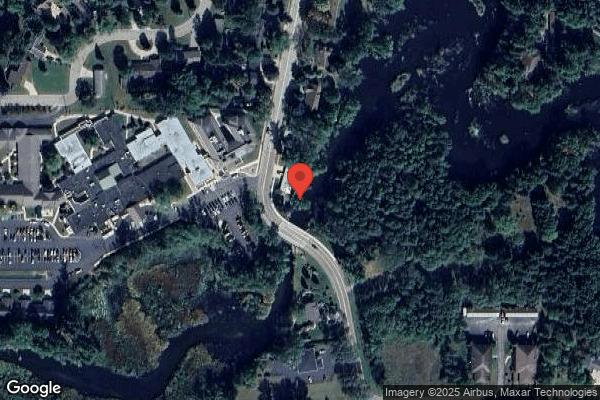
BETHANY HOME

1226 BERLIN STREET, WAUPACA, WI 54981 (715) 258-5521
For profit - Corporation 100 Beds Independent Data: November 2025
Trust Grade
90/100
#8 of 321 in WI
Last Inspection: May 2025

Inspected within the last 6 months. Data reflects current conditions.

Overview

Bethany Home has received an excellent Trust Grade of A, indicating it is highly recommended and performs better than many other facilities. It ranks #8 out of 321 nursing homes in Wisconsin, placing it in the top tier, and is the best option among the eight facilities in Waupaca County. The facility shows an improving trend, having reduced issues from five in 2024 to three in 2025. Staffing is rated 4 out of 5 stars, with a turnover rate of 46%, which is slightly below the state average, suggesting that staff members are generally stable and familiar with residents. However, there are some concerns: the facility has had incidents regarding infection control, including allowing staff with gastrointestinal illness to return to work prematurely, and failing to notify a physician about a resident's significant health change, indicating room for improvement in communication and health monitoring. Overall, while Bethany Home has many strengths, families should be aware of these specific weaknesses as they consider care options.

Trust Score
A
90/100
In Wisconsin
#8/321
Top 2%
Safety Record
Low Risk
No red flags
Inspections
Getting Better
5 → 3 violations
Staff Stability
⚠ Watch
46% turnover. Above average. Higher turnover means staff may not know residents' routines.
Penalties
✓ Good
No fines on record. Clean compliance history, better than most Wisconsin facilities.
Skilled Nurses
✓ Good
Each resident gets 55 minutes of Registered Nurse (RN) attention daily — more than average for Wisconsin. RNs are trained to catch health problems early.
Violations
○ Average
8 deficiencies on record. Average for a facility this size. Mostly minor or procedural issues.
★★★★★
5.0
Overall Rating
★★★★☆
4.0
Staff Levels
★★★★★
5.0
Care Quality
★★★★☆
4.0
Inspection Score
Stable
2024: 5 issues
2025: 3 issues

The Good

  • 4-Star Staffing Rating · Above-average nurse staffing levels
  • 5-Star Quality Measures · Strong clinical quality outcomes
  • Full Sprinkler Coverage · Fire safety systems throughout facility
  • No fines on record

Facility shows strength in staffing levels, quality measures, fire safety.

The Bad

Staff Turnover: 46%

Near Wisconsin avg (46%)

Higher turnover may affect care consistency

The Ugly 8 deficiencies on record

May 2025 3 deficiencies
CONCERN (D)

Potential for Harm - no one hurt, but risky conditions existed

Notification of Changes (Tag F0580)

Could have caused harm · This affected 1 resident

**NOTE- TERMS IN BRACKETS HAVE BEEN EDITED TO PROTECT CONFIDENTIALITY** Based on observation, staff interview, and record review, the facility did not consult with a physician when there was a change ...

Read full inspector narrative →
**NOTE- TERMS IN BRACKETS HAVE BEEN EDITED TO PROTECT CONFIDENTIALITY** Based on observation, staff interview, and record review, the facility did not consult with a physician when there was a change in condition or a need to alter treatment for 1 resident (R) (R61) of 1 sampled resident. R61 was assessed on 5/12/25 and noted to have a 5 pound weight gain and bilateral pitting edema. The physician ordered compression stockings. R61 did not have compression stockings as of 5/21/25. The physician was not notified of the delay in treatment. Findings include: The facility's Resident Change of Condition policy, dated 12/20/24, indicates: .The licensed nurse will notify the resident's primary care physician or the doctor on call in a timely manner when there has been: .4. A significant change in the resident's physical/emotional/mental condition. 5. A need to significantly alter the resident's medical treatment . On 5/19/25 at 9:44 AM, Surveyor observed R61 in a wheelchair with Tubigrips on both lower extremities. On 5/20/25, Surveyor reviewed R61's medical record. R61 was admitted to the facility on [DATE] and had diagnoses including cerebral infarction, hemiplegia, hemiparesis, and hypertension. R61's Minimum Data Set (MDS) assessment, dated 5/1/25, had a Brief Interview for Mental Status (BIMS) score of 10 out of 15 which indicated R61 had moderate cognitive impairment. R61 had an activated Power of Attorney for Healthcare (POAHC). R61's medical record contained a physician order to monitor weights per facility policy and update as needed (PRN) if R61 had a 3 pound or more weight loss or gain overnight or a 5 pound or more weight loss or gain in 1 week. One time a day every Tuesday morning. On 5/12/25, a nurse notified the physician that R61 had a 5 pound weight gain and bilateral edema. The physician ordered: bilateral knee-high mild (15-20 milligrams per mercury (mmHg)) compression stockings. Measure for appropriate size. Place stockings on in morning and off at hour of sleep for dependent edema. A Registered Dietitian note, dated 5/20/25, indicated R61's weight was 141 pounds on 5/20/25. R61 had a significant weight gain at 30 days of 6% or 8 pounds, at 90 days of 9.3% or 12 pounds, and at 180 days of 11.9% or 15 pounds with edema noted. On 5/21/25 at 9:49 AM, Surveyor interviewed Licensed Practical Nurse (LPN)-C who indicated R61 had 2+ pitting edema (moderate swelling where pressing on the skin leaves a slight indentation that takes less than 15 seconds to disappear) to both lower extremities and a physician order for bilateral compression stockings. LPN-C indicated the facility ordered the compression stockings from the pharmacy on 5/12/25 and was notified on 5/14/25 that the compression stockings were on back order. LPN-C could not provide communication with the physician regarding the delay in R61's treatment. LPN-C indicated staff initiated Tubigrips to R61's lower extremities on 5/19/25 without a physician's order. LPN-C indicated nursing staff should have updated the physician that the compression stockings were on back order. LPN-C indicated compression stockings were added to the Certified Nursing Assistant (CNA) care card but not R61's care plan. On 5/21/25 at 9:57 AM, Surveyor interviewed Director of Nursing (DON)-B who indicated staff should have notified the physician if compression stockings were unavailable. DON-B indicated staff should not alter the treatment plan without an order from the physician.
CONCERN (D)

Potential for Harm - no one hurt, but risky conditions existed

Deficiency F0645 (Tag F0645)

Could have caused harm · This affected 1 resident

**NOTE- TERMS IN BRACKETS HAVE BEEN EDITED TO PROTECT CONFIDENTIALITY** Based on staff interview and record review, the facility did not ensure 1 resident (R) (R36) of 5 sampled residents suspected of...

Read full inspector narrative →
**NOTE- TERMS IN BRACKETS HAVE BEEN EDITED TO PROTECT CONFIDENTIALITY** Based on staff interview and record review, the facility did not ensure 1 resident (R) (R36) of 5 sampled residents suspected of having a mental illness and/or intellectual/developmental disability was screened through the Pre-admission Screen and Resident Review (PASRR) Level II process to determine if nursing home placement was appropriate and if specialized services were required. The facility did not follow-up appropriately to ensure completion of a PASRR Level II Screen for R36 and did not follow a Qualified Mental Health Professional's (QMHP) request to resubmit for a PASRR Level II Screen if R36 remained in the facility. Findings include: From 5/19/25 to 5/21/25, Surveyor reviewed R36's medical record. R36 was admitted to the facility on [DATE] and had diagnoses including anxiety disorder, depressive disorder, schizophrenia, auditory hallucinations, and schizoaffective disorder. R36's Minimum Data Set (MDS) assessment, dated 3/27/25, had a Brief Interview for Mental Status (BIMS) score of 15 out of 15 which indicated R36 had intact cognition. The MDS also indicated R36 was dependent on staff for toileting and required substantial/maximal assistance with dressing, hygiene, and transfers. R36 did not have an activated Power of Attorney for Healthcare (POAHC). On 5/21/25 at 11:27 AM, Surveyor reviewed a PASRR Level II determination document signed by a QMHP representative on 5/7/25. The document indicated R36 was referred to Behavioral Consulting Services (BCS) due to depression, schizophrenia, and schizoaffective disorder. Multiple requests to obtain additional information regarding the date of onset, symptoms, and previous treatment were attempted with no response. The QMHP canceled the PASRR Level II Screen due to an inability to reach the facility and indicated not enough information was obtained to make the PASRR determination. On 5/21/25 at 12:21 PM, Surveyor interviewed Director of Life Enrichment (DLE)-H who indicated DLE-H thought the facility's Social Worker canceled and did not pursue resubmission for another PASRR Level II Screen. DLE-H indicated that was an error on the facility's part. DLE-H stated submission for a new PASRR Level II Screen was completed that day (5/21/25).
CONCERN (E)

Potential for Harm - no one hurt, but risky conditions existed

Infection Control (Tag F0880)

Could have caused harm · This affected multiple residents

Based on staff interview and record review, the facility did not maintain an infection prevention and control program designed to prevent the transmission of communicable disease and infection. This p...

Read full inspector narrative →
Based on staff interview and record review, the facility did not maintain an infection prevention and control program designed to prevent the transmission of communicable disease and infection. This practice had potential to affect more than 4 of the 73 residents residing in the facility. The facility allowed 3 staff with gastrointestinal (GI) illness symptoms to return to work earlier than recommended per the facility's policy. Findings include: The facility's Infection Control: Surveillance of Staff Illness policy, revised 9/2024, indicates: .Employees experiencing Norovirus symptoms must remain off work for 48 hours after their last episode of vomiting and/or diarrhea. Employees that are responsible for food handling must remain off work for 48-72 hours after their last episode of vomiting and/or diarrhea .Employee is sick and is at home: .The Infection Preventionist (IP) will be responsible for contacting the employee to determine the date of onset of the illness, the first day well/symptom free, and the date that the employee returns to work. It is the responsibility of the IP to update the campus-wide employee line list. The IP will monitor the list. The facility's Prevention and Control of Viral Gastroenteritis policy, revised 3/14/25, indicates: .A suspected case of Norovirus is defined as having 3 or more loose stools above a person's norm in a 24-hour period or vomiting 2 or more times in 24 hours with no apparent cause .C. Affected staff to remain off work until 48 hours after the last episode of vomiting or diarrhea . From 5/19/25 to 5/20/25, Surveyor reviewed the facility's infection prevention and control policies, staff line lists, and outbreak reports, including a report titled J-wing/B-wing GI Outbreak March 2025. The resident and staff list included an outbreak report line list. Surveyor compared the outbreak report line list to the facility's staff line list and noted the following: ~ Certified Nursing Assistant (CNA)-E's last day worked was 3/11/25. CNA-E had a symptom onset date of 3/12/25 with emesis x 3 and diarrhea. CNA-E returned to work on 3/15/25. The staff line list did not contain a symptom resolution date or time. The J-wing/B-wing GI Outbreak March 2025 line list indicated CNA-E had a symptom resolution date of 3/14/25 which was less than 48 hours before CNA-E returned to work. ~ CNA-F's last day worked was 3/11/25. CNA-F had a symptom onset date of 3/11/25 with emesis x 4 and diarrhea. CNA-F returned to work on 3/14/25. The staff line list did not contain a symptom resolution date. The J-wing/B-wing GI Outbreak March 2025 line list indicated CNA-F had a symptom resolution date of 3/13/25 which was less than 48 hours before CNA-F returned to work. ~ [NAME] (PTR)-G's last day worked was 3/15/25. PTR-G had a symptom onset date 3/17/25 with emesis and diarrhea. PTR-G returned to work on 3/19/25. The staff line list did not contain a symptom resolution date. The J-wing/B-wing GI Outbreak March 2025 line list indicated PTR-G had a symptom resolution date of 3/19/25 which was the same day PTR-G returned to work. On 5/19/25 at 1:43 PM, Surveyor interviewed Infection Preventionist (IP)-D who verified staff symptom resolution dates were not on the staff line list from February 2025 to May 2025. IP-D stated IP-D will add symptom resolution dates to the staff line list in the future. On 5/20/25 at 3:30 PM, Surveyor interviewed Director of Nursing (DON)-B who indicated IP-D discussed implementing symptom resolution dates on the staff line list with DON-B on 5/19/25. DON-B verified 3 staff on the line list with GI illness symptoms returned to work during a GI outbreak prior to being symptom free for 48 hours.
Sept 2024 1 deficiency
CONCERN (D) 📢 Someone Reported This

A family member, employee, or ombudsman was alarmed enough to file a formal complaint

Potential for Harm - no one hurt, but risky conditions existed

Quality of Care (Tag F0684)

Could have caused harm · This affected 1 resident

**NOTE- TERMS IN BRACKETS HAVE BEEN EDITED TO PROTECT CONFIDENTIALITY** Based on staff interview and record review, the facility did not ensure thorough assessments were completed post-fall for 2 resi...

Read full inspector narrative →
**NOTE- TERMS IN BRACKETS HAVE BEEN EDITED TO PROTECT CONFIDENTIALITY** Based on staff interview and record review, the facility did not ensure thorough assessments were completed post-fall for 2 residents (R) (R1 and R2) of 3 sampled residents. Staff did not consistently complete vital signs per the facility's policy following R1's fall on 9/5/24. Staff did not consistently complete vital signs per the facility's policy following R2's fall on 7/19/24. Findings include: The facility's Neurological Assessment policy, with a review date of 3/2022, indicates: Vital signs every shift for 24 hours post fall . 1. On 9/30/24, Surveyor reviewed R1's medical record. R1 was admitted to the facility on [DATE] with diagnoses including Alzheimer's disease. R1's Minimum Data Set (MDS) assessment, dated 7/25/24, indicated R1 was rarely/never understood. R1's medical record indicated R1's Power of Attorney for Healthcare (POAHC) was responsible for R1's healthcare decisions. R1's medical record indicated R1 had an unwitnessed fall on 9/5/24. Surveyor reviewed a neurological review document for R1, dated 9/6/24. At the top of the document the instructions stated, Document vital signs in (named electronic medical record system) every shift for 24 hours post fall. No vital signs were written on the form. A Fall Review for R1, dated 9/5/24, indicated R1's vital signs after the fall were: Blood pressure (BP) 134/64, Pulse (P) 74, Respirations (R) 18, Temperature (T) 97.7 and Oxygen Saturation (O2 Sat) 94%. R1's medical record contained no documented vital signs after 7/21/24. On 9/30/24 at 11:27 AM, Surveyor interviewed Assistant Director of Nursing (ADON)-C who verified R1's medical record did not contain vital signs after 7/21/24 and only contained one set of vitals signs on the 9/5/24 Fall Review. When asked how staff knew the facility's policy to obtain vital signs every shift for 24 hours post fall, ADON-C indicated fall packets with a checklist were available. On 9/30/24 at 12:03 PM, Surveyor interviewed ADON-C who provided Surveyor with 24 hour report sheets that contained vital signs for R1. ADON-C verified the 24 hour report sheets were not part of R1's medical record. ADON-C indicated R1 fell at approximately 6:30 PM on 9/5/24. Surveyor noted the 24 hour report sheets contained one set of vital signs for the 9/5/24 PM shift that were different from the set of vital signs listed on R1's Fall Review. There were no vital signs documented for the 9/6/24 night (NOC) shift. One set of vital signs was documented for the 9/6/24 AM shift. No vital signs were documented for the 9/6/24 PM shift. On 9/30/24 at 12:45 PM, Surveyor interviewed ADON-C who indicated R1's ER report contained a set of vital signs. ADON-C indicated R1's physician saw R1 on 9/6/24 and R1's vital signs were listed in the physician notes. ADON-C was unsure of the time of the physician's visit. R1's medical record indicated R1 returned to the facility on 9/5/24 at 11:55 PM. A hospital ER summary, dated 9/5/24, contained one set of vital signs. R1's physician notes, dated 9/6/24, contained the same vital signs documented on the 24 hour report sheet for the 9/6/24 AM shift. On 9/30/24 at 1:18 PM, Surveyor interviewed Medical Doctor (MD)-D who indicated MD-D asked staff to add residents to a rounding list whenever an ER visit occurred. MD-D indicated MD-D asked staff to add R1 to a rounding list on 9/6/24 at 8:10 AM. MD-D indicated MD-C would have seen R1 within a couple of hours of that time. 2. On 9/30/24, Surveyor reviewed R2's medical record. R2 was admitted to the facility on [DATE] with diagnoses including Alzheimer's disease. R2's MDS assessment, dated 8/22/24, stated R2's Brief Interview for Mental Status (BIMS) score was 6 out of 15 which indicated R2 had severe cognitive impairment. R2's medical record indicated R2's POAHC was responsible for R2's healthcare decisions. R2's medical record indicated R2 had an unwitnessed fall on 7/19/24. Surveyor reviewed a neurological review document for R2, dated 7/19/24. At the top of the document the instructions stated, Document vital signs in (named electronic medical record system) every shift for 24 hours post fall. No vital signs were written on the form. A Fall Review for R2, dated 7/19/24, indicated R2's vital signs after the fall were: BP 146/62, P 71, R 18, T 98.2 and O2 sat 95%. R2's medical record contained the following documented vital signs: ~ 7/19/24 at 5:52 AM (same vital signs as R2's Fall Review listed above) ~ 7/19/24 at 1:45 PM (first shift post fall) R2's medical record contained no further documented vital signs until 7/22/24 at 9:51 AM. On 9/30/24 at 11:27 AM, Surveyor interviewed ADON-C who verified R2's medical record did not contain vital signs for the second and third shifts post-fall on 7/19/24. When asked how staff knew the facility's policy to obtain vital signs every shift for 24 hours post-fall, ADON-C indicated fall packets with a checklist were available. On 9/30/24 at 12:03 PM, Surveyor interviewed ADON-C who provided Surveyor with 24 hour report sheets that contained vital signs for R2. ADON-C verified the 24 hour report sheets were not part of R2's medical record. Surveyor noted the 24 hour report sheets for R2 indicated R2 fell at 4:30 AM on 7/19/24. One set of vital signs was documented for the 7/19/24 AM shift. No vital signs were documented for the 7/19/24 PM shift or the 7/20/24 NOC shift. On 9/30/24 at 12:21 PM, Surveyor interviewed ADON-C who verified R1 and R2's medical records should contain a set of vital signs at the time of the fall plus three more sets each shift post-fall for a full 24 hours. ADON-C verified R1 and R2 had missing vital signs.
Apr 2024 4 deficiencies
CONCERN (D)

Potential for Harm - no one hurt, but risky conditions existed

Deficiency F0692 (Tag F0692)

Could have caused harm · This affected 1 resident

**NOTE- TERMS IN BRACKETS HAVE BEEN EDITED TO PROTECT CONFIDENTIALITY** Based on observation, staff interview, and record review, the facility did not ensure the necessary treatment and services were ...

Read full inspector narrative →
**NOTE- TERMS IN BRACKETS HAVE BEEN EDITED TO PROTECT CONFIDENTIALITY** Based on observation, staff interview, and record review, the facility did not ensure the necessary treatment and services were provided to prevent weight loss for 1 resident (R) (R17) of 5 sampled residents. R17 had a significant weight loss of 22 pounds between 10/11/23 and 4/22/24. During observations on 4/15/24 and 4/16/24, the facility did not ensure R17 received one-to-one (1:1) assistance with meals per R17's plan of care. Findings include: The facility's Resident Nutrition policy, with an effective date of 1/2017, indicates: If a resident is identified as being at risk for weight loss, has weight loss, or has an existing skin ulcer, a care plan will be implemented listing the interventions aimed at minimizing the risk. Options may include: .physical assistance with eating including cueing, partial or full assistance. Between 4/15/24 and 4/17/24, Surveyor reviewed R17's medical record. R17 was admitted to the facility on [DATE] with diagnoses including Parkinson's disease and dementia. R17's Minimum Data Set (MDS) assessment, dated 1/29/24, contained a Brief Interview for Mental Status (BIMS) score of 1 out 15 which indicated R17 had severe cognitive impairment. Swallowing guidelines, completed on 12/21/22, indicated R17 required a 1:1 staff next to R17 to assist with mealtime. A quarterly nutrition assessment, completed on 10/9/23, indicated R17 had an 18 pound (lb) weight loss and required supervision at meals. A speech therapy recommendation form, completed on 1/24/24, indicated R17's liquids should be in a cup with a lid and straw. The recommendation form also indicated R17 required 1:1 assistance with feeding, loading utensils, and initiating hand-to-mouth motions. A speech therapy treatment note, completed on 2/7/24, indicated R17 was easily distracted by external distractions in the dining room and was unable to identify food items. R17's care plan, revised on 2/9/24, indicated R17 was at risk for aspiration related to not consistently wearing dentures. The care plan also indicated R17 required assist/cues, had weight loss, and was at risk for further weight loss related to severe dementia. The care plan contained interventions to assist R17 with loading utensils and initiating hand-to-mouth motions with non-dominant hand and indicated R17 did best with finger foods and a sandwich cut in quarters. An intervention, revised on 1/31/24, indicated: Swallow Guidelines: 1:1 Certified Nursing Assistant (CNA) or nursing next to R17 to assist. Small bites/sips. R17's mealtime intake is required to be monitored and recorded. A nurse must be notified if R17 consumes less than 50% of meal. R17's medical record indicated R17 had a 22 lb weight loss from 10/11/23 to 4/10/24 which was a significant weight loss of 10% over six months. R17's medical record contained the following weights: ~10/11/2023 - 220.0 lbs ~12/12/2023 - 214.0 lbs ~2/13/2024 - 208.0 lbs ~4/10/2024 - 198.0 lbs On 4/15/24 at 11:28 AM, Surveyor observed the lunch meal on R17's unit. Surveyor observed R17 at a dining table near the nurses' station with 2 other residents. Surveyor did not observe a 1:1 staff seated with R17 and noted R17 was unassisted during the meal. On 4/16/24 at 10:57 AM, Surveyor interviewed CNA-C who stated part of CNA-C's duties included providing mealtime assistance to residents. CNA-C indicated R17 required observation, encouragement, and assistance during meals. On 4/16/24 at 11:24 AM, Surveyor observed staff serve lunch to R17. R17's eating utensils were within reach, however, R17 was seated alone at the table without staff assistance or supervision for the duration of the meal. Surveyor observed 3 staff members seated at a nearby table feeding 4 residents at that table. The 3 staff members had their backs to R17. On 4/16/24 at 11:34 AM, Surveyor observed CNA-C stand up from the nearby table, walk to R17's table, and provide R17 with verbal cues and encouragement to eat. R17 took R17's first bite of lunch with a butter knife. CNA-C then walked away from R17's table and sat down at the nearby table to assist another resident. On 4/16/24 at 11:41 AM, Surveyor observed R17 attempt to take a second bite of food with a butter knife. R17 put a small amount of food in R17's mouth, however, most of the food fell off the butter knife. R17 then picked up a spoon and moved food around R17's plate. On 4/16/24 at 11:44 AM, Surveyor observed R17 attempt to take a third bite of food with a spoon. Approximately half of the mashed potatoes fell off the spoon when R17 attempted to feed R17's self. Surveyor noted R17 was unsupervised as staff at a nearby table assisted other residents and had their backs to R17. On 4/16/24 at 11:49 AM, Surveyor observed R17 remove the lid and straw from R17's cup. Surveyor observed R17 drink water directly from the cup without staff supervision. On 4/16/24 at 12:12 PM, Surveyor observed a staff sit next to R17 and ask if R17 wanted R17's food reheated. R17 declined. Staff asked if R17 was hungry and R17 indicated R17 was finished eating. When staff encouraged R17 to take another bite of food, R17 took a fourth bite. Surveyor noted R17 consumed less than 20% of the meal. On 4/17/24, Surveyor reviewed R17's meal documentation for the 4/16/24 lunch meal. The documentation indicated R17 ate 51-75% of the meal. On 4/16/24 at 10:57 AM, Surveyor interviewed Director of Nursing (DON)-B who verified if R17's care plan indicated 1:1 meal supervision and R17 should have received 1:1 assistance.
CONCERN (D)

Potential for Harm - no one hurt, but risky conditions existed

Respiratory Care (Tag F0695)

Could have caused harm · This affected 1 resident

**NOTE- TERMS IN BRACKETS HAVE BEEN EDITED TO PROTECT CONFIDENTIALITY** Based on observation, staff and resident interview, and record review, the facility did not ensure 1 resident (R) (R216) of 1 sa...

Read full inspector narrative →
**NOTE- TERMS IN BRACKETS HAVE BEEN EDITED TO PROTECT CONFIDENTIALITY** Based on observation, staff and resident interview, and record review, the facility did not ensure 1 resident (R) (R216) of 1 sampled resident received the necessary care and treatment for respiratory therapy. R216 received respiratory therapy via oxygen concentrator and nasal cannula. R216's plan of care did not contain orders for staff to clean/change R216's equipment in accordance with the facility's policy. Findings include: The facility's Oxygen Therapy policy, dated 12/2017, indicates: Enter the following on resident's Plan of Service (POS) and Treatment Administration Record (TAR) .4) (ex) Oxygen (O2) at 1-3 liters per minute (LPM) via nasal cannula to keep O2 saturations >89%. Change O2 tubing and clean concentrator filter every 7 days. Change humidified oxygen container when empty, date container when initiated. 5) Add problem, goal, and interventions to care plan. On 4/15/24, Surveyor reviewed R216's medical record. R216 was admitted to the facility on [DATE] with diagnoses including malignant neoplasm (cancerous tumor) of unspecified part of right bronchus or lung, secondary malignancy of the bone, liver and brain, and acute and chronic respiratory failure with hypoxia. R216's Minimum Data Set (MDS) assessment, dated 4/8/24, contained a Brief Interview for Mental Status (BIMS) score of 15 out of 15 which indicated R216 had intact cognition. R216's medical record indicated R216 was responsible for R216's healthcare decisions. On 4/15/24, Surveyor observed R216 who was receiving 5 LPM of O2 via nasal cannula. R216's oxygen tubing did not contain a label that indicated when the tubing was initiated or last changed. In addition, R216's medical record and care plan did not contain orders or a schedule to clean or change the equipment. On 4/17/24 at 10:49 AM, Surveyor interviewed Director of Nursing (DON)-B who verified R216 received oxygen therapy and reviewed R216's care plan and physician orders with Surveyor. DON-B confirmed R216's care plan and TAR did not contain a cleaning or replacement schedule but should instruct staff to clean R216's oxygen tubing/filter every 7 days. On 4/17/24 at 11:17 AM, Surveyor interviewed R216 who indicated R216's oxygen tubing/filter were not changed or cleaned since R216 was admitted on [DATE].
CONCERN (D)

Potential for Harm - no one hurt, but risky conditions existed

Pharmacy Services (Tag F0755)

Could have caused harm · This affected 1 resident

Based on observation, staff interview, and record review, the facility did not provide pharmaceutical services to ensure all drugs and biologicals were accurately acquired, received, dispensed, and ad...

Read full inspector narrative →
Based on observation, staff interview, and record review, the facility did not provide pharmaceutical services to ensure all drugs and biologicals were accurately acquired, received, dispensed, and administered for 2 residents (R) (R44 and R48) of 5 residents reviewed for medication administration. R44's medication card labels for diltiazem (a blood pressure (BP) medication), carvedilol (a BP medication) and spironolactone (a BP medication) were not updated to reflect the orders in R44's Medication Administration Record (MAR). During an observation of medication administration on 4/16/24, staff crushed R48's potassium chloride extended release (ER) medication. Findings include: The facility's Oral Medications policy, dated 3/2018, indicates: Procedure: 1) Read the specific instructions that come with the prescription or the medication, e.g. give with food, rush the medication, etc The facility's Crushed Medication policy, updated 7/2023, indicates: Licensed nursing staff and medication technicians to assure that medications shall be crushed in accordance with standards of practice for safety and accuracy in medication administration taking into consideration the resident's preferences. Procedure: 5) Medications that typically should not be crushed include, but are not limited to: .c. Sustained-release or extended-release medications. 1. From 4/15/24 through 4/17/24, Surveyor reviewed R44's medical record. R44 was admitted to the facility with diagnoses including hypertensive chronic kidney disease (chronic high blood pressure causing kidney damage), Parkinson's disease, and bradycardia (slow heart rate). R44's Minimum Data Set (MDS) assessment, dated 2/15/24, contained a Brief Interview for Mental Status (BIMS) score of 15 out of 15 which indicated R44 had intact cognition. On 4/16/24 at 8:25 AM, Surveyor observed Licensed Practical Nurse (LPN)-F administer R44's AM medications from pharmacy cards that contained the following orders: ~Diltiazem 24 hour ER 240 milligrams (mg) hold if systolic blood pressure (SBP) (measures the force the heart exerts on the walls of the arteries each time it beats) <90. ~Spironolactone 25 mg hold if SBP <90 ~Carvedilol 3.125 mg hold if SBP <90. On 4/16/24 at 8:32 AM, Surveyor asked LPN-F if LPN-F obtained R44's BP prior to administering R44's AM medication. LPN-F indicated LPN-F did not obtain R44's BP. When Surveyor asked if R44's BP should have been obtained prior to administering diltiazem, spironolactone and carvedilol, LPN-F indicated LPN-F did not realize the medication cards contained directions to hold the medications if R44's SBP was < 90. LPN-F reviewed the medication cards with Surveyor and confirmed the cards contained BP parameters. LPN-F indicated LPN-F thought R44 was removed from BP monitoring and stated LPN-F would clarify with LPN-F's supervisor (LPN-D). On 4/16/24 at 8:35 AM, Surveyor interviewed LPN-D who indicated R44's BP parameters were initiated in October 2023, however, R44's provider was updated in January 2024 and changed the order to weekly BP/update provider with any issues. LPN-D stated the order was faxed to pharmacy to discontinue R44's BP parameters. LPN-D indicated the pharmacy did not update R44's diltiazem, spironolactone, and carvedilol medication cards. Surveyor requested a copy of the fax which was not provided. On 4/16/24 at 9:23 AM, Surveyor interviewed Consultant Pharmacist (CP)-G via phone regarding BP parameters for R44's diltiazem, spironolactone, and carvedilol. CP-G indicated if a medication card contains BP parameters, CP-G expects staff to check a resident's BP prior to administration of the medication. CP-G confirmed R44's diltiazem, spironolactone, and carvedilol medication cards contained BP parameters. CP-G verified the pharmacy did not remove R44's BP parameters because the pharmacy did not receive an order to discontinue the BP parameters. CP-G indicated the pharmacy's medication cards reflect the most current order, therefore, directions on the cards should be followed. CP-G stated if the order on a card is not current, the facility should contact the pharmacy and clarify the order. CP-G stated if R44's BP parameters were discontinued in January, the facility should have updated the pharmacy. CP-G confirmed the pharmacy did not receive a fax from the facility to discontinue R44's BP parameters. On 4/16/24 at 9:37 AM, Surveyor reviewed R44's medical record and noted a progress note, dated 1/12/24, that indicated: ~Order Note: Fax sent with request to decrease BP monitoring. Provider response: Thanks for update BPs are variable, but overall acceptably controlled, as are heart rates (HR). No reported symptoms related to BP/HR or meds. Check BP/HR once weekly per unit routine and update PRN (as needed) concerns. On 4/16/24 at 9:44 AM, Surveyor reviewed R44's physician orders and noted the following: ~Carvedilol oral tablet, give 3.125 mg by mouth in the morning for hypertension and give 6.25 mg by mouth at bedtime for hypertension ~Diltiazem HCl ER oral capsule 24 hour, give 240 mg by mouth in the morning for hypertension ~Spironolactone oral tablet, give 25 mg by mouth in the morning for hypertension 2. From 4/15/24 through 4/17/24, Surveyor reviewed R48's medical record. R48 was admitted to the facility with diagnoses including Parkinsonism, hypokalemia (low potassium), and dementia. R48's MDS assessment, dated 3/17/24, contained a BIMS score of 14 out of 15 which indicated R48 had intact cognition. On 4/16/24 at 8:12 AM, Surveyor observed LPN-F prepare R48's AM medications which included potassium chloride ER 20 milliequivalents (mEq). LPN-F crushed the potassium chloride ER with R48's other medications, except fluoxetine (an antidepressant medication). On 4/16/24 at 8:14 AM, Surveyor asked LPN-F to clarify which medications were crushed prior to administration. LPN-F reviewed R48's MAR and confirmed R48's potassium chloride ER was crushed, but should not have been crushed. On 4/16/24 at 10:33 AM, Surveyor reviewed R48's physician orders and noted the following: ~Potassium chloride ER oral tablet, give 20 mEq by mouth in the morning for low potassium prevention. May be broken in half and each half swallowed separately, or dissolve in 4 ounces (oz) of water. -May crush medications unless contraindicated On 4/16/24 at 1:11 PM, Surveyor interviewed Director of Nursing (DON)-B who indicated if a medication card does not coinicide with the order in a resident's medical record, staff should clarify the order with pharmacy. DON-B also indicated since R48's BP parameters were discontinued in January, staff should have already clarified the discrepancy with pharmacy. On 4/17/24 at 8:27 AM, Surveyor interviewed DON-B regarding the facility's policy on ER medications, including potassium chloride ER. DON-B indicated if the directions state don't crush, staff should not crush the medication.
CONCERN (D)

Potential for Harm - no one hurt, but risky conditions existed

Deficiency F0757 (Tag F0757)

Could have caused harm · This affected 1 resident

**NOTE- TERMS IN BRACKETS HAVE BEEN EDITED TO PROTECT CONFIDENTIALITY** Based on staff interview and record review, the facility did not ensure adequate monitoring of a high-risk medication for 1 resi...

Read full inspector narrative →
**NOTE- TERMS IN BRACKETS HAVE BEEN EDITED TO PROTECT CONFIDENTIALITY** Based on staff interview and record review, the facility did not ensure adequate monitoring of a high-risk medication for 1 resident (R) (R4) of 6 sampled residents. R4 was prescribed digoxin (used to treat atrial fibrillation (abnormal heart rhythm)). Staff indicated R4 was administered digoxin without an apical pulse taken one minute prior to administration. In addition, R4's digoxin level was not checked as indicated in R4's plan of care. Findings include: The [NAME] Drug Guide copyright 2024 indicates: Monitor apical pulse for 1 full minute before administering digoxin. Hold dose and notify health care professional if pulse rate is <60 beats per minute (bpm) in an adult, <70 bpm in a child, or <90 bpm in an infant. Notify health care professional promptly of any significant changes in rate, rhythm, or quality of pulse. The National Institutes for Health (NIH) website, dated 1/19/23, indicates: Digoxin: Important considerations during administration include: If bradycardia is present, re-evaluate and withhold treatment as necessary; Digoxin levels should be checked one week after starting the medication and regularly afterward. On 4/17/24 at 10:52 AM, Surveyor reviewed R4's medical record. R4 was admitted to the facility on [DATE] with diagnoses including congestive heart failure (CHF), essential hypertension (high blood pressure), and paroxysmal atrial fibrillation. R4's Minimum Data Set (MDS) assessment contained a Brief Interview for Mental Status (BIMS) score of 15 out of 15 which indicated R4 had intact cognition. A Hospital Discharge Summary indicated R4 presented to the hospital on 2/26/24 with shortness of breath and a large pericardial effusion (buildup of extra fluid in the space around the heart). On 2/28/24, R4 underwent left-sided ultrasound-guided thoracentesis (removal of fluid) during which 550 mls (milliliters) of fluid were removed. A pericardial window procedure (a procedure that allows fluid to drain) was also performed and R4 was started on digoxin. R4's hospital digoxin laboratory level indicated in process at the time R4 was discharged on 3/4/24. R4's discharge medication orders indicated R4 should start taking digoxin 125 mcg (micrograms) by mouth every morning. for atrial fibrillation and cardiac failure. R4's care plan indicated R4 took digoxin related to atrial fibrillation. The care plan contained instructions to check R4's apical pulse for one minute prior to administration, hold according to the physician-ordered parameter (i.e. <60 bpm), check R4's digoxin level as ordered, and report abnormal levels to R4's physician (date initiated: 3/15/24). On 4/17/24 at 11:08 AM, Surveyor interviewed Licensed Practical Nurse (LPN)-D related to digoxin and asked if R4's pulse was monitored prior to administration. LPN-D stated, We should. LPN-D reviewed R4's Hospital Discharge Summary and stated, If it is not ordered on the discharge summary, then we are not. LPN-D confirmed R4 did not have an order to check R4's digoxin level and verified R4's most recent lab draw was on 3/4/24 prior to discharge from the hospital. On 4/17/24 at 12:33 PM, Surveyor interviewed Director of Nursing (DON)-B who indicated the facility does not have a policy related to high-risk medication monitoring. DON-B confirmed DON-B expects staff to obtain a pulse prior to administering digoxin. On 4/17/24 at 3:35 PM, Surveyor interviewed Medical Doctor (MD)-E who indicated MD-E expects staff to alert MD-E if R4's pulse is low.
Understanding Severity Codes (click to expand)
Life-Threatening (Immediate Jeopardy)
J - Isolated K - Pattern L - Widespread
Actual Harm
G - Isolated H - Pattern I - Widespread
Potential for Harm
D - Isolated E - Pattern F - Widespread
No Harm (Minor)
A - Isolated B - Pattern C - Widespread

Questions to Ask on Your Visit

  • "Can I speak with families of current residents?"
  • "What's your RN coverage like on weekends and overnight?"

Our Honest Assessment

Strengths
  • • Grade A (90/100). Above average facility, better than most options in Wisconsin.
  • • No major safety red flags. No abuse findings, life-threatening violations, or SFF status.
  • • No fines on record. Clean compliance history, better than most Wisconsin facilities.
Concerns
  • • No significant concerns identified. This facility shows no red flags across CMS ratings, staff turnover, or federal penalties.
Bottom line: Generally positive indicators. Standard due diligence and a personal visit recommended.

About This Facility

What is Bethany Home's CMS Rating?

CMS assigns BETHANY HOME an overall rating of 5 out of 5 stars, which is considered much above average nationally. Within Wisconsin, this rating places the facility higher than 99% of the state's 100 nursing homes. This rating reflects solid performance across the metrics CMS uses to evaluate nursing home quality.

How is Bethany Home Staffed?

CMS rates BETHANY HOME's staffing level at 4 out of 5 stars, which is above average compared to other nursing homes. Staff turnover is 46%, compared to the Wisconsin average of 46%.

What Have Inspectors Found at Bethany Home?

State health inspectors documented 8 deficiencies at BETHANY HOME during 2024 to 2025. These included: 8 with potential for harm.

Who Owns and Operates Bethany Home?

BETHANY HOME is owned by a for-profit company. For-profit facilities operate as businesses with obligations to shareholders or private owners. The facility operates independently rather than as part of a larger chain. With 100 certified beds and approximately 74 residents (about 74% occupancy), it is a mid-sized facility located in WAUPACA, Wisconsin.

How Does Bethany Home Compare to Other Wisconsin Nursing Homes?

Compared to the 100 nursing homes in Wisconsin, BETHANY HOME's overall rating (5 stars) is above the state average of 3.0, staff turnover (46%) is near the state average of 46%, and health inspection rating (4 stars) is above the national benchmark.

What Should Families Ask When Visiting Bethany Home?

Based on this facility's data, families visiting should ask: "Can I visit during a mealtime to observe dining assistance and food quality?" "How do you handle medical emergencies, and what is your hospital transfer rate?" "Can I speak with family members of current residents about their experience?"

Is Bethany Home Safe?

Based on CMS inspection data, BETHANY HOME has a clean safety record: no substantiated abuse findings (meaning no confirmed cases of resident harm), no Immediate Jeopardy citations (the most serious violation level indicating risk of serious injury or death), and is not on the Special Focus Facility watch list (a federal program monitoring the lowest-performing 1% of nursing homes). The facility has a 5-star overall rating and ranks #1 of 100 nursing homes in Wisconsin. While no facility is perfect, families should still ask about staff-to-resident ratios and recent inspection results during their visit.

Do Nurses at Bethany Home Stick Around?

BETHANY HOME has a staff turnover rate of 46%, which is about average for Wisconsin nursing homes (state average: 46%). Moderate turnover is common in nursing homes, but families should still ask about staff tenure and how the facility maintains care continuity when employees leave.

Was Bethany Home Ever Fined?

BETHANY HOME has no federal fines on record. CMS issues fines when nursing homes fail to meet care standards or don't correct problems found during inspections. The absence of fines suggests the facility has either maintained compliance or corrected any issues before penalties were assessed. This is a positive indicator, though families should still review recent inspection reports for the full picture.

Is Bethany Home on Any Federal Watch List?

BETHANY HOME is not on any federal watch list. The most significant is the Special Focus Facility (SFF) program, which identifies the bottom 1% of nursing homes nationally based on persistent, serious quality problems. Not being on this list means the facility has avoided the pattern of deficiencies that triggers enhanced federal oversight. This is a positive indicator, though families should still review the facility's inspection history directly.